Lifecare Greenbush Manor
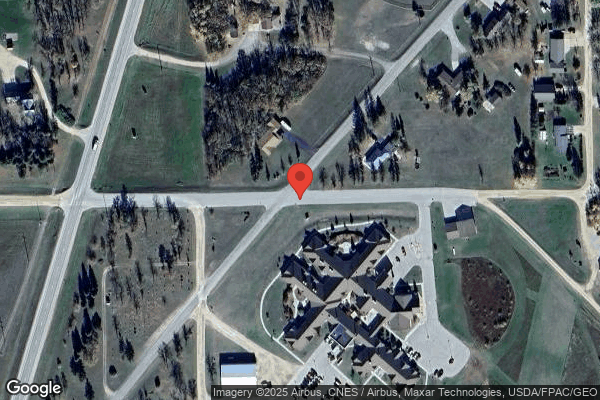
19120 200TH STREET, GREENBUSH, MN 56726 (218) 782-2131
Non profit - Other 40 Beds Independent Data: November 2025
Trust Grade
93/100
#52 of 337 in MN
Last Inspection: May 2025

Inspected within the last 6 months. Data reflects current conditions.

Overview

Lifecare Greenbush Manor has an excellent Trust Grade of A, indicating it is highly recommended and performs well compared to other facilities. It ranks #52 out of 337 in Minnesota and #1 out of 3 in Roseau County, placing it in the top half of local options. The facility is currently improving, with issues decreasing from 1 in 2024 to none in 2025. Staffing is a strength, with a 5-star rating and a turnover rate of 29%, which is lower than the state average of 42%, suggesting a stable and experienced workforce. However, there are some concerns, such as a failure to secure a resident's catheter properly, which risks infection, and a lack of action on pain complaints from another resident, indicating areas that need attention. Overall, while there are some weaknesses, the facility boasts many strengths, including no fines and strong staffing.

Trust Score
A
93/100
In Minnesota
#52/337
Top 15%
Safety Record
Low Risk
No red flags
Inspections
Getting Better
1 → 0 violations
Staff Stability
✓ Good
29% annual turnover. Excellent stability, 19 points below Minnesota's 48% average. Staff who stay learn residents' needs.
Penalties
✓ Good
No fines on record. Clean compliance history, better than most Minnesota facilities.
Skilled Nurses
✓ Good
Each resident gets 68 minutes of Registered Nurse (RN) attention daily — more than 97% of Minnesota nursing homes. RNs are the most trained staff who catch health problems before they become serious.
Violations
✓ Good
Only 4 deficiencies on record. Cleaner than most facilities. Minor issues only.
★★★★★
5.0
Overall Rating
★★★★★
5.0
Staff Levels
★★☆☆☆
2.0
Care Quality
★★★★★
5.0
Inspection Score
Stable
2024: 1 issues
2025: 0 issues

The Good

  • 5-Star Staffing Rating · Excellent nurse staffing levels
  • Low Staff Turnover (29%) · Staff stability means consistent care
  • Full Sprinkler Coverage · Fire safety systems throughout facility
  • No fines on record
  • Staff turnover is low (29%)

    19 points below Minnesota average of 48%

Facility shows strength in staffing levels, staff retention, fire safety.

The Bad

No Significant Concerns Identified

This facility shows no red flags. Among Minnesota's 100 nursing homes, only 1% achieve this.

The Ugly 4 deficiencies on record

Mar 2024 1 deficiency
CONCERN (D)

Potential for Harm - no one hurt, but risky conditions existed

Incontinence Care (Tag F0690)

Could have caused harm · This affected 1 resident

**NOTE- TERMS IN BRACKETS HAVE BEEN EDITED TO PROTECT CONFIDENTIALITY** Based on observation, interview and record review the facility failed to ensure an indwelling cathether was secured in a manner ...

Read full inspector narrative →
**NOTE- TERMS IN BRACKETS HAVE BEEN EDITED TO PROTECT CONFIDENTIALITY** Based on observation, interview and record review the facility failed to ensure an indwelling cathether was secured in a manner to prevent infection for 1 of 1 residents (R26) reviewed for catheter. Findings include: R26's quarterly Minimum Data Set (MDS) dated [DATE], identified R26 had severe cognitive impairment and utilized an indwelling urinary catheter. Diagnoses included heart failure and kidney disease. R26's care plan dated 9/20/23, identified R26 had an indwelling catheter in place due to urinary retention and required extensive assist of one to two for toileting. During an observation on 3/6/24, at 8:00 a.m. R26 was transferred to the wheelchair to go to the dining room for breakfast. Licensed practical nurse (LPN)-A placed R26's catheter on a clip underneath the wheelchair seat and the catheter bag rested directly on the floor. Nursing assistant (NA)-A wheeled R26 out of her room to the dining room. The catheter bag was creased and folded on the floor and the bag and catheter tubing were to be dragging on the floor. During interview on 3/6/24, at 8:00 a.m. NA-A stated the catheter bag and tubing should not be on the floor. R26's wheelchair was so low and she thought the catheter tubing was longer and so it ended up on the floor. NA-A would notify the nurse and see what could be done. During observation on 3/6/24, at 9:00 a.m. R26 remained seated in her wheelchair in the dining room. Her catheter bag and urine filled tubing remained directly on the floor. When interviewed on 3/6/24, at 9:15 a.m. LPN-A stated staff usually secured R26's catheter under her wheelchair seat and it did not drag or rest on the floor. They used a buckle under the seat to secure the catheter and the buckle must be stretched. LPN-A would go in and fix it so the catheter and tubing would be positioned properly. It was important to position the catheter properly to prevent infection. When interviewed on 3/6/24, at 12:20 p.m. the director of nursing (DON) stated catheters should be put into a protective cover bag and should be positioned properly so they are not resting on the floor. It was important to position catheter bag and tubing properly to prevent contamination and infection. The facility's undated policy Infection Control-Use of and Care for Indwelling Urinary Catheters identified catheter bag and tubing should not touch the floor and should be covered with a washable cloth bag for privacy and dignity.
Apr 2023 3 deficiencies
CONCERN (D)

Potential for Harm - no one hurt, but risky conditions existed

Accident Prevention (Tag F0689)

Could have caused harm · This affected 1 resident

**NOTE- TERMS IN BRACKETS HAVE BEEN EDITED TO PROTECT CONFIDENTIALITY** Based on observation, interview and document review the facility failed to comprehensively assess for the use of a mechanical li...

Read full inspector narrative →
**NOTE- TERMS IN BRACKETS HAVE BEEN EDITED TO PROTECT CONFIDENTIALITY** Based on observation, interview and document review the facility failed to comprehensively assess for the use of a mechanical lift chair 1 of 1 resident (R3) observed to use a mechanical lift chair. Findings include: R3's quarterly Minimum Data Set, dated [DATE], identified R3 had severe cognitive impairment, required assistance with transfers and had functional impairment of range of motion in both lower extremities. R3 had two or more since admission without injury. R3's care plan dated 12/5/22, directed staff to place the mechanical lift chair remote control out of reach, and unplug recliner when occupied. On 4/11/23 at 4:28 p.m., R3's was observed in her mechanical lift chair. The chair was in the reclined position with the foot rest extended straight out. R3 was seated in an upright position with her legs extended straight out in front of her and was attempting to get out of the chair without staff assistance. The call light was not on. R3 stated she was trying to get into her wheelchair. Surveyor alerted staff that R3 was attempting to get out of the mechanical lift chair. Nursing assistant (NA)-D entered R3's room and offered to assist R3 into her wheelchair. NA-D stated R3 made frequent attempts to self transfer out of the recliner, so staff needed to elevate the foot rest, put the remote out of reach in the pocket of the recliner, and unplug the lift chair from the wall. R3's medical record lacked a safety assessment for use of a mechanical lift chair. During interview on 4/12/23 at 2:18 p.m., registered nurse (RN)-C stated R3 had a history of falls. On 1/24/23, R3 was found on the floor with the mechanical lift chair in the standing position. R3 previously was seated in the mechanical lift chair with the TABS alarm (an alarm where a string attaches to the clothing of the resident on one end, and an affixed box at the other, when the resident moves, the string pulls out of the box and an alarm sounds) clipped to her shirt. Staff heard the alarm sounding and found R3 sitting on the floor with her feet out in front of her. R3 didn't use the call light for staff assistance. The facility implemented and intervention to keep the mechanical lift chair remote out of reach of R3; however, an assessment for the safe use of the mechanical lift chair was not completed, to ensure resident safety with self transferring from a chair in reclined position. During interview on 4/12/23 at 8:17 a.m., NA-D stated R3 would raise the mechanical lift chair to the upright position and attempt to self transfer out of the chair. At times, staff had to take R3's chair remote away or unplug the chair to ensure the resident's safety. During observation on 4/12/23 at 8:24 a.m., R3 was seated in the chair in her room. The chair was in the reclined position and the TABS alarm was clipped to the back of R3's shirt. The remote was in the pocket of the chair and out of reach of the resident. During interview on 4/12/23 at 4:19 p.m., the director of nursing (DON) stated resident assessments should be completed upon admission, quarterly, annually and with any significant changes. Assessments for mechanical lift chair would be completed based on when the resident received the chair, their cognition and if the resident appeared safe with the chair. A policy for safe mechanical lift chair use was requested; however the facility did not have a policy.
CONCERN (D)

Potential for Harm - no one hurt, but risky conditions existed

Deficiency F0697 (Tag F0697)

Could have caused harm · This affected 1 resident

**NOTE- TERMS IN BRACKETS HAVE BEEN EDITED TO PROTECT CONFIDENTIALITY** Based on observation, interview and document review, the facility failed to to act on continued complaints of pain for 1 of 1 re...

Read full inspector narrative →
**NOTE- TERMS IN BRACKETS HAVE BEEN EDITED TO PROTECT CONFIDENTIALITY** Based on observation, interview and document review, the facility failed to to act on continued complaints of pain for 1 of 1 residents (R82) reviewed for pain. Findings include: R82's admission Minimum Data Set (MDS) dated [DATE], identified R6 had moderate cognitive impairment. R6 reported frequent and moderate pain. R6 received non-pharmacological pain interventions as well as scheduled and as needed (PRN) pain medications. Diagnoses included a wedge compression fracture (a break in the vertebrae, the bones that make up your spine, caused by force) of the lower spine and low back pain. R82's physician orders dated 3/27/23, included the following: - Duragesic-50 transdermal patch (used for persistent moderate to severe pain) 72 hour 50 mcg/hours (hr) Apply 50 mcg patch transdermally one time a day every 3 day(s) related to wedge compression fracture of second lumbar vertebra. - Lidocaine external patch 5 % (used to help reduce itching and pain from certain skin conditions and may also be used to help relieve nerve pain). Apply to lower back topically every 24 hours for on for 12 hours - off for 12 hours related to low back pain - Morphine sulfate (concentrate) oral solution (used to treat severe pain) 100 milligram (mg)/5 milliliter (ml) give 0.25 ml by mouth every 4 hours PRN pain/discomfort related to wedge compression fracture of second lumbar vertebra. - Tramadol hcl (used to help relieve moderate to moderately severe pain) 50 mg oral tablet give 50 mg by mouth every 8 hours as needed for pain/discomfort related to wedge compression fracture of second lumbar vertebra. - Tylenol extra strength (used to treat mild to moderate pain) 500 mg tablets give 2 tablets by mouth three times a day related to wedge compression fracture of second lumbar vertebra. - Xanax (an antianxiety medication) give 0.125 mg by mouth every 4 hours as needed for anxiousness for 14 days dated 4/3/23 R82's care plan dated 4/2/23, directed staff to encourage weight bearing exercise as tolerated to help maintain bone mass, give pain medications as ordered by the physician and monitor/document for side effects and effectiveness, and provide pillows, etc. to help maintain comfortable position. The care plan also identified R82 had an alteration in musculoskeletal status related to aging condition of her body and chronic conditions and directed staff R82 needed to change position (every 1-2 hours) along with alternated periods of rest with activity out of bed in order to prevent respiratory complications, dependent edema, flexion deformity and skin pressure areas. R82's pain Care Area Assessment (CAA) dated 4/9/23, identified R82 was having severe back pain when first admitted to the facility. R82's pain improved, and R82 used as needed morphine and Tramadol less. R82 was being managed by Tylenol 1,000 mg three times a day, Lidocaine patch 5%, and Duragesic patch 50 microgram (mcg). Vertebroplasty (a procedure in which a special cement is injected into a fractured vertebra - with the goal of relieving spinal pain and restoring mobility) was done to help with pain. Plan to maintain or improve R6's pain to maintain quality of life. The CAA did not address R82's non-pharmacological pain interventions. On 4/10/23 at 2:18 p.m., R82 was observed sitting in her wheelchair with her elbows resting on the tops of her thighs, back hunched, and rocked her wheelchair back in forth with her feet. R82 stated she recently was admitted to the facility due to a fall at home. R82 was having back pain that had worsened after having a dressing changed to her lower back and stated she told nursing staff. R82 was given Tylenol but it was not helping. It was pretty good until that dressing change. R82 never had pain like that before and uff, I just can't stand it. R82 rated her pain at a 7 on a 0-10 scale (a score of 0 means no pain, and 10 means the worst pain you have ever known). R82's April 2023 Electronic Medication Administration Record (EMAR) identified on 4/10/23 at 4:37 p.m., R82 was given morphine sulfate (concentrate) oral solution 100 mg/5 ml give 0.25 ml by mouth for pain; however, the administration was documented as ineffective and there was no evidence R82's pain was followed up on. During observation on 4/10/23 at 6:12 p.m., R82 was sitting at the supper table in her wheelchair with her meal in front of her. R82 continued to grimace with movement and was rocking her wheelchair back and forth with her foot. R82 ate approximately 25% of her meal and stated it tasted good, but I just can't. During a telephone interview on 4/11/23 at 4:06 p.m., registered nurse (RN)-A stated on 4:30 p.m. on 4/10/23, she did give R82 a dose of morphine sulfate due to complaints of increased pain. Approximately two hours later, R82 reported her pain was unchanged. RN-A stated she did not offer any non-pharmacological interventions or other PRN pain medications. as R82 routinely complained of pain when going to the bathroom or standing up. Further, R82 routinely reported her pain at a 6-7 and, because of this, RN-A stated additional pain medication was not warranted. During an interview on 4/12/23, at 2:17 p.m. the director of nursing stated she expected staff to offer something more such as another PRN pain medication to relieve R82's pain and/or to try something non-pharmacological such as an ice pack or hot pack. The facility policy Pain Assessment/Monitoring Procedure revised 2/14, identified if a resident stated they had pain, take his/her word for it. Pain was a subjective experience. The policy identified indicators of pain included frowning, abnormal body posture, grimacing, and decrease in usual activities. If the resident continued to experience pain, the pain medication needed to be re-assessed. Non-pharmacological interventions included: altering the environment for comfort, ice pack, mild heat, repositioning, and diversions.
CONCERN (D)

Potential for Harm - no one hurt, but risky conditions existed

Deficiency F0744 (Tag F0744)

Could have caused harm · This affected 1 resident

**NOTE- TERMS IN BRACKETS HAVE BEEN EDITED TO PROTECT CONFIDENTIALITY** Based on interview and document review, the facility failed to comprehensively assess and implement interventions for specific i...

Read full inspector narrative →
**NOTE- TERMS IN BRACKETS HAVE BEEN EDITED TO PROTECT CONFIDENTIALITY** Based on interview and document review, the facility failed to comprehensively assess and implement interventions for specific identified behavior triggers for 1 of 3 residents (R17) reviewed for dementia care. Findings include: R17's quarterly Minimum Data Set (MDS) dated [DATE], identified R17 had a severe cognitive impairment and R17 did not exhibit behaviors during the look back period. A diagnosis of dementia without behavioral disturbance was included. R17's cognitive loss/dementia Care Area Assessment (CAA) dated 5/5/22, identified R17 had a severe cognitive impairment. R17's risk factors were identified as verbal or physical abuse by staff or others, avoidance by staff or others, social isolation, neglect of cares, unmet needs, increased signs/symptoms of depression. R17 was very hard of hearing and directed staff to utilize a pocket talker and/or visual aids to communicate with R17. The CAA did not address interventions for his risk factors. R17's care plan revised 3/21/23, directed staff to do the following: - Reminisce with the R17 using photos of family and friends. - When conflict arose, remove R17 to a calm safe environment and allow to vent/share feelings. - R17 would refuse staff assistance to change incontinent product or toileting at times due to his progressive dementia. Staff were to reapproach at a later time, different staff members, encouragement, or distraction if agitated, combative or declining cares. R17's Behavior Tracking Log dated March 2023, identified the following: - On 3/4/23 at 7:00 p.m., care was attempted and R17 appeared calm in R17's bathroom. R17 refused cares and wanted to go take care of the cows and/or farm. Staff attempted distraction and change of staff, but the behavior remained the same. - On 3/7/23 at 6:00 p.m., care was attempted in the dining room. R17 had dumped a whole pepper shaker in his lap. Staff redirected and provided distraction and the behavior stopped. - On 3/20/23 at 6:30 a.m., care was attempted in R17's bathroom. R17 was combative, hitting, and yelling out. 1-2 staff did calm him down then R17 started back up again. During an interview on 4/11/23 at 3:13 p.m., nursing assistant (NA)-E stated staff were told R17 had Alzheimer's disease and R17's mood/behaviors could go from 0-10 quickly. R17 preferred female caregivers, but NA-E personally didn't have any problems when taking care of R17. If R17 became angry and/or combative, NA-E would attempt to calm him using a soft voice, distraction, but ultimately because R17 preferred females he would request assistance from a co-worker. During a telephone interview on 4/11/23, at 4:16 p.m. registered nurse (RN)-A stated R17 exhibited behaviors of anger, combativeness or refusal of care. Usually, R17 just said no. RN-A would instruct the nursing assistants to just walk away and reapproach in 20 minutes. Either R17 would or he wouldn't allow the care. During a telephone interview on 4/11/23, at 4:26 p.m. NA-A stated R17 was hard to take care of most of the time. R17 had increased behaviors on the evening of 3/19/23, but finally went to bed. NA-A let R17 sleep all night but did check on him to make sure he was safe. When R17 woke the morning of 3/20/23, NA-A believed R17 needed to have cares completed because he had been sleeping for 12 hours, wasn't toileted and was incontinent of bowel and bladder. R17 was refusing to get out of bed or to stand. Because of this, NA-A obtained a standing lift and used the lift to assist R17 to the bathroom, but R17 continued to be resistive with cares and refused. NA-A asked NA-B to assist him with R17's cares and they were able to get him dressed the best they could. R17 did say no and refused cares, and when cares didn't stop, R17 began yelling, swearing, and striking out. NA-A stated he had considered stopping cares, but believed cares needed to be finished because R17 had a history of skin breakdown. R17 continued to refuse cares, yell, hit and swear at NA-A and NA-B. I don't know what his deal was. During interview on 4/12/23 at 11:12 a.m., NA-B stated R17 did well with her usually. NA-B would ask R17 if he wanted to get up and if not, if R17 was safe, NA-B would go back and try again later. R17 did refuse cares and staff were to try to get him to use the bathroom. R17 had dementia and it was important on how staff approached R17. R17 could be happy one minute, then unhappy the next. R17 did better with female caregivers than male caregivers. There were male caregivers that did fine with R17, but NA-A was loud and abrasive. On the morning of 3/20/23, NA-B assisted NA-A with R17's cares. NA-B asked R17 if he wanted to get up, but R17 did not begin moving. NA-B did not want to push him, but NA-A entered the room and began telling R17 loudly we were going to get you up. R17 did not want to, but NA-A stated nope, we're going to get you up and dressed. R17 wasn't having anything to do with it. - R17 was refusing to stand and NA-A obtained a bedside commode, but R17 continued to refuse. NA-A then obtained the standing lift because they couldn't get R17 into his wheelchair. NA-B stated she knew R17 wasn't care planned to use a standing lift, but wanted to ensure R17 was safe and did not fall. R17 began hitting, kicking, striking out while NA-A and NA-B transferred him using the standing lift to his wheelchair. R17 was yelling get out, don't touch me. Once R17 was on the toilet, NA-A left the room. NA-B calmly asked R17 if she could finish his cares and R17 agreed as long as NA-A did not return. R17 completed cares without further resistance. NA-B stated she did not speak up during the incident to tell NA-A to stop nor did she request help from other staff. After NA-B assisted R17 to breakfast, she reported the incident to the licensed practical nurse (LPN)-A. During a telephone interview on 4/12/23 at 11:46 a.m., LPN-A stated NA-B reported NA-A and NA-B continued to provide morning cares to R17 even though he refused on 3/20/23. LPN-A then reported the incident to the director of nursing (DON) when she arrived to the facility approximately at 8:00 a.m. that morning. LPN-A stated R17 did have behaviors. If you try to help, he will push you away. R17 will kick, hit, and yell. For example, if he fell asleep at the dining table, if you try to assist him to his room he will become angry. Staff were directed to make sure R17 was safe, then reapproach later. You just make it worse if you keep fighting the bear. R17 did have triggers for his behaviors. Sometimes, he just did not want to be touched. R17 was very hard of hearing and had a communication board in his room. R17 did not have any preferences for male or female caregivers, but it was how you approached him; with a calm clear voice. During an interview on 4/12/23 at 11:57 a.m., NA-C stated you just never knew because R17 was one of those people that just refused a lot. When it came to refusing, sometimes he would say no, get out, or he would just ignore you. Plus, R17 was one where if you kept asking, it would make it worse. NA-C stated R17 was usually cooperative for her. NA-C would ask if he needed to go to the bathroom. If R17 said no, NA-C would ask in a different way to make sure he heard her, but if R17 continued to ignore her or say no, she would leave and go back later. If R17 still refused, she would tell the nurse or another staff member to try. During an interview on 4/12/23, at 12:28 p.m. LPN-B stated R17 refused cares a lot and it was how staff approached him. However, R17 had no specific trigger for his behaviors. R17 was a farmer and habitually rose early in the morning. Sometimes, R17 believed he was busy with farm work and if staff tried to toilet him or do cares, R17 just didn't have time for it. Staff were to reapproach when he refused. During an interview on 4/12/23, at 2:39 p.m. the DON stated she had not reviewed R17's care plan herself but the staff had talked about his behaviors during the interdisciplinary team (IDT) meeting. R17's behaviors had worsened in the past few months and he had become more resistive, possibly due to pain. The DON was unaware of what R17's behavior triggers were, but she was told he worries about the farm, the cows, and how his son will be able to take care of it. The DON had never been told R17 preferred female caregivers, preferred a calm, quiet voice, and/or would become angry with repeated questions, but all of that should have been in R17's assessment and care plan. The DON believed the incident happened not because of how R17 reacted to the situation, but how NA-A reacted to R17. Because of this, R17's care plan did not need new interventions. Staff not familiar with a residents care would need to review the care plan, but did expect staff to reapproach any resident who refused cares. The undated Care Planning policy, identified a care plan would be developed and maintained on each resident according to the RAI guidelines. The comprehensive care plan had been designed to: A. incorporate identified problem areas. B. Incorporate risk factors associated with identified problems. C. Build on the resident's strengths. D. Reflect treatment goals and objectives in measurable outcomes. E. Identify the professional services that are responsible for each element of care. F. Maintain and prevent declines in the resident's functional status and/or functional levels. A dementia care policy was requested but not received.
Understanding Severity Codes (click to expand)
Life-Threatening (Immediate Jeopardy)
J - Isolated K - Pattern L - Widespread
Actual Harm
G - Isolated H - Pattern I - Widespread
Potential for Harm
D - Isolated E - Pattern F - Widespread
No Harm (Minor)
A - Isolated B - Pattern C - Widespread

Questions to Ask on Your Visit

  • "Can I speak with families of current residents?"
  • "What's your RN coverage like on weekends and overnight?"

Our Honest Assessment

Strengths
  • • Grade A (93/100). Above average facility, better than most options in Minnesota.
  • • No major safety red flags. No abuse findings, life-threatening violations, or SFF status.
  • • No fines on record. Clean compliance history, better than most Minnesota facilities.
  • • Only 4 deficiencies on record. Cleaner than most facilities. Minor issues only.
Concerns
  • • No significant concerns identified. This facility shows no red flags across CMS ratings, staff turnover, or federal penalties.
Bottom line: Generally positive indicators. Standard due diligence and a personal visit recommended.

About This Facility

What is Lifecare Greenbush Manor's CMS Rating?

CMS assigns Lifecare Greenbush Manor an overall rating of 5 out of 5 stars, which is considered much above average nationally. Within Minnesota, this rating places the facility higher than 99% of the state's 100 nursing homes. This rating reflects solid performance across the metrics CMS uses to evaluate nursing home quality.

How is Lifecare Greenbush Manor Staffed?

CMS rates Lifecare Greenbush Manor's staffing level at 5 out of 5 stars, which is much above average compared to other nursing homes. Staff turnover is 29%, compared to the Minnesota average of 46%. This relatively stable workforce can support continuity of care.

What Have Inspectors Found at Lifecare Greenbush Manor?

State health inspectors documented 4 deficiencies at Lifecare Greenbush Manor during 2023 to 2024. These included: 4 with potential for harm.

Who Owns and Operates Lifecare Greenbush Manor?

Lifecare Greenbush Manor is owned by a non-profit organization. Non-profit facilities reinvest revenue into operations rather than distributing to shareholders. The facility operates independently rather than as part of a larger chain. With 40 certified beds and approximately 32 residents (about 80% occupancy), it is a smaller facility located in GREENBUSH, Minnesota.

How Does Lifecare Greenbush Manor Compare to Other Minnesota Nursing Homes?

Compared to the 100 nursing homes in Minnesota, Lifecare Greenbush Manor's overall rating (5 stars) is above the state average of 3.2, staff turnover (29%) is significantly lower than the state average of 46%, and health inspection rating (5 stars) is much above the national benchmark.

What Should Families Ask When Visiting Lifecare Greenbush Manor?

Based on this facility's data, families visiting should ask: "Can I visit during a mealtime to observe dining assistance and food quality?" "How do you handle medical emergencies, and what is your hospital transfer rate?" "Can I speak with family members of current residents about their experience?"

Is Lifecare Greenbush Manor Safe?

Based on CMS inspection data, Lifecare Greenbush Manor has a clean safety record: no substantiated abuse findings (meaning no confirmed cases of resident harm), no Immediate Jeopardy citations (the most serious violation level indicating risk of serious injury or death), and is not on the Special Focus Facility watch list (a federal program monitoring the lowest-performing 1% of nursing homes). The facility has a 5-star overall rating and ranks #1 of 100 nursing homes in Minnesota. While no facility is perfect, families should still ask about staff-to-resident ratios and recent inspection results during their visit.

Do Nurses at Lifecare Greenbush Manor Stick Around?

Staff at Lifecare Greenbush Manor tend to stick around. With a turnover rate of 29%, the facility is 17 percentage points below the Minnesota average of 46%. Low turnover is a positive sign. It means caregivers have time to learn each resident's needs, medications, and personal preferences. Consistent staff also notice subtle changes in a resident's condition more quickly.

Was Lifecare Greenbush Manor Ever Fined?

Lifecare Greenbush Manor has no federal fines on record. CMS issues fines when nursing homes fail to meet care standards or don't correct problems found during inspections. The absence of fines suggests the facility has either maintained compliance or corrected any issues before penalties were assessed. This is a positive indicator, though families should still review recent inspection reports for the full picture.

Is Lifecare Greenbush Manor on Any Federal Watch List?

Lifecare Greenbush Manor is not on any federal watch list. The most significant is the Special Focus Facility (SFF) program, which identifies the bottom 1% of nursing homes nationally based on persistent, serious quality problems. Not being on this list means the facility has avoided the pattern of deficiencies that triggers enhanced federal oversight. This is a positive indicator, though families should still review the facility's inspection history directly.