Lifecare Roseau Manor
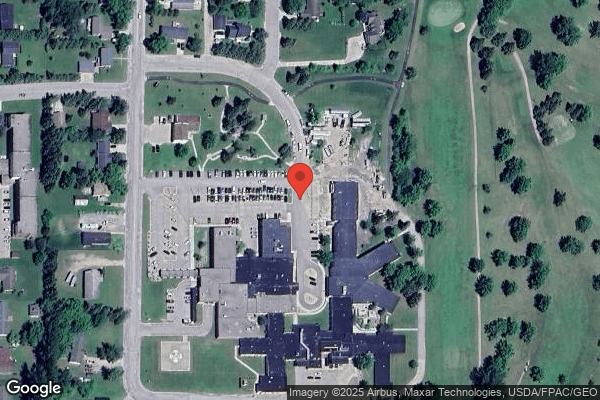

715 DELMORE DRIVE, ROSEAU, MN 56751 (218) 463-2500
Non profit - Corporation 40 Beds Independent Data: November 2025 1 Immediate Jeopardy citation
Trust Grade
66/100
#129 of 337 in MN
Last Inspection: April 2025

Within standard 12-15 month inspection cycle. Federal law requires annual inspections.

Overview

Lifecare Roseau Manor has a Trust Grade of C+, which indicates it is slightly above average but not without concerns. It ranks #129 out of 337 nursing homes in Minnesota, placing it in the top half, and is #2 out of 3 in Roseau County, meaning only one local facility is ranked higher. However, the facility's trend is worsening, with issues increasing from 1 in 2024 to 3 in 2025, and it has accumulated fines of $26,685, which is higher than 87% of similar facilities, suggesting some compliance problems. Staffing is a clear strength, rated 5 out of 5 stars with a turnover rate of only 27%, well below the state average of 42%. Nevertheless, there are notable weaknesses, including a critical incident where a resident was found outside the facility unsupervised, and concerns regarding proper care for residents with urinary catheters, which could lead to infections.
Trust Score
C+
66/100
In Minnesota
#129/337
Top 38%
Safety Record
High Risk
Review needed
Inspections
Getting Worse
1 → 3 violations
Staff Stability
✓ Good
27% annual turnover. Excellent stability, 21 points below Minnesota's 48% average. Staff who stay learn residents' needs.
Penalties
○ Average
$26,685 in fines. Higher than 64% of Minnesota facilities. Some compliance issues.
Skilled Nurses
✓ Good
Each resident gets 55 minutes of Registered Nurse (RN) attention daily — more than average for Minnesota. RNs are trained to catch health problems early.
Violations
✓ Good
Only 4 deficiencies on record. Cleaner than most facilities. Minor issues only.
★★★★☆
4.0
Overall Rating
★★★★★
5.0
Staff Levels
★☆☆☆☆
1.0
Care Quality
★★★★☆
4.0
Inspection Score
Stable
2024: 1 issues
2025: 3 issues

The Good

  • 5-Star Staffing Rating · Excellent nurse staffing levels
  • Low Staff Turnover (27%) · Staff stability means consistent care
  • Full Sprinkler Coverage · Fire safety systems throughout facility
  • No fines on record
  • Staff turnover is low (27%)

    21 points below Minnesota average of 48%

Facility shows strength in staffing levels, staff retention, fire safety.

The Bad

Federal Fines: $26,685

Below median ($33,413)

Moderate penalties - review what triggered them

The Ugly 4 deficiencies on record

1 life-threatening
Apr 2025 2 deficiencies
CONCERN (D)

Potential for Harm - no one hurt, but risky conditions existed

Incontinence Care (Tag F0690)

Could have caused harm · This affected 1 resident

**NOTE- TERMS IN BRACKETS HAVE BEEN EDITED TO PROTECT CONFIDENTIALITY** Based on observation, interview, and document review, the facility failed to ensure urinary catheter care was provided in a mann...

Read full inspector narrative →
**NOTE- TERMS IN BRACKETS HAVE BEEN EDITED TO PROTECT CONFIDENTIALITY** Based on observation, interview, and document review, the facility failed to ensure urinary catheter care was provided in a manner to prevent contamination and potential urinary tract infection (UTI) for 1 of 1 residents (R30) reviewed for catheter cares. Findings include: R30's quarterly Minimum Data Set (MDS) dated [DATE], identified R30 had severe cognitive impairment and required an indwelling urinary catheter. Diagnoses included an enlarged prostate and obstructive uropathy (a condition where a blockage hinders the flow of urine). R30's care plan dated 3/28/24, identified R30 had indwelling urinary catheter related to obstructive uropathy and an enlarged prostate. The following interventions were implemented: - Position catheter bag and tubing below the level of the bladder and away from entrance room door. - Monitor and document intake and output as per facility policy. - Monitor/document for pain/discomfort due to catheter. CNA - Monitor/record/report to MD for signs and symptoms of UTI: pain, burning, blood-tinged urine, cloudiness, no output, deepening of urine color, increased pulse, increased temp, urinary frequency, foul smelling urine, fever, chills, altered mental status, change in behavior, change in eating patterns. The care plan also identified R30 was on Enhanced Barrier Precautions related to indwelling foley catheter use. Staff were to wear personnel protective equipment (PPE) as identified in EBP policy (gloves and gown, face protection if performing activity with high risk of splash), during high-contact resident care activities: Transferring, Providing Hygiene, Changing briefs or assisting with toileting and Device care or use. R30's Urinary Incontinence and Indwelling Catheter Care Area Assessment (CAA) dated 4/3/24, identified the goal for R30 was to continue to transfer and ambulate safely independently and avoid complications. Staff were to assist with activities of daily living (ADLs) as needed and observe for increased dependence with ADLs and notify R30's physician (MF) of decline, encourage to participate in functional maintenance program to maintain abilities, encourage to attend group exercise, observe condition of skin daily with cares and weekly on bath day and notify MD of areas of concern, observe for symptoms of pain and offer prn pain medication and nonpharmacological interventions for pain and observe for effectiveness and notify MD if ineffective, assist with urinary catheter management and observe for complications and notify MD of concerns, observe for new or worsening symptoms of depression and side effects of Zoloft and notify MD of concerns, observe for social isolation, invite and encourage to attend meals and activities in the dining room, allow to vent frustrations, offer one to one visits. R30 was at risk for increased ADL dependence, falls with injury, skin breakdown, infections, worsening symptoms of depression, adverse behaviors, social isolation, frustration, anxiety, unmanaged pain, and unmet needs. During an observation on 4/8/25 at 3:53 nursing assistant (NA)-C assisted R30 back to his room from a group activity. NA-C offered toileting to R30, but R30 declined, and NA-C stated he would assist R30 to lie down in bed. - At 3:55 p.m., NA-C began to position R30's wheelchair next to R30's bed, but then stated NA-C needed to check R30's catheter leg to bag. NA-C put on gloves and raised R30's left pants leg to expose R30's catheter leg bag. The bag was approximately half full of amber colored urine. NA-C stated wait right here. I'll gown up. NA-C exited the room and put on a disposable gown, put on a pair of gloves then applied another pair of gloves on top. No hand sanitizer was used. - At 4:02 p.m., NA-C obtained R30's plastic graduate from R30's bathroom and placed it directly on the floor in front of R30. NA-C open R30's catheter leg bag port, drained the urine, then cleaned the port with an alcohol wipe. NA-C poured the urine in the toilet and rinsed the graduate. NA-C then removed the top layer of gloves but did not perform handwashing or used hand sanitizer. - At 4:04 p.m., NA-C placed a gait belt around R30 and assisted R30 into bed. -At 4:07 p.m., NA-C removed the gown and gloves and used hand sanitizer. NA-C stated he did not need to wash his hands or used hand sanitizer when he removed the top layer of gloves because he was wearing double gloves. I always do that. NA-C stated he had done the double glove thing a long time and had just seen it around. NA-C stated the double gloving probably shouldn't be done and only one pair of gloves should be worn at a time with hand sanitizer between. Additionally, NA-C stated he normally placed a disposable washcloth under the graduate when draining urine but did not do that. NA-C stated staff were instructed to do both to help prevent the spread of infection. During an interview on 4/9/25 at 10:02 a.m., registered nurse (RN)-B stated she was the facility infection prevention nurse. Staff were expected to use hand sanitizer or wash their hands every time they removed their gloves. Additionally, staff should put a barrier between the floor and the graduate every time they drain a catheter bag to prevent splashing on the floor. During an interview on 4/9/25 at 10:18 a.m., licensed practical nurse (LPN)-A stated staff were expected to wash their hands every time they took off their gloves and to put a barrier between the graduate and the floor, like a paper towel, in case of splashing. During an interview on 4/9/25 at 10:23 a.m., LPN-B stated staff were expected to wash their hands after taking off their gloves and to put something underneath the graduate. The facility had disposable underpads to lay down on the floor then put the graduate on top of that. During an interview on 4/9/25 at 10:24 a.m., RN-C stated staff were expected to either use hand sanitizer or wash their hand when they removed their gloves. When doing catheter care staff should lay down something like a disposable underpad, something that will soak up urine and not allow the urine to soil the floor. During an interview on 4/9/25 at 1:02 p.m., the director of nursing (DON) stated staff should put down a disposable underpad as a barrier on the floor when emptying a catheter. Staff were also expected to follow enhanced barrier precautions. Double gloving was unacceptable. Staff were expected to put on a single pair of gloves, wash their hands or use hand sanitizer after removing and then put on a new pair of gloves to prevent potential infection. During an interview on 4/9/25 at 1:09 p.m., the assistant administrator stated staff were expected to follow policy and procedure to ensure the safety of the residents and staff. The facility policy Hand Hygiene/Handwashing undated, identified all staff should practice proper hand hygiene to prevent the spread of infection. Staff were directed to perform hand hygiene in the following situations: - Before direct resident contact. - After contact with residents' intact skin. - After contact with body fluids or excretions, mucous membranes or non-intact skin, and wound dressings if hands were not visibly soiled. - After removing gloves. The facility policy Indwelling Urinary Catheter: Use, Insertion Care and Maintenance dated 3/20/24, identified staff were directed to use Enhanced Barrier Precautions (EBP)-don gloves and gown, during any manipulation of the catheter or drainage system. The facility policy Enhanced Barrier Precautions - EBP undated, identified Enhanced Barrier Precautions are an infection control intervention designed to reduce transmission of multidrug-resistant organisms (MDROs) in nursing homes. Enhanced Barrier Precautions expand the use of PPE and refer to the use of gown and gloves during high-contact resident care activities that provide opportunities for transfer of MDROs to staff hands and clothing. MDROs may be indirectly transferred from resident-to-resident during these high-contact care activities. Examples of high-contact resident care activities requiring gown and glove use for Enhanced Barrier Precautions include: - Dressing - Bathing/showering - Transferring - Providing hygiene - Changing linens - Changing briefs or assisting with toileting - Device care or use: central line, urinary catheter, feeding tube, tracheostomy/ventilator - Wound care: any skin opening requiring a dressing
CONCERN (D)

Potential for Harm - no one hurt, but risky conditions existed

Infection Control (Tag F0880)

Could have caused harm · This affected 1 resident

**NOTE- TERMS IN BRACKETS HAVE BEEN EDITED TO PROTECT CONFIDENTIALITY** R8's quarterly MDS dated [DATE], identified a severe cognitive impairment and diagnoses that included dementia, muscle weakness,...

Read full inspector narrative →
**NOTE- TERMS IN BRACKETS HAVE BEEN EDITED TO PROTECT CONFIDENTIALITY** R8's quarterly MDS dated [DATE], identified a severe cognitive impairment and diagnoses that included dementia, muscle weakness, and type 2 diabetes. R8 was non-ambulatory and was dependent on staff for all care areas. R8's care plan dated 3/28/20, identified R8 had an ADL self-care performance deficit related to impaired balance, unsteady gait, limited range of motion, musculoskeletal impairment, right lower leg/foot fracture and non-weight bearing status. Staff were directed to provide: BED MOBILITY: R8 used (1/2 rails on bed) to maximize independence with turning and repositioning in bed; DRESSING: R8 required (extensive assistance) by (1) staff to dress to pull on/off socks, lace up right foot brace and pants; PERSONAL HYGIENE: R8 required (extensive assistance) by (1) staff with personal hygiene and oral care to clean full upper denture and comb back of hair; TOILET USE: Transfer on/off toilet or commode with total body mechanical lift with 2 staff. Due to inability to consistently bear weight for transfers; and TRANSFER: Total body mechanical lift with 2 staff for all transfers. Needs to wear shoes during transfers. During an observation on 4/9/25 at 7:24 a.m., nursing assistant (NA)-D entered R8's room to provide morning cares. - At 7:29 a.m., NA-D put on gloves and explained to R8 she needed to check R8's incontinence brief. NA-D checked R8's brief and stated a new would need to be put on because the brief was soiled with urine. NA-D did remove her gloves and washed R8's face with a disposable washcloth. NA-D removed R8's incontinence brief and used a disposable washcloth to clean urine and feces from R8's skin. - At 7:34 a.m., NA-E entered the room and obtained a clean brief for NA-D. NA-D removed her gloves but did not wash her hands or use hand sanitizer before putting on new gloves. NA-D assisted R8 to put on the clean brief. - At 7:39 a.m., NA-D and NA-E assisted R8 to wash her upper body, put on deodorant and dress. R8 was then assisted into her wheelchair with a full body mechanical lift. - At 7:56 a.m., NA-D removed her soiled gloves and assisted R8 to breakfast. NA-D did not wash her hands or use hand sanitizer. During an interview on 4/9/25 at 7:58 a.m., NA-D stated you should use hand sanitizer whenever removing gloves, especially after cleaning feces. It's feces and you don't want to spread that anywhere else. During an interview on 4/9/25 at 10:02 a.m., registered nurse (RN)-B stated she was the facility infection prevention nurse. Staff were expected to use hand sanitizer or wash their hands every time they removed their gloves. During an interview on 4/9/25 at 10:18 a.m., licensed practical nurse (LPN)-A stated staff were expected to wash their hands every time they took off their gloves. During an interview on 4/9/25 at 10:23 a.m., LPN-B stated staff were expected to wash their hands after taking off their gloves. During an interview on 4/9/25 at 10:24 a.m., RN-C stated staff were expected to either use hand sanitizer or wash their hand when they removed their gloves. During an interview on 4/9/25 at 1:02 p.m., DON stated staff were expected to put on a single pair of gloves, wash their hands or use hand sanitizer after removing and then put on a new pair of gloves to prevent potential infection. During an interview on 4/9/25 at 1:09 p.m., the assistant administrator stated staff were expected to follow policy and procedure to ensure the safety of the residents and staff. The facility policy Hand Hygiene/Handwashing undated, identified all staff should practice proper hand hygiene to prevent the spread of infection. Staff were directed to perform hand hygiene in the following situations: - Before direct resident contact. - After contact with residents' intact skin. - After contact with body fluids or excretions, mucous membranes or non-intact skin, and wound dressings if hands were not visibly soiled. - After removing gloves. Based on observation, interview, and document review, the facility failed to ensure enhanced barrier precautions (EBP) were consistently implemented in accordance with Centers for Disease Control (CDC) recommendations to reduce the risk of infection for 1 of 4 residents (R31); and failed to ensure appropriate hand hygiene was completed during provision of personal care for 1 of 4 residents (R8) whose cares were observed. Findings include: R31's quarterly Minimum Data Set (MDS) dated [DATE], identified R31 was cognitively intact and required assistance with activities of daily living. R31's care plan, printed 4/9/25, identified all R31's actual or potential problems along with interventions to help R31 meet established goals of care. The care plan outlined R31 was on enhanced barrier precautions (EBP) due to positive for vancomycin-resistant enterococci (VRE) infection in urine. Staff were directed to wear PPE of gloves, gown and face protection if performing activity with a high risk of splash and during high contact resident care activities such as dressing, bathing, transferring, providing hygiene, changing linens, changing briefs or assisting with toileting, device care or use and wound care. On 4/7/25, at 4:00 p.m. R31's room was observed from the hallway which had an orange colored sign posted on the middle of the door which read [STOP SIGN] Enhanced Barrier Precautions [STOP SIGN] . Providers and Staff Must Also: Wear gloves and a gown for the following High-Contact Resident Care Activities . Dressing, Bathing/Showering, Transferring, Changing Linens, Providing Hygiene, Changing briefs or assistance with toileting . Across the hall was a hard plastic cart with gowns and other PPE supplies inside. On 4/7/25, at 5:08 p.m. R31 was observed in a half way seated position on the edge of her bed. The room call light was on and R31 stated she wanted assistance to get into her wheelchair. Registered nurse (RN)-A and nursing assistant (NA)-A entered the room and approached the bed to assist R31 into her wheelchair. Neither of the staff had a gown on as directed by the signage. RN-A positioned a gait belt around R31's waist and both staff assisted R31 to a semi stand position and slowly seated her in her wheelchair. R31 then requested assistance to use the toilet. Another nursing assistant (NA)-B entered R31's room to assist with R31's care and RN-A removed her gloves, applied alcohol-based hand rub (ABHR) to her hands and exited the room. NA-B was not wearing a gown as directed by the signage on R31's door. NA-B stated R31 was care planned to have two staff present with care at all times. NA-A wheeled R31 into her bathroom and assisted her onto the toilet after lowering R31's pants and brief. When R31 was finished, NA-A donned gloves and assisted R31 back into her wheelchair. NA-A's uniform was observed brushing against R31 body several times as she was assisting her with toileting and transfer. NA-B stated she was not sure why R31 was on EBP and would have to check with the nurse. During interview on 4/7/25, at 5:15 p.m. NA-A stated staff were notified which residents required EBP during shift report, however, she had not attended the full shift report because she had to assist floor staff with a resident's care. NA-A stated she had forgotten to put on PPE when she had assisted R31 with transfer and toileting. When interviewed on 4/7/25, at 5:15 p.m. RN-A stated R31 had bacterial colonization in her urine and they all should have been wearing PPE gowns when they had helped R31 to transfer and toilet. During interview on 4/8/25, at 3:46 p.m. RN-B verified she was also the facility's infection control preventionist and stated any residents with a draining wound, invasive device like a foley catheter or a history of MDRO would be placed on EBP. Staff knew which residents required EBP because of the signage on the resident's door. R31 had been on EBP since her admission. Staff should have stopped when R31 requested assistance with toileting and donned gown and gloves prior to assisting her, even with the initial transfer from her bed to her wheelchair. When interviewed on 4/9/25, at 9:40 a.m. the director of nursing (DON) stated staff should wear PPE of gown and gloves when assisting R31 to transfer or with cares such as toileting. R31 had resistive bacteria in her urine and the PPE was required with any transfers or assistance with cares to reduce the risk of spread of infection. It was required for staff to don a gown for transfers and personal cares, including toileting and staff had been educated on the facility's policy for EBP. The facility's undated policy Enhanced Barrier Precautions-EBP identified EBP was an infection control intervention designed to reduce transmission of multidrug-resistant (MDROs) in nursing homes. Nursing home residents with wounds that required a dressing, an indwelling medical device, and/or residents with MDRO infection or colonization would require EBP. Gown and gloves were required during high contact resident care activities. Examples of high contact resident care activities which required gown and glove use of EBP included dressing, bathing, transferring, providing hygiene, changing linens, changing briefs or assisting with toileting, device or wound care. A CDC Implementation of Personal Protective Equipment (PPE) Use in Nursing Homes to Prevent Spread of Multidrug-resistant Organisms (MDROs) manual, dated 7/2022, identified MDRO transmission within a nursing home was common and contributed to substantial resident morbidity and mortality. The feature outlined EBP were defined as, . expand the use of PPE and refer to the use of gown and gloves during high-contact resident care activities that provide opportunities for transfer of MDROs to staff hands and clothing . MDROs may be indirectly transferred from resident-to-resident during these high-contact care activities . residents with wounds and indwelling medical devices are at especially high risk of both acquisition of and colonization with MDROs. The feature identified several examples of high-contact resident care activities including dressing, bathing, providing hygiene, transferring, changing linens or briefs, and wound care.
Mar 2025 1 deficiency 1 IJ
CRITICAL (J) 📢 Someone Reported This

A family member, employee, or ombudsman was alarmed enough to file a formal complaint

Immediate Jeopardy (IJ) - the most serious Medicare violation

Accident Prevention (Tag F0689)

Someone could have died · This affected 1 resident

**NOTE- TERMS IN BRACKETS HAVE BEEN EDITED TO PROTECT CONFIDENTIALITY** Based on interview and document review the facility failed to adequately supervise and respond to an alarm sounding exit door fo...

Read full inspector narrative →
**NOTE- TERMS IN BRACKETS HAVE BEEN EDITED TO PROTECT CONFIDENTIALITY** Based on interview and document review the facility failed to adequately supervise and respond to an alarm sounding exit door for 1 of 3 residents (R1) reviewed for elopement risks. R1 exited the facility without staff knowledge and was found by a visitor on the ground with WC next to them outside the facility door. R1 had abrasions and bent glasses. The immediate jeopardy began on 3/13/25, at approximately 12:45 p.m., when R1 was found outside the facility on the ground next to his wheelchair. The IJ was identified on 3/21/25, and the administrator was notified of the IJ on 3/21/25, at 12:50 p.m. The immediate jeopardy was removed on 3/17/25, and the deficient practice was corrected prior to the start of the survey and was therefore issued at past noncompliance. Findings include: On 3/21/25 at 8:53 a.m. video footage of the R1's elopement on 3/13/25 was reviewed. The video showed R1 at a set of closed double doors approximately six feet from the nurses' station and dining room entrance at 12:34 p.m. At 12:35 p.m., R1 was seen on the video opening the double doors and going through toward the front entry a few feet away. R1 was able to push on the door and go outside at 12:36 p.m. At 12:37 p.m., housekeeper (HK)-A approached the door and turned off the alarm that was sounding then left the area. R1's admission Record indicated he admitted to the facility 9/21/23. Diagnosis included Alzheimer's and dementia. R1's quarterly Minimum Data Set (MDS) dated [DATE], identified severe cognitive impairment and indicated use of a wander alarm. The MDS indicated R1 had hallucinations, displayed physical and verbal behaviors and no wandering behaviors during the assessment period. The MDS indicated R1 was independent with transfers and wheelchair mobility. R1's Elopement Risk Screening dated 2/20/25, indicated R1 was alert and oriented, voiced a desire to leave and had previous elopement attempts. R1's care plan dated 12/30/24, identified target behaviors that included argumentative, resistant to assistance with activities of daily living, verbal aggression and identified him as an elopement risk. The care plan directed staff to allow him to vent his frustration, distract with activities such as a marble game and call family if needed to assist with redirection. The care plan indicated R1 was independent with transfers and ambulation in his room and indicated he could self-propel his manual wheelchair. Facility incident reports identified the following: 11/28/24 at 1:23 p.m., visitor alerted nursing there was a man (R1) in a wheelchair outside the building. Visitor reported the man pushed on the front door as it was beeping until it opened, then went out the door. The visitor cleared the door alarm and alerted staff. R1 stated he was going to the store to get chewing tobacco. Nursing staff found him self-propelling his wheelchair behind the handicap parking area. There were cars driving around the area at the time. R1 was brought back into the building safely. Staff were notified and told to monitor R1's location. The incident report indicated R1 may have been disoriented/confused due to many residents and family members being in and out of the building for a holiday meal. 1/25/25, Staff was alerted to door alarm sounding and observed R1 outside attempting to get back in the building. A plow truck driver stopped and said he saw resident outside before staff arrived. He had been plowing snow at the time R1 eloped. R1 was wearing a heavy flannel shirt and shoes but no jacket. Will continue to monitor and ensure hourly checks for safety are completed. Double doors between nursing station and front door to be shut. 3/13/25 at 12:45 p.m., exit door alarm sounded when a visitor left the facility. Staff went to shut off the alarm and saw R1 sitting on the cement next to his wheelchair with a visitor attempting to assist him to sit up. R1 was seated on the curb straight out from the front door. R1 had abrasions to the right side of his forehead, his glasses were bent up against his face and he had a laceration to his nose, abrasions to thumb, both knees, elbow, and wrist. When asked what happened, R1 said I was going around and down. When asked where he was going R1 said, well, home. Immediate action taken included: hourly checks to monitor whereabouts, education provided to staff who had shut off the initial alarm and education initiated for all other staff. During interview on 3/21/25 at 7:26 a.m., the director of nursing stated she had been in the building on 3/13/25, when R1 eloped. The DON said she had viewed the camera footage and said the double doors had been closed since R1's last elopement but he had been able to open them. The DON said R1 had also attempted to go through the family dining room to get to the front door in the past. The DON said after the incident on 3/13/25, she sent education related to alarms to all facility staff and to all staff at the attached hospital. The DON said they had collaborated with the fire Marshall and set up the door so it would not open if a wander alert was in the vicinity. The DON said the door had been wander alert activated but said if someone went through the door and a resident followed them out, the door would not alarm. The DON said now the door alarmed if a wander alert was nearby. The DON said the door had also been changed to alarm if open for 10 seconds compared to the previous 30 seconds. During interview on 3/21/25 at 7:36 a.m., HK-A stated on 3/13/25, she heard the alarm sounding at the entrance to the facility. HK-A stated the set of double doors between the nurses station and the entrance had been closed so she went through them, did a quick glance, and turned off the alarm and went back to what she had been doing. HK-A stated she had not gone outside to see if a resdient had left the building. During interview on 3/21/25 at 8:53 a.m. The quality specialist said part of the video footage was no longer available. She said when she viewed the footage the previous week it showed R1 got to the edge of the sidewalk and flip forward out of his wheelchair on the curb. During interview on 3/21/25 at 9:25 a.m. licensed practical nurse (LPN)-A stated R1 was confused and wanted to go home. LPN-A stated R1 would often sit by the front door and watch people come and go. LPN-A said on 3/13/25, she had been passing medications. She said her medication cart was right outside the dining room and the last time she had seen R1 he had been eating. LPN-A said the double doors leading to the entrance were shut and said she saw a visitor leave and heard the alarm. LPN-A stated she looked outside and saw R1 sitting on the curb outside the door. She said R1 had several abrasions, a laceration to his nose and said his glasses were smooshed. During interview on 3/21/25 at 11:14 p.m., the director of nursing (DON) identified the root cause of the elopement being the staff member shut off the alarm without looking to see if a resident had exited the building. The DON said R1 could have been more seriously injured. She stated if the weather had been colder, he could have suffered from hypothermia or death. An elopement policy was requested but not received. The past noncompliance immediate jeopardy began on 3/13/25. The immediate jeopardy was removed 3/17/25, and the deficient practice corrected after the facility implemented a systemic plan that included the following actions: - 3/13/25, Immediate education provided to the staff member that shut off the alarm. - 3/13/25 through 3/21/25,Education to all staff about alarms and process of checking outside for residents prior to shutting off an alarm and notification to nursing staff. - 3/17/25, Maintenance evaluated the door alarm and collaborated with the Fire Marshall to decrease the amount of time door opened if pushed. Maintenance also changed the wander alert alarm so it would activate when resident was near the door.
Feb 2024 1 deficiency
CONCERN (D)

Potential for Harm - no one hurt, but risky conditions existed

Deficiency F0883 (Tag F0883)

Could have caused harm · This affected 1 resident

**NOTE- TERMS IN BRACKETS HAVE BEEN EDITED TO PROTECT CONFIDENTIALITY** Based on interview and document review, the facility failed to offer pneumococcal vaccine booster as directed by the Centers for...

Read full inspector narrative →
**NOTE- TERMS IN BRACKETS HAVE BEEN EDITED TO PROTECT CONFIDENTIALITY** Based on interview and document review, the facility failed to offer pneumococcal vaccine booster as directed by the Centers for Disease Control (CDC) for 3 of 5 residents (R13, R14, R24) reviewed for immunizations. Findings include: R13's quarterly Minimum Data Set (MDS) dated [DATE], identified diagnoses including diabetes mellitus and heart disease. R13's undated Minnesota Immunization Information Connection (MIIC) report identified R13 had received the pneumococcal polysaccharide vaccine (PPSV23) on 3/10/09, and the pneumococcal conjugate vaccine 13 variant (PCV13) on 10/31/17. R13's medical record lacked evidence the pneumococcal conjugate vaccine 20 (PCV20) booster was offered and/or education was provided in conjunction with the provider to R13/R13's representative. R14's admission MDS dated [DATE], identified diagnoses including diabetes mellitus, heart disease and kidney disease. R14's MIIC report identified R14 had received the PPSV23 on 9/14/99 and 11/3/16, and the PCV13 on 11/3/16. R14's medical record lacked evidence the PCV20 booster was offered and/or education was provided in conjunction with the provider to R14/R14's representative. R24's quarterly MDS dated [DATE], identified diagnoses including cerebral infarction, atrial fibrillation, metabolic encephalopathy, and heart disease. R24's MIIC report identified R24 had received the PPSV23 on 2/2/05 and 10/1/08, and the PCV13 on 7/30/18. R24's medical record lacked evidence the PCV20 booster was offered and/or education was provided in conjunction with the provider to R24/R24's representative. During interview on 2/14/24, at 9:10 a.m. registered nurse (RN)-A stated she had not been offering the PCV20 to residents. When she used the CDC application for vaccination review for the new CDC guidance it indicated vaccinations were complete but residents were eligible for the PCV20. RN-A was not aware the residents should still be offered the PCV20 vaccine if they were eligible and five years had past since the last PCV vaccine. When interviewed on 2/14/24, at 9:30 a.m. the director of nursing stated she was aware of the need to offer the PCV20 vaccine to residents who were eligible. DON was unaware RN-A had not fully understood the PCV20 should be discussed with eligible patients. The facility policy Pneumococcal Immunizations dated 3/29/23, identified all residents would be offered pneumococcal vaccinations. The CDC guidelines for pneumococcal polysaccharide vaccine (PPSV23), pneumococcal conjugate vaccine (PCV13, PCV15, and PCV20) would be followed.
Understanding Severity Codes (click to expand)
Life-Threatening (Immediate Jeopardy)
J - Isolated K - Pattern L - Widespread
Actual Harm
G - Isolated H - Pattern I - Widespread
Potential for Harm
D - Isolated E - Pattern F - Widespread
No Harm (Minor)
A - Isolated B - Pattern C - Widespread

Questions to Ask on Your Visit

  • "What changes have you made since the serious inspection findings?"
  • "Can I speak with families of current residents?"
  • "What's your RN coverage like on weekends and overnight?"

Our Honest Assessment

Strengths
  • • 27% annual turnover. Excellent stability, 21 points below Minnesota's 48% average. Staff who stay learn residents' needs.
Concerns
  • • Multiple safety concerns identified: 1 life-threatening violation(s), $26,685 in fines. Review inspection reports carefully.
  • • 4 deficiencies on record, including 1 critical (life-threatening) violation. These warrant careful review before choosing this facility.
  • • $26,685 in fines. Higher than 94% of Minnesota facilities, suggesting repeated compliance issues.
Bottom line: Mixed indicators with Trust Score of 66/100. Visit in person and ask pointed questions.

About This Facility

What is Lifecare Roseau Manor's CMS Rating?

CMS assigns Lifecare Roseau Manor an overall rating of 4 out of 5 stars, which is considered above average nationally. Within Minnesota, this rating places the facility higher than 99% of the state's 100 nursing homes. This rating reflects solid performance across the metrics CMS uses to evaluate nursing home quality.
How is Lifecare Roseau Manor Staffed?
CMS rates Lifecare Roseau Manor's staffing level at 5 out of 5 stars, which is much above average compared to other nursing homes. Staff turnover is 27%, compared to the Minnesota average of 46%. This relatively stable workforce can support continuity of care.

What Have Inspectors Found at Lifecare Roseau Manor?

State health inspectors documented 4 deficiencies at Lifecare Roseau Manor during 2024 to 2025. These included: 1 Immediate Jeopardy (the most serious level, indicating potential for serious harm or death) and 3 with potential for harm. Immediate Jeopardy findings are rare and represent the most serious regulatory concerns. They require immediate corrective action.

Who Owns and Operates Lifecare Roseau Manor?

Lifecare Roseau Manor is owned by a non-profit organization. Non-profit facilities reinvest revenue into operations rather than distributing to shareholders. The facility operates independently rather than as part of a larger chain. With 40 certified beds and approximately 38 residents (about 95% occupancy), it is a smaller facility located in ROSEAU, Minnesota.

How Does Lifecare Roseau Manor Compare to Other Minnesota Nursing Homes?

Compared to the 100 nursing homes in Minnesota, Lifecare Roseau Manor's overall rating (4 stars) is above the state average of 3.2, staff turnover (27%) is significantly lower than the state average of 46%, and health inspection rating (4 stars) is above the national benchmark.

What Should Families Ask When Visiting Lifecare Roseau Manor?

Based on this facility's data, families visiting should ask: "What changes have been made since the serious inspection findings, and how are you preventing similar issues?" "Can I visit during a mealtime to observe dining assistance and food quality?" "How do you handle medical emergencies, and what is your hospital transfer rate?" "Can I speak with family members of current residents about their experience?" These questions are particularly relevant given the facility's Immediate Jeopardy citations.

Is Lifecare Roseau Manor Safe?

Based on CMS inspection data, Lifecare Roseau Manor has documented safety concerns. Inspectors have issued 1 Immediate Jeopardy citation (the most serious violation level indicating risk of serious injury or death). The facility has a 4-star overall rating and ranks #1 of 100 nursing homes in Minnesota. Families considering this facility should ask detailed questions about what corrective actions have been taken since these incidents.

Do Nurses at Lifecare Roseau Manor Stick Around?

Staff at Lifecare Roseau Manor tend to stick around. With a turnover rate of 27%, the facility is 19 percentage points below the Minnesota average of 46%. Low turnover is a positive sign. It means caregivers have time to learn each resident's needs, medications, and personal preferences. Consistent staff also notice subtle changes in a resident's condition more quickly. Registered Nurse turnover is also low at 22%, meaning experienced RNs are available to handle complex medical needs.

Was Lifecare Roseau Manor Ever Fined?

Lifecare Roseau Manor has been fined $26,685 across 1 penalty action. This is below the Minnesota average of $33,346. While any fine indicates a compliance issue, fines under $50,000 are relatively common and typically reflect isolated problems that were subsequently corrected. Families should ask what specific issues led to these fines and confirm they've been resolved.

Is Lifecare Roseau Manor on Any Federal Watch List?

Lifecare Roseau Manor is not on any federal watch list. The most significant is the Special Focus Facility (SFF) program, which identifies the bottom 1% of nursing homes nationally based on persistent, serious quality problems. Not being on this list means the facility has avoided the pattern of deficiencies that triggers enhanced federal oversight. This is a positive indicator, though families should still review the facility's inspection history directly.