REGINA SENIOR LIVING
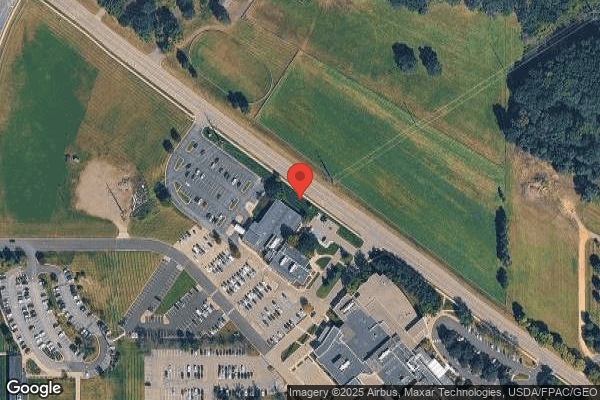
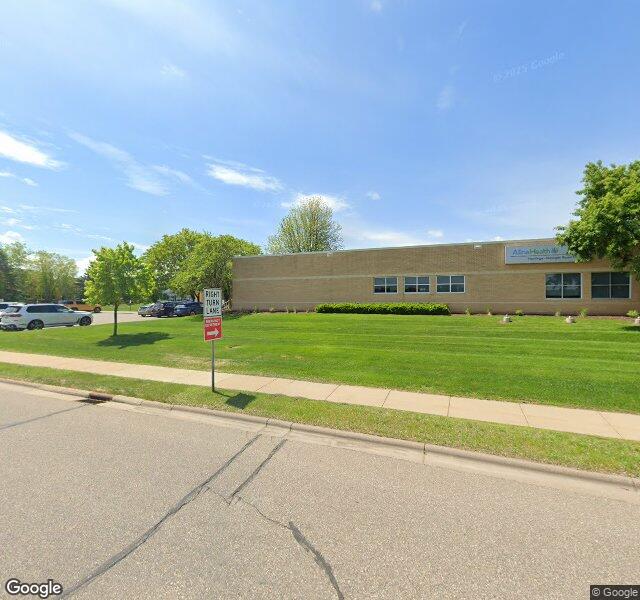
1175 NININGER ROAD, HASTINGS, MN 55033 (651) 480-4333
Non profit - Corporation 57 Beds BENEDICTINE HEALTH SYSTEM Data: November 2025 1 Immediate Jeopardy citation
Trust Grade
31/100
#257 of 337 in MN
Last Inspection: March 2025

Within standard 12-15 month inspection cycle. Federal law requires annual inspections.

Overview

Regina Senior Living has received a Trust Grade of F, indicating significant concerns about the quality of care provided, which places it in the bottom tier of facilities. It ranks #257 out of 337 in Minnesota, meaning it is in the bottom half of all nursing homes in the state, and #6 out of 9 in Dakota County, suggesting only a few local options are better. The facility is worsening in quality, with the number of reported issues increasing sharply from 4 in 2024 to 15 in 2025. Staffing is rated average with a 3 out of 5, and turnover is about 44%, which reflects the Minnesota average. However, there have been serious incidents reported, such as a resident developing an unstageable pressure ulcer due to a lack of proper care and assessments, and another resident experiencing emotional distress related to inadequate colostomy care, highlighting significant weaknesses despite some average staffing metrics.

Trust Score
F
31/100
In Minnesota
#257/337
Bottom 24%
Safety Record
High Risk
Review needed
Inspections
Getting Worse
4 → 15 violations
Staff Stability
○ Average
44% turnover. Near Minnesota's 48% average. Typical for the industry.
Penalties
✓ Good
$15,919 in fines. Lower than most Minnesota facilities. Relatively clean record.
Skilled Nurses
✓ Good
Each resident gets 49 minutes of Registered Nurse (RN) attention daily — more than average for Minnesota. RNs are trained to catch health problems early.
Violations
⚠ Watch
28 deficiencies on record. Higher than average. Multiple issues found across inspections.
★★☆☆☆
2.0
Overall Rating
★★★☆☆
3.0
Staff Levels
★★☆☆☆
2.0
Care Quality
★★☆☆☆
2.0
Inspection Score
Stable
2024: 4 issues
2025: 15 issues

The Good

  • Full Sprinkler Coverage · Fire safety systems throughout facility
  • No fines on record
  • Staff turnover below average (44%)

    4 points below Minnesota average of 48%

Facility shows strength in fire safety.

The Bad

2-Star Overall Rating

Below Minnesota average (3.2)

Below average - review inspection findings carefully

Staff Turnover: 44%

Near Minnesota avg (46%)

Typical for the industry

Federal Fines: $15,919

Below median ($33,413)

Minor penalties assessed

Chain: BENEDICTINE HEALTH SYSTEM

Part of a multi-facility chain

Ask about local staffing decisions and management

The Ugly 28 deficiencies on record

1 life-threatening 1 actual harm
Jul 2025 4 deficiencies 1 Harm
SERIOUS (G) 📢 Someone Reported This

A family member, employee, or ombudsman was alarmed enough to file a formal complaint

Actual Harm - a resident was hurt due to facility failures

Quality of Care (Tag F0684)

A resident was harmed · This affected 1 resident

**NOTE- TERMS IN BRACKETS HAVE BEEN EDITED TO PROTECT CONFIDENTIALITY** Based on interview and document review, the facility failed to assess and evaluate the appropriateness of the colostomy care sup...

Read full inspector narrative →
**NOTE- TERMS IN BRACKETS HAVE BEEN EDITED TO PROTECT CONFIDENTIALITY** Based on interview and document review, the facility failed to assess and evaluate the appropriateness of the colostomy care supplies and ensure proper fitting of the wafer to prevent leakages and failed to provide physician-ordered care for colostomy care for one resident (R1). This failure caused psychosocial harm to R1 when his colostomy care was delayed, and he suffered emotional distress and suicidal ideation. Findings include:On 7/15/25, at 10:21 a.m., R1 stated he had several episodes of his colostomy leaking in the first few weeks at the facility. R1 stated he repeatedly asked the facility to use the products he was familiar with, including rings (intended to create a secure and comfortable seal between an ostomy pouch and the skin around the stoma, to prevent leakage) and wings (small flexible pieces of hydrocolloid adhesive that attach to the edges of an ostomy skin barrier to provide extra security and prevent leaks). R1 stated the facility started providing the requested supplies, after he became suicidal due to lack of sleep, from the colostomy leaking four times on 6/25/25. R1 stated the colostomy leaked stool on the bed, on the floor and on himself. He stated this made him feel filthy, dramatic, depressed, and dirty. He stated it made it harder to socialize because he was afraid it would leak. R1 stated his colostomy has had fewer incidents of leaking since the facility has provided the supplies he needed.R1's hospital record dated 6/1/25 to 6/5/25 indicated R1 was brought by ambulance because of a fall related to weakness, lack of sleep due to burning around his leaking colostomy bag. R1 had problems with ostomy leakage and the hospital would facilitate the necessary ostomy supplies. R1 was discharged on 6/5/25 in stable condition. R1's hospital discharge orders and instructions dated 6/5/25 instructed the facility to care for R1's ostomy.Procedure for pouch change:1) Prepare new pouch, using a Coloplast 16716 or your normal pouches. Opening should be 1/16- 1/8 larger than the stoma. Set pouch aside.2) Remove old pouch, and discard.3) Cleanse peristomal area with warm water only and Versalon 4 x 4's (#118746). *Do not use soap, wipes, adhesive remover, or skin prep to cleanse peristomal skin.4) Allow skin to dry. At this point - CRUST the peristomal skin 1x. See below for crusting steps.5) Apply Adapt barrier ring (#116786) and then apply new pouch.6) Press down firmly all-around stoma and have patient place hand over pouch for 2-3 minutes to enhance seal.7) Change pouch two times week or immediately if there is a leak. Procedure for crusting:1. Clean skin gently with warm water and gauze, paper towel or soft wash cloth2. Sprinkle a layer of ostomy powder over area to be treated-red, irritated, weeping skin surrounding stoma. Gently brush off excess powder using a 4x4 gauze, tissue, or your finger. You want a thin layer of powder completely covering the moist area.3. Blot/pat or spray Cavilon No Sting Barrier Film over powder. Allow barrier film to dry. If an area is missed, allow the entire area to dry first, then go back and spray or blot the area that was missed.4. Reapply with pouch change until redness clears up. Do not do this procedure if your skin is clear and intact. If your skin worsens or does not heal, please contact your ostomy nurse as you may need a stronger treatment. R1's nurse note, dated 6/5/25, indicated he was admitted to the facility from the hospital after a fall and weakness. It also indicated the skin around his colostomy was irritated and painful. R1 had reported he fell off the toilet from weakness due to lack of sleep from his colostomy bag leaking for 4 days. R1's care plan, dated 6/6/25, indicated he required assist of one staff for personal cares. The care plan lacked individualized care for R1's colostomy, as it did not specify the supplies requires or the process to complete the colostomy care. R1's nurse note, dated 6/11/25, indicated his colostomy bag was changed. [NAME] brand used and cut to measure to size of stoma. R1's nurses notes indicated his colostomy bag was changed on 6/6/25, 6/11/25, 6/15/25, 6/20/25, 6/23/25, and 6/25/25. No identifying information was noted related to colostomy supplies used, R1's ostomy redness, or leakage. R1's nurse note, dated 6/25/25, indicated R1 was up the majority of the night dealing with his colostomy bag, as it needed to be changed and reinforced multiple times throughout the night. The note indicated at 6:15 a.m. the nurse found R1 picking at it stating it needed to be changed again and was in clear emotional distress. He reported he was traumatized, devastated, and became tearful, stating he did not get sleep. The note indicated at 8:45 a.m. R1 reported his colostomy was leaking again. R1 was very upset with the situation and made the comment, I should put a shotgun to my head and making comments he did not want to be alive any longer. R1's nurse note, dated 6/25/25, indicated colostomy bag and appliance were changed that morning. The skin area was red and macerated around the appliance. R1 voiced this was not the typical appliance he used at home and facility would order device familiar to R1. R1's social work progress note, dated 6/26/25, indicated when discussing discharge with R1, R1 told the social worker if he had to discharge to home, he would shoot himself when he got home because he was frustrated from lack of sleep. R1's physician regulatory visit note, dated 7/9/25, indicated R1 continues to have leakage from his ostomy at night such that it interferes with his sleep. R1 told the physician he has not slept well the last couple of nights. R1 was distressed, telling the physician if he goes home with the ostomy leakage, he will consider ending his life. R1 has had his ostomy for approximately six years with very infrequent leakage, never as persistent as it has been while at the facility. R1's Associated Clinical Psychology note, dated 7/11/25, indicated R1 had anxiety surrounding his colostomy leakage, at time being traumatic affecting his sleep and mood. Suicidal ideation was noted after multiple nights of not sleeping becoming increasing depressed. R1 stated he did not have this problem at home because he had the necessary supplies to manage his ostomy care.A physician order, dated 7/9/25, directed facility to consult with an ostomy nurse to review R1's current set up and offer suggestions about decreasing frequency of nighttime leaks, which are very distressing for him. R1's medical record review 7/15/25 did not indicate the facility followed R1's physician order dated 7/9/25 to schedule an ostomy consult. A letter from the facility's medical director, dated, 7/17/25, indicated R1 was admitted to the facility on [DATE] following a hospitalization for weakness and fall, following his colostomy bag leaking for several days. During the hospitalization R1 reported frustration with appliance issues in regards to the ostomy bag not obtaining a proper seal. This caused him significant distress. There were documented notes in his clinical record prior to his care at the facility of frustration that mention appliance issues causing sleep disturbance and lack of sleep leading to suicidal ideation, on 8/11/23 and 11/8/24. During his stay at the facility, R1 continued to voice frustration because of appliance leakage and additional supplies were ordered for him. On the evening of 6/24/25 and into the morning of 6/25/25, R1 mentioned to the staff he was very frustrated, confused, and distressed and if he had access to firearms, he would likely shoot himself because of his low quality of life. The pattern predated his stay at the facility. The facility used appropriate and standard ostomy equipment to make every effort to accommodate R1's needs. And R1's historical concerns, including suicidal ideations, were not communicated at the time of his admission to the facility and were not included to his problem list on external records.R1's admission Minimum Data Set, dated [DATE], indicated R1 had diagnoses of Crohn's disease (chronic inflammatory bowel disease) and had a colostomy (a surgical procedure that creates an opening in the abdominal wall, bringing a portion of the large intestine to the surface). R1's MDS indicated he was cognitively intact.On 7/15/25, at 1:32 p.m., licensed practical nurse (LPN)-A she was wound and ostomy certified. She verified that she did not assess or evaluate R1's oblong shaped stoma to get the right wafer fit. She stated the facility did not have the exact appropriate supplies R1 wanted for his colostomy. She stated he was experiencing more incidents of leaking during his first few weeks at the facility. She stated she was responsible to order colostomy supplies. She stated she did not put in an order for the Coloplast brand of ostomy supplies for R1. She stated she obtained the required products after R1 was sent to the hospital on 6/25/25. She stated the supplies for each resident were placed in their rooms. She stated the care plan lacked the step-by-step process and the specific supplies required to manage R1's ostomy care. LPN-A acknowledged that when R1's colostomy leaked with bowel movement (BM), it affected him causing suicidal thoughts and was sent to ER, and added we did not know it was affecting him psychologically. She stated the HUC entered the physician orders for R1 and should have listed all the steps in the process, as they were written. She stated she expected the nurses would know how to change the colostomy bags and did not do much training on ostomies. She stated R1 taught staff his (referring to R1) preference. LPN-A stated the appointment with the ostomy clinic, chosen by R1, had not yet been arranged, although it was ordered 6 days prior, on 7/9/25. When questioned about the steps taken from 7/9/25, to ensure proper colostomy care orders and determine the root cause of the leakage, LPN-A did not respond. On 7/15/25, at 2:20pm, RN-A stated, I do not know if he has the right product (referring to R1's colostomy supplies) and R1 was very worried and was very sensitive about his colostomy. RN-A also verified that the hospital orders dated 6/5/25 were not followed and stated the care plan did not specify the colostomy product to be used. On 7/15/25, at 3:01 p.m., the director of nursing (DON) stated a physicians provide orders for colostomy care. She stated the health unit coordinator (HUC) enters the orders into the system exactly as they are written by the physician. The DON stated the facility has company formulary colostomy supplies. She stated she was not aware of an order to change the supplies ordered for R1's colostomy care or a change of orders to change the step-by-step process provided upon his admission to the facility. The DON stated the facility was not ignoring the order written on 7/9/25 to set up an appointment for R1 with an ostomy nurse consultation. She stated he was in the process of discharging. A facility document, Comprehensive Assessments and Care Planning, dated 2017, directed the purpose of the policy was to provide a comprehensive person-centered interdisciplinary care assessment of the resident's condition, in order to develop consistent quality care that will attain or maintain the highest practicable physical, mental and psychological functioning possible, a facility must make a comprehensive assessment of a resident's needs, using the resident assessment instrument (RAI) specified by the State. 2)The assessment process begins with the development of the baseline care plan within the first 48 hours of admission. The baseline care plant includes the minimum healthcare information necessary to care for each resident immediately upon their admission, which would address resident-specific health and safety concerns to prevent decline or injury. Baseline care plans address, at a minimum, the following: physician orders. 6) The assessment must include at least the following: j) special treatment and procedures. 11) All person-centered care plan interventions will be implemented by qualified personnel. Interventions may be communicated through the electronic health record, resident profile, assignment sheets, and/or verbal communication.A facility document, Physician Services, dated 2022, directed all physician orders will be followed as prescribed and if not followed, the reason shall be recorded in the resident's medical record during that shift.
CONCERN (D) 📢 Someone Reported This

A family member, employee, or ombudsman was alarmed enough to file a formal complaint

Potential for Harm - no one hurt, but risky conditions existed

Deficiency F0553 (Tag F0553)

Could have caused harm · This affected 1 resident

**NOTE- TERMS IN BRACKETS HAVE BEEN EDITED TO PROTECT CONFIDENTIALITY** Based on interview and document review, the facility failed to offer a care conference during 1 of 3 residents (R1) reviewed for...

Read full inspector narrative →
**NOTE- TERMS IN BRACKETS HAVE BEEN EDITED TO PROTECT CONFIDENTIALITY** Based on interview and document review, the facility failed to offer a care conference during 1 of 3 residents (R1) reviewed for ostomy care. This resulted in R1's inability to participate in his care planning.Findings include:R1's care plan, dated 6/6/25, indicated he required assist of one staff for personal cares. The care plan lacked individualized care for R1's colostomy, as it did not specify the supplies requires or the process to complete the colostomy care.R1's medication administration record (MAR), dated June and July 2025, directed to change ostomy bag two times weekly and as needed for leakage, on Monday and Wednesday evenings.R1's admission Minimum Data Set, dated [DATE], indicated R1 had diagnoses of Crohn's disease (chronic inflammatory bowel disease) and had a colostomy (a surgical procedure that creates an opening in the abdominal wall, bringing a portion of the large intestine to the surface). R1's MDS indicated he was cognitively intact.R1's chart lacked documentation of a care conference.On 7/15/25, at 10:21 a.m., R1 stated he would prefer his colostomy bag be scheduled in the morning. He stated there was only one time that it was changed in the morning. He stated he had never attended a care conference in the 5 1/2 weeks had been at the facility. R1 stated he had several episodes of his colostomy leaking in the first 20 days at the facility. R1 stated he repeatedly asked the facility to use the products he was familiar with, including rings (intended to create a secure and comfortable seal between an ostomy pouch and the skin around the stoma, to prevent leakage) and wings (small flexible pieces of hydrocolloid adhesive that attach to the edges of an ostomy skin barrier to provide extra security and prevent leaks). R1 stated the facility started providing the requested supplies on 6/25/25. R1 stated his colostomy has had fewer incidents of leaking since the facility has provided the supplies he needed.On 7/15/25, at 1:32 p.m., licensed practical nurse (LPN)-A stated there was not a care conference documented in R1's chart.On 7/15/25, at 3:01 p.m., the director of nursing (DON) stated she was not aware if R1 had a care conference.A facility document, Comprehensive Assessments and Care Planning, dated 2017, directed the residents and resident representatives will be involved in the comprehensive person-centered care planning. If participation of resident and representative in development of plan not practicable explanation must be in resident's medical record.A facility document, Resident Rights and Notification of Resident Rights, 2017 directed Resident Rights include: Planning and Implementing Care.
CONCERN (D) 📢 Someone Reported This

A family member, employee, or ombudsman was alarmed enough to file a formal complaint

Potential for Harm - no one hurt, but risky conditions existed

Comprehensive Care Plan (Tag F0656)

Could have caused harm · This affected 1 resident

**NOTE- TERMS IN BRACKETS HAVE BEEN EDITED TO PROTECT CONFIDENTIALITY** Based on interview and document review, the facility failed to develop and implement a comprehensive, individualized care plan f...

Read full inspector narrative →
**NOTE- TERMS IN BRACKETS HAVE BEEN EDITED TO PROTECT CONFIDENTIALITY** Based on interview and document review, the facility failed to develop and implement a comprehensive, individualized care plan for 1 of 3 residents (R1) reviewed for ostomy care. The facility failed to have a process in place to instruct staff on physician ordered ostomy care. This resulted in R1's colostomy bag leaking on multiple occasions and emotional distress for R1.Findings include: R1's care plan, dated 6/6/25, indicated he required assist of one staff for personal cares. The care plan lacked individualized care for R1's colostomy, as it did not specify the supplies requires or the process to complete the colostomy care.R1's medication administration record (MAR), dated June and July 2025, directed to change ostomy bag two times weekly and as needed for leakage, on Monday and Wednesday evenings.R1's bowel assessment, dated 6/8/25, failed to appropriately assess his ostomy site with measurements and description.R1's admission Minimum Data Set, dated [DATE], indicated R1 had diagnoses of Crohn's disease (chronic inflammatory bowel disease) and had a colostomy (a surgical procedure that creates an opening in the abdominal wall, bringing a portion of the large intestine to the surface). R1's MDS indicated he was cognitively intact.A progress note, on 6/11/25, indicated colostomy bag was changed. [NAME] brand used and cut to measure to size of stoma. Skin surrounding stoma is clean, intact and free of breakdown/maceration. No redness, foul odor or signs/symptoms of infection. A progress note, on 6/25/25, indicated colostomy bag and appliance changed. Area is red and macerated around appliance. Skin barrier applied. Patient denies pain but voices that this is not typical appliance he uses at home. Facility will order device familiar to patient.A progress note, on 6/25/25, indicated R1 was up the majority of the night dealing with his colostomy bag. R1 was in clear emotional distress. He reported to writer that he is traumatized and devastated and began to become tearful stating he got no sleep. The progress note indicated he was very upset and stated, I should just put a shotgun to my head and making comments he did not want to be alive anymore. On 7/15/25, at 10:21 a.m., R1 stated he had several episodes of his colostomy leaking in the first 20 days at the facility. R1 stated he repeatedly asked the facility to use the products he was familiar with, including rings (intended to create a secure and comfortable seal between an ostomy pouch and the skin around the stoma, to prevent leakage) and wings (small flexible pieces of hydrocolloid adhesive that attach to the edges of an ostomy skin barrier to provide extra security and prevent leaks). R1 stated the facility started providing the requested supplies, after he became suicidal due to lack of sleep, from the colostomy leaking four times on 6/25/25. R1 stated his colostomy has had fewer incidents of leaking since the facility has provided the supplies he needed. On 7/15/25, at 1:14 p.m., licensed practical nurse (LPN)-B stated R1's colostomy bag changes required the use of skin prep (creates a protective barrier) and the supplies located in his room. She stated the orders in his chart indicated frequency of scheduled colostomy changes. On 7/15/25, at 1:32 p.m., LPN-A stated the facility did not have the exact supplies R1 wanted for his colostomy, as the facility had formulary colostomy supplies. She stated he was experiencing more incidents of leaking during his first few weeks at the facility. She stated she obtained the required products after he was sent to the hospital on 6/25/25. She stated R1 taught the staff how to perform the colostomy bag changes. She stated two other products were tried for him prior to using the supplies he was prescribed. She stated the supplies for each resident were placed in their rooms. She stated the care plan did not list the process or specific supplies required. She stated she expected the nurses would know how to change the colostomy bags. LPN-A stated the HUC should have listed all the steps ordered by the physician for the colostomy care in the orders for R1. On 7/15/25, at 2:28 p.m., registered nurse (RN)-B stated the facility obtained R1's correct colostomy supplies after he went to the hospital on 6/25/25. RN-B stated the colostomy supplies were located in the residents' rooms. She stated, There is not anything in the care plan for the step-by-step process or the specific products required. RN-B stated she had changed R1's colostomy on one occasion. She stated she could not confirm if the physician order was followed at that time. She stated she had not seen the order. On 7/15/25, at 3:01 p.m., the director of nursing (DON) stated, the order is part of the care plan. The DON also stated, the order feeds the MAR. She stated the facility was using formulary colostomy supplies. She stated there was not an order from the physician to use the facility's formulary colostomy supplies or change the physician ordered process. A facility document, Comprehensive Assessments and Care Planning, dated 2017, directed the facility must make a comprehensive assessment of the resident's needs. Baseline care plans address at a minimum, the following: physician orders. The assessment must include at least the following: Continence and Special treatment and procedures. A facility should use the results of the assessment to develop, review and revise the resident's person-centered comprehensive care plan. All person-centered care plan interventions will be implemented by qualified personnel. Interventions may be communicated through the electronic health record, resident profile, assignment sheets, and/or verbal communication.
CONCERN (D) 📢 Someone Reported This

A family member, employee, or ombudsman was alarmed enough to file a formal complaint

Potential for Harm - no one hurt, but risky conditions existed

Deficiency F0691 (Tag F0691)

Could have caused harm · This affected 1 resident

**NOTE- TERMS IN BRACKETS HAVE BEEN EDITED TO PROTECT CONFIDENTIALITY** Based on interview and document review, the facility failed to ensure 1 of 3 residents (R1) reviewed for ostomy care, received c...

Read full inspector narrative →
**NOTE- TERMS IN BRACKETS HAVE BEEN EDITED TO PROTECT CONFIDENTIALITY** Based on interview and document review, the facility failed to ensure 1 of 3 residents (R1) reviewed for ostomy care, received colostomy care as ordered by the physician. This resulted in inappropriate care, as evidenced by frequent leakage incidents for R1.Findings include: R1's care plan, dated 6/6/25, indicated he required assist of one staff for personal cares. The care plan lacked individualized care for R1's colostomy, as it did not specify the supplies requires or the process to complete the colostomy care. R1's after discharge orders from the hospital, dated 6/5/25 directed:Procedure for pouch change:1) Prepare new pouch, using a Coloplast 16716 or your normal pouches. Opening should be 1/16- 1/8 larger than the stoma. Set pouch aside.2) Remove old pouch, and discard.3) Cleanse peristomal area with warm water only and Versalon 4 x 4's (#118746). *Do not use soap, wipes, adhesive remover, or skin prep to cleanse peristomal skin.4) Allow skin to dry. At this point - CRUST the peristomal skin 1x. See below for crusting steps.5) Apply Adapt barrier ring (#116786) and then apply new pouch.6) Press down firmly all-around stoma and have patient place hand over pouch for 2-3 minutes to enhance seal.7) Change pouch 2x/week or immediately if there is a leak. Procedure for crusting:1. Clean skin gently with warm water and gauze, paper towel or soft wash cloth2. Sprinkle a layer of ostomy powder over area to be treated-red, irritated, weeping skin surrounding stoma. Gently brush off excess powder using a 4x4 gauze, tissue, or your finger. You want a thin layer of powder completely covering the moist area.3. Blot/pat or spray Cavilon No Sting Barrier Film over powder. Allow barrier film to dry. If an area is missed, allow the entire area to dry first, then go back and spray or blot the area that was missed.4. Reapply with pouch change until redness clears up. Do not do this procedure if your skin is clear and intact. If your skin worsens or does not heal, please contact your ostomy nurse as you may need a stronger treatment. R1's admission Minimum Data Set, dated [DATE], indicated R1 had diagnoses of Crohn's disease (chronic inflammatory bowel disease) and had a colostomy (a surgical procedure that creates an opening in the abdominal wall, bringing a portion of the large intestine to the surface). R1's MDS indicated he was cognitively intact. R1's nurse note, dated 6/11/25, indicated his colostomy bag was changed. [NAME] brand used and cut to measure to size of stoma. R1's nurses notes indicated his colostomy bag was changed on 6/6/25, 6/11/25, 6/15/25, 6/20/25, 6/23/25, and 6/25/25. No identifying information was noted related to colostomy supplies used, R1's ostomy redness, or leakage. R1's medication administration record (MAR), dated June and July 2025, directed to change ostomy bag two times weekly and as needed for leakage, on Monday and Wednesday evenings. A physician order, dated 7/9/25, directed facility to facility and consult with an ostomy nurse to review R1's current set up and offer suggestions about decreasing frequency of nighttime leaks, which are very distressing for him. R1's medical record review 7/15/25 did not indicate the facility followed R1's physician order dated 7/9/25 to schedule an ostomy consult. On 7/15/25, at 10:21 a.m., R1 stated he had several episodes of his colostomy leaking in the first 20 days at the facility. R1 stated he repeatedly asked the facility to use the products he was familiar with, including rings (intended to create a secure and comfortable seal between an ostomy pouch and the skin around the stoma, to prevent leakage) and wings (small flexible pieces of hydrocolloid adhesive that attach to the edges of an ostomy skin barrier to provide extra security and prevent leaks). R1 stated the facility started providing the requested supplies on 6/25/25. R1 stated his colostomy has had fewer incidents of leaking since the facility has provided the supplies he needed. R1 stated he had not seen an ostomy nurse. On 7/15/25, at 1:14 p.m., licensed practical nurse (LPN)-B stated R1's colostomy bag changes required the use of skin prep (creates a protective barrier), and the supplies located in his room. She stated orders indicated frequency of scheduled colostomy changes. On 7/15/25, at 1:32 p.m., LPN-A stated the facility did not have the exact supplies R1 wanted for his colostomy. She stated he was experiencing more incidents of leaking during his first 20 days at the facility. LPN-A stated the health unit coordinator entered R1's orders and should have listed all steps, as the physician wrote them. LPN-B stated she was responsible to order colostomy supplies. She stated she obtained the required products after he was sent to the hospital on 6/25/25. She stated the supplies for each resident were placed in their rooms. She stated the care plan did not list the process or specific supplies required. She stated she expected the nurses would know how to change the colostomy bags. LPN-A stated the appointment with the ostomy clinic, chosen by R1, had not yet been arranged, although it was ordered 6 days prior. She stated the facility was working on discharge planning. On 7/15/25, at 2:28 p.m., registered nurse (RN)-B stated the facility obtained R1's correct colostomy supplies after he went to the hospital on 6/25/25. RN-B stated the colostomy supplies were in the residents' rooms. She stated, There is not anything in the care plan for the step-by-step process or the specific products required. RN-B stated she had changed R1's colostomy on one occasion. She stated she could not confirm if the physician order was followed at that time. She stated she had not seen the order. She stated his appointment with the ostomy clinic had not been arranged due to transportation issues with family. On 7/15/25, at 3:01 p.m., the director of nursing (DON) stated the HUC enters the physician orders. She stated physician orders were to be entered in the system exactly as they were written. The DON stated the facility had attempted to use their formulary colostomy supplies. The DON stated, the order is part of the care plan. The DON also stated, the order feeds the MAR. The DON stated the facility did not have an ostomy nurse on staff. She stated R1 was in the process of discharging. The DON stated the facility did not have a policy for ostomy care. A facility document, Ostomy Care Orientation Checklist, undated, directed to check the client care plan as the first step in the process. A facility document, Skill Competency Medication and Treatment, undated, Ostomy Care directed to check the client care plan as the first step. A facility document, Physician Services, dated 2022, directed all physician orders will be followed as prescribed and if not followed, the reason shall be recorded in the resident's medical record during that shift. A facility document, Comprehensive Assessments and Care Planning, dated 2017, the purpose of the policy was to provide a comprehensive person-centered interdisciplinary care assessment of the resident's condition, in order to develop consistent quality care that will attain or maintain the highest practicable physical, mental and psychological functioning possible, a facility must make a comprehensive assessment of a resident's needs, using the resident assessment instrument (RAI) specified by the State. 2)The assessment process begins with the development of the baseline care plan within the first 48 hours of admission. The baseline care plant includes the minimum healthcare information necessary to care for each resident immediately upon their admission, which would address resident-specific health and safety concerns to prevent decline or injury. Baseline care plans address, at a minimum, the following: physician orders. 6) The assessment must include at least the following: j) special treatment and procedures. 11) All person-centered care plan interventions will be implemented by qualified personnel. Interventions may be communicated through the electronic health record, resident profile, assignment sheets, and/or verbal communication.
Mar 2025 11 deficiencies
CONCERN (D)

Potential for Harm - no one hurt, but risky conditions existed

Resident Rights (Tag F0550)

Could have caused harm · This affected 1 resident

**NOTE- TERMS IN BRACKETS HAVE BEEN EDITED TO PROTECT CONFIDENTIALITY** Based on observation and interview, the facility failed to ensure dignity was maintained for 3 of 3 residents (R24, R51, R151) o...

Read full inspector narrative →
**NOTE- TERMS IN BRACKETS HAVE BEEN EDITED TO PROTECT CONFIDENTIALITY** Based on observation and interview, the facility failed to ensure dignity was maintained for 3 of 3 residents (R24, R51, R151) observed for long call light response times. Findings include: R24 R24's quarterly Minimum Data Set (MDS) dated [DATE], identified R24 had intact cognition, did not reject cares, and required substantial to maximal assistance with toileting hygiene and upper and lower body dressing. In addition, R24's medical diagnoses include paralysis on left side from stroke, and depression. During continuous observation and interview on 3/19/25 from 12:42 p.m., to 1:11 p.m., for a total of 28 minutes and 48 seconds, R24 call light was activated and beeping outside R24 room before staff entered room. During interview at 1:27 p.m., R24 stated she had turned on the call light for changing [sic] brief. It is frustrating for me to wait to have [staff] answer my light. I have to wait and wait. My brief was dirty and I had to sit in it until [staff] got around to it. Made me feel gross. R51 R51's face sheet downloaded 3/20/25 at 7:54 a.m., identified R51 with admission to facility's transitional care unit (TCU) following left hip replacement surgery. In addition, R51 with diagnoses of heart failure, arthritis, and depression. R151 R151's face sheet downloaded 3/20/25 at 7:46 a.m., identified admission to facility's TCU for osteomyelitis (bone infection) to left ankle and foot resulting in partial bone removal. In addition, R151 had diagnoses of diabetes, and depression. During continuous observation on 3/20/25 from 6:35 a.m., to 7:20 a.m., call light was activated for R51 for twenty-two minutes and sixteen seconds before staff entered room. During interview with R51 at 8:11 a.m., R51 stated, it made me cry to wait that long for help. It upsets me when I feel that no one is out there to help me. During same continuous observation R151 call light was activated for twenty minutes and thirty-two seconds. During interview on 3/20/25 at 8:20 a.m., R151 stated, I don't want to be sitting here in my wet diaper. This is horrible to have to wait so long for help. I know [staff] are busy but I cannot wait that long for them to answer my light. During interview with nursing assistant (NA)-B on 3/19/25 at 10:38 a.m., NA-B stated expectation of staff to answer call lights right away but due to staffing and facility's use of agency staff, every one of us is busy and too much to expect [nursing assistants] to get fourteen people up, dressed, changed, before breakfast. During interview with NA-C on 3/19/25 at 10:51 a.m., NA-C stated expectation to respond right away when call lights are activated, if I am busy then I cannot answer it. NA-C stated normal patient assignment is eight to ten residents, But today is 14. Too much to keep up. Can't answer call lights promptly when [staff] are busy. During interview with NA-E on 3/20/25 at 8:29 a.m., NA-E stated call light times, too long is more than twenty minutes. Important to me to meet their needs and are safe. Some [residents do] complain. They can be frustrated waiting so long. During interview with licensed practical nurse (LPN)-B on 3/20/25 at 8:26 a.m., LPN-B stated call light times, over five minutes is too long. Because we don't know what they need and we want to make sure they are safe. During interview with director of nursing (DON) on 3/20/25 at 11:04 a.m., DON stated expectation of staff to answer call lights as soon as possible. Also, long call light times, [are] a concern for dignity. [Patient] could be hungry or scared. DON stated facility was not short staffed and that 28 minutes is too long for a call light response time. Facility policy titled Call Lights-Call System Activation and Response dated 5/28/24 state, Calls for assistance may be triaged and answered as soon as possible based on immediate needs.
CONCERN (D)

Potential for Harm - no one hurt, but risky conditions existed

Notification of Changes (Tag F0580)

Could have caused harm · This affected 1 resident

**NOTE- TERMS IN BRACKETS HAVE BEEN EDITED TO PROTECT CONFIDENTIALITY** Based on interview and document review, the facility failed to notify the medical provider of a change in condition in a timely ...

Read full inspector narrative →
**NOTE- TERMS IN BRACKETS HAVE BEEN EDITED TO PROTECT CONFIDENTIALITY** Based on interview and document review, the facility failed to notify the medical provider of a change in condition in a timely manner for 1 of 1 resident (R11) reviewed for respiratory care. Findings include: R11's quarterly Minimum Data Set (MDS) dated [DATE], identified R11 had intact cognition, and was dependent on staff for toileting, bathing, dressing, and personal hygiene. In addition, R11 had diagnoses of diabetes, anxiety, morbid obesity, and chronic obstructive pulmonary disease and was utilizing oxygen. R11's physician orders (PO) with start dates of 8/31/23, identify the following: -Guaifenesin liquid; 100 milligrams (mg)/5 milliliters (ml); Amount to administer: 10 ml; oral. Every 4 hours-porn (as needed) for cough, and -Benzonatate capsule; 100 mg; Amount to administer: 100 mg; oral every 4 hours prn. take 1 Every (q) 4 hours prn for cough. R11's February 2025 Medication Administration Record (MAR) identified no administration of Benzonatate or Guaifenesin. R11's March 2025 MAR identified first dose of guaifenesin was provided on 3/14/25 at 12:03 a.m., and R11 received subsequent doses on 3/15/25 at 3:53 a.m., and 3/16/25 at 3:40 p.m., and 11:12 p.m. R11's first dose of benzonatate was provided on 3/13/25 at 7:46 p.m., and R11 received subsequent doses on 3/15/25 at 10:48 p.m., and on 3/16/25 at 2:29 a.m., and 5:52 p.m., and on 3/17/25 at 1:21 a.m. R11's progress notes (PN) in electronic medical record (EMR) downloaded 3/18/25 for dates 3/3/25 to 3/18/25, failed to identify assessing or monitoring for cough or sore throat. R11's vital signs (blood pressure, pulse, respirations, oxygen saturation) documentation from EMR downloaded 3/18/25 identified vital signs were documented on 3/9/25 and 3/16/25. Vital signs were not documented on 3/14/25 and 3/15/25. During observation and interview with R11 and registered nurse (RN)-A on 3/17/25 at 7:00 p.m., RN-A entered R11 room with evening medications. R11 had an audible coughing stating, my throat is hurting now. [I] need something stronger than a cough drop. RN-A walked out of R11's room to the medication cart. R11 stated, [I] can't get rid of it with cough. [sic] feel like it is getting worse. RN-A stated R11 had complained of cough and was not sure if R11 was tested for Covid-19. RN-A stated R11 was not on enhanced barrier precautions or transmission-based precautions right now pointing to no personal protective equipment cart located outside resident room. During observation and interview on 3/17/25 at 7:43 p.m., R11 was lying in bed with head of bed elevated. R11 was using oxygen at two (2) liters via nasal cannula and had a productive strong cough. R11 stated, it sounds like [I] have pneumonia. No one has tested me or asked me about it. I have had a cough for four days. It is not getting better. No one has done anything about it. I cough up phlegm. R11 also stated, I want to see a doctor. I need to see a doctor or I am going to be dead. I told them last week. During observation and interview with registered nurse (RN)-A on 3/17/25 at 7:47 p.m., stated it was second time I have been assigned to care for her. She told me last night and today about her cough. And I don't know if she [R11] was seen by a provider. RN-A stated the expectation for staff was to document in the progress note about any changes in respiratory status and to follow up. RN-A stated, I had [R11] as a patient last night as well and no, I did not contact the provider for [R11's] coughing. During interview with LPN-A on 3/20/25 at 8:36 a.m., LPN-A stated expectation, for new onset of cough, we are to get vitals and lung sounds. Then, call triage. Get a weight. Offer something for cough if [on standing orders]. I would put it in progress note and give verbal report. Until we know what it is then we keep [resident] in their room. LPN-A stated, I called triage on R11 yesterday. She sounded crappy yesterday. I called triage and gave report to oncoming nurse. I don't know what happened for follow up. I did not hear. I left [work] before triage called back. It should be in the progress note. LPN-A reviewed R11's EMR and verified no response from triage was documented. LPN-A verified R11's first dose of benzonatate was documented on 3/14/25, Oh, this has been going on since the 13th. I did not know that. LPN-A stated, [staff] should have followed up on the new onset of cough if someone is taking it prn. Does not look like it was done. Nothing in the nursing progress notes that I see. We still need to follow up. I hate to say it but this has been going on too long and should have been looked at before yesterday. During interview with nurse practitioner (NP) on 3/20/25 at 10:10 a.m., NP stated expectation of facility to, perform vital signs and lung sounds including temperature to be monitored right away for new onset of respiratory symptoms. After 24-48 hours if the symptoms are persistent and not getting better then [provider] should be notified. NP stated R11 is high risk for respiratory compromise if new onset of cough and using prn meds. NP verified facility failed to contact provider team until 3/19/25 regarding R11's respiratory symptoms. We should have been notified several days ago. During interview with director of nursing (DON) on 3/20/25 at 11:04 a.m., DON stated, if new symptoms occur the expectation was to for staff to document in the EMR including a progress note and plan for following up. DON stated expectation for staff, to use judgement when deciding to notify provider for change of condition. this was not done for R11 and should have. Facility policy titled Change in Condition reviewed 10/2/23 state purpose of policy was, To inform resident/resident representative and attending provider when a significant change in resident condition occurs. In addition, Notification of Changes-A community must immediately inform the resident; consults with the resident representative when there is a significant change in the resident's physical, mental or psychosocial status, or there is the need to alter treatment significantly. Need to alter treatment significantly, means a need to stop a form of treatment because of adverse consequences or commence a new form of treatments to deal with a problem. Also, the policy state licensed nursing associate to: Obtain a set of vital signs and repeat as needed or ordered, Notify the attending provider of the change in condition and implement orders for treatment and appropriate monitoring as directed, Document symptom(s), assessment, observations, resident/resident representative, and medical provider notification, Monitor and provide treatment as ordered by the attending provider, and Update the care plan as appropriate. Policy stated Responsible for Oversight: DON.
CONCERN (D)

Potential for Harm - no one hurt, but risky conditions existed

Deficiency F0583 (Tag F0583)

Could have caused harm · This affected 1 resident

**NOTE- TERMS IN BRACKETS HAVE BEEN EDITED TO PROTECT CONFIDENTIALITY** Based on observation and interview, the facility failed to ensure resident identifiable personal health information (PHI) was ke...

Read full inspector narrative →
**NOTE- TERMS IN BRACKETS HAVE BEEN EDITED TO PROTECT CONFIDENTIALITY** Based on observation and interview, the facility failed to ensure resident identifiable personal health information (PHI) was kept secured and not accessible to unauthorized personnel. This had the potential to affect 2 of 2 residents (R31, R37) whose personal information was listed on exposed care sheets. Findings include: R31 R31's quarterly Minimum Data Set (MDS) dated [DATE] identified R31 with intact cognition. R37 R37's quarterly MDS dated [DATE] identified R37 with intact cognition. During continuous observation on 3/20/25 from 6:28 a.m., to 7:19 a.m., a care sheet was left unattended in an alcove across the hall from nursing station. The care sheet identified R31 and R37 with name, room number, diet, allergies, assistance needed with personal care, days of showers and weights, preferences reminders, transfer assistance needed, and reminders for bowel and bladder monitoring. During fifty-one minutes there were seventeen instances of staff walking past and four instances of residents being wheeled past the unattended care sheet. During interview with licensed practical nurse (LPN)-B on 3/20/25 at 7:19 a.m., LPN-B pointed to the unattended care sheet and stated, [it] should not be left in open because it has[sic] HIPAA [Health Insurance Portability and Accountability Act] violation. Not supposed to have that out at all. During interview with R31 on 3/20/25 at 7:41 a.m., R31 stated, Yeah, I believe my medical information should only be seen and used by those that absolutely need it. My info should not be left out for anyone to see. That would embarrass me and I don't think strangers that do not know me should see anything about me unless I want them to. In fact, I would be miffed. None of anyone's business. During interview with director of nursing (DON) on 3/20/25 at 11:12 a.m., DON stated unattended care sheets were not acceptable. Part of HIPAA training. Facility policy titled Introduction to HIPAA Privacy Policies reviewed 1/28/25, identified Protected Health Information. The Privacy Rule applies to any information that (1) is created or received by a health care provider; (2) either identifies the resident or could reasonable be used to identify the resident; and (3) relates to the past, present, or future physical or mental condition of a resident, the provision of health care to a resident.
CONCERN (D)

Potential for Harm - no one hurt, but risky conditions existed

Grievances (Tag F0585)

Could have caused harm · This affected 1 resident

**NOTE- TERMS IN BRACKETS HAVE BEEN EDITED TO PROTECT CONFIDENTIALITY** Based on interview and document review, the facility failed to ensure voiced grievances and complaints about the offsite laundry...

Read full inspector narrative →
**NOTE- TERMS IN BRACKETS HAVE BEEN EDITED TO PROTECT CONFIDENTIALITY** Based on interview and document review, the facility failed to ensure voiced grievances and complaints about the offsite laundry service were acted upon and, if needed, investigated or resolved for 1 of 1 resident (R2) reviewed who complained their clothing was missing or damaged due to the service. Findings include: R2's quarterly Minimum Data Set (MDS), dated [DATE], identified R2 had intact cognition and demonstrated no delusional thinking during the review period. On 3/18/25 at 9:53 a.m., R2 was interviewed and expressed frustration with the facility's laundry service which was completed offsite. R2 explained she stated many of her clothing items taken through the service, and several items such as various shirts and pants, either didn't return until several weeks later, didn't return at all, or were damaged with holes in them upon return. R2 stated they had talked with staff about it but had been told there was nothing they [staff] can do about it. R2 stated her voiced concerns remained unresolved to her liking or satisfaction adding aloud, Most certainly not! [resolved] When interviewed on 3/18/25 at 1:46 p.m., nursing assistant (NA)-E stated they had worked with R2 multiple times prior and described her (R2) as being pretty close to a total assist with mobility and activities of daily living (ADLs). NA-E stated the facility's laundry, including personal items and linens, was done offsite by another company. NA-E stated they had not heard R2 make complaints about missing or damaged items from the laundry service, however, had heard other residents voice complaints about not getting items back timely adding aloud, Most people complain about how long it takes [to get items back]. On 3/19/25 at 10:21 a.m., NA-D was interviewed and expressed R2 had complained about her clothes being missing or damaged due to the offsite laundry service adding aloud, She [R2] has complained about that. NA-D explained the laundry was all sent offsite and multiple residents, including R2, had complained about it adding, It's a terrible service. NA-D stated clothing seemed to not return or was quite slow in coming back. NA-D stated R2 had last voiced a comment about the laundry service within the last month and reiterated the poor service with the laundry adding aloud, It's sad. NA-D stated they had talked with the nurses about the resident' complaints, however, they were unsure if management was aware of the voiced concerns from R2 and other residents. NA-D stated the facility had used the outside laundry service for several years without issue, however, it seemed to become a problem within the last six months or so adding, It's gotten to be a real issue. A facility provided surveyor_report_25031 . excel spreadsheet, dated 3/2024 to 3/2025, identified all facility logged grievances during the time period and listed them to include the resident name, date of grievance, staff assigned to it, and the general concern being voiced. This listing identified a concern was logged in February 2024 by a family member which outlined, Resident [not R2] is always getting the wrong clothes, she is being given someone else's clothes and then staff are placing them on resident and they are too big for this resident. However, R2's concern about the laundry service and her missing/damaged items was not listed on the log despite direct care staff having knowledge concerns were voiced. Further, R2's medical record was reviewed and lacked evidence the voiced concern about untimely clothing return and potentially damaged items had been reviewed or acted upon for resolution. On 3/19/25 at 11:34 a.m., the account manager for the offsite laundry service (AM) was interviewed via telephone. AM explained they were the contact person the facility used for anything related to the service, and verified their company provided the offsite laundry services for personal clothing and linens. AM stated they picked up and returned clothing to the care center five days a week and explained soiled items were placed into a mesh-bag which was specific to each resident. The items were never removed from the bag(s) and laundry, in general, was picked up and returned within 48 hours. AM stated they were unaware of any recent concerns about their service adding nobody from the care center had reached out to them to discuss it, or what, if any, action needed to be taken to help resolve the concerns either by the company or the care center. AM stated they had one issue they could recall from several months prior where clothing from another site had accidentally been sent to [NAME] Senior Living, however, that was like six months or so prior and they haven't heard anything from them [[NAME]] for awhile. AM stated if the mesh-bags were not closed properly, then items could spill out during wash and possibly end up with wrong people as a result. AM stated they had noticed some issues with that happening in the past. During the recertification survey, from 3/17/25 to 3/20/25, no documentation or evidence the laundry concern(s) were acted upon, investigated or resolved was provided. On 3/19/25 at 1:05 p.m., the administrator, social services designee (SSD)-A, director of nursing (DON, regional director of clinical services (RDCS) and director of facilities (DOF) were interviewed. The administrator verified the provided grievance listing include all grievances, and the DON expressed they try to ask residents to have seven days worth of clothing when they admit to account for the turn-over with the laundry service. DOF explained the offsite laundry service had been used for several years and there had not been an issue until more recent when some incorrect bags were being used to transport the soiled items (i.e., clear bags vs mesh bags). This made a situation where staff have no idea who they [items] belong to which had just happened again that day. DOF verified soiled items should be sent in the mesh bag to be laundered, however, the DON expressed there may be some instances where a clear, non-permeable bag may be needed such as if heavily soiled with bodily fluid. DON stated they were unaware the floor staff were hearing complaints from residents about the laundry service or missing/damaged items adding, I didn't hear about that. DOF stated they were unaware residents were reporting extended turn-around times with items, too, adding aloud, That's a new one on me. DOF stated they had toured the offsite laundry site and the process for washing and cleaning could be very aggressive. However, the DON and administrator both acknowledged there had been no investigation or PIP (performance improvement process) to review the complaints about laundry from R2 or anyone, since they were unaware of the comments the floor staff were hearing. DON added aloud, [It] sounds like we should. Further, the administrator stated had the comments been brought to management' attention, then a triage of the concern would have been done to see what, if any, areas of the process maybe needed a deeper dive on it. A facility-provided Concerns, Grievances policy, dated 2017, identified residents or customers had the right to voice grievances or concerns without discrimination or reprisal. The policy outlined, The term 'voice concerns' is not limited to a formal, written grievance process, but may include a resident's verbalized concerns to staff. The policy outlined a procedure which included having voiced concerns or complaints placed on a written form and forwarded to the grievance officer. The concern would then be screened and assigned to a responsible member who then investigates the issue or concern. The policy outlined, The staff person responsible investigates, resolves the issue, and responds back to the customer without five business days and documents action [taken].
CONCERN (D)

Potential for Harm - no one hurt, but risky conditions existed

Deficiency F0638 (Tag F0638)

Could have caused harm · This affected 1 resident

**NOTE- TERMS IN BRACKETS HAVE BEEN EDITED TO PROTECT CONFIDENTIALITY** Based on interview and document review, the facility failed to ensure the quarterly Minimum Data Set (MDS) was completed in a th...

Read full inspector narrative →
**NOTE- TERMS IN BRACKETS HAVE BEEN EDITED TO PROTECT CONFIDENTIALITY** Based on interview and document review, the facility failed to ensure the quarterly Minimum Data Set (MDS) was completed in a thorough manner to ensure areas of cognition and depressive symptoms were evaluated for 2 of 4 residents (R36, R12) reviewed for MDS accuracy. Findings include: The Centers for Medicare and Medicaid Services (CMS) Long-Term Care Facility Resident Assessment Instrument (RAI) 3.0 User's Manual, dated 10/2023, identified the RAI consists of three basic components including the MDS, the Care Area Assessment (CAA) and the utilization guidelines and this process (i.e., use of the entire RAI) was mandated by CMS. The manual outlined a quarterly assessment was a non-comprehensive assessment which was to be completed every 92 days and was used to track a resident' status between comprehensive assessments . to ensure critical indicators of gradual change in a resident's status are monitored. The manual included a section labeled, SECTION C: COGNITIVE PATTERNS, which outlined the section would be used to help determine the resident's attention, orientation and ability to register or recall information adding, These items are crucial factors in many care-planning decisions; with provided methods and instructions to ensure accurate, thorough coding of the MDS. Further, the manual included another section labeled, SECTION D: MOOD, which outlined the section would be used to help address mood distress and social isolation adding, Mood distress is a serious condition that is underdiagnosed and undertreated in the nursing home and is associated with significant morbidity, and again, the manual provided methods and instructions to ensure the comprehensive evaluation of these conditions. R36 R36's quarterly MDS, dated [DATE], identified R36 had several medical conditions including high blood pressure, renal insufficiency, diabetes, and used a Foley catheter. The 'Section C - Cognitive Patterns' was reviewed and the spacing to record a completed Brief Interview for Mental Status (BIMS) was left blank and not completed and, in addition, the subsequent section for the staff assessment (used if the resident is rarely or never understood) was also left blank and not completed. In total, section C 0200 to C1000 was left blank and not completed. The 'Section D - Mood' was reviewed and the spacing to record a mood interview, including with symptom presence of frequency of depression, was left blank and not completed and, in addition, the subsequent section for the staff assessment (also used if the resident is rarely or never understood) was left blank and not completed. In total, section D0150 to D0600 was left blank and not completed or addressed. R36's medical record was reviewed and lacked evidence either of these sections and corresponding evaluations (i.e., BIMS, PHQ-9) had been completed during the quarterly assessment reference date (ARD) to determine what, if any, complications or issues R36 demonstrated with those corresponding areas. On 3/18/25 at 2:58 p.m., registered nurse (RN)-C was interviewed, and verified they complete the MDS for the campus. RN-C reviewed R36's quarterly MDS (dated 2/17/25) and verified the sections were dashed. RN-C stated they were dashed as the corresponding assessments to code them, such as a BIMS and PHQ-9, were not completed or in the medical record. RN-C explained the social services department was responsible to complete those assessments, however, due to turn over they likely had been missed adding aloud, Then stuff falls through the cracks. RN-C stated they felt the situation had improved lately, however, verified the importance of ensuring assessments and, in turn, the MDS are completed accurately adding to dash items could result in missed Medicare reibursement. RN-C added, It's major Medicare dollars if not [done]. R12 R12's quarterly MDS dated [DATE], indicated that Section C - Cognitive Patterns, which included the BIMS assessment and/or subsequent section for the staff mental status assessment, with subsections, C0100 to C1000 was left blank and not completed. The Section D - Mood which included a mood interview and/or subsequent staff mood assessment, with subsections D0100 to D0700 was left blank and not completed. R12's medical record was reviewed and lacked evidence of either of these sections and corresponding evaluations (i.e., BIMS, PHQ-9) had been completed during the quarterly assessment. During an interview on 3/19/25 at 1:48 p.m., RN-C confirmed she had reviewed R12's most recent quarterly MDS and verified Section C and Section D of the MDS were not completed. RN-C stated they had a social worker who oversaw the completion of these sections but was new to the role at the time of the assessment and thought it must have been missed. RN-C acknowledged that they had a problem with getting these sections of the MDS complete previously when they had staff turn over in social services and were unsure who would complete that MDS section if this occurred again. A facility policy regarding MDS completion was requested and not received.
CONCERN (D)

Potential for Harm - no one hurt, but risky conditions existed

Quality of Care (Tag F0684)

Could have caused harm · This affected 1 resident

**NOTE- TERMS IN BRACKETS HAVE BEEN EDITED TO PROTECT CONFIDENTIALITY** During observation, interview and record review, the facility failed to comprehensively assess and monitor a resident with new o...

Read full inspector narrative →
**NOTE- TERMS IN BRACKETS HAVE BEEN EDITED TO PROTECT CONFIDENTIALITY** During observation, interview and record review, the facility failed to comprehensively assess and monitor a resident with new onset of respiratory symptoms for 1 of 1 residents (R11) reviewed for respiratory complications. Findings include: R11's quarterly Minimum Data Set (MDS) dated [DATE] identified R11 had intact cognition, was dependent on staff for toileting, bathing, dressing, and personal hygiene. In addition, R11 had diagnoses of diabetes, anxiety, morbid obesity, and chronic obstructive pulmonary disease and was utilizing oxygen. R11's physician orders (PO) with start dates of 8/31/23, identify the following: -Guaifenesin liquid; 100 milligrams (mg)/5 milliliters (mL); Amount to administer: 10 ml; oral. Every 4 hours-prn (as needed) for cough, and -Benzonatate capsule; 100 mg; Amount to administer: 100 mg; oral every 4 hours prn. take 1 Every (q) 4 hours prn for cough. R11's PO with start date of 1/29/25, identified: Proventil HFA (albuterol sulfate) HFA aerosol inhaler; 90 mcg/actuation; Amount to Administer: 2 puffs; inhalation Every 4 Hours-PRN as needed for wheezing, cough for chronic obstructive pulmonary disease. R11's February 2025 Medication Administration Record (MAR) identified no administrations of Benzonatate, Guaifenesin, and albuterol. R11's March 2025 MAR downloaded 3/20/25 identified first dose of Guaifenesin was provided on 3/14/25 at 12:03 a.m., and received subsequent doses on 3/15/25 at 3:53 a.m., and 3/16/25 at 3:40 p.m., and 11:12 p.m. R11's first dose of Benzonatate was provided on 3/13/25 at 7:46 p.m., and received subsequent doses on 3/15/25 at 10:48 p.m., and 3/16/25 at 2:29 a.m., and 5:52 p.m., and 3/17/25 at 1:21 a.m. R11's albuterol inhaler first dose for March 2025 was documented on 3/20/25 at 12:45 a.m. R11's progress notes (PN) in electronic medical record (EMR) downloaded 3/18/25 for dates 3/3/25 to 3/18/25 failed to identify assessment or monitoring for cough or sore throat. R11's vital signs (blood pressure, pulse, respirations, oxygen saturation) documentation from EMR downloaded 3/18/25, identified vital signs were documented on 3/9/25 and 3/16/25. Vital signs were not documented on 3/14/25, and 3/15/25. During observation and interview with R11 and registered nurse (RN)-A on 3/17/25 at 7:00 p.m., RN-A entered R11 room with evening medications. R11 had audible coughing stating, my throat is hurting now. [I] need something stronger than a cough drop. RN-A walked out of R11 room to the medication cart. R11 stated, [I] can't get rid of it with cough. [sic] feel like it is getting worse. RN-A stated R11 had complained of cough and was not sure if R11 was tested for Covid-19. RN-A stated R11 was not on enhanced barrier precautions or transmission-based precautions right now pointing to no personal protective equipment cart located outside resident room. During observation and interview on 3/17/25 at 7:43 p.m., R11 was lying in bed with head of bed elevated. R11 was using oxygen at two (2) liters via nasal cannula and had a productive strong cough. R11 stated, it sounds like [I] have pneumonia. No one has tested me or asked me about it. I have had a cough for four days. It is not getting better. No one has done anything about it. I cough up phlegm. R11 also stated, I want to see a doctor. I need to see a doctor or I am going to be dead. I told them last week. During observation and interview with registered nurse (RN)-A on 3/17/25 at 7:47 p.m., stated it was second time I have been assigned to care for her. She told me last night and today about her cough. And I don't know if [R11] she was seen by a provider. RN-A stated expectation for staff to document in the progress note about any changes in respiratory status and to follow up. RN-A stated, I had [R11] as a patient last night as well and no, I did not contact the provider for [R11's] coughing. R11's PN dated 3/19/25 stated, [R11 was noted today to have increased lethargy and coughing. And described some crackles to mid/lower left lungs and decrease in appetite. In addition, Was noted to have some diaphoresis (flushing of face with perspiration) prior to last administration of scheduled tylenol[sic]. R11's PN dated 3/20/25 stated, Res has noted wet sounding occasional coughing and nasal congestion noted with vital signs. In addition, R11 requested and given the following PRN's[sic] throughout the night: Albuterol inhaler 2 puffs at 2300, Benzonatate 100mg at 0100 and tussin (Guaifenesin) 10mls at this time. During interview with LPN-A on 3/20/25 at 8:36 a.m., LPN-A stated expectation, for new onset of cough, we are to get vitals and lung sounds. Then, call triage. Get a weight. Offer something for cough if [on standing orders]. I would put it in progress note and give verbal report. LPN-A stated, [R11] sounded crappy yesterday. LPN-A verified R11's first dose of Benzonatate was documented on 3/14/25, Oh, this has been going on since the 13th. I did not know that. LPN-A stated, [staff] should have followed up on the new onset of cough if someone is taking it prn. Does not look like it was done. Nothing in the nursing progress notes that I see. We still need to follow up. I hate to say it but this has been going on too long and should have been looked at before yesterday. During interview with nurse practitioner (NP) on 3/20/25 at 10:10 a.m., NP stated expectation of facility to, perform vital signs and lung sounds including temperature to be monitored right away for new onset of respiratory symptoms. After 24-48 hours if the symptoms are persistent and not getting better then [provider] should be notified. NP stated R11 is high risk for respiratory compromise if new onset of cough and using prn meds are started. NP verified facility failed to contact R11's provider team until 3/19/25, regarding R11's respiratory symptoms. We should have been notified several days ago. During interview with director of nursing (DON) on 3/20/25 at 11:12 a.m., DON stated expectation of staff to do assessment and vital signs including lung sounds as soon as possible if new symptoms occur and, It must be documented. I can't teach nurse's common sense. This was not done for R11. Facility policy titled Change in Condition, reviewed 10/2/23 state: - Assess significant change in the resident's condition noted through direct observation, interview or report for other staff, -Conduct a symptom review and assessment, as condition warrants, -Notify the attending provider of the change in condition and implement orders for treatment and appropriate monitoring as directed. The policy defined Notification of Changes as commence a new form of treatments[sic] to deal with a problem.
CONCERN (D)

Potential for Harm - no one hurt, but risky conditions existed

Infection Control (Tag F0880)

Could have caused harm · This affected 1 resident

**NOTE- TERMS IN BRACKETS HAVE BEEN EDITED TO PROTECT CONFIDENTIALITY** Based on observation, interview and document review, the facility failed to ensure enhanced barrier precautions (EBP) were maint...

Read full inspector narrative →
**NOTE- TERMS IN BRACKETS HAVE BEEN EDITED TO PROTECT CONFIDENTIALITY** Based on observation, interview and document review, the facility failed to ensure enhanced barrier precautions (EBP) were maintained for 1 of 3 residents (R12) reviewed for EBP. Furthermore, the facility failed to implement and maintain respiratory precautions and have proper infection survelliance for 1 of 1 resident (R11) reviewed who had active symptoms of a potential respiratory illness. Findings include: EBP The CDC article titled Implementation of Personal Protective Equipment (PPE) Use in Nursing Homes to Prevent Spread of Multidrug-resistant Organisms (MDROs) dated 4/2/24, indicated MDRO transmission in skilled nursing facilities was common and contributed to substantial resident morbidity. EBP is an infection control intervention to reduce transmission of MDROs by using gowns and gloves during high contact resident care activities. The article indicated high-contact activities include providing hygiene, changing briefs, dressing, urinary catheter care, etc. The article indicated that EBP should be implemented (when contact precautions did not apply) for residents with indwelling medical devices (urinary catheter) or chronic wounds regardless of MDRO colonization status. R12's quarterly Minimum Data Set (MDS) dated [DATE], indicated R12 was diagnosed with heart failure, peripheral vascular disease (blood vessel disorder that affects blood flow to the limbs), and obstructive uropathy (blockage of normal urinary flow). The MDS indicated R12 had two venous ulcers (slow healing sores on the leg) present and had an indwelling urinary catheter. R12's care plan dated 3/12/25, indicated R12 was on EBP related to a suprapubic catheter and chronic wounds. The care plan indicated staff were to apply a gown and gloves before high-contact care activities. During an interview and observation on 3/20/25 at 8:33 a.m., nursing assistant (NA)-E and NA-C were observed to complete hand hygiene, put gloves on, and enter R12's room. NA-C and NA-C were not observed to put on gowns. R12 was observed lying in bed with wrapped dressings applied to both of his lower extremities and a catheter bag hanging off the side of the bed. NA-C was observed to empty R12's catheter into a urinal and dispose of the urine with NA-E's assistance holding the catheter bag. After removing her gloves and completing hand hygiene, NA-C was observed to leave the room and came back dressed in a gown and gloves. NA-E (still not wearing a gown) and NA-C were observed to assist the resident with dressing and complete hygiene care after a bowel movement. During an interview on 3/20/25 at 9:11 a.m., NA-C stated she did not feel she needed to wear a gown when emptying the catheter if she used gloves and washed her hands. NA-E stated that a gown only had to be worn when nurses were completing wound care or catheter care but did not feel he needed to wear one when assisting a resident with dressing or performing personal hygiene tasks as he did with R12. During an interview on 3/20/25 at 10:26 a.m., the infection control preventionist (ICPC) stated whenever a staff member touches a resident who is on EBP, she would expect them to be wearing a gown and gloves including during catheter and personal hygiene care and this was important to stop the spread of infection. A policy regarding EBP was requested and not received. RESPIRATORY / SURVEILLANCE R11's quarterly MDS, dated [DATE], indicated R11 had intact cognition with no hallucination, delusions or other behavioral symptoms noted and required maximal assistance for personal hygiene, set up for eating and dependent on staff for all other activities of daily living (ADLs). Section 0 special treatment and programs indicated R11 received oxygen therapy. During observation and interview on 3/17/25 at 7:43 p.m., R11 was observed to have a productive cough. R11 stated she had the cough for 4 days and was not getting better. R11 stated, I cough up phlegm .I need to see a doctor, or I am going to be dead .I told them last week. There was no precautions signs or personal protective equipment outside of R11's room. During interview on 3/17/25 at 7:51 p.m., registered nurse (RN)-A stated they had worked with R11 previously. RN-A stated R11 told her last evening and today about her cough along with having an itchy throat. RN-A stated R11 had an order for Tessalon [NAME] (benzonatate - a medication used to relieve coughs due to colds given in a capsule form). RN-A stated they are unsure if R11 had been seen by a provider and stated, I did not contact the provider for her coughing. Furthermore, RN-A stated all changes and reports of coughing, testing, x-rays and labs should be in the patient chart in the progress notes. During interview, R11 stated she wanted to see the doctor adding she was not seen by a doctor today. R11's March Medication Administration Record (MAR), dated 3/20/25, indicated the following, -benzonatate capsule (Tessalon [NAME]) - 100 milligram (mg) capsules take 1 every 4 hours PRN (as needed) for cough with a start date of 8/31/23, with the following administrations: -3/13/25 at 7:26 p.m., which was effective -3/15/15 at 10:48 p.m., which was effective -3/16/25 at 2:49 a.m., which was effective -3/16/25 at 5:52 p.m., which was effective -3/17/25 at 1:21 a.m., which was effective -3/17/25 at 7:38 p.m., which was effective -3/18/25 at 11:34 p.m., which was effective -3/18/25 at 11:44 p.m., not given too early -3/19/25 at 9:51 a.m., which was documented as unknown for effectiveness -3/19/25 at 8:59 p.m., which was effective -3/19/25 at 4:41 a.m., which was documented as mistake in charting -3/20/25 at 12:58 a.m., which was documented as some relief -3/20/25 at 6:57 a.m., which was effective -guaifenesin (cough syrup) liquid 100 mg/5 milliliter (ml) give 10 ml orally every 4 hours as needed for cough with the following administrations: -3/14/25 at 12:03 a.m., which was effective -3/15/25 at 3:53 a.m., which was effective 3/16/25 at 3:40 p.m., which was somewhat effective -3/16/25 at 11:12 p.m., which was effective -3/17/25 at 10:12 a.m., which was documented as unknown for effectiveness -3/20/25 at 4:57 a.m., which was effective R11's progress notes reviewed from 3/10/25, to 3/20/25, included the following: -3/20/25 at 4:49 a.m.,: (R11) has noted wet sounding occasional coughing and nasal congestion noted. VS obtained as follows: B/P 122/68, P 78, R 18, T 97.9, O2 sats (oxygen saturation) 96% on 2 lpm (liters per minute) via NC (nasal cannula). Res requested and given the following PRN's throughout the night: Albuterol inhaler 2 puffs at 2300 (11:00 p.m.,), Benzonatate 100mg at 0100 (1:00 a.m.,) and tussin 10mL at this time. Also encouraged fluids which she took well and kept HOB elevated. Writer encouraged res to get up out of bed later today and into w/c, reminding her laying in bed constantly isn't the best for her lungs and some movement and activity can help clear mucus. -3/19/25 at 2:13 p.m.: (R11) was noted today to have increased lethargy and coughing. Cough is productive but she swallowed the sputum without spitting it out for observation. Has some crackles to mid /lower left lungs. Decreased appetite today also. Denies nausea. Denies sore throat, no nasal drainage noted. Was noted to have some diaphoresis (sweating) prior to last administration of her scheduled tylenol. T- 96.8, P- 73, R- 18, BP- 128/78, Sao2 97% with o2 at 2L. Call placed to triage with the above orders. Waiting for a reply from NP. Will pass on to oncoming shift. Progress notes lacked evidence of R11 being placed on respiratory precautions, monitoring of symptoms since increased use of PRN use (had started using PRN cough medication 6 days prior to first progress note entry), notification of physician prior to 6 days after symptoms started and assessment of lung sounds being completed. Review of facility infection tracker report, dated 3/18/25, revealed R11 was not listed as a resident with a infection or possible infection being followed. During interview on 3/20/25 at 8:36 a.m., licensed practical nurse (LPN)-A stated for a resident with a new onset of cough, we (nursing) would get vitals and lungs sounds, call triage (provider), and offer medication for cough if have an order. LPN-A stated a progress note would be entered in the electronic medical record (EMR) along with giving verbal report to the next shift and keeping the resident in their room until it was known what the resident was ill with. LPN-A verified, after review of EMR, first dose of Tessalon [NAME] was administered on 3/13/25, and added, I did not know about that. LPN-A stated this still needed follow up and I hate to say it, but this has been going on too long and should have been looked at before yesterday. During an interview on 3/20/25 at 8:43 a.m., regional director of clinical services (RDCS) and infection preventionist (ICPC) stated illnesses were tracked on the infection event log in the EMR system by creating an event. The expectation was any nurse could create an event with the onset of symptoms and the infection preventionist oversaw all the infection events. RDCS stated if a resident had respiratory symptoms such as cough and fever then a respiratory event would be open and tracked. During an interview on 3/20/25 at 9:01 a.m., RDCS reviewed R11's EMR. RDCS verified administrations of Tessalon [NAME] as listed above. RDCS verified first progress note entered was 3/19/25 at 2:15 p.m. regarding R11's cough. RDCS stated they were unaware of R11's prn use or onset of cough and symptoms or would have acted accordingly. RDCS stated R11 should have been added to the infection surveillance (infection tracking) for follow up and placed on respiratory precautions. RDCS stated she was going to follow up immediately. During continued interview on 3/20/25 at 9:05 a.m. IPCP verified R11 should have been on the infection surveillance (infection tracking log) and precautions should have been implemented, and verified neither were completed. During interview on 3/20/25 at 9:37 a.m., director of nursing (DON) stated the expectation was all nurses would create an infection event with respiratory symptoms. DON stated that staff had all been trained on how to create an event. DON stated there should have been an event (infection tracking event) made for R11 which would have triggered for additional follow up which included being added to the surveillance log. DON stated R11 should have been placed on respiratory precautions. During interview on 3/20/25 at 10:44 a.m., LPN-B stated an infection event should be created for a resident when there was a change of condition and after the initial information was gathered. LPN-B stated if a resident was utilizing a PRN cough suppressant more than a couple times, an assessment needed to be completed, triage notified, family notified, progress note entered, and an event created. LPN-B stated a resident would also be placed on precautions. A facility policy titled Surveillance, revised 8/23, indicated infection surveillance will be collected on a routine, systematic and ongoing basis and the results will be used to recognize need for reporting, staff educations, as well as to identify individual resident problems in need of intervention.
CONCERN (E)

Potential for Harm - no one hurt, but risky conditions existed

Deficiency F0761 (Tag F0761)

Could have caused harm · This affected multiple residents

Based on observation and interview and policy review, the facility failed to ensure medications were securely and safely stored and under direct observation of authorized staff in areas where resident...

Read full inspector narrative →
Based on observation and interview and policy review, the facility failed to ensure medications were securely and safely stored and under direct observation of authorized staff in areas where residents, staff and guests could access them. This had the potential to affect 37 residents whose medications were stored in the cart. Findings include: During observation on 3/17/25 at 6:15 p.m., an unattended and unlocked medication cart was observed in alcove across from resident room with no staff in sight. One female resident in wheelchair wheeled past the cart. At 6:22 p.m., nursing assistant (NA)-A walked towards the medication cart and stated, Yeah it is unlocked. Anyone can get in there [pointing to the medication cart] if they want. Registered nurse (RN)-A walked around the corner and approached the medication cart. RN-A stated it was her cart and verified, it is unlocked. Should not be because anyone can get in there and get narcotics and other medications. During observation and interview on 3/18/25 at 9:38 a.m., an unlocked and unattended medication cart was observed between two resident rooms with no staff in sight. At 9:42 a.m., a male resident in a wheelchair wheeled himself past the unlocked medication cart. During interview with director of nurse (DON) on 3/20/25 at 11:04 a.m., DON stated unlocked and unattended medication carts, should not happen. DON declined to comment further. Facility policy titled Medication Storage in the Facility Storage of Medications, revised 3/2017, state Only licensed nurses, pharmacy personnel, and those lawfully authorized to administer medications (such as medication aides) permitted to access medications. Medication rooms, carts, and medication supplies are locked when not attended by persons with authorized access.
CONCERN (F) 📢 Someone Reported This

A family member, employee, or ombudsman was alarmed enough to file a formal complaint

Potential for Harm - no one hurt, but risky conditions existed

Food Safety (Tag F0812)

Could have caused harm · This affected most or all residents

Deficiency Text Not Available

Read full inspector narrative →
Deficiency Text Not Available
MINOR (B)

Minor Issue - procedural, no safety impact

Transfer Notice (Tag F0623)

Minor procedural issue · This affected multiple residents

**NOTE- TERMS IN BRACKETS HAVE BEEN EDITED TO PROTECT CONFIDENTIALITY** R7 R7's quarterly Minimum Data Set (MDS) dated [DATE] identified R7 with intact cognition, and diagnoses of cerebral palsy, arth...

Read full inspector narrative →
**NOTE- TERMS IN BRACKETS HAVE BEEN EDITED TO PROTECT CONFIDENTIALITY** R7 R7's quarterly Minimum Data Set (MDS) dated [DATE] identified R7 with intact cognition, and diagnoses of cerebral palsy, arthritis, heart failure and diabetes. During email communication with LTC Ombudsman on 3/13/25 at 2:16 p.m., stating, I looked in our S drive to see if we got any notifications from that NH re: hospitalizations/emergency relocations and see that there are none in our system. During interview with ED on 3/19/25 at 2:38 p.m., ED provided surveyor a form titled Resident Census from R7's electronic medical record (EMR) identifying R7 with hospitalizations on 5/1/24, 6/14/24, 6/25/24, 9/17/24, and 2/22/25. The ED stated R7's EMR failed to identify a facility transfer notice was offered and ombudsman was notified of transfers and discharges. The ED stated notifying the LTC Ombudsman of facility transfers and discharges were, not being done and should. During interview on 3/20/25 at 10:09 a.m., director of nursing (DON) acknowledged the facility had not been notifying the ombudsman of resident transfers for hospitalization. DON stated social services would be completing this in the future. Policy was requested but was not received. Based on interview and document review, the facility failed to notify the Ombudsman for Long Term Care (LTC) of resident transfers to the hospital for 2 of 2 residents (R7 and R30), reviewed for hospitalization. This had the potential to affect all residents who were hospitalized . Findings include: R30's admission Minimum Data Set (MDS) dated [DATE], identified R30 had intact cognition and was independent with activities of daily living (ADL)'s. R30's diagnoses included heart failure, hypertension, renal failure, anxiety disorder and personal history of transient ischemic attack. R30's clinical record indicated R30 was hospitalized from [DATE], through 3/13/25. R30's discharge MDS dated [DATE], indicated R30 had an unplanned discharge to a short-term general hospital and return was anticipated. R30's progress notes indicated R30 was transferred to the hospital with signs and symptoms of pneumonia on 3/11/25. R30's entry tracking MDS dated [DATE], indicated R30 returned from short-term general hospital on 3/13/25. However, R30's record lacked evidence the Ombudsman for LTC was notified of transfer to the hospital.
MINOR (B)

Minor Issue - procedural, no safety impact

Deficiency F0625 (Tag F0625)

Minor procedural issue · This affected multiple residents

**NOTE- TERMS IN BRACKETS HAVE BEEN EDITED TO PROTECT CONFIDENTIALITY** Based on interview and document review, the facility failed to provide a written bed hold for 2 of 2 residents (R7 and R30) revi...

Read full inspector narrative →
**NOTE- TERMS IN BRACKETS HAVE BEEN EDITED TO PROTECT CONFIDENTIALITY** Based on interview and document review, the facility failed to provide a written bed hold for 2 of 2 residents (R7 and R30) reviewed for hospitalization. Findings include: R30's admission Minimum Data Set (MDS) dated [DATE], identified R30 had intact cognition and was independent with activities of daily living (ADL)'s. R30's diagnoses included heart failure, hypertension, renal failure, anxiety disorder and personal history of transient ischemic attack. R30's clinical record indicated R30 was hospitalized from [DATE] through 3/13/25. R30's discharge MDS dated [DATE], indicated R30 had an unplanned discharge to a short-term general hospital and return was anticipated. R30's progress notes indicated R30 was transferred to the hospital with signs and symptoms of pneumonia on 3/11/25. R30's entry tracking MDS dated [DATE], indicated R30 returned from short-term general hospital on 3/13/25. However, R30's record lacked evidence of a bed hold being discussed with resident or representative at time of transfer on 3/11/25. R7's quarterly Minimum Data Set (MDS) dated [DATE] identified R7 with intact cognition, and diagnoses of cerebral palsy, arthritis, heart failure and diabetes. During interview with R7 on 3/18/25 at 10:20 a.m., R7 stated, no one gave me a form or talked to me about a transfer or bed hold each time I went to the hospital. During interview with ED on 3/19/25 at 2:38 p.m., ED provided surveyor a form titled Resident Census from R7's electronic medical record (EMR) identifying R7 with hospitalizations on 5/1/24, 6/14/24, 6/25/24, 9/17/24, and 2/22/25. The ED stated R7's EMR failed to identify a facility bed hold was offered to R7 for those 5 hospitalizations. The ED stated bed holds will be done moving forward. During interview on 3/20/25 at 8:44 a.m., social service designee (SSD)-A stated she completed the bed hold observation on weekdays, and the nurses complete them on the weekends. SSD-A stated if a bed hold observation was not completed, she would complete it on Monday. SSD-A stated when a resident was going out, they tried to get them to sign them before they left. SSD-A stated bed holds were important as it let the facility know if the resident wanted to return to the facility. SSD-A stated she had not been getting signatures on the bed hold observations up to this point. During interview on 3/20/25 at 10:09 a.m., director of nursing (DON) and regional director (RD) stated bed holds observations should be completed when a resident is being sent to the emergency room. DON and RD stated it was important to get a bed hold as the resident has a right to come back to their room as it is their home. DON and RD stated if communication regarding bed holds is done with the resident's representative it should be documented in the medical chart. DON and RD stated the social service designee and the MDS nurse took cares of the bed holds. DON and RN confirmed there were no progress notes or documentation that discussed a bed hold for R30's hospitalization. A facility policy titled, Bed Hold Policy, undated, indicated the facility will inform residents and their responsible parties of rights regarding bed holds during hospitalizations and therapeutic leaves and prevent fraud, waste and abuse and ensure proper reimbursement.
Jan 2024 4 deficiencies
CONCERN (D)

Potential for Harm - no one hurt, but risky conditions existed

Respiratory Care (Tag F0695)

Could have caused harm · This affected 1 resident

**NOTE- TERMS IN BRACKETS HAVE BEEN EDITED TO PROTECT CONFIDENTIALITY** Based on observation, interview and document review the facility failed to monitor and maintain oxygen and nebulizer tubing and ...

Read full inspector narrative →
**NOTE- TERMS IN BRACKETS HAVE BEEN EDITED TO PROTECT CONFIDENTIALITY** Based on observation, interview and document review the facility failed to monitor and maintain oxygen and nebulizer tubing and mask for 1 of 1 resident (R4) reviewed for respiratory care. Findings include: R4's annual Minimum Data Set (MDS), dated [DATE], indicated R4 was cognitively intact and required maximum assistance with toileting, personal hygiene, and lower body dressing and moderate assistance with bathing and upper body dressing. R4's Physician Orders indicated an order, dated 5/8/23, for oxygen at 2 liters per minute as needed to maintain oxygen saturation at or greater than 90%. The Physician Orders also indicated an order, dated 1/6/24, for albuterol sulfate solution for nebulization, inhale twice a day. R4's electronic medical record (EMR), including Physician Orders, Medication Administration Record, Treatment Administration Record, and Care Plan, were reviewed and lacked interventions to change the oxygen tubing, nasal cannula, nebulizer tubing and nebulizer mask. During observation and interview on 1/22/24 at 6:34 p.m., R4's oxygen concentrator was on and the oxygen tubing and nasal cannula were laying on the floor near the oxygen concentrator. R4 stated he was recently on isolation for respiratory syncytial virus (RSV) and had been using oxygen throughout the day when he feels short of breath. R4's family member (FM)-A confirmed R4 had still been using his oxygen occasionally as needed. During observation and interview on 1/23/24 at 1:33 p.m., R4's oxygen tubing was on the floor and his nebulizer mask was attached to the nebulizer machine laying on a dresser. Both lacked a label or a date. R2 stated he has not used his oxygen today but did use it yesterday. During an interview on 1/24/24 at 1:10 p.m., licensed practical nurse (LPN)-A said the expectation was to change oxygen and nebulizer tubing weekly and that the task should show up in the treatment record. LPN-A stated R4 had been on isolation for RSV and was still using his oxygen occasionally. LPN-A confirmed documentation of changing R4's oxygen tubing and nebulizer mask and tubing was not in his treatment record. During an interview on 1/25/24 at 9:06 a.m., the director of nursing (DON) stated that the expectation would be for oxygen and nebulizer tubing to be changed weekly and for the task to be on the treatment record. A facility policy titled Cleaning of Oxygen Equipment, dated June 2017, indicated the oxygen nasal cannula and tubing should be replaced weekly and labeled with the date and clinician's initials. A facility policy titled Cleaning of Nebulizer Equipment, dated June 2017, indicated the nebulizer mask should be disconnected from the machine and rinsed out after each use and the tubing and mask should be replaced weekly.
CONCERN (D)

Potential for Harm - no one hurt, but risky conditions existed

Deficiency F0757 (Tag F0757)

Could have caused harm · This affected 1 resident

**NOTE- TERMS IN BRACKETS HAVE BEEN EDITED TO PROTECT CONFIDENTIALITY** Based on interview and document review the facility failed to offer or attempt non-pharmacological interventions for pain prior ...

Read full inspector narrative →
**NOTE- TERMS IN BRACKETS HAVE BEEN EDITED TO PROTECT CONFIDENTIALITY** Based on interview and document review the facility failed to offer or attempt non-pharmacological interventions for pain prior to administering as needed (PRN) pain medications for 1 of 5 residents (R254) reviewed for unnecessary medications. Findings include: R254's Face Sheet, dated 1/25/24, indicated R254 was admitted to the facility on [DATE] with the following diagnoses; malignant neoplasm of pharynx and hypopharynx (throat cancer), secondary neoplasm of the right and left lung (lung cancer), throat pain and unspecified pain. R254's Physician Order Report, dated 1/25/24 indicated an order for hydromorphone (an opioid used to treat moderate to severe pain) 2 milligram (mg) tablet, give 1 tablet by mouth every 6 hours scheduled and every 4 hours PRN. R254's pain assessment, dated 1/13/23, listed not applicable (NA) for non-pharmacololgical pain interventions under the symptom managment interventions section. R254's initial care plan was reviewed and lacked interventions to address R254's pain, including medication and non-pharmacological interventions. R254's Medication and Treatment Record, dated 1/1/24 - 1/25/24, indicated R254 received PRN hydromorphone on 1/8/24, 1/9/24, 1/22/24 x 2, 1/24/24 x 2, and 1/25/24. The record lacked any indication non-pharmacological interventions were attempted prior, or in conjunction with, the hydromorphone use. R254's progress notes were reviewed and lacked any indication of non-pharmacological pain interventions being offered or used prior to, or in conjunction with, hydromorphone use. During an interview on 1/22/24 at 6:58 p.m., R254 stated he was often in pain but had not tried or been offered any pain interventions other than his hydromorphone. During an interview on 1/24/24 at 1:10 p.m., licensed practical nurse (LPN)-A stated staff were expected to offer interventions such as an ice pack or repositioning when a resident had pain and if a non-pharmacological pain intervention was offered or used it would be documented in a progress note. During an interview on 1/24/24 at 11:53 a.m., nurse manager, LPN-B, stated non-pharmacological pain interventions should be individualized to each resident and should be documented in the Medication and Treatment Record or a progress note. A facility policy titled Pain Management, reviewed 9/7/23, indicated the interdisciplinary team would implement individualized interventions to promote comfort.
CONCERN (D)

Potential for Harm - no one hurt, but risky conditions existed

Infection Control (Tag F0880)

Could have caused harm · This affected 1 resident

Based on observation, interview and document review, the facility failed to prevent the potential for and increased risk of a urinary tract infection by placing catheter bag on the floor for 1 of 1 re...

Read full inspector narrative →
Based on observation, interview and document review, the facility failed to prevent the potential for and increased risk of a urinary tract infection by placing catheter bag on the floor for 1 of 1 residents (R3) reviewed for catheter care. Findings include: R3's Minimum Data Set (MDS) indicated R3 had moderate cognitive impairment and did not have behaviors. The MDS also indicated R3 needed partial assistance with oral hygiene and eating; substantial assistance with personal hygiene, bathing, upper body dressing and mobility and was dependent with toileting and lower body dressing. R3's Face Sheet dated 1/25/24, indicated R3 had diagnoses of Parkinson's disease with dyskinesia, polyosteoarthritis(condition characterized by joint pain and stiffness) , flaccid neuropathic bladder (condition that leads to urinary retention or the inability to fully empty the bladder), urinary retention (difficulty urinating and completely emptying the bladder) , inflammatory polyarthropathy (pain and inflammation in more than 5 joints) and pulmonary hypertension (a type of blood pressure that affects arteries in the lungs and in the heart) due to left heart disease. R3's undated orders form indicated R3 required a 16 french indwelling catheter with a 10 cubic centimeter (cc) balloon, monitor urine outputs, catheter cares every shift, change catheter bag every two weeks, and change the catheter every six weeks. R3's urinary catheter care plan dated 11/8/23, indicated, R3 had a catheter to manage a flaccid neuropathic bladder, malignant neoplasm (cancer) of the posterior wall of the bladder with potential for infection related to inability to void, overflow incontinence and inability to void without urinary catheter. During observation and interview on 1/23/24 at 1:52 p.m., R3's catheter bag was uncovered lying on the floor and the catheter's drainage tube was in contact with the floor. R3 stated sometimes the staff hangs the bag on the recliner chair, and added but mostly they [staff] leave the bag on the floor. During interview on 1/23/24 at 12:28 p.m., nursing assistant (NA)-A verified the catheter bag was on the floor, and stated the bag should not be left on the floor due to infection control issues. NA-A stated the drainage bag usually is inside the privacy bag and hung on the trash can, located next R3's recliner chair. During interview on 1/24/24 at 12:14 p.m., licensed practical nurse (LPN)-A stated the catheter bag should be on a privacy bag and should never touch the floor. LPN-A stated, having it on the floor is not okay due to infection control issues. During interview on 1/25/24 at 9:59 a.m., the director of nursing (DON) stated the catheter should be kept high enough to drain per gravity and should be kept off the floor due to the potential risk for infections. Facility's policy titled Prevention of Catheter-Associated Urinary Tract Infections dated 2017 indicated, infections associated with catheters can result in a decline in resident function and mobility, acute acre hospitalizations, and increased mortality. Prevention is key.
CONCERN (D)

Potential for Harm - no one hurt, but risky conditions existed

Deficiency F0883 (Tag F0883)

Could have caused harm · This affected 1 resident

**NOTE- TERMS IN BRACKETS HAVE BEEN EDITED TO PROTECT CONFIDENTIALITY** Based on interview and document review, the facility failed to ensure 2 of the 5 residents (R2 and R29) reviewed for immunizatio...

Read full inspector narrative →
**NOTE- TERMS IN BRACKETS HAVE BEEN EDITED TO PROTECT CONFIDENTIALITY** Based on interview and document review, the facility failed to ensure 2 of the 5 residents (R2 and R29) reviewed for immunizations were offered and/or provided the pneumococcal vaccination series as recommended by the Centers for Disease Control (CDC) to help reduce the risk of associated infection(s). Findings include: A CDC Pneumococcal Vaccine Timing for Adults feature, dated 3/15/2023, identified various tables when each (or all) of the pneumococcal vaccinations should be obtained. This identified when an adult over [AGE] years old had received the complete series (i.e., PPSV23 and PCV13; see below) then the patient and provider may choose to administer Pneumococcal 20-valent Conjugate Vaccine (PCV20) for patients who had received Pneumococcal 13-valent Conjugate Vaccine (PCV13) at any age and Pneumococcal Polysaccharide Vaccine 23 (PPSV23) at or after [AGE] years old. R2's facility immunization record, dated 01/24/24, indicated she was [AGE] years old. The record indicated she received a PCV13 on 6/15/2008 followed by PPSV23 on 4/10/2017. The record lacked documentation of shared clinical decision making with the provider for PCV20 at least 5 years after the last pneumococcal dose. The record lacked documentation R2 was offered or received PCV20. R29's facility immunization record, dated 01/24/24, indicated he was [AGE] years old. The record indicated he received a PPSV23 on 3/16/2009 followed by the PCV13 on 4/27/2015. The record lacked documentation of shared clinical decision making with the provider for PCV20 at least 5 years after the last pneumococcal dose. The record lacked documentation R29 was offered or received PCV20. During an interview with infection preventionist (IP), on 1/25/24 at 8:14 a.m., IP stated she is using the current CDC recommendations from March 2023. IP verified R2 and R29's pneumococcal immunizations as listed above. IP verified they had not been offered PCV20 or PCV15. During an interview with director of nursing (DON), on 1/25/24 at 10:05 a.m., DON indicated that it was a collaboration to ensure residents are up to date on immunizations. DON indicated that she verifies immunizations upon admission through MIIC (Minnesota Immunization Information Connection), their electronic health record system and will ask residents/families for history. DON stated, immunizations are given upon admission as needed. DON indicated she uses the current Centers for Disease Control and Prevention (CDC) recommendations for immunization guidelines. Copies of vaccination records for R2 and R29 were requested of the facility but never received. A facility policy titled Pneumococcal Vaccines for Residents with a review date of 9/23 was provided. Policy indicated: it is the policy of BHS communities to provide education and administration of the PPSV23 and PCV13 to the residents of the facility according to CDC recommendations. CDC now recommends pneumococcal conjugate vaccine PCV15 or PVC20 for adults who have never received a prior pneumococcal conjugate vaccine PCV13 if they are 65 years or older and have certain chronic medical conditions or other risk factors. For adults who have only received PCV13 but not PPSV23, CDC recommends vaccine providers give PPSV23 as previously recommended. One reference indicated is CDC updated guidance - MMWR 1/28/22.
Oct 2023 3 deficiencies 1 IJ
CRITICAL (J) 📢 Someone Reported This

A family member, employee, or ombudsman was alarmed enough to file a formal complaint

Immediate Jeopardy (IJ) - the most serious Medicare violation

Pressure Ulcer Prevention (Tag F0686)

Someone could have died · This affected 1 resident

**NOTE- TERMS IN BRACKETS HAVE BEEN EDITED TO PROTECT CONFIDENTIALITY** Based on interview and record review, the facility failed to implement interventions to prevent pressure ulcer development for 1...

Read full inspector narrative →
**NOTE- TERMS IN BRACKETS HAVE BEEN EDITED TO PROTECT CONFIDENTIALITY** Based on interview and record review, the facility failed to implement interventions to prevent pressure ulcer development for 1 of 1 resident (R1) reviewed for pressure ulcers. R1 admitted to the facility without pressure ulcers, subsequently developed an unstageable pressure ulcer related to necrotic (death of tissue). The facility failed to provide ongoing comprehensive skin assessments, monitor for signs of infection/deterioration, and notify R1's provider of changes, resulting in R1 being hospitalized . The immediate jeopardy began on 8/15/23, when a pressure ulcer was noted to R1's buttocks without proper assessment, physician notification, and documentation of interventions and was identified on 10/4/23. The administrator and director of nursing (DON) were notified of the on 10/4/23 at 4:55 p.m. The immediate jeopardy was removed on 10/6/23 but noncompliance remained at the lower scope and severity level 2, D - isolated scope and severity level, which indicated no actual harm with potential for more than minimal harm that is not immediate jeopardy. Findings include: The State Operations Manual, Appendix PP - Guidance to Surveyors for Long Term Care Facilities, revision 211, 2-3-23 indicated definitions for stage 3, stage 4, and unstageable pressure ulcers. Stage 3 Pressure Ulcer: Full-thickness skin loss: Full-thickness loss of skin, in which subcutaneous fat may be visible in the ulcer and granulation tissue and epibole (rolled wound edges) are often present. Slough and/or eschar may be visible but does not obscure the depth of tissue loss. The depth of tissue damage varies by anatomical location; areas of significant adiposity can develop deep wounds. Undermining and tunneling may occur. Fascia, muscle, tendon, ligament, cartilage and/or bone are not exposed. If slough or eschar obscures the wound bed, it is an Unstageable PU/PI. Stage 4 Pressure Ulcer: Full-thickness skin and tissue loss: Full-thickness skin and tissue loss with exposed or directly palpable fascia, muscle, tendon, ligament, cartilage, or bone in the ulcer. Slough and/or eschar may be visible on some parts of the wound bed. Epibole (rolled edges), undermining and/or tunneling often occur. Depth varies by anatomical location. If slough or eschar obscures the wound bed, it is an unstageable PU/PI. Unstageable Pressure Ulcer: Obscured full-thickness skin and tissue loss: Full-thickness skin and tissue loss in which the extent of tissue damage within the ulcer cannot be confirmed because the wound bed is obscured by slough or eschar. Stable eschar (i.e., dry, adherent, intact without erythema or fluctuance) should only be removed after careful clinical consideration and consultation with the resident's physician, or nurse practitioner, physician assistant, or clinical nurse specialist if allowable under state licensure laws. If the slough or eschar is removed, a Stage 3 or Stage 4 pressure ulcer will be revealed. If the anatomical depth of the tissue damage involved can be determined, then the reclassified stage should be assigned. The pressure ulcer does not have to be completely debrided or free of all slough or eschar for reclassification of stage to occur. R1's admission note to the facility dated 3/24/23, indicated R1 had no skin issues except for bruising on her left arm due to lab draws and a biopsy procedure on her right arm. R1's care plan initiated on 3/27/23, noted she was at risk for skin breakdown and had interventions for turning and reposition program as needed every two hours, barrier cream to dry areas as needed, and wheelchair cushion. These interventions were discontinued on 4/26/23. The discontinue reason was Scheduled end date. R1's Physician Orders dated 3/27/23, noted skin assessment to be completed on weekly shower day, to be completed even if a shower is refused, all old and new skin abnormalities need to be documented. R1's care plan initiated 4/10/23, noted an intervention for risk for skin alteration; See eTAR (electronic Treatment Administration Record). A progress note dated 5/10/23, indicated staff reported a small sore on R1's coccyx, the nurse noted 1 centimeter (cm) x 1 cm, applied barrier cream, a foam dressing and left the provider a non-urgent voicemail. A progress note dated 5/16/23, noted R1 had a sore on her bottom and was added to wound rounds. A progress note date 5/22/23, noted R1 was seen on wound rounds and had a pea-sized pressure ulcer on her coccyx. No specific measurements, staging, description of wound bed, drainage or condition of peri-wound skin were documented. R1's Physician Orders dated 5/22/23, directed to care for the pressure ulcer as follows: cleanse with wound cleanser, skin prep to peri-wound and cover with foam daily. The order was discontinued on 6/23/23. R1's quarterly Minimum Data Set (MDS) dated [DATE] indicated R1 was cognitively intact, required extensive assistance of one to two staff for bed mobility and transfers, and was not ambulatory. The MDS indicated R1 was at risk for pressure ulcers, had diagnoses of multiple sclerosis, weakness and abnormal posture and required the extensive assistance of one staff for bed mobility, dressing and toileting. A progress noted dated 6/29/23, indicated R1 was seen on wound rounds for a small blister on her coccyx area, which had healed. The progress note lacked further description. A progress note dated 7/5/23, indicated an open area on R1's coccyx was healed. A progress note dated 7/9/23, indicated open areas to R1's gluteal area, it was covered with a foam dressing. The noted lacked documentation of wound bed description, drainage, measurements, etiology, or peri wound skin. A progress note dated 7/17/23, indicated R1 received a shower, new open areas were found, and the wound nurse completed an assessment. The wound nurse documented a progress note that stated R1 had two open areas on her buttocks, the left buttock had visible adipose with full thickness skin loss and the right had partial thickness skin loss with exposed dermis. R1 was added to weekly wound rounds. The note lacked further description of the pressure ulcers. R1's wound management form dated 7/17/23, noted R1 had an open area on her left buttock that measured 3 cm x 3.5 cm and an open area on her right buttock that measured 2 cm x 1.5 cm, and the healing status was stable. The wound management form lacked wound bed descriptors, drainage, peri wound skin or staging of the pressure ulcer. R1's Physician Orders dated 7/17/23 directed to cleanse with wound cleaner, apply skin prep to peri-wound skin, apply a small amount of Medi-honey to the wound bed, cover with foam and change daily. A progress note dated 7/27/23, indicated R1 was seen on wound rounds, treatment was performed to bilateral buttocks, wound nurse to see weekly. R1's wound management form dated 7/27/23, noted R1's wound measurements to the left buttock measured 1.5 cm x 2 cm, and the right buttock open area measured 2 cm x 3 cm. The wound management note lacked further description of the pressure ulcer. R1's care plan dated 7/27/23 identified R1 had skin breakdown on bilateral buttocks. The care plan indicated a Braden score (assessment for risk of skin breakdown) of 19 (indicates no risk for pressure ulcer development). R1's care plan lacked any interventions, indicating only to See eTAR. R1's July 2023, eTAR did not contain pressure ulcer prevention interventions but contained orders for wound care to R1's pressure ulcer. A progress note dated 8/6/23, noted R1 was pale and tired, dressing changed as ordered to stage 3 & 4 pressure ulcers. Vital signs were temperature 97.7 F, blood pressure 97/60, O2 95% on room air, heart rate 77, and respirations were 16. R1's wound management form dated 8/10/23, noted R1's left buttock measured 3 cm x 4 cm and her right buttock measured 5 cm x 4 cm and healing status was listed as stable. The note lacked any further descriptions. A progress note dated 8/13/23, noted R1's dressing change was completed, and a foul smell and drainage was noted, R1 would be turned every 2 hours to relieve pressure to buttocks. The note lacked documentation of provider notification. A progress noted dated 8/14/23, indicated R1 had a scheduled shower and that she has open areas to left and right gluteal cleft, eschar (devitalized tissue that is hard or soft in texture; usually black, brown, or tan in color, and may appear scab-like) noted on right side, total affected area measured 10.5 cm x 5.5 cm, foul smell and significant drainage noted. Repositioning was offered every 2 hours, and the nurse manager would be notified. The note lacked documentation of provider notification. A progress note dated 8/14/23, indicated the nurse and the wound medical doctor (WMD) would assess the wound on 8/17/23 when onsite for wounds, staff to encourage R1 to reposition every 1-2 hours. R1's care plan initiated on 8/15/23, noted wound MD to eval [sik] and treat. A Nurse Practitioner (NP)-E note dated 8/15/23, noted R1 was seen that day for a worsening decubitus (pressure ulcer) ulcer per request for nursing staff. The NP-E noted R1 had worsening ulcer as noted by staff with necrotic (death of tissue) tissue, odor, and increased amount of drainage. The wound was approximately 10 cm x 5 cm, pink wound base with some necrotic tissue on the right, foul odor, yellow drainage and R1 had pain with dressing changes. The NP-E ordered staff to continue change foam dressing daily and as needed if saturated, to monitor for fever, chills, or increased chills, out of bed for meals only until seen by the WMD. R1's Physician Order dated 8/17/23, noted wound MD to eval [sik] and treat. An Initial Wound Evaluation & Management Summary dated 8/17/23, noted the WMD provided an assessment to R1's wound. R1 had an unstageable (due to necrosis) pressure ulcer to her sacrum, it measured 11.2 cm x 5.6 cm x 0.2 cm, had an odor, moderate serous drainage, had 80% necrotic tissue and 20% granulation (pink-red moist tissue that fills an open wound) tissue. The WMD ordered Santyl to be applied, covered with a foam dressing daily, off load pressure ulcer, reposition per facility protocol. The WMD performed bedside debridement and as a result the necrotic tissue was removed to a depth of 0.6 cm and decreased the nonviable wound bed from 80% to 40%. R1's wound management form dated 8/17/23, noted left and right buttocks wounds were merged into one wound that measured 11.2 cm x 5.6 cm x 0.2 cm. The wound had a moderate amount of drainage, it was seropurulent (yellow or tan, cloudy and thick), there was a foul and strong odor to the wound, and it was an unstageable (Full-thickness skin and tissue loss in which the extent of tissue damage within the ulcer cannot be confirmed because the wound bed is obscured by slough or eschar. Stable eschar (i.e., dry, adherent, intact without erythema or fluctuance) should only be removed after careful clinical consideration and consultation with the resident's physician, or nurse practitioner, physician assistant, or clinical nurse specialist if allowable under state licensure laws. If the slough or eschar is removed, a Stage 3 or Stage 4 pressure ulcer will be revealed. If the anatomical depth of the tissue damage involved can be determined, then the reclassified stage should be assigned. The pressure ulcer does not have to be completely debrided or free of all slough or eschar for reclassification of stage to occur) due to 80% of the wound bed being slough and/or eschar, and 20% granulation tissue, the pressure ulcer had macerated/soft, irregular edges, the peri wound skin had blanchable erythema (redness), and the healing status was stable. A progress note dated 8/17/23, noted R1 had her dressing changed three times that day due to increased drainage and bleeding after debridement. The note lacked documentation of physician notification, or orders to increase dressing change due to drainage. A progress note dated 8/18/23, indicated R1's dressing was changed due to dressing condition and R1 had pain during the dressing change that was not controlled with as needed Tylenol. R1 was having pain when seated in her chair and with dressing changes. The note indicated an order to increase R1's pain medication was obtained, she had poor appetite eating 5% of her meal and returned to bed after mealtime was over. A progress note dated 8/19/23, noted R1's dressing was changed and the skin on the right side of the pressure ulcer was now a dark gray in color, R1 was repositioned every two hours that shift and was compliant with repositioning. The note lacked documentation that the provider was notified of the change in coloration of the pressure ulcer. A progress note dated 8/20/23, indicated R1 had increased pain related to her pressure ulcer receiving two as needed doses of narcotic pain medication - 2.5 milligrams (mg) of Oxycodone once in the morning and once at bedtime. R1's dressing was changed twice, and she was repositioned frequently due to pressure ulcer discomfort. The note lacked documentation that the provider was notified of increased pain and discomfort related to the pressure ulcer. A progress note dated 8/21/23, noted R1's dressing was changed, she was wincing and clenching which indicated pain but verbally denied pain, no odor was noted. The note lacked documentation that the provider was notified of increased pain. A progress note dated 8/22/23, indicated the dressing was changed as ordered, it had a foul odor, and the wound base was dark gray in color. The note stated the nurse had the NP-E assess the wound that day. An NP-E note dated 8/22/23, indicated that R1 had a worsening decubitus ulcer with tissue necrosis that underwent bedside debridement by the WMD last week. The NP-E stated that staff was reporting increased odor and drainage, R1 is having increased pain and current dose of Oxycodone was not effective in pain management, R1 was not having fevers. The note described the pressure ulcer as being large ulcer on her coccyx, approximately 10 cm x 5 cm, deeper than previous, with gray colored tissue at wound base with some darker black area, drainage is yellow and there was a foul odor. The note indicated the NP-E discussed the pressure ulcer with the primary physician, the note stated they decided to forego infection markers (blood labs to assess for inflammation) as it may not be reliable due to chemotherapy drugs. The NP-E and primary physician noted they would order a CT (computerized x-ray) of her pelvis and lumbosacral spine to rule out osteomyelitis and WBC with diff (blood lab to look at the percentage of white blood cells to help diagnose infection). The NP-E note indicated she spoke with R1's mother and she agreed with treatment plan, that a palliative care consult was recently canceled to continue with active treatment. The note stated the NP-E discussed R1's poor appetite, low protein stores, anemia, breast cancer, and immobility which increased R1's risk for pressure ulcers, infection, and poor healing. The note stated staff should monitor R1 daily for a fever. A Wound Evaluation & Management Summary note dated 8/24/23, indicated the WMD saw R1 for her pressure ulcer. R1's unstageable (due to necrosis) sacrum pressure ulcer measured 12 cm x 6.8 cm x 2.5 cm, it had moderate serous drainage, the peri wound skin had an odor, maceration (occurs when skin is in contact with moisture too long), and erythema, it was 80% necrotic, 10% granulation. The WMD noted the wound was exacerbated, due to nutritional compromise, infection, and a generalized decline. R1 was sent to the hospital due to the appearance of the pressure ulcer, increased size, depth and tunneling. The WMD recommended transfer to the emergency department (ER) for further evaluation, surgical debridement, and treatment with intravenous antibiotics. R1's wound management form dated 8/24/23, noted R1's unstageable pressure ulcer measured 12 cm x 6.8 cm x 2.5 cm, had moderate seropurulent drainage, a sour odor, and was 80% eschar, 10% granulation tissue, the wound edges were not attached to the base, the peri wound skin was white or gray in color, the wound healing status was declining and R1 was sent to the ER for surgical debridement. A progress note dated 8/24/23, noted R1 was seen on wound rounds by the WMD and was sent to the ER for increased necrotic tissue, inability to tolerate bedside debridement to her unstageable pressure ulcer. R1's family was present and brought her to the ER. R1's Minnesota Cause of Death Worksheet undated, indicated R1's date of death was 9/15/23. R1's immediate cause of death was due to septic shock as a consequence of parapneumonic pleural effusion (accumulation of fluid with a lung infection, mainly pneumonia typically associated with bacterial infections). Other significant conditions contributing to R1's death included multiple sclerosis, stage 4 sacral ulcer, urinary tract infection, and metastatic breast cancer. During an interview on 9/29/23, at 12:19 p. m. family member (FM)-A stated the first she knew about the pressure ulcer is when she saw it on 8/17/23, when the WMD was there, she took pictures with her phone of the pressure ulcer on that date as well as a week later when the WMD was there again. FM-A stated she was aghast when she saw the pressure ulcer and since R1 required full care and questioned why the facility did not prevent the pressure ulcer. FM-A stated just prior to R1's hospitalization the facility had started to reposition R1 but by that time, the pressure ulcer was too bad. FM-A stated an intensive care unit (ICU) nurse at the hospital told her that R1 had septic shock and she did not want this to happen to anyone else. During an interview on 10/2/23, at 11:34 a.m. licensed practical nurse (LPN)-A was also a clinical manager and wound nurse for long term care. LPN-A stated she performed weekly wound rounds and confirmed that many of R1's wound management forms were incomplete and lacked detailed descriptions of the pressure ulcer such as wound bed appearance, drainage, per wound status. LPN-A confirmed there was no notification of the provider when R1 had necrotic tissue, odor, increased drainage, pain or when it increased in size. LPN-A stated she would expect a nurse to call the provider with any change in the pressure ulcer. LPN-A stated the interventions to prevent pressure ulcers for R1 included an air loss mattress repositioning every 2 hours, protein supplement and a tilt in space wheelchair, however, confirmed R1's care plan did not reflect those interventions. During an interview on 10/2/23, at 1:30 p.m. the WMD stated she did not know when she was first contacted to see R1, but that it was the same day she saw her. The following week the wound had deteriorated, and she thought R1 needed surgical debridement. During an interview on 10/2/23, at 1:56 p.m. FM-B stated she did not know about the pressure ulcer until just prior to R1 going to the hospital and questioned why the facility did not get the WMD involved before it got so bad. FM-B stated staff at the facility told her that they were going to start repositioning her every 2 hours but noted R1 was frequently not repositioned when she visited, she questioned staff about R1 being up in her wheelchair so long and was told that it was because it was nearly mealtime. FM-B stated another time, R1 was left up in her wheelchair all night long by an agency staff and only knew because R1's roommate told her. FM-B stated a staff member at the hospital told her that R1 was in septic crisis because of the pressure ulcer on her coccyx. During an interview on 10/3/23, at 11:20 a.m. the director of nursing (DON) stated she expected nurses to complete weekly skin assessments in a progress note. The DON confirmed that R1 did not have full descriptions of her pressure ulcers in the wound management form. The DON stated R1 had pressure ulcer prevention interventions that were on a nursing assistant (NA) group sheet but since R1 was discharged , they do not have saved copies of the group sheet. The DON stated R1 had her own wheelchair cushion, she received an air mattress at the end of June and the facility obtained a tilt in space wheelchair on 8/10/23 to reduce the pressure to her sacrum. During an interview on 10/3/23, at 12:59 p.m. the NP-E stated she had not been working at this facility long and her first visit with R1 was on 8/1/23 following a urinary tract infection (UTI). The NP-E stated she did not look at the pressure ulcer then and was not sure that she knew about it at that time. The NP-E looked at the primary provider notes and stated the physician did not mention a pressure ulcer in her notes either. The NP-E stated she thought the WMD was involved and did not know about the pressure ulcer worsening until 8/15/23, when she was at the facility and a nurse stated, you need to see this wound. The NP-E stated there was necrotic tissue and yellow drainage, she ordered staff to change the dressing daily and as needed for saturation. The NP-E stated she saw the pressure ulcer again on 8/22/23, following debridement from the WMD and had increased her Oxycodone for pain. The NP-E stated at that visit the pressure ulcer had increased depth and necrotic tissue, she spoke with the primary physician, and they decided to forego any infection markers but ordered a CT to rule out osteomyelitis. The NP-E stated she also spoke with R1's emergency contact who agreed with the plan, while also trying to explain the decreased likelihood of healing. During an interview on 10/3/23, at 1:34 p.m. NA-A stated she never saw R1's pressure ulcer but remembered that she could smell it, she stated she thought R1 had a bowel movement, but another staff member told her the odor was R1's pressure ulcer. During an interview on 10/3/23, at 1:41 p.m. NA-B stated she was aware of R1's pressure ulcer and had reported it to the nurse during a shower when it was getting bad, it was getting bigger, draining more. During a follow up interview on 10/4/23, at 12:57 p.m. The DON confirmed R1 did not have consistent weekly skin assessments and that those weekly skin checks were supposed to be completed on R1's bath day. The DON expected nurses to describe skin alterations, new and old, she also expected nurses to fully describe skin alterations with location, wound bed descriptions, drainage, peri wound skin and etiology of skin alteration. The DON stated all nurses are responsible for updating care plans and that the nurse that initially discovered R1's pressure ulcer should have updated the care plan with interventions, should have been continually changed with the worsening condition of the pressure ulcer, and that turning and repositioning every 2-3 hours should be in any resident at risk for pressure ulcers care plan. The DON stated she expected all nurses to know signs and symptoms of infection and to report those signs to a provider immediately, they should not wait, should not just update the DON or wound nurse. A facility policy titled Prevention and Treatment of Skin Breakdown effective 9/1/18, noted documentation of the skin impairment should be completed, staging of pressure injury is completed by trained licensed associates, standing orders are initiated and then notification to the provider. Staff should also notify the provider if the pressure injury has not shown progress in 2 weeks and/or deteriorating unexpectedly and to re-evaluate the care plan. The policy also noted evaluation of the current pressure reduction interventions and revision of the care plan. The immediate jeopardy that began on 8/15/23, was removed on 10/6/23, when the facility assured all residents had a current Braden Scale completed, residents that were at high risk for pressure ulcers were identified and skin/body audits were completed, residents with pressure ulcers had comprehensive skin assessments completed with care plan interventions reviewed and updated, providers were notified of current status, treatment and interventions. The facility reviewed their policy and education on the policy, comprehensive skin assessments, interventions for pressure ulcers, provider notification and pressure ulcer prevention modalities in accordance with plan of care was provided to nursing staff prior to their next scheduled shift, but the noncompliance remained at the lower scope and severity level 2, D - isolated scope and severity level, which indicated no actual harm with potential for more than minimal harm that is not immediate jeopardy.
CONCERN (D) 📢 Someone Reported This

A family member, employee, or ombudsman was alarmed enough to file a formal complaint

Potential for Harm - no one hurt, but risky conditions existed

Notification of Changes (Tag F0580)

Could have caused harm · This affected 1 resident

**NOTE- TERMS IN BRACKETS HAVE BEEN EDITED TO PROTECT CONFIDENTIALITY** Based on interview and record review, the facility failed to notify 2 of 3 (R1 & R2) residents' physician and representative of ...

Read full inspector narrative →
**NOTE- TERMS IN BRACKETS HAVE BEEN EDITED TO PROTECT CONFIDENTIALITY** Based on interview and record review, the facility failed to notify 2 of 3 (R1 & R2) residents' physician and representative of a significant change in status when R1 developed a pressure ulcer and R2 had an abrasion to his back that required ongoing treatment. Findings include: R1's quarterly Minimum Data Set (MDS) dated [DATE] indicated R1 was cognitively intact, required extensive assistance for bed mobility and transfers, and was not ambulatory. The MDS indicated R1 was at risk for pressure ulcers, had diagnoses of Multiple sclerosis, weakness and abnormal posture and required the extensive assistance of one staff for bed mobility, dressing and toileting. A Nurse Practitioner (NP) note dated 7/27/23, indicated R1 had several wounds to bilateral buttocks near coccyx that an in house wound physician (WMD) was following. During an interview on 10/2/23, at 1:56 p.m. FM-B stated she didn't know about the pressure ulcer until just prior to R1 going to the hospital on 8/24/23, she recalled that she was told by staff that R1 had some kind of sore because they were going to move her every 2 hours but that was near the end when she was hospitalized . FM-B stated a nurse at the hospital told her that R1 was in septic crises because of the pressure ulcer on her sacrum. During an interview on 10/3/23, at 12:59 p.m. the NP stated she had not been working at this facility long and her first visit with R1 was on 8/1/23 following a urinary tract infection (UTI). The NP stated she did not look at the pressure ulcer then and was not sure that she knew about it at that time. The NP looked at the primary provider notes and stated the physician did not mention a pressure ulcer in her notes either. The NP stated she thought the WMD was involved and did not know about the pressure ulcer worsening until 8/15/23, when she was at the facility and a nurse stated, you need to see this wound. R2's admission Minimum Data Set (MDS) dated [DATE], noted R1 had intact cognition and required extensive assist of one for bed mobility, toileting, and dressing, supervision with transfers and personal hygiene. R2 had diagnoses that included malignant neoplasm of prostate, weakness, and difficulty walking. During an interview on 10/2/23, at 11:34 a.m. licensed practical nurse (LPN)-A stated she had seen R2 along with the wound physician (WMD) for wound rounds on 9/28/23, and new wound care orders were obtained. LPN-A stated she did not see the orders entered into the electronic medical record and that R2 did not receive the ordered dressing changes but was not sure how many dressing changes were missed and that the WMD was not notified of the missed dressing changes. During an interview on 10/2/23, at 1:21 p.m. FM-C stated she is the emergency contact for R2, she was not notified of an open area on his back, not notified that WMD had seen him for the open area or that the area required ongoing treatment. During an interview on 10/2/23, at 1:30 p.m. the WMD stated she saw R2 for an abrasion to his upper back that was a reaction to a patch, the wound was superficial, and she ordered daily wound care. The WMD stated she had not been notified that the daily dressing changes had been missed or that wound care was not provided as ordered. The WMD stated there is a potential for wound deterioration if a dressing is not changed as ordered as some dressings are not meant to be in place for 4-5 days at a time. A facility policy titled Change in Condition effective in 2/19, noted licensed nursing staff should notify the attending provider of a change in condition as well as the resident representative and document the notification.
CONCERN (D) 📢 Someone Reported This

A family member, employee, or ombudsman was alarmed enough to file a formal complaint

Potential for Harm - no one hurt, but risky conditions existed

Quality of Care (Tag F0684)

Could have caused harm · This affected 1 resident

**NOTE- TERMS IN BRACKETS HAVE BEEN EDITED TO PROTECT CONFIDENTIALITY** Based on record review and interview, the facility failed to ensure that a resident received treatment and care when a wound phy...

Read full inspector narrative →
**NOTE- TERMS IN BRACKETS HAVE BEEN EDITED TO PROTECT CONFIDENTIALITY** Based on record review and interview, the facility failed to ensure that a resident received treatment and care when a wound physician ordered daily wound care for 1 of 3 residents (R2) reviewed for quality of care. R2's physician orders were not transcribed into the electronic medical record (EMR) and was not performed. Findings include: R2's admission Minimum Data Set (MDS) dated [DATE], noted R1 had intact cognition and required extensive assist of one staff for bed mobility, toileting, and dressing, supervision with transfers and personal hygiene. R2 had diagnoses that included malignant neoplasm of prostate, weakness ad difficulty walking. A progress note dated 9/28/23, indicated R2 was seen on weekly wound rounds with wound nurse (LPN)-A and the wound physician (WMD), R2 had an abrasion noted to his middle back, wound orders were as follows: 1. Cleanse with wound cleanser 2. Skin prep to peri wound 3. Apply xeroform to affected area 4. Cover with island gauze 5. Initial and date dressing. A VOHRA wound evaluation and management summary dated 9/28/23, noted R2 had wound on his right buttock and upper back. The note indicated R2's back wound was not pressure related, measured 5.7 centimeters (cm) Length by 4.5 cm Width and 0.1 cm Depth. The note had a dressing treatment plan of xeroform gauze and gauze island dressing, change daily. R2's treatment administration record (TAR) accessed on 9/29/23, did not reflect the wound care orders to R2's back abrasion. During an interview on 10/2/23, at 11:34 a.m. LPN-A confirmed the order was not entered into R2's TAR and his wound care was not completed. LPN-A stated she was not why sure why the order was not entered and did not know the frequency of the dressing change to R2's back wound. During an interview on 10/2/23, at 1:30 p.m. the WMD noted she saw R2 for an abrasion to his upper back that was a reaction to a patch, the wound was superficial, and she ordered daily wound care. The WMD stated she had not been notified that the daily dressing changes had been missed or that wound care was not provided as ordered. The WMD stated there is a potential for wound deterioration if a dressing is not changed as ordered as some dressings are not meant to be in place for 4-5 days at a time. A facility policy titled Prevention and Treatment of Skin Breakdown effective 9/1/18, noted residents who experience a break in skin integrity or wounds are provided care and service to heal the skin according to professional standards of care.
Aug 2023 1 deficiency
CONCERN (D) 📢 Someone Reported This

A family member, employee, or ombudsman was alarmed enough to file a formal complaint

Potential for Harm - no one hurt, but risky conditions existed

Infection Control (Tag F0880)

Could have caused harm · This affected 1 resident

**NOTE- TERMS IN BRACKETS HAVE BEEN EDITED TO PROTECT CONFIDENTIALITY** Based on observation, interview and record review the facility failed to ensure staff maintained infection control prevention wi...

Read full inspector narrative →
**NOTE- TERMS IN BRACKETS HAVE BEEN EDITED TO PROTECT CONFIDENTIALITY** Based on observation, interview and record review the facility failed to ensure staff maintained infection control prevention with the proper use of gloves, hand hygiene, and handling of wound supplies during a dressing change for 1 of 3 residents (R1) reviewed with an infection present. Findings include: CDC: Healthcare Providers | Hand Hygiene, www.cdc.gov/handhygiene/providers/index.html indicated to perform hand hygiene prior to starting wound care for each resident: This includes before retrieving wound care supplies, before donning gloves, and after doffing gloves. Wound care prevention recommendations for long term care facilities. Alcohol-based hand rub (ABHR) should be readily accessible throughout the wound care process. Unless hands are visibly soiled, alcohol-based hand rub is preferred over soap and water. Health care workers should not touch items in the resident care environment while performing wound care as this will contaminate gloves, supplies, and/or the environment. Hand hygiene must be performed by use of ABHR or soap and water immediately after removing gloves and upon exiting resident room. CDC: Guideline for Disinfection and Sterilization in Healthcare Facilities, www.cdc.gov/infectioncontrol/pdf/guidelines/disinfection-guidelines-H.pdf indicated any reusable equipment (e.g., bandage scissor, flashlight, mirror) and supplies that come in contact with non-intact skin, mucous membranes, or any bodily fluids or drainage, including fluids on bedding or gloved health care workers hands, are considered semi-critical instruments. Either: 1. Perform high-level disinfection (HLD) before use on another resident OR 2. Discard wound care equipment or products when no longer needed for an individual resident. When HLD (or sterilization) is not available and dedicated equipment is used for each resident, it is important to clean and disinfect each piece of equipment after each use on the same resident to reduce bio load per manufacturer's instructions for use (IFU). Dispose of dedicated equipment (if disposable equipment is used) or arrange to have dedicated equipment appropriately processed after no longer needed for care of the designated resident. Dedicate tape, sprays, creams, and all wound care products to an individual resident and do not store used sprays with clean wound care supplies. If fresh bandages are cut for the resident, it should be done with clean scissors, not with scissors used to cut off soiled bandages. Wound care dressings can be disposed of in the regular trash unless they are dripping or saturated with blood or other regulated body fluids. Clean and disinfect the surface (e.g., over bed table) where wound care supplies will be placed prior to setting down wound care supplies in resident room. Store wound care supplies in a clean area of resident room. R1's Minimal Data Set (MDS) dated [DATE] indicated R1 was cognitively intact. R1 required extensive assistance of two staffs for activities of daily living, toileting and transferring. R1's pertinent diagnosis included intervertebral disc disorders with radiculopathy (inflammation or pinching of a spinal nerve in the lower bac), and polyneuropathy (malfunction of multiple nerves throughout the body). R1 was a quadriplegic. R1's progress note dated 8/17/23 at 1:37 p.m. indicated a wound culture was sent to the lab on 8/11/23 and R1 was on an antibiotic for cellulitis. R1's progress note dated 8/17/23 indicated R1 was to be on Levofloxacin 500 mg daily (antibiotic) until 8/24/23 and had a new treatment. 1. Cleanse bilateral leg wounds daily with wound cleanser. 2. Apply Xeroform and secure with tape. Upon observation on 8/21/23 at 12:25 p.m. registered nurse, (RN)-A answered R1's call light and stated she would perform his dressing change. RN-A donned clean gloves and cut the kerlix dressing off R1's right leg. RN-A placed the dirty scissors in the plastic tote with R1's clean dressing supplies. RN-A pulled the old Xeroform petrolatum dressing off two small open skin lesions. RN-A placed the soiled xeroform on R1's tray table. RN-A did not remove soiled gloves or wash her hands. RN-A then placed a disposable absorbent pad under both R1's legs. RN-A then took the wound cleansing bottle and a piece of gauze of R1's supply tote. RN-A sprayed R1's lower extremity and dabbed the area with the gauze. RN-A placed the used gauze and the wound cleanser on R1's tray table. RN-A then took the dirty scissors and cut the new xeroform to place on R1's legs. RN-A wrapped R1's left leg from his ankle to approximately two inches below his left knee with kerlix to cover the Xeroform. RN-A then applied lotion to R1's right foot. RN-A doffed the gloves and placed them on R1's tray table. RN-A donned new gloves and removed the kerlix dressing and xeroform from R1's left leg. RN-A used the same dirty scissors on the left leg to cut off the wrapped kerlix dressing. RN-A did not take off the dirty gloves and was rummaging through R1's dressing supplies to find supplies to finish the procedure. RN-A took off the of gloves and placed them on the tray table before leaving the room to get more supplies. At 12:48 p.m. RN-A returned to the room and washed her hands. RN-A donned another pair of gloves, cleansed the lower extremity of the leg with the wound cleanser and dabbed the area with gauze. She continued to use the same dirty scissors to cut the new xeroform to cover three small lesions on R1's left lower extremity. The Director of nursing (DON) entered the room and requested RN-A's keys to the medication cart. RN-A placed her right hand in her pocket and handed the DON her keys without changing her gloves. RN-A began to wrap the kerlix around R1's lower extremity and the kerlix unrolled and the end approximately 10 inches of the of the kerlix was touching the floor. RN-A continued to wrap R1's leg with the kerlix that had been on the floor. RN-A then applied lotion to R1's left foot. RN-A took all the dirty supplies off R1's tray table and used a Clorox wipe to clean the tray table, RN-A had not changed her gloves prior to cleaning the table. RN-A was leaving the room and the facility wound nurse, LPN-A entered the room to assist RN-A. LPN-A reminded RN-A to wash her hands. RN-A and LPN-A both donned new clean gloves and LPN-A held R1's leg out straight and RN-A wrapped R1's right leg and then did the same with R1's right leg. Upon interview on 8/21/23 at 2:07 p.m. RN-A stated she does not know of all the protocols at the facility as she is an agency nurse, and she is not familiar with R1. In addition, she stated she is aware she should have changed gloves more often during the procedure but was nervous and the day was very busy due to short staffing at the facility. Upon interview on 8/22/23 at 2:20 p.m. the DON stated she expects the staff to follow the standard precautions when completing dressing changes. She expects staff to use clean equipment once it is soiled and change gloves throughout the treatment. An Infection Control policy was requested from the facility, however none received.
Oct 2022 5 deficiencies
CONCERN (D)

Potential for Harm - no one hurt, but risky conditions existed

ADL Care (Tag F0677)

Could have caused harm · This affected 1 resident

**NOTE- TERMS IN BRACKETS HAVE BEEN EDITED TO PROTECT CONFIDENTIALITY** Based on observation, interview, and document review, the facility failed to ensure routine personal hygiene (dental care) was p...

Read full inspector narrative →
**NOTE- TERMS IN BRACKETS HAVE BEEN EDITED TO PROTECT CONFIDENTIALITY** Based on observation, interview, and document review, the facility failed to ensure routine personal hygiene (dental care) was provided for 1 of 1 residents (R1) reviewed for activities of daily living (ADLs) and who was dependent upon staff for care. Findings include: R1's facesheet printed on 10/11/22, included diagnoses of hemiplegia (paralysis of one side of the body) following a stroke, affecting her dominate hand. R1's quarterly Minimum Data Set (MDS) assessment dated [DATE], indicated R1 was cognitively intact, had clear speech, could understand others and was usually understood. R1 required extensive assistance of one staff for most ADL's including hygiene. R1 did not walk. R1's physician order dated 12/20/18, indicated staff were to assist R1 to brush her teeth twice a day during the morning medication pass between 7:00 a.m. and 10:00 a.m. and the bedtime medication pass from 7:00 p.m. to 10:00 p.m. R1's care plan edited on 7/15/22, indicated R1 required staff assistance with dental care. R1 would be free from tooth decay, swollen or bleeding gums, oral abscesses or ulcers. Staff were to monitor the adequacy of brushing. In addition, R1's care plan edited 8/8/22, indicated R1 was unable to independently perform grooming related to hemiplegia affecting her right dominate side. The care plan indicated R1 would be assisted with brushing her teeth. Staff were to provide R1 with verbal cues to brush teeth once she was set up at the sink. Nursing staff were to encourage R1 to be as independent as possible. During an interview on 10/10/22, at 1:18 p.m., R1 stated no one brushed her teeth and stated she could not do it herself; adding, I need to brush them. R1 stated if staff brought her the supplies, she thought she could brush her teeth. During an interview on 10/11/22, at 1:15 p.m., nursing assistant (NA)-B stated R1 could brush her teeth with set up help and admitted she did not assist R1 with brushing her teeth that morning, adding she had so much to do. NA-B stated R1 was to receive assistance with brushing her teeth at least once a day. During an interview on 10/11/22, at 1:25 p.m., licensed practical nurse (LPN)-A stated NA's got R1 up in the morning to wash and help her brush her teeth. LPN-A looked in the electronic medical record (EMR) and printed NA documentation for assisting R1 to brush teeth twice a day. Many entries indicated the task was reviewed, and LPN-A was not sure what that meant. During an interview on 10/11/22, at 3:55 p.m., (NA)-C demonstrated how resident tasks were documented in the NA documentation system called Point of Care (POC). NA-C displayed the five drop-down options to select for dental care for R1: 1) Reviewed 2) Resident sick 3) Resident refused 4) Resident unavailable 5) Completed task as written. NA-C stated reviewed meant a NA looked at it but did not complete the task and completed task as written meant the task was done. Review of POC records provided by LPN-A, indicated out of 60 opportunities for staff to assist R1 with brushing her teeth twice a day from 9/11/22, to 10/11/22, the task was documented as completed only 50% of the time. The task was never documented as completed on the following 11 dates: 9/11, 9/14, 9/15, 9/21, 9/24, 9/25, 9/27, 9/29, 10/5, 10/8 and 10/9. During an interview on 10/12/22, at 7:29 a.m., the director of nursing (DON) was informed that R1 had not being assisted to brush her teeth 50% of the time over the past month. The DON was unaware of this and stated dental care was important for residents, adding she expected staff to complete tasks as assigned. Facility policy titled Activities of Daily Living (ADL) dated 2021, indicated residents unable to carry out ADL's independently would receive the services necessary to maintain good grooming and personal hygiene. Care and services would be provided for residents who were unable to carry out ADL's independently, including hygiene such as oral care. If a resident refused care, he/she would be approached at a different time.
CONCERN (D)

Potential for Harm - no one hurt, but risky conditions existed

Respiratory Care (Tag F0695)

Could have caused harm · This affected 1 resident

**NOTE- TERMS IN BRACKETS HAVE BEEN EDITED TO PROTECT CONFIDENTIALITY** Based on observation, interview, and record review the facility failed to ensure oxygen was delivered according to physician ord...

Read full inspector narrative →
**NOTE- TERMS IN BRACKETS HAVE BEEN EDITED TO PROTECT CONFIDENTIALITY** Based on observation, interview, and record review the facility failed to ensure oxygen was delivered according to physician orders and professional standards for 1 of 2 (R15) residents reviewed for respiratory care. Findings include: R15's quarterly minimum data set (MDS) dated [DATE], indicated R15 had intact cognition and received oxygen therapy. R15 had diagnoses that included lung cancer, chronic hypoxemic respiratory failure (low oxygen in the blood), abdominal aortic aneurysm without rupture (a ballooning and thinning of the abdominal aortic artery wall), T12 (thoracic vertebra) compression fracture, stroke, macular degeneration (progressive eye disease leading to blindness), and seizures. R15's care plan dated 8/15/22, indicated R15 had an alteration in respiratory status related to chronic respiratory failure as manifested by use of oxygen. Interventions included compliance with oxygen therapy, and administering oxygen as ordered. R15's physician orders dated 10/10/22, indicated R15 received 2 liters per minute (lpm) of oxygen by nasal cannula. The orders also indicated to change R15's humidifying jar weekly and remove and wash the oxygen concentrator filter weekly. R22's quarterly MDS dated [DATE], indicated R22 had no cognitive deficits. R22's physician orders dated 10/12/22, indicated to change R22's oxygen tubing and wash R22's oxygen concentrator filter weekly on Mondays and to change R22's humidifying jar weekly on Sundays. During an observation and interview on 10/10/22, at 1:17 p.m. R15's concentrated oxygen machine was set to deliver 3 lpm oxygen through a nasal cannula, the water container (bubbler) for delivery of humidified oxygen was empty, and the oxygen tubing and bubbler lacked a date to indicate when they were last changed. R15 stated they change her oxygen tubing about once a month. During an interview on 10/10/22, at 1:38 p.m. registered nurse (RN)-A verified there was no water in R15's bubbler. RN-A stated she had not filled the bubbler before and was not sure how to fill it or what kind of water she should use and would need to ask another staff member but that R15's bubbler should be filled to deliver humidified oxygen. During an observation on 10/10/22, at 2:28 p.m. R15's bubbler contained water measuring to the minimum line marked on the container. Oxygen was being delivered at a rate of 3 lpm. During an interview on 10/10/22, at 6:53 p.m. R15 stated she was always on 2 lpm of oxygen, but when she came back from the hospital recently the facility increased it to 3 lpm but they didn't tell R15 why it was increased. During an interview on 10/10/22, at 6:57 p.m. licensed practical nurse (LPN)-C stated resident bubblers were filled as needed and the container and oxygen tubing should have been changed weekly. LPN-C stated there was usually a task in the resident's computer to indicate if they had been changed or not. During an observation on 10/11/22, at 11:00 a.m. the water in R15's bubbler was below the minimum line marked on the container and the oxygen was being delivered at 3 lpm. During an observation and interview on 10/11/22, at 11:41 a.m. R22 had oxygen being administered humidified oxygen via nasal cannula. The oxygen tubing, cannula tubing, and bubbler lacked a date to indicate when they were last changed. R22 stated she was going on three weeks since the staff last changed her oxygen tubing, although they did clean the humidifier filter the previous week. During an observation and interview on 10/11/22, at 11:30 p.m. RN-C stated the water in a resident's bubbler should have been filled above the minimum but below the maximum lines marked on the container to ensure proper delivery of the humidified oxygen. RN-C also stated the resident's oxygen should be delivered at the rate ordered by the physician. RN-C verified the water in R15's bubbler was below the minimum line and was being delivered at 3 lpm although R15's physician orders indicated R15 should be receiving oxygen at 2 lpm. During an interview on 10/12/22, at 10:54 a.m. the director of nursing (DON) stated a resident's bubbler should be filled with distilled water and remain between the minimum and maximum lines marked on the container to maintain moist mucosa and avoid dry nasal passages. The DON also stated a resident's oxygen should be delivered at the rate ordered by the physician. During an interview on 10/12/22, at 12:14 p.m. nurse practitioner (NP)-A stated oxygen bubblers needed to remain appropriately filled to prevent mucous membranes from drying out and causing nose bleeds, particularly in residents who were on continuous oxygen such as R15. NP-A further stated oxygen should be delivered at the rate indicated in the physician orders, and although she did not believe it was required, staff should date the tubing and bubbler when they change them. The facility Cleaning of Oxygen Equipment policy dated June 2017, indicated to replace resident nasal cannulas, oxygen tubing, and humidifier bottle each week. Use tape to place dated and initials on tubing and bottle when replaced. The facility Oxygen Therapy policy dated 2017, indicated oxygen was to be provided in a safe manner as identified by a prescribing physician. Follow manufacturer recommendations for cleaning, humidification, dispensing, and maintenance of equipment and in accordance with federal, state, and local laws and regulations.
CONCERN (D)

Potential for Harm - no one hurt, but risky conditions existed

Deficiency F0697 (Tag F0697)

Could have caused harm · This affected 1 resident

**NOTE- TERMS IN BRACKETS HAVE BEEN EDITED TO PROTECT CONFIDENTIALITY** Based on observation, interview, and document review, the facility failed to ensure implemented interventions for pain managemen...

Read full inspector narrative →
**NOTE- TERMS IN BRACKETS HAVE BEEN EDITED TO PROTECT CONFIDENTIALITY** Based on observation, interview, and document review, the facility failed to ensure implemented interventions for pain management were comprehensively reassessed to ensure efficacy and effectiveness for 1 of 2 residents (R32) reviewed for pain management and who expressed ongoing, unrelieved pain. Findings include: R32's admission Minimum Data Set (MDS), dated [DATE], identified R32 had moderate cognitive impairment, demonstrated no delusional behavior(s), and required extensive assistance to complete most activities of daily living (ADLs). Further, the MDS outlined R32 received scheduled and as-needed medication for pain in addition to non-pharmacological interventions. R32 reported occasional pain with a recorded intensity of, Moderate. R32's Clinical Documentation Observation, dated 9/7/22, identified R32 had no memory or recall concerns. The observation listed a section labeled, Acute Physical Pain, which identified R32 received scheduled medication, as-needed medication, and non-pharmacological interventions for his pain in the previous five day review period. A pain interview was completed with R32 which recorded him as having moderate pain or hurting with a frequency recorded as, Frequently. The pain did not impact his sleep, however, did cause limited daily activities. The staff recorded R32 as having vocal complaints of pain in addition to facial expressions indicative of pain (i.e., grimaces); and the observation listed a section labeled, Assessment, which outlined R32 had pain in his back described as, Dull. A series of management interventions were selected which included warm compress, rest, along with scheduled and as-needed Tylenol administration. The completed observation lacked evidence R32 consumed or was provided tramadol (a narcotic medication). R32's care plan, dated 10/4/22, identified R32 experienced pain or discomfort related to spinal stenosis, age-related osteoporosis, and compression fractures. A goal was listed for R32 which read, My pain management goal is to be comfortable as evidence by ability to do my ADL [activities of daily living] without experiencing pain. Further, the care plan listed a single intervention to help R32 meet this goal which read, Interventions for me when I express pain include: pain medications, rest. On 10/10/22 at 1:47 p.m., R32 was observed seated in a chair in his room, and he appeared comfortable and demonstrated no physical signs or symptoms of pain (i.e., clenched jaw, grimacing). However, when interviewed at this time, R32 stated he had chronic pain in his left side due to a history of osteoporosis and compression fractures. R32 described the pain as being constant in duration and a sensation like a throbbing and aching. R32 explained he took ice packs and pain medication for the pain; however, those never completely relieved the pain adding he had dealt with pain for a long time. R32 stated he was not satisfied with his current pain management program at the nursing home and wanted more done, if possible. R32 expressed nursing home staff were aware of his pain but, [The staff] don't say too much about it. R32's Discharge Medications listing, undated, identified R32's physician orders when he admitted to the nursing home. The orders included 1) Tylenol 1000 milligrams (mg) by mouth four times daily, and, 2) tramadol (a narcotic medication) 75 mg by mouth every six hours as needed for pain. However, R32's Active Orders listing, printed 10/11/22, identified R32's current physician orders while residing at the nursing home. This listing outlined an order for tramadol 50 mg by mouth every six hours (decreased from 75 mg to 50 mg and now scheduled instead of as-needed) with a listed start date of 9/19/22. R32's Pain Interview 2019, dated 9/18/22 (a day prior to the tramadol being scheduled), identified R32 continued to received scheduled and as-needed medication for pain, along with non-pharmacological interventions. A pain interview was completed with R32 who now reported severe pain, Almost constantly. In addition, the pain was recorded as impacting his sleep and causing limited day-to-day activities. A section labeled, Symptom Management Interventions, identified R32 received cold packs, warm compresses, rest, and tramadol for pain management. R32's progress notes, dated 9/6/22 to 10/10/22, identified the following recorded entries: On 9/18/22, R32 complained of pain between eight to 10 on the pain scale (0-10; 10 being worst). R32 was give ice packs and as-needed tramadol. On 9/21/22, R32 complained of pain and rated it a four out of 10 on the pain scale, however, verbalized his pain seemed to be better compared to the previous few days. R32's scheduled tramadol was given. On 9/30/22, R32 again complained of pain and received scheduled tramadol. R32 rated the pain at a 7 on the pain scale. On 10/1/22, R32 rated his pain at a six out of 10 but denied needing as-needed medication for it. On 10/8/22, the nurse recorded R32 had no tramadol supply as the pharmacy (Alixa) did not have R32's information in the system. This continued until 5:06 a.m., when another note recorded R32's information still was not entered and the pharmacy IT department was . working on the system. The note(s) lacked any recorded pain levels (i.e., one to 10) while his medication supply was unavailable. When interviewed on 10/11/22 at 9:49 a.m., nursing assistant (NA)-A stated they had worked with R32 several times in the past few weeks and described R32 as someone who was usually very happy in demeanor and accepting of care. However, NA-A stated R32 did vocalize pain in his left hip and side and would, at times, ask for ice packs which seemed to help improve his pain some when provided. NA-A stated he last heard R32 vocalize and complain of pain about a week ago when he described it as a shooting pain in the left side. On 10/11/22 at 11:51 a.m., R32 was interviewed with his family member (FM)-C present. R32 stated his pain was pretty fair right then when asked, however, stated he felt his pain was about the same since 9/19/22, when the tramadol was scheduled and the per-administration dose reduced. FM-A stated R32 did still complain of pain; however, felt it seemed better and did not get as out of hand as it did prior to 9/19/22. When interviewed on 10/11/12 at 12:13 p.m., registered nurse (RN)-A stated R32 would sometimes complain of pain which caused him to be up all night as reported from the overnight nurses. RN-A explained R32 would complain of back pain which she understood to be chronic, so staff applied cream and medications to help promote comfort, with R32's tramadol now given every six hours on a scheduled basis. RN-A stated resident pain was assessed upon admission and with each administration of medication while not always documented. RN-A stated the physician or nurse practitioner would then visit routinely and it was up to them to do the comprehensive pain assessment and adjust medications, if needed. RN-A stated any complete re-evaluation of R32's pain, including comprehensive assessment of the pain after 9/19/22, would be in the progress notes. R32's medical record, including the physician visit notes, was reviewed and lacked evidence R32 had been comprehensively reassessed to ensure the revised narcotic administration (i.e., as-needed to scheduled with reduced dose) was effective and R32's pain was adequately managed in accordance with his wishes and goals for pain management; despite R32's pain being identified as worsening (i.e., having frequent pain to now 'almost constant' pain) from the initial assessment (dated 9/6/22) to the most recent pain interview (dated 9/18/22), direct care staff having knowledge R32 continued to complain of pain and multiple recorded progress notes which identified R32 continued to have pain after 9/19/22. On 10/11/22 at 3:04 p.m., registered nurse clinical manager (RN)-C was interviewed. RN-C explained the interdisciplinary team (IDT) reviewed as-needed medication use on a routine basis and, as a result, decided to have R32's tramadol scheduled on 9/19/22. RN-C expressed R32 had chronic pain issues and they likely would never be able to totally absolve R32's pain; however, acknowledged the medical record lacked evidence R32 had been comprehensively reassessed after 9/19/22 to ensure the scheduled narcotic pain medication was effective and no further intervention(s) were needed or warranted. RN-C stated the reassessment and follow-up was something we don't do, however, stated it was important to ensure pain was reassessed after interventions were modified to make sure he's [R32] happy and not in pain. When interviewed on 10/12/22 at 7:55 a.m., the director of nursing (DON) stated a comprehensive pain assessment was completed upon admission, and pain levels were then tracked and monitored based on the medical record and pharmacy reports for as-needed medication use. If more as-needed medication was used, then the nurses would determine if medications needed to be increased or scheduled. The DON stated if pain medications were adjusted, then the staff need to be reviewing that and updating the medical providers, as needed, if pain continued to be an issue. The DON stated she felt the nurses and IDT did routinely assess and evaluate resident's pain after medication changes, however, expressed there was no documentation process to demonstrate such in the medical record. Further, the DON stated it was important to ensure pain was reassessed after interventions, including pain medication use, were adjusted or modified as pain affects so much of the residents quality of life. A provided Pain Management policy, dated 1/07, identified pain would be assessed upon admission, readmission, quarterly or with a significant change in condition. The policy outlined, Pain will be assessed on a weekly basis using functional pain assessment, and a score greater than 0 would be further evaluated. Further, the policy identified unrelieved pain had potential to decline a residents functional ability and added, Pain Medications prescribed for residents will be assessed for efficacy.
CONCERN (D)

Potential for Harm - no one hurt, but risky conditions existed

Deficiency F0757 (Tag F0757)

Could have caused harm · This affected 1 resident

**NOTE- TERMS IN BRACKETS HAVE BEEN EDITED TO PROTECT CONFIDENTIALITY** Based on interview, observation and record review, the facility failed to ensure a resident with psychotropic medication was mon...

Read full inspector narrative →
**NOTE- TERMS IN BRACKETS HAVE BEEN EDITED TO PROTECT CONFIDENTIALITY** Based on interview, observation and record review, the facility failed to ensure a resident with psychotropic medication was monitored for side effects for 1 of 5 residents (R1), who was observed to be somnolent (abnormally drowsy), and reviewed for unnecessary medications. Findings include: R1's facesheet printed on 10/11/22, included diagnoses of hemiplegia (paralysis of one side of the body) following a stroke; depression, insomnia and morbid obesity due to excessive calories. R1 did not have a psychiatric diagnosis. R1's quarterly Minimum Data Set (MDS) assessment dated [DATE], indicated R1 was cognitively intact, had adequate vision, minimal difficulty hearing, clear speech, could understand others and was usually understood. R1 who did not walk, required extensive assistance of one staff for most ADL's. R1 displayed no behaviors. R1's last four PHQ-9 (Patient Health Questionnaire) screenings dated 10/4/22, 7/12/22, 4/19/22, 1/25/22, indicated a score of either 4 or 5. A score of 4 indicated normal or minimal depression and a score of 5 indicated mild depression. R1's care area assessment (CAA) for psychotropic medication use dated 1/28/22, indicated R1 received trazadone (an antidepressant and sedative medication) which is a psychotropic (medication which affects behavior, mood or perception) medication for depression. The CAA evaluation indicated R1 did not experience any adverse consequences to trazodone, including somnolence, lethargy (lack of energy and enthusiasm), or drowsiness. The CAA indicated R1 had a decline in cognition/communication due to psychotropic drug use. R1's care plan, edited on 7/15/22, indicated R1 was on a psychotropic drug and would not experience any adverse reactions through the review date. (The care plan did not identify for staff what the adverse reations could be, such as unusual tiredness, blurred vision, confusion, dizziness. Interventions included to monitor target behaviors daily, observe and report efficacy (producing the desired effect) of medication use. Further, the care plan indicated R1 had the potential for an activity deficit due to disinterest in group activities and out of room activities, due to depressive mood and amount of time spent sleeping. The facility monitored R1's target behavior of depression - isolates self in room and/or withdrawn. From 9/11/22, through 10/11/22, R1 was monitored for this target behavior three times a days. All 90 entries indicated R1 did not experience target behaviors of self-isolation and withdrawal. This was verified by licensed practical nurse (LPN)-A on 10/11/22, at 2:20 p.m. R1's physician order dated 6/5/22, indicated R1 received trazodone 100 mg at 11:00 p.m. each night. A prescription order signed on 9/22/22, indicated R1 had been receiving trazodone 100 mg at bedtime since May 2017. R1's last GDR's (gradual dose reduction) for trazodone: --A pharmacy consult note dated 8/17/20, indicated the nurse practitioner declined pharmacist recommendation from 7/11/20, to perform a GDR but did not provide documentation to support the GDR was clinically contraindicated. --Care plan dated 8/3/21, indicated a GDR was contraindicated per provider note dated 7/21/21. --Provider note dated 5/12/22, indicated R1 had been on trazodone 100 mg for a long time due to insomnia and dysthymia [sic]. The note indicated the provider had been asked by the pharmacist to do a GDR, but declined due to the risk of exacerbating R1's mental health exceeded the benefit of GDR. --A provider noted dated 5/28/22, indicated trazodone would be decreased from 100 mg to 50 mg for 8 days due to trazodone having an interaction with Paxlovid, a medication ordered for R1 due to testing positive for Covid-19. During a telephone interview on 10/11/22, at 2:54 p.m., pharmacist (PharmD)-D stated reducing trazodone due to potential interaction with Paxlovid would not be considered a GDR attempt. Sleep log monitoring for September and October 2022, indicated no patterns of sleeping and had significant variability. Day shift: R1 slept between zero and six hours. Evening shift: R1 slept between zero and three hours. Night shift: R1 slept between zero and seven hours. During an interview and observation on 10/10/22, at 1:30 p.m., R1 was sitting in a wheelchair in her room, with overbed tray in front of her; TV on. During interview lasting approximately 20 minutes, R1 never opened her eyes. R1 responded slowly to questions, with short replies. R1's voice was monotone. R1 stated she wasn't tired, but couldn't keep her eyes open. R1 stated she was given trazodone to help her sleep, but was still awake at night. During an observation and interview on 10/11/22, at 7:56 a.m., R1 was observed sitting in her wheelchair, overbed table in front of her, TV on and eyes closed. R1 did not reply to questions asked, other than staff did not help her clean up that morning. With eyes closed, R1 fumbled with the call light stating she wanted someone to fix the TV input. During an interview on 10/11/22, at 8:35 a.m., nursing assistant (NA)-B admitted R1 seemed sleepy, adding R1 stayed up really late at night watching TV and napped after breakfast. During an interview on 10/11/22, at 8:47 a.m., registered nurse (RN)-D admitted R1 seemed sleepy, adding that was her baseline. RN-D stated R1 was awake during the night and tired in the morning. RN-D confirmed R1 received trazodone for insomnia and depression and didn't know when R1's last GDR was. During an interview on 10/11/22, at 11:16 a.m., (RN)-C provided a document titled Event Report and stated this tool was utilized for Minimum Effective Dose (MED) Committee Recommendations. The report indicated R1's last review was 9/20/22. The review was attended by RN-C, a physician and pharmacist. The review indicated R1 received a psychotropic for depression and insomnia. It was determined no pharmacological or non-pharmacological changes were required, and no recommendations were made for a dose adjustment of trazodone. No rationale was listed for these determinations. During intermittent observations on 10/11/22, at 10:36 a.m. and 12:57 p.m., R1 was observed sleeping in bed with the TV on. At 3:41 p.m. R1 was observed sleeping in her wheelchair. During an observation on 10/12/22, at 8:55 a.m., R1's was sitting in her wheelchair, eyes closed, head bowed, TV on. At 11:13 a.m., R1 was asleep in bed. During an interview on 10/11/22, at 10:37 a.m., the director of nursing (DON) stated R1 was up at night and slept during the day. The DON was asked for the names and telephone numbers of two night staff to contact in order to verify this. Names and numbers were received. During an interview on 10/11/22, at 12:29 p.m., (NA)-A who worked the night shift three times in a two week period, stated R1 usually went to bed at 8:00 p.m., and might watch TV until about 2 a.m., then slept till about 5 a.m. During a telephone interview on 10/11/22, at 1:51 pm., (LPN)-B who worked the night shift two to four nights a week, stated R1 typically slept quit a bit of the night, adding R1 turned her call light on once or twice a night usually asking to put in a movie. LPN-B was not aware R1 was excessively sleepy during the day, adding R1 seemed to get okay sleep at night. LPN-B stated R1 was not monitored for side affects from trazodone, and that one side effect could be excessive sleepiness. During a telephone interview on 10/11/22, at 3:15 p.m., nurse practitioner (NP)-G stated she concurred with PharmD-D that a dose reduction of trazodone in May 2022 when R1 had Covid-19 would not be considered a GDR, adding it would not have been long enough to determine if a reduction was effective, and since R1 had an acute illness, would not have been an appropriate time to do a GDR. NP-G stated she was unaware of R1's somnolence, but would discuss it with staff the next time she was in the facility. During a telephone interview on 10/11/22, at 4:10 p.m., family member (FM)-B stated he didn't see R1 very often but excessive sleepiness was a concern shared among his siblings. FM-B stated, She is always asleep when I get there. I can't recall a time when she wasn't. FM-B did not know why R1 was sleepy and had not asked anyone about it. During an interview on 10/12/22, at 7:16 a.m., the DON stated R1 took joy in eating and watching old movies, and slept during the day and was up all night. Even though R1 preferred staying in her room watching old movies, the DON was asked if the dose of trazodone could be affecting R1's quality of life. The DON stated excessively sleepiness during the day was a new finding she was not aware of, and acknowledged a trazodone side effect was sleepiness. Facility policy titled Psychotropic Medication Use, dated 2020, indicated psychotropic medications were given upon medical provider order. Nursing associates collaborated with the provider to ensure the lowest possible dose is given for the shortest period of time and were subject to gradual dose reductions. When psychotropic medications are ordered the interdisciplinary team (IDT) identified target behaviors and medication side effects and implemented a resident centered care plan with both non-pharmacological and pharmacological interventions. Providers were do document why any attempted dose reduction would impair a residents function, or cause psychiatric instability by exacerbating underlying psychiatric disorder. The IDT monitored the resident condition and target behaviors for efficacy of the medication and clinically significant adverse reaction.
CONCERN (D)

Potential for Harm - no one hurt, but risky conditions existed

Infection Control (Tag F0880)

Could have caused harm · This affected 1 resident

During observation and interview on 10/10/22, at 1:52 p.m. nursing assistant (NA)-B and NA-D entered R30's room wearing gloves, to provide incontinence care. NA-B removed R30's brief, wiped R30's peri...

Read full inspector narrative →
During observation and interview on 10/10/22, at 1:52 p.m. nursing assistant (NA)-B and NA-D entered R30's room wearing gloves, to provide incontinence care. NA-B removed R30's brief, wiped R30's peri-area and buttocks with a cleaning wipe, and discarded R30's dirty brief. NA-B applied a clean brief to R30, pulled R30's bedding up to R30's chin and used R30's electronic bed controller to raise the head of R30's bed without changing gloves or performing hand hygiene. NA-B then discarded her dirty gloves into R30's trash can, removed the full trash bag without donning gloves and proceeded to leave R30's room carrying the dirty trash bag in her ungloved hand. Upon interview, NA-B stated she should have changed her gloves and performed hand hygiene after providing incontinence care to R30 and before touching his bedding and bed controller to avoid cross contamination. During an interview on 10/12/22, at 11:02 a.m. the DON stated staff should remove their gloves and perform hand hygiene after providing incontinence care and prior to moving to a clean environment such as the resident's bedding and bed controller to avoid cross contamination. Facility policy titled, Hand Hygiene dated June 2017, indicated staff must perform hand hygiene before and after direct resident contact, upon and after coming in contact with a resident's intact skin, such as when taking vitals or after assisting with lifting. Based on observation, interview, and record review the facility failed to ensure proper glove use and hand hygiene was performed during incontinence care for 1 of 1 (R30) residents reviewed for incontinence care and for 2 of 10 (R8 and R14) residents reviewed for medication administration. Findings include: Observation on 10/11/22, at 9:38 a.m., registered nurse (RN)-A was observed to administer oral medications to R14 and walked back to medication cart without performing hand hygiene. RN-A then gathered all oral medications for R8 without washing or sanitizing her hands. RN-A then walked to R8's room and was stopped from entering R8's room and interviewed. RN-A stated she forgot to wash or sanitize her hands after administering oral medication to R14 and preparing oral medications for R8. RN-A stated, I should always wash or sanitize my hands after I leave a resident room. Observation on 10/11/22, at 9:47 a.m., RN-A was observed to administer an as needed oral medication to R17 and walked back to medication cart without performing hand hygiene. RN-A then gathered a scheduled nebulizer medication for R8 without washing or sanitizing her hands. RN-A then walked to R8's room and was stopped from entering R8's room and interviewed again. RN-A stated she forgot again to wash or sanitize her hands after administering the medication to R17 and obtaining medication for R8. During interview with director of nursing (DON) on 10/11/22, at 10:11 a.m., DON stated the expectation was staff should sanitize or wash their hands before and after resident contact including passing medications.
Understanding Severity Codes (click to expand)
Life-Threatening (Immediate Jeopardy)
J - Isolated K - Pattern L - Widespread
Actual Harm
G - Isolated H - Pattern I - Widespread
Potential for Harm
D - Isolated E - Pattern F - Widespread
No Harm (Minor)
A - Isolated B - Pattern C - Widespread

Questions to Ask on Your Visit

  • "What changes have you made since the serious inspection findings?"
  • "Can I speak with families of current residents?"
  • "What's your RN coverage like on weekends and overnight?"

Our Honest Assessment

Strengths
  • • 44% turnover. Below Minnesota's 48% average. Good staff retention means consistent care.
Concerns
  • • Multiple safety concerns identified: 1 life-threatening violation(s), 1 harm violation(s). Review inspection reports carefully.
  • • 28 deficiencies on record, including 1 critical (life-threatening) violation. These warrant careful review before choosing this facility.
  • • $15,919 in fines. Above average for Minnesota. Some compliance problems on record.
  • • Grade F (31/100). Below average facility with significant concerns.
Bottom line: Trust Score of 31/100 indicates significant concerns. Thoroughly evaluate alternatives.

About This Facility

What is Regina Senior Living's CMS Rating?

CMS assigns REGINA SENIOR LIVING an overall rating of 2 out of 5 stars, which is considered below average nationally. Within Minnesota, this rating places the facility higher than 0% of the state's 100 nursing homes. A rating at this level reflects concerns identified through health inspections, staffing assessments, or quality measures that families should carefully consider.

How is Regina Senior Living Staffed?

CMS rates REGINA SENIOR LIVING's staffing level at 3 out of 5 stars, which is average compared to other nursing homes. Staff turnover is 44%, compared to the Minnesota average of 46%. This relatively stable workforce can support continuity of care.

What Have Inspectors Found at Regina Senior Living?

State health inspectors documented 28 deficiencies at REGINA SENIOR LIVING during 2022 to 2025. These included: 1 Immediate Jeopardy (the most serious level, indicating potential for serious harm or death), 1 that caused actual resident harm, 24 with potential for harm, and 2 minor or isolated issues. Immediate Jeopardy findings are rare and represent the most serious regulatory concerns. They require immediate corrective action.

Who Owns and Operates Regina Senior Living?

REGINA SENIOR LIVING is owned by a non-profit organization. Non-profit facilities reinvest revenue into operations rather than distributing to shareholders. The facility is operated by BENEDICTINE HEALTH SYSTEM, a chain that manages multiple nursing homes. With 57 certified beds and approximately 48 residents (about 84% occupancy), it is a smaller facility located in HASTINGS, Minnesota.

How Does Regina Senior Living Compare to Other Minnesota Nursing Homes?

Compared to the 100 nursing homes in Minnesota, REGINA SENIOR LIVING's overall rating (2 stars) is below the state average of 3.2, staff turnover (44%) is near the state average of 46%, and health inspection rating (2 stars) is below the national benchmark.

What Should Families Ask When Visiting Regina Senior Living?

Based on this facility's data, families visiting should ask: "What changes have been made since the serious inspection findings, and how are you preventing similar issues?" "Can I visit during a mealtime to observe dining assistance and food quality?" "How do you handle medical emergencies, and what is your hospital transfer rate?" "Can I speak with family members of current residents about their experience?" These questions are particularly relevant given the facility's Immediate Jeopardy citations.

Is Regina Senior Living Safe?

Based on CMS inspection data, REGINA SENIOR LIVING has documented safety concerns. Inspectors have issued 1 Immediate Jeopardy citation (the most serious violation level indicating risk of serious injury or death). The facility has a 2-star overall rating and ranks #100 of 100 nursing homes in Minnesota. Families considering this facility should ask detailed questions about what corrective actions have been taken since these incidents.

Do Nurses at Regina Senior Living Stick Around?

REGINA SENIOR LIVING has a staff turnover rate of 44%, which is about average for Minnesota nursing homes (state average: 46%). Moderate turnover is common in nursing homes, but families should still ask about staff tenure and how the facility maintains care continuity when employees leave.

Was Regina Senior Living Ever Fined?

REGINA SENIOR LIVING has been fined $15,919 across 1 penalty action. This is below the Minnesota average of $33,238. While any fine indicates a compliance issue, fines under $50,000 are relatively common and typically reflect isolated problems that were subsequently corrected. Families should ask what specific issues led to these fines and confirm they've been resolved.

Is Regina Senior Living on Any Federal Watch List?

REGINA SENIOR LIVING is not on any federal watch list. The most significant is the Special Focus Facility (SFF) program, which identifies the bottom 1% of nursing homes nationally based on persistent, serious quality problems. Not being on this list means the facility has avoided the pattern of deficiencies that triggers enhanced federal oversight. This is a positive indicator, though families should still review the facility's inspection history directly.