FIELD CREST CARE CENTER
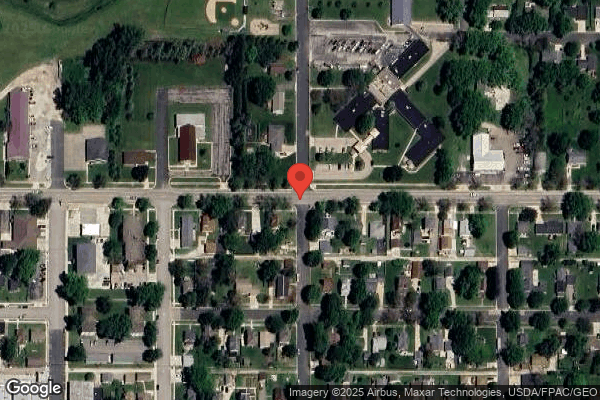
318 SECOND STREET NORTHEAST, HAYFIELD, MN 55940 (507) 477-3266
Government - City 35 Beds Independent Data: November 2025
Trust Grade
88/100
#24 of 337 in MN
Last Inspection: March 2025

Within standard 12-15 month inspection cycle. Federal law requires annual inspections.

Overview

Field Crest Care Center in Hayfield, Minnesota has a Trust Grade of B+, indicating it is above average and recommended for families seeking care. It ranks #24 out of 337 nursing homes in Minnesota, placing it in the top half, and is the top facility out of 2 in Dodge County. The facility is improving, with issues decreasing from 2 in 2022 to none reported in 2025. Staffing is rated as excellent with a 5/5 star rating, though the 45% turnover is average compared to the state rate of 42%, and the RN coverage is concerning, being lower than 82% of facilities in Minnesota, which could impact resident care. However, there have been some issues of concern, such as failure to properly implement personal protective equipment during a Covid-19 outbreak, potentially risking the health of all residents. Additionally, the facility did not have a complete water management program, posing a risk of exposure to Legionnaire's disease. A minor deficiency was noted regarding unclear staffing information not presented in an easily understandable format for residents and visitors. Overall, while there are strengths in staffing and quality ratings, these recent findings highlight areas for improvement that families should consider.

Trust Score
B+
88/100
In Minnesota
#24/337
Top 7%
Safety Record
Low Risk
No red flags
Inspections
Getting Better
2 → 0 violations
Staff Stability
○ Average
45% turnover. Near Minnesota's 48% average. Typical for the industry.
Penalties
○ Average
$9,750 in fines. Higher than 55% of Minnesota facilities. Some compliance issues.
Skilled Nurses
✓ Good
Each resident gets 62 minutes of Registered Nurse (RN) attention daily — more than 97% of Minnesota nursing homes. RNs are the most trained staff who catch health problems before they become serious.
Violations
✓ Good
Only 2 deficiencies on record. Cleaner than most facilities. Minor issues only.
★★★★★
5.0
Overall Rating
★★★★★
5.0
Staff Levels
★★★☆☆
3.0
Care Quality
★★★★★
5.0
Inspection Score
Stable
2022: 2 issues
2025: 0 issues

The Good

  • 5-Star Staffing Rating · Excellent nurse staffing levels
  • Full Sprinkler Coverage · Fire safety systems throughout facility
  • No fines on record
  • Staff turnover below average (45%)

    3 points below Minnesota average of 48%

Facility shows strength in staffing levels, fire safety.

The Bad

Staff Turnover: 45%

Near Minnesota avg (46%)

Typical for the industry

Federal Fines: $9,750

Below median ($33,413)

Minor penalties assessed

The Ugly 2 deficiencies on record

Dec 2022 2 deficiencies
CONCERN (F)

Potential for Harm - no one hurt, but risky conditions existed

Infection Control (Tag F0880)

Could have caused harm · This affected most or all residents

**NOTE- TERMS IN BRACKETS HAVE BEEN EDITED TO PROTECT CONFIDENTIALITY** Based on observation, interview and document review, the facility failed to ensure personal protective equipment (PPE) was imple...

Read full inspector narrative →
**NOTE- TERMS IN BRACKETS HAVE BEEN EDITED TO PROTECT CONFIDENTIALITY** Based on observation, interview and document review, the facility failed to ensure personal protective equipment (PPE) was implemented to prevent the spread of Covid19 per guidance by the Centers for Disease Control (CDC), when during a Covid19 outbreak, residents were observed not wearing masks. This had the potential to effect all 30 residents who resided in the facility. Further, the facility's failed to have an adequate water management program. The facility's water management program was incomplete and was not consistent with current ASHRAE (American Society of Heating, Refrigerating and Air-Conditioning Engineers) Guideline, which specifically called for design and maintenance procedures for the potential exposure of Legionnaire's disease (a serious pneumonia infection) within a healthcare facility. This had the potential to effect all 30 resident who resided in the facility to be infected by Legionella. Findings include: During an observation on 12/5/22, at 3:04 p.m., 11 residents and one visitor were playing bingo in the dining room at three tables. Only the visitor was masked. Nursing assistant (NA)-A identified the residents: ---One table had five unmasked residents: R1, R25, R22, R2, R23. ---One table had three residents and one visitor: R18's mask was below nose, R4's mask below mouth, R15 no mask, and visitor was masked. ---One table with three unmasked residents: R179, R19 and R12. During an interview on 12/6/22, at 9:02 a.m., nursing assistant (NA)-B stated residents were asked before they left their rooms if they wanted to wear a mask, adding residents had a right to refuse. Together with NA-B, looked at NA documentation in the electronic medical record (EMR). Every shift, NA's where to document two tasks related to resident masking: 1) Ask resident to apply mask when completing cares and 2) Ask resident to apply mask when leaving their room. NA's were to answer if the task was completed. For the past two weeks, some NA's answered the question yes, and some answered no. NA-B stated no meant the resident declined the mask. NA-B stated some staff maybe did not understand the question and documented no, meaning they did not ask the resident to apply a mask. During an interview on 12/6/22, at 9:03 a.m., (NA)-C stated NA's were to ask residents if they wanted to put on a mask before they left their room, adding, But do we always? No. NA-C stated she did not always remember to ask a resident. NA-C was aware the facility was currently in Covid19 outbreak status. During an interview on 12/6/22, at 9:05 a.m., registered nurse (RN)-D stated staff encouraged residents to put on a mask when done with resident cares and before residents left their room, adding they supplied each resident with a new mask each day. Together looked at the EMR and NA tasks. RN-D verified sometimes the task was completed and sometimes it wasn't. NA-A stated the expectation was that staff would offer a mask to a resident before leaving their room, but some residents would decline and had a right to do so. During an interview on 12/7/22, at 9:28 a.m., R2 (who was cognitively intact per quarterly Minimum Data Set [MDS] assessment dated [DATE]), was sitting in a wheelchair in her room watching TV. R2 stated staff sometimes asked if she wanted to wear a mask, but not always. R2 stated if staff reminded her, she wore a mask .If they don't remind me, I don't remember. R2 stated she was aware of Covid19 and wearing a mask helped prevent catching it. During an interview on 12/7/22, at 9:35 a.m., R25 (who had moderate cognitive impairment per admission MDS dated [DATE]), in her room, stated staff did not ask her if she wanted to wear a mask when she left her room. Looked around for a mask, stating she didn't see one and stated it might be in a drawer somewhere. During an interview and observation on 12/7/22, at 9:37 a.m., observed (NA)-C transport R17 via wheelchair out of her room to the dining room. R17 was not masked. NA-C admitted he did not ask R17 if she wanted to mask before leaving her room, adding, I should have, but I didn't; they almost always say no. Observed R17 and R19 sitting together in the dining room, both unmasked. During an interview on 12/7/22, at 9:47 a.m., R17 (who was cognitively intact per admission MDS dated [DATE]), stated staff did not ask her if she wanted to wear a mask when she left her room. R17 stated she knew she should wear a mask, but it fogged up her glasses if they could find a mask that didn't fog up my glasses, I would [wear one], adding she knew it was important as she used to work in healthcare and wore a mask all the time. During an interview on 12/7/22, at 12:20 p.m., R23 (who had moderate cognitive impairment per quarterly MDS dated [DATE]), in her room watching TV. Stated no one asked if she wanted to wear a mask when she left her room, adding she would wear one if asked, as it was better to err on the side of caution. Observed two masks in R23's room; neither appeared to have been wore, both flat and unwrinkled. During record review of residents observed unmasked in communal areas: --R18, R4, R179, R19, R17: Nothing in care plan about Covid19 and nothing about masking. --R15's care plan dated 5/6/22: Focus of Covid19 was present; nothing about masking. --R12's care plan dated 5/18/20: Focus of Covid19 was present; nothing about masking. During an interview on 12/7/22, at 10:56 a.m., with administrator, RN-D, (RN)-B and SW-A, all verified the Covid19 community transmission rate was high and the facility was in Covid19 outbreak status. Informed of observations of residents not wearing masks. RN-B stated residents were asked to mask before leaving their rooms. RN-D stated most residents chose not to wear a mask. During the same interview, RN-B stated she was responsible for creating and updating care plans and that Covid19 language in care plans was standard. RN-B stated some residents didn't have Covid19 language in their care plans as she had not gotten to some of the newer residents yet. RN-B confirmed the Covid19 language in the care plan did not indicate anything about resident masking; whether they should wear masks or if were unable to tolerate wearing a mask. RN-B acknowledged she was aware during a Covid19 outbreak, everyone should mask in communal areas. The administrator stated residents had been educated about wearing masks, but it had been awhile, and stated there was likely some mask fatigue among residents. The group acknowledged Covid 19 was still a concern and it was important to ensure residents were protected. During an observation on 12/7/22, at 12:10 p.m., observed an unidentified staff member in the dining room asking residents, Do you want to put a mask on? The question did not included rationale for asking. During an interview on 12/7/22, at 1:32 p.m., the administrator stated since meeting earlier, staff had been asking residents if they wanted to wear a mask and residents had been saying no. Informed the administrator that this was observed in the dining room and that the question was asked without telling the resident why and was likely an ineffective way to encourage residents to wear a mask during an outbreak. The administrator was encouraged to consider a reset with residents and staff and reeducate on the rationale for wearing masks. Facility policy titled Source masking for residents, revised date of 3/24/22, indicated the purpose was to minimize the threat of Covid19 transmission. A surgical mask would be provided to all residents daily upon request. Residents would be educated on the use of masks. Resdient's have a right to refuse to wear a mask at any time, even during outbreak status. Water management program Review of website for ASHRAE titled Risk Management For Legionellosis dated 10/15 indicated . The design engineer first needs to evaluate which requirements of the standard apply to their project. This evaluation determines if the project contains any of the following building risk factors. Health-care facility with patient stays over 24 hours. Facilities designated for housing occupants over age [AGE]. The risk of disease or illness from exposure to Legionella bacteria is not as simple as the bacteria being present in a water system. Other factors that contribute to the risk are environmental conditions that promote the growth and amplification of the bacteria in the system, a means of transmitting this bacteria (via water aerosols generated by the system), and the ultimate exposure of susceptible persons to the colonized water that is inhaled or aspirated by the host providing a pathway to the lungs. The bacteria are not transmitted person-to-person, or from normal ingestion of water. Susceptible persons at high risk for legionellosis include, among others, the elderly, dialysis patients, persons who smoke, and persons with medical conditions that weaken the immune system Review of the Centers for Disease Control and Prevention (CDC) website titled Legionella. Prevention and Control, dated 03/25/21 indicated .The key to preventing Legionnaires' disease is to reduce the risk of Legionella growth and spread. Building owners and managers can do this by maintaining building water systems and implementing controls for Legionella.Key Elements.Seven key elements of a Legionella water management program are to. Establish a water management program team. Describe the building water systems using text and flow diagrams. Identify areas where Legionella could grow and spread. Decide where control measures should be applied and how to monitor them. Establish ways to intervene when control limits are not met . Make sure the program is running as designed (verification) and is effective (validation).Document and communicate all the activities. Principles. In general, the principles of effective water management include.Maintaining water temperatures outside the ideal range for Legionella growth.Preventing water stagnation.Ensuring adequate disinfection.Maintaining devices to prevent sediment, scale, corrosion, and biofilm, all of which provide a habitat and nutrients for Legionella.Once established, water management programs require regular monitoring of key areas for potentially hazardous conditions and the use of predetermined responses to respond when control measures are not met. Review of a document provided by the facility titled Legionella Water Management Program, dated 06/02/17 indicated .It is the policy of Fairview Care Center to prevent an outbreak of Legionnaires Disease through implementation of an effective Legionella Water Management Program.Preventative Maintenance.Faucet aerators will be replaced every two years.Shower heads and nozzles will be replaced every two years.Eyewash stations bottles will be replaced per manufacturer's recommendation/expiration date.Quarterly water samples from 10 risk locations throughout the facility will be tested. Sample must be collected from a temperature range of 50-104 degrees Fahrenheit.Results will be compared to the normal range.Results will be recorded in the Logbook.Positive results require additional testing with 5 business days. Review of a binder provided by the facility titled Water Management Program included facility policies on their water management program, a Legionella testing log which had five testing entries dated 10/21 (there was no year documented). Included was test for Legionnaire's disease dated 03/14/18 which indicated the test results were within acceptable levels. There was a description of the water lines and how the water was processed throughout the facility and then sent out and then sent to the facility's sewer. Included was a hand drawn diagram of the facility's water system. Included was an uncompleted CDC risk assessment for the prevention of Legionella. During an interview on 12/05/22 at 4:29 p.m., the maintenance director-(MD)-A stated he was hired in September of 2019 and was to be trained on how to implement the water testing for Legionella, but this never happened. The MD-A stated the water management program was never fully implemented. MD-A stated he changes the faucets aerators every two years. MD-A stated there had been only one test for Legionnaires completed and that was in 2019. During an interview on 12/05/22 at 7:13 p.m., the director of nursing (DON) stated there had not been any Legionella in the facility for the past three years. During a subsequent interview on 12/06/22 at 8:46 a.m., MD-A stated when he took over the maintenance position he was in the dark about Legionella. MD-A stated the date of the testing logs was 10/21/19 and this was the last time a Legionella test was completed. MD-A confirmed there were no additional testing logs besides the ones from 10/21/19. MD-A stated there has been no annual review of the water management program. MD-A stated he contacted the former Administrator for direction. MD-A stated he planned on reaching out to a company who could develop and perform the requirements for an effective water management program. During an interview on 12/06/22 at 9:23 a.m., MD-A stated the city water utility company completed water testing each week but did not know the results. MD-A stated there has been no integration with the city utility company and the facility's water management program. MD-A stated he did not complete logs of when faucets, shower heads pipes, or the ice machine were maintained. During an interview 12/06/22 10:36 a.m., the DON stated the city water utility company tested for chlorine and fluoride. The DON provided these documents, from the city, for verification. During an interview on 12/06/22 at 11:22 a.m., the Clinical Manager/Infection Control Preventionist (CM/ICP)-B stated she did not get involved in the facility's water management program. CM/ICP-B stated if a resident tested positive for Legionella, she would notify the local health department and receive direction. CM/ICP-B stated she did not get involved with environmental issues and potential outbreaks of Legionella. During an interview on 12/06/22 at 2:50 p.m., the DON confirmed there were 30 residents over the age of 65. DON stated 10 of these residents had respiratory disease and three used a continuous positive airway pressure (CPAP) machine. During an interview on 12/07/22 at 8:26 a.m., the administrator stated her expectation was to have an effective water management program. .
MINOR (C)

Minor Issue - procedural, no safety impact

Staffing Information (Tag F0732)

Minor procedural issue · This affected most or all residents

Based on observation, interview and document review, the facility failed to ensure required and accurate nursing staffing information was posted for residents and visitors. This had the potential to a...

Read full inspector narrative →
Based on observation, interview and document review, the facility failed to ensure required and accurate nursing staffing information was posted for residents and visitors. This had the potential to affect all 30 residents residing in the facility and their visitors. Findings include: The nursing staffing posting was observed in an acrylic wall pocket between resident hallways and near the dining room. The document was titled Today's Staffing and indicated the following: --Name of facility --Department of Nursing --Date --Census --Shift start times --Number of RN (registered nurse) hours and FTE's (full time equivalents) for the day, evening, and night shifts. --Number of LVN (licensed vocational nurse)/LPN (licensed practical nurse) hours and FTE's for the day, evening, and night shifts. --Number of Assistants/Techs hours and FTE's for the day, evening, and night shifts. The number of staff on duty was not provided in a format that a layperson could understand; it did not indicate the number of individual RN's, LPN's or NA (nursing assistants) working each shift. An individual looking at the posting would not be able to determine how many of each type of staff was on duty without doing a calculation. For example, instead of indicating the number of NA's working the day shift on 12/4, the posting indicated NA hours were 30.25 and 3.78 FTE's. In addition, the census didn't reflect the current or accurate census for multiple days according to comparisons between the postings and a document titled Detailed Census Report. For the month of November 2022, the census on the posting was inaccurate 12 times (11/1, 11/2, 11/3, 11/8, 11/9, 11/10, 11/14, 11/15, 11/16, 11/17, 11/29, 11/30). For the month of December 2022, the census was inaccurate five out of seven days (12/1, 12/2, 12/3, 12/4, 12/5). During an interview on 12/7/22, at 8:31 a.m., staffing coordinator (SC)-E, stated she completed and posted the daily nursing staffing posting using a format she was directed to use. During an interview on 12/7/22, at 9:15 a.m., the administrator and social worker (SW)-A were informed the nursing staffing posting didn't meet the federal requirements, specifically it did not indicate the number of staff working in each category and the census was not accurate on a number of dates. The required elements of the regulation were discussed. Facility policy titled Daily Staffing Report dated 3/2016, indicated the facility posted the following information in a prominent location in a clear and readable format. Facility name, date, census, and total number and actual hours worked by registered nurses, licensed practical nurses, trained medication aides, and certified nursing assistants directly responsible for resident care per shift. The staffing coordinator was responsible for posting the staffing information and making changes in a timely manner.
Understanding Severity Codes (click to expand)
Life-Threatening (Immediate Jeopardy)
J - Isolated K - Pattern L - Widespread
Actual Harm
G - Isolated H - Pattern I - Widespread
Potential for Harm
D - Isolated E - Pattern F - Widespread
No Harm (Minor)
A - Isolated B - Pattern C - Widespread

Questions to Ask on Your Visit

  • "Can I speak with families of current residents?"
  • "What's your RN coverage like on weekends and overnight?"

Our Honest Assessment

Strengths
  • • Grade B+ (88/100). Above average facility, better than most options in Minnesota.
  • • No major safety red flags. No abuse findings, life-threatening violations, or SFF status.
  • • Only 2 deficiencies on record. Cleaner than most facilities. Minor issues only.
  • • 45% turnover. Below Minnesota's 48% average. Good staff retention means consistent care.
Concerns
  • • No significant concerns identified. This facility shows no red flags across CMS ratings, staff turnover, or federal penalties.
Bottom line: Generally positive indicators. Standard due diligence and a personal visit recommended.

About This Facility

What is Field Crest's CMS Rating?

CMS assigns FIELD CREST CARE CENTER an overall rating of 5 out of 5 stars, which is considered much above average nationally. Within Minnesota, this rating places the facility higher than 99% of the state's 100 nursing homes. This rating reflects solid performance across the metrics CMS uses to evaluate nursing home quality.

How is Field Crest Staffed?

CMS rates FIELD CREST CARE CENTER's staffing level at 5 out of 5 stars, which is much above average compared to other nursing homes. Staff turnover is 45%, compared to the Minnesota average of 46%. This relatively stable workforce can support continuity of care.

What Have Inspectors Found at Field Crest?

State health inspectors documented 2 deficiencies at FIELD CREST CARE CENTER during 2022. These included: 1 with potential for harm and 1 minor or isolated issues.

Who Owns and Operates Field Crest?

FIELD CREST CARE CENTER is owned by a government entity. Government-operated facilities are typically run by state, county, or municipal agencies. The facility operates independently rather than as part of a larger chain. With 35 certified beds and approximately 30 residents (about 86% occupancy), it is a smaller facility located in HAYFIELD, Minnesota.

How Does Field Crest Compare to Other Minnesota Nursing Homes?

Compared to the 100 nursing homes in Minnesota, FIELD CREST CARE CENTER's overall rating (5 stars) is above the state average of 3.2, staff turnover (45%) is near the state average of 46%, and health inspection rating (5 stars) is much above the national benchmark.

What Should Families Ask When Visiting Field Crest?

Based on this facility's data, families visiting should ask: "Can I visit during a mealtime to observe dining assistance and food quality?" "How do you handle medical emergencies, and what is your hospital transfer rate?" "Can I speak with family members of current residents about their experience?"

Is Field Crest Safe?

Based on CMS inspection data, FIELD CREST CARE CENTER has a clean safety record: no substantiated abuse findings (meaning no confirmed cases of resident harm), no Immediate Jeopardy citations (the most serious violation level indicating risk of serious injury or death), and is not on the Special Focus Facility watch list (a federal program monitoring the lowest-performing 1% of nursing homes). The facility has a 5-star overall rating and ranks #1 of 100 nursing homes in Minnesota. While no facility is perfect, families should still ask about staff-to-resident ratios and recent inspection results during their visit.

Do Nurses at Field Crest Stick Around?

FIELD CREST CARE CENTER has a staff turnover rate of 45%, which is about average for Minnesota nursing homes (state average: 46%). Moderate turnover is common in nursing homes, but families should still ask about staff tenure and how the facility maintains care continuity when employees leave.

Was Field Crest Ever Fined?

FIELD CREST CARE CENTER has been fined $9,750 across 1 penalty action. This is below the Minnesota average of $33,176. While any fine indicates a compliance issue, fines under $50,000 are relatively common and typically reflect isolated problems that were subsequently corrected. Families should ask what specific issues led to these fines and confirm they've been resolved.

Is Field Crest on Any Federal Watch List?

FIELD CREST CARE CENTER is not on any federal watch list. The most significant is the Special Focus Facility (SFF) program, which identifies the bottom 1% of nursing homes nationally based on persistent, serious quality problems. Not being on this list means the facility has avoided the pattern of deficiencies that triggers enhanced federal oversight. This is a positive indicator, though families should still review the facility's inspection history directly.