Tuff Memorial Home

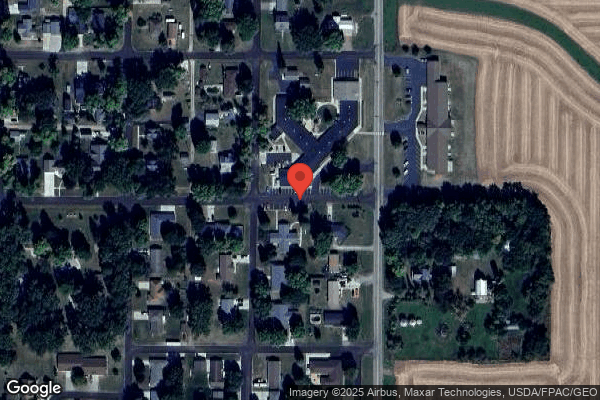
505 EAST 4TH STREET, HILLS, MN 56138 (507) 962-3275
Non profit - Other 48 Beds Independent Data: November 2025
Trust Grade
80/100
#84 of 337 in MN
Last Inspection: August 2025

Inspected within the last 6 months. Data reflects current conditions.

Overview

Tuff Memorial Home in Hills, Minnesota has a Trust Grade of B+, indicating it is above average and recommended for families considering care options. It ranks #84 out of 337 facilities in the state, placing it in the top half, and #2 out of 3 in Rock County, showing only one local option is better. Unfortunately, the facility's trend is worsening, with the number of identified issues increasing from 2 in 2024 to 3 in 2025. Staffing is a strength with a 5/5 rating, although the turnover rate is average at 46%. However, the home faced concerning fines totaling $44,434, which is higher than 90% of Minnesota facilities, and it has less RN coverage than 84% of state homes, meaning RNs may not be as available to catch problems. Specific incidents included failing to establish measurable goals in their quality improvement program, which could impact all residents, and inaccuracies in staffing data submitted to Medicare, raising concerns about transparency and oversight. Overall, while Tuff Memorial Home has strong staffing ratings, its compliance issues and recent trend toward more concerns should be carefully considered by families.

Trust Score
B+
80/100
In Minnesota
#84/337
Top 24%
Safety Record
Low Risk
No red flags
Inspections
Getting Worse
2 → 3 violations
Staff Stability
⚠ Watch
46% turnover. Above average. Higher turnover means staff may not know residents' routines.
Penalties
⚠ Watch
$44,434 in fines. Higher than 79% of Minnesota facilities, suggesting repeated compliance issues.
Skilled Nurses
✓ Good
Each resident gets 42 minutes of Registered Nurse (RN) attention daily — more than average for Minnesota. RNs are trained to catch health problems early.
Violations
⚠ Watch
13 deficiencies on record. Higher than average. Multiple issues found across inspections.
★★★★★
5.0
Overall Rating
★★★★★
5.0
Staff Levels
★★★★★
5.0
Care Quality
★★★★☆
4.0
Inspection Score
Stable
2024: 2 issues
2025: 3 issues

The Good

  • 5-Star Staffing Rating · Excellent nurse staffing levels
  • 5-Star Quality Measures · Strong clinical quality outcomes
  • Full Sprinkler Coverage · Fire safety systems throughout facility
  • No fines on record

Facility shows strength in staffing levels, quality measures, fire safety.

The Bad

Staff Turnover: 46%

Near Minnesota avg (46%)

Higher turnover may affect care consistency

Federal Fines: $44,434

Above median ($33,413)

Moderate penalties - review what triggered them

The Ugly 13 deficiencies on record

Aug 2025 3 deficiencies
CONCERN (D)

Potential for Harm - no one hurt, but risky conditions existed

Safe Environment (Tag F0921)

Could have caused harm · This affected 1 resident

Based on observation, interview, and document review, the facility failed to maintain 1 of 13 ceiling vents in a sanitary manner.Findings include: Observation on 8/25/2025 at 12:19 p.m., of the facili...

Read full inspector narrative →
Based on observation, interview, and document review, the facility failed to maintain 1 of 13 ceiling vents in a sanitary manner.Findings include: Observation on 8/25/2025 at 12:19 p.m., of the facility beauty salon vent identified to have an appearance of black spotted substances, appeared to look like mold and rust scattered throughout the inside and outside of the vent. Observation and interview on 8/25/2025 at 3:32 p.m., with both the administrator and the maintenance director in the beauty salon room to observe the vent identified the maintenance director had scraped the vent with a paper towel and stated the black substance was removable from the vent and had voiced that this room received humidity and high temperatures of heat throughout the summer, possibly contributing to buildup of the black substance on the vents. Maintenance stated the vents in the facility were cleaned every two months on a routine basis. Both the administrator and maintenance director voiced the vent had the appearance of a black mold-like substance. Observation on 8/25/2025 at 3:59 p.m., of the other facility 12 vents throughout the facility halls and corridors appeared to be clean and free of debris. Review of 7/07/25, Maintenance log for 10-inch(in) BI fan/all air vents check was last completed 7/07/25. Further interview on 8/27/2025 at 9:27 a.m., with maintenance director identified the vent should have been addressed during monthly maintenance checks. He agreed the condition of the beauty salon vent appeared to be dirty and unkempt and should have been cleaned when checked on rounds. There was no record for August 2025. Interview on 8/27/2025 9:46 a.m., with salon technician identified she was made aware (unknown date) by an (unknown) resident, who had pointed to the ceiling and stated the ceiling appeared to need repairs. The salon technician had not informed the administration of the concern brought up from the resident and was not aware of the of the condition of the vent before being identified by a resident of the vent when she worked in the salon. Review of August 2025, Preventative Maintenance Program policy identified the facility was to ensure a safe functional and sanitary environment for residents, staff, and visitors. The maintenance director was responsible for developing and maintaining service to assess the physical plant to determine if maintenance was required, decide on tasks that needed to be completed and how often, and develop a calendar to assist with keeping track of all tasks. Request of August salon fan cleaning record was requested and not received during survey period.
CONCERN (E)

Potential for Harm - no one hurt, but risky conditions existed

Infection Control (Tag F0880)

Could have caused harm · This affected multiple residents

**NOTE- TERMS IN BRACKETS HAVE BEEN EDITED TO PROTECT CONFIDENTIALITY** Based on observation, interview, and document review, the facility failed to establish criteria for employee illness and appropr...

Read full inspector narrative →
**NOTE- TERMS IN BRACKETS HAVE BEEN EDITED TO PROTECT CONFIDENTIALITY** Based on observation, interview, and document review, the facility failed to establish criteria for employee illness and appropriate return to work for 3 of 3 sampled staff (nurse aide (NA)-A and NA-B, and trained medication aide (TMA)-A). In addition, the facility failed to ensure staff performed appropriate hand hygiene while assisting 5 of 5 residents (R2, R11, R16, R21, and R35) with meals in the dining room. The facility also failed to ensure staff were following manufacturer's instructions by rinsing and air-drying nebulizer administration sets following treatment and between use for 1 of 1 (R27) resident observed.Findings include: Employee Illness Review of sampled employee illness forms and timecards from February 2025 through May 2025 identified: TMA-A’s Paid Time Off (PTO) Request/Overtime Approval Form sheet identified TMA-A called in to work with symptoms of diarrhea and nausea on 2/22/25. There was no mention on the log of when TMA-A had returned to work. TMA-A’s timecards revealed TMA-A had worked on 2/22/25 from 6:29 a.m. to 9:10 a.m., for a total of 2.68 hours and returned to work on 2/23/25. NA-A’s PTO Request/Overtime Approval Form identified NA-A called in to work with respiratory symptoms and fever, myalgia (pain in the muscles), body aches and a productive cough on 5/20/25. NA-A timesheet identified NA-A had worked on 5/19/25 from 10:10 p.m. to 05:48 a.m. the next day, for a total of 7.14 hours. C.N.A-A had returned to work on 5/22/25. NA-B’s Request/Overtime Approval Form identified, NA-B called in to work with dizziness, nausea, and a fever on 5/29/25. NA-B had symptoms of diarrhea, nausea and fever. NA-B’s timesheet identified NA-B last worked on 5/29/25 and returned to work on 5/30/25. There was no mention of any criteria used to identify the appropriateness of the above-mentioned staff’s return to work, if their symptoms had resolved, or if they had come into contact with other staff or residents that may put them at risk for transmission of illness and require heightened surveillance. Interview on 8/27/25 at 8:47 a.m., with the infection preventionist (IP) identified employees who called out for work related to an illness would have a call-out sheet filled out on their behalf by nursing staff on the units. The sheet was placed on her desk to review when she arrived to the office. The IP was to determine when the employee would to return to work, dependent upon their symptoms and communicated it to the employee after reviewing the facility policy related to employee illnesses. When she was out of the office, the director of nursing (DON) was to provide oversight of employee illnesses tracking. On several occasions, the IP identified employees who called out sick had returned to work the following day. Management had not ensured employees who had returned to work were either symptom free or free from infection using criteria. The IP agreed the logs lacked adequate surveillance and monitoring of employee illnesses and appropriate return to work. Interview on 8/27/25 at 11:14 a.m., with DON identified the facility recorded all employee illnesses, but did not have a process in place to ensure consistency when determining if employee symptoms had improved or resolved or before returning to work that would potentially cause an increased risk of exposure to residents or other staff in the facility. Review of July 2025 Employee Work Restriction-Infectious Diseases Policy identified the employee or contract staff was to report communicable or infectious disease to his or her supervisor. It was the responsibility of the employee’s supervisor to make determinations regarding work-restrictions. The designated Infection Preventionist (IP) was to be consulted to provide guidance when the employee was to return to work and the employee was to stay away from the facility until the employee was no longer contagious or cleared by a medical provider. In addition, the facility was to follow Centers for Disease Control and Prevention (CDC) guidelines, as well as, state and local regulations, if absent, to determine work restrictions. NEBULIZER R27 was admitted on [DATE] with hospice services in place due to a terminal diagnosis of chronic obstructive pulmonary disease (COPD). R27 had physician orders for budesonide inhalation (bronchodilator used to open airways of the lungs)1 unit, to be inhaled orally 2 times a day for COPD at 8:00 a.m. and again at 5:00 p.m R27 also had an order for ipratropium-albuterol, 1 unit to be inhaled every 4 hours as needed for COPD. Observations, document review, and subsequent interview on: 8/25/25 at 1:00 p.m. and again at 6:30 p.m. with R27, noted a nebulizer was placed on this bedside table, with a face mask and medication container attached that had been connected during the last administration, hanging on the side of the machine by the mask strap. 8/26/25 at 8:30 a.m., noted the face mask with medication container attached was hanging on the nebulizer machine with oxygen tubing attached and not rinsed following administration. Review of the Treatment Administration Record (TAR) identified R27 had received his most recent nebulized medication at 8:00 a.m. 8/26/25 at 11:29 a.m. identified registered nurse (RN)-A prepared to administer R27's albuterol medication. She obtained the medication from the medication cart, went to R27's room, applied gloves, picked up the mask with the medication container attached, removed the medication container from the mask, and placed the liquid medication into the container. She then reattached the medication container to the mask and placed the mask on R27's face as she switched on the machine. 8/26/25 at 11:45 a.m. RN-A returned to R27's room, removed the face mask with medication container attached and returned it to hang on the machine without disconnecting the nebulizer and rinsing the medication cup. She reported the mask, and nebulizer was changed weekly. She then hung by the mask strap on the nebulizer machine without first rinsing disassembling the mask and cup and rinsing the medication cup. When asked about the nebulizer, she fshe noted when she went to administer a nebulizer treatment, she usually found the mask with the medication container attached. RN-A then exited the room. When asked about the lack of rinsing of the medication cup, she reported she would return to R27's room and disassemble the nebulizer equipment and rinse the cup. She took the nebulizer mask, medication cup and mouth piece to the bathroom and applied gloves, took the pieces apart, rinsed them at the sink, and placed on a paper towel on the shelf located above the sink to air dry the parts. RN-A noted she had not been rinsing the nebulizer set following each use and was not certain what the policy directed, and stated she was not certain if other staff knew to perform this procedure after administration either. Interview on 8/26/25 at 11:53 a.m. with the DON, identified the nebulizer mask, medication container and mouthpiece were reusable and changed weekly, but the compressor surface was wiped daily with Sani-Cloths. She was not aware of any necessary cleaning/rinsing of the equipment following use, other than the weekly change. She would need to review the facility policy to determine if the reusable set up equipment was to be handled differently. Subsequent interview on 8/26/25 at 1:15 p.m. with the DON following review of both the policy and manufacturer’s instructions identified the mask and medication container were to be rinsed and allowed to air dry following each use. The DON confirmed the facility policy failed to include this information and would need to be updated to follow the direction in the manufacturer’s instructions for cleaning. Interview on 8/27/25 at 7:15 a.m. with the IP identified she was aware the setup used for administration of nebulized medication was to be rinsed following each use and allowed to air dry. She was unaware of what the policy stated or that staff were not rinsing the nebulizer setup following each use. The IP expected nebulizer equipment including the mouthpiece, mask, and medication container to be rinsed and placed on a paper towel following each use and allowed to air dry. Information regarding staff training was requested but not received. Review of the July 10, 25 Nebulizer Treatment Procedure of the Tuff Memorial Home failed to include instructions for cleansing of the nebulizer reusable mask, mouthpiece and medication container after each use. Review of the DeVilbiss Pulmo-Aide Compact Compressor/Nebulizer Instruction Guide - Nebulizer cleaning listed all parts of the nebulizer, except tubing should be cleaned according to the instructions. A warning identified to prevent possible risk of infection from contaminated medication, cleaning of the nebulizer is recommended after each treatment. Disinfecting was recommended once a day. Instructions noted were to clean after every use. Instructions listed were: 1. With power switch in the “Off” position, unplug power cord from wall outlet.2. Disconnect tubing from the air-inlet connector and set aside.3. Disassemble mouthpiece or mask from cap. Open nebulizer by turning capcounterclockwise and removing baffle.4. Wash all items, except tubing, in a warm water/dishwashing detergent solution. Rinseunder warm tap water for 30 seconds to remove detergent residue. Allow to air dry. DINING Observation on 8/26/25 at 11:24 a.m., in the dining room identified NA-C was assisting 5 residents with eating dinner. NA-C had gloves on and was sitting between R2 and R16. A kitchen staff person delivered food to the table and placed it in front of each resident. The table had 4 residents and another table off to the side had 1 resident seated awaiting their meals. NA-C offered R2 a bite to eat. She then turned to her left and using her right hand again she offered a bite of food to R16. She then rolled on her chair to the other side of the table next to R35. Using her same gloved hand, she rubbed R35's chest and arm to arouse her. She offered R35 a bite of food using a fork and picked up R35’s glass to give her a drink. She then turned toward R16 and gave her a bite of her food. NA-C then rolled her chair across the floor to another table where R11 was seated and asked him if he was doing okay. She then rolled her chair back between R2 and R16. Without removing her gloves and performing hand hygiene, she wiped R2’s mouth using R2’s clothing. NA-C failed to change gloves or perform hand hygiene during the meal service between tasks for residents. R2’s 4/15/25, quarterly Minimum Data Set assessment identified she was dependent on staff (Staff does all the effort) with eating and drinking and has diagnosis of Alzheimer’s Disease, arthritis, and degenerative joint disease. R2’s undated, current care plan identified staff were to assist with intake as needed. R2’s level of ability with eating may vary from day to day. R16’s 6/24/25, significant change Minimum Data Set assessment identified she required substantial (staff does more than half the effort) assistance with eating and diagnoses of dementia, anxiety, depression, and COPD. R16’s undated, current care plan identified her ability to feed herself varies from day to day. She at times can eat independently and at times is dependent on staff to eat. R35’s 6/17/25, quarterly Minimum Data Set assessment identified she required substantial assistance from staff while eating and had a diagnosis of a neurological condition. R35’s undated current care plan identified she was able to eat independently after set-up. R21’s 4/15/25, annual Minimum Data Set assessment identified he required supervision or touching with meals. Helper provides verbal cues or steadying assistance. R21 had diagnoses of traumatic brain dysfunction, arthritis, and depression. R21’s undated, current care plan identified staff were to assist R21 with using utensils and finger foods. R21 could drink independently after staff placed the glass in his hand. R11’s 6/24/25, quarterly Minimum Data Set assessment identified he required supervision or touching assistance with meals and had a diagnosis of non-traumatic brain dysfunction and dementia. Interview on 8/26/25, at 1:03 p.m., with NA-C identified the facility normally had 2 staff ithe dining room to assist residents with eating but they didn’t come in today so I just did it on my own”. She was unable to recall the last time she had infection control training. Interview on 8/27/25 at 8:55 a.m. with the IP identified staff have been trained to use hand sanitizer and change their gloves between residents when feeding. The IP noted NA-C should not be feeding 2 residents with the same gloved hand without first performing hand hygiene. The IP agreed the lack of appropriate infection control practices can put residents at risk for cross contamination, especially gastrointestinal (stomach) infections. Staff were required to complete online infection control training. She had done some in-person training with hand washing and PPE use. It had been about a year since the last time she audited the dining room for appropriate staff hand hygiene. Review of the July 2025, Promoting/Maintaining Resident Dignity During Mealtimes policy identified staff were to only assist 1 resident at a time. The policy made no mention of how to safely maintain infection control while assisting multiple residents with meals.
CONCERN (F)

Potential for Harm - no one hurt, but risky conditions existed

QAPI Program (Tag F0867)

Could have caused harm · This affected most or all residents

Based on interview and document review, the facility failed to have evidence of measurable goals and documentation of an analysis and evaluation of the data, submitted to the QAPI committee to ensure ...

Read full inspector narrative →
Based on interview and document review, the facility failed to have evidence of measurable goals and documentation of an analysis and evaluation of the data, submitted to the QAPI committee to ensure Performance Improvement Projects (PIPS) areas identified had oversight and a documented action plan. This had the potential to affect all 40 residents living in the facility.Findings include: Review of the QAPI meetings identified in: March 13, 2025, QAPI minutes identified the Restorative program was identified as a PIP, but no measurable goals or action plan was discussed or put in place. April 9, 2025, contained a blank table with labels of Action Plan; Person's Responsible, Target Date, Outcome; and Notes. The QAPI meeting minutes listed a summary from the director of nursing (DON) of days of Restorative therapy provided, and list of residents who did not go to the therapy, but there was no Action plan or measurable goals developed to move forward with the project. July 23, 2025, QAPI meeting minutes, again had a blank table for Action items, Person's Responsible, Target Date, Outcome; and Notes to be followed up at the next QAA meeting, and the area for Restorative Program notes was blank. Interview on 8/27/25 at 11:23 a.m., with the administrator and the social services designee (SSD) identified they acknowledged they had failed to develop a measurable goal and associated Action Plan for the identified PIP of the Restorative Program. They reported there had been discussion but no documentation as to a measurable goal with the identified Action Plan included. Review of the February 2024, Quality Assurance and Performance Improvement Policy identified the committee was to meet at least quarterly to evaluate and coordinate activities including PIP projects under the QAPI program. The facility was to act toward performance improvement with actions monitored and documented in subcommittee and committee meetings.
Jul 2024 2 deficiencies
CONCERN (D)

Potential for Harm - no one hurt, but risky conditions existed

Assessment Accuracy (Tag F0641)

Could have caused harm · This affected 1 resident

Based on observation, interview and document review, the facility failed to ensure resident status was accurately identified in the Minimum Data Set (MDS) assessment for 1 of 1 resident (R32) reviewed...

Read full inspector narrative →
Based on observation, interview and document review, the facility failed to ensure resident status was accurately identified in the Minimum Data Set (MDS) assessment for 1 of 1 resident (R32) reviewed for prosthetics. Findings include: R32's, Face sheet identified he had a diagnoses of Transient Ischemic Attack (stroke), absence of left leg below knee amputation, anxiety and depression. R32's, 5/14/24 Significant change Minimum Data Set (MDS) identified R32 was cognitively intact, had used substantial/maximal assistance with activities of daily living and was dependent with mobility and transfers. R32's MDS, section GG, did not identify R32 had a left leg below the knee prosthetic. R32's, undated, current care plan identified he had a self-care performance deficit related to his left leg below knee amputation. The goal was for R32 to maintain current level of function. Interventions were for staff to apply the left leg stump shrinker sleeve and prosthetic to his left lower extremity for transfers, standing and/or pivoting with his hemi-walker, and to remove the left leg prosthetic when R32's request. Observation and interview on 7/28/24 at 6:56 p.m., identified R32 had a left leg prosthetic along with his left stump shrinker sleeve stored next to his recliner. He stated he had received his first below the knee prosthetic approximately 2 years ago from Sioux Falls Orthopedic Institute and had recently received a newer left leg prosthetic that would assist him with ambulation and transfers. Interview on 7/30/24 at 10:58 a.m., with registered nurse (RN)-A stated she did not code R32's prosthetic accurately on his current MDS. She stated she would make a modification on R32's MDS. Interview on 07/30/24 03:53 p.m., with director of nursing (DON) would expect accurate coding on the MDS and plan to implement a verification process to prevent MDS errors from reoccurring. Review of 7/29/24, MDS policy identified MDS would be completed within the time frame guidelines and would refer to RAI (Resident assessment instrument) manual for updates. The policy lacked direction on how to correct and/or identify changes to the MDS when an error would occur.
CONCERN (D)

Potential for Harm - no one hurt, but risky conditions existed

Antibiotic Stewardship (Tag F0881)

Could have caused harm · This affected 1 resident

Based on interview and document review, the facility failed to develop an antibiotic stewardship program which included development of protocols and a system to monitor antibiotic use, to ensure appro...

Read full inspector narrative →
Based on interview and document review, the facility failed to develop an antibiotic stewardship program which included development of protocols and a system to monitor antibiotic use, to ensure appropriate antibiotics were utilized to prevent antibiotic resistance for 1 of 5 resident (R12) who had an order for an antibiotic with no end date. Findings include: R12's 6/4/24, Significant Change Minimum Data Set (MDS) assessment identified her cognition was intact, she used a walker for mobility, and was independent with activities of daily living (ADL's). Review of R12's current diagnosis list identified a diagnosis of chronic cystitis without hematuria (inflammation of the bladder that can predispose patient to bladder infections). R12's current medication administration record identified she has been taking cephalexin (antibiotic) 250 milligrams (mg) daily for a diagnosis of chronic cystitis starting upon admission in January of 2024. Review of R12's current care plan identified she was on antibiotic therapy related to chronic bladder infections. Staff were to monitor adverse reactions or signs and symptoms of secondary infections related to antibiotic therapy. The care plan made no mention that staff should monitor for effectiveness, or review to ensure the long-term antibiotic therapy remained appropriate. There was no documentation to support other methods of prevention, such as cranberry juice or diet changes had been attempted, nor that it was being overseen by a specialist or medical provider routinely. Review of the June 2024 Quality Assurance and Performance Improvement (QAPI) minutes identified that 2 residents R6 and R15 had received antibiotic therapy, the minutes included the type of antibiotic, duration, and the indication for use. The minutes made no mention of R12's use of chronic antibiotics. Review of the facilities infection surveillance monthly report identified they had been tracking infections and antibiotic use in the facility; however, the report did not include any tracking for R12's use of a prophylactic antibiotic cephalexin oral capsule 250 mg daily for a diagnosis of chronic cystitis without hematuria (bladder infection). Interview on 7/30/24, at 10:02 a.m., with the infection preventionist (IP) identified R12 had an order for antibiotics in place when she was admitted to the facility in January of 2024. The order did not include an end date, and she had not followed up to obtain one. She thought the order came from a previous doctor but was not certain and did not have a copy of the original order. They had no documentation that the antibiotic had been monitored for effectiveness, had not completed a time out, and had not followed up with the primary physician to see if the medication should be reviewed by a urologist to ensure it remained an appropriate treatment. She identified that they did not have an end date because it was used prophylactically to prevent infection. She had not included it in her monthly infection report or the QAPI facility antibiotic use report because although R12 is taking an antibiotic, she does not have an active infection. She identified that R12 has not had any complaints of pain or discomfort and has had no recent infections. R12 is seen by her primary doctor every 60 days at the facility, however, she was unable to provide any documentation that the physician had reviewed the long term antibiotic or any documented rationale for the continued use of the antibiotic. R12's primary physician was not available for interview during the survey period. Review of the 11/14/23, Antibiotic Stewardship Program policy identified that all prescriptions for antibiotics shall specify the dose, duration, and indication for use. Staff will monitor the response to antibiotics, and laboratory results when available, and consult with the physician to determine if the antibiotic is still indicated or adjustments should be made. Antibiotics upon admission weather a new admission or a re-admission to the facility shall be reviewed for appropriateness. Antibiotic orders obtained from consulting, specialty, or emergency providers shall be reviewed for appropriateness.
Dec 2023 1 deficiency
CONCERN (D) 📢 Someone Reported This

A family member, employee, or ombudsman was alarmed enough to file a formal complaint

Potential for Harm - no one hurt, but risky conditions existed

Transfer Requirements (Tag F0622)

Could have caused harm · This affected 1 resident

**NOTE- TERMS IN BRACKETS HAVE BEEN EDITED TO PROTECT CONFIDENTIALITY** Based on interview and document review, the facility failed to appropriately discharge 1 of 1 resident (R1) with known neurocogn...

Read full inspector narrative →
**NOTE- TERMS IN BRACKETS HAVE BEEN EDITED TO PROTECT CONFIDENTIALITY** Based on interview and document review, the facility failed to appropriately discharge 1 of 1 resident (R1) with known neurocognitive disorder (decreased mental function due to a medical disease other than a psychiatric illness), with behaviors. The facility also failed to ensure policies related to Discharge and Transfer were reviewed yearly for appropriateness and accuracy. Findings include: Review of the 12/4/23 at 10:40 a.m., State Agency Report (SA) identified R1 was seated in his wheelchair located by a table in the dining room at 11:25 a.m . R2 was wheeled by staff by R1. R2's foot pedal bumped R1's wheelchair. R1 turned and grabbed R2 by the face, knocking her glasses off, and causing scratches to the right side of the neck, right and left sides of her nose, the right corner of her eye and cheek, and right ear lobe. R1 reached for R2 again but contact was blocked by staff in attendance. R2 was screaming and crying and was taken back to her room for assessment. R1 turned back around and was removed from the dining room to his room by licensed practical nurse (LPN)- and a second unidentified nurse aide (NA) and assisted to his room. R1 had no response and no expression when questioned about what had happened or why he had done that. The director of nursing (DON) and administrator were notified of the incident and gave instruction to contact the sheriff's office to report the incident and obtain direction. Local emergency medical services (EMS) were notified of a non-emergency transfer to the the regional behavioral hospital in Sioux Falls, SD for evaluation. Family members of both R1 and R2 were contacted to inform them of the incident. R1's 11/14/23 Quarterly Minimum Data Set (MDS) identified his cognition was intact, and there were no behaviors documented. Activities of daily living (ADLs) were identified as independent with eating, and hygiene, and required partial assistance from staff for transfers, toileting, and dressing, and used a wheelchair for mobility. R1 received medications of an anti-psychotic, anti-depressant, water pill, and an anti-platelet ( used to thin the blood to prevent clots) medication. R1's diagnoses included dementia without behavioral disturbance, psychotic disturbance, mood disturbance, major depressive disorder, and anxiety disorder. R1's 8/13/23 incident report identified a resident to employee incident occurred. R1 became aggressive toward an unidentified NA. The facility implemented 2 staff members to be in attendance with interactions with R1. R1 was scheduled to be seen by psychiatric services. At that time, there was discussion with R1's physician (MD) who agreed R1 could remain in the facility at that time but ensure 2 staff were present with cares. He was to be sent to the regional psychiatric hospital in Sioux Falls, SD if needed or he displayed an aggressive change in behavior. R1's 8/23/23 at 5:11 p.m., incident report identified he had history of an incident when an unidentified NA reported an unidentified resident was in R1's room attempting to get into his closet. R1 was swatting at other resident but no contact was noted. That resident was removed from the room and R1 questioned why the resident had come to his room. Appropriate notifications completed and intervention to close R1's room door and keep other resident on other wing. No injuries to either resident noted. there was no mention on the care plan of any heightened measures staff should take when it came to other residents being at risk. Interview on 12/11/23 at 11:41 a.m. with NA-A reported she was working on 12/3/23 in the dining room when she observed NA-B pushing R2 through the dining room. R2's wheelchair barely bumped R1's wheelchair as she was going passed. R1 swung out from the table and began swinging both arms and slapped R2 as she was being pushed past him. NA-B got between R1 and R2 to separate them and R1 attempted to grab NA-B's leg as she was separating the residents and NA-A yelled for the charge nurse. Licensed practical nurse (LPN)-A ran to the dining room and assisted with removing R2 to her room for assessment and to attempt to calm her. R2 was also escorted to his room by 2 staff persons. NA-A reported R1 had previously attempted to choke a staff member as she was attempting to toilet him and had episodes of agitation previously, with no specific triggers that she was aware of. She reported R1 had seemed paranoid during COVID and would pace in and out of his room doorway and had also entered other resident rooms and taken objects. NA-B reported she was not aware of any previous altercations with other residents. NA-B reported R1 rarely spoke and was alert but she was not certain if he was oriented. She reported due to the incident that had occurred between a staff member and R1 his care plan had been updated to have 2 staff present when providing cares and he was on 15-minute safety checks immediately following the incident, but the time had been extended when there had been no additional incidents. R1's current, undated care plan identified he a potential behavior problem due to history of smearing body fluids in room/bathroom and inappropriate voiding and defecation on the floor or in trash can and refusal to change soiled clothing. R1 was to have 2 staff when providing cares in his room related to behavioral changes with an incident occurring on 8/13/23. R1 would go to the dining room for meals and then preferred to return to his room. R1 had a history of behavior problem of delusions directed towards staff. Staff were to anticipate and meet the resident's needs, monitor behavior episodes, and report to charge nurse, provide psychotherapy sessions on a biweekly basis, and see psychology. R1's 11/15/23 through 12/2/23 progress notes identified R1 had no aggressive behaviors and was cooperative with staff other than grabbing at overnight NA's arms during assistance with morning cares. The notes identified a telehealth visit with psychotherapy was performed on 11/29/23. Email response from the Ombudsman on 12/11/23 at 8:04 a.m. identified the facility had sent R1 to the ER for behaviors and then R1 was subsequently discharged . The facility and the Ombudsman had a care conference to discuss potential re-admission. The psychiatric MD at the regional behavioral psychiatric hospital stated R1 was clinically cleared to return to the facility as his acute episode of aggression and was clinically stable to return. The psychiatric hospital had reviewed R1's medications and had decreased some of his medications as the MD felt R1 may have been overly sedated. Interview on 12/11/23 at 12:20 p.m., with R1's power of attorney (POA) reported R1 had a history of odd behaviors since he had been in his 20's. She reported R1's behavior had been discussed with geriatric psychiatry and following review of laboratory results he was diagnosed with hyperparathyroidism and resulting eye issues, which had caused some paranoia. R1 had multiple medical issues and following surgery and development of Tetanus and he had never been right after that. The POA reported R1 had a history of psychiatric issues and some aggression issues prior to his surgery, but nothing since until the complaints at the nursing home. R1 liked to be alone and enjoyed watching TV in is room. She reported R1 was very quiet and had a history of minimal interaction with other persons. The POA reported she thought the staff incident could have been caused by R1 having a strong fear of falling and he did not like showers, which the NA was trying to do when the incident occurred. She thought R1 could have been grabbing out due to fear of falling when the incident occurred. The POA reported R1 was receiving tub baths since that time and there had not been any further issues. She reported that on 12/3/23 she had been notified that a resident had run into his wheelchair, and he had lashed out and he was being transferred to the psychiatric hospital for evaluation. Interview on 12/11/23 at 4:47 p.m., with the interim administrator reported the decision not to accept R1 back to the facility was based on the rights of other facility residents and their representatives. The interim administrator reported she had not had any communication with either [NAME] Behavioral Health or R1's family members. She reported she was aware of the regulation for reassessment of a resident prior to determining status of a readmission, but due to concerns for the safety of other residents in the facility he would not be allowed to return. She confirmed there had been no attempt made to reassess R1 since he left the faciity on [DATE]. The facility did not have the ability to meet R1's emotional needs and the decision to not allow R1 to return was based on the incident preceding his transfer on 12/3/23, in addition to previous aggressive incidents directed toward staff. The interim administrator was aware of the need to not base refusal of re-admission on R1's status prior to his transfer to the psychiatric hospital, but how R1 was at the current time he would tentatively be returning. Review of the July 28, 2021, facility policy Resident Transfer & Discharge Policy identified it was the facility policy to make attempts to allow a resident to remain in the facility. Prior to transfer or discharge of a resident the facility was to notify the resident or their representative of the transfer and/or discharge along with the reasons in writing and in an understandable manner. The reasons for transfer and/or discharge were to be recorded in the resident's medical record. The notice of discharge or transfer was also to include a statement of the right to appeal the transfer or discharge along with the information on how to complete the request.
Sept 2023 7 deficiencies
CONCERN (D)

Potential for Harm - no one hurt, but risky conditions existed

Deficiency F0657 (Tag F0657)

Could have caused harm · This affected 1 resident

R35's 7/18/23, quarterly Minimum Data Set (MDS) identified R35's cognition was moderately impaired and needed extensive assistance with bed mobility, transfers, dressing, and toileting. R35 had diagno...

Read full inspector narrative →
R35's 7/18/23, quarterly Minimum Data Set (MDS) identified R35's cognition was moderately impaired and needed extensive assistance with bed mobility, transfers, dressing, and toileting. R35 had diagnosis of dementia, anxiety, repeated falls, heart failure, tremor, and sleep disorder. R35's current undated care plan identified behaviors of calling out repetitive statements in the dining room, resident room, and in hallways. Care plan identified staff should redirect by turning on TV, playing music, go for a ride around facility, going outside, or look through a magazine, engage in conversation, ensure basic needs are met, monitor and report to charge nurse, provide reassurance. Care plan lacked any interventions to ensure the comfort of other resident when R35 was displaying disruptive behaviors. Observations on: 1) 9/25/23 at 11:46 a.m., R35 was seated at dining room table with 3 other residents, R35 was yelling out repeatedly Help! Help! Help!, R35 then looked at unknown resident to her right and yelled what! what! Other residents in dining room observed to be staring at R35, staff were walking by passing meal trays, no staff were observed to intervene. 2) 9/27/23 at 9:03 a.m., R35 was heard yelling out in dining room Help! Help! looking around at different staff and residents yelling What! What!. Other unknown residents observed staring at R35. Staff were observed asking as they walked by if she needed anything, R35 did not answer, and no other interventions were observed to be attempted. Review of R35's nursing progress notes dated 8/29/23 through 9/27/23, identified R35 had behaviors of yelling out repeatedly during mealtime in the dining room daily. Progress notes identified staff were unable to redirect R35 and the current interventions were ineffective. Interview on 9/27/23 at 7:14 a.m., licensed practical nurse (LPN)-A identified R35 was moved to the assist dining room because when she was in the other dining room her yelling out was disruptive to other residents and they started to make rude comments to R35. LPN-A identified R35 continues to yell out repeatedly in the assist dining room and while there is more staff in the area, it continues to be disruptive to the residents who eat their meals in the assist dining room. Interview on 9/27/23 at 8:33 a.m., social service designee (SSD) identified R35 yells out more when she is in the dining room, she further identified that she has done 1:1's in her office with R35 using sensory techniques such as touching fabric and using stress balls that she felt were effective. The SSD identified she had not added those interventions to the care plan. The SSD stated, I know the yelling out is disruptive to other residents, but we don't take her out because we don't want to isolate her. Interview on 9/27/23 at 8:48 a.m., director of nursing (DON) identified she would expect herself and her SSD to identify and care plan meaningful and effective interventions to either redirect R35 or to ensure a comfortable dining experience was maintained for other residents. Review of the 12/14/22, Comprehensive Care Plans policy identified care plans were to be reviewed and revised after each comprehensive and quarterly assessment. The care plan was to describe at a minimum services to be furnished to attain or maintain the residents physical, mental and psychosocial well-being. Based on observation, interview, and document review, the facility failed to ensure care plans were revised for 2 of 12 residents (R7 and R35) related to use of digoxin (heart medication) and managing behaviors. Findings include: R7's September 2023, Medication Administration Report (MAR) identified R7 was admitted to the facility in August 2023 with diagnoses of heart disease, Type II diabetes, mild cognitive impairment, and atrial fibrillation (abnormal heart rhythm). R7 was being administered a warfarin (blood thinning medication) tablet 2.5 milligrams (mg) and a digoxin tablet 125 micrograms (mcg). Both medications were taken for his atrial fibrillation. R7's 6/24/23 physician progress notes identified R7 had a history of orthostatic hypotension (blood pressure drops suddenly when standing or switching positions). R7 was not being overseen by cardiologist. The family wanted his primary care physician (MD) to manage his care. The MD noted R7 should be seen by cardiology related to his diagnoses and medications and his frequent orthostatic hypotension episodes. R7's laboratory reports identified he last had a digoxin level drawn on 9/14/23 which was within normal limits per the report. Review of the 11/21/19, MedScape Article: Digoxin Level, located at https://emedicine.medscape.com/article/2089975-overview?form=fpf, identified digoxin strengthens the force of contractions of weakened hearts and is absorbed quickly in the gastrointestinal tract and eliminated from the body though the kidneys. Therapeutic levels of digoxin are 0.8-2.0 ng/mL. The toxic level is >2.4 ng/mL. Review of the National Institute of Health (NIH) National Library of Medicine, 3/4/23 article Digoxin Toxicity, located at https://www.ncbi.nlm.nih.gov/books/NBK470568/#article-20525.s6, identified gastrointestinal upset is the most common symptom of digoxin toxicity. Patients also may report visual symptoms, which classically present as a yellow-green discoloration, and cardiovascular symptoms, such as palpitations, dyspnea, and syncope. Elderly patients frequently will present with vague symptoms, such as dizziness and fatigue and can lead to life threatening arrhythmias. Because digoxin toxicity can result in life threatening arrhythmias, prompt monitoring and treatment are vital. R7's September, 2023 Order Summary Report identified there were no physician's orders for routine monitoring of R7's digoxin therapy, such as a routine scheduled electrocardiogram (EKG), or kidney or liver function tests. R7's current, undated care plan identified there was no mention R7 was taking digoxin, nor what to look for with regard to digoxin toxicity, when to call the physician, or that R7 should have routing monitoring and testing to ensure no complications arose. Interview on 9/26/23 at 10:42 a.m., with the director of nursing (DON) identified she was unaware R7's care plan lacked details about signs and symptoms to watch for related to potential digoxin toxicity. She was also unaware R7 should have routing scheduled monitoring tests like an EKG, and labs to ensure appropriate monitoring was achieved. The DON agreed those items needed to be addressed and care planned.
CONCERN (D)

Potential for Harm - no one hurt, but risky conditions existed

Deficiency F0761 (Tag F0761)

Could have caused harm · This affected 1 resident

Based on observation and interview, the facility failed to limit access to medications awaiting destruction by the director of nursing (DON) and the consulting pharmacist (RPh), and ensure medication ...

Read full inspector narrative →
Based on observation and interview, the facility failed to limit access to medications awaiting destruction by the director of nursing (DON) and the consulting pharmacist (RPh), and ensure medication boxes were permanetly affixed to a physical structure during observation of 1 of 1 medication room. Findings include: Observation on 9/26/23 at 1:30 p.m., of the medication room identified there was a small black lock box sitting on the bottom shelf against the wall. The box contained Schedule II and Schedule IV narcotics with a high potential for diversion including drugs like Morphine, oxycodone, and lorazepam. The lock box was not affixed to a permanent surface and could easily be picked up. The key was also observed to be hanging on a hook next to the door on the wall. Interview on 9/26/23 at 1:40 p.m., registered nurse (RN)-A identified a licensed nurse removes unused or discontinued narcotics from the medication cart, takes the page from the narcotic count book and places them together inside the small black locked box in the medication room. RN-A identified the key for the lock box hangs on the wall in the medication room. RN-A identified they do not count the unused narcotics in the lock box awaiting destruction. Interview on 9/26/23 at 2:30 p.m., director of nursing (DON) identified she and the pharmacist destroys unused narcotics monthly, they have always stored the discontinued medications in the small lock box kept in the medication room, she identified they have a second box in case they have overflow. DON identified the key was kept hanging on the hook on the medication room wall, and the people who have access are the RN's, licensed practical nurses (LPN), trained medication assistant's (TMA), and herself. She identified she was not aware that the box needed to be affixed to a unmovable surface or that she could not leave the key in an area that others had access to. Review of the August 2021, Destruction of Unused Drugs policy provide by the facility identified facility was to remove unused medication from their storage area to a secured location until they can be destroyed. There was no mention the box should be permanently affixed to prevent potential diversion, nor keys secured to prevent potential unauthorized access.
CONCERN (E)

Potential for Harm - no one hurt, but risky conditions existed

Deficiency F0883 (Tag F0883)

Could have caused harm · This affected multiple residents

**NOTE- TERMS IN BRACKETS HAVE BEEN EDITED TO PROTECT CONFIDENTIALITY** Based on interview and document review, the facility failed to ensure 3 of 5 sampled residents (R7, R16, and R35) were appropria...

Read full inspector narrative →
**NOTE- TERMS IN BRACKETS HAVE BEEN EDITED TO PROTECT CONFIDENTIALITY** Based on interview and document review, the facility failed to ensure 3 of 5 sampled residents (R7, R16, and R35) were appropriately vaccinated against pneumonia by offering and/or providing updated vaccine to residents per Centers for Disease Control (CDC) vaccination recommendations. Findings include: Review of the current CDC pneumococcal vaccine guidelines located at https://www.cdc.gov/vaccines/vpd/pneumo/hcp/pneumo-vaccine-timing.html, identified for: 1) Adults 19-[AGE] years old with specified immunocompromising conditions, staff were to offer and/or provide: a) the PCV-20 at least 1 year after prior PCV-13, b) the PPSV-23 (dose 1) at least 8 weeks after prior PCV-13 and PPSV-23 (dose 2) at least 5 years after first dose of PPSV-23. Staff were to review the pneumococcal vaccine recommendations again when the resident turns [AGE] years old. 2) Adults [AGE] years of age or older, staff were to offer and/or provide based off previous vaccination status as shown below: a) If NO history of vaccination, offer and/or provide: aa) the PCV-20 OR bb) PCV-15 followed by PPSV-23 at least 1 year later. b) For PPSV-23 vaccine ONLY (at any age): aa) PCV-20 at least 1 year after prior PPSV-23 OR bb) PCV-15 at least 1 year after prior PPSV-23 c) For PCV-13 vaccine ONLY (at any age): aa) PCV-20 at least 1 year after prior PCV13 OR bb) PPSV-23 at least 1 year after prior PCV13 d) For PCV-13 vaccine (at any age) AND PPSV-23 BEFORE 65 years: aa) PCV-20 at least 5 years after last pneumococcal vaccine dose OR bb) PPSV-23 at least 5 years after last pneumococcal vaccine dose e) Received PCV-13 at Any Age AND PPSV-23 AFTER age [AGE] Years: aa) Use shared clinical decision-making to decide whether to administer PCV20. If so, the dose of PCV-20 should be administered at least 5 years after the last pneumococcal vaccine. Review of 3 of the 5 sampled residents for vaccinations identified: 1) R35 was [AGE] years old and was admitted to the facility in January 2023. R35's immunization documentation showed they had received the PCV-13 on 1/20/20, prior to admission. R35 had no documented PPSV-23. R35 should have been offered and/or provided the PCV-20 upon admission and at least 1 year after the prior PCV-13 or the PPSV-23 at least 1 year after prior PCV-13. 2) R7 was [AGE] years of age and was admitted in August 2023. R7's immunization documentation identified they had received the PCV-13 on 10/27/15 and the PPSV-23 on 10/12/17. R7 should have been offered and/or administered the PCV-20 in October 2022. 3) R16 was [AGE] years of age and was admitted to the facility in January 2020. R16's immunization documentation showed they received the PCV-13 on 7/14/17 and the PPSV-23 on 5/13/18. R16 should have been offered and/or administered the PCV-20 in May 2023. There was no information in R35's, R7's, or R16's medical record indicating a PCV-20 would be contraindicated to be offered and/or administered. Interview on 9/27/23 at 8:11 a.m., with the director of nursing (DON) identified the local pharmacy was responsible to review residents records to identify if an updated immunization was needed. Review of the 2023, Pneumococcal Vaccine (Series) policy identified it also noted the above reference CDC guidelines. Each resident was to be offered a pneumococcal vaccine unless medically contraindicated.
CONCERN (F)

Potential for Harm - no one hurt, but risky conditions existed

Staffing Data (Tag F0851)

Could have caused harm · This affected most or all residents

Based on interview and document review, the facility failed to submit accurate and/or complete data for staffing information, including information for agency and contract staff, based on payroll and ...

Read full inspector narrative →
Based on interview and document review, the facility failed to submit accurate and/or complete data for staffing information, including information for agency and contract staff, based on payroll and other verifiable and auditable data during 1 of 1 quarter reviewed (Quarter 3), to the Centers for Medicare and Medicaid Services (CMS), according to specifications established by CMS. Findings include: Review of the staffing schedules and timecard verifications for 42 randomly selected days from June 2023 through September 2023 identified the facility had licensed nursing staff, 24 hours per day 7 days per week, and 8 consecutive hours per 24 hours of registered nurse (RN) coverage documented. Interview on 9/25/23 at 11:30 a.m., with the director (DON) and the interim administrator identified the DON was aware of concerns with Provider Based Journal (PBJ) submissions and lack thereof. She was unsure if the facility was always submitting data, but had no documentation to support data had been submitted at all, as it was triggered on the [NAME] 1705D report for Quarter 3, FY23. Review of the 9/12/23, Payroll Based Journal policy identified the facility was to submit timely and accurately, all direct care staff information, including agency and contracted staff to CMS per thier specifications.
CONCERN (F)

Potential for Harm - no one hurt, but risky conditions existed

Deficiency F0865 (Tag F0865)

Could have caused harm · This affected most or all residents

Based on interview and document review, the facility failed to ensure data submitted to the Quality Assurance and Performance Improvement (QAPI) committee was analyzed and documented to ensure areas i...

Read full inspector narrative →
Based on interview and document review, the facility failed to ensure data submitted to the Quality Assurance and Performance Improvement (QAPI) committee was analyzed and documented to ensure areas identified had oversight for their perspective outcomes brought forth. This had the potential to affect all 39 residents. Findings include: Review of the monthly QAPI meeting minutes from March 2023 through July 2023 identified department heads were bringing data forth to QAPI on various topics such as infection control, falls, elopements, incident reports etc, however, there was no documented benchmarks for goals the facility was trying to achieve, nor analysis of data brought forth, identified actions the facility was going to take to achieve their goals, and monitoring to determine if goals were met or QAPI needed to continue monitoring to ensure compliance. Interview on 9/27/23 at 8:11 a.m., with the director of nursing identified she agreed the QAPI program was not thorough in its efforts to identify concerns, have benchmarks to know what goal was to be achieved, or appropriate analysis of the data brought forth each month, and identify corrective action. Review of the 1/1/23 QAPI policy identified QAPI was to develop and implement appropriate plans of action to correct identified quality deficiencies and regularly review and analyze data and act on that data to make improvements. QAPI was to: 1) Track and measuring its' performance. 2) Establish goals and thresholds for performance improvements. 3) Identify and prioritize quality deficiencies. 4) Systematically analyze underlying causes of systemic quality deficiencies. 5) Develop and implementing corrective action or performance improvement activities. 6) Monitor and evaluate the effectiveness of corrective action/performance improvement activities and revise as needed. The governing body and/or executive leadership was responsible and accountable for the QAPI program
CONCERN (F)

Potential for Harm - no one hurt, but risky conditions existed

QAPI Program (Tag F0867)

Could have caused harm · This affected most or all residents

Based on observation, interview and document review, the facility failed to have evidence of a Performance Improvement Project (PIP) which focused on high risk or problem-prone areas identified thorou...

Read full inspector narrative →
Based on observation, interview and document review, the facility failed to have evidence of a Performance Improvement Project (PIP) which focused on high risk or problem-prone areas identified thorough and appropriate data collection and analysis and evaluation of the identified concern(s) during QAPI. This had the potential to affect all 39 residents. Findings include: Observation on 9/26/23 at 5:41 p.m. of the facility identified there was no information posted about any PIP project the facility was actively working on. Interview on 9/27/23 at 7:07 a.m., with the dietary manager (DM) identified she was unaware of any PIP project the facilities QAPI committee had in place. She attends QAPI. Department heads bring data, however she is unsure if the committee analyzed their data, or what goals were. Interview on 9/27/23 at 7:24 a.m., with the laundry supervisor identified she was also unsure of any specific PIP QAPI had determined it would apply a special focus to. Interview on 9/27/23 at 7:28 a.m., with the infection preventionist identified she was also unaware of any PIP project QAPI was overseeing. Review of the QAPI meeting minutes from March 2023 through July 2023 identified there was no mention of a PIP project identified through QAPI. Interview on 9/27/23 at 8:11 a.m., with the DON identified could not recall what her PIP project was. She could not find documentation to support a PIP project was identified and performed. Review of the 1/1/3, QAPI policy identified a PIP was the continuous study and improvement of processes with the intent to improve services or outcomes, and prevent or decrease the likelihood of problems, by identifying areas of opportunity and testing new approaches to fix underlying causes of persistent/systemic problems or barriers to improvement. There was no mention of the need to complete a PIP at least annually with a project that focused on high risk or problem-prone areas identified through the data collection and analysis.
CONCERN (F)

Potential for Harm - no one hurt, but risky conditions existed

Deficiency F0944 (Tag F0944)

Could have caused harm · This affected most or all residents

Based on interview and document review, the facility failed to provide mandatory training on 1 of 1 facility specific QAPI Program to include goals and various elements of the program, how the facilit...

Read full inspector narrative →
Based on interview and document review, the facility failed to provide mandatory training on 1 of 1 facility specific QAPI Program to include goals and various elements of the program, how the facility intends to implement the program, staff's role in the facility's QAPI program, or how to communicate concerns, problems, or opportunities for improvement to the facility's QAPI program. Findings include: Interview on 9/27/23 at 7:07 a.m., with the dietary manager (DM) identified she was unaware of training provided to staff on the facility's QAPI program. Staff received a yearly overall training about what QAPI was, however nothing specific to the facility was performed. Interview on 9/27/23 at 7:24 a.m., with the laundry supervisor identified she was unaware of training provided to staff on the facility's QAPI program. Staff received a yearly overall training about what QAPI was, however nothing specific to the facility was performed. Interview on 9/27/23 at 7:28 a.m., with the infection preventionist identified identified she was unaware of training provided to staff on the facility's QAPI program. Staff received a yearly overall training about what QAPI was, however nothing specific to the facility was performed. Review of the 1/1/23 QAPI policy identified QAPI training was to be provided that outlined and informs staff of the elements of QAPI and goals of the facility and was to be mandatory for all staff.
Understanding Severity Codes (click to expand)
Life-Threatening (Immediate Jeopardy)
J - Isolated K - Pattern L - Widespread
Actual Harm
G - Isolated H - Pattern I - Widespread
Potential for Harm
D - Isolated E - Pattern F - Widespread
No Harm (Minor)
A - Isolated B - Pattern C - Widespread

Questions to Ask on Your Visit

  • "Can I speak with families of current residents?"
  • "What's your RN coverage like on weekends and overnight?"

Our Honest Assessment

Strengths
  • • Grade B+ (80/100). Above average facility, better than most options in Minnesota.
Concerns
  • • 13 deficiencies on record. Higher than average. Multiple issues found across inspections.
  • • $44,434 in fines. Higher than 94% of Minnesota facilities, suggesting repeated compliance issues.
Bottom line: Generally positive indicators. Standard due diligence and a personal visit recommended.

About This Facility

What is Tuff Memorial Home's CMS Rating?

CMS assigns Tuff Memorial Home an overall rating of 5 out of 5 stars, which is considered much above average nationally. Within Minnesota, this rating places the facility higher than 99% of the state's 100 nursing homes. This rating reflects solid performance across the metrics CMS uses to evaluate nursing home quality.

How is Tuff Memorial Home Staffed?

CMS rates Tuff Memorial Home's staffing level at 5 out of 5 stars, which is much above average compared to other nursing homes. Staff turnover is 46%, compared to the Minnesota average of 46%. This relatively stable workforce can support continuity of care.

What Have Inspectors Found at Tuff Memorial Home?

State health inspectors documented 13 deficiencies at Tuff Memorial Home during 2023 to 2025. These included: 13 with potential for harm.

Who Owns and Operates Tuff Memorial Home?

Tuff Memorial Home is owned by a non-profit organization. Non-profit facilities reinvest revenue into operations rather than distributing to shareholders. The facility operates independently rather than as part of a larger chain. With 48 certified beds and approximately 36 residents (about 75% occupancy), it is a smaller facility located in HILLS, Minnesota.

How Does Tuff Memorial Home Compare to Other Minnesota Nursing Homes?

Compared to the 100 nursing homes in Minnesota, Tuff Memorial Home's overall rating (5 stars) is above the state average of 3.2, staff turnover (46%) is near the state average of 46%, and health inspection rating (4 stars) is above the national benchmark.

What Should Families Ask When Visiting Tuff Memorial Home?

Based on this facility's data, families visiting should ask: "Can I visit during a mealtime to observe dining assistance and food quality?" "How do you handle medical emergencies, and what is your hospital transfer rate?" "Can I speak with family members of current residents about their experience?"

Is Tuff Memorial Home Safe?

Based on CMS inspection data, Tuff Memorial Home has a clean safety record: no substantiated abuse findings (meaning no confirmed cases of resident harm), no Immediate Jeopardy citations (the most serious violation level indicating risk of serious injury or death), and is not on the Special Focus Facility watch list (a federal program monitoring the lowest-performing 1% of nursing homes). The facility has a 5-star overall rating and ranks #1 of 100 nursing homes in Minnesota. While no facility is perfect, families should still ask about staff-to-resident ratios and recent inspection results during their visit.

Do Nurses at Tuff Memorial Home Stick Around?

Tuff Memorial Home has a staff turnover rate of 46%, which is about average for Minnesota nursing homes (state average: 46%). Moderate turnover is common in nursing homes, but families should still ask about staff tenure and how the facility maintains care continuity when employees leave.

Was Tuff Memorial Home Ever Fined?

Tuff Memorial Home has been fined $44,434 across 12 penalty actions. The Minnesota average is $33,523. While any fine indicates a compliance issue, fines under $50,000 are relatively common and typically reflect isolated problems that were subsequently corrected. Families should ask what specific issues led to these fines and confirm they've been resolved.

Is Tuff Memorial Home on Any Federal Watch List?

Tuff Memorial Home is not on any federal watch list. The most significant is the Special Focus Facility (SFF) program, which identifies the bottom 1% of nursing homes nationally based on persistent, serious quality problems. Not being on this list means the facility has avoided the pattern of deficiencies that triggers enhanced federal oversight. This is a positive indicator, though families should still review the facility's inspection history directly.