MN VETERANS HOME - LUVERNE
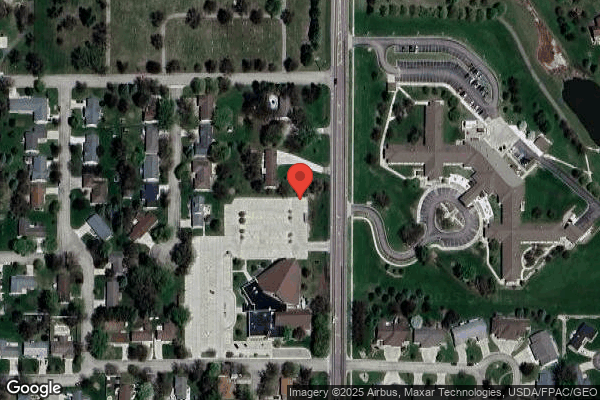
1300 NORTH KNISS AVENUE, LUVERNE, MN 56156 (507) 283-6200
Government - State 85 Beds Independent Data: November 2025
Trust Grade
95/100
#57 of 337 in MN
Last Inspection: December 2024

Within standard 12-15 month inspection cycle. Federal law requires annual inspections.

Overview

The MN Veterans Home in Luverne has received a Trust Grade of A+, indicating it is an elite facility that stands out in quality and care. It ranks #57 out of 337 nursing homes in Minnesota, placing it in the top half, and is the top facility among the three options in Rock County. However, the facility's performance is worsening, with the number of issues increasing from 3 in 2023 to 5 in 2024. Staffing is a strong point, rated 5/5 stars with a low turnover rate of 21%, well below the state average, and it has more RN coverage than 83% of facilities, ensuring better oversight of resident care. While the home has not incurred any fines, there have been concerns identified, such as the failure to replace an expired narcotic emergency kit and a lack of assessment for side rails used by residents, which could pose safety risks.

Trust Score
A+
95/100
In Minnesota
#57/337
Top 16%
Safety Record
Low Risk
No red flags
Inspections
Getting Worse
3 → 5 violations
Staff Stability
✓ Good
21% annual turnover. Excellent stability, 27 points below Minnesota's 48% average. Staff who stay learn residents' needs.
Penalties
✓ Good
No fines on record. Clean compliance history, better than most Minnesota facilities.
Skilled Nurses
✓ Good
Each resident gets 95 minutes of Registered Nurse (RN) attention daily — more than 97% of Minnesota nursing homes. RNs are the most trained staff who catch health problems before they become serious.
Violations
⚠ Watch
11 deficiencies on record. Higher than average. Multiple issues found across inspections.
★★★★★
5.0
Overall Rating
★★★★★
5.0
Staff Levels
★★☆☆☆
2.0
Care Quality
★★★★☆
4.0
Inspection Score
Stable
2023: 3 issues
2024: 5 issues

The Good

  • 5-Star Staffing Rating · Excellent nurse staffing levels
  • Low Staff Turnover (21%) · Staff stability means consistent care
  • Full Sprinkler Coverage · Fire safety systems throughout facility
  • No fines on record
  • Staff turnover is low (21%)

    27 points below Minnesota average of 48%

Facility shows strength in staffing levels, staff retention, fire safety.

The Bad

No Significant Concerns Identified

This facility shows no red flags. Among Minnesota's 100 nursing homes, only 1% achieve this.

The Ugly 11 deficiencies on record

Dec 2024 1 deficiency
CONCERN (F)

Potential for Harm - no one hurt, but risky conditions existed

Pharmacy Services (Tag F0755)

Could have caused harm · This affected most or all residents

**NOTE- TERMS IN BRACKETS HAVE BEEN EDITED TO PROTECT CONFIDENTIALITY** Based on observation, interview and document review the facility failed to ensure 1 of 1 narcotic emergency kit (E-Kit) was repl...

Read full inspector narrative →
**NOTE- TERMS IN BRACKETS HAVE BEEN EDITED TO PROTECT CONFIDENTIALITY** Based on observation, interview and document review the facility failed to ensure 1 of 1 narcotic emergency kit (E-Kit) was replaced prior to the pharmacy date of expiration documented on top of kit. This had the potential to affect all residents. Findings include: Observation on [DATE] at 4:40 p.m. with registered nurse (RN)-A of the [NAME] Wing medication room, identified the narcotic E-Kit, with a red numbered tag lock, and a bright green pharmacy sticker which listed the expiration date of [DATE]. The label directed to notify pharmacy 7 days prior to this date for replacement. Interview on [DATE] at 4:42 p.m. with RN-A reported the narcotic E-Kit was checked during each shift narcotic count, but there was no individual log signed that the E-kit had been checked and verified the medication had not expired. She reported the only documentation that the count was accurate was in the narcotic book that was signed by both the on-coming and off-going staff members. RN-A reported the expiration sticker should have been noted and the pharmacy notified of the need to provide a new E-Kit as directed on the sticker dated [DATE]. Observation and interview with the director of nursing (DON) identified the narcotic E-Kit contained two outdated medications: Morphine Sulfate 20 milligrams/milliliter (mg/ml) (pain medication) 15 ml bottle with the pharmacy label identifying an expiration date of [DATE], Lorazepam 1 mg tablets (6) with expiration dates of [DATE] (anti-anxiety medication). The DON reported her expectation was for staff to observe the label on the outside of the E-Kit when it was checked with each narcotic count. She was unaware of how the label noting an expiration date of [DATE] was not caught between the multiple shift narcotic counts that had taken place between [DATE] and [DATE]. The DON reported the consultant pharmacist was in the facility monthly, but she was not aware of how often they checked the E-Kits but there should be a system of the pharmacy being aware of when the E-Kit needed to be replaced. Interview on [DATE], at 4:51 p.m. with the consultant pharmacist reported she performed medication review at the facility monthly, but she had not checked the E-Kits and reported they should have been checked for expiration dates. Interview on [DATE] at 8:32 a.m. with the Minnesota Veterans Home Pharmacy manager reported the pharmacy supplied the E- Kits. He would expect the consultant pharmacist to monitor the E-Kits for outdates in addition to the nursing staff while performing narcotic counts on a per shift basis. He reported the pharmacy should have been notified 7 days prior to the expiration date to allow time for a replacement kit to be provided to the facility. Review of the [DATE] Minnesota Department of Veterans Affairs Medication Storage and Security policy identified medication storage areas were to be routinely monitored by nursing staff to prevent use of outdated or discontinued medications. Review of the [DATE] Operating procedure for pharmaceutical services identified both the registered pharmacist and the consulting pharmacist who provided monthly in facility medication reviews were responsible for the provision of pharmacy services. An E-Kit was supplied by the central pharmacy and scheduled II-IV medications were to be reconciled with each shift change. The consulting pharmacist was to review the E-Kit during the monthly review.
Jul 2024 4 deficiencies
CONCERN (D) 📢 Someone Reported This

A family member, employee, or ombudsman was alarmed enough to file a formal complaint

Potential for Harm - no one hurt, but risky conditions existed

Deficiency F0602 (Tag F0602)

Could have caused harm · This affected 1 resident

Based on interview and document review, the facility failed to ensure 1 of 3 residents (R1), was free from potential misappropriation of property and/or potential drug diversion of ordered narcotic pa...

Read full inspector narrative →
Based on interview and document review, the facility failed to ensure 1 of 3 residents (R1), was free from potential misappropriation of property and/or potential drug diversion of ordered narcotic pain medication. Findings include: Review of the 6/18/24 at 11:21 a.m., report to the State Agency (SA) identified on 6/15/24, the director of nursing (DON) received a call from the on-call registered nurse (RN)-A, notifying her that a hydrocodone (narcotic pain medication) was missing from the emergency narcotic medication kit (E-Kit). Licensed practical nurse (LPN)-B reported a new E-kit had been delivered earlier that day. After shift report, he had entered the medication room, unlocked the cabinet, and found the old E-kit and the new E-kit were stacked on top of one another. He reached up to remove the E-kits and the lock fell off the old E-kit. He identified that the red zip tie lock appeared to have been cut. He then realized the narcotic E-kit contents had not been verified. LPN-B then called the evening supervisor (RN-B) to report his findings. RN-B and RN-C reviewed the narcotic count books against the actual narcotic pill count for each medication. The narcotic book showed inconsistencies and had been signed out by LPN-A for the day shift of 6/15/24. The narcotic count was correct for 26 tablets, but the 26th dose foil seal was noted as broken and a tablet was taped back into the blister pack. RN-B and RN-C reported their findings to the DON. The DON interviewed LPN-B, RN-B, and RN-C then verified and added the counts from the narcotic E-kit to the narcotic count book. The old E-kit was short 1 hydrocodone tablet and contained 6 hydrocodone tablets but only contained 5. It was reported that earlier that day RN-C delivered the E-kit to the [NAME] Wing (GW) to LPN-A. Several entries in the narcotic book for R1's hydrocodone had been written over by LPN-A. The page had a line through it and the count had been transferred to another new page by LPN-A. DON and LPN-B then examined the blister pack containing R1's hydrocodone tablets and identified the blister pack foil seal of the 26th dose had been broken and a tablet had been taped back in. The DON and LPN-B destroyed the 26th dose because the seal had been compromised. DON then called RN-C to review the findings. During that call, RN-C reported LPN-C had delivered the medications from the pharmacy delivery to the green wing, RN-C did not receive them from LPN-C but when she returned from a resident room at approximately 10:30 a.m., she found the medications were sitting on the back desk in the report room. She reported she saw that there was a narcotic e-kit there with an intact red lock tag on it. She placed the E-kit in the locked medication room. On 6/16/24, the DON returned to the facility to investigate further. RN-C reported on 6/15/24 at approximately 9:15 a.m., she had been in the special care unit (SCU) and found a clear medication cup on a tray with an opened, single-pill blister pack of hydrocodone labeled Found floor-MJ with a pill inside. RN-C observed Page 29 of the green wing narcotic book (the log sheet containing R1's hydrocodone narcotic count) had been ripped out and then taped back in. Before LPN-A could be interviewed by facility management on 6/16/2, she left the facility that morning reporting a family emergency and did not return and could not be reached for interview. LPN-A was notified via phone that she would be placed on investigatory leave effective immediately and pending the outcome of the investigation. There was no mention that facility had notified law enforcement, or that they had verified the medication that had been found in the compromised packaging prior to destroying them. Review of the 6/21/24, 5 day investigation report to the SA identified on 6/20/24 at 9:00 a.m., LPN-A was contacted for interview. LPN-A reported she was not certain if she was present when the new narcotic medications had been delivered to the facility and had not accepted any medications to stock. LPN-A then noted she may have received the medication delivery. LPN-A admitted she had cut the lock on the old narcotic E-kit because when she had counted her medications in her cart, she found she was short 1 hydrocodone for R1. She reported she decided to take 1 from the E-kit to replace it so her count would be correct. LPN-A then stated she went back to the cart with the hydrocodone medication from the E-kit. When she proceeded to do the count again, she stated R1's hydrocodone was partially punched out and hanging from the back of the their blister pack card. She reported she taped the back of the blister pack and placed the extra single dose from the E-kit in her pocket. She then reported later that morning she placed the extra dose in a med cup and wrote Destroy on the cup and left it in the med cart. She said she forgot to tell anyone about it. LPN-A never reported to any staff the count was allegedly off or that she had taken a single dose of hydrocodone from the E-Kit. She did admit to altering the narcotic logbook on page 29 of R1's hydrocodone medication, in an attempt to make the count right and had ripped page 29 out of the log book but then taped it back into the book. She reported she did not know she could not change, alter, or write over entries in a narcotic count logbook or tear pages out. The DON noted she had reviewed R1's medical record and identified he had not shown any signs or symptoms of increased pain, or distress, she re-educated staff via email reminding them to not leave narcotic medication unattended and to always use two licensed nurses to count narcotics at the end of each shift. The investigation made no mention that they had notified their consulting pharmacist for guidance, that they notified law enforcement of the suspicion of a crime, or completed any audits or competencies to ensure deficient practice had been corrected. R1's 6/19/24, Minimum Data Set (MDS) assessment identified he had admitted to the facility in March of 2023. R1 was dependent on staff for all activities of daily living (ADL's) and had diagnosis of lower back pain and neuropathy. R1's June 2024 administration record identified he was administered one hydrocodone 5/325 milligrams (mg) three times daily. The administration record identified LPN-A had signed off in the electronic medical record that she had administered the medication on 6/15/24 at 8:00 a.m., and 12:00 p.m. Review of the narcotic book page 29 identified R1's hydrocodone medication, 1 tablet had been signed out as given by LPN-A on 6/15/24 at 8:56 a.m., and 1 tablet was signed out as given at 12:00 p.m. There were 4 entries on the page, under the column labeled Amount Remaining listed the number of tablets left after each administration. The numbers were clearly hand-written over several times with black ink and barely legible. Each of the entries were signed in black ink by LPN-A The page had been torn out of the bound book, then taped back in. The page had a line through it with a note transferred to page 31. Interview on 7/10/24 at 1:42 p.m., with LPN-C identified she realized that morning on 6/15/24,the medication had not been delivered so she went to check if they had been left at the door. She found the medication delivery containing the narcotic E-kit had been left at the door. The bin was secured with 2 zip ties. She delivered the medications to the appropriate wings. When she delivered medications and E-kit, the RN on that wing was not available so she told LPN-A she placed the medications on the table in the report room. LPN-A responded verbally she would take care of it. LPN-C then left the area. Following the incident, she had received an email reminding staff to complete narcotic count at the end of each shift with 2 licensed staff and narcotics can never be left unattended prior to being double locked but did not recall seeing the DON complete any additional training, audits, or competencies. Interview on 7/10/24 at 3:15 p.m., with LPN-B agreed with the above findings and reported that he came in for his shift and when he went into the medication room and unlocked the cupboard there was the new kit and the old kit. He reached up to grab them out of the cupboard and the zip tie fell off the E-kit. The tail end of the zip tie was not long like it normally was, and it was obvious it had been cut. He reported it to the on-call RN. He and the DON completed the count of R1's hydrocodone tablets and found the last dose had been opened. He and the DON had to destroy it because the package had been compromised. He recalled receiving training via email from the DON to complete counts with 2 licensed nurses at the end of each shift, but did not recall any additional training, audits, or competencies being completed with him following the incident. There was no indication the medication had been left for law enforcement as potential evidence of a crime, as the actual pill inside had not been verified to be hydrocodone. Interview on 7/10/24 at 11:31 a.m., with the DON identified she agreed with the above findings. She noted she audited all of the narcotic count logbooks in the facility. She ensured narcotic count was being completed by 2 licensed nurses at the end of each shift and she looked at the administration records of the other residents who used narcotic pain medication but did not document it anywhere. She agreed that she should have included that information in her final investigation summary. She identified R1's hydrocodone tablet and the tablet found on the counter in the report room both had to be destroyed because the integrity of the packaging had been broken. She did not report the findings to the police, the pharmacy consultant who provides oversite to the facility, or the board of nursing because she could not determine if LPN-A had taken the narcotic medication out of the facility, and she believed the two tablets that were found were likely the 2 tablets that were missing. LPN-A had been terminated as a result of the incident. The DON had only reviewed the current narcotic count and had not looked at past resident administrations LPN-A had administered to see if there was potential increase in pain over shifts she had worked where medication was otherwise not normally given, or if there had been other instances of errors/documentation issues from LPN-A in the counting of narcotics. Review of the facilities 7/13/23, Drug Disposition policy identified diversion of medications is the transfer of a controlled substance or other medication from a lawful to an unlawful channel of distribution or use. Medications will be disposed of if it was dispensed in error and the medication will be destroyed. Staff were to follow the facility policy for medication destruction and use 2 licensed nurses to destroy the medication and record it in the narcotic logbook. Review of the 8/2/19, Operating Procedure: L Controlled Medication Record policy identified staff were to properly record and reconcile controlled narcotic medication each shift with 2 nurses verifying each record. Discrepancies were to be reported. There was no mention of what staff should do if there was a suspicion of a crime, potential evidence gathering, notification of law enforcement etc.
CONCERN (D) 📢 Someone Reported This

A family member, employee, or ombudsman was alarmed enough to file a formal complaint

Potential for Harm - no one hurt, but risky conditions existed

Report Alleged Abuse (Tag F0609)

Could have caused harm · This affected 1 resident

Based on interview and record review, the facility failed to report to the law enforcement a suspicion of potential drug diversion and failed to notify the Board of Nursing for 1 of 1 nurse (licensed ...

Read full inspector narrative →
Based on interview and record review, the facility failed to report to the law enforcement a suspicion of potential drug diversion and failed to notify the Board of Nursing for 1 of 1 nurse (licensed practical nurse (LPN)-A) whose employment was terminated. Findings include: Review of the 6/18/24 at 11:21 a.m., report to the State Agency (SA) identified on 6/15/24, the director of nursing (DON) received a call from the on-call registered nurse (RN)-A, notifying her that a hydrocodone (narcotic pain medication) was missing from the emergency narcotic medication kit (E-Kit). Licensed practical nurse (LPN)-B reported a new E-kit had been delivered earlier that day. After shift report, he had entered the medication room, unlocked the cabinet, and found the old E-kit and the new E-kit were stacked on top of one another. He reached up to remove the E-kits and the lock fell off the old E-kit. He identified that the red zip tie lock appeared to have been cut. He then realized the narcotic E-kit contents had not been verified. LPN-B then called the evening supervisor (RN-B) to report his findings. RN-B and RN-C reviewed the narcotic count books against the actual narcotic pill count for each medication. The narcotic book showed inconsistencies and had been signed out by LPN-A for the day shift of 6/15/24. The narcotic count was correct for 26 tablets, but the 26th dose foil seal was noted as broken and a tablet was taped back into the blister pack. RN-B and RN-C reported their findings to the director of nursing (DON). The DON interviewed LPN-B, RN-B, and RN-C then verified and added the counts from the narcotic E-kit to the narcotic count book. The old E-kit was short 1 hydrocodone tablet and contained 6 hydrocodone tablets but only contained 5. It was reported that earlier that day RN-C delivered the E-kit to the [NAME] Wing (GW) to LPN-A. Several entries in the narcotic book for R1's hydrocodone had been written over by LPN-A. The page had a line through it and the count had been transferred to another new page by LPN-A. DON and LPN-B then examined the blister pack containing R1's hydrocodone tablets and identified the blister pack foil seal of the 26th dose had been broken and a tablet had been taped back in. The DON and LPN-B destroyed the 26th dose because the seal had been compromised. DON then called RN-C to review the findings. During that call, RN-C reported LPN-C had delivered the medications from the pharmacy delivery to the green wing, RN-C did not receive them from LPN-C but when she returned from a resident room at approximately 10:30 a.m., she found the medications were sitting on the back desk in the report room. She reported she saw that there was a narcotic e-kit there with an intact red lock tag on it. She placed the E-kit in the locked medication room. On 6/16/24, the DON returned to the facility to investigate further. RN-C reported on 6/15/24 at approximately 9:15 a.m., she had been in the special care unit (SCU) and found a clear medication cup on a tray with an opened, single-pill blister pack of hydrocodone labeled Found floor-MJ with a pill inside. RN-C observed Page 29 of the green wing narcotic book (the log sheet containing R1's hydrocodone narcotic count) had been ripped out and then taped back in. Before LPN-A could be interviewed by facility management on 6/16/2, she left the facility that morning reporting a family emergency and did not return and could not be reached for interview. LPN-A was notified via phone that she would be placed on investigatory leave effective immediately and pending the outcome of the investigation. There was no mention that facility had notified law enforcement, or that they had verified the medication that had been found in the compromised packaging prior to destroying them. Review of the 6/21/24, 5-day investigation report to the SA identified on 6/20/24 at 9:00 a.m., LPN-A was contacted for interview. LPN-A reported she was not certain if she was present when the new narcotic medications had been delivered to the facility and had not accepted any medications to stock. LPN-A then noted she may have received the medication delivery. LPN-A admitted she had cut the lock on the old narcotic E-kit because when she had counted her medications in her cart, she found she was short 1 hydrocodone for R1. She reported she decided to take 1 from the E-kit to replace it so her count would be correct. LPN-A then stated she went back to the cart with the hydrocodone medication from the E-kit. When she proceeded to do the count again, she stated R1's hydrocodone was partially punched out and hanging from the back of their blister pack card. She reported she taped the back of the blister pack and placed the extra single dose from the E-kit in her pocket. She then reported later that morning she placed the extra dose in a med cup and wrote Destroy on the cup and left it in the med cart. She said she forgot to tell anyone about it. LPN-A never reported to any staff the count was allegedly off or that she had taken a single dose of hydrocodone from the E-Kit. She did admit to altering the narcotic logbook on page 29 of R1's hydrocodone medication, in an attempt to make the count right and had ripped page 29 out of the logbook but then taped it back into the book. She reported she did not know she could not change, alter, or write over entries in a narcotic count logbook or tear pages out. The DON had reviewed R1's medical record and identified he had not shown any signs or symptoms of increased pain, or distress, she re-educated staff via email reminding them to not leave narcotic medication unattended and to always use two licensed nurses to count narcotics at the end of each shift. The investigation made no mention the facility notified law enforcement. Interview on 7/10/24 at 1:42 p.m., with LPN-C identified she realized that morning on 6/15/24, the medication had not been delivered so she went to check if they had been left at the door. She found the medication delivery containing the narcotic E-kit had been left at the door. The bin was secured with 2 zip ties. She delivered the medications to the appropriate wings. When she delivered medications and E-kit, the RN on that wing was not available so she told LPN-A she placed the medications on the table in the report room. LPN-A responded verbally she would take care of it. LPN-C then left the area. Following the incident, she had received an email reminding staff to complete narcotic count at the end of each shift with 2 licensed staff and narcotics can never be left unattended prior to being double locked. Interview on 7/10/24 at 3:15 p.m., with LPN-B agreed with the above findings and reported that he came in for his shift and when he went into the medication room and unlocked the cupboard there was the new kit and the old kit. He reached up to grab them out of the cupboard and the zip tie fell off the E-kit. The tail end of the zip tie was not long like it normally was, and it was obvious it had been cut. He reported it to the on-call RN. He and the DON completed the count of R1's hydrocodone tablets and found the last dose had been opened. He and the DON had to destroy it because the package had been compromised. He recalled receiving training via email from the DON to complete counts with 2 licensed nurses at the end of each shift, but did not recall any additional training, audits, or competencies being completed with him following the incident. There was no indication the medication had been left for law enforcement as potential evidence of a crime, as the actual pill inside had not been verified to be hydrocodone. Interview on 7/10/24 at 11:31 a.m., with the DON identified she agreed with the above findings. She noted she audited all of the narcotic count logbooks in the facility. She ensured narcotic count was being completed by 2 licensed nurses at the end of each shift and she looked at the administration records of the other residents who used narcotic pain medication but did not document it anywhere. She agreed that she should have included that information in her final investigation summary. She identified R1's hydrocodone tablet and the tablet found on the counter in the report room both had to be destroyed because the integrity of the packaging had been broken. She did not report the findings to the police, the pharmacy consultant who provides oversite to the facility, or the board of nursing because she could not determine if LPN-A had taken the narcotic medication out of the facility, and she believed the two tablets that were found were likely the 2 tablets that were missing. LPN-A had been terminated as a result of the incident. The DON had only reviewed the current narcotic count and had not looked at past resident administrations LPN-A had administered to see if there was potential increase in pain over shifts she had worked where medication was otherwise not normally given, or if there had been other instances of errors/documentation issues from LPN-A in the counting of narcotics. Interview on 7/10/24 at 4:09 p.m., with the consulting pharmacist identified she was not aware the facility had an incident of potential diversion. No one had called her to notify her or to request any guidance in this matter. If the facility had called her, she would have reviewed the investigation, the narcotic count, the facility policies, and offered guidance to the facility. Depending on her findings, she would have likely recommended re-training, and ongoing documented audits for a period of time. She identified the facility does not typically notify her until the next QAPI meeting and that meeting had not taken place yet. Review of the 6/21/23 facility Vulnerable Adult-Resident Protection Plan Policy identified the facility will report to the state licensing authorities (board of nursing) and to law enforcement any knowledge it has of actions which may need to be reported to the licensing board which would indicate unfitness for services as a licensed professional.
CONCERN (D) 📢 Someone Reported This

A family member, employee, or ombudsman was alarmed enough to file a formal complaint

Potential for Harm - no one hurt, but risky conditions existed

Investigate Abuse (Tag F0610)

Could have caused harm · This affected 1 resident

Based on interview and record review, the facility failed to compete a thorough investigation when it was reported a potential misappropriation of resident property/potential drug diversion had occurr...

Read full inspector narrative →
Based on interview and record review, the facility failed to compete a thorough investigation when it was reported a potential misappropriation of resident property/potential drug diversion had occurred. Findings include: Review of the 6/18/24 at 11:21 a.m., report to the State Agency (SA) and the 5-day investigation identified LPN-C had found a green tote containing medication including narcotics had been left by the delivery driver inside one of the doors at the facility unattended. LPN-C retrieved the bin and delivered the medication to each wing. When she delivered the medication from the bin to the [NAME] Wing (GW), she was unable to locate the RN so she told LPN-A that she was placing the medication delivery on the table in the report room. LPN-A responded verbally that she would take care of it. The medication was left on the table for an unknown length of time, unattended and not locked. Later that day the after shift report LPN-B went into the medication room and opened the cupboard that holds the narcotic medication emergency kit (E-kit). There were 2 kits in the cupboard, the new one and the old one. He reached up to remove the two kits from the cupboard and the red zip tie lock fell of the new E-kit. The zip tie appeared to have been cut. He noted the E-kit had not been verified and he added it to the narcotic count book. He called the evening supervisor a RN-B and reported the incident. RN-B, RN-C, and LPN-B completed a count of the narcotic E-kit and found it to be short 1 hydrocodone (narcotic used for pain relief) tablet. The E-kit count was then counted again by LPN-B, and the director of nursing (DON) and it was confirmed that the e-kit was short one hydrocodone tablet. Review of the narcotic medication logbooks identified inconsistencies in R1's medication count page 29. The page had 4 entries all signed by LPN-A. The numbers in the column titled amount remaining had been written over with black ink several times and the numbers appeared to have been changed. The entries were no longer legible. The page had been torn out of the bound book and then taped back in and line was drawn through the page with a note transferred to page 31 written at the bottom. The facility investigation identified in an interview with LPN-A that she was not aware that she could not alter the entries or tear a page out of the narcotic logbook. LPN-A identified that she realized during her shift that R1's hydrocodone medication was short 1 tablet, so she went into the med room and cut the zip tie lock off the E-kit and removed a hydrocodone tablet, she did not sign the narcotic medication out and did not notify anyone at the facility at that she had removed it. She later found the missing tablet partially punched out of R1's blister pack of hydrocodone and taped it back in. She left the other hydrocodone tablet that she had removed from the E-kit in the medication cart and planned to destroy it later that day but forgot. The next day 6/16/24, a clear medication cup was found in another wing on a medication tray. LPN-A said when she came in that morning, she found the cup in the med cart but did not know that was the hydrocodone tablet and she placed the tablet on the tray. LPN-A said she was not always completing her triple checks while administering medication. The investigation noted finding that staff had violated several facility medication policies. Interview on 7/10/24 at 1:42 p.m., with LPN-C identified she realized that morning the medication had not been delivered so she went to check if they had been left at the door. She found the medication delivery containing the narcotic E-kit had been left at the door unattended, the bin was secured with 2 zip ties. She delivered the medications to the appropriate wings. When she delivered GW medications and E-kit the RN on that wing was not available so she told LPN-A that she placed the medications on the table in the report room, LPN-A responded verbally she would take care of it. She then left the area. She identified that following this incident she had received an email reminding staff to complete narcotic count at the end of each shift with 2 licensed staff and narcotics can never be left unattended prior to being double locked but did not recall seeing the DON complete any additional training, audits, or competencies. Interview on 7/10/24 at 3:15 p.m., with LPN-B agreed with the above findings and he recalled receiving training via email from the DON to complete counts with 2 licensed nurses at the end of each shift, but did not recall any additional training, audits, or competencies being completed with him following the incident. Interview on 7/10/24 at 11:31 a.m., with DON agreed with the above findings and identified she audited all of the narcotic count logbooks in the facility of the current medication counts, but made no documentation to show that had been completed. She ensured the narcotic count was being completed by 2 licensed nurses at the end of each shift and she looked at the administration records of the other residents who used narcotic pain medication but did not document her findings anywhere. She agreed that she should have included that information in her final investigation summary. Interview on 7/10/24 at 4:09 p.m., with the consulting pharmacist identified she was not aware the facility had an incident of potential diversion. No one had called her to notify her or to request any guidance in this matter. If the facility had called her, she would have reviewed the investigation, the narcotic count, the facility policies, and offered guidance to the facility. Depending on her findings She would have likely recommended re-training, and ongoing documented audits for a period of time. She identified the facility does not typically notify her until the next QAPI meeting and that meeting had not taken place yet. Review of the 6/22/23. Vulnerable Adult-Resident Protection Plan policy identified misappropriation of resident property (aka their medication) was defined as a deliberate misplacement, exploitation, temporary, or permanent use of a resident's belonging or money without the resident's consent. Any staff who become aware of an allegation of misappropriation were to report the incident to their supervisor and facility leadership, and state agency and federally required entities. The investigation policy does note in the event of a suspicion of a crime, it is to be reported to law enforcement. It does not it state nurses involved who are terminated as a result of their practice or concerns over an investigation will be reported to their Board of Nursing.
CONCERN (D) 📢 Someone Reported This

A family member, employee, or ombudsman was alarmed enough to file a formal complaint

Potential for Harm - no one hurt, but risky conditions existed

Deficiency F0761 (Tag F0761)

Could have caused harm · This affected 1 resident

Based on interview, and record review the facility failed to ensure 1 of 1 package of routine and controlled narcotic medication, delivered by a package delivery service, was immediately secured into ...

Read full inspector narrative →
Based on interview, and record review the facility failed to ensure 1 of 1 package of routine and controlled narcotic medication, delivered by a package delivery service, was immediately secured into staff custody upon arrival, and when transported by staff and delivered to another unit. Findings include: Interview on 7/10/24 at 1:42 p.m., with LPN-C identified on 6/15/24, she realized medication had not been delivered to the wing, so she went to check if they had been left at the door. She found the medication delivery containing the narcotic E-kit had been left at the door unattended. The bin was secured with 2 plastic zip ties. She delivered the medications to the appropriate wings. She told licensed practical nurse (LPN)-A that she placed the newly delivered medication on the table in the unlocked report room. LPN-A responded verbally she would take care of it. LPN-C. LPN-C failed to notify the DON or administrator of the lack of the delivery driver to drop off medication in a hand off and not leave the medication unattended where potential diversion could occur from passers-by. Interview on 7/10/24 at 11:31 a.m., with DON identified she had not been notified of the unsecured medication left by the delivery driver at the time LPN-C became aware. She also discovered during her investigation medications had been left unsecured in the break room by LPN-C and LPN-A and were not directly handed off to be secured immediately by staff. She agreed medications had the potential to be diverted if not secured appropriately upon arrival to the facility and once at the facility. She had not educated staff. She did however, notify the pharmacist of the medications being left unsecured at the door to the pharmacist. Interview on 7/10/24 at 2:46 p.m., with the pharmacist identified the facility notified him of the medications being delivered and left by the door unattended. He notified the package delivery company of the concerns and directed them to ensure medications delivered to the facility in the future must be handed off to a person and not left unattended. Review of the 3/30/23, Controlled Medication Policy identified that all new schedule II-IV medications (narcotic) orders will be entered into a bound narcotic book upon arrival and count will be verified. Licensed nurses will account for all narcotic medications and verify the count at the end of each shift. If any discrepancies are noted, the nurse manager was to be notified. There was no mention of ensuring immediate custody occurred as soon as medication was brought from the delivery driver, nor was there any indication for staff to report immediately to management if that occurred in the future so immediate action and education could be provided.
Oct 2023 3 deficiencies
CONCERN (D)

Potential for Harm - no one hurt, but risky conditions existed

PASARR Coordination (Tag F0644)

Could have caused harm · This affected 1 resident

**NOTE- TERMS IN BRACKETS HAVE BEEN EDITED TO PROTECT CONFIDENTIALITY** Based on interview and document review, the facility failed to notify the county (designated State Mental Health Authority) for ...

Read full inspector narrative →
**NOTE- TERMS IN BRACKETS HAVE BEEN EDITED TO PROTECT CONFIDENTIALITY** Based on interview and document review, the facility failed to notify the county (designated State Mental Health Authority) for 1 of 1 resident (R49) with new onset of mental illness. Findings include: R49's 4/5/23, Initial Pre-admission Screening (PAS), did not identify a diagnosis of mental illness and did not indicate the need for a Level II PASARR to be completed. R49's 4/12/23, admission Minimum Data Set (MDS) assessment identified R49 was admitted on [DATE]. R49's cognition was intact with diagnoses of anxiety, depression and Post Traumatic Stress Disorder. R49 had disorganized thinking, felt tired and having little energy, feeling bad about himself or feeling like he let his family down, and had trouble concentrating during the 14-day assessment period. Additionally, R49's 7/13/23, quarterly MDS identified R49 continued to have disorganized thinking, had little interest or pleasure in doing things, feeling down, depressed or hopeless, thought he would be better off dead, or of hurting himself in someway during the 14-day assessment period. R49's 4/12/23, progress note identified social services had assessed R49 following a conversation he had with the therapist that day. The mental help provider had been contacted and R49 had a crisis assessment completed to determine a need for crisis counseling or if a session could wait until Monday. R49's 4/17/23, Mental Health Consult note identified R49 had been seen and had a history of working with a psychiatrist in the past related to suicidal thoughts. R49 plan to continue to work with the Mental Health provider here at the facility. R49's undated, Medical Diagnoses identified upon admission he had diagnoses of anxiety, depression, obsessive-compulsive personality disorder. On 5/11/23 a new diagnosis of suicidal ideation was noted. Interview on 10/3/23 at 11:38 a.m., with licensed social worker (LSW)-A identified if a resident was to receive a new mental health diagnosis, she would contact Senior Linkage to see if a Level II Preadmission Screening and Annual Resident Review (PASARR) would need to be completed. The LSW noted R49's suicidal statements were to be taken seriously, and the facility completed a suicidal risk assessment and made a referral to a mental health provider. She confirmed R49 had received a new diagnosis of suicidal ideation on 5/11/23, and she had not notified senior linkage of the new diagnosis for a Level II screening for additional services that may be needed. Review of 1/20/23, (PASARR) Policy identified a mental disorder was often associated with significant distress or disability. A resident with a new possible serious mental disorder or related condition should be referred for a level II screening to Senior Linkage.
CONCERN (D)

Potential for Harm - no one hurt, but risky conditions existed

Accident Prevention (Tag F0689)

Could have caused harm · This affected 1 resident

**NOTE- TERMS IN BRACKETS HAVE BEEN EDITED TO PROTECT CONFIDENTIALITY** Based on observation, interview, and document review, the facility failed to ensure nursing assistant (NA) staff correctly trans...

Read full inspector narrative →
**NOTE- TERMS IN BRACKETS HAVE BEEN EDITED TO PROTECT CONFIDENTIALITY** Based on observation, interview, and document review, the facility failed to ensure nursing assistant (NA) staff correctly transferred 1 of 1 resident (R47) resident with use of 2 staff during a mechanical sit to stand lift transfer to ensure his safety. Findings included: On 10/2/23 at 1:52 p.m., R47 stated that he needs two staff to assist him with transferring, with the mechanical lift, when he gets in and out of recliner. On 10/2/23 at 2:31 p.m., nursing assistant (NA)-A brought a mechanical lift into R47's room and assisted R47 with transferring from recliner to wheelchair with one staff. R47's annual Minimum Data Set (MDS) dated [DATE], identified R47 was cognitively intact and required extensive assistance from two staff for transfers. R47's diagnoses included Parkinson's disease (condition that affects the brain and causes problems with movement, balance, and coordination), myasthenia gravis (neuromuscular disorder that leads to weakness of skeletal muscles) and dependence on other enabling machines and devices. R47's care plan dated 8/11/23, identified R47 needed assistance of two staff with a stand-aid lift (mechanical sit to stand lift) for transfers. On 10/4/23 at 10:22 a.m., NA-B stated R47 utilizes a mechanical lift with assistance of two staff at all times for transfers. On 10/4/23 at 10:41 a.m., registered nurse (RN)-C stated that R47 is an assist of two staff with the mechanical lift for all transfers. On 10/4/23 at 11:28 a.m., director of nursing (DON) stated that staff are aware of what type of assistance a resident need from the care plan. DON confirmed that R47's care plan indicated that R47 needs two staff for transfers with the mechanical lift. The DON stated it is important to ensure staff are following the care plan for resident's safety. The Transfers policy dated 5/4/23, indicated residents will be prepared for a transfer and complete the transfer by referring to the resident's care plan for specific transfer directions.
CONCERN (E)

Potential for Harm - no one hurt, but risky conditions existed

Deficiency F0700 (Tag F0700)

Could have caused harm · This affected multiple residents

**NOTE- TERMS IN BRACKETS HAVE BEEN EDITED TO PROTECT CONFIDENTIALITY** Based on observation, interview, and document review, the facility failed to ensure side rails were assessed to determine approp...

Read full inspector narrative →
**NOTE- TERMS IN BRACKETS HAVE BEEN EDITED TO PROTECT CONFIDENTIALITY** Based on observation, interview, and document review, the facility failed to ensure side rails were assessed to determine appropriateness and safety of use for 4 of 4 residents (R9, R16, R30 and R31) who was observed to have a side rails affixed to their beds. Findings include: R9's quarterly Minimum Data Set (MDS) dated [DATE], identified R9 was cognitively intact and required extensive assistance with bed mobility and transfers. R9's diagnoses included traumatic brain dysfunction (head injury causing damage to the brain by external force or mechanism), hemiplegia (condition that causes paralysis or weakness on one side of the body) and contracture of muscle, multiple sites. R9's care plan dated 7/7/23, included that R9 utilized bilateral assist device bars on bed to assist with bed mobility. Additionally, the care plan included that R9 needs assistance of two staff to boost up in bed. On 10/2/23 at 2:25 p.m., Observed R9's bed had 1/2 side rails affixed to the head of bed on both sides of bed. R9's medical record lacked evidence an assessment had been completed to determine necessity and whether R9 could safely use side rails. Additionally, R9's medical record lacked evidence alternatives were tried prior to installing the side rails, the resident or representative were educated on the risk of having a side rail on bed, if a consent form was completed and a order from the provider was obtained. R16's annual MDS dated [DATE], identified R16 had moderate cognitive impairment and required extensive assistance with bed mobility and transfers. R16's diagnoses included Alzheimer's Disease (type of brain disorder that causes problems with memory, thinking and behavior), non-Alzheimer's dementia (condition in which a person loses the ability to think, remember, learn, make decisions, and solve problems due to causes other than Alzheimer disease), anxiety disorders and repeated falls. R16's care plan dated 9/26/23, included that R16 needs assistance of two staff with bed mobility and transfers. Care plan does not indicate bed rails. On 10/2/23 at 1:59 p.m., Observed R16's bed had 1/2 side rails affixed to the head of bed on both sides of bed. R16's medical record lacked evidence an assessment had been completed to determine necessity and whether R16 could safely use side rails. Additionally, R16's medical record lacked evidence alternatives were tried prior to installing the side rails, the resident or representative were educated on the risk of having a side rail on bed, if a consent form was completed and a order from the provider was obtained. R30's quarterly MDS dated [DATE], identified R30 had moderate cognitive impairment and required extensive assistance with bed mobility and transfers. R30's diagnoses included stroke (occurs when the blood supply to part of the brain is interrupted or reduced, preventing brain tissue from getting oxygen and nutrients), hemiplegia affecting left side of body. R30's care plan dated 9/15/23, included that R30 utilized bilateral assist device bars on bed to assist with bed mobility. On 10/2/23 at 5:07 p.m., Observed R30's bed had 1/2 side rails affixed to the head of bed on both sides of bed. R30's medical record lacked evidence an assessment had been completed to determine necessity and whether R30 could safely use side rails. Additionally, R30's medical record lacked evidence alternatives were tried prior to installing the side rails, the resident or representative were educated on the risk of having a side rail on bed, if a consent form was completed and a order from the provider was obtained. R31's quarterly MDS dated [DATE], identified R31 was cognitively intact and required supervision with bed mobility and transfers. R31's diagnoses included chronic kidney disease. R31's care plan dated 9/11/23, included that R31 is independent with bed mobility and transfers. Care plan does not indicate bed rails. On 10/2/23 at 4:59 p.m., Observed R31's bed had 1/2 side rails affixed to the head of bed on both sides of bed. R31's medical record lacked evidence an assessment had been completed to determine necessity and whether R31 could safely use side rails. Additionally, R31's medical record lacked evidence alternatives were tried prior to installing the side rails, the resident or representative were educated on the risk of having a side rail on bed, if a consent form was completed and a order from the provider was obtained. On 10/4/23 at 10:22 a.m., nursing assistant (NA)-B stated R9 is minimally able to reposition self while in bed. NA-B stated R16 is dependent on all activities of daily living (ADL's) and is not able to reposition self in bed. NA-B stated R30 is moderately able to reposition self in bed. R30 can roll to the left and is able to use side rail for turning. NA-B stated R31 is independent with all ADL's and uses the side rails to get in and out of bed. On 10/4/23 at 10:41 a.m., registered nurse (RN)-C stated that she was not sure who was responsible for assessments of the side rails and indicated that therapy may perform them. On 10/4/23 at 11:28 a.m., the director of nursing (DON) stated physical therapy are to assess for side rails. DON stated once physical therapy assesses resident and deemed it appropriate for resident to use side rail, then an assessment would be completed by the nurse. Care plan would be updated, risks/benefits would be discussed with resident and/or resident's representative and a consent form would be obtained. DON stated this is a new process and confirmed that R9, R16, R30 and R31 did not have assessments and/or risk/benefits completed. DON stated assessment of side rails is important to ensure appropriateness and safety for the resident. The Bed Inspection policy dated 5/10/18 indicated residents will be screened to determine the level a resident's independence with bed mobility. Staff were to assess the need for special equipment or accessories (e.g., positioning bar, half, or quarter rail for positioning). Assess the resident to identify appropriate alternative(s) prior to installing bed rails, and assess the resident for risk of entrapment from bed rails prior to installation. The increased risk would be largely due to unsafe moving about the bed, or ill-advised attempts to exit from the bed. Additionally, untimely responses to care increased the risk of entrapment. No matter the purpose for use, bed rails and other bed accessories, although prescribed to improve functional independence with bed mobility and transfers, may increase resident safety risk. Staff were to review the risk and benefits with resident and resident representative and obtain informed consent.
Dec 2022 3 deficiencies
CONCERN (D)

Potential for Harm - no one hurt, but risky conditions existed

Pressure Ulcer Prevention (Tag F0686)

Could have caused harm · This affected 1 resident

**NOTE- TERMS IN BRACKETS HAVE BEEN EDITED TO PROTECT CONFIDENTIALITY** Based on interview and document review the facility failed to comprehensively reassess nursing interventions and notify a provid...

Read full inspector narrative →
**NOTE- TERMS IN BRACKETS HAVE BEEN EDITED TO PROTECT CONFIDENTIALITY** Based on interview and document review the facility failed to comprehensively reassess nursing interventions and notify a provider of a new and worsening pressure ulcer for 1 of 1 (R35) resident. Findings include: R35's quarterly Minimum Data Set (MDS) dated [DATE], indicated R35 was unable to complete the Brief Interview for Mental Status (BIMS). R35 felt or appeared down, depressed or hopeless for 12-14 days during the assessment period and exhibited no behaviors. R35 required supervision after set-up for eating and extensive assistance of two staff for all other activities of daily living (ADLs). R35 was frequently incontinent of bowel and bladder but was not on a toileting program. R35 also reported no pain during the assessment period. R35 was at risk for pressure ulcers and had a stage 2 (partial thickness loss of skin presenting as a shallow open ulcer with a red or pink wound bed, without slough. May also present as an intact or open/ruptured serum-filled blister) pressure ulcer at the time of the assessment R35's diagnoses included congestive heart failure (CHF), chronic obstructive pulmonary edema (COPD), chronic kidney disease (CKD), dementia, failure to thrive, benign prostatic hyperplasia (BPH) with lower urinary tract symptoms (an enlarged prostate gland causing urine retention and increased frequency to urinate), above the knee amputation right leg and constipation. R35's Care Area Assessment (CAA) dated 1/11/22, indicated R35 triggered for ADLs, urinary incontinence, nutritional status, and pressure ulcers. R35's care plan dated 12/12/22, indicated R35 was frequently incontinent of bowel and bladder. Interventions included R35 wearing an incontinent brief at all times, and staff assisting R35 with his toileting needs upon rising, before and after meals, at bedtime and as needed. The care plan also indicated R35 had an open area on his right buttocks and was at risk for further breakdown related to decreased mobility, noncompliance with repositioning, cervical spine stenosis (a narrowing of the spinal column in the neck), swelling to R35's lower extremity, and an above the knee amputation to R35's right leg. R35 had a history of open areas on both buttocks, the tip of his penis, and bleeding hemorrhoids. Interventions included to follow the facility skin protocol for documentation and treatment to an open area on R35's left buttock, keeping skin clean, dry and free from pressure, reposition R35 every two hours, and assess and document R35's skin condition weekly per facility protocol. The care plan also indicated R35 had a nutrition-hydration potential for less than body requirements related to left vocal cord and larynx paralysis, dementia, failure to thrive, depression and a history of weight loss; however, the care plan lacked nutritional interventions to address R35's skin breakdown. R35's nursing orders dated 12/7/22, indicated to reposition R35 into bed after breakfast and after noon meal for at least an hour then R35 may go to his recliner. Apply Triad to small open area on left buttocks two times a day. R35's treatment administration record (TAR) dated October and November 2022, indicated R35 had Triad cream applied to his left buttock twice a day beginning on 10/28/22, at 8:00 p.m. to 11/12/22, at 11:37 a.m. R35's TAR dated December 2022, indicated R35 had Triad cream applied to a small open area on his left buttocks twice a day for assessment from 12/7/22, at 8:00 p.m. to 12/14/22, at 7:00 a.m. R35's Skin & Wound Evaluation dated 10/28/22, indicated R35 had a new, open lesion on his left buttock that was acquired at the facility. The wound bed was filled with 100% granulation (new tissue on a wound to indicate healing) with light exudate (drainage). The edges were flush with the wound bed or had a sloping edge, and there was no induration (thickened skin or tissue indicating a possible infection) or swelling. The temperature surrounding the wound was normal. Interventions included a cushion and Triad cream (a wound dressing cream). The evaluation lacked wound bed measurements and no notification to the provider, resident/responsible party, dietician, and/or therapy was indicated. R35's Skin & Wound Evaluation dated 11/5/22, indicated R35's open lesion on his left buttock remained 100% filled with granulated tissue, with light serous (thin, yellowish) drainage. The wound edges were flush with the wound bed with no induration. The surrounding tissue was blanchable (whitening of external tissue upon compression) and a normal temperature, with no swelling. Interventions included using a generic wound cleanser, incontinence management, a turning and repositioning program, and applying Triad cream. The evaluation also indicated the wound was improving. The evaluation lacked wound bed measurements and no notification to the provider, resident/responsible party, dietician, and/or therapy was indicated. R35's Skin & Wound Evaluation dated 11/13/22, indicated R35's open lesion on his left buttock measured a total area of 0.5 centimeters (cm), a length of 0.6 cm by a width of 0.6 cm. The evaluation lacked indication of the wound bed tissue, presence or absence of exudate, wound edge description, presence or absence of induration or swelling. Interventions included using a generic wound cleanser and a film membrane. The evaluation further indicated the wound had resolved and no notification to the provider, resident/responsible party, dietician, and/or therapy was indicated. R35's Skin & Wound Evaluation dated 12/7/22, indicated R35 had a new, open lesion on his left buttock acquired at the facility. The wound measured a total area of 0.2 cm squared, a length of 0.4 cm by a width of 0.6 cm. The wound bed was filled 100% with granulated tissue with no exudate. The evaluation further indicated R35's pain was 0/10. The evaluation lacked indication of the wound edges, surrounding tissue, or the presence or absence of induration or swelling. The evaluation also lacked interventions and no notification to the provider, resident/responsible party, dietician, and/or therapy was indicated. R35's Skin & Wound Evaluation dated 12/10/22, indicated R35's open lesion on his left buttock measured a total area of 0.4 cm squared by a length of 0.7 cm and a width of 0.7 cm (worsening from three days before). The wound bed was 100% filled with granulated tissue, however, the evaluation also indicated the wound bed had an unknown amount of epithelial tissue (new skin generation). The wound had no exudate, and the wound edges were flush with the wound bed. The surrounding tissue was fragile and at risk for breakdown, but intact. The wound had no induration or swelling and was a normal temperature. The evaluation further indicated R35's pain was 4/10 with an occasional moan or groan. R35 also indicated he was sad/frightened/frown and was tense. Interventions included using a generic wound cleanser and a film membrane. Although R35's wound size and pain had increased, the evaluation indicated R35's wound was stable and no notification to the provider, resident/responsible party, dietician, and/or therapy was indicated. During an interview on 12/14/22, at 1:28 p.m. registered nurse (RN)-C stated the pressure ulcer on R35's left buttock appeared to be worse and stated a provider should have been notified whenever a resident developed a new, open skin lesion (pressure ulcer). RN-C stated the interventions for R35's pressure ulcer were nursing orders and confirmed there was no indication a provider had been notified of R35's new, open lesion, or that it had worsened despite the nursing interventions. During an interview on 12/14/22, at 3:55 p.m. medical doctor (MD)-A stated she was unaware of R35's worsening pressure ulcer on his left buttock and verified there was no mention of the wound during the last provider's assessment in December 2022. No facility policy related to pressure ulcers was provided by the end of the survey.
CONCERN (D)

Potential for Harm - no one hurt, but risky conditions existed

Deficiency F0757 (Tag F0757)

Could have caused harm · This affected 1 resident

Based on interview and document review, the facility failed to ensure 1 of 1 resident (R22) had an appropriate diagnosis for narcotic pain medication use. Findings include: Observation on 12/13/22 a...

Read full inspector narrative →
Based on interview and document review, the facility failed to ensure 1 of 1 resident (R22) had an appropriate diagnosis for narcotic pain medication use. Findings include: Observation on 12/13/22 at 2:07 p.m., of R22 identified R22 appeared to be easily confused. R22's current, undated medical diagnoses list identified R22 had chronic obstructive pulmonary disease (COPD), a history of pneumonia, depression, phobic anxiety disorder, dementia without behavioral disturbances, and adult failure to thrive. There were no diagnoses to indicated R22 had a diagnosis of terminal dyspnea. R22's 11/26/22, physician order identified oxycodone HCL concentrate (narcotic pain medication), with instructions to give R22 0.25 milliliters (ml) orally every 6 hours as needed for dyspnea (difficulty breathing). There was no indication R22 had an order for end-of life treatment. Review of the August, 2021, article: How Successful Is Parenteral Oxycodone for Relieving Terminal Cancer Dyspnea Compared With Morphine? A Multicenter Prospective Observational Study, located at https://pubmed.ncbi.nlm.nih.gov/33290857/#:~:text=Conclusion%3A%20Parenteral%20oxycodone%20may%20be,than%20morphine%20for%20terminal%20dyspnea, identified the conclusion was noted to whereas oxycodone may be equally effective and safe as morphine in the treatment of terminal dyspnea in cancer patients. Future randomized controlled trials should confirm the efficacy and safety of opioids other than morphine for terminal dyspnea. There was no mention of appropriate use for routing dyspnea in the absence of a terminal diagnosis. R22's pharmacy reviews identified R22 had no pharmacy review after the 11/26/22 order above to assist the facility in identifying appropriate associated diagnoses with medication management. R22's 11/25/2022, physician visit note identified R22 was 90-day post hospital from having pneumonia. R22 was noted as having had quite a bit of behaviors. R22's family was refusing the Ativan (anti-anxiety medication). R22 has also had some pain which was generalized and noted to be everywhere. R22 was refusing. The hospital recommended Roxanol at that time for his shortness of breath (related to his COPD). His morphine had helped with that but [R22] was refusing that medication. R22 was also noted to be hallucinating. There was no mention of the new order for oxycodone for R22's pain. R22's progress notes identified on 11/26/22 at 2:25 p.m., staff noted they received call from the emergency room where R22 was sent for medical examination ER that they discussed R22's morphine use. Staff were directed to discontinue that and start oxycodone. The ER doctor discussed the medication regimen with R22's spouse, and she was in agreement. There was no indication staff clarified the order as to the purpose of R22's newly ordered pain medication to identify an appropriate diagnosis was associated. R22's 11/28/22, psychiatric note noted apparently there is talk of consideration of palliative care, but the meeting is sched for tomorrow. Interview on 12/14/22 at 12:44 p.m. with the assistant director of nursing (ADON) identified the palliative care meeting was rescheduled to 1/6/23 because R22 was sick. R22 often refused his morphine because he didn't like the way the morphine made him feel. R22 had sometimes complained of tailbone pain. There was discussion of hospice, but R22 has declined. The ADON agreed dyspnea was not an approved diagnosis for narcotic pain medication in the absence of a terminal diagnosis. Review of the 11/30/22, Medication Management policy identified each resident's drug regimen was to be free of unnecessary drugs. An unnecessary drug was a drug that had no adequate indications for use.
CONCERN (E)

Potential for Harm - no one hurt, but risky conditions existed

Infection Control (Tag F0880)

Could have caused harm · This affected multiple residents

Based on interview and document review the facility failed to conduct infection control surveillance immediately upon discovering 2 staff members developed COVID-19-like symptoms, to prevent the sprea...

Read full inspector narrative →
Based on interview and document review the facility failed to conduct infection control surveillance immediately upon discovering 2 staff members developed COVID-19-like symptoms, to prevent the spread of COVID-19 according to Centers for Disease Control and Prevention (CDC) guidelines. This deficient practice had the potential to effect 39 out of 62 residents at the facility. The facility also failed to ensure all staff COVID-19 rapid self-test results were documented according to CDC guidelines and failed to appropriately disinfect 1 of 1 glucometer in between resident use. Finding include: SURVEILLANCE Review of the Employee Illness Tracking Form dated 12/11/22, indicated RN-M called in sick for her shift from 3:00 p.m. to 11:00 p.m. due to symptoms including a cough, muscles aches, and a sore throat. The symptoms began on 12/10/22, and her COVID-19 test was negative. During an interview on 12/13/22, at 1:46 p.m. nursing assistant (NA)-A stated prior to her overnight shift on Friday, 12/9/22, she began feeling dizzy and thought she had a fever. NA-A called the facility and was advised by registered nurse (RN)-D to go to the emergency room (ER) to be tested for COVID-19. NA-A tested positive for COVID-19 that evening and notified licensed practical nurse (LPN)-D of the results. NA-A called the facility again on 12/10/22, to ensure her shift for that night was also covered and notified RN-E of her positive COVID-19 result the night before. RN-E advised NA-A that she was already aware of her positive COVID-19 test and her weekend shifts were covered. NA-A was told to call back on Monday 12/12/22, to advise the director of nursing (DON) that she had tested positive for COVID-19. During an interview on 12/13/22, at 3:42 p.m. RN-D stated NA-A called her at the facility on 12/9/22, and told RN-D she had a low grade fever despite taking Tylenol, and her ears were plugged. NA-A stated she would not be coming into work that night and RN-D advised NA-A to go to the ER because COVID-19 and influenza were going around. RN-D stated staff could test themselves with a rapid COVID-19 test if they were feeling ill; however, RN-D did not know if there was a policy for staff testing or if there was a log to record the test results on. RN-D further stated she did not know the policy for staff leaving if they began feeling ill while at the facility and assumed it would be based on how bad the symptoms are. During an interview on 12/13/22, at 3:08 p.m. RN-E stated NA-A called her on Saturday 12/10/22, and told RN-E she tested positive for COVID-19 the previous evening. RN-E advised NA-A to call back on Monday 12/12/22, to notify the DON of her test results. RN-E stated she covered NA-A's shift herself on Saturday 12/10/22; however, RN-E stated she began having a sore throat on the evening of 12/10/22, and called in sick on 12/11/22. RN-E performed a rapid COVID-19 test on herself at the facility on 12/10/22 when the sore throat began but since the results were negative, RN-E finished working her shift. RN-E stated she had developed a dry cough and did not know if she needed to take another COVID-19 test prior to her next shift that week. During an interview on 12/13/22, at 3:52 p.m. the infection preventionist (IP) stated she was unaware of NA-A's positive COVID-19 result until 12/12/22, when she checked the ill slips in her mailbox. The IP stated she would have expected the staff to notify herself, the DON, the assistant director of nursing (ADON), and/or the administrator as soon as they were aware of the positive result so they could conduct contact tracing to determine if other staff and/or residents had a high-risk exposure. The IP was unaware of a policy or procedure related to ongoing testing of symptomatic staff whose initial test for COVID-19 was negative. The IP further stated anytime a staff performed a rapid self-test for COVID-19, they should document the result on the Staff BinaxNOW Rapid Test Log. The IP verified the log lacked documentation of any test results for the month of December 2022. During an interview on 12/14/22, at 10:00 a.m. the IP stated RN-E was also positive for COVID-19. Although RN-E had called in sick on Sunday 12/11/22, with symptoms of a cough, muscle aches, and a sore throat, the IP did not expect staff to notify her or other management team members, nor did she feel she needed to interview RN-E immediately to determine if other staff and/or residents could have had a high risk exposure because RN-E's rapid self-test at the time of symptom onset, was negative. During an interview on 12/12/22, at 1:31 p.m. the DON stated she was informed that morning of NA-A's positive COVID-19 test result on 12/10/22, and would have expected to be notified immediately to determine if other staff or residents had a high risk exposure and might require testing. The DON further stated staff had recently been trained to perform their own rapid COVID-19 tests and to log all results on the Staff BinaxNOW Rapid Test Log. Centers for Medicare & Medicaid Services (CMS) QSO-20-38-NH dated 9/23/22, indicated swift identification of confirmed COVID-19 cases allowed facilities to take immediate action to remove exposure risks to nursing home residents and staff. Facilities must test any individual with symptoms consistent with COVID-19 or with known or suspected exposure to COVID-19. Testing for COVID-19 must be consistent with current standards of practice and each instance of testing must be documented that the testing was completed and include the results of each staff test. The facility is required to obtain documentation that the COVID-19 tests were completed. Regardless of staff vaccination status, staff are to report a positive viral test for SARS-CoV-2, symptoms of COVID-19, or a high-risk exposure to someone with SARS-CoV-2 to the facility. Staff with signs or symptoms of COVID-19, regardless of vaccination status, must be tested as soon as possible and are expected to be restricted from the facility pending the results. Staff who do not test positive, but have symptoms, should follow the facility guidelines to determine when they can return to work. Review of the RN/LPN Meeting Minutes November 16, 2022, competencies for BinaxNOW were completed for all staff in attendance. Staff were able to test staff if they came to work symptomatic or have symptoms start during their work shift. All staff testing results completed at the facility were to be recorded on the Staff BinaxNOW Rapid Test Log clipboard by the main entrance. Review of the Staff BinaxNOW Rapid Test Log indicated no test results were documented for the month of December 2022. Review of the facility Infection Prevention and Control Program policy dated 2/1/21, indicated any emerging pathogens that are identified that pose a risk to residents or staff, will be managed according to the CDC and Minnesota Department of Health (MDH) guidelines. The facility will maintain an active line list to readily identify outbreaks as they occur. The facility will adhere to federal and state standards to protect healthcare workers against transmission of infections agents. A facility policy related to staff testing for COVID-19 was requested but not received. GLUCOMETER DISINFECTION Observation on 12/13/22 at 11:50 a.m. of R7's blood sugar check with licensed practical nurse (LPN\)-C identified she obtained a multi-resident use glucometer from a tub on her medication cart. LPN-C then proceeded to check R7's blood glucose. LPN-C then brought the contaminated glucometer back to her cart, and proceeded to wipe it with a Sani-wipe disinfecting cloth for approximately 15-20 seconds and placed it back into the container on her medication cart. Interview and manufacturer label review on 12/13/22 at 1:29 p.m., identified LPN-C noted the Sani-wipe container had a 1 minute wet-contact time. LPN-C stated she thought the product disinfected after 1 min, and was unaware the product needed to remain wet for 1 min to ensure appropriate disinfection. Review of the March 2010, Blood Glucose Monitoring Cleaning policy identified after use, staff were to place the monitor back into the tote and allow the solution to dry for 2 minutes. There was no indication the policy had been updated to follow current manufactures guidelines on the label for wet-contact time.
Understanding Severity Codes (click to expand)
Life-Threatening (Immediate Jeopardy)
J - Isolated K - Pattern L - Widespread
Actual Harm
G - Isolated H - Pattern I - Widespread
Potential for Harm
D - Isolated E - Pattern F - Widespread
No Harm (Minor)
A - Isolated B - Pattern C - Widespread

Questions to Ask on Your Visit

  • "Can I speak with families of current residents?"
  • "What's your RN coverage like on weekends and overnight?"

Our Honest Assessment

Strengths
  • • Grade A+ (95/100). Above average facility, better than most options in Minnesota.
  • • No major safety red flags. No abuse findings, life-threatening violations, or SFF status.
  • • No fines on record. Clean compliance history, better than most Minnesota facilities.
  • • 21% annual turnover. Excellent stability, 27 points below Minnesota's 48% average. Staff who stay learn residents' needs.
Concerns
  • • 11 deficiencies on record. Higher than average. Multiple issues found across inspections.
Bottom line: Generally positive indicators. Standard due diligence and a personal visit recommended.

About This Facility

What is Mn Veterans Home - Luverne's CMS Rating?

CMS assigns MN VETERANS HOME - LUVERNE an overall rating of 5 out of 5 stars, which is considered much above average nationally. Within Minnesota, this rating places the facility higher than 99% of the state's 100 nursing homes. This rating reflects solid performance across the metrics CMS uses to evaluate nursing home quality.

How is Mn Veterans Home - Luverne Staffed?

CMS rates MN VETERANS HOME - LUVERNE's staffing level at 5 out of 5 stars, which is much above average compared to other nursing homes. Staff turnover is 21%, compared to the Minnesota average of 46%. This relatively stable workforce can support continuity of care.

What Have Inspectors Found at Mn Veterans Home - Luverne?

State health inspectors documented 11 deficiencies at MN VETERANS HOME - LUVERNE during 2022 to 2024. These included: 11 with potential for harm.

Who Owns and Operates Mn Veterans Home - Luverne?

MN VETERANS HOME - LUVERNE is owned by a government entity. Government-operated facilities are typically run by state, county, or municipal agencies. The facility operates independently rather than as part of a larger chain. With 85 certified beds and approximately 62 residents (about 73% occupancy), it is a smaller facility located in LUVERNE, Minnesota.

How Does Mn Veterans Home - Luverne Compare to Other Minnesota Nursing Homes?

Compared to the 100 nursing homes in Minnesota, MN VETERANS HOME - LUVERNE's overall rating (5 stars) is above the state average of 3.2, staff turnover (21%) is significantly lower than the state average of 46%, and health inspection rating (4 stars) is above the national benchmark.

What Should Families Ask When Visiting Mn Veterans Home - Luverne?

Based on this facility's data, families visiting should ask: "Can I visit during a mealtime to observe dining assistance and food quality?" "How do you handle medical emergencies, and what is your hospital transfer rate?" "Can I speak with family members of current residents about their experience?"

Is Mn Veterans Home - Luverne Safe?

Based on CMS inspection data, MN VETERANS HOME - LUVERNE has a clean safety record: no substantiated abuse findings (meaning no confirmed cases of resident harm), no Immediate Jeopardy citations (the most serious violation level indicating risk of serious injury or death), and is not on the Special Focus Facility watch list (a federal program monitoring the lowest-performing 1% of nursing homes). The facility has a 5-star overall rating and ranks #1 of 100 nursing homes in Minnesota. While no facility is perfect, families should still ask about staff-to-resident ratios and recent inspection results during their visit.

Do Nurses at Mn Veterans Home - Luverne Stick Around?

Staff at MN VETERANS HOME - LUVERNE tend to stick around. With a turnover rate of 21%, the facility is 25 percentage points below the Minnesota average of 46%. Low turnover is a positive sign. It means caregivers have time to learn each resident's needs, medications, and personal preferences. Consistent staff also notice subtle changes in a resident's condition more quickly. Registered Nurse turnover is also low at 15%, meaning experienced RNs are available to handle complex medical needs.

Was Mn Veterans Home - Luverne Ever Fined?

MN VETERANS HOME - LUVERNE has no federal fines on record. CMS issues fines when nursing homes fail to meet care standards or don't correct problems found during inspections. The absence of fines suggests the facility has either maintained compliance or corrected any issues before penalties were assessed. This is a positive indicator, though families should still review recent inspection reports for the full picture.

Is Mn Veterans Home - Luverne on Any Federal Watch List?

MN VETERANS HOME - LUVERNE is not on any federal watch list. The most significant is the Special Focus Facility (SFF) program, which identifies the bottom 1% of nursing homes nationally based on persistent, serious quality problems. Not being on this list means the facility has avoided the pattern of deficiencies that triggers enhanced federal oversight. This is a positive indicator, though families should still review the facility's inspection history directly.