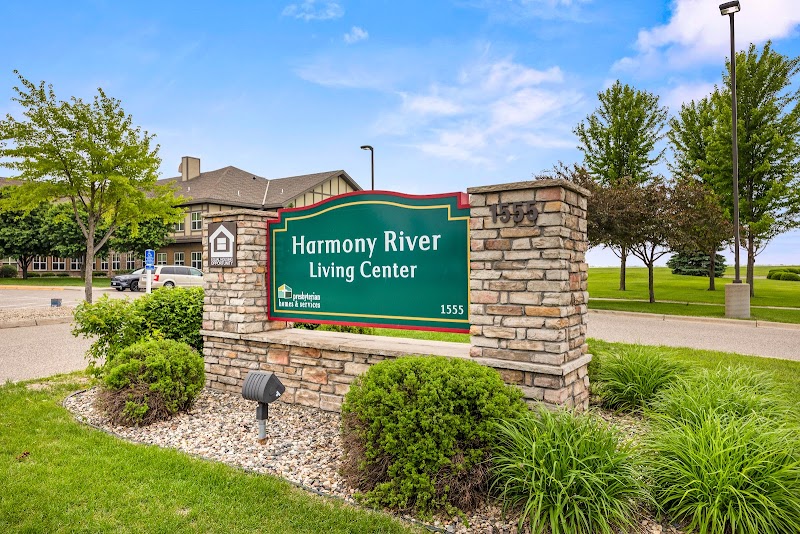
HARMONY RIVER LIVING CENTER
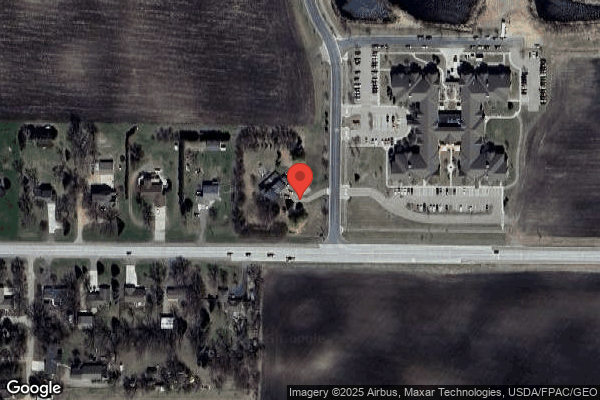
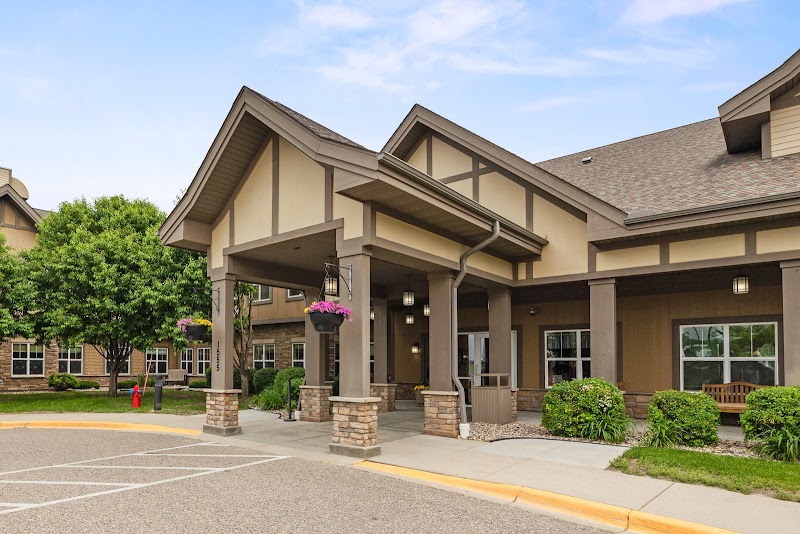
1555 SHERWOOD STREET SOUTHEAST, HUTCHINSON, MN 55350 (320) 484-6000
Non profit - Corporation 120 Beds PRESBYTERIAN HOMES & SERVICES Data: November 2025
Trust Grade
93/100
#38 of 337 in MN
Last Inspection: February 2025

Within standard 12-15 month inspection cycle. Federal law requires annual inspections.

Overview

Harmony River Living Center in Hutchinson, Minnesota, has received an excellent Trust Grade of A, indicating that it is highly recommended and performs well compared to other facilities. It ranks #38 out of 337 in Minnesota, placing it in the top half, and #1 out of 3 in McLeod County, meaning it's the best option locally. However, the facility is experiencing a worsening trend, with reported issues increasing from 2 in 2024 to 3 in 2025. Staffing is a strength, boasting a 5-star rating and a turnover rate of only 29%, well below the state average, which means that staff members are more likely to stay and build relationships with residents. Notably, the center has no fines on record, reflecting a commitment to compliance, but some concerns were noted, such as a medication cart being left unlocked and a failure to create an adequate care plan for a resident with respiratory issues, along with not providing necessary assistance for a resident with eating difficulties. These incidents highlight areas for improvement while also showcasing the facility's strengths in staffing and overall care.

Trust Score
A
93/100
In Minnesota
#38/337
Top 11%
Safety Record
Low Risk
No red flags
Inspections
Getting Worse
2 → 3 violations
Staff Stability
✓ Good
29% annual turnover. Excellent stability, 19 points below Minnesota's 48% average. Staff who stay learn residents' needs.
Penalties
✓ Good
No fines on record. Clean compliance history, better than most Minnesota facilities.
Skilled Nurses
✓ Good
Each resident gets 48 minutes of Registered Nurse (RN) attention daily — more than average for Minnesota. RNs are trained to catch health problems early.
Violations
✓ Good
Only 5 deficiencies on record. Cleaner than most facilities. Minor issues only.
★★★★★
5.0
Overall Rating
★★★★★
5.0
Staff Levels
★★★☆☆
3.0
Care Quality
★★★★☆
4.0
Inspection Score
Stable
2024: 2 issues
2025: 3 issues

The Good

  • 5-Star Staffing Rating · Excellent nurse staffing levels
  • Low Staff Turnover (29%) · Staff stability means consistent care
  • Full Sprinkler Coverage · Fire safety systems throughout facility
  • No fines on record
  • Staff turnover is low (29%)

    19 points below Minnesota average of 48%

Facility shows strength in staffing levels, staff retention, fire safety.

The Bad

Chain: PRESBYTERIAN HOMES & SERVICES

Part of a multi-facility chain

Ask about local staffing decisions and management

The Ugly 5 deficiencies on record

Feb 2025 3 deficiencies
CONCERN (D)

Potential for Harm - no one hurt, but risky conditions existed

Comprehensive Care Plan (Tag F0656)

Could have caused harm · This affected 1 resident

**NOTE- TERMS IN BRACKETS HAVE BEEN EDITED TO PROTECT CONFIDENTIALITY** Based on interview and document review, the facility failed to create a comprehensive care plan for a resident with a history of...

Read full inspector narrative →
**NOTE- TERMS IN BRACKETS HAVE BEEN EDITED TO PROTECT CONFIDENTIALITY** Based on interview and document review, the facility failed to create a comprehensive care plan for a resident with a history of respiratory conditions for 1 of 1 residents (R102) reviewed for care plans. Findings include: R102's Medicare 5-day Minimum Data Set (MDS) dated [DATE], indicated R102 cognitive impairment could not be decided. Diagnoses included pneumonia and respiratory failure. R102's comprehensive care plan undated, lacked a patient specific care plan or interventions related to R102's history of pneumonia and respiratory failure. During an interview on 2/20/25 at 1:16 p.m., registered nurse (RN)-B stated the care plan was updated either when there was a change in the resident's condition or when a new MDS assessment performed. RN-B reviewed R102's MDS and 5-day care plan. She acknowledged the respiratory conditions listed in the MDS but were not found on the care plan. RN-B stated the care plan should have been updated with a respiratory care plan, goals, and interventions when the MDS was updated on 1/22/25. During an interview on 2/20/25 at 1:43 p.m. the director of nursing (DON) stated an expectation the care plan would be filled out as appropriate based on resident needs. Facility policy Care Plan Policy and Procedure last modified 11/22, indicated the care plan would be reviewed at least with each MDS assessment period and with any significant change. The care plan would be changed and updated as the care changes for the resident and as the resident changes occurred. The care plan was to be current at all times.
CONCERN (D)

Potential for Harm - no one hurt, but risky conditions existed

ADL Care (Tag F0677)

Could have caused harm · This affected 1 resident

**NOTE- TERMS IN BRACKETS HAVE BEEN EDITED TO PROTECT CONFIDENTIALITY** Based on observation, interview and document review facility failed to provide activities of daily living (ADL) assistance for 1...

Read full inspector narrative →
**NOTE- TERMS IN BRACKETS HAVE BEEN EDITED TO PROTECT CONFIDENTIALITY** Based on observation, interview and document review facility failed to provide activities of daily living (ADL) assistance for 1 of 1 resident (R38) who required assistance with eating. Findings include: R38's quarterly Minimum Data Set (MDS) dated [DATE], identified R38 had moderate cognitive impairment and required assistance with all activities of daily living (ADL)'s. R38's diagnoses included progressive neurological conditions, seizure disorder/epilepsy, bipolar disorder and other drug induced secondary parkinsonism. MDS did not indicate R38 exhibited any behaviors. R38's care plan dated 12/16/23, identified R.8 required assistance of 1 for eating due to extensive tremors. During observation on 2/18/25, at 5:19 p.m., R38 was seated at dining room table with two other residents. Staff served the other two residents their plates, who started eating, R38 sat there watching the other residents eat. At 5:25 p.m., R38 continued watching other two resident eat. At 5:28 p.m., staff brought R38's plate to table and sat down and started to assist R38 with eating. R38 ate food when staff assisted. During observation on 2/19/25, at 5:21 p.m., R38 was seated at dining room table with two other residents. Staff served the other two residents their plates, who started eating, R38 sat watching the other residents eat. At 5:33 p.m., staff brought a bowl of soup and a plate of food and set it down in front of R28. At 5:34 p.m., staff sat down and started to assist R38 with eating. R38 ate food when staff assisted. During interview on 2/20/24 at 2:54 p.m. nursing assistant (NA)-C stated R38 needed staff assistance with eating. NA-C stated they would serve the independent residents first and then would serve the residents who needed assistance eating. During interview on 2/20/25 at 3:01 p.m., director of nursing (DON) and administrator stated residents who require assistance with eating are served last as they need staff to assist them with eating. DON stated it would be important for all residents who are seated at the same table to eat at the same time for a more pleasurable dining experience and also for the resident's dignity. During interview on 2/20/25 at 3:22 p.m., director of nursing (DON) and administrator stated they spoke with dietary who confirmed R38 was served at the end due to him needing assistance with eating. The facility Dining Room Protocol policy, dated 1/13, indicated staff will participate in the delivery of meal service. Staff to provide dignified, prompt meal service. After all residents are served, proceed to assigned tables to provide eating assistance, as indicated or as appropriate.
CONCERN (D)

Potential for Harm - no one hurt, but risky conditions existed

Accident Prevention (Tag F0689)

Could have caused harm · This affected 1 resident

**NOTE- TERMS IN BRACKETS HAVE BEEN EDITED TO PROTECT CONFIDENTIALITY** Based on observation, interview and document review, the facility failed to follow provider orders for a resident on mild thicke...

Read full inspector narrative →
**NOTE- TERMS IN BRACKETS HAVE BEEN EDITED TO PROTECT CONFIDENTIALITY** Based on observation, interview and document review, the facility failed to follow provider orders for a resident on mild thickened liquids for 1 of 2 residents (R102) reviewed for diet changes. Findings include: R102's Medicare 5-day Minimum Data Set (MDS) dated [DATE], indicated R102 cognitive impairment could not be decided. Diagnoses included pneumonia and respiratory failure. R102's Order Summary Report dated 1/16/25 indicated R102 had an active diet order for level 6 soft and bite sized texture with mild thick consistency liquids. R102's care plan revised on 12/29/24, indicated R102 had a nutritional problem and diet was to be served as ordered. R102's therapy interdepartmental team (IDT) communication dated 2/3/25, indicated nursing and dietary was notified by speech therapy (ST) R102 was on mild thick liquids. Facility care sheets undated, indicated R102 was suppose to have mild thickened liquids. On 2/19/25 at 2:47 p.m., R102 was observed with a plastic glass half full of non-thickened water that was drank from and then placed on the over table cart. Next to the plastic cup was a large gray mug with a lid on it. During an interview on 2/19/25 at 2:52 p.m. nurse assistant (NA)-D stated floor staff were aware of resident specific diets based on the facility care sheets that are reviewed every shift. The facility care sheet was reviewed and confirmed R102 needed mild thickened liquids. NA-D entered R102's room and confirmed the water in the plastic cup and in the large gray mug was unthickened water and should have been thickened prior to it being given to resident. NA-D then removed the glass and mug of water. NA-D had also been notified that R102 had been observed taking a drink out of the plastic cup. During an interview on 2/19/25 at 2:58 p.m., the speech language pathologist (ST) stated R102 had been placed on mild thickened liquids as of 2/3/25 because R102 showed increased high risk signs of aspiration when R102 drank thin liquids. During an interview on 2/20/25 at 1:16 p.m. registered nurse (RN)-B stated the care plan and the facility care sheets that the NA's use every day to guide resident care are updated when changes occurred. During an interview on 02/20/25 at 1:43 p.m., the director of nursing (DON) stated staff should follow the prescribed diet orders from the provider or ST to protect the resident from adverse effects. The facility policy Diet Policy last revised 3/23 indicated thickened liquids may be recommended for residents with swallowing difficulty to decrease the risk of chocking or coughing on liquids. All liquids would be thickened to appropriate consistency before served.
Jan 2024 2 deficiencies
CONCERN (D)

Potential for Harm - no one hurt, but risky conditions existed

Deficiency F0883 (Tag F0883)

Could have caused harm · This affected 1 resident

**NOTE- TERMS IN BRACKETS HAVE BEEN EDITED TO PROTECT CONFIDENTIALITY** Based on interview and document review, the facility failed to ensure 3 of the 5 residents (R16, R63, R89) reviewed for immuniza...

Read full inspector narrative →
**NOTE- TERMS IN BRACKETS HAVE BEEN EDITED TO PROTECT CONFIDENTIALITY** Based on interview and document review, the facility failed to ensure 3 of the 5 residents (R16, R63, R89) reviewed for immunizations were offered and/or provided the pneumococcal vaccination series as recommended by the Centers for Disease Control (CDC) to help reduce the risk of associated infection(s). Findings include: A CDC Pneumococcal Vaccine Timing for Adults feature, dated 3/15/2023, identified various tables when each (or all) of the pneumococcal vaccinations should be obtained. This identified when an adult over [AGE] years old had received the complete series (i.e., PPSV23 and PCV13; see below) then the patient and provider may choose to administer Pneumococcal 20-valent Conjugate Vaccine (PCV20) for patients who had received Pneumococcal 13-valent Conjugate Vaccine (PCV13) at any age and Pneumococcal Polysaccharide Vaccine 23 (PPSV23) at or after [AGE] years old. R16's face sheet, dated 1/9/2024, indicated she was [AGE] years old. The immunization record, dated 1/5/2024, indicated she received a PPSV23 on 9/25/2018 and a PCV13 on 8/26/2015. The record lacked evidence of shared clinical decision making with the physician for PCV20 at least 5 years after the last pneumococcal dose. The record lacked evidence that R16 was offered or received PCV20. R63's face sheet, dated 1/8/2024, indicated he was [AGE] years old. The immunization record, dated 1/8/2024, indicated he received a PPSV23 on 1/1/1998, a PPSV23 on 12/18/2013 and a PCV13 on 11/25//2015. The record lacked evidence of shared clinical decision making with the physician for PCV20 at least 5 years after the last pneumococcal dose. The record lacked evidence that R63 was offered or received PCV20. R89's face sheet, dated 1/9/2024, indicated he was [AGE] years old. The immunization record, dated 1/8/2024, indicated he received a PPSV23 on 7/11/1997, a PPSV23 on 3/18/2009 and a PCV13 on 1/15/2016. The record indicated R89 was provided education and consented to receiving a PCV20 on 12/6/23 but had not yet received it. During an interview with infection preventionist (IP), on 1/9/2024 at 10:27 a.m., IP indicated immunizations are verified upon admission through MIIC (Minnesota Immunization Information Connection). IP stated vaccine education is done with residents and families at council meetings. IP stated IP would ask residents and/or their families if immunizations were desired and consents were obtained if immunizations were needed. IP stated if a resident consents to a vaccine an order would then be obtained from the provider, and it could be administered in the facility. IP verified R16's, R63's, and R89's pneumococcal immunizations as listed above. IP stated the facility policies were followed to determine resident eligibility for all vaccines. IP verified R16 and R63 had not been offered or provided education on PCV20. IP verified R89 had been offered, provided education, and consented to the PCV20 on 12/6/23, but had not yet received it. IP verified there had been no shared clinical decision making with the resident providers regarding pneumococcal immunizations for R16, R63 and R89. The plan to educate and obtain consents for the PCV20 had recently been implemented six to eight weeks ago for new admits only and a process to determine eligibility, educate and obtain consents for all other residents had not yet been started. IP indicated residents and families were recently informed through a facility Winter 2024 newsletter that a process for reviewing current guidance and eligibility for pneumococcal vaccinations was coming and residents and families would be contacted. A facility policy titled Pneumococcal Vaccination dated July 2023 identified, residents should be vaccinated in accordance with the CDC's pneumococcal vaccine recommendations.
CONCERN (F)

Potential for Harm - no one hurt, but risky conditions existed

Deficiency F0761 (Tag F0761)

Could have caused harm · This affected most or all residents

**NOTE- TERMS IN BRACKETS HAVE BEEN EDITED TO PROTECT CONFIDENTIALITY** Based on observation, interview and document review, the facility failed to ensure medication carts were properly secured for 4 ...

Read full inspector narrative →
**NOTE- TERMS IN BRACKETS HAVE BEEN EDITED TO PROTECT CONFIDENTIALITY** Based on observation, interview and document review, the facility failed to ensure medication carts were properly secured for 4 of 8 medication carts observed. Findings Include: On 1/8/24, at 8:50 a.m. during medication observation trained medication aide (TMA)-A stepped away from medication cart, entered nursing office out of view of medication (med) cart with lock button observed to be in extended position. TMA-A returned to cart, continued with medication administration When interviewed on 1/8/24, at 9:03 a.m. TMA-A stated when lock button in extended position the medication cart was unlocked. TMA-A demonstrated entering code into touchpad on top surface of cart locked med cart by pulling lock button into cart. TMA-A then re-entered code demonstarting lock button extended out from cart then opening drawer demonstrating med cart was unlocked. On 1/8/24, at 9:04 a.m. observed TMA-A step away from med cart with lock button extended out. TMA-A went into nurse office dropped blood pressure machine into office, then assisted a resident around the [NAME] from the [NAME] cart, TMA-A was out of view of med cart On 1/8/24, at 9:07 a.m. TMA-A returned to med cart, TMA-A stated when walking away from med cart they should try to remeber to lock med cart so nobody could open the cart and remove items. TMA-A further stated the med cart would self lock, first beeping several times, but was unsure how long cart remaind unlocked prior to self locking. On 1/9/24, at 2:50 p.m. TMA-B was observed to walk away from med cart, lock button in outward position. When interviewed TMA-B stated the medication cart self locked, stated about 30 seconds but was not sure how long until med cart self-locked. On 1/9/24, 2:56 p.m. observed med cart outside of nurse office, no staff around. Med cart beeped loudly several times then self locked. On 1/9/24, at 2:58 p.m. licensed practical nurse (LPN)-A was observed to walk away from med cart with lock button in outward position. When interviewed LPN-A stated when she walked away the med cart should have been locked to keep people from opening the cart. LPN-A stated unsure how long med cart remained unlocked before it would self lock, the med cart was newer and they had not timed how long the cart remaind unlocked. On 1/9/24, at 3:27 p.m. LPN-B was observed to walk down the hallway with med cart unlocked. When interviewed LPN-B stated the cart locked itself but was unsure of how long the cart remained unlocked before locking itself. LPN-B stated the cart should be locked, don't want anobody to get into the cart. When interviewed on 1/9/24, at 3:46 p.m. director of nursing stated the med carts stay unlocked for 5 minutes and 13 seconds. The time the cart is unlocked is a factory preset, staff were trained to lock immediately. Undated Medication Ordering and Receiving Policy identified medications and biologicals are stored safely, securely and properly, following manufacturers recommendations or those of the supplier.
Understanding Severity Codes (click to expand)
Life-Threatening (Immediate Jeopardy)
J - Isolated K - Pattern L - Widespread
Actual Harm
G - Isolated H - Pattern I - Widespread
Potential for Harm
D - Isolated E - Pattern F - Widespread
No Harm (Minor)
A - Isolated B - Pattern C - Widespread

Questions to Ask on Your Visit

  • "Can I speak with families of current residents?"
  • "What's your RN coverage like on weekends and overnight?"

Our Honest Assessment

Strengths
  • • Grade A (93/100). Above average facility, better than most options in Minnesota.
  • • No major safety red flags. No abuse findings, life-threatening violations, or SFF status.
  • • No fines on record. Clean compliance history, better than most Minnesota facilities.
  • • Only 5 deficiencies on record. Cleaner than most facilities. Minor issues only.
Concerns
  • • No significant concerns identified. This facility shows no red flags across CMS ratings, staff turnover, or federal penalties.
Bottom line: Generally positive indicators. Standard due diligence and a personal visit recommended.

About This Facility

What is Harmony River Living Center's CMS Rating?

CMS assigns HARMONY RIVER LIVING CENTER an overall rating of 5 out of 5 stars, which is considered much above average nationally. Within Minnesota, this rating places the facility higher than 99% of the state's 100 nursing homes. This rating reflects solid performance across the metrics CMS uses to evaluate nursing home quality.
How is Harmony River Living Center Staffed?

CMS rates HARMONY RIVER LIVING CENTER's staffing level at 5 out of 5 stars, which is much above average compared to other nursing homes. Staff turnover is 29%, compared to the Minnesota average of 46%. This relatively stable workforce can support continuity of care.

What Have Inspectors Found at Harmony River Living Center?

State health inspectors documented 5 deficiencies at HARMONY RIVER LIVING CENTER during 2024 to 2025. These included: 5 with potential for harm.
Who Owns and Operates Harmony River Living Center?

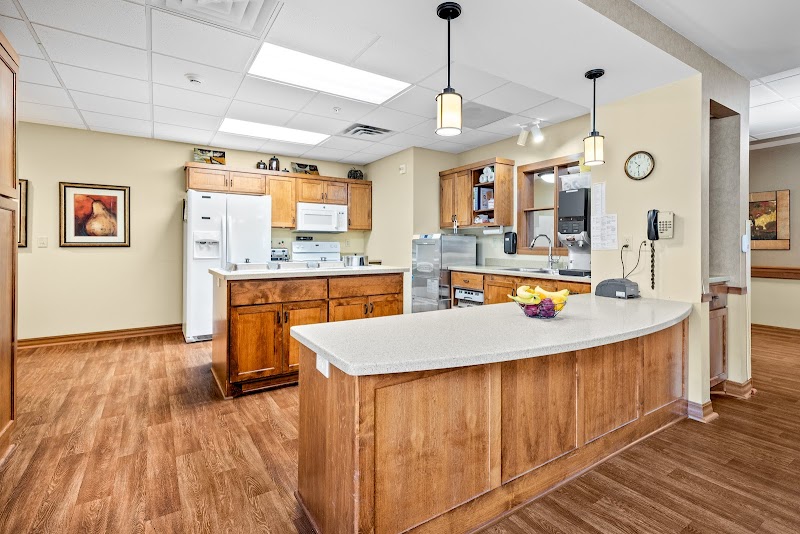
HARMONY RIVER LIVING CENTER is owned by a non-profit organization. Non-profit facilities reinvest revenue into operations rather than distributing to shareholders. The facility is operated by PRESBYTERIAN HOMES & SERVICES, a chain that manages multiple nursing homes. With 120 certified beds and approximately 114 residents (about 95% occupancy), it is a mid-sized facility located in HUTCHINSON, Minnesota.
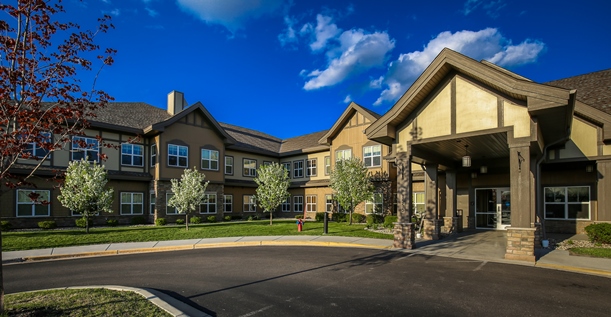
How Does Harmony River Living Center Compare to Other Minnesota Nursing Homes?

Compared to the 100 nursing homes in Minnesota, HARMONY RIVER LIVING CENTER's overall rating (5 stars) is above the state average of 3.2, staff turnover (29%) is significantly lower than the state average of 46%, and health inspection rating (4 stars) is above the national benchmark.

What Should Families Ask When Visiting Harmony River Living Center?

Based on this facility's data, families visiting should ask: "Can I visit during a mealtime to observe dining assistance and food quality?" "How do you handle medical emergencies, and what is your hospital transfer rate?" "Can I speak with family members of current residents about their experience?"

Is Harmony River Living Center Safe?

Based on CMS inspection data, HARMONY RIVER LIVING CENTER has a clean safety record: no substantiated abuse findings (meaning no confirmed cases of resident harm), no Immediate Jeopardy citations (the most serious violation level indicating risk of serious injury or death), and is not on the Special Focus Facility watch list (a federal program monitoring the lowest-performing 1% of nursing homes). The facility has a 5-star overall rating and ranks #1 of 100 nursing homes in Minnesota. While no facility is perfect, families should still ask about staff-to-resident ratios and recent inspection results during their visit.

Do Nurses at Harmony River Living Center Stick Around?

Staff at HARMONY RIVER LIVING CENTER tend to stick around. With a turnover rate of 29%, the facility is 17 percentage points below the Minnesota average of 46%. Low turnover is a positive sign. It means caregivers have time to learn each resident's needs, medications, and personal preferences. Consistent staff also notice subtle changes in a resident's condition more quickly. Registered Nurse turnover is also low at 24%, meaning experienced RNs are available to handle complex medical needs.

Was Harmony River Living Center Ever Fined?

HARMONY RIVER LIVING CENTER has no federal fines on record. CMS issues fines when nursing homes fail to meet care standards or don't correct problems found during inspections. The absence of fines suggests the facility has either maintained compliance or corrected any issues before penalties were assessed. This is a positive indicator, though families should still review recent inspection reports for the full picture.

Is Harmony River Living Center on Any Federal Watch List?

HARMONY RIVER LIVING CENTER is not on any federal watch list. The most significant is the Special Focus Facility (SFF) program, which identifies the bottom 1% of nursing homes nationally based on persistent, serious quality problems. Not being on this list means the facility has avoided the pattern of deficiencies that triggers enhanced federal oversight. This is a positive indicator, though families should still review the facility's inspection history directly.