GOOD SAMARITAN SOCIETY INVER GROVE HEIGHTS
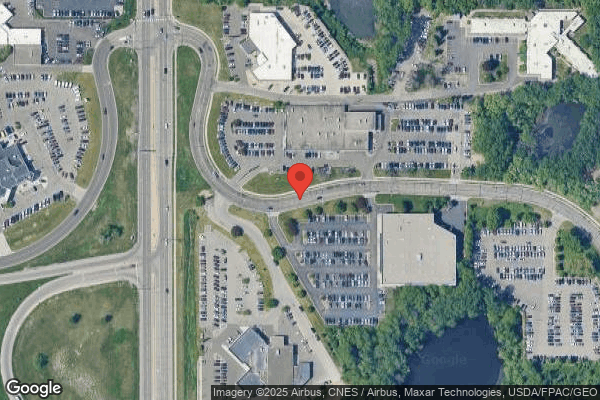

1301 50TH STREET EAST, INVER GROVE HEIGHTS, MN 55077 (651) 451-1853
Non profit - Corporation 46 Beds GOOD SAMARITAN SOCIETY Data: November 2025
Trust Grade
45/100
#235 of 337 in MN
Last Inspection: December 2024

Within standard 12-15 month inspection cycle. Federal law requires annual inspections.

Overview

Good Samaritan Society Inver Grove Heights has received a Trust Grade of D, indicating below average performance with some concerns. It ranks #235 out of 337 nursing homes in Minnesota, placing it in the bottom half of facilities in the state and #5 out of 9 in Dakota County, meaning only four local options are better. The facility is improving, having reduced its issues from 10 in 2024 to 4 in 2025, which is a positive sign. Staffing is a strength, with a rating of 4 out of 5 stars and a turnover rate of 55%, which is concerning compared to the state average of 42%. While there have been no fines recorded, there are serious incidents, including a medication error that caused harm to a resident and concerns about food safety practices that could affect all residents. Overall, while there are strengths in staffing and improvements in trends, the facility has significant areas that need attention.

Trust Score
D
45/100
In Minnesota
#235/337
Bottom 31%
Safety Record
Moderate
Needs review
Inspections
Getting Better
10 → 4 violations
Staff Stability
⚠ Watch
55% turnover. Above average. Higher turnover means staff may not know residents' routines.
Penalties
✓ Good
No fines on record. Clean compliance history, better than most Minnesota facilities.
Skilled Nurses
✓ Good
Each resident gets 87 minutes of Registered Nurse (RN) attention daily — more than 97% of Minnesota nursing homes. RNs are the most trained staff who catch health problems before they become serious.
Violations
⚠ Watch
56 deficiencies on record. Higher than average. Multiple issues found across inspections.
★★☆☆☆
2.0
Overall Rating
★★★★☆
4.0
Staff Levels
★★★☆☆
3.0
Care Quality
★★☆☆☆
2.0
Inspection Score
Stable
2024: 10 issues
2025: 4 issues

The Good

  • 4-Star Staffing Rating · Above-average nurse staffing levels
  • Full Sprinkler Coverage · Fire safety systems throughout facility
  • No fines on record

Facility shows strength in staffing levels, fire safety.

The Bad

2-Star Overall Rating

Below Minnesota average (3.2)

Below average - review inspection findings carefully

Staff Turnover: 55%

Near Minnesota avg (46%)

Higher turnover may affect care consistency

Chain: GOOD SAMARITAN SOCIETY

Part of a multi-facility chain

Ask about local staffing decisions and management

The Ugly 56 deficiencies on record

1 actual harm
Apr 2025 4 deficiencies
CONCERN (D) 📢 Someone Reported This

A family member, employee, or ombudsman was alarmed enough to file a formal complaint

Potential for Harm - no one hurt, but risky conditions existed

Resident Rights (Tag F0550)

Could have caused harm · This affected 1 resident

**NOTE- TERMS IN BRACKETS HAVE BEEN EDITED TO PROTECT CONFIDENTIALITY** Based on observation, interview and document review, the facility failed to ensure dignity was maintained for 2 of 3 residents (...

Read full inspector narrative →
**NOTE- TERMS IN BRACKETS HAVE BEEN EDITED TO PROTECT CONFIDENTIALITY** Based on observation, interview and document review, the facility failed to ensure dignity was maintained for 2 of 3 residents (R1, R2) reviewed for dignity. Findings include: R1 R1's quarterly Minimum Data Set (MDS) dated [DATE], indicated R1 was cognitively intact, and was dependent upon staff for all activities of daily living (ADLs). Identified R1 had diagnoses that included traumatic spinal cord dysfunction and quadriplegia. R1's care plan dated 8/26/24, indicated R1 had a self-care performance deficit related to quadriplegia and further indicated due to paralysis and contractures, R1 needed assistance with personal hygiene. On 4/1/25 at 1:44 p.m., during an interview and observation, R1 stated her nails were trimmed very occasionally and thought it had been weeks since they had been cut. R1 stated she preferred them short. R1's left hand was not covered by the blanket and her fingernails were very long. R1 stated she felt like staff did not want to help her or take care of her. On 4/2/25 at 11:48 a.m., during an observation and interview, the director of nursing (DON) observed R1's fingernails and stated the nails were too long, and should have been cut during R1's bath. The DON stated residents did not feel great when they did not get their care. R2 R2's significant change MDS dated [DATE], indicated R2 was cognitively intact, had an indwelling catheter, and diagnosis of an unspecified neurological condition. R2's diagnoses list printed 4/2/25, indicated epilepsy, a bladder disorder, and cystitis (an inflammation of the bladder). R2's care plan dated 12/5/24, indicated R2 had a self-care performance deficit and required one staff for bathing and preferred baths/showers twice a week. R2's care plan lacked preferences for hair care and beard care. On 4/1/25 at 5:07 p.m., during an interview, nursing assistant (NA)-B stated she was not able to find documentation of R2 receiving baths in the electronic health record (EHR) in the past few weeks. NA-B stated R2 would want his showers, liked to look good, and all the residents liked to look good. On 4/2/25 at 9:48 a.m., during an observation and interview, R2 was sitting in the dining room with his hair uncombed and long over his ears, and a beard that appeared long and un-groomed. R2 stated it had been a couple of weeks since he had shower and had one beard trim and hair cut in the seven months he had been in the facility. R2's fingernails were long and jagged. R2 stated he needed them cut, but the activity staff who normally cut them had been gone, and no one else had cut them. R2's catheter was uncovered and in view of other residents and visitors in the dining room. R2 stated he did not look like he did when he lived at home and wanted to go home to look better again, and wished his catheter bag was covered. On 4/2/25 at 10:48 a.m., a message was left for R2's family member (FM)-A to return a call to the surveyor. FM-A returned the call on 4/2/25 at 5:28 p.m. During an interview, FM-A stated R2 liked his hair short, beard trimmed, and R2 paid attention to his appearance before he was admitted to the facility. FM-A stated R2 liked his nails trimmed short and if they were long, R2 would have felt unkept. FM-A stated R2 spent his life going to work in a suit every day and looked professional. Additionally, FM-A stated R2 would be embarrassed if his catheter was showing and if it was noticeable by others. FM-A stated R2 would not like it. On 4/2/25 at 11:31 a.m., during a follow-up interview, DON stated residents felt better when they received their scheduled showers and care, and without scheduled care, the residents would experience a loss of dignity. The DON further stated R2 would not like his catheter showing and would want staff to cover it. The Resident Dignity policy dated 12/11/24, indicated the interdisciplinary team would assist in maintaining the dignity of all residents by grooming residents as they wished to be groomed (hair combed and styled, beards shaved/trimmed, nails clean and clipped). The policy further indicated staff would refrain from keeping urinary bags uncovered. The Catheter: Care, Insertion & Removal, Drainage Bags, Irrigation, Specimen policy dated 7/30/24 indicated every effort is made to keep a resident's catheter covered or out of sight. Catheter bags should be covered when up in a chair and out in public or visible from door/hall. Catheter tubing is secured to the resident's leg, coiled on bed with no kinks, obstructions and the rest of the tubing should be in a straight line into urinary drainage bag.
CONCERN (D) 📢 Someone Reported This

A family member, employee, or ombudsman was alarmed enough to file a formal complaint

Potential for Harm - no one hurt, but risky conditions existed

ADL Care (Tag F0677)

Could have caused harm · This affected 1 resident

**NOTE- TERMS IN BRACKETS HAVE BEEN EDITED TO PROTECT CONFIDENTIALITY** Based on observation, interview and document review, the facility failed to ensure nail care was provided for 2 of 3 residents (...

Read full inspector narrative →
**NOTE- TERMS IN BRACKETS HAVE BEEN EDITED TO PROTECT CONFIDENTIALITY** Based on observation, interview and document review, the facility failed to ensure nail care was provided for 2 of 3 residents (R1, R2) and bathing/shower assistance was provided for 2 of 3 residents (R2, R3) reviewed for activities of daily living (ADLs). Findings include: R1 R1's quarterly Minimum Data Set (MDS) dated [DATE], indicated R1 was cognitively intact, and was dependent upon staff for all ADLs. Identified R1 had diagnoses that included traumatic spinal cord dysfunction and quadriplegia. R1's care plan dated 8/26/24, indicated R1 had a self-care performance deficit related to quadriplegia and further indicated due to paralysis and contractures, R1 needs assistance with personal hygiene. On 4/1/25 at 1:44 p.m., during an interview and observation, R1 stated her nails were trimmed very occasionally and thought it had been weeks since they had been cut. R1 stated she preferred them short. R1's left hand was not covered by the blanket and her fingernails were very long. On 4/2/25 at 10:37 a.m., during an interview nursing assistant (NA)-C stated she was unsure who was supposed to cut R1's nails and was unsure if the nursing assistants were supposed to and acknowledged she had not cut R1's nails. On 4/2/25 at 10:58 a.m., during an interview, family member (FM)-A stated R1's nails were long and needed to be cut. R2 R2's significant change MDS dated [DATE], indicated R2 admitted to the facility 9/5/24, was cognitively intact, had an indwelling catheter, and diagnosis of an unspecified neurological condition. R2's diagnoses list printed 4/2/25, indicated epilepsy, a bladder disorder, and cystitis (an inflammation of the bladder). R2's care plan dated 12/5/24, indicated R2 had a self-care performance deficit and required one staff for bathing and preferred baths/showers twice a week. The care plan lacked preferences for hair care and beard care. R2's bath task log printed 4/2/25, indicated baths on Monday and Friday evening, adjusted on 4/2/25, for showers on Saturday evenings only and indicated the following bath data: 3/3/25 shower 3/7/225 NA [not applicable] 3/10/25 shower 3/14/25 NA 3/17/25 non facility staff provided care 100% of the time [for residents on hospice - R2 was not on hospice]. 3/21/25 NA 3/24/25 did not occur On 4/1/25 at 4:59 p.m., during an interview registered nurse (RN)-C acknowledged R2 had two baths in the past 30 days and stated the bath schedule did not match the printed schedule which may be why the baths were not completed. On 4/1/25 at 5:07 p.m., during an interview NA-B stated she could not find baths recorded for R2 in the electronic health record (EHR) in the past few weeks. NA-B stated the facility had enough staff to provide baths for residents, and the schedule was printed and posted on the nursing cart. On 4/2/25 at 9:48 a.m., during an observation and interview, R2 was sitting in the dining room with his hair uncombed and long over his ears, with a beard that appeared long and un-groomed. R2 stated it had been a couple of weeks since he had shower and had one beard trim and hair cut in the seven months he had been in the facility. R2's fingernails were long and jagged. R2 stated he needed them cut, but the activity staff who normally cut them had been gone, and no one else had cut them. The director of nursing (DON) approached R2 and inquired about his hair and beard preferences. R2 told the DON he preferred a monthly trim, and had only had one beard trim since he arrived. DON stated to R2 she would add his preferences to his care plan. On 4/2/25 at 10:15 a.m., during an interview, NA-A stated R2 had not had a shower he was aware of, but thought he was scheduled for evening showers. NA-A stated the chart indicated R2 showered on Monday and Friday evening, but was supposed to get showers on Saturday evenings. NA-A stated the data in the EHR did not match the schedule, and may be why the showers were not completed. NA-A further stated R2 needed his nails cut but the nursing assistants could not do it because R2 was diabetic. On 4/2/25 at 10:39 a.m., during an interview ,NA-D stated there was enough staff to provide baths and did not know why R2 was not getting showers weekly. NA-D acknowledged R2 did not refuse showers. On 4/2/25 at 10:24 a.m., during an observation, the DON observed R2's nails, acknowledged R2's nails should have been cut and asked a nurse to cut R2's nails. On 4/2/25 at 10:48 a.m., a message was left for R2's family member to return a call to the surveyor. FM-A returned the call on 4/2/25 at 5:28 p.m. During an interview, FM-B stated R2 liked his hair short and beard trimmed and he paid attention to his appearance before he was admitted to the facility. R3 R3's Medicare 5-Day MDS dated [DATE], indicated R3 was unable to participate in the cognitive assessment but had a memory problem. Identified R3 was dependent in all ADLs and had diagnoses that included Multiple Sclerosis (MS). R3's care plan dated 10/17/23, indicated R3 had a self-care performance deficit related to MS and required assistance of staff for bathing. The care plan indicated R3 did not like showers but was updated on 4/2/25, to indicate R3 could use the tilt in space shower chair to take a shower. R3's bath task data printed 4/2/25, indicated R3 had baths on Monday evenings, Wednesday and Saturday mornings, and indicated the following bath data: 3/15/25 bed bath 3/17/25 sponge bath 3/19/25 NA 3/22/25 NA 3/24/25 NA 3/31/25 bed bath On 4/1/25 at 4:50 p.m., during an observation, R3 was lying in bed, her hair appeared greasy. On 4/2/25 at 10:39 a.m., during an interview ,NA-D stated there was enough staff to provide baths, did not know why R3 was not getting showers weekly and acknowledged R3 did not refuse showers. On 4/1/25 at 5:07 p.m., during an interview, NA-B stated R3 did not have her scheduled bath on 3/22/25, did not know why, and acknowledged R3 did not refuse baths. NA-B stated the NAs were supposed to tell the nurses when residents refused baths, and further acknowledged there was no documentation to indicate R3 refused any baths. On 4/2/25 at 11:31 a.m., during an observation and interview, the DON observed R1's fingernails and stated they were too long and would have staff cut them. The DON stated the facility had a performance improvement plan (PIP) for baths, and she had changed the bath schedules that morning (4/2/25) to be performed once weekly. The DON stated residents could request an extra bath, but they were no longer scheduled more than once weekly. The DON stated resident nail care was supposed to occur on bath days. Further, the DON acknowledged R2 and R3 did not receive weekly baths and did not know why. DON stated the facility had enough staff to provide weekly baths. In addition, the DON acknowledged R2's last documented shower was 3/10/25, and R3 missed three baths in March that were charted as NA and did not know why. The DON stated residents felt better when they received their scheduled showers and cares. On 4/2/25 at 4:15 p.m., an email sent by the administrator indicated the facility implemented a performance improvement plan (PIP) on 3/19/25, to ensure residents were showered/ bathed weekly. The email indicated there was some improvement however, acknowledged R2 and R3 were identified as not having scheduled baths on 3/29/25, and did not provide baths/showers for either resident until 4/2/25. On 4/3/25 at 2:20 p.m., an email sent by the administrator included documentation R2 was offered a shower and face trim after survey exit and declined. The Activities of Daily Living policy dated 12/4/23, indicated any resident who was unable to carry out activities of daily living would receive necessary services to maintain good grooming, personal care, and oral hygiene. The policy stipulated ADLs, were those necessary tasks conducted in the normal course of a resident's daily life. Included in these tasks were care of hair, hands, face, shaving, nails, and oral care.
CONCERN (D) 📢 Someone Reported This

A family member, employee, or ombudsman was alarmed enough to file a formal complaint

Potential for Harm - no one hurt, but risky conditions existed

Laboratory Services (Tag F0770)

Could have caused harm · This affected 1 resident

**NOTE- TERMS IN BRACKETS HAVE BEEN EDITED TO PROTECT CONFIDENTIALITY** Based on interview and document review, the facility failed to ensure a provider order for a TSH (thyroid-stimulating hormone - ...

Read full inspector narrative →
**NOTE- TERMS IN BRACKETS HAVE BEEN EDITED TO PROTECT CONFIDENTIALITY** Based on interview and document review, the facility failed to ensure a provider order for a TSH (thyroid-stimulating hormone - a protein produced in the brain that regulates the thyroid gland's production of thyroid hormones) blood draw was performed as ordered for 1 of 3 residents (R3) reviewed for services performed as ordered. Findings include: R3's Medicare 5-Day Minimum Data Set (MDS) dated [DATE], indicated R3 was unable to complete the cognitive assessment, but had a memory problem. Identified a diagnosis that included a thyroid disorder. R3's diagnoses list printed 4/2/25, included hypothyroidism (a condition in which the thyroid gland doesn't produce enough thyroid hormone). R3's progress notes dated 3/19/25, at 3:28 p.m. indicated the TSH (thyroid-stimulating hormone) lab level was not drawn because the order was missing the resident's room number, and the lab would be redrawn 3/21/25. The medical record lacked indication an order was placed to redraw the lab on 3/21/25, nor that it had been performed. R3's provider orders printed 4/1/25, lacked an order for a TSH level to be re-drawn 3/21/25, as indicated in the progress note. On 4/2/25 at 11:30 a.m., during an interview, registered nurse (RN)-A stated she was new and not aware of the lab order for R3, nor the lab process, and requested the director of nursing (DON) assist with answering the questions. On 4/2/25 at 11:31 a.m., during an interview the DON stated the nurses were responsible to enter the lab orders, a lab technician came the facility on Wednesdays and Fridays to draw labs, and the nurses followed up with the ordering provider after lab results were reported to the facility. The DON stated she was unsure how the TSH order got missed. On 4/2/25 at 12:46 p.m., during an interview the nurse practitioner (NP)-A stated she ordered the TSH level, and it should have been obtained. NP-A stated R3's levothyroxine (medication used to treat hypothyroidism) dose was decreased from 124 micrograms (mcg) to 112 mcg on 2/24/25, because R3's TSH level was 10.2 [mIU/L - milli-international units per liter] on 2/21/25, with a normal range of 0.3 to 4.2 [mIU/L]. NP-A acknowledged R3's TSH was not performed as ordered but was ordered because when the previous TSH result was too high, the levothyroxine dose was adjusted. The TSH level was required to determine if further medication adjustment was required. NP-A stated if R3's TSH level was too high, R3 could experience weight loss, loss of appetite, or feel cold. NP-A indicated R3's health was already declining and NP-A did not want to see a decline related to an elevated TSH level. The Processing and Auditing Laboratory and Diagnostic Orders policy dated 4/16/24, indicated the facility staff would enter provider orders into the clinical record, and there would be a process in place to track when labs were due.
CONCERN (D) 📢 Someone Reported This

A family member, employee, or ombudsman was alarmed enough to file a formal complaint

Potential for Harm - no one hurt, but risky conditions existed

Infection Control (Tag F0880)

Could have caused harm · This affected 1 resident

**NOTE- TERMS IN BRACKETS HAVE BEEN EDITED TO PROTECT CONFIDENTIALITY** Based on observation, interview, and document review, the facility failed to ensure proper hand hygiene was completed for 1 of 3...

Read full inspector narrative →
**NOTE- TERMS IN BRACKETS HAVE BEEN EDITED TO PROTECT CONFIDENTIALITY** Based on observation, interview, and document review, the facility failed to ensure proper hand hygiene was completed for 1 of 3 residents (R1). Additionally, the facility failed to secure a leg bath for a catheter off the floor for 1 of 1 resident (R2) reviewed for infection control. Findings include: R1's quarterly Minimum Data Set (MDS) dated [DATE], indicated R1 was cognitively intact, had an indwelling catheter, an ostomy (a surgically created opening in the abdomen that allows waste to exit the body), a feeding tube, and was dependent upon staff for all activities of daily living (ADLs). Identified R1 had diagnoses that included traumatic spinal cord dysfunction, a neurogenic bladder (loss of bladder function due to a nerve problem), and quadriplegia. R1's care plan dated 8/26/24, indicated R1 had an indwelling foley catheter, a feeding tube, and indicated enhanced barrier precautions (EBP) (measures intended to prevent the spread of multi-drug-resistant organisms) was in place related to wounds and an indwelling catheter. On 4/1/25 at 1:25 p.m., during an observation R1's door had two signs posted to indicate the following: Enhanced Barrier Precautions (EBP) Sign 1: Families and Visitors, please follow enhanced barrier precautions. If you have questions, please see nurse. Everyone must clean their hands before entering room and when leaving the room. Providers and Sign 2: Providers and Staff: Wear gloves and a gown for the following high-contact resident care activities: Bathing/ showering, transferring residents from one position to another, changing bed linens, providing hygiene (only during high contact activities such as peri-care), changing briefs or assisting with toileting, caring for assisting with an indwelling medical device (for example central venous catheter, urinary catheter, feeding tube care, tracheostomy/ventilator care) and performing wound care. On 4/1/25 at 2:03 p.m., during an observation, registered nurse (RN)-B entered R1's room with medications wearing gloves. While performing cares, RN-B doffed his gloves and donned clean gloves to move a graduated cylinder off R1's tray table without performing hand hygiene between glove changes. R1 asked RN-B to scratch the back of her head. RN-B doffed gloves and re-donned gloves, without performing hand hygiene between. On 4/1/25 at 2:24 p.m., during an interview, RN-B acknowledged he had not performed hand hygiene between gloves changes and stated he had not because he was only in the room to give medications. RN-B acknowledged he touched many items in the room and should have performed hand hygiene according to EBP. On 4/2/25 at 9:32 a.m., during an observation, RN-A entered R1's room to view R1's tube feeding (TF) pump. RN-A donned a gown and gloves and entered R1's room without performing hand hygiene. RN-A stated the TF pump was not working, and RN-A doffed her gloves and gown, and left the room without performing hand hygiene. RN-A returned to the room with new tubing for the TF, donned gown and gloves and entered the room without performing hand hygiene. On 4/2/25 at 9:41 a.m., during an interview, RN-A acknowledged she had not performed hand hygiene during her interactions with R1 but should have when she entered and exited the room. RN-A stated she was in a rush and just did not do it. RN-A stated R1 was on contact precautions, and R1 could get an infection from staff if the precautions were not followed. RN-A looked at the precaution signs on R1's door and stated, No, she is on Enhanced Barrier Precautions. It's the same, I think. R2 R2's significant change MDS dated [DATE], indicated R2 was cognitively intact, had an indwelling catheter, and diagnosis of an unspecified neurological condition. R2's diagnoses list printed 4/2/25, indicated a bladder disorder, and cystitis (an inflammation of the bladder). R2's care plan dated 9/5/24, indicated R2 had a Foley catheter, and on 9/6/24, was on EBP. On 4/1/25 at 4:48 p.m., during an observation, R2 had EBP signs on his door. On 4/2/25 at 9:48 a.m., during an observation and interview, R2 was sitting in the dining room, his catheter leg bag was full and sitting on the floor between R2's feet, and the strap to secure the bag was also resting on the floor. R2 stated he wished the bag was strapped to his leg and further stated he did not want an infection from the bag being on the ground as he had many urinary infections before. On 4/2/25 at 10:15 a.m., during an interview, nursing assistant (NA)-A acknowledged R2's catheter bag was full, sitting on the floor, and the outlet tube was touching the floor. NA-A stated the floor was not a clean place for the catheter bag, and R2 could get an infection from the catheter bag and outlet sitting on the ground. NA-A secured the catheter bag to R2's leg. On 4/2/25 at 10:24 a.m., during an interview, the director of nursing (DON) stated R2's catheter bag should not rest on the floor to prevent infection. During a follow-up interview on 4/2/25 at 11:31 a.m., the DON stated staff were expected to perform hand hygiene prior to entering /exiting a room and in between glove changes. The Hand Hygiene policy dated 3/29/22, indicated hand hygiene should be performed before entering a room, before a clean task, after glove removal, and after exiting a room. The Catheter: Care, Insertion & Removal, Drainage Bags, Irrigation, Specimen policy dated 7/30/24, indicated catheter tubing should never be allowed to touch the floor.
Dec 2024 9 deficiencies
CONCERN (D)

Potential for Harm - no one hurt, but risky conditions existed

Report Alleged Abuse (Tag F0609)

Could have caused harm · This affected 1 resident

**NOTE- TERMS IN BRACKETS HAVE BEEN EDITED TO PROTECT CONFIDENTIALITY** Based on interview and document review, the facility failed to immediately report incidents of potential staff to resident abuse...

Read full inspector narrative →
**NOTE- TERMS IN BRACKETS HAVE BEEN EDITED TO PROTECT CONFIDENTIALITY** Based on interview and document review, the facility failed to immediately report incidents of potential staff to resident abuse to the state agency (SA) within two hours, as required for 1 of 3 residents (R29) reviewed for abuse. Findings include: R29's quarterly Minimum Data Set (MDS) dated [DATE], indicated R29 had intact cognition with no delusional behaviors or hallucinations. R29's care plan dated 7/18/24, indicated R29 had a history of paranoia, accusations against staff, only allowing certain staff to work with her, and manipulating situations and staff. The care plan included goals for R29 of not displaying symptoms such as paranoia, yelling and swearing at staff, refusing care, accusing staff, and manipulation. The care plan included interventions such as using approaches with R29 to maximize involvement in daily decision-making and activity, stopping care and returning if R29 becomes agitated, and providing care in pairs for staff and resident safety. The care plan did not indicate what accusations had been made by R29 against staff in the past and if these accusations, were allegations of abuse. During an interview on 12/10/24 at 9:43 a.m., R29 stated three staff members at the facility were nonverbally and verbally abusive, even aggressive with her. R29 stated that one of these staff members, her aide right now, was verbally abusive towards her today. R29 stated she was fearful of these people caring for her as they said mean things to her. During an interview on 12/10/24 at 9:49 a.m., the administrator was notified of R29's accusations of verbal/nonverbal abuse by three staff members, one of which was her aide today. The administrator stated R29 had a history of making allegations against staff members and this was care planned. During an interview on 12/10/24 at 1:44 p.m., nursing assistant (NA)-B stated she was the aide in charge of R29's care. NA-B stated that R29 refused to let her perform her daily living activities, but she would enter R29's room by herself to answer R29's call light, give and retrieve her food tray, etc., as she had today. During an interview on 12/11/24 at 10:11 a.m., registered nurse (RN)-A stated he knew R29 had a history of making accusations about staff who R29 did not like but did not think R29 had made accusations of staff being abusive towards her. During an interview on 12/11/24 at 10:22 a.m., the administrator stated he had discussed R29's allegations of abuse with his interdisciplinary team but was unsure if the allegation had been investigated. The administrator stated if it had been, it would have been licensed social worker (LSW)-A or the director of nursing (DON) who completed the investigation. LSW-A stated she had not been aware of the allegation of abuse R29 had made, so this is not something she had investigated. During an interview on 12/11/24 at 10:29 a.m., R29 stated no one from the facility had followed up with her regarding the allegations of abuse she had made yesterday, and NA-B had continued to be her aide for the rest of the shift, so she occasionally entered her room which made her uncomfortable. During an interview on 12/11/24 at 12:04 p.m., the DON stated R29 had a history of making these accusations but they should have gone and followed up with R29 to determine if these accusations were new and if a protection plan needed to be placed. The DON stated it was care planned that R29 made false accusations about staff in the past but acknowledged the care plan did not outline if these false allegations had been abuse allegations or when these would be reported. The DON stated she was going to update the care plan, so staff knew what to do when R29 made abuse allegations as this was not currently part of the care plan. On 12/12/24 at 9:36 a.m., the DON stated the facility handled R29's allegations differently related to the past allegations she had made against staff, so they had not reported R29's allegations of abuse to the state agency. The DON stated if it were a different resident, they would have suspended the aide who the allegations were made against immediately to ensure resident safety and then the incident would be reported. The facility's Abuse and Neglect policy dated 7/6/23, indicated that if an abuse allegation was made, it would be reported to the state agency immediately but no later than two hours after the allegation was made.
CONCERN (D)

Potential for Harm - no one hurt, but risky conditions existed

Investigate Abuse (Tag F0610)

Could have caused harm · This affected 1 resident

**NOTE- TERMS IN BRACKETS HAVE BEEN EDITED TO PROTECT CONFIDENTIALITY** Based on interview and document review, the facility failed to ensure voiced complaints of potential abuse were acted upon, and ...

Read full inspector narrative →
**NOTE- TERMS IN BRACKETS HAVE BEEN EDITED TO PROTECT CONFIDENTIALITY** Based on interview and document review, the facility failed to ensure voiced complaints of potential abuse were acted upon, and investigated to ensure an adequate protection plan was provided to ensure freedom from abuse for 1 of 3 residents (R29) reviewed for abuse and neglect. Findings include: R29's quarterly Minimum Data Set (MDS) dated [DATE], indicated R29 had intact cognition with no delusional behaviors or hallucinations. R29's care plan dated 7/18/24, indicated R29 had a history of paranoia, accusations against staff, only allowing certain staff to work with her, and manipulating situations and staff. The care plan included goals for R29 of not displaying symptoms such as paranoia, yelling and swearing at staff, refusing care, accusing staff, and manipulation. The care plan included interventions such as using approaches with R29 to maximize involvement in daily decision-making and activity, stopping care and returning if R29 becomes agitated, and providing care in pairs for staff and resident safety. The care plan did not indicate what accusations had been made by R29 against staff in the past and if these accusations, were allegations of abuse. During an interview on 12/10/24 at 9:43 a.m., R29 stated three staff members at the facility were nonverbally and verbally abusive, even aggressive with her. R29 stated that one of these staff members, her aide right now, was verbally abusive towards her today. R29 stated she was fearful of these people caring for her as they said mean things to her. During an interview on 12/10/24 at 9:49 a.m., the administrator was notified of R29's accusations of verbal/nonverbal abuse by three staff members, one of which was her aide today. The administrator stated R29 had a history of making allegations against staff members and this was care planned. During an interview on 12/10/24 at 1:44 p.m., nursing assistant (NA)-B stated she was the aide in charge of R29's care. NA-B stated that R29 refused to let her perform her daily living activities, but she would enter R29's room by herself to answer R29's call light, give and retrieve her food tray, etc., as she had today. During an interview on 12/11/24 at 10:11 a.m., registered nurse (RN)-A stated he knew R29 had a history of making accusations about staff who R29 did not like but did not think R29 had made accusations of staff being abusive towards her. During an interview on 12/11/24 at 10:22 a.m., the administrator stated he had discussed R29's allegations of abuse with his interdisciplinary team but was unsure if the allegation had been investigated. The administrator stated if it had been, it would have been licensed social worker (LSW)-A or the director of nursing (DON) who completed the investigation. LSW-A stated she had not been aware of the allegation of abuse R29 had made, so this is not something she had investigated. During an interview on 12/11/24 at 10:29 a.m., R29 stated no one from the facility had followed up with her regarding the allegations of abuse she had made yesterday, and NA-B had continued to be her aide for the rest of the shift, so she occasionally entered her room which made her uncomfortable. During an interview on 12/11/24 at 10:36 a.m., the DON stated she had not talked with R29 regarding her abuse allegations yesterday or further investigated it, but she would look into it. At 12:04 p.m., the DON stated R29 had a history of making these accusations but they should have gone and followed up with R29 to determine if these accusations were new and if a protection plan needed to be placed. The DON stated it was care planned that R29 made false accusations about staff in the past but acknowledged the care plan did not outline if these false allegations had been abuse allegations or when these would be reported. The DON stated she was going to update the care plan, so staff knew what to do when R29 made abuse allegations as this was not currently part of the care plan. On 12/12/24 at 9:36 a.m., the DON stated the facility handled R29's allegations differently related to the past allegations she had made against staff, so the facility had not reported R29's allegations of abuse to the state agency. The DON stated if it were a different resident, they would have suspended the aide who the allegations were made against immediately to ensure resident safety and then the incident would be reported. The facility's Abuse and Neglect policy dated 7/6/23, indicated that all alleged or suspected violations/abuse would be thoroughly investigated, and they would put interventions in place to prevent further abuse while the investigation was in progress. The policy indicated if the allegation was employee-to-resident abuse, the employee would be removed from providing direct care to residents and placed on suspension pending the results of the internal investigation.
CONCERN (D)

Potential for Harm - no one hurt, but risky conditions existed

Deficiency F0655 (Tag F0655)

Could have caused harm · This affected 1 resident

**NOTE- TERMS IN BRACKETS HAVE BEEN EDITED TO PROTECT CONFIDENTIALITY** Based on interview and document review, the facility failed to develop a baseline care plan for smoking for 1 of 1 residents (R1...

Read full inspector narrative →
**NOTE- TERMS IN BRACKETS HAVE BEEN EDITED TO PROTECT CONFIDENTIALITY** Based on interview and document review, the facility failed to develop a baseline care plan for smoking for 1 of 1 residents (R189) reviewed who smoked. Findings include: During an interview on 12/10/24, at 11:57 a.m., R189 indicated he smoked cigarettes and was made aware after admission the facility was a non-smoking facility. R189 stated he has gone outside the building to smoke while being a resident. R189 indicated staff has told him a few different things about smoking which included: must go on the other side of the parking lot to smoke, can't let people see me smoking and just tell people I am going for a walk. R189 stated the staff at the front desk told him, that as long as she couldn't see me, I could go for a long walk [to smoke]. R189 indicated that over the weekend, one of the nurses sat by the front window and watched me smoke outside. R189 further indicated the head of nursing came and told me today that I can't smoke here and indicated no staff have discussed or offered any nicotine replacement therapy since admission. R189 stated he has smoked forever. R189 stated he was able to manage his own cigarettes without burning himself and has not sustained any burns. R189's facility admission Record, printed on 12/11/24 indicated R189 was admitted to the facility on [DATE]. Diagnoses included: nicotine dependence. R189's care plan, printed 12/11/24, indicated the following: -Date initiated 12/10/24: Focus: The resident attempts to use tobacco products outside of facility E/B smoking on facility grounds with an intervention of resident education to that smoking is not allowed on facility grounds. Staff will continue to encourage resident to not smoke of facility grounds. R189's Nursing Admit Re-Admit Data Collection, dated 12/7/24, identified R189 as a current tobacco user with a radio-button question answered, yes. The data collection tool lacked evidence of any further questions about tobacco use. R189's progress notes, dated 12/7/24 to 12/12/24, were reviewed and identified the following: -12/9/24: LATE ENTRY: Writer was informed resident was going outside to smoke. Resident was educated that this is a no smoking facility and the is not allowed to smoke at the facility. Resident stated he understood the education. On 12/11/24 at 1:10 p.m., nursing assistant (NA)-C indicated that they believe they have one resident that smokes residing in the facility. NA-C indicated R189 was told to either smoke far away from the building or there is a back door with a table that R189 was allowed to sit at. NA-C indicated the facility's a tobacco free facility and residents should not be smoking. NA-C stated they have not observed R189 smoking but it is known that he goes and smokes as he goes outside and comes in and you can smell it. NA-C indicated they have not observed burn holes in R189 clothes and indicated R189 was pretty much independent. On 12/12/24 at 9:18 a.m., business office coordinator (BOC)-A stated the facility typically doesn't have residents who smoke. BOC-A stated she would tell the social worker and director of nursing (DON) if there was a resident who was smoking. On 12/12/24 at 9:27 a.m., registered nurse (RN)-A indicated the facility was a tobacco free campus. RN-A indicated if a resident smokes, their family can come and take them out to go smoke or if there was a providers order or physical therapy would write an order that they could leave the facility grounds. RN-A indicated the admission assessment asked about current tobacco use. RN-A stated it would be on the care plan if a resident was a known smoker. RN-A indicated if a resident was identified as a smoker, we let the social worker know right away for follow up. On 12/12/24 at 10:08 a.m., NA-D stated they were unsure of what the actual policy was if a resident was a smoker as when they first started residents were able to smoke in the parking lot, but they were unsure if they still could. NA-D stated R189 smokes and verified they have witnessed R189 go outside to smoke since admission. NA-D stated R189 will usually let staff know he was going outside to smoke but would go out independently. NA-D stated they have not seen any burn holes in R189's clothes or any signs on burns on his fingers. On 12/12/24 at 10:14 a.m., RN-B indicated the facility was smoke free facility. RN-B stated, we usually don't take smokers, or they are on the patch for the time being. RN-B verified R189 currently smokes. RN-B stated they were aware R189 was a smoker as when R189 would visit other residents (prior to R189's admission), R189 would go outside and smoke. RN-B stated R189 had asked about going outside to smoke and RN-B stated she referred him to talk to staff in the office. RN-B verified no additional smoking assessments had been completed for R189 and verified no smoking cessation had been ordered. On 12/12/24 at 12:18 p.m., licensed social worker (LSW)-A indicated the facility is a non-smoking facility. LSW-A stated residents can not smoke on our grounds so technically they can go outside the grounds, then we would have to go with them, so we don't allow that. LSW-A verified they knew R189 smoked prior to admitting to the facility. LSW-A stated she talked to R189 on 12/11/24 and inquired about a nicotine patch (4 days after admission) and verified no documentation of this. LSW-A verified R189's tobacco use was added to the care plan on 12/20/24 (3 days after admission) and after it was known R189 was smoking on outside on facility grounds. On 12/12/24 at 12:14 p.m., interim DON stated the facility's a non-smoking facility. DON verified additional assessment needs to be completed for identified smokers along with being care planned. DON verified she added tobacco use to R189 care plan on 12/10/24 (3 days after admission), the day she spoke with him. DON stated it would be expectation that tobacco use be identified on the care plan as soon as it was identified. On 12/12/24 at 2:40 p.m., RN-C stated the baseline care plans are the building blocks for the comprehensive care plans. RN-C verified there are not two separate care plans. RN-C verified if you pull up the care plan in the electronic medical record (EMR), the dates on the care plan are indicated and that is both the baseline and comprehensive care plan. On 12/12/24 at 2:04 p.m., administrator stated the facility's non-smoking facility and residents are told this prior to admission. Administrator indicated DON spoke with R189 about not being allowed to smoke on facility grounds. A facility policy titled Care Plan, reviewed/revised 12/2/24, indicated a baseline care plan will be developed upon admission according to federal and state regulations. A facility policy titled Smoking and Tobacco Use, reviewed/revised 11/24/24, indicated Upon admission, all residents/clients who smoke or use tobacco products will be assessed dousing the Tobacco Use Assessment. Assessments also will be administered if a resident/client has a change in cognitive ability, judgement, manual dexterity and/or mobility. Care plan will be updated as needed.
CONCERN (D)

Potential for Harm - no one hurt, but risky conditions existed

ADL Care (Tag F0677)

Could have caused harm · This affected 1 resident

**NOTE- TERMS IN BRACKETS HAVE BEEN EDITED TO PROTECT CONFIDENTIALITY** Based on observation, interview, and record review the facility failed to ensure routine personal care (i.e., bathing, nail care...

Read full inspector narrative →
**NOTE- TERMS IN BRACKETS HAVE BEEN EDITED TO PROTECT CONFIDENTIALITY** Based on observation, interview, and record review the facility failed to ensure routine personal care (i.e., bathing, nail care) were provided for 1 of 3 residents (R11) reviewed for activities of daily living (ADL's). Findings include: R11's admission Minimum Data Set (MDS) assessment, dated 9/11/24, indicated R11 had intact cognition with no hallucinations or delusions, no behaviors or no rejection of care. MDS assessment indicated R11 required maximal staff assistance for bathing and moderate assistance with personal hygiene. Diagnoses included: diabetes (disease that results in too much sugar in the blood), Alzheimer's disease (progressive disease that affects memory and other mental functions), and epilepsy (abnormal electrical brain activity that causes seizures). R11's care plan, printed 12/12/24, identified R11 has an ADL [activity of daily living] self-care performance deficit with the following interventions: -BATHING: Resident requires 1 staff for bathing. Prefers two baths/showers per week. -ORAL CARE STRENGTH: Resident is able to brush own teeth after set up. -TOILET USE: Resident requires 1 staff assist. -DRESSING: Resident requires 1 staff with LBD [lower body dressing]. Supervision for UBD [upper body dressing]. Furthermore, R11's care plan indicated R11 has potential for impairment to skin integrity with the following intervention: -Avoid scratching and keep hands and body parts from excessive moisture. Keep fingernails short. R11's care plan lacked identification of level of assistance needed for nail care and what staff was responsible for nail care. R11's [NAME], printed 12/12/24, indicated the following: -Avoid scratching and keep hands and body parts from excessive moisture. Keep fingernails short. -Bathing: Monday & Friday Evening -BATHING: Resident requires 1 staff assist for bathing. Prefers two baths/showers per week. R11's [NAME] lacked identification of level of assistance needed for nail care and who was responsible for nail care. R11's Point of Care (POC) questionnaire for task of bathing for type of bath that occurred by marking designated answer with a checkmark: -12/6/24: did not occur -12/2/24: shower R11's progress notes, dated 11/12/24 to 12/11/24 were reviewed. Progress notes lacked evidence of R11 refusing showers, staff assistance with ADLs or nail trimming. Furthermore, lacked documentation of staff offering an additional showers/bed bath/partial bath since last documented shower on 12/2/24 (10 days ago). During an interview on 12/10/24 at 9:54 a.m., R11 was observed seated in his wheelchair. R11's fingernails were observed to be approximately half inch long with some sharp edges with dark colored debris underneath them. R11 stated he would like assistance trimming his nails as he doesn't have a nail clipper, doesn't like his nails that long and stated no staff has offered to assist him. R11 stated that it was his preference to have 2 baths per week and I haven't had a bath in at least 4 weeks. R11 stated doesn't understand why he is not getting 2 showers or baths a week. R11 stated, my nails are really long. On 12/11/24 at 11:56 a.m., R11 was observed sitting in his room watching tv. R11 stated he has not been offered a shower or a bath and his nails continue to appear as they did yesterday. On 12/11/24 at 2:55 p.m., nursing assistant (NA)-C went and observed R11's fingernails and described them as really, really long and need to be cut. NA-C indicated staff assist resident with trimming nails. NA-C stated they do not document nail care in the electronic medical record (EMR) or on paper charts. NA-C indicated nail care should be offered with showers and when needed. On 12/12/24 at 10:01 a.m., NA-D verified that nail care should be done with showers. NA-D verified that showers/baths are documented in POC (part of the EMR). NA-D verified there is no specific area to indicate when nail care was done. NA-D stated nurses provide nail care to residents that are diabetic and typically that is done on shower days. At 10:11 a.m., NA-D observed R11's fingernails and stated, they are fairly long and chipped. While NA-D was observing R11's nail, R11 stated, they are way too long. On 12/12/24 at 10:21 a.m., registered nurse (RN)-B stated showers needed to be done at least once a week, but some residents had a preference of twice a week. RN-B stated if a resident refuses a shower, the nursing assistants will notify nursing and a progress note will be put in. RN-B verified R11 preference was twice a week and verified last documented shower was 12/2/24. RN-B verified no progress about shower refusals. RN-B verified a skin assessment was done on 12/9/24 and verified a skin assessment is completed whether a shower or not a shower is completed. RN-B stated the skin assessment does not include nail care documentation, but nursing should be providing nail care for R11 due to being diabetic. RN-B observed R11's nails and stated, they are long, longer than regular nails should be. RN-B stated they were going to trim them as R11 asked RN-B to cut them. RN-B stated they should probably assist R11 trim their nails or at least supervise them to see if they can do it. On 12/12/24 at 12:11 p.m., interim director of nursing (DON) stated R11 showers are offered twice a week and should be completed at minimum weekly unless refused. DON indicated refusals should be documented. DON verified last documented shower was 12/2/24 and that was not within needed timeline. DON verified nursing assistants should be doing nail care on bath days and as needed unless a resident diabetic then it would be done by nursing unless they are followed by podiatry. A facility policy titled Activities of Daily Living, reviewed/revised 12/4/23, indicated the purpose to provide resident with appropriate treatment and services to maintain or improve abilities in activities of daily living for the well-being of mind, body and soul. Furthermore, clarifies that ADLs are those necessary tasks conducted in the normal course of a resident's daily life, Included in these are the following: General Personal, Daily Hygiene/Grooming: Care of hair, hands, face, shaving, applying makeup, skin, nails and oral care.
CONCERN (D)

Potential for Harm - no one hurt, but risky conditions existed

Deficiency F0685 (Tag F0685)

Could have caused harm · This affected 1 resident

**NOTE- TERMS IN BRACKETS HAVE BEEN EDITED TO PROTECT CONFIDENTIALITY** Based on observation, interview, and document review, the facility failed to ensure vision needs were met for 1 of 1 residents (...

Read full inspector narrative →
**NOTE- TERMS IN BRACKETS HAVE BEEN EDITED TO PROTECT CONFIDENTIALITY** Based on observation, interview, and document review, the facility failed to ensure vision needs were met for 1 of 1 residents (R31) reviewed for missing eye glasses. Findings include: R31's quarterly Minimum Data Set (MDS) dated [DATE], indicated R31 was diagnosed with dementia and required set-up help with dressing. The MDS indicated R31 had adequate vision and used corrective lenses. R31's admission assessment dated [DATE], indicated R31 had adequate ability to see in adequate light (with glasses or other visual appliances) and utilized corrective lenses. R31's care plan dated 2/22/24, indicated R31 had impaired cognition, impaired decision making, short-term memory loss, and scored an 8/30 on the St. Louis University Status Examination (SLUMS, test to determine neurocognitive disorder/dementia) indicating dementia. R31's care plan indicated she needed the assistance of one person for dressing and grooming and had a history of falls. The care plan did not include R31's need for corrective lenses but did include a picture of R31 wearing eye glasses. R31's [NAME] dated 12/10/24, was reviewed and did not include R31's need for corrective lenses. R31's medical record was reviewed and did not include information regarding R31's missing glasses or what interventions were placed regarding her missing glasses. During an interview on 12/10/24 at 10:27 a.m., R31 stated she thought she lost her glasses a couple months ago and no one had offered to help her get new ones, but she did not recall which staff member she told they were missing. During an interview on 12/10/24 at 2:15 p.m., with registered nurse (RN)-A and nursing assistant (NA)-B, NA-B stated she wasn't sure if R31 wore glasses. RN-B stated he did not think R31 wore glasses as he did not find this information in the care plan. On 12/11/24 at 11:38 a.m., a call was attempted to R31's resident representative (FM)-C, a message was left, and no return call was received. During an interview on 12/12/24 at 10:58 a.m., NA-A stated she worked with R31 frequently and the last time she saw R31 wearing her glasses was three weeks ago, but she isn't sure what happened to them. NA-A stated she had not reported the missing glasses to the nurse on duty, director of nursing (DON), or other management staff and was not sure if anyone else had. NA-A stated R31 was confused so staff had to help her keep track of her clothing and belongs. During an interview on 12/12/24 at 9:31 a.m., the director of nursing (DON) stated R31 did wear glasses, but she had not been informed they were missing. The DON stated she would have expected nursing staff to notify her when they noticed the glasses were missing so they could notify the resident representative and get her glasses replaced. At 1:33 p.m., the DON stated R31 did not have any appointment with an eye doctor set up currently and they had looked for her glasses but had not been able to find them. The facility's Eye Care policy dated 10/30/24, indicate the location would assist the resident in making appointments for vision treatment if necessary and refusals would be documented.
CONCERN (D)

Potential for Harm - no one hurt, but risky conditions existed

Pressure Ulcer Prevention (Tag F0686)

Could have caused harm · This affected 1 resident

**NOTE- TERMS IN BRACKETS HAVE BEEN EDITED TO PROTECT CONFIDENTIALITY** Based on observation, interview, and document review, the facility failed to provide timely assistance with repositioning for 1 ...

Read full inspector narrative →
**NOTE- TERMS IN BRACKETS HAVE BEEN EDITED TO PROTECT CONFIDENTIALITY** Based on observation, interview, and document review, the facility failed to provide timely assistance with repositioning for 1 of 1 residents (R22) with a history of pressure ulcers. Findings include: R22's significant change Minimum Data Set (MDS) dated [DATE], indicated R22 had severely impaired cognition and was diagnosed with kidney disease, diabetes, and dementia. The MDS indicated R22 was dependent on staff for bed mobility and was receiving hospice care. The MDS indicated R22 was at risk of developing pressure ulcers. R22's provider progress note dated 11/26/24, indicated R22 had a pressure injury on her right shoulder, impaired skin integrity, limited mobility, and muscle weakness. The note indicated R22 was predisposed to pressure injuries due to weakness and inability to reposition herself. The provider encouraged staff to offload and reposition [R22] as much as possible. R22's Order Summary Report dated 12/5/24, indicated nursing staff were to turn and reposition R22 every two to three hours and document all refusals in the progress notes. R22's progress notes were reviewed and lacked evidence indicating R22 refused repositioning on 12/11/24. During observation on 12/11/24 at 9:46 a.m., R22 was observed in a left-lying position in bed. During an observation and interview dated 12/11/24 at 1:48 p.m., R22 was observed in a left-lying position in bed. Registered nurse (RN)-D stated he was unsure when the last time R22 was turned as her aide, nursing assistant (NA)-C, oversaw ensuring R22 was repositioned. RN-D stated R22 was supposed to be repositioned every two hours so he would turn her now. R22 confirmed he had not assisted R22 in repositioning during the shift until this time. During an interview on 12/11/24 at 2:36 p.m., NA-C stated she oversaw assisting R22 with repositioning and it was supposed to be completed every two hours. NA-C stated the last time she had repositioned R22 was around 6:30 a.m. and confirmed that no one had assisted R22 with repositioning until RN-D had at 1:48 p.m. NA-C stated she had planned to turn R22 again after breakfast but had gotten too busy. During an interview on 12/12/24 at 9:43 a.m., the director of nursing (DON) stated it was important for staff to reposition R22 every two to three hours especially given her pressure ulcer history to prevent new injuries or worsening of the pressure injury she already had. The Facility Skin Assessment Pressure Ulcer Prevention and Documentation Requirements-Rehab/Skilled policy dated 4/26/24, indicated residents who are unable to reposition themselves independently should be repositioned as often as directed by the care plan approaches.
CONCERN (D)

Potential for Harm - no one hurt, but risky conditions existed

Medication Errors (Tag F0758)

Could have caused harm · This affected 1 resident

**NOTE- TERMS IN BRACKETS HAVE BEEN EDITED TO PROTECT CONFIDENTIALITY** Based on interview and document review, the facility failed to provide appropriate side effect monitoring of psychotropic medica...

Read full inspector narrative →
**NOTE- TERMS IN BRACKETS HAVE BEEN EDITED TO PROTECT CONFIDENTIALITY** Based on interview and document review, the facility failed to provide appropriate side effect monitoring of psychotropic medication consumption for 1 of 5 residents (R26) reviewed for unnecessary medication use. Findings include: R26's admission Minimum Data Set (MDS) dated [DATE], indicated R26 was cognitively intact, needed setup for oral hygiene and eating, needed moderate assistance with upper body dressing and was dependent with bathing, lower body dressing, personal hygiene, and toileting. The MDS included diagnoses of fractures and other multiple traumas, atrial fibrillation (irregular heart rhythm that can lead to blood clots in the heart) , hypertension (high blood pressure), renal insufficiency (poor function of the kidneys), hyperlipidemia (high levels of fat particles in the blood), thyroid disorder (thyroid gland dysfunction), arthritis (swelling and tenderness in one or more joints), depression, and glaucoma (a condition that damages the optic nerve that causes vision loss and blindness). R26's Clinical Orders report dated 12/10/24, identified R26 had physician orders for several psychotropic medications including the following: - trazadone HCL (medication to treat major depressive disorder) 25 milligrams (mg) tablet: take 25 mg by mouth once a day for insomnia with a start day of 9/20/24. - Cymbalta delayed release (medication to treat major depressive disorder) particles 60 mg capsules: take 2 capsules every morning for anxiety with a start date of 9/21/24. - bupropion HCL extended release (medication to treat depression) oral tablet: take 300 mg every morning for anxiety with a start date of 9/21/24. - aripiprazole (medication to treat depression) oral tablet: take 20 mg at bedtime for depression with a start date of 9/20/24. R26's clinical orders report dated 12/10/24 had boxed warnings for trazadone, bupropion, aripiprazole, and Cymbalta as follow: Warning: suicidal thoughts and behaviors. Closely monitor all antidepressant treated patients for clinical worsening and for emergence of suicidal thoughts and behaviors. R26's care plan printed on 12/11/24, indicated R26 was on antidepressant medication therapy related to depression, anxiety, and insomnia. Interventions listed included: - Monitor resident condition based on clinical practice guidelines or clinical standards of practice related to use of trazadone, duloxetine [Cymbalta], bupropion, aripiprazole. - Warnings #1: Refer to boxed warnings in the orders or eMar [electronic MAR]. R26's care plan lacked evidence of monitoring of side effects, and/or non-pharmacological interventions attempted in the past or present and effectiveness. It also lacked non-pharmacological interventions for sleep. R26's medication administration record (MAR) for November and December 2024, printed on 12/11/24, lacked evidence of monitoring side effects of psychotropic medications, non-pharmacological interventions for sleep or behaviors or indication of target behaviors. During interview on 12/11/24 at 11:48 a.m. registered nurse (RN)-D stated, residents taking antidepressant needed to be monitored for side effects (SE), document their behaviors and vital signs. During interview on 12/11/24 at 11:55 a.m. RN-A stated, when residents take psychotropic medications including antidepressants, antianxiety and antipsychotics nurses needed to monitor their mood, behaviors, refusal of cares, restlessness. RN-A indicated the monitoring was documented in the MAR. RN-A stated interventions to address behaviors, anxiety, etc. needed to be in place to properly care for their residents. During interview on 12/11/24 at 1:59 p.m. pharmacist consultant (PC) stated, usually residents taking antidepressant medications needed to be monitored for confusion, sedation, and cognitive changes. PC stated behaviors needed to be monitored using some kind of tracking form to measure the effectiveness of the medications. During interview on 12/11/24 at 2:13 p.m. director of nursing (DON) verified there was no monitoring or documentation of behaviors, interventions or side effects related to R26's antidepressants medications. DON stated, nursing needed to monitor and document behaviors and side effects. DON also stated if a resident was taking a medication for insomnia, nursing should monitor and document the resident's hours of sleep. DON stated the documentation of behaviors would assure gradual reductions of psychotropic medications would be accurately done. Facility's policy titled Psychotropic Medications-Rehab/Skilled dated 12/6/23 indicated a Psychotropic medication referred to any drug that affects brain activities associated with mental processes and behavior. Psychotropic drugs include but are not limited to the following categories: anti-psychotics; antidepressants; anti-anxiety; and hypnotics. Policy indicated throughout the administration of the psychotropic medications; the following must be completed: a. Mood and behavior documentation must continue to monitor the effect the medication has on the behavior. b. Monitor side effects of the medication. If a side effect occurs or worsening of a known side effect is noted, the nurse will make a note in Point Click Care (PCC) and notify the physician and family/legal representative of this change in condition.
CONCERN (E)

Potential for Harm - no one hurt, but risky conditions existed

Deficiency F0553 (Tag F0553)

Could have caused harm · This affected multiple residents

**NOTE- TERMS IN BRACKETS HAVE BEEN EDITED TO PROTECT CONFIDENTIALITY** R1 R1's quarterly Minimum Data Set (MDS), dated [DATE], indicated R1 had moderately impaired cognition with no hallucinations or...

Read full inspector narrative →
**NOTE- TERMS IN BRACKETS HAVE BEEN EDITED TO PROTECT CONFIDENTIALITY** R1 R1's quarterly Minimum Data Set (MDS), dated [DATE], indicated R1 had moderately impaired cognition with no hallucinations or delusions present with an admission date of 4/22/17. Diagnoses included: dementia (loss of memory, language, problem-solving and other thinking abilities that are severe enough to interfere with daily life), dysphagia (difficulty swallowing foods or liquids), diabetes (disease that results in too much sugar in the blood), depression, anxiety, and osteoporosis (condition that causes the bones to become brittle and fragile). R1's progress notes, dated 5/1/23 to 12/11/24, were reviewed and identified the following: -10/27/23: Care Conference Note: [R1] and family were invited, but they could not come today. There is another care conference with [R1] and family scheduled for next. -10/30/23: Care Conference Note: identified family, dietary manager, activities manger, and social services attended care conference. The progress notes lacked evidence having a care conference in 2024. Furthermore, lacked documentation of planning of a care conference. On 12/10/24 at 1:35 p.m., family member (FM)-A indicated they are involved with their mother's care. They indicated they have had only had a couple care conferences in the past year and cannot recall the last one. FM-A indicated they feel as though details about their mom and her likes/dislikes can get lost between staff. On 12/11/24 at 11:16 a.m., licensed social worker (LSW)-A verified the last care conference for R1 was October 2023 and added I know we have met since then. LSW-A stated she is responsible for care conference and documenting they occurred. LSW-A indicated R1 family visits often and will bring issues to her attention. LSW-A stated, I do know the importance of having the care conferences and she would have been due at the latest October 31st. R15 R15's quarterly Minimum Data Set (MDS) assessment, dated 11/20/24, indicated R15 had intact cognition with no hallucinations or delusions with an admission date of 8/26/24. Diagnosis included: quadriplegia (condition that causes partial or total loss of movement in all four limbs and the torso), epilepsy (abnormal electrical brain activity that causes seizures), depression, dysphagia, and chronic pulmonary embolism (condition when a blood clot in the lung doesn't go away). R15's progress notes, dated 7/18/24 to 12/11/24, reviewed and identified the following: -7/18/24: Care Conference Note: in attendance R15, family, friend, DON [director of nursing] and social services for weekly care conferences and planning for surgery. The progress notes lacked evidence having a care conference since 7/18/24, after returning to the facility. Furthermore, lacked documentation of planning of a care conference. On 12/10/24 at 10:21 a.m., R15 stated they have lived here for quite a few years. R15 indicated that they previously had care conferences, and this was something that they liked as they felt more involved. R15 stated they have not had one in several months and would like to be having care conferences. On 12/11/24 at 11:10 a.m., LSW-A verified the last care conference R15 had was in July, right before R15 went to the hospital. LSW-A indicated R15 was considered an admission when she came back from the hospital and should have had a care conference and verified this was not completed. LSW-A verified care conferences should be done with MDS assessment schedules. LSW-A stated she has talked to the daughter and friend since R15 has returned and verified there has not been a care conference since R15 returned from the hospital. LSW-A indicated she was going to try to schedule a care conference in the next week or something and verified she has not attempted to schedule it at this time. A facility policy titled Comprehensive Care Plan and Care Conferences, revised 12/4/23, indicated residents and their representatives are to be invited to care conferences and right to request meetings. Based on interview, and document review, the facility failed to provide the opportunity for 4 of 4 residents (R22, R31, R1, R15) reviewed to participate in care planning and care conferences. Findings include: R22 R22's significant change Minimum Data Set (MDS) dated [DATE], indicated severely impaired cognition. R22's medical record was reviewed from 2/10/24 to 12/11/24 and lacked evidence that R22's representative was invited or attended a care conference held during this period. During an interview on 12/10/24 at 2:30 p.m., R22's resident representative (FM)-A stated she was the one who would attend R22's care conferences but she had not been invited to one since 10/23. FM-A stated she would have wanted to participate in a care conference, but none had been offered since last year. R31 R31's quarterly MDS dated [DATE], indicated R31 had intact cognition. R31's medical record was reviewed from 6/10/24 to 12/11/24 and lacked evidence that R31 or her representative was invited or attended a care conference held during this period. During an interview on 12/10/24, R31 stated she did not remember being invited or attending a care conference in the last few months but would have wanted to. During an interview on 12/11/24 at 9:55 a.m., licensed social worker (LSW)-A stated that she oversaw inviting the family, guardians, and/or residents to the care conferences. LSW-A stated care conferences were supposed to be held within three weeks after the assessment reference date (ARD) of the MDS to include residents/resident representatives in the care planning process. LSW-A stated she had reviewed both R22's and R31's medical records and they were both due for care conferences but had not had them yet. During an interview on 12/12/24 at 9:35 a.m., the director of nursing (DON) stated LSW-A oversaw care conferences and would be the best resource for questions regarding this.
CONCERN (F)

Potential for Harm - no one hurt, but risky conditions existed

Food Safety (Tag F0812)

Could have caused harm · This affected most or all residents

Based on observation, interview, and document review, the facility failed to ensure final cooking temperatures were checked or obtained in a manner to reduce the risk of cross-contamination between fo...

Read full inspector narrative →
Based on observation, interview, and document review, the facility failed to ensure final cooking temperatures were checked or obtained in a manner to reduce the risk of cross-contamination between food items prepared in the main production kitchen. This had potential to affect all 36 residents who were served the meal. Findings include: On 12/10/24 at 11:36 a.m., food production in the main kitchen was observed with cook (CK)-A present. CK-A placed a metallic tray filled with breadsticks into the oven and pulled out a pan which had two, foil pans on top with lasagna in them. CK-A used a spike-style thermometer to pierce the seal over the lasagna and obtain a temperature which read, 182 [F]. CK-A then turned and stated aloud to the food and nutrition service manager (FNM) they were looking for a wipe to clean the probe of the thermometer. FNM left the kitchen and returned with a white-colored box labeled, Ecolab Probe Wipes, and placed them on the elevated counter. The counter space contained another box of these wipes hidden amongst some spices and paper, along with several loose ones in a hard-plastic tray seated on the same counter surface. CK-A removed a wipe from the obtained box and used it to clean the thermometer spike before re-sheathing it and placing it back on the counter for future use. The box of wipes FNM obtained, along with the other wipes present, were reviewed. The boxes and individual wipes both contained the following items printed on them, [LOT] 08302020, and, [Hour-glass symbol] 08292023. At 11:50 a.m., CK-A removed the breadsticks from the oven. CK-A then picked up another spike-style thermometer and cleaned the probe using the same wipes available before replacing the sheath of the probe. CK-A was not observed spiking any food using this thermometer despite cleaning it using the wipes. CK-A then placed the thermometer back on the counter before moving to the opposite side and working on shredded carrots which were in another metallic pan. At 11:59 a.m., CK-A loaded the prepared lasagna, carrots and breadsticks onto a mobile cart and brought them out to the dining room to place into an activated steam table. CK-A was questioned on final cooking temperatures of the items and expressed they hadn't obtained them yet. CK-A returned to the kitchen and obtained one of the spike-style thermometers observed just prior along with a torn-open Ecolab wipe. CK-A then placed the spike of the thermometers into the lasagna, removed it, and then immediately inserted it into the carrots. CK-A did not clean the spike between food items despite having the wipe in their hand. CK-A was questioned on cleaning the spike and stated it should be cleaned between each food item to prevent cross contamination of the items. CK-A verified the wipes located in the kitchen were what they obtained prior and, upon the surveyor request, checked the boxes and wipes. CK-A verified the dates on the boxes and stated they had never been told to check them for an expiration date, rather just the packaging of them should be intact if using them. CK-A then stated they had, at times, used another type of wipe to clean the thermometer spike and showed the surveyor a plastic container of wipes. These were labeled, Purell Hand Sanitizing Wipes, and CK-A reiterated using them on the spike, too, adding aloud, Yea, sometimes. CK-A stated they were unsure if the Purell wipes' were safe for food items or, as a result, potential human consumption of the residue. CK-A then began to plate and serve the prepared meal to the residents' seated within the dining room. The following day, on 12/11/24 at 1:19 p.m., FNM was interviewed. FNM stated the Ecolab wipes were expired and they had just ordered more adding, I didn't notice that [expired]. FNM stated other products could be used in the meantime which were food safe to sanitize the thermometer spike. FNM stated they were unaware CK-A had been using Purell hand sanitizing wipes to clean the spike and expressed they had corrected him right away to not use them further. FNM verified wipes used to clean the thermometer spike should be current adding, You always want to use things that are not expired. FNM stated doing such was, A huge thing for food service. FNM stated checking the wipes being used for expiration was not on a formal kitchen audit list but expressed aloud, We should be checking [them]. When interviewed on 12/12/24 at 10:22 a.m., registered dietician (RD)-A stated they were currently helping to cover the care center' campus describing their help as PRN as they need me. RD-A stated they had not been physically onsite to the campus since sometime last year, but expressed thermometer probe wipes, such as the Ecolab ones observed, were used at their campus too, however, they were unsure if they were the same brand or not. RD-A stated they couldn't recall what the printed dates meant on the packaging of the wipes adding they would have to consult with the food service manager about it as they dealt more with food safety. However, RD-A stated from their understanding the wipes would likely be less effective after that date [expiration] and you shouldn't use them. Further, RD-A verified the thermometer spike should be cleaned between food items adding such was important so there's no cross contamination or allergen spreading. On 12/12/24 at 10:24 a.m., the Ecolab representative (ERP) was contacted. A return call was received on 12/12/24 at 11:12 a.m., and ERP was interviewed. ERP verified they were the assigned representative for the care center and expressed they had last visited with FNM last week about other items. ERP stated they were unsure the exact meaning of the symbols on the packaging adding aloud, I would have to look into that. ERP stated the care center was their only account which used them and expressed they had just told FNM a better work around would likely be using a food-safe contact cleaning solution which they already had on-hand. ERP explained the wipes were developed by another division of the company and reiterated he was unsure of the symbol or dates' meaning but expressed with an hour-glass present next to the a date it was probably true they had expired. ERP stated their 'general guidance' was their products were expired or shouldn't be used after a year adding again such was a general guideline. A facility' provided Food Temperature Monitoring policy, dated 12/2023, identified a procedure to check final cooking temperatures of prepared items. This included inserting the thermometer into the center, thickest part of the food for at least 15 seconds and, The thermometer is cleaned and sanitized after testing each food item (See Food Thermometers). A provided Food Thermometers policy, dated 12/2023, identified the tool was a critical device to effective monitoring of food temperature adding, Thermometer probes are cleaned and sanitized on a regular basis to limit contamination and prevent foodborne illness. The policy continued with a section labeled, Sanitizing Thermometers, which directed they should be sanitized according to manufacturer guidelines and after, Between taking temperatures of different foods/fluids. Further, the policy directed either an alcohol swab or food contact approved sanitizing solution should be used according to the manufacturer's directions.
Apr 2024 1 deficiency 1 Harm
SERIOUS (G) 📢 Someone Reported This

A family member, employee, or ombudsman was alarmed enough to file a formal complaint

Actual Harm - a resident was hurt due to facility failures

Deficiency F0760 (Tag F0760)

A resident was harmed · This affected 1 resident

Based on interview and document review, the facility failed to ensure 1 of 3 (R1) residents reviewed for medication errors did not have properly transcribed orders for an antibiotic for an infected pr...

Read full inspector narrative →
Based on interview and document review, the facility failed to ensure 1 of 3 (R1) residents reviewed for medication errors did not have properly transcribed orders for an antibiotic for an infected pressure ulcer. This medication error resulted in actual harm to R1 when she developed sepsis and was hospitalized . The facility implemented corrective action prior to the survey, so the deficiency was issued at past non-compliance. Findings include: Pressure Ulcer staging per the National Pressure Ulcer Advisory Panel (NPUAP): Stage 2 pressure ulcer: a partial-thickness skin loss with exposed dermis, the wound bed is viable, pink, and moist. Stage 4 pressure ulcer: a full-thickness skin and tissue loss with exposed muscle, ligament, cartilage or bone. Slough and/or eschar may be visible. Rolled edges or tunneling often occur. R1's 1/8/24 quarterly Minimum Data Set (MDS) identified she was cognitively intact, and required extensive assist of one to two staff for all activities of daily living. R1 had one Stage 2 pressure ulcer and one Stage 4 pressure ulcer. R1's care plan dated 4/8/24 included diagnoses of osteomyelitis, quadriplegia, history of stroke, and atherosclerosis of native arteries of right leg with ulceration of heel and midfoot. On 3/28/24 a report to the State Agency (SA) identified nurse practitioner (NP)-A ordered an antibiotic and new wound care orders for R1 on 3/13/24 for a right heel pressure ulcer infection. The order was not transcribed by the facility until 3/28/24, when the previous director of nursing (DON) found the written order in NP-A's office while organizing paperwork. The previous DON noted the order was not in R1's active orders. The facility was unable to determine how the written order ended up back in NP-A's office. On 4/4/24 a report to the SA identified licensed practical nurse (LPN)-A received a written order from NP-A on 3/13/24 for Bactrim (antibiotic) 200 milligram (mg) per 40 milliliter (ml), give 20 ml BID (twice a day) via feeding tube for 10 days. The written order also included updated wound care orders. The report indicated LPN-A had an issue entering the medication into the electronic health record (EHR) system and asked a coworker for help. The medication was not entered into the EHR on 3/13/24. The antibiotic was delivered by the pharmacy and placed in the medication fridge but none of the nursing staff noticed it in the fridge or verified if the medication was documented in the EHR for administration. R1's Active Orders dated 3/13/24 written by NP-A directed for R1's right heel wound to discontinue old wound orders and to clean with wound cleanser, apply moist blue foam dressing and cover with border sacral foam dressing. Change dressing daily and as needed when soiled. The antibiotic order directed Bactrim 200 mg per 40 ml, give 20 ml via feeding tube twice daily for ten days. R1's Active Orders dated 3/28/24 verified the antibiotic order was not started until 3/28/24. The orders directed to clean with wound cleanser, apply moist gauze to wound bed, cover with dressing pad and wrap with Kerlix. Change twice a day. R1's Wound Care Data Collection assessments for R1's right heel indicated the following: 3/7/24: The assessment indicated there was drainage leaking around the dressing and the condition of tissue surrounding the dressing was death tissue. It indicated eschar (dead tissue that sheds off after an injury) as 99% and noted there was a strong odor. 3/12/24: The assessment identified R1's right heel as a deep tissue injury, unstageable and covered with eschar. 3/19/24: The assessment identified the dressing was present and intact, with drainage present on the dressing. Another assessment was completed on 3/19/24 which indicated R1's heel was noted as having a foul odor and discharge. 3/21/24: The assessment identified the condition of the tissue surrounding the dressing was slightly macerated (the softening and breaking down of skin resulting from prolonged exposure to moisture). 3/23/24: The assessment identified the heel was pink, intact and macerated. 3/24/24: The assessment identified the dressing was present, intact, with drainage present on the dressing. There was no leaking around the dressing and the skin around the dressing was macerated. The assessment indicated there was not a presence of possible complications, increasing area of ulceration or soft tissue infection. The wound margins were checked off as reddened. 3/25/24: The assessment identified the condition of the tissue surrounding the dressing was macerated, white, dry and flaky, moving further from the wound bed. 3/26/24: The assessment identified the surrounding skin of the heel was macerated, denuded and reddened. 3/27/24: The assessment identified the wound exhibits purulent discharge with a foul odor. But these have decreased with current treatment: Course of antibiotic therapy and use of Vashe (a wound cleansing solution). On 3/27/24, an additional assessment was completed. The assessment indicated the condition of the tissue surrounding the dressing was pink and intact. There was not a presence of possible complications, increasing area of ulceration or soft tissue infection. In addition, the assessment identified the surrounding skin of the wound was reddened. 3/28/24: The assessment identified the wound had necrotic tissue to the area, slough was present, and there was an odor. R1's progress notes lacked right heel wound care and assessment information prior to 3/28/24. On 4/2/24 R1's Hospital Care Consultation Note indicated R1 was admitted to the hospital's intensive care unit (ICU) and had septic shock (a potentially fatal medical condition that occurs when sepsis, which is organ injury or damage in response to infection, leads to dangerously low blood pressure and abnormalities in cellular metabolism)with persistent hypotension (low blood pressure) requiring vasopressor (medication used to make blood vessels constrict or become narrow in people with low blood pressure) support. R1 was diagnosed with an infected right foot ulcer, calcaneal osteomyelitis (bone infection in the heel), and a urinary tract infection. R1 was discharged from the hospital and returned to the facility on 4/5/24. On 4/8/24 at 12:01 p.m., R1's family member (FM)-A stated she was never updated R1 was on an antibiotic until the previous DON discovered it had not been administered. She was not normally updated on medication changes, but she would have liked to have known about the antibiotic at the time it was ordered. On 4/8/24 at 1:50 p.m., R1 stated she was unaware that she was prescribed an antibiotic until she was notified that it was missed for two weeks. She would liked to be updated about new medications. On 4/9/24 at 9:17 a.m. LPN-A stated he received new orders for an antibiotic and wound treatment orders for R1 from NP-A. He had issues with entering it into the EHR and put a question mark on it and passed it to the night shift nurse so she could clarify and enter it into the system. He had been provided training on how to enter in new orders before the incident. He did not follow up on the orders again. H had received training on wound care, and he provided monitoring and assessments for R1's wounds on the shifts he worked. On 4/9/24 at 9:26 a.m., LPN-B stated she worked the night shift following LPN-A on 3/13/24. She did not remember LPN-A questioning an order for R1, or passing it on to her. On 4/9/24 at 2:27 p.m., the current DON stated R1 was hospitalized for sepsis related to the right heel wound infection. She stated the issue came down to LPN-A not knowing what to do in reference to entering the order into the system. She was surprised by this, because he usually asked other nurses or the DON for assistance. On 4/9/24 at 2:50 p.m., NP-A stated she was unaware R1's antibiotic and wound care orders had not been transcribed. She would have expected the nurses to let her know. She was updated about the worsening of the heel wound on 3/28/24, and noticed it herself when she saw it that day. From her assessment on 3/28/24, she was concerned about R1 being septic due to the worsening heel pressure ulcer, and decided to have R1 sent to the hospital. The facility policy Physician/Practitioner Orders - Rehab/Skilled revised 4/1/24 directed orders should be processed and transcribed into Point Click Care (PCC) immediately upon receipt of an order. Once the order is entered into PCC, the order will populate the appropriate electronic administration documentation location within the application. The past non-compliance began on 3/13/24 and the deficient practice was found and corrected on 3/28/24. The facility provided education to all nurses for implementing new provider orders. On 3/28/24, a skilled nursing facility shift form report was implemented to aid in hand off reports about new provider orders. Expectations for the wound nurse position was clarified and education was provided to nursing staff. A standing order workflow sheet was created and provided to staff. An audit of all active antibiotic orders and new provider orders from the previous 30 days was started on 3/28/24.
Oct 2023 1 deficiency
CONCERN (D) 📢 Someone Reported This

A family member, employee, or ombudsman was alarmed enough to file a formal complaint

Potential for Harm - no one hurt, but risky conditions existed

Notification of Changes (Tag F0580)

Could have caused harm · This affected 1 resident

**NOTE- TERMS IN BRACKETS HAVE BEEN EDITED TO PROTECT CONFIDENTIALITY** Based on interview and document review, the facility failed to notify the physician directly and immediately regarding changes i...

Read full inspector narrative →
**NOTE- TERMS IN BRACKETS HAVE BEEN EDITED TO PROTECT CONFIDENTIALITY** Based on interview and document review, the facility failed to notify the physician directly and immediately regarding changes in lower extremity movement for 1 of 3 residents (R1) reviewed for change of condition, additionally nurse practitioner failed to notify the medical doctor regarding change of condition concerns brought to her attention by her nurse. Findings include: R1's Face Sheet identified R1 had diagnoses of spinal stenosis. R1's care plan dated 10/17/23, identified R1 had mobility deficits due to spinal stenosis and required one staff with maximum assistance for toilet use, one staff for bed mobility and dressing. R1 required assist of one staff to stand pivot to the wheelchair. During interview on 10/30/23 at 10:55 a.m.,R1 recalled a situation in therapy on a Friday (10/20/22) when she was being transferred and experienced a sudden onset of intense pain in her back, it felt like electrodes all over the body. R1 indicated she yelled out at the time. R1 did not recall if a nurse evaluated her following the incident or anyone other than the therapist who addressed the pain at the time. After that, she had notable changes in her leg strength and sensation. R1 explained she remembered telling the nursing staff, physical therapist, and family members about not being able to get up, transfer, or stand on her own feet. R1 reported feeling as though staff were not taking her needs or concerns seriously. R1's physical therapy daily treatment note dated 10/20/23, included PTA [physical therapy assistant] notes sensation intact from B knee joint to forefoot, however poor movement detected during each exercise requiring total assist for movement. PTA updated patient nurse of muscle contraction although no movement observed and rapid fatigue which is observable decline in patient abilities from prior session. PTA checked on patient in evening. R1 reported increased spine pain. No change with trace muscle activation of B gastroc/soleus without movement. PTA reported to nurse of patient weakness and inability to move lower extremities to then report to nurse practitioner (NP) on course of action. R1's note in the provider book (used to communicate with the physician) dated 10/21/23, identified concerns about R1's lack of sensation in lower extremities and mobility following surgery. R1's progress note dated 10/22/23, included resident displayed attention seeking behaviors by constantly ringing the call light multiple times during this shift. Incontinent cares provided. Resident unable to bear weight to legs which is a change from baseline. Provider made aware. R1's progress note dated 10/23/23, included resident in bed the whole shift. More sleepy and lethargic. When name called, opened eyes and responded. Vital signs checked and within normal limits. Couldn't move lower extremities when asked to move them. Nurse practitioner updated. Passed to next shift to monitor and updated nurse practitioner. R1's care plan was revised on 10/23/23, identified R1 required the use of a sit to stand mechanical lift to get into wheelchair. R1's nurse practitioner (NP) note dated 10/23/23, included R1 reports doing okay, denies new pain or discomfort. she is resting in bed. States some sensation to bilateral lower extremities. Will continue to monitor closely and possibly refer back to surgeon. She is not ambulating at this time and using wheelchair to get around. She had limited mobility, muscle weakness and difficulty walking. R1's progress note dated 10/24/23, included medical doctor saw resident this morning, he thinks she may have had a stroke since she is complaining of not being able to feel her lower extremities. R1's medical doctor (MD) note dated 10/24/23, included R1 developed left leg weakness on Friday (10/20/23) and had a history of TIA/ recent spinal surgery. Upon examination no movement of left leg, discussed with nursing staff and patient to be sent to emergency room for further evaluation. During interview on 10/27/23 at 12:21, family member (FM)-A indicated when R1 was admitted to the facility on [DATE], R1 was able to stand and walk with the walker. FM-A recalled on the date of admission she was the person who transferred R1 from the car to wheelchair, R1 could stand up, and turn around without difficulty. FM-A indicated she had visited on Sunday 10/22/23, the facility staff were using a full body lift. R1 also had increased pain with rolling back and forth when staff were placing the sling. FM-A stated R1 appeared to be bed ridden, could barely move her toes, and felt something was off with R1. This was a change from when R1 was admitted . On 10/24/23 facility staff notified FM-A, R1 was re-admitted to the hospital. FM-A reported upon arrival to the hospital, hospital staff were concerned R1's condition was not identified earlier by the facility. During interview on 10/27/23 at 4:00 p.m., registered nurse (RN)-A indicated R1 was brought to facility on 10/13/23 by family via personal vehicle and R1 could lift legs, wiggle toes, and feel movement in lower extremities. Alert and oriented. During interview on 10/27/23 at 12:48 p.m., nursing assistant (NA)-A indicated R1 was able to stand pivot with just herself on day of admission. During interview on 10/27/23 at 1:13 p.m., RN-B stated R1 had been doing okay, but all of a sudden R1 could not use her lower extremities very well. RN-B notified providers on 10/22/23, by leaving a note in the provider book. RN-B indicated R1 had a history of behaviors and nursing had thought the change in R1's condition was behavior related so they were waiting to see if it was an issue that needed to be further evaluated. During interview on 10/27/23 at 1:16 p.m., RN-C indicated upon admission R1 could stand on own feet and did not require extensive assist, she could lift her feet up, and stand with support. R1 was also alert and oriented and made her needs known. R1 did not ask for any pain medication on 10/23/23, which was a big change as she typically asked for pain medications frequently. RN-C indicated nurse practitioner's clinical nurse was in the facility and notified, however NP or MD was not directly contacted with concerns on 10/23/23. During interview on 10/30/23 at 12:12 p.m., PTA explained he noted changes on the 10/20/23, therapy session. R1 did not have control over lower extremities and had increased fatigue which was a big difference than other therapy sessions. PTA indicated R1 reported a sudden on-set of pain during a transfer during this session and R1 reported it felt like an electric shock. PTA reported letting the RN know about the decreased muscle contraction, increased rapid fatigue, observable change in functional ability to transfer, and increase complaints of pain which were all different then R1's baseline. However, R1 still had sensation in extremities. PTA indicated they were concerned there was further damage to the spine. PTA notified RN, but did not notify the physician. During interview on 10/30/23 at 8:35 a.m., Nurse practitioner (NP) indicated she saw R1 on 10/23/22, and reported getting an email and voicemail from NP's clinical nurse prior to 10/23/23 indicating R1's status did not look very good. NP did see R1 on 10/23/22, and did some sensation testing, but no motor reflex testing. NP recalled R1 to be very sleepy, tired and wasn't fully conversing. NP stated she did not notify the medical doctor of the concerns. Email communications from NP and NP's clinic nurse requested, but not received. During interview on 10/30/23 at 10:00 a.m., MD indicated the first he had heard about the situation was on 10/24/23 and was not notified by a nurse practitioner or facility staff prior. A facility nurse had notified him of the concerns during rounding and on 10/24/23. Upon assessment, MD identified she needed to be emergently evaluated due to new onset of left leg weakness and was not able to move it against gravity. MD indicated if facility staff would have notified him on 10/22/23, or prior he would have sent R1 to the ER to be evaluated. During interview on 10/30/23 at 3:10 p.m., director of nursing (DON) indicated she was aware the nurse practitioner was notified on 10/22/23, however was not aware the communication was completed via the communication binder and there had been no direct communication with a provider that day. DON explained if the need was immediate, the expectation would be to call the provider to speak with them directly and not use the communication binder. DON indicated she was involved with discharge to the hospital on [DATE], and there was a clear change which required work up in the hospital setting. Policy titled notification of change dated 11/29/22, indicates the facility must immediately inform the resident, consult with the resident's physician and notify, consistent with his or her authority, the resident representative(s) when there is: 1. An accident involving the resident which results in injury and has the potential for requiring physician intervention 2. A significant change in the resident's physical, mental or psychosocial status
Oct 2023 18 deficiencies
CONCERN (D)

Potential for Harm - no one hurt, but risky conditions existed

Resident Rights (Tag F0550)

Could have caused harm · This affected 1 resident

**NOTE- TERMS IN BRACKETS HAVE BEEN EDITED TO PROTECT CONFIDENTIALITY** Based on observation, interview and document review, the facility failed to ensure dignity was maintained for 1 of 1 residents (...

Read full inspector narrative →
**NOTE- TERMS IN BRACKETS HAVE BEEN EDITED TO PROTECT CONFIDENTIALITY** Based on observation, interview and document review, the facility failed to ensure dignity was maintained for 1 of 1 residents (R135) who utilized a urinary catheter. Findings include: R135's medical diagnoses from her electronic medical record (EMR) downloaded 10/3/23, indicated an admission date of 9/26/23. R135's diagnoses include osteomyelitis of vertebra, sacral and sacrococcygeal region (infections of the bones of spine), Stage 4 pressure ulcer to sacral region, Stage 4 pressure ulcer to right buttock, Stage 4 pressure ulcer to left upper back, quadriplegia (paralysis), epilepsy, neuromuscular dysfunction of bladder (bladder's muscles and nerves are not communicate properly with the brain), neurogenic bowel (loss of normal bowel function), depression, colostomy (opening in the abdomen for stool to exit the body), gastrostomy (feeding tube inserted in the abdomen and used to supply nutrition to the stomach), and anxiety. R135's care plan printed 10/2/23, failed to mention a foley catheter care. R135's physician orders downloaded 10/2/23, failed to mention foley catheter care. R135's Catheter Data Collection assessment dated [DATE], indicated R135 had a chronic indwelling catheter. In addition, the Care Planning portion provided the assessing clinician an option to trigger care plan focus, goals, and interventions. This section was unmarked. During observation on 10/3/23 at 8:29 a.m., R135's foley drainage bag was observed attached to the bed frame uncovered. During interview with nursing assistant (NA)-B on 10/3/23 at 8:29 a.m., NA-B stated R135's catheter, should be covered and it is not. During interview with licensed practical nurse (LPN)-A on 10/3/23 at 9:42 a.m., LPN-B stated catheter bags should be covered, for dignity. LPN-A looked in R135's electronic medical recored (EMR) and stated, there is no order or anything to tell us that the catheter needs to be covered. During interview with director of nursing (DON) on 10/3/23 at 11:11 a.m., DON stated foley catheter care includes staff performing care every shift including documenting output and to ensure the drainage bag is covered with a privacy bag. No reason why it should ever be uncovered. Important for dignity. Facility policy titled Resident Dignity-Rehab/Skilled revised 10/26/22 indicate purpose to maintain the dignity of all residents and Refraining from practices demeaning to residents such as keeping urinary catheter bags uncovered.
CONCERN (D)

Potential for Harm - no one hurt, but risky conditions existed

Deficiency F0554 (Tag F0554)

Could have caused harm · This affected 1 resident

**NOTE- TERMS IN BRACKETS HAVE BEEN EDITED TO PROTECT CONFIDENTIALITY** Based on observation, interview and document review, the facility failed to comprehensively assess and care plan to ensure compe...

Read full inspector narrative →
**NOTE- TERMS IN BRACKETS HAVE BEEN EDITED TO PROTECT CONFIDENTIALITY** Based on observation, interview and document review, the facility failed to comprehensively assess and care plan to ensure competency and safety with self-administration of medication for 1 of 1 resident (R26) observed to be storing and self-administering medication in their room. Findings include: R26's most recent quarterly Minimum Data Set (MDS), dated [DATE], identified R26 had intact cognition. On 10/2/23 at 8:16 a.m., R26 was observed laying in his bed. R26 had a bedside table positioned immediately next to his bed and within his reach and, on top of the table, there was a white-colored bottle of nasal spray sitting on the bedside table with a commercial label indicating it was a medicated spray (i.e., Triamcinolone Acetonide). The bottle lacked a pharmacy label. When interviewed at this time, R26 stated he used the nasal spray for a long time when he needed it adding the staff did not assist him with it. In addition, on the bedside shelf there were multiple, opened bottles of Debrox (carbamide peroxide) ear wax removal drops on the second shelf down. R26 stated the staff used to assist him with the ear drops to get the wax out of his ears but hadn't in awhile so, as a result, they (R26) use the ear drops independently as he finds them helpful to get the wax out of his ears. R26's Order Summary Report, dated 10/5/23, identified an order for Ear Wax Drops Otic Solution (Carbamide Peroxide [Otic]) with directions to instill two drops in both ears at bedtime every seven day(s) for cerumen management, however, with an expiration date listed as 4/18/2023. The report lacked any current, active orders for the Debrox ear drops or their subsequent administration. The report included an order for Nasal Allergy 24 Hour Aerosol 55 MCG/ACT (Triamcinolone Acetonide) which directed one spray in each nostril three times a day for allergies, and it listed an order date of 9/26/23. However, the report lacked any dictation or evidence R26 was able to store and administer these medications per self. During subsequent observation on 10/03/23 at 8:37 a.m., the medicated nasal spray remained on R26's bedside table and within his reach; and the multiple, opened bottles of Debrox ear drops remained sitting on the nightstand as the prior day. R26's care plan, printed 10/3/23, identified R26 had impaired visual function and an activity of daily living (ADL) self-care deficit. However, the care plan lacked any dictation or evidence R26 was able to store and self administer medications. Further, R26's entire medical record was reviewed and lacked any assessment, physician order, or care planning which demonstrated R26 had been evaluated for their ability to self administer or store these medications despite them sitting in his room for multiple days and in clear view. When interviewed on 10/3/23 at 10:51 a.m., nursing assistant (NA)-A stated the NA(s) do not administer medications to R26. NA-A observed the medications inside R26's room and verified their presence being within reach of R26. NA-A verified the names of the nasal spray (Triamcinolone Acetonide) and the 3 bottles of Debrox (ear wax remover). NA-A stated they were unsure if R26 was able to self-administer medications. On 10/3/23 at 12:33 p.m., licensed practical nurse (LPN)-C was interviewed. LPN-C reported if a resident can self-administer medications there would be an order by the provider, an assessment of their abilities and care planning to reflect such. LPN-C stated this was expected for all types of medications (oral, topical, nasal sprays, etc.) and if those items were not completed, then the medications should be kept in the medication cart and administered by trained staff. LPN-C reviewed R26's medical record and stated R26 did not have a self-administration assessment completed, nor a physician order to do so, or medication self-administration in the care plan. Immediately following the interview, LPN-C went to R26's room and removed the multiple bottles of opened Debrox ear drops; however, the medicated nasal spray was now missing. When interviewed on 10/3/23 at 2:26 p.m., the director of nursing (DON) stated LPN-C had removed the opened medication bottles, and the medications likely came back with R26 from his most recent hospitalization. DON verified R26 should not have medications stored in their room and no self-administration assessment had been completed for them. DON stated, typically, a self-administration evaluation and care planning would be completed for someone who was self-medicating. A provided Resident Self-Administration of Medication policy, dated 10/21/2022, identified a resident must be assessed by the interdisciplinary team and a plan made regarding documentation, storage, and any follow-up needed.
CONCERN (D)

Potential for Harm - no one hurt, but risky conditions existed

Deficiency F0578 (Tag F0578)

Could have caused harm · This affected 1 resident

**NOTE- TERMS IN BRACKETS HAVE BEEN EDITED TO PROTECT CONFIDENTIALITY** Based on interview and document review, the facility failed to ensure resident resuscitation wishes were updated in the electron...

Read full inspector narrative →
**NOTE- TERMS IN BRACKETS HAVE BEEN EDITED TO PROTECT CONFIDENTIALITY** Based on interview and document review, the facility failed to ensure resident resuscitation wishes were updated in the electronic medical record (EMR) based on a signed Physician Orders for Life Sustaining Treatment (POLST, a medical order indicating treatments a person would like to receive in case of serious illness and/or cardiac arrest) for 1 of 1 residents (R23) reviewed for advanced directives. Findings include: R23's admission Minimum Data Set (MDS) dated [DATE], indicated R23 had moderately impaired cognition with diagnoses including hypertension, diabetes, dementia, and chronic obstructive pulmonary disease (COPD- incurable lung disease causing breathlessness, frequent coughing, and chest tightness). R23 required extensive assistance for bed mobility, transferring, dressing, and toilet use. R23's order summary on [DATE], included a Do Not Resuscitate (DNR) order dated [DATE], indicating R23 would not receive cardiopulmonary resuscitation (CPR) in the event of cardiac arrest. R23's POLST dated [DATE], indicated a preference for CPR in the event of cardiac arrest. During an interview on [DATE] at 12:50 p.m., licensed practical nurse (LPN)-A stated if a resident went into cardiac arrest, she would refer to the resident's EMR banner for their code status and not their POLST. During an interview on [DATE] at 12:54 p.m., physical therapist (PT)-A stated he referenced the order summary in the EMR to determine resident's code status. During an interview and observation on [DATE] at 12:45 p.m., nurse practitioner (NP)-A stated she reviewed the POLST form with R23 on [DATE], and R23 stated she wished to received CPR in the event of cardiac arrest. NP-A was observed accessing the EMR and confirming R23's banner included a DNR order which did not match her POLST. NP-A stated the resuscitation order in the EMR should have been updated to ensure R23 received CPR in event of a cardiac arrest. During an interview on [DATE] at 1:37 p.m., social worker (SS)-A stated she completed the POLST form with R23 who indicated she wished to receive CPR in the event of cardiac arrest. SS-A stated the resuscitation order was not updated in the EMR to match the POLST because she was unsure how to. During an interview on [DATE] at 8:54 a.m., R23 stated she wanted any treatment to keep me alive. During an interview on [DATE] at 3:08 p.m., the director of nursing (DON) stated SS-A received initial education on entering orders into the charting system on [DATE], but had been expected to do so on [DATE]. The DON stated if the POLST and resuscitation order, which auto populated into the banner, did not match, it was a matter of life or death. The DON then stated R23 may not have received CPR per her wishes, in the event of a cardiac arrest. The facility advanced directive policy dated [DATE], indicated social services or designated staff would acquire code status documentation and preferences from residents on admission. This staff member would scan documentation into the EMR and contact the provider when necessary to update resuscitation order.
CONCERN (D)

Potential for Harm - no one hurt, but risky conditions existed

Comprehensive Assessments (Tag F0636)

Could have caused harm · This affected 1 resident

**NOTE- TERMS IN BRACKETS HAVE BEEN EDITED TO PROTECT CONFIDENTIALITY** Based on interview and document review, the facility failed to accurately complete the comprehensive assessment of a resident's ...

Read full inspector narrative →
**NOTE- TERMS IN BRACKETS HAVE BEEN EDITED TO PROTECT CONFIDENTIALITY** Based on interview and document review, the facility failed to accurately complete the comprehensive assessment of a resident's needs, strengths, goals, life history and preferences to determine a resident's functional capacity. In addition, the facility failed to ensure cognitive mood and needs were completed for 1 of 1 residents (R285) reviewed for assessment accuracy. Findings include: The Centers for Medicare and Medicaid Services (CMS) Long-Term Care Facility Resident Assessment Instrument (RAI) 3.0 User's Manual dated 10/2017, identified the MDS as an assessment tool which facilities are required to use. The manual directed comprehensive assessments, include the completion of both the MDS and the CAA process, as well as care planning. Further, the manual provided instructions to ensure accurate and complete coding for each section of the assessment as follows: Section C: Cognitive Patterns, with a written intent of determining the residents attention, orientation and ability to register and recall new information. These items were listed as crucial factors in many care planning decisions. Section D: Mood, with a written intent of addressing mood distress which was labeled as a serious condition, which was under-diagnosed and under treated in the nursing home setting. R285's admission Minimum Data Set (MDS) dated [DATE], indicated a diagnoses of schizophrenia and R285 was taking a routine scheduled antipsychotic. In addition, R285 required extensive assistance from staff for activities of daily living (ADL's). Further, sections labeled, Section C-Cognitive Patterns and Section D-Mood indicated a - symbol indicated staff had not completed this section of the MDS. During interview with MDS coordinator (MDS)-C on 10/4/23 at 12:46 p.m., MDS-C stated the facility social worker (SS)-A was only person responsible for completing sections C and D of the MDS for all residents. MDS-C stated she does not double check her work and unless the SS-A informs the MDS-C that there is an issue then, from my perspective she has completed the assessment [and] it does not show up on my report that it has not been completed. MDS-C stated accurate MDS assessments are important for payment and guides care planning. During interview and document review with the director of nursing (DON) on 10/4/23 at 1:29 p.m., the DON stated the SS-A was responsible for filling out the mood and behavior section of the MDS. The DON stated the admissions MDS documentation for cognitive patterns and mood for R285 was, not correct. DON indicated an accurate MDS, helps us care plan and we need to know if they have cognitive impairment for mood and risk of depression. Accurate MDS absolutely affects our payment. The DON indicated she was not aware of the SS-A failing to fill out Sections C and D of the MDS. Attempts to interview SS-A were unsuccessful. Facility policy titled MDS 3.0 (Minimum Data Set) RAI (Resident Assessment Instrument)-Rehab/Skilled & Therapy and Rehab revised 6/13/23 indicate the person responsible for completing Sections C and D of the MDS is, SOCIAL SERVICES.
CONCERN (D)

Potential for Harm - no one hurt, but risky conditions existed

Deficiency F0638 (Tag F0638)

Could have caused harm · This affected 1 resident

**NOTE- TERMS IN BRACKETS HAVE BEEN EDITED TO PROTECT CONFIDENTIALITY** Based on interview and document review, the facility failed to complete quarterly Minimum Data Set (MDS) in a complete, accurate...

Read full inspector narrative →
**NOTE- TERMS IN BRACKETS HAVE BEEN EDITED TO PROTECT CONFIDENTIALITY** Based on interview and document review, the facility failed to complete quarterly Minimum Data Set (MDS) in a complete, accurate manner to ensure cognitive, mood, and bowel and bladder statuses were evaluated for 4 of 4 residents (R8, R10, R27, R30) reviewed for assessment accuracy. Findings include: The Centers for Medicare and Medicaid Services (CMS) Long-Term Care Facility Resident Assessment Instrument (RAI) 3.0 User's Manual dated 10/2017, identified the MDS as an assessment tool which facilities are required to use. The manual directed comprehensive assessments, include the completion of both the MDS and the CAA process, as well as care planning. Further, the manual provided instructions to ensure accurate and complete coding for each section of the assessment as follows: Section C: Cognitive Patterns, with a written intent of determining the residents attention, orientation and ability to register and recall new information. These items were listed as crucial factors in many care planning decisions. Section D: Mood, with a written intent of addressing mood distress which was labeled as a serious condition, which was under-diagnosed and under treated in the nursing home setting. Section H: Bladder and Bowel, with a written intent of determining the use of bowel and bladder appliances. R8 During document review on 10/4/23, R8's Significant Change in Status (SCSA) MDS dated [DATE], failed to have Sections C: Cognitive Patterns and Section D: Mood completed. R10 During document review on 10/4/23, R10's SCSA MDS dated [DATE], marked as having an indwelling catheter in section H. Review of R10's admission MDS dated [DATE] indicated R10 without an indwelling catheter. R27 During document review on 10/4/23, R27's SCSA MDS dated [DATE] failed to have Sections C: Cognitive Patterns and Section D: Mood completed. R30 R30's SCSA MDS dated [DATE] failed to have Sections C: Cognitive Patterns and Section D: Mood completed. During interview with MDS coordinator (MDS)-C on 10/4/23 at 12:46 p.m., MDS-C stated the facility social worker was only person responsible for completing sections C and D of the MDS for all residents. MDS-C stated she does not double check her work and unless the social worker (SS)-A informs the MDS-C that there is an issue then, from my perspective she has completed the assessment [and] it does not show up on my report that it has not been completed. MDS-C stated R10's SCSA dated 9/8/23 was inaccurate and I obviously missed it. MDS-C reviewed R10's EMR and stated R10 never had a catheter during her stay at the facility. MDS-C stated accurate MDS assessments are important for payment and as guides care planning. During interview and document review with the director of nursing (DON) on 10/4/23 at 1:29 p.m., the DON stated the MDS documentation of R8, R10, R27, and R30 was, not correct for these residents. DON stated the social worker was responsible for filling out the mood and behavior section of the MDS. DON indicated accurate MDS, helps us care plan and we need to know if they have cognitive impairment for mood and risk of depression. Accurate MDS absolutely affects our payment. DON indicated she was not aware of social worker or anyone failing to fill out Sections C, D and H of the MDS. Attempts to interview SS-A were unsuccessful. Facility policy titled MDS 3.0 (Minimum Data Set) RAI (Resident Assessment Instrument)-Rehab/Skilled & Therapy and Rehab revised 6/13/23 indicate the person responsible for completing Sections C and D of the MDS is, SOCIAL SERVICES. In addition, NURSING was responsible for completing Section H of the MDS.
CONCERN (D)

Potential for Harm - no one hurt, but risky conditions existed

Deficiency F0645 (Tag F0645)

Could have caused harm · This affected 1 resident

**NOTE- TERMS IN BRACKETS HAVE BEEN EDITED TO PROTECT CONFIDENTIALITY** R4 R4's quarterly Minimum Data Set (MDS), dated [DATE], indicated R4 was admitted to the facility on [DATE], had moderate cognit...

Read full inspector narrative →
**NOTE- TERMS IN BRACKETS HAVE BEEN EDITED TO PROTECT CONFIDENTIALITY** R4 R4's quarterly Minimum Data Set (MDS), dated [DATE], indicated R4 was admitted to the facility on [DATE], had moderate cognitive impairment and required supervision with most activities of daily living (ADLs) and extensive assistance with toileting. R4's diagnoses, dated 3/31/23, indicated R4 had several medical diagnoses including a primary diagnosis of epilepsy (a disorder in which nerve cell activity in the brain is disturbed, causing seizures) and a secondary diagnosis of schizophrenia (a serious mental condition involving a breakdown in the relation between thought, emotion, and behavior, leading to faulty perception, inappropriate actions and feelings, withdrawal from reality and personal relationships into fantasy and delusion). R4's diagnoses lacked a diagnosis of Alzheimer's disease (a brain disorder that slowly destroys memory and thinking skills) or dementia. R4's initial Pre-admission Screening (PAS) results, dated 2/8/23, and attached letter from Senior Linkage Line, dated 2/8/23, indicated The Senior Linkage Line forwarded the PAS to the county/managed care organization for processing. The PAS is not final until the lead agency sends documentation to the nursing facility. The letter went on to list a lead agency and phone number for the facility to follow up with. R4's entire medical record was reviewed and lacked evidence a final determination had been received and/or evaluated by the county or managed care program as directed by the PAS (dated 2/8/23). R11 R11's significant change MDS, dated [DATE], indicated R11 was admitted to the facility on [DATE], was cognitively intact, independent with ambulation and required supervision with most ADLs to include bed mobility, transfers, dressing, eating, toilet use, and personal hygiene. R11's diagnoses, printed on 10/4/23, indicated R11 had several medical diagnoses including a primary diagnosis of chronic obstructive pulmonary disease (also called COPD, group of lung diseases that block airflow and make it difficult to breathe) and other diagnoses of anxiety, depression, and post-traumatic stress disorder (also called PTSD, a disorder in which a person has difficulty recovering after experiencing or witnessing a terrifying event). R11's diagnoses lacked a diagnosis of Alzheimer's disease (a brain disorder that slowly destroys memory and thinking skills) or dementia. R11's initial Pre-admission Screening (PAS) results, dated 4/20/23, and attached letter from Senior Linkage Line, dated 4/20/23, indicated The Senior Linkage Line forwarded the PAS to the county/managed care organization for processing. The PAS is not final until the lead agency sends documentation to the nursing facility. The letter went on to list a lead agency and phone number for the facility to follow up with. R11's entire medical record was reviewed and lacked evidence a final determination had been received and/or evaluated by the county or managed care program as directed by the PAS (dated 4/20/23). During an interview on 10/4/23 at 11:28 a.m., the director of nursing (DON) confirmed there was not follow up on R4's or R11's initial PAS stating the initial PAS should have been followed up on before admission to the facility. A facility policy titled Pre-admission Screening and Resident Review (PASARR), revised 12/21/22, indicated the PASSAR was to ensure that individuals with retardation, serious mental disorder, or intellectual disability receive the care and services they need in the most appropriate setting. The policy further indicated the initial screening was to be completed prior to admission to the facility. Based on interview and document review, the facility failed to ensure an incomplete Level I Pre-admission Screening and Resident Review (PASARR) was conducted for 1 of 1 (R2); and failed to ensure a Level II PASARR was conducted, documented, and retained to ensure mental health needs were appropriately addressed or provided for 2 of 2 residents (R4, R11) reviewed for PASARR. Findings include: R2 R2's annual Minimum Data Set (MDS) dated [DATE], indicated R2 was admitted to facility on 3/6/21. In addition, R2 was unable to complete the cognitive portion of assessment, required extensive assistance with bed mobility, transfers, locomotion on and off unit, dressing, toileting, and personal hygiene. In addition, listed R2 with several diagnoses including Parkinson's disease (a chronic degenerative disorder of the central nervous system), depression, and schizophrenia (a mental disorder characterized by continuous or relapsing episodes of psychosis). R2's entire medical record was reviewed and lacked documentation an initial level one PASARR screening had been completed to consider a referral for further evaluation and determination of need for specialized services. During interview with director of nursing (DON) on 10/3/23 at 7:34 a.m., the DON confirmed the above findings. DON stated social services is responsible for ensuring a level one PASARR is completed. Attempts to interview SS-A were unsuccessful. Facility policy titled Pre-admission Screening and Resident Review (PASARR)-Rehab/Skilled revised 12/21/22 indicated, The social worker will ensure that the PASARR Level I screening has been completed before admission and a copy has been received at the time of admission.
CONCERN (D)

Potential for Harm - no one hurt, but risky conditions existed

Deficiency F0657 (Tag F0657)

Could have caused harm · This affected 1 resident

**NOTE- TERMS IN BRACKETS HAVE BEEN EDITED TO PROTECT CONFIDENTIALITY** Based on interview and record review the facility failed to ensure timeliness of person-centered care conferences for 1 of 1 res...

Read full inspector narrative →
**NOTE- TERMS IN BRACKETS HAVE BEEN EDITED TO PROTECT CONFIDENTIALITY** Based on interview and record review the facility failed to ensure timeliness of person-centered care conferences for 1 of 1 resident (R11) to include review and revision of the care plan by an interdisciplinary team and the resident. Findings include: R11's significant change Minimum Data Set (MDS), dated [DATE], indicated R11 was admitted to the facility on [DATE], was cognitively intact, independent with ambulation and required supervision with most activities of daily living (ADLs) to include bed mobility, transfers, dressing, eating, toilet use, and personal hygiene. R11's diagnoses, printed on 10/4/23, indicated R11 had several medical diagnoses including a primary diagnosis of chronic obstructive pulmonary disease (also called COPD, group of lung diseases that block airflow and make it difficult to breathe) and other diagnoses of congestive heart failure (also called CHF, a chronic condition in which the heart doesn't pump blood as well as it should with symptoms such as shortness of breath, fatigue, swollen legs, and rapid heartbeat), type II diabetes, chronic kidney disease, obstructive sleep apnea (intermittent airflow blockage during sleep), anxiety, depression, and post-traumatic stress disorder (also called PTSD, a disorder in which a person has difficulty recovering after experiencing or witnessing a terrifying event). R11's progress notes, dated 5/4/23, indicated a care conference was held with R11 in attendance. R11's electronic medical record lacked evidence that a subsequent care conference was held. During an interview on 10/2/23 at 8:33 a.m., R11 stated she attended a care conference when she first arrived to the facility but had not been invited to care conference since that time. During an interview on 10/4/23 at 11:28 a.m., the director of nursing (DON) stated the expectation was for a care conference to be held within the first two weeks of admission, with any changes in condition and quarterly. The DON further stated she would expect that the social worker put a progress note in the electronic medical to document the care conference. During an interview on 10/4/23 at 2:33 p.m., the DON confirmed the social worker (SW), who was not available for interview, had not held a formal care conference for R11 since the documented care conference on 5/4/23. A facility policy titled Comprehensive Care Plan and Care Conferences, revised 10/21/22, indicated the purpose of the care plan and care conferences were to provide an ongoing method of assessing, implementing, evaluating, and updating the resident's care plan to help maintain the resident's highest practicable level of function, including culturally competent and trauma informed care.
CONCERN (D)

Potential for Harm - no one hurt, but risky conditions existed

Deficiency F0676 (Tag F0676)

Could have caused harm · This affected 1 resident

**NOTE- TERMS IN BRACKETS HAVE BEEN EDITED TO PROTECT CONFIDENTIALITY** Based on observation, interview and document review the facility failed to provide general daily grooming tasks, including shavi...

Read full inspector narrative →
**NOTE- TERMS IN BRACKETS HAVE BEEN EDITED TO PROTECT CONFIDENTIALITY** Based on observation, interview and document review the facility failed to provide general daily grooming tasks, including shaving, for one of one resident (R4) observed with facial hair. Findings include: R4's quarterly Minimum Data Set (MDS), dated [DATE], indicated R4 was admitted to the facility on [DATE], had moderate cognitive impairment and required supervision with most activities of daily living (ADLs) and extensive assistance with toileting. R4's Medical Diagnoses list, dated 3/31/23, indicated R4 had several medical diagnoses including a primary diagnosis of epilepsy (a disorder in which nerve cell activity in the brain is disturbed, causing seizures) and a secondary diagnosis of schizophrenia (a serious mental condition involving a breakdown in the relation between thought, emotion, and behavior, leading to faulty perception, inappropriate actions and feelings, withdrawal from reality and personal relationships into fantasy and delusion) and chronic obstructive pulmonary disease (a common lung disease causing restricted airflow and breathing problems). R4's care plan, dated 5/8/23, indicated R4 had an ADL self-care performance deficit related to weakness and required assistance of one staff for personal hygiene. During observation and interview on 10/2/23 at 9:15 a.m., R4 was rubbing the hairs on her chin that appeared to be approximately ¼ inch long, stating. I have a beard here and I don't like it. R4 stated she had repeatedly asked for a shaver but had not received one or help with shaving her chin hairs. During an interview on 10/3/23 at 10:27 a.m., nursing assistant (NA)-C stated that if a resident asked to be shaved, or if a female resident had chin hair, he would shave it. NA-C stated R4 might have had an electric razor but if not, he could get a razor and shave her chin hairs. During observation and interview on 10/4/23 at 9:39 a.m., R4 still had chin hairs, approximately ¼ inch long, and stated staff had not helped shave her nor had she received a razor to shave with. During an interview on 10/4/23 at 11:28 a.m., the director of nursing (DON) stated staff should be offering to shave facial hair during personal hygiene. A facility policy titled Activities of Daily Living, revised 11/29/22, indicated any resident who is unable to carry out activities of daily living will receive necessary services to maintain good grooming and personal hygiene. The policy further indicated ADLs are necessary tasks conducted in the normal course of a resident's daily life, including general personal daily hygiene and shaving.
CONCERN (D)

Potential for Harm - no one hurt, but risky conditions existed

Quality of Care (Tag F0684)

Could have caused harm · This affected 1 resident

**NOTE- TERMS IN BRACKETS HAVE BEEN EDITED TO PROTECT CONFIDENTIALITY** Neurological Checks R26's most recent quarterly Minimum Data Set (MDS), dated [DATE], identified R26 had intact cognition and a ...

Read full inspector narrative →
**NOTE- TERMS IN BRACKETS HAVE BEEN EDITED TO PROTECT CONFIDENTIALITY** Neurological Checks R26's most recent quarterly Minimum Data Set (MDS), dated [DATE], identified R26 had intact cognition and a medical diagnosis which listed of repeated falls. R26's care plan, printed 10/3/23, identified R26 had high blood pressure, impaired visual function, and had sustained actual falls without injury at the nursing home. The care plan listed a goal which read, Resident will resume usual activities without further incident through review date, along with several interventions to help R26 meet this goal including extended brakes on the wheelchair, non-skid socks, and, Fall 9/30/23: Turn small night light on at night in resident's room. When interviewed on 10/2/23 at 8:16 a.m., R26 stated they had fallen within the past few days, had struck their head, and had to go the hospital for it. R26's progress note, dated 9/30/23 at 1:55 a.m., identified R26 was found on the floor and reported hitting his head. R26 was recorded as, . was breathing but not responding to verbal command. R26 was transferred to the hospital. A subsequent note, dated 9/30/23 at 8:45 a.m., identified R26 was sent to the hospital, . hence Neuro [sic] checks were not initiated in the facility. They [R26] returned around [8:00 a.m.] hours with instruction to do neuro checks every 4 hours X 24 hours. Neuro checks now in progress. However, R26's medical record was reviewed and lacked evidence any neurological checks or evaluations had been completed before or after R26's fall and subsequent emergency room visit despite R26 having a fall with a head strike and subsequent change in mentation (i.e., not responding to verbal command). On 10/3/23 at 12:33 p.m., licensed practical nurse (LPN)-A reported when a resident falls and has a head strike, then neurological evaluations were to be started. The evaluations should be done every 30 minutes x four (times) and then every eight hours for three days. LPN-A stated any completed evaluations would be documented in the electronic medical record (EMR) and reviewed R26's. LPN-A verified no neurological evaluations have been completed for R26 since his fall on 9/30/23, and they stated nursing should be completing neurological evaluations per policy on R26. During interview with director of nursing (DON) on 10/3/23 at 2:26 p.m., DON verified neurological evaluations should have been completed on R26 when they returned from the hospital and there is no evidence of completion in the medical record. DON stated neurological evaluations are done to evaluate for any neurological changes as it can take time for changes to show up if a resident has an injury such as a slow head bleed. A provided Neurological Evaluation policy, dated 2/10/23, identified the protocol for when a neurological evaluation were needed (following a witnessed fall when a resident hit their head, an unwitnessed fall, unknown or suspected head injury). The policy stated an initial neurological evaluation with vital signs and then every 30 minutes x four, then every eight hours for three days or as directed by the provider. Skin Injury R23's admission MDS dated [DATE], indicated R23 had moderately impaired cognition with diagnoses including hypertension, diabetes, dementia, and chronic obstructive pulmonary disease (COPD- incurable lung disease causing breathlessness, frequent cough, and chest tightness). R23 required extensive assistance for bed mobility, transferring, dressing, and toilet use. R23's Care Area Assessments (CAA) dated 9/4/23, indicated R23 triggered for impaired skin integrity, cognitive loss, nutritional status, urinary incontinence, and rehabilitation need for necessary daily activities. R23's care plan dated 9/12/23, indicated R23 required the assistance of two staff members to complete personal hygiene cares, dressing, and toilet use due to generalized weakness. No care plan found related to preventing skin breakdown or incontinence. R23's Order Summary Report dated 10/5/23, indicated wound care for the buttocks was not ordered until this date. During an interview and observation on 10/2/23 at 10:53 a.m., R23 was lying in bed in a semi-reclined position. Grimacing, R23 attempted to lift her bottom up to reposition herself, stating she had been lying on her back for too long but was unable to reposition herself without assistance. During an observation and interview on 10/2/23 at 9:05 a.m., nursing assistant (NA)-B was providing peri-care to R23. A bright red, circular area with approximately two milliliters (ml) of bloody drainage at the top left was observed between R23's buttocks. NA-B stated she had not seen the wound before and would inform LPN-B. During an interview on 10/4/23 at 1:54 p.m., LPN-B stated if an NA observed a new skin concern, it should have been reported to her and LPN-B would have told the wound care nurse. LPN-B stated she was unaware of the redness between R23's buttocks and not been informed of wound, so it was not currently being treated. During an interview on 10/5/23 at 9:08 a.m., LPN-B stated she had informed the evening nurse R23 had a new wound on 10/4/23, but stated there were no new orders or other documentation to indicate R23's wound had been assessed. LPN-B stated she had also not assessed or documented R23's wound. During an interview on 10/5/23 at 9:25 a.m., the DON stated she would expect NA-B to inform LPN-B of R23's new wound and LPN-B to promptly assess it. The DON stated she expected LPN-B to inform her of the wound so the wound care nurse and nurse practitioner would also be notified. The DON stated prompt care was important so R23's wound would not continue to worsen and/or become infected. During an interview on 10/5/23 at 9:36 a.m., LPN-B stated she had then assessed R23's new wound and verified it was red and blanchable (when pressure was applied to the wound it turned white and then back to red, indicating blood flow). The wound measured seven centimeters (cm) wide by five centimeters high. LPN-B stated the wound was fragile with rough edges and was most likely caused by moisture from incontinence. The facility wound care policy dated 5/30/23, indicated the promotion of healing and prevention of complications was important, as well as accurate assessment and documentation. The policy also indicated a skin assessment should have been completed by a nurse when impaired skin integrity was observed. No other policy regarding wound care was provided. Based on observation, interview and document review the facility failed to properly care plan for and monitor a wound VAC (vacuum-assisted closure of a wound is a type of therapy to help wounds heal and is also known as wound VAC) for 1 of 1 resident reviewed for quality of care. In addition, the facility failed to comprehensively assess, and create and implement interventions for a new, non-pressure related skin injury for 1 of 1 residents (R23) reviewed for wounds. In addition, the facility failed to perform neurological evaluations on a resident following a fall with a head strike and subsequent change in mentation for 1 of 1 residents (R26) reviewed. Findings include: Wound VAC R186's entry Minimum Data Set (MDS), dated [DATE], indicated R186 was admitted to the facility on [DATE]. R186 did not have cognitive scoring in her MDS but appeared alert and oriented during interview. R186's entire medical record, including physician orders, care plan, and medication and treatment record lacked orders and direction for staff on how to manage R186's right knee wound and wound VAC. During observation and interview on 10/2/23 at 9:28 a.m., R186 was lying in bed with a long clear dressing covering her right knee with a black sponge underneath connected to a tube and wound VAC. R186 stated the tubing to the wound VAC became disconnected a few days ago. R186 stated multiple facility staff told her they did not know what to do with the wound VAC and it was left disconnected for 2 days before the nurse practitioner (NP) reconnected the tubing. During an interview on 10/3/23 at 2:14 p.m., licensed practical nurse (LPN)-A stated the nursing staff should be monitoring the wound VAC to ensure it is connected and the seal is working and notify the NP immediately if the wound VAC is not working correctly. LPN-A stated wound VAC monitoring was supposed to be on the treatment record to alert staff to monitor it. LPN-A confirmed monitoring R186's wound VAC was not in R186's physician orders or treatment record. During an interview on 10/4/23 at 11:29 a.m., the director of nursing (DON) stated she would expect R186's wound VAC to be care planned and for the NP or physician to be notified if the wound VAC was not working properly. During an interview on 10/4/23 at 1:45 p.m., the NP stated the wound VAC should be on at all times, stating if it was off for an hour and could not be turned back on or reconnected, she would expect to be notified.
CONCERN (D) 📢 Someone Reported This

A family member, employee, or ombudsman was alarmed enough to file a formal complaint

Potential for Harm - no one hurt, but risky conditions existed

Pressure Ulcer Prevention (Tag F0686)

Could have caused harm · This affected 1 resident

**NOTE- TERMS IN BRACKETS HAVE BEEN EDITED TO PROTECT CONFIDENTIALITY** Based on observation, interview and document review, the facility failed to provide timely assistance with repositioning for 1 o...

Read full inspector narrative →
**NOTE- TERMS IN BRACKETS HAVE BEEN EDITED TO PROTECT CONFIDENTIALITY** Based on observation, interview and document review, the facility failed to provide timely assistance with repositioning for 1 of 1 (R135) who was at risk for pressure ulcers. Findings include: R135's medical diagnoses from her electronic medical record (EMR) downloaded 10/3/23, indicated an admission date of 9/26/23. R135's diagnoses included osteomyelitis of vertebra, sacral and sacrococcygeal region (infections of the bones of spine), Stage 4 pressure ulcer (full skin thickness) to sacral (tailbone) region, Stage 4 pressure ulcer to right buttock, Stage 4 pressure ulcer to left upper back, quadriplegia (paralysis), epilepsy, neuromuscular dysfunction of bladder (bladder's muscles and nerves are not communicate properly with the brain), neurogenic bowel (loss of normal bowel function), depression, colostomy (opening in the abdomen for stool to exit the body), gastrostomy (feeding tube inserted in the abdomen and used to supply nutrition to the stomach), and anxiety. R135's care plan dated 9/27/23, indicated R135 with activities of daily living (ADL) deficit related to quadriplegia and required staff assist of two for bed mobility and dressing. Care plan focus dated 10/1/23, indicated The resident has actual impairment to skin integrity R/T [related to] existing stage 4 pressure ulcer on coccyx and left scapula. R135's care plan failed to indicate a turning and repositioning schedule. R135's [NAME] dated 10/3/23, indicated Repositioning/Skin Care instructions as, high risk for skin injury-use extra caution during transfers and bed mobility to prevent striking arms, legs, and hands against any sharp or hard surface. R135's [NAME] failed to indicate a turning or repositioning schedule. R135's skin assessment form titled Braden Scale for Predicting Pressure Sore Risk dated 9/26/23, indicated R135 with a score of 7.0 indicating a Very High Risk. Assessment indicated R135: Activity: Bedfast: Confined to bed Mobility: Completely Immobile: Does not make even slight changes in body or extremity position without assistance Friction & Shear: Problem: Requires moderate to maximum assistance in moving. Complete lifting without sliding against sheets is impossible. Frequently slides down in bed or chair, requiring frequent repositioning with maximum assistanceActivity: Bedfast: Confined to bed *No pressure reduction/relief surface is a substitute for turning schedule. During observation on 10/2/23 at 8:26 a.m., 10:11 a.m., 11:08 a.m., 12:55 p.m., and 3:04 p.m., R135 was observed laying in bed on her back on a pressure reduction mattress. During interview with R135 on 10/2/23 at 11:08 a.m., R135 stated I cannot recall the last time I was turned off my back. It is too long because I know what it feels like to need to be turned. During interview with R135 on 10/3/23 at 8:29 a.m., R135 stated, I expect to be turned from side to side to get off my back but it doesn't happen. R135 stated she was unaware of when the last time she was turned. During continuous observation on 10/3/23 from 8:29 a.m. to 9:23 a.m., R135 was not turned or repositioned. At 9:23 a.m., nursing assistant (NA)-B entered R135 room to answer a call light and provided R135 with a drink of water. During interview with NA-B on 10/3/23 at 9:23 a.m., NA-B stated R135 required, total care. NA-B indicated the [NAME], tells the aides to turn and reposition her [R135] every two hours. NA-B looked in R135 electronic medical record (EMR) and stated it doesn't say on the [NAME] to turn her. NA-B stated she started her shift on 10/3/23 at 7:00 a.m., and did not turn R135 as of 9:23 a.m. NA-B stated the importance of turning is because of bed sores. NA-B indicated there was no way to tell how often R135 was turned because there was no sheet or document to show if she was turned and when. During interview with licensed practical nurse (LPN)-A on 10/3/23 at 9:42 a.m., LPN-A stated R135's EMR failed to indicate how often and when R135 should be turned to prevent worsening of pressure ulcers. During interview with infection control preventionist nurse (IP)-A on 10/3/23 at 12:35 p.m., IP-A stated, I would expect the care plan and orders for turning and repositioning to prevent worsening of pressure ulcers. During interview with nurse practitioner (NP)-A on 10/3/23 at 1:00 p.m., NP-A stated R135's wound status indicated a need to offload and confirmed there were no orders or care plan in the EMR to instruct staff to turn and reposition R135. NP-A stated we don't know when she was turned last. NP-A stated there was a note to facility dated 9/28/23 to reposition per facility protocol which was not done. NP-A stated R135's pressure ulcers clearly won't heal without a turning and repositioning schedule. During interview with director of nursing (DON) on 10/3/23 at 1:54 p.m., the DON stated the expectation and facility protocol is turning every 2 hours which is pretty standard. DON stated the turning and repositioning schedule for R135, should be in the care plan, orders, and [NAME]. In addition, the DON stated a Positioning Assessment and Evaluation UDA was not completed for R135. Facility policy titled Pressure Ulcer/Wound Care Resource Packet-Rehab/Skilled revised 5/30/23 indicated Braden Scale for Predicting Pressure Sore Risk UDA must be completed on admission or readmission. In addition, A resident having pressure sores receives necessary treatment and services to promote healing, prevent infection and prevent new sores from developing. Facility policy titled Skin Assessment Pressure Ulcer Prevention and Documentation Requirements-Rehab/Skilled revised 4/26/23 indicated, The Positioning Assessment and Evaluation UDA is a required tool that is used to determine an individualized repositioning plan.
CONCERN (D)

Potential for Harm - no one hurt, but risky conditions existed

Respiratory Care (Tag F0695)

Could have caused harm · This affected 1 resident

**NOTE- TERMS IN BRACKETS HAVE BEEN EDITED TO PROTECT CONFIDENTIALITY** Based on observation, interview and document review, the facility failed to ensure oxygen orders were received and tubing was ch...

Read full inspector narrative →
**NOTE- TERMS IN BRACKETS HAVE BEEN EDITED TO PROTECT CONFIDENTIALITY** Based on observation, interview and document review, the facility failed to ensure oxygen orders were received and tubing was changed and dated timely for 1 of 1 resident (R11) reviewed for respiratory care. Furthermore, the facility failed to create a comprehensive plan of care for oxygen therapy for 1 of 1 resident (R11) reviewed for respiratory care. Findings include: R11's significant change Minimum Data Set (MDS), dated [DATE], indicated R11 was cognitively intact, was independent with ambulation and required supervision with most activities of daily living (ADLs) to include bed mobility, transfers, dressing, eating, toilet use, and personal hygiene. The MDS further indicated R11 was not admitted with oxygen but was currently using oxygen. R11's diagnoses, printed on 10/4/23, indicated R11 had several medical diagnoses including a primary diagnosis of chronic obstructive pulmonary disease (also called COPD, group of lung diseases that block airflow and make it difficult to breathe) and other diagnoses of congestive heart failure (also called CHF, a chronic condition in which the heart doesn't pump blood as well as it should. Symptoms include shortness of breath, fatigue, swollen legs, and rapid heartbeat), type II diabetes, chronic kidney disease, and obstructive sleep apnea (intermittent airflow blockage during sleep). R11's care plan, dated 5/4/23, indicated R11 had altered cardiovascular status related to CHF, hypertension, atrial fibrillation (irregular heartbeat) with an intervention to, monitor/document/report to health care provider changes in lung sounds on auscultation (i.e. crackles), edema and changes in weight The care plan lacked evidence of R11's COPD, oxygen therapy and interventions when R11 was short of breath. R11's medication and treatment record lacked any evidence of R11's oxygen therapy to include liter flow rate and how often and when to change the oxygen tubing, nasal cannula, and humidification bottle. R11's physician orders lacked an order for oxygen therapy, to include liter flow rate or how often to change the tubing, nasal cannula, and humidification bottle. During observation on 10/2/23 at 8:40 a.m., R11 was resting in bed with a nasal cannula in her nose connected to a liquid oxygen tank with a humidification bottle. The liter flow rate was set to two liters per minute (LPM) and the humidification bottle and tubing was undated. During an interview and observation on 10/3/23 at 1:07 p.m., R11 stated she felt short of breath daily and would use her albuterol inhaler if it, got bad enough and would request to go to the hospital if that was not effective. R11 appeared mildly short of breath during interview with the nasal cannula in her nose and the oxygen tank set to 1.5 LPM. R11's humidification bottle was empty and undated. During an interview on 10/3/23 at 2:14 p.m., licensed practical nurse (LPN)-A stated that the expectation was for night shift to change oxygen tubing every seven days and it would be in the treatment record to prompt the evening nurses to change the tubing. LPN-A further stated the correct liter flow would be in the resident's medication administration record. LPN-A confirmed neither were in R11's treatment and medication record stating, I am not sure why, but it should be. During an interview on 10/4/23 at 11:28 a.m., the director of nursing (DON) stated the expectation would be to have a physician order for oxygen therapy including a liter flow rate to ensure staff know what liter flow rate to keep a resident's oxygen at. The DON stated the concern with not having an order for oxygen would be the inability to notify the provider if a resident needed more or less oxygen. The DON also stated the oxygen therapy and frequency of changing the tubing and humidification bottle should be in the resident's medication and treatment records. The DON confirmed R11's oxygen therapy was not in physician orders, care plan nor the medication or treatment record stating, we should treat oxygen just like a medication. A facility policy titled Oxygen Administration, revised 6/20/23 indicated, oxygen administration is carried out only with a medical provider order.
CONCERN (D)

Potential for Harm - no one hurt, but risky conditions existed

Deficiency F0698 (Tag F0698)

Could have caused harm · This affected 1 resident

**NOTE- TERMS IN BRACKETS HAVE BEEN EDITED TO PROTECT CONFIDENTIALITY** Based on interview, observation and document review the facility failed to assess and monitor for complications per standard of ...

Read full inspector narrative →
**NOTE- TERMS IN BRACKETS HAVE BEEN EDITED TO PROTECT CONFIDENTIALITY** Based on interview, observation and document review the facility failed to assess and monitor for complications per standard of practice before and after dialysis for 1 of 1 resident (R29) reviewed for dialysis care. Findings include: R29's quarterly Minimum Data Set (MDS) dated [DATE], indicated R29 was admitted to facility on 3/23/23 and had intact cognition and required supervision with activities of daily living (ADL's). R29's diagnoses included end stage renal disease, anemia, diabetes, and depression. In addition, R29 received dialysis. R29's provider orders downloaded from electronic medical record on 10/2/23, failed to indicate dialysis site care and assessment before and after dialysis sessions. R29's care plan printed 3/30/23 indicated a focus of The resident needs hemodialysis R/T [related to] Renal failure and an intervention initiated on 5/3/23 which indicated, Monitor/document/report to health care provider PRN for s/s of renal insufficiency: changes in level of consciousness, changes in skin turgor, oral mucosa, changes in heart and lung sounds. During observation and interview on 10/3/23 at 7:38 a.m., R29 was laying in bed and R29's hemodialysis shunt was noted to be in the left upper arm with a dressing covering the site. R29 stated he has had the dialysis shunt in place, for over a year. R29 stated facility staff do not check his shunt, like listen for thrill and bruit before and after dialysis treatments which is 3 times per week to assess for bleeding or infection. R29 stated the dressing on his arm was from his dialysis appointment on 10/2/23. Two pieces of gauze was covering shunt site with paper tape to secure it to his arm. R29 removed the dressing and small bruising was noted to bottom aspect of the site with small amount of dried blood on the gauze. During interview with licensed practical nurse (LPN)-A on 10/3/23 at 9:42 a.m., LPN-A stated routine dialysis care included vital signs before and after session. LPN-A stated theimportance of checking his port as a part of dialysis care. LPN-A looked at R29's electronic medical record (EMR) and indicated, nothing in the chart for him including physician orders or care plan. LPN-A stated, if there were a new nurse or someone unfamiliar with him they wouldn't know to check site for complications. During interview with director of nursing (DON) on 10/3/23 at 11:11 a.m., DON stated the facility staff, should be monitoring site every day including signs of bleeding. DON stated R29, a high risk of bleeding from the port after dialysis. DON looked in R29 EMR and confirmed the absence of orders and care plan for dialysis care. Facility policy titled Dialysis Services-R/S, LTC reviewed 9/18/23 indicate, Care plan dialysis care specific to the resident.
CONCERN (D)

Potential for Harm - no one hurt, but risky conditions existed

Deficiency F0757 (Tag F0757)

Could have caused harm · This affected 1 resident

**NOTE- TERMS IN BRACKETS HAVE BEEN EDITED TO PROTECT CONFIDENTIALITY** Based on interview and document review, the facility failed to ensure non-pharmacological interventions were attempted and recor...

Read full inspector narrative →
**NOTE- TERMS IN BRACKETS HAVE BEEN EDITED TO PROTECT CONFIDENTIALITY** Based on interview and document review, the facility failed to ensure non-pharmacological interventions were attempted and recorded prior to administration of as-needed (PRN) narcotic medication to reduce the risk of potential complications for 1 of 1 residents (R30) reviewed for unnecessary medication use. Findings include: R8's significant change Minimum Data Set (MDS) dated [DATE], indicated R30 had intact cognition. R8's significant change MDS dated [DATE], indicated R30 had diagnoses including hypertension, a hip fracture, and a stroke. The pain assessment indicated R30 frequently had severe activity-limiting pain and required extensive assistance for bed mobility, transferring, and dressing. The MDS lacked documentation related to R30's cognition. R30's care plan dated 9/8/23, lacked interventions related to R30's pain. R30's Order Summary Report dated 10/1/23, indicated R30 received: two milligrams (mg) of oral hydromorphone (a narcotic pain medication) every eight hours as needed. The order also indicated R30 received 1000 mg of Tylenol three times a day. The report lacked orders related to non-pharmacological pain interventions. R30's orthopedic treatment plan dated 9/28/23, indicated R30 should have received ice to her left hip three to four times a day. R30's medication administration record (MAR) and treatment administration record (TAR) for 9/1/23 through 9/30/23, indicated 81 doses of PRN hydromorphone was administered to R30 during the month of September. R30's pain scores were taken prior to hydromorphone administration and ranged from three to nine (on a scale of one to ten, ten being the worst) during this period. The TAR or MAR did not indicate non-pharmacological pain interventions were offered or utilized. R30's Progress Notes dated 9/3/23 through 9/29/23, lacked documentation indicating non-pharmacological pain interventions were utilized or offered. During an interview on 10/5/23 at 9:11 a.m., licensed practical nurse (LPN)-B stated she had administered hydromorphone to R30 but had never attempted non-pharmacological interventions including ice. LPN-A stated she should have attempted non-pharmacological interventions prior to administering PRN narcotic pain medications to help relieve R30's pain and decrease side effects. During an interview on 10/5/23 at 8:54 a.m., R30 stated she had a lot of pain in her left hip that was managed by using pain medication. R30 stated using an ice pack was helpful, but staff had lost her ice pack. R30 stated she requested a new ice pack from staff, but never received one. During an interview on 10/5/23 at 9:22 a.m., the director of nursing (DON) stated non-pharmacological pain interventions should have been included in the care plan, especially if a resident was on narcotics. The DON stated she would expect staff to offer nonpharmacological interventions prior to offering narcotics because of the high risk of adverse side effects related to narcotic use. The facility Pain Management policy dated 12/19/22, indicated non-pharmacological pain interventions should have been care planned and attempted prior to medication administration.
CONCERN (D)

Potential for Harm - no one hurt, but risky conditions existed

Medication Errors (Tag F0758)

Could have caused harm · This affected 1 resident

**NOTE- TERMS IN BRACKETS HAVE BEEN EDITED TO PROTECT CONFIDENTIALITY** Based on interview and document review, the facility failed to ensure appropriate side effect monitoring was completed, in accor...

Read full inspector narrative →
**NOTE- TERMS IN BRACKETS HAVE BEEN EDITED TO PROTECT CONFIDENTIALITY** Based on interview and document review, the facility failed to ensure appropriate side effect monitoring was completed, in accordance with the care plan and standard of care, related to antipsychotic medication use despite an increase in abnormal involuntary movement scoring for 1 of 5 residents (R14) reviewed for unnecessary medications. Findings include: A National Library of Medicine (NIH) Management of Commons Adverse Effects of Antipsychotic Medication article, dated 9/2018, identified the elderly were at risk of adverse effects (i.e., falls) of antipsychotic medication. The article outlined, All antipsychotics carry some risk of orthostatic hypotension [which can] lead to dizziness, syncope, falls. It should be evaluated by both historical and routine measurement. R11's significant change Minimum Data Set (MDS), dated [DATE], indicated R11 was admitted to the facility on [DATE], was cognitively intact, independent with ambulation and required supervision with most activities of daily living (ADLs) to include bed mobility, transfers, dressing, eating, toilet use, and personal hygiene. R11's diagnoses, printed on 10/4/23, indicated R11 had several medical diagnoses including a primary diagnosis of chronic obstructive pulmonary disease (also called COPD, group of lung diseases that block airflow and make it difficult to breathe) and other diagnoses of anxiety, depression, and post-traumatic stress disorder (also called PTSD, a disorder in which a person has difficulty recovering after experiencing or witnessing a terrifying event). R11's physician orders, dated 8/25/23, indicated an order for Quetiapine Fumarate oral tablet 50 milligrams (mg), give 50 mg by mouth two times a day (an atypical antipsychotic used to treat schizophrenia, bipolar disorder, and depression) and an order for Olanzapine oral tablet 5 mg, give 5 mg by mouth two times a day (an antipsychotic medication that can treat several mental health conditions including schizophrenia and bipolar disorder). The physician orders lacked an order to routinely monitor for common side effects of antipsychotic medications with administration including orthostasis (defined as low blood pressure (hypotension) that occurs upon standing). R11's electronic medical record including the treatment record and care plan lacked interventions to monitor for behaviors or side effects related to use of antipsychotic medications including orthostatic blood pressure monitoring. R11's Abnormal Involuntary Movement Scale (AIMS) (a rating used to measure involuntary movements known as tardive dyskinesia [TA], a disorder that sometimes develops as a side effect of antipsychotic medication use) scores showed a general increase over the past four months with the following scores: zero on 5/1/23, four on 5/30/23, eleven on 6/12/23 and the most recent score of six on 7/29/23. During an interview on 10/3/23 at 10:27 a.m., nursing assistant (NA)-C stated R11 was independent with ADLs and often ambulated independently in her room and typically used a wheelchair for locomotion around the facility. During an interview on 10/3/23 at 2:14 p.m., licensed practical nurse (LPN)-A stated residents historically had antipsychotic medication side effect monitoring on their treatment records to monitor for side effects with daily medication administration but has not seen that for awhile now. LPN-A confirmed R11 did not have any side effect monitoring, including orthostatic blood pressure readings, related to antipsychotic medication use on her care plan or treatment record. During an interview on 10/4/23 at 11:28 a.m., the director of nursing (DON) stated she would expect R11's antipsychotic medication use to be on the care plan referring nursing to read the black box warning of the medications they are administering. The DON further confirmed they were not doing orthostatic blood pressure monitoring for R11. During an interview on 10/4/23 at 1:02 p.m., LPN-B stated orthostatic blood pressures would be documented in the treatment record and no residents were currently getting routine orthostatic blood pressures taken. LPN-B further stated she would follow direction from the treatment record to know what type of vital signs to take and how often. During an interview on 10/4/23 at 1:45 p.m., the nurse practitioner stated there is always a potential for orthostasis with antipsychotic medication use and residents on antipsychotic medication should be monitored for orthostasis. A facility policy, titled Psychotropic Medications, revised on 10/9/22, indicated each resident's drug regimen must be free from unnecessary drugs. An unnecessary drug is any drug when used: without adequate monitoring.
CONCERN (D) 📢 Someone Reported This

A family member, employee, or ombudsman was alarmed enough to file a formal complaint

Potential for Harm - no one hurt, but risky conditions existed

Unnecessary Medications (Tag F0759)

Could have caused harm · This affected 1 resident

**NOTE- TERMS IN BRACKETS HAVE BEEN EDITED TO PROTECT CONFIDENTIALITY** Based on observation, interview and record review, the facility failed to ensure a medication administration error rate of less ...

Read full inspector narrative →
**NOTE- TERMS IN BRACKETS HAVE BEEN EDITED TO PROTECT CONFIDENTIALITY** Based on observation, interview and record review, the facility failed to ensure a medication administration error rate of less than 5 percent (%). Two medication administration errors occurred out of 27 opportunities resulting in a 7.41 % medication error rate for 1 of 5 residents (R8) observed during medication pass. Findings include: Mayo Clinic article dated 2/1/23, Blood Sugar Testing: Why, When and How, indicated blood sugar testing results may be used to monitor the effectiveness of diabetes medications and understand how diet, exercise, and other factors effect blood sugar levels. The article indicated blood sugar testing should be completed before meals and at bedtime if daily insulin injections were used. Novolog Insulin Aspart Prescribing Information dated 2/23, indicated insulin aspart (a fast-acting insulin that begins to work 15 minutes after injection and reaches peak effect after one hour) should be administered five to ten minutes prior to a meal. R8's significant change Minimum Data Set (MDS) dated [DATE], indicated R8 had diagnoses including kidney disease, diabetes. R8 required supervision with toilet use, personal hygiene, and dressing. The MDS lacked documentation related to R8's cognition. R8's endocrinology (medical specialty treating hormonal imbalances such as diabetes) After Visit Summary dated 7/25/23, indicated insulin glargine (a long-acting insulin that begins to work several hours after injection and continues to work evenly for 24 hours) was ordered to be administered every morning before breakfast and at bedtime. R8's Order Summary Report dated 10/1/23, indicated R8 received insulin aspart injection: 17 units with additional units based on blood sugar results, three times a day for diabetes. The order also indicated R8 received insulin glargine: 40 units two times a day for diabetes. During observation and interview on 10/3/23 at 12:11 p.m., R8 was eating her lunch in the dining room. Licensed practical nurse (LPN)-A interrupted R8's meal and assisted R8 to her room and checked R8's blood sugar level. LPN-A then injected 31 units of NovoLog insulin aspart. LPN-A stated she could check resident blood sugar levels and administer insulin one hour before or after the resident ate a meal. LPN-A then returned R8 to the dining room to finish her meal. During observation and interview on 10/4/23 at 11:59 a.m., R8 was observed in her wheelchair on the way to lunch when LPN-B stopped her in the hallway. LPN-B checked R8's blood glucose and then administered R8's morning dose of insulin glargine. LPN-B stated she was supposed to administer the insulin glargine prior to breakfast but had forgotten so she administered it prior to lunch. During an interview on 10/4/23 at 3:20 p.m., the director of nursing (DON) stated short-acting insulin (aspart) should be given prior to a meal, not during or after in order to stabilize R8's blood sugar levels and reduce the negative health effects of fluctuating blood sugar levels. The DON also stated the long-acting insulin (glargine) should be given between 7:00-9:00 a.m. unless otherwise ordered to eliminate the risk of R8's blood sugar becoming dangerously low later in the day. The facility insulin administration policy dated 4/26/23, the policy did not indicate when short-acting or long-acting insulin should be administered related to meals. No further information regarding insulin administration was provided.
CONCERN (D)

Potential for Harm - no one hurt, but risky conditions existed

Infection Control (Tag F0880)

Could have caused harm · This affected 1 resident

**NOTE- TERMS IN BRACKETS HAVE BEEN EDITED TO PROTECT CONFIDENTIALITY** R11's significant change Minimum Data Set (MDS) indicated R11 was admitted to the facility on [DATE], was cognitively intact, in...

Read full inspector narrative →
**NOTE- TERMS IN BRACKETS HAVE BEEN EDITED TO PROTECT CONFIDENTIALITY** R11's significant change Minimum Data Set (MDS) indicated R11 was admitted to the facility on [DATE], was cognitively intact, independent with ambulation and required supervision with most activities of daily living (ADLs) to include bed mobility, transfers, dressing, eating, toilet use, and personal hygiene. R11's diagnoses, printed on 10/4/23, indicated R11 had several medical diagnoses including a primary diagnosis of chronic obstructive pulmonary disease (also called COPD, group of lung diseases that block airflow and make it difficult to breathe) and other diagnoses of congestive heart failure (also called CHF, a chronic condition in which the heart doesn't pump blood as well as it should with symptoms such as shortness of breath, fatigue, swollen legs, and rapid heartbeat), type II diabetes, chronic kidney disease, obstructive sleep apnea (intermittent airflow blockage during sleep), anxiety, depression, and post-traumatic stress disorder (also called PTSD, a disorder in which a person has difficulty recovering after experiencing or witnessing a terrifying event). R11's physician orders, dated 5/26/23, indicated an order for blood glucose checks before meals and at bedtime. During an interview and observation on 10/2/23 at 8:55 a.m., R11 stated she did her own blood glucose checks and had a plastic container with lancets, alcohol pads and a glucometer. R11 also had a plastic cup with numerous used lancets in it and several used lancets were on R11's floor. R11 stated she used the plastic cup to hold the used lancets after using them to prick her finger for the blood glucose checks. During an interview on 10/3/23 at 2:14 p.m., licensed practical nurse (LPN)-A stated the facility provided R11 with the supplies for the blood glucose checks. LPN-A stated R11 was supposed to have a sharps container for the used lancets for her safety and the safety of other residents and staff. During an interview on 10/4/23 at 11:28 a.m., the director of nursing (DON) stated she would except a sharps container in R11's room for the lancets or for the nurse to take the used lancet when she went in to verify R11's blood glucose number. The DON stated she would expect this for infection control. A facility policy titled Work Practice Controls, revised 5/23/23, indicated, contaminated sharps must be discarded immediately or as soon as possible in sharps containers that are easily accessible to personnel and located as close as feasibly to the area where they are used or reasonable anticipated to be used. The policy further indicated, sharps containers should be closable, puncture resistant, leak proof on the sides and bottom and labeled in accordance with federal regulations. Based on observation and interview the facility failed to ensure standard infection control practices were in place during administration of intramuscular (IM) seasonal flu injection for 1 of 1 (R135) observed for injection practices. In addition, facility failed to ensure contaminated lancets for 1 of 1 (R11) were secured in a sharps container. Findings include: R135's medical diagnoses from the electronic medical record (EMR) downloaded 10/3/23, indicated an admission date of 9/26/23. R135's diagnoses include osteomyelitis of vertebra, sacral and sacrococcygeal region (infections of the bones of spine), Stage 4 pressure ulcer to sacral region, Stage 4 pressure ulcer to right buttock, Stage 4 pressure ulcer to left upper back, quadriplegia (paralysis), epilepsy, neuromuscular dysfunction of bladder (bladder's muscles and nerves are not communicate properly with the brain), neurogenic bowel (loss of normal bowel function), depression, colostomy (opening in the abdomen for stool to exit the body), gastrostomy (feeding tube inserted in the abdomen and used to supply nutrition to the stomach), and anxiety. During observation with infection control preventionist (IP)-A on 10/3/23 at 11:59 a.m., the IP-A prepared for administering an IM (intra-muscular) seasonal flu injection to R135. IP-A gathered supplies including gloves, alcohol wipe, syringe, medication, and an adhesive bandage. IP-A removed one half of the adhesive paper backing of the bandage and attached it to her uncovered wrist just below her glove. IP-A then entered R135's room and administered the IM injection and removed the adhesive bandage from her wrist and applied it to cover the IM site peeling off the second half of the backing paper. During interview with IP-A on 10/3/23 at 12:08 p.m., IP-A stated she should not have applied the bandaid to my wrist skin. That is not good practice. IP-A indicated the practice was not clean. During interview with director of nursing (DON) on 10/3/23 at 1:51 p.m., DON stated, I don't know why she [IP-A] thought it was ok to put the bandaid on her own wrist. DON indicated concern with infection prevention as R135 is vulnerable to infection.
MINOR (C)

Minor Issue - procedural, no safety impact

Deficiency F0577 (Tag F0577)

Minor procedural issue · This affected most or all residents

Based on observation, interview and document review, the facility failed to ensure the most recent survey results were posted in a prominent location and readily accessible to person wishing to review...

Read full inspector narrative →
Based on observation, interview and document review, the facility failed to ensure the most recent survey results were posted in a prominent location and readily accessible to person wishing to review such information. This had potential to affect all 29 residents residing in the nursing home or any visitors who wanted to review this information. Findings include: The CMS CASPER Report 0003D, dated 9/26/23, identified the completed recertification surveys for the previous three years. This identified the most recently completed recertification survey for the nursing home was exited on 1/12/23. On 10/3/23 at 1:00 p.m., an informal resident council meeting was held with R8, R13, and R19 present. The residents were asked, as part of the meeting, if the most recent survey results were readily posted within the facility for them to review at leisure. However, none of the residents voiced they knew the location or these results, nor had the results been discussed with them during the resident council meetings to their recall. Immediately following the council meeting, on 10/3/23 at 1:22 p.m., a tour of the nursing home was completed. The main entrance had a hard-plastic holder mounted to the wall next to the business office coordinator (BOC) reception desk. Inside the holder, a white-colored binder was present which was labeled, Survey Information. This was reviewed, however, the most recent recertification survey results inside the binder were dated (exited) 9/2021 (over two years prior). In addition, this binder, nor anywhere visible while standing in the main entrance, had signage posted outlining recertification and/or previous three years worth of survey or complaint investigation results were available upon request. When interviewed on 10/03/23 at 1:27 p.m., BOC stated the administrator usually prints out the survey results and they (BOC) place them into the binder. BOC stated they help lead the resident council meetings and did, to their recall, informally discuss the results following the previous survey in January 2023. Further, BOC verified there was no signage posted in the main entrance directing survey result information was available upon request and expressed there wasn't any posted anywhere else to their knowledge. On 10/3/23 at 1:54 p.m., the administrator was interviewed. He explained there were two binders located in the nursing home which contained the survey results, and directed the surveyor to another hard-plastic holder which was present outside the director of nursing (DON) office at chest level. This holder was placed to the side of a bulletin board and a nursing medication cart was placed immediately next to it underneath the board. Inside the holder, another white-colored binder was present which was also labeled, Survey Information, and had a sheet inside which directed survey results for the previous three years were available upon request. However, this binder also lacked the most recent recertification survey results (exited 1/2023). The administrator verified both binders were not up to date with the most recent survey results. The administrator stated the nursing home was responsible to ensure the results were updated and stated he was actively printing the CMS-2567(s) to place into the binder. A policy on posting survey results was requested, but not provided.
MINOR (C)

Minor Issue - procedural, no safety impact

Staffing Information (Tag F0732)

Minor procedural issue · This affected most or all residents

Based on observation, interview and document review, the facility failed to ensure nurse staffing information was posted on the weekend and in a timely manner at the start of the shift. This had poten...

Read full inspector narrative →
Based on observation, interview and document review, the facility failed to ensure nurse staffing information was posted on the weekend and in a timely manner at the start of the shift. This had potential to affect all 29 residents, staff, and visitors who could wish to review this information. Findings include: During entrance to the nursing home, on 10/2/23 (Monday) at 7:06 a.m., a one-page document in a clear plastic page protector was observed hanging on the bulletin board to the left of the director of nursing office. This contained a document titled, GSS - Inver Grove Heights Daily staffing for Friday September 29, 2023 [two days prior]. The form contained the actual and total hours of registered nurses, licensed practical nurses, trained medication aides, and certified nursing assistants which was broken down into each respective shift (i.e., day shift, evening shift, night shift). There was no visible nurse staffing information posted or displayed for 9/30/23, 10/1/23, or 10/2/23. On 10/2/23 at 7:10 a.m., the DON was interviewed and verified the posting currently displayed was dated 9/29/23. DON stated the displayed posting, located outside her office, was the only place in the building where the nurse staffing hours were posted. Further, DON stated the overnight nurse was responsible to update the information on the weekends. When interviewed on 10/2/23 at 3:11 p.m., the administrator stated the staffing coordinator prints out the staff posting for the weekend and nurses should be changing them. Further, the administrator stated the nurse staffing information should be posted so residents and families know who is in the building. A provided Nursing Staff Daily Posting Requirements policy, dated 2/10/2023, identified the nurse staffing data should be posted daily, . at the beginning of each shift. The posted data should include the location name, current date, total and actual hours worked of each discipline (i.e., RN, LPN), and the resident census. The policy directed Federal law required this information be posted.
May 2023 1 deficiency
CONCERN (D) 📢 Someone Reported This

A family member, employee, or ombudsman was alarmed enough to file a formal complaint

Potential for Harm - no one hurt, but risky conditions existed

Transfer Requirements (Tag F0622)

Could have caused harm · This affected 1 resident

**NOTE- TERMS IN BRACKETS HAVE BEEN EDITED TO PROTECT CONFIDENTIALITY** Based on interview and record review, the facility failed to document when a resident was discharged from the facility to the ho...

Read full inspector narrative →
**NOTE- TERMS IN BRACKETS HAVE BEEN EDITED TO PROTECT CONFIDENTIALITY** Based on interview and record review, the facility failed to document when a resident was discharged from the facility to the hospital for a change in condition for 1 of 3 residents (R1) who was reviewed for admission and discharge requirements. R1's Minimum Data Set (MDS) dated [DATE], identified R1 was admitted to the facility. R1's MDS dated [DATE], identified on R1's seventh day at the facility she was transferred to the hospital and was not expected to return. R1's progress note dated 5/12/23, identified two notes. One at 10:38 a.m. from Social Services regarding R1's missing Omnibus Budget Reconciliation Act (OBRA) screening document. The second note at 3:09 p.m. identified the completion of the medication record review from the pharmacist. R1's face sheet dated 5/23/23, identified R1 had low sodium levels, high blood pressure, Schizoaffective disorder (a condition that affects one's thoughts, sense of self, perceptions, and mood), and anxiety. During interview on 5/23/23, at 12:33 p.m. social worker (SW)-A stated on 5/12/23, R1's family was upset about R1's overall appearance, and worsening respiratory status. The family wanted R1 transferred to the hospital for an evaluation. SW-A complied with the family's request and notified the nursing staff to call emergency medical services (EMS) for transport. She did not write a discharge note but instead completed the transfer and bed hold paperwork with the family. During interview on 5/23/23, at 2:15 p.m. registered nurse (RN)-A stated per the facility documentation policy nursing staff must document why, when, where, and how a resident is discharged from the facility. During interview on 5/23/23, at 2:35 p.m. the administrator stated the documentation policy identified the nursing process when a resident discharged from the facility. In addition, the director of nursing (DON) had identified inconsistent documentation by the nursing staff. The DON had developed a plan of action but resigned from the facility before implementing the plan. The facility policy Nursing Documentation Guidelines, Timeliness, Rehab/Skilled dated 4/26/23, identified daily nursing documentation was based on the occurrence of specific events. Included in the list of required documentation was a discharge to another facility note. In addition, the nursing staff would also complete the Transfer Form alerting the hospital staff about R1's current condition, and medical history.
Feb 2023 1 deficiency
CONCERN (D) 📢 Someone Reported This

A family member, employee, or ombudsman was alarmed enough to file a formal complaint

Potential for Harm - no one hurt, but risky conditions existed

Comprehensive Care Plan (Tag F0656)

Could have caused harm · This affected 1 resident

**NOTE- TERMS IN BRACKETS HAVE BEEN EDITED TO PROTECT CONFIDENTIALITY** Based on observation, interview and document review, the facility failed to ensure a comprehensive care plan was implemented for...

Read full inspector narrative →
**NOTE- TERMS IN BRACKETS HAVE BEEN EDITED TO PROTECT CONFIDENTIALITY** Based on observation, interview and document review, the facility failed to ensure a comprehensive care plan was implemented for 1 of 5 residents (R5) reviewed for current care plans. Findings include: R5's significant change Minimum Data Set (MDS) dated [DATE], noted R5 had moderately impaired cognition, required the extensive assistance of two people for bed mobility, transfers, dressing and toileting. R5 had diagnoses that included right acetabulum (hip socket) fracture, acute respiratory failure and type II diabetes mellitus. R5's care plan initiated on 10/6/22, noted R5 was able to weight bear, pivot, use arms to support, take two steps with the assistance of one staff. A sit-stand-walk data collection form dated 1/3/23, noted R5 was not able to move up in bed, could not turn side to side, was resistant, rigid, or difficult to turn in bed, she could not bear weight on at least one leg and should be a total lift for transfers with a full body sling. A physical therapy Discharge summary dated [DATE], noted R5 required heavy assistance for transferring, including mechanical lift to get out of bed to wheelchair. During as care observation on 2/9/23, at 1:41 p.m. R5 is seated in her wheelchair and is leaning forward, yelling out that she is in pain. There are two nursing assistants present, a mechanical stand lift in the room and the staff are attempting to calm R5 down and help her to sit back in her chair. Nursing assistant (NA)-A placed a stand lift sling behind R5, under her arms and hooked it the ends to the lift machine, the staff made sure R5's feet were on the platform and used the remote to lift R5 from her wheelchair, turn the machine and lower R5 to the edge of the bed. During the transfer, R5 continued to call out Ow, ouch, it hurts me so bad, my butt hurts and get this thing off me. NA-A and NA-B unhooked R5 from the lift and assisted R5 to swing her legs over and to lie down in the bed, R5 called out at that time ouch, you are hurting my leg. During an interview on 2/9/23, at 11:16 a.m. nursing assistant (NA)-A stated the facility does not utilize care sheets and she accesses at kiosk or computer to find the level of assistance residents need for cares and transfers. NA-A stated there were several residents on the unit that required the assistance of 2 staff for transfers and would not attempt to transfer alone due to the risk of injury to both the resident and herself. During an interview on 2/9/23, at 2:09 p.m. licensed practical nurse (LPN)-A stated therapy usually assesses a residents transfer status and makes recommendations, they post a sheet in the residents' room with the recommendations. LPN-A stated she did not know where she would find a resident's transfer status in the electronic medical record (EMR). During a follow up interview on 2/9/23, at 2:17 p.m. NA-A stated R5 was trying to get out of bed on 2/8/23, so LPN-A approved the use of a mechanical stand lift and that they would talk with the therapy department. NA-A stated physical therapy said a mechanical stand lift could be used for R5 with the assistance of two staff for safety. During an interview on 2/9/23, sat 2:25 p.m. NA-C was accessing R5's care plan on the EMR, NA-C stated it was not written on R5's care plan whether she required a full mechanical lift or a stand mechanical lift but that there was usually a sheet in the resident room from the therapy department with their recommendations. During an interview on 2/9/23, at 2:31 p.m. the occupational therapist (OT) stated R5 required a full mechanical lift for transfers and that R5's care plan in the EMR did not match the level of assistance that R5 required. The OT stated typically the therapy department makes their recommendations and gives the sheet to the nursing staff. The OT stated R5 was not assessed by therapy this week but that nurses were able to assess transfer status and make changes. During an interview on 2/9/23, at 2:53 p.m. R5 was in bed and sleepy, she stated her pain as much improved. On the door to R5's closet a Therapy Department form dated 1/5/23 was posted that indicated R5 is dependent on a full mechanical hoyer lift. During a follow up interview on 2/9/23, at 2:57 p.m. NA-A stated usually therapy determines transfer status but that in R5's case, she asked LPN-A to use the mechanical stand lift due to R5 trying to get out of bed independently. During a follow up interview on 2/9/23, at 2:58 p.m. LPN-A stated NA-A told her about using the lift after the transfer was completed on 2/8/23 and was not aware that staff were using the stand lift to transfer R5 today. LPN-A stated she did not change the transfer status for R5, NA-A notified therapy and they would wait to see if therapy changed R5's transfer status going forward. During an interview on 2/9/23, at 3:21 p.m. the nurse manager (NM) stated she put together a sheet with a list of residents that required full mechanical lifts and mechanical stand lift and R5 was listed as needing a full mechanical lift. The NM stated she did not see in R5's care plan that she required a mechanical lift, the care plan noted R5 could weight bear pivot, take two steps with the assistance of one. The NM stated she did not know R5 well enough to determine whether the transfer status in the care plan reflected R5's transfer ability. During an interview on 2/9/23, the director of nursing (DON) stated R5 returned from a physician appointment with orders for weight bearing as tolerated and was upgraded at that time to be approved for a mechanical stand transfer though could not locate documentation to support. A facility policy titled Care Plan - R/S, LTC, Therapy & Rehab last revised on 9/22/22, noted the comprehensive plan of care will be reviewed, evaluated and updated when there is a significant change in the resident's condition.
Jan 2023 16 deficiencies
CONCERN (D)

Potential for Harm - no one hurt, but risky conditions existed

Deficiency F0554 (Tag F0554)

Could have caused harm · This affected 1 resident

**NOTE- TERMS IN BRACKETS HAVE BEEN EDITED TO PROTECT CONFIDENTIALITY** Based on observation, interview, and document review, the facility failed to ensure self-administration of medications was asses...

Read full inspector narrative →
**NOTE- TERMS IN BRACKETS HAVE BEEN EDITED TO PROTECT CONFIDENTIALITY** Based on observation, interview, and document review, the facility failed to ensure self-administration of medications was assessed for safety and care planned accordingly, despite repeated requests from the consulting pharmacist (CP), to reduce the risk of adverse event for 1 of 5 residents (R16) reviewed for unnecessary medication use. Findings include: R16's significant change in status Minimum Data Set (MDS), dated [DATE], identified R16 had moderate cognitive impairment and required supervision with several activities of daily living (ADLs). Further, the MDS outlined R16 had several medical diagnoses and conditions including heart failure, coronary artery disease (CAD), and manic depression. R16's Order Summary Report, unsigned, identified R16's current physician-ordered medications. These included Plavix (an anti-platelet medication), Lisinopril (an anti-hypertension medication), and olanzapine (an antipsychotic medication) being consumed on a daily basis. R16's multiple Consultant Pharmacist's Medication Regimen Review(s), dated 11/21/22 and 12/16/22, identified R16 had a new order for self-administration of medications. The note outlined when medications were kept at the bedside or self-administered, regulations required a self-administration assessment be completed and re-evaluated with care planning to assure safety and ability to self-administer. The consulting pharmacist (CP) requested this assessment be completed. On 1/12/23 at 8:32 a.m., R16 was observed in her room laying in bed. R16 was interviewed and stated she felt she was doing good at the nursing home. When questioned on self-administration of her medications, R16 stated she kept some of them in her room and proceeded to open her dresser drawer. Inside, a large, opened bottle of Centrum's Women vitamins was present. R16 stated she took one every day but was not sure how long she had the bottle in her room. R16 stated she was unsure if staff were aware she had them in her room or not. When interviewed on 1/12/23 at 10:07 a.m., licensed practical nurse (LPN)-A stated R16 was mostly independent with cares and nurses, including herself, often leave her medications for her at the bedside to take which she has an order for [self administration]. LPN-A explained R16 had slight confusion, however, was also particular and has her own routine with her mental conditions so to stand there and wait while she takes them could cause R16 frustration. As a result, they requested an order for self-administration from the nurse practitioner (NP) so they could leave them with R16 and just follow-up later to ensure she took them. LPN-A stated the assessment of ability to self-administer medication was completed by the NP to her knowledge. LPN-A explained she was unaware R16 had an opened bottle of vitamins in her room, however, added such was not surprising to hear as R16 frequently goes out with family and off-campus meetings. LPN-A reviewed R16's medical record and verified it lacked evidence of a self-administration assessment, and subsequent care planning, and expressed she would update the NP with the opened bottle of vitamins inside R16's room to have the whole conversation with her [R16] and evaluate her. LPN-A expressed this was important to do so ensure residents are taking only prescribed medications and to reduce the risk of adverse event with mixing medications. R16's medical record was reviewed, including NP notes, and lacked evidence a self-administration of medication assessment had been completed to ensure R16 was safe and able to administer medications left at the bedside by nursing and/or kept inside of her room. Further, R16's care plan, printed 1/12/23, lacked any evidence R16 had been care planned to reflect a self-administration of medication, or any interventions to ensure monitoring and/or safety with such, despite having vitamins inside her room and the repeated requests from CP regarding the issue and concern. On 1/12/23 at 10:43 a.m., the interim director of nursing (DON) was interviewed. DON explained there was a specific user-defined assessment for self-administration of medication which should be completed to ensure safety with doing so. DON reviewed R16's medical record and verified one had not yet been completed despite the repeated recommendations from the CP adding, I would have expected one to be done. The DON verified self-administration of medications should be assessed and care planned to help ensure there was a safe process for her [R16] to do those things [self-administer medications]. When interviewed on 1/12/23 at 10:57 a.m., CP stated he made the repeated requests for a self-administration assessment and care plan as, Far as I know, it's a regulation. CP added the purpose of the assessment and care planning was safety and to ensure can the person actually do what we want them to do. Further, CP stated the recommendations should be addressed ideally every month but had not been which was possible due to the turn over of management at the nursing home. A policy on self-administration of medication, including assessment and care planning, was not provided.
CONCERN (D)

Potential for Harm - no one hurt, but risky conditions existed

Deficiency F0582 (Tag F0582)

Could have caused harm · This affected 1 resident

Based on interview and document review, the facility failed to ensure the Skilled Nursing Facility Advanced Beneficiary Notice (SNFABN; CMS-10055) was provided to explain potential care associated cos...

Read full inspector narrative →
Based on interview and document review, the facility failed to ensure the Skilled Nursing Facility Advanced Beneficiary Notice (SNFABN; CMS-10055) was provided to explain potential care associated costs to 1 of 3 residents (R182) whose records were reviewed. Findings include: Admin/Census rates listed in the resident's electronic medical record identified that R182 's Medicare A coverage started 11/4/22 which transitioned to private pay on 11/19/22. R182 remained in the facility until she passed away on hospice on 12/26/22. R182's provided Centers for Medicare and Medicaid (CMS) Form 10123 titled Notice of Medicare Non-Coverage, identified a last covered day (LCD) of Medicare A covered services to be 11/19/22. The form was signed by R182's representative on 11/17/22. However, R182's medical record was reviewed and lacked documentation of an SNFABN; CMS-10055 being provided to explain potential care associated costs. During an interview on 1/12/23 at approximately 12:45 p.m., the administrator stated he was unable to provide verification that this form was provided to R182. Facility policy titled SNF Medicare Part A Advance Beneficiary Notice of Non-Coverage (SNFABN) revised 10/1/19, identified it was applicable to the facility and listed a procedure which directed an ABN should be provided when there is knowledge or reasonable doubt the service(s) would not be covered.
CONCERN (D)

Potential for Harm - no one hurt, but risky conditions existed

Deficiency F0645 (Tag F0645)

Could have caused harm · This affected 1 resident

**NOTE- TERMS IN BRACKETS HAVE BEEN EDITED TO PROTECT CONFIDENTIALITY** Based on interview and document review, the facility failed to ensure a Pre-admission Screening and Resident Review (PASARR) lev...

Read full inspector narrative →
**NOTE- TERMS IN BRACKETS HAVE BEEN EDITED TO PROTECT CONFIDENTIALITY** Based on interview and document review, the facility failed to ensure a Pre-admission Screening and Resident Review (PASARR) level I was completed for 1 of 1 residents (R1) reviewed for PASARR. Findings include: R1's annual Minimum Data Set (MDS) dated [DATE], indicated R1 admitted to the facility on [DATE], and had severe cognitive deficits. The MDS also indicated a Mood Interview should have been completed; however, R1's mood was not assessed as indicated by -for all assessment questions. R1 required supervision with set-up help for eating and extensive assistance of one staff for all other activities of daily living (ADLs). R1's diagnoses included bipolar disorder with mild depression, hearing loss, insomnia, chronic kidney disease stage 3, malnutrition, major depression, and anxiety. R1's Care Area Assessment (CAA) dated 10/26/22, indicated R1 triggered for psychotropic drug use. R1's Initial Pre-admission Screening (PAS) results dated 4/22/17, indicated R1 did not meet the criteria for a mental illness (MI); however indicated, Please note final determination of the need for further evaluation will be made by Senior LinkAge Line. Review of Senior LinkAge Line correspondence dated 4/24/17, indicated Senior LinkAge Line did not complete the PAS and forwarded the PAS request to a county/managed care organization for PAS processing, Medicaid waiver policy or other necessary activities. During an interview on 1/12/23, at 11:00a.m. the director of social services (LSW)-A stated she had not seen R1's PAS or the indication the PAS had not been completed. LSW-A stated she would contact the county as instructed. During an interview on 1/12/23, at 12:49 p.m. LSW-A stated she left a voice mail message for R1's county case manager but had not heard back regarding R1's completed PASARR. The facility Pre-admission Screening and Resident Review (PASARR) policy dated 12/21/22, indicated the purpose of a PASARR level I was to identify possible serious mental disorders (MD), intellectual disabilities (ID) and related conditions. The PASARR helped to ensure individuals with MD/ID were appropriately placed in a long-term care faciliy (LTC), and received the appropriate services for their needs. The policy further indicated the social worker will ensure the PASARR level I was completed prior to the resident's admission to the facility and reviewed to determine if a level II screening was required.
CONCERN (D)

Potential for Harm - no one hurt, but risky conditions existed

Comprehensive Care Plan (Tag F0656)

Could have caused harm · This affected 1 resident

**NOTE- TERMS IN BRACKETS HAVE BEEN EDITED TO PROTECT CONFIDENTIALITY** Based on observation, interview, and document review, the facility failed to ensure a comprehensive care plan for consumed, hig...

Read full inspector narrative →
**NOTE- TERMS IN BRACKETS HAVE BEEN EDITED TO PROTECT CONFIDENTIALITY** Based on observation, interview, and document review, the facility failed to ensure a comprehensive care plan for consumed, high-risk medication (i.e., anticoagulant medication) was developed to promote continuity of care and reduce the risk of complication for 2 of 3 residents (R5, R13) reviewed who consumed such medications. Findings include: R5's significant change in status Minimum Data Set (MDS), dated [DATE], identified R5 had intact cognition and consumed anticoagulant medication on a daily basis during the review period. On [DATE] at 10:18 a.m., R5 was observed seated in a wheelchair while in her room, and she had no visible bruising on her exposed skin. R5 was interviewed about her medication regimen and stated she think[s] there's a blood thinner she took but was unsure which one. R5 stated the anticoagulant medication was new for her and started since I've been here [at the nursing home]. R5 explained she believed she took the medication due to her hospitalizations and having had multiple heart arrests, but voiced she was unsure why she was still taking it. R5 was unsure what, if any, monitoring the nursing staff were doing for her as a result of the medication but denied symptoms or issues with excessive bruising or bleeding. R5's Hospitalist Discharge summary, dated [DATE], identified R5 had been hospitalized from the nursing home due to a near syncope event. The summary outlined R5 had a recent medical history which included several cardiac issues and, at times, required cardiopulmonary resuscitation (CPR) for them while hospitalized back in [DATE]. Further, the summary outlined had a history of right lower extremity deep-vein thrombosis (DVT) and directed, . remains at risk for recurrent DVT due to low mobility. Continue apixaban [medicatioin given to reduce the risk of blood clots in the setting of an irregular heart beat] 5 mg [milligrams] BID [twice a day]. R5's Medication Administration Record (MAR), dated 1/2023, identified R5's current physician-ordered medications and dates of their administration while at the nursing home for the month period. This included a current order for apixaban 5 mg by mouth twice a day with a listed start date of [DATE]; however, the MAR lacked any specific monitoring to be completed as a result of the medication consumption (i.e., bruising, bleeding). Further, R5's care plan, dated [DATE], lacked any identified evidence, goals or interventions for R5 regarding the consumed anticoagulant medication despite the increased risk of bleeding associated with the medication. R13's admission MDS, dated [DATE], indicated R13 was admitted to the facility on [DATE], and R13 was cognitively intact. R13's Medication Administration Record (MAR), dated 1/2023, identified R13's current physician-ordered medications and dates of their administration while at the nursing home for the month period. This included a current order for apixaban 5 mg by mouth twice a day for DVT treatment with a start date of [DATE]. The MAR lacked any specific monitoring to be completed as a result of the medication consumption (i.e., bruising, bleeding) In addition, R13's care plan, dated [DATE], lacked any identified evidence, goals or interventions for R13 regarding the consumed anticoagulant medication despite the increased risk of bleeding associated with the medication. On [DATE] at 1:01 p.m., the interim director of nursing (DON) was interviewed. DON explained care plans were stated upon admission and built up as nurses' completed their various assessments of the resident. DON stated the comprehensive care plan should be developed within 14 days of admission. DON reviewed R5's care plan and acknowledged it lacked any identified goals or interventions regarding R5's consumed anticoagulant medication. DON stated, It should have been addressed in her care plan. This was important as the medication was a black box warning and the care plan should have interventions for the staff to follow and monitor (i.e., bleeding). A provided Care Plan policy, dated [DATE], indicated each resident will have an individualized, person-centered, comprehensive plan of care. Any problems, need and concerns identified will be addressed through use of assessments and provider orders. The care plan was to be modified to reflect the care currently required/provided for the resident.
CONCERN (D)

Potential for Harm - no one hurt, but risky conditions existed

Deficiency F0657 (Tag F0657)

Could have caused harm · This affected 1 resident

**NOTE- TERMS IN BRACKETS HAVE BEEN EDITED TO PROTECT CONFIDENTIALITY** Based on interview and document review, the facility failed to revise a care plan for 1 of 1 residents (R1) who developed a deep...

Read full inspector narrative →
**NOTE- TERMS IN BRACKETS HAVE BEEN EDITED TO PROTECT CONFIDENTIALITY** Based on interview and document review, the facility failed to revise a care plan for 1 of 1 residents (R1) who developed a deep vein thrombosis (DVT) in her leg and was place on apixaban (a blood thinner). Findings include: R1's annual Minimum Data Set (MDS) dated [DATE], indicated R1 had severe cognitive deficits and required supervision with set-up help for eating and extensive assistance of one staff for all other activities of daily living (ADLs). R1's diagnoses included bipolar disorder (a mental health condition that causes extreme mood swings), vascular dementia with behavioral disturbances, diabetes, high blood pressure, peripheral vascular disease (poor circulation to the extremities), and cerebrovascular disease (causing narrowing of the blood vessels in the brain). R1's Care Area Assessment (CAA) dated 10/26/22, indicated R1 triggered for ADL function, falls, nutrition, and pressure ulcers. R1's care plan dated 11/7/20, indicated R1 had impaired cognitive function/dementia and an ADL self-care deficit and was at risk for falls and impairment to her skin due to limited mobility, weakness. The care plan lacked indication of R1's use of apixaban or R1's newly diagnosed DVT (a blood clot in the extremities causing pain and swelling that can be life-threatening if the clot moves into the lungs and/or heart) in her lower left leg. R1's lab results dated 1/3/23, indicated R1 had extensive occlusive (blocking blood flow) thrombus (clot) in her lower left leg from her CFV (common femeral vein in the upper thigh) to her popliteal (knee) and an occlusive thrombus of the left posterior tibial vein (vein in the lower leg). The results indicated impression.DVT of the left [leg]. R1's provider note dated 1/4/23, indicated R1 had a new diagnosis of a lower left leg DVT with an extensive clot from her CFV to her popliteal vein (knee). The note also indicated the nurse practitioner (NP) discussed fall and bleeding risks with staff. The note indicated R1 had left lower leg swelling and bruising, and pain with passive range of motion. The provider note was provided directly from the provider's office staff and was not available in R1's electronic medical record (EMR). R1's orders dated 1/3/23, indicated R1 was to begin taking 2.5 milligrams (mg) of apixaban twice a day for a DVT. The orders also indicated R1 had Voltaren Gel 1% ( a non-steroidal anti-inflammatory) applied to her knees twice daily for pain. R1's progress note dated 1/3/23, indicated a possible severe drug interaction between R1's Voltaren Gel and apixaban. The note indicated use of Apixaban Tablet 2.5mg with Voltaren Gel 1% may increase the risk of bleeding. During an interview on 1/12/23, at 11:44 a.m. the director of nursing (DON) stated if a resident was taking a blood thinner medication, it should have been included in their care plan to ensure staff were monitoring for complications including bleeding. The DON further stated R1's new diagnosis of a DVT and associated interventions should also have been added to R1's care plan. The facility Care Plan policy dated 9/22/22, indicated each resident will have an individualized, person-centered, comprehensive plan of care. Any problems, need and concerns identified will be addressed through use of assessments and provider orders. The care plan was to be modified to reflect the care currently required/provided for the resident.
CONCERN (D)

Potential for Harm - no one hurt, but risky conditions existed

Deficiency F0676 (Tag F0676)

Could have caused harm · This affected 1 resident

**NOTE- TERMS IN BRACKETS HAVE BEEN EDITED TO PROTECT CONFIDENTIALITY** Based on observation, interview, and document review, the facility failed to comprehensively assess and implement interventions ...

Read full inspector narrative →
**NOTE- TERMS IN BRACKETS HAVE BEEN EDITED TO PROTECT CONFIDENTIALITY** Based on observation, interview, and document review, the facility failed to comprehensively assess and implement interventions to maintain and/or prevent a decline in activities of daily living (ADLs) for 1 of 1 residents (R23) reviewed for ADLs. Findings include: R23's quarterly Minimum Data Set (MDS) dated [DATE], indicated R1 had intact cognition and was independent with transfers and toileting. The MDS also indicated R23 required supervision only, with no set-up assistance for walking and used a walker for mobility. R23's quarterly MDS dated [DATE], indicated R23 had intact cognition and required set-up assistance with transfers and toileting. The MDS also indicated R23 required supervision with set-up for walking and used a walker for mobility. R23's diagnoses included depression, failure to thrive, anxiety, low back pain, spinal stenosis (narrowing of the spinal column), and macular degeneration (progressive eye disease resulting in loss of peripheral vision and/or blindness). R23's care plan dated 1/23/22, indicated R23 had an ADL self-care deficit related to a fall resulting in compression fractures. Interventions indicated R23 was a moderate risk for falls and used a four-wheeled walker (4WW) with supervision for mobility. Interventions also indicated R23 was independent with all other ADLs. The care plan also indicated R23 had acute and chronic pain related to a fall with a compression fracture and arthritis. Interventions included observing and monitoring R23 for a decrease in functional abilities and range of motion. R23's significant change Care Area Assessment (CAA) dated 4/5/22, indicated R23 triggered for ADL function, falls, and pain. R23's physical therapy (PT) Discharge summary dated [DATE], indicated R23 was able to walk 300 feet with a 4WW with supervision only (no physical assistance required). R23's Home Exercise Program (HEP) goal to complete an HEP for strength, balance, and endurance with independence (0% assist, no assistive device or extra time needed) and no instruction/cues to improve functional mobility was met at the time of discharge from PT. R23 was to continue to use a 4WW for safety. R23's progress note dated 11/10/22, indicated R23 reported he fell in the bathroom yesterday between 10 and 10:30. The note indicated no apparent injuries or pain and R23 was able to ambulate using his 4 WW. No further note indicating a root cause analysis or comprehensive assessment was completed or that the provider or therapy were notified. R23's progress note dated 11/24/22, indicated R23 was being monitored daily for gait balance, strengthening and mobility of upper and lower body. Nursing interventions indicated R23 ambulated with a walker, enjoyed socializing and communal dining, and denied pain. No further information was provided regarding R23's gait balance, strength or mobility. R23's progress note dated 11/18/22, indicated R23 was being monitored daily for participation in ADLs. Nursing interventions indicated R23 was independent with most ADLs. Review of the Therapy Communication form dated 2/22/22, hanging on the wall in R23's room, indicated R23 was independent with bed mobility, transfers, toileting, and dressing and required supervision with a 4WW. During an interview on 1/9/23, at 10:24 a.m. R23 stated he requested to use a wheelchair after he had an unwitnessed fall the previous week. R23's family member (FM)-A, who was present during the interview, stated R23 had a chronically weak left leg, but when R23's good right leg gave out last week, FM-A thought it scared R23 and therefore R23 started using a wheelchair to go to the dining room during meals. During an observation on 1/10/23, at 5:53 p.m. R23 was observed sitting in a wheelchair in the dining room during meal service. During an observation on 1/11/23, at 8:45 a.m. R23 was being wheeled to the dining room for breakfast by staff. During an interview on 1/11/23, at 1:38 p.m. licensed practical nurse (LPN)-A stated R23 he had requested to use a wheelchair to do to the dining room last week because his legs were getting tired. LPN-A did not report the change to management or to PT. During an interview on 1/11/23, at 1:21 p.m. the director of therapy (DT) stated when R23 was discharged from PT in February 2022, he was using his walker independently and was doing great. DT stated she was unaware R23 reported falling on 11/9/22, and R23's request to use a wheelchair instead of his 4WW was a huge change. DT further stated she would have expected staff to notify therapy of R23's fall and/or request for a wheelchair so R23 could be evaluated for a decline in his functional mobility. During an interview on 1/12/23, at 11:59 a.m. the director of nursing (DON) stated if a resident was reporting increased weakness and/or possible falls, staff should notify management and/or therapy so the resident could be evaluated. The facility Restorative-Identifying Decline in Activities of Daily Living (ADL) policy dated 12/16/22, indicated ADL decline associated with certain disease process is unavoidable but with restorative intervention the effects of the disease can be slowed. The policy also indicated when a resident decline was noted, it was important for staff to document the findings, complete an appropriate User Defined Assessment (UDA, a computer generated incident report alerting appropriate staff of the concern ), and update the care plan.
CONCERN (D)

Potential for Harm - no one hurt, but risky conditions existed

ADL Care (Tag F0677)

Could have caused harm · This affected 1 resident

**NOTE- TERMS IN BRACKETS HAVE BEEN EDITED TO PROTECT CONFIDENTIALITY** Based on observation, interview, and document review, the facility failed to ensure routine bathing and personal hygiene care (i...

Read full inspector narrative →
**NOTE- TERMS IN BRACKETS HAVE BEEN EDITED TO PROTECT CONFIDENTIALITY** Based on observation, interview, and document review, the facility failed to ensure routine bathing and personal hygiene care (i.e., shaving) was provided for 1 of 3 residents (R12) reviewed for activities of daily living (ADLs) and who were dependent on staff for their care. Findings include: R12's admission Minimum Data Set (MDS), dated [DATE], identified R12 admitted to the nursing home on [DATE], had moderate cognitive impairment, demonstrated no rejection of care behavior, and required extensive assistance with most activities of daily living. R12's care plan, dated 1/5/23, identified R12 had an ADL self-care deficit due to a recent fall with limited mobility. A goal was listed which outlined, Resident will improve current level of function in ADLs by the review date, along with several interventions to help R12 meet the goal including, PERSONAL HYGIENE ROUTINE: Resident requires extensive assist of 2. On 1/9/23 at 9:45 a.m., R12 was observed in her room. R12 had clearly visible white-colored hairs present on her chin and the corners of her mouth which were several millimeters (mm) in length. R12 was interviewed and stated she usually shaved herself when she was at home; however, since she came to the nursing home there had been nobody to offer or help her to do it. R12 explained she had not even been offered or provided a bath or shower since she admitted to the nursing home, and expressed she would like to be bathed and have her facial hair removed. A provided Team 1 / East (Resident Care Guide) listing, undated, identified resident' names on the East wing. R12 was listed with notation reading, SUN [Sunday] PM SPA. However, R12's POC (Point of Care) Response History - Type of Bath report, printed 1/12/23, identified a 30 day look-back period with spacing for staff to record the type of bathing provided (i.e., shower, whirlpool, bed bath). However, there was no bathing or bed bath(s) recorded as attempted or completed. The report only outlined, No Data Found. On 1/11/23 (two days later) at 9:00 a.m., R12 was seated in the dining room eating her breakfast meal with other residents present. R12 continued to have visible facial hair present on her chin and around her mouth. On 1/11/23 at 9:30 a.m., nursing assistant (NA)-A was interviewed. NA-A explained they worked several days a week at the nursing home, and had worked with R12 several times over the past few weeks. NA-A described R12 as pretty with it and needing assistance to complete most of her cares which she rarely refused. NA-A stated baths were completed on the scheduled days according to the care guide, and should be recorded in the POC charting, if done. NA-A stated there had been some issues with getting baths completed in the past weeks, however, expressed it was getting better as the nursing home had enough workers now to do them. NA-A explained shaving should be completed when it's noticed as being needed. The residents had razors to do this, however, NA-A expressed she had never seen one in R12's room adding, I don't think she has one. If care was offered and refused, NA-A stated she was not sure how to record such in the POC charting but would notify the nurse and they could record it. NA-A then observed R12 while seated in the dining room and verified the presence of facial hair. NA-A stated they would ensure R12 got shaved and expressed, Someone has to be doing it when they see it. NA-A stated she was unaware of any preference for R12 to have facial hair, and expressed it was important to ensure it was removed when noticed as R12 was a female and she needed to look presentable as a female at all times. R12's medical record was reviewed and lacked evidence R12 had been offered, provided or declined assistance with bathing despite admitting to the nursing home several weeks prior. Further, the record lacked evidence R12 had been offered, refused, or provided any assistance with shaving despite having visible facial hair present on her face. On 1/11/23 at 1:01 p.m., the interim director of nursing (DON) was interviewed, and she explained provided baths should be recorded in the POC charting. DON expressed there had likely been some issues with getting baths done in the past weeks, and stated bathing should be provided and documented. Further, DON stated shaving should be provided on a resident' scheduled bath day, or documented if it was refused. DON stated it was important to ensure shaving was provided for the dignity of the patient. A policy on bathing and facial hair removal was requested, however, none was received.
CONCERN (D)

Potential for Harm - no one hurt, but risky conditions existed

Pressure Ulcer Prevention (Tag F0686)

Could have caused harm · This affected 1 resident

**NOTE- TERMS IN BRACKETS HAVE BEEN EDITED TO PROTECT CONFIDENTIALITY** Based on observation, interview and document review, the facility failed to comprehensively assess, monitor and implement interv...

Read full inspector narrative →
**NOTE- TERMS IN BRACKETS HAVE BEEN EDITED TO PROTECT CONFIDENTIALITY** Based on observation, interview and document review, the facility failed to comprehensively assess, monitor and implement interventions to prevent new pressure injury development, and promote healing for 2 of 2 residents (R2 and R23) reviewed for pressure injuries. Findings include: The National Pressure Injury Advisory Panel (NPIAP) defined a medical device related pressure injury as, A result from the use of devices designed and applied for diagnostic or therapeutic purposes. The resultant pressure injury generally conforms to the pattern or shape of the device. The injury should be staged using the staging system. The NPIAP defined a stage III pressure injury as follows, Full thickness tissue loss. Subcutaneous fat may be visible, but bone, tendon, or muscle are not exposed. Slough may be present but does not obscure the depth of tissue loss. May include undermining and tunneling. The NPIAP further stated, The depth of a Stage III pressure injury varies by anatomical location. The bridge of the nose, ear, occiput, and malleolus do not have subcutaneous tissue, and Stage III ulcers can be shallow. R2's quarterly Minimum Data Set (MDS) dated [DATE], indicated R2 had diagnoses including congestive heart failure ( progressive disease causing fatigue and shortness of breath) peripheral vascular disease (causing decresed blood flow to the extremities) and diabetes. The MDS indicated R2 was cognitively intact. R2 required an extensive assist of two staff with bed mobility, toileting, personal hygiene, and total assistance of two staff with transfers and bathing. The MDS also indicated R2 was at risk for pressure injuries with no current pressure injuries at the time of the assessment. R2's Braden score (an assessment to predict the risk of pressure injuries) dated 12/19/22, identified R2 had a mild risk for skin breakdown. During an observation and interview on 1/9/23 at 2:00 p.m., R2 was in the dining room with a nasal cannula (plastic tubing that delivers oxygen into the nostrils, wraps around and behind the ears and is secured under the chin). R2 had dried blood behind her right ear and ear lobe under the oxygen tubing R2 stated staff were aware of the wound and advised her not to pick at it. R2's care plan, revised on 12/22/20, indicated R2 had a potential for impaired skin integrity. Interventions included offloading, repositioning and to, notify nurse immediately of any new areas of skin breakdown: redness, blisters, bruises, discoloration, etc. noted during bath or daily care. R2's Skin Observation assessment dated [DATE], indicated R2 had no skin conditions observed. R2's Skin Observation assessment dated [DATE], indicated R2 had no skin conditions observed. During an observation on 1/10/23 at 6:10 p.m., R2 was observed in the dining room with her nasal cannula applied and dried blood behind her right ear. No dressing was applied. During an observation on 1/11/23 at 12:54 p.m., R2 was observed in the dining room with her nasal cannula applied and dried blood behind her right ear. No dressing was applied. During an observation on 1/12/23 at 7:37 a.m., R2 was observed in the dining room with her nasal cannula applied and dried blood behind her right ear. No dressing was applied. During an interview on 1/12/23 at 8:42 a.m., nursing assistant (NA)-B stated the NAs were responsible for R2's weekly skin checks and were to report any concerns to the nurse. NA-B stated she noticed the open area on R2's right ear at least a few weeks prior and had reported it to an unknown nurse. During an interview on 1/12/23 at 11:58 a.m., NA-C indicated he had seen the open area on R2's right ear stating, It has been there for a while, more than a few weeks but the nurses know about it. During an interview and observation on 1/12/23 at 9:41 a.m., licensed practical nurse (LPN)-A stated she was unaware of the wound behind R2's right ear. LPN-A then went to the dining room to assess R2's right ear. LPN-A removed the nasal cannula tubing from behind R2's right ear,and ear lobe, revealing an open area directly under the tubing. The open area was observed to extend approximately 3 centimeters (cm) up from the bottom of R2's ear. The wound bed appeared shiny, pale and red and the surrounding skin was covered in dried blood. LPN-A stated, It looks like this is from the oxygen tubing. When we see a new wound like this, we would notify the nurse practitioner. LPN-A further stated once the nurse practitioner (NP) was aware, the NP would give treatment orders and she would monitor the wound weekly. During an interview and observation on 1/12/23 at 10:07 a.m., the director of nursing (DON) stated she would have expected R2's wound to be assessed and the NP to be notified. The DON then went to the dining room to assess R2's wound behind her right ear. Upon observation, the DON stated it appeared to be a pressure injury from the oxygen tubing. The DON further stated R2's wound was.maybe a stage II. I don't think the wound would have gotten to this point if our process had kicked in a few weeks ago when it was first observed. During an interview on 1/12/23 at 10:51 a.m., the NP stated she performed weekly wound rounds at the facility but was unaware of the pressure injury behind R2's right ear. The NP further stated If I would have known about the wound, I would have assessed it. We can order grey pads to put on the oxygen tubing or a dressing or foam padding if needed. R23's quarterly MDS dated , 12/22/22, indicated R23 had intact cognition, was independent with bed mobility and eating and required supervision for all other activities of daily living (ADL)s. The MDS also indicated R23 was at risk for pressure ulcers; however, R23 did not have any pressure ulcers at the time of the assessment. R23's diagnoses included depression, failure to thrive, anxiety, low back pain, spinal stenosis (narrowing of the spine), macular degeneration (a progressive disease resulting in loss of peripheral vision and/or blindness), chronic kidney disease stage 3, compression fracture of the lower spine, and high blood pressure. R23's significant change Care Area Assessment (CAA) dated 4/5/22, indicated R23 triggered for visual function, ADLs, urinary incontinence, psychotropic drug use, and pain. The CAA lacked indication R23 was at risk for pressure ulcers. R23's care plan dated 12/23/22, indicated R23 had an ADL self-care deficit related to a fall with compression fractures in his spine. Interventions indicated R23 was independent with all ADLs and used a four-wheeled walker (4WW) for ambulation. The care plan indicated R23 had a potential for a nutritional problem related to failure to thrive and a 4% weight loss since admission on [DATE]. The care plan lacked interventions for pressure ulcers or potential alterations in skin. R23's skin assessment dated [DATE], indicated R23 no skin conditions were observed. The assessment also indicated If documenting on an ulcer or surgical site, please use other documentation/UDA. The assessment indicated R23 received education regarding positioning, first aid care, and to notify the staff if there was bleeding, and/or redness or warmth around the site; however, the assessment lacked indication of what the skin concern was, including the location or possible type of wound/injury. R23's skin assessment dated [DATE], indicated R23 had redness to the left hip due to not repositioning. The assessment lacked treatments including non-pharmacological treatments (bandage, gauze, cold pack, and/or dressing changes). The assessment also indicated education was provided to R23 on positioning. The assessment lacked follow up instructions, or revised care plan interventions. During an interview and observation on 1/9/23, at 10:39 a.m., family member (FM)-A stated R23 had a sore on his left hip. FM-A stated they did not know where the sore came from, but that R23 laid on his left side a lot. R23 stated he told the nurses who said they were going to put something on it but had not. R23 then pulled his pants down exposing his left hip. A large red area was observed which was approximately three inches in diameter on his left hip bony prominence. In addition it there was observed a dime-sized area in the middle of the redness, directly over the bony prominence which had some layers of skin missing but no bleeding or scabbing was noted. R23's hip had no bandage or covering over the sore. During an interview and observation on 1/10/23 at 6:21 p.m., R23 was in his room and stated his left hip was still a little painful. R23 exposed the sore on his left hip. The sore appeared unchanged from the previous observation and was not covered. During an interview on 1/11/23, at 1:38 p.m. licensed practical nurse (LPN)-A stated R23 reported having a sore on his left hip a week and half ago. LPN-A stated she thought it was due to the pressure from R23 laying on his left side a lot and had advised R23 to stay off of it. LPN-A stated she applied a dressing to the area when R23 first reported the concern but had not applied any dressings or implemented any other interventions since.LPN-A stated the middle of the wound was now scabbed over and closed. LPN-A stated when a resident developed a new pressure ulcer or skin breakdown, the nurse practitioner (NP) should be notified and/or nursing orders initiated to monitor and treat the concern. LPN-A verified she did not notify the NP or initiate nursing orders to monitor or treat R23's possible pressure sore. During an interview on 1/12/23, at 11:52 a.m. the director of nursing (DON) stated when a resident developed a new pressure ulcer or area of concern, the nurse should investigate the possible cause, notify the NP, who is a certified wound nurse, update the resident's care plan, and enter nursing orders to monitor the area to ensure it does not worsen. The DON verified there were no nursing orders to monitor R23's left hip wound or interventions in R23's care plan to address his pressure injury. The facility's Pressure Ulcers policy dated 5/3/22, indicated the facility will use prevention and assessment interventions to ensure residents without pressure injuries do not develop a pressure injury unless the individual's clinical condition demonstrates that this was unavoidable. Residents who develop pressure ulcers will receive necessary treatment and services to promote healing, prevent infection, and new pressure ulers from developing. Residents will recieve appropriate assessments and services to promote and maintain skin integrity. No other facility policy's regarding pressure ulcer care was provided.
CONCERN (D)

Potential for Harm - no one hurt, but risky conditions existed

Incontinence Care (Tag F0690)

Could have caused harm · This affected 1 resident

**NOTE- TERMS IN BRACKETS HAVE BEEN EDITED TO PROTECT CONFIDENTIALITY** Based on observation, interview and document review the facility failed to comprehensively assess and demonstrate adequate justi...

Read full inspector narrative →
**NOTE- TERMS IN BRACKETS HAVE BEEN EDITED TO PROTECT CONFIDENTIALITY** Based on observation, interview and document review the facility failed to comprehensively assess and demonstrate adequate justification for the continued use of an indwelling catheter for 1 of 1 residents (R20) reviewed who used a catheter. Further, the facility failed to develop a comprehensive plan of care to monitor and assess residents with indwelling catheters for 1 of 1 residents (R20) reviewed who used a catheter. Findings include: R20's significant change Minimal Data Set (MDS), dated [DATE], indicated R20 was an extensive assist with transferring, toileting and personal hygiene, had an indwelling urinary catheter in place and was not cognitively intact. The MDS further indicated diagnoses of heart failure, urine retention and benign prostate hyperplasia (age-associated prostate gland enlargement). R20's physician orders indicated the following orders insert 16 French catheter and change as needed for catheter leakage dated 12-20-22 and cleanse urethral meatus with soap and water, allow to dry and apply triad paste TID [three times a day] and as needed dated 12-28-22. R20's careplan, treatment record and medication record showed no evidence of interventions related to R20's catheter cares or assessment of urine output and proper catheter functioning. Further, R20's progress notes showed no evidence that the facility had attempted a catheter removal or documentation of post void residuals (amount of urine retained in the bladder after a voluntary void). During an interview on 1/11/23 at 8:53 a.m., nursing assistant (NA)-D stated that she used the careplan to know what cares to do with a resident. NA-D further stated that if a resident has a catheter, she emptied the catheter bag of urine when it is full. During an interview on 1/11/23 at 9:05 a.m., licensed practical nurse (LPN-A) stated that either the nursing assistants or the nurses empty the catheter bag of urine. LPN-A further stated that most residents don't have documentation in their record for documenting the characteristics of urine and functioning of the catheter. LPN-A stated that catheter cares should be on R20's care plan and in the treatment record. Upon review of R20's care plan and treatment record, LPN-A confirmed that there were no interventions in place for R20's catheter cares or assessment of his catheter. During interview on 1-12-23 at 10:07 a.m., the director of nursing (DON) stated that she would expect catheter cares and catheter assessments to be on the treatment record and careplan and that the nursing assistants should empty the catheter bag and document the amount of urine. The DON stated that there would be concerns regarding heart failure, kidney failure or the catheter not functioning properly if the amount and characteristics of urine was not assessed and documented. The DON further stated that if a resident came in with a catheter, they would work with the nurse practitioner (NP) on a removal attempt or documentation of a reason to leave the catheter in place. The DON was unable to state why R20 did not have a catheter removal attempt and was unable to provide documentation of post void residuals or why a catheter removal was not attempted. During interview on 1-10-23 at 12:37 p.m., R20's family member (FM)-A stated that the resident was admitted to the facility with the catheter. FM-A stated the catheter was placed for severe rectal pain that has since resolved. FM-A stated R20 was capable of urinating prior to the catheter being place. FM-A further stated FM-A and R20 wanted the catheter removed but it was never addressed or attempted since R20's admission to the facility on 8-12-22. Facility policy titled Catheter: Care, Insertion and Removal revised on 8-24-22, indicated that a resident is not to be catheterized unless the clinical condition demonstrates the catheterization is medically necessary and is not used solely for the nurse/physician convenience. It further stated that staff should measure urinary output to maintain correct urinary drainage.
CONCERN (D)

Potential for Harm - no one hurt, but risky conditions existed

Respiratory Care (Tag F0695)

Could have caused harm · This affected 1 resident

**NOTE- TERMS IN BRACKETS HAVE BEEN EDITED TO PROTECT CONFIDENTIALITY** Based on observation, interview and document review, the facility failed to provide respiratory care consistent with professiona...

Read full inspector narrative →
**NOTE- TERMS IN BRACKETS HAVE BEEN EDITED TO PROTECT CONFIDENTIALITY** Based on observation, interview and document review, the facility failed to provide respiratory care consistent with professional standards of practice to include cleaning and managing oxygen equipment to prevent potential complications for 1 of 1 resident (R2) reviewed for respiratory care. Furthermore, the facility failed to create a comprehensive plan of care for oxygen therapy for 1 of 1 resident (R2) reviewed for respiratory care. Findings include: R2's quarterly Minimum Data Set (MDS) dated [DATE], indicated that R2 was cognitively intact. The MDS further indicated that R2 has diagnoses to include congestive heart failure (chronic condition in which the heart doesn't pump blood as well as it should), peripheral vascular disease (a circulatory condition in which narrowed blood vessels reduce blood flow to the limbs), diabetes, depression and schizophrenia (a disorder that affects a person's ability to think, feel, and behave clearly). During an observation on 1/9/23 at 1:57 p.m., R2 was observed wearing oxygen via nasal canula (flexible tubing that wraps around the ears and sits inside the nostrils and delivers oxygen) which appeared yellowing, dirty and stiff. The oxygen tubing and bubbler (a type of humidification used in conjunction with nasal cannulas) was noted to not be labeled with a date it was last changed. During an observation on 1/11/23 at 11:41 a.m., R2 was again observed wearing oxygen via nasal canula which continued to appear yellowing, dirty and stiff. The oxygen tubing and bubbler was noted to still not be labeled with a date it was last changed. R2's careplan revised on 9/17/20 indicated the following directions for oxygen therapy; at bedtime, apply 2 liters of oxygen and oxygen via nasal cannula 1-4 liters per minute as needed for dyspnea (difficulty breathing), hypoxia (O2 saturation less than 88%) or acute angina (chest pain). R2's physician orders dated 12/29/20 indicated the following order; change and date oxygen tubing and bubbler every 14 days. R2's treatment and medication record indicated no interventions regarding R2's oxygen therapy. During an interview on 1/12/23 at 8:51 a.m., nursing assistant (NA)-B stated the aides change the oxygen tubing if they see it is dirty. NA-B further stated they do not date the oxygen tubing and do not document when it is changed. During an interview on 1/12/23 at 9:03 a.m., licensed practical nurse (LPN)-A stated the facility does not have a process or schedule for changing oxygen tubing or the bubblers. LPN-A further stated it is not documented when the oxygen tubing is changed and either the nursing assistants or nurses change the tubing when it looks dirty. During an interview on 1-12-23 at 10:07 a.m., the director of nursing (DON) stated she typically puts tubing and bubbler treatments on the medication record. The DON further stated she would expect the oxygen tubing and bubblers to be dated and changed per physician orders. The DON indicated it would put the resident at risk for possible infection or at risk of not getting the right flow of oxygen if the tubing and bubbler were not changed and dated as ordered. Facility policy named Oxygen Administration, Safety, Mask Types was reviewed and indicated that employees are responsible for administering oxygen in a safe manner and for keeping oxygen equipment clean and maintained in good condition.
CONCERN (E)

Potential for Harm - no one hurt, but risky conditions existed

Deficiency F0883 (Tag F0883)

Could have caused harm · This affected multiple residents

**NOTE- TERMS IN BRACKETS HAVE BEEN EDITED TO PROTECT CONFIDENTIALITY** Based on interview and document review, the facility failed to ensure residents influenza and pneumococcal vaccination status wa...

Read full inspector narrative →
**NOTE- TERMS IN BRACKETS HAVE BEEN EDITED TO PROTECT CONFIDENTIALITY** Based on interview and document review, the facility failed to ensure residents influenza and pneumococcal vaccination status was verified or documented for 4 of 5 residents (R9, R19, R25, R84) reviewed for immunizations. Furthermore, the facility failed to ensure the influenza vaccine was offered or received for 4 of 5 residents (R9, R19, R25, R84). The facility also failed to ensure 2 of 5 residents (R19, R25) were offered or received the pneumococcal pneumonia vaccine in accordance with the Center for Disease Control (CDC) recommendations. Findings include: R9 R9's admission Minimum Data Set (MDS), dated [DATE], indicated that R9 was admitted to the facility on [DATE]. R9's cognitive status was not documented by the facility, but she appeared cognitively intact during interview. R9's immunization record showed no evidence of receiving, or being offered, the influenza vaccine. During an interview on 1-11-23 at 11:19 a.m., R9 stated she does not remember if she was offered the influenza vaccine when she was admitted to the facility. R19 R19's admission MDS, dated [DATE], indicated that R19 was admitted to the facility on [DATE] and was cognitively intact. R19's immunization record showed no evidence of receiving, or being offered, the influenza and pneumococcal vaccines. During an interview on 1/11/23 at 11:17 a.m., R19 stated she believes she received the influenza and pneumococcal vaccines before coming to the facility but was not asked about or offered the vaccines when she admitted to the facility. R25 R25's admission MDS, dated [DATE], indicated that R25 was admitted to the facility on [DATE] and had mild cognitive impairment. R25's immunization record showed no indication of receiving, or being offered, the influenza and pneumococcal vaccines. During an interview on 1/11/23 at 11:22 a.m., R25 stated he was not offered the vaccines when he was admitted to the facility. R84 R84's admission MDS, dated [DATE], indicated that R84 was admitted to the facility on [DATE]. R84's cognitive status was not documented by the facility, but she appeared cognitively intact during interview R84's immunization record showed no evidence of receiving or being offered the influenza vaccine. During an interview on 1/11/23, at 11:12 a.m., R84 stated she was not offered the vaccine when she was admitted to the facility. During interview with the director of nursing and registered nurse (RN)-B on 1/11/23 at 1:31 p.m., RN-B confirmed the influenza and pneumococcal vaccination status of R9, R19, R25, and R84. RN-B stated the last influenza vaccines were given in October but was not offered to any transitional care residents. RN-B further confirmed that any new admission since were not being offered the influenza or pneumococcal vaccines upon admission. RN-B expected resident influenza and pneumococcal vaccination status to be reviewed upon admission. If the vaccination status information was not included in hospital records, RN-B had been consulting the Minnesota Immunization Information Connection (MIIC) to determine vaccination status of residents. If a pneumococcal or influenza vaccine was due, documentation of consent, refusal and education was required which was documented in the resident's immunization record. Facility policy titled Immunizations/Vaccinations for Residents Influenza, Pneumococcal, COVID, Other revised 3/8/22, directed staff to review current vaccinations upon resident admission, provide and document education, risks, and potential side effects of eligible vaccinations. Furthermore, staff were directed to obtain and document consent or declination of eligible vaccination.
CONCERN (E)

Potential for Harm - no one hurt, but risky conditions existed

Deficiency F0887 (Tag F0887)

Could have caused harm · This affected multiple residents

**NOTE- TERMS IN BRACKETS HAVE BEEN EDITED TO PROTECT CONFIDENTIALITY** Based on interview and document review, the facility failed to ensure resident COVID vaccination status was verified or document...

Read full inspector narrative →
**NOTE- TERMS IN BRACKETS HAVE BEEN EDITED TO PROTECT CONFIDENTIALITY** Based on interview and document review, the facility failed to ensure resident COVID vaccination status was verified or documented for 4 of 5 residents (R12, R19, R25, R84) reviewed for immunizations. Furthermore, the facility failed to ensure the COVID vaccine was offered or received for 5 of 5 residents (R12, R19, R25, R84). Findings include: R9 R9's admission Minimum Data Set (MDS), dated [DATE], indicated that R9 was admitted to the facility on [DATE]. R9's cognitive status was not documented by the facility, but she appeared cognitively intact during interview. R9's immunization record indicated R9 had refused the COVID vaccine. However, there was no documentation of education provided on the risk versus benefits of the vaccine. During an interview on 1/11/23 at 11:19 a.m., R9 stated she did not remember if she was offered the COVID vaccine when she was admitted to the facility nor if she was educated on the risk and benefits of the COVID vaccine. R12 R12's admission MDS, dated [DATE], indicated that R12 was admitted to the facility on [DATE] and had mild cognitive impairment. R12's immunization record showed no evidence of receiving or being offered the COVID vaccine. During an interview on 1/11/23 at 11:09 a.m., R12 stated she may have received the COVID vaccine prior to admission but was not asked about, or offered, the vaccine when she admitted to the facility. Review of R12's immunization record showed no evidence of refusal of vaccine or education provided to R12 regarding the vaccine R19 R19's admission MDS dated [DATE] indicated that R19 was admitted to the facility on [DATE] and was cognitively intact. R19's immunization record showed no evidence of receiving or being offered the COVID vaccine. During an interview on 1/11/23 at 11:17 a.m., R19 stated she believed she received the COVID vaccine before coming to the facility but was not asked about, or offered, the vaccine when she admitted to the facility. R19's immunization record showed no evidence of refusal of vaccine or education provided to R19 regarding the vaccine. R25 R25's admission MDS, dated [DATE], indicated that R25 was admitted to the facility on [DATE] and had mild cognitive impairment. R25's immunization record showed no evidence of receiving or being offered the COVID vaccine. During an interview on 1/11/23 at 11:22 a.m., R25 stated he believed he received the COVID vaccine from the Veteran's Administration but was not asked about, or offered, the vaccine when he was admitted to the facility. R25's immunization record showed no evidence of refusal of vaccine or education provided to R25 regarding the vaccine R84 R84's admission MDS, dated [DATE], indicated that R84 was admitted to the facility on [DATE]. R84's cognitive status was not documented by the facility, but she appeared cognitively intact during interview. R84's immunization record showed no evidence of receiving or being offered the COVID vaccine. During interview on 1/11/23 at 11:12 a.m., R84 stated she was not offered the vaccine when she was admitted to the facility. Review of R84's immunization record showed no evidence of refusal of the vaccine or education provided to R84 regarding the vaccine. During interview with the director of nursing (DON) on 1/11/23 at 1:31 p.m., the DON confirmed the COVID vaccination status of R9, R12 R19, R25, and R84. The DON stated if a resident needed their primary series of the COVID vaccine they would need to wait as the facility did not have any available. The DON further confirmed that any new admissions were not being offered the COVID vaccine upon admission. The DON expected resident COVID vaccination status to be reviewed upon admission. If the vaccination status information was not included in hospital records, the DON had been consulting the Minnesota Immunization Information Connection (MIIC) to determine vaccination status of residents. If a COVID vaccine was due, documentation of consent, refusal and education was required which was documented in the resident's immunization record. Facility policy titled Immunizations/Vaccinations for Residents Influenza, Pneumococcal, COVID, Other revised 3/8/22, directed staff to review current vaccinations upon resident admission, provide and document education, risks, and potential side effects of eligible vaccinations. Furthermore, staff were directed to obtain and document consent or declination of eligible vaccination.
CONCERN (F)

Potential for Harm - no one hurt, but risky conditions existed

Food Safety (Tag F0812)

Could have caused harm · This affected most or all residents

**NOTE- TERMS IN BRACKETS HAVE BEEN EDITED TO PROTECT CONFIDENTIALITY** Based on observation, interview, and document review, the facility failed to ensure commercial food utensils and serving counter...

Read full inspector narrative →
**NOTE- TERMS IN BRACKETS HAVE BEEN EDITED TO PROTECT CONFIDENTIALITY** Based on observation, interview, and document review, the facility failed to ensure commercial food utensils and serving counters used in 1 of 1 main production kitchen(s) were kept in a clean, sanitary condition to reduce the risk of cross-contamination and food-borne illness. These findings had potential to affect all 28 residents, visitors, and staff who consumed food from the main production kitchen. Findings include: On 1/9/23 at 8:23 a.m., an initial tour was completed in the main production kitchen and cook (CK)-A and food service assistant (FSA)-A were present and helping to serve the breakfast meal. CK-A was interviewed and stated there was no current certified dietary manager (CDM), and the kitchen was using several contacted staff perform the function who seemed to do the bare minimum only for tasks. Following the interview, a tour was completed of the kitchen. A long, metallic serving counter was present across from the stove and griddle-top cooking appliances which had a single [NAME]-brand commercial can opener attached at the end. However, the can opener blade was soiled with a dry, bubbly-appearing white-colored and light-brown colored debris present mid-blade and going to entire width of the blade. The serving counter cabinets, many of which were opened, had various clean, face-down items stored inside them including metallic cooking sheets and cupware. However, the inside surface of the cabinet where these clean, ready-to-use items were stored and touching had a visible, light brown colored substance on it which was sticky to touch and had visible food particles (i.e., rice) stuck to it at various points. The substance and soiled appearance was present in multiple, inner cabinet bottoms. During subsequent observation, on 1/11/23 at 11:31 a.m. (two days later), the can opener and metallic food service counter inside surface remained soiled and unclean. CK-B was present in the kitchen at this time and verified these items were soiled. CK-B explained there was poor staffing in the kitchen and the CDM(s) seem to come and go which caused items, such as cleaning lists and schedules, to disappear and subsequently not get done. CK-B stated he was unsure when the items, including shelving and can opener, were last cleaned and reiterated the lack of consistent, sufficient staffing contributed to the deep cleaning things to not get done. CK-B stated the can opener was often used to open fruits, vegetables, and other items. Further, CK-B stated all residents were served from the kitchen to their knowledge. On 1/11/23 at 1:27 p.m., the administrator was interviewed and verified he was the acting CDM until a new person was hired and started. The administrator was unaware of the soiled items located in the kitchen and expressed there should be a cleaning schedule and checklist for the staff to be following. The administrator stated they would get the items cleaned up right away and he would provide the checklist. Later on 1/11/23, a binder was provided which contained numerous white-colored papers labeled, Cook Tasks. These outlined a list of various items, including cleaning to be completed with columns to record the date, shift and initials of staff. The tasks included, Wipe down and sanitize all kitchen surfaces, however, lacked any direction or frequency on when to clean or change the can opener. Further, the provided binder only had evidence any of these outlined tasks, including cleaning, were completed on 12/1/22, 12/3/22, 12/4/22, 12/7/22, 12/13/22, 12/14/22, 12/17/22, 12/18/22, and 1/3/23. There was no evidence provided or evidence these tasks had been completed on the other days not included since 12/1/22. The administrator, during subsequent interview on 1/11/23 at approximately 2:30 p.m., acknowledged the lack of evidence demonstrating the cleaning had been completed, and he verified it should have been done and recorded. On 1/11/23 at 3:35 p.m., the registered dietician (RD)-A was interviewed. RD-A explained he was on-site at the nursing home once a week and helped complete nutritional assessments and care planning along with the director of nursing (DON) and registered nurses (RN). RD-A stated he was aware there was no current CDM and, as a result, the administrator was filling in to cover the kitchen management. RD-A stated he was mainly on-site to ensure the assessment and care planning was completed and voiced he was not actually inside the physical kitchen very much. RD-A stated he had not been doing any cleaning audits inside the kitchen adding he was unsure if such tasks were part of his job responsibilities. RD-A stated the can opener and cabinet surfaces should be cleaned as much as needed to ensure cleanliness and expressed soiled items or surfaces could contribute to potential food-borne illness or allergy complications, if cross-contamination occurred. A [NAME] Service Manual - M128, undated, identified the manufacturer procedures for the S-11 commercial manual can opener. A section labeled, Cleaning Procedure, directed the opener should be cleaned daily or after each use. A provided Cleaning Schedule - Food and Nutrition Services policy, dated 1/12/23, was provided post-survey exit and outlined general guidelines for kitchen and equipment cleaning which included, Check each equipment item in kitchen for cleanliness and that it is in good repair. Further, Follow manufacturer's instructions for disassembly and cleaning.
MINOR (B)

Minor Issue - procedural, no safety impact

Transfer Notice (Tag F0623)

Minor procedural issue · This affected multiple residents

**NOTE- TERMS IN BRACKETS HAVE BEEN EDITED TO PROTECT CONFIDENTIALITY** Based on interview and document review, the facility failed to ensure a written notice of transfer was provided for 1 of 1 resid...

Read full inspector narrative →
**NOTE- TERMS IN BRACKETS HAVE BEEN EDITED TO PROTECT CONFIDENTIALITY** Based on interview and document review, the facility failed to ensure a written notice of transfer was provided for 1 of 1 resident (R5) reviewed who was hospitalized on an emergent basis; and failed to ensure the long-term care (LTC) Ombudsman was notified of multiple acute hospitalizations (i.e., facility-initiated discharges) for 5 of 5 residents (R5, R3, R32, R33, R34) identified to have been hospitalized in the past months. Findings include: WRITTEN NOTICE NOT PROVIDED: R5's significant change in status Minimum Data Set (MDS), dated [DATE], identified R5 had intact cognition. On 1/9/23 at 10:17 a.m., R5 was interviewed and explained she had been re-hospitalized for several days shortly after she admitted to the nursing home as she passed out while working with therapy. R5 stated she could not recall being provided a written notice of transfer, including with Ombudsman information or appeal rights, prior to or upon return from being hospitalized . R5's progress note, dated 10/12/22, identified R5 was admitted to the nursing home after lower back surgery. A subsequent note, dated 10/19/22, identified R5 had a change in condition and was sent to the emergency room (ER) for evaluation and admitted . R5 re-admitted to the nursing home on [DATE]. R5's medical record was reviewed and lacked evidence a written notice of transfer had been offered or provided to R5 or their representative upon transfer to the acute care hospital on [DATE]. When interviewed on 1/10/23 at 6:56 p.m., licensed practical nurse (LPN)-A explained a printed face sheet, transfer form and medication listing were sent with the resident and provided these for review. The 'transfer form' was titled a Transfer / Discharge Report which was a face sheet and included contact information for the resident' responsible parties. The provided form lacked any written notice of location of transfer, long-term care (LTC) Ombudsman contact information, or appeal rights as required. LPN-A stated they never provided any other written notices of transfer, or Ombudsman information, upon transfer to her knowledge. On 1/11/23 at 1:01 p.m., the interim director of nursing (DON) was interviewed. DON explained she was unaware of a written notice being provided to the resident upon hospitalization transfer adding, I have never filled a form out like that. DON verified there was currently no written notice of transfer being provided with the required information. A facility provided Discharge and Transfer - Rehab/Skilled, Therapy & Rehab policy, dated 12/27/22, identified before a center (i.e., nursing home) transfers or dischargers a resident, they must, Notify the resident and resident's representative of the transfer or discharge and the reason for the move in writing and in a language they understand . The policy outlined a reference form, Notification of Transfer or Discharge, would be used to complete this process. Further, the policy outlined a temporary hospital transfer would be considered a facility-initiated discharge and the notice of transfer should be provided. OMBUDSMAN NOTIFICATION: R5's progress note, dated 10/12/22, identified R5 was admitted to the nursing home after lower back surgery. A subsequent note, dated 10/19/22, identified R5 had a change in condition and was sent to the emergency room (ER) for evaluation and admitted . R5 re-admitted to the nursing home on [DATE]. An additional electronic message (i.e., e-mail) from the administrator, dated 1/11/23, identified a total of four other residents (R3, R32, R33, R34) had been hospitalized within the past 60 day period. These medical records were reviewed and lacked evidence the LTC Ombudsman had been notified, either in real time or on a monthly basis, of these facility-initiated discharges. Further, no evidence was provided, despite being requested, demonstrating such notification had happened as required. On 1/11/23 at 2:39 p.m., the licensed social worker (LSW)-A was interviewed. LSW-A stated she had spoken with the director of nursing (DON) and neither of them were sending the notices of hospitalization to the Ombudsman, either in real time or on a monthly basis. LSW-A stated she had started working at the nursing home a few months prior and had never been instructed to do so, however, going forward would ensure the notices were sent. An e-mail correspondence with the regional LTC Ombudsman was started on 1/11/23. During follow-up correspondence, on 1/19/23, the Ombudsman verified they had not been notified of hospitalizations for several months. A facility provided Discharge and Transfer - Rehab/Skilled, Therapy & Rehab policy, dated 12/27/22, identified before a center (i.e., nursing home) transfers or dischargers a resident, they must, Notify the resident and resident's representative of the transfer or discharge and the reason for the move in writing and in a language they understand . Further, the policy outlined a temporary hospital transfer would be considered a facility-initiated discharge and the nursing home should ensure a copy of the written notice of transfer was provided to the LTC Ombudsman.
MINOR (C)

Minor Issue - procedural, no safety impact

Staffing Information (Tag F0732)

Minor procedural issue · This affected most or all residents

Based on observation, interview and document review, the facility failed to ensure the required nurse staffing information was posted daily. This had the potential to affect all 28 residents who resid...

Read full inspector narrative →
Based on observation, interview and document review, the facility failed to ensure the required nurse staffing information was posted daily. This had the potential to affect all 28 residents who resided in the facility, their families and visitors. Findings include: During an observation on 1/9/23 at 9:02 a.m., no nursing staff data was observed to be posted in the facility. During an observation on 1/12/23 at 2:01 p.m., no nursing staff data was observed to be posted in the facility. During an interview on 1/12/23 at 2:12 p.m., the director of nursing (DON) stated the nursing staff data had not been posted since she began work at the facility in October 2022. During an interview on 1/12/23 at 2:49 p.m., the administrated stated he was unfamiliar with what the nursing staff posting was. The facility Nursing Staff Daily Posting Requirements policy dated 4/25/22, indicated the facility will post the daily staffing and resident census at the beginning of each shift and update as appropriate for each shift. The posting will include: -Location name -Current date -Resident census -Total number and actual hours worked by registered nurses, licensed practical nurses, nursing assistants and trained medical assistants. The posting will be displayed in a clear, readable format where residents, the staff, and the public can view it. Records of the posting must be kept for 18 months by state law.
MINOR (C)

Minor Issue - procedural, no safety impact

Deficiency F0801 (Tag F0801)

Minor procedural issue · This affected most or all residents

**NOTE- TERMS IN BRACKETS HAVE BEEN EDITED TO PROTECT CONFIDENTIALITY** Based on observation, interview and document review, the facility failed to ensure a qualified director of food and nutrition se...

Read full inspector narrative →
**NOTE- TERMS IN BRACKETS HAVE BEEN EDITED TO PROTECT CONFIDENTIALITY** Based on observation, interview and document review, the facility failed to ensure a qualified director of food and nutrition services or a full-time qualified dietician was in place to oversee food preparation and kitchen function in 1 of 1 main production kitchen(s). This had potential to affect all 28 residents, visitors, and staff who consumed food from the kitchen. Findings include: On 1/9/23 at 8:23 a.m., an initial tour was completed in the main production kitchen and cook (CK)-A and food service assistant (FSA)-A were present and helping to serve the breakfast meal. FSA-A stated there was not a current, acting certified dietary manager (CDM) and had not been one since the end of November or so. As a result, the administrator was currently helping to oversee the kitchen. FSA-A stated there was a registered dietician (RD)-A who came onsite, at times, but it was only now and then and not consistent. CK-A then joined the interview and verified there was no current CDM, and then expressed the kitchen was using several contacted staff to function who seemed to do the bare minimum only for tasks. CK-A explained the previous CDM had walked away from the job a few weeks before Christmas (2022), so she was trying to fill in and do most of the food ordering as a result. CK-A stated the nutritional assessments and care planning for the resident population was being done by RD-A or the administrator to her knowledge. Further, CK-A stated RD-A was onsite, at times, however, rarely entered the kitchen or visited with the staff working adding, He don't communicate with us. Following these interviews, a tour was completed of the kitchen. A long, metallic serving counter was present across from the stove and griddle-top cooking appliances which had a single [NAME]-brand commercial can opener attached at the end. However, the can opener blade was soiled with white-colored and light-brown colored debris. The serving counter cabinets, many of which were opened, had various clean, face-down items stored inside them including metallic cooking sheets and cupware. However, the inside surface of the cabinet where these clean, ready-to-use items were stored and touching had a visible, light brown colored substance on it which was sticky to touch and had visible food particles (i.e., rice) stuck to it at various points. During subsequent observation, on 1/11/23 at 2:35 p.m. (two days later), the can opener and metallic food service counter inside surface remained soiled and unclean. CK-B was present in the kitchen at this time and verified these items were soiled. CK-B explained there was poor staffing in the kitchen and the CDM(s) seem to come and go which caused items, such as cleaning lists and schedules, to disappear and subsequently not get done. (SEE F812 FOR ADDITIONAL INFORMATION) On 1/11/23 at 1:27 p.m. the administrator was interviewed and verified there was not a current, onsite CDM for the kitchen. The previous manager had abruptly resigned and walked off several weeks prior, so they had been trying to locate a new dietary manager in the meantime. The administrator stated they did have someone lined up to assume the position, however, they were not starting until later in the month and, as a result, the acting CDM was technically me [the administrator] with assistance from RD-A who was a corporate person with shared time between the campus and other Good Samaritan (GS) sites. The administrator verified he was not certified or credentialed in food safety, and explained the nutritional assessments and care planning were being completed through a combination of the director of nursing (DON), registered nurses (RN) and RD-A; then care planning was being done by the offsite persons who completed the Minimum Data Set (MDS) assessments for the resident population. The administrator reiterated they had someone lined up to assume the position in the next few weeks and expressed, should the person not start for any various reason, then there was another strong candidate at another GS site they could interview. An electronic message (i.e., e-mail) was provided, dated 1/5/23, which identified an agreement for a certified dietary manager (CDM) from a GO-TO Healthcare Placement, Inc was sent to the administrator to be reviewed and signed. A corresponding Interim Employee Agreement Between Go-To Healthcare and Good Samaritan Society, undated, identified the interim CDM would start on 1/23/23 (over a week from the survey exit). On 1/11/23 at 3:25 p.m., RD-A was interviewed. RD-A stated he was a corporate RD and had only been at the campus since the end of November. RD-A explained he was only onsite one day a week here for eight hours, otherwise was off-site at other GS locations. RD-A stated he was aware the previous CDM had resigned abruptly so the acting CDM was the administrator adding, There isn't an official dietary manager to my knowledge. RD-A stated he believed the administrator was trying to get an interim CDM but was not sure if someone had been hired or not. RD-A verified he was doing most of it for the nutritional assessments and care planning, however, did have help from the DON to complete some of the mini nutrition assessments due to his time constraints and only being onsite once a week. RD-A stated the administrator had expressed he could add additional hours at the campus to ensure assessments were done, but RD-A had not added much time aside from a few extra hours. A provided Director of Food and Nutrition Services job description, dated 8/2016, identified qualifications for the position which included, Completion of a dietary manager program approved by Association of Nutrition and Foodservice Professional and certification as Certified Dietary Manager or completion of an accredited college program in nutrition, dietetics or food service or that meets CMS requirements for designation as director of food and nutrition.
Nov 2022 5 deficiencies
CONCERN (D) 📢 Someone Reported This

A family member, employee, or ombudsman was alarmed enough to file a formal complaint

Potential for Harm - no one hurt, but risky conditions existed

Accident Prevention (Tag F0689)

Could have caused harm · This affected 1 resident

**NOTE- TERMS IN BRACKETS HAVE BEEN EDITED TO PROTECT CONFIDENTIALITY** Based on observation, interview, and document review, the facility failed to comprehensively reassess and update care plans and ...

Read full inspector narrative →
**NOTE- TERMS IN BRACKETS HAVE BEEN EDITED TO PROTECT CONFIDENTIALITY** Based on observation, interview, and document review, the facility failed to comprehensively reassess and update care plans and develop new interventions to provide adequate supervision to prevent addition falls for 1 of 3 residents (R8) reviewed for falls. Findings include: R8's admission Minimum Data Set (MDS) assessment dated [DATE], indicated R8 required limited assistance for bed mobility, transfers, toileting, and personal hygiene. R8's significant change MDS dated [DATE], indicated R8 had moderately impaired cognition. R8 had no delusions, hallucinations, and had no physical behavioral symptoms, verbal behavioral symptoms, or other behavioral symptoms such as pacing and behavior was not exhibited for rejection of cares. The MDS indicated R8 was limited assist for bed mobility, supervision cueing for toileting, and activity did not occur for transferring. R8's diagnoses included: nondisplaced intertrochanteric fracture of right femur, adult failure to thrive, hypertension, heart failure, mild cognitive impairment, and depression. R8's activities of daily living care plan revised on 10/16/22, indicated R8 had bilateral lower extremity weakness and needed one assist for bed mobility, transfers, eating, dressing, toilet use and personal hygiene. R8's care plan revised on 10/16/20, indicated R8 was at risk for falls due to immobility as evidenced by a superior pubic fracture. The care plan included the following interventions for falls prevention that were dated 10/16/22: Remind resident not to bend over to pick up dropped items. Encourage use of a grabber or to ask for assistance, and encourage R8 to participate in activities that promote exercise, physical activity for strengthening and improved mobility such as physical and occupational therapy exercises. The care plan lacked interventions for safety checks throughout the day and the type of walker R8 required as recommended by therapy. R8's care area assessment (CAA) dated 10/18/22, for falls indicated R8 had fallen on 10/9/22, with a note to see doctor orders. The CAA indicated falls would be addressed on the care plan to minimize risks and avoid complications. The CAA indicated the interdisciplinary team would monitor R8 and update the care plan as needed. It also indicated that staff would ensure to toilet R8 in a timely manner, clean and change when wet or soiled to preserve dignity, keep resident safe and injury free, and monitor for the effectiveness of pain and antidepressant medications and any adverse side effects. The care plan lacked an intervention to ensure toileting in a timely manner to prevent falls. In addition, the care plan lacked an intervention, R8 required glasses. R8 had fall tools (which helped to identify the potential risk for falls, possible causes for actual falls and provided guidance for interventions) dated 9/14/22, 10/9/22, 10/12/22, 10/24/22, 11/11/22, and 11/14/22. The tools identified R8 as being at risk for falling with risk factors included taking more than two medications such as sedatives, anti-depressants, anti-Parkinson's, diuretics, antihypertensive's, or hypnotics, one or more psychological factors such as depression, or impaired cognition, impaired balance, impulsive or risk taking behavior, restlessness, confusion, poor sleep pattern, equipment safety, muscle weakness, impaired balance, pain, change in weight bearing ability, confusion, visual problems of not wearing glasses, and poor memory. The action plan on the tools included checked boxes to refer to therapy, refer to the provider, refer to restorative nursing, refer to the registered dietitian, and update the care plan. R8's incident reports dated 10/24/22, 11/11/22, and 11/14/22, indicated predisposing factors for the falls included checked boxes for a wheeled walker, and wheelchair, confusion, gait imbalance, recent changes in medications, equipment or assistive devices. R8's occupational therapy discharge summary notes dated 11/7/22, indicated R8 was at a high risk for falls because R8 did not remember to use a call light, self transferred, and had inconsistent use of her walker. The discharge plan indicated R8 have safety checks through out the day, assist with a.m. and p.m. cares, and assistance with all activities of daily living. R8's physical therapy discharge instructions dated 11/7/22, indicated a recommendation to have safety checks throughout the day, assist with a.m. and p.m. cares, and assistance with all functional mobility. The note also indicated that R8 was not safe with a four wheeled walker and recommended a front wheeled walker with hands on assistance of one person due to risk for falls. During observation on 11/16/22, from 10:50 a.m. through 11:37 a.m. staff had not gone into R8's room to offer assistance to toilet. During interview and observation on 11/16/22, at 10:58 a.m. occupational therapist (OT)-G stated R8 had fallen and went to the hospital for an evaluation and was brought back. OT-G stated after the fall, signs that indicated not to get up by yourself were put on the bathroom door and staff checked on resident. Prior to R8's fall, R8 was independent and was about to discharge to an assisted living before getting Covid-19 and was no longer able to ambulate by herself. During observation and interview on 11/16/22, at 11:19 a.m. R8 was in her bed and her grabber was not located next to her and R8 stated she did not know where her grabber was and that she had pulled her wheelchair over. During observation on 11/16/22, at 11:37 a.m. R8 self transferred to her wheelchair and went into the bathroom stating I have to go to the bathroom right now. Physical therapist assistant (PTA)-F looked into R8's room while with another resident. During observation on 11/16/22, at 11:40 a.m. R8's toilet flushed and at 11:44 a.m. R8 self transferred into bed. There were no nursing assistants observed in the hallway. During interview on 11/16/22, at 11:47 a.m. PTA-F stated R8 completed both occupational and physical therapy and was going to go to memory care. PTA-F stated R8 had a couple of falls, but R8 was not able to tell them how or why she fell. They provided strengthening and pain management and stated R8 was doing well and was transferring herself, but for safety needed someone to go into the bathroom with her and stated that R8 should have been transferred. PTA-F stated R8 should use a call light, but didn't know if R8 would remember to use the light. PTA-F stated signs on the bathroom door were not effective as R8 disregarded them due to her cognition. PTA-F also stated R8 got up on her own and wanders, trying to find her late spouse. During interview on 11/16/22, at 12:54 p.m. nursing assistant (NA)-D stated in order to know what cares a resident required, they checked the care plan or would ask the nurse if there was a new resident. NA-D stated R8 was confused and stated staff spoke with them about checking on R8 frequently and making sure items were nearby and her toileting needs were met. NA-D stated R8 fell a month ago and ended up in the hospital trying to go to the bathroom. During observation on 11/16/22, at 1:11 p.m. R8 did not have the grabber in place as recommended on the care plan. During interview on 11/16/22, at 1:17 p.m. NA-D stated she did not recall if R8 was on a restorative type program. During interview on 11/16/22, at 1:34 p.m. NA-B stated if a resident was on an exercise program such as ambulation or range of motion, it would be on the care plan. During interview and observation on 11/16/22, at 1:42 p.m. RN-A stated R8 was confused, had weakness, pain and a questionable urinary tract infection and was a high falls risk. RN-A stated R8 had a call light next to her, but did not use because she was forgetful and stated the signs on the door were also not helpful for R8 as she was impulsive. RN-A stated that physical therapy would have a grabber, RN-A checked R8's drawer and stated she did not see the grabber anywhere in her room and even if R8 had a grabber, she would not use it because she could not remember to use her call light. RN-A viewed R8's care plan and stated there were interventions that could have been added to R8's falls care plan which included maintaining the bed in a low position, anticipate needs, offer toileting, and frequent visual checks. RN-A stated R8 fell on [DATE], 11/11/22, and 11/14/22 and nothing had been documented that the care plan was reviewed. RN-A further stated on 11/11/22, R8 was found on the floor due to losing her balance and did not have her walker or wheelchair near her and stated she should have put something in the care plan and the care plan was not reviewed after R8 fell. RN-A stated after R8 fell 10/24/22 that the care plan had not been updated and she did not think what R8 had on the care plan was sufficient and stated she had not been trained on how to update the care plan. During interview on 11/16/22, at 2:06 p.m. the interim director of nursing (DON)-D stated when a resident falls, a fall assessment is completed at the time of the fall, and the interdisciplinary team meets the next business day to discuss. The DON stated she expected the nurse who completed the fall assessment would also update the care plan, but stated she was aware the documentation was lacking. the DON stated R8 had occupational and physical therapy to her knowledge. A policy reviewed or revised on 9/22/22, Care Plan R/S, LTC, Therapy and Rehab, indicated care plans were reviewed quarterly and reviewed, evaluated, and updated when there was a significant change in the resident's condition. A policy reviewed or revised on 3/30/22, Fall Prevention And Management-Rehab/Skilled, Therapy and Rehab, indicated steps taken when a resident has fallen included updating the care plan with any new changes or interventions.
CONCERN (E) 📢 Someone Reported This

A family member, employee, or ombudsman was alarmed enough to file a formal complaint

Potential for Harm - no one hurt, but risky conditions existed

Deficiency F0883 (Tag F0883)

Could have caused harm · This affected multiple residents

**NOTE- TERMS IN BRACKETS HAVE BEEN EDITED TO PROTECT CONFIDENTIALITY** Based on interview and document review, the facility failed to ensure residents influenza and pneumococcal vaccination status wa...

Read full inspector narrative →
**NOTE- TERMS IN BRACKETS HAVE BEEN EDITED TO PROTECT CONFIDENTIALITY** Based on interview and document review, the facility failed to ensure residents influenza and pneumococcal vaccination status was verified or documented for 5 of 5 residents (R4, R6, R7, R9, R10) reviewed for immunizations. Furthermore, the facility failed to ensure the influenzas vaccine was offered or received for 4 of 5 residents (R4, R6, R7, R9). The facility also failed to ensure 4 of 5 residents (R4, R6, R9, R10) were offered or received the pneumococcal pneumonia vaccine in accordance with the Center for Disease Control (CDC) recommendations. Findings include: R4 R4's admission MDS 10/29/22, indicated R4 was cognitively intact and had diagnoses of chronic kidney disease and hypertension. R4's face sheet printed 11/16/22, indicated R4 was admitted to the facility in 10/2022. R4' immunization report printed 11/16/22, indicated R4 had refused the influenza vaccine. R4's medical record lacked evidence a refusal was signed or R4 was educated for the influenza vaccine. R4's medical record lacked evidence R4 had been educated on, declined, or received the pneumococcal vaccine. R6 R6's admission MDS dated [DATE], indicated R6 was had mild cognitive impairment and diagnoses of heart failure, diabetes, and dementia. R6's face sheet printed 11/2/22, indicated R6 was admitted to the facility in 10/2022. R6's medical record lacked evidence R6 had been offered, declined, or received the influenza and pneumococcal vaccine. R7 R7's significant change MDS dated [DATE], indicated R7 was cognitively intact and had a diagnosis of heart disease. R7's face sheet printed 11/16/22, indicated R7 was admitted to the facility in 10/2022. R7's medical record lacked evidence R7 had been offered, declined, or received the influenza vaccine. R9 R9's admission MDS dated [DATE], indicated R9 was cognitively intact and had diagnoses of myocardial infarction (heart attack) and kidney disease. R9's face sheet printed 11/16/22, indicated R7 was admitted to the facility in 10/2022. R9's medical record lacked evidence R8 had been offered, declined, or received the influenza and pneumococcal vaccine. R10 R10's admission MDS, dated [DATE], indicated R10 was cognitively intact and had diagnoses of lung transplant and hip fracture. R10's face sheet printed 11/16/22, indicated R10 was admitted to the facility in 10/2022. R10's medical record lacked evidence R10 had been offered, declined, or received pneumococcal vaccine. When interviewed on 11/16/22, at 5:10 p.m. the interim Director of Nursing (DON) confirmed the influenza and pneumococcal vaccination status of R4, R6, R7, R9, and R10 was not completed upon admission and had not been updated in the medical records until today. R10 was the only resident who had been offered the influenza vaccination and had an administration documented. DON further confirmed R7 was the only resident who was reviewed who had documentation of a pneumococcal vaccination. The remainder residents (R4, R6, R9, R10) pneumococcal vaccination status was not known, and more work was needed to determine their status. DON expected resident influenza and pneumococcal vaccination status to be reviewed upon admission. If the vaccination status was information was not included in hospital records staff were expected to make efforts to call family or providers to determine if immunizations were due. If a pneumococcal or influenza vaccine was due, documentation of consent, refusal and education was required. A facility policy titled Immunizations/Vaccinations for Residents Influenza, Pneumococcal, COVID, Other revised 3/8/22, directed staff to review current vaccinations upon resident admission, provide and document education, risks, and potential side effects of eligible vaccinations. Furthermore, staff were directed to obtain and document consent or declination of eligible vaccination.
CONCERN (F) 📢 Someone Reported This

A family member, employee, or ombudsman was alarmed enough to file a formal complaint

Potential for Harm - no one hurt, but risky conditions existed

Infection Control (Tag F0880)

Could have caused harm · This affected most or all residents

**NOTE- TERMS IN BRACKETS HAVE BEEN EDITED TO PROTECT CONFIDENTIALITY** Based on observation, interview and document review, the facility failed to follow Centers for Disease Control (CDC) and Centers...

Read full inspector narrative →
**NOTE- TERMS IN BRACKETS HAVE BEEN EDITED TO PROTECT CONFIDENTIALITY** Based on observation, interview and document review, the facility failed to follow Centers for Disease Control (CDC) and Centers for Medicare and Medicaid Services (CMS) guidelines for COVID-19 to prevent or minimize the transmission of COVID-19 for 4 of 5 residents (R2, R4, R5, R7) reviewed for transmission-based precautions (TBP). Furthermore, the facility failed to ensure a resident positive for COVID-19 (R1) remained in TBP. This had the potential to affect all 39 residents who reside in the facility. Findings include: R2's quarterly Minimum Data Set (MDS) assessment dated [DATE], indicated R2 was cognitively intact and was receiving hospice care. R2's diagnoses list printed 11/16/22, indicated R2 had diagnoses of COVID-19, heart disease, and chronic obstructive pulmonary disease (COPD). R2's clinical monitoring for infection/suspected infection dated 11/15/22, indicated R2's symptoms included diarrhea, nonproductive cough, and labored breathing. An observation on 11/15/22, at 10:12 a.m. R2's door was open and had a sign that read, red room. R2's door sign instructed staff to have N95, face shield, gloves, and gown on upon entering. An observation on 11/15/22, at 10:15 a.m. hospice aid (HA)-A entered R2's room used hand sanitizer and donned gloves to assist R2 with cares. HA-A was wearing a surgical mask but had not donned a N95 mask, gown and was not wearing any eye protection. R2 was sitting in a chair and HA-A kneeled next to R2 and assisted shaving with an electric razor. At 10:20, HA-A completed shaving R2 and offered to heat up R2's breakfast. HA-A then walked out of R2's room with the breakfast container and walked down the hall to the kitchen area. HA-A had not removed gloves or performed hand hygiene. HA-A proceeded to microwave R2's breakfast and returned to R2's room. HA-A re-entered R2's room without performing hand hygiene and without donning a gown, N95 mask or eye protection. HA-A set R2 up with breakfast. At 10:26 a.m. HA-A exited R2's room without glove removal or hand hygiene performed. HA-A walked to kitchen area and was handed a bowl of oatmeal and returned to R2's room. HA-A re-entered R2's room without performing hand hygiene and without donning a gown, N95 mask or eye protection. HA-A delivered oatmeal, removed gloves, and performed hand hygiene upon exit. When interviewed on 11/15/22, at 10:35 a.m. HA-A verified R2's door sign and stated R2 was positive for COVID-19 and was on isolation. HA-A acknowledged she had not worn the required PPE and was in and out of R2's room without hand hygiene or glove removal. HA-A further stated the vaccine was supposed to protect staff and residents and isolation precautions were not important as most of the residents in the facility were COVID-19 positive. When observed on 11/15/22, at 2:43 p.m. nursing assistant (NA)-A entered R2's room. NA-A had donned a gown, face shield and gloves. NA-A also donned a N95 mask, however had placed it over a surgical mask and had left the bottom strap of the N95 mask unsecured and hanging below his face. NA-A helped R2 with toileting. NA-A removed the gown, gloves, and both masks upon exiting R2's room. NA-A performed hand hygiene, placed a new surgical mask and cleaned his face shield. When interviewed on 11/15/22, at 3:16 p.m. NA-A verified R2 was on isolation precautions for COVID-19. NA-A acknowledged wearing a surgical mask under a N95 mask and not having both straps attached was not how the N95 should be worn. NA-A further stated he shouldn't have worn it that way but felt more protected with two masks. R4 R4's admission MDS 10/29/22, indicated R4 was cognitively intact. R12's diagnoses list printed 11/16/22, indicated R4 had diagnoses of COVID-19, chronic kidney disease, and hypertension. R4's clinical monitoring infection/suspected infection dated 11/16/22, indicated R4 was afebrile, without cough, and had lung crackles (description of lung sounds indicate fluid buildup). An observation on 11/16/22, at 7:31 a.m. R4's door was open and had a sign that stated, red room. R4's door sign instructed staff to have N95, face shield, gloves, and gown on upon entering. Upon exit of R4's room, lab technician (LT)-A had eye protection on and had removed a gown and gloves. LT-A then removed a surgical mask and reviled as second surgical mask was underneath. LT-A performed hand hygiene and entered R6's room. When interviewed on 11/16/22, at 7:36 a.m. LT-A confirmed R4 was on isolation for COVID-19 and had noted the sign on R4's door upon entering R4's room. LT-A stated verified a N95 mask was required and further stated usually a N95 mask was worn. LT-A acknowledged she had not used one today and instead used two surgical masks. R5 R5's quarterly MDS dated [DATE], indicated R5 was cognitively impaired. R5's diagnoses list printed 11/16/22, indicated R5 had diagnoses of COVID-19, dementia, and hypertension. R5's clinical monitoring infection/suspected infection dated 11/13/22, indicated R5 was afebrile and had no respiratory symptoms. An observation on 11/15/22, at 11:45 a.m. R5's door was shut and had a sign that stated, red room. R2's door sign instructed staff to have N95, face shield, gloves, and gown on upon entering. Licensed practical nurse (LPN)- A entered R5's room wearing a gown, N95 mask, and gloves. LPN-A had on prescription glasses however was not wearing goggles or a face shield. LPN-A had removed the PPE and performed hand hygiene upon exit of R5's room. When interviewed on 11/15/22, at 11:52 p.m. LPN-A verified R5 was COVID-19 positive and TBP including eye protection was required. LPN-A stated R5 was almost off isolation precautions and felt just her prescription glasses were ok to use. LPN-A further stated she usually did not use eye protection as it makes it harder to see over her prescription glasses. R7 R7's significant change MDS dated [DATE], indicated R7 was cognitively intact. R7's diagnoses list printed 11/16/22, indicated R7 had diagnoses of COVID-19 and heart disease. R7's clinical monitoring infection/suspected infection dated 11/16/22, indicated R7 was afebrile and had no respiratory symptoms. An observation on 11/16/22, at 7:52 a.m. R7's door was shut and had a sign that stated, red room. R7's door sign instructed staff to have N95, face shield, gloves, and gown on upon entering. NA-D exited R7's room wearing a surgical mask under a N95 mask. The lower strap of the N95 mask was not in place and was hanging below R7's chin. NA-D removed both masks performed hand hygiene and placed a new surgical mask. When interviewed on 11/16/22, at 8:30 a.m. NA-D verified R7 was positive for COVID-19 and TBP was required. NA-A verified wearing a surgical mask under the N95 mask and further stated we are not supposed to and should be removing the surgical mask before donning the N95 mask. R1 R1's quarterly MDS dated [DATE], indicated R1 was cognitively intact. R1's diagnoses list printed 11/16/22, indicated R1 had COVID-19, hypertension, and heart disease. An observation on 11/15/22, at 12:40 p.m. R1 was observed self propelling in his wheelchair outside of his room. R1 had on a N95 mask with one strap in place and was holding a gray insulated mug with no cover. R1 wheeled down to the opposite end of the hallway to the kitchen area. R1 had wheeled past NA-C. Upon arriving to the kitchen area R1 filled a gray mug with ice from an automated ice machine. R1 briefly stated hello to the administrator who was located by the nursing desk as he passed by going back down the hallway. LPN-A stopped R1 and asked about lunch but failed to educate or redirect R1 to his room. R1 wheeled down the hallway back into his room. When interviewed on 11/15/22, at 12:56 p.m. NA-C acknowledged R1 was in TBP for COVID-19 and should not be out in the hallway or going to the kitchen. NA-C acknowledged seeing R1 out of his room and had not redirected or remind R1 to return to his room. When interviewed on 11/15/22, at 1:30 p.m. R1 stated he tested positive for COVID-19 a week ago and still had a slight cough but overall was feeling better. R1 stated he was aware he was supposed to stay in the room, but it was easier to just go grab ice rather then put the call light on. R1 further stated at times he leaves the room to get ice as it was a quick trip. R1 acknowledged staff see him do this so he thought since it was a quick trip it was ok. When interviewed on 11/15/22, at 4:15 p.m. the interim director of nursing (DON) expected all staff to be wearing the proper PPE when entering rooms of residents who were positive for COVID-19. PPE included gown, gloves, N95 mask, and eye protection. Residents who are COVID-19 positive should remain in their rooms until isolation was discontinued. DON stated she was aware of some staff wanting to double mask and stated discussions with staff have occurred. The DON further stated the N95 mask could still be tight but acknowledged there was not a way to determine if the fit was correct with a surgical mask under. When interviewed on 11/16/22, at 2:18 p.m. the administrator stated staff and contracted vendors/employees were expected to be wearing the correct PPE when working with residents who were positive for COVID-19. During a follow up interview on 11/16/22, at 5:10 p.m. the DON stated ensuring correct PPE was important to help contain the infection and prevent spread to other residents or staff. A facility policy titled Infection Prevention: Acute Respiratory Syndromes (COVID), revised 10/24/22, directed isolation and appropriate use of PPE and respiratory protection was needed when providing cares for residents with known or suspected COVID-19. Appropriate PPE included gown, gloves, eye protection, and N95 mask.
CONCERN (F) 📢 Someone Reported This

A family member, employee, or ombudsman was alarmed enough to file a formal complaint

Potential for Harm - no one hurt, but risky conditions existed

Deficiency F0886 (Tag F0886)

Could have caused harm · This affected most or all residents

Based on interview and document review, the facility failed to test staff for COVID-19 according to Centers for Medicare and Medicaid (CMS) guidance for outbreak testing requirements for 3 of 3 staff ...

Read full inspector narrative →
Based on interview and document review, the facility failed to test staff for COVID-19 according to Centers for Medicare and Medicaid (CMS) guidance for outbreak testing requirements for 3 of 3 staff [licensed practical nurse (LPN)-A, LPN-D, and nursing assistant (NA)-E] reviewed for COVID-19 testing. This deficient practice had the potential to affect all 39 residents in the facility, all staff, and any visitors to the facility. Findings include: The CMS QSO-20-38-NH memo revised 9/23/22, directed, upon identification of a single new case of COVID-19 infection in any staff or residents, outbreak testing should begin immediately. Furthermore, the memo directed testing should be repeated every 3-7 days until no new cases are identified for 14 days. An untitled and undated facility form indicated R14 had tested positive for COVID-19 on 10/31/22. On 11/15/22, at 4:14 p.m. the Director of Nursing (DON) verified facility wide testing for facility outbreak status started on 10/31/22 and all residents and staff were tested. A review of staff COVID-19 testing results and staff time sheets between the dates of 10/31/22-11/12/22, showed the following: -LPN-A had worked 10 shifts in the facility during the above time and had not tested for COVID-19. -LPN-D had worked 4 shifts in the facility during the above time and had not tested for COVID-19. -NA-E had worked 5 shifts in the facility during the above time and had not tested for COVID-19. When interviewed on 11/15/22, at 11:52 a.m. LPN-A stated an alert was sent out to staff yesterday to start COVID-19 testing twice a week. LPN-A stated staff self-tested prior to the start of the shift. Prior to that notice, staff had not been required to test unless not feeling well. LPN-A verified there was multiple staff out with COVID-19 for a few weeks. When interviewed on 11/16/22, at 7:35 a.m. LPN-D stated staff were supposed to test twice a week. LPN-D stated testing could be done anytime during the shift and twice a week testing started this week. At 7:39 a.m. LPN-D entered the testing room to complete her test. On the table was a document with staff names, dates tested and results. The log had missing results of staff testing from the day prior. Three test packets were sitting on the table with staff names on them, but no date or time noted. LPN-D stated sometimes they leave the test in and come back to see what the result was. LPN-D completed the test and placed her test down on table to result. LPN-D then left the room at 7:43 a.m. When interviewed on 11/21/22, at 7:47 a.m. DON stated the three test kits laying on the table and stated they all are negative. DON verified the document was incomplete and missing COVID-19 test results from yesterday 11/15/22. DON verified the facility implemented facility wide testing for staff and residents on 10/31/22, and all staff were expected to test and continue testing twice a week until the facility was out of outbreak status. Staff were expected to wait the 15 minutes required for the COVID-19 test to result. DON then took the tests on the table, wrote negative in the results section of the document, and threw the tests away. DON was not aware of LPN-D's test had not met the 15 minutes to result as she expected tests to be completed before their shift started and acknowledged LPN-D will need to retest. When interviewed on 11/21/22, at 2:18 p.m. the administrator expected staff to be testing for COVID twice a week during outbreak status. Furthermore, the administrator verified the process of ensuring staff testing was challenging when testing logs were disorganized. The administrator acknowledged the facility was working on a better system. A facility policy titled Emerging Threats: Acute Respiratory Threats COVID revised on 10/24/22, directed staff complete COVID-19 testing per state and federal guidelines.
CONCERN (F) 📢 Someone Reported This

A family member, employee, or ombudsman was alarmed enough to file a formal complaint

Potential for Harm - no one hurt, but risky conditions existed

Deficiency F0887 (Tag F0887)

Could have caused harm · This affected most or all residents

**NOTE- TERMS IN BRACKETS HAVE BEEN EDITED TO PROTECT CONFIDENTIALITY** Based on interview and document review, the facility failed to ensure COVID-19 vaccination doses were offered to 3 of 5 resident...

Read full inspector narrative →
**NOTE- TERMS IN BRACKETS HAVE BEEN EDITED TO PROTECT CONFIDENTIALITY** Based on interview and document review, the facility failed to ensure COVID-19 vaccination doses were offered to 3 of 5 residents (R4, R6, R9,) reviewed for COVID-19 vaccination status. Findings include: R4 R4's admission MDS 10/29/22, indicated R4 was cognitively intact and had diagnoses of chronic kidney disease and hypertension. R4's face sheet printed 11/16/22, indicated R4 was admitted to the facility in 10/2022. R4's immunization report printed 11/16/22, indicated R4 had refused the COVID-19 vaccination. R4's medical record lacked information that a refusal was signed, or education was provided. R6 R6's admission MDS dated [DATE], indicated R6 was had mild cognitive impairment and diagnoses of heart failure, diabetes, and dementia. R6's face sheet printed 11/2/22, indicated R6 was admitted to the facility in 10/2022. R6's medical record lacked evidence R6 had been offered, declined, or received the COVID-19 vaccine. R9 R9's admission MDS dated [DATE], indicated R9 was cognitively intact and had diagnoses of myocardial infarction (heart attack) and kidney disease. R9's face sheet printed 11/16/22, indicated R7 was admitted to the facility in 10/2022. R9's immunization report printed 11/16/22, indicated R7 had refused the COVID-19 vaccine. R9's medical record lacked evidence R9 had been offered, declined, or received the COVID-19 vaccine. R9's medical record lacked information that a refusal was signed, or education was provided. When interviewed on 11/16/22, at 5:10 p.m. the interim Director of Nursing (DON) confirmed the COVID-19 vaccination status of R4, R6, and R9 was not completed upon admission and had not been updated in the medical records until today. R4's medical record was updated with a refusal due to hospital documentation of a refusal of the COVID-19 vaccine and the refusal had not been discussed with R4. DON further confirmed R9 had verbally refused today so that was entered, but no education or refusal form was completed. DON expected resident COVID-19 vaccination status to be reviewed upon admission. If the vaccination status was information was not included in hospital records staff were expected to make efforts to call family or providers to determine if immunizations were due. If a COVID-19 vaccine was due, documentation of consent, refusal and education was required. A facility policy titled Immunizations/Vaccinations for Residents Influenza, Pneumococcal, COVID, Other revised 3/8/22, directed staff to review current vaccinations upon resident admission, provide and document education, risks, and potential side effects of eligible vaccinations. Furthermore, staff were directed to obtain and document consent or declination of eligible vaccination.
Understanding Severity Codes (click to expand)
Life-Threatening (Immediate Jeopardy)
J - Isolated K - Pattern L - Widespread
Actual Harm
G - Isolated H - Pattern I - Widespread
Potential for Harm
D - Isolated E - Pattern F - Widespread
No Harm (Minor)
A - Isolated B - Pattern C - Widespread

Questions to Ask on Your Visit

  • "Can I speak with families of current residents?"
  • "What's your RN coverage like on weekends and overnight?"

Our Honest Assessment

Strengths
  • • No fines on record. Clean compliance history, better than most Minnesota facilities.
Concerns
  • • 56 deficiencies on record, including 1 serious (caused harm) violation. Ask about corrective actions taken.
  • • Grade D (45/100). Below average facility with significant concerns.
Bottom line: Trust Score of 45/100 indicates significant concerns. Thoroughly evaluate alternatives.

About This Facility

What is Good Samaritan Society Inver Grove Heights's CMS Rating?

CMS assigns GOOD SAMARITAN SOCIETY INVER GROVE HEIGHTS an overall rating of 2 out of 5 stars, which is considered below average nationally. Within Minnesota, this rating places the facility higher than 0% of the state's 100 nursing homes. A rating at this level reflects concerns identified through health inspections, staffing assessments, or quality measures that families should carefully consider.

How is Good Samaritan Society Inver Grove Heights Staffed?

CMS rates GOOD SAMARITAN SOCIETY INVER GROVE HEIGHTS's staffing level at 4 out of 5 stars, which is above average compared to other nursing homes. Staff turnover is 55%, compared to the Minnesota average of 46%. RN turnover specifically is 60%, which is notably high. RNs provide skilled clinical oversight, so turnover in this role can affect medical care quality.

What Have Inspectors Found at Good Samaritan Society Inver Grove Heights?

State health inspectors documented 56 deficiencies at GOOD SAMARITAN SOCIETY INVER GROVE HEIGHTS during 2022 to 2025. These included: 1 that caused actual resident harm, 50 with potential for harm, and 5 minor or isolated issues. Deficiencies causing actual harm indicate documented cases where residents experienced negative health consequences.

Who Owns and Operates Good Samaritan Society Inver Grove Heights?

GOOD SAMARITAN SOCIETY INVER GROVE HEIGHTS is owned by a non-profit organization. Non-profit facilities reinvest revenue into operations rather than distributing to shareholders. The facility is operated by GOOD SAMARITAN SOCIETY, a chain that manages multiple nursing homes. With 46 certified beds and approximately 30 residents (about 65% occupancy), it is a smaller facility located in INVER GROVE HEIGHTS, Minnesota.
How Does Good Samaritan Society Inver Grove Heights Compare to Other Minnesota Nursing Homes?

Compared to the 100 nursing homes in Minnesota, GOOD SAMARITAN SOCIETY INVER GROVE HEIGHTS's overall rating (2 stars) is below the state average of 3.2, staff turnover (55%) is near the state average of 46%, and health inspection rating (2 stars) is below the national benchmark.

What Should Families Ask When Visiting Good Samaritan Society Inver Grove Heights?

Based on this facility's data, families visiting should ask: "Can I visit during a mealtime to observe dining assistance and food quality?" "How do you handle medical emergencies, and what is your hospital transfer rate?" "Can I speak with family members of current residents about their experience?"

Is Good Samaritan Society Inver Grove Heights Safe?

Based on CMS inspection data, GOOD SAMARITAN SOCIETY INVER GROVE HEIGHTS has a clean safety record: no substantiated abuse findings (meaning no confirmed cases of resident harm), no Immediate Jeopardy citations (the most serious violation level indicating risk of serious injury or death), and is not on the Special Focus Facility watch list (a federal program monitoring the lowest-performing 1% of nursing homes). The facility has a 2-star overall rating and ranks #100 of 100 nursing homes in Minnesota. While no facility is perfect, families should still ask about staff-to-resident ratios and recent inspection results during their visit.

Do Nurses at Good Samaritan Society Inver Grove Heights Stick Around?

GOOD SAMARITAN SOCIETY INVER GROVE HEIGHTS has a staff turnover rate of 55%, which is 9 percentage points above the Minnesota average of 46%. Moderate turnover is common in nursing homes, but families should still ask about staff tenure and how the facility maintains care continuity when employees leave.

Was Good Samaritan Society Inver Grove Heights Ever Fined?

GOOD SAMARITAN SOCIETY INVER GROVE HEIGHTS has no federal fines on record. CMS issues fines when nursing homes fail to meet care standards or don't correct problems found during inspections. The absence of fines suggests the facility has either maintained compliance or corrected any issues before penalties were assessed. This is a positive indicator, though families should still review recent inspection reports for the full picture.

Is Good Samaritan Society Inver Grove Heights on Any Federal Watch List?

GOOD SAMARITAN SOCIETY INVER GROVE HEIGHTS is not on any federal watch list. The most significant is the Special Focus Facility (SFF) program, which identifies the bottom 1% of nursing homes nationally based on persistent, serious quality problems. Not being on this list means the facility has avoided the pattern of deficiencies that triggers enhanced federal oversight. This is a positive indicator, though families should still review the facility's inspection history directly.