Woodlyn Heights Healthcare Center
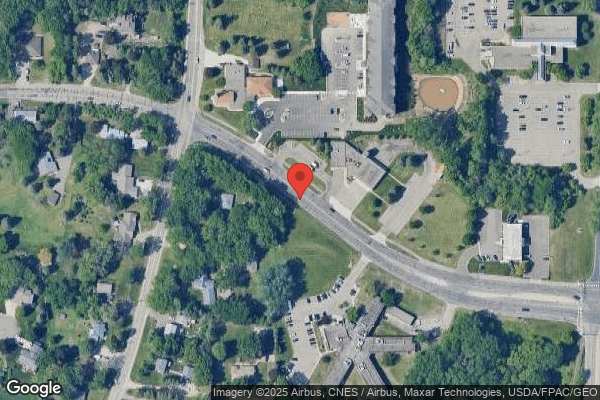
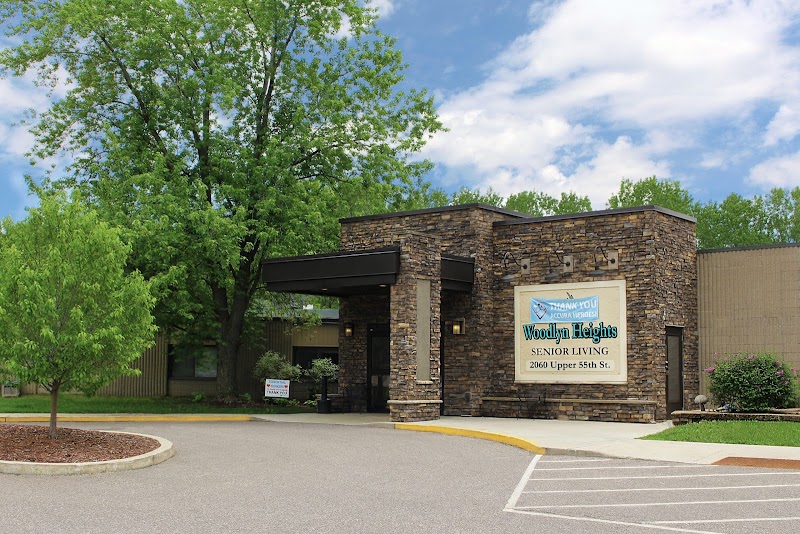
2060 UPPER 55TH STREET EAST, INVER GROVE HEIGHTS, MN 55077 (651) 451-1881
For profit - Corporation 79 Beds ACCURA HEALTHCARE Data: November 2025 1 Immediate Jeopardy citation
Trust Grade
31/100
#278 of 337 in MN
Last Inspection: December 2024

Within standard 12-15 month inspection cycle. Federal law requires annual inspections.

Overview

Woodlyn Heights Healthcare Center has received a Trust Grade of F, indicating poor performance with significant concerns about care quality. It ranks #278 out of 337 facilities in Minnesota, placing it in the bottom half of nursing homes in the state, and it is the lowest-ranked facility in Dakota County. The facility's situation is worsening, with issues increasing from 13 in 2023 to 36 in 2024, and it reported a total of 50 deficiencies, including one critical incident where a resident did not receive CPR during a cardiac event. While staffing is a relative strength with a 4 out of 5 rating and RN coverage better than 96% of state facilities, the turnover rate is average at 43%. The facility also faced $8,193 in fines, which is typical for the area, but families should be aware of serious incidents, such as failing to provide ordered respiratory care, which contributed to a resident's death.
Trust Score
F
31/100
In Minnesota
#278/337
Bottom 18%
Safety Record
High Risk
Review needed
Inspections
Getting Worse
13 → 36 violations
Staff Stability
○ Average
43% turnover. Near Minnesota's 48% average. Typical for the industry.
Penalties
✓ Good
$8,193 in fines. Lower than most Minnesota facilities. Relatively clean record.
Skilled Nurses
✓ Good
Each resident gets 89 minutes of Registered Nurse (RN) attention daily — more than 97% of Minnesota nursing homes. RNs are the most trained staff who catch health problems before they become serious.
Violations
⚠ Watch
50 deficiencies on record. Higher than average. Multiple issues found across inspections.
★★☆☆☆
2.0
Overall Rating
★★★★☆
4.0
Staff Levels
★★★★☆
4.0
Care Quality
★★☆☆☆
2.0
Inspection Score
Stable
2023: 13 issues
2024: 36 issues

The Good

  • 4-Star Staffing Rating · Above-average nurse staffing levels
  • 4-Star Quality Measures · Strong clinical quality outcomes
  • Full Sprinkler Coverage · Fire safety systems throughout facility
  • No fines on record
  • Staff turnover below average (43%)

    5 points below Minnesota average of 48%

Facility shows strength in staffing levels, quality measures, fire safety.

The Bad

2-Star Overall Rating

Below Minnesota average (3.2)

Below average - review inspection findings carefully

Staff Turnover: 43%

Near Minnesota avg (46%)

Typical for the industry

Federal Fines: $8,193

Below median ($33,413)

Minor penalties assessed

Chain: ACCURA HEALTHCARE

Part of a multi-facility chain

Ask about local staffing decisions and management

The Ugly 50 deficiencies on record

1 life-threatening 1 actual harm
Dec 2024 15 deficiencies
CONCERN (D)

Potential for Harm - no one hurt, but risky conditions existed

Deficiency F0578 (Tag F0578)

Could have caused harm · This affected 1 resident

**NOTE- TERMS IN BRACKETS HAVE BEEN EDITED TO PROTECT CONFIDENTIALITY** Based on observation, interview and document review, the facility failed to ensure 1 of 2 residents (R112) reviewed for Physicia...

Read full inspector narrative →
**NOTE- TERMS IN BRACKETS HAVE BEEN EDITED TO PROTECT CONFIDENTIALITY** Based on observation, interview and document review, the facility failed to ensure 1 of 2 residents (R112) reviewed for Physician Orders for Life Sustaining Treatment (POLST) had the correct code status (i.e., full code, DNR) information outlined within the medical record. This could cause R112 to receive resuscitation efforts (i.e., CPR) against his wishes. Findings include: R112's Medical Diagnosis listing, printed [DATE], identified R112's medical history and diagnoses. This identified R112 had a history of suicidal ideation, opioid use, sleep apnea, diabetes mellitus, and acute kidney failure. R112's PointClickCare (electronic medical record) displayed demographic information (i.e., room number, date of birth , allergies) along the top with a banner-like field. This identified R112 admitted to the care center on [DATE], and included a section labeled, Code Status, which directed, Advanced Directives [click-able link] Code Status: Full code. The link, when clicked, brought up another click-able link to a document saved as, POLST.pdf, with an assigned category reading, Advanced Directives. R112's POLST, dated [DATE], identified R112's name along with options to place a checkmark next to their corresponding wishes in the event he would be found without pulse or breathing. However, a handwritten X was placed next to the option which read, Do Not Attempt Resuscitation / DNR (Allow Natural Death), along with an additional handwritten X was placed next to, Comfort-Focused Treatment (Allow Natural Death) ., The POLST was signed by R112 and the nurse practitioner (NP). There were no additional POLST(s) located in R112's medical record or rationale to explain why R112 was recorded as 'Full Code' on the EMR banner of information. The main-level care center nursing station, located central to each of the respective hallways (i.e., units), contained a black-colored binder labeled, 400 Hallway POLSTS, on the spine. This was reviewed and contained R112's same scanned POLST (dated [DATE]) which directed DNR/DNI orders. When interviewed on [DATE] at 9:41 a.m., R112 recalled someone having a conversation with him about his wishes should he be found without a pulse. R112 stated he wanted nothing done and just let me die. R112 verified a DNR/DNI was his choice as outlined on the completed POLST form (dated [DATE]). When interviewed on [DATE] at 11:51 a.m., registered nurse (RN)-G stated they were currently assigned care for R112 and had worked with him prior. RN-G stated if R112 was found without a pulse or not breathing, they would check him and call for help. RN-G explained they would check the [EMR] banner first to see R112's code status but then double check with the POLST before starting CPR on him. RN-G stated the nurse managers typically reviewed the POLST(s) with each resident and the floor nurse was responsible to update the EMR with the information. RN-G reviewed R112's EMR banner (which indicated 'Full Code') and his POLST (which indicated DNR) and verified they conflicted. RN-G stated they were obviously contradicting and needed to be clarified, however, RN-G stated they would go with this as pointing to the POLST. RN-G stated the EMR and POLST should match otherwise R112 could get CPR when it wasn't wanted adding, It's very huge risk, huge risk there. On [DATE] at 12:18 p.m., the director of nursing (DON) and registered nurse unit manager (RN)-C were interviewed, and DON verified they had reviewed R112's medical record. DON stated the code status information was entered into the EMR via a collective effort but verified the EMR and POLST should match adding the nurse manager should double check to ensure accuracy. RN-C stated R112 admitted on a Friday and they were not there adding they didn't 'double check' the POLST on Monday as they believed the NP had not signed it yet. DON reiterated the expectation was to check the POLST the following day. DON stated it was important to ensure the information matched so staff would be honoring the resident wishes and so there would be clear directions on what they're supposed to do if R112 was found without pulse. Further, DON verified the completed POLST (dated [DATE]) was the only one for R112 they could locate. A provided POLST, DNR, ACP policy, dated 12/2018, identified a physician order with either DNR or Full Code was required in all medical records. The policy directed if resuscitation was needed, the decisions outlined within the POLST would be followed. Further, the policy directed POLSTs would be contained, . in the front of the chart under the Advanced Directive tab. However, the policy lacked information or direction on how staff would ensure the EMR and POLST matched.
CONCERN (D)

Potential for Harm - no one hurt, but risky conditions existed

Deficiency F0583 (Tag F0583)

Could have caused harm · This affected 1 resident

**NOTE- TERMS IN BRACKETS HAVE BEEN EDITED TO PROTECT CONFIDENTIALITY** Based on observation, interview and document review, the facility failed to ensure privacy was maintained during the provision o...

Read full inspector narrative →
**NOTE- TERMS IN BRACKETS HAVE BEEN EDITED TO PROTECT CONFIDENTIALITY** Based on observation, interview and document review, the facility failed to ensure privacy was maintained during the provision of personal cares for 1 of 1 resident (R4) observed to be receiving peri-care with their window blinds open to the outside parking lot. Findings include: R4's admission Minimum Data Set (MDS), dated [DATE], identified R4 had intact cognition and demonstrated no delusional thinking. On 12/4/24 at approximately 7:05 a.m., R4 was observed laying in her bed from the parking lot with her room lights on, and the window blinds pulled up approximately three-quarters (i.e., 3/4) of the window height. R4's window was at ground-floor level and a single female staff member was observed dressed in dark-blue colored scrubs and assisting R4 whose legs and peri-area were exposed and visible from the sidewalk leading up to the main entrance of the care center. The staff member had gloves on and was observed wiping R4 with a cloth on her peri-area. At 7:09 a.m., the surveyor knocked and opened R4's room door. R4 remained in bed but was now covered with linens as nursing assistant (NA)-B was observed standing in the room. NA-B was alerted to the open blinds, looked at them and stated aloud, Oh, thank you. NA-B then finished care after closing the blinds. Following, at 7:15 a.m., NA-B was interviewed and verified they were the staff providing cares to R4 for the past 15 minutes or so. NA-B verified the blinds were left open but should have been closed adding because it was still dark out it had confused them and maybe caused them to not recognize they were open. NA-B stated they had told R4 the blinds were left open during care after the surveyor knocked on the door, and R4 responded in a calm manner adding, She [R4] was not even aware someone could see her. On 12/4/24 at 7:22 a.m., R4 was interviewed, and stated staff did not always close the blinds while doing cares adding, Sometimes yea [they do]. R4 stated she wasn't necessarily bothered by them being left open, however, then added aloud, Sometimes I'd rather have them closed. R4 stated NA-B did not ask her about leaving the blinds open prior to starting care just prior adding at least being asked or offered about them (i.e., closed or open) would be appreciated. When interviewed on 12/4/24 at 10:41 a.m., the director of nursing (DON) stated staff receive competency training which included the need to ensure privacy was provided during provision of care. DON stated staff should close the doorway and ensure the blinds were pulled down before cares adding such was kind of an expectation. DON stated providing privacy during cares was needed to promote resident dignity along with ensuring their rights to privacy. Further, DON stated they did periodic audits on care, including privacy being provided with it, however, had not completed any of them in recent time. A facility policy on privacy with cares was requested, however, none was received.
CONCERN (D)

Potential for Harm - no one hurt, but risky conditions existed

Safe Environment (Tag F0584)

Could have caused harm · This affected 1 resident

**NOTE- TERMS IN BRACKETS HAVE BEEN EDITED TO PROTECT CONFIDENTIALITY** Based on observation, interview and document review, the facility failed to clean and maintain a resident's wheelchair for 1 of ...

Read full inspector narrative →
**NOTE- TERMS IN BRACKETS HAVE BEEN EDITED TO PROTECT CONFIDENTIALITY** Based on observation, interview and document review, the facility failed to clean and maintain a resident's wheelchair for 1 of 1 residents (R39) reviewed for safe, clean and homelike environment. Findings include: R39's quarterly Minimum Data Set (MDS) dated [DATE], indicated R39 was cognitively intact and had no delusions, no hallucinations, or behaviors. The quarterly MDS also indicated R39 was dependent with dressing, toileting, and personal hygiene and indicted R39 needed moderate assist with oral hygiene and was independent eating. R39's clinical diagnosis report printed on 12/5/24, indicated diagnoses of cerebral palsy (a congenital disorder of movement, muscle tone, or posture), essential hypertension (high blood pressure) , functional quadriplegia (a condition that causes a person to be unable to move due to a severe disability from another medical condition), and constipation. R39's care plan printed on 12/5/24, indicated R39 independently used a motorized tilt wheelchair for locomotion. During observation on 12/2/24 at 2:10 p.m., R39 was sitting on her motorized wheelchair. Dust, and food particles were observed on R39's wheelchair joystick controller, arms rest, foot pedal and wheelchair's frame. The wheelchair cushion and a metal plate covering the motor behind the footrest had yellowish/grey dry stains. During interview on 12/3/24 at 2:26 p.m. nursing assistant (NA)-C verified R39's was unclean. NA-C stated housekeeping was responsible to clean resident's wheelchairs and added NAs don't wipe wheelchairs, it's not expected. During interview on 12/4/24 at 12:31 p.m., NA-B stated we [NAs] clean the wheelchair if it was dirty. NA-B stated she didn't know if there was a cleaning schedule for the wheelchairs but I will think the NAs will wipe the motorized chairs. During interview on 12/4/24 at 1:18 p.m., NA-D stated 'I don't know who cleans the wheelchairs. NA-D added If I see a dirty spot I will clean it up. During interview on 12/4/24 at 12:29 p.m., housekeeper aid (H)-A stated housekeeping cleaned the non-motorized wheelchairs when residents discharged from the facility and the electric WC's were cleaned by the NAs. During interview and observation on 12/5/24 at 8:33 a.m., R39 was sitting on her motorized wheelchair and the wheelchair still had dust, food particles and stains. R39 stated nobody cleaned her wheelchair and added I go out places like the library, doctors' appointments and other places with my wheelchair looking like this [used her hands showing her WC], it's dirty and I don't like it. During interview on 12/5/24 at 8:50 a.m., registered nurse/nurse manager (RN)-C stated the wheelchairs could be cleaned by nursing or housekeeping. RN-C verified R39's wheelchair was dirty and stated, we need to put an order to clean her [R39] chair. RN-C stated the concern with R39's wheelchair being dirty was it could lead to disease or infections. During interview on 12/5/24 at 9:48 a.m., director of nursing (DON) stated her expectations was wheelchairs would be cleaned and if the nursing staff they were unclean, they should be cleaned right away. The DON stated the concern using a unclean wheelchair joystick controller was an infection control issue due to potential germs and bacteria. DON also stated, R39 going out into the community using an unclean wheelchair was also a dignity issue. A facility's policy related on cleaning of wheelchairs was requested, however, none was received.
CONCERN (D)

Potential for Harm - no one hurt, but risky conditions existed

ADL Care (Tag F0677)

Could have caused harm · This affected 1 resident

Based on observation, interview, and document review the facility failed to ensure nails were trimmed and cleaned for 1 of 1 resident (R9) who was dependent upon staff for cares. Findings include: R9...

Read full inspector narrative →
Based on observation, interview, and document review the facility failed to ensure nails were trimmed and cleaned for 1 of 1 resident (R9) who was dependent upon staff for cares. Findings include: R9's quarterly Minimum Data Set (MDS) indicated R9 was cognitively intact, had no behaviors and did not refuse personal cares. R9's Clinical Diagnosis report printed 12/5/24, indicated diagnoses of post-polio syndrome (a condition that causes gradual muscle weakness and atrophy), morbid obesity (a disorder involving excessive body fat that increases the risk of health problems), Type 2 diabetes mellitus (a condition in which the pancreas doesn't make enough insulin causing the body to have trouble controlling blood sugar and using it for energy), candidiasis of skin and nails(a fungal infection caused by an imbalance of healthy bacteria and yeast in the body) , functional quadriplegia (a condition that causes a person to be unable to move due to a severe disability from another medical condition), essential hypertension (abnormally high blood pressure that's not the result of a medical condition) and heart failure(a chronic condition in which the heart doesn't pump blood as well as it should). R9's care plan printed 12/5/24, indicated R9 had an activity of daily living (ADL) self-care performance deficit related to a history of stroke, post-polio syndrome and obesity. During observation and interview on 12/2/24 at 1:31 p.m., R9 was observed seated in his motorized wheelchair, his fingernails were a ¼ to ½ inche long and had a light brown substance under fingernails on both hands. R9 stated the staff never offer to trim his nails and when he asked the nurses to trim his nails, they say sure, and never come back. During this interview registered nurse on duty (RN)-F entered the room and R9 asked her to please cut his nails. RN-F responded she would return and cut his nails. During observation and interview on 12/3/24 at 1:41 p.m., R9 was resting in his recliner chair and his fingernails were still long and had similar debris under his fingernails. R9 stated he got three bed baths a week and the nurses were supposed to cut his fingernails because he was diabetic. During observation on 12/3/24 at 1:46 p.m., RN-E was observed to enter R9's room and R9 stated The state lady asked about my nails, can you cut them for me. RN-E responded, I will. During interview on 12/3/24 at 1:50 p.m. RN-E verified R9's nails were long and dirty. RN-E stated, he is diabetic, and we (nurses) usually trim the diabetic nails on bath days. During observation and interview on 12/4/24 at 11:36 a.m. R9 stated he was happy because yesterday afternoon RN-E trimmed his nails. R9's nails were observed to be clean and short. During interview on 12/5/24 at 9:16 a.m., director of nursing (DON) stated resident's nails should be trimmed weekly with showers and the nurses are expected to trim the diabetic resident's nails. DON stated the expectation was for the nurses to follow these protocols and trim nails weekly. DON added, especially with diabetics who have a risk for skin breakdown and a compromised healing process. A facility's policy on nail care was requested, however, a policy was not provided.
CONCERN (D)

Potential for Harm - no one hurt, but risky conditions existed

Deficiency F0688 (Tag F0688)

Could have caused harm · This affected 1 resident

**NOTE- TERMS IN BRACKETS HAVE BEEN EDITED TO PROTECT CONFIDENTIALITY** Based on observation, interview and document review, the facility failed to comprehensively reassess after repeated refusals of ...

Read full inspector narrative →
**NOTE- TERMS IN BRACKETS HAVE BEEN EDITED TO PROTECT CONFIDENTIALITY** Based on observation, interview and document review, the facility failed to comprehensively reassess after repeated refusals of a range of motion (ROM) program and, if needed, develop interventions to reduce the risk of mobility loss for 2 of 3 resident (R9 and R39) reviewed for ROM. Findings include: R9 R9's quarterly Minimum Data Set (MDS) indicated R9 was cognitively intact, had no behaviors and did not refuse personal cares. R9's Clinical Diagnosis Report printed 12/5/24, indicated diagnoses of post-polio syndrome (a condition that causes gradual muscle weakness and atrophy), morbid obesity (a disorder involving excessive body fat that increases the risk of health problems), Type 2 diabetes mellitus (a condition in which the pancreas doesn't make enough insulin causing the body to have trouble controlling blood sugar and using it for energy), candidiasis of skin and nails (a fungal infection caused by an imbalance of healthy bacteria and yeast in the body) , functional quadriplegia (a condition that causes a person to be unable to move due to a severe disability from another medical condition), essential hypertension (abnormally high blood pressure that's not the result of a medical condition) and heart failure (a chronic condition in which the heart doesn't pump blood as well as it should). R9's Therapy Referral for Maintenance Program dated 6/4/24, indicated passive ROM to bilateral hip, knee, and ankle with 10 repetitions once daily. R9's Plan of Care (POC) task documentation printed 12/5/24, indicated R9 had a Nursing Rehabilitation program for passive ROM to bilateral knee and ankle with 10 repetitions daily before getting in a wheelchair. POC documentation from 11/8/24 to 12/5/24, or 28 days, indicated R9 received ROM four times, refused six times, and the report lacked any documentation for a total of 18 days. During observation and interview on 12/2/24 at 1:30 p.m., R9 was seated in his motorized wheelchair. R9 was leaning to the right side, and his left leg was bent and suspended up in the air. R9 stated it's always like that, they say it's contracted. During interview on 12/3/24 at 2:34 p.m., nursing assistant (NA)-C stated R9 had orders for ROM. NA-C stated she usually did R9's ROM in the mornings as ordered but sometimes she stated she was too busy in the mornings to do this task. NA-C stated, today I didn't do it in the morning so I will do it before the end of my shift. During interview on 12/3/24 at 2:43 a.m., the rehabilitation director/physical therapist (PT) stated R9 can't extend his right leg because he had a right hip contracture. PT stated the goal for the Maintenance Program given to the nursing department was to maintain R9's ROM and prevent further contractures. During interview on 12/3/24 at 2:28 p.m., occupational therapist (OT) indicated, in June 2024 she instructed the facility nursing assistants to do R9's ROM exercises. OT stated she had not received any reports regarding R9's refusal to do his ROM exercises. During interview on 12/4/24 at 12:39 p.m., R9 stated NA-C and NA-E are the only aids that do my exercises. During interview on 12/5/24 at 8:42 a.m., NA- E stated R9 never refused ROM. NA-E stated, this morning it was too busy, and I was not able to do his ROM. NA-E stated, If I am unable to do R9's ROM, I report this to the nurse and document 'not applicable' in POC. During interview on 12/5/24 at 8:44 a.m., nurse manager (RN)-C verified R9's POC lacked documentation of refusals or ROM completion. RN-C stated he had not been notified about R9's refusal to do his ROM. R39 R39's quarterly Minimum Data Set (MDS), dated [DATE], indicated R39 was cognitively intact and had no delusions, no hallucinations, or behaviors. The quarterly MDS indicated R39 was dependent with dressing, toileting, and personal hygiene and R39 needed moderate assist with oral hygiene and was independent eating. R39's Clinical Diagnosis Report printed on 12/5/24, indicated diagnoses of cerebral palsy (a congenital disorder of movement, muscle tone, or posture), essential hypertension, functional quadriplegia and constipation. R39's Clinical Orders Report printed on 12/5/24, indicated the following: NURSING REHAB: Passive Dorsiflexion Stretch. Passively move the ankle into dorsiflexion and hold for 30 seconds, complete 3 sets 1 Times a Day. TOE PROM- FLEXION-EXTENSION: Grasp the subjects' toes, Then, bend and then straighten them. Repeat. Hold for 30 seconds, complete 3 sets, 1 Times a Day. FOOT PROM- PRONATION SUPINATION: Grasp the subject foot. Stabilize the lower half and rotate the upper portion pivoting at the arch of the foot. Rotate each direction and repeat 15 times, hold for 3 seconds, complete 3 sets, perform 1 Times a Day. HIP PROM - FLEXION- EXTENSION: Grasp the subject's leg by holding under the thigh and ankles, then gently bend the knee and hip upward and then return to original position and repeat for 15 times, hold 3 seconds, complete 3 sets, perform 1 Times a Day. HIP PROM- ABDUCTION-ADDUCTION: Grasp the subject's leg by holding under the thigh and ankle, then gently pull leg outwards and return to original position and repeat for 15 Times, hold 3 seconds, complete 3 sets, perform 1 Time a Day. R39's Plan of Care (POC) task documentation report printed 12/5/24 for the 30-day period from 11/6/24 to 12/4/24 documented R39 refused ROM 12 times, participated four days and two days were documented as 0 repetitions. This report lacked any documentation for 14 out of 30 days. During interview on 12/5/24 on 8:33 a.m., R39 stated the nurses did her ROM but sometimes I refused. During interview on 12/5/24 at 8:46 a.m. NA-E stated R39 often refuses,today she refused. Sometimes she will let us do one repetition to one of her legs, then she is done. NAR-E stated she documented the refusals and reported refusal to the nurse on duty. During interview on 12/5/24 at 9 a.m. nurse manager/RN-C verified R39's POC 30-day report. RN-C stated that he had not been informed and he had not reviewed R39's participation in their ROM programs. During interview on 12/5/24 at 9:20 a.m. director of nursing DON stated the ROM needed to be followed and done. DON stated ROM programs were important to maintain residents' mobility and prevent contractures. DON stated after several refusals in a week, she expected the nurse manager to approach the residents and follow up with therapies to be reassessed. The failure to do this, was not allowing residents to keep their optimal level, and then developing or worsening of contractures. A facility policy on ROM was requested, however, a policy was not provided.
CONCERN (D)

Potential for Harm - no one hurt, but risky conditions existed

Accident Prevention (Tag F0689)

Could have caused harm · This affected 1 resident

**NOTE- TERMS IN BRACKETS HAVE BEEN EDITED TO PROTECT CONFIDENTIALITY** Based on interview and document review, the facility failed to comprehensively assess and, if needed, develop interventions to p...

Read full inspector narrative →
**NOTE- TERMS IN BRACKETS HAVE BEEN EDITED TO PROTECT CONFIDENTIALITY** Based on interview and document review, the facility failed to comprehensively assess and, if needed, develop interventions to promote safety and reduce the risk of injury or impairment for 1 of 1 resident (R16) reviewed who had been attempting to order alcohol from a mobile delivery service (i.e., DoorDash). Findings include: R16's admission Minimum Data Set (MDS), dated [DATE], identified R16 had intact cognition, demonstrated no delusional thinking or hallucinations, and had several medication conditions including asthma, a history of seizure disorder, and diabetes mellitus. R16's progress note, dated 11/13/24, identified an entry at 9:03 p.m. which read, Someone was here to deliver an order to a resident while in the room . the person who delivered that her card was expired. while [sic] he was on his way out, I observed that he had a bottle of Liquor; I made the order nurse [sic] witness it . will update social services and her to be searched [sic] every shift. In addition, a subsequent note, dated 11/30/24, identified as, LATE ENTRY, read, Resident ordered Vodka and was delivered here by door dash. Requested the delivering person to leave with the nurse but delcined and stated he has to give [to] the owner. The delivery person decided to take back. Resident has no orders for alcohol. When interviewed on 12/4/24 at 12:20 p.m., R16 verified she had attempted to order alcohol via DoorDash on multiple occasions adding, I did twice but one didn't come. R16 stated she wanted to drink a Vodka-Squirt but had none currently in her room. R16 stated she ordered multiple things, including food and alcohol, from DoorDash before and would do so again, if wanted, adding aloud, If I want to, yea. R16 stated nobody from the care center had talked with her about ordering the alcohol or what, if any, options were available to get a scheduled alcohol beverages for her while there. R16 stated she was interested in getting the physician to order alcohol allowance if able. R16's care plan, printed 12/3/24, identified R16 had an activity of daily living (ADL) self-care deficit and was non-ambulatory. The care plan lacked evidence R16 had either a history of past or current substance use (i.e., marijuana, alcohol); nor any interventions to address such despite the completed progress notes. In addition, R16's Medication Administration Record (MAR), dated 12/2024, identified R16's current physician-ordered medication and treatment regimen, along with spaces to record their administration or refusals. This identified R16 had current orders for multiple medications including anti-depressants, anticoagulants (i.e., blood thinners), insulin injections, and narcotics (i.e., oxycodone). The MAR and Treatment Administration Record (TAR) both lacked any specific interventions or monitoring to be completed if or when R16 was found to be ordered and/or consuming alcohol despite multiple progress notes recording she had attempted to obtain alcohol for use. When interviewed on 12/4/24 at 12:32 p.m., nursing assistant (NA)-E stated they were assigned care for R16 and had worked with her multiple times recently. NA-E stated R16's care needs depend on the day but most often stayed in her room. NA-E stated they were aware R16 often used DoorDash to get food, however, expressed they were unaware R16 had attempted to have alcohol delivered from it adding, No, not that I know. NA-E stated they had not been directed to ask or check any DoorDash deliveries for alcohol or other substances adding, How are we going to know [if they bring alcohol]? NA-E reiterated they were unaware R16 had been trying to get alcohol delivered to herself adding, [Nobody] never told us anything about it. R16's medical record lacked evidence this behavior had been assessed or evaluated to determine what, if any, interventions (i.e., safety checks, vital monitoring) were needed to ensure her safety with ordering or potentially consuming alcohol with or without staff knowledge. When interviewed on 12/4/24 at 1:05 p.m., registered nurse (RN)-B verified they were currently assigned care for R16. RN-B stated they were unaware R16 had been attempted to order alcohol from DoorDash. RN-B stated if they found R16 to be intoxicated or ordering alcohol then it should be reported to the supervisor adding, They are not supposed to have alcohol. RN-B stated nobody had directed or told them what, if any, actions to take when R16 has a DoorDash delivery or if found with alcohol but reiterated they would report it to the supervisor. RN-B stated they were unsure what, if any, facility' protocols were in place for alcohol consumption (i.e., vitals monitoring, medication holding) adding, I'm not sure of this facility's protocol. On 12/5/24 at 10:16 a.m., the director of nursing (DON) and registered nurse unit manager (RN)-C were interviewed, and DON verified they had reviewed R16's medical record. DON expressed they were unaware R16 had been attempting to order alcohol from the mobile delivery service so, as a result, just the day prior (12/4/24) the social services team went and visited with R16 about it to review the policies and procedures of alcohol consumption. DON verified the social services team had not followed up on it until 12/4/24, after the surveyor made them aware of it. DON stated they would evaluate the situation and place some interventions for staff to follow. DON verified the medical record lacked evidence the situation had been assessed or acted upon until the day prior (12/4/24), but acknowledged doing so was important to help make sure she's safe. Further, RN-C stated R16 consuming alcohol could interact with her medications. The facility policy on alcohol consumption or evaluation of thereof was requested, however, none was received.
CONCERN (D)

Potential for Harm - no one hurt, but risky conditions existed

Deficiency F0692 (Tag F0692)

Could have caused harm · This affected 1 resident

**NOTE- TERMS IN BRACKETS HAVE BEEN EDITED TO PROTECT CONFIDENTIALITY** Based on interview and document review the facility failed to comprehensively assess a resident who had significant weight gain ...

Read full inspector narrative →
**NOTE- TERMS IN BRACKETS HAVE BEEN EDITED TO PROTECT CONFIDENTIALITY** Based on interview and document review the facility failed to comprehensively assess a resident who had significant weight gain at the care facility (37%) in less than 1 year, and failed to care plan appropriate interventions to assist with weight loss goals for 1 of 2 residents (R51) reviewed for nutrition status. Findings include: R51's quarterly Minimum Data Set (MDS), dated [DATE] indicated R51 was admitted to the care facility on 1/29/24, was cognitively intact and independent with most activities of daily living (ADLs). R51's Diagnoses List, dated 1/29/24, indicated R51 had several medical diagnoses including unspecified personality disorder, generalized anxiety disorder and major depressive disorder. The Diagnoses List also indicated a diagnosis of prediabetes, dated 11/12/24. R51's weights documented in the electronic medical record (EMR) indicated R51 was admitted to the care facility weighing 210.6 pounds and his most current weight, dated 11/17/24, was 288.9 pounds, indicating a weight gain of 78.3 pounds (37%) in less than 10 months. R51's dietary progress notes, dated 5/6/24 - 11/29/24, indicated R51 was assessed four times as having significant weight gain. On 5/8/24, 8/7/24, and 11/6/24 dietary progress notes were documented that indicated R51 had significant weight gain but is not on a prescribed weight gain regiment. The note however lacked any interventions to address R51's weight gain or any discussion of education provided to R51. On 10/30/24 a nutrition progress note was documented and indicated R51's weight was trending for significant weight gain for the past 6 months. The note indicated the dietary manager and dietician met with R51 who stated he was snacking often on cookies, eats fast food, eats vending machine pastries. The note further indicated R51 was interesting in loosing weight and anticipate weight loss d/t [due to] zepbound. The note indicated the following recommendations: 1) encourage healthy snack choices, 2) res[ident] stated exercising w[ith]/ therapy and may try reduce cookies to 3 packs/day 2) will monitor monthly at high risk d/t [due to] wt [weight] gain. The note lacked education provided to R51 on healthy choices and any risk versus benefit discussed of weight gain/food preferences. A care conference progress note, dated 11/19/24, indicated R51 reported staff told him that the injection was approved for weight loss. R51's EMR, including his Care Plan, lacked communication of the above recommendations and any ongoing conversation or education provided to R51 on ways to reach his weight loss goals. R51's physician orders lacked any evidence of R51 having an order for any weight loss medications, including injections. During an interview on 12/2/24 at 1:46 p.m., R51 stated since he admitted to the facility he had unwanted weight gain, stating I feel like I have gained 100 pounds. R51 stated he met with the dietician once and the only advice he received was to stop eating cookies. R51 further stated, I am depressed and need help to lose weight. During an interview on 12/4/24 at 10:10 a.m., (RN)-H, who stated she regularly worked with R51, stated she was unaware of any concerns regarding R51's weight or any interventions to assist R51 with his weight loss goals. During an interview on 12/4/24 at 12:20 p.m., nurse manager and RN-D confirmed there were no care planned interventions for R51's weight management. RN-D did state staff had discussed, as an interdisciplinary team, weight loss medication for R51 but he did not believe it had been approved through his insurance. During an interview on 12/5/24 at 10:35 a.m., RN-G and nursing assistant (NA)-C who both stated they worked with R51 regularly, stated they were unaware of any concerns regarding R51's weight or any interventions to assist R51 with his weight loss goals. During an interview on 12/5/24 at 8:30 a.m., the dietary director (DD) stated her, and the dietitian, have only spoken with R51 once, a few weeks ago about his weight because she was worried him getting upset with them talking about his weight, stating he wants to diet but he won't. The DD stated R51 exercises with therapy and I don't know if we will be able to do anything else for him. The DD stated she was aware that when R51 admitted to the care facility he started gaining weight, gaining weight The DD stated that the dietitian is more focused on residents who have significant weight loss. The DD stated R51 would go out to eat with friends, but she did not feel it was her business to ask questions or inquire with R51 about R51's food choices. The DD stated, we will keep working with him, but I don't know what we can do. The DD further stated she was unaware of any discussion of weight loss medication. During an interview on 12/5/24 at 11:41 a.m., the director of nursing (DON) confirmed R51's EMR lacked care planned recommendations for staff to assist with R51's weight loss goals, an assessment of R51's food choices and what R51 would agree to or would not agree to to assist with weight loss, or a discussion of risk versus benefits for food choices and continued weight gain. The DON stated the dietician's recommendations should have been care planned and floor staff should have been educated on interventions to support R51's weight loss goals.
CONCERN (D)

Potential for Harm - no one hurt, but risky conditions existed

Medication Errors (Tag F0758)

Could have caused harm · This affected 1 resident

**NOTE- TERMS IN BRACKETS HAVE BEEN EDITED TO PROTECT CONFIDENTIALITY** Based on interview and document review, the facility failed to attempt a gradual dose reduction (GDR) or document a clinical rat...

Read full inspector narrative →
**NOTE- TERMS IN BRACKETS HAVE BEEN EDITED TO PROTECT CONFIDENTIALITY** Based on interview and document review, the facility failed to attempt a gradual dose reduction (GDR) or document a clinical rationale for not attempting for 1 of 5 residents (R51) reviewed for unnecessary medications. Findings include: R51's quarterly Minimum Data Set (MDS), dated [DATE], indicated R51 was admitted to the care facility on 1/29/24, was cognitively intact and independent with most activities of daily living (ADLs). R51's Diagnoses List, dated 1/29/24, indicated R51 had several medical diagnoses including unspecified personality disorder, generalized anxiety disorder and major depressive disorder. R51's Orders, dated 1/29/24, indicated R51 had the following psychotropic medications; aripiprazole (an atypical antipsychotic indicated for schizophrenia, bipolar disorder, major depressive disorder, irritability associated with autism, and Tourette's) 2 milligrams (mg) by mouth one time a day for anxiety depression and duloxetine (an antidepressant medication) 60 mg two times a day for anxiety and depression. R51's Pharmacist Recommendation to Prescriber, dated 2/29/24, indicated a recommendation R51 had an order for Cymbalta [duloxetine]. It appears they [R51] are having some issues with anxiety as well since they have an order for Abilify [aripiprazole] for 'anxiety and depression'. Please be advised that Cymbalta [duloxetine] can cause or at least worsen anxiety due to its mechanism of action. It may be prudent to titrate off Cymbalta and if needed, start an SSRI such as Celexa, Zoloft, or Lexapro [alternative medications to treat depression]. The prescriber responded with a check box of other stating R51 was working with a psychiatrist to adjust medications. Review of R51's medical record lacked evidence this recommendation was forwarded on to R51's psychiatrist. R51's Pharmacist Recommendation to Prescriber, dated 5/31/24, indicated a recommendation R51 had an order for Cymbalta [duloxetine]. It appears they are having some issues with anxiety as well since they have an order for Abilify [aripiprazole] for 'anxiety and depression'. Please be advised that Cymbalta [duloxetine] can cause or at least worsen anxiety due to its mechanism of action. It may be prudent to titrate off Cymbalta and if needed, start an SSRI such as Celexa, Zoloft, or Lexapro. The prescriber responded with a check box of disagree stating R51 refused changes and was followed by psychiatry. Review of R51's medical record lacked a clinical rationale for why a GDR was not attempted. During an interview on 9:40 a.m., the pharmacist consultant (PC) stated he generally did not think it was a good idea for a resident with anxiety to be on a stimulating antidepressant such as Cymbalta. The CP stated he had issued a request for a gradual dose reduction (GDR) for the Cymbalta twice, but it was initially declined by R51's provider because he was working with telehealth psychiatry. He reissued the GDR about 3 months later, stating R51's physiatrist should have had time to address the GDR request by that time however, R51's provider declined the GDR again, stating R51 himself did not want any changes to his medications. The CP stated he had seen great results in residents with anxiety when switching to a less stimulating antidepressant. During an interview on 12/5/24 at 11:41 a.m., the director of nursing (DON) confirmed there had not a been GDR attempted for R51's psychotropic medications since his admission to the care facility.
CONCERN (E) 📢 Someone Reported This

A family member, employee, or ombudsman was alarmed enough to file a formal complaint

Potential for Harm - no one hurt, but risky conditions existed

Quality of Care (Tag F0684)

Could have caused harm · This affected multiple residents

**NOTE- TERMS IN BRACKETS HAVE BEEN EDITED TO PROTECT CONFIDENTIALITY** PICC DRESSING: R28's quarterly Minimal Data Set (MDS) dated [DATE], indicated R28 was cognitively intact, had no behaviors and ...

Read full inspector narrative →
**NOTE- TERMS IN BRACKETS HAVE BEEN EDITED TO PROTECT CONFIDENTIALITY** PICC DRESSING: R28's quarterly Minimal Data Set (MDS) dated [DATE], indicated R28 was cognitively intact, had no behaviors and did not refuse personal cares. The quarterly MDS indicated R28 needed maximal assistance with showers, dressing, toileting and was dependent with all aspect of mobility. R28's Clinical Diagnosis report printed 12/5/24, indicated diagnoses of multiple sclerosis (a disease in which the immune system eats away the protective covering of nerves, disrupting the communication between the brain and the body), pressure areas (an injury to the skin and underlying tissue resulting for prolonged pressure on the skin), neurogenic bladder, (lack of bladder control due to spine or nerve injuries) , constipation, epilepsy (brain disorder that causes recurring, unprovoked involuntary movement), quadriplegia (paralysis that affects all a person ' s limbs and body from the neck down), and colostomy (a surgical procedure that creates an opening in the abdomen to divert stool from the colon to a bag or pouch). R28's Clinical Orders report printed 12/4/24, indicated an order dated 11/20/24 for vancomycin HCL intravenous (IV) solution (antibiotic medication) 1250 milligrams (mg)/250 milliliters (ml) for methicillin-resistant staphylococcus aureus (a bacterial infecion also called MRSA) infection. R28's orders report lacked orders to change the peripherally inserted central catheter (PICC) line dressing, and/or monitoring insertion site for signs and symptoms of infection. R28's Care Plan indicated printed on 12/4/24 indicated R28 had MRSA which required antibiotic therapy. R28's care plan lacked documentation regarding the PICC line and the IV therapy. R28's medication administration record (MAR) and the treatment administration record (TAR) for the months of November and December lacked documentation regarding changing the PICC line dressing and/or monitoring the insertion site for signs and symptoms of infection. R28's progress note dated 11/20/24 at 5:09 a.m. indicated R28 had a PICC inserted in the right upper arm. During observation and interview on 12/4/24 at 10:15 a.m., registered nurse (RN)-F started R28's vancomycin IV infusion via PICC line. R28's PICC line was on the right upper arm. The insertion site was covered with a clear dressing without a date indicating when the dressing was changed. R28 stated nobody has changed the dressing since it was inserted on 11/20/24. RN-F verified the PICC line dressing was separated from the skin around three out of the four sides of the dressing and lacked a date when the dressing was changed. During interview on 12/4/24 at 10:43 a.m., RN-F verified there were no orders to change the PICC line dressing and/or to monitor insertion the site for signs and symptoms for infection. RN-F stated the nurse manager was responsible to make sure the orders were added to the medication administration record (MAR) and the treatment administration record (TAR). During interview on 12/4/24 at 10:56 a.m., nurse manager, RN-C stated R28 had a PICC line and the PICC line cap and dressing needed to be changed every seven days. RN-C stated when a resident had a PICC line, the nurse manager would add it to the medical record including the orders, MAR and TAR. In addition, the TAR would include the orders to care for the PICC line and to observe the PICC line site for signs or symptoms of infection. RN-C stated any nurse could also enter those orders. RN-C reviewed R28's medical record and verified the lack of orders and/or documentation about changing the PICC line dressing. During interview on 12/5/24 at 9:20 a.m., director of nursing (DON) stated a PICC line dressing needed to be changed every seven days. DON stated if a dressing is not changed it could lead to an infection. A facility's policy on PICC line care was requested, however, none was received. Non-Pressure Skin Condition R5's admission Minimum Data Set (MDS), dated [DATE], indicated R5 was admitted to the care facility on 10/4/24, was cognitively intact and required substantial/maximum assistance with bathing and lower body dressing and partial assistance with upper body dressing. R5's Hospital History and Physical (H&P), dated 9/25/24, indicated R5 had a past medical history of Darier [NAME] disease (a rare genetic skin condition that causes a number of symptoms, including wart-like bumps that are hard, greasy, and yellowish in color. They can be itchy, weepy, or raw. The lesions can appear on the scalp, forehead, upper arms, chest, back, knees, elbows, and behind the ears. They can also appear in skin folds, like under the breasts or in the groin area) complicated by recurrent wounds and cellulitis. The H&P indicated R5 was hospitalized at that time with worsening of chronic skin wounds, indicating visible skin from head to arms cracked and dry with sloughing and wounds in various stages of healing. R5's Orders, printed 12/5/24, indicated R5 had the following orders related to her Darier [NAME] disease: Wound Care 1. Avoid debridement of skin 2. OK to substitute dilute bleach baths with hydrogen peroxide skin soap, will defer to patient preference. 3. Recommend after cleansing, patient rinse and PAT DRY GENTLY, no rubbing or scrubbing or debriding skin 4. Apply emollients to include betamethasone-clotrimazole, mupirocin and Aquaphor to affected skin. Important to apply barrier repair immediately (within 2-3 mins after bathing) every day shift every Mon[day], Wed[day], Fri[day] and Okay to use stockinette vest after wound and rash treatment. Vest should wash and reuse. Wound care was scheduled for day shift despite R5's showers scheduled for evening shift per her preference. R5's Orders, dated 12/5/24, also indicated the following topical ointment orders: Mupirocin External Ointment 2%; apply to skin topically two times a day for skin care, Emollient External Ointment; apply to skin typically four times a day for skin care, and Clotrimazole External Cream 1%; apply to affected skin area topically two times a day for Darier [NAME] Disease. In addition, R5's Orders, dated 12/5/24, indicated the following oral medications: Seroquel (medication to treat anxiety) Oral Tablet 25 milligrams (mg); give 1 tablet by mouth every 6 hours as needed for anxiety for 14 days, Hydroxyzine Oral Tablet 50mg; give 1 tablet by mouth every 4 hours as needed for anxiety for 14 days, and Oxycodone Oral Tablet; give 10mg by mouth every 4 hours as needed for pain may give 1-1.5 tablets (10mg - 15mg) AND give 15 mg by mouth every 4 hours as needed for pain 6-10. R5's Care Plan, dated 10/4/24, indicated R5 had potential/actual impairment to skin integrity r/t [related to] decreased mobility, incontinence, and Darier [NAME] Disease. Interventions included keep linens dry, wrinkle free, keep skin clean and dry. Apply lotion to dry skin during cares. DO not apply lotion between toes or to open, rashy areas, and observe skin during care. Report changes to nurse. However, R5's Care Plan lacked any specific interventions related to her Darier [NAME] Disease. R5's Medication (and treatment) Administration Record (MAR), dated 11/1/24 - 11/30/24, indicated R5 received wound care to her skin 6 times on 11/8/24, 11/15/24, 11/18/24, 11/20/24, 11/25/24, and 11/29/24. The MAR indicated R5 did not receive wound care to her skin due to refused or other/see progress note 6 times on 11/4/24, 11/5/24, 11/11/24, 11/13/24, 11/22/24, and 11/27/24. R5's MAR, dated 12/1/24 - 12/5/24, indicated R5 did not receive any wound care to her skin due to other/see progress note on 12/2/24 and 12/4/24. R5's Progress Notes, dated 10/4/24 - 12/5/24, lacked an explanation of why wound care was not provided on 11/22/24 and 12/4/24 despite the MAR indicating to see progress note. On 12/2/24 it was documented resident refused wound care and treatment creams. Did fall back to sleep til 1130 am after taking AM morning meds. Writer offered and asked resident if she wanted to get wound done couples of times. Resident stated wanted to take a shower before wound get done. Residents left downstairs for some time. Wirer followed her on 2nd floor and asked if still wanted wound to get done before shift end. Kept pushing til the end of shift and was unable to do it. Reported to evening RN [registered nurse] to follow up. During an interview and observation on 12/2/24 at 3:30 p.m., R5 stated she sat in dirty bandages for 5-6 days when she was first admitted and had concerns about her wound care still not getting done properly, stating she had been doing her wound care for 9 years due to her Darier [NAME] Disease and it required ABD pads, stockinettes, and a 14-ounce jar of Aquaphor with each dressing change since her skin was effected from head to toe. R5's entire skin from head to toe was dry and flaking with denuded areas that were red and shiny in appearance. R5 stated she was supposed to use a vest made of a soft mesh material to hold the abd pads in place on her chest and back, however the facility had not supplied her with the vest and so the skin on her torso was open to air, causing her pain and her skin to weep onto her clothing which caused yellow staining of her clothes. R5 stated she would always need to shower before her wound care to help remove the old dressings and to prevent and remove keratin build up on her skin, stating when she didn't get frequent showers it would cause worsening of her skin breakdown. However, R5 stated without the correct amount of Aquaphor and supplies, she could not shower because of how painful the air was to her skin, stating the facility was also unable to provide her with the needed amount of Aquaphor, the correct stockinettes or the mesh vest that would hold the ABDs in place. R5 stated at her last care conference, on 11/20/24, they scheduled her showers for Monday, Wednesday, and Friday evenings because she preferred to sleep in late, but that due to supply and scheduling issues she was not getting wound care as needed which caused her bandages to have a foul odor and her clothes to have yellow staining. R5 stated, I shouldn't have to feel that undignified, that belittled when other residents tell her that her bandages have a foul odor. During an interview on 12/4/24 at 8:41a.m., nursing assistant (NA)-F stated she does not help with R5's wound care but helps a lot with her showers, stating after her showers she gets ointment over her whole body. NA-F stated she did not believe that R5 refused her showers but that the showers were painful for R5 due to her skin condition and raw, open skin, that at times R5 just felt like she needed to wait to shower. NA-F further stated when R5 was admitted to the care facility, they did not have the supplies she needed for about a month, stating she believed R5 had everything she needed now but could not be 100% sure. NA-F also confirmed R5 had a lot of weeping from her skin which caused her and her room to have an odor. During an interview on 12/4/24 at 10:08 a.m., registered nurse (RN)-H stated she believed R5 was supposed to receive a shower three times a day, during the day shift, stating R5 would postpone and postpone her shower until the end of her shift and it would frequently get missed. RN-H further stated R5 was in pain and bleeding during her showers and that staff try to give her PRN Hydroxyzine, Seroquel and Oxycodone prior to her showers. RN-H stated R5 would use her Aquaphor all over her body, her other ointments (Clotrimazole and Mupirocin) were only used to spot treat any open areas on her skin and a mesh body suit over her ointments with no other dressings (i.e. ABD pads) between her skin and the mesh body suit. RN-H also stated R5's skin was very weepy and would often leak a yellow substance through her clothes creating an odor on the bandages. During an interview, nurse manager and RN-D stated R5 did not come with an order that specified how much Aquaphor she should use, stating a 14 once jar was excessive, however confirming she did use it to cover her entire body. RN-D stated he received an order from the nurse practitioner to use a mesh vest and stockinettes, however they were not able to get a mesh vest for R5 to use and R5 had just received the appropriate size stockinettes on 12/2/24 at approximately 9:30 p.m. RN-D stated R5 was supposed to receive PRN Oxycodone, Seroquel and Hydroxyzine prior to a shower but confirmed the order did not specify that. RN-D further confirmed that while he supplied the ABDs for R5's wound care, the order in her chart did not specify to use the ABDs because she was not admitted to the care facility with the order and the ABDs were only R5's preference. RN-D confirmed the orders did not specify how staff were supposed to use R5's 3 ointments (Aquaphor, Clotrimazole and Mupirocin), but he believed they should all be mixed together and then applied to her skin. RN-D stated R5 did refuse showers a lot but was unable to confirm any comprehensive assessment or reassessment that had been done to determine what R5 needed for her showers and wound care, when she wanted them done, risks vs benefits or refusing and/or why she was refusing her showers and wound care. During an interview on 12/4/24 at 12:45 p.m., R5 stated she had finally received the correct size stockinettes late Monday night. R5 further stated she needed to keep up with her three times a week showers, stating she did not want to refuse them but when she did not have the right supplies she could not shower. R5 stated she could not take her old bandages off, shower and have nothing to put on her skin as it would be too painful causing her to feel forced to keep dirty bandages on. R5 stated she was concerned about still not having a mesh vest to wear which would allow her to cover her chest and back with the appropriate ABDs. R5 further stated was about to run out of Aquaphor sating, I don't know what I am going to do when that happens, I can't afford it on my own. R5 stated she was worried she would end up in the hospital again without the correct supplies to manage her skin properly. During an interview on 12/5/24 at 10:33 a.m., RN-G stated R5's showers were all over the place and sometime NA-F would do it during the day, so it was not clear when her scheduled shower times were. NA-C confirmed R5 should be getting showers in the evenings since R5 preferred to sleep in late in the mornings. During an interview on 12/5/24 at 11:41 a.m., the director of nursing (DON) confirmed that the showers and wound care for R5 were not clear, stating it was because the wound care process R5 wanted was a preference and not an order. The DON stated they tried to work with R5 but was unable to show documentation of a comprehensive assessment or reassessment of R5's wounds/wound care, refusals, or risk versus benefits. The DON further stated the Aquaphor and mesh vest was not covered by R5's insurance, however lacked evidence staff worked with R5 and/or her provider to find an agreeable alternative or to attempt to get it covered. The DON stated she did not believe R5 needed a whole tub of Aquaphor despite R5 needing it to protect her skin on her entire body after every shower. Based on observation, interview, and document review, the facility failed to assess potential signs of constipation to determine what, if any, interventions were needed to promote comfort and reduce the risk of complication (i.e., impaction) for 1 of 1 residents (R15); failed to comprehensively assess and develop interventions to ensure a consistent nursing approach with a developed, non-pressure skin condition for 1 of 2 (R5); and failed to ensure orders for a peripherally inserted central catheter (i.e. PICC line) were clarified and the line was managed in accordance with professional standards of care for 1 of 1 residents (R28) reviewed who had a PICC. Findings include: BOWEL MANAGEMENT: R15's quarterly Minimum Data Set (MDS), dated [DATE], identified R15 had moderate cognitive impairment but demonstrated no delusional thinking. Further, the MDS outlined R15 was totally incontinent of bowel and consumed multiple medications including both psychotropic and narcotic medications. On 12/2/24 at 3:07 p.m., R15 was observed laying in bed while in her room. R15 was interviewed and expressed she felt constipated adding she had only been having a stool every other day when her normal pattern was daily. R15 stated nobody from the care center, at least to her recall, had visited with her or asked about constipation nor what, if any, interventions could help it (i.e., prune juice, medication adjustment). R15 stated she wished someone would though. R15's care plan, printed 12/4/24, identified R15's current and potential issues or complications. The care plan identified R15 needed assistance of one for toileting and R15 was incontinent of bladder and bowel due to limited mobility and hospice-focused cares. The care plan listed interventions for this identified problem including barrier cream applied to her skin, observing for signs of a urinary tract infection (i.e., UTI), and peri-cares after incontinent. Further, the care plan identified R15 was at risk of dehydration due to constipation and listed two interventions for this including observing her skin integrity and, Observe/document bowel sounds and frequency of BM [bowel movement]: provide medication per order. The care plan lacked any further information on R15's constipation including what, if any, other interventions for it aside from medication administration were being done or had been discussed/used prior. When interviewed on 12/4/24 at 9:01 a.m., nursing assistant (NA)-A stated they had worked with R15 and described her as having poor mobility adding, [She] stays in bed mostly all the time. NA-A stated R15 had incontinence of bladder and bowel but felt she was good at calling for someone to change her. NA-A stated residents' bowel movements were tracked in the point-of-care charting on their computer system, and staff could select the size of stool each time. NA-A stated they had last helped R15 with bowel incontinence about two weeks prior and, at that time, the stool didn't seem hard adding R15 had not reported any concerns about her bowels to them. NA-A stated if a resident complained about constipation, then it was the nurses' job to address it adding, They handle it. R15's POC (Point of Care) Response History, printed 12/4/24, identified a 14 day look-back period and recorded R15's bowel movements. A labeled field reading, Size of BM, was listed which provided a check mark on the corresponding size of stool (i.e., small, large) for each date R15 had one recorded. This information identified the following: 11/23/24 - R15 had one large BM recorded. 11/24/24 - R15 had one small BM recorded. 11/25/24 to 11/27/24 (three days) - R15 had no BM recorded. 11/28/24 - R15 had one large BM recorded. 11/29/24 - R15 had one medium BM recorded. 11/30/24 - R15 had one large BM recorded. 12/1/24 to 12/2/24 (two days) - R15 had no BM recorded with dictation, Response Not Required. 12/3/24 - R15 had one large BM recorded. R15's medical record was reviewed and lacked evidence R15's bowel patterns (i.e., multiple days without one, no staff data) had been identified or evaluated to determine what, if any, interventions were needed to promote more regular bowel movements and reduce the risk of complication despite R15 consuming narcotic medications, having a history of constipation as identified on the care plan, and going multiple day periods without a stool. Further, R15's medical record contained multiple previous assessments labeled, Continence Evaluation, however, the last completed or recorded one was dated 12/2022 (two years prior). When interviewed on 12/4/24 at 10:22 a.m., registered nurse (RN)-A stated the night shift nurse typically pulled a report and would tell the morning shift nurse what residents were on multiple days without a bowel movement. RN-A stated the morning nurse would then follow-up, if needed, and could use the facility' standing orders to address it. RN-A stated R15 was already on some scheduled bowel medications, such as Senna and Miralax, adding the nurse manager would help oversee assessments and complete them, if needed. RN-A verified the NA staff use only the POC charting to record bowel movements. On 12/5/24 at 10:16 a.m., the director of nursing (DON) and registered nurse unit manager (RN)-C were interviewed. DON verified they had reviewed R15's medical record and explained bowel status should be evaluated upon admission, quarterly and when warranted. DON stated this was done using the Continence Evaluation, however, one had not been completed for several years adding, It has not been done. DON verified there was no documented evidence to show R15's bowel status had been evaluated and expressed it should be done adding aloud, That is the expectation. DON stated the NA staff use the POC to document residents' bowel movements and, upon reviewing R15's charting, it seemed the aides were not documenting well and recording incontinence but no bowel movement adding there was room for education on appropriate documentation. DON stated it was important to ensure bowel status was assessed due to the high risk of constipation for R15. A facility' policy on bowel status assessment or evaluation was requested, however, none was received.
CONCERN (E)

Potential for Harm - no one hurt, but risky conditions existed

Deficiency F0804 (Tag F0804)

Could have caused harm · This affected multiple residents

**NOTE- TERMS IN BRACKETS HAVE BEEN EDITED TO PROTECT CONFIDENTIALITY** Based on observation, interview, and document review, the facility failed to ensure meals were served in a warm, palatable manne...

Read full inspector narrative →
**NOTE- TERMS IN BRACKETS HAVE BEEN EDITED TO PROTECT CONFIDENTIALITY** Based on observation, interview, and document review, the facility failed to ensure meals were served in a warm, palatable manner to promote quality of life and nutritional intake for 4 of 4 residents (R5, R15, R32, R112) reviewed for dining. This had the potential to affect 35 residents identified to reside on the units with cold food complaints. Findings include: During an observation on 12/5/24 at 7:45 a.m., tall metal meal carts and a plastic cart were observed in the main kitchen with trays placed to have a small bowl of hot cereal covered with a disposable plastic cover sitting on (approximately) every tray. Cook-A (C)-A was observed plating pancakes and sausage patties to each tray. At 8:06 a.m., the 300/400-unit meal carts left the main kitchen. During an observation and interview at 12/3/24 at 8:10 a.m., after the four meal trays were passed from the plastic cart to residents on the 400 hallway, the pancake was measured to be at 108 degrees Fahrenheit and the oatmeal was measured at 119 degrees Fahrenheit. The tray was sampled with the C-A who stated it was hard to keep the pancakes warm and the cereal was a little on the low side. C-A stated they normally wanted the food to be served at approximately 155 degrees Fahrenheit, but it was hard to get the trays out to the residents fast enough as it was only dietary staff who helped to pass the trays, although the nursing assistances were supposed to help. C-A left to assist with passing the trays on the 300 hallway which were observed to have approximately 14 trays left in the metal cart that was observed with both metal doors open. The last food tray was observed to be passed for the 300/400 units at 8:23 a.m. During an interview on 12/4/24 at 10:14 a.m., the dietary director (DD) stated around 95 percent of their residents ate their breakfast in their room and it had been hard to ensure room trays stayed warm. The DD stated this was especially hard at breakfast time as the nursing assistants were normally too busy assisting with resident cares to assist with passing food trays. The DD stated she expected the food to be served around 165 degrees. R5's admission Minimum Data Set (MDS), dated [DATE], indicated R5 was admitted to the care facility on 10/4/24 and was cognitively intact. During an interview on 12/2/24 at 5:25 p.m., R5 stated she did not eat breakfast anymore because it was always served to her cold. R15's quarterly MDS, dated [DATE], identified R15 had moderate cognitive impairment but demonstrated no delusional thinking. When interviewed on 12/2/24 at 2:59 p.m., R15 stated she typically ate meals within her room served on a room-tray. R15 stated the food was not always served warm but she rarely, if ever, asked staff to re-heat it adding, I just eat it. R15 stated she didn't like to ask staff to re-heat it as they seemed annoyed by the ask adding the look on their face made her feel so. R32's quarterly MDS, dated [DATE], identified R32 had intact cognition and demonstrated no delusional thinking. On 12/2/24 at 5:08 p.m., R32 was interviewed and stated the food served within the care center was not good adding, Most of the time it's cold. R32 stated she ate the lunch meal in the dining room which seemed better, however, most room-trays were still being served cooler. R32 stated she had told staff about it but nothing seemed to change. R32 stated staff would heat it up, if asked, however, the food should be served warm from the start adding, You shouldn't have to do that [heat it up]. On 12/3/24 at 9:21 a.m., R112 was interviewed about the care within the facility. R112 stated they had recently admitted and the food was not served well or warm adding, It's horrible. R112 stated the food seemed to be not cooked right and everything about it was poor adding, It would be nice if that food was warmer. The facility's In-Room Dining policy dated 2/21, indicated hot food must be hot and cold food must be cold when served to residents eating in their room.
CONCERN (E)

Potential for Harm - no one hurt, but risky conditions existed

Food Safety (Tag F0812)

Could have caused harm · This affected multiple residents

Based on observation, interview, and document review, the facility failed to ensure monitoring and timely removal of facility food stored in refrigerators and freezers was completed to reduce the risk...

Read full inspector narrative →
Based on observation, interview, and document review, the facility failed to ensure monitoring and timely removal of facility food stored in refrigerators and freezers was completed to reduce the risk of foodborne illness. This had the potential to affect approximately 10 residents who regularly consumed deli sandwiches from the facility kitchen. Findings include: During the initial tour with the dietary director (DD) at 12/2/24 at 11:37 a.m., the following foods were found in walk-in cooler in the first-floor kitchen: -Two opened plastic bags of sliced ham dated 11/4/24. -Two opened undated bags of sliced turkey. -An unopened bag of sliced turkey with an expiration date of 11/23/24 that appeared fully thawed. During an interview on 12/2/24 at 11:49 a.m., the DD stated the deli meat was quickly used so she did not expect dietary staff to date it. The DD stated she thought the bag of sliced turkey dated 11/23/24 had come from the freezer and when asked about the process to ensure thawed food was not kept past the date when it was safe to consume, was not able to answer. During a follow-up interview on 12/4/24 at 12:56 p.m., the DD stated the deli meat should have been discarded after 7 days of opening and this was important to prevent residents from getting sick. The DD stated they had about 10 residents in the facility who would normally eat deli sandwiches from the supply listed above. The facility's Food Storage policy dated 3/22, indicated the date marking should be visible on all high-risk foods to indicate the date by which they should be consumed, sold, or discarded.
CONCERN (E)

Potential for Harm - no one hurt, but risky conditions existed

Infection Control (Tag F0880)

Could have caused harm · This affected multiple residents

**NOTE- TERMS IN BRACKETS HAVE BEEN EDITED TO PROTECT CONFIDENTIALITY** R12 R12's quarterly MDS dated [DATE], indicated R12 had moderately impaired cognition and was diagnosed with heart failure, asth...

Read full inspector narrative →
**NOTE- TERMS IN BRACKETS HAVE BEEN EDITED TO PROTECT CONFIDENTIALITY** R12 R12's quarterly MDS dated [DATE], indicated R12 had moderately impaired cognition and was diagnosed with heart failure, asthma, and dementia. R12's wound care note dated 11/27/24, indicated R12 had an unstageable pressure ulcer on her coccyx that the wound care team was assessing weekly. The note indicated nursing staff were to cleanse the wound and then cover with Santyl (collagenase enzyme topical medication used in wound healing) and a foam dressing daily. During an observation and interview on 12/3/24 at 8:08 a.m., nursing assistant (NA)-E was observed entering R12's room and was not observed to have on a gown or gloves. R12's room was observed to have a sign on the door indicating staff were to utilize EBP with a cart containing PPE immediately outside the door. NA-C was then observed to room also with gown or gloves. At 8:22 a.m., NA-C stated they had assisted R12 with getting out of bed into her chair. NA-C stated she did not think the EBP sign on R12's door was accurate, so she had not worn a gown when transferring R12. At 8:26 a.m., NA-E was observed exiting R12 room and stated R12 was on EBP for a wound she had. NA-E stated she had not worn a gown while assisting R12 to transferring from the bed to the chair as this was not needed unless they were doing wound care. During an interview on 12/4/24 at 2:02 p.m., the director of nursing (DON) stated staff were expected to follow the EBP signs placed on the door that instructed them on when to utilize additional PPE such as during personal cares. On 12/5/24 at 10:44 a.m., the DON stated she expected PICC line dressings changes to be completed weekly along with a daily cap change. The DON stated the nurse managers were expected to order these when the PICC line was placed so nursing staff could document this in the treatment administration record (TAR). The DON stated she would be confirmed about the PICC line possibly getting infected if these dressing changes were not occurring. The facility Enhanced Barrier Precautions policy dated 11/13/24, indicated EBP would be utilized for residents with chronic wounds and indwelling medication devices. The policy indicated staff should utilize gowns and gloves during high-contact care activities such as dressing, transferring, and device care (central lines, catheters, etc.) for residents on EBP. R28 R28's quarterly Minimum Data Set (MDS) dated [DATE], indicated R28 was cognitively intact, had no behaviors and did not refuse personal cares. The quarterly MDS indicated R28 needed maximal assistance with showers, dressing, toileting and was dependent with all aspect of mobility. R28's Clinical Diagnosis report printed 12/5/24, indicated diagnoses of multiple sclerosis (a disease in which the immune system eats away the protective covering of nerves, disrupting the communication between the brain and the body), pressure areas (an injury to the skin and underlying tissue resulting for prolonged pressure on the skin), neurogenic bladder, neurogenic bladder (lack of bladder control due to spine or nerve injuries) , constipation, epilepsy (brain disorder that causes recurring, unprovoked involuntary movement), quadriplegia (paralysis that affects all a person ' s limbs and body from the neck down) , and colostomy status (a surgical procedure that creates an opening in the abdomen to divert stool from the colon to a bag or pouch). R28's progress note dated 11/20/24 at 5:09 a.m., indicated R28 had a peripherally inserted central catheter (PICC) line inserted in the right upper arm. R28's Clinical Orders report printed 12/4/24, indicated an order dated 11/20/24 for vancomycin HCL (antibiotic medication) intravenous (IV) solution 1250 milligrams (mg)/250 milliliters (ml) for methicillin-resistant staphylococcus aureus (a blood borne infection or MRSA) infection. R28's Care Plan, printed 12/4/24, indicated R28 had MRSA requiring IV antibiotic therapy. The care plan lacked documentation about R28's PICC line and enhanced barrier precautions (EBP). R28's medication administration record (MAR) and the treatment administration record (TAR) for the months of November and December 2024 lacked information about R28's infection precautions. During observation on 12/4/24 at 10:15 a.m., R28's room door had an orange-colored sign posted on it which included multiple STOP signs and directions reading, Enhanced Barrier Precautions . Providers and Staff Must Also: Wear gloves and a gown for the following High-Contact Resident Care Activities . Changing briefs or assisting with toileting [,] Device care or use: central line, urinary catheter, feeding tube . Do not wear the same gown and gloves for the care of more than one person. a personal protective equipment (PPE) bin containing gloves, disinfectant, and gowns was outside R28's room door. Registered nurse (RN)-F entered R28's room without wearing gloves or a gown. Once in the room RN-F put on gloves and without a gown on proceeded to start R28's IV antibiotic through the PICC line. During interview on 12/4/24 at 10:47 a.m. RN-F stated she failed to follow EBP precautions. RN-F stated I didn't wash my hands before putting on gloves and didn't wear a gown, it's not right. RN-F stated this was a concern due to a possible spread of infection. During interview on 12/4/24 at 10:56 a.m., nurse manager (RN)-C stated the nurses need to put on gloves and gowns when working with EBP resident to prevent infections. Based on observation, interview and document review, the facility failed to ensure staff consistently implemented enhanced barrier precautions (EBP) in accordance with Centers for Disease Control (CDC) guidelines to reduce the risk of infection spread for 3 of 4 residents (R4, R12 and R28) whom resided on different wings of the care center. Findings include: A CDC Implementation of Personal Protective Equipment (PPE) Use in Nursing Homes to Prevent Spread of Multidrug-resistant Organisms (MDROs) manual, dated 7/2022, identified MDRO transmission within a nursing home was common and contributed to substantial resident morbidity and mortality. The feature outlined EBP were defined as, . expand the use of PPE and refer to the use of gown and gloves during high-contact resident care activities that provide opportunities for transfer of MDROs to staff hands and clothing . MDROs may be indirectly transferred from resident-to-resident during these high-contact care activities . residents with wounds and indwelling medical devices are at especially high risk of both acquisition of and colonization with MDROs. The feature identified several examples of high-contact resident care activities including dressing, bathing, providing hygiene, transferring, changing linens or briefs, and wound care. R4 R4's admission Minimum Data Set (MDS), dated [DATE], identified R4 had intact cognition, demonstrated no delusional thinking, and used an indwelling catheter. On 12/4/24 at approximately 7:05 a.m., R4 was observed laying in her bed from the parking lot with her room lights on, and the window blinds pulled up approximately three-quarters (i.e., 3/4) of the window height. R4's window was at ground-floor level and a single female staff member was observed dressed in dark-blue colored scrubs and assisting R4 whose legs and peri-area were exposed and visible from the sidewalk leading up to the main entrance of the care center. The staff member had gloves on and was observed wiping R4 with a cloth on her peri-area. At 7:09 a.m., the surveyor approached R4's room to alert staff of the blinds being raised. R4's room door had an orange-colored sign posted on it which included multiple STOP signs and directions reading, Enhanced Barrier Precautions . Providers and Staff Must Also: Wear gloves and a gown for the following High-Contact Resident Care Activities . Changing briefs or assisting with toileting[,] Device care or use: central line, urinary catheter, feeding tube . Do not wear the same gown and gloves for the care of more than one person. R4's room lacked any visible PPE outside to follow these guidelines. The surveyor knocked and opened R4's room door. R4 remained in bed but was now covered with linens as nursing assistant (NA)-B was observed standing in the room. Next to the bathroom was a clear, hard plastic floor-based container which had blue-colored gowns and gloves inside. However, NA-B then did not have any other PPE on aside from a pair of gloves despite the posted signage. Following, at 7:15 a.m., NA-B was interviewed and verified they were the staff providing cares to R4 for the past 15 minutes or so adding R4 had an incontinent stool which needed to be cleaned up. NA-B verified the posted EBP instructions on R4's doorway and stated staff were supposed to use them as R4 had a urinary catheter. NA-B verified they helped R4 with peri-care and personal cares without use of a gown adding R4 had an emergency with the incontinent stool which caused them in a hurry to just assist rather than use the PPE. NA-B stated they had been educated on using the EBP adding it was important to help protect the client. NA-B verified they were assigned care to the other residents on the same hallway adding, I work with all of them. On 12/4/24 at 7:22 a.m., R4 was interviewed while laying in her bed. R4 had a visible catheter drainage bag attached to the bed frame. R4 stated the PPE supplies were just brought inside her room the evening prior (on 12/3/24) by the nurse manager but had been stored outside the door prior to that. R4 stated she was unsure why the supplies were moved inside her room. R4 stated staff use of the PPE was inconsistent during her cares adding aloud, Sometimes they don't use them [gowns].
MINOR (C) 📢 Someone Reported This

A family member, employee, or ombudsman was alarmed enough to file a formal complaint

Minor Issue - procedural, no safety impact

Deficiency F0570 (Tag F0570)

Minor procedural issue · This affected most or all residents

Based on interview and document review, the facility failed to ensure resident personal fund accounts were insured with adequate surety bond coverage (a contract or promise by a surety or guarantor to...

Read full inspector narrative →
Based on interview and document review, the facility failed to ensure resident personal fund accounts were insured with adequate surety bond coverage (a contract or promise by a surety or guarantor to pay a certain amount if a second party fails to meet the obligation) to cover the total account balance. This had potential to affect 20 residents identified to have an account with a positive balance. Findings include: The undated facility provided resident fund account record, received on 12/3/24, identified 20 residents who had current fund accounts with a positive balance. The total amount of these accounts was recorded as $27,953.42. A Continuation Certificate dated 4/2/24, indicated the facility had a surety bond in place for up to $25,000.00. During an interview on 12/4/24 at 12:08 p.m., the administrator acknowledged the surety bond would not fully cover the resident's personal fund accounts. The administrator stated cooperate oversaw the surety bond and he would reach out to see if they had an updated version. Evidence of an updated surety bond was not received. The facility Resident Trust Funds policy dated 12/23, indicated a surety bond would be purchased by Home Office for each facility, which would ensure the security of all resident trust funds deposited into the account.
MINOR (C)

Minor Issue - procedural, no safety impact

Deficiency F0680 (Tag F0680)

Minor procedural issue · This affected most or all residents

**NOTE- TERMS IN BRACKETS HAVE BEEN EDITED TO PROTECT CONFIDENTIALITY** Based on interview and document review, the facility failed to have a therapeutic recreation director (i.e., activities director...

Read full inspector narrative →
**NOTE- TERMS IN BRACKETS HAVE BEEN EDITED TO PROTECT CONFIDENTIALITY** Based on interview and document review, the facility failed to have a therapeutic recreation director (i.e., activities director) whom was successfully qualified and/or credentialed, as required, to ensure competent assessment and implementation of activities programming within the care center. This had potential to affect all 66 residents at the time of survey. Findings include: R32's quarterly Minimum Data Set (MDS), dated [DATE], identified R32 had intact cognition. On [DATE] at 5:03 p.m., R32 was interviewed. R32 stated she enjoyed the activities programs during the week but expressed there was not enough of them on weekends adding, On weekends, no. R32 stated she, at times, became bored on the weekends adding she would wander around to find people to converse with mostly. R32's POC Response History, dated [DATE] to [DATE], identified spaces to record what, if any, activities were attended. The listed activities included Arts/Crafts, Bible Study, Comedy, Exercise, Games, and more. However, none was recorded. The field to record had dictation, No Data Found. During the recertification survey, from [DATE] to [DATE], no additional resident concerns about the activities programming were raised or expressed. On [DATE] at 9:37 a.m., the current therapeutic recreation director (TRD) was interviewed, and verified they were in charge of the activities programming at the care center. TRD stated they had not been recording any activities' attendance for resident since they started adding, Do you [surveyor] think that would be a good idea? TRD explained they had been in the role for approximately three months and prior had worked in elementary education. TRD verified they were responsible to do the assessments and care planning for each resident with minimal help from other assistants adding, It's mainly just me. TRD stated they had taken some steps to improve the weekend activities but acknowledged it had been items we just started implementing. TRD verified they were not an occupational therapist (OT) and had not worked in a recreation program within healthcare prior. TRD stated they had enrolled in an online course to become certified in activities programming for a nursing home but had not completed it yet. TRD stated the course was self paced with multiple modules adding they (TRD) had not completed the first one in it's entirety yet adding, I'm almost done with the first one. The provided Modular Education Program for Activity Professionals, Part I curriculum was provided and list multiple lessons to be completed. The listed lessons included reference to Appendix PP (nursing home regulations) F679 and F680. A corresponding Practicum Assignment/Task Time Log sheet, used to track progress and grading of completed modules, was provided. However, this was blank with no recorded progress. On [DATE] at 11:09 a.m., the administrator was interviewed. He explained TRD was relatively new to the role and was working on getting the course completed adding, We're working on it. The administrator acknowledged the need to ensure the coursework was finished adding a credentialed activity director was important to ensure complete quality of care of our residents. A facility provided Job Description: Life Enrichment Coordinator, dated 2/2024, identified the role would help create activities' calendars, interview residents for their preferences with activities, and assist in coordinating the campus activities programming. The listing listed a section labeled, Education & Qualifications, which directed the following was needed for the role; a high school diploma or equivalent, minimum of one year experience in a social or recreational program, certified nursing assistant or home-health aide preferred, and CPR training within 30 days of employment. However, the provided description lacked direction on how persons would be credentialed further in accordance with F680 (i.e., State-approved certification, OT).
MINOR (C)

Minor Issue - procedural, no safety impact

Staffing Information (Tag F0732)

Minor procedural issue · This affected most or all residents

Based on interview and document review, the facility failed to ensure the posted nurse staffing information accurately displayed the total number/actual hours worked by the licensed staff for each shi...

Read full inspector narrative →
Based on interview and document review, the facility failed to ensure the posted nurse staffing information accurately displayed the total number/actual hours worked by the licensed staff for each shift on a daily basis. This had the potential to affect all 66 residents or visitors who wished to review the information. Findings include: The Daily Staff Postings dated 11/19/24 through 12/2/24, included a row titled LPN [licensed practical nurse] but the row did not include a total number or the actual hours worked by LPNs as it did in the rows titled RN [registered nurse] and CNA [certified nursing assistant]. The facility staffing schedules dated 11/19/24 through 12/2/24 included LPN's working on the following days: 11/19/24, 11/20/24, 11/22/24, 11/23/24, 11/24/24, 11/25/24, 11/26/24, 11/27/24, 11/28/24, 11/29/24, and 11/30/24. During an interview on 12/5/24 at 9:37 a.m., the staffing coordinator (SC) stated she oversaw the staff posting. The SC stated after reviewing the staffing schedules and staff postings it looked like the LPN hours were not being separately categorized as they were supposed to and instead being included in the registered nurse (RN) staffing hours. The SC stated they used a computer program to pull the staffing data for the posting and it must have been pulling the information incorrectly. A policy regarding posted nurse staffing information was not received.
Nov 2024 1 deficiency
CONCERN (E) 📢 Someone Reported This

A family member, employee, or ombudsman was alarmed enough to file a formal complaint

Potential for Harm - no one hurt, but risky conditions existed

Pharmacy Services (Tag F0755)

Could have caused harm · This affected multiple residents

Based on observation, interview and document review, the facility failed to ensure narcotic and controlled substance reconciliation was completed in accordance with established policies and procedures...

Read full inspector narrative →
Based on observation, interview and document review, the facility failed to ensure narcotic and controlled substance reconciliation was completed in accordance with established policies and procedures to reduce the risk of diversion and/or theft on 2 of 3 medication carts reviewed. This had the potential to affect 6 residents identified to have controlled substances in these carts which were reviewed during a facility-reported incident investigation for possible drug diversion. Findings include: The facility's Controlled Substances policy dated 10/19/22, indicated the narcotic records would be reconciled by a physical count of the remaining narcotic supply at the change of each shift by the oncoming and outgoing licensed nurse/designee. The policy indicated after the supply was counted and justified, each nurse would record the date and his/her signature verifying the count was correct. During an interview and observation on 11/26/24 at 9:25 a.m., the 500-hall medication cart was reviewed with registered nurse (RN)-B. The mobile cart was locked with a physical key, along with a separately attached metal narcotic box, which was also locked. The narcotic box was opened and inspected which contained numerous controlled substances. RN-B explained the narcotics and controlled substances were counted at each shift exchange and recorded in a binder. RN-B provided the binder to the surveyor for review and inside were flow sheets used to track the documented count(s). The provided 500-hall Controlled Drug Count Record dated 10/2024, identified spacing to record each nurse's signature on a space that corresponded with their shift. A total of six signatures per day would be required to satisfy the record and demonstrate counting had been completed according to the provided policy. However, the flow sheet had multiple open, un-signed spaces as follows: 10/1/24- four of six spaces left blank. 10/2/24- four of six spaces left blank. 10/3/24- five of six spaces left blank. 10/4/24- two of six spaces left blank. 10/5/24- six of six spaces left blank. 10/6/24- six of six spaces left blank. 10/7/24- one of six spaces left blank. 10/8/24- five of six spaces left blank. 10/9/24- one of six spaces left blank. 10/10/24- six of six spaces left blank. 10/21/24- four of six spaces left blank. 10/22/24- five of six spaces left blank. 10/23/24- two of six spaces left blank. 10/24/24- six of six spaces left blank. 10/25/24- two of six spaces left blank. 10/26/24- six of six spaces left blank. 10/27/24- one of six spaces left blank. 10/28/24- one of six spaces left blank. 10/29/24- six of six spaces left blank. 10/30/24- six of six spaces left blank. 10/31/24- six of six spaces left blank. The provided 500-hall Controlled Drug Count Record dated 11/2024, identified several open, un-signed spaces as follows: 11/20/24- four of six spaces left blank. 11/22/24- two of six spaces left blank. 11/23/24- three of six spaces left blank. During an interview and observation on 11/26/24 at 11:13 a.m., the hall one medication cart was reviewed with RN-A. The mobile cart was locked with a physical key, along with a separately attached metal narcotic box, which was also locked. The narcotic box was opened and inspected which contained numerous controlled substances. RN-A provided the binder to the surveyor for review, and inside were flow sheets used to track the documented count(s) with multiple blanks noted on the document. RN-A stated nursing staff were supposed to count the controlled substances with the oncoming shift before leaving and then sign the sheet to demonstrate this had been completed. RN-A stated the blanks on the flowsheets meant this had not occurred on the specific shifts. The provided hall one Controlled Drug Count Record dated 10/2024, identified multiple open, un-signed spaces as follows: 10/3/24- two of six spaces left blank. 10/4/24- four of six spaces left blank. 10/6/24- three of six spaces left blank. 10/7/24- two of six spaces left blank. 10/8/24- one of six spaces left blank. 10/10/24- four of six spaces left blank. 10/11/24- five of six spaces left blank. 10/12/24- two of six spaces left blank. 10/13/24- one of six spaces left blank. 10/16/24- one of six spaces left blank. 10/17/24- five of six spaces left blank. 10/20/24- two of six spaces left blank. 10/22/24- one of six spaces left blank. 10/24/24- three of six spaces left blank. 10/25/24- one of six spaces left blank. 10/30/24- three of six spaces left blank. 10/31/24- five of six spaces left blank. The provided hall one Controlled Drug Count Record dated 11/2024, identified multiple open, un-signed spaces as follows: 11/1/24- four of six spaces left blank. 11/3/24- two of six spaces left blank. 11/7/24- four of six spaces left blank. 11/10/24- one of six spaces left blank. 11/14/24- four of six spaces left blank. 11/18/24- two of six spaces left blank. 11/19/24- four of six spaces left blank. 11/24/24- four of six spaces left blank. 11/25/24- four of six spaces left blank. A provided Order Listing Report dated 11/26/24, identified a total of six residents that had current, active orders for narcotic and/or controlled substances on the two reviewed medication carts. During an interview on 11/26/24 at 1:50 p.m., the director of nursing (DON) stated it was the nursing staff's job to ensure the control substances record was signed for every shift on the controlled substance count record. The DON reviewed the record and acknowledged that the facility policy was not being followed as the record was not signed every shift. The DON stated it was important this was being completed to ensure that all controlled medications were accounted for, especially given the facility-reported incident of possible drug diversion.
Jul 2024 6 deficiencies 1 Harm
SERIOUS (G) 📢 Someone Reported This

A family member, employee, or ombudsman was alarmed enough to file a formal complaint

Actual Harm - a resident was hurt due to facility failures

Respiratory Care (Tag F0695)

A resident was harmed · This affected 1 resident

**NOTE- TERMS IN BRACKETS HAVE BEEN EDITED TO PROTECT CONFIDENTIALITY** Based on interview and record review, the facility failed to provide the ordered respiratory care and obtain an order to adminis...

Read full inspector narrative →
**NOTE- TERMS IN BRACKETS HAVE BEEN EDITED TO PROTECT CONFIDENTIALITY** Based on interview and record review, the facility failed to provide the ordered respiratory care and obtain an order to administer oxygen for one of one resident (R1) reviewed for respiratory status. R1 was harmed when he was admitted to the facility with an order to provide respiratory chest physiotherapy three times a day, was not provided the ordered therapy, contributing to R1's death. In addition, R1 received oxygen therapy without a physician order. Findings include: R1's medical record indicated R1 was admitted to the facility on [DATE] with a primary diagnosis of sepsis. R1's additional diagnoses included bronchiectasis, dysphagia, obstructive sleep apnea, and chronic obstructive pulmonary disease (COPD). R1 was discharged from the facility on [DATE]. R1's hospital Discharge summary dated [DATE] indicated R1 was inpatient from [DATE] to [DATE]. R1's admitting diagnosis was respiratory failure with hypoxia, including acute kidney injury, delirium, pneumonia, two-time renal transplant, hypertensive heart and chronic kidney disease with heart failure and unspecified stage chronic kidney disease, hypothyroidism, anemia, pacemaker cardiac status, immunodeficiency due to drugs, congestive heart failure, urinary retention, schizoaffective disorder (chronic), and infection and inflammatory reaction due to cystostomy catheter. R1 was diagnosed with severe sepsis from Escherichia coli (E. coli) and Enterobacter cystitis in the setting of suprapubic catheter with possible component of community-acquired pneumonia. R1's hospital course was complicated by recurrent episodes of transient hypoxia thought to be due to either mucus plugging or recurrent aspiration events. R1 continued to have these episodes despite transition to jejunal feeds and while taking nothing by mouth (NPO). R1 was on a modified diet for dysphagia and had scheduled dialysis. R1's heath was improving, and he was free of communicable disease. It was determined R1 required skilled nursing care. Respiratory therapy recommendations included DuoNebs followed by Hypertonic saline nebulizers three times a day done simultaneously with chest vest therapy (Also called chest physiotherapy. Chest physiotherapy is a treatment used to improve breathing by the indirect removal of mucus from the breathing passages.) The facility was to ensure nebulizer was cleaned daily. R1's treatment administration record (TAR) dated [DATE] indicated nursing was to complete a pre-and-post dialysis assessment before dialysis and on return from dialysis on Mondays, Wednesdays, and Fridays. The pre-dialysis assessment included vital signs, level of consciousness, if the resident had experienced any muscle cramping, itching, discomfort, or pain, and if there was a thrill and bruit noted. The post-dialysis assessment included vital signs, if the resident had experienced any dizziness, nausea, vomiting, fatigue, chills, shaking, muscle weakness, skin flushing, itching, or diarrhea, if there was a thrill and bruit noted, and a place to enter access site notes. On [DATE], the TAR signed by registered nurse (RN)-A indicated the pre-and-post dialysis assessment was completed but an assessment was not completed. The pre-and-post dialysis assessment had only been completed on [DATE], [DATE], and [DATE] during his admission. R1's progress note written by the social worker (SW) on [DATE] at 1:39 p.m. indicated the SW was working on getting an order for the vest. R1's medical record indicated no documentation regarding R1's chest physiotherapy vest, the order for the chest physiotherapy vest, or treatments between [DATE] and [DATE]. R1's minimum data set (MDS) dated [DATE] indicated R1 had asthma, COPD, or chronic lung disease such as chronic bronchitis. The MDS indicated R1 received zero days of respiratory therapy for fifteen minutes in the last seven days. R1's provider visit notes dated [DATE] indicated R1 had not been getting his percussion vest treatments and the provider had educated nursing staff on the vest treatments. The provider indicated R1 was to have his percussion vest used routinely. R1's progress note written by the SW on [DATE] at 2:21 p.m., the SW stated R1 has orders for a vest. R1's physician order dated [DATE] indicated staff to administer oxygen two liters as needed via nasal canula. R1's TAR dated [DATE] indicated R1 was to use oxygen as needed at two liters per minute via nasal cannula as needed for shortness of breath and to record rate as needed. This treatment was not signed off by nursing staff from [DATE] to the time R1 was discharged . The TAR indicated staff was to obtain R1's oxygen level and to record the results every shift. R1's TAR indicated nursing staff was to ensure that R1's portable oxygen tank was filled prior to use of N.O. R1's TAR indicated nursing was to check oxygen tubing and set up for usage weekly on the night shift and replace it is had been used. R1's physician orders dated [DATE] indicated R1 was to receive vest treatment therapy every night with nebulizer treatment for bronchiectasis. There was no summary of the provider visit with R1 or the provider assessing R1's lung sounds. R1's TAR dated [DATE] indicated R1's Pul vest was to be used every night with his nebulizer treatment for fifteen minutes one time a day. The dates this treatment was completed was [DATE], [DATE], and [DATE]. This order was discontinued on [DATE] when R1 was hospitalized for an unrelated fall. R1's hospital discharge record indicated R1 was admitted to the hospital from [DATE] to [DATE] after a witnessed fall. R1's admitting diagnosis was a fall including closed fracture of proximal end of right ulna, laceration of left lower extremity, hypomagnesemia, hypophosphatemia, acute hypokalemia, cardiac pacemaker, dysphagia, end stage renal disease, closed fracture of right olecranon process, hypotension, malnutrition, hypovolemia, and anemia. Assessments indicated R1 had crackle/coarse and expiratory wheezes in all lobes of R1's lungs. During R1's hospitalization, respiratory therapy administered R1's nebulizer and performed chest physiotherapy. R1 was to continue with his vest therapy and saline nebulizers and DuoNebs as ordered. R1's medication administration record (MAR) dated [DATE] indicated R1 was to receive ipratropium-albuterol inhalation solution with the directions to inhale 3 milliliters (mL) orally via nebulizer three times a day for shortness of breath. The order indicated for staff to listen to R1's lungs and to record if R1's lungs were clear, crackles, wheezes, rales, or rhonchi. R1's brief interview for mental status (BIMS) dated [DATE] indicated R1 had a score of 14, which indicated R1 was cognitively intact. R1's Admission/readmission and Care Plan Nursing assessment dated [DATE] indicated R1 was not on a nebulizer, R1 did not have oxygen needs, and R1 had normal lung sounds. R1's progress note written by the nurse manager (NM) on [DATE] at 4:58 p.m. indicated R1 did not have any respiratory devices. R1's vital signs documented on [DATE] at 2:19 a.m., indicated R1's respirations were twenty breaths per minute, ninety-four percent oxygen on room air, blood pressure was one hundred ten over seventy millimeters of mercury (mmHg) while lying and the blood pressure was taken on his right arm, pain level was zero, pulse was eighty-four beats per minute, and temperature was ninety-six point nine degrees Fahrenheit taken by tympanic. R1's vital signs documented on [DATE] at 2:01 p.m. indicated R1's oxygen was ninety-six percent while R1 was on oxygen via nasal cannula, blood pressure was one hundred twenty over seventy-four mmHg while lying and blood pressure was taken on right arm, pain score was five, pulse was seventy beats per minute, and lungs were clear. R1's temperature and respirations were not taken at this time. Medical records indicated lung sounds were clear on [DATE], [DATE], [DATE], [DATE], [DATE], and [DATE]. R1's progress note dated [DATE] at 5:56 p.m., the NM stated he received a voicemail from the dialysis clinic that R1 had shortness of breath, so the dialysis center sent R1 to the emergency room. No additional progress notes were made on [DATE]. R1's hospital discharge record dated [DATE] indicated R1 was transferred from the dialysis clinic to the hospital due to hypotension and shortness of breath. Hospital records indicated R1 was admitted to the hospital due to acute respiratory failure with hypoxia, COPD exacerbation, and pneumonia of left lower lobe due to infectious organism. The records indicated R1 was diagnosed with methicillin-resistant staphylococcus aureus (MRSA). Hospital records indicated family member (FM)-A indicated she saw R1 at the facility on [DATE] and at that time R1 had been visibly distressed, was concerned R1 was not getting his physiology vest treatments, appeared to be disoriented, was exhausted, and poorly cared for. The hospital records indicated R1 had bilateral significant wheezing, crackles, and had coarse sounds in his lungs. Hospital records indicated R1 had respiratory symptoms brewing for a few days. The hospital records indicated R1 had a history of mucous plugging and was unclear whether he was getting his chest physiotherapy at the facility. Hospital records indicated R1 had severe sepsis from community acquired pneumonia, COPD, and aspiration pneumonitis. Hospital records indicated R1 was transferred to the intensive care unit (ICU). Hospital records indicated R1 continued to have increased oxygen requirements, was altered, unresponsive to questions, and unable to tolerate secretions. Hospital records indicated R1 died on [DATE] due to severe sepsis with shock, pneumonia of left lower lobe due to infectious organism, and acute hypoxic respiratory failure. During an interview with nursing assistant (NA)-B on [DATE] at 12:32 p.m., NA-B stated R1 did not have respiratory problems during his admission at the facility. During an interview with registered nurse (RN)-A on [DATE] at 12:49 p.m., RN-A stated he was R1's nurse on [DATE] and R1 had gone to dialysis that morning. Then on [DATE] at 2:48 p.m., RN-A stated he believed he had taken R1's vital signs on [DATE] but could not remember what the vital sign readings were. RN-A stated from what he remembered, R1 had been a little more tired than his baseline, but that his appearance was nothing out of the ordinary. RN-A stated he does not remember R1's lungs being wheezy on [DATE]. On [DATE] at 3:00 p.m., RN-A stated he did not see any concerns with R1 leaving for dialysis on [DATE]. During an interview with the NM on [DATE] at 12:59 p.m., the NM stated R1's dialysis center called him and left a voicemail from the DN stating R1 was having shortness of breath and the dialysis center sent R1 to the hospital and directed him to follow up with the hospital. The NM stated R1 never complained of shortness of breath to him. The NM stated R1 was on continuous oxygen, and he was compliant with his oxygen use. The NM stated he would perform oxygen audits on the residents to see how much oxygen residents are on versus the resident's respirations but noted he did not perform any oxygen audits on R1. During an interview with R1's guardian on [DATE] at 1:09 p.m., the guardian stated R1 had issues with his lungs where he would not cough up his mucous. The guardian stated R1 had an order for a vest treatment weeks prior to his admission to the facility. The guardian stated the vest treatment would help R1 get rid of the mucous in his lungs. During an interview with FM-A on [DATE] at 1:55 p.m., FM-A stated R1 had not been consistently receiving his vest therapy. FM-A stated she would ask R1 if he was getting his vest therapy and R1 stated he was not getting his vest therapy. FM-A stated R1 was cognitively intact. FM-A stated she visited R1 on [DATE] and she had asked R1 if he received his vest therapy, and he stated no. FM-A stated she had called the director of nursing (DON) and left her a voicemail stating R1 was supposed to be getting his vest therapy with his nebulizer treatments, but FM-A stated she had not received a call back. FM-A stated the respiratory specialist at the hospital prior to R1's admission to the facility stated R1's vest treatment was key to R1 staying alive. During an interview with the DON on [DATE] at 3:44 p.m., the DON stated once a resident is accepted and comes to the facility, the nurse managers who review the admission paperwork and till put the orders into the resident's MAR and TAR. The DON stated her expectation was when residents were admitted to the facility with treatment orders, the orders would be transcribed, and the nurses would follow those treatment orders. The DON stated the facility was notified by FM-A that R1 was supposed to be receiving vest treatment orders but that the facility did not have an order for the vest treatments. The DON could not state when FM-A told her R1 was supposed to be receiving his vest treatments. The DON stated the facility received an order for the vest treatments by the in-house physician and put the vest order in R1's TAR on [DATE]. The DON stated the order was discontinued on [DATE] because R1 went to the hospital. The DON stated if a resident was going to be in the hospital for over twenty-four hours, then the facility will discontinue all orders and then revisit the resident's orders when they come back from the hospital. The DON stated if she could remember, the facility did not have an order for the vest treatments when he was admitted to the facility and the facility did not have a vest treatment order prior to [DATE]. The DON stated the vest treatment order was missed by the nurse managers because the actual order was not in R1's after visit summary from his hospitalization from [DATE] to [DATE] or his hospitalization from [DATE] to [DATE]. During an interview with the DON on [DATE] at 4:22 p.m., the DON stated she had been trying to find a respiratory care and services policy and procedure, but she could not find one. The DON stated the facility uses the standards of care. The DON stated the facility did not have a standards of care policy or procedure. During an interview with the dialysis nurse (DN) on [DATE] at 9:13 a.m. indicated R1 came to the dialysis center on [DATE] with labored breathing. DN stated family member (FM)-A came to the dialysis center on [DATE] and stated R1 was supposed to get a vest treatment for mucous plugs and R1 had been declining the weekend prior to [DATE]. DN stated FM-A stated R1 stated he was not receiving his vest treatment. DN stated she sent R1 to the emergency department via ambulance due to his labored breathing. It is unknown whether the dialysis clinic started R1's dialysis. During an interview with the nurse practitioner (NP) on [DATE] at 9:23 a.m., the NP stated R1's hospital discharge paperwork from [DATE] indicated R1 had an order for vest therapy and her order for the vest therapy on [DATE] was just a continuation of that. The NP stated when she saw R1 he stated he was supposed to be receiving his vest therapy and he was not sure the facility had an order to provide that service. The NP stated she had just written the order for the vest treatment anyways. The NP stated the vest treatment was brought up in a conversation between R1 and herself and she had written the vest therapy order to be safe. The NP stated she did not have access to R1's admission paperwork for a month prior to writing the vest therapy order. The NP stated if R1 had not received his vest therapy, R1's lungs would become more congested, and mucus would build up. The NP stated she would have had to consult with the pulmonary specialist about further complications R1 could have received for not receiving his vest therapy. An interview was attempted with the dialysis center on [DATE] at 2:31 p.m., 3:17 p.m., [DATE] at 9:20 a.m., 10:07 a.m., and 3:35 p.m., but the phone kept ringing and was unable to leave a voicemail. During an interview with NA-C on [DATE] at 3:06 p.m., NA-C stated she did not remember R1 wheezing on [DATE]. NA-C stated he looked very tired on [DATE]. NA-C stated she did not remember what R1's appearance looked on [DATE] because she was not focused on R1's appearance. NA-C stated she and RN-A were the only ones who had interactions with R1 on the morning of [DATE]. During an interview with the DON on [DATE] at 3:37 p.m., the DON stated the nurse managers would be completing the resident's orders upon admission. The DON stated if a resident would be in the hospital for over twenty-four hours, the facility would discontinue all physician orders, but would keep the house standing orders if the resident had any. The DON stated the facility assessed R1's lung and respiratory status on [DATE] and his lungs were clear. During an interview with the medical doctor (MD) who saw R1 while he was hospitalized from [DATE] to [DATE] on [DATE] at 9:25 a.m., the MD stated R1's missed vest treatments played a huge part in his passing. The MD stated he had severe sepsis probably from the pneumonia from the mucus in his lungs. The MD stated the vest treatments would have helped cleared the mucus in his lungs. During an interview with licensed practical nurse (LPN)-A on [DATE] at 2:15 p.m., LPN-A stated she worked with R1 on [DATE] but could not tell what R1's condition was that day. LPN-A stated she did not know R1's baseline due to her being newly employed by the facility. LPN-A stated she did not think she had any concerns with R1 on [DATE]. LPN-A stated if she did have concerns with R1 on [DATE] she would have called and reported it to the physician and she does not recall having to contact the physician. During an interview with DON on [DATE] at 2:26 p.m., the DON stated it would have been the nurse working with R1 on [DATE] that deemed him appropriate to send R1 to dialysis that day. During an interview with RN-F on [DATE] at 3:02 p.m., RN-F stated R1 did not get out of bed on [DATE] and RN-F was concerned about it. RN-F stated R1 got out of bed on [DATE] because FM-A was visiting, and RN-F had no concerns. During an interview with the administrator on [DATE] at 4:09 p.m., the administrator stated his expectations when it comes to a resident being admitted to the facility would be the nurses and the nurse managers will enter the orders and communicate with the pharmacy to ensure the facility had everything for that order. The administrator stated if the nurses or nurse managers had any questions or concerns with the order, his expectation would be the nurses and nurse managers would seek clarification from the provider who wrote the order. The administrator stated he would expect nurses and nurse managers to go through a resident's admission paperwork to look for treatments and medication orders prior to the resident being admitted to the facility. A respiratory services and care policy and procedure was requested, and none was received.
CONCERN (D) 📢 Someone Reported This

A family member, employee, or ombudsman was alarmed enough to file a formal complaint

Potential for Harm - no one hurt, but risky conditions existed

Safe Environment (Tag F0584)

Could have caused harm · This affected 1 resident

**NOTE- TERMS IN BRACKETS HAVE BEEN EDITED TO PROTECT CONFIDENTIALITY** Based on observation and interview, the facility failed to provide a homelike environment to two out of two residents (R2, R3) r...

Read full inspector narrative →
**NOTE- TERMS IN BRACKETS HAVE BEEN EDITED TO PROTECT CONFIDENTIALITY** Based on observation and interview, the facility failed to provide a homelike environment to two out of two residents (R2, R3) reviewed for environment. R4 had been playing his music loudly and R2 and R3 had complaints of not being able to hear their music or their televisions. Findings Include: During an observation in the 600 hallway on 7/15/24 at 11:01 a.m., R4 had his door to his room open and loud explicit music playing. This explicit music could be heard from the front entrance of the facility as well as in the other hallways. During an observation in the 600 hallway on 7/15/24 at 12:28 p.m., R4 had his door to his room open and loud music playing. This music could be heard from the front entrance of the facility as well as in the other hallways. R2's medical records printed on 7/16/24 indicated R2 was admitted to the facility on [DATE] with a primary diagnosis of cerebral palsy. R2's additional diagnoses included polyneuropathy, major depressive disorder, and mild intellectual disabilities. R2's brief interview for mental status (BIMS) assessment dated [DATE] indicated R2 had a score of 15, which indicated R2 was cognitively intact. R3's medical records printed on 7/16/24 indicated R3 was admitted to the facility on [DATE] with a primary diagnosis of systemic lupus erythematosus. R3's additional diagnoses included polyneuropathy, generalized anxiety disorder, major depressive disorder, and insomnia. R3's BIMS assessment dated [DATE] indicated R3 had a score of 15, which indicated R3 was cognitively intact. R4's medical records printed on 7/16/24 indicated R4 was admitted to the facility on [DATE] with a primary diagnosis of orthopedic aftercare following a joint replacement or spinal surgery. R4's additional diagnoses included major depressive disorder, anxiety disorder, personality disorder, and dysthymic disorder. R4's diagnoses did not indicate R4 had hearing impairment. R4's minimum data set (MDS) dated [DATE] indicated R4 had a BIMS score of 14, which indicated R4 was cognitively intact. The MDS indicated R4 had adequate hearing and no hearing aides. During an interview with R2 on 7/15/24 at 12:31 p.m., R2 stated R4 had been playing his music very loud for a few days and it had been bothering her. R2 stated she told her nurse about her concerns but was unsure if staff investigated her concerns. During an interview with R3 on 7/15/24 at 12:41 p.m., R3 stated R4 started playing his music very loudly last week. R3 stated the music was bothering her as she could not hear her television very well when he was playing his music loud. During an interview with R4 on 7/15/24 at 12:55 p.m., R4 stated he had just started playing his music very loud with the door open maybe in the last two weeks. R4 stated he had been playing his music loud because other residents were playing their music and television loud. R4 stated he was playing his music loud to anger the other residents who were playing their music and television loud. R4 stated he usually listened to his music on his headphones, but since he paid to live there, he could play his music when he wanted and how loud he wanted. During an interview with the director of nursing (DON) on 7/15/24 at 3:44 p.m., the DON stated the facility creates a homelike environment by honoring the resident's wishes, cleanliness, providing a well-lite facility, ensuring the facility was free of accidents and hazards, and by creating an odor-free environment. The DON stated residents could have their music on in their rooms at a level that did not disturb other residents. The DON stated if she had heard concerns about music or noises being too loud, that she would approach the resident and ask them to turn their music or television down. The DON stated she had not heard of any complaints from residents about loud music or television. During my interview with the administrator on 7/17/24 at 4:09 p.m., the administrator stated if a resident had a concern about music or television distractions, himself, the DON, and the social worker would have a conversation with the other resident to see if they could find an alternative solution to ensure everyone's needs were being met. A policy for a homelike environment was requested and none was received.
CONCERN (D) 📢 Someone Reported This

A family member, employee, or ombudsman was alarmed enough to file a formal complaint

Potential for Harm - no one hurt, but risky conditions existed

Comprehensive Care Plan (Tag F0656)

Could have caused harm · This affected 1 resident

**NOTE- TERMS IN BRACKETS HAVE BEEN EDITED TO PROTECT CONFIDENTIALITY** Based on interview and record review the facility failed to develop a comprehensive care plan to meet the residents medical, nur...

Read full inspector narrative →
**NOTE- TERMS IN BRACKETS HAVE BEEN EDITED TO PROTECT CONFIDENTIALITY** Based on interview and record review the facility failed to develop a comprehensive care plan to meet the residents medical, nursing, and mental and psychosocial needs identified in the comprehensive assessment for one of one resident (R1) reviewed for care plans. R1 was on dialysis, used tube feeding to get his nutrients, and had respiratory concerns, and activities of daily living and those care areas were not addressed on his care plan. Findings include: R1's medical records printed on 7/15/24 indicated R1 was admitted to the facility on [DATE] with a primary diagnosis of sepsis. R1's additional diagnoses included nondisplaced fracture of olecranon process without intraarticular extension of right ulna, hypokalemia, falls, a kidney transplant recipient, presence of a cardiac pacemaker, anemia, gastro-esophageal reflux disease, other mechanical complication of surgically create arteriovenous fistula, moderate protein-calorie malnutrition, bronchiectasis, dysphagia, end-stage renal disease, congestive heart failure, chronic obstructive pulmonary disease, age-related cataract of the right eye, peripheral vascular disease, lymphedema, osteoporosis, schizoaffective disorder, narcissistic personality disorder, and recurrent and persistent hematuria. R1's hospital records dated 5/28/24 indicated prior to R1 being admitted to the facility, he was at a hospital from [DATE] to 5/28/24 and diagnosed with sepsis, pneumonia, and respiratory failure. Hospital records indicated R1 was dependence upon hemo-dialysis, had a CPAP machine, he was on a tube feeding program, and was on a therapeutic renal diet. Hospital records indicated R1 had a history of recurrent urinary tract infections (UTI). These hospital records were in his electronic medical record (EMR) at the facility and were obtained upon admission to the facility. R1's minimum data set (MDS) dated [DATE] indicated R1 admitted to the facility on [DATE] from a short term hospital stay. The MDS identified R1 wore corrective lenses, had a brief interview for mental status (BIMS) score of 15, which indicated R1 was cognitively intact, R1 had preferences for customary routine activities, functional limitations included impairment with lower extremity, R1 had listed functional abilities and goals, had an indwelling catheter and was frequently incontinent of bowel, R1 had diagnosis of medical complex conditions, occasional pain, had a feeding tube, was at risk for developing pressure ulcers, was taking routine antipsychotic medication, and had respiratory and dialysis needs. R1's care plan created on 5/29/24 and revised on 7/3/24 lacked the following information: -R1 was on anti-psychotic medications. The intervention was to attempt non-pharmacological interventions and to observe for effectiveness. The care plan did not indicate what non-pharmacological interventions should be used. -Did not indicate R1's cognitive status including R1's BIMS score and how R1 communicates. -Did not indicate R1's preferences for customary routines and activities or whether R1 likes to pursue activities as a group or individually. -The care plan did not indicate R1's bathing preferences and frequency, or oral cares including whether R1 had his own teeth or dentures. -R1's care plan did not indicate R1 was at risk for urinary tract infections due to his supra pubic catheter and urinary and bowel incontinence. -R1's care plan did not indicate how R1 ambulates, including a wheelchair, walker, side rails, or grab bars. -R1's care plan did not indicate R1's sleep hygiene including usual sleep patterns, preferred bedtime, preferred awake time, factors contributing to poor sleep habits, or non-pharmacological interventions to promote sleep. -R1's care plan did not include R1's use of oxygen, respiratory therapy, or dialysis including frequency, location, contact information, site monitoring and care, identifying and preventing infections and complications, and what to do in event of emergency or weather-related delays in care. During an interview with the director of nursing (DON) on 7/15/24 at 3:44 p.m., the DON stated the baseline care plan is completed within forty-eight hours of the resident being admitted , then staff will complete assessments, and then the comprehensive care plan would be completed. During an interview with nursing assistant (NA)-C on 7/16/24 at 3:06 p.m., NA-C stated she would look in a resident's care plan to see how the resident is cared for. During an interview with the DON on 7/16/24 at 3:37 p.m., the DON stated a resident's COPD should be on a resident's care plan. The DON stated the nursing staff and nursing management was responsible for creating a resident's comprehensive care plan. The DON stated a resident's dialysis treatment should be a part of a resident's care plan. The DON stated the interventions for a dialysis treatment should have included monitoring, the order, the date, and time the resident should be going to dialysis, restrictions, limitations, and transportation information. During an interview with the dietitian on 7/16/24 at 4:06 p.m., the dietitian stated she would create the care plan by looking at the resident's medical record and read progress notes. The dietitian stated she would expect nursing assistants to look in a resident's chart to see how the resident is cared for. During an interview with the DON on 7/17/24 at 2:26 p.m., the DON stated it is a collaborative effect with the minimum data set (MDS) coordinators and nursing management to create a resident's comprehensive care plan. The DON stated nurses are the only ones who had access to the medication administration record (MAR) and the treatment administration record (TAR), and the nurses would be the only staff members who can operate in the MAR and TAR. During an interview the MDS coordinator (MDSC)-A on 7/17/24 at 2:49 p.m., MDSC-A stated the nurses, and the nurse managements create the care plan, and he would review the care plans. MDSC-A stated he can add information to the care plan and remove things he saw fit in a care plan. MDSC-A stated when he came to a resident on tube feeding, the nurse managers create that care plan area. MDSC-A stated there was a section of the MDS to check to ensure the care plan is complete. MDSC-A stated he would not go into detail when reviewing the care plan; he would just ensure the care plan is signed by the appropriate staff members. MDSC-A stated he would have a concern if a resident were on tube feedings and that information was not on a resident's care plan. MDSC-A stated if tube feeding information was not on the resident's care plan, he would ask the nurse managers to put that information into the resident's care plan. MDSC-A stated the same thing would be true if a resident was on dialysis. MDSC-A stated he would expect a resident's pertinent diagnoses to be put in a resident's care plan, including tube feeding, dialysis, and any complications that would go with those diagnoses. During an interview with MDSC-B on 7/17/24 at 3:13 p.m., MDSC-B stated if there was a significant change with a resident, she would expect the nurse managers to assist in assessing the resident. MDSC-B stated she would expect dialysis to be on a resident's care plan and what type of dialysis access the resident had. MDSC-B stated she would expect a resident's tube feeding information to be on a resident's care plan. MDSC-B stated she would expect the dietitian to put in a resident's tube feeding information into the resident's care plan. MDSC-B stated after assessments were completed, she would typically sign off on the nursing parts of the care plan, but stated the whole care plan was nursing related. During an interview with the administrator on 7/17/24 at 4:09 p.m., the administrator stated his expectations would be for the care plan to be created by the interdisciplinary team. The administrator stated when a resident was admitted to the facility, or if there was a significant change in the resident, the facility needed to ensure the resident had everything they needed to thrive, and that protocols and assessments were in place. The administrator stated he would expect dialysis and tube feeding information to be on a resident's care plan. The facility policy titled Person Centered Care Plan created on 1/2023 and revised on 10/2017 indicated the baseline care plan should include, but not limited to, physician orders, therapy orders, a summary of the resident's medications and dietary instructions, any services, and treatments to be administered by the facility and personnel acting on behalf of the facility, and any updated information based on the details of the comprehensive care plan. The policy stated the comprehensive person-centered care plan should contain measurable objectives and timeframes to meet a resident's medical, nursing, mental and psychosocial needs that are identified in the comprehensive assessments. The policy stated the overall person-centered care plan should be orientated towards preventing avoidable declines, management of risk factors, preserving and building on a resident's strength's, respecting a resident's personal preferences, include specific care goals, treatment preferences, and desired outcomes of care, and to include a resident's strengths and care needs. The policy stated an area to address on the comprehensive care plan is a resident's cognitive status including current BIMS score, how a resident makes self-understood, and how the resident understands. The policy stated an area to address on the comprehensive care plan is a resident's behavior including non-pharmacological interventions, and psychoactive medication class along with the appropriate diagnosis or indication for use. The policy stated an area to address on the comprehensive care plan is mood which includes PHQ-9 score, target behaviors, and non-pharmacological interventions. The policy stated an area to address on the comprehensive care plan is activity pursuit including preferences for customary route and activities, and whether the resident likes to pursue activities as a group or independently. The policy stated an area to address on the comprehensive care plan is hygiene including bathing preferences and frequency, and oral care including if the resident had their own teeth or dentures. The policy stated an area to address on the comprehensive care plan is elimination including risk for urinary tract infections. The policy stated an area to address on the comprehensive care plan is all current acute and chronic clinical conditions for which the resident was receiving medications, treatments, and/or care, which may include but not limited to COPD, heart disease, and infections. The policy stated an area to address on the comprehensive care plan is mobility and fall risk including a resident's mobility, and devices used such as a walker, wheelchair, grab bars, and side rails. The policy stated an area to address on the comprehensive care plan is sleep hygiene which includes usual sleep pattern, preferred bedtime, preferred wake time, factors contributing to poor sleep habits, non-pharmacological interventions to promote sleep, and sleep monitoring. The policy stated an area to address on the comprehensive care plan is special treatments and procedures including oxygen. The policy stated an area to address on the comprehensive care plan is respiratory therapy including short of breath when resting, with activity, or when lying flat. The policy stated an area to address on the comprehensive care plan is dialysis including frequency, location, contact information, site monitoring/care, identifying/preventing infections, and complications, and what to do in an event of emergency or weather-related delays in care. The facility policy titled Dialysis Care Plan and Treatment Sheet policy and procedure effective 2/2019 stated the dialysis care plan should include the name of the dialysis location with the phone number, the days the resident is scheduled to receive dialysis, monitoring for complications following dialysis including hypotension, febrile reaction, bleeding, and infection, emergency measures, fluid restrictions including measured intake and for nursing to monitor for compliance or non-compliance, precautions to include, monitoring the vascular access including to check bruit and thrill, checking for redness, edema, and drainage position, monitoring weight and vital signs, send a meal/snack to dialysis, shunt dressings to be changed, what to do if a resident refuses to go to dialysis, and to monitor emotional status and provide psychosocial interventions as indicated.
CONCERN (D) 📢 Someone Reported This

A family member, employee, or ombudsman was alarmed enough to file a formal complaint

Potential for Harm - no one hurt, but risky conditions existed

Deficiency F0692 (Tag F0692)

Could have caused harm · This affected 1 resident

**NOTE- TERMS IN BRACKETS HAVE BEEN EDITED TO PROTECT CONFIDENTIALITY** Based on interview and record review the facility failed to monitor and assess the hydration status for one of one resident (R1)...

Read full inspector narrative →
**NOTE- TERMS IN BRACKETS HAVE BEEN EDITED TO PROTECT CONFIDENTIALITY** Based on interview and record review the facility failed to monitor and assess the hydration status for one of one resident (R1) reviewed for hydration. R1 had an order for tube feedings with direction to adjust the free water flushes pending hydration status one time a day and facility staff were not monitoring or assessing R1's hydration status. Findings include: R1's medical record printed on 7/15/24 indicated R1 was admitted to the facility on [DATE] due to sepsis. R1's additional diagnoses included hypokalemia, moderate protein-calorie malnutrition, bronchiectasis, dysphagic, chronic obstructive pulmonary disease (COPD), gout, and lymphedema. R1's hospital discharge papers dated 5/22/24 indicated R1 had a gastrostomy-jejunostomy placed on 5/18/24. The record indicated R1 was on tube feedings with an oral diet. The record indicated R1 was on a Novasource Renal diet administered at one hundred twenty milliliters (mL) per hour for nine hours. The record indicated R1 was to receive thirty mL before and after each feeding. The record indicated R1's estimated calorie needs were one thousand twenty to two thousand ninety per day. R1's admission record indicated R1 was not on fluid restrictions but was on moderately thick liquids. R1's treatment administration record (TAR) dated 7/2/24 indicated R1 was to receive tube feeding for Novasource Renal at one hundred twenty mL per hour for nine hours a day via percutaneous endoscopic gastrostomy (PEG)- J tube with thirty milliliters (mL) free water flushes every six hours via both G and J ports. The TAR indicated to adjust the free water flushes pending hydration status one time a day. The TAR indicated this was discontinued on 7/9/24. R1's progress note dated 7/2/24 written by the dietitian indicated R1 received Novasource one hundred twenty mL per hour for nine hours overnight and if not tolerated to reduce to ninety mL per hour over twelve hours over night but that nursing had reported tolerating at one hundred twenty mL per hour at that time. The progress note indicated water flushes with thirty mL of water four times a day. The progress note indicated to adjust free water flushes pending hydration status. The progress note indicated R1 was to receive nutrisource fiber oral packet directed at one packet via G-tube three times a day for constipation with flush tube with fifteen mL water before, mixing the nutrisource fiber oral packet with sixty to one hundred twenty mL water until dissolved, then flushing the tube with thirty to sixty mL of water after. R1's hospital records from 7/8/24 indicated when R1 was seen by the provider in the emergency department, R1's mucous membranes were dry and was unable to tolerate secretions. The hospital records indicated R1 would require aggressive fluid resuscitation. During an interview with R1's guardian on 7/15/24 at 1:55 p.m., the guardian stated she visited R1 at the dialysis center on 7/8/24 and the dialysis nurse (DN) had called an ambulance because R1 was so dehydrated they could not dialyze him. The guardian stated R1 was partially responsive. The guardian stated DN called for an ambulance and R1 was sent to the hospital. During an interview with nursing assistant (NA)-C on 7/16/24 at 3:06 p.m., NA-C stated she had fed R1 around 8:00 a.m. on 7/8/24. NA-C stated R1 ate about 5% of his food and had about two hundred forty mL. NA-C stated about ten minutes after she fed R1, R1 had vomited. During an interview with the director of nursing (DON) on 7/16/24 at 3:37 p.m., the DON stated she hadn't personally assessed or seen R1 dehydrated. The DON stated the dietitian, and the facility provider will determine the need for an increase or decrease in the amount of free water flushes were given to R1. The DON stated the nursing staff would be monitoring R1's fluid intake. The DON stated the fluid intake documentation in R1's tasks only included fluids R1 drank orally, and staff would document the free water flushes on the TAR and MAR. During an interview with the dietitian on 7/16/24 at 4:06 p.m., the dietitian stated she would be responsible for tracking R1's nutritional needs, including his fluid intake. The dietitian stated she was responsible for determining R1's hydration status. The dietitian stated she had thought R1 was meeting his nutritional needs. The dietitian stated she would adjust the free fluid flushes if she heard from the nursing staff stating he may have needed an adjustment. The dietitian stated R1 had not presented to her with dehydration. The dietitian stated she would chart on feeding tube nutritional values monthly. During an interview with the DON on 7/17/24 at 2:26 p.m., the DON stated the interdisciplinary team met with the dietitian and discussed that R1 was not taking any fluids or foods orally and the dietitian looked at R1's current situation and deemed R1 was getting sufficient calories. During an interview with the administration on 7/17/24 at 4:09 p.m., the administrator stated he would expect when it came to hydration status, that the staff would do a care conference with R1 and his family and note any significant changes. The administrator stated he would expect that hydration status would be monitored daily. A policy on assessing hydration status and needs were requested and none was provided.
CONCERN (D) 📢 Someone Reported This

A family member, employee, or ombudsman was alarmed enough to file a formal complaint

Potential for Harm - no one hurt, but risky conditions existed

Deficiency F0698 (Tag F0698)

Could have caused harm · This affected 1 resident

**NOTE- TERMS IN BRACKETS HAVE BEEN EDITED TO PROTECT CONFIDENTIALITY** Based on interview and record review the facility failed assess a resident before and after dialysis for one of one resident (R1...

Read full inspector narrative →
**NOTE- TERMS IN BRACKETS HAVE BEEN EDITED TO PROTECT CONFIDENTIALITY** Based on interview and record review the facility failed assess a resident before and after dialysis for one of one resident (R1) reviewed for dialysis. Findings include: R1's medical record printed on 7/15/24 indicated R1 was admitted to the facility on [DATE] with a primary diagnosis of sepsis. R1's additional diagnoses included a kidney transplant recipient, anemia in chronic kidney disease, end stage renal disease, and dependence on renal dialysis. R1's treatment administration record (TAR) dated 5/29/24 indicated nursing was to complete a pre-and-post dialysis assessment before dialysis and on return from dialysis on Mondays, Wednesdays, and Fridays. The pre-dialysis assessment included vital signs, level of consciousness, if the resident had experienced any muscle cramping, itching, discomfort, or pain, and if there was a thrill and bruit noted. The post-dialysis assessment included vital signs, if the resident had experienced any dizziness, nausea, vomiting, fatigue, chills, shaking, muscle weakness, skin flushing, itching, or diarrhea, if there was a thrill and bruit noted, and a place to enter access site notes. R1's minimum data set (MDS) dated [DATE] indicated R1 was on dialysis. R1's medication administration record (MAR) dated 6/29/24 indicated R1 had dialysis on Monday, Wednesday, and Friday's at 11:00 a.m. R1's record review indicated three dialysis pre-and-post assessments were completed from the time of admission. The three assessments were completed on 6/10/24, 6/17/24, and 6/19/24. During an interview with registered nurse (RN)-A on 7/16/24 at 2:48 p.m., RN-A stated the pre-and-post dialysis assessments should have been done prior to R1 leaving for dialysis and when he would come back from dialysis. RN-A stated the pre-and-post dialysis assessment was just a Yes or No question in R1's TAR. During an interview with the director of nursing (DON) on 7/16/24 at 3:37 p.m., the DON stated the nurses should have been monitoring R1 before and after his dialysis. The DON stated the nurses should have been completing the pre-and-post dialysis assessment each time a resident goes to dialysis and when the resident comes back to the facility from dialysis. The DON stated the pre-and-post dialysis assessment consists of vital signs, level of consciousness, pain, and if the resident had a fistula, the nurses should be assessing for that. During an email correspondence between writer and administrator on 7/16/24 at 4:37 p.m., the administrator stated there was not a contract between the facility and the dialysis center. During an interview with the DON on 7/17/24 at 2:26 p.m., the DON stated R1 had a TAR order to prompt the nurses to go into the resident's assessments and complete a pre-and-post dialysis assessment. The DON stated she had noticed R1 only had 3 pre-and-post dialysis assessments since he was admitted to the facility, and that was concerning to her. A dialysis assessment policy and procedure was requested, and none was received. A dialysis assessment policy and procedure was requested, and none was received.
CONCERN (D) 📢 Someone Reported This

A family member, employee, or ombudsman was alarmed enough to file a formal complaint

Potential for Harm - no one hurt, but risky conditions existed

Medical Records (Tag F0842)

Could have caused harm · This affected 1 resident

**NOTE- TERMS IN BRACKETS HAVE BEEN EDITED TO PROTECT CONFIDENTIALITY** Based on interview and record review, the facility failed to ensure a medical record was accurately document vital signs and ass...

Read full inspector narrative →
**NOTE- TERMS IN BRACKETS HAVE BEEN EDITED TO PROTECT CONFIDENTIALITY** Based on interview and record review, the facility failed to ensure a medical record was accurately document vital signs and assessments for one of one resident (R1) reviewed for medical records. R1's treatment administration record (TAR) indicated R1 was to have a pre-and-post dialysis assessment done three days a week and all but three of those assessments were not completed. R1's vital signs were documented while he was not in the facility. Findings include: R1's medical record indicated R1 was admitted to the facility on [DATE] with a primary diagnosis of sepsis. R1's additional diagnoses included bronchiectasis, dysphagia, obstructive sleep apnea, and chronic obstructive pulmonary disease (COPD). R1 was discharged from the facility on [DATE]. R1's hospital Discharge summary dated [DATE] indicated R1 was inpatient from [DATE] to [DATE]. R1's admitting diagnosis was respiratory failure with hypoxia, including acute kidney injury, delirium, pneumonia, two-time renal transplant, hypertensive heart and chronic kidney disease with heart failure and unspecified stage chronic kidney disease, hypothyroidism, anemia, pacemaker cardiac status, immunodeficiency due to drugs, congestive heart failure, urinary retention, schizoaffective disorder (chronic), and infection and inflammatory reaction due to cystostomy catheter. R1 was diagnosed with severe sepsis from Escherichia coli (E. coli) and Enterobacter cystitis in the setting of suprapubic catheter with possible component of community-acquired pneumonia. R1's hospital course was complicated by recurrent episodes of transient hypoxia thought to be due to either mucus plugging or recurrent aspiration events. R1 continued to have these episodes despite transition to jejunal feeds and while taking nothing by mouth (NPO). R1 was on a modified diet for dysphagia and had scheduled dialysis. R1's heath was improving, and he was free of communicable disease. It was determined R1 required skilled nursing care. Respiratory therapy recommendations included DuoNebs followed by Hypertonic saline nebulizers three times a day done simultaneously with chest vest therapy (Also called chest physiotherapy. Chest physiotherapy is a treatment used to improve breathing by the indirect removal of mucus from the breathing passages.) The facility was to ensure nebulizer was cleaned daily. R1's medication administration record (MAR) dated [DATE] indicated R1 was to received Ipratropium-Albuterol Inhalation Solution at three milliliters (mL) inhaled orally via nebulizer three times a day for shortness of breath. The entry indicated staff was to listen and record R1's lung sounds three times a day before and after the Ipratropium-Albuterol Inhalation Solution treatment. Staff marked that the lungs were clear everyday and every time the Ipratropium-Albuterol Inhalation Solution was given except for when R1 was hospitalized from [DATE] to [DATE] and from [DATE] to [DATE]. The order was discontinued on [DATE] due to R1 being discharged . R1's treatment administration record (TAR) dated [DATE] indicated nursing was to complete a pre-and-post dialysis assessment before dialysis and on return from dialysis on Mondays, Wednesdays, and Fridays. The pre-dialysis assessment included vital signs, level of consciousness, if the resident had experienced any muscle cramping, itching, discomfort, or pain, and if there was a thrill and bruit noted. The post-dialysis assessment included vital signs, if the resident had experienced any dizziness, nausea, vomiting, fatigue, chills, shaking, muscle weakness, skin flushing, itching, or diarrhea, if there was a thrill and bruit noted, and a place to enter access site notes. On [DATE], the TAR signed by registered nurse (RN)-A stating the pre-and-post dialysis assessment was completed but an assessment was not completed. The TAR was signed off that the assessment was completed every Monday, Wednesday, and Friday except for when R1 was in the hospital from [DATE] through [DATE] and from [DATE] to [DATE]. The pre-and-post dialysis assessment had only been completed on [DATE], [DATE], and [DATE] during his admission. R1's hospital records indicated R1 was admitted to the hospital from [DATE] to [DATE] after a witnessed fall. R1's admitting diagnosis was a fall including closed fracture of proximal end of right ulna, laceration of left lower extremity, hypomagnesemia, hypophosphatemia, acute hypokalemia, cardiac pacemaker, dysphagia, end stage renal disease, closed fracture of right olecranon process, hypotension, malnutrition, hypovolemia, and anemia. Assessments indicated R1 had crackle/coarse and expiratory wheezes in all lobes of R1's lungs. During R1's hospitalization, respiratory therapy administered R1's nebulizer and performed chest physiotherapy. The discharge exam on [DATE] indicated R1 had coarse bilateral lung sounds in all lobes of the lungs. It was noted R1 should continue with his vest therapy and saline nebulizers and DuoNebs as ordered. R1's Admission/readmission and Care Plan Nursing assessment dated [DATE] indicated R1 was not on a nebulizer, R1 did not have oxygen needs, and R1 had normal lung sounds. R1's progress note written by the nurse manager (NM) on [DATE] at 4:58 p.m. indicated R1 did not have any respiratory devices. R1's vital signs documented on [DATE] at 2:01 p.m. indicated R1's oxygen was ninety-six percent while R1 was on oxygen via nasal cannula, blood pressure was one hundred twenty over seventy-four mmHg while lying and blood pressure was taken on right arm, pain score was five, pulse was seventy beats per minute, and lungs were clear. R1's temperature and respirations were not taken at this time. R1's hospital discharge record dated [DATE] indicated R1 was transferred from the dialysis clinic to the hospital due at 12:52 p.m. due to hypotension and shortness of breath. Hospital records indicated R1 was admitted to the hospital due to acute respiratory failure with hypoxia, COPD exacerbation, and pneumonia of left lower lobe due to infectious organism. The hospital records indicated R1 had bilateral significant wheezing, crackles, and had coarse sounds in his lungs that had been brewing for a few days. Hospital records indicated R1 had severe sepsis from community acquired pneumonia, COPD, and aspiration pneumonitis. Hospital records indicated R1 was transferred to the intensive care unit (ICU). Hospital records indicated R1 continued to have increased oxygen requirements, was altered, unresponsive to questions, and unable to tolerate secretions. Hospital records indicated R1 died on [DATE] due to severe sepsis with shock, pneumonia of left lower lobe due to infectious organism, and acute hypoxic respiratory failure. ' R1's vital signs documentation indicated R1's vital signs were taking on [DATE] at 2:01 p.m. R1's blood pressure was one hundred twenty over seventy-four, oxygen was ninety-six percent on oxygen via nasal cannula, pain was scored at five, and pulse was seventy beats per minute. R1's temperature and respirations were not documented. During an interview with nursing assistant (NA)-B on [DATE] at 12:32 p.m., NA-B stated R1 did not have respiratory problems during his admission at the facility. During an interview with registered nurse (RN)-A on [DATE] at 12:49 p.m., RN-A stated he was R1's nurse on [DATE] and R1 had gone to dialysis that morning. Then on [DATE] at 2:48 p.m., RN-A stated he believed he had taken R1's vital signs on [DATE] but could not remember what the vital sign readings were. RN-A stated from what he remembered, R1 had been a little more tired than his baseline, but that his appearance was nothing out of the ordinary. RN-A stated he does not remember R1's lungs being wheezy on [DATE]. On [DATE] at 3:00 p.m., RN-A stated he did not see any concerns with R1 leaving for dialysis on [DATE]. During an interview with the NM on [DATE] at 12:59 p.m., the NM stated R1's dialysis center called him and left a voicemail from the DN stating R1 was having shortness of breath and the dialysis center sent R1 to the hospital and directed him to follow up with the hospital. The NM stated R1 never complained of shortness of breath to him. The NM stated R1 was on continuous oxygen, and he was compliant with his oxygen use. During an interview with R1's guardian on [DATE] at 1:09 p.m., the guardian stated R1 had issues with his lungs where he would not cough up his mucous. During an interview with the dialysis nurse (DN) on [DATE] at 9:13 a.m. indicated R1 came to the dialysis center on [DATE] with labored breathing. DN stated she sent R1 to the emergency department via ambulance due to his labored breathing. It is unknown if the dialysis clinic started R1's dialysis. An interview was attempted with the dialysis center on [DATE] at 2:31 p.m., 3:17 p.m., [DATE] at 9:20 a.m., 10:07 a.m., and 3:35 p.m., but the phone kept ringing and was unable to leave a voicemail. During an interview with NA-C on [DATE] at 3:06 p.m., NA-C stated she did not remember R1 wheezing on [DATE]. NA-C stated he looked very tired on [DATE]. NA-C stated she did not remember what R1's appearance looked on [DATE] because she was not focused on R1's appearance. During an interview with the DON on [DATE] at 3:37 p.m., the DON stated the facility assessed R1's lung and respiratory status on [DATE] and his lungs were clear. During an interview with licensed practical nurse (LPN)-A on [DATE] at 2:15 p.m., LPN-A stated she worked with R1 on [DATE] but could not tell the writer what R1's condition was that day. LPN-A stated she did not know R1's baseline due to her being newly employed by the facility. LPN-A stated she did not think she had any concerns with R1 on [DATE]. LPN-A stated if she did have concerns with R1 on [DATE] she would have called and reported it to the physician and she does not recall having to contact the physician. During an interview with the administrator on [DATE] at 4:09 p.m., the administrator stated it is his expectation that orders are followed exactly how they are written in a resident's chart.
Mar 2024 13 deficiencies
CONCERN (D)

Potential for Harm - no one hurt, but risky conditions existed

Deficiency F0554 (Tag F0554)

Could have caused harm · This affected 1 resident

**NOTE- TERMS IN BRACKETS HAVE BEEN EDITED TO PROTECT CONFIDENTIALITY** R10 R10's quarterly Minimum Data Set (MDS) dated [DATE], included the following diagnoses for R10: chronic obstructive pulmonary...

Read full inspector narrative →
**NOTE- TERMS IN BRACKETS HAVE BEEN EDITED TO PROTECT CONFIDENTIALITY** R10 R10's quarterly Minimum Data Set (MDS) dated [DATE], included the following diagnoses for R10: chronic obstructive pulmonary disease (progressive lung disease), heart failure, hypertension (high blood pressure), diabetes, metabolic encephalopathy (problem in the brain caused by a chemical imbalance), and macular degeneration in both eyes (loss of vision). The MDS indicated that R10 has vision which was moderately impaired - limited vision. R10's Brief Interview for Mental Status (BIMS) assessment, dated 10/9/23, moderate cognitive impairment. During observation and interview on 3/11/24 at 4:54 p.m., R10 was observed sitting in her recliner in her room. She had a bedside table immediately to the left of her recliner. R10 stated she was taking her 4 o'clock medications. R10 had empited them onto the bedside table, from the plastic medication cup, to spread them out so I can see them a little. R10 indicated that the nurse brought them in a while ago but I wasn't ready to take them, so they left them with me .I always take them though. R10 was not able to identify the medication tablets on the table. R10 stated the big white ones I call the horse pills because they are so big. R10 was not able to state what the medications were for. R10's nebulizer was on a table to the right of her recliner, within her reach. It contained a clear liquid substance in the nebulizer chamber. R10 was not able to identify what the liquid was but stated she does her nebulizer herself. R10 indicated the nurse sets it up for me so I can use it when I need it I use it when I get a heaviness in my chest I am able to see the black button to turn the machine on and off they [staff] don't usually watch me when I use it .they just put the solution in it so I can use it whenever I want. R10 took the oral tablets while surveyor was in the room during interview. There was no staff present while R10 was taking her oral medication. R10's medication self-administration safety screen, dated 7/7/23, indicated R10 may not self-administer medications. There is a note indicating not a candidate for SAM. R10's care plan, printed 3/13/24, lacked documentaion R10 was appropriate for self-administration of medications. During interview on 3/14/24 at 2:09 p.m., registered nurse (RN)-D stated that R10 is not appropriate for self-administration of medications. They stated that she likes to put the strap on for the mask herself, but they stand in the room with her during the nebulizer treatment. RN-D stated that she sometimes just holds the mask to her face instead of putting the strap on. RN-D stated due to multiple reasons, she needs supervision with oral medications, and they should not be on the table for her to take and staff should stay with her during administration. During interview on 3/14/24 at 2:15 p.m., nurse manager (NM)-E stated R10 would not be appropriate for self-administration of medications. NM-E stated They would expect nurses to stay either in the room or right outside the door (where they can still see her) to observe her use her nebulizer. NM-E verified that R10's SAM indicated she was not appropriate for self-administration of medication. During interview on 3/14/24 at 2:26 p.m., director of nursing (DON) indicated that an assessment needed to be done prior to self-administration of medication to assess if a resident is appropriate. DON verified that R10 should not take medications without being observed and should not be doing nebulizer treatments by herself. A facility policy on self-administration of medication was requested and not provided. Based on observation, interview and document review, the facility failed to assess 2 of 2 residents (R10, R27) reviewed for the ability to self-administer medications (SAM). Findings include: R27's quarterly Minimum Data Set (MDS) dated [DATE], indicated R27 was cognitively intact and had no issues with mood or behavior. MDS indicated R27 needed assistance to set up her meals, supervision with showers, and was independent with dressing, toileting, bathing, and transfers. R27's Medical Diagnosis report printed 3/13/24, indicated diagnoses of multiple sclerosis (a disease in which the immune system eats away the protective covering of nerves, disrupting the communication between the brain and the body), unspecified psychosis (a mental disorder characterized by a disconnection from reality), polyneuropathy (simultaneous malfunction of many peripheral nerves throughout the body), generalized anxiety, idiopathic chronic gout (a condition caused by too much uric acid in the body which causes swelling and pain around the affected joint), chronic pain, type II diabetes (a condition in which the pancreas doesn't make enough insulin causing the body to have trouble controlling blood sugar and using it for energy), hypertension (high blood pressure), major depression, and personality disorder. R27's electronic medical record lacked an order for diclofenac (medication used to treat mild and moderate pain) and/or Calazinc (medication used to temporarily protect and help manage moisture and relieve minor skin irritations) and documentation about the completion of a SAM assessment for these medications. During an observation and interview on 3/11/24 at 4:21 p.m., a tube of Calazinc Body lotion and a tube of diclofenac sodium were observed in R27's bathroom. R27 stated she applied the Calazinc cream to her bottom and used the diclofenac sodium 1% as the label indicated three times a day for shoulder pain. During an interview on 3/13/24 at 11:10 a.m. registered nurse (RN)-F stated R27 medications were administered by the nurses and did not have an order to self-administer her medications. During an interview on 3/13/24 at 12:15 p.m. R27 indicated she self-administered the Calazinc and diclofenac and kept both creams in the bathroom. R27 stated she asked the nurses for the Calazinc cream when her tube was almost empty, and used the cream as needed for her bottom. The diclofenac had a pharmacy label with R27's information and prescription directions. R27 stated she applied the diclofenac cream three times a day for pain to her shoulders and left hip. During observation and interview on 3/13/24 at 1:10 p.m., nurse manager/registered nurse (RN)-H verified R27 didn't have a SAM assessment and was not aware R27 was using the creams. RN-H verified R27 had tubes of Calazinc and diclofenac cream in the bathroom. R27 informed RN-H she had been self-administering both creams for as long as she can remember. R27 stated I receive the diclofenac cream and other medications in the mail and gave the package to the nurse on duty. The nurses kept the pills and gave me the creams. During observation and interview on 3/13/24 at 1:20 p.m., RN-F confirmed to RN-H the medicated cream arrived via mail and the nurses had given the diclofenac tubes to R27. During interview on 3/13/24 at 2:04 p.m. director of nursing (DON) stated a SAM assessment needed to be completed to assess residents' ability to self-administer any medication, including medicated creams.
CONCERN (D)

Potential for Harm - no one hurt, but risky conditions existed

Deficiency F0645 (Tag F0645)

Could have caused harm · This affected 1 resident

**NOTE- TERMS IN BRACKETS HAVE BEEN EDITED TO PROTECT CONFIDENTIALITY** R27 R27's quarterly Minimum Data Set (MDS) dated [DATE], indicated R27 was cognitively intact and had no issues with mood or beh...

Read full inspector narrative →
**NOTE- TERMS IN BRACKETS HAVE BEEN EDITED TO PROTECT CONFIDENTIALITY** R27 R27's quarterly Minimum Data Set (MDS) dated [DATE], indicated R27 was cognitively intact and had no issues with mood or behavior. R27's Medical Diagnosis report printed 3/13/24, indicated diagnoses of multiple sclerosis (a disease in which the immune system eats away the protective covering of nerves, disrupting the communication between the brain and the body), unspecified psychosis (a mental disorder characterized by a disconnection from reality), polyneuropathy (simultaneous malfunction of many peripheral nerves throughout the body), generalized anxiety, major depression, and personality disorder. R27's Pre-admission Screening (PAS) results and attached letter from Senior Linkage Line, dated 5/22/23, indicated the Senior LinkAge line received and processed a pre-admission screening (PAS/OBRA Level I). The letter indicated Senior LinkAge Line made a referral for mental illness OBRA level II to lead agency. The letter went on to list a lead agency and phone number for the facility to follow up with. R27's medical record was reviewed and lacked evidence a final determination had been received and/or evaluated by the county. During interview on 3/13/24 at 11:23 a.m., MRC indicated the facility did not follow up the results of the PASARR with the lead agency. During interview on 3/14/24 at 10:05 a.m. administrator stated it was the medical records clerk's responsibility to ensure the PASARR was completed. A policy on PASARR was requested but not received. Based on interview and document review, the facility failed to ensure a Level II Pre-admission Screening and Resident Review (PASARR) was conducted, documented, and retained to ensure mental health needs were appropriately addressed or provided for 2 of 2 residents (R4, R27) reviewed for PASARR. Findings include: R4 R4's annual Minimum Data Set (MDS) dated [DATE], identified R4 with admission to facility on 3/10/21 and diagnoses of bipolar disorder (a mental health condition that causes extreme mood swings between emotional highs and lows), depression, diabetes, and delusional disorder. R4's initial Pre-admission Screening (PAS) results and attached letter from Senior Linkage Line, dated 3/10/21, indicated The Senior Linkage Line forwarded the PAS to the county/managed care organization for processing. The PAS is not final until the lead agency sends documentation to the nursing facility. The letter went on to list a lead agency and phone number for the facility to follow up with. R4's entire medical record was reviewed and lacked evidence a final determination had been received and/or evaluated by the county or managed care program as directed by the PAS (dated 3/10/21). During interview with medical records clerk (MRC) on 3/12/24 at 11:46 a.m., MRC reviewed R4's Level I PAS document MRC and stated, looks like she had the Level I. [I] Can't see if she got the Level II results. From the looks of it this is incomplete. MRC stated she was responsible for following up on the Level II's but, I gave up after doing it a few times. MRC stated, I know it needs to get done. During interview with administrator on 3/12/24 at 12:23 p.m., the administrator stated his expectation of staff to complete and follow up on PASARRs. Administrator stated, [it is] important to have a completed PASARR done to keep them [residents] assessed for appropriate services if they trigger [or are] needing it.
CONCERN (D)

Potential for Harm - no one hurt, but risky conditions existed

Quality of Care (Tag F0684)

Could have caused harm · This affected 1 resident

**NOTE- TERMS IN BRACKETS HAVE BEEN EDITED TO PROTECT CONFIDENTIALITY** INTRATHECAL BACLOFEN PUMP R2'S quarterly Minimum Data Set (MDS), dated [DATE], identified R2 had intact cognition. Diagnoses inc...

Read full inspector narrative →
**NOTE- TERMS IN BRACKETS HAVE BEEN EDITED TO PROTECT CONFIDENTIALITY** INTRATHECAL BACLOFEN PUMP R2'S quarterly Minimum Data Set (MDS), dated [DATE], identified R2 had intact cognition. Diagnoses included: progressive neurological conditions, multiple sclerosis, anemia, neurogenic bladder, malnutrition, pressure ulcer of unspecified part of back-stage 3, pressure ulcer of right lower back-stage 2. MDS lacked identification in the diagnosis of presence of other specified device. Section O: special treatment and program of the MDS was marked under Z1, indicated resident had none of the above. MDS further indicated, R2 needed set up for eating. R2 was dependent for all other activities of daily living (ADLs) including dressing and bed mobility. R2 had an indwelling foley catheter and always incontinent of bowels. MDS lacked identification of diagnosis of presence of other specified device [baclofen intrathecal pump]. R2's Order Summary Report, printed 3/14/24, included the following diagnoses: presence of other specified devices, multiple sclerosis (autoimmune disorder which damage the insulating covers of the nerve cells in the brain and spinal cord), reduced mobility, pressure ulcer of unspecified part of back-stage 3, and pressure ulcer of right lower back-stage 2. The report lacked evidence of an order for the baclofen pump which indicated the placement, dose, and rate of medication R2 received daily. The report lacked evidence of the last fill of the pump or when it is due to be filled. R2's medication administration record for March 2024, printed 3/13/24, indicated the following orders: -[R2] may develop the following withdrawal symptoms when the battery for the internal intrathecal baclofen pump [surgically implanted pump that delivers medication directly to the fluid surrounding the spinal cord] runs down or not working: baseline muscle spasticity, itching without a rash, twitching, low blood pressure, abnormal sensations, and/or other life threatening signs like high fever, confusion, rebound spasticity, or muscle rigidity. Administer oral baclofen PRN as ordered. Notify the provider and contact the clinic of neurology [provider name and contact information included] as needed for baclofen pump with a start date of 5/1/22 - baclofen tablet (medication for muscle spasms) 10 milligrams (mg) give 1 tablet by mouth every 4 hours as needed for baclofen withdrawal. [R2] may develop the following withdrawal symptoms when the battery for the internal intrathecal baclofen pump runs down or not working: baseline muscle spasticity, itching without a rash, twitching, low blood pressure, abnormal sensations, with a start date of 5/5/2022 - Complete Body Audit Assessment in PCC Weekly on Tuesdays PM. Weight and full vitals one time a day every Tue for body audit must complete regardless if resident refuses shower with a start date 7/11/2023 The medication administration record lacked evidence of monitoring of the intrathecal baclofen pump. R2's care plan, printed 3/14/24, indicated [R2] potential for pain with need for medication management R/T history of surgery and history of pressure ulcer /multiple skin issues. Intervention/task included the following: -intrathecal baclofen pump: simple continuous to deliver 27.65 micrograms (mcg)/day. - Offer non-pharmacological interventions for pain relief such as music, repositioning, massage Etc. - Observe/document verbal and non-verbal s/sx of pain: Resident reports pain, Weight changes, protective behavior, guarding behavior, facial mask, irritability, self-focusing, restlessness, depression, Atrophy of involved muscle group, Changes in sleep pattern, Fatigue, Fear of re- injury, Reduced interaction with people, altered ability to continue previous activities, Sympathetic mediated responses (e.g., temperature, cold, changes of body position, hypersensitivity), Anorexia. - Report pain or requests for analgesics to nurse R2's care plan lacked indication for baclofen pump, interventions needed, how to monitor, placement of the pump, or management of pump. During observation and interview on 3/11/24, at 12:21 p.m., R2 was observed lying in bed. R2 stated she has a baclofen pump that manages the pain from the muscle spasms from the multiple sclerosis. R2 indicated that it was implanted in her abdomen and had since before moving to the facility. R2 further indicated that staff do not monitor or look at the pump. On 3/11/24 at 11:14 a.m., registered nurse (RN)-F indicated that they were currently working with R2 and frequently worked with R2. RN-F verified they are familiar with her needs and cares. RN-F stated that R2 does not have any type of implanted pump. RN-F stated, it would be important for me to know if a resident did. Upon review of the electronic medical record (EMR) and meeting with R2, RN-F verified that R2 does have an intrathecal baclofen pump. They indicated that they were unaware of this. RN-F verified they do not monitor the site or know who fills the pump or when it was last filled. RN-F verified they do not know the current dose of baclofen R2 gets and if the resident was transferred to another facility, this information would be missing. On 3/13/24 at 11:29 a.m., nurse manager (NM)-E indicated that they are familiar with R2. NM-E verified that there are no current orders for the baclofen pump listed on current medication list with current dose. They stated they monitor for withdrawal, would administer as needed (PRN) baclofen, and notify the provider. NM-E indicated they should be monitoring the baclofen pump site. NM-E verified the nurses really don't do anything with the pump and it should it monitored. NM-E stated the company who fills the pump came on a Sunday evening to fill the pump in December. NM-E indicated they were unsure if this was documented. NM-E verified that if the baclofen dose is not listed on the orders, another facility would not know what the current rate is if the resident was transferred. On 3/13/24 at 2:31 p.m., NM-E provided documentation of baclofen pump fill from Medtronic. The report indicated the baclofen pump was refilled on 7/18/23 and the setting currently set at baclofen 27.65 micrograms(mcg)/day. The report indicated the next fill currently scheduled for 1/9/24. On 3/18/24, a copy of Medtronic report from baclofen fill was provided. The report indicated R2's baclofen pump was filled on 1/9/24 at a current rate of 27.65 mcg/day with the next fill date of 6/25/24. On 3/13/24 at 3:29 p.m., nursing assistant (NA)-D verified they are familiar with R2. NA-D verified they frequently are assigned to that wing and care for R2. They verified they are familiar with her current care level. NA-D indicated that she needs assistance with all cares. They stated that R2 does not have a baclofen pump. Upon review, NA-D indicated they would expect this information to be readily available in the computer [EMR] and on the [NAME]. NA-D indicated this is important information for everyone who cares for the resident to know. On 3/14/24 at 8:01 a.m., NA-E verified that they worked with R2 within the last week. NA-E verified they are familiar with the needs and care level of R2. NA-E stated they are not aware of R2 having a baclofen pump. NA-E indicated they would expect this to be in report and passed along as this would be important to be monitored. On 3/14/24 at 11:17 a.m., director of nursing (DON) indicated that it is important that staff is aware of R2 intrathecal baclofen pump. DON verified that it needs to be monitored. DON verified there is no dose listed on the current orders for the baclofen pump. DON verified there is no monitoring in place for the pump. On 3/14/24 at 1:51 p.m., administer stated that it is important that we monitor an intrathecal baclofen pump. He further indicated that they would provide education as needed for staff [in regards to intrathecal baclofen pumps]. Facility policy on General Information Prevention and Control-Nursing Standards updated 10/5/2023 state, Reducing and/or preventing infections through indirect contact requires the decontamination (i.e., cleaning, sanitizing, or disinfecting an object to render it safe for handling) or resident equipment, medical devices, and the environment. In addition, the facility Infection Control Manual updated 10/5/2023, documented, If you use scissors-wipe them down with a disinfectant wipe after use. A facility policy on accuracy of records was requested but not provided. Based on observation, interview and document review, the facility failed to ensure appropriate infection control techniques were implemented during wound care for 2 of 2 residents (R11, R49) who were reviewed for wound care. In addition, the facility failed to comprehensively assess, monitor, and provide necessary care for 1 of 1 residents (R2) with a intrathecal baclofen pump. Findings include: R11 R11's quarterly Minimum Data Set (MDS) dated [DATE], identified R11 with intact cognition, diagnoses of diabetes, chronic kidney disease, chronic obstructive pulmonary disease (debilitating lung disease[COPD]), lymphedema (condition that results in swelling of the leg or arm due to blockage in the lymphatic system which is part of the immune system), anxiety, depression, and cellulitis of right lower leg (potentially serious bacterial skin infection). In addition, R11 on oxygen. R11's Diagnosis List, printed 3/14/24, identified R11 with non-pressure chronic ulcer of right lower leg with fat layer exposed, and history of methicillin resistant staphylococcus aureas infection (infection resistant to many antibiotics), and deep vein thrombosis (deep tissue blood clots). R11's physician orders, dated 12/9/23, directed staff to perform, Bilateral leg: apply Aquaphor healing ointment, wrap with kerlix, apply ace wrap daily. R11's care plan revised 12/31/22, informed staff of [R11] has history of infection requiring antibiotics. During observation of R11's wound care with registered nurse (RN)-C on 3/11/24 at 3:44 p.m., RN-C gathered supplies from R11's dresser drawer. RN-C removed four pieces of medical tape from a roll and then adhered them to a bedside nightstand. RN-C removed the dressing from R11's right lower leg using medical scissors that were removed from the dresser drawer. These medical scissors were not wiped down prior to use. RN-C placed a towel under R11's right leg and performed wound care to right leg using uncleaned scissors to trim kerlix wrap and then placed the scissors onto R11's bed sheet. RN-C obtained two of the pieces of medical tape that were attached to the nightstand and secured the dressing. RN-C dated and labeled one piece of medical tape before applying the ace wrap and stockingette. RN-C proceeded to R11's left leg and removed the old compression dressing and ace wrap. RN-C removed the two remaining pieces of medical tape from top of dresser drawer and re-attached them to the handle of R11's wheeled walker which was near the bedside. RN-C sanitized hands and reapplied gloves and picked up the uncleaned scissors from the top of R11's bed sheet and trimmed the old kerlix wrap from R11's left leg. RN-C then lifted R11's left leg and placed the same towel used for R11's right leg wound care procedure, and then set R11's exposed left leg on top of it. RN-C proceeded with wound care to R11's left leg and put the sterile kerlix wrap on top of the unclean towel prior to wrapping R11's left leg. RN-C wrapped the kerlix from the ankle to below the knee and applied the two pieces of medical tape to top of kerlix wrap. RN-C then completed wound care with wrapping the ace wrap on top of the kerlix and applying the stretch wrap from ankle to knee. During interview with RN-C on 3/11/24 at 6:05 p.m., immediately after R11's wound care, RN-C stated, Scissors should be cleaned between left leg and right leg [wound care]. Common sense [sic]. And I used the same towel for both legs. In addition, RN-C stated, The paper [medical] tape was attached to the night table which I did not make sure was wiped down with cleaner or a wipe. I also moved two pieces of paper [medical] tape from the nightstand to the handle of the walker which was not cleaned prior to me using it. R49 R49's quarterly MDS dated [DATE], identified R49 with moderate cognitive impairment, diagnoses of epilepsy, combined congestive and diastolic heart failure, venous ulcer of left lower extremity, bipolar disorder (a serious mental illness characterized by extreme mood swings), depression, COPD and oxygen use. In addition, R49 was listed as receiving hospice services. R49's orders dated 2/10/24 directed staff, Wound Care: LLE VLU-cleanse wound daily, place crushed doxycycline in wound bed, cover with calcium alginate and wrap with rolled guaze. R49's care plan revised 2/13/24 indicated, [R49] has an infection of L lower leg trunk requiring antibiotic therapy directory to wound bed. During observation of R49 wound care with registered nurse (RN)-A on 3/12/24 at 2:04 p.m., RN-A stated R49 vulnerable to infection. RN-A gathered supplies from R49 dresser drawer. RN-A removed a piece of medical tape from a roll then dated and labeled it with a permanent marker. RN-A then tore the medical tape off and adhered it to the top of the uncleaned drawer. RN-A performed wound care to left lower leg by removing old dressing, applying cleanser to wound bed, applying medicated powder, and dressing to wound bed, applying kerlix, and then applied the labeled medical tape to dressing. During interview with RN-A immediately after the procedure, RN-A stated, tape should not be touching or attached [sic] to the top of the drawers. [I] do not know if it [dresser top] has germs on it and I did not clean it [dresser top] before attaching the tape. Should not do that. During interview with director of nursing (DON) on 3/13/24 at 1:37 p.m., DON stated, disappointment in staff placing medical tape on uncleaned surfaces and, I expect my staff to utilize proper infection control techniques including wiping down scissors before and after use. DON stated the sharing of a single towel from one leg to another while performing wound care is, not acceptable infection control. DON stated, These residents [R11, R49] are at risk for infection and both have been battling long term infections and wound care. Placing the kerlix on a towel and then using the kerlix to wrap her leg [R11] is not using acceptable infection control techniques. And they [nurses] know better.
CONCERN (D)

Potential for Harm - no one hurt, but risky conditions existed

Deficiency F0685 (Tag F0685)

Could have caused harm · This affected 1 resident

**NOTE- TERMS IN BRACKETS HAVE BEEN EDITED TO PROTECT CONFIDENTIALITY** Based on observation, interview and document review the facility failed to provide assistance for hearing appliances for 1 of 1 ...

Read full inspector narrative →
**NOTE- TERMS IN BRACKETS HAVE BEEN EDITED TO PROTECT CONFIDENTIALITY** Based on observation, interview and document review the facility failed to provide assistance for hearing appliances for 1 of 1 (R17) residents reviewed who had bilateral hearing aides. Findings include: R17's quarterly Minimum Data Set (MDS) dated [DATE], indicated R17 admitted to the facility on [DATE], and had moderate cognitive impairment, diagnoses of Parkinson's (progressive disorder that affects the nervous system and parts of the body controlled by the nerves), encephalopathy (brain disorder that affects its function), chronic pain, anxiety, dementia, diabetes and depression. In addition, R17 received hospice services. R17's Care Area Assessment (CAA) dated 5/22/23, indicated R17 triggered for communication impairment. R17's care plan (CP) dated 1/7/22, indicated, [R17] had impaired hearing compensated well with use of bilateral hearing aides. CP intervention include, [R17] requires the following hearing appliances: (hearing aides bilateral). R17's [NAME] with print date of 3/12/24, informed care staff of Communication section stating, [R17] requires the following hearing appliances: (hearing aides bilaterally). During observation and interview on 3/12/24 at 7:51 a.m., R17 was laying in bed positioned on her back. R17 did not have hearing aides in. R17 stated, I don't know where they [hearing aides] are. During observation and interview on 3/12/24 at 2:39 p.m., R17 was laying in bed positioned on her back. R17 stated, I don't know where they [hearing aides] are. They are supposed to be at the front desk. Registered nurse (RN)-A stated she was familiar with R17 care and needs and stated, [R17 hearing aides] are not in nursing cart. Could be in the nightstand, bathroom or around her room. The aide or nurses should be putting them in for her. If she refuses we should document. I do not know anything about her hearing aides. I have not put them in for her. During interview with R17's family member (FM)-A (who is also the primary emergency contact for R17) on 3/14/24 at 2:40 p.m., FM-A stated, Yes. [R17] has hearing aides. Had them for years. FM-A also stated, She [R17] needs them to help her understand what people are saying to her. She can be a little isolated feeling if she doesn't hear well. They [staff] should at least put a battery in them and offer it to them [sic] but I doubt they do. The hearing aides are never in her ears when I visit. During observation and interview on 3/12/24 at 2:44 p.m., nursing assistant (NA)-D stated he was familiar with R17 care needs. (NA)-D looked around R17 room and found two hearing aides in a nightstand drawer along with several small button batteries. I expect to have it [information about hearing aides] on my [NAME] to tell me. I would be responsible for putting [them in]. NA-D stated he never put hearing aides in for R17. During interview with NA-A on 3/14/24 at 7:38 a.m., NA-A stated she was familiar with R17 care needs and, if [NAME] says they [residents] are having hearing aides I would look for them in the room. NA-A stated she had never put hearing aides in R17. During interview with NA-C on 3/14/24 at 8:05 a.m., NA-C stated, [R17] hearing [sic]gotten worse progressively. And I have no clue if she has the hearing aides. I have never seen hearing aides [for R17]. It [hearing aides] should be on my [NAME]. Also, I have been here almost two years and have never seen those hearing aides. During interview with NA-C on 3/14/24 at 8:05 a.m., NA-C stated, [R17]'s hearing [sic] gotten worse progressively. And, I have no clue if she has the hearing aides. I have never seen hearing aides for [R17]. It [hearing aides] should be on my [NAME]. Also, I have been here almost two years and have worked with [R17] and have never seen those hearing aides. During interview with director of nursing (DON) on 3/14/24 at 1:02 p.m., DON stated, hearing is important for her [R17] quality of life. Facility policy on hearing aides was requested but not provided.
CONCERN (D)

Potential for Harm - no one hurt, but risky conditions existed

Respiratory Care (Tag F0695)

Could have caused harm · This affected 1 resident

**NOTE- TERMS IN BRACKETS HAVE BEEN EDITED TO PROTECT CONFIDENTIALITY** Based on observation, interview, and document review, the facility failed to ensure oxygen therapy was appropriately administere...

Read full inspector narrative →
**NOTE- TERMS IN BRACKETS HAVE BEEN EDITED TO PROTECT CONFIDENTIALITY** Based on observation, interview, and document review, the facility failed to ensure oxygen therapy was appropriately administered as well as provide Continuous Positive Airway Pressure ([CPAP]- ventilation machine that administers air via an external device at a predetermined level of pressure) therapy for 1 of 1 residents (R47) reviewed for respiratory care. Findings include: R47's quarterly Minimum Data Set (MDS) dated [DATE], indicated R47 had intact cognition with no behaviors present. The MDS indicated that R47 received oxygen therapy but did not use a CPAP. The MDS indicated R47 required staff assistance for bathing, dressing, and bed mobility. The facility Standing Orders for Skilled Nursing Facilities dated 1/17/22, indicated that nursing staff could initiate and titrate supplemental oxygen from one to four liters per nasal canula (NC) as needed for dyspnea (shortness of breath), hypoxia (oxygen saturation less than 88 percent), or acute angina (chest pain) to keep oxygen saturations at greater than 88 percent. The order indicated that if an increase in supplemental oxygen was needed, nursing staff should immediately update provider with nursing assessment. The order indicated that nursing staff may wean supplemental oxygen per nursing judgment to maintain oxygen saturations greater than 88 percent. R47's hospital Discharge Summary Report dated 8/7/23, indicated that R47 had presented to the hospital with worsening shortness of breath that was likely due to several factors including lack of wearing a CPAP at night. The report indicated that the hospital providers strongly recommend using the CPAP whenever asleep to assist R47 with avoiding future complications. R47's laboratory results dated [DATE], indicated R47's carbon dioxide (a waste product that your body gets rid of with exhale) level was at 34 millimoles per liter (mmol/L) with a reference range of 22-29 mmol/L. R47's Diagnosis Report dated 1/24/24, indicated R47 was diagnosed with obstructive sleep apnea (OSA), depression, heart failure, and chronic obstructive pulmonary disease ([COPD]- incurable lung disease causing breathlessness, frequent coughing, and chest tightness). R47's Order Summary Report dated 2/19/24, indicated an order for as-needed CPAP therapy resumed at previous settings unless otherwise instructed, notify the provider if the resident had increased shortness of breath (SOB), and one liter of oxygen via NC as needed to keep oxygen saturation at greater than 90 percent. R47's medication/ treatment administration record (MAR/TAR) dated 3/1/24- 3/14/24, indicated R47's oxygen saturation and supplemental oxygen level were ordered to be assessed and documented three times a day. The record indicated assessment was missed four times and oxygen was administered at a rate of two liters per minute (LPM) on each assessment except for two occasions (not applicable and three). The correlating oxygen saturations were between 92 percent and 97 percent. The record indicated that the nurse practitioner (NP) was to be notified as needed for increased shortness of breath (SOB) and lacked documentation that it had been completed. R47's oxygen saturation summary dated 3/1/24- 3/14/24, indicated oxygen saturation levels ranging between 94 and 97 percent, with 92 and 93 percent observed on 3/13/24 and 3/14/24. R47's care plan dated 3/10/24, indicated that R47 had the potential for an altered respiratory status or difficulty breathing related to COPD and heart failure. The care plan indicated that any change in breathing patterns or any signs of difficulty breathing should have been documented and reported to the medical practitioner. The care plan indicated that oxygen should have been given as ordered by the medical practitioner. R47's medical record was reviewed and lack documentation that a CPAP study had been scheduled/attempted to be scheduled and/or R47's refusal of this study. The medical record also lacked documentation indicating need for oxygen increase or that the provider had been updated regarding this increase. During an observation and interview on 3/11/24 at 1:03 p.m., R47 was observed lying in bed with her eyes closed with a NC applied and observed to administer oxygen at a rate of three LPM with her eyes closed. R47 stated that she did not have any shortness of breath but was often tired as she didn't sleep that well at night. R47 stated that when she was at the hospital, she had been using the CPAP and had also been using it before admittance to the facility and wanted to use one now. R47 stated she had not used a CPAP at the facility since she was admitted in 2021, as her machine had been misplaced. R47 stated that after she had gone to the hospital last fall, the facility was supposed to help her get set up with a new machine. R47 stated that someone had talked with her once about it and had never gotten back to her with more information. During an observation and interview on 3/12/24 at 8:24 a.m., R47 was observed lying in bed with a NC applied with supplemental oxygen running at a rate of three LPM. R47 stated she had told an unknown aide a few days ago that she was short of breath, so they had increased her oxygen to three LPM, but they had forgotten to come back and turn it down. R47 stated she hadn't seen anyone look or change it since then. During an interview and observation on 3/12/24 at 12:08 p.m., registered nurse (RN)-H, the nurse manager for long-term care, stated that she had never observed R47 using a CPAP machine. RN-H stated that when someone was admitted to the facility with CPAP use, they would continue their home settings on admittance unless the provider decided new settings were needed. RN-H stated she was unsure why R47 had not been started on CPAP therapy or reassessed for its appropriateness. RN-H stated that R47 was supposed to have her oxygen administered at one LPM and if R47 had respiratory distress and increased oxygen was needed, the staff member should have reached out to the NP. RN-E stated that it was important that R47 was not receiving too much supplemental oxygen, so her blood gases were maintained within normal limits. RN-H stated that the nurses should have been checking R47's supplemental oxygen level at least every shift because occasionally R47 would ask aides to increase her oxygen and that was completed inappropriately. During observation and interview on 3/12/24 at 12:19 p.m., R47's supplemental oxygen was observed at three LPMs and confirmed by RN-H. RN-H stated that R47's supplemental oxygen never should have been increased to three liters. RN-H stated that if R47's oxygen saturation was low leading to the increase that should have been recorded in the progress notes, the provider should have been notified, and they should have titrated the oxygen back down to one liter as able. RN-I, the floor nurse, stated that she was unaware that R47's supplemental oxygen was running at 3 LPM and R47 had not reported any respiratory symptoms to her nor did the previous shift. RN-I stated she was unsure how long it had been running at three LPM as she had not checked the level but agreed with RN-H stating it should not have been running at three LPM. RN-I was observed to measure R47's oxygen saturation with a result of 97 percent which RN-H stated was too high for R47 to require three LPM. RN-H then lowered the oxygen to two liters and stated she would return to recheck the oxygen and titrate the oxygen back down to one liter as able as should have been completed before now. During an interview on 3/12/24 at 12:32 p.m., the medical records clerk (MRC) stated that normally residents will come in already using a CPAP and she has never scheduled an appointment for new CPAP settings including R47. During an observation and interview on 3/13/24 at 7:03 a.m., R47's supplemental oxygen was observed at one LPM and R47 stated that she had not had any shortness of breath or other respiratory symptoms since her oxygen was decreased. During an interview on 3/13/24 at 12:41 p.m., the nurse practitioner (NP) stated that she had just put in an order to discontinue the CPAP therapy. The NP stated that R47 needed updated CPAP machine settings so a sleep apnea test needed to be completed before R47 could start using a CPAP again as the old settings were outdated. The NP stated that R47 had morbid obesity hypoventilation and the CPAP was an important intervention for her health. During an interview on 3/13/24 at 12:58 a.m., the NP stated that it was important that R47's oxygen was administered as ordered and if an increase was needed, that staff notify her so she could further assess and determine the cause and appropriateness of the increased oxygen. The NP stated she was unaware that R47 was receiving oxygen at three LPMs as she did not recall notification of this. The NP stated that she would have been worried because of the COPD history, R47 would have an increase in her carbon dioxide levels leading to possible free radical damage if oxygen was administered inappropriately. The NP stated when R47 was receiving oxygen at three LPM, this could have led to a decrease in respirations and essentially shutting down R47's respiratory system. During an interview on 3/14/24 at 1:03 p.m., licensed practical nurse (LPN)-A, the NP's care coordinator, stated that the resident had asked her about getting a new CPAP in 2/24. LPN-A stated that R47 had wanted more information regarding the testing required to get a new CPAP before making her decision on whether she wanted to move forward with this, and preferred testing done in the facility if possible. LPN-A stated she had not been able to follow up with R47 to give her any additional information as she only visited the facility once a month. During an interview on 3/14/24 at 1:38 p.m., the director of nursing (DON) stated the facility had not been aware of R47's need for a CPAP machine. The DON stated that she expected the nurse manager and the admitting nurse to review hospital notes with facility admissions and readmissions to ensure R47 received the respiratory care she needed. The DON stated that she did not think that a CPAP had been offered to R47 because they were unaware of this need. The DON stated that if an appointment was scheduled it would have been completed by the MRC. The DON stated that R47 should not have been receiving supplemental oxygen above the rate ordered in the order summary without provider notification and increased monitoring. The DON stated that this increased oxygen use could have an adverse effect on R47's health. A policy regarding respiratory care was requested and not received.
CONCERN (D)

Potential for Harm - no one hurt, but risky conditions existed

Medication Errors (Tag F0758)

Could have caused harm · This affected 1 resident

**NOTE- TERMS IN BRACKETS HAVE BEEN EDITED TO PROTECT CONFIDENTIALITY** Based on interview and document review, the facility failed provide appropriate side effect monitoring with psychotropic medicat...

Read full inspector narrative →
**NOTE- TERMS IN BRACKETS HAVE BEEN EDITED TO PROTECT CONFIDENTIALITY** Based on interview and document review, the facility failed provide appropriate side effect monitoring with psychotropic medication consumption for 1 of 5 residents (R24) reviewed for unnecessary medication use. Findings include: R24's quarterly Minimum Data Set (MDS) dated [DATE], indicated R24 had severe cognitive impairment and was dependent on assistance with activities for daily living (ADLs). The MDS included diagnoses of hypertension (high blood pressure), epilepsy (seizure disorder) and renal insufficiency/renal failure/end-stage renal disease (kidneys no longer adequately filtering waste from the blood). The MDS indicated R24 had hallucinations, delusions and no physical or verbal aggression. R24's physician note, dated 2/7/24, included the following diagnoses; personal history of traumatic brain injury (TBI), chronic kidney disease, major depressive disorder recurrent severe with psychotic symptoms, restlessness and agitation, unspecified fall, hypertensive heart disease without heart failure and generalized anxiety disorder. R24's Order Summary Report dated 3/14/24, identified R24 had physician orders for several medications including the following: -duloxetine HCL (medication to treat major depressive disorder) delayed release capsule: give 80 milligrams (mg) by mouth one time a day related to major depressive disorder, recurrent, severe with psychotic symptoms with a start date of 8/3/23 -Seroquel (medication to treat certain mental/mood disorders) 100 mg tablet: give 100 mg by mouth two times a day related to major depressive disorder, recurrent, sever with psychotic symptoms with a start date of 11/27/23 -trazodone HCL (medication to treat major depressive disorder) oral tablet: give 150 mg by mouth one a day for trouble sleeping with a start day of 8/3/23 R24's medication administration record (MAR) for March, printed 3/13/24, lacked evidence of monitoring of monthly orthostatic blood pressures, side effects of psychotropic medications, non-pharmacological interventions for sleep or behaviors or indication of target behaviors. R24's care plan, dated 1/13/24, identified R24 has the potential for falls related to impaired balance, weakness, impaired cognition, organic brain dysfunction, history of TBI, fall history, psychotropic medication use, and incontinence. R24's care plan identified R24 is on antipsychotic medication. Interventions listed included: -attempt non-pharmacological intervention and observe effectiveness -observe/record target behaviors/symptoms and document per facility protocol -psychoactive med: monitor for possible side effects (document abnormal findings in progress notes) decreased appetite, dry mouth, difficulty voiding, constipation, dizziness, unsteady jittery, restless, headache, stiff neck, tense muscles, stiff muscles, tremors, slow movement, dyspnea, shortness of break, blood pressure changes. - Observe/document/report to medical practitioner PRN signs/symptoms of psychotropic drug complications: altered mental status, decline in mood or behavior, hallucinations, delusions, social isolation, withdrawal, decline in ADLs & continence & cognition, suicidal ideations, constipation, impaction, urinary retention, shuffling gait, rigid muscles, syncope, accidents, dizziness, vertigo, Motor agitation, Tremors, tardive dyskinesia, poor balance, Diarrhea, fatigue, insomnia, loss of appetite, weight loss, N&V - Develop a behavior management program with alternatives to medication use. R24's care plan identified R24 was on an antidepressant medication. Interventions listed included: - Observe/document/report to medical practitioner prn [as needed] ongoing signs/symptoms of depression unaltered by antidepressant meds: sad, irritable, anger, never satisfied, crying, shame, worthlessness, guilt, suicidal ideations, negative mood/comments, slowed movement, agitation, disrupted sleep, fatigue, lethargy, does not enjoy usual activities, changes in cognition, changes in weight/appetite, fear of being alone or with others, unrealistic fears, attention seeking, concern with body functions, anxiety - Monitor for possible side effects (Document abnormal findings in Progress Notes) Decreased Appetite, Dry Mouth, Difficulty Voiding, Constipation, Dizziness, Unsteady, Jittery, Restless, Headache, Stiff Neck, Tense Muscles, Stiff Muscles, Tremors, Slow Movements, Dyspnea, Shortness of Breath, BP Changes - Attempt non-pharmacological interventions and observe effectiveness. - Report to Nurse prn ongoing signs/symptoms of depression: sad, irritable, anger, never satisfied, crying, shame, worthlessness, guilt, suicidal ideations, negative. mood/comments, slowed movement, agitation, disrupted sleep, fatigue, lethargy, does not enjoy usual activities, changes in cognition, changes in weight/appetite, fear of being alone or with others, unrealistic fears, attention seeking, concern with body functions, anxiety, constant reassurance R24's care plan lacked evidence of non-pharmacological interventions attempted in the past or present and effectiveness. It also lacked non-pharmacological interventions for sleep. R24's progress notes, printed 3/14/24, reviewed for the last 90 days lacked evidence of monitoring for side effects of psychotropic medication or monitoring of sleep. R24's vital signs summary, printed 3/13/24, lacked evidence of orthostatic blood pressure monitoring in the last 6 months. The package insert for Seroquel dated 1997, indicated metabolic changes (increase in cholesterol, weight gain, increased risk of diabetes), seizures, hypothyroidism (thyroid gland does not produce enough thyroid hormone), potential for cognitive and motor impairment (partial or total loss of function of a body part), dysphagia (difficulty swallowing), falls, orthostatic hypotension (a drop in blood pressure while standing), dizziness, and syncope (fainting) could lead to falls. The insert also indicated Seroquel should be used with particular caution in patients with known cardiovascular disease such as heart failure. Seroquel's drug classification is an antipsychotic medication. The package insert for duloxetine dated 2004, indicated the following side effects: orthostatic hypotension, activation of mania/hypomania, increases in blood pressure, seizures. Duloxetine's classification is a serotonin and norepinephrine reuptake inhibitor (SNRI). The package insert for trazodone, reviewed 2024, indicated the following side effects: cardiac arrhythmia (heart rhythm that isn't normal), activation of mania or hypomania, and orthostatic hypotension. Trazodone's drug classification is selective serotonin reuptake inhibitor (SSRI). The insert further indicates that using more than one SSRI or SNRI increases the risk for serotonin syndrome. Serotonin syndrome signs and symptoms may include mental status changes (e.g., agitation, hallucinations, delirium, and coma), autonomic instability (e.g., tachycardia, labile blood pressure, dizziness, diaphoresis, flushing, hyperthermia), neuromuscular symptoms (e.g., tremor, rigidity, myoclonus, hyperreflexia, incoordination), seizures, and gastrointestinal symptoms (e.g., nausea, vomiting, diarrhea). On 3/14/24, at 10:23 a.m., nurse manager (E) stated that monitoring of side effects of antipsychotic behaviors is done in the MAR. NM-E was not able to locate lab results since R24's admission for a lipid panel (blood test to check cholesterol levels). They stated the doctor would have to order that if that was something they wanted. On 3/14/24 at 11:17 a.m., director of nursing (DON) stated it is important to monitor for side effects for psychotropic medications and must intervene. She indicated you want the person to be comfortable and want to eliminate the side effects if you can. She indicated that side effect monitoring for anti-psychotic and anti-depressant medications is found on the MAR. She indicated it is important to monitor orthostatic blood pressures with any psychotropic medications. DON verified that R24 does not have side effect monitoring in place the anti-psychotic or anti-depressant medication R24 is receiving. DON verified R24 has not been getting orthostatic blood pressures completed. DON verified R24 sleep is not being monitored on the MAR. DON verified that there are currently no non-pharmacological interventions in place on the MAR for R24. On 3/14/23 at 1:51 p.m., administrator stated it is important to be monitoring for side effects of psychotropic medications. The monitoring is done on the MAR in the EMR. A facility policy PRN Psychotropic Medication Process dated 11/7/22, was provided. The policy indicated non-pharmacological approaches and techniques must be implements. The policy lacked information of monitoring for side effects/effectiveness of psychotropic medication.
CONCERN (D)

Potential for Harm - no one hurt, but risky conditions existed

Deficiency F0760 (Tag F0760)

Could have caused harm · This affected 1 resident

**NOTE- TERMS IN BRACKETS HAVE BEEN EDITED TO PROTECT CONFIDENTIALITY** Based on interview and document review the facility failed to ensure 1 of 1 residents (R27) reviewed for medication errors were ...

Read full inspector narrative →
**NOTE- TERMS IN BRACKETS HAVE BEEN EDITED TO PROTECT CONFIDENTIALITY** Based on interview and document review the facility failed to ensure 1 of 1 residents (R27) reviewed for medication errors were free of significant medication errors whenwhen R27 didn't receive ordered metoprolol (medication to treat high blood pressure and control heart rate) for 30 days and in addition, R27 didn't receive ordered atorvastatin (medication to treat high blood cholesterol) between 2/13/24 and 3/13/24. Findings include: R27's quarterly Minimum Data Set (MDS) dated [DATE], indicated R27 was cognitively intact and had no issues with mood or behavior. MDS indicated R27 needed assistance to set up her meals, supervision with showers, and was independent with dressing, toileting, bathing, and transfers. R27's Medical Diagnosis report printed 3/13/24, indicated diagnoses of multiple sclerosis (a disease in which the immune system eats away the protective covering of nerves, disrupting the communication between the brain and the body), unspecified psychosis (a mental disorder characterized by a disconnection from reality), polyneuropathy (simultaneous malfunction of many peripheral nerves throughout the body), generalized anxiety, idiopathic chronic gout (a condition caused by too much uric acid in the body which causes swelling and pain around the affected joint), chronic pain, type II diabetes (a condition in which the pancreas doesn't make enough insulin causing the body to have trouble controlling blood sugar and using it for energy), hypertension (high blood pressure), major depression, and personality disorder. R27's facility's Medical Orders printed on 3/13/24, did not include orders for metoprolol (a medication prescribed to treat hypertension) or atorvastatin (a medication prescribed to treat high cholesterol). R27's clinic Medication Reconciliation report dated 2/13/24 indicated to take metoprolol tartrate 50 milligrams (mg) by mouth twice a day for hypertension. Orders also indicated R27 take half a tablet of atorvastatin calcium 80 mg tablet by mouth every day. R27's medical record lacked documentation concerning the clinic's Medication Reconciliation report, received on 2/13/24, was reviewed by the nursing staff. Review of R27's facility medical record did not indentify orders for metoprolol and atorvastatin following the clinic visit. R27's Medication Administration Record for the months of February and March 2024 lacked documentation for or administration of metoprolol and/or atorvastatin. R27 was not documented as having been administered either medication between 2/13/24 and 3/13/24. During interview on 3/13/24 at 1:10 p.m., nurse manager/register nurse (RN)- H verified the orders for metoprolol and atorvastatin were not included in facility's physician orders and verified R27 had not received either medication between 2/13/24 and 3/13/24. During interview on 3/13/24 at 2:04 p.m. director of nursing (DON) stated she expected the nurses to check medication orders received from a provider the same day and compared them to the R27's facility's physician orders. DON stated the nurse on duty should have contacted the provider if the medication orders didn't match. DON stated the medication list needed to be reconciled following a provider clinic visit to assure the facility had the correct orders and to prevent negative outcomes for the resident. A facility policy on medication management was requested and but not provided.
CONCERN (D)

Potential for Harm - no one hurt, but risky conditions existed

Dental Services (Tag F0791)

Could have caused harm · This affected 1 resident

**NOTE- TERMS IN BRACKETS HAVE BEEN EDITED TO PROTECT CONFIDENTIALITY** Based on observation, interview, and document review, the facility failed to ensure dental needs were appropriately acted upon f...

Read full inspector narrative →
**NOTE- TERMS IN BRACKETS HAVE BEEN EDITED TO PROTECT CONFIDENTIALITY** Based on observation, interview, and document review, the facility failed to ensure dental needs were appropriately acted upon for 1 of 1 residents (R47) reviewed for dental care. Findings include: R47's quarterly Minimum Data Set (MDS) dated [DATE], indicated R47 had intact cognition with no behaviors present. The MDS indicated R47 was diagnosed with heart failure, diabetes, and depression and required setup assistance with oral hygiene. R47's dental progress note dated 1/4/24, indicated that the doctor of dental surgery (DDS) recommended that R47 have five teeth extracted prior to moving forward with a partial denture. R47's dental General Referral dated 1/4/24, indicated that the DDS recommended R47 to see an oral surgeon for extraction of five teeth related to fractured teeth/ root tips that were not restorable. The note also indicated that these teeth were causing R47 pain. R47's progress note dated 2/27/24 at 5:33 p.m., indicated that R47 had obvious or likely cavity or broken natural teeth. R47's care plan dated 12/16/23, indicated R47 was independent after set up help for oral care. During an interview and observation on 3/11/24 at 12:41 p.m., R47 was observed lying on her back in bed with two missing front bottom teeth. R47 stated that she was supposedly going to see an oral surgeon to have teeth pulled and then hopefully she would get dentures made for her missing bottom teeth. R47 stated no one had followed up with her regarding this potential appointment. R47 stated that she had mouth pain related to the missing teeth and cavities so she had to avoid these areas while eating, which bothered her. During an interview on 3/12/24 at 12:08 p.m., nurse manager (NM)-E stated that R47 saw the dentist every six months and it looked like R47 was recommended to get five teeth extracted after her last visit in 1/24. NM-E stated that the medical records clerk (MRC) oversaw taking these referrals and setting up the related appointments and she was unsure if this had been completed. During an interview on 3/12/24 at 12:28 p.m., the MRC stated that she oversaw setting up dental and other out-of-facility appointments for the residents in the facility. The MRC stated that this was the first time she was seeing the dental referral for R47 and therefore an appointment with the oral surgeon had not been scheduled. During an interview on 3/14/24 at 1:39 p.m., the director of nursing (DON) stated that the MRC oversaw setting up out-of-facility resident appointments and it was important that these appointments were scheduled. A policy regarding dental needs was requested and not received.
CONCERN (D)

Potential for Harm - no one hurt, but risky conditions existed

Medical Records (Tag F0842)

Could have caused harm · This affected 1 resident

**NOTE- TERMS IN BRACKETS HAVE BEEN EDITED TO PROTECT CONFIDENTIALITY** R2 R2's Order Summary Report, printed 3/14/24, included the following diagnoses: presence of other specified devices. The report...

Read full inspector narrative →
**NOTE- TERMS IN BRACKETS HAVE BEEN EDITED TO PROTECT CONFIDENTIALITY** R2 R2's Order Summary Report, printed 3/14/24, included the following diagnoses: presence of other specified devices. The report lacked evidence of an order for the intrathecal baclofen pump [surgically implanted pump that delivers medication directly to the fluid surrounding the spinal cord] which indicated the placement, dose, and rate of medication R2 received daily. The report lacked evidence of the last fill of the pump or when it is due to be filled. R2'S quarterly MDS, dated [DATE], identified R2 had intact cognition. Diagnoses included: progressive neurological conditions, multiple sclerosis (autoimmune disorder which damage the insulating covers of the nerve cells in the brain and spinal cord), anemia (low red blood cells), neurogenic bladder (lack of bladder control due to nerve problems), malnutrition, pressure ulcer of unspecified part of back-stage 3, pressure ulcer of right lower back-stage 2. MDS lacked identification in the diagnosis of presence of other specified device. Section O: special treatment and program of the MDS was marked under Z1, indicated resident had none of the above. R2's medication administration record for March 2024, printed 3/13/24, indicated the following orders: -[R2] may develop the following withdrawal symptoms when the battery for the internal intrathecal baclofen pump runs down or not working: baseline muscle spasticity, itching without a rash, twitching, low blood pressure, abnormal sensations, and/or other life threatening signs like high fever, confusion, rebound spasticity, or muscle rigidity. Administer oral baclofen (medication used to treat muscle spasms) PRN (as needed) as ordered. Notify the provider and contact the clinic of neurology [name of provide and number included] as needed for baclofen pump with a start date of 5/1/22 - baclofen tablet (medication for muscle spasms) 10 milligrams (mg) give 1 tablet by mouth every 4 hours as needed for baclofen withdrawal. R2 may develop the following withdrawal symptoms when the battery for the internal intrathecal baclofen pump runs down or not working: baseline muscle spasticity, itching without a rash, twitching, low blood pressure, abnormal sensations with a start date of 5/5/22. The medication administration record lacked evidence of monitoring or assessment of the intrathecal baclofen pump. R2's care plan, printed 3/14/23, had a sentence indicating intrathecal baclofen pump: simple continuous to deliver 27.65 micrograms (mcg)/day. Care plan lacked any indication of how to monitor, placement of the pump, or management of pump. Review of R2's progress notes, dated from 9/13/23 to 3/12/24, lacked monitoring of intrathecal baclofen pump. The notes lacked evidence of coordination with agency who fills the baclofen pump or note of the last fill. During observation and interview on 3/11/24, at 12:21 p.m., R2 was observed lying in bed. R2 stated she has a baclofen pump that manages the pain from the muscle spasms from the multiple sclerosis. R2 indicated that it was implanted in her abdomen and had it since before moving to the facility. R2 further indicated that staff do not monitor or look at the pump. R2 stated she thinks the pump was filled in December. On 3/13/24 at 11:14 a.m., registered nurse (RN)-F verified that they were currently working with with R2 and frequently worked with R2. Rn-F verified there are no orders in the electronic medical record (EMR) that indicate what dose of baclofen R2 gets from the intrathecal baclofen pump. RN-F verified that this would be important to know as they administer medications as there could be a reaction and for coordination of care when the resident goes to the hospital. RN-F verified they do not know the current dose of baclofen R2 gets and if the resident was transferred to another facility, this information would be missing. On 3/13/24 at 11:29 a.m., nurse manager (NM)-E indicated that they are familiar with R2. NM-E verified that there are no current orders for the baclofen pump listed on current medication list with current dose. They stated they monitor for withdrawal, would administer PRN baclofen, and notify the provider. NM-E indicated they should be monitoring the baclofen pump site. NM-E verified the nurses really don't do anything with the pump and it should be monitored and assessed. NM-E stated the company who fills the pump came on a Sunday evening to fill the pump in December. NM-E indicated they were unsure if this was documented. NM-E verified that if the baclofen dose is not listed on the orders, another facility would not know what the current rate is if the resident was transferred. On 3/13/24 at 2:31 p.m., NM-E provided documentation of baclofen pump fill from Medtronic. The report indicated the baclofen pump was refilled on 7/18/23 and the setting currently set at baclofen 27.65 mcg/day. The report indicated the next fill was currently scheduled for 1/9/24. On 3/18/24, a copy of Medtronic report from the baclofen fill was provided. The report indicated R2's baclofen pump was filled on 1/9/24 at a current rate of 27.65 mcg/day with the next fill date of 6/25/24. On 3/14/24 at 11:17 a.m., director of nursing (DON) indicated that it is important that staff is aware of R2 intrathecal baclofen pump and the dose of baclofen R2 is receiving. DON verified the pump needs to be monitored and there is currently no monitoring in place. DON verified there is no dose listed on the current orders for the baclofen pump. A facility policy on medication management was requested and not provided. A facility policy on accuracy of records was requested but not provided. Based on observation, interview, and document review, the facility failed to maintain accurate medical records to ensure accurate medication lists, nurse/licensed professional monitoring and interventions were implemented for 2 of 2 residents (R2 and R27) reviewed. Findings include, R27's quarterly Minimum Data Set (MDS) dated [DATE] indicated R27 was cognitively intact and had no issues with mood or behavior. MDS indicated R27 needed assistance to set up her meals, supervision with showers, and was independent with dressing, toileting, bathing, and transfers. R27's Medical Diagnosis report printed 3/13/24 indicated diagnoses of multiple sclerosis (a disease in which the immune system eats away the protective covering of nerves, disrupting the communication between the brain and the body), unspecified psychosis (a mental disorder characterized by a disconnection from reality), polyneuropathy (simultaneous malfunction of many peripheral nerves throughout the body), generalized anxiety, idiopathic chronic gout (a condition caused by too much uric acid in the body which causes swelling and pain around the affected joint), chronic pain, type II diabetes (a condition in which the pancreas doesn't make enough insulin causing the body to have trouble controlling blood sugar and using it for energy), hypertension (high blood pressure), major depression, and personality disorder. During R27's record review on 3/12/24, several discrepancies were noted between a list titled current med list dated 2/13/24 from R27's clinic provider and the facility's Medical Orders. R27's Facility's orders did not include the following orders which were listed on the clinic provider medication list: Atorvastatin calcium (treats high cholesterol levels) 80 milligrams (mg) tablet, take one-half every day for cholesterol. Diclofenac (used to treat mild to moderate pain) NA 1% topical, apply 2 grams topically three times a day as needed for shoulder pain **Use dose card in box to measure dose. Lidocaine (anesthetic cream used to treat pain) 4% topical cream, apply a moderate amount to right foot at bedtime for pain. Metoprolol tartrate (treats high blood pressure) 50 mg, take one tablet twice a day for hypertension. R27's facility's orders didn't match the clinic orders for Melatonin (sleeping aid) 3 mg cap/tab. Take 2 tablets (6 mg) by mouth at bedtime for sleep. The facility's orders indicated to administer 3 tablets (9 mg). During interview on 3/13/24 at 1:10 p.m. nurse manager/registered nurse (RN)-H verified the discrepancies between the facility's medication orders and the clinic's current medication list. RN-H was unable to provide documentation when the atorvastatin, metoprolol, lidocaine and/or diclofenac orders were discontinued. RN-H stated R27 went to her clinic on 2/13/24 R27. On 2/13/24 at 3:45 p.m. the clinic sent a fax containing the alleged current medication list. RN-H stated the nurse on duty did not reconcile the medication orders as expected. During interview on 3/13/24 at 1:50 p.m. the medical director stated, the facility's medication list often doesn't match the clinic records. Medical director stated it would be concerning if the lists didn't match. The nurse manager should ask the provider to review the medications and reconcile the orders. During interview on 3/13/24 at 2:04 p.m. director of nursing (DON) stated she expected the nurses checked any orders or current medication list received from a provider on the same day and compare them to the facility's physician orders. DON stated the nurse on duty should have contacted the providers if the medication orders didn't match. The medications needed to be re-conciliated to assure the facility had the correct orders and to prevent negative outcomes for the resident.
CONCERN (D)

Potential for Harm - no one hurt, but risky conditions existed

Deficiency F0847 (Tag F0847)

Could have caused harm · This affected 1 resident

**NOTE- TERMS IN BRACKETS HAVE BEEN EDITED TO PROTECT CONFIDENTIALITY** Based on interview and document review, the facility failed to ensure binding arbitration agreements were clearly communicated i...

Read full inspector narrative →
**NOTE- TERMS IN BRACKETS HAVE BEEN EDITED TO PROTECT CONFIDENTIALITY** Based on interview and document review, the facility failed to ensure binding arbitration agreements were clearly communicated in a form and manner that they understood prior to signing the forms for of 2 of 2 residents (R2, R47) reviewed for binding arbitration agreements. Findings include: R2's quarterly Minimum Data Set (MDS) dated [DATE], indicated R2 had intact cognition and diagnoses of multiple sclerosis (A disease that affects central nervous system creating difficulty with sending brain signals to the rest of the body [MS]). Review of R2's signed Arbitration Agreement dated 2/3/22 indicated, Resident and Facility will not be able to bring or start a lawsuit in any court and are giving-up all rights to a jury trial to decide any disputes that Resident may have against Facility or Facility may have against Resident. During interview with R2 on 3/14/23 at 8:45 a.m., R2 was unable to recall signing admission paperwork informing her that she was not required to enter into the binding arbitration agreement as a condition of admission. R2 stated, I am sure I did sign a lot of paperwork [when admitted to facility]. I can do it. I am my own person [competent]. I do not recall anything about the arbitration agreement and giving up my right to go to court. R47's quarterly MDS dated [DATE] indicated R47 had intact cognition and diagnoses of heart failure, diabetes, and depression. Review if R47's signed Arbitration Agreement 10/25/21 indicated, Resident and Facility will not be able to bring or start a lawsuit in any court and are giving-up all rights to a jury trial to decide any Disputes that Resident may have against Facility or Facility may have against Resident. Additional review of the agreement did not include evidence the binding arbitration agreement was explained in a form, manner and language that the resident or his or her representative understood. During interview with R47 on 3/14/24 at 9:34 a.m., R47 was unable to recall signing admission paperwork informing her that she was not required to enter into the binding arbitration agreement as a condition of admission. R47 stated, I don't recall them [facility] explaining it [arbitration agreement] to me. And no one explained it in a way I understood. During interview with social worker (SW) on 3/14/24 at 10:12 a.m., SW stated the arbitration agreement is included into the forty six page admission packet provided and reviewed by SW with resident and family or guardian at all facility admissions. SW stated the admission packet is provided by corporate and she had no input or training in what the arbitration agreement includes. SW stated, we go over each page [with the resident or guardian]. Additionally, SW stated her process to determine competency includes decision about, if they seem a little off or based on [their] diagnosis. SW stated, I don't have anything to do with the legal aspect of the document when it come to it. During interview with administrator on 3/14/24 at 10:47 a.m., administrator stated, [the] arbitration paperwork comes from our corporate office. And, I don't play a great deal in [arbitration] but ensure that it is in admission paperwork and discussed in admission. Facility policy titled Voluntary Binding Arbitration Agreement Policy updated 10/25/2022 state, Obtain the resident or his/her representative's acknowledgement the Voluntary Binding Arbitration Agreement (VBAA) was explained in a manner and form they understand, and that he/she/they understand the VBAA.
CONCERN (E)

Potential for Harm - no one hurt, but risky conditions existed

Deficiency F0848 (Tag F0848)

Could have caused harm · This affected multiple residents

**NOTE- TERMS IN BRACKETS HAVE BEEN EDITED TO PROTECT CONFIDENTIALITY** Based on interview and document review, the facility failed to offer a neutral and fair arbitration process by ensuring both the...

Read full inspector narrative →
**NOTE- TERMS IN BRACKETS HAVE BEEN EDITED TO PROTECT CONFIDENTIALITY** Based on interview and document review, the facility failed to offer a neutral and fair arbitration process by ensuring both the resident or his or her representative, and the facility agree on the selection of a neutral arbitrator, and that the venue is convenient to both parties for 11 of 17 residents (R1, R2, R4, R5, R15, R17, R22, R28, R42, R47, and R48) reviewed for binding arbitration. Findings include: Review of document titled Residents with Arbitration Agreements provided by facility on 3/11/24, documented R1, R2, R4, R5, R15, R17, R22, R28, R42, R47, and R48 with signed binding arbitration agreements with the facility. Review of R1, R2, R4, R5, R15, R17, R22, R28, R42, R47, and R48 Arbitration Agreements indicated, The arbitration shall be administered by the American Health Lawyers Association (AHLA) in accordance with its Rules of Procedure. In addition, The Arbitration will be conducted at a site selected by Facility. R47's quarterly MDS dated [DATE], indicated R47 had intact cognition and diagnoses of heart failure, diabetes, and depression. During interview with R47 on 3/14/24 at 9:34 a.m., R47 stated she did not understand that she was giving up her right to litigation in a court proceeding when she signed the arbitration agreement or that the arbitrator and location of arbitration were decided by the facility. No, I did not know. During interview with social worker (SW) on 3/14/24 at 10:12 a.m., SW stated the arbitration agreement is included in a forty six page admission packet provided and reviewed by SW with residents and family/guardian at all facility admissions. SW stated the admission packet is provided by corporate and she had no input or training in what the arbitration agreement included. SW stated, we go over each page [with the resident or guardian]. During review of R17's signed arbitration agreement SW stated, it is important to have a neutral arbitrator to mediate so you are not taking sides and [the site of arbitration] should be agreed upon site [sic] you don't want either party to feel pressured or [have] ill feelings due to the setting [location][which] recause [sic] trauma. Also, SW stated, I don't have anything to do with the legal aspect of the document when it comes to it. During interview with business office manager (BOM) on 3/14/24 at 10:31 a.m., BOM stated corporate is responsible for any changes or updates to the admission packet. During review of R17's signed arbitration agreement BOM stated the arbitration agreement failed to include a neutral arbitrator or neutral site. BOM stated, it is important to have neutral arbitrator that does not know either side [sic] will be more understanding [of] the dispute. BOM stated the facility chosen arbitrator, will side with the facility and not be neutral. BOM also stated the importance of a neutral site due to, coming back into the facility might [NAME] up more feelings of stress for the family or resident. During interview with administrator on 3/14/24 at 10:47 a.m., administrator stated, [the] arbitration paperwork comes from our corporate office. And, I don't play a great deal in [arbitration] but ensure that it is in the admission paperwork and discussed during admission. The administrator stated, [it is] important that both parties [resident/family and facility] can mutually select an arbitrator to work both sides like the ombudsman. Then every one feels like they are treated fairly and without bias. During review of R17's signed binding agreement, administrator stated, the arbitrator the facility is choosing and [sic] controlling the procedure and in control and location on this form means it will be determined [by the facility]. Facility policy titled Voluntary Binding Arbitration Agreement Policy updated 10/25/2022 directed facility to Provide for the selection of a neutral arbitrator, agreed upon by both parties, and a venue convenient for both parties.
CONCERN (E)

Potential for Harm - no one hurt, but risky conditions existed

Infection Control (Tag F0880)

Could have caused harm · This affected multiple residents

**NOTE- TERMS IN BRACKETS HAVE BEEN EDITED TO PROTECT CONFIDENTIALITY** Based on observation, interview, and record review, the facility failed to ensure community use glucometers were properly cleane...

Read full inspector narrative →
**NOTE- TERMS IN BRACKETS HAVE BEEN EDITED TO PROTECT CONFIDENTIALITY** Based on observation, interview, and record review, the facility failed to ensure community use glucometers were properly cleaned and disinfected between patient use for 4 of 4 residents (R10, R47, R42, R35) to have their blood glucose checked with the devices. This had the potential to affect 25 of 69 identified in the facility with orders to obtain blood glucose monitoring. In addition, the facility failed to ensure a wound vac machine was kept off the floor for 1 of 1 residents (R176) reviewed for wound care. Glucometer disinfecting between residents Per manufacturer's instruction for use of Even Care G3 Blood Glucose Monitoring System in the Cleaning and Disinfecting section highlighted the EVENCARE G3 Meter should be cleaned and disinfected between each patient and to avoid wetting the meter test strip port. The document further indicated, the approved and recommended Environmental Protection Agency (EPA) direction included using Medline Micro-Kill+ (Trademark) Disinfecting wipes. According to Medline manufacturer guidelines, Medline Micro-Kill+ has a one-minute contact time, meaning the surface must remain wet with the product to achieve disinfection. During observation on 3/13/24, at 7:28 a.m., medication administration was observed with registered nurse (RN)-D present. RN-D prepared R10's oral medications. When finished, RN-D picked up the plastic caddy that contained an Even Care G3 glucometer along with R10's prepared oral medications and entered R10's room. Inside the room, RN-D removed an Even Care G3 glucometer from it. RN-D donned a pair of gloves and inserted a new strip into the device to test R10's blood glucose. RN-D then used a lancet to pierce R10's finger exposing a visible blood flash. RN-D touched the exposed blood droplet to the strip which had been inserted into the glucometer. A reading was obtained with RN-D stating aloud, 115. RN-D removed the strip from the glucometer and disposed of it in the trash. RN-D then placed the glucometer back into the plastic caddy without any attempt to clean or sanitize the device. RN-D returned to the medication cart with the caddy and placed it on top of the cart. RN-D prepared and administered R10's insulin, and then again returned to the cart to complete documentation. There was no attempt to remove or clean the used glucometer. The caddy did not contain any disinfectant wipes. During observation on 3/13/24, at 8:14 a.m., RN-D was observed to carry the caddy into R47's room and return to the medication cart and write down the blood glucose. There was no attempt observed to remove or clean the used glucometer. At 8:18 a.m., RN-D entered R42's room carrying the caddy to obtain a blood glucose. RN-D exited the room at 8:20 a.m., and unidentified staff approached them stating that a resident was waiting for their blood sugar to be checked. RN-D went directly into R35's room, carrying the same caddy. During interview on 3/13/24 at 8:25 a.m., RN-D verified that it is important to disinfect all communal resident equipment to stop the transmission of viruses. They verified that they had disinfected the glucometer at the beginning of the shift. They verified they had checked blood glucose levels for residents listed above and did not disinfect the glucometer between uses. They stated, I should have done that. They indicated they should be using the sani-wipes in-between uses. RN-D indicated they should use the Medline Micro-Kill+ disinfectant wipes. According to an order listing report, printed 3/14/24, the residents listed have the following orders for blood glucose (BG) monitoring: -R10: blood glucose monitoring: obtain blood sugar via meter and record result one time a day for DM [diabetes mellitus] -R35: blood glucose monitoring: obtain blood sugar via meter and record results before meals and at bedtime notify provider if two BG results are ,70 or <400 in a 24-hour timeframe and/or change in condition; if no condition change, notify provider on the next business day -R42: blood glucose monitoring: obtain blood sugar via meter and record results before meals and at bedtime related to type 2 diabetes mellitus with hyperglycemia -R47: blood glucose monitoring; obtain blood sugar via meter and record results prior to breakfast and supper two times a day for DM type 2. During medication observation, the community use glucometer was observed to be wrapped in a dried cloth in a plastic caddy on the top of the medication cart. During interview on 3/13/23 at 8:49 a.m., RN-F stated that they wipe down the community use glucometer between each resident use. RN-F stated they then wrap it in a sani-cloth to help clean it more and place the glucometer that is wrapped in a wet sani-cloth back into the caddy. RN-F stated they were trained to clean the glucometer this way. RN-F stated it is not always dry between uses and further indicated that it was wrapped with a wipe, so it is clean. RN-F indicated they use the Medline micro-kill disinfectant wipes. During interview on 3/14/24 at 11:17 a.m., director of nursing (DON) indicated any community use device needs to be cleaned after each resident use as this helps stop the spread of infections. DON indicated they must follow the manufacturer guidelines. DON stated that the facility recently had their skills fair and this was covered at the skills fair. DON indicated it is the expectation that equipment is cleaned between resident uses by following manufacturer guidelines. During interview on 3/14/24 at 1:51 p.m., administrator stated infection control is very important. He indicated it is important to ensure all communal use equipment is cleaned between resident use. A facility policy titled general information prevention and control- nursing standard, dated 10/5/23, blood glucose meters can become contaminated with blood and, if used for multiple residents, must be cleaned, and disinfected after each use according to manufacturer's instructions for multi-resident use. R176 R176's admission Minimum Data Set (MDS) dated [DATE], indicated R176 was cognitively intact, had no behaviors, did not refuse cares, and needed moderate assistance with transfers, turning and repositioning. MDS also indicated R176 was independent with oral care, eating and personal hygiene. R176 needed substantial assistance for toileting, bathing, and lower body dressing. R176's MDS indicated diagnoses of stage 4 pressure ulcer on the left buttock (sores extend below the subcutaneous fat into muscles, tendons and/or bones), hypertension (high blood pressure), paraplegia (paralysis of the legs and lower body, typically caused by spinal injury or disease), neurogenic bladder (lack of bladder control due to spine or nerve injuries), and neuralgia (pain caused by damaged or irritated nerves). R176's physician orders printed 3/11/24, included orders to clean wound with wound cleanser, and standard wound vac (vacuum-assisted closure is a method of decreased air pressure around a wound to assist the healing). R176's treatment administration record (TAR) printed 3/12/24, indicated wound/dressing every Tuesday, Thursday, and Sunday. During observation on 3/11/24 at 2:44 p.m., R176's wound vac machine was observed on the floor next to R176's bed. The wound vac was turned on and was connected by a drainage tube to R176's left buttock's wound dressing. During interview on 3/11/24 at 4:29 p.m., registered nurse (RN)-A verified the wound vac machine was on the floor. RN-A stated the floor is dirty and bacteria could travel up to her wound. A wound vac should not be on the floor, this an infection control issue. During interview on 3/14/24 at 9:10 a.m., nurse manager/registered nurse (RN)-G stated the wound vac machine should be kept in the bag provided by manufacturers and should hang on the bed, away from the floor. RN-G added placing a wound vac on the floor was an infection control concern. During interview on 3/145/24 at 9:22 a.m., infection preventionist/director of nursing (DON) stated all wound vacs had a bag in which to be carried or hung away from the floor. DON stated, the machine [wound vac] should never touch the floor because the floor is full of germs and represented a risk for infection for an already compromised patient [R176]. Facility's policy titled Surveillance and Monitoring dated 10/5/23 indicated It is the protocol of this facility that routine surveillance and monitoring of the workplace be conducted to determine if compliance with work practices and care of protective clothing and equipment is maintained.
MINOR (C)

Minor Issue - procedural, no safety impact

Staffing Information (Tag F0732)

Minor procedural issue · This affected most or all residents

Based on observation, interview, and document review, the facility failed to ensure nurse staffing information was posted on the weekend and in a timely manner at the start of the shift. This had pote...

Read full inspector narrative →
Based on observation, interview, and document review, the facility failed to ensure nurse staffing information was posted on the weekend and in a timely manner at the start of the shift. This had potential to affect all 69 residents, staff, and visitors who could wish to review this information. Findings include: During entrance to the nursing home, on Monday, 3/11/24 at 11:30 a.m., a clear plastic holder was observed attached to the wall to the left of the main reception desk. This contained a document titled, Daily Staff Posting - Woodlyn Heights Health Care Center. However, the document displayed was dated, 3/7/202 [four days prior]. The form contained the actual and total hours of registered nurses, licensed practical nurses, trained medication aides, and certified nursing assistants which was broken down into each respective shift (i.e., day shift, evening shift, night shift). There was no visible nurse staffing information posted or displayed for Friday, 3/8/24, Saturday, 3/9/24, Sunday, 3/10/24, or Monday, 3/11/24. During interview on 3/11/24, at 11:35 a.m., administrative assistant (AA)-A, verified the posting was dated 3/7/24. They verified there were no other nurse staff information postings present. They indicated the staffing coordinator managed the staff posting. On 3/14/24 at 7:30 a.m., the staff posting posted was noted to be dated 3/12/24. On 3/14/24 at 10:31 a.m., staffing coordinator (SC)-A indicated they are responsible for creating the staff posting. They indicated they will typically post it when they arrive to work otherwise the charge nurse on night shift will post it. They indicated that sometimes I get the dates mixed up. They indicated if the wrong date was posted it might look like we have less staff or the census is wrong. On 3/14/24 at 11:17 a.m., director of nursing (DON) indicated it is important to have the correct staff posting posted. Further, DON stated the posting depicts the staffing in the building, and the intention was to give the right representation of staffing in the building. DON verified there was only one staff posting posted which is located to the left of the reception desk by the main entrance. On 3/14/24 at 1:51 p.m., the administer was interviewed and indicated that the staff posting gives staff, residents, and families an account of how many residents are residing in the facility. Further, administrator stated it also shows how many residents the staff are responsible for. A facility policy for staff posting was requested but not received.
Mar 2024 1 deficiency
CONCERN (D) 📢 Someone Reported This

A family member, employee, or ombudsman was alarmed enough to file a formal complaint

Potential for Harm - no one hurt, but risky conditions existed

Pharmacy Services (Tag F0755)

Could have caused harm · This affected 1 resident

**NOTE- TERMS IN BRACKETS HAVE BEEN EDITED TO PROTECT CONFIDENTIALITY** Based on observation, interview, and record review the facility failed to have a system in place to record accurate narcotic rec...

Read full inspector narrative →
**NOTE- TERMS IN BRACKETS HAVE BEEN EDITED TO PROTECT CONFIDENTIALITY** Based on observation, interview, and record review the facility failed to have a system in place to record accurate narcotic reconciliation to be able to account for all controlled substances for a 1 of 3 residents (R1) reviewed. The facility failed to identify prompt identification of loss or potential diversion of a controlled medication or determine the extent of loss for thirty morphine tablets ordered for R1. Findings include: Upon observation on 3/4/24 at 2:35 p.m. a pharmacy receipt for R1's morphine delivery on 2/16/24 was not found in the facility receipt bin on the wall. The bin had a pile of receipts dated from 1/29/24 - 3/5/24. R1's admission Minimum Data Set (MDS) dated [DATE] indicated R1 had a Brief Inventory of Mental Status (BIMs) score of 10 indicating cognitive impairment. R1 required moderate assistance of one staff member for dressing and hygiene. R1's pertinent diagnoses was metabolic encephalopathy (an imbalance of or reduced oxygen to the brain). R1's physician order dated 2/15/24 indicated R1 was admitted to Hospice. R1 was ordered morphine (a controlled narcotic medication for severe pain) 5 milligram (mg) solutab, give 1 tablet as needed for pain and air hunger. R1's nursing progress note dated 3/2/24 indicated R1 had passed away the facility. The facility narcotic logbook did not include R1's physician order dated 2/1/24 for morphine 5 mg 30 solutabs, give 1 tablet as needed for pain and air hunger. Upon interview on 3/4/24 at 10:11 a.m. a hospice registered nurse (RN)-A stated she visited R1 in the facility on 2/27/24 and asked the facility staff, RN-B to administer a morphine tablet to R1. RN-B told RN-A that R1 did not have any morphine. RN-A stated she called the pharmacy and was told the facility received the medication on 2/17/24 and was signed by licensed practical nurse (LPN)-A. The pharmacy used was not the facilities regular pharmacy, because the regular pharmacy did not dispense morphine solutabs. RN-B was unavailable for an interview at the time of the survey. Upon interview on 3/4/24 at 10:30 a.m. the pharmacist stated on 2/16/24 she had record of morphine 5 mg 30 solutabs being delivered to the facility on 2/16/24 at 4:12 p.m. She stated the pharmacy used a third-party courier service for this delivery, so the actual driver was unknown by the pharmacy. She stated the third-party courier delivers the medications and then scans back to the pharmacy the date, time, and a staff signature. Upon interview on 3/4/24 at 11:51 a.m. LPN-A stated he does not ever work in the transitional care unit (TCU) where R1 resided. He stated he works on the upper level and does not sign-in medications for the units on the lower level. LPN-A stated the signature on the receipt was not his signature. During the interview LPN-A insisted upon signing his name to show the signature was not his. Upon interview on 3/4/24 at 1:12 p.m. RN-C stated he did not recall ever seeing a card of morphine 5 mg 30 solutabs for R1. RN-C stated that some of the nurses who work on the upper level of the facility will sign-in medications for the residents in the TCU, but he does not recall LPN-A ever delivering any medications to him. RN-C stated when a medication order is written by a provider, the nursing staff transcribes the order, by faxing the order to the pharmacy if it is needed, transcribes the order into point click care (PCC) the facilities software system and then another nurse signs off to make sure the order was correctly transcribed. RN-C stated the pharmacy usually delivers the medications around 9:00 p.m. on his shift and if there are any narcotics in the delivery, he records the medication in the narcotic logbook and puts the medication on the cart in the lock box. RN-C stated the receipts of medications are kept in a bin attached to the wall in the room where the charts are stored. RN-C did not know why the receipts were kept. Upon interview on 3/4/24 at 1:28 p.m. RN-D, nurse manager, stated he was not aware that the morphine was ordered and apparently received by the facility until 2/27/24 when the staff was looking for it. RN-D stated the facility would have caught the error if the medication were a scheduled medication because then staff would have had to administer it right away, but since it was PRN (as needed), it was not needed, therefor nobody noticed it was not at the facility. RN-D stated two staff members are required for completion of all orders, one nurse transcribes the order another staff verifies the order. RN-D denied having any procedures in place to make sure the ordered medications were received. Upon interview on 3/5/24 at 10:05 a.m. RN-D, regional nursing director stated she was involved in the investigation for R1. RN-D stated that upon facility interviews none of the nursing staff had seen the medication. She ordered the staff to check all medications carts for the morphine and any other medication narcotic discrepancies, which turned up no morphine and no other discrepancies. She stated when a medication is ordered the nurse is supposed to check that the medication is delivered or report off to the next shift that a medication is on the way. RN-D stated there is not a good system for in place for monitoring receipts. A facility policy titled Controlled Substances updated on 10/19/22 indicated under the title Receiving Controlled Substances: A: When the nurse receives the controlled the nurse will need to fill out the top portion of the controlled drug administration record. The bottom part where the residents name goes, and the first line on the section that counts the medication down. The reason the first line down needs to be filled out is to see who signed in the medication from the pharmacy. The policy does not indicate a process if medication is not received from the pharmacy.
Sept 2023 1 deficiency
CONCERN (D) 📢 Someone Reported This

A family member, employee, or ombudsman was alarmed enough to file a formal complaint

Potential for Harm - no one hurt, but risky conditions existed

Deficiency F0697 (Tag F0697)

Could have caused harm · This affected 1 resident

**NOTE- TERMS IN BRACKETS HAVE BEEN EDITED TO PROTECT CONFIDENTIALITY** Based on interview and records review, the facility failed to thoroughly assess pain and implement orders for pain management fo...

Read full inspector narrative →
**NOTE- TERMS IN BRACKETS HAVE BEEN EDITED TO PROTECT CONFIDENTIALITY** Based on interview and records review, the facility failed to thoroughly assess pain and implement orders for pain management for 1 of 1 resident (R2) reviewed who was suffering from headaches and prescribed tramadol. Findings include: R2's admission Minimum Data Set (MDS) dated [DATE], showed an admission date of 7/17/23. The MDS indicated R2 had moderate cognitive impairment, with active diagnoses including fractures and other multiple traumas, cancer, hypertension, and dementia. The MDS also indicated R2 was frequently in moderate pain and receiving pain medications. R2's care plan identified R2's alteration in thought processes as evidenced by deficits in memory/recall ability, judgment, decision making, and thought processes. The care plan directed staff to observe, document, and report to medical practitioner any changes in cognitive function. The care plan indicated R2 had potential for actual communication problem with difficulty expressing ideas/wants. The care plan indicated R2's preference to communicate face to face while family present, actual/potential for pain with need for medication management, and for staff to monitor and report any increase in frequency of pain or discomfort. The care plan noted interventions for staff to observe and document verbal and non-verbal signs of pain but did not provide direction for medication management. R2's orders summary report (OSR) dated 8/23, directed staff to give Tylenol 650 milligrams (mg) by mouth every six (6) hours as needed for mild pain, and give Norco (hydrocodone-acetaminophen) 5-325 mg one (1) tablet by mouth every six (6) hours as needed for moderate pain. R2's medication administration record (MAR) for the month of August 2023 (8/1/23 to 8/9/23), showed the trend for R2's increased need of pain medication, as follows: -8/1/23, Norco 5/325 mg -8/2/23, Norco 5/325 mg -8/3/23, No pain medication -8/4/23, Tylenol 650 mg and Norco 5/325 mg -8/5/23, Norco 5/325 mg -8/6/23, Tylenol 650 mg and Norco 5/325 mg (2 times) -8/7/23, Tylenol 650 mg and Norco 5/325 mg (2 times) -8/8/23, Tylenol 650 mg and Norco 5/325 mg at 7:52 a.m. (ineffective) -8/9/23, Tylenol 650 mg and Norco 5/325 mg at 7:38 a.m. (ineffective) The progress notes entered on 8/4/23 at 7:06 p.m., indicated R2 had an unwitnessed fall. The notes also indicated staff completed R2's assessment and found no injuries. There was lack of evidence to show subsequent assessment/monitoring after the immediate or initial post fall assessment. The MD (medical doctor) Note dated 8/6/23, indicated physician encounter with R2 where R2 complained of headaches that lasted for five days (previous to fall). The MD Note also indicated plan to start tramadol 50 mg twice a day for five (5) days. The progress notes entered on 8/9/23, indicated R2 complained of headache but that R2 did not know why he was having a headache, and was sent to the hospital upon family request. A document titled, Physician Orders, showed an order signed and dated 8/6/23 to give R2 tramadol 50 mg BID (twice a day) prn (as needed) x three (3) days for headache. The NP (Nurse Practitioner) Note dated 8/7/23, indicated nurse practitioner's (NP) visit to address R2's headaches that reportedly lasted intermittently for eight days (previous to fall). The NP Note also indicated that the tramadol 50 mg was re-ordered electronically because the physician's order dated 8/6/23 was not processed. However, R2's OSR for August 2023 did not include the newly added order for pain medication, tramadol 50 mg. In addition, the MAR for August 2023, did not show the pain medication (tramadol 50 mg) as planned and ordered. During interview on 9/5/23 at 9:50 a.m., registered nurse (RN)-A stated she was the nurse for R2 when he had an unwitnessed fall on 8/4/23. RN-A stated R2 did not have any injuries, denied having hit his head, and denied pain. When asked to verify that she administered Norco 5/325 mg (for moderate pain) to R2 on 8/4/23 at 9:13 p.m., RN-A replied she does not remember but stated she might have given it for comfort. RN-A also verified she had not completed any documentation regarding R2's pain nor started any neuro-assessments following his unwitnessed fall but had passed a verbal report to the oncoming night nurse. During interview on 9/5/23 at 1:04 p.m., RN-B verified she worked on the overnight shift on 8/4/23, or immediately following the evening of R2's fall. However, RN-B stated she could not remember R2's fall nor any complaints of head pain during her shift. RN-B stated that sometimes reports are not clear, so I go back to read documentation, and by the way they found him, he had no injuries. RN-B also stated if she gave pain medication, R2 must have asked for it but she could not remember if she asked where the pain was. RN-B verified she did not document any follow-up pain or neuro-assessments related to R2's unwitnessed fall. During interview on 9/5/23 at 1:36 p.m., RN-C stated she took care of R2 in the morning shifts of 8/5/23 and 8/6/23. RN-C verified she gave pain medications to R2 but did not specifically ask what was painful. RN-C stated she assumed it was for R2's back because he always had that pain and had a lidocaine patch there. RN-C also stated she did not monitor R2 for head pain because she was not aware of the recent unwitnessed fall on 8/4/23. During interview on 9/5/23 at 4:21 p.m., RN-E verified he was the nurse for R2 in the evening of 8/7/23 and gave pain medication for his back. RN-E said he was not aware R2 had a fall on 8/4/23 and was not aware R2 had been complaining of headaches. During interview on 9/5/23 at 9:28 a.m., NA-D stated she worked as a medication aide on 8/8/23 and 8/9/23, and R2 asked for pain medications but she did not ask R2 to specify what was painful. NA-D said, I only asked him to rate the pain from one to 10 and he said it was really bad at seven, eight so I gave him [pain medication]. NA-D stated she did not know R2 had a fall on 8/4/23. During interview on 9/5/23 at 1:34 p.m. RN-F stated she was the nurse for R2 on 8/9/23 and did not know R2 had a recent fall. RN-F stated R2 was complaining of a headache, and the family was there asking that R2 be sent to the hospital. RN-F also stated, The doctor was there too and sent him to the hospital. During interview on 9/5/23 at 3:49 p.m., family member (FM)-A stated R2 already passed away and his death certificate listed subarachnoid hematoma related to accident. FM-A provided a copy of R2's death certificate, which showed the immediate cause of death was complication of subdural hematoma, underlying closed head injury, fall to floor. FM-A stated R2 had been complaining of headache getting worse and nothing had been done. FM-A stated nobody thought of sending R2 to the hospital for evaluation, and FM-A said, They called the doctor to try tramadol, but I don't know if they even got that. During interview on 9/5/23 at 4:45 p.m., director of nursing (DON) stated that staff should do a focused fall assessment to determine symptoms related to the fall such as pain (location), and then alleviate the pain. The DON stated that if pain is not resolved or gets worse, then report to the NP. The DON acknowledged that it was R2's family who reported to her and NM-A that R2 had increased pain after the fall, which nurse manager (NM)-A then communicated to the NP. The DON verified lack of documentation to show follow-up assessments, interventions, and/or notification to the NP. During interview on 9/6/23 at 9:37 a.m., NM-A stated, When [R2] was complaining of headache, we gave him Tylenol, but those medications were not working- and then we gave him tramadol. However, after reviewing R2's OSR and MAR, NM-A verified that there was no tramadol listed. At 10:30 a.m., the NM-A verified R2 did not receive tramadol as ordered. During interview on 9/6/23 at 10:53 a.m., the NP indicated she was aware of the fall and the headaches. The NP stated that the headaches pre-dated the fall because R2 reported to her about having headaches for 8 days during her visit on 8/7/23. The NP stated she did her own assessment and R2 was fine neurologically (no deficits indicative of brain bleeding) at that time (8/7/23) except the headache. The NP stated the facility sent R2 to the hospital when he started to talk in circles and demonstrated a change in condition on 8/9/23. The NP also stated there was an order for tramadol to address the headache which should have been started have been started on 8/7/23 and was not. NP indicated this would have assisted R2 with his pain, adding, I told the nurse to give because he was complaining of a headache. During interview on 9/6/23 at 12:30 p.m., The DON acknowledged the importance of thorough assessments and interventions, following best practice guidelines. The DON also acknowledged the importance of following orders for pain management. The DON verified that staff did not administer the tramadol for pain management as ordered for R2. Facility protocols related to fall was requested but the administrator indicated the facility did not have one aside from the document titled, Risk Management, dated 10/25/21, which does not provide specific guidelines for staff to follow after a fall incident including focused pain assessments, interventions, and monitoring. The policy titled, Medication Orders, revised on 11/18, provides that nurse on duty will at the time a new handwritten order is received, will enter it in the electronic medical records and notes the order.
Jun 2023 2 deficiencies
CONCERN (D) 📢 Someone Reported This

A family member, employee, or ombudsman was alarmed enough to file a formal complaint

Potential for Harm - no one hurt, but risky conditions existed

Report Alleged Abuse (Tag F0609)

Could have caused harm · This affected 1 resident

**NOTE- TERMS IN BRACKETS HAVE BEEN EDITED TO PROTECT CONFIDENTIALITY** Based on interview and document review the facility failed to ensure an allegation of abuse for 1 of 1 residents (R1) was report...

Read full inspector narrative →
**NOTE- TERMS IN BRACKETS HAVE BEEN EDITED TO PROTECT CONFIDENTIALITY** Based on interview and document review the facility failed to ensure an allegation of abuse for 1 of 1 residents (R1) was reported to the State Agency (SA) and administrator no later than two hours after the staff to resident abuse alleged to be observed. Findings include: R1's admssion Minimum Data Set (MDS) dated [DATE], indicated R1 was cognitively impaired, had diagnosis of dementia and anxiety with hallucinations and anxiety. In addition, the MDS indicated R1 did not reject care and was assist of one with dressing and toileting. The MDS further indicated R1 was occasionally incontinent of bowel and bladder. During interview 6/28/23 at 2:00 p.m. nursing assistant (NA)-A stated she picked up the evening shift on 6/18/23, and worked with LPN-B and around 7:30 p.m. she observed R1 asleep in her chair, and asked LPN-B to assist to put her to bed. LPN-B, who was more senior, took over and brought R1 into the bathroom and was forcing R1 and instructing NA-A to just put her on the toilet and not letting R1 use the bathroom rails to help assist. NA-A stated R1 was shouting no, no I am scared and NA-A revealed LPN-B stated she is crazy and does not know where she is, this time push. NA-A then stated that we tried to lift R1 up again to get her onto the toilet when LPN-B directed me to just put her into bed with her. NA-A then stated R1 also was resisting getting into be so LPN-B shoved her by the hips onto the bed and pushed her shoulders onto the bed and then R1 said I have to go to the bathroom god damn you my husband is going to kill you! NA-A stated she reported this to the administrator the following morning on 6/19/23 (past the 2 hours), and he had asked for a written statement via email. During interview on 6/28/23 at 1:30 p.m., the facility administrator stated he was made aware of the incident from 6/18/23, on the morning of 6/19/23 on the morning by NA-A but was not aware of the extent of the incident and did not feel it was a reportable incident. The administrator did state he suspended LPN-B immediately and assigned more training for LPN-B but did not provide any discipline for the employee. In addition, the administrator indicated he requested NA-A to send a formal document detailing the incident that occurred via email but had not received anything nor followed up to get the information. Review of internal notes from administrator dated 6/19/23, indicated administrator met with NA-A on 6/19/23, about an incident that occurred and NA-A indicated R1 stated she did not want to be changed into her pajamas and was told be LPN-B very loudly that she needed to go to bed. LPN-B said, You have to go to bed now. NA-A stated R1 was resisting and LPN-B took her hand, pushed the resident back down to bed and said, you need to go to bed. NA-A stated that made her feel uncomfortable, so she wanted to report it today. During interview on 6/29/23 at 3:00 p.m. the facility administrator stated he never received an email from NA-A describing the incident that occurred between LPN-B and R1 and after reading the email that was provided (found in his junk mail) he would have immediately reported the incident and investigated. Facility Vulnerable Adult Reporting policy dated 10/19/22, indicated during the shift that alleged abuse/neglect is observed, a mandated reported will immediately make an initial report to their supervisor, after securing the residents safety. Following the review of the situation , the supervisor will immediately report to the Administrator and the Director of nursing. Upon report the Administrator or Director of Nursing shall determine if the incident/allegation meets the criteria for Reportable Incident. All incidents deemed reportable under MN state are submitted to MDH via the on-line Reporting System immediately.
CONCERN (D) 📢 Someone Reported This

A family member, employee, or ombudsman was alarmed enough to file a formal complaint

Potential for Harm - no one hurt, but risky conditions existed

Investigate Abuse (Tag F0610)

Could have caused harm · This affected 1 resident

**NOTE- TERMS IN BRACKETS HAVE BEEN EDITED TO PROTECT CONFIDENTIALITY** Based on interview and document review, the facility failed to complete a thorough investigation for 1 of 1 residents (R1) revie...

Read full inspector narrative →
**NOTE- TERMS IN BRACKETS HAVE BEEN EDITED TO PROTECT CONFIDENTIALITY** Based on interview and document review, the facility failed to complete a thorough investigation for 1 of 1 residents (R1) reviewed for staff to resident abuse. Findings include: R1's admssion Minimum Data Set (MDS) dated [DATE], indicated R1 was cognitively impaired, had diagnosis of dementia and anxiety with hallucinations and anxiety. In addition, the MDS indicated R1 did not reject care and was assist of one with dressing and toileting. The MDS further indicated R1 was occasionally incontinent of bowel and bladder. During interview on 6/28/23 at 2:00 p.m. nursing assistant (NA)-A stated she picked up the evening shift on 6/18/23, and worked with LPN-B and around 7:30 p.m. she observed R1 asleep in her chair, and asked LPN-B to assist to put her to bed. LPN-B, who was more senior, took over and brought R1 into the bathroom and was forcing R1 and instructing NA-A to just put her on the toilet and not letting R1 use the bathroom rails to help assist. NA-A stated R1 was shouting no, no I am scared and NA-A revealed LPN-B stated she is crazy and does not know where she is, this time push. NA-A then stated that we tried to lift R1 up again to get her onto the toilet when LPN-B directed me to just put her into bed with her. NA-A then stated R1 also was resisting getting into be so LPN-B shoved her by the hips onto the bed and pushed her shoulders onto the bed and then R1 said I have to go to the bathroom god damn you my husband is going to kill you! NA-A stated she reported this to the administrator the following morning on 6/19/23 (past the 2 hours), and he had asked for a written statement via email. During interview on 6/28/23 at 1:30 p.m., the facility administrator stated he was made aware of the incident from 6/18/23, on the morning of 6/19/23 on the morning by NA-A but was not aware of the extent of the incident and did not feel it was a reportable incident. The administrator did state he suspended LPN-B immediately and assigned more training for LPN-B but did not provide any discipline for the employee. In addition, the administrator indicated he requested NA-A to send a formal document detailing the incident that occurred via email but had not received anything nor followed up to get the information. Review of internal notes from administrator dated 6/19/23, indicated administrator met with NA-A on 6/19/23, about an incident that occurred and NA-A indicated R1 stated she did not want to be changed into her pajamas and was told be LPN-B very loudly that she needed to go to bed. LPN-B said, You have to go to bed now. LPN-B stated R1 was resisting and LPN-B took her hand, pushed the resident back down to bed and said, you need to go to bed. NA-A stated that made her feel uncomfortable, so she wanted to report it today. During interview on 6/29/23 at 3:00 p.m. the facility administrator stated he never received an email from NA-A describing the incident that occurred between LPN-B and R1 and after reading the email that was provided (found in his junk mail) he would have immediately reported the incident and investigated. Review of internal notes from administrator dated 6/19/23, indicated administrator met with NA-A on 6/19/23, about an incident that occurred and NA-A indicated R1 stated she did not want to be changed into her pajamas and was told be LPN-B very loudly that she needed to go to bed. LPN-B said, You have to go to bed now. NA-A stated R1 was resisting and LPN-B took her hand, pushed the resident back down to bed and said, you need to go to bed. NA-A stated that made her feel uncomfortable, so she wanted to report it today. During interview on 6/29/23 at 3:00 p.m. the facility administrator stated he never received an email from NA-A describing the incident that occurred between NA-B and R1 and after reading the email that was provided he would have immediately reported the incident and investigated. The facility internal report lacked evidence the facility interviewed the resident, alleged perpetrator (LPN-A), staff, or other residents as part of an investigation to determine if abuse occurred. Facility Vulnerable Adult Reporting policy dated 10/19/22, indicated during the shift that alleged abuse/neglect is observed, a mandated reported will immediately make an initial report to their supervisor, after securing the residents safety. Following the review of the situation , the supervisor will immediately report to the Administrator and the Director of nursing. Upon report the Administrator or Director of Nursing shall determine if the incident/allegation meets the criteria for Reportable Incident. All incidents deemed reportable under MN state are submitted to MDH via the on-line Reporting System immediately. In addition the policy indicated the individual identified as suspected for abuse/neglect will be removed from the situation. IF the individual is an employee, they will be suspended pending the completion and outcome of the investigation in addition to disciplinary action will be carried out up to and including, dismissal of employee's as appropriate.
Jun 2023 8 deficiencies
CONCERN (D)

Potential for Harm - no one hurt, but risky conditions existed

Deficiency F0645 (Tag F0645)

Could have caused harm · This affected 1 resident

**NOTE- TERMS IN BRACKETS HAVE BEEN EDITED TO PROTECT CONFIDENTIALITY** Based on interview and document review, the facility failed to ensure a Level I Pre-admission Screening (PAS) and, if needed, a ...

Read full inspector narrative →
**NOTE- TERMS IN BRACKETS HAVE BEEN EDITED TO PROTECT CONFIDENTIALITY** Based on interview and document review, the facility failed to ensure a Level I Pre-admission Screening (PAS) and, if needed, a Level II Pre-admission Screening and Resident Review (PASARR) were completed, retained in the medical record, and readily available to ensure continuity of care with mental health needs for one of two residents (R48) reviewed for PASARR. Findings include: R48's admission Minimum Data Set (MDS), dated [DATE], indicated R48 was cognitively intact and had several medical diagnoses including anxiety, major depressive disorder, and bipolar disorder (mental illness characterized by extreme mood swings). However, the MDS indicated R48 did not have Alzheimer's disease (a brain disorder that slowly destroys memory and thinking skills) or dementia. R48's Medical Diagnosis listing, printed 6/1/23, indicated R48's current medical diagnoses were present upon admission to the facility on 4/13/23. The listing lacked any diagnosis of dementia. R48's initial Pre-admission Screening (PAS) results, dated 4/5/23, indicated R48 was hospitalized with anticipated admission to a nursing home with an anticipated length of stay listed as 30-60 days. An attached letter from Senior Linkage Line, dated 4/5/23, indicated The Senior Linkage Line forwarded the PAS to the county/managed care organization for processing. The PAS is not final until the lead agency sends documentation to the nursing facility. The letter went on to list a lead agency and phone number for the facility to follow up with. R48's entire medical record was reviewed and lacked evidence a final determination had been received and/or evaluated by the county or managed care program as directed by the PAS (dated 4/5/23). During an interview on 5/31/23 at 11:02 a.m., the MRC stated the PAS dated 4/5/23 was for R48's most recent admission. The MRC further stated when she received the PAS, she scanned it into the computer but did not follow up with the county as the letter indicated. During an interview on 6/1/23 at 9:25 a.m., the administrator stated it was the medical records clerk's (MRC) responsibility to ensure the PAS was completed and followed up on. A policy on pre-admission screening was requested but not received.
CONCERN (D)

Potential for Harm - no one hurt, but risky conditions existed

Deficiency F0676 (Tag F0676)

Could have caused harm · This affected 1 resident

**NOTE- TERMS IN BRACKETS HAVE BEEN EDITED TO PROTECT CONFIDENTIALITY** Based on observation, interview and document review, the facility failed to provide routine baths and personal hygiene for one o...

Read full inspector narrative →
**NOTE- TERMS IN BRACKETS HAVE BEEN EDITED TO PROTECT CONFIDENTIALITY** Based on observation, interview and document review, the facility failed to provide routine baths and personal hygiene for one of one residents (R267) reviewed for activities of daily living (ADLs). Findings include: R267's admission Minimum Data Set (MDS), dated [DATE], indicated R267 was cognitively intact and needed extensive assistance with transfers, bed mobility, locomotion on and off the unit, dressing and toilet use and limited assistance with personal hygiene. R267's Medical Diagnosis list indicated R267 had several medical diagnoses including severe chronic kidney disease and acquired absence of left leg below the knee. R267's care plan, dated 5/8/23, lacked any interventions to assist R267 with showering or bathing and indicated R267 needed assist of one staff member for dressing/undressing and assistance with toileting and occasional incontinence episodes. R267's Tasks in the electronic medical record (EMR) indicated R267 received one bath, on 5/15/23, since admission on [DATE]. During an interview and observation on 5/30/23 at 7:35 a.m., R267 stated she had one bed bath since she was admitted to the facility and stated, they just kind of skip over me when it's time for a bath. R267 was wearing a grey, button-down pajama shirt and light pink shorts. R267's hair appeared disheveled and matted down in the back. During observation on 5/30/23 at 11:09 a.m., R267 was wearing the same grey, button-down pajama shirt and light pink shorts as that morning. During observation and interview on 5/31/23 at 9:18 a.m., R267 was wearing the same grey, button-down pajama shirt and light pink shorts as 5/30/23. R267 stated nobody had helped her with any personal hygiene that morning and further stated, I couldn't even wash my face because they did not bring me washcloths or towels. During interview and observation on 5/31/23 at 2:03 p.m., R267 was out in the facility hallway, crying, stating she had been in the same clothes since Friday and still had not received any washcloths or towels to wash up with. During observation and interview on 6/1/23 at 8:30 a.m., R267 was wearing the same grey, button-down pajama shirt from 5/30/23. During an interview on 5/31/23 at 9:42 a.m., nursing assistant (NA)-B stated the NAs use the [NAME] to know what cares to provide a resident. NA-B further stated there was a bath schedule at the nurse's station and confirmed R267's bath day was Sunday evenings. NA-B also confirmed that the NAs documented when a bath was given under Tasks in the EMR. NA-B stated R267 does not refuse cares but could be particular on the timing of her cares. During an interview on 6/1/23 at 8:08 a.m., registered nurse (RN)-A stated it was expected that baths or showers were completed the day they were scheduled. RN- A stated she occasionally will get notified if a bath or shower is missed, but often has to ask if they were completed. During an interview on 6/1/23 at 9:33 a.m., the director of nursing (DON) stated the expectation was for showers and baths to be completed the day they were scheduled. A policy on ADLs was requested but not received.
CONCERN (D)

Potential for Harm - no one hurt, but risky conditions existed

Pressure Ulcer Prevention (Tag F0686)

Could have caused harm · This affected 1 resident

**NOTE- TERMS IN BRACKETS HAVE BEEN EDITED TO PROTECT CONFIDENTIALITY** Based on observation, interview, and record review the facility failed to ensure a resident admitted without a pressure injury d...

Read full inspector narrative →
**NOTE- TERMS IN BRACKETS HAVE BEEN EDITED TO PROTECT CONFIDENTIALITY** Based on observation, interview, and record review the facility failed to ensure a resident admitted without a pressure injury did not develop a pressure injury while in the facility and failed to implement proper interventions for prevention and healing of pressure injuries for one of one resident (R2) reviewed for pressure injuries. Findings include: R2's quarterly Minimum Data Set (MDS), dated [DATE], indicated R2 was cognitively intact and needed extensive assistance with bed mobility, dressing, toileting, and personal hygiene and was totally dependent on staff for transfers via a Hoyer lift (an assistive device that allows residents who cannot transfer on their own be transferred between a bed and a chair using electrical or hydraulic power). The MDS further indicated R2 had a stage IV, facility acquired pressure injury on her sacrum (an open wound on the tailbone with full thickness tissue loss with exposed bone, tendon, or muscle). R2's Medical Diagnosis list indicated R2 had a diagnosis of multiple sclerosis (a potentially disabling disease of the brain and spinal cord). R2's Physician orders, dated 3/19/19, indicated an active order for R2 to be up in her wheelchair for meals only, otherwise to be in bed, positioned on her side to relief pressure from her tailbone. R2's care plan, dated 12/23/22, indicated R2 had limited physical mobility with an intervention to be up in her wheelchair for meals only and transferred to bed 30 minutes after each meal. R2's entire electronic medical record (EMR) lacked documentation or evidence of R2 refusing cares, repositioning, or laying down in bed between meals. During continuous observation on 5/31/23 from 8:13 a.m. to 1:00 p.m., R2 was out of bed, sitting in her wheelchair without staff offering to transfer R2 to bed or reposition her. During observation on 5/31/23 at 8:13 a.m., R2 was in her wheelchair in the dining room eating breakfast. During observation on 5/31/23 at 8:47 a.m., R2 was in her wheelchair in the dining room, done with breakfast and sitting alone. During observation on 5/31/23 at 8:50 a.m., R2 was brought back to her room via her wheelchair and left sitting up in her room in her wheelchair. During observation on 5/31/23 at 9:11 a.m., facility staff entered R2's room to set up her intravenous medications but did not offer to transfer R2 into bed or help her shift positions in her wheelchair. During observation on 5/31/23 at 9:53 a.m., R2 was in her room, sitting in her wheelchair. During observation on 5/31/23 at 10:40 a.m., R2 was in her room, sitting in her wheelchair. During observation on 5/31/23 at 11:42 a.m., R2 was in her room, sitting in her wheelchair. A nursing assistant (NA) entered to take R2 out to lunch via her wheelchair. During observation on 5/31/23 at 12:53 p.m., R2 was finished with lunch, sitting in her wheelchair out in the dining room. During observation and interview on 5/31/23 at 1:00 p.m., R2 was laid down in bed via a Hoyer lift. R2 stated her tailbone area was sore and that the longer she sat up in her wheelchair, the more it hurt. R2 further stated facility staff did not offer to transfer her to bed between breakfast and lunch. During an interview on 6/1/23 at 7:16 a.m., NA-C stated R2 needed assistance from staff with all activities of daily living (ADLs). NA-C stated the nursing assistants get R2 up in her chair before breakfast and lay her back down in bed after lunch. NA-C stated facility staff do not offer to lay R2 down between breakfast and lunch and R2 does not often refuse cares from facility staff. During an interview on 6/1/23 at 7:23 a.m., registered nurse (RN)-B stated she was not familiar with R2's cares. RN-B checked R2's care sheet which RN-B confirmed lacked any information on how often to reposition R2. RN-B further reviewed R2's medication administration record (MAR) which indicated R2 was to be up in her wheelchair for meals only. During an interview on 5/31/23 at 1:53 p.m., occupational therapist (OT)-A stated R2 does have a physician order to only be in her wheelchair for meals due to the pressure injury on her sacrum. OT-A further stated the importance of this because R2's wheelchair is not appropriate for her as it does not give her the support she needs. During an interview on 6/1/23 at 7:48 a.m., the director of nursing (DON) stated that R2 often refuses cares or to be repositioned. The DON confirmed there were no interventions in place to address R2's potential refusals for repositioning and that the EMR lacked documentation of refusals. The DON further stated the EMR lacked comprehensive assessments of what R2 would or would not agree to to promote healing of her facility acquired pressure injury or to prevent new pressure injuries form developing. The DON stated they do not have a proactive plan to manage R2's pressure injuries stating, I don't know what else we can do. A policy on pressure injuries was requested and not received.
CONCERN (D)

Potential for Harm - no one hurt, but risky conditions existed

Deficiency F0688 (Tag F0688)

Could have caused harm · This affected 1 resident

**NOTE- TERMS IN BRACKETS HAVE BEEN EDITED TO PROTECT CONFIDENTIALITY** Based on observation, interview and document review the facility failed to provide range of motion to one of one resident (R2) r...

Read full inspector narrative →
**NOTE- TERMS IN BRACKETS HAVE BEEN EDITED TO PROTECT CONFIDENTIALITY** Based on observation, interview and document review the facility failed to provide range of motion to one of one resident (R2) reviewed for range of motion who had limited range of motion in their upper extremities. Findings include: R2's quarterly Minimum Data Set (MDS), dated [DATE], indicated R2 was cognitively intact and needed extensive assistance with bed mobility, dressing, toileting, and personal hygiene and was totally dependent on staff for transfers via a Hoyer lift (an assistive device that allows residents who cannot transfer on their own be transferred between a bed and a chair using electrical or hydraulic power). R2's Medical Diagnosis list indicated R2 had a diagnosis of multiple sclerosis (a potentially disabling disease of the brain and spinal cord). R2's care plan, dated 12/23/23, indicated R2 had a nursing rehabilitation program for passive range of motion to her bilateral upper extremities once daily with the following instructions: 1.Fingers into a fist, then out 2.Thumb touch to each fingertip 3. fingers spread apart then together 4. wrist up and down 5. Palm up, then palm down rotation 6. Palm up- touch shoulder, then straighten elbow 7. Elbow close to body, rotate hand out and to abdomen 8. Right arm, with thumb up, extends arm to face height 9. Left arm, thumb up, assist to extend arm up to shoulder height. R2's nursing assistant (NA) tasks in the electronic medical record (EMR) indicated R2 had a passive range of motion (ROM) program to her bilateral upper extremities once daily with the following instructions: 1. Fingers into a fist, then out 2. Thumb touch to each fingertip 3. fingers spread apart then together 4. wrist up and down 5. Palm up, then palm down rotation 6. Palm up- touch shoulder, then straighten elbow 7. Elbow close to body, rotate hand out and to abdomen 8. Right arm, with thumb up, extends arm to face height 9. Left arm, thumb up, assist to extend arm up to shoulder height. R2's task documentation indicated the facility NAs had completed the ROM program six (6) times in the past 30 days. During an interview on 5/31/23 at 1:53 p.m., occupational therapist (OT)-A stated R2 was on upper extremity range of motion program and further confirmed staff had not been completing ROM with R2. During an interview on 6/1/23 at 7:16 a.m., nursing assistant (NA)-C stated he was unaware of a ROM program for R2 and stated, she can do it herself. NA-C further stated R2 does not often refuse cares. During an interview on 6/1/23 at 9:33 a.m., the director of nursing (DON) stated she was not aware of a ROM program for R2 and if she was refusing it. The DON further stated if it was on the care plan, the expectation was for it to be completed. A policy on ROM programs was requested but not received.
CONCERN (D)

Potential for Harm - no one hurt, but risky conditions existed

Deficiency F0757 (Tag F0757)

Could have caused harm · This affected 1 resident

**NOTE- TERMS IN BRACKETS HAVE BEEN EDITED TO PROTECT CONFIDENTIALITY** R267's admission Minimum Data Set (MDS), dated [DATE], indicated R267 was cognitively intact and needed extensive assistance wit...

Read full inspector narrative →
**NOTE- TERMS IN BRACKETS HAVE BEEN EDITED TO PROTECT CONFIDENTIALITY** R267's admission Minimum Data Set (MDS), dated [DATE], indicated R267 was cognitively intact and needed extensive assistance with several ADLs. R267's Physician Orders, dated 5/8/23, indicated R267 had an order for Oxycodone (a narcotic pain medication) five (5) milligrams (mg) every four (4) hours PRN (as needed) for severe pain. R267's care plan, dated 5/8/23, indicated R267 had actual/potential for pain with need for medication management, with an intervention to offer non-pharmacological interventions for pain relief such as music, repositioning, massage etc. R267's treatment record, dated 5/8/23, indicated for the nurses to observe pain every shift and document any verbal and/or non-verbal indicators of pain and interventions, including nonpharmacological interventions in a pain progress note. R267's medication administration record indicated R267 received PRN Oxycodone on eleven (11) occasions since admission to the facility on 5/8/23 including the following: On 5/9/23 at 9:37 p.m., with a documented pain rating of 10 on a scale of one (1)-10. On 5/10/23 at 4:47 p.m., with a documented pain rating of 8 on a scale of one (1)-10. On 5/11/23 at 8:02 p.m., with a documented pain rating of 7 on a scale of one (1)-10 and on 11:41 p.m., with a documented pain rating of 7 on a scale of one (1)-10. On 5/17/12 at 8:27 p.m., with a documented pain rating of 7 on a scale of one (1)-10 and 11:58 p.m., with a documented pain rating of 3 on a scale of one (1)-10. On 5/18/23 at 5:29 a.m., with a documented pain rating of 5 on a scale of one (1)-10 and 6:13 p.m., with a documented pain rating of 7 on a scale of one (1)-10. On 5/19/23 at 11:27 p.m., with a documented pain rating of 6 on a scale of one (1)-10. On 5/24/23 at 12:55 a.m., with a documented pain rating of 6 on a scale of one (1)-10. On 5/31/23 at 7:14 p.m., with a documented pain rating of 7 on a scale of one (1)-10. R267's entire electronic medical record (EMR), including progress notes, lacked any indication of what, if any, non-pharmacological interventions were offered or attempted prior to Oxycodone administration. The EMR further lacked assessments of R267's pain to include symptoms or location of pain. During an interview on 6/1/23 at 8:08 a.m., registered nurse (RN)-A stated if a resident asked for a PRN pain medication the nurses were expected to do a pain assessment of what hurts, what was going on to cause the pain and the resident's pain level and document it in a progress note. RN-A stated the nurses should be offering non-pharmacological interventions for pain and documenting the interventions in a progress note so staff were aware of what works or does not work for each resident. RN-A reviewed R267's progress notes and confirmed there were no documented pain assessments or attempts at non-pharmacological pain interventions. During an interview on 6/1/23 at 9:33 a.m., the director of nursing (DON) stated the expectation was for nurses to offer non-pharmacological interventions for pain. The DON confirmed non-pharmacological pain interventions were care planned but nurses were not documenting if any non-pharmacological pain interventions were being offered or tried. When interviewed on 5/31/23 at 1:04 p.m., the consulting pharmacist (CP) stated the expectation was for staff to attempt and document all non-pharmacological interventions with PRN narcotic administration. CP added, It's a documentation issue. Based on observation, interview, and document review, the facility failed to ensure non-pharmacological interventions were attempted and recorded prior to the administration of as-needed (PRN) narcotic medication to help facilitate person-centered care planning and reduce the risk of complication (i.e., constipation, sedation) for 2 of 5 residents (R46, R267) reviewed for unnecessary medication use. Findings include: R46's quarterly Minimum Data Set (MDS), dated [DATE], identified R46 had intact cognition, demonstrated no delusional thinking or beliefs, and required extensive assistance with several activities of daily living (ADLs). In addition, the MDS outlined R46 received both scheduled and PRN pain medications during the review; however, did not receive any non-medication intervention for pain. Further, R46 indicated they had frequent pain which they rated at eight (8) out of 10 (10 being the worst possible). R46's care plan, dated 3/11/23, identified R46 had actual pain with needing medication management and listed a goal, Will not have an interruption in normal activities due to pain . The care plan listed interventions to help R46 meet this goal which included, Offer non-pharmacological interventions for pain relief such as music, repositioning, massage[,] etc. R46's Order Summary Report, dated 5/1/23, identified R46's current physician-ordered medications and treatments. This included active orders for acetaminophen (a mild pain reliever) 1000 milligrams (mg) twice a day scheduled and, in addition, twice a day PRN for pain; and Norco (a narcotic pain medication) 5-325 mg up to three times a day PRN for severe pain. R46's corresponding Medication Administration Records (MAR), dated 4/2023 and 5/2023, identified R46's ordered medications with corresponding initials to demonstrate administration. This identified R46 had a total of 12 doses of the PRN Norco administered over the previous two month period including the following: On 4/2/23 at 10:22 a.m., with R46 rating their pain at 7/10, and the results being listed as, Effective. A corresponding progress note, dated 4/2/23, identified the medication was given with no indication or symptoms recorded; nor what, if any, non-pharmacological interventions were offered or attempted prior to administration. On 4/3/23 at 12:44 a.m., with R46 rating their pain at 6/10, and the results being listed as, Effective. A corresponding progress note, dated 4/3/23, identified the medication was given with no indication or symptoms recorded; nor what, if any, non-pharmacological interventions were offered or attempted prior to administration. On 4/4/23 at 5:30 a.m., with R46 rating their pain at 5/10, and the results being listed as, Effective. A corresponding progress note, dated 4/4/23, identified the medication was given with no indication or symptoms recorded; nor what, if any, non-pharmacological interventions were offered or attempted prior to administration. On 4/5/23 at 10:08 a.m., with R46 rating their pain at 6/10, and the results being listed as, Effective. A corresponding progress note, dated 4/5/23, identified the medication was given with no indication or symptoms recorded. In addition, another dose was provided on 4/5/23 at 7:59 p.m., with R46 rating their pain at 7/10, and the results being listed as, Effective. However, again, neither of the notes identified what, if any, non-pharmacological interventions were offered or attempted prior to administration. On 4/6/23 at 5:32 a.m., with R46 rating their pain at 4/10, and the results being listed as, Ineffective. A corresponding progress note, dated 4/6/23, identified the medication was given with no indication or symptoms recorded; nor what, if any, non-pharmacological interventions were offered or attempted prior to administration. On 4/7/23 at 3:30 a.m., with R46 rating their pain at 6/10, and the results being listed as, Effective. A corresponding progress note, dated 4/7/23, identified the medication was given with no indication or symptoms recorded; nor what, if any, non-pharmacological interventions were offered or attempted prior to administration. On 4/25/23 at 12:54 p.m., with R46 rating their pain at 5/10, and the results being listed as, Effective. A corresponding progress note, dated 4/25/23, identified the medication was given with no indication or symptoms recorded; nor what, if any, non-pharmacological interventions were offered or attempted prior to administration. On 5/4/23 at 3:18 p.m., with R46 rating their pain at 6/10, and the results being listed as, Effective. A corresponding progress note, dated 5/4/23, identified the medication was given with no indication or symptoms recorded; nor what, if any, non-pharmacological interventions were offered or attempted prior to administration. R46's medical record was reviewed and lacked evidence of what, if any, non-pharmacological interventions were offered or attempted prior to the administration of the PRN narcotic medication for nearly all of the administered doses from 4/1/23 to 5/30/23. On 5/31/23 at 8:02 a.m., R46 was observed laying in bed while in their room. R46 appeared comfortable and without obvious physical symptoms of pain (i.e., grimacing, yelling). R46 was interviewed and explained they consumed many medications as each physician visit seemed to have another add on for them to take. R46 stated they do, at times, have mild to severe pain due to arthritis and a history of migraines; and explained they consumed Norco when acetaminophen just wasn't enough to control it. R46 stated they could only recall one time in recent months when staff had offered any non-pharmacological interventions to them prior to giving Norco; however, added they were unsure what, if any, non-pharmacological interventions may help the pain. When interviewed on 5/31/23 at 8:20 a.m., nursing assistant (NA)-A explained R46 needed an extensive amount of help with most cares and, at times, would complain of pain in their knees from arthritis. NA-A added, That's about it, and explained they had never heard R46 complain about headaches or migraines. NA-A stated if R46 complained of pain, their response would be to notify the nurse and allow them to address it adding the aides, including themselves, had never been directed or asked to attempt ice or heat packs or other non-pharmacological interventions with R46 in the prior months. During interview on 5/31/23 at 10:16 a.m., registered nurse (RN)-A stated R46 was mostly bed bound and would verbally ask for most things, including pain medication, when needed. RN-A stated R46's unit often had a trained medication aide (TMA) working and passing the medications, including PRN narcotics, to R46, and RN-A verified R46 had orders for the PRN Norco in place since 2021 according to the medical record. RN-A explained the process for providing PRN medication, including narcotics, should include an assessment of the issue and staff should definitely attempt and document any non-pharmacological interventions offered or completed prior to the medication being given in a progress note. RN-A expressed this was important to do as staff want to try everything we can before giving medication, adding further, [I know] documentation is big. On 5/31/23 at 12:35 p.m., registered nurse unit manager (RN)-B was interviewed and verified they had reviewed R46's medical record. RN-B explained R46's care plan had non-pharmacological interventions listed which staff should be attempting and documenting with all PRN narcotic administrations, however, there was no evidence the interventions were attempted or offered in the medical record with each administration adding, I am not seeing any. RN-B verified staff were supposed to attempt and document their non-pharmacological approaches prior to giving PRN medication adding, They're supposed to do their notes. RN-B stated it was important to offer and attempt non-pharmacological approaches to help reduce the administration of medication, and they added narcotics could cause potential addiction.
CONCERN (D)

Potential for Harm - no one hurt, but risky conditions existed

Safe Environment (Tag F0921)

Could have caused harm · This affected 1 resident

Based on observation, interview, and record review the facility failed to ensure a safe, functional, and sanitary living environment for 3 of 6 residents (R46, R52, R54), reviewed for environmental co...

Read full inspector narrative →
Based on observation, interview, and record review the facility failed to ensure a safe, functional, and sanitary living environment for 3 of 6 residents (R46, R52, R54), reviewed for environmental concerns. Findings include: During observation and interview on 5/30/23 at 7:33 a.m., R46 had a brown-colored radiator along the bottom of the wall on the right side next to the bed. The radiator was pulled several inches away from the wall and was loose. R46 stated the radiator had been that way for about a month and was told someday it would be fixed. During observation on 5/30/23 at a.m., R52 was laying in bed receiving nutrition through a feeding tube. The bottom of the pole was visibly soiled with a copious amount of light-brown splattering from the feeding which was dry to appearance and touch . During observation and interview on 5/30/23 at 10:47 a.m., R54 was sitting in a chair in her room receiving oxygen from a NewLife Elite AirSep concentrator. The filter on the backside of the concentrator was covered with copious grey-colored dust and was nearly occluded. R54 stated I don't know what they do in regards to when or how often staff change or clean the filter. During an obsevation and interview on 06/01/23 at 11:01 a.m., registered nurse (RN)-C verified the filter on the back of the oxygen concentrator (in R54's room) was dirty and stated the night nurse was responsible for changing the tubing and filter. He further verified the bottom of the tube feeding pole ( in R52's room) had dried and crusted food splattering all over it and the night nurse was also responsible for cleaning it. RN-C also stated anyone can clean it, and if a nurse notices it, they should clean it. During an interview on 6/1/23 at 11:08 a.m., nursing assistant (NA)-D stated staff are supposed to put in a TELS (software program for maintenance requests) request when things need to be repaired. NA-D stated you can access the TELS system on the dashboard when logging onto the computer. During an observation and interview on 6/1/23 at 11:48 a.m., the director of maintenance verified the radiator (in R46's room), was coming off the wall and loose. He further stated he had fixed R46's bed about a week ago, noticed the radiator was in need of repair but forgot to come back and fix it. The director of maintenance stated staff are supposed to put in a TELS request when something needs to be repaired but they will often just tell him about it instead of putting it in the TELS system and he may forget about it stating I can't remember everything. During an interview on 6/1/23 at 12:43 p.m. the director of nursing (DON) stated she would expect the nurse who was hanging the formula for the tube feeding to be checking the pole and making sure it was clean. She further stated any nurse that noticed it was dirty, should clean it. The DON stated she would also expect the nurses to change the filters in the residents oxygen concentrators when they change the tubing. The operation manual for the NewLife Elite AirSep oxygen concentrator (undated) indicated the external air intake gross particle filter was located on the back of the unit and should be cleaned once a week. The facility's policy regarding cleaning equipment was requested but not received.
CONCERN (E)

Potential for Harm - no one hurt, but risky conditions existed

Deficiency F0804 (Tag F0804)

Could have caused harm · This affected multiple residents

**NOTE- TERMS IN BRACKETS HAVE BEEN EDITED TO PROTECT CONFIDENTIALITY** Based on observation, interview and document review the facility failed to ensure food was served at warm, palatable temperature...

Read full inspector narrative →
**NOTE- TERMS IN BRACKETS HAVE BEEN EDITED TO PROTECT CONFIDENTIALITY** Based on observation, interview and document review the facility failed to ensure food was served at warm, palatable temperatures for 3 of 3 residents (R19, R46, and R267) who were observed to be served and/or complained about inappropriate food temperature. Findings include: R19 R19's quarterly Minimum Data Set (MDS) dated [DATE], indicated R19 had intact cognition. During interview on 5/31/23 at 8:49 a.m., R19 stated she declined her breakfast because the food is cold. During interview with dietary manager (DM)-A on 5/31/23 at 9:18 a.m., DM-A stated R19's concern about cold food is voiced by many residents. DM-A stated the food It's not always cold and stated the food would be hotter for residents if they all ate in the dining room instead of their rooms. I tell my residents, if they came out to the dining room the food would be hotter. DM-A stated we don't always have enough staff to serve the food. R46 R46's quarterly MDS dated [DATE], indicted R46 had intact cognition. During interview on 5/30/23 at 7:29 a.m., R46 stated, food sucks, and warm food is cold for sure most of the time it is served. R46 stated she has refused hot plate stuff because it is always cold. R46 stated the facility staff were aware of the concerns and no solutions were offered. During an observation and interview on 5/30/23 at 8:18 a.m., dietary aide (DA)-B entered R46's room with a breakfast tray that included a bowl of cereal, carton of milk, two sausage links, two pieces of toast and one hard-boiled egg. R46 asked surveyor to touch the sausage links to show how warm they were. DA-B acknowledged they were cool to the touch. DA-B stated the food trays should be served by both the nursing assistants and dietary aides, however the aides should be helping us but don't. During interview with nursing assistant (NA)-A on 5/31/23 at 8:20 a.m., NA-A stated she had was aware of the same complaints of cold food from a lot of the residents. NA-A stated the food is plated downstairs and is cold when arrives up here finally. NA-A stated facility management is aware and their response is to encourage all of the residents to eat in the dining room instead of their rooms. NA-A stated nursing assistants are having to help pass trays often as kitchen will say short staffed. R267 R267's Admissions MDS dated [DATE], indicated R267 had intact cognition. During interview with R267 on 5/30/23 at 7:47 a.m., R267 stated most of the time the food is cold. During interview with R267 on 5/31/23 at 9:24 a.m., R267 stated, I just ate cold cereal for breakfast today because the hot food is always cold by the time it gets to me. During interview with DA-A on 5/31/23 at 8:10 a.m., DA-A stated residents do tell me that their food is cold. It is hard when I am the only one passing the trays. No one wants to help. During interview with cook (C)-A on 5/31/23 at 8:23 a.m., C-A stated there was not enough staff to pass trays. the food is ice cold by the time it gets to the residents because we don't have the help to pass the trays. During interview with licensed practical nurse (LPN)-A on 5/31/23 at 9:42 a.m., LPN-A stated, I know the food is not as hot as it should be when they (residents) get it. Hard to make time to pass trays when we are passing meds and answering lights. During interview with DM-A on 5/31/23 at 10:23 a.m., DM-A stated there were enough staff to meet the needs of the residents but that the residents do not want to come out of their rooms to eat meals in the dining room. This reluctance to eat in the dining room is the reason why the resident meal trays are cold. I know we can't force them to come out of their rooms. DM-A stated the responsibility to pass meal trays is the dietary staff and the nursing assistants and that the administrator is aware of the issue with cold food complaints. During interview with the administrator on 6/1/23 at 6:18 a.m., the administrator stated the food temperature complaints is an on-going issue. The administrator stated the facility implemented a plan to arrange facility activities immediately before meal service but that has not met with much success. The administrator stated the dietary aides and nursing assistants are responsible for passing meal trays and the nursing assistants do not help as much as they should. The administrator stated, yes, the residents are getting cold food when the trays are being passed out.
MINOR (C)

Minor Issue - procedural, no safety impact

Staffing Information (Tag F0732)

Minor procedural issue · This affected most or all residents

Based on observation and interview the facility failed to ensure daily nurse staffing information was posted in a timely manner at the start of the shift and in a place visible to residents and visito...

Read full inspector narrative →
Based on observation and interview the facility failed to ensure daily nurse staffing information was posted in a timely manner at the start of the shift and in a place visible to residents and visitors. This had the potential to affect all 63 residents, staff, and visitors who wanted to review this information. Findings include: During entrance to the nursing home on Monday, 5/30/23 at 11:00 a.m., the administrator in training was unable to locate the daily nurse staffing information. During observation on 5/31/23 at 8:19 a.m., the daily nurse staffing information was located on the wall outside of the first-floor nurse's station. The wall faced the nurse's station and was not visible to residents or visitors. The daily nurse staffing information was dated 5/30/23. During an observation 5/31/23 at 10:14 a.m., the daily nurse staffing information was still dated 5/30/23 and not visible to residents or visitors. During observation on 6/1/23 at 9:22 a.m., the daily nurse staffing information was dated 5/31/23 and not visible to residents or visitors. During an interview on 6/1/23 at 9:25 a.m., the administrator stated the staffing coordinator was responsible for hanging the daily nurse staffing information at the start of the shift each morning. During an interview on 6/1/23 at 9:50 a.m., the staffing coordinator stated she updated the daily nurse staffing information daily based on the schedule for the day and hung the posting by 6:30 a.m. or 7:00 a.m. each morning, including the weekends. The staffing coordinator confirmed the current daily nurse staffing information was dated 5/31/23. A policy on staff posting was requested but not received.
Apr 2023 1 deficiency
CONCERN (D) 📢 Someone Reported This

A family member, employee, or ombudsman was alarmed enough to file a formal complaint

Potential for Harm - no one hurt, but risky conditions existed

Deficiency F0554 (Tag F0554)

Could have caused harm · This affected 1 resident

Based on observation, interview and document review, the facility failed to assess the resident and determine safety for self-administration of medications (SAM) for 1 of 1 resident (R2) who was obser...

Read full inspector narrative →
Based on observation, interview and document review, the facility failed to assess the resident and determine safety for self-administration of medications (SAM) for 1 of 1 resident (R2) who was observed to have her medications in a cup. Findings include: During an observation and interview on 4/18/23, at 3:53 p.m. R2 was seated in her recliner, next to her recliner on the bedside table was a clear plastic one ounce med cup with several pills in it. R2 reported the medications were given to her by staff this morning; R2 identified the pills in the cup were vitamins (vitamin C, D and B) and minerals (magnesium, calcium, probiotic, and turmeric). R2 explained she did not take all the medications yet, because they fill her up and would take them throughout the day. R2 stated some nurses would say they needed to watch her take them, however she would refuse. She has told the nurses many times she could not take them all together, but still had to argue with them. R2's quarterly Minimum Data Set (MDS) R2 had intact cognition, required supervision to independence with her activities of daily living (ADL)'s, and indicated diagnoses of age-related osteoarthritis, thiamin deficiency, and hypomagnesemia. R2' medication administration record (MAR), dated April, 2023, indicated that in the morning of 4/18/23, R2 was administered the following medications: two tablets of ascorbic acid 500 milligrams (mg) (vitamin C supplement), two tablets of Glucosamine 750 mg (helps to lubricate joints) , Lactobacillus Rhamnoses 1 capsule (probiotic), magnesium 300 mg tablet, multivitamin tablet, thiamine 100 mg tablet (for deficiency), Turmeric 500 mg tablet (supplement), Vitamin D3, 25 micrograms (mcg) tablet, and calcium carbonate 600 mg tablet (for osteoporosis) for a total of 11 different supplements. During an interview on 4/18/23, at 4:57 p.m. registered nurse (RN)-A reviewed R2's record and stated R2 did not have a self-administration medication (SAM) assessment. Since R2 did not have a completed SAM the medications should not have been left with R2 because it was unknown if it was safe for R2 to self-administer. During an interview on 4/18/23, at 4:59 p.m. interim director of nursing (IDON), indicated that R2 did not have a SAM assessment completed and a physician order was not obtained (per policy). IDON stated, the pills from the morning medication pass should not have been left with R2. IDON was not sure if any of the residents are getting the SAM assessments completed and stated they should be. Facility policy, Medication Self Administration Safety Screen and/or Self Administration, revised 2018, indicated a purpose to ensure resident safety for those residents that prefer to self-administration of medications. Guideline: The Medication Self Administration Safety Screen and/or the Self Administration of Nebulizer's Evaluation is only completed if the resident requests to do their own medications or some of their own medications such as inhalers, eye drops or actual pills. The Medication Self Administration Safety Screen will be completed prior to the resident initiating self-administration of medications and with any medication changes, changes in function/condition that might affect the resident's ability to safely self-administer medications. Ongoing evaluation should occur at a minimum of quarterly. The IDT will review the summary on the Medication Self Administration Safety Screen to determine appropriateness of self-administration of medications. The determination will include whether the resident can self-administer medications unsupervised, with supervision or is not safe to administer medications. A physician order will be obtained indicating which medications the resident may self-administer and with or without supervision.
Mar 2023 1 deficiency 1 IJ
CRITICAL (J) 📢 Someone Reported This

A family member, employee, or ombudsman was alarmed enough to file a formal complaint

Immediate Jeopardy (IJ) - the most serious Medicare violation

Deficiency F0678 (Tag F0678)

Someone could have died · This affected 1 resident

**NOTE- TERMS IN BRACKETS HAVE BEEN EDITED TO PROTECT CONFIDENTIALITY** Based on interview and document review the facility failed to follow the Provider Orders for Life Sustaining Treatment (POLST) a...

Read full inspector narrative →
**NOTE- TERMS IN BRACKETS HAVE BEEN EDITED TO PROTECT CONFIDENTIALITY** Based on interview and document review the facility failed to follow the Provider Orders for Life Sustaining Treatment (POLST) and did not initiate cardiopulmonary resuscitation (CPR) according to the resident's wishes identified on the POLST of record for 1 of 3 residents (R1) who wished to have CPR. This has the potential to effect all 43 residents who had (CPR status) in the facility. The facility immediately implemented corrective action, so the Immediate Jeopardy (IJ) was issued at past noncompliance. The immediate jeopardy began on [DATE], at approximately 11:15 p.m. when R1 had no respirations or pulse, and CPR was not initiated. The IJ was identified on [DATE], and the administrator, the interim administrator, and director of nursing (DON) were notified of the IJ at past noncompliance on [DATE], at 1:55 p.m. The immediate jeopardy was removed on [DATE], and the deficient practice was corrected prior to the start of the survey and was therefore issued at past noncompliance. Findings include: R1's significant change Minimum Data Set, (MDS), dated [DATE], indicated R1 had moderate cognitive impairment and diagnoses of lung cancer and chronic obstructive pulmonary disease (COPD- a group of diseases that cause airflow blockage and breathing-related problems). R1's POLST document, dated [DATE], identified that in the event of cardiopulmonary arrest (heart stops), staff would attempt resuscitation and begin CPR (cardio pulmonary resuscitation). R1's POLST was confirmed by R1 and advanced nurse practitioner (APRN) on [DATE], indicating R1 confirmed her wishes to be full code (attempt resuscitation with chest compressions and rescue breathing). R1's progress note, dated [DATE], indicated R1 signed on with hospice today, R1 will remain a full code at this time and the hospice nurse will talk with R1 regarding code status at a separate time. R1's progress note, dated [DATE], indicated on [DATE] at 11:05 p.m. licensed practical nurse (LPN)-A had just given registered nurse (RN)-A report to the on-coming shift when family member (FM)-A reported that R1 was having shortness of breath, upon assessment R1 was breathing. LPN-A left R1's room to update hospice. An additional note dated [DATE] indicated that on [DATE] at 11:15 p.m. RN-A called hospice to update them on R1's decline when FM-A reported to RN-A that R1 had passed. When RN-A went to go recheck on R1, paramedics had arrived and transported R1 to the hospital. An additional note indicated R1 was at the hospital on [DATE] at 1:30 a.m. where R1 died. Review of police Body Camera 3 footage, identified on [DATE], at 11:34:11 p.m. a uniformed unknown police officer (UPO)-1 walked into R1's room. R1 was lying in the bed, eyes were closed, had nasal cannula on from an oxygen machine that can be heard running. R1 had no movement. Present in the room was FM-A standing at bedside. UPO-1 walked to R1's bedside and put gloves on at 11:34:31 p.m. At this time RN-A walked into the room, UPO-1 asked RN-A if R1 had any paper work regarding R1's DNR status. RN-A replied, she called hospice, they were coming, so we did not do anything with R1. UPO-1 placed his gloved hand on R1's chest and stated, R1 is still warm, then performed a sternal rub with no response. At 11:34:55, UPO-A started chest compressions. At 11:54:34 p.m. UPO-2 asked FM-A the time period in regards to when R1 first started choking. FM-A stated that a minute had passed from the time she told the nurse and had entered R1's room, she (the nurse) had checked R1's oxygen level on her finger. FM-A stated no one here started CPR at all. On [DATE], at at 12:01 a.m. unknown paramedics were continuing to do CPR and announced a pulse for R1. At 12:04 p.m. hospice nurse (HN)-A and nurse manager (NM)-A were standing in the hallway next to R1's room. HN-A stated there was a discrepancy with R1's code status and indicated R1 was DNR and was trying to find R1's DNR paperwork. HN-A stated she was told R1 passed away and was here to do a death visit. At 12:07 a.m. R1 had a pulse and blood pressure, R1 was transported out of the facility on a gurney. At 12:09 p.m. UPO-2 told NM-A the first thing they found when they came in was R1's green POLST order form that indicated R1 was a full code. At 12:23:48 a.m. UPO-2 informed NM-A that facility staff did not initiate CPR on R1. NM-A replied, they didn't? I told the staff to get in the room and start CPR because she was a full code. R1's ambulance report, dated [DATE], indicated the facility called 911 at 11:29 p.m. for R1 who was in cardiac arrest, was not breathing and had no pulse. Upon arrival at 11:32 p.m. R1 was found in bed, no prior treatment had been provided with FM-A and FM-B present. According to FM-A, R1 was having a drink of water and started choking and FM-A had asked staff for help, this was when R1 went unresponsive and in Asystole (flatline-lasts about 5 minutes before brain death begins). R1's Hospice discharge visit note dated [DATE], indicated the facility had called hospice tele-med and reported R1 was gasping for air while on oxygen, while triage was on the phone it was reported that R1 had stopped breathing and passed away. Another call was received from the facility asking what R1's code status was and if CPR should be done. HN-A informed facility staff to not do CPR as R1 was a do not resuscitate do not intubate (DNR/DNI). Upon arrival to the facility EMS was performing CPR on R1 and they stated R1 had a pulse, because there was no POLST indicating DNR/DNI, R1 was transported to the hospital where R1 passed away. During a phone interview on [DATE], at 3:17 p.m. LPN-A indicated that on [DATE] she had worked the evening shift and was R1's nurse. LPN-A indicated during her shift R1's vital signs were within normal limits and her breathing was fine. Around 11:00 p.m. LPN-A had been giving report to registered nurse (RN-A) who was the overnight nurse that night. FM-A had come up to the nursing station reporting that R1 was having shortness of breath. LPN-A explained her and RN-A went to R1's room. LPN-A could not recall if R1 was breathing at that time, could not recall what R1's code status was (at that time), and was unaware who called EMS. LPN-A indicated neither herself or RN-A started CPR on R1. LPN-A stated she and RN-A had been at the nurses station when EMS arrived and EMS started CPR. During a phone interview on [DATE], at 8:59 a.m. LPN-B indicated she was working the evening of [DATE], but was not working on the same unit where R1 resided. LPN- B explained she had heard that R1 stopped breathing so called nurse manager (NM)-A while RN-A tried to get through to hospice. LPN-B stated NM-A had not answered right away and called back. The paramedics showed up at the facility but did not know who had called them. LPN-B indicated she had not started CPR on R1. During a phone interview on [DATE], At 9:06 a.m. RN-A indicated she was the oncoming nurse to work the night shift on [DATE]. RN-A explained she was at the nurse's station getting report from LPN-A. At around 11:00 p.m. FM-A reported R1 was having problems breathing. RN-A indicated she tried calling nurse manager (NM)-A and director of nursing, however they did not answer their phone. NM-A finally called back and directed to start CPR, because her POLST said full code. RN-A explained she also called the hospice nurse (HN)-A who directed her not to start CPR. RN-A indicated paramedics then arrived, she provided them with R1's POLST, then the paramedics started CPR. RN-A indicated R1 passed away. During an interview on [DATE], at 5:25 p.m. nurse manager (NM)-A indicated he was the nurse manager on call for the evening of [DATE]. He thought he had talked to LPN-B at around 11:24 p.m. who reported R1 had stopped breathing. NM-A explained he looked up R1's code status on his computer, saw she was full code, and told the nurse to immediately start CPR. NM-A stated he then immediately called 911. NM-A stated he then decided to drive to the facility because the hospice nurse had said R1 was DNR. When NM-A arrived at the facility he was told CPR had not been immediately started because HN-A had told the nurses not to start CPR. EMS started CPR and since there was not a DNR/DNI order, paramedics continued CPR until R1 was taken to the hospital where she later died. During a phone interview on [DATE], at 4:43 p.m. hospice nurse (HN)-A indicated she was the hospice nurse case manager for R1, however stated that HN-B completed R1's initial visit. R1's POLST should have been reviewed/revised and updated during the initial visit. HN-A indicated upon R1's admission to hospice, there was not an updated POLST in R1's record that identified R1 was DNR/DNI. The only POLST on record for R1 directed full code. HN-A stated patients on hospice could have a full code status, but that was not common. HN-A explained on [DATE], she was notified by the facility, R1 was not breathing and did not have a pulse. HN-A stated she directed the facility not to do CPR because at the time she had thought R1 was DNR/DNI. During a phone interview on [DATE], at 2:00 p.m. police officer (PO)-A indicated on [DATE], around 11:29 p.m. he received a call that R1 was not breathing, that she had taken a sip of water and started choking, they had notified the nurse (unknown) at the facility. NM-A was the one who called 911. PO-A stated he arrived at the facility at 11:33 p.m.; had found either EMS or another officer had started CPR per R1's POLST. To his knowledge no staff member from the facility-initiated CPR, staff were confused as to what R1's code status was. HN-A came out to the facility she had told us she was called by the facility. HN-A had told us R1 was DNR/DNI but she was unable to produce any POLST document that identified DNR/DNI. All that was available at the facility was the POLST order that was signed by R1 and her physician that identified she was full code. CPR was initiated per R1's POLST; the facility should have immediately initiated CPR per the signed POLST order. During an interview on [DATE], at 4:15 p.m. medical record personnel (MRP)-A, reported the only POLST in R1's record was dated [DATE] and identified R1 was full code. During an interview on [DATE], at 9:29 a.m. DON indicated the minute R1 stopped breathing the POLST order should have been checked. If the POLST identified full code, then CPR should have been started immediately. Facility policy entitled, CPR (Cardio Pulmonary Resuscitation), reviewed [DATE], if a resident experiences cardiac arrest, facility staff will provide basic life support, including CPR, prior to the arrival of emergency medical services, and: in accordance with resident's advanced directives, in the absence of advanced directives or a do not resuscitate order. Facility follows the resident/family/guardian's wishes or intentions as indicated on the Directives to Define Scope of Medical Care or POLST document. Facility will provide adequately trained, 24-hour staffing to initiate basic life support within minutes of a residents cardiac or respiratory arrest. The past noncompliance immediate jeopardy began on [DATE]. The immediate jeopardy was removed, and the deficient practice corrected by [DATE], after the facility implemented a systemic plan that included the following actions: -Reviewed their policy and system to ensure not a system issue. -Reviewed current hospice resident's POLST to ensure they were consistent between facility and hospice. -On 3/2 and [DATE] education was provided to facility staff on CPR policy and adhering to advanced directives/POLST with a plan to continue to education staff prior to staff working their shifts. -Interviews with staff on [DATE] confirmed the facility's policies will be followed. -Developed and implemented a system to coordinate and communicate care with hospice to ensure POLST is consistent between the facility and hospice agency. Audits are being performed to ensure this is being completed.
Nov 2022 1 deficiency
CONCERN (D) 📢 Someone Reported This

A family member, employee, or ombudsman was alarmed enough to file a formal complaint

Potential for Harm - no one hurt, but risky conditions existed

Safe Environment (Tag F0921)

Could have caused harm · This affected 1 resident

**NOTE- TERMS IN BRACKETS HAVE BEEN EDITED TO PROTECT CONFIDENTIALITY** Based on observation, interview, and document review, the facility failed to replace a damaged commode (portable toilet without ...

Read full inspector narrative →
**NOTE- TERMS IN BRACKETS HAVE BEEN EDITED TO PROTECT CONFIDENTIALITY** Based on observation, interview, and document review, the facility failed to replace a damaged commode (portable toilet without running water) seat with a rip through the vinyl seat covering for 1 of 1 resident (R2) reviewed for equipment safety. Findings include: R2's care plan dated 12/23/21, identified R2 had a risk for impaired skin integrity. R2 required repositioning when in bed, and staff to conduct daily skin assessments during incontinent care, and weekly skin body audits. In addition, staff were directed at all times to keep R2's heels off the surface of her bed. R2's Minimum Data Set (MDS) dated [DATE], identified intact cognition, heart, respiratory, and kidney disease, and diabetes. R2 required an extensive assistance of two staff members for bed mobility, transfers, toileting, dressing and hygiene needs. In addition, R2 was incontinent of stool and had an indwelling Foley catheter related to blockage. MDS identified a risk for skin breakdown. At the time of assessment R2 was free from skin breakdown. During interview on 11/8/22, at 3:26 p.m. FM-B stated she notified the facility's social worker (SW)-A on 9/22/22, about the tear on R2's commode vinyl seat cover. FM-B requested to have the commode replaced to prevent R2 from sustaining an injury. During observation on 11/8/22, at 3:30 p.m. the ripped commode seat measured two inches long, and positioned 7.5 inches from the commode opening During interview and observation on 11/8/22, at 3:36 p.m. entered R2's room with assistant director of nursing RN-C. RN-C confirmed there was a tear in R2's commode vinyl seat cover. RN-C stated it needed to be replaced because it posed a risk for skin injury. In addition, RN-C stated the inside of the tear could be contaminated with stool or urine leading to an infectious process. During interview on 11/8/22, at 3:55 p.m. RN-B first learned about R2's tear in her commode seat from R2's family on 11/4/22. RN-B notified SW-A on 11/8/22 about the tear in R2's commode toilet seat. SW-A respond to the request in an email replace the commodes is now hospice's responsibility. RN-B had to contact her supervisor to get the approval to replace the commode. Request facility policy to replaced broken equipment. None was provided.
Understanding Severity Codes (click to expand)
Life-Threatening (Immediate Jeopardy)
J - Isolated K - Pattern L - Widespread
Actual Harm
G - Isolated H - Pattern I - Widespread
Potential for Harm
D - Isolated E - Pattern F - Widespread
No Harm (Minor)
A - Isolated B - Pattern C - Widespread

Questions to Ask on Your Visit

  • "What changes have you made since the serious inspection findings?"
  • "Can I speak with families of current residents?"
  • "What's your RN coverage like on weekends and overnight?"

Our Honest Assessment

Strengths
  • • 43% turnover. Below Minnesota's 48% average. Good staff retention means consistent care.
Concerns
  • • Multiple safety concerns identified: 1 life-threatening violation(s), 1 harm violation(s). Review inspection reports carefully.
  • • 50 deficiencies on record, including 1 critical (life-threatening) violation. These warrant careful review before choosing this facility.
  • • Grade F (31/100). Below average facility with significant concerns.
Bottom line: Trust Score of 31/100 indicates significant concerns. Thoroughly evaluate alternatives.

About This Facility

What is Woodlyn Heights Healthcare Center's CMS Rating?

CMS assigns Woodlyn Heights Healthcare Center an overall rating of 2 out of 5 stars, which is considered below average nationally. Within Minnesota, this rating places the facility higher than 0% of the state's 100 nursing homes. A rating at this level reflects concerns identified through health inspections, staffing assessments, or quality measures that families should carefully consider.
How is Woodlyn Heights Healthcare Center Staffed?
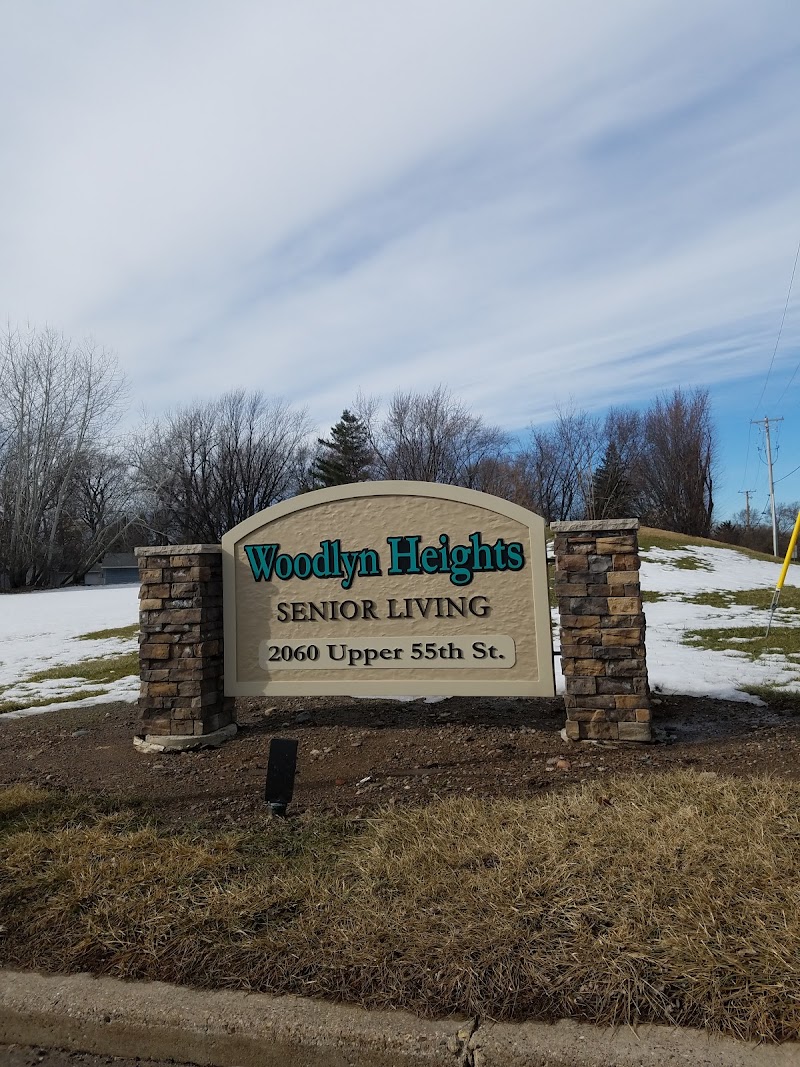
CMS rates Woodlyn Heights Healthcare Center's staffing level at 4 out of 5 stars, which is above average compared to other nursing homes. Staff turnover is 43%, compared to the Minnesota average of 46%. This relatively stable workforce can support continuity of care.

What Have Inspectors Found at Woodlyn Heights Healthcare Center?

State health inspectors documented 50 deficiencies at Woodlyn Heights Healthcare Center during 2022 to 2024. These included: 1 Immediate Jeopardy (the most serious level, indicating potential for serious harm or death), 1 that caused actual resident harm, 43 with potential for harm, and 5 minor or isolated issues. Immediate Jeopardy findings are rare and represent the most serious regulatory concerns. They require immediate corrective action.

Who Owns and Operates Woodlyn Heights Healthcare Center?

Woodlyn Heights Healthcare Center is owned by a for-profit company. For-profit facilities operate as businesses with obligations to shareholders or private owners. The facility is operated by ACCURA HEALTHCARE, a chain that manages multiple nursing homes. With 79 certified beds and approximately 64 residents (about 81% occupancy), it is a smaller facility located in INVER GROVE HEIGHTS, Minnesota.

How Does Woodlyn Heights Healthcare Center Compare to Other Minnesota Nursing Homes?

Compared to the 100 nursing homes in Minnesota, Woodlyn Heights Healthcare Center's overall rating (2 stars) is below the state average of 3.2, staff turnover (43%) is near the state average of 46%, and health inspection rating (2 stars) is below the national benchmark.

What Should Families Ask When Visiting Woodlyn Heights Healthcare Center?

Based on this facility's data, families visiting should ask: "What changes have been made since the serious inspection findings, and how are you preventing similar issues?" "Can I visit during a mealtime to observe dining assistance and food quality?" "How do you handle medical emergencies, and what is your hospital transfer rate?" "Can I speak with family members of current residents about their experience?" These questions are particularly relevant given the facility's Immediate Jeopardy citations.

Is Woodlyn Heights Healthcare Center Safe?

Based on CMS inspection data, Woodlyn Heights Healthcare Center has documented safety concerns. Inspectors have issued 1 Immediate Jeopardy citation (the most serious violation level indicating risk of serious injury or death). The facility has a 2-star overall rating and ranks #100 of 100 nursing homes in Minnesota. Families considering this facility should ask detailed questions about what corrective actions have been taken since these incidents.

Do Nurses at Woodlyn Heights Healthcare Center Stick Around?

Woodlyn Heights Healthcare Center has a staff turnover rate of 43%, which is about average for Minnesota nursing homes (state average: 46%). Moderate turnover is common in nursing homes, but families should still ask about staff tenure and how the facility maintains care continuity when employees leave.

Was Woodlyn Heights Healthcare Center Ever Fined?

Woodlyn Heights Healthcare Center has been fined $8,193 across 1 penalty action. This is below the Minnesota average of $33,161. While any fine indicates a compliance issue, fines under $50,000 are relatively common and typically reflect isolated problems that were subsequently corrected. Families should ask what specific issues led to these fines and confirm they've been resolved.

Is Woodlyn Heights Healthcare Center on Any Federal Watch List?

Woodlyn Heights Healthcare Center is not on any federal watch list. The most significant is the Special Focus Facility (SFF) program, which identifies the bottom 1% of nursing homes nationally based on persistent, serious quality problems. Not being on this list means the facility has avoided the pattern of deficiencies that triggers enhanced federal oversight. This is a positive indicator, though families should still review the facility's inspection history directly.