Good Samaritan Society - Jackson
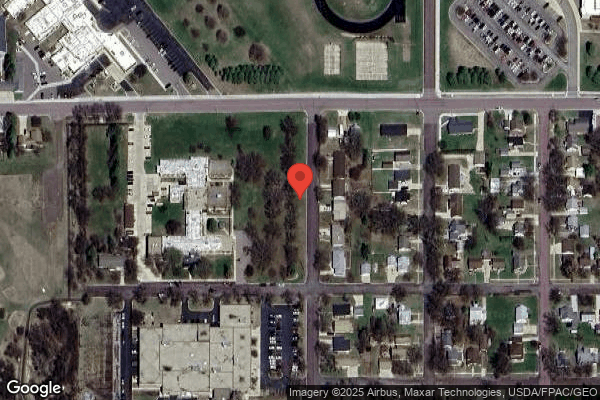

601 WEST JACKSON, JACKSON, MN 56143 (507) 847-3100
Non profit - Corporation 46 Beds GOOD SAMARITAN SOCIETY Data: November 2025
Trust Grade
65/100
#176 of 337 in MN
Last Inspection: September 2024

Within standard 12-15 month inspection cycle. Federal law requires annual inspections.

Overview

Good Samaritan Society - Jackson has a Trust Grade of C+, indicating it is slightly above average but not outstanding. It ranks #176 out of 337 nursing homes in Minnesota, placing it in the bottom half of facilities statewide, though it stands as the best option in Jackson County. The facility's performance appears stable, with a consistent number of issues reported over the past two years. Staffing is a strong point, earning 4 out of 5 stars, with a turnover rate of 38%, which is below the state average, suggesting that staff are experienced and familiar with the residents. However, there are notable concerns, such as staff failing to ensure proper hand hygiene and cleanliness of equipment, which could pose infection risks. Overall, while the facility has some strengths, families should be aware of these weaknesses when considering care for their loved ones.

Trust Score
C+
65/100
In Minnesota
#176/337
Bottom 48%
Safety Record
Low Risk
No red flags
Inspections
Holding Steady
4 → 4 violations
Staff Stability
○ Average
38% turnover. Near Minnesota's 48% average. Typical for the industry.
Penalties
✓ Good
No fines on record. Clean compliance history, better than most Minnesota facilities.
Skilled Nurses
✓ Good
Each resident gets 56 minutes of Registered Nurse (RN) attention daily — more than average for Minnesota. RNs are trained to catch health problems early.
Violations
⚠ Watch
15 deficiencies on record. Higher than average. Multiple issues found across inspections.
★★★☆☆
3.0
Overall Rating
★★★★☆
4.0
Staff Levels
★★★★☆
4.0
Care Quality
★★★☆☆
3.0
Inspection Score
Stable
2023: 4 issues
2024: 4 issues

The Good

  • 4-Star Staffing Rating · Above-average nurse staffing levels
  • 4-Star Quality Measures · Strong clinical quality outcomes
  • Full Sprinkler Coverage · Fire safety systems throughout facility
  • No fines on record
  • Staff turnover below average (38%)

    10 points below Minnesota average of 48%

Facility shows strength in staffing levels, quality measures, fire safety.

The Bad

3-Star Overall Rating

Near Minnesota average (3.2)

Meets federal standards, typical of most facilities

Staff Turnover: 38%

Near Minnesota avg (46%)

Typical for the industry

Chain: GOOD SAMARITAN SOCIETY

Part of a multi-facility chain

Ask about local staffing decisions and management

The Ugly 15 deficiencies on record

Sept 2024 3 deficiencies
CONCERN (D)

Potential for Harm - no one hurt, but risky conditions existed

Unnecessary Medications (Tag F0759)

Could have caused harm · This affected 1 resident

Based on observation, interview, and document review, the facility failed to ensure insulin was administered per standard of practice and manufacturer recommendations during 2 of 2 insulin administrat...

Read full inspector narrative →
Based on observation, interview, and document review, the facility failed to ensure insulin was administered per standard of practice and manufacturer recommendations during 2 of 2 insulin administrations for 2 of 2 residents (R4, R20). The facility's medication error rate was greater than 5% at 6.9 percent (%) rate. Findings include: On observation and interview 9/4/24 at 11:00 a.m., registered nurse (RN)-A was observed preparing and administering insulin to R4 via a Humolog Kwikpen (instrument used to deliver insulin). RN-A completed blood glucose level using Libre Freestyle (a small sensor that automatically tracks glucose levels) which was 194. RN-A removed the cap off the Kwikpen, swabbed insulin pen port with alcohol and then attached a disposable needle to the rubber stopper at end of the pen. After attaching the needle to the Kwikpen, RN-A dialed to 1 unit, and primed pen (getting insulin ready to dose by getting rid of air that may collect in insulin pen) then dialed to 18 units and administered the insulin into R4's abdomen. RN-A confirmed she primed the needle with 1 unit of insulin stating that is what she was taught to do. On observation and interview 9/5/24 at 7:40 a.m., LPN-A was observed preparing and administering insulin to R20 via a Humulin N Kwikpen. LPN-A swabbed the insulin pen port with alcohol and attached a new disposable needle to the rubber stopper. LPN-A dialed Kwikpen to 1 unit and then dialed the pen to 22 units before injecting into R20's left lower quadrant of abdomen. LPN-A did not observe needle tip while priming the needle to ensure Kwikpen was primed. LPN-A confirmed she used 1 unit to prime the Kwikpen and needle stating that is what she was taught to do. LPN-A added they have yearly training on insulin administration. R4's physician orders included Humalog solution, inject 15 units subcutaneous with meals. Humalog solution per sliding scale: if 100-150=none; 151-200=3 units, 201-250=5 units. R20's physician orders included Humulin N insulin, inject 22 units subcutaneous one time a day. The Humalog Kwikpen and Humulin N Kwikpen manufacturer's instructions for use included: Pull off the pen cap. Wipe the rubber stopper with an alcohol swab. Remove the protective tab from a disposable needle. Screw the needle tightly onto your Kwikpen. Pull off the outer needle cap and but do not dispose of it. Priming the pen means removing the air from the needle and cartridge that may collect during normal use and ensures the pen is working correctly. If you do not prime before each injection, you may get too much or too little insulin. Prime your Kwikpen by turning the dose knob to select 2 units. Hold the Kwikpen with the needle pointing up. Tap the cartridge holder gently to collect air bubbles at the top. Continue holding your pen with needle pointing up and push the dose knob in until it stops and 0 is seen in the dose window, holding the dose knob in for a count of five. You should see insulin at the tip of the needle. If no insulin is seen, repeat the previous steps. During interview on 9/5/24 at 9:30 a.m., the director of nursing (DON) and RN-B, also identified as clinical nurse educator, confirmed insulin pens should be primed with 2 - 3 units of insulin prior to administration per manufacturing instructions. RN-B included staff need to observe insulin come out of the tip of the needle to ensure the pen is primed before use. The facility Insulin Administration, Insulin Pens, Insulin Pumps policy dated 12/14/23, included: Wipe the tip of the pen where the needle will attach with an alcohol swab. Remove the protective pull tab from the needle and screw it onto the pen until snug. Remove both plastic outer cap and inner needle cap. Turn the dosage knob to 2 units to prime the pen. Holding the pen with the needle pointing upwards, press the button until at least a drop of insulin appears. Dial in the ordered dose of units.
CONCERN (F)

Potential for Harm - no one hurt, but risky conditions existed

Food Safety (Tag F0812)

Could have caused harm · This affected most or all residents

Based on observation and interview, the facility failed to ensure beverageware and metal pans were completely dry before storing to prevent bacterial growth. This had potential to affect all 41 reside...

Read full inspector narrative →
Based on observation and interview, the facility failed to ensure beverageware and metal pans were completely dry before storing to prevent bacterial growth. This had potential to affect all 41 residents who resided in the facility. Findings include: During an observation and interview on 9/3/24 at 2:05 p.m., with cook (C)-A observed multiple metal steam table pans stacked upside down, one on top of the other, on a shelving rack. When C-A removed the top pan, it had visible water on the inside surface. Two additional pans were lifted and had visible water on the inside surface. Multiple drink cups were stacked upside down on a solid plastic tray and condensation was visible in the clear tumblers. C-A acknowledged staff should not have put pans away while still wet and should not stack drink cups while still wet as that could promote bacterial growth. During interview on 9/5/24 at 9:50 a.m., certified dietary manager (CDM) verified that dishes should be allowed to air dry completely prior to being put away. The facility Safe Handling of Personal Food, Outside Food- Food and Nutrition policy revised 5/13/24, did not indicate instructions for drying dishes. -
CONCERN (F)

Potential for Harm - no one hurt, but risky conditions existed

Infection Control (Tag F0880)

Could have caused harm · This affected most or all residents

**NOTE- TERMS IN BRACKETS HAVE BEEN EDITED TO PROTECT CONFIDENTIALITY** Based on observation, interview, and document review the facility failed to ensure appropriate infection prevention and control ...

Read full inspector narrative →
**NOTE- TERMS IN BRACKETS HAVE BEEN EDITED TO PROTECT CONFIDENTIALITY** Based on observation, interview, and document review the facility failed to ensure appropriate infection prevention and control practices for hand hygiene and equipment cleaning/disinfection. Equipment cleaning/disinfection included a mechanical lift for 2 of 2 residents (R13, R5) which were not cleaned/disinfected after resident use. In addition, the facility failed to ensure enhanced barrier precautions were followed for 1 of 1 residents (R5) who had a wound. Findings include: Hand Hygiene On 9/4/24 at 12:04 p.m., Environmental Service Technician (EST)- A was observed bringing clean laundry into R6, R7, and R15's room without performing hand hygiene before entering and exiting the rooms. EST-A was observed touching closet doorknobs, hangers, and clean clothing while in resident rooms. On 9/5/24 9:19 a.m., RN-C confirmed hand hygiene should be done on entrance/exit of resident rooms, before and after donning gloves, and hands are to be washed with soap and water when visibly dirty. Mechanical Lift R13's significant change Minimum Data Set (MDS) dated [DATE], indicated R13 had moderate cognitive impairment and was dependent on staff for transfers and personal cares. Diagnoses included osteoporosis. On 9/5/24 at 7:55 a.m., NA-A and NA-C were observed exiting R13's room with a mechanical lift. R13 was on enhanced barrier precautions (EBP). NA-A and NA-C placed the mechanical lift in the hallway and walked away without cleaning/disinfecting the mechanical lift. NA-A and NA-C confirmed the mechanical lift should have been cleaned after resident use. NA-A and NA-C stated other staff wouldn't know if the lift had been cleaned before using it for another resident. If mechanical lifts are in the hallways, they are presumed clean and available to use. Mechanical Lift and Enhanced Barrier Precautions R5's face sheet printed 9/5/24 included diagnoses of dementia, heart failure and muscle weakness. R5's significant change Minimum Data Set (MDS) dated [DATE], indicated R5 had severe cognitive impairment and was dependent on staff for transfers and personal cares. R5's plan of care dated 6/21/24, indicated assist with transfer using 2 assist and total lift. In addition, the resident requires enhanced barrier precautions (EBP), dated 8/27/24, related to wound (burn) to right thigh region with dressing change. During observation on 9/4/24 at 9:51 a.m., a cart with gowns and gloves was outside of R5's room. A magnet attached to the doorway indicated R5 was on EBP. Nursing assistant (NA)-A and NA-B entered the room and did not gown, but did wear gloves. R5 was transferred from her chair to her bed using a mechanical lift. NA-A and NA-B checked incontinence pad, which was wet so R5 was changed along with perineal care completed. Once completed, NA-A and NA-B removed their gloves and completed hand hygiene. NA-A removed the lift from the room and parked it in hallway along the wall. NA-A did not clean the lift with sanitizer. NA-A then went down the hallway into another residents room. NA-B exited the room and went to the nurses station. NA-B confirmed the lift should have been cleaned before parking it in the hallway. NA-B indicated R5 is on EBP related to a burn she received in July and requires dressing changes. NA-B indicated she just forgot to put her gown on since she hasn't been on EBP for very long. During interview on 9/4/24 at 11:00 a.m., NA-B confirmed she did not clean the lift when she came out of R5's room earlier. NA-B indicated lifts should be cleaned after each use. NA-B also confirmed she did not wear a gown and stated she hasn't been on EBP that long so its easy to forget. During observation on 9/4/24 at 11:14 a.m., NA-A and NA-B gowned and gloved and entered R5's room. Using the lift from the hallway entered R5's room and transferred R5 from the bed to the chair. NA-A parked lift in the hallway without sanitizing and went down the hallway into another resident's room and NA-B wheeled R5 to the dining room. During interview 9/5/24 at 9:37 a.m., the director of nursing (DON) confirmed the lift should be cleaned after each use before parking it in the hallway. The DON confirmed EBP should be used with risk for resident infection such as wounds and gown and gloves should be worn when providing care to the resident including incontinence pad changes. During interview on 9/4/24 at 10:49 a.m., registered nurse (RN)-C, also identified as infection preventionist confirmed if staff are transferring a resident or changing an incontinence pad, they should have their gown and gloves on for residents in EBP. RN-C confirmed lifts are required to be cleaned after each patient use and before parking the lift in a public hallway. The facility Environmental Cleaning Principles policy dated 10/19/21, included: -Semi-critical items is defined as items that are potentially exposed to mucous membranes. These items may warrant consideration for more frequent disinfecting and may require higher level disinfectant - Semi-critical items should be disinfected after each use. The disinfecting procedures for these items is dependent on their use. -There should be emphasis on frequently cleaning high touch areas. For example, between resident, patient or child contact with equipment. -High touch area- includes surfaces that have a high probability of contact with skin. For example, a doorknob, handles on equipment and a phone would be high touch areas. Environmental cleaning plays an important role in an infection control program. All staff members play a role and should be aware of the general principles of environmental cleaning and safety. General cleaning principles- there should be an emphasis on frequently cleaning high touch areas. The facility current hand hygiene staff education document based on the World Health Organization dated 2009, indicated: Soap and water to be used with visibly soiled hands, C. Diff, Norovirus, before eating, and after using the restroom. Hand sanitizer is to be used all other times. Clean hands before entering the resident's room, immediately before a clean procedure/task, immediately after an exposure to bodily fluid, after a dirty task/glove removal, and before exiting the resident's room. The facility Enhance Barrier Precautions protocol undated, included: -Using EBP decision-making algorithm determine if EBP, contact isolation of standard precautions are needed for all resident with open wounds or indwelling medical devices. -Set up PPE (personal protective equipment) outside the resident's room. -Notify staff the EBP is needed in the room during high contact care activities: Dressing, bathing/showering, transferring, providing hygiene, changing linens, changing briefs, assisting with toileting, indwelling device care/use, wound care. -Post sign on the outside of the door.
Jan 2024 1 deficiency
CONCERN (D) 📢 Someone Reported This

A family member, employee, or ombudsman was alarmed enough to file a formal complaint

Potential for Harm - no one hurt, but risky conditions existed

Report Alleged Abuse (Tag F0609)

Could have caused harm · This affected 1 resident

**NOTE- TERMS IN BRACKETS HAVE BEEN EDITED TO PROTECT CONFIDENTIALITY** Based on interview and document review the facility failed to report allegations of abuse timely to the State Agency (SA) for 3 ...

Read full inspector narrative →
**NOTE- TERMS IN BRACKETS HAVE BEEN EDITED TO PROTECT CONFIDENTIALITY** Based on interview and document review the facility failed to report allegations of abuse timely to the State Agency (SA) for 3 of 4 residents (R1, R3, and R4) reviewed for allegations of abuse. Findings include: An anonymous Vulnerable Adult Maltreatment report submitted to the State Agency (SA) on 1/23/24 at 5:44 p.m., alleged caregiver abuse when employee (E)-A was observed on top of R1 with both knees pressed into R1's chest to hold her down. Further noted the alleged incident occurred on 12/30/23 at approximately 6:30 p.m. The report further noted (unidentified) staff reported the incident to the administrator, but no action was taken to protect the residents. An anonymous Vulnerable Adult Maltreatment report submitted to the SA on 1/25/24 at 6:05 p.m., alleged caregiver abuse when E-A was observed forcing R1 to stay in her chair by pinning her down and restraining her with full body weight. Further indicated the incident was reported to the director of nursing (DON) but no protections were put into place for R1, and E-A continued to work with R1. The alleged incident occurred on 12/30/23 at approximately 9:00 p.m. R1's quarterly Minimum Data Set (MDS) dated [DATE], indicated R1 had moderately impaired cognition and no behaviors. The MDS further indicated R1 required assistance with toileting and transferring. R1's diagnoses included dementia, essential tremors, restless legs syndrome, and an overactive bladder. During an interview on 1/29/24 at 3:15 p.m., E-B indicated awareness of the alleged abuse incident that occurred on 12/30/23. Further stated the incident was reported to the administrator and the DON but, did not know if it was reported to the SA. Further stated it would have been a reportable incident to the SA. During an interview on 1/29/24 at 3:30 p.m., E-C indicated E-A was witnessed holding or restraining R1. Notified administration but did not know if any further action was taken. During an interview on 1/29/24 at 3:45 p.m., E-D indicated she was aware of the incident between E-A and R1 but was not sure if it had been reported. During an interview on 1/29/24 at 4:15 p.m., E-E verified confirmed witnessing the alleged abuse incident on 12/30/23. Indicated E-A was yelling at R1 and holding R1's legs down. Further indicated R1 looked panicky and was crying. Further indicated she did not report the incident to the administrator until 1/15/24. Facility Reported Incident was not located in the SA system. R4's quarterly MDS dated [DATE], indicated R4 had intact cognition. R4 required assistance with toileting, transferring, dressing, and personal hygiene. R4's diagnoses included hemiplegia (paralysis of the left side), epilepsy (a brain disorder that causes seizures), and dementia. During an interview on 1/29/24 at 3:45 p.m., E-D stated she witnessed an incident about a month prior when E-A was upset because she had to help transfer R4 in the full body mechanical lift. During the transfer, E-A was intentionally rough while moving the lift and forcefully hit the lift on the bed which resulted in R4 swinging into the window and hitting her foot. E-D stated she did tell the DON and the administrator but not as soon as she should have. Facility Reported Incident was not located in the SA system. R3's admission MDS dated [DATE], indicated R3 had intact cognition. R3 required assistance with toileting, dressing, and transferring. R3's diagnoses included fractured right arm, pneumonia, chronic pain, and neuralgia (nerve pain). During an interview on 1/31/24 at 9:25 a.m., E-A indicated approximately two weeks prior E-F reported E-E was rough with R3 during a transfer. Further indicated she notified the administrator and was directed to have E-E take a break to calm down. After E-E took a short break, she came back in and finished the shift and worked the overnight shift. Facility Reported Incident was not located in the SA system. During an interview on 1/31/24, at 12:45 p.m., the DON indicated awareness of the incidents of alleged abuse or rough treatment. Confirmed none of the incidents were reported to the SA. Described the facility process as once administration is notified of an allegation, we interview the staff and residents and if we determine there is maltreatment of any kind or abuse, we report it to the SA within 2 hours. During an interview on 1/31/24 at 1:00 p.m., the administrator stated on 1/11/24, she was notified of possible abuse of R4 that occurred around 1/1/24, and immediately interviewed staff. Stated the employee should have told administration sooner. Confirmed that the alleged abuse was not reported to the SA. Further indicated on 1/13/24, she was notified of possible rough treatment of R3. Indicated interviewed the alleged perpetrator (AP) and the AP denied being rough. Confirmed that the alleged rough treatment was not reported to the SA. In addition, on 1/15/24, the administrator was notified of an allegation that occurred on 12/30/23, of E-A forcefully restraining R1. Stated there was not any mention of rough treatment or abuse. Confirmed that the incident was not reported to the SA. The administrator indicated that although not reported to the SA, the incidents were thoroughly investigated. The Abuse and Neglect Policy last reviewed on 7/6/23, indicated alleged or suspected violation involving any mistreatment, neglect, exploitation, or abuse including injuries of unknown origin will be reported immediately to the administrator. In the absence of the administrator from the location, the following individuals have the administrative authority of the administrator for purposes of immediate reporting of alleged allegations: the DON or the supervisor of social services. The facility policy also indicated if the allegation is of employee to resident abuse, the employee will be removed from providing direct care to all residents. Additionally, the employee will be placed on suspension pending the results of the internal investigation. If there is an allegation of abuse then it should be reported to the State Survey and Certification Agency immediately, but not later than two hours after the allegation is made.
Jul 2023 4 deficiencies
CONCERN (D)

Potential for Harm - no one hurt, but risky conditions existed

Resident Rights (Tag F0550)

Could have caused harm · This affected 1 resident

**NOTE- TERMS IN BRACKETS HAVE BEEN EDITED TO PROTECT CONFIDENTIALITY** Based on observation, interview and document review the facility failed to provide a dignified dining experience for 2 of 2 resi...

Read full inspector narrative →
**NOTE- TERMS IN BRACKETS HAVE BEEN EDITED TO PROTECT CONFIDENTIALITY** Based on observation, interview and document review the facility failed to provide a dignified dining experience for 2 of 2 residents (R13 and R14) who required assistance with dining. Findings Include: R13's admission record printed 7/20/23, identified a diagnoses of Alzheimer's disease, vascular dementia and protein-calorie malnutrition. R13's significant change Minimum Data Set (MDS) assessment, dated 5/26/23, identified severe cognitive impairment, and required extensive assist of 1 person with eating. R13 receiving hospice services. R13's care plan dated 6/9/23, identified an activities of daily living (ADL) self care performance deficit and may require up to total feeding and drinking assistance as her participation level in eating and drinking varies. R14's admission record printed 7/20/23, identified a diagnoses of dementia, hemiplegia and hemiparesis (paralysis of half of the body) right non-dominate side following cerebrovascular (affects blood flow to brain)disease, drug induced subacute dyskinesia (involuntary, erratic movements). R14's quarterly MDS assessment dated [DATE], included severe cognitive impairment requiring extensive assistance of one to eat. R14's baseline care plan dated 10/18/22, identified an ADL self care performance deficit and requires staff assist of one to drink and eat. During an observation on 7/17/23, during evening meal in the dining room: 5:35 p.m., R13 was in her wheelchair in the dining room with her head down and bent over at the waist dozing off and on. Her pureed meal was sitting in front of her. Nursing assistant (NA)-C and NA-D present at the table assisting two other residents at the same table. 5:57 p.m., R13 continued to sit in her wheelchair at the table with her food in front of her, bending over at the waist and dozing off and on. 5:59 p.m., licensed practical nurse (LPN)-A finished administration of medications, washed her hands and began to assist R13 to eat. Food was not reheated. R13 ate 25% of her meal. During an observation on 7/18/23, during the noon meal in the dining room: 11:37 a.m., R14 was seated in a Broda chair at a table with 2 other residents with her pureed food served and sitting on the table in front of R14. 11:51 a.m., R14 remains seated at the table with meal served and sitting in front of her. Nursing assistant (NA)-A and NA-D were assisting two other residents at the same table. 11:54 a.m., medications were administered with pureed food sitting in front of her at the table. 11:59 a.m., licensed practical nurse (LPN)-B sat down next to R14 and assisted R14 to eat. Food was not reheated. R14 ate 50% of her meal. During interview on 7/19/23, at 10:00 a.m., NA-A indicated the nursing assistants first get all the residents to the dining room, then go back and assist residents with eating. Both R13, and R14 require assistance to eat. NA-A feels they have enough staff to assist residents with meals but first everyone needs to be brought to the dining area. NA-A indicated sometimes one resident might have to wait while staff assist others and they only assist one resident at a time. During interview on 7/18/23 at 2:25 p.m., LPN-B confirmed R14's meal was not reheated prior to assisting her to eat. During interview on 7/20/23 at 9:20 a.m., the director of nursing (DON) confirmed residents should have food reheated prior to serving and should not have to wait for assistance with eating. The facility Resident-Assisted Dining policy dated 4/26/23, included: - Assist resident to the table as needed - Ensure the resident is appropriately positioned to promote the ability to eat independently. A resident who is not seated in the proper position may appear to have decreases in strength or coordination. - Serve resident the meal, checking name and diet on the tray card. - Place the meal in the line of sight of resident - Provide special assistive eating devices to residents as per their plan of care. - Encourage residents in feeding self, assisting as needed, following care plan approaches. - When assisting the resident, employees are to sit next to the resident; do not stand and feed the resident. Employees can assist two residents and offer assistance as needed. - Do not rush. You can start with liquids by having resident try to use a draw or hold a half-filled glass and drink. With solid foods, have resident start with foods that are easy to get on spoon or fork. Note care plan approaches, which are individualized to the resident. Offer alternatives for items not consumed.
CONCERN (D)

Potential for Harm - no one hurt, but risky conditions existed

ADL Care (Tag F0677)

Could have caused harm · This affected 1 resident

**NOTE- TERMS IN BRACKETS HAVE BEEN EDITED TO PROTECT CONFIDENTIALITY** Based on observation, interview and document review, the facility failed to provide routine removal of facial hair for 1 of 2 re...

Read full inspector narrative →
**NOTE- TERMS IN BRACKETS HAVE BEEN EDITED TO PROTECT CONFIDENTIALITY** Based on observation, interview and document review, the facility failed to provide routine removal of facial hair for 1 of 2 residents (R7) reviewed for activities of daily living (ADLs) who was dependent on staff for cares. Findings include: R7's admission Record printed 7/19/23, indicated diagnoses including end stage dementia, mood disturbance and anxiety, and polyneuropathy (damage to peripheral nerves with weakness, numbness and burning pain). R7's quarterly Minimum Data Set (MDS) assessment dated [DATE], indicated severe cognitive impairment, required extensive assistance of two staff for personal hygiene and no rejection of care behaviors. R7's care plan dated 4/6/23, indicated an ADL self-care performance deficit R/T [related to] functional and cognition deficits and requires one to two staff assist with personal hygiene, and resident prefers facial hair to be shaved when present requiring assistance of one staff as needed. On 7/17/23 at 2:40 p.m., R7 was observed with varied lengths 1/2 to one inch white whiskers on her chin. During observation on 7/18/23 at 9:14 a.m., R7 was in dining room, well groomed with new clothes on and continued with 1/2 to one inch white whiskers present on her chin. During observation on 7/19/23 at 7:41 a.m., R7 was in the dining room, well groomed with new clothes on. Continued with 1/2 to one inch white whiskers present on her chin. During interview on 7/19/23 at 9:58 a.m., R7 was in bed in her room. R7 indicated she didn't know she had any whiskers present and would like them removed. During interview on 7/19/23 at 10:02 a.m., nursing assistant (NA)-A indicated if R7 has chin hair present. NA- A added should be shaving it off. NA-A indicated they do assist R7 with chin hair removal. During interview on 7/19/23 at 1:35 p.m., NA-C indicated she hadn't noticed R7 had chin hairs and when she notices will ensure they are shaved off. During interview on 7/19/23 at 1:37 p.m., licensed practical nurse (LPN)-B indicated if she notices chin hair on R7 she will let the NA's know. LPN-B added R7 has a little purple razor in her room and once prompted will use that to shave them off with minimal assistance from staff. During interview on 7/20/23 at 9:20 a.m., the director of nursing confirmed chin hair should be removed as requested and care planned by the resident. The facility Activities of Daily Living policy dated 1/25/22, indicated any resident who is unable to carry out activities of daily living will receive necessary services to maintain good nutrition, grooming and personal and oral hygiene. ADLs are those necessary tasks conducted in the normal course of a resident's daily life.
CONCERN (D)

Potential for Harm - no one hurt, but risky conditions existed

Quality of Care (Tag F0684)

Could have caused harm · This affected 1 resident

**NOTE- TERMS IN BRACKETS HAVE BEEN EDITED TO PROTECT CONFIDENTIALITY** Based on interview and document review the facility failed to implement bowel movement (BM) protocol for 1 of 1 resident (R8) re...

Read full inspector narrative →
**NOTE- TERMS IN BRACKETS HAVE BEEN EDITED TO PROTECT CONFIDENTIALITY** Based on interview and document review the facility failed to implement bowel movement (BM) protocol for 1 of 1 resident (R8) reviewed for constipation. Findings include: R8's diagnosis report printed on 7/20/23 included history of colon cancer and stroke. R8's significant change Minimum Data Set (MDS) assessment dated [DATE], indicated moderately impaired cognition, unclear speech, was usually understood and could sometimes understand. R8 who did not walk, required extensive assistance or was totally dependent upon one or two staff for all activities of daily living (ADL's). R8's physician orders included Senna (laxative) tablet 8.6 mg (milligrams); one tablet every 12 hours as needed for constipation. Facility standing orders (written protocols nurses could implement without first obtaining a physician order) for constipation included: 1. Dulcolax suppository (laxative). Insert 10 mg rectally as needed for constipation. Give daily as needed. Contact provider/practitioner if there are three days without a significant BM. 2. Fleet enema (laxative). Insert one application rectally as needed for constipation. One time daily as needed. Contact provider/practitioner if there are three days without a significant BM. 3. Milk of Magnesia Suspension (laxative). Give 30 ml (milliliter) by mouth as needed for constipation. Give daily as needed. Contact provider/practitioner if there are three days without a significant BM. 4. Senna-S (laxative and stool softener). Give two tablets by mouth as needed for constipation. Give up to twice daily as needed. Contact provider/practitioner if there are three days without a significant BM. R8's care plan with revised date of 6/1/23, indicated R8 had a terminal prognosis and to expect changes in elimination. In addition, the care plan with revised date of 6/1/23, indicated R8 was on scheduled toileting for fall prevention. During record review, R8 had no documented BM for four days from 6/30/23 through 7/3/23 and again from 7/14/23 through 7/17/23. During an interview on 7/20/23 at 12:05 p.m., together with registered nurse (RN)-A looked at BM documentation in the EMR (electronic medical record). RN-A acknowledged two instances of R8 going four days without a BM in the past 30 days: 6/30/23 through 7/3/23, and 7/14/23 through 7/17/23. RN-A stated the night shift nurse ran a BM report for the previous three days, then posted a note for the day shift nurse if a resident required intervention, such as a stool softener or laxative. RN-A stated a note had not been left for her from the night nurse because R8 had a BM on 7/18/23. RN-A stated the BM report reset every three days, so she was not able to see R8 had not had a BM from 7/14/23 through 7/17/23. RN-A stated most residents had PRN (as needed) orders for a laxative, including R8. RN-A stated a PRN laxative had not been administered to R8 in July. Further, RN-A stated the facility had standing orders for laxatives if needed. Standing orders were reviewed. Each medication listed for constipation also indicated to contact provider/practitioner if there were three days without a significant BM. RN-A could not explain why R8 went four days without a BM with no intervention. During an interview on 7/20/23 at 12:39 p.m., the director of nursing (DON) stated the night shift nurse looked at the BM dashboard in the EMR each day and left a note for the day shift nurse if a resident needed a laxative. The DON stated a resident was to receive prune juice if no BM for two days and a laxative if no BM for three days. The DON reviewed documentation of R8's BM's in the EMR and verified no BM was documented from 6/30/23 through 7/3/23 and again from 7/14/23 through 7/17/23. Further, the DON stated a laxative had not been administered to R8 in July. The DON stated she expected the night shift nurse to run a BM report and a leave note for day shift nurse to give a laxative if needed. The DON stated resident BM status was discussed Monday through Friday at stand up (morning leadership meeting). The DON stated if R8's lack of BM status had been identified, it would have been communicated to the charge nurses who attended stand up. The DON could not verify if R8's BM's were discussed at stand up as no notes were taken. During an observation on 7/20/23 at 12:50 p.m., R8 was lying in bed awake and not able to answer questions regarding BM's or if he had been experiencing abdominal discomfort. A policy on monitoring BM's was requested and not provided.
CONCERN (D)

Potential for Harm - no one hurt, but risky conditions existed

Pressure Ulcer Prevention (Tag F0686)

Could have caused harm · This affected 1 resident

**NOTE- TERMS IN BRACKETS HAVE BEEN EDITED TO PROTECT CONFIDENTIALITY** Based on observation, interview and document review, the facility failed to assess, monitor and implement pressure relieving int...

Read full inspector narrative →
**NOTE- TERMS IN BRACKETS HAVE BEEN EDITED TO PROTECT CONFIDENTIALITY** Based on observation, interview and document review, the facility failed to assess, monitor and implement pressure relieving interventions for 2 of 2 resident (R14, R20) with known risks for pressure ulcer development. R20 developed a stage II pressure ulcer to one heel. Findings include: Stage II pressure ulcers (Partial thickness loss of dermis presenting as a shallow open ulcer with a red-pink wound bed, without slough. May also present as an intact or open/ ruptured blister.) R20's diagnosis report dated 7/18/23, included recent diagnoses of fracture of left femur and pressure ulcer of left heel. R20's admission Minimum Data Set (MDS) assessment dated [DATE], indicated moderately impaired cognition, clear speech, was understood and could understand. R20 required extensive assistance of two staff for bed mobility, transferring and toileting. The MDS indicated R20 was at risk for pressure ulcer and did not have a pressure ulcer. R20's physician or nursing orders included: --7/3/23, Measure left heel wound weekly with treatment and document on UDA (user defined assessment), one time a day every Wednesday. --7/6/23, Wound physician to evaluate and treat left heel wound. --7/13/23, Betadine (an antiseptic) to left heel wound one time a day. R20's care plan initiated on 6/29/23, indicated R20 had the potential for pressure ulcer development and a goal was for R20 to have intact skin, free of redness, blisters, or discoloration. Interventions included educating R20 and family as to causes of skin breakdown and provide pressure redistribution mattress. On 7/3/23 and 7/5/23 after the identification of a heel ulcer, additional interventions were added to R20's care plan including: --Avoid positioning R20 on left hip to avoid direct pressure to left heel --Avoid dragging skin across surfaces to prevent friction and shearing --Heel floater when in bed --Prevalon boot (lifts heel off surfaces to prevent pressure ulcers) to left heel when out of bed --Notify nurse of any new areas of skin breakdown noted during bath or daily care During an interview and observation on 7/17/23 at 3:47 p.m., R20 was seated in her recliner in her room and stated she had been in the facility since June due to a fall at home resulting in a fracture to her left leg and was at the facility for rehab (rehabilitation). R20 stated she had a wound on the bottom of her left heel which she got after coming to the facility. R20 stated no one could tell her how she got it and didn't know what they called it. Left foot was wrapped in a soft heel boot and elevated in the recliner. R20's Braden score (a measurement predicting pressure sore risk) on admission dated 6/16/23, was 17, indicating R20 was at mild risk for pressure ulcer. R20's admission nursing data collection form dated 6/16/23, indicated R20's skin integrity was normal with a surgical incision to left leg. There was no documentation of a pressure ulcer to left heel, or blister or discoloration. A progress note dated 7/3/23 at 1:00 p.m., indicated R20 was found to have an unstageable pressure ulcer on left heel measuring approximately 5.0 cm (centimeter) in diameter. Heel floater and skin prep initiated. Fax prepared for PCP (primary care provider). Fax to provider (P)-C dated 7/3/23, indicated an unstageable pressure ulcer was noted on R20's left heel, measuring about 5.0 cm in diameter. Heel floater added when in bed. Skin prep BID (twice a day). Is this okay? On 7/5/23, P-C replied in writing, Please consult wound care. R20's pressure ulcer to left heel was first documented in weekly bath-day skin observations conducted by a nurse starting on 7/8/23: left heel pressure area noted; dark purple in color and boggy/blistered/fluid filled. Bath day skin checks prior to that on 6/17/23, 6/24/23 and 7/1/23 did not document heel status. Wound provider note dated 7/13/23, indicated R20 had a stage II pressure wound of the left heel, partial thickness. Duration was noted to be greater than eight days. The wound was healing and measured 4.5 x 4.5 cm; depth not measurable. No exudate. Instructions for staff included to apply Betadine once daily for 30 days and to float heels when in bed. Prevalon boot on left [foot]; wear boot in the morning and off in the evening. During an interview and observation on 7/18/23 at 1:17 p.m., observed registered nurse (RN)-B apply treatment to pressure ulcer on R20's left heel. RN-B measured the wound area with a paper measuring tape. The pressure ulcer on R20's heel measured 3.5 x 4.5 cm. The circular perimeter was dark in color - almost black - with a lighter variation in the middle; wound depth if any, was not discernable. No open skin or drainage was observed. RN-B stated the left heel pressure ulcer was acquired at the facility after R20 was admitted for rehab following hip survey, adding R20 had not moved around much initially due to pain. RN-B stated it [pressure ulcer] wasn't there, then all the sudden it was. RN-B stated she had conducted bath-day skin checks on R20 prior to the pressure ulcer first being discovered on 7/3/23 and had not observed discoloration or blister to heels. RN-B stated the wound provider had seen R20's heel via telemedicine (use of electronic technology for off-site provider visits). During an interview on 7/18/23 at 1:46 p.m., nursing assistant (NA)-B stated R20 had a shower each week. NA-B explained when a resident was in the shower room, a nurse was called in to conduct a skin check. NA-B stated he also observed a residents skin during cares and had not observed a change in R20's skin prior to the discovery of the pressure ulcer on 7/3/23. During an interview on 7/19/23 at 9:11 a.m., the director of nursing (DON) acknowledged R20's pressure ulcer to left heel was acquired after admission to the facility. The DON stated R20 had hip surgery and was so afraid, she didn't move much in bed. The DON stated nurses did skin checks on bath day, in the tub room while the resident sat in a wheelchair. The DON admitted there was not a specific prompt on the skin observation tool the nurses used to document skin checks, and further acknowledged it could be challenging to adequately visualize a residents heel while they were seated in a wheelchair. During an interview on 7/20/23 at 8:28 a.m., with the DON and (RN)-C who was also the MDS coordinator, together reviewed R20's Braden assessment, the Nursing Admit Data Collection form -- both conducted on admission on [DATE], and R20's care plan. --The Braden assessment form included a section titled Intervention Guide for a resident at mild risk for pressure ulcer development. The guide included protect heels. --The Nursing Admit Data Collection form had a section titled Skin Integrity which identified care planning considerations for skin and/or wound, including to provide pressure relieving/reducing device and/or skin protective device on heels, elbows, etc. --R20's care plan did not identify interventions to protect skin over bony prominences or repositioning measures until after identification of R20's pressure ulcer. RN-C stated R20 had a pressure mattress and, I felt that was enough of a pressure ulcer intervention. RN-C stated R20 had not been on her radar for development of a pressure ulcer because R20 could off-load (minimize or remove weight placed on foot to help prevent and heal an ulcer) since R20 went between her bed and recliner. RN-C stated the interventions listed on the Braden form and the nursing admit data collection form were suggestions - not something the facility had to do. The DON stated in her opinion, we needed to have floated her heels. The DON and RN-C admitted there was nothing specific to guide or remind a nurse doing the bath day skin check to ensure heels were assessed, and admitted heels were challenging to assess while a resident was sitting in a wheelchair. During a telephone interview on 7/20/23 at 11:14 a.m., P-C stated if he recalled, R20 had post-surgical puffiness to her left leg when he saw her, and the pressure ulcer may have been a delayed reaction from surgery. P-C was aware there had been no visible evidence of a blister, discoloration, or pressure ulcer to R20's left heel upon admission. A visit note by P-C dated 6/21/23 indicated R20 had edema of bilateral lower extremities, left greater than right. Left lower extremity had +1 edema. The note did not indicate whether P-C had assessed R20's heels. The facility Skin Assessment Pressure Ulcer Prevention and Documentation policy dated 4/26/23, included: -All residents will be identified for their risk of developing pressure ulcers on admission/readmission by a registered nurse using the Braden Scale for Predicting Pressure Sore Risk. -The registered nurse will complete the Braden Scale on all residents quarterly or when the resident has a change in condition that could affect his or her risk of developing an ulcer. -A systematic skin inspection will be made daily by the nursing assistant assigned to those residents at risk for skin breakdown. The nursing assistant responsible for this will report any abnormal findings or signs of skin impairment to the licensed nurse. -Residents who are unable to reposition themselves independently, as indicated on the Sit-Stand-Walk data collection tool, should be repositioned as often as directed by the care plan approaches. Developing an individualized repositioning schedule is required for those residents unable to position themselves and is based on nutrition, hydration, incontinence, diagnosis, mobility and observation of the resident's skin over a period of time. The Positioning Assessment and Evaluation is a required tool that is used to determine an individualized repositioning plan. Any resident at risk will be placed on a a pressure redistribution surface as determined appropriate. -If a pressure ulcer is identified, cleanse the area prior to observations being made to allow the wound bed and depth to be more accurately observed. The RN should record the type of wound and the degree of tissue damage on the Wound RN Assessment. The licensed nurse records the location of the area, the measurements and the ulcer/wound characteristics. -Notify the physician/practitioner of the ulcer and resident's condition to obtain order for a treatment. -Dietary is notified by an alert that occurs when the Wound Data Collection is signed and locked. -When a pressure ulcer is present, complete the Wound Data collection tool with documentation to include the following: - An evaluation of the ulcer, if no dressing is present -An evaluation of the status of the dressing; if present whether draining or is leaking) - The status of the area surround the ulcer -The presence of possible complications, such as signs of increasing area of ulceration or soft tissue infection. -If the pressure ulcer is not determined to be clinically unavoidable, the ulcer should show signs of improvement within two to four weeks. -The pressure ulcer should be assessed/evaluated at least weekly and document on Wound RN assessment. Observation of the wound characteristics may be documented by a licensed nurse and should include at least the following: -Measurements - length, width, depth -Characteristics of the ulcer including wound bed, undermining and tunneling, exudate, surrounding skin etc. -Presence of pain
Apr 2021 7 deficiencies
CONCERN (D)

Potential for Harm - no one hurt, but risky conditions existed

ADL Care (Tag F0677)

Could have caused harm · This affected 1 resident

**NOTE- TERMS IN BRACKETS HAVE BEEN EDITED TO PROTECT CONFIDENTIALITY** Based on observation, interview and document review, the facility failed to provide nail care for 1 of 1 resident (R2) who was d...

Read full inspector narrative →
**NOTE- TERMS IN BRACKETS HAVE BEEN EDITED TO PROTECT CONFIDENTIALITY** Based on observation, interview and document review, the facility failed to provide nail care for 1 of 1 resident (R2) who was dependent on staff for assistance with grooming and personal hygiene. Findings include: R2's facesheet printed on 4/29/21, indicated diagnoses that included vascular dementia without behavioral disturbances. R2's quarterly Minimum Data Set (MDS) assessment dated [DATE], indicated R2 had severe cognitive impairment, had adequate hearing and vision, clear speech, usually understood others and was sometimes understood. R2 was dependent upon staff for bed mobility, transfers, walking, dressing, toileting and hygiene. R2's plan of care, printed on 4/29/21, indicated R2 had an activity of daily living (ADL) self-care deficient related to dementia, with functional and cognitive deficiencies. In addition, the care plan indicated R2 needed assistance of one staff for personal hygiene; however refused cares such as shaving, oral care and changing into clean clothes. Furthermore, R2's care plan indicated he had a history of scratching his arms, hands and legs and staff were to keep his fingernails short. During an observation on 4/26/21, at 6:11 p.m., while in bed, R2's fingernails on both hands were noted as being long and some nails were jagged. Fingernails appeared to have dark material under the nails. R2 was not able to unable to answer questions about his nails. During an observation and interview on 4/28/21, at 8:11 a.m., R2 was up in a wheelchair in his room, waiting for breakfast. Fingernails unchanged from 4/26/21, still long, jagged and dirty. When asked if he would like his nails trimmed, R2 stated he liked them long. R2 also stated he can self-propel himself to the dining room, but according to his MDS, required assistance of one. At 8:16 a.m., a nursing assistant (NA) came to R2's room to wheel him to the dining room. Progress notes dated 4/28/21, at 10:56 p.m., indicated R2 refused bath. No mention of attempts to clean and/or trim nails. During an interview on Thursday 4/29/21, at 9:47 a.m. NA-D stated R2's bath day was Wednesday evening. When asked if R2 had a bath last evening; NA-D looked in the NA documentation portion of the electronic medical record (EMR) and stated he did have a bath but could not verify if his nails were also cleaned and trimmed. NA-D stated she personally trimmed resident nails after their baths so they were nice and soft. Together looked at R2's nails and NA-D stated they should have been trimmed, they're long. During an interview on 4/29/21, at 9:50 a.m., licensed practical nurse (LPN)-A stated R2 received bed baths as he was resistive to tub baths. Together looked at R2's nails and LPN-A stated to R2 you need a good manicure. During an interview on 4/29/21, at 11:13 a.m., the director of nursing (DON) stated R2's nails were to be checked, cleaned and trimmed with every bath . even a bed bath. DON added, if he refused to have his nails trimmed, staff needed to document this. DON stated NA's were able to trim resident nails, but if the resident refused, she expected them to tell the nurse. Facility policy titled Restorative, Grooming-Rehab/Skilled, dated 6/26/20, indicated: 1. Staff to assist the resident to complete grooming activities, including grooming of nails. 2. The purpose of grooming is to assist the resident to achieve optimum level of independent function with dignity to improve feelings of self-worth. 3. Use positive and reassuring approach. 4. Suggest changes with a gentle, firm approach when corrections are needed. 5. Policy included step by step nail grooming instructions for staff.
CONCERN (D)

Potential for Harm - no one hurt, but risky conditions existed

Tube Feeding (Tag F0693)

Could have caused harm · This affected 1 resident

**NOTE- TERMS IN BRACKETS HAVE BEEN EDITED TO PROTECT CONFIDENTIALITY** Based on observation, interview and document review the facility failed to provide appropriate gastrostomy tube flushing to prev...

Read full inspector narrative →
**NOTE- TERMS IN BRACKETS HAVE BEEN EDITED TO PROTECT CONFIDENTIALITY** Based on observation, interview and document review the facility failed to provide appropriate gastrostomy tube flushing to prevent complications for 1 of 1 resident (R19) observed during medication administration. Findings include: R19 was admitted to the facility 12/14/18, with diagnoses including: hemiplegia (paralysis of one side of the body), hemiparesis (weakness or the inability to move on one side of the body), malignant neoplasm (abnormal mass) of the brain, gastritis (inflammation of the lining of the stomach), dysphagia (difficulty or discomfort in swallowing), and a gastrostomy tube (G-tube) for nutrition. R19's quarterly minimum data set (MDS) assessment dated [DATE], identified R19 with no cognitive impairment, required total assistance with activities of daily living (ADL), and received nutrition via a feeding tube R19's orders dated 9/9/20, indicated flush with 30 cc (cubic centimeter) of sterile water before medications, 5 cc between medications and 30 cc after all medications. Document total number of cc used. On 4/27/21, at 12:30 p.m. licensed practical nurse (LPN)-A entered R19's room with supplies for medication administration. LPN-A donned gloves, then used a syringe with air and a stethoscope to check placement of R19's gastrostomy tube. LPN-A then filled the syringe with 15 cc (cubic centimeters) of water, then flushed R19's tubing with the water. LPN-F failed to follow physician order and only provided R19 with 15 cc of water via syringe into the gastrostomy tube prior administering medications. LPN-A added water to the first medication cup containing medication and administered the medication by syringe into R19's gastrostomy tube. LPN-A administered two more medications in same manner for R19 while flushing between each medication with 5 cc. LPN-A then filled the syringe with 15 cc of water, then flushed R19's tubing with the water. LPN-A failed to follow physician order and only provided R19 with 15 cc of water via syringe into the gastrostomy tube after all medications were administered. On 4/29/21, at 1:06 p.m. LPN-A confirmed not flushing R19's G-tube with 30 cc of water prior or after administering medications on 4/27/21. LPN-A further confirmed her usual practice was to flush the G-tube with 30 cc of water before and after administering medications as ordered. On 4/28/21, at 2:14 p.m. director of nursing (DON) indicated it would be her expectation for nursing staff to provide consistent care, which should include prior flushing before medications administered, between medications given, and after medication administration as ordered by the physician. The DON indicated she would expect nursing staff to follow R19's physician orders. The facility policy titled Medication: Tube Administration-Rehab/Skilled dated 2/10/21 indicated: - Purified or sterile water is recommended for all preparation and administration of medication due to the risk of undesired molecular combinations that could occur with crushed medications and impure water. Policy/Procedure 1. Verify physician's order. 6. Flush tube with 30 (cc) of purified or sterile water before and after administering each medication pass.
CONCERN (D)

Potential for Harm - no one hurt, but risky conditions existed

Medication Errors (Tag F0758)

Could have caused harm · This affected 1 resident

**NOTE- TERMS IN BRACKETS HAVE BEEN EDITED TO PROTECT CONFIDENTIALITY** Based on interview and document review, the facility failed to ensure a gradual dose reduction (GDR) of a psychotropic medicatio...

Read full inspector narrative →
**NOTE- TERMS IN BRACKETS HAVE BEEN EDITED TO PROTECT CONFIDENTIALITY** Based on interview and document review, the facility failed to ensure a gradual dose reduction (GDR) of a psychotropic medication was attempted or rationale provided for current dose justification for 2 of 5 residents (R18, R25) reviewed for unnecessary medication use. In addition the facility failed to identify specific parameters for use of an antipsychotic medication for 1 of 5 residents (R18) reviewed. Findings include: R18's Face Sheet printed 4/28/21, indicated diagnoses including: Alzheimer's disease, major depressive disorder, panic disorder, dementia, and wandering. R18's quarterly Minimum Date Set (MDS) assessment dated [DATE], indicated resident had moderately impaired cognition, and exhibited behavioral symptoms not directed toward others daily. The MDS further indicated R18 experienced delusions and wandered 4-6 days, but less than daily during the assessment period. R18's physician orders dated 5/31/19, included: lorazepam 0.5 milligrams (mg) give one tablet orally every six hours as needed for agitation. R18's physician ordered dated 4/12/21, indicated haloperidol (anti-psychotic) 5 mg intramuscular (IM) every eight hours PRN (as needed) for agitation. The order did not include specific parameters for use. The MAR (medication administration record) dated April 2021, indicated Haldol was administered on 4/12/21 and 4/22/21 and documented to be effective on the MAR. Review of R18's medical record did not include evidence the physician had reviewed the continued use of the prn haloperidol (Haldol) within 14 days of ordering. Interview on 4/27/21, at 1:36 p.m. the director of nursing (DON) confirmed the physician had not reviewed R18's medications since 4/12/21. The DON confirmed R18's PRN Haldol had not been re-evaluated within 14 days since ordered on 4/12/21. Review of R18's current plan of care printed 4/28/21, did not include the use of Haldol and did include any monitoring of target behaviors or side effects/adverse reactions related to the Haldol use. On 4/27/21, at 2:31 p.m. licensed practice nurse (LPN)-B confirmed administering R18's Haldol only when the resident was unable to redirect and behaviors included hitting, yelling, pacing, and aggressiveness. LPN-B further confirmed other interventions were implemented prior to the Haldol, including attempts to administer PRN lorazepam, which the resident refused. LPN-B verified the PRN Haldol was not to be administered unless the resident exhibited severely aggressive behaviors. The policy titled, Psychotropic Medications-Rehab/Skilled dated 11/19/20 included: While the use of PRN psychotropic medications is not encouraged, if a PRN physician's order is received, ensure that the order has clear parameters, i.e., severe agitation that does not respond to other care plan interventions. It is important to initiate other care plan interventions prior to the use of prn psychotropic medications. PRN orders for psychotropic drugs are limited to 14 days. If the attending physician or prescribing practitioner believes that is appropriate for the PRN order to be extended beyond 14 days, he or she should document their rationale in the residents' medical record and indicate the duration for the PRN order. PRN orders for anti-psychotic drugs are limited to 14 days. R25 R25's Face Sheet printed 4/28/21, indicated an admission date of 2/16/2018, with diagnosis including hemiplegia and hemiparesis following cerebral infarction (stroke), and mood disorder due to known physiological condition with depressive features. R25's quarterly Minimum Data Set (MDS) assessment dated [DATE], indicated R25 is rarely understood and rarely understands, has severe cognitive dysfunction, and has no signs of depression on a staff scored Patient Health Questionnaire (PHQ-9) used to determine severity of major depressive disorders. R25's care plan dated 3/5/18, identified R25 has a mood problem related to depression and to consult with pharmacy, heath care provider and family to consider dosage reduction when clinically appropriate. R25's progress notes dated 8/17/20, indicated a consultant pharmacist (CP) recommendation, which included Citalopram gradual dose reduction is due for review. A second consultant pharmacist recommendation note dated 10/2/20, stated prescriber made no change in Citalopram dose, please see form for rationale. A form titled Consultant Pharmacist Communication to Physician dated 9/18/20 stated R25 required an antidepressant gradual dose reduction attempt and provider was to select I agree with written orders, or other and to please write a brief statement concerning the rationale for response to this recommendation. The provider responded to please continue current dosage dated 10/2/20, which lacked a rationale for continuing Citalopram 20 mg every day. R25's Order Summary Report dated 9/8/2020, indicated R25 had a physician order for Citalopram 20 mg once a day for mood disorder. R25's Order Summary Report dated 4/28/21 indicated R25 remained on Citalopram 20 mg tablet once a day for mood disorder. During interview on 4/28/21, at 11:45 a.m., registered nurse (RN)-B indicated the provider does not follow direction and RN-B has explained how to complete the forms but he just doesn't do it. RN-B indicated she did not attempt to send it back for a rationale after receiving the form. RN-B confirmed there was no dose reduction or rationale provided. During interview on 4/28/21, at 1:36 p.m., the director of nursing (DON) confirmed there was no rationale provided or documented to continue the Citalopram 20 mg tablet daily. A facility policy titled Pharmaceutical Services dated 6/17/20, indicated pharmacy services will be available at all times. These services will be provided to meet the needs of each resident including .administering of all medications and biological's.
CONCERN (D)

Potential for Harm - no one hurt, but risky conditions existed

Safe Environment (Tag F0921)

Could have caused harm · This affected 1 resident

Based on observation and interview, the facility failed to provide a safe and sanitary environment for residents as a result of peeling ceiling paint in the kitchen over a food preparation surface. Th...

Read full inspector narrative →
Based on observation and interview, the facility failed to provide a safe and sanitary environment for residents as a result of peeling ceiling paint in the kitchen over a food preparation surface. This had the potential to affect all 39 residents residing in the facility who consumed food from the kitchen. Findings include: During an observation on 4/28/21, at 11:05 a.m., peeling paint was noted on two areas of the kitchen ceiling. The ceiling was a solid, flat surface, painted a white/cream color. Directly over a metal food preparation surface was an area of peeling paint, including a flap of paint about the size of a hand, hanging down over the work surface. On the metal work surface was a jar of peanut butter and a knife. In addition, there was a circular area of peeling ceiling paint near the exit of the kitchen going into the dining room. This area was approximately 18-24 inches in diameter, with peeling paint around the perimeter of the circle. While this area of peeling paint was not directly above a food preparation surface, food was removed from the microwave and carried underneath it. Carts containing resident trays passed under this area also. During an interview on 4/28/21, at 11:08 a.m., cook (C)-A was asked if she was aware of the peeling paint on the ceiling, and stated, yeah, I seen that and maintenance supervisor (MS)-A knows about it. C-A was not able to say how long it had been there, and had not seen paint chips fall onto the food preparation surface. During an interview on 4/29/21, at 11:45 a.m., the administrator was unaware of the peeling paint on the kitchen ceiling and would work with MS-A to correct the problem right away. During a telephone interview on 4/29/21, at 11:57 a.m., MS-A stated he was aware of the peeling paint on the ceiling in the kitchen. MS-A stated there were problems with the roof and when it rained, the paint on the ceiling in the kitchen peeled. MS-A stated he had not been able to work on it due to other priorities. He is the only maintenance worker and finds it challenging to maintain the building on his own, however would work on it in the next couple of weeks. MS-A acknowledged that paint dropping into resident food or food preparation surfaces was a safety and infection control concern. Facility policy titled Cleaning Schedule - Food and Nutrition Services, dated 3/31/21, indicated: 1. Ceilings: check for cobwebs, dust and dirt or condensation so it cannot fall from the ceiling. 2. Ceilings were to be spot-cleaned on an as needed basis.
CONCERN (E)

Potential for Harm - no one hurt, but risky conditions existed

Deficiency F0761 (Tag F0761)

Could have caused harm · This affected multiple residents

Based on observation, interview, and document review, the facility failed to ensure safe medication refrigerator temperatures were maintained in 2 of 2 nursing units (north and south) to ensure medica...

Read full inspector narrative →
Based on observation, interview, and document review, the facility failed to ensure safe medication refrigerator temperatures were maintained in 2 of 2 nursing units (north and south) to ensure medication efficacy. This had the potential to affect all 39 residents. Findings include: On 4/26/21, at 7:02 p.m. during observation of the north unit medication room with licensed practical nurse (LPN)-B the medication refrigerator temperature log was reviewed and revealed the medication refrigerator was to be maintained between 36-46 degrees Fahrenheit (F). LPN-B confirmed there were temperatures out of range and no action was taken for the out-of-range temperatures. The medications in the south medication fridge included lorazepam 2 milligram (mg) vial, Novolog vial (insulin), insulin pen, and tuberculin. The April 2021 log for the north medication indicated the following temperatures were not within range: 4/3/21, 30 degrees F. 4/7/21, 30 degrees F. 4/17/21, 30 degrees F. 4/19/21, 28 degrees F. 4/20/21, 30 degrees F. 4/22/21, 34 degrees F. 4/24/21,32 degrees F. Interview on 4/28/21, at 9:07 a.m. with the director of nursing (DON) confirmed she received the refrigerator readings each month to review. The DON confirmed she reviewed March 2021 logs for the north and south medication refrigerators and verified there were temperatures out of range. The DON further confirmed she did not act on the out-of-range temperatures. The DON stated she would expect the nursing staff to notify her when the medication refrigerator temperatures were out of range and she would notify maintenance. The DON confirmed she should have acted on the out-of-range temperatures when she reviewed the temperature logs at the end of the month. On 4/28/21, at 10:00 a.m. observed the south unit medication room with registered nurse (RN)-A; the refrigerator temperature documentation was posted on the front the of refrigerator for April 2021. The refrigerator medications included pantoprazole liquid suspension, acetaminophen suppositories, insulin 70/30, insulin pen, and lorazepam vial. RN-A stated when she noted the temperature to be at 32 degrees or below, she would adjust the fridge's temperature dial. The April 2021 log for the south medication indicated the following temperatures were not within range: 4/2/21, 30.8 degrees F 4/3/21. 32.9 degrees F 4/85/21, 29.7 degrees F 4/7/21, 29 degrees F 4/9/21, 28.1 degrees F 4/13/21, 25.4 degrees F 4/14/21, 24.8 degrees F 4/15/21, 20.9 degrees F and 33.0 degrees F 4/16/21, 20.9 degrees F and 26.5 degrees F 4/18/21, 21.2 degrees F 4/19/21, 25.6 F degrees and 22.9 degrees F 4/20/21, 26.8 degrees F 4/22/21, 24.1 degrees F 4/24/21, 23.6 degrees F 4/27/21, 23.2 degrees F 4/28/21 28.4 degrees F Interview on 4/28/2, at 10:56 a.m. interview with the consulting pharmacist stated the medication refrigerators should remain between 36-46 degrees. The pharmacist indicated temperatures below 36 degrees break down the insulin, and the temperature of the insulin should remain between 36-46 degrees. The pharmacist confirmed if the refrigerator temperatures were not within range the insulin and other medications should not be used. The pharmacist further confirmed the insulin and other medications would not be as effective for the residents. The pharmacist verified she reviewed resident's medications monthly and went into the facility quarterly. The pharmacist confirmed there had been no residents with frequent insulin adjustments. The pharmacist verified last being in the facility at the end of January 2021 and had not observed concerns with the medication refrigerator temperatures at that time. On 4/28/21, 12:00 p.m. the south medication refrigerator was observed with the DON. The inside back of the refrigerator was observed with ice buildup. Medications in the refrigerator included pantoprazole liquid, acetaminophen suppositories, insulin 70/30, and lorazepam. The DON confirmed the bag the lorazepam vial was in contained water and condensation and could indicate the lorazepam could have previously been frozen. The insulin vial was observed with a formed particle in the vial and small formed particles floating in liquid. The DON confirmed the documented temperatures and verified 32 degrees or below was freezing. On 4/28/21, at 2:14 p.m. the DON stated she verified the temperature of the south refrigerator with another thermometer. The DON stated both thermometers read 37 degrees and confirmed the thermometer was reading temperatures correctly. The DON stated the pantoprazole was the only medication opened and used for R19. The pantoprazole was dispensed 4/21/21 and the other medications were not opened or used. On 4/29/21, 9:48 a.m. maintenance supervisor (MS)-A stated he was not aware of any issues with the refrigerators and staff had not discussed any issues with the temperatures of the refrigerators. MS-A confirmed a maintenance book was located in the nursing station for staff to utilize and record maintenance concerns. The book was observed to have no concerns related to the refrigerators. MS-A further confirmed staff would also put a note on his door related to equipment concerns and he had not received any notes from staff related to the refrigerator. On 4/28/21, at 1:30 p.m. LPN-C stated the night nurses and evening nurses were responsible to record refrigerator temperatures and verified the staff did not follow through with the expectations of reporting temperatures below 36 degrees in the medication refrigerators. The package inserts for the Humulin 70/30: -store not in-use (unopened) HUMULIN 70/30 vials refrigerated. -store in a refrigerator (36° to 46°F [2° to 8°C]), but not in the freezer. -do not use if it has been frozen. - if stored at room temperature, below 86°F (30°C) the vial must be discarded after 31 days. Storage for Protonix for delayed-release oral suspension included: - 20° to 25°C (68° to 77°F); excursions permitted to 15° to 30°C (59° to 86°F). - Do not freeze. The document titled maintenance request sheet for the months of January 2021-April 2021 did not contain any concerns regarding the refrigerators. The document titled Medications: Acquisition Receiving Dispensing and Storage-Rehab/Skilled dated 12/28/20, indicated: - All medications will be stored in accordance with manufacturers' recommendations. - Refrigerators holding medications (such as insulin, etc.) will be kept between 36 degrees F and 46 degrees F. Medications rooms will be kept between 59-degree F and 29-degree F. Check refrigerator temperatures daily
CONCERN (E)

Potential for Harm - no one hurt, but risky conditions existed

Deficiency F0804 (Tag F0804)

Could have caused harm · This affected multiple residents

Based on observation, interview and document review, the facility failed to ensure food was served in a manner that was palatable to the residents. This deficient practice had the potential to affect ...

Read full inspector narrative →
Based on observation, interview and document review, the facility failed to ensure food was served in a manner that was palatable to the residents. This deficient practice had the potential to affect all 39 residents residing in the facility who consumed food from the kitchen. Finding include: During an interview on 4/26/21, at 2:37 p.m., R12 stated the food was very bad, adding that her family brought her a refrigerator for her room so she could keep her own food to eat. R12 stated she had told anybody who will listen [about the food] -- it's no secrete. R12 stated the dietary department was short staffed and the staff kept turning over. R12 stated the mixed vegetables were mush and cinnamon rolls on 4/25/21 were burnt on the bottom -- dry and hard -- and she could not eat the bottom of the roll. During an interview on 4/26/21, at 3:07 p.m., R7 stated the food was so bad, he got his own refrigerator and his daughter brought food in for him. R7 stated the quality of food is bad and the cooking is bad, adding he had told staff how bad it was, but nothing ever got done about it. During an interview on 4/26/21, at 6:30 p.m., R12 stated she wanted small portions, but didn't get them, even though she had told the kitchen staff. R12 stated the food is often overdone, giving an example of overdone hamburgers that were served which were hard around the edges. At the same meal, she received a cookie that was so overdone, she couldn't bite into it. R12 stated one of the staff said to her that day: I think we're having an overdone meal tonight. During an observation in the dining room on 4/28/21, at 8:47 a.m., observed R2 and R29 had what appeared to be bacon on their plates, but it was in pieces and was dark and dry looking; it appeared overcooked. Asked certified dietary manager (CDM)-C who was in the dining room, to look at the bacon and she stated that's overcooked; it should look pretty for the residents. In the kitchen, cook (C)-A was asked about the bacon being dark and dry. C-A stated that's the way it comes - precooked. C-A stated the bacon was a new product. Looking at the bacon on the steam table, C-A stated I didn't realize it was as done as it was. C-A obtained the box of bacon from the refrigerator which read: Hormel Fast 'n Easy Bacon - Fully Cooked Rounds. Heating instructions for a conventional oven indicated to preheat to 400 degrees Fahrenheit and heat for approximately three minutes to desired crispness. C-A stated she didn't read the instructions and cooked it at 350 degrees for 15 minutes, adding I saw it was dark, but I didn't think anything of it. Looking at bacon rounds in the steam table, C-A admitted the bacon was dry, dark and hard and should not have been served to residents. Resident R29 ate everything on his plate except the bacon, stating it was too hard to chew. During an interview on 4/28/21, at 9:10 a.m., R12 who was in her room, eating breakfast, stated I don't like big portions and I've told them. I don't want their bread because I don't like the butter substitute they use; I've told them, but I still get it. Toast was observed on her plate. Stated she told this to CDM-B. Not only is the food terrible, but it's such a waste if we can't eat it. We look forward to the food - what else do we have to look forward to? Observed R12's meal card on her breakfast tray; and there was nothing on it about portion sizes or her likes/dislikes. During an observation on 4/28/21, at 11:15 a.m., C-A removed two approximately 10 inch by 12 inch foil pans of lasagna from the oven which had areas of burnt cheese on top. C-A stated it always looks like that. The burnt cheese extended two to three inches into the center of the lasagna. CDM-C looked at it and instructed C-A to removed the burnt areas. C-A scraped it off with a rubber spatula, then added shredded mozzarella cheese over top. At 11:57 a.m., C-A removed a third pan of lasagna from the oven. This pan of lasagna had a greater area of burnt cheese than the first two pans. The burnt cheese was scraped off by C-A, effectively removing the top layer of the lasagna, and added shredded mozzarella cheese. C-A stated she would not have served the burnt lasagna to residents; she would have cut around the burnt areas. During an interview on 4/28/21, at 1:38 pm., the administrator stated CDM-B who was at the facility on 4/26/21, was no longer with the facility; she had resigned and there was a corporate CDM-C at the facility until a new CDM could be hired. Administrator was unaware of food quality concerns by residents and was informed of resident complaints about food being overcooked, and observations of overcooked bacon and burnt cheese on lasagna. The administrator stated it had been a challenge as they had been working short in the kitchen and the CDM had to work as the cook, so some things hadn't been kept up. During document review on 4/28/21, at 3:10 pm., reviewed C-A's qualifications to work as a cook. C-A had a ServSafe Certification obtained on 10/24/18, expiring on 10/24/23. According to the administrator, C-A had a performance improvement plan in September 2019, related to quantity and portion control and sanitary environment. This was extended on 10/23/19 due to additional complaints. The administrator reiterated they were short staffed in the kitchen and there was lack of oversight of cooks because the dietary manager had to work as a cook. The administrator stated CDM-C would be at the facility until a new CDM was hired. Facility policy titled Dining Service Standards - Food and Nutrition Services, dated 4/5/21, indicated: 1. Residents will be provided meals that are nourishing, attractive, and palatable and served at a safe and appetizing temperature. 2. Take into consideration each resident's individual needs and food preference. 3. Meals will be based on available resident information (e.g., resident choice/preferences, tray/diet cards).
CONCERN (F)

Potential for Harm - no one hurt, but risky conditions existed

Pharmacy Services (Tag F0755)

Could have caused harm · This affected most or all residents

Based on observation, interview and document review, the facility failed to ensure a system for periodic reconciliation of controlled or narcotic medications in 1 of 1 emergency kit (E-Kit) and 3 of 3...

Read full inspector narrative →
Based on observation, interview and document review, the facility failed to ensure a system for periodic reconciliation of controlled or narcotic medications in 1 of 1 emergency kit (E-Kit) and 3 of 3 refrigerators to prevent potential loss or diversion. This had the potential to affect any of the 39 residents present in the facility who may require controlled medications from the E-Kit and refrigerators. Findings include: On 4/26/21, at 6:40 p.m. a tour of the north unit medication room was conducted with licensed practical nurse (LPN)-B. Located within the medication room was a locked cabinet with an E-Kit. The E-kit was observed to have an unsecured green tag present and included lorazepam (an anti-anxiety medication/controlled substance), morphine (narcotic pain medication/controlled substance), diazepam (an anti-anxiety medication/controlled substance), and hydrocodone (a narcotic pain medication/controlled substance). LPN-B indicated if the E-Kit was opened and medications were removed, nursing staff would remove the red tag (which locked the E-Kit) and replaced with a green tag to secure the E-Kit until the pharmacy came to change out the E-Kit. LPN-B was unsure how often pharmacy came to the facility. LPN-B confirmed being aware the E-kit included lorazepam, hydrocodone, morphine, diazepam and further confirmed nursing staff did not include the narcotic contents from the E-Kit with their narcotic counts. LPN-B stated when medications were removed from the E-kit, pharmacy was notified and would bring a new E-kit to replace the opened one. LPN-B confirmed three of the hydrocodone were removed from the E-kit last week and were signed out by LPN-B and another nurse and further confirmed the contents of the E-kit had not been reconciled since. The tour further indicated two medication refrigerators on north unit to contain a 2 mg lorazepam vials located in each refrigerator and LPN-B confirmed the lorazepam was not being reconciled. On 4/26/21, at 7:02 p.m. the director of nursing (DON) confirmed the E-kit should be restocked by pharmacy the next day when medications are removed. The DON further confirmed the E-Kit should be locked and reconciled daily. On 4/28/21, at 12:00 p.m. the south medication room refrigerator was observed with licensed registered nurse (RN)-A and included a vial of lorazepam. RN-A could not find documentation the lorazepam was reconciled daily, though stated previously nursing staff had been reconciling. The policy titled, Medications: Controlled Medication Storage, dated 12/11/2020, included: 3. Each time the keys that secure controlled medications change from one nurse/medication aide to another, the oncoming an off-going nurse/medication aide will work together to reconcile all controlled medications, including all discontinued controlled medications and document the same. 4. The access system used to lock controlled medications cannot be the same access system used to lock non-controlled medications. 5. Controlled medications needing refrigeration will be double locked in a permanently affixed compartment within the medication refrigerator. For all schedule II-controlled medications -1. The nurse going off shift unlocks a controlled medication storage unit(s) and will then go to the narcotic count book and read each GSS # 247 page to the on-coming nurse. The on-coming nurse will verify that the physical medication count matches the remaining amount listed in the GSS#247 for each medication. Controlled medications that have been discontinued should be placed in a lock box in the medication room as soon as they have been discontinued, or as indicated by state regulation. Controlled medications should continue to be counted by two nurses until disposal is completed.
Understanding Severity Codes (click to expand)
Life-Threatening (Immediate Jeopardy)
J - Isolated K - Pattern L - Widespread
Actual Harm
G - Isolated H - Pattern I - Widespread
Potential for Harm
D - Isolated E - Pattern F - Widespread
No Harm (Minor)
A - Isolated B - Pattern C - Widespread

Questions to Ask on Your Visit

  • "Can I speak with families of current residents?"
  • "What's your RN coverage like on weekends and overnight?"

Our Honest Assessment

Strengths
  • • No major safety red flags. No abuse findings, life-threatening violations, or SFF status.
  • • No fines on record. Clean compliance history, better than most Minnesota facilities.
  • • 38% turnover. Below Minnesota's 48% average. Good staff retention means consistent care.
Concerns
  • • 15 deficiencies on record. Higher than average. Multiple issues found across inspections.
Bottom line: Mixed indicators with Trust Score of 65/100. Visit in person and ask pointed questions.

About This Facility

What is Good Samaritan Society - Jackson's CMS Rating?

CMS assigns Good Samaritan Society - Jackson an overall rating of 3 out of 5 stars, which is considered average nationally. Within Minnesota, this rating places the facility higher than 0% of the state's 100 nursing homes. This mid-range rating indicates the facility meets federal standards but may have areas for improvement.

How is Good Samaritan Society - Jackson Staffed?

CMS rates Good Samaritan Society - Jackson's staffing level at 4 out of 5 stars, which is above average compared to other nursing homes. Staff turnover is 38%, compared to the Minnesota average of 46%. This relatively stable workforce can support continuity of care.

What Have Inspectors Found at Good Samaritan Society - Jackson?

State health inspectors documented 15 deficiencies at Good Samaritan Society - Jackson during 2021 to 2024. These included: 15 with potential for harm.

Who Owns and Operates Good Samaritan Society - Jackson?

Good Samaritan Society - Jackson is owned by a non-profit organization. Non-profit facilities reinvest revenue into operations rather than distributing to shareholders. The facility is operated by GOOD SAMARITAN SOCIETY, a chain that manages multiple nursing homes. With 46 certified beds and approximately 40 residents (about 87% occupancy), it is a smaller facility located in JACKSON, Minnesota.

How Does Good Samaritan Society - Jackson Compare to Other Minnesota Nursing Homes?

Compared to the 100 nursing homes in Minnesota, Good Samaritan Society - Jackson's overall rating (3 stars) is below the state average of 3.2, staff turnover (38%) is near the state average of 46%, and health inspection rating (3 stars) is at the national benchmark.

What Should Families Ask When Visiting Good Samaritan Society - Jackson?

Based on this facility's data, families visiting should ask: "Can I visit during a mealtime to observe dining assistance and food quality?" "How do you handle medical emergencies, and what is your hospital transfer rate?" "Can I speak with family members of current residents about their experience?"

Is Good Samaritan Society - Jackson Safe?

Based on CMS inspection data, Good Samaritan Society - Jackson has a clean safety record: no substantiated abuse findings (meaning no confirmed cases of resident harm), no Immediate Jeopardy citations (the most serious violation level indicating risk of serious injury or death), and is not on the Special Focus Facility watch list (a federal program monitoring the lowest-performing 1% of nursing homes). The facility has a 3-star overall rating and ranks #100 of 100 nursing homes in Minnesota. While no facility is perfect, families should still ask about staff-to-resident ratios and recent inspection results during their visit.

Do Nurses at Good Samaritan Society - Jackson Stick Around?

Good Samaritan Society - Jackson has a staff turnover rate of 38%, which is about average for Minnesota nursing homes (state average: 46%). Moderate turnover is common in nursing homes, but families should still ask about staff tenure and how the facility maintains care continuity when employees leave.

Was Good Samaritan Society - Jackson Ever Fined?

Good Samaritan Society - Jackson has no federal fines on record. CMS issues fines when nursing homes fail to meet care standards or don't correct problems found during inspections. The absence of fines suggests the facility has either maintained compliance or corrected any issues before penalties were assessed. This is a positive indicator, though families should still review recent inspection reports for the full picture.

Is Good Samaritan Society - Jackson on Any Federal Watch List?

Good Samaritan Society - Jackson is not on any federal watch list. The most significant is the Special Focus Facility (SFF) program, which identifies the bottom 1% of nursing homes nationally based on persistent, serious quality problems. Not being on this list means the facility has avoided the pattern of deficiencies that triggers enhanced federal oversight. This is a positive indicator, though families should still review the facility's inspection history directly.