Colonial Manor Nursing Home
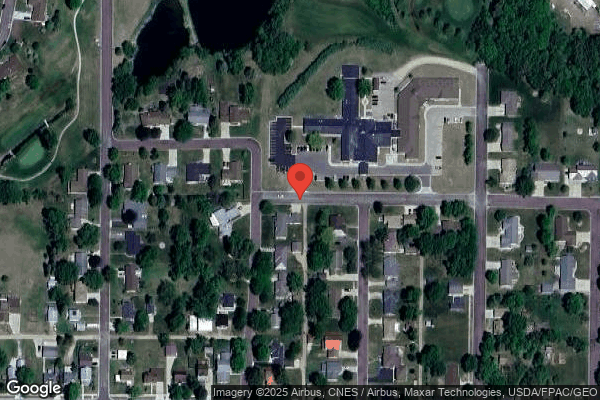
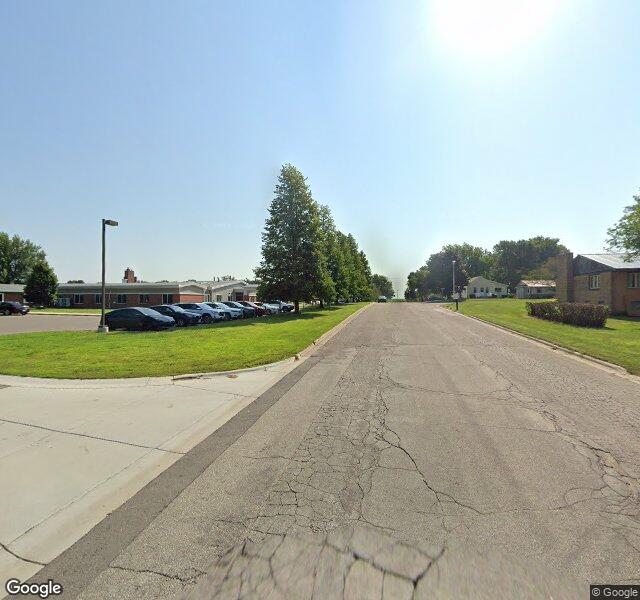
403 COLONIAL AVENUE, LAKEFIELD, MN 56150 (507) 662-6646
For profit - Corporation 37 Beds Independent Data: November 2025
Trust Grade
50/100
#226 of 337 in MN
Last Inspection: November 2024

Within standard 12-15 month inspection cycle. Federal law requires annual inspections.

Overview

Colonial Manor Nursing Home has a Trust Grade of C, which means it is average-neither great nor terrible. It ranks #226 out of 337 facilities in Minnesota, placing it in the bottom half, and is the second-best option in Jackson County, with only one other facility available. Unfortunately, the facility is worsening, with issues increasing from 2 in 2023 to 16 in 2024. Staffing is a strength, rated 4 out of 5 stars with a 0% turnover rate, indicating staff stability; however, there is concerning RN coverage, as it is lower than 88% of facilities in the state, which can impact resident care. Recently, inspectors found that the dietary manager was not certified, which could affect all residents, and there were issues with inaccurate staffing data submitted to Medicare, raising concerns about oversight. While staffing stability is a positive aspect, the facility's increasing issues and regulatory compliance problems are significant weaknesses to consider.

Trust Score
C
50/100
In Minnesota
#226/337
Bottom 33%
Safety Record
Low Risk
No red flags
Inspections
Getting Worse
2 → 16 violations
Staff Stability
○ Average
Turnover data not reported for this facility.
Penalties
✓ Good
No fines on record. Clean compliance history, better than most Minnesota facilities.
Skilled Nurses
✓ Good
Each resident gets 51 minutes of Registered Nurse (RN) attention daily — more than average for Minnesota. RNs are trained to catch health problems early.
Violations
⚠ Watch
29 deficiencies on record. Higher than average. Multiple issues found across inspections.
★★☆☆☆
2.0
Overall Rating
★★★★☆
4.0
Staff Levels
★★☆☆☆
2.0
Care Quality
★★☆☆☆
2.0
Inspection Score
Stable
2023: 2 issues
2024: 16 issues

The Good

  • 4-Star Staffing Rating · Above-average nurse staffing levels
  • Full Sprinkler Coverage · Fire safety systems throughout facility
  • No fines on record

Facility shows strength in staffing levels, fire safety.

The Bad

2-Star Overall Rating

Below Minnesota average (3.2)

Below average - review inspection findings carefully

The Ugly 29 deficiencies on record

Nov 2024 12 deficiencies
CONCERN (D)

Potential for Harm - no one hurt, but risky conditions existed

Grievances (Tag F0585)

Could have caused harm · This affected 1 resident

**NOTE- TERMS IN BRACKETS HAVE BEEN EDITED TO PROTECT CONFIDENTIALITY** Based on observation, interview and document review, the facility failed to follow their grievance process for missing personal ...

Read full inspector narrative →
**NOTE- TERMS IN BRACKETS HAVE BEEN EDITED TO PROTECT CONFIDENTIALITY** Based on observation, interview and document review, the facility failed to follow their grievance process for missing personal property for 1 of 1 resident (R19) who reported missing property. Findings include: R19's significant change Minimum Data Set (MDS) assessment dated [DATE], identified R19 had moderately impaired cognition. On interview 11/18/24 at 1:54 p.m., R19 stated he has had multiple packs of handkerchiefs lost when sent to laundry along with a couple shirts since his admission to the facility January 2024. R19 stated he is not sure how many handkerchiefs come in a pack but he has told multiple staff about his missing items. On interview 11/20/24 at 9:41 a.m., nursing assistant (NA)-A stated when residents inform them of missing belongings including clothing, would tell the charge nurse. NA-A was unsure what happens after that. On interview 11/20/24, at 9:45 a.m., NA-B stated staff fill out a missing belonging sheet and inform the charge nurse of the missing belongings. NA-B added they also put the form in the binder at the nurse's station. On interview 11/20/24 at 9:45 a.m., the nursing department coordinator (NDC)-A stated there was no book of missing belongings at the nurses station. NDC-A was able to locate a form to complete for missing or damaged items but thinks they are turned into social services to follow-up on and file. On interview 11/20/24 at 9:48 a.m., registered nurse (RN)-A, stated social services would have the missing belongings binder with the completed forms. RN-A indicated they currently do not have a social worker and she would look for them in her office. On interview 11/20/24 at 9:54 a.m., R19 stated every time I get new hankies, they just disappear in laundry. R19 stated his wife just got him a new pack and he is already down to 1 or 2 of them. R19 also indicated he has told staff multiple times about them missing along with his shirts. On interview 11/20/24 at 10:24 a.m., laundry (L)-D indicated she has been aware of R19's missing handkerchiefs for the last month or two but not of his shirts. L-D stated they have looked for the missing handkerchiefs but have not been able to locate them. L-D indicated social services follows up with the residents. On interview 11/20/24 at 4:08 p.m., the administrator stated social services does keep a binder of missing belongings forms, but there was no form for R19's missing shirts or handkerchiefs present. The administrator confirmed a missing belongings form should have been completed and the grievance process was not followed through. The administrator stated any missing belonging is a big thing. Facility Missing or Damaged Items policy dated 2/19, included: - Person told of missing item to gather as much information as possible and initiate search for item. - If item is not found, complete the Missing or Damaged Item report form, and report it to charge nurse. - Charge nurse to determine further action in attempts to locate missing item and notify other departments as necessary. - Original copy of missing or damaged item report to be given to Social Services. - Social Services maintains file of all pertinent information regarding missing or damaged items.
CONCERN (D) 📢 Someone Reported This

A family member, employee, or ombudsman was alarmed enough to file a formal complaint

Potential for Harm - no one hurt, but risky conditions existed

Report Alleged Abuse (Tag F0609)

Could have caused harm · This affected 1 resident

Based on interview and document review, the facility failed to ensure allegations of abuse were reported to the administrator and the State Agency (SA) timely for 1 of 1 resident (R24) reviewed for al...

Read full inspector narrative →
Based on interview and document review, the facility failed to ensure allegations of abuse were reported to the administrator and the State Agency (SA) timely for 1 of 1 resident (R24) reviewed for allegations of abuse. Findings include: Review of the 11/13/24 at 10:50 a.m., report to the SA identified on 11/12/24, at 6:15 a.m., resident informed staff the nursing assistant stated You better start cooperating with me or I will tell your husband and he will yell at you and You better be nice or your husband will yell at you. On interview 11/18/24 at 1:47 p.m., R24 denied any recent alleged events with verbal abuse. On interview 11/18/24 at 4:46 p.m., family member (FM)-A stated the facility did notify her regarding an event that occurred last week sometime (unable to identify the date) with potential verbal abuse. FM-A indicated R24's memory is very poor and would not recall any events from the past week. On interview 11/19/24 at 9:58 a.m., the director of nursing (DON) indicated she was notified of the alleged abuse event on 11/13/24 regarding R24, and reported it that same morning. The DON confirmed the event occurred 11/12/24. On interview 11/19/24 at 11:32 a.m., nursing assistant (NA)-C stated she was working on 11/12/24 around 6:00 a.m., when NA-D came into the room to assist and told R24 he was going to tell her husband who will yell at her. NA-C stated she thought about the encounter through the day and around 1:30 p.m. discussed the event with her co-workers who informed her she needed to report the event to the charge nurse. NA-C indicated the charge nurse was not available, and the DON and administrator were not present at the facility so she notified the business office manager (BOM)-G around 2:30 p.m. On interview 11/20/24 at 10:36 a.m., the administrator confirmed the alleged event report was not made to the SA until the following day. The administrator stated she was out of the building the day of the alleged event and during investigation found out the event occurred in the morning but wasn't reported until later in the day from the staff member internally. The administrator stated she received notification from BOM-G on 11/12/24, in the afternoon and instructed her to have the DON report the event but she was out of the office also. The administrator attempted to get another staff member privileges to report to the SA but was unsuccessful so event wasn't reported until the next day by the DON. Facility Abuse Prevention Plan undated, identified the administrator and DON must be promptly notified of suspected maltreatment. All alleged incidents of maltreatment are reported immediately to the SA and to all other agencies as required and all necessary corrective actions, depending on the results of the investigation, are taken. Immediately means as soon as possible, but not more than 24 hours after discovery of the incident. Alleged violations involving abuse, neglect, exploitation or mistreatment, including injuries of unknown source and misappropriation of resident property are reported immediately, but not later than 2 hours after the allegation is made.
CONCERN (D)

Potential for Harm - no one hurt, but risky conditions existed

Assessment Accuracy (Tag F0641)

Could have caused harm · This affected 1 resident

**NOTE- TERMS IN BRACKETS HAVE BEEN EDITED TO PROTECT CONFIDENTIALITY** Based on interview and document review, the facility failed to ensure a residents hospice status was accurately coded on the Min...

Read full inspector narrative →
**NOTE- TERMS IN BRACKETS HAVE BEEN EDITED TO PROTECT CONFIDENTIALITY** Based on interview and document review, the facility failed to ensure a residents hospice status was accurately coded on the Minimum Data Set (MDS) assessment for 1 of 1 residents (R15) reviewed for hospice and end of life. Findings include: R15's facesheet printed on 11/20/24, included diagnoses of protein-calorie malnutrition and encounter for palliative care. R15's current, quarterly MDS assessment dated [DATE], indicated R15 had moderately impaired cognition, had clear speech, could understand, and be understood. Hospice was not marked on the MDS. R15's significant change MDS assessment dated [DATE], indicated R15 was receiving hospice care. A progress note dated 7/3/24, indicated the provider faxed an order requesting hospice admission. During a telephone interview on 11/20/24 at 9:29 a.m., hospice agency administrative assistant (AD)-F stated R15 was enrolled in hospice on 7/8/24. R15's certification of terminal illness (CTI) diagnosis was protein calorie malnutrition. During an interview on 11/20/24 at 9:54 a.m., registered nurse (RN)-A who was also the MDS nurse, looked in R15's electronic medical record (EMR) and acknowledged hospice was not marked in Section O which indicated special treatments, procedures, and programs, for the quarterly MDS assessment dated [DATE]. RN-A immediately made a modification to add hospice to R15's MDS and stated she inadvertently missed that. Facility policy for accuracy of MDS assessments was requested and not received.
CONCERN (D)

Potential for Harm - no one hurt, but risky conditions existed

Deficiency F0657 (Tag F0657)

Could have caused harm · This affected 1 resident

**NOTE- TERMS IN BRACKETS HAVE BEEN EDITED TO PROTECT CONFIDENTIALITY** Based on interview and document review, the facility failed to ensure a care plan was revised to include hospice care for 1 of 1...

Read full inspector narrative →
**NOTE- TERMS IN BRACKETS HAVE BEEN EDITED TO PROTECT CONFIDENTIALITY** Based on interview and document review, the facility failed to ensure a care plan was revised to include hospice care for 1 of 1 residents (R15) reviewed for hospice and end of life. Findings include: R15's facesheet printed on 11/20/24, included diagnoses of protein-calorie malnutrition and encounter for palliative care. R15's quarterly Minimum Data Set (MDS) assessment dated [DATE], indicated R15 had moderately impaired cognition, had clear speech, could understand, and be understood. R15's progress notes dated 7/3/24, indicated the provider faxed an order requesting hospice admission. R15's care plan initiated on 5/1/23, had no reference to R15 receiving hospice or palliative care. During a telephone interview on 11/20/24 at 9:29 a.m., hospice agency administrative assistant (AD)-F stated R15 was enrolled in hospice services on 7/8/24. During an interview on 11/20/24 at 9:54 a.m., registered nurse (RN)-A who was also the MDS nurse, stated if a resident was receiving hospice services, it would be identified on his/her care plan. RN-A looked in R15's electronic medical record (EMR) and acknowledged neither hospice or palliative care was identified on the care plan. RN-A stated either she or the director of nursing could add updates to the care plan, as well as any nurse. RN-A stated she should have caught that omission. Facility Care Planning policy with revised date of 8/23, indicated the care planning process began pre-admission and continued on a regular and periodic basis throughout the residents stay. Care plans were updated with any changes.
CONCERN (D)

Potential for Harm - no one hurt, but risky conditions existed

Deficiency F0661 (Tag F0661)

Could have caused harm · This affected 1 resident

Based on interview and document review, facility failed to document a complete recapitulation of stay for 1 of 1 resident (R28) reviewed for discharge. Findings include: R28's facesheet printed 11/20...

Read full inspector narrative →
Based on interview and document review, facility failed to document a complete recapitulation of stay for 1 of 1 resident (R28) reviewed for discharge. Findings include: R28's facesheet printed 11/20/24, identified an admission date to facility of 7/8/24 with diagnoses including: pressure ulcer of left foot (bedsore injury to the skin and tissue below the skin), depression, osteomyelitis (infection in bone) and paraplegia (paralysis that mostly affects the movement of the lower body). R28's discharge orders were dated 10/24/24, and signed by the provider. A progress note dated 10/25/24 at 9:51 a.m., by registered nurse (RN)-B included resident discharged to home with wife. Personal belongings, over the counter medication were taken home. Discharge orders reviewed with wife and resident and they state understanding. The medical record lacked a discharge summary. On interview 11/20/24 at 4:43 p.m., registered nurse (RN)-H, also identified as regional director of skilled care, confirmed she was not able to locate a discharge summary in the medical record and added there has been a turn over in staff so was unsure if it was completed but it should have been. On interview 11/20/24 at 4:47 p.m., RN-A, also identified as MDS coordinator, stated in the past social services was responsible for the discharge process and this was her first time doing a discharge. RN-A stated she was not aware she needed to fill out a discharge summary so this was not done but did send the orders with the resident upon discharge. Facility Death/Discharge Record Completion policy dated 8/23/24, included: On permanent discharge, nursing will complete discharge summary to the extent possible in the electronic health record (EHR). On permanent discharge, nursing will secure the signature and address of the responsible person to whom released, the signature and address of the resident. The signature and address is recorded on the admission and discharge record. The nurse will complete the discharge summary in the EHR. The physician will be notified via fax, phone call or in person of discharge.
CONCERN (D)

Potential for Harm - no one hurt, but risky conditions existed

Deficiency F0692 (Tag F0692)

Could have caused harm · This affected 1 resident

**NOTE- TERMS IN BRACKETS HAVE BEEN EDITED TO PROTECT CONFIDENTIALITY** R4's facesheet printed on 11/20/24, included diagnoses of severe protein-calorie malnutrition and dysphagia (difficulty swallowi...

Read full inspector narrative →
**NOTE- TERMS IN BRACKETS HAVE BEEN EDITED TO PROTECT CONFIDENTIALITY** R4's facesheet printed on 11/20/24, included diagnoses of severe protein-calorie malnutrition and dysphagia (difficulty swallowing). R4's quarterly Minimum Data Set (MDS) dated [DATE], indicated R4 was cognitively intact and was dependent upon staff for activities of daily living (ADL's). R4's orders did not specify obtaining measured weights. R4's care plan with revised date of 10/2/24, indicated R4 was at nutrition risk due to history of poor intake and history of requiring a feeding tube. In addition, staff were to monitor monthly weights for significant changes, notify the provider of weight changes per policy, and to weigh R4 per facility protocol or provider orders. Review of R4's weights showed weights consistently over 100 pounds from 8/16/24, to 10/16/24, except for an aberrant weight on 9/30/24, of 82.6 pounds. Review of dietician progress notes indicated: --10/1/24: Weight listed in the EMR (electronic medical record) on 9/30/24, is 82.6 # (pounds). Question the accuracy of this. --10/15/24: Weights appear inaccurate with weight on 9/16/24, 107# and weight on 9/30/24, of 82.6 #. During a telephone interview on 11/19/24 at 9:52 a.m., registered dietician (RD)-I stated she suspected some inaccurate resident weights but had not spoken to the nursing staff or director of nursing (DON) about it. RD-I stated she included this information in her nutrition reports which went to department leaders, so they were aware of the possible inaccuracies of weights. During an interview on 11/19/24, at 11:20 a.m., the DON stated she was aware of inaccuracies of weights; that it has been identified one or two months ago. The DON stated because of this, staff re-weighed resident wheelchairs and updated the wheelchair weight book. The DON stated she had then asked nurses to obtain residents weights rather than nursing assistants (NA's). The DON stated she would look for the written communication to the nurses regarding this change, but she used mostly verbal communication to inform them. During an interview on 11/19/24 at 12:27 p.m., licensed practical nurse (LPN)-B stated had not received communication from the DON indicating only nurses should be weighing residents. LPN-B stated she was aware of weight inaccuracies, adding a physician, Got after me about that one day. LPN-B stated each day she wrote in a small notebook which residents needed a measured weight. After a NA obtained the weight, the NA recorded it in the notebook, then LPN-B calculated the weight without the wheelchair and entered it into the EMR. While she had not seen evidence of it, LPN-B stated she wondered if NA's were weighing residents in a wheelchair with the oxygen tank attached, adding that could account for the weight fluctuations. During an interview on 11/20/24 at 8:56 a.m., the administrator was aware of inaccurate weights being recorded in resident records. The administrator stated the inaccuracies were sometimes due to staff not waiting for the scale to be fully turned on and therefore the weight was skewed. The administrator stated the maintenance director had calibrated the scale and the DON provided education to the nursing staff. The administrator stated she would look for the documentation of the education and stated it did not indicate (as the DON had stated), that only nurses would weigh residents rather than NA's. During an interview on 11/21/24, at 8:41 a.m., in the shower room with the wheelchair scale, NA-H stated NA's weighed a residents in their wheelchair, then gave the charge nurse the weight. NA-H stated she thought the nurse deducted the wheelchair weight. Observed a sign on the scale indicating to remove the oxygen tank [before weighing the resident]. During an interview on 11/21/24 at 9:16 a.m., LPN-B stated she got sick of inaccurate weights one weekend, so created a list of the weight of resident wheelchairs so that nurses could use that information when calculating weights. LPN-B stated she shared the list with the nursing staff and made the DON aware too. During an interview on 11/21/24 at 9:19 a.m., nursing assistant (NA)-F stated residents were weighed in the shower room. If a resident had an oxygen tank on their wheelchair, that was removed. NA-F stated she gave the total weight measurement (resident and wheelchair) to the nurse who wrote it down, but NA-F didn't know what happened after that. Facility Weighing and Weight Changes of Residents policy dated 4/22, included weekly weights are taken by nursing staff and entered into the electronic medical record. The DM or RN/LPN will review weights and request for reweighs if there is a change of plus or minus 3 pounds in a week. If reweigh confirms a weight change of 3 pounds gain or loss, daily weights will be requested by RN/LPN or DM for 7 days to observe resident's weight. The DM will evaluate for significant weight gains and losses. If significant weight charges are documented, the DM will report to the RD to review. If weight loss is confirmed and the resident's meal intakes are more than 50%, the DM will report to the RD and provider with confirmation of significant weight change. The DM will continue to observe resident's weight for another week before starting interventions, unless recommended to do otherwise by RD or provider. If weight loss is confirmed and the resident's meal intakes are less than 24-50%, the DM will report to the RD and provider with confirmed weight loss. The DM will start interventions as stated in the nutrition at risk policy and procedure. Based on observation, interview and document review, the facility failed to document and monitor weight loss for 1 of 1 resident (R24) who had weight loss. In addition, the facility failed to obtain accurate weights for 2 of 2 residents (R24, R4) who were evaluated for nutrition. Findings include: R24's facesheet printed on 11/20/24, included diagnoses of stroke affecting left side, Parkinsonism (movement related disorder), dementia, mild with anxiety, hypoglycemia (low blood sugar), hyponatremia (low sodium level), and dysphagia (difficulty swallowing). R24's quarterly Minimum Data Set (MDS) assessment dated [DATE], indicated R24 had severe cognitive impairment, required setup help for eating and was dependent for transfers, mobility in wheelchair, dressing, and personal cares of activities of daily living (ADL's). No weight loss or gain. R24's care plan dated 10/23/24, indicated R24 was at risk for nutritional compromise related to right sided stroke and Parkinson's disease. Goals included resident will have adequate intakes of food and fluids with meals/snacks and resident will not have triggered weight loss of 5% in 30 days or 10% in 180 days. Interventions included allow resident to make meal choices, offer extra fluids between meals for hydration at activities and in common areas and room, resident will maintain ability to feed self, monitor monthly weights for any significant trigger, weigh and notify provider of weight changes per facility protocol. Additional interventions included monitor and record intakes of food and fluids, observe for any problems with chewing or swallowing and work with speech therapy for safest level of chewing and/or swallowing. R24's physician orders dated 7/18/24, indicated R24's diet included regular with cut up meats at meals, thin liquids. A nurse progress note dated 11/13/24 at 1:25 p.m., by licensed practical nurse (LPN)-B included provider here for house rounds and orders for speech therapy to evaluate for increased complaints of swallowing issues. A nurse progress note dated 11/18/24 at 6:49 p.m., by LPN-A included R24 has had a diet change: Soft and bite size recommended and take a sip of water after each bite to ensure food is fully chewed and swallowed. Crush all pills, and thin liquids as ordered by speech therapy. R24 weights in pounds recorded since admission on [DATE] included: 5/11/24 - 146.2 6/13/24 - 147.4 7/11/24 - 151.4 7/29/24 - 184.8 8/5/24 - 141.0 9/5/24 - 184.8 9/5/24 - 194 9/27/24 - 142.2 10/14/24 -140.2 11/4/24 - 135.2 11/11/24 - 123 11/14/24 - 121 - 17.24% change from admission 6 months prior. 10.5 percent change from 11/4/24. On interview 11/18/24 at 4:54 p.m., family member (FM)-A stated R24 has not had an appetite lately and will take bites and spit it out. FM-A indicated she was not aware of a weight loss but FM-B had informed her she isn't eating much if at all. During observation on 11/18/24 at 6:30 p.m., R24 was eating in her room with husband present. Ate 50% of her meal. During observation on 11/19/24 at 12:45 p.m., R24 refused her lunch. Review of meals documented from 10/20/24 to 11/19/24 included: None: 11 times 0-25%: 7 times 26-50%: 11 times 51-75%: 12 times 76-100%: 24 times A nutritional assessment dated [DATE], observation and completion date by registered dietician (RD)-I, included a score of 10 indicating R24 is at risk of malnutrition. Notes included: R24 has had variations to weights and it appears some are inaccurate. She was readmitted with stroke and history of Parkinson's Disease. admission height taken from hospital records 65 and weight 146 pounds. Ideal body weight is 125 pounds. Estimated nutritional needs 1300-1500 calories, 60-70 grams protein and 1600 ml fluids. Review weight 135 pounds which is a decrease of 3.5% in 30 days and a decrease of 7.5% in 180 days. Both do not trigger for weight loss. Diet is regular, regular texture (cut up) and regular liquids. Intakes are generally adequate with small portions preferred. Her husband comes to feed her meals which are consumed in room for most part. Her husband brings her a donut for mid - morning snack. She has her own teeth and there are no problems with chewing or swallowing at present. Nursing notes that she had difficulty swallowing on 10/4/24, however this was also associated with anxiety and difficulty breathing. No other notes regarding problems. Medications pertinent to nutrition include laxatives with many medications recently discontinued. Mini Nutritional Assessment score: 9 - at nutrition risk NUTRITION DIAGNOSIS Inability to manage self care and physical inactivity related to stroke and Parkinson's disease as evidenced by requiring assistance with ADL's and structured meals to maintain nutrition status. NUTRITION INTERVENTIONS: Diet: regular, regular texture and regular liquids Cut up meat for ease of self feeding NUTRITION PLANS: Provide diet as ordered Snacks per facility protocol and resident preferences Monitor any difficulty with swallowing Monitor need for nutrition supplement if weights are accurately declining. Monitor intakes of food/fluids to ensure nutrition needs are being met. On interview 11/20/24 at 3:06 p.m., the registered dietician (RD)-I stated she has had issues with getting accurate weights or reweighs completed when requested. RD-I stated when she completed her recent nutritional assessment it was for the look back period dating from previous quarterly assessment 7/15/24 through 11/7/24. RD-I indicated if the weights for 11/12 and 11/14 were accurate, she should have been notified of the significant weight loss. RD-I indicated it has been difficult to complete accurate assessments when weights are sometimes inaccurate. RD-I stated she has requested re-weights but they are never completed. RD-I indicated she writes possible inaccuracy of weights in her reports which go to all the department heads, so they are aware of the request for re-weights and possible inaccuracy of weights. On interview 11/20/24 at 3:16 p.m., licensed practical nurse (LPN)-A reviewed R24's weights and stated there are obvious operator errors present and R24 should have been reweighed with the inaccurate weights that struck out as errors. LPN-A added he has requested a lot of reweighs at the facility due to crazy weight difference since he has been at the facility at the end of September. LPN-A stated the most recent weight from 135 to 123 pounds in one week would require notification to the physician. LPN-A added R24 hasn't been eating much so the weights could be accurate. LPN-A reviewed the record and confirmed there is no documentation present of physician notification of the significant weight change. On interview 11/20/24 at 3:25 p.m. interim case manager (ICM)-K confirmed a 12 pound weight loss in one week is a significant weight loss and the physician should have been notified. ICM-K indicated weights that are obviously not accurate need to be reweighed and inaccurate weights struck out as error. On interview 11/20/24 at 3:29 p.m., nurse consultant (NC)-L confirmed the facility has had issues with the monitoring and accuracy of weights and it is on a list to address. On interview 11/20/24 at 3:32 p.m., the dietary manager (DM)-J indicated she has met with R24 and FM-B regarding her intake and snacks. DM-J indicated she has observed FM-B eating portions of R24's food so is not sure how accurate the intake documentation is. DM-J confirmed she has had difficulty getting accurate weights with some weights being obvious significant errors. When reweighs are requested, they don't happen. DM-J confirmed she, the RD and the physician should have been notified of R24's recent significant weight loss.
CONCERN (D)

Potential for Harm - no one hurt, but risky conditions existed

Infection Control (Tag F0880)

Could have caused harm · This affected 1 resident

**NOTE- TERMS IN BRACKETS HAVE BEEN EDITED TO PROTECT CONFIDENTIALITY** Based on observation, interview, and document review, the facility failed to ensure enhanced barrier precautions (EBP) were foll...

Read full inspector narrative →
**NOTE- TERMS IN BRACKETS HAVE BEEN EDITED TO PROTECT CONFIDENTIALITY** Based on observation, interview, and document review, the facility failed to ensure enhanced barrier precautions (EBP) were followed for 1 of 1 resident (R26) who had a urinary ostomy Findings include: R26's facesheet printed on 11/20/24, included diagnoses of neuromuscular dysfunction of the bladder (when the nerves and muscles that control the bladder don't work properly), bladder-neck obstruction, and a urinary diversion device - a urinary ostomy (an opening in the abdominal wall to redirect the urine). R26's admission Minimum Data Set (MDS) assessment dated [DATE], indicated R26 had moderately impaired cognition, clear speech, could understand and be understood. R26, who didn't walk, required staff assistance for most activities of daily living (ADL's), including toileting. R26's physician order dated 11/5/24, indicated to change two-piece urostomy pouch on Tuesday and Friday if leaking. During an observation on 11/19/24 at 1:20 p.m., observed an EBP sign hanging on R26's door which indicated staff were to don personal protective equipment (PPE) including gown, gloves, and mask, prior to providing care. Nursing assistant (NA)-F was observed taking a sit-to-stand mechanical lift into R26's room without donning PPE. NA-F assisted R26 from wheelchair to mechanical lift to toilet without PPE, then exited the room. During an observation and interview on 11/19/24 at 1:40 p.m., NA-F donned PPE - gown, gloves, and mask - to enter R26's room. NA-F stated she didn't don PPE to take R26 into the bathroom and assist him onto the toilet because she didn't touch him during that process. During an interview on 11/19/24 at 1:54 p.m., along with NA-F reviewed the EBP sign on the outside of R26's door. NA-F admitted she didn't wear PPE when toileting R26 with the sit-to-stand mechanical lift, adding, It's a fine line -- I can put the sling [for the lift] on him without touching him. During an interview on 11/19/24 at 1:58 p.m., the director of nursing (DON) stated whether or not staff donned PPE to care for a resident in EBP depended on the distance. When asked if there was a distance requirement, the DON stated would need to look at the policy. During an interview on 11/19/24 at 2:03 p.m., the DON provided the EBP policy and stated according to the policy, staff should wear PPE when toileting a resident in EBP. During an interview on 11/19/24 at 4:22 p.m., registered nurse (RN)-A, who was also the infection preventionist, stated nursing staff had a meeting on 11/11/24, where EBP was reviewed. A copy of sign-in sheet was provided and NA-F's signature was listed. Facility Enhanced Barrier Precautions policy with revised date of 6/21/24, indicated EBP was used with residents who had indwelling medical devices; that an indwelling medical device provided a pathway for pathogens in the environment to enter the body and cause infection. EBP was used when performing high contact resident care activities such as toileting.
CONCERN (D)

Potential for Harm - no one hurt, but risky conditions existed

Deficiency F0883 (Tag F0883)

Could have caused harm · This affected 1 resident

**NOTE- TERMS IN BRACKETS HAVE BEEN EDITED TO PROTECT CONFIDENTIALITY** Based on interview and document review the facility failed to have records of the pneumococcal vaccinations for 1 of 1 resident ...

Read full inspector narrative →
**NOTE- TERMS IN BRACKETS HAVE BEEN EDITED TO PROTECT CONFIDENTIALITY** Based on interview and document review the facility failed to have records of the pneumococcal vaccinations for 1 of 1 resident (R19) and the influenza vaccine for 2 of 3 residents (R19, and R7) reviewed for immunization protocol for who had a signed agreement to receive the influenza vaccine. In addition, the facility failed to document for 1 of 1 resident (R19), the influenza vaccine had been offered and education on risks/benefits was completed. Findings include: R19's medical record identified R19 had been admitted to the facility on [DATE]. R19's medical record lacked documentation of receiving any pneumococcal or influenza vaccines. R19's medical record lacked documentation of education on risks/benefits or declination of vaccines. Upon request of R19's record of vaccinations or refusal along with education completed, registered nurse (RN)-A confirmed 11/19/24 at 10:23 a.m., R19's record lacked documentation of any vaccinations and stated she would look further into it. Upon second request for vaccinations 11/20/24 at 8:01 a.m., nothing further was received. R7's medical record identified R7 had not received influenza vaccine. A consent form was present in the medical record that included consent on 11/4/24, for Covid and influenza vaccine. Covid vaccine was administered 11/7/24 but R7's record lacked documentation of receiving influenza vaccine. R26's medical record lacked documentation the influenza vaccine had been offered, education/risks discussed or documentation of refusal. On interview, 11/20/24 8:01 a.m., RN-A indicated influenza vaccine shots have not been given at the facility yet this year. RN-A indicated the consents for vaccinations were sent to the families late and they haven't received them all back yet. RN-A had not completed follow-up with the families who had not returned the consent forms. RN-A stated the influenza vaccine had been at the facility for a few months but none had been given at this time. Facility Resident Vaccinations policy dated 6/2023, included all residents are provided with the opportunity and are encouraged to receive pneumonia and COVID-19 vaccinations. Vaccinations will be offered to all residents per Center for Disease Control (CDC) recommendations. The RN Case Manager and infection control coordinator will be responsible for researching resident medical record and history to determine if the vaccinations have been given. Facility Infection Control - Resident Vaccinations policy dated 4/2023, included to minimize the risk of residents acquiring, transmitting, or experiencing complications from influenza and pneumococcal pneumonia by assessing that each resident is informed about he benefits and risks of immunizations and has the opportunity to receive, unless medically contraindicated, resident refused or already immunized, for the influenza and pneumococcal pneumonia vaccine. Beginning in the fall of each year, residents will receive an educational handout on the inactivated influenza vaccine which is to include benefits and risks and possible side effects. Staff will receive consent from resident or responsible party. Staff then administer, per standard of nursing practice and document vaccine on resident's vaccination record. If vaccine not provided, staff will document as to why the vaccine was not provided, such as medical contraindications, refusal, or vaccine already given prior to admission. Influenza vaccine is offered October to March of each year. Pneumococcal is offered year around.
CONCERN (E)

Potential for Harm - no one hurt, but risky conditions existed

Antibiotic Stewardship (Tag F0881)

Could have caused harm · This affected multiple residents

**NOTE- TERMS IN BRACKETS HAVE BEEN EDITED TO PROTECT CONFIDENTIALITY** Based on interview and document review, the facility failed to implement a process for antibiotic review to determine appropriat...

Read full inspector narrative →
**NOTE- TERMS IN BRACKETS HAVE BEEN EDITED TO PROTECT CONFIDENTIALITY** Based on interview and document review, the facility failed to implement a process for antibiotic review to determine appropriate indications, dosage, duration, trends of antibiotic use and resistance for 4 of 5 residents (R9, R19, R20, R25) reviewed for antibiotics. This had the potential to affect any of the 25 residents who resided in the facility who might use antibiotics. Findings include: Review of the monthly infection control log dated 7/2024, 8/2024, 9/2024, 10/2024 and 11/2024, identified residents who had been identified as having an infection and had been administered an antibiotic and had included the floor plan of the facility. Review of 7/2024, surveillance log identified R20 had a urinary tract infection (UTI). R20 was admitted [DATE]. R20's face sheet had diagnoses of dementia with anxiety and traumatic brain injury. She was prescribed an antibiotic Macrobid that was started on 7/28/24. The surveillance log lacked indication of the antibiotic dosages and when or if the infection had resolved. Review of 9/2024, surveillance log identified R19 had a UTI infection. R19 was admitted [DATE]. R19's face sheet had diagnoses of dementia, UTI, obstructive reflux uropathy and benign prostatic hyperplasia (enlargement) with lower urinary tract symptoms. R19's 10/02/24, significant change Minimum Data Set (MDS) identified he had an indwelling catheter. R19 was prescribed an antibiotic ampicillin 500 milligrams (mg) on 9/16/24. The surveillance log lacked indication when or if the infection had resolved. Review of 9/2024, surveillance log identified R9 had a UTI infection. R9 was admitted [DATE]. R9's face sheet had diagnoses of functional urinary incontinence, retention of urine and chronic kidney disease. R9's 11/01/24, significant (MDS) identified he had an indwelling catheter. R9 was prescribed an antibiotic cefdinir 300mg on 9/24/24. The surveillance log lacked indication when or if the infection had resolved. Review of 10/2024, surveillance log :identified R25 had a UTI infection. R25 was admitted [DATE]. R25's face sheet had a diagnosis of joint replacement surgery, right artificial knee joint, and pruritis. R25 was prescribed an antibiotic macrobid on 10/28/24. The surveillance log lacked indication of the antibiotic dosages, as well as, when or if the infection had resolved. Review of 11/2024, surveillance log identified use of antibiotics for residents who had a UTI, however, the surveillance log lacked indication of what the infection were, did not identify if a time out had been completed, and did not indicate when or if the infection had resolved. During interview on 11/20/24 at 2:19 p.m., with registered nurse (RN)-A hired June 2024, and had not started her Infection preventionist (IP) training and was recently assigned to the duty as the facility's IP in September. RN-A stated the director of nursing (DON), who no longer worked at the facility, had a process in place for identifying antibiotic use for residents and would need to collaborate with the current facility administration to enforce consistency with the antibiotic stewardship program of tracking and logging all antibiotics. During interview on 11/20/24 at 3:27 p.m., with administrator would expect the nursing team to identify, track and maintain monthly log updates of all residents who had received antibiotics. Review of April 2023, Antibiotic Stewardship Policy identified the facility licensed nurses would follow up on pending cultures within 48 hours and would contact lab services at 72 hours to verify culture results, as well as antibiotics used to treat infections or to prevent unnecessary antibiotic use. Review of April 2023, Infection Control-Antibiotic Stewardship Program policy identified the facility would promote appropriate use of antibiotics to treat infections and reduce adverse effects related to antibiotic use under evidence based practice guidelines aligned with Centers for Disease Control and Prevention (CDC).Secondly, the facility would monitor antibiotic usage patterns on a regular basis, review the antibiotic stewardship policy annually, would evaluate clinical signs and symptoms of residents who was suspected of having an infection and would use antibiotic time out forms to assess the ongoing need for antibiotics. Lastly, the IP would oversee the infection surveillance and would provide monthly reports, as indicated.
CONCERN (F)

Potential for Harm - no one hurt, but risky conditions existed

Deficiency F0801 (Tag F0801)

Could have caused harm · This affected most or all residents

Based on interview and document review, the facility failed to ensure that in the absence of a full-time registered dietician (RD), the dietary manager (DM) was certified to oversee nutrition and food...

Read full inspector narrative →
Based on interview and document review, the facility failed to ensure that in the absence of a full-time registered dietician (RD), the dietary manager (DM) was certified to oversee nutrition and food services. This had potential to affect all 25 residents who resided in the facility. Findings include: During an interview on 11/18/24 at 12:25 p.m., dietary manager (DM)-J stated she had been employed at the facility since 12/18/23 and was not a certified dietary manager nor had she started any classes. DM-J stated she was notified today the administrator was going to get her signed up for the certification class. DM-J stated she does have a Food Safety Certificate, which she completed in 2019. During an interview on 11/20/24 at 10:45 a.m., the administrator was aware DM-D was not certified as a dietary manager. The administrator stated she understood the registered dietician coming once a week would be adequate until DM-J got her certification. The administrator stated, DM-J has not been signed up for her dietary certification classes. Dietary manager job description undated, skills/qualifications included, knowledge of state and federal food regulations, Serv-Safe Certified, current certification as a Certified Dietary Manager (CDM) or dietician preferred or willing. If not licensed as CDM will encourage the candidate to get obtain their CDM certificate.
CONCERN (F)

Potential for Harm - no one hurt, but risky conditions existed

Staffing Data (Tag F0851)

Could have caused harm · This affected most or all residents

Based on interview and document review, the facility failed to submit accurate and/or complete data for staffing information, based on payroll and other verifiable and auditable data during 1 of 1 qua...

Read full inspector narrative →
Based on interview and document review, the facility failed to submit accurate and/or complete data for staffing information, based on payroll and other verifiable and auditable data during 1 of 1 quarter reviewed (Quarter 3, 2024), to the Centers for Medicare and Medicaid Services (CMS), according to specifications established by CMS. Findings include: The CMS payroll-based journal (PBJ) staffing data report for quarter 3 of 2024, which included dates from 4/1/24, to 6/30/24, triggered for: Four or More Days Within the Quarter with <24 Hours/Day Licensed Nursing Coverage. The following infraction dates were identified: 5/25/24, 6/8/24, 6/9/24, 6/16/24, 6/1/24, 6/22/24, 6/23/24, 6/24/24, 6/29/24, and 6/30/24. Review of nursing staff schedules for each infraction date indicated a licensed nurse had been scheduled each of the three shifts (days, evenings, and nights). The daily staffing postings for each infraction date indicated a licensed nurse was scheduled on each shift. During an interview on 11/20/24 at 11:10 a.m., nursing department coordinator (NDC)-A who was responsible for scheduling nursing staff, stated there was always a licensed nurse working every day, on each shift - days, evenings, and nights. Together with business office manager (BOM)-G, timecards were reviewed for each infraction date. All shifts were identified as having been worked by a licensed nurse, either an employed nurse or an agency nurse. During an interview on 11/20/24 at 3:15 p.m., BOM-G stated she was responsible for entering data for the PBJ report and was not able to identify why the report triggered for four or more days within the quarter with <24 hours/day licensed nursing coverage. All nursing staff, including management and/or agency were entered into the report. During an interview on 10/20/24 at 4:00 p.m., the administer could not determine the reason the PBJ report triggered for four or more days within the quarter with <24 hours/day licensed nursing coverage. Facility PBJ policy was requested, and the administrator stated the facility followed the CMS PBJ - LTC (long term care) policy manual.
CONCERN (F)

Potential for Harm - no one hurt, but risky conditions existed

Deficiency F0882 (Tag F0882)

Could have caused harm · This affected most or all residents

Based on interview and document review the facility failed to ensure the acting infection preventionist (IP) had completed specialized training in infection prevention and control. This had the potent...

Read full inspector narrative →
Based on interview and document review the facility failed to ensure the acting infection preventionist (IP) had completed specialized training in infection prevention and control. This had the potential to affect all 25 residents residing in the facility. Findings include: On interview on 11/19/24 at 10:29 a.m., the director of nursing (DON), indicated she started her employment at the facility in July 2024 and started doing the infection control role in October. The DON indicated she is enrolled in the Centers for Disease Control (CDC) infection preventionist course but has only completed one module so far and isn't very far into the training course. The DON added the role was going to be split between her and RN-A, also identified as Minimum Data Set (MDS) coordinator. On interview 11/19/24 at 10:23 a.m., RN-A indicated she is new to the infection preventionist role and has had no training at this time. RN-A stated she started at the facility at the end of June 2024 and was told to focus on MDS training first. RN-A indicated she is enrolled in a Boot Camp for Infection Control class the first week in December and is enrolled in the CDC infection preventionist course, but hasn't started it yet. On interview 11/19/24 at 10:59 a.m., the administrator stated she is aware the facility currently has no trained infection preventionist, but both the DON and the MDS coordinator are enrolled in the CDC course. Facility Infection Prevention and Control Program, dated 12/2022, included the early detection, prevention and management of infections are accomplished through effective oversight of the Infection Prevention and Control program that must include at a minimum, the following elements: To recognize and manage infections at the time of the resident's admission to the facility and throughout the stay; to follow recognized infection prevention and control practice while providing care that includes transmission based precautions and isolation; to provide program oversight including planning, organizing, implementing, operating, and monitoring; to maintain all of the elements of the program and ensuring the facility's interdisciplinary teams is involved in infection prevention and control practices; to develop and revise policies, procedures, and practices that promote consistent adherence to evidence-based infection control practices; to plan organize, implement, operate and maintain all the program elements; to define roles and responsibilities during routine implementation of practice and during unusual occurrences or times of potential risk of spread of infection or outbreak; to define and manage resident and employee health initiatives. The infection Prevention and Control Program components include the establishment of surveillance standards and frequency .; the development of the education component including the training in infection prevention and control practices that ensures compliance with facility requirements as well as State and Federal regulations.
Oct 2024 1 deficiency
CONCERN (E) 📢 Someone Reported This

A family member, employee, or ombudsman was alarmed enough to file a formal complaint

Potential for Harm - no one hurt, but risky conditions existed

Deficiency F0725 (Tag F0725)

Could have caused harm · This affected multiple residents

**NOTE- TERMS IN BRACKETS HAVE BEEN EDITED TO PROTECT CONFIDENTIALITY** Based on observation, interview and document review, the facility failed to ensure sufficient staffing was available to provide ...

Read full inspector narrative →
**NOTE- TERMS IN BRACKETS HAVE BEEN EDITED TO PROTECT CONFIDENTIALITY** Based on observation, interview and document review, the facility failed to ensure sufficient staffing was available to provide timely assistance with personal cares needs for 7 of 7 residents (R1, R2, R3, R4, R5, R6, and R7) who voiced concerns of inadequate number of staff to routinely meet their needs in a timely manner Findings include: A Vulnerable Adult Maltreatment Report submitted to the State Agency (SA) on 10/18/24 alleged the vulnerable adult (VA) would push the call light to request staff assistance to use the bathroom and staff would take an hour to respond. Because of the extended wait time, the VA would not get to the bathroom in time and be incontinent of bowel and urine. R1 R1's admission Minimum Data Set (MDS) dated [DATE], indicated R1 had moderately impaired cognition. The MDS identified R1 required staff assistance with toileting, bathing, dressing, bed mobility, and transfers. Diagnoses included diabetes, Alzheimer's disease, history of urinary tract infections (UTI), and congestive heart failure. R1's care plan last updated 10/16/24, indicated R1 required assistance of one staff and stand lift to transfer to toilet. The care plan did not identify a toileting plan. During an interview on 10/24/24 at 11:05 a.m., Family member (FM)-A stated R1 had his light on for 1 ½ hours when she was notified by R1 and had to call the nursing home phone line to reach staff to assist R1 to the bathroom. Further stated R1 was normally continent of bowel but was having diarrhea and could not wait for the 1 ½ hour call light wait time which result in R1 being incontinent which would be embarrassing to him. During an interview on 10/29/24 at 3:10 p.m. family member (FM)-B stated she visited R1 daily and would put his call light on when he needed to use the bathroom, but staff would not come. R1 would have to poop his pants which would embarrass him if he were feeling better. FM-B reported greater than 40-minute wait times but often she would shut the call light off and turn it right back on hoping it would get reset and noticed [by staff]. FM-B reported being nervous about leaving him alone in the facility's care. Review of R1's call light log for the dates of 9/24/24 to 10/17/24, indicated the following call light wait times: 24 instances of 15-29 minutes; 9 instances of 30 -59 minutes; and one (1) instance of over 60-minute wait time. R2 R2's significant change MDS dated [DATE], indicated R2 had moderately impaired cognition. The MDS identified R2 was dependent on staff for toileting, dressing, and transferring. The MDS did not identify any behaviors or rejection of cares. The MDS identified diagnoses of dementia, history of UTIs, and osteoarthritis. R2's care plan printed 10/24/24, indicated R2 required assistance of two staff and stand lift to transfer. Toileting plan was to toilet resident per his request. During an interview on 10/24/24 at 1:45 p.m., R2 reported staff did not answer his call light promptly and was told the facility had a staff shortage. R2 further reported having been on the commode with his call light on for an hour and it was painful to sit that long on the commode. R2 stated he did not get his baths on a regular basis and often missed them because he was told there was not enough staff to do it. R2 expressed concern that he is prone to urinary tract infections if his catheter drainage bag did not get emptied, he has called and waited for help for extended periods of time to get staff to empty it and has had several occasions when the urine drainage bag backed up which could cause him to have infections and discomfort. Review of R2's call light log for the dates of 9/24/24 to 10/24/24, indicated the following call light wait times: 40 instances of 15-29 minutes and 24 instances from 30 to 59 minutes; and six (6) instances of greater than an hour wait times. R3 R3's quarterly MDS dated [DATE], indicated R3 had intact cognition, no behaviors, and no rejection of cares. The MDS also identified R3 required staff assistance with showering, toileting, and transferring. R3's care plan printed 10/24/24, indicated R3 required staff assist with bathing at least weekly, and assist of two staff and stand aid to transfer to the toilet. During an interview on 10/24/24 at 10:30 a.m., R3 stated, they [staff] do not answer the call lights. R3 reported sometimes he would have to sit on the toilet for over 30 minutes before they would answer his call light. R3 further reported he has tried to get up on his own because he was tired of waiting for staff to answer his call light which caused him to dribble on the floor. R3 described these incidents as being embarrassing and frustrating. R3 stated, what if I was having a heart attack, I would die before anyone answered my light which made him nervous. R3 reported he voiced his concerns about long call light wait times at resident council and has been told they are going to look into it, but nothing changed. Review of R3's call light log for the dates of 9/24/24 to 10/24/24, indicated the following call light wait times: 18 instance of 15-29 minutes and four (4) instances of 30-59 minute wait times. R4 R4's admission MDS dated [DATE], indicated R4 was cognitively intact with no behaviors or rejection of cares. The MDS identified R4 required staff assistance with toileting, bathing, and personal hygiene. The MDS indicated diagnoses of polyosteoarthritis, history of falling, and muscle weakness. R4's care plan printed 10/28/24, indicated R4 required staff assistance and walker with transferring. The care plan also identified R4 was at risk for altered dignity and staff were to ensure hygiene was maintained and had a goal of remaining continent of bowel and bladder which required staff assist with toileting in the morning upon arising, after meals, periods of rest, and night and upon her request. The care plan identified R4 as a fall risk and interventions included staff were to answer her call light promptly. R4 required one staff assist with a weekly shower. During an interview on 10/24/24 at 10:35 a.m., R4 reported being a resident of the facility for about 10 weeks and just got her sixth bath that day. R4 further explained being clean was very important to her and she was scheduled for a weekly bath, but it frequently got canceled because the bath person would get pulled. R4 also reported her call light wait time was sometimes as long as 1 ½ hours. R4 indicated she has urinary urgency and cannot transfer herself to the bathroom. R4 further stated she cannot wait that long to use the bathroom and will be incontinent of urine because it takes so long to get assistance. R4 also reported she would have to go out to the hallway with her wheelchair to find staff to assist her. Review of R4's call light log for the dates of 9/24/24 to 10/24/24, indicate the following call light wait times: 32 instances of 15-29 minutes; 23 instances of 30-59 minutes; six (6) instances of 60-89 minutes; two (2) instances of 90-119 minutes; and one (1) instance of over 120 minutes or two (2) hour response time. R5 R5's quarterly MDS dated [DATE], indicated R5 has severe cognitive impairment but no behaviors or rejection of cares. The MDS identified R5 required staff assistance with toileting and transferring. The MDS indicated diagnoses of chronic pain, osteoarthritis, diarrhea, overactive bladder, and diabetes. R5's care plan printed 10/24/24, identified R5 was always continent of bowel and frequently incontinent of urine. The care plan further identified R5 required assist of one staff with toileting and was to be toileted per request. During an interview on 10/28/24 at 3:45 p.m., R5 reported she needed staff assistance to use the bathroom but would often be incontinent because it took too long for staff to respond to her call light. R5 estimated it took staff about 20 minutes or so to respond to her call light. Review of R5's call light log for the dates of 9/24/24 to 10/24/24, indicate the following call light wait times: 16 instances of 15-29 minutes; 10 instances of 30-59 minutes; and one (1) instance of over 60-minute wait time. R6 R6's quarterly MDS indicated R6 was cognitively intact with no behaviors or rejection of cares. The MDS identified R6 required staff assist with toileting, transferring, bathing, and personal hygiene. The MDS indicated diagnoses of dystonia (movement disorder that causes the muscles to contract and twist involuntarily), osteoarthritis, osteoporosis, overactive bladder, and anxiety disorder. R6's care plan printed 10/28/24, indicated R6 required two staff assist with full body lift to transfer, one staff assist with toileting needs, and toileting plan includes to toilet every evening between 7-8:30 to try to promote bowel continence as able and per her requests. R6 was to receive a weekly whirlpool bath or shower. During an interview on 10/24/24 at 10:10 a.m., R6 reported concerns of waiting for her call light to be answered for 45 minutes or more. R6 further stated, it takes them so long to come, I have to go [urinate] in my brief and reported being embarrassed when she is incontinent. Further reported she did not get her bath when she wants it and sometimes her bath gets skipped because of lack of staff to give baths. Review of R6's call light log for the dates of 9/24/24 to 10/24/24, indicate the following call light wait times: 13 instance of 15-29 minutes; five (5) instances of 30-59 minutes; and one (1) instance over 90 minutes. R7 R7's quarterly MDS dated [DATE] indicated R7 was cognitively intact, no behaviors, and no rejection of cares. The MDS identified R7 was dependent on staff for eating, personal hygiene, toileting, showering, dressing, transfers, and bed mobility. The MDS identified diagnoses as rheumatoid arthritis (a condition that affects the joints), malnutrition, chronic pain, dysphagia (difficulty swallowing), major depressive disorder, and anxiety disorder. R7's care plan printed 10/28/24, indicated R7 required staff assist and full body lift for transferring; staff assist with turning and repositioning at least every 2-3 hours and as needed; and staff were to provide total assistance during eating and drinking at meals. During an interview on 10/24/24 at 2:40 p.m., R7 reported staff do not answer call lights soon enough and often must wait over 30 minutes for staff to respond to her call light. R7 stated she has been told that there is not enough staff but expressed concern because she relies on staff for all her cares including feeding. R7 further explained her meal tray has been forgotten a couple of times so she has not been fed until she put her call light on to remind staff that she had not eaten. R7 reported feeling anxious and nervous at times because of the shortage of staff. Review of R7's call light log for the dates of 9/24/24 to 10/24/24, indicate the following call light wait times: 33 instances of 15-29 minutes; and 12 instances from 30 to 59 minutes wait times. Due to staff's request to remain anonymous due to fear of retaliation, all staff will be referred to as employee (E) and date and time will not be identified. During an interview, employee (E)-A indicated call lights are crazy and there is not enough staff to answer them all. During an interview, (E)-B indicated the facility was short on nursing assistants (NA)s during the days and hears extended wait times a lot but does not answer the lights because they were responsible for other duties. During an interview, (E)-C indicated there were not enough staff to meet the needs of residents and at times only had two NA's on to assist all residents. During an interview, (E)-D indicated there was not enough staff to care for the residents and baths sometimes had to be skipped. Also identified the residents must wait a long time for their call lights to be answered but staff just could not get to them all. During an interview (E)-E indicated resident call lights are excessive and they do have to wait a long time to be answered. Further identified they need more help to meet the resident every day needs. During an interview (E)-F indicated staffing is a concern. Residents complain about long call light wait times but sometimes there are not enough staff to get to them in time. If there were only two NA's and most of the residents take two staff to assist them, there is no one to respond to call lights. During an interview on 10/28/24 at 2:00 p.m., the director of nursing (DON) indicated it is her expectation that resident's call lights be answered in a timely fashion but did not know what time limit she would consider as a timely fashion. Further stated she has educated staff that no matter what they are doing, they need to drop what they are doing to answer call lights to assure the resident is not in an emergent situation. The DON was not aware of a process to track and trend resident call light response times. The DON felt meeting the resident's bathing, toileting, repositioning needs depended on the day, and they were actively recruiting new NA staff. During an interview on 10/28/24 at 3:25 p.m., the interim case manager (CM) indicated there was not a process in place to trend, track, or review the call light response times. The CM further identified the facility staffed to the number of residents but not to the acuity (care level) of the residents. The CM stated the facility census may only be 25 but they have a very high acuity of residents that take multiple staff to assist them with the necessary cares. Review of the Resident Council notes dated 10/11/24, at 2:30 p.m., identified 6 (six) residents were present at the meeting and stated that missed baths were still a concern and that call light times were long. Review of the Quarterly Nursing Report May 2024 - July 2024, identified call light wait times as a concern and indicated call light wait times would be audited to look for patterns, develop strategies to reduce wait times during specific times of the day. During an interview on 10/24/24 at 2:30 p.m., the administrator acknowledged the facility had staffing challenges. During a follow up interview on 10/28/24 at 3:45 p.m., the administrator indicated the facility staffed according to census and acuity. The administrator indicated the facility had enough staff to care for the residents, but staff lacked ambition. The Facility Assessment indicates the facility's has 37 licensed beds with an average census is 28.23 and average number of floor staff per shift for day shift is one full time (FT) DON (available by phone on weekends, evenings, and nights); one FT case manager (registered nurse (RN)); four to six direct care staff (trained medication aide, certified nurse aide, and a bath aide(BA)). For evening shift: one charge nurse (RN or licensed practical nurse (LPN)); three to five direct care staff (TMA/CNA/BA). For night shift it is one charge nurse (RN or LPN); two to three direct care staff (TMA/CNA/BA). No other information was provided.
Jul 2024 3 deficiencies
CONCERN (D) 📢 Someone Reported This

A family member, employee, or ombudsman was alarmed enough to file a formal complaint

Potential for Harm - no one hurt, but risky conditions existed

Deficiency F0657 (Tag F0657)

Could have caused harm · This affected 1 resident

**NOTE- TERMS IN BRACKETS HAVE BEEN EDITED TO PROTECT CONFIDENTIALITY** Based on observation, interview and document review the facility failed to revise the care plan for 1 of 1 resident (R1) who had...

Read full inspector narrative →
**NOTE- TERMS IN BRACKETS HAVE BEEN EDITED TO PROTECT CONFIDENTIALITY** Based on observation, interview and document review the facility failed to revise the care plan for 1 of 1 resident (R1) who had a change with activities of daily living (ADL's). Findings include: R1's admission minimum data set (MDS) dated [DATE], identified R1 had severe cognitive impairment and had diagnoses of Alzheimer's disease and anxiety. R1 required partial to substantial assist with adl's. No signs or symptoms of a possible swallowing disorder. R1's current weight was 178 pounds. R1's significant change MDS, dated [DATE], identified R1 required partial to substantial assist with adl's. Further identified R1 had coughing or choking during meals or when swallowing medications. R1's weight was 160 pounds. R1's Speech Language Pathologist (SLP) communication form to dietary and nursing, dated 6/19/24, identified R1 will need staff assistance with feeding at every meal, will also need frequent cues to sit up, as well as being fed. R1's progress note dated 6/19/24, identified R1 needed staff assistance with feeding at every meal, will need frequent cues to sit up, as well as being fed, staff updated. R1's care plan edited 7/3/24, identified a problem with ADL dependencies; requires assist with adl's related to advanced Alzheimer's disease with significant deficits and inability to care for self. Goal: 6. Eating: R1 will continue to participate in eating through the review date. Approach dated 4/26/24, R1 participated in eating by feeding self after set-up. Does need occasional cueing as needed during eating and drinking. Provide set up to extensive assist at night and as needed. R1's care plan did not identify problems with swallowing or choking on foods or medications nor was it revised to include the SLP orders that R1 needed staff assistance with feeding at every meal, will also need frequent cues to sit up, as well as being fed. During an interview on 7/24/24 at 12:34 p.m. licensed practical nurse (LPN)-A stated, we try to feed R1 if we can, he doesn't make as big of a mess on himself and eats better. R1 can do it, it's just better if we do it. During an interview on 7/24/24 at 12:34 p.m. nursing assistant (NA)-F stated, R1 can feed himself, but R1 eats better when we feed him so we feed him if we can. During an interview on 7/24/24 at 12:44 p.m., DON stated the care plan was not revised to include the speech order from 6/19/24. DON further stated R1 had lost weight, and the dietician had followed up with supplements and a sandwich to given at bed time. In addition, the aides should be documenting how much R1 had eaten with each meal and what level of assist was needed. The nurse working the floor would be responsible to update the care plan and revise when necessary. Facility policy titled, Care plan policy, dated 8/23, the policy identified to assure the care planning process begins during pre-admission/intake and continues on a regular and periodic basis throughout the residents stay. To assure that the resident and/or their representative, along with the entire care team is involved in the care planning process. To assure the care is planned to attain or maintain the resident's highest physical, mental ad psychosocial well-being .V. Status Change Review a. held as necessary to revise the plan of care, b. The observed change and/or current need is summarized in writing in the medical record and a new plan of approach and goal is developed. c. all participants in the meeting sign their name to indicate the review has occurred. D. if a significant change has occurred, a new MDS will be completed by the assigned disciplines.
CONCERN (D) 📢 Someone Reported This

A family member, employee, or ombudsman was alarmed enough to file a formal complaint

Potential for Harm - no one hurt, but risky conditions existed

Pressure Ulcer Prevention (Tag F0686)

Could have caused harm · This affected 1 resident

**NOTE- TERMS IN BRACKETS HAVE BEEN EDITED TO PROTECT CONFIDENTIALITY** Based on observation, interview and document review the facility failed to comprehensively assess, monitor, develop and implemen...

Read full inspector narrative →
**NOTE- TERMS IN BRACKETS HAVE BEEN EDITED TO PROTECT CONFIDENTIALITY** Based on observation, interview and document review the facility failed to comprehensively assess, monitor, develop and implement person centered interventions to prevent a pressure ulcer for 1 of 3 residents (R1) reviewed who entered the facility without a pressure ulcer. Findings include: R1's Braden Scale Comprehensive Risk assessment dated [DATE], identified R1 to score a 20 indicating no risk of pressure ulcers. R1 did not use a wheelchair and ambulated without an assistive device. Licensed nurse to assess skin weekly and as needed, will initiate plan of care to put a pressure reducing device for R1's bed. R1's admission minimum data set (MDS) dated [DATE], identified R1 had severe cognitive impairment and had diagnoses of Alzheimer's disease and anxiety. R1 required partial to moderate assistance with toileting and toilet transfers, required substantial assistance with chair/bed transfers and hygiene, and was frequently incontinent bladder and always continent of bowel. R1 was identified at risk for pressure ulcers with interventions of a pressure reducing device for bed and chair. No pressure ulcer was identified. R1's Braden Scale Comprehensive Risk assessment dated [DATE], identified R1 to score a 17 indicating R1 was at risk for pressure ulcers. Interventions included a pressure reducing cushion in bed and a Roho cushion (a pressure relief cushion designed for wheelchairs that's made of flexible air cells connected by small channels) in wheelchair as R1 was now chairfast. R1's progress note dated 5/11/24, identified R1 had a wound which was possible shearing. R1's coccyx wound measured 8 centimeters (cm) x 1 cm. Left open to air and applied barrier cream, will monitor daily. R1's progress note dated 5/27/24, identified the nurse was called to the tub room, upon assessment R2 had sustained two pressure areas on coccyx. Mepilex border dressing (dressing used for exuding pressure ulcers, shields the wound and the silver helps kill bacteria) placed, director of nursing (DON), administrator, case manager and provider updated. Additional note indicated family was notified of pressure areas. R1's progress note dated 5/29/24, identified new orders received for Arginaid (nutritional support to help heal wounds) every day and provider agreed with Mepilex dressing to coccyx to change every 3 days and as needed. R1's progress note dated 5/30/24 identified R1's skin was warm and dry, coccyx area healing, no other skin breakdown noted. R1's May 2024, treatment administration record (TAR) dated 5/27/24, identified the physician order to check Mepilex dressing every shift on coccyx and replace as needed. On 5/30/24, identified the physician order to change Mepilex dressing every 3 days and as needed. No treatment noted to coccyx area from 5/11/24 to 5/27/24. R1's bath sheet dated 6/6/24, identified R1's treatment to pressure ulcer to coccyx was completed. R1's bath sheet dated 6/13/24, identified R1's pressure ulcer to coccyx was healed but will continue to treat as a preventative. R1's Braden skin risk assessment dated [DATE], identified R1 to score a 15 indicating at risk for pressure ulcers. R1 had a pressure ulcer to coccyx, but this has healed see bath sheet 6/13/24, has been using tilt in space wheelchair (helps a person to redistribute pressure), had been incontinent of bowel and bladder. R1's skin observed twice a day with cares and changes are reported to licensed nurse, will have licensed nurse inspect skin weekly and as needed. Will continue with current care plan. R1's significant change MDS, dated [DATE], identified R1 required partial to moderate assistance with toileting and toilet transfers, required substantial assistance with chair/bed transfers and hygiene. Further identified R1 was always incontinent bladder and frequently incontinent of bowel. R1 was identified at risk for pressure ulcers with interventions of a pressure reducing device for bed and chair and application of nonsurgical dressings other than to feet. No turning and repositioning program and no pressure ulcer identified. R1's care plan edited 7/3/24, identified a problem that R1 was at risk for skin breakdown related to weakness with inability to reposition self at times, arthritis, gout, coronary artery disease (CAD), peripheral vascular disease (PVD) of bilateral lower extremities and Alzheimer's disease with severe cognitive deficits. Goal: R1 skin will remain intact throughout review date. Approaches: On 4/26/24, turn and reposition R1 in bed (rotate between sides and back) and wheelchair (offload stand if able) per adl section of the care plan. ADL section identified to reposition R1 every 3 hours as needed. On 4/30/24, assess R1 for presence of risk factors, treat, reduce, eliminate risk factors to extent possible. Keep skin clean and dry as possible, minimize skin exposure to moisture, toilet and provide incontinence cares per adl section of the care plan. R1's bath sheet dated 7/13/24, identified R1's coccyx looked fragile in appearance, treatment done per order. Even though R1's Braden scale risk assessments were performed R1's record did not show a causal analysis for the pressure ulcer sustained to coccyx area. Further, it was not evident R1's care plan identified that R1 developed a pressure ulcer or was revised to prevent additional pressure ulcers. In addition, R1's record lacked comprehensive pressure ulcer assessments when R1 developed a pressure ulcer to the coccyx to determine if the treatments that were completed helped heal the pressure ulcer. Record lacked a tissue tolerance test (a pressure test to determine how often a resident should be repositioned to prevent pressure ulcers), lacked daily monitoring of R1's skin and lacked weekly comprehensive wound assessments of R1's pressure ulcer to the coccyx. It lacked staging, characteristics, signs and symptoms of infection, and pain with dressing changes. R1's July 2024, treatment administration record (TAR) identified the physician order to change Mepilex dressing every 3 days and as needed. On 7/20/24 and 7/23/24 it was documented as completed. During an observation and interview on 7/24/24, at 1:35 p.m. nursing assistant (NA)-E and licensed practical nurse (LPN)-A were observed to toilet R1, Mepilex on coccyx was dated 7/19/24 (indicating the dressing was not changed in accordance with physician order), R1 was placed in the recliner after being toileted. During an interview on 7/24/24 at 1:45 p.m. director of nursing (DON) stated typically with any resident that has a wound they would go on the wound list to be seen by the wound clinic, they are the only ones who do weekly measurements. DON indicated R1 was not on the wound clinic list and was unable to articulate why R1 was never on the list. R1 did have a pressure ulcer to the coccyx but understood it had since healed up and a Mepilex was used for protection. DON stated pressure ulcers were an area that need improvement and are on our radar. Facility policy titled, Skin Care, revised March 2017, identified each resident receives the necessary care and services to attain or maintain the highest practicable physical, mental and psychosocial well-being, in accordance with the comprehensive assessment and plan of care related to skin care; a person who enters the facility without pressure ulcers does not develop pressure ulcers unless the individuals clinical condition demonstrates that they were unavoidable; and the resident having pressure sores receives necessary treatment and services to promote healing, prevent infection and prevent new sores from developing .c. interventions to .g. provide an individualized repositioning program, h. provides daily monitoring of skin condition with at least weekly documentation .j. for existing ulcers: 1. Monitor the ulcers characteristics, 2. Monitor the progress toward healing and potential complications, 3. Assess, treat, and monitor pain if present, 4. Monitor dressing and treatments .
CONCERN (D) 📢 Someone Reported This

A family member, employee, or ombudsman was alarmed enough to file a formal complaint

Potential for Harm - no one hurt, but risky conditions existed

Incontinence Care (Tag F0690)

Could have caused harm · This affected 1 resident

**NOTE- TERMS IN BRACKETS HAVE BEEN EDITED TO PROTECT CONFIDENTIALITY** Based on observation, interview, and document review the facility failed to develop an individualized toileting program to maint...

Read full inspector narrative →
**NOTE- TERMS IN BRACKETS HAVE BEEN EDITED TO PROTECT CONFIDENTIALITY** Based on observation, interview, and document review the facility failed to develop an individualized toileting program to maintain or improve bowel/bladder continence resulting in a decline in continence for 1 of 1 residents (R1) reviewed for incontinence. Findings include: R1's admission minimum data set (MDS) dated [DATE], identified R1 had severe cognitive impairment and had diagnoses of Alzheimer's disease and anxiety. R1 required partial to moderate assistance with toileting and toilet transfers, required substantial assistance with chair/bed transfers and hygiene, and was frequently incontinent bladder and always continent of bowel. R1's Bowel and Bladder assessment initiated on 4/15/24 and was completed on 4/16/24 identified R1 had a trial of a toileting program since urinary incontinence was noted in this facility. R1's toileting program response was unable to determine or trial in progress, R1 was frequently incontinent of bladder and always continent of bowel. R1 required limited assistance with toileting and was usually aware of toileting needs. R1 was identified to have urine leakage without sensation of urine loss, nocturia (greater than 2 times a night) and enuresis (bed wetting). Further identified R1 to have mixed incontinence, had mobility/manual dexterity impairments, lack of ability to get to the toilet or commode/bedpan without staff assist, recognized the appropriate time/place to void and defecate, able to feel the urge to void and was able to feel sensation for bowel movement. R1 appeared to be a good candidate for bowel/bladder retraining program, care plan will be initiated and will have increased episodes of bladder continence with initiation of toileting program and remain always continent of bowels through the review date. R1's care plan will include to toilet R1 prior to breakfast, upon arising from afternoon nap and at bedtime to try and prevent episodes of bladder incontinence. R1 had always been continent of bowels. Bowel pattern has varied between every other day and every third day since admission. Staff to assist R1 as needed or at times R1 will take himself. R1 had significant dementia and will not always communicate toileting needs and will wear a pull-up daily secondary to bladder incontinence. R1's provider orders dated 4/15/24 identified R1 should be toileted in AM prior to breakfast, upon arising from afternoon nap, and at bedtime to try and prevent some episodes of bladder incontinence. R1's record did not include a voiding diary and/or an assessment in order to identify R1's baseline or normal toileting routine in which the aforementioned toileting schedule was developed and implemented. R1's care conference note dated 4/26/24, identified R1 was frequently incontinent of bladder and always continent of bowel. R1's Bowel and Bladder assessment dated [DATE], identified R1 had a trial of a toileting program with no noted improvement. R1 was always incontinent of bladder and always incontinent of bowel. No bowel toileting program being used to manage R1's incontinence. R1 required extensive assistance with toileting. R1 was identified to have urine leakage without sensation or urine loss, nocturia and enuresis. Further identified R1 to have mixed incontinence, had mobility/manual dexterity impairments, lack of ability to get to the toilet or commode/bedpan without staff assist, able to feel the urge to void and able to feel sensation for bowel movement. R1 appeared to be a good candidate for bowel/bladder retraining program, continue to current care plan. R1's significant change MDS, dated [DATE], identified R1 required partial to moderate assistance with toileting and toilet transfers, required substantial assistance with chair/bed transfers and hygiene. Further identified R1 was always incontinent bladder and frequently incontinent of bowel. Even though R1's bowel and bladder assessments and MDS assessments showed a decline in continence, R1's record did not show a causal analysis. Further, it was not evident R1's toileting plan was revised to improve bowel and bladder incontinence and/or prevent decline. Additionally, the record did not indicate the physician was notified of R1's decrease in incontinence. R1's care plan edited 7/3/24, identified a problem with activities of daily living (ADL) dependencies, required assistance with adl's related to advanced Alzheimer's disease with significant memory deficits and inability to care for self. 7. Goal: toileting and continence, R1 will remain always continent of bowels and have decreased incontinence with current bladder retraining program through review date. Approaches: on 4/26/24, toileting plan to toilet R1 per schedule and if noted to be trying himself, R1 was frequently incontinent and required extensive assist of one staff with toileting, and on 4/30/24, R1 was always continent of bowel. R1's Point of Care history identified R1 was supposed to be toileted three times a day. The record reviewed between 5/24/24 to 7/24/24 showed R1 was not always toileted per the care plan. Specific examples between 7/1/24 to 7/24/24 included the following: 7/1/24: toileted x 1 7/2/24: toileted x 1 7/3/24: toileted x 2 7/4/24: toileted x 2 7/5/24: toileted x 1 7/6/24: toileted x 1 7/7/24: toileted x 2 7/8/24: toileted x 3 7/9/24: toileted x 2 7/10/24: toileted x 3 7/11/24: toileted x 1 7/12/24: toileted x 2 7/13/24: toileted x 2 7/14/24: toileted x 1 7/15/24: toileted x 1 7/16/24: toileted x 1 7/17/24: toileted x 2 7/18/24: toileted x 1 7/19/24: not toileted 7/20/24: toileted x 3 7/21/24: toileted x 3 7/22/24: toileted x 2 7/23/24: toileted x 3 7/24/24: toileted x 1 During an observation on 7/24/24 at 1:35 pm, R1 was toileted by staff and had a wet brief. During an interview on 7/24/24 at 1:35 p.m., nursing assistant (NA)-E stated R1 was last toileted at 11:00 am and R1 had voided. During an interview on 7/24/24 at 1:45 p.m., DON stated R1 had a decline in bowel and bladder incontinence, when R1 went from always continent of bowel and frequently incontinent of bladder to always incontinent of bowel and bladder. DON was unable to articulate a treatment and service plan to improve or maintain bowel and bladder. DON stated R1 should have been on a toileting plan to offer toileting every two hours not three times a day. Facility policy titled, Bowel and Bladder Policy, revised 8/2023, indicated each resident receives the necessary care and service to attain or maintain the highest practicable level of bowel and bladder continence .2. The comprehensive assessment results are used to develop a care plan addressing the individual needs of each resident. Care plan interventions are determined with consideration of: a. the ability of the resident to make decisions and call for assistance to use the toilet. B. The presence of permanent physical impairment or disease which could prevent incontinence. C. Resident's desire to participate in bowel and bladder programing. D. current standards of practice in accordance with state and federal law. 3. Review of the comprehensive assessment and care plan will occur on at least a quarterly basis and more frequently if there is a change in residents condition .
Oct 2023 2 deficiencies
CONCERN (D)

Potential for Harm - no one hurt, but risky conditions existed

Accident Prevention (Tag F0689)

Could have caused harm · This affected 1 resident

**NOTE- TERMS IN BRACKETS HAVE BEEN EDITED TO PROTECT CONFIDENTIALITY** Based on observation, interview, and document review the facility failed to provide supervision for a 1 of 3 residents (R9) who ...

Read full inspector narrative →
**NOTE- TERMS IN BRACKETS HAVE BEEN EDITED TO PROTECT CONFIDENTIALITY** Based on observation, interview, and document review the facility failed to provide supervision for a 1 of 3 residents (R9) who was diagnosed with Alzheimer's disease and has a history of roaming and elopement. Findings include: R9's face sheet printed 10/19/23, included diagnoses of Alzheimer's disease (type of dementia that damages the brain, affects memory, thinking and behavior), psychosis (severe mental condition in which thought and emotions are so affected contact is lost with reality), and dementia (range of conditions that affects the brain's ability to think, remember and function normally). R9's quarterly Minimum Data Set (MDS) assessment dated [DATE], identified R9 had severely impaired cognition, unclear speech, sometimes understood, and sometimes understand others. The MDS identified R9 did not walk and used wheelchair for mobility. Further the MDS identified R9 required extensive assistance of one staff with eating and for locomotion. Behaviors included wandering occurred daily. Wandering impact was not answered. R9's elopement assessment last completed 9/22/23, identified exit seeking at times secondary to dementia. R9 is able to self propel in wheelchair and has exhibited confusion, delusions, wandering, opening doors, and other risk factors. Needs frequent redirection but normally redirects well. R9 continues with Wanderguard at all times for safety of resident. R9's Care Area Assessment (CAA) dated 12/22/22, for dementia included R9 is unable to answer questions due to dementia. R9 is able to converse simply at times and other times will not respond. Conversation does not always make sense. Staff feel that resident's cognition is severely impaired. Resident does wander throughout the facility daily. Resident does have Alzheimer's. Staff to assist, give cues and redirect as able. R9's CAA for behaviors included R9 wanders throughout the facility and at times will open and close exit door without exiting building. Resident to continue to wear wanderguard. Continue to redirect as able. Resident does have diagnosis of Alzheimer's. R9's Plan of Care included an activities of daily living (ADL) plan of care dated 10/5/23, that included R9 requires assistance with ADL's related to Alzheimer's disease with severe cognitive deficits with increased anxiety and agitation in the evenings. R9 participates in eating by feeding self. Staff to provide setup and encouragement and cueing as needed during eating and drinking. R9 has been needing more assistance with eating and encouraging. R9's Plan of Care dated 10/4/23, included severe cognition impairment due to diagnosis of Alzheimer's. Interventions included approach resident slowly and from the front, give ample time to recall. Give resident cues and reminders as needed. Orient and reassure R9 as needed. During an observation on 10/16/23 at 6:46 p.m., R9 was self propelling around the dining room looking at different tables. R9 stopped at R22's table spot, which had left over food and one half a glass of chocolate milk present. R9 took a forkful of food, drank some chocolate milk before staff member (unidentified) who was feeding another resident redirected R9 to her correct table and plate of food. During observation on 10/18/23 at 7:04 a.m., R9 was in the dining room. Dietary aide (DA)-A was only person present in the dining area and was placing beverages on the tables. R9 self propelled herself from table to table taking napkins and placing in her lap, touching the silverware in the process and rearranging silverware on the table. R9 unfolded and refolded the napkins in her lap and then placed them back on different tables. During interview on 10/18/23 at 7:09 a.m., trained medication assistant (TMA)-A indicated R9 doesn't sit still for very long and is frequently up and down the hallways and in and out of the dining room. TMA-A added R9 does go into other residents rooms on occasion and staff try to keep an eye on her when she is in the hallways. TMA-A indicated they used to give R9 old napkins to fold but it never lasts long as R9 can not stay focused on a task anymore. During interview on 10/18/23 at 7:55 a.m., registered nurse (RN)-A indicated try to keep R9 busy but her attention span is very short. RN-A added during meals, staff have to frequently refocus R9 back to her table. During interview on 10/18/23 at 8:20 a.m., nursing assistant (NA)-A indicated R9 is very busy all day long. NA-A indicated she does go into other rooms but staff try to keep an eye on her to prevent that. NA-A stated she has never seen R9 eat someone else's food. NA-A stated R9 is taken to all activities but sometimes leaves and is up and down the hallways. During interview on 10/18/23 at 9:09 a.m., social services (SS)-A indicated R9 does go to the exit doors on occasion and try's to go outside. SS-A indicated she has never had complaints from other residents about her going into their rooms. SS-A indicated R9 is taken to all activities but she does come and go. SS-A hasn't seen R9 in the dining room except for during meals and activities. During observation on 10/18/23 at 11:00 a.m., R9 self propelled self into a room off the dining room and opened office door where staff was present. Staff redirected her back to the dining room. During interview on 10/19/23 at 10:22 a.m., NA-B indicated R9 used to have a baby doll and some old linen she would fold, but she hasn't seen her doing that since construction started. NA-B indicated R9 does go into other resident rooms and they will put their call light on to have staff come and take her back out of the room. During interview on 10/19/23 at 10:30 a.m., NA-C indicated R9 used to have a baby but is unsure where that is now. NA-C stated R9 frequently goes up and down the hallways and into other resident's room. NA-C has seen her touch other residents silverware but has never seen her eat other resident's food. NA-C indicated R9 frequently leaves her place at the table and needs redirection to go back and eat. During interview 10/19/23, at 10:17 a.m., dietary aide (DA)-A indicated R9 roams in and out of the dining room all the time. DA-A indicated he has seen R9 go to another table and eat others food. DA-A indicated he has also frequently seen her touch other resident's silverware and napkins that is sitting on the table. During interview on 10/19/23 at 11:23 a.m., the director of nursing (DON) confirmed R9 should not be eating others food, or touching other's silverware. The DON indicated R9's attention span has decreased over the past year and R9 has a difficult time staying on task. The DON indicated R9 is frequently up and down the hallways, but was not aware she was in the dining room unattended. The facility Meal Service policy dated 8/22, included adequate staff should be available in the dining areas to help individuals who need assistance and to handle any situation that may arise. The facility Dining Experience dated 8/22, included the dining room will be cleaned and sanitized after each meal to get ready for the next meal service.
CONCERN (F)

Potential for Harm - no one hurt, but risky conditions existed

Safe Environment (Tag F0921)

Could have caused harm · This affected most or all residents

Based on observation and interview, the facility failed to ensure a clean and sanitary environment in the kitchen when general cleaning had not been done and when personal items belonging to staff whe...

Read full inspector narrative →
Based on observation and interview, the facility failed to ensure a clean and sanitary environment in the kitchen when general cleaning had not been done and when personal items belonging to staff where observed in food prep areas. In addition, 2 of 2 fans in the kitchen were observed with dust and debris, blowing on clean dishes, a food prep (preparation) surface, a convection oven, and an industrial oven/stove. This had potential to affect all 27 residents who consumed food prepared in the kitchen. Findings include: During an observation and interview on 10/16/23 at 1:50 p.m., in the kitchen with cook (C)-A, observed two cell phones belonging to staff on or adjacent to, food prep areas. One phone was located on a counter between a hand washing sink and where C-A had been filling small plastic containers with food. In addition, another phone and personal beverages of staff including a tall, black thermal mug were observed on a shelf above a stainless steel food prep counter, along a plastic bottle of cold coffee and several cans of energy drinks. C-A stated these items belonged to staff; that the items should not have been there, but with a recent renovation of the kitchen, a shelving unit for personal items had not been reinstalled. Further, staff jackets and a backpack were observed in the kitchen on a wire shelf between an industrial refrigerator and a hand washing sink, near a food prep counter. During further observation of the kitchen and dishmachine room with C-A, the following was observed: 1. Two side-by-side wire shelving units, one silver with six shelves and one black with five shelves, contained stainless steel pans, utensils and other kitchen items. The shelving units had been heavily soiled with gray fuzzy debris on all surfaces of the wire. In addition, the bottom shelves of each unit did not have a solid surface, allowing dust and debris from the floor to contaminate surfaces of items, including pans which had been stacked upside down on the bottom shelf. 2. Two wall mounted fans, both oscillating; one in the dishmachine room and one in the food prep area, both approximately 24 inches in diameter had dark material on the perimeter of all blades and fuzzy gray material on the front wire grate. 3. A stainless steel milk cooler with a top access door had multiple dried liquid stains running down the front of it. 4. The top of the convection oven had visible dust and debris on it; as did the side stainless steel panel of the industrial oven/store, which resembled saw dust. 5. On the underside of a brand new cupboard, was a significant amount of dust/saw dust. C-A stated the kitchen has recently undergone renovation, and they had moved back into the new kitchen about two week ago. At this same time, C-A stated the dietary manager resigned. C-A stated she had been helping to fill that role until another manager could be hired. C-A stated she had been in the process of developing new cleaning lists for the dietary staff. During an interview on 10/17/23 at 9:32 a.m., registered dietician (RD)-C was informed of concerns related to cleanliness in the kitchen. RD-C stated she had not been aware; stating she had been conducting kitchen audits prior to the renovation project but had not resumed them. During an observation and interview on 10/17/23 at 2:08 p.m., observed the wall-mounted fan in the dishmachine room oscillating and blowing on clean dishes that were approximately 8-10 feet away. Dietary aide (DA)-A shut off the fan and when it stopped oscillating, stated, Oh, it's dirty. Observed each blade on the fan had dark debris around it's perimeter and the front grate had gray material on it. DA-A stated the fan had been used to dry dishes coming out of the dishmachine in order to dry them quicker. During an interview and observation on 10/17/23 at 02:45 p.m., in the kitchen with the assistant administrator (AA)-B, walked through each of the cleanliness findings. AA-B was not aware. AA-B stated the kitchen was recently remodeled as part of a facility construction project; the kitchen was taken out of operation on 9/18/23 and placed back in operation on 10/9/23. During an interview and observation on 10/18/23 at 10:29 a.m., C-A stated the fan in the dishmachine room was for staff comfort and shouldn't be used to dry dishes. C-A stated staff were to set racks of dishes at an angle on an empty counter in the kitchen to dry. C-A stated she had requested to AA-C to have a dietary staff meeting to discuss topics such as cleanliness and drying dishes. During a telephone interview on 10/18/23 at 1:57 p.m., RD-C stated most of the facilities she went to used a fan to aid in drying dishes, but that the fan needed to be clean and should be on a cleaning list to ensure it was cleaned regularly. During an interview and observation and 10/19/23 at 1:46 p.m., in the kitchen together with AA-B and C-A, reviewed findings in order for both to hear it at the same time. C-A admitted a deep clean of the kitchen had not been done after the remodeling project had been completed and before moving back into the kitchen. AA-B acknowledged this should have been done and would start working with staff on doing that. A policy on maintaining kitchen cleanliness was requested and not provided.
Jul 2022 11 deficiencies
CONCERN (D)

Potential for Harm - no one hurt, but risky conditions existed

Deficiency F0583 (Tag F0583)

Could have caused harm · This affected 1 resident

**NOTE- TERMS IN BRACKETS HAVE BEEN EDITED TO PROTECT CONFIDENTIALITY** Based on observation, interview and document review, the facility failed to protect a resident's right to personal space privacy...

Read full inspector narrative →
**NOTE- TERMS IN BRACKETS HAVE BEEN EDITED TO PROTECT CONFIDENTIALITY** Based on observation, interview and document review, the facility failed to protect a resident's right to personal space privacy for 1 of 1 resident (R25), who voiced concern regarding resident (R7) coming into room on multiple occasions, touching personal belongings without permission. Findings include: R25's quarterly Minimum Data Set (MDS) assessment dated [DATE], indicated R25 had moderately impaired cognition and required extensive assistance of 1 staff for activities of daily living (ADL). The MDS also indicated R25 had diagnosis list including down syndrome (genetic developmental and intellectual disorder) and obesity. R7's quarterly MDS assessment dated [DATE], indicated R7 had severely impaired cognition. R7's care plan, printed on 7/28/22, indicated she required limited to extensive assist of 1 staff for ambulation. Furthermore, R7's care plan for wandering included interventions consisting of; asking resident what they need or are looking for, conversing at resident's level, distraction with conversation or activity of interest to keep resident busy, ensuring needs are met and comfort level is facilitated, give simple directions, redirect as needed, taking resident for walk if weather permits, use of wanderguard system- check placement every shift and functionality daily and as needed. R7's face sheet, printed on 7/28/22, included diagnosis of; dementia with behavioral disturbance (a cognitive and behavioral disorder), anxiety (mood disorder), depression (mood disorder), insomnia (sleep disorder), restlessness and agitation, and irritability and anger. During an interview, on 7/25/22 at 5:50 p.m., R25 indicated was bothered by R7 always coming into room, tried to take personal items. R25 stated staff were aware of multiple incidents of R7 coming into room without permission, staff would come into room and escort R7 back to her room. When interviewed, on 7/27/22 at 9:09 a.m., nursing assistant (NA)-A indicated awareness of R7 going into R25's room, occurred 1-2 times in past couple of months, typically occurred during evening hours. NA-A stated when R7 went into R25's room, R7 would touch R25's personal belongings on nightstand and tray table, knew that bothered R25. NA-A indicated R7 would be escorted back to own room when staff noticed her in R25's room or R25 pressed call-light for staff assistance. NA-A stated was unaware of prevention interventions in place to keep R7 out of R25's room, staff provided re-direction when incidents occurred. During an interview, on 7/27/22 9:49 a.m., NA-B indicated R25 reported two incidents regarding R7 coming into R25's room without permission approximately 1-2 weeks ago, discussed during nursing report, aware incidents caused agitation for R25. NA-B stated staff removed R7 from R25's room, increased safety monitoring for R7. NA-B indicated should having something in care plan to prevent R7 going into R25's room, as invasion of R25's privacy. When interviewed, on 7/27/22 at 1:35 p.m., the director of nursing (DON) indicated awareness of R7 occasionally wandering into residents' rooms, stated was unaware R7 wandering into R25's room was a bother for R25. Furthermore, the DON indicated awareness of R7's personal care needs with wandering, expectation was for staff to redirect and provide R7 with an activity. The DON indicated if any concerns with residents wandering became an issue for other residents, staff should have notified her of concerns, updated resident's care plan with new interventions. The DON confirmed R7 wandering into R25's room as an invasion of personal space and privacy. Facility policy and procedure, titled Privacy, revised 4/22; indicated it was the policy to provide privacy and dignity of all residents; procedure included personal privacy and stated residents shall have the right to every consideration of their privacy, individuality, and cultural identity as related to their social, religious, and psychological well-being.
CONCERN (D)

Potential for Harm - no one hurt, but risky conditions existed

Grievances (Tag F0585)

Could have caused harm · This affected 1 resident

**NOTE- TERMS IN BRACKETS HAVE BEEN EDITED TO PROTECT CONFIDENTIALITY** Based on interview and document review, the facility failed to ensure grievances related to noise levels were acted upon for tim...

Read full inspector narrative →
**NOTE- TERMS IN BRACKETS HAVE BEEN EDITED TO PROTECT CONFIDENTIALITY** Based on interview and document review, the facility failed to ensure grievances related to noise levels were acted upon for timely resolution for 1 of 1 resident (R13) reviewed with ongoing complaints of not being able to sleep at night because of a neighbors loud TV noise. Findings include: During interview on 7/25/22, at 4:40 p.m. R13 stated he has not been able to sleep at night because his next door neighbor (R11) always has his TV on loud during the night. R13 indicated he reported his concern to the staff several weeks ago, but it still continues. R13 indicated there were no staff that followed up with him if his concerns were resolved. R13 further indicated he reported to the nursing staff recently, R11 continues to have the TV on and on high volume. Review of the nursing progress note entry's indicated: -6/3/22, at 5:54 a.m. indicated R13 complained of R11's TV being to loud and asked staff to turn it down so that he could sleep. The note indicated a message was left for the facility social worker regarding R13's concerns. -6/13/22, at 5:26 a.m. indicated the staff noted R11's TV being very loud. The staff approached R11 and asked politely to turn it down. R11 became verbally upset and stated he was not being treated fairly and was upset. -6/14/22, at 3:03 a.m. indicated R13 complained of R11's TV being to loud and asked staff to turn it down. so that he could sleep. The note indicated a message was left for the facility social worker regarding R13's concerns. - 6/17/22, at 10:51 a.m. by the facility licensed social worker (LSW) indicated she met with R11 to discuss the TV volume related to other resident complaints. Discussed with R11 if he would be open to wearing headphones when watching TV. R11 stated he has a pair but does not know how to use. Staff will assist R11 with the headphones and until then R11 was asked to keep the volume on the TV on low. -6/18/22, at 3:45 a.m. indicated the staff could hear R11's TV from the nurses station. The staff went to ask R11 to turn his TV down. R11 became upset and started yelling stating I can watch my TV if I want. The staff told R11 he could watch his TV but needed to turn the volume down. The staff discussed with R11 he needed to close his door, turn his TV down or use his headphones, but he refused those options. R11 did eventually turn the TV down. On 726/22, at 2:00 p.m. facility grievances were requested for the past 3 months, but did not included a grievance related to R13's complaint of the loud TV Interview on 7/27/22, at 11:45 a.m. the administrator indicated R13's concerns related to R11's TV being too loud had been discussed with R11. The administrator indicated a formal grievance report had not been completed and confirmed there had been no follow up with R13. The administrator indicated she had not been aware of the continued concerns R13 had with the TV and thought it had been resolved. The administrator indicated a grievance report should have been completed and a follow up with R13 per facility grievance policy guidelines. Facility policy Grievance revised on 1/22, indicated the facility grievance form shall be utilized to provide written documentation of any concern expressed by a resident or resident representative and to record the follow-up action taken and results thereof. Attach any additional information as needed to provide a complete and accurate investigation into the grievance. All staff will be educated regarding grievance procedures and resident's rights. Procedure: (1) Any resident, family member, or concerned persons with grievances should share this with the Grievance Official, [NAME], LSW, Director of Social Services. (2) If not settled by informal discussion, a grievance should be written and given to the Administrator. (3) A grievance will then be shared with the Resident Care Review Committee, which is composed of the Administrator, Director of Social Services, and Director of Nursing. (4) A written response to the concerned person or persons will be made within 7 days.
CONCERN (D)

Potential for Harm - no one hurt, but risky conditions existed

Deficiency F0604 (Tag F0604)

Could have caused harm · This affected 1 resident

**NOTE- TERMS IN BRACKETS HAVE BEEN EDITED TO PROTECT CONFIDENTIALITY** Based on observation, interview, and document review, the facility failed to ensure residents were free from physical restraints...

Read full inspector narrative →
**NOTE- TERMS IN BRACKETS HAVE BEEN EDITED TO PROTECT CONFIDENTIALITY** Based on observation, interview, and document review, the facility failed to ensure residents were free from physical restraints for 1 of 1 resident (R15) who utilized a self-release belt as a restraint. Findings include Observation on 7/26/22, at 9:24 a.m. R15 was noted to be sitting in a wheelchair with a seat belt attached to wheelchair, and clipped around her waist. When asking R15 if she could release the belt, she shook her head no. During this time, R11 was sitting calmly in her wheelchair and made no attempts to stand or move in her chair. Observation on 7/26/22, at 3:15 p.m. R15 was noted to be sitting in her wheelchair with a self- release belt attached to her chair. The belt was clipped around her waist. Nursing assistant (NA)-F asked R15 to unclip the belt. R15 was unable to do this. NA-F indicated for at least the past 2 years, R15 was unable to unclip the self-release belt. NA-F further indicated R15 had made no attempt to transfer self or even move in her chair independently. R15's quarterly minimum data set (MDS) assessment dated [DATE], identified utilizing a restraint in the wheelchair as well as an alarm. The MDS identified R15 as requiring extensive assistance with mobility and activities of daily living (ADL's). R15's brief interview mental status (BIMS) was a 3 (severe cognitive impairment) R15's mechanical device assessment dated [DATE], identified R15 as having muscle weakness, arthritis and Alzheimer disease. R15's posture is good, but is unsteady and utilizes a mechanical aid and 2 staff assist for transfers. R15's fall risk analysis assessment dated [DATE], identified no falls in the past 3 months. R15 has a self releasing belt alarm in the wheelchair and uses a body pillow when in bed for positioning. The assessment indicated the belt was utilized as a restraint, and had not been removed because R15's family requested the continued use R15's physical restraint assessment dated [DATE], identified R15 as utilizing a wheelchair self-release belt restraint, that she is unable to remove. Risks were reviewed with R15's family, but still requested the continued use of the restraint. Removal is discussed at each care conference. The restraint is released every 2 hours. R15 no longer attempts to transfer self or fall. R15's physician visit note dated 6/8/22, indicated R15 was observed sitting in a wheelchair with a restraint belt around her. The note indicated the family requested the restraint. The provider did not address the use of the restraint, other than the family requesting the use. R15's care plan dated 6/21/22, identifies R15 as having a seat belt restraint when in wheelchair, related to weakness, falls and poor decision making. This is per family request, despite several staff request to have it removed. Review of the medical record indicated R15's self-release belt was first initiated on 5/31/13. At that time, R15 was assessed to be able to self-release the belt. On 6/7/18, R15 was assessed to not be able to release the belt. At this time, the belt was considered a restraint as assessed. The assessment further indicated even though the belt was considered a restraint, R15 continued to utilize per family request. Interview on 7/26/22, at 3:25 p.m. facility MDS coordinator confirmed the seat belt utilized by R15 was assessed as a restraint. The MDS coordinator indicated R15 had been unable to release the belt since 2018. The MDS coordinator indicated R15's belt restraint is discussed at each care conference with the residents family. The discussion includes the removal of the seat belt and review of the risks for continued use. R15's family has declined the removal. Interview on 7/27/22, at 10:30 a.m. NA-G indicated R15 has not attempted to transfer self for at least the past couple of years. NA-G further indicated she had been aware the seat belt on R15's wheelchair was a restraint, because she was unable to release the clip on the belt. Interview on 7/27/22, at 11:30 a.m. the administrator and DON confirmed R15 continued to utilize a self-release belt as a restraint since 2018, even though R15 is unable to release the belt. The administrator and DON further indicated there had been many discussions with R15's family, related to the risks of continued use of the restraint. R15's family continued to decline. The DON indicated R15 has had the self-releasing belt since 2013, because of continued self- transfer without assistance. R15 required assistance at that time due to weakness, but would not ask for help. This resulted in many falls. Facility policy Restraints revised on 4/22, indicates the policy is to promote and maintain the resident's independent physical functioning in medical situations which are life threatening. To protect the resident from injury and to ensure the physical safety of the resident or other residents. The policy procedures include: 1. Less restrictive safety devices will be tried before a restraint is applied. 2. When these measures fail, a positioning device/restraint may be applied to enable and promote greater functional independence. 3. The resident/resident representative or legal representative will be informed and must agree to its use. 4. The physician is contacted, and a specific order is obtained. The order must indicate the type, frequency, and duration of use. 5. Once a positioning device/restraint is identified as a mechanism to enable the resident to attain/maintain his/her highest level of physical, mental, psychosocial function, the Mobility/Restraints Assessment Evaluation and Care plan will be adjusted. 6. The care plan reflects that use of this device is periodically re-evaluated, at least quarterly, and efforts to discontinue its use are documented. 7. When a positioning device/restraint is deemed appropriate, the restraint will be released every two hours and the resident will be repositioned. 8. Always apply a positioning device/restraint correctly. 9. Documentation of the device use will be reflected in the resident's chart in the location of the care plan and restraint assessment kept under the Assessment tab. 10. Emergency use of waist restraint or wheelchair belt restraint may be used if a resident is in an immediate threat to health or safety of self and/or others. A physician and resident representative/guardian will be notified of the application of restraint and further orders will be received.
CONCERN (D)

Potential for Harm - no one hurt, but risky conditions existed

Quality of Care (Tag F0684)

Could have caused harm · This affected 1 resident

Based on observation, interview and document review, the facility failed to ensure provision of ongoing treatment for edema for 1 of 2 residents (R9) reviewed for quality of care, who required elevati...

Read full inspector narrative →
Based on observation, interview and document review, the facility failed to ensure provision of ongoing treatment for edema for 1 of 2 residents (R9) reviewed for quality of care, who required elevation to treat edema. Findings include: R9's face sheet, printed on 7/27/22, included diagnosis of edema, atherosclerotic heart disease (disorder of heart affecting blood flow), peripheral vascular disease (PVD), a disorder of heart affecting blood flow), and hypertension (HTN). R9's quarterly Minimum Data Set (MDS) assessment, dated 4/29/22, indicated R9 had moderate impaired cognition, impairment of left upper and lower extremities; and required extensive assistance of 2 staff with bed mobility, transfers, dressing, toileting, and personal hygiene. R9's provider orders, printed on 7/27/22, included medications to treat edema,Lasix 30 mg daily and Thiamine 100 mg daily; treatments for edema consisting of; daily weights, and application of tubi-grip (compression bandage) to be applied in morning and removed at bedtime. Provider orders, dated 7/27/22, also indicated to elevate legs twice daily. Chart if refuses. R9's plan of care, printed on 7/27/22, indicated an inability to walk and was receiving restorative nursing services; had potential for alteration in cardiac function related to HTN and coronary artery disease (CAD), required application of tubi-grips in morning, removal at bedtime daily, and elevation of legs and feet if edema present. Daily weights from 6/28/22-7/27/22 showed an 8.8 lb (pound). weight increase in 29 days; on 6/28/22 R9 weighed 188.5 lbs., on 7/27/22 R9 weighed 197.3 lbs. Physician visit note, dated 6/8/22, indicated R9 was seen on nursing home rounds; provider noted during visit chest congestion and wheezing, weight gain and weight pain, boarder line hypoxia with oxygen saturation 90%, edema to BLE's; plan to increase lasix medication from 10 mg daily to 30 mg daily. During observation, on 7/25/22 at 7:03 p.m., R9 was sitting in a wheelchair, had gripper socks (non-skid sock) applied to very swollen feet, feet were firmly on flooring. Compression stockings (snug-fitting, stretchy sock that gently squeezes leg), ordered was not observed at that time. When interviewed by phone, on 7/26/22 at 8:11 p.m., family member (FM)-A indicated awareness of swelling to R9's feet, thought swelling had worsened recently due to heart failure condition. FM-A stated R9 was on a sodium restricted diet, prescribed Lasix with no recent adjustments to dosage, was to wear compression stockings and elevate feet to try to reduce fluid. FM-A admitted R9 was not always compliant with medical advice given per facility staff, staff would always contact him if R9 refused cares or had a change in medical condition,but had not been contacted per facility staff in months of any new recent medical changes or refusal in care. During an interview, on 7/27/22 at 9:22 a.m., nursing assistant (NA)-A indicated awareness of edema to R9's bilateral lower extremities (BLE's). NA-A stated she had noticed R9's edema to left lower extremity (LLE) was worse than right lower extremity (RLE). NA-A indicated staff applied compression stockings to BLE's every morning and recommended R9 lie down to elevate BLE's daily after breakfast and lunch to try to reduce edema;. NA-A indicated R9 refused to lie down, wanted to be up during day for activities. When interviewed, on 7/27/22 at 9:41 a.m., NA-B indicated awareness of edema to R9's BLE's, treatment was to apply compression stockings to her BLE's and elevate her feet when she was in bed. During an observation and interview on 7/27/22 at 11:20 a.m., R9 was observed sitting in wheelchair in her room; ace wraps were applied to BLE's, gripper socks over feet, feet firmly on flooring. Bilateral feet appeared swollen, right foot more swollen than left foot. R9 was asked if she noticed more swelling in feet recently, she stated she had; was upset one of her medications had been increased about a month ago because of the increase in swelling. R9 stated she wore stockings to help with edema, indicated staff had not recommended for her to put her feet up during the day, but would if they asked her to. During interview on 7/27/22 at 11:59 a.m., licensed practical nurse (LPN)-A indicated awareness of edema to R9's BLE's, aides responsible to obtain daily weight and report to licensed nursing staff. LPN-A reviewed R9's weight over past month in electronic medical record (EMR), and confirmed weight increase should've been reported to physician per facility protocol. LPN-A stated to reduce R9's edema, compression stockings are applied daily and R9 was supposed to elevate BLE's a couple times per day, but R9 often refused. LPN-A tried to verify in R9's EMR completion or refusal of elevation of BLE's, could not find record of that. During an observation, on 7/27/22 at 12:57 p.m., R9 was in wheelchair in her room, eating lunch served on tray table. R9's bilateral foot appeared swollen, bilateral foot firmly placed on flooring of room. On 7/27/22 at 12:59 p.m., NA-A was asked if R9 had been offered to lie down in bed to elevate her feet, NA-A stated R9 had not been offered elevation of BLE's yet today, stated R9 would let staff know when she wanted to lie down and elevate feet. On 7/27/22 at 1:00 p.m., NA-C was asked if R9 had been offered to lie down in bed to elevate her feet, NA-C indicated was still in training and following NA-A, but they had not offered R9 elevation of BLE yet today. While interviewed, on 7/27/22 at 1:05 p.m., the director of nursing (DON) indicated awareness of R9's edema to BLE's, was care planned to have tubi-grips applied for compression daily. The DON stated R9 was supposed to lie down after breakfast and lunch to elevate BLE's, typically was in bed for elevation a few times per day, nursing staff ensuring that. The DON indicated R9's weight had always fluctuated between mid- 180's-mid-190's since admission, was seen per provider on rounds 6/8/22, lasix dosage increased to 30 mg at that time; furthermore, dietician had been monitoring R9's weight closely and was started on thiamine for edema on 7/25/22. The DON stated R9 had not had any new or worsening changes in medical condition that she was aware of. During an observation and interview on 7/27/22 at 2:00 p.m., R9 observed to be lying in bed; head of bed, bilateral knee, bilateral thigh elevated slightly, feet on mattress pad and non-elevated. The DON was brought into R9's room for observation, on 7/27/22 at 2:10 p.m. The DON initially thought BLE's were elevated, realized elevation was under bilateral thigh only. DON confirmed bilateral foot very edematous and should've been elevated to reduce edema per care plan, DON was then noted to raise R9's bottom foot of bed to elevate bilateral foot. A policy on edema prevention and treatment was requested, received a policy on change of condition only.
CONCERN (D)

Potential for Harm - no one hurt, but risky conditions existed

Deficiency F0692 (Tag F0692)

Could have caused harm · This affected 1 resident

**NOTE- TERMS IN BRACKETS HAVE BEEN EDITED TO PROTECT CONFIDENTIALITY** Based observation, interview and record review the facility failed to assess and reassess residents needs related to care plan i...

Read full inspector narrative →
**NOTE- TERMS IN BRACKETS HAVE BEEN EDITED TO PROTECT CONFIDENTIALITY** Based observation, interview and record review the facility failed to assess and reassess residents needs related to care plan interventions, monitor the effectiveness and coordinate care among an interdisciplinary team for 1 of 1 resident (R126) who had weight loss and poor nutritional status. Findings include: R26's quarterly minimum data set (MDS) assessment dated [DATE], identified R26 as having severe cognitive impairment. R26 required supervision, oversight, encouragement, cues and set up with eating. The assessment further identified R26 as having a weight loss of 5% or more in the past month or 10% or more in the past 6 months. R26's weight was 114 pounds. R26's nutritional assessment dated [DATE], indicated R26 is on a mechanically therapeutic altered diet. R26 has dementia and does refuse to eat. R26 requires assistance to eat at meals, but is often sleepy. R26 leaves 25% of food at most meals. Weight is 117.4# (usual body weight is 130#). R26 has broken natural teeth with no swallowing problems. R26's nutritional risk is 14 which means high risk for weight loss. Food intakes meet 26-75% of estimated needs. No referrals at this time, due to weight loss being unavoidable. R26's care plan dated 4/21/22, identified R26 as having alteration in nutritional needs and identified as having malnutrition, related to dementia and mood disorder. This has impacted R26's intakes. R26 receives a regular diet, thickened liquids and nutritional supplement. Interventions included; monitor R26 for any eating problems related to chewing and swallowing difficulties, supervise or assist as she allows with eating, provide set up help, provide encouragement to eat and cues during the meal, monitor changes in the residents ability to feed self, record intakes, monitor for signs of malnutrition and report to provider as needed, monitor weight weekly, provide a comfortable eating environment and monitor food and fluid intakes with each meal. R26's physicians order dated 6/6/22, includes an order for a regular diet with nectar thickened liquids and a 4 ounce house supplement bid (scheduled at 10:00 a.m. and at 4:00 p.m.). The supplement is given 1 1/2 hrs before dinner and supper. R26's mini nutritional assessment dated [DATE], indicated R26 has poor food intakes and is malnourished. R26 weighs 113.5 lbs. Review of the current licensed dietician (LD) notes dated 7/9/22, indicated R26 is on a regular diet and intakes are 0-50%. Resident receives a nutritional house supplement which provides 440 kcal's. R26 refuses staff assistance with eating and refuses supplement. R26 is malnourished and the decline in weight may be unavoidable. Weights will be monitored and changes made as needed. R26's weights in the past 6 months: 2/1/22-129.3 lb. (pounds) 3/1/22-124.7 lb. 4/12/22 115.4 lb. 5/3/22-112.5 lb. 6/6/22-114.1 lb 7/26/22 111.1 lb. R26's provider visit progress note dated 7/19/22, identifies R26 with a diagnosis of non-intentional weight loss and dementia with declining functional status. The note did not address the resdient's current significant weight loss related to contributing factors or interventions attempted to prevent further weight loss. Observation on 7/25/22, at 6:18 p.m. R26 was sitting at the supper table with 3 other residents and 1 staff person. There were 4 (unidentified ) staff in the dining room during the supper meal. R26 had a word game she was working on, while at the table. The supper meal was served, but R26 continued to work on the word game through the supper meal. R26 made no attempt to eat and just took 2 sips of milk. Nursing assistant (NA)-H and NA-I observed R26 focused on her word game and not eating. NA-H and NA-I made no attempt to encourage or re-direct R26 to eat. An alternate food choice was not offered to the resident, if R26 may not have liked what was served. Observation on 7/26/22, at 12:00 p.m. R26 was at the dinner table. R26 was working on a word puzzle in her lap. R26's meal was served, but made no attempt to eat. R26 continued to be focused on the word game. NA-K was sitting at the same table through the entire meal, assisting another resident. NA-K made no attempt to redirect R26 from the word game or encourage her to eat. An alternate food choice was not offered to the resident, if R26 may not have liked what was served. Observation on 7/27/22, at 12:00 p.m. R26 was at the dinner table. R26 was working on her word game in her lap. R26 was served her meal, but continued to be focused on the word game. R26 sat through the entire meal without eating. NA-K assisting another resident, at the same table. NA-K made no attempt to encourage R26 to eat or cue her in anyway. An alternate food choice was not offered to the resident, if R26 may not have liked what was served. Although, R26's weight loss had been identified and indicated may be unavoidable, R26 was not assessed further to R26's likes, dislikes, distraction related to the word puzzle or if R26 was provided encouragement and cues at meals that could have affected the residents eating and weight loss. In addition, the provider had been informed through fax communication related to R26 identified as being malnourished. A nutritional supplement had been ordered and given prior to the meal time, which could possibly affect the residents appetite. Interview on 7/27/22, at 6:30 p.m. NA-H indicated the staff stopped encouraging R26 to eat during meals because she will refuse anyway. NA-H indicated he was unsure if R26 had specific food likes. Interview on 7/27/22, at 12:30 p.m. NA-J indicated R26 will bring a word game to the dinner table most of the time. NA-J indicated if staff do not try and encourage her to leave it in her room, she will refuse to let it go at the dining room table. NA-J indicated R26 does have specific food likes, that include food that is served at the breakfast meal. Interview on 7/27/22, at 12:45 p.m. NA-K indicated R26 does have specific food likes, that include food that is served at the breakfast meal, but was unsure if these foods had ever been offered at other meals. Interview on 7/28/22, at 10:00 a.m. the facility MDS coordinator indicated the facility currently did not have a dietary manager/director. The MDS coordinator stated R26 may have not gotten assessed for food likes and dislikes that could be served at meals, to attempt to get her to eat. Interview with the director of nursing (DON) on 7/27/22, at 1:30 p.m. stated R26 often refuses to eat and receives a nutritional supplement, but often refuses to drink. The DON indicated R26 should continue to be encouraged to eat at meals and provide assist. The DON further confirmed R26 had not been assessed for food likes and dislikes. The DON indicated R26's provider was aware of the resident being malnourished. Attempted to contact the facility licensed dietician on 7/28/22, at 9:00 a.m., but unsuccessful. Facility Policy Weighing and Weight Changes of Residents, revised 4/22, included; (1) All new admissions are weighed daily x 7 days. Weights are taken by nursing staff and evaluated by the certified dietary manager (CDM) or dietary manager (DM) with a call or fax to RD/MD as needed. (2) After 7 days, weekly weights will begin unless there is an MD order for on-going daily weights. (3) Weekly weights are taken by nursing staff and entered into eMAR. CDM/DM or RN/LPN will review weights and request for reweighs if there is a change of+/- 3 lbs. in a week or if eMAR flags weight. (4) If reweigh confirms a weight change of+/- 3 lbs., daily weights will be requested by RN/LPN or CDM/DM for 7 days to observe resident's weight. (5) The CDM/DM will evaluate for significant weight gains and losses. If significant weight changes are documented, CDM/DM will report to the RD to review. (6) The RD views monthly weights for those with significant weight losses or gains, residents who are at risk, and residents with pressure ulcers. (7) If weight loss is confirmed and the resident's meal intakes are more than 50%, the CDM/DM will report to the RD/MD with confirmation of significant weight change. The CDM/DM will continue to observe resident's weight for another week before starting interventions, unless recommended to do otherwise by RD/MD. (8) If weight loss is confirmed and the resident's meal intakes are less than 25-50%, the CDM/DM will report to the RD/MD with confirmed weight loss. The CDM/DM will start interventions.
CONCERN (D)

Potential for Harm - no one hurt, but risky conditions existed

Drug Regimen Review (Tag F0756)

Could have caused harm · This affected 1 resident

**NOTE- TERMS IN BRACKETS HAVE BEEN EDITED TO PROTECT CONFIDENTIALITY** Based on interview and document review the consultant pharmacist failed to identify missing drug level monitoring for 1 of 5 res...

Read full inspector narrative →
**NOTE- TERMS IN BRACKETS HAVE BEEN EDITED TO PROTECT CONFIDENTIALITY** Based on interview and document review the consultant pharmacist failed to identify missing drug level monitoring for 1 of 5 residents (R7); who were reviewed for unnecessary medications, psychotropic medications, and medication regimen review. Findings include: R7's face sheet, printed on 7/28/22, identified R7 had a diagnosis of vitamin D deficiency (nutrient needed for building and maintaining healthy bones), disorder of thyroid. R7's physician orders, printed on 7/28/22, indicated R7 received vitamin D3 1000 IU (units) by mouth once daily for vitamin D deficiency, and levothyroxine 125 mcg by mouth once daily for disorder of thyroid. R7's care plan indicated diagnosis of hypothyroidism, intervention to monitor lab work per MD standing orders and notify MD of lab results. R7's laboratory results requested, received on 7/28/22, indicated a thyroid stimulating hormone (TSH) level was drawn on 5/19/21, level was reported at 1.35 and within normal range, recommended TSH every year (yearly) and was overdue since 5/19/22. Lab results requested did not indicate a vitamin D level had been drawn. No current TSH level and vitamin D level was found in the medical record. R7's consultant pharmacist recommendations from 7/12/21 until 7/12/22 were reviewed. No recommendation for a vitamin D level or TSH level was made by the consultant pharmacist. When interviewed, on 7/28/22 at 8:12 a.m., registered nurse (RN)-A indicated consultant pharmacist should have noticed R7 needed to have a vitamin D level drawn, orders for lab draws came from consultant pharmacist or physician. RN-A stated R7 was seen per dietician on 11/23/21, recommendation made to decrease dosage of vitamin D, physician reviewed dietician's recommendation and signed orders on 11/24/21, physician did not address checking vitamin D level at that time. RN-A indicated she keeps track of all resident lab draws, aware of facility standing order to check TSH level yearly. RN-A stated a TSH level should've been completed for R7 in May '22, admitted she missed that during review of resident lab tracking. The director of nursing (DON) was present during discussion with RN-A and confirmed R7 had not had a vitamin D level drawn since admission on [DATE], TSH not drawn since 5/19/21, both labs should've been drawn. During a phone conversation with consultant pharmacist on 7/28/22 at 9:42 a.m., consultant pharmacist indicated when reviewing medication regimen, evaluation for lab draws were assessed between her and facility registered nurse (RN)-A. Consultant pharmacist stated she was not able to determine if R7 was due for any lab draws, was not able to look in computer system at that time, and would check and contact surveyor later that afternoon. A phone message was left by consultant pharmacist, on 7/28/22 at 11:40 a.m., consultant pharmacist indicated regarding TSH level for R7 she had missed that, TSH was on standing order sheet and should've been drawn. Consultant pharmacist indicated since R7 was taking a very low dose of vitamin D, and would not recommend checking a vitamin D level. Facility policy and procedure, titled Pharmacy Consultant, revised 4/22, included the consultant pharmacist will conduct a monthly drug review report for each resident at the facility; the consultant pharmacist shall be responsible for, but not limited to, the following: quality assurance review of pharmaceutical services including drug monitoring procedures, adequate laboratory monitoring of a drug effect (when pertinent).
CONCERN (D)

Potential for Harm - no one hurt, but risky conditions existed

Deficiency F0757 (Tag F0757)

Could have caused harm · This affected 1 resident

Based on interview and document review the facility failed to ensure laboratory monitoring was completed to prevent complications and ensure therapeutic dosing for 1 of 1 resident (R7) who received le...

Read full inspector narrative →
Based on interview and document review the facility failed to ensure laboratory monitoring was completed to prevent complications and ensure therapeutic dosing for 1 of 1 resident (R7) who received levothyroxine (a medication given for thyroid disorder). Findings include: R7's face sheet, printed on 7/28/22, identified R7 had a diagnosis of thyroid disorder. R7's physician orders, printed on 7/28/22, indicated R7 received levothyroxine 125 mcg by mouth once daily for disorder of thyroid. R7's care plan indicated diagnosis of hypothyroidism, interventions included to administer medications per MD orders, evaluate/record/report effectiveness/adverse side effects, monitor lab work per MD standing orders and notify MD of lab results. R7's laboratory results requested, received on 7/28/22, indicated a thyroid stimulating hormone (TSH) level was drawn on 5/19/21, level was reported at 1.35 and within normal range, recommended TSH every year (yearly) and was overdue since 5/19/22. No current TSH level was found in the medical record upon review. When interviewed, on 7/28/22 at 8:12 a.m., registered nurse (RN)-A indicated she kept track of all resident lab draws, was aware of facility standing order to check TSH level yearly. RN-A stated a TSH level should've been completed for R7 in May '22, admitted she missed that during review of resident lab tracking. The director of nursing (DON) was present during discussion with RN-A and confirmed R7 had not yet had a TSH level drawn and should have, as last TSH level was drawn 5/19/21. During a phone conversation with consultant pharmacist on 7/28/22 at 9:42 a.m., consultant pharmacist indicated when reviewing medication regimen, evaluation for lab draws were assessed between her and facility registered nurse (RN)-A. Consultant pharmacist stated she was not able to determine if R7 was due for any lab draws, was not able to look in computer system at that time, and would check and contact surveyor later that afternoon. A phone message was left by consultant pharmacist, on 7/28/22 at 11:40 a.m., consultant pharmacist indicated a TSH level for R7 had been missed, facility had standing order sheet to draw TSH levels, TSH level should've been drawn. Facility policy for medication regimen review requested but not received.
CONCERN (F)

Potential for Harm - no one hurt, but risky conditions existed

Pharmacy Services (Tag F0755)

Could have caused harm · This affected most or all residents

Based on observation, interview and document review, the facility failed to ensure their system for medication reconciliation was adequate to ensure timely identification of loss or diversion of disco...

Read full inspector narrative →
Based on observation, interview and document review, the facility failed to ensure their system for medication reconciliation was adequate to ensure timely identification of loss or diversion of discontinued narcotic medications for 1 of 1 medication room. Findings include: On 7/27/22, at 8:56 a.m. the medication room was reviewed with licensed practical nurse (LPN)-A. LPN-A indicated they reconcile narcotic medications at change of shift including discontinued narcotic medications. LPN-A showed a Discontinued Controlled Medication loose sheet of paper that is used to reconcile the scheduled medications at the change of shift. There were 6 entries that included: 7/14/22 Tramadol 50 mg, 26 tablets; 7/18/22, Tramadol 50 mg 37 tablets; 7/18/22 Tramadol 50 mg 38 tablets; 7/19/22 Morphine Sulfate 100 mg/5 ml 28.75 mls; and 7/20/22 Hydrocodone 5-325 mg 15 tablets. LPN-A indicated pharmacy comes and destroys the medications and verified there would be no way of knowing if someone had removed medications and the loose sheet of paper. During interview on 7/18/22, at 9:55 a.m. director of nursing (DON) confirmed there was a potential for diversion with the loose sheet of paper used to reconcile the medication. A policy and procedure last revised/reviewed 4/2022 titled Narcotic- Counting/Destruction Of included: Narcotic controlled substance should be counted, and order written in the bound unit narcotic book When any controlled substance is discontinued and removed, it is placed in the locked box in the cupboard in the medication room, and documented on the discontinued medication flowsheet, and signed by two nurses. The resident's name, prescription number, medication name, dose and count are documented on the flowsheet. The facility's rounding pharmacist will destroy scheduled II-V substances on monthly visits with the nurse. Until the rounding pharmacist arrives, the medication will be counted between shifts when the nurses perform the narcotic counts.
CONCERN (F)

Potential for Harm - no one hurt, but risky conditions existed

Deficiency F0761 (Tag F0761)

Could have caused harm · This affected most or all residents

Based on observation and interview, the facility failed to ensure doses of controlled substances were stored in a manner to reduce the risk of theft and/or diversion in 1 of 1 refrigerator observed in...

Read full inspector narrative →
Based on observation and interview, the facility failed to ensure doses of controlled substances were stored in a manner to reduce the risk of theft and/or diversion in 1 of 1 refrigerator observed in use for medication storage. This had potential to affect all 27 residents who resided at the facility. Findings include: During observation and interview on 7/27/22, at 8:56 a.m., licensed practical nurse (LPN)-A unlocked the medication room located behind the nurses station. The refrigerator was not locked. LPN-A opened refrigerator and inside on the bottom shelf was lorazepam 2 mg/ml, stored in a removable box titled nail polish pad remover along with promethazine suppositories. LPN-A indicated the lorazepam is reconciled at each medication count but has always been stored in the unlocked refrigerator like it currently is. During interview on 7/28/22, at 9:55 a.m., the director of nursing (DON) indicated she was not aware lorazepam needed to be stored in a separate box that is permanently affixed to the refrigerator and double locked. Facility policy titled Narcotic - Counting/Destruction of last reviewed and revised April 2022 included: -Policy is to provide accurate regulation and maintenance of controlled substances. -If there is a controlled medication in the refrigerator, including E-kit controlled substances, it is to be reconciled daily by the licensed nurse. It may be written in the bound narcotic book or placed on the MAR for count verification -Controlled substances for the E-kit will be stored in the narcotic lock box in the med room and will be reconciled when completing the narcotic counts between shifts.
CONCERN (F)

Potential for Harm - no one hurt, but risky conditions existed

Food Safety (Tag F0812)

Could have caused harm · This affected most or all residents

Based on observation, interview and document review, the facility failed to ensure expired food were identified and removed, date opened containers of food stored in one of three kitchen refrigerators...

Read full inspector narrative →
Based on observation, interview and document review, the facility failed to ensure expired food were identified and removed, date opened containers of food stored in one of three kitchen refrigerators, bread shelve, and walk-in freezer. This had the potential to affect all 31 residents who were served food and beverages from the facility kitchen. Findings include: During interview and observation of kitchen on 7/25/22 at 3:15 p.m., with director of nursing (DON), observed food items in stand-up refrigerator, bread shelf, and walk-in freezer that were not dated or marked and/or were expired. The DON indicated all kitchen staff were responsible for checking food for opened dates and expiration dates, all refrigerators and freezers should be gone through daily to check for expired or damaged food. The DON indicated if any food or drink is not dated when opened, it should be removed immediately, all left over food should be used within a few days or discarded. The following items were observed during tour: Stand-up refrigerator: 1 sliced cheese wrapped in facility tin foil; approx. ¼ full; not dated/marked, no expiration date 2. cut-up pineapple pieces in facility container; approx. ½ full; not marked/dated, no expiration date 3. sliced turkey in facility zip-lock bag; approx. ¼ full; dated on bag 7/7/22; no open or expiration date marked 4. sliced turkey in facility zip-lock bag; approx. ¼ full; not marked/dated; no expiration date 5. shredded cheese- appeared dried, clumped together; approx. ¼ full; expiration date on bag 6/8/22 6. sliced cheese; approx. 20 slices; not marked/dated, no expiration date 7. shredded mozzarella cheese in facility zip-lock bag- appeared moist, clumped together; approx. ¾ full; not marked/dated, no expiration date 8. sliced swiss cheese in facility zip-lock bag- appeared clumped together; approx. ½ full; not marked/dated, no expiration date 9. Roseli low-moisture part-skim mozzarella cheese- appeared moist, clumped together; approx. ½ full; expiration date on bag 5/10/22 Walk-in freezer: 1. bag of waffles- observed open to air; approx. ½ full; not marked/dated; no expiration date 2. Monarch smooth sliced medium carrots; approx. ¾ full, not marked/dated, no expiration date 3. potato wedges- observed open to air; approx. ¼ full, not marked/dated, no expiration date 4. shredded hash browns- observed open to air; approx. ¼ full; not marked/dated, no expiration date Bread shelf next to stove: 1. hot dog buns- observed to have mold on edge of one bun; approx. ½ full; not marked/dated, no expiration date on bag 2. hot dog buns- observed to have mold on top of one bun; full bag; not marked/dated, no expiration date on bag Facility policy and procedure, titled Food Storage, reviewed 12/21, policy included food will be stored in an area that is clean, dry, and free from contaminants, and by methods designed to prevent contamination or cross contamination. Procedure included, food items will be stored on shelves, food will be stored a minimum of 6 inches above floor, racks and other storage surfaces will be clean and protected from splashes, overhead pipes, or other contamination (ceiling sprinklers, sewer/waste disposal pipes, vents, etc.), leftover food will be stored in covered containers or wrapped carefully and securely- each item will be clearly labeled and dated before being refrigerated, leftover food is used within 7 days or discarder per the 2017 federal food code. Facility policy and procedure, titled Food Procurement and Facility Gardens, consisted of food and nutrition services staff will be responsible for handling harvested foods properly once they reach the kitchen including safe storage, thorough cleaning, and appropriate handling for preparation, service, and storage of leftovers.
MINOR (C)

Minor Issue - procedural, no safety impact

Room Equipment (Tag F0908)

Minor procedural issue · This affected most or all residents

Based on observation, interview and document review, the facility failed to ensure the walk-in freezer ceiling vent was maintained in a safe and functional manner. This had the potential to affect all...

Read full inspector narrative →
Based on observation, interview and document review, the facility failed to ensure the walk-in freezer ceiling vent was maintained in a safe and functional manner. This had the potential to affect all 31 residents who resided within the facility. Findings include: An initial walk through of the kitchen was completed on 7/25/22 at 3:15 p.m., observed the ceiling vent located in the walk-in freezer to have icicles hanging downward with a large amount of ice sitting on top of a box labeled taco flour shells on shelving, box appeared wet with freezing formation. During an observation and interview of walk-in freezer on 7/28/22 at 10:38 a.m., maintenance (M)-A and the director of nursing (DON) were shown the ceiling vent, with icicles hanging downward with a large amount of ice sitting on top of a box labeled taco flour shells on shelving, box appeared wet with freezing formation. M-A indicated awareness of vent with ice formation, stated condensation had built up to coils in vent and became iced due to air leaking inside from a torn off strip on bottom of door, kept door from shutting air-tight. M-A stated torn off strip to bottom of walk-in freezer door had been replaced approximately a week and a half ago, but ceiling vent hadn't been checked for further cleaning and repairs since door strip had been replaced. M-A indicated he should have checked ceiling vent for further cleaning and repairs, was on his to-do list, but hadn't gotten to yet. The Food Storage Policy, dated 2017, directed the staff to ensure all refrigerator and freezer units were kept clean and in good working condition at all times.
Understanding Severity Codes (click to expand)
Life-Threatening (Immediate Jeopardy)
J - Isolated K - Pattern L - Widespread
Actual Harm
G - Isolated H - Pattern I - Widespread
Potential for Harm
D - Isolated E - Pattern F - Widespread
No Harm (Minor)
A - Isolated B - Pattern C - Widespread

Questions to Ask on Your Visit

  • "Can I speak with families of current residents?"
  • "What's your RN coverage like on weekends and overnight?"

Our Honest Assessment

Strengths
  • • No major safety red flags. No abuse findings, life-threatening violations, or SFF status.
  • • No fines on record. Clean compliance history, better than most Minnesota facilities.
Concerns
  • • 29 deficiencies on record. Higher than average. Multiple issues found across inspections.
  • • Grade C (50/100). Below average facility with significant concerns.
Bottom line: Mixed indicators with Trust Score of 50/100. Visit in person and ask pointed questions.

About This Facility

What is Colonial Manor Nursing Home's CMS Rating?

CMS assigns Colonial Manor Nursing Home an overall rating of 2 out of 5 stars, which is considered below average nationally. Within Minnesota, this rating places the facility higher than 0% of the state's 100 nursing homes. A rating at this level reflects concerns identified through health inspections, staffing assessments, or quality measures that families should carefully consider.

How is Colonial Manor Nursing Home Staffed?

CMS rates Colonial Manor Nursing Home's staffing level at 4 out of 5 stars, which is above average compared to other nursing homes.

What Have Inspectors Found at Colonial Manor Nursing Home?

State health inspectors documented 29 deficiencies at Colonial Manor Nursing Home during 2022 to 2024. These included: 28 with potential for harm and 1 minor or isolated issues.

Who Owns and Operates Colonial Manor Nursing Home?

Colonial Manor Nursing Home is owned by a for-profit company. For-profit facilities operate as businesses with obligations to shareholders or private owners. The facility operates independently rather than as part of a larger chain. With 37 certified beds and approximately 27 residents (about 73% occupancy), it is a smaller facility located in LAKEFIELD, Minnesota.

How Does Colonial Manor Nursing Home Compare to Other Minnesota Nursing Homes?

Compared to the 100 nursing homes in Minnesota, Colonial Manor Nursing Home's overall rating (2 stars) is below the state average of 3.2 and health inspection rating (2 stars) is below the national benchmark.

What Should Families Ask When Visiting Colonial Manor Nursing Home?

Based on this facility's data, families visiting should ask: "Can I visit during a mealtime to observe dining assistance and food quality?" "How do you handle medical emergencies, and what is your hospital transfer rate?" "Can I speak with family members of current residents about their experience?"

Is Colonial Manor Nursing Home Safe?

Based on CMS inspection data, Colonial Manor Nursing Home has a clean safety record: no substantiated abuse findings (meaning no confirmed cases of resident harm), no Immediate Jeopardy citations (the most serious violation level indicating risk of serious injury or death), and is not on the Special Focus Facility watch list (a federal program monitoring the lowest-performing 1% of nursing homes). The facility has a 2-star overall rating and ranks #100 of 100 nursing homes in Minnesota. While no facility is perfect, families should still ask about staff-to-resident ratios and recent inspection results during their visit.

Do Nurses at Colonial Manor Nursing Home Stick Around?

Colonial Manor Nursing Home has not reported staff turnover data to CMS. Staff turnover matters because consistent caregivers learn residents' individual needs, medications, and preferences. When staff frequently change, this institutional knowledge is lost. Families should ask the facility directly about their staff retention rates and average employee tenure.

Was Colonial Manor Nursing Home Ever Fined?

Colonial Manor Nursing Home has no federal fines on record. CMS issues fines when nursing homes fail to meet care standards or don't correct problems found during inspections. The absence of fines suggests the facility has either maintained compliance or corrected any issues before penalties were assessed. This is a positive indicator, though families should still review recent inspection reports for the full picture.

Is Colonial Manor Nursing Home on Any Federal Watch List?

Colonial Manor Nursing Home is not on any federal watch list. The most significant is the Special Focus Facility (SFF) program, which identifies the bottom 1% of nursing homes nationally based on persistent, serious quality problems. Not being on this list means the facility has avoided the pattern of deficiencies that triggers enhanced federal oversight. This is a positive indicator, though families should still review the facility's inspection history directly.