Karlstad Healthcare Center Inc
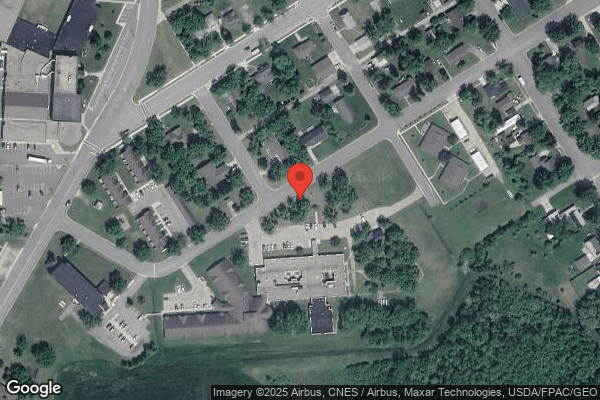
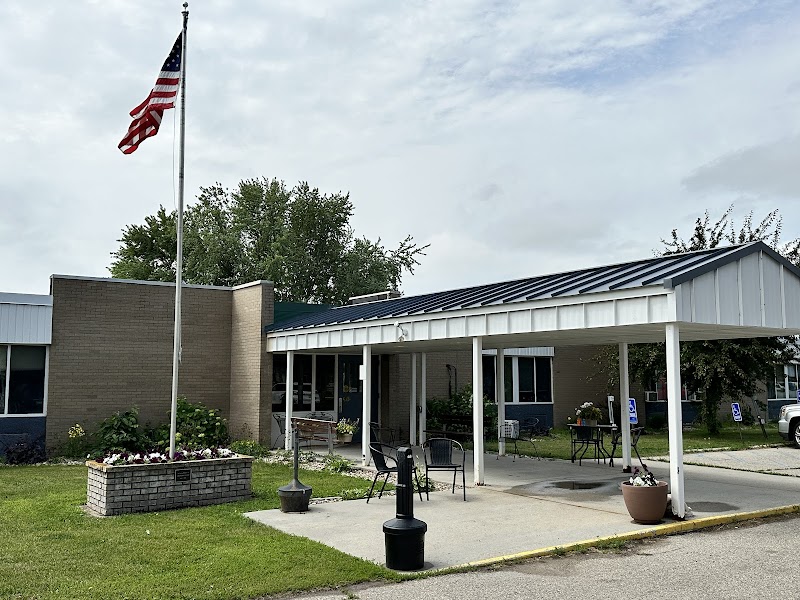
304 WASHINGTON AVENUE WEST, KARLSTAD, MN 56732 (218) 436-2161
For profit - Corporation 46 Beds ACCURA HEALTHCARE Data: November 2025
Trust Grade
90/100
#45 of 337 in MN
Last Inspection: April 2025

Within standard 12-15 month inspection cycle. Federal law requires annual inspections.

Overview

Karlstad Healthcare Center Inc has received an excellent Trust Grade of A, indicating it is highly recommended and performs well compared to other facilities. It ranks #45 out of 337 nursing homes in Minnesota, placing it in the top half, and is the best option in Kittson County. However, the facility is experiencing a worsening trend, with the number of issues increasing from 1 in 2024 to 2 in 2025. Staffing is relatively strong, with a 4 out of 5-star rating and a turnover rate of 35%, which is below the Minnesota average, showing that staff tend to stay and build relationships with residents. While there have been no fines, which is a positive sign, recent inspections revealed some concerning incidents, such as failing to implement necessary COVID-19 precautions for symptomatic residents and not providing adequate education about pneumococcal vaccinations. Additionally, there were issues with accurately documenting residents' health assessments, which could impact their care. Overall, while there are strengths in staffing and no fines, families should be aware of the facility's recent compliance challenges.
Trust Score
A
90/100
In Minnesota
#45/337
Top 13%
Safety Record
Low Risk
No red flags
Inspections
Getting Worse
1 → 2 violations
Staff Stability
○ Average
35% turnover. Near Minnesota's 48% average. Typical for the industry.
Penalties
✓ Good
No fines on record. Clean compliance history, better than most Minnesota facilities.
Skilled Nurses
✓ Good
Each resident gets 51 minutes of Registered Nurse (RN) attention daily — more than average for Minnesota. RNs are trained to catch health problems early.
Violations
○ Average
8 deficiencies on record. Average for a facility this size. Mostly minor or procedural issues.
★★★★★
5.0
Overall Rating
★★★★☆
4.0
Staff Levels
★★★★☆
4.0
Care Quality
★★★★★
5.0
Inspection Score
Stable
2024: 1 issues
2025: 2 issues

The Good

  • 4-Star Staffing Rating · Above-average nurse staffing levels
  • 4-Star Quality Measures · Strong clinical quality outcomes
  • Full Sprinkler Coverage · Fire safety systems throughout facility
  • No fines on record
  • Staff turnover below average (35%)

    13 points below Minnesota average of 48%

Facility shows strength in staffing levels, quality measures, fire safety.

The Bad

Staff Turnover: 35%

11pts below Minnesota avg (46%)

Typical for the industry

Chain: ACCURA HEALTHCARE

Part of a multi-facility chain

Ask about local staffing decisions and management

The Ugly 8 deficiencies on record

Apr 2025 2 deficiencies
CONCERN (D)

Potential for Harm - no one hurt, but risky conditions existed

Assessment Accuracy (Tag F0641)

Could have caused harm · This affected 1 resident

**NOTE- TERMS IN BRACKETS HAVE BEEN EDITED TO PROTECT CONFIDENTIALITY** Based on interview and document review, the facility failed to accurately code the Minimum Data Set (MDS) for 1 of 2 residents (...

Read full inspector narrative →
**NOTE- TERMS IN BRACKETS HAVE BEEN EDITED TO PROTECT CONFIDENTIALITY** Based on interview and document review, the facility failed to accurately code the Minimum Data Set (MDS) for 1 of 2 residents (R8) reviewed for weight loss and 1 of 1 resident (R18) reviewed for falls. Findings include: R8: R8's significant change MDS dated [DATE], identified R8 had diagnoses of malnutrition and cancer. The MDS did not identify if there was a significant weight loss or gain. R8's recorded weights identified on 3/7/25, the resident weighed 132 lbs. On 3/28/25, the resident weighed 124 pounds which was a -6.06 % loss of weight. The MDS Resident Assessment Instrument (RAI) Manual dated 4/1/25 identified a loss of weight of 5% or more in the last month was a significant weight loss. R18: R18's annual MDS dated [DATE], identified severe cognitive impairment with wandering and required substantial/maximal assist with ambulation. R18's MDS did not identify any falls since last MDS assessment dated [DATE]. R18's progress notes identified: -12/8/24, R18 had a witnessed fall with no injury. -12/12/24, R18 had an unwitnessed fall with no injury. -12/18/24, R18 had an unwitnessed fall with injury. During an interview on 4/16/25 at 2:15 p.m., registered nurse (RN)-B stated she had prepared the MDS's for R8 and R18. In R8's weights, an algorithm was used to identify percent of weight loss or gain. RN-B entered the weights in the algorithm, and it identified a significant weight loss, and stated it should have been recorded as such on R8's significant change MDS dated [DATE]. R18's falls should have been pulled in the electronic medical record for review and was not sure why they did not. R18's annual MDS dated [DATE] should have captured the falls but did not. During an interview on 4/16/25 at 3:10 p.m., the director of nursing (DON) stated it was important for MDS data to be entered correctly as it directly correlates with the development and the quality of the resident's care plans. A policy on coding the MDS was requested and not received.
CONCERN (D)

Potential for Harm - no one hurt, but risky conditions existed

Infection Control (Tag F0880)

Could have caused harm · This affected 1 resident

**NOTE- TERMS IN BRACKETS HAVE BEEN EDITED TO PROTECT CONFIDENTIALITY** Based on observation, interview, and document review, the facility failed to ensure enhanced barrier precautions (EBP) were cons...

Read full inspector narrative →
**NOTE- TERMS IN BRACKETS HAVE BEEN EDITED TO PROTECT CONFIDENTIALITY** Based on observation, interview, and document review, the facility failed to ensure enhanced barrier precautions (EBP) were consistently implemented in accordance with Centers for Disease Control (CDC) recommendations to reduce the risk of infection for 1 of 4 residents (R16) reviewed for EBP; and failed to ensure cross contamination to reduce the spread of infection for 1 of 1 residents (R4) observed who was transferred with a potentially contaminated lift sheet. Findings include: R16's quarterly Minimum Data Set (MDS) dated [DATE], identified R16 had a severe cognitive impairment and had diagnoses that included type 2 diabetes, legal blindness and dementia. R16's care plan revised 8/7/24, identified R16 had an activities of daily living (ADL) self-care deficit related to poor vision, impaired cognition and weakness. R16 required 1-2 staff to assist with personal cares and hygiene. However, the care plan failed to identify R16 required EBP due to having methicillin-resistant staphylococcus aureus (MRSA) (an infection caused by a type of staph bacteria that's become resistant to many of the antibiotics used to treat ordinary staph infections. Most methicillin-resistant staphylococcus aureus (MRSA) infections occur in people who've been in hospitals or other health care settings, such as nursing homes and dialysis centers. When it occurs in these settings, it's known as health care-associated MRSA (HA-MRSA). health care-associated methicillin-resistant Staphylococcus aureus (HA-MRSA) infections usually are associated with invasive procedures or devices, such as surgeries, intravenous tubing or artificial joints. HA-MRSA can spread by health care workers touching people with unclean hands or people touching unclean surfaces.) in a left second toe wound. R16's wound culture dated 2/12/25, identified R16 had MRSA. R4's quarterly MDS dated [DATE], identified R4 had moderate cognitive impairment and diagnoses included type 2 diabetes. R4 was dependent on staff for hygiene and grooming. R4's care plan revised 1/4/23, identified R4 had an activities of daily living (ADL) self-care performance deficit related to need for staff assistance with care due to a history of schizophrenia, depression, anxiety and developmental delay and limited physical mobility. Staff were directed to provide grooming and hygiene daily and as needed. During an observation on 4/16/25 at 7:12 a.m., nursing assistant (NA)-D and NA-C transferred R16 from R16's bed to R16's wheelchair using the full body mechanical lift. NA-D nor NA-C were wearing gowns or gloves. - At 7:15 a.m., NA-D made R16's bed. NA-D was not wearing a gown, or gloves and NA-D's uniform brushed up against R16's bed and linens. During an interview on 4/16/25 at 7:55 a.m., an enhanced barrier precautions sign on the room door with a post it with a handwritten note that stated R16 only. NA-D stated she wore a gown and gloves to assist R16's morning cares but took them off to leave the room to get the full body mechanical lift. I just spaced it out. R16 had a sore on his toe but was unable to say why it was important to wear personal protective equipment (PPE). During an observation on 4/16/25 at 7:39 a.m., an enhanced barrier precautions sign on the room door with a post it with a handwritten note that stated R16 only. NA-E entered R4's room with the shower chair and stated R4 was going to have a shower. NA-E gathered R4's clothing, a clean brief and bath supplies. NA-E laid a bath fully body mechanical lift sling on R16's bed. - At 7:41 a.m., NA-F entered R4's room with the full body mechanical lift and picked up the full body mechanical lift sling from R16's bed. NA-E removed R16's incontinent brief. R4 had a small bowel movement (BM), and NA-E cleaned R4's skin with a disposable wipe. - 7:43 a.m., NA-E removed the soiled gloves but did not use hand sanitizer before putting on clean gloves. - 7:43 a.m., NA-E put the full body mechanical lift sling under R4. NA-E and NA-F assisted R4 to the shower chair using the full body mechanical lift. During an interview on 4/16/25 at 7:52 a.m., NA-E stated only R16 required staff to wear personal protective equipment (PPE) during direct resident care because R16 had a wound on his toe. Staff needed to do that with any resident who had a catheter, a wound, tracheostomy, or anything like that. Staff were expected to put on a gown or gloves before entering the room because staff never knew what was going to happen and staff might need it. NA-E stated R4's full body mechanical lift sling should not have been lying on R16's bed and used for R4 because it can spread bacteria between the residents. Also, NA-E stated she should have used hand sanitizer before putting on clean gloves. During an interview on 4/16/25 at 12:45 p.m., the director of nursing (DON) stated staff should follow EBP for a resident with a catheter, feeding tube, tracheostomy, open wounds that are draining, and chronic wounds. Staff were also expected to use hand sanitizer or wash their hands when their hands were visibly soiled. The DON stated she had educated and re-educated staff regarding the use of gowns and gloves. The DON worked closely with staff on the floor and followed EBP as an example to staff. The door sign stated exactly when and which type of PPE was expected. Additionally, staff should not put one resident's things on another resident's bed, especially when either resident had an MDRO. The DON stated she was unaware of R16's lab culture showing MRSA but would immediately notify and educate staff on expectations to protect other residents and themselves. A CDC Implementation of Personal Protective Equipment (PPE) Use in Nursing Homes to Prevent Spread of Multidrug-resistant Organisms (MDROs) manual, dated 7/2022, identified MDRO transmission within a nursing home was common and contributed to substantial resident morbidity and mortality. The feature outlined EBP were defined as, . expand the use of PPE and refer to the use of gown and gloves during high-contact resident care activities that provide opportunities for transfer of MDROs to staff hands and clothing . MDROs may be indirectly transferred from resident-to-resident during these high-contact care activities . residents with wounds and indwelling medical devices are at especially high risk of both acquisition of and colonization with MDROs. The feature identified several examples of high-contact resident care activities including dressing, bathing, providing hygiene, transferring, changing linens or briefs, and wound care. The facility policy Enhanced Barrier Precautions dated 11/13/24, identified Enhanced barrier precautions (EBP) refer to an infection control intervention designed to reduce transmission of multidrug-resistant organisms that employs targeted gown, and gloves use during high contact resident care activities. High-contact resident care activities include: - Dressing - Bathing - Transferring - Providing hygiene - Changing linens - Changing briefs or assisting with toileting - Device care or use: central lines, urinary catheters, feeding tubes, tracheostomy /ventilator tubes - Wound care: any skin opening requiring a dressing (excluding shorter-lasting wounds, such as skin breaks or skin tears covered with an adhesive bandage (e.g., Band-Aid®) or similar dressing). - Enhanced barrier precautions should be followed outside the resident's room when performing transfers and assisting during bathing in a shared/ common shower room and when working with residents in the therapy gym, specifically when anticipating close physical contact while assisting with transfers and mobility. EBP applies to the MDRO's that are resistant organisms targeted by CDC. Examples of MDROs targeted by CDC include the following (residents must be in EBP if they currently have these MDRO's or have a history): 1) Pan-resistant organisms 2) Carbapenemase-producing carbapenem-resistant Enterobacterales 3) Carbapenemase-producing carbapenem-resistant Pseudomonas spp. 4) Carbapenemase-producing carbapenem-resistant Acinetobacter baumannii 5) Candida auris Additional epidemiologically important MDROs may include, but are not limited to (residents must be in EBP if they have a current diagnosis of these additional MDROs but EBP is not required if they only have a history): 1) Methicillin-resistant Staphylococcus aureus (MRSA) 2) ESBL-producing Enterobacterales 3) Vancomycin-resistant Enterococci (VRE) 4) Multidrug-resistant Pseudomonas aeruginosa 5) Drug-resistant Streptococcus pneumoniae h) Enhanced barrier precautions should be used for the duration of the affected resident's stay in the facility or until resolution of the wound or discontinuation of the indwelling medical device that placed them at higher risk. A policy regarding hand hygiene was requested but not received.
Jul 2024 1 deficiency
CONCERN (D)

Potential for Harm - no one hurt, but risky conditions existed

Deficiency F0604 (Tag F0604)

Could have caused harm · This affected 1 resident

**NOTE- TERMS IN BRACKETS HAVE BEEN EDITED TO PROTECT CONFIDENTIALITY** Based on observation, interview and document review, the facility failed to ensure pillows were not used in a manner to restrain...

Read full inspector narrative →
**NOTE- TERMS IN BRACKETS HAVE BEEN EDITED TO PROTECT CONFIDENTIALITY** Based on observation, interview and document review, the facility failed to ensure pillows were not used in a manner to restrain residents while in bed for 1 of 1 residents (R17) reviewed for restraints. Findings include: R17's quarterly Minimum Data Set (MDS) dated [DATE], identified R17 had severe cognitive impairment and diagnoses of dementia and legal blindness. R17 used no restraints. R17's care plan reviewed 5/31/24, identified R17 had limited physical mobility and was a fall risk related to poor vision and weakness. R17 used a grab bar on the exiting side of R17's bed to enable R17 to go from lying to sitting, to aid in turning/repositioning and to get in and out of bed. Staff were directed to assess R17's grab bars routinely and with changes in condition to assure appropriateness of use, safety/security of the bar to the bed frame and potential for entrapment. R17 used a landing pad next to his bed as R17 liked to purposefully crawl out of bed onto the floor. R17's care plan did not identifiy the use of pillows under his fitted sheet to prevent R17 from crawling out of bed. R17's Physical Device Evaluation dated 5/16/24, identified R17 used a right and left grab bar, hi-low bed, and floor mats by his bed. However, the assessment did not identify the use of pillows to prevent R17 from rolling out of bed. R17's Morse Fall Scale 6-16 V3 dated 5/16/24, identified R17 was at high risk for falls. During an observation on 7/23/24 at 8:34 a.m., R17 was lying on his back in the middle of his bed with his blankets covering to his chest. On R17's right side two pillows were tucked under the fitted sheet and ran along R17's body from his shoulders to his knees. R17's bed was in low position with a fall mat next to his bed. - At 8:40 a.m., nursing assistant (NA)-A entered R17's room and greeted R17. R17 declined getting up for the day. NA-A exited R17's room and did not remove the pillows. - At 8:56 a.m., the director of nursing (DON) entered R17's room and turned-on music for R17. The DON did offer to assist R17 with morning cares, but R17 declined. The DON then removed the pillows from underneath R17's fitted sheet and placed them on the unused bed in the room before exiting R17's room. During an interview on 7/23/24 at 8:57 a.m., the DON stated R17 could have significant behaviors. NA-A was a new nursing assistant who had been working day shift for approximately a month and was extremely nervous to be observed. DON stated she was guessing the pillows were put underneath the fitted sheet by night shift. R17 could wiggle and move around in the bed and the night shift staff were probably worried R17 was going to fall out of bed. R17 had a mat, and the bed was 6 inches off the floor. R17 was not going to get hurt if there was a fall. The DON stated the pillows should never be placed under the fitted sheet because that was a restraint. The DON removed the pillows and planned to speak to staff and explain why the staff could not do that. NA-A should have removed the pillows and immediately reported the pillows to nursing. During an interview on 7/23/24 at 9:08 a.m., NA-A stated R17's pillows were underneath the fitted sheet so R17 could not roll out of bed, we do it all the time. R17 can put his legs over the side of the bed and roll out onto the mat. NA-A stated she did not know if R17 could remove the pillows if R17 wanted to and would have to ask the nurse. During an interview on 7/23/24 at 9:20 a.m., NA-B stated Yea, we put pillows underneath the fitted sheet all the time because R17 rolled out of bed. R17 could remove the pillows if the pillows were not underneath the fitted sheet. A facility policy related to restraints was requested but not received.
Aug 2023 5 deficiencies
CONCERN (D)

Potential for Harm - no one hurt, but risky conditions existed

Deficiency F0583 (Tag F0583)

Could have caused harm · This affected 1 resident

**NOTE- TERMS IN BRACKETS HAVE BEEN EDITED TO PROTECT CONFIDENTIALITY** Based on observation, interview and document review, the facility failed to minimize body exposure during the provision of morni...

Read full inspector narrative →
**NOTE- TERMS IN BRACKETS HAVE BEEN EDITED TO PROTECT CONFIDENTIALITY** Based on observation, interview and document review, the facility failed to minimize body exposure during the provision of morning cares for 1 of 4 residents (R23) observed during personal cares. Findings include: R23's quarterly Minimum Data Set (MDS) dated [DATE], identified R23 had moderate cognitive impairment and diagnoses of history of traumatic brain injury, dysphagia and seizures. R23 required extensive assistance to total dependence for all activities of daily living. R23's care plan revised 4/3/23, identified R23 had a communication problem with difficulty expressing ideas/wants, understanding verbal content related to cognitive impairment and R23 used minimal words. R23 could answer yes/no questions at most time. Staff were directed to anticipate need and to cue/supervise as needed. On 8/29/23 at 10:32 a.m., nursing assistant (NA)-C and NA-D were observed to assist R23 to lie down in bed using a full mechanical lift. R23's window blinds remained open with a view of the facility's back lawn. NA-D exited the room and NA-C continued to assist R23 with personal cares removing his towels so R23 was unclothed on his bed. R23's blinds continued to be open. R23 was dressed and NA-C prepared to transfer R23 to his wheelchair using the full mechanical lift. NA-C requested staff assistance over the walkie and trained medication aide (TMA)-A entered the room. Neither TMA-A nor NA-C acknowledge R23's blinds were open, or attempted to close them. TMA-A pushed R23 in his wheelchair out of the room. NA-C stated she completely forgot about closing R23's blinds for privacy. On 8/30/23 at 12:55 p.m. TMA-A refused interview stating no, my shift is over. I'm done. During an interview on 8/30/23 at 9:49 a.m., the director of nursing (DON) stated R23's blinds remaining open during personal cares was a privacy issue and should never have happened. The blinds should always be closed during personal cares. If a resident did not want the blinds closed, for whatever reason, the privacy curtain should be closed to provide privacy to ensure no person walking by the building could see the resident. A facility policy regarding privacy was requested by not received.
CONCERN (D)

Potential for Harm - no one hurt, but risky conditions existed

Assessment Accuracy (Tag F0641)

Could have caused harm · This affected 1 resident

**NOTE- TERMS IN BRACKETS HAVE BEEN EDITED TO PROTECT CONFIDENTIALITY** Based on observation, interview and document review, the facility failed to ensure the medications section of the Minimum Data S...

Read full inspector narrative →
**NOTE- TERMS IN BRACKETS HAVE BEEN EDITED TO PROTECT CONFIDENTIALITY** Based on observation, interview and document review, the facility failed to ensure the medications section of the Minimum Data Set (MDS) was accurately coded for 2 of 2 residents (R17, R22) reviewed for MDS accuracy. Findings include: R17's quarterly MDS dated [DATE], identified R17 had moderate cognitive impairment and diagnoses of anemia, hypertension, and diabetes. R17 used anticoagulant ( blood thinners, interfere with proteins in your blood that are involved with clotting) medication. R17's Order Summary Report dated 8/30/23, identified R17 received clopidogrel bisulfate (an antiplatelet medication used to prevent heart attacks and strokes in persons with heart disease, recent stroke, or blood circulation disease, to prevent clots from forming) 75 milligram (mg) by mouth (po) in the morning related to a stroke. R22's quarterly MDS dated [DATE], identified R22 had moderate cognitive impairment and diagnoses of pulmonary hypertension, emphysema, history of transient ischemic attack (TIA) and hypertension. R22 used anticoagulant medication. R22's Order Summary Report dated 8/30/23, identified R22 received clopidogrel bisulfate 75 mg po one time a day related to history of TIA. During an interview on 8/30/23 at 1:50 p.m., the director of nursing (DON) called and placed registered nurse (RN)-A on speaker phone. RN-A stated she coded R17's and R22's clopidogrel bisulfate as an anticoagulant because it was. The DON completed an internet search for clopidogrel bisulfate's drug class which identified the drug as an antiplatelet. However, the DON stated it also described clopidogrel bisulfate as a blood thinner. RN-A stated she believed the CMS Resident Assessment Instrument (RAI) Manual instructed to code clopidogrel bisulfate as an anticoagulant. The DON opened the RAI manual and read aloud Record the number of days an anticoagulant medication was received by the resident at any time during the 7-day look-back period (or since admission/entry or reentry if less than 7 days). Do not code antiplatelet medications such as aspirin/extended release, dipyridamole, or clopidogrel here. At that time, the DON and RN-A stated the MDS's for R17 and R22 were coded incorrectly and would need correction. The DON stated resident MDS entries needed to be accurate to allow for reimbursement, accurate care planning and to provide proper resident care. A policy/procedure regarding MDS was requested but not received.
CONCERN (D)

Potential for Harm - no one hurt, but risky conditions existed

Safe Environment (Tag F0921)

Could have caused harm · This affected 1 resident

Based on observation and interview the facility failed to ensure walls were repaired for 1 of 1 resident (R8) whose walls were in disrepair; the facility failed to ensure call bell pads were in good r...

Read full inspector narrative →
Based on observation and interview the facility failed to ensure walls were repaired for 1 of 1 resident (R8) whose walls were in disrepair; the facility failed to ensure call bell pads were in good repair for 2 of 2 residents (R8, R12) whose call bell pads were in disrepair. Findings include: WALLS: During observation on 8/28/23 at 1:57 p.m., R8's bed was against the wall, there was a large area of chipped paint across the area where the head of the bed met the wall. The chipped area was the length of the headboard measuring approximately 3 feet. On 8/30/23 at 1:00 p.m., a joint interview was conducted with nursing assistant (NA)-B and NA-C. NA-B and NA-C stated R8's wall had chipped paint for at least the past year. NA-B and NA-C stated maintenance was aware of it but had not completed any repairs to the wall. During interview on 8/30/23 at 1:12 p.m., the administrator was unaware R8's wall needed repair and the room was not on the work order list. A work order should have been entered into the system, so the repairs could be completed. CALL BELL PAD: During observation on 8/28/23 at 1:57 p.m., R8's call bell pad was cracked. During observation on 8/30/23 at 8:50 a.m., the rubber around R12's call pad was gone exposing the plastic call pad. During interview on 8/30/23 at 8:39 a.m., registered nurse (RN)-B stated if she were made aware of a call bell pad that was cracked she would take one from an empty room because she doesn't have access to extra call bell pads while working on the evening shift. RN-B stated she was not aware of any rooms that had cracked call bell pads and all the call lights were working correctly. During interview on 8/30/23 at 8:46 a.m., NA-B stated if she noticed the rubber on a call light/call light pad was cracked or broken she would report to the charge nurse and/or the director of nursing (DON) right away. NA-B stated a couple of days ago she noticed the rubber on R12's call pad was ripped off exposing the plastic call bell pad as well as the coated wires. Also, the rubber on R8's call bell pad was cracked and the coated wires were exposed. NA-B stated she had not yet reported the issues. During interview with the DON on 8/30/23 at 8:50 a.m., the DON stated there was not a formal process for changing out call bells and as long as they were working no-one checked them. If staff reported that a call bell pad was cracked or not working she would replace it right away. The DON was not aware of any call bell pads that were cracked or broken until today when it was brought up by the state agency. During interview on 8/30/23 at 8:30 a.m., the administrator stated he was not aware of any call bell pads that needed to be repaired although, if he had, they would need to be replaced right away. A policy for maintenance of resident care areas was requested but not received. A policy for call light maintenance was requested but not received.
CONCERN (E)

Potential for Harm - no one hurt, but risky conditions existed

Deficiency F0883 (Tag F0883)

Could have caused harm · This affected multiple residents

**NOTE- TERMS IN BRACKETS HAVE BEEN EDITED TO PROTECT CONFIDENTIALITY** Based on interview and document review, the facility failed to provide the most recent Centers for Disease Control (CDC) educati...

Read full inspector narrative →
**NOTE- TERMS IN BRACKETS HAVE BEEN EDITED TO PROTECT CONFIDENTIALITY** Based on interview and document review, the facility failed to provide the most recent Centers for Disease Control (CDC) education regarding the potential risks and benefits of the pneumococcal vaccine for 4 of 5 residents (R5, R10, R22, R26) reviewed for immunizations. Findings include: R5's quarterly Minimum Data Set (MDS) dated [DATE], identfied R5 was [AGE] years old and included diagnoses of diabetes and hypertension. R5's Immunization Report dated 8/30/23, identified R5 received pneumovax (type unknown) on 4/28/14, and a pneumococcal conjugate vaccine (Prevnar 13) on 9/8/16. R5's medical record did not include evidence R5 or R5's representative received education regarding pneumococcal vaccine booster and there was no indication R5 was offered the pneumococcal vaccine per CDC guidance. R10's annual MDS dated [DATE], identified R10 was [AGE] years old and included diagnoses of atrial fibrilation, coronary artery disease, hypertension, renal failure, and diabetes. R10's Immunization Report dated 8/30/23, identified R10 received a pneumovax (type unknown) on 9/16/10, and a Prevnar 13 on 10/8/15. R10's medical record did not include evidence R10 or R10's representative received education regarding pneumococcal vaccine booster and there was no indication R10 was offered the pneumococcal vaccine per CDC guidance. R22's quarterly MDS dated [DATE], identified R22 was [AGE] years old and included diagnoses of pulmonary hypertension, emphysema, and hypertension. R22's Immunization Report dated 8/30/23, lacked evidence R22 reveived a pneumococcal vaccine. R22's medical record did not include evidence R22 or R22's representative received education regarding pneumococcal vaccine booster and there was no indication R22 was offered the pneumococcal vaccine per CDC guidance. R26's significant change in status MDS dated [DATE], identified R26 was [AGE] years old and included diagnoses of coronary artery disease, hypertension, and diabetes. R26's Minnesota Immunization Information Connection (MIIC) dated 8/30/23, identified R26 received a Prevnar 13 on 9/10/15, and a pneumococcal polysaccharide vaccine (PPSV23) on 8/21/17. R26's medical record did not include evidence R26 or R26's representative received education regarding pneumococcal vaccine booster and there was no indication R26 was offered the pneumococcal vaccine per CDC guidance. During interview on 8/30/23 at 9:27 a.m., the director of nursing (DON) stated R5 and R10 received a dose of pneumovax prior to admission; however, their record did not identify what type of vaccine they received. The DON reviewed resident immunizations upon admission. A MIIC report would be printed and data would be entered into the resident's medical record. The DON was not aware of changes in pneumococcal vaccine recommendations and had not reviewed any resident for eligibility. Additionally, resident or resident representative education were not previously documented but the facility used the CDC's Vaccine Information Sheet (VIS) that was available online. The facility provided Vaccine Information Statement (VIS) Pneumococcal Conjugate Vaccine dated 5/12/23, and Pneumococcal Conjugate Vaccine (PCV13) dated 2/4/22, identified education regarding the need for PCV 15, PCV 20, PPSV23 and Prevnar 13. The facility policy Pneumococcal Vaccinations dated 10/19/22, identified all resident's would be provided the opportunity and encouraged to receive the pneumococcal vaccinations. On admission, each resident would be questions regarding history of receiving pneumococcal vaccinations (offered year round). Each resident would be educated and offered the pneumococcal vaccine if they have never had the vaccine. The DON/designee would be responsible for following up with the Physician's office when questions arose, as to whether a resident had had vaccines in the past.
CONCERN (F)

Potential for Harm - no one hurt, but risky conditions existed

Infection Control (Tag F0880)

Could have caused harm · This affected most or all residents

**NOTE- TERMS IN BRACKETS HAVE BEEN EDITED TO PROTECT CONFIDENTIALITY** Based on observation, interview and document review, the facility failed to test and implement transmission based precautions (T...

Read full inspector narrative →
**NOTE- TERMS IN BRACKETS HAVE BEEN EDITED TO PROTECT CONFIDENTIALITY** Based on observation, interview and document review, the facility failed to test and implement transmission based precautions (TBP) for residents symptomatic for COVID-19 according to Centers for Disease Control and Prevention (CDC) for 3 of 3 residents reviewed for infections; failed to ensure hand hygiene was completed for 1 of 3 residents (R10) observed during personal cares. This had the potential to affect all residents currently residing in the facility. Findings include: COVID-19 Testing and TBP R10's annual Minimum Data Set (MDS) dated [DATE], identified R10 had moderate cognitive impairment and diagnoses of atrial fibrillation, coronary artery disease and hypertension. R10's nursing progress notes identified the following: - On 7/19/23 at 9:25 a.m., R10 was very agitated and irritable that morning. Oxygen was put back on at 2 liters (L) at 8:30 a.m., gesturing he wished it was back on. Staff were unable to understand much of what R10 was saying. - On 7/19/23 at 12:10 p.m., R10 was evaluated by the physician's assistant (PA). R10 was started on an antibiotic and oral steriods. - On 7/19/23 at 1:00 p.m., R10's COVID test was negative. The test was done due to upper respiratory symptoms, temperature, cough and respiratory distress. The note did not identfiy the type of COVID-19 test obtained. - On 7/19/23 at 4:50 p.m., R10's temperature was 101.2 temporal. Respirations wheezy at 36 per minute. R10 spit up a large amount of thick gray phlegm. Oxygen saturations 93% on 2L. - On 7/20/23 at 6:02 p.m., R10 coughed up a large amount of stringy gray phelgm. R10's medical record lacked evidence R10 had a confirmation COVID-19 test and/or was placed into transmission based precautions until a confirmatory negative test could be obtained. R26's significant change MDS dated [DATE], identified R26 had intact cognition and diagnoses of coronoary artery disease, hypertension and diabetes. R26's nursing progress notes identified the following: - On 7/26/23 at 1:09 p.m., R26 compliained of not feeling well. R26 stated he felt weak and had been using his call light to request assistance with transfers. - On 7/27/23 at 6:00 a.m., R26 was noted to be coughing a lot on night shift. R26 was afebrile. - On 7/28/23 at 5:08 a.m., R26 was noted to cough again during the night. R26 remained afebrile. - On 7/28/23 at 1:35 p.m., R26 complained of not feeling well and had been needing more assistance from staff the last couple of days. - On 7/28/23 at 1:42 p.m., R26 was evaluated by the physician's assistant. R26 had not been feeling well. R26 was weak with a productive cough, congested and lethargic. R26 was started on an antibiotic. R26's medical record lacked evidence R26 was tested for COVID-19 test and/or was placed into transmission based precautions until a confirmatory negative test could be obtained. R22's quarterly MDS dated [DATE], identified R22 had a moderate cognitive impairment and diagnoses pulmonary hypertension, emphysema, history of transient ischemic attack (TIA) and hypertension. R22's nursing progress notes identified the following: - On 8/24/23 at 12:00 a.m., R22's temperature was 99.5 - On 8/24/233 at 1:00 a.m., R22 had a congested cough. - On 8/24/23 at 5:28 a.m., a COVID test was performed for R22 due to low oxygen saturations, cough and elevated temperature. Results were negative. The note did not identfiy the type of COVID-19 test obtained. - On 8/24/23 at 6:09 a.m., R22 was noted to have a congested cough. Oxygen saturations on room air were 85-88%. R22 was weepy. As needed Tylenol and cough medicine were given at 1:00 a.m. and oxygen applied at 2 liters (L) per nasal canula (nc) and saturations rose to 90%. R22 rested throughout the night. R22's current temperature was 97.5. - On 8/24/23 at 3:09 p.m., R22 continued to have low oxygen saturations. - On 8/24/23 at 4:07 p.m., R22 was evaluated by the physician's assistant due to cold symptoms, low grade fever and low oxygen saturations. R22 was started on an antibiotic. - On 8/26/23 at 4:24 p.m., R22 continued to not feel well. - On 8/27/23 at 5:35 a.m., R22's oxygen saturations were 94% on 2L/nc. Temperature was 97.6. R22 was very tearful at times. R22's medical record lacked evidence R22 had a confirmatory test for COVID-19 test and/or was placed into transmission based precautions until a confirmatory negative test could be obtained. During an observation on 8/28/23 at 1:34 p.m. R22 was wheeling her self in her wheelchair in the hallway outside her room. R22 repeatedly stated help. Nursing assistant (NA)-A and activities (AA)-A attempted to console R22. However, R22 was unmasked, there was no signage identifying R22 was in TBP and staff did not wear PPE. During an interview with the licensed social worker (LSW) and registered nurse (RN)-A on 8/28/23 at 2:26 p.m., RN-A stated the director of nursing (DON) mentioned R22 was tested for COVID-19 just to make sure but it was negative. R22 was being treated for a cold. RN-A stated the facility used COVID-19 antigen test kits and only collected one test. R22 was evaluated by a medical provider who did not direct for further testing either. R22 was not placed on TBP due to her COVID-19 test being negative. During an interview on 8/28/23 at 4:31 p.m., the DON stated the facility used COVID-19 antigen test kits. Residents who exhibit signs/symtpoms of COVID-19 such as cough, fever and low oxygen saturations were tested for COVID-19. The staff did not collect confirmatory tests for residents who tested negative with an antigen test. The DON stated she did not think that was their policy to do so or at least she did not remember being told that. R10 nor R22 were placed into TBP because their tests were negative, but the staff did follow standard precautions. The DON confirmed standard precautions did not direct staff to wear a gown and/or mask during direct resident care. If any resident tested positive for COVID-19, they would immediately placed into TBP to prevent the transmission of COVID-19. - At 5:01 p.m., the DON stated R26 began showing signs/symptoms of a respiratory infection on 7/28/23 with a new cough; however, R26 was never tested for COVID-19 nor placed into TBP. - At 6:24 p.m., the DON stated she reviewed the facility COVID testing policy. The policy identified a repeat antigen test would be collected 48 hours after a negative antigen test for residents who were symptomatic. The DON stated she created staff education to remind staff and also collected a repeat test for R22 which was negative. The Interim Infection Prevention and Control (IPC) Recommendations for Healthcare Personnel (HCP) During the Coronavirus Disease 2019 (COVID-19) Pandemic, dated 5/8/23, identified anyone with even mild symptoms of COVID-19, regardless of vaccination status, should receive a viral test for COVID-19 as soon as possible and be placed in Transmission Based Precautions. Mild illness is defined as any various signs and symptoms of COVID-19 such as fever, cough, sore throat, malaise, headache, muscle pain, without shortness of breath, dyspnea or abnormal chest imaging. The decision to discontinue empiric Transmission-Based Precautions by excluding the diagnosis of current SARS-CoV-2 infection for a patient with symptoms of COVID-19 can be made based upon having negative results from at least one viral test. If using an antigen test, a negative result should be confirmed by either a negative NAAT (molecular) or second negative antigen test taken 48 hours after the first negative test. The facility policy Infection Control Manual 10/19/22, was provided by the facility, however, the page regarding COVID-19 testing was missing. Hand Hygiene R12's significant change MDS dated [DATE], identified R12 had severe cognitive impairment and included diagnoses of dementia, seizures, urine retention and weakness. R12's care plan revised 12/6/18, identified R12 required assistance with personal hygiene and toileting. During an observation on 8/29/23 at 3:24 p.m., RN-A and NA-E assisted R12 with personal cares. R12 was transferred into bed with the full body mechanical lift, RN-A and NA-E both put on gloves. NA-E assisted R12 to roll onto his right side. RN-A removed R12's soiled brief and cleaned feces from R12's skin with a disposable wipe. R12 was assisted to roll to his left side. RN-A continued to wear her soiled gloves. RN-A and NA-E fastened R12's clean brief. RN-A then picked up R12's pillows and and instructed NA-E to roll R12 onto his left side. RN-A then tucked the pillow behind R12 for positioning. RN-A continued to wear her soiled gloves while attaching R12's call light to his shirt and turned off his lights. RN-A removed her soiled gloves but did not perform hand hygiene. RN-A reapplied gloves and wiped R12's nose with a tissue, applied lotion to his arms and legs and covered R12 with a blanket. RN-A removed her soiled gloves and used hand sanitizer. During an interview on 8/29/23 at 3:35 p.m., RN-A stated she did not use hand sanitizer or wash her hands after removing soiled gloves. RN-A continued to wear soiled gloves while touching items in R12's room and this was unwanted because it soiled anything you touched and should not be done to prevent infection. The facility policy Hand Hygiene dated 10/19/22, identified staff were directed to use alcohol based hand sanitizer immediately before putting on gloves and after glove removal and between resident care sites, if indicated.
Understanding Severity Codes (click to expand)
Life-Threatening (Immediate Jeopardy)
J - Isolated K - Pattern L - Widespread
Actual Harm
G - Isolated H - Pattern I - Widespread
Potential for Harm
D - Isolated E - Pattern F - Widespread
No Harm (Minor)
A - Isolated B - Pattern C - Widespread

Questions to Ask on Your Visit

  • "Can I speak with families of current residents?"
  • "What's your RN coverage like on weekends and overnight?"

Our Honest Assessment

Strengths
  • • Grade A (90/100). Above average facility, better than most options in Minnesota.
  • • No major safety red flags. No abuse findings, life-threatening violations, or SFF status.
  • • No fines on record. Clean compliance history, better than most Minnesota facilities.
  • • 35% turnover. Below Minnesota's 48% average. Good staff retention means consistent care.
Concerns
  • • No significant concerns identified. This facility shows no red flags across CMS ratings, staff turnover, or federal penalties.
Bottom line: Generally positive indicators. Standard due diligence and a personal visit recommended.

About This Facility

What is Karlstad Healthcare Center Inc's CMS Rating?

CMS assigns Karlstad Healthcare Center Inc an overall rating of 5 out of 5 stars, which is considered much above average nationally. Within Minnesota, this rating places the facility higher than 99% of the state's 100 nursing homes. This rating reflects solid performance across the metrics CMS uses to evaluate nursing home quality.
How is Karlstad Healthcare Center Inc Staffed?
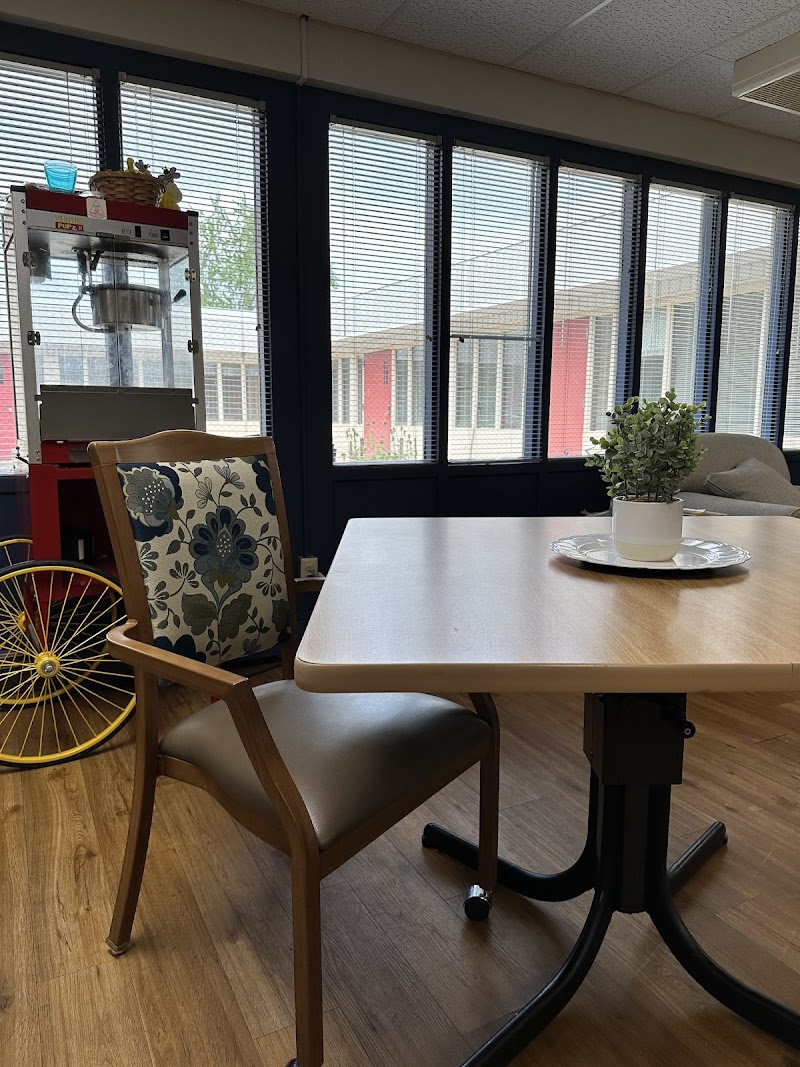
CMS rates Karlstad Healthcare Center Inc's staffing level at 4 out of 5 stars, which is above average compared to other nursing homes. Staff turnover is 35%, compared to the Minnesota average of 46%. This relatively stable workforce can support continuity of care.

What Have Inspectors Found at Karlstad Healthcare Center Inc?

State health inspectors documented 8 deficiencies at Karlstad Healthcare Center Inc during 2023 to 2025. These included: 8 with potential for harm.

Who Owns and Operates Karlstad Healthcare Center Inc?

Karlstad Healthcare Center Inc is owned by a for-profit company. For-profit facilities operate as businesses with obligations to shareholders or private owners. The facility is operated by ACCURA HEALTHCARE, a chain that manages multiple nursing homes. With 46 certified beds and approximately 30 residents (about 65% occupancy), it is a smaller facility located in KARLSTAD, Minnesota.

How Does Karlstad Healthcare Center Inc Compare to Other Minnesota Nursing Homes?

Compared to the 100 nursing homes in Minnesota, Karlstad Healthcare Center Inc's overall rating (5 stars) is above the state average of 3.2, staff turnover (35%) is significantly lower than the state average of 46%, and health inspection rating (5 stars) is much above the national benchmark.

What Should Families Ask When Visiting Karlstad Healthcare Center Inc?

Based on this facility's data, families visiting should ask: "Can I visit during a mealtime to observe dining assistance and food quality?" "How do you handle medical emergencies, and what is your hospital transfer rate?" "Can I speak with family members of current residents about their experience?"

Is Karlstad Healthcare Center Inc Safe?

Based on CMS inspection data, Karlstad Healthcare Center Inc has a clean safety record: no substantiated abuse findings (meaning no confirmed cases of resident harm), no Immediate Jeopardy citations (the most serious violation level indicating risk of serious injury or death), and is not on the Special Focus Facility watch list (a federal program monitoring the lowest-performing 1% of nursing homes). The facility has a 5-star overall rating and ranks #1 of 100 nursing homes in Minnesota. While no facility is perfect, families should still ask about staff-to-resident ratios and recent inspection results during their visit.

Do Nurses at Karlstad Healthcare Center Inc Stick Around?

Karlstad Healthcare Center Inc has a staff turnover rate of 35%, which is about average for Minnesota nursing homes (state average: 46%). Moderate turnover is common in nursing homes, but families should still ask about staff tenure and how the facility maintains care continuity when employees leave.

Was Karlstad Healthcare Center Inc Ever Fined?

Karlstad Healthcare Center Inc has no federal fines on record. CMS issues fines when nursing homes fail to meet care standards or don't correct problems found during inspections. The absence of fines suggests the facility has either maintained compliance or corrected any issues before penalties were assessed. This is a positive indicator, though families should still review recent inspection reports for the full picture.

Is Karlstad Healthcare Center Inc on Any Federal Watch List?

Karlstad Healthcare Center Inc is not on any federal watch list. The most significant is the Special Focus Facility (SFF) program, which identifies the bottom 1% of nursing homes nationally based on persistent, serious quality problems. Not being on this list means the facility has avoided the pattern of deficiencies that triggers enhanced federal oversight. This is a positive indicator, though families should still review the facility's inspection history directly.