LA CRESCENT HEALTH SERVICES
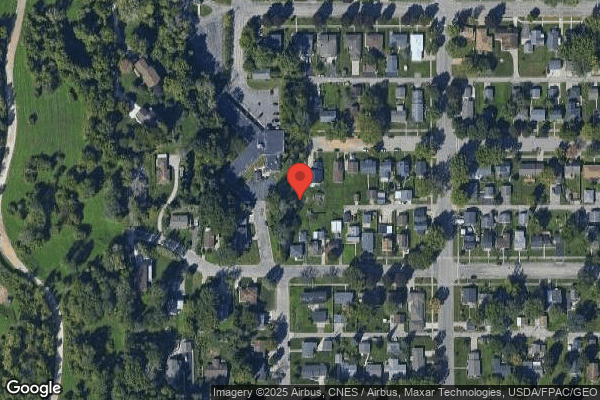

101 SOUTH HILL STREET, LA CRESCENT, MN 55947 (507) 895-4445
For profit - Corporation 42 Beds NORTH SHORE HEALTHCARE Data: November 2025
Trust Grade
75/100
#124 of 337 in MN
Last Inspection: February 2025

Within standard 12-15 month inspection cycle. Federal law requires annual inspections.

Overview

La Crescent Health Services has earned a Trust Grade of B, indicating it is a good choice for families seeking care, falling in the solid middle range. It ranks #124 out of 337 facilities in Minnesota, placing it in the top half, and #2 out of 3 in Houston County, meaning only one other nearby option is better. The facility is improving, with issues decreasing from 8 in 2023 to just 2 in 2025. Staffing is rated at 4 out of 5 stars, with a turnover rate of 44%, which is about average for the state, while RN coverage is better than 85% of facilities, ensuring that registered nurses can catch potential problems. However, there are some concerns, including incidents where expired food was found in the kitchen and a failure to develop an antibiotic stewardship program, which could pose risks to resident health. Overall, while there are strengths in staffing and improvement trends, families should consider the noted deficiencies carefully.

Trust Score
B
75/100
In Minnesota
#124/337
Top 36%
Safety Record
Low Risk
No red flags
Inspections
Getting Better
8 → 2 violations
Staff Stability
○ Average
44% turnover. Near Minnesota's 48% average. Typical for the industry.
Penalties
✓ Good
No fines on record. Clean compliance history, better than most Minnesota facilities.
Skilled Nurses
✓ Good
Each resident gets 68 minutes of Registered Nurse (RN) attention daily — more than 97% of Minnesota nursing homes. RNs are the most trained staff who catch health problems before they become serious.
Violations
⚠ Watch
14 deficiencies on record. Higher than average. Multiple issues found across inspections.
★★★★☆
4.0
Overall Rating
★★★★☆
4.0
Staff Levels
★★★★☆
4.0
Care Quality
★★★★☆
4.0
Inspection Score
Stable
2023: 8 issues
2025: 2 issues

The Good

  • 4-Star Staffing Rating · Above-average nurse staffing levels
  • 4-Star Quality Measures · Strong clinical quality outcomes
  • Full Sprinkler Coverage · Fire safety systems throughout facility
  • No fines on record
  • Staff turnover below average (44%)

    4 points below Minnesota average of 48%

Facility shows strength in staffing levels, quality measures, fire safety.

The Bad

Staff Turnover: 44%

Near Minnesota avg (46%)

Typical for the industry

Chain: NORTH SHORE HEALTHCARE

Part of a multi-facility chain

Ask about local staffing decisions and management

The Ugly 14 deficiencies on record

Feb 2025 2 deficiencies
CONCERN (D)

Potential for Harm - no one hurt, but risky conditions existed

Infection Control (Tag F0880)

Could have caused harm · This affected 1 resident

**NOTE- TERMS IN BRACKETS HAVE BEEN EDITED TO PROTECT CONFIDENTIALITY** Based on observation, interview, and record review, the facility failed to ensure proper use of personal protective equipment (P...

Read full inspector narrative →
**NOTE- TERMS IN BRACKETS HAVE BEEN EDITED TO PROTECT CONFIDENTIALITY** Based on observation, interview, and record review, the facility failed to ensure proper use of personal protective equipment (PPE) during cares for 1 of 3 residents (R14) reviewed for enhanced barrier precautions (EBP). Findings include: R14's quarterly Minimum Data Set (MDS) dated [DATE], indicated R14 was cognitively intact and had surgical repair of deep ulcers. R14's provider orders included enhanced barrier precautions d/t surgical wound to left ankle. R14's diagnoses list included osteomyelitis (bone infection) to ankle and foot. R14's care plan indicated history of streptococcal arthritis (type of infection) to left ankle and foot, surgical incision and deep tissue injury to left foot, and EBP related to surgical wound to left ankle. During an observation and interview on 2/3/25 at 2:57 p.m., an orange sign indicating EBP was posted on the door outside R14's room. A shelving unit containing gowns and gloves was located across the hall outside another resident's room. A second cart containing PPE was located further down the hall near the hand washing station. A second sign was posted inside R14's room next to an over-the-door shelving unit containing gloves. During the interview, R14 stated staff wear the gowns when changing her bandages on her foot however no other time. R14 stated staff wore the gowns for safety. During an observation on 2/5/24 at 3:23 p.m., nursing assistant (NA)-A and NA-B entered R14's room with the mechanically stand (machine used to assist with transferring residents) to ready R14 for a shower. NA-A and NA-B were not wearing a gown or gloves. NA-A assisted R14 with putting on gripper socks and placed stand sling under R14's arms. NA-A applied gloves from the shelving unit on R14's door. NA-B operated stand assisting R14 to standing position. NA-A pulled down R14's incontinence brief and placed the shower chair behind R14. NA-B then lowered R14 to the shower chair and left the room with the stand. While still wearing gloves, NA-A removed R14's incontinence brief, threw it away, removed gloves and washed her hands. R14 grabbed the items needed for the shower while NA-A draped a sheet around R14's shoulders and lap for privacy. NA-A brought R14 to the shower room located down the hall. In the shower room, NA-A washed hands and applied gloves however, did not don (put on) a gown. R14 removed own night gown while NA-A removed R14's socks. NA-A removed the wrap around R14's left foot and wheeled resident into shower area. R14 was able to wash chest, arms, abdomen, and legs independently. NA-A washed R14's hair and back while wearing gloves but no gown. After the shower, R14 was able to dry her head, chest, arms, abdomen, and upper legs independently. NA-A dried R14's back and lower legs. R14 put on night gown independently. NA-A put gripper socks on R14's feet and draped her with a sheet for privacy and exited shower room. Outside R14's room the director of nursing (DON) and registered nurse (RN)-A were donning gloves and isolation gown in preparation to assess and apply dressing to R14's surgical wound. After wheeling R14 into the room, NA-A put on gloves and isolation gown. NA-A and RN-A assisted R14 into bed. NA-A removed PPE and left the room. During an interview on 2/5/25 at 4:18 p.m., NA-A stated she was employed with a staffing agency and it was her 3rd day at the facility. NA-A stated PPE should be worn upon entering a resident's room who was on precautions. The type of PPE used was dependent on the type of precaution. If a resident has a wound, PPE should be worn for all cares. NA-A stated she did not know R14 had a wound but did confirm PPE should have been worn during R14's shower. During an interview on 2/5/25 at 4:22 p.m., NA-B stated staff are informed verbally when residents are placed on precautions and have had training's regarding why resident's are placed on precautions. NA-B stated when residents are on precautions, staff should wear a gown and gloves for all cares. NA-B reported seeing the EBP sign outside R14's room however the cart with PPE was down the hall outside another resident's room. NA-B stated the cart should have been outside R14's room. During an interview on 2/6/25 at 8:35 a.m., the DON stated a sign is placed on the door of a resident's room indicating a resident is placed on precautions. Staff are instructed to follow a resident's care plan and the signs outside a resident's door. The sign on the doors indicate what activities require the use of PPE and what PPE to be used. Further, the DON indicated PPE should be worn for bathing, hygiene, transfers, and changing linens for residents on EBP. A policy revised 8/8/24 titled Enhanced Barrier Precautions indicated the policy is in place to prevent the transmission of multidrug-resistant organisms (MDROs). Enhanced barrier precautions is defined as an infection control intervention designed to reduce transmission of multidrug-resistant organisms that employs targeted gown and gloves use during high contact resident care activities.gowns and gloves should be made available immediately near or outside the resident's room . high-contact resident care activities as dressing, bathing, transferring, providing hygiene, changing linens, changing briefs or assisting with toileting, device care or use, and wound care of any chronic skin opening requiring a dressing . enhanced barrier precautions should be followed outside the resident's room when performing transfers and assisting during bathing in a shared/common shower room.
CONCERN (F)

Potential for Harm - no one hurt, but risky conditions existed

Food Safety (Tag F0812)

Could have caused harm · This affected most or all residents

Based on observation, interview, and document review, the facility failed to ensure refrigerated food items were disposed of after expiration date and were properly stored, labeled and dated. This had...

Read full inspector narrative →
Based on observation, interview, and document review, the facility failed to ensure refrigerated food items were disposed of after expiration date and were properly stored, labeled and dated. This had the potential to affect 28 of 28 residents, staff and visitors who may eat from the facility kitchen. Findings include: During an initial tour of the kitchen on 2/3/25 at approximately 1:51 p.m., while verifying temperatures of the refrigerators, it was identified a box of oranges dated 12/31/24 with what looked like some white fuzz on one of the oranges and brown liquid coming from a bag of grapes. During a follow up observation and interview on 2/5/25 at 11:30 a.m., dietary aide (DA)-B identified a half gallon of expired milk with an expiration date of 1/27/25 on the front of the container and a can of soda and opened bottle of water next to the milk. DA-B was unaware what the half gallon of skim milk was used for and why the soda was in the refrigerator. DA-B indicated this was one of the main refrigerators used to store the prepared foods served to the residents. During an interview on 2/5/25 at 12:00 p.m., interim dietary manager (IDM) who overlooks several facilities and dietary staff. IDM reviewed the policy for labeling foods and there should be nothing used after expired. The IDM was informed there was some personal items such as a soda and a used water bottle in the refrigerator next to some of the food that is used to prepare the food for the residents. During an initial phone interview on 2/05/25 at 2:35 p.m., registered dietician (RD) visits the facility monthly or as needed. During a follow up visit to the kitchen on 2/06/25 at 8:52 a.m., the half-gallon of skim milk remained in the refrigerator, unsure if it was used. During an interview on 2/06/25 at 8:53 a.m., DA-A explained the date on the half gallon skim milk was received from the food vendor on 1/21/2025 and opened on 2/3/2025. DA-A explained the dietary staff take turns going through the refrigerators and checking for items that were outdated or maybe expired. DA-A verified the expired date on the milk read 1/27/2025, and DA-A was not aware of what they were using the expired milk for or who had opened the milk. DA-A took the milk out of the refrigerator and discarded the milk in the sink. DA-A said the milk should not be served to residents because there is a chance of the residents getting sick. DA-A would expect the staff to discard any items expired and notify the dietary manager. DA-A was unable to verify who the soda belonged to, which remained in the refrigerator. DA-A confirmed the orange covered in white fuzzy substance. DA-A was unsure what to do with the other oranges. DA-A explained they would take them out of the refrigerator and reach out to the IDM for further steps. All temperatures were with in normal limits for the refrigerators and DA-A was unaware of any issues with the refrigerator. During a follow up phone call on 2/06/25 at 09:17 a.m., RD said there is a monthly audit completed and is used for all of the refrigerators. RD said the sanitation audit is done anytime during the month, however it is usually completed with in the first 15 days of the month. During the audit any expired or moldy items would be pulled and a conversation would occur with the cook on replacement of the items. RD added if an item was opened and found to be expired, a notification to the DON infection preventionist would be included to protect residents from being exposed to food borne illness. During an interview on 2/06/25 at 9:34 a.m., administrator explained they have been working with the Healthcare Services Group for their dietary needs for several years. The expectation is any contracted staff would be familiar with the requirements and are informed on all current procedures and policies pertaining to the dietary needs of the residents. During an interview on 2/06/25 on 9:45 a.m., director of nursing (DON) and IDM stated when informed about the food contamination they would follow the process like any other infection control process. The facility would audit the kitchen, staff, and residents for follow up concerns, The dietary staff are trained on how to handle food items and expectations are outlined prior to hiring. All staff are required to report any type of concern to the DON, IDM, and/ or nursing staff. The staff are also suppose to store their personal food items in the breakroom and not anywhere in the kitchen. Facility policy titled Food Storage, dated 8/16/22, includes Sufficient storage facilities provided to keep foods safe, wholesome and appetizing. Food will be stored in an area that is clean, dry, and free from contaminants. Food will be stored at all temperatures and by methods designed to prevent contamination or cross contamination. All stock rotation with each new order received includes old stock rotated used first, food should be dated as it is place on to shelves, date marking will be visible on all high-risk foods to indicate when opened and discarded. Facility Healthcare services agreement includes: Track weekly food items, purchase, store, and handle food properly.
Dec 2023 8 deficiencies
CONCERN (D)

Potential for Harm - no one hurt, but risky conditions existed

ADL Care (Tag F0677)

Could have caused harm · This affected 1 resident

**NOTE- TERMS IN BRACKETS HAVE BEEN EDITED TO PROTECT CONFIDENTIALITY** Based on interview and document review, the facility failed to ensure routine bathing was offered or provided to promote good hy...

Read full inspector narrative →
**NOTE- TERMS IN BRACKETS HAVE BEEN EDITED TO PROTECT CONFIDENTIALITY** Based on interview and document review, the facility failed to ensure routine bathing was offered or provided to promote good hygiene for 1 of 2 residents (R2) reviewed for activities of daily living (ADLs) and who was dependent on staff for their cares. Findings include: R2's significant change Minimum Data Set (MDS)assessment, dated 10/5/23, indicated R2 had intact cognition and diagnoses of diabetes, epilepsy, hemiplegia and hemiparesis (paralysis) following a cerebrovascular accident (damage to the brain) affecting his dominant right side, amputation of left upper limb above the elbow leaving him unable to use his only hand. R2's care plan goal with revision of 6/9/18, indicated R2 required assistance of one to eat, dress, personal hygiene, toileting, and to propel his wheelchair. R2's [NAME] (used by nursing assistants), indicated nursing assistant staff to shave him. During observation on 12/4/23 at 12:55 p.m., R2 with full set of whiskers below nose and covering cheeks, chin, and neck. During observation and interview on 12/5/23 at 9:35 a.m., R2 with full set of whiskers below nose and covering cheeks, chin, and neck. R2 stated he could not recall receiving a shave or offer of a shave in several days. R2 stated he had a personal electric razor and stated staff were supposed to shave him. R2 stated, I feel scruffy looking and, I don't like it this long. During interview with nursing assistant (NA)-A on 12/5/23 at 9:38 a.m., NA-A stated nursing assistants receive verbal report from previous shift about changes and updates to resident care. NA-A also stated the [NAME] is used by all nursing assistants to inform them of what kinds of assistance is needed to care for each resident such as set up or extensive assistance of 2. NA-A stated the nursing assistant is responsible for shaving facial hair of residents. NA-A stated nursing assistants are expected to offer a shave every day. NA-A pulled up R2's electronic medical record (EMR) to show where the aides document their cares. NA-A stated she was unable to determine when R2 received a shave. A task sheet she pulled up titled Task History indicated R2 last received a shave on 10/16/23. NA-A stated the likelihood of R2 not being shaved for a several weeks was not likely since the whiskers on his face were 1-2 centimeters long. NA-A stated looking at the form, I would not know if he was shaved. During interview on 12/5/23 at 10:03 a.m., the director of nursing (DON) stated nursing assistants should help with shaving. The DON pulled up R2's EMR task list a form titled Shave. DON stated, it looks like he was shaved on the third (of December) but the hair on his face tells me it was not done. Facility policy titled NSG-Activities of Daily Living (ADLS) reviewed 7/26/22, indicated, A resident who is unable to carry out activities of daily living will receive the necessary services to maintain good nutrition, grooming, and personal and oral hygiene. In addition, Bathing, dressing, grooming and oral care are services that will be provided.
CONCERN (D)

Potential for Harm - no one hurt, but risky conditions existed

Deficiency F0730 (Tag F0730)

Could have caused harm · This affected 1 resident

Based on interview and document review, the facility failed to complete annual performance reviews for 5 of 5 nursing assistants (NA-A, NA-B, NA-C, NA-D, NA-E) whose employee files were reviewed. This...

Read full inspector narrative →
Based on interview and document review, the facility failed to complete annual performance reviews for 5 of 5 nursing assistants (NA-A, NA-B, NA-C, NA-D, NA-E) whose employee files were reviewed. This had the potential to affect all 24 residents who resided at the facility. Findings include: During interview with director of nursing (DON) on 12/6/23 at 10:22 a.m., DON stated facility staff education, in-services, and training are the responsibility of DON and human resources director (HRD) and should be completed annually. Performance reviews for five nursing assistants were reviewed with DON. The DON stated she had not completed the annual performance reviews for NA-A, NA-B, NA-C, NA-D, and NA-E in the prior year. DON stated, it's important to identify the areas that the staff do well, where they need to improve, areas of interest for future skills building, and it helps administration identify areas of care needing improvement for resident care. Making sure our staff is fully trained, assessed, and evaluated is key to providing the best care possible to the residents. A policy related to nursing assistant performance evaluation, in-service, and training, was requested and not provided.
CONCERN (D)

Potential for Harm - no one hurt, but risky conditions existed

Food Safety (Tag F0812)

Could have caused harm · This affected 1 resident

Based on observation, interview, and document review, the facility failed to label and date food items in the dietary refrigerator. Findings include: During the initial kitchen tour with dietary manag...

Read full inspector narrative →
Based on observation, interview, and document review, the facility failed to label and date food items in the dietary refrigerator. Findings include: During the initial kitchen tour with dietary manager (DM) on 12/4/23 at 11:52 a.m., there was an undated, unidentified clear plastic bag in the refrigerator. During an interview on 12/4/23 at 12:01 p.m., Cook-A stated the contents was beef cubes which was placed in the refrigerator week ago and since identified will be discarded by the DM. During an interview on 12/4/23 at 12:15 p.m., DM stated expectation would be all foods in refrigerators and freezers to be clearly marked and dated. Review of facility Food Storage policy revised 8/16/22, indicated left-over foods will be clearly labeled and dated before being refrigerated, and used within 3 days and all left-over foods will be consumed by their safe use by dates, or frozen (where applicable), or discarded.
CONCERN (D)

Potential for Harm - no one hurt, but risky conditions existed

Infection Control (Tag F0880)

Could have caused harm · This affected 1 resident

**NOTE- TERMS IN BRACKETS HAVE BEEN EDITED TO PROTECT CONFIDENTIALITY** Based on observation, interview, and document review, the facility failed to provide appropriate hand hygiene when providing car...

Read full inspector narrative →
**NOTE- TERMS IN BRACKETS HAVE BEEN EDITED TO PROTECT CONFIDENTIALITY** Based on observation, interview, and document review, the facility failed to provide appropriate hand hygiene when providing care, and handling of a catheter bag and tubing for 1 of 1 resident (R15) reviewed for infection prevention and control. Findings include: R15's quarterly Minimum Data Set (MDS)assessment dated [DATE], indicated a moderate cognitive impairment, and R15 had an indwelling urinary catheter. R15's medical diagnoses included type two diabetes, and flaccid neuropathic bladder (the urinary bladder does not expand and contract effectively). R15's active provider order started 11/27/23, directed to maintain a sterile, closed, gravity urinary catheter system; and always keep the collection bag below the bladder level. R15's care plan directed nursing staff to check catheter tubing for proper drainage and positioning, provide indwelling catheter care every shift and as needed, and keep drainage bag of catheter below the level of the bladder at all times (to prevent urine from seeping back into the bladder). During an observation on 12/04/23 at 2:33 p.m., R15 was lying on his back in bed. It was identified no catheter bag was observed. The call light was placed on per resident's request. Nursing assistant (NA)-C came into R15's room. During an interview on 12/4/23 at 2:37 p.m.,(NA)-C stated the catheter bag did not have a hanger to hang on the bed. NA-C denied leaving the bag on the bed and stated that it should not have been left there. During an observation on 12/4/23 at 2:48 p.m., NA-C and NA-F changed catheter bag and hung the catheter bag on the side of the bed frame below R15's bladder. NA-C and NA-F proceeded to change R15's soiled brief. After NA-F finished wiping stool from R15, NA-F obtained barrier cream from R15's supplies without changing gloves or washing hands, applied barrier cream to R15's buttocks, then assisted NA-C with donning a new brief, replacing R15's pants, and placing R15 on a sling without changing gloves or washing hands. NA-F did remove gloves and wash hands before acquiring the lift. During an interview on 12/5/23 at 11:17 a.m., registered nurse (RN)-B stated that R15 had a suprapubic (surgically placed above the groin, into the urinary bladder) catheter placed on 10/25/23, and R15 had a history of urinary tract infection (UTI). During an interview on 12/5/23 at 12:12 p.m., RN-B stated urinary catheter bags should not lie on the bed at the same level as the resident and should be secured lower than the resident's bladder but off the floor. During an interview on 12/5/23 at 12:30 p.m., the director of nursing (DON)/infection control preventionist (ICP) stated expectations that urinary catheter bags should be kept at a level lower than the resident's bladder to prevent urine back flow into the bladder, possibly causing infection. DON/ICP also stated expectations that proper hand hygiene be practiced reducing spread of infection, including removing soiled gloves, washing hands, donning clean gloves whenever progressing to non-contaminated items/areas.
CONCERN (D)

Potential for Harm - no one hurt, but risky conditions existed

Deficiency F0924 (Tag F0924)

Could have caused harm · This affected 1 resident

During observation and interview, the facility failed to ensure hand rails were securely attached to the wall. This had the potential to affect all residents, staff, and visitors who had access to the...

Read full inspector narrative →
During observation and interview, the facility failed to ensure hand rails were securely attached to the wall. This had the potential to affect all residents, staff, and visitors who had access to the handrails. Findings include: During observation on 12/5/23 at 2:11 p.m., handrail in main lobby observed to be pulling away from the wall by half an inch. Eight handrails along the 100 wing of facility were also loose and not tightly secured. During interview with maintenance director (MA) on 12/5/23 at 2:19 p.m., MA indicated the affected handrails were a concern for safety and, should be secured tightly. MA stated he was unaware of the loose handrails in the facility. During interview with director of nursing (DON) on 12/5/23 at 2:29 p.m., DON moved the affected handrails in the facility and stated, this is not secure and, we need to get these fixed now. This is a safety concern. Facility policy titled Handrails Policy with date implemented of 06/16/2022, stated compliance guidelines of: 1. All handrails will be firmly secured. 2. Secured handrails means handrails that are firmly affixed to the wall.
CONCERN (E)

Potential for Harm - no one hurt, but risky conditions existed

Antibiotic Stewardship (Tag F0881)

Could have caused harm · This affected multiple residents

**NOTE- TERMS IN BRACKETS HAVE BEEN EDITED TO PROTECT CONFIDENTIALITY** Based on interview and document review, the facility failed to develop an antibiotic stewardship program which included the deve...

Read full inspector narrative →
**NOTE- TERMS IN BRACKETS HAVE BEEN EDITED TO PROTECT CONFIDENTIALITY** Based on interview and document review, the facility failed to develop an antibiotic stewardship program which included the development of protocols and a system to monitor antibiotic use for 5 of 5 residents (R3, R8, R10, R14, R21) who were prescribed antibiotics prophylactically. This deficient practice had the potential to affect all 5 residents. Findings include: R3's quarterly Minimum Data Set (MDS) assessment dated [DATE], indicated admission to facility on 1/5/23. R3's diagnoses dated 12/7/23, indicated R3 with diagnoses of cellulitis of left lower limb, hypertensive heart disease with heart failure, obsessive compulsive disorder, anxiety, congestive heart failure, peripheral vascular disease, and depression. R3's physician orders, with revision date of 11/9/23 indicate R3 receiving Cefadroxil Oral Capsule 500 mg[milligrams] (Cefadroxil) with directions to Give 1 capsule by mouth two times a day for antibiotic. R3's orders lacked an indication for use and end date was not filled in. R8 R8's quarterly MDS assessment dated [DATE] indicated R8 admitted to facility on 12/28/22. R8's diagnoses dated 12/7/23, indicated R8 with diagnoses of heart failure, avulsion of right eye (trauma of the eye), glaucoma of right eye, rectal cancer, depression, ptosis of bilateral eyelids (drooping of both upper and lower eyelids). R8's physician orders, with revision date of 11/10/23, indicated, Bacitracin-Polymyxin B Opthalmic Ointment (Bacitracin-Polymyxin B (Opth)) with directions to, Instill 1 unit in right eye at bedtime related to avulsion of right eye, subsequent encounter, glaucoma secondary to eye trauma, right eye, severe stage with an end date, Indefinite. R10 R10's quarterly MDS assessment dated [DATE], indicated R10 admitted to facility on 12/29/22. R10's diagnoses dated 12/7/23, indicated R10 had atherosclerosis of right leg (damage to inner layer of the arteries), peripheral vascular disease, left below knee amputation, stroke (damage to the brain affecting mobility and cognitive functioning), prostate cancer, epilepsy, depression, and alcohol induced dementia, and chronic gingivitis (gum disease). R10's physician orders, with revision date of 8/9/23, indicated Doxycycline Hyclate Oral Tablet 20 mg (Doxycycline Hyclate) with directions to, give 1 tablet by mouth every 12 hour(s). with an end date, Indefinite. R14 R14's significant change in status MDS assessment dated [DATE], indicated R14 admitted to facility on 2/18/22. R14's diagnoses dated 12/6/23, indicated had age related osteoporosis with fracture to left femur (large bone of leg), acute and subacute (infection to the lining of the heart chambers and valves), depression, obsessive compulsive behavior, heart failure, anxiety, epilepsy, stroke, and long term (current) use of antibiotics. R14's physician orders, with review date of 11/9/23, indicated order for cefadroxil 500 mg capsule with directions to, give 2 capsules by mouth twice daily (2 caps = 1000 mg). R14's orders lacked an indication for use and the end date was, Indefinite. R21 R21's admissions MDS assessment dated [DATE], indicated R21 admitted to facility on 10/31/23. R21's diagnoses dated 12/7/23, indicated R21 had chronic obstructive pulmonary disease, rheumatoid arthritis, Alzheimer's, dementia, peripheral vascular disease, and chronic ulcer of right ankle. R21's physician orders, dated 11/7/23, Azithromycin 250 mg tablet with directions to, give 1 tablet by mouth three times weekly on Mon, wed, Fri. R21's ordered lacked an indication for use and the end date was, Indefinite. During an interview on 12/6/23 at 11:22 a.m., the facility's infection control preventionist (ICP) stated R3, R8, R10, R14, and R21 were admitted to facility with orders for prophylactic antibiotics for chronic conditions. ICP also stated the physician orders do not have an end date. The ICP stated, we do not bring data from prophylactic use of antibiotics to facility's quality assurance and performance improvement (QAPI) team and it is not tracked. Facility policy titled Antibiotic Stewardship Program, revised 11/18/22 state, Prescriptions for antibiotics shall specify the dose, duration, and indication for use. The Centers for Disease Control and Prevention's (CDC) undated, The Core Elements of Antibiotic Stewardship for Nursing Homes state antibiotic prescribing and use policies must, Specify dosing (including route), duration (i.e., start date, end date, and planned days of therapy), and indication, which includes both rationale (i.e., prophylaxis vs. therapeutic) and treatment site (i.e., urinary tract, respiratory tract), for every course of antibiotics.
CONCERN (E)

Potential for Harm - no one hurt, but risky conditions existed

Deficiency F0883 (Tag F0883)

Could have caused harm · This affected multiple residents

**NOTE- TERMS IN BRACKETS HAVE BEEN EDITED TO PROTECT CONFIDENTIALITY** Based on interview and document review, the facility failed to implement the current standards of vaccinations regarding pneumon...

Read full inspector narrative →
**NOTE- TERMS IN BRACKETS HAVE BEEN EDITED TO PROTECT CONFIDENTIALITY** Based on interview and document review, the facility failed to implement the current standards of vaccinations regarding pneumonia for 5 of 5 (R2, R7, R8, R10, R19) over [AGE] years old whose vaccination histories were reviewed. Findings include: The Center for Disease Control and Prevention (CDC) identified on the Pneumococcal Vaccine Timing for Adults Chart, dated 3/15/23, Adult [AGE] years of age or older who had received the PPSV23 (pneumococcal polysaccharide vaccine 23) only at any age should receive one dose of either pneumococcal 20-valent Conjugate Vaccine (PCV20) or pneumococcal 15-valent Conjugate Vaccine (PCV15). The dose of PCV20 or PCV15 should be administered at least one year after the most recent PPSV23 dose. R2's immunization record from the electronic medical record (EMR) indicate R2 received PCV20 at [AGE] years of age on 2/8/2005 and PCV13 at age [AGE] years of age on 7/17/2015. Per CDC guidance if individual receives the PCV13 at any age, then PCV20 to be administered after 5 years or PPSV23 after one year. No PPSV23 was administered or offered per EMR. Further, no evidence in EMR to indicate shared clinical decision making was documented. R7's immunization record from the electronic medical record (EMR) indicate R7 received PCV13 at age [AGE] on 11/7/2014 and PPSV23 at age [AGE] on 12/20/2000 and [AGE] years of age on 12/20/2011. Per CDC guidance, if individual received PCV13 and 2 doses of PPSV23, then PCV20 to be administered after 5 years or No vaccine recommended. No evidence in EMR to indicate shared clinical decision making was documented. R8's immunization record from the electronic medical record (EMR) indicate R8 received PCV13 at [AGE] years of age on 2/8/2016 and PPSV23 at [AGE] years of age on 3/8/2016. Per CDC guidance, if individual received PCV13 and 1 doses of PPSV23, then PCV20 to be administered after 5 years or PPSV23 after 5 years Review pneumococcal vaccine recommendations again when your patient turns [AGE] years old. No evidence in EMR to indicate shared clinical decision making was documented. R10's immunization record from the electronic medical record (EMR) indicate R10 received PCV13 at [AGE] years of age on 2/18/2020 and PPSV23 at [AGE] years of age on 7/29/2020. Per CDC guidance, if individual received PCV13 and 1 doses of PPSV23, then PCV20 to be administered after 5 years or PPSV23 after 5 years Review pneumococcal vaccine recommendations again when your patient turns [AGE] years old. No evidence in EMR to indicate shared clinical decision making was documented. R19's immunization record from the electronic medical record (EMR) indicate R19 received PCV13 at [AGE] years of age on 12/1/2015 and PPSV23 at [AGE] years of age on 5/3/2012. Per CDC guidance, if individual received PCV13 and 1 doses of PPSV23, then PCV20 to be administered after 5 years or PPSV23 after 5 years Review pneumococcal vaccine recommendations again when your patient turns [AGE] years old. No evidence in EMR to indicate shared clinical decision making was documented. During record review, R7, R8, R10, R19 all received the PPSV23 but did not receive subsequent vaccines per CDC recommendations. In addition, facility failed to document shared clinical decision making with residents regarding the pneumococcal series. During interview with infection control preventionist (ICP) on 12/6/23 at 8:41 a.m., the ICP stated the facility did not have documentation of clinical decision making for recommendations regarding PPSV23. IP stated facility was using outdated CDC guidance and, will need to update the policy and process. Facility policy titled Pneumococcal Vaccine (Series) reviewed 02/20/2023 indicated, For adults 65 years' or older who have only received a PPSV23: Give 1 dose PCV15 or PCV20.
CONCERN (E)

Potential for Harm - no one hurt, but risky conditions existed

Safe Environment (Tag F0921)

Could have caused harm · This affected multiple residents

Based on observation and interview, the facility failed to ensure a clean, sanitary, and homelike environment when R19's curtain was observed to be in disrepair. In addition, the facility failed to en...

Read full inspector narrative →
Based on observation and interview, the facility failed to ensure a clean, sanitary, and homelike environment when R19's curtain was observed to be in disrepair. In addition, the facility failed to ensure a homelike environment for all 23 residents when carpet in the lobby at the entrance to the facility were observed to be darkly stained and soiled. Findings include: Curtain During an observation on 12/5/23 at 7:11 a.m., of R19's room, half of one curtain was hanging off the curtain/drapery apparatus with two feet of the curtain resting directly on the wall mounted baseboard heater that was directly under the window. During an interview on 12/5/23 at 9:02 a.m., maintenance director (MA) stated work orders from staff for maintenance issues in the facility were to go through an electronic messaging system. MA stated issues such as a broken call light, burned out light bulb, leaking faucet and, items in disrepair were to be included in this messaging system. MA stated he was not informed of R19's loose curtain by staff. MA stated, I would need to be notified of the curtain hanging down. During interview with R19 on 12/5/23 at 11:20 a.m., R19 stated the hanging curtain, looks kind of shabby and did not like the look of it. During an interview on 12/5/23 at 12:38 a.m., registered nurse (RN)-A walked into R19 ' s room and looked at the curtain. RN-A stated, Someone needs to come in here and put them back up. This is not homelike. It could be a safety issue too because it was resting on the heat register. RN-A stated the curtain should be reported to maintenance to repair it. Carpet During observation on 12/5/23 at 11:24 a.m., four residents were seated in wheelchairs in the lobby watching television. A cut out section of carpet noted in center of the lobby carpet with staining around the cut out section. Stains ranging from dark and soiled in appearance to lighter staining noted throughout the entire lobby carpet. During an interview on 12/5/23 at 11:24 a.m., director of nursing stated there was a plan to replace the carpet, but facility budget was adjusted due to unexpected costs of replacing carpeting along the two resident wings. DON stated, these holes have been here since I first started working here. DON stated no timeline for replacement of carpet. During an interview on 12/5/23 at 11:25 a.m., R77 stated the lobby carpet and holes, look awful and dirty. I do not like seeing them. During an interview with family member (FM)-A on 12/5/23 at 11:41 a.m., FM-A stated, I don't like the look of those stains and holes in the carpet out front. It looks awful like they did not clean it enough. They should replace it. Interview with nursing assistant (NA-B) on 12/5/23 at 12:24 p.m., NA-B stated, housekeeping is responsible for cleaning the carpets. NA-B stated the holes and carpet, is dirty looking. NA-B stated the carpet is the first appearance for visitors and the floor is gross, it really is. It should be replaced. Interview with head of housekeeping (HA) on 12/5/23 at 12:33 p.m., HA stated he cleans the lobby carpet once per week. It looks terrible to me. I have tried everything. HA stated the location of the carpet is, first impression visitors and residents have of the facility. Interview with registered nurse (RN)-A on 12/5/23 at 12:36 p.m., RN-A stated the stains, been on the carpet six to ten months. RN-A stated the lobby carpet appearance is, bad and the location of the carpet is the first impressions families have when entering facility. Interview with DON on 12/5/23 at 2:29 p.m., DON stated, the carpet is not ideal. It does not look inviting to visitors when the first thing they see is the stained carpet. Facility policy titled Safe and Homelike Environment Policy with implementation date of 6/16/22 stated, Housekeeping and maintenance services will be provided as necessary to maintain a sanitary, orderly and comfortable environment. Further, the policy stated the definition of homelike environment also includes, the resident's opinion of the living environment.
Aug 2022 4 deficiencies
CONCERN (D)

Potential for Harm - no one hurt, but risky conditions existed

Comprehensive Assessments (Tag F0636)

Could have caused harm · This affected 1 resident

**NOTE- TERMS IN BRACKETS HAVE BEEN EDITED TO PROTECT CONFIDENTIALITY** Based on interview and document review, the facility failed to ensure the nutrition section of the Minimum Data Set (MDS) assess...

Read full inspector narrative →
**NOTE- TERMS IN BRACKETS HAVE BEEN EDITED TO PROTECT CONFIDENTIALITY** Based on interview and document review, the facility failed to ensure the nutrition section of the Minimum Data Set (MDS) assessment was accurately completed to include the results of a comprehensive analysis of weight loss for 1 of 2 residents (R19) reviewed for nutrition. Findings include: R19's admission MDS dated [DATE], R19 was 70 inches tall and had a baseline weight of 176 pounds. According to a quarterly MDS dated [DATE], R19 was 70 inches tall, but then weighed 151 pounds. MDS question K0300 for weight loss of 5% or more in the last month or 10% or more in last 6 months was coded 0-no or unknown.R19's MDS, Nutrition Assessment had been conducted on 7/29/22 that indicated a height of 70 inches and a weight of 150.8. Question #7 of the assessment, was there a change in weight was coded as significant weight change. Additional details indicated a weight loss of 14.2% in 90 days per charting. A weight change was not documented as having been prescribed by a physician. During an interview 8/25/22, 1:35 p.m. registered nurse (RN)-A stated weight loss was discussed at a weekly meeting at the facility and a report was provided to them from the dietary department on persons at risk. RN-A had a nutritional recommendations report on her desk dated 7/31/22 that included R19. RN-A stated, I don't want to mention that because we might not have used that for the MDS. RN-A did state R19 was listed on the report as having suffered a significant weight loss. RN-A stated section K of the MDS was completed by dietary and her signature on the MDS indicated that all sections of the MDS were complete, but did not speak to accuracy as she did not complete all sections. During an interview on 8/25/22, 3:00 p.m. the registered dietician (RD)-A and RN-A stated R19's weight loss had not been coded on the quarterly MDS as he had not exhibit a 5% loss in the last month, and had not yet been a resident of the facility for six months so she did not think she could choose that option. RD-A stated she had assessed R19 to have had a significant weight loss since admission. RN-A stated if the MDS is not coded as a weight loss it would not trigger a care area assessment to signify his case should be reviewed for an appropriate care plan response. According to the Resident Assessment Instrument (RAI) manual version 3.0, when a resident is a new resident, the assessment process is to include asking the family about weight loss in the last 30 and 180 days. For subsequent assessments the directions are to compare to the resident's weight 180 days ago. The RAI manual does not indicate the resident must have been residing in the facility for 180 days.
CONCERN (D)

Potential for Harm - no one hurt, but risky conditions existed

Deficiency F0692 (Tag F0692)

Could have caused harm · This affected 1 resident

**NOTE- TERMS IN BRACKETS HAVE BEEN EDITED TO PROTECT CONFIDENTIALITY** Based on observation, interview and document review, the facility failed to provide and monitor the effectiveness of nutritional...

Read full inspector narrative →
**NOTE- TERMS IN BRACKETS HAVE BEEN EDITED TO PROTECT CONFIDENTIALITY** Based on observation, interview and document review, the facility failed to provide and monitor the effectiveness of nutritional interventions and notify the physician for 1 of 2 residents (R19) reviewed for nutrition when R19 showed a significant weight loss within a four month period. Findings include: R19's admission Minimum Data Set (MDS) dated [DATE], identified R19 was 70 inches tall and had a baseline weight of 176 pounds. According to a quarterly MDS dated [DATE], R19 was 70 inches tall, but then weighed 151 pounds. The admission MDS indicated R19 had moderate cognitive impairment and when the quarterly was completed he was unable to respond to the assessment questions indicating a probable significant cognitive impairment. The admission MDS indicated he was able to feed himself with limited physical assistance of one person, but the quarterly assessment indicated R19 required extensive physical assistance with feeding himself. R19's diagnosis included Parkinson's disease and dementia among other co-morbidities. R19's Nutrition Assessment portion of the MDS had been conducted on 7/29/22 and indicated a height of 70 inches and a weight of 150.8. Question #7 of the assessment, was there a change in weight was coded as significant weight change. Additional details indicated a weight loss of 14.2% in 90 days per charting. A weight change was not documented as having been prescribed by a physician. On 8/24/22 physician orders were reviewed and R19's listed diet was regular, dysphagia mechanical soft, regular/thin consistencies [fluids], ground meat, no bread. Straws with liquids. R19's care plan included a focused problem area initiated 4/26/22 indicating I have a physical functioning deficit related to: mobility impairment, self-care impairment. with an intervention related to eating as follows: eating assistance of one for verbal cues PRN (as needed). Sit up right for all meals in w/c (wheelchair), not in recliner chair. Hand over assistance PRN. Encourage fluids between bites. Intervention updated 7/14/22. An additional focused problem area initiated 4/29/22 indicated R19 was at risk for nutritional stats change r/t (related to) dementia/Alzheimer's disease, increased nutritional needs for skin healing, hx (history of) vitamin B12 and D deficiencies, diabetes mellitus, Parkinsonism and CKD3 (chronic kidney disease stage 3 of 4). Associated interventions included, aspiration precautions/SLP (speech language pathologist) recommendations: 1. feed only when alert/awake, 2. up at 90 degrees for all meals and medications, 3. remain upright for at least 30 minutes following meals, 4. cue resident to swallow after each bite/sip, 5. small bites/sips, 6. straws with liquids, 7. sips of beverage between bites. This intervention initiated 6/23/22 and revised 6/28/22. On 6/13/22 the following intervention was revised, encourage consumption of foods and/or supplements and fluids offered PRN. On 4/29/22 this intervention was initiated and then revised on 7/19/22, honor food preferences. Prefers water, milk, OJ to drink. Likes watermelon, french fries, chicken nuggets, oatmeal with brown sugar. A revised intervention was dated 8/23/22 provide diet as ordered regular diet, thin consistencies [fluids] (foods of choice no raw fruits or vegetables, straws with fluids. An intervention for supplements of resident choice 120 mL three times per day was revised on 7/19/22, as well as a protein supplement ProHeal 30cc twice daily. R19's weight records identified the first weight recorded was 178 lbs on 4/26/22. On 5/10/22 R19's weight was reported as 176.4. On 6/1/22 R19's weight was checked three times due to inaccuracies. At 2:03 p.m. his weight registered 180 lbs. R19 was re-weighed twice at 5:05 p.m. and the result was 159.6 lbs. On 7/8/22, R19's weight was registered at 154 lbs. On 7/28/22 R19's weight was recorded as 150.8 lbs and on 8/11/22 his weight was recorded as 147.8 lbs. This showed a weight loss of 28.6 lbs in slightly less than a four month period, or a total weight loss of 16%. A physician assistant's (PA)-A note dated 7/12/22 indicated R19 had had a 20 pound weight loss, but the facility had moved R19 to a different spot in the dining room and were offering finger foods in response. PA-A's not indicated staff were to monitor and notify of changes or decompensation in R19's condition A progress note written by the facility's registered dietician (RD)-A on 7/29/2022, 2:24 p.m. indicated R19's diet at that time was Reg diet w/ Dys Mech Soft textures & Reg consistencies (ground meat, no bread, straws w/ liquids). RD-A indicated R19's weight at that time was 150.8 obs and he had suffered a significant weight loss over 90 days. RD-A indicated R19's status was discussed at a WAR meeting on that date and she recommended increasing R19's nutritional supplement to three times daily. RD-A wrote, Eating ability: Independent Supervision Extensive assistance and please continue to encourage increased PO (oral) and supplement intakes. RD-A wrote to continue current nutritional plan of care and RD-A would continue to monitor and make recommendations as needed. During an interview on 8/22/22, 5:03 p.m. a family member (FM)-A of R19 stated concern about R19's weight loss, stating she was unsure of what the facility was doing to prevent any further loss. FM-A was unsure if facility was providing a supplement, and was concerned that the facility was not providing food R19 cared to eat. FM-A was aware R19's diet had been changed to include ground meat, but FM-A felt the meat was often dry and not appealing. FM-A stated R19 liked beans and if they would give him bean soup it would be the right consistency and he would probably eat it every day. FM-A stated R19 required assistance with eating and did not believe he would eat his meal if not fed. During an observation on 8/22/22, 5:30 p.m. R19 was observed seated at a table by himself towards the back of the dining room. R19 was attempting to feed himself. He was not approached by staff or offered assistance during the meal. R19's health record indicated he ate 25% or less for that meal. On 8/23/22, 12:30 p.m. R19's plate was observed after the noon meal; the plate contained ground ham with sauce and mashed sweet potatoes. None of the ham or sweet potatoes had been touched. All of his desert had been consumed. R19's health record indicated he ate 25% or less for that meal. On 8/24/22, 7:42 a.m. R19 was observed at the breakfast table with a mug of fluid in front of him. R19 made no attempt to pick up the mug to drink. R19 fiddled with his napkin and pulled on the table. R19 pulled the tablecloth nearly into his lap. He appeared sleepy and sat with head down. At 8:08 a.m. an unknown staff brought R19's breakfast to him and placed a banana in his hand, coaching him to take a bite. R19 sat by himself with the banana in hand, but not eating until a nursing assistant (NA)-A Sat down at 8:22 a.m. and offered to assist him. R19 allowed NA-A to provide him a drink of fluids. NA-A cut the banana into R19's oatmeal and offered him bites of the cereal. R19 was accepting of some bites, but after about 15 minutes R19 indicated non-verbally that he did not want anymore, turning his head away and shutting his mouth. R19 had consumed less than 25% of his meal and drank about 50% of his milk and orange juice. On 8/23/22, 4:11 p.m. the facility dietary manager (DM)-A stated she had noted R19 was struggling to feed himself and he often did not respond when spoken too. DM-A stated R19 was basically not eating. DM-A stated the kitchen's response to this type of situation was to recommend the resident be seated where they can receive more cueing from staff, and to offer more preferred foods and extra portions that are nutritionally or calorie rich. DM-A stated she knew R19 liked sweets so they gave him more fruit and there were always cookies and treats available for snacks 24 hours a day. DM-A stated FM-A did let them know about his favorite foods, and she could recall FM-A telling her R19 liked baked beans, but did not know how often these were provided. DM-A stated she thought she may have talked to someone in therapy about R19's difficulty eating, but was not sure. During an interview on 8/24/22, 9:07 a.m. a licensed practical nurse (LPN)-A stated nurses were generally responsible to give residents their ordered nutritional supplements. LPN-A stated R19's acceptance of his supplement depended on the day, and said on that day he had taken only 25%. LPN-A reviewed the administration record and stated it looked like R19 had a decreased intake of supplement since the beginning of the month, but he had not worked at the facility for that long and did not feel he knew R19 well enough to state if there was a change in R19's condition. LPN-A stated R19 preferred chocolate flavor but did not know if other persons knew this and it was not written anywhere that he was aware of. LPN-A stated weight loss was always a concern and if a person lost 5 lbs in a week it should be reported, or 1-2 lbs if the person was on a diuretic. LPN-A stated on-going weight loss should be reported to the provider, and perhaps to speech therapy. LPN-A stated, perhaps it would be good to have pharmacy review medications as well incase pharmaceuticals were a factor. LPN-A did not know if R19's weight loss had been reported to the provider recently. During an interview on 8/24/22, 9:24 a.m. RD-A stated weight loss was discussed at a facility meeting they called a war meeting and she was in the building each Thursday and was able to attend. RD-A stated she had attended a war meeting on 8/18/22 and R19 had been reviewed and they had discussed his diet. RD-A stated nursing was responsible to report condition changes to the physician, but she was available to the provider if needed. RD-A stated she monitored resident's overall intake and their intake of supplements on a quarterly basis, or more often if they were brought up to discuss at the war meeting. RD-A stated she should be notified of any reduced intakes of meals or supplements at the war meetings. RD-A then reviewed R19's recent recorded supplement intake and stated she noted it seemed reduced, but she had not been notified. RD-A stated they generally had an order in place to provide supplements to persons who were not eating well, but stated the supplement was a general supplement and if a resident had not eaten well, a nurse could feel comfortable offering a supplement if, in their professional judgement, it was needed. During an interview 8/24/22, 10:12 a.m. PA-A stated she had not received any recent communications related to R19 and his weight loss. PA-A recalled she had seen R19 on July 12 and had documented a 20 pound weight loss and the facility was going to try offering him finger foods to see if that helped his intake, but she had not received further information since that time. PA-A stated she was not aware of any specific parameters for notification, but in general, PA-A stated the facility should report a weight loss of 5-10% if it occurs over approximately a month's time. PA-A stated R19's weight loss was not desirable, but was often the progression of a Parkinson's diagnosis; however, PA-A stated, while R19 was not totally off her radar she did expect his weight loss and decreased intakes to have been reported, along with any other changes, including medications, that might impact his condition. PA-A also expressed concerns that the facility did not always weigh resident's frequently enough, stating, at least once a week on bath days should be the norm. During an interview on 8/24/22, 1:25 p.m. the director of nursing (DON) stated she was not aware of a decrease in the amount of supplement R19 was consuming, but said she was aware of poor meal intakes. DON stated an expectation for residents to be assisted with eating if they were having difficulty feeding themselves, but stated R19 was able to feed himself with supervision and verbal cues. DON stated a staff person would not need to remain at the table to do this. After review of R19's care plan, DON stated the interventions of cueing R19 to swallow after each bite and offer fluids after each bite, and hand over hand assistance would require staff to sit with R19 at each meal. DON stated she was aware R19 had had a significant weight loss; the facility held a war meeting to discuss persons at risk once a week with DON, social worker, a registered nurse (RN)-A and RD-A attending. DON stated they had discussed R19 at the war meetings and had last met on 8/18/22. DON reported speaking with FM-A regarding R19's conditions and preferences in the past and brought that information to the meetings. DON stated she had thought they had offered appetite stimulating medications in the past, but she was unable to locate any documentation. DON stated the last time she had talked with FM-A about R19's weight loss was probably back when they first noticed his weight loss, perhaps in June when he was seen by PA-A. At that time they were going to try offering finger foods and other food items of resident choice, but said R19's diet was changed to a mechanical soft diet due to therapy recommendations. As a result they were unable to provide those food items. After the war meeting on 8/18/22, DON said they had recognized an on-going problem with weight loss and planned to notify R19's medical provider. DON stated she should have called PA-A on the 18th, but instead put R19's name on the list to be seen on rounds and it was five days before PA-A was in the facility. A facility policy dated 2/24/22 and titled Weight Assessment and Intervention indicated when a resident suffers an unintended significant weight change analysis should occur with the physician and team (nursing staff, dietician, consultant pharmacist, therapy, resident and resident's legal representative) to identify conditions and medications that might impact weight including cognitive or functional decline, chewing or swallowing abnormalities, pain, fluid imbalance, medication related adverse consequences, environmental factors such as noise, psychosocial factors such as depression, increased need for calories and/or protein and poor digestion or absorption. The policy does not indicate a time period for notification of the medical provider, but instead indicates the physician is to be part of the weight change analysis. The policy also does not indicate How often analysis of interventions should occur in order to determine efficacy or if a change is required.
CONCERN (D)

Potential for Harm - no one hurt, but risky conditions existed

Deficiency F0761 (Tag F0761)

Could have caused harm · This affected 1 resident

Based on observation, interview and document review the facility failed to ensure liquid lorazepam (anxiolytic) for 1 of 1 resident (R12) was appropriately labeled with clear, concise, and viewable in...

Read full inspector narrative →
Based on observation, interview and document review the facility failed to ensure liquid lorazepam (anxiolytic) for 1 of 1 resident (R12) was appropriately labeled with clear, concise, and viewable information. Findings include: Observation and interview on 8/23/22 at 2:23 p.m., with registered nurse (RN)-B, identified a box containing a multi-dose bottle of liquid lorazepam had R12's name visible, but the remainder of the label was illegible. RN-B reported she knew what the medication was and who it was for, but agreed the label on both the box and bottle were not legible. RN-B identified she was aware of what resident the medication was for and the parameters for use so she had not contacted the pharmacy to requested a new label. RN-A was aware the pharmacy should have been contacted when the label became damaged, but this had not been done. Interview on 8/23/22 at 3:00 p.m., with the director of nursing (DON) identified the label on both the box and bottle of lorazepam liquid was not legible and the pharmacy should have been contacted for a replacement, since it was a controlled medication as pharmacy did not relabeled those medications. The DON expected staff to follow the facility policy for medications and medication labeling. Review of the 2007, Nursing Care Center Pharmacy Policy & Procedure manual identified medication containers with soiled, damaged, incomplete or illegible labels were to be returned to the pharmacy for replacement, re-labeling or destruction.
CONCERN (F)

Potential for Harm - no one hurt, but risky conditions existed

Food Safety (Tag F0812)

Could have caused harm · This affected most or all residents

Based on observation, interview, and document review, the facility failed to maintain clean and sanitary equipment in 1 of 1 kitchen to prevent the potential spread of food-borne illness. This deficie...

Read full inspector narrative →
Based on observation, interview, and document review, the facility failed to maintain clean and sanitary equipment in 1 of 1 kitchen to prevent the potential spread of food-borne illness. This deficient practice had the potential to affect all 25 residents residing in the facility. In addition the facility failed to ensure frozen food items were properly labeled and dated when the original packaging was opened. Findings included: On 8/22/22, at 1:27 p.m. an initial tour of the kitchen was completed with dietary manager (DM) and kitchen manager (KM)-A identified the kitchen under the sink cabinet was soiled with black mold or dirt-like spots and food-like debris was noted to be spattered inside the cabinet. A freezer located inside the DM's office contained unlabeled and undated food items including frozen dinner rolls, frozen biscuits, frozen french fries. All had been taken out of their original boxes and placed onto the freezer shelf. Interview on 8/25/22 at 11:58 p.m., during follow-up tour of the kitchen with KM-A noted the same frozen dinner rolls remained unmarked and undated. Frozen french fries were unmarked and undated and the french fries bag appeared to have a hole in it. The DM confirmed the frozen items were undated and unlabeled. The DM confirmed that the under sink cabinet needed to be cleaned. The cabinet was not on the cleaning schedule and needed to be maintained to ensure food-like debris and the cupboard maintained in a clean and sanitary manner. On 8/25/22, 12:19 p.m. during interview and kitchen tour with the facilities executive director (ED) identified the previously undated and unlabeled frozen items mentioned above were dated and labeled and the bag with a hole in it had been discarded. ED stated he confirmed the area under the sink needed cleaning and that all kitchen food items opened from the original packaging were to be labeled and dated. A policy dated 5/2014 and revised 9/2017 indicated, all foods that are to be held for more than 24 hours at a temperature of 41 degrees or less, will be labeled and dated with a prepared date and a use by date (day 7). There was no policy provided related to appropriate kitchen maintence related to the under-sink cupboard.
Understanding Severity Codes (click to expand)
Life-Threatening (Immediate Jeopardy)
J - Isolated K - Pattern L - Widespread
Actual Harm
G - Isolated H - Pattern I - Widespread
Potential for Harm
D - Isolated E - Pattern F - Widespread
No Harm (Minor)
A - Isolated B - Pattern C - Widespread

Questions to Ask on Your Visit

  • "Can I speak with families of current residents?"
  • "What's your RN coverage like on weekends and overnight?"

Our Honest Assessment

Strengths
  • • No major safety red flags. No abuse findings, life-threatening violations, or SFF status.
  • • No fines on record. Clean compliance history, better than most Minnesota facilities.
  • • 44% turnover. Below Minnesota's 48% average. Good staff retention means consistent care.
Concerns
  • • 14 deficiencies on record. Higher than average. Multiple issues found across inspections.
Bottom line: Generally positive indicators. Standard due diligence and a personal visit recommended.

About This Facility

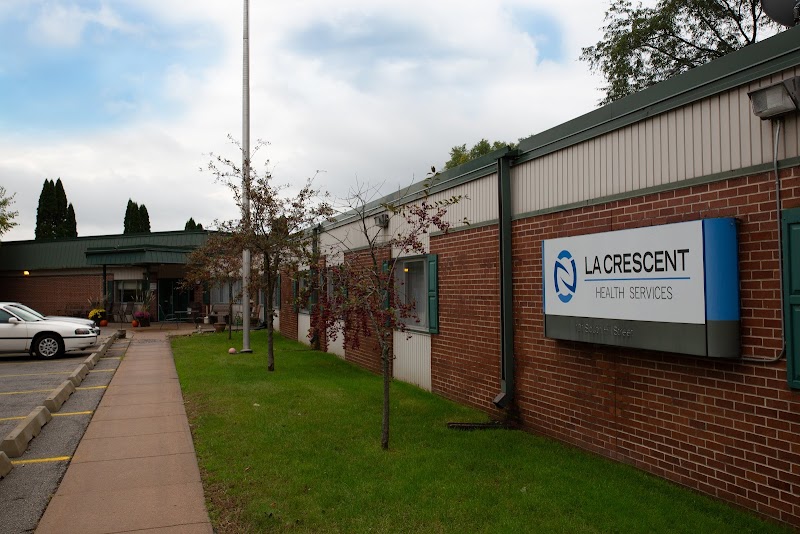
What is La Crescent Health Services's CMS Rating?

CMS assigns LA CRESCENT HEALTH SERVICES an overall rating of 4 out of 5 stars, which is considered above average nationally. Within Minnesota, this rating places the facility higher than 99% of the state's 100 nursing homes. This rating reflects solid performance across the metrics CMS uses to evaluate nursing home quality.
How is La Crescent Health Services Staffed?

CMS rates LA CRESCENT HEALTH SERVICES's staffing level at 4 out of 5 stars, which is above average compared to other nursing homes. Staff turnover is 44%, compared to the Minnesota average of 46%. This relatively stable workforce can support continuity of care.

What Have Inspectors Found at La Crescent Health Services?

State health inspectors documented 14 deficiencies at LA CRESCENT HEALTH SERVICES during 2022 to 2025. These included: 14 with potential for harm.
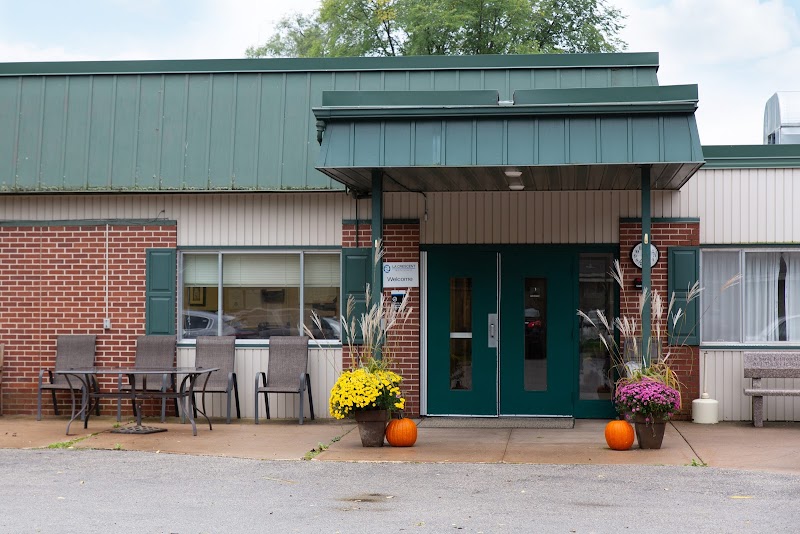
Who Owns and Operates La Crescent Health Services?

LA CRESCENT HEALTH SERVICES is owned by a for-profit company. For-profit facilities operate as businesses with obligations to shareholders or private owners. The facility is operated by NORTH SHORE HEALTHCARE, a chain that manages multiple nursing homes. With 42 certified beds and approximately 30 residents (about 71% occupancy), it is a smaller facility located in LA CRESCENT, Minnesota.
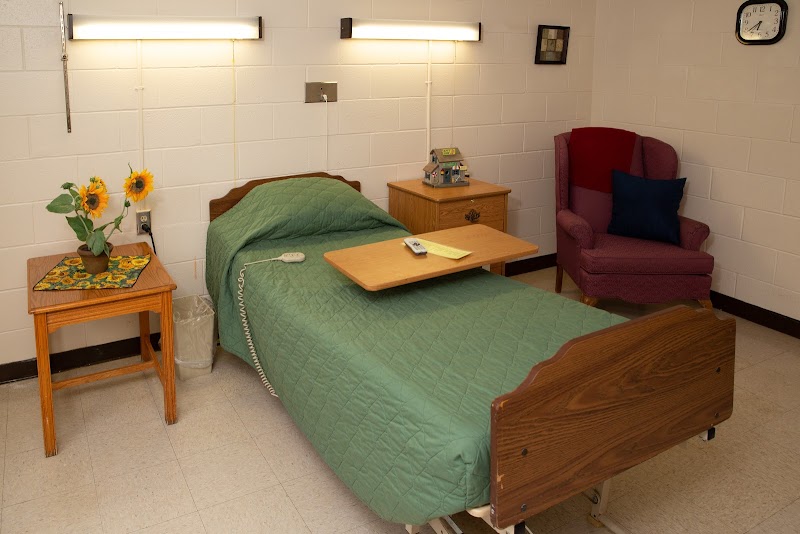
How Does La Crescent Health Services Compare to Other Minnesota Nursing Homes?

Compared to the 100 nursing homes in Minnesota, LA CRESCENT HEALTH SERVICES's overall rating (4 stars) is above the state average of 3.2, staff turnover (44%) is near the state average of 46%, and health inspection rating (4 stars) is above the national benchmark.

What Should Families Ask When Visiting La Crescent Health Services?

Based on this facility's data, families visiting should ask: "Can I visit during a mealtime to observe dining assistance and food quality?" "How do you handle medical emergencies, and what is your hospital transfer rate?" "Can I speak with family members of current residents about their experience?"

Is La Crescent Health Services Safe?

Based on CMS inspection data, LA CRESCENT HEALTH SERVICES has a clean safety record: no substantiated abuse findings (meaning no confirmed cases of resident harm), no Immediate Jeopardy citations (the most serious violation level indicating risk of serious injury or death), and is not on the Special Focus Facility watch list (a federal program monitoring the lowest-performing 1% of nursing homes). The facility has a 4-star overall rating and ranks #1 of 100 nursing homes in Minnesota. While no facility is perfect, families should still ask about staff-to-resident ratios and recent inspection results during their visit.

Do Nurses at La Crescent Health Services Stick Around?

LA CRESCENT HEALTH SERVICES has a staff turnover rate of 44%, which is about average for Minnesota nursing homes (state average: 46%). Moderate turnover is common in nursing homes, but families should still ask about staff tenure and how the facility maintains care continuity when employees leave.

Was La Crescent Health Services Ever Fined?

LA CRESCENT HEALTH SERVICES has no federal fines on record. CMS issues fines when nursing homes fail to meet care standards or don't correct problems found during inspections. The absence of fines suggests the facility has either maintained compliance or corrected any issues before penalties were assessed. This is a positive indicator, though families should still review recent inspection reports for the full picture.

Is La Crescent Health Services on Any Federal Watch List?

LA CRESCENT HEALTH SERVICES is not on any federal watch list. The most significant is the Special Focus Facility (SFF) program, which identifies the bottom 1% of nursing homes nationally based on persistent, serious quality problems. Not being on this list means the facility has avoided the pattern of deficiencies that triggers enhanced federal oversight. This is a positive indicator, though families should still review the facility's inspection history directly.