Mayo Clinic Health System - Lake City
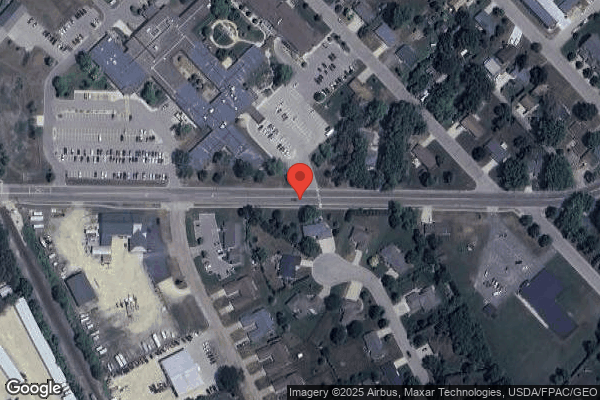
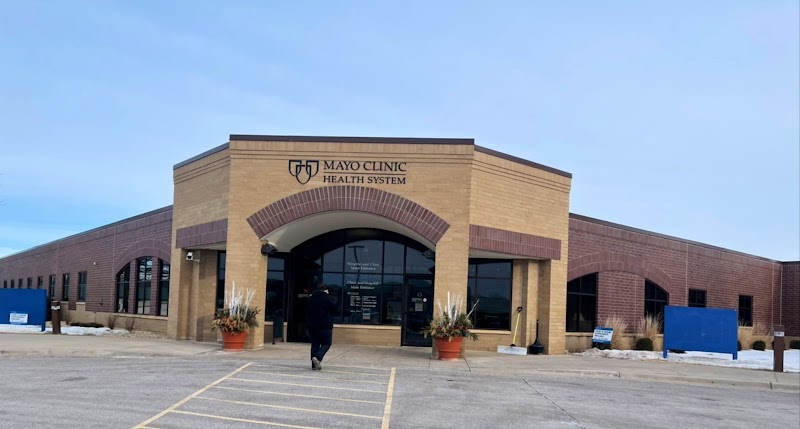
500 WEST GRANT STREET, LAKE CITY, MN 55041 (651) 345-1144
Non profit - Corporation 90 Beds Independent Data: November 2025 1 Immediate Jeopardy citation
Trust Grade
28/100
#187 of 337 in MN
Last Inspection: June 2024

Within standard 12-15 month inspection cycle. Federal law requires annual inspections.

Overview

Mayo Clinic Health System - Lake City has received a Trust Grade of F, indicating significant concerns about its services and care quality. It ranks #187 out of 337 facilities in Minnesota, placing it in the bottom half, but it is the top-rated option in Goodhue County. The facility is improving, having reduced its issues from 10 in 2024 to just 1 in 2025. Staffing is a strong point, with a 5/5 star rating and turnover that is average at 46%, meaning staff are generally stable. However, there are serious concerns, including $62,094 in fines, which is higher than 87% of Minnesota facilities, pointing to compliance issues. Critical incidents reported include a resident experiencing significant withdrawal symptoms after a medication was abruptly stopped, another resident suffering spinal fractures from a fall due to inadequate supervision, and a medication error that led to a resident requiring emergency treatment for low blood pressure. Overall, while staffing is strong, families should weigh these serious safety issues when considering this facility.
Trust Score
F
28/100
In Minnesota
#187/337
Bottom 45%
Safety Record
High Risk
Review needed
Inspections
Getting Better
10 → 1 violations
Staff Stability
⚠ Watch
46% turnover. Above average. Higher turnover means staff may not know residents' routines.
Penalties
✓ Good
$62,094 in fines. Lower than most Minnesota facilities. Relatively clean record.
Skilled Nurses
✓ Good
Each resident gets 74 minutes of Registered Nurse (RN) attention daily — more than 97% of Minnesota nursing homes. RNs are the most trained staff who catch health problems before they become serious.
Violations
⚠ Watch
21 deficiencies on record. Higher than average. Multiple issues found across inspections.
★★★☆☆
3.0
Overall Rating
★★★★★
5.0
Staff Levels
★★★☆☆
3.0
Care Quality
★★☆☆☆
2.0
Inspection Score
Stable
2024: 10 issues
2025: 1 issues

The Good

  • 5-Star Staffing Rating · Excellent nurse staffing levels
  • Full Sprinkler Coverage · Fire safety systems throughout facility
  • No fines on record

Facility shows strength in staffing levels, fire safety.

The Bad

3-Star Overall Rating

Near Minnesota average (3.2)

Meets federal standards, typical of most facilities

Staff Turnover: 46%

Near Minnesota avg (46%)

Higher turnover may affect care consistency

Federal Fines: $62,094

Above median ($33,413)

Moderate penalties - review what triggered them

The Ugly 21 deficiencies on record

1 life-threatening 2 actual harm
Apr 2025 1 deficiency 1 Harm
SERIOUS (G) 📢 Someone Reported This

A family member, employee, or ombudsman was alarmed enough to file a formal complaint

Actual Harm - a resident was hurt due to facility failures

Accident Prevention (Tag F0689)

A resident was harmed · This affected 1 resident

**NOTE- TERMS IN BRACKETS HAVE BEEN EDITED TO PROTECT CONFIDENTIALITY** Based on interviews and document reviews, the facility did not assess or analyze trends in falls to determine causal factors or ...

Read full inspector narrative →
**NOTE- TERMS IN BRACKETS HAVE BEEN EDITED TO PROTECT CONFIDENTIALITY** Based on interviews and document reviews, the facility did not assess or analyze trends in falls to determine causal factors or root causes and implemented individualized interventions aimed at preventing or reducing the risk of falls with major injuries for one of three residents (R1) who experienced falls. This resulted in actual harm when R1 suffered two thoracic spinal fractures and hospitalization after he was left unsupervised on the commode and fell. Findings include: R1's After Visit Summary (AVS) dated 2/1/25 to 2/20/25, identified R1 had a newly diagnosed stroke with left sided hemianopsia (loss of vision in half of visual field) hemiparesis (weakness on one side of body), left sided neglect, and right gaze deviation (condition where the right eye deviates to one side and there's difficulty looking to the opposite side). Further identified R1 had safety considerations due to R1's cognition identified he had poor safety awareness, poor attention/concentration and poor judgement. R1's Fall Risk assessment dated [DATE], identified a score of 8 indicating R1 was at moderate risk of falls. R1's AVS dated 2/27/25 to 3/7/25, identified R1's admitting diagnosis was sepsis due to cholecystitis (gall bladder inflammation), presumed prostate cancer with bone metastasis (occurs when cancer cells from a primary tumor elsewhere in the body spread to and establish secondary tumors within the bones), and stercoral colitis (an inflammatory condition of the colon caused by prolonged constipation and fecal impaction). Further identified R1 had safety considerations due to R1's cognition identified he was impulsive, had poor judgement, and poor safety awareness. R1's fall care plan revised 3/13/25, R1 was at risk for falls due to impulsivity related to stroke, cognitive impairment, dependence on staff for transfers and all cares. was reviewed and identified R1 was impulsive, had cognitive impairment and required extensive assist with activities of daily living (ADL's). Interventions dated 3/6/25, included: -R1 needed prompt response to all requests for assist -Anticipate and meet needs. -Be sure call light was in reach -Encourage use for assistance as needed, needed prompt response to all requests for assist -physical therapy (PT) to evaluate and treat as ordered. Care plan was revised on 3/7/25 directed to make sure R1 was centered in bed and ensure bed is in lowest position when cares not being performed. R1's Occupational Therapy (OT) Evaluation and Plan of Treatment dated 3/7/25, identified the reason for therapy was the recommended level of skilled therapy services required due to age, complicated medical history, concomitant cognitive deficits, impairment to multiple areas of the body, impairments to multiple systems, interaction of conditions, multiple diagnoses, need for multiple therapies and patient with dementia requiring repetition of structured task to facilitate new learning. R1's progress note dated 3/8/25, identified R1 was found on the floor in front of his wheelchair at 12:45 p.m., had removed grippy socks and slid out of the wheelchair. When asked what he was doing he replied, my socks aren't very good. R1 had been needing more assist since readmission with confusion. R1 had been sitting in wheelchair but declined to eat lunch. R1 had been more restless since admission wanting staff or someone with him all the time. R1 was last toileted at 12:20 p.m. At 12:40 p.m. nurse offered R1 lunch and R1 declined. Root cause was R1 slid from his wheelchair, new intervention identified blue grippy in wheelchair, R1 not to be left unattended in room when in wheelchair and dining room for meals if family is not present. R1's Fall Incident report dated 3/8/25 at 12:45 p.m., included the aforementioned description of the fall. The incident report also included: Immediate action taken was vital signs were performed, range of motion (ROM) performed with no concerns. Neuros initiated due to an unwitnessed fall. R1 oriented to person with impaired memory. R1's corresponding Fall Scene Investigation Report (FSI) dated 3/8/25, was requested and not received. In review of R1's fall record dated 3/8/25, there was no indication the care plan had been revised with the interventions identified in the progress note. Although the report identified the intervention that directed staff not to leave R1 alone in his room in his wheelchair, the record did not include and assessment that would identify if R1 could be left alone in his room sitting on other surfaces such as commode/toilet or other type of chair. Further, the record did not identify an assessment that determined R1's overall level of supervision to prevent/negate falls related to R1's impulsivity as identified on hospital AVS dated 2/27/25. R1's admission Minimum Data Set (MDS) dated [DATE], identified R1 had moderate cognitive impairment and diagnoses of stroke with left sided hemiplegia, cognitive impairment and long-term use of anticoagulants. R1 had behavioral symptoms not directed at others occurring 1-3 days, impairment in ROM to upper and lower side of body, was extensive assist of two staff with bed mobility, toileting and transfers and was frequently incontinent of bowel and bladder. In addition, R1 had one fall with no injury. R1's Care Area Assessment (CAA) dated 3/13/25, identified R1 had fall risk factors due to being newly diagnosed with a stroke, anticoagulation use, assistance needed for all cares. R1 had a fall when he slid out of his wheelchair (3/8/25) due to two cushions being in place. Cushion was removed and a slip resistant material placed in wheelchair. R1 was not to be up in wheelchair in his room alone. Internal risk factors included diagnoses of stroke with hemiplegia, incontinence, loss of arm or leg movement, cognitive impairment and agitation behavior. R1's Fall Incident report dated 3/13/25 at 6:05 a.m., indicated R1 had an unwitnessed fall and when nursing assistant (NA) entered room R1 was found on the floor; R1's legs were in bed, and he was lying on his back. R1 stated he was trying to get in wheelchair. Immediate action taken was ROM was within normal limits (WNL) for R1. Vital Signs (VS) and neuros started per policy. R1 stated his back hurt when he landed on floor but now it's his pride that hurts. No injuries noted. R1 returned to bed with assist of 2 and lift. Aides changed brief and did ADL's. Mental status identified R1 was cognitively impaired and oriented to person. Predisposing physiological factors that were identified was confused, incontinent, impaired memory and impaired safety judgement. R1's corresponding FSI included the following additional information: R1 was last seen at 4:30 a.m., when staff were taking tube feeding off and flushing his G-tube. Section 5 of the form identifying, last time toileted, was left blank. Interventions included offer fluids when restless, must be supervised and mats next to the bed. R1's progress note dated 3/13/25 at 8:03 a.m., identified R1 had a fall trying to get from his bed to his wheelchair. R1 stated he wasn't hurt and had no injury; he was just trying to get up. Activity level identified R1 had minimal activity and was restless. New intervention to place fall mats on each side of his bed. R1's Occupational Therapy (OT) notes dated 3/13/25, identified spoke with nursing who reported R1 had a fall close to 6:00 a.m., trying to get out of bed. Discussed with nursing strategies to reduce restlessness such as scheduled times to offer him ice chips due to frequently feeling thirsty, typically had not wanted to spend a lot of time outside of his bed. R1's care plan interventions dated 3/13/25, included blue floor mats to be placed on both sides of bed every time R1 was in bed, offer fluids when restless, fluids or ice chips on last rounds, oral care to be done first, scheduled assist with ice chips/free water protocol with staff only in between meals, and wear appropriate footwear; grippy socks or shoes with transfers. Review of R1's fall record dated 3/13/25, identified although the facility determined the predisposing physiological causal factors included incontinence, R1's record did not include an assessment and/or individualized interventions that would prevent or mitigate the risk for falls that would be related to incontinence. R1's Fall Risk assessment dated [DATE], identified a score of 8 indicating R1 was at moderate risk of falls. R1's progress note dated 3/16/25 at 9:30 a.m., identified aide walked past R1's room and noted him to be lying on the floor, nurse was alerted. Note indicated prior to the fall, R1 was lying in his bed slightly positioned on his left side with head of bed elevated 45 degrees. All four mats were on the floor two on each side of the bed. R1's call light was in his hand and on. R1 was transferred back to bed with the Hoyer lift and ensured R1 was positioned more in the center of the bed with the head of the bed not elevated more than 45 degrees. R1's Fall Incident Report dated 3/16/25 at 9:30 a.m., included the aforementioned fall description. Additional information included: R1 had been asking for drinks of water all morning, does not like ice chips, educated on reason why, R1 was upset about not being able to drink water. R1's FSI report dated 3/16/25 was requested and not received. R1's fall record dated 3/16/25 did not include a comprehensive analysis that identified causal factors/root cause nor identify individualized interventions that prevent and/or negate risk for re-current falls. R1's OT notes dated 3/26/25, identified R1's precautions were decreased vision to left side, left sided hemiplegia and decreased coordination, feeding tube-pureed diet with no liquids, biliary drain, safety/cognition/impulsivity, fall risk and history of 2 assist with Hoyer. R1's cognition was assessed for discharge, results identified a cognitive performance test (CPT) was completed with a score of 4.1 identifying moderate cognitive deficits, requiring 24-hour supervision, up to 1:1 cognitive assist with ADL's and assist with ADL's. All tasks were modified for left visual cut and vision deficits. During a phone interview on 4/3/25 at 2:13 p.m., Occupational Therapist (OT)-A stated R1's cognition was assessed and he required 24-hour supervision and 1:1 with ADL's which therapy educated the aides on. Therapy never saw R1 try to self-transfer, we know he had tried to get out of bed in the past, we did try to come up with a plan to reduce his restlessness. OT-A further stated R1 was impulsive when it came to toileting and drinking. Therapy educated the nurses on R1's impulsiveness quite a bit. OT-A was unable to articulate when a resident who had cognitive deficits with impulsivity and required assistance would be assessed for the level of supervision during toileting tasks. During an interview on 4/3/25 at 11:28 a.m., physical therapist (PT)-A indicated the last day she assessed R1 was on 3/27/25, where R1 had improved since his last hospitalization on 3/7/25. PT-A stated R1's balance was better, required supervision and stand by assist with adl's. R1 could ambulate up to 100 feet with minimal assist and a two wheeled walker. R1 was very willing to work in therapy, however, could not tolerate sitting long because it hurt him, so he spent a lot of time in bed. R1's cognition was poor, and he was very impulsive. Therapy performed several cognitive tests with results that identified significant impairment indicating a level of dementia. PT-A stated she did not assess R1 to see if he required supervision with toileting and could not find anything in the therapy notes that indicated R1 was ever assessed for supervision with toileting. R1's Fall Incident report dated 3/29/25 at 9:25 a.m., indicated R1 had an unwitnessed fall in his room. R1 was found on the floor in between commode and foot of bed lying on his back. R1 complained of level 4 out of 10 low back pain, prn (as needed) Tylenol administered. NA had informed nurse they had placed R1 on the commode as requested. R1 explained he was on the commode and thought he could walk back to bed. R1 stated, I knew I shouldn't have, and I should have tucked and rolled. Immediate Action Taken: writer assessed R1 for physical injury, R1 transferred to bed using a Hoyer. Predisposing factors were gait imbalance, confused, weakness, impaired safety judgement, self-transfer and ambulating without assist. Staff statement identified co-worker, and myself went to toilet R1 on the commode using a gait belt. We sat him down gave him his call light and told him to turn on his call light when he was done. She was checking on other residents when his call light go on. When she went to his room, she saw him lying on the floor. R1's corresponding FSI report dated 3/29/25, was requested and not received. R1's progress notes dated 3/29/25, included the aforementioned fall description. At 4:20 p.m. R1's family wanted R1 sent to the emergency department (ED). R1 was reporting pain 10 out of 10 in his low back. On-call provider gave order to transfer R1 to ED. R1 was transferred to the ED at 4:30 p.m. R1's progress note dated 3/30/25 at 11:37 a.m., identified R1 was admitted to the hospital for fracture in T11 and T12. R1 was discharged from facility because no bed hold was signed. R1's physician visits on 3/10/25, 3/17/25, 3/24/25 and 3/26/25 did not address R1's falls. During a phone interview on 4/3/25 at 2:29 p.m., family member (FM)-A stated R1 fell on 3/29/25, because staff left him on the commode by himself. Nursing staff should not have done that because R1 was very impulsive and did not always remember to ask for help. FM-A stated R1 ended up in the hospital from that fall and suffered two fractures in his spine- T11 and T12. The injuries had really set [R1] back and will be transferring to another facility from the hospital today (4/3/25). During an interview on 4/3/25 at 1:21 p.m., nursing assistant (NA)-A stated on 3/29/25 around 9:00 a.m., R1 had put his call light on and had asked to go to the bathroom. NA-A was not familiar with R1's care and was not aware he had previous falls, so she checked R1's care plan before transferring him. NA-A and another staff member used a gait belt and two wheeled walker and walked R1 from his bed approximately 13 feet to his commode. NA-A placed R1's walker in front of him and tied his call light to it. NA-A instructed R1 to push his button when he was done. NA-A explained she then left the room to answer a call light a couple of rooms away. NA-A noticed call light was on then heard a thud, when she got to R1's room, she found R 1 lying on the floor partially on his right side and back. R1 had made it three steps from the commode. NA-A stayed with R1 and radioed for help. R1 had reported pain and pointed to his middle back. After the nurse assessed him, R1 was transferred back to bed using a hoyer. NA-A did not remember R1 being on the Falling Star Program and would have seen the star on R1's door. During an interview on 4/3/25 at 10:07 a.m., nurse manager (NM)-A stated with a fall, the floor nurse would assess the resident and provide any needed care. Floor nurse would then fill out a fall huddle form, make an incident report, and put in a fall progress note. After each fall nursing staff should try to determine the root cause of the fall and update the care plan with an appropriate intervention. NM-A stated R1's incident reports for the falls on 3/8/25, 3/13/25 and 3/18/25 did not identify if R1's basic needs were met. For example, the incident reports did not identify if R1 had been incontinent at the time of the fall and the last time he was toileted. Because of the lack of information it was not possible to appropriately root cause each fall. NM-A stated she did not see root cause for R1's 3/16/25 fall and did not see that R1's care plan was updated with any new interventions. The root cause of R1's fall on 3/29/25 was due to staff leaving R1 unattended on his commode where he fell and was hospitalized with two thoracic fractures. During an interview on 4/3/25 at 11:01 a.m., director of nursing (DON) verified R1 had 4 falls since 3/8/25 to 3/29/25. DON explained the facility used a fall huddle form that the floor nurse was supposed to fill out at the time of the fall to help determine a root cause of the resident's fall. During morning meeting interdisciplinary team (IDT) discuss the resident falls to ensure prevention interventions are put in place. DON reviewed R1's falls and verified the nurse did not fill out a fall huddle form for 3/8/25, 3/16/25, and 3/29/25. The fall investigations did not always identify or include in the analysis if R1's needs were met such as toileting, pain and thirst. R1's fall on 3/16/25 did not include a comprehensive analysis due to the lack of investigation. Further the care plan had not been updated to include any new fall prevention interventions. DON stated R1 was left on the commode on 3/29/25 unsupervised when he fell and was sent to the hospital that resulted in two thoracic fractures. DON was unaware of how long R1 was left on the commode and verified his cognition was impaired, was impulsive and required extensive assist with toileting. DON further stated we usually have therapy assess a resident for safety with supervision of ADL's if they are dependent on staff for care and have impaired cognition. Facility Policy entitled, Fall Risk, Post Fall Investigation, Follow Up and Care, effective dates of 7/2021, 10/21 and 12/23, identified purpose-to define Nursing's role in the management of patients at risk for falls and post fall investigation, follow up and care. 2. Universal fall precautions are used for all patients based on individual patient needs. Interventions should be selected based on individual patient needs. Document interventions in the medical record. Falls risk and interventions should be noted on the plan of care. POST FALL INVESTI AT ON, FOLLOW UP AND CARE-1. Evaluate patient's pain range of motion and level of consciousness or change in cognitive level before moving or helping patient to a safer position/chair/bed. Document Post Fall Huddle completed. Document Care Plan reviewed and revised as indicated. Document and complete UDA's that were triggered if applicable. 3. Any changes in interventions will be noted, on the resident's Care Plan and [NAME]. The IDT (interdisciplinary team) will meet each weekday to review fall(s) and determine if further investigation of incident is needed; and assign who will assist with assessing further intervention(s). Risk Management Reports and statistics of the falls that have occurred to be maintained and reported to the QAPI committee for interpretation of patterns and quality improvement interventions. Nursing staff actions-information gathering .assess for basic needs-hunger, pain, toileting .bowel and bladder training programs in place and effective .review care plan to ensure fall prevention strategies are included .increase patient observation .Mandatory high-risk interventions, but not limited to: o Place a yellow wristband on wheelchair, walker, o Place Falling Star symbol on doorframe outside patient's room. and o Ensure that the falling star is removed upon discharge from falling star program.
Dec 2024 1 deficiency 1 Harm
SERIOUS (G) 📢 Someone Reported This

A family member, employee, or ombudsman was alarmed enough to file a formal complaint

Actual Harm - a resident was hurt due to facility failures

Deficiency F0760 (Tag F0760)

A resident was harmed · This affected 1 resident

**NOTE- TERMS IN BRACKETS HAVE BEEN EDITED TO PROTECT CONFIDENTIALITY** Based on observation, interview and document review, the facility failed to ensure medications were administered to the correct ...

Read full inspector narrative →
**NOTE- TERMS IN BRACKETS HAVE BEEN EDITED TO PROTECT CONFIDENTIALITY** Based on observation, interview and document review, the facility failed to ensure medications were administered to the correct resident for 1 of 3 residents (R1) reviewed for medication errors. This failure resulted in actual harm when R1 became hypotensive that required treatment in the emergency department (ED) and ongoing symptom monitoring and treatment. The facility had implemented appropriate corrective action prior to the onsite investigation so the deficiency is being cited at past non-compliance. Findings include: R1's quarterly Minimum Data Set (MDS) dated [DATE], identified R1's cognition was intact and had diagnoses of chronic kidney disease stage 3b (moderate to severe loss of kidney function) and hyponatremia (low blood sodium). R1's order summary dated 11/18/24, identified R1 was to receive the following oral medications in the morning: acetaminophen (for back pain)1000 milligrams (mg), aspirin (for stroke prophylaxis) 81 mg, citalopram (for depression)10 mg, and multivitamin. R1's medication administration record (MAR) dated 12/10/24, identified none of the above scheduled am medications were given, a 9 was documented and indicated, other, see nurses note. R4's order summary dated 12/4/24, identified R4 was to receive the following oral medications in the morning: lisinopril (for high blood pressure) 10 mg, calcium 500+D tablet (for osteoporosis) 500-10 mg-micrograms (mcg), and sennoside-docusate sodium (for constipation) 8.6-50 mg tablet. R4's medication administration record (MAR) dated 12/10/24, identified lisinopril, calcium 500+D and sennoside-docusate sodium were given at 6:47 a.m. R1's Medication/Treatment Error Report dated 12/10/24 at 8:30 a.m., identified lisinopril was given to the wrong resident, the nurse was new and on their own for the first time today. Immediate effects noted were R1 reported dizziness and a drop in blood pressure (normal blood pressure range is below 120/80 but above 90/60). Provider notified at 8:30 a.m. and ordered to check blood pressure every 30 minutes until systolic blood pressure (SBP) was greater than 90, push fluids, send to emergency department (ED) if SBP stays in the 70's and symptomatic with dizziness and hypertension. R1's Medication Error/Event Root Cause Analysis form dated 12/10/24, identified the error category E level (an error that could have caused temporary harm). R1's progress note dated 12/10/24 at 8:25 a.m., identified R1 was dizzy, weak, not feeling well and hypotensive. Blood pressure (B/P) 72/40, encouraged and assisted with pushing fluids, notified on call provider by phone, new order to check blood pressure every 30 minutes, if remained symptomatic and systolic remained in 70's send to ER. R1 inadvertently received 10mg lisinopril this am. Family members came to care center to visit and were updated on the situation. R1's progress note dated 12/10/24 at 9:20 a.m., identified R1 was sent to the ED with family accompanying for diagnosis of hypotension. Blood pressure was re-checked and was 64/43, continued to have symptoms of dizziness and would not drink fluids with encouragement and assistance. R1's Vitals summary identified the following blood pressures: 12/10/24: -8:33 a.m., was 72/40. -9:00 a.m., was 64/43. -9:20 a.m., was 88/52. R1's Emergency Department (ED) summary dated 12/10/24, at 9:28 a.m., identified R1's blood pressure was 89/49 and the reason for visit was hypotension (care center called and stated R1 was given lisinopril in error and pressures were 60's/40's with dizziness). Assessment and plan identified evaluation for hypotension due to receiving lisinopril in error at 6:47 a.m., antihypertensive effect of lisinopril started within 2 hours and will peak at 6 hours, gave IV fluids in attempt at improvement of hypotension. At 10:51 a.m., R1 has no urge to urinate, gave another liter of fluids, blood pressure still low at 74/45, nausea was better. At 12:02 p.m., blood pressure 82/47 progressive improvement, lowest blood pressure earlier was 68/44. At 12:23 p.m., R1 has no urge to urinate, felt better after receiving 2 liters of fluids, gave another liter of fluids and monitor blood pressure closely. At 12:53 p.m., blood pressure 97/51, at 2:35 p.m., blood pressure 102/61 improved with sitting, and at 2:45 p.m. blood pressure 121/63 increased with movement. At 2:48 p.m. Zofran given for nausea. At 3:09 p.m., R1 hypotensive again at rest, R1 would like to go back to the care center as soon as possible, will hold off on anymore fluids, no lightheadedness with standing. At 3:32 p.m., R1 had a liter of watery output from ileostomy while at ER, will give does of albumin to attempt at improvement of hypotension at rest. At 5:12 p.m., mean arterial pressures (MAP's) - (represents the average pressure in your arteries throughout the cardiac cycle, indicating how well your organs are being perfused with blood, most people need a MAP of at least 60 to ensure blood flow to vital organs) consistently remaining in the 60's. R1 would like to be discharged home will have nursing home staff monitor blood pressure this evening and tomorrow morning. Return to ER with concerning signs and symptoms, R1 discharged back to nursing home at 5:35 p.m. R1's progress note dated 12/10/24 at 5:50 p.m., identified R1 returned to the facility via wheelchair at 5:30 p.m. with family present. R1 received 3L of IV fluids and 500 ml of albumin. Output of 1300 ml out of ostomy. Resident asymptomatic at this time, just weak and tired. R1's progress note dated 12/11/24 at 10:16 a.m., identified blood pressures were 72/45 and 69/35. After pushing fluids and eating blood pressure was 90/53. R1 was seated at the edge of her bed for all blood pressures. Denied dizziness, nausea, vertigo, or any other symptoms. R1 reported feeling tired. R1's progress note dated 12/11/24 at 10:47 a.m., identified R1 was asymptomatic and felt better. Blood pressure was 88/58 while lying in bed. reported no urine output since yesterday, new order to check blood pressure every 4 hours and as needed, if symptomatic and SBP <80 notify provider. R1's Video Nurse Practitioner visit dated 12/11/24, identified an evaluation regarding concern about acute urinary retention with hypotension noted over the past 24 hours. R1's blood pressure was 76/43. R1 continued to have poor urinary output was continent of urine and stated she had gone twice this afternoon. R1 had post void bladder scan which noted retention of 322 ml. New Orders to check basic metabolic panel (BMP) (blood test to monitor blood pressure and kidney disease) and post void bladder scan for 3 days to assess decreased urinary output. With each post void scan, if >300 milliliters (ml) then in and out Cath to completely empty bladder. R1's Vitals summary identified the following blood pressures: 12/10/24 at 9:36 p.m., was 88/52. 12/11/24: -12:31 p.m., was 76/43. -6:23 p.m., was 97/46. -9:23 p.m., was 87/48. 12/12/24: -2:32 a.m., was 94/51. -4:53 a.m., was 119/59. -10:00 a.m., was 111/64. During an observation and interview on 12/17/24 at 2:35 p.m. R1 was lying in bed with a blanket covering her. R1 stated one of the staff gave her the wrong medication, it was a blood pressure medication. R1 indicated on the morning of 12/10/24, she got up at 6:15 a.m., was given her pills, and then a short while later she started to feel dizzy and weak. When she went to the bathroom to get ready for the day, she looked in the mirror and could not see herself, everything was fuzzy, that's when she told, the girls, she was nauseated and would not be able to eat breakfast. R1 indicated at some point they were checking her blood pressure over and over and it was pretty low, so they sent her to the ER. R1 stated she was scared because she did not feel right from getting the wrong medication and had to spend most of the day in the ER and was given several IV fluids. R1 stated ever since she was given the wrong medication, she has been weak, had not had an appetite and both legs between her knees and her hips hurt even when she wasn't doing anything but lying in bed. R1 indicated she never had the leg pain until the day they gave her the wrong medication. R1 stated she had the pain if she stood too long and stated the left leg had gotten better but not the right leg, R1 stated the pain was a steady pain and was experiencing it in her right leg at this time. During a phone interview on 12/17/24 at 1:58 p.m., registered nurse (RN)-B indicated on 12/10/24, it was his first day to independently pass medications. RN-A stated he had mistakenly given R1 lisinopril that was meant for R1's roommate. RN-A stated he didn't realize it until R1 was exhibiting hypotension, dizziness, nausea, blurred vision, lightheadedness, and weakness. RN-A verified R1 was sent to the ED for treatment of hypotension. RN-A stated he was educated on the medication administration policy, the 5 rights of medication, and had additional training. During an interview on 12/18/24 at 9:18 a.m., registered nurse (RN)-A stated RN-B told her on 12/10/24 around 8:30 a.m., that he had given R1 lisinopril in error that was meant for R4. She was given the medications at 6:47 a.m. RN-A stated R1 was assessed and noted to be weak, dizzy, and nauseated with systolic blood pressures in the 70's. RN-A indicated she called the provider to notify of R1's medication error was given new orders to monitor blood pressures and to send to the ER if blood pressures did not come up. RN-A stated R1 was being monitored closely by nursing staff and the providers and was sent to the ER at around 9:30 a.m. RN-A stated RN-B was immediately supervised for the remainder of the shift, was re-educated, and had additional training. During an interview on 12/18/24 at 12:24 p.m., director of nursing (DON) indicated on 12/10/24 R1 had received her roommates lisinopril that caused R1 to be transferred to the ER to be treated for hypotension. DON indicated this was a significant medication error because of the adverse side effect of hypotension. DON indicated RN-B was responsible for the medication error, root cause was incorrect -RN-B was immediately re-educated, had another nurse assist him that day. DON indicated immediately all staff were re-educated on the 5 rights of medication and the medication administration policy had been performing medication administration audits to ensure compliance. During a phone interview on 12/18/24 at 1:04 p.m., consultant pharmacist (CP)-A indicated if a resident without the diagnosis of high blood pressure was given lisinopril in error the resident would need to be monitored closely for low blood pressure and would be considered a significant medication error. CP-A indicated the effects of 10 mg of lisinopril would take effect within 2 hours of ingestion, peak at 6 hours and can last for up to 24 hours. CP-A stated lisinopril can lead to dehydration and side effects would be nausea, dizziness, fatigue, and headache. During an interview on 12/17/24 at 1:40 p.m., medical director (MD)-A stated R1 was given 10 mg of lisinopril on 12/10/24 that resulted in a significant medication error. MD-A indicated R1 had kidney disease and had to be sent to the ER to have her blood pressures monitored along with her kidney function and was treated with IV fluids and IV albumin; albumin can help raise blood pressure by drawing fluid back into circulation. MD-A stated after the ER visit R1 was having trouble with not making any urine which was a sign of the kidneys not working properly. MD-A further stated there will be further assessments, labs, and monitoring for R1 to return to baseline. Facility policy, Medication Administration Guidelines revised 3/10/23, identified Medications are administered as prescribed in accordance with good nursing principles and practices and only by persons legally authorized to do so. 7. Residents are identified before medication is administered using two methods of identification. Methods of identification include a) By checking the resident's name band, b) By asking a reliable resident for his or her first and last name, c) By referring to the photo attached to the EMAR record and d) If necessary, verifying resident identification with other facility personnel . 10. Check for the five rights: the right resident, the right medication, the right dosage, the right route, and the right time . 17. Medications supplied for one resident are never administered to another resident. During the onsite visit on 12/17/24 and 12/18/24, the facility's corrective actions were verified as implemented on 12/10/24, prior to the survey visit, therefor this deficient practice is being cited as Past Non-compliance. Corrective actions included: -On 12/10/24, the facility completed an investigation and causal analysis -On 12/10/24, RN-B was immediately re-educated and supervised. -On 12/10/24, provided educated to licenses and unlicensed staff regarding giving medications as ordered and medication administration policy.
Jun 2024 9 deficiencies
CONCERN (D)

Potential for Harm - no one hurt, but risky conditions existed

Deficiency F0582 (Tag F0582)

Could have caused harm · This affected 1 resident

Based on interview and document review, the facility failed to provide the required written Skilled Nursing Facility Advanced Beneficiary Notice (SNFABN) and Notice of Medicare Non-Coverage (NOMNC) fo...

Read full inspector narrative →
Based on interview and document review, the facility failed to provide the required written Skilled Nursing Facility Advanced Beneficiary Notice (SNFABN) and Notice of Medicare Non-Coverage (NOMNC) forms to 3 of 3 residents (R2, R162, R258) reviewed whose Medicare A coverage ended and then remained in the facility and/or discharged home. Findings include: R2 R2's Centers for Medicare and Medicaid Services (CMS)-10123 (NOMNC) identified a last covered day (LCD) of 3/13/24. NOMNC indicated community support manager (CSM) called family member (FM)-A, who was also R2's power of attorney (POA), on 3/11/24 to notify that skilled services would be ending on 3/13/24 with financial liability being on 3/14/24. NOMNC lacked signature of FM-A acknowledging notification of services ending. R2's undated Census Records listing identified on 4/14/24, R2's payer source changed from Medicare Part A to Private Pay, and remained in the facility. R2's SNFABN lacked signature acknowledging that FM-A had received and understood the notice. SNFABN indicated beginning on 3/14/24, estimated cost of room and board was up to $743.59 with additional fees for physical, occupational and/or speech therapy. SNFABN indicated under additional information to: See NOMNC - FM-A given options verbally on 3/11/24. During interview on 6/11/24 at 3:54 p.m. FM-A stated he vaguely remembered a phone call regarding this and had not received and/or signed either written notice. R162 R162's NOMNC identified a last covered day of 4/22/24. NOMNC indicated CSM called FM-B, who was also R162's POA, on 4/19/24 to notify that skilled services would be ending on 4/22/24 with financial liability beginning on 4/23/24. NOMNC lacked signature of the power of attorney acknowledging notification of services ending. R162's undated Census Records listing identified on 4/23/24, R162's payer source changed from Medicare Part A to Private Pay, and remained in the facility. R162's SNFABN lacked signature acknowledging FM-B had received and understood notice. SNFABN indicated beginning on 4/23/24, estimated cost of room and board was up to $743.59 with additional fees for physical, occupational and/or speech therapy. SNFABN indicated under additional information to: See NOMNC - POA did not want to appeal. During interview on 6/11/24 at 4:00 p.m. FM-B stated he never received and/or signed either written notice. FM-B stated, on a different occasion, he received a piece of paper with a table on it which included different care levels and prices but did not know what care level R162 was. R258 R258's NOMNC identified a last covered day of 4/24/24. NOMNC indicated CSM called FM-C on 4/22/24 to notify that skilled services would be ending on 4/24/24 with financial liability being on 4/25/24. NOMNC lacked signature of the FM-C acknowledging notification of services ending. R258's undated Census Records listing identified on 4/25/23, R258 discharged from facility. During an interview on 6/11/24, at 4:12 p.m., CSM verified she was responsible to provide the Medicare NOMNC and the SNFABN notices within the nursing home. CSM stated she got the last covered day from therapy or resident's insurance. CSM then gave the resident/representative a two-day notice. CSM stated she gave the resident/representative a NOMNC with appeal information and asked if they would like to appeal. CSM stated if resident is planning to remain in the facility, she also gave the resident/representative the SNFABN. CSM stated these conversations occur over the phone and sometimes she asked if they would want a copy mailed to them. CSM stated she did not remember offering and/or giving written copies and/or obtain written signatures for R2, R162 and/or R258. CSM stated it was be important to provide written documentation to residents/representative as conversations can be forgotten and or misconstrued. CSM also stated it was important to have a signature to ensure the resident/representative understood the process and the financial liability they would be responsible for. The facility Medicare A Denial policy, dated 6/2019, indicted the facility must deliver a completed copy of the NOMNC to beneficiaries/enrollees of Medicare and Medicare Advantage plans receiving covered skilled services. The facility must ensure that the resident or resident representative signs and dated the NOMNC and when applicable the SNFABN to demonstrated that they received the notice and understand that the termination decision can be disputed.
CONCERN (D)

Potential for Harm - no one hurt, but risky conditions existed

Assessment Accuracy (Tag F0641)

Could have caused harm · This affected 1 resident

**NOTE- TERMS IN BRACKETS HAVE BEEN EDITED TO PROTECT CONFIDENTIALITY** Based on interview and record review, the facility failed to accurately complete the Minimum Data Set (MDS) for 1 of 1 resident'...

Read full inspector narrative →
**NOTE- TERMS IN BRACKETS HAVE BEEN EDITED TO PROTECT CONFIDENTIALITY** Based on interview and record review, the facility failed to accurately complete the Minimum Data Set (MDS) for 1 of 1 resident's reviewed for wandering. Findings include: R26's admission MDS dated [DATE], indicated severe cognitive impairment, physical and verbal behaviors with rejection of care. Wandering with no significant risk. Wanderguard in place. R26's quarterly MDS dated [DATE] indicated severe cognitive impairment, physical and verbal behaviors directed toward others. No documented wandering. Wanderguard in place. R26's provider orders included mirtazapine (medication for depression and sleep), buspirone (medication for anxiety). R26's diagnoses list included delusional disorders and dementia with anxiety. R26's elopement careplan indicated history of elopement at previous facility in addition to multiple attempts to exit current faciliy with increased wandering during episodes of delusional thoughts. Facility progress notes reviewed from 3/20/24 through 3/27/24 indicated on 3/22/24 R26 attempted to leave the facility multiple times, refused medications, and required redirection and 1:1 care. During interview on 06/13/24 10:12 a.m., MDS coordinator (RN)-C stated she used a reference sheet to confirm what assessments were due and the dates they were be completed. The reference period used for assessments was 6 days prior to and including the assessment reference date (ARD). RN-C stated she referenced task documentation and progress notes made during reference period when completing MDS assessments. RN-C reviewed progress notes for reference period 3/20/24 through 3/27/24 and confirmed progress noted dated 3/22/24 indicated multiple attempts to exit the facility. RN-C stated she must have overlooked it. RN-C stated accurate MDS documentation would be important for careplanning and accuracy of medicare payment. During interview on 6/13/24, director of nursing confirmed the importance of accurate MDS assessments for appropriate resident care. She confirmed inaccurate MDS assessment could also lead to inaccurate Medicare reimbursement. A facility policy titled MDS/Careplan Process dated 2/1/2024 indicated the purpose of a comprehensive assessment as identify the resident's care needs, develop a comprehensive plan of care for the resident, identify the resident's strengths, assist the resident to attain the highest practical level of mental and physical function and well-being.
CONCERN (D)

Potential for Harm - no one hurt, but risky conditions existed

Quality of Care (Tag F0684)

Could have caused harm · This affected 1 resident

**NOTE- TERMS IN BRACKETS HAVE BEEN EDITED TO PROTECT CONFIDENTIALITY** Based on interview and document review, the facility failed to ensure medications were administered per physician's order for 1 ...

Read full inspector narrative →
**NOTE- TERMS IN BRACKETS HAVE BEEN EDITED TO PROTECT CONFIDENTIALITY** Based on interview and document review, the facility failed to ensure medications were administered per physician's order for 1 of 1 resident (R40) reviewed for assessment prior to medication administration. Findings include: R40's admission Minimum Data Set (MDS) dated [DATE], identified R40 had intact cognition and required assistance with all activities of daily living (ADLs). R40's diagnoses included chronic combined systolic and diastolic heart failure (heart failure that occurs when the heart has trouble relaxing between beats), atrial fibrillation (abnormal electrical impulses suddenly start firing in the atria), heart failure (condition that develops when your heart doesn't pump enough blood for your body's needs), hypertension (pressure in your blood vessels that is too high), obstructive sleep apnea (intermittent airflow blockage during sleep) and chronic obstructive pulmonary disease (lung disease causing restricted airflow and breathing problems). During review of R40's electronic health record (EHR), signed physician's order indicated an order for Metoprolol Tartrate 150 mg (milligram) to be given by mouth one time a day for hypertension and to hold for heart rate less than 50 and systolic blood pressure less than 100. Medication Administration Record (MAR) and Treatment Administration Record (TAR) lacked documentation of obtaining and monitoring blood pressure and pulse prior to administration of medication from 5/17/24 to present. During interview on 6/12/24 at 10:22 a.m., trained medication aide (TMA)-A stated R40 did not have special monitoring for medication administration. TMA-A checked signed physician's orders and confirmed that R40 should have blood pressure and pulse checked prior to administration of Metoprolol. It was important to check blood pressure and pulse as medication may not be able to be administration if blood pressure and/or pulse are below parameters. During interview on 6/12/24 at 4:10 p.m., registered nurse clinical manager (RN)-D stated staff had been checking resident's blood pressure occasionally but was not with every dose and not being checked per physician's orders. RN-D stated checking the blood pressure and pulse prior to administration of medication was important because it is a physician's order, and it should not be administered if blood pressure or pulse was low as R40 could get dizzy or blood pressure could decrease more. RN-D reviewed signed physician's orders and confirmed the blood pressure and/or pulse were not being obtained with every dose administered. During interview on 6/13/24 at 8:22 a.m., consultant pharmacist (CP) stated staff should have been obtaining R40's blood pressure and pulse prior to administration of Metoprolol to ensure that medication was able to be administered per physician's orders. CP stated he would expect them to be obtained and documented on the medication administration record (MAR). CP stated monitoring of blood pressure and pulse is important as R40 would be at risk of having too low of a blood pressure or too low of a pulse. CP reviewed R40's EHR and confirmed that there was no documentation of blood pressure and pulse prior to medication administration. During interview on 6/13/24 at 8:33 a.m., director of nursing (DON) stated she expected provider's orders to be followed, including parameters of medication administration. DON confirmed R40's blood pressure and pulse should have been obtained prior to administration of the Metoprolol. DON stated following these parameters was important, so the blood pressure doesn't bottom out leading to the resident being transferred out of facility to the emergency room (ER) as it could be life threatening. A Medication Administration/Monitoring policy and procedure was requested but was not received.
CONCERN (D)

Potential for Harm - no one hurt, but risky conditions existed

Pressure Ulcer Prevention (Tag F0686)

Could have caused harm · This affected 1 resident

**NOTE- TERMS IN BRACKETS HAVE BEEN EDITED TO PROTECT CONFIDENTIALITY** Based on observation, interview and document review, the facility failed to provide timely assistance with repositioning to prom...

Read full inspector narrative →
**NOTE- TERMS IN BRACKETS HAVE BEEN EDITED TO PROTECT CONFIDENTIALITY** Based on observation, interview and document review, the facility failed to provide timely assistance with repositioning to promote healing of pressure ulcer for 1 of 1 resident (R4) in accordance with the individualized care plan. Findings include: R4's annual Minimum Data Set (MDS) dated [DATE], identified R4 had moderately impaired cognition and required assistance with all activities of daily living (ADLs). R4's diagnoses included non-traumatic brain dysfunction (brain damage caused by internal factors), atrial fibrillation (abnormal heart rhythm), heart failure (syndrome cause by an impairment in the heart's ability to fill with and pump blood), renal insufficiency/failure (kidneys are functioning poorly), diabetes mellitus (disease that affect how the body uses blood sugar (glucose)), non-Alzheimer's dementia (loss of memory and other intellectual functions severe enough to cause problems in one's abilities to perform their usual activities), seizure disorder or epilepsy (disorder of the nervous system that causes abnormal electrical activity in the brain), depression, pressure ulcer - stage 3 (full-thickness skin loss potentially extending into the subcutaneous tissue layer), muscle weakness, restlessness and agitation and major depressive disorder severe with psych symptoms. R4's pressure ulcer Care Area Assessment (CAA) dated 5/21/24, indicated R4 was at risk for the development of pressure ulcers. R4's care plan dated 5/20/24, identified R4 had a stage three pressure ulcer and was at risk for the development of pressure ulcers and directed to reposition R4 every two hours while in bed and/or wheelchair. During continuous observations on 6/11/24 from 9:42 a.m. to 12:57 p.m., R4 was observed to be seated in a Broda (reclining wheelchair with bilateral supportive cushions) chair. At 9:42 a.m., R4 was in the common area watching television with other residents. At 10:25 a.m., R4 remained in common area watching television. At 11:45 a.m., staff assisted R4 to the dining room for lunch. At 6/11/24 at 12:23 p.m., R4 was sitting in dining room eating independently. At 12:43 p.m., staff assisted R4 from the dining room to the common area where R4 remained in broda chair? and watched television. At 12:57 p.m., staff assisted R4 to her room to assist R4 with toileting (checking and changing) incontinence products and was assisted back seated in her wheelchair. During interview on 6/12/24 at 8:34 a.m., nursing assistant (NA)-A stated R4 is unable to reposition herself in her wheelchair and needs staff to assist with repositioning. NA-A stated R4 was to receive assistance with repositioning every two to three hours per R4's care plan. During interview on 6/12/24, at 9:11 a.m., NA-F stated R4 should be laid down once in the morning after breakfast but R4 frequently refused to lay down. NA-F stated R4 was to receive assistance with repositioning every two hours when in wheelchair. NA-F stated R4 was not able to reposition herself in her wheelchair. During interview on 6/12/24, at 10:22 a.m. trained medication aide (TMA)-A stated R4 was to receive assistance with laying down after meals but R4 frequently refused as she liked to be out with other residents watching television and attended activities regularly. TMA-A stated R4 was to receive assistance with repositioning every two hours in accordance with the care plan. During interview on 6/12/24, at 4:27 p.m., registered nurse clinical manger (RN)-D stated R4 liked to attend activities and watched television with other residents. RN-D stated R4 has a stage three pressure ulcer that has stalled (wound initially began to heal, but patient- or wound-related factors have prevented the wound from continuing to heal in an orderly and timely manner), provider was aware. RN-D stated R4 had the order to try and encourage R4 to lay down due to the pressure ulcer but R4 refused frequently. RN-D stated R4 was to receive assistance with repositioning every two to three hours if R4 refuses to lay down. RN-D stated repositioning R4 is important so her wound did not worsen as are result of not being repositioned. During interview on 6/13/24, at 8:49 a.m., the director of nursing (DON) stated the staff were to provide assistance with repositioning in accordance with the care plan. DON stated repositioning a resident with pressure ulcers was important, so the wound did not worsen. The Individualized Care Plan Policy dated 10/26/22, indicated the facility would develop a comprehensive care plan using the comprehensive assessments, will individualize the plan of care to accurately reflect resident's functional capacity and medical, nursing, psychosocial, activity and other identified needs. The Positioning the Resident Policy dated 11/2021, indicated the staff reposition identified residents to relieve pressure, prevent skin breakdown, pain, and promote proper body alignment.
CONCERN (D)

Potential for Harm - no one hurt, but risky conditions existed

Deficiency F0740 (Tag F0740)

Could have caused harm · This affected 1 resident

**NOTE- TERMS IN BRACKETS HAVE BEEN EDITED TO PROTECT CONFIDENTIALITY** Based on observation, interview and document review, the facility failed to investigate, review and analyze underlying causes of...

Read full inspector narrative →
**NOTE- TERMS IN BRACKETS HAVE BEEN EDITED TO PROTECT CONFIDENTIALITY** Based on observation, interview and document review, the facility failed to investigate, review and analyze underlying causes of resident's anxiety and agitation for 1 of 1 resident (R24) who was reviewed for behaviors. Findings include: R24's significant change Minimum Data Set (MDS) dated [DATE], identified R24 had moderate cognitive impairment and diagnoses included dementia, repeated falls, malignant neoplasm of the prostate, weakness, hematuria and recent urinary tract infection. R24 required setup or clean up with personal hygiene and toileting and supervision or touch assist with ambulation. R24 had exhibited behaviors of physical, verbal and other behaviors one to three days during the observation period and wandered daily. R24's behaviors were identified as potentially harmful to himself or others. R24's care plan with review date 6/5/24, identified R24 was at risk for wandering and elopement as he had tried to exit the facility. R24 had impaired cognitive function due to diagnosis of dementia. Interventions included ask yes/no question, cue and reorient and supervise as needed, give verbal reminders, engage in purposeful activity, identify if there is a certain time of day wandering and elopement attempts occur, provide clear, simple directions, identify wandering/elopement de-escalation behaviors and wanderguard on left extremity. Progress notes identified the following: -On 5/15/24, interdisplinary team (IDT) review note identified R24 had increased wandering, exit seeking, and aggression toward staff. R24 was moved to a different, quieter wing. Staff would continue to monitor his behavior. -On 5/19/24, R24 was wandering into other resident rooms, unsteady on his feet and hard to redirect. -On 5/22/24, R24 walked off the unit with another resident. Staff were able to redirect back to unit. -On 5/23/24, R24 was wandering halls and seeking exits. Interventions were somewhat effective. -On 5/24/24, R24 had attempted to disrobe in public areas. Interventions were ineffective. -On 5/25/24, R24 was wandering halls, verbally and physically aggressive with staff. R24 exited building and staff was able to redirect him back in to the building. -On 5/26/24, R24 was wandering halls and exit seeking. Nearly did get out of building before staff intervened. -On 5/27/24, R24 was wandering the halls, attempting to go in to other resident rooms, and attempting to find exits to elope. Became combative with staff when attempted to assist him to the bathroom. -On 5/29/24, R24 was wandering halls and into others rooms. Attempting to exit out doors. Was difficult to redirect. -On 5/31/24, R24 was wandering and agitated with redirection. -On 6/1/24, R24 was wandering and urinated on the floor in another resident's room. R24 became agitated when staff tried to assist him to change his wet pants. Staff walked away to allow R24 to calm down. R24 exited out of the building. Staff responded to door alarm, had significant difficulty getting R24 to return to the building. A nurse from a different wing came to assist and was able to get R24 to return to the building. -On 6/3/24, R24 was seen by provider related to psychotropic medication review. -On 6/4/24, order received to increase mirtazapine (an antidepressant). -On 6/5/24, R24 was wandering halls and attempting to exit building. Unable to distract and re-direct. Requested assistance from other nursing staff. -On 6/6/24, R24 was wandering halls and into others rooms, searching for an exit. Interventions ineffective. -On 6/8/24, R24 wandering halls and going into others rooms. Interventions ineffective. -On 6/9/24, R24 had water and urine all over floor in bathroom. Refusing to allow staff to change his soiled clothes. Interventions ineffective. During observation on 6/10/24, at 4:30 p.m. R24 was seen wandering the halls. Staff attempted prompts for him to sit down and rest. R24 walked away from them and refused to sit down. During continuous observation on 6/11/24, at 10:15 a.m. to 12:00 p.m. R24 was observed wandering the halls and attempted to enter other resident rooms. R24 stated he had to go to the bathroom, however, when assisted to the toilet at 10:30 a.m., was unable to void. R24 continued to pace the halls and refused staff attempts to redirect. At 10:35 a.m. R24 was wandering and stated he had to go to the bathroom. When brought to the bathroom, immediately turned around and stated he did not have to go. At 11:35 a.m. R24 exited the unit doors into another hallway. Nursing assistant (NA)-A noted he had exited the unit and went out to redirect him back into the unit. R24 was resistive to redirection. NA-B approached to assist and they were able to get R24 to return to the unit. During observations on 6/11/24, at 1:45 p.m. through 4:00 p.m. R24 continued to pace the halls with unsteady gait and agitated manner. Staff attempted to intervene with diversional activity and one to one, however, were unsuccessful. During a joint interview with registered nurse (RN)-D and RN-E on 6/11/24, at 4:00 p.m. RN-E stated the staff were doing one to one with R24 and trying more redirection. They were trying to find activities and music he would enjoy or offered food or drink. They had put a wanderguard on R24 to address his wandering and exit seeking behaviors. The staff document a lot of behavior notes, but as far as assessments, the provider had seen R24 twice to address his medications. The providers could do assessments and address a resident behaviors. They discussed resident behaviors during their weekly IDT meetings but she was not sure if it was documented in the resident chart as social services would be the one to document that. An analysis of behaviors would be important to see if there was a cause such as infection, and to treat it and maybe improve the behaviors. When they put in for an acute provider visit they communicated the resident behaviors with the provider and then it would be up to the provider to address the behaviors and order tests if they wanted them. RN-E had not been made aware R24 would ask for the bathroom and then refuse to go and the behavior could possibly be related to R24's diagnosis of untreated prostate cancer. RN-D stated she was only able to find the one IDT note on 5/15/24 and the two provider notes related to medications. R24's medical record reviewed 5/15/24 through 6/11/24, lacked review and analysis of R24's behaviors to try to determine underlying causes or triggers. During joint interview on 6/12/24, at 4:40 p.m. with the director of nursing (DON) and clinical operations manager (CO)-D, CO-D stated she was not sure if the facility had behavior meetings but resident behaviors were addressed in IDT weekly meetings and daily stand up meetings. It would be the IDT team to look at the bigger picture of resident behaviors. It would be important to really have a look at what the resident was doing and what was preceding the behavior. She had not found an overall review of resident behaviors. The facility policy Mood and Behavior/Behavioral Health dated 10/5/22, identified the facility would assess and develop individualized behavioral care plan interventions for individuals with dementia. Mood and behavior would be reviewed by the IDT team on a quarterly basis or more often as needed to determine trends and effectiveness of care plan interventions.
CONCERN (D)

Potential for Harm - no one hurt, but risky conditions existed

Deficiency F0744 (Tag F0744)

Could have caused harm · This affected 1 resident

**NOTE- TERMS IN BRACKETS HAVE BEEN EDITED TO PROTECT CONFIDENTIALITY** Based on interview and record review the facility failed to follow up on provider orders for 1 of 1 (R26) residents reviewed for...

Read full inspector narrative →
**NOTE- TERMS IN BRACKETS HAVE BEEN EDITED TO PROTECT CONFIDENTIALITY** Based on interview and record review the facility failed to follow up on provider orders for 1 of 1 (R26) residents reviewed for dementia care. Findings include: A quarterly Minimum Data Set (MDS) dated [DATE], indicated R26 had a BIMs (test to assess cognitive impairment) score of 04 indicating severe cognitive impairment. No functional limitation in range of motion, history of falls, received antidepressants, antianxiety, and antipsychotic medication. R26's physician orders included mirtazapine (medication for depression that helps with sleep) and buspirone (medication used to treat anxiety). R26's diagnoses list included delusional disorders and dementia with anxiety. R26's elopement careplan, revised [DATE], indicated R26 was at risk for elopement due to dementia. R26 had a history of attempting to leave previous facility and wandering might increase with delusional thoughts, had wanderguard in place and, has history of going into other residents' rooms. It further indicated R26 has attempted to exit the facility. A mood/behavior careplan, revised [DATE], indicated R26 had a history of refusing care and scratching/hitting out at staff and had a history of delusional statements. R26's progress notes dated [DATE] through [DATE] indicated several incidents of behaviors that include verbal agressivness and threats, and elopement attempts. On [DATE] the provider wrote an order for psychological and psychiatric consult. Progress notes dated [DATE] through [DATE] continued to show behavioral episodes that include verbal agression and elopement attempts, however did not indicate an increase in behavior. The progress notes lacked documentation a psychiatric consult appointment was made. During interview on [DATE] at 4:37 p.m., registered nurse (RN)-B confirmed R29's diagnoses of delusions, anxiety, and dementia. She stated R29 was forgetful and spoke of her deceased husband often. R29 had a wanderguard on due to attempts to leave the facility. R29 requested staff call 911. RN-B stated they had the hospital security staff member speak to R29 which was effective in reassuring R29. R29 has successfully exited the facility however was redirected back inside without issue. During interview on [DATE] at 10:53 a.m., nursing assistant (NA)-M stated R29 was independent with ambulation and has been more confused lately. R29 has been fixated on family and wandered back and forth from room to tv common area. NA-M stated R29 has successfully eloped from the facility however staff was able to redirect her. During interview on [DATE] 03:42 p.m., nurse managers (RN)-D and RN-E stated R29 looked for her deceased husband and children a lot. R29 had increased behaviors after family visits. R29 required a lot of redirection. R29's elopement attempts were either related to looking for her family or fear something horrible is happening. Staff have been instructed to be mindful of what is on the television (TV) in R29's room because R29 had trouble thinking TV was reality. R29's providers have made changes to medications including Seroquel (antipsychotic) and mirtazapine (antidepressant that aids in sleep). R29 was also taking buspirone (medication for anxiety) three times a day. They have also requested testing and labs to rule out medical issues. A psychiatric consult was ordered on [DATE] by the provider. When asked when R29's psychiatric appointment was, RN-D stated, Does she see psych? I don't know. Both RN-D and RN-E were unable to confirm date of psychiatric appointment. RN-D printed provider order for psychiatric appointment stating she would confirm with the unit secretary. During interview on [DATE] 08:59 a.m., the unit secretary (HUC) stated she was responsible for transcribing provider orders in the electronic record. When she completed transcribing, she pulled a specific tab on the resident's physical chart for the nurse to verify and, if necessary, clarify orders. The HUC recalled calling the provider in April to make the psychiatric appointment, however did not document making the call. She stated she was told by the clinic she could not make the appointment because the order was in review or something. She did not recall the specific reason she could not make the appointment. She confirmed no follow up phone call was made until RN-D asked her about the appointment on [DATE]. The HUC stated she called on [DATE] and was told the in-house psychiatrist would no longer be available and a referral to an outside psychiatric provider would have to be made. The HUC stated she should have sent an email to the ordering provider in April informing them an appointment could not be made and confirmed she should have followed up with the provider. During interview on [DATE] the director of nursing stated she would expect staff to follow-up on provider orders. This is important for the proper healthcare of the resident. A policy for provider orders was requested and not received.
CONCERN (D)

Potential for Harm - no one hurt, but risky conditions existed

Infection Control (Tag F0880)

Could have caused harm · This affected 1 resident

**NOTE- TERMS IN BRACKETS HAVE BEEN EDITED TO PROTECT CONFIDENTIALITY** Based on observation, interview and document review, the facility failed to ensure proper hand hygiene was completed when assist...

Read full inspector narrative →
**NOTE- TERMS IN BRACKETS HAVE BEEN EDITED TO PROTECT CONFIDENTIALITY** Based on observation, interview and document review, the facility failed to ensure proper hand hygiene was completed when assisting with therapy for 1 of 2 residents (R38) whose therapy care was observed. In addition, the facility failed to ensure soiled and potentially contaminated laundry was sorted in a manner to reduce the risk of cross contamination and subsequent infection spread. These findings had the potential to affect all 58 residents who utilized laundry services. Findings include: R38's admission Minimum Data Set (MDS) dated [DATE], identified R38 had intact cognition and diagnoses included fracture of left humerus and femur and enterocolitis due to clostridium difficile (C-Diff). R38 required moderate assist with grooming and hygiene, was dependent with transfers and frequently incontinent of bowel. R38's progress note dated 6/12/24, 1:25 p.m. identified R38 continued to have loose, watery stools due to C-Diff infection. On 6/11/24, at 11:00 a.m. R38 was observed sitting in his wheelchair in the physical therapy room. Physical therapist (PT)-A donned disposable gloves and wheeled R38 onto the parallel bars ramp and locked his wheelchair brakes. On assisting R38 to a standing position, R38's clean, dry, incontinence brief slid down his legs onto the parallel bars ramp. PT-A reached down and pulled R38's brief back on and tightened the tape to secure more snuggly. PT-A continued to wear the same gloves and assisted R38 to ambulate a few steps, then to sit in wheelchair for a brief rest. Still wearing the same gloves, PT-A assisted R38 to stand and ambulate a few steps two more times, once snugging R38's brief again to prevent it from falling off. After completion of the exercise, PT-A, still wearing the same contaminated gloves wheeled R38 off the ramp toward the exit door. Still wearing the same contaminated gloves, PT-A opened the bleach wipe container and pulled out a wipe. PT-A used the wipe to wipe down the parallel bars and discarded the wipe in the garbage. PT-A then discarded her gloves in the garbage. PT-A opened the therapy window blinds and then washed her hands with soap and water. PT-A wheeled R38 back to his room, entering the resident's room without putting on personal protective equipment (PPE) of gown or gloves. PT-A situated R38's wheelchair in front of his television and pushed his bedside table in front of him, handed R38 his remote control, after turning on his television. PT-A used alcohol based hand rub on exiting the room, however, did not wash her hands with soap and water. R38's door was clearly labeled for staff to utilize contact precautions of gown and gloves prior to entering his room and a cart with appropriate PPE was placed next to the entrance to R38's room. A sign to remind staff to wash hands with soap and water was visible on R38's bathroom door. During interview on 6/11/24, at 11:45 a.m. PT-A stated she had been told C. Diff was very contagious. If she were to work with R38 in his room, such as transferring him, she would need to put on an isolation gown and gloves and to wash hands with soap and water afterward. When working with R38 in the therapy room, she had been instructed to just wear gloves and to wipe any equipment used with bleach wipes and wash hands after therapy. PT-A stated she had pulled R38's brief up with her gloved hands when the brief slid off him and did not wash her hands and re-glove afterwards. PT-A stated she could see how her gloves could have been potentially contaminated, but she had washed her hands after working with R38. During interview on 6/11/24, at 4:15 p.m. infection preventionist, registered nurse (RN)-A stated R38 was on contact precautions for C-Diff and staff were to gown and glove when entering R38's room, even if not providing direct care. As long as R38 washed his hands beforehand, he was not restricted to his room. The facility did not require therapy to wear an isolation gown when working with R38 in the therapy room as long as they gloved and wiped equipment used with bleach wipes. If PT-A had needed to pull up R38's brief during his therapy session, she should have removed her gloves and washed her hands and then re-gloved before continuing therapy. PT-A should have also gowned and gloved when she entered R38's room and washed her hands as soon as possible when she left the room. Both incidents were a breach in infection control and potential for spread of infection. During interview with the director of nursing (DON) and clinical operations manager (CO)-D on 6/12/24, at 5:00 p.m., the DON stated staff not changing their gloves after touching potentially contaminated items would be an infection control issue. It was important to follow all infection control practices and guidance to prevent the spread of infection. The facility's policy Clostridiodes Difficile Infection Prevention and Control and treatment of Residents dated 11/1/23, indicated all residents with suspected C-Diff infection would be placed on contact precautions. Gloves and gown would be worn prior to entering resident's room and removed prior to exiting room. Hand hygiene would be performed before putting on gloves, after removing gloves and any time hands were visibly soiled. Therapists, technicians, and all other personnel would follow contact precautions, wear appropriate personal protective equipment (PPE) and perform hand hygiene accordingly. Laundry On 6/13/24. at 8:45 a.m. a laundry tour was completed with housekeeper (HSK)-A. HSK-A stated laundry staff picked up filled, dirty laundry carts from the nursing floor, covered them with a drape and brought the carts to the laundry room. Laundry staff weighed each dirty laundry cart, put gloves on and opened each bag into the cart and put the loose, soiled resident laundry into the washer until the washer was full. With facility laundry, the soiled laundry bags were put in to the large open yellow bins to be picked up by the laundry company that was used to wash the facility laundry, such as personal protective gowns, sheets, towels, and other linens. Loose facility laundry, towels and isolation gowns were visible in the open yellow storage carts with several isolation gowns hanging out over the carts opening. HSK-A stated the laundry was suppose to be bagged but they also frequently found it loose in the bins. After handling the soiled laundry, she removed her gloves and washed her hands. The laundry staff did not wear a gown for sorting laundry, despite having to lift the dirty laundry bags and the loose soiled laundry, including isolation gowns from the floor cart to either the yellow storage cart or into the washers. HSK-A always put disposable gloves on but had never been instructed to wear a disposable gown to complete the sorting process. HSK-A had never observed anyone to gown while sorting soiled laundry and did not think gowns were kept in the area for that purpose. There were no gowns observed in the area for staff to use to sort the laundry. The facility did have a resident with active C-Diff and that resident's laundry was not handled any differently. Laundry got alot of isolation gowns because of all the residents on enhanced barrier precautions as well as the resident with C-Diff and there was no way to tell what resident room the gowns had been used in. During interview on 6/13/24, at 10:00 a.m. the infection preventionist, registered nurse (RN)-A stated housekeeping staff should be wearing an isolation gown to sort all laundry due to the potential to contaminate their uniforms or other clean laundry. She planned to discuss the issue with the laundry supervisor when he returned to work. The facility policy Linen Handling to Prevent and Control Infection Transmission, dated 4/25/24, directed laundry staff to wear gloves and gowns when handling contaminated laundry.
CONCERN (D)

Potential for Harm - no one hurt, but risky conditions existed

Deficiency F0883 (Tag F0883)

Could have caused harm · This affected 1 resident

**NOTE- TERMS IN BRACKETS HAVE BEEN EDITED TO PROTECT CONFIDENTIALITY** Based on interview and document review, the facility failed to ensure 1 of 5 residents (R40) reviewed for immunizations were off...

Read full inspector narrative →
**NOTE- TERMS IN BRACKETS HAVE BEEN EDITED TO PROTECT CONFIDENTIALITY** Based on interview and document review, the facility failed to ensure 1 of 5 residents (R40) reviewed for immunizations were offered and/or provided the pneumococcal vaccine series as recommended by the Centers for Disease Control (CDC) to help reduce the risk of associated infection(s). Findings include: A CDC Pneumococcal Vaccine Timing for Adults feature, dated 3/15/2023, identified various tables when each (or all) of the pneumococcal vaccinations should be obtained. This identified when an adult over [AGE] years old had received the complete series (i.e., PPSV23 and PCV13; see below) then the patient and provider may choose to administer Pneumococcal 20-valent Conjugate Vaccine (PCV20) for patients who had received Pneumococcal 13-valent Conjugate Vaccine (PCV13) at any age and Pneumococcal Polysaccharide Vaccine 23 (PPSV23) at or after [AGE] years old. R40's face sheet, dated 6/12/24, indicated she was [AGE] years old. The immunization record, dated 6/13/24, indicated she received a PPSV23 on 8/8/2012 followed by the PCV13 on 11/17/2015. The record lacked evidence of shared clinical decision making with the physician for PCV20 at least 5 years after the last pneumococcal dose. The record lacked evidence that R40 was offered or received PCV20. During interview with infection preventionist (IP), on 6/12/2024 at 2:24 p.m., the IP indicated immunizations are reviewed upon admission. IP stated that the admission nurse reviewed immunization record and eligible immunizations with resident upon admission and would let IP know if resident wanted any vaccines/immunizations. IP stated she was not sure why the PCV20 was not addressed with R40 on admission but that she read a progress note dated 5/17/24 which stated R40 did not want any further COVID vaccines and that all other vaccines were completed per Minnesota Immunization Information Connection (MICC). IP verified R40's pneumococcal immunizations as listed above and that R40 had not been offered or provided education on the PCV20. IP verified there had been no shared clinical decision making with the provider regarding pneumococcal immunizations for R40. IP stated it was important to ensure residents are offered all available vaccinations to prevent the risk of developing symptoms to lead to acute illness. During interview on 6/12/24 at 3:26 p.m., R40 stated she was not aware that there was a third pneumonia vaccine available. R40 confirmed that facility did not address or offer PCV20 to her at the time of admission or since admission and that R40 was interested in receiving the PCV20 vaccine. During interview on 6/12/24 at 4:33 p.m., registered nurse clinical manager (RN)-D stated when a resident admits to the facility, the admission nurse reviewed the resident's immunization record on MICC. If resident is eligible for a vaccine/immunization, the admission nurse would address it with the resident/representative to see if they would be interested in receiving vaccine/immunizations. RN-D stated if it stated the vaccine series was completed on MICC, then those were not discussed with resident. RN-D confirmed that R40 was not asked if she would be interesting in receiving PCV20. The Resident Pneumococcal Vaccine policy, dated 11/1/23 indicated each resident would be offered a pneumococcal vaccine if the resident has not previously received it according to CDC guidelines and under the discretion of the patient/resident's physician for frequency.
MINOR (B)

Minor Issue - procedural, no safety impact

Deficiency F0576 (Tag F0576)

Minor procedural issue · This affected multiple residents

Based on interview and observation the facility failed to ensure residents received mail timely on weekends. This has the potential to affect all residents in the facility who receive mail. Findings ...

Read full inspector narrative →
Based on interview and observation the facility failed to ensure residents received mail timely on weekends. This has the potential to affect all residents in the facility who receive mail. Findings include: During interview on 6/11/2024 at 9:46 A.M., R7 stated she did not believe mail was delivered on Saturdays, mail was delivered by the activities staff. R1 stated she does not get mail often so she was unsure if mail was delivered Saturdays. R28 stated his mail was delivered to family. During an interview on 6/12/2024 at 11:00 A.M., the activities director (A-A) stated her department was responsible for delivering mail to the residents. Her staff occasionally worked on weekends, however, did not think mail was delivered to the facility on weekends. She verified with the receptionist mail was not delivered on weekends and was held for delivery until the following Monday. During interview on 6/13/2024 at 8:52 A.M., the receptionist stated mail was not delivered to the facility on weekends because there was no staff at the desk to receive it. The decision was made to hold mail to safeguard protected health information. The receptionist stated the facility got minimal mail on weekends because the facility utilizes email and facetime for communication with residents' families. During interview on 6/13/2024 at 10:58 A.M., the administrator stated mail was delivered to the attached hospital and placed in the mailroom. The activities staff sorted it in the mailroom and delivered it to the residents. The hospital stopped mail delivery on weekends however, the administrator would have to confirm the reason. It was not something initiated by the facility. At 11:27 a.m., the administrator stated mail was not delivered to the building on Saturday because the mail room was locked. The administrator stated no other arrangements had been attempted to deliver mail on weekends. A policy regarding resident mail delivery was requested but not received.
Nov 2023 5 deficiencies
CONCERN (D) 📢 Someone Reported This

A family member, employee, or ombudsman was alarmed enough to file a formal complaint

Potential for Harm - no one hurt, but risky conditions existed

Deficiency F0552 (Tag F0552)

Could have caused harm · This affected 1 resident

**NOTE- TERMS IN BRACKETS HAVE BEEN EDITED TO PROTECT CONFIDENTIALITY** Based on interview and document review the facility failed to obtain informed consent for a psychotropic medication (medication ...

Read full inspector narrative →
**NOTE- TERMS IN BRACKETS HAVE BEEN EDITED TO PROTECT CONFIDENTIALITY** Based on interview and document review the facility failed to obtain informed consent for a psychotropic medication (medication that affects behavior, mood thought or perception) for 1 of 1 residents (R1) reviewed for neglect in relation to medications. Findings include: R1's admission, Minimum Data Set (MDS), dated [DATE], indicated R1's cognition was moderately impaired. R1's diagnoses included stroke, hemiplegia (paralysis on one side of body), diabetes and stage four kidney disease. Further the MDS indicated R1 to had delusions, physical, verbal, and other behaviors for one to three days. R1's nurse practioner provider note dated 10/17/23, indicated R1 to be confused and very pleasant. Reported of yelling and swinging at staff while trying to help R1 get her clothes rearranged. Therapy indicated R1 can't focus on a single task with difficulty to redirect and had struggles with sleep. The note indicated a new order to restart melatonin (sleep supplement), start mirtazapine (antidepressant) 7.5 milligrams (mg) at HS (hour of sleep) and Seroquel (antipsychotic medication) 12.5 mg was considered for agitation but family member (FM)-A was not in agreement. R1's medical record lacked informed consent for the use of psychotropic medications. R1's medication administration record (MAR), dated October of 2023, indicated R3 received Seroquel 12.5 mg on 10/17/23 at 4:30 p.m. R1's physician provider note dated 10/18/23 indicated R1 had entered the therapy office and refused to leave, stating that cars were being sold right from the nursing home parking lot, had escalating anxiety and agitation following R1's admission to the facility following a hospital stay from stroke, was started on mirtazapine 10/17/23 as well as melatonin. The note indicated Seroquel was discussed with FM-A and was declined. R1 was focused on her car during the visit, stating her jeep was sold from the parking lot. Additionally the not indicated follow up with FM-A and FM-A agreed there was increased agitation within the last day, and R1 had been in distress with these worries. FM-A noted R1 had gotten very into specific news stories in the past and would get worked up on some topics and would be difficult for R1 to break that focus. The provider noted a black box warning with Seroquel, so would not pursue, will start Ativan (antianxiety medication) 0.5 mg and R1 had a planned follow up on 10/23/23. During an interview on 11/1/23 at 3:56 p.m. FM-A stated someone at the facility called on 10/18/23 and was told R1 locked herself in the therapy office so the facility gave R1 some Seroquel. I got a call from the nurse practioner (NP)-A on 10/17/23 about R1 starting Seroquel and I told her no. FM-A stated R1 had stage four kidney disease and Seroquel is not good for the kidney function. During an interview on 11/2/23 at 12:01 p.m., director of nursing (DON) stated R1 was prescribed Seroquel on 10/17/23 and it was given that day without an informed consent in place. DON indicated an informed consent must be obtained prior to administering any antipsychotic. Facility policy, Psychopharmacological Drug Use, reviewed 10/6/22, indicated residents are free from the use of any psychotropic medication for purposes of discipline or convenience and from medications not required to treat medical symptoms. 1. Psychopharmacologic drugs include antianxiety agents, antidepressants, sedatives, hypnotics, antipsychotic's, and other drugs that affect behavior . 4. The resident or his/ her representative will be provided information regarding the need for, the desired effects and the potential unwanted side effects of the medication. This enables the resident or his/ her representative to make an informed decision regarding the use of psychoactive medication. 5. Informed consent for psychoactive medication will be obtained from the resident or legal representative for medications used to alter behavior. 6. Consent will be obtained as verbal/ telephone consent or a written signed consent.
CONCERN (D) 📢 Someone Reported This

A family member, employee, or ombudsman was alarmed enough to file a formal complaint

Potential for Harm - no one hurt, but risky conditions existed

Report Alleged Abuse (Tag F0609)

Could have caused harm · This affected 1 resident

**NOTE- TERMS IN BRACKETS HAVE BEEN EDITED TO PROTECT CONFIDENTIALITY** Based on interview and record review the facility failed to ensure allegations of staff to resident abuse were immediately repor...

Read full inspector narrative →
**NOTE- TERMS IN BRACKETS HAVE BEEN EDITED TO PROTECT CONFIDENTIALITY** Based on interview and record review the facility failed to ensure allegations of staff to resident abuse were immediately reported to the State Agency (SA) no later than 2 hours after the knowledge of the allegation of abuse, for 1 of 1 residents (R1) reviewed for abuse. Findings include: Facility reported incident (FRI) submitted on 11/6/23 at 11:46 a.m., identified that on 10/21/23 at 6:03 p.m., the facility was notified by the emergency room (ER) nurse practitioner (NP)-A that an unidentified staff person at the facility manhandled R1 and they have it on video. The report further indicated the ER staff refused to show the facility the footage without a subpoena, facility interviewed staff that worked that weekend with R1 and were unable to find an alleged perpetrator (AP). R1's admission, Minimum Data Set (MDS), dated [DATE], indicated R1's cognition was moderately impaired. R1's diagnoses included stroke, hemiplegia (paralysis on one side of body), diabetes and stage four kidney disease. Further indicated R1 to have delusions, physical, verbal, and other behaviors for one to three days. R1's progress note dated 10/23/23 at 12:20 p.m., indicated the DON received a phone call from county social services (CSS)-A about how Mayo security had a video of facility staff manhandling resident using excessive force. R1 was discharged to the ER on [DATE]. During an interview on 11/2/23 at 12:01 p.m., DON indicated that someone from the county had called her on 10/23/23 and reported there was video surveillance that R1 was manhandled by one of our staff over the weekend. DON indicated this allegation was not reported to the state agency. Facility policy,Vulnerable Adult-Abuse Prohibition Plan, revised 10/6/22, indicated a Purpose: Ebenezer skilled nursing facilities supports 'Zero Tolerance for resident/patient abuse, neglect, exploitation, mistreatment and/or misappropriation of property. To provide our residents with a safe, secure environment free from maltreatment. Procedure indicated mandated reporters in skilled nursing facilities ensure that all alleged violations involving abuse, neglect, exploitation, or mistreatment, including injuries of unknown source and misappropriation of resident property, are reported, and a report made immediately, but not later than 2 hours after the allegation is made.
CONCERN (D) 📢 Someone Reported This

A family member, employee, or ombudsman was alarmed enough to file a formal complaint

Potential for Harm - no one hurt, but risky conditions existed

Transfer Notice (Tag F0623)

Could have caused harm · This affected 1 resident

**NOTE- TERMS IN BRACKETS HAVE BEEN EDITED TO PROTECT CONFIDENTIALITY** Based on interview and document review, the facility failed to notify the Long-Term Care (LTC) ombudsman of a facility-initiated...

Read full inspector narrative →
**NOTE- TERMS IN BRACKETS HAVE BEEN EDITED TO PROTECT CONFIDENTIALITY** Based on interview and document review, the facility failed to notify the Long-Term Care (LTC) ombudsman of a facility-initiated transfer for 1 of 1 residents (R1) who was transferred to an acute care facility on an emergency basis reviewed for hospitalization. Findings include: R1's admission, Minimum Data Set (MDS), dated [DATE], indicated R1's cognition was moderately impaired and had diagnoses to include stroke, hemiplegia (paralysis on one side of body), diabetes and stage four kidney disease. Further indicated R1 to have delusions, physical, verbal, and other behaviors for one to three days. R1's progress note dated 10/21/23 at 7:15 p.m., indicated staff had called security guard (SG)-A and was sitting with R1 by large TV. Licensed practical nurse (LPN)-A came down the hallway, R1 did seem a little calmer. R1 entered back into hallway and began to yell at other residents and staff. LPN-A had placed a call to on call provider and agreed that R1 should go over to ER and be placed on 72-hour hold, as R1 had this type of behavior most of the day. LPN-A a placed call a to the ER and talked with the NP from the ER. NP-A stated they could not place R1 on a hold if she did not meet the requirements. LPN-A then called the DON who stated to take R1 to over to ER as R1 was a harm to herself and others. No bed hold was placed. R1 was then assisted over to ER with LPN-A and SG-A. R1's discharge MDS dated [DATE], indicated R1 had an unplanned discharge to a short term general hospital with a return not anticipated. R1's medical record lacked documentation the notice of the hospital transfer was sent to the LTC Ombudsman. During an interview on 11/2/23 at 11:12 a.m. social worker (SW)-A indicated that [R1] had a facility-initiated transfer to the emergency room (ER) on 10/21/23. SW-A indicated it would be her responsibility to notify the ombudsman in this case and that she had not done so. During an interview on 11/2/23 at 3:02 p.m., director of nursing (DON) confirmed the above findings and indicated she would expect staff would ensure the required notification to the LTC Ombudsman would have been completed. During an email correspondance on 11/8/23, at 1:45 p.m. LTC ombudman (O)-A indicated a hospital transfer notification was not received for R1's transfer on 10/21/23. Facility policy, Transfer and Discharge from the Facility, revised April 2020, lacked evidence of a procedure or process for notifying the LTC ombudsman for emergency transfers. The facility sends a list of residents who have been discharged and transferred out of the facility to the ombudsman on a monthly basis.
CONCERN (D) 📢 Someone Reported This

A family member, employee, or ombudsman was alarmed enough to file a formal complaint

Potential for Harm - no one hurt, but risky conditions existed

Deficiency F0625 (Tag F0625)

Could have caused harm · This affected 1 resident

**NOTE- TERMS IN BRACKETS HAVE BEEN EDITED TO PROTECT CONFIDENTIALITY** Based on interview and document review, the facility failed to ensure a written notice of bed hold was provided in a timely mann...

Read full inspector narrative →
**NOTE- TERMS IN BRACKETS HAVE BEEN EDITED TO PROTECT CONFIDENTIALITY** Based on interview and document review, the facility failed to ensure a written notice of bed hold was provided in a timely manner for 1 of 1 resident (R1), reviewed for hospitalization. Findings include: R1's admission, minimum data set (MDS), dated [DATE] indicated R1's cognition was moderately impaired and had diagnosis to include stroke, hemiplegia (paralysis on one side of body), diabetes and stage four kidney disease. Further indicated R1 to have delusions, physical, verbal, and other behaviors for one to three days. R1's progress note dated 10/21/23 at 7:15 p.m. indicated staff had called security guard (SG)-A and was sitting with R1 by large TV. Licensed practical nurse (LPN)-A came down the hallway, R1 did seem a little calmer. R1 entered back into hallway and began to yell at other residents and staff. LPN-A had placed a call to on call provider and agreed that R1 should go over to ER and be placed on 72-hour hold, as R1 had this type of behavior most of the day. LPN-A placed call to ER and talked with NP from ER. NP-A stated they could not place R1 on a hold if she did not meet the requirements. LPN-A then called the DON who stated to take R1 to over to ER as R1 was a harm to herself and others. No bed hold was placed. R1 was then assisted over to ER with LPN-A and SG-A. R1's discharge MDS dated [DATE] indicated R1 had an unplanned discharge to a short term general hospital with a return not anticipated. R1's medical record was reviewed and lacked evidence a written notice of the facility bed hold policy and/or procedure had been provided to R1/resident representative prior to being transferred to the ER. Further lacked evidence that the facility attempted to send or provide notice to R1 or R1's representative within 24 hours after being admitted . During an interview on 11/2/23 at 11:12 a.m. social worker (SW)-A indicated that [R1] had a facility-initiated transfer to the emergency room (ER) on 10/21/23. SW-A indicated if the nurse is not able to get a bed hold, I would be the one to follow up on that. I would then have to reach out to the family, if we got a verbal, I would follow up with that to get a written bed hold. SW-A stated, I did not follow up with [R1's] bed hold, on this because I was told we were not accepting [R1] back. During an interview on 11/2/23 at 3:02 p.m., director of nursing (DON) confirmed [R1] had a facility-initiated discharge and indicated there was not a written bed hold for [R1's] transfer to the ER. Facility policy,Bed Hold Agreement Policy, revised on 06/20, identifed upon admission to the facility and at the time hospitalization or therapeutic leave, the resident and/or resident representative is informed of the Bed Hold Policy. If a resident is hospitalized or requests a therapeutic leave, Facility will hold the bed for the resident unless otherwise notified by the resident and/or resident representative.2. At the time of each transfer, the Bed Hold Agreement is completed and signed by the resident and/or resident representative prior to the beginning of the leave.3. In cases of emergency transfer, notice at the time of transfer means that the resident and resident representative is provided with written notification within 24 hours of the transfer. The requirement is met if the resident's copy of the notice is sent with other papers accompanying the resident to the hospital.7. If the Bed Hold Agreement is not signed prior to the transfer, Social Services and/or designee will contact the resident representative to discuss bed hold and document the conversation in Point Click Care. The Bed Hold form needs to be completed and faxed, mailed, or emailed to the resident and/or resident representative to obtain signature.
CONCERN (D) 📢 Someone Reported This

A family member, employee, or ombudsman was alarmed enough to file a formal complaint

Potential for Harm - no one hurt, but risky conditions existed

Safe Transfer (Tag F0626)

Could have caused harm · This affected 1 resident

**NOTE- TERMS IN BRACKETS HAVE BEEN EDITED TO PROTECT CONFIDENTIALITY** Based on interview and document review the facility failed to readmit a resident (R1) to return to the facility after a transfer...

Read full inspector narrative →
**NOTE- TERMS IN BRACKETS HAVE BEEN EDITED TO PROTECT CONFIDENTIALITY** Based on interview and document review the facility failed to readmit a resident (R1) to return to the facility after a transfer to the attached hospital emergency department (ED) for an increase in R1's behaviors for the third time in less than 24 hours. The facility would not allow R1 to return to the facility even though R1 was deemed medically stable, and the facility was able to meet the needs of the resident as identified by their facility assessment. Findings include: R1's after visit summary (AVS), dated 10/10/23, indicated on 9/26/23 R1 was admitted for a stroke and presented with altered mental status. During the hospital course on 9/27/23, R1 pulled out her nasogastric (NG) tube, restraints were placed and R1 improved but struggled with following and understanding commands. On 9/29/23, R1 had goal directed questions, but was paranoid. R1 had intravenous (IV) contrast and poor oral intake resulting in acute on chronic kidney disease. R1 had two unresponsive episodes with an incontinent bowel movement thought to be vasovagal (sudden drop-in heart rate in pulse leading to loss of consciousness). R1's cognition indicated poor safety awareness, poor attention/concentration, short term memory loss and impulsivity. Further the AVS indicated R1 required daily inpatient skilled nursing and rehabilitation services. R1's admission, Minimum Data Set (MDS), dated [DATE], indicated R1's cognition was moderately impaired and had diagnoses to include stroke, hemiplegia (paralysis on one side of body), diabetes and stage four kidney disease. Further indicated R1 to have delusions, physical, verbal, and other behaviors for one to three days. R1's admission assessment dated [DATE], indicated R1 had mild left sided weakness, required extensive assist of one person with transfers, dressing and personal hygiene, needed total dependence of one staff with toileting and no mobility device used. R1 was alert and oriented to person, displayed confusion, restlessness, impulsivity and unsafe decision-making due to cognitive impairment. R1's care plan dated 10/16/23 indicated Mood/behavior: I have potential for changes in my mood related to admission to care center, new stroke, impaired cognition. I at times will refuse cares that are offered by staff, I am continuing to adjust to placement at CC. I often am unable to carry on conversation due to being easily distracted and impaired thought processes. I often speak about my sons whom I lived with prior. My behaviors have escalated since my admission. I have had episodes of elevated agitation, inability to focus, insomnia, verbal threats, paranoia, and disruptive behaviors involving other residents. I am also making frequent racial remarks and slurs towards staff that are African American heritage. Interventions included to: 10/16/23, administer medications as ordered, observe for signs and symptoms of mania or hypomania, racing thoughts or euphoria, increased irritability, frequent mood changes, pressure speech, flight of ideas, marked change in need for sleep, agitation, or hyperactivity and monitor/record/report to MD mood patterns s/sx of depression, anxiety, sad mood as per facility behavioral monitoring protocols. On 10/18/23, attempt nonpharmacological interventions, to ask me about my cat and offer me a snack or beverage. On 10/19/23 to call 911 if physically aggressive behavior and inability to redirect behaviors of attempted elopement. R1's progress note dated 10/13/23 at 10:03 p.m., indicated R1 was assisted to bed and stated, I do want to apologize because I just don't like asking for help. R1 became teary eyed and stated, I just miss my cat. Licensed practical nurse (LPN)-A sat with R1 to let R1 express her feelings and spoke about her cat. R1 appeared to be in better spirits. R1's behavior progress note dated 10/15/23 at 6:39 a.m., indicated registered nurse (RN)-A overheard an aide asking for assist in R1's room. R1 was seated at the edge of her bed ready to transfer to wheelchair and was being resistive stating the media is influencing the facility and R1 was looking for her cat. R1 was not willing to lay down or get in her wheelchair. R1 stated she would yell if staff did not leave her alone. R1's behavior progress note dated 10/15/23 at 6:33 p.m., indicated R1 was wandering into other resident rooms looking for her room, R1 was redirected. The progress note did not identify if this was effective. R1's progress note dated 10/16/23 at 6:12 a.m., indicated R1 self-transferred to the bathroom and R1 transferred to her wheelchair and was brought out by the nurses station. R1's behavior progress note, dated 10/16/23 at 8:38 a.m., indicated staff handed out R1's breakfast tray, R1 hollered at staff, I don't want that. I have a hat and you are from a poor country. I hate poor countries so that means I hate you. R1 continued to holler at staff until LPN-B came in and asked staff to leave the room. LPN-B took R1's tray as R1 refused to eat. Redirection was attempted and not effective, so staff left the room. R1's behavioral progress note, dated 10/16/23 at 9:00 a.m., indicated R1 was self-transferring and walking around the unit independently refusing to let the aides help her because, they're from a different country and holding me here against my will. They are invading me here and I'm from the united states of America. R1 was worked up and tried to enter an other resident's rooms screaming at LPN-B that R1 owned them, and she could go in them. R1 was yelling about wanting her cat and wanting to save her cat from the invasion that's taking place. Interventions listed were redirection, reapproach, food and warm blanket that were indicated as ineffective. R1 asked to go for a walk and agreed to lay in bed which was listed as effective. R1's behavior progress note dated 10/16/23 at 1:53 p.m., indicated R1 was walking around the hall without assist hollering at staff how they are keeping her here, redirection was attempted and was ineffective. R1's behavior progress note dated 10/16/23 at 2:04 p.m., indicated R1 was using the bathroom and was shouting and hollering making remarks to staff, throwing her sweater at staff, and raising her hand to staff. Redirection was attempted and listed as ineffective. R1's progress note dated 10/16/23 at 8:53 p.m., indicated R1 was very hard to redirect during the shift. R1 wandered into other resident rooms, upon redirection R1 would yell at staff and call them names. R1 would self transfer and yell at staff if they tried to walk with R1 or get R1 back in the wheelchair. R1 often did not make sense, often yelling about her cat. After listening to staff concerns about risk of falling R1 transferred to her wheelchair and was brought up to the nurse's station. R1's behavior progress note dated 10/17/23 at 12:30 a.m., indicated R1 was going through her roommate's closet, trying on roommate's clothes and walking around her room alone. Intervention: redirected and educated on touching others personal items, was able to be redirected back to bed. R1's behavior progress note dated 10/17/23 at 8:06 a.m., indicaated R1 was lying in bed sideways with her pad and pants pulled down with her legs on her roommates bed and had roommates garbage can as a pillow. LPN-C attempted to redirect R1 to her own bed and R1 called LPN-C stupid, and that LPN-C is only here to make her life hell, not helping her. LPN-C left the room once R1 went to her own bed. R1's nurse practioner provider note, dated 10/17/23, indicated R1 to be confused and very pleasant. Reported of yelling and swinging at staff while trying to help R1 get her clothes rearranged. Therapy indicated R1 can't focus on a single task, was difficult to redirect and struggled with sleep. The note indicated a new order to restart melatonin (sleep supplement), start mirtazapine (antidepressant) 7.5 milligrams (mg) at HS (hour of sleep) and Seroquel (antipsychotic medication) 12.5 mg was considered for agitation but family member (FM)-A was not in agreement. R1's progress note dated 10/17/23 at 4:30 p.m., indicated R1 was given Seroquel, a subsequent note at 8:00 p.m. indicated the medication was ineffective. R1's behavior progress note dated 10/18/23 at 1:20 p.m., indicated R1 was seated in the common area and began yelling at the TV and a staff member attempted to console R1 but it led to R1 yelling more. R1 was given space and R1 was moved to a different chair. A staff member went to go get a warm blanket and R1 was no longer in the chair. R1 was found at the physical therapy (PT) desk yelling about the facility, the food, and stated she would report them all to the state. Intervention was to have a 1:1 and during this time and R1 stated, the Mexican and the black people here are ruining our country, and made a remark about employees here of color are going to strap bombs on their chest. Interventions attempted were empathetic listening, calm therapeutic communication, and redirection of conversation. A hospitality aide sat with R1 and massaged lavender lotion on her hands which was effective at times before R1 became worked up again. R1 was seeing a provider at 1:30 p.m. R1's provider note dated 10/18/23, indicated R1 had entered the therapy office and refused to leave, stating that cars were being sold right from the nursing home parking lot. R1 had escalating anxiety and agitation following R1's admission to the facility following a hospital stay from stroke, was started on mirtazapine 10/17/23 as well as melatonin. The note indicated Seroquel was discussed with family member (FM)-A and was declined. R1 was focused on her car during the visit, stating her Jeep was sold from the parking lot. Additionally, the note indicated to follow up with FM-A and FM-A agreed there was increased agitation within the last day, and R1 had been in distress with these worries. FM-A noted R1 had gotten into very specific news stories in the past and would get worked up on some topics and would be difficult for R1 to break that focus. The provider noted a black box warning with Seroquel, so would not pursue. The note indicated to start Ativan (antianxiety medication) 0.5 mg and R1 was to have a planned follow up visit on 10/23/23. R1's behavior note dated 10/18/23 at 8:30 p.m., indicated R1 was self-transferring from a chair to hallway and yelling at one of the travel staff. Travel staff was encouraging R1 to sit down as her gait was unstable. Wheelchair was brought for R1 to sit down in, R1 appeared to have her arm raised to try and strike the travel nurse and was losing her balance. R1 was caught by the hips and eased into her wheelchair. R1 was yelling and screaming at the staff. At 9:00 p.m. R1's roommate had her call light on to go to bed, R1 was screaming and swinging at staff stating to the nurse that she is Russian and a communist, therefore incompetent. Intervention was to not engage with R1 any further and R1 was given Ativan. R1's behavioral progress note dated 10/19/23 at 6:00 a.m., indicated R1 was found walking around the room, staff got R1 to the bathroom and ready for the day and up in her chair. R1 was brought to desk and the next shift was getting report. R1 stated, I don't have a nurse in my home, and I don't need a nurse and why are all these black people here? They should be where black people belong, but not here. R1 was told by aide to stop and what R1 was saying was not nice, R1 calmed down. R1's progress note dated 10/19/23 at 8:47 a.m., indicated R1 was very behavioral, refused snacks toileting etc .Ativan given. At 10:08 a.m., Ativan was effective R1 was sleeping. R1's behavior progress note dated 10/19/23 at 12:20 p.m., indicated R1 was very behavioral at the start of the shift, constantly yelling about wanting to go back to America and does not appreciate the Russian invasion that is taking place. R1 called LPN-B, Putin's right hand man multiple times, R1 was very agitated. Additional note at 12:21 p.m., indicated R1 was very emotional at the beginning of the shift, yelling in the hallway refusing to be quiet when asked not to disturb other residents and was entering other resident's rooms. R1 was not easily redirected until occupational therapy (OT) came to work with R1. R1's behavior progress note, dated 10/19/23 at 4:45 p.m., indicated R1 was constantly up at the front desk asking for food and snacks even after already having been given some and was constantly asking for a phone call to FM-A after just talking to him, constantly self-transferring and walking in the hallway alone and was not easily redirected for long. R1 was given Ativan. R1's progress note dated 10/19/23 at 6:22 p.m., indicated a psychology eval and may see the in house counselor. R1's progress note dated 10/19/23 at 8:36 p.m., indicated R1 had been 1:1 with a hospitality aide, after the aide left R1, R1 had been attempting to walk without assist and when staff attempted to redirect R1 became agitated with staff. Medication was not effective. Additional note at 2:07 a.m., indicated R1 was in a pleasant mood with the 1:1 and after the aide left staff attempted to wash R1 up for the evening, but R1 refused. R1 was placed in bed and was up walking around in the room, when staff walked into R1's room, R1 put herself to bed. At 4:02 a.m. it was noted that R1 slept all night. R1's progress note dated 10/20/23 at 1:48 p.m., indicated R1 was yelling out about FM-A being incarcerated here. R1 refused toileting after expressing needing to use the restroom. R1 was given Ativan. At 4:25 p.m. Ativan administration was listed as effective. R1's behavior progress note dated 10/20/23 at 5:30 p.m., indicated R1 was eating in the dining room and was yelling, I can't stand big nosed people! I'm tired of all these Chinese people! R1 continually yelled out during supper about her anger towards workers of other races. Interventions attempted were empathetic communication, 1:1, essential oil therapy, massage, eating, change of location, offering toileting, asking about pain and pharmaceutical intervention, all listed as ineffective. R1's behavior progress note date 10/20/23 at 5:50 p.m., indicated R1 was grabbing items off the nursing desk looking for her cat's photo and stating staff were stealing from her. R1 was wheeling self down the hallway and going into other resident's rooms. R1 was verbally aggressive towards staff stating Hmong's don't belong in the kitchen. Interventions utilized were distraction, one on one, visual stimulation and a call to FM-A. The note did not list if these interventions were effective. At 6:00 p.m., R1 was seated at the nurses station verbalizing that other nationalities are not welcome here because they are not Americans. Intervention listed was one to one walking down the hall with wheelchair. R1's progress note dated 10/20/23 at 6:28 p.m., indicated R1 was agitated, aggressive towards staff members and had psychosis, the note indicated the on-call provider directed to send to the emergency department (ED) for behavior symptoms. The ED was called and facility staff were told they were full and would have to wait with R1. DON was notified and gave direction to call 911 for R1's transport. R1's progress note dated 10/20/23 at 6:18 p.m., indicated an ambulance and mayo clinic security were at the facility for escort. R1 was frustrated with the attempted assist onto the gurney yelling, I am from Onalaska, I think there is a big conspiracy here going on. Security explained to R1 they are here to help her and R1 began crying, stated she doesn't know why FM-A would incarcerate her here and that her things are in the basement. R1's progress note dated 10/21/23 at 7:15 p.m., indicated staff had called security guard (SG)-A and was sitting with R1 by large TV. Licensed practical nurse (LPN)-A came down the hallway and R1 did seem a little calmer. R1 entered back into the hallway and began to yell at other residents and staff. LPN-A had placed a call to the on-call provider and agreed that R1 should go to the ED and be placed on 72-hour hold, as R1 had this type of behavior most of the day. LPN-A placed a call to the ED and talked with nurse practitioner (NP)-A from the ED. NP-A stated they could not place R1 on a hold if she did not meet the requirements. LPN-A then called the DON who stated to take R1 over to ER as R1 was a harm to herself and others. No bed hold was documented as being placed. R1 was then assisted to the ED with LPN-A and SG-A. R1 was taken by stretcher to the ED at 7:18 p.m R1's ED Note dated 10/20/23, indicated R1 was positive for behavioral problems and confusion, negative for agitation and delusions, R1 was not nervous or anxious and was not hyperactive. R1 was diagnosed with a urinary tract infection ( UTI) and would be treated with antibiotics. R1's progress note dated 10/20/23 at 10:28 p.m., indicated R1 was returned from the ED via security. The note indicated R1 had been complaint and took her Zyprexa (antipsychotic medication). R1 had a probable UTI and was started on cefdinir (antibiotic) 300 mg daily for 10 days. At 11:49 p.m. R1 had been quiet and was resting in her room since the return from the ED. R1's progress note dated 10/21/23 at 5:53 a.m., indicated R1 had no behaviors during the shift. R1's behavior progress note dated 10/21/23 at 6:15 a.m., indicated R1 was seated at the nurse's station, when staff started coming in for work and R1 was making comments why we,allow them people of color here. Redirection was unsuccessful and Ativan given. At 8:30 a.m. Ativan was listed effective. R1's behavior note dated 10/21/23 at 11:38 a.m., indicated that from 6:30 a.m. to 10:30 a.m., R1 was repeatedly standing up and walking around without staff or her wheelchair. R1 was assisted back into her wheelchair was easily redirected, snacks were given and staff talked about R1's cat. R1's behavior progress note dated 10/21/23 at 11:57 a.m., indicated R1 was screaming and waving her arms around at the desk stating she wanted to call FM-A and go home. Phone call attempted with no success. R1 grabbed the phone and tried calling but didn't know the number and refused to let staff have the phone. The nurse manager was called and notified of the situation and gave the order to have R1 sent to the ED again. The note indicated 911 was then called. Additionally, the facility called the ED for security to assist with R1 until EMS came and were notified that security was not in the building yet. No bed hold was signed at this time, the facility was notificed this was the second ED visit and the charge nurse and on-call nurse manager were not comfortable taking R1 back until R1 was stabilized. At 12:20 p.m., R1 left for the ED with assist of police and emergency medical services (EMS). At 1:33 p.m. FM-A was notified of the above situation and requested a bed hold. R1's progress note dated 10/21/23 at 6:03 p.m., indicated the ED nurse called the facility and explained R1 was medically stable, and no hospitalization was required and the ED would be sending R1 back. R1's progress note dated 10/21/23 at 7:15 p.m., indicated LPN-C was called to where R1 was seated in her wheelchair in the common area, staff stated R1 was yelling, hitting out at them, and throwing things around the TV room. LPN-C called security. Security was sitting with R1 who then seemed calmer, when R1 entered the hallway, R1 would begin to yell at other residents and staff. LPN-C placed a call to the on-call provider who gave an order for a 72-hour hold. LPN-C called the ED and spoke with NP-A who told LPN-C they could not place a 72 hour hold as R1 did not meet the requirements. LPN-C called the DON who gave the order to take R1 to the ED as R1 was a threat to herself and others. No bed hold was placed. R1's progress note dated 10/22/23 at 8:16 a.m., indicated the DON spoke with the ED nurse to explain that R1 cannot come back today and will look into options on 10/23/23. During an interview on 11/1/23 at 3:56 p.m., FM-A indicated he was R1's power of attorney (POA). FM-A indicated he was not contacted about a bed hold when R1 was sent to the ED for the third time on 10/21/23. FM-A stated R1 had to live in the ED from 10/21/23 until 10/26/23 until there was a bed available at St Mary's hospital and that R1 was being treated for post stroke delirium. FM-A indicated he was not notified by the facility of ombudsman contact information, bed hold or any appeal process for R1's discahrge. During an interview on 11/2/23 at 11:12 a.m., social worker (SW)-A indicated that R1 had a facility-initiated transfer to the emergency room (ER) on 10/21/23. SW-A indicated if the nurse is not able to get a bed hold, I would be the one to follow up on that. I would then have to reach out to the family, if we got a verbal, I would follow up with that to get a written bed hold. SW-A stated, I did not follow up with [R1's] bed hold, on this because I was told we were not accepting [R1] back. During an interview on 11/2/23 at 11:24 a.m., NM-A indicated R1's behaviors included: R1 missed her cat and was fixated on it, wanting to know where her sons were, wanting to go home and making racial comments against staff. Interventions included to use redirection, assist with ADL's, distraction with food and movies and one to one. NM-A indicated there was nothing they were not able to provide for R1 related her care needs and behavioral needs. R1's behaviors escalated from 10/20/23 to 10/21/23 when she was sent to the ED three times within less than 24 hours. NM-A stated, the staff from the facility called me twice on 10/21/23 stating that R1 was yelling and uncontrollably crying that day, shouting at staff, insisting on calling family. R1 kept getting up, wouldn't sit down in her wheelchair and was a fall risk. R1 told staff that this place needed to be shut down, was not eating the food, stated you're drugging me and was also making racial comments. NM-A stated, So, I told staff to send [R1] to the ER and we don't have the staff for behaviors like that. During an interview on 11/2/23 at 12:01 p.m., DON indicated R1 was here for short term rehab following a stroke. R1 did start to develop some behaviors that included missing her cats, wanting to know where her sons were, wanting to go home, and also made some racial comments. DON stated, the son would not allow any medications to treat R1's behavior,how would we manage her behaviors? DON indicated R1 was sent to the ED on 10/20/23 and was sent back with a UTI. DON indicated on 10/21/23 R1 was ramping up again and was sent back to the ED at 1:33 p.m. the ED sent R1 back again saying R1 was stable. DON stated, later that same evening I got a phone call that R1 was hitting staff and starting to swing out at residents. R1 was pushing her wheelchair, we would tell her she needed to sit. The ED kept sending [R1] back with no medication management for R1's behaviors. DON indicated after R1 was sent for the third time. I got a call from the NP at the ED, she told me what I was going to do, that I was going to accept R1 back, and that there was nothing wrong with R1 other than her having a UTI, NP was talking very rudely to me. I hung up on her and we did not accept [R1] back. DON indicated the facility does provide services for residents with diagnoses of dementia and strokes and residents who exhibit behaviors. During an interview on 11/2/23 at 4:08 p.m., emergency department (ED) NP-A via phone indicated R1 was sent to the ED on 10/21/23 around 8:30 p.m. from the nursing home. NP-A indicated the staff members from the nursing home were requesting a 72 hour hold for R1 due to behaviors and agitation. NP-A indicated R1 was assessed and did not meet the criteria for a 72 hour psychiatric hold. R1 was diagnosed with a UTI, and was appropriate for discharge back to the facility, the staff refused to take R1 back essentially leaving R1 homeless. NP-A indicated R1 was in an altered state of mind, elderly, it was cold outside and we had to board R1 until we could find her proper placement. R1's medical record was reviewed and lacked evidence a written notice of the facility bed hold policy and/or procedure had been provided to R1/resident representative prior to being transferred to the ER and lacked evidence that the facility attempted to send or provide notice to R1 or R1's representative within 24 hours after being admitted . Additonally the medical record lacked documentation that R1's welfare or behaviors endangered the health and safety of individuals in the facility. Facility policy, Transfer and Discharge from the Facility, revised April 2020, Residents and their representatives are involved in the discharge planning process. Ebenezer provides assistance and support to ensure a safe and appropriate plan for the resident. In cases where facility-initiated discharge or transfer is activated, the resident and their representative receive proper notice as required by law. 5. In cases of emergency transfer to the hospital, the Notice of Transfer or Therapeutic leave is given to the resident and the representative if they are present at the time of transfer. This information is documented in the resident record and sent along with the paperwork necessary for continuing care. If the representative is not present at the time of emergent transfer, the nursing staff contact the representative to notify them about the transfer, rationale, and location of transfer. At that time the nursing staff clarify the status of the bed hold and documents attempts to contact the resident representative and their response. On the first business day following the transfer, social service staff continue to attempt to reach the representative to clarify the status and obtain verbal clarification. Social Service documents Behold status in PCC and the Notice of Transfer or Therapeutic leave along with the bed hold notice is sent to the representative for signature and return. Document is scanned into PCC. Facility assessment dated [DATE], identified that facility was able to take care of residents with a diagnosis of stroke and dementia and residents who exhibit behaviors.
Feb 2023 1 deficiency
CONCERN (D) 📢 Someone Reported This

A family member, employee, or ombudsman was alarmed enough to file a formal complaint

Potential for Harm - no one hurt, but risky conditions existed

Quality of Care (Tag F0684)

Could have caused harm · This affected 1 resident

**NOTE- TERMS IN BRACKETS HAVE BEEN EDITED TO PROTECT CONFIDENTIALITY** Based on observation, interview and document review, the facility failed to monitor and assess edema (swelling), failed to follo...

Read full inspector narrative →
**NOTE- TERMS IN BRACKETS HAVE BEEN EDITED TO PROTECT CONFIDENTIALITY** Based on observation, interview and document review, the facility failed to monitor and assess edema (swelling), failed to follow the care plan, and failed to ensure timely physician notification for 3 of 3 residents (R1, R2, R3) reviewed for edema management. Findings include: R1's face sheet dated 2/28/23, indicated R1 was dependent on a ventilator, hypertension, and edema. R1's quarterly Minimum Data Set (MDS) dated [DATE], indicated he had no cognitive impairment and was administered diuretic medication. R1's physician orders included: -Lasix (diuretic medication) 60 milligrams (mg) one time a day for edema (start date 10/20/21, stop date 2/13/23). -Spironolactone (diuretic/blood pressure medication) 25 mg (start date 10/20/21, hold from 2/16/23 to 2/18/23). -Oxygen at 2 liters every evening shift for respiratory (start date 10/24/2019). -Weekly weights every Friday. Notify provider for weight over 140 pounds (lbs) (start date 1/5/23). R1's care plan dated 2/8/23, did not include a plan of care focus for edema and/or diuretic medication management. The care plan identified a focus for cardiovascular care which directed staff to administer medications through R1's feeding tube, obtain labs and vital signs as ordered. Nutritional care plan directed staff to monitor for weight stabilization, and address need to adjust nutritional support if needed. R1's weight record reviewed from 10/14/22 through 2/10/23, identified weight gains; it was not evident the weight gain was comprehensively assessed to differentiate nutritional gains versus fluid gain. Further not evident the 1/5/23 physician order was followed for obtaining the weekly weights and that the physician was notified of weights over 140 lbs. R1's weight record included the following entries: -10/14/22, 125.2 lbs. -11/11/22, 130.3 lbs. -12/16/22, 139.9 lbs. -1/13/23, 138.7 lbs. -1/29/23, 141.0 lbs. -2/10/23, 142.6 lbs. R1's record reviewed from 1/8/23 through 2/25/23, did not identify continuous ongoing monitoring for signs and symptoms of fluid overload and/or edema. R1's progress note dated 2/8/23, indicated R1 was placed on 3 liters of oxygen because R1's oxygen saturations were ranging from 87-89% (normal is above 90%) on 2 liters. R1 denied shortness of breath, lungs were clear, and respirations were 27 with no accessory muscle use. R1's progress note dated 2/9/23, indicated R1's oxygen saturations were 92% on 3 liters of oxygen. Respirations were 26 with no use of accessory muscles, and no shortness of breath. The note did not include mention of lung sounds. R1's progress note dated 2/12/23, at 10:33 a.m., identified R1 had right hand pitting edema of 3+ (using index finger and pressing skin down holding down and takes more than 3 seconds to rebound) of left hand and 2 plus in left hand. Assessment included lung sounds included crackles in left lobe. Weight is up to 144 pounds from 142.6 pounds on 2/12/23. R1's eInteract Change in Condition Evaluation (tool used to notify physician of change in condition) dated 2/13/23 identified R1 required oxygen to be increased to 3 liters per minute (LPM) and had a weight increase; the change had started on 2/8/23. Further indicated R1 had wheezing that was more extensive and less responsive to treatment than usual. R1's nursing home physician visit dated 2/13/23, indicated R1 was seen for an acute visit for edematous left hand. The note also indicated R1 had crackles in the left lobe. The physician ordered labs to evaluate for possible heart failure and a chest X-ray. The physician placed order to increase Lasix to 80 mg for 5 days and directed staff to monitor and notify senior service team provider if symptoms fail to improve or worsen. R1's progress notes dated 2/13/23, indicated R1's oxygen had been increased to 3 liters per minute to keep R1's oxygen levels above 90% and at 6:09 p.m. new orders had been received to increase Lasix medication and obtain a chest x-ray. R1's progress note dated 2/14/22, included R1's X-ray findings that identified, There are worsening perihilar infiltrates suggesting worsening pulmonary edema. No definite effusions. R1's record reviewed between 2/13/23 to 2/20/23 did not identify consistent ongoing monitoring and assessment of the effectiveness of increase in diuretic medications. R1's record identified a physician order dated 2/16/23 to increase weight monitoring from weekly to three times a week. R1's weight record identified the following: -2/17/23, 145.1 lbs. -2/20/23, 145.0 lbs. -2/22/23, 140.2 lbs. -2/24/23, 140.3 lbs. -2/27/23, 141.2 lbs. R2's R2's face sheet dated 2/28/23, included diagnoses of atherosclerotic heart disease and hypertension. R2's admission MDS dated [DATE], indicated he had no cognitive impairment and was administered diuretic medication. R2's hospital after visit summary (AVS) dated 2/15/23, indicated R2 currently had edema in her legs and was ordered Hydrochlorothiazide 12.5 milligrams (mg) for edema. The AVS indicated R2 discharged to the facility on 2/15/23 R2's facility physician orders included: - Hydrochlorothiazide 12.5 mg daily for leg edema (start date 2/15/23) -Weight at admission everyday times 3 days every day shift for start on day 2 for two days (start date 2/15/23) -Weekly weights every Friday (start date 2/15/23) R2's care plan last reviewed on 2/27/23, included plan of care related cardiovascular disease related to hypertension. The care plan directed staff to monitor and document any edema and notify MD. In addition, directed to take blood pressures per orders, give medications and monitor for side effects, and obtain labs as ordered. R2's nutritional care plan directed staff to monitor R2's weight. R2's progress note dated 2/15/23, identified R2 had 2+ pitting edema in both of her legs and feet. R2's admission physician visit dated 2/16/23, identified the Hydrochlorothiazide order. Additionally, physical exam indicated R2 had swelling present (note did not identify location or extent of swelling). R2's weight summary dated 2/28/23, indicated R2's weight had increased 9.1 pounds in 7 days. -2/16/23=205.4 -2/17/23=209.8 -2/24/23=214.6 R2's record review from 2/15/23-2/28/23 indicated no evidence of ongoing monitoring or assessment of R2's edema. Further lacked evidence of physician notification of the sudden weight gain since admission. During an observation and interview on 2/28/23, at 3:29 p.m., R2 was in her room; both of her lower legs were swollen. Licensed practical nurse (LPN)-A reported R2's legs were edematous. LPN-A measured R2's legs with a tape measure; she reported R2's right ankle measured 12.5 centimeters (cm) round and left ankle measured 13 cm round. LPN-A did not check for extent of pitting. LPN-A explained she was unaware of a policy to notify physician of weight changes, however, would usually notify the physician of weight increases of 5 lbs. or above. R3 R3's face sheet dated 2/28/23, indicated diagnoses of chronic congestive heart failure, chronic kidney disease stage 4, and hypertension. R3's quarterly MDS dated [DATE], indicated he had no cognitive impairment and was administered diuretic medication. R3's nursing home physician visit dated 1/11/23, indicated he had been seen for status left leg below the knee amputation with delayed healing. Exam indicated no edema. R3's care plan dated 1/16/23, indicated focus of cardiovascular care, goal to remain free from signs and symptoms of hypertension, interventions included monitor and document any edema or weight gain. Notify MD as needed. Facility standing orders dated 6/16/21, for congestive heart failure directed staff to call providers with weight gain over 2.5 pounds in 24 hours or above 5 pounds from admission weight. R3's physician orders included -Lasix 40 mg every day for edema (start date 8/27/22) -Low stretch compression wraps before getting out of bed (start date 2/23/23) -Weekly weights (start date 8/26/22) R3's weight summary dated 2/28/23, identified R3's weekly weights were not obtained per physician order. Additionally identified between 1/29/23 and 2/28/23, R3 had a 10.7 pound weight gain. -1/26/23=209.2 -1/29/23=209.2 -2/12/23=209.6 -2/26/23=218.9 -2/28/23=219.9 In Review of R3's record between 1/29/23 and 2/28/23, it was not evident edema was monitored and/or assessed and the physician was not notified per the physician standing orders. During an observation and interview on 2/28/23, at 3:45 p.m. R3 sat in his wheelchair with his feet down. R3 had a compression wrap on his right leg. R3 indicated staff were inconsistent putting his leg wrap on, some staff did it and some did not do it at all. R3 stated his leg had recently increased in size, was more swollen, and was harder than normal. Family member (FM)-A was present and stated she agreed with R3. FM-A expressed she was concerned with R3's worsening edema. During an interview on 2/28/23, at 1:17 p.m., registered nurse (RN)-A stated weights were typically completed on bath day. RN-A indicated nursing did not monitor and evaluate weights because dietary staff were doing that. RN-A did not specify who in dietary was doing the monitoring. During an interview on 2/28/23, at 2:00 p.m., director of nursing (DON) stated, edema was not currently being monitored for residents in the facility but should be done in active patient charting (APC.) DON stated if a resident had a medication change and/or was being diuresed the residents' weights should be monitored more closely. DON stated the nurse manager should be charting in the APC related to resident edema. DON reviewed R1, R2, and R3's records; DON indicated there not documentation for edema monitoring in the resident records. DON stated the provider had not been notified of the weight gains in R1, R2 or R3 in a timely manner but should have been. The weight gains for the three residents were concerning because of cardiac disease diagnoses. DON indicated if there was a 3-pound weight gain or a weight change specified by the physician, the physician should be notified. Facility policy, Weight and Height policy, revised 10/21, included residents are weighed on admission and monthly unless otherwise ordered by nursing or attending physician to monitor the residents' condition.
Jan 2023 1 deficiency 1 IJ
CRITICAL (J) 📢 Someone Reported This

A family member, employee, or ombudsman was alarmed enough to file a formal complaint

Immediate Jeopardy (IJ) - the most serious Medicare violation

Deficiency F0760 (Tag F0760)

Someone could have died · This affected 1 resident

**NOTE- TERMS IN BRACKETS HAVE BEEN EDITED TO PROTECT CONFIDENTIALITY** Based on interview and document review the facility failed to accurately transcribe order for baclofen (medication used to treat...

Read full inspector narrative →
**NOTE- TERMS IN BRACKETS HAVE BEEN EDITED TO PROTECT CONFIDENTIALITY** Based on interview and document review the facility failed to accurately transcribe order for baclofen (medication used to treat muscles spasms) upon admission, identify withdrawal symptoms, and tapered baclofen according to manufacturer's recommendations for 1 of 3 residents (R1) who received baclofen. R1 had significant withdrawal symptoms resulting in hospitalization . The facility failure resulted in an immediate jeopardy (IJ) for R1. The IJ began on 12/14/22, when nurse practitioner (NP)-A abruptly discontinued R1's baclofen resulting in R1 having significant withdrawal symptoms was sent to the emergency department (ED) on 12/18/22 and admitted to the ICU where R1 remained hospitalized . The administrator and the director of nursing (DON) were notified of the IJ on 12/30/22, at 4:30 p.m. The IJ was removed on 1/1/23, but non-compliance remained at the lower scope and severity of level D, which indicated no actual harm with potential for more than minimal harm that is not immediate jeopardy. Findings include: The manufacturer's package insert for baclofen included: Warnings and Precautions * Abrupt discontinuation of baclofen has resulted in serious adverse reactions including death; therefore, reduce the dosage slowly when baclofen is discontinued. 5.1 Adverse Reactions from Abrupt Withdrawal Abrupt discontinuation of baclofen, regardless of the cause, has resulted in adverse reactions that include hallucinations, seizures, high fever, altered mental status, exaggerated rebound spasticity, and muscle rigidity, that in rare cases has advanced to Rhabdomyolysis, multiple organ-system failure, and death. Therefore, reduce the dosage slowly when OZOBAX (baclofen) is discontinued, unless the clinical situation justifies a rapid withdrawal. R1's admission record copied on 12/29/22 identified R1 was admitted to the facility on [DATE], with diagnoses that included: pain due to internal orthopedic quadriplegia (paralysis of all 4 limbs), chronic pain syndrome, and autonomic dysreflexia (a potential life-threatening medical emergency where an abnormal overreaction of the involuntary nervous system to stimulation resulting in excessive sweating, a change in heart rate and high blood pressure, fever anxiety, and goosebumps with flushed skin above the level of the spinal cord injury). R1's hospital After Visit Summary (AVS) indicated R1 received baclofen 40 milligrams (mg) on 12/12/22, at 12:10 p.m. R1's hospital Discharge Summary Brief Overview dated, 12/12/22, under section Medication List at Discharge as of 1:22 p.m included the order: Baclofen 20 mg tablet patient taking differently: (he) takes 20 mg by mouth in the morning, 40 mg at 11:00 a.m., 20 mg at 5:00 p.m., and 40 mg at bed time. The start date of this dosage was 11/8/22, over a month ago. Hospital records did not identify how long R1 had been taking baclofen medication. R1's facility physician order dated 12/12/22 for baclofen upon admission to the NH was inconsistent with the discharging physician order. The order transcribed into R1's record was baclofen 20 mg four times a day, which was 40 mg less than the hospital discharge summary identified. R1's care plan dated 12/12/22, identified R1 had chronic pain and right shoulder surgical pain. R1 required scheduled Baclofen for muscle spasms in his back. Interventions included to administer medications for pain as ordered and monitor response. Further directed staff to evaluate the effectiveness of the pain interventions, review for compliance, alleviating of symptoms, dosing schedules and satisfaction with results, impact on functional ability and on cognition. R1's medication administration record (MAR) for December 2022, indicated R1's baclofen was administered on 12/12/22, 20 mg at 4:00 p.m. and again at 8:00 p.m. Baclofen was given 20 mg four times a day from 12/12/22 and discontinued on 12/14/22 with the last dose given at 4:00 p.m. R1's progress note dated 12/13/22, at 4:39 a.m. indicated R1 was so uncomfortable in bed; wanted to lay flat but complains of shortness of breath (SOB), hydrocodone (narcotic pain med) given for comfort. R1 had been repositioned over 5 times this shift. -At 7:00 a.m. R1 was asking for his medications and refused to put the head of the bed (HOB) up because R1 stated that he gets back spasms. Blood pressure (B/P) 210/111 (normal is 120/80). -At 2:59 p.m. indicated R1 was in pain and had spasms most of the day. B/P was 178/96, heart rate (HR) 78 (normal heart rate 60-100), respirations at 24 (normal 12-16). -At 5:35 p.m. R1 was given ibuprofen (medication to treat pain, fever, and inflammation) and the follow up pain scale was a 6/10, still having back pain and muscle spasms. R1 stated, could not wait until 7:00 p.m. to get scheduled meds. -At 7:20 p.m. R1's HOB lowered per request due to being uncomfortable and muscle spasms while raised. R1's monitoring sheet, dated 12/14/22 indicated R1's had frequent spasms to the extent of causing him to start falling out of bed and required repositioning to prevent falls. R1's progress note dated 12/14/22, at 1:38 p.m. indicated R1 had requested a different bed because of spasms caused his legs to come out of the bed. Vital sign records at 2:33 p.m. BP was 166/86, HR-88, and respirations were 18. At 2:59 p.m. progress note indicated R1 had been calling out for assistance every 1.5 hours if not more frequently for positioning because of the spasms. R1's physician visit dated 12/14/22, indicated R1 was seen by nurse practitioner (NP)-A for muscle spasms in R1's legs. The note identified NP-A gave order to immediately stop R1's Baclofen (without a taper) and to start Flexeril (muscle relaxer) for better muscle spasm control. New order for Flexeril 10 mg to take 4 times a day. Continue to monitor, notify senior service team provider if symptoms fail to improve or worsen. Physician visit documentation did not identify or mention effectiveness of R1's current dose of baclofen that was inconsistent with hospital discharge orders. R1's progress note, dated 12/15/22, at 3:58 a.m. R1 required repositioning every 30 to 45 minutes. At 4:52 a.m. at 10:25 a.m. hydrocodone administered for pain and discomfort. Vital sign record at 3:01 p.m. B/P was 144/75, HR was 101, and Respirations were 20. At 3:03 p.m. hydrocodone was administered for pain, R1 ' s comfort level was fluctuating throughout the shift. At 6:43 p.m. R1 was having spasms and pain. At 8:20 p.m. R1 administered hydrocodone for pain and muscle spasms. At 10:33 p.m. R1 had been repositioned 5 during the evening shift due to having trouble trying get his legs adjusted so he could lay on his side. R1's progress note dated 12/16/22, at 1:05 a.m. indicated R1 had an unwitnessed fall, found beside his bed on the floor, lying on his right side. Prior to the fall R1 was in bed trying to lower his 70-degree head of bed when his legs began spasming. At 4:20 a.m. R1 continued to have uncontrolled back and arm pain after the fall, with a heart rate of 140. R1 was transferred to the emergency room and returned to the facility at 6:00 a.m. with diagnoses of back contusion. Upon return B/P-203/122 and HR-137. At 7:34 a.m. physician communication was completed to see provider due to increased blood pressure, hallucinations during the night, uncontrolled back spasms. R1 complained of feeling hot, extreme episodes of anxiety at times, abdominal breathing during times of distress and has a history of autonomic dysreflexia. R1's Consultant Pharmacist's Medication Review, dated 12/16/22 at 11:18 a.m. identified an irregularity of a high dose of baclofen was stopped on 12/14/22, withdrawal has been reported with abrupt discontinuation. Suggested course of action: Discussed with medical director (MD)-A today, recommend taper of baclofen dose to prevent withdrawal (i.e., 20 mg three times a day (TID), then 5 mg TID, then 5 mg twice a day (BID), then 5 mg every day. Implementation timeframe: physician to address as soon as possible (ASAP). R1's Provider visit, dated 12/16/22, indicated R1 was seen for admission visit following a hospital stay from 12/8/22 to 12/12/22 for planned right total reverse shoulder arthroplasty (a surgical procedure to restore the function of a joint). Past medical history includes significant quadriparesis following a motor vehicle accident (MVA), spasticity on baclofen. R1 is reporting ongoing difficulty with muscle spasms and was transitioned from baclofen to Flexeril. Staff have been concerned about increasing anxiety and reported intermittent hallucinations. R1 also reported some visual hallucinations. Consultant pharmacist (CP)-A expressed concern for risk of baclofen withdrawal given recent transition from baclofen to Flexeril. On reviewing vitals, noted that R1 has been running tachycardic and hypertensive. R1 has been quite variable in his blood pressures, but have run typically higher rather than low recently and running particularly high this morning with systolic in the 180's. Because of hypertension, staff were able to obtain supply from a local pharmacy of nifedipine (medication to manage blood pressure) of 10 mg one time. R1 has also had some fluctuations in temperature control, being hot most of the time but cold at other times. R1's blood pressure was noted to be 188/105, pulse 101 and respiratory rate was 24. Physical exam identified R1 was seated in motorized wheelchair, tremor noted that varies in intensity. R1 does express fluctuations in temperature/comfort feelings. Does have some odd comments at times but is able to provide accurate recent history. Mildly anxious but otherwise cooperative during visit. Assessment/Plan Number 1: Autonomic Dysreflexia: Suspect findings here today are consistent with baclofen and potentially autonomic dysreflexia. Note indicated new orders for terazosin (blood pressure medication), baclofen 20 mg three times a day, reduce Flexeril to 5 mg three times a day alternating with baclofen. R1's progress note, dated 12/16/22, at 2:30 p.m. indicated R1 had visual hallucination in morning and afternoon. R1 reported feeling comfortable during the shift, however during bouts of spasms rated pain 10 out 10. At 10:11 p.m. progress note identified R1 required frequent repositioning. R1's progress note dated 12/17/22, at 6:26 a.m. indicated R1 continues to be hallucinating and has been noted to be very restless this shift. R1 stated he thinks his medications are making him crazy. At 1:19 p.m. R1 was repositioned every 30-45 minutes. At 4:20 p.m. family member reported R1 was not his usual self, was hallucinating, and confused. R1 was sent to emergency room at 11:00 p.m. and returned to the facility at 11:30 p.m. with order for antibiotics for possible urinary tract infection and instruction to follow-up with primary care provider. R1's progress notes dated 12/18/22, at 10:20 a.m. identified R1 complained of back pain and was agitated. HR-141. R1 was transferred back to the ER for further evaluation. Review on R1's hospitalization records, dated 12/18/22 identified upon arrival to ER, R1 was tachycardia (rapid heartrate), Tachypnea (rapid breathing) and altered mental status. R1 was admitted to medical intensive care unit (MICU) for change in mental status and apnea. Hospital records dated 12/20/22, identified diagnoses of encephalopathy (brain disease that alters brain function) in the setting of baclofen withdrawal. Recommendation to resume R1's prior dose of baclofen, if he continues to have worsening spasticity that is causing pain or difficulty with positioning the baclofen could be increased to maximum daily dosing if it was not already at this level at home. Baclofen is the primary medication I would recommend treating his spasticity. Botox injections could also be considered. I would not recommend using Flexeril or other muscle spasm medications as the primary treatment for his spasticity. If baclofen is to be stopped again in the future, it should be slowly tapered to avoid dangerous withdrawal. During a phone interview on 12/30/22, at 11:43 a.m. consultant pharmacist (CP)-A stated that R1's baclofen was abruptly discontinued by NP-A on 12/14/22 and should not have been discontinued without a taper. The symptoms of baclofen withdrawal would be similar of opiate withdrawal and would include symptoms R1 was exhibiting such as increased blood pressure and pulse, hot flashes, hallucinations anxiety, spasticity, and restlessness. During an interview on 12/30/22, at 12:15 p.m. clinical manager (CM)-A stated R1 was admitted on [DATE] and was here to rehab from his right shoulder arthroplasty. Also had a diagnosis of a spastic quadriplegic. R1 was having some pretty severe muscle spasms and NP-A saw R1 on 12/14/22 and discontinued his baclofen and started him on Flexeril. CM-A stated that R1 was not tapered off the baclofen and should have been. CM-A stated that R1 was having symptoms to include heat intolerance, severe anxiety, restlessness, hallucinations when the baclofen was discontinued and continued to exhibit them until he was discharged to the ED on 12/18/22. CM-A stated these symptoms would be from the baclofen withdrawal. During a follow-up interview at 2:34 p.m. CM-A stated she did the admission for R1. She did not notice the discrepancy between the discharge summary orders and the signed orders were different. Had she noticed she would have called the provider for clarification. During an interview on 12/30/22, at 2:11 p.m. DON stated, R1's baclofen upon admission on [DATE] was not transcribed correctly. R1 was supposed to get a total of 120 mg of baclofen a day in 4 divided doses upon admission and was only receiving 80 mg in 4 divided doses until it was discontinued abruptly by NP-A on 12/14/22. DON stated a taper should have been done and that their consulting pharmacist gave a recommendation on 12/16/22 noting to not stop baclofen without a taper. During a phone interview on 12/30/22, at 5:24 p.m. medical director (MD)-A stated he was aware of R1's transcription error regarding baclofen and verified R1 was initially receiving 40 mg less baclofen per day initially than when he was in the hospital until it was abruptly discontinued on 12/14/22. MD-A stated, the baclofen should not have been discontinued without a taper and that the CP-A made him aware of this on 12/16/22. MD-A stated, the symptoms R1 was exhibiting were most likely from baclofen withdrawal leading to autonomic dysreflexia. The immediate jeopardy that began on 12/14/22, was removed on 1/1/23, when it was verified, the facility implemented the following: -reviewed policies and procedures for transcribing medications upon admission and educated staff on these policies -educate staff and providers on medications that require tapers and withdrawal symptoms -review and revise policy for change in condition and acceptable parameters for vital signs and educated staff on these policies Facility policy titled, Medication Error Management Policy, revised 5/17, Procedure: 1. All medication errors must be reported immediately upon identification of error occurring, complete the medication error report fully and give to nursing supervisor or director of nursing (DON). 2. Resident's MD/NP needs to be notified: the immediacy of the notification is dependent on the category of error, harm/lack of harm to the resident and time of day; notification of timing will be determined by the nursing supervisor or DON. 3. Initiate any orders received by the MD. 6. Root cause analysis is to be completed for all medication errors. 8. DON reviews all medication reports, is responsible for determining notification of error to the Medical Director and intervention, if any, regarding the individual employee or medication systems/procedures re-education and/or disciplinary measures are to be implemented as outlined below based on the type of error and prescribed educational and/or counseling intervention. Significant error: an error that resulted in the need for treatment or intervention and caused temporary resident discomfort; an error occurred that resulted in hospitalization. Significant Medication Error with change in condition and hospitalization: if a nurse/TMA has one error in this category, a root cause an analysis of error will be completed in 3 days. An investigation suspension until completion of an internal review and the root cause analysis may be imposed.
Nov 2022 1 deficiency
CONCERN (D) 📢 Someone Reported This

A family member, employee, or ombudsman was alarmed enough to file a formal complaint

Potential for Harm - no one hurt, but risky conditions existed

Quality of Care (Tag F0684)

Could have caused harm · This affected 1 resident

**NOTE- TERMS IN BRACKETS HAVE BEEN EDITED TO PROTECT CONFIDENTIALITY** Based on interview and document review the facility failed to monitor, comprehensively assess respiratory status changes, and en...

Read full inspector narrative →
**NOTE- TERMS IN BRACKETS HAVE BEEN EDITED TO PROTECT CONFIDENTIALITY** Based on interview and document review the facility failed to monitor, comprehensively assess respiratory status changes, and ensure timely physician notification for 1 of 3 residents (R1) reviewed for hospitalizations Findings include: R1's after visit summary (AVS) dated 10/21/22, indicated R1's recent history of hospitalizations related pneumonia. The summary identified a hospitalization from 10/16/22 to 10/21/22, R1 was hospitalized with pneumonia likely caused by aspiration secondary to neuromuscular weakness and poor secretion clearance. R1 was discharged to the facility in stable condition and without supplemental oxygen usage. R1's admission record dated 11/22/22, identified the following diagnoses: dysphagia-oropharyngeal stage (difficulty swallowing), pneumonia, hypoosmolality and hyponatremia (electrolytes lower than normal which can result in dehydration), type 2 diabetes, and generalized muscle weakness. R1's admission Minimum Data Set (MDS), dated [DATE], indicated R1's cognition was intact and had complaints of difficulty or pain with swallowing. Further identified R1 did not require oxygen. R1's care plan dated 10/21/22, indicated R1 had an activity of daily living (ADL) self-care performance deficit related to the diagnosis of pneumonia along with shortness of breath upon exertion. Further had dysphagia, required a dysphagia diet, and staff supervision during meals. Interventions included: observe for choking and signs and symptoms of aspiration, thin liquids, and follow speech therapy orders. An additional focus dated 10/30/22, indicated R1 was at risk for fluid electrolyte imbalance related to aspiration pneumonia, variable intake, and low sodium levels. Interventions to encourage to drink fluids of choice and obtain and monitor lab/diagnostics work as ordered. R1's admission MD Visit dated 10/24/22, R1 stated he felt good, no specific questions or concerns, no cough, shortness of breath or wheezing. R1 was alert and interactive, answered questions appropriately and appeared to be well nourished and hydrated. New order to schedule Ipratropium-Albuterol solution 0.5-2.5 mg/3 ml (milligrams/milliliter) to inhale orally twice a day. R1's progress notes on 10/29/22, at 2:48 p.m. R1 noted to have some trouble swallowing larger pills, stated they got stuck in his throat. Progress note indicated R1 was given Mucinex Insta Soothe Throat Lozenge. At 8:07 p.m. oxygen saturations (O2 sats) were 90% (normal 98-100%) on room air. R1 was administered a nebulizer treatment; the neb was effective, O2 sats increased to 96%. The head of the bed was elevated. At 10:34 p.m. R1 had anxiety related to breathing, pain, and trouble swallowing pills. At 10:59 p.m. R1 given a Mucinex Insta Soother Throat Lozenge for sore throat and was effective. R1's progress notes on 10/30/22, at 11:34 a.m. identified family member (FM)-A requested to see the charge nurse as she thought R1 was getting pneumonia again. R1's O2 sats were 92% to 96% on room air, lungs sounds were diminished but clear. Blood pressure 106/51, pulse 88, respiratory rate 18 even and unlabored though R1 stated he was short of breath. No changes in mental status. The note indicated R1 would be seen by the physician on 10/31/22. At 10:30 p.m. R1 was anxious all shift he was worried about his blood pressure of 84/43. R1 had a headache earlier in the shift and was restless. R1's progress note on 10/31/22, at 4:41 a.m. indicated R1 was given Ipratropium-Albuterol nebulizer for shortness of breath and wheezing, at 5:07 a.m. noted to be effective, O2 sats 93% on room air. R1's Occupational Therapy (OT) note dated 10/31/22, at 11:19 a.m. indicated R1's 02 sats were between 82%-88% with pursed lip breathing. R1 was returned to room, nurse informed, and physician was waiting outside room for meeting with R1. R1 was left in care of nurse with pulse oximeter on and O2 sats in the 80's. R1's progress note dated 10/31/22, at 12:48 p.m. included R1 had diminished lung sounds, Respiratory rate of 20 even and unlabored, R1 was coughing and wheezing, encouraged deep breathing. At 1:52 p.m. R1's oxygen saturations were 90% on room air, head of bed elevated, encouraged deep breathing. The note also included R1 was seen by provider today for low oxygen and low blood pressure. R1's record did not include a physician visit note on 10/31/22 and was not evident R1 was ever evaluated by the physician. Review of R1's blood pressures obtained on 10/31/22 identified R1's blood pressure was not within normal ranges of 120/80: -at 10:14 am: blood pressure was 89/44 -at 11:20 am: blood pressure was 81/31 -at 12:48 pm: blood pressure was 81/31 R1's progress note dated 10/31/22, at 5:27 p.m. Identified R1 was started on oxygen 2 liters per minute (lpm) related to O2 sats of 83% on room air. Even though R1 continued to have hypotension (low blood pressure) on 10/31/22 with low oxygen saturations that required supplemental oxygen the physician was not notified of the ongoing low blood pressures and change in respiratory status. Further, R1's respiratory status and vital signs were not continuously monitored and assessed after 12:48 p.m. R1's progress note dated 10/31/22, identified R1's physician was not notified and/or sent to the hospital for further evaluation until 10:35 p.m. when R1's blood pressure had decreased to 70/32 and further deterioration of respiratory status. R1's progress note dated 10/31/22, 10:35 p.m. R1's blood pressure was 70/32, pulse was 99, oxygen saturations 95% via nasal canula, respiratory rate 24 with use of accessory muscles. Note indicated R1 was transferred to the emergency room. During a phone interview on 11/22/22, at 10:30 a.m. hospital social worker (HSW)-A indicated R1 was admitted from the emergency department with hypotension to our ICU on 11/1/22, with acute hypoxic (low oxygen saturations) respiratory failure. During a phone interview on 11/22/22, at 2:03 p.m. LPN-B stated, she worked on 10/30/22, from 7:00 p.m. until 11:00 p.m. LPN-B verified she was the nurse that was responsible for R1 that shift. LPN-B reported we were pushing fluids because R1 was not drinking and had dark urine. LPN-B indicated R1 was doing ok that evening, however his blood pressure was a little low. LPN-B reviewed R1's record, LPN-B verified on 10/30/22, R1's blood pressure that was recorded was 84/43. During an interview on 11/22/22, at 12:35 p.m. registered nurse (RN)-A stated on 10/31/22, she had worked on 10/31/22 during the day shift. RN-A explained R1 was supposed to be seen by the physician for an acute visit related low blood pressure and respiratory changes. RN-A reported on 10/31/22, R1 had another change in condition when his blood pressure was lower (81/31) and required supplemental oxygen to keep his O2 levels above 90%. RN-A reported R1 had been seen by the physician; she had been in R1's room during the evaluation. RN-A recalled a discussion between the physician and R1 about getting a chest X-ray and labs. RN-A indicated the physician left the room without leaving any new orders and/or directives. RN-A indicated during her shift on 10/31/22, R1's O2 sats would drop if he did not have oxygen on. RN-A stated she did not follow up with physician to see if he had any new orders or treatments for R1's blood pressure and respiratory status. During a phone interview on 11/22/22, at 12:55 p.m. licensed practical nurse (LPN)-A stated she came to work at 6:30 p.m. on 10/31/22, stated she was the charge nurse that evening. LPN-A explained at around 9:45 p.m. LPN-B reported R1's blood pressure was really low and that he was requesting to be sent to the ED. LPN-A then assessed R1 and verified his blood pressure was extremely low. She called the physician and R1 was transferred to the hospital. During an interview on 11/22/22, at 9:37 a.m. director of nursing (DON) reviewed R1's record. DON explained R1's progress note dated 10/31/22, indicated he had a change of condition when his O2 sats dropped to 83% and required oxygen. DON stated, the moment R1's oxygen levels were at 83% a full comprehensive assessment with a full set of vital signs should have been completed. The physician should have been called immediately or R1 should have been transferred to the hospital for further evaluation. During an interview on 10/22/22, at 2:47 p.m. DON stated, she could not find any physician notes or evidence R1 was seen by a physician on 10/31/22. DON was unable to articulate why R1 was not seen on 10/31/22. Ebeneezer Policy /Procedure Series, titled, Change in condition/Notification, revised 10/6/22, indicated Attending physician/NP, or physician on-call, is to be immediately contacted (not by voicemail) of residents change in condition/health status based on a comprehensive assessment. 1. Between reasonable business and typical wakeful hours 7 days a week. Attending physicians/NP or the on-call is to be contacted of all health status changes immediately. After hours the attending physician pr physician on-call should be contacted of a change in condition immediately. This may include but is not limited to: An injury that has the potential for physical intervention Abnormal lab values Acute symptoms Temperature of 101 degrees or lower if indicated Change in vital signs Shortness of breath unrelieved by interventions Significant oxygen saturation level change
Nov 2022 2 deficiencies
CONCERN (D) 📢 Someone Reported This

A family member, employee, or ombudsman was alarmed enough to file a formal complaint

Potential for Harm - no one hurt, but risky conditions existed

Deficiency F0602 (Tag F0602)

Could have caused harm · This affected 1 resident

Based on interview and document review the facility failed to ensure 2 of 3 residents (R1 and R2), were free from misappropriation of property via drug diversion of ordered narcotic pain medication wh...

Read full inspector narrative →
Based on interview and document review the facility failed to ensure 2 of 3 residents (R1 and R2), were free from misappropriation of property via drug diversion of ordered narcotic pain medication when licensed practical nurse (LPN)-C was to have falsely noted giving the residents their pain medication. Findings include: Review of the 10/20/22 at 10:39 a.m., report to the State Agency (SA) identified the event had taken place on 10/15/22 at 5:30 a.m., when R2 reported she had not received oxycodone signed out in the narcotic book at 3:30 a.m. and 5:30 a.m. by LPN-C from the dates of 9/3/22 to 10/15/22. The report also identified R1 who was unable to verbalize pain and had symptoms of intractable pain when the LPN-C was on the schedule. Multiple staff had expressed concern regarding the LPN-C's behavior when working the night shift and would sign out narcotics and then go into the bathroom for an extended time. It was reported the LPN-C had a noticeable tremor at the beginning of his shift which disappeared by the end of his shift. R1's 8/10/22, Minimum Data Set (MDS) assessment identified R1 had severe cognitive impairment, total dependence for activities of daily living (ADLS), and no documented behavior. R1 received scheduled pain medication and demonstrated non-verbal indicators of pain. R1 had diagnoses which included anxiety disorder, contractures of upper and lower extremities, abnormal posture, anoxic brain damage, chronic pain syndrome, major depressive disorder, tracheostomy, dysphagia, muscle cramps and spasms, altered mental status, panic disorder, post-traumatic stress disorder (PTSD), and traumatic brain injury (TBI). Review of her signed provider orders included a Fentanyl patch (a narcotic pain patch) 72 hour/25 micrograms (mcg) /hour (hr), Lorazepam 0.75 milligram (mg) via gastric tube (GT) four times daily (QID), oxycodone 5 mg GT-QID, citalopram 30 mg GT- every (Q) day (D), and ibuprofen 600 mg GT- QID. Review of medication administration record (MAR) for October and November identified documentation of pain medication administered as ordered with narcotic medication administered 7 out of 7 days. Review of the Narcotic log identified the Narcotic medications were accounted for and signed out as administered in both the handwritten Narcotic book and in the electronic record (PCC). Review of the 9/7/22 physician note identified R1 had chronic pain secondary to muscle contractures and was to have received scheduled pain medication in addition to as needed (PRN), orders for anxiety and discomfort. R1's current, undated care plan identified R1 had pain related to (r/t) spasticity, and contractures in multiple joints. R1 expressed pain non-verbally by grunting and facial grimacing along with crying and her face becoming red in appearance. Pain medications were to be administered as ordered and PRN when nonverbal signs/symptoms (s/s) of pain were observed. Staff were to monitor for side effects of pain medication and document nonverbal and behavioral signs of pain such as facial grimacing, withdrawal, or guarding, aggression, agitation, or crying. R2's, 8/12/22 Quarterly, MDS identified her cognition was intact, she had mild depression and exhibited no behaviors. R2 was admitted with diagnoses which included heart failure, HTN, ESRD (renal insufficiency), diabetes, anxiety disorder, depression, morbid obesity, primary osteoarthritis left shoulder. R2 was to have scheduled and PRN pain medications including Tramadol 75 mg PO QID, and oxycodone 5 mg PO Q4H PRN. R2 received her scheduled medication PRN daily during the daytime hours when she was awake and active. R2's, Medication Administration Record (MAR), for October 2022 identified R2 received Oxycodone 26 of 31 days with pain rated at 9 or 10 of 10, during daytime hours, Tramadol 75mg PO was scheduled and administered QID. The only Oxycodone administered during the overnight hours was documented by the LPN-C. Review of the 10/20/22 at 8:20 a.m., physician progress noted identified evaluation and discussion of R2's level of pain since 9/2/22. R2 indicated she had not needed/requested PRN pain medications as the Narcotic Book had indicated. R2 stated her pain level was not intractable, it had not prevented sleep or prevented her from attending activities. Her pain was currently stable and manageable per resident verbalization. Interview on 11/3/22 at 12:47 p.m., with licensed practical nurse (LPN)-A reported she did not recall the exact date, but stated it was a couple of weeks ago, on a Friday night when the LPN-C came on duty at 6:30 p.m. and immediately went to his medication cart and started in the narcotic drawer where he began preparing R3's medications, took them to R3, returned and began preparing R1's medications, by placing her narcotic medication in one cup and regular medication in a second. LPN-A stated R1 was not due for any scheduled narcotics at that time. She stated she had gone to R1's room and began cares and LPN-C entered the room, with one medication cup, crushed the medications, cocktailed them and administered via R1's G-tube. She reported the LPN-C competed the administration of R1's medications, walked out the door and immediately went into the bathroom. LPN-A stated while the LPN-C was in the bathroom, she had checked the narcotic book and R1's Ativan record had a dose signed out with a time of 9:05 p.m. and it was 7:00 p.m. When the LPN-C came out of the bathroom and joined her in a different resident room, she noted he had a bloody nose. When she commented on it, LPN-C became anxious and voiced excuses of dry air and allergies. LPN-A reported when the LPN-C went down the hall, she had rechecked the narcotic book to confirm what she had seen and stated she was going on break and telephoned the nurse manager (RN)-A to report what she had observed. RN-A instructed her to contact the DON to report her concerns, which she did. At about 8:05 p.m. LPN-A looked at the narcotic book and the time had been changed for R1's Ativan dose to 8:05 p.m. RN-A called back at about 9:00 p.m. to LPN-A to request an update and directed her to wait about 20-30 minutes and check R1 for any S/S that had not received her Ativan. LPN-A stated R1 was non-verbal and when she became upset, she would make a squealing noise, become red and start crying. When LPN-A went into R1's room, she reported she had been displaying those S/S of agitation. LPN-A reported she had emailed the DON with a summary of what she had observed. LPN-A reported the following day she had observed the LPN-C repeat the same actions with medications. LPN-A stated when she had received shift report it was reported R1 had been upset and agitated most of the day following the 10/15/22 shift. LPN- A reported on 10/15/22, when LPN-B had come on duty for the afternoon shift he had come to her to ask how to handle a concern with the Narcotic book. LPN-B stated he had gone to talk with R2 prior to his shift and she had reported not receiving a dose of oxycodone that the LPN-C had supposedly administered to her that morning, and review of the Narcotic log for R2's oxycodone identified the LPN-C was the nurse that had signed out oxycodone for R2 on the morning of 10/15/22. LPN-A instructed LPN-B to notify the DON to report his concerns. Interview on 11/3/22 at 1:35 p.m., with LPN-B reported he had been the charge nurse on the weekend of 10/15/22 and 10/16/22 and had stopped to speak with R2 who told him about supposedly receiving an oxycodone at 5:30 a.m. the morning of 10/15/22, and it bothered her, but she had not received any medication at 5:30 a.m. on that morning. LPN-B reported he had retrieved the Narcotic log and the LPN-C was the only nurse that had made changes to times on 3 narcotic cards and the only nurse that administered R2's PRN oxycodone on the night shift. LPN-B repotted the logged times were exactly 4 hours LPN-Cart and he was the only nurse that had signed R2's oxycodone between the times of 2:30 a.m.- 5-6:00 a.m., which LPN-B identified as unusual because R2 was usually sleeping during that time and did not complain of pain or request medication. LPN-B reported he was concerns and had made copies of the log and reviewed the administration of narcotics by LPN-C and it was noted to be taking place more frequently. LPN-B reported he was aware the LPN-C worked the 12-hour night shift and there was a rumor he had been suspected of similar conduct previously. Following the report by R2, LPN-B had looked at the assignment sheets and noted the LPN-C had supposedly administered the oxycodone to R2 at 2:30 a.m. and 5:30 a.m. on 10/15/22 and that was not the wing he had been assigned to work on. LPN-B had also questioned why the LPN-C had supposedly given her medication when he was not the nurse assigned to her wing on 10/15/22. Interview on 11/4/22 at 9:44 a.m., with the director of nursing (DON) reported R1 was in a semi-vegetative state and not able to verbalize her needs, so staff must anticipate and provide her needs. R1 can smile at times, and grunts with increased vocalization due to having a tracheostomy, but the level of sound she makes with facial expression is how staff determine pain. R1 was also observed to cry and became flushed when she had discomfort. The day after the reported incident, the DON reported she had assessed R1 and observed grunting, redness, and tears running down her face. The DON stated she had questioned staff and they reported that was how they were aware R1 was having pain. Interviewed staff reported they had observed indicators of pain, following a shift worked by the LPN-C and since he is no longer in facility the S/S had decreased. It was reported when R1 received her scheduled medications for pain and anxiety her S/S were minimal, and she would relax and sleep. The DON stated she had received a call on the evening of 10/15/22 but was not concerned there was an issued until she returned to work on the morning of 10/17/22 and received the emails summarizing the concerns. At that time, she had begun her investigation and the LPN-C had been suspended pending the investigation and was removed from the schedule following the end of his shift on 10/16/22. During that interview with LPN-B, she reported she had left her medication keys on the desk when she had gone on break, and LPN-C had covered that unit when she was gone. Following the incident, education had been provided to nursing staff about leaving keys unattended, and if a nurse was working as an NA, they were not to have access to a medication cart, unless the nurse assigned to that unit asked for assistance. If the assigned nurse was going out of building the medication keys were to be given to the charge nurse or nurse manager for security. If a nurse was covering for a nurse leaving on break, and there was a need to administer a narcotic or PRN med they were required to update the assigned nurse, they were covering for and make a progress note. Review of the September 2022, Narcotic Management policy identified drug diversion was to be handled by the local police, the Office of Health Facility Complaints, and the Board of Nursing. The policy did not contain any actions to be completed by the facility if there was a suspicion of a drug diversion. Review of the July 2021, Ebenezer policy/procedure Vulnerable Adult-Abuse Prevention Plan identified all violations involving abuse and/or misappropriation of resident property, are reported to the SA not later than 2 hours after the allegation is made. The policy identified Abuse as including not providing a resident goods or services that are necessary to avoid pain or mental anguish. An alleged violation was defined as a situation or occurrence that was observed and/or reported by staff, or other person and had not yet been investigated, but could result in abuse or misappropriation of resident property.
CONCERN (D) 📢 Someone Reported This

A family member, employee, or ombudsman was alarmed enough to file a formal complaint

Potential for Harm - no one hurt, but risky conditions existed

Report Alleged Abuse (Tag F0609)

Could have caused harm · This affected 1 resident

Based on interview and document review the facility failed to timely report to the State Agency (SA) an allegation of suspected narcotic drug diversion and misappropriation of property for 2 of 2 resi...

Read full inspector narrative →
Based on interview and document review the facility failed to timely report to the State Agency (SA) an allegation of suspected narcotic drug diversion and misappropriation of property for 2 of 2 residents (R1 and R2). Finding include: Review of the 10/20/22 at 10:39 a.m., report to the State Agency (SA) identified the event had taken place on 10/15/22 at 5:30 a.m., when R2 reported she had not received oxycodone signed out in the narcotic book at 3:30 a.m. and 5:30 a.m. by LPN-C from the dates of 9/3/22 to 10/15/22. The report also identified R1 who was unable to verbalize pain and had symptoms of intractable pain when the LPN-C was on the schedule. Multiple staff had expressed concern regarding the LPN-C's behavior when working the night shift and would sign out narcotics and then go into the bathroom for an extended time. It was reported the LPN-C had a noticeable tremor at the beginning of his shift which disappeared by the end of his shift. R1's 8/10/22, Minimum Data Set (MDS) assessment identified R1 had severe cognitive impairment, total dependence for activities of daily living (ADLS), and no documented behavior. R1 received scheduled pain medication and demonstrated non-verbal indicators of pain. R1 had diagnoses which included anxiety disorder, contractures of upper and lower extremities, abnormal posture, anoxic brain damage, chronic pain syndrome, major depressive disorder, tracheostomy, dysphagia, muscle cramps and spasms, altered mental status, panic disorder, post-traumatic stress disorder (PTSD), and traumatic brain injury (TBI). Review of her signed provider orders included a Fentanyl patch (a narcotic pain patch) 72 hour/25 micrograms (mcg) /hour (hr), Lorazepam 0.75 milligram (mg) via gastric tube (GT) four times daily (QID), oxycodone 5 mg GT-QID, citalopram 30 mg GT- every (Q) day (D), and ibuprofen 600 mg GT- QID. Review of medication administration record (MAR) for October and November identified documentation of pain medication administered as ordered with narcotic medication administered 7 out of 7 days. Review of the Narcotic log identified the Narcotic medications were accounted for and signed out as administered in both the handwritten Narcotic book and in the electronic record (PCC). Review of the 9/7/22 physician note identified R1 had chronic pain secondary to muscle contractures and was to have received scheduled pain medication in addition to as needed (PRN), orders for anxiety and discomfort. R1's current, undated care plan identified R1 had pain related to (r/t) spasticity, and contractures in multiple joints. R1 expressed pain non-verbally by grunting and facial grimacing along with crying and her face becoming red in appearance. Pain medications were to be administered as ordered and PRN when nonverbal signs/symptoms (s/s) of pain were observed. Staff were to monitor for side effects of pain medication and document nonverbal and behavioral signs of pain such as facial grimacing, withdrawal, or guarding, aggression, agitation, or crying. R2's, 8/12/22 Quarterly, MDS identified her cognition was intact, she had mild depression and exhibited no behaviors. R2 was admitted with diagnoses which included heart failure, HTN, ESRD (renal insufficiency), diabetes, anxiety disorder, depression, morbid obesity, primary osteoarthritis left shoulder. R2 was to have scheduled and PRN pain medications including Tramadol 75 mg PO QID, and oxycodone 5 mg PO Q4H PRN. R2 received her scheduled medication PRN daily during the daytime hours when she was awake and active. R2's, Medication Administration Record (MAR), for October 2022 identified R2 received Oxycodone 26 of 31 days with pain rated at 9 or 10 of 10, during daytime hours, Tramadol 75 mg PO was scheduled and administered QID. The only Oxycodone administered during the overnight hours was documented by the LPN-C. Review of the 10/20/22 at 8:20 a.m., physician progress noted identified evaluation and discussion of R2's level of pain since 9/2/22. R2 indicated she had not needed/requested PRN pain medications as the Narcotic Book had indicated. R2 stated her pain level was not intractable, it had not prevented sleep or prevented her from attending activities. Her pain was currently stable and manageable per resident verbalization. Interview on 11/3/22 at 12:47 p.m., with licensed practical nurse (LPN)-A reported she did not recall the exact date, but stated it was a couple of weeks ago, on a Friday night when the LPN-C came on duty at 6:30 p.m. and immediately went to his medication cart and started in the narcotic drawer where he began preparing R3's medications, took them to R3, returned and began preparing R1's medications, by placing her narcotic medication in one cup and regular medication in a second. LPN-A stated R1 was not due for any scheduled narcotics at that time. She stated she had gone to R1's room and began cares and LPN-C entered the room, with one medication cup, crushed the medications, cocktail'd them and administered via R1's G-tube. She reported the LPN-C competed the administration of R1's medications, walked out the door and immediately went into the bathroom. LPN-A stated while the LPN-C was in the bathroom, she had checked the narcotic book and R1's Ativan record had a dose signed out with a time of 9:05 p.m. and it was 7:00 p.m. When the LPN-C came out of the bathroom and joined her in a different resident room, she noted he had a bloody nose. When she commented on it, LPN-C became anxious and voiced excuses of dry air and allergies. LPN-A reported when the LPN-C went down the hall, she had rechecked the narcotic book to confirm what she had seen and stated she was going on break and telephoned the nurse manager (RN)-A to report what she had observed. RN-A instructed her to contact the DON to report her concerns, which she did. At about 8:05 p.m. LPN-A looked at the narcotic book and the time had been changed for R1's Ativan dose to 8:05 p.m. RN-A called back at about 9:00 p.m. to LPN-A to request an update and directed her to wait about 20-30 minutes and check R1 for any S/S that had not received her Ativan. LPN-A stated R1 was non-verbal and when she became upset, she would make a squealing noise, become red and start crying. When LPN-A went into R1's room, she reported she had been displaying those S/S of agitation. LPN-A reported she had emailed the DON with a summary of what she had observed. LPN-A reported the following day she had observed the LPN-C repeat the same actions with medications. LPN-A stated when she had received shift report it was reported R1 had been upset and agitated most of the day following the 10/15/22 shift. LPN- A reported on 10/15/22, when LPN-B had come on duty for the afternoon shift he had come to her to ask how to handle a concern with the Narcotic book. LPN-B stated he had gone to talk with R2 prior to his shift and she had reported not receiving a dose of oxycodone that the LPN-C had supposedly administered to her that morning, and review of the Narcotic log for R2's oxycodone identified the LPN-C was the nurse that had signed out oxycodone for R2 on the morning of 10/15/22. LPN-A instructed LPN-B to notify the DON to report his concerns. Interview on 11/3/22 at 1:35 p.m., with LPN-B reported he had been the charge nurse on the weekend of 10/15/22 and 10/16/22 and had stopped to speak with R2 who told him about supposedly receiving an oxycodone at 5:30 a.m. the morning of 10/15/22, and it bothered her, but she had not received any medication at 5:30 a.m. on that morning. LPN-B reported he had retrieved the Narcotic log and the LPN-C was the only nurse that had made changes to times on 3 narcotic cards and the only nurse that administered R2's PRN oxycodone on the night shift. LPN-B repotted the logged times were exactly 4 hours LPN-Cart and he was the only nurse that had signed R2's oxycodone between the times of 2:30 a.m.- 5-6:00 a.m., which LPN-B identified as unusual because R2 was usually sleeping during that time and did not complain of pain or request medication. LPN-B reported he was concerns and had made copies of the log and reviewed the administration of narcotics by LPN-C and it was noted to be taking place more frequently. LPN-B reported he was aware the LPN-C worked the 12-hour night shift and there was a rumor he had been suspected of similar conduct previously. Following the report by R2, LPN-B had looked at the assignment sheets and noted the LPN-C had supposedly administered the oxycodone to R2 at 2:30 a.m. and 5:30 a.m. on 10/15/22 and that was not the wing he had been assigned to work on. LPN-B had also questioned why the LPN-C had supposedly given her medication when he was not the nurse assigned to her wing on 10/15/22. Interview on 11/4/22 at 9:44 a.m., with the director of nursing (DON) reported R1 was in a semi-vegetative state and not able to verbalize her needs, so staff must anticipate and provide her needs. R1 can smile at times, and grunts with increased vocalization due to having a tracheostomy, but the level of sound she makes with facial expression is how staff determine pain. R1 was also observed to cry and became flushed when she had discomfort. The day after the reported incident, the DON reported she had assessed R1 and observed grunting, redness, and tears running down her face. The DON stated she had questioned staff and they reported that was how they were aware R1 was having pain. Interviewed staff reported they had observed indicators of pain, following a shift worked by the LPN-C and since he is no longer in facility the S/S had decreased. It was reported when R1 received her scheduled medications for pain and anxiety her S/S were minimal, and she would relax and sleep. The DON stated she had received a call on the evening of 10/15/22 but was not concerned there was an issued until she returned to work on the morning of 10/17/22 and received the emails summarizing the concerns. At that time, she had begun her investigation and the LPN-C had been suspended pending the investigation and was removed from the schedule following the end of his shift on 10/16/22. During that interview with LPN-B, she reported she had left her medication keys on the desk when she had gone on break, and LPN-C had covered that unit when she was gone. Following the incident, education had been provided to nursing staff about leaving keys unattended, and if a nurse was working as an NA, they were not to have access to a medication cart, unless the nurse assigned to that unit asked for assistance. If the assigned nurse was going out of building the medication keys were to be given to the charge nurse or nurse manager for security. If a nurse was covering for a nurse leaving on break, and there was a need to administer a narcotic or PRN med they were required to update the assigned nurse, they were covering for and make a progress note. Review of the September 2022, Narcotic Management policy identified drug diversion was to be handled by the local police, the Office of Health Facility Complaints, and the Board of Nursing. The policy did not contain any actions to be completed by the facility if there was a suspicion of a drug diversion. Review of the July 2021, Vulnerable Adult-Abuse Prevention Plan policy identified all violations involving abuse and/or misappropriation of resident property, are reported to the SA not later than 2 hours after the allegation is made. The policy identified Abuse as including not providing a resident goods or services that are necessary to avoid pain or mental anguish. An alleged violation was defined as a situation or occurrence that was observed and/or reported by staff, or other person and had not yet been investigated, but could result in abuse or misappropriation of resident property.
Understanding Severity Codes (click to expand)
Life-Threatening (Immediate Jeopardy)
J - Isolated K - Pattern L - Widespread
Actual Harm
G - Isolated H - Pattern I - Widespread
Potential for Harm
D - Isolated E - Pattern F - Widespread
No Harm (Minor)
A - Isolated B - Pattern C - Widespread

Questions to Ask on Your Visit

  • "What changes have you made since the serious inspection findings?"
  • "Can I speak with families of current residents?"
  • "What's your RN coverage like on weekends and overnight?"

Our Honest Assessment

Strengths
  • • Licensed and certified facility. Meets minimum state requirements.
Concerns
  • • Multiple safety concerns identified: 1 life-threatening violation(s), 2 harm violation(s), $62,094 in fines. Review inspection reports carefully.
  • • 21 deficiencies on record, including 1 critical (life-threatening) violation. These warrant careful review before choosing this facility.
  • • $62,094 in fines. Extremely high, among the most fined facilities in Minnesota. Major compliance failures.
  • • Grade F (28/100). Below average facility with significant concerns.
Bottom line: Trust Score of 28/100 indicates significant concerns. Thoroughly evaluate alternatives.

About This Facility

What is Mayo Clinic Health System - Lake City's CMS Rating?

CMS assigns Mayo Clinic Health System - Lake City an overall rating of 3 out of 5 stars, which is considered average nationally. Within Minnesota, this rating places the facility higher than 0% of the state's 100 nursing homes. This mid-range rating indicates the facility meets federal standards but may have areas for improvement.
How is Mayo Clinic Health System - Lake City Staffed?
CMS rates Mayo Clinic Health System - Lake City's staffing level at 5 out of 5 stars, which is much above average compared to other nursing homes. Staff turnover is 46%, compared to the Minnesota average of 46%.

What Have Inspectors Found at Mayo Clinic Health System - Lake City?

State health inspectors documented 21 deficiencies at Mayo Clinic Health System - Lake City during 2022 to 2025. These included: 1 Immediate Jeopardy (the most serious level, indicating potential for serious harm or death), 2 that caused actual resident harm, 17 with potential for harm, and 1 minor or isolated issues. Immediate Jeopardy findings are rare and represent the most serious regulatory concerns. They require immediate corrective action.

Who Owns and Operates Mayo Clinic Health System - Lake City?

Mayo Clinic Health System - Lake City is owned by a non-profit organization. Non-profit facilities reinvest revenue into operations rather than distributing to shareholders. The facility operates independently rather than as part of a larger chain. With 90 certified beds and approximately 61 residents (about 68% occupancy), it is a smaller facility located in LAKE CITY, Minnesota.

How Does Mayo Clinic Health System - Lake City Compare to Other Minnesota Nursing Homes?

Compared to the 100 nursing homes in Minnesota, Mayo Clinic Health System - Lake City's overall rating (3 stars) is below the state average of 3.2, staff turnover (46%) is near the state average of 46%, and health inspection rating (2 stars) is below the national benchmark.

What Should Families Ask When Visiting Mayo Clinic Health System - Lake City?

Based on this facility's data, families visiting should ask: "What changes have been made since the serious inspection findings, and how are you preventing similar issues?" "Can I visit during a mealtime to observe dining assistance and food quality?" "How do you handle medical emergencies, and what is your hospital transfer rate?" "Can I speak with family members of current residents about their experience?" These questions are particularly relevant given the facility's Immediate Jeopardy citations.

Is Mayo Clinic Health System - Lake City Safe?

Based on CMS inspection data, Mayo Clinic Health System - Lake City has documented safety concerns. Inspectors have issued 1 Immediate Jeopardy citation (the most serious violation level indicating risk of serious injury or death). The facility has a 3-star overall rating and ranks #100 of 100 nursing homes in Minnesota. Families considering this facility should ask detailed questions about what corrective actions have been taken since these incidents.

Do Nurses at Mayo Clinic Health System - Lake City Stick Around?

Mayo Clinic Health System - Lake City has a staff turnover rate of 46%, which is about average for Minnesota nursing homes (state average: 46%). Moderate turnover is common in nursing homes, but families should still ask about staff tenure and how the facility maintains care continuity when employees leave.

Was Mayo Clinic Health System - Lake City Ever Fined?

Mayo Clinic Health System - Lake City has been fined $62,094 across 2 penalty actions. This is above the Minnesota average of $33,700. Fines in this range indicate compliance issues significant enough for CMS to impose meaningful financial consequences. Common causes include delayed correction of deficiencies, repeat violations, or care failures affecting resident safety. Families should ask facility leadership what changes have been made since these penalties.

Is Mayo Clinic Health System - Lake City on Any Federal Watch List?

Mayo Clinic Health System - Lake City is not on any federal watch list. The most significant is the Special Focus Facility (SFF) program, which identifies the bottom 1% of nursing homes nationally based on persistent, serious quality problems. Not being on this list means the facility has avoided the pattern of deficiencies that triggers enhanced federal oversight. This is a positive indicator, though families should still review the facility's inspection history directly.