Zumbrota Care Center
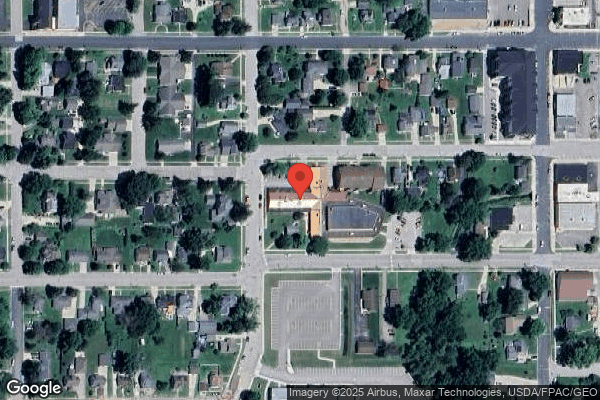
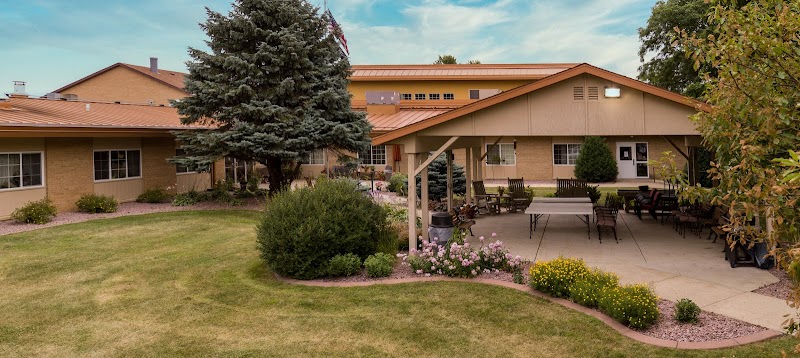
433 MILL STREET, ZUMBROTA, MN 55992 (507) 732-8400
Non profit - Church related 40 Beds ST. FRANCIS HEALTH SERVICES Data: November 2025 1 Immediate Jeopardy citation
Trust Grade
28/100
#337 of 337 in MN
Last Inspection: May 2024

Within standard 12-15 month inspection cycle. Federal law requires annual inspections.

Overview

Zumbrota Care Center has received an "F" Trust Grade, indicating significant concerns about the facility's quality and care. They rank last in Minnesota at #337 out of 337 facilities and are the lowest of four in Goodhue County, suggesting that families may want to consider other options. The facility's trend is worsening, with issues increasing from 2 in 2024 to 8 in 2025, raising alarms about ongoing care problems. While staffing is relatively strong with a 4/5 star rating and RN coverage better than 89% of similar facilities, their staff turnover is average at 47%. There were concerning incidents, such as two residents successfully eloping due to a malfunctioning alarm system, and the facility failed to label food properly, potentially affecting the safety of meals served to residents. Overall, while there are some staffing strengths, the number of serious deficiencies raises significant concerns for families considering this home.
Trust Score
F
28/100
In Minnesota
#337/337
Bottom 1%
Safety Record
High Risk
Review needed
Inspections
Getting Worse
2 → 8 violations
Staff Stability
⚠ Watch
47% turnover. Above average. Higher turnover means staff may not know residents' routines.
Penalties
✓ Good
No fines on record. Clean compliance history, better than most Minnesota facilities.
Skilled Nurses
✓ Good
Each resident gets 74 minutes of Registered Nurse (RN) attention daily — more than 97% of Minnesota nursing homes. RNs are the most trained staff who catch health problems before they become serious.
Violations
⚠ Watch
21 deficiencies on record. Higher than average. Multiple issues found across inspections.
★☆☆☆☆
1.0
Overall Rating
★★★★☆
4.0
Staff Levels
★★★☆☆
3.0
Care Quality
★☆☆☆☆
1.0
Inspection Score
Stable
2024: 2 issues
2025: 8 issues

The Good

  • 4-Star Staffing Rating · Above-average nurse staffing levels
  • Full Sprinkler Coverage · Fire safety systems throughout facility
  • No fines on record

Facility shows strength in staffing levels, fire safety.

The Bad

1-Star Overall Rating

Below Minnesota average (3.2)

Significant quality concerns identified by CMS

Staff Turnover: 47%

Near Minnesota avg (46%)

Higher turnover may affect care consistency

Chain: ST. FRANCIS HEALTH SERVICES

Part of a multi-facility chain

Ask about local staffing decisions and management

The Ugly 21 deficiencies on record

1 life-threatening
Aug 2025 1 deficiency
CONCERN (F) 📢 Someone Reported This

A family member, employee, or ombudsman was alarmed enough to file a formal complaint

Potential for Harm - no one hurt, but risky conditions existed

Food Safety (Tag F0812)

Could have caused harm · This affected most or all residents

Based on observation, interview, and document review, the facility failed to ensure food stored in the refrigerators were labeled and dated appropriately. This deficient practice had the potential to ...

Read full inspector narrative →
Based on observation, interview, and document review, the facility failed to ensure food stored in the refrigerators were labeled and dated appropriately. This deficient practice had the potential to affect 35 residents who received food from the refrigerators. Findings include: During an initial kitchen tour on 8/5/25 at 10:15 a.m., the large walk-in refrigerator contained an undated plastic container 1/2 full of soup. The refrigerator in the kitchen prep area contained an undated 3/4 full plastic container of potato salad and an undated plastic container 1/4 full of diced ham cubes. [NAME] (C)-A was unaware how old the soup was. C-A was unavailable to confirm date of potato salad or ham cubes. During a subsequent tour and interview on 8/7/25 at 11:01 a.m., dietary manager (DM)-A, indicated the soup, ham cubes, and potato salad had been removed from the refrigerators. Initial tour findings were discussed with DM-A. DM-A confirmed the soup, potato salad, and ham cubes were discarded on 8/6/25. DM-A stated leftovers are good for 48 hours and packaged foods are good 1 week after opening. DM-A stated it is expected all prepared foods and opened packages are dated prior to storage. A policy titled Perishable Food Management dated 8/29/22 indicated it is facility policy All perishable food will be appropriately managed to prevent bacteria from multiplying or forming toxins. It defined Use-by-date as the last date recommended for the use of the product while at peak quality. The product should be discarded once it is one day past the 'Use-by' date. Further, Label is defined as: required on all foods not in original packaging. Should include food item description and dates. Dates should include: use-by-date or discard date. The policy further indicated leftover foods will be clearly labeled before being refrigerated or frozen and refrigerated leftover food must be used within 3 days, discarded on the 4th day.
May 2025 7 deficiencies 1 IJ
CRITICAL (J) 📢 Someone Reported This

A family member, employee, or ombudsman was alarmed enough to file a formal complaint

Immediate Jeopardy (IJ) - the most serious Medicare violation

Accident Prevention (Tag F0689)

Someone could have died · This affected 1 resident

**NOTE- TERMS IN BRACKETS HAVE BEEN EDITED TO PROTECT CONFIDENTIALITY** Based on observation, interview, and document review, the facility failed to maintain a functioning Wanderguard system and faile...

Read full inspector narrative →
**NOTE- TERMS IN BRACKETS HAVE BEEN EDITED TO PROTECT CONFIDENTIALITY** Based on observation, interview, and document review, the facility failed to maintain a functioning Wanderguard system and failed to comprehensively assess risk for elopement and appropriate interventions, resulting in elopement for 2 of 7 residents (R1, R2). R1's elopement occurred due to the failure of the Wanderguard system, which did not sound an alarm when R1 exited the building. R2's elopements occurred due to R2's risk of elopement was not accurately comprehensively assessed leading to insufficient supervision and lack of intervention, followed by a failure of the Wanderguard system. The facility's failures resulted in an immediate jeopardy (IJ). The immediate jeopardy began on 5/8/25, when R1 successfully eloped from the building without the alarm sounding and was found by staff outside, unharmed, approximately 15 minutes later, the facility failed to identify malfunctioning alarm system which resulted in subsequent elopements by R2. The administrator, Director of Nursing (DON), nurse manager, and social services director were notified of the immediate jeopardy on 5/20/25 at 3:50 p.m. The immediate jeopardy was removed on 5/23/25, but noncompliance remained at the lower scope and severity level of D, indicating no actual harm but the potential for more than minimal harm, which is not immediate jeopardy Findings include: R1 R1's facesheet dated 5/28/25, identified diagnoses of dementia, delirium, and history of falling. R 1's Minimum Data Set (MDS) assessment dated [DATE], identified R1 had severe cognitive impairment and required supervision or touches for transfers, used a wheelchair and/or walker for mobility with staff supervision or touching. R1's elopement care plan focus dated 2/6/25, identified R1 was at risk for elopement related to history of attempts to leave the facility unattended. Interventions of Wanderguard on left wrist, and distract me from wandering by offering pleasant diversions, structured activities, food, conversation, television, and books. R1's progress note dated 5/8/25 at 7:45p.m., identified R1 was observed wandering outside of the building, Wanderguard on left wrist and worked properly, was alert and had intermittent confusion. R1's incident report dated 5/8/25 at 7:45 p.m., identified R1 was observed wandering outside of the building and was orientated to person and time only. No predisposing environmental factors. Predisposing psychological factors included confusion and impaired memory. Door alarm/Wanderguard did not activate when R1 exited the building. R1's elopement care plan was revised on 5/9/25 to include encourage R1 to attend activities during highest wandering times (late afternoon/evening). During an interview on 5/20/25 at 1:21 p.m., registered nurse (RN)-A stated on 5/8/25 R1 had been observed in the facility about fifteen minutes earlier when around 7:30 p.m., staff observed R1 wandering outside of the facility near the gazebo, and then immediately brought back into the facility. The facility doors did not alarm when R1 left the facility, however, did go off when R1 was brought back into the facility. RN-A believed that the alarm not sounding may have been because the Wanderguard tag was on her left wrist and the door did not catch the signal. RN-A stated R1's Wanderguard was changed to a new one because it was due to expire soon. RN-A stated staff tested the doors and R1's Wanderguard when R1 returned and they both were working properly, however did not notify maintenance that the door failed to alarm when R1 had exited the building. During an interview on 5/20/25 at 1:27 p.m., director of nursing (DON) stated R1 eloped on 5/8/25 and R1 left the building without the Wanderguard system door alarm going off. R1 should have had a repeat elopement assessment completed at that time and all nurses were able to complete the assessment. DON indicated staff did not notify maintenance the alarm had not sounded and stated when R1 eloped staff should have notified maintenance immediately. In addition, staff should have assessed all resident Wanderguard devices to ensure proper function, check all doors with Wanderguard sensors to ensure proper function, and provide education to all staff in the building at the time about testing the system. DON stated, None of that was done. DON's expectation was for all doors to be tested for proper functioning if a resident eloped. DON was not aware of the manufacturer's recommendations for testing and did not know how the doors were being tested. R2 R2's facesheet dated 5/28/25, identified R2 had diagnoses including urinary tract infection (can cause confusion in the elderly), Parkinson's disease (progressive neurological disorder that affects movement), altered mental status, unspecified convulsions (sudden involuntary muscle contractions and spasms), unspecified dementia (condition causing loss in ability to think, remember, learn, make decisions, and problem solve and symptoms including personality changes and emotional problems), abnormalities of gait and mobility, amnesia (memory loss), rapid eye movement (REM) sleep behavior disorder (a disorder where people act out their dreams during REM sleep), macular degeneration (progressive eye disease of damage to the retina causing loss of central vision), dystrophies involving the retinal pigment epithelium (eye disease involving deposits of pigment in the retina that can cause central vision loss), vitreous degeneration (degeneration of the vitreous fluid in the eye leading to floaters and vision changes), hypermetropia (far-sightedness causing blurry close-up vision), and presbyopia (decline in eyes' ability to focus on nearby objects). R2's Minimum Data Set (MDS) assessment dated [DATE], identified she admitted to the facility on [DATE]. R2 had moderate cognitive impairment, delusions and verbal behavioral symptoms directed toward others, and had no wandering behaviors. R2 required substantial staff assistance with toileting hygiene, mobility in bed, and transfers. R2 used a wheelchair and was dependent on staff for wheelchair mobility. R2 was not independent with any self-cares or mobility. R2's physician orders dated 4/30/25, included: - Observe for side effects of antipsychotic medication. Side effects listed included disorientation or confusion, increased agitation, and restlessness. - Melatonin (supplement to treat sleep problems like insomnia) 5 milligram (mg) tablet, give 10 mg by mouth as needed (PRN) at bedtime for restlessness/insomnia. R2's progress note dated 4/30/25, identified cognitive impairment of some forgetfulness. R2's Elopement Risk assessment dated [DATE], identified R2 had no history of elopement attempts and was a new resident within the last 90 days. The cognition section identified cognitive deficit of short-term memory loss and a change in cognition in the last 90 days. A pre-populated list of conditions contributing to elopement risk identified R2 had the following: recent infection, dementia, hallucinations, and new medication in the past 30 days. No behaviors, verbalizations, or life experiences that could contribute to elopement were identified and a Wanderguard (wearable bracelets that trigger alarms when a resident approaches a door sensor by an exit or restricted area) was not placed. The analysis noted, not at risk for elopement at time of assessment. The assessment failed to identify R2's conditions contributing to elopement risk of: altered mental status, amnesia, REM sleep behavior disorder, adjustment to new environment, and visual deficits. The assessment failed to identify R2's needed level of supervision or identify how it was determined that she was not at risk for elopement based on the risk factors identified. R2's care plan for psychotropic medications dated 5/1/25, identified she used psychotropic medications. Interventions included monitor/record occurrence of for target behavior symptoms (SPECIFY: pacing, wandering, disrobing, inappropriate response to verbal communication, violence/aggression towards staff/others, etc.) and document per facility protocol. The intervention failed to identify R2's specific behaviors which were to be monitored and recorded. R2's behavior progress note dated 5/2/25, indicated she was heard calling out for help and found crawling out of bed at 12:20 a.m. R2 stated she wanted to get into her wheelchair, was brought to the common area by staff, requested a sandwich then specifically a fish sandwich, and declined other offered snacks. R2 stayed in her wheelchair until she requested to go to bed at 1:30 a.m. R2's progress note dated 5/2/25, identified she complained of trouble sleeping and requested PRN melatonin. R2's progress note dated 5/3/25, identified she requested PRN Melatonin due to difficulty falling asleep at night. R2's progress note dated 5/4/25, indicated R2 complained of trouble sleeping and took PRN Melatonin. R2's progress note dated 5/5/25 at 2:55 a.m., indicated the facility received a phone call from the police stating R2 called 911. R2 reported to staff that she called because she wanted to talk to her grandson and he was a police officer. R2 was redirected and went back to sleep. R2's progress note dated 5/5/25, noted R2 had trouble following commands, disorganized thinking, moderate cognitive impairment including memory loss and moderate confusion, and sometimes understood others. Behaviors included resident is awake at night. R2's progress note dated 5/5/25, indicated R2 had signs of short-term memory loss, mild cognitive impairment, and chronic confusion demonstrated by refusal of cares, refusal of redirection, and delusions. Mood and behaviors identified intermittent sleep and wandering at night. R2 was educated on safety concerns of impulsivity, poor safety awareness, and confusion. R2's progress note dated 5/5/25 at 9:06 p.m., indicated R2 came walking out of her room at 9:00 p.m. using her wheelchair as a walker. R2 took Melatonin and was up at the nursing station until more tired. R2's progress note dated 5/5/25 at 11:41 p.m., indicated she came out of her room at 11:00 p.m., stated staff needed to call 911 right now, and called 911 herself but would not say why. R2 took papers from the nursing station and refused to return the facility's phone. An officer arrived and spoke with R2, stated she did not complain of anything and the officer was not sure why they had been called. R2 returned to her room at 11:45 p.m. and refused to get into bed. Although R2's progress notes identified R2 had both wandering at night and increased behaviors there was no indication R2 was re-assessed for elopement risk or needed level of supervision nor were appropriate interventions developed, and implemented to prevent or mitigate the risk of elopement. R2's progress note dated 5/6/25 at 12:37 a.m., indicated a new medication, Trazadone (an anti-depressant also used to treat insomnia), was ordered for administration at bedtime as needed for sleep. R2's progress note dated 5/6/25, identified R2 came wheeling out of her room at 12:05 a.m. and went down the north hall. R2 then wheeled down to the end of the hall and turned around, backed her wheelchair by another resident room, began waving to something or someone she was seeing, and then entered the other resident's room. R2 then left the other resident room, propelled down the north hall back to the common area, and began saying good morning to a stationary chair. She signaled come here with her finger while looking at no one and sat next to the chair having a conversation with it. She then wheeled around in the common area, attempted to go behind the nursing station, and asked why those kids were back there. She continued to wheel around into the dining area, came out, was offered and took a PRN Trazadone to help with her insomnia, and wheeled herself back into her room. Progress note dated 5/6/25 at 1:25 a.m., identified R2 has been awake and roaming since beginning of night shift. R2's physician orders dated 5/6/25, included: - Trazadone hydrochloride (HCl) 50 mg tablet, give 50 mg by mouth one time a day for insomnia, difficulty falling, and/or staying asleep. - Observe for side effects of anti-depressant medication. Side effects listed included trouble sleeping and other unusual changes in mood or behavior. R2's Behavior assessment dated [DATE], identified she had verbal behavioral symptoms directed towards others with examples listed including delusions and calling 911 without explanation. The assessment identified her behaviors did not put her at significant risk for physical illness or injury but did interfere with her care and significantly disrupt the care environment. Root cause of behaviors was identified as being newly admitted and diagnoses of Parkinson's disease, dementia, and seizure history. The assessment identified R2 had not exhibited wandering behaviors, despite progress notes indicating she repeatedly left her room at night and wandered around the facility. R2's progress note dated 5/10/25, identified R2 had some forgetfulness, slept intermittently, wandered at night, and wandering had decreased since starting a new sleep medication. R2's progress note dated 5/11/25, indicated she came walking out of her room with a walker at 9:00 p.m. and sat down in a chair. Staff explained she should not walk by herself and to request assistance when ready to return to her room. 15 minutes later R2 was found to have walked herself back to her room and stated she didn't need help and could walk just fine by herself. R2's behavior progress note dated 5/12/25 at 5:56 a.m., indicated R2 was not in her room on last rounds. R2 was found in a room at the end of a different hall, had her brief off, and was ducking down to hide when a nursing assistant opened the door. R2 was naked from the waist down and would not tell staff why she was in the room or what she was looking for. R2 was assisted back to her room and dressed. R2's progress note dated 5/14/25, indicated she wandered at night. R2's record between 5/6/25 and 5/15/25 identified despite R2 demonstrated several episodes of wandering, had confusion, forgetfulness, and had unpredictable ability to ambulate independently. There was no indication a comprehensive assessment was completed that would identify R2's risk for elopement and/or level of supervision nor evidence the care plan was revised. R2's incident report dated 5/16/25 at 8:00 p.m., identified registered nurse (RN)-B assisted R2 with a phone call and R2 then conversed with another resident at the nursing station. RN-B then left to take the other resident to their room and when RN-B came out of the room R2 wasn't at the nursing station. Staff began searching the facility immediately. RN-B went outside to search, and police had arrived and stated R2 had called 911. R2's spouse also arrived. R2 was found outside across the street without a wheelchair talking to her spouse using the neighbor's phone. Police and staff brought R2 back to the facility, she was assessed with no injuries noted and refused vital signs. R2's spouse sat with her until she fell asleep and a Wanderguard was placed on her left wrist. R2's physician orders dated 5/16/25, included: - Check Wanderguard functioning at bedtime. - Check placement of Wanderguard every shift for elopement risk. - Change Wanderguard one time a day every month on the 23rd day. R2's care plan for elopement dated 5/16/25, identified she was unable to leave the facility independently with history of elopement. Interventions included Wanderguard placed on left wrist, staff or family to supervise all outdoor activities, and family to sign R2 out in facility book before leaving. The care plan did not identify interventions that included needed level of supervision, identification and monitoring of behaviors/triggers/risk factors for elopement, or related management. R2's record lacked evidence she was comprehensively assessed for elopement risk prior to or on 5/16/25 despite her successful elopement from the facility that day. R2's record did not identify her needed level of supervision or appropriate interventions apart from placement of a Wanderguard. R2's record did not indicate how documented confusion, delusions, hallucinations, restlessness, agitation, visual and communication deficits, impulsivity, seeking behaviors and verbalizations, and desire to go home were comprehensively assessed, monitored, or mitigated to decrease related risk of elopement. R2's Elopement Risk assessment completed three days after R2 eloped dated 5/19/25, included R2 had made one previous attempt to elope on 5/16/25 when she ambulated unassisted to a neighbor's house across the street. The assessment identified she had a Wanderguard on her left wrist and she was a risk for elopement related to recent elopement. The assessment did not include or identify R2's documented cognitive deficit of intermittent confusion and conditions contributing to elopement risk of delusions, agitation, new medications within past 30 days, visual deficits, communication deficits, and REM sleep behavior disorder. The assessment did not identify R2's documented behaviors of impulsivity, agitation, restlessness, seeking behaviors, and verbalizations of looking for someone and seeking people. Further, the assessment failed to identify R2's needed level of supervision or interventions to mitigate identified risk of elopement apart from placement of a Wanderguard. During an interview on 5/19/25 at 1:30 p.m., R2 stated she had a Wanderguard on her wrist and R2's family member (FM)-A, noted it was placed the day before yesterday (5/17/25). FM-A stated this was placed because she had left the facility, and staff didn't know where she was for a few minutes. R2 stated she had been dreaming that she had to get away and ran out the door a block away barefooted even though she had been unable to walk on her own with therapy. FM-A stated this was confusing because most of the time she couldn't walk without her walker. R2 stated there was a man sitting outside at a house across the street and she used his phone to call 911, but did not remember why she called. FM-A indicated he was present when she returned to the facility, staff assessed her, and he stayed with her until she fell asleep. R2 stated they put the Wanderguard on her after that and she hadn't tried going outside since then (since 5/16/25). FM-A stated R2 had good days and bad days with memory due to her dementia and Parkinson's. Sometimes her moods were like a light switch and she would suddenly get quiet with a drained look and not say anything. R2's progress note dated 5/17/25 at 3:08 a.m., indicated R2 wheeled herself out of her room and around the common area. R2's behavior progress note dated 5/17/25 at 9:02 p.m., indicated she was seen by staff twice walking down the hall with her walker unassisted on the evening shift. R2's progress note dated 5/18/25, identified her thinking was disorganized. During an interview on 5/19/25 at 3:28 p.m., nursing assistant (NA)-E stated she knew if someone was an elopement risk because they would usually have a Wanderguard on and be on a list posted at the nursing station of residents who could not be left outside unattended. NA-E stated R2 was very confused all the time and always thinks she's going to go home. NA-E saw R2 yesterday (5/18/25) with all of her in clothes in her hands and the hangers taken off. R2 was confused since she admitted to the facility and was always trying to get out, wheeling herself around, didn't sleep, and couldn't sit still. R2 once thought it was time to go to bed at 2:00 p.m. R2 would wheel around and say she was going to go home mostly during the night, beginning around 6:00 p.m. when she would start to get anxious and confused. NA-E noted R2 was like fogged out and you could talk to her and she wouldn't respond at times. Staff knew Wanderguards worked when residents got close to the door, though there had been trouble recently where sometimes doors would alarm when a resident with a Wanderguard touched it and sometimes they would not. R2's progress note dated 5/19/25, indicated she had forgetfulness, signs of short-term memory loss, and disorganized thinking. R2's progress note dated 5/19/25, identified it was follow-up on the elopement note. A Wanderguard had been placed on her left wrist with orders to monitor placement and functioning and replace routinely, which was also added to her care plan. Diagnoses that could have contributed were identified as altered mental status, Parkinson's disease, dementia, and amnesia. A new elopement assessment had been completed. During an interview on 5/19/25 at 3:12 p.m., NA-D was not aware if R2 was an elopement risk and did not know R2 had a Wanderguard. NA-D knew if a resident had a Wanderguard because it would be on the resident, reported to staff, and on the care plan. NA-D knew who was at risk of elopement because it was reported to staff and the facility had a Wanderguard system that would detect when an at-risk resident was close to a door so staff could intervene and redirect. During an interview on 5/19/25 at 3:47 p.m., licensed practical nurse (LPN)-A stated residents at risk of elopement had Wanderguards and this was care planned and on the treatment administration record (TAR). LPN-A stated R2 was absolutely an elopement risk and had eloped on 5/16/25. LPN-A noted R2 would walk by herself outside of her room without a walker or footwear, stroll around in her wheelchair, and get antsy. LPN-A noted R2 had more behaviors at night. R2's elopement progress note dated 5/20/25, indicated R2 was sitting calmly in her wheelchair by the nursing station after receiving her pills at 9:10 p.m. RN-A went to the kitchen to put a meal tray away at approximately 9:30 p.m. at which time R2 remained in her wheelchair in the common area watching the birds. At approximately 9:40 p.m., RN-A returned to the nursing station and R2's wheelchair was still there but R2 was gone. RN-A began searching for R2 and alerted all staff, the DON, 911, and family. At approximately 10:20 p.m. the facility received a call from the police stating R2 had been found seven or eight blocks away, had fallen, did not appear injured, and would be transported to the emergency department for follow up. R2's emergency department hospital After Visit Summary dated 5/21/25, indicated she was discharged from the hospital and back to the facility. Imaging, labs, and tests looked good. Referrals were placed for memory care and in the meantime, it was okay for R2 to return to the facility. There were no new orders and no noted injuries. The facility's Nursing Home Incident Report #360607 dated 5/20/25, was submitted to the state agency (SA) and identified R2 had eloped that evening. The incident description included Resident was discovered to not be in room, and subsequent search did not immediately show that she was in facility. Staff say they heard no alarms from the doors, which were armed at the time. During an interview on 5/23/25 at 10:30 a.m., RN-A stated she was working on 5/20/25 when R2 eloped. RN-A noted R2 was sitting and watching the birds when RN-A left the nursing station to go to the kitchen. RN-A stated upon her return approximately 10 minutes later, R2's wheelchair was still there but R2 was gone. RN-A stated the Wanderguard door alarms had not gone off, she was not aware R2 was missing until she returned and saw R2 missing. RN-A called 911, staff began to search, and police called the facility informing RN-A that R2 was found seven to eight blocks away, had stated she fell down, and would be transported to the emergency department. R2's Elopement Risk assessment dated [DATE], included R2 had made previous successful elopement attempts with frequency of one time event and note that R2 eloped five days ago and did elope again that evening, leaving the facility and ambulating seven or eight blocks away without walker or wheelchair. The assessment noted R2 had a Wanderguard on her left wrist due to elopement. The analysis section noted the circumstances of the elopement documented in progress note dated 5/20/25 and noted No pain or discomfort reported before the elopement. wander guard was [on, sic] her left wrist and works properly. The assessment failed to comprehensively or accurately identify all of R2's cognitive deficits, conditions and diagnoses contributing to elopement risk, and behaviors and verbalizations. Further, the assessment failed to identify R2's needed level of supervision or interventions to mitigate identified risk of elopement apart from placement of a Wanderguard. R2's elopement care plan was revised with new interventions on 5/20/25 that included: check placement of Wanderguard every shift, check function of Wanderguard daily, check expiration date of device; notify team (nursing, activities, housekeeping, dietary, social services) if I am observed to be wandering, purposeful wandering, or stating things such as I'm leaving, I need to find **, I am calling 911. R2's cognition care plan dated 5/20/25, identified R2 had impaired cognitive function/dementia or impaired thought processes. Interventions directed staff to cue, reorient, and supervise as needed (was not defined) and monitor/document/report as needed any changes in cognitive function. Additional intervention dated 5/20/25, for focus of psychotropic medication directed staff to identify target behaviors for monitoring/recording including wandering. R2's elopement care plan failed to identify her needed level of supervision or interventions to mitigate the identified risk of elopement apart from presence of a Wanderguard. The care plan identified the need to notify various individuals if wandering behaviors or verbalizations were noted, but did not identify how to manage/respond to these behaviors or mitigate the associated risk of elopement. During an interview on 5/20/25, the facility's nurse manager, RN-C, stated residents were assessed for elopement risk on admission, with significant changes, annually, and as needed. A resident would be re-assessed if there was new or increased wandering, exit-seeking, or talk about leaving and should be done as soon as staff were aware of the behavior. Nurse managers completed the elopement risk assessments, but any nurse could do it. The assessment would be filled out and the nurse would make a decision about whether or not a person should have a Wanderguard on. RN-C stated she utilized the elopement risk assessment to determine if a resident needed a Wanderguard. There was no threshold on the assessment for when to place a Wanderguard or when someone was identified as an elopement risk, it was not an objective scale. RN-C stated she completed R2's initial elopement assessment dated [DATE]. RN-C stated the assessment should have identified R2's communication deficit, adjustment to a new environment, altered mental status, amnesia, and REM sleep behavior disorder because they contribute to elopement risk. If she had identified the aforementioned items on assessment, she would have identified her [R2] as an elopement risk and would have care planned this, though may not have applied a Wanderguard at that time. RN-C stated she had viewed the assessment as does she need a Wanderguard . not so much risk and would be looking at it differently in the future. RN-C confirmed the assessment was not accurate. She reviewed R2's progress notes, stated R2 was completely disoriented at night and exit-seeking, and R2 should have been re-assessed for elopement risk on 5/5/25 when she called 911 looking for her grandson because this was verbalizing looking for/seeking someone. RN-C noted ongoing progress notes prior to 5/16/25 identifying wandering behaviors and R2 should have been reassessed when she started having behaviors. RN-C stated a Wanderguard should have been applied when R2 started wandering at night and this would have helped to mitigate her risk of elopement. RN-C stated it wasn't applied until after her elopement on 5/16/25 and confirmed no other interventions to mitigate risk of elopement were implemented. RN-C confirmed she did not see any comprehensive assessment to determine R2's needed level of supervision and we did not assess for her level of supervision or put any interventions in place. RN-C noted if the Wanderguard system was not functioning properly, then the facility had no interventions in place. She was unaware the Wanderguard system was not functioning properly and did not think R2's current level of supervision was adequate, especially at night. Further noted R2 eloped on 5/16/25 and should have been re-assessed for elopement risk that evening once she was back in the building, but confirmed an assessment was not completed until 5/19/25. During observation and interview on 5/20/25 at 8:44 a.m., Environmental Services Director (ESD) stated the five doors with Wanderguard systems were tested daily using an extra Wanderguard device signaling bracelet to ensure the system was working properly. The ESD noted the tests were recorded in a logbook but, upon review of the logs, stated they had not been completed consistently. The ESD and surveyor proceeded to test the five doors with an extra Wanderguard bracelet and found the following: four of the five doors did not alarm when the Wanderguard bracelet was in proximity of the door alarm, and one of the five doors did not alarm when passed through with the bracelet with the doors already opened by the automatic door button. During a follow up interview at 3:15 p.m., ESD stated he was not aware of any current issues with the Wanderguard system prior to this testing including both alarms not sounding due to Wanderguard bracelet proximity and the ability to exit a door without an alarm sounding. The ESD was not aware of how long these issues had been going on, no concerns had been reported by staff completing routine daily door testing. In a subsequent interview on 5/23/25 at 12:14 p.m., ESD stated the Wanderguard system had been inspected by a technician on 5/21/25 and a dead spot of about one foot on two of the five doors was identified. ESD stated if a resident with a Wanderguard bracelet exited through these doors the alarm would not sound because of the area of not reading the bracelet. New antennas and control box were installed to remove the area where the bracelets were not detected. During an interview on 5/20/25 at 10:35 a.m., the administrator stated staff relied on the Wanderguard system to know if a resident at risk of elopement had left the building. Staff would know because of the beeping at the doors from the Wanderguard alarms. Administrator acknowledged the system had failed. She noted the doors were tested daily by maintenance and she would expect the system to be tested in accordance with manufacturer recommendations. She would expect the Wanderguard system to be functional 24 hours per day seven days per week and a resident with a Wanderguard should not be able to get through the door without the alarm sounding. She noted the doors should be set up to alarm when a resident's Wanderguard device was in proximity, not only upon the door being opened. Administrator was not aware that it was currently possible, as established by the surveyor and maintenance testing the doors, to get a Wanderguard bracelet through a door without it alarming or to approach a door without it alarming. This was horrifying and possibly how R1 was able to elope from the facility. If the door did not alarm, staff wouldn't be aware that a resident had eloped until they were noted to be missing. We obviously need to fix our system. In the absence of a functioning system, staff would check on residents who were elopement risks but that was probably not realistic because the facility was a big place. Staff would not be able to adequately supervise residents with Wand[TRUNCATED]
CONCERN (D) 📢 Someone Reported This

A family member, employee, or ombudsman was alarmed enough to file a formal complaint

Potential for Harm - no one hurt, but risky conditions existed

Report Alleged Abuse (Tag F0609)

Could have caused harm · This affected 1 resident

Based on interview and document review, the facility failed to report an elopement immediately to the administrator and to the State Agency within 2 hours for 1 of 1 resident (R1) who had eloped from ...

Read full inspector narrative →
Based on interview and document review, the facility failed to report an elopement immediately to the administrator and to the State Agency within 2 hours for 1 of 1 resident (R1) who had eloped from the facility. Findings include: R1's face sheet dated 5/28/25, identified diagnoses of dementia (decline in mental ability and memory), delirium (a temporary state of mental confusion), and history of falling. R 1's Minimum Data Set (MDS) dated 2/6 /25, identified R1 needed supervision for transfers and had severe cognitive impairment. R1's elopement care plan focus dated 2/6/25, identified R1 was at risk for elopement related to history of attempts to leave the facility unattended. Interventions of wandergard on left wrist, encourage to attend activities during highest wandering times (late afternoon/evening), and distract me from wandering by offering pleasant diversions, structured activities, food, conversation, television, and books. R1's progress note dated 5/8/25 at 7:45p.m., identified R1 had been observed wandering outside of the facility, R1 had a Wanderguard (a wander management system designed to help protect memory impaired residents from elopement) on her left wrist and worked properly, was alert and had intermittent confusion. R1's incident report dated 5/8/25 at 7:45 p.m., identified at R1 was found wandering outside of the building and R1 was orientated to person and time only. No predisposing environmental factors. Predisposing psychological factors included confusion and impaired memory. Door alarm/wandergard did not activate when R1 exited the building. Review of a report made to the state agency (SA) on 5/9/25 at 11:40 a.m., that R1 was found outside of the facility on the sidewalk in front of the building. R1 was brought back into the facility and reported that the Wanderguard alarm did not go off when R1 left the building, however the alarm did sound when R1 waw brought back in the building. The nurse did not report the elopement to the on-call nurse, administrator, or director of nursing to communicate R1's elopement. During an interview on 5/23/25 at 12:56 p.m., director of nursing (DON) stated that when R1 eloped from the facility it should have been reported to the administrator and the state agency immediately, but no later than two hours, but was not reported until the following day due to not being reported immediately after R1's elopement. Review of the facility's maltreatment reporting guidelines policy dated 11/26/24, identified any alleged maltreatment involving abuse neglect or financial exploitation injuries of unknown source or misappropriation a vulnerable adult property must be reported by the supervising employee of the building to the administrator of the care center immediately and to the state agency, but no later than two hours. Review of the facility's Elopement policy dated 8/1/22, identified when the resident who eloped is located: a. Complete a medical evaluation to identify potential injuries. b. Notify family and persons previously contacted. c. Notify the physician. d. Investigate to determine how the elopement occurred to correct any underlying contributing factors. e. Complete an Incident Report and document incident in the medical record. f. Report the 'elopement' incident to the state agency (MDH) as 'potential Neglect'.
CONCERN (D) 📢 Someone Reported This

A family member, employee, or ombudsman was alarmed enough to file a formal complaint

Potential for Harm - no one hurt, but risky conditions existed

Assessment Accuracy (Tag F0641)

Could have caused harm · This affected 1 resident

**NOTE- TERMS IN BRACKETS HAVE BEEN EDITED TO PROTECT CONFIDENTIALITY** Based on observation, interview, and document review, the facility failed to ensure the Minimum Data Set (MDS) was accurately co...

Read full inspector narrative →
**NOTE- TERMS IN BRACKETS HAVE BEEN EDITED TO PROTECT CONFIDENTIALITY** Based on observation, interview, and document review, the facility failed to ensure the Minimum Data Set (MDS) was accurately coded to reflect wander/elopement alarm use for 1 of 2 residents (R1) reviewed for MDS accuracy. Findings include: R1's quarterly MDS assessment dated [DATE], included section P0200: Alarms with alarm type wander/elopement alarm. The wander/elopement alarm was coded 0 indicating it was not used during the look-back period. R1's Elopement Risk assessment dated [DATE], indicated R1 had a Wanderguard placed on her right wrist. The analysis section noted for the assessment reference date (ARD) of 1/31/25 through 2/6/25, information was collected per review of documentation, observation, and interviews with direct care staff and resident. The analysis further noted, is at risk to wander or elope from facility. Wanderguard in place right wrist. Placement and proper function checked daily. R1's elopement care plan dated 8/28/24, identified she was an elopement risk. Intervention dated 8/28/24, noted R1 had a Wanderguard on her left wrist. On 5/19/25 at 4:01 p.m., the facility's nurse manager, registered nurse (RN)-C, confirmed R1 was one of the residents with a Wanderguard device. At 4:16 p.m., RN-C tested R1's Wanderguard device which was observed to be in place on her left wrist. During an interview on 5/23/25 at 2:05 p.m., the MDS Coordinator (MDS-C) stated R1's quarterly MDS dated [DATE] should have identified R1 had a Wanderguard in place and was not accurate. MDS-C noted she must have missed adding this to the MDS and she would be doing a modification to R1's MDS to correct it. Facility MDS assessment policy requested but not received.
CONCERN (F) 📢 Someone Reported This

A family member, employee, or ombudsman was alarmed enough to file a formal complaint

Potential for Harm - no one hurt, but risky conditions existed

Deficiency F0836 (Tag F0836)

Could have caused harm · This affected most or all residents

**NOTE- TERMS IN BRACKETS HAVE BEEN EDITED TO PROTECT CONFIDENTIALITY** Based on interview and document review, the facility failed to be in compliance with the supplemental nursing service agency (SN...

Read full inspector narrative →
**NOTE- TERMS IN BRACKETS HAVE BEEN EDITED TO PROTECT CONFIDENTIALITY** Based on interview and document review, the facility failed to be in compliance with the supplemental nursing service agency (SNSA) requirements when the facility obtained nursing services from Swenswen Staffing, LLC (an SNSA) which was not registered with the commissioner as required. This had the potential to affect all 34 residents of the facility who received services from the supplemental staff. Findings include: Review of the SNSA website on [DATE], did not identify [NAME] Staffing, LLC as being registered with the commissioner as required. Email communication sent on [DATE] at 3:09 p.m., the staffing coordinator (SC) verified that Swenswen Staffing had provided staff in the facility in the past month. Review of the staffing schedules from [DATE] through [DATE], verified that Swenswen Staffing, LLC provided supplemental nursing staffing to the facility on the following days: -[DATE] nursing assistant 6:00 p.m. to 6:30 a.m. -[DATE] trained medication aide 1:00 p.m. to 2:00 p.m. -[DATE] trained medication aide from 6:00 a.m. to 6:00 p.m. -[DATE] trained medication aide from 6:00 a.m. to 6:00 p.m. -[DATE] trained medication aide from 6:00 a.m. to 6:00 p.m. -[DATE] trained medication aide from 6:00 a.m. to 6:00 p.m. -[DATE] trained medication aide from 6:00 a.m. to 6:00 p.m. -[DATE] nursing assistant from 6:00 p.m. to 6:30 a.m. Review of the Minnesota Department of Health approved SNSA's current as of [DATE] did not include [NAME] Staffing, LLC. Review of an email dated [DATE] at 6:50 p.m., Swenswen Staffing, LLC forward a certificate for registration as a SNSA, however it had expired on [DATE]. During an interview on [DATE] at 4:09 p.m., the Administrator stated she was not aware that Swenswen Staffing, LLC was not registered as required and was not aware of the facility's responsibility to verify that the SNSA was registered prior to obtaining staff from the agency. A policy on supplemental staffing was requested but was not provided.
CONCERN (F) 📢 Someone Reported This

A family member, employee, or ombudsman was alarmed enough to file a formal complaint

Potential for Harm - no one hurt, but risky conditions existed

Deficiency F0838 (Tag F0838)

Could have caused harm · This affected most or all residents

**NOTE- TERMS IN BRACKETS HAVE BEEN EDITED TO PROTECT CONFIDENTIALITY** Based on interview and document review, the facility failed to review and update the facility assessment to identify the facilit...

Read full inspector narrative →
**NOTE- TERMS IN BRACKETS HAVE BEEN EDITED TO PROTECT CONFIDENTIALITY** Based on interview and document review, the facility failed to review and update the facility assessment to identify the facility's staffing plan for number of staff needed to ensure sufficient qualified staff were available to meet residents' needs. Findings include: In an email dated 5/19/25 at 5:50 p.m., the administrator noted overnight staff at the facility also worked at the assisted living facility. She noted this was an oversight if that isn't listed in the facility assessment and she would work on getting it corrected as soon as possible. In a subsequent email at 6:02 p.m., the administrator indicated there was a tracking log and provided an hours log of nursing home staff covering at the assisted living (AL) titled AL Filling In Time Book. Facility document titled AL Filling in Time Book was a log book with dated entries from 3/9/25 through 5/19/25. The log directed staff: Please write down times for the following: counting meds, rounds, any call lights/calls you get, falls, potential emergencies. Any time you go over there please document it! signed by the director of nursing (DON). Additional hand-written note directed Please fill out when you get calls/go to the ALF [assisted living facility]. Thanks, [DON]. Please write down rounds too! & how long those take. The log book sheet entries identified that overnight staff spent time working in the assisted living nearly every single day, multiple times per shift. The facility assessment dated [DATE], noted it was coordinated by the current administrator and last reviewed and approved at Quality Assessment and Assurance/Quality Assurance and Performance Improvement (QAA/QAPI) on 2/7/25. The assessment included a staffing plan with assessment date 4/8/25. The staffing plan identified staff positions and total number needed or average or range for each position with note to indicate any shared positions. The staffing plan identified licensed nurses providing direct care included two on day shifts, two on evening shifts, and one on overnight shifts for both weekdays and weekends. Nursing assistants (NA's) and trained medication aides (TMA's) included three to four NA's/TMA's on days shifts, three NA's/TMA's on evening shifts, and two NA's/TMA's on overnight shifts for both weekdays and weekends. The staffing plan did not identify any of the licensed nurse, NA, or TMA positions or shifts as being shared with the assisted living or reflect the needed number of staff or hours worked in the facility for each role adjusted for time spent working in the assisted living. The facility assessment failed to accurately identify the number of staff needed to meet resident needs and was not updated to identify that nursing staff were shared with the assisted living. During an interview on 5/20/25 at 4:55 p.m., the DON stated facility staff had been providing services at the assisted living since before she started working there in October of 2023. She was not sure exactly when this practice began. During an interview on 5/20/25 at 10:35 a.m., the administrator stated the facility was typically staffed with one nurse and two NA's at night. The administrator confirmed these staff assisted with providing cares at the assisted living during their shifts at the facility. In a subsequent interview on 5/23/25 at 3:43 p.m., the administrator stated the facility assessment was completed prior to her employment at the facility which began two months ago. She believed it was last updated in 2024. This was not consistent with documentation in the facility assessment. In a subsequent interview on 5/27/25 at 4:59 p.m., the Administrator stated the facility assessment was not reflective of the actual hours worked in the nursing home because the staff hours worked in the assisted living had been counted towards the facility's identified staffing hours determined by the assessment. The administrator further noted the current facility assessment was therefore not correct. Facility assessment policy requested but not received.
MINOR (C) 📢 Someone Reported This

A family member, employee, or ombudsman was alarmed enough to file a formal complaint

Minor Issue - procedural, no safety impact

Staffing Information (Tag F0732)

Minor procedural issue · This affected most or all residents

Based on interview and document review, the facility failed to post accurate data reflecting the total number and actual hours worked per shift by nursing staff directly responsible for resident care ...

Read full inspector narrative →
Based on interview and document review, the facility failed to post accurate data reflecting the total number and actual hours worked per shift by nursing staff directly responsible for resident care on a daily basis. This had the potential to affect all 34 residents residing in the facility and their visitors who may wish to review the information. Findings include: The facility's nurse staff posting form with date revised 4/17/25, included two pages for each calendar day. The first, titled [Facility] Nursing Schedule, included the following information: Nursing staff roles/titles (nurse, charge nurse, trained medication aide (TMA), nursing assistant (NA), and nurse on-call); names of staff filling the specific role for a given shift; scheduled hours of the shift with start time and end time. The second, titled Report of Nursing Staff Directly Responsible for Resident Care, included the date and daily census as well as a list identifying position (registered nurse (RN), licensed practical nurse (LPN), TMA, and NA), shift worked, hours (number of staff who worked the specified shift in the specified role), and total hours covered. The facility's Nursing Schedule dated 5/17/25, included an NA, NA-F, identified as working from 10:00 p.m. to 6:30 a.m. with letters AL written in and circled next to the name. There were no modifications made to the listed shift hours of 10:00 p.m. to 6:30 a.m. The Report of Nursing Staff Directly Responsible for Resident Care dated 5/17/25, included an entry for position of NA, shift worked from 10:00 p.m. to 6:30 a.m., hours times one, and total hours worked of eight. In an email dated 5/19/25 at 5:50 p.m., the administrator noted the facility's overnight staff covered the assisted living center in addition to the facility and did not believe those hours were being tracked. In a subsequent email at 6:02 p.m., the administrator indicated there was a tracking log and provided an hours log of nursing home staff covering at the assisted living (AL) titled AL Filling In Time Book. Facility document titled AL Filling in Time Book was a log book with dated entries from 3/9/25 through 5/19/25. The log directed staff: Please write down times for the following: counting meds, rounds, any call lights/calls you get, falls, potential emergencies. Any time you go over there please document it! signed by the director of nursing (DON). Additional hand-written note directed Please fill out when you get calls/go to the ALF [assisted living facility]. Thanks, [DON]. Please write down rounds too! & how long those take. The log book sheets with entries from month of May 2025 included columns for room number, time of call, total time spent, what they needed, and any other information. The room number column was used by staff to document the date and other information column used by staff to sign their initials. AL Filling in Time Book entries corresponding with NA-F's shift from 5/17/25 at 10:00 p.m. through 5/18/25 at 6:30 a.m. included the following: - 5/17/25 at 10:00 p.m., 10 minutes total time spent for key handoff, with NA-F's initials. - 5/18/25 at 1:00 a.m., 20 minutes total time spent for rounds, with NA-F's initials. - 5/18/25 at 3:15 a.m., 20 minutes total time spent for rounds, with NA-F's initials. - 5/18/25 at 6:00 a.m., 10 minutes total time spent for key handoff, with NA-F's initials. The total documented time NA-F spent working at the assisted living and not in the nursing home during the shift from 10:00 p.m. to 6:30 a.m. was one hour. The facility's nurse staff posting dated 5/17/25, failed to reflect the time NA-F spent working at the assisted living and not the nursing home. Neither the actual hours worked (listed as 10:00 p.m. to 6:30 a.m.) nor the total hours worked (listed as eight) accurately reflected NA-F's time spent providing resident care in the facility. Based on documentation provided and reviewed above, accurate documentation would have included actual hours worked of 10:10 p.m. to 1:00 a.m., 1:20 a.m. to 3:15 a.m., 3:35 a.m. to 6:00 a.m., and 6:10 a.m. to 6:30 a.m. as well as total hours worked of seven. During an interview on 5/19/25 at 3:28 p.m., nursing assistant NA-E stated nursing staff were responsible for the residents at the connected assisted living at night and had to take care of the residents in both facilities simultaneously. NA-E indicated staff from the nursing home would go over to the assisted living facility to provide cares and assistance. During an interview on 5/23/25 at 11:45 a.m., the staffing coordinator (SC) stated the nurse staff postings for the facility did not reflect the hours staff worked in the assisted living and therefore were not accurate. The SC further stated the hours should be adjusted in real time such as if someone called off for their shift, but this was not completed until the next day when she came in to work. During an interview on 5/20/25 at 10:35 a.m., the administrator stated the facility was typically staffed with one nurse and two NA's at night. The administrator confirmed these staff assisted with providing cares at the assisted living during their shifts at the facility. During an interview on 5/20/25 at 4:55 p.m., the DON stated facility staff had been providing services at the assisted living since before she started working there in October of 2023. She was not sure exactly when this practice began. In a subsequent interview on 5/23/25 at 11:54 a.m., the DON stated the posted nurse staffing hours included identification of certain staff assigned each day to cover helping in the assisted living (staff with AL written next to their names), however the postings did not reflect the specific time or amount of time that was spent working outside of the nursing home. Facility policy on staffing was requested but not received.
MINOR (C) 📢 Someone Reported This

A family member, employee, or ombudsman was alarmed enough to file a formal complaint

Minor Issue - procedural, no safety impact

Staffing Data (Tag F0851)

Minor procedural issue · This affected most or all residents

Based on interview and document review the facility failed to submit accurate and/or complete data for staffing information based on payroll and other verifiable and auditable data during 1 of 1 quart...

Read full inspector narrative →
Based on interview and document review the facility failed to submit accurate and/or complete data for staffing information based on payroll and other verifiable and auditable data during 1 of 1 quarter (Quarter 2) reviewed, to the Centers for Medicare and Medicaid Services (CMS), according to specifications established by CMS. This had the potential to affect all 34 residents of the facility who received services from the supplemental staff. Findings include: CMS CASPER Report 1702S titled Staffing Summary Report for dates 1/1/25 through 3/31/25, was a Payroll Based Journal (PBJ) report and included a summary of staffing hours listed by job title. The reported identified the following total nursing staff hours for Quarter 2: - Certified nurse aide (nursing assistant, NA), 5,491.52 hours - Registered nurse (RN), 2,393,98 hours - Licensed practical/vocational nurse (LPN), 2,018.75 - RN director of nursing (DON), 488.00 - Medication aide/technician (trained medication aide, TMA), 131.00 In an email dated 5/19/25 at 5:50 p.m., the administrator noted the facility's overnight staff covered the assisted living center in addition to the facility. In a follow-up email at 6:02 p.m., the administrator indicated there was a tracking log and provided an hours log of nursing home staff covering at the assisted living (AL) titled AL Filling In Time Book. Facility document titled AL Filling in Time Book was a log book with dated entries from 3/9/25 through 5/19/25. The log directed staff: Please write down times for the following: counting meds, rounds, any call lights/calls you get, falls, potential emergencies. Any time you go over there please document it! signed by the director of nursing (DON). Additional hand-written note directed Please fill out when you get calls/go to the ALF [assisted living facility]. Thanks, [DON]. Please write down rounds too! & how long those take. The log book sheets with entries from month of May 2025 included columns for room number, time of call, total time spent, what they needed, and any other information. The room number column was used by staff to document the date and other information column used by staff to sign their initials. AL Filling in Time Book included entries from various staff members during Quarter 2 dated 3/9/25 through 3/31/25, documenting time spent working at the assisted living and not the facility. The total documented time spent by facility staff working at the assisted living from 3/9/25 through 3/31/25, was greater than 50 hours. Some entries were illegible or identified time was spent at the assisted living but did not identify the total amount of time spent. During an interview on 5/20/25 at 4:55 p.m., the DON stated facility staff had been providing services at the assisted living since before she started working there in October of 2023. She was not sure exactly when this practice began. During an interview on 5/20/25 at 10:35 a.m., the administrator stated the facility was typically staffed with one nurse and two NA's at night and confirmed these staff members assisted with providing cares at the assisted living during their shifts at the facility. During an interview on 5/23/25 at 12:03 p.m., the director of human resources (DHR) stated he assisted with staff timecards (clock in/out time punches) and used the timecard data for the facility's PBJ reporting of staffing hours. However, the DHR stated he had not been subtracting the time staff spent in the assisted living to reflect the actual time spent working in the facility for the PBJ reporting. The DHR noted they would subtract the hours moving forward now that the facility realized they should have done this. The DHR stated he started working at the facility a few months ago and, since then, the PBJ hours submitted would have been incorrect. Facility PBJ policy requested but not received.
May 2024 2 deficiencies
CONCERN (F)

Potential for Harm - no one hurt, but risky conditions existed

Deficiency F0801 (Tag F0801)

Could have caused harm · This affected most or all residents

Based on interview and document review, the facility failed to ensure that in the absence of a full-time registered dietician (RD), the dietary manager (DM) was certified to oversee nutrition and food...

Read full inspector narrative →
Based on interview and document review, the facility failed to ensure that in the absence of a full-time registered dietician (RD), the dietary manager (DM) was certified to oversee nutrition and food services. This had potential to affect all 32 residents who resided in the facility. Findings include: During an interview on 5/28/24 at 5:24 p.m., dietary manager (DM)-D stated she had been employed at the facility for about a year and was not a certified dietary manager. DM-D stated she had been talking about taking a course but didn't know which course to take. DM-D stated she had recently received her ServSafe certificate. During a telephone interview on 5/29/24 at 4:30 p.m., registered dietician (RD)-E stated she was aware DM-D did not meet the required credentials for dietary manager. RD-E stated she was at the facility every four to six weeks, otherwise worked online with staff to oversee dietary operations, conduct resident assessments and evaluations. RD-F stated she was aware the administrator had been encouraging DM-D to obtain the required credentials. During an interview on 5/29/24 at 5:09 p.m., the administrator was aware DM-D was not certified as a dietary manager and had been discussing it with her. The administrator stated they would get DM-D enrolled in a course. Dietary manager job description, undated, indicated the individual must be a graduate of an approved dietary manager's course that met the requirements for state and federal long-term care regulations or have the ability to complete the course in a timeframe determined by the facility administrator.
CONCERN (F)

Potential for Harm - no one hurt, but risky conditions existed

Staffing Data (Tag F0851)

Could have caused harm · This affected most or all residents

Based on interview and document review, the facility failed to submit accurate and/or complete data for staffing information, including information for licensed nursing staff, based on payroll and oth...

Read full inspector narrative →
Based on interview and document review, the facility failed to submit accurate and/or complete data for staffing information, including information for licensed nursing staff, based on payroll and other verifiable and auditable data during 1 of 1 quarter reviewed - FY (fiscal year) Quarter 1 2024, (October 1 - December 31), to the Centers for Medicare and Medicaid Services (CMS), according to specifications established by CMS. Findings include: The CMS payroll-based journal (PBJ) staffing data report indicated the following: Failed to have licensed nursing coverage 24 hours/day on the following dates: 12/16/23, 12/17/23, 12/30/23, 12/31/23. On 5/29/24 at 2:04 p.m., health unit coordinator (HUC)-A, who was known as the facility scheduler, stated she was responsible for the nurse staff schedules. HUC-A stated the staff schedule ensured a licensed nurse was scheduled each shift (days, evenings, and nights) and 24 hours every day. Utilizing nursing staff schedules from 2023, and for each infraction date, HUC-A identified a licensed nurse by name and title, and verified a licensed nurse was employed by the facility or was agency staff for the infraction dates identified. On 5/29/24 at 2:37 p.m., human resources (HR)-A stated she entered staffing data into a spreadsheet and then corporate submitted the PBJ data to CMS. HR-A confirmed the data submitted on the infraction dates was not accurate to include all licensed staff who had worked. HR-A stated there was a misunderstanding of the data that needed to be entered and she would ensure accuracy of the spreadsheet submitted to corporate going forward. Timecard information was requested for each of the licensed nursing staff identified by HUC-A and HR-D confirmed licensed staff were scheduled on the infraction dates. Review of the documentation verified each of the licensed nursing staff worked on the dates they were scheduled. The facility Payroll Based Journal policy dated 4/1/19, indicated: PBJ data gathering and preparation. SFHS will gather complete and accurate direct care staffing information: For all care center, agency and contract staff (i.e. medical director, therapy, dietician, pharmacy consultant) SFHS' Employment System Department (ESD) will review all PBJ data for accuracy and submit prior to the CMS mandated deadline ( 45 days after quarter end).
Aug 2023 9 deficiencies
CONCERN (D)

Potential for Harm - no one hurt, but risky conditions existed

Deficiency F0883 (Tag F0883)

Could have caused harm · This affected 1 resident

**NOTE- TERMS IN BRACKETS HAVE BEEN EDITED TO PROTECT CONFIDENTIALITY** Based on interview and document review, the facility failed to ensure 1 of 1 resident (R12), admitted during the 2022/2023 influ...

Read full inspector narrative →
**NOTE- TERMS IN BRACKETS HAVE BEEN EDITED TO PROTECT CONFIDENTIALITY** Based on interview and document review, the facility failed to ensure 1 of 1 resident (R12), admitted during the 2022/2023 influenza season (October 1 through March 31) was offered the influenza vaccine in accordance with the Center of Disease Control (CDC) recommendation. Findings include: R12's admission Minimum Data Set (MDS) dated [DATE], indicated R12 was cognitively intact and was admitted to the facility on [DATE]. R12's face sheet dated 01/12/23, indicated diagnoses included, ataxia (loss of control of body movements) hypertension, bifascicular block (abnormal heart beat), and polyneuropathy (peripheral nerve damage). R12's Immunization Report dated 8/10/23, indicated R12 did not receive the influenza vaccine while at the facility, and his medical record lacked evidence the influenza vaccine was offered or contraindicated. During interview on 8/10/23, at approximately 1:00 p.m., the DON acknowledged R12's record lacked evidence the influenza vaccine was offered or declined. The facility's Influenza Vaccination Policy, last revised 7/18/23, indicated all residents will be offered the influenza vaccine annually between October 1st and March 31st. In addition, the policy also indicated documentation of evidence the resident or resident's representative was provided education regarding the benefits and side effects of influenza and pneumococcal immunizations will be put on file and the resident's immunization history will be documented and maintained on the immunization record for each resident's medical record.
CONCERN (E) 📢 Someone Reported This

A family member, employee, or ombudsman was alarmed enough to file a formal complaint

Potential for Harm - no one hurt, but risky conditions existed

Menu Adequacy (Tag F0803)

Could have caused harm · This affected multiple residents

Based on observations, interviews, and document review, the facility failed to ensure menus were followed, met the nutritional needs of the residents, and were reviewed by the facility Registered Diet...

Read full inspector narrative →
Based on observations, interviews, and document review, the facility failed to ensure menus were followed, met the nutritional needs of the residents, and were reviewed by the facility Registered Dietitian (RD). This has the potential to affect all 33 residents. Findings include: Review of the facility menus for the week of 08/05/23 to 08/11/23, provided by the dietary manager (DM) revealed the facility menu lacked a low sodium diet, diabetic diet, and finger food or bite size diets. Review of the physician order sheets in the electronic medical record (EMR) and the diet list provided by the DM from physician orders, the facility currently had physician orders for four residents on diabetic diets, seven on finger or bite size foods, and two residents on low sodium diets for which there were no menus. Observation of the meal service on 08/07/23 at 5:00 p.m., revealed the presence of menu items of turkey ala king, a mixed vegetable diced and minced, and mashed potatoes. None of the items provided were prepared for finger foods, low sodium, or diabetic diets. The four residents served two diabetic and two low sodium diets were served the menu items of turkey ala king, mashed potatoes, and mixed vegetables without modifications for their particular needs. In addition, no finger food or bite size foods were prepared. One finger food or bite size diet was served puffed popcorn (amount unknown), one protein bar-cut up and one half of a bologna sandwich. These items were not on the menu. The one pureed diet was not prepared and brought up to the first floor serving area until prompted by the surveyor. The cook had finished serving all the residents when asked about the pureed food. She went downstairs, heated up the food and brought it upstairs to serve. Further, the menu served did not list portion sizes. The portion sizes were listed on the recipe sheet not the menu. Further observation of the evening meal on 08/07/23 at 5:00 p.m., revealed three residents on minced or soft diets were served two ounces of mashed potatoes and two ounces of vegetables. The recipe sheet called for four ounces mashed potatoes and four ounces of mixed vegetables. Interview with the cook (C)-Aserving the meals noted above on 08/07/23 at 5:45 p.m., indicated she served those diets in that manner because she was told to do that. C-A had no recollection of who told her to serve the three minced diets with low portion sizes. Interview with the DM on 08/07/23 at 5:45 p.m., verified the menus had no accompanying spreadsheet or portion sizes. Interview with the RD on 08/09/23 at 12:00 p.m., revealed she had menus from 2021 but verified the current menu did not have low sodium, bite size, finger foods or diabetic diets. She also could not verify she had reviewed and approved the current menus being used at the facility. Review of the facility policy and procedures on 8/07/23 through 8/9/23, revealed there is no policy for following the menus or menu substitution. This was verified by the Administrator and DM on 08/09/23 at 3:30 p.m.
CONCERN (F)

Potential for Harm - no one hurt, but risky conditions existed

Food Safety (Tag F0812)

Could have caused harm · This affected most or all residents

Based on observations, interviews, and document review, the facility failed to ensure it stored, prepared, and served food in accordance with professional standards for food safety. This could affect ...

Read full inspector narrative →
Based on observations, interviews, and document review, the facility failed to ensure it stored, prepared, and served food in accordance with professional standards for food safety. This could affect all 31 residents at the facility. Findings include: Observation and interview on 08/07/23 at 12:10 p.m., during the initial kitchen tour, revealed the handwashing sink in the large main kitchen closest to the kitchen area was lacking soap and paper towels. The dietary manager (DM) indicated maintenance or housekeeping took care of changing soap and paper towels, not the kitchen staff. Observation of the ice machine on 08/07/23 at 12:10 p.m., in the main kitchen near the sink, revealed no record or log of cleaning the ice machine. During interview at the time of the observation, the DM stated she would get the records from maintenance. Interview with the maintenance director (MD) on 08/08/23 at 10:50 a.m., MD stated he had no records or logs of cleaning the ice machine as a service company had been cleaning the ice machine. He did not think it had been serviced since it was installed. Review of the specifications obtained from the administrator file cabinet of the ice machine on page 13 indicated the ice machine shall be cleaned two times per year or every six months to ensure safe use. The front page of specifications had a handwritten note revealing installed 6/22. Observation on 08/07/23 at 12:10 p.m., of the main kitchen walk-in refrigerator, revealed a large amount of chicken breasts in an open garbage bag resting in a plastic container unlabeled without a date. During interview at the time of the observation, the DM indicated she did not know how long the chicken had been in the refrigerator thawing. She indicated the policy stated three days for thawing, however, she could not produce this policy during the survey and was unable to verify the date the chicken was placed in the walk-in refrigerator. Observation on 08/07/23 at 12:15 p.m., of the microwave in the main kitchen near the appliances and kitchen sink, revealed large food particles too numerous to count of various colors including red and yellow stuck to the top of the microwave inside. Interview with the DM at the time of the observation verified the condition of the microwave and indicated housekeeping was in charge of cleaning. Observations on 08/07/23 at 12:25 p.m., revealed the refrigerator on the first floor serving area was large amount of yellow, red, brown, and white crumbs too numerous to count and spills throughout the refrigerator and freezer section of the refrigerator. Further revealed, the refrigerator contained five small cheesecakes in serving dishes on a tray, with cellophane covering half of the cheesecakes, lacking a date. Interview with the DM at the time of the observation verified the condition of the refrigerator and indicated it was housekeeping responsibilities to clean the device. DM stated she did not know how long the cheesecake had been in the refrigerator and stated they were going in the garbage. Observation 08/07/23 at 5:45 p.m., of the refrigerator near the serving area on the first floor revealed 11 thawed mighty shakes on a tray without dates of thawing. The side panel of the mighty shake container indicated use within 14 days of thawing. Interview with dietary aide (DA)-1 at the time of the observation indicated the shakes were generally used within the day they are brought up. DA-1 indicated he brought the shakes up this afternoon from the kitchen but could not state which shakes he brought up from the kitchen. DA-1 also indicated he did not know how long each shake had been thawing. Observation 08/07/23 at 5:50 p.m., of the floor of the walk-in refrigerator, revealed the floor had standing water near the thawing chicken bin, along with paper, tape from boxes, and a large amount of brown and white food debris. Interview with the DM at the time of the observation stated we do not have a cleaning process in place or working order at this time and verified the walk-in refrigerator needed cleaning. On 08/08/23 at 10:30 a.m., five additional thawed shakes were in the walk-in refrigerator in the main kitchen. Interview with the DM at the time of the observation verified she did not know how long the shakes had been thawing in the main kitchen or in the service area. She also clarified the facility has no system to determine the length of time thawing for each shake before serving. Review of the contents of the shakes revealed each shake contains skim milk as it's main ingredient. Observation on 08/08/23 at 12:55 p.m., of the dish machine running, revealed as dishes were running through the machine, the gauges to the dish machine were not moving despite the dishwasher going through the cycles. Three more attempts were made without the gauges moving. The washed items were faintly warm after leaving the dishwasher. Interview with the DM at the time of the observation indicated she has only been here six weeks and has not noticed the dishwasher temperature gauges not working. Review of the temperature gauge log filled out by staff indicated the gauges were working and recorded 120 degrees washing cycle for low temperature dishwashing for the first seven days of the month. A placard on the side of the dishwasher indicated the washing and rinsing cycle shall be 120 degrees for low temperature dishwashers. When strips were used at this time to read the amount of sanitizer present after the wash, the strip read zero parts per million (PPM) or no sanitizing agent present. Further interview on 08/08/23 at 1:30 p.m., the DM and maintenance director on 08/08/23 at 1:30 PM indicated we had it serviced, the technician told us we did not need the booster to work or heat the water, only the sanitizer. Further interview revealed that both the DM and maintenance director had no idea of the temperature of the water during the washing and rinsing cycle. Interview on 08/09/23 at 3:15 p.m., the administrator indicated she did not have a procedure when the dishwasher was not working correctly. She went onto indicate the dishwasher was to be replaced in January 2023 and June 2023 as shown in leasing contracts signed by the facility. She stated she did not know why the dishwasher had not arrived or been replaced. She stated, we have not fixed the dishwasher because we planned on replacing it. Interview on 08/09/23 at 12:00 p.m., the Registered Dietitian (RD) indicated she had not been in the kitchen for six weeks and was not aware of the above noted sanitation issues. Review of the facility policy on use of the dishwasher machine provided by the DM from the computer titled Care Center-Dietary Department, Policy for Sanitation and Safety, Cleaning Dishes/Dish machine, dated 04/20/22, indicated on page one, halfway down that Low Temperature Dishwashing (chemical sanitizer) shall have a final rinse of 50 PPM. Review of the document titled Job Description-Dietician, dated 10/14/22 and provided by the Administrator from her computer, revealed on page four, sixth bullet from the top monitors all components of dietary services for regulatory compliance.
CONCERN (F)

Potential for Harm - no one hurt, but risky conditions existed

Administration (Tag F0835)

Could have caused harm · This affected most or all residents

Based on interview and document review, the facility's administrator failed to provide adequate oversite and resources to meet the needs of the residents by failing to ensure kitchen equipment was mai...

Read full inspector narrative →
Based on interview and document review, the facility's administrator failed to provide adequate oversite and resources to meet the needs of the residents by failing to ensure kitchen equipment was maintained and functioning, nutritive therapeutic diets were provided, and an effective quality assurance process improvement (QAPI) plan was implemented to identify quality concerns, implement quality improvements measures, and monitor for improvement of identified concerns were maintained. This had the potential to affect all 33 residents who reside in the facility. F803: Based on observations, interviews, and document review, the facility failed to ensure menus were followed, met the nutritional needs of the residents, and were reviewed by the facility Registered Dietitian (RD). This has the potential to affect all 33 residents. F812: F687: Based on interview and document review, the facility failed to maintain a quality assessment and assurance (QAA)/quality assurance process improvement (QAPI) committee that was effective in identifying, implementing actions, and continued monitoring to ensure residents received nutritive therapeutic diets and the facility kitchen had sanitary and functioning equipment. This deficient practice had the potential to affect all 33 residents currently residing in the facility. F865: Based on interview and document review, the facility failed to implement a comprehensive Quality Assurance and Performance Improvement (QAPI) program that identified concerns with care in the facility were identified reviewed to maintain acceptable levels of performance and continually improved. This had the potential to affect 33 residents residing in the facility. When interviewed on 8/10/23 at 11:19 a.m., the administrator stated she was unable to provide any quality improvement documentation or meeting minutes. There was a lot going on since the previous director of nursing left and the facility just hasn't been able to work on things. The administrator acknowledged the QAPI should have a performance improvement plan (PIP), but the facility quality measures were 4 and 5 stars and there wasn't much identified to work on. The administrator stated the dishwasher problem had been worked on for a long time and she had been unaware of it not working until survey started on 8/7/23. The kitchen staff had been educated about monitoring the sanitizer and water temperatures, but she was not aware that had not been done and it was unknown how long the dishwasher was not working. Furthermore, the administrator did not know what the delay in installation was and acknowledged had been months since the contract was signed. The administrator stated the dishwasher problem was fixed yesterday and had not been notified by kitchen staff the dishwasher was still not functioning properly. The administrator was sure she had sent an email inquiring about the delay in instillation but was not able to provide one. The administrator was aware of one oven not functioning properly but was not aware of the others not working. The administrator had not been aware of any concerns with the ability to provide therapeutic diets. The administrator stated there had been continued education to the cook (C)-A and thought the education had been sufficient and stated there was no education documentation or monitoring in place. The Administrator acknowledged there was a lot of work to be done. A facility policy titled Quality Assurance Process Improvement Plan revised 10/8/18, directed the administrator had the responsibility for ensuring that QAPI was implemented throughout the care center. A facility document titled Job Description Nursing Home Administrator no date, directed the administrator was responsible for assuming administrative authority, responsibility and accountability of all activities and programs of the care center including: -making routine inspections of the care center to assure that established policies and procedures are being implemented and followed. -conduct departmental performance evaluations in accordance with policy and procedures. -ensure the care center is maintained in a safe manner by assuring necessary equipment was maintained to perform services. -assist the quality improvement committee in developing and implementing plans to correct identified quality deficiencies. -ensure all individuals receiving services receive care in a manner that maintains or enhances their quality of life without impeding on the rights and safety of others.
CONCERN (F)

Potential for Harm - no one hurt, but risky conditions existed

Deficiency F0865 (Tag F0865)

Could have caused harm · This affected most or all residents

Based on interview and document review, the facility failed to implement a comprehensive Quality Assurance and Performance Improvement (QAPI) program that identified concerns with care in the facility...

Read full inspector narrative →
Based on interview and document review, the facility failed to implement a comprehensive Quality Assurance and Performance Improvement (QAPI) program that identified concerns with care in the facility were identified reviewed to maintain acceptable levels of performance and continually improved. This had the potential to affect 33 residents residing in the facility. Findings include: The facility's QAPI meeting minutes for the past three meetings was requested, however was not provided. Documentation and evidence of the facility's ongoing performance improvement activities was requested, however was not provided. Documentation and evidence of a recent performance improvement plan (PIP) was requested, however was not provided. When interviewed on 8/10/23 at 11:19 a.m., the administrator was unable to provide QAPI meeting minutes or documentation ongoing quality improvement activities. The administrator acknowledged the QAPI team was not able to get started on any work as there had been some changes in nursing and kitchen leadership. The administrator stated there had been some education for nursing assistants and documentation of the different resident assistance levels, however there was no documented follow-up to ensure the education was effective. The QAPI team reviewed the facility quality measures and stated overall, they receive 4 or 5 stars so there was not many concerns to work on. The administrator stated she was aware the QAPI team was supposed to have a PIP and there was always room to improve on something but acknowledged there had not been any work on one. A facility policy titled Quality Assurance Process Improvement Plan revised 10/8/18, directed the QAPI committee will review data from relevant sources to monitor and assure systems are being maintained to achieve the highest level of quality care for the care center. Furthermore, the policy directed staff will identify areas for improvement and determine PIPs.
CONCERN (F)

Potential for Harm - no one hurt, but risky conditions existed

QAPI Program (Tag F0867)

Could have caused harm · This affected most or all residents

Based on interview and document review, the facility failed to maintain a quality assessment and assurance (QAA)/quality assurance process improvement (QAPI) committee that was effective in identifyin...

Read full inspector narrative →
Based on interview and document review, the facility failed to maintain a quality assessment and assurance (QAA)/quality assurance process improvement (QAPI) committee that was effective in identifying, implementing actions, and continued monitoring to ensure residents received nutritive therapeutic diets and the facility kitchen had sanitary and functioning equipment. This deficient practice had the potential to affect all 33 residents currently residing in the facility. Findings include: The Certification and Survey Provider Enhanced Reports (CASPER)-3 (assessment data was converted to quality measures (QM) to evaluate nursing home's performance) dated 8/3/23, identified the following prior deficiency by month and year: -F812-Food Procurement, Store/Prepare/Serve Sanitary conditions were cited on prior survey 3/23/22, and was cited at a scope and severity (S&S) of an E. The facility's QAPI meeting minutes for the past three meetings was requested however was not provided. Records of communication or email regarding maintenance on the facility dishwasher and ovens was requested however was not provided. A facility dishwasher quote dated 1/26/23, indicated a new dishwasher with instillation was received from Upper Lake Foods Incorporated. However, there was no signature of acceptance and lacked evidence the facility was agreeable to the quoted price, or the dishwasher was ordered. A facility lease agreement from LRS Leasing dated 5/9/23, indicated a high heat dishwasher was leased starting on 3/1/23. Records of communication or email regarding delay of dishwasher instillation was requested however was not provided. Staff education on therapeutic diets, maintaining appropriate levels of sanitizer and appropriate temperature for the dishwasher and any evidence of monitoring of compliance was requested however was not provided. F803: Based on observations, interviews, and document review, the facility failed to ensure menus were followed, met the nutritional needs of the residents, and were reviewed by the facility Registered Dietitian (RD). This has the potential to affect all 33 residents. See F812 When interviewed on 8/10/23 at 11:19 a.m., the administrator was unable to provide QAPI meeting minutes or documentation ongoing quality improvement activities. The administrator acknowledged the QAPI team was not able to get started on any work as there had been some changes in nursing and kitchen leadership. The administrator stated there has been ongoing work to replace the dishwasher and the latest contract for pricing was signed in January. The administrator was not sure what was taking so long for the dishwasher to arrive and further stated the kitchen staff have had numerous reminders and education about the need to ensure the dishwasher temps and sanitation was working properly. The administrator was unaware the dishwasher was not working properly or for how long. The administrator acknowledged there was no documentation of the education or monitoring to ensure staff were following the correct process to ensure dishwasher temperatures and sanitation was working. The administrator was waiting on a quote for the combi-oven but wasn't sure when the quote was requested. The oven with the broken door latch was approved to be replaced but waiting until October and the new fiscal year to order. The administrator was not aware of the other ovens not working and it had not been brought to her attention by the kitchen manager. The administrator stated staff were expected to place any repair requests in the maintenance book and verified this was not completed. Furthermore, the administrator was not aware of any recent concerns or a lack of therapeutic menus. There had been some concerns and kitchen staff had training recently from a dietary manager from another facility. The training was on therapeutic diets and included portion sizes. The administrator further stated the cook had been educated many times about finger food options and the cook knew better. The administrator verified she had not been able to find documentation of the education and there was not a system in place for monitoring to ensure residents had received appropriate diets. The administrator expected dietary staff to be aware and report equipment concerns and understand what was needed to serve residents appropriate therapeutic diets A facility policy/procedure titled Quality Assurance Process Improvement Plan revised10/8/18, directed the QAPI committee minutes will reflect ongoing performance improvement plans, team members who are responsible for the plans and results of the projects. Furthermore, the policy/procedure directed the QAPI committee to monitor progress to ensure interventions or actions are implemented and effective in making sustaining improvements.
CONCERN (F)

Potential for Harm - no one hurt, but risky conditions existed

Infection Control (Tag F0880)

Could have caused harm · This affected most or all residents

Based on observation and interview, the facility failed to ensure staff were following standard precaution guidelines to prevent the spread of infection by wearing personal protective equipment (PPE),...

Read full inspector narrative →
Based on observation and interview, the facility failed to ensure staff were following standard precaution guidelines to prevent the spread of infection by wearing personal protective equipment (PPE), while processing contaminated linens. This had the potential to affect all 33 residents who resided within facility. Findings include: On 8/9/23 at 2:19 p.m., nursing assistant (NA)-A provided a tour of a soiled utility room and described the process for gathering, sorting, and bagging of clothes and linens, NA-A stated soiled clothing and linens had to be rinsed out in the hopper sink located in the soiled utility room. NA-A stated protective eyewear and latex gloves needed to be worn when operating the hopper. NA-A further stated gowns were not donned when the hopper was used, and gowns were not available in the soiled utility room. On 8/09/23 at 2:42 p.m., NA-B provided a tour of a second soiled utility room and described the process for gathering, sorting, and bagging of clothes and linens, NA-B stated soiled clothing and linens had to be rinsed out in the hopper sink located in the main soiled utility room. NA-B stated protective eyewear and latex gloves needed to be worn when operating the hopper. NA-B further stated gowns were not donned when the hopper was used, and gowns were not available in the soiled utility room. During interview on 8/10/23 at 9:08 a.m. ,the director of nursing/Infection Preventionist (DON), stated she expected staff to wear a gown, gloves, mask, and eye protection when they use the hopper. DON also stated education is provided to teach proper handling procedures of the linens. further, the DON stated it was important for staff to wear the proper PPE to prevent the spread of infection. Facility policy titled, Linen Handling, last revised 3/20/17, consisted of all soiled linen or clothing would be rinsed out in a hopper in the soiled utility room; workers to re-bag pre-rinsed linens and clothing before placing in a laundry cart or depositing in laundry chute; and that gloves, gowns, and face masks would be used by staff.
CONCERN (F)

Potential for Harm - no one hurt, but risky conditions existed

Room Equipment (Tag F0908)

Could have caused harm · This affected most or all residents

Based on observation, interview, and document review, the facility failed to ensure essential kitchen equipment was maintained in operating condition. This could affect all 31 residents. Findings incl...

Read full inspector narrative →
Based on observation, interview, and document review, the facility failed to ensure essential kitchen equipment was maintained in operating condition. This could affect all 31 residents. Findings include: Observation of the kitchen equipment during the initial tour on 08/07/23 at 11:50 a.m., revealed the convection oven located in the main kitchen had a sign on the front door indicating the device was out of order. A second oven in the main kitchen with six burners next to the convection oven had the oven door propped open with tape. The oven door would not close and could not be used Observation on 08/07/23 at 11:55 a.m., revealed a third oven in the main kitchen, one with two ovens, a griddle on top on one side and six burners on top on the other side, revealed the oven to the right side burned too hot for all food placed onto it and the oven on the left cooked too slow requiring over twice the amount of time to cook one item. Observation of one sink near the walk-in refrigerator/freezer on 08/07/23 at 12:00 p.m., revealed one of two sinks connected had a large hole where a commercial garbage disposal once was used. Interview on 08/07/23 at 12:15 p.m., the dietary manager (DM) stated the convection oven was waiting for approval for repairs. According to the DM at this time, a man just looked at the convection oven and we are waiting to see what needs to be done and the charges. She indicated she told maintenance about the other stoves, and nothing had happened. The DM had no invoice or documentation anyone had looked at the convection oven in order to assess and make repairs. Interview on 08/08/23 at 8:30 a.m., the maintenance director (MD) stated he was not told these kitchen devices did not work (ovens and garbage disposal). He had no work order or maintenance request to look at the ovens and garbage disposal. He also stated someone looked at the convection oven. The MD was unable to provide documents of any item in the kitchen in disrepair had been assessed for necessary repairs and costs. Review of the maintenance logbook at the nursing station on 08/10/23 at 8:45 a.m., revealed no entries from the kitchen staff or anyone regarding the essential equipment such as ovens and garbage disposals that were in disrepair. Interview on 08/09/23 at 3:30 p.m., the administrator stated, we do not have a policy or procedure for maintenance repairs, we put the request in the maintenance logbook and take it from there.
CONCERN (F)

Potential for Harm - no one hurt, but risky conditions existed

Deficiency F0924 (Tag F0924)

Could have caused harm · This affected most or all residents

Based on observations and interview, the facility failed to ensure handrails were equipped on both sides of the corridor for two corridors. This has the potential to affect 15 residents. Findings incl...

Read full inspector narrative →
Based on observations and interview, the facility failed to ensure handrails were equipped on both sides of the corridor for two corridors. This has the potential to affect 15 residents. Findings include: Observation on 08/08/23 at 10:25 a.m., revealed the lower-level therapy area corridor was not equipped with handrails on either side of the corridor. The corridor was 102 feet from the elevator past the therapy area to the exit door and eight feet wide. Observation on 08/10/23 at 12:15 p.m., revealed a small 10 foot long by eight feet wide corridor leading from the main dining room on the upper level and the first floor to the main corridor was not equipped with handrails on either side of this corridor. Residents in the dining room use the corridor to access their bedrooms. Interview on 08/09/23 at 7:50 a.m., the occupational therapy aide (OTA), indicated therapy walked residents in the lower-level corridor without handrails. OTA stated, it would be nice if we had handrails downstairs. Interview on 08/10/23 at 12:20 p.m., the administrator stated she did not notice the lack of handrails in the lower level and/or dining room corridor.
Mar 2022 2 deficiencies
CONCERN (F)

Potential for Harm - no one hurt, but risky conditions existed

Food Safety (Tag F0812)

Could have caused harm · This affected most or all residents

**NOTE- TERMS IN BRACKETS HAVE BEEN EDITED TO PROTECT CONFIDENTIALITY** Based on observation, interview and document review, the facility failed to ensure their hot water temperature dishwasher had ho...

Read full inspector narrative →
**NOTE- TERMS IN BRACKETS HAVE BEEN EDITED TO PROTECT CONFIDENTIALITY** Based on observation, interview and document review, the facility failed to ensure their hot water temperature dishwasher had hot enough water to sanitize the dishes for all 27 residents who ate food from the kitchen. In addition, the facility failed to ensure perishable food items were discarded when past their expiration dates for 3 of 3 kitchen refrigerators and 1 of 2 walk-in coolers. Also, the facility failed to ensure perishable items were dated, labeled and not stored beyond their expiration date for 1 of 2 dinette refrigerators. Findings include: During observation on 3/21/22, at 1:19 p.m. dietary aide (DA)-A ran a load of dishes through the facility's hot water temperature dishwasher. There was a soap dispenser and a rinse aide piped into the dishwasher. The dishwasher's thermometer did not read throughout the wash. DA-A stated the thermometer had been broken for about a month. Instead, they relied on a dishwasher thermometer disc, which was placed on the rack and run through a few times a day to ensure the hot water reached an appropriate level. DA-A ran a rack of dishes through and the thermometer read 122 degrees Fahrenheit (F). A second load ran at 128 degrees F. DA-A stated an earlier load had read at 130 degrees. DA-A stated 120 degrees was how hot it needed to be. A label on the machine identified if using hot water to sanitize, the temperature needed to reach 180 degrees for final sanitizing rinse minimum and rinse tank minimum temperature should be 160 degrees. Therefore, the temperature the thermometer should read when placed on the rack would be a minimum of 160 degrees. DA-A did not know why the label indicated their thermometer should read 160 degrees. DA-A was shown a Dishwasher Temperature Log, which was posted on the wall and indicated the minimum temperature for the dishwasher should be at least 160 degrees. DA-A stated it only needed to be 120 degrees. DA-A stated the dishes which had just been run through the machine belonged to their assisted living and not the skilled nursing facility. The soap and rinse aide which were piped into the dish machine were noted to be, Sunburst Applause Heavy Duty Warewash detergent and Sparkle drying agent. Neither contained any chemical sanitizer, which was verified by DA-A. The Dishwasher Temperature Log for March 2022, identified a final rinse temperature below 160 3 times, each on the evening shift. During an observation on 3/21/22, at 1:56 p.m. the dirty dishes from the skilled nursing facility (SNF) dining room were brought to the dirty dish area. DA-B ran the plates, divided plates, bowls and cups through the dishwasher. The temperature read 137.8 degrees. DA-B stated the dishwasher was a high temperature dishwasher and the 137.8 degrees was a good temperature. The dishes were placed on drying rack and at 2:18 p.m. were delivered by DA-A to the kitchenette on the nursing floor and plates were placed in a plate dispenser and cups into a cupboard. When interviewed on 3/21/22, at 1:58 p.m. the dietician stated the dishwasher was a hot water temperature dishwasher and was not aware of any concerns about the temperature getting hot enough to sanitize the dishes. When interviewed on 3/22/22, at 4:20 p.m. Cook-A stated the dishwasher temperature should reach 160 degrees and if it did not, they should not use the dishes and would notify maintenance. Cook-A was not aware of any concerns with the dishwasher temperatures, but knew a part had been ordered for the temperature gauge. During an observation on 3/21/22, at 5:04 p.m. the evening meal was brought to the kitchenette and placed on the steam table. At 5:12 p.m. cook-A removed the cover from the plate server and started serving food on the un-sanitized plates. The service was stopped by the surveyor. The dietician stated they would normally serve on the unsanitized dishes, as they have no other way to sanitize the dishes. The dietician was unaware the dishwasher had not been working properly. The dietician stated the facility does not have a three compartment sink or any way to sanitize the dishes, then directed staff to use paper plates for this service. When interviewed on 3/21/22, at 5:42 p.m. maintenance (M)-A stated he was not aware the dishwasher in the kitchen was broken and that his environmental service director (ESD) would have record of anything broken down in facility. M-A did not know if there were any logs of things needing repair and that he was just told in verbal report what needed to be done. When interviewed on 3/21/22, at 6:02 p.m. the dietician stated the yellow disk thermometer tested the highest overall temperature of the water. The dietician stated the temperature should reach 160 degrees F with plate guard and 180 degrees F without it. The dietician stated the facility checks the temperatures after every meal and should be 160 degrees F. The dishwasher had been broken for a couple of weeks and it had been, iffy. Dietary staff were to inform the environmental services director (ESD) and M-A if anything breaks down in the kitchen. When interviewed on 3/21/22, at 5:50 p.m. the administrator stated she did not know anything about a broken dishwasher and it was the first time finding out about it. The administrator stated ESD checks hot water temperatures during the day and handles all of repairs and ordering parts for facility. When interviewed on 3/22/22, at 12:50 p.m. the dietician stated they had started using Sunburst No-BAC detergent and disinfect according to label directions to disinfect all of the silverware, cups, table ware as well as pots/pans. They sanitized all of the dishes last night and have a protocol in place until a sanitizing agent can be added to the dishwasher cycle. When interviewed on 3/22/22, at 1:37 p.m. the ESD produced multiple receipts for the dishwasher repair. The heater and electric wiring had been repaired 4 times since 2019. The last time the heater was replaced was on 2/4/22. A new heater/temperature gauge was ordered on 3/2/22, and were on back order. The ESD did not know how the kitchen sanitized dishes while waiting for parts/repair. When interviewed on 3/23/22, at 11:40 a.m. the administrator stated they did not have any policies related to the dishwasher or sanitizing dishes. During an observation with cook-A on 3/21/22, at 12:48 p.m. the following items were noted to be expired and not labeled correctly in kitchen refrigerators: -opened ham stock base expired on 6/25/19; handwritten date of 1/12 (no year). -opened chicken stock base expired on 4/9/20; handwritten date of 10/22 (no year). -opened turkey stock base expired on 9/17/21; no handwritten date on container when opened. -opened roasted garlic base expired on 9/16/21; handwritten date 11/19 (no year). -opened beef stock base handwritten date 9/2 (no year). -opened vegetable stock base expired on 3/15/21; handwritten date of 6/3 (no year). -opened buttermilk ranch best used by dated 10/14/21; no handwritten date on container when opened. -opened unknown luncheon meat dated 3/4 and 3/6 (no year). -unopened bologna with use by date of 12/23/21. -unopened hard boiled eggs with use by date 3/16/22. When interviewed on 3/21/22, at 1:00 p.m. cook-A confirmed the stock bases get used at least twice weekly. She verified opened items in refrigerator were expired and facility uses stock bases at least twice weekly. C-A stated facility's food supplier is Upper Lakes and sometimes receives expired foods. She was unable to state if the supplier took the expired food delivered back or not. During an observation on 3/21/22, at 1:15 p.m. the following items were noted to be expired in the walk in cooler: -chicken base stock expired on 7/21/20 -roasted garlic base expired on 9/16/21 When interviewed on 3/21/22, at 1:20 p.m. cook-B stated, food should be dated when the supplier delivers it and again when opened by dietary staff. During an observation on 3/21/22, 2:34 p.m. the following items were noted to be undated, unlabeled, and expired in the dinette kitchen refrigerator: -undated and unlabeled slice of pie in door. -R10 undated and unlabeled French toast sticks in door. -opened ketchup expired on 11/28/21 in door. -opened herring cutlets with mold -opened blue cheese salad dressing expired on 3/15/21 in door. -R23 opened redi whip expired 10/2021; handwritten opened date 6/7 (no year). -opened buffalo sauce with no expiration date or date opened. -opened smoothie from next step nutrition with straw; 80% drank, no name or date. During an observation on 3/21/22, at 2:34 p.m. the following items were noted to be undated, unlabeled, and expired in the dinette kitchen freezer: -opened [NAME] & Jerry's ice cream expired on 6/23/21; unlabeled. -opened Blue Bunny ice cream expired on 3/13/22. -R10 undated and unlabeled French toast sticks in door. When interviewed on 3/22/22, 9:44 a.m. C-B stated the expired food had been removed and discarded. A policy for rotating food inventory, or expired food was requested, but not provided by the facility. A Food and Drug Administration (FDA) Code 2017 included, Adequate cleaning and sanitization of dishes and utensils using a ware-washing machine is directly dependent on the exposure time during the wash, rinse, and sanitizing cycles. Failure to meet manufacturer and Code requirements for cycle times could result in failure to clean and sanitize. For example, high temperature machines depend on the buildup of heat on the surface of dishes to accomplish sanitization. If the exposure time during any of the cycles is not met, the surface of the items may not reach the time-temperature parameter required for sanitization. Contact time is also important in ware-washing machines that use a chemical sanitizer since the sanitizer must contact the items long enough for sanitization to occur. In addition, a chemical sanitizer will not sanitize a dirty dish; therefore, the cycle times during the wash and rinse phases are critical to sanitization.
MINOR (B)

Minor Issue - procedural, no safety impact

Assessment Accuracy (Tag F0641)

Minor procedural issue · This affected multiple residents

**NOTE- TERMS IN BRACKETS HAVE BEEN EDITED TO PROTECT CONFIDENTIALITY** Based on observation, interview and document review, the facility failed to ensure the Minimum Data Set (MDS) assessment was acc...

Read full inspector narrative →
**NOTE- TERMS IN BRACKETS HAVE BEEN EDITED TO PROTECT CONFIDENTIALITY** Based on observation, interview and document review, the facility failed to ensure the Minimum Data Set (MDS) assessment was accurately coded for restraints for 4 of 4 residents (R9, R20, R22, R18) when the MDS indicated the use of bed rail restraints when restraints were not being used. Findings include: R9's Resident Face Sheet printed 3/23/22, identified diagnoses including anxiety disorder, dementia without behavioral disturbance and adult failure to thrive. During an observation on 3/21/22, at 2:39 p.m. R9's bed was observed to have two grab bars. R9's significant change Minimum Data Set (MDS) assessment dated [DATE] indicated in the MDS section restraints and alarms that R9 used a bed rail daily. R9's medical record was reviewed and lacked any evidence R9's grab bars were used as a restraint. R9's physical restraint care area assessment (CAA) dated 1/7/22 included, [R9] has bilat [sik] grab bars, less than half the length of the bed, which she uses for positioning and balance during repositioning and care in bed. They do not restrict her vision or ability to get out of bed, enhancing movement in bed . During an interview on 3/23/22, at 10:39 a.m. registered nurse (RN)-A verified R9's significant change MDS dated [DATE], was coded as R9 had a bed red that was used daily as a restraint. R20's Resident Face Sheet printed 3/23/22, identified diagnoses including anxiety disorder, dementia with behavioral disturbance and major depressive disorder. During an observation on 3/21/22, at 3:01 p.m. R20's bed was observed to have two grab bars. R20's quarterly Minimum Data Set (MDS) assessment dated [DATE] indicated in the MDS section restraints and alarms that R20 used a bed rail daily. R20's medical record was reviewed and lacked any evidence R20's grab bars were used as a restraint. R20's General Nurse's Observation dated 11/24/21 included, .The resident grabs onto the bars independently when turning and repositioning .The mobility bars do not impede the resident's freedom of movement or obstruct her view . During an interview on 3/23/22, at 10:39 a.m. RN-A verified R20's quarterly MDS dated [DATE], was coded as R22 had a bed red that was used daily as a restraint. R22's Resident Face Sheet printed 3/23/22, identified diagnoses including dementia without behavioral disturbance and major depressive disorder. During an observation on 3/21/22, at 2:34 p.m. R22's bed was observed to have two grab bars. R22's significant change/5-day Minimum Data Set (MDS) assessment dated [DATE], indicated in the MDS section restraints and alarms that R22 used a bed rail daily. R22's medical record was reviewed and lacked any evidence R22's grab bars were used as a restraint. R22's physical restraint care area assessment (CAA) dated 2/9/22 included, [R22] uses mobility bars to assist her with bed mobility and transfers. The bars do not impede her ability to get up from the bed so do not functions as restraints . During an interview on 3/23/22, at 10:39 a.m. RN-A verified R22's significant change/5-day MDS dated [DATE], was coded as R22 had a bed red that was used daily as a restraint. R28's Resident Face Sheet printed 3/23/22, identified diagnoses including bipolar disorder, borderline personality disorder and anxiety disorder, dementia with behavioral disturbance and major depressive disorder. During an observation on 3/21/22, at 2:37 p.m. R28's bed was observed to have no grab bar or bed rails on her bed. R28's annual Minimum Data Set (MDS) assessment dated [DATE] indicated in the MDS section restraints and alarms that R28 used a bed rail daily. R28's medical record was reviewed and lacked any evidence R28 had grab bars or a bed rail. R28's General Nurse's Observation dated 10/1/201 included, .She does not have grab bars on her bed and has no interest in them . During an interview on 3/23/22, at 10:39 a.m. RN-A verified R28's annual MDS dated [DATE] was coded as R28 had a bed red that was used daily as a restraint. RN-A stated she was in error about the definition of a restraint. RN-A stated she thought the mobility rails counted as bed rails, she was just saying there was a bed rail in place for the resident and did not mean to count it as a restraint. RN-A stated she thought she would get into trouble if she did not mark the bed rail. RN-A verified R9, R20, R22 and R28's MDS's were coded in error to reflect restraints. The Centers for Medicare and Medicaid Services (CMS) Long-Term Care Facility Resident Assessment Instrument 3.0 User's Manual, dated 10/2019, identified a section labeled, Section P0100: Physical Restraints Physical restraints are any manual method or physical or mechanical device, material or equipment attached or adjacent to the resident's body that the individual cannot remove easily, which restricts freedom of movement or normal access to one's body.
Understanding Severity Codes (click to expand)
Life-Threatening (Immediate Jeopardy)
J - Isolated K - Pattern L - Widespread
Actual Harm
G - Isolated H - Pattern I - Widespread
Potential for Harm
D - Isolated E - Pattern F - Widespread
No Harm (Minor)
A - Isolated B - Pattern C - Widespread

Questions to Ask on Your Visit

  • "What changes have you made since the serious inspection findings?"
  • "Can I speak with families of current residents?"
  • "What's your RN coverage like on weekends and overnight?"

Our Honest Assessment

Strengths
  • • No fines on record. Clean compliance history, better than most Minnesota facilities.
Concerns
  • • Multiple safety concerns identified: 1 life-threatening violation(s). Review inspection reports carefully.
  • • 21 deficiencies on record, including 1 critical (life-threatening) violation. These warrant careful review before choosing this facility.
  • • Grade F (28/100). Below average facility with significant concerns.
Bottom line: Trust Score of 28/100 indicates significant concerns. Thoroughly evaluate alternatives.

About This Facility

What is Zumbrota Care Center's CMS Rating?

CMS assigns Zumbrota Care Center an overall rating of 1 out of 5 stars, which is considered much below average nationally. Within Minnesota, this rating places the facility higher than 0% of the state's 100 nursing homes. A rating at this level reflects concerns identified through health inspections, staffing assessments, or quality measures that families should carefully consider.
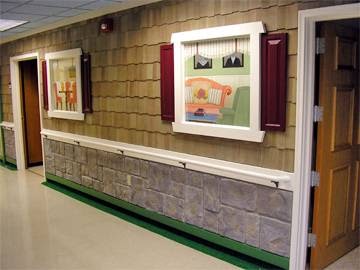
How is Zumbrota Care Center Staffed?
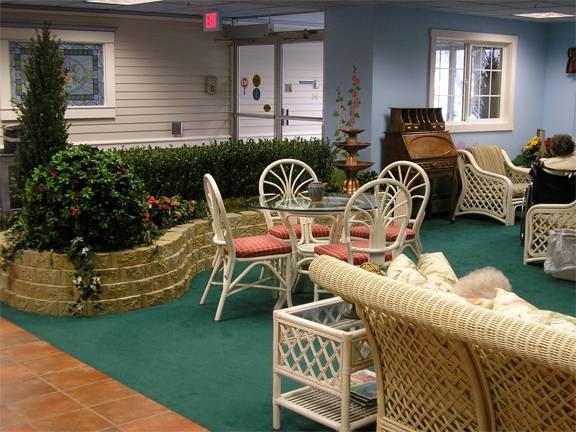
CMS rates Zumbrota Care Center's staffing level at 4 out of 5 stars, which is above average compared to other nursing homes. Staff turnover is 47%, compared to the Minnesota average of 46%.

What Have Inspectors Found at Zumbrota Care Center?

State health inspectors documented 21 deficiencies at Zumbrota Care Center during 2022 to 2025. These included: 1 Immediate Jeopardy (the most serious level, indicating potential for serious harm or death), 17 with potential for harm, and 3 minor or isolated issues. Immediate Jeopardy findings are rare and represent the most serious regulatory concerns. They require immediate corrective action.

Who Owns and Operates Zumbrota Care Center?

Zumbrota Care Center is owned by a non-profit organization. Non-profit facilities reinvest revenue into operations rather than distributing to shareholders. The facility is operated by ST. FRANCIS HEALTH SERVICES, a chain that manages multiple nursing homes. With 40 certified beds and approximately 32 residents (about 80% occupancy), it is a smaller facility located in ZUMBROTA, Minnesota.

How Does Zumbrota Care Center Compare to Other Minnesota Nursing Homes?

Compared to the 100 nursing homes in Minnesota, Zumbrota Care Center's overall rating (1 stars) is below the state average of 3.2, staff turnover (47%) is near the state average of 46%, and health inspection rating (1 stars) is much below the national benchmark.

What Should Families Ask When Visiting Zumbrota Care Center?

Based on this facility's data, families visiting should ask: "What changes have been made since the serious inspection findings, and how are you preventing similar issues?" "Can I visit during a mealtime to observe dining assistance and food quality?" "How do you handle medical emergencies, and what is your hospital transfer rate?" "Can I speak with family members of current residents about their experience?" These questions are particularly relevant given the facility's Immediate Jeopardy citations.

Is Zumbrota Care Center Safe?

Based on CMS inspection data, Zumbrota Care Center has documented safety concerns. Inspectors have issued 1 Immediate Jeopardy citation (the most serious violation level indicating risk of serious injury or death). The facility has a 1-star overall rating and ranks #100 of 100 nursing homes in Minnesota. Families considering this facility should ask detailed questions about what corrective actions have been taken since these incidents.

Do Nurses at Zumbrota Care Center Stick Around?

Zumbrota Care Center has a staff turnover rate of 47%, which is about average for Minnesota nursing homes (state average: 46%). Moderate turnover is common in nursing homes, but families should still ask about staff tenure and how the facility maintains care continuity when employees leave.

Was Zumbrota Care Center Ever Fined?

Zumbrota Care Center has no federal fines on record. CMS issues fines when nursing homes fail to meet care standards or don't correct problems found during inspections. The absence of fines suggests the facility has either maintained compliance or corrected any issues before penalties were assessed. This is a positive indicator, though families should still review recent inspection reports for the full picture.

Is Zumbrota Care Center on Any Federal Watch List?

Zumbrota Care Center is not on any federal watch list. The most significant is the Special Focus Facility (SFF) program, which identifies the bottom 1% of nursing homes nationally based on persistent, serious quality problems. Not being on this list means the facility has avoided the pattern of deficiencies that triggers enhanced federal oversight. This is a positive indicator, though families should still review the facility's inspection history directly.