Long Prairie Health Care Center
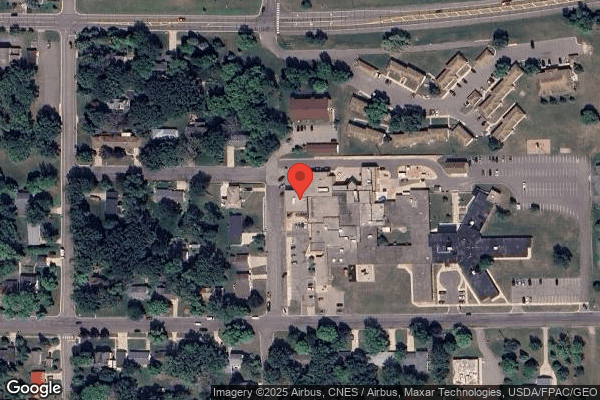
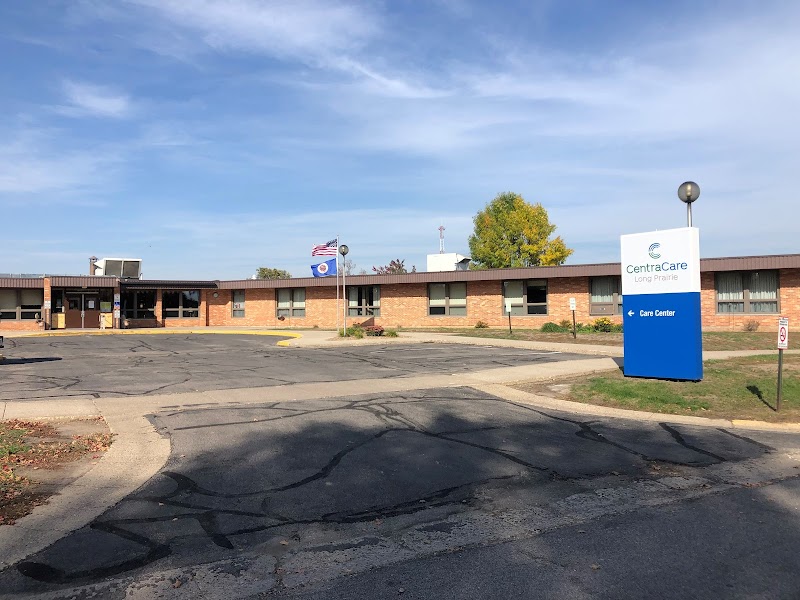
20 9TH STREET SE, LONG PRAIRIE, MN 56347 (320) 357-3242
For profit - Corporation 60 Beds Independent Data: November 2025
Trust Grade
85/100
#53 of 337 in MN
Last Inspection: May 2025

Inspected within the last 6 months. Data reflects current conditions.

Overview

Long Prairie Health Care Center has received a Trust Grade of B+, which means it is above average and generally recommended for potential residents. It ranks #53 out of 337 nursing homes in Minnesota, placing it in the top half, but it is #3 out of 3 in Todd County, indicating only one local option is better. The facility shows an improving trend, with reported issues decreasing from 5 in 2024 to just 1 in 2025. Staffing is rated 4 out of 5 stars, but it has a concerning turnover rate of 57%, higher than the state average. Notably, there have been no fines, which is a positive sign. However, there are areas of concern. One incident involved staff failing to wear proper personal protective equipment while caring for a resident with a pressure ulcer, which could risk infection. Additionally, there were issues with protecting residents' personal health information, as do-not-resuscitate labels were placed outside their rooms, potentially exposing sensitive information. While the overall care rating is excellent, these weaknesses should be carefully considered when evaluating the facility.

Trust Score
B+
85/100
In Minnesota
#53/337
Top 15%
Safety Record
Low Risk
No red flags
Inspections
Getting Better
5 → 1 violations
Staff Stability
⚠ Watch
57% turnover. Above average. Higher turnover means staff may not know residents' routines.
Penalties
✓ Good
No fines on record. Clean compliance history, better than most Minnesota facilities.
Skilled Nurses
✓ Good
Each resident gets 48 minutes of Registered Nurse (RN) attention daily — more than average for Minnesota. RNs are trained to catch health problems early.
Violations
○ Average
6 deficiencies on record. Average for a facility this size. Mostly minor or procedural issues.
★★★★★
5.0
Overall Rating
★★★★☆
4.0
Staff Levels
★★☆☆☆
2.0
Care Quality
★★★★★
5.0
Inspection Score
Stable
2024: 5 issues
2025: 1 issues

The Good

  • 4-Star Staffing Rating · Above-average nurse staffing levels
  • Full Sprinkler Coverage · Fire safety systems throughout facility
  • No fines on record

Facility shows strength in staffing levels, fire safety.

The Bad

Staff Turnover: 57%

11pts above Minnesota avg (46%)

Frequent staff changes - ask about care continuity

Staff turnover is elevated (57%)

9 points above Minnesota average of 48%

The Ugly 6 deficiencies on record

May 2025 1 deficiency
CONCERN (D)

Potential for Harm - no one hurt, but risky conditions existed

Infection Control (Tag F0880)

Could have caused harm · This affected 1 resident

**NOTE- TERMS IN BRACKETS HAVE BEEN EDITED TO PROTECT CONFIDENTIALITY** Based on observation, interview and document review, the facility failed to ensure proper personal protective equipment (PPE) wa...

Read full inspector narrative →
**NOTE- TERMS IN BRACKETS HAVE BEEN EDITED TO PROTECT CONFIDENTIALITY** Based on observation, interview and document review, the facility failed to ensure proper personal protective equipment (PPE) was used when providing cares for 1 of 1 residents (R24) reviewed for enhanced barrier precautions (EBP). Findings Include: R24's quarterly Minimum Data Set (MDS) dated [DATE], indicated moderate cognitive impairment and one unhealed stage two pressure ulcer and a skin tear. R24's undated care plan included R24 was on EBP to prevent the spread of multi drug resistant organisms (MDRO). The care plan instructed to use gown and gloves with high-contact resident care activities. During medication pass observation on 4/28/25 at 7:17 p.m., nursing assistant (NA)-A, NA-B, and trained medication assistant (TMA)-A were observed repositioning R24 in her bed and assisting with drinking water. All three staff made contact with bedsheets, pillows and the resident during repositioning multiple times while not wearing PPE. During interview on 4/28/25 at 7:24 p.m., NA-A and NA-B confirmed R28 was on EBP and that they were not wearing gowns during repositioning. They both stated they would only wear a gown if they were changing R28's brief or doing other personal cares. During interview on 4/28/25 at 7:36 p.m., TMA-A confirmed R28 was on EBP for wounds to her buttocks. TMA-A stated PPE would be worn any time someone was providing wound care or changing her brief. During interview on 4/29/25 at 3:00 p.m., infection prevention registered nurse (RN)-A stated staff should wear PPE when providing personal cares. RN-A stated a sign was hung outside the door which indicated when PPE should be worn. During interview on 4/29/25 at 3:20 p.m., director of nursing (DON) confirmed staff should be wearing PPE when adjusting bedding and repositioning. DON stated immediate reeducation would be provided with staff to ensure all staff understood the expectations. Facility Enhanced Barrier Precautions dated March 2025, included the facility would follow Center for Disease Control (CDC) to reduce the transmission of MDROs through the use of gown and gloves during high contact resident care activities.
Jan 2024 5 deficiencies
CONCERN (D)

Potential for Harm - no one hurt, but risky conditions existed

Deficiency F0583 (Tag F0583)

Could have caused harm · This affected 1 resident

**NOTE- TERMS IN BRACKETS HAVE BEEN EDITED TO PROTECT CONFIDENTIALITY** Based on observation, interview, and record reviews facility failed to protect personal health information for 2 of 2 residents ...

Read full inspector narrative →
**NOTE- TERMS IN BRACKETS HAVE BEEN EDITED TO PROTECT CONFIDENTIALITY** Based on observation, interview, and record reviews facility failed to protect personal health information for 2 of 2 residents (R11 & R34) related to code status. Finding include: R34's annual minnimum data set (MDS) dated [DATE], indicated severely impaired cognition, and diagnoses of Parkinson's disease (Unable to control movements), malnutrition (poor nutrition), atrial fibrillation (irregular heartbeat), and hypertension (high blood pressure). R11's quarterly MDS dated [DATE], indicated intact cognition, diagnoses of anemia (low iron), hypertension (high blood pressure), renal insufficiency (poor kidney function), and hemiplegia (reduced function of one side). During observation on 1/7/24 at 11:50 a.m., do not recesutate (DNR) (No life saving measures) labels were noted on room number plates outside of rooms for residents R34 and R11. During an interview on 1/7/24 at 3:36 p.m., R11 stated it was her desire to be a DNR, understood it, and it should be in her record. R11 stated she had never asked any staff to post that information to be publicly seen. During an observation on 1/8/24 at 10:01 a.m., DNR labels remained on R34 and R11's room number plates. During an interview on 1/8/24 at 10:01 a.m., two sons for R34 stated, DNR status was correct. Neither son had requested it be posted in a public space. During an observation on 1/9/24 at 7:14 a.m., DNR label still noted on door frames for residents R34 and R11. During an interview with on 1/9/24 at 9:40 a.m., certified nursing assistant (CNA)-A stated no recolection of a conversation or any information about R11 or R34 having a DNR posted in a public space or on the name plates of their doors. During an interview on 1/9/24 at 1:31 p.m., registered nurse (RN)-A stated she was unaware residents R34 and R11 had DNR next to their name on the room number plates. RN-A stated code status was private information and staff referred to the chart. The facility used a green and red coding system on the hard charts as well. RN-A stated DNR labels should not have been on the room number plates. During an interview on 1/9/24 at 4:33 p.m., Director of Nursing (DON) stated personal information like that of a DNR should never be posted publicly. A facility policy titled Confidentiality of Information and Personal Privacy with a review date of 1/24 was provided. Policy indicated: The facility will safeguard the personal privacy and confidentiality of all resident personal and medical records and access to resident personal and medical records will be limited to authorized staff and business associates.
CONCERN (D)

Potential for Harm - no one hurt, but risky conditions existed

Transfer Notice (Tag F0623)

Could have caused harm · This affected 1 resident

**NOTE- TERMS IN BRACKETS HAVE BEEN EDITED TO PROTECT CONFIDENTIALITY** Based on interview and document review the facility failed to notify the ombudsman of facility-initiated discharges and transfer...

Read full inspector narrative →
**NOTE- TERMS IN BRACKETS HAVE BEEN EDITED TO PROTECT CONFIDENTIALITY** Based on interview and document review the facility failed to notify the ombudsman of facility-initiated discharges and transfers to the hospital for 4 of 4 residents (R45, R195, R5, R8,) who were discharged to home or transferred to the hospital. Findings include: Facility provided form Discharges since 2022 indicated R45 discharged home 8/25/2023 and R195 discharged home on 8/15/2023. Facility provided form Residents that have discharged to hospital and come back since 2022 indicated R5 transferred to the hospital on [DATE] and returned 11/26/2023. Further, R8 transferred to hospital on [DATE] and returned 11/20/2023. Review of facility provided documentation lacked evidence the ombudsman was notified for transfer or discharge of R45, R195, R5, R8. On 01/09/24 at 03:00 p.m., social services designee (SSD)-E stated she did not send updates to the ombudsman unless a resident was already working with the ombudsman. On 01/09/24 at 04:51 p.m., SSD-E confirmed the ombudsman was not sent the notifications for discharge to home for R45 and R195. Further, she stated no notification was sent to the ombudsman for transfer to hospital for R5 and R8. She confirmed the ombudsman was notified of six residents discharged home since 12/15/22. SSD-E stated she had not followed the appropriate procedure and should have notified the ombudsman. Facility provided policy titled Discharge Planning, directed ombudsman notification was required for transfers or discharges to a hospital or emergency department.
CONCERN (D)

Potential for Harm - no one hurt, but risky conditions existed

Deficiency F0688 (Tag F0688)

Could have caused harm · This affected 1 resident

**NOTE- TERMS IN BRACKETS HAVE BEEN EDITED TO PROTECT CONFIDENTIALITY** Based on observation, interview, and document review, the facility failed to implement interventions to prevent further developm...

Read full inspector narrative →
**NOTE- TERMS IN BRACKETS HAVE BEEN EDITED TO PROTECT CONFIDENTIALITY** Based on observation, interview, and document review, the facility failed to implement interventions to prevent further development of decreased range of motion for 1 of 1 residents (R8) reviewed for positioning. Findings include: R8's diagnosis report printed 1/9/24, indicated diagnosis of dorsalgia (back/neck pain), muscle weakness, and hemiplegia and hemiparesis following cerebral infarction affecting the left non-dominant side (weakness on the left side following a stroke). R8's annual minimum data set (MDS) dated [DATE], indicated moderate cognitive impairment and impaired functional range of motion on both side of the body on both upper and lower extremities. Passive range of motion and active range of motion was completed 0 days reviewed during lookback period. R8's care area assessment (CAA) indicated resident was at risk for pressure ulcers, pain, contractures due to impaired mobility. During interview on 1/9/24 at 12:22 p.m., R8 stated staff do not offer her a pillow to support her head while sitting. During interview on 1/8/24 at 1:03 p.m., registered nurse (RN)-B stated R8's neck had been in bent position with head off to left side for about a year. RN-B was not aware of if R8 had been evaluated by physical therapy or occupational therapy for positioning. During interview on 1/8/24 at 3:07 p.m., registered occupational therapist (OT)-A stated if a resident has an issue with posture or pressure injury, staff can request an order from the provider for an occupational therapy evaluation. Occupational therapy would evaluate posture and make recommendation for supports. Suggestions for interventions and repositioning could also be made. Orders and evidence of evaluation completed by physical therapy or occupational therapy requested and not provided. Facility policy Resident Mobility and Range of Motion effective January 2024 indicated that residents with limited mobility will receive appropriate services, equipment and assistance to maintain or improve mobility unless reduction in mobility is unavoidable.
CONCERN (D)

Potential for Harm - no one hurt, but risky conditions existed

Accident Prevention (Tag F0689)

Could have caused harm · This affected 1 resident

**NOTE- TERMS IN BRACKETS HAVE BEEN EDITED TO PROTECT CONFIDENTIALITY** R27's diagnoses report printed 1/9/24, included Parkinson's disease with dyskinesia (involuntary, uncontrolled muscle movements)...

Read full inspector narrative →
**NOTE- TERMS IN BRACKETS HAVE BEEN EDITED TO PROTECT CONFIDENTIALITY** R27's diagnoses report printed 1/9/24, included Parkinson's disease with dyskinesia (involuntary, uncontrolled muscle movements), dementia, and weakness. R27's restorative nursing program initiated 5/25/23, revised on 8/13/23, included Walking with assist of 1 and walker with wheelchair to follow twice a day for 15 minutes each. Restorative nursing program to be overseen by nurse and periodically reviewed. R27's order summary report printed 1/9/24, included an order dated 9/19/23, for physical therapy evaluation and treatment due to weakness and increased need for staff assistance with transfers. R27's significant change Minimum Data Set (MDS) dated [DATE] included care area assessment for activities of daily living. R27 was noted to have balance problems due to poor safety awareness, impaired vision and hearing, diagnoses of Parkinson's Disease and dementia. R27's physical therapy discharge date d 10/25/23, indicated assessment for safety of walking program was part of plan of care. Physical therapist dictated resident was not appropriate for walking program as he heavily retro pushes and did not demonstrate safety with physical therapist. Discharge plans and instructions printed on discharge included use of a mechanical lift and R27 was not safe for walking program. R27's care plan reviewed 10/26/23, included resident had impaired cognitive function related to dementia, difficulty making decisions, unable to make safe decisions. Resident showed moderate cognitive impairment. Resident at risk for falls due to Parkinson's Disease. Feet become frozen and resident would be unable to ambulate. During observation on 1/8/24 at 3:37 p.m., two staff attempted to ambulate R27 with walker, gait belt and wheelchair to follow. Resident stated I can't. Staff encouraged resident. Resident was able to stand with walker and hands-on assistance from nursing assistants. Resident again stated he could not walk and sat down in wheelchair. During interview on 1/8/24 at 4:07 p.m., nursing assistant (NA)-C reported it was rare that R27 ambulated. NA-C stated R27 usually refused. During interview on 1/8/24 at 4:15 p.m., clinical nurse manager (CM-A) stated physical therapy gave recommendations on walking and restorative programs. CM-A reviewed physical therapy discharge instructions and agreed R27 was deemed unsafe for walking program. CM-A stated it would have been important to follow therapy instructions because they were the experts. Facility documentation lacked evidence of a risk/benefit discussion with R27 and R27's representative in regards to continuing a walking program after physical therapy indicated resident was unsafe. Further, documentation lacked evidence R27 was reassess for safety for walking program after discharge from physical therapy. Facility policy titled Restorative Nursing Services effective January 2024, indicated residents would receive restorative nursing care as needed to help promote optimal safety and independence. Resident or resident representative would be included in determining goals and the plan of care. Based on observation, interview and document review, facility failed to properly assess 2 of 5 residents (R19, R27) reviewed for accidents. Findings include: R19's admission minimal data set (MDS) dated [DATE], indicated intact cognition (able to fully understand), diagnoses of anxiety, depression, post traumatic stress disorder (history of trauma from past event), chronic respiratory failure (history of poor lung function), and personality disorder (changes in personality). R19's care plan initiated 12/1/23 indicated cigarettes and lighter will be kept in the medication cart, resident will need to request them. R19's smoking assessment dated [DATE], indicated R19 had a history of smoking, currently using cigarettes, demonstrated independence with being able to get to designated smoking area and use of tobacco products. Document indicated cigarettes and lighter were locked up when not in use and resident requested them. Assessment lacked evidence R19 had been assessed to safely keep cigarettes or lighter in their possession. During an interview on 1/7/24 at 2:40 p.m., R19 sated he had not gone out to smoke today and probably wouldn't over the next few days as it was too cold outside. R19 stated he was supposed to ask for cigarettes and lighter from the nurse. However, he kept them in his coat pocket, in the closet. During an interview on 1/9/24 at 12:37 p.m., trained medical assistant (TMA)-A stated she was familiar with R19's history of smoking and used tobacco products. TMA-A stated R19 smoked on his own and was to return the items to the medication carts on the hall near his room when done. During an interview on 1/9/24 at 12:40 p.m., registered nurse (RN)-A stated R19 smoked independently and was to return the cigarette and lighter to the medication carts near his room. RN-A opened medication carts near R19's room, neither cigarettes nor lighter were found. During an interview on 1/9/24 at 1:30 p.m., RN-A stated R19 confirmed he had his cigarettes and lighter but was not willing to help her find them. RN-A stated she would be returning to find the items soon. RN-A stated the assessment was to be followed and smoking supplies needed to be kept in the medication cart. R19 had not been assessed to keep posession of the materials. Facility document, titled, smoking policy and procedure, last reviewed 1/2024, indicated that all residents who choose to use tobacco are evaluated and assessed for safety.
CONCERN (D)

Potential for Harm - no one hurt, but risky conditions existed

Deficiency F0883 (Tag F0883)

Could have caused harm · This affected 1 resident

**NOTE- TERMS IN BRACKETS HAVE BEEN EDITED TO PROTECT CONFIDENTIALITY** Based on interview and document review, the facility failed to ensure 1 of 5 residents (R34) reviewed for immunizations were off...

Read full inspector narrative →
**NOTE- TERMS IN BRACKETS HAVE BEEN EDITED TO PROTECT CONFIDENTIALITY** Based on interview and document review, the facility failed to ensure 1 of 5 residents (R34) reviewed for immunizations were offered and/or provided the pneumococcal vaccine series as recommended by the Centers for Disease Control (CDC) to help reduce the risk of associated infection(s). Findings include: A CDC Pneumococcal Vaccine Timing for Adults feature, dated 3/15/2023, identified various tables when each (or all) of the pneumococcal vaccinations should be obtained. This identified when an adult over [AGE] years old had received the complete series (i.e., PPSV23 and PCV13; see below) then the patient and provider may choose to administer Pneumococcal 20-valent Conjugate Vaccine (PCV20) for patients who had received Pneumococcal 13-valent Conjugate Vaccine (PCV13) at any age and Pneumococcal Polysaccharide Vaccine 23 (PPSV23) at or after [AGE] years old. R34's annual minimum data set (MDS) dated [DATE], indicated severely impaired cognition (unable to understand), diagnoses of Parkinson's Disease (Unable to control movements), malnutrition (poor nutrition), atrial fibrillation (irregular heartbeat), and hypertension (high blood pressure). R34 had not received any pneumococcal immunization, and MDS had indicated it had been offered and declined. R34's Immunization record indicated that no pneumococcal immunization had been administered, offered, or refused. R34's Pneumococcal Vaccination Consent Declination indicated refusal by resident representative dated 10/12/22. Consent Form offered residents and representatives the PPSV23 and PCV13 immunization but did not identify the PCV20 or other immunizations. During an interview on 1/9/24 at 1:06 p.m., infection preventionist (IP) indicated immunizations were reviewed upon admission, and vaccines were then offered to residents and representatives. IP stated residents and/or their representatives were educated about immunizations. Declinations were recorded on a declination form. IP stated there was no evidence the facility offered the immunization to R34. During an interview on 1/9/24 at 2:13 p.m., IP stated after reviewing additional medical records for R34, she could not find that the PCV20 had been offered. IP stated even if the resident or the representative do not want vaccines, that it should at least be offered with education, and a declination signed. A facility policy titled Pneumococcal Immunization, Long Term Care with a review date of 6/23 was provided. Policy indicated: Residents will be offered the pneumococcal vaccination and administered, according to the MDH and CDC recommended interval for the vaccines, unless contraindicated, already immunized, or the resident and/or the resident representative declines, the vaccine. Facility document indicated the pneumococcal vaccines for PCV13, PCV15, PCV20 and PPSV23.
Understanding Severity Codes (click to expand)
Life-Threatening (Immediate Jeopardy)
J - Isolated K - Pattern L - Widespread
Actual Harm
G - Isolated H - Pattern I - Widespread
Potential for Harm
D - Isolated E - Pattern F - Widespread
No Harm (Minor)
A - Isolated B - Pattern C - Widespread

Questions to Ask on Your Visit

  • "Why is there high staff turnover? How do you retain staff?"
  • "Can I speak with families of current residents?"
  • "What's your RN coverage like on weekends and overnight?"

Our Honest Assessment

Strengths
  • • Grade B+ (85/100). Above average facility, better than most options in Minnesota.
  • • No major safety red flags. No abuse findings, life-threatening violations, or SFF status.
  • • No fines on record. Clean compliance history, better than most Minnesota facilities.
Concerns
  • • 57% turnover. Above average. Higher turnover means staff may not know residents' routines.
Bottom line: Generally positive indicators. Standard due diligence and a personal visit recommended.

About This Facility

What is Long Prairie Health Care Center's CMS Rating?

CMS assigns Long Prairie Health Care Center an overall rating of 5 out of 5 stars, which is considered much above average nationally. Within Minnesota, this rating places the facility higher than 99% of the state's 100 nursing homes. This rating reflects solid performance across the metrics CMS uses to evaluate nursing home quality.

How is Long Prairie Health Care Center Staffed?

CMS rates Long Prairie Health Care Center's staffing level at 4 out of 5 stars, which is above average compared to other nursing homes. Staff turnover is 57%, which is 11 percentage points above the Minnesota average of 46%. High turnover can affect care consistency as new staff learn residents' individual needs.

What Have Inspectors Found at Long Prairie Health Care Center?

State health inspectors documented 6 deficiencies at Long Prairie Health Care Center during 2024 to 2025. These included: 6 with potential for harm.

Who Owns and Operates Long Prairie Health Care Center?

Long Prairie Health Care Center is owned by a for-profit company. For-profit facilities operate as businesses with obligations to shareholders or private owners. The facility operates independently rather than as part of a larger chain. With 60 certified beds and approximately 47 residents (about 78% occupancy), it is a smaller facility located in LONG PRAIRIE, Minnesota.

How Does Long Prairie Health Care Center Compare to Other Minnesota Nursing Homes?

Compared to the 100 nursing homes in Minnesota, Long Prairie Health Care Center's overall rating (5 stars) is above the state average of 3.2, staff turnover (57%) is significantly higher than the state average of 46%, and health inspection rating (5 stars) is much above the national benchmark.

What Should Families Ask When Visiting Long Prairie Health Care Center?

Based on this facility's data, families visiting should ask: "How do you ensure continuity of care given staff turnover, and what is your staff retention strategy?" "Can I visit during a mealtime to observe dining assistance and food quality?" "How do you handle medical emergencies, and what is your hospital transfer rate?" "Can I speak with family members of current residents about their experience?" These questions are particularly relevant given the facility's high staff turnover rate.

Is Long Prairie Health Care Center Safe?

Based on CMS inspection data, Long Prairie Health Care Center has a clean safety record: no substantiated abuse findings (meaning no confirmed cases of resident harm), no Immediate Jeopardy citations (the most serious violation level indicating risk of serious injury or death), and is not on the Special Focus Facility watch list (a federal program monitoring the lowest-performing 1% of nursing homes). The facility has a 5-star overall rating and ranks #1 of 100 nursing homes in Minnesota. While no facility is perfect, families should still ask about staff-to-resident ratios and recent inspection results during their visit.

Do Nurses at Long Prairie Health Care Center Stick Around?

Staff turnover at Long Prairie Health Care Center is high. At 57%, the facility is 11 percentage points above the Minnesota average of 46%. High turnover means new staff may not know residents' individual needs, medications, or preferences. It can also be disorienting for residents, especially those with dementia who rely on familiar faces. Families should ask: What is causing the turnover? What retention programs are in place? How do you ensure care continuity during staff transitions?

Was Long Prairie Health Care Center Ever Fined?

Long Prairie Health Care Center has no federal fines on record. CMS issues fines when nursing homes fail to meet care standards or don't correct problems found during inspections. The absence of fines suggests the facility has either maintained compliance or corrected any issues before penalties were assessed. This is a positive indicator, though families should still review recent inspection reports for the full picture.

Is Long Prairie Health Care Center on Any Federal Watch List?

Long Prairie Health Care Center is not on any federal watch list. The most significant is the Special Focus Facility (SFF) program, which identifies the bottom 1% of nursing homes nationally based on persistent, serious quality problems. Not being on this list means the facility has avoided the pattern of deficiencies that triggers enhanced federal oversight. This is a positive indicator, though families should still review the facility's inspection history directly.