Hillcrest Care & Rehabilitation Center
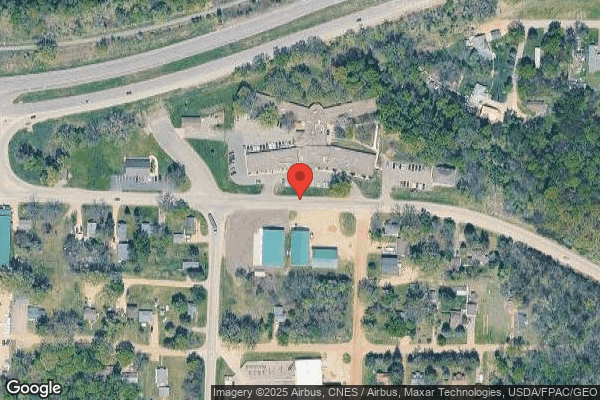
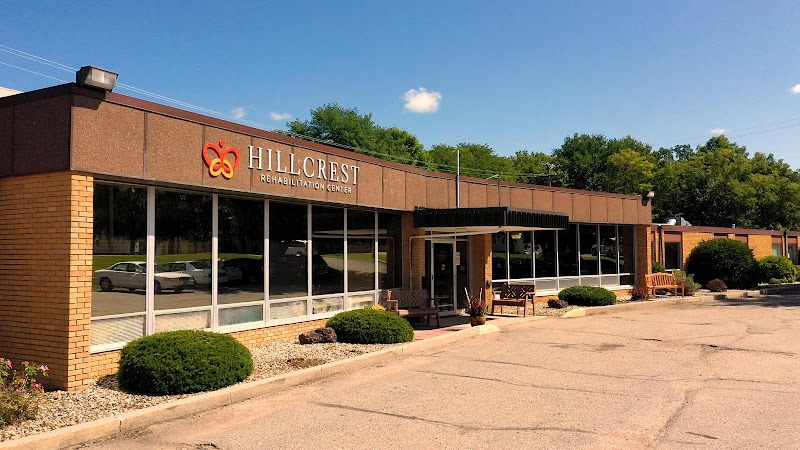
714 SOUTHBEND AVENUE, MANKATO, MN 56001 (507) 387-3491
For profit - Corporation 95 Beds MONARCH HEALTHCARE MANAGEMENT Data: November 2025 1 Immediate Jeopardy citation
Trust Grade
18/100
#243 of 337 in MN
Last Inspection: June 2024

Within standard 12-15 month inspection cycle. Federal law requires annual inspections.

Overview

Hillcrest Care & Rehabilitation Center has received an F grade, indicating poor quality with significant concerns about care. They rank #243 out of 337 facilities in Minnesota, placing them in the bottom half of all nursing homes in the state, but they are the top facility in Blue Earth County. Although the facility is improving, with issues decreasing from 14 in 2024 to 2 in 2025, there are still serious concerns, including a critical incident where a resident’s significant weight gain went unmonitored, leading to a heart attack and death. Staffing is average, with a turnover rate of 55%, which is concerning compared to the state average of 42%. Specific incidents include a resident who fell from a lift due to improper transfer procedures, resulting in head injuries, and another resident whose pressure ulcers worsened due to inadequate assessment and care, highlighting both strengths and weaknesses in the facility's operations.
Trust Score
F
18/100
In Minnesota
#243/337
Bottom 28%
Safety Record
High Risk
Review needed
Inspections
Getting Better
14 → 2 violations
Staff Stability
⚠ Watch
55% turnover. Above average. Higher turnover means staff may not know residents' routines.
Penalties
○ Average
$26,685 in fines. Higher than 71% of Minnesota facilities. Some compliance issues.
Skilled Nurses
✓ Good
Each resident gets 42 minutes of Registered Nurse (RN) attention daily — more than average for Minnesota. RNs are trained to catch health problems early.
Violations
⚠ Watch
44 deficiencies on record. Higher than average. Multiple issues found across inspections.
★★☆☆☆
2.0
Overall Rating
★★★☆☆
3.0
Staff Levels
★★★☆☆
3.0
Care Quality
★★☆☆☆
2.0
Inspection Score
Stable
2024: 14 issues
2025: 2 issues

The Good

  • Full Sprinkler Coverage · Fire safety systems throughout facility
  • No fines on record

Facility shows strength in fire safety.

The Bad

2-Star Overall Rating

Below Minnesota average (3.2)

Below average - review inspection findings carefully

Staff Turnover: 55%

Near Minnesota avg (46%)

Frequent staff changes - ask about care continuity

Federal Fines: $26,685

Below median ($33,413)

Moderate penalties - review what triggered them

Chain: MONARCH HEALTHCARE MANAGEMENT

Part of a multi-facility chain

Ask about local staffing decisions and management

Staff turnover is elevated (55%)

7 points above Minnesota average of 48%

The Ugly 44 deficiencies on record

1 life-threatening 2 actual harm
Aug 2025 1 deficiency
CONCERN (D) 📢 Someone Reported This

A family member, employee, or ombudsman was alarmed enough to file a formal complaint

Potential for Harm - no one hurt, but risky conditions existed

Safe Environment (Tag F0584)

Could have caused harm · This affected 1 resident

**NOTE- TERMS IN BRACKETS HAVE BEEN EDITED TO PROTECT CONFIDENTIALITY** Based on observation and interview, the facility failed to maintain a wheelchair in a clean and sanitary manner for 1 of 1 resid...

Read full inspector narrative →
**NOTE- TERMS IN BRACKETS HAVE BEEN EDITED TO PROTECT CONFIDENTIALITY** Based on observation and interview, the facility failed to maintain a wheelchair in a clean and sanitary manner for 1 of 1 resident (R32) and ensure fans in resident rooms were kept clean for 3 of 3 residents (R2, R52 and R21) reviewed for safe, clean, comfortable, and home-like environment. Findings include:R32's face sheet received on 8/13/25, included diagnosis of Parkinson's disease (a movement disorder of the central nervous system). R32's admission Minimum Data Set (MDS) assessment dated [DATE], indicated intact cognition. R32 had unclear speech, was usually understood and could understand. R32 required substantial assistance or was dependent upon staff for activities of daily living (ADLs) and did not walk. R32's care plan did not include use of a wheelchair. During an observation on 8/11/25 at 7:18 p.m., while seated in her wheelchair at a table in the great room, observed a heavy grayish/white film over the blue brackets under and alongside R32's wheelchair. The film was hardened onto the brackets and was not able to be wiped off with a finger.During an interview on 8/12/25 at 2:08 p.m., the director of nursing (DON) stated there was not a wheelchair cleaning schedule, that staff cleaned them on a resident's bath day, and the cleaning was not documented. During an interview on 8/12/25 at 2:13 p.m., nursing assistant (NA)-E stated wheelchairs were cleaned on a resident's bath day with disposable wipes. NA-E did not know if wheelchair cleaning was documented. During an interview on 8/13/25 at 7:31 a.m., NA-C stated wheelchairs were cleaned when staff had time, or the night shift did it. NA-C was asked to look at R32's chair under the light in the hallway and stated the heavy whitish/grayish film on the surfaces of the bars alongside and under the wheelchair was from R32's food. During an interview on 8/13/25 at 7:36 a.m., licensed practical nurse (LPN)-C, who was also the care coordinator approached while speaking to NA-C. LPN-C stated R32's wheelchair was hers from her home. LPN-C stated R32 was a new resident and that was the condition of her wheelchair at the time she was admitted to the facility. R32 was admitted three months prior, on 5/13/25. During an interview on 8/14/25, at 11:05 a.m., R32 stated she was unaware her wheelchair had a film on it. The film was described to her, and she indicated she didn't know what it was from.During an interview on 8/14/25, at 11:30 a.m., the DON stated she would expect staff to notice dirty wheelchairs and clean them. Facility wheelchair cleaning policy was requested. In an email dated 8/13/25, at 5:12 p.m., the administrator indicated wheelchair cleaning would follow the residents bill of rights. DIRTY FANSR2's face sheet received on 8/13/25, included diagnosis of dementia. R2's quarterly Minimum Data Set (MDS) assessment dated [DATE], indicated R2 was cognitively intact, clear speech, was able to understand and be understood.R52's face sheet received on 8/13/25, included diagnosis of dementia.R52's quarterly MDS assessment dated [DATE], indicated moderately impaired cognition, clear speech, was able to understand and be understood. R21's face sheet received on 8/13/25, included diagnoses of recurrent c. diff (clostridioides difficile - inflammation of the colon caused by bacteria), cancer of the rectum and receiving chemotherapy.R21's quarterly MDS assessment dated [DATE], indicated intact cognition, clear speech, was able to understand and be understood. R21 was ambulatory per self.R21's care plan dated 7/10/25, indicated isolation precautions related to recurrent C-diff infection.During an observation and interview on 8/11/25 at 3:18 p.m., in R2's room observed a black standing fan in operation in the corner of R2's room directed at R2's recliner where he had been sitting and where he also slept. Observed a significant amount of whitish/gray fuzzy material hanging off the front and back grates of the fan. R2 stated he had not noticed, didn't know if it had ever been cleaned and stated it should probably be cleaned, but staff were busy. During an observation and interview on 8/11/25 at 6:37 p.m., in R52's room observed a white standing fan in operation about two - three feet in front of R52's recliner where she had been sitting and where she also slept. Observed a significant amount of fuzzy whitish/gray material on the back grate of the fan and heavy dark material on edges of the fan blades. R52 stated she did not think it had ever been cleaned.During an observation on 8/12/25 at 8:40 a.m., in R21's room observed a standing white fan in operation about three feet from R21's bed as he sat on the side of the bed. The fan had a buildup of fuzzy grayish material on the front and back grates and dark material on the edges of the fan blades. R21 stated he hadn't noticed and that he thinks he brought the fan from home.During an interview and observation on 8/12/25 at 12:11 p.m., along with housekeeping manager-in-training (HM)-B and housekeeping regional supervisor (HS)-C looked at the fan in R52's room. HS-C stated housekeeping was responsible for cleaning fans, adding it was not done on a routine basis, just when housekeeping noticed them needing to be cleaned. HS-C stated they were behind on some routine work due to staffing but would make sure to address fans. Together also looked at the fans in R21 and R2's rooms. Both HM-B and HS-C acknowledged potential health concerns for residents with dirty fans blowing air in their rooms. During an interview on 8/13/25 at 8:07 a.m., registered nurse (RN)-E, who was also the assistant director of nursing and infection preventionist in training was informed of dirty fans. RN-E stated dirty fans were not good for anyone, but in particular not good for residents with allergies, respiratory issues or asthma due to the potential particles in the air getting in their respiratory tract. RN-E stated she was not aware of dirty fans and would expect housekeeping to monitor and clean the fans. Facility policy was requested for maintaining clean fans in resident rooms. On 8/13/25 at 3:33 p.m., the administrator provided a deep cleaning list that including cleaning fans, but no policy regarding regular/routine cleaning of fans.
Feb 2025 1 deficiency 1 IJ
CRITICAL (J) 📢 Someone Reported This

A family member, employee, or ombudsman was alarmed enough to file a formal complaint

Immediate Jeopardy (IJ) - the most serious Medicare violation

Quality of Care (Tag F0684)

Someone could have died · This affected 1 resident

**NOTE- TERMS IN BRACKETS HAVE BEEN EDITED TO PROTECT CONFIDENTIALITY** Based on observation, interview, and document review the facility failed to identify a change in condition, comprehensively asse...

Read full inspector narrative →
**NOTE- TERMS IN BRACKETS HAVE BEEN EDITED TO PROTECT CONFIDENTIALITY** Based on observation, interview, and document review the facility failed to identify a change in condition, comprehensively assess weight gain, monitor, and notify the physician for 1 of 1 residents (R1). As a result R1 had a total weight gain of 37 pounds over 13 days that resulted in heart attack, respiratory failure, and death. This resulted in a past non-compliance at an Immediate Jeopardy (IJ). The Immediate Jeopardy (IJ) began on [DATE] when R1 had a 7.1 pound (lb.) weight increase that was not reported to the physician nor comprehensively assessed and monitored. The Administrator and Director of Nursing (DON) were notified of the IJ on [DATE] at 5:48 p.m. The facility had implemented immediate corrective action on [DATE] to prevent recurrence, the IJ was issued at past non-compliance (PNC). Findings include: R1's face sheet dated [DATE], identified diagnoses of mild intellectual disabilities and lack of expected normal physiological development in childhood (disorder that interferes with brain development), congestive heart failure (long term condition where the heart can't pump blood well enough to meet the body's needs) (CHF), cardiomyopathy (disease of the heart muscle that makes it difficult for the heart to pump blood to other parts of the body), long QT syndrome (heart rhythm disorder that can cause fast, chaotic heartbeats), peripheral vascular disease (causes narrowing or blocking of the blood vessels outside the heart), edema (swelling caused by too much fluid trapped in the body's tissues), atrial fibrillation (irregular and fast heartbeat), hypertension (high blood pressure), and presence of automatic cardiac defibrillator (implanted device in the chest that detects and stops irregular heartbeats). R1's quarterly Minimum Data Set (MDS) dated [DATE], identified R1 had no cognitive impairment. R1 had no prognosis for a life expectancy of less than 6 months, did not use oxygen and weighed 248 lbs. R1's dietary care plan dated [DATE], identified R1 had alteration in cognition related to mild intellectual disabilities, included a 2 gram no added salt diet. Education provided to R1 regarding requests for large mugs of V8 juice at meals and salty snacks that he kept in his room, and R1 was angry at education provided. R1's dietary goal was to maintain current weight +/- five pounds and obtain weight per physician orders. R1's care plan did not address cardiac concerns, edema or edema management. R1's physician orders reviewed [DATE] thru [DATE] included the following orders: -[DATE], daily weights, notify physician if the weight had increased three pounds (lbs.) in one day or five lbs. in one week. - [DATE] Lasix 60 milligrams (mg) in the morning and 40 mg daily at noon. This order discontinued on [DATE]. R1's progress note dated [DATE] at 3:26 p.m., identified registered nurse (RN)-A spoke with a nurse in cardiology and informed her R1 ate salty snacks at times, the current Lasix dose was 60 mg in the a.m. and 40 mg at noon. Cardiology would check with the provider and see what can be done for testing and schedule an appointment with cardiology sooner than April. R1's cardiology communication record dated [DATE], identified R1's current dose of Lasix was 40 mg twice daily (BID) and should increase Lasix to 80 mg in the morning and 40 mg in the afternoon for three days and then resume Lasix 40 mg BID (which was inconsistent with the previous physician order and 20 mg less daily than what R1 had received since [DATE]). Update on weights requested for [DATE]. The orders also included to draw basic metabolic panel on [DATE]. A handwritten note on the bottom of this communication identified R1 was currently receiving Lasix 60 mg in a.m. and 40 mg at noon not 40 mg BID. Attempted to call cardiology five times. The handwritten note also included initials of a a nurse and was dated [DATE]. R1's record did not identify the physician order to increase the Lasix to 80 mg in the morning for three days. Review of R1's medication administration record identified R1 continued to receive Lasix 60 mg in the morning and 40 mg at noon on [DATE], [DATE], and [DATE]. R1's cardiology visit note dated [DATE], identified the facility had not received the faxed order with the updates for Lasix and basic metabolic panel (BMP) from [DATE]. A facility nurse would administer the extra dose of Lasix at noon in addition to the extra doses on [DATE] and [DATE]. BMP would be drawn on [DATE], and weights to be sent to cardiology office for review. R1's progress note dated [DATE] at 6:34 p.m., identified cardiology called and said they had new orders for R1, and to give a Lasix 20 mg at noon (to equal 60 mg for the noon dose instead of 40 mg). R1's treatment administration record (TAR) dated [DATE], directed to contact cardiology to clarify that R1 was taking Lasix 60 mg in a.m. and 40 mg at noon and should return to that dose again after the three days of taking the 80 mg in AM. Was NOT taking 40 mg BID. This was a one-time only nursing order signed by RN-B at 4:31 p.m. on [DATE]. R1's medication administration record (MAR) identified R1 was administered Lasix 80 mg in the morning and 40 mg at noon on [DATE], [DATE], [DATE], [DATE]. R1's medication administration records for January and February identified R1 was administered Lasix 40 mg twice daily from [DATE]-[DATE]. During an interview on [DATE] at 12:45 p.m., director of nursing (DON) stated upon review of R1's Lasix orders the last time R1 had an order for Lasix 40 mg twice a day was [DATE]. DON was unsure how or why the cardiologist did not have the most recent orders for Lasix 60 mg in the morning and 40 mg at noon. DON indicated the order should have been clarified because it was the last dosing used. During a return phone interview on [DATE] at 10:34 a.m., nurse practitioner (NP)-C stated she was unaware of any phone call the facility made to cardiology regarding the Lasix order decrease from 60 mg in the a.m. and 40 mg at noon to the 40 mg twice a day. R1's weight record identified -On [DATE], R1 was 247.5 lbs. This was an increase of 0.4 lbs. in one day and 10.1 lbs. in one week. -On [DATE], R1 was 255.1 lbs. This was an increase of 7.6 lbs. in one day and 8.2 lbs. in one week. R1's progress note dated [DATE] at 5:20 p.m., identified cardiology had been called (previously) for weight increase and Lasix order was updated to help with fluid. R1's weight record identified: -On [DATE], R1 was 256.2 lbs. This was a decrease of 1.1 lbs. in one day but an increase of 9.3 lbs. in one week. -On [DATE], no weight was recorded according to physician's orders. -On [DATE], no weight was recorded according to physician's orders. -On [DATE], R1 was 267.1 lbs. This was 0 lbs. change for daily and an increase of 20 lbs. in one week R1's progress note dated [DATE] at 4:53 p.m., identified NP-A was called and updated on weights. Weights have been off lately in record. Leg edema is down today, denies shortness of breath (SOB). No other assessment of edema or full respiratory assessment (oxygen saturations, respirations, lung sounds) was compelted. During an interview on [DATE] at 1:26 p.m., RN-B stated on [DATE] she thought she had casually mentioned to NP-A, while she was on the phone with her discussing another resident, that R1 was not going to bed like he was supposed to or putting his feet up in the recliner. RN-B stated R1 carried a lot of edema in the abdomen and upper thighs, and had thought they were at baseline, but could not press on his lower extremities too much because his legs were full of ulcers but had not seen any red flags. RN-B explained when someone has uncontrolled systolic heart failure, usually they decline fast. During a phone interview on [DATE] at 11:57 a.m., NP-A stated she was on-call on [DATE] (which was a weekend day) and did not receive a call from the facility regarding R1's increased weight. NP-A reviewed her call log for the day and there was not a call from the facility on the log and did not have any notes in her records of a call regarding R1. R1's weight record identified -On [DATE], R1 was 269.2 lbs. This was an increase of 2.1 lbs. in one day and 20 lbs. in one week. -On [DATE], R1 was 268.0 lbs. This was a decrease of 1.2 lbs. in one day and an increase of 20.5 lbs. in one week. R1's progress note dated [DATE] at 3:50 p.m., identified cardiology office and NP-A were notified of R1's 20.5 lbs. weight gain in one week. A list of weights and past months Lasix orders was sent to the cardiologist office. R1's physician encounter note dated [DATE], identified NP-A had a visit for wound care. Weight is up again, with a recent 20 lb. weight gain; facility reported they had a call out to cardiology. Lower extremity edema worsening. Edema was bilateral 2-3+ edema to the pedal (foot), bilateral 2+ edema to the ankles, bilateral 2-3+ pretibial (front lower legs and shin) edema. No new orders were noted. R1's weight record identified on [DATE], R1 weighed 264.1 lbs. This was a decrease of 3.9 lbs. in one day and increase of 9 lbs. in one week. R1's progress note dated [DATE] at 7:03 p.m., identified the nurse manager, licensed practical nurse (LPN)-A was updated on what cardiology would like and the nurse manager would speak to the director of nursing (DON). During an interview on [DATE] at 1:26 p.m., RN-B stated she received a phone call from cardiology on [DATE] asking who was in charge that could take over managing R1's fluid management. RN-B passed the information from the phone call to licensed practical nurse (LPN)-A, who was the care manager for R1. During an interview on [DATE] at 3:54 p.m., LPN-A stated RN-B told her cardiology called and wanted to talk to the DON in regard to the primary care physician taking over management of R1's care because cardiology did not see R1 often enough to write orders and monitor the effectiveness of the Lasix. LPN-A stated she wrote the information in an email to the DON, however she was on vacation until [DATE], so the facility physician was not made aware and did not take over R1's diuretic management. According to R1's weight record on [DATE], the weight was not completed per physician order. R1's progress note dated [DATE] at 3:40 p.m., identified cardiology called and set up an appointment for R1 on [DATE] at 9:00 a.m. R1's weight record identified -On [DATE], R1 weighed 265.1 lbs. This was an increase of 1 lb. and marked as not applicable (NA) for the week. - On [DATE], R1 weighed 272.2 lbs. This was an increase of 7.1 lbs. in one day and 5.1 lbs. in one week. - On [DATE], R1 weighed 270.6 lbs. This was an increase (sic) of 1.6 lbs. in one day and 5.1 lbs. increase in one week. R1's progress note dated [DATE] at 4:46 p.m., identified as nutrition review related to weight and wounds. Current weight 271 lbs. which was an increase of 27 lbs. in 30 days. Significant weight gain of 11% in 30 days. Weight gain likely related to increased bilateral lower extremity edema. Noted from NP-A's dictation on [DATE]: R1's wounds typically heal best when his weight is around 230 lbs., and he is currently significantly higher than that. R1's progress note dated [DATE] at 11:02 p.m., identified R1 had an x-ray to verify PICC line placement. Indicated stable cardiomegaly (enlarged heart) and clear lungs. R1's weight record identified on [DATE], R1 weighed 271.5 lbs. This was an increase of 0.9 lbs. in one day and 2.5 lbs. increase in one week. R1's progress note dated [DATE] at 3:33 p.m., identified R1 had been unable to urinate since 8:00 a.m. and it appeared he had only urinated 150 cubic centimeters (cc) at that time. R1 requested to go to the emergency department. Vital signs were 97.1, 51, 18, 89/65. R1 complained of SOB with exertion and bending over at the waist. Was unable to urinate at 2:00 p.m. Discussed with medical doctor (MD)-A and recommended straight catheterization at facility first and then determine the need for emergency department. R1 was straight catheterized with some difficulty and had 450 cc's of dark yellow/orange urine with a scant amount of blood and pain but stated no pain after removal of catheter. R1 did not want to go to the emergency department anymore. MD-A recommended to bladder scan or straight catheterize R1 every 8 hours if he does not void and to continue to monitor for retention and worsening edema. R1's late progress note dated [DATE] at 10:33 a.m. for [DATE], identified for clarification: discussed with MD-A by phone about residents' inability to urinate, feeling SOB with bending at waist and the continued dependent edema surrounding entire abdomen and upper thighs, however weight had increased by only 1 lb. in one day and increased 2.5 lbs. in 7 days. During an interview on [DATE] at 1:07 p.m., RN-A stated on [DATE], R1 looked a little pale, close to baseline. RN-A also recalled R1 seemed like he was short of breath, however, he did not report shortness of breath to her. RN-A did not complete a respiratory assessment. R1 had dependent edema around his abdomen and upper thighs which seemed to be worse 2+ around those areas. Around 2:00 p.m. R1 told RN-A he was having difficulty with urinating. RN-A called MD-A and reported the difficulty with urinating and 1.2 lbs. weight gain in one day and 2.5 lbs. for the week, however, was not sure if she had told MD-A about the increase in edema and shortness of breath. During a phone interview on [DATE] at 10:19 a.m., RN-D stated when he got to work on [DATE] RN-A had straight catheterized R1 between 3:00 and 4:00 p.m. During his shift R1 had urinated just a little bit in the urinal but did not recall the amount or how the urine appeared. R1 told him he felt better. Around 6:00 p.m., R1 had asked for his inhaler for shortness of breath. R1's abdomen was slightly distended but did not look different from his baseline. RN-D did not complete a respiratory assessment, or identify the baseline of edema. During a phone interview on [DATE], RN-E stated she worked the overnight shift on [DATE]. RN-E was unaware of any issues with R1 and could not recall anything from the nurse's report that would have been concerning for R1 such as R1's recent weight gain, difficulty with urinating, and shortness of breath. If RN-E would have been aware she would have assessed respiratory, oxygen levels and edema but would not have been aware of what his baseline edema was because it was not documented. RN-E felt that if R1 had shown any signs of distress during the night, the NAs would notify her immediately. R1's weight record identified on [DATE], R1 weighed 283.2 lbs. This was identified as not applicable for both daily and week difference. R1's progress note dated [DATE], identified LPN-A informed RN-C that NP-A wanted RN-C to contact cardiology regarding R1's fluid overload. Cardiology updated at 8:45 a.m. regarding the weight gain (which had been 20 lbs. in the past 7 days and 11.7 lbs. increase since [DATE]). RN-C informed cardiology R1 had symptoms of SOB and generalized edema. Cardiology would pass the information on to the physician but stated it would be faster to get an order from NP-A to have R1 sent to the emergency department. R1's physician encounter note dated [DATE], identified the visit was for follow-up wound care. Weight had increased 11.7 lbs. since the previous day. R1 complained of increased SOB and was wearing supplemental oxygen. R1 had increased edema in abdomen and legs from thigh to toes. NP-A felt that R1 needed to be seen in the emergency department for aggressive diuresis. Also to note, cardiology had called the facility on [DATE] and had requested that R1's primary care physician take over the management of his diuretics due to them not seeing him enough and the primary care physicians more frequent visits. Physician was not contacted or aware of this request. There is also a concern that a provider was not called on [DATE] when R1's weight went from 265.1 lbs. to 272.2 lbs. Exam of pulmonary R1 at baseline had no respiratory distress and normal respiratory rhythm and effort. Currently on supplemental oxygen 6 liters per minute and was at 99%. When oxygen was decreased to 1 LPM, R1 began to have respiratory distress. Abdomen was distended due to fluid retention and was hard to the touch. Peripheral edema present, edema into bilateral thighs 3+, edema in abdomen. Bilateral 3+ edema to pedal, bilateral 2+ edema to the ankles, bilateral 2-3+ pretibial. Review of R1's record between [DATE] through [DATE], identified R1 had gained 35.7 lbs. in 20 days. Although cardiology had been notified on [DATE], [DATE], [DATE], and [DATE], there was no indication the physician order was followed to notify the physician when R1's weight had increased by three lbs. in one day or five lbs. in one week. Further not evident the facility reconciled and/or clarified the Lasix order given by cardiology on [DATE], that directed to give R1 20 mg less a day even though R1 continued to gain weight. Further there was no indication of ongoing assessments and monitoring of edema and respiratory status were completed. R1's hospital Discharge summary dated [DATE], identified on [DATE], R1 presented to the emergency department for weight gain and concern for heart failure exacerbation. While enroute from facility with ambulance R1 was talking without complaint and suddenly complained of dyspnea (difficulty breathing) and became unresponsive. Upon arrival to the emergency department, R1 was unresponsive, found to be in pulseless electrical activity (PEA) arrest, required intubation (tube inserted into trachea to assist with breathing), received one heart shock with achievement of return of spontaneous circulation (ROSC). R1 was transferred to a higher level of care for further management. On [DATE], R1 was extubated (tube removed that assisted with breathing) and was using 3 liters of oxygen via nasal cannula. On [DATE], R1 developed acute hypoxic (not enough oxygen or too much carbon dioxide in the body) and hypercapnic (too much carbon dioxide in the blood) respiratory failure. On [DATE], R1's urine output dropped and concerns for renal (kidney) failure began. R1 passed away at 6:45 p.m. During an interview on [DATE] at 8:57 a.m., nursing assistant (NA)-B stated R1 had been an assist of two people with a walker for transfers, but the staff had started using a mechanical standing lift for the last while (NA-B could not recall dates) because he required more assistance. NA-B did not recall R1 ever using his oxygen that was kept in the room. NA-B did not think R1 had ever been short of breath when she would care for him. R1 was a daily weight, and the nurses kept mentioning how his weight was going up. NA-B was unaware if weights increased or decreased and would just give the nurse a handwritten list of the weights requested each day. It was the nurses who would identify differences in the weights. During an interview on [DATE] at 9:04 a.m., NA-C did not recall R1 ever using his oxygen and could not recall him being SOB. During an interview on [DATE] at 9:12 a.m., RN-A stated at the beginning of January R1 weighed around 237 lbs. and then by [DATE] had a major weight gain he was 264 lbs. RN-A recalled R1 getting additional Lasix doses but could not remember what days that occurred. Cardiology was notified about R1 on either [DATE] or [DATE] about his 20 lb. weight gain. RN-A thought she notified cardiology on [DATE] but knew she had told NP-A in-person while she was at facility. R1 always said he was not short of breath however, he seemed to be moving slower, his respirations would be between 18-22 when RN-A would check it. His vital signs were fine every time they were checked. R1 did have oxygen in his room but his saturations were always 98-99% (within normal limits) on room air. The oxygen was as needed mostly at night if he was laying down, which he seldom did. RN-A did not endorse assessing lungs and edema as part of her assessment. During an interview on [DATE] at 3:54 p.m., LPN-A stated on [DATE], she was in R1's room with NP-A completing wound rounds on R1. LPN-A did not notice R1's shirt being tight on him. The edema was up to his thighs. NP-A told LPN-A that R1 should be sent to the emergency department. LPN-A stated floor nurses monitored lung sounds episodically. Towards the end they should have been monitoring R1 more closely. The nurses should monitor lung sounds, difficulty breathing because the lungs could fill with fluid, blood pressure, vital signs in general should be done, monitored for edema full body such as face, hands, and abdomen and report to the physician. During an interview on [DATE] at 4:05 p.m., NP-A was not aware that cardiology requested the primary care provider take over management of R1's diuretics until after R1 was sent to the hospital when she read the progress note from [DATE]. NP-A stated R1's legs and abdomen on [DATE] were huge. R1 could not fit his shirt over his abdomen. R1 had his oxygen on at 6 liters per minute and told NP-A he put the oxygen on himself and turned the oxygen liters up until he could feel the air. R1 had been on daily weights Notification was to be made to cardiology if the weight had increased three pounds in one day or five pounds in one week. Cardiology had overseen the adjustment of diuretics and facility was encouraged to notify cardiology, not R1's primary care physicians regarding the weights. The whole point of the facility calling to notify of weight increases was so intervention could happen to prevent hospitalization. The facility failed to notify us not once, but twice with two significant weight jumps. NP-A felt that if they had been notified, they could have prevented hospitalization, given R1 more time, if they would have known sooner, and he may not have died. NP-A felt this weight increase led to R1's exacerbation of heart failure, pulmonary edema, and ultimately, for him it led to his cardiac arrest and death. During an interview on [DATE] at 11:59 a.m., medical doctor (MD)-A stated she was unaware cardiology wanted to have them take over R1's heart failure and medication adjustments. MD-A stated RN-A called her on [DATE] and told her R1's abdomen had been a little firm from the bladder but could not recall an update about a significant weight increase. R1 wanted to go to the emergency department to get straight catheterized but they could do that at the facility and MD-A told RN-A to straight catheterize R1. RN-A called back and reported R1 was straight catheterized and the amount she was able to get out. At that point, R1 did not want to go to the hospital. MD-A was not aware that R1 had felt short of breath (SOB) with bending, had dependent edema around abdomen and upper thighs, but was aware of the 1.2 lbs. weight gain in one day. During an interview on [DATE] at 11:50 a.m., MD-A stated that daily weights were ordered to monitor weight gain in heart failure patients so they can avoid heart failure exacerbations because by the time the patient shows symptoms of SOB or edema it might be too far gone, and they would have to go to the hospital. That is why they have it in the orders to notify of a weight increase of two lbs in one day or five lbs in one week, to catch the more gradual increase and get an overall assessment from the facility. Each patient is different, and some patients change quickly and some change gradually over time and we want to monitor both. First line the facility should notify us of a patient with increased weight. Residents with a weight increase that have CHF could go into heart failure and require hospitalization and it could lead to death. During an interview on [DATE] at 12:46 p.m., DON stated she would expect the nurses to call the physician to update for weight increases. The nurses should look at the whole picture and not just what the weight gain was within the week because it could be up one-to-two lbs here and there not requiring an intervention and then boom, at the end of the month the resident is up 12 lbs and in CHF overload. At 4:17 p.m., DON stated if she saw a weight gain, she would want edema, oxygen levels, and lung sounds checked. They should be charted in a progress note and in the TAR. During a return phone interview on [DATE] at 10:34 a.m., NP-C stated cardiology was getting inconsistent weights from the facility. R1 was the type of person that did not complain and would be up 20 lbs. in weight and would say he was fine. That is why it would have been better for someone to see him in-house that could look at R1 and see how he was doing. Cardiology requested MD-A take over the day-to-day care of R1's diuretic management. NP-C would expect the facility to monitor edema that would include where it was and how much he had. The facility weight policy dated [DATE], identified at the discretion of the interdisciplinary team and/or physician, residents at high risk may be continued on more frequent weight monitoring. The registered dietician shall review residents who trigger for significant weight gain or loss. Significant is defined as a person with 5% weight change over 30 days, 7.5% weight change over 90 days, or 10% weight change over 180 days. The interdisciplinary team shall review weights for significant weight changes and will be discussed to determine individualized care plan interventions and documented in the electronic medical record. The facility notification of changes policy dated 3/2024, identified changed in a residents condition or treatment be shared with the resident and/or resident representative, and reported to the attending physician or delegate. Nurses and other care staff are educated to identify changes in a residents status and define changes that require notification of the resident and/or their representative, and the residents physician, to ensure best outcomes of care for the resident. The past non-compliance IJ that began on [DATE], was removed on [DATE] when it was verified the facility implemented the following: 1) New process for daily weights which included updating all daily weight orders to include what the daily weight was, the difference between that weight and the prior days weight, what the seven day look back period was. 2) Reviewed all the residents with daily weight orders on [DATE]. 3) Added another level to the morning meeting and review weights from the previous day on [DATE]. 4) Education to NA's that weights are collected prior to breakfast on [DATE]. 5) Educated nurses on daily weight process, documentation, reporting changes on [DATE]. 6) Educated leadership team on the whole process on [DATE]. 7) Education that anytime a change of condition is identified the physician is notified on [DATE]. 8) Updated care plans to reflect edema monitoring on [DATE].
Oct 2024 1 deficiency 1 Harm
SERIOUS (G) 📢 Someone Reported This

A family member, employee, or ombudsman was alarmed enough to file a formal complaint

Actual Harm - a resident was hurt due to facility failures

Accident Prevention (Tag F0689)

A resident was harmed · This affected 1 resident

**NOTE- TERMS IN BRACKETS HAVE BEEN EDITED TO PROTECT CONFIDENTIALITY** Based on observation, interview, and document review the facility failed to follow the care plan for safe transfers for a full b...

Read full inspector narrative →
**NOTE- TERMS IN BRACKETS HAVE BEEN EDITED TO PROTECT CONFIDENTIALITY** Based on observation, interview, and document review the facility failed to follow the care plan for safe transfers for a full body mechanical lift for 1 of 3 residents (R1) who required lifts for transfers. The facility's failures resulted in harm when R1 fell out of the lift and sustained subgaleal hematoma (bleeding between the skull and the scalp) and head laceration that required three staples. The facility implemented immediate corrective actions prior to survey and is issued at past non-compliance. Findings include: R1's face sheet dated 10/16/24, identified R1 had diagnoses that included traumatic brain injury (head injury causing damage to the brain by external force or mechanism), dementia (deterioration of memory, language, and other thinking abilities), bipolar disorder (serious mental illness characterized by extreme mood swings), and presence of cerebrospinal fluid drainage device (used when the normal flow of cerebrospinal fluid in the brain is obstructed). R1's quarterly (MDS) dated [DATE], identified R1 did not have cognitive impairment. R1 was dependent for transfers, required maximum assist with cares, and R1 did not have behaviors. R1's care plan dated 7/22/22, identified R1 required the full body mechanical lift with assistance from two staff for transfers. R1's care plan dated 11/16/18, identified R1 had issues with mood and behavior that included name calling, yelling, calling out, using profanities, and refusing to allow staff to complete tasks. Interventions included encouraging resident to call family, monitoring target behaviors, putting on favorite radio station, word searches, reading car/tractor magazines, offered a warm blanket, being alert to mood, and behavior changes, using a kind, and firm approach, approach in a calm voice making eye contact and using therapeutic touch, validate feelings, provide emotional support. R1's progress note dated 10/13/24 at 8:30 p.m., identified R1 was on the floor and bumped his head. R1 had a 1-centimeter (cm) x 2.0 cm gash like area. Nurse applied dressing to site and R1 was resistive to cares. The note did not identify why R1 was on the floor. R1's emergency department after visit summary dated 10/14/24, identified the reason for the visit was fall, and laceration to head. R1 had a computed tomography (CT) completed on his head. The results identified a posterior vertex scalp [area between mid-scalp and crow] and subgaleal hematoma that required three staples to the site. R1's progress note dated 10/14/24 at 9:26 a.m., identified R1 returned from the emergency department with three staples to the back of his head. R1's Incident Review and Analysis report dated 10/14/24, identified the causal factor for the fall was R1 was agitated and moving around when nursing assistant (NA)-A attempted to transfer R1 off the commode (portable toilet). Interventions included all staff education related to lifts and safe transfers. The incident report identified R1 was transferred with one assist and R1 was to have two assist for all transfers. During an observation and interview on 10/16/24 at 10:36 a.m., R1 was sitting in his wheelchair looking out the window. R1 had 3 staples in the back of his head with dried red substance surrounding staples. R1 stated that transfer was poor operation, it was just one person and I damn near got killed in this room. R1 stated NA-A put the sling around him and transferred him without help. R1 stated this was the only time he was ever transferred with only one staff member. R1 could not recollect how far into the transfer they were when the fall occurred or what had happened that caused him to fall out of the sling. During a phone interview on 10/16/24 at 2:59 p.m., NA-A explained she was a contracted staff member and could not recall what date her first shift was, but that it was recent. On her first shift, NA-C had showed her around one of the units, how residents transferred on that unit, and where supplies were kept. NA-A indicated the orientation at this facility did not include compentency for lifts, however has used that brand of lifts at other facilities. On 10/13/24 she had been covering NA-B's hallway while she was on break but NA-B had not told her how resident's transferred on that hallway. NA-A stated when NA-B was on break R1 turned on his call light and went to answer it. When NA-A entered R1's room he was sitting on the commode yelling his back hurt and wanted to get off the commode. NA-A asked R1 if he could wait but he continued to yell that he wanted to go to his bed. Because R1 was yelling she decided she would transfer him. NA-A placed the full body mechanical lift sling underneath R1, attached the sling to the lift, and began lifting R1 even though R1 continued to display behaviors. While R1 was suspended in the air, R1 continued to yell and move his body around while in the sling. NA-A asked R1 to calm down, to stop yelling, and stop moving around but R1 did not listen. He slipped out of the sling and fell to the floor. NA-A stated she was unaware that R1 required two people to transfer and thought R1 was assist of one because NA-B said R1 could go to bed prior to going on her break. NA-A did not ask the nurse or other staff for help with the transfer. During an interview on 10/16/24 at 4:01 p.m., NA-C stated she worked with NA-A on her first day at facility but could not recall the date. NA-C explained she had been in a hurry that evening because she was leaving early so she only orientated NA-A to the building and where to find supplies. NA-C showed NA-A how to use a full body mechanical lift because she had never used one before at the facility and thought she had told NA-A she had to always use two staff to transfer residents with those lifts. NA-C stated most of the residents down the hall they were working on the evening of NA-A's first day required full body mechanical lifts however, NA-A had not assisted with a lot of those transfers. NA-A assisted the residents who only required one assist. During a phone interview on 10/16/24 at 1:30 p.m., NA-B stated NA-A came from a different hall to relieve her while she took her break on 10/13/24. R1 had his fall while she was on her break. There were two other NA's working on the other halls that were supposed to be called for transfers and/or licensed practical nurse (LPN)-A who was passing medications. During a phone interview on 10/16/24 at 1:14 p.m., LPN-A stated the evening of 10/13/24, NA-A asked her to go to R1's room. R1 was on the floor and the mechanical lift sling was attached to the machine, not on R1. NA-A told LPN-A R1 was wiggling and yelling and fell to the floor. LPN-A stated it took a long time to get R1 off the floor because he continued to yell and make demands do this, do that, give me this. LPN-A told NA-A that two people were required for full body mechanical lift transfers. NA-A had told LPN-A she was unaware of that. LPN-A stated it was very well known that full body mechanical lifts always required two staff to transfer. During a record review on 10/16/24 at 12:16 p.m., administrator sent an email identifying that the facility was unable to locate NA-A's orientation packet. Administrator provided a blank copy of what the orientation packet was, which included a competency for mechanical lifts. In a follow-up email dated 10/22/24, NA-A's first day of work at the facility on the floor was 9/29/24. During an interview on 10/17/24 at 9:16 a.m., director of nursing (DON) stated she had reviewed NA-A's completed orientation packet but was not aware of the date she had reviewed, and was not sure where the completed packet was. DON explained R1 had not had behaviors while utilizing the mechanical lift prior to the incident on 10/13/24. DON questioned if R1's diagnosis of pneumonia contributed to the behavior exhibited on 10/13/24. During an interview on 10/17/24 at 11:48 a.m., with administrator and DON, DON indicated NA-A should have called for assistance and waited for assistance prior to transferring R1 by herself on 10/13/24. The staff were expected to use two staff with full body mechanical lifts transfers. DON expected all orientation packets to be completed prior to working on the floor independently. Administrator and DON indicated the following had been implemented as a result of R1's fall prior to the survey: -NA-A was suspended pending investigation on 10/13/24, -Facility-wide education with competencies on mechanical lifts began 10/14/24. -Machine used for the transfer was locked out on 10/13/24 and inspected by facility maintenance department between 10/14/24-10/15/24, along with manufacturer inspection of all mechanical lifts at the facility the week of 10/20/24. -Identification of the system breakdown for orientation of new hires and agency staff on 10/14/24 with an ad hoc meeting attended by DON, Administrator, and nurse scheduler. -R1's care plan was updated to reflect trauma/risk of trauma from the fall from the lift. -R1's orders were updated to include treatment to head wound, monitoring of site for infection, monitoring for signs and symptoms of emotional distress, skin assessment, cognition, depression screening, and trauma questionnaires completed on 10/14/24, and on-going as needed. -Social services followed-up with R1 daily 10/14-10/16/24. EZ-Way Smart Lift Operators Instructions included: -For safe operation of the EZ Way Smart Lift, operators should watch the training video, read through this manual, complete competency checklist, and practice on fellow staff members before use with patients. -The EZ Way Smart Lift was designed to be operated safely by one caregiver. However, depending on the situation, facility policy, and the patients condition, two caregivers maybe necessary. The food and drug administration (FDA) patient lifts safety guide identifies the use of a lift should be avoided if a patient is agitated, resistive, or combative, determine how many caregivers are required to safely lift the patient. Ensure patient is able to understand and follow directions. The facility Safe Resident Handling Program dated 3/20, identified training will be provided to direct care staff to demonstrate proper application and use of available safe patient handling equipment. Training records will be maintained and include dates of training, name and title of person conducting the training, name, and job title of employee. The records will be maintained in the employee's file. The facility Care Planning policy dated 1/6/22, identified the care plan will identify problem areas and their causes, and develop interventions that are targeted and meaningful to the resident.
Aug 2024 2 deficiencies
CONCERN (D) 📢 Someone Reported This

A family member, employee, or ombudsman was alarmed enough to file a formal complaint

Potential for Harm - no one hurt, but risky conditions existed

Report Alleged Abuse (Tag F0609)

Could have caused harm · This affected 1 resident

**NOTE- TERMS IN BRACKETS HAVE BEEN EDITED TO PROTECT CONFIDENTIALITY** Based on observation, interview, and record review the facility failed to ensure an allegation of staff to resident sexual abuse...

Read full inspector narrative →
**NOTE- TERMS IN BRACKETS HAVE BEEN EDITED TO PROTECT CONFIDENTIALITY** Based on observation, interview, and record review the facility failed to ensure an allegation of staff to resident sexual abuse was reported to the State Agency (SA) within two hours for 1 of 1 resident (R1) who reported a male staff member inappropriately touched her. Findings include: R1's face sheet dated 8/28/24, identified R1 had diagnoses of depression, major depressive disorder, social phobia, and anxiety disorder. R1's quarterly Minimum Data Set (MDS) dated [DATE], identified R1 did not have cognitive impairment. R1 required two-person physical assist with dressing and grooming, and required a total mechanical lift and two assist to transfer from one location to another. R1's Vulnerable Adult Maltreatment Report submitted to the State Agency on 8/26/24, identified notification of R1's accusation of sexual assault by a staff member that occurred on 8/25/24. R1 had been at the emergency room earlier in the day for a dislodged catheter after the sexual assault occurred. Facility was instructed to have two people for all cares, call police, and report incident. R1's clinic visit note dated 8/27/24, identified R1 had an incident on 8/25/24 in which staff inappropriately touched her. R1 had a history of sexual abuse from her father that R1 continued to have trauma from, and current incident was making it hard to sleep at night. During an interview on 8/27/24 at 10:17 a.m., R1 stated on 8/25/24, a male aide came up behind her and pulled her brief down while she was using the mechanical lift and ran his fingers across her butt-cheeks. He said he was sorry, and she told him to leave. Since I came to the facility, I told them about being molested and that I don't want men around me in that position. During an interview on 8/27/24 at 3:49 p.m., licensed practical nurse (LPN)-A stated she went to R1's room on 8/25/24 at approximately 9:00 a.m. to change R1's catheter. Upon entering the room R1 was visibly shaking and crying. R1 reported to LPN-A a male aide pulled her brief from behind her and ripped it out then put his fingers on that area and caressed her peri area. LPN-A immediately notified the LPN-B supervisor and was in R1's room while R1 gave the same statement to the LPN supervisor. LPN-A stated LPN-B took over the investigation and determined which male aide R1 had been talking about. LPN-A indicated while all that was going on R1 was sent to the emergency room for problems with her urinary catheter. LPN-B had left her a note on her computer to call R1's power of attorney and the physician. LPN-A explained the POA had already been to the facility and was made aware by R1, LPN-A called the nurse practitioner (NP) who told her to call the police and offer emergency room for further evaluation. LPN-A notified LPN-B of NP's orders to which LPN-B directed her not to call the police and not to tell the emergency department of the allegation until after she talked to the administrator. LPN-A stated she did not call the police as directed and was not aware if the police had been notified. LPN-B was called on 8/28/24 at 11:54 a.m., however the call was not answered, a message was left with no return phone call. During a phone interview on 8/27/24 at 11:20 a.m., NP-A stated LPN-A called approximately 3:15 p.m., on 8/25/24, LPN-A reported R1 had been sexually abused by a male staff who yanked her brief off forcibly and rubbed his fingers on her behind. NP-A told LPN-A to call and notify the police and offer R1 emergency department services. NP-A indicated later that evening she had followed-up with the police, the police informed her that a report had not been filed so she informed the police of R1's allegations. During an interview on 8/27/24 at 2:28 p.m. Administrator, DON, and Administrator in Training (AT)-A had been notified via phone by the LPN-B of the allegation however LPN-B had reported R1 did not report the incident as abuse or assault in nature. Administrator stated R1 was questioned and stated, he ran his finger across her bottom during repositioning. Administrator felt the incident was customer service related and not reportable to the SA. During an interview on 8/27/24 at 3:21 p.m., medical director (MD)-A stated she would expect the facility to follow the protocol for reporting an incident and all incidents reported would need an investigation attached. The facility Abuse Prohibition/ Vulnerable Adult Policy revised 3/2024, identified the purpose was to protect residents against abuse by anyone, including, but not limited to, facility staff , to promptly report, document and investigate all incidents of alleged or suspected abuse/neglect. Suspected abuse shall be reported to Office of Health Facility Complaints (OHFC) online but not later than two hours after forming the suspicion of abuse.
CONCERN (D) 📢 Someone Reported This

A family member, employee, or ombudsman was alarmed enough to file a formal complaint

Potential for Harm - no one hurt, but risky conditions existed

Comprehensive Care Plan (Tag F0656)

Could have caused harm · This affected 1 resident

**NOTE- TERMS IN BRACKETS HAVE BEEN EDITED TO PROTECT CONFIDENTIALITY** Based on observation, interview, and record review the facility failed to develop a person centered comprehensive care plan was ...

Read full inspector narrative →
**NOTE- TERMS IN BRACKETS HAVE BEEN EDITED TO PROTECT CONFIDENTIALITY** Based on observation, interview, and record review the facility failed to develop a person centered comprehensive care plan was developed for 1 of 3 residents (R1) who requested no male caregivers provide care. Findings include: R1's face sheet dated 8/28/24, identified R1 had an admission date in July 2024 with diagnoses of depression, major depressive disorder, social phobia, and anxiety disorder. R1's admission Minimum Data Set (MDS) dated [DATE], identified R1 did not have cognitive impairment. R1 required two-person physical assist with dressing and grooming, and required a total mechanical lift and two assist to transfer from one location to another. During an interview on 8/27/24 at 1:52 p.m., registered nurse (RN)-A stated he completed R1's admission assessments. During that process R1 had brought up the history of sexual abuse; RN-A immediately initiated no male caregivers to provide cares. RN-A explained he did not add the history and R1's preferences to the care plan, did not document in a progress note, and did not complete the trauma assessment. RN-A stated he only reported the information during shift to shift report. During an interview on 8/27/24 at 10:17 a.m., R1 stated Since I came to the facility, I told them [staff] about being molested and that I did not want male caregivers. During an interview on 8/28/24 at 9:46 a.m., family member (FM)-A stated R1 was always upfront with facilities and told them about the sexual trauma in her past. During an interview on 8/27/24 at 10:09 a.m., nursing assistant (NA)-A indicated R1 made it known that she did not want male care givers providing personal care since she was admitted to the facility. NA-A stated R1 had told her she had been sexually molested as a child shortly after she was admitted to the facility. During a phone interview on 8/27/24 at 12:07 p.m., NA-D stated since R1 was admitted to the facility she was only to have females for personal cares. NA-D stated R1 had been fine with a males helping transfer as long as her peri area was covered. NA-D stated R1's preferences not to have male care givers was passed down during shift to shift report. During an interview on 8/28/24 at 8:23 a.m., NA-B indicated since R1 was admitted she only could have females complete personal cares because she was sexual abused. During an interview on 8/28/24 at 9:01 a.m., RN-B stated R1 did not like male caregivers and does not want them to perform cares on her. R1's clinic visit note dated 8/27/24, identified R1 had an incident on 8/25/24 in which staff inappropriately touched her. R1 had a history of sexual abuse from her father that R1 continued to have trauma from, and current incident was making it hard to sleep at night. Although mulitple staff had awareness of R1's preferences, her care plan was not revised until 8/26/24, after R1 reported an allegation of a male nursing assistant inappropriately touched her on 8/25/24. R1's care plan dated 8/26/24, included R1 was at risk for alterations in behavior related to (r/t) trauma including self-reported history of being molested. Interventions included to speak clearly and explain steps to the cares being provided, female staff only for peri-cares, two staff present during all cares, medication pass, and treatments, psychologist referral, staff will utilize trauma informed care when working with resident, encourage collaboration with therapeutic recreation and social services to improve social connections and minimize symptomology. During an interview on 8/28/24 at 12:06 p.m., administrator in training (AIT)-A stated nurses were expected to communicate with the nurse manager or adjust the care plan as needed and bring the discussion to the interdisciplinary meeting. AIT-A stated R1 did not report sexual trauma during the admission trauma questionnaire. The facility care planning policy revised 1/6/22, identified each resident will have a person-centered care plan developed by the interdisciplinary team (IDT) for the purpose of meeting the residents individual medical, physical, psychosocial, and functional needs. The baseline care plan will be developed within 48 hours of admission. The IDT, in conjunction with the resident and the resident representative, will develop and implement a comprehensive individualized care plan no later than the 21st day after admission for the resident. The trauma informed care policy revised 2/24/23, identified staff will identify history of trauma when possible, residents with a history of trauma will have goals and interventions added to the care plan to address potential triggers and approaches to minimize or eliminate the effect of the trigger on the resident. Care plans will be updated as needed.
Jun 2024 9 deficiencies
CONCERN (D)

Potential for Harm - no one hurt, but risky conditions existed

Deficiency F0554 (Tag F0554)

Could have caused harm · This affected 1 resident

**NOTE- TERMS IN BRACKETS HAVE BEEN EDITED TO PROTECT CONFIDENTIALITY** Based on observation, interview and document review, the facility failed to ensure 1 of 1 resident (R16) who was observed to hav...

Read full inspector narrative →
**NOTE- TERMS IN BRACKETS HAVE BEEN EDITED TO PROTECT CONFIDENTIALITY** Based on observation, interview and document review, the facility failed to ensure 1 of 1 resident (R16) who was observed to have medications in his room, had been appropriately assessed and deemed safe to self-administer medications. Findings include: R16's facesheet printed on 6/13/24, indicated history of a stroke. R16's annual Minimum Data Set (MDS) assessment dated [DATE], indicated severe cognitive impairment, clear speech, could usually understand and be understood. R16 was dependent upon staff for activities of daily living. R16's physician orders included: 1. Calcipotriene external ointment 0.005 %, apply to affected area on right leg topically two times a day every Saturday and Sunday for psoriasis, dated 10/25/23. 2. Aspercreme arthritis pain external gel 1 % (diclofenac sodium topical), apply to left hand and finger joints topically every morning and at bedtime for contracture pain, dated 4/18/24. 3. Systane solution 0.4-0.3 %; instill 1 drop in both eyes every morning and at bedtime for dry eyes, dated 3/24/23. 4. Latanoprost solution 0.005 %; instill 1 drop in both eyes at bedtime related to dry eye syndrome, dated 8/6/22. R16's care plan dated 7/2/15, indicated R16 was inappropriate for self-medication administration except for Icy Hot balm at bedside for wife to administer prn (as needed). During an observation on 6/10/24 at 1:44 p.m., in R16's room, observed two bottles of eye drops on top of a dorm-size fridge: Latanoprost 2.5 ml (milliliters) and Systane 15 ml. On the dresser were tubes of prescription diclofenac gel and calcipotriene ointment. R16 did not have a self-administrator order nor did his care plan indicate R16 could self-administer medications. During an observation on 6/11/24 at 10:40 a.m., the eye drop bottles were no longer visible in R16's room; the ointment and gel remained on the dresser. During an interview on 6/12/24 at 7:06 a.m., family member (FM)-C in room with R16, stated she administered eye drops and ointments to R16. FM-C stated the medications belonged to the facility. During an interview on 6/12/24 at 10:02 a.m., trained medication aide (TMA)-A stated R16 did not have a self-administration order for eye drops, ointment and cream and stated R16 would not be capable to self-administer medications either. TMA-A was informed of finding medications in R16's room and stated she had heard FM-C came in the morning to give R16 his medications as R16 was resistant to staff giving him medications. TMA-A stated FM-C may be putting his eye drops in too; that a nurse may have dropped them off in his room and had not gone back to pick them up. TMA-A stated medications can only be left in a resident's room if the resident had a self-administration of medication order. TMA-A opened the medication cart and R16's eye drops were in the cart. During an interview on 6/12/24 at 12:09 p.m., the director of nursing (DON) was informed of findings with eye drops, ointment, and a cream in R16's room. The DON was unaware of this and stated if a resident did not have a self-administration order, they were not able to keep medications in their room. The DON stated she would remove the ointment and gel from R16's room. The DON was aware FM-C assisted in giving R16's his medications but admitted FM-C had not been evaluated for safe administration of medications for R16. During an interview on 6/13/24 at 9:36 a.m., registered nurse (RN)-A stated R16 was resistant to staff giving him his medications and wanted FM-C to give them, therefore staff brought in the eye drops for FM-C to administer to R16. RN-A stated she was aware the ointment and cream were left in his room. RN-A stated R16 could get aggressive when cares were provided, which was why FM-C provided some of R16's cares. The facility Self-Administration of Medication policy dated 2/2024, indicated: Any medications found at the bedside that are not authorized for self-administration are turned over to the nurse in charge for return to the family or responsible party.
CONCERN (D)

Potential for Harm - no one hurt, but risky conditions existed

Deficiency F0657 (Tag F0657)

Could have caused harm · This affected 1 resident

**NOTE- TERMS IN BRACKETS HAVE BEEN EDITED TO PROTECT CONFIDENTIALITY** Based on observation, interview and record review, the facility failed to update the care plan and the [NAME] with behavioral in...

Read full inspector narrative →
**NOTE- TERMS IN BRACKETS HAVE BEEN EDITED TO PROTECT CONFIDENTIALITY** Based on observation, interview and record review, the facility failed to update the care plan and the [NAME] with behavioral interventions for 1 of 1 resident (R39) reviewed for care plans. Findings include: R39's facesheet printed on 6/13/24, included diagnoses of metabolic encephalopathy (a chemical imbalance in the brain which can lead to personality changes), bilateral below the knee amputations, and depression. R39's quarterly Minimum Data Set (MDS) assessment dated [DATE], indicated R39 was cognitively intact, had clear speech, could understand and be understood, was independent with eating and toileting, refused oral care and bathing. Due to bilateral below the knee amputation, R39 used a wheelchair. R39's physician orders dated 8/22/23, and 3/20/24, included psychotropic, antipsychotic, and anti-depressant medication monitoring for side effects. Orders did not include mood and behavior monitoring. R39's care plan dated 6/2/22, indicated the potential for alteration in mood and behavior related to diagnoses of bilateral below the knee amputations and major depressive disorder. Interventions included: be alert to mood and behavioral changes and monitor and document mood state/behaviors upon occurrence. The care plan failed to include interventions for behaviors and how staff were to address them. R39's [NAME] (separate from the care plan; an abbreviated reference commonly utilized by nursing assistants [NA's]), printed on 6/12/24, included, under the section titled Behavior included: R39 enjoyed collecting trading cards, animal movies, shows on TV. Independent activities and will chose when would like to socialize. The [NAME] failed to include interventions for behaviors and how staff were to address them. Under a section titled Grooming - the [NAME] failed to indicate interventions for refusing showers and oral care. R39's progress notes from January 2023, to current, indicated a pattern of behaviors including being argumentative, rude, yelling at staff, refusals to listen to staff, refusals of medical care including dressing changes, refusals of weights, oral care, bathing; spitting nicotine chew on the floor, refusing to allow housekeeping to clean his room, and inability to redirect R39. During an interview on 6/11/24, at 1:55 p.m., the director of nursing (DON) stated R39 was his own worst enemy; he was affecting other residents with body odor and smell emanating from his room. R39 was discussed at morning IDT (interdisciplinary team meetings) but admitted tactics and interventions discussed regarding behaviors were not always added to the care plan or [NAME]. During several conversations with R39 on 6/12/24, in and outside of his room, R39 was open to talking and expressing feelings; was pleasant and articulate during the conversations. During an interview on 6/12/24, at 1:50 p.m., licensed practical nurse (LPN)-A who was also the nurse manager for the unit on which R39 resided, stated R39 refused a lot of cares and would cuss, swear, and scream at staff. Together in her office, reviewed R39's care plan. While several types of refusals were care planned, the care plan lacked tactics and intervention to guide staff when R39 refused cares or exhibited behaviors. When asked how current staff, new staff and agency staff would know about R39's behaviors (argumentative, cussing, swearing, screaming and refusals) prior to caring for R39 and what interventions to deploy, LPN-A stated it was okay for staff to care for R39 without being informed of his behaviors because there were always other employed staff they could ask if they had concerns. LPN-A stated R39 would tell staff to get out of his room and staff just needed to get out and not engage with him. Further, there was nothing in R39's [NAME] about R39's behaviors and interventions. LPN-A stated she had not been a nurse manager very long and when she had reviewed R39's care plan, thought it looked okay, and had not identified behaviors were missing. LPN-A stated updates to a care plan were generally done when changes were made to the MAR (medication administrator record) or TAR (treatment administration record), or when a new therapy order was received. LPN-A stated care plans were also updated after quarterly care conferences. LPN-A stated R39's care plan and [NAME] should address mood and behaviors with interventions to guide the staff, and admitted they did not. During an interview on 6/12/24 at 2:20 p.m., the DON stated she would expect to see mood and behavior identified on a resident's care plan and that nurse managers and social services would add behaviors and interventions to a care plan. The DON stated licensed nurses utilized a care plan to guide them in a resident's care and NA's used a [NAME]. The DON was informed R39's care plan and [NAME] didn't address his behaviors and outbursts, or how to manage them. The DON admitted that information would be important for staff to know how to effectively approach R39 and should include de-escalation tactics. The DON admitted R39's behaviors should be care planed so that communication was the same among all staff, including agency. During an interview on 6/13/24 at 10:43 a.m., the administrator stated her understanding of a care plan was to ensure staff were doing resident checks that were needed, to help with communication for staff and family, and to guide the staff in providing care to residents. The administrator was informed of R39's care plan and [NAME] lacking identification of mood and behavior, and interventions to guide the staff. The administrator was aware of R39's behaviors - they were discussed at IDT - and stated they had tried multiple staff talking to him and it had been a struggle to find what works for him. During an interview on 6/13/24 at 11:10 a.m., the DON stated the purpose of a care plan was to tell the residents story and to identify their specific needs as each resident was different. The DON stated R39's care plan and [NAME] could be improved; how to approach, what to do with refusals such as refusing a shower - what are alternatives options. The facility Care Planning policy dated 1/6/22, indicated residents would have a person-centered care plan developed by the interdisciplinary team for the purpose of meeting the resident's individual medical, physical, psychosocial, and functional needs. The goal of the person centered, individualized care plan is to identify problem areas and their causes, and develop interventions that are targeted and meaningful to the resident. The care plan shall be used in developing the resident's daily care routines and will be utilized by staff personnel for the purposes of providing care or services to the resident. The care plan is to be modified and updated as the condition and care needs of the resident changes.
CONCERN (D)

Potential for Harm - no one hurt, but risky conditions existed

ADL Care (Tag F0677)

Could have caused harm · This affected 1 resident

**NOTE- TERMS IN BRACKETS HAVE BEEN EDITED TO PROTECT CONFIDENTIALITY** Based on observation, interview and document review the facility failed to provide timely incontinence care for 1 of 2 residents...

Read full inspector narrative →
**NOTE- TERMS IN BRACKETS HAVE BEEN EDITED TO PROTECT CONFIDENTIALITY** Based on observation, interview and document review the facility failed to provide timely incontinence care for 1 of 2 residents (R42) who was dependent upon staff for assistance with activities of daily living (ADL). Findings include: R42's Face Sheet printed 6/13/24, included diagnoses of disorientation, malnutrition, Parkinson's disease (progressive disorder that affects the nervous system and parts of the body controlled by the nerves), and epilepsy (seizures). R42's quarterly Minimum Data Set (MDS) assessment dated [DATE], indicated R42 had a moderate cognitive impairment, inattention behavior continuously present, and behaviors including rejection of care that occurred 4-6 days out of 7. Activities of daily living (ADL's) included R42 uses a wheelchair and dependent on staff to wheel 50 feet, has impairment on both side of lower extremities for range of motion and requires substantial to maximal assist for transfers, bed mobility, toileting and personal hygiene. Eating requires setup or clean up assist. R42's Care Area Assessment indicated R42 is at high risk for skin breakdown and requires staff assist for transfers and ADL's. Staff offer toileting and repositioning per plan of care. R42's Braden Scale for Predicting Pressure Sore Risk dated 1/16/24 had a score of 17 indicating R42 is at risk for skin breakdown. R42's care plan dated 2/7/22, indicated R42 had a self-care deficit related to impaired mobility, generalized weakness, and decline in cognition. Interventions included please assist with all ADL's, staff to complete pericare after each elimination/incontinent episode every shift. If resistive with cares, leave and return in 10 minutes. Another care plan included alteration in mobility related to generalized weakness and decline in cognition dated 1/19/22. Interventions included; use EZ stand and assist of 1 to 2 for transfers. Encourage and assist with repositioning for pain. No more than 2 hours in wheelchair no matter tilting, repositioning. A separate plan of care dated 1/19/22, indicated alteration in elimination related to urinary tract symptoms and obstructive and reflux uropathy (blockage of urine flow). Interventions included monitor Foley catheter output, and assist of one with toileting every 2 hours and as needed using the EZ stand. May use assist of 2 as needed. Pads/briefs in use to aid in keeping skin dry. During observation on 6/10/24 at 2:48 p.m., urine smell noted in room with wet brief on the floor next to the garbage can and window. During observation on 6/10/24 at 5:04 p.m., R42's soiled brief remains on the floor with urine smell noted in room. During interview on 6/10/24 at 7:06 p.m., family member (FM)-G indicated she has found R42 in wet pants, smelling like urine when she arrives for visits. FM-G stated he should not be leaking from his urinary catheter and plans to schedule a care conference to find out why the catheter is leaking. R42 was continually observed on 6/11/24: 12:34 p.m., R42 was transferred from his recliner to wheelchair and taken to the dining room for lunch. Staff did not check brief for incontinence during this time. 1:02 p.m., R42 remains at table with meal in front of him. Ate 25% of meal and drank a can of Pepsi. 1:32 p.m., Remains at table in the living room area. At 1:46 p.m., remains at table, watching television and occasionally putting his head down. 2:00 p.m., activities staff pushed him into dining room to play bingo. 2:30 p.m., continues in dining room, playing bingo with other residents. 3:03 p.m., bingo finished and R42 pushed himself from the back away from the table but stayed in the dining room. Staff assisting other residents to their rooms. 3:11 p.m., R42 remains in the same place in the dining room. All other residents have left the area. R42 attempting to move self using his arms to propel wheelchair, but ending up going in a circle. 3:21 p.m., R42 continues to attempt to move himself in his wheelchair. R42 is going the opposite direction of his room and has made it approximately 10 feet towards exit to another hallway. 3:31 p.m., R42 continues to attempt to move himself in his wheelchair and stated he is going to his room because his lower back hurts and he wants to go back to his room. 3:44 p.m., staff still have not approached R42 so staff were informed R42 requested to go back to his room. R42 throughout continual observation was never approached by nursing staff, or offered to be toileted or assisted to be repositioned or taken back to his room. During interview on 6/12/24 at 9:25 a.m., nursing assistant (NA)-A indicated R42 sometimes leaks around his catheter and doesn't always let staff know if he has had a bowel movement so R42's pad should be checked every few hours to ensure he is dry and clean. During interview on 6/12/24 at 1:38 p.m., licensed practical nurse (LPN)-A, also identified as care coordinator, indicated R42 is a high risk for skin breakdown and should be offered to be repositioned every two hours. LPN-A stated I was not aware that wasn't done yesterday. During interview on 6/12/24 at 1:40 p.m., registered nurse (RN)-B indicated R42 has a urinary catheter but has leaked around tubing, plus he is high risk for skin breakdown so should be repositioned and checked to ensure he is dry and clean every two hours. During interview 6/13/24 at 8:14 a.m., the director of nursing (DON) indicated R42 does have a catheter but he still needs to be repositioned and checked to make sure he is clean and dry every 2 hours per plan of care. The facility Activities of Daily Living (ADLs)/Maintain Abilities policy dated 5/9/24 included: - It is the policy of the facility to specify the responsibility to create and sustain an environment that humanizes and individualizes each resident ' s quality of life by ensuring all staff, across all shifts and departments, understand the principles of quality of life, and honor and support these principles for each resident; and that the care and services provided are person-centered, and honor and support each resident ' s preferences, choices, values and beliefs.- -The facility will provide care and services for the following activities of daily living: a. Hygiene -bathing, dressing, grooming, and oral care, b. Mobility-transfer and ambulation, including walking, c. Elimination-toileting, d. Dining-eating, including meals and snacks, e. Communication, including: i. Speech, ii. Language, and iii. Other functional communication systems. -A resident who is unable to carry out activities of daily living will receive the necessary services to maintain good nutrition, grooming, and personal and oral hygiene.
CONCERN (D)

Potential for Harm - no one hurt, but risky conditions existed

Pressure Ulcer Prevention (Tag F0686)

Could have caused harm · This affected 1 resident

**NOTE- TERMS IN BRACKETS HAVE BEEN EDITED TO PROTECT CONFIDENTIALITY** Based on observation, interview and document review the facility failed to provide timely repositioning for 1 of 1 resident (R42...

Read full inspector narrative →
**NOTE- TERMS IN BRACKETS HAVE BEEN EDITED TO PROTECT CONFIDENTIALITY** Based on observation, interview and document review the facility failed to provide timely repositioning for 1 of 1 resident (R42) who was dependent upon staff for repositioning and high risk for pressure ulcers. Findings include: R42's Face Sheet printed 6/13/24, included diagnoses of disorientation, malnutrition, Parkinson's disease (progressive disorder that affects the nervous system and parts of the body controlled by the nerves), and epilepsy (seizures). R42's quarterly Minimum Data Set (MDS) assessment dated [DATE], indicated R42 had a moderate cognitive impairment, inattention behavior continuously present, and behaviors including rejection of care that occurred 4-6 days out of 7. Activities of daily living (ADL's) included R42 uses a wheelchair and dependent on staff to wheel 50 feet, has impairment on both side of lower extremities for range of motion and requires substantial to maximal assist for transfers, bed mobility, toileting and personal hygiene. R42 is at high risk for pressure ulcers, has pressure reducing device for bed and chair and has no current pressure ulcers. R42's Care Area Assessment indicated R42 is at high risk for skin breakdown and requires staff assist for transfers and ADL's. Staff offer toileting and repositioning per plan of care. R42's Braden Scale for Predicting Pressure Sore Risk dated 1/16/24 had a score of 17 indicating R42 is at risk for skin breakdown. R42's care plan dated 2/7/22, indicated R42 had a self-care deficit related to impaired mobility, generalized weakness, and decline in cognition. Interventions included please assist with all ADL's, staff to complete pericare after each elimination/incontinent episode every shift. If resistive with cares, leave and return in 10 minutes. Another care plan included alteration in mobility related to generalized weakness and decline in cognition dated 1/19/22. Interventions included; use EZ stand and assist of 1 to 2 for transfers. Encourage and assist with repositioning for pain. No more than 2 hours in wheelchair no matter tilting, repositioning. A plan of care dated 2/7/22 indicated R42 has a potential for skin breakdown related to impaired mobility and generalized weakness. Interventions included call bell within reach, answer promptly, turn and reposition resident every 2 hours and as needed. A separate plan of care dated 1/19/22, indicated alteration in elimination related to urinary tract symptoms and obstructive and reflux uropathy (blockage of urine flow). Interventions included monitor Foley catheter output, and assist of one with toileting every 2 hours and as needed using the EZ stand. May use assist of 2 as needed. Pads/briefs in use to aid in keeping skin dry. R42 was continually observed on 6/11/24: 12:34 p.m., R42 was transferred from his recliner to wheelchair and taken to the dining room for lunch. Staff did not check brief for incontinence or reposition during this time. 1:02 p.m., R42 remains at table with meal in front of him. 1:32 p.m., Remains at table in the living room area. 1:46 p.m., remains at table, watching television and occasionally putting his head down. 2:00 p.m., activities staff pushed him into dining room to play bingo. 2:30 p.m., continues in dining room, playing bingo with other residents. 3:03 p.m., bingo finished and R42 pushed himself from the back away from the table but stayed in the dining room. Staff assisting other residents to their rooms. 3:11 p.m., R42 remains in the same place in the dining room. All other residents have left the area. R42 attempting to move self using his arms to propel wheelchair, but ending up going in a circle. 3:31 p.m., R42 continues to attempt to move himself in his wheelchair and stated he is going to his room because his lower back hurts and he wants to go back to his room. 3:44 p.m., staff still have not approached R42 so staff were informed R42 requested to go back to his room. R42 throughout continual observation was never approached by nursing staff, or offered to be toileted or assisted to be repositioned or taken back to his room. During interview on 6/12/24 at 9:25 a.m., nursing assistant (NA)-A indicated R42 sometimes leaks around his catheter and doesn't always let staff know if he has had a bowel movement so R42's pad should be checked every few hours to ensure he is dry and clean. NA-A indicated R42 does not have any bed sores currently but is at high risk. During interview on 6/12/24 at 1:38 p.m., licensed practical nurse (LPN)-A, also identified as care coordinator, indicated R42 is a high risk for skin breakdown and should be offered to be repositioned every two hours. LPN-A stated I was not aware that wasn't done yesterday. During interview on 6/12/24 at 1:40 p.m., registered nurse (RN)-B indicated R42 has a urinary catheter but has leaked around tubing, plus he is high risk for skin breakdown so should be repositioned and checked to ensure he is dry and clean every two hours. During interview 6/13/24 at 8:14 a.m., the director of nursing (DON) indicated R42 does have a catheter but he still needs to be repositioned and checked to make sure he is clean and dry and doesn't develop any pressure ulcers minimally every 2 hours per plan of care.
CONCERN (D)

Potential for Harm - no one hurt, but risky conditions existed

Accident Prevention (Tag F0689)

Could have caused harm · This affected 1 resident

**NOTE- TERMS IN BRACKETS HAVE BEEN EDITED TO PROTECT CONFIDENTIALITY** Based on observation, interview, and document review, the facility failed to ensure staff were educated and following the fall r...

Read full inspector narrative →
**NOTE- TERMS IN BRACKETS HAVE BEEN EDITED TO PROTECT CONFIDENTIALITY** Based on observation, interview, and document review, the facility failed to ensure staff were educated and following the fall risk interventions for 1 of 2 residents (R42) identified at risk for falls to prevent further falls. Findings include: R42's Face Sheet printed 6/13/24, indicated R42 had diagnoses of age related cognitive decline, disorientation, obstructive and reflux uropathy (blockage of urine flow), Epilepsy (seizures) and Parkinson's disease (progressive disorder that affects the nervous system and the parts of the body controlled by the nerves). R42's quarterly Minimum Data Set (MDS) assessment dated [DATE], indicated R42 had a moderate cognitive impairment, had inattention behavior continuously present, and behaviors of rejection of care that occurred 4-6 days out of 7. Activities of daily living (ADL's) included R42 uses a wheelchair and dependent on staff to wheel 50 feet, has impairment on both side of lower extremities for range of motion and requires substantial to maximal assist for transfers, bed mobility, toileting and personal hygiene. Eating requires setup or clean up assist. R42's Care Area assessment dated [DATE], indicated R42 was at risk for falls. See plan of care for fall interventions. Fall assessment last completed 1/16/24, identified R42 was at risk for falls and has had 3 falls since last assessment. R42's plan of care last updated 4/17/24, indicated R42 was at risk for falls related to generalized weakness, impaired mobility and decline in cognition. Interventions included; clip call light to overbed light to prevent resident from needing to reach over bed for the cord, Dycem in recliner, grabber (reacher mechanical tool used to increase the range of a persons reach and grasp objects) for use when reaching items, hourly checks when in recliner, offer to lay down in the afternoon as resident allows, place garbage can next to recliner, call light within reach, proper footwear to be worn at all times and monitor and document on safety. Review information on past falls and attempt to determine cause of falls. Record possible root causes. Alter remove any potential causes if possible. Facility Incident Review and Analysis dated 4/17/24, indicated R42 experienced a fall from chair at 8:00 p.m Incident Analysis included resident slid from recliner and stated he was throwing something away and slid. Contributing factors included R42 not always able to realize limitations. Possible interventions was left blank with implementation of interventions including staff education if applicable, intervention care planned and appropriate assessments completed. Signed by licensed practical nurse (LPN)-A. A progress note dated 4/16/24 at 11:18 p.m., by registered nurse (RN)-C included R42 slid out of his recliner at 8:00 p.m. R42 stated he was throwing plastic cup away and slid. No injuries noted. Transported from the floor to bed via hoyer lift by 2 staff. Sister notified. Facility Incident Review and Analysis dated 4/29/24 at 4:40 p.m., indicated R42 had a fall from chair. Causal factor included patient was on the ground laying anterior attempting to get himself up from the ground. Patient stated that he was trying to reach for something and slipped out of his chair. R42 denied hitting his head or being hurt. R42 stated his shoes were slippery which might have caused him to fall from his chair. Follow up interventions included resident was given a grabber with instruction on how to use it. Implementation of interventions included staff education if applicable and interventions were care planned. Signed by LPN-B. Facility Incident Review and Analysis dated 4/29/24, at 11:40 p.m., indicated R42 had a fall from the bed. Casual factor included nursing assistant (NA), unidentified, found resident on the floor in his room on his knees with arms on bed. R42 was calling out and stated he just wanted to get up. R42 was assessed for injury and transferred to his bed. Follow up interventions included checked his report for bowel movements (BM) as R42 stated he hasn't pooped for 7 days. Intervention added to care plan to check BM list to make sure resident has BM. Encourage fluids. Provider to review bowel medications. Implementation of interventions included staff education if applicable, interventions care planned, interventions to resident care lists and appropriate assessments completed. Signed by LPN-B. A progress note by LPN-C dated 4/30/24 at 1:55 a.m., indicated R42 was found by aide, kneeling on the floor with his hands over his bed at 11:40 p.m. He stated not hitting his head and did not have injury noted to head. He wasn't able to say exactly why he was getting up, just stated he wanted to get out of bed. He was visually agitated and was having verbal outbursts, not like his baseline. Writer looked back at when resident had his last BM, it stated 7 days prior was the last time. Writer had offered Senna (stool softener), Milk Of Magnesium (laxative), and suppository (small solid objects used to deliver medicine). He had refused all at first but around 12:10 a.m., agreed to a suppository. He had medium results, BM was hardened. He became restless during the night, trying to get out of bed several times. Stated he needed to use the commode again around 2:15 a.m.,with small BM results. Resident had fall earlier during evening shift. Found on body was bruises to his left forearm, an old bruise to right hand. Both knees were reddened due to him being on them. No other injuries noted at time. Intervention put in place is to check and see if resident has had a BM every shift. Also, put in provider book for either MiraLAX (laxative solution that increases the amount of water in intestinal tract to stimulate BM's) scheduled or suppositories. He has been refusing his medications, which includes his Senna (stool softener), making it harder for him to have a BM. Facility Incident Review and Analysis dated 5/27/24, indicated R42 was found on the floor at 8:30 p.m. Causal factors included R42 was attempting to put the foot of his recliner down and slid out of his recliner. Follow up interventions included clip call light to overbed light, Dycem (nonskid pad) in recliner, grabber for use to reach items, lay resident down in the afternoon. Implementation of interventions included care planned, and appropriate assessments completed. Additional notes indicated the incident has been reviewed and will continue with the current plan of care. Signed by LPN-A. A progress note dated 5/27/24 at 10:01 p.m. by LPN-D included family member was notified of incident and no injuries. R42 was continually observed on 6/11/24: 12:34 p.m., R42 was transferred from his recliner to wheelchair and taken to a table in living area for lunch. Staff did not check brief for incontinence during this time. 3:03 p.m., bingo finished and R42 pushed himself back from the table. Staff assisting other residents to their rooms. 3:31 p.m., R42 continues to attempt to move himself in his wheelchair and stated he is going to his room because his lower back hurts and he wants to go back to his room. 3:44 p.m., staff still have not approached R42. Staff were informed R42 requested to go back to his room. Throughout continuous observation, staff failed to approach R42 and offer to toilet, assist him to his room, offer to lay him down or place him in his chair in his room. During observation on 6/12/24 at 7:11 a.m., R23 was in his bed. Call light was laying on the floor next to his bed. During observation and interview on 6/12/24 at 8:09 a.m., trained medication assistant (TMA)-B indicated R42 sleeps in some days and other days he is up and about by 7:30 a.m. TMA-B indicated staff will check on R42 periodically but unsure how often and deferred that to NA-A working today. TMA-B indicated R42 will holler out sometimes when he is ready to get up. TMA-B picked call light up off the floor and attached to the bed prior to leaving the room at 8:17 a.m. During observation and interview on 6/12/24 at 9:25 a.m., NA-A and NA-C went into R42's room and provided ADL care. R42 was taken out to breakfast. R42 stated he is tired this morning. During observation on 6/12/24 at 11:45 a.m., R42 is in his room in his chair. No reacher/grabber or garbage can is present next to his chair. During observation and interview on 6/13/24 at 9:02 a.m., R42 was in his chair in room and stated he is not sure where his grabbing deal (reacher) is, but thought it was around his room someplace. NA-A indicated he hasn't seen R42's grabber since he moved to wing a few weeks ago. NA-A was asked what R42's fall prevention interventions included and he stated Dycem to the chair, Velcro material on the floor and no skid shoes. When questioned about grabber in reach and garbage can next to chair, NA-A stated he wasn't aware of those interventions. NA-A looked around room and indicated he is unsure where the second garbage can is and the one by the door needs to stay there as R42 is on enhanced barrier precautions. During interview on 6/13/24 at 9:05 a.m., NA-D stated she was not aware the garbage can or grabber were current interventions for fall prevention for R42. During interview on 6/13/24 at 9:06 a.m., TMA-B indicated she was unsure of what R42's fall preventions are currently but can find out. TMA-B indicated NA's should be following the current plan of care that was observed with LPN-A to be on the back of R42's door dated 4/17/24, with current interventions. During interview on 6/13/24 at 9:13 a.m., LPN-A indicated R42 has had his grabber since he moved to this unit. LPN-A indicated all staff including NA's should be aware of all fall interventions in place and should be ensuring they are completed. LPN-A stated R42's grabber should be with him and his garbage can by him when he is in the chair as care planned. LPN-A indicated new interventions put into place is generally shared at shift hand offs and reports. The care plan is also posted on the back of resident's room door. During interview on 6/13/24 at 10:14 a.m., the director of nursing (DON), indicated she would expect the care plan including fall interventions in place be followed. The DON indicated R42 has had more recent confusion so he was moved to another wing for closer observation. The DON indicated R42 should be checked on every hour. During observation on 6/13/24 at 11:20 a.m., R42 was in his room in recliner with chair reclined back. Garbage can remains next to the door and not next to recliner and no grabber present. The facility Fall Prevention and Management policy dated 2/2024, included; -Facility staff will identify interventions related to the resident ' s specific risks and causes to try to prevent the resident from falling and try to minimize complications from falling. -If falling recurs despite initial interventions, staff will implement additional or different interventions, or indicate why the current approach remains relevant. -If underlying causes cannot be readily identified or corrected, staff will try various interventions, based on the nature of or type of fall, until falling is reduced or stopped or until the reason for the continuation of the falling is identified as unavoidable. -Staff may also identify and implement relevant interventions to try to minimize serious consequences of falling. -Staff will monitor and document each resident ' s response to interventions intended to reduce falling or the risks of falling. -The interdisciplinary team will review falls daily at morning meeting. -The staff will continue to collect and evaluate information until they either identify the cause of falling or determine that the cause cannot be found.
CONCERN (D)

Potential for Harm - no one hurt, but risky conditions existed

Incontinence Care (Tag F0690)

Could have caused harm · This affected 1 resident

**NOTE- TERMS IN BRACKETS HAVE BEEN EDITED TO PROTECT CONFIDENTIALITY** Based on interview, observation, and document review the facility failed to ensure activities of daily living (ADLs) including t...

Read full inspector narrative →
**NOTE- TERMS IN BRACKETS HAVE BEEN EDITED TO PROTECT CONFIDENTIALITY** Based on interview, observation, and document review the facility failed to ensure activities of daily living (ADLs) including timely assistance with toileting and changing soiled clothing were provided for 1 of 1 resident (R57) who needed assistance with toileting and hygiene. Findings include: R57's quarterly Minimum Data Set (MDS) assessment dated [DATE], indicated R57 had moderately impaired cognition, no rejection of care, required supervision or touching assistance with transfers, was independent with personal hygiene and toilet hygiene, did not use a wheelchair, and was occasionally incontinent of bladder. Diagnoses included non-Alzheimer's dementia (vascular dementia) and unsteadiness on feet. R57's Care Area Assessment (CAA) dated 4/24/24, indicated the need for assistance with toilet use. R57's care plan printed 6/13/24, indicated R57 had an ADL self-care deficit related to vascular dementia without behavioral and psychotic disturbance, muscle weakness, history of falling, and osteoarthritis of knee and interventions included; assist with personal hygiene with assist of one staff, transfer with front wheeled walker with assist of one staff. R57's care plan also identified an alteration in elimination and interventions included assist of 1 staff with toileting, offer toileting every two hours and as needed, and provide assistance with personal hygiene every morning and evening. R57's document titled Visual/Bedside [NAME] Report printed 6/12/24, indicated R57 required assist with personal hygiene, transfers, and toileting with assistance of one staff, offer toileting every two hours and as needed, monitor closet for soiled clothing/linens. On 6/11/24 at 10:08 a.m., R57 was observed seated on his bed in his room. R57 transferred from his bed into his wheelchair and used the bathroom in his room independently. R57 exited the bathroom with pants that were visibly soiled in front and down both legs. R57's pants were light tan in color and the soiled areas were wet with darker tan coloring indicating the wet areas. On 6/11/24 at 11:15 a.m., R57 was observed seated near the dining room in his wheelchair with visibly soiled light tan pants. The soiled areas were darker tan and appeared wet and covered the front of the pants and extended down both legs and there was a strong smell of urine near R57. On 6/11/24 at 11:25 a.m., R57 was served food in the dining room. R57 was seated in his wheelchair at the dining room table. R57's soiled pants no long appeared visibly wet and the spots that were previously darker appeared to have dried and matched the initial tan color of the pants. On 6/11/24 at 12:44 p.m., R57 was observed using the bathroom in his room and transferring to his wheelchair independently with visibly soiled pants in the front and down both legs. R57's light tan pants were visibly soiled in the front groin area and down both legs to a darker tan color and appeared wet. On 6/11/24 at 1:18 p.m., R57 was seated in his wheelchair in the day room waiting to play bingo and remained in the same soiled pants, which appeared to have dried and had turned light tan in color again. On 6/11/24 at 2:32 p.m., R57 was observed playing bingo in the dining room. A strong odor of urine was noted in the area of the dining room where R57 was seated. On 6/11/24 at 3:16 p.m., R57 was observed sitting in the day room in the same pants. R57's pants appeared visibly soiled in the front and down the legs again. The pants were again a darker tan color in the front. On 6/12/24 during continuous observation from 7:07 a.m. to 10:40 a.m., no offers of assistance with toilet use or personal hygiene were observed. At 7:07 a.m., R57 was observed seated in his wheelchair at a table in the dining room wearing the same soiled pants, which appeared dry and were light tan in color. A strong smell of urine was present in the dining room area near R57. At 8:01 a.m., R57 used the bathroom in his room and transferred to bed independently. At 9:08 a.m., R57 used the bathroom in his room and transferred to a wheelchair independently. Pants were again visibly soiled in front and down both legs, with the soiled areas appearing dark tan and wet. At 9:53 a.m., R57 was seated in his wheelchair in the day room with visibly soiled pants. A strong odor of urine was noted in the area. At 10:35 a.m., R57 used the bathroom in his room independently and exited the bathroom with soiled pants. R57 entered the hall to return to the day room. While in the hallway, registered nurse (RN)-B asked nursing assistant (NA)-A if R57 had been offered toileting that morning and NA-B confirmed no toileting had been offered. Trained medication aide (TMA)-B noticed the soiled pants and offered to assist R57 with changing clothes. R57 agreed and TMA-B assisted R57 into clean clothing. During an interview on 6/11/24 at 12:48 p.m., NA-B stated R57's room had an odor of urine due to incontinence and R57 required assistance with getting dressed in the morning but was independent with everything during the day. NA-B further stated R57 rarely used the call light and would require assistance with finding clean clothing if clothing were soiled and with personal hygiene. During interview on 6/11/24 at 1:12 p.m., RN-B stated the urine odor in the 500 hallway comes from R57's bathroom and clothing. RN-B stated R57 urinates on the floor in his bathroom, does not allow cares, and requires the assistance of one person for toilet use. RN-B further stated staff should be attempting to toilet him during the day and he should not be using the toilet independently. RN-B's expectation would be that the staff are offering toileting every two hours, even with refusals and indicated staff should at least be trying to assist R57. RN-B would expect staff to try different approaches and ask other staff to try to assist R57 with his toileting and hygiene needs. A sign on the back of R57's door indicates assistance of one for toilet use. During interview on 6/11/24 at 2:31 p.m., NA-G stated that there is a strong odor of urine coming from R57's room. NA-G stated R57 requires the assistance of one person for toilet use and does not use the call light. NA-G further stated that if R57 does not use the call light, staff should ask every two hours to see if the bathroom is needed and indicated R57 refuses assistance but should still be offered assistance every two hours. During interview on 6/12/24 at 7:41 a.m., NA-A stated that the urine smell comes from both the bathroom and from R57. NA-A further stated R57 requires assistance of one staff for toilet use and hygiene. NA-A stated they know this because of the [NAME] on the back of the door in R57's room. NA-A stated toilet use should be offered every two hours and soiled clothing should be changed immediately. NA-A indicated R57 is hesitant with assistance, but usually allows help if offered. During interview on 6/12/24 at 10:50 a.m., licensed practical nurse (LPN)-A also known as nurse manager stated that she would expect refusals of care to be documented and would expect staff to offer assistance with toileting and hygiene every two hours. LPA-A further stated if R57 would continue to refuse, staff should notify the nurse and if clothing were soiled, staff should offer to change it immediately. During interview on 6/12/24 at 11:05 a.m., the director of nursing (DON) stated R57 required the assistance of one person for transfers and toilet use, has no scheduled toileting plan, but should be offered toilet use every two hours. DON stated R57 takes himself to the bathroom frequently and refusals of care are documented on a paper form. DON further stated she expects that staff reapproach three different times with offers of assistance and if not successful, notify the nurse. In addition, DON stated if R57's clothing were soiled, staff should approach R57 immediately and attempt multiple strategies to assist with hygiene and changing clothes. DON stated she would expect R57 to be clean, dry, and presentable. The facility Activities of Daily Living (ADLs)/Maintain Abilities policy updated 5/9/24 states: The facility will provide care and services for the following activities of daily living: a. Hygiene - bathing, dressing, grooming, and oral care, b. Mobility-transfer and ambulation, including walking, c. Elimination-toileting, d. Dining-eating, including meals and snacks, e. Communication, including: i. Speech, ii. Language, and iii. Other functional communication systems. It also states: A resident who is unable to carry out activities of daily living will receive the necessary services to maintain good nutrition, grooming, and personal and oral hygiene; and basic life support, including CPR, when the resident requiring such emergency care prior to the arrival of emergency medical personnel and subject to related physician orders and the resident's advance directives.
CONCERN (E)

Potential for Harm - no one hurt, but risky conditions existed

Infection Control (Tag F0880)

Could have caused harm · This affected multiple residents

**NOTE- TERMS IN BRACKETS HAVE BEEN EDITED TO PROTECT CONFIDENTIALITY** R26's MDS dated [DATE], included diagnoses for traumatic brain injury, dementia, and hip fracture. MDS indicated R26 used wheelc...

Read full inspector narrative →
**NOTE- TERMS IN BRACKETS HAVE BEEN EDITED TO PROTECT CONFIDENTIALITY** R26's MDS dated [DATE], included diagnoses for traumatic brain injury, dementia, and hip fracture. MDS indicated R26 used wheelchair. MDS indicated R26 was dependent on staff for transfers. During observation on 6/12/24 at 8:03 a.m., NA-A exited R26's room with a mechanical lift. NA-A placed the lift in an empty room and failed to disinfect the lift. On 6/12/24 at 8:05 a.m., NA-A confirmed the lift was not disinfected and stated the lift was expected to be cleaned after use. NA-A stated he was not aware of the policy for cleaning resident lifts. NA-A stated the lift was used for multiple residents and that's why we should be cleaning it. During interview on 6/13/24 at 8:18 a.m., the director of nursing (DON) confirmed lifts should be cleaned after use and before placing them in a hallway or empty room. The DON confirmed resident wipes are not sanitizing wipes and are not appropriate for cleaning a patient lift. The DON indicated they had just completed training with staff to talk about bleach and non-bleach wipes and necessary contact time. The facility Infection Prevention and Control Program policy dated 3/13/23 included: - Important facets of infection prevention include: -Identifying possible infections or potential complications of existing infections; -instituting measures to avoid complications or dissemination; -enhancing screening for possible significant pathogens; -immunizing residents and staff to try to prevent illness; -implementing appropriate isolation precautions, when necessary; -following established [NAME] and disease-specific guidelines such as those of the Centers for Disease Control. Based on observation and interview the facility failed to ensure a mechanical transfer lift was cleaned after resident use for 3 of 3 residents (R9, R45, R26) and that appropriate sanitizer was used to clean the lift observed for infection control practices. Findings Include: R9's Face Sheet printed 6/13/24, included diagnoses of obesity, bipolar disorder, difficulty in walking and unsteadiness on feet. R9's significant change Minimum Data Set (MDS) dated [DATE], indicated R9 was dependent on staff for all transfers and required assist of 2 and a lift. During observation on 6/11/24 at 3:36 p.m., nursing assistant (NA)-E and NA-F with the assist of a mechanical lift (device utilized for transfer) transferred R9 from her bed to her wheelchair. NA-F removed the lift from the room and moved it to another hallway and parked it in room [ROOM NUMBER]. NA-F left the room. NA-F confirmed he did not clean the lift and should have. During observation on 6/13/24 at 8:39 a.m., NA-A was observed in R45's room cleaning a hoyer lift. NA-A was observed using Mckessen Stay Dry disposable washcloths. NA-A confirmed he was using resident wipes and should have been using disinfectant wipes. NA-A indicated they were told not to use bleach wipes anymore as it was staining residents clothing and all he could not find anything but bleach wipes.
CONCERN (E)

Potential for Harm - no one hurt, but risky conditions existed

Safe Environment (Tag F0921)

Could have caused harm · This affected multiple residents

**NOTE- TERMS IN BRACKETS HAVE BEEN EDITED TO PROTECT CONFIDENTIALITY** Resident Rooms/Bathrooms/Hallways During an observation on 6/10/24 at 12:29 p.m., R7's room smelled of urine. Observed a small w...

Read full inspector narrative →
**NOTE- TERMS IN BRACKETS HAVE BEEN EDITED TO PROTECT CONFIDENTIALITY** Resident Rooms/Bathrooms/Hallways During an observation on 6/10/24 at 12:29 p.m., R7's room smelled of urine. Observed a small wastebasket next to the bed with soiled briefs open/overflowing. R7 who was lying in bed, stated she could smell the urine too and had not noticed the wastebasket with soiled briefs in it. R7 stated NA's usually removed the trash when they left the room. During an observation on 6/10/24 at 1:27 p.m., R163's toilet was heavily soiled with dark brown streaks of rust coming from under the rim and a rusty toilet bowl. During an observation on 6/10/24 at 1:49 p.m., in R16's room, the floor was dull and appeared dirty with scuff marks and shoe prints, small white paper debris on the floor, and dusty floor underneath the bed. The overbed table had gray paper stuck to it which appeared to be the bottom of a tissue box that was initially stuck to the surface and then removed, leaving gray paper residue behind. A small wastebasket was observed with soiled briefs open/overflowing. During a second observation on 6/12/24 at 2:30 p.m., R16's room was unchanged from the initial observation on 6/10/24 at 1:49 p.m., except the small wastebasket was empty. During an interview and observation on 6/10/24 at 5:11 p.m., family member (FM)-D expressed concerned about cleanliness of R29's room and pointed out dead ants on the windowsill - stating they had been there for weeks. FM-D stated the floor generally wasn't clean, the bed wasn't moved to clean under it, and a small fan in the room was usually dusty. During an observation on 6/11/24 at 8:30 a.m., in R39's room, observed three full urinals sitting on an overbed table with strong smell of urine permeating the room. Multiple white tissues on the floor, small brown piles of tobacco chew/spit on the floor, empty beverage bottles and food containers observed on flat surfaces. The floor was dull and appeared dirty with many dark scuff marks. During an observation on 6/11/24 at 10:03 a.m., while standing in the hallway near R57's room with the door ajar about three inches, the stench of urine permeated the hallway. During an observation on 6/11/24 at 10:14 a.m., R57's floor was sticky. Surveyor shoes were tacky when walking in or near R57's room. A strong odor of urine permeated room R57's room; bed linens were stained yellow/brown when R57 got out of bed. During an observation on 6/12/24 at 7:09 a.m., on the wall of a short hallway leading to the resident shower room on the 200 wing, were multiple, horizontal areas above and below the chair railing where paint had been scraped off. Further, below the chair rail -- the wall appeared darker with dirt or dust, and had other small nicks of paint. During an observation on 6/12/24 at 07:37 a.m., observed the call light above R39's room was missing the white cover over the light on the outside of the door, above the door frame. The cover helps to illuminate he light to see it from a distance. During an observation on 6/12/24 at 9:45 a.m., observed a potential trip hazard on the floor near the main entrance reception desk. Metal strips were between flooring types, and the middle of the three metal strips, each about three feet long and about four inches wide -- was lifting on both ends. During an interview on 6/12/24 at 10:27 a.m., R39 stated he notified nursing assistants (NAs) when his urinals were full as they were too busy to empty them after each use. R39 stated housekeeping had tried to get the scuff marks off his floor the day before. R39 stated the facility was short housekeepers so he only had them clean his room once a week. During observations on 6/13/24 at 8:15 a.m., observed rusty toilet bowls in the following rooms: --R2, toilet bowl was stained rust colored and the ceiling exhaust vent had thick, gray debris on the slats. --R4, toilet bowl was stained rust colored and ceiling exhaust vent in the bathroom had fuzzy gray debris on the slats. During an observation on 6/13/24 at 9:44 a.m., the following rooms had approximately eight inches by five inch sections of the wall where a previous wall-mounted hand sanitizer dispenser had been, which were unpatched and unpainted: R260, R27, R45, R35, R39, R22, and R57. INTERVIEWS During an interview on 6/11/24 at 10:57 a.m., with environmental services director (EVSD)-E (who had oversight over several long-term care facilities in the city) and corporate director of operations (DOO)-F for EVS, EVSD-E stated a housekeeper was expected to clean every resident room, every day. If not able to get to all the rooms, housekeepers let EVSD-E know and if she was not able to get to those rooms, housekeeping staff would do those rooms first thing the next day. EVSD-E stated the expectations of a housekeeper included cleaning the bathroom, walls, mirror, restock paper towels, empty trash, move beds and clean underneath; everything should be clean and odor-free. EVSD-E stated in a perfect world, three full-time and two part-time housekeepers would be able to accomplish cleaning every room, every day, but the facility was short two housekeepers. EVSD-E stated they had been interviewing and hiring -- looking at pay and offering a bonus. Some potential candidates scheduled for an interview had not shown up; some new hires started but quit right away. EVSD-D stated one resident in particular -- R39 -- would only allow housekeeping into his room once a week. EVSD-E stated R39's room took a good 20 minutes to clean .housekeeping had to clean up chew/spit off the floor; that R39 didn't bathe, and his room smelled awful. EVSD-E was informed of rusty toilets in various rooms in the facility and stated she was aware of it and aware some had been approved for replacement. During an interview on 6/11/24 at 11:59 a.m., NA-B stated when NA's changed a residents brief, they were to place the soiled brief in the wastebasket and then remove the garbage bag from the room upon exiting. NA-B stated staff were expected to do this even if there was only one soiled brief in the wastebasket. NA-B stated staff removed soiled briefs right away so rooms wouldn't smell of urine or feces. During an interview on 6/11/24 at 2:56 p.m., EVSD-E stated two EVS directors from other facilities were coming 6/12/24, to help catch up with resident room cleaning. During an interview on 6/12/24 at 7:33 a.m., EVSD-E, stated once she was informed of the condition of some resident room, started cleaning rooms herself on 6/11/24. EVSD-E stated due to workload, she had not been able to monitor the performance of the housekeepers and stated in the past, managers had been assigned to monitor cleanliness of rooms, but that was no longer the case. During an interview on 6/12/24 at 1:09 p.m., EVSD-E stated she will have a meeting with her staff to talk about expectations, adding, I thought they were doing better. During an interview on 6/13/24 at 8:28 p.m., with maintenance director (MD)-A, MD-A was aware of the rust-stained toilet in room [ROOM NUMBER] and stated it was on his list to replace. MD-A was aware of rust stains in toilet bowls of other resident toilets and stated he had started to replace some on them on the 200 wing. MD-A was reminded rusty toilets had been cited two years ago but MD-A was not able to say what the plan had been at that time to improve the condition of resident toilets. With MD-A, looked at the metal floor strip that was lifting by the main reception desk, and the missing call light cover outside of R39's room MD-A had not noticed the metal strip lifting and would fix that. MD-A stated he had ordered call light covers and would replace it. Together, looked at resident rooms where patching and painting had not been completed after changing hand hygiene dispensers. MD-A stated he was not working the day the dispensers were switched out and couldn't recall how long ago it had been done. Together also looked at the areas of scraped paint in the short hallway on the 200 wing and MD-A stated he was aware of that. During an interview on 6/13/24 at 10:06 a.m., with MD-B, asked about the facility plan after the State survey two years ago for improving the condition of resident toilets. MD-B stated MD-A had a list of toilets to be replaced; she didn't know where the list was and stated they do what they can, when they can -- there was no set schedule to replace the rust-stained toilets. MD-B stated, 100% - the toilets look terrible. MD-B did not recall how long ago hand sanitizer dispensers had been changed out -- that the maintenance department had started to patch and paint, then heard all the rooms were going to be repainted eventually, so didn't continue. During an interview on 6/13/24 at 10:43 a.m., the administrator stated lack of staff was prohibiting them from adequately cleaning resident rooms and added they have had performance issues with some housekeepers. The administrator stated managers used to do room cleanliness audits, but that stopped and they would be taking a different approach to doing that. The administrator was informed of other findings including rusty toilets, paint missing from walls in resident rooms and a hallway, and the condition R36's room. The administrator was aware of R36 refusing to allow staff to clean his room and stated they have tried having various staff talk to him -- adding, it has been a struggle finding what would work for him. Facility policy on room repair and maintenance was requested and the administrator indicated there was no policy. The facility Daily Cleaning Procedure undated, indicated housekeeping would empty trash, dust all high surfaces including vents and all corners, disinfect flat surfaces and high touch items, spot clean walls, clean restroom including high dust and toilet; and dust mop and damp mop the entire floor. Based on observation and interview, the facility failed to ensure 4 of 5 vents in the 400 hallway, and 5 of 5 vents in 500 hallway were clean when they had a black substance present on the 3 tiered vents. This deficient practice had the potential to affect all residents, staff, and visitors on the 400 and 500 wings. In addition, the facility failed to ensure resident rooms were maintained in a clean, sanitary manner for 13 of 60 residents (R7, R163, R16, R29, R39, R57, R2, R4, R162, R260, R37, R45, R22) whose rooms and/or bathrooms lacked upkeep, and who were reviewed for environment. Findings include: Hallway Vents During an observation on 6/10/24 at 3:29 p.m., the 500 unit hallway was observed to have five vents that had a black substance present on the rungs of the 3 tired vents. The maintenance director (MD)-A indicated it appears like dust buildup and the vents need to be taken down and cleaned. MD-A added it likely due to moisture after starting the air conditioning units causing the dirt to stick. MD-A indicated housekeeping staff are responsible to clean the vents using a duster which he thought was weekly. MD-A indicated he has not taken down and cleaned the vents since he started at this facility a few years ago. During interview and observation 6/10/24 at 4:06 p.m., MD-B indicated the vents have dirt and dust present and was not sure if it was mold or not. During interview on 6/10/24 at 3:45 p.m., environmental services director (EVSD)-E indicated the vents are very dirty and and when questioned if it could possibly be mold she stated yes. On 6/10/24 at 3:46 p.m., the director of nursing (DON), also identified as infection preventionist, indicated she thought the vents were covered in dirt but couldn't say for sure if it was dirt or mold. The DON indicated she would have to go ask some questions for further information. During observation and interview on 6/10/24 at 4:30 p.m., MD-A had one of the vents in hallway 500 down and was cleaning the vent with bleach. MD-A indicated the administrator instructed him to clean them. MD-A when asked if it was possible mold stated he didn't think so as it easily wiped off. During interview on 6/10/24 at 4:34 p.m., the administrator indicated maintenance staff had looked at the vents and didn't believe it was mold so she instructed them to clean the vents. The administrator indicated they have had similar issues in the past with black debris on the vents and it was determined at that time it wasn't mold. The administrator indicated she has not had any complaints of odor of mold down the hallway from staff members or residents. During interview on 6/10/24 at 5:18 p.m., MD-A indicated he looked into the air conditioning vents when taking down the vents and stated everything was clean and dry. Both MD-A and MD-B indicated the dirt/grime washed off easily and it has been likely years since the vents were taken down and cleaned. MD-B indicated housekeeping takes a dust mop to get some of the dirt off weekly, but apparently aren't getting the top tiers of the vents. During interview on 6/11/24 at 10:01 a.m., the maintenance director for the corporation (MDC)-C indicated he had looked at the vents today with MD-A and was told it was just dirt and grime present. MDC-C indicated the dust mops stir up dirt and it sticks to the vents. MDC-C indicated with mold you can't wash off with soap and water. MDC-C indicated he is 100% certain it was dirt and not mold present. During interview and observation on 6/11/24 at 11:30 a.m., EVSD-E showed dusting tool used to clean the vents. The tool had a long handle and fuzzy end that is designed to trap dirt. EVSD-E indicated the staff have a difficult time reaching the vents even with this dusting tool. Review of hallway vent cleaning schedule received 6/11/24, indicated 400 and 500 wing vents were last cleaned 1/16/24 by housekeeping. During observation on 6/13/24, down the 400 hallway, 4 of 5 vents were covered with a black substance on the top tiers of the vents. The bottom of the vents were clean. The facility Daily Cleaning Procedure undated, indicated housekeeping would empty trash, dust all high surfaces including vents and all corners, disinfect flat surfaces and high touch items, spot clean walls, clean restroom including high dust and toilet; and dust mop and damp mop the entire floor.
CONCERN (F)

Potential for Harm - no one hurt, but risky conditions existed

Antibiotic Stewardship (Tag F0881)

Could have caused harm · This affected most or all residents

Based on interview and document review, the facility failed to implement a process for antibiotic review in order to determine appropriate indications, dosage, duration, trends of antibiotic use and r...

Read full inspector narrative →
Based on interview and document review, the facility failed to implement a process for antibiotic review in order to determine appropriate indications, dosage, duration, trends of antibiotic use and resistance. This had the potential to affect any residents who had infections requiring antibiotic use. Findings include: When interviewed on 6/13/24 at 8:10 a.m., the director of nursing (DON), also identified as infection preventionist, indicated the facility uses McGeer's criteria but staff are not always completing that in the medical record and stated it is a team effort to monitor symptoms between nurse managers and herself. The DON indicated she has been doing infection prevention for the past year and when she started, they didn't even have a tracking form. The DON stated she is using the Minnesota Department of Health (MDH) Infection Control Assessment and Response (ICAR) form for documentation for infections and antibiotic use. The interim DON indicated from the ICAR report, she is able to share quarterly data at quality assurance and performance improvement (QAPI) meetings, which includes the medical director and consulting pharmacist. The ICAR form included resident name, infection type, symptoms, onset date, diagnostic test performed, results, antibiotic resistant organism (yes, no), antibiotic name, dose, start and end date, transmission based precautions and date symptoms resolved. Upon review of the ICAR form for January through May 2024 the following were found incomplete: - January 2024: 27 entries present with 18 receiving antibiotics. Symptoms were present on 13 of the 27 entries. Test, type of test, results (organism and colony counts for urine) included 12 entries for rapid nasal Covid test and all 18 receiving antibiotics was blank (5 of which were urinary tract infections {UTI}). Date symptoms resolved were documented 0 of 27 entries. - February 2024: 35 entries present with 16 receiving antibiotics. Symptoms were present on 18 of 35 entries. Test, type of test, results included 15 Covid-19 rapid nasal swabs and all 16 of those receiving antibiotics was blank (2 were UTI). Date symptoms resolved were all blank. - March 2024: 36 entries present, 17 of which received antibiotics. Symptoms were present on 1 entry. Test, type of test, results included 9 entries that included RSV (respiratory syncytial virus) and influenza (flu). Of the 17 receiving antibiotics, 1 test type included culture with organism identified as staphylococcus. The other 16 were blank. Date symptoms resolved was documented on 3 of 36 entries. -April 2024: 13 entries with all receiving antibiotics. Symptoms were documented on 11 of 12 possibilities. Test type, specimen source and results were documented on 5 of 12 possibilities. Date symptoms resolved was left blank on all 13 entries. -May 2024: 21 entries, 3 of which were prophylaxis use and 20 receiving antibiotics. Symptoms were present on 17 of 18 entries. Test type, specimen source and results were documented on 12 of 17 possibilities with 4 of those documented as results not available. 8 of these were UTI's with no colony counts present. Date symptoms resolved was blank on all 21 entries. During interview on 6/13/24 at 8:30 a.m., the DON indicated nursing staff monitor resident's culture reports to make sure resident's prescribed antibiotics are the correct medication if tests are done at the facility. The DON stated she has not gotten access to the hospital electronic medical record go look up culture results for residents that were hospitalized or had testing in the emergency department. The DON confirmed she needs to follow up on all culture results to ensure the residents are on the correct antibiotic but has not currently been completing this. The DON indicated she is getting used to the ICAR documentation form and is trying to document all necessary items including symptoms resolution. The DON stated she is educating herself to bring the infection and antibiotic stewardship program to a higher level. The facility Antibiotic Stewardship Program dated 3/13/23, included: - Antibiotic stewardship refers to a set of commitments and actions designed to optimize the treatment of infections while reducing the adverse events associated with antibiotic use. this policy is aligned with the CDC core elements of antibiotic stewardship that includes, leadership, accountability, drug expertise, action, tracking, reporting and education. -Prior to calling provider to communicate a suspected infection, the nurse will obtain and have the following information available: Signs and symptoms of suspected infection, history of present illness, current medication list, allergies, and all pertinent lab, imaging or rest results. -If a resident is admitted to the facility with orders for antibiotic therapy, the orders will be reviewed for appropriateness and completeness. Any pertinent supporting document will be reviewed and obtained for the medical record. -Appropriate indications for antibiotic use include: Criteria met for clinical definition of active infection or suspected sepsis; pathogen susceptibility, based on culture and sensitivity to antimicrobial (or treatment begun while culture is pending) and -The infection preventionist or designee will review all antibiotic orders to determine if treatment is appropriate. Treatment is appropriate if the organism is not susceptible to the antibiotic chosen. The organism is susceptible to a narrower spectrum antibiotic. Therapy was ordered for prolonged surgical prophylaxis. Therapy was started awaiting culture but not organism was isolation after 72 hours. -The provider will be notified of the review findings and recommendations and a response will be documented in the resident's medical record.
Mar 2024 2 deficiencies
CONCERN (D) 📢 Someone Reported This

A family member, employee, or ombudsman was alarmed enough to file a formal complaint

Potential for Harm - no one hurt, but risky conditions existed

Resident Rights (Tag F0550)

Could have caused harm · This affected 1 resident

**NOTE- TERMS IN BRACKETS HAVE BEEN EDITED TO PROTECT CONFIDENTIALITY** Based on observation, interview and document review, the facility failed to ensure personal privacy was maintained for 1 of 5 re...

Read full inspector narrative →
**NOTE- TERMS IN BRACKETS HAVE BEEN EDITED TO PROTECT CONFIDENTIALITY** Based on observation, interview and document review, the facility failed to ensure personal privacy was maintained for 1 of 5 residents (R6) reviewed who required staff assistance with personal care. R6's face sheet identified R6 admitted on [DATE] with diagnoses of type 2 diabetes, obesity, dementia, unspecified psychosis. R6's current care plan identified an alteration in behavior and interventions included to go into room with two staff when completing care. On 3/27/24 at 10:22 a.m., nursing assistant (NA)-D came into room to change roommate d/t a strong urine odor in room. Curtain was drawn between roommates. NA-D yelled from the R6's side of the room [LPN-A] he keeps throwing his fists up at me, his sheet is wet. NA-D came over to R3's side of the room angrily with a garbage bag and stated, He just keeps laughing now, it isn't funny. NA-D then left the room. LPN-A stated when a resident was not cooperative staff should let the nurse know and reapproach in 10 minutes. LPN-A stated she would talk to NA-D about the incident. During an interview on 3/28/24 at 10:53 a.m., NA-D conceded to being upset with R3. NA-D explained LPN-A advised her to reapproach R6 after she was upset. NA-D stated awareness R3 had been care planned for assistance of two staff with cares due to his behaviors. NA-D reported she walks away when residents become behavioral. During an interview on 3/28/24 at 11:50 A.M., director of nursing (DON) stated administration had educated NA-D and a staff meeting on 3/27/24 that encompassed customer service and dignity. A document titled Staff Meeting 3/27/24 identified attendance for the meeting. NA-D did not attend the meeting. During an interview on 3/29/24 at 12:25 P.M., DON and Administrator verified NA-D had not attended the staff meeting. DON stated LPN-A educated NA-D on 3/27/24. No paperwork that verified education provided.
CONCERN (D) 📢 Someone Reported This

A family member, employee, or ombudsman was alarmed enough to file a formal complaint

Potential for Harm - no one hurt, but risky conditions existed

Quality of Care (Tag F0684)

Could have caused harm · This affected 1 resident

**NOTE- TERMS IN BRACKETS HAVE BEEN EDITED TO PROTECT CONFIDENTIALITY** Based on observation, interview, and record review the facility failed to initiate, comprehensively assess, monitor, and treat s...

Read full inspector narrative →
**NOTE- TERMS IN BRACKETS HAVE BEEN EDITED TO PROTECT CONFIDENTIALITY** Based on observation, interview, and record review the facility failed to initiate, comprehensively assess, monitor, and treat skin conditions for 4 of 4 residents (R2, R3, R4, and R5) reviewed for impaired skin integrity. R2's face sheet undated identified an admission date of 7/2021. Diagnoses morbid obesity (obesity categorized by a body mass index greater than 40), type 2 diabetes, urinary incontinence, and erythema intertrigo (inflammatory skin condition caused by skin-to-skin friction (rubbing) that is intensified by heat and moisture). R2's Minimum Data Set (MDS) dated [DATE], identified R2 needed maximum assistance with movement and complete dependence with toileting. R2 used a motorized wheelchair. R2's current care plan identified an alteration in skin integrity with a goal to remain free of skin breakdown. Interventions included: followed by wound care, monitor skin integrity daily during cares, weekly skin inspection by nurse, treatment to open areas per order, turn and reposition or reminders to offload every 2-3 hours and as needed, pressure redistribution cushion to wheelchair and chair, weekly measurements and assessment of wound, monitor for skin breakdown for signs/symptoms of infection and report to doctor, document on skin condition and keep doctor informed of changes. R2's December orders identified skin care of buttocks and posterior thighs to gently cleanse skin with warm washcloth and soap if resident will allow and pat dry. Apply a thin layer of triad hydrophilic wound paste twice daily and as needed alternating with calmoseptine twice daily and as needed two times daily for skin care from 11/30/23-12/13/23 and from 12/14/23-12/20/23. Additionally, and as needed (PRN) order to apply a Mepilex (soft, silicone foam dressing for wounds) to right inner thigh for multiple raw skin irritations every three days, replace PRN. Discontinue when healed began 10/30/23 and discontinued 12/22/23. R2's treatment administration record (TAR) identified the aforementioned treatments were not completed on 12/6/23, and 12/20/23. R2's Occupational Therapy (OT) notes from 12/4/23-1/2/24 identified wheelchair dependence and EZ stand for transfers (mechanical lift that assists caregivers to move a resident from sitting to standing and from one place to another with the resident not using 100% of their body strength). Baseline objectives on 12/4/24 identified that between the scooter and recliner R2 can only sit one hour, extremely uncomfortable, putting pressure on wound without noticing it. Relies on pain level to get out of scooter. R2 does not understand why sitting in scooter hurts so much, does not want to recline self when in recliner, and a poor overall awareness of positioning needs and pressure relief for healing of wounds. R2's reason for referral identified that R2 had a new blister/wound in right (r) crease of buttock, sliding in the scooter and inability to reposition self without shearing due to (d/t) decrease in upper body strength, and a recommendation for a pressure reduction device for the recliner as R2 only sleeps in a recliner. Current recliner 28 wide, 28 depth; current scooter 18 depth, can be 21 if reclined seat, 24 wide. Current scooter does not fit R2's body size, especially depth. OT goal is R2 can sit in scooter without pain. Discharge short term goals on 1/2/24 identified R2 is now able to sit several hours a day in scooter, changes position while sitting from hip to the other, denied pain, and is aware of pressure put on wounds and with new padding and pressure relief, met this goal. Long term goal met 1/2/24 identified that R2 can request to be transferred into recliner, staff is able to position R2 more in back of the seat for better positioning, R2 is aware of wounds and able to request staff to reposition and not put pressure directly on wound. R2's current orders included Triad hydrophilic wound dress external paste to apply to right posterior thigh topically one time a day every Monday, Wednesday, and Friday for wound care beginning 12/29/23. Additionally, for skin care of posterior right thigh: gently cleanse skin with warm wash cloth and soap if resident will allow, pat dry; apply a THIN layer of Triad hydrophilic wound paste over affected skin followed by a large border foam dressing; change every three days and PRN one time a day. R2's TAR identified the aforementioned treatment was not completed on 12/21/23, 12/30/23, 1/2/24, 2/7/24, 2/10,24, 2/16/24, 2/25/24, and 3/5/24. R2's weekly skin inspection by licensed nurses on the summary of current skin conditions identified: -12/12/23 right (R) thigh red and open, small amount of bleeding noted. -12/19/23 open area on R) inner thigh improving, R2 reports decreased pain. -12/26/23 R) thigh dressing intact. -1/2/24 no changes. -1/9/24 wound on R) thigh unchanged. -1/16/24 no documentation of R) thigh wound. -1/23/24-refused shower, no skin assessment completed. -1/30/24 no new skin condition. -2/6/24 wound on R) thigh, posteriors. Unchanged. -2/20/24 no changes to skin. -3/5/24 red on R) posterior thigh. 3/12/24 thighs just below buttocks are tender and Mepilex applied. Put on the list for wound nurse. 3/19/24 no documentation of R) posterior thigh. No weekly skin assessments completed by licensed nursing staff on 2/13/24, 2/27/24, and 3/26/24. R2's progress note (PN) dated 10/3/23 indicated R2 came to the desk in tears stating she had a sore area to her bottom and thighs. Noted two pinpoint reddened areas to inner R) buttocks, and five pinpoint open areas scattered to area of inner R) thigh. A Mepilex was placed to inner R) thigh. R2's PN dated 10/21/23 indicated to place Mepilex to R) inner thigh for multiple raw skin irritations every three days, replace PRN. Discontinue when healed. Replaced dressing for comfort. Not open. R2's PN dated 11/20/23 indicated mepilex to R) inner thigh replaced effectively. R2's PN dated 11/24/23 an open area to R) crease of buttocks and a mepilex applied to both sides. Put in provider book and report given to oncoming nurse. R2's Skin and Wound Evaluation V7.0 dated 12/13/23, identified location R) medial thigh, middle with wound measurements of area 10 cm2, length 4.8cm and width 2.6cm. In red lettering it stated Note: wound is not open per CNP notes on 12/13/23. Measurements are incorrect. Resolved. R2's Extended Care Visit Note dated 12/13/23, identified at last visit resident reporting that her posterior right thigh is very painful. Reports she has been sitting in her recliner more because after 10 minutes or so in her wheelchair she wants to pass out from the pain in her thigh. The degree of breakdown in her skin is difficult to assess today due to the thick layer of paste over the area. Area is tender and would require the paste to be softened up by soaking the area. Resident reports that she could not take a shower yesterday because sitting on the shower chair hurts too much. Today, reports that pain is slightly less but she continues to notice some blood on pad in the morning that covers her recliner. She is concerned about getting an infection in that area. The area of concern is located on the right leg (posterior R) thigh). The last clinic visit was 1 week ago. The patient is currently experiencing symptoms which include pain. The patient describes the pain as tenderness. Exacerbating factors include chronic friction, chronic trauma, and chronic moisture. Current treatment includes daily skin care. Due to having an electric wheelchair does not have a pressure reduction cushion in wheelchair. Posterior R) thigh looks improved without signs/symptoms (s/s) of bleeding. No evidence of open or draining skin. Area continues to be tender per resident report. Follow up in 1 week. Orders for skin care of (B) buttocks and posterior thighs: gently cleanse skin with warm wash cloth and soap if resident will allow, pat dry. Apply a THIN layer of triad hydrophilic wound paste twice daily and PRN alternating with Calmoseptine twice daily and PRN. Recommendations that in order for residents' skin of buttocks and thighs to heal, resident needs to get the pressure off of them. This is difficult given that she does not want to lay down in a bed and is constantly sitting on them in addition to friction/shearing forces that happen when she slides in chair or tries to reposition self and does not completely lift skin off the surface she is sitting on due to her body habitus and poor upper extremity strength. Also, brought up that the electric wheelchair appears to be getting too small for her and could be the cause of some of her skin problems if the seat is not deep enough. Resident frequently has to push her weight back for repositioning when she starts to feel to forward. Resident disagrees and feels that her wheelchair is large enough. R2's PN dated 12/18/23 indicated nutrition follow-up related to (r/t) wound. Resident has a friction injury on R) posterior thigh. Resident refused protein supplements, staff continue to encourage protein intake at meals. R2's Extended Care Visit note dated 12/19/23, identified posterior R) thigh looks to have partial thickness skin loss near the medial edge of the friction injury. Area continues to be tender per resident report. Orders changed to skin care of posterior R) thigh-d/c all previous wound care orders! Gently cleanse skin with warm wash cloth and soap if resident will allow, pat dry. Apply a THIN layer of Triad Hydrophilic Wound Paste over affected skin followed by a large border foam dressing. Change every 3 days and as needed. New recommendations that resident does not want a wheelchair evaluation for evaluation for a larger wheelchair. Current wheelchair appears to be getting too small for her and could be the cause of some of her skin problems if the seat is not deep enough. Resident frequently has to push her weight back for repositioning when she starts to feel too forward. Resident disagrees and feels that her wheelchair is large enough. Turn and reposition/offload at least every 2 hours or as indicated on Tissue Tolerance Evaluation if interval is more frequent. Resident will need assistance with major repositioning changes since she is unable to do this on her own. Follow up in one week to re-evaluate per facility request. No measurements done. R2's PN dated 12/31/23 indicated R2 complained of upper thigh pain under buttocks. Skin is dry and irritated. Skin cleansed and barrier cream applied. Pillow offered to help offload from bottom, patient refused. R2's PN dated 1/22/24 indicated nutrition follow-up r/t wound. Resident has an ongoing friction injury on R) posterior thigh. R2's PN dated 2/22/24, indicated skin care of posterior R) thigh cleaned and treated as ordered. Area of skin is rough and sore in it. R2's Skin and Wound Evaluation V7.0 dated 3/28/24, identified R) medial thigh, new wound-minutes old, in-house acquired friction. Area 0.24cm2, length 1.4cm and width 0.47cm. Granulation (small red granules of new capillaries on a wound surface) 100%, surrounding tissue with erythema (superficial reddening of the skin as a result of injury or irritation causing dilatation of the blood capillaries). Treatment included normal saline, triad with no secondary dressing. Additional care included cushion, incontinence management, moisture barrier and turning/repositioning program, added to weekly wound rounds for next week. Notified dietician, practitioner, and resident/responsible party. On 3/26/24 at 12:28 p.m., R2 was laying in her recliner. I have a little wound on the side of my right thigh, but they are taking care of it., I prefer to sleep in my recliner, it makes a beautiful bed, I sleep in it perfectly. R2 demonstrated how to raise and lower the recliner. No bed in room. No pressure reduction cushions in recliner or electric wheelchair. During an interview on 3/26/24 at 2:34 p.m., nursing assistant (NA)-A and NA-B indicated that there were usually two staff working on R2's hall and that there were 23 rooms on that hall. They get the information to care for the residents from the care plan and toileting and care sheets. NA-A indicated that it did make it harder to get cares done if there was only one staff member working the hall. On 3/27/24 from 7:32 A.M. to 10:35 A.M., observed wound care rounds with CNP and LPNMC. Wound care and observation were not performed on R2. On 3/28/24 at 10:41 A.M, CNC verified there were no measurements included in the 12/27/24 skin and wound assessment and that skin assessments had not been completed weekly. On 3/28/24 at 11:06 A.M., R2 was using the commode with NA-D in room. R2 stated I've had the wound on my inner R) thigh for a long, long time. If they put a bandage on it, its ok. R2 stated last night it hurt so bad they came in and put stuff on it. R2 continued It's been a long time since I've seen [CNP]. NA-D stated that R2 had this wound for a while and they try so many creams, mepilex and it seems to get a little better and then it gets worse, it is worse now. There was no pressure reduction cushion in the wheelchair or the recliner. DON came in and observed the wound and verified that there was no pressure reduction cushion in the wheelchair or the recliner. On 3/28/24 at 2:42 P.M., R2 was observed for wound care. DON took barrier cream out of R2's drawer. NA-C and R2 verified that was the cream that has been applied to R) posterior thigh, not the triad paste. DON educated R2 and NA-C the barrier cream was not what the order says to use and that they were to be using triad paste. DON left room. R2 was on the commode with a washcloth placed on the R) side front of the commode. NA-C stated it was per R2's request so it did not hurt so much. No pressure reduction cushion in the recliner or wheelchair, a chux pad (for urinary incontinence) was on the wheelchair. NA-C stated that the pressure reduction cushion for R2 was over by the nurse's station drying because they just got it and I used the purple wipes on it. DON returned with a tube of triad paste. DON did not date the triad upon opening it. NA-C stood R2 with the EZ-stand and DON used a piece of gauze and wiped the R) posterior thigh with sterile water. R2 stated my left side is starting to get one. DON stated that there were two little areas of red, superficial, no slough, no drainage, and no redness around it. R2 stated It bleeds at night and the chux has blood in it. DON applied triad paste, no foam dressing over. R2 stated I'm starting to get one on the other side [DON], it [NAME] over there. DON did not assess or acknowledge R2's comments. During a phone interview on 3/27/24 at 1:23 P.M., Family member (FM)-A stated family had not been notified about R2's R) posterior thigh wound and they were also not aware of the wheelchair being too small. FM-A stated they put a new seat cushion on R2's power wheelchair with a seat cushion. During a phone interview on 3/29/24 at 9:43 A.M., CNP stated that R2's assessment from 12/27/23 indicated that the R) posterior thigh had a skin loss and to follow up in one week. CNP unsure what happened that R2 dropped off the schedule when she was supposed to continue to be seen. CNP stated that facility staff were to keep her informed if a wound reopens so that the treatment can be changed. If something was open and not healing in 2-4 weeks, the treatment should be changed. R3's face sheet undated identified R3 admitted on [DATE]. Diagnoses included adult failure to thrive, dementia (loss of memory), type 2 diabetes, stage 1 pressure ulcer of right upper back, pressure ulcer of other site, pressure ulcer of other site unstageable, Alzheimer's (brain disorder that causes problems with memory, thinking and behavior). R3's care plan identified an alteration in skin integrity with current pressure ulcers left (L) lateral knee. Interventions included to put pillows between knees when in bed, resident to wear heel lift boots at all times, monitor skin integrity daily during cares and weekly skin inspection by nurse. Treatment to open areas per order, pressure redistribution cushion to wheelchair and chair, low air loss air bed, weekly measurements, and assessment of wound. R3's admission date collection form dated 1/31/24, identified no amputations and pedal pulses present in both feet. Wounds included the L) scapula 3cm x 2.5cm, right knee front 1cm x 0.5cm, right ankle outer 1.5cm x 0.5cm, left ankle outer 0.7cm. Skin comments identified small scabs on ankles, sores in the process of healing, both knees still open a small size. Back has a healing older red mark. Mepilex applied as directed. R3's weekly skin inspection by licensed nurses on the summary of current skin conditions identified: -2/7/24 R3 had several foam mepilex to bilateral lower extremities (BLE) that were just changed this morning. Foams left in place and remain intact. -2/14/24 wound care dressings in place from wound nurse today. -3/6/24 skin breakdown on left lateral knee, right ankle, and front of right knee. All already noted by wound care and addressed. -3/13/24 mepilex on knees bilaterally and ankle did not need changing. Stayed clean and dry during bathing. R3's weekly Skin and Wound Evaluation V7.0 with sections available to mark the description of wound, location, where acquired, how long the wound has been present, staging, measurements, description of the wound bed, other issues including bleeding, bone, fibrin, gangrene, hematoma, hypergranulated, intact blister, islands of epithelium, pink/red, ruptured blister, scab, other, amount of exudate, odor, periwound, induration, edema, periwound temperature, wound pain, goal of care; treatment which included dressing appearance, cleansing solution, debridement, primary dressing, secondary dressing, modalities, additional care; progress, infection, notes, education, and notifications. These assessments were completed on and included the following information: -2/7/24 unknown location of pressure measured 1cm x 0.6cm. Physician note dated 2/7/24, identified R) ankle unstageable ulcer measured 0.97cm x 0.62cm x 0.1cm and had minimal drainage and 100% devitalized tissue. L) lateral knee unstageable ulcer measured 0.91cm x 0.81cm x 0.1cm and had 100% devitalized tissue. The surrounding tissue was noted to have erythema but no increased warmth. Wound care ordered to L) lateral knee: cleanse wound bed with wound cleanser. Treat periwound with skin barrier prep. Apply medihoney to the wound bed. Cover with mepilex, ok to reinforce with tape as needed, recommend to use cast padding and coban with no compression in attempt to keep dressing in place, change every 3 days, sooner if greater that 50% saturated. R) lateral knee: cleanse wound bed with wound cleanser, treat periwound with skin barrier prep, apply medihoney to the wound bed, cover with mepilex and okay to reinforce with tape as needed-recommend use of cast padding and coban with no compression in attempt to keep dressing in place. change every 3 days, sooner if greater than 50% saturated. Recommendations included heel lift boots on in bed, turn and reposition at least every 2 hours, air overlay or other specialty mattress if available due to high risk for pressure sore development, cushion in wheelchair at all times, follow up in one week. Resolved scapula wound. -2/14/24 R) lateral malleolus measured 1cm x 0.7cm. -2/20/24 R) lateral malleolus measured 0.8cm x 0.5cm, front R) knee stage 2 pressure injury no measurement-resolved. -2/28/24 R) lateral malleolus measured 0.8cm x 0.5cm-see Certified Nurse Practitioner (CNP) note from 2/28/24. Physician note dated 2/28/24, idenitifed R) ankle measured 0.52cm x 0.82cm. the wound had decreased in size and noted to be dry, brown scab. Dry and 100% devitalized tissue. L) lateral knee measured 0.47 x 0.43 x 0.1cm with 100% granular tissue and a decrease in size. R) lateral knee measured 0.85 x 1.24 x 0.1cm depth and noted to be 100% granular tissue. The surrounding tissue noted to have erythema. Wound orders to knees were to cleanse wound and surrounding skin with normal saline or wound cleanser and pat dry, apply skin prep to periwound skin and allow to dry, apply a dab of iodosorb gel to wound beds, cover with border foam dressing and change every other day and as needed. R) lateral ankle cleanse wound and surrounding skin with normal saline or wound cleanser and pat dry, paint with betadine and allow to dry, cover with border foam dressing and change every other day and as needed. -3/6/24 R) lateral malleolus measured 1.5cm x 0.8cm-see CNP note. Front R) knee 1.4cm x 0.9cm status resolved. -3/13/24 R) lateral malleolus measured 1.3cm x 0.6cm-see CNP note, L) above knee amputation site measured 1.4cm x 1cm-see CNP note. Physician note dated 3/13/24, identified R) ankle measured 1.32cm x 0.56cm, the wound had decreased in size, noted to have red discoloration and dry. L) proximal lateral knee ulcer measured 0.98cm x 1.37cm x 0.1cm with moderate drainage and 100% devitalized tissue. L) distal lateral knee ulcer measured 1.39cm x 0.79 cm x 0.1cm and had moderate drainage and 50% granular and 50% devitalized tissue. Ordered for L) lateral knee to cleanse with wound cleanser, apply skin prep to periwound skin, apply cut to fit calcium alginate to wound bed, cover with border foam dressing and change every other day and PRN. R) lateral ankle-no changes, R) lateral knee cleanse wound and surrounding skin and pat dry, cover with border foam dressing for protection, change every 3 days and PRN. -3/18/24 R) lateral malleolus measured 1.7cm x 1.1cm status marked resolved, L) above knee amputation site 1.3cm x 0.8cm, L) shin medial measured 0.8cm x 0.6cm status marked stable. Physician note dated 3/18/24, identified R) ankle unstageable ulcer measured 1.72cm x 1.07cm. cleansed with saline. The wound has increased in size and had red discoloration and was dry. L) proximal lateral knee unstageable ulcer measured 0.81cm x 0.59cm. minimal amount of drainage and had 100% devitalized tissue with intact margins. L) distal knee unstageable ulcer measured 1.33cm x 0.77cm and noted to be 50% granular and 50% devitalized tissue. The surrounding skin was noted to have induration. Continue dressing leg wounds as ordered. -3/22/24 front L) knee lateral measured 3.2cm x 0.9cm status resolved. -3/27/24 description of wound is pressure. Location is left above knee amputation site. Wound measured 0.6cm x 0.4cm. Granulation tissue in wound bed 100%. Progress was improving-see CNP note. Physician note dated 3/27/24, identified R) ankle measured 0.8cm x 2cm and had red discoloration and was dry. L) proximal lateral knee measured approximately 0.2cm x 0.2cm x <0.1cm. The wound had decreased in size. Scant drainage after removal of devitalized tissue wound was 100% granular. L) distal knee resolved. Wound order to L) lateral knee to cleanse open wound and surrounding skin with cleanser, paint with betadine and allow to dry, cover with bordered foam and change every other day and PRN. R) lateral ankle cleanse wound and surrounding skin, cover with border foam for protection, change every 3 days and PRN. On 3/26/24 at 3:46 P.M., R3 was not in room. Bed was unmade. TAR wound care was not signed out. On 3/27/24 at 10:22 A.M., R3 was laying in bed with a second mattress on the floor next to the bed. Air mattress was on the bed. Fall mat was tucked into the wall side of the bed. Body pillow was against the wall. Two pillows were tucked under the fitted sheet of the mattress on the outside of the bed. R3 is not wearing heel lift boots and there are no pillows between the legs. LPN-A stated it's a body pillow, I know they aren't supposed to be under the sheet. I'll make sure to re-educate the aides. CNP stated R3's sheet is wet and smelled of urine. CNP, LPNMC, and LPN-A removed the four corners of the fitted sheet to aid in repositioning R3 and for the aides to change the sheet. CNP kept the heel protectors off since R3 needed a clothing change but stated I worry how long he'll be without his boots? CNP turned call light on, and they left the room. On 3/27/24 at 10:35 A.M., NA-E stated the front pillow is so R3 doesn't crawl out of bed. R3 was lying in a fetal position on his right side. NA-E and NA-D applied the four corners of the bed sheet back to the mattress. NA-E and NA-D changed R3's brief and pants. NA-E and NA-D did not apply heel protectors or place a pillow between his knees. On 3/27/24 at 11:14 A.M., NA-E and NA-D assisted R3 to his wheelchair. At 11:19 A.M., R3 was in the hallway with heel protectors. On 3/27/24 at 1:01 P.M., R3 was lying in bed. Heel boots off, secondary mattress on floor, no pillow between his knees. During an interview on 3/27/24at 1:15 P.M., LPN-A verified R3 did not have heel protectors on, a pillow was not between his knees. LPN-A stated, I'm sorry, it's disheartening, he is supposed to have the heel boots on at all times and the pillow between his legs. LPN-A verified that care sheets are located in the closet door, so staff know what cares need to be done. R4's face sheet identified an admission date of 10/23. Diagnoses included cellulitis (bacterial infection of the skin), peripheral vascular disease (blood circulation disorder), non-pressure chronic ulcer of lower leg, L) leg above knee amputation, methicillin resistant staphylococcus aureus (infection caused by specific bacteria that are resistant to commonly used antibiotics). R4's care plan identified alteration in skin integrity with interventions to monitor skin daily during cares and weekly inspection by nurse, turn and reposition with offloading every 2-3 hours and PRN, pressure redistribution mattress to bed, pressure redistribution cushion to wheelchair and chair, monitor for skin breakdown and document on skin condition and report to doctor. R4's weekly skin inspection by licensed nurses on the summary of current skin conditions identified: -12/24/23 R) leg was wrapped and covered for shower, unable to see wounds. R4's weekly Skin and Wound Evaluation V7.0 with sections available to mark the description of wound, location, where acquired, how long the wound has been present, staging, measurements, description of the wound bed, other issues including bleeding, bone, fibrin, gangrene, hematoma, hypergranulated, intact blister, islands of epithelium, pink/red, ruptured blister, scab, other, amount of exudate, odor, periwound, induration, edema, periwound temperature, wound pain, goal of care; treatment which included dressing appearance, cleansing solution, debridement, primary dressing, secondary dressing, modalities, additional care; progress, infection, notes, education, and notifications. These assessments were completed on and included the following information: -1/16/24 front right lateral lower leg 4.1cm x 3cm progress marked stable. See Certified Nurse Practitioner (CNP) notes. No CNP note for 1/16/24. -1/24/24 front right lateral lower leg 2.8cm x 1.8cm progress marked improving. -1/31/24 front right lateral lower leg 2.5cm x 1.3cm. See orders from CNP. Physician note dated 1/31/24, identified R) lower extremity mid-tibial wound had decreased in size, had moderate drainage, 10% granular and 90% devitalized tissue with margins intact. Distal to wound was skin loss due to moisture. R) dorsal foot wound resolved. Medial distal R) foot dorsal surface resolved. -2/7/24 front right lateral lower leg 2cm x 1.4cm Progress improving. See CNP dictation. Physician note dated 2/7/24, identified R) lower extremity mid-tibial wound had moderate drainage, and was 20% granular and 80% devitalized tissue. -2/14/24 front right lateral lower leg 1.5cm x 0.9cm granulation marked 100% of wound filled. Moderate amount of drainage. No odor. Attached edges. Surrounding skin dry and flaky. No swelling, edema, or induration. Periwound normal. Progress improving. See CNP note. Physician note dated 2/14/24, identified R) lower extremity mid-tibial wound decreased in size, moderate drainage and 100% granular. -2/23/24 front right lateral lower leg 1/1cm x 0.8cm progress marked improving. See CNP notes. No notes from physician visit. -2/28/24 front right lateral lower leg 1.3cm x 1.2cm progress marked improving. See CNP notes. Physician note dated 2/28/24, identified R) lower extremity mid-tibial wound appeared smaller, had serosanguineous drainage and was 100% granular with blistering skin surrounding wound. -3/6/24 front right lateral lower leg 0.7cm x 0.6cm, progress marked improving. See CNP notes. R4's Physician note dated 3/6/2 identified a new ulceration on R) lower extremity partially circumferential and distal to primary wound. Wound measured 5.98cm x 3.09cm x 0.1cm. Margins were intact, 100% granulation tissue and minimal amount of drainage. R) lower extremity mid-tibial wound had minimal drainage and 100% granular with blistering surrounding wound. -3/13/24 front right lateral lower leg not measured-see CNP note. Physician note dated 3/13/24, identified R) lower extremity mid-tibial wound resolved. R) lower extremity blistering ulceration approximated measurement 5.66cm x 2.48cm x 0.1cm and had decreased in size, had minimal drainage and 100% granular with intact margins. -Physician note dated 3/20/24 identified the wound was almost completely healed at this time. No assessment or measurements included in note. R4's TAR for March 2024 identified acetic acid, collagenase ointment, xerofoam with hydrofera blue, R) lower extremity dressings, rooke vascular boots, and tubigrips on leg treatments not completed on 3/12/24. On 3/27/24 at 8:07 A.M., CNP and LPNMC assessed R4's wound. R4 had an open, undated package of xeroform dressing in container of wound supplies. LPNMC stated it is common practice at the facility to reuse opened dressings. LPNMC threw away the opened dressing. CNP stated wound is a venous/mixed arterial ulcer on the front of R) shin that appeared as an upside-down rainbow in shape. R5's face sheet identified admission date of 2/24. Diagnoses anemia (deficiency of red blood cells), peripheral vascular disease (slow and progressive disorder of blood vessels), hemiparesis (one sided muscle weakness), occlusion of R) artery with stenosis (narrow or blockage of artery), tobacco use, R) knee prepatellar bursitis (inflammation of the bursa located within the kneecap). -2/13/24 admission assessment: right knee surgical incision, no measurements, skin tear o.4 x o.1 cm left forearm, skin tear 0.2 cm x 0.1 cm left forearm R5's admission assessment dated [DATE], identified Resident's skin is without blemish. Right knee was operated upon to clean out pus that pooled in a hole in his knee following an accidental fall. Resident is alert and oriented x3. Has both upper and lower dentures. He is assist of 1 with pivot for transfers. Sustained an unwitnessed skin tear to lateral left forearm shortly after admission. Site of Mantoux administration bled out shortly after administration. These new areas were cleansed and covered up with island dressings. Resident did not want dressing covering knee wound to be taken off so - not yet assessed. Nurse at [NAME] north western reports that no dressing changes necessary for right knee until resident's follow up appointment with ortho. R5's weekly skin inspection by licensed nurses on the summary of current skin conditions identified: -2/15/24 Skin is clear, dry and intact with the exception of skin tears on left forearm and surgical incision on right knee. -2/22/24 Skin shows minor small bruising on his arms. Wounds on his right knee. Treated. -3/6/24 Right knee surgical incision covered with wound vac dressing and also wrapped before shower. Other skin appears clean, dry and intact. Generalized bruising on bilateral upper extremities. -3/13/24 R knee surgical site not visualized, covered with wound vac. Otherwise rest of the skin is clean, dry and intact. -3/27/24 refused shower d[TRUNCATED]
Jul 2023 14 deficiencies
CONCERN (D)

Potential for Harm - no one hurt, but risky conditions existed

Deficiency F0552 (Tag F0552)

Could have caused harm · This affected 1 resident

**NOTE- TERMS IN BRACKETS HAVE BEEN EDITED TO PROTECT CONFIDENTIALITY** Based on interview and document review the facility failed to inform resident/resident representative in advance of care, of the...

Read full inspector narrative →
**NOTE- TERMS IN BRACKETS HAVE BEEN EDITED TO PROTECT CONFIDENTIALITY** Based on interview and document review the facility failed to inform resident/resident representative in advance of care, of the risks and benefits, possible alternatives to treatment, and receive consent of proposed care prior to initiating psychotropic (mood) medication for 1 of 4 residents (R44) reviewed for dementia care. Findings include: R44's quarterly minimum data set (MDS) assessment dated [DATE], indicated moderate cognitive impairment, had clear speech, was able to understand and be understood by others, exhibited mild symptoms of depression (mood disorder), had no behaviors, wandered occasionally, and received antipsychotic and antidepressant (mood disorder) medications. Furthermore, the MDS indicated R44's diagnoses included list Alzheimer's dementia (brain disease causing memory loss and abnormal thinking), anxiety, depression, and hallucinations (mental disorder causing abnormal perception). Facility Medication Review Report, printed on 7/27/23, indicated an order dated 7/2/23, initial order start date 1/12/23, for scheduled duloxetine (antidepressant) medication, to give 30mg by mouth twice daily for anxiety. However, an informed consent indicating possible risks/side effects, discussing alternatives to treatment had not been provided to R44 or R44's representative for duloxetine. Medication review report also indicated an order start date of 7/11/23, for scheduled mirtazapine (antidepressant) medication, to give 7.5mg by mouth at bedtime for major depression. However, an informed consent indicating possible risks/side effects, discussing alternatives to treatment had not been provided to R44's representative until 7/15/23, after mirtazapine had been started. Review of progress note dated 7/15/23 at 11:11 a.m., indicated an informed consent for required medications (Remeron, also known as mirtazapine), sent in mail to R44's representative for approval, signature, and return on 7/18/23. During an interview, on 7/27/23 at 8:48 a.m., licensed practical nurse (LPN)-A, also known as care coordinator, stated process when starting any psychotropic medications, was to discuss with residents/resident representatives regarding risks/side effects of medication use, obtaining consent for approval of medication treatment, and resident/resident signature prior to initiating medication therapy. LPN-A indicated provider orders were initially received by unit licensed nurse, unit licensed nurse would enter physician orders in resident electronic medical record (EMR) system, unit licensed nurse would fax provider orders to pharmacy for medication fill, unit care coordinator reviewed provider notes when received, (which could be 2-3 days after physician visit and provider orders to implement psychotropic medications), would then follow up with resident/resident representative to discuss risk/side effects of psychotropic medication and obtain consent/signature needed. LPN-A stated due to provider notes not being available for 2-3 days after visit/order request, consent for psychotropic medication initiation was delayed, residents would already be taking psychotropic medications. LPN-A reviewed informed consent for psychotropic medication use for R44's duloxetine and mirtazapine medications, stated could not find an informed and signed consent for R44's duloxetine medication on file, indicated R44's mirtazapine was ordered on 7/11/23, informed consent was signed per R44's representative on 7/20/23, confirmed R44 was already taking mirtazapine prior to informed/signed consent, verified R44 still taking duloxetine. LPN-A indicated R44's representative involved in R44's care, aware of all medications R44 taking, will contact R44's representative regarding informed consent of duloxetine right away. While interviewed, on 7/27/23 at 2:01 p.m., the director of nursing (DON) indicated it was her expectation when residents were prescribed psychotropic medications, staff should discuss risk/benefit of psychotropic medication use and obtain consent with signature for treatment from resident/resident representative prior to initiating medication therapy, stated if psychotropic medications received from pharmacy prior to informed consent/signature could be obtained for psychotropic medication use, psychotropic medication should be placed on hold until informed consent/signature received per resident/resident representative. The facility Psychotropic Medication Use undated, indicated psychotropic medications may be considered for residents in which symptoms have been identified and the interdisciplinary team has deemed would benefit from use of these meds. Psychotropic medication types can include, but is not limited to, antidepressants, antianxiety medications, stimulants, antipsychotics, mood stabilizers, and other medications that impact brain activity ordered in place of a psychotropic medication. Informed consent including effects and potential side effects will be obtained from resident and/or responsible party for each psychotropic medication.
CONCERN (D)

Potential for Harm - no one hurt, but risky conditions existed

Transfer Requirements (Tag F0622)

Could have caused harm · This affected 1 resident

**NOTE- TERMS IN BRACKETS HAVE BEEN EDITED TO PROTECT CONFIDENTIALITY** Based on interview and document review, the facility failed to ensure adequate and required information was documented and commu...

Read full inspector narrative →
**NOTE- TERMS IN BRACKETS HAVE BEEN EDITED TO PROTECT CONFIDENTIALITY** Based on interview and document review, the facility failed to ensure adequate and required information was documented and communicated to a receiving healthcare facility to ensure continuity of care for 1 of 1 resident (R44) reviewed for hospitalization, had transferred to hospital emergently. This deficient practice had the potential to affect all 59 residents residing in the facility. Finding include: R44 was admitted to the facility on [DATE], R44's diagnoses listed on face sheet included: Type 2 diabetes (blood sugar abnormality), muscle weakness, Alzheimer's disease (brain disease causing memory loss and abnormal thinking), malnutrition, major depression (mood disorder), hallucinations (mental disorder causing abnormal perception), anxiety, chronic kidney disease, and pseudo hole of right eye (visual changes). R14's quarterly minimum data set (MDS) assessment dated [DATE], identified R44 as having moderate cognitive impairment. R44 was able to understand and was understood. R44 required extensive assistance of 1 staff with majority of activities of daily living (ADL's), did require limited assist of 1 staff for walking in room. R44 used a walker and wheelchair for mobility, no impairment of extremities. Review of progress notes, dated 6/26/2023, indicated at 4:55 p.m., R44 had sustained a fall, complained of right hip pain, was assessed, had full range of motion (ROM) to left leg, unable to assess ROM to right leg due to pain, provider contacted and gave verbal order to send R44 to emergency department (ED) for further evaluation, R44's family member updated on fall incident and plan to send to ED. Furthermore, progress notes reviewed from 6/26/23 lacked transfer information provided to ambulance and ED staff. Review of progress notes, dated 6/28/23, indicated facility staff were updated on R44's condition, would be admitted to hospital for surgery of fractured right hip. R44's 6/26/23, transfer and discharge report, printed on 7/26/23, lacked sufficient documentation for transfer, chief complaint (reason for transfer), relevant information (usual physical/mental functioning), and miscellaneous information (date/time of transfer, place/time of transfer, personal belongings sent with date/time and whom, staff signature with date/time) were left blank. While interviewed, on 7/27/23 at 9:08 a.m., licensed practical nurse (LPN)-A, also known as care coordinator, indicated resident transfer process consisted of notifying provider and resident representative of reason for resident transfer, facility transfer report form was filled out and all pertinent medical information, including resident face sheet, medication administration record (MAR), provider orders for life sustaining treatment (POLST), and a progress note providing detail of transfer reason were to be provided to the admitting facility. LPN-A reviewed R44's transfer report form from 6/26/23 fall incident, confirmed report form lacked sufficient documentation needed for admitting facility to provide continuation of care, stated unawareness of what transfer information had been provided to admitting facility by staff due to lack of documentation on report form and in nursing progress notes reviewed from 6/26/23. During an interview, on 7/27/23 at 2:04 p.m., the director of nursing (DON) indicated resident transfer process included, licensed nursing staff to complete an initial assessment of medical status, provider contacted to update on condition, resident representative notified of resident status and need for transfer, transfer report form completed and pertinent medical information regarding resident condition at time provided to emergency medical services (EMS), facility staff would call ED to update on resident impending arrival and provide medical information needed for continuation of care. The DON reviewed R44's transfer report form from 6/26/23 fall incident, confirmed report form lacked sufficient documentation needed for admitting facility to provide continuation of care. The facility Transfer or Discharge, Emergency policy revised 5/23, indicated emergency transfers or discharges may be necessary to protect the health and/or well-being of the resident(s), should it become necessary to make an emergency transfer or discharge to a hospital or other related institution, our facility will implement the following procedures: a. Notify the resident's Attending Physician; b. Notify the receiving facility that the transfer is being made; c. Prepare the resident for transfer; d. Prepare a transfer form to send with the resident; e. Notify the representative (sponsor) or other family member; f. Assist in obtaining transportation; and g. Others as appropriate or as necessary. When a resident is temporarily transferred on an emergency basis to an acute care facility, this type of transfer is considered to be a facility-initiated transfer and a notice of transfer must be provided to the resident and resident representative as soon as practicable before the transfer, copies of notices for emergency transfers must also still be sent to the ombudsman, but they may be sent when practicable, such as in a list of residents on a monthly basis.
CONCERN (D)

Potential for Harm - no one hurt, but risky conditions existed

Deficiency F0676 (Tag F0676)

Could have caused harm · This affected 1 resident

Based on observation, interview, and document review, the facility failed to ensure activities of daily living (ADLs) were provided, including nail care for 1 of 6 residents (R112) reviewed, who neede...

Read full inspector narrative →
Based on observation, interview, and document review, the facility failed to ensure activities of daily living (ADLs) were provided, including nail care for 1 of 6 residents (R112) reviewed, who needed staff assistance to maintain good personal hygiene. Findings include: R112's admission Minimum Data Set (MDS) assessment, dated 7/17/23, indicated R112 had moderate cognitive impairment and required staff assistance for personal hygiene. R112's order summary, printed on 7/27/23, indicated for licensed nurse to complete weekly skin inspection in the evening every Tuesday. R112's care plan, printed on 7/27/23; indicated R112 required assistance by 1 staff member for personal hygiene needs. R112's admission/data collection assessment, completed on 7/10/23, indicated bathing preference included showers during daytime, skin assessed with no concerns at time. Review of R112's weekly skin assessment, reviewed from 7/13/23-7/25/23, indicated a skin assessment had been completed on 7/25/23. Review of R112's bathing task, reviewed from 7/13/23-7/25/23, indicated shower received on 7/19/23, shower received on 7/25/23. Review of Southwest unit bath schedule, dated 7/24/23, indicated R112's bath/shower days were Tuesday evenings. During an observation and interview, on 7/24/23 at 9:20 a.m., R112 had messy and greasy looking hair, nails to bilateral hand were all longer in length with jagged edges and dark colored debris. R112 indicated he occasionally received assistance from staff in meeting ADL needs including dressing, grooming, and hygiene. R112 stated he could not trim own nails due to hand tremors and would like nails trimmed if offered by staff. While interviewed, on 7/25/23 at 7:16 p.m., nursing assistant (NA)-B indicated awareness of R112's hygiene needs, stated nail care was completed on bath days following skin audit completed by licensed nursing staff, reported R112 received bath/shower cares on Tuesday evenings per unit bath schedule, indicated NAs completed R112's nail care unless diabetic, then licensed nurse completed. During an interview and observation, on 7/25/23 at 7:21 p.m., licensed practical nurse (LPN)-C, also known as agency nurse, indicated resident nail care was completed following bath/shower per NAs and skin audit completed per licensed nursing staff. LPN-C reviewed R112's since admission, unable to verify nail care had been completed, stated was unfamiliar with R112 care needs as only second day at facility. Upon observation of R112's nails to bilateral hand following bath/shower on 7/25/23, LPN-C confirmed nails were all longer in length with jagged edges and dark colored debris, stated would have NA complete nail care and ensure noted on 7/25/23 skin audit completed. LPN-C offered nail care to R112, R112 agreed. While interviewed, on 7/27/23 at 2:16 p.m., the director of nursing (DON) indicated it was her expectation for staff to check and trim resident nails any time needed when completing routine cares, especially on resident scheduled bath days following skin audit, and to ensure documentation of nail care provided. The facility Activities of Daily Living (ADLs)/Maintain Abilities policy revised 3/31/23, indicated care and services provided are person-centered, and honor and support each resident's preferences, choices, values, and beliefs. The facility will ensure a resident is given the appropriate treatment and services to maintain or improve his or her ability to carry out the activities of daily living, the facility will provide care and services for the following activities of daily living: a.Hygiene- bathing, dressing, grooming, and oral care
CONCERN (D)

Potential for Harm - no one hurt, but risky conditions existed

Quality of Care (Tag F0684)

Could have caused harm · This affected 1 resident

**NOTE- TERMS IN BRACKETS HAVE BEEN EDITED TO PROTECT CONFIDENTIALITY** Based on observation, interview and document review, the facility failed to assess and provide proper wheelchair positioning to ...

Read full inspector narrative →
**NOTE- TERMS IN BRACKETS HAVE BEEN EDITED TO PROTECT CONFIDENTIALITY** Based on observation, interview and document review, the facility failed to assess and provide proper wheelchair positioning to prevent foot drop/contractures for 1 of 2 residents (R16) reviewed for positioning needs. Findings include: R16's current diagnoses found on the undated diagnosis sheet included: cerebral vascular accident (CVA) (damage to the brain from interrupted blood supply), hemiparesis of the left side ( muscle weakness or partial paralysis on one side of the body) and muscle weakness (decreased strength of the muscles). Observation on 7/24/23 at 10:55 a.m., R16 was noted to be sitting in a wheelchair in a sloughed position. R16's right foot was dangling, with only the tip of the toes touching the floor. There was no foot pedal on the wheelchair to provide support. R16's left leg had a protective boot on and resting on a wheelchair pedal. R16's quarterly minimum data set (MDS) assessment dated [DATE], identified R16 as having a brief interview of mental status (BIM'S) score of 6 (meaning severely impaired cognition). R16 required extensive assistance with mobility that included positioning and transfers. R16 had upper and lower extremity impairment on 1 side and utilizes a wheelchair for mobility. R16 does not currently receive therapy services. R16's plan of care reviewed on 5/9/23, identified R16 as having alteration in mobility related to CVA with hemiplegia of the left side. Interventions: staff assistance of 2 and mechanical stand with transfers and positioning in wheelchair, apply left foot brace each day, dycem (non-slip floor mat) to wheelchair and recline wheelchair back after each meal. Observation on 7/25/23 at 5:30 p.m. R16 was sitting up in his wheelchair again in a sloughed position. R16's right foot was dangling, with just the tip of the toes touching the floor. The wheelchair had a foot rest on the left side, but the residents left leg was not placed on the pedal. R16's left left foot had a protective boot on and partially resting on the floor. Observation on 7/26/23 at 9:00 a.m. R16 was sitting in his wheelchair. Again, R16's right foot was dangling with just the tip of the toes touching the floor. The wheelchair had a foot rest on the left side, but not the right side. R16's left leg was not placed on the pedal, and the upper part of foot was resting on the floor. Review of a physical therapy (PT) progress note and assessment dated [DATE], (and after confirming through interview with the facility PT, about the positioning of R16's right leg/foot) indicated R16 had documentation of a foot drop since admission on 2/2015. The assessment indicated R16 wears a left foot protector on the left leg for positioning, when in the wheelchair. The wheelchair does not have a right foot pedal, that currently fits on the wheelchair. R16's right foot does not rest on anything promoting planta fasciopathy (PF) (overarching of the ligament tissues in the foot). The left foot also does not stay on the foot pedal, as R16 does move his hips in the wheelchair. Interview on 7/25/23 at 4:00 p.m., nursing assistant (NA)-H confirmed R16 did not have a foot pedal on the wheelchair for the right foot to rest on. NA-H further indicated R16 only had a foot pedal for the left foot. NA-H was unsure why R16 did not have support for the right foot/leg to rest on, because his foot never fully touched or rested on the floor. Interview on 7/25/23 at 5:45 p.m., registered nurse (RN)-G indicated R16 had never been assessed by occupational therapy (OT) or PT for the right leg. RN-G indicated she was unsure why R16 did not have a foot rest on the right side of the wheelchair, to support the right foot/leg. RN-G further indicated she had not been aware of R16 not being able to fully rest his right foot on the floor. Interview on 7/26/23 at 9:30 a.m., with facility corporate RN-H indicated she had not been aware of R16's right foot not fully resting on the floor. RN-H also indicated she was unsure why the wheelchair did not have a right foot rest on it, and only the left. RN-H confirmed R16's right foot should fully be resting flat on the floor and not dangling while sitting in the wheelchair. A policy was requested, but not provided.
CONCERN (D)

Potential for Harm - no one hurt, but risky conditions existed

Deficiency F0688 (Tag F0688)

Could have caused harm · This affected 1 resident

**NOTE- TERMS IN BRACKETS HAVE BEEN EDITED TO PROTECT CONFIDENTIALITY** Based on observation, interview and document review, the facility failed to ensure restorative services to maintain and/or impro...

Read full inspector narrative →
**NOTE- TERMS IN BRACKETS HAVE BEEN EDITED TO PROTECT CONFIDENTIALITY** Based on observation, interview and document review, the facility failed to ensure restorative services to maintain and/or improve mobility was received for 1 of 3 residents (R49), reviewed for mobility. Findings include: R49's significant change in status Minimum Data Set (MDS) assessment, dated 6/6/23, indicated R49 had intact cognition, had impairment to both lower extremities (LEs), no impairment to both upper extremities (UEs); required limited assistance for bed mobility and ambulating (walking) in room, required extensive assistance with transfers, used a wheelchair and walker for mobility needs. R49's face sheet, printed on 7/27/23, identified diagnoses list to include morbid obesity, chronic pain, history of falls, dementia (abnormal thinking and memory loss), major depression (mood disorder), acute osteomyelitis (bone infection) to left foot/ankle, partial amputation of left foot. R49's order summary report, printed on 7/27/23, indicated R49 was okay to walk with shoes or post op shoes, no walking with slippery socks, every shift, occupational therapy (OT) to evaluate and treat as indicated, physical therapy (PT) to evaluate and treat as indicated, when in question ambulation and transfer ability determined by in-house PT. R49's care plan, printed on 7/27/23, indicated altered mobility related to partial amputation of left foot and other acute osteomyelitis of left ankle/foot, and instructed staff to follow PT per medical doctor (MD) order, follow PT instructions. R49's care plan, updated later on 7/27/23, consisted of walking plan- ambulate with resident 1-2 times daily using front wheeled walker (FWW) assist of 1 (Ax1) gait belt and wheelchair (w/c) follow. Make sure surgical shoes are on when walking. PT discharge summary report, dated 6/23/23, indicated R49's gait/mobility had plateaued, therefore PT discharge (DC), R49 independent for all mobility in room with FWW, short distance gait, staff assistance for long distance gait. During an observation and interview, on 7/24/23 at 2:26 p.m., R49 observed sitting in wheelchair in room, stated would complete therapy band (elastic band used for strengthening) exercises independently for limited mobility to left upper extremity (LUE), was not aware of receiving any restorative services, walking program, for BLEs. While interviewed, on 7/25/23 at 12:33 p.m., nursing assistant (NA)-C indicated had worked at facility for three months, was aware of R49's care needs, could find R49's care needs in her care plan in electronic medical record (EMR). NA-C stated unawareness of R49 receiving any restorative services, walking program, for BLEs, NA-C observed to review R49's care plan and NA task assignment in EMR, confirmed R49 was not receiving any restorative services, walking program, for BLEs at time. During an interview, on 7/26/23 at 8:36 a.m., registered nurse (RN)-B, indicated was aware of limitations in mobility to R49's BLEs, was unaware of any restorative services, walking program, to be provided. While interviewed, on 7/26/23 at 10:56 a.m., physical therapy aide (PTA)-G, indicated PT had seen R49 to work on ambulation and was discharged from PT services on 6/23/23 as R49's walking ability plateaued. PTA-G stated at time of R49's PT discharge, PT recommended R49 to receive restorative services walking program, recommendations provided to care coordinator. During an interview, on 7/26/23 at 11:22 a.m., licensed practical nurse (LPN)-D, also known as care coordinator, indicated awareness of R49's care needs, stated R49 had limitations in LUE, which remained unchanged since admission approx. 1 year ago, R49 was independent in range of motion (ROM) therapy exercises, had limitations in BLEs due to partial amputation of left foot, was initially admitted to facility due to partial amputation of left foot. LPN-D indicated R49 had seen PT for ambulation services, was recently discharged from PT, was aware R49 was to be receiving walking program restorative services per PT recommendations. LPN-D indicated she was responsible for ensuring PT recommendations were updated in care plans and updating NA daily assignment sheets titled, toileting and cares record- southwest wing. LPN-D stated R49's care plan and NA daily assignment sheet were updated to reflect PT recommendations, LPN-D reviewed R49's care plan at time, confirmed PT recommendations from 6/23/23 discharge had not been updated by her and should have been. LPN-D reviewed NA daily assignment sheets titled, Ambulation Programs, time frame reviewed from 7/19/23-7/24/23, stated assignment sheets instructed staff to ambulate with R49 1-2 times daily using FWW, assist of 1 with gait belt and wheelchair follow, ensure R49 wearing surgical shoes when walking. LPN-D indicated staff were aware of R49's walking program and had been completing since PT discharge on [DATE]. LPN-D reviewed NA daily assignment sheets, time frame reviewed from 7/19/23-7/24/23, confirmed staff had not documented providing R49 with ambulation for all days reviewed and should have. Furthermore, LPN-D stated upon review of NA daily assignment sheets since R49's PT discharge on [DATE], staff had not been consistently documenting R49's walking program, admitted staff were only occasionally documenting, verified staff should be documenting completion of or refusal daily. While interviewed, on 7/27/23 at 2:12 p.m., the director of nursing (DON) indicated PT's recommendation for restorative service needs was communicated on form titled, rehab communication, following PT discharge. The DON stated form was provided to unit care coordinator, unit care coordinator updates care plan and NA daily assignment sheets. The DON stated it was her expectation once unit care coordinators received rehab recommendations, care plans and NA daily assignment sheets were updated right away, unit care coordinators communicate new rehab recommendations amongst unit staff, NAs responsible to ensure all resident restorative services provided and resident refusals are documented. The facility Activities of Daily Living (ADLs)/Maintain Abilities policy revised 3/31/23, indicated care and services provided are person-centered, and honor and support each resident's preferences, choices, values, and beliefs. The facility will ensure a resident is given the appropriate treatment and services to maintain or improve his or her ability to carry out the activities of daily living, the facility will provide care and services for the following activities of daily living: b. Mobility- transfer and ambulation, including walking
CONCERN (D)

Potential for Harm - no one hurt, but risky conditions existed

Accident Prevention (Tag F0689)

Could have caused harm · This affected 1 resident

**NOTE- TERMS IN BRACKETS HAVE BEEN EDITED TO PROTECT CONFIDENTIALITY** Based on observation, interview, and document review, the facility failed to ensure staff were implementing fall risk prevention...

Read full inspector narrative →
**NOTE- TERMS IN BRACKETS HAVE BEEN EDITED TO PROTECT CONFIDENTIALITY** Based on observation, interview, and document review, the facility failed to ensure staff were implementing fall risk prevention measures for 1 of 3 residents (R44) reviewed for accidents. Findings include: R44's face sheet, printed 7/27/23, indicated diagnosis list included fracture of right femur (leg), type 2 diabetes (blood sugar abnormality), muscle weakness, Alzheimer's disease (brain disease causing memory loss and abnormal thinking), malnutrition, major depression (mood disorder), hallucinations (mental disorder causing abnormal perception), anxiety, chronic kidney disease, spinal stenosis (narrowing of spine) of lumbar (back) region with neurogenic claudication (nerve pain), and pseudo hole of right eye (visual changes). R44's quarterly Minimum Data Set (MDS) assessment dated [DATE], indicated R44 had severely impaired cognition, exhibited no behaviors, occasionally wandered, required extensive assist by 1 staff for bed mobility, transfers, locomotion on/off unit, dressing, toileting, personal hygiene, and required limited assistance from 1 staff when ambulating in room. R44 had no impairment of all extremities, used a walker and wheelchair for mobility. R44's admission fall risk assessment dated [DATE], indicated R44 was at high risk for falls due to impaired cognition, medications including cathartics (laxatives), narcotics (opioid pain-relieving medications), psychotropics (mood altering medications), had minimal difficulty hearing, had occasional bowel/bladder incontinence, was anxious, had an unsteady gait. Facility progress notes dated 6/26/23, indicated R44 had an unwitnessed fall on 6/26/23 at 4:55 p.m. Report indicated R44 was yelling for help, staff found R44 in room on floor, on knees, next to bedside. Staff assisted R44 to bed, R44 complained of pain to right hip, was assessed per licensed nurse, due to inability to assess right lower extremity (RLE) due to pain, R44 was sent to ER for further evaluation, provider and R44's representative contacted and updated on fall incident. Facility progress notes dated 6/27/23, indicated R44 had been admitted to hospital due to fractured right hip/leg, underwent surgery to repair. Facility incident review and analysis dated 7/3/23, indicated R44 had an unwitnessed fall on 6/26/23 at 4:55 p.m. Report indicated R44 was found in room on floor, on knees, next to bedside, was attempting to self-transfer from bed to wheelchair when fell. Root cause of fall reviewed per interdisciplinary team (IDT), fall determined to be caused by R44's unsteady gait, her history of falls, was forgetful, and did not recognize limitations in mobility. R44's care plan, printed on 7/27/23, instructed staff to place wheelchair (WC) next to bed with breaks locked, dycem to wheelchair/name sign placed on R44's door, grippy socks or shoes on at all times as allows, skid strips in front of bed, soft-touch call-light outside of the bed, follow PT and OT instructions for mobility function. R44's care plan instructed 1 staff to assist with all activities of daily living (ADL), including mobility; instructed staff to ensure R44's safety, 15 min checks, 1:1 supervision as needed, to provide cues, reorientation, and supervision as needed, be alert to mood and behavioral changes, monitor and respond to unmet needs, may exhibit wandering, impulsive moments, self-transferring, depression, and anxiety. R44's updated fall care plan interventions, included low bed dated 7/3/23, anti-roll backs to back of wheelchair dated 7/25/23, call-light within reach at all times dated 7/27/23, staff to anticipate needs every shift dated 7/27/23, staff to provide optimal lighting and clutter free environment dated 7/27/23. Facility unit resident information sheet, provided on 7/25/23, indicated R44 required assist of 1 with self cares, EZ stand with assist of 2 staff for mobility, had chronic back pain, became anxious, was alert to person only, was generally pleasant and cooperative, was impulsive, had poor judgement and safety awareness. Unit resident information sheet instructed staff to offer toileting every 2-3 hours and as needed (PRN), place wheelchair next to bed with brakes locked, soft-touch call-light to outside of bed, grippy socks or shoes on at all times as allows, low bed. During an observation, on 7/25/23 at 12:47 p.m., R44 visualized in room, lying in bed asleep. Bed observed to be in lowest position, call-light within R44's reach, skid-strips in front of bed, wheelchair next to bedside with dycem in place over wheelchair cushion, wheelchair right brake observed locked, wheelchair left braked visualized unlocked, anti-roll back lock in place to wheelchair. Right arm rest of wheelchair pushed against, wheelchair turned slightly towards left and away from bedside, approx 1.5-2 feet away from bedside. During an observation and interview, on 7/25/23 at 12:51 p.m., nursing assistant (NA)-D was observed going into R44's room, noted to lock R44's left wheelchair brake. NA-D stated awareness of R44's care needs as care needs could be found in R44's care plan in electronic medical records (EMR) system and on unit resident information sheet kept at nursing station desk for staff to review. NA-D indicated fall risk prevention measures in R44's care plan and on resident information sheet included to place wheelchair next to bedside with brakes locked. While observed and interviewed, on 7/25/23 at 3:53 p.m., R44 was noted in room, lying semi-reclined in bed, was awake staring at bedside wall, tray table next to bedside, call-light observed in R44's reach, wheelchair visualized at foot side end of bed, approx. 3 ft away from bedside. NA-E indicated was caring for R44 during shift, aware of R44's care needs as could be found in R44's care plan and on unit resident information sheet, stated R44's fall prevention measures in care plan and on resident information sheet included to place wheelchair next to bedside with brakes locked. NA-E confirmed R44's wheelchair was not placed at bedside; wheelchair brakes were locked. During an interview, on 7/27/23 at 1:58 p.m., the director of nursing (DON) indicated a resident's fall risk and interventions to prevent falls were found in resident care plans in EMR, some fall interventions could also be noted on resident information sheets located on each unit. The DON stated it was her expectation for staff to follow all resident care plans provided, as care plans provide staff information about the resident, cares needing to be completed, and how to complete those cares. The DON indicated resident care plans were created at time of admission, updated if readmitted back to facility and anytime new changes/orders were provided. The DON indicated care plans were reviewed and updated as needed weekly per unit care coordinators. The facility Fall Prevention and Management, revised date 2/21, consisted of identifying resident at risk for falls, implementing fall prevention interventions. Facility staff will identify interventions related to the resident's specific risks and causes to try to prevent the resident from falling and try to minimize complications from falling. Staff will implement interventions, including assistive devices consistent with a resident's needs, goals, care plan, and current professional standards of practice in order to eliminate the risk, if possible, and, if not, reduce the risk of an accident. Staff will monitor the effectiveness of the interventions and modify the care plan as necessary, in accordance with current professional standards of practice.
CONCERN (D)

Potential for Harm - no one hurt, but risky conditions existed

Drug Regimen Review (Tag F0756)

Could have caused harm · This affected 1 resident

**NOTE- TERMS IN BRACKETS HAVE BEEN EDITED TO PROTECT CONFIDENTIALITY** Based on interview and document review, the facility failed to ensure consulting pharmacist recommendations were addressed or ac...

Read full inspector narrative →
**NOTE- TERMS IN BRACKETS HAVE BEEN EDITED TO PROTECT CONFIDENTIALITY** Based on interview and document review, the facility failed to ensure consulting pharmacist recommendations were addressed or acted upon for 2 of 5 residents (R8, R12) reviewed for unnecessary medications. Findings include: R8's face sheet printed on 7/26/23, included diagnoses of schizophrenia (a disorder that affects ability to think, feel and behave), high blood pressure, atrial fibrillation (irregular heart beat) and kidney failure. R8's quarterly Minimum Data Set (MDS) assessment dated [DATE], indicated severe cognitive impairment requiring extensive assistance of one or two staff for most activities of daily living (ADL's). R8's physician orders included multiple scheduled and as needed medications. R8's care plan dated 1/29/21, indicated R8's medications would be reviewed by a provider and pharmacist. During record review for the past 12 months, the consultant pharmacist entered a monthly progress note into R8's electronic medical record (EMR) indicating either no irregularities or see pharmacist recommendation. For five of the 12 months: 3/19/23, 2/18/23, 11/16/22, 9/11/22, and 8/10/22, the pharmacy consultant note indicated to see pharmacy recommendation. During record review, the pharmacy recommendation forms were not available in the EMR. On 7/25/23 at 12:00 p.m., pharmacy consultant recommendation forms were requested for these dates. R12's face sheet printed on 7/26/23, included diagnoses of Alzheimer's disease (a type of dementia) and epilepsy (a disorder of the brain causing seizures). R12's quarterly MDS assessment dated [DATE], indicated severe cognitive impairment and total dependence or extensive assistance of one staff for ADL's. R12's physician orders included multiple scheduled and as needed medications. R12's care plan dated 3/30/22, indicated R12's medications would be review by a provider and pharmacist. During document review for the past 12 months, the consultant pharmacist entered a monthly progress note into R12's EMR indicating either no irregularities or see pharmacy recommendation. For four of the 12 months: 12/12/22, 10/3/22, 9/12/22, and 8/10/22, the pharmacy consultant note indicated to see pharmacy recommendation. During record review, the pharmacy recommendation forms were not available in the EMR. On 7/25/23 at 12:00 p.m., the pharmacy consultant recommendation forms were requested for these dates. During an interview on 7/26/23 at 12:23 p.m., the director of nursing (DON) who was new to the facility, stated she had received her first batch of pharmacy reviews on 7/21/23 and emailed them to nursing care coordinators with instructions to return them to her after obtaining physician input. The pharmacy recommendation form was to be scanned into the EMR after being addressed by the provider. The DON stated she was aware pharmacy recommendations had not been located for some residents and stated going forward she would ensure the process was followed. The DON stated pharmacy consultant recommendations and provider responses were important for the management of a residents care. During an interview on 7/26/23 at 12:29 p.m., licensed practical nurse (LPN)-B stated the previous DON printed pharmacy recommendations and put them in the nursing care coordinators mailboxes. The care coordinators had been responsible for following up with providers on the pharmacy recommendations. Once the provider signed off, care coordinators gave the forms to the health information department to scan into the EMR. LPN-B could not say if pharmacy consultant recommendations had been missed in the past year; she only saw them if given to her by the DON. During an interview on 7/26/23 at 1:22 p.m., the regional director of operations (RDO)-B stated the facility did not have the pharmacy consultant recommendations that were requested for R8 and R12. RDO-B stated the facility process lacked redundancy, no duplication of the process in case of failure. Further, the RDO-B stated if the former DON had not given the pharmacy recommendations to the nursing care coordinators, the recommendations had not been addressed. During a telephone interview on 7/26/23 at 1:28 p.m., pharmacy consultant (PC)-E stated she had been temporarily covering for the usual pharmacist. PC-E stated pharmacy recommendation forms were sent to someone at the facility, usually the DON via email. PC-E stated each facility was different in how the forms were dispersed from there but were given to the appropriate provider for a response. PC-E stated the pharmacist did not always see the provider comment to their recommendation but would see if a medication order had changed per their recommendation. If a medication order change was recommended and not seen, the pharmacist would do a repeat request. PC-E stated there had been a lot of turnover of DON's at the facility and that always hindered the process. The facility Consultant Pharmacy Reports policy dated May 2022, indicated the consultant pharmacist performed a comprehensive review of each resident's medication regimen and clinical record at least monthly. The medication regimen review (MRR) included evaluating the resident's response to medication therapy to determine that the resident maintains the highest practicable level of functioning and preventing or minimizing adverse consequences related to medication therapy. MRR also involved reporting of findings with recommendations for improvement. All findings and recommendations were reported to the director of nursing and the attending physician, the medical director, and the administrator. Recommendations were acted upon and documented by the facility staff and/or the prescriber. The prescriber accepts and acts upon suggestion or rejects and provides an explanation for disagreeing.
CONCERN (D)

Potential for Harm - no one hurt, but risky conditions existed

Deficiency F0760 (Tag F0760)

Could have caused harm · This affected 1 resident

**NOTE- TERMS IN BRACKETS HAVE BEEN EDITED TO PROTECT CONFIDENTIALITY** Based on observation, interview, and document review, the facility failed to ensure residents were free of significant medicatio...

Read full inspector narrative →
**NOTE- TERMS IN BRACKETS HAVE BEEN EDITED TO PROTECT CONFIDENTIALITY** Based on observation, interview, and document review, the facility failed to ensure residents were free of significant medication errors for 1 of 1 resident (R29) reviewed for insulin administration using an insulin pen. Findings include: R29's admission Minimum Data Set (MDS) assessment dated [DATE], indicated R29 had intact cognition, diagnoses list included diabetes mellitus (abnormal blood sugars), Alzheimer's disease (brain disease causing abnormal thinking and memory loss), hemiplegia/hemiparesis (paralysis), depression (mood disorder), and received injectable insulin. R29's order summary, dated 6/27/23, indicated physician orders for insulin aspart flexpen subcutaneous solution pen-injector 100 unit/mL- Inject subcutaneously with meals related to type 2 diabetes mellitus (DM) with diabetic chronic kidney disease (CKD), blood sugar greater than 400 call medical doctor (MD) and insulin glargine subcutaneous solution 100 unit/mL- Inject 25 units subcutaneously at bedtime related to type 2 DM with diabetic CKD. During an observation, on 7/25/23 at 5:05 p.m., licensed practical nurse (LPN)-C A cleaned the tip of the insulin aspart injector pen with an alcohol wipe, applied the needle, dialed up six units of insulin aspart as prescribed for sliding scale insulin for blood sugar (BS) result of 214. LPN-C had not primed aspart insulin pen needle prior to dialing up six units insulin, R29 was potentially shorted two units of insulin, LPN-C stopped prior to entering R29's room and asked about priming insulin pen. LPN-C confirmed she had not primed aspart insulin pen needle prior to six units being dialed, stated she forgot, was aware insulin pen needle should be primed with 2cc insulin prior to dialing units needed. LPN-C then wasted aspart insulin 6 units previously dialed, dialed another 6 units of aspart insulin prior to administering to R29. During an interview, on 7/27/23 at 2:07 p.m. the director of nursing (DON) indicated all licensed nursing staff, including licensed agency nursing staff have been educated on insulin preparation and administration at time of orientation. The DON stated facility licensed nursing staff had many days of education and orientation to floor with medication preparation/administration, competency check-off of insulin preparation/administration had to be completed prior to being independent of. The DON indicated licensed agency nursing staff received very little orientation to facility, was expected per agency contract agreement all agency nursing staff were to be competent in all skill areas related to licensure prior to sending to facility. The DON stated it was her expectation insulin pen needles should be primed with two units of insulin, wasted, then insulin dialed to units as prescribed to ensure resident received the correct insulin dosage. The facility Administering Medications policy revised 4/19, indicated medications are administered in a safe and timely manner, and as prescribed. Only persons licensed or permitted by this state to prepare, administer, and document the administration of medications may do so. The Director of Nursing Services supervises and directs all personnel who administer medications and/or have related functions. Novo Nordisk Inc., manufacturer for Novolog (aspart) insulin, dated 3/23, Novolog (insulin aspart) injection flexpen- page 9. Giving the airshot before each injection: Before each injection small amounts of air may collect in the cartridge during normal use. To avoid injecting air and to ensure proper dosing: E. Turn the dose selector to select 2 units F. Hold your NovoLog FlexPen with the needle pointing up. Tap the cartridge gently with your finger a few times to make any air bubbles collect at the top of the cartridge G. Keep the needle pointing upwards, press the push-button all the way in. The dose selector returns to 0. A drop of insulin should appear at the needle tip. If not, change the needle and repeat the procedure no more than 6 times. If you do not see a drop of insulin after 6 times, do not use the NovoLog FlexPen and contact Novo Nordisk at [PHONE NUMBER]. G A small air bubble may remain at the needle tip, but it will not be injected.
CONCERN (D)

Potential for Harm - no one hurt, but risky conditions existed

Deficiency F0761 (Tag F0761)

Could have caused harm · This affected 1 resident

Based on observation and interview, the facility failed to ensure doses of controlled substances were stored in a manner to reduce the risk of theft and/or diversion in 1 of 2 refrigerators observed i...

Read full inspector narrative →
Based on observation and interview, the facility failed to ensure doses of controlled substances were stored in a manner to reduce the risk of theft and/or diversion in 1 of 2 refrigerators observed in use for medication storage. This had potential to affect 2 of 2 residents (R15 and R48) residing in the facility who receive this medication. Findings include: On 7/26/23 at 11:44 a.m., the locked north medication room was observed with registered nurse (RN)-A, a locked refrigerator was present. RN-A opened the refrigerator and inside was a box of lorazepam oral concentrate 2 mg/ml labeled with R15's name and a bottle of lorazepam oral concentrate 2 mg/ml labeled with R48's name. RN-A stated the facility practice was to store the lorazepam in the refrigerator and the facility practice did not include the lorazepam stored in a separately affixed box within the refrigerator. On 7/26/23 at 11:58 a.m., during an interview the director of nursing (DON) confirmed lorazepam is a scheduled controlled substance and should be stored in a separately affixed box within the refrigerator. The facility Medication Storage controlled substance storage policy in the facility dated 5/22, Policy Medications included in the Drug Enforcement Administration (DEA) classification as controlled substances are subject to special handling, storage, disposal and recordkeeping in the facility in accordance with federal, state and other applicable laws and regulations. Procedures A. The director of nursing, in collaboration with the consultant pharmacist, maintains the facility's compliance with federal and state laws and regulations in the handling of controlled substances. Only authorized licensed nursing and pharmacy personnel have access to controlled substances. B. Schedule [II-V] medications and other medications subject to abuse or diversion are stored in a permanently affixed, [double-locked] compartment separate from all other medications or per state regulation. Alternatively, in a unit dose system, medications may be kept with other medications in the cart if the supply of medication(s) is minimal and a shortage is readily detectable. The access system to controlled medications is not the same as the system giving access to other medications (the key that opens the compartment is different from the key that opens the medication cart). If a key system is used, the medication nurse on duty maintains possession of the key to controlled substance storage areas. Back-up keys to all medication storage areas, including those for controlled substances, are kept by the director of nursing or designee. C. Controlled-substances that require refrigeration are stored within a locked box within the refrigerator. This box must be attached to the inside of the refrigerator. D. A controlled substance record is prepared by the pharmacy/facility for all Schedule II, III, IV, and V medications. The following information is completed on the form upon dispensing or receipt of a controlled substance: 1) Name of resident, if applicable. 2) Prescription number, if applicable. 3) Name, strength, and dosage form of medication. 4) Date received. 5) Quantity received. 6) Name of person receiving medication supply.
CONCERN (D)

Potential for Harm - no one hurt, but risky conditions existed

Deficiency F0919 (Tag F0919)

Could have caused harm · This affected 1 resident

**NOTE- TERMS IN BRACKETS HAVE BEEN EDITED TO PROTECT CONFIDENTIALITY** Based on observation and interview, the facility failed to ensure resident bathroom call light cords were within reach from the ...

Read full inspector narrative →
**NOTE- TERMS IN BRACKETS HAVE BEEN EDITED TO PROTECT CONFIDENTIALITY** Based on observation and interview, the facility failed to ensure resident bathroom call light cords were within reach from the bathroom floor for 3 of 3 residents (R2, R43, R47), reviewed for call lights. Findings include: R2's facesheet printed on 7/27/23, included diagnosis of macular degeneration (eye disease that causes vision loss). R2's quarterly Minimum Data Set (MDS) assessment dated [DATE], indicated R2 was cognitively intact, had clear speech, could understand, and be understood. R2 required supervision for most activities of daily living (ADL's) including walking in his room and transferring. R2 required extensive assistance of one for toileting. During an observation on 7/24/23 at 11:10 a.m., there was no call light cord observed in R2's bathroom, just a small, older style push button call light on the wall; not intended for a cord to hang from it. During an interview on 7/25/23 at 6:55 p.m., registered nurse (RN)-A confirmed R2 used the toilet in his bathroom and pressed the call light button for assistance. Together looked at the call light button which was a round silver plate with a small black button in the middle. RN-A acknowledged R2 would not be able to reach the button for assistance if he were lying on the floor. R43's facesheet printed on 7/27/23, included diagnoses of Alzheimer's disease, traumatic amputation of right shoulder and arm and unsteadiness on feet. R43's quarterly MDS assessment dated [DATE] indicated R43 was cognitively intact, had clear speech, was usually understood, and could usually understand. R43 required supervision for toileting with set-up help only. During an observation on 7/24/23 at 10:00 a.m., R43 was resting in his recliner. Observed the call light cord in his bathroom to be about two feet from the floor. R2 stated he toileted himself. R47's facesheet printed on 7/27/23, included diagnosis of visual loss and dementia. R47's annual MDS assessment dated [DATE], indicated R47 had significant cognitive impairment, clear speech, was usually understood and could usually understand. R47 required supervision of one staff for toileting. During an observation on 7/26/23 at 1:36 p.m., together with nursing assistant (NA)-A, observed R47's call light cord in R47's bathroom. The cord was looped, wrapped, and tied in knots around the grab bar next to the toilet causing it to be about six inches in length. NA-A acknowledged that if R47 was on the floor, he would not be able to reach the call light cord for assistance. During an interview on 7/26/23 at 1:05 p.m., maintenance assistant (MA)-A stated he was aware call light cords in bathrooms needed to reach close to the floor and had been working on replacing the button-style call lights in bathrooms on the 500 wing. MA-A stated he had not been aware call light cords in other resident bathrooms throughout the facility did not hang down far enough for a resident to reach if lying on the floor. The facility Call Light Policy updated on 5/16/23, indicated a nurse call [system] must be provided for each resident bathroom and facility bathroom and in all areas used for resident bathing. If a pull cord was provided it must extend to within six inches above the floor, so it is accessible to a resident lying on the floor.
CONCERN (F)

Potential for Harm - no one hurt, but risky conditions existed

Food Safety (Tag F0812)

Could have caused harm · This affected most or all residents

Based on observation, interview and document review, the facility failed to follow manufacturers instructions for cleaning and sanitizing two ice machines used for resident consumption. This had the p...

Read full inspector narrative →
Based on observation, interview and document review, the facility failed to follow manufacturers instructions for cleaning and sanitizing two ice machines used for resident consumption. This had the potential to affect all 59 residents who resided in the facility. Findings include: During an observation and interview on 7/24/23 at 8:18 a.m., culinary services director (CSD)-A stated the facility had two ice machines, one located in the kitchen and one in the adjacent dining room. CSD-A stated dietary staff cleaned the outside and maintenance staff deep cleaned the inside. CSD-A stated residents had the potential to consume ice from both ice machines. During document review, paper logs titled Ice Machine Cleaning indicated ice machines had been cleaned monthly in 2022 and 2023. The log did not indicate the type of cleaning that had been conducted. During an interview on 7/26/23 at 11:53 a.m., maintenance assistant (MA)-A stated he was not sure if there were manufacturer instructions for how to, or how often ice machines should be cleaned and sanitized; he had not thought to look at manufacturer instructions for that information. MA-A obtained manufacturer instructions for both ice machines and together they were reviewed. MA-A acknowledged he had not been following the instructions outlined in the booklets and instead was just emptying the ice from the ice machine bins and wiping the bin with vinegar. MA-A stated proper cleaning of ice machines was important to prevent the spread of bacteria and acknowledged this could include Legionella. During an interview on 7/26/23 at 12:08 p.m., the administrator was informed of findings for ice machine cleaning and sanitization. The administrator was unaware of this and expected staff to following manufacturer instructions for cleaning and sanitizing equipment. During an interview on 7/26/23 at 12:14 p.m., the director of nursing (DON) who was also the infection preventionist and new to both roles, stated she had not had infection preventionist training yet and therefore ice machine cleaning and sanitization had not been on her radar. The DON stated she was aware infection prevention encompassed many areas within the facility and would now be aware it included ice machines. The facility policy on ice machines was requested and a TELS (software used for building maintenance) document was received dated 6/30/23, and indicated ice machines would be sanitized per manufacturer instructions. Manufacturer instructions for the following Scotsman brand ice machines were the same, however the cleaning and sanitization frequency varied: --Model MDT5N40 - instruction book dated November 2008, indicated cleaning/sanitizing should be done a minimum of twice per year. --Model MDT6N90 - instruction book dated May 2001, indicated to sanitize the ice storage bin a minimum of four times a year. CLEANING and SANITIZING for both model ice machines: Maintenance and Cleaning/Sanitizing should be scheduled at a minimum of twice per year. 1. Check and clean any water treatment devices, if any are installed. 2. Remove screws and remove the upper front panel. 3. Move the ON-OFF switch to OFF. 4. Remove the cover to the ice storage bin, and remove the ice. 5. Remove the cover to the water reservoir and block the float up. 6. Drain the water reservoir and freezer assembly using the drain tube attached to the freezer water inlet. Return the drain tube to its normal upright position and replace the end cap. 7. Prepare the cleaning solution: Mix eight ounces of Scotsman Ice Machine Scale Remover with three quarts of hot water. The water should be between 90-115 degrees Fahrenheit (F). 8. Slowly pour the cleaning solution into the water reservoir until it is full. Wait 15 minutes, then switch the master switch to ON. 9. As the ice maker begins to use water from the reservoir, continue to add more cleaning solution to maintain a full reservoir. 10. After all of the cleaning solution has been added to the reservoir, and the reservoir is nearly empty, switch the master switch to OFF. 11. After draining the reservoir, as in step 6, wash and rinse the water reservoir. TO SANITIZE: Repeat steps 8-11, only use an approved sanitizing solution in place of the cleaning solution. A possible sanitizing solution to use could be 1 ounce of household bleach mixed with 2 gallons of warm (95 degrees F. water). 12. Remove the block from the float in the water reservoir. 13. Switch the master switch to ON 14. Continue ice making for at least 15 minutes, to flush out any cleaning solution. Check ice for acid taste - continue ice making until ice tastes sweet. Do not use any ice produced from the cleaning solution. Be sure no ice remains in the bin. 15. Remove all ice from the storage bin. 16. Add warm water to the ice storage bin and thoroughly wash and rinse all surfaces within the bin. 17. Sanitize the bin cover, dispensing vane, bin bottom, and interior with an approved sanitizer using the directions for that sanitizer. 18. Replace the ice storage bin cover, and the front panel.
CONCERN (F)

Potential for Harm - no one hurt, but risky conditions existed

Infection Control (Tag F0880)

Could have caused harm · This affected most or all residents

Glucometer Testing On 7/25/23 at 5:05 p.m., licensed practical nurse (LPN)-C performed a blood sugar check, using an assure prism glucometer, for R29. LPN-C hand sanitized, donned gloves wiped R29's f...

Read full inspector narrative →
Glucometer Testing On 7/25/23 at 5:05 p.m., licensed practical nurse (LPN)-C performed a blood sugar check, using an assure prism glucometer, for R29. LPN-C hand sanitized, donned gloves wiped R29's finger with alcohol wipe, poked finger using lancet. Blood sugar reading was 214. LPN-C disposed of lancet in sharps container, used an alcohol wipe to disinfect glucometer, glucometer placed on med cart to air dry, doffed gloves, hand sanitized, glucometer placed back in med cart. LPN-C stated unawareness of facility policy for disinfecting glucometer, was an agency nurse and second day at facility, was orientated 1 hour prior to working alone on floor. LPN-C stated thought alcohol wipe was an acceptable disinfection measure for infection control of reusable glucometer, unaware of contact time for alcohol wipe. Wound Care On 7/26/23 at 2:15 p.m., LPN-C performed wound care to R13. LPN-C hand sanitized, explained to R13 what she was going to do, grabbed wound care supplies in R13's basin, placed basin on tray table, donned gloves, removed dressing from R13's mid back, removed scissors from her scrub pocket and placed on tray table, grabbed measuring paper tape from basin and measured wound to R13's mid back. Wound measurements were 1.8cmx1.5cmx0.1cm. LPN-C placed measuring paper tape back in basin, grabbed wound cleanser from basin to cleanse wound, wound cleanser placed on tray table. LPN-C doffed gloves, donned clean pair of gloves, removed 2x2 xeroform from basin, picked up scissors from tray table, cut xeroform piece and put scissors back on tray table, left cut xeroform piece in package, cleansed around wound site with skin prep, applied piece of cut xeroform to wound site, covered wound with 4x4 silicone foam bordered dressing, placed supplies in basin, doffed gloves, washed hands with soap/water, scissors had returned to LPN-C scrub pocket. LPN-C stated scissors had in scrub pocket was favorite she liked to use for all wound cares needed, indicated typically would clean scissors with alcohol pad prior to any wound care performed, admitted she had forgotten to disinfect scissors prior to wound care. LPN-C stated unawareness of facility policy for disinfecting scissors was an agency nurse and second day at facility, was orientated 1 hour prior to working alone on floor, thought alcohol wipe was an acceptable disinfection measure for infection control of reusable scissors, unaware of contact time for alcohol wipe. During an interview, on 7/27/23 at 2:07 p.m. the director of nursing (DON) stated all staff, including agency staff, were trained to follow the manufacturer guidelines and facility policy for cleaning and disinfecting of reusable medical equipment, including glucometer and scissors. The DON indicated the use of alcohol wipes was not an efficient method to use for infection control and prevention, and it was her expectation for staff to use super sani-cloths provided per facility policy for disinfection of reusable medical equipment, allowing contact time for at least 2 minutes, then air dry prior to next use. Manufacturer guidelines for assure multi blood glucose monitoring system, revised 8/15, indicated to minimize the risk of transmitting blood-borne pathogens, the cleaning and disinfection procedure should be performed as recommended in the instructions as follows, the meter should be cleaned and disinfected after use on each patient. The assure prism multi blood glucose monitoring system may only be used for testing multiple patients when standard precautions and the manufacturer ' s disinfection procedures are followed, the cleaning procedure is needed to clean dirt, blood and other bodily fluids off the exterior of the meter before performing the disinfection procedure, the disinfection procedure is needed to prevent the transmission of blood-borne pathogens. A variety of the most commonly used EPA-registered wipes have been tested and approved for cleaning and disinfecting of the Assure Prism multi Blood Glucose Monitoring System, including super sani-cloth germicidal disposable wipe. Manufacturer guidelines for super sani-cloth germicidal disposable wipe, copyright date 2019, indicated general guidelines for use and consisted of ensuring wipe is dispensed through lid, when not in use keep lid closed to prevent moisture loss, remove wipe with a uniform pull away from face and eyes, remove heavy soil loads if present prior to disinfecting, unfold a clean wipe and thoroughly wet surface, allow treatment surface to remain wet for least 2 minutes and let air dry, do not reuse towelette. Based on interview and document review, the facility failed to implement and maintain an infection control program that included thorough data collection, analysis of facility infections, and tracking and trending to reduce the spread of infections within the facility. The facility failed to include in their surveillance viral-like illnesses not treated with an antibiotic for staff or residents. The facility had no process in place to identify and monitor other types of infection in the facility and there was no analysis of the data collected. This had the potential to affect all 59 residents residing in the facility. Furthermore, the facility failed to ensure staff were implementing standard precautions for infection control and prevention, appropriately disinfecting reusable resident medical equipment including a scissors (R13) and glucometer (R29). This had the potential to affect all 7 residents using reusable glucometers residing on the southwest (200) wing of unit and two residents using reusable scissors for wound care on the 100 wing of unit. Findings include: On 7/25/23 at 2:31 p.m., the director nursing (DON) stated she was responsible for overseeing the facility's infection control program and maintaining the facility's infection control surveillance log. The DON stated she was not aware the facility was required to track data that included identification of all illnesses, diagnostics performed, test dates, type of tests, specimen source, results of tests, antibiotic resistant organisms, and time outs, (timeframe used after an antibiotic was initiated to assure appropriate use and effectiveness). The DON stated information regarding resident illnesses, testing, infections, were discussed daily with facility staff, however the information was not tracked or analyzed. The DON stated she had not received training for infection control surveillance and as a result was unable to complete all the necessary areas. No outbreaks were noted. The DON stated human resources received employee illnesses, however she had not tracked or reviewed employee illnesses for tracking or surveillance. On 7/25/23 2:45 p.m., during an interview the administrator and regional director of operations verified the facility had not completed infection surveillance that included data collection, analysis of facility infections, tracking and trending of infections or illnesses within of residents or staff within the facility. The facility Infection Prevention and Control Program policy dated 3/13/23, indicated Policy Statement The primary mission of Monarch Healthcare Management is to establish and maintain an infection prevention and control program (IPCP) designed to provide a safe, sanitary and comfortable environment and to help prevent the development and transmission of communicable diseases and infections. The IPCP is a facility wide effort involving all disciplines and is part of the quality assurance and performance improvement program (QAPI). Scope The Infection Control Program is comprehensive in that it addresses detection, prevention and control of infections among residents and personnel. The major elements of the program are: o Coordination/Oversight o Policies and Procedures o Surveillance o Data analysis o Antibiotic Stewardship o Outbreak Management o Prevention of Infection o Employee Health Policy Interpretation and Implementation 1. The facility's infection control policies and procedures apply to all personnel, consultants, contractors, residents, visitors, volunteer workers and the general public. 2. The QAPI committee, through the Infection Control Committee, shall oversee the implementation of infection control policies and procedures, and help department directors and managers ensure that they are implemented and followed. 3. All personnel will be trained on infection control policies and procedures upon hire and periodically thereafter, including when and how to find pertinent procedures and equipment related to infection control. The content of the employee training is dependent on the degree of direct resident contact and job responsibilities. 4. The facility's infection control policies and procedures will be reviewed and revised or updated as needed. The Infection Preventionist, in conjunction with the QAPI Committee, will be responsible for keeping the infection control program (policies and procedures) current and staff members will be notified of changes or updates. 5. Questions about the infection control policies and procedures should be referred to the Infection Preventionist or Director of Nursing. Coordination and Oversight 1. The infection prevention and control program is coordinated and overseen by an infection prevention specialist (infection preventionist). 2. The qualifications and job responsibilities of the Infection Preventionist are outlined in the Infection Preventionist Job Description. 3. The infection prevention and control committee is responsible for reviewing and providing feedback on the overall program. Surveillance data and reporting information is used to inform the committee of potential issues and trends. Surveillance 1. Surveillance tools are used for recognizing the occurrence of infections, recording their number and frequency, detecting outbreaks and epidemics, monitoring employee infections, and detecting unusual pathogens with infection control implications. 2. The information obtained from infection control surveillance activities will be reviewed month over month and compared with that from the facilities baseline and used to assess the effectiveness of established infection prevention and control practices. 3. Standard criteria are used to distinguish community-acquired from facility acquired infections. Data Analysis 1. Data gathered during surveillance is used to oversee infections and spot trends. 2. One method of data analysis is by manually calculating number of infections per 1000 resident days a. The infection preventionist collects data from the nursing units, categorizes each infection by body site (these can also be categorized by organism or according to whether they are facility- or community-acquired), and records the absolute number of infections; b. To adjust for differences in bed capacity or occupancy on each unit, and to provide a uniform basis for comparison, infection rates can be calculated as the number of infections per 1000 patient days(a patient day refers to one patient in one bed for one day), both for each unit and for the entire facility. c. Monthly rates can then be plotted graphically or otherwise compared sideby-side to allow for trend comparison; and d. Finally, calculating means and standard deviations (using computer software) allows for screening of potentially clinically significant rates of infections (greater than two standard deviations above the mean). 3. The Medical Director will help design data collection instruments, such as infection reports and antibiotic usage surveillance forms, used by the Infection Preventionist. Monitoring Employee Health 1. The facility has established policies and procedures regarding infection control among employees, contractors, vendors, visitors, and volunteers, including: a. situations when these individuals should report their infections or avoid the facility (for example, draining skin wounds, active respiratory infections with considerable coughing and sneezing, or frequent diarrheal stools);
CONCERN (F)

Potential for Harm - no one hurt, but risky conditions existed

Antibiotic Stewardship (Tag F0881)

Could have caused harm · This affected most or all residents

Based on interview and document review, the facility failed to implement a process for antibiotic review to determine appropriate indications, dosage, duration, trends of antibiotic use and resistance...

Read full inspector narrative →
Based on interview and document review, the facility failed to implement a process for antibiotic review to determine appropriate indications, dosage, duration, trends of antibiotic use and resistance. This had the potential to affect any of the 59 residents at the facility. Findings include: On 7/25/23 at 2:31 p.m., the director nursing (DON) stated she was the infection prevention nurse and assisted with infection prevention since she started the position as the DON one month ago. The DON stated the antibiotic use was not tracked. The DON stated the nurses completed monitoring of resident symptoms, possible infections, and reported to the provider. The DON stated the providers were responsible to review or track culture results to ensure proper antibiotics were prescribed. The DON confirmed infections, antibiotic indications for use, dosage, duration, cultures, signs, symptoms of infection upon onset, follow-up to ensure symptoms had resolved or an antibiotic had been discontinued timely was not tracked. On 7/25/23 2:45 p.m., during an interview the administrator and regional director of operations verified infection surveillance or antibiotics were not tracked or logged for appropriate indications, dosage, duration, trends of antibiotic use and resistance. The facility Antibiotic Stewardship Program Antibiotic Use policy dated 3/13/23, indicated: The Infection Preventionist, (IP), or designee, will review all antibiotic orders to determine if treatment is appropriate. Treatment is not appropriate if: The organism is not susceptible to the antibiotic chosen. The organism is susceptible to a narrower spectrum antibiotic. Therapy was ordered for prolonged surgical prophylaxis. Therapy was started awaiting culture, but no organism was isolated after 72 hours. Interventions that may resolve inappropriate treatment include: Drug change Dosage change Duration change Obtain culture Discontinue antibiotic treatment The provider will be notified of the review findings and recommendations and a response will be documented in the resident's medical record. Tracking: The Infection Preventionist, along with the Consultant Pharmacist, will monitor antibiotic use by utilizing a facility approved infection/antibiotic surveillance tracking form and thru monthly medication reviews. The information gathered will include: Resident name Unit and room number Date symptoms appeared Name of antibiotic Start date of antibiotic Pathogen identified Site of infection Date of culture Stop date Total days of therapy Outcome Adverse events, if applicable Reporting: The Infection Preventionist and the Pharmacy Consultant will provide regular feedback on antibiotic use and outcomes to facility staff and the QAPI committee. Feedback will also be provided to providers on their individual prescribing patterns of cultures ordered and antibiotics prescribed, as indicated.
MINOR (C)

Minor Issue - procedural, no safety impact

Deficiency F0882 (Tag F0882)

Minor procedural issue · This affected most or all residents

Based on interview and document review the facility failed to ensure the acting infection preventionist (IP) had completed specialized training in infection prevention and control. This had the potent...

Read full inspector narrative →
Based on interview and document review the facility failed to ensure the acting infection preventionist (IP) had completed specialized training in infection prevention and control. This had the potential to affect all 59 residents residing in the facility. Findings include: On 7/25/23 at 2:31 p.m., the director nursing (DON) stated she was the infection prevention (IP) nurse and was responsible for IP since started the position as a DON at the facility a month ago. The DON confirmed the required IP education was not completed and stated she was in the process of infection training. On 7/26/23 at 8:00 a.m., the administrator confirmed the facility did not have a staff member who had completed the infection preventionist training and oversaw IP for the facility. The facility Infection Prevention and Control Program policy dated 3/13/23, indicated: Coordination and Oversight 1. The infection prevention and control program is coordinated and overseen by an infection prevention specialist (infection preventionist). 2. The qualifications and job responsibilities of the Infection Preventionist are outlined in the Infection Preventionist Job Description.
Apr 2023 2 deficiencies
CONCERN (D) 📢 Someone Reported This

A family member, employee, or ombudsman was alarmed enough to file a formal complaint

Potential for Harm - no one hurt, but risky conditions existed

Report Alleged Abuse (Tag F0609)

Could have caused harm · This affected 1 resident

**NOTE- TERMS IN BRACKETS HAVE BEEN EDITED TO PROTECT CONFIDENTIALITY** Based on interview and document review the facility failed to ensure an incident of serious bodily injury was reported to the st...

Read full inspector narrative →
**NOTE- TERMS IN BRACKETS HAVE BEEN EDITED TO PROTECT CONFIDENTIALITY** Based on interview and document review the facility failed to ensure an incident of serious bodily injury was reported to the state agency (SA) immediately, but no later than 2 hours, as required for 1 of 3 residents (R1) reviewed for falls. Findings include: R1's admission Minimum Data Set (MDS) dated [DATE], included diagnoses of non-traumatic subdural hemorrhage (brain bleed), age related cognitive decline, unspecified tremor, history of falling, and abnormalities of gait and mobility. MDS also indicated R1 had moderate cognitive impairment without behaviors. R1 required extensive assist of one staff with bed mobility, transfers, walking in room. Limited assist of 1 with locomotion off of unit and supervision with locomotion on the unit. R1's self care deficit care plan dated [DATE] directed staff R1 required one assist with activities of daily living. R1's mobility care plan dated [DATE], identified R1 had an alteration in mobility related to history of falls, general weakness, and imbalance. Corresponding interventions included transfer with assist of one and ambulate with front wheeled walker with assist of one staff. R1's care plan for cognition indicated R1 had diagnoses of subdural hematoma and compression of the brain. Corresponding interventions directed staff to provide cues, reorientation, and supervision as needed. R1's care plan for mood and behavior dated [DATE], directed staff to be alert to mood and behavior changes. R1's fall care plan dated [DATE], identified R1 was at risk for falls; corresponding interventions directed staff to follow physical and occupational instructions for mobility function. R1's progress note dated [DATE], indicated R1 had been somewhat restlessness and having delusions he was at home. R1 had put on his call light to use the bathroom and reported he had seen his friend in the corner of the room (delusion-[NAME] was there). R1 then did not want to sit in his recliner again because his room was out in the hallway; redirection were mildly successful. Staff were able to have him sit on the edge of the bed. R1 was found 5 minutes later at 3:50 a.m. in the hallway on the floor. R1 was not responsive to verbal stimuli at first and complained of head and neck pain. R1 was bleeding from the back of the head and had fixed pupils. 911 was called and resident was transferred to the hospital by ambulance at 4:25 a.m. Subsequent progress note on [DATE], indicated R1 had been admitted for brain bleed and required surgery for cervical fracture; unable to determine extent of spinal cord damage. It was not evident in R1's record a comprehensive assessment was completed of R1's delusions and restlessness for the need of further treatment and/or interventions. R1's care plan did not indicate and/or identify that R1 had a history of delusions, had history of restlessness, had rejection of care behaviors, or history of self-transfers. R1's Minnesota Documentation of Death identified R1 died on [DATE]. Further identified manner of death was accident. Immediate cause of death identified as complications of cervical spine injuries, due to or as a consequence of fall. Review of facility reported incidents between [DATE] and [DATE], it was not evident the facility reported R1's fall that resulted in serious injury. During an Interview on [DATE], at 1:35 p.m. with NM-B, DON and Administrator both stated that they did not have to report the incident as they were following R1's falls care plan. During the interview, NM-B, DON, or administrator did not address or articulate the care plan interventions that directed staff that R1 required extensive assistance from one staff assistance for ambulation and transfers and provide supervision as needed for alteration in cognition. Facility Abuse Prohibition/Vulnerable Adult Plan dated 2/2023, is not consistent with reporting guideline as identified in State Operations manual for Long Term Care Facilities included Suspected abuse shall be reported to OHFC (Office of Health Facility Complaints) online reporting process not later than 2 hours after forming the suspicion of abuse. 2) Suspicion of neglect, exploitation, or misappropriation of resident property must be reported to the OHFC online reporting process not later than 2 hours if the incident resulted in serious bodily injury Facilities policy Fall Prevention and Management dated 2/2021 included the following: - The facility interdisciplinary team or designee will determine the need for reporting to the state survey agency. Avoidable fall with serious injury shall be reported to the SA through online reporting process immediately but not later than 2 hours after identifying the injury. Definitions: - Serious bodily injury means an injury involving extreme physical pain; involving substantial risk of death; involving protracted loss or impairment of the function of bodily member, organ, or mental faculty; requiring medical intervention such as surgery, hospitalization, or physical rehabilitation; or an injury resulting from criminal sexual abuse. -Avoidable Accident means that an accident occurred because the facility failed to: Identify environmental hazards and/or assess individual resident risk of an accident; including the need for supervision and/or assistive device and/or evaluate/analyze the hazards or risk and eliminate them, if possible or if not possible, identify and implement measures to reduce the hazards/risks as much as possible and or Implement interventions including adequate supervision and assistive devices, consistent with the residents needs, goals, and care plan and current professional standards of practice in order to eliminate the risk, if possible, and if not, reduce the risk of an accident and/or montor for effectiveness of the interventions and modify the care plan as necessary.
CONCERN (D) 📢 Someone Reported This

A family member, employee, or ombudsman was alarmed enough to file a formal complaint

Potential for Harm - no one hurt, but risky conditions existed

Safe Environment (Tag F0921)

Could have caused harm · This affected 1 resident

**NOTE- TERMS IN BRACKETS HAVE BEEN EDITED TO PROTECT CONFIDENTIALITY** Based on observation and interview the facility failed to replace a ceiling tile in 1 of 3 shower rooms observed for environment...

Read full inspector narrative →
**NOTE- TERMS IN BRACKETS HAVE BEEN EDITED TO PROTECT CONFIDENTIALITY** Based on observation and interview the facility failed to replace a ceiling tile in 1 of 3 shower rooms observed for environment. Additionally, based on observation, interview, and document review the facility failed to secure 2 of 2 rooms that contained chemicals on a locked memory care unit. Finding include: During an observation on 4/5/23, at 3:45 p.m. the shower room on the 200 wing had a missing ceiling tile in the left hand corner. There was a fully exposed sprinkler in the area of the missing tile. During an interview on 4/6/23, at 9:35 a.m. maintenance assistant (M-A) stated the tile was removed due to the roof leaking which was repaired, he thought, last week, and would be replacing that tile today. During a phone conversation on 4/6/23 at 10:39 a.m. fire marshal (FM-A), stated that it was important the tiles were to be in place so that the fire and smoke detection systems worked properly. FM-A stated that the tile should be replaced today. During an interview on 4/6/23 at 10:57 a.m. the maintenance manager (M-B), indicated the tile was removed on 3/16/23 when they noticed the problem with the roof leaking. After a leak was identified and repaired, the facility waited for it to rain again to make sure there were no other leaks after the repair was completed, before they usually replace the tile. unlocked doors: R4's quarterly Minimum Data Set (MDS) dated [DATE], included diagnoses of Alzheimer's Disease, and dementia with behavioral disturbances. R4 was cognitively impaired and did not wander. R4's Care Plan dated 12/9/22, indicated R4 spends much of her time wheeling up and down the hallway. Interventions initiated 2/21/23, indicated target mood/behaviors included wandering and grabbing objects around her. During an observation on 4/5/23, at approximately 4:25 p.m. of the secured memory care unit, a door labeled, Clean Linen was unlocked and contained clean linen, but also wound cleanser, personal care products and skin creams. In addition, a door labeled, Utility Room was unlocked. The room had a cart inside the door with open and accessible chemicals in bottles labeled, Abolish (odor eliminator), Sanix (detergent/disinfectant). Additionally, there was a wet jet with cleanser bottle attached accessible on the floor. During the observation, R4 was wheeling independently up and down the hallways in a wheelchair repeatedly passing the unlocked rooms containing the chemicals. Abolish material safety data sheet (MSDS) last updated 6/1/2006, included store out of the reach of children. Health hazard listed was serious eye damage, eye irritation, and nausea. Sanix MSDS issued on 5/1/2021, included the potential health hazards were toxic if swallowed, with skin contact, or inhaled and may cause serious burns, damage to eyes, and damage to organs. Prevention of these potential serious health affects was to keep out of reach of children and store locked up. During an interview on 4/5/23, at 4:30 p.m., nursing assistant (NA)-A verified both doors were unlocked and stated that the doors should be locked. NA-A walked away without locking the doors. During an interview on 4/5/23, at 4:33 p.m., NA-B stated their were current residents that wander the hallways, that both doors were unlocked, and then stated, the doors should be locked because there were chemical in the rooms. Further stated, sometimes they don't get locked because someone will push a button on the back of the door, so they don't lock. NA-B did lock both doors. During an interview on 4/5/23, at 4:37 p.m., the regional nurse consultant (CM-B) stated it was her expectation that the doors be locked because chemicals were stored in there. The director of nursing (DON) was present and agreed the doors should be locked. No policy received.
Nov 2022 1 deficiency
CONCERN (F) 📢 Someone Reported This

A family member, employee, or ombudsman was alarmed enough to file a formal complaint

Potential for Harm - no one hurt, but risky conditions existed

Infection Control (Tag F0880)

Could have caused harm · This affected most or all residents

**NOTE- TERMS IN BRACKETS HAVE BEEN EDITED TO PROTECT CONFIDENTIALITY** Based on interview and document review, the facility failed to ensure use of personal protective equipment (PPE) was implemented...

Read full inspector narrative →
**NOTE- TERMS IN BRACKETS HAVE BEEN EDITED TO PROTECT CONFIDENTIALITY** Based on interview and document review, the facility failed to ensure use of personal protective equipment (PPE) was implemented to prevent the spread of Covid-19 per guidance by the Centers for Disease Control (CDC) when the community transmission rate is high. Review of a vulnerable adult (VA) report submitted to the state agency (SA) on 11/22, indicated 3 weeks ago (10/10/22) family member (FM)-A visited R1 at the facility. While visiting R1, FM-A observed facility staff not wearing a face mask when providing cares for R1. FM-A was alarmed due to R 1 being at risk. FM-A requested staff to wear a face covering when providing cares to R1. Nursing assistant (NA) (unknown) told FM-A he would forward the request to management staff. FM-A discussed her concerns with the facility licensed social worker (LSW)-A who told FM-A the request was denied, but R1 could be offered a mask to wear. Staff would assist with putting it on each day. FM-A indicated she had visited R1 at the facility on several occasions from 10/10/22 to 10/30/22, when R1 and facility staff were not wearing face coverings. FM-A indicated R1 is unable to put the face mask on himself. The report further indicated R1 was positive with COVID-19 on 11/6/22, and had been told by the facility staff, there currently was an outbreak at the facility as of 10/30/22. R1 was admitted on [DATE], with diagnosis (located on the face sheet in the medical record) that included; chronic kidney disease, type 2 diabetis mellitus, cognitive deficits due to cebera infarction, anemia and pressure ulcers. Review of the facility documented county transmission rate (obtained weekly on Fridays) indicated on 10/10/22, facility face masks were removed per organizational policy. The county transmission rate had been documented by the facility as substantial. On 10/30/22, face masks were implemented when a resident tested positive for COVID-19, but the documentation indicated the county transmission rate remained substantial. Review of the facility tracking log for COVID positive/exposed residents indicated a facility outbreak was identified on 10/30/22 when a resident was symptomatic and tested positive. With further testing there were 11 more residents that tested positive through 11/14/22. There were 4 staff who were tested during this time. R1 tested positive for COVID-19 on 11/6/22. The centers for disease control (CDC) COVID-19 data tracker for the county transmission rate website; https://covid.cdc.gov/covid-data-tracker/#datatracker-home was reviewed. On 10/21/22 through 11/4/22, the tracker indicated the facility county (blue earth) transmission rate to be high Although the CDC web site identified the facility county transmission rate to be high the facility weekly tracking log identified the transmission rate as substantial during this time, and the facility continued to not wear face masks. Interview on 11/15/22, at 10:00 a.m. FM-A indicated she had talked with LSW-A about a month ago related to concerns facility staff had been providing cares to R1 without face masks. FM-A indicated LSW-A indicated the facility did not have to wear face protection currently when the county transmission rate was substantial. FM-A recommended R1 to wear face protection if there were concerns related to transmission. LSW-A told FM-A staff would assist R1 with a face mask daily, because R1 was unable to do independently. FM-A stated she visited R1 on several occasions from 10/10/22 to 10/30/22, where R1 did not have a mask on while cares were being provided and when R1 was sitting in the lounge. FM-A indicated she had concerns because R1 is at risk for COVID due to his comorbidities . FM-A stated R1 tested positive for COVID on 11/6/22, and was symptomatic. Interview on 11/15/22, at 10:30 a.m. LSW-A confirmed she had received a complaint from FM-A on 10/13/22. The complaint was related to facility staff not wearing face mask while caring for R1. LSW-A indicated she explained to FM-A the current center for disease control (CDC) guidelines and staff will continue to monitor all residents for COVID-19 symptoms. LSW-A further indicated it was discussed R1 could where a face mask for protection and staff would assist putting the mask on each day, as R1 was not able. LSW-A verified she was unsure if this was communicated to the nursing assistants (NA) or any other staff, who provide direct care to R1 Interview on 11/15/22, at 1:30 p.m. nursing assistant (NA)-A verified face masks were not required from 10/10/22 to 10/30/22. NA-A indicated he provides cares for R1 frequently. NA-A stated he had not been aware FM-A and R1's request to wear a face mask. NA-A further indicated he had observed other NA's provide cares without R1 wearing a face mask. Interview on 11/15/22, at 1:45 p.m. licsensed practical nurse (LPN)-A indicated she primary was scheduled on R1's wing. LPN-A indicated she had not been aware of FM-A and R1's request related to wearing a face mask. LPN-A confirmed staff had not been assisting R1 with a face mask during the time staff were not required to wear face mask's. A telephone conference call interview on 11/15/22, at 2:30 p.m.the facility administrator, nurse consultant (NC) and director of nursing (DON) confirmed the facility did not require face covering from 10/10/22 to 10/30/22. The facility NC indicated the county transmission rate for the facility is checked weekly, and the facility had been in substantial risk during this time. The NC indicated on 10/21/22 and 10/22/22, she was sure the rate indicated substantial and not high. When the administrator, DON and NC reviewed the risk rate with the surveyor at this time, the data tracker indicated on these dates the county transmission rate had been high The NC was unable to explain what occurred related to the discrepancies, but did confirm when the transmission rate indicates high risk the facility requires the use of face masks. The NC also confirmed the facility did have a COVID outbreak during this time, and the facility then implemented face coverings. Review of the facility policy COVID-19 Infection Prevention and Control revised 10/14/22, indicated facility staff will monitor community transmission levels weekly. When the levels are high, face coverings are recommended for everyone in a healthcare setting when in encountering residents. The CENTERS FOR CLINICAL STANDARDS AND QUALITY SURVEY AND CERTIFICATION GROUPS QSO-20-39, revised 9/23/22 included: If the nursing home ' s county COVID-19 community transmission is high, everyone in a healthcare setting should wear face coverings or masks. If the nursing home ' s county COVID-19 community transmission is not high, the safest practice is for residents and visitors to wear face coverings or masks, however, the facility could choose not to require visitors wear face coverings or masks while in the facility, except during an outbreak. The facility ' s policies regarding face coverings and masks should be based on recommendations from the CDC, state and local health departments, and individual facility circumstances.
Feb 2022 11 deficiencies 1 Harm
SERIOUS (G)

Actual Harm - a resident was hurt due to facility failures

Pressure Ulcer Prevention (Tag F0686)

A resident was harmed · This affected 1 resident

**NOTE- TERMS IN BRACKETS HAVE BEEN EDITED TO PROTECT CONFIDENTIALITY** Based on observation, interview and document review, the facility failed to comprehensively assess and implement interventions t...

Read full inspector narrative →
**NOTE- TERMS IN BRACKETS HAVE BEEN EDITED TO PROTECT CONFIDENTIALITY** Based on observation, interview and document review, the facility failed to comprehensively assess and implement interventions to prevent worsening and prevent additional pressure ulcers (PU)'s from developing for 1 of 1 resident (R28) who had two unstageable PU's (Full-thickness skin and tissue loss in which the extent of tissue damage within the ulcer cannot be confirmed because it is obscured by slough or eschar) and one stage 2 PU (partial thickness skin loss of the dermis) This failure resulted in actual harm when R28's pressure ulcers worsened and additional PU's were acquired. Findings include: R28 was admitted to the facility on [DATE], with diagnoses (identified on the diagnosis report sheet) dated 1/5/22, including; congestive heart failure (CHF) ( a chronic condition in which the heart does not pump blood as well as it should), fibromyalgia (widespread muscle pain and tenderness) osteoarthritis (when bone protective tissue wears down ), spinal stenosis (narrowing of the spinal canal), history of PU on coccyx and buttocks, dehydration, diarrhea, and joint pain. Observation and interview on 2/14/22, at 1:38 p.m. R28 reported to the surveyor she had a sore bottom. R28 was sitting in her wheelchair in her room. R28 stated she had a PU on her buttocks that was not healing and she was unsure why. R28 thought she had the sore for a month but was unsure. R28 indicated she she did not recall being repositioned every 2 hours. R28's quarterly minimum data set (MDS) assessment dated [DATE], identified R28 as having a baseline interview for mental status (BIMS) of 14 (cognitively intact). R28 required extensive assistance with activities of daily living (ADL's) that included mobility. R28 required extensive assistance with toileting and repositioning. The MDS identified R28 as being at risk for PU's and identified one stage 2 PU. Interventions; pressure reducing device on chair and bed, turning and repositioning program, PU care and nutritional intervention. The MDS indicated R28 did not exhibit any behaviors. R28 utilized a wheelchair for mobility. Review of the Braden scale dated 12/15/21, indicated R28's risk factor was mild for skin breakdown. The assessment indicated R28 continues to have an open area on the right buttock as well as a new area that is dry near the open area, that looks like it may open. Triad hydrophilic treatment dressing applied as ordered. Encourage the resident to avoid sitting no longer than 1 hour in the wheelchair without repositioning. Repositioning at least every 2 hours in bed/chair to prevent skin breakdown. Limit chair sitting to 2 hours. Avoid the resident falling asleep on the toilet. Wheelchair cushion on chair from pressure applying, staff to monitor skin daily with cares and weekly with skin inspection. Review of the Weekly Pressure Wound Evaluations; -10/20/21- right buttock measures 0.3 centimeter (cm) in length by 0.3 cm. width. The center of the wound is slightly orange in color and surrounded by whitish skin. Unstageable. -12/1/21-right buttock measures 0.1 cm length by 0.1 cm width. The wound bed is dry with no drainage. Unstageable. -12/15/21-right buttock measures 1.3 cm length by 1.5 cm width with 100% granulation tissue( new connective tissue for healing of wounds). Unstageable. -12/29/21-right buttock measures 1.5 cm length by 1.3 cm width. The wound bed had a scant amount of serous (thin and clear) drainage. Unstageable. -2/2/22-right buttock (distal) measures 0.5 cm length by 0.5 cm width. 100% granulation tissue. Pain with treatment. Unstageable (newly acquired PU on 12/29/22 and measured 0.5 cm length by 0.6 cm width ) right buttock (proximal) measures 1.7 cm length by 1.2 cm width. 100% slough slough (necrotic/dead) tissue. Pain with treatment. Unstageable. left buttock measures 1.2 cm length by 0.5 cm width. 100% slough tissue. Pain with treatment. Unstageable. (newly acquired on 1/2/22 with measurements of 0.7 cm length by 1.0 cm in width) 2/9/22-right buttock (proximal) measures 1.0 cm length by 1.4 cm width. 100% slough tissue. Unstageable right buttock (distal) 0.8 cm length by 0.6 cm width. 100% slough tissue. Unstageable. left buttock measures 1.8 cm length by 0.9 cm width. 100% slough tissue. Unstageable. The weekly Pressure Wound Evaluation from 10/20/21 to 2/9/22, indicated R28 obtained a new unstageable PU to the right distal buttocks and a newly unstageable PU to the left buttock during this time. The right buttock (proximal) PU went from granulation tissue to slough tissue and increased in size from 0.3 centimeter (cm) length by 0.3 cm. width to 1.0 cm length by 1.4 cm width. The right buttock (distal) PU increase in size from 0.5 cm length by 0.6 cm width to 0.8 cm length by 0.6 cm width. The left buttock increased in size from 0.7 cm length by 1.0 cm in width to 1.8 cm length and no change in width During review of the weekly wound assessments, it was noted the above PU's were not thoroughly being completed. Review of the current physicians orders dated 2/16/22, included an order to encourage R28 to avoid sitting for longer than 1 hour in the wheelchair without repositioning every shift (order date 2/9/22). The physicians orders also included an order to reposition R28 at least every 2 hours in bed/chair to prevent pressure to bottom. Limit chair sitting to 2 hours. Review of the care plan dated 2/16/22, identified R28 as having at risk alteration in skin integrity related to history of venous statis ulcer, skin keratosis, cellulitis and open area to right buttock (resolved on 3/17/21). Interventions listed; do not use perfume soaps, wheelchair cushion on wheelchair, weekly pressure would assessments, keep skin clean and dry, encourage mobility, inspect skin daily and report concerns to charge nurse, weekly skin assessments by licensed staff and treatment cream interventions as needed (PRN). The care plan indicated R28 has alteration in mobility related to osteoarthritis, left knee pain, CHF and fibromyalgia. Interventions listed; independent with bed mobility, monitor skin integrity, routine preventive skin cares with lotion and powder, ultrafoam pressure redistribution mattress to bed and wheelchair. The care plan indicated R28 is independent with toileting and transfers and continent of bowel and bladder. R28 has a history of sitting on the toilet for hours. Staff to remind R28 every 15 minutes to finish. Interventions listed; resident was educated to call for assist when transferring to toilet, encourage good peri cares, encourage adequate fluids and monitor skin integrity. -The comprehensive care plan did not include R28's PU's on the buttocks nor the repositioning interventions per physicians order Review of the nursing assistant (NA) care sheet dated 2/9/22, indicated R28 is assisted to bed and with all transfers. Offer toileting and repositioning every 2-3 hours PRN and peri-cares PRN. Offer R28 to sit in the recliner at night, if refuses to sleep in bed. When finding R28 in the bathroom stay with her until finished. Check R28 for safety (related to fall risk) every 1 hour to make sure the resident is sleeping during the hours of 10:00 p.m. to 6:00 a.m. -The NA care sheet did not reflect the current physicians orders for repositioning. Review of the NA hourly safety checks from 1/1/22 to 2/15/22, (10:00 p.m. to 6:00 a.m.) for R28, did not include repositioning. The checks only included the whereabouts of where R28 was during this time. Continuous observations on 2/15/22 and 2/16/22, from 8:00 a.m. to 10:30 a.m. (2 1/2 hrs) and from 1:00 p.m. to 3:30 p.m. (2 1/2 hrs). R28 was not offered repositioning or off-loading. During this time, staff were observed to walk by the residents room. Observation on 2/16/22, at 10:30 a.m. R28's PU treatment was done by registered nurse (RN)-D. R28's wound dressings were removed with saline. There was a scant amount of brownish drainage on the dressings. R28 was observed to have 2 PU's on the right buttock and 1 PU on the left buttock. When RN-D cleansed the wounds R28 flinched and complained of pain. The PU's were measured by RN-D, at this time. Measurements: Right buttock-(proximal) 1.1 cm length by 1.7 cm width by 0.1 cm depth (increase in size from most recent measurements on 2/9/22) Right buttock (distal) 1.3 cm length by 0.7 cm width by 0.2 cm depth (increase in size from most recent measurements on 2/9/22) Left buttock- 1.2 cm length by 1.2 cm width by 0.1 cm depth (increased in length and depth from most recent measurements on 2/9/22. The skin around all 3 pressure ulcers was slightly reddened. Triad hydrophilic (absorbs wound exudate) wound dressing was applied to all 3 PU's R28 stated she tries to off-load, lay down during the day and stay off of her bottom as much as she can. R28 had a pressure reduction mattress on her bed and a pressure reduction cushion on her chair. Interview during this time with RN-D, stated she usually does not provide wound care for R28 and was unsure if the wounds had improved or not, but did indicate the nurse practitioner provides wound care every 2 weeks. Continued observations on 2/17/22, from 9:00 a.m. to 12:15 p.m. R28 was not repositioned or off-loaded. R28 remained in her room and slouched in her wheelchair. Facility staff were observed to go in and out of her room administering medications, delivering dinner tray, answering call lite and putting clothing away. The staff also walked by her room several times without offering to reposition or off-load. Review of a physicians visit progress note dated 1/5/22, indicated R28 was seen for wound care evaluation and treatment of re-occurring ulcers to buttocks. The note indicated there was a new small area starting to open on the left buttocks, which is new from last visit. R28 expresses frustration that wounds are not healing. R28 is having pain with wound care. R28 is compliant with treatments. The right buttock wound measures 1.2 cm by 1.5 cm by 0.1 cm with a smaller area next to it that measures 0.4 cm by 0.3 cm by 0.1 cm. The wound has increased in size with a scant amount of drainage. 100% slough and unstageable The left buttocks measures 1.0 cm by 0.6 cm. No drainage. Unstageable The progress note indicated to encourage R28 to avoid sitting for longer than 1 hour in the wheelchair without repositioning and to encourage increased protein at meals and multivitamin. Occupational therapy (OT) for wheelchair positioning and overlay to bed. Review of a physicians visit progress note dated 2/9/22, indicated R28 was seen for wound care evaluation and treatment of re-occurring ulcers to buttocks. The note indicated R28 is reporting there has been no improvement in the wounds on her bottom and continues to have pain when sitting. The progress note indicated R28 continues to have a dressing application over her buttock wounds, but the resident indicates they do not stay on. The right proximal buttocks ulceration measures 1.0 cm by 1.4 cm by 0.1 cm. The wound has increased in size, no odor or drainage. 100% slough and unstageable. Surrounding skin is tender. Right distal buttocks ulceration measures 0.8 cm by 0.6 cm by 0.1 cm. The wound has increased in size. There is no odor and scant drainage. Unstageable and surrounding skin is tender. The left buttocks ulceration measures 1.8 cm by 0.9 cm by 0.1 cm. Wound has increased in size. No odor or drainage. 100% slough and unstageable. Surrounding skin is tender Treatment of medicine gel to wound bed twice a day (BID) and as needed (PRN) until healed. Make sure resident is receiving peri care. Padded toilet seat is recommended and encourage resident to avoid sitting for more than an hour without repositioning. Interview on 2/16/22, at 11:15 a.m., RN-D indicated R28's PU's were re-occurring and do not seem to get better. RN-D stated R28 should be turned and repositioned every 2 hours, but confirmed she was not aware of any order for repositioning or off-loading the resident every 1 hour. RN-D further indicated R28 requires assistance with repositioning and transferring, but will often attempt to transfer self. Interview on 2/16/22, at 11:30 a.m. NA-D stated R28 will at times refuse to off-load or lay down when offered. NA-D indicated R28 should be repositioned or off-loaded every 2 hours. NA-D stated he was not aware of R28 being off-loaded or repositioned every 1 hour. NA-D further indicated when staff get busy, it is difficult to get residents repositioned timely. Interview on 2/16/22, at 1:30 p.m. trained medication assistant (TMA)-A indicated she follows the NA's care sheet for repositioning and off-loading R28. TMA-A confirmed the NA plan of care directed staff to reposition R28 every 2-3 hours PRN. TMA-A further indicated R28 will independently transfer self, but verified R28 requires assistance. Interview on 2/16/22, at 3:30 p.m. nurse manager (NM)-D indicated R28's care plan should have been updated to reflect the current physician orders for repositioning. NM-D indicated she thought the NA's were repositioning R28 while providing hourly safety checks, but later verified the staff were just visualizing R28's whereabouts. NM-D also confirmed weekly skin assessments were not always complete by the licensed nursing staff. NM-D indicated the NP was monitoring and providing treatment for R28's PU's. Interview on 2/16/22, at 3:00 p.m. the facility nurse consultant (NC)-A and director of nursing (DON) confirmed R28's plan of care should have been updated to reflect the current physicians orders of repositioning (at least every 2 hours and to encourage sitting for no more than an 1 hour). NC-A stated the facility nursing staff had been trained on how to manage PU's and implement interventions per individualized care plan Review of the facility policy Skin Assessment and Wound Management dated 7/2018, included upon a significant change in a residents skin such as a development of a pressure related skin impairment, the following actions will be taken;; a tissue tolerance observation and evaluation will be completed, to determine skin tolerance and implement interventions to prevent breakdown and to promote healing, update the plan of care, update the NA care sheets and complete education with the resident including risk/benefits. Document refusals in the medical record.
CONCERN (D)

Potential for Harm - no one hurt, but risky conditions existed

Comprehensive Care Plan (Tag F0656)

Could have caused harm · This affected 1 resident

**NOTE- TERMS IN BRACKETS HAVE BEEN EDITED TO PROTECT CONFIDENTIALITY** Based on observation, interview, and document review, the facility failed to develop a comprehensive care plan for 1 of 1 reside...

Read full inspector narrative →
**NOTE- TERMS IN BRACKETS HAVE BEEN EDITED TO PROTECT CONFIDENTIALITY** Based on observation, interview, and document review, the facility failed to develop a comprehensive care plan for 1 of 1 resident (R26) reviewed for smoking,1 of 2 residents (R4) reviewed for transmission based precautions. Findings include: R26's admission record printed 2/17/22, indicated R26 was admitted 9/19, diagnoses included nicotine dependence, diabetes, malignant neoplasm of mandible (jaw cancer), and squamous cell carcinoma (cancer) of skin of other parts of face. R26's quarterly Minimum Data Set (MDS) assessment dated [DATE], indicated R26 had intact cognition, no behavior symptoms, required two-person physical assist for activities of daily living, and mobility device of a wheelchair. On 2/14/22, the care plan dated 1/27/22, was reviewed and did not identify R26 smoked or any smoking interventions. The care plan was then updated on 2/14/22, interventions were added to the care plan and included R26 currently smoked, resident will smoke safely, educate on potential dangers of oxygen and cigarette smoking, and independent with smoking per evaluation. R26's smoking evaluation dated 10/8/21, and 2/14/22, indicated R26 was deemed independent to smoke. On 2/14/22, at 5:45 p.m. R26 was outside in wheelchair, within one foot of facility door with cigarette lit and in his mouth. R26's black jacket was observed with ashes on the bottom of his jacket near his waist. R26 when asked, confirmed ashes dropped on the jacket while smoking. On 2/14/22, at 6:10 p.m. R26's jacket had one eraser size hole on the bottom of the jacket and R26 confirmed the hole was from a cigarette burn hole prior to admitted to the facility. R26 stated he had no burn holes in his jacket or clothing since he had been at the facility. R26 stated sometimes the ashes fell on his clothing, but he had never burned himself or burned his clothes and was able to flick the ashes off his clothing. On 2/15/22, at 9:30 a.m. the resident went outside to smoke independently. R26 independently lit the cigarette to smoke. The resident was observed smoking independently without any ashes dropping on his clothing. The resident flicked his ashes in the smoking container and when finished threw the remains of his cigarette into the container. On 2/15/22, at 2:06 p.m. licensed practice nurse (LPN)-C stated on the evening of 2/14/22, she evaluated R26's smoking and observed resident safely get in and out of the building, light cigarette safely, ashed cigarette appropriately, extinguished and placed cigarette in the receptacle. LPN-C stated R26 showed her the hole jacket and stated the hole happened a while ago. LPN-C indicated she did not witness concerns and did not implement any new interventions or restrictions as R26 was evaluated with no concerns while he smoked. LPN stated R26's care plan was expected to identify smoking and confirmed the care plan had not included smoking prior to last night [2/14/22], and further indicated in October 2021, R26 restarted smoking. On 2/15/22, at 2:21 p.m. interview with administrator stated on the evening of 2/14/22, R26 smoking evaluation occurred and R26 was deemed to smoke independently. The administrator stated he expected resident care plans to be thorough, and confirmed R26's care plan was not comprehensive without smoking included. On 2/15/22, at 3:48 p.m. R26 was seated in wheelchair outside smoking no ashes observed on resident. On 2/16/22, at 2:18 p.m. interview with DON stated she expected that smoking resident's care plans would identify the resident smoked and smoking interventions included in the care plan. Facility policy titled Resident Smoking Policy dated 11/18, indicated: It is the intent of this policy to outline the procedure for safe resident smoking including evaluation of residents to determine those who are capable of smoking independently, and to provide a designated smoking area for those residents who choose to smoke. If a resident is identified as a current smoker the protocol below under smoking facility should be utilized. b. All residents who smoke will be evaluated for the need of adaptive equipment. 4. Residents who choose to smoke will be evaluated upon admission, significant change in condition/cognition, or exhibits inability to follow safe smoking practices or quarterly. 6. Residents requiring supervision will receive assistance with smoking, in accordance with facility and resident specific practices as identified on the individual resident care plans. 10. The facility must document in the care plan and/or progress notes other attempted interventions to manage and accommodate smoking needs before revoking smoking privileges. R4 R4's facesheet printed on 2/17/22, indicated diagnoses including enterocolitis (inflammation of digestive tract) due to recurrent clostridium difficile (c-diff; a bacteria in the bowel which causes diarrhea and fever and which can be spread by touching fecal matter or a contaminated surface). R4's quarterly Minimum Data Set (MDS) assessment dated [DATE], indicated R4 was cognitively intact, had adequate hearing and vision, clear speech, was understood and able to understand. R4 required assistance from staff for transferring in and out of bed and moving about in a wheelchair. R4 was occasionally incontinent of bladder and frequently incontinent of bowel. During an interview and observation on 2/14/22, at 2:09 p.m., contact precaution signs were noted on R4's door with instructions to wear gown and gloves when entering the room. R4 stated he had three different bouts of c-diff over the past year. I have a . [foul language] of a time washing my hands. They give me a wet wash cloth in the morning, but that's all. R4 added, he didn't wash his hands before meals and staff didn't offer to help him wash his hands. R4's care plan printed on 2/17/22, failed to identify c-diff as a focus area. As a result, the care plan lacked interventions/tasks related to providing comprehensive care for management of c-diff and measures to take to prevent the spread of c-diff. During an interview on 2/17/22, at 12:55 p.m., licensed practical nurse (LPN)-A stated she was responsible for updating R4's care plan, and acknowledged after looking through R4's electronic medical record, that c-diff was not a focus area on R4's care plan and hence there were no interventions related to the disease or to transmission based precautions (TBP's). LPN-A confirmed it would be expected for c-diff to be included on a care plan for a resident who had a diagnosis of c-diff, and acknowledged the importance of staff knowing measures to prevent the spread of c-diff to other residents. When asked how she determined what goes on a residents care plan, LPN-A stated she had a list she referred to, and stated she didn't know how she overlooked this on R4's care plan. During an interview on 2/18/22, at 7:31 a.m., regional nurse consultant (RNC)-C stated she would expect c-diff to be a focus area on a care plan in order to ensure a resident received appropriate care related to c-diff, and to ensure TBP's were followed in order to prevent the spread of c-diff to other residents. RNC-C was unaware R4's care plan did not include c-diff and ensured it would be added. Facility policy titled Clostridium Difficile, dated October 2018, indicated measures would be taken to prevent the occurrence of c-diff infections among residents. Precautions were taken while caring for residents with c-diff to prevent transmission to other residents. The primary reservoirs for c-diff were infected people and surfaces and described the steps for prevention and intervention: increase awareness of symptoms and risk factors, frequent hand washing with soap and water, wearing gloves when handling feces or contaminated items, and disinfecting items with bleach. Furthermore, the policy indicated when caring for residents with c-diff, staff were to maintain vigilant hand hygiene and washing hands with soap and water were superior to alcohol based hand sanitizer. Residents with diarrhea were to be monitored for signs and symptoms of dehydration. Facility policy titled Care Planning, dated 1/6/22, indicated: The care plan shall be used in developing the resident's daily care routines and will be utilized by staff personnel for the purposes of providing care or services to the resident. The plan of care will be utilized to provide care to the resident. The care plan is to be modified and updated as the condition and care needs of the resident changes.
CONCERN (D)

Potential for Harm - no one hurt, but risky conditions existed

Deficiency F0678 (Tag F0678)

Could have caused harm · This affected 1 resident

**NOTE- TERMS IN BRACKETS HAVE BEEN EDITED TO PROTECT CONFIDENTIALITY** Based on interview and document review, the facility failed to update the code status for 1 of 1 resident (R18) reviewed for adv...

Read full inspector narrative →
**NOTE- TERMS IN BRACKETS HAVE BEEN EDITED TO PROTECT CONFIDENTIALITY** Based on interview and document review, the facility failed to update the code status for 1 of 1 resident (R18) reviewed for advanced directives. In addition, the facility failed to accurately document resident's code status throughout the medical record. Findings include: R18's quarterly Minimum Data Set (MDS) assessment dated [DATE], identified R18 had intact cognition. R18's face sheet, dated [DATE] and updated on [DATE], identified diagnoses of cerebral infarction (lack of oxygen to brain causing brain damage), aphasia (loss of ability to understand or express speech), diabetes mellitus- type 2, hemiplegia (paralysis of one side of the body), and malignant neoplasm of prostate (prostate cancer). R18's face sheet, dated [DATE], identified advance directive as cardiopulmonary resuscitation (CPR). R18's hospice admission consent form identified on [DATE], R18 had transitioned to hospice care. R18's Provider Orders for Life-Sustaining Treatment (POLST), dated [DATE], identified Attempt Resuscitation/CPR (Full Treatment). The POLST, dated [DATE], updated and signed by R18's spouse/ health care agent, and hospice physician; indicated code status changed to Do not attempt resuscitation/DNR (Allow Natural Death). R18's care plan, dated [DATE], identified code status as CPR and for staff to follow POLST guidelines. R18's order summary report and medication administration record (MAR) reviewed on [DATE], identified R18's advance directive as CPR. During an interview on [DATE], at 7:20 p.m. registered nurse (RN)-A indicated to her knowledge R18 was a full code. RN-A checked R18's current POLST status, dated [DATE], which indicated full code. Surveyor reviewed with RN-A hospice admission consent form signed by R18's health care agent and spouse, dated [DATE], indicating POLST completed and code status changed to DNR. RN-A indicated R18's spouse was having a difficult time changing status to DNR, but would contact hospice to confirm the new change. During an interview with RN-A on [DATE], at 7:35 p.m. RN-A indicated she had confirmed with hospice agency R18 had changed code status from CPR to DNR. RN-A indicated hospice was going to fax the current POLST tomorrow morning on [DATE]. During an interview on [DATE], at 1:13 p.m. social services (SS)-A indicated the facility process for when a resident goes onto hospice care, includes updating the POLST form when physician orders are received. SS-A indicated being unsure of where the breakdown in communication occurred with hospice orders, unclear if they were still waiting on physician signature at that point, as nurse manager on unit handles. Social services-A indicated being responsible for handling admission POLST only. During an interview on [DATE], at 1:18 p.m. licensed practical nurse (LPN)-A, who is also the unit manager where R18 resided, indicated being familiar with R18 going onto hospice recently. LPN-A indicated when looking for code status, would refer to medication administration record (MAR), treatment administration record (TAR), or face sheet/admission record through the electronic medical record (EMR) system. LPN-A verified R18's current code status as CPR per EMR, indicated if R18 was found unresponsive, would've initiated CPR. LPN-A indicated relying on hospice to update code status. During an interview on [DATE], at 1:35 p.m. director of nursing (DON), indicated the social worker completes advance directives at time of admission, the DON and nurse unit manager then reviews. The DON indicated code status is reviewed by nurse manager on unit quarterly and any changes needing to be updated is completed by that nurse. The DON indicated it is her expectation when updating code status; changes are reflected on POLST form, admission record, MAR/TAR, and care plan. The DON admitted the error of code status not being updated from CPR to DNR for R18, indicated facility staff were unaware of new hospice orders written and signed by physician on [DATE], but will be fixed immediately. The DON indicated they have spoken to hospice staff regarding incident; going forward hospice nurse to report directly to facility nurse on unit after hospice visit, then any new progress notes/orders written at visit are to be given directly to facility nurse instead of placing in hospice binder. The DON indicated it is her expectation for facility nurse to place any new orders/care plan changes in EMR, nurse unit manager then reviews for finalization. Facility policy titled Cardiopulmonary Resuscitation, revised 11/19, included: A POLST form will be completed upon admission by the nurse manager or designee and (REVIEWED) upon readmission, quarterly, and as needed (such as when a resident is transferred from one care setting or level of care to another; when there is a substantial change in the resident ' s health status; when the resident ' s treatment preferences change; or when a primary medical care provider changes). A POLST form is a medical order, which means it must be signed by a medical provider to be valid. If the resident is admitted without a valid code status order or the admitting orders are different than the resident preferences, the facility must notify the provider immediately to get an accurate, valid code status order.
CONCERN (D)

Potential for Harm - no one hurt, but risky conditions existed

Quality of Care (Tag F0684)

Could have caused harm · This affected 1 resident

**NOTE- TERMS IN BRACKETS HAVE BEEN EDITED TO PROTECT CONFIDENTIALITY** Based on observation, interview and document review, the facility failed to comprehensively assess and monitor the progress of f...

Read full inspector narrative →
**NOTE- TERMS IN BRACKETS HAVE BEEN EDITED TO PROTECT CONFIDENTIALITY** Based on observation, interview and document review, the facility failed to comprehensively assess and monitor the progress of finger lesions for 1 of 1 resident (R28) with non-pressure related skin concerns. Findings include: R28 was admitted to the facility on [DATE], with diagnoses (identified on the diagnosis report sheet) dated 1/5/22, included; actinic keratosis ( rough scaly skin caused by the sun) congestive heart failure (CHF) ( a chronic condition in which the heart does not pump blood as well as it should), fibromyalgia (widespread muscle pain and tenderness) osteoarthritis (when bone protective tissue wears down ), spinal stenosis (narrowing of the spinal canal), history of pressure ulcer (PU) on coccyx and buttocks, dehydration and joint pain. Observation and interview on 2/14/22 1:40 p.m. R28 was in her room sitting in her wheelchair. R28 noted to have 3 bandaids on her thumb, 2nd and 3rd fingers of her left hand. The bandaids were partially on the lesions. The lesions looked crusty and cracked around the edges and whitish colored in the center. The center noted to be moist. R28 stated that she has had sores on her fingers for several weeks and that they were not getting any better. R28 stated that they caused her discomfort because she does utilize her wheelchair independently. R28 did not know what caused the lesions. R28's quarterly minimum data set (MDS) assessment dated [DATE], identified R28 as having a baseline interview for mental status (BIMS) of 14 (cognitively intact). R28 required extensive assistance with activities of daily living (ADL's) that included mobility. R28 utilizes a wheelchair. The MDS identified R28 as being at risk for PU's and identified one stage 2 PU (partial thickness skin loss of the dermis). Interventions; pressure reducing device on chair and bed, turning and repositioning program, PU care and nutritional intervention. The MDS did not include any other skin conditions. Review of the care plan dated 2/16/22, identified R28 as having a risk alteration in skin integrity related to history of venous statis ulcer (open sores on the skin that occur when the valves in the veins don ' t work properly and there is ongoing high pressure in the veins)., skin keratosis, cellulitis (bacterial skin infection that causes redness, swelling, and pain in the infected area of the skin) and open area to right buttock (resolved on 3/17/21). Interventions listed; do not use perfume soaps, wheelchair cushion on wheelchair, weekly pressure would assessments, keep skin clean and dry, encourage mobility, inspect skin daily and report concerns to charge nurse, weekly skin assessments by licensed staff and treatment cream interventions as needed (PRN). The care plan indicated R28 has alteration in mobility related to osteoarthritis, left knee pain, CHF and fibromyalgia. Interventions listed; independent with bed mobility, monitor skin integrity, routine preventive skin cares with lotion and powder, ultrafoam pressure redistribution mattress to bed and wheelchair, encourage adequate fluids and monitor skin integrity. -The comprehensive care plan did not include R28's non-pressure related skin lesions on the tips of the fingers of the left hand. Review of the current physicians orders dated 2/16/22, included an order to soak the resdient's right 2nd finger in warm water for 3-6 minutes and apply a generous amount of Vaseline and cover finger with a dressing to keep moisture in fingertip twice a day (BID) until resolved. There were no orders for the treatment to the thumb and 3rd finger lesions. Review of the progress notes and weekly wound assessments from 1/5/22 (since onset of the finger lesion identified on the physicians orders) to 2/16/22, included 1 entry on 1/11/22, related to R28's finger lesion. The note indicated R28 left index finger was noted to be dry and scaly. The nurse practitioner (NP) will evaluate today. The progress notes did not include any further documentation related to the description of the finger lesion nor did it include when R28 obtained the other 2 lesions noted on her thumb and 3rd finger. Review of a physicians visit progress note dated 1/5/22, indicated R28 was seen for wound care evaluation and treatment of re-occurring ulcers to buttocks. The note indicated R28's had a right 2nd finger fissure. Treatment to soak finger in warm water for 3-5 minutes and apply a generous amount of Vaseline. Cover with a gauze dressing to keep moisture on the lesions. Implement treatment BID until resolved. There were no other progress notes in the medical record indicating the progress of the finger lesions, nor did it address the additional lesions on the thumb and 3rd finger. Observation and interview on 2/16/22 1:45 p.m. R28 was sitting in the hallway next to her room. R28 noted to have 3 bandaids on her thumb, 2nd and 3rd fingers of her left hand. The bandaids were only partially on the lesions and exposing the wounds. The lesions continued to look crusty and cracked around the edges and whitish colored in the center. The center noted to be moist. R28 stated she continued to have soreness in her affected fingers and did not feel like they were getting any better. Interview on 2/16/22, at 10:30 a.m. registered nurse (RN)-D stated R28 has had the skin lesions on all 3 fingers of the left hand (identified above) for several weeks. RN-D indicated the lesions should have been updated to include in the plan of care. RN-D indicated she did not think the lesions were improving. Interview on 2/16/22, at 3:00 p.m. the facility nurse consultant (NC)-A and director of nursing (DON) confirmed R28's plan of care should have been updated to include R28's non-pressure skin lesions on her fingers. NC-A stated the facility nursing staff had been trained on how to manage non-pressure related skin concerns as well as updating the care plan when they are changes in a residents status. Interview on 2/16/22, at 3:22 p.m. nurse manager (NM)-D stated she had failed to comprehensively assess R28's skin lesions of the fingers and should have. NM-D stated she was unsure exactly when R28 obtained all 3 of the finger lesions. NM-D indicated the R28 has had dry lesions on her fingers for a few months that would wax and wane. that. MN-D confirmed staff had not been documenting the progress of the finger lesions and unsure if they were improving or not. MD-A added the facility NP reviews skin concerns every 2 weeks, but was unable to find documentation related to the lesions other than on 1/5/22. Review of the facility policy Skin Assessment and Wound Management dated 7/2018, included upon a significant change in a residents skin such as a development of a non-pressure related skin impairment the following actions will be taken; notify the provider and resident representative, complete education with the resident/resident representative including risk/benefits, update care plan, update care lists. Document skin condition weekly until healed, update the provider as needed, review skin concerns with the interdisciplinary team (IDT) at least monthly and update care plan as needed (PRN).
CONCERN (D)

Potential for Harm - no one hurt, but risky conditions existed

Drug Regimen Review (Tag F0756)

Could have caused harm · This affected 1 resident

**NOTE- TERMS IN BRACKETS HAVE BEEN EDITED TO PROTECT CONFIDENTIALITY** Based on interview and document review, the facility failed to ensure consulting pharmacist recommendations were acted upon, add...

Read full inspector narrative →
**NOTE- TERMS IN BRACKETS HAVE BEEN EDITED TO PROTECT CONFIDENTIALITY** Based on interview and document review, the facility failed to ensure consulting pharmacist recommendations were acted upon, addressed, and documented in the medical record for 1 of 5 residents (R17) reviewed for unnecessary medication use. Findings include: R17's admission Minimum Data Set (MDS) assessment dated [DATE], identified R17 had moderate cognitive impairment, mild depression, required extensive assist with bed mobility, transfers, dressing, toilet use, and personal hygiene. Diagnoses included Parkinson's disease (chronic and progressive movement disorder causes stiffness or slowing of movement), diabetes, anxiety disorder, depression, and age-related physical disability. The MDS indicated R17 received scheduled pain medication, non-medication interventions for pain, insulin, antidepressant, and opioids. R17's care plan dated 2/16/22, indicated potential for psychotropic drug ADR's [adverse drug reaction] r/t [related to] daily use of psychotropic medication related to diagnosis of depression with daily Cymbalta (medication used for depression) use, interventions included administer medication as ordered monitoring for ADR's, report suspected ADR's to MD/PA [medical doctor/physician assistant], medications reviewed by MD/PA and pharmacist, be alert to mood and behavioral changes, and monitor and document mood state/behaviors upon occurrence. R17's Medication Review Report printed 2/18/22, indicated an order for buspirone 10 mg tablet for anxiety and sertraline 100 mg related to major depressive disorder. R17's Consultant Pharmacist's Medication Regimen Review document dated 12/14/21, identified R17's medication regimen had been reviewed by the consulting pharmacist (CP), and indicated R17 continued on sertraline and buspirone, ensure the following was completed: PCC [point click care] orders for behavior monitoring. The corresponding Consultant Pharmacist's Medication Review dated 1/11/22, and 2/15/22, indicated recommendations were reissued from 12/21, and the CP indicated R17 continued on sertraline and buspirone, and again indicated to ensure the following was completed: PCC [point click care] orders for behavior monitoring. R17's medical record was reviewed and lacked evidence nursing reviewed and/or acted upon the CP recommendations dated 12/14/21, 1/11/22, or 2/15/22, for behavior monitoring. On 2/18/22, at 10:49 a.m. an interview via telephone with the CP indicated a monthly medication chart review was completed of all residents residing at the facility. The CP indicated recommendations were sent monthly via email to the director of nursing (DON) and administrator. The CP indicated the recommendations were expected to be addressed within the timeframe outlined on the report or within a month . The CP stated the following month he reviewed the status of the recommendations and verified completion, and recommendations were reissued if not addressed. The CP confirmed R17's last recommendation for behavior monitoring had not been implemented, and indicated daily target behavior monitoring was expected. The CP further stated monthly the residents pending recommendations were discussed with the DON. The CP stated November through December, pharmacy recommendation completion rate was low at 25%, and indicated 75% was the completion goal rate. On 2/18/22, at 10:58 a.m. the director of nursing (DON), stated she received a monthly email from the CP with resident's pharmacy recommendations and the DON indicated monthly she distributed the CP pharmacy nursing recommendations to the nurse managers. The DON verified the facility received R17's CP recommendations on 12/14/21, 1/11/22, and 12/15/22, and the recommendations had not been addressed. The DON indicated she expected the nurse managers to have addressed and acted upon the CP monthly recommendations. The DON further indicated she was aware of the 25%, pharmacy completion rate last month and further indicated she expected 100%, of the recommendations acted upon. On 2/18/22, at 11:00 a.m. the administrator confirmed the nurse managers received the CP recommendations and verified the consultant pharmacist's recommendations had not been addressed. Facility policy titled Gradual Dose Reductions, dated 12/19, indicated: 1. Behavioral symptoms related to dementia: The GDR may be considered clinically contraindicated if the: · Resident ' s target symptoms returned or worsened after the most recent attempt at a GDR within the facility AND · Physician has documented the clinical rationale for why any additional attempted dose reduction at that time would be likely to impair the resident ' s function or increase distressed behavior. A policy and procedure was requested regarding pharmacy recommendations and not received.
CONCERN (D)

Potential for Harm - no one hurt, but risky conditions existed

Infection Control (Tag F0880)

Could have caused harm · This affected 1 resident

Based on observation, interview, and document review the facility failed to follow transmission-based precautions by ensuring closure of room doors for 2 of 3 residents (R14, R50) symptomatic and know...

Read full inspector narrative →
Based on observation, interview, and document review the facility failed to follow transmission-based precautions by ensuring closure of room doors for 2 of 3 residents (R14, R50) symptomatic and known to be positive with COVID-19. The facility's failure to ensure implementation of proper precautions to prevent or mitigate the risk of COVID-19 outbreak had the potential to affect all other 63 residents and staff within the facility. Findings include: During entrance conference on 2/14/22 at 12:47 p.m., the administrator identified three residents ( R14, R50, R38) confirmed to have COVID-19 and were on droplet/contact precautions, all three residents resided on 500 unit of facility. R14's medical diagnosis listed on admission face sheet, printed on 2/18/22, identified dementia with Lewy body (brain disease causing problems in thinking, movement, behavior, and mood). R14 was diagnosed with positive COVID-19 on 2/7/22, remained asymptomatic throughout isolation period, off precautions on 2/18/22. R50's medical diagnosis listed on admission face sheet, printed on 2/18/22, identified admission from acute care hospital. Further review of R50's care plan, dated 12/29/21, revealed R50 had a history of kidney failure and receives outpatient dialysis 3x/week, congestive heart failure (CHF- a chronic condition in which the heart cannot pump blood effectively), and pneumonia (infection of the lungs). R50 was diagnosed with positive COVID-19 on 2/7/22; became symptomatic with cough, nausea vomiting on 2/9/22-2/14/22. Isolation precautions removed 2/18/22, as R50 no longer experiencing symptoms. During initial observation on 2/14/22 at 2:27 p.m. two of the three residents with confirmed COVID-19 virus, (R14 and R50), had their room doors open wide. R14 and R50's room doors had droplet/contact precautions signs posted outside. Multiple observations of room doors being open for R41 and R50 while on droplet/contact precautions was observed during survey. The duration of time room doors were open was unknown, staff not observed to be in and/or coming out of rooms at the following times; R14 2/14/22 at 6:41 p.m. 2/15/22 at 7:19 a.m. 2/15/22 at 2:51 p.m. 2/16/22 at 7:40 a.m. 2/16/22 at 8:42 a.m. 2/16/22 at 11:13 a.m. 2/16/22 at 12:53 p.m. R50 2/14/22 at 6:42 p.m. prior to unknown nurse aide applying personal protective equipment (PPE) and entering room to deliver meal tray 2/15/22 at 2:55 p.m. 02/16/22 at 7:20 a.m. 02/16/22 at 8:42 a.m. During interview on 2/16/22, at 7:20 a.m. registered nurse (RN)-C was asked about residents with COVID-19 and room doors being open. RN-C indicated doors should be kept closed. During interview on 2/16/22, at 7:37 a.m. RN-B indicated residents with COVID-19 and on isolation, should have rooms doors closed. RN-B indicated difficulty with keeping R14's door closed as he was a fall risk and was known to try to open door frequently to come out of room. RN-B indicated she has provided verbal re-education to staff on keeping doors to isolation rooms closed at all times. Facility policy titled Infection Prevention and Control Program, dated 8/17, indicated: Important facets of infection prevention include; identifying possible infections or potential complications of existing infections, instituting measures to avoid complications or dissemination, educating staff and ensuring that they adhere to proper techniques and procedures, implementing appropriate isolation precautions when necessary. Policy did not indicate anything specific related to COVID-19 infection control and prevention.
CONCERN (D)

Potential for Harm - no one hurt, but risky conditions existed

Deficiency F0883 (Tag F0883)

Could have caused harm · This affected 1 resident

**NOTE- TERMS IN BRACKETS HAVE BEEN EDITED TO PROTECT CONFIDENTIALITY** Based on interview and document review the facility failed to provide evidence pneumococcal vaccinations were up to date for 1 o...

Read full inspector narrative →
**NOTE- TERMS IN BRACKETS HAVE BEEN EDITED TO PROTECT CONFIDENTIALITY** Based on interview and document review the facility failed to provide evidence pneumococcal vaccinations were up to date for 1 of 5 residents (R51) reviewed for vaccinations. Findings include: R51's admission Minimum Data Set (MDS) assessment dated 1/22, indicated an admission date of 1/13/22. The MDS further indicated R51 had intact cognition, was [AGE] years of age, had medically complex health conditions, and was not assessed for pneumococcal vaccination status. R51's admission MDS assessment, dated 1/20/22, identified diagnoses to include; cancer, anemia (a condition of lack of red blood cells), renal insufficiency (a condition that causes poor function of kidneys), cerebrovascular accident (CVA; a condition that causes damage to the brain/stroke), and respiratory failure (a condition that causes poor function of the lungs). When interviewed on 2/17/22, at approximately 1:45 p.m. the regional nurse consultant (RNC) confirmed R51's medical record did not include evidence of pneumococcal vaccinations had been completed. RNC contacted R51's spouse to further discuss vaccination status. RNC received verbal consent from R51's spouse to administer pneumococcal vaccine upon completion of interview on 2/17/22. Facility policy titled Pneumococcal Vaccine, revised 11/4/19, included: Upon admission to the facility (within 5 days), all residents will be assessed for current immunization status and eligibility to receive the pneumococcal vaccine, and within 30 days of admission, will be offered the vaccine, when indicated, unless the resident has already been vaccinated or the vaccine is medically contraindicated. Pneumococcal vaccination will be administered to residents and will be documented in the resident's medical record.
CONCERN (D)

Potential for Harm - no one hurt, but risky conditions existed

Deficiency F0887 (Tag F0887)

Could have caused harm · This affected 1 resident

**NOTE- TERMS IN BRACKETS HAVE BEEN EDITED TO PROTECT CONFIDENTIALITY** Based on interview and document review, the facility failed to ensure COVID-19 vaccination doses were offered to 3 of 5 resident...

Read full inspector narrative →
**NOTE- TERMS IN BRACKETS HAVE BEEN EDITED TO PROTECT CONFIDENTIALITY** Based on interview and document review, the facility failed to ensure COVID-19 vaccination doses were offered to 3 of 5 residents (R41, R49, R51) reviewed for COVID-19 vaccination status. Findings include: R41's admission Minimum Data Set (MDS) assessment dated [DATE], indicated R41 was admitted to the facility on [DATE]. Reviewed R41's Resident Vaccine Administration Consent Form, signed by R41, her representative, and facility nursing staff on 7/2/21, did not address COVID-19 vaccination. Furthermore, R41's medical record lacked documentation R41 and/or her representative were offered the COVID-19 vaccine upon and/or after admission, nor were provided education related to the risk and/or benefits of the vaccine. R41's medical record lacked documentation that COVID-19 vaccine was administered or contraindicated. R49 R49's admission MDS assessment dated [DATE], indicated R49 was admitted to the facility on [DATE]. Reviewed R49's Resident Vaccine Administration Consent Form, unsigned and undated by R49, his representative, and facility nursing staff; did not address COVID-19 vaccination. Furthermore, R49's medical record lacked documentation R49 and/or his representative were offered the COVID-19 vaccine upon and/or after admission, nor that he and/or his representative were provided education related to the risk and/or benefits of the vaccine. R49's medical record lacked documentation that COVID-19 vaccine was administered or contraindicated. When interviewed on 2/17/22, at approximately 2:28 p.m. the regional nurse consultant (RNC) indicated when residents are admitted to facility, the resident and/or representative are provided facility Resident Vaccine Administration Consent Form. RNC indicated it is her expectation that the admission nurse goes through the consent form with resident and/or representative, offering immunizations which included tetanus, diphtheria, and pertussis (Tdap), pneumococcal, influenza, and COVID-19, provide education regarding vaccines, sign and date forms consenting to or declining of vaccinations, and then administer vaccinations consented. When interviewed on 2/17/22 at approximately 2:28 p.m. RNC indicated being unaware if R41 and R49 and/or their representatives had been offered COVID-19 vaccine during admission and needed to check into this further. RNC indicated later in day after interview, R41 and R49 had not received nor had been offered COVID-19 vaccination. RNC indicated nursing staff will contact R41 and R49's representative for consent/declination of COVID-19 vaccine. R51 R51's MDS admission assessment dated [DATE], indicated R51 admitted to the facility on [DATE]. R51's medical record lacked documentation of follow-up for R51's second dose of COVID-19 vaccination. Review of R51's Minnesota immunization information connection (MIIC) form indicated he had received first dose on 1/12/22. Review of facility's Resident Vaccine Administration Consent Form, unsigned and undated by R51, his representative, and facility nursing staff; did not address follow-up of second dose for COVID-19 vaccination. Furthermore, R51's medical record lacked documentation R51 and/or his representative had any follow-up for second dose for COVID-19 vaccine upon and/or after admission nor that he and/or his representative were provided education related to the risk and/or benefits of the vaccine. R51's medical record lacked documentation of COVID-19 vaccine contraindications. When interviewed on 2/17/22, at approximately 2:28 p.m. RNC indicated being unaware if R51 and/or his representative had any follow-up for second dose of COVID-19 vaccine during admission or thereafter and needed to check into further. RNC indicated later on 2/17/22, following interview, R51 had not had any follow-up nor had been offered second dose of COVID-19 vaccination. RNC indicated nursing staff will contact R51's representative for consent/declination of second dose for COVID-19 vaccine. Facility COVID-19 vaccination policy dated 12/28/21, received, however only addressed staff.
CONCERN (E)

Potential for Harm - no one hurt, but risky conditions existed

Pharmacy Services (Tag F0755)

Could have caused harm · This affected multiple residents

Based on observation, interview and document review, the facility failed to ensure a system for routine reconciliation of controlled substances medication for 1 of 1 emergency kit (E-Kit) to prevent p...

Read full inspector narrative →
Based on observation, interview and document review, the facility failed to ensure a system for routine reconciliation of controlled substances medication for 1 of 1 emergency kit (E-Kit) to prevent potential loss/diversion. Findings include: On 2/16/22, at 2:30 p.m., a tour of the North medication storage room with nurse manager (NM)-D. Located within the medication storage room was a portable refrigerator that contained the facility E-Kit. The E-Kit consisted of a small tackle box that was secured with a pull away colored tab. The tackle box contained 2 vials of injectable lorazepam (an anti-anxiety medication/controlled substance). Review of the documentation count in the Narcotic bound book,did not identify lorazepam had ever been reconciled by facility staff, to identify or account for any missing medication. Interview with NM-D on 5/12/21, at 11:00 a.m. confirmed staff were not periodically reconciling the E-Kit controlled substances. NM-D indicated she did not understand why reconciling of the E-Kit needed to be done, because only licensed staff had access to the medication room. Interview with NM-E on 5/12/21, at 11:00 a.m. confirmed staff were not reconciling the E-Kit controlled substances. Interview on 2/16/22, at 12:00 p.m. with the facility nurse consultant (NC)-A indicated all staff had been trained on the policy for reconciliation of the E-Kit and should be aware of the process. Review of the facility Controlled Drug Count Process (undated) indicates it is the expectation that all controlled substances must be counted every shift, including the cubix and refrigerator E-Kit (contains vials of lorazepam) The E-Kit must remain under double lock plus have a numbered tag on it. A visual check to ensure count is correct must take place each shift, and sign the controlled drug count log acknowledging meds have been counted with cubex, refrigerator and E-kit.
CONCERN (E)

Potential for Harm - no one hurt, but risky conditions existed

Safe Environment (Tag F0921)

Could have caused harm · This affected multiple residents

**NOTE- TERMS IN BRACKETS HAVE BEEN EDITED TO PROTECT CONFIDENTIALITY** Based on observation and interview, the facility failed to ensure 8 of 71 rooms (rooms 101, 103, 111, 112, 113, 115, 201, 216) w...

Read full inspector narrative →
**NOTE- TERMS IN BRACKETS HAVE BEEN EDITED TO PROTECT CONFIDENTIALITY** Based on observation and interview, the facility failed to ensure 8 of 71 rooms (rooms 101, 103, 111, 112, 113, 115, 201, 216) were maintained in good repair and in sanitary conditions, impacting 11 residents (R21, R264, R1, R55, R46, R57, R13, R213, R59, R9, R4). In addition, the facility failed to ensure fans used in resident resident rooms (rooms [ROOM NUMBERS]), impacting residents (R3, R32) were kept in a clean and sanitary manner; free of dust and debris. Findings include: During resident screening on 2/14/22, from 12:30 p.m. to 4 p.m., the following observations were made: --room [ROOM NUMBER], occupied by R21: The white toilet bowl was heavily stained with a dark gold, rusty color. --room [ROOM NUMBER], occupied by R1 and R264: An excessive amount of gray dust and debris resembling thick dryer lint was observed in the return air vent on the floor under the window; three ceiling tiles near the window were stained with a gold-colored splatter pattern; the white toilet bowl was heavily stained with a dark gold, rusty color; and the return air vent in the bathroom ceiling had gray fuzzy material on the slats. --room [ROOM NUMBER], occupied by R55: The wall-mount hand sanitizer dispenser was empty. --room [ROOM NUMBER], occupied by R46 and R57: The paper towel dispenser in the bathroom was empty. The return air vent in the bathroom ceiling was rusty and had a significant amount of gray fuzzy material on the slats. --room [ROOM NUMBER], occupied by R13: The return air vent in the bathroom ceiling was rusty and had a significant amount of gray fuzzy material on the slats. --room [ROOM NUMBER], occupied by R59 and R213: The return air vent in the bathroom ceiling had a significant amount of gray fuzzy material on the slats. --room [ROOM NUMBER], occupied by R9: The white toilet bowl was heavily stained with a dark gold, rusty color. The return air vent in the bathroom ceiling was rusty and had a significant amount of gray fuzzy material on the slats. --In the shower room on the memory care unit, the return air vent in the ceiling was rusty and had a significant amount of gray fuzzy material on the slats. There were five tiles, approximately two inches by two inches, missing from around the drain, causing an irregular surface with sharp edges. --room [ROOM NUMBER], occupied by R4: An excessive amount of gray dust and debris resembling thick dryer lint was observed in the return air vent on the floor under the window. --Utility room on 200 wing: The wall-mounted soap dispenser at the sink was empty; the return air vent in the ceiling was heavily soiled with gray fuzzy material; the rim around the hopper (a large toilet-type unit for disposal of clinical waste) and the wall behind the hopper was splattered with brown material that had the appearance of fecal matter. During an interview and observation on 2/14/22, from 1:51 p.m. to 2:22 p.m., R4 in room [ROOM NUMBER] stated when housekeeping cleaned his floor, they only mopped down the middle of the room, they didn't move furniture or mop under the bed. Dead bugs, mouse droppings, and helicopter leaves from trees were observed on R4's window sill and near the small window air conditioning unit. There was also a fine layer of dirt and dust on the window sill. Mouse droppings were observed on the closet floor. In addition, the return air vent in the bathroom ceiling had a significant amount of gray fuzzy material on the slats. During an observation on 2/16/22, at 8:21 a.m., R3 in room [ROOM NUMBER] was asleep in a broda chair about 5 feet in front of a small fan that was blowing directly toward him. Observed strands of dust approximately 4 - 5 inches in length blowing out from the fan toward R3; the blades of the fan were heavily soiled with gray fuzzy material. During a telephone interview on 2/16/22, at 9:06 a.m., family member (FM)-E stated when she visited R4 on 2/13/22, she moved the recliner away from the wall to sit in it and noticed mouse droppings and dirt under it; adding it was obvious the chair had not been pulled out and mopped under for awhile. FE-E stated she had been disappointed in how housekeepers mopped the floor -- just going down the center of the room with a mop and not mopping under furniture or under R4's bed. FM-E stated R4 often dropped things that would land under his bed and no one picked it up. During an interview and observation on 2/16/22, at 12:50 p.m., with the assistant director of nursing (ADON), together observed the above environmental concerns by going to each room. In addition, in room [ROOM NUMBER], the wall mount hand sanitizer dispenser was still empty, and in room [ROOM NUMBER] the paper towel dispenser in the bathroom was still empty, both initially observed on 2/14/22. The ADON asked staff to notify housekeeping to refill them. With permission from R4 in room [ROOM NUMBER], looked through drawers and closet for evidence of mice. Observed mouse droppings in a drawer, on the window sill and the floor of the closet. Observed a return air vent on the floor below the window with an excessive/heavy amount of gray dust/debris in it. The ADON admitted the mouse droppings and excessive dust posed a health risk to residents and staff, and stated she would have housekeeping thoroughly clean R4's room and follow up with maintenance and housekeeping. During an interview and observation on 2/16/22, at 1:36 p.m., together with the administrator and environmental services director (ESD)-A, observed the above environmental concerns by going to each room. ESD-A stated she had started a list on 2/14/22, of stained toilets that needed to be replaced. Went into R4's room (room [ROOM NUMBER]) to look at areas where mouse droppings had been seen; the window sill which had been cleaned, the return air vent on the floor below the window which was heavily soiled with dust and debris, and the mouse droppings on the closet floor. During an interview on 2/16/22, at 1:49 p.m., following the tour of resident rooms, the administrator stated the condition of the resident rooms came as somewhat of a surprise, particularly the condition of the toilets, adding the facility had problems with rusty water. The administrator stated what he observed was not acceptable, and admitted it was not providing residents a sanitary and home-like environment, adding we will take care of it. During an interview on 2/18/22, at 9:52 a.m., housekeeping supervisor (HS)-C stated he was aware of return air vents in the ceiling in resident bathrooms and the floor air returns vents in some resident rooms, but was not aware if they had ever been cleaned. HS-C stated he had not trained housekeepers to look at them, clean them or tell him about them, but that housekeepers usually mentioned things like that. HS-C stated he showed new housekeepers what to do, then they worked with another housekeeper 4 - 5 times before starting on their own. When informed that a resident stated housekeepers only mopped down the center of the room, HS-C stated he had recently talked to a housekeeper about that, adding he wanted to trust that the housekeepers did a thorough job, but didn't follow them around to make sure. HS-C was shown personal fans in rooms 401 occupied by R3, and room [ROOM NUMBER] occupied by R32, both which had a heavy amount of fuzzy gray material on them. In room [ROOM NUMBER], the fan was small, and blowing directly on R3 from about 5 feet away. In room [ROOM NUMBER], a large fan on top of a dorm size refrigerator was not in operation. HS-C stated he expected housekeepers to notice when fans needed to be cleaned and take them to maintenance to have them cleaned, adding it wasn't good for fans to blow dust on residents. Together looked at the floor vent in room [ROOM NUMBER], as well as the stained ceiling tile, bathroom vent and rusty toilet bowl; HS-C stated the facility was planning to replace some of the stained toilets, and he would take care of the replacing the ceiling tiles and cleaning the return air vents. During an interview on 2/18/22, at 1:46 p.m., discussed environmental findings with ESD-A, maintenance assistant (MA)-B, and HS-C. ESD-A stated the facility was old and acknowledged some things needed to replaced such as toilets, adding that the condition of some toilets was embarrassing and not what should be found in a nursing home. HS-C stated staffing housekeepers had been a challenge given they were short staffed, but admitted some of the findings had been going on for a long time (e.g., dust and debris build up in vents) and could not be attributed to a recent shortage of staff. ESD-A admitted they had work to do. During an interview on 2/18/22, at 2 p.m., housekeeper (H)-A stated no one had hold her to mop under beds or move and mop under furniture. H-A stated they were short housekeepers and the job was stressful. H-A had a clipboard with resident rooms listed that she checked off when done cleaning a room. The list did not include prompts to ensure specific tasks were done each day, such as replacing paper towels. When asked how she remembered to do everything, H-A admitted there was a lot to remember and did her best. Facility policy titled Cleaning and Disinfecting Residents' rooms, dated August 2013, indicated housekeeping would clean surfaces such as floors and tabletops on a regular basis. Personnel would remain alert for evidence of rodent activity (droppings) and report such findings to the Environmental Services Director. The policy outlined step by step process for cleaning resident rooms. The policy did not specify how to mop the floors, e.g. move furniture and/or to mop under the bed.
CONCERN (F)

Potential for Harm - no one hurt, but risky conditions existed

Deficiency F0925 (Tag F0925)

Could have caused harm · This affected most or all residents

**NOTE- TERMS IN BRACKETS HAVE BEEN EDITED TO PROTECT CONFIDENTIALITY** Based on observation, interview, and document review, the facility failed to implement an effective pest control program to elim...

Read full inspector narrative →
**NOTE- TERMS IN BRACKETS HAVE BEEN EDITED TO PROTECT CONFIDENTIALITY** Based on observation, interview, and document review, the facility failed to implement an effective pest control program to eliminate mice in the building. This failure affected R4, and had the potential to affect all 66 residents who resided in the facility. Findings include: R4's diagnoses included diabetes, end stage renal disease (renal failure) requiring dialysis (the process of removing toxins from the body), and transmission based precautions for recurrent clostridium difficile (a bacteria in the bowel which causes diarrhea and fever). R4's quarterly Minimum Data Set (MDS) assessment dated [DATE], indicated R4 was cognitively intact, had adequate hearing and vision, clear speech, was understood and able to understand. R4 required assistance from staff for transferring in and out of bed and moving about in a wheelchair. R4 did not walk. During an interview on 2/14/22, at 1:51 p.m., R4 who resided in room [ROOM NUMBER], reported he had mice in his room, I hear them in the ceiling and I've seen them on the floor. Heard them in the ceiling yesterday. R4 added that there had been mice droppings on his floor and in his dresser drawers. R4 stated maintenace staff put live traps in his room and had caught five mice over several months. No traps were observed in visible areas of the room. R4 stated his wife had been there on 2/13/22, and cleaned mice droppings out of his dresser drawers. R4 stated his wife brought a nursing assistant (NA) into the room to show her, then housekeeping scoured the entire room and put some kind of peppermint repellent in the room. R4 stated maintenance and housekeeping were aware of mice in his room. R4 didn't know if the facility used a professional exterminator. On 2/14/22, at 2:22 p.m., observed dead bugs, mouse droppings and helicopter leaves from trees on R4's wide and deep window sill. Observed a small air-conditioning unit in the lower left corner of the large window. Silver duct tape placed around the opening of the air conditioner was loose in some spots. During an interview on 2/16/22, at 8:16 a.m., housekeeper (H)-B admitted to seeing evidence of mice in the facility and in rooms [ROOM NUMBERS]. I've seen mouse droppings in room [ROOM NUMBER] and clothing chewed on in room [ROOM NUMBER]. When this occurred, H-B stated she told her boss, housekeeping supervisor (HS)-C, then her and another housekeeper deep-cleaned room [ROOM NUMBER]. H-B could not recall when that was, but stated it was a few months ago. During an observation on 2/16/22, at 8:21 a.m., no mice droppings were observed in room [ROOM NUMBER]. R3 was asleep in a broda chair about 5 feet in front of a small fan that was blowing directly toward him. Noticed two strands of dust approximately 4 - 5 inches in length blowing out from the fan; the blades of the fan were heavily soiled with gray fuzzy material. During an interview on 2/16/22, at 8:26 a.m., with nursing assistant (NA)-A and (H)-A, when asked if either had seen evidence of mice in resident rooms, H-A stated not often. NA-A stated she had not, but had been told some residents had seen mice in their rooms. H-A stated she had seen droppings, not everywhere, just one or two rooms. When asked which rooms, stated R4's room (201) and someone on the northwest wing, but couldn't recall which room or which resident. H-A stated if she saw droppings, she informed her boss HS-C, and cleaned the room well. During a telephone interview on 2/16/22, at 9:06 p.m., family member (FM)-E stated she was aware of mice in R4's room, adding she had observed holes in one of his shirts and suspected it was from mice. FM-E stated while visiting on 2/13/22, she cleaned a small chest of drawers and saw mouse droppings in it and also noticed mice had eaten through a bag of Cheetos. FM-E stated she noticed a lot of mouse droppings on 2/13/22, when she pulled R4's recliner away from the wall to sit in it. Furthermore, FM-E stated the recliner had obviously not been pulled out and cleaned under for a while as there were many mice droppings and dirt under it. FM-E stated she told a staff member who then came in and cleaned the floor well. FM-E stated she cleaned R4's dresser drawers of mice droppings and put fabric softener sheets in the drawers and closet to repel mice. FM-E stated she had never seen mice in R4's room, but had seen plenty of droppings, adding there had been a trap behind R4's recliner at one time. Facility policy titled Pest Control, dated May 2008, was reviewed and indicated the facility would maintain an on-going pest control program to ensure the building would be kept free of rodents. A service report from Guardian Pest Solutions dated 1/24/22, was received from the administrator and reviewed. The following was documented by the service technician (ST)-F: Performed inspections of door entrances, common space, hallways and there were no activities. I expected [sic] dining room area and kitchen, talk with food service director (FSD)-A, she still has issues with mice in her (kitchen) drawers. I expected [sic] area again here is a big hole in wall behind ice machine (in resident dining room), talk with the environmental services director (ESD)-A about sealing that hole in the wall, but she said can't move the ice machine and that she would try to find a way to seal up that hole. I find that the whole [sic] pedometry [sic] the point of entry for mice that are getting in to kitchen drawers. I mentioned this last time I was here. No other activities found. During an interview on 2/16/22, at 10:50 a.m., FSD-A stated they used to have problems with mice, but not anymore. Mice droppings had been found in kitchen drawers in the past. FSD-A stated they speculated mice were coming from the basement via a pipe that comes into the building to the ice machine. FSD-A stated that hole had been sealed and denied further evidence of mice. During kitchen tour, did not observe mouse droppings in drawers, on surfaces, or floors. During an interview on 2/16/22, at 11:57 a.m., HS-C stated he had not heard anything from staff about mice in a while. If staff tell him about mice, he puts a tube trap in the residents room -- mice can go in, but they can't get out. HS-C stated Guardian Pest Control came to the facility once a month; the technician checked in with housekeeping and maintenance when he arrived and informed them of his findings before he left. When asked if he knew where mice where coming in, HS-C stated he did not, adding numerous places, such an old building. HS-C stated there was a hole behind the ice machine; maintenance would know more about that. Once identified, staff cleaned droppings, disinfected the room and he placed a trap. HS-C stated he also placed packets of peppermint under dressers to repel mice. On 2/16/22, at 12:50 p.m., with assistant director of nursing (ADON), donned PPE (personal protective equipment) and with permission from R4, looked through drawers and closet for evidence of mice. There were two, identical three drawer dressers against one wall; all 6 drawers were looked through and mice droppings were found in the underwear drawer. Noticed the dryer sheets that FM-E placed in the drawers on 2/13/22. Observed mouse droppings on window sill and the floor of the closet. Observed a return air vent on the floor below the window which had an excessive/heavy amount of gray dust/debris in it. This was pointed out to the ADON. The ADON stated she was aware of mice in the facility, but reports of mice had not been brought to her attention recently. The ADON acknowledged mice and mice droppings could spread germs and could pose a health risk to residents and staff, and stated she would have housekeeping thoroughly clean R4's room and follow up with ESD-A. On 2/16/22, at 1:36 p.m., with the administrator and ESD-A, went into R4's room to look at areas where mouse droppings had been seen; the window sill which had since been cleaned, the air conditioner with lose duct tape, the return air vent on the floor below the window which was heavily soiled with dust and debris, and the mice droppings on the closet floor. R4 informed the administrator and ESD-A that FM-E had spent most of 2/13/22, cleaning drawers of mice droppings and put dryer sheets in them to repel mice. During an interview on 2/16/22, at 1:49 p.m., the administrator acknowledged he had been aware of mice in R4's room, adding he brings in a lot of outside food, which is a food source for mice. The administrator stated he did not know how mice were getting into R4's room and would have the pest exterminator come back today or tomorrow to address it. The administrator acknowledged mice in a residents room was not acceptable, nor was it a sanitary and home-like environment, adding we will take care of it. During a telephone interview on 2/18/22, at 1:30 p.m., ST-F stated he was called to come to the facility on 2/17/22. ST-F stated he believed the main problem with mice was related to the hole in the wall behind the ice machine in the dining room adjacent to the kitchen. ST-F stated he had told maintenance assistant (MA)-B and ESD-A about this in the past. I told MA-B what he could do; I don't know if it is completely sealed up -- I didn't look at it. While there, ST-F stated he looked in room [ROOM NUMBER] where there had been reports of mice, adding there was a heat duct that went down to the floor and not sealed up because it would cause the pipe to freeze. ST-F suggested to MA-B he could use wire mesh. ST-F checked an office near the kitchen where there had been reports of mice in the ceiling. ST-F stated he did not go into R4's room. During an observation on 2/18/22, at 1:43 p.m., observed the area behind the ice machine in the dining room adjacent to the kitchen. The tall, square, floor-model ice machine dispenser was positioned at an angle to the corner of the room, approximately 10 feet from a door leading into the kitchen. Behind the ice machine was an area of pipe-work, with multiple pipes going into the floor and into the wall. Observed steel wool sticking out from hole around pipe-work going into the wall. Multiple penetrations were noted going into the floor and wall. During an interview on 2/18/22, at 1:46 p.m., with ESD-A, MA-B and HS-C, ESD-A stated the hole in the wall behind the ice machine in the dining room had been sealed with steel wool around the pipes after the ST-F had been at the facility on 1/24/22, and there had been no more mice noted in kitchen drawers. Not able to say if continued evidence of mice indicated mice were getting into the building by other means. ESD-A stated based on recommendations from ST-F on 2/17/22, for room [ROOM NUMBER], MA-B went to a hardware store and purchased a floor vent; put steel wool over the pipe, and the vent over steel wool and caulked around it. Regarding R4's room, caulking was placed around the outside of window in his room. ESD-A, MA-B and HS-C acknowledged mice should not be inside the building; it wasn't good for the health of residents and it did not create a home-like environment. ESD-A stated they took mice in the building very seriously; that's why they had an exterminator come monthly. Facility policy titled Pest Control, dated May 2008, indicated the facility would maintain an effective pest control program; that the facility maintained an on-going pest control program to ensure that the building was kept free of insects and rodents. Additionally, maintenance, when appropriate and necessary, assisted in providing pest control services. Facility policy titled Cleaning and Disinfecting Residents' rooms, dated August 2013, indicated personnel would remain alert for evidence of rodent activity (droppings) and report such findings to the Environmental Services Director.
Understanding Severity Codes (click to expand)
Life-Threatening (Immediate Jeopardy)
J - Isolated K - Pattern L - Widespread
Actual Harm
G - Isolated H - Pattern I - Widespread
Potential for Harm
D - Isolated E - Pattern F - Widespread
No Harm (Minor)
A - Isolated B - Pattern C - Widespread

Questions to Ask on Your Visit

  • "What changes have you made since the serious inspection findings?"
  • "Why is there high staff turnover? How do you retain staff?"
  • "Can I speak with families of current residents?"
  • "What's your RN coverage like on weekends and overnight?"

Our Honest Assessment

Strengths
  • • Licensed and certified facility. Meets minimum state requirements.
Concerns
  • • Multiple safety concerns identified: 1 life-threatening violation(s), 2 harm violation(s), $26,685 in fines. Review inspection reports carefully.
  • • 44 deficiencies on record, including 1 critical (life-threatening) violation. These warrant careful review before choosing this facility.
  • • $26,685 in fines. Higher than 94% of Minnesota facilities, suggesting repeated compliance issues.
  • • Grade F (18/100). Below average facility with significant concerns.
Bottom line: Trust Score of 18/100 indicates significant concerns. Thoroughly evaluate alternatives.

About This Facility

What is Hillcrest Care & Rehabilitation Center's CMS Rating?

CMS assigns Hillcrest Care & Rehabilitation Center an overall rating of 2 out of 5 stars, which is considered below average nationally. Within Minnesota, this rating places the facility higher than 0% of the state's 100 nursing homes. A rating at this level reflects concerns identified through health inspections, staffing assessments, or quality measures that families should carefully consider.
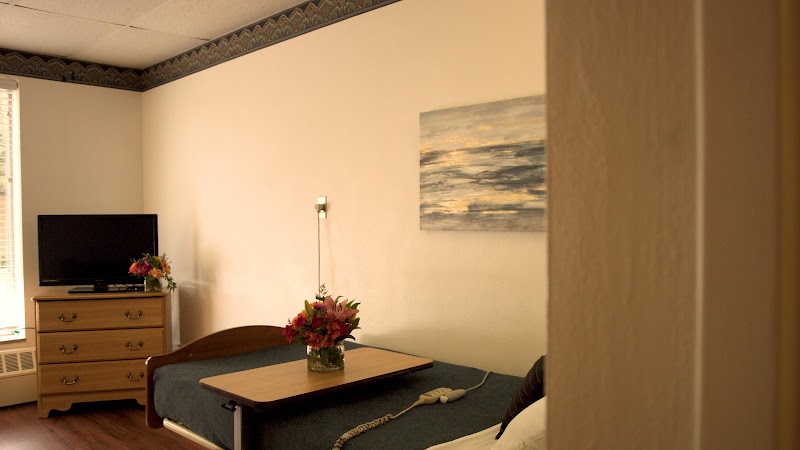
How is Hillcrest Care & Rehabilitation Center Staffed?

CMS rates Hillcrest Care & Rehabilitation Center's staffing level at 3 out of 5 stars, which is average compared to other nursing homes. Staff turnover is 55%, which is 9 percentage points above the Minnesota average of 46%. High turnover can affect care consistency as new staff learn residents' individual needs. RN turnover specifically is 59%, which is notably high. RNs provide skilled clinical oversight, so turnover in this role can affect medical care quality.

What Have Inspectors Found at Hillcrest Care & Rehabilitation Center?

State health inspectors documented 44 deficiencies at Hillcrest Care & Rehabilitation Center during 2022 to 2025. These included: 1 Immediate Jeopardy (the most serious level, indicating potential for serious harm or death), 2 that caused actual resident harm, 40 with potential for harm, and 1 minor or isolated issues. Immediate Jeopardy findings are rare and represent the most serious regulatory concerns. They require immediate corrective action.

Who Owns and Operates Hillcrest Care & Rehabilitation Center?

Hillcrest Care & Rehabilitation Center is owned by a for-profit company. For-profit facilities operate as businesses with obligations to shareholders or private owners. The facility is operated by MONARCH HEALTHCARE MANAGEMENT, a chain that manages multiple nursing homes. With 95 certified beds and approximately 62 residents (about 65% occupancy), it is a smaller facility located in MANKATO, Minnesota.

How Does Hillcrest Care & Rehabilitation Center Compare to Other Minnesota Nursing Homes?

Compared to the 100 nursing homes in Minnesota, Hillcrest Care & Rehabilitation Center's overall rating (2 stars) is below the state average of 3.2, staff turnover (55%) is near the state average of 46%, and health inspection rating (2 stars) is below the national benchmark.

What Should Families Ask When Visiting Hillcrest Care & Rehabilitation Center?

Based on this facility's data, families visiting should ask: "What changes have been made since the serious inspection findings, and how are you preventing similar issues?" "How do you ensure continuity of care given staff turnover, and what is your staff retention strategy?" "Can I visit during a mealtime to observe dining assistance and food quality?" "How do you handle medical emergencies, and what is your hospital transfer rate?" These questions are particularly relevant given the facility's Immediate Jeopardy citations and the facility's high staff turnover rate.

Is Hillcrest Care & Rehabilitation Center Safe?

Based on CMS inspection data, Hillcrest Care & Rehabilitation Center has documented safety concerns. Inspectors have issued 1 Immediate Jeopardy citation (the most serious violation level indicating risk of serious injury or death). The facility has a 2-star overall rating and ranks #100 of 100 nursing homes in Minnesota. Families considering this facility should ask detailed questions about what corrective actions have been taken since these incidents.

Do Nurses at Hillcrest Care & Rehabilitation Center Stick Around?

Staff turnover at Hillcrest Care & Rehabilitation Center is high. At 55%, the facility is 9 percentage points above the Minnesota average of 46%. Registered Nurse turnover is particularly concerning at 59%. RNs handle complex medical decisions and coordinate care — frequent RN changes can directly impact care quality. High turnover means new staff may not know residents' individual needs, medications, or preferences. It can also be disorienting for residents, especially those with dementia who rely on familiar faces. Families should ask: What is causing the turnover? What retention programs are in place? How do you ensure care continuity during staff transitions?

Was Hillcrest Care & Rehabilitation Center Ever Fined?

Hillcrest Care & Rehabilitation Center has been fined $26,685 across 1 penalty action. This is below the Minnesota average of $33,346. While any fine indicates a compliance issue, fines under $50,000 are relatively common and typically reflect isolated problems that were subsequently corrected. Families should ask what specific issues led to these fines and confirm they've been resolved.

Is Hillcrest Care & Rehabilitation Center on Any Federal Watch List?

Hillcrest Care & Rehabilitation Center is not on any federal watch list. The most significant is the Special Focus Facility (SFF) program, which identifies the bottom 1% of nursing homes nationally based on persistent, serious quality problems. Not being on this list means the facility has avoided the pattern of deficiencies that triggers enhanced federal oversight. This is a positive indicator, though families should still review the facility's inspection history directly.