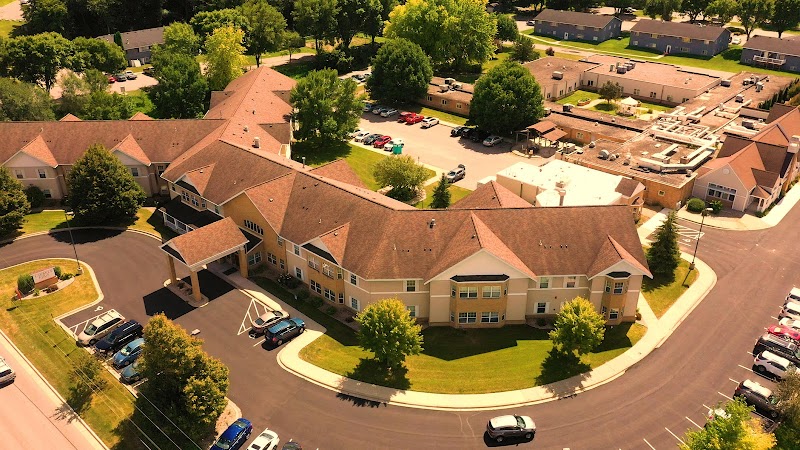
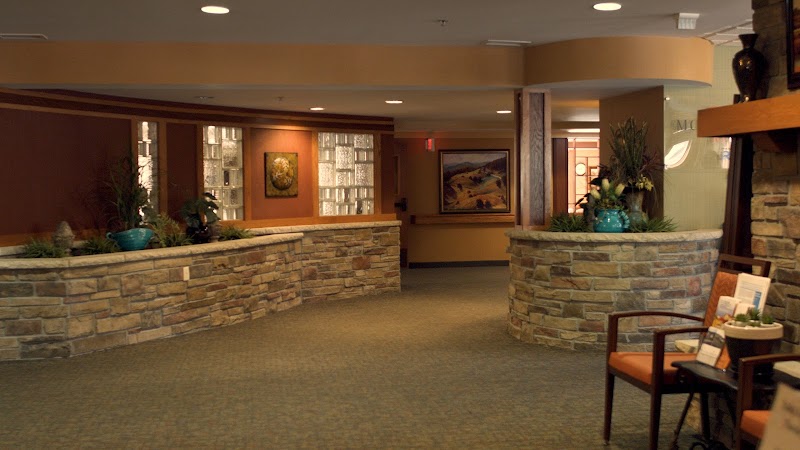
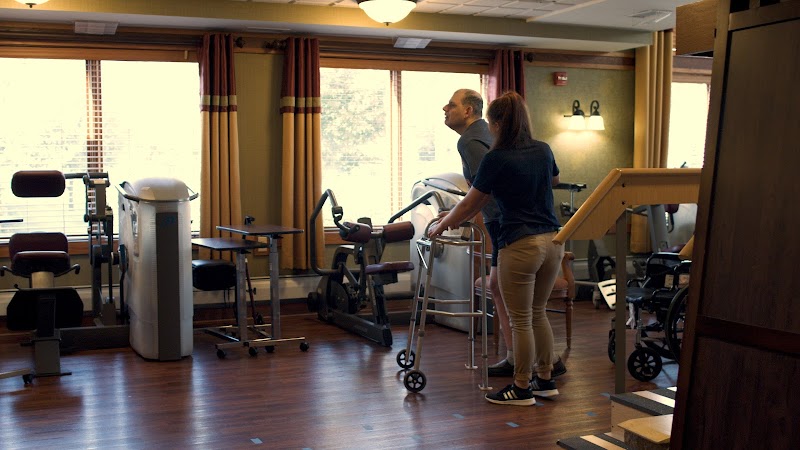
Laurels Peak Care & Rehabilitation Center

700 JAMES AVENUE, MANKATO, MN 56001 (507) 345-4631
For profit - Corporation 60 Beds MONARCH HEALTHCARE MANAGEMENT Data: November 2025
Trust Grade
50/100
#246 of 337 in MN
Last Inspection: August 2024

Within standard 12-15 month inspection cycle. Federal law requires annual inspections.

Overview

Laurels Peak Care & Rehabilitation Center has received a Trust Grade of C, indicating it is average and situated in the middle of the pack among nursing homes. In Minnesota, it ranks #246 out of 337 facilities, placing it in the bottom half, but it is #2 out of 5 in Blue Earth County, meaning only one local nursing home is rated higher. The facility is showing an improving trend, with the number of issues decreasing from 7 in 2024 to 5 in 2025. Staffing is considered a strength with a 4/5 star rating, although the 48% turnover rate is average for the state. While there have been no fines recorded, there are concerns regarding inadequate staffing affecting resident care, including failure to honor personal preferences and provide necessary grooming for some residents, as well as a lack of infection control measures.

Trust Score
C
50/100
In Minnesota
#246/337
Bottom 28%
Safety Record
Low Risk
No red flags
Inspections
Getting Better
7 → 5 violations
Staff Stability
⚠ Watch
48% turnover. Above average. Higher turnover means staff may not know residents' routines.
Penalties
✓ Good
No fines on record. Clean compliance history, better than most Minnesota facilities.
Skilled Nurses
✓ Good
Each resident gets 64 minutes of Registered Nurse (RN) attention daily — more than 97% of Minnesota nursing homes. RNs are the most trained staff who catch health problems before they become serious.
Violations
⚠ Watch
35 deficiencies on record. Higher than average. Multiple issues found across inspections.
★★☆☆☆
2.0
Overall Rating
★★★★☆
4.0
Staff Levels
★★☆☆☆
2.0
Care Quality
★★☆☆☆
2.0
Inspection Score
Stable
2024: 7 issues
2025: 5 issues

The Good

  • 4-Star Staffing Rating · Above-average nurse staffing levels
  • Full Sprinkler Coverage · Fire safety systems throughout facility
  • No fines on record

Facility shows strength in staffing levels, fire safety.

The Bad

2-Star Overall Rating

Below Minnesota average (3.2)

Below average - review inspection findings carefully

Staff Turnover: 48%

Near Minnesota avg (46%)

Higher turnover may affect care consistency

Chain: MONARCH HEALTHCARE MANAGEMENT

Part of a multi-facility chain

Ask about local staffing decisions and management

The Ugly 35 deficiencies on record

Sept 2025 1 deficiency
CONCERN (E) 📢 Someone Reported This

A family member, employee, or ombudsman was alarmed enough to file a formal complaint

Potential for Harm - no one hurt, but risky conditions existed

Safe Environment (Tag F0584)

Could have caused harm · This affected multiple residents

**NOTE- TERMS IN BRACKETS HAVE BEEN EDITED TO PROTECT CONFIDENTIALITY** Based on observation, interview, and document review, the facility failed to maintain the physical environment in good repair to...

Read full inspector narrative →
**NOTE- TERMS IN BRACKETS HAVE BEEN EDITED TO PROTECT CONFIDENTIALITY** Based on observation, interview, and document review, the facility failed to maintain the physical environment in good repair to ensure a safe and homelike setting for resident's when baseboard heating register covers were detached or not repaired for 6 of 23 resident rooms (R29, R34, R5, R14, R25, and R49) reviewed for environment. Findings include: R29: R29's quarterly Minimum Data Set (MDS) assessment dated [DATE], indicated severely impaired cognition, no rejection of care, extensive assistance with bed mobility, dependent for transfers, and diagnoses of bed bound, urinary incontinence, edema, and morbid obesity. During observation and interview on 9/9/25 at 1:45 p.m., R29's heat register cover was observed on the floor next to her heat register. R29 stated it had been like that for a long time and no attempt had been made to fix it or replace it. R29 stated maintenance would sometimes put it back on, but it would be back on the floor the next day. R29 further stated the staff sometimes stepped on the cover when they came around that side of her bed. During observation and interview on 9/102/25 at 1:20 p.m., R29's heat register cover was again on the floor next to her vent. R29 stated it looked awful and she wished someone would have fixed it. R34: R34's facesheet received on 9/3/25, included a diagnosis of multiple sclerosis (a disease that affects the protective covering of nerves). R34's significant change MDS dated [DATE], indicated intact cognition, clear speech, could understand and be understood. During an observation and interview on 9/9/25 at 3:03 p.m., R34 was seated in her recliner. On the base-board heat register below the window, the outer panel which was about a foot in height and extended along the lower wall had a number of horizontal dark scratches along the surface, was pulled away from the heat coils and buckled. R34 stated it had been that way for a long time and yesterday someone from maintenance stopped in her room to look at it and stated it would be fixed. R34 stated it didn't bother her but it should be fixed. During an interview and observation on 9/09/25 at 4:48 p.m., together with maintenance director (MD)-A, looked at the heat register in R34's room. Although there was no bed in the room (R34 slept in a recliner), MD-A stated the register was likely struck by a bed at one time, causing the heat register cover to buckle. MD-A stated he was unaware of this and stated he would expect housekeeping staff to inform him when they see things that needed repair by either telling him directly or contacting him via walk-talkie. R5 R5's quarterly Minimum Data Set (MDS) assessment dated [DATE], indicated moderately impaired cognition, required substantial/maximal assistance with transfers, and diagnoses included Parkinsons, diabetes, and aftercare following surgical amputation. R5's progress note dated 6/7/25 at 2:15 p.m., scratches noted to right hand were not actively bleeding on day shift. Only light scratches noted, no open areas. Updated wife, who was in the facility visiting regarding right hand. Informed wife that the night nurse had put in a TELS (workorder) to maintenance to fix the cover to the vents next to bed. Also updated CNAs (certified nursing assistance) to keep bed pulled away from vents some. Document titled work order dated 6/7/25, indicated room [ROOM NUMBER] (R5) wall heater needed to be replaced, the metal cover came off, and further indicated completed by MD-A on 6/9/25. R5's weekly skin inspection dated 6/10/25, indicated old scab on the right wrist area, area clean, and dry. Lotion applied to resident skin. R5's progress note dated 6/12/25 at 1:32 p.m., indicated monitor R5's wrist for bleeding, clean with saline, apply bacitracin and cover if needed, ensure resident's bed is not too close to the wall, every shift for skin cares for 5 Days, no open areas or bleeding noted. Washed/dried scratches, applied bacitracin, and left open to air R5's progress note dated 9/10/25 at 8:54 a.m., licensed practical nurse (LPN)- C, the care coordinator, indicated contacted resident's wife and explained about the heater and about the body pillows being taken away due to the heater getting fixed, wife was happy with this result. R14 R14's admission MDS dated [DATE], indicated severe cognitive impairment, and R14 required substantial/maximal assistance with transfers. Diagnoses included diabetes and Parkinson's. R25 R25's quarterly MDS dated [DATE], indicated cognitively intact, dependent on staff with personal hygiene, toileting, required set up with eating, oral hygiene, utilized a wheelchair. Diagnoses included depression, peripheral vascular disease, and diabetes. R49 R49's quarterly MDS dated [DATE], indicated severe cognitive impairment, and R49 required partial/moderate assistance with transfers. Diagnoses included diabetes and hemiplegia following cerebral infarct affecting right side (paralysis of the right side of the body after stroke) Resident Council Departmental Response form dated 6/16/25, heater covers broken. Maintenance director (MD)-A written response undated, indicated repaired heater covers. Resident Council Departmental Response form dated 8/18/25, indicated residents would like furnaces in room fixed. MD-A written response on the form dated 9/8/25, indicated no they are not going to replace furnaces but covers replaced. Record review did not reflect any other documentation on work orders for R5, R14, R25, R29, R34, R49, and R77. On 9/8/25 at 9:33 a.m., R5 was seated in a recliner speaking on the telephone with family member (FM)-A. FM-A reported the heat register cover in R5's room frequently falls off. FM-A stated R5's arm often hangs over the bed and has sustained scratches from the exposed metal edges of the heat register. Both FM-A and R5 stated the facility was aware of the problem, but the current solution was to place a pillow over the heat register to prevent further injury. On 9/8/25 at 5:04 p.m., MD-A acknowledged missing or loose heat register covers were a known, ongoing issue at the facility, though the cause of the covers falling off was unknown. MD-A inspected R5's heat register, confirmed it was unsecured, and identified it as a safety hazard due to exposed sharp metal edges. MD-A stated routine walk-throughs were not performed and was unsure if he had previously repaired R5's heat register cover, although R5 stated MD-A had attempted repairs multiple times. On 9/8/25 at 5:12 p.m., the director of nursing (DON) observed R5's room and confirmed the heat register cover should not be missing. DON stated staff should report such issues and initiate a work order promptly. DON also confirmed placing a pillow over the heat register was an inappropriate and unsafe temporary solution. The DON stated she was not aware of the scratches that occurred on R5's arm and would expect staff to make her aware and ensure R5 heater was fixed to not get scratched. On 9/8/25 at 5:15 p.m., RN-C stated that it was common for heat register covers to fall off, staff were expected to submit a TELS order (computerized work order) when this occurred. On 9/9/25 at 8:15 a.m., R5 was observed seated upright in bed eating breakfast. The heat register cover remained hanging off the register with exposed metal slats. The pillow was still positioned over the exposed area between the bed and wall. On 9/9/25 at 10:20 a.m., nursing assistant (NA)-B stated that staff had repeatedly requested nursing and management to fix the heat registers. NA-B indicated it was an ongoing issue. NA-A reported MD-A was aware but often only placed the covers loosely without securely attaching them. On 9/9/2025 at 10:25 a.m., LPN-C, care coordinator, stated she first became aware of R5's unattached heat register cover the previous day (9/8/25) and was educated pillows should not be placed over the registers. On 9/9/25 at 10:58 a.m., RN-D stated she was aware of R5's broken heat register vent for several months but was unaware staff had been placing pillows over it. RN-D became aware of R5's scratches caused by the heat register on 9/8/25 and stated she would expect staff to submit work orders for such repairs. RN-D described the heat registers as being in poor condition and noted that beds leaning against them contributed to covers falling off of the rooms throughout the facility. On 9/9/25 at 1:50 p.m., the regional director of operations (RDO) stated he reviewed the concerns from the resident council meeting from 8/1/25, that indicated the furnaces in the rooms needed fixing. The RDO stated MD-A stated all the furnace covers were fixed, and stated he had not checked himself, but expected the furnace covers were fixed and securely attached in all resident rooms. On 9/9/25 at 1:53 p.m., during observation with RDO in rooms for in rooms R5, R14, R25, R29, R34, R49, and R77, RDO observed the baseboard heater covers were either detached, loose, or missing, exposing heating elements and/or sharp metal edges. On 9/9/25 at 1:59 p.m., housekeeper (HK)-A stated the baseboard heater covers falling off was a known issue and stated the covers are not securely attached. HK-A stated when MD-A is made aware of the issue he verbalizes he will “put it on the list”. On 9/6/25 at 2:05 p.m., RDO stated the heat register covers were expected securely attached and would expect maintenance to have fixed the concerns prior to today. On 9/10/25 at 7:11 a.m., MD-A stated he could not fully remember the details, but the TELS order submitted 6/25, indicated he completed the work order, that the metal cover came off R5's heater. MD-A stated though he did not recall the details he assumed the issue had been resolved if the work order had been closed. MD-A acknowledged concerns about the missing covers were brought up again during the 8/2025 resident council meeting, and became aware of those concerns on 9/8/25. Following this, MD-A stated he conducted a walkthrough of all resident rooms and personally observed multiple rooms with furnace covers that were either missing or in disrepair. MD-A recognized these posed a safety hazard. Residents or staff, could get cut, on the exposed areas. Despite identifying the issue, MD-A admitted he did not repair or replace the covers at that time. MD-A explained, staff can report maintenance concerns either by entering a request in the TELS (work order) system or by informing MD-A verbally. MD-A also stated he does not keep a written list of reported concerns, as he relies on his, great memory, and did not find it necessary to track issues in writing. On 9/10/25 at 9:51 a.m., an email received by the DON indicated, the facility did not have a policy or procedure for requesting maintenance, we don't have a policy or procedure, all staff are able to put in a TELS which goes directly to the maintenance team for any repairs needed, no policy on clean building and indicated the facility adhered to the resident bill of rights for home like environment, and further indicated no environmental policy.
Jun 2025 2 deficiencies
CONCERN (D) 📢 Someone Reported This

A family member, employee, or ombudsman was alarmed enough to file a formal complaint

Potential for Harm - no one hurt, but risky conditions existed

Assessment Accuracy (Tag F0641)

Could have caused harm · This affected 1 resident

**NOTE- TERMS IN BRACKETS HAVE BEEN EDITED TO PROTECT CONFIDENTIALITY** Based on interviews and document review the facility failed to accurately document a resident's verbal and physical abuse toward...

Read full inspector narrative →
**NOTE- TERMS IN BRACKETS HAVE BEEN EDITED TO PROTECT CONFIDENTIALITY** Based on interviews and document review the facility failed to accurately document a resident's verbal and physical abuse towards staff, and rejection of cares for 1 of 3 residents (R2) reviewed when the Minimum Data Set (MDS) indicated the resident did not have any behaviors or rejection of cares during an evaluation period over seven days. The nursing progress notes for the same period documented daily rejections of care and yelling at staff when they tried to provide hygiene and incontinent care. Findings include: R2's nursing progress notes during the evaluation period dated from 2/27/25 through 3/6/25, indicated she refused the following: medication, walk, brush her hair, change soiled clothing, and bed linen, shower, and housekeeping services. R2's annual MDS dated [DATE], indicated she had moderate impaired cognition and dementia. She was unable to move the right side of her body or communicate her thoughts and feelings after a stroke leading to worsening anxiety and depression. She required staff assistance to dress, shower, brush her hair, and provide incontinent care. There were no incidents of verbal or physical abuse towards staff or refusing care during the seven-day evaluation period. Her evaluation identified care areas of concern for cognitive impairment, communication, activities of daily living, psychosocial wellbeing, falls, nutrition, and psychotropic medication use. During an interview on 6/10/25 at 2:13 p.m., social worker (SW)-A stated anytime a patient shows behaviors such as rejecting care, verbally and physically abusive towards staff should be documented in the MDS to receive full reimbursement for the services provided. Requested policy how to complete an MDS, it was not provided.
CONCERN (D) 📢 Someone Reported This

A family member, employee, or ombudsman was alarmed enough to file a formal complaint

Potential for Harm - no one hurt, but risky conditions existed

Deficiency F0740 (Tag F0740)

Could have caused harm · This affected 1 resident

The facility failed to develop and revise a person centered behavior care plan, document the risk verse benefit associated with refusing care, identify root cause analysis, and determine what triggere...

Read full inspector narrative →
The facility failed to develop and revise a person centered behavior care plan, document the risk verse benefit associated with refusing care, identify root cause analysis, and determine what triggered her anxiety and agitation, and provide ordered psychiatric follow up care for 1 of 3 residents (R2) reviewed, when she was found to have maggots on her body because she refused to accept help to change soiled clothing and bed linen, and let housekeeping clean her room. Findings include: R2's initial admission care plan dated 2/10/23, indicated cognition deficit, unable to communicate her thoughts and needs, history of refusing care and becoming agitated when approached. She required the assistance from one person to dress, bath, incontinent care and brush her hair. Mood and behavior interventions included being alert to any changes in her mood, monitor and document her behaviors, and give medication as ordered by the doctor. The interventions were renewed during quarterly and annual assessments and no other interventions were developed. R2's care plan dated 9/8/23, indicated her inability to express her needs and her impaired cognition affected her behaviors. Interventions remained unchanged and no other interventions were developed. R2's psychiatric appointment dated 2/19/25, indicated her daughter reported in the fall of 2024 she was started on a low anti-anxiety medication to help with her frustration. She was started on sertraline for her irritability and anxiety. Staff instructed to monitor her response to the new medication over the next month. Schedule a follow up appointment in one month to assess the effectiveness of the medication and make any necessary adjustments. R2's care plan dated 2/26/25, developed after her appointment with the psychologist on 2/19/25, indicated interventions included monitoring for adverse drug reactions and update the medical provider as needed. The ordered one month follow up appointment to assess medication changes was not listed. R2's medical doctor (MD) dated 3/27/25, indicated her continued refusals to change urine soaked linen and clothing, refusing daily hygiene and showers is becoming a health hazard. Continue to work with psychologist to develop strategies and ideas to improve behavior and communication. R2's nurse practitioner (NP)-A dated 4/24/25, indicated her last virtual visit with the psychiatrist was 4/24/25 when Sertraline was started. Requested the psychiatrist's note but facility was unable to provide. NP-A documented there was a strong odor of urine during her visit. NP's plan of care included staff to provide incontinent care and keep her room clean. R2's NP note dated 5/29/25, indicated she was seen by a psychiatrist in February and started on sertraline because the resident refused bathing and incontinent care. She was supposed to have a follow up appointment in one month, but staff held off scheduling it hoping to find a different placement for the resident. Alternative placement had been difficult and instructed staff to make an appointment to see the psychologist. R2's MD note dated 5/29/25, indicated she had an appointment on 2/19/25, and sertraline was started. She was supposed to have a follow up appointment in one month, but staff held off scheduling the appointment hoping to find alternative placement. Nurse manager will make a follow up appointment. R2's MD note dated 6/2/25, indicated she refused bathing and during wound care they found maggots in her folds. Staff questioned if they could premedicate her with anxiety medication to decrease anxiety levels. MD gave a new order for Ativan to be given 30 to 60 minutes before showering. R2's interdisciplinary team (IDT) note dated 6/9/25, indicated she continued to be incontinent of urine and refused staff assistance. Staff offered incontinent care and supplies every two hours without improvement in behaviors. During a medical record review on 6/10/25 at 2:35 p.m., requested risk verse benefit assessments but no records were provided. During an interview on 6/10/25 at 12:44 p.m., the receptionist at the Department of Psychiatric and Psychology confirmed R2 had appointment scheduled for next week. The appointment was initiated on 6/3/25. During an interview on 6/10/25 at 1:40 p.m., family member (FM)-A stated the facility was unable to provide the neurological care her mother needed after her stroke. She stated a few months ago the facility started to look for a new placement to deal with her neurological conditions and behaviors. The facility would call her and her brother when R2 refused care. She said the facility had tried alternative approaches to resolve her behaviors including alternative communication devices. Their efforts have only escalated the behaviors and the reason they wanted her transfer to a different facility better suited for stroke patients. She denied telling the facility not to schedule the one month follow up psychologist and wanted her mother's medication reviewed. Her mother never wants the lights on in the room. During an interview on 6/11/25 at 1:04 p.m., director of nursing (DON) stated R2 had resided at the facility for a while and had a history of refusing cares, brushing her hair, and bathing. Some staff has better luck getting her to agree to cares. They try to have consistent staffing for her. In the last few weeks if she refused to let the NA help her, the nurse would reapproach. She felt that they are moving in the right direction and the floor manager checks on her often. She stated they did not set up the initial follow up appointment with the psychologist because the family indicated they wanted to hold off until they found alternative placement. Care Planning Policy dated 11/24, indicated each resident had a person-centered care plan developed by all team members to identify medical, physical, psychosocial, and functional needs. Nursing staff we will review patient rights, identify problem areas, and develop interventions specific and meaningful to the patient. Dementia Training not dated involved care for dementia patients, abuse and neglect topics associated with dementia. Interventions include identifying environmental factors and analyze the behaviors. Challenging behaviors involve identifying common triggers, develop strategies to minimize the behaviors associated with dementia including communication techniques, and recognize caregiver stress.
May 2025 1 deficiency
CONCERN (D) 📢 Someone Reported This

A family member, employee, or ombudsman was alarmed enough to file a formal complaint

Potential for Harm - no one hurt, but risky conditions existed

Deficiency F0760 (Tag F0760)

Could have caused harm · This affected 1 resident

**NOTE- TERMS IN BRACKETS HAVE BEEN EDITED TO PROTECT CONFIDENTIALITY** Based on interview and document review, the facility failed to clarify medication orders for 1 of 3 residents (R3) reviewed for ...

Read full inspector narrative →
**NOTE- TERMS IN BRACKETS HAVE BEEN EDITED TO PROTECT CONFIDENTIALITY** Based on interview and document review, the facility failed to clarify medication orders for 1 of 3 residents (R3) reviewed for medication errors. Findings include: R3's undated Face Sheet indicated diagnoses of malignant neoplasm of prostate (prostate cancer), permanent atrial fibrillation (abnormal heart rhythm characterized by rapid and irregular beating of the heart), and diabetes. R3's Medicare Part A Discharge Minimum Data Set (MDS) dated [DATE], indicated R1 had intact cognition, and had diagnoses of cancer, end stage renal disease (ESRD), and diabetes. R1 received anticoagulants (blood thinners). R3's progress note dated 3/29/25 at 2:11 a.m., indicated R3 was sent to the emergency department (ED) via ambulance for gross hematuria. R3's progress note dated 3/29/25 at 11:36 a.m., indicated R3 returned to facility around 9:40 a.m. R3 was tired and if there was blood in his urine, to give it a few hours and push water to try to flush his bladder. If urine was to remain significantly bloody or if he developed large clots or had difficulty urinating, R3 was to return to the ED. There were no changes in his medication. R3's hospital After Visit Summary (AVS) dated 3/29/25, directed R3 to follow up with his primary care provider (PCP) and urologist. R3 was to stop taking his blood thinner as instructed, and if he developed further blood in his urine, to wait a few hours and drink lots of water to try to flush his bladder on his own. If his urine remained significantly bloody or he develop large clots or difficulty urinating, he was to return to the ED. R3's medication administration records (MAR) dated March and April 2025 indicated from March 29 through April 8, R1 received rivaroxaban (Xarelto, a blood thinner), daily for 11 days after it was instructed to be held. R3's ED Visit Record dated 3/29/25, indicated R3 was seen in the ED for blood in urine. R3 had history of bladder cancer. R3 was in the hospital for gross hematuria from 3/23/35 through 3/28/25, was treated with continuouss bladder irrigation (CBI) and received a blood transfusion. R3 returned to the ED for gross hematuria once again, and was passing clots. R3 was discontinued off of his anticoagulation upon discharge yesterday. R3's Physician Visit dated 4/2/25, indicated R3 was seen for post-hospital follow up. R3 occasionally had some blood in his urine, but it was not consistent. Per R3's physician's assessment and plan for atrial fibrillation, R3 was on Xarelto 15 milligrams (mg) daily by mouth. R3 was to follow with urology for his hematuria. Medications reviewed at this visit listed rivaroxaban 15 mg by mouth for atrial fibrillation as active. R3's AVS dated 4/9/25, indicated for R3 to hold/pause his rivaroxaban 15 mg until 4/11/25. R3's Provider Visit dated 4/23/25, indicated medications reviewed at this visit were rivaroxaban 15 mg daily, but not taking reported 4/22/25: however, the order remained active. Per physician's assessment and plan for hematuria, continue to follow urology related to metastatic prostate cancer. R3's treatment administration record (TAR) dated March and April 2025 indicated a treatment was entered to monitor R2's urine each shift for blood and clots. R3's March 2025 TAR reviewed from March 29 evening shift through March 31, 2025, indicated 2 out of 8 shifts with blood in his urine. April 2025 TAR indicated from April 1, 2025 to April 9, 2025, R3 had 11 shift out of 25 shifts with blood in his urine. During an interview on 5/16/25 at 12:26 p.m., registered nurse (RN)-A stated she was the nurse working when R3 returned from the ED on 3/29/25. RN-A received a nurse-to-nurse call stating R3 was returning to facility with no medication changes. R3 returned to the facility with AVS indicating to not take blood thinners as he was instructed. RN-A stated because it was still listed as an active medication and she was told no medication changes, that meant no medication changes. She did not clarify the order because the hospital nurse said he had no medication changes and the blood thinner still listed as an active medication. During an interview on 5/16/25 at 10:19 a.m., the director of nursing (DON) stated as the AVS still contained an active order for rivaroxaban and RN-A received a nurse-to-nurse call indicating no medication changes, RN-A had put in an order to monitor R3's urine for blood and large blood clots, and to return to the ED if continued. During an interview on 5/16/25 at 1:54 p.m., medical doctor (MD)-A verified RN-A should have called back to ED to verify the rivaroxaban order. MD-A also stated the section for instructions had to be written in by the physician, and the medications are not always changed as then they are removed from the list and easily forgotten. Nursing staff are to put them on hold or pause. RN-A should have called for clarification of order, as the continued use of this medication could have led to R3's continued hematuria. The facility policy Medication and Treatment Orders dated 2/2024, directed medication shall be administered only upon the written order of a person duly licensed and authorized to prescribe such medications in this state.
Mar 2025 1 deficiency
CONCERN (D) 📢 Someone Reported This

A family member, employee, or ombudsman was alarmed enough to file a formal complaint

Potential for Harm - no one hurt, but risky conditions existed

Infection Control (Tag F0880)

Could have caused harm · This affected 1 resident

**NOTE- TERMS IN BRACKETS HAVE BEEN EDITED TO PROTECT CONFIDENTIALITY** Based on observations, interview and documents review the facility failed to ensure enhanced barrier precautions (EBP-where gown...

Read full inspector narrative →
**NOTE- TERMS IN BRACKETS HAVE BEEN EDITED TO PROTECT CONFIDENTIALITY** Based on observations, interview and documents review the facility failed to ensure enhanced barrier precautions (EBP-where gown and gloves used for high contact resident care activities) was used for 2 of 2 resident (R3 and R5). Findings include: R3's admission Minimum Data Set (MDS) dated [DATE], identified diagnoses of malignant neoplasm (cancer) of the brain with intact cognition. R3 had an unstageable area covered with slough and/or eschar (dead tissue/cells, usually black in color). During an observation and interview on 3/5/25 at 1:10 p.m., R3 was in bed and nursing assistants (NA)-R and NA-N were performing peri care for urine incontinence. Neither NA had put on a gown, but did have gloves on. NA-R and NA-H both assisted R3 by lowering her pants and then unsecured the brief. NA-R performed peri care and removed soiled brief and placed in trash can and removed her gloves. NA-R did not perform hand hygiene before putting on clean gloves and placed new brief and applied barrier cream to the buttocks. NA-R and NA-N repositioned R3 on to her left side. Both NA uniforms touched the bed and R3. NAs removed their gloves and used hand sanitizer once outside of R3's room. NA-R stated R3 was on EBP's for her wound on left upper buttock and since there were not doing a dressing change to this area, staff did not need to wear a gown. R5's Quarterly MDS dated [DATE], identified diagnoses of diabetes, osteomyelitis (infection and inflammation of the bone). R5 had a stage 4 pressure ulcer and an unstageable pressure ulcer. R5 had moderate impaired cognition. During an observation and interview on 3/6/25 at 9:34 a.m., NA-C entered R5's room without gloves or gown. At 9:37 a.m., NA-C exited R5's room removing his gloves. NA-C stated when he repositioned R5 he should have worn a gown. During an interview on 3/5/24 at 1:55 p.m., director of nursing (DON) stated it was her expectation EBP's were used when there were areas of high contact with the resident. This would include checking/changing briefs and repositioning. The facility policy on enhanced barrier precautions dated 4/1/2024, identified that EBP is required for the following: 4. High-contact resident care activities include: a. Dressing b. Bathing c. Transferring d. Providing hygiene e. Changing linens f. Changing briefs or assisting with toileting g. Device care or use: central lines, urinary catheters, feeding tubes, tracheostomy/ventilator tubes. h. Wound care: any skin opening requiring a dressing.
Aug 2024 6 deficiencies
CONCERN (D)

Potential for Harm - no one hurt, but risky conditions existed

Deficiency F0698 (Tag F0698)

Could have caused harm · This affected 1 resident

**NOTE- TERMS IN BRACKETS HAVE BEEN EDITED TO PROTECT CONFIDENTIALITY** Based on observation, interview and document review, the facility failed to consistently monitor and assess a resident for poten...

Read full inspector narrative →
**NOTE- TERMS IN BRACKETS HAVE BEEN EDITED TO PROTECT CONFIDENTIALITY** Based on observation, interview and document review, the facility failed to consistently monitor and assess a resident for potential complications related to dialysis treatment post treatment, failed to monitor fluid restrictions, failed to notify the provider of refusal of dialysis, and failure to complete dialysis treatment and monitor daily weights per order for 1 of 1 resident (R99) reviewed for dialysis. Findings include: R99's facesheet printed on 8/21/24, included diagnoses of diabetes type 2, peripheral vascular disease (slow progressive disorder of blood vessels outside the heart), end stage renal disease (kidneys no longer work to meet the needs of the body), edema (swelling) and cellulitis (bacterial skin infection) of lower limb. R22's admission Minimum Data Set (MDS) assessment dated [DATE], indicated R99 had intact cognition, end stage renal disease (ESRD), had 2 venous/arterial ulcers present and was receiving hemodialysis (a machine filters wastes, salts and fluid from the blood). During observation and interview on 8/19/24 at 2:23 p.m., R99 returned from dialysis and was taken to her room by the transportation driver. R99 was sitting in room in her wheelchair. R99 was crying and stated it didn't go well today at dialysis and they had to stop dialysis early. R99 stated she got short of breath and her legs bothered her so she told them to stop. R99 had an oxygen concentrator in her room but she stated she no longer uses that. R99 stated she feels better now and is no longer short of breath. R99 had a dialysis port in her right upper chest, which was intact with no signs of bleeding present and dressing was intact. R99 stated sometimes the facility staff let her drink all she wants and other times they tell her she can't have any fluids. R99 had a full cup of water sitting on her bedside table. During interview with R99 from 2:23 p.m. until 3:15 p.m., no staff entered R99's room to complete post dialysis assessment. R99's plan of care dated 4/1/24, last updated 7/22/24, included R99 was at risk for complications related to dialysis secondary to diagnosis of chronic kidney disease stage 5. Attends dialysis three times weekly and has right chest port placed. Goal included resident will attend dialysis and have no uncontrolled bleeding from central line. Interventions included if resident is unable to make dialysis appointment secondary to weather, transportation issues etc update the provider, dialysis unit and responsible party for further instruction. Monitor central dialysis catheter port site for signs of bleeding every shift; dialysis per schedule Monday, Wednesday and Friday. Fluid restriction per order, 1400 ml/24 hour (720 ml days, 780 ml nights) last updated 7/3/23. A progress note dated 7/17/24 at 11:46 a.m., by RN-C indicated R99 refused dialysis treatment today and was seen by provider with new order for daily weights. A progress note dated 7/19/24 at 4:19 p.m., by LPN-B indicated R99 was seen for dialysis but terminated treatment early related to left leg falling asleep and feeling uncomfortable. Patient was educated on risks of terminating treatment early. A progress note 7/23/24 at 8:46 a.m., by LPN-C indicated R99 was transferred to the ED for chief concern of resident showing signs of toxin build up due to not finishing dialysis treatments. A progress note dated 7/23/24 at 9:29 a.m., by LPN-B indicated R99 was refusing to go to appointment and had emesis. Provider was notified and order received to send resident to emergency department (ED) for evaluation of toxin overload. R99 initially refused transfer, daughter was notified and agreed R99 should go to the ED and R99 agreed. R99 left via ambulance. A progress note dated 7/23/24 at 12:48 p.m., by LPN-B indicated order received to start 1500 ml fluid restriction. A doctor's order dated 7/23/24, included start 1500 ml fluid restriction and continue other diet orders. An After Visit Summary, dated 8/8/24, indicated R99 was hospitalized [DATE] - 8/8/24, for peripheral vascular disease with BLE wounds and chronic limb-threatening ischemia (lack of blood flow). A progress note dated 8/9/24 at 4:17 p.m., by RN-A included a communication note was sent to physician and certified nurse practitioner (CNP) regarding resident's readmission to the facility on 8/8/24. Provider orders dated 8/19/24, included daily weights and call provider with weight gain of 3 lb in one day or 5 lb in 7 days one time a day, dated 8/16/24, and regular diet, regular texture, regular thin consistency dated 8/8/24. Review of progress notes for July and August did not include any further notes regarding stopping dialysis early or refusing to go to dialysis. Review of EMR indicated a weight was completed on 8/18/24 with previous weight documented 7/23/24. Review of fluid intakes for 8/6/24 through 8/21/24 included: 8/6/24 No fluid intake documented 8/7/24: No fluid intake documented 8/8/24: 220 ml fluid intake 8/9/24: No fluid intake documented 8/10/24: 240 ml fluid intake 8/11/24: 240.0 ml fluid intake 8/12/24, 8/13/24, 8/14/24 - No fluid intake documented 8/15/24: 350 ml fluid intake 8/16/24: 250 ml fluid intake 8/17/24: 225 ml fluid intake 8/18/24: 225 ml fluid intake 8/19/24, 8/20/24 no fluid intake documented. During observation and interview 8/20/24 at 8:22 a.m., R99 continued to state some staff enforce a fluid restriction and others say she can have all she wants to drink. R99 got teary eyed and stated the communication here (at facility) isn't good. During interview on 8/20/24 at 11:05 a.m., license practical nurse (LPN)-A indicated R99 used to be on a fluid restriction but doesn't think she is anymore and was unsure about daily weights. LPN-A indicated R99 has been refusing to go to dialysis at times and when she goes she stops treatment about half the way through. LPN-A indicated she would let the care coordinator for R99 know or the physician. During interview on 8/21/24 at 7:41 a.m., nursing assistant (NA)-B stated she does not believe R99 is on a fluid restriction and was unsure about daily weights. NA-B indicated if she refuses anything including dialysis she would let the nurse know. During interview on 8/21/24 at 8:27 a.m., registered nurse (RN)-B indicated R99 is not currently on a fluid restriction but is on daily weights. RN-B stated she would notify the care coordinator if R99 refuses dialysis. RN-B indicated when R99 returns from dialysis, the port should be checked and complete a set of vital signs at a minimum. During interview on 8/21/24 at 1:15 p.m., trained medication aide (TMA)-A indicated R99 is on daily weights and are done right away in the mornings. TMA-A confirmed there was no weight documented for this morning and other dates were missing also. TMA-A stated R99 isn't on a fluid restriction anymore and when asked if there was an order to stop, TMA-A stated she can't see the orders but it isn't on her list of things to document on. TMA-A indicated the nurse would be responsible for any post-dialysis care when R99 returns. During interview 8/21/24 at 10:20 a.m., nurse practitioner (NP)-B stated if weights are ordered they should be completed and expects fluid restrictions to be followed. NP-B stated staff should let her know when R99 refuses dialysis. NP-B indicated she was notified recently (unable to state the date) that she refused to go to dialysis and upon asking questions found out she had refused three times in a row but had not been notified with the other two refusals. NP-B expected staff would follow the facility protocols for assessments upon return from dialysis. During interview 8/21/24 at 1:51 p.m., licensed practical nurse (LPN)-B, also identified as care coordinator, indicated R99 is on a daily weights but sometimes refuses. LPN-B indicated R99 has also been refusing to go to dialysis. LPN-B indicated she would expect vital signs and dialysis port to be assessed at a minimum upon return from dialysis especially if R99 had shortness of breath or any other complication during dialysis. LPN-B indicated staff do let her know when R99 refuses to go to dialysis and she notifies the provider. LPN-B reviewed the EMR and confirmed there was no progress note indicating provider notification for dialysis refusal or stopping dialysis early and was unable to find when dialysis was refused or terminated early in the EMR. LPN-B indicated staff should be documenting weights and if refusing they should document that also. LPN-B confirmed a nurse should have checked on and completed an assessment on R99 upon return from dialysis on 8/19/24 if she had complaints of shortness of breath and leg pain during dialysis. LPN-B stated the initial order for fluid restriction was received the date R99 went to the hospital from the nephrologist (kidney specialty doctor). LPN-B confirmed the care plan did include the fluid restriction but that when hospitalized the order was discontinued and should have been followed up on with the nephrologist. During interview on 8/21/24 at 2:18 p.m., the director of nursing (DON) indicated she would expect vital signs to be completed if R99 complained of shortness of breath during her dialysis upon return. The DON stated she would expect staff to contact the provider if R99 refuses dialysis or stops dialysis during treatment especially because of her full code status. The DON stated when R99 was hospitalized , the fluid restriction was not reordered from the hospital upon discharge but would expect if on care plan, staff to follow-up with a provider who initially ordered it. The DON confirmed daily weights should be completed as ordered also. On 8/21/24 at 3:10 p.m., LPN-B provided progress notes that included weight refusal on 8/16/24 and 8/17/24. The facility Hemodialysis policy dated 11/22/19, included: - The facility will ensure that residents who require dialysis, receive such services consistent with professional standards of practice, the comprehensive person-centered care plan, and the residents' goals and preferences. - Resident will be monitored for complications before and after dialysis treatment. - Ongoing assessment/evaluation of the resident's condition and monitoring for complications should occur before and after dialysis treatments. -The resident's representative, if applicable, primary provider and dialysis coordinator/nephrologist, will be kept informed of any change in the resident's status or observations of potential complications. - Canceling or postponing dialysis: The nephrologist/dialysis team, resident's primary provider and resident representative must be notified of the canceled or postponed dialysis treatment. - The resident's condition will be monitored closely for changes, such as fluid gain, changes in vital signs, respiratory issues, changes in lab results and any other complications that may occur until dialysis can be rescheduled. - The resident's psychosocial status should be evaluated with further services and interventions provided as needed. - Initiate the refusal of care/risk and benefit procedure if applicable. - Residents plan of care will be modified accordingly. - Documentation: Documentation should include but is not limited to pre and post dialysis assessment/observation, daily check of the access site, evaluation for signs and symptoms of infection and fluid intake amounts for each shift with a 24 hour total if a fluid restriction is in place. If dialysis is missed or canceled, documentation should include, but is not limited to, notifications made, response to missing dialysis, medical management required, completion of the risk and benefit procedure if indicated, interventions to manage psychosocial wellbeing, and any other pertinent information that should be included in the resident's medical record.
CONCERN (D)

Potential for Harm - no one hurt, but risky conditions existed

Deficiency F0761 (Tag F0761)

Could have caused harm · This affected 1 resident

Based on observation, interview, and document review the facility failed to label insulin pens with opened and expiration dates for 3 of 3 residents (R10, R253, and R24). Further, the facility failed ...

Read full inspector narrative →
Based on observation, interview, and document review the facility failed to label insulin pens with opened and expiration dates for 3 of 3 residents (R10, R253, and R24). Further, the facility failed to label an insulin pen with clear, concise, and viewable resident identification for 1 of 1 resident (R10). Finally, the facility failed to dispose of expired eye drop medication for 1 of 1 resident (R4). Findings include: On 8/20/24 at 1:14 p.m., observation of medication storage with licensed practical nurse (LPN)-A, identified insulin pens for (R10, R253, and R24) were not labeled with the opened and expiration dates. Each insulin pen included the label to document the opened and expiration dates, however, it was left blank. During the same observation, a Novolog insulin pen for R10 was not labeled with clear, concise, and viewable resident information. The only resident identifier noted on the R10's Novolog insulin pen was a handwritten resident room number in permanent marker. Prednisolone-Bromfenac Ophthalmic Suspension 1-0.0075% eye drops for R4 was observed to not be discarded on the expiration date of 8/18/24 . The medication administration record (MAR) printed on 8/20/24 at 2:04 p.m. indicated R4 received the medication after it expired. On 8/20/24 at 1:14 p.m., an interview with LPN-A stated the insulin pens are typically used before it's expired but should have been labeled with the opened and expiration dates. LPN- A stated that medications also need to be labeled with resident information, not just a room number. LPN-A acknowledged the potential for a medication error and/or compromised resident safety. On 8/20/24 at 3:37 p.m., an interview with the director of nursing (DON) stated that insulin pens need to be labeled with resident information, opened date, and expiration date. DON also stated that anytime eyedrops are opened, it must be dated. If eye drop medications come from the pharmacy, they will be in a separate bag with an expiration date and if the expiration date is missing, the eye drops are to be discarded on day 28 after opening or per facility policy. The facility Medication Storage in the Facility-Pharmacy Services for Nursing Facilities policy revised January 2018, indicated drugs dispensed in the manufacture's original container will carry the manufacturer's expiration date. Once opened, these will be good until the manufacturer's date is reached unless the medication is in a multi-dose injectable vial, an ophthalmic medication, or an item for which the manufacturer has specified a usable life after opening. When the original seal of a manufacturer's container or vial is initially broken, the container or vial will be dated. The nurse shall place a date opened sticker on the medication and enter the date opened and the new date of expiration. The nurse will check the expiration date of each medication before administering it. No expired medication will be administered to a resident. All expired medications will be removed from the active supply and destroyed in the facility, regardless of the amount remaining. Review of the facility policy, Preparation and General Guidelines-Pharmacy Services for Nursing Facilities revised January 2019, indicated five resident rights: right resident, right drug, right dose, right route, and right time are applied for each medication being administered. Triple check of these five rights is recommended at three steps in the process of preparation of a medication for administration: (1) when the medication is selected, (2) when the dose is removed from the container, and finally (3) just after the dose is prepared and the medication is put away. Further, the policy indicated once the medication is selected, check the label, container, and contents for integrity then it's compared against the MAR by reviewing the five rights.
CONCERN (D)

Potential for Harm - no one hurt, but risky conditions existed

Infection Control (Tag F0880)

Could have caused harm · This affected 1 resident

**NOTE- TERMS IN BRACKETS HAVE BEEN EDITED TO PROTECT CONFIDENTIALITY** Based on observation, interview, and document review the facility failed to maintain a clean field, use clean supplies and sciss...

Read full inspector narrative →
**NOTE- TERMS IN BRACKETS HAVE BEEN EDITED TO PROTECT CONFIDENTIALITY** Based on observation, interview, and document review the facility failed to maintain a clean field, use clean supplies and scissors when performing wound care treatments to reduce the risk and/or prevent infections for 1 of 1 resident (R99) whose treatments were observed for venous ulcer wound care and treatment. Findings include: R99's face sheet, printed 8/21/24, included diagnoses of diabetes type 2, peripheral vascular disease (slow progressive disorder of blood vessels outside the heart), end stage renal disease (kidneys no longer work to meet the needs of the body), edema (swelling) and cellulitis (bacterial skin infection) of lower limb. R22's admission Minimum Data Set (MDS) assessment dated [DATE], indicated R99 had intact cognition, end stage renal disease (ESRD), had 2 venous and arterial ulcers present and was receiving hemodialysis (a machine filters wastes, salts and fluid from the blood). R22's physician orders dated 8/16/24, included: -Check bilateral lower extremities (BLE), if drainage is seeping through, will need to change dressing; every shift. -Wound care: BLE - continue to apply 2x2 gauze between toes of L (left) foot; pad legs over the alginate with large ABD pads (absorbent abdominal pads for wounds); if large ABD pads are not available or resident is saturating through too quick may need to use incontinence pad liners to wick away the increased moisture; ensure that all areas that are draining/weeping are covered; secure all the dressing Kerlix (woven gauze wraps) and tape, make sure to cover toes on left foot every day shift AND as needed for wound care. -Wound care: BLE - apply barrier ointment/cream to skin surrounding to weeping areas to protect from drainage; moisturize intact skin of the rest of the leg with Vanicream, do not apply between toes; apply aquacel AG Advantage (antimicrobial primary dressings that are infected or at risk of infection) to cover all the open wounds and weeping skin of both legs as well as the L heel; apply betadine to ischemic areas on toes of left foot and allow to dry; every day shift AND as needed for wound care. During observation and interview on 8/19/24 at 2:35 p.m., R99 was sitting in her wheelchair and had just returned from dialysis. R99 had dressings present on BLE which were only partially visible under her pants but appeared dry with no drainage present. R99 stated staff change the dressings frequently due to drainage and she doesn't tolerate lying in bed or putting her legs up due to discomfort. During observation and interview on 8/20/24 at 8:22 a.m., R99 indicated she had a procedure to increase blood flow a few weeks ago and has to go back for a second procedure in the near future. R99 indicated her legs weep through the dressings multiple times per day and she has to have them changed 3-4 times per day. R99 stated she was recently hospitalized due to infection in her lower legs. An After Visit Summary dated 8/8/24 indicated R99 was hospitalized [DATE] - 8/8/24 for peripheral vascular disease with BLE wounds and chronic limb-threatening ischemia (lack of blood flow). During observation and interview on 8/20/24 at 9:15 a.m., R99 was seated in her wheelchair in the middle of her room with legs prone. R99 stated she can't lay down as it causes pressure on her lower legs and is painful. The licensed practical nurse (LPN)-A removed bandage scissors from a basin present with other dressings in a drawer. LPN-A placed basin on the floor and sat on the floor to remove saturated dressings. Dressings once removed and bandage scissors was placed on the floor. LPN-A wrapped legs with Kerlix saturated with acetic acid. LPN-A picked up scissors from the floor and without cleaning the scissors placed them in the basin and discarded the old dressings and left the room. At 9:31 a.m., LPN-A returned to the room, sat on the floor, placed measuring tape on the floor, removed the same bandage scissors and removed acetic acid Kerlix from the BLE wounds. LPN-A placed the scissors on the floor. LPN-A using measuring tape began measuring open and scabbed areas of the wounds. LPN-A multiple times placed the measuring tape on the floor to write down measurements and used again to measure another area touching the edges of the wound. After measurements were completed, opened dressings and placed on the floor (still in the package) and using scissors off the floor cut Maxorb [NAME]-alginate dressing with antibacterial silver and cut it into small pieces placing them on different areas of the lower legs. LPN-A repeatedly placed the scissors on the floor and and reused cutting alginate dressings in small pieces and placed on the wounds. After wound care was completed LPN-A placed bandage scissors back in basin and placed in lower drawer in R99's room. LPN-A did not clean the scissors after use or after being on the floor throughout the dressing change. During interview at 10:15 a.m., LPN-A confirmed the scissors and tape were placed on the floor but should not have been. LPN-A indicated she should have used a clean basin or chux (waterproof absorbent pad) or some protection on the floor. LPN-A confirmed the scissors were not cleaned throughout the wound care treatment or after completed. During interview on 8/21/24 at 2:40 p.m., registered nurse (RN)-A, also identified as infection preventionist confirmed items used during dressing change (tape measure and scissors) should not be placed directly on the floor and at a minimum a barrier placed down to set things on. The facility Infection Prevention and Control program policy dated 3/13/23, included: - Prevention of Infection includes: -identifying possible infections or potential complications of existing infections -instituting measures to avoid complications or dissemination; -educating staff and ensuring they adhere to proper techniques and procedures.
CONCERN (D)

Potential for Harm - no one hurt, but risky conditions existed

Safe Environment (Tag F0921)

Could have caused harm · This affected 1 resident

Based on observation, interview, and document review, the facility failed to ensure the kitchen ceiling tiles, tracks, lights and kitchen ceiling vents were kept in a clean and sanitary manner and fre...

Read full inspector narrative →
Based on observation, interview, and document review, the facility failed to ensure the kitchen ceiling tiles, tracks, lights and kitchen ceiling vents were kept in a clean and sanitary manner and free of dust and debris. This had the potential to affect all 51 residents residing in the facility. Findings include: During an observation and interview on 8/19/24 at 11:50 a.m., with the dietary manger (DM)-A, the ceiling tiles, ceiling tracks, overhead lights and ceiling vents observed in the kitchen was covered with thick dark fuzzy material. The vents were in operation. When asked who was responsible for cleaning the kitchen vents, lights and ceiling tiles and tracks, the DM-A stated she was not sure but thought maybe it was maintenance. DM-A stated kitchen staff clean the kitchen per the cleaning book which staff document when complete, but the ceiling isn't part of what is listed in the book. DM-A added they currently do not have a maintenance person for the facility as the last one left awhile ago. Review of kitchen cleaning book did not include the vents, lights or ceiling tiles and tracks. During observation and interview on 8/21/24 at 10:42 a.m., the light above the meal tray preparation area had black/brown debris present in the light and on the outside. The tiles were black on the edges and black/brown debris was on the track of the ceiling tiles with some areas with hanging debris present. The corner of the kitchen by the toaster, microwave and frying surface also had black/brown debris, some hanging down, present on the ceiling tiles and tracks. The vents over the food preparation area and also tray preparation area had black/brown debris present on the edges of the vent. DM-A confirmed the ceiling tiles, tracks, lights and vents needed to be cleaned or replaced, especially over areas where food prep, cooking and tray assembly was occurring for the safety of the residents. On interview 8/21/24 at 11:52 a.m., the dietary director (DD)-B confirmed the kitchen ceiling had debris present on vents, lights, tiles and track and is in need of cleaning and likely replacement. A policy on kitchen cleaning was requested and none received.
CONCERN (E)

Potential for Harm - no one hurt, but risky conditions existed

Deficiency F0809 (Tag F0809)

Could have caused harm · This affected multiple residents

**NOTE- TERMS IN BRACKETS HAVE BEEN EDITED TO PROTECT CONFIDENTIALITY** During an interview on 8/21/24 at 2:30 p.m., 16 residents attending the resident council meeting stated they were not offered a ...

Read full inspector narrative →
**NOTE- TERMS IN BRACKETS HAVE BEEN EDITED TO PROTECT CONFIDENTIALITY** During an interview on 8/21/24 at 2:30 p.m., 16 residents attending the resident council meeting stated they were not offered a snack after the dinner meal and before bedtime. R99 stated you could get a snack if you asked, and if there were snacks available. -R5 stated they were supposed to get a snack in the afternoon and after dinner but did not. R5 stated most residents did not know there was a snack bucket at the nurse's station, but it usually consisted of only Jello cups. -All residents were individually asked, and all stated they would like a snack after supper. About half of the residents thought they could get something if they asked, and the other half did not know if they could get something if they asked. -Diabetic residents (R43, R37, R34, R10, R29, R7, R19, R6, R31, R99) stated they did not receive a snack after dinner and before bedtime. R7 stated there used to be sandwiches at the nurse's station for anyone who wanted one, but not anymore. -R5 stated the dietary manager told her there was no money in the budget for resident snacks. A facility policy on snacks was not provided by the end of the survey. Based on interview and observation, the facility failed to ensure all residents were consistently offered and provided a nutrient and/or calorie-substantive snack after the dinner meal and before bedtime for 19 of 19 residents (R43, R2, R5, R37, R39, R34, R16, R25, R10, R29, R7, R19, R42, R6, R31, R99, R22, R202, R4) who voiced a concern. This had the potential to affect all 51 residents who resided in the facility. Findings include: Record review for R43, R2, R5, R37, R39, R34, R16, R25, R10, R29, R7, R19, R42, R6, R31, R99, R22, R202, R4 Minimum Data Set (MDS) indicated: 1. R43's significant change MDS dated [DATE], indicated intact cognition and diagnosis included diabetes. 2. R2's quarterly MDS dated [DATE], indicated intact cognition and diagnosis included chronic obstructive pulmonary disease (COPD). 3. R5's quarterly MDS dated [DATE], indicated intact cognition and diagnosis included epilepsy. 4. R37's quarterly MDS dated [DATE], indicated intact cognition and diagnosis included diabetes. 5. R39's quarterly MDS dated [DATE], indicated intact cognition and diagnosis included hypertension. 6. R34's quarterly MDS dated [DATE], indicated intact cognition and diagnosis included diabetes. 7. R16's admission MDS dated [DATE], indicated intact cognition and diagnosis included epilepsy. 8. R25's quarterly MDS dated [DATE], indicated moderately impaired cognition and diagnosis included COPD. 9. R10's quarterly MDS dated [DATE], indicated intact cognition and diagnosis included diabetes. 10. R29's admission MDS dated [DATE], indicated intact cognition and diagnosis included diabetes. 11. R7's quarterly MDS dated [DATE], indicated intact cognition and diagnosis included diabetes. 12. R19's quarterly MDS dated [DATE], indicated intact cognition and diagnosis included diabetes. 13. R42's annual MDS dated [DATE], indicated intact cognition and diagnosis included hypertension. 14. R6's quarterly MDS dated [DATE], indicated intact cognition and diagnosis included diabetes. 15. R31's quarterly MDS dated [DATE], indicated intact cognition and diagnosis included diabetes. 16. R99's quarterly MDS dated [DATE], indicated intact cognition and diagnosis included diabetes. 17. R22's quarterly MDS dated [DATE], indicated intact cognition and diagnosis included congestive heart failure. 18. R202's quarterly MDS dated [DATE], indicated moderately impaired cognition and diagnosis included stroke. 19. R4's admission MDS dated [DATE], indicated intact cognition and diagnosis included hypertension. During an interview on 8/19/24 at 12:45 p.m., R22 stated no snacks were offered after dinner and before bedtime. R22 stated she would like coffee at that time and did not know if she asked for something if she would receive it. R22 stated she would like chips or fruit with her coffee. During an interview on 8/19/24 at 12:46 p.m., R202 stated no snacks were offered at any time, and would like staff to ask if he wanted a snack. During an interview 8/19/24 at 2:20 p.m., R99 indicated she is not offered a snack in the evening and would like to have one before bed. During an interview on 8/19/24 at 2:31 p.m., R4 stated she did not receive snacks at any time and would like to be offered a snack. On 8/20/24 at 10:37 a.m., an interview the dietary manager (DM)-A stated they have a snack bin at each nurses station and when it is empty, the nursing assistants (NA) bring it to the kitchen to be refilled. Everything is prepackaged in the bin and includes things like pretzels, animal crackers, jello and pudding. DM-A added they go through a lot of snacks. During observation and interview 8/20/24 at 10:42 a.m., a snack bin was located at both nurses stations. Each had 4 pudding containers present. NA-A indicated sometimes the kitchen staff come down and restock it and NA's will take it to the kitchen if they have time. NA-A indicated they will pass out snacks if the resident asks for one but many times residents prefer to have something out of the vending machine which the NA's go get for them. During interview on 8/20/24 at 10:48 a.m., NA-B stated if residents ask for a snack they will get it for them at the vending machine which the resident has to pay for. NA-B stated sometimes will offer snacks from the bins but many times there isn't much in the snack bin. NA-B stated sometimes dietary staff will come and fill it. NA-B has never taken the snack bin to the kitchen to be refilled. On 8/20/24 at 11:40 a.m., during interview the dietary director (DD)-B indicated snacks are provided for the residents and diabetics should be offered a snack in the evening. On interview 8/20/24 at 1:29 p.m., DD-B stated after speaking to the NA's, there are inconsistencies with all residents being offered a snack in the evenings. During interview on 8/20/24 at 11:42 a.m., the registered dietician indicated all diabetic residents at a minimum should be offered a snack in the evening.
MINOR (C)

Minor Issue - procedural, no safety impact

Staffing Information (Tag F0732)

Minor procedural issue · This affected most or all residents

Based on observations, interview, and document review the facility failed to ensure the required nursing staffing information was posted daily. This had the potential to affect all 51 residents residi...

Read full inspector narrative →
Based on observations, interview, and document review the facility failed to ensure the required nursing staffing information was posted daily. This had the potential to affect all 51 residents residing in the facility and the visitors who may wish to view the information. Findings include: On 8/19/24, 8/20/24, and 8/21/24, review of the document titled Todays Total Nursing Staffing was dated 6/7/24, and posted on a bulletin board at the entrance of the facility. The facility failed to provide evidence of the nursing staff posting for 8/19/24, 8/20/24, and 8/21/24. On 8/21/24 at 10:41 a.m., the director of nursing (DON) confirmed the nurse staff posting was not current and stated the facility was expected to post the nurse staff information daily and ensure the information was available for residents or visitors. The DON stated the previous receptionist was to post the nursing staffing information and had changed roles at the facility. The DON stated the facility did not have a policy regarding posting of the nursing hours.
Jun 2024 1 deficiency
CONCERN (D) 📢 Someone Reported This

A family member, employee, or ombudsman was alarmed enough to file a formal complaint

Potential for Harm - no one hurt, but risky conditions existed

Quality of Care (Tag F0684)

Could have caused harm · This affected 1 resident

**NOTE- TERMS IN BRACKETS HAVE BEEN EDITED TO PROTECT CONFIDENTIALITY** Based on observation, interview, and document review the facility failed to follow physician orders related to weight gain, and ...

Read full inspector narrative →
**NOTE- TERMS IN BRACKETS HAVE BEEN EDITED TO PROTECT CONFIDENTIALITY** Based on observation, interview, and document review the facility failed to follow physician orders related to weight gain, and monitor and assess edema (a condition characterized by an excess of watery fluid collecting in the cavities or tissues of the body) for 1 of 1 resident (R2) reviewed for fluid overload. Findings include R2's face sheet dated 6/7/24, identified R2 had diagnoses that included congestive heart failure. R2's physician orders included the following -2000 mL (milliliters) fluid restriction, 1080 mL for dietary and 920 mL for nursing (start date 12/16/23). -Compression stockings on in the morning (AM) and off at night (HS) (start date 1/2/24). -Daily weights. Update provider if weight gain of greater than two pounds in one day or five pounds in one week in the am for hypertensive heart disease (start date 3/1/24). R2's care plan dated 9/5/23, identified a goal to follow fluid restriction with the restriction of 2000mL of fluid per day with 1080mL from dietary and 920mL from nursing. R2's occupational therapy (OT) Discharge summary dated [DATE], identified at discharge R2 would need assistance with socks and shoes as needed due to bilateral leg wraps. R2's physician note dated 6/3/24, identified R2 had been wearing compression socks that he purchased himself from home. Fluid restriction needed due to his heart failure and risk of exacerbation if he drinks too much fluid, ok to discontinue wraps and use compression stockings-on in AM off at HS. R2's weight log from 5/13/24-6/7/24 identified R2 weighed 224.5 pounds (#) on 5/23/24, no weight obtained on 5/24/24, and on 5/25/24 weighed 227#. This identified a weight gain of 2.5#. No indication of the physician being notified of weight gain. On 6/3/24 weight was 227# and on 6/4/24 weight was 231#. This identified a weight gain of 4# in one day. No indication that physician was notified of the weight gain. R2's Treatment Administration Record (TAR) identified day, evening, and night shifts to fill in how much fluid was consumed for each shift. The TAR identified missing recorded entries for fluid consumption and shifts and was not evident evaluations of 24-hour intake totals were completed. -On 5/3/24, day and evening shifts were not filled out and night shift recorded sleep. -On 5/19/24, day shift filled out 200 mL with nothing marked on the other two shifts. R2's record did not include edema assessments or monitoring. During an observation and interview on 6/7/24 at 9:22 a.m., R2 sat on the edge of his bed without pants on exposing his legs. R2 pressed his fingers into his lower shins, the area stayed indented for approximately one minute (3+ pitting edema). R2 stated he had been using his compression socks and they seemed to help. Staff have not been putting them on, when my legs are really swollen, they say Oh I am busy., so I either put them on myself or I am done with it. I do not ask anymore. I am getting to the point that if my legs do swell up I do not even care. Like today they are a little swollen but not bad. I bought these black compression socks from Walmart and that is what I use. During an interview on 6/7/24 at 3:22 p.m., licensed practical nurse (LPN)-A stated resident weights were completed in the morning. LPN-A did not typically look at the weights, only if it was indicated through shift report. If LPN-A noticed a difference in R2's edema she would pass it on to the next shift but would not document her findings in the medical record. LPN-A explained R2 had a big water bottle that he carried around with him, so most of the documentation for R2's fluid intake was from asking him how much he consumed. Staff would provide R2 with a half a cup of liquid with his bedtime medications and an 8 ounces of a dietary supplement with his evening medications. LPN-A was not aware if any nursing or dietary staff were evaluating R2's daily total fluid consumption. LPN-A removed R2's compression socks and shoes and reported R2's right foot had was trace edema with 1-2+ edema around the ankle area. On R2's left foot there was trace edema, inner ankle +3 and outer ankle +2. LPN-A indicated that they do not have any way to know what R2's edema was at for measurements because it had not been documented. During an interview on 6/7/24 at 10:56 a.m., trained medication aide (TMA)-A stated the nursing assistants (NA) usually get the resident weights and write them down on a paper and would give the paper to the nurse. TMA-A stated sometimes the nurse would put the weights in the computer but most of the time the NA's recorded the weights. TMA-A stated technically any staff could apply ace wraps but usually the nurse would do it. During an interview on 6/7/24 at 11:01 a.m., registered nurse (RN)-A stated she was aware that R2 wore the black compression socks. RN-A would document refused in the TAR if R2 refused to wear them. RN-A was not aware of any instruction/direction to monitor edema, if it was being completed and/or documented. RN-A stated that she would not put his compression socks on but would check to make sure he was wearing them then sign off in the computer. RN-A was not able to find a progress note or physician notification pertaining to R2's weight gain as directed by the physician order. During an interview on 6/7/24 at 11:21 a.m., RN-B indicated nursing did not complete daily charting on edema, but would do standard checking, if appropriate. RN-B reviewed R2's record, RN-B confirmed the physician was not notified of the weight gain. RN-B indicated if there was a noted weight gain that needed to be communicated to the physician the nurse should also assess lung sounds, vital signs, and location and extent of edema if present. During an observation on 6/7/24 at 11:31 a.m., R2 was in the dining room for the noon meal. R2 did not have any beverages. At 11:36 a.m., R2 received his meal but not any beverages. R2 pulled a large 64-ounce beverage container from his electric wheelchair and reported it was filled with juice. During an interview on 6/7/24 at 3:37 p.m., culinary director (CD)-A stated when she received the order for a fluid restriction the allotted amount for dietary was 1080 mL and 920 mL for nursing staff. CD-A explained dietary staff would record intake from dietary however, most of the time the amounts were recorded in percentages versus milliter's consumed. CD-A was not aware if nursing staff monitored the fluid intake from dietary staff or if they were only documenting the amounts that nursing provided. During an interview on 6/7/24 at 3:46 p.m., director of nursing (DON) stated R2 was pretty independent. He had access to water in his room and water fountains in the building. R2 would also have food/beverages delivered to the facility. DON stated dietary only recorded drinks provided by the dietary department, so if R2 were to bring his own beverage they would not add that in with the amount he drank. DON stated typically if there was a fluid restriction the allowance would be divided between shifts. DON explained the facility did not have a 24-hour look back log for further evaluating compliance with the restriction. DON expected nursing staff complete the weights as ordered by the medical doctor and notify the provider of the weight gain if it fell within the parameters of notification. Edema was not typically monitored daily on every resident but should be monitored for certain residents that had edema so the provider could be notified if there were changes. The facility Fluid Restriction Guidelines dated 9/2012, identified guidelines for 1000 mL or less and 1500 mL fluid restrictions. Fluid restrictions would be done with doctors' orders only, and intake would be measured every shift. The facility Notification of Changes Policy dated 3/2024, identified that a change in resident's condition or treatment be reported to the attending physician or delegate. Nurses and other care staff are educated to identify changes in a resident's status and define changes that require notification to ensure the best outcomes of care for the resident. The intent of the policy is to provide appropriate and timely information about changes relevant to a resident's condition in a timely manner to the parties who will make decisions about care, treatment, and preferences to address the changes.
Sept 2023 15 deficiencies
CONCERN (D)

Potential for Harm - no one hurt, but risky conditions existed

Deficiency F0561 (Tag F0561)

Could have caused harm · This affected 1 resident

**NOTE- TERMS IN BRACKETS HAVE BEEN EDITED TO PROTECT CONFIDENTIALITY** Based on interview and record review, the facility failed to ensure a resident's morning routine preferences, mealtime and locat...

Read full inspector narrative →
**NOTE- TERMS IN BRACKETS HAVE BEEN EDITED TO PROTECT CONFIDENTIALITY** Based on interview and record review, the facility failed to ensure a resident's morning routine preferences, mealtime and location, and clothing preferences were honored for 1 of 3 residents (R16) who voiced concerns about choices. Findings include: R16's quarterly Minimum Data Set (MDS) dated [DATE], identified moderate impaired cognition no rejection of care, required one person physical assist with bed mobility, dressing, personal hygiene, two person physical assist with transfers and toilet use, and no setup or physical help from staff with eating, utilized a wheelchair, diagnoses included hemiplegia following cerebral infraction affecting left nondominant side (paralysis of the left side following a stroke), anxiety disorder, and dysphagia (swallowing difficulties). R16's significant change in status MDS dated [DATE], indicated somewhat important to choose what clothes to wear, choose between a tub bath, shower, bed bath or sponge bath, to do things with groups of people, and do favorite activities. R16's care plan dated 9/25/23, indicated R16 was independent with activity choices, independently watches TV and talks to family on the phone, enjoys being outside and painting and interventions included: be supportive of independence, visit regularly to offer a short 1:1 visit, facility updates, and offer supplies for in-room independent activities, assist as needed, issue a monthly activity calendar, and offer to assist him as needed; alteration in elimination related to diagnosis of hemiplegia on left side, history of stroke, dysphagia, chronic obstructive pulmonary disease, and neurogenic bladder and interventions included : toileting: assist of two with toileting, provide assistance with peri-cares am (morning), hs (bedtime) and prn (as needed); self-care deficit and interventions included bathing: requires one assist with dressing: requires one assist, grooming: requires one assist, oral cares: require assistance of one staff to aid in oral cares each AM (morning) and HS (bedtime), and as needed. On 9/25/23 at 12:25 p.m., R16 was observed lying in bed with his gown on and stated daily he did not get to choose what to wear and was not offered to wear regular clothes. R16 stated he was left in the same gown for multiple days. R16 stated he does not go to activities due to not offered clothing and would not want to wear a gown to the activities. R16 stated he pushed his call light at 10:00 a.m., the call light had not been answered, and further stated he had not had breakfast or lunch. On 9/25/23 at 12:35 p.m., nursing assistant (NA)-A entered R16's room and asked R16 if he had lunch yet. NA-A stated to R16 he should have had lunch by now and gave R16 a menu. NA-A assisted R16 in choosing lunch. R16 stated he consistently had to wait for two hours for someone to come help him when he pushed the call light. R16 stated he had voiced the call light wait time concern to the administrator. R16 stated he would like morning cares in the morning before breakfast and have clothes put on, and stated he has not been given this choice for two or three weeks. R16 further stated when staff provide him with washing it was in bed and he had not been given the choice of a shower or had his hair washed. On 9/25/23 at 12:59 p.m., dietary aide (DA)-A entered R16's room with a meal tray and placed the food on R16's bedside. R16 stated he would have liked to have lunch prior to this time, and DA-A stated the time for the food delivery fell behind today. On 9/25/23 at 5:30 p.m., R16 was observed and wore a gown and ate his meal in bed. R16 stated he was not offered to go to the dining room to eat or change his gown. R16 stated he would like to go to the dining room to eat however was not offered. On 9/26/23 at 12:52 p.m., R16 was observed in bed with a gown on and R16 stated his gown was not changed today. R16 stated he needed his brief change and turned on the call light one hour and 30 minutes ago. Observed light outside of room illuminated blue. R16's gown had brown food stains present on the front of the gown. On 9/26/23 at 12:55 p.m., NA-B stated R16 frequently ate in the dining room and was not aware if staff gave him a choice of eating in his room versus the dining room. NA-B stated any nursing assistant was responsible for R16's morning cares. NA-B confirmed R16's gown was not changed today and would expect R16 morning cares done prior to breakfast and lunch. On 9/27/23 at 8:40 a.m., registered nurse (RN)-A who was the nurse manager for R16 stated staff were expected to wash and provide morning and bedtime personal cares for R16 daily and offer a new gown or change of clothes. On 9/28/23 at 3:32 p.m., the director of nursing (DON) stated she expected residents offered daily morning cares, a new gown and given the choice of wearing clothes. The DON stated staff needed education. The facility Resident Self Determination and Participation policy dated 2/21, indicated: Policy Statement: Our facility respects and promotes the right of each resident to exercise his or her autonomy regarding what the resident considers to be important facets of his or her life. 1. Each resident is allowed to choose activities, and schedule health care and healthcare providers, that are consistent with his or her interests, values, assessments and plans of care, including: a. daily routine, such as sleeping and waking, eating, exercise and bathing schedules. b. personal care needs, such as bathing methods, grooming styles and dress. 2. In order to facilitate resident choices, the administration and staff: a. informs the residents and family members of the residents' right to self-determination and participation in preferred activities. b. gathers information about the residents' personal preferences on initial assessment and periodically thereafter and document these preferences in the medical record. c. includes information gathered about the resident's preferences in the care planning process; and d. document and communicate any medical conditions or limitations that may inhibit or interfere with participation in preferred activities.
CONCERN (D)

Potential for Harm - no one hurt, but risky conditions existed

Deficiency F0568 (Tag F0568)

Could have caused harm · This affected 1 resident

**NOTE- TERMS IN BRACKETS HAVE BEEN EDITED TO PROTECT CONFIDENTIALITY** Based on interview and document review, the facility failed to provide quarterly statements for resident personal fund accounts ...

Read full inspector narrative →
**NOTE- TERMS IN BRACKETS HAVE BEEN EDITED TO PROTECT CONFIDENTIALITY** Based on interview and document review, the facility failed to provide quarterly statements for resident personal fund accounts for 1 of 1 resident (R31) who indicated she hadn't been notified of account balance. Findings include: R31's quarterly Minimum Data Set (MDS) dated [DATE] indicated R31 was admitted to facility on 1/25/23, had intact cognition, understands and was understood. During an interview on 9/25/23 at 12:02 p.m., R31 indicated did not receive a quarterly statement of personal fund account balance, unaware how much money was in account. While interviewed on 9/28/23 at 9:41 a.m., family member (FM)-F, also known as R31's power of attorney (POA), indicated had never received any type of statements from facility, including statement of R31's personal fund balance, unaware of account balance at time. During an interview on 9/28/23 at 9:45 a.m., receptionist (R)-E indicated management of resident personal fund accounts, stated she hand delivered quarterly statements to residents in charge of self, mailed resident POA quarterly statements if not in charge of self. R-E indicated R31 oversaw self and would hand deliver quarterly statements to R31, stated last quarterly statement R31 should have received was 7/23, although no documentation of 7/23 quarterly statement being provided to R31 could be found. R-E stated facility had never set up a personal fund account for R31, indicated R31 provided money to be kept in a lock box and managed per facility for R31's transportation costs for medical appointments, R-E stated she just gave R31 money from lock box when needed. R-E confirmed she should have set up a personal fund account for R31 to ensure proper tracking of money provided and used, stated will meet with R31 to set up a personal fund account. While interviewed on 9/28/23 at 9:52 a.m., the administrator indicated resident/resident family's informed at time of admission personal funds could either be managed per self if able or facility could manage through resident personal fund account, stated R31 was an exception, as always had cash, just kept cash in facility lock box and staff would provide money to her when needed. The administrator confirmed facility did not have a proper tracking/documentation process for when R31 provided money and when R31 used money, verified could pose safety for misappropriation of funds. The administrator indicated facility staff would meet with R31 to discuss setting up a personal fund account. The facility Accounting and Records of Resident Funds policy revised date 4/17, indicated the business office will maintain a record of all financial transactions involving the resident 's personal funds on deposit with the facility. 2. Individual accounting ledgers are maintained in accordance with generally accepted accounting principles and include: resident 's name and medical record number; name of the resident 's representative (sponsor); date of the resident 's admission; date and amount of each deposit and withdrawal; name of the person who accepted or withdrew funds; balance after each transaction; Receipts for charges imposed by the facility; and Interest earned, if any. 5. Individual accounting records are made available to the resident through quarterly statements and upon request. Quarterly statements will include the following information: resident 's balance at the beginning and end of the statement period; total of deposits and withdrawals by the resident for the quarter; Interest earned on the resident ' s funds; Resident funds available through petty cash; and total amount of petty cash on hand.
CONCERN (D)

Potential for Harm - no one hurt, but risky conditions existed

Transfer Requirements (Tag F0622)

Could have caused harm · This affected 1 resident

**NOTE- TERMS IN BRACKETS HAVE BEEN EDITED TO PROTECT CONFIDENTIALITY** Based on interview and document review, the facility failed to ensure adequate and required information was documented and commu...

Read full inspector narrative →
**NOTE- TERMS IN BRACKETS HAVE BEEN EDITED TO PROTECT CONFIDENTIALITY** Based on interview and document review, the facility failed to ensure adequate and required information was documented and communicated to a receiving healthcare facility to ensure continuity of care for 1 of 2 residents (R14) reviewed for hospitalization, had transferred to hospital emergently. Finding include: R14 was admitted to the facility on [DATE]. R14's diagnoses listed on face sheet received on 9/27/23, included: hemiplegia and hemiparesis (paralysis of one side of body) following cerebral infarction (stroke), type 2 diabetes mellitus ((DM) abnormal blood sugar), osteomyelitis (bone infection), severe calorie-protein malnutrition, methicillin resistant staphylococcus aureus (type of infection), congestive heart failure (CHF), chronic kidney disease (CKD), major depressive disorder (mood disorder), chronic viral hepatitis C (infection of liver causing swelling), neuromuscular (nerve/muscle) dysfunction of bladder, dementia (brain impairment), anxiety, and chronic pain. R14's quarterly minimum data set (MDS) assessment dated [DATE], identified R14 as having moderate cognitive impairment. R14 was able to understand and was understood. R14 required extensive assistance of 2 staff with majority of activities of daily living (ADL's), was totally dependent on 2 staff for transfers. R14 did not ambulate, used a wheelchair for mobility. Review of progress notes dated 8/6/2023, indicated at 9:30 a.m., R14 had a change in medical stability, provider contacted and gave verbal order to send R14 to emergency department (ED) for further evaluation, R14's family member updated on change in condition and plan to send to ED. Furthermore, progress notes reviewed from 8/6/23 lacked transfer information provided to ambulance and ED staff. Review of progress notes dated 8/6/23, indicated at 3:05 p.m., facility staff were updated on R14's condition, R14 would be admitted to hospital for sepsis (blood infection). R14's transfer and discharge report dated 8/6/23, received on 10/3/23, lacked sufficient documentation for transfer, chief complaint (reason for transfer), relevant information (usual physical/mental functioning), and miscellaneous information (time/place of transfer, transportation to hospital). During an interview, on 9/27/23 at 12:13 p.m., registered nurse (RN)-B indicated if a resident's medical condition became unstable, staff would contact physician to provide assessment findings, stated if physician determined need to send resident to ER emergently for further evaluation, ambulance contacted, and resident's pertinent medical information provided to paramedics. RN-B indicated resident's face sheet, most recent progress note, medication administration record (MAR), treatment administration record (TAR), and provider orders for life sustaining treatment (POLST) was faxed to the receiving hospital ER; facility nurse then contacted receiving hospital ER to give a nurse-to-nurse report of resident's medical status at time and contacted resident's family to notify of condition and transport to hospital ER. RN-B stated resident's medical condition leading up to hospital transfer, physician contact, transport of resident per paramedics, information faxed to hospital ER, and information provided to hospital ER nurse was documented in progress notes; indicated unawareness of notice of transfer form. While interviewed on 9/27/23 at 12:34 p.m., the director of nursing (DON) indicated process for residents transferred to hospital emergency included contacting provider to inform of change in medical condition, obtain orders from physician to send resident to hospital, contact resident's family to inform of medical status and sending to hospital ER for further evaluation, and obtain a verbal bed hold from resident family. The DON indicated resident's face sheet, POLST, and medication list was provided to paramedics at time of transport and to be provided to receiving hospital ER. The DON stated unawareness of notice of transfer form, stated it was her expectation for nursing staff to document all details of resident transfer including resident change in condition, provider notification and orders received to send to hospital ER, and transport information given to paramedics in nursing progress notes. The facility Bed holds and Returns policy reviewed 5/23, indicated when a resident is temporarily transferred on an emergency basis to an acute care facility, this type of transfer is considered to be a facility-initiated transfer and a notice of transfer must be provided to the resident and resident representative as soon as practicable before the transfer. 3. Prior to a transfer, written information will be given to the residents and the resident representatives that explains in detail: d. The details of the transfer (per the Notice of Transfer).
CONCERN (D)

Potential for Harm - no one hurt, but risky conditions existed

Deficiency F0637 (Tag F0637)

Could have caused harm · This affected 1 resident

**NOTE- TERMS IN BRACKETS HAVE BEEN EDITED TO PROTECT CONFIDENTIALITY** Based on observation, interview and record review, the facility failed to complete a significant change Minimum Data Set (MDS) a...

Read full inspector narrative →
**NOTE- TERMS IN BRACKETS HAVE BEEN EDITED TO PROTECT CONFIDENTIALITY** Based on observation, interview and record review, the facility failed to complete a significant change Minimum Data Set (MDS) assessment after resident (R14) had a decline in functional ability for eating, dressing, and personal hygiene, 1 of 9 residents (R41) reviewed for activities of daily living (ADLs). In addition, R14 was noted to have a significant change in cognition and significant change in weight loss Findings include: R14 was admitted to the facility on [DATE]. R14's diagnoses listed on face sheet received on 9/27/23, included: hemiplegia and hemiparesis (paralysis of one side of body) following cerebral infarction (stroke), type 2 diabetes mellitus ((DM) abnormal blood sugar), osteomyelitis (bone infection), severe calorie-protein malnutrition, methicillin resistant staphylococcus aureus (type of infection), congestive heart failure (CHF), chronic kidney disease (CKD), major depressive disorder (mood disorder), chronic viral hepatitis C (infection of liver causing swelling), neuromuscular (nerve/muscle) dysfunction of bladder, dementia (brain impairment), anxiety, and chronic pain. R14's significant change in Minimum Data Set (MDS) assessment, dated 4/1/23, indicated R14 was cognitively intact and required extensive assistance by 1 staff for dressing and personal hygiene, set-up, and supervision (oversight, encouragement or cueing) for eating. The MDS also indicated R14 had no problems with eating and no weight loss. R14's quarterly MDS dated [DATE], indicated R14 had moderate cognitive impairment, and required extensive assistance by 2 staff for dressing, personal hygiene, and eating. The MDS further indicated R14 had pain and choking when swallowing during eating and a weight loss of 5% or greater was identified. R14's care plan last reviewed on 8/15/23, included a self-care performance deficit. Goals included resident will be accepting of assistance with self-cares and resident will be dressed, groomed, and bathed per preferences. Interventions included the resident requires two staff for all transfers and cares for safety, occupational therapy (OT) per medical doctor (MD) order, follow OT instructions, total assist of 1-2 with bathing and dressing, total assist of 1 with personal hygiene. R14's care plan also indicated potential for alteration in nutrition. Goals included maintain weight within 5 lbs of calculated weight, remain free from signs/symptoms of aspiration. Interventions included nutritional/protein supplement per MD order, weekly and as needed weight, regular/puree/nectar thick liquids per speech therapy (ST), staff to provide meal and assistance due to cognitive deficit per ST. Care plan provided did not list when goal time frames and interventions had been implemented/updated. Review of R14's weight on 4/28/23 was 203.6 lbs via hoyer lift, weight on 5/20/23 was 188 lbs via hoyer lift. Review of dietary progress note dated 6/1/2022 at 1:58 p.m., indicated R14's weight was down 11.3% in past thirty days and 19.9% in last 6 months, likely due to poor appetite/intake when hospitalized from [DATE] - 5/17/23 for respiratory failure, weight loss in past 180 days likely related to previous hospitalizations and Covid-19 infection. Staff to continue to encourage meal and supplement intakes, and protein rich foods. During an interview on 9/27/23 at 7:35 a.m., registered nurse (RN)-B indicated if a resident had a change in condition, floor nursing responsible to document in progress notes, progress notes reviewed by nurse manager daily, nurse manager monitors resident to determine need for significant change in condition MDS assessment, nurse manager notifies MDS coordinator if significant change in condition MDS assessment needed. While interviewed on 9/27/23 at 7:44 a.m., assistant director of nursing (ADON) indicated if resident had a significant change in condition, floor nurse documents assessment findings in progress note, nurse manager reviews progress note next day and discusses changes in resident status with rest of management team during interdisciplinary team (IDT) meeting, IDT determines if significant change in resident status and if so, nursing staff will monitor resident's condition for 2 weeks to determine if new changes persist or return to resident's previous baseline status, if changes persist, nurse manager would notify MDS coordinator to update/complete significant change in condition MDS assessment. After review of 4/1/23 and 6/30/23 MDS assessments completed, ADON confirmed significant change in condition MDS assessment should have been completed for R14 based on decline in cognition, required additional staff to meet ADL needs including eating, dressing, and personal hygiene; had decline in swallowing ability and significant weight loss. ADON indicated R14's significant change in condition MDS assessment would be reviewed and completed today. During a telephone interview on 9/27/23 at 8:59 a.m., MDS coordinator (MDS)-M indicated nursing staff and/or nurse manager notified her when a resident needed a significant change in condition MDS assessment completed. MDS-M stated upon review of R14's medical record and MDS assessments completed on 4/1/23 and 6/30/23, R14's cognition, performance in ADLs, and weight fluctuated; verified R14 had persistent changes in status including swallowing ability and need for staff assistance with feeding. MDS-M also stated R14's weight, although fluctuates, continued to significantly decrease over 6 months time; confirmed a significant change in condition MDS assessment should have been completed for R14. The facility Change in Resident's Condition or Status policy undated, indicated a significant change of condition is a major decline or improvement in the resident ' s status that: a. will not normally resolve itself without intervention by staff or by implementing standard disease-related clinical interventions (is not self-limiting); b. impacts more than one area of the resident ' s health status; c. requires interdisciplinary review and/or revision to the care plan; and d. ultimately is based on the judgment of the clinical staff and the guidelines outlined in the Resident Assessment Instrument. If a significant change in the resident ' s physical or mental condition occurs, a comprehensive assessment of the resident ' s condition will be conducted as required by current OBRA regulations governing resident assessments and as outlined in the MDS RAI Instruction Manual.
CONCERN (D)

Potential for Harm - no one hurt, but risky conditions existed

ADL Care (Tag F0677)

Could have caused harm · This affected 1 resident

**NOTE- TERMS IN BRACKETS HAVE BEEN EDITED TO PROTECT CONFIDENTIALITY** Based on observation, interview and document review, the facility failed to provide nail care and grooming for 3 of 6 residents ...

Read full inspector narrative →
**NOTE- TERMS IN BRACKETS HAVE BEEN EDITED TO PROTECT CONFIDENTIALITY** Based on observation, interview and document review, the facility failed to provide nail care and grooming for 3 of 6 residents (R2, R10, R103) who were dependent upon staff for assistance with grooming and personal hygiene. Findings include: R2's significant change in status Minimum Data Set (MDS) assessment dated [DATE], indicated R2 was cognitively intact, no rejection of care, extensive assist of two-person physical assist with bed mobility, transfers, toilet use, one person physical assist with dressing, personal hygiene, setup help with eating, indicated bathing activity did not occur, and utilized a wheelchair and diagnoses included: debility, cardiorespiratory conditions, acute and chronic respiratory failure with hypoxia, arthritis, anxiety disorder, schizophrenia, and chronic lung disease. R2's Care Area Assessment (CAA) Summary dated [DATE], indicated R2 triggered for activity of daily living (ADL) functional r/t (related to) need for assistance with ADLs and a BIMS of 14 (cognitively intact), had a decline following hospitalization for COPD, respiratory failure, and continued aspiration pneumonia that is no longer able to be treated, now enrolled in hospice, requiring extensive assistance with bed mobility and total dependence with transfers, alert an oriented and able to make his needs known, plan to continue to provide assistance with ADL's. R2's care plan dated [DATE], indicated R2 has an activity of daily living self-care performance deficit indicated independent with shaving and grooming, bathing: one assist required with bathing, grooming: resident requires assist of one for all grooming needs, oral care: has his own teeth, requires assist of one each AM (morning) and HS (bedtime), toileting requires assist of 1 (one) to use toilet. R2's document titled ADL printed [DATE], was reviewed for ADL's and bathing for the timeframe of [DATE]-[DATE], indicated total dependence full staff performance one-person physical assist personal hygiene provided on: 9/20 at 2:23 p.m. 9/19 at 2:40 p.m. 9/17 at 9:19 a.m. 9/16 at 2:46 p.m. 9/14 at 2:49 p.m. No bathing was documented [DATE] through [DATE]. R2's treatment administration record (TAR) dated [DATE] - [DATE], indicated an order for admission bath within 24 hours of admit after admission, follow bath day, one time a day for readmit for one day and start date [DATE] at 12:00 p.m., however, there was no documentation for the bath. On [DATE] at 1:24 p.m., R2 was observed in bed with gown on and stated he did not brush his teeth every day because staff did not bring him a basin, toothbrush, or toothpaste. R2 stated he would brush his teeth if the toothbrush, toothpaste, and basin was brought to him in bed. R2's nails were observed with black debris under all nails on each hand, R2 stated he depended on staff to help with nail care and stated the nails needed a cleaning. On [DATE] at 7:29 a.m., R2 was in his room lying in bed and was observed with long and jagged fingernails with brown debris under his nails on both hands. R2 stated his fingernails were too long and needed to be cut. On [DATE] at 8:29 a.m., licensed practical nurse (LPN)-A entered R2's room and removed R2's socks from both feet. R2's feet were observed with moderate white dry flaky skin on bottom of feet and top of feet. When the socks were removed the skin fell off onto the floor and the dry skin was visible on the floor of R2's room. LPN-A sated would expect staff to apply lotion on R2 to prevent the dry flaky skin, and stated would not expect the feet to be that dry. LPN-A further stated would not expect dirty nails and would expect hair washed and cleaned. On [DATE] at 8:46 a.m., during an interview and observation in R2's room with registered nurse (RN)-A (nurse manager for 400 wing) RN-A confirmed R2's nails were dirty and would expect the nails cleaned. RN-A verified R2's feet were dry and would have expected lotion applied. On [DATE] at 9:17 a.m., nursing assistant (NA)-B stated R2 received bed baths and stated previously before hospice R2's hair was washed by the beautician, and stated now facility staff and hospice were responsible for hair washing, and stated nail care was expected. NA-B stated she was not aware when nail care or a bath was last performed. On [DATE] at 3:26 p.m., the director of nursing (DON) confirmed R2's morning cares and baths had been missed and stated staff were expected to assist residents daily with morning and bedtime cares. R10's significant change in status MDS assessment dated [DATE], indicated R10 was cognitively intact, no rejection of care, one person physical assist with bed mobility, transfers, walk in room, dressing, toilet use, personal hygiene, setup help with eating, and indicated bathing support required one person physical assist, and utilized a wheelchair and walker, diagnoses included coronary artery disease, heart failure, renal insufficiency, chronic lung disease, respiratory failure. R10's CAA summary dated [DATE], indicated R10 triggered for ADLs and a BIMS of 14, has had a decline in mobility following hospitalization for a right knee infection, dialysis three times a week, using an immobilizer on his RLE (right lower extremity) and is requiring extensive assistance with transfers and bed mobility, alert and oriented and able to make his needs known, plan to continue to provide assistance with ADLs and follow therapy recommendations. R10's care plan printed [DATE], indicated R10 had a self-care deficit related to impaired mobility secondary to wound dehiscence, right femur fracture, COPD, HTN, osteoporosis, End stage renal disease and interventions included : R10 will be dressed, groomed and bathed per preferences, assist of 1 with bathing, assist of 1 with dressing, extensive assistance with lower body dressing, allow time for rest breaks, wears tubi-grips to bilateral upper arms, requires assist of one with his grooming needs, has his own teeth, staff assist of one required for oral cares each AM and HS; alteration in elimination related to impaired mobility secondary to history of wound dehiscence, history of right femur fracture, COPD, history of hypertension, hypotension, osteoporosis, and end stage renal and intervention included :assist of 1 with toileting, provide assistance with peri-cares am, hs and prn. R10's document titled ADL printed [DATE],was reviewed for ADL's, dressing, and bathing for the timeframe of [DATE]-[DATE], indicated extensive assistance resident involved in activity, staff provide weight-bearing support, one-person physical assist: Personal hygiene and dressing were documented on: [DATE] at 2:29 p.m. [DATE] at 2:41 p.m. [DATE] at 9:16 a.m. [DATE] at 2:42 p.m. [DATE] at 2:59 p.m. [DATE] at 2:59 p.m. [DATE] at 2:17 p.m. [DATE] at 11:48 a.m. [DATE] at 2:59 p.m. [DATE] at 9:11 p.m. [DATE] at 10:52 a.m. [DATE] at 2:29 p.m. [DATE] at 8:57 p.m. [DATE] at 2:59 p.m. [DATE] at 2:59 p.m. R10's document titled ADL printed [DATE] ,was reviewed for bathing for the timeframe of [DATE]-[DATE], indicated: Not applicable [DATE] at 2:59 p.m. Not applicable [DATE] at 11:49 a.m. Resident refused on [DATE] at 1:57 p.m. Resident refused on [DATE] at 2:21 p.m. Bath on [DATE] at 3:48 a.m. On [DATE] at 2:01 p.m., R10 was lying in bed and stated he went to dialysis on Monday, Wednesdays, and Fridays, and leaves the facility at 6:00 a.m R10 stated the facility did not provide morning cares or assistance with grooming or dressing prior to leaving for dialysis. R10 stated he dressed himself prior to dialysis. R10 stated he was not sure the last time the facility provided him a shower, bath, or bed bath. On [DATE] at 1:55 p.m., R10 was observed lying in bed and stated morning cares were not provided today and had not been offered to brush teeth or a bath. On [DATE] at 7:28 a.m., RN-A stated staff were expected to provide ADL cares to R10 prior to going to dialysis and would expect that R10 was assisted daily with washing hands, face and brushing teeth. RN-A stated staff were expected to document the cares. On [DATE] at 3:26 p.m., the director of nursing (DON) confirmed R10's morning cares and baths and been missed. R103's face sheet printed on [DATE], included diagnoses of past brain bleed, dysphasia (speech impairment) and stenosis (narrowing) of the lumber spine. R103's admission Minimum Data Set (MDS) assessment dated [DATE], indicated severe cognitive impairment, was sometimes able to make self understood and sometimes able to understand others. R103 who did not walk, required extensive assistance of two staff for moving in bed, transfers, moving about on the unit in a wheelchair, dressing and toileting. R103's care plan dated [DATE], indicated an alteration in mobility related to diagnoses of weakness and cognitive disorder of brain and required an EZ stand (a transfer assist device) with assistance of two staff for all transfers. In addition, the care plan indicated R103 had a self-care deficient and required assistance for dressing and personal hygiene. During an interview on [DATE] at 2:40 p.m., family member (FM)-G stated when she arrived at 12:00 p.m., R103 had still been in bed. FM-G stated she had talked to an unnamed nursing assistant (NA), asking the NA, what is the deal .are you short staffed? to which the NA replied yes. FM-G stated she further asked the NA if R103 was going to lay around in bed all day and if so, how was he supposed to get stronger. FM-G stated the NA did not reply. During an interview on [DATE] at 1:33 p.m., FM-G stated when she arrived at approximately 12:30 p.m., R103 had still been in bed with his pajama's on and his brief was very wet. FM-G stated she was not happy that R103 had still been in bed, stating she assumed the facility did not have enough staff to care for the residents. During an interview on [DATE] at 1:38 p.m., (NA)-E was asked what time R103 had received morning cares, was dressed, and assisted out of bed. NA-E stated, That was on me. NA-E stated there had not been enough staff to get R103 up earlier. NA-E stated R103 required two staff for all cares and there had not been other staff to assist her. NA-A stated she had tried to seek help from a coworker via her walkie talkie, but stated it was unreliable due to static. NA-E admitted she did not tell a nurse or contact a nurse leader to ask for help. During an observation and interview on [DATE] at 10:40 a.m., R103 was still in bed in a facility gown. During an interview at 11:15 a.m., (NA)-F stated R103 had been washed up from the waist down; that she had been waiting until he got up into the chair to change his shirt. NA-F stated she was waiting for co-worker assistance to get R103 up in the chair, adding it had been a busy morning. During an interview on [DATE] at 3:54 p.m., the director of nursing (DON) stated she would not have expected a resident be in bed at noon unless that was their preference. The DON acknowledged R103 would not be able to express his preferences and was dependent upon staff for all ADL's. During an interview on [DATE] at 1:30 p.m., the regional director of operations (RDO)-A was informed of findings. RDO-A stated the facility was staffed appropriately to provide timely ADL care for residents, however there had been a staff utilization problem and/or staff did not have adequate leadership oversight to ensure ADL cares were provided in a timely manner each day. RDO-A stated he had been made aware of other ADL findings and had constructed a plan to address it. The faiclity Activities of Daily Living (ADLs)/Maintain Abilities Policy dated [DATE], indicated : INTENT: It is the policy of the facility to specify the responsibility to create and sustain an environment that humanizes and individualizes each resident's quality of life by ensuring all staff, across all shifts and departments, understand the principles of quality of life, and honor and support these principles for each resident; and that the care and services provided are person-centered, and honor and support each resident's preferences, choices, values and beliefs. PROCEDURE: 1. Based on the comprehensive assessment of a resident and consistent with the resident's needs and choices, the facility will provide the necessary care and services to ensure that a resident's abilities in activities of daily living do not diminish unless circumstances of the individual's clinical condition demonstrate that such diminution was unavoidable. 2. The facility will ensure a resident is given the appropriate treatment and services to maintain or improve his or her ability to carry out the activities of daily living. 3. The facility will provide care and services for the following activities of daily living: a. Hygiene -bathing, dressing, grooming, and oral care, b. Mobility-transfer and ambulation, including walking, c. Elimination-toileting, d. Dining-eating, including meals and snacks, e. Communication, including: i. Speech, ii. Language, and iii. Other functional communication systems. 4. A resident who is unable to carry out activities of daily living will receive the necessary services to maintain good nutrition, grooming, and personal and oral hygiene; and basic life support, including CPR, when the resident requiring such emergency care prior to the arrival of emergency medical personnel and subject to related physician orders and the resident's advance directives.
CONCERN (D)

Potential for Harm - no one hurt, but risky conditions existed

Quality of Care (Tag F0684)

Could have caused harm · This affected 1 resident

**NOTE- TERMS IN BRACKETS HAVE BEEN EDITED TO PROTECT CONFIDENTIALITY** Based on observation, interview, and document review, the facility failed to timely identify and provide care/services of skin c...

Read full inspector narrative →
**NOTE- TERMS IN BRACKETS HAVE BEEN EDITED TO PROTECT CONFIDENTIALITY** Based on observation, interview, and document review, the facility failed to timely identify and provide care/services of skin condition for 1 of 4 residents (R41) reviewed for quality of care, whom had an open skin lesion. Findings include: R41's face sheet printed on 9/28/23, indicated diagnoses of type 2 diabetes mellitus ((DM) abnormal blood sugar), glaucoma (abnormal vision), age related cognitive decline, and dermatitis (inflammation of skin). R41's quarterly Minimum Data Set (MDS) assessment dated [DATE], indicated R41 had intact cognition and moderate visual impairment, extensive assistance by 1 staff for personal hygiene, and had no skin concerns. R41's provider orders printed on 9/28/23, indicated licensed nursing to complete weekly skin inspection in the evening every Sunday. R41's plan of care received on 10/3/23, instructed staff to monitor skin integrity daily during cares, complete weekly skin inspection by nurse, and assist with personal hygiene- requires extensive assist of 1. R41's weekly skin assessment dated [DATE], indicated no skin concerns to face. During an observation and interview on 9/25/23 at 1:48 p.m., R41 observed to have a lesion, approximately 0.5 cm in diameter, present to right side of face, proximal (next to) mouth. Lesion appeared moist, was tan in discoloration, opened slightly in center, wound bed opened, had scant (small) amount of clear drainage. Mild redness present surrounding lesion. R41 indicated noticing a lesion to right side of face a couple of days ago, stated lesion was itchy and wet when scratched at. R41 indicated lesion not being treated per staff, unsure if staff were aware of lesion. During observation of R41's skin lesion to right side of face on 9/27/23 at 1:23 p.m., nursing assistant (NA)-C was interviewed, indicated unawareness of skin lesion to right side of face until time observed, would notify licensed nurse to further address skin concern. During observation of R41's skin lesion to right side of face on 9/27/23 at 1:54 p.m., registered nurse (RN)-A, also known as nurse manager, indicated unawareness of skin lesion present to R41's right side of face, confirmed open skin lesion at time observed. RN-A stated it was her expectation for staff to notify licensed nurse with any changes in skin condition, license nurse to complete an assessment of skin concerns, licensed nurse to notify RN-A of any concerns based on assessment findings, RN-A would then follow-up and contact provider to further address as needed. During an interview, on 9/29/23 at 8:10 a.m., trained medical assistant (TMA)-B, also known as NA, indicated awareness of skin lesion present to R41's face, stated lesion had been present since she worked on 9/24/23. TMA-B indicated she had reported changes in skin condition with lesion present to R41's face to unknown licensed nurse on 9/24/23. TMA also stated she also informed RN-A of R41's change in skin condition with lesion present to face on 9/25/23. TMA-B indicated RN-A stated would follow-up to address R41's change in skin condition with lesion present to right side of face. Nursing progress note dated 9/28/2023 at 4:52 p.m., indicated provider notified of assessment findings of lesion present to R41's right side of face, provider ordered treatment for possible fungal infection. The facility Skin Assessment and Wound Management policy revised 2/10/23, indicated staff will perform routine skin inspections (daily with cares), nurses are to be notified if skin changes are identified, a weekly skin inspection will be completed by licensed staff. New skin problem: when a significant alteration in skin integrity is noted, the following actions will be taken: Notify MD/Treatment ordered.
CONCERN (D)

Potential for Harm - no one hurt, but risky conditions existed

Accident Prevention (Tag F0689)

Could have caused harm · This affected 1 resident

**NOTE- TERMS IN BRACKETS HAVE BEEN EDITED TO PROTECT CONFIDENTIALITY** Smoking: R6's face sheet printed on 9/27/23, indicated diagnoses included chronic obstructive pulmonary disease (COPD) lung dis...

Read full inspector narrative →
**NOTE- TERMS IN BRACKETS HAVE BEEN EDITED TO PROTECT CONFIDENTIALITY** Smoking: R6's face sheet printed on 9/27/23, indicated diagnoses included chronic obstructive pulmonary disease (COPD) lung disease), type 2 diabetes mellitus ((DM) abnormal blood sugars), major depressive disorder (mood disorder), anxiety, and rheumatoid arthritis (joint disease). R6's admission MDS assessment dated [DATE], indicated R6 had intact cognition, displayed no behaviors, required extensive assist of 1 staff for transfers and locomotion on/off unit, no impairment of extremities, used a walker or wheelchair for mobility, and was a tobacco user. R6's care plan received on 9/27/23, indicated R6 was a smoker. Goals for R6 included; would smoke safely off facility grounds per facility protocol. Smoking interventions for R6 included staff to educate on potential dangers of oxygen and cigarette smoking, educate for potential danger of Butane lighters, educate on designated area for smoking off facility grounds/proper clean up/storage of tobacco products in room. Care plan also indicated R6 was independent with smoking per evaluation, had an air sponge in room to absorb odors from cigarette smell- sponge to be changed q (every) 3 months, smoking evaluation per facility policy and as needed (PRN). R6's smoking assessment completed on 6/21/23, indicated R6 did not have any cognitive loss, visual deficit, or dexterity problem, smoked 2-5 cigarettes per day, could light own cigarette, and was aware of non-smoking policy. During an observation and interview on 9/25/23 at 7:24 p.m., R6 indicated was a smoker, aware of non- smoking facility, stated he was informed per administrator if wanting to smoke had to smoke on south end of facility building. Observed on bedside tray table in room a tobacco roller, large bag of tobacco, and cigarette filters. R6 stated he rolled his own cigarettes. When asked where he kept tobacco products, R6 stated he left products on bedside tray table, had a lighter on table in room. R6 indicated staff aware tobacco products and lighter kept in R6's room open in plain sight, stated staff never informed him he had to have products and lighter put away in room or locked in an area for safe keeping. While observed and interviewed on 9/26/23 at approximately 12:45 p.m., R6 was noted to smoke a cigarette while sitting in wheelchair, on sidewalk of south end of facility building. R6 was observed at time when smoking cigarette, not to have receptacle noted in area. R6 appeared free of ashes and burn holes to clothing and wheelchair. When asked where he disposed of his cigarette butts when finished smoking, R6 observed to point to a grass area underneath a tree located on facility grounds and stated, over there. R6 indicated would place cigarette butts in a receptacle, facility did not have a receptacle to dispose of cigarette butts. Observed area R6 indicated placing cigarette butts, noted several cigarette butts lying on ground under tree, cigarette butts lying on top of dry grass and dry leaves. During an interview on 9/26/23 at 1:38 p.m., licensed practical nurse (LPN)-A indicated facility had been a non-smoking facility for approximately past 3 years, stated residents were advised at time of admission of non-smoking facility, facility would allow residents who smoke to smoke off facility grounds located in parking lot of east end of facility building. LPN-A indicated residents who smoke needed to have a smoking assessment completed at time of admission to determine ability to get in/out of facility independently and smoke independently safely. LPN-A stated unawareness R6 had tobacco products and lighter set out in plain sight for others to view, aware of safety risk for cognitively impaired residents, indicated R6 should have tobacco products/lighter kept in lock box in R6's room for safety. LPN-A stated in past, approximately 1 year ago, residents who smoked had to get smoking products/lighter from staff, as had locked in nursing station medication cart, indicated unawareness of when or why process discontinued. While observed and interviewed on 9/26/23 at 1:59 p.m., R6 and LPN-D, also known as care coordinator, observed sitting in R6's room conversing with R6. LPN-D indicated awareness R6 would leave rolling machine, large bag of tobacco, and cigarette filters on bedside, was able to be visualized by others walking past room, stated going forward would ensure tobacco products/lighter were placed in a locked area for safety. LPN-D indicated no previous concerns with R6 leaving tobacco products/lighter unsecured in room, did admit process for securing tobacco products/lighter in past consisted of keeping locked in medication cart, residents would need to ask staff for products when wanting to smoke and then return products to staff when finished smoking. LPN-D stated was unsure when and why process was discontinued, confirmed having tobacco products left in room unsecured a safety hazard. LPN-D reported unawareness of R6 smoking on facility grounds, placing cigarette butts onto facility lawn. LPN-A stated since facility was non-smoking facility, no receptacles available to place cigarette butts into when finished smoking. LPN-D indicated residents who smoked where informed at time of admission need to smoke off facility grounds, in area behind building and next property line. LPN-D stated R6 had a smoking evaluation completed upon admission, was deemed safe to smoke at time, indicated would discuss concerns regarding R6's safe smoking practices and facility storage policy for tobacco products with director of nursing (DON) and administrator. During an interview on 9/27/23 at 7:07 a.m., RN-B indicated awareness of R6's tobacco products/lighter kept unsecured, stated rolling machine, bag of tobacco, cigarette filters kept on bedside tray table in R6's room. RN-B stated process for tobacco products/lighter storage consisted of keeping locked in medication cart, residents would need to ask staff for products when wanting to smoke and then return products to staff when finished smoking. RN-B indicated unawareness why R6 was able to keep tobacco products/lighter unsecured in room. While interviewed on 9/27/23 at 8:16 a.m., the regional director of operations (RDO)-A indicated facility was a non-smoking facility, residents were informed at time of admission of non-smoking facility and if smoking proper location to smoke, across from facility building. RDO-A stated residents who smoked had a smoking evaluation completed at time of admission to ensure safety and independence with smoking, indicated awareness of residents being able to keep tobacco products/lighter in room, and confirmed awareness of safety concerns with tobacco products/lighter not being kept in a secured area. RDO-A stated awareness R6 kept tobacco products/lighter unsecured in room, indicated I'm limited in my capacity to force someone to not smoke and take away their tobacco products, all I can do is reassess for safety and provide education. RDO-A reported unawareness as to why process changed from having tobacco products/lighter secured to allowing residents to keep on them unsecured. RDO-A stated staff were monitoring, staff asked R6 to put tobacco products/lighter away in room when not going to smoke. RDO-A reported unawareness R6 smoking on facility grounds, placing cigarette butts on facility lawn; stated a receptacle was just placed at end of facility building for residents who smoke to enhance safety. During an interview on 9/28/23 at 3:52 p.m., the DON indicated if residents were assessed as safe while smoking based on smoking evaluations completed, residents could keep tobacco products/lighter on them in room, stated only if concerns came up with residents unable to smoke safely, then nursing staff would keep tobacco products/lighter secured in medication cart, and residents would have to ask staff for tobacco products/lighter when wanting to smoke and return tobacco products/lighter to staff when finished smoking. The DON confirmed awareness of R6 smoking unsafely, placing cigarette butts on facility lawn, indicated was informed per staff of incident, now has implemented smoking receptacle on south side of facility building for residents who smoke to place cigarettes into when finished smoking. The facility Resident Smoking Policy revised 10/22, indicated it is the intent of this policy to outline the procedure for safe resident smoking including evaluation of residents to determine those who are capable of smoking independently, and to provide a designated smoking area for those residents who choose to smoke. For designated Monarch Healthcare Management facilities that are designated as smoke-free campus, all residents will be notified upon admission that this is a smoke-free campus. The resident will be informed that if they wish to smoke they will need to smoke off campus. Falls: R41's face sheet printed on 9/28/23, indicated admission to facility on 1/20/23. Diagnoses included displaced bimalleolar fracture (2 areas of broken bone in ankle) of left lower leg, type 2 diabetes mellitus ((DM) abnormal blood sugar), major depressive disorder (mood disorder), anxiety, glaucoma (visual impairment), age-related cognitive decline, and severe protein-calorie malnutrition. R41's quarterly MDS assessment dated [DATE], indicated R41 had impaired cognition, no behaviors, required extensive assistance of 1 staff for bed mobility and toileting; required extensive assistance of 2 staff for transfers, had impairment on one side of upper and lower extremity, used a wheelchair for mobility; no falls since admission. R41's care plan last reviewed 8/1/23, indicated R41 was at risk for falls; had impaired cognition and vision, and a history of falls. Care plan interventions for R41 included non-skid strips added next to bed, resident likes to raise her bed using her bedside remote so she can look out her window, monitor and document on safety. Review information on past falls and attempt to determine cause of falls, record possible root causes, alter- remove any potential causes, if possible, educate resident/family/caregivers/IDT (interdisciplinary team) as to causes. An intervention for bedside remote has orange tape with an up and down arrow on the remote buttons to show her how to adjust her bed up and down safely- in larger print due her visual impairment was added after concerns noted. A fall risk evaluation completed on 1/26/23, indicated R1 was at risk for falls, needed extensive assistance from staff for transfers. The fall risk evaluation indicated R41 did not attempt to get up out of bed independently, used call light appropriately to ask for help. Facility fall incident review and analysis report dated 3/16/23, indicated R41 was found per staff on floor next to bedside at 12:54 p.m. Report indicated root cause of R41's fall included confusion thinking she was able to walk independently, no injury sustained after fall. Interventions at time of fall consisted of ensuring call light within reach, staff assist of 2 with hoyer lift for all transfers. Interventions implemented after fall included placement of non-skid strips next to bedside. During an observation and interview on 9/25/23 at 1:37 p.m., R41 observed lying in bed, bed noted to be in a higher position, approximately 3 feet from flooring. R41 appeared to have some cognitive impairment, when asked to press bed control to lower bed to flooring, R41 stated she only knew how to press two buttons. R41 observed to press first button, head of bed moved into an upright position, R41 observed to press second button, head of bed moved down into flat position. R41 asked if she could find button on bed control to lower bed to flooring, R41 unable, observed head of bed moved into upright position. While observed and interviewed on 9/27/23 at 1:23 p.m., with nursing assistant (NA)-C, R41 lying down in bed, bed noted to be in a higher position, approximately 3 feet from flooring. NA-C admitted bed in higher position. NA-C stated R41 liked bed higher up, R41 always self-adjusted bed height using bed control, had not had any falls since admission. During an interview on 9/27/23 at 1:27 p.m., registered nurse (RN)-B indicated R41 had intact cognition, was independent with bed mobility, required 1 staff to assist with transfers. RN-B stated awareness when R41 was lying in bed, bed would be in a higher position, indicated R41 liked bed in higher position, at bedside tray table height, as easier to reach things. RN-B reported R41 self-adjusted bed to height she preferred with bed control. RN-B stated R41 was a fall risk, no falls since time of admission, fall interventions in place for R41 included non-skid strips next to bedside. While observed and interviewed on 9/27/23 at 1:54 p.m.,with RN-A, also known as nurse manager, R41 observed lying awake in bed, bed continued to be noted in a higher position, approximately 3 feet from flooring. RN-A stated R41 was cognitively intact, required staff assist for transfers, and was at risk for falls. RN-A indicated R41 had one fall at facility, fell from bedside, R41's intervention put in place following fall included placing non-skid strips on flooring next to bedside. RN-A confirmed at time of observation, R41's bed height too high, should be lowered to ground for safety, but R41 preferred when lying in bed, bed to be in a higher position as R41 liked to be able to look out of her bedroom window. RN-A stated R41 able to use bed control to adjust bed height to her preference independently. During observation with RN-A, R41 was asked to press bed control to lower bed to flooring, R41 stated she only knew how to press two buttons, R41 observed to press first button, head of bed moved into an upright position, R41 observed to press second button, head of bed moved down into flat position. R41 asked if she could find button on bed control to lower bed to flooring, R41 unable, observed head of bed moved into upright position. RN-A indicated R41 needed re-evaluation for fall safety/hazards and would follow-up on this. During an interview on 9/28/23 at 3:44 p.m., the director of nursing (DON) indicated all residents at facility were considered a fall risk, including R41. The DON reported was unaware of R41 lying in bed, bed in higher position of approximately 3 feet off flooring, and R41 unable to use bed control to lower bed to floor independently. The DON indicated it was her expectation for R41 to be adequately supervised by staff, not leaving R41 in bed in a high position from flooring unattended, confirmed safety hazard and will address with staff. The facility Fall Prevention and Management policy revised 9/23, included to; Identify environmental hazards and/or assess individual resident risk of an accident, including the need for supervision and/or assistive devices; and/or evaluate/analyze the hazards and risks and eliminate them, implement interventions, including adequate supervision and assistive devices, consistent with a resident's needs, goals, care plan and current professional standards of practice in order to eliminate the risk. Based on observation, interview and document review, the facility failed to ensure adequate supervision during meals for 1 of 3 residents (R16) reviewed who required supervision. In addition, the facility failed to ensure safe smoking interventions for 1 of 1 resident (R6) reviewed for smoking. In addition, the facility failed to ensure appropriate intervention were implemented for falls for 1 of 1 resident (R41) reviewed for falls. Findings include: Supervision during meals: R16's quarterly Minimum Data Set (MDS) assessment dated [DATE], identified moderate impaired cognition, no rejection of care, required one person physical assist with bed mobility, dressing, personal hygiene, two person physical assist with transfers and toilet use, and no setup or physical help from staff with eating, utilized a wheelchair, no swallowing complaints, diagnoses included hemiplegia following cerebral infraction affecting left non-dominant side (paralysis of the left side following a stroke), hypertension (high blood pressure), anxiety disorder, and dysphagia (swallowing difficulties). R16's care plan dated 925/23, indicated potential for alteration in nutrition r/t (related to) need for therapeutic diet secondary to dx (diagnosis) of HTN (hypertension), CKD (chronic kidney disease), COPD (chronic obstructive pulmonary disease ), UTI (urinary tract infection), pneumonia; diet is mechanically altered r/t (related to) dx of dysphagia secondary to aspiration pneumonia, no straws per ST (speech therapy), feeds self independently with assist set up prn (as needed); interventions included: assist with set up of meals as needed diet, continue ST recommendations from 4/13/23, staff to provide reminders to alternate food/drink and swallow hard, hot beverage consumption: lidded cup d/t being room tray, offer adequate fluids at and between meals, RD/Culinary Director to consult as needed, speech therapy to consult as needed, take orders at meals and offer alternative, 4/13/23, honey thick liquids, mechanical soft/ground solids, meds in puree, no straws, distant supervision with PO (oral) intake of solids, encourage to use compensatory strategies, seated upright at a 90 degree angle, alternate solids, liquids, reduce rate of intake, and reduce size of bite. Progress note dated 4/13/23 at 3:15 p.m., dietary director (DD)-I indicated mechanical soft diet/honey thick liquids/no straws/distant supervision per ST. Progress note dated 4/13/23 at 12:07 p.m., registered nurse (RN)-A (nurse manager) indicated received therapy alert from ST for the following: recommend downgrade to- mechanical soft/ground solids, continue honey thick liquids. Video swallow completed in 2021 and on 4/4/23 and likely his baseline. Continue meds in puree. No straws, distant supervision with PO intake of solids. Encourage patient to use compensatory strategies of: -seated upright at a 90-degree angle -alternate solids, liquids, reduce rate of intake, reduce size of bite. If respiratory status improves, have patient complete a follow-up Video Fluoroscopy Swallow Study. Care planned, care report sheet updated, diet order and diet slip made out. Document titled therapy to nursing communication dated 4/13/23, speech and language pathologists (SLP)-J indicated recommend downgrade to- mechanical soft/ground solids, continue honey thick liquids this is consistent with video swallow completed in 2021 and on 4/4/23 and likely his baseline. Continue meds in puree, no straws, distant supervision with PO intake of solids. Encourage pt (patient) to use compensatory strategies: seated upright at a 90-degree, alternate solids/liquids/reduce rate of intake, reduce size of bite. On 9/25/23 at 12:59 p.m., dietary aide (DA)-A entered R16's room with a meal tray and placed the food on R16's bedside. DA-A provided meal set up for R16. R16 was observed in his room eating his meal, with the door closed, and no staff were present during the observation. On 9/25/23 at 5:30 p.m., R16 was observed eating a meal in bed, with the door closed. R16 stated he was not offered to go to the dining room to eat. R16 stated he would like to go to the dining room to eat however was not offered. R16 was observed in his bed and ate his meal and there no staff present during the observation. A document titled therapy to nursing communication dated 4/13/23, was taped to R16's wall and posted near R16's door inside the room. The document indicated: to nursing communication recommend downgrade to- mechanical soft/ground solids, continue honey thick liquids this is consistent with video swallow completed in 2021 and on 4/4/23 and likely his baseline. Continue meds in puree. No straws, distant supervision with PO intake of solids. Encourage pt (patient) to use compensatory strategies: seated upright at a 90-degree, alternate solids/liquids/reduce rate of intake, reduce size of bite. On 9/26/23 at 12:52 p.m., R16 was lying in bed and stated he had lunch and ate by himself with no supervision. On 9/26/23 at 12:55 p.m., nursing assistant (NA)-B confirmed R16 was expected supervised with meals. NA-B confirmed R16 was not supervised during the breakfast meal. On 9/26/23 at 1:01 p.m., licensed practical nurse (LPN)-A stated R16 required distant supervision during meals and included staff to have their eyes on R16. On 9/26/23 at 1:09 p.m., DA-B stated she delivered R16's breakfast and lunch tray to R16's room today and provided set up for the resident. DA-B stated R16 usually eats in his room. DA-B stated the process for residents who ate in their room and required supervision with eating included dietary notifying nursing when the meal tray was ready, and nursing assisted with bringing the meal tray into the resident rooms. DA-B stated she was not aware R16 needed supervision with meals. On 9/26/23 at 1:13 p.m., dietary director (DD)-L stated a resident's diet card would indicate if supervision was required with meals. DD-L stated dietary staff were expected to notify nursing with meal tray delivery of residents who required supervision of meals and ate in their room. DD-L stated R16's dietary card did not include supervision. On 9/26/23 at 1:31 p.m., during a phone interview speech therapist (ST)-K stated R16 speech therapy was discontinued on 4/25/23, and stated discharge summary indicated mechanical soft, no straws, honey thickened liquids, meds given in puree, and indicated distant supervision. ST-K stated distant supervision meant staff were to have a constant view of R16 and would not include resident to eat in the room alone. ST-K stated R16 was not independent with compensatory strategies (techniques used for swallowing) and would want supervision for higher risk of aspiration. ST-K stated R16's risk was not choking, but risk of aspiration. On 9/27/23 at 7:21 a.m., registered nurse (RN)-C stated R16 ate his meals while in bed in his room. RN-C confirmed R16 was not provided distant supervision with meals and confirmed R16 was expected monitored and supervised during meals. RN-C stated yesterday (9/26/23) during shift report she was told R16 was expected to eat meals in dining room for supervision. On 9/27/23 at 8:40 a.m., RN-A stated she was the nurse manager for R16 and stated staff were expected to be near R16 and able to see R16 while he ate. RN-A confirmed R16 required distant supervision while he ate meals. On 9/27/23 at 1:00 p.m., the director of nursing (DON) stated R16 was expected staff supervision during meals and included R16's door open and staff were expected to keep an eye on R16 during meals. The DON confirmed R16 was not provided distant supervision with meals. The facility Dining Room Supervision policy dated 8/26/20, indicated: Policy Statement It is the policy of Monarch Healthcare Management that the dining room will be supervised while residents are eating and to be available to assist as needed or in case of emergency. Procedure Policy Interpretation and Implementation A nursing assistant or other designated, trained personnel will be assigned to the dining room at all meals. They will assist the residents in food preparation such as cutting, arranging food, and opening condiments and also with feeding. When changes are noted in a resident, they are to inform the Nurse or Hospitality Services Manager.
CONCERN (D)

Potential for Harm - no one hurt, but risky conditions existed

Medication Errors (Tag F0758)

Could have caused harm · This affected 1 resident

**NOTE- TERMS IN BRACKETS HAVE BEEN EDITED TO PROTECT CONFIDENTIALITY** Based on interview and document review, the facility failed to ensure PRN (as needed) psychotropic medication orders which exten...

Read full inspector narrative →
**NOTE- TERMS IN BRACKETS HAVE BEEN EDITED TO PROTECT CONFIDENTIALITY** Based on interview and document review, the facility failed to ensure PRN (as needed) psychotropic medication orders which extended beyond 14 days, included the duration of the order for 2 of 2 residents (R12, R26) reviewed for unnecessary medications. Findings include: R12's face sheet printed on 9/29/23, included diagnoses of social phobia, PTSD (post-traumatic stress disorder) and depression. R12's quarterly Minimum Data Set (MDS) assessment dated [DATE], indicated R12 was cognitively intact, had no behaviors and required extensive assistance of one staff for most ADL's (activities of daily living). R12's significant change care area assessment (CAA) dated 3/8/23, indicated R12 triggered for psychotropic drug use due to daily use of antidepressant and anti-anxiety medications. R12 had PRN clonazepam available for anxiety that he had taken three times in the look back period. R12's care plan dated 1/2/20, indicated the potential for psychotropic drug ADR's (adverse drug reaction) due to daily use of psychotropic medication including clonazepam, and medications would be reviewed by a physician or physician assistant, and pharmacist. R12's physician orders included: 1. Clonazepam (a medication used to treat anxiety) oral tablet, 1 mg (milligram); give 0.5 tablet by mouth as needed for anxiety BID (twice a day). The current order date and start date both indicated 6/28/23. No end date was listed with the order. 2. Clonazepam oral tablet, 1 mg, give 2 tablets by mouth as needed for severe anxiety or prior to appointment; 30 min prior to appointments. The current order date and start date both indicated 6/28/23. No end date was listed with the order. R12's medication administration record (MAR) indicated R12 had continued to utilize the PRN clonazepam order from 6/28/23, and had received doses in September: 9/4/23, 9/5/23, 9/11/23 and 9/21/23. R26's facesheet printed on 9/29/23, included diagnoses of heart failure, bipolar disorder, and depression. R26's quarterly MDS assessment dated [DATE], indicated R26 was cognitively intact and required supervision or limited assistance of one staff for most ADL's. R26's significant change CAA dated 4/29/23, was triggered for psychotropic drug use due to use of antipsychotic medications; resident currently on hospice with plan to continue to administer medications as ordered. R26's physician orders included lorazepam (used to treat anxiety) oral concentrate 2 mg/ml (milligrams per millimeter), give 0.25 ml by mouth every 4 hours as needed for anxiety. The current order date and start date both indicated 8/21/23. No end date was listed with the order. R26's MAR indicated R26 had continued to utilize the PRN lorazepam order from 8/21/23, and had received three doses in September: 9/6/23, 9/7/23 and 9/10/23. R26's care plan dated 4/29/23 indicated R26 used anti-anxiety medications related to bi-polar disorder and terminal diagnosis, and to give medications ordered by physician. During an interview on 9/28/23 at 10:05 a.m., registered nurse (RN)-D confirmed there had been no stop date for R12's clonazepam order initially ordered on 6/28/23, and no stop date for R26's lorazepam order initially ordered on 8/21/23, stating she didn't see end dates when she looked in R12 and R26's electronic medical record (EMR). RN-D had been aware of the requirement to have a duration date for psychotropic medications and had approached a provider about this in the past who told her a duration date was not necessary. During an interview on 9/28/23 at 12:07 p.m., the director of nursing (DON) was aware a provider could extend a psychotropic PRN medication beyond the initial 14 days, but the order required an end date. The DON confirmed R12's current order for clonazepam and R26's current order for lorazepam should have had an end date but it did not. During a telephone interview on 9/28/23 at 2:14 p.m., consultant pharmacist (CP)-R stated psychotropic PRN orders required an end date, including clonazepam and lorazepam. Initially the end date would be 14 days, and after that period of time the resident would need to be reassessed by a provider. The psychotropic medication could then be extended for a longer time, however the provider needed to indicate the end date for the new order. CP-R stated the facility standing orders coincided with the regulation, stating she thought the corporation did that to ensure the regulation was followed. The facility standing orders, undated, indicated all medications deemed psychotropics per CMS (Center for Medicare and Medicaid Services), would have a 14-day stop date on initiation of PRN prescriptions. These then could be renewed by a provider for a defined number of days. The facility Psychotropic Medication Use policy, undated, indicated: 1) The need to continue PRN orders for psychotropic medications beyond 14 days required that the practitioner document the rationale for the extended order. The duration of the PRN order should be indicated in the order. 2) PRN orders for psychotropic medications would not be renewed beyond 14 days unless the healthcare practitioner had evaluated the resident for the appropriateness of that medication.
CONCERN (D)

Potential for Harm - no one hurt, but risky conditions existed

Deficiency F0790 (Tag F0790)

Could have caused harm · This affected 1 resident

**NOTE- TERMS IN BRACKETS HAVE BEEN EDITED TO PROTECT CONFIDENTIALITY** Based on observation, interview, and document review, the facility failed to ensure follow-up and dental services were provided ...

Read full inspector narrative →
**NOTE- TERMS IN BRACKETS HAVE BEEN EDITED TO PROTECT CONFIDENTIALITY** Based on observation, interview, and document review, the facility failed to ensure follow-up and dental services were provided for 1 of 1 resident (R10) reviewed for dental services, who had broken/chipped teeth in poor condition. Findings include: R10's significant change in status Minimum Data Set (MDS) assessment dated [DATE], indicated R10 was cognitively intact, no rejection of care, one person physical assist with bed mobility, transfers, walk in room, dressing, toilet use, personal hygiene, setup help with eating, and indicated bathing support required one person physical assist, and utilized a wheelchair and walker; diagnoses included coronary artery disease, heart failure, renal insufficiency, chronic lung disease, respiratory failure; obvious or likely cavity or broken natural teeth, mouth or facility pain, and discomfort or difficulty with chewing, R10's Care Area Assessment (CAA) Summary dated 7/20/23, indicated R10 had his own teeth with several missing in poor overall condition, difficulty with chewing certain foods and taking some medications. R10 reported that he had dental recommendations to have maxillofacial surgery to remove some teeth but unsure which teeth need to be removed. R10 is able to provide is his own oral cares after set up by staff twice daily. Writer will follow up with resident regarding maxillofacial surgery. Will continue to monitor and will update provider of any changes. R10's care plan printed 9/27/23, indicated self care deficit and interventions included : oral cares, R10 has his own teeth, staff assist of one is required for oral cares each AM (morning) and HS (bedtime). Care conference form dated 5/24/23, indicated R10 needs more dental work, admitted to having difficulty chewing due to his missing teeth so dietary will cut his meat up. On 9/25/23 at 2:00 p.m., R10 was observed lying in bed, and expressed he had dental concerns. R10 stated my teeth are falling out and are all broke off, and stated he would like to see the dentist. R10 stated his teeth were painful and made it hard to chew. R10 teeth were observed in poor condition with missing and chipped teeth. R10 stated the facility had not offered any dental services or appointments. On 9/28/23 at 11:16 a.m., registered nurse (RN)-A stated she was the nurse manager for R10. RN-A stated she reviewed R10's record and was unable to find documentation regarding R10's need to see a dentist, and stated she was not aware R10 had dental concerns. RN-A stated she was not aware of the oral assessment dated [DATE]. On 9/28/23 at 12:07 p.m., RN-D confirmed she had completed R10's dental assessment on 7/20/23. RN-D stated she discussed R10's dental concerns with the provider today and received a referral for R10 to see a dentist today. RN-D confirmed the referral had not been addressed prior to today. On 9/28/23 at 3:26 p.m., the director of nursing (DON) stated she expected R10's dental concerns to have been addressed prior to today. The DON stated the policy for ADL's would address oral and dental. The facility Activities of Daily Living (ADL's)/Maintain Abilities Policy dated 3/31/23, indicated: INTENT: It is the policy of the facility to specify the responsibility to create and sustain an environment that humanizes and individualizes each resident's quality of life by ensuring all staff, across all shifts and departments, understand the principles of quality of life, and honor and support these principles for each resident; and that the care and services provided are person-centered, and honor and support each resident's preferences, choices, values and beliefs. PROCEDURE: 1. Based on the comprehensive assessment of a resident and consistent with the resident's needs and choices, the facility will provide the necessary care and services to ensure that a resident's abilities in activities of daily living do not diminish unless circumstances of the individual's clinical condition demonstrate that such diminution was unavoidable. 2. The facility will ensure a resident is given the appropriate treatment and services to maintain or improve his or her ability to carry out the activities of daily living. 3. The facility will provide care and services for the following activities of daily living: a. Hygiene -bathing, dressing, grooming, and oral care, b. Mobility-transfer and ambulation, including walking, c. Elimination-toileting, d. Dining-eating, including meals and snacks, e. Communication, including: i. Speech, ii. Language, and iii. Other functional communication systems. 4. A resident who is unable to carry out activities of daily living will receive the necessary services to maintain good nutrition, grooming, and personal and oral hygiene; and basic life support, including CPR, when the resident requiring such emergency care prior to the arrival of emergency medical personnel and subject to related physician orders and the resident's advance directives.
CONCERN (E)

Potential for Harm - no one hurt, but risky conditions existed

Deficiency F0576 (Tag F0576)

Could have caused harm · This affected multiple residents

Based on interview and document review, the facility failed to ensure mail was delivered to residents on Saturdays. This had the potential to affect all residents in the facility who received personal...

Read full inspector narrative →
Based on interview and document review, the facility failed to ensure mail was delivered to residents on Saturdays. This had the potential to affect all residents in the facility who received personal mail, including but not limited to 4 of 4 residents (R11, R20, R23, R40), at the resident council meeting, who verbally confirmed not receiving mail on Saturdays. Findings include: On 9/26/23 at 2:30 p.m. to 3:00 p.m., a resident council interview was held with R4, R8, R11, R18, R20, R23, R27, R29, R40, R102, who routinely attended resident council meetings. When asked if they received their mail on Saturdays, R11 stated they did not, adding mail was put at the front desk and left there, mail was not delivered to any residents' rooms. R20, R23, and R40 verified mail was not delivered on Saturdays. All other residents in attendance did not indicate they received mail or not on Saturdays. During an interview on 9/27/23 at 1:07 p.m., social services (SS)-A confirmed residents did not always receive mail on Saturdays due to staffing, stated receptionist managed receiving/delivery of resident's mail and receptionist worked every other weekend. SS-A indicated unawareness if any other staff member was able to deliver mail to residents on Saturdays if receptionist was unavailable, needed to ask administrator. While interviewed on 9/29/23 at 12:45 p.m., the administrator indicated receptionist managing mail delivery worked every other weekend, confirmed residents missed receiving mail at least every other Saturday on weekends no receptionist available, stated recently hired another receptionist and residents would be receiving mail daily, including Saturdays. The facility Mail and Electronic Communication policy revised date 5/17, indicated mail and packages will be delivered to the resident within twenty-four (24) hours of delivery on premises or to the facility's post office box (including Saturday deliveries).
CONCERN (E) 📢 Someone Reported This

A family member, employee, or ombudsman was alarmed enough to file a formal complaint

Potential for Harm - no one hurt, but risky conditions existed

Food Safety (Tag F0812)

Could have caused harm · This affected multiple residents

**NOTE- TERMS IN BRACKETS HAVE BEEN EDITED TO PROTECT CONFIDENTIALITY** During an interview, on 9/29/23 at 12:25 p.m., the administrator indicated awareness of meals being delivered to residents eatin...

Read full inspector narrative →
**NOTE- TERMS IN BRACKETS HAVE BEEN EDITED TO PROTECT CONFIDENTIALITY** During an interview, on 9/29/23 at 12:25 p.m., the administrator indicated awareness of meals being delivered to residents eating in rooms were late. The facility Food and Nutrition Services policy revised 10/17, indicated meals and/or nutritional supplements will be provided within 45 minutes of either resident request or scheduled meal time, nurse aides and feeding assistants will provide support to enhance the resident experience. R16's quarterly Minimum Data Set (MDS) dated [DATE], identified moderate impaired cognition no rejection of care, required one person physical assist with bed mobility, dressing, personal hygiene, two person physical assist with transfers and toilet use, and no setup or physical help from staff with eating, utilized a wheelchair, diagnoses included hemiplegia following cerebral infraction affecting left non-dominant side (paralysis of the left side following a stroke), hypertension (high blood pressure), anxiety disorder, and dysphagia (swallowing difficulties). R16's care plan dated 9/25/23, indicated R16 had potential for alteration in nutrition r/t (related to) need for therapeutic diet, feeds self independently with assist set up prn (as needed),distant supervision per ST (speech therapy). On 9/25/23 at 12:25 p.m., R16 was observed lying in bed and stated he pushed his call light at 10:00 a.m. and staff had not answered the call light. R16 stated he had not had breakfast or lunch. On 9/25/23 at 12:35 p.m., nursing assistant (NA)-A entered R16's room and asked R16 if he had lunch yet, and R16 stated he had not. NA-A further stated to R16 he should have had lunch by now and gave R16 a menu. NA-A assisted R16 in choosing lunch items. On 9/25/23 at 12:59 p.m., dietary aide (DA)-A entered R16's room with a meal tray and placed the food on R16's bedside. R16 stated he would have liked to have lunch prior to this time, and DA-A stated the time for the food delivery fell behind today. Based on observation and interview, the facility failed to ensure meals were served in a timely manner for 5 of 5 residents (R25, R45, R100, R28, R16) reviewed for dining. This deficient practice had the potential to affect all 48 residents residing within the facility. Findings include: R25's admission Minimum Data Set (MDS) assessment dated [DATE], indicated R25 was cognitively intact and required supervision of one for eating. During an observation on 9/25/23 at 12:53 p.m., in R25's room on the 200 wing, observed R25's breakfast tray still setting on his overbed table. R25, who ate in is room, stated he had not received his lunch yet. During an observation on 9/25/23 at 1:14 p.m., observed dietary aide (DA)-A deliver lunch trays to the 200 wing. Observed DA-A take a tray into R25's room and bring a different tray out of the room. DA-A acknowledged resident lunch trays had been delivered late, stating he and other DA's were in training. Dietary director (DD)-L who was also in the hallway, stated they had new employees in training which had slowed the meal delivery process. The facility mealtime schedule indicated lunch would be served from 11:15 a.m. to 12:30 p.m. R25's lunch tray was delivered approximately 45 minutes late. R45's admission MDS assessment dated [DATE], indicated intact cognition and was independent with eating requiring set up help only. R100's admission MDS assessment dated [DATE], indicated R100 had moderately impaired cognition and was independent with eating requiring set up help only R28's admission MDS assessment dated [DATE], indicated R28 was cognitively intact and required supervision with set up help only for eating. During an observation on 9/26/23 at 8:15 a.m., R45, R100 and R28, all residents on the 100 wing who were in transmission-based precautions for Covid-19 had not received breakfast trays. At 9:29 a.m., an unnamed dietary aide set Styrofoam containers of breakfast outside each of their rooms. Between 9:40 a.m. and 9:50 a.m., the Styrofoam containers of breakfast were taken into the three rooms by unnamed nursing staff. The facility mealtime schedule indicated breakfast would be served from 7:30 a.m. to 8:30 a.m. R45, R100 and R28's breakfast was delivered over an hour late.
CONCERN (F)

Potential for Harm - no one hurt, but risky conditions existed

Deficiency F0725 (Tag F0725)

Could have caused harm · This affected most or all residents

**NOTE- TERMS IN BRACKETS HAVE BEEN EDITED TO PROTECT CONFIDENTIALITY** Based on observation, interview, and document review, the facility failed to provide sufficient staffing to ensure residents rec...

Read full inspector narrative →
**NOTE- TERMS IN BRACKETS HAVE BEEN EDITED TO PROTECT CONFIDENTIALITY** Based on observation, interview, and document review, the facility failed to provide sufficient staffing to ensure residents received care and assistance as needed. These deficient practices had the potential to affect all 48 residents who resided in the facility. Findings include: Refer to F561: The facility failed to ensure a resident's morning routine preferences, mealtime and location, and clothing preferences were honored for 1 of 3 residents (R16) who voiced concerns about choices. Refer to F677: The facility failed to provide nail care and grooming for 3 of 6 residents (R2, R10, R103) who were dependent upon staff for assistance with grooming and personal hygiene Refer to F689: The facility failed to ensure adequate supervision during meals for 1 of 3 residents (R16) reviewed who required supervision. Room Tray Delivery: R14's quarterly minimum data set (MDS) assessment dated [DATE], identified R14 as having moderate cognitive impairment. R14 had clear speech, was able to understand and was understood. R14 required extensive assistance of 2 staff with activities of daily living (ADL's) including bed mobility, dressing, eating, toileting, and personal hygiene; was totally dependent on 2 staff for transfers. R14 did not ambulate and used a wheelchair for mobility. R14's face sheet printed on 9/27/23, diagnoses included hemiplegia/hemiparesis (paralysis) of right side-dominant side of body, type 2 diabetes mellitus (DM)-abnormal blood sugar), severe protein-calorie malnutrition, congestive heart failure (CHF), cerebrovascular disease (stroke), major depressive disorder (mood disorder), anxiety, and chronic pain. During a continuous observation and interview, on 9/25/23 at 5:35 p.m., R14 shook head yes when asked if hungry and wanted supper meal, no meal tray present at bedside or outside of R14's room at time. At 5:53 p.m., dietary aide (DA)-C observed to place R14's covered meal tray on NAs station table in 300-unit hallway, stated R14 required staff assistance with feeding. DA-C noted to not inform staff of meal tray delivered for R14 and left the 300-unit hallway. At 6:09 p.m., NA-I observed to walk over to NA station table and grabbed a facial tissue sitting above R14's covered meal tray, NA-I then proceeded to enter room [ROOM NUMBER] pushing mechanical lift. At 6:12 p.m., NA-I observed coming out of room [ROOM NUMBER], walked over to R14's covered meal tray looked down at meal tray. At 6:23 p.m., NA-I observed to ask unknown male NA if he would provide assistance with feeding R14, unknown male picked up R14's meal tray and walked into R14's room, set R14's tray down on bedside table. NA-I was noted to talk with R14, reposition R14 for feeding of meal. At 6:28 p.m., NA-I observed to sit down at bedside tray table, lifted cover from R14's meal tray, fed R14 first bite of supper meal. When R14 was fed first bite of food, R14 stated, It's freezing cold. NA-I observed asking R14 if he would like food warmed up, R14 shook head yes, NA-I covered meal tray, exited R14's room to go warm food up. At 6:38 p.m., NA-I entered R14's room, sat down at bedside, removed covering to meal, fed bite of food to R14. At time, R14 indicated no longer hungry. NA-I covered R14's meal tray, picked up from bedside tray table, exited R14's room. NA-I indicated after exiting R14's room, meal trays were delivered to units per dietary staff; nursing staff then distributed meal trays as able to residents eating in their rooms and help those residents who need assistance with feeding. NA-I stated residents often wait for meal delivery and assistance with feeding, as may be assisting other residents with cares at time. NA-I indicated all NAs help with feeding residents who needed assistance, no designated person to complete feedings for resident meals, stated all staff were expected to help each other out. R103's admission MDS assessment dated [DATE], indicated R103 had severe cognitive impairment and required supervision of one for eating. During an observation on 9/26/23 at 8:30 a.m., observed a breakfast tray for R103 (who ate in his room) on the 200 wing, setting on the counter at the nurses station. Breakfast included a bowl of cold cereal, three sausage links, fruit cup and milk. At 9:27 a.m., regional director of operations (RDO)-A walked by and noticed the tray. He picked up the tray and stated he was taking it back to the kitchen to get R103 a new tray. At 10:03 a.m., observed R103 in is room eating scrambled eggs. The facility mealtime schedule indicated breakfast would be served from 7:30 a.m. to 8:30 a.m. R103's breakfast was delivered over an hour late. R39's quarterly Minimum Data Set (MDS) dated [DATE], indicated severe cognitive impairment, no rejection of care, required two-person physical assist with bed mobility, transfer, toilet use, and one person physical assist with dressing, eating, personal hygiene, dependent on staff for bathing, utilized a wheelchair and diagnoses included: dementia, diabetes, muscle weakness and failure to thrive. R39's care plan dated 9/22/23, indicated needs staff assistance with eating or drinking, and grooming and hygiene requires assist of one. On 9/26/23 at 9:44 a.m., R39's meal tray was observed outside of his room on the bedside table in the hallway. On 9/26/23 at 9:48 a.m., unidentified staff entered R39's room with meal tray. On 9/27/23 at 10:09 a.m., walkie talkie communication heard that the kitchen was making R39's breakfast. On 9/27/23 at 10:23 a.m., an unidentified NA entered R39's room with the breakfast tray. On 9/27/23 at 1:39 p.m. NA-D stated she started her shift at 6:00 a.m., on the 300 wing and then was moved to the 400 wing at 7:30 a.m. NA-D stated there were still five residents who were still in bed at 10:30 a.m., and stated she was not able to feed R39 breakfast until 10:30 a.m. NA-D stated all staff were responsible to ensure residents ate meals timely and stated R39 ate in his room due to being COVID positive, and was dependent on staff to assist with feeding. NA-D stated would expect residents out of bed and fed prior to 10:30 a.m. On 9/28/23 at 7:41 a.m., during an interview registered nurse (RN)-A, nurse manger for the 400 wing, verified R39 required assistance with meals, and stated family preordered R39's meals the week prior. RN-A stated this week the meals had not been pre-ordered by family and stated R39 was dependent on staff for meal ordering delivery of the meal, as R39 was currently in isolation due to COVID. RN-A stated she would expected R39's breakfast prior to 9:00 a.m. While interviewed, on 9/28/23 at 3:38 p.m., the director of nursing (DON) indicated when meals were delivered per dietary staff to nursing units, dietary was to communicate over walkie talkie to inform nursing staff of meal tray delivery. The DON stated it was her expectation that dietary staff not leave nursing units until meal trays were accepted per nursing staff, nursing staff were to distribute all meal trays immediately upon acceptance of trays to residents, nursing staff were to assist with feeding of residents who required help with feeding upon delivery of meal tray to resident room. During an interview, on 9/29/23 at 12:25 p.m., the administrator indicated awareness of meals being delivered to residents eating in rooms were late, as well as staff helping with feeding meals to residents were late. The administrator stated root cause of late meals provided to residents was due to NAs taking too long during shift report, off-setting entire schedule for shift. The administrator indicated nursing staff to be educated on elimination of wasted time during shift report, planning to implement new schedule for NAs to follow for resident cares. Resident and Family Interviews: R3's quarterly MDS assessment dated [DATE], indicated R3 was cognitively intact and was either independent or required supervision of one staff for most ADL's. R10's significant change in status MDS assessment dated [DATE], indicated R10 was cognitively intact, no rejection of care, one person physical assist with bed mobility, transfers, walk in room, dressing, toilet use, personal hygiene, setup help with eating, and indicated bathing support required one person physical assist, and utilized a wheelchair and walker, diagnoses included coronary artery disease, heart failure, renal insufficiency, chronic lung disease, respiratory failure. R10's CAA summary dated 7/19/23, indicated R10 triggered for ADLs and a BIMS of 14, has had a decline in mobility following hospitalization for a right knee infection, dialysis three times a week, using an immobilizer on his RLE (right lower extremity) and is requiring extensive assistance with transfers and bed mobility, alert and oriented and able to make his needs known, plan to continue to provide assistance with ADLs and follow therapy recommendations. R10's care plan printed 9/27/23, indicated R10 had a self-care deficit related to impaired mobility secondary to wound dehiscence, right femur fracture, COPD (chronic obstructive pulmonary disease), HTN (hypertension), osteoporosis, End stage renal disease and interventions included : R10 will be dressed, groomed and bathed per preferences, assist of 1 with bathing, assist of 1 with dressing, extensive assistance with lower body dressing, allow time for rest breaks, wears tubi-grips to bilateral upper arms, requires assist of 1 with his grooming needs, has his own teeth, staff assist of 1 is required for oral cares each AM and HS; alteration in elimination related to impaired mobility secondary to history of wound dehiscence, history of right femur fracture, COPD, history of hypertension, hypotension, osteoporosis, and end stage renal and intervention included :assist of 1 with toileting, provide assistance with peri-cares am, hs and prn. R16's quarterly MDS assessment dated [DATE], identified moderate impaired cognition no rejection of care, required one person physical assist with bed mobility, dressing, personal hygiene, two person physical assist with transfers and toilet use, and no setup or physical help from staff with eating, utilized a wheelchair, diagnoses included hemiplegia following cerebral infraction affecting left non-dominant side (paralysis of the left side following a stroke), hypertension, anxiety disorder, and dysphagia (swallowing difficulties). R16's care plan dated 9/25/23, indicated R16 was independent with activity choices, independently watches TV and talks to family on the phone, enjoys being outside and painting and interventions included: be supportive of independence, visit regularly to offer a short 1:1 visit, facility updates, and offer supplies for in-room independent activities, assist as needed, issue a monthly activity calendar, and offer to assist him as needed; alteration in elimination related to diagnosis of hemiplegia on left side, history of stroke, dysphagia, chronic obstructive pulmonary disease, Sjogren's syndrome, and neurogenic bladder and interventions included : toileting: assist of 2 with toileting, provide assistance with peri-cares am (morning), hs (bedtime) and prn (as needed); self-care deficit and interventions included bathing: requires 1 assist with dressing: requires 1 assist, grooming: requires 1 assist, oral cares: require assistance of 1 staff to aid in oral cares each AM and HS, and as needed. R23's quarterly MDS assessment dated [DATE], indicated R23 was cognitively intact and required extensive assistance of one or two staff for most ADL's R31's quarterly MDS assessment dated [DATE], indicated R31 was cognitively intact and required either extensive assistance or was totally dependent upon one or two staff for most ADL's. R39's quarterly MDS dated [DATE], indicated severe cognitive impairment, no rejection of care, required two-person physical assist with bed mobility, transfer, toilet use, and one person physical assist with dressing, eating, personal hygiene, dependent on staff for bathing, utilized a wheelchair and diagnoses included: dementia, diabetes, muscle weakness and failure to thrive. R39's care plan dated 9/22/23, indicated needs staff assistance with eating or drinking, assist of two with toileting when using the toilet, assist of one to check and change, needs extensive to total assist to complete meals and must be supervised at meals, turn and reposition or reminders to offload every two hours and as needed, extensive assist of 2 using the Hoyer lift with transfers, requires assist to/from wheelchair, max assist of 1 with bathing after the transfer, extra caution with transfer, requires moderate assistance of one to don/doff clothing, and grooming and hygiene requires assist of one. On 9/25/23 at 11:48 a.m., R31 stated the facility did not have enough staff and consistently takes staff 30 minutes to answer her call light. R31 stated at times she waits up to an hour and half for staff to respond to her call light. On 9/25/23 at 1:50 p.m., R10 stated it was not uncommon for him to wait for two or three hours for staff assistance to provide morning cares or assist to the bathroom. R10 stated the facility doesn't have enough staff and the staff are too busy to help him get dressed in the morning, go the bathroom, or help him. R10 stated the overnight wait times were pretty bad, and in the morning he doesn't see staff at all. On 9/25/23 at 12:32 p.m., R16 call light was illuminated outside his room, R16 stated at 10:00 a.m., he pushed his call light button and was still waiting for help. R16 was in bed with a gown on and stated he had not had breakfast or lunch. R16 stated he consistently waits two hours for someone to come help him. R16 stated he had talked the administrator about his concerns with the wait time and getting staff assistance. R16 further stated he had not asked for help with providing personal hygiene as he did not see staff to request the help. R16 indicated he required assistance with cares and staff were not available to help him with cares, change his clothes, get a shower or bath, or go on the toilet. On 9/25/23, R16 was observed in the same gown from 11:30 a.m. to 8:00 p.m. On 9/25/23 at 4:06 p.m., during a phone interview family member (FM)-P stated she would visit R39 and would push the call light during the visit to get help from staff. FM-P stated staff consistently took 30 minutes to answer the call light and stated she had discussed the concerns with management and was told the facility would be changing the of answering call lights more promptly. FM-P stated at R39's last care conference we discussed when we press the call light a NA would appear and state they would be right back, or they needed supplies and would shut the call light off and the NA would not return. FM-P stated the facility informed family to tell staff that we preferred the call light was left on until they return, FM-P stated this made the family feel uncomfortable. FM-P stated one evening they waited over 30 minutes for R39's brief change and then resulted in entire bed change due to R39's incontinent bowel and bladder. On 9/25/23 at 6:58 p.m., R3 stated once a week he would wait up to one hour or more for the call light answered. R3 stated he had voiced his concerns regarding wait time to staff and had not seen an improvement. On 9/26/23 at 7:53 a.m., R23 stated staff were untimely with call light response and had waited up to two hours for staff assistance. On 9/26/23 at 8:58 a.m., overhead staff on walkie talkie asking if there were staff available to feed R39 as he had not been fed. On 9/26/23 at 9:44 a.m., R39's meal tray was observed outside of room on the bedside table in the hallway. On 9/26/23 at 9:48 a.m., staff entered R39's room with meal tray. On 9/26/23 at 2:05 p.m., NA-B stated R39 received personal hygiene around 1:15 p.m. today, and confirmed resident cares were delayed, and meals delayed due to shortage of staffing. On 9/26/23 at 2:39 p.m., during resident council meeting R23 voiced concerns regarding staffing of the facility and long wait times for call lights to be answered. R4, R8, R11, R18, R20, R27, and R29 all voiced agreement and voiced concerns with long wait times and delay in care and had not seen improvement in call light times after the concerns were voiced during resident council. Staff Interviews: On 9/26/23 at 2:08 p.m., licensed practical nurse (LPN)-B stated she was an agency nurse, and stated the facility was consistently short staffed. LPN-B stated when she received nursing report on occasions it was reported residents treatments were not done. LPN-B stated the shortage of staffing caused a delay in answering call lights, delayed meals, missed meals, and missed baths. LPN-B stated on 9/25/23, R10 did not get his evening meal because he ate in his room versus the dining room, and staff were not aware he did not eat, due to not enough staff to assist with meals. During an interview on 9/26/23 at 3:45 p.m., registered nurse (RN)-C stated she was scheduled as the only nurse on the overnight shift and had taken care of as many as 55 residents along with two or three NA's. RN-C stated she was typically scheduled to work 6 p.m. to 6 a.m., but it was not uncommon to be called in early at 2:00 p.m. due to call-in's. This resulted in her working 16 hour shifts. RN-C stated the current census was 50 or 51 and that it was overwhelming as the only nurse on the night shift. RN-C described having to make sure multiple dialysis residents were up and ready for transportation to dialysis in the morning. RN-C stated on the night shift there was a lot of pressure; it didn't always feel safe; the facility was big and spread out; a resident could code (suffer cardiac arrest) and there would be no other licensed nurse in the building. RN-C stated only nurses were trained in CPR (not NA's) so she would be responsible for performing CPR by herself until emergency medical services (EMS) arrived. RN-C stated she had voiced her concerns to the DON in the past and as a result they had cleaned up the medication administration records (MAR) and treatment administration records (TAR) to reduce the number of medications and treatments to be given on the night shift. RN-C stated that helped, but it was still a lot of responsibility for one nurse. During an interview on 9/27/23 at 9:00 a.m., the DON confirmed NA's were not trained in CPR; only LPN's and RN's were required to be trained. The DON acknowledged there would only be one nurse on the night shift to perform CPR until EMS arrived. The facility CPR policy dated 11/2019 indicated the facility would have at least one staff member who was trained in CPR, on duty at all times. On 9/27/23 at 9:00 a.m., during an interview RN-A stated she was the nurse manager for the 400 wing of the facility. RN-A stated she would expect two NA's on the 400 wing during the day shift. RN-A confirmed at times there was only one NA on the 400 wing, and the facility would be considered short staffed. RN-A further stated should was not able to answer if resident cares were delayed or call lights had extended wait times. RN-A expected resident morning cares and resident meals completed prior to 9:30 a.m. On 9/27/23 at 1:31 p.m., NA-C stated the facility was staffed appropriate over the summer, however now the facility was short staffed. NA-C stated consistently staff called in and did not come in for their shift, and relied on agency staff to fill the schedule. NA-C stated the short staffing led to a delay in answering resident call lights. NA-C stated some staff struggled to prioritize their work to ensure residents ADL's were completed. On 9/27/23 at 1:34 p.m., trained medication aide (TMA)-A stated the residents on the 400 wing required more staff assistance and were more dependent on staff. TMA-A stated the facility had many residents who required two assists with transfers and caused extended wait times for other residents. TMA-A stated with two NA's staff were not able to assist residents timely with morning cares and timely meals. TMA-A stated the facility consistently had call ins and the float would get pulled from the schedule to have a resident assignment. On 9/27/23 at 1:39 p.m., NA-D stated she started her shift at 6:00 a.m., on the 300 wing and then was moved to the 400 wing at 7:30 a.m. NA-D stated there were still five residents who were still in bed provided breakfast prior to 10:30 a.m. On 9/27/23 at 1:46 p.m., NA-B stated she arrived to work at 6:00 a.m. today and was the only NA on the 400 wing until 8:00 a.m. NA-B stated 400 wing was expected to have a minimum of two NA's. NA-B stated morning cares were delayed, and meals were delayed for residents who required assistance with eating. NA-B stated when the facility was short staffed residents may not get their shower on the scheduled day and the shower was moved to another day. NA-B stated R39 was in isolation for COVID and required staff assistance with meals, and confirmed R39 did not eat until around 10:30 a.m. today. NA-B stated residents who are in isolation caused the residents to have a delay in assist with eating their meals due to not enough staff to provide the required resident assistance. NA-B stated the 400 wing had 23 residents, and further stated several of the residents required assist of two staff. NA-B stated when staff were on break the only one NA was available and their was not enough staff to timely answer resident call lights or assist residents. NA-B stated residents in the facility required staff assist to and from dining, resident cares were rushed due to the shortage of nursing staff and residents did not receive the care needed such as bathing, walking, and call lights answered timely. On 9/27/23 at 2:09 p.m., the Regional Director of Operations (RDO)-A stated the call light log data was not available as the files were not able to be opened on the computer, and he was working towards a resolution with IT. RDO-A stated call light logs were audited when the facility received complaints or grievances, however the facility did not have the log documents available. On 9/28/23 at 7:58 a.m., NA-E stated she was the only NA today on the TCU wing from 6 :00 a.m. -730 a.m. NA-E stated that caused delays in the resident morning cares, unable to take the time needed to care for residents properly, and a delay in answering call lights. NA-E stated she frequently received resident complaints because of the long call light times. On 9/28/23 at 9:17 a.m., during an interview with the scheduling coordinator (SC)-N, stated the facility was staffed according to the census and casemix. SC-N stated that once school started have had staffing issues due to losing staff. SC-N stated when the schedule was not filled, she sent messages to all staff and talked to staff individually to fill the open shifts. SC-N stated the facility consistently had trouble covering day and evening shifts. SC-N verified the 400 wing needed more than two NA's scheduled to meet the needs of the residents. SC-N stated this week the facility had had a call in everyday, and she had trouble filling the shift at 6:00 a.m. when the call in was at 5:00 a.m. SC-N stated on 9/27/23, the individuals working caused the day not to go well versus the number of staff, and confirmed there was a delay in resident care on 9/27/23 due to time management of staff on the 400 wing. The SC-N stated would expect 2 NA's and a float on the day shift for the 400 wing and stated a float was not always available on the 400 wing. On 9/28/23 at 10:05 a.m. during an interview with human resources (HR)-O stated the facility had NA positions open for day, evening and overnight shifts. On 9/28/23 at 10:57 a.m., NA-G stated there were three NA's scheduled on the 400 wing for the day shift, but a NA called in so there were only two NA's on the 400 wing. NA-G stated the residents on the 400 wing required extensive assistance from staff and many of the residents were assist of two. NA-G stated R39 was not provided care prior to 9:30 a.m. because of only two NA's on the 400 wing and would expect breakfast and morning cares prior to 9:30 a.m. On 9/28/23 at 1:45 p.m., the RDO-A stated the facility was working with the IT department providing the call light logs. On 9/28/23 at 3:07 p.m., during an interview with the director of nursing (DON) stated the staffing concerns were staffing time management versus short staffed. The DON stated she expected residents morning cares and breakfast by 9:30 a.m. The DON stated she does not remember when the call light logs were reviewed last however, stated the call lights time logs were reviewed when there was a complaint but did did not keep the information. The DON stated the last call light data was reviewed last quarter and the DON confirmed the data that was reviewed was not available. The DON stated long all lights were a hit or miss thing. On 9/28/23 at 3:30 p.m., observed the call light computer with the DON and the call light logs were visible on the computer. The DON and RDO-A attempted to print the call light logs and were unsuccessful. SA (state agency) asked to write the call light times down that were visible on the computer and RDO-A requested the facility attempt to use a new printer. On 9/28/23, at 4:30 p.m., the RDO-A stated the attempt at new printer was not successful and would continue to work towards a resolution to provide the call light logs. At 5:20 p.m., the RDO-A stated the facility was unable to get into the computer system now as the passwords were not working. The RDO-A stated the facility would work towards a resolution to provide the call light logs. During an interview on 9/29/23 at 7:30 a.m., the regional director of operations (RDO)-A stated the facility's expectation for staff to respond to call lights was within 10 minutes - that was a goal. RDO-A stated the facility preferred to use averages rather than actual call light response times, and in July 2023 the average call light response time was eight to 11 minutes. Based on this average, RDO-A did not view call light response times to be a problem. RDO-A stated if there were outliers - random, excessively long call light response times, the facility looked at what was going on at the time; if there had been many lights going off at the same time, that increased the wait time for other residents. RDO-A stated the facility had not identified trends such as time of the day or day of the week for longer call light response times. RDO-A stated the facility had audited call light response time logs, but then discarded the audits, adding the data would be noted in resident grievances. RDO-A had not been able to locate summaries and/or analysis of this data. RDO-A stated call light response time was pulled from the electronic call light system and at times were reviewed at QAPI (quality assurance and performance improvement) meetings. During an interview on 9/29/23 at 1:30 p.m., with RDO-A and ADON, QAPI meeting minutes dated 9/19/22, 11/21/22, 1/23/23, 4/17/23, and 7/24/23 referenced call light wait times. The minutes did not identify if action had been taken to reduce call light wait times. Neither RDO-A or ADON had been able to speak to QAPI committee efforts taken to reduce call light wait times, nor were they able to provide call light wait time data used at QAPI meetings for discussion and/or analysis. Neither RDO-A or ADON had been able to provide specific call light wait time data from their electronic call light system, stating they had not been able to retrieve this data since January 2023 due to equipment problems. Staffing schedules: Review of the facility's staffing schedules for 9/7/23 through 9/28/23. The schedules lacked required nursing assistants for the following: 9/7/23: three hours on day shift 9/9/23: four hours on day shift 9/10/23: one NA on day shift 9/1123: one NA on day shift 9/11/23: one NA on evening shift 9/12/23: four hours on day shift 9/13/23: three hours on day shift 9/14/23: four hours on day shift 9/17/23: two hours on day shift 9/18/23: six hours on day shift 9/22/23: six hours on day shift 9/25/23: one NA on day shift Grievance Reports: Grievance Report dated 9/21/23, R11 had concerns about long wait time; LPN-D indicated on 9/25/23, she pulled call light report from the last month. Actions taken to address dated 9/25/23, included: addressed call light report and noted longer than normal wait times, writer will be meeting with resident to come up with a list for nursing aides assigned that wing to sign off on to better meet residents needs and improve call light time. Grievance Report dated 9/13/23, R6 indicated bathroom call light on for 45 minutes waiting for help. The report indicated on 9/13/23, LPN-D spoke with NA-I who stated it was very busy this morning and she was the only aide, and also stated she did not recall his bathroom light being on. Actions taken to address dated 9/13/23, indicated LPN-D attempted to obtain call light report which it appeared R6 had not used call light since 9/9/23, tested call lights in room which are in working order. Grievance Report dated 7/31/23, indicated R23 reported that she put her call light on during the night for assistance to change her wet brief and stated it took a long time for staff to come. Investigation dated 8/2/23, indicated ADON attempted to print the call light report, but since the electricity went out in the building on 7/3023, during the night shift the computer was down and unable to print the report; a resident coded and CPR was done early morning hours on 7/31/23, on the night shift, due to a medical emergency in the building and CPR being performed, R23 did wait longer for staff assistance in changing her brief. Actions taken to address dated 8/2/23, ADON indicated met with R23 and explained due to storm and electricity being out on 7/30/23-7/31/23, a call light report could not be printed to verify how long her wait was, validated R23 concern of the long call light wait time, and it was explained to R23, that a medical emergency most likely was the reason for her long wait, R23 was appreciative that the writer investigated her concern and reported back to her, and reminded that if long wait times continue to report it. Grievance Report dated 2/21/23, indicated R31 stated she waited for a call light for over two hours; investigation dated 2/24/23, RN-A indicated she pulled the call light report log from 2/10/23, to current and found nine call lights that were 30 minutes or over, and one that was two hours over, the longest overage was on 2/19/23 at 7:09 a.m., prior to any of the main staff in the building being in to able to lend a hand; this light was on for 1 hour and 46 minutes, there were also three [call lights] that were on for 40 plus minutes, and one for 50 plus minutes; most of these longer lights were on the 2-10 or 10-6 shift; summary of actions taken: R31 was given facility number to be able to call, educated staff to answer call light promptly. Resident Council Minutes: Review of Resident Council Meeting minutes response forms included below concerns with staffing and call light response times: 8/28/23: 300 wing do not have extra help with Hoyer only one person on wing, waiting for call light assistance. Explanation indicated administrator reviewed schedules and informed the residents that staffing had included two NA's on 300 hall, 400 hall, and TCU. Plan to run call light report to investigate long with time, signed and dated by ADON on 8/28/23. 7/28/23: talked about how we will work on call light time, spent a long time waiting for lights to go to bathroom, night time waiting too long for all light. Response: call light times were discussed at QAPI on 7/24/23, and plan to have a QAPI committee project to work on decreasing overall call light wait times. A resident voiced a concern that it takes too long for staff to get to the dining room to assist residents to eat. ADON signed and dated 7/28/23, and DON signed and dated 7/31/23, and administrator signed and dated 8/10/23. 6/26/23: Too long for call lights 5/22/23: need more aids on the floor, wake up in the middle
CONCERN (F)

Potential for Harm - no one hurt, but risky conditions existed

QAPI Program (Tag F0867)

Could have caused harm · This affected most or all residents

**NOTE- TERMS IN BRACKETS HAVE BEEN EDITED TO PROTECT CONFIDENTIALITY** Based on interview and document review the facility failed to ensure the Quality Assessment and Assurance (QAA)/Quality Assuranc...

Read full inspector narrative →
**NOTE- TERMS IN BRACKETS HAVE BEEN EDITED TO PROTECT CONFIDENTIALITY** Based on interview and document review the facility failed to ensure the Quality Assessment and Assurance (QAA)/Quality Assurance and Performance Improvement (QAPI) committee was effective in implementing appropriate and sustained action plans to correct deficiencies identified during a previous survey. This resulted in repeat deficiencies identified during current survey. This deficient practice had the potential to affect all 48 residents residing in the facility. Findings include: During an interview on 9/29/23 at 1:30 p.m., reviewed findings from previous survey with the regional director of operations (RDO)-A and the assistant director of nursing (ADON) who also facilitated QAPI meetings, and compared them to findings from current survey. Of the seven citations from the previous survey, four would be repeat citations. The repeat deficiencies included: 1. Providing residents and/or the resident representatives with a quarterly statement of personal funds. 2. ADL care for dependent residents including grooming. 3. Sufficient staffing including ADL care, long call lights, and missed baths/showers. 4. Kitchen ceiling tiles and vents soiled with dust and debris. The facility had conducted five QAPI meetings since the previous survey with exit date of 5/25/22. Minutes from each meeting were reviewed with RDO-A and ADON, specifically minutes that were relevant to repeat citations. --Minutes dated 9/19/22 indicated the administrator-in-training reviewed findings from the annual survey on 5/23/22 and the plan of correction. No further mention of survey findings or action plans were reflected in subsequent meeting minutes. --Minutes dated 9/19/22, 11/21/22, 1/23/23, 4/17/23, and 7/24/23 referenced a focus on PRN psychotropic medication use. Neither RDO-A or ADON had been able to speak to information provided by the pharmacist from the meetings, nor were they able to provide a copy of reports that had been presented by the pharmacist at the meetings. Despite PRN psychotropics being an area of focus identified in QAPI minutes, this was identified as a deficient practice during current survey. --Minutes dated 9/19/22, 11/21/22, 1/23/23, 4/17/23, and 7/24/23 referenced call light wait times. The minutes did not identify if action had been taken to reduce call light wait times. Neither RDO-A or ADON had been able to speak to efforts taken to reduce call light wait times, nor were they able to provide call light wait time data used at the meetings for discussion and/or analysis. Minutes dated 7/24/23 indicated: the goal had been for an average call light wait time of 10 minutes or less, although with an average there were still some high call light wait times. Current call light wait time had averaged around eight to 11 minutes. Neither RDO-A or ADON had been able to provide specific call light wait time data from their electronic call light system, stating they had not been able to retrieve this data since January 2023 due to equipment problems. --Minutes dated 7/24/23 indicated the QAPI team identified two QAPI projects to work on: 1) Decreasing call light wait times. 2) Improving the dining experience for residents. According to RDO-A, there had been one meeting of the committee to look at the resident dining experience, and a team had been assembled to discuss call light wait times. No data or minutes had been available for either project. RDO-A and ADON acknowledged continued and sustained corrective action since last survey, such as data collection, data analysis, performance monitoring had not occurred, and no PIP (performance improvement plan) had been conducted to ensure corrective action from 2022 survey had been sustained. The Facility assessment dated [DATE], indicated: The QAPI program included feedback, data systems, and monitoring. Policies and procedures would include, at a minimum, the following: facility maintenance of effective systems to identify, collect, and use data and information from all departments, including but not limited to, the facility assessment, including how such information will be used to develop and monitor performance indicators. The number and frequency of improvement projects conducted by the facility would reflect the scope and complexity of the facility's services and available resources, as reflected in the facility assessment. The facility QAPI Plan dated 7/10/23, indicated the QAPI plan provided guidance for the quality improvement program; that QAPI principles would drive the decision-making. Decisions would be made to promote excellence in quality of care, quality of life, resident choice, and resident transitions. Focus areas would include systems that affect resident and family satisfaction, quality of care and services provided, and areas that affect the quality of life for residents. The facility would conduct PIP's that were designed to take a systemic approach to revise and improve care or services in areas identified. The facility would conduct PIP's that lead to changes and guide corrective actions in systems that had an impact on the quality of life and quality of care for residents. An important aspect of PIP's was a plan to determine the effectiveness of performance improvement activities and whether the improvement was sustained. The QAA committee would review data and input on a quarterly basis to look for potential PIP's. The committee would monitor and analyze data, and review feedback and input from residents, staff and families.
CONCERN (F) 📢 Someone Reported This

A family member, employee, or ombudsman was alarmed enough to file a formal complaint

Potential for Harm - no one hurt, but risky conditions existed

Infection Control (Tag F0880)

Could have caused harm · This affected most or all residents

**NOTE- TERMS IN BRACKETS HAVE BEEN EDITED TO PROTECT CONFIDENTIALITY** Based on observation, interview, and document review the facility failed to maintain a system to analyze monthly surveillance da...

Read full inspector narrative →
**NOTE- TERMS IN BRACKETS HAVE BEEN EDITED TO PROTECT CONFIDENTIALITY** Based on observation, interview, and document review the facility failed to maintain a system to analyze monthly surveillance data for trends and patterns to reduce the spread of illness, infections, control transmission of infections and communicable diseases present in the facility, failed to implement measures to prevent the spread of infection when the facility failed to ensure personal protective equipment (PPE) of N95 masks were worn, and failed to wear appropriate PPE when sorting and handling soiled laundry. This had the potential to affect all 48 residents who resided in the facility. Findings include: Hand Hygiene: During entrance conference on 9/25/23 at 11:55 a.m., was informed by the director of nursing (DON) four residents were in transmission based precautions (TBP) for Covid-19. On 9/25/23 at 1:08 p.m., dietary aide (DA)-A entered R16's room with meal tray and provided set up assistance with the meal. R16 was not provided or offered hand hygiene from DA-A. On 9/25/23 at 1:37 p.m., NA-H delivered R2's meal tray and did not offer or provide hand hygiene for R2. On 9/25/23 at 05:53 p.m., DA-C pushed a food delivery cart with meal trays in the 300 wing hallway, removed a food tray from the cart, entered and exited room [ROOM NUMBER] with no hand hygiene. On 9/25/23 at 5:54 p.m., DA-C used to the door handle to open 307's room with an ungloved and bare hand placed meal tray on the bedside table removed the cover from the plate and exited room without performing hand hygiene. On 9/25/23 at 5:55 p.m., DA-C entered room [ROOM NUMBER]'s and used an ungloved had to open the door with the door handle, placed the meal tray on the bedside table, used her hand to turn on the wall light switch, then removed the plastic covering from the food items, removed the paper straw wrapper and placed the straw in the cup, no hand hygiene was performed during the observation. On 9/25/23 at 5:57 p.m., DA-C entered room [ROOM NUMBER] no hand hygiene was done prior to entering or exiting the room. On 9/28/23 at 2:31 p.m. during an interview with dietary director (DD)-I and DD-L stated staff were expected to perform hand hygiene when delivering meal trays to resident rooms, and hand hygiene was expected when entering and exiting the room. DD-I stated staff were expected to offer resident's hand hygiene with meal delivery. PPE: R39's quarterly Minimum Data Set (MDS) dated [DATE], indicated severe cognitive impairment, no rejection of care, required two-person physical assist with bed mobility, transfer, toilet use, and one person physical assist with dressing, eating, personal hygiene, dependent on staff for bathing, utilized a wheelchair and diagnoses included: dementia, diabetes, muscle weakness and failure to thrive. R39's care plan dated 9/22/23, indicated at risk for Covid-19 related to recent pandemic, lives in a communal setting which may increase risk, tested positive for COVID 9/22/23 via antigen and placed on droplet/contact isolation for 10 days On 9/25/23 at 12:18 p.m., R39's door was shut and a sign was posted on the door and and indicated droplet precautions and contact precautions. The signs indicated details for PPE. On 9/28/23 at 9:38 a.m., NA-G was observed seated in a chair next to R39's bed and providing meal assistance. NA-G was observed with gown, face shield, gloves, and mask, and was not observed with a N95 mask. On 9/28/23 at 10:57 a.m., NA-G stated R39 had COVID and confirmed she assisted the resident with meal assistance today, and wore a gown, gloves, face shield, and a regular mask. NA-G stated she was not sure if a N95 mask was required when entering R39's room. NA-G verified she did not change her mask when she exited R39's room. On 9/28/23 at 10:49 a.m., the assistant director of nursing (ADON) confirmed R39 was COVID positive and staff were expected to follow both contact and droplet precautions which included gown, N95 mask, eye protection or faceshield. The ADON confirmed staff had not worn proper PPE when a N95 mask was not worn, and stated the mask was also expected to be removed and discarded when worn in a residents room. On 9/28/23 at 11:07 a.m., licensed practical nurse (LPN)-C stated residents with COVID were in droplet precautions and stated PPE included goggles, faceshield, gown and gloves and further stated with face shield she could wear a regular mask. LPN-C stated when she entered droplet precautions rooms she wore a face shield and a regular mask and verified she did not wear a N95 mask, and did change the mask after exiting the room. On 9/28/23 at 11:22 a.m., the director of nursing (DON) and regional director of operations (RDO)-A stated staff were expected to wear a N95 mask worn when in the droplet precaution rooms and with a resident with COVID. The facility COVID Policy dated 9/26/23, indicated: Surveillance and Outbreak Management: HCP who enter the room of a patient with suspected or confirmed SARS-CoV-2 infection should be placed in contact and droplet precautions and utilize NIOSH-approved particulate respirator with N95 or higher, gown, gloves and eye protection. Surveillance: Review of the facility's monthly resident infection statistics dated June 2023 to September 2023, indicated: resident, unit/room number, type of infection/infection site, symptoms, onset date, McGeer's criteria met, facility or community acquired, lab, imaging or culture date results, type of organism, antibiotic resistant organist, drug/dose/frequency, start/end date total days of treatment, outcome, adverse effects. The facility tracking sheets data indicated missing data on the July sheets, and no data for August or September. The data sheets for June 2023 to August 2023 lacked an analysis of the infections/illness, patterns or trends, interventions implemented, and transmission based precautions required. The facility did not provide analysis of the infections to include trending, patterns and what interventions were implemented, if patterns or trends were identified. On 9/28/23 at 12:15 p.m., during an interview the ADON stated she was the infection nurse at the facility. The ADON verified she tracked and documented infections on an antibiotic time out document for July, August, and September, and confirmed the infection surveillance was not completed for July 2023 or August 2023. ADON stated infection data was reviewed on a quarterly basis and reviewed with the quality committee. The ADON confirmed infection surveillance rates, patterns and trends were not analyzed monthly. On 9/28/23 at 3:35 p.m., the DON stated the ADON was responsible for analysis and surveillance of facility infections. The DON stated she expected the ADON would track the infection surveillance throughout the month to be aware of patterns. Policy titled Infection Prevention and Control Program dated 4/17/23, indicated: Surveillance: 1. Surveillance tools are used for recognizing the occurrence of infections, recording their number and frequency, detecting outbreaks and epidemics, monitoring employee infections, and detecting unusual pathogens with infection control implications. 2. The information obtained from infection control surveillance activities will be reviewed month over month and compared with that from the facilities baseline and used to assess the effectiveness of established infection prevention and control practices. Laundry: During an observation and interview at 9/29/23 at 9:53 a.m., in the basement laundry area, laundry aide (LA)-D verbalized the process for sorting soiled laundry. LA-D started in a room that had a shoot where laundry was received from resident rooms from the main floor via large plastic bags, estimated to be 30-35 gallon-sized bags. LA-D explained regular laundry - laundry not from residents in transmission-based precautions (TBP) - were in clear bags, and soiled laundry from rooms of residents in TBP were in yellow-colored bags to signify hazardous laundry. When the bags of laundry came down the shoot, they landed in a canvas cart on wheels. LA-D stated she lifted each clear bag from the cart and placed it into an adjacent cart to be taken to the sorting room. LA-D stated she lifted the yellow-colored hazardous bags from the cart and placed them on the floor to be sorted later. Next in the sorting room, were multiple gray barrels on wheels. LA-D stated she ripped open each soiled laundry bag containing items such as residents personal clothing, bed sheets, resident gowns, and incontinent pads and sorted it among the gray barrels. LA-D stated when she sorted the soiled laundry, she wore gloves but no gown, stating a gown wasn't necessary when handling regular laundry. From there, LA-D stated she lifted the soiled laundry from a barrel and placed it into a washing machine. LA-D was wearing a blue uniform that she wore from home and acknowledged it was the same uniform she wore to sort soiled laundry, place soiled laundry into the washing machine, to move laundry from the washing machine to the dryer, to fold clean laundry and deliver it to resident rooms. LA-D admitted she did not wear anything to protect her clothing when handling soiled laundry but tried not to let it touch her uniform. The environmental services director (ESD)-C was brought into the conversation. ESD-C also stated when staff sorted soiled laundry, they did not need to wear a gown to protect their clothing when handling regular laundry but would if handling hazardous laundry from a resident in TBP. ESD-C acknowledged staff wore the same uniform to sort soiled laundry, place soiled laundry into the washing machine, to move laundry from the washing machine to the dryer, and to fold clean laundry and deliver it to resident rooms. While in the room where laundry was received via a shoot, observed large yellow bags of linen on the floor. LA-D stated it was soiled linen from resident rooms who were in TBP for Covid-19. In the pile of yellow bags was one bag that was clear and contained pink reusable isolation gowns. LA-D stated she knew the clear bag was from a residents room who was in TBP for Covid-19 because of the pink isolation gowns and added that nursing staff were supposed to put the soiled laundry into the yellow bags to signify hazardous laundry but sometimes did not. The clear bag had busted open and pink isolation gowns were observed spilling out. ESD-C stated the facility had ample yellow bags to use for hazardous laundry, but nursing staff did not always use them. ESD-C had not informed a nurse leader of this. During an interview on 9/29/23 at 10:26 a.m., the assistant director of nursing (ADON) who was also the infection preventionist was informed of findings in the laundry department. The ADON stated staff were required to wear gloves when sorting soiled laundry, but a gown would not be required unless sorting contaminated laundry from a resident who was in TBP. The ADON acknowledged the potential for soiled laundry to contaminate the uniform of the laundry aide thereby potentially cross-contaminating clean laundry. In addition, the ADON had not been aware nursing staff had been sending bags of hazardous laundry to the laundry department in clear bags instead of yellow bags designated for hazardous laundry. At 10:31 a.m., the DON was informed of the findings as well. The facility Soiled Laundry and Bedding policy revised 2018, indicated soiled laundry/bedded would be handled, transported, and processed according to the best practices for infection prevention and control. Contaminated laundry would not be held close to the body.
CONCERN (F)

Potential for Harm - no one hurt, but risky conditions existed

Safe Environment (Tag F0921)

Could have caused harm · This affected most or all residents

**NOTE- TERMS IN BRACKETS HAVE BEEN EDITED TO PROTECT CONFIDENTIALITY** Based on observation and interview, the facility failed to maintain a clean, safe, and homelike environment when carpet in resid...

Read full inspector narrative →
**NOTE- TERMS IN BRACKETS HAVE BEEN EDITED TO PROTECT CONFIDENTIALITY** Based on observation and interview, the facility failed to maintain a clean, safe, and homelike environment when carpet in resident hallways and resident room (R20) were observed to be stained and soiled, and baseboard heat registers in resident rooms (R199, R41, R34) were in disrepair. In addition, facility failed to ensure kitchen ceiling tiles and vents were maintained in a clean and sanitary manner. This had the potential to affect all 48 residents who resided in the facility. Findings include: During an observation on 9/25/23 at 12:38 p.m., in room [ROOM NUMBER], the cover of the metal baseboard heat register was bent forward with metal protruding outward from the register approximately one to two inches. During an observation on 9/25/23 at 1:41 p.m., in room [ROOM NUMBER], the cover on the baseboard heat register was completely off on one side. During an observation and interview on 9/25/23 at 3:39 p.m., in room [ROOM NUMBER], observed the cover of the baseboard heat register almost all the way off. R34 stated she was unaware of this as the head of her bed was up against the heat register. R34's significant change Minimum Data Set (MDS) assessment dated [DATE] indicated moderately impaired cognition. During an observation and interview on 9/26/23 at 11:35 a.m., in room [ROOM NUMBER], observed heavily soiled carpet in the center of the room. R20 stated she had not really noticed it, adding it should probably be cleaned. R20 who had resided in the facility for two years did not recall the carpet ever being cleaned other than vacuuming. R20's quarterly MDS dated [DATE] indicated intact cognition. During an observation and interview on 9/26/23 at 3:25 p.m., together with maintenance director (MD)-A in room [ROOM NUMBER], MD-A stated he was unaware the baseboard heat register cover had been coming off as no one had informed him. MD-A stated he did not do routine maintenance checks in resident rooms and counted on housekeeping and nursing to inform him when repairs were needed. During an interview on 9/27/23 at 7:50 a.m., environmental services director (ESD)-C acknowledged the condition of the carpet throughout the facility being worn and soiled, stating she had tried to clean it with a steamer, hot water and pre-treating, but the stains kept coming back. ESD-C stated she was told the carpet was [AGE] years old and the facility had not received approval to replace it. ESD-C stated the last time the carpet had been cleaned was about one and one-half months ago. During an interview on 9/27/23 at 8:31 a.m., R6 was self-propelling in the hallway from the 100 wing to the main lobby. R6 stated I think the carpet is disgusting. R6 then pointed to the flooring in the Cafe which was solid surface flooring, stating the flooring should be like that -- something easy to clean. R6 stated it was also easier for residents to self-propel their wheelchairs on solid surface flooring. R6 added, The carpet is in bad shape here. R6's admission MDS dated [DATE] indicated intact cognition. During an interview on 9/27/23 at 9:25 a.m., family member (FM)-G stated, This whole place is dark and dingy and outdated. FM-G stated the carpet didn't look like it had ever been cleaned, adding, I suppose they can't afford to update it. During an interview on 9/27/23 at 2:16 p.m., R37 stated the carpet could use some cleaning; there were lots of stains. R37's admission MDS dated [DATE] indicated intact cognition. During multiple observations between 9/25/23 at 12:00 p.m., and 9/28/23 at 5:30 p.m., observed the carpet in each resident hallway to be stained and soiled with multiple variations in color from light and dark patches and streaks, to dark, worn sections of carpet. During an interview and observation on 9/28/23 at 5:40 p.m., together with the regional director of operations (RDO)-A, walked through the building and looked in resident rooms at heat registers and observed the condition of the carpet. RDO-A stated the facility had been working on cleaning the carpet and would repair the heat registers. The facility Maintenance Service policy with revised date of 2009, indicated the maintenance department was responsible for maintaining the buildings, grounds, and equipment in a safe and operable manner at all times, maintaining the building in compliance with current federal, state, and local laws, regulations, and guidelines and maintaining the building in good repair. Kitchen During an observation on 9/25/23 at 11:37 a.m., in the kitchen, noted all ceiling vents had an orange-brown discoloration, covered with dust and debris. [NAME] ceiling tiles were observed to have orange-brown discoloration, appeared greasy. During an observation and interview on 9/28/23 at 11:07 a.m., together with culinary services director (CSD)-A and (CSD)-B, viewed ceiling tiles and vents. CSD-A and CSD-B confirmed unclean and unsanitary condition of ceiling tiles and vents. CSD-A had been aware of unclean and unsanitary ceiling tiles and vents cited on previous survey. CSD-A indicated she had been at facility to train CSD-B into new role and had been educating dietary staff on importance of ensuring cleanliness/sanitation of kitchen and would create procedure to ensure kitchen areas were maintained in a clean/sanitary condition going forward. During an interview on 9/29/23 at 12:47 p.m., the administrator indicated unawareness of unclean/unsanitary ceiling tiles and vents in kitchen, would ensure areas cleaned/sanitized immediately, and would make sure dietary staff were educated on importance cleanliness/sanitation of kitchen. Administrator stated would work with dietary staff to ensure kitchen areas were maintained in a clean/sanitary condition going forward. The facility Sanitization policy revised date 12/08, indicated the food service area shall be maintained in a clean and sanitary manner, all kitchens, kitchen areas and dining areas shall be kept clean, kitchen and dining room surfaces not in contact with food shall be cleaned on a regular schedule and frequently enough to prevent accumulation of grime, the Food Services Manager will be responsible for scheduling staff for regular cleaning of kitchen and dining areas. Food service staff will be trained to maintain cleanliness throughout their work areas during all tasks, and to clean after each task before proceeding to the next assignment.
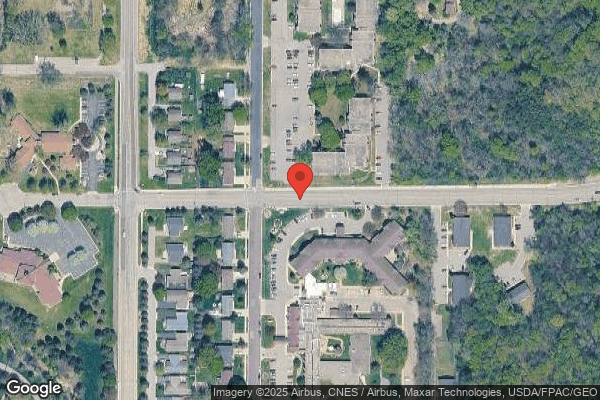
May 2023 1 deficiency
CONCERN (D) 📢 Someone Reported This

A family member, employee, or ombudsman was alarmed enough to file a formal complaint

Potential for Harm - no one hurt, but risky conditions existed

Pressure Ulcer Prevention (Tag F0686)

Could have caused harm · This affected 1 resident

**NOTE- TERMS IN BRACKETS HAVE BEEN EDITED TO PROTECT CONFIDENTIALITY** Based on interview and document review, the facility failed to promptly inform the physician of a newly developing pressure ulce...

Read full inspector narrative →
**NOTE- TERMS IN BRACKETS HAVE BEEN EDITED TO PROTECT CONFIDENTIALITY** Based on interview and document review, the facility failed to promptly inform the physician of a newly developing pressure ulcer (PU) resulting in a delay of treatment for 1 of 3 residents (R1) who had multiple pressure ulcers. Findings include: R1's electronic medical record (EMR) listed medical diagnoses, when admitted to the facility on [DATE], included multiple sclerosis, paraplegia, a pressure ulcer of the right buttock classified as Unstageable, (defined as a full-thickness skin and tissue loss in which the extent of tissue damage within the ulcer cannot be confirmed because the wound bed is obscured by slough or eschar), a pressure ulcer of the right hip classified as Stage 3, (defined as full-thickness loss of skin, in which subcutaneous fat may be visible in the ulcer and granulation tissue and epibole (rolled wound edges) are often present. Slough and/or eschar may be visible but does not obscure the depth of tissue loss. Undermining and tunneling may occur. Fascia, muscle, tendon, ligament, cartilage and/or bone are not exposed), cellulitis of the buttock. R1's Minimum Data Set (MDS) dated [DATE], identified R1 was cognitively intact with a Brief Interview for Mental Status (BIMS) score of 13/15. The MDS also identified R1 had a history of urinary incontinence, pressure ulcers, malnutrition, and falling. R1's care plan dated 3/22/23, included the care focus alteration in skin integrity; pressure injury R [right] buttock Date initiated 3/22/2023. Goals for this issue included skin breakdown will resolve by next review (target 6/22/23) and resident will remain free from skin breakdown (dated 6/22/2023). Corresponding interventions dated 3/22/23, included the following: -Reposition at least every 2 hours. R1 able to make major position changes on her own while in bed as well -Monitor skin integrity daily during cares -Monitor skin integrity daily during cares and weekly skin inspection by nurse -Treatment to open areas per order -Weekly measurements and assessment of wound -Monitor for skin breakdown for signs/symptoms of infection and report signs/symptoms to MD or physician assistant (PA)-C -Document on skin condition and keep MD or PA-C informed of changes -Followed by Wound Care There were no entries in the care plan related to an open area discovered over the coccyx on 4/19/2023. . On 4/13/2023, at 3:58 p.m., R1's medical record entry Wound Evaluation Form provided documentation for the two existing wounds. The right buttock wound was described as 2 cm length, 1.7 cm width, and 0.4 cm deep and had a wound bed that was pink with scant drainage and no odor. The second wound on the right hip (1.5 cm length, 1.0 cm width, and 0 depth) was characterized by pink skin without drainage or odor. No other wounds were noted. On 4/19/2023, at 5:03 p.m., R1's Wound Evaluation Form described the two existing wounds that showed improvement since the last assessment. A new third wound was located over the coccyx. The coccyx wound was described as Stage 1 (defined intact skin with a localized area of non-blanchable erythema (redness). The presence of blanchable erythema or changes in sensation, temperature, or firmness may precede visual changes. Color changes of intact skin may also indicate a deep tissue pressure injury), the measurements were 3.2 centimeters (cm) length, 2.0 cm width, and 1.5 cm depth and was described as follows, the wound is pink, no drainage or bleeding noted. The form indicated notification of the provider of a new wound was not applicable (NA). New interventions was also marked as NA. There were no additional notes or any indication the physician or wound nurse had been notified. On 4/26/2023, at 4:49 p.m., R1's Wound Evaluation Form described the two previous wounds that were stable. The wound located over the coccyx identified as a Stage 1, measurements were 0.9 cm length, 0.5 cm width, and 1.6 cm depth, wound pink, purulent drainage noted with no odor, tunneling, or signs of infection noted. Further, the form indicated a note was left for the provide, with new interventions planned. There was no indication that new orders or interventions entered into the medical record or care plan for the coccyx wound. A Physicians Communication Memo for Laurels Peak Rehabilitation Center dated 4/26/2023, written by registered nurse (RN)-A was addressed to Physicians Assistant (PA)-A and dated 4/26/2023. The memo indicated R1 had requested her coccyx area to be checked. R1 was complaining of pain during repositioning. The form was signed by RN-A. Response written by PA-A included she will see R1 for wound care assessment Monday 5/1/2023 and asked R1 be added to her schedule for wound assessment in collaboration with Advanced Practice Registered Nurse (APRN)-A. This entry was signed on 4/27/2023 and countersigned as noted on 4/27/2023 by Nurse Manager (NM)-A. In review of R1's record between 4/26/23 to 4/30/23, there was no indication a physician had evaluated R1's coccyx wound and no treatment orders for the coccyx wound were transcribed in R1's electronic health record (EHR). R1's treatment administration record (TAR) identified no treatment orders for coccyx wound or any wound care or monitoring had been completed. On 5/1/23, a medical record entry from Mayo Health System, Nursing Home Rounding contained a wound assessment for the new wound over the coccyx. The wound assessment described, coccyx with black eschar - 6.0 cm x 5.0 cm, depth undetermined. Needs debridement. Plan: contact wound care for direction regarding coccyx & buttock wounds. The note was signed by PA-A. The note did not identify treatment orders or dressing changes. In review of R1's record between 5/1/23 to 5/4/23, there was no indication R1's wound had been debrided nor evident R1's coccyx wound was treated and monitored. R1's care plan continued to lack interventions to improve and/or prevent further deterioration. On 5/5/2023, at 19:45 a.m., the coccygeal wound was debrided by APRN-B after debridement, wound was described as unstageable and the size was described as 13, 18.9 square centimeters. Post debridement orders written by APRN-B for treatment of the coccygeal wound included, to cleanse/flush wound and surrounding skin with acetic acid 0.25%, pat dry. Apply skin prep to peri-wound skin and allow to dry. Apply triad cream or zinc-based barrier cream to pretreat wound edges if they appear macerated or irritated from adhesive. Cut to fit Hydrofera Blue Ready-Transfer. Loosely fill the wound cavity, undermining, sinus tract or tunnel with the dressing. Cover with 4 x 4 Optilock Super Absorbent dressing followed by a 6 x 6 border foam dressing. Change every other day and PRN. These orders were entered as into the physicians orders however, R1 was transported to the Emergency Department at Mankato Hospital for evaluation of respiratory condition before orders were implemented. Interview conducted on 5/17/2023, at 4:10 p.m. with nurse manager (NM)-A. NM-A stated she attended a treatment conference for R1 which was held in March, shortly after R1 was admitted to the facility. NM-A stated she did not know when the wound on the coccyx appeared. She did not recall the coccyx wound being discussed by staff and there were no entries pertaining to a coccygeal wound in the progress notes. NM-A stated she was not aware of the new coccygeal wound until after R1 was discharged and called to complain about care. NM-A described the process instituted when or if a new wound appeared on a resident. NM-A stated the MHM Wound Evaluation Form is completed and entered as part of the resident's medical record. The wound should be measured and documented, and the provider updated. The provider is updated by placing a completed Physicians Communication Memo for Laurels Peak Rehabilitation Center in a folder specifically used to communicate with that specific provider. The provider would review, see the resident, and write new orders. These orders are entered into the medical record, new care orders would be instituted, and the resident's care plan is updated. NM-A stated she could not locate a completed Physicians Communication Memo for Laurels Peak Rehabilitation Center for 4/19/2023 but did offer the memo dated 4/26/2023. NM-A could not explain why there was no memo for 4/19/2023, and added she was not aware of this type of incident occurring prior to this incident. Interview conducted on 5/18/2023, at 9:13 a.m. with PA-A who stated she was notified of a new wound via the Physicians Communication Memo dated 4/26/2023. Stated she assessed the wound on 5/1/2023, and determined it needed debridement. PA-A described the wound as being covered in black eschar tissue and unstageable. PA-A stated she contacted APRN-A who agreed R1 needed to be seen earlier than R1's next appointment. R1 agreed to work with the in-house provider from Mankato Clinic, APRN-B. R1 was seen by APRN-B who assessed all three wounds and debrided the coccygeal wound on 5/4/2023. Interview on 5/18/2023, at 10:27 a.m. with RN-A stated on 4/19/2023, she recalls noticing a reddened area over R1's coccyx as she was doing wound care. Stated R1 complained of pain over the area. RN-A stated she completed the wound evaluation form and placed in the medical record. Stated the Physicians Communication Memo was also completed and placed in the communication book for PA-A. RN-A stated she did not recall passing the information on to anyone else. RN-A stated she did not follow up as she was not scheduled to work on the unit again for a while. Interview on 5/18/2023, at 11:40 a.m., the Director of Nursing (DON) stated if a resident was discovered to have a new lesion or pressure sore, the facility policy would be followed. One of the steps would be to notify provider by completing the Physicians Communication Memo and placing it in the providers communication book where they will see it. Depending on circumstances, if the wound was serious, the provider was expected to be notified sooner. The provider evaluates the wound and writes orders. Staff would be expected to call the provider if emergent, otherwise, the Physicians Communication Memo form is used. DON stated she has no idea what could have happened to the form from 4/19/2023, that was supposedly placed in the communication book. Providers have their own binders allowing direct communication with them. PA-A comes to the facility twice a week, this has been an efficient means of communication. Asked when the care plan would be updated, DON stated if it was a new area, the nurse manager should enter the assessment and ordered care into the care plan. DON expected the interventions to be entered into the care plan after the provider writes orders. Policy: Skin Assessment and Wound Management, revised on 2/10/2023. The section entitled Pressure Wounds indicated: When a pressure ulcer is identified, the following actions will be taken: 1. notify MD/Treatment ordered, 2. notify resident representative, 3. complete education with resident/resident representative including risks & benefits, 4. initiate weekly wound evaluation, 5. notify nurse manager/wound nurse, 6. referral to dietary, if appropriate, 7. referral to therapies, appropriate, 8. update care plan, 9. update resident care lists, 10. update care plan to identify risks for skin breakdown.
May 2022 7 deficiencies
CONCERN (D)

Potential for Harm - no one hurt, but risky conditions existed

ADL Care (Tag F0677)

Could have caused harm · This affected 1 resident

**NOTE- TERMS IN BRACKETS HAVE BEEN EDITED TO PROTECT CONFIDENTIALITY** Based on observation, interview, and document review, the facility failed to provide grooming for 1 of 3 residents (R25) reviewe...

Read full inspector narrative →
**NOTE- TERMS IN BRACKETS HAVE BEEN EDITED TO PROTECT CONFIDENTIALITY** Based on observation, interview, and document review, the facility failed to provide grooming for 1 of 3 residents (R25) reviewed for activities of daily living (ADL) who was dependent on staff for nail care, incontinent cares and bathing. Findings include: R25's face sheet printed 5/25/22, indicated diagnosis including hemiplegia (immobility) and hemiparesis (partial paralysis restricted to one side of the body) following cerebral infarction (disrupted blood supply due to blood clot or hemorrhage) affecting right dominant side, anxiety, chronic obstructive pulmonary disease (COPD) (constriction of the airways) and hepatic failure (liver is unable to perform its normal metabolic function) without coma. R25's quarterly Minimum Data Set (MDS) dated [DATE] included R25 was cognitively intact, requires extensive assist of 1-2 for dressing, personal hygiene and toileting, does not walk, requires extensive assistance of 1 person for locomotion and has range of motion impairment on one side. R25's plan of care dated 2/10/21, included self care deficit related to respiratory failure, hemiplegia, and stroke. Goal of care included R25 will be dressed, groomed and bathed per preferences. Interventions included assist with bathing, personal hygiene with 1 assist and R25 prefers day time shower. During observation and interview on 5/23/22, at 12:28 p.m. R25 stated he would like his finger nails trimmed down. R25 indicated staff do not cut them on a regular basis because they are thick and can be challenging. R25 indicated he can go 2-3 months without them being trimmed and would like them trimmed more often. Nails were yellowed, approximately 1/8 inch thickness and 1/4 to 1/2 inch long extending from nail bed. During observation and interview on 5/24/22, at 9:23 a.m., R25 again indicated it has been 2-3 months since his nails were last trimmed and indicated he often requests them to be cut but guesses no one wants to do it. R25 added he has a podiatrist who trims his toenails every two weeks, and is unsure if someone special needs to come trim his fingernails. R25's fingernails remain unchanged from previous day. During interview on 5/24/22, at 1:59 p.m., nursing assistant (NA)-B indicated she thought R25 was diabetic and that requires a nurse to trim them. NA-B then checked electronic medical record (EMR) and indicated he was not diabetic so it is the NA's responsibility to complete this task and should be done weekly with their bath or per their preference. During interview and observation on 5/24/22, at 2:05 p.m., the director of nursing observed R25's fingernails and R25 stated he would like someone to cut them today. The DON indicated she thought they were talking about sending him somewhere to get them cut, but the nails are to long and need to be addressed. During interview on 5/24/22, at 2:47 p.m., registered nurse (RN)-D indicated she was aware R25 had long fingernails and needed to find the correct nail clipper to complete the task. During interview on 5/24/22, at 3:31 p.m., R25 indicated he has gone 2 weeks without a shower or bath and added staff told him they didn't have enough staff to complete it. R25 added approximately 3 weeks ago, he had a bowel movement (BM) in his pad on the night shift and he waited three hours for someone to answer his call light. R25 indicated since he sat in his stool so long his skin got red and irritated so staff had to put a cream on which has helped. During interview on 5/24/22, at 3:47 p.m., NA-C indicated they used to have bath books to indicate who needed a bath that day, but have changed their process recently so she asks the nurse which residents need to be done that shift. NA-C added they do not have a person just assigned to baths and the NA's working that day are required to give baths in addition to their other duties and sometimes baths/showers do get canceled if they can't complete them during their shift. During interview on 5/25/22, at 9:13 a.m., licensed practical nurse (LPN)-A indicated she is not sure what residents get baths during her shift and is unsure where to locate that information. LPN-A indicated R25 does have ongoing redness and irritation from his stools, but was not aware of any issues with staff not answering his call light timely. During interview on 5/25/22, at 9:39 a.m., NA-D indicated they no longer have a list of who gets baths and isn't really sure how they find out who needs one. During interview on 5/25/22, at 9:43 a.m., registered nurse (RN)-A indicated they do still have a bath list for the NA's and they are responsible for documenting when complete in the EMR. When questioned if R25 missed a shower/bath, RN-A indicated another RN is responsible for his care. During interview on 5/25/22, at 9:47 a.m., RN-C indicated she just assumed responsibility for R25 about 2-3 weeks ago and has never actually spoken to him. She added she is not aware R25 didn't get a bath or shower for 2 weeks and was not aware of any redness or skin irritation from a call light not being answered timely. During observation and interview 5/25/22, at 10:08 a.m., NA-D with assist of NA-C were providing incontinent cares after R25 had loose, yellow, liquid stool. Skin under scrotum was slightly reddened along with 2 spots on left upper buttock. NA-D indicated most of the red areas has shown improvement over the past three weeks and indicated R25's whole buttock area was previously red and irritated. NA-D further indicated R25 has redness and irritation that comes and goes. Barrier cream was applied along with new pad placed. R25 denied any discomfort with red areas. Review of Skin Inspection for R25 included: 4/3/22: Skin is warm, dry and flaky. Vanicream (sensitive skin care product) applied. Scab to right outer shin, under treatment. No other skin issues noted. 4/10/22: No skin issues or open areas except ongoing swelling and redness in both legs. 4/17/22: Resident received shower this morning. Skin is warm and dry and flaky. Scab to right outer shin, no other concerns. 4/27/22: Groin area is very raw, including bottom of scrotum. Skin is dry and flaky. No new skin conditions noted. 5/1/22: Resident received shower this morning. Skin is warm and dry. Edema noted to bilateral lower extremities. Redness to groin. 5/7/22: Skin remains dry and flaky. Vanicream and barrier cream applied. Redness to right groin and thigh. 5/14/22: Resident received shower this morning. Redness to groin. Review of call log response times for 10 p.m. thru 6 a.m. for past 4 weeks over an hour included: 4/23/22 10:08 p.m. 1 hour and 29 minutes 4/26/22 10:15 p.m. 1 hour 14 minutes 5/3/22 1:04 a.m. 1 hour 1 minute During interview on 5/25/22, at 1:08 p.m., R25 indicated he got a bath this morning. R25 stated management was in here and made sure I got a bath since I hadn't had one in over 2 weeks and it felt so good. During interview on 5/25/22, at 3:29 p.m., the director of nursing indicated she was not aware R25 had not been given a bath in over two weeks and did have them do one today. DON indicated she was not aware of a specific incident with R25 lying in stool due to untimely answering of call light, but did state he recently filed a grievance report and we noticed a trend with him and longer than normal response times. DON indicated now doing daily audits on call lights. Requested bath documentation for R25 and none was received. A Grievance/Concern Form dated 4/7/22, indicated R25 reported a concern of waiting to long for cal light to be answered, concern about getting shirt changed only once per week and not been shaved every day. The Activities of Daily Living (ADLs), Supporting, policy and procedure, was included along with staff list indicating, please sign by your name if you have read and understand the ADL Policy. Six CNA's signatures were present and 12 were blank. Review of Care of Activities of daily living (ADL), Supporting, dated 5/2018, indicated: -Residents who are unable to carry out activities of daily living independently will receive the services necessary to maintain good nutrition, grooming and personal and oral hygiene. -Appropriate care and services will be provided for residents who are unable to carry out ADL's independently, with the consent of the resident and in accordance with the plan of care, including appropriate support and assistance with hygiene (bathing, dressing, grooming and oral care), mobility, elimination (toileting), dining and communication.
CONCERN (D)

Potential for Harm - no one hurt, but risky conditions existed

Medication Errors (Tag F0758)

Could have caused harm · This affected 1 resident

**NOTE- TERMS IN BRACKETS HAVE BEEN EDITED TO PROTECT CONFIDENTIALITY** Based on observation, interview and document review, the facility failed to ensure a gradual dose reduction (GDR) was attempted ...

Read full inspector narrative →
**NOTE- TERMS IN BRACKETS HAVE BEEN EDITED TO PROTECT CONFIDENTIALITY** Based on observation, interview and document review, the facility failed to ensure a gradual dose reduction (GDR) was attempted or an adequate medical justification for the use of psychoactive medications for 1 of 5 residents (R6) who was reviewed for unnecessary medications. Findings include: R6 was admitted on [DATE]. R6's diagnosis (identified on the diagnosis sheet in the medical record) dated 3/26/21, included; insomnia, obstructive sleep apnea and major depressive disorder. R6's quarterly Minimum Data Set (MDS) assessment dated [DATE], identified R6 as having a brief interview for mental status (BIMS) score of 15 (no cognition impairment). The assessment indicated R6 received 7 days of antidepressants. R6 exhibited mood behaviors of feeling tired 12-14 days and feeling depressed 7-11 days during the assessment period. Review of a Psychoactive Medication Review assessment dated [DATE], indicated R6 has a diagnosis of major depressive disorder and insomnia. R6 has orders for bupropion (antidepressant), venlafaxine (antidepressant), Trazadone (antidepressant) and escitalopram (antidepressant). R6 has has no documented mood or behaviors. Review of the current physicians orders dated 5/25/22, included Trazodone 200 mg daily, escitalopram oxalate 5 mg daily, venlafaxine 150 mg daily and bupropion 450 mg daily. R6 was admitted with these orders on 3/26/21. Review of the progress notes from 11/1/21 to 5/25/22, did not include documentation of mood or behaviors for R6. R6's care plan dated 11/26/21, identified R6 as having an alteration in mood and behavior, related to adjustment to the facility and having a diagnosis of major depressive disorder, insomnia and failure to thrive. Interventions included; be alert to mood and behavior changes, monitor and document mood and behaviors upon occurrence, monitor sleep patterns and administer medications per provider order. Observation and interview on 5/24/22, at 2:55 p.m. R6 indicated she was unsure what medications she had been receiving. R6 stated she did not realize she was taking an antidepressant. R6 also stated she did not realize she was taking a medication for sleep. R6 indicated she becomes tired a lot, because she has sleep apnea. R6 indicated she has been feeling well and does not feel depressed. During interview R6 was very pleasant and talkative. R6 smiled a lot during the conversation and her outlook was positive during this time. Review of current physician progress note visit dated 5/12/22, did not address R6s psychoactive medications or mood or behaviors, nor did the previous physician visits since admission. The visits did not included a justification for continued use that benefits outweighed the risk for continued use. R6's Consulting Pharmacist's Medication Review dated 11/17/21, 12/17/22 1/19/22, 2/17/22, 3/17/22 and 4/17/22, indicated R6's psychoactive medications were reviewed. The review notes indicated R6 has not had a trial reduction since admission on [DATE]. Each review, recommendations were made for the provider to assess whether R6 could tolerate a trial reduction and if a reduction is contraindicated, please provide a rationale. These recommendations were provided and reviewed by the physician each month for the past 6 months, with no response from the provider. The recommended medications listed for review were Trazodone 200 mg daily, escitalopram oxalate 5 mg daily, venlafaxine 150 mg daily and bupropion 450 mg daily. Interview on 5/24/22, at 3:00 p.m. nurse manager (NM)-A indicated she had been aware R6 had not had a dose reduction in her psychoactive medications, since admission. RN-A indicated each month she has faxed the provider the pharmacists recommendations, but has not received a response. RN-A stated she was going to make a phone call next time, instead of sending a fax. RN-A verified R6's provider had not given a contraindication for a GDR. Interview on 5/25/22, at 3:35 p.m. the director of nursing (DON) indicated she would expect if the provider does not response to the pharmacist recommendation, facility staff should call the provider instead of continuing to fax the provider. Review of the facility policy Medication Monitoring and Management dated 4/18, indicated in order to optimize the therapeutic benefits of medication therapy and minimize or prevent potential adverse consequences, the facility staff, the attending physician, and the consulting pharmacist perform ongoing monitoring for appropriate, effective, and safe medication use. When selecting medications and non-pharmacological interventions, members of the interdisplinary team participate in the care process to identify, assess, address, advocate for, monitor and communicate the residents needs and changes in condition. The medication regimen is re-evaluated to determine whether prolonged or indefinite use of a medication is indicated and if the same medication is given from the same class (duplicate therapy) the clinical rationale and benefits are documented in the residents record. During the first year in which a resident is admitted on a psychoactive medication, the facility attempts a GDR during at least 2 separate quarters unless clinically contraindicated. After the first year, annually.
CONCERN (D)

Potential for Harm - no one hurt, but risky conditions existed

Deficiency F0806 (Tag F0806)

Could have caused harm · This affected 1 resident

**NOTE- TERMS IN BRACKETS HAVE BEEN EDITED TO PROTECT CONFIDENTIALITY** Based on observation, interview, and document review, the facility failed to ensure individual food preferences/choices were hon...

Read full inspector narrative →
**NOTE- TERMS IN BRACKETS HAVE BEEN EDITED TO PROTECT CONFIDENTIALITY** Based on observation, interview, and document review, the facility failed to ensure individual food preferences/choices were honored for 1 of 1 resident (R36) reviewed for food preferences. Findings include: R36's admission Minimum Data Set (MDS), dated [DATE], identified R36 had intact cognition, demonstrated no rejection of care(s) behaviors, and was independent with eating once the meal is placed before the resident. On 5/23/22, at 5:32 p.m. the supper meal service was observed and R36 was observed seated a wheelchair in his room and his evening meal was on a tray on R36's bed. On the tray, a paper meal slip dated 5/23/22, indicated evening meal 2 gm (gram) Sodium -Reg (regular) the following items were circled on the paper: entrée baked chicken breast, oven browned potatoes, shredded lettuce/dressing, mandarin oranges, milk, lemonade, coffee, Splenda, creamer, Jell-O. R36 voiced frustration with being served chicken strips and not a chicken breast, no dressing, no creamer, and no jello. R36 indicated They [staff] don't even read. R36 indicated last weekend, he did not receive creamer as requested, and for breakfast today he did not get his banana, and R36 further indicated daily the food items he wanted and/or requested were not received on his meal tray. R36 stated the quality and taste of the food was progressively getting worse. On 5/24/22, at 9:58 a.m. during an interview with DM-A and the cook, they stated residents menu choices were expected to be served to them. The cook verified R36 had ordered the chicken breast and chicken strips were served, and the cook stated dressing was not given to the resident because he did not write what kind of dressing he wanted. The DM-A stated she felt there needed to be better communication between the dietary staff and residents, so residents receive the menu options they selected and preferred. DM-A indicated she was attempting to correct several issues with the meal service, kitchen preparation, and ordering items, and acknowledged the food service had run out of things before; however, DM-A indicated with the kitchen staff turnover education was needed and the kitchen staff were in the process of receiving more education. The policy titled Food and Nutrition Services dated 10/17, indicated Each resident is provided with a nourishing, palatable, well-balanced diet that meets his or her nutritional and special dietary needs, taking into consideration the properties for each resident. Policy interpretation and implementation: 1. The multidisciplinary staff, including nursing staff, attending physician in the dietitian will assess each resident's nutritional needs, food likes, dislikes and eating habits as well as a physical, functional, and psychosocial factors that affect eating and nutritional and taking utilization 4. Reasonable efforts will be made to accommodate resident choices and preferences 7. food and nutrition services staff will inspect food trays to ensure that the correct meals provided to each resident, the food appears palatable and attractive, and is served at a safe and appetizing temperature. a. If an incorrect meal provided to a resident, or a meal does not appear palatable, nursing staff will report to the food service manager so that a new tray can be issued.
CONCERN (E)

Potential for Harm - no one hurt, but risky conditions existed

Deficiency F0804 (Tag F0804)

Could have caused harm · This affected multiple residents

**NOTE- TERMS IN BRACKETS HAVE BEEN EDITED TO PROTECT CONFIDENTIALITY** Based on observation, interview, and document review, the facility failed to ensure food was prepared, maintained and served at ...

Read full inspector narrative →
**NOTE- TERMS IN BRACKETS HAVE BEEN EDITED TO PROTECT CONFIDENTIALITY** Based on observation, interview, and document review, the facility failed to ensure food was prepared, maintained and served at warm, palatable temperatures for 7 of 8 residents (R8, R16, R26, R31, R36, R40, R42) who were observed to be served and/or complained about inappropriate food temperature and food taste. Findings include: During interview and observation during the supper meal service on 5/23/22, at 5:14 p.m., R29 was seated in the dining room and when questioned how her food was stated she ate part of it but quit eating as she wasn't going to risk breaking her teeth. R29 added the potatoes are hard and the chicken will break my teeth if I try to eat more. During interview on 5/23/22, at 5:15 p.m., R16 indicated her chicken was over cooked and her potatoes were hard. R16 added I can't eat this. During interview on 5/23/22, at 5:15 p.m., R202 stated her chicken was harder than a rock, picked it up and tossed it back down on plate stating I'm not eating it. R36's admission Minimum Data Set (MDS), dated [DATE], identified R36 had intact cognition, demonstrated no rejection of care(s) behaviors, and was independent with eating once the meal is placed before the resident. On 5/23/22, at 5:32 p.m. the supper meal service was observed and R36 was observed seated a wheelchair in his room and his evening meal was on a tray on R36's bed. On the tray, a paper meal slip dated 5/23/22, indicated evening meal 2 gm (gram) Sodium -Reg (regular) the following items were circled on the paper: entrée baked chicken breast, oven browned potatoes, shredded lettuce/dressing, mandarin oranges, milk, lemonade, coffee, Splenda, creamer, Jell-O. R36 indicated being served chicken strips and not a chicken breast, no dressing, no creamer, and no jello. R36 indicated They [staff] don't even read. R36 further took the cover off the plate of food, and no visible steam was observed. R36 indicated the chicken strips were cold, and the browned potatoes were not edible due to the poor taste. The chicken strips were thin and had dark brown spots that represented burnt/overcooked food . R36 stated the quality and taste of the food was progressively getting worse. On 5/24/22, at 9:58 a.m. during an interview with DM-A and the cook, they stated residents menu choices were expected to be served to them and were expected to be served warm, tasteful, and appear appetizing. The DM-A stated she felt there needed to be better communication between the dietary staff and residents, so residents receive the menu options they selected and preferred. DM-A stated she expected the food to be served attractive, palatable, and if not the cook should not serve the food and dietary staff were expected to communicate to the residents and offer alternative menu items. DM-A indicated she was attempting to correct several issues with the meal service, kitchen preparation, and ordering items, and acknowledged the food service had run out of things before; however, DM-A voiced with the kitchen staff turnover education was needed and the kitchen staff were in the process of receiving more education and educate the cooks on palatable food. The policy titled Food and Nutrition Services dated 10/17, indicated Each resident is provided with a nourishing, palatable, well-balanced diet that meets his or her nutritional and special dietary needs, taking into consideration the properties for each resident. Policy interpretation and implementation: 1. The multidisciplinary staff, including nursing staff, attending physician in the dietitian will assess each resident's nutritional needs, food likes, dislikes and eating habits as well as a physical, functional, and psychosocial factors that affect eating and nutritional and taking utilization 4. Reasonable efforts will be made to accommodate resident choices and preferences 7. food and nutrition services staff will inspect food trays to ensure that the correct meals provided to each resident, the food appears palatable and attractive, and is served at a safe and appetizing temperature. a. If an incorrect meal provided to a resident, or a meal does not appear palatable, nursing staff will report to the food service manager so that a new tray can be issued.
CONCERN (E)

Potential for Harm - no one hurt, but risky conditions existed

Safe Environment (Tag F0921)

Could have caused harm · This affected multiple residents

Based on observation, interview, and document review, the facility failed to ensure the kitchen ceiling tiles and kitchen ceiling vents were kept in a clean and sanitary manner and free of dust and de...

Read full inspector narrative →
Based on observation, interview, and document review, the facility failed to ensure the kitchen ceiling tiles and kitchen ceiling vents were kept in a clean and sanitary manner and free of dust and debris. This had the potential to affect all 49 residents residing in the facility. In addition, the facility failed to maintain 2 of 49 resident rooms in a clean and sanitary condition which had potential to affect 2 of 2 residents (R36 and R37) in these rooms. Findings include: During an observation and interview on 5/23/22, at 11:34 a.m. with the dietary manger (DM)-A and DM-B the ceiling tiles and ceiling vents observed in the kitchen were covered with thick dark fuzzy material. The vents were in operation. When asked who was responsible for cleaning the kitchen vents and ceiling tiles, the DM-A stated she was not sure. DM-A and DM-B confirmed the ceiling vents and tiles were unclean and was not acceptable. DM-A stated kitchen staff cleaned the kitchen, when staff had time as they were short staffed. DM-A and DM-B admitted dietary staff should clean the ceiling tiles and ceiling vents, during routine cleaning and when visibly dirty. On 5/23/22, at 12:05 p.m. the administrator went into the kitchen and looked at the kitchen ceiling vents and ceiling tiles and stated the cleanliness of the vent was not acceptable and expected the vents and tiles clean. When asked the risks of unclean kitchen vents and tiles, the administrators stated unclean vents were an environmental concern with staff preparing food under the unclean vents and tiles. On 5/24/22, at 11:35 a.m. the maintenance director (MD)-A indicated he was not sure who was responsible for the kitchen tile and vent cleaning, and further indicated maintenance had not cleaned them in the last year. MD-A confirmed the kitchen ceiling tiles and vents were dirty and needed to be cleaned. During an interview on 5/24/22, at 12:03 p.m., DM-A provided kitchen cleaning schedule sheets and indicated the kitchen vents and ceiling tiles were not on the cleaning schedule sheets. DM-A admitted she was ultimately responsible for making sure staff completed the cleaning and was aware it was not always being done. DM-A admitted that the lack of proper cleaning in the kitchen could impact the health of residents. During an interview and observation on 5/23/22, at 12:54 p.m. R36 indicated his room was cleaned once a week by housekeeping, and R36 stated the last weekend his garbage was not emptied. R36 further indicated if he wanted his bathroom or room cleaned more than weekly, he had to ask staff. R36 room was observed and towels were on the floor next entrance door, and R36 stated the towel had been on the floor since the weekend. On 5/24/22, at 9:43 a.m. R36s room was observed and the towels from the previous day remained on the floor, and R36 confirmed it was the same towels from the previous day. During an interview and observation on 5/23/22, at 1:58 p.m., R37 room was observed and a garbage can adjacent to R37's bed was overflowing with variety of food items and included: take out pizza boxes, pop cans, chicken wing bones, crackers, on the residents carpeted floor white crumbs were scattered throughout the floor, whole and half saltine crackers, cupcake wrapper. R37 indicated I don't understand the staff, when staff come in my room they see the condition and fail to take out my garbage or clean up the floor. When asked, R37 stated his room was cleaned once a week on Tuesdays, and his garbage was only emptied weekly. On 5/24/22, at 10:24 a.m. R37's room was observed and a transparent garbage bag was full of various trash items and was observed adjacent to R37's bed. R37 indicated he had removed the garbage bag himself from the garbage can as it was full, and trash items were spilling onto his floor. R37's room remained with the same observations from the previous day and additional 2 takeout pizza boxes were observed on the floor. R37 further indicated staff come in and out of his room throughout the day and did not offer to empty his garbage or clean his floors. On 5/24/22, at 10:30 a.m. registered nurse (RN)-B was observed in R37's room and was observed to empty R37's bedside urinal in the bathroom, and RN-B verified the garbage was full and the floor was dirty and RN-B failed to remove the garbage from the room. On 5/24/22, at 10:40 a.m. with the director of nursing (DON) and RN-C, together observed the above environmental concerns in R37's room. The DON and RN-C confirmed the garbage was expected to be emptied daily or sooner if full by any facility staff and the floor was expected to be vacuumed if visibly dirty. The DON and RN-C indicated they would have housekeeping thoroughly clean R37's room and follow up with housekeeping. The DON and RN-C stated what they observed was not acceptable, and admitted it was not providing residents a sanitary and home-like environment. RN-C further indicated nursing staff were expected to remove laundry/linen from the floor of resident's rooms daily. During an interview on 5/24/22, at 11:43 a.m., housekeeping supervisor (HS)-A stated he expected resident's garbage's emptied daily, deep clean of resident's rooms weekly, vacuuming if visibly dirty, and stated all rooms were to be checked every day. HS-A stated he was the housekeeper on duty on 5/23/22, and he cleaned and emptied all garbage's on 5/23/22, except R37's, as he knew R37 did not want men in his room. HS-A further indicated he failed to delegate the task to someone else. A facility policy for cleaning kitchen ceiling vents and tiles was requested but not provided. Facility policy titled Cleaning and Disinfecting Residents' rooms, dated August 2013, indicated 1. Housekeeping surfaces will be cleaned on a regular basis, when spells occur, and when surfaces are visibly soiled 2. environmental services will be disinfected or cleaned on a regular basis and when surfaces are visibly soiled
CONCERN (F)

Potential for Harm - no one hurt, but risky conditions existed

Deficiency F0725 (Tag F0725)

Could have caused harm · This affected most or all residents

**NOTE- TERMS IN BRACKETS HAVE BEEN EDITED TO PROTECT CONFIDENTIALITY** Based on observation, interview, and document review the facility failed to provide sufficient staffing to ensure residents rece...

Read full inspector narrative →
**NOTE- TERMS IN BRACKETS HAVE BEEN EDITED TO PROTECT CONFIDENTIALITY** Based on observation, interview, and document review the facility failed to provide sufficient staffing to ensure residents received care and assistance as needed. These deficient practices had the potential to affect all 49 residents who resided in the facility. Findings include: Refer to F677. The facility failed to ensure activities of daily living (ADLs) were provided including; nail care, bathing care, timely toileting for 1 of 3 residents (R25) reviewed who needed assistance from staff for activities of daily living. R25's quarterly minimum data set (MDS) assessment, dated 4/1/22, indicated intact cognition; required extensive assist of 2 with bed mobility, transfers, toileting; extensive assist of 1 with dressing and personal hygiene; total dependence with eating. R25 had lower extremity impairment on one side, used wheelchair for mobility. When interviewed, on 5/23/22 at 12:44 p.m., R25 indicated insufficient staffing, can wait anywhere from 15 minutes up to 3 hours for staff assistance; some nights only had 1 person on each wing. R45's admission MDS assessment, dated 5/9/22, indicated intact cognition. R45 required limited assist of 1 with transfers, dressing, toileting, personal hygiene; supervision with ambulation. R45 had upper extremity impairment on one side, used walker for mobility. During an interview on 5/23/22 at 1:19 p.m., R45 indicated having to wait for staff assistance at least 30 minutes on a daily basis. R35's MDS prospective payment system (PPS) 5-day assessment, dated 4/23/22, indicated intact cognition; required extensive assist of 1 with transfers, dressing, toileting; limited assist of 1 with personal hygiene. R35 used walker and wheelchair for mobility. When interviewed, on 5/23/22 at 1:43 p.m., R35 indicated being short staffed; waited 45 minutes 2-3 times per week for staff assistance, one time had to wait one hour at 5:30 a.m. R10's quarterly MDS assessment, dated 2/23/22, indicated intact cognition; required limited assist of 1 with transfers, dressing, toileting, and personal hygiene. R10 had lower extremity impairment on one side, used a wheelchair for mobility. During an interview, on 5/23/22 at 1:46 p.m., R10 stated there was no adequate staffing, noticed more often having had only 1 aide for each wing, frequently waited an hour for staff assistance, bathing cares occasionally missed approximately every 3 weeks. R43's PPS 5-day MDS assessment, dated 5/5/22, indicated intact cognition; required extensive assist of 1 with transfers, dressing, toileting; and limited assist of 1 with personal hygiene. R43 had unilateral upper extremity and unilateral lower extremity impairment, used wheelchair and walker for mobility. When interviewed, on 5/23/22 at 2:34 p.m., R43 indicated on overnight shift last week, had pressed call-light to use bathroom and waited for 4 hours for staff assistance; stated incident caused constipation. R8's annual MDS assessment, dated 3/2/22, indicated intact cognition; required extensive assist of 1 with transfers, dressing, toileting; and set-up for personal hygiene. R8 was on oxygen therapy for pulmonary disease and used a wheelchair for mobility. During an interview, on 5/23/22 at 3:34 p.m., R8 reported being inadequately staffed, had waited 90 minutes one time, common to wait for staff assistance more than 20 minutes. R31's quarterly MDS assessment, dated 4/15/22, indicated intact cognition; required supervision with transfers and ambulation, extensive assist of 1 with dressing and toileting, and limited assist of 1 with personal hygiene. R31 had bilateral upper extremity and unilateral lower extremity impairment, had unsteady gait with involuntary movements due to cerebral palsy; used wheelchair for mobility. When interviewed, on 5/23/22 at 4:32 p.m., R31 reported facility was short staffed, especially in the morning hours; often had to wait longer than 20 minutes for staff assistance. Group Interview R3's quarterly MDS assessment, dated 2/18/22, indicated severe cognitive impairment; required supervision with toileting, independent of all other cares. Used a walker for mobility. R12's quarterly MDS assessment, dated 3/4/22, indicated intact cognition; required extensive assist of 2 with bed mobility, transfers, toileting; extensive assist of 1 for dressing, limited assistance with personal hygiene. Had impairment of bilateral lower extremities, did not ambulate, used wheelchair for mobility. R13's annual MDS assessment, dated 3/4/22, indicated intact cognition; required extensive assist of 1 with bed mobility, dressing, toileting, personal hygiene; extensive assist of 2 with transfers. Had impairment of unilateral upper extremity and unilateral lower extremity, used wheelchair for mobility. R15's quarterly MDS assessment, dated 3/11/22, indicated intact cognition; required extensive assist of 2 with bed mobility, transfers, toileting; extensive assist of 1 with dressing and personal hygiene. Had impairment to bilateral lower extremities, did not ambulate, used wheelchair for mobility. R19's significant change in status MDS assessment, dated 3/19/22, indicated intact cognition; required extensive assist of 2 with bed mobility, transfers; extensive assist of 1 with dressing, personal hygiene; total dependence of 2 with toileting. Had impairment of upper and lower extremities bilaterally, did not ambulate, used wheelchair for mobility. A resident group interview was completed, on 5/24/22 at 1:09 p.m., with residents R3, R12, R13, R15, R19, and R25; stated concerns the facility was short staffed. The residents indicated on a consistent basis they wait 40 minutes and up to one hour for staff assistance. The residents further indicated staff hurry and rush with cares related to dressing, bathing, and toileting. The residents stated due to the shortage of staff, staff were not available to assist with resident needs and have missed baths. During an interview on 5/24/22, at 3:31 p.m., R25 indicated he has gone 2 weeks without a shower or bath and added staff told him they didn't have enough staff on to complete it. R25 added approximately 3 weeks ago, he had a bowel movement (BM) in his pad and because there were only 2 staff on the night shift he waited three hours for someone to answer his call light. R25 indicated since he sat in his stool so long his skin got red and irritated so staff had to put a cream on which has helped. When interviewed on 5/24/22, at 3:47 p.m., nursing assistant (NA)-C indicated they do not have a staff person that is just assigned to baths and the NA's working that day are required to give baths in addition to their other duties. NA-C indicated sometimes baths do get canceled if they can't complete them during their shift. During an interview on 5/25/22, at 9:47 a.m., registered nurse (RN)-C indicated she just assumed responsibility for R25 about 2-3 weeks ago and has never actually spoken to him. She added she is not aware R25 didn't get a bath or shower for 2 weeks and was not aware of any redness or skin irritation from a call light not being answered timely. Review of Skin Inspection for R25 included: 4/10/22: No skin issues or open areas except ongoing swelling and redness in both legs. 4/17/22: Resident received shower this morning. Skin is warm and dry and flaky. Scab to right outer shin, no other concerns. 4/27/22: Groin area is very raw, including bottom of scrotum. Skin is dry and flaky. No new skin conditions noted. 5/1/22: Resident received shower this morning. Skin is warm and dry. Edema noted to bilateral lower extremities. Redness to groin. 5/7/22: Skin remains dry and flaky. [NAME] and barrier cream applied. Redness to right groin and thigh. 5/14/22: Resident received shower this morning. Redness to groin. When interviewed, on 5/25/22, at 12:36 p.m., LPN- A indicated the staffing schedule was consistently not filled and she could pick up a shift anytime she wanted. LPN-A indicated on a routine basis she stayed late to complete resident treatments. LPN-A further indicated twice a day treatments/cream would get missed because of staffing shortage and staff hoped the cream would get applied the next shift. LPN-A stated residents would self-transfer due to the extended wait time of staff answering the call light. LPN-A further stated residents received medications late and treatments delayed. During an interview, on 5/25/22 at 12:45 p.m., NA-F indicated she has been at facility for 3 yrs, stated staffing was challenging at times. NA-F indicated the goal is to have 6-7 aides working on floor for all units on day/evening shift, typically had only 5-6. NA-F stated she occasionally will have to stay past scheduled shift time, usually to help answer call-lights, finish toileting someone, charting, or waiting for next staff member to arrive for shift. NA-F indicated recently incentive bonuses offered for staff to pick up open shifts or work last minute for call-ins, which has been nice. NA-F stated the busiest units was the 300-400 wing, residents required more NA cares and more frequently. NA-F indicated nursing staff will help NAs on floor if asked, stated nursing is busy too with their own tasks. NA-F stated they had an in-service meeting recently, discussed call-lights and long wait times, management team now sharing job of rounding on call-lights at various times throughout the day to assist in meeting resident care needs. When interviewed, on 5/25/22 at 12:51 p.m., NA-A stated residents may not get a bath when there was a shortage of staff on that shift. NA-A further discussed residents who needed assistance with meals were delayed in eating due to the short staffing. NA-A stated three days last week she was required to work past her scheduled shift, because of the lack of nursing staff. NA-A further indicated call lights were not answered timely, and residents not toileted per the schedule due to the facility shortage of staff. NA-A stated she felt bad for the residents because of the facility's shortage of staff and resident's activities of daily living care were not consistently completed. During an interview, on 5/25/22 at 12:54 p.m., NA-E indicated facility needed more staffing; most days felt pressed for time, would like management to assist more on the floor. NA-E indicated non-nursing staff helped out by answering call lights in an attempt to reduce long resident wait times, but it had created more problems in other ways. NA-E stated they felt frustrated as some non-nursing staff would respond to call-lights, clear lights, find NA, tell them to go to resident room after they finished doing what they were doing because they couldn't assist resident with some needs; staff would forget to go to that resident room, as busy/distracted with other resident cares, residents would be upset and waited very long time for staff assistance. NA-E indicated was able to get assignments done during shift, might stay late/pick up shift for staff call-in or running late, stated a lot of call-ins occur on evenings. NA-E stated was aware facility trying to hire new staff, had been difficult to keep staff because orientation training had been chaotic; training quick, non-efficient in preparing NAs to independently care for residents, especially if new staff had never had any NA experience before. NA-E indicated was aware of new staff recently hired had quit. NA-E stated no pool/agency staff used. When interviewed, on 5/25/22 at 2:49 p.m., staffing coordinator (SC)-A indicated with facility census of 50, would like to have six NAs scheduled for day/evening shift, minimum needed was five; night shift, minimum need was three NAs. SC-A stated licensed nursing needed to have an RN in building at least eight hours per day, tried to consistently schedule two nurses and one TMA for day/evening shift, one nurse on overnights. SC-A indicated facility used a star system, staff aware if star was placed next to name, they may have to stay late or cover a shift for call-ins, short staffing for that day starred; staff were notified of star system upon hire. SC-A indicated was aware of short staffing, especially on overnights, long call light wait times, new employees hired quitting right away; had brought concerns to director of nursing (DON). SC-A stated they've tried to problem solve issues by rearranging nursing schedules to cover gaps in schedules, offer incentive bonuses, care managers on-call and scheduled to work if staffing issue for day, planning to improve new employee training. SC-A indicated administrator aware of staffing concerns, which was why a rounding book was implemented; all of management are scheduled to assist on floor, thirty minutes each day, to answer call-lights and assist nursing staff as needed. During an interview, on 5/25/22, at 3:29 p.m., the director of nursing (DON) indicated had at least 5 NAs for day/evening shift and 3 NAs on overnights; for licensed nursing, had 2 staff for days/evenings and one on overnights; always had a licensed nurse on each shift 24 hours per day/7 days per week, RN in building 8 hours each day of week. DON indicated if short staffed for shift, used star system. DON confirmed awareness of resident long call-light wait times reported by staff/resident grievances, indicated expectation is for staff to answer call-light within 10 minutes, any staff member can assist with answering call-lights. DON confirmed management now completing daily audit on resident call-light wait times; management staff expected to assist on floor with call-lights 30-60 minutes each day scheduled. DON indicated unawareness of resident missing bathing cares or untimely toileting cares due to short staffing; stated was unaware R25 had not been given a bath in over two weeks, ensured it would be completed today, which was verified per surveyor. DON did confirm receiving a grievance report filed per R25 and admitted response to R25's call-light was longer than should have been. Review of the alarm history report provided by the facility revealed numerous occasions residents waiting for staff assistance longer than 20 minutes. The following were examples of the long wait times, included, not limited to: room [ROOM NUMBER]-A reviewed on 5/10/22-5/22/22, longest wait times were: 21 minutes, 25 minutes, 32 minutes, 34 minutes, 37 minutes, 58 minutes, and 1 hour 3 minutes. room [ROOM NUMBER]-A, reviewed on 5/10/22-5/22/22, longest wait times were: 24 minutes, 28 minutes, 29 minutes, 47 minutes 48 minutes, and 57 minutes. room [ROOM NUMBER]-A, reviewed on 5/10/22-5/22/22, longest wait times were: 1 hour 19 minutes, 1 hour 1 minute, 57, minutes, 47 minutes, 48 minutes, 46 minutes, 40 minutes, 39 minutes 37 minutes, 36 minutes, 29 minutes and 28 minutes, 24 minutes. room [ROOM NUMBER]-A (R25), reviewed on 4/23/22-5/24/22, longest wait times were: 30 minutes, 31 minutes, 32 minutes, 33 minutes, 34 minutes, 39 minutes, 40 minutes, 41 minutes, 42 minutes, 45 minutes, 47 minutes, 36 minutes, 37 minutes, 38 minutes, 39 minutes, 53 minutes, 54 minutes, 55 minutes, 58 minutes, 61 minutes, 68 minutes, 74 minutes, 85 minutes, 83 minutes, 89 minutes, 85 minutes, and 99 minutes. room [ROOM NUMBER]-A, reviewed on 5/10/22-5/24/22, longest wait times were 21 minutes, 22 minutes, 23 minutes, 24 minutes, 26 minutes, 30 minutes, 36 minutes, 37 minutes, 38 minutes, 41 minutes, 43 minutes, and 44 minutes. room [ROOM NUMBER]-A was requested, but not received from facility room [ROOM NUMBER]-A, reviewed on 5/10/22-5/24/22, longest wait times were 21 minutes, 22 minutes, 23 minutes, 24 minutes, 26 minutes, 28 minutes, 29 minutes, 34 minutes, 35 minutes, 38 minutes, 41 minutes, 43 minutes, 44 minutes, 49 minutes, 53 minutes, 64 minutes, and 81 minutes. Facility's nurse staffing schedule was reviewed from 4/27/22-5/24/22, scheduled need listed one NA for transitional care unit (TCU) for day/evening/night shifts, two NA's for 300 wing on day/evening shift and one NA for night shift, two NA's for 400 wing on day/evening shift and one NA for night shift. Multiple days including; 4/25/22, 4/29/22, 5/3/22, 5/5/22, 5/6/22, 5/7/22, 5/8/22, 5/9/22, 5/10/22, 5/11/22, 5/12/22, 5/13/22, 5/14/22, 5/16/22, 5/18/22, 5/21/22; were noted on staffing schedule of NA's being short staffed; with having only one NA to cover part or all of shift on the 300 and 400 wings during evening shifts, and only one NA to cover both 300 and 400 wings during night shift. Licensed nursing staff observed to be at appropriate staffing needed for unit coverage on all shifts. Refer to staffing schedule for further review. Resident Matrix printed 5/23/22, indicated 3 resident falls with injury and 9 residents with falls. In addition, there was one resident with excessive weight loss without prescribed weight loss program, one resident with infection w/catheter, and one resident w/UTI. Review of the Facility Assessment Tool, dated 1/18/22, provided by the facility indicated staffing plan was to ensure adequate amount of staff; the resident population, case mix index (CMI) and census are taken into account daily to determine sufficient staffing needs. The facility assessment revealed the average daily census ranged from 48-52 residents, CMI level was 1.07; indicated residents had clinically complex conditions per CMS guidelines. Bath documentation for R25 was requested from facility, was not received. A Grievance/Concern Form, dated 4/7/22, indicated R25 reported at a care conference concern of waiting to long for call light to be answered. Facility Policy, Staffing, revised 10/17, consisted of; -Policy Statement: our facility provides sufficient numbers of staff with the skills and competency necessary to provide care and services for all residents in accordance with resident care plans and the facility assessment. -Policy interpretation and implementation: staffing numbers and the skill requirements of direct staff are determined by the needs of the residents based on each resident's care plan.
MINOR (B)

Minor Issue - procedural, no safety impact

Deficiency F0568 (Tag F0568)

Minor procedural issue · This affected multiple residents

**NOTE- TERMS IN BRACKETS HAVE BEEN EDITED TO PROTECT CONFIDENTIALITY** Based on interview and document review, the facility failed to provide quarterly statements for resident personal fund accounts ...

Read full inspector narrative →
**NOTE- TERMS IN BRACKETS HAVE BEEN EDITED TO PROTECT CONFIDENTIALITY** Based on interview and document review, the facility failed to provide quarterly statements for resident personal fund accounts for 1 of 1 residents (R25) who indicated he hadn't been notified of account balance. Findings include: R25's quarterly Minimum Data Set (MDS) dated [DATE] indicated R25 was cognitively intact and understands and is understood. During interview on 5/23/22, at 12:43 p.m., R25 indicated he only gets notice when his personal fund account level is low and does not receive a monthly or quarterly statement with the balance. R25 added he has no idea how much money is in the account. During interview on 5/25/22, at 1:16 p.m., receptionist (R-A) indicated she maintains a separate spreadsheet for each resident and maintains deposits, and withdrawals for personal fund accounts. R-A indicated she is not sending out quarterly or monthly statements, but does send reminders to residents and families when their account balance is low. R-A indicated she is working with facility corporate office who will be teaching her how to do this but it just hasn't happened yet. R-A indicated she started her duties in December 2021 and has not sent out any statements since that time. During interview on 5/25/22, at 1:56 p.m., the administrator indicated he was aware monthly or quarterly statements were not being sent to residents directly from the facility but would check with the corporate office to see if they were sending statements to residents but doubted it Did not receive any further information from the facility.
Understanding Severity Codes (click to expand)
Life-Threatening (Immediate Jeopardy)
J - Isolated K - Pattern L - Widespread
Actual Harm
G - Isolated H - Pattern I - Widespread
Potential for Harm
D - Isolated E - Pattern F - Widespread
No Harm (Minor)
A - Isolated B - Pattern C - Widespread

Questions to Ask on Your Visit

  • "Can I speak with families of current residents?"
  • "What's your RN coverage like on weekends and overnight?"

Our Honest Assessment

Strengths
  • • No major safety red flags. No abuse findings, life-threatening violations, or SFF status.
  • • No fines on record. Clean compliance history, better than most Minnesota facilities.
Concerns
  • • 35 deficiencies on record. Higher than average. Multiple issues found across inspections.
  • • Grade C (50/100). Below average facility with significant concerns.
Bottom line: Mixed indicators with Trust Score of 50/100. Visit in person and ask pointed questions.

About This Facility

What is Laurels Peak Care & Rehabilitation Center's CMS Rating?

CMS assigns Laurels Peak Care & Rehabilitation Center an overall rating of 2 out of 5 stars, which is considered below average nationally. Within Minnesota, this rating places the facility higher than 0% of the state's 100 nursing homes. A rating at this level reflects concerns identified through health inspections, staffing assessments, or quality measures that families should carefully consider.

How is Laurels Peak Care & Rehabilitation Center Staffed?

CMS rates Laurels Peak Care & Rehabilitation Center's staffing level at 4 out of 5 stars, which is above average compared to other nursing homes. Staff turnover is 48%, compared to the Minnesota average of 46%. RN turnover specifically is 56%, which is notably high. RNs provide skilled clinical oversight, so turnover in this role can affect medical care quality.

What Have Inspectors Found at Laurels Peak Care & Rehabilitation Center?

State health inspectors documented 35 deficiencies at Laurels Peak Care & Rehabilitation Center during 2022 to 2025. These included: 33 with potential for harm and 2 minor or isolated issues.

Who Owns and Operates Laurels Peak Care & Rehabilitation Center?

Laurels Peak Care & Rehabilitation Center is owned by a for-profit company. For-profit facilities operate as businesses with obligations to shareholders or private owners. The facility is operated by MONARCH HEALTHCARE MANAGEMENT, a chain that manages multiple nursing homes. With 60 certified beds and approximately 52 residents (about 87% occupancy), it is a smaller facility located in MANKATO, Minnesota.

How Does Laurels Peak Care & Rehabilitation Center Compare to Other Minnesota Nursing Homes?

Compared to the 100 nursing homes in Minnesota, Laurels Peak Care & Rehabilitation Center's overall rating (2 stars) is below the state average of 3.2, staff turnover (48%) is near the state average of 46%, and health inspection rating (2 stars) is below the national benchmark.

What Should Families Ask When Visiting Laurels Peak Care & Rehabilitation Center?

Based on this facility's data, families visiting should ask: "Can I visit during a mealtime to observe dining assistance and food quality?" "How do you handle medical emergencies, and what is your hospital transfer rate?" "Can I speak with family members of current residents about their experience?"

Is Laurels Peak Care & Rehabilitation Center Safe?

Based on CMS inspection data, Laurels Peak Care & Rehabilitation Center has a clean safety record: no substantiated abuse findings (meaning no confirmed cases of resident harm), no Immediate Jeopardy citations (the most serious violation level indicating risk of serious injury or death), and is not on the Special Focus Facility watch list (a federal program monitoring the lowest-performing 1% of nursing homes). The facility has a 2-star overall rating and ranks #100 of 100 nursing homes in Minnesota. While no facility is perfect, families should still ask about staff-to-resident ratios and recent inspection results during their visit.

Do Nurses at Laurels Peak Care & Rehabilitation Center Stick Around?

Laurels Peak Care & Rehabilitation Center has a staff turnover rate of 48%, which is about average for Minnesota nursing homes (state average: 46%). Moderate turnover is common in nursing homes, but families should still ask about staff tenure and how the facility maintains care continuity when employees leave.

Was Laurels Peak Care & Rehabilitation Center Ever Fined?

Laurels Peak Care & Rehabilitation Center has no federal fines on record. CMS issues fines when nursing homes fail to meet care standards or don't correct problems found during inspections. The absence of fines suggests the facility has either maintained compliance or corrected any issues before penalties were assessed. This is a positive indicator, though families should still review recent inspection reports for the full picture.

Is Laurels Peak Care & Rehabilitation Center on Any Federal Watch List?

Laurels Peak Care & Rehabilitation Center is not on any federal watch list. The most significant is the Special Focus Facility (SFF) program, which identifies the bottom 1% of nursing homes nationally based on persistent, serious quality problems. Not being on this list means the facility has avoided the pattern of deficiencies that triggers enhanced federal oversight. This is a positive indicator, though families should still review the facility's inspection history directly.