Oaklawn Care & Rehabilitation Center
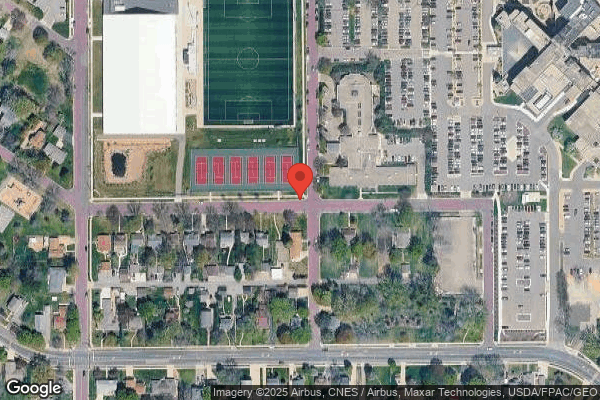
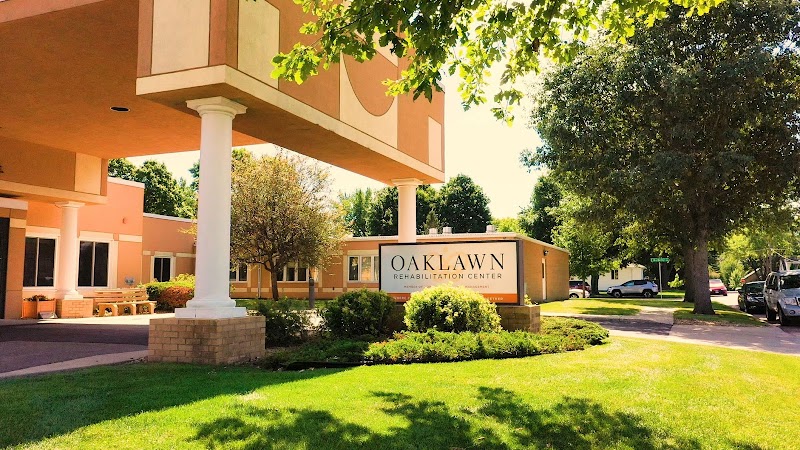
201 OAKLAWN AVENUE, MANKATO, MN 56001 (507) 388-2913
For profit - Corporation 60 Beds MONARCH HEALTHCARE MANAGEMENT Data: November 2025 1 Immediate Jeopardy citation
Trust Grade
33/100
#252 of 337 in MN
Last Inspection: April 2025

Within standard 12-15 month inspection cycle. Federal law requires annual inspections.

Overview

Oaklawn Care & Rehabilitation Center has received a Trust Grade of F, indicating significant concerns about the facility's quality and care. With a state rank of #252 out of 337 in Minnesota, they are in the bottom half of facilities, and #4 out of 5 in Blue Earth County, meaning there are only a few options available that rank better. The facility's condition is worsening, with issues increasing from 1 in 2024 to 7 in 2025. While staffing is a strength with a rating of 4 out of 5 stars and a turnover rate of 47%, which is average, the facility has concerning fines of $59,001, higher than 91% of Minnesota facilities, indicating repeated compliance problems. Specific incidents include a resident who fell and fractured a femur due to improper use of a mechanical lift, and failures to establish a grievance policy, which could prevent residents from voicing concerns safely. Overall, while there are some staffing strengths, the significant issues highlighted raise serious concerns for families considering this nursing home.
Trust Score
F
33/100
In Minnesota
#252/337
Bottom 26%
Safety Record
High Risk
Review needed
Inspections
Getting Worse
1 → 7 violations
Staff Stability
⚠ Watch
47% turnover. Above average. Higher turnover means staff may not know residents' routines.
Penalties
○ Average
$59,001 in fines. Higher than 74% of Minnesota facilities. Some compliance issues.
Skilled Nurses
✓ Good
Each resident gets 60 minutes of Registered Nurse (RN) attention daily — more than 97% of Minnesota nursing homes. RNs are the most trained staff who catch health problems before they become serious.
Violations
⚠ Watch
20 deficiencies on record. Higher than average. Multiple issues found across inspections.
★★☆☆☆
2.0
Overall Rating
★★★★☆
4.0
Staff Levels
★★★☆☆
3.0
Care Quality
★★☆☆☆
2.0
Inspection Score
Stable
2024: 1 issues
2025: 7 issues

The Good

  • 4-Star Staffing Rating · Above-average nurse staffing levels
  • Full Sprinkler Coverage · Fire safety systems throughout facility
  • No fines on record

Facility shows strength in staffing levels, fire safety.

The Bad

2-Star Overall Rating

Below Minnesota average (3.2)

Below average - review inspection findings carefully

Staff Turnover: 47%

Near Minnesota avg (46%)

Higher turnover may affect care consistency

Federal Fines: $59,001

Above median ($33,413)

Moderate penalties - review what triggered them

Chain: MONARCH HEALTHCARE MANAGEMENT

Part of a multi-facility chain

Ask about local staffing decisions and management

The Ugly 20 deficiencies on record

1 life-threatening
Apr 2025 7 deficiencies
CONCERN (D)

Potential for Harm - no one hurt, but risky conditions existed

Deficiency F0658 (Tag F0658)

Could have caused harm · This affected 1 resident

**NOTE- TERMS IN BRACKETS HAVE BEEN EDITED TO PROTECT CONFIDENTIALITY** R106's facesheet printed on 4/16/25, included diagnoses of glaucoma and ocular pain in right eye. R106's admission MDS assessme...

Read full inspector narrative →
**NOTE- TERMS IN BRACKETS HAVE BEEN EDITED TO PROTECT CONFIDENTIALITY** R106's facesheet printed on 4/16/25, included diagnoses of glaucoma and ocular pain in right eye. R106's admission MDS assessment dated [DATE], indicated R106 was cognitively intact, had clear speech, could understand and be understood. R106's relied on staff for assistance with most activities of daily living. R106's physician orders included Latanoprost Ophthalmic Solution 0.005 % instill 1 drop in both eyes at bedtime for glaucoma. R106's care plan, last reviewed on 4/1/25, did not include diagnosis of glaucoma. During an observation and interview on 4/14/25 at 7:19 p.m., observed TMA-A place an eye drop into each of R106's eyes. TMA-A placed the tip of the bottle in the inner corner of both eyes and instilled the drops, rather pulling down the lower lid and placing the drop midline in the lower lid pocket. TMA-A stated she was trained to place eye drops in the inner corner. TMA-A was unaware of facility policy regarding instilling eye drops. During an interview on 4/16/25 at 10:25 a.m., the DON described the steps of properly instilling drops in the eye, including having the resident tilt their head back, gently pulling down the lower lid and placing the drop in the pocket of the lower lid. The DON stated proper administration of eye drops was something a nurse or TMA would have learned in training. Facility Eye Drop, Ointment, and Gel Medication Administration policy undated, indicated with a gloved finger, gently pull-down lower eyelid to form pouch, while instructing resident to look up. Place other hand against resident's forehead to steady. Hold inverted medication bottle between the thumb and index finger and press gently to instill prescribed number if drops into pouch near outer corner of eye. Do NOT let the tip of the dropper touch the eye or any other surface. If resident blinks or drop lands on cheek, repeat administration Based on observation, interview, and record review the facility failed to ensure professional standards of practice were followed during administration of eye drops for 3 of 3 residents (R12, R15, R106) observed for medication administration. Findings include: R12's annual Minimum Data Set (MDS) assessment dated [DATE], indicated R12 was cognitively intact, no rejection of care, required, maximal assistance with personal hygiene, and diagnoses included progressive neurological conditions, hemiplegia or hemiparesis (weakness or partial paralysis on one side of the body), and multiple sclerosis (central nervous system autoimmune condition. Damage to myelin causes symptoms like muscle weakness and vision changes) . R12's care plan dated on 4/1/25, did not indicate any care needs related to her eyes. R12's medication review report printed 4/15/25, indicated Artificial Tears Ophthalmic Solution 1-0.3% (Propylene Glycol-Glycerin) instill one drop in left eye three times a day for dry eye and instill two drop in right eye as needed for as needed for dry eyes. R15's quarterly MDS dated [DATE], indicated R15 had moderately impaired cognition, no rejection of care, dependent on staff for personal hygiene and diagnosis included hemiplegia or hemiparesis. R15's care plan dated on 4/1/25, did not indicate any care needs related to her eyes. R15's medication review report printed 4/15/25, indicated Refresh Plus Ophthalmic Solution (Carboxymethylcellulose Sodium) instill one drop in both eyes four times a day for red puffy eyes. On 4/14/25 at 7:05 p.m., R15 was laying in bed and registered nurse (RN)-C placed gloves on both and explained to R15 she was administering her eye drops. RN-C placed the tip of the eye drop bottle at the inner corner of each eye to instill the drops. RN-C was not observed to pull down either lower eye lid to administer the eye drop in the pocket of the lower eye lid. On 4/14/25 at 7:23 p.m., RN-C stated the correct technique for eye drop administration included pulling the lower eye lid down and creating a pocket of the lower eye lid to place the eye drop. RN-C confirmed during R15's eye drop administration she did not pull the lower eye lid down to create a pocket. On 4/15/25 at 8:08 a.m., R12 was laying in bed and trained medication aide (TMA)-A stated she had R12's eye drops. TMA-A placed gloves on both hands and placed the tip of the eye drop bottle at the inner corner of each eye to instill drops. A drop was observed to run down R12's right side of her face. TMA-A was not observed to administer the eye drop in the pocket of the lower eye lids or attempt to place the drop in the pocket of the lower lid. On 4/15/25 at 8:47 a.m., TMA-A confirmed she administered R12's eye drops without pulling down the lower lids, and stated the correct administration for eye drops was to pull down the lower lid of the eye. TMA-A stated R12 does not like when we touch her face. On 4/15/25 at 8:50 a.m., R12 stated she would not care if staff touched her eye lids when administering eye drops if staff wore gloves. On 4/15/25 at 8:57 a.m.,, licensed practical nurse (LPN)-B, known as the care coordinator, stated the correct eye drop administration included pulling the lower eye lid down to make a pocket. LPN-B stated R12 was known to not want her eyes touched and would expect staff attempt to pull the lower eye lid down during the administration of eye drops. On 4/15/25 at 10:32 a.m., the director of nursing (DON) stated during eye drop administration the lower eye lid was expected pulled down to form a pocket in the center of the lower eye lids. The DON stated R12 is known not to like her face touched, however would expect stuff to attempt to pull the lower lid down and explain the process to R12 and expected the care plan to address R12's refusal of her face touched during eye drop administration. The DON confirmed R12's care plan did not include R12's refusal of her face touched during eye drop administration. The DON stated R15's eye drop was expected performed with the lower lid pulled down to create a pocket for the eye drop administration. The DON stated during staff orientation eye drop administration was completed.
CONCERN (D)

Potential for Harm - no one hurt, but risky conditions existed

ADL Care (Tag F0677)

Could have caused harm · This affected 1 resident

**NOTE- TERMS IN BRACKETS HAVE BEEN EDITED TO PROTECT CONFIDENTIALITY** Based on observation, interview and document review, the facility failed to provide shaving for 1 of 1 resident (R45) who was de...

Read full inspector narrative →
**NOTE- TERMS IN BRACKETS HAVE BEEN EDITED TO PROTECT CONFIDENTIALITY** Based on observation, interview and document review, the facility failed to provide shaving for 1 of 1 resident (R45) who was dependent on staff for assistance with grooming and personal hygiene. Findings include: R45's facesheet dated printed 4/16/25, indicated diagnoses included muscle weakness, pain, high blood pressure, and heart failure. R45's quarterly Minimum Data Set (MDS) assessment dated [DATE], indicated R45 was cognitively intact, used a wheelchair, independent with eating, dependent for bathing and personal hygiene. R45's care plan printed 4/16/25, indicated R45 required staff assist of one for toileting, oral care, bathing, and personal hygiene. During interview and observation on 4/14/25 at 1:53 p.m., R45 had 6 visible chin hairs measuring varying lengths up to ½ inch long. R45 had a razor on her bedside table. R45 stated she did not like having chin hairs and wanted staff to shave her chin but thought staff were too busy. During interview and observation on 4/15/25 at 8:39 a.m., R45 was seated in her wheelchair eating breakfast. R45 was fully dressed and groomed for the day, but still had visible chin hairs. R45 stated staff had not offered shaving of her chin hairs while assisting her with grooming that morning. During interview on 4/15/25 at 9:44 a.m., nursing assistant (NA)-E stated she was unaware R45 had long chin hairs. NA-E stated she had heard someone talking about shaving R45 yesterday and they were going to take care of it (shaving) on evening shift. NA-E further stated she did not notice R45 needed to be shaved this morning, did not offer to shave her chin hairs when she assisted her with morning grooming, and she should have shaved her chin if that was what R45 wanted. During interview and observation on 4/15/25 at 1:40 p.m., R45's chin had been shaved. R45 stated she felt so much better and asked if she looked better. R45 was smiling throughout the conversation and showing her chin. During interview on 4/16/25 at 12:31 p.m., registered nurse (RN)-D stated she expected residents to be shave at least weekly and not have visible chin hairs if they did not want chin hairs. RN-D further stated shaving should be part of morning cares. During interview on 4/16/25 at 12:41 p.m., director of nursing (DON) stated she would expect shaving weekly and if a resident wanted to be shaved they should be shaved, especially if chin hair was visible to others. A facility policy on shaving and grooming was requested by not received.
CONCERN (D)

Potential for Harm - no one hurt, but risky conditions existed

Accident Prevention (Tag F0689)

Could have caused harm · This affected 1 resident

**NOTE- TERMS IN BRACKETS HAVE BEEN EDITED TO PROTECT CONFIDENTIALITY** Based on observation, interview and document review, the facility failed to ensure a safe smoking area, extinguishing of cigaret...

Read full inspector narrative →
**NOTE- TERMS IN BRACKETS HAVE BEEN EDITED TO PROTECT CONFIDENTIALITY** Based on observation, interview and document review, the facility failed to ensure a safe smoking area, extinguishing of cigarettes in designated container, and monitoring of designated smoking area for 2 of 2 residents (R20 and R18) reviewed for smoking. Findings include: R18's facesheet printed 4/16/25, indicated diagnoses of spina bifida, nicotine dependence, and obesity. R18's admission minimum data set (MDS) assessment dated [DATE], indicated intact cognition, use of wheelchair, dependent for bathing, and setup assistance for personal hygiene. R18's care plan printed 4/16/25, indicated resident currently smoked and would smoke safely in designated areas per facility policy. R20's face sheet printed 4/16/25, indicated diagnoses of type two diabetes mellitus and malnutrition. R20's annual MDS dated [DATE], indicated intact cognition, use of wheelchair, substantial assistance with toileting hygiene, and partial assistance with personal hygiene. R20's care plan printed 4/16/25, indicated resident currently smoked and would smoke safely in designated areas per facility policy. During observation on 4/16/25 at 7:14 a.m., R18 and R20 were outside in the designated smoking area at the facility. R18 and R20 were smoking independently and extinguished cigarettes safely in designated disposal container. On and surrounding the designated smoking area were approximately 100 cigarette butts (ends of smoked cigarettes) in the grass, under trees, and on the patio. During interview on 4/16/25 at 8:46 a.m., R18 stated he always put his cigarette butt in the designated container and was not sure where the loose cigarette butts came from. During interview on 4/16/25 at 9:04 a.m., R20 stated there was a previous resident who threw her cigarette butts everywhere and never put them in the designated disposal container. The previous resident had discharged from the facility in December 2024 and had not returned. R20 further stated staff would not know about the mess because they never go back on the smoking patio. During interview on 4/16/25 at 10:00 a.m., housekeeping director stated that she thought maintenance would have been overseeing the smoking area, but no one had done it. Housekeeping director further stated her staff had not been monitoring the smoking area or any outside areas but had been asked to pick up all the cigarette butts in the smoking area few minutes ago. During interview on 4/16/25 at 8:35 a.m., administrator stated the facility was labeled as a non-smoking facility by signs on the facility door stating non-smoking facility and by notice in the facility policy, but they did let residents smoke. Administrator further stated there was a canister for disposing of cigarettes on the patio and that was where residents were to put their extinguished cigarettes. Administrator was unaware of the cigarettes being thrown on the dry grass, leaves, and under the trees. Administrator agreed cigarettes could potentially start fires if not disposed of properly and could be a safety concern, and confirmed no staff routinely check on the condition or safety of the smoking area. Administrator further stated the maintenance director was new and had not been trained to clean up the smoking area. Facility Oaklawn Rehabilitation Center Smoking Policy dated 8/15/24, indicated the following: Policy Statement: It is the policy of Oaklawn Rehabilitation Center to provide a safe an healthy environment for tenants, staff, and visitors by limiting the use of tobacco and e-cigarette products on it's campus, while also being respectful of the right of each resident to exercise his/her autonomy regarding what they consider to be an important facet of their life. Oaklawn is designated as a non-smoking facility, but due to the lack of safe access to a smoking area off the facility grounds, the back north patio will be designated as a safe smoking location for residents to smoke and dispose of smoking waste. 3. Resident Smoking -Residents are required to use appropriate disposal containers for smoking materials, such as cigarette butts and matches. 5. Enforcement and Compliance -Staff members are responsible for enforcing this policy and addressing any violations. Residents, staff, and visitors found in violation of this policy will be subject to corrective actions, which may include verbal warnings, written notices, or other measures as deemed appropriate by management.
CONCERN (D)

Potential for Harm - no one hurt, but risky conditions existed

Deficiency F0801 (Tag F0801)

Could have caused harm · This affected 1 resident

Based on interview and document review, the facility failed to ensure that in the absence of a full-time registered dietician (RD), the culinary services director (CSD)-B was certified to oversee nutr...

Read full inspector narrative →
Based on interview and document review, the facility failed to ensure that in the absence of a full-time registered dietician (RD), the culinary services director (CSD)-B was certified to oversee nutrition and food services. This had potential to affect all 45 residents who received meals from the kitchen. Findings include: During the initial kitchen tour on 4/14/25 at 9:40 a.m., CSD-B who had been employed in this role for two years, stated she was not a certified dietary manager (CDM). CSD-B stated she had been enrolled in the course at one time but was not able to complete it. During an interview on 4/15/25 at 11:25 a.m., CSD-B stated the administrator had registered her for the CDM course that morning (4/15/25), and she was now enrolled to take the course. During an interview on 4/15/25 at 2:39 p.m., registered dietician (RD)-C stated she worked part-time at the facility, usually one or two days a week, and communicated frequently with CSD-B via email or phone. RD-C acknowledged CSD-B was new to resident clinical issues, such as monitoring resident weights, but did well on the kitchen side. Facility Culinary Services Director job description, undated, indicated qualifications included: must be a graduate of or currently enrolled in an approved culinary services course that meets the requirements for State and Federal long-term regulations.
CONCERN (D)

Potential for Harm - no one hurt, but risky conditions existed

Food Safety (Tag F0812)

Could have caused harm · This affected 1 resident

Based on observation, interview, and document review, the facility failed to ensure 2 of 2 refrigerator/freezers designated for resident food brought into the facility, were monitored to ensure food i...

Read full inspector narrative →
Based on observation, interview, and document review, the facility failed to ensure 2 of 2 refrigerator/freezers designated for resident food brought into the facility, were monitored to ensure food items were properly stored, labeled, and dated to reduce the risk of contamination and/or foodborne illness. This had the potential to affect any resident who utilized the refrigerator/freezers. In addition, the facility failed to ensure a culinary services cook (CSC)-A wore covering over beard to prevent hair from contaminating food, surfaces and utensils. This had the potential to affect all 45 residents who ate food prepared in the kitchen. Findings include: North Wing Resident Refrigerator: During an observation on 4/14/25 at 2:54 p.m., the resident refrigerator on the North wing was a side-by-side refrigerator/freezer. On the outside of the refrigerator was a sign that indicated: All items placed in this refrigerator must be in a sealed container with name and date. Perishable items are kept for 3 days. A sign on the freezer indicated: All items placed in refrigerator and freezer must be dated and labeled with room number or it will be discarded per department of health guidelines. In the refrigerator were the following items: -- Pizza in a box with a resident name but no date. -- Small Styrofoam container of an orange-colored substance. The container was not covered. No name or date were on the container. -- Small plastic dish of something unidentifiable, with a spoon in it and covered with plastic wrap. No name or date. -- Small cup of dark colored juice with a residents name and dated 4/9 (five days prior). -- Open bottle of Fairlife protein drink; no name or date. -- DoorDash meal in a bag with name but no date. -- Small container of orange substance with cover. No date, no name. -- Soup in a large Ziplock bag, name but no date. In the freezer: -- A light green frozen drink. No name or date. -- Multiple packages of opened frozen hamburger patties - room number, but no date. South Wing Resident Refrigerator: During an observation on 4/14/25 at 3:15 p.m., on the South wing, the culinary services director (CSD)-B was standing with the refrigerator door open, preparing to mark food with a marker. Prior to doing so, the following items were noted in the refrigerator: -- 3 small Ziploc bags of peeled, overripe bananas; no name or date. CSD-B stated a staff member was going to take them home to make banana bread. -- Store bought container of cantaloupe with room number and no date opened. Seal indicated best by 4/5/25. -- Store bought container of watermelon with room number and no date opened. Seal indicated best by 4/3/25 -- Store bought mixed berries, no name or date. -- Plastic container with food - pasta with sauce - no name or date. CSD-B stated it was likely an employee's food and shouldn't be in the refrigerator. CSD-B stated no one was assigned to monitor the resident refrigerator/freezers - it was everyone's responsibility to monitor them and discard food items not meeting requirements. During subsequent observations on 4/14/25 at 6:42 p.m., (north wing) and at 7:34 p.m., (south wing), the refrigerators and freezers were almost empty after being cleaned out by CSD-B. Hairnet During an observation and interview on 4/14/25 at 11:58 a.m., observed CSC-A who had a full beard, carrying resident meals from the kitchen to the dining room without a beard cover. CSD-B stated she did not know if CSC-A was supposed to cover his beard, and didn't know if the facility had a policy on that. In the meantime, CSD-B gave CSC-A a hairnet to place over his beard. CSC-A also stated he did not know his beard should be covered. Facility Food Brought into Facility policy dated 9/2012, indicated the policy was to address food brought in from the outside with the intent to serve it to all residents. The policy did not include food brought in from the outside for individual residents and stored in resident refrigerator/freezers in common areas. Facility Preventing Foodborne Illness - Employee Hygiene and Sanitary Practices policy dated 10/2017, indicated hair nets or caps and/or beard restraints must be worn to keep hair from contacting exposed food, clean equipment, utensils and linens. Facility Food Preparation and Service policy dated 4/2019, indicated food and nutrition services staff wear hair restraints (hair net, hat, beard restraint) so that hair does not contact food.
CONCERN (D)

Potential for Harm - no one hurt, but risky conditions existed

Infection Control (Tag F0880)

Could have caused harm · This affected 1 resident

**NOTE- TERMS IN BRACKETS HAVE BEEN EDITED TO PROTECT CONFIDENTIALITY** Based on observation, interview, and document review, the facility failed to ensure personal protective equipment (PPE) was donn...

Read full inspector narrative →
**NOTE- TERMS IN BRACKETS HAVE BEEN EDITED TO PROTECT CONFIDENTIALITY** Based on observation, interview, and document review, the facility failed to ensure personal protective equipment (PPE) was donned (put on) and doffed (removed) appropriately for 1 of 1 resident (R206) who had been in transmission-based precautions (TBP) due to testing positive for Covid-19. Findings include: R206's facesheet printed on 4/16/25, indicated R206 was admitted on [DATE], with a diagnosis of Covid-19. R206's physician orders dated 4/11/25, indicated: due to Covid positive status, R206 was to remain on enhanced respiratory precautions and strict isolation during the contagious stage. R206's care plan dated 4/11/25, indicated R206 was on enhanced respiratory precautions related to Covid-19 infection. Staff would follow enhanced respiratory precautions. During an observation on 4/14/25 at 6:25 p.m., observed nursing assistant (NA)-A don PPE to go into R206's room. NA-A donned all appropriate PPE except eye protection. At 6:28 p.m., NA-A exited the room with all PPE having been removed prior to exiting the room. Following this observation, a sign on R206's door indicated R206 was in Enhanced Respiratory Precautions, and gown, facemask or N95, eye protection, and gloves were required when entering the room. NA-A did not don eye protection. There was no eye protection in or on the PPE cart outside R206's room. Further, NA-A had doffed her N95 mask in the room rather than after exiting the room, as directed by the CDC (Centers for Disease Control and Prevention) doffing guidance. NA-A was no longer available for interview. During an interview on 4/14/25 at 7:13 p.m., NA-B stated the required PPE for entering R206's room was gown, N95 mask, face shield and gloves. While standing together looking at R206's PPE cart, NA-B stated, there were no face shields on the cart and went and obtained some, putting them on the top of the cart. During an interview on 4/15/25 at 7:39 a.m., registered nurse (RN)-A, who was also the nurse manager for the unit on which R206 resided, was informed of the observation of an NA entering R206's room without eye protection. RN-A stated they must have run out of eye protection. RN-A stated she would expect staff to know to don all required PPE, including eye protection before entering the room of a resident in TBP for Covid-19. When asked how PPE should be doffed, RN-A looked at CDC doffing instructions and stated PPE should be doffed before exiting the resident room except for the respirator (N95 mask); the respirator (N95 mask) should be removed after leaving the resident room and closing the door. RN-A stated staff should be aware of that - removing the N95 mask after exiting the room as the doffing instructions were posted on the back side of R206's door for them to utilize. RN-A acknowledged with the small size of the print; staff might not notice those instructions. RN-A also acknowledged staff had training on doffing but could have forgotten that step. During an observation and interview on 4/15/25 at 9:46 a.m., observed licensed practical nurse (LPN)-A exit R206's room with all PPE doffed, including N95 mask. LPN-A stated she wasn't aware she should doff the N95 mask after exiting the room, adding, I guess I just forgot that. During an observation and interview on 4/15/25 at 5:12 p.m., observed NA-B exit R206's room with all PPE doffed, including N95 mask. NA-B acknowledged she removed all the PPE including the N95 mask before exiting the room. NA-B stated she wasn't aware she should doff the N95 mask after exiting the room. During an interview on 4/16/25 at 4:49 p.m., the director of nursing (DON) and RN-B, who was also the regional nurse consultant were informed of findings. RN-B stated staff were trained on donning and doffing and would expect they adhere to proper procedure. Facility policy on doffing for TBP was requested and the CDC guidelines were received. The guidelines were undated and titled: HOW TO SAFELY REMOVE PERSONAL PROTECTIVE EQUIPMENT (PPE) EXAMPLE 2 and indicated: to remove all PPE before exiting the patient room except a respirator, if worn. Remove the respirator after leaving the patient room and closing the door.
CONCERN (D)

Potential for Harm - no one hurt, but risky conditions existed

Deficiency F0883 (Tag F0883)

Could have caused harm · This affected 1 resident

**NOTE- TERMS IN BRACKETS HAVE BEEN EDITED TO PROTECT CONFIDENTIALITY** Based on interview and document review, the facility failed to ensure the pneumococcal (PCV20) vaccine was offered or administer...

Read full inspector narrative →
**NOTE- TERMS IN BRACKETS HAVE BEEN EDITED TO PROTECT CONFIDENTIALITY** Based on interview and document review, the facility failed to ensure the pneumococcal (PCV20) vaccine was offered or administered as recommended by the Centers for Disease Control (CDC) for 1 of 5 residents (R157) reviewed for immunizations. Findings include: R157's facesheet printed on 4/16/25, indicated and admission date of 4/7/25, and diagnoses of heart failure, muscle weakness, fatigue, and obesity. R157's admission Minimum Data Set (MDS) dated [DATE], indicated intact cognition and no rejection of care. R157's physician's orders printed on 4/16/25, indicated a past history of pneumonia, unspecified organism. R157's care plan dated 4/7/25, indicated a self care deficit related to weakness and visual impairment and need for assistance with dressing, personal hygiene, and bathing. During record review, there was no documentation in R157's EMR (electronic medical record) for the PCV 20 vaccine or evidence the vaccine had been offered or refused. During interview on 4/16/25 at 2:56 p.m., director of nursing (DON) stated she expected the PCV 20 vaccine to be offered to all residents based on current CDC guidelines and was not sure why this was missed for R157. DON later stated she had now offered the PCV 20 vaccine to R57. DON further stated R157 accepted and would receive the offered vaccine. Facility Pneumococcal Policy updated 2/2024, indicated the following: It is the practice of the Health Care Facility to offer all residents the pneumococcal vaccines to aid in the prevention of pneumococcal/pneumonia infections. The policy further indicated the facility would follow recommendations of the CDC.
Mar 2024 1 deficiency
CONCERN (D)

Potential for Harm - no one hurt, but risky conditions existed

Dental Services (Tag F0791)

Could have caused harm · This affected 1 resident

**NOTE- TERMS IN BRACKETS HAVE BEEN EDITED TO PROTECT CONFIDENTIALITY** Based on observation, interview, and document review, the facility failed to coordinate an appointment with a dental provider fo...

Read full inspector narrative →
**NOTE- TERMS IN BRACKETS HAVE BEEN EDITED TO PROTECT CONFIDENTIALITY** Based on observation, interview, and document review, the facility failed to coordinate an appointment with a dental provider for 1 of 1 resident (R8) who requested a dental appointment for dentures. Findings include: R8's significant change in status Minimum Data Set (MDS) assessment dated [DATE], indicated R8 had moderately impaired cognition, required partial/moderate assistance with oral hygiene, no natural teeth or tooth fragment(s)and diagnoses included arthritis, non-Alzheimer's dementia, anxiety disorder, depression, and macular degeneration (eye disease that affects vision). R8's care plan dated 8/8/23, indicated self-care deficit related to wedge compression fracture, DM2 (diabetes type two), asthma and HTN (hypertension) AEB (as evidenced by) assistance with ADL (activities of daily living) and interventions included assist with personal hygiene with assist of one. R8's oral/dental evaluation dated 12/28/23, licensed practical nurse (LPN)-A indicated R8 had mouth or facial pain that does not impair chewing, upper full denture, edentulous (absent teeth), upper dentures in good condition and is edentulous on bottom, does have some c/o (complaints/of) pain when chewing on the bottom gums but does not effect chewing and/or swallowing and no redness or s/s (signs/symptoms) of infection to the gums/tongue/cheeks, regular texture/regular thin liquids with no issues noted this look back period, resident would like to have a dental appointment set up at this time to look into getting bottom dentures in place, will set up appointment at this time, will continue to monitor and update plan of care as needed. R8's Care Conference form dated 12/27/23, indicated R8 wanted a dental appointment set up, been over 10 years. On 3/4/24 at 9:21 a.m., R8 was seated on the bed with a breakfast tray. R8 had upper dentures present and no lower dentures or teeth. R8 confirmed she had upper dentures and no lower teeth or lower dentures. R8 stated she would like lower dentures and needed an appointment to see the dentist. R8 stated chewing big pieces of food was difficult with no bottom teeth. On 3/4/24 at 2:01 p.m. nursing assistant (NA)-A stated R8 had upper dentures and no bottoms dentures. On 3/4/24 at 2:36 p.m., LPN-A stated she was the care coordinator for R8, completed R8's last dental assessment and was present at R8's last care conference. LPN-A confirmed R8 did not have lower dentures, and stated she was responsible to make dental appointments for R8. LPN-A confirmed a dental appointment had not been scheduled or attempted as requested by R8 at her last dental evaluation and care conference. On 3/5/24 at 2:53 p.m., during an interview the director of nursing (DON) stated staff were expected to coordinate a dental appointment and assist R8 to obtain dental care when R8 requested lower dentures. On 3/6/24 at 8:57 a.m., registered nurse (RN)-A, known as the regional nurse consultant, stated the facility did not have a policy related to dental appointments and dental assessments, and expected the facility to provide residents dental services to meet the needs of the resident and resident requests.
Oct 2023 3 deficiencies 1 IJ (1 affecting multiple)
CRITICAL (K) 📢 Someone Reported This

A family member, employee, or ombudsman was alarmed enough to file a formal complaint

Immediate Jeopardy (IJ) - the most serious Medicare violation

Accident Prevention (Tag F0689)

Someone could have died · This affected multiple residents

**NOTE- TERMS IN BRACKETS HAVE BEEN EDITED TO PROTECT CONFIDENTIALITY** Based on observation, interview, and document review the facility failed to ensure safe mechanical lift transfers were completed...

Read full inspector narrative →
**NOTE- TERMS IN BRACKETS HAVE BEEN EDITED TO PROTECT CONFIDENTIALITY** Based on observation, interview, and document review the facility failed to ensure safe mechanical lift transfers were completed along with following manufacturer guidelines for Med Care lift that expired, and ensuring correct sling/harness sizes for 7 of 7 residents (R4, R5, R6, R7, R8, R9, R10) who utilized this mechanical lifts. This resulted in an immediate jeopardy (IJ) for R1 who fell from the Med Care sit to stand lift resulting a fractured right femur (thigh bone) on 10/9/23. This had the likelihood for serious harm, impairment or death for R4, R5, R6, R7, R8, R9 and R10 who continued to use this Med Care sit to stand lift. In addition, the facility failed to ensure a preventive lift maintenance program was followed and staff had knowledge of using the correct size harness/sling size for their mechanical lifts. The IJ began on 10/9/23 at 9:05 p.m., when facility staff did not use two staff to transfer R1 in accordance with the care plan and follow manufacturer guidelines for Med Care lift that had expired. The regional director of operations (RDO), Administrator, the Interim director of nursing (DON) and regional nurse consultant (RNC) were notified of the IJ on 10/26/23 at 4:19 p.m. The IJ was removed on 10/27/23 at 12:30 p.m., but the deficiency remained at a lower scope and severity of a E with no actual harm with potential for more than minimal harm that was not immediate jeopardy. Findings include: R1's facility reported incident (FRI) dated 10/10/23, indicated nursing assistant (NA)-A transferred R1 via sit to stand to toilet. R1 became weak and fell from the lift. NA-A notified registered nurse (RN)-A immediately. RN-A assessed the resident noted to be in pain and called 911 for transfer to the emergency department (ED). R1's face sheet indicated diagnoses of dementia, right sided weakness from stroke, disorientation, restlessness, agitation, and fractured lower right femur (10/9/23). R1's quarterly Minimal Data Set (MDS) dated [DATE] indicated R1 required extensive assist of two staff for bed mobility, transfers, toileting, and dressing. R1 did not walk and used a wheelchair. No history of falls and no range of motion (ROM) impairments. The cognition section was not identified on this assessment, or 6/8/23 assessment. For the significant change MDS assessment dated [DATE], indicated R1 had intact cognition and had no behaviors. R1's care plan for transfers dated 7/23/22, indicated assist of two staff with mechanical lift. No indication of which lift or sling/harness size. Review of facility's Care Sheet (sheet for NAs to direct resident care) dated 10/24/23, after the fall, indicated R1 required assist of 3 staff and mechanical lift. Care sheet did not mention which mechanical lift or size of sling/harness to use. R1's progress note dated 10/9/23, identified the following: Review of R1's progress notes indicated on 10/9/23: -11:10 p.m. call placed to Mayo ER (emergency room) department and spoke with the ER nurse and stated resident did have a fractured right femur and was admitted to the hospital. -11:38 p.m. resident was being helped with bedtime cares by staff when this writer was called to resident's room. Upon arrival, resident was lying down on the floor on his back crying and stating I think I broke my leg it hurts so bad. Assessment done, resident was unable to move his right leg and with passive range of motion. Resident kept screaming stating it hurts. Right leg was warm to touch and slightly bent sideways. Nurse manager and agreed resident to send R1 to ER, family member informed of the incident. Emergency Medical Services arrived at the facility at 9:40 p.m. and left accompanied with paramedics at 9:56 p.m. to the ER. -10/10/23 at 1:40 a.m., above incident happened on 10/9/23 at 9:05 p.m. Facility incident report dated 10/9/23, did not identify a causal factor to the fall for R1. R1's hospital Discharge summary dated [DATE], indicated on 10/9/23 R1 had a fall from a hoyer lift and per x-ray was found to have a broken distal (bottom end) right femur (thigh bone) that also involved his right knee replacement. R1 had surgery to fix the fracture and returned to the facility on [DATE] with non-weight bearing (NWB) status to the right leg. During an observation of transfers with R1 on 10/24/23 at 4:29 p.m., R1 was assisted by three staff members to transfer from his wheelchair to a recliner in the commons area via EZ full body lift. The lift sling was already under him and the 3 staff members, one to support R1's right leg, one to pull R1 back into the recliner and one to run the lift. Sling loops were attached to the lift and double hooked. During the transfer the sling was incorrectly placed too high as a result R1's upper buttocks was hanging through the sling and his pants were sliding down. The sling should be two inches below R1's tail bone and the top of the sling parallel to the base of the neck per manufactures recommendations. NAs did not stop the transfer or lower resident to reposition the sling. R1 stated, everyone can see my butt. Staff lowered R1 into the recliner, removed the loops from the EZ full body lift and raised the foot of the recliner and left the sling under R1. Review of the EZ Way Sling Sizing Chart (undated) identified the sling should be two inches below R1's tail bone and the top of the sling parallel to the base of the neck. During an interview on 10/25/23 at 10:23 a.m., NA-T stated he worked the day of R1's fall on 10/9/23 at 9:05 p.m. NA-T heard R1 scream and went to R1's room and saw R1 on the floor next the head of the bed with the Med Care sit to stand in front of him. NA-A was holding the harness. NA-T stated he had gone over the care sheets with NA-A making sure to let NA-A know that R1 was assist of two staff for all transfers, at the beginning of the shift and gave NA-A a radio to call and ask questions. He could not remember what size sling R1 was using at time of the fall. NA-T also stated the nurse manager assessed the resident to determine the correct harness size. If this was not on are the care sheet,he would ask the nurse or nurse manager. During interview on 10/25/23 at 11:24 a.m., RN-A stated she was working the shift of R1's fall. RN-A was at the nurses' station when NA-A came out of R1's room and asked for help. RN-A stated NA-A was transferring R1 from wheelchair to commode with the Med Care sit to stand lift by herself when R1 slid down to the floor. RN-A stated the care plan stated transfer with assist of 2 staff with sit to stand lift. RN-A could not articulate who decided what size sling/harness to use or what size harness R1 used at the time of the fall. During observation on 10/24/23 at 4:03 p.m., the facility identified they were using the following mechanical lifts for their current resident: -Med Care - Care Stand Total support Model number 400002, six lifts all with a large size harness hanging across the lift. Seven residents used these lift (the facility refers to this lift as EZ stand in their documentation). -EZ Lift total body lift, 3 lifts, slings located on residents or in their rooms, 14 residents used this lift. R4 R4's face sheet indicated the following diagnoses, dementia with behavioral disturbances, osteoporosis and history of falling. R4's quarterly MDS dated [DATE], indicated R4 had impaired cognition and required extensive assist of one for transfers, bed mobility and toileting. R4's had one fall without injury prior to assessment and used a wheelchair. R4's care plan therapy recommendations R4 was assist of 1 staff with EZ stand (Med Care Stand) for all transfers including toileting, dated 6/25/18. Care plan lacked identification of what size harness to use. Review of the R4's facility's care sheets 10/24/23 indicated transferred with EZ stand (Med Care Stand) and assist of one but did not identify the size of harness R4 required for safe transfer. R4's Lift and Mobility status form dated 6/20/23, indicated R4 was assist of one staff with EZ stand (Med Care lift). There was no harness size identified. R5 R5's face sheet indicated the following diagnoses of cervical disc disorder with myelopathy and severe sepsis with septic shock. R5's nursing assessment dated [DATE], indicated an intact cognition and transferred with physical assist of two staff, had ROM impairments to his lower extremities, used a wheelchair and no history of falls. R5's care plan dated 10/24/23, direct staff to transfer R5 with mechanical lift and max assist of two for bed mobility. Review of the facility's care sheets for R5 dated 10/24/23, indicated R5 transferred with mechanical lift and max assist of two for bed mobility. Care sheets did not indicate which mechanical lift or the size of sling/harness to use for R5. R5's record lacked a comprehensive assessment to determine which mechanical lift including sling/harness R5 required to ensure they were safe during these transfers. R6 R6's face sheet indicated the following diagnoses vertebrogenic low back pain, systemic lupus erythematosus, osteoporosis, and wedge compression fracture of fifth vertebra. There was no MDS available for R6. R6's alteration in mobility care plan indicated R6 transferred with mechanical lift and assist of two staff, start date of 10/17/23; TLSO (ridged back brace) to be worn when out of bed and when head of bed greater than 30 degrees, no bending, twisting or lifting greater than 10 pounds, start date of 10/18/23. Care plan did not indicate which mechanical lift to use for R6. Review of the facility's care sheet 10/24/23 indicated R6 transferred with EZ stand (Med Care) and assist of two staff. Care sheets lacked the size of harness R6 used for safe transfer. R6's lift and mobility status assessment dated [DATE], indicated R6 transferred with assist of two staff and EZ stand (Med Care lift). The lift harness size was not identified. R7 R7's face sheet indicated the following diagnoses acute kidney failure and weakness. R7's care plan indicated an alteration in mobility related to acute kidney injury, chronic obstructive pulmonary disease, major depressive disorder and atrial fibrillation as evidenced by needing assistance with cares, dated 10/19/23. The following interventions were in place: -assist of one staff for ambulation, start date 10/19/23, -assist of one staff with movement in and out of bed, start date 10/19/23, -maximal assist of two staff for transfers, use mechanical lift stand from low surfaces. Max assist of two staff for bed mobility, does not ambulate at this time. Transfers with assist of two staff and two wheeled walker in room. Can use EZ stand (Med Care) if patient is tired in evening, start date 10/19/23. There was no mention of the harness size. Review of the facility's care sheet indicated R7 transferred with assist of two and a two wheeled walker in and R7 could use the EZ stand (Med Care) if tired in the evening. There was no mention of harness size. R7's lift and mobility assessment dated [DATE], indicated R7 transferred with maximal assist of two and mechanical stand per therapy recommendations. Staff to continue to monitor for safety. There was no mention of which mechanical lift or harness size to use for R7. R8 R8's face sheet indicated the following diagnoses of spondylosis without myelopathy or radiculopathy, cervical region, weakness, osteoporosis, and spinal stenosis cervical and lumbar region. R8's quarterly MDS dated [DATE], indicated R8 required assist with transfers and did not walk. R8 used a wheelchair. Cognition section not filled out for this assessment, previous quarterly assessment dated [DATE], indicated intact cognition. R8 had no history of falls. R8's alteration in mobility care plan indicated R8 transferred with EZ stand (Med Care), assist of two with movement in bed and in/out of bed, dated 8/13/21. There was no mention of harness size for R8. Review of the facility's care sheet dated 10/24/23, R8 was assist of one with EZ stand (Med Care). There was no mention of harness size to use for R8. R8's record lacked a comprehensive assessment to determine which size sling/harness R8 required to ensure they were safe during these transfers. R9 R9's face sheet indicated the following diagnoses of stroke, and cervicalgia. R9's annual MDS dated [DATE], indicated an intact cognition and required maximal assist with transfers and did not walk. R9's alteration in mobility care plan indicated R9 transferred with assist of 1 and EZ stand (Med Care), did not ambulate, and assist of one with movement in bed and in/out of bed, start date of 10/5/20. Review of the facility's care sheet dated 10/24/23, indicated R9 transferred with EZ stand (Med Care) with assist of one staff with medium harness. Even though the facility only had large harnesses on the floor in use as a result of the observation on 10/24/23 at 4:03 p.m R9's record lacked a comprehensive assessment to determine which size sling/harness R9 required to ensure they were safe during these transfers. R10 R10's face sheet indicated the following diagnoses of weakness, and age-related disability. R10's quarterly MDS dated [DATE], indicated R10 was dependent on staff for transfers, no history of falls, did not walk and used a wheelchair. R10's fall risk care plan indicated R10 was assist of two staff and EZ stand (MedCare), start date 10/10/23. Transfer care plan indicated EZ stand (Med Care) and assist of one staff, dated 8/1/19. Review of the facility's care sheet dated 10/24/23, indicated R10 transferred with EZ stand and assist of two staff. Care sheet lacked what size of harness R10 needed to transfer. R10's record lacked a comprehensive assessment to determine which sling/harness size, R10 required to ensure they were safe during these transfers. During an interview on 10/25/23 at 9:31 a.m., NA-R stated staff follow the care plan/care sheets to transfer residents. NA-R looked at the care sheet and stated it did not state which harness size to use with the Med Care sit to stand lift. NA-R could not remember when she last had training on the lifts the facility used. NA-R stated the sit to stand lifts should say on the care sheet whether one or two staff needed and there are always two staff with the EZ lift. During an interview on 10/25/23 at 9:39 a.m. NA-S and NA-A stated they would look at the care sheets for how to transfer any resident, if not there they would ask the nurse manager. During an interview on 10/25/23 at 12:55 p.m., speech therapist (ST)-A, director of therapy, indicated therapy does an initial assessment of new admissions for proper transfer techniques for resident. Therapy would tell nursing which type of mechanical lift to use but nursing would have to identify the sling/harness size to use as part of their nursing assessment. There is no formal assessment kept in our therapy notes for the lift they are to use, we just recommend the lift type to nursing staff. During an interview on 10/25/23 at 2:40 p.m., NA-T stated nurse managers indicated the size of harness used for the EZ stand (Med Care ) and there was a chart on the EZ lift to determine what sling to use. During an interview on 10/25/23 at 2:56 p.m., licensed practical nurse (LPN-B) who was the nurse manager, stated sling/harness sizes should be in the therapy orders as therapy does the transfer assessment. If not, they would base it off resident weight in their chart and put on the care sheet. NAs could look at therapy notes as well. During an interview on 10/25/23 at 3:00 p.m., RN-C stated she would rely on the NA's as they are competent on knowing what size of sling/harness to use. RN-C would check therapy notes as therapy does an assessment when residents admitted . If residents are on the LTC side then the nurse assessment should show which size to use. The facility's copy of the manufacture's operation manual, revised date 9/2010, page 9 - 11, informed reader how to operate the Med Care - Care Stand, but there was no sizing guide for harnesses even though the facility had other sizes. The facility also did not use a guide or any reference to determine harness size for each resident who used Med Care lift. Preventative Maintenance During an interview on 10/26/23 at 8:15 a.m. MM-A indicated preventative maintenance (PM) was completed monthly on all the lifts. Review of facility's form labeled, Weekly audit for functionality for all facility lifts and stand wear/tear on slings. The form had four areas labels: stand/lift number, location, functioning properly yes/no and slings in good working condition yes/no. Under stand lift identified the stand number (Med Care) and lifts (EZ Lift). The location was identified as east, west or north wing. Functioning properly column identified a yes or no. The column slings in good working condition only identified the stands (Med Care) as yes, there were no notion if the EZ lift slings were reviewed. MM-A stated he would test the buttons of the lift so they would go up and down, tested the emergency stop button and made sure the lifts rolled well by rolling it around in a circle. MM-A was not able to articulate the manufactures recommendations for PM and did not use manufactures provided check list for PM. MM-A completed PM on 10/10/23 on all lifts per his checklist and was unsure if the lift involved in R1's incident was removed from the floor until MM-A performed PM on it before returning it to the floor for use. He was unable to articulate the age of the lifts in use or other specific about the required maintenance by the manufacturer. Review of the Med Care's manufacture's operation manual model number 400002, revised 9/2010, on page 24-25 indicated the routine maintenance was a vital component to keeping the equipment in safe operating condition. A machine that is not properly maintained could create potentially hazardous situations for nursing staff and patients. Check list were to used for PM. The PM checklist had two column, pass or fail. Under general maintenance indicated the following: -Actuator and connections- check the operation of the actuator. Remove bolts and check for lithium grease. If none present, apply and re-insert. Use of a thread locker is recommended when re-attaching nut to bolt. -Actuator- check the up and down movement. If it makes noise or wobbles, it should be inspected. -Actuator cover- clean and check for wear and tear. -Base cover- clean and check for cracks and sharp edges. -Boom/arm pivot pins and bushings- check the area where the arm or boom meets the mast. Be sure the nut and bolt are securely attached. If not operating smoothly, remove bolt and apply lithium grease. Re-insert the bolt; apply thread locker, and secure nut. -Front casters- clean debris from casters and test for smooth rolling. -Hand control- check for smooth operation. -Leg covers- clean and check for sharp edges- -Leg bolts- remove base cover and check to make sure bolts are flush with the base. If not, tighten. Periodically remove bolts, apply lithium grease, and re-insert using thread locker on the threads. -Leg spreader pivot bar- check the bolt on the base and make sure the nut is at least 2 threads inside the end. This nut may be adjusted to your preferred tension. -Mast/base bolts- check bolts to make sure they are re tight. If not, remove, apply thread lock and re-tighten. -Rear casters- clean and remove debris. Check to make sure the brakes are working properly and that the wheels are firmly attached. -Receiver box- clean and check for operation. Check that the on/off switch is functioning properly. Try out the toggle switch, and verify both the up and down motion of the actuator. -Batteries- check for damage to plug, and check voltage. -Slings/harness and belts- inspect slings/harness and belts for wear and tear before every use. Immediately remove any damaged slings/harness and belts from service and replace. Under the stand maintenance it indicated the following: -Foot platform- remove the platform and clean. Be sure to remove the plastic footplate cover and clean underneath. Pay attention to the plastic and check for sharp edges. -Knee pad assembly- check for tears and clean the leg strap and surface of pad. -Padded hand grips- clean hand grips, and check that they are pushed all the way on. -Arm pads- clean and check for wear and tear. -Foot pedal- check for smooth operation. In addition, the manufacture recommended replacement of the following: -Actuators to be replaced after 4 years of use -Support bar on lifts replace when excessive wear is apparent -Slings to be replaced after 2 years of use. During an interview on 10/25/23 at 4:38 p.m., Med Care representative (CSR-A) stated the harness sizing was based on the resident's waist measurements. The Med Care lift, model number 400002 (the lift the facility used) were manufactured in 2009 was discontinued in 2015. All the facilities that had this lift received a Tech Bulletin identifying the manufacture would continue to supply parts for 7 years after the discontinuation date (2021). The unit should not be used longer than this date, they could not ensure the safety of the resident during transfers with these lifts. CSR-A identified Med Care's expectation is the facility would report any incident involving their equipment to them. During an interview on 10/25/23 at 1:04 p.m., DON could not state the Med Care sit to stand lift R1 fell from was removed from the floor until the next morning when MM-A inspected it. DON also stated that the facility did not have a mechanical lift policy but followed the manufactures recommendations. During a clarification interview on 10/26/23 at 8:35 a.m., DON confirmed that all Med Care harness were size large that were on the floor. Other sizes were stored in the basement and available if needed. DON was not able to identify how the harness or sling size was determined for each resident. She was also unaware the Med Care- Care Stand Total support, model number 400002 was retired in 2015 and no longer supported by the company. During an interview on 10/26/23 at 10:11 a.m., RDO and Administrator both acknowledged they did not know there was a life span to lifts or that the Med Care- Care Stand Total support lift the facility was using was discontinued in 2015. Further more, they were not aware the facility did not have a system in place for harness sizing for safe transferring of residents with the Med Care- Care Stand Total support, model number 400002. During an interview on 10/26/23 at 1:37 p.m., the food and drug administration (FDA), stated the Med Care Stand, model number 400002 was no longer registered with the FDA. If the facility continued to use the unregistered device, the facility needed to have someone that supported the product to render it safe to use. The FDA further stated that if the expired device was involved in an incident that may have resulted in serious harm or death, the device would need to be reported to the FDA by the manufacturer under 42 CFR 803.3, it did not matter if the incident was caused by operator error or equipment failure. During an interview on 10/25/23 at 3:31 p.m., with EZ Way Lift representative stated the sling sizes was based on the sizing charts that are on each lift. The slings are color coded per size based on weight. The chart also explains and shows how to place the slings properly for a safe transfer of the resident. The immediate jeopardy that was identified on 10/26/23 at 4:19 p.m., was removed on 10/27/23 at 12:30 p.m., when it was verified, the facility implemented the following corrective actions: -Review manufacture's recommendations in conjunction with their mechanical lift transfer policy and procedures -Revise policy/procedure to ensure they are being used according to manufacture guideline -Remove all Med Care standing lifts that are not supported by manufacturer from the floor -Inspect all lifts for safe operation according to manufactures recommendations -Develop and educate nursing/physical therapy (PT)/ occupational therapy (OT) on completing comprehensive harness/sling assessments in accordance with manufacture's recommendations and develop/revise care plans as appropriate -Educate staff on appropriate positioning of the slings/harness and immediately removing equipment from service following an incident -Complete a return demonstration after education on all staff who use the mechanical lift, to ensure they are following facility policy and manufacture guidelines for a safe transfer.
CONCERN (D) 📢 Someone Reported This

A family member, employee, or ombudsman was alarmed enough to file a formal complaint

Potential for Harm - no one hurt, but risky conditions existed

Report Alleged Abuse (Tag F0609)

Could have caused harm · This affected 1 resident

**NOTE- TERMS IN BRACKETS HAVE BEEN EDITED TO PROTECT CONFIDENTIALITY** Based on interview and record review the facility failed to ensure timely reporting to the State Agency (SA) was completed when ...

Read full inspector narrative →
**NOTE- TERMS IN BRACKETS HAVE BEEN EDITED TO PROTECT CONFIDENTIALITY** Based on interview and record review the facility failed to ensure timely reporting to the State Agency (SA) was completed when 1 of 1 resident (R1) fell from a mechanical lift as a result of NA not following the care plan which resulted in a right femur fracture. Findings include: Facility reported incident (FRI) submitted to the SA on 10/10/23, at 4:35 p.m. identified R1 had a fall from the mechanical lift on 10/9/23, at 9:05 p.m. that resulted in R1 fracturing his right femur, when NA-C transferred R1 via sit to stand to toilet. R1 became weak and fell from lift. NA-C notified nurse immediately. Nurse came immediately assessed that R1 was in pain, called 911 for transfer to emergency room (ER). Provider and family made aware. R1's quarterly Minimum Data Set (MDS) dated [DATE] indicated R1 had diagnoses of monoplegia (weakness) of the right side, unspecified dementia, cerebral infarction (stroke), anxiety, and depression. The cognition section was not completed for this assessment, however, MDS dated [DATE], indicated R1 did not have cognitive impairment. R1's progress notes dated 10/9/23, included R1 was being assisted by staff and had a fall. R1 was lying on the floor on his back crying, stating I think I broke my leg it hurts so bad Call placed to the nurse manager and agreed resident to send R1 to ER. Ambulance arrived at 9:40 p.m., R1 was transferred to the hospital at 9:56 p.m. Notes indicated a call was placed to the ER, facility was notified R1 sustained a right femur fracture and admitted to the hospital During an interview on 10/25/23 at 1:04 p.m. DON stated she was made aware of the incident on 10/10/23, when she arrived at work around 8:00 a.m. DON explained the required time frame for reporting incidents was 2 hours for abuse or serious injury. During an interview on 10/25/23 at 10:05 a.m., Administrator stated he was aware they did not report the incident timely as they were more focused on ensuring the safety of their residents. Additionally, we were doing education with staff on the use of mechanical lifts used by the facility and their investigation. Administrator was aware of the reporting requirement. Review of the facilities policy Abuse Prohibition/Vulnerable Adult Policy dated 9/2023 indicated avoidable falls with serious injury shall be reported to the SA through the online reporting process immediately but not later than 2 hours after identifying the injury.
CONCERN (D) 📢 Someone Reported This

A family member, employee, or ombudsman was alarmed enough to file a formal complaint

Potential for Harm - no one hurt, but risky conditions existed

Incontinence Care (Tag F0690)

Could have caused harm · This affected 1 resident

**NOTE- TERMS IN BRACKETS HAVE BEEN EDITED TO PROTECT CONFIDENTIALITY** Based on observation, interview and record review the facility failed to ensure proper catheter cleaning and storage was provide...

Read full inspector narrative →
**NOTE- TERMS IN BRACKETS HAVE BEEN EDITED TO PROTECT CONFIDENTIALITY** Based on observation, interview and record review the facility failed to ensure proper catheter cleaning and storage was provided to prevent possible urinary tract infections (UTIs) for 4 of 6 residents (R1, R3, R5 and R15) observed for catheter use. Findings included: R1's quarterly Minimum Data Set (MDS) dated [DATE], identified R1 had diagnoses of neurogenic bladder (define what this is), cancer, urinary tract infections (UTI) in the last 30 days, diabetes, and stroke. R1 had an indwelling urinary catheter and was always continent of bowel. R1's bowel and bladder care plan 7/7/22 indicated R1 had altered elimination related to impaired mobility and function due to hemiplegia and hemiparesis following right sided stroke, history of UTIs, sepsis, and bladder cancer scope done on 4/3/23 that showed friable tissue over posterior bladder wall. Additionally, R1 had history of TURBT (trans urethral resection of bladder tumor) on 5/16/23 with significant hematuria (blood in urine) and indwelling urinary catheter placement. Corresponding interventions included: -Followed by urology, start date 7/722. -assist of 2 with toileting, start date 7/7/22 -provide assist with peri cares a.m., HS (bedtime) and as needed, start date 7/7/22 -monitor for signs and symptoms of UTI, start date 11/29/22, -monitor foley output, start date 8/8/23 -Foley (brand of indwelling urinary catheter) catheter care to be done twice daily with no pressure from the catheter on the tip of his penis, start date 8/8/23 Review of the facilities care guide (abbreviated care plans used by nursing assistants) dated 10/24/23, directed for the catheter to be anchored to leg at all times to avoid pulling, toilet every 2-3 hours and as needed, catheter output every shift. R1's physician orders included: -Change Foley catheter every 30 days and as needed, 16 French (Fr) 10 milliliters (ml) at bedtime every 30 days make sure catheter is silicone, start date 9/22/23 -Foley catheter output three times daily, start date 9/22/23 R1's hospital discharge summaries indicted R1 had a history of UTI's with urosepsis (infection in the blood from UTI) with hospitalizations and emergency room (ER) visits from 12/30/22 through 10/24/23: -R1's hospital Discharge summary dated [DATE], indicated R1 was admitted to the hospital on [DATE] with diagnoses of sepsis urinary tract infection (UTI). Lab results showed infectious bacteria found in R1's blood and urine were Staphylococcus Aureus. The summary indicated R1 was discharged from the hospital on 1/5/23, with intravenous antibiotic (IV). -R1's emergency room (ER) after visit summary dated 2/6/23, identified R1 was seen for UTI, and returned to the facility on oral antibiotics. -R1's hospital Discharge summary dated [DATE], indicated R1 was admitted on [DATE] for UTI, sepsis, and confusion. R1's lab results showed infections bacteria of proteus mirabilis in urine. R1 was discharged back to the facility on 5/5/23, with oral antibiotics. -R1' hospital Discharge summary dated [DATE], indicated R1 was admitted on [DATE], for altered mental status. R1's lab results showed infectious bacteria of staphylococcus Aureus from urethra wound and Escherichia coli (E. coli) and proteus mirabilis in his urine. R1 was discharged back to the facility on 7/12/23, with a Foley catheter and a midline intravenous access for IV antibiotics. -R1's hospital Discharge summary dated [DATE], indicated R1 was admitted to the hospital on [DATE] for sepsis. R1's labs showed infectious bacteria E. coli in his urine. R1 was discharged back to the facility on 8/25/23, with oral antibiotics. During an observation on 10/24/23 at 5:16 p.m., in R1's bathroom, there was an overnight urine collection bag sitting in a pink basin on a shelf above the toilet. The tubing connector was not capped. The bag was not dated. Above the toilet was a sign taped to the wall for Indwelling Catheter Care Procedure and Disinfection of Urinary Drainage, instructions on how to change out the legs bag and the overnight urine collection bag, as well as the cleaning instructions. At 5:20 p.m. director of nursing entered R1's bathroom, DON looked into the basin and stated the connecting tubing was not capped. DON also verified placement of sign on the wall to direct staff to disinfect drainage bags. DON then took an alcohol swab and wiped the end of the tubing and applied the blue cap, did not throw the bag away or disinfect the bag. During an observation on 10/26/23 at 8:35 a.m., had DON, RN-B and NA-M verified the bed bag was not capped or washed was sitting in the pink basin in R1's bathroom. There was also a small amount of yellow fluid present in the bag and in the bottom of the bin. NA-M stated she had not had time to return to clean the bag. When asked what the importance of capping the bed bag before placing in the clean pink bin, DON responded, to prevent contamination of the catheter bag and introducing bacteria to the resident. It was the DON's expectation the urinary collection bags were cleaned prior to being placed into the pink basin as this was a clean basin. During an interview on 10/24/23 at 4:29 p.m., FM-A stated that R1 was prone to UTI's and had been hospitalized 3-4 times this year with sepsis and UTI's. FM-A stayed to visualized cares being done on R1 in the evenings and felt staff were not following their own policies for catheter care. FM-A sent pictures from her phone of the pink basin sitting on the floor in R1's bathroom with the overnight bag uncapped in the basin or the connection tubing end on the floor uncapped. R3's annual MDS dated [DATE], identified R3 had diagnoses of multiple sclerosis (MS) and neurogenic bladder. R3 did not have cognitive impairment. Additionally, the MDS, identified R3 did not have a catheter and was frequently incontinent of bladder and always continent of bowel. R3's physician orders included the following: -Foley output every shift for catheter, start date 10/2/23 -Place foley catheter 16 Fr with 10 milliliters (ml's) balloon. Change on 2nd of every month and as needed (PRN) for overflow incontinence, start date 10/2/23. R3's bowel and bladder care plan dated 4/17/2018, indicated R3 had altered elimination related to diagnoses of MS, weakness, and flaccid neurogenic bladder. Corresponding interventions included: -Straight cath as needed for inability to void or empty bladder fully, start date 3/5/2020. -Total assist of 2 via full body mechanical lift for toileting every 2-3 hours and as needed, start date 4/17/18. -Monitor and report for signs and symptoms for UTI, start date 4/17/2018. In review of R3's care plan, it was not evident the care plan was revised to include goals and interventions for the care of the indwelling urinary catheter. Additionally, R3's nursing assistant care guide did not identify R3 required an indwelling catheter. During an observation and interview on 10/26/23 at 8:46 a.m., R3 was sitting in electric wheelchair with a bed bag hooked on the bottom of the wheelchair. The bag was dated 10/12/23. There was a milky white liquid substance in the tubing and a white flaky substance on the walls of the tubing. The catheter was not secured to either of R3's legs. R3 stated that at times that bed bag [overnight collection] got caught on her wheels and the bag popped. This pulls on the tubing but has not pulled out the foley catheter. RN-B confirmed that the catheter bag should be changed weekly on bath days and that there was sediment built up in the tubing. R5 R5's 5-day MDS dated [DATE], indicated intact cognition with diagnoses of sepsis with septic shock, UTI in the past 30 days, benign prostatic hyperplasia (BPH)and urinary retention. R5 had an indwelling catheter and was always incontinent of bowel. R5's physician orders included the following: -change foley catheter (16fr with 10 ml's balloon) monthly and as needed. One time a day starting on the 1st and ending on the 1st each month for foley catheter cares, start date 10/24/23, -change foley/suprapubic catheter bag on hsower day in the morning every Tuesday, start date 10/20/23, -change graduate used for catheter output weekly, in the morning every Tuesday. R5's 10/24/23 care plan indicated alteration in elimination related to BPH with lower UTI symptoms. The following intervention were in place: -monitor foley catheter output, start date 10/24/23, -change foley catheter per policy, start date 10/24/23, -foley catheter care per policy. During an observation on 10/26/23 at 8:13 a.m. R5 sat in his recliner, his catheter bag dated 10/18/23, was lying on the floor next to the chair. R15 R15's 5-day MDS dated [DATE], indicated an intact cognition and diagnoses of cerebral palsy and BPH. R15 had an indwelling catheter and was always continent of bowel. R15's physician orders included the following: -change foley/suprapubic catheter bag on shower day, in the morning every Monday, start date 9/2/23, -change graduate used for catheter output weekly, one time a day every Monday, start date 9/2/23, -monitor catheter ourput every shift, start date 9/2/23. R15's 9/8/23 care plan indicated no alteration in elimination as R15 is continent of bowel. There following interventions were in place: -monitor foley catheter output, start date 9/8/23, -change foley catheter per policy, start date 9/8/23, -foley catheter care per policy. During an observation on 10/26/23 at 8:24 a.m., R15 had a catheter bag dated 10/16/23. Foley was secured to his left leg with an undated device. During an interview on 10/26/23 at 8:56 a.m., registered nurse (RN)-B stated catheter cares was the responsibility of the NA taking care of the resident. There was no place found on the MAR/TAR for nursing to sign off on catheter cares, just the changing out of the catheter itself on a monthly basis. During an interview on 10/27/23 at 9:31 a.m., nurse manager (NM)-A stated the nursing assistants (NAs) trade out the overnight bags to the leg bags when the resident was out of bed, NAs would then wash out the bags with vinegar, hang to dry, and then place them into a pink basin. The process of changing out the bags was completed per resident's preference and the bags were changed out weekly on the resident's bath day. NM-A reviewed the facility policy and indicated step 5 to uncap bottom outlet of bag, drain urine into measuring container, then recap outlet. NM-A stated wiping the outlet with an alcohol wipe prior to re inserting or closing the outlet should be part of the process. NM-A stated this voided step could lead to the introduction of bacteria/infection to the resident. During an interview on 10/25/23 at 5:17 p.m., DON stated it was her expectation staff complete catheter cares as the policy procedure stated. Recently has done one on one training with all staff. Review of the facilities policy Disinfection of Urinary Drainage Bag indicated should be completed daily when the urinary drainage bag was removed from the resident to leg bag and vice versa with the following steps: 5. uncap bottom outlet of bag, drain urine into measuring container, then recap the outlet. (Should be wiped with alcohol prior to recapping per NM-A interview on 10/27/23.) 16. Remove top cap. Partially fill the bag with 55-65 millimeters (ml's) of vinegar. 17. Shake the bag gently so the entire inside is rinsed well. 18. Drain vinegar from bag, store bag on clean towel or in clear plastic bag until next use; allowing exterior to air dry. 20. Change out bag for a new appliance on bath day.
Aug 2023 1 deficiency
CONCERN (F) 📢 Someone Reported This

A family member, employee, or ombudsman was alarmed enough to file a formal complaint

Potential for Harm - no one hurt, but risky conditions existed

Grievances (Tag F0585)

Could have caused harm · This affected most or all residents

Based on observation, interview and document review, the facility failed to establish a grievance policy to ensure residents could voice grievances anonymously and without fear of discrimination or re...

Read full inspector narrative →
Based on observation, interview and document review, the facility failed to establish a grievance policy to ensure residents could voice grievances anonymously and without fear of discrimination or reprisal. In addition, the facility failed to post in prominent locations throughout the facility the right to file grievances orally or in writing; the right to file grievances anonymously; and the name and contact information of the grievance official with whom a grievance could be filed. This deficient practice had the potential to affect all 50 residents and visitors in the facility. Findings include: During an observation on 8/9/23 at 10:00 a.m., the facility lacked a posting of the grievance process as well as no grievance forms were available in prominent locations in the facility. A Minnesota [NAME] of Rights poster was observed in the main hallway of the facility and listed facility contacts of an administrator, director of nursing (DON) and two social services representatives. All four contacts listed on the poster were no longer employed at the facility. Grievance official was listed as an administrator who was no longer employed by the facility. The poster lacked contact information for a current grievance official. During an interview on 8/9/23 at 10:25 a.m., the social service director (SSD) stated if a resident wanted to file a grievance a staff person would provide the resident a form and place it in the mailbox outside the SSD's office after completion. The SSD verified the grievance procedure and forms were not located in prominent places throughout the facility and not available for residents and families to review and file anonymously. During an interview on 8/9/23 at 11:12 a.m., certified nursing assistant (CNA)-A stated when a resident wanted to file a grievance, staff were expected to inform the charge nurse who would address it. Indicated he was not aware where the grievance forms were located in the facility. During an interview on 8/9/23 at 11:15 a.m., registered nurse (RN)-A stated when a resident had a grievance, staff were expected to inform the nurse manager or obtain a form from the nursing office and assist the resident with completing the form. During an interview on 8/9/23 at 11:20 a.m., CNA-B stated when a resident had a grievance, staff were expected to inform the charge nurse. Indicated she was not aware where the grievance forms were located in the facility. During an interview on 8/9/23 at 11:23 a.m., licensed practical nurse (LPN)-A stated when residents had a complaint or a grievance, they could inform any staff member and that staff member would inform the nurse. If the nurse was unable to address the grievance, they would obtain a grievance form and assist them with completing it. Indicated the grievance forms were located in the nursing office file cabinet. During an interview on 8/9/23 at 12:00 p.m., the administrator verified the names of the facility contacts for grievances on the Minnesota [NAME] of Rights poster were no longer employed at the facility and the grievance process or forms were not posted in prominent places. In addition, the administrator stated the forms were not available for a resident or family member to fill out anonymously without asking for assistance from facility staff. The facility policy titled, Complaint and Grievance Procedure last revised 2/2018, indicated all complaints and grievances would be verbally expressed as follows: first to the charge nurse and if unresolved, then to the director of Nursing (DON) or applicable department head, and if still unresolved, a verbal complain to the administrator. A grievance form would be completed when the verbal complaint had been voiced to each of the above individuals. Forms (grievance) were available at the nurse's station or social services office. The written grievance must be signed and dated by the person making the complaint. The policy lacked identification of a grievance official who was responsible for overseeing the grievance process and contact information. In addition, the policy lacked the right to file grievances anonymously, and the right to file a grievance without fear of discrimination or reprisal.
Jun 2023 6 deficiencies
CONCERN (D)

Potential for Harm - no one hurt, but risky conditions existed

Report Alleged Abuse (Tag F0609)

Could have caused harm · This affected 1 resident

**NOTE- TERMS IN BRACKETS HAVE BEEN EDITED TO PROTECT CONFIDENTIALITY** Based on interview and document review, the facility failed to ensure allegations of abuse/neglect were reported to the (SA) wit...

Read full inspector narrative →
**NOTE- TERMS IN BRACKETS HAVE BEEN EDITED TO PROTECT CONFIDENTIALITY** Based on interview and document review, the facility failed to ensure allegations of abuse/neglect were reported to the (SA) within 2 hours, in accordance with established policies and procedures, for 1 of 1 residents (R21) reviewed for allegations of resident to resident verbal abuse. Findings include: R21's quarterly Minimum Data Set (MDS) assessment dated [DATE], identified R21 had intact cognition, required total dependence of 2 staff for transfers, limited assistance of 1 staff for locomotion on and off unit, and used a wheelchair for mobility needs. Diagnoses included depression. R21's care plan dated 7/21/22, indicated for staff to be aware of statements or signs/symptoms of abuse. If they are present, update medial director (MD), DON, and administrator immediately; staff will continue to follow the facility vulnerable adult & abuse reporting policy; the local Ombudsman, Adult Protection, Police, and/or state/financial agencies will be notified of any suspected abuse or financial exploitation as needed. R25's significant change in status MDS assessment dated [DATE], identified R25 had intact cognition, required total dependence of 2 staff for transfers, limited assistance of 1 staff for locomotion on and off unit, and used a wheelchair for mobility needs. Diagnoses included dementia, anxiety, and depression. R25's care plan dated 7/7/22, indicated for staff to provide supervision as needed, be alert to mood and behavioral changes, monitor and document mood state/behaviors upon occurrence, monitor safety concerns. R25's care plan dated 7/12/22, indicated for staff to be aware of statements or signs/symptoms of abuse. If they are present, update MD, DON, and administrator immediately; staff will continue to follow the facility vulnerable adult & abuse reporting policy, the local Ombudsman, Adult Protection, Police, and/or state/financial agencies will be notified of any suspected abuse or financial exploitation as needed, inform MD of changes in mood state. During an interview, on 6/12/23 at 6:23 p.m., R21 reported allegations of being verbally abused per R25 during an incident that had occurred approximately 3 months ago. R21 stated R25 approached her while she was sitting in a recliner chair in the south hall dayroom, R25 became verbally abusive towards her stating, get out of my . [profanity used] chair. R21 indicated she was upset by the incident and immediately reported the event to the director of nursing (DON)-E. R21 stated she felt uncared for by staff following the incident, reported DON-E indicated R21 needed to be more understanding of R25's lack of control with behaviors due to R25's medical condition. R21's medical record was reviewed and lacked any recorded evidence or details related to an allegation of resident-to-resident verbal abuse with R25. R25's medical record was reviewed and lacked any recorded evidence or details related to an allegation of resident-to-resident verbal abuse with R21. Facility incident reports reviewed and lacked any recorded evidence or details related to an allegation of resident -to-resident verbal abuse between R21 and R25. When interviewed, on 6/14/23 at 12:38 p.m., trained medication aide (TMA)-A indicated awareness R25 will occasionally swear or yell when became frustrated, not aware of R25 being physically or verbally abusive towards other residents or staff. TMA-A stated when R25 becomes frustrated, staff provide redirection, try to figure out what R25 is wanting, will get licensed nurse to reapproach, occasionally contact R25's spouse as she was able to calm R25 easily. During an interview, on 6/14/23 at 1:39 p.m., registered nurse (RN)-E indicated R21 reported to her 4 days ago an incident had occurred between R21 and R25. R21 informed RN-E while R21 was sitting in day room, R25 started swearing at R21 for no reason in front of other residents. RN-E was unaware of when the incident between R21 and R25 occurred, R21 indicated to RN-E she had reported event to DON-E immediately following incident, R21 stated to RN-E social services (SS) also aware of incident. While interviewed, on 6/14/23 at 3:23 p.m., SS-A indicated she had received grievance form from R21 on 6/12/23 regarding and incident that had occurred a couple of months ago, between R21 and R25. SS-A stated R21 indicated while sitting in recliner chair in day room, R25 became upset and told R21 to get out of his chair. SS-A indicated R25 had dementia and forgot at times his spouse donated recliner chair in south day room for all residents to use. SS-A stated staff have tried re-educating R25 of chair donated per spouse, sometimes R21 was ok with letting other residents sit in recliner chair, other times R21 would become upset and not want other residents sitting in chair. SS-A indicated when she had had received the grievance form from R21 on 6/12/23, she had met with R21 the same day to discuss the incident and R21's concerns. SS-A indicated she had not filed a VA report after speaking with R21 on 6/12/23, stated incident occurred a couple of months ago and R21 had already reported incident to DON-E, SS-A needed to further investigate what follow-up had been completed per DON-E. During an interview, on 6/14/23 at 4:11 p.m., RN-A and DON indicated unawareness of any abuse allegations reported per R21, needed to further investigate. RN-A stated staffing had changed recently at time of survey, had regional director of operations (RDO) in administrator position, DON in training for approximately 1 month. While interviewed, on 6/14/23 at 4:30 p.m., RDO-A indicated SS-A just notified him of grievances she had received on 6/12/23 per R21, RDO-A unaware of any abuse allegations involving R21 and needed to investigate further into matter. RDO-A stated he would file a vulnerable adult (VA) report if needed after obtaining more information regarding incident, indicated all staff had been properly educated on s/s of abuse and when to report. While interviewed, on 6/15/23 at 8:50 a.m., RDO-A indicated further follow-up into R21's allegations of verbal abuse per R25. RDO-A had spoken with DON-E on 6/14/23 per telephone communication, DON-E had indicated she did not file a VA report and should have after R21 reported to her allegations of verbal abuse per R25. RDO-A indicated immediately following phone conversation with DON-E on 6/14/23, RDO-A filed VA report with State agency, indicated R21's allegations of verbal abuse per R25 should have been reported to State agency immediately awareness of incident. On 6/15/23 at 9:08 a.m., a phone conversation was attempted with DON-E, left message to return call, no return call. The facility Abuse Prohibition/Vulnerable Adult Plan policy revised 2/2/23, directed; Purpose: 1. To ensure that residents are not subjected to abuse by anyone, including, but not limited to, facility staff, other residents, consultants or volunteers, staff of other agencies serving the individual, family members or legal guardians, friends or other individuals, or self-abuse. 2. To ensure that all incidents of alleged or suspected abuse/neglect are promptly reported and then investigated. 4. To identify and remedy any abusive situations.
CONCERN (D)

Potential for Harm - no one hurt, but risky conditions existed

Investigate Abuse (Tag F0610)

Could have caused harm · This affected 1 resident

**NOTE- TERMS IN BRACKETS HAVE BEEN EDITED TO PROTECT CONFIDENTIALITY** Based on interview and document review, the facility failed to ensure allegations of abuse were thoroughly investigated and prov...

Read full inspector narrative →
**NOTE- TERMS IN BRACKETS HAVE BEEN EDITED TO PROTECT CONFIDENTIALITY** Based on interview and document review, the facility failed to ensure allegations of abuse were thoroughly investigated and provide for immediate protection along with systemic correction in a timely manner to prevent further incidents for 1 of 1 resident (R21) who reported allegations of resident-to-resident verbal abuse to the facility. Findings include: R21's quarterly Minimum Data Set (MDS) assessment dated [DATE], identified R21 had intact cognition, required total dependence of 2 staff for transfers, limited assistance of 1 staff for locomotion on and off unit, and used a wheelchair for mobility needs. Diagnoses included depression. R21's care plan dated 7/21/22, indicated for staff to be aware of statements or signs/symptoms of abuse. If they are present, update medial director (MD), DON, and administrator immediately; staff will continue to follow the facility vulnerable adult & abuse reporting policy; the local Ombudsman, Adult Protection, Police, and/or state/financial agencies will be notified of any suspected abuse or financial exploitation as needed. R25's significant change in status MDS assessment dated [DATE], identified R25 had intact cognition, required total dependence of 2 staff for transfers, limited assistance of 1 staff for locomotion on and off unit, and used a wheelchair for mobility needs. Diagnoses included dementia, anxiety, and depression. R25's care plan dated 7/7/22, indicated for staff to provide supervision as needed, be alert to mood and behavioral changes, monitor and document mood state/behaviors upon occurrence, monitor safety concerns. R25's care plan dated 7/12/22, indicated for staff to be aware of statements or signs/symptoms of abuse. If they are present, update MD, DON, and administrator immediately; staff will continue to follow the facility vulnerable adult & abuse reporting policy, the local Ombudsman, Adult Protection, Police, and/or state/financial agencies will be notified of any suspected abuse or financial exploitation as needed, inform MD of changes in mood state. During an interview, on 6/12/23 at 6:23 p.m., R21 reported allegations of being verbally abused per R25 during an incident that had occurred approximately 3 months ago. R21 stated R25 approached her while she was sitting in a recliner chair in the south hall dayroom, R25 became verbally abusive towards her stating, get out of my . [profanity used] chair. R21 indicated she was upset by the incident and immediately reported the event to the director of nursing (DON)-E. R21 stated she felt uncared for by staff following the incident, reported DON-E indicated R21 needed to be more understanding of R25's lack of control with behaviors due to R25's medical condition. R21's medical record was reviewed and lacked any recorded evidence or details related to an allegation of resident-to-resident verbal abuse with R25. R25's medical record was reviewed and lacked any recorded evidence or details related to an allegation of resident-to-resident verbal abuse with R21. Facility incident reports reviewed and lacked any recorded evidence or details related to an allegation of resident -to-resident verbal abuse between R21 and R25. When interviewed, on 6/14/23 at 12:38 p.m., trained medication aide (TMA)-A indicated awareness R25 will occasionally swear or yell when became frustrated, not aware of R25 being physically or verbally abusive towards other residents or staff. TMA-A stated when R25 becomes frustrated, staff provide redirection, try to figure out what R25 is wanting, will get licensed nurse to reapproach, occasionally contact R25's spouse as she was able to calm R25 easily. During an interview, on 6/14/23 at 1:39 p.m., registered nurse (RN)-E indicated R21 reported to her 4 days ago an incident had occurred between R21 and R25. R21 informed RN-E while R21 was sitting in day room, R25 started swearing at R21 for no reason in front of other residents. RN-E was unaware of when the incident between R21 and R25 occurred, R21 indicated to RN-E she had reported event to DON-E immediately following incident, R21 stated to RN-E social services (SS) also aware of incident. RN-E indicated unawareness of investigation results or if any interventions were put into place following incident. While interviewed, on 6/14/23 at 3:23 p.m., SS-A indicated she had received grievance form from R21 on 6/12/23 regarding and incident that had occurred a couple of months ago, between R21 and R25. SS-A stated R21 indicated while sitting in recliner chair in day room, R25 became upset and told R21 to get out of his chair. SS-A indicated R25 had dementia and forgot at times his spouse donated recliner chair in south day room for all residents to use. SS-A stated staff have tried re-educating R25 of chair donated per spouse, sometimes R21 was ok with letting other residents sit in recliner chair, other times R21 would become upset and not want other residents sitting in chair. SS-A indicated when she had had received the grievance form from R21 on 6/12/23, she had met with R21 the same day to discuss the incident and R21's concerns. SS-A indicated she had not filed a VA report after speaking with R21 on 6/12/23, stated incident occurred a couple of months ago and R21 had already reported incident to DON-E, SS-A needed to further investigate what follow-up had been completed per DON-E. During an interview, on 6/14/23 at 4:11 p.m , RN-A and DON-B indicated unawareness of any recent abuse allegations per R25 reported per R21. RN-A stated staffing had changed recently at time of survey, had regional director of operations (RDO) in administrator position, DON-B in training for approximately 1 month. RN-A and DON-B indicated unawareness of any recent investigation reports or interventions implemented involving abuse allegations between R21 and R25, both RN-A and DON-B stated need to investigate further into incident. While interviewed, on 6/14/23 at 4:30 p.m., RDO-A indicated SS-A just notified him of grievances she had received on 6/12/23 per R21, RDO-A unaware of any abuse allegations involving R21 and needed to investigate further into matter. RDO-A stated he would file a vulnerable adult (VA) report if needed after obtaining more information regarding incident, indicated all staff had been properly educated on s/s of abuse and when to report. While interviewed, on 6/15/23 at 8:50 a.m., RDO-A indicated further follow-up into R21's allegations of verbal abuse per R25. RDO-A had spoken with DON-E on 6/14/23 per telephone communication, DON-E had indicated she did not file a VA report and should have after R21 reported to her allegations of verbal abuse per R25. RDO-A indicated immediately following phone conversation with DON-E on 6/14/23, RDO-A filed VA report with State agency and started investigation into incident. On 6/15/23 at 9:08 a.m., a phone conversation was attempted with DON-E, left message to return call, no return call. The facility Abuse Prohibition/Vulnerable Adult Plan policy revised 2/2/23, directed; Purpose: 1. To ensure that residents are not subjected to abuse by anyone, including, but not limited to, facility staff, other residents, consultants or volunteers, staff of other agencies serving the individual, family members or legal guardians, friends or other individuals, or self-abuse. 2. To ensure that all incidents of alleged or suspected abuse/neglect are promptly reported and then investigated. 4. To identify and remedy any abusive situations.
CONCERN (D) 📢 Someone Reported This

A family member, employee, or ombudsman was alarmed enough to file a formal complaint

Potential for Harm - no one hurt, but risky conditions existed

Deficiency F0624 (Tag F0624)

Could have caused harm · This affected 1 resident

**NOTE- TERMS IN BRACKETS HAVE BEEN EDITED TO PROTECT CONFIDENTIALITY** Based on interview and document review, the facility failed to safely discharge 1 of 1 resident (R96), whose discharged medicati...

Read full inspector narrative →
**NOTE- TERMS IN BRACKETS HAVE BEEN EDITED TO PROTECT CONFIDENTIALITY** Based on interview and document review, the facility failed to safely discharge 1 of 1 resident (R96), whose discharged medications included another resident medication. Findings include: R96's discharge Minimal Data Set (MDS) assessment dated [DATE], indicated diagnoses included pneumonia, hypertension, tachycardia, heart failure, acute respiratory failure, and age-related debility. R96's document titled Rounds for Mayo dated 1/9/23, indicated OK to discharge with current medications and treatments, and OK for 30-day supply of medications. R96's document titled Discharge Record dated 1/11/23, by licensed practical nurse (LPN)-A indicated resident was discharge home on 1/11/23 at 11:00 a.m. R96's record review indicated no information regarding R96 discharge medication error. On 6/14/23 at 11:18 a.m., during a phone interview family member (FM)- A stated on 1/11/23, R96 was discharged home from the facility with another resident's medication card. FM-A stated the medication cards were not reviewed by the facility staff at the time of discharge. FM-A stated on 1/11/23, she notified LPN-A via a telephone call regarding the medication card sent home with R96. FM-A stated LPN-A stated the medication card could be returned to the facility or discarded. FM-A stated the next day the mediation card was returned to the facility and verified the medication was pramipexole (medication used to treat Parkinson's and restless leg syndrome). FM-A stated concern if R96 would have received the wrong medication. On 6/14/23 at 11:41 a.m., LPN-A confirmed she completed R96's discharge paperwork and medications. LPN-A confirmed R96 was sent home with another resident's medication card, and stated discharge medications were reviewed with FM-A prior to R96's discharge and would not expect another resident's mediation sent home with R96. LPN-A stated FM-A called and notified her R96 received another resident's medication card. LPN-A stated she could not remember if an incident report was filed, or the director of nursing was notified. LPN-A stated no procedures had changed since the incident. On 6/14/23 at 1:00 p.m., registered nurse (RN)-A the regional nurse consultant verified an incident report or education was not done with nursing following the wrong medication card sent home with R96. RN-A stated facility expectations and good practice was to review the medications and confirm the correct medication cards were sent home with residents on discharge. RN-A stated facility would expect the incident looked into and education to the nurse to prevent future occurrences. The facility Discharge Planning policy dated 11/16, directed the purpose of discharge conferences is to provide all parties involved the opportunity to review the resident's progress while at the facility, his/her strengths and weaknesses, and Post Discharge of Resident community resources available to maintain or improve goals achieved, and to Determine a specific date and time for discharge. Arrange transportation to discharge destination. Provide or arrange for specific instructions or teaching for resident and family. Arrange for medications, supplies, equipment required.
CONCERN (D)

Potential for Harm - no one hurt, but risky conditions existed

Quality of Care (Tag F0684)

Could have caused harm · This affected 1 resident

**NOTE- TERMS IN BRACKETS HAVE BEEN EDITED TO PROTECT CONFIDENTIALITY** Based on interview and document review the facility failed to implement the bowel movement (BM) protocol for 1 of 1 resident (R1...

Read full inspector narrative →
**NOTE- TERMS IN BRACKETS HAVE BEEN EDITED TO PROTECT CONFIDENTIALITY** Based on interview and document review the facility failed to implement the bowel movement (BM) protocol for 1 of 1 resident (R11) reviewed for constipation. Findings include: R11's facesheet printed on 6/15/23 indicated diagnoses of end stage renal disease, diabetes, and obesity. R11's admission Minimum Data Set (MDS) assessment dated [DATE], indicated R11 was cognitively intact, had clear speech, was understood and able to understand. R11 did not walk and required extensive assistance or was totally dependent on two staff for activities of daily living, including toileting. R11 was always incontinent of stool. R11's physician orders dated 5/2/23, included a stool softener laxative, Sennosides-Docusate Sodium, two tablets to be given by mouth every 12 hours as needed for constipation. According to R11's MAR (medication administration record), this medication had not been given in May or June. In addition, an order dated 5/2/23 included the use of Standing Orders (written protocols authorizing a nurse to complete a task without first obtaining a physician order). Facility document titled Routine Standing Orders indicated the following constipation medications. Instructions indicated staff were to notify a provider if symptoms persisted more than 48 hours: --Senokot-S one tab(let) oral twice daily PRN (as needed) for constipation --Milk of Magnesia (a laxative) 30 cc (cubic centimeters) oral daily if no bowel movement for two days --Dulcolax suppository (a stimulant laxative) one PR (per rectum) daily PRN if no bowel movement for 3 days --Fleet or tap water enema rectally daily PRN constipation R11's care plan did not address elimination of bowels or constipation. During an interview on 6/12/23 at 5:58 p.m., R11 stated he was six days out since his last BM. R11 stated he had told nursing staff this (could not recall who). R11 stated when given stool softeners, it caused diarrhea which was a concern as he attended dialysis three times a week and did not want diarrhea stools when he was at the dialysis facility. The following BM information was provided by the administrator via email on 6/13/23 at 2:38 p.m. R11 who had been admitted on [DATE] had gone three to seven days between some BM's: No BM for three days: 5/3/23 to 5/7/23 No BM for seven days: 5/8/23 to 5/16/23 No BM for four days: 6/6/23 to 6/11/23 During an interview on 6/14/23 at 9:58 a.m., registered nurse (RN)-B stated the night shift nurse was supposed to run a BM report from the EMR (electronic medical record) and provide a medication intervention using either the residents physician orders or facility standing orders when a resident had gone more than two days without a BM. RN-B stated the night shift nurse did not consistently run the report and felt this was due to inconsistent nursing staff working the night shift -- a combination of employed staff and agency staff. RN-B admitted she relied on the night shift nurse to run the report and was not aware R11 reportedly had gone six days without a BM. During an interview on 6/14/23 at 1:16 p.m., RN-C reviewed the BM information provided by the administrator and acknowledged the length of time between some BM's were greater than two and three days. RN-C stated an overnight task for the night nurse was to run a BM report and identify those residents who had not had a BM for two days, then the day shift nurse was to provide the intervention. RN-C stated if the night nurse had not run the report, she expected the day shift nurse to run the report. Together reviewed the facility standing orders for BM protocol which indicated specific medication interventions for constipation. RN-C stated the reason the residents were not being identified could be due to agency staff working the night shift and not knowing they were supposed to run the BM report, or staff not knowing how to run the BM report. RN-C provided a blank copy of a night shift task list which was a monthly list identifying 28 items to perform, including BM List. There had not been a working copy of this list implemented and/or started for the month of June. RN-C stated this task list had not been a part of the night shift nurse orientation but would be added now. During an interview on 6/15/23 at 7:58 a.m., (RN)-A who was also the regional nurse consultant and the director of nursing (DON) were informed of the number of days R11 went without a BM. RN-A stated there wasn't a policy on monitoring BM's, but standing orders were the guidance the nursing staff should be following.
CONCERN (D)

Potential for Harm - no one hurt, but risky conditions existed

Deficiency F0698 (Tag F0698)

Could have caused harm · This affected 1 resident

**NOTE- TERMS IN BRACKETS HAVE BEEN EDITED TO PROTECT CONFIDENTIALITY** Based on interview and document review, the facility failed to consistently monitor and assess a resident for potential complica...

Read full inspector narrative →
**NOTE- TERMS IN BRACKETS HAVE BEEN EDITED TO PROTECT CONFIDENTIALITY** Based on interview and document review, the facility failed to consistently monitor and assess a resident for potential complications related to dialysis treatment and failed to ensure consistent communication with the dialysis facility for 1 of 1 resident (R11) reviewed for dialysis. Findings include: R11's facesheet printed on 6/15/23, included diagnoses of end stage renal disease and dependence on renal dialysis (a treatment for failing kidneys to remove fluid and waste from the blood). R11's admission Minimum Data Set (MDS) assessment dated [DATE], indicated R11 was cognitively intact, had clear speech, was understood and able to understand. R11 did not walk and required extensive assistance or was totally dependent on two staff for activities of daily living. R11's care plan dated 5/3/23, indicated R11 was at risk for complications related to dialysis. An intervention included to send communication folder to dialysis with each run (dialysis session). The care plan lacked key elements of care for a resident receiving dialysis, including but not limited to the days of the week R11 attended dialysis, the mode of transportation to and from dialysis, ensuring R11 received breakfast prior to leaving for dialysis, the location of R11's dialysis access site (a port in his chest); that R11 had a fistula in his arm that wasn't being used and blood work and blood pressure could not be taken on that arm. The care plan lacked monitoring for risk factors and managing complications such as hemorrhage, access site infection, hypotension, and to whom to report concerns. The EMR (electronic medical record) had dialysis information in multiple locations: care plan, header on the opening page of the EMR and physician orders. This required nursing staff to know this and to look in multiple locations for information. R11's physician orders related to dialysis included: --5/2/23, Complete DaVita dialysis pre-screening form and fax to DaVita prior to dialysis appointment. --5/6/23, Daily weight and sent results with to dialysis every day and night shift for dialysis. --5/2/23, Upon return from dialysis, check full set of VS (vital signs). During record review, the dialysis pre-screening form was documented on the TAR (treatment administration record) as having been sent to dialysis only four of 12 possible days in May and one of six possible days in June. During record review, a weight had been documented on the TAR as having been obtained and sent to dialysis on only six of 12 possible days in May and three of six possible days in June. During record review, vital signs (blood pressure, temperature, pulse, respiratory rate and oxygen saturation) had been documented as having been obtained post-dialysis only six of 12 possible days in May and four of six possible days in June. During an interview on 6/12/23 at 5:56 p.m., R11 stated staff didn't check his dialysis access port in his chest, and only sometimes checked his vital signs upon return from dialysis. R11 stated he sometimes took an envelope from the facility to give to dialysis staff but did not bring one back. During an interview on 6/14/23 at 10:00 a.m., registered nurse (RN)-B stated not all nursing staff sent paperwork to dialysis with R11, adding not all nurses knew to do this. Further, RN-B stated night nurses were to have appointment paperwork set up and ready to go to dialysis with R11. During an interview on 6/14/23 at 1:16 p.m., RN-C stated nursing staff were supposed to send paperwork to dialysis and it was the responsibility of the night shift nurse to prepare the paperwork. RN-C stated in the past, there had been a nursing order on the TAR to send paperwork to dialysis, but after the Covid-19 pandemic, it fell off the TAR when Covid-19 screening was no longer required to be faxed to dialysis. During an interview on 6/15/23 at 7:29 a.m., RN-C stated that on dialysis days, which for R11 were Tuesdays, Thursdays and Saturdays, nursing staff should assess R11's vital signs when he returned from dialysis and review the post-dialysis paperwork. RN-C looked in R11's EMR and acknowledged vital signs had not consistently been obtained when R11 returned from dialysis. In addition, RN-C acknowledged weights had not been obtained according to the physician order. During an interview on 6/15/23 at 7:58 a.m., the director of nursing (DON) and RN-A who was also the regional nurse consultant were informed of lack of weights and vital signs documented according to physician orders, lack of documentation being sent with R11 on dialysis days, and lack of key elements on R11's care plan pertaining to dialysis. RN-A stated it was the expectation that nursing followed physician orders and would expect R11's care plan to reflect standards of care for a resident receiving dialysis. During a telephone interview on 6/15/23 at 9:07 a.m., RN-F stated dialysis wanted communication from the facility each day a resident came for dialysis. The information should include medications given that morning, an updated MAR, and face sheet. RN-F stated typically the facility would also send an appointment form which dialysis could write on at the end of R11's dialysis session to document pertinent information. RN-F stated the dialysis agency had not consistently received communication paperwork from the facility for R11. The facility Hemodialysis policy dated 11/22/19, indicated residents who required dialysis would receive services consistent with professional standards of practice; staff would provide ongoing assessment of the residents condition and the resident would be monitored for complications before and after dialysis treatment. Facility staff and the dialysis center would have ongoing communication and collaboration regarding dialysis care and services. Ongoing assessment/evaluation of the residents condition and monitoring for complications would occur before and after dialysis treatment.
MINOR (B) 📢 Someone Reported This

A family member, employee, or ombudsman was alarmed enough to file a formal complaint

Minor Issue - procedural, no safety impact

Deficiency F0657 (Tag F0657)

Minor procedural issue · This affected multiple residents

**NOTE- TERMS IN BRACKETS HAVE BEEN EDITED TO PROTECT CONFIDENTIALITY** R3's face sheet dated 6/15/23, indicated admitted [DATE], diagnoses included type 1 diabetes, schizophrenia, borderline personal...

Read full inspector narrative →
**NOTE- TERMS IN BRACKETS HAVE BEEN EDITED TO PROTECT CONFIDENTIALITY** R3's face sheet dated 6/15/23, indicated admitted [DATE], diagnoses included type 1 diabetes, schizophrenia, borderline personality disorder, chronic pain, heart failure, edema, and major depressive disorder. R3's annual MDS assessment dated [DATE], indicated R3 was cognitively intact, no behaviors, required set up help with bed mobility, transfer, eating, toilet use, one person physical assist with dressing, personal hygiene, extensive assistance of one or two staff for activities of daily living. R3's care plan dated 3/13/18, indicated discharge planning would occur with social services, nurse manager, interdisciplinary team and nursing. Record review failed to indicate nursing was in attendance during the last three care conferences dated 6/7/23, 3/6/23, or 12/12/22. Form titled IDT Care Conference in the electronic medical record (EMR) indicated a care conference had been conducted on 6/7/23, 3/6/23, or 12/12/22, with R28 in attendance, however a nurse did not attend. The nurse section of the care conference form was blank included: -- Type of care conference being conducted (admission, quarterly, annual, or significant change) -- Medication assessment -- Physical restraints -- Falls risk -- Positioning -- Exams (dental and eye) -- Bowel and bladder/bathing -- Immunizations - IDT care conference summary - Nurse signature and date R96's face sheet dated 6/15/23, indicated resident was admitted on [DATE] and discharged [DATE]. R96's discharge MDS assessment dated [DATE], indicated diagnoses included pneumonia, hypertension, tachycardia, heart failure, acute respiratory failure, and age-related debility. R96's record review failed to indicate nursing was in attendance for R96's care conference on 1/3/23. R96's form titled IDT Care Conference in the electronic medical record (EMR) indicated an admission care conference had been conducted on 1/3/23, however a nurse did not attend. The nurse section of the care conference form was blank included: -- Type of care conference being conducted (admission, quarterly, annual, or significant change) -- Medication assessment -- Physical restraints -- Falls risk -- Positioning -- Exams (dental and eye) -- Bowel and bladder/bathing -- Immunizations - IDT care conference summary - Nurse signature and date On 6/14/23 at 11:07 a.m., social services (SS)-A stated R96 last care conference on 1/3/23, was attended by social services and activities and stated and verified nursing was not in attendance. SS confirmed nursing was expected at resident care conferences. On 6/14/23 at 11:41 a.m., LPN-A stated nursing was expected at residents care conferences, and verified on R96's care conference on 1/3/23, a nurse was not present or completed the EMR IDT care conference form. On 6/15/23 at 10:33 a.m., RN-A verified nursing had not attended R3's last three IDT care conferences. RN-A confirmed the last care conferences for R3, R28, and R96 were not attended by nursing and verified the facility expectations of the care conference IDT form and assessments were not completed. RN-A stated the nurse mangers were expected to attend the residents care conference and follow the RAI (Resident Assessment Instrument) process. RN-A stated she talked with nurse managers LPN-A and RN-C and they confirmed the process. RN-A stated if a nurse manager was not able to attend another nurse was expected at the IDT care conference. RN-A stated the care conferences were scheduled by social services and during the daily morning meeting the care conferences scheduled for the day were reviewed and discussed with nurse managers. RN-A stated LPN-A had not attended care conferences due to shortage of time and other nurse manager duties, LPN-A confirmed she knew of the care conferences and was expected to attend. RN-A stated the interdisciplinary team were expected to use the IDT form in the EMR and the staff were expected to follow the form in the EMR and all disciplines were expected to fill out the designated sections. Policy on care conferences requested but not provided as no policy available. Based on interview and document review, the facility failed to ensure nursing staff had been in attendance at care conferences conducted for 3 of 3 residents (R3, R28, R96 ) reviewed for care planning. Findings include: R28's facesheet printed on 6/15/23 included diagnoses of rhabdomyolysis (breakdown of muscle tissue), pressure ulcers and repeated falls. R28's significant change Minimum Data Set (MDS) assessment dated [DATE], indicated R28 was cognitively intact; had clear speech, was understood and could understand. R28 did not walk and required extensive assistance of one or two staff for activities of daily living. R28's care plan with multiple dates since admission on [DATE], included discharge planning, falls, behaviors, mobility, toileting, pain, skin and wound care -- all areas which would be evaluated by nursing staff. During an interview on 6/12/23 at 4:56 p.m., R28 stated she was not familiar with care conferences and had never attended one. During record review, a progress note dated 3/27/23, indicated R28 had a care conference that day and to refer to the IDT (interdisciplinary team) care conference form for notes. A form titled IDT Care Conference in the electronic medical record (EMR) indicated a care conference had been conducted on 3/27/23, with R28 in attendance, however a nurse did not attend. Disciplines in attendance had been therapeutic recreation, dietary and social services. The section of the care conference notes to have been completed by a nurse were blank and included: -- Type of care conference being conducted (admission, quarterly, annual, or significant change) -- Medication assessment -- Physical restraints -- Falls risk -- Positioning -- Exams (dental and eye) -- Bowel and bladder, and bathing preferences -- Immunizations -- IDT care conference summary -- Nurse signature and date During an interview on 6/15/23 at 7:58 a.m., registered nurse (RN)-A who was also the regional nurse consultant, stated she had not been aware until the day before -- 6/14/23, that nursing had not attended all care conferences. Except in a rare circumstance, such as needing to provide resident care on short notice, RN-A would have expected a nurse manager to attend care conferences, or to have completed the nursing section of the care conference form prior to the scheduled care conference. RN-A stated the facility did not have a policy on care conferences.
Dec 2022 1 deficiency
MINOR (C) 📢 Someone Reported This

A family member, employee, or ombudsman was alarmed enough to file a formal complaint

Minor Issue - procedural, no safety impact

Abuse Prevention Policies (Tag F0607)

Minor procedural issue · This affected most or all residents

Based on interview and document review; the facility failed to ensure postage/signage of employee rights related to retaliation prohibition for reporting suspicions of abuse, neglect, and crimes were ...

Read full inspector narrative →
Based on interview and document review; the facility failed to ensure postage/signage of employee rights related to retaliation prohibition for reporting suspicions of abuse, neglect, and crimes were posted within facility; and failed to ensure staff awareness of postage/signage within facility according to Federal Regulation guidelines, which had the potential to affect all residents residing within the facility. Findings include: During an interview, on 12/20/22 at 12:18 p.m., registered nurse (RN)-A indicated having received abuse training, which consisted of vulnerable adult (VA) assessment and reporting, and employee retaliation prohibition for reporting. RN-A stated vulnerable adult (VA) assessment and reporting, employee retaliation prohibition for reporting training was completed upon hire and annually, and recently had in-service regarding vulnerable adult (VA) assessment and reporting, employee retaliation prohibition for reporting within past 2 weeks. RN-A indicated unawareness of postage/signs regarding employee rights related to retaliation prohibition when reporting suspicions of abuse, neglect, crimes being posted within facility. While interviewed, on 12/20/22 at 4:26 p.m. nursing assistant (NA)-A indicated had in-service training regarding vulnerable adult (VA) assessment and reporting, employee retaliation prohibition for reporting within past 2 weeks. NA-A stated awareness of employee retaliation prohibition for reporting suspicions of abuse, neglect, and crimes; but was unaware where postage/signs were located within facility and needed to ask management. During an interview, on 12/20/22 at 4:41 p.m., RN-B indicated had VA abuse prevention and reporting, and employee retaliation prohibition for reporting suspicions of abuse, neglect, and crimes training within past month at in-service meeting. RN-B stated had not seen any signs posted within facility regarding employee retaliation prohibition for reporting suspicions of abuse, neglect, and crimes. When interviewed, on 12/20/22 at 4:57 p.m., RN-C indicated an all-staff meeting for VA abuse prevention and reporting, and employee retaliation prohibition for reporting suspicions of abuse, neglect, and crimes training was held within past couple of weeks. RN-C stated awareness of employee retaliation prohibition for reporting suspicions of abuse, neglect, and crimes; but was unaware where postage/signs were located within facility. During an interview, on 12/20/22 at 5:09 p.m., the administrator indicated an all-staff meeting was held on 12/7/22 to re-educate staff on VA abuse prevention and reporting, and employee retaliation prohibition for reporting suspicions of abuse, neglect, and crimes. The administrator stated awareness of recent updates to abuse process/procedures, included employee retaliation prohibition for reporting suspicions of abuse, neglect, and crimes, had participated in long-term care (LTC) provider meeting discussions. The administrator indicated unawareness of need for signs/postage within facility and staff education on location of signs/postage regarding employee retaliation prohibition for reporting suspicions of abuse, neglect, and crimes. The administrator confirmed facility had policy/procedure regarding employee retaliation prohibition for reporting suspicions of abuse, neglect, and crimes available in paper form, provided to employees at time of hire, as needed for education/re-education, and per staff request. State Operations Manual Appendix PP- Guidance to Surveyors for Long Term Care Facilities last revised 10/21/22, included, the facility must develop and implement written policies and procedures, the policies and procedures must include but are not limited to the following elements, prohibiting and preventing retaliation, posting a conspicuous notice of employee rights, including the right to file a complaint with the State Survey Agency if they believe the facility has retaliated against an employee or individual who reported a suspected crime and how to file such a complaint.
Nov 2022 1 deficiency
CONCERN (D) 📢 Someone Reported This

A family member, employee, or ombudsman was alarmed enough to file a formal complaint

Potential for Harm - no one hurt, but risky conditions existed

Report Alleged Abuse (Tag F0609)

Could have caused harm · This affected 1 resident

**NOTE- TERMS IN BRACKETS HAVE BEEN EDITED TO PROTECT CONFIDENTIALITY** Based on interview and document review, the facility failed to report an allegation of abuse to the State Agency (SA) within 2 h...

Read full inspector narrative →
**NOTE- TERMS IN BRACKETS HAVE BEEN EDITED TO PROTECT CONFIDENTIALITY** Based on interview and document review, the facility failed to report an allegation of abuse to the State Agency (SA) within 2 hours of the report for 1 of 1 residents (R2) who was observed having been slapped by family member (FM)-A. Findings include: R2's face sheet printed on 11/29/22, included diagnoses of healing femur fracture, arthritis and changes in cognition. R2's quarterly Minimum Data Set (MDS) assessment dated [DATE], indicated R2 was cognitively intact, was usually understood and could usually understand. R2 required extensive assistance of one staff for bed mobility, transfers and toileting, and limited assistance of one staff for walking in her room and moving about the unit. R2's care plan dated 7/6/22, indicated R2 was a vulnerable adult and was at risk for abuse. Staff would follow facility vulnerable adult and abuse reporting policy. State agencies would be notified of any suspected abuse. During document review, a witness statement by registered nurse (RN)-A (who was not available for interview during survey), dated 11/5/22, indicated as she was exiting room [ROOM NUMBER], she observed FM-A and R2 walking down the hallway toward R2's room. Near R2's room, RN-A witnessed FM-A slap R2 upside the head on the right side. According to the statement, R2 stated, ouch, that hurt. FM-A continued to have a loud tone and aggression upon entering R2's room. RN-A immediately reported her observation to licensed practical nurse (LPN)-A. Together with LPN-A, RN-A returned to R2's room where FM-A continued to yell at R2 about misplacing her hearing aids again. During document review, a statement by LPN-A (who was not available for interview during survey), dated Saturday 11/5/22, indicated that at approximately 3:45 p.m. on 11/5/22, RN-A came to her office to report R2 had been slapped upside the head by FM-A. Together with RN-A, LPN-A went to R2's room. Upon entering R2's room, FM-A's dogs were barking and FM-A was yelling loudly that R2 misplaced her hearing aids and they cost $2500. FM-A informed LPN-A that she barely hit R2. LPN-A then left to contact the director of nursing (DON) and informed her of the incident. The DON who was not in the building, advised LPN-A to contact the police. When LPN-A returned to R2's room, FM-A made comments such as, I barely hit her, It's not like I abused her and I didn't hurt her. FM-A admitted to hitting R2 out of anger and frustration over misplaced hearing aids. Law enforcement arrived and interviewed involved parties. During an observation and interview on 11/22/22, at 9:06 a.m., observed R2 sleeping in her bed. R2's roommate, R4 was eating breakfast and stated she was aware R2 had been slapped by FM-A. R4 stated she was in the room that day with the partition curtain closed, so she didn't see it happen, but heard it. R4 stated she had not seen or heard FM-A in the room since then. R4 stated she had never heard or observed FM-A be abusive toward R2 before. During an interview on 11/22/22, at 12:13 p.m., the DON stated staff immediately reported the incident to her via telephone. She advised staff to notify law enforcement and escort FM-A to the front of the building. The DON talked to FM-A on the phone and told FM-A she was not allowed back onto the campus until the incident was sorted out. R2 was sent to the local emergency room to be examined, and upon return R2's emotional and psychological state was monitored for behaviors such a depression and agitation. The DON stated there had been no sign of injury or emotional anguish as a result of the incident. The DON acknowledged FM-A striking R2 was abuse and was aware the incident had not been reported to the State Agency (SA) within two hours. The DON stated she did not have access to submitting vulnerable adult (VA) reports to the SA; that the administrator did the reporting. During an interview on 11/22/22, at 3:19 p.m., the administrator stated she was informed of the incident of abuse on 11/5/22, at approximately 4:00 p.m. by the DON, and admitted she did not report it to the SA until the next day, 11/6/22, at approximately 9:00 a.m. Together looked at facility abuse policy dated 4/11/22, and the section on reporting which read: suspected abuse shall be reported to OHFC (Office of Health Facility Complaints) online reporting process not later than two hours after forming the suspicious of abuse. The administrator confirmed this was the policy they were to follow and stated she was the only one who had access to filing an online VA report, adding when this incident occurred, she had been out of town and had trouble accessing the VA reporting system on her phone. Furthermore, the administrator stated she had been working to try to get the DON who had been employed at the facility for six months, VA reporting access. The administrator stated, It is not in our best interest to have only me submitting reports to the SA. Facility policy titled Abuse Prohibition/Vulnerable Adult Plan, dated 4/11/22, indicated the purpose of the policy was to ensure all incidents of alleged or suspected abuse were promptly reported and investigated and to identify and remedy abusive situations. Suspected abuse would be be reported to OHFC online reporting process not later than 2 hours after forming the suspicious of abuse.
Understanding Severity Codes (click to expand)
Life-Threatening (Immediate Jeopardy)
J - Isolated K - Pattern L - Widespread
Actual Harm
G - Isolated H - Pattern I - Widespread
Potential for Harm
D - Isolated E - Pattern F - Widespread
No Harm (Minor)
A - Isolated B - Pattern C - Widespread

Questions to Ask on Your Visit

  • "What changes have you made since the serious inspection findings?"
  • "Can I speak with families of current residents?"
  • "What's your RN coverage like on weekends and overnight?"

Our Honest Assessment

Strengths
  • • Licensed and certified facility. Meets minimum state requirements.
Concerns
  • • Multiple safety concerns identified: 1 life-threatening violation(s), $59,001 in fines, Payment denial on record. Review inspection reports carefully.
  • • 20 deficiencies on record, including 1 critical (life-threatening) violation. These warrant careful review before choosing this facility.
  • • $59,001 in fines. Extremely high, among the most fined facilities in Minnesota. Major compliance failures.
  • • Grade F (33/100). Below average facility with significant concerns.
Bottom line: Trust Score of 33/100 indicates significant concerns. Thoroughly evaluate alternatives.

About This Facility

What is Oaklawn Care & Rehabilitation Center's CMS Rating?

CMS assigns Oaklawn Care & Rehabilitation Center an overall rating of 2 out of 5 stars, which is considered below average nationally. Within Minnesota, this rating places the facility higher than 0% of the state's 100 nursing homes. A rating at this level reflects concerns identified through health inspections, staffing assessments, or quality measures that families should carefully consider.

How is Oaklawn Care & Rehabilitation Center Staffed?
CMS rates Oaklawn Care & Rehabilitation Center's staffing level at 4 out of 5 stars, which is above average compared to other nursing homes. Staff turnover is 47%, compared to the Minnesota average of 46%.

What Have Inspectors Found at Oaklawn Care & Rehabilitation Center?

State health inspectors documented 20 deficiencies at Oaklawn Care & Rehabilitation Center during 2022 to 2025. These included: 1 Immediate Jeopardy (the most serious level, indicating potential for serious harm or death), 17 with potential for harm, and 2 minor or isolated issues. Immediate Jeopardy findings are rare and represent the most serious regulatory concerns. They require immediate corrective action.

Who Owns and Operates Oaklawn Care & Rehabilitation Center?

Oaklawn Care & Rehabilitation Center is owned by a for-profit company. For-profit facilities operate as businesses with obligations to shareholders or private owners. The facility is operated by MONARCH HEALTHCARE MANAGEMENT, a chain that manages multiple nursing homes. With 60 certified beds and approximately 54 residents (about 90% occupancy), it is a smaller facility located in MANKATO, Minnesota.

How Does Oaklawn Care & Rehabilitation Center Compare to Other Minnesota Nursing Homes?

Compared to the 100 nursing homes in Minnesota, Oaklawn Care & Rehabilitation Center's overall rating (2 stars) is below the state average of 3.2, staff turnover (47%) is near the state average of 46%, and health inspection rating (2 stars) is below the national benchmark.

What Should Families Ask When Visiting Oaklawn Care & Rehabilitation Center?

Based on this facility's data, families visiting should ask: "What changes have been made since the serious inspection findings, and how are you preventing similar issues?" "Can I visit during a mealtime to observe dining assistance and food quality?" "How do you handle medical emergencies, and what is your hospital transfer rate?" "Can I speak with family members of current residents about their experience?" These questions are particularly relevant given the facility's Immediate Jeopardy citations.

Is Oaklawn Care & Rehabilitation Center Safe?

Based on CMS inspection data, Oaklawn Care & Rehabilitation Center has documented safety concerns. Inspectors have issued 1 Immediate Jeopardy citation (the most serious violation level indicating risk of serious injury or death). The facility has a 2-star overall rating and ranks #100 of 100 nursing homes in Minnesota. Families considering this facility should ask detailed questions about what corrective actions have been taken since these incidents.

Do Nurses at Oaklawn Care & Rehabilitation Center Stick Around?

Oaklawn Care & Rehabilitation Center has a staff turnover rate of 47%, which is about average for Minnesota nursing homes (state average: 46%). Moderate turnover is common in nursing homes, but families should still ask about staff tenure and how the facility maintains care continuity when employees leave.

Was Oaklawn Care & Rehabilitation Center Ever Fined?

Oaklawn Care & Rehabilitation Center has been fined $59,001 across 6 penalty actions. This is above the Minnesota average of $33,669. Fines in this range indicate compliance issues significant enough for CMS to impose meaningful financial consequences. Common causes include delayed correction of deficiencies, repeat violations, or care failures affecting resident safety. Families should ask facility leadership what changes have been made since these penalties.

Is Oaklawn Care & Rehabilitation Center on Any Federal Watch List?

Oaklawn Care & Rehabilitation Center is not on any federal watch list. The most significant is the Special Focus Facility (SFF) program, which identifies the bottom 1% of nursing homes nationally based on persistent, serious quality problems. Not being on this list means the facility has avoided the pattern of deficiencies that triggers enhanced federal oversight. This is a positive indicator, though families should still review the facility's inspection history directly.