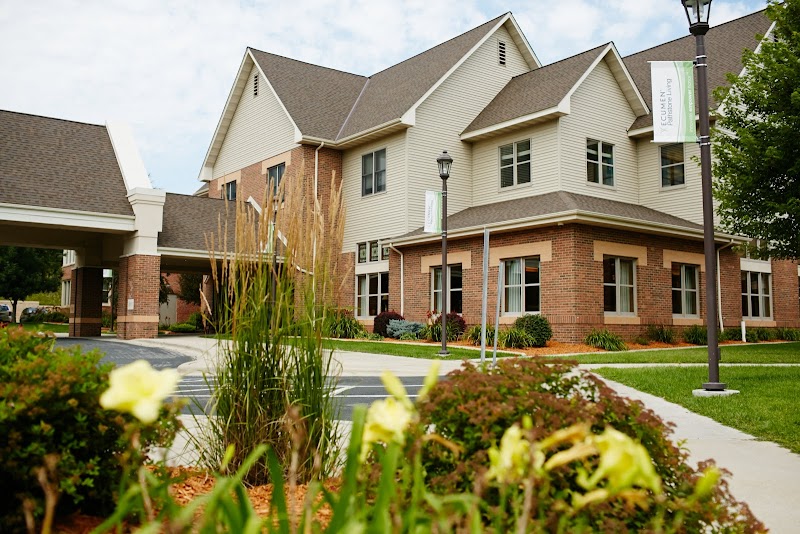


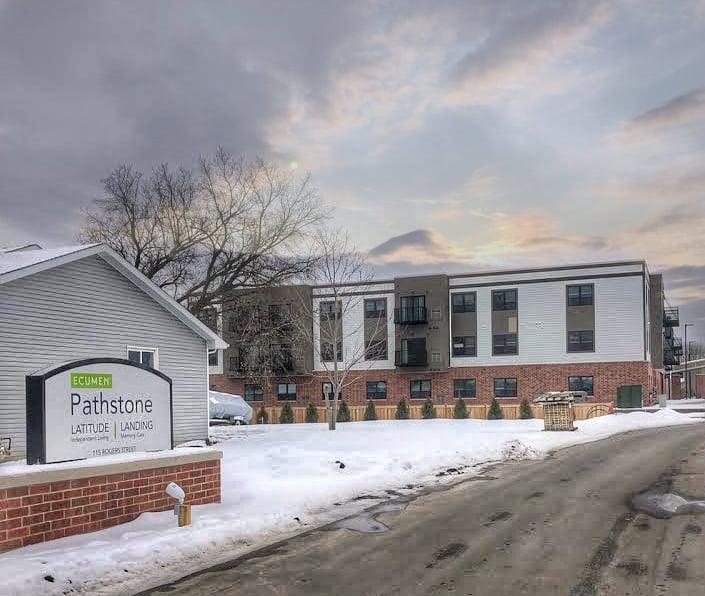
Pathstone Living

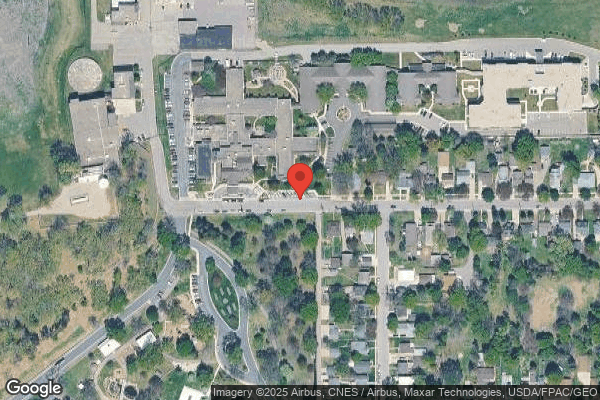
718 MOUND AVENUE, MANKATO, MN 56001 (507) 345-4576
Non profit - Corporation 69 Beds ECUMEN Data: November 2025 3 Immediate Jeopardy citations
Trust Grade
0/100
#254 of 337 in MN
Last Inspection: February 2025

Within standard 12-15 month inspection cycle. Federal law requires annual inspections.

Overview

Pathstone Living has received a Trust Grade of F, indicating significant concerns about the quality of care provided. They rank #254 out of 337 facilities in Minnesota, placing them in the bottom half, and #5 out of 5 in Blue Earth County, meaning there are no better local options. While the facility is showing improvement with a decrease in reported issues from 13 in 2024 to 4 in 2025, they still have a concerning level of fines totaling $120,546, which is higher than 96% of Minnesota facilities. Staffing is a relative strength with a 4/5 star rating, although turnover is at 50%, which is average. However, there have been critical incidents that raise alarms, such as improper mechanical lift transfers that resulted in residents experiencing pain and anxiety, and a failure to recognize changes in a resident's condition leading to a hospitalization and death. Overall, while there are some strengths, the facility has serious weaknesses that families should carefully consider.

Trust Score
F
0/100
In Minnesota
#254/337
Bottom 25%
Safety Record
High Risk
Review needed
Inspections
Getting Better
13 → 4 violations
Staff Stability
⚠ Watch
50% turnover. Above average. Higher turnover means staff may not know residents' routines.
Penalties
✓ Good
$120,546 in fines. Lower than most Minnesota facilities. Relatively clean record.
Skilled Nurses
✓ Good
Each resident gets 61 minutes of Registered Nurse (RN) attention daily — more than 97% of Minnesota nursing homes. RNs are the most trained staff who catch health problems before they become serious.
Violations
⚠ Watch
23 deficiencies on record. Higher than average. Multiple issues found across inspections.
★★☆☆☆
2.0
Overall Rating
★★★★☆
4.0
Staff Levels
★★★☆☆
3.0
Care Quality
★★☆☆☆
2.0
Inspection Score
Stable
2024: 13 issues
2025: 4 issues

The Good

  • 4-Star Staffing Rating · Above-average nurse staffing levels
  • Full Sprinkler Coverage · Fire safety systems throughout facility
  • No fines on record

Facility shows strength in staffing levels, fire safety.

The Bad

2-Star Overall Rating

Below Minnesota average (3.2)

Below average - review inspection findings carefully

Staff Turnover: 50%

Near Minnesota avg (46%)

Higher turnover may affect care consistency

Federal Fines: $120,546

Well above median ($33,413)

Significant penalties indicating serious issues

Chain: ECUMEN

Part of a multi-facility chain

Ask about local staffing decisions and management

The Ugly 23 deficiencies on record

3 life-threatening
Feb 2025 4 deficiencies
CONCERN (D)

Potential for Harm - no one hurt, but risky conditions existed

Deficiency F0657 (Tag F0657)

Could have caused harm · This affected 1 resident

**NOTE- TERMS IN BRACKETS HAVE BEEN EDITED TO PROTECT CONFIDENTIALITY** Based on interview and document review, the facility failed to ensure a care plan included cultural aspects for 1 of 2 residents...

Read full inspector narrative →
**NOTE- TERMS IN BRACKETS HAVE BEEN EDITED TO PROTECT CONFIDENTIALITY** Based on interview and document review, the facility failed to ensure a care plan included cultural aspects for 1 of 2 residents (R20) reviewed for food. Findings include: R20's facesheet printed on 2/11/25, included diagnoses of chronic kidney disease, heart failure and diabetes. R20's admission Minimum Data Set (MDS) assessment dated [DATE], indicated he was moderately impaired cognition, clear speech, was understood and could understand. R20 had no problems eating and required partial assistance with most activities of daily living. R20's physician orders dated 1/6/25, included a low sodium diet; 1/11/25, oral supplement, and 1/16/25, daily weights. R20's care plan dated 1/10/25, indicated R20 had a potential nutritional problem related to risk for malnutrition and need for a therapeutic diet. The care plan did not include cultural aspects at all, including food and/or meal preferences for R20. R20's [NAME] (a brief overview summarizing a residents care plan and used by NA's (nursing assistants) did not include potential cultural preferences. A NA task sheet which was typically used by NA's and which included brief notes to identify specific care needs of residents did not include potential cultural preferences. A high-risk nutritional assessment completed by the dietician dated 1/18/25, indicated: --Visited with R20 on 1/24/25 at lunch. Reported not having a good appetite. Discussed food preferences and other supplement options; willing to try but when trialed, did not consume. --Reported a poor appetite. Culinary team offers options within religious and cultural preferences but R20 reported with his poor appetite, nothing sounded or looked good. --Weight dropped in the first few days but had remained stable since 1/10/25. During an interview on 2/10/25 at 1:51 p.m., while resting in bed, R20 stated he had been at the facility for a month. R20 stated food was good for other residents, but not the kind we eat. R20 stated he was used to the same kinds of food but cooked in a different manner. R20 stated the chef was trying [to accommodate food preferences]. During an interview on 2/11/25 at 9:43 a.m., registered nurse (RN)-A who was also a nurse manager, stated she had developed R20's care plan and acknowledged nothing had been included to address R20's cultural preferences and needs, including food preferences. RN-A stated she had not thought to do that. During an observation and interview on 2/11/25 at 12:46 p.m., R20 was in the dining room seated at a table. On his plate were noodles with cut up chicken and vegetables on top, along with a brown sauce. R20 stated the food looked good, but didn't taste good, the chicken was tough. R20 stated, I'll eat a few bites, but that is all. During an interview on 2/11/25 at 1:26 p.m., the director of nursing (DON) verified there was nothing on R20's care plan indicating his cultural preferences, including food. The DON stated she was new to the facility and wasn't sure who would be responsible for adding cultural aspects to a care plan but thought it would be the social worker. The DON acknowledged she would expect cultural preferences to be included on a care plan. During an interview on 2/11/25 at 1:40 p.m., licensed social worker (LSW)-A who was new to the facility stated she had not added anything to resident care plans. The facility Comprehensive Person-Centered Care Plans policy with revised date of March 2022, indicated the comprehensive, person-centered care plan described the services that were to be furnished to attain or maintain the resident's highest practicable physical, mental, and psychosocial well-being. Services provided for or arranged by the facility and outlined in the comprehensive care plan were culturally competent. Care plan interventions were chosen only after data gathering, proper sequencing of events, careful consideration of the relationship between the resident's problem areas and their causes, and relevant clinical decision making. The Facility Assessment with revised date of 8/7/24, indicated: --The facility provided person-centered, competent care that helped each person served to live their lives as they wish. --The facility assessment collected information about the facility's resident population to identify .staff competencies, the ethnic, cultural and religious aspects of the unique resident population. --Each department identified the relevant information to identify the resident population and the resources available within their departments to meet the residents' needs. --The facility supported a culture of person-centered care with respect to personal preferences. The facility supported this through their admission process as well as day-to-day operations. For example: a variety of meal choices and times were offered .and resident-driven individualized plans of care were created. --The dining specialist completed an assessment with all new residents. When this information was shared and identified, it was added to the appropriate list and was followed in the kitchen when plating occurred and as tickets were brought in from the dining assistants. These preferences may be updated through the charting schedule, direct communication with dietary or nursing staff.
CONCERN (D)

Potential for Harm - no one hurt, but risky conditions existed

Safe Environment (Tag F0921)

Could have caused harm · This affected 1 resident

**NOTE- TERMS IN BRACKETS HAVE BEEN EDITED TO PROTECT CONFIDENTIALITY** Based on observation and interview, the facility failed to ensure 3 of 7 (R16, R54, R226) resident ceiling vents in the 3400 win...

Read full inspector narrative →
**NOTE- TERMS IN BRACKETS HAVE BEEN EDITED TO PROTECT CONFIDENTIALITY** Based on observation and interview, the facility failed to ensure 3 of 7 (R16, R54, R226) resident ceiling vents in the 3400 wing were clean when they had a black substance present on the vents. This deficient practice had the potential to affect all residents, staff, and visitors on the 3400 wings. Findings include: R16's admission Minimum Data Set (MDS) assessment dated [DATE], indicated R16 was admitted on [DATE]. R54's quarterly MDS dated [DATE], indicated R54 was admitted [DATE]. R226'S entry MDS 1/30/25, indicated R226 was admitted [DATE]. On 2/10/25 at 2:14 p.m., R226 stated the vent on his ceiling was dirty, and stated he didn't know if it was just dirt or mold. R226's ceiling vent was observed and the vent slates were covered with black substance. On 2/11/25 at 7:52 a.m., R226's ceiling vent was observed with the maintenance director (MD)-A and MD-A stated the vent had dust and dirt buildup and the vents need to be taken down and cleaned. MD-A added it was likely due to moisture causing the dirt to stick. MD-A stated maintenance was responsible to clean the vents and the vent cleaning was on a monthly checklist. MD-A further stated the checklist was a monthly checklist, but done only done quarterly. MD-A stated, the vents were expected cleaned prior to new residents moving into the rooms, at resident discharge, and when visibly dirty. MD-A confirmed the vents were dirty and needed cleaning. On 2/11/25 at 8:45 a.m., R16's and R54's ceiling vents were observed with MD-A, and MD-A confirmed the ceiling vents slates were black and dirty. On 2/11/25 1:51 p.m., the administrator stated the ceiling vents were expected cleaned and expected maintenance and housekeeping to keep vents and fans clean as often as necessary. The facility policy titled Departmental (Maintenance) - Plumbing, HVAC and Related Systems undated, indicated: The purpose of this procedure is to guide the sanitary handling of the plumbing, heating, ventilation, air conditioning, and related systems within the facility. Items to be repaired should be free of visible soil.
CONCERN (E)

Potential for Harm - no one hurt, but risky conditions existed

Antibiotic Stewardship (Tag F0881)

Could have caused harm · This affected multiple residents

Based on interview and document review, the facility failed to implement a process for antibiotic review in order to determine appropriate indications, dosage, duration, trends of antibiotic use and r...

Read full inspector narrative →
Based on interview and document review, the facility failed to implement a process for antibiotic review in order to determine appropriate indications, dosage, duration, trends of antibiotic use and resistance. This had the potential to affect any residents who had infections requiring antibiotic use. Finding include: On 2/11/25 at 1:23 p.m.,during an interview, the assistance director of nursing (ADON)-B, also identified as infection preventionist, stated he tracked and documented infections and antibiotics use on a software program but was not able to print out any reports. On 2/11/25 at 2:45 p.m., ADON-B was able to print out infection/antibiotic use lists. Review of the facility's monthly antibiotic use from 5/1/24 through February 11, 2025, included: resident, unit/room number, infection date, infection, diagnosis, medication, provider, outcome, date infection resolved and bacteria. There was also a space for signs and symptoms and other information located underneath the headings. Review of the data indicated 34 urinary tract infections (UTI) treated with antibiotics out of 37 total infections did not include culture results and analysis of antibiotic treatment. Six of the 37 UTI's had documented diagnosis of suspected UTI on the flow sheet. Five residents were on prophylactic antibiotics with 126 residents receiving antibiotics. ADON-B indicated he has a difficult time accessing culture results and not all physicians follow the McGeer criteria (set of consensus definitions for infections) and complete testing for suspected infections. ADON-B stated he doesn't report on MDRO, prophylactic use or antibiotic use at infection control meetings or quality assurance performance improvement meetings (QAPI). On 2/11/25 at 3:59 p.m., the director of nursing (DON) stated ADON-B was responsible for collection, analysis and surveillance of antibiotic use. DON indicated it has been a difficult process to access culture results. DON confirmed the antibiotic stewardship program lacks analysis and monitoring. The facility Antibiotic Stewardship policy dated 12/2016, with review date of 10/24, included: -Antibiotics will be prescribed and administered to residents under the guidance of the facility's Antibiotic Stewardship Program. - The purpose of our Antibiotic Stewardship Program is to monitor the use of antibiotics in our residents. - When a culture and sensitivity is ordered lab results and the current clinical situation will be communicated to the prescriber as soon as available to determine if antibiotic therapy should be started, continued, modified or discontinued. The facility Prevention and Control Program policy dated 10/18, indicated Infection prevent control program is established and maintained to provide safe sanitary and comfortable environment to help prevent the development and transmission of communicable diseases and infections. 8. Antibiotics stewardship a. Culture reports sensitivity data and antibiotic usage reviews are included in surveillance activities. b. Medical criteria and standard definitions are of infections are used to help recognize and manage infections. c. Antibiotic usage is evaluated and practitioners are provided feedback on reviews
CONCERN (F)

Potential for Harm - no one hurt, but risky conditions existed

Infection Control (Tag F0880)

Could have caused harm · This affected most or all residents

**NOTE- TERMS IN BRACKETS HAVE BEEN EDITED TO PROTECT CONFIDENTIALITY** Based on interview, observation, and document review the facility failed to ensure the infection control program included ongoin...

Read full inspector narrative →
**NOTE- TERMS IN BRACKETS HAVE BEEN EDITED TO PROTECT CONFIDENTIALITY** Based on interview, observation, and document review the facility failed to ensure the infection control program included ongoing surveillance, trending and analysis of resident infections, and failed to ensure enhanced barrier precautions (EBP) were implemented for 1 of 1 residents (R38) reviewed for nephrostomy tube. This had potential to affect all 64 residents who resided in the facility. Finding include: On 2/11/25 at 1:23 p.m., during an interview the assistant director of nursing (ADON)-B who also identified as infection preventionist, stated he tracked and documented infections and antibiotics use on a software program but was having difficulty accessing reports. ADON-B showed a separate spread sheet used for Influenza and Covid-19 outbreaks they recently had in December 2024 and January 2025, which did not include signs and symptoms, treatment, or if transmission based precautions were implemented. On 2/11/25 at 2:45 p.m., the ADON-B was able to print out infection/antibiotic use lists. The form included headers on flow sheet for resident, unit/room number, infection date, infection, diagnosis, medication, provider, outcome, date infection resolved and bacteria data. There was also a space for signs and symptoms and other information located underneath the headings. Review of the facility's monthly resident infection statistics 5/1/24 through February 11, 2025, indicated: signs and symptoms of infection were documented for 13 of 128 infections listed; the bacteria column was completed on 27 of 128 infections listed; the outcome column was completed on 61 of 128 infections listed. The surveillance flow sheet also lacked information regarding transmission based precautions implementation and if infection was healthcare associated (HAI) in the facility. ADON-B confirmed the tracking log did not include signs and symptoms, transmission based precaution use, if HAI, date of resolution and culture/x-ray results. ADON-B indicated had a difficult time accessing culture and x-ray reports and not all physicians follow McGeer's criteria (consensus definition of infection in long term care) for ordering testing prior to treating infections. ADON-B stated he does not print out monthly or quarterly reports for infection analysis, was unable to state what the facilities current infection are or have been and he does not report on this information at infection control meetings and quality assurance and performance improvement meetings. On 2/11/25 at at 3:59 p.m., the director of nursing (DON) stated ADON-B was responsible for collection, analysis and surveillance of facility infections. The DON indicated it has been a difficult process to access culture results. The DON confirmed infection surveillance was not complete and the facility could improve the process. The facility Surveillance for Infections policy dated 11/2017, with review date of 10/24, included: That infection preventionist will conduct ongoing surveillance for healthcare associated infections (HAIs) and other epidemiologically significant infections that have substantial impact on potential resident outcome and that may require transmission based precautions and other preventative interventions. 1. The purpose of this surveillance of infections is to identify both individual cases and trends of epidemiologically significant organisms and health care associated infections to guide appropriate interventions and to prevent future infections. 2. The criteria for such infections are based on the current standard definitions of infections. 3. Infections that will be included in routine surveillance include those with: a. evidence of transmissibility in a healthcare environment b. available processes and procedures that prevent or reduce the spread of infection c. clinically significant morbidity or mortality associated with infection (e.g. pneumonia, UTIs, C. difficile); d. pathogens associated with serious outbreaks 4. Infections that may be considered in surveillance include those with limited transmissibility and health care environment and/or limited prevention strategies Gathering Surveillance Data 1. Infection preventionist are designated infection control personnel is responsible for gathering and interpreting surveillance data. The infection control committee and or QAPI committee may be involved in interpretation of data 2. If surveillance should include a review of any or all of the following information to help identify possible indicators of infection: a. laboratory records b. skin care sheets c. infection control rounds or interviews d. verbal reports from staff infection documentation records e. temperature logs f. pharmacy records g. antibiotic review h. transfer log/summaries 3. Laboratory reports are used to identify relevant information the following findings merit further evaluation: a. positive blood cultures b. positive cultures that do not just represent surface colonization c. positive urine cultures with corresponding signs and symptoms that suggest infection d. positive sputum culture e. other positive cultures f. all cultures positive for Group A streptococcus 4. In addition to collecting data on the incidence of infections the surveillance system is designed to capture certain epidemiologically important data that may influence how the overall surveillance data is interpreted for example focus surveillance data may be gathered for residents with high risk for infection or those with their recent hospital stay. Data Collection and Recording 1. For residents with infections that meet the criteria for definition of infection for surveillance collect the following data as appropriate: identifying information, diagnosis, admission date date of onset of infection, infection site, pathogens invasive procedures are risk factors, pertinent remarks, treatment measures and precautions. Calculating infection rates: to determine the incidence of infection per 1000 residents days, divide the number of new healthcare associated infections for the month by the total resident days for the month. Interpreting Surveillance Data 1. Analyze the data to identify trends a. compare the rates to previous months in the current year and to the same month in previous years to identify trends. b. consider how increases or decreases might relate to recent process changes, events, or activities in the facility. Trends should be monitored c. if the infection rates rise each month over a period of six months additional advice is warranted. 2. Surveillance data will be provided to the Infection Control Committee regularly. 3. The Infection Control Committee will determine how important surveillance data will be communicated to the Physicians and other providers, the Administrator, nursing units and the local and State Health Departments. EBP R38's facesheet printed on 2/11/24, included diagnosis of hydronephrosis (when one or both kidneys swell and urine does not fully empty from body). R38's admission Minimum Data Set (MDS) assessment dated [DATE], indicated R38 had a nephrostomy tube, and required substantial assistance with toileting. R38's physician order dated 1/31/25, indicated enhanced barrier precautions were required due to risk factors, every shift for infection prevention. R38's care plan dated 1/31/25, indicated R38 had moderately impaired cognition, required substantial assistance with toileting, had a nephrostomy tube and risk factors that required EBP. During observation and interview on 2/10/25 at 3:21 p.m., observed nursing assistant (NA)-A enter R38's room. R38's light had been on and R38 informed NA-A she needed to use the bathroom. Observed a PPE (personal protective equipment) cart outside of R38's room, and a sign next to R38's door indicating R38 was in EBP's, and staff were to wear gloves and gown when assisting with toileting. NA-A entered the room without donning gloves and gown. During observation and interview on 2/10/25 at 3:29 p.m., NA-A exited R38's room. NA-A stated she had assisted R38 to the bathroom. NA-A stated she was aware R38 was in EBP because she had a tube going into her kidney, but didn't think she needed to wear PPE if she wasn't dealing with the tube directly. Together looked at the EBP sign and NA-A stated she should have worn PPE, but didn't think of it. NA-A stated she had education on EBP. During an interview on 2/11/25 at 9:41 a.m., registered nurse (RN)-A who was also a nurse manager stated R38 was in EBP because she had a nephrostomy tube and expected staff to wear PPE when they toileted her. RN-A provided a pocket guide the facility recently created to remind staff when to wear PPE for EBP's as staff were not always clear on it. During an interview on 2/11/25 at 12:29 p.m., ADON-B stated he expected staff to wear PPE when a resident was in EBP and that toileting was a direct care activity that required PPE for the protection of that resident and other residents. ADON-B stated they had done multiple trainings on EBP and created a pocket guide to assist staff because not all were compliant with the policy. During an interview on 2/11/25 at 1:23 p.m., the DON was informed of the findings and stated she expected staff to adhere to the EBP sign on the door. A sign-in sheet for a NA meeting dated 3/28/24, where EBP was discussed indicated NA-A was in attendance. The facility Enhanced Barrier Precautions policy with revised date of 8/2022, indicated EBP's were used as an infection prevention and control intervention to reduce the spread of multi-drug-resistant organisms (MDROs) to residents. Gloves and gown were applied prior to performing the high contact resident care activity. Examples of high-contact resident care activities requiring the use of gown and gloves for EBP's included transferring and assisting with toileting. EBP's were indicated for residents with wounds and/or indwelling medical devices regardless of MDRO colonization. Staff were trained prior to caring for residents on EBP's. Signs were posted on the door or wall outside the resident room indicating the type of precautions and PPE required. PPE was available outside of the resident rooms.
Sept 2024 1 deficiency 1 IJ
CRITICAL (J) 📢 Someone Reported This

A family member, employee, or ombudsman was alarmed enough to file a formal complaint

Immediate Jeopardy (IJ) - the most serious Medicare violation

Quality of Care (Tag F0684)

Someone could have died · This affected 1 resident

**NOTE- TERMS IN BRACKETS HAVE BEEN EDITED TO PROTECT CONFIDENTIALITY** Based on interview and record review, the facility failed to recognize a sudden change of condition which resulted in a delay of...

Read full inspector narrative →
**NOTE- TERMS IN BRACKETS HAVE BEEN EDITED TO PROTECT CONFIDENTIALITY** Based on interview and record review, the facility failed to recognize a sudden change of condition which resulted in a delay of treatment for 1 of 3 resident (R1) reviewed with change condition. As a result R1 experienced chest pain was hospitalized and died. The immediate jeopardy (IJ) began on [DATE] when licensed nursing staff failed to comprehensively assess and monitor R1 after he voiced he was having chest pain. The Administrator and Director of Nursing (DON) were notified of the IJ on [DATE] at 4:30 p.m. The IJ was removed on [DATE] but non-compliance remained at the lower scope and severity level 2 (D), which indicated no actual harm with potential for more than minimal harm that is not IJ. Findings include: R1's face sheet dated [DATE], identified R1 admitted 7/24. R1 had diagnoses of non-st elevation myocardial infarction (heart attack that happens when part of your heart is not getting enough oxygen), atrial fibrillation (irregular heart rhythm in the heart's upper chambers), history of stroke (blood supply to part of the brain is blocked or reduced), nonrheumatic aortic stenosis (heart valve problem that affects the blood flow to the heart and body), and gastroesophageal reflux disease (GERD) (chronic condition where stomach acid flows back into the mouth from the esophagus). R1's admission Minimum Data Set (MDS) dated [DATE], identified R1 had moderate cognitive impairment. R1 had no impairments to upper or lower body and used a walker and wheelchair to move around the facility. R1 required substantial assistance to dress lower body, and supervision assistance with upper body, toileting, and transferring. R1 had an indwelling urinary catheter. R1's care plan dated [DATE], identified R1 had altered cardiovascular status and would remain free from cardiac complication. Interventions included to monitor vital signs and notify the medical doctor of significant abnormalities. R1's provider visit note dated [DATE], identified nonrheumatic aortic valve stenosis had caused recurrent chest pain, staff were to monitor for any signs of recurring chest pain, signs, or symptoms of fluid overload and to call provider if noted. During an interview on [DATE] at 10:41 a.m., licensed practical nurse (LPN)-C stated R1 was always good at telling her when something was wrong physically with him such as if he had a concern about his catheter or blood sugar readings. R1's progress note dated [DATE] at 8:47 p.m., identified R1 had 2+ pitting edema to bilateral lower extremities, crackles noted at base of lungs. R1 denied shortness of breath (SOB). Vital signs were blood pressure (BP) 132/75 (normal range 120/80), temperature (T) 98.2 (normal 95.9-99.5), pulse (P) 71 (normal 60-100), 95% oxygen (O2) room air (normal 95-100%), respirations (R) 18 (normal 12-20). On rounds to notify provider and put a message in Teams for nurse manager. R1's late entry progress note documented on [DATE] at 5:11 p.m. identified on [DATE] at 6:15 a.m., an aide reported R1 was complaining of chest pain. R1 was talking normally, did not complain of any radiating in his extremities. R1's vital signs were within normal limits (R1's record did not include recorded vital signs between 6:00 a.m. 7:00 a.m.). R1 had 2+ pitting edema to bilateral lower extremities (BLE) and wheezing in the lower lobes with a six-pound weight gain in a week and a half. Monitor R1 for increased chest pain, radiating, and difficulty breathing and address with provider when they are at the facility at 8:00 a.m. R1's late entry progress note documented on [DATE] at 5:40 p.m. for [DATE] at 7:11 a.m., identified R1 was sitting in recliner and did not appear to be distressed or anxious. R1 stated pain was in the center of his chest. R1 stated the pain was not radiating anywhere and he did not have pain anywhere else. R1 reported pain between 4-6/10. R1 had been to the bathroom prior to nurse entering room and R1 denied SOB or increased pain with movement. R1 had increased blood sugar (BS) of 204 (normal BS range is 80-130 before meals), which was noted to be high for R1. R1 complained of nausea and nursing assistant brought yogurt for R1 and he declined Tylenol. R1's late entry progress note documented on [DATE] at 5:40 p.m. for entry from [DATE] at 7:58 a.m., identified R1 had 1,000 milligrams (mg) of Tylenol for pain. R1's family member (FM)-A was present in room and R1 appeared calm and was sitting in the recliner. R1's late entry progress note documented on [DATE] and 5:40 p.m. for entry from [DATE] at 8:05 a.m., identified R1 was complaining of chest pain and nausea. R1 did not complain of increased pain with breathing and pain was not radiating. R1 did have a small, clear emesis with continued nausea. Continue to monitor symptoms and notified nurse manager and told her it was put on rounds for the provider to address when she arrived. R1's vital sign record on [DATE] at 8:15 a.m. were BP 115/71, T 97.5, P 61, R 16, 02 99% room air. R1's late entry progress note documented on [DATE] at 5:45 p.m. for entry from [DATE] at 8:29 a.m., identified R1's family member (FM-A) came to the nurse's station after the provider recommendation to be sent to the emergency room. Nurse asked FM-A if they wanted to transport R1 or if the facility should call the ambulance. R1's late entry progress note documented on [DATE] at 5:43 p.m. for [DATE] at 8:30 a.m., identified LPN-B called provider about R1's symptoms and physician requested R1 be sent to the emergency room. In review of R1's record on [DATE], the record did not identify continuous monitoring of R1's condition and did not include a comprehensive assessment of R1's cardiac status. R1's Interact Transfer to Hospital form dated [DATE] at 8:30 a.m., identified most recent vital signs were on: [DATE]- BP 133/72, R 18, T 98.7, P 80, 02 97%, [DATE], vital signs were not recorded, Pain level 6 R1's progress note dated [DATE] at 8:38 a.m., identified R1 stated pain was 4-6, not radiating and not worse when he takes a deep breath or with exertion. Vitals within normal limits and 2+ pitting edema to BLE. R1 stated Tylenol was not effective, provider notified and recommended to send to emergency room. Ambulance called and FM-A was with R1. R1's late entry progress note dated [DATE] at 8:45 a.m., identified ambulance was dispatched to facility. Fire department arrived and said the ambulance was approximately 45 minutes out. R1 complained of pain radiating in the upper extremities to the fire department. R1's progress note dated [DATE] at 9:37 a.m., identified R1 discharged to the hospital on [DATE] at 9:00 a.m. R1's hospital records dated [DATE], identified on [DATE], R1 had an electrocardiogram performed which showed acute anterior STEMI (severe type of heart attack that affects the lower chambers of the heart and can cause permanent damage or death). R1 had a surgical procedure however after procedural intervention, R1 suffered complications that included cardiogentic shock and pulmonary hemorrhage (acute bleeding from the lung).R1 transferred to comfort cares and expired on [DATE] at 7:50 p.m., with preliminary cause of death listed as cardiac arrest. During an interview on [DATE] at 11:42 a.m., licensed practical nurse LPN-A stated on [DATE] an aide came to her around 6:00 a.m. and informed her R1 had chest pain. LPN-A stated R1 had never had chest pain before. LPN-A stated she went and did a little check on him. LPN-A examined his legs and noted they were bigger than she had seen them before. LPN-A listened to R1's lungs and noted wheezing in the lower lobes and heard it more in the left than the right. LPN-A asked R1 if the pain radiated, any SOB or hurting with taking a deep breath, and took a set of vital signs. R1's vital signs were as close to perfect as anyone could get which did not seem like they would be for someone in distress. However, LPN-A could not recall what R1's vital signs were that she had collected. At that point she left the room and told R1 to call if he had any questions and she would be back to check on him. LPN-A told LPN-B of her findings and they both felt the R1's symptoms were associated with the six-pound weight gain in 1.5 weeks and made sure that R1 was on the rounding sheet for physician to see him later that morning. Sometime before before 8:00 a.m., R1 had an emesis bag in his hand and had spit up of clear fluid, no frothiness. LPN-A reported R1's emesis to LPN-B who told her it is something that would happen with fluid build-up in the lungs. At 8:00 a.m. LPN-A informed the nurse managers (NM) of R1's condition and R1 was on rounds for later that morning. Around 8:25 a.m., NM-A came over with R1's family member (FM)-A and asked her what we were doing with the situation. LPN-A explained to FM-A that they were waiting for physician rounds. NM-A then told LPN-A to call the provider and not wait. LPN-B called provider while LPN-A called the ambulance. During an interview on [DATE] at 2:43 p.m., LPN-B indicated on [DATE] at approximately 6:00 a.m., during morning shift report LPN-A mentioned R1 had chest pain and she assessed him, so LPN-B began the medication pass. LPN-B entered R1's room around 7:00 a.m. and checked his blood sugar. R1 and LPN-B discussed the high reading and the new symptom of nausea. LPN-B did not see any emesis in the emesis bag and did not listen to his lungs. LPN-B stated R1 explained the pain was above the belly button at the center of his chest and not worse with movement and not radiating. LPN-B had R1 eat a yogurt because he had a diagnosis of GERD; the yogurt would coat his stomach lining and relieve his nausea. She offered R1 Tylenol for the chest pain but R1 declined. He did request the Tylenol a short time later when his family member was present. A short time later R1' FM-A came out of R1's room and told her the Tylenol was not working and the pain had increased. LPN-B went straight to the phone and called the physician who ordered R1 to be sent to the hospital urgently. During a phone interview on [DATE] at 4:10 p.m., family member (FM)-A stated she got a call from (R1) around 7:00 a.m. complaining he had heavy chest pain and had been trying to reach staff and was told by staff the provider would be at the facility around 8:00 a.m. I was irritated and told them to call the doctor, how can you provide better service in that situation because clearly he was having a major heart attack!. During an interview on [DATE] at 1:24 p.m., NM-A stated on [DATE] around 8:00-8:30 a.m., she was informed FM-A was upset and at the nursing desk, so she went to talk with her. NM-A explained that was when she found out R1 had chest pain. When she asked LPN-A and LPN-B they informed her the physician had not been notified of R1's chest pain but his was added to the physician round list to be seen that morning, NM-A directed them to call the physician immediately because R1 had chest pain and could be a cardiac event which would need emergency intervention. In those cases we should call 911 and notify the physician after. During an interview on [DATE] at 10:13 a.m., nurse practitioner (NP)-A stated R1 was very in tune with his body and would ask questions about the healing process and about anything that happened during his stay health related. NP-A received a call from the facility at 8:26 a.m., R1 had been having chest pain since 5:30 a.m. I would expect the facility to call for chest pain, any word of chest pain. We were already behind [with emergency treatment]when they did call because they had not called at the onset of chest pain and I said to send him in immediately. R1 died last evening from complications, whether R1 died as a result of delayed treatment or surgery NP-A was unsure. NP-A stated R1 was planning to discharge home in the next couple of weeks when therapy was complete. During an interview on [DATE] at 1:38 p.m., administrator stated she expected the staff to notify the doctor for a change in condition and not wait until the provider is going to round on the resident, even if the provider is scheduled to come the next morning. Administrator stated after the incident occurred the facility began immediate actions to remedy the situation by providing education to all nursing staff, which included re-education on change of condition, signs and symptoms of cardiac conditions, a quiz that inquired of nurses what they considered a change of condition, and what do nurses do when a change of condition occurs along with a nurse meeting that was scheduled for next week to again review change of condition. Administrator and DON reviewed all residents by running a report and reviewing all other residents with recent changes in condition and identified no other at-risk residents. The facility Change in a Resident's Condition or Status policy revised February 2021 directed: -Our facility promptly notifies the resident, attending physician and resident representative of changes in the residents medical/mental condition and/or status. -significant change in resident's physical/emotional/mental condition 2. A significant change of condition is a major decline or improvement in the resident's status that: -will not normally resolve itself without intervention by staff or by implementing standard disease-related clinical interventions -impacts more than one area of the resident's health status -requires interdisciplinary review and /or review on to the care plan; and -ultimately is based on the judgement of the clinical staff and the guidelines outlined in the Resident Assessment Instrument. 3. Prior to notifying the physician or healthcare provider, the nurse will make detailed observations and gather relevant and pertinent information for the provider; including information prompted by the Interact SBAR Communication Form. 8. the nurse will record in the resident's medical record information relative to changes in the resident's medical/mental condition of status. The facility Resident Examination and Assessment revised February 2014 directed the facility to examine and assess the resident for nay abnormalities in health status, which provides a basis for the care plan. Physical Exam included: -vital signs (blood pressure, pulse, respirations, and temperature) -cardiovascular (heart rate and rhythm, peripheral pulses, capillary refill) -respiratory (lung sounds, irregular or labored respirations, cough, sputum) -neurological (alertness and orientation, speech clarity) -genitourinary (urine clear or cloudy, presence of catheter) The past non-compliance IJ that began on [DATE] and was removed on [DATE] when it was verified the facility implemented the following: 1) re-education on change of condition with nurse management team prior to next shift 2) posters of signs/symptoms of cardiac episodes posted at nurses stations and reviewed with all staff 3) quiz for each nurse to take asking what do nurses do when a change of condition occurs, what is considered a change of condition 4) review of like residents and no one else was at-risk 5) nurse meeting scheduled for the week of [DATE] to reiterate presented education.
Apr 2024 10 deficiencies
CONCERN (D)

Potential for Harm - no one hurt, but risky conditions existed

Report Alleged Abuse (Tag F0609)

Could have caused harm · This affected 1 resident

**NOTE- TERMS IN BRACKETS HAVE BEEN EDITED TO PROTECT CONFIDENTIALITY** Based on interview and document review, the facility failed to ensure an allegation of misappropriation of property was reported...

Read full inspector narrative →
**NOTE- TERMS IN BRACKETS HAVE BEEN EDITED TO PROTECT CONFIDENTIALITY** Based on interview and document review, the facility failed to ensure an allegation of misappropriation of property was reported to the state agency (SA) within 24 hours, in accordance with established policies and procedures, for 1 of 1 resident (R1) reviewed for allegation of money theft. Findings include: R1's facesheet printed on 4/11/24, included diagnoses of macular degeneration (an eye disease that causes vision loss) and cognitive communication deficit. R1's quarterly Minimum Data Set (MDS) dated [DATE], indicated R1 was cognitively intact, had adequate vision and hearing, clear speech, was understood and able to understand. R1 was independent with most activities of daily living. R1's care plan initiated on 8/18/23, indicated R1 had a behavior problem of paranoia related to dementia and would have fewer episodes of paranoia. During an interview on 4/8/24 at 1:20 p.m., R1 stated he had cash stolen from his room a couple weeks ago, approximately $70 in a pouch. R1 stated the facility was aware of the missing cash and a police officer had talked to him about it over the phone. According to R1, as of today (4/8/24), the money had not been found. A progress note dated 3/12/24 at 11:11 a.m., indicated R1 reported to staff money had been stolen from his room. The note indicated R1 informed staff all his dollars and change were taken but was unsure of the exact amount. Writer reported this to nurse manager and social worker. A progress note dated 3/14/24 at 10:23 a.m., indicated SW (social worker) contacted the local police department to report R1's allegation of missing cash. A grievance report hand-written by LSW-A and dated 3/12/24, indicated the following: R1 was missing money - a purse and money clip. It happened over the course of about a week; three different times. R1 had not suspected a specific person or time when it may have occurred. R1 was interviewed and also FM-A to verify the objects existed and validity of the report. R1's room was searched and did not find a purse or money clip. The first time it occurred, the $20's and $10's went missing and two dollars were folded and put in the money clip. The second time, the five-dollar bills were gone and the last time, the change was gone. Each happened about two days a part. Filed a police report with R1 speaking on the phone. Police filed a MAARC report. R1 had a functioning key and lock in which to put his belongings. During an interview on 4/9/24 at 2:32 p.m., licensed social worker (LSW)-A stated she was aware of R1's allegation of missing cash and when informed of it, searched R1's room and had not found it. LSW-A stated law enforcement had been notified and a police report filed. LSW-A stated a report had not been filed with the SA because law enforcement informed her they would file a MAARC (Minnesota Adult Abuse Reporting Center) report. According to LSW-A, on 4/4/24, at care conference, R1 reported he found the cash in his underwear drawer. LSW-A stated R1's family member (FM)-A brought the pouch of cash to the care conference that day and then took the pouch home. LSW-A stated they had questioned whether the cash was ever really missing since R1 tended to fabricate stories. During an interview on 4/11/24 at 1:45 p.m., regional nurse consultant (RNC)-B stated LSW-A had informed her of the allegation, including not reporting it to the SA. RNC-B stated she would have expected the missing money to be reported to SA within the required time frame indicated in the facility policy. The facility Investigating Incident of Theft and/or Misappropriation of Resident Property with revised date of April 2021, indicated all reports of exploitation, theft or misappropriation of resident property were promptly and thoroughly investigated. Residents had the right to be free from exploitation, theft and/or misappropriation of personal property. If an alleged or suspected case of theft, exploitation or misappropriation of resident property was reported, the administrator or his/her designee notified the following persons or agencies within 24 hours of such incident as appropriate: state licensing and certification agency, ombudsman, resident representative, adult protective services, law enforcement.
CONCERN (D)

Potential for Harm - no one hurt, but risky conditions existed

Assessment Accuracy (Tag F0641)

Could have caused harm · This affected 1 resident

**NOTE- TERMS IN BRACKETS HAVE BEEN EDITED TO PROTECT CONFIDENTIALITY** Based on observation, interview and document review, the facility failed to ensure resident status was accurately identified in ...

Read full inspector narrative →
**NOTE- TERMS IN BRACKETS HAVE BEEN EDITED TO PROTECT CONFIDENTIALITY** Based on observation, interview and document review, the facility failed to ensure resident status was accurately identified in the Minimum Data Set (MDS) assessment for 2 of 2 resident (R52, R21) reviewed for hospice and pressure ulcers. Findings include: R52's Face Sheet indicated admission date was 2/7/24, and diagnoses of malignant neoplasm (uncontrolled growth and division of abnormal cells) of upper lobe of lung, malignant neoplasm of bone and heart failure. R52's admission significant change, Minimum Data Set (MDS) dated [DATE], section O, K1 under special treatments and programs, did not include hospice care services. Section J 1400 Prognosis: conditions or chronic diseases that may result in a life expectancy of less than 6 months was marked as yes. R52's provider order dated 2/29/24, indicated hospice was to evaluate. During interview on 4/8/24 at 12:42 p.m., R52 indicated she is receiving hospice services but was not sure who the hospice agency was. During interview on 4/9/24 at 8:56 a.m., registered nurse (RN)-A, also identified as MDS coordinator, indicated R52 is currently receiving hospice services. Upon review of the significant change MDS, RN- A confirmed section 0 was not coded correctly as R52 is receiving hospice services. R21's Face Sheet included diagnoses of hemiplegia and hemiparesis ( mild or partial weakness to severe or complete loss of strength or paralysis on one side of body) following cerebral infarction ( area of dead tissue in the brain resulting from brain bleed or blood clot) affecting left dominant side, and diabetes mellitus type 2. R21's quarterly MDS dated [DATE], listed as ready for export and locked, indicated R21 was at risk for pressure ulcer (PU) injury but has none. Deep tissue injury was also answered no. PU or injury care included application of ointments/medications other than to feet. R21's Skin assessment dated [DATE], indicated small open shallow area on left buttock, and pressure ulcer on left heel measuring 2 cm x 3 cm, closed with peeling edges. During interview on 4/11/24 at 12:13 p.m., RN-B, also identified as MDS coordinator, confirmed the quarterly MDS was incorrect as R21 does have pressure ulcer present and injury cares and treatment. RN-B confirmed she would not have looked at the MDS again and would have submitted it incorrectly. During interview on 4/10/24 at 2:37 p.m., the director of nursing stated the MDS should have been completed accurately. The facility MDS Assessment Coordinator policy and procedure dated 11/2019, included an RN shall be responsible for conducting and coordinating the development and completion of the resident assessment. Each individual who completes a portion of the assessment must certify the accuracy of that portion of the assessment by dating and signing the assessment and identifying each section completed.
CONCERN (D)

Potential for Harm - no one hurt, but risky conditions existed

Deficiency F0655 (Tag F0655)

Could have caused harm · This affected 1 resident

**NOTE- TERMS IN BRACKETS HAVE BEEN EDITED TO PROTECT CONFIDENTIALITY** R29's admission MDS dated [DATE], indicated R29 was admitted to the facility 3/5/24, had moderately intact cognition, dependent ...

Read full inspector narrative →
**NOTE- TERMS IN BRACKETS HAVE BEEN EDITED TO PROTECT CONFIDENTIALITY** R29's admission MDS dated [DATE], indicated R29 was admitted to the facility 3/5/24, had moderately intact cognition, dependent on staff for toileting and transfers, required substantial/maximal assistance with shower/bathe and dressing, required supervision with eating and oral hygiene, and diagnoses included pneumonia, urinary tract infection, and mild cognitive impairment . R29's baseline care plan indicated effective date of 3/5/24. On 4/11/24 at 12:30 p.m., during a interview family member (FM)-H stated she did not recall the facility providing a copy of the baseline care plan. R57's admission MDS dated [DATE], indicated R57 was admitted the facility 3/14/24, had severe cognitive impairment, required supervision with personal hygiene, sit to stand, chair transfer, and walking and diagnoses included aphasia (ability to understand or express speech), hemiplegia following cerebral infract (paralysis of partial or total body function on one side of the body after a stroke) affecting right side, tobacco use, muscle weakness, anxiety disorder, depression, and diabetes. R57's baseline care plan indicated effective date of 3/14/24. On 4/11/24 at 9:49 a.m., registered nurse (RN)-C, known as the regional nurse coordinator, stated it was not current facility practice to provide the resident or resident representative a copy of the baseline care plan. The facility Care Plans-Baseline policy and procedure dated 3/2022, included: - A baseline plan of care to meet the resident's immediate health and safety needs is developed for each resident within 48 hours of admission. - The resident and/or representative are provided a written summary of the baseline care plan (in a language that the resident/representative can understand) that includes but is not limited to the following: - The stated goals and objectives of the resident; -A summary of the resident's medications and dietary instructions; -Any services and treatments to be administered by the facility and personnel acting on behalf of the facility; -Any updated information based on the details of the comprehensive care plan, as necessary. -Provision of the summary to the resident and or resident representative is documented in the medical record. Based on interview and document review, the facility failed to offer/provide a summary of the baseline care plan to the resident and/or resident representative for 3 of 3 residents (R29, R57, R112 ) reviewed who were newly admitted . Findings include: R112's admission Record identified an admission date of 3/22/24, with diagnoses of displaced fracture of head of right radius (bone of forearm) and fracture (break) around internal prosthetic right hip joint (hip replacement). R112's admission Minimum Data Set (MDS) dated [DATE], identified R112 as having a brief interview for mental status (BIMS) score of 15 indicating the resident was cognitively intact. R112's activities of daily living MDS section was not completed. R112's baseline care plan indicated R112 required staff will assist with dressing grooming with extensive to limited assistance as R112 is non weight bearing on right leg. Comments included use pivot disc and assist of two from wheelchair to bed or recliner. When interviewed on 4/8/24 at 4:15 p.m., R112 stated she never received a copy of her plan of care and would like to have one. During interview on 4/9/24 at 2:55 p.m., R112 indicated she did have a care conference and some things about her care were discussed but was never was offered or received a copy of her plan of care. When interviewed on 4/10/24, at 12:41 p.m., social worker (SW)-A indicated they bring a copy of the care plan with to the care conference and pass it around, but do not give a copy to the resident or family member. SW-A stated We only give copies if one is requested. When interviewed 4/10/24 at 2:39 p.m., the director of nursing (DON) confirmed a copy of the baseline care plan was not being offered to the resident or a family member.
CONCERN (D)

Potential for Harm - no one hurt, but risky conditions existed

Deficiency F0679 (Tag F0679)

Could have caused harm · This affected 1 resident

**NOTE- TERMS IN BRACKETS HAVE BEEN EDITED TO PROTECT CONFIDENTIALITY** Based on observation, interview and document review, the facility failed to ensure individualized activities were provided for 1...

Read full inspector narrative →
**NOTE- TERMS IN BRACKETS HAVE BEEN EDITED TO PROTECT CONFIDENTIALITY** Based on observation, interview and document review, the facility failed to ensure individualized activities were provided for 1 of 1 resident (R29) reviewed for activities. Findings include: R29's admission Minimum Data Set (MDS) dated [DATE], indicated R29 was admitted to the facility 3/5/24, had moderately intact cognition, dependent on staff for toileting and transfers, required substantial/maximal assistance with shower/bathe and dressing, required supervision with eating and oral hygiene, identified it was very important to do his favorite activities, keep up with the news, participate in religious services, and go outside to get fresh air, and somewhat important to have reading material, listen to music, and do things with groups of people and diagnoses included pneumonia, urinary tract infection, and mild cognitive impairment, . R29's care plan dated 3/5/24, did not include R29's activities, interests or interventions related to activities. R29's baseline care plan dated 3/5/24, activities coordinator (AC)-A indicated R29 will independently choose activity of choice with both in-room and scheduled events, enjoys watching sporting events, reads the daily newspapers, playing cards, listening to music, may decline activities to attend therapy sessions and rest. Activities/Initial review document dated 3/11/24, indicated R29 wished to participate in activities, wished to participate in group activities, does not wish to participate in 1:1 with staff, and liked independent activities, expressed interest in attending activities as tolerated once acclimated to facility, enjoyed playing cards in the past (sheep's head and buck euchre), independently watched TV in room, especially sporting events, wife visits daily, assistance should be provided to get resident to to the activity. On 4/8/24 at 7:15 p.m., R29 was observed in his room seated in a wheelchair, television on, and family member (FM)-H present. R29 was interviewed about what, if any, activities he attended or was offered . R29 stated he could not recall being offered to attend activities and stated he could not recall any activities attended while at the facility, but expressed he would like participate in activities, if offered. R29 stated he enjoyed playing card games and listening to music. FM-H stated she was at the facility most days and stayed all day, and stated she had not observed staff offer R29 any activities. FM-H stated staff have offered him to take naps. On 4/9/24 at 9:52 a.m., R29 was seated in a wheelchair in his room and FM-H was present. R29 stated his activities of choice would include anything with games, cards, music, and stated he would attend activities if the facility had something. FM-H stated R29 had gone to church one time that she was aware of. A activity calendar was posted in R29's room and R29 stated he had not been offered to attend the activities listed. On 4/9/24 at 7:49 a.m., the AC-A stated she completed R29's admission activities interests and activities preferences to find out what activities R29 enjoyed. AC-C stated the assessment is used for the activity coordinators to offer those activities to residents. AC-A stated the activity assessment indicated R29 loved playing card games, interested in sports and stated the assessment indicated once he was acclimated to the facility he would participate in more activities. AC-C stated activity staff were expected to offer R29 activities based of the assessment which would include cards and music. AC-C stated she wondered if staff assumed since he had company he would not want to participate in activities and stated staff were not expected to ask a resident if they wanted to participate in an activity when company was present in the room. AC-C stated if the wife was always present would expect activities staff to ask resident to participate and would expect staff to ask resident to play cards based of his interest. AC-C stated in the medical record she was not able to find documentation R29 had participated in activities at the facility. On 4/9/24 at 9:00 a.m., AC-B confirmed she had not offered R29 to participate in any activities and was not sure if other staff had offered R29 activities. AC-B stated R29 was on short term care and AC-A completed the intakes and activities for short term care residents. On 4/9/24 at 9:30 a.m., AC-A stated she was responsible to ensure that residents participated in activities and she was expected R29 was offered activities based off his interest and admission intake information. On 4/9/24 at 12:24 p.m., nursing assistant (NA)-F stated nursing assistants were responsible for offering residents the activities posted on the calendar in the room and the activity coordinators were expected to offer the resident specific activities based on their interests. NA-F stated she has offered R29 activities on the calendar and R29 did not want to participate. On 4/9/24 at 12:30 p.m., the director of nursing (DON) stated residents were expected to be offered activities based of interests and specific to each resident and the DON confirmed activities staff were expected to offer R29 activities based of his preferences and activity assessment. The facility Activity Programs policy dated 6/18, indicated: 1. The activities program is provided to support the well-being of residents and to encourage both independence and community interaction. 2. Activities offered are based on the comprehensive resident-centered assessment and the preferences each resident. 3. The activities program is ongoing and includes facility-organized group activities, independent individual activities and assisted individual activities. 4. Activities are considered any endeavor, other than routine ADL's in which the resident participates, that is intended to enhance his or her sense of well-being and to promote or enhance physical, cognitive or emotional health. 5. Our activity programs are designed to encourage maximum individual participation and are geared toward the individual resident's needs. 6. Activities are scheduled seven days a week and residents are given an opportunity to contribute to the planning preparation, conducting, clean up and critique of the programs. 9. All activities are documented in the resident's medical record 12. Individualized and group activities are provided that: a. reflect the schedules, choices and rights of the residents b. are offered at hours convenient to the residents, including evenings, holidays and weekends; c. reflect the cultural and religious interests, hobbies, life experiences, and personal preferences of their residents; e. incorporate family, visitor and resident ideas of the desired appropriate activities
CONCERN (D)

Potential for Harm - no one hurt, but risky conditions existed

Quality of Care (Tag F0684)

Could have caused harm · This affected 1 resident

**NOTE- TERMS IN BRACKETS HAVE BEEN EDITED TO PROTECT CONFIDENTIALITY** Based on observation, interview and document review the facility failed to ensure services were coordinated with the hospice age...

Read full inspector narrative →
**NOTE- TERMS IN BRACKETS HAVE BEEN EDITED TO PROTECT CONFIDENTIALITY** Based on observation, interview and document review the facility failed to ensure services were coordinated with the hospice agency for 1 of 1 resident (R52) reviewed who received hospice services. Findings include: R52's significant change Minimum Data Set (MDS) dated [DATE], required substantial to maximum staff assistance with all activities of daily living except set up assist for eating and oral hygiene. R52's Brief Interview for Mental Status (BIMS), indicated intact cognition and understands and is understood. R52's facility care plan, dated 3/21/24, included the resident is at the end stage of life and is utilizing hospice services. Intervention included coordinate care with hospice and other end of life services. R52's (local hospice agency) current plan of care, dated 3/28/24, indicated a registered nurse (RN) would provide services 1-2 times times a week (1-2 x/wk) and the home health aide (HHA) 2 times per week. The care plan indicated R52 is her own person, and does not need calls prior to visits. Review of the facility's hospice binder, located at the nurses station, included a March/April 2023 (but dates written were current for 2024) calendar indicating when the RN and HHA would be coming to visit R54. The calendar was completed through 4/8/24 but no further dates were present. The HHA visits included 3/28, 3/29, 4/2 and 4/8. During interview and observation on 4/8/24, at 12:42 p.m. R52 was lying in her bed with call light within reach and a cell phone on bedside table. R52 indicated last Monday (4/1/24), the HHA was supposed to come to give a bath but never showed up and no one told R52 why. R52 stated the HHA then showed up on Wednesday and told R52 it was a scheduled holiday off of work, but would come on Friday (4/5/24) to make up the day missed. R52 stated the HHA didn't show up on 4/5/24 so she called hospice services to find out what happened and was told HHA was sick. R52 stated she asked hospice services why they didn't call the facility or let her know. R52 stated she told them this is very rude and messes things up for the staff at the facility. R52 indicated the hospice agency initially stated they tried but couldn't get a hold of her, then said the scheduler is responsible, but then they claimed they tried to call the facility and no one answered. When interviewed on 4/9/24, at 9:51 a.m., R52 stated concerns with HHA and nurse not letting her know when they are coming. R52 stated I have no calendar, and no one ever calls to let me know when they are coming. They just show up. R52 stated there is a lack of communication from the hospice agency and it isn't fair for staff to have to provide her cares when hospice should be doing them. R52 indicated she has refused baths from the facility staff because they shouldn't have to do hospice's work. R52 indicated she has told the hospice staff before she wants advanced notice and denied every saying she didn't want advanced notice. During interview on 4/10/24 at 9:47 a.m., spoke with local hospice RN-F who indicated R52 had stated previously she did not want to be notified prior to visits. RN-F stated we do not routinely notify the staff in advance but do keep a calendar in her chart. RN-F confirmed it is challenging for the unit staff to know if they should provide personal cares or not if they aren't aware of the HHA's schedule for visits. During interview on 4/10/24 at 10:15 a.m., HHA-G from hospice agency stated she thought R54 would know it was a holiday on the Monday following Easter, but I guess I didn't tell her. HHA indicated she does not let the facility or R54 know in advance of her visits. HHA indicated she was out ill Friday 4/5/24 and notification to R54 is on the office staff members to let the resident know. During interview on 4/10/24 at 2:37 p.m., the director of nursing (DON) confirmed communication is lacking with the hospice agency and the facility and R54 should know in advance when the hospice staff are coming to the facility. A policy on hospice services was requested and none received.
CONCERN (D)

Potential for Harm - no one hurt, but risky conditions existed

Deficiency F0688 (Tag F0688)

Could have caused harm · This affected 1 resident

**NOTE- TERMS IN BRACKETS HAVE BEEN EDITED TO PROTECT CONFIDENTIALITY** Based on observation, interview and document the facility failed to ensure a range of motion program for upper extremities was i...

Read full inspector narrative →
**NOTE- TERMS IN BRACKETS HAVE BEEN EDITED TO PROTECT CONFIDENTIALITY** Based on observation, interview and document the facility failed to ensure a range of motion program for upper extremities was implemented, wrist brace was applied correctly, and edema glove was on for 1 of 2 residents (R14) who had limited range of motion to prevent contractures. Findings include: R14's face sheet printed 4/10/24, included diagnoses of hemiplegia (paralysis of one side of the body) and hemiparesis (weakness one on side of the body) following cerebral infarction (central nervous system injury) affecting left non-dominate side, osteoarthritis, and muscle weakness. R14's quarterly Minimum Data Set (MDS) dated [DATE], indicated R14 had intact cognition, dependent on staff for transfers, dressing, and personal hygiene, and limited range of motion (ROM) on one side. R14's provider orders dated 5/7/21, included apply resting hand splint on when in wheelchair and at bedtime. Document refusals. Apply edema glove during the day and off at bedtime. Document refusals. R14's plan of care last revised 10/17/23, included limited physical mobility related to stroke with hemiplegia/hemiparesis. A goal included R14 will remain free of complications related to immobility, including contractures, thrombus (blood clot) formation, skin-breakdown, fall related injury through the next review date. Interventions included R54 to wear edema glove during the day and off at bedtime. Resting hand split when up in wheelchair and at night as resident tolerates. The plan of care also included an activities of daily living self-care deficit. Interventions included passive range of motion (PROM) to left hand, wrist, elbow and shoulder three times per week as resident tolerates. R14's Occupational Therapy (OT) Evaluation and Plan of Treatment dated 10/13/21, indicated R14 was discharged from program with PROM and splint use for left upper extremity; collaborated with nurse manager regarding program to help maintain strength and reduce risk of contractures. A Group Daily Sheet, used by the NA's included R14 should wear his hand/wrist brace at bedtime but did not include PROM or edema glove. R14's medication administration record or task list in the electronic medical record did not identify PROM. During interview and observation on 4/8/24 at 3:49 p.m., R14 was lying in his bed with hand splint and edema glove on his left hand from the lower palm of hand to below the elbow. R14's left fingers were curled into the palm of his hand. R14 stated my hand is really curved and I can't move my hand. R14 added no one has done range of motion on hand but would like them to before his hand is permanently stuck this way. R14 added staff are always in such a hurry they don't put on the brace right and it doesn't stay in place. Arm brace was observed to be a flat blue board with 3 Velcro straps and when R14 picked up his arm with his right hand, the splint was loose enough it moved further towards his elbow. During interview and observation 4/8/24 at 5:41 p.m., R14 was in the dining room in a wheelchair. The splint was on his left lower arm and was no longer in the palm of his hand and extended from mid lower arm to past his elbow. R14 had on his edema glove and picked up his left arm with right hand and placed on the arm of the chair. R14 indicated staff forgot to put the platform trough on the arm of the chair to hold his arm in place. R14's left arm fell off the arm of the chair within two minutes and he had to pick up his hand and place back on the armrest. During observation and interview 4/9/24 at 8:23 a.m., R14 was in the dining room having breakfast in his wheelchair. Arm trough was present attached to the left arm of the wheelchair with 3 Velcro straps. R14 did not have his edema glove on. The hand splint was present on his left palm extending to mid arm and attached with 3 Velcro straps. R14's fingers were curled over the end of the splint board towards the under side of the splint. During interview on 4/9/24 at 12:32 p.m., OT-F, indicated she has treated R14's left hand in the past and he should wear an edema glove, resting hand splint, have an arm support trough on his wheelchair and be receiving restorative exercises on his left hand, arm, elbow and shoulder to maintain mobility. OT-F stated the splint that was provided was for his hand and not his wrist or elbow and should be placed on with fingers held outwards and not curved around the end of the splint. OT-F indicated instructions for R14's PROM should be on his closet in his room as they were provided previously to the nurse manager. During observation and interview on 4/9/24 at 12:52 p.m., nursing assistant (NA)-D indicated if ROM is ordered there are instructions on the closet in resident's room with instructions on how to do it. Otherwise OT and activities does the ROM. During interview on 4/9/24 at 1:00 p.m., NA-E indicated she does not perform PROM on R14's left hand. NA-E indicated he has a lot of discomfort when attempting to complete it. During interview and observation on 4/9/24 at 1:08 p.m., NA-B indicated R14 does some range of motion (ROM) exercises himself, which is posted on the closet. On R14's closet, ROM exercises were present for hip abductions and for urinary incontinence exercises but no ROM instructions were present for his left arm, hand, shoulder or elbow. NA-B indicated she has never done PROM to R14's left hand, elbow, wrist or shoulder. During interview on 4/10/24 at 7:39 a.m., R14 was lying in his bed with his arm splint on but fingers were curled under at the end of the splint. R14 stated he would allow staff to perform ROM because he doesn't want to lose the flexibility in his hand and fingers. R14 indicated it is painful and he has shooting pains in his hand when they move his fingers. During interview and observation on 4/10/24 at 8:28 a.m., R14 was in the dining room. OT-F evaluated the splint and placement. OT-F indicated the splint was not in the correct position and should extend to keep his fingers straight out and not curled under the splint. OT-F stated the splint is for his fingers and not his hand or wrist and the way the splint was placed on R14 was not doing anything to prevent contractures of R14's fingers. OT-F stated the splint had lost its form, as it was a bendable splint, and should not be straight like it is. OT-F added the splint was placed on backwards. R14 was not wearing his edema glove. OT-F went to R14's room and got edema glove and wash cloth. OT-F attempted to move R14's fingers and stated his fingers are tight and was unable to straighten his fingers from the curled position. OT-F placed edema glove on R14's hands with difficulty taking approximately 10 minutes to place on his left hand and fingers. OT-F bent the splint to get into a better position for his hand but was unsuccessful in getting R14's fingers extended for the splint to work. OT-F then placed a rolled washcloth under R14's fingers and stated he will need some continued therapy to get his hand more flexible prior to wearing a hand splint again. During interview on 4/10/24 at 8:49 a.m., RN-B indicated she is aware that R14 has contractures of his hand. RN-B indicated moving his fingers aren't comfortable for him and some staff don't want to hurt him so do the best they can. RN-B confirmed there is an order for PROM and the care plan indicates he should have ROM completed 3 times per week. RN-B confirmed staff should complete the PROM and if not completed they need to let the nurse know it wasn't done and why. RN-B was unable to locate the instructions for PROM in the room or restorative book. During interview on 4/10/24 at 2:25 p.m., the director of nursing stated if PROM is ordered it should be done by the nursing assistants and the hand splint should be applied correctly. The nurses are responsible to ensure the care and treatment is getting done. The facility Resident Mobility and Range of Motion policy and procedure dated 7/2017 included: -Residents will not experience an avoidable reduction in range of motion (ROM). -Resident with limited range of motion will receive treatment and services to increase and/or prevent a further decrease in ROM. -Residents with limited mobility will receive appropriate services, equipment and assistance to maintain or improve mobility unless reduction in mobility is unavoidable. - The care plan will be developed by the interdisciplinary team based on the comprehensive assessment and will be revised as needed. -Documentation of the residents progress toward the goals and objectives identified in the plan of care will include attempts to address any changes or decline in the residents condition or needs.
CONCERN (D)

Potential for Harm - no one hurt, but risky conditions existed

Accident Prevention (Tag F0689)

Could have caused harm · This affected 1 resident

**NOTE- TERMS IN BRACKETS HAVE BEEN EDITED TO PROTECT CONFIDENTIALITY** Based on observation, interview and document review, the facility failed to properly assess disposing of cigarettes for 1 of 1 r...

Read full inspector narrative →
**NOTE- TERMS IN BRACKETS HAVE BEEN EDITED TO PROTECT CONFIDENTIALITY** Based on observation, interview and document review, the facility failed to properly assess disposing of cigarettes for 1 of 1 resident (R57) reviewed for smoking. Findings include: R57's admission Minimum Data Assessment (MDS) dated [DATE], indicated R57 had severe cognitive impairment, required supervision with personal hygiene, sit to stand, chair transfer, and walking and diagnoses included aphasia (ability to understand or express speech), hemiplegia following cerebral infract (paralysis of partial or total body function on one side of the body after a stroke) affecting right side, tobacco use, muscle weakness, anxiety disorder, depression, and diabetes. R57's care plan revised 4/8/24, indicated R57 would like to smoke while residing at this care community, was offered smoking cessation options and declined, (was on nicotine patch when first admitted , requested for them to be stopped d/t being ineffective for him), will not smoke unless directly supervised by family/responsible party/staff as evidenced by:resident determined unsafe to smoke independently per smoking assessment, facility stores resident's lighter and cigarettes, will be assessed quarterly/PRN (as needed) for smoking safety, will be offered smoking cessation options quarterly, will smoke in designated areas only and will dress appropriately for weather, instruct about smoking risks and hazards and about smoking cessation aids that are available, instruct about facility policy on smoking: locations, times, safety concerns, notify charge nurse immediately if it is suspected resident has violated facility smoking policy, observe clothing and skin for signs of cigarette burns, requires supervision by family/friend/staff while smoking. On 4/10/24 at 8:38 a.m., alarm was heard at front entrance door and R57 was observed seated in a wheelchair and interim director of nursing (IDON) stood behind resident's wheelchair and R57 was observed to cross the street and IDON was behind wheelchair and assisted R57 across the street. R57 was observed to smoke a cigarette while near the curb of the street and IDON stood next to R57. R57 was on the side of the street near the curb and observed R57 ash and flick his cigarette ash on the street. When R57 was finished smoking, R57 bent over in his wheelchair and put out the cigarette on the curb of the street. IDON stood behind R57's wheelchair, and R57 wheeled himself across the street with the supervision of IDON. R57 and IDON entered the facility through the front doors. On 4/10/24 at 8:41 a.m., R57 was seated in a wheelchair and observed pushed in the hallway by IDON, and when asked where the cigarette was disposed of, IDON and R57 both put their hands up and said I don't know. R57 further stated, I know nothing. IDON stated he did not know R57 brought the cigarette butt back into the facility. R57 was assisted back to his room by IDON and exited R57's room. IDON was asked where the cigarette butt was disposed, and said he was not sure, when asked if R57 showed him the cigarette butt when they entered the facility, he said he could not remember. IDON was asked to retrace the steps coming into the facility. IDON was observed and walked from the entrance to the right and into the dining room, a garbage located in the dining room was observed and no cigarette butt was found. Licensed practical nurse (LPN)-A stated to IDON that he came in through the other entrance of the dining room. IDON stated he still got confused with directions throughout the facility. IDON was observed and exited the dining room and was asked if they entered the bathrooms by the dining room and stated he did not, IDON was observed and walked by the chapel and a trash can lined with a plastic trash bag was was observed and a cigarette butt was found in the garbage. On 4/10/24 at 9:06 a.m., R57 was lying in bed and confirmed he brought the cigarette butt back into the facility with him and stated he did not remember who threw it away and could not remember where he disposed the cigarette butt. On 4/10/24 at 9:16 a.m., the director of nursing (DON) stated the facility did not have a receptacle for R57 to dispose of the cigarette, stated the staff assisting R57 was responsible to ensure the cigarette was disposed of and the facility did not have a receptacle, a plan or designated area for R57 to dispose of his cigarette. The DON stated the cigarette was not expected to have been brought in the building. On 4/10/24 at 9:30 a.m., IDON stated staff were to supervise R57 across the street and attend to R57 while he smoked, IDON stated R57 was able to light his cigarette himself, ashed on the ground on the street, and he observed R57 scrape the cigarette on the side of the curb and street to put the cigarette out. IDON stated he assisted R57 back across the street into the building. IDON stated he thought R57 left the cigarette butt on the street, and confirmed a cigarette butt should not be brought back in the facility. IDON confirmed the facility did not have a smoking receptacle for R57. IDON stated the facility was a non smoking campus, however allowed R57 to smoke off facility property and further stated it was not well thought out plan about R57 smoking and was not aware of a plan to dispose of the cigarette. IDON stated it would be a fire safety concern for R57 disposing cigarette butts in the trash at the facility and not a receptacle outside. IDON stated he watched R57 fully put out the cigarette on the street prior to entering the facility. The IDON stated he was recently hired as the IDON and worked approximately 5 days last week, and three days the week before at the facility and still gets lost in the building. Observation on 4/10/24 at 9:45 a.m., outside the facility entrance doors confirmed no cigarette ash tray or receptacle located near R57's smoking area across the street or near the entrance of the facility. On 4/10/24 p.m. at 12:38 p.m., the DON stated the area across the street was observed and multiple cigarette butts found on the ground where R57 commonly smoked and was unsure why R57 brought the cigarette back in the facility today and would provide education to nursing and the resident regarding disposal of the cigarette. The facility Smoking Policy-Residents dated 8/22, indicated The facility has established and maintains safe resident smoking practices. 1. Prior to, and upon admission, residents are informed of the facility smoking policy, including designated smoking areas, and the extent to which the facility can accommodate their smoking or non-smoking preferences. 2. Smoking is only permitted in designated resident smoking areas, which are located outside of the building. 4. Metal containers, with self closing cover devices, are available in smoking areas.
CONCERN (E)

Potential for Harm - no one hurt, but risky conditions existed

Antibiotic Stewardship (Tag F0881)

Could have caused harm · This affected multiple residents

Based on interview and document review, the facility failed to implement a process for antibiotic review in order to determine appropriate indications, dosage, duration, trends of antibiotic use and r...

Read full inspector narrative →
Based on interview and document review, the facility failed to implement a process for antibiotic review in order to determine appropriate indications, dosage, duration, trends of antibiotic use and resistance. This had the potential to affect any of the 56 residents who had infections requiring antibiotic use. Findings include: During interview on 4/10/24, 1:13 p.m., with the director of nursing (DON) and assistant director of nursing (ADON), who was the infection prevention nurse. The DON stated the nurses completed monitoring of symptoms if resident had a possible infection and report that information to the providers. The provider identified potential infections and order testing and review the cultures. The DON further stated the nursing staff also were responsible to review lab and culture results to ensure resident is taking proper antibiotic. The ADON stated he was the infection prevention nurse and was responsible for the infection control program, including antibiotic stewardship. The ADON confirmed education completion of infection control/prevention and antibiotic stewardship program and received specific facility training last week for tracking infections and antibiotics and stated he planned to implement the training next week for antibiotic tracking. The ADON stated awareness of any resident infections, new symptoms or residents placed on antibiotics was discussed during daily stand-up meetings to keep up with resident status. The ADON confirmed the facility was not tracking and monitoring process for residents placed on an antibiotic The DON stated the facility used electronic communication for staff to track residents who were on an antibiotic and if cultures were received. The DON stated the health unit coordinator received the culture results via fax, would alert the nursing staff and the nurse would contact the doctor if the culture result indicated a change in the antibiotic was needed. The DON and ADON verified the facility did not have a formal process or tracking to include the requirements for Antibiotic Stewardship and confirmed the antibiotics were not tracked for cultures, source, location of infection, symptoms when placed on antibiotic. The ADON stated he does not review or track culture results to ensure proper antibiotics were prescribed or have a tracking log. The facility Prevention and Control Program policy dated 10/18, indicated Infection prevent control program is established and maintained to provide safe sanitary and comfortable environment to help prevent the development and transmission of communicable diseases and infections. 8. Antibiotics stewardship a. Culture reports sensitivity data and antibiotic usage reviews are included in surveillance activities. b. Medical criteria and standard definitions are of infections are used to help recognize and manage infections. c. Antibiotic usage is evaluated and practitioners are provided feedback on reviews
CONCERN (F)

Potential for Harm - no one hurt, but risky conditions existed

Infection Control (Tag F0880)

Could have caused harm · This affected most or all residents

**NOTE- TERMS IN BRACKETS HAVE BEEN EDITED TO PROTECT CONFIDENTIALITY** Based on interview, observation, and document review the facility failed to ensure the infection control program included ongoin...

Read full inspector narrative →
**NOTE- TERMS IN BRACKETS HAVE BEEN EDITED TO PROTECT CONFIDENTIALITY** Based on interview, observation, and document review the facility failed to ensure the infection control program included ongoing surveillance, trending and analysis of resident infections, staff doffed (removed) personal protective equipment (PPE) incorrectly for 1 of 1 resident (R16), failed to ensure PPE was stored in a manner to prevent transmission of bacteria when PPE was observed stored directly on the floor for 18 of 18 residents (R12, R52, R218, R3, R20, R36, R41, R10, R27, R15, R16, R6, R8, R17, R57, R46, R21, and R219) placed on enhanced barrier precautions (EBP) and the staff placed a meal tray on the floor for 1 of 1 resident (R27). This had the potential to affect all 56 residents who resided in the facility. Finding include: Enhanced Barrier Precautions Facility document titled Enhanced Barrier Precautions printed 4/10/24, indicated the following residents had Enhanced Barrier Precautions (EBP) R12, R52, R218, R3, R20, R36, R41, R10, R27, R15, R16, R6, R8, R17, R57, R46, R21, and R219. During an observation of private resident rooms on 4/9/24 at 8:46 a.m., through 9:33 a.m., R12, R52, R218, R3, R20, R36, R41, R16, R6, R8, R17, R19, R46, R21, R219 room door signage indicated the residents were on EBP. The residents identified on EBP had plastic gowns located directly inside the resident's room on the floor and there was not a place to dispose of the plastic gowns prior to leaving the resident's room. The facility failed to have PPE located near or outside of resident rooms. During observations of private resident rooms on 4/9/24 at 9:10 a.m., observed PPE directly on the floor in the following rooms of residents who were identified by signage on their doors as being in EBP: -- R15, room [ROOM NUMBER] - a box of plastic gowns was on the floor inside the door -- R27, room [ROOM NUMBER] - a box of plastic gowns was in a plastic dishpan on the floor inside the door -- R10, room [ROOM NUMBER] - a box of plastic gowns was in a plastic dishpan on the floor inside the door. On 4/9/24 at 7:41 a.m., occupational therapy assistant (OTA)-A stated residents on EBP had a sign on the door and staff were expected to wear a gown and gloves when providing hands on care. OTA-A stated the PPE was located in the resident bathrooms, and confirmed PPE was donned when staff entered EBP resident rooms. On 4/9/24 at 8:55 a.m., nursing assistant (NA)-D entered R17's room and stated it would be easier for staff if the gowns and gloves were mounted on the wall and she did not have to get the gowns off the resident floors and go into the bathroom to get the gloves. NA-D confirmed PPE was donned inside resident's room on EBP. On 4/9/24 at 2:35 p.m., assistant director of nursing (ADON), who is the facility infection prevention nurse, stated residents who are placed on EBP had signs posted on their door and confirmed the following residents were on EBP R12, R52, R218, R3, R20, R36, R41, R10, R27, R15, R16, R6, R8, R17, R57, R46, R21, and R219. The ADON stated residents with indwelling medical devices, wounds, or those colonized by or infected with a multi-drug resistant organism the staff were expected to wear gloves, gowns, when providing cares for residents with EBP and would expect staff to donn PPE immediately inside the resident door. RN-A stated the facility was still trying to work through the placement and location for the PPE for residents with EBP. The ADON stated the box of plastic gowns was not expected on the floor of resident rooms and would expect gloves readily available. The ADON confirmed the gloves were kept in residents bathrooms. On 4/9/24 at 2:40 p.m., during an interview the director of nursing (DON) stated PPE including the plastic gowns in boxes should not be placed on the floor inside the private resident room. On 4/9/24 at 3:00 p.m. through 3:20 p.m., during tour with the ADON the following rooms were observed: R12, R52, R218, R3, R20, R36, R41, R10, R27, R15, R16, R6, R8, R17, R57, R46, R21, and R219. The ADON confirmed the boxes of plastic gowns were located on the floor. The ADON stated the gowns on the floor were an infection control risk. The ADON confirmed there was not a garbage or place to dispose of the plastic gowns readily available next to the door for staff to doff PPE prior to exiting resident rooms on EBP. Infection Surveillance On 4/10/24 at 1:13 p.m. during an interview with the DON and the ADON, who was identified as infection preventionist, the ADON stated he started the position in January of this year [2024]. The ADON stated he was responsible for infection surveillance and confirmed tracking of the infections was not currently taking place, and was not aware when the last infection surveillance had occurred. The ADON stated he had training last week for infection surveillance, tracking, and trending of the data. The DON stated discussions were held at daily meetings of residents who were showing signs of infection and on antibiotics. The DON also explained the facility used electronic communication among staff for possible infection concerns and information. The DON confirmed ongoing surveillance had not been completed with incidence of infections determined or analyzed, and the infection control program had room for improvement. The ADON verified infection prevention was done on an informal basis and stated daily during staff meeting he discussed residents on antibiotics with facility staff; however, residents were not tracked or compared for trending's or patterns and the facility was not currently tracking the infection data. The ADON verified a monthly analysis of the illnesses and infections were important to rule out any trending or patterns, and interventions could be initiated to help prevent illness or infections including staff education and system process review. Meal Tray on floor During an observation on 4/8/24 at 5:48 p.m., NA-C was observed setting a meal tray on the floor outside R27's room who was in EBP, in order to don (put on) PPE prior to entering the room. During an interview on 4/8/24 at 5:56 p.m., NA-C stated she did not consider it an infection control breach to set a meal tray on the floor since the food and beverages were covered and she wiped off the bottom of the meal tray before setting it on R27's overbed table. Doffing During an observation on 4/10/24 at 6:35 a.m., observed signage on R16's door indicating he was in transmission-based precautions for Covid-19. A progress note indicated he had tested positive for Covid-19 late in the afternoon on 4/9/24. An isolation cart/organizer was observed outside R16's room. Signage on door indicated: 1. 7 - 14 DAY QUARANTINE - start date 4/9/24 through 4/19/24. 2. Droplet Precautions: N95 Mask, Face Shield, Gown, Gloves. Instructions for staff providing direct care: doff gown and gloves .prior to leaving the room. Doff N-95 outside of room. 3. CDC Enhance Barrier Precaution sign 4. Donning sign 5. Doffing sign which directed staff to remove gloves and gown in the resident's room prior to exiting and to remove face shield and respirator (N-95 mask) after exiting the room. During an observation and interview on 4/10/24 at 7:39 a.m., observed RN-G exit R16's room with all PPE already doffed. According to the doffing sign on the door, N95 mask should be doffed after exiting the room. Together with RN-G, read the doffing sign on the door which indicated to remove all PPE in room (except N95), before exiting the room. RN-G stated she hadn't done this [donning and doffing] for a while and forgot the sequence. During an observation and interview on 4/10/24 at 7:40 a.m., observed NA-B exit R16's room with full PPE on. NA-B stood and doffed the PPE outside the door - gloves, gown, mask and face shield, setting it all on the floor outside the room. NA-B then picked up the PPE and carried it across the hall to the dirty utility room. NA-B stated she did not have donning and doffing training yet and stated she didn't see the sign on the door about doffing. During an interview on 4/10/24 at 2:50 p.m., ADON who was also the infection preventionist stated for transmission-based precautions for Covid-19, staff were to doff all PPE inside the residents room except for the N-95 mask and face shield - which should be doffed after exiting the room. The ADON stated staff should have had donning and doffing training upon hire. The ADON acknowledged staff had not followed proper procedure for doffing. In addition, the ADON was informed of observation of NA-C setting R27's meal tray on the floor outside his room while she donned PPE. The ADON stated a meal tray should never be set on the floor and acknowledged there were no surfaces for staff to set items on as they donned/doffed PPE to enter/exit the rooms of residents in EBP. Documentation of donning and doffing education for RN-G and NA-B was provided by the ADON and indicated RN-G had received education with competency on 3/8/24, and NA-B had received donning and doffing education with competency on 3/22/24. The facility Enhanced Barrier Precautions policy dated 8/22, indicated: Enhanced barrier precautions (EBPs) are utilized to prevent the spread of multi-drug organisms (MDROs) to residents. 1. Enhanced barrier precautions (EBPs) are used as infection prevention and control intervention to reduce the spread of multi-drug resistant organisms (MDROs) to residents. 2. EBPs employ target gown and glove use during high contact resident care activities when contact precautions do not otherwise apply. a. Gloves and gown are applied prior to performing the high contact resident care activity (as opposed to before entering the room). b. Personal protective equipment (PPE) is changed before caring for another resident. c. Face protection may be used if there is also a risk of splash or spray. 3. Examples of high contact resident care activities requiring the use of gown and gloves for EBPs include: a. dressing. b. bathing/showering c. transferring d. providing hygiene e. changing linens. f. changing briefs or assisting with toileting g. device care or use (central line, urinary catheter, feeding tube, tracheostomy/ventilator, etc.) h. wound care any skin opening requiring a dressing. 9. staff are trained prior to caring for residents on EBPs 11. PPE is available outside of the resident rooms. The facility Surveillance for Infections policy dated 9/17, indicated : That infection preventionist will conduct ongoing surveillance for healthcare associated infections (HAIs) and other epidemiologically significant infections that have substantial impact on potential resident outcome and that may require transmission based precautions and other preventative interventions. 1. The purpose of this surveillance of infections is to identify both individual cases and trends of epidemiologically significant organisms and health care associated infections to guide appropriate interventions and to prevent future infections. 2. The criteria for such infections are based on the current standard definitions of infections. 3. Infections that will be included in routine surveillance include those with: a. evidence of transmissibility in a healthcare environment b. available processes and procedures that prevent or reduce the spread of infection c. clinically significant morbidity or mortality associated with infection (e.g pneumonia, UTIs, C. difficile; d. Pathogens associated with serious outbreaks 4. Infections that may be considered in surveillance include those with limited transmissibility and health care environment and/or limited prevention strategies Gathering Surveillance Data 1. Correction preventionist are designated infection control personnel is responsible for gathering and interpreting surveillance data. The infection control committee and or QAPI committee may be involved in interpretation of data 2. if surveillance should include a review of any or all of the following information to help identify possible indicators of infection: a. laboratory records b. skin care sheets c. infection control rounds or interviews d. verbal reports from staff infection documentation records e. temperature logs f. pharmacy records g. antibiotic review h. transfer log/summaries 3. laboratory reports are used to identify relevant information the following findings merit further evaluation: a. positive blood cultures b. positive cultures that do not just represent surface colonization c. positive urine cultures with corresponding signs and symptoms that suggest infection d. positive sputum culture e. other positive cultures f. all cultures positive for Group A streptococcus 4. In addition to collecting data on the incidence of infections the surveillance system is designed to capture certain epidemiologically important data that may influence how the overall surveillance data is interpreted for example focus surveillance data may be gathered for residents with high risk for infection or those with their recent hospital stay. Data Collection and Recording 1. For residents with infections that meet the criteria for definition of infection for surveillance collect the following data as appropriate: identifying information, diagnosis, admission date date of onset of infection, infection site, pathogens invasive procedures are risk factors, pertinent remarks, treatment measures and precautions. Calculating infection rates Interpreting Surveillance Data 1. Analyze the data to identify trends The facility Infection Prevention and Control Program policy dated 10/18, indicated Infection prevent control program is established and maintained to provide safe sanitary and comfortable environment to help prevent the development and transmission of communicable diseases and infections. 11. Prevention of Infection 3. educating staff and ensuring that they adhere to proper techniques and procedures. .
MINOR (C)

Minor Issue - procedural, no safety impact

Safe Environment (Tag F0921)

Minor procedural issue · This affected most or all residents

Based on observation and interview, the facility failed to provide a sanitary environment in the kitchen serving food preparation area and drying pots/pans area. This had the potential to affect all 5...

Read full inspector narrative →
Based on observation and interview, the facility failed to provide a sanitary environment in the kitchen serving food preparation area and drying pots/pans area. This had the potential to affect all 56 residents currently residing in the facility. Findings include: On 4/8/24 at 12:00 p.m., during initial tour of the kitchen, a vent with 2 rungs present had dark fuzzy material on the top rung. This was over the pots and pans dishwashing area and where pots and pans were left to dry. Above the food serving area, 3 plugs were present in a wire mesh that extended down approximately 5-6 inches that had gray fuzzy debris present. A white flat printer cord extended from ceiling to the printer and was covered in gray, fuzzy debris. These cords were located above the clean plates and near the steam table area on the left and next to a food prep area on the right. During observation and interview on 4/9/24 at 11:33 a.m., the vent remained covered in dark fuzzy debris along with the wire mesh and white printer cord. [NAME] (C)-A indicated the dietary staff clean the vents but maintenance would be responsible for cleaning the cords extending from the ceiling. C-A confirmed they were dirty and covered in debris and needed to be cleaned. During observation and interview on 4/9/24 at 11:35 a.m., maintenance director (MD)-A confirmed the 3 plugs wire mesh and printer cord was covered in in dust and debris and needed to be cleaned. On interview 4/10/24 at 9:43 a.m., the culinary director (CD) indicated there should not be any dirt or debris on the cords, or wires holding the cords or vents above the food serving or clean areas in the kitchen.
Mar 2024 1 deficiency
CONCERN (D) 📢 Someone Reported This

A family member, employee, or ombudsman was alarmed enough to file a formal complaint

Potential for Harm - no one hurt, but risky conditions existed

Deficiency F0760 (Tag F0760)

Could have caused harm · This affected 1 resident

**NOTE- TERMS IN BRACKETS HAVE BEEN EDITED TO PROTECT CONFIDENTIALITY** Based on interview and document review, the facility failed to ensure insulin was administered per physician orders for 1 of 3 r...

Read full inspector narrative →
**NOTE- TERMS IN BRACKETS HAVE BEEN EDITED TO PROTECT CONFIDENTIALITY** Based on interview and document review, the facility failed to ensure insulin was administered per physician orders for 1 of 3 residents (R1) reviewed for medication administration. Findings include: R1's significant change Minimum Data Set (MDS) indicated R1 was cognitively intact, had a diagnosis of diabetes, and required insulin 7 of 7 days in the lookback period. R1's care plan dated [DATE], indicated R1 would be free of signs or symptoms of hypoglycemia (a condition in which the body's blood sugar level goes below the standard range) and monitor for sweating, tremor, increased heart rate, confusion, slurred speech, lack of coordination, and staggering gait. R1's Physician's orders dated [DATE] directed detemir insulin (Levemir) inject 34 units subcutaneously (under the skin) at bedtime related to diabetes. R1's Physician's orders for insulin glargine dated [DATE] directed inject 40 units subq at bedtime related to diabetes. The order further directed, Start when Levemir is used up. On [DATE] at 11:50 p.m., a progress note indicated R1 received too much insulin on the evening shift. R1 was given 34 units of detemir insulin (a a long-acting injection that treats diabetes by increasing insulin levels in the blood, which deceases blood sugar, typically administered once daily at about the same time each day) and 40 units of glargine insulin (a long-acting injection that treats diabetes by increasing insulin levels in the blood, which deceases blood sugar, typically administered once daily at about the same time each day). The progress note indicated R1 was transported to the hospital by ambulance. On [DATE] at 3:24 p.m. a progress note indicated R1 was observed to have increased confusion and agitation the morning on [DATE]. R1's [DATE] Medication Administration Record (MAR) indicated R1 received both the detemir insulin and glargine insulin from [DATE] to [DATE]. R1's hospital Information Sheet dated [DATE], indicated R1's hospital admission diagnosis was hypoglycemia. On [DATE] at 2:42 p.m., R1 stated, I was out of it after the insulin overdose on the 12th [of March]. I was really sleepy. I wasn't myself. I knew what was going on but really didn't feel like I gave a darn. Normally I am a worrier, but I was not after all the insulin. Not at all. Actually, I had about a week's worth of overdosing. On [DATE] at 2:58 p.m., licensed practical nurse (LPN)-A stated she was one of the nurses who administered both detemir insulin and glargine insulin over the 6-day period of [DATE] to [DATE]. LPN-A stated the order for glargine insulin was entered with the order to hold glargine insulin until the detemir insulin could be used first, and then the glargine insulin would be utilized after the detemir insulin was gone. LPN-A stated the hold order for the glargine insulin expired, and both insulins showed on the MAR to be administered. LPN-A acknowledged she administered both insulins four nights in a row, and further stated she knew both were long-acting insulins, but did not question the order. On [DATE] at 5:05 p.m., the director of nursing (DON) stated the facility was working on changing from detemir insulin to glargine insulin, and the part of the order to hold the glargine insulin was not visible unless the nurse looked for it under additional information. On [DATE] at 5:11 p.m., registered nurse (RN)-A stated she knew both detemir and glargine insulins were long-acting, and she had not seen an order for both insulins used simultaneously. RN-A acknowledged she did not question the physician's order. On [DATE] at 7:39 a.m., family member (FM)-A stated on the morning of [DATE], R1 was pale, clammy, cranky, irritable, and sleepy. FM-A stated R1 was normally peppy and joked with staff. FM-A stated, They said she was overdosed with insulin. On [DATE] at 9:04 a.m., RN-B stated on the morning of [DATE], R1 was very tired, had increased confusion, and further stated, I wish they [the nurses] had seen something before six days, or asked why there were two long-acting insulins. The Insulin Administration Policy dated [DATE], directed the type of insulin, dosage requirements, strength, and method of administration must be verified before administration.
Mar 2024 1 deficiency 1 IJ
CRITICAL (J) 📢 Someone Reported This

A family member, employee, or ombudsman was alarmed enough to file a formal complaint

Immediate Jeopardy (IJ) - the most serious Medicare violation

Quality of Care (Tag F0684)

Someone could have died · This affected 1 resident

**NOTE- TERMS IN BRACKETS HAVE BEEN EDITED TO PROTECT CONFIDENTIALITY** Based on interview and document review, the facility failed to comprehensively assess, implement interventions, and provide time...

Read full inspector narrative →
**NOTE- TERMS IN BRACKETS HAVE BEEN EDITED TO PROTECT CONFIDENTIALITY** Based on interview and document review, the facility failed to comprehensively assess, implement interventions, and provide timely notification for change in condition to a provider for 1 of 1 resident (R1) who was found unresponsive which delayed care resulting in death from acute respiratory distress. The facility's failures resulted in an immediate jeopardy for R1. The immediate jeopardy (IJ) began on 3/3/24, when licensed nursing staff failed to comprehensively assess and monitor R1 after being notified by several nursing assistants of R1's change in condition which included decreased appetite, facial pallor, blue lips, increased fatigue, lethargy, and decreased responsiveness. The Administrator and Director of Nursing were notified of the IJ on 3/7/24 at 5:25 p.m. The immediate jeopardy was removed on 3/8/24 at 2:40 p.m. but noncompliance remained at the lower scope and severity level 2 (D), which indicated no actual harm with potential for more than minimal harm that is not immediate jeopardy. Findings include R1's quarterly Minimum Data Set (MDS) dated [DATE], identified R1 had diagnoses that included Parkinson's Disease, renal insufficiency, neurogenic bladder, seizure disorder or epilepsy, and muscle weakness. The MDS indicated R1 did not have cognitive impairment. R1 required substantial to maximum assistance with dressing upper body and toileting, dependent on staff for lower body, and use of a wheelchair for mobility. No oxygen use. R1's activities of daily living (ADL) care plan dated 11/8/23, directed staff to monitor/document/report PRN (as needed) any changes, any potential for improvement, reasons for self-care deficit, expected course, declines in function. Further focus on dehydration directed staff to monitor/document/record signs and symptoms that included but not limited to decreased or no urine output, concentrated urine, new onset confusion, dizziness on sitting/standing, fatigue/weakness, and dizziness. R1's urinary indwelling catheter focus dated 11/6/23, directed staff to monitor/document/report signs and symptoms of infection that included but was not limited to monitor/record/report blood-tinged urine, change in behavior, change in eating patterns. R1's Progress note dated 3/4/24 at 6:51 a.m., indicated that during rounds at 11:00 p.m. on 3/3/24, R1 was having labored breathing, cyanosis (blue) lips and hard to arouse. Vitals signs were way off blood pressure (BP)-81/47 (normal BP 120/80), P (pulse)-49 (normal pulse 60-100), T (temperature)-97.7 (normal temp 97-100), R-9, O2 (blood oxygen saturation)-78% (Normal O2 95-100%). The ambulance was called, and they left the building at 12:53 a.m. after unsuccessful attempt to raise R1's 02 above 89%. In review of R1's record, the last recorded set of vitals prior to 3/4/24 was documented on 2/6/24, almost one month ago. Her vitals were BP 110/70, P 85, T 97.6, R 18, and 02 93%. No other progress notes entries were made on 3/3/24 pertaining to R3's change of condition. During an interview on 3/6/24 at 10:29 a.m., nursing assistant (NA)-A stated she saw R1 in the dining room for lunch 3/2/24 and thought R1 looked good and had not noticed any changes. Emergency Medical Services (EMS) run report from 3/4/24 12:18 a.m. 1:25 a.m., indicated upon EMS arrival R1's O2 was in the low 20's on room air, R1 was unresponsive, was lying in a mid-upright position on the bed. Oxygen was applied at 12:33 a.m., high flow 02 per non-rebreather and an oropharyngeal airway placed. The patient is having periods of apnea, A strong sternal rub would get breathing started again. R1's emergency department summary dated 3/4/24, indicated R1 arrived in severe respiratory distress after being found around 12:30 a.m. in an altered state for level of consciousness. R1 had labs completed with a carbon dioxide (CO2) level of 81 mm (normal range 35-45). R1's Minnesota Documentation of Death worksheet identified the final disease or condition resulting in death was ACUTE RESPIRATORY FAILURE with the secondary significant condition contributing to death but not resulting in the underlying cause was listed as PARKINSON'S DISEASE, SEIZURE DISORDER. During a phone interview on 3/7/24 at 4:30 p.m., R1's family members (FM)-A, FM-B, and FM-C indicated they brought dinner to the facility to eat with R1 on 3/3/24. FM-C indicated that R1's sclera (white of eye) had been red and glossy and R1 looked dazed and drugged up. FM-A indicated that R1 had difficulty holding a cookie and took one bite of it. FM-A indicated that R1 did not seem like herself Sunday (3/3/24) and R1 usually enjoyed sweets, family meals and staying up late. R1 requested to go to bed and she usually sat in the recliner until 10:00 p.m. FM-A and FM-C indicated they had seen R1 hunched over to one side while on the toilet before R1 went to bed. FM-B indicated that FM-C had to point out to RN-A of the catheter having frank (bright red) cherry blood and sediment in it. FM-B stated that RN-A said, it's ok. During a phone interview on 3/7/24 at 8:30 a.m., NA-C indicated on 3/3/24 she worked the day shift and around 7:00 a.m. R1 had very little urine in her collection bag. NA-C did not think the urine was super dark at that time and did not notice any other changes. During an interview on 3/6/24 at 10:35 a.m., unit assistant (UA)-A stated on she worked the day shift on 3/3/24. UA-A explained R1 looked tired. R1 had told UA-A she did not feel good in general. R1 did not eat lunch but drank half a container of Ensure (vitamin enriched drink supplement). UA-A stated she told someone of R1's condition but could not recall if she told a nursing assistant or a nurse that R1 did not eat and was tired. During a phone interview on 3/7/24 at 11:21 a.m., NA-D indicated on 3/3/24 she worked the day shift and R1 did not look herself. R1 was pale, had a sore throat, did not talk, did not eat breakfast, and drank only half a container of Ensure. NA-D stated she told licensed practical nurse (LPN)-A of R1's symptoms. NA-D indicated (UA)-A sat with R1 for lunch, R1 did not eat anything then either and only consumed half of her Ensure. NA-D indicated when she emptied R1's catheter bag it only had 100-150 cc's of very dark, like an orange-brown color urine in it for the entire shift (normal 30 cc' s' per hour). NA-D stated she had notified LPN-A of her concerns for R1 at least three times that day. NA-D was aware LPN-A gave R1 a Covid test, however was unaware if LPN-A assessed R1 beyond the Covid test. During a phone interview on 3/7/24 at 1:52 p.m., LPN-A stated on 3/3/24 she worked the day shift. LPN-A stated NA-D felt that R1 was little slower to respond when completing tasks. R1 seemed fine when LPN-A gave R1 her scheduled medications in the morning. LPN-A attributed R1's slow response time to a newly scheduled pain medication (tramadol). LPN-A explained in response to NA-D concerns, she gave R1 a Covid test which showed negative results, however, did not complete any further assessments and did not take R1's vital signs. LPN-A stated she did not document NA's reported concern(s) and the negative Covid test results. During a phone interview on 3/7/24 at 10:34 a.m., Family member (FM)-A indicated that family was at the facility visiting R1 at 5:00 p.m. on 3/3/24 and R1 had one bite of bread for dinner. FM-A indicated R1's eyes were glazed over and R1 looked worse than normal. FM-A stated R1 was brought back to the room at 6:30 p.m., she wanted to lay in bed. FM-A stated RN-A was notified of R1's red and clotty urine and RN-A stated they would follow-up the next day. During a phone interview on 3/7/24 at 11:11 a.m., NA-E indicated on 3/3/24, she worked the evening shift. NA-E stated during shift report NA-D reported R1 did not seem like herself, her eyes were red. R1 had stated she was not doing good. NA-E had checked on R1 at the beginning of her shift a little after 2:00 p.m. NA-E indicated at that time R1's lips were a darker purplish color and were like that throughout the entire shift. NA-E also explained when R1 talked she could barely hear her, and she wanted to go to bed early which was not normal. NA-E indicated that R1's urine output had been 150 cc' s' and was a really, really dark brown and looked like blood clots were in there. NA-E stated after dinner sometime and when R1 was in bed (could not recall time) it seemed like things had gotten progressively worse. as R1 had bloodshot eyes, was pale, and could not really move her eyes or talk. NA-E stated she immediately called registered nurse (RN)-A and RN-B to evaluate R1. NA-E indicated RN-A and RN-B came to R1's room, she did not see any vital signs taken, but the nurses told her they were normal. NA-E indicated she felt R1 should have gone to the hospital. During a phone interview on 3/7/24 at 12:21 p.m., RN-B indicated on 3/3/24 she worked the evening shift. RN-B stated a nursing assistant reported concerns about R1 so she went to R1's room; the room was dark during the assessment but she could see R1 had dark urine and red eyes. RN-B indicated RN-A took R1's vital signs and they looked stable. RN-B indicated they concluded R1 was fine aside from the dark urine and R1 did not need to be sent to the hospital. RN-B could not recall any of the vital sign values and did not document them and/or write a progress note. During a phone interview on 3/7/24 at 10:26 a.m., RN-A indicated on 3/3/24 he worked the evening shift. RN-A stated R1's family was at the facility around supper. R1's family had notified him they were concerned about the color of R1's urine and R1 was in pain. RN-A stated he explained to family R1 could not have any more pain medication until bedtime and he would have the concerns with the urine followed up tomorrow during the day (3/4/24). RN-A indicated he had checked R1's vital signs after R1 went to bed and they seemed normal and would pass it [concerns] on to the next shift to monitor. RN-A had also asked RN-B to evaluate R1. RN-A could not recall the time he took R1's vital signs, could not remember any of the vital sign values, and did not document and/or write a progress note about R1's condition. RN-A gave shift report to RN-C and stated, I shared what the family had said and told him [RN-C] as of now we are not concerned of anything and to just watch her. During a phone interview on 3/7/24 at 9:50 a.m., NA-F indicated he worked the overnight shift on 3/3/24. NA-F stated NA-E gave her shift report at 10:15 p.m. which included R1 was less responsive than normal, lethargic and urine was cola brown. NA-F did not go to R1's room until after 11:30 p.m. NA-F stated, immediately when I went to her room, I could tell she was in crisis. R1 had shallow breaths and R1's respirations were intermittent, and about 9 breaths per minute. R1 was unresponsive and not able to be aroused. She had virtually no urine in the collection bag. NA-F stated he took a full set of vital signs; R1's oxygen saturations were in the 70's (normal is 95-100%) and pulse was in the 40's (normal is 60-100 beats per minute). NA-F indicated that R1's head of bed had been elevated between 30 and 60 degrees. NA-F indicated he ran and told RN-C to call an ambulance. NA-F requested NA-G to sit with R1 and wait for the ambulance. NA-F indicated he completed vital signs only one time on R1 and was unaware if RN-C completed vital signs or an assessment. NA-F stated RN-C did not put oxygen on R1 and he gave emergency medical services (EMS) the medical history on R1. During a phone interview on 3/7/24 at 12:26 p.m., NA-G indicated she worked on the evening shift on 3/3/24. NA-G stated NA-F asked if she would sit with R1 or do rounds on the other residents. NA-G chose to sit with R1. NA-G stated when she got to the room R1 was unresponsive. NA-F had taken R1's vital signs, NA-F remembered R1's blood pressure was 81/47. R1 had the oximeter on her finger, it was not reading right. NA-G was concerned because R1's fingernails were blue. R1 did not have oxygen on, and no oxygen had ever been brought into the room. While they were waiting for the ambulance it seemed like R1 had hiccup things now and again. When EMS arrived, they put the oximeter on R1's ear and then NA-F switched places with her because NA-F said he knew R1 better. During a phone interview on 3/7/24 at 9:29 a.m., RN-C indicated he worked the overnight shift on 3/3/24. RN-C stated RN-A had only reported off R1 had coffee brown colored urine and low output but R1 had issues with urine output and catheter for some time. RN-C indicated he was notified of the change in R1 when NA-F was doing rounds. RN-C stated when he went into R1's room around 11:00 p.m., R1 was breathing differently and was not able to be aroused. RN-C stated he tried to arouse R1, but could not. RN-C called the on-call medical doctor, family, and EMS with update on R1. RN-C documented VS: blood pressure 81/47, pulse 49, respirations 9, oxygen 78%. During a phone interview on 3/6/24 at 12:10 p.m., EMS stated they received a call on 3/4/24 for respiratory distress on a resident at the facility. EMS stated when they arrived in R1's room, R1 did not have any oxygen on, and did not have the head of bed elevated more than 20-30 degrees. It didn't look like they had propped it up for anyone that couldn't breathe. EMS indicated initially a staff member was in the room but was unable to answer questions [NA-G] and then another nursing assistant [NA-F] came to the room that provided answers. EMS stated R1's nursing assistant reported to EMS that the evening shift reported that R1 had not been acting like herself, had blue lips, and was sleepier. EMS state We had to bag (ambu bag-a technique used for encountering patients in respiratory distress using a bag, valve, and mask) her a few times and she was very agonal breathing (desperate gasping for air). A male nurse [RN-C] came to the room and produced paperwork for EMS and provided a secondary oxygen tank. EMS questioned and stated, if this would have been caught earlier would the outcome have been different? and nothing was mitigated to help the situation between calling the ambulance and us getting there. During an interview on 3/7/24 at 11:51 a.m., RN-D indicated that R1's oxygen saturations were scheduled to be checked weekly. RN-D indicated if oxygen saturations dropped below 90% on room air, they would initiate oxygen via the facility standing orders. Nurses were expected to start oxygen if the saturation was below 90% on room air. RN-D had an expectation that a full set of VS, lung sounds, and documentation would be done for any change of condition. During a phone interview on 3/7/24 at 1:36 p.m., medical director (MD)-A indicated nursing should follow the standing orders for oxygen if saturations are below normal. MD-A expected vital signs and assessments completed for any change of condition and a physician notified of the change. During an interview on 3/7/24 at 1:54 p.m., Administrator and Director of Nursing (DON) identified the facility had a standing order for oxygen. DON indicated being notified of R1 hospital transfer at 1:27 a.m. on 3/4/24. Administrator and DON expected a comprehensive assessment be completed and documented with any change of condition and the physician be notified. The facility Change in a Resident's Condition or Status policy revised February 2021 directed: -Our facility promptly notifies the resident, attending physician and resident representative of changes in the residents medical/mental condition and/or status. -significant change in resident's physical/emotional/mental condition 2. A significant change of condition is a major decline or improvement in the resident's status that: -will not normally resolve itself without intervention by staff or by implementing standard disease-related clinical interventions -impacts more than one area of the resident's health status -requires interdisciplinary review and /or review on to the care plan; and -ultimately is based on the judgement of the clinical staff and the guidelines outlined in the Resident Assessment Instrument. 3. Prior to notifying the physician or healthcare provider, the nurse will make detailed observations and gather relevant and pertinent information for the provider; including information prompted by the Interact SBAR Communication Form. 8. the nurse will record in the resident's medical record information relative to changes in the resident's medical/mental condition of status. The facility Resident Examination and Assessment revised February 2014 directed the facility to examine and assess the resident for nay abnormalities in health status, which provides a basis for the care plan. Physical Exam included: -vital signs (blood pressure, pulse, respirations, and temperature) -cardiovascular (heart rate and rhythm, peripheral pulses, capillary refill) -respiratory (lung sounds, irregular or labored respirations, cough, sputum) -neurological (alertness and orientation, speech clarity) -genitourinary (urine clear or cloudy, presence of catheter) The facility Standing Orders for Skilled Nursing Facilities undated but signed by MD-A 11/14/22, directed: -initiate and titrate supplemental oxygen (02) from 1-4 liters per minute (L/min) via nasal cannula (NC) PRN for dyspnea, hypoxia (02 saturation less than (<) 90% or < 88% for chronic obstructive pulmonary disease (COPD) or acute angina to keep 02 saturations greater than (>) 90%; immediately update provider with nursing assessment. -care of indwelling catheter: do not irrigate, change catheter PRN for leaking or decreased urinary output using a similar-sized catheter. The immediate jeopardy that began on 3/3/24 was removed on 3/8/24 when it was verified the facility implemented the following: 1) The medical director reviewed the following policies Change in Resident's Condition, Charting and Documentation Policy, Oxygen Administration, and Resident Examination and Assessment. No revisions were necessary. Additional policies reviewed by the facility in conjunction with aforementioned included, Signs and Symptoms of Respiratory Distress, Signs and Symptoms of Hypercapnia (high C02 blood levels), and Oxygen Use. 2) The facility identified residents at increased risk of respiratory distress and reviewed each care plan to ensure appropriate interventions were in place. 3) Licensed staff were provided with education on implementation of oxygen, signs and symptoms of respiratory distress and hypercapnia, monitoring and assessing for change of condition, and physician notification. Licensed staff demonstrated competency in the education that they were provided.
Oct 2023 2 deficiencies 1 IJ (1 affecting multiple)
CRITICAL (K) 📢 Someone Reported This

A family member, employee, or ombudsman was alarmed enough to file a formal complaint

Immediate Jeopardy (IJ) - the most serious Medicare violation

Accident Prevention (Tag F0689)

Someone could have died · This affected multiple residents

**NOTE- TERMS IN BRACKETS HAVE BEEN EDITED TO PROTECT CONFIDENTIALITY** Based on observation, interview, and document review the facility failed to ensure safe mechanical lift transfers were completed...

Read full inspector narrative →
**NOTE- TERMS IN BRACKETS HAVE BEEN EDITED TO PROTECT CONFIDENTIALITY** Based on observation, interview, and document review the facility failed to ensure safe mechanical lift transfers were completed along with following manufacturer guidelines on how to apply slings,harness, and checking strap before using them for 4 of 4 residents (R1, R2, R3, R4), who utilized a mechanical lift. This resulted in immediate jeopardy (IJ) for R1, R2, R3, R4 when staff were not implementing recent retraining resulting in residents sliding through the lift sling, pain and anxiety when transferred with the lift causing the likelihood for serious harm, impairment or death if they fell from the lift. The immediate jeopardy began on 10/6/23 when nursing assistant (NA)-F transferred R1, not in accordance with the care plan, which resulted in a fall from lift. This same practice resulted in a fall from a lift on 10/8/23 with R2. The immediate jeopardy was identified on 10/18/23, and the administrator and director of nursing were notified on 10/18/23 at 2:28 p.m. The immediate jeopardy was removed on 10/19/23, at 4:11 p.m. but noncompliance remained at a lower scope and severity of an E with no actual harm with potential for more than minimal harm that was not immediate jeopardy. Findings include: R1's Face Sheet identified R2 had diagnoses that included hemiplegia and hemiparesis (weakness one half of body) following cerebral infarction (stroke) affecting left non-dominant side. R1's quarterly Minimum Data Set (MDS) dated [DATE] identified R1 did not have cognitive impairment. R1's care plan dated 8/10/23 identified R1 required assist of two people with an EZ-Way stand and did not identify the lift harness size R1 required for transfers. Facility reported incident (FRI) dated 10/6/23, indicated nursing assistant (NA)-F did not follow R1's care plan that directed two assist for lift transfers; NA-F attempted to transfer R1 by herself. During the transfer R1 became weak and unable to support his weight; R1 had to be lowered to the floor. R1 did not sustain any injuries, the lift was removed from service, and NA-F was re-educated by nurse manager. R1's care plan dated 10/11/23, identified R1 required assist of two people with Hoyer (full body mechanical lift) with a sling size large. During interview on 10/17/23 at 11:32, R1 reported he was catapulted out of the standing lift on 10/6/23. He thought the machine was wobbly and dangerous. R1 explained he was going to be transferred from the toilet to his wheelchair. NA-F hooked him up to the lift and did not apply the lower leg strap. NA-F pushed the lift across his room to his wheelchair. As NA-F was lowering him to the chair, the back of his knees got caught on the chair and the knee stabilizer was not locked into place which caused his whole body to fall over. After the fall, R1 had knee pain, however did not report it because he had an important meeting to get to. R1 stated staff used two people most of the time, however sometimes they did not. After the fall, R1 was switched to a Hoyer, which caused him physical pain. R1 identified only some staff knew what they were doing, not all staff moved things out of the way before the transfer and was very concerned staff did not know how to safely operate the lift. During observation on 10/17/23 at 2:00 p.m., R1 was sitting in his wheelchair near the left side of the bed waiting to go to the bathroom. NA-A and NA-B were in his room with the Hoyer. NAs connected the sling loops to the crossbar of the lift. They did not wheel R1 closer to the bathroom so there would be less travel distance while R1 was suspended in the lift. When R1 was raised out of the wheelchair, NAs did not double check placement of the loops. While R1 was suspended in the air, NAs quickly maneuvered the lift around the side of the bed and rapidly pushed R1 into the bathroom that was approximately five feet away. The rapid movements caused R1 to jerk and sway back and forth in the sling. Throughout the process R1 cried out Jesus Christ!, OUCH! OUCH!, Fuck put me down!, Do something! Get me something different! and What the hell are you doing? At no point did NA's respond to R1's cries of discomfort and continued with the transfer to the toilet. Once on the toilet, NA-B was in front of R1 controlling the machine and NA-A was behind R1. R1 continued to voice pain and discomfort in his legs and genital area. NAs raised R1 off the toilet multiple times to get R1 seated on the toilet correctly. However, during these attempts NA-A was not holding the center handle on the back of the sling to guide R1 to an up-right position. The surveyor stopped further attempts by NA's and requested a nurse's presence related to unsafe transfer techniques and R1's reported discomfort. At 2:16 p.m. registered nurse (RN)-A entered R1's bathroom. R1 reported pain from the sling strap pushing on his thighs. R1 was raised off the toilet, NAs or RN-A did not verify sling placement was correct. Once suspended in the air, the sling was approximately 4 inches above his tail bone and approximately 4 inches over the top of R1's head. The sling placement caused R1's buttocks to sink down through the whole of the sling which resulted in the lower sling straps in-between R1's legs to tighten and R1's knees were pulled up towards his chest, pinching skin and genitalia. Staff pushed the lift across the room to the bed, however R1's wheelchair was in the way. Staff lifted the wheelchair up and over the lift. R1 continued to vocalize pain throughout the transfer. Staff lowered R1 to sit on his bed and NAs pulled up R1's pants and put the sling back under R1 and attached the sling to the lift. NA-A reported the the sling is fine here. When R1 was lifted off the bed to transfer to the wheelchair R1 was not centered in the middle of the sling. There was approximately two inches of sling on R1's left side with the rest of the sling on R1's right side. Throughout transfer R1 was screaming OUCH!!, his right hand was in a tight fist and shaking, he closed his eyes, and had facial grimacing. During interview on 10/18/23, at 10:33 a.m. NA-F recalled R1's fall on 10/6/23 when she attempted to transfer R1 alone from the toilet to his wheelchair with the EZ-stand. She raised R1 up because he was not standing straight and had left sided weakness and leaned more to the right. He can only can hang on to the machine with his right hand. When she raised him up she cinched the belly strap, however R1 would not allow her to put the leg strap on. She she pulled the EZ-stand from the bathroom and around his bed to where his wheelchair was located. NA-F stated she had not raised R1 high enough to get R1 into his wheelchair, his legs gave out, causing R1 to hang/dangle by the harness that was still connected to the lift. NA-F stated she then pulled the lift away from the wheelchair and lowered R1 to the floor. NA-F stated she did not follow the care plan to use two assist nor did she use the lift's calf strap. During interview on 10/20/23, at 10:20 a.m., family member (FM)-A indicated she had been aware three days after the 10/6/23 incident, however was not aware R1's care plan was not followed or that the leg strap had not been used for the standing lift. FM-A stated R1 had expressed extreme pain and discomfort while using the full body lift transfers and the straps would rub on his thighs during the transfer. FM-A expressed concerns staff did not have appropriate education and rushed too much during transfers. R2's Face Sheet identified R2 had diagnoses of dementia and osteoarthritis of bilateral knees R2's quarterly MDS dated [DATE], identified R2 had moderate cognitive impairment. R2's care plan dated 09/07/22, identified R2 required assist of two staff with use of EZ-stand for all transfers including toilet use with use of medium size sling. FRI dated 10/8/23, indicated NA-F had reported to the nurse R2 had slid out of the EZ-stand when she was transferring her. Nurse found R2 sitting on the bathroom floor with her back up against the toilet. NA-F did not follow R2's care plan that directed two staff assist. During an interview on 10/18/23, at 10:33 a.m. NA-F indicated she had never been a nursing assistant before and was hired at the facility to start on 8/21/23. NA-F indicated she had not been deemed competent by a nurse using the mechanical lift in the clinical setting. NA-F stated after R1's incident, she was educated by nurse manager (NM)-A and NM-B to use two person transfers and continued to work the rest of her shift. She then worked by herself on 10/7/23 and again on 10/8/23. NA-F indicated on 10/8/23 she had used and EZ Way stand to get R2 off the toilet, pulled R2 back away from the toilet and was providing peri care when R2 went limp and unresponsive, NA-F lowered R2 to the floor, disconnected the loops and left the room to get help. NA-F indicated R2 was supposed to be assist of two for EZ-stand transfer. During observation on 10/17/23 at 12:46 p.m., R2 was sitting in her wheelchair with a mesh lift sling placed underneath her. NA-C and NA-D positioned the lift and connected the sling loops to the lift. NAs raised R2 in the air and did not check loop placement before they lifted her. R2's sling was not centered causing R2 to lean to the left almost a side lying position. The sling was not placed down on R2's back causing R2's buttock to sink through the sling's hole. The sling position caused tension on the leg straps in-between her legs resulting in her knees being pulled up to her chest. NAs continued to move the lift away from the wheelchair without recognizing R2 sliding through the sling. The surveyor instructed NA's to stop immediately and readjust the sling. NA-D responded, What do you want me to do? It's a shower sling. NAs lowered R2 back into the wheelchair. As the NAs were adjusting the sling, R2 displayed facial grimacing while holding onto her right hip and yelled ouch, ouch, ouch. NA's did not respond to R2's pain. NA's again connected the loops, raised R2 up into the air, and did not check loop or sling placement. NA's quickly pushed and pulled R2 in the lift across the center of the room and around bathroom threshold going from carpet to tile. The momentum caused R2 to sway back and forth; NA-C was not consistently guiding the suspended sling with R2 nor tried to stop the swaying. NAs then lowered R2 to the toilet. NA-C and NA-D was unsure if they could leave R2 alone in the bathroom. They locked the lift breaks, and left the room with R2 still connected to the lift. Upon return to R2's bathroom, NA-D pulled the lift away from the toilet without double checking loop placement. NA-C was not watching nor assisting as NA-D maneuvered the lift around the corner of the bathroom into the bedroom and into her wheelchair. During interview on 10/17/23 at 1:15 p.m., R2 stated she had left hip pain when using the Hoyer from the pressure of the sling. R2 indicated the pain from the transfers was dependent on which staff it was. Some staff were more knowledgeable with lift transfers than others. R2 stated she was sometimes very fearful while being transferred in the lift and how staff were handling her. During interview on 10/20/23 at 10:20 a.m., FM-B indicated an awareness R2 had a fallen from the lift, however was not sure on how something like that could have happened. FM-B reported once she was present during a standing lift transfer and staff did not connect the calf strap, applied the harness, and told R2 to hang on. FM-B voiced concerns on staff's knowledge on lift safety. R3's discharge MDS dated [DATE], identified R3 did not have cognitive impairment. R3's care plan dated 5/6/22, instructed staff to use two assist with EZ-Way stand for toilet use and general transfer. During observation on 10/17/23 at 12:24 p.m., R3 was suspended in the air by the Hoyer over her bed; only NA-D was present. NA-D stated, I only had R3 lifted up like this because R3's back was in pain. NA-D lowered R3 so that she was partially supported by the bed but remained suspended by lift. NA-D locked the brakes of the lift and left the room to get help with transfer while being left in the lift. NA-D and NA-E re-entered the room, raised R3 up off the bed, did not check loop or sling placement. NA-E quickly pushed the lift approximately 3 feet over to the recliner while R3 freely swayed back and forth; NA-D was not providing guiding support. Once the lift was near the recliner, NA-E pushed lift legs against recliner base which had a wooden structure. This caused R3 to jostle abruptly without total control and support by NA-D. NA-D then guided R3 to a seated position. R3's care plan did not identify R3 required the Hoyer lift. During interview on 10/17/23 at 12:34 p.m., R3 recalled the fall from 7/25/23 and that she had experienced pain to her bottom because the impact was very hard. After the incident, she told FM-C who then reviewed the fall on R3's personal camera in her bedroom. R3 explained she was very lucky staff were not pulling the lift away from the toilet like they normally did, she would have landed on the floor with bigger problems. R3 explained she was fearful for her own safety when being transferred in the mechanical lifts because of that fall and other experiences she has had while in the lifts. R3 explained there was two or three near miss falls in standing lift where staff have had to catch her before she fell to the floor. When she has been in the Hoyer, staff have left her alone dangling in the air in her room. When staff push her around in the lifts they rush, and do not seem to pay attention. R3 found it very necessary to check loop placement herself because staff were always in a hurry and rushing. FRI dated 7/26/23, indicated on 7/25/23, R3 was assisted from the toilet using EZ-Way stand with assist of two NA's. Upon lifting R3 to a standing position, right side of EZ stand strap slipped from the hook and R3 was abruptly lowered to the toilet seat. The 7/25/23, video footage of the incident was reviewed and identified R3 was seated on the toilet attached to the lift with two staff present. The driver of the lift unlocked the lift breaks and started to raise R3 off the toilet, at about midpoint it was evident the right harness loops were not inside the hooks, rather rested on top. Staff assisting did not identify the loops were not correctly placed and continued to raise R3. As R3 was nearing a full standing position the loops slid off the top of the hook causing R3 to suddenly drop back down to the toilet. During interview on 10/18/23 at 11:40 a.m., FM-C reported reviewing the video footage and notifying the director of nursing (DON) on 7/26/23 of a fall. FM-C explained the video camera was put into R3's room because there had been ongoing safety concerns with the way staff were operating the mechanical lifts. During interview on 10/20/23 at 8:06 a.m., NA-I indicated she was present for the R3's incident on 7/25/23, with NA-H. NA-I stated neither of them checked the loops prior to raising R3 off the toilet and loops slipped off the hook. She was thankful R3 was still over the toilet otherwise R3 would have fallen to the floor. NA-I stated R3's calf strap was also not applied and should have been. NA-I explained she had thought the calf strap was supposed to be applied however, when she was trained nobody else was using them, so she did not think it was necessary. During interview on 10/19/23 at 4:12 p.m., DON indicated she was notified of R3's incident with the lift on 7/26/23, not by staff but by FM-C. The investigation identified the top loop of the harness was not appropriately applied and was not all the way under the safety latch. DON was not aware of the calf strap was not applied. DON reported NA-H and NA-I had verbal coaching that included not reporting the incident and safe patient handling. Additionally both received Just In Time training which included reading and signing information about mechanical lift safety. DON stated a return demonstration for ensure competency was not provided or completed for any staff following the incident. R4's Face Sheet identified R4 had diagnoses of hemiplegia and hemiparesis following cerebral infarction (stroke) affecting left non-dominate side and a history of falls. R4's quarterly MDS dated [DATE], identified R4 had significant cognitive impairment. R4's care plan dated 8/25/2020, instructed staff to transfer R4 with a Hoyer with two assist and medium size sling for all transfers. During observation on 10/18/23 at 12:15 p.m., R4 was seated in his wheelchair with NA-E and NA-C present preparing for a transfer with a Hoyer. NA-E attached loops of sling to lift stating here we are going up while NA-C was adjusting window blinds and out of reach of R4. NA-E did not stop to check loop placement. NA-E continued to lift R4 up and pull the lift backwards away from the wheelchair and NA-C moved the wheelchair across the room. At the same time NA-E continued to push and maneuver the lift towards R4's bed and because of the lack of guidance by NA-C, R4 spun in a circular motion while suspended in the air. R4 was grasping and shaking the upper lift straps crying out OH MY GOD! NAs did not intervene or respond to R4's discomfort or dangers of R4 grabbing the straps. Once the lift and R4 were to the bed NA-C guided R4 to a lying position on the bed. During interview on 10/19/23 at 3:38 p.m., NA-A and NA-J indicated they had never had to complete return demonstrations as part of mechanical lift training before. During interview on 10/20/23 at 8:06 a.m., NA-I indicated mechanical lift training was completed after R1 and R2's falls however, the training did not include return demonstration to ensure competency. During interview on 10/20/23 at 1:21 p.m., NA-L indicated she was a student nursing assistant, another certified NA had determined she was competent to operate the lifts. During interview on 10/20/23 at 8:03 a.m., NA-M indicated she was a student nursing assistant, another certified NA had determined she was competent to operate the lifts. During interview on 10/20/23 at 8:38 a.m., NA-R indicated the lift education that was presented on 10/9-10/10/23 were forms and paperwork to read. There was no return demonstration on lift operation completed. During an interview on 10/18/23, nurse manager (NM)-B indicated after the lift incidents on 10/6/23 and 10/8/23, there was lift education required, however it did not include testing for competency. During interview on 10/17/23 at 4:46 p.m., DON indicated following R2's fall on 10/8/23, NA-F was immediately removed from the floor and sent home. On 10/9/23 training was initiated for both types of lifts. Staff were trained on lift positioning, transferring, safety, how to put the person in, and the whole competency checklist from EZ-Way. However, staff did not do return demonstration for knowledge check. In a subsequent interview on 10/18/23 at 1:10 p.m., DON indicated staff should not be locking brakes on the mechanical lifts in the facility, staff should not leave residents unattended while hooked up to any mechanical lift, and all staff should follow manufactures recommendation for all mechanical lifts. During interview on 10/20/23 at 2:45 p.m. Administrator stated expectation was all mechanical lifts were used in accordance to facility policy and residents should not be left unattended attached to mechanical lifts. During interview on 10/18/23 at 9:35 a.m., EZ-Way lift representative (LR)-A indicated its important for staff to complete strap safety checks prior to transfers and in accordance to manufacturer's recommendations. The foot plate and the shin pad were to be positioned according to resident needs. LR-A stated We don't want spinning people in the air staff should be guiding. LR-A indicated the base of toileting (hygiene) slings are to be positioned at the pants and we do not want sliding or significant leaning. If residents are leaner's staff should be using a different style sling. LR-A indicated residents could fall out of lifts if staff were to use wrong size slings, if the sling position was crooked or misplaced, using the wrong loop, or if there was a uneven surface such as moving over carpet. Checking and double checking the safety loops and positioning was a very important factor in safety with mechanical lifts. EZ Way smart lift (full body Hoyer lift) operators instructions dated 6/14/23 identified the wheels of the EZ Way Smart Lift should never be locked when lifting or lowering a resident. Prior to lifting a resident staff are to make a final check of all four loop attachment points to ensure each loop is sufficiently attached to the respective hook of the hanger bars. Upon lifting the resident continue the upward motion until there is tension on the sling legs, making sure all the loops on the sling are securely hooked on the hanger bars. For patients who have soft or delicate skin, care must be taken to ensure the sling is smoothed out along the thigh. When transferring from chair, wheelchair or toilet when placing the sling staff are to place the excess sling length over the left thigh and repeat on the right side. This procedure will ensure the sling is under the patients tail bone and behind his/her back, with the patients weight evenly distributed on the sling. It is important the base of the sling be positioned two inches below the tailbone and the top of the sling is parallel with the top of the shoulder line (base of neck). While using the handles located on the back of the sling, position the resident so he/she can properly align to be lowered onto the chair, toilet or wheelchair. Staff are to stand behind the patient and hold onto the center handle located on the back of the sling. When the patient is nearly seated pull up on the center handle to ensure the patient will be seated in a upright position. EZ Way Smart Stand lift (sit to stand lift) operators instructions dated 6/14/23 identify *WARNING* For safe operation of the EZ Way Smart stand the stand must be used by trained personnel in accordance with the operators manual, video and training checklist to avoid injury to patient. The harness should be placed around the upper body of the patient so the sides of the harness are between the patients torso and arm resting two to three inches below the underarm. Use shin pad Strap: If a caregiver deems it necessary to keep a patients shins or feet on the foot plate, secure the shin strap around the patients legs. Prior to raising the patient caregivers are to verify the loops are properly hooked inside the pigtail at the end of the EZ Way smart stand arms and safety catch is in place, blocking the strap from exiting through the pigtail. When patient is being raised, simultaneously tighten the safety strap buckled around their torso. Facility Mechanical lift policy dated 7/2017 titled lifting machine, using a mechanical identified The purpose of this procedure is to establish the general principles of safe lifting using a mechanical lifting device. It is not a substitute for manufacturer's training or instructions. General Guidelines 1. At least two (2) nursing assistants are needed to safely move a resident with a mechanical lift. c. Sit-to-stand lifts. 4. Lift design and operation vary across manufacturers. Staff must be trained and demonstrate competency using the specific machines or devices utilized in the facility. Steps in the Procedure 1. Before using a lifting device, assess the resident's current condition, including: a. Physical: b. Cognitive/Emotional: 2. Measure the resident for proper sling size and purpose, according to manufacturer's instructions. a. Clear an unobstructed path for the lift machine; c. Position the lift near the receiving surface; and d. Place the lift at the correct height. 10. Place the sling under the resident. Visually check the size to ensure it is not too large or too small. 12. Attach sling straps to sling bar, according to manufacturer's instructions. a. Make sure the sling is securely attached to the clips and that it is properly balanced. b. Check to make sure the resident's head, neck and back are supported. c. Before resident is lifted, double check the security of the sling attachment. 13. Lift the resident 2 inches from the surface to check the stability of the attachments, the fit of the sling and the weight distribution. 14. Check the resident's comfort level by asking or observing for signs of pinching or pulling of the skin. 15. Slowly lift the resident. Only lift as high as necessary to complete the transfer. 16. Gently support the resident as he or she is moved, but do NOT support any weight. The immediate jeopardy that was identified on 10/18/23, was removed on 10/19/23, at 4:11 p.m. when it was verified the facility implemented the following corrective actions: -Reviewed manufacture's recommendation in conjunction with their mechanical lift transfer policies and procedures. -Re-educated staff on appropriate positioning of the slings/harnesses and checking placement of the loops on slings/harnesses according to manufacturer's recommendations -Completed a return demonstration that ensured all staff who utilize the mechanical lift could complete safe transfers in accordance with facility policy and manufacturer guidelines for a safe transfer.
CONCERN (E) 📢 Someone Reported This

A family member, employee, or ombudsman was alarmed enough to file a formal complaint

Potential for Harm - no one hurt, but risky conditions existed

Deficiency F0726 (Tag F0726)

Could have caused harm · This affected multiple residents

Based on interview and document review the facility failed to ensure 7 of 7 nursing assistant students (NA-F, NA-J, NA-K, NA-L, NA-M, NA-N and NA-O) involved in the facility's nursing assistant studen...

Read full inspector narrative →
Based on interview and document review the facility failed to ensure 7 of 7 nursing assistant students (NA-F, NA-J, NA-K, NA-L, NA-M, NA-N and NA-O) involved in the facility's nursing assistant student training program included a system to ensure return demonstration competency for mechanical lift transfers were evaluated by qualified staff to ensure students were adequately trained to safely operate mechanical lifts. This had the potential to affect all 44 of 65 residents who used mechanical lifts in the facility. Findings include Document titled Ecumen 75 hour Nursing Assistant Course indicates students are to complete a satisfactory demonstration of the skills on the performance record which are required in the laboratory prior to clinical experience. Instructors will evaluate students' performance according to the state approved checklist. Students will not be assigned to clinical if requirements are not met. During interview on 10/20/23 at 8:20 a.m. program training coordinator (PTC)-A indicated she assisted in initiating the nursing assistant training program at the facility in June 2023. Assistant director of nursing (ADON) was responsible for over sight of the training program at the facility. PTC-A indicated orientees were taught transfers with gait belt and mechanical lifts and practiced in a simulation with mannequins. PTC-A indicated after the demonstrations on mannequins, it was required new staff be observed by licensed staff in the clinical settings with actual residents to determine competency in skills. PTC-A indicated five participants in the training program; NA-F., NA-J, NA-M, NA-N and NA-O. Facility reported incident (FRI) dated 10/6/23, indicated nursing assistant (NA)-F did not follow R1's care plan that directed two assist for lift transfers; NA-F attempted to transfer R1 by herself. During the transfer R1 became weak and unable to support his weight; R1 had to be lowered to the floor. R1 did not sustain any injuries, the lift was removed from service, and NA-F was re-educated by nurse manager. FRI dated 10/8/23, indicated NA-F had reported to the nurse R2 had slid out of the EZ-stand when she was transferring her. Nurse found R2 sitting on the bathroom floor with her back up against the toilet. NA-F did not follow R2's care plan that directed two staff assist. NA-F's training record included On-boarding and Orientation Check List which identified the return demonstration for lift transfers was signed off by NA-Q on 8/22/23. Form entitled Nursing Assistant Performance indicated NA-F completed a simulated laboratory simulation that was completed on 8/3023, and EZ-Way Smart Stand competency checklist was completed on 8/30/23. Both forms were signed by the ADON. During an interview on 10/18/23, NA-F indicated she started at the facility on 8/21/23, and had never been a nursing assistant. She was not yet certified as a nursing assistant. Her orientation to the facility consisted of eight days of classroom education and on the floor training with other NAs. NA-F indicated during the orientation, she had to complete a checklist of skills that included mechanical lift transfers. NA-F explained a nurse had never watched her use a mechanical lift, another NA checked her off on 9/11/23, and then she was able to work the floor by herself using the lifts. NA-F indicated on 10/6/23, she transferred R1 from the toilet to R1's wheelchair with one assist. She did not follow the care plan and did not attach the leg strap. R1 had to be lowered from the EZ-Way standing lift. Following the incident, nurse manager (NM)-A and NM-B, provided education on using two staff for transfers with no other lift education or return demonstration. She worked independently on 10/7/23, and on 10/8/23. During her shift on 10/8/23, she used and EZ-Way stand to get R2 off the toilet, pulled R2 back away from the toilet, and was providing peri care when R2 went limp and unresponsive, NA-F lowered R2 all the way to the floor, disconnected the loops and left the room to get help. NA-F indicated two staff assist was what was ordered for R1 and R2 and did not follow the manufacturer instruction to attach the leg strap for either R1 or R2. NA-J's training record included a document entitled Ecumen Nursing Assistant Performance Record identified a list of skills with associated columns titled Lab and Clinical where the date of completion was entered. The record indicated NA-J completed mechanical lift skills in the lab setting on 8/30/23, and was signed by the ADON. The corresponding Clinical Column included Observe in LTC [long term care] with no completion date entered. EZ-Way Smart Stand Competency Checklist dated 7/16/23 identified another certified NA deemed competency. During interview on 10/19/23 at 4:33 p.m., NA-J stated he started the nursing assistant program in July. The program consisted of two days of orientation and 80 hours of training in the facility. NA-J explained another certified NA deemed him competent for transfers after watching him, a nurse had never tested him. The next week NA-J could transfer residents using the mechanical lift. NA-L's student competency checklist was requested, but not received. During interview on 10/20/23 at 1:21 p.m. NA-L stated she was nursing assistant student and participated in online training and zoom education. NA-L explained she had not had any mock/simulated experience with mannequins. NA-L was given a skills checklist that required return demonstration and was paired with another certified NA. NA-L stated she was the second person assist (spotter) for mechanical transfers on her second day of on the floor training, and was able to operate the lift the next day. NA-L reported the last day of training was Wednesday 10/18/23 and had her packet signed off by ADON. NA-L indicated nurses had not observed or tested her out on skills. During interview on 10/20/23 at 8:03 a.m., NA-M indicated she had received 70 hours of online training and 8 days of training with clinical check off of skills demonstrated during training shifts. NA-M indicated on 8/15/23, which was the second day of orientation she was able to assist with mechanical lift transfers. A certified NA deemed her competent on her skills but then the ADON signed off on the checklist even though the ADON was not present during the transfers. NA-M explained she was able to participate in mechanical lift transfers prior to all her clinical's being completed. NA-M's training record included a document entitled Ecumen Nursing Assistant Performance Record identified a list of skills with associated columns titled Lab and Clinical where the date of completion was entered. The record indicated NA-M completed mechanical lift skills in the lab setting on 8/30/23, and was signed by the ADON. The corresponding Clinical Column included Observe in LTC [long term care] with no completion date entered. EZ-Way Smart Stand Competency Checklist dated 8/30/23 identified ADON deemed competency. During interview on 10/20/23 at 1:00 p.m., NA-N stated she was a nursing assistant student and has not completed her skills test yet. NA-N explained she completed a return demonstration for the mechanical lifts with the ADON. Another NA could not sign her off or test her off, it had to be the nursing manger, ADON, or DON to make sure it was done correctly. NA-N's training record included a document entitled Ecumen Nursing Assistant Performance Record identified a list of skills with associated columns titled Lab and Clinical where the date of completion was entered. The record indicated NA-M completed mechanical lift skills in the lab setting on 8/30/23, and was signed by the ADON. EZ-Way Smart Stand Competency Checklist dated 8/28/23 identified another certified NA deemed competency. During an interview on 10/20/23 at 8:56 a.m., NA-O indicated she was a nursing assist student and expressed concerns regarding the facility's training program. NA-O indicated she had noticed certified NA mentors were not demonstrating safe mechanical lift transfers according to how they were instructing in the classroom setting. For example with the standing lifts, mentors would demonstrate or give direction on cinching the stomach strap tight after the resident was in a standing position, or they would not apply the calf strap. NA-O further expressed concerns mentors were demonstrating and directing students to leave residents hooked up to the lift while they were on the toilet then leave the resident alone. A lot of information provided in training and safety guidelines related to the lifts were not being seen on the floor. During interview on 10/2023 at 8:06 a.m. NA-I stated she was a certified NA and completed training with both students and new nursing assistants hired at the facility. NA-I indicated she would check off the lift competency checklist but return demonstration was not completed and/or she would not evaluate the competency level. NA-I explained no return demonstration for the mechanical lifts were not completed or required prior to this week. NA-I confirmed a resident fell from a lift on 7/25/23 while herself and another staff member were transferring a resident due to not double checking the loops or applying the lower leg strap in accordance to manufactures guidelines and facility mechanical lift policy. NA-I was not instructing other staff to apply lower leg straps. During interview on 10/18/23 at 8:37 a.m. and 10/19/23 at 4:35 p.m. assistant director of nursing (ADON) indicated to be responsible for the training program for student nursing assistants. ADON indicated the facility's very first class for this program started on 8/30/23 and completed 10/9/23. The program consisted of two days of skills/lab as well as remote classroom work through Relias and Zoom. The skills lab involved a check list of tasks were reviewed in mock/simulated setting with return demonstration on mannequins in a controlled setting. On the competency check list it would identify real life or mannequin. If a non-simulated return demonstration was completed and registered nurse would have to witness the skill to be checked off. ADON indicated to have checked NA-F's competency during the mock setting and did not observe NA-F transfer a resident with a mechanical lift. During interview on 10/20/23 Administrator confirmed NA-K , NA-L, and NA-P were nursing assistant students. NA-F was a nursing assistant student but had been terminated. NA-M and NA-J were nursing assistant students and became certified on 10/18/23. NA-N was a certified nursing assistant, but took the certified nursing assistant class and passed one of the test but needed to take another, and was not working as a certified nursing assistant. NA-O was in the course, but did not pass and had not worked in the facility.
Feb 2023 3 deficiencies
CONCERN (D)

Potential for Harm - no one hurt, but risky conditions existed

Deficiency F0554 (Tag F0554)

Could have caused harm · This affected 1 resident

**NOTE- TERMS IN BRACKETS HAVE BEEN EDITED TO PROTECT CONFIDENTIALITY** Based on observation, interview and document review, the facility failed to ensure 2 of 2 residents (R33 and R34), who were obse...

Read full inspector narrative →
**NOTE- TERMS IN BRACKETS HAVE BEEN EDITED TO PROTECT CONFIDENTIALITY** Based on observation, interview and document review, the facility failed to ensure 2 of 2 residents (R33 and R34), who were observed to have medications in their room, had been appropriately assessed and deemed safe to self-administer medications. Findings include: R33's facesheet printed on 1/31/23, included diagnoses seborrheic dermatitis (skin condition that causes scaly patches and red skin, mainly on the scalp), impacted cerumen (ear wax) in both ears, and osteoarthritis of a knee. R33's annual Minimum Data Set (MDS) assessment dated [DATE], indicated R33 had intact cognition, clear speech, could understand and be understood. R33 did not walk, required extensive assistance of one or two staff for most activities of daily living (ADL's). R33's physician orders included carbamide peroxide solution 6.5%, instill four drops in left ear and right ear at bedtime for impacted cerumen. R33's care plan had no indication of self-administration of medication. During an interview and observation on 1/30/23, at 3:45 p.m., the following medications were observed in a plastic three-drawer cart in front of R33's room window: --Lotrimin cream (antifungal medication) --Ear wax removal system (used to loosen ear wax) --Neosporoin ointment (antibiotic ointment) --Campho-Phenique (used to treat cold sores) --Aspercreme (pain relief cream) R33 stated the medications were from when she lived in an assisted living unit about two years ago. The director of nursing (DON) was asked for in writing, a self- administration of medication assessment for R33 and replied one had not been completed. R34 R34's facesheet printed on 1/31/23, included diagnoses of diabetes and COPD (congestive heart failure - when the heart does not pump blood as well as it should). R34's significant change Minimum Data Set (MDS) assessment dated [DATE], indicated R34 was cognitively intact, had clear speech, could understand and be understood. R34 required assistance of one staff for ADL's. R34's physician orders indicated: --Azithromycin 250 mg, one tablet daily related to COPD. --Yogurt with live cultures daily, every day shift for long-term antibiotic use. R34's care plan revised on 1/30/23, indicated R34 could safely self-administer a nebulizer treatment after set-up by a nurse. No other medications were identified for self-administration. During record review, a self-administration of medication assessment was completed on 1/30/23, for R34 to self-administer after set-up by a nurse, a medication via nebulizer. No self-administration assessment had been completed for a probiotic medication. During an observation and interview on 1/30/23, at 5:25 p.m., observed a box of Walgreen's brand probiotic pills on the dresser next to R34's bed. R34 stated they helped his stomach because he was taking an antibiotic. During an interview on 1/31/23, at 9:33 a.m., licensed practical nurse (LPN)-A stated residents could not have any medications in their room unless there was a physician order for it. LPN-A did not know if a resident needed to undergo an assessment to determine safe self-administration of medications. During an interview on 1/31/23, at 1:50 p.m., registered nurse (RN)-A stated a physician order was required for residents who wanted to keep medications in their room. In addition, RN-A stated a self-administration assessment for a medication was required initially and then quarterly thereafter to make sure a resident understood how to take the medication and why they were taking it. During an interview on 1/31/23, at 1:58 p.m., RN-B who looked in R34's EMR (electronic medical record) stated there was no physician order for the probiotic medication, nor had there been an assessment for self-administration of this medication. During an interview on 1/31/23, at 5:24 p.m., the DON was informed of observations of medications in resident rooms. The DON stated sometimes residents bought medication from home or family members brought in medications without staff being aware. The DON stated residents were informed they may be able to keep medication in their room, but physicians and staff needed to ensure it was safe for a resident to do so. The DON stated it appeared staff overlooked the medications that were in plain sight, adding it was her expectation staff made these observation in order to ensure the medication was appropriate for the resident and a self administration of medication assessment had been conducted. Facility policy titled Self-Administration of Medications, with revised dated 2/2021, indicated residents had the right to self-administer medications if the interdisciplinary team had determined it was clinically appropriate and safe for the resident to do so. A resident would be assessed for cognitive and physical abilities to determine whether self-administering medications were safe and appropriate for the resident. If deemed safe and appropriate, it was documented in the medical record and care plan. Any medication found at the bedside that are not authorized for self-administration would be turned over to the nurse in charge for return to the family or responsible party.
CONCERN (D)

Potential for Harm - no one hurt, but risky conditions existed

Deficiency F0698 (Tag F0698)

Could have caused harm · This affected 1 resident

**NOTE- TERMS IN BRACKETS HAVE BEEN EDITED TO PROTECT CONFIDENTIALITY** Based on interview, observation and document review the facility failed to ensure the dialysis access site was appropriately mon...

Read full inspector narrative →
**NOTE- TERMS IN BRACKETS HAVE BEEN EDITED TO PROTECT CONFIDENTIALITY** Based on interview, observation and document review the facility failed to ensure the dialysis access site was appropriately monitored and assessed for 1 of 1 residents (R30) receiving hemodialysis Findings include: R30's, quarterly Minimum Data Set (MDS) dated [DATE] identified R30 had intact cognition, and no behaviors. R30 required limited assistance with personal cares and walking. R30's care plan last revised 1/23/23, identified R30 was at risk for complications related to dialysis secondary to renal failure. Interventions included to observe shunt (a connection that shifts blood from an artery to a vein, bypassing the microscopic network in the tissues that normally connect them) for signs and symptoms of complications such as redness, swelling, bleeding, temperature and to check and change dressing daily at access site. R30's physician orders dated 11/5/22, included remove access dressings/bandages eight hours after dialysis every evening shift every Tuesday, Thursday and Saturday. R30's treatment record and progress note dated 1/31/23, at 7:15 p.m. indicated R30's dressing to remain in place for 24 hours to reduce chance of bleeding. During observation and interview on 1/31/23, at 12:40 p.m., R30 stated he leaves for dialysis at 5:15 a.m. and generally returns 4 hours later. R30 was sitting in his wheelchair watching television. A 2x2 gauze with paper tape was present on 2 areas and dry and intact on upper right arm from morning dialysis. R30 indicated staff sometimes take off the dressing and sometimes he takes it off if they forget. During observation and interview on 2/1/23, at 8:41 a.m., R30 was sitting in his wheelchair in his room watching television. R30 showed surveyor the two 2x2 gauze and tape remained on the fistula site. R30 indicated they generally take the dressing off after 24 hours and if they forget the dialysis staff will remove the dressing before dialysis. During interview on 2/1/23, at 9:21 a.m. LPN-C indicated R30 does what he wants to and refuses cares quite a bit. LPN-A indicated the dialysis dressing should remain on for 24 hours, but upon reviewing the electronic medical record (EMR), indicated it should come off after 8 hours, adding she wasn't aware of that. During interview and observation on 2/1/23, at 12:04 p.m., R30 was in the dining room and indicated he still had the same dressing on his fistula from the previous day's dialysis treatment. R30 indicated sometimes staff don't remove the dressing at all and other times they take it off before they should. Dressing remained dry and intact on his left upper arm. R30 added, I don't think they (dialysis center) want it on this long. During interview on 2/1/23, registered nurse from dialysis center (RN)-D indicated staff are to leave the dressing on for 4-6 hours after dialysis treatment. RN-D indicated some staff like to leave it on overnight, but it shouldn't be left on any longer than that. RN-D indicated there could be a higher rate of infection and injury to the surrounding tissue. During interview on 2/1/23, at 1:17 p.m., LPN-A was unaware R30's dialysis dressing was still in place adding he usually asks to have it taken off. LPN-A indicated evening staff should have taken it off last night. During interview on 2/1/23, at 1:28 p.m., registered nurse (RN)-A indicated the dressing generally comes off after supper the day of dialysis adding R30 generally lets us know when he wants it off. RN-A reviewed the plan of care and indicated the care plan should address when the dressing is to come off but currently does not. RN-A confirmed the dialysis dressing should be removed before the next morning. During interview on 2/1/23 at 2:02 p.m., the director of nursing (DON) indicated the treatment record indicates the dressing is to be removed 8 hours after R30 returns from dialysis. The DON confirmed it should be taken off by the evening shift on the evening of dialysis. Facility policy and procedure titled Hemodialysis Access Care, dated 9/10, included: - Care involves the primary goals of preventing infection and maintaining patency of the catheter - Check for signs of infection at the access site when performing routine care and at regular intervals
CONCERN (D)

Potential for Harm - no one hurt, but risky conditions existed

Pharmacy Services (Tag F0755)

Could have caused harm · This affected 1 resident

**NOTE- TERMS IN BRACKETS HAVE BEEN EDITED TO PROTECT CONFIDENTIALITY** Based on interview and document review, the facility failed to ensure the removal and destruction of a controlled narcotic medic...

Read full inspector narrative →
**NOTE- TERMS IN BRACKETS HAVE BEEN EDITED TO PROTECT CONFIDENTIALITY** Based on interview and document review, the facility failed to ensure the removal and destruction of a controlled narcotic medication was accounted for in order to prevent potential narcotic diversion, for 1 of 1 residents (R25) who received a controlled narcotic medication, specifically fentanyl patch. Findings include: R25's facesheet printed on 1/31/23, included diagnoses of encounter for palliative care, chronic kidney disease and heart failure. R25's quarterly Minimum Data Set (MDS) assessment dated [DATE], indicated R25 experienced frequent pain, had severe cognitive impairment, clear speech, was able to understand and be understood. R25 required extensive assistance of one or two staff for most all activities of daily living. R25's physician order dated 1/4/23, indicated fentanyl patch 72-hour, 12 mcg/hr (microgram per hour). Apply one patch transdermally (via the skin) one time a day every three days for pain. R25's care plan with multiple revision dates from 2020 and 2021, indicated R25 had acute and chronic back pain related to repair of right hip fracture, chronic back pain and lumbar degenerative disc disease; would report satisfactory comfort level of 4/10, and analgesia would be administered per orders. R25's care plan dated 1/20/23, indicated R25 was admitted to hospice care due to a decline in status and heart failure. R25's medication administration record (MAR) indicated R25 received a fentanyl patch for pain on 1/4, 1/7, 1/10, 1/13, 1/16, 1/19, 1/22, 1/25, and 1/28/23. During record review and interviews, there was no documentation in R25's EMR regarding removal and disposal of fentanyl patches, nor was there a facility process to document the removal and subsequent disposal of fentanyl patches. Progress notes and/or other documention of fentanyl patch removal were requested and none were received. During an interview on 1/31/23, at 3:08 p.m., licensed practical nurse (LPN)-B described the process used when a fentanyl patch was removed from a resident: the patch was removed, folded in half and walked to the locked medication room on the short-term rehab (rehabilitation) wing and placed in the MedSafe (a stainless steel collection receptacle for disposal of medications). A nurse observed the other nurse placing the fentanyl patch in the MedSafe. LPN-B admitted there was no logging, tracking, signing or co-signing of the fentanyl patch being placed into the MedSafe to ensure no diversion of the fentanyl patch. During an interview on 1/31/23, at 3:16 p.m., registered nurse (RN)-C in the medication room on the short term rehab unit verified the process outlined by LPN-B and confirmed there was no logging, tracking, signing or co-signing of the fentanyl patch being placed into the MedSafe. During an interview on 1/31/23, at 4:19 p.m., together with the director of nursing (DON), looked at the policy on disposal of fentanyl patches. The DON admitted there was no logging, tracking, signing or co-signing of the patch being placed in the MedSafe to ensure no diversion of the fentanyl patch, adding she would be addressing the process right away. Facility policy titled Disposal of Fentanyl Patches by Thrifty [NAME] Pharmacy dated 8/2019, indicated disposal and witness of disposal must be documented on the MAR or other appropriate documentation record in order to provide the facility with appropriate tracking of patch disposal in patient records.
Dec 2022 1 deficiency
CONCERN (D) 📢 Someone Reported This

A family member, employee, or ombudsman was alarmed enough to file a formal complaint

Potential for Harm - no one hurt, but risky conditions existed

Report Alleged Abuse (Tag F0609)

Could have caused harm · This affected 1 resident

**NOTE- TERMS IN BRACKETS HAVE BEEN EDITED TO PROTECT CONFIDENTIALITY** Based on interview and document review, the facility failed to ensure allegations of abuse were reported to the state agency (SA...

Read full inspector narrative →
**NOTE- TERMS IN BRACKETS HAVE BEEN EDITED TO PROTECT CONFIDENTIALITY** Based on interview and document review, the facility failed to ensure allegations of abuse were reported to the state agency (SA) within 2 hours, in accordance with established policies and procedures, for 2 of 3 residents (R1, R2) reviewed for allegations of resident to resident sexual abuse. Findings include: R2 A vulnerable adult report to the SA dated 12/12/22, at 4:23 p.m. indicated an allegation of resident to resident sexual abuse to R2 which occurred on 12/11/22, (no time indicated). R2's face sheet printed on 12/20/22, included congenital absence of bilateral upper limbs. R2's quarterly Minimum Data Set (MDS) assessment dated [DATE], indicated R2 was cognitively intact, had adequate hearing and vision; was totally dependent upon, or required extensive assistance of staff for most activities of daily living. R2 was able to travel independently about the facility in an electric wheelchair. During an interview on 12/20/22, at 9:16 a.m., licensed practical nurse (LPN)-A stated she observed the alleged perpetrator (AP)-C in his wheelchair, next to R2's bed on 12/11/22, at approximately 9:30 a.m. to 9:45 a.m. with his hand under the covers on R2's leg. LPN-A immediately removed AP-C from R2's room. LPN-A later discussed her observation with co-workers, but did not think to report it to the director of nursing, stating, I didn't really think of it as abuse, but now I know it is and would report anything like that to the director of nursing (DON). According to a training record provided by the DON, LPN-A completed an online learning module titled Preventing, Recognizing and Reporting Abuse on 7/12/22. R1 A vulnerable adult report to the SA dated 12/12/22, at 8:54 p.m. indicated an allegation of resident to resident sexual abuse to R1 which occurred on 12/10/22, (no time indicated). R1's face sheet printed on 12/20/22, included stroke, dementia and altered mental status. R1's significant change Minimum Data Set (MDS) assessment dated [DATE], indicated severe cognitive impairment. R1 required extensive assistance of one or two staff for most activities of daily living. During an interview on 12/20/22, at 9:21 a.m. LPN-A stated AP-C liked to visit with R1 and they often talked at the table by the nurses station. On 12/10/22, (specific time not recalled, but in the morning), nursing assistant (NA)-A saw AP-C put his hand on R1's leg and reported it to LPN-A. The two residents were immediately seperated. LPN-A then discussed the incident with (LPN)-B who was also on duty, but did not report it to the DON stating she knew it was inappropriate, but did not consider it abuse. During a telephone interview on 12/20/22, at 11:14 a.m., LPN-B recalled LPN-A talking to her about an incident that occurred on 12/10/22, when AP-C put his hand on R1's leg. They talked about preventing AP-C from further contact with R1, but did not talk about reporting it to the DON. LPN-B stated she assumed LPN-A was going to do that. LPN-B stated she was aware possible allegations of abuse needed to be reported to the DON right away. During a telephone interview on 12/20/22, at 11:26 a.m. (NA)-A stated on 12/10/22, right after breakfast she was at nurses desk and observed AP-C and R1 in the seating area by the TV, talking, when suddenly NA-A observed AP-C rubbing R1's thigh. NA-A immediately reported it to LPN-A and the two residents were seperated. During an interview on 12/20/22, at 12:36 p.m. with the DON and social worker (SW)-A, the DON stated the two allegations of sexual abuse occurred on Saturday 12/10/22, and Sunday 12/11/22, but neither she, the administrator or SW-A had been notified by staff at the time the incidents occurred. The DON stated she became aware of it on Monday morning 12/12/22, when at the daily leadership meeting, she was informed of it by the dining director who had heard it from her staff that morning. As soon as leadership became aware of the allegations, they started the investigations. The DON stated she recently took over the position of DON and while the facility had a policy on abuse reporting, she had not established a process for staff to report allegations of abuse to her, such as calling or texting her right away. The DON stated NA's were to inform a nurse of any possible incidents of abuse and the nurse was to immediately inform her. Both the DON and SW-A were aware allegations of abuse were to be reported to the state agency within two hours, and the facility policy indicated the same. Facility policy titled Abuse Prevention Plan, with revised date of March 2022, indicate: ensure all alleged violations involving abuse are reported immediately, but not later than two hours after the allegation is made, if the events that cause the allegation involve abuse. Facility policy titled Resident to Resident Altercations, with revised date of September 2022, indicated behaviors that may provoke a reaction by residents included sexually aggressive behavior such as inappropriate touching and wandering into others' rooms. Occurrences of such incidents were promptly reported to the nurse supervisor, DON, and to the administrator. The administrator would report the incident in accordance with the facility reporting policy.
Understanding Severity Codes (click to expand)
Life-Threatening (Immediate Jeopardy)
J - Isolated K - Pattern L - Widespread
Actual Harm
G - Isolated H - Pattern I - Widespread
Potential for Harm
D - Isolated E - Pattern F - Widespread
No Harm (Minor)
A - Isolated B - Pattern C - Widespread

Questions to Ask on Your Visit

  • "What changes have you made since the serious inspection findings?"
  • "Can I speak with families of current residents?"
  • "What's your RN coverage like on weekends and overnight?"

Our Honest Assessment

Strengths
  • • Licensed and certified facility. Meets minimum state requirements.
Concerns
  • • Multiple safety concerns identified: 3 life-threatening violation(s), $120,546 in fines. Review inspection reports carefully.
  • • 23 deficiencies on record, including 3 critical (life-threatening) violations. These warrant careful review before choosing this facility.
  • • $120,546 in fines. Extremely high, among the most fined facilities in Minnesota. Major compliance failures.
  • • Grade F (0/100). Below average facility with significant concerns.
Bottom line: This facility has 3 Immediate Jeopardy findings. Serious concerns require careful evaluation.

About This Facility

What is Pathstone Living's CMS Rating?

CMS assigns Pathstone Living an overall rating of 2 out of 5 stars, which is considered below average nationally. Within Minnesota, this rating places the facility higher than 0% of the state's 100 nursing homes. A rating at this level reflects concerns identified through health inspections, staffing assessments, or quality measures that families should carefully consider.

How is Pathstone Living Staffed?

CMS rates Pathstone Living's staffing level at 4 out of 5 stars, which is above average compared to other nursing homes. Staff turnover is 50%, compared to the Minnesota average of 46%. RN turnover specifically is 55%, which is notably high. RNs provide skilled clinical oversight, so turnover in this role can affect medical care quality.

What Have Inspectors Found at Pathstone Living?

State health inspectors documented 23 deficiencies at Pathstone Living during 2022 to 2025. These included: 3 Immediate Jeopardy (the most serious level, indicating potential for serious harm or death), 19 with potential for harm, and 1 minor or isolated issues. Immediate Jeopardy findings are rare and represent the most serious regulatory concerns. They require immediate corrective action.

Who Owns and Operates Pathstone Living?

Pathstone Living is owned by a non-profit organization. Non-profit facilities reinvest revenue into operations rather than distributing to shareholders. The facility is operated by ECUMEN, a chain that manages multiple nursing homes. With 69 certified beds and approximately 67 residents (about 97% occupancy), it is a smaller facility located in MANKATO, Minnesota.

How Does Pathstone Living Compare to Other Minnesota Nursing Homes?

Compared to the 100 nursing homes in Minnesota, Pathstone Living's overall rating (2 stars) is below the state average of 3.2, staff turnover (50%) is near the state average of 46%, and health inspection rating (2 stars) is below the national benchmark.

What Should Families Ask When Visiting Pathstone Living?

Based on this facility's data, families visiting should ask: "What changes have been made since the serious inspection findings, and how are you preventing similar issues?" "Can I visit during a mealtime to observe dining assistance and food quality?" "How do you handle medical emergencies, and what is your hospital transfer rate?" "Can I speak with family members of current residents about their experience?" These questions are particularly relevant given the facility's Immediate Jeopardy citations.

Is Pathstone Living Safe?

Based on CMS inspection data, Pathstone Living has documented safety concerns. Inspectors have issued 3 Immediate Jeopardy citations (the most serious violation level indicating risk of serious injury or death). The facility has a 2-star overall rating and ranks #100 of 100 nursing homes in Minnesota. Families considering this facility should ask detailed questions about what corrective actions have been taken since these incidents.

Do Nurses at Pathstone Living Stick Around?

Pathstone Living has a staff turnover rate of 50%, which is about average for Minnesota nursing homes (state average: 46%). Moderate turnover is common in nursing homes, but families should still ask about staff tenure and how the facility maintains care continuity when employees leave.

Was Pathstone Living Ever Fined?

Pathstone Living has been fined $120,546 across 3 penalty actions. This is 3.5x the Minnesota average of $34,284. Fines at this level are uncommon and typically indicate a pattern of serious deficiencies, repeated violations, or failure to correct problems promptly. CMS reserves penalties of this magnitude for facilities that pose significant, documented risk to resident health or safety. Families should request specific documentation of what issues led to these fines and what systemic changes have been implemented.

Is Pathstone Living on Any Federal Watch List?

Pathstone Living is not on any federal watch list. The most significant is the Special Focus Facility (SFF) program, which identifies the bottom 1% of nursing homes nationally based on persistent, serious quality problems. Not being on this list means the facility has avoided the pattern of deficiencies that triggers enhanced federal oversight. This is a positive indicator, though families should still review the facility's inspection history directly.