Haven Homes Of Maple Plain
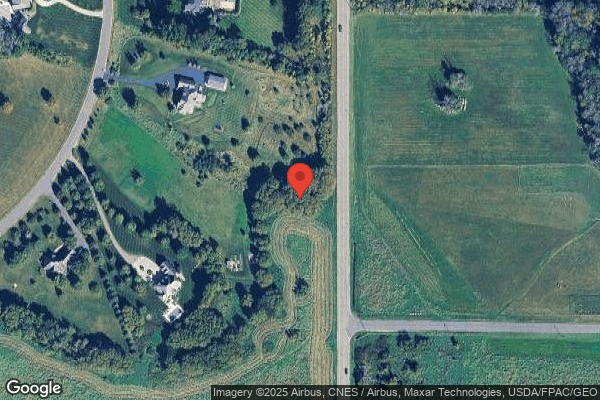
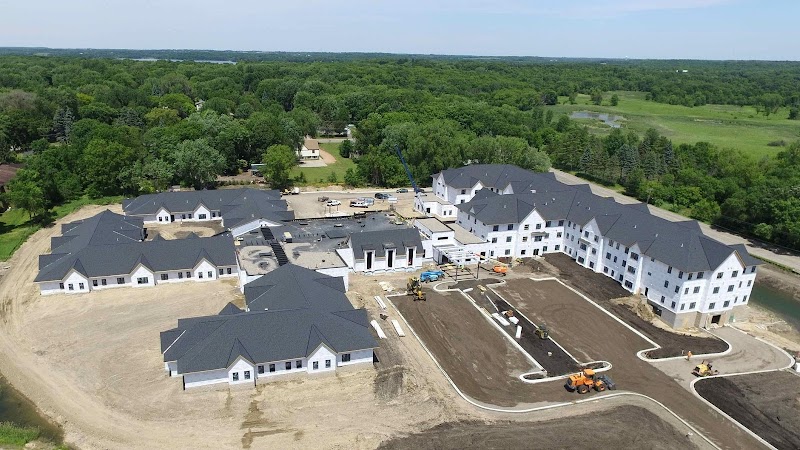
4848 GATEWAY BLVD, MAPLE PLAIN, MN 55359 (763) 292-2300
Non profit - Corporation 64 Beds CASSIA Data: November 2025
Trust Grade
90/100
#39 of 337 in MN
Last Inspection: May 2024

Within standard 12-15 month inspection cycle. Federal law requires annual inspections.

Overview

Haven Homes of Maple Plain has received an excellent Trust Grade of A, indicating it is highly recommended and shows a strong commitment to resident care. Ranking #39 out of 337 facilities in Minnesota places it in the top half of the state, and #7 out of 53 in Hennepin County means only six local options are better. The facility is improving, having reduced issues from seven in 2023 to none in 2024. Staffing is a strength here with a rating of 4 out of 5 stars and a turnover rate of 40%, which is below the state average of 42%, suggesting that staff are experienced and familiar with residents. While there are no fines recorded, there were some concerns noted during inspections, such as failing to offer pneumococcal vaccines to several residents and an incident where a staff member did not maintain a resident's dignity after they fell asleep in the dining room. Overall, while the home has strong points like excellent staffing and no fines, there are some areas needing attention to ensure all residents receive appropriate care and respect.

Trust Score
A
90/100
In Minnesota
#39/337
Top 11%
Safety Record
Low Risk
No red flags
Inspections
Getting Better
7 → 0 violations
Staff Stability
○ Average
40% turnover. Near Minnesota's 48% average. Typical for the industry.
Penalties
✓ Good
No fines on record. Clean compliance history, better than most Minnesota facilities.
Skilled Nurses
✓ Good
Each resident gets 53 minutes of Registered Nurse (RN) attention daily — more than average for Minnesota. RNs are trained to catch health problems early.
Violations
○ Average
8 deficiencies on record. Average for a facility this size. Mostly minor or procedural issues.
★★★★★
5.0
Overall Rating
★★★★☆
4.0
Staff Levels
★★★★☆
4.0
Care Quality
★★★★★
5.0
Inspection Score
Stable
2023: 7 issues
2024: 0 issues

The Good

  • 4-Star Staffing Rating · Above-average nurse staffing levels
  • 4-Star Quality Measures · Strong clinical quality outcomes
  • Full Sprinkler Coverage · Fire safety systems throughout facility
  • No fines on record
  • Staff turnover below average (40%)

    8 points below Minnesota average of 48%

Facility shows strength in staffing levels, quality measures, fire safety.

The Bad

Staff Turnover: 40%

Near Minnesota avg (46%)

Typical for the industry

Chain: CASSIA

Part of a multi-facility chain

Ask about local staffing decisions and management

The Ugly 8 deficiencies on record

Aug 2023 1 deficiency
CONCERN (D) 📢 Someone Reported This

A family member, employee, or ombudsman was alarmed enough to file a formal complaint

Potential for Harm - no one hurt, but risky conditions existed

Resident Rights (Tag F0550)

Could have caused harm · This affected 1 resident

**NOTE- TERMS IN BRACKETS HAVE BEEN EDITED TO PROTECT CONFIDENTIALITY** Based on interview and document review, the facility failed to ensure dignity was maintained for 1 of 1 resident (R1) who had fa...

Read full inspector narrative →
**NOTE- TERMS IN BRACKETS HAVE BEEN EDITED TO PROTECT CONFIDENTIALITY** Based on interview and document review, the facility failed to ensure dignity was maintained for 1 of 1 resident (R1) who had fallen asleep at a table in the common dining room. R1's quarterly Minimum Data Set (MDS) dated [DATE] indicated R1 had intact cognition with minimal difficulty hearing with hearing devices. R1's Face Sheet indicated R1 had diagnoses of vascular dementia and bilateral hearing loss. R1's care plan dated 7/21/23 indicated R1 had minimal difficulty hearing, utilized a right cochlear implant and left hearing aid with an intervention to speak slow and with a loud voice for resident to hear. On 8/4/23 at 11:40 p.m., R2 stated while sitting at the same table, he witnessed a staff person put a wrapped straw near R1's ear. R2 further stated that R1 got madder than hell because everyone at the table was laughing when he woke up after the straw touched his ear. On 8/4/23 at 12:07 p.m., R1 was interviewed and stated, There's a little problem right now. R1 stated a nursing assistant (NA) stuck a straw into his ear while he was sleeping at the dining room table. R1 stated he was upset and embarrassed when his table mates were laughing at him. R1 stated staff shouldn't treat people like that. During the interview, R1 was observed to have tears in his eyes, was rubbing his hands together, and had a shaky voice when speaking. On 8/4/23 at 1:30 p.m., the director of nursing (DON) stated she had watched the surveillance video from the time in question. The DON stated nursing assistant (NA)-A looked at R1, used a wrapped straw to touch R1, then everyone at the table laughed after R1 awakened. On 8/4/23 at 1:30 p.m., NA-B stated sometimes R1 slept at the dining room table, but usually awakened when NA-B talked to R1. On 8/4/23 at 2:50 p.m., the DON stated staff was expected to approach a resident from the front and address the resident verbally. If talking to the resident does not wake them up, the staff member should place a gentle hand on the resident's shoulder. The DON stated staff should alert residents verbally as much as possible. If a resident was not treated with dignity, the resident could be embarrassed. The Resident Dignity, Choices and Preferences facility policy dated 10/14/22 directed all employees would treat residents with dignity and respect at all times.
Jun 2023 6 deficiencies
CONCERN (D)

Potential for Harm - no one hurt, but risky conditions existed

Deficiency F0554 (Tag F0554)

Could have caused harm · This affected 1 resident

**NOTE- TERMS IN BRACKETS HAVE BEEN EDITED TO PROTECT CONFIDENTIALITY** Based on observation, interview, and document review, the facility failed to ensure residents were comprehensively assessed for ...

Read full inspector narrative →
**NOTE- TERMS IN BRACKETS HAVE BEEN EDITED TO PROTECT CONFIDENTIALITY** Based on observation, interview, and document review, the facility failed to ensure residents were comprehensively assessed for self-administration of medications for 1 of 1 resident (R310), who were observed for self-administering medications. R310's admission MDS dated [DATE], identified R310 was cognitively intact, and required assistance/supervision with ADL's. R310 face sheet indicated admission on [DATE]. R310's medical record lacked evidence of R310 being assessed for self-administration of medications. During observation on 6/20/23 at 1:00 p.m., a bottle of eye drops were on R310's nightstand next to bed and a bottle of glucose tablets were on the dresser. During observation and interview on 6/20/23 at 6:09 p.m., R310 confirmed eye drops and glucose tablets were on the bedside table and dresser respectively, and he used them when needed. R310 stated he put eye drops in his eyes whenever needed and he had needed glucose tablets this morning, so he took some. During interview on 6/21/23 at 10:05 a.m., R310 stated he had put the eye drops and glucose tablets in his drawer. R310 stated he has had medications since admitting to the facility and staff should know about them as they had been sitting out on the dresser ever since he arrived. During interview on 6/21/23 at 10:46 a.m., registered nurse (RN)-A stated if a resident wanted to self-administer medications, an assessment was completed by the nurse. Assessment consists of the resident returning demonstration and determining if resident was capable of self-administration. Once assessment was completed, order was sent to the provider for resident to self-administer medications. When signed orders were received from the provider, resident wass then able to self-administer medications. RN-A stated R310 had not had a self-administration assessment completed and staff should administer eye drops. RN-A stated staff saw the eye drops on R310's nightstand this morning, removed them, and brought them to nurse on medication cart. RN-A stated eye drops were now in the medication cart but was not aware of the glucose tablets that remained in R310 room. RN-A stated it was important to monitor glucose tablets usage, they may elevate blood sugars even more and R310's blood sugars were not controlled the way was. During interview on 6/21/23 at 12:30 p.m., director of nursing (DON) indicated for a resident to self-administer medication a self-administration of medications assessment needed to be completed. Assessment consisted of reviewing medications with resident, checking to see if resident understood what the medication was prescribed for and demonstration of proper usage of medication. When assessment was completed, the provider was contacted to receive an order. The order was processed in the computer under resident's orders. DON stated whenstaff found medications in a resident's room, a discussion would occur with resident with staff explaining the process and would remove medications from room until an assessment was completed and a signed order was received. Occasionally a resident has an issue with handing over medication, we would then get family and/or provider to assist facility with removing them from room until assessment could be completed. DON stated R310 was asked upon admission if he wanted to self-administer medications, and stated no at the time. DON confirmed R310 did not have a completed assessment or order for self-administration of medications. DON stated it was important to monitor the glucose tablets as they affected blood sugars. The Self-Administration of Medications policy dated 2/20/2023, directed that upon admission and PRN, the licensed nursing staff informs every resident of his/her right to self-administer medications and explain the self-administration of medication program. 3. If the resident wishes to self-administer medications, complete the application observation/assessment in the EHR. 4. If the nurse determines through this assessment that the resident is unable to self-administer his/her medications because of a danger to themselves or others the observation/assessment will reflect that. 5. If the nurse determines through this assessment that the resident is able to self-administer medications complete the following: a. Obtain an order from the provider that the resident may self-administer medications. Order should indicate which medications will be self-administered. b. If medications can be left at the bedside in a locked drawer or box, the order should specify that the medications can be kept at the bedside. c. Within the order for the medications that will be self-administered, it will state that the medication is being self-administered. d. Information regarding self-administration of medications will be added to the care plan. 6. Licensed staff or TMA/CMA is to check with the resident to assure they have taken their medications per orders. This will be documented in the EMAR. 13. Upon admission or new request to self-administer medications, licensed staff or TMA/CMA will administer medications until the resident has been assessed and a physician's order is in place for self-administration of medications.
CONCERN (D)

Potential for Harm - no one hurt, but risky conditions existed

Deficiency F0561 (Tag F0561)

Could have caused harm · This affected 1 resident

**NOTE- TERMS IN BRACKETS HAVE BEEN EDITED TO PROTECT CONFIDENTIALITY** Based on observation, interview, and document review, the facility failed to timely follow up on transportation arrangements to ...

Read full inspector narrative →
**NOTE- TERMS IN BRACKETS HAVE BEEN EDITED TO PROTECT CONFIDENTIALITY** Based on observation, interview, and document review, the facility failed to timely follow up on transportation arrangements to a medical appointment for 1 of 1 resident (R314) reviewed for choices. Findings include: R314's quarterly Minimum Data Set (MDS) dated [DATE], identified she intact cognition and required extensive assistance with activities of daily living (ADL's). During interview on 6/20/23 at 4:14 p.m., R314 stated she was supposed to have an appointment, with orthopedics, for follow up on her surgical incision yesterday (6/19/23). R314 stated appointment was canceled due to no transportation. R314 stated she was not aware until shortly before leaving for appointment. R314 contacted her son and daughter for transportation, but it was too late. R314 stated facility was aware of the appointment but R314 was not aware of transportation arrangements. Review of R314's medical record indicated resident was admitted to facility with an appointment scheduled for 6/19/23 at 4:10 p.m. for follow up on surgical incision. During interview on 6/21/23 at 2:30 p.m., licensed practical nurse/ transitional care unit manager (LPN)-B stated when a resident admited with a scheduled appointments, the health unit coordinator (HUC) set up transportation. She talked with family to see if they can transport resident or if a transport company was needed due to physical limitations with getting in a normal vehicle. LPN-B indicated she recalled hearing R314's appointment got canceled due to not having transportation. LPN-B stated the facility normally set up transportation. There was miscommunication regarding R314's transportation, so the appointment was canceled, and a new one rescheduled for later in the week. During interview on 6/21/23 at 2:33 p.m., HUC stated when residents admit with already made appointments, HUC asked the resident if they wanted transportation arranged or if family would transport. HUC indicated R314 needed transportation arranged as she was not able to get in a normal vehicle due to surgical incision. HUC indicated she was aware of R314's appointment and she didn't touch base with R314 before her vacation. HUC stated R314 had reached out to another staff member to ensure transportation was arranged and was told it was all taken care of. HUC stated after vacation she touched base with R314. HUC could not have transportation arranged in a timely manner due to short notice, so the appointment needed to be rescheduled. During an interview on 6/21/23 at 2:56 p.m., director of nursing (DON) stated when the facility was notified of an appointment, the HUC reached out to resident or family to see if family was going to transport of if transportation was needed. If transportation was needed, HUC made transportation arrangements. DON stated when the HUC was out of the office or on vacation, the other HUC was backup and responsible for arrangements. The Appointment, Accompanying Resident policy dated 1/18/2023, identified that Cassia facilities will assist residents in making appointments for outside providers as requested. They will also assist in arranging transportation as needed or desired by the resident and/or their representative.
CONCERN (D)

Potential for Harm - no one hurt, but risky conditions existed

Comprehensive Care Plan (Tag F0656)

Could have caused harm · This affected 1 resident

**NOTE- TERMS IN BRACKETS HAVE BEEN EDITED TO PROTECT CONFIDENTIALITY** Based on observation, interview, and document review the facility failed to follow implementation of a comprehensive person-cent...

Read full inspector narrative →
**NOTE- TERMS IN BRACKETS HAVE BEEN EDITED TO PROTECT CONFIDENTIALITY** Based on observation, interview, and document review the facility failed to follow implementation of a comprehensive person-centered care plan for 1 of 2 residents (R19) reviewed for accidents. Findings included: R(19) significant change Minimal Data Set (MDS) dated [DATE], indicated diagnosis of Alzheimer's, (a reduction in memory and brain function disease) Non-Alzheimer's dementia (a reduction in memory and brain function disease), and anxiety. R19 transferred and walked in room with limited assistance with assistance of 1. R19 used Antianxiety (anxiety reducing medication), Antidepressants (depression reducing medication), and opioid (Strong Pain medication) medications. Facility fall assessment dated [DATE], identified R19 had history of falls in past 6 months, one fall in previous 6 months, use of 2 or more high risk medications, and was impulsive. Fall risk assessment score result was high. Progress note dated 5/6/2023 at 3:01 a.m., revealed R19 had been found lying on the floor next to the toilet on the left side, fully dressed, with gripper socks on, and resident fell attempting to use bathroom. Care Plan identified R19 was at risk for falls related to advanced age and diagnosis of dementia osteoarthritis, weakness, and impulsiveness with a goal to offer resident assistance to minimize falls related to injuries. Facility interventions dated 5/23/23 instructed staff to store wheelchair under counter in entry way to room and not by bed. On 6/21/23, at 2:39 p.m., wheelchair observed about 3 feet from bed of R19, who was sleeping in bed. On 6/21/23 at 2:56 p.m., certified nursing assistant (CNA) NA-A said dementia training was provided to her. She worked with the resident individual needs, and reviewed the care guide. NA-A stated R19 attempted to self-transfer, so the bed was lower, call light in reach, and her wheelchair near her bed. NA-A said the care sheet had the most recent information. NA-A provided the care guide she utilized which revealed wheel chair under front desk. During subsequent interview, at 4:13 p.m., NA-A confirmed she had not followed the care guide. On 6/21/23, at 3:28 p.m., Licensed Practical Nurse (LPN)-C confirmed she was the unit nurse and was aware R19 had a history of falls. LPN-C stated management reviewed falls, provided interventions, and updated the care plan. All intervention were shared with nursing in report and through the care guide. LPN-C stated it was her expectation staff followed the care guides and interventions. On 6/21/23, at 4:33 p.m., Director of Nursing (DON), stated R19 had intervention to keep the wheel chair under the desk due to a behavior of using it during self-transfers. The wheel chair had a roll back feature which could increase the risk of fall if utilized during a self-transfer. Further, the care plan and care guide were the best source of information for the most recent interventions. It was the facility's responsibility to train staff correctly. Facility Policy, titled, Fall Assessment and Managing Fall Risk with revision date of 10/17/2022 section 9 indicated, Based on review of the fall, interventions in the care plan are updated as indicated. Section 12 indicated, All employees are educated on the fall prevention standards as part of new employee orientation, and updates to this training are complete as needed. Section 13 indicated; Staff nurses are responsible to make safety rounds throughout their shift to ensure compliance with required safety devices as indicated on the residents' plan of care.
CONCERN (D)

Potential for Harm - no one hurt, but risky conditions existed

Tube Feeding (Tag F0693)

Could have caused harm · This affected 1 resident

**NOTE- TERMS IN BRACKETS HAVE BEEN EDITED TO PROTECT CONFIDENTIALITY** Based on observation, interview, and document review, the facility failed to ensure an Enteral (feeding) tube was consistently c...

Read full inspector narrative →
**NOTE- TERMS IN BRACKETS HAVE BEEN EDITED TO PROTECT CONFIDENTIALITY** Based on observation, interview, and document review, the facility failed to ensure an Enteral (feeding) tube was consistently check for placement prior to the administration of medications and Enteral nutrition for 1 of 1 resident (R36) whose medication administration and Enteral nutrition was offered through a stomach tube. Findings include: R36's quarterly Minimum Data Set (MDS) dated [DATE], identified R36 had dysphagia (difficulty swallowing) following decline in status as evidenced by need for tube feeding to meet nutritional needs. R36's current orders, dated 12/8/22, identified a G-tube (gastrostomy tube) (a type of tube going straight into the stomach) and received medications and Enteral nutrition given directly into stomach. During observation on 6/21/23, at 12:03 p.m., licensed practical nurse (LPN)-B performed medication administration and tube feeding in R36's room following medication review, gathering a new syringe, and a beaker of water. LPN-B raised the head of the bed, donned clean gloves, connected syringe onto G-tube and pushed 60 mL of water to flush out tube. LPN-B did not check the placement of the tube prior to the 60 mL flush of water. LPN-B continued to administer crushed medication and tube feeding through G-tube, flushing with 30 mL of water in between each syringe of Jevity (fibre-fortified, high-nitrogen liquid tube-feeding formula), and then flushing again with a 30 mL pour of water before disconnecting, and capping G-tube line. During interview on 6/21/23, at 12:23 p.m., LPN-B stated that checking tube placement was done with the first medication administration of the day. LPN-B stated she tugs at the tube to see if it moves and if it doesn't move then it is good. I then flush with 5 mL of water and if there is not drainage from the sides, then it is good. LPN-B stated that it was important to check tube placement to ensure that resident was actually getting his medications and feedings. During interview on 6/21/23, at 12:30 p.m., director of nursing (DON) said her expectations of skilled nursing staff administering medication and tube feeding through a G-tube was to check for tube placement every shift. The DON stated, I would expect placement be checked through a residual volume check. The DON continued, I would not tug at tube but would twist it slightly to make sure that it was not stuck to the skin, and flushing was not done to check for tube placement. The facility Tube feeding/Enteral feeding-gravity or bolus feeding policy dated 10/17/2022, identified purpose, responsibility, general guidelines, procedure, and initiate feedings. Under steps in the procedure on step 7, the policy identified confirm placement of tube.
CONCERN (D)

Potential for Harm - no one hurt, but risky conditions existed

Respiratory Care (Tag F0695)

Could have caused harm · This affected 1 resident

**NOTE- TERMS IN BRACKETS HAVE BEEN EDITED TO PROTECT CONFIDENTIALITY** Based on observation, interview and record review, the facility failed to assure there were orders and interventions in place fo...

Read full inspector narrative →
**NOTE- TERMS IN BRACKETS HAVE BEEN EDITED TO PROTECT CONFIDENTIALITY** Based on observation, interview and record review, the facility failed to assure there were orders and interventions in place for a continuous positive airway pressure (CPAP - a type of ventilator that is used to treat sleep apnea) usage for 1 of 2 residents (R1) reviewed for CPAP therapy. Findings include: R1's admission Minimum Data Set (MDS) dated [DATE], identified R1 was cognitively intact, and able to express needs. R1 received assistance to complete activities of daily living (ADLs), however, was an active participant with cares. The following diagnoses were identified within the MDS: hypertension (high blood pressure), diabetes mellitus, and displaced fracture of olecranon process with intraarticular extension of left ulna. During interview on 6/20/23 at 2:14 p.m., R1 confirmed she owned and used a CPAP machine on a routine basis. R1 stated she thought the settings needed to be adjusted as when [she] wore it [her] head got all plugged up. R1 stated staff assisted with applying CPAP mask at bedtime. R1 stated it helped to wear the CPAP mask. During interview on 6/21/23 at 2:07 p.m., trained medication aide (TMA)-A stated she was not sure if R1 used the CPAP at night because that was not her normal shift. TMA-A checked with other staff and confirmed that she had used it in the past week. During interview on 6/21/23 at 2:14 p.m., registered nurse (RN)-B stated R1 used the CPAP machine at night and had been using it regularly. He had been assisting R1 with applying it at night for the past week. RN-B confirmed there was no order for the CPAP. During interview on 6/21/23 at 2:26 p.m., licensed practical nurse/TCU nurse manager (LPN)-B stated when the facility received an order from the provider, the health unit coordinator (HUC) processes the order, and then the order was double checked by another nurse. If a piece of medical equipment was brought into the facility by family or resident, and staff does not see an order for it, the nurse practitioner was notified equipment had been brought in and the resident wished to use equipment. Once orders were received, the resident could begin using equipment. LPN-B confirmed R1 did not have an order for the CPAP machine. However, she was not aware R1 had been using a CPAP machine. During interview on 6/21/23 at 2:56 p.m., director of nursing (DON) stated families sometimes brought in equipment and didn't tell the facility. DON stated once the facility was aware of equipment, they reached out to the provider with an update and requested an order. DON confirmed R1 did not have an order for the CPAP machine and was just made aware of machine that was brought in. During interview on 6/21/23 at 4:57 p.m., RN-B confirmed that R1 did not have an order for the CPAP machine. RN-B stated that orders should be checked prior to equipment usage to ensure that there was an order from the provider for equipment. The CPAP/BiPAP policy dated 10/17/22, indicated the purpose was to provide the spontaneously breathing resident with continuous positive airway pressure with or without supplemental oxygen; to improve arterial oxygenation (PaO2) in residents with respiratory insufficiency, obstructive sleep apnea, or restrictive/obstructive lung disease; and to promote resident comfort and safety. Procedure directed staff to verify physician's order. BiPAP and CPAP settings are ordered by the provider and machine will come with the proper settings.
CONCERN (E)

Potential for Harm - no one hurt, but risky conditions existed

Deficiency F0883 (Tag F0883)

Could have caused harm · This affected multiple residents

**NOTE- TERMS IN BRACKETS HAVE BEEN EDITED TO PROTECT CONFIDENTIALITY** Based on interview and document review, the facility failed to ensure 4 of 5 residents (R6, R17, R24, and R35) were offered or r...

Read full inspector narrative →
**NOTE- TERMS IN BRACKETS HAVE BEEN EDITED TO PROTECT CONFIDENTIALITY** Based on interview and document review, the facility failed to ensure 4 of 5 residents (R6, R17, R24, and R35) were offered or received the pneumococcal vaccine (PCV20) in accordance with the Center for Disease Control (CDC) recommendations. Findings include: The CDC's PneumoRecs VaxAdvisor identified: -based on shared clinical decision-making, decide whether to administer one dose of PCV20 at least 5 years after the last pneumococcal vaccine dose. Regardless of whether PCV20 is administered, their pneumococcal vaccinations are complete. The CDC's Pneumococcal vaccine timing for adults identified: -together, with the patient, vaccine providers may choose to administer PCV20 to adults 65 years and older who have already received PCV13 (but not PCV15 or PCV20) at any age and PPSC23 at or after the age of [AGE] years old. R6's face sheet, identified she was [AGE] years old and admitted on [DATE]. R6 had no allergies to vaccines or contraindications to vaccine listed. R6's immunization report, identified R6 had previously received the PCV23 on 5/2/2012 and the PCV13 on 10/7/2015. R6's medical record lacked evidence the recommended pneumococcal (PCV20) vaccination was offered, received, or discussed with their primary physician. R17's face sheet, identified he was [AGE] years old and admitted on [DATE]. R17 had no allergies to vaccines or contraindications to vaccine listed. R17's immunization report, identified R17 had previously received the PCV23 on 11/27/2013 and the PCV13 on 3/19/2015. R17's medical record lacked evidence the recommended pneumococcal (PCV20) vaccination was offered, received, or discussed with their primary physician. R24's face sheet, identified she was [AGE] years old and admitted on [DATE]. R24 had no allergies to vaccines or contraindications to vaccine listed. R24's immunization report, identified R24 had previously received the PCV13 on 2/5/2015 and the PCV23 on 1/20/2017. R24's medical record lacked evidence the recommended pneumococcal (PCV20) vaccination was offered, received, or discussed with their primary physician. R35's face sheet, identified she was [AGE] years old and admitted on [DATE]. R35 had no allergies to vaccines or contraindications to vaccine listed. R35's immunization report, identified R35 had previously received the PCV23 on 9/6/2016 and the PCV13 on 2/9/2015. R35's medical record lacked evidence the recommended pneumococcal (PCV20) vaccination was offered, received, or discussed with their primary physician. When interviewed on 6/21/23 at 3:59 p.m., infection preventionist (IP) stated when a resident was admitted to the facility, they go through an admission event, where the immunization record was reviewed. Facility also reviewed the resident's Minnesota Immunization Information Connection (MICC) for immunization record. If resident was eligible for a vaccine, IP gave residents the Vaccine Information Sheet (VIS) and completed a consent/decline form. For pneumococcal vaccines, IP stated he used the CDC's Pneumococcal Vaccine Timing for Adults chart to see if resident was eligible and if so, vaccine would be administered vaccine within the first couple of weeks. Edition of the Pneumococcal Vaccine Timing chart that IP was using was dated 3/2016. IP showed another edition that he has used that was dated 2/16/2022. IP stated that he periodically reviews the resident's immunization record to ensure that they have all recommended vaccines. IP stated that they have been offering the PCV20 for resident who have not received any pneumococcal vaccines in the past but have not offered PCV20 to residents who have received previous pneumococcal vaccination in the past. IP stated R4, R17, R24 and R35 were not offered the PCV20. The Pneumococcal vaccine policy dated 8/16/2022, identified it is our policy to offer our residents immunization against pneumococcal disease in accordance with current CDC or state guidelines and recommendations. 1. Prior to offering the pneumococcal immunization, each resident or the resident's representative will receive education regarding the benefits and potential side effects of the immunization. 2. Each resident will be offered a pneumococcal immunization unless it is medically contraindicated, or the resident has already been immunized. 3. On admission all residents and/or their representatives will complete the designated consent form indicating consent or declination of the pneumococcal vaccine or indicating dates of previous vaccinations if they are fully immunized. 4. The signed standing orders will be following for administration of the vaccine. 5. Prior to administration of the pneumococcal vaccine the resident or the resident's representative has the opportunity to refuse immunization. 6. The type of pneumococcal vaccine (PCV12, PPSV23/PPSV; PCV15; PCV20) offered will depend upon the recipient's age and susceptibility to pneumonia, in accordance with current CDC or state guidelines and recommendations.
Jul 2022 1 deficiency
CONCERN (D)

Potential for Harm - no one hurt, but risky conditions existed

Deficiency F0657 (Tag F0657)

Could have caused harm · This affected 1 resident

**NOTE- TERMS IN BRACKETS HAVE BEEN EDITED TO PROTECT CONFIDENTIALITY** Based on interview and document review, the facility failed to revise the care plan to include psychotropic medications used for...

Read full inspector narrative →
**NOTE- TERMS IN BRACKETS HAVE BEEN EDITED TO PROTECT CONFIDENTIALITY** Based on interview and document review, the facility failed to revise the care plan to include psychotropic medications used for as needed (PRN) behavioral interventions for 1 of 5 residents (R50) who were reviewed for the use of unnecessary medications. Findings include: R50's Face Sheet, printed 7/21/22, indicated the diagnoses of Alzheimer's disease, dementia with behavioral disturbances, anxiety disorder, restlessness and agitation. R50's admission minimum data set (MDS) dated [DATE], identified R50 was cognitively impaired and required extensive assistance with activities of daily living. R50's medical record, a HealthPartners order sheet (untitled) dated 6/24/22, indicated R50 was prescribed lorazepam (anti-anxiety medication) 2 milligrams / 1 milliliter (mg/ml) concentrated solution take 0.125 ml (0.25 mg) by mouth every 4 hours as needed. In review of R50's nursing progress notes, R50 returned from a hospitalization on 6/23/22. In further review of R50's progress notes documented resident had an unwitnessed fall on 6/25/22. Prior to this fall, R50's progress notes documented R50's restlessness and staff observation of resident kept taking off his clothes and briefs. R50's Progress notes between 6/25/22 and 7/06/22 had behavior documentation which indicated resident displayed anxious / restless behavior consisting of calling out, continued stripping of clothes and briefs, attempted self-transfers with falls and hallucinations of being at home with the house on fire. A review of R50's medication administration record indicated he received PRN lorazepam as follows: 6/24/22 - one dose 7/01/22 - zero doses 6/25/22 - 4 doses 7/02/22 - one dose 6/26/22 - 4 doses 7/03/22 - 4 doses 6/27/22 - 4 doses 7/04/22 - 1 dose 6/28/22 - 4 doses 7/05/22 - 1 dose 6/29/22 - 3 doses 7/06/22 - 1 dose 6/30/22 - 4 doses All doses given to R50 were documented with the behavior displayed and the effectiveness of the dose given. However, in review of R50's care plan (start date of 6/09/22) indicated the following: Resident received antipsychotic medication Zyprexa related to diagnosis of disorientation and Haldol for restlessness and agitation. Target behaviors are: restlessness, pacing, refusal of cares, physical aggression. Original order date: Zyprexa 6/7/22, Haldol 7/14/22 (Haldol was started upon return from the hospital on 7/14/22 when enrolled in hospice). Although R50's care plan indicated the use of psychotropic medications for identified behaviors, the care plan lacked documentation of the use of lorazepam. During an interview on 7/21/22, at 9:11 a.m. MDS coordinator (RN)-A stated R50 was started on lorazepam after his second hospitalization where resident began to display more anxiety and restless behavior when he was placed on palliative care. RN-A stated it appeared the facility forgot to include lorazepam in R50's care plan. An interview on 7/21/22, at 9:51 a.m. licensed social worker (LSW) stated that currently, it was the responsibility of the social worker to develop and maintain resident behavior concerns on the care plan, which included making sure all behavioral medications given are documented. LSW stated at the time R50's lorazepam order was received the care plan should have been updated. In review of the facility policy, entitled: Care Plan and Baseline Care Plan (last revised 6/27/22) indicated the following: The resident care plan is constantly changing. It is to be updated routinely in the electronic record to reflect the resident's current condition. The resident care plan is reviewed for accuracy, updated with quarterly MDS review, and all other scheduled MDS assessment.
Understanding Severity Codes (click to expand)
Life-Threatening (Immediate Jeopardy)
J - Isolated K - Pattern L - Widespread
Actual Harm
G - Isolated H - Pattern I - Widespread
Potential for Harm
D - Isolated E - Pattern F - Widespread
No Harm (Minor)
A - Isolated B - Pattern C - Widespread

Questions to Ask on Your Visit

  • "Can I speak with families of current residents?"
  • "What's your RN coverage like on weekends and overnight?"

Our Honest Assessment

Strengths
  • • Grade A (90/100). Above average facility, better than most options in Minnesota.
  • • No major safety red flags. No abuse findings, life-threatening violations, or SFF status.
  • • No fines on record. Clean compliance history, better than most Minnesota facilities.
  • • 40% turnover. Below Minnesota's 48% average. Good staff retention means consistent care.
Concerns
  • • No significant concerns identified. This facility shows no red flags across CMS ratings, staff turnover, or federal penalties.
Bottom line: Generally positive indicators. Standard due diligence and a personal visit recommended.

About This Facility

What is Haven Homes Of Maple Plain's CMS Rating?

CMS assigns Haven Homes Of Maple Plain an overall rating of 5 out of 5 stars, which is considered much above average nationally. Within Minnesota, this rating places the facility higher than 99% of the state's 100 nursing homes. This rating reflects solid performance across the metrics CMS uses to evaluate nursing home quality.
How is Haven Homes Of Maple Plain Staffed?
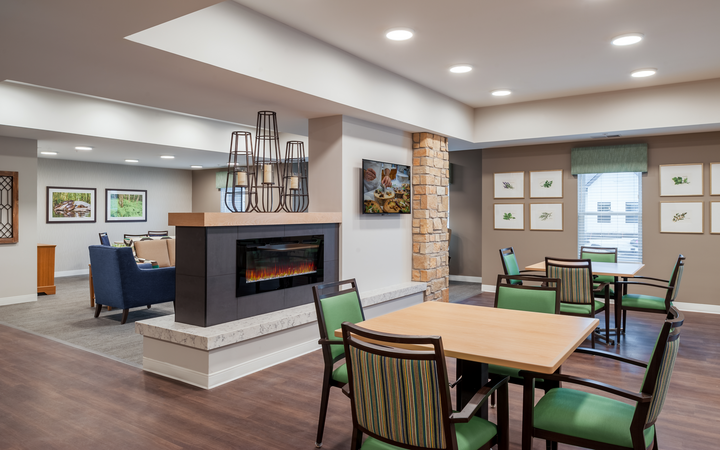
CMS rates Haven Homes Of Maple Plain's staffing level at 4 out of 5 stars, which is above average compared to other nursing homes. Staff turnover is 40%, compared to the Minnesota average of 46%. This relatively stable workforce can support continuity of care.

What Have Inspectors Found at Haven Homes Of Maple Plain?

State health inspectors documented 8 deficiencies at Haven Homes Of Maple Plain during 2022 to 2023. These included: 8 with potential for harm.
Who Owns and Operates Haven Homes Of Maple Plain?

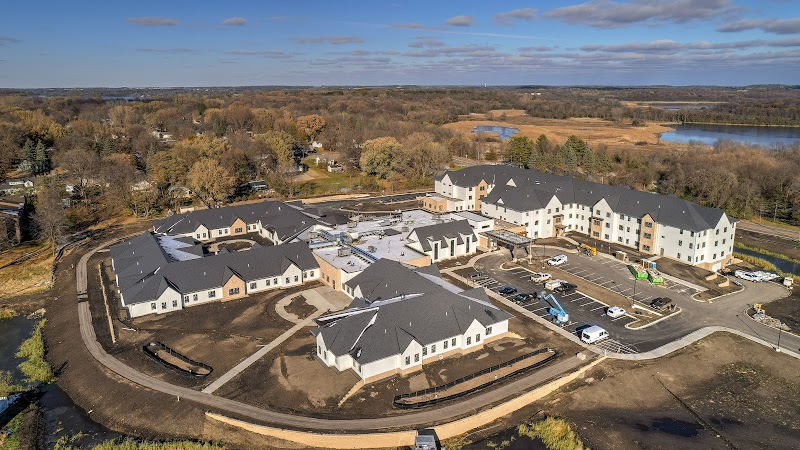
Haven Homes Of Maple Plain is owned by a non-profit organization. Non-profit facilities reinvest revenue into operations rather than distributing to shareholders. The facility is operated by CASSIA, a chain that manages multiple nursing homes. With 64 certified beds and approximately 60 residents (about 94% occupancy), it is a smaller facility located in MAPLE PLAIN, Minnesota.

How Does Haven Homes Of Maple Plain Compare to Other Minnesota Nursing Homes?

Compared to the 100 nursing homes in Minnesota, Haven Homes Of Maple Plain's overall rating (5 stars) is above the state average of 3.2, staff turnover (40%) is near the state average of 46%, and health inspection rating (5 stars) is much above the national benchmark.

What Should Families Ask When Visiting Haven Homes Of Maple Plain?

Based on this facility's data, families visiting should ask: "Can I visit during a mealtime to observe dining assistance and food quality?" "How do you handle medical emergencies, and what is your hospital transfer rate?" "Can I speak with family members of current residents about their experience?"

Is Haven Homes Of Maple Plain Safe?

Based on CMS inspection data, Haven Homes Of Maple Plain has a clean safety record: no substantiated abuse findings (meaning no confirmed cases of resident harm), no Immediate Jeopardy citations (the most serious violation level indicating risk of serious injury or death), and is not on the Special Focus Facility watch list (a federal program monitoring the lowest-performing 1% of nursing homes). The facility has a 5-star overall rating and ranks #1 of 100 nursing homes in Minnesota. While no facility is perfect, families should still ask about staff-to-resident ratios and recent inspection results during their visit.

Do Nurses at Haven Homes Of Maple Plain Stick Around?

Haven Homes Of Maple Plain has a staff turnover rate of 40%, which is about average for Minnesota nursing homes (state average: 46%). Moderate turnover is common in nursing homes, but families should still ask about staff tenure and how the facility maintains care continuity when employees leave.

Was Haven Homes Of Maple Plain Ever Fined?

Haven Homes Of Maple Plain has no federal fines on record. CMS issues fines when nursing homes fail to meet care standards or don't correct problems found during inspections. The absence of fines suggests the facility has either maintained compliance or corrected any issues before penalties were assessed. This is a positive indicator, though families should still review recent inspection reports for the full picture.

Is Haven Homes Of Maple Plain on Any Federal Watch List?

Haven Homes Of Maple Plain is not on any federal watch list. The most significant is the Special Focus Facility (SFF) program, which identifies the bottom 1% of nursing homes nationally based on persistent, serious quality problems. Not being on this list means the facility has avoided the pattern of deficiencies that triggers enhanced federal oversight. This is a positive indicator, though families should still review the facility's inspection history directly.