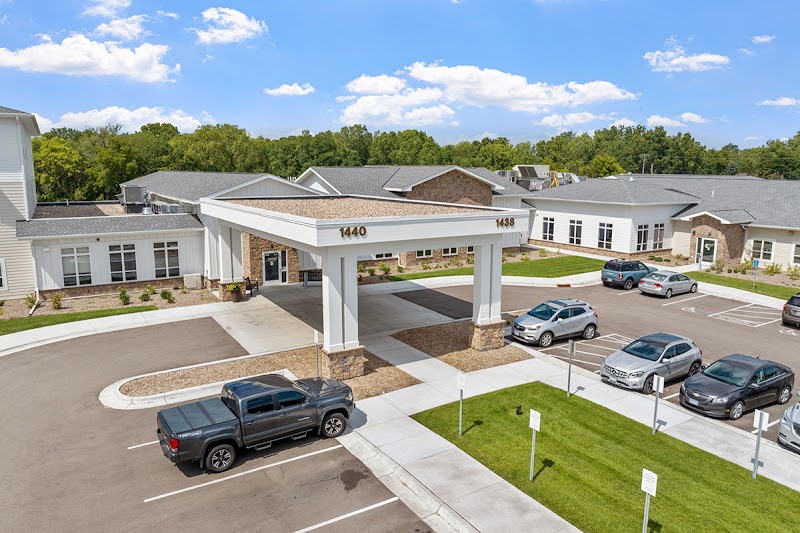

HARMONY GARDENS

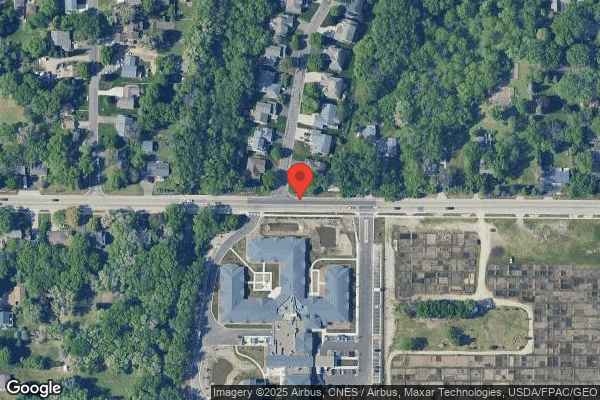
1438 COUNTY ROAD C EAST, MAPLEWOOD, MN 55109 (651) 488-6658
Non profit - Church related 64 Beds CASSIA Data: November 2025
Trust Grade
60/100
#120 of 337 in MN
Last Inspection: January 2025

Within standard 12-15 month inspection cycle. Federal law requires annual inspections.

Overview

Harmony Gardens in Maplewood, Minnesota has a Trust Grade of C+, which means it is slightly above average but still has room for improvement. It ranks #120 out of 337 facilities in the state, placing it in the top half, and #6 out of 27 in Ramsey County, indicating that only five local options are better. Unfortunately, the facility's performance is worsening, with issues increasing from 2 in 2024 to 14 in 2025. Staffing is a strong point, earning a perfect 5/5 rating with a turnover rate of only 23%, much lower than the state average. However, the facility has incurred significant fines of $34,034, which is concerning as it is higher than 84% of Minnesota facilities, suggesting ongoing compliance problems. Specific incidents from inspections reveal serious concerns, including a resident who fell during a transfer due to staff not using a transfer belt, resulting in a severe head injury. Another resident developed a pressure ulcer that worsened because timely interventions were not implemented. While the facility boasts good staffing levels and quality measures, these incidents highlight critical areas that need addressing to ensure resident safety and care.

Trust Score
C+
60/100
In Minnesota
#120/337
Top 35%
Safety Record
Moderate
Needs review
Inspections
Getting Worse
2 → 14 violations
Staff Stability
✓ Good
23% annual turnover. Excellent stability, 25 points below Minnesota's 48% average. Staff who stay learn residents' needs.
Penalties
✓ Good
$34,034 in fines. Lower than most Minnesota facilities. Relatively clean record.
Skilled Nurses
✓ Good
Each resident gets 75 minutes of Registered Nurse (RN) attention daily — more than 97% of Minnesota nursing homes. RNs are the most trained staff who catch health problems before they become serious.
Violations
⚠ Watch
30 deficiencies on record. Higher than average. Multiple issues found across inspections.
★★★★☆
4.0
Overall Rating
★★★★★
5.0
Staff Levels
★★★★★
5.0
Care Quality
★★☆☆☆
2.0
Inspection Score
Stable
2024: 2 issues
2025: 14 issues

The Good

  • 5-Star Staffing Rating · Excellent nurse staffing levels
  • 5-Star Quality Measures · Strong clinical quality outcomes
  • Low Staff Turnover (23%) · Staff stability means consistent care
  • Full Sprinkler Coverage · Fire safety systems throughout facility
  • No fines on record
  • Staff turnover is low (23%)

    25 points below Minnesota average of 48%

Facility shows strength in staffing levels, quality measures, staff retention, fire safety.

The Bad

Federal Fines: $34,034

Above median ($33,413)

Moderate penalties - review what triggered them

Chain: CASSIA

Part of a multi-facility chain

Ask about local staffing decisions and management

The Ugly 30 deficiencies on record

2 actual harm
Apr 2025 4 deficiencies
CONCERN (D) 📢 Someone Reported This

A family member, employee, or ombudsman was alarmed enough to file a formal complaint

Potential for Harm - no one hurt, but risky conditions existed

Report Alleged Abuse (Tag F0609)

Could have caused harm · This affected 1 resident

**NOTE- TERMS IN BRACKETS HAVE BEEN EDITED TO PROTECT CONFIDENTIALITY** Based on observation, interview, and record review the facility failed to immediately report allegations of abuse and injury of ...

Read full inspector narrative →
**NOTE- TERMS IN BRACKETS HAVE BEEN EDITED TO PROTECT CONFIDENTIALITY** Based on observation, interview, and record review the facility failed to immediately report allegations of abuse and injury of unknow origin to the State Agency (SA) no later than two hours after the allegation is made for 1 of 1 resident (R1) reviewed. R1's family filed a facility grievance that indicated staff was aggressive with R1 and a facility nurse found bruising that were similar to finger marks on R1's upper arm where a cause was not identified. Neither event was reported. Findings include: R1's admission Minimum Data Set, dated [DATE] indicated R1 had a Brief Inventory of Mental Status (BIMs) score of 9 indicting R1 was moderately cognitively impaired. R1 required maximum assistance with toileting, showering, dressing, personal hygiene and rolling in bed. R1 was dependent on staff for bed to chair transferring. R1 was always incontinent of bowel and bladder. R1's pertinent diagnoses were hemiplegia and hemiparesis following cerebral infarction affecting the nondominant side (muscle weakness and partial paralysis following a stroke), and polyneuropathy (weakness, numbness and burning pain). R1's event history dated 3/4/25 - 4/3/25 did not indicate an event for any bruising of unknown origin. R1's abuse assessment dated [DATE] indicated R1 had physical limitations which made her susceptible to abuse explained due to R1 was a stroke victim. R1 had cognitive deficits which made her susceptible to abuse with no explanations indicated. R1's care plan dated 3/6/25 did not indicate R1 was at risk for abuse. A facility grievance dated 3/12/25 indicated R1 expressed to FM-B that NA-A was aggressive with her. The facility investigation follow-up 3/14/25 indicated R1 continued to have cares in pairs. The follow-up included the statement Staff feel like this pain is continuing to make her feel like the aids are throwing her around. R1's progress note dated 3/13/25 at 7:45 a.m. indicated R1 had three circular dark purple bruises noted near R1's left elbow during the night shift. Visual inspection completed on the left side prior to medication administration as resident had complained of pain on the left side after transferring to the bed. The bruise measures were as follows (superior to inferior), 1.0 centimeters (cm) x 1.0 cm, 1.5 cm x 1 cm, and 1 cm. 1.2 cm. No other progress notes indicated any skin concerns. Upon interview on 4/3/25 at 12:18 p.m. family member (FM)-A was visiting. R1 had mentioned to him three- or four-times in the past few weeks how NA-A was aggressive verbally and physically with R1. He stated that same week FM-B found three small bruises on R1's upper arm that resembled fingers markings. The bruising was not reported to the family until the family asked about the bruising and was told by the director of nursing (DON) that the facility was not certain when or how the bruising occurred. Upon interview on 4/3/25 at 12:25 p.m. FM-B stated the family met with the staff on 3/10/25 and spoke of their concerns with nursing assistant (NA-A). FM-B was asked to fill out a grievance form with her concerns. She completed the form. She stated she wanted the facility to address the aggressive cares for R1 completed about. The family noticed a change in R1 both mentally and physically. Mentally her conversations became dark saying she just did not want to live anymore if care meant physical and mental pain. On 3/14/25 was when R1 showed the family the bruising on R1s left arm. FM-B witnessed when the DON assessed R1's arm. The DON stated she could not say how or when the bruising happened. It looked like finger markings. Upon observation and interview on 4/3/25 at 1:33 p.m. R1 was able to lift her left shirt sleeve above her elbow and point to where the bruising had been. She stated it must have happened at some point when NA-A threw her around. She stated she did not know whether someone had gripped her during a transfer or moving her in bed. R1 stated she was having pain on her left side one night. She called for the nurse and RN-B found the bruising. RN-B asked R1 a lot of questions about the bruising and brought in another nurse to look at them. R1 stated the next day she showed the bruising to her family and the family had the head nurse look at it, who did not know what caused it. I told her it was the aggression. In addition, R1 stated NA-A yelled at her almost every time she worked with her and made her feel like I would rather be dead than receive this care. She stated she would say things like telling her to how awful she was to care for and that I better not say anything about how aggressive she is. She stated she felt safe at the facility if NA-A stayed o out of her room. Upon interview on 4/3/25 at 12:50 p.m. NA-B stated he was aware there was to be two aides in R1's room with cares but was not certain why. He stated aggression was abuse as aggression was mentioned in the yearly abuse training, he had recently completed. He stated both concerns of aggression and bruising, when the root cause is not known, is reportable immediately. Upon interview on 4/3/25 registered nurse (RN)-C stated she had not noticed bruising on R1, however bruising any allegations of verbal and mental abuse must be reported immediately. Upon interview on 4/3/25 at 2:09 p.m. social worker (SW)-A stated yelling would be considered verbal and abuse should be reported within 24 hours. She stated the term aggression is a broad term and the facility would need to investigate that before making a report. She stated she was not aware of the grievances. Upon interview on 4/3/25 at 2:25 p.m. the DON stated when she inquired with the family and R1 about the bruising she could not explain what happened. She stated maybe it was staff using her body instead of a bed sheet to lift her that could have caused bruising, we just don't know. We moved R1 to care in pairs immediately. The DON stated in her follow-up report where other indicated other nursing assistants (unidentified) stated throwing her around meant yanking on and hurting R1. The DON was not aware that injury of unknown origin was reportable and did not feel R1's allegations of aggression and being thrown around was not reportable to the SA as the facility kept it inhouse and provided interventions. The facility was meeting with R1's family weekly and the family had no other concerns currently after the interventions the facility put in place. Upon interview on 4/3/25 at 3:33 p.m. NA-A stated the DON spoke with her that R1's family alleged NA-A was aggressive, snippy, and did not want to be at work. She not able to work with R1 after their conversation. NA-A stated approximately six months ago she had been accused her at yelling at a man, but nothing became of that situation and that resident was no longer at the facility. She stated neither allegation against her was true. She identified herself as calm, caring and took her job seriously. Upon interview on 4/4/25 at 7:05 a.m. RN-D stated he did witness the bruising on R1. He stated RN-B came to the unit he was working on to get his opinion of the bruising. He stated the bruising was small on R1's upper arm. He stated RN-B had measured the bruising without being present. RN-D stated R1 was complaining of left sided body pain. He was not certain whether RN-B reported the bruising to the management team or not. Upon interview on 4/4/25 at 9:21 a.m. RN-B stated she found three small bruises above R1's elbow when R1 was complaining of pain on her left side. She stated, I wondered if there was something going on. R1 stated to her that she had gotten in a fight, and she lost. RN-B stated she worked nights and at times people have dreams, so maybe it was a dream as R1 was confused. RN-B found RN-D and had him observe R1 with her. RN-B stated in hindsight she thought the cause of the bruising was R1 gripping her own arm. RN-B stated she documented the bruising in R1's chart. She did not know if anyone followed-up with R1. RN-B saw the bruising two nights in a row when she gave R1 pain medication during the night. RN-B did not think of reporting the bruising of unknow origin to management since she had documented the findings in her chart. NA-A's human resources file did not have any performance improvement documentation for R1. A facility policy titled Vulnerable Adult-MN with a revision date of 10/14/22 indicated: The facility prohibits the abuse, neglect, exploitation of residents, and mistreatment of residents and/or misappropriation of resident property by anyone including staff, other residents, family, friends, volunteers, etc. All residents of the facility are considered vulnerable adults due to physical or mental disability or dependence on institutional services. The facility attempts to establish an environment that is as homelike as possible and includes a cultures and environment that treats each resident with respect and dignity. Each employee is responsible to report suspected/alleged violations of mistreatment, neglect, exploitation of residents, and abuse of residents and/or misappropriation of resident property immediately, but no later than 2 hours after the allegation is made, if the events that cause the allegations involve abuse or result in serious bodily injury, or no later than 24 hours if the events that cause the allegation do not involve abuse or do not result in serious bodily injury to designated facility staff (i.e. DON, Director of Social services, or Nursing supervisor). The Administrator will be notified immediately. Report all alleged violations and substantiated incidents immediately, but no later than 2 hours after the allegation is made, if the events that cause the allegation involve abuse or result in serious bodily injury, or no later than 24 hours if the events that cause the allegation do not involve abuse or do not result in serious bodily injury to the state agency and all other agencies as required (electronically to OHFC or if needed, online to MAARC if report being filed upon discharge). To be in compliance with the Elder Justice Act of 2011, all staff needs to be aware of when Abuse: The willful infliction of injury, unreasonable confinement, intimidation or punishment with resulting physical harm, pain, or mental anguish. It also includes deprivation by an individual, including caretaker of goods and services that are necessary to attain or maintain physical, mental, and psychosocial well-being. Instances of abuse of all residents, irrespective of any mental or physical condition, cause physical harm, or pain or mental anguish. It includes verbal abuse, sexual abuse, physical abuse, and mental abuse including abuse facilitated or enabled through the use of technology. Willful: (as used in the definition of abuse) means the individual must have acted deliberately, not that the individual must have intended to inflict harm or injury. Injuries of unknown source: An injury should be classified as an injury of unknown source when all of the following criteria are met: The source of the injury was not observed by any person; and the source of the injury could not be explained by the resident; AND The injury is suspicious because of the extent of the injury or the location of the injury (e.g., the injury is located in an area not generally vulnerable to trauma) or the number of injuries. observed at one particular point in time or the incidence of injuries over time. Mental Abuse: Mental abuse may occur through either verbal or nonverbal conduct which causes or has the potential to cause the resident to experience humiliation, intimidation, fear, shame, agitation, or degradation. Verbal Abuse: Any use of oral, written, or gestured language that willfully includes disparaging and derogatory terms to residents or their families, or within their hearing distance, regardless of age, ability to comprehend, or disability. Examples of verbal abuse include but are not limited to threats of harm; saying things to frighten a resident, such as telling a resident that they will never be able to see their family again.
CONCERN (D) 📢 Someone Reported This

A family member, employee, or ombudsman was alarmed enough to file a formal complaint

Potential for Harm - no one hurt, but risky conditions existed

Investigate Abuse (Tag F0610)

Could have caused harm · This affected 1 resident

**NOTE- TERMS IN BRACKETS HAVE BEEN EDITED TO PROTECT CONFIDENTIALITY** Based on observation, interview, and record review the facility failed to provide evidence that a thorough investigation was com...

Read full inspector narrative →
**NOTE- TERMS IN BRACKETS HAVE BEEN EDITED TO PROTECT CONFIDENTIALITY** Based on observation, interview, and record review the facility failed to provide evidence that a thorough investigation was completed on allegations of an injury of unknown origin for 1 of 4 residents (R1) reviewed. Staff found bruising resembling finger markings on R1's upper arm. R1's family had filed a grievance report regarding aggressive care one day prior to the bruising findings. Findings include: Facility record grievance review dated 1/1/25 - 4/3/25 did not reveal any documented grievance or investigation regarding R1's bruising an injury of unknown origin. R1's admission Minimum Data Set, dated [DATE] indicated R1 had a Brief Inventory of Mental Status (BIMs) score of 9 indicting R1 was moderately cognitively impaired. R1 required maximum assistance with toileting, showering, dressing, personal hygiene and rolling in bed. R1 was dependent on staff for bed to chair transferring. R1 was always incontinent of bowel and bladder. R1's pertinent diagnoses were hemiplegia and hemiparesis following cerebral infarction affecting the nondominant side (muscle weakness and partial paralysis following a stroke), and polyneuropathy (weakness, numbness and burning pain). R1's event history dated 3/4/25 - 4/3/25 did not indicate an event for any bruising of unknown origin. R1's abuse assessment dated [DATE] indicated R1 had physical limitations which made her susceptible to abuse explained due to R1 was a stroke victim. R1 had cognitive deficits which made her susceptible to abuse with no explanations indicated. R1's care plan dated 3/6/25 - 4/3/25 did not indicate R1 was at risk for abuse. Nor did the care plan indicate R1 was to have cares in pairs (2 staff with all cares). R1's progress note dated 3/13/25 at 7:45 a.m. indicated R1 had three circular dark purple bruises noted near R1's left elbow during the night shift. Visual inspection completed on the left side prior to medication administration as resident had complained of pain on the left side after transferring to the bed. The bruise measures were as follows (superior to inferior), 1.0 centimeters (cm) x 1.0 cm, 1.5 cm x 1 cm, and 1 cm. 1.2 cm. No other progress notes indicated any skin concerns. Upon interview on 4/3/25 at 10:01 a.m. R1's Nurse Practitioner (NP) stated she was not notified of any bruising on R1. Upon observation and interview on 4/3/25 at 1:33 p.m. R1 was able to lift her left shirt sleeve above her elbow and point to where the bruising had been. She stated it must have happened at some point when NA-A threw me around. She stated she did not know whether someone had gripped her during a transfer or moving her in bed. R1 stated she was having pain on her left side one night. She called for the nurse and RN-B found the bruising. RN-B asked R1 a lot of questions about the bruising and brought in another nurse to look at them. R1 stated the next day she showed the bruising to her family and the family had the head nurse look at it, who did not know what caused it. I told her it was the aggression. In addition, R1 stated NA-A yelled at her almost every time she worked with her and made her feel like I would rather be dead than receive this care. She stated she would say things like telling her to how awful she was to care for and that I better not say anything about how aggressive she is. She stated she felt safe at the facility if NA-A stayed out of her room. Upon interview on 4/3/25 at 12:50 p.m. NA-B stated he was aware there was to be two aides in R1's room with cares but was not certain why. He stated bruising, when the root cause is not known, is reportable immediately and required investigation. Upon interview on 4/3/25 at 2:25 p.m. the DON stated when she inquired with the family and R1 about the bruising she could not explain what happened. She stated it could have been staff using R1's body instead of a bed sheet to lift her that could have caused bruising, we just don't know. The DON denied having an investigation record of staff, other resident interviews, or skin assessments for the bruising. The facility did investigate the aggressive treatment allegations in which eight staff members were asked if they witnessed anyone to have been rough, mean or disrespecting and had they witnessed or been aware of abuse neglect etc. of a resident. Ten residents who had a BIMs score of 10 or above were interviewed asking if staff treated them with respect, if they had any concerns or if they felt safe. The investigation did not indicate the care received by residents who were at risk due to cognitive impairment or any observations of residents. Upon interview on 4/3/25 at 3:33 p.m. NA-A stated the DON spoke with her that R1's family alleged NA-A was aggressive, snippy, and did not want to be at work. NA-A was not able to work with R1 after their conversation. NA-A stated the facility had not mentioned R1's bruising to her. She worked the night RN-B found the bruising, because RN-B asked her if she knew how R1 got the bruising. Upon interview on 4/4/25 at 7:05 a.m. RN-D stated he did witness the bruising on R1. He stated RN-B came to the unit he was working on to get his opinion of the bruising. He stated the bruising was small on R1's upper arm, RN-B had measured the bruising without RN-D present. RN-D stated R1 was complaining of left sided body pain. He was not certain whether RN-B reported the bruising to the management team or not. The facility did not follow-up with RN-D regarding the bruising. Upon interview on 4/4/25 at 9:21 a.m. RN-B stated she found three small bruises above R1's elbow when R1 was complaining of pain on her left side. She stated, I wondered if there was something going on. R1 stated to her that she had gotten in a fight, and she lost. RN-B stated she worked nights and at times people have dreams, so maybe it was a dream as R1 was confused. RN-C found RN-D and had him observe R1 with her. RN-B stated, in hindsight she thought the cause of the bruising was R1 gripping her own arm. RN-B stated she documented the bruising in R1's chart. She did not know if anyone followed-up with R1. RN-B saw the bruising two nights in a row when she gave R1 pain medication during the night. RN-B did not think of reporting the bruising of unknow origin to management since she had documented the findings in her chart. The facility did not follow-up with RN-B regarding the bruising. An email correspondence dated 4/4/25 at 10:21 a.m. from the DON indicated On 3/13 there was some bruising noted on residents L arm, resident stated that she was not sure what happened, resident utilizes a Hoyer lift for transfers, is participating in therapy, staff feels like maybe staff is turning her not with the draw sheet but by pulling on her. Due to the amount of assistance resident requires, verbal education was provided to staff that work with the resident about using the draw sheet and utilizing 2 individuals for cares going forward. A facility policy titled Vulnerable Adult-MN with a revision date of 10/14/22 indicated: All reports of suspected/alleged resident abuse, neglect, exploitation of residents, mistreatment, injury of unknown source and/or misappropriation of resident property shall be promptly and thoroughly investigated. All interviews related to the investigation shall be conducted in private. Collect data and document investigative findings. The investigation may include, but is not limited to: Physical examination of the resident and environment. Examination of the resident by a licensed nurse or physician. Review documentation and the resident's medical record for events leading up to incident. Interview the person(s) reporting the incident. Interview the alleged victim. Interview any potential witnesses to the incident. Interview the alleged perpetrator. Interview other residents to whom the alleged perpetrator provides care or services. Review the completed documentation. If witness reports are obtained, they may be in writing. Witness should sign and date such reports. Document the results of the investigation. Log the incident on the Event summary or other log. Use the Event summary or other log for ongoing review and analysis of abuse incidents and the implementation of changes to prevent future occurrences of abuse. The results of all investigations must be reported to the administrator (or their designated representative) and state agency and to other officials in accordance with state law within five working days of the incident. If the alleged violation is verified appropriate corrective action must be taken. If employee is found to have perpetrated the incident, follow the employee handbook. Injuries of unknown source: An injury should be classified as an injury of unknown source when ALL of the following criteria are met: The source of the injury was not observed by any person; AND The source of the injury could not be explained by the resident; AND The injury is suspicious because of the extent of the injury or the location of the injury (e.g., the injury is located in an area not generally vulnerable to trauma) or the number of injuries observed at one particular point in time or the incidence of injuries over time.
CONCERN (E) 📢 Someone Reported This

A family member, employee, or ombudsman was alarmed enough to file a formal complaint

Potential for Harm - no one hurt, but risky conditions existed

Assessment Accuracy (Tag F0641)

Could have caused harm · This affected multiple residents

**NOTE- TERMS IN BRACKETS HAVE BEEN EDITED TO PROTECT CONFIDENTIALITY** Based on observation, interview, and record review the facility failed to accurately assess physical restraints (manual method o...

Read full inspector narrative →
**NOTE- TERMS IN BRACKETS HAVE BEEN EDITED TO PROTECT CONFIDENTIALITY** Based on observation, interview, and record review the facility failed to accurately assess physical restraints (manual method or physical or mechanical device, material, or equipment attached or adjacent to a resident's body that the individual cannot remove easily, which restricts freedom of movement or normal access to one's body) for 4 of 4 residents (R1, R2, R3 and R4) reviewed who use bedrails. Findings include: Long-Term Care Facility Resident Assessment User Manual Version 1.18.11, dated October 2023, viewed 8/26/24 indicated a physical restraint or method physical or mechanical device, material or equipment attached or adjacent to the residents body that the individual cannot remove easily, which restricts freedom of movement or normal access to one's body. Residents who are cognitively impaired are at a higher risk of entrapment and injury or death caused by physical restraints. It is vital that physical restraints used on this population be carefully considered and monitored. Any manual method or physical or mechanical device, material or equipment should be classified as a restraint definition. This can only be deterred on a case-by-case basis by individually assessing each and every manual method or physical or mechanical device, material, or equipment. Retrieved from https://www.cms.gov/files/document/finalmds-30-rai-manual-v11811october2023.pdf. R1's care plan dated 3/4/25 did not indicate placement of side/bed rails on R1's bed. R1's admission Minimum Data Set, dated [DATE] indicated R1 had a Brief Inventory of Mental Status (BIMs) score of 9 indicting R1 was moderately cognitively impaired. R1 required maximum assistance with toileting, showering, dressing, personal hygiene and rolling in bed. R1 was dependent on staff for bed to chair transferring. R1 was always incontinent of bowel and bladder. R1's pertinent diagnoses were hemiplegia and hemiparesis following cerebral infarction affecting the nondominant side (muscle weakness and partial paralysis following a stroke), and polyneuropathy (weakness, numbness and burning pain). Bed rails were not identified as used on the MDS. Upon observation and interview on 4/3/25 at 3:47 p.m. R1 was found to have bilateral quarter side/bed rails at the head of her bed. The rails could open to the sides by pivoting like a door. R1 stated she did not know how to remove the rails and felt she could not even if she knew how. She used the rail on the left side of the bed because when she received cares she could hold on to that side with her right hand. She could not use the rail on the right side because of the swelling and weakness in her left hand following her stroke. Upon interview on 3/3/25 at 4:16 p.m. registered nurse, RN-A stated she performed admission assessments and was not instructed to obtain orders, indicate what diagnosis the rails were intended to treat, educate on the risk and benefits and obtain a consent. R2's admission MDS dated [DATE] indicated R2 had a BIMs score of 10 indicating R2 was moderately cognitively impaired. R2 required moderate assistance with toileting hygiene, bathing, dressing, personal hygiene, and rolling left to right in bed. R2's pertinent diagnoses were congestive heart failure, chronic obstruction pulmonary disease (a group of lung disease that block airflow making it difficult to breathe, respiratory failure, and toxic encephalopathy (the brain becomes damaged due to exposure to toxins). The MDS did not indicate bed rails were used. R2's care plan dated 2/26/25 did not indicate placement of a side rail on R2's bed. R2's Device-Equipment assessment dated [DATE] indicated R2 had a left upper assist rail/grab bar due to generalized weakness/debility. Under identify the alternatives to use the of a device which were attempted but failed to meet the residents needs indicated PT/OT recommendation, no other alternatives were identified. The reasons for consideration of the device were: -Allow resident to assist with turning, care, and/or repositioning. -Improve quality of life. -Improve participation and/or self-deficiency with cares. -Prevention of falls during transfer from one location to another. -Reduce the risk of harm to self or others. The assessment identified restraints are defined as any manual or physical or mechanical device, material or equipment adjust to the residents body that the individual cannot remove easily, which restricts freedom of movement or normal assess to one's body. R2's side/bed rail was not identified as a restraint on the assessment. The resident demonstrated the physical ability to safely use the device. The assessment did not indicate of R2 could safely remove the device on her own. The assessment indicated potential benefits of the use of the device were reviewed with the resident and/or representative. The assessment did not provide an indication of a consent form. Upon observation and interview on 4/4/25 at 9:11 a.m. R2 was lying in her bed. She had a quarter sized side rail on the left side of her bed. She stated she did not know what the surveyor was talking about and did not know what that thing was. R3's care plan dated 3/11/25 did not indicate the use of side/bed rails. R3's admission MDS dated [DATE] indicated R3 had a BIMs score of 14 indicating she was cognitively intact. R3 required maximum assistance with toileting hygiene and lower body dressing, moderating assistance with upper body dressing and personal hygiene. R3 was dependent upon staff for rolling from left to right in bed, sitting to lying, sitting to standing and transfers. R3's pertinent diagnoses were acute kidney failure, chronic respiratory failure, chronic congestive heart failure, muscle weakness, spinal stenosis of the lumbar region with neurogenic claudication (spinal narrowing in the lower back with pressure on the nerves) and history of falling. R3's MDS did not indicate a side/bed rail was used. Upon observation and interview on 4/4/25 at 11:03 a.m. R3 was seated in her wheelchair. R3 had two quarter rails on her bed. The right-side rail was at the very head of the bed and the left side rail was approximately 12 inches lower, than the placement of the adjacent right-side rail. The left side was more toward the center of the bed. R3 stated she used the rails to feel safer in her bed and to transfer in and out of her bed. R4's admission MDS dated [DATE] indicated R4 had a BIMs score of 14 indicating R4 was cognitively intact. R4 required maximum assistance with toileting hygiene, rolling from left to right, sitting to lying. R4 was dependent upon staff for lower body dressing and transfers. R4's pertinent diagnoses were fracture of the left femur (thigh bone), major depression disorder, anxiety disorder and osteoarthritis (breakdown of tissues in the joints). R4's MDS did not indicate side/bed rails were used. R4's care plan dated 3/11/25 did not indicate the use of side rails. Upon observation and interview on 4/4/25 at 11:15 a.m. R4 was seated in her wheelchair. She had two quarter sized rails at the head of her bed. She stated she used the rails or safety, and her family wanted them on her bed. Upon interview on 4/3/25 at 4:21 p.m. the director of nursing, DON stated the bars on the bed were not side rails they were pivot assistive devices; therefore, the facility was not required to follow the restraint guidelines. The DON provided a product form. Upon interview on 4/4/25 at 10:49 a.m. physical therapist (PT)-A stated he asked the residents if they felt they needed or wanted a rail on their bed, mainly to assist with bed mobility or feel safer in bed. Residents were then assessed if they could turn, or scoot and the rails would help them. PT-A did not get an order from the provider for the rails, he was not certain whether nursing got orders or not. He stated when evaluated residents and recommended a rail he verbally communicated with the nursing staff and sent a work order to maintenance. Upon interview on 4/4/25 at 11:56 a.m. the Administrator stated prior to the surveyor she believed the rails were not a restraint but came to the conclusion during the survey that the rails were considered a device and the process needed to be followed, including a facility assessment to determine if they were a restraint or not upon each residents individual assessment. A policy was not obtained on accuracy of assessments.
CONCERN (E) 📢 Someone Reported This

A family member, employee, or ombudsman was alarmed enough to file a formal complaint

Potential for Harm - no one hurt, but risky conditions existed

Deficiency F0700 (Tag F0700)

Could have caused harm · This affected multiple residents

**NOTE- TERMS IN BRACKETS HAVE BEEN EDITED TO PROTECT CONFIDENTIALITY** Based on observation, interview, and record review the facility failed to attempt alternative devices before using bedrails on r...

Read full inspector narrative →
**NOTE- TERMS IN BRACKETS HAVE BEEN EDITED TO PROTECT CONFIDENTIALITY** Based on observation, interview, and record review the facility failed to attempt alternative devices before using bedrails on residents beds, assess the residents for risk of entrapment, review risks and benefits for bed rail use, ensure bed dimensions were appropriate for 4 of 4 residents (R1, R2, R3 and R4) review for bed rails. Findings include: Food and Drug Administration (FDA) guidelines (Recommendations for Health Care Providers about Bed Rails) 2018 indicated health care providers should base the use of bed rails on individual resident assessments to ensure the individual is an appropriate candidate to reduce the risk of entrapment. Recommendations made for health care providers to evaluate the individual's need, to use the guidance documented Hospital Bed System Dimensional and Assessment Guidance to Reduce Entrapment to have knowledge that not all bedrails, mattresses, and bed frames are interchangeable; check the manufacture instructions, health care providers are to avoid the routine use of adult bed rails without first conducting an individual patient or resident assessment, and restrict the use of physical restraints including restrictive use of bed rails, or chest, abdominal, wrist, or ankle restraints of any kind on individuals in bed. When installing and using bedrails select the appropriate bed rail, follow the health care providers procedures or manufacture recommendations, inspect, evaluate, and regularly check bedrails are appropriately matched to equipment and patient needs considering all relevant risk factors, to identify and remove potential fall and entrapment hazards. Be aware that gaps can be created by movement or compression of the mattress, which may be caused by patient weight, movement, bed position, or by using a specialty mattress. Retrieved from https://www.fda.gov/MedicalDevices/ProductsandMedicalProcedures/HomeHealthandConsumer/ConsumerProducts/BedRailSafety/ucm362848.htm R1's occupational therapy (OT) evaluation and plan of treatment dated 3/3/25 did not indicate R1 had said/bed rails on her bed. R1's physical therapy (PT) evaluation and plan of treatment dated 3/3/25 did not indicate R1 had side/bed rails on her bed. R1's care plan dated 3/4/25 did not indicate placement of side/bed rails on R1's bed. R1's facility assessments dated 3/4/25 did not include a device assessment. R1's admission Minimum Data Set, dated [DATE] indicated R1 had a Brief Inventory of Mental Status (BIMs) score of 9 indicting R1 was moderately cognitively impaired. R1 required maximum assistance with toileting, showering, dressing, personal hygiene and rolling in bed. R1 was dependent on staff for bed to chair transferring. R1 was always incontinent of bowel and bladder. R1's pertinent diagnoses were hemiplegia and hemiparesis following cerebral infarction affecting the nondominant side (muscle weakness and partial paralysis following a stroke), and polyneuropathy (weakness, numbness and burning pain). Bed rails were not identified as used on the MDS. Upon interview on 4/3/25 at 3:33 p.m. nursing assistant (NA)-A stated she was not allowed to work with R1 due to some complaints about her cares. She asked surveyor for advice and asked, If I see a residents head in a siderail, should I intervene or get assistance. NA-A stated she did assist R1 onto her back. She did not recall the exact date and did not report the event to other staff since R1 was okay She did not recall her training on rails, when she noticed rails on a bed, she assumed they are there for the resident to not fall out of bed or to help them transfer. She was unaware rails could be unsafe. Upon observation and interview on 4/3/25 at 3:47 p.m. R1 was found to have bilateral quarter side/bed rails at the head of her bed. The rails could open to the sides by pivoting like a door. R1 stated she did not know how to remove the rails and felt she could not even if she knew how. She used the rail on the left side of the bed because when she received cares she could hold on to that side with her right hand. She could not use the rail on the right side because of the swelling and weakness in her left hand following her stroke. She did not recall an event where her head was between the rail and the bed. She did recall she had repositioned herself and her head was hanging off the right side of the bed and feet off the left side. She stated her family came to visit and her found her in that position. The family got assistance from staff to reposition her. R1 did not recall which staff assisted her. Upon interview on 3/3/25 at 4:02 p.m. the maintenance director stated the facility had only the quarter side rails, no other ones were onsite. The rails came with the beds, which were purchased approximately in 2023. He stated the process was either nursing or therapy sends a work order, and the rails are then placed on the bed. The maintenance department was completing the rail inspections as indicated in the manufactures manual. Upon interview on 3/3/25 at 4:16 p.m. registered nurse, RN-A stated she performed admission assessments and was not instructed to indicate what diagnosis the rails were intended to treat, educate on the risk and benefits and obtain a consent. If a resident or family requested having rail or if she assessed the resident would transfer easier with rails, she would place an order with the maintenance department. She did not witness or hear that R1 allegedly was stuck between the rails and the bed. Upon interview on 3/3/25 at 4:40 p.m. family member (FM)-A stated she requested R1 have rails for safety in her bed. She denied any education on the risk and benefits of having rails. She stated the only concern she had was the family arrived at the facility and found R1 laying with her bed hanging off the side of the bed (below where the side rail was) and feet hanging off the other side of the bed. R2's OT evaluation and plan of treatment dated 2/20/25 did not indicate R2 a had side rail on her bed. R2's PT evaluation and plan of treatment dated 2/20/25 did not indicate R2 a had a side rail on her bed. R2's admission MDS dated [DATE] indicated R2 had a BIMs score of 10 indicating R2 was moderately cognitively impaired. R2 required moderate assistance with toileting hygiene, bathing, dressing, personal hygiene, and rolling left to right in bed. R2's pertinent diagnoses were congestive heart failure, chronic obstruction pulmonary disease (a group of lung disease that block airflow making it difficult to breathe, respiratory failure, and toxic encephalopathy (the brain becomes damaged due to exposure to toxins). The MDS did not indicate bed rails were used. R2's care plan dated 2/26/25 did not indicate placement of a side rail on R2's bed. R2's Device-Equipment assessment dated [DATE] indicated R2 had a left upper assist rail/grab bar due to generalized weakness/debility. Under identify the alternatives to use the of a device which were attempted but failed to meet the residents needs indicated PT/OT recommendation, no other alternatives were identified. The reasons for consideration of the device were: -Allow resident to assist with turning, care, and/or repositioning. -Improve quality of life. -Improve participation and/or self-deficiency with cares. -Prevention of falls during transfer from one location to another. -Reduce the risk of harm to self or others. The assessment identified restraints are defined as any manual or physical or mechanical device, material or equipment adjust to the residents body that the individual cannot remove easily, which restricts freedom of movement or normal assess to one's body. R2's side/bed rail was not identified as a restraint on the assessment. The resident demonstrated the physical ability to safely use the device. The assessment did not indicate if R2 could safely remove the device on her own. The assessment indicated potential benefits of the use of the device were reviewed with the resident and/or representative. The assessment did not provide an indication of a consent form. Upon observation and interview on 4/4/25 at 9:11 a.m. R2 was lying in her bed. She had a quarter sized side rail on the left side of her bed. She stated she did not know what the surveyor was talking about and did not know what that thing was. R3's assessment list dated 3/7/25 - 4/4/25 did not indicate the facility device assessment had been completed. R3's PT evaluation dated 3/9/25 did not indicate R3 used side/bed rails. R3's OT evaluation dated 3/10/25 did not indicate R3 used side/bed rails. R3's admission MDS dated [DATE] indicated R3 had a BIMs score of 14 indicating she was cognitively intact. R3 required maximum assistance with toileting hygiene and lower body dressing, moderating assistance with upper body dressing and personal hygiene. R3 was dependent upon staff for rolling from left to right in bed, sitting to lying, sitting to standing and transfers. R3's pertinent diagnoses were acute kidney failure, chronic respiratory failure, chronic congestive heart failure, muscle weakness, spinal stenosis of the lumbar region with neurogenic claudication (spinal narrowing in the lower back with pressure on the nerves) and history of falling. R3's MDS did not indicate a side/bed rail was used. Upon observation and interview on 4/4/25 at 11:03 a.m. R3 was seated in her wheelchair. R3 had two quarter rails on her bed. The right-side rail was at the very head of the bed and the left side rail was approximately 12 inches lower, than the placement of the adjacent right-side rail. The left side was more toward the center of the bed. R3 stated she used the rails to feel safer in her bed and to transfer in and out of her bed. She did not recall any education given on the use of the rails. R4's assessment list dated 2/25/25 - 4/4/25 did not indicate the facility device assessment been completed. R4's care plan dated 2/25/25 did not indicate R2 used side/bed rails. R4's OT evaluation dated 2/25/25 did not indicate R4 used side/bed rails. R4's PT evaluation dated 2/25/25 did not indicate R4 used side/bed rails. R4's admission MDS dated [DATE] indicated R4 had a BIMs score of 14 indicating R4 was cognitively intact. R4 required maximum assistance with toileting hygiene, rolling from left to right, sitting to lying. R4 was dependent upon staff for lower body dressing and transfers. R4's pertinent diagnoses were fracture of the left femur (thigh bone), major depression disorder, anxiety disorder and osteoarthritis (breakdown of tissues in the joints). R4's MDS did not indicate side/bed rails were used. Upon observation and interview on 4/4/25 at 11:15 a.m. R4 was seated in her wheelchair. She had two quarter sized rails at the head of her bed. She stated she used the rails or safety, and her family wanted them on her bed. She did not recall any education provided to her on the use. Upon interview on 3/3/25 at 4:21 p.m. the director of nursing, DON stated the bars on the bed were not side rails they were pivot assistive devices; therefore, the facility was not required to follow the restraint guidelines. The DON provided a product form. Upon interview on 4/4/25 at 9:21 a.m. RN-B stated she was uncertain of the policy on rails at the facility. She stated she mainly worked the night shift, and was aware many residents had the quarter rails and some residents would use them when they were repositioned or had their incontinent brief changed and other residents did not use the rails on the bed. She denied ever seeing a resident get stuck in a rail. Email correspondence from the DON on 4/4/25 at 4:07 p.m. indicated We do not have any physician's orders or consents. It is our understanding per the manufacturer documentation and our policy, our grab bars do not require orders or consents. They enable the resident to help maneuver themselves, assist with repositioning, and increase independence. Upon interview on 4/4/25 at 10:49 a.m. physical therapist (PT)-A stated he asked the residents if they felt they needed or wanted a rail on their bed, mainly to assist with bed mobility or feel safer in bed. Residents were then assessed if they could turn, or scoot and the rails would help them. He stated when evaluated residents and recommended a rail he verbally communicated with the nursing staff and sent a work order to maintenance. Upon interview on 4/4/25 at 11:56 a.m. the Administrator stated prior to the surveyor she believed the rails were not a restraint but came to the conclusion during the survey that the rails were considered a device and the process needed to be followed, including a facility assessment to determine if they were a restraint or not upon each residents individual assessment. The bed manufacture product form undated indicated the side rail is a 3-position assist device is not a side rail nor is it a restraint. A facility assessment with a revision date of 3/10/25 indicated: Upon admission residents will be placed in a bed that has had all devices removed. Beds for residents upon admission will not have side rails/grab bars/assist rails in place. Nursing staff will complete a device/equipment observation as part of the admission observation process. If it is determined that a grab bar or assist rail is needed to allow the resident increased independence or to meet another need based on the device/equipment assessment, nursing staff will put a request in Maintenance care for the specific type of device to be installed on the bed. If nursing determines that a side rail is needed, an order needs to be obtained for this as well a consent being obtained. Once those have happened, then nursing will put a request to maintenance care for the device to be applied to the bed. When residents are moved from one room to another, it is important that any devices/equipment that are in place moves to the new room with them. When there is a significant change in condition, the device/equipment observation should be redone and the use of side rails/grab bars or assist rails should be evaluated to determine if they are still needed. If they are no longer needed, use maintenance care to notify maintenances staff of need to have them removed. For residents with grab bars/assist rails or side rails-confirm that the device/equipment observation is complete. For residents with grab bars/assist rails or side rails, check the care conference summary observation-is the device/equipment observation reviewed by IDT question marked as YES. If there is a side rail or grab bar/assist rail in place, is the information for this included in the bed mobility section of the care plan? If there is a side rail in place, is there a signed consent observation in place? If there is a side rail in place, is there a physician order for the side rail? (no order needed for grab bar/assist rails). If a side rail or grab bar/assist rail is in place, is there documentation that less restrictive devices were tried prior to implementing these?
Jan 2025 10 deficiencies
CONCERN (D)

Potential for Harm - no one hurt, but risky conditions existed

Resident Rights (Tag F0550)

Could have caused harm · This affected 1 resident

Based on observation, interview, and record review the facility failed ensure timely care was provided in a manner to maintain and enhance quality of life for 1 of 2 residents (R64) reviewed for call ...

Read full inspector narrative →
Based on observation, interview, and record review the facility failed ensure timely care was provided in a manner to maintain and enhance quality of life for 1 of 2 residents (R64) reviewed for call lights. Findings include: R64's admission Minimum Data Set (MDS) 11/30/24 indicated R64 had mild cognitive impairment and diagnoses of heart failure and sepsis (systemic infection). R64 required extensive assist of one person for bed mobility and transfers. R64's care plan dated 11/29/24, indicated R64 had impaired self-performance with toileting due to weakness and sepsis. R64 was incontinent of bowel and continent of bladder. Interventions included toilet upon rising, after meals and before going to bed as needed. R64 required max assistance from staff for toileting. R64's nursing assistant (NA) care sheet obtained 1/6/25, indicated R64 required toileting via Hoyer lift or bedpan upon rising, after meals and before going to bed as needed. R64's call light report for 1/7/25, indicated R64's call light was placed at 1:52 p.m. and was closed at 1:56 p.m. An observation on 1/7/25 at 2:06 p.m., family member (FM)-B was walking back to R64's room. When nearing the entrance of the room, FM-B stated they haven't gotten him to the bedpan yet? .they were going to get him onto the bedpan. FM-B looked up at the call light outside of R64's door. The call light was no longer on. At 2:14 p.m., nursing assistant (NA)-G and NA-I walked out of a resident room adjacent to R64's room, walked past and down the hallway. At 2:27 p.m., NA-G and TMA-A entered another resident room adjacent to R64's room. At 2:28 p.m., R64's light above the door lit up and indicated assistance was needed. At 2:34 p.m., R64's unanswered call light was now blinking. At 2:35 p.m., TMA-A entered R64's room and FM-B stated R64 had been waiting to use the bedpan. TMA-A started to get R64 ready to transfer with a Hoyer lift and at 2:37 p.m., left to get another staff for transfer help. At 2:39 p.m., TMA-A and TMA-B entered R64's room to assist back to bed and to place a bedpan. At 2:54 p.m., TMA-A and TMA-B exited room to give R64 some time on the bedpan. A total of 48 minutes had passed since FM-B had re-entered R64's room and a total of 62 minutes had passed since R64's call light was first turned on according to the call light log. When interviewed on 1/6/25 at 1:21 p.m., FM-B stated sometimes the wait is an hour long to get R64 into the Hoyer lift. It takes so long for them to get set up or find another person to help. When interviewed on 1/7/25 at 2:37 p.m., R64 was sitting in the wheelchair waiting for TMA-A to get help. I have to go so bad. R64 stated he was usually continent, but I can't just get up and go and sometimes can't wait. R64 stated he wore a brief. FM-B stated, I guess you are going to miss bingo and R64 just nodded and looked down. When interviewed on 1/7/25 at 2:54 p.m., TMA-A stated change of shift is always a challenge as this time was busy and sometimes hard to find someone. TMA-A verified she was aware R64 needed help toileting and was told by NA-G. TMA-A further stated NA-G answered R64's call light and told R64 and FM-B she would let me know he needed assistance. TMA-A stated R64 was assigned to her and not a NA. TMA-A stated she was in the middle of a medication pass and had to complete the medications first. TMA-A acknowledged it took some time to get to R64 for assistance. TMA-A further stated usually staff tried to work together but change of shift was tricky. When interviewed on 1/8/25 at 1:16 p.m., licensed practical nurse (LPN)-A expected all staff to answer call lights. If there was something that non-nursing staff couldn't address, they should let nursing staff know. If staff were unable to complete the request right away, they should let the residents know when to expect them back and stated toileting needs should be a high priority. LPN-A further stated if a request couldn't happen when the call light was answered, the light should be left on as someone else may have time to answer and assist. LPN-A further stated when staff are in a bind, all have walkie-talkies that can be used to ask for additional staff assistance. A follow up interview on 1/8/25 at 2:47 p.m., LPN-A stated after following up with NA-G, R64 requested to get back to bed and be changed, which NA-G took as R64 had already voided in the brief. Contrary to the initial interview, LPN-A stated it was ok for R64's call light to be turned off and R64's needs to be reported to TMA-A. LPN-A then verified staff do their best however it may take an hour for residents to get back to bed for an incontinent change. When interviewed on 1/9/25 at 12:54 p.m., the Director of Nursing (DON) stated the overall goal is for call lights to be answered in a timely fashion. NA-G communicated to TMA-A R64 needed help who then did get back to R64 to assist. R64 had recently transferred from transitional care and staff were still getting to know and understand his care needs. DON further stated I know his needs were met eventually and acknowledged it took a little bit to do so. A facility policy titled Resident Dignity, choices and preferences revised 11/15/24, directed staff to treat all residents with kindness, dignity and respect which included responding promptly to requests.
CONCERN (D)

Potential for Harm - no one hurt, but risky conditions existed

Deficiency F0554 (Tag F0554)

Could have caused harm · This affected 1 resident

**NOTE- TERMS IN BRACKETS HAVE BEEN EDITED TO PROTECT CONFIDENTIALITY** Based on observation, interview, and document review, the facility failed to ensure residents were comprehensively assessed safe...

Read full inspector narrative →
**NOTE- TERMS IN BRACKETS HAVE BEEN EDITED TO PROTECT CONFIDENTIALITY** Based on observation, interview, and document review, the facility failed to ensure residents were comprehensively assessed safe for self-administration of medication for 1 of 1 resident (R36) reviewed and observed for self-administration of medications. Findings include: R36's quarterly Minimum Data Set (MDS) dated [DATE], indicated R36 was cognitively intact, was taking high-risk drug class medications, and had diagnoses of type 2 diabetes, neuropathy (damage or disease affecting nerves and may impair sensation and movement), dysphagia (difficulty swallowing), weakness, respiratory disease, and congestive heart failure. R36's provider orders dated 3/27/23, indicated, acetaminophen [OTC] tablet; 500 mg; amt: 1000 mg; oral Three Times A Day 08:00, 14:00 [2:00 p.m.], 20:00 [8:00 p.m.]. R36's provider orders lacked evidence for SAM. R36's SAM observation form dated 10/4/24, indicated whether the resident desired to self-administer medications with a response selected as follows, No-If no, there is no need to answer any more questions. You can stop this assessment. During observation and interview on 1/6/25 at 12:43 p.m., R36 had a small clear medicine cup on her bedside table. The medicine cup contained two caplets. R36 stated the two pills were Tylenol due at 1:00 p.m. and that the nurse had brought then in early and left them. During interview on 1/6/25 at 1:02 p.m., registered nurse (RN)-D stated when she took R36's afternoon dose of Tylenol into her room, R36 was in the middle of something and said she would take them when she was done. RN-D stated she left the two pills in a medicine cup on R36's bedside table. RN-D stated R36 did not have a SAM assessment allowing for self-administration and she should not have left the medication at her bedside. RN-D entered R36's room to observe the administration and R36 stated that she had just taken the medication. During interview on 1/7/25 at 3:28 p.m., licensed practical nurse (LPN)-A stated any resident who requested to SAM would require an assessment and if deemed appropriate, a provider order would be obtained. LPN-A stated R36 had not been assessed appropriate for SAM and medication should not have been left at her bedside. During interview on 1/9/25 at 10:05 a.m., director of nursing (DON) stated expectation that a resident would be assessed safe for SAM and would have had a provider order prior to leaving a medication at the bedside. DON stated that R36 was not assessed safe for SAM and did not have a provider order for SAM. Facility policy Self-administration of medications last reviewed 11/5/24, indicated all residents would be asked upon admission if they desired to self-administer their medications and if they did, a full assessment and observation would be completed. The policy further indicated if a resident wanted to self-administer medications and they were assessed to do so safely, then a provider order would be obtained.
CONCERN (D)

Potential for Harm - no one hurt, but risky conditions existed

Deficiency F0676 (Tag F0676)

Could have caused harm · This affected 1 resident

**NOTE- TERMS IN BRACKETS HAVE BEEN EDITED TO PROTECT CONFIDENTIALITY** Based on observation, interview, and document review, the facility failed to ensure ambulation program was completed daily for 1...

Read full inspector narrative →
**NOTE- TERMS IN BRACKETS HAVE BEEN EDITED TO PROTECT CONFIDENTIALITY** Based on observation, interview, and document review, the facility failed to ensure ambulation program was completed daily for 1 of 1 residents (R62) who was reviewed for ambulation. Findings included: R62's annual Minimum Data Set (MDS) dated [DATE], indicated R62 was cognitively intact, required supervision or touching assistance for walking 150 feet in a corridor or similar space, and did not exhibit rejection of care behaviors. R62's diagnoses included type 2 diabetes, major depressive disorder, osteoarthritis, and muscle weakness. R62's care plan last reviewed 11/6/24, indicated, AMBULATION: Resident requires assistance with ambulation due to generalized weakness. Resident will maintain the ability to ambulate. See ambulation program for details. R62's care plan further indicated, Resident has participated well in therapies and has desire to participate in a restorative ambulation program. Resident agrees to participate in this program. Resident will participate in restorative walking program at least 5 days per week. R62's physical therapy (PT) discharge note recommendation indicated, Assistive device for safe functional mobility, re-consult as patient needs/conditions changes [sic], continue ambulation program with staff, and home exercise program as trained. R62's undated nursing assistant care sheet indicated, Ambulate with assist of one using walker and wheelchair [to] follow daily. R62's POC history report dated 10/1/24 - 10/31/24, indicated R62 walked seven times with two refusals. R62's POC history report dated 11/1/24 - 11/30/24, indicated R62 walked four times with seven refusals. R62's POC history report dated 12/1/24 - 12/31/24, indicated R62 walked zero times with one refusal. R62's POC history report dated 1/1/25 - 1/8/25, indicated R62 walked one time with zero refusals. During interview on 1/6/25 at 2:18 p.m., R62 stated PM bill used to walk with me-- but no longer-- supposed to walk everyday- but doesn't happen During interview on 1/7/25 at 12:50 p.m., R62 stated she was supposed to be walking every day but had not been offered to walk in the halls for about a month or two. R62 stated she wanted to walk to keep up her strength and would not refuse to ambulate if offered. During interview on 1/8/25 at 7:50 a.m., nursing assistant (NA)-H stated he used to be a restorative NA and would walk with all the residents on an ambulation program. NA-H stated the restorative nursing program was discontinued so now the resident's assigned NA was supposed to be completing the ambulation program. During observation on 1/8/25 at 9:57 a.m., NA-E assisted R62 to the toilet in her bathroom with stand-by assistance (SBA) and a walker. On 1/8/25 at 10:04 a.m., NA-E assisted R62 from the toilet back to her recliner with SBA. R62 used a walker and walked very slowly. NA-E did not offer R62 to ambulate in the hallway. During interview on 1/8/25 10:08 a.m., R62 stated no one had offered her to ambulate in the hallways yet today and that she would not refuse if offered. During interview on 1/8/25 at 11:25 a.m., NA-F stated ambulation programs were done by the NA, but nurses could assist as well. NA-F stated R62 was on an ambulation program and should be offered to ambulate in the hallways daily. During interview on 1/8/25 12:44 at p.m., NA-E stated NAs would offer and walk with any resident on an ambulation program which could be found on the NA care sheets. NA-E stated they would document the ambulation in point of care (POC) and should document any refusals. During interview on 1/8/25 1:07 p.m., licensed practical nurse (LPN)-B stated staff typically knew which residents were on an ambulation program and it would be listed in their care plan and NA care sheets. LPN-B stated when a resident was on an ambulation program, the nurse was responsible to ensure it was being done. LPN-B was not aware of a current ambulation program for R62. During interview on 1/8/25 at 2:39 p.m., occupational therapist (OT)-A stated residents were evaluated by physical therapy (PT) and recommendations were made regarding ambulation programs. The recommendations would be sent to the nurse manager who would update the care plan for staff to implement. During interview on 1/8/25 at 3:02 p.m., LPN-A stated the restorative nursing program recently changed, however staff were still required to complete the ambulation program with the residents. LPN-A stated R62 should be offered ambulation daily other than to and from the bathroom and refusals should be documented. During interview on 1/9/25 at 10:05 a.m., director of nursing (DON) stated expectation for staff to assist residents with ambulation daily when the resident was on an ambulation program. DON stated R62 should ambulate daily in the hallways and any refusals should be reported to the nurse and documents. DON further stated continued refusals should be reported to PT so the resident could be re-evaluated. Facility policy Restorative Nursing/Functional Maintenance Program Review last reviewed 3/28/24, indicated, It is the policy of Cassia to provide residents with appropriate programs to achieve skills enabling their highest level of function. The policy further indicated therapy would evaluate and recommend appropriate restorative or functional maintenance programs and the nurse manager would update the resident's care plan with recommendation. Clinical manager and therapy would meet monthly to review progress and determine if the program remained appropriate or required changes or to be discontinued.
CONCERN (D)

Potential for Harm - no one hurt, but risky conditions existed

Pressure Ulcer Prevention (Tag F0686)

Could have caused harm · This affected 1 resident

**NOTE- TERMS IN BRACKETS HAVE BEEN EDITED TO PROTECT CONFIDENTIALITY** Based on observation, interview, and record review the facility failed to ensure care planned interventions were implemented for...

Read full inspector narrative →
**NOTE- TERMS IN BRACKETS HAVE BEEN EDITED TO PROTECT CONFIDENTIALITY** Based on observation, interview, and record review the facility failed to ensure care planned interventions were implemented for 1 of 2 residents (R64) reviewed for pressure injury. Findings include: R64's admission Minimum Data Set (MDS) 11/30/24 indicated R64 had mild cognitive impairment and diagnoses of heart failure and sepsis (systemic infection). R64 required extensive assist of one person for bed mobility and transfers. Furthermore, R64 was at risk for pressure injury. R64's comprehensive skin assessment dated [DATE], indicated R64 was high risk for pressure injury. R64's pressure injury Care Area Assessment (CAA) dated 11/30/24, indicated R64 was at risk for pressure injury due to immobility, poor nutrition, and cognitive loss. R64's care plan dated 11/29/24, indicated R64 was at risk for skin alterations related to sepsis, heart failure, and recent assistance of daily living (ADL) decline. Interventions included elevate heels off the bed with pillows and to position body with supports/pillows to protect bony prominences. R64's nursing assistant (NA) care sheet obtained 1/6/25, lacked indication R64 required their heels elevated off the bed. An observation on 1/7/25 at 8:33 a.m., TMA-A obtained R64's medications before entering the room to administer. R64 was sitting up in bed with both heels were resting on the bed. TMA-A greeted resident and stated she had their medications. R64 stated my left heel is hurting. TMA-A replied, I have some Tylenol here to help with the pain. TMA-A administered R64's morning medications. Without further asking about R64's heel pain or elevating R64's heels off the bed, TMA-A left R64's room. An observation on 1/7/25 at 2:56 p.m., trained medication assistant TMA-A and TMA-B entered to assist R64 with toileting cares. Upon completion of cares, the resident was remained in bed with both heels resting on the bed. An observation on 1/8/25 at 10:17 a.m., R64 was laying on their back with the head of bed slightly elevated. R64's heels were resting on the bed. An observation on 1/9/25 at 7:40 a.m., R64's room door was open, and lights were off. R64 was sleeping on his back with both heels were resting on the bed. At 7:51 a.m., licensed practical nurse (LPN)-D entered with R60's breakfast tray. LPN-D assisted R60 with the bed and was sat up for breakfast. At 7:53 a.m., LPN-D left the room and R64 stated the left heel was still painful. LPN-D entered R60's room again at 7:55 a.m. LPN-D verified R64's heels were not elevated and R64's heels were then assessed. LPN-D verified R64 was at risk for pressure injury and the left heel was red and blanchable. R64 indicated pain in the left heel and LPN-D stated heel boots would be placed. When interviewed on 1/9/25 at 8:18 a.m., LPN-D stated when a resident complains of heel pain, the nurse should be updated, and an assessment completed. LPN-D sated any interventions in place to prevent breakdown were usually included on the NA care sheet or in the care plan and should be in place. When interviewed on 1/9/25 at 11:59 a.m., LPN-A expected staff to notify the nurse if a resident complained of heel pain and expected the nurse to complete and document an assessment. Staff were also expected to have interventions listed on the care sheets or care plans in place to prevent any pressure injury. When interviewed on 1/9/25 at 12:54 p.m., the Director of Nursing (DON) stated R60 had just transferred to the long-term care side from TCU. DON further stated staff should be assessing the heels if there was pain and hoped interventions listed on the NA care sheets and care plan were updated and followed. A facility policy titled Skin Integrity revised 9/18/24, directed staff to provide cares and services to prevent pressure injury development.
CONCERN (D)

Potential for Harm - no one hurt, but risky conditions existed

Deficiency F0688 (Tag F0688)

Could have caused harm · This affected 1 resident

**NOTE- TERMS IN BRACKETS HAVE BEEN EDITED TO PROTECT CONFIDENTIALITY** Based on observation, interview and document review, the facility failed to ensure a hand splint was used for 1 of 1 resident (R...

Read full inspector narrative →
**NOTE- TERMS IN BRACKETS HAVE BEEN EDITED TO PROTECT CONFIDENTIALITY** Based on observation, interview and document review, the facility failed to ensure a hand splint was used for 1 of 1 resident (R30) reviewed for range of motion (ROM). Findings include: R30's quarterly Minimum Data Set (MDS) dated [DATE] indicated R30 had mild cognitive impairment, required substantial/maximal assistance with most activities of daily living (ADLs), and did not exhibit rejection of care behavior. The MDS indicated R30 did not perform any restorative nursing programs to include splint brace assistance. R30's diagnoses included vascular dementia, muscle weakness and neuralgia and neuritis (inflammation and pain along a nerve path). R30's care plan last reviewed 1/6/25, indicated, Resident to ear yellow splint for 2-3 hours daily, to ensure optimal joint protection and for progression with function. R30's Resident Profile printed 1/10/25, indicated, Resident will wear splint for 2-3 hours .to L wrist .daily as recommended by OT [occupational therapy]. R30's OT note dated 1/3/24, indicated, R30 was being referred to skilled [OT] for splint replacement request and reeducation of staff for safe/proper use. The note continued, OTR prescribing Pt with AliMed Therapy Carrot to mitigate stiffness of forming contractures .and to reduce risk of skin breakdown from pressure in affected area. Pt will continue to use device as instructed in original orders to ensure optimal functional benefit. R30's rehabilitation resident referral dated 5/9/23, indicated, [OT] recommending Pt [patient] wear yellow splint for 2-3 hours each day. R30's OT discharge note dated 5/9/23, indicated, Discharge Recommendations: OTR recommending that Pt wear yellow splint Minimum of 2-3 hours each day. The note continued, Splint and Brace Program Established/Trained: Therapist providing Pt with yellow splint to be work [sic] minimum of 2-3 hours each day to encourage optimal join [sic] protection. Review of R30's point of care (POC) documentation report for 12/1/24 through 12/31/24, lacked evidence R30 wore the splint or utilized a carrot at all during the month. Review of R30's POC documentation report for 1/1/25 through 1/9/25, lacked evidence R30 wore the splint or utilized a carrot. During observation and interview on 1/6/25 at 1:49 a.m., R30 was in his room sitting in his wheelchair. R30's left hand was noticeably contracted, he was not wearing a splint, was not utilizing a carrot, and did not have any other palm protector. R30 stated could not remember ever having a splint, carrot or palm protector During observation on 1/7/25 at 8:15 a.m., R30 was in bed eating breakfast and leaning awkwardly to the left side. R30 was not wearing a splint, was not utilizing a carrot, and did not have any other palm protector. During observation on 1/7/25 at 11:48 a.m., R30 was sitting in dining room eating lunch independently with right hand. R30 was not wearing a splint, was not utilizing a carrot, and did not have any other palm protector During observation on 1/8/25 at 8:32 a.m., R30 was in bed eating breakfast and leaning awkwardly to the left side. R30 was not wearing a splint, was not utilizing a carrot, and did not have any other palm protector. During interview on 1/8/25 at 10:36 a.m., nursing assistant (NA)-E stated could not recall ever seeing a splint or any other type of palm protector for R30's contracted hand. During interview on 1/8/25 at 1:07 p.m., licensed practical nurse (LPN)-B stated her understanding was that therapy was working with R30 on a splint and had seen NAs place the splint in the past. LPN-B could not recall the last time she saw R30 using the splint. During interview on 1/8/25 at 2:29 p.m., OT-B stated the process was therapy would make a recommendation and send a communication form on to the nurse manager who would then change the care plan to reflect the recommendation. OT-B further stated R30 was provided a hand splint on 5/9/23 to be worn 2-3 hours daily. OT-A joined the conversation and agreed with OT-B and further stated expectation that R30 would be offered to wear the splint as recommended and if the splint was missing or R30 consistently refused, staff should notify OT for re-evaluation or replacement. During interview on 1/8/25 at 2:49 p.m., LPN-A confirmed and stated R30's care plan included instruction to wear a yellow splint 2-3 hours a day. LPN-A stated expectation that R30 still had the splint and that it would be offered daily. LPN-A stated if the splint was missing or R30 refused to wear it, staff should notify OT for re-evaluation or replacement. During interview on 1/8/25 at 3:06 p.m., LPN-A stated she searched R30's room and was unable to find a splint. During interview on 1/9/25 at 10:05 a.m., director of nursing (DON) stated after further investigation, they were able to locate a carrot in R30's room, but still did not find a splint. DON stated expectation that R30 would be offered the splint or carrot daily and that any refusals would be documented and reported to the nurse. DON further stated continued refusals should be reported to OT. During follow up interview on 1/9/25 at 1:31 p.m., OT-A stated R30 was re-evaluated in January of 2024, but a new recommendation would not have been sent since the previous recommendation was still valid and expected to be implemented. Facility policy Restorative Nursing/Functional Maintenance Program Review last reviewed 3/28/24, indicated, It is the policy of Cassia to provide residents with appropriate programs to achieve skills enabling their highest level of function. The policy further indicated therapy would evaluate and recommend appropriate restorative or functional maintenance programs and the nurse manager would update the resident's care plan with recommendation. Clinical manager and therapy would meet monthly to review progress and determine if the program remained appropriate or required changes or to be discontinued.
CONCERN (D)

Potential for Harm - no one hurt, but risky conditions existed

Incontinence Care (Tag F0690)

Could have caused harm · This affected 1 resident

**NOTE- TERMS IN BRACKETS HAVE BEEN EDITED TO PROTECT CONFIDENTIALITY** Based on observation, interview and record review the facility failed to comprehensively assess and implement interventions nec...

Read full inspector narrative →
**NOTE- TERMS IN BRACKETS HAVE BEEN EDITED TO PROTECT CONFIDENTIALITY** Based on observation, interview and record review the facility failed to comprehensively assess and implement interventions necessary to maintain continence for 1 of 1 residents (R27) reviewed for bowel and bladder. Findings include: R27's quarterly Minimum Data Set (MDS) dated [DATE], indicated R27 was cognitively intact and diagnoses of cerebral infarction (stroke) with left sided hemiplegia (inability to move one side of the body) and edema. Furthermore, R27's MDS indicated R27 had no rejection of cares, had occasional incontinence of bowel and bladder and no toileting program. R27's comprehensive bowel and bladder assessment dated [DATE], indicated R27 was fully continent of bowel and bladder. Furthermore, the comprehensive assessment lacked review of R27's cognitive awareness, diuretic use, observation of bladder/bowel function, potential voiding difficulties, or toileting patterns. R27's urinary incontinence care area assessment (CAA) dated 3/25/24, indicated R27's was frequently incontinent of bladder and required maximum assist with toileting. R27 was able to request assist with toileting though was not always accurate when asking and directed staff to toilet per care plan and resident request. R27's quarterly bowel and bladder assessment dated [DATE], indicated the bowel and bladder comprehensive observation was reviewed and there had been no changes. R27's current toileting plan was effective. R27's care plan revised 12/4/24, indicated R27 had functional bladder incontinence and was usually continent of bowel. A toileting plan was established per resident preference. R27's interventions included use incontinent briefs, provide peri care after incontinent episodes. R27's nursing assistant (NA) care sheet provided 1/6/25, indicated R27 was incontinent of bowel and bladder and to toilet upon request. When observed on 1/7/25 at 12:11 p.m., NA-G answered R27's call light. R27 had requested to use the bathroom. NA-G assisted R27 to the bathroom with a stand lift (equipment used to stand and move the resident). NA-G assisted R27 to lower pants and removed soiled brief and then lowered R27 onto the toilet to void. NA-G instructed R27 to use the call light when done using the toilet. At 12:19 p.m., NA-G entered R27's room and assisted R27 with peri cares as R27 had a bowel movement and had voided. When interviewed on 1/6/25 at 1:03 p.m., R27 stated it usually took staff a while to answer their call light and she wore a brief because it takes too long for them to help. R27 further stated not getting to the toilet for a bowel movement was upsetting as it was bad enough I have to pee in the brief. R27 stated she takes a medication for edema that makes her urinate a lot and cannot help when she needs to go, and it was usually urgent. R27 stated she wasn't aware of any toileting schedule and staff did not come ask her about using the bathroom. R27 always requested help when needing to go. When interviewed on1/8/25 at 10:11 a.m., NA-H stated the NA care sheets were used to communicate what kind of assistance was needed for residents. NA-H stated R27 was extensive assist with cares and a total assistance with transfers. NA-H stated R27 was continent of bowel most of the time but was usually incontinent of bladder. NA-G was not aware of any toileting plan and stated R27 used the call light and will void when on the toilet, however, was usually already incontinent. When interviewed on 1/8/24 at 11:08 p.m., licensed practical nurse (LPN)-C stated bowel and bladder assessments were completed each quarter and the electronic medical record will prompt their completion. LPN-C wasn't familiar with that assessment as it was completed on a different shift. LPN-C further stated R27 notified staff when needing to go and most of the time will urinate on the toilet and sometimes was incontinent. LPN-C further stated R27 did not have any toileting schedule and had her own routine and would let us know. When interviewed on 1/8/25 at 1:16 p.m., LPN-A stated quarterly assessments were completed by the management staff and verified it prompts to review the comprehensive assessment to identify if there were any changes. LPN-A verified R27's comprehensive assessment stated fully incontinent and verified there was no other parts of the assessment completed. LPN-A stated she was taught if that was the answer, the rest of the form did not need to be completed. LPN-A further verified the quarterly assessment indicated no change from the comprehensive assessment, however the care plan indicated R27 had functional incontinence. LPN-A stated the assessment was not accurate and needed to be updated and the toileting plan reviewed. When interviewed on 1/9/25 at 12:57 p.m., the Director of Nursing (DON) stated they completed the comprehensive bowel and bladder assessment and at that time R27 and the staff indicated they were fully continent. DON stated when the assessment was opened, only a highlighted yellow section needed to be reviewed. Once the fully continent section was completed, no other sections opened to review. DON expected if there were any changes identified during the quarterly assessment, then those changes should be reflected on the assessment. DON stated this was important to ensure changes were identified and acted upon. A facility policy titled Bowel and Bladder assessment revised 3/28/24, directed staff to complete bowel and bladder assessments upon admission and other appropriate clinical times. Furthermore, staff were directed to provide individualized resident centered toileting programs for appropriate residents with interventions and goals to enhance quality of life and functional status.
CONCERN (D)

Potential for Harm - no one hurt, but risky conditions existed

Deficiency F0692 (Tag F0692)

Could have caused harm · This affected 1 resident

**NOTE- TERMS IN BRACKETS HAVE BEEN EDITED TO PROTECT CONFIDENTIALITY** Based on observation, interview and document review, the facility failed to ensure weekly weights were completed for 1 of 1 resi...

Read full inspector narrative →
**NOTE- TERMS IN BRACKETS HAVE BEEN EDITED TO PROTECT CONFIDENTIALITY** Based on observation, interview and document review, the facility failed to ensure weekly weights were completed for 1 of 1 resident (R32) who was reviewed for nutrition. Findings include: R32's quarterly Minimum Data Set (MDS) dated [DATE], indicated R32 had severe cognitive impairment, required substantial/maximal assistance with eating, and did not exhibit rejection of care behavior. R32's diagnoses included hemiplegia (one sided weakness) and hemiparesis (one sided paralysis) following cerebral infarction (stroke) affecting left non-dominant side, vascular dementia, type 2 diabetes mellitus, and dysphagia (difficulty swallowing). R32's care plan (CP) last reviewed 11/6/24, indicated, Resident requires regular texture without restrictions related to weight loss, quality of life and expansion of choices. Resident needs assistance with eating d/t [due to] vision limitations. R32's CP further indicated a long term goal of No significant weight changes will be observed .wt [weight] gain desirable. R32's CP instructed staff to weigh R32 per provider order and monitor at nutritional high risk. R32's progress note (PN) dated 12/17/24, indicated, Nutrition High risk monitoring NUTRITION DIAGNOSIS: potential for unintentional wt loss r/t [related to] decreased oral intakes AEB [as evidenced by] need for supplementation and hx [history] of weight trending down. The PN further indicated, NUTRITION INTERVENTION .weekly weight and Continue with high risk nutrition monitoring. R32's provider order dated 10/16/24, indicated, Weekly Weight Once a day on Wed. R32's December 2024 medication administration record (MAR) indicated R32's weight as 127.9 on 12/4/24 and 125.6 on 12/11/24. R32's MAR indicated, Not Administered .not done on 12/18/24 and Not Administered .did not get out of bed today on 12/25/24. During interview on 1/8/25 at 11:25 a.m., nursing assistant (NA)-F stated the nurses informed the NAs in the morning which residents needed a weight done on that day. NA-F stated that the NAs would weigh the residents unless they were too busy and then the nurse would assist. The NA would then tell the nurse the weight and the nurse would document it in the electronic health record (EHR). During interview on 1/8/25 at 12:44 p.m., NA-E stated R32 required full assistance with meals and usually ate pretty well and he was also offered beverages and snacks throughout the day. NA-E stated the nurse would notify the NAs at the start of the shift of residents needing weights and the weights were typically done on bath days. During interview on 1/8/25 at 1:26 p.m., licensed practical nurse (LPN)-B stated the NAs typically weighed the residents monthly on their bath day. LPN-B stated residents who were at high risk for weight loss would have orders for more frequent weights like weekly or daily. LPN-B stated if a weight was not taken due to resident refusal or some other reason, the NA should notify the nurse. It would be the responsibility of the nurse to notify the registered dietician (RD) with weight loss or continued refusals or inability to obtain weight. It was the nurse's responsibility to document the weight and refusals in the EHR. During interview on 1/8/25 at 1:45 p.m., family member (FM)-A stated R32 required full assistance with meals, and he had lost some weight over the last six months. FM-A stated the facility was monitoring his weight and providing supplements. During interview on 1/9/25 at 8:17 a.m., registered dietician (RD) stated, R32 was on nutrition high risk monitoring and should have weekly weights completed. Residents at high risk were discussed with an interdisciplinary team weekly and could not explain why the weekly weights on R32 were missed. During observation on 1/9/25 at 8:25 a.m., R32 was in bed totally assisted by staff with the breakfast meal. During interview on 1/09/25 at 8:38 a.m., licensed practical nurse (LPN)-A stated R32 should have weekly weights done as ordered unless refused or for some other reason staff was unable to complete. Refusals and missed weights should be re-attempted and documented if unable to obtain. During interview on 1/9/25 at 10:05 a.m., director of nursing (DON) stated expectation that residents would be weighed according to the provider order and if a resident refused to be weighed the nurse should be notified and the refusal should be documented. Facility policy Charting and Documentation last reviewed 3/28/24, indicated, All services provide to the resident, progress toward the care plan goals, or any changes in the resident's medical, physical, functional or psychosocial condition, shall be documented in the resident's medical record. The medical record should facilitate communication between the [IDT] regarding the resident's condition and response to care. The policy further indicated, Documentation of procedures and treatments will include care-specific details, including .Whether the resident refused the procedure/treatment and Notification of family, physician or other staff, if indicated. A facility policy on obtaining resident weights and nutrition high risk monitoring were requested but not provided.
CONCERN (D)

Potential for Harm - no one hurt, but risky conditions existed

Deficiency F0698 (Tag F0698)

Could have caused harm · This affected 1 resident

**NOTE- TERMS IN BRACKETS HAVE BEEN EDITED TO PROTECT CONFIDENTIALITY** Based on observation, interview, and record review the facility failed to identify and monitor new bruising at the fistula site ...

Read full inspector narrative →
**NOTE- TERMS IN BRACKETS HAVE BEEN EDITED TO PROTECT CONFIDENTIALITY** Based on observation, interview, and record review the facility failed to identify and monitor new bruising at the fistula site for 1 of 1 residents reviewed for dialysis. Findings include: R60's quarterly Minimum Data Set (MDS) dated [DATE], indicated R60 was cognitively intact and had diagnoses of end stage kidney disease and hypertension. Furthermore R60's MDS indicated R60 was dependent on renal dialysis (treatment to filter the blood when kidneys are not functioning). R60's care plan revised 11/20/24, indicated R60 required hemodialysis three times a week and had a left arm fistula for access. Interventions included staff monitoring access site for bleeding or signs of infection and to notify dialysis/provider pf concerns. A review of R60's provider and nursing orders on 1/7/2025, indicated the following: -on 11/11/24, indicated R60 required fistualgram site monitoring three times a day and to notify the provider for increased pain, redness and/or swelling at site. -on 11/11/24, R60 required staff to collect the dialysis run sheet, write a progress note on the resident condition post dialysis and check the vital signs before and after each dialysis run. R60's provider and nursing orders lacked indication of monitoring of R60's fistula for bruit and thrill post-dialysis. R60's 1/2025 treatment administration record (TAR) reviewed on 1/8/25, indicated the following: -R60's order for fistulagram site monitoring was completed on all shifts except 1/2/25 day shift and 1/7/25 for the evening shift as resident was unavailable. -R60's order for staff to collect the dialysis run sheet, write a progress note on the resident condition post dialysis and check the vital signs before and after each dialysis run was marked as completed for all shifts on dialysis days. R60's nursing progress note dated 12/31/24, indicated R60 had complaints of left upper arm pain and swelling was noted around fistula site. However, the note lacked indication R60 had bruising at the fistula site. R60's nursing progress notes dated1/1/25- 1/7/25, lacked indication R60 had continued swelling, bruising, or pain at the fistula site. R60's weekly skin observation dated 1/5/25, indicated R60 had no new bruising or skin injuries. R60's dialysis run sheet dated 1/7/25, indicated treatment was started with complications. R60 had pain, swelling, and bruising at access site in the left arm. R60's central venous catheter (CVC) line was used instead. An observation and interview on 1/6/25 at 5:29 p.m., R60's left arm appeared swollen. R60 stated there had been swelling at the fistula site and the access was not able to be used at dialysis the last time. R60's CVC line was used instead. R60 stated dialysis nurses would look at the site again at dialysis tomorrow. An observation and interview on 1/8/25 at 8:30 a.m., R60 was sitting in bed eating breakfast. R60 stated dialysis was unable to use the left arm and there was new bleeding that started. R60's left upper arm at the fistula site was swollen and had bruising noted to the top and below the fistula site, extending near the backside of the arm. R60 stated the facility nursing staff had not looked at the left arm and stated it was not really their concern. When interviewed on 1/8/25 at 12:55 p.m., licensed practical nurse (LPN)-C stated when residents returned from dialysis their access site was assessed and their vital signs. LPN-C further stated the paperwork that comes back was also reviewed. If paperwork was not sent, staff should notify the dialysis center to fax it over. LPN-C stated she assessed R60's dialysis site already and had not seen any changes. LPN-C stated there were no concerns with R60's dialysis site given in report. LPN-C observed R60's site again with writer and stated it looked the same since R60's last hospitalization. LPN-C asked R60 about the darkened skin/bruising area and R60 stated the bruising was seen at dialysis yesterday. When interviewed on 1/8/25 at 12:31 p.m., LPN-A stated dialysis should always be sending any updates and the run sheets with the resident after dialysis. LPN-A further stated there were problems getting the run sheet and information back sometimes and expected staff to reach out to dialysis and have them fax it over. LPN-A acknowledged R60's dialysis run sheet had to be requested from the dialysis center after writer requested it this morning. LPN-A expected staff to assess the dialysis site and document any changes in a progress note. If there was a change, the provider should also be updated to determine any needed monitoring and interventions. LPN-A then called LPN-C to verify R60's bruising was documented on the 24-hour board. LPN-A stated it was not on the board and LPN-C stated there was no bruising noted on R60's left arm. LPN-A then observed and verified R60's bruising to the left arm. R60 told LPN-A the bruising was noted yesterday at dialysis and the pain was getting better. LPN-A further stated the bruising needed to be measured, documented and the provider updated. When interviewed on 1/9/25 at 12:54 p.m., the Director of Nursing (DON) expected staff to assess the site upon return from dialysis and to obtain the run sheets if not sent with the resident after dialysis. DON stated a new order was placed to ensure to have it looked at and verified there was communication problems with dialysis at times. A facility policy titled Dialysis reviewed 3/28/24, directed staff to provide an ongoing assessment and monitoring for complications before and after each dialysis treatment for residents who require dialysis.
CONCERN (D)

Potential for Harm - no one hurt, but risky conditions existed

Deficiency F0800 (Tag F0800)

Could have caused harm · This affected 1 resident

**NOTE- TERMS IN BRACKETS HAVE BEEN EDITED TO PROTECT CONFIDENTIALITY** Based on observation, interview, and document review, the facility failed to ensure dietary preferences were accommodated for 1 ...

Read full inspector narrative →
**NOTE- TERMS IN BRACKETS HAVE BEEN EDITED TO PROTECT CONFIDENTIALITY** Based on observation, interview, and document review, the facility failed to ensure dietary preferences were accommodated for 1 of 1 resident (R17) reviewed for food preferences. Findings include: R17's admission Minimum Data Set (MDS) dated [DATE], indicated intact cognition, did not have behaviors, did not reject cares, required setup or clean-up assistance with eating, had malnutrition or was at risk for malnutrition, morbid obesity, diabetes, did not have signs or symptoms of a swallowing disorder, did not have weight loss or gain, was not on a therapeutic or mechanically altered diet. R17's care plan dated 11/12/24, indicated R17 required a regular diet, had a history of gastric bypass in 2004, malabsorption, and was open to additional weight loss or maintenance and interventions included, R17 requested small portions, and wanted just milk and cereal/breakfast bar for the morning meal. R17's physician's orders form indicated the following orders: • 11/10/24, weekly weights for 4 weeks then change to monthly unless otherwise specified by the physician. • 11/22/24, regular diet. • 11/22/24, ondansetron (a medication for nausea) disintegrating tablet 4 milligrams (mg) every 6 hours as needed for nausea and vomiting. • 12/9/24, monthly weights on the first of the month. • 12/18/24, vanilla ensure Plus 8 ounces daily. R17's history and physical dated 11/4/24, indicated R17 had a history of gastric bypass, (a surgery that reduces the size of the stomach) and unspecified intestinal malabsorption. R17's Nutritional Assessment form dated 11/11/24, indicated R17 had inadequate oral intakes related to decreased appetite and some intentional weight loss as evidenced by resident report of weight loss of 26 pounds in 4 months and the diet ticket was updated with preferences. R17's Malnutrition Screening Tool (MST) dated 11/12/24, indicated R17 lost 24 to 33 pounds without trying and had been eating poorly due to a decreased appetite and had a malnutrition score of 4 indicating R17 was at risk for malnutrition. R17's nutrition progress note dated 12/24/24, at 8:59 a.m., indicated R17 was on a regular diet, was monitored at high risk nutritionally, and had special requests on the diet ticket. R17 mostly consumed 50 to 100% of meals and occasionally had a bedtime snack and weighed 239.9 pounds on 12/22/24. The note further indicated R17's weight was stable for 30 days with a weight loss of 2.5% based on the admission weight of 246 pounds and the dietician spoke with R17 the week prior regarding changing the breakfast order to just cold cereal with fruit and grape juice. Further, the note indicated R17 wanted smaller portions because she could not eat much due to her history of gastric bypass surgery. During interview and observation on 1/7/25 at 8:33 a.m., R17 stated she was having trouble getting the food she wanted and spoke with the dietician about receiving breakfast bars and stated she preferred breakfast bars and received cereal, milk, and juice. R17's breakfast tray was in the room and contained dry cheerios, cranberry juice, and a glass of milk. The tray lacked any type of breakfast bar. R17's meal ticket undated, indicated R17 had a regular diet, had small portions and under the heading, Notes, indicated the following, ONLY: CEREAL/BREAKFAST BAR AND DRINKS. During interview on 1/7/25 at 8:42 a.m., nursing assistant (NA)-A stated R17 usually ate cold cereal and milk and saw R17 received cold cereal and stated R17 did not eat well and at times would not touch breakfast and verified R17 did not receive a breakfast bar. During interview on 1/7/25 at 8:45 a.m., NA-B stated R17 usually ate a breakfast bar. During observation on 1/7/25 at 8:49 a.m., social worker (SW)-A had three breakfast bars in her hand and at 8:50 a.m., went into R17's room with the breakfast bars. During interview on 1/7/25 at 8:51 a.m., nursing assistant (NA)-C stated she delivered R17's meal that morning and R17 had a glass of milk, juice, and cheerios and did not have a breakfast bar. NA-C further stated the kitchen provides what is on the ticket and the aides go thru it and called if something was missing. During interview on 1/7/25 at 8:55 a.m., NA-B stated R17 only wanted a cereal bar. During observation on 1/8/25 at 9:34 a.m., R17 was in bed and her breakfast tray was on the bedside table next to the bed and R17 had dry cheerios and a breakfast bar located on the meal tray. During interview on 1/9/25 at 8:32 a.m., the registered dietician (RD) stated she managed weight loss and followed residents at nutritional risk and spoke with residents to learn their preferences to provide an individualized approach to nutrition and helped make sure resident's needs were met and further stated if their intake started to decline, knowing preferences helped to determine accommodations that could be made. Further, R17 had a gastric bypass and a smaller stomach, required smaller meals, and wanted a lighter breakfast because she thought it would help with her nausea. RD stated in the beginning of December, R17 wanted eggs, sausage, and fruit, and at the end of December just wanted cold cereal and when RD spoke with R17 last on 1/3/25, R17 only wanted a cereal bar and stated she updated the diet ticket and clarified that R17 did not want cereal and only wanted a cereal bar for breakfast. RD stated she expected staff to follow the meal ticket and stated it was best practice to honor a resident's preference. During interview on 1/9/25 at 8:16 a.m., NA-A stated R17 does not eat breakfast and R17 will state she doesn't feel well, but will take a breakfast bar and stated she did not know why R17 did not want to eat but had been approximately two weeks since resident hadn't been eating breakfast. During interview on 1/9/25 at 8:53 a.m., registered nurse (RN)-B stated R17 occasionally had nausea and expected meal tickets to be followed according to a resident's preferences. During interview on 1/9/25 at 2:03 p.m., the director of nursing (DON) stated she hoped the dietary department put the meal requested on the tray and stated nursing staff should check for correct food consistency and textures and don't always have time to look for preferences and further stated it was important to have preferences because the residents may be more likely to eat. A policy, Resident dignity, choices and preferences, dated 11/15/24, indicated the facility would put protocols in place to honor resident's choices and preferences as able.
CONCERN (F)

Potential for Harm - no one hurt, but risky conditions existed

Infection Control (Tag F0880)

Could have caused harm · This affected most or all residents

**NOTE- TERMS IN BRACKETS HAVE BEEN EDITED TO PROTECT CONFIDENTIALITY** R45 R45's quarterly Minimum Data Set (MDS) dated [DATE], indicated R45 was cognitively intact, required partial/moderate assista...

Read full inspector narrative →
**NOTE- TERMS IN BRACKETS HAVE BEEN EDITED TO PROTECT CONFIDENTIALITY** R45 R45's quarterly Minimum Data Set (MDS) dated [DATE], indicated R45 was cognitively intact, required partial/moderate assistance with upper body dressing, substantial/maximal assistance with toileting, and totally dependent for transfers, mobility and taking on and off footwear. R45 did not exhibit rejection of care behavior, had recent major orthopedic surgery, and required dialysis. R45's diagnoses included traumatic brain dysfunction (condition affecting how the brain works as a result of external trauma), end stage renal disease (kidney failure), dependence on renal dialysis, type 2 diabetes mellitus, and hemiplegia and hemiparesis following cerebral infarction affecting right dominant side (right sided paralysis and weakness following a stroke). R45's care plan last reviewed 1/7/25, indicated, Infection-Resident with s/s of respiratory illness .Isolation precautions per policy. R45's progress note dated 1/4/25 at 9:11 p.m., indicated, Resident had flu/cold-like symptoms. R45's progress note dated 1/5/25 at 9:16 p.m., indicated, Resident still has the flu/cold-like symptoms. R45's progress note dated 1/6/25 at 10:02 a.m., Resident noted to be coughing this morning with some mucus production. During observation on 1/7/25 at 12:00 p.m., an infection control isolation cart sat in the hallway next to R45's door. A sign on R45's door indicated, CONTACT and DROPLET precautions. During observation on 1/07/25 01:58 PM activity staff (A)-A walked past R45's room. R45 yelled out for assistance, A-A entered R45's room without donning any PPE. R45's door was open, and A-A was observed to pick up R45's trash can without gloves, held out for R45 to dispose of his mask and then placed it back on the floor. During interview on 1/7/25 at 2:01 p.m., A-A stated being unsure of R45's precautions and did not understand what the sign on the door meant. A-A stated understanding the PPE was only for staff coming in contact with the resident and doing direct patient care. During observation on 1/7/25 at 2:04 at p.m., R45's door was open and was coughing loudly. During interview on 1/7/25 at 2:07 p.m., nursing assistant (NA)-D stated thinking R45 had tested negative for Covid and influenza and just had a cold, but the PPE was to prevent any respiratory symptoms to other residents. During interview on 1/7/25 at 2:49 p.m., registered nursing (RN)-D stated R45 had been placed on precautions due to his symptoms and while various testing occurred. RN-D stated unsure why R45 was on both contact and droplet since he had tested negative for Covid and influenza, however, with the signage in place, it should be followed. RN-D stated staff should be donning appropriate PPE when entering R45's room. During observation on 1/7/25 at 4:07 p.m., signage on R45's door indicated only droplet precautions. During observation on 1/8/25 at 10:58 a.m., occupational therapist (OT)-B knocked on R45's door, announced self and entered the room. OT-B failed to don any PPE prior to entering R45's room. Signage on R45's door indicated droplet precautions and an isolation cart sat next to his door. During interview on 1/8/25 at 11:02 a.m., OT-B stated she did not stop to read the sign on R45's door and just assumed it indicated enhanced barrier precautions (EBP) which would only require PPE when direct contact was expected to occur. After confirming the signage indicated droplet precautions, OT-B stated should have donned PPE prior to entering his room. R29 R29's quarterly MDS dated [DATE], indicated R29 had severe cognitive impairment, was dependent on staff for toileting, and required substantial/maximal assistance with most other ADLs. The MDS indicated R29 had one unhealed stage 3 pressure ulcer and 1 unhealed venous or arterial ulcer, and did not exhibit rejection of care behavior. R29's diagnoses included hemiplegia and hemiparesis following cerebral infarction affecting right dominant side, morbid obesity, and muscle weakness. R29's care plan last reviewed 11/6/24, indicated, Resident requires enhanced barrier precautions related to: MRSA .Follow enhanced barrier precautions per policy. R29's active orders included: -11/18/24 Wound care: Rt. [right] great toe ulcer .once a day on Sun, Wed, Fri. -12/20/24 Wound care: Coccyx .once a day on Sun, Wed, Fri. During observation on 1/8/25 at 7:26 a.m., an infection control isolation cart sat in the hallway next to R29's door. A sign on R29's door indicated enhanced barrier precautions (EBP). NA-G entered R29's room to assist her in morning cares. NA-G performed hand hygiene and donned gloves. NA-G failed to don a gown. NA-G assisted R29 with her pants, socks, and shoes. LPN-C entered to assist with transfer from the recliner into a wheelchair. LPN-C donned gloves and a mask, but does not don a gown. R29 was physically assisted to a sitting position, sling placed behind her, and sling attached to the Hoyer. The Hoyer was pushed into the bathroom and R29 was lowered onto the toilet and the sling disconnected from the Hoyer. LPN-C left the room. NA-G assisted R29 to remove her night shirt and wash her upper body. NA-G removed R29's old brief and replaced it with a new one. NA-G left to find assistance and returned with LPN-C. NA-G and LPN-C donned gloves but neither donned a gown. The sling was reattached to the Hoyer and R29 lifted off the toilet. NA-G wiped R29's bottom, removed gloves, performed hand hygiene and secured the new brief. NA-G pulled up R29's pants. R29 was transferred back into the wheelchair. During interview on 1/8/25 at 8:24 a.m., NA-G confirmed R29 had signage indicating EBP. NA-G stated R29 had wounds and staff should wear a gown when doing wound care and it was not required during regular personal cares. During interview on 1/8/25 at 8:28 a.m., LPN-C confirmed R29 had signage indicated EBP on her door and stated staff were required to wear a gown only if doing wound care and not required during any other personal care or transfers. During interview on 1/9/25 at 8:38 a.m., LPN-A stated expectation for staff to follow the signs when a resident was on any precautions. LPN-A stated EBP indicated staff should don gown and gloves with any personal cares, transfers, wound cares, catheter cares, or any other close contact with the resident. LPN-A stated staff should gown and glove appropriately when performing cares and transfers with R29. During interview on 1/9/25 at 10:05 a.m., director of nursing (DON) stated expectation for staff to follow any precautions signage on a resident's door instructing for PPE use. DON stated staff should don a mask before entering a room with droplet precautions as with R45 and gown and gloves when toileting, transferring and completing cares for residents on EBP as with R29. R14 R14's quarterly MDS dated [DATE], indicated R14 was cognitively intact and had diagnoses of lumbar fracture, absence of right lower leg, and diabetes. R14's provider order dated 11/1/24, indicated R14 required contact precautions due to norovirus and loose stools. An observation on 1/8/25 at 8:22 a.m., TMA-C was delivering R14's breakfast tray. TMA-C walked into R14's room and without donning a gown or gloves. R14's tray was set near the sink and then TMA-C exited the room. When interviewed on 1/8/25 at 8:22 a.m., TMA-C stated R14 required a gown, gloves, and mask for cares. TMA-C verified they entered the room without donning a gown or gloves and was just dropping off the tray. TMA-C verified the contact precautions sign outside of the room and then further stated a gown and glove was needed if going past the entrance area of the room into the main room. Medication administration R14's quarterly MDS dated [DATE], indicated R14 was cognitively intact and had diagnoses of lumbar fracture, absence of right lower leg, and diabetes. R14's provider order dated 11/1/24, indicated R14 required contact precautions due to norovirus and loose stools. R55's annual MDS dated [DATE] indicated R55 was cognitively intact and had diagnoses of diabetes and heart failure. R47's annual MDS dated [DATE], indicated R47 had moderate cognitive impairment and diagnoses of diabetes and atrial fibrillation (irregular heartbeat). An observation on 1/6/25 at 4:53 p.m., trained medication assistant (TMA)-B brought R14 their medication. Outside of R14's room was a sign indicating R14 required contact precautions. The sign directed staff to don a gown and gloves upon entering the room. A handwritten sign was posted directly under the contact isolation sign directing all staff to wash hands with soap and water upon exiting the room. TMA-B performed hand hygiene and donned a gown, gloves, N-95 facemask, and face shield before entering R14's room. TMA-B entered R14's room and administered the medication. When finished, TMA-B removed the face shield, facemask, gown, and gloves and disposed of them inside R14's room. TMA-B did not wash hands with soap and water upon exit of R14's room and instead used hand sanitizer and returned to the medication cart. TMA-B stated R14 was on contact precautions for norovirus. TMA-B further stated a gown, gloves, mask, and face shield was required to enter. TMA-B stated hand sanitizer was ok to use when exiting the room, however after verifying the sign directing staff to wash with soap and water, TMA-B stated with norovirus, soap and water should be used when exiting. TMA-B then continued to prepare medication for R55 without washing hands with soap and water. TMA-A took the R14's pill cup and proceeded to her room. TMA-B knocked and entered R14's room without performing hand hygiene and administered R14's medication. Upon exit, TMA-B performed hand hygiene with sanitizer and returned to the medication cart. TMA-B prepared R47's medications and obtained supplies to check a blood glucose. TMA-B brought R47 back to their room to obtain the blood glucose and administer medications. Upon entrance to R47's room, TMA-B did not perform hand hygiene and donned gloves. TMA-B performed the glucose test and obtained an error message. TMA-B then removed gloves, washed hands, and donned new gloves. TMA-A performed another glucose test and obtained a reading. TMA-B then removed gloves and without hand hygiene pushed R47 out of the room for NA staff to bring to the dining room. TMA-B then returned to the medication cart. When interviewed on 1/6/25 at 5:26 p.m., TMA-B verified they had not performed hand hygiene upon entrance of R47's room and after completing R47's blood glucose. TMA-B further stated sometimes just get busy in the moment. When interviewed on 1/9/25 at 12:45 p.m., the Director of Nursing (DON) stated hand hygiene should be used upon entrance and exit of all rooms and with any glove removal. Furthermore, the DON stated hand washing with soap and water was required when indicated on signage outside of the room. Based on observation, interview, and document review, the facility failed to follow transmission based precautions (TBP) based on signage located outside resident's doors for R29, R45, R17, R14. This had the potential to affect all residents. Additionally, the facility failed to ensure hand hygiene was completed during 3 of 6 residents (R14, R55, R47) observed for medication administration. Findings include: According to the Centers for Disease Control (CDC) website, transmission based precautions are the second tier of basic infection control and are to be used in addition to standard precautions (standard precautions is based on the principle that all blood, body fluids, secretions, excretions except sweat, regardless of whether they contain visible blood, non-intact skin, and mucous membranes may contain transmissible infectious agents) for patients who may be infected or colonized with certain infectious agents for which additional precautions are needed to prevent infection transmission. The CDC website provides recommendations for personal protective equipment (PPE) use for various precautions. Contact precautions are used for patients with known or suspected infections that represent an increased risk for contact transmission and a gown and gloves are worn for all interactions that may involve contact with the patient or the patient's environment. Donning PPE upon room entry and properly discarding before exiting the patient room is done to contain pathogens. Droplet precautions is used for patients with known or suspected to be infected with pathogens transmitted by respiratory droplets generated by a patient who is coughing, sneezing, or talking. A mask is donned upon entry into the patient room or space. Enhanced barrier precautions (EBP) are an infection control intervention designed to reduce transmission of resistant organisms that employs targeted gown and glove use during high contact resident care activities and may be indicated when contact precautions do not otherwise apply. R17's admission Minimum Data Set (MDS) dated [DATE], indicated intact cognition, did not have behaviors, did not reject cares, and had an indwelling catheter. R17's Facesheet form indicated R17 had the following diagnoses: fracture of metatarsal bone(s) to the right foot, calculus (stones) of ureter (a tube that carries urine from the kidney to the bladder), pyelonephritis (kidney infection), hydronephrosis (a condition where urine builds up in the kidney) with renal and ureteral calculus obstruction. R17's care plan dated 11/12/24, indicated R17 transferred with assist of one and a slide board from the bed to wheelchair and staff used an EZ stand for transfers to the toilet. R17's care plan dated 11/11/24, indicated R17 was at risk for altered skin integrity and interventions included monitoring skin under nephrostomy tubing. Additionally, a short term goals included R17's right foot surgical incision would show signs of healing. R17's care plan dated 11/11/24, indicated R17 had a left nephrostomy tube placement (a tube that drains urine from the kidney into a bag outside the body) with sepsis (the body's reaction to an infection), was continent and incontinent of urine, and continent of bowel, and interventions directed staff to provide nephrostomy care per their policy. R17's care plan lacked information R17 was on any kind of TBP. R17's Active Orders form indicated the following orders: • 11/22/24, surgical wound care, R17 has a surgical wound and the wound is protected from injury and germs. Follow physician orders for wound care, when applying new dressing, use an aseptic, non-touch technique and avoid touching the inside of the dressing. Discontinue this nursing order when the surgical wound is healed. • 12/16/24, wound care keep splint intact and dry, keep pin to toe intact and do not remove. • R17's orders lacked information R17 was on any kind of TBP. During observation on 1/7/25 at 8:50 a.m., R17's door to her room indicated R17 was on contact precautions and social worker (SW)-A went into R17's room with three breakfast bars and did not donn any personal protective equipment (PPE). During interview and observation between 11:51 a.m., and 11:56 a.m., physical therapy assistant (PTA)-C pushed R17 in her wheelchair down the hallway towards R17's room and took out a gown and gloves from the bin next to the door and brought the items into the room without first applying the PPE and closed the door. The signage on the door indicated R17 was on contact precautions and contained signage for sequence of application of PPE. PTA-C verified signage outside R17's door indicated contact precautions and stated they had it in their system that R17 was on EBP and looked in R17's bin that contained the gowns and gloves and located a sign with information on EBP and stated if the sign falls down, they just shove it in the bin and placed the EBP signage on top of the bin outside the door. During interview and observation on 1/7/25 at 11:59 a.m., registered nurse (RN)-A stated they looked in the electronic medical record (EMR) in the orders to know what type of precautions a resident was on and viewed R17's chart and verified the EMR lacked information regarding what precautions R17 was on. RN-A stated R17 was on EBP due to having a nephrostomy, but stated R17 had VRE (vancomycin resistant enterococci, a bacteria resistant to antibiotics) in her urine and was placed on contact precautions. RN-A stated PPE was donned on residents who were on contact precautions with cares and stated for therapy it was advisable to wear gowns if outside of the room per their orientation. During interview on 1/9/25 at 12:31 p.m., the infection preventionist (IP)-D stated she initiated precautions and during admission, they had a sheet that indicated if a resident was on precautions. IP-D stated it was up to the IP-D, nurse manager, or the director of nursing to add the PPE bins and correct signage. IP-D stated floor staff were notified of precautions because it was located on the EMR, a resident would have orders for precautions. IP-D stated signage went up prior to the new admission arriving or as soon as a resident was diagnosed with an infection and went down when precautions were over. IP-D stated if signage indicated contact precautions, she expected staff to follow the signage and further stated contact precautions required PPE to be worn whenever staff were in contact with the environment or the resident and included donning gloves, gowns. IP-D stated she expected staff don a gown, gloves, faceshield, and a mask for residents on droplet precautions. IP-D further stated they have noticed staff have had confusion and they were trying to monitor adding it started when enhanced barrier precautions went into effect and was something they were working on. Further, IP-D stated she expected staff wash hands in the sink with soap and water when leaving the room. A policy, Infection Control dated 8/12/22, indicated handwashing and hand sanitizing using alcohol based hand sanitizer is the cornerstone of the program. Transmission based precautions and enhanced barrier precautions will be provided for residents requiring additional precautions if the facility is able to meet the resident's needs and infection control recommendations.
Sept 2024 1 deficiency 1 Harm
SERIOUS (G) 📢 Someone Reported This

A family member, employee, or ombudsman was alarmed enough to file a formal complaint

Actual Harm - a resident was hurt due to facility failures

Accident Prevention (Tag F0689)

A resident was harmed · This affected 1 resident

**NOTE- TERMS IN BRACKETS HAVE BEEN EDITED TO PROTECT CONFIDENTIALITY** Based on observation, interview and document review the facility failed to ensure care planned interventions were followed durin...

Read full inspector narrative →
**NOTE- TERMS IN BRACKETS HAVE BEEN EDITED TO PROTECT CONFIDENTIALITY** Based on observation, interview and document review the facility failed to ensure care planned interventions were followed during transfer for 1 of 3 residents (R1) reviewed for accidents when staff failed to use a transfer belt. This resulted in actual harm for R1 who fell during a staff assisted transfer and sustained a subarachnoid hemorrhage. The deficient practice was corrected prior to the start of the survey therefore, was issued at past noncompliance. Findings include: R1's Resident Face Sheet indicated R 1 was re-admitted to the facility on [DATE]. The face sheet identified diagnosis that included vascular dementia, cerebral infarction with left sided weakness, anemia and heart failure. R1's admission Minimum Data Set, dated [DATE], identified intact cognition and indicated he required partial to moderate assistance for transfers. R1's care plan dated 9/3/24, indicated impaired self ability with transfers and ambulation. The care plan directed staff to provide contact guard assistance with transfers. The care plan further identified a risk for falls and directed staff to follow the toileting and repositioning schedule. R1's nursing assistant (NA) care guide, undated, directed staff to provide contact guard assitance for transfers using a two wheeled walker. R1's Physician Order Report dated 9/1/24 through 9/20/24, identified the use of Eliquis (anticoagulant medication used to treat and prevent blood clots),5 milligrams daily. A facility Event Report dated 9/11/24, indicated R1 fell in his room at 7:35 p.m. The report identified an injury on the left side of R1's face above the eyebrows and bruising on lower eyelid. The report further indicated at the time of the fall, R1 was with a nursing assistant (NA) and getting ready to transfer to the bathroom. R1's Progress Notes identified the following: 9/11/24, R1 was about to be transferred to the wheelchair for a shower when he fell and hit his head. Swelling and bleeding was noted on the left anterior side of his forehead and bruising on right side of lower eyelid. R1 was sent to the hospital. 9/18/24, R1 readmitted to the facility with diagnosis of fall with subarachnoid hemorrhage. R1 was alert to himself and redirected as to time, situation and others. R1 was noted to be repeating everything that staff asked him and complained of a headache and pain. R1 had a large dry scabbed laceration across the left side of his forehead and temple area, with dark bruising and swelling under both eyes and marked swelling over left eyebrow and eyelid. R1's hospital History and Physical (H and P) dated 9/12/24, indicated R1 presented for a trauma consult after a ground level fall with head strike which resulted in the following injuries: Subarachnoid Hemorrhage (BIG3). (BIG 3 injuries are managed with admission, a neurosurgery consultation and at least one scheduled repeat head CT (computed tomography). Emergency Department (ED) workup was significant for the following injuries: Small acute subarachnoid hemorrhage, left front scalp hematoma and repaired laceration. R1's Physical Therapy Treatment Encounter Notes indicated the following: 9/11/24, Precautions included confusion and fall risk. Sit to stand with minimum assitance of one. Ambulation with rolling walker and contact guard assitance 100 feet times two. Response to session: tolerated treatment well. 9/19/24, Precautions included confusion and fall risk. R1 ambulated five feet laterally, forward and retro with minimal assitance. Cueing on sequencing of walker and taking steps in proper direction. Response to session interventions: Decreased awareness, ability to follow cues, often repeats what is said without performing the action. During observation and interview on 9/19/24 at 10:27 a.m. R1 was laying in bed. R1 had black bruises under both eyes. Across both eyes was bruising in varying shades of red and purple. R1 also had a bump above his left eye approximately the size of a golf ball. R1 stated he had a fall of some kind but did not remember much about the fall. R1 said he had not been moving around much since he returned from the hospital. When asked if he felt safe transferring with staff, R1 replied, sort of. During interview on 9/19/24 at 12:49 p.m. NA-A stated she had been taking care of R1 since he admitted to the facility. NA-A stated the day of the fall she placed the wheelchair next to the bed to transfer for a shower and said R1's legs gave out. NA-A stated she had not used a gait belt because she knew R1 could grab onto the chair. NA-A said when R1 fell, he was on his knees and she grabbed him around his waist and R1 hit his head on the floor. NA-A stated she was aware the facility transfer policy directed staff to use a transfer belt and stated R1 was supposed to have a gait belt on when transferring. NA-A further stated she was re-educated on the use of the transfer belts after the incident occurred. During interview on 9/19/24 at 12:59 p.m., the director of nursing (DON) stated when R1 fell on 9/11/24, she called NA-A the next morning and asked specifically if she had used a transfer belt and indicated staff were educated to always use a transfer belt unless otherwise indicated by therapy. The DON said NA-A told her she had not used a transfer belt because R1 had been transferring well. The DON stated after the incident the facility had educated all staff and had been performing audits to ensure the care plan was followed. During interview on 9/19/24 at 1:15 p.m., the certified nurse practitioner reviewed R1's hospital H and P and stated there had been no indication R1 had suffered a stroke at the time of the fall. During interview on 9/19/24 at 1:20 p.m., occupational therapist (OT)-A said prior to R1's fall he required assistance from one staff in his room using a walker. OT-A clarified, assist of one meant he required some physical assistance and the use of a gait belt and said contact guard assistance would also require the use of a gait belt. During interview on 9/19/24 at approximately 1:45 p.m. physical therapist (PT)-A stated he had worked with R1 quite a bit. PT-A stated he had seen changes since the fall and said R1 was having difficulty processing and following cues and said R1 had been repeating everything he said that morning. PT-A said prior to the fall R1 had been able to consistently follow directions. PT-A stated R1 seemed weaker and said he could physically transfer but the processing, he doesn't get it. Facility policy Transfer/Ambulation Assist Using Gait/Transfer Belt dated 3/25/24, indicated transfer belts will be used for all residents who require physical support for mobility or safety in transfers. Prior to the start of the survey the facility initiated education related to the transfer belt policy and use of transfer belts. Further the facility initiated compliance audits to ensure staff were following the plan of care. The education and audits were verified through interview and document review.
Jan 2024 1 deficiency
CONCERN (D) 📢 Someone Reported This

A family member, employee, or ombudsman was alarmed enough to file a formal complaint

Potential for Harm - no one hurt, but risky conditions existed

Deficiency F0678 (Tag F0678)

Could have caused harm · This affected 1 resident

**NOTE- TERMS IN BRACKETS HAVE BEEN EDITED TO PROTECT CONFIDENTIALITY** Based on observation, interview and record review, the facility failed to follow standard of practice when cardiopulmonary resus...

Read full inspector narrative →
**NOTE- TERMS IN BRACKETS HAVE BEEN EDITED TO PROTECT CONFIDENTIALITY** Based on observation, interview and record review, the facility failed to follow standard of practice when cardiopulmonary resuscitation (CPR) (compressing the chest to pump blood through the body and blowing air into a persons lungs in attempt to revive a person with no pulse who is not breathing) was initiated on a resident who displayed signs of rigor mortis (the stiffening of the joints and muscles of a body after death) for 1 of 1 resident reviewed for death. R1's minimum data set (MDS) dated [DATE], indicated R1 had died in the facility on [DATE]. R1's diagnoses included acute osteomyelitis (infection of a bone) of left ankle and foot, end stage renal disease (kidney failure), gangrene (death of tissues in the body), non-pressure chronic ulcer (open wound) of leg, peripheral vascular disease (blood circulation disorder), atrial fibrillation (irregular heart beat), hypertension (high blood pressure), chronic obstructive pulmonary disease, and hyperlipidemia (high cholesterol). R1's Provider Order for Life Sustaining Treatment (POLST) signed by R1 on [DATE], and nurse practitioner on [DATE], indicated R1 desired staff to attempt resuscitation and to provide full treatment (use intubation, advanced airway interventions, and transfer to hospital and/or intensive care unit if indicated) if he was found with no pulse and was not breathing. Upon review of R1's progress notes on [DATE], the progress notes lacked evidence of a timeline of the steps of the code. On [DATE] at 2:08 p.m., emergency medical technician (EMT) stated staff were performing chest compressions when he arrived in R1's room around 8:30 a.m. on [DATE]. On [DATE] at 2:27 p.m., registered nurse (RN)-A stated went into R1's room for the first time on [DATE] at 7:25 a.m., called out to R1 and put on the light, but R1 did not respond. When RN-A observed R1, he didn't seem normal. RN-A called for help on the walkie. RN-A stated R1's body was cold except for his tummy. R1's right leg was crossed over the left and could not be moved because it was stiff. R1's arm was cold and hard when RN-A applied the blood pressure cuff. RN-B attempted chest compressions after RN-A and RN-B moved R1 to the floor. RN-A was unable to recall any type of timeline for the actions that took place during the code. On [DATE] at 2:16 p.m., RN-B stated he was called by the nurse on a walkie about an unresponsive resident. R1's face was observed to be very white in color. R1 had no response to a sternal rub, no blood pressure, and no pulse. R1's body temperature was cold, and staff could not bend R1's leg. Rigor mortis had set in. Code status was verified, then RN-A and RN-B moved R1 to the floor and began chest compressions. RN-B stated, It was obvious that he was gone. RN-B left the room to call the provider who gave an order to release the body to the funeral home after family was notified. RN-B notified family immediately after talking to the nurse practitioner (NP). RN-B was unable to recall any type of timeline for the actions that took place during the code. On [DATE] at 9:02 a.m., RN-B stated CPR was started after calling the provider and the family because R1 was full code. 911 was called then RN-B began compressions and utilized the automated external defibrillator (AED) which advised no shock. On [DATE] at 9:44 a.m., RN-C stated entered R1's room right away after RN-A called for assistance. RN-C observed R1's face to be light yellow and cold. R1's right leg was flexed, stiff, and unmovable. R1's blood pressure, breathing, and pulse were absent. RN-C left the room when RN-B arrived. RN-C did not observe CPR while in the room. On [DATE] at 10:59 a.m., NP stated was the person on call on [DATE]. NP was informed staff had found R1 cold, unresponsive, and not breathing. NP gave the order to release the body after the facility staff had talked to family. NP stated the fact R1 was cold makes resuscitation unlikely. It's tough if someone was cold to the touch. You just don't know if resuscitation will work. NP further stated, the facility staff did not inform me of R1's code status of full code. On [DATE] at 1:06 p.m., director of nursing (DON) stated a resident's code status should be checked immediately when a resident is not breathing and has no pulse. If the resident is full code, 911 should be called immediately unless there are signs of rigor mortis. CPR should not be attempted if the body is stiff and rigor mortis has set in. During review of the facility camera system on [DATE] at 1:23 p.m., the following was observed: [DATE] 7:25 a.m. RN-A enters R1's room [DATE] 7:26 a.m. RN-C enters R1's room [DATE] 7:29 a.m. RN-B enters R1's room and RN-C exits [DATE] 7:31 a.m. RN-A exits R1's room [DATE] 7:32 a.m. RN-B exits R1's room [DATE] 7:33 a.m. RN-B is observed using a facility telephone [DATE] 8:28 a.m. RN-B enters R1's room pushing the crash cart [DATE] 8:29 a.m. RN-B exits R1's room [DATE] 8:33 a.m. RN-B enters R1's room [DATE] 8:34 a.m. RN-A and nursing assistant (NA)-A enter R1's room [DATE] 8:36 a.m. emergency medical services (EMS) arrives On [DATE] at 2:16 p.m., NA-A stated helped RN-B place R1 onto the floor and observed RN-B do chest compressions right before EMS arrived. Facility CPR policy dated [DATE] instructs if an individual is found unresponsive and not breathing normally, a licensed staff member who is certified in CPR shall initiate CPR unless: a) It is known that a Do Not Resuscitate (DNR) order is in place; or b) There are obvious signs of irreversible death (e.g., rigor mortis) The State Operations Maunual (SOM) revised [DATE], indicated, the American Heart Association (AHA) urges all potential rescuers to initiate CPR unless a valid Do Not Resuscitate (DNR) order is in place; obvious clinical signs of irreversible death (e.g., rigor mortis, dependent lividity, decapitation, transection, or decomposition) are present; or initiating CPR could cause injury or peril to the rescuer.
Nov 2023 3 deficiencies
CONCERN (D)

Potential for Harm - no one hurt, but risky conditions existed

Deficiency F0553 (Tag F0553)

Could have caused harm · This affected 1 resident

**NOTE- TERMS IN BRACKETS HAVE BEEN EDITED TO PROTECT CONFIDENTIALITY** Based on interview and document review, the facility failed to allow active resident and resident representative participation i...

Read full inspector narrative →
**NOTE- TERMS IN BRACKETS HAVE BEEN EDITED TO PROTECT CONFIDENTIALITY** Based on interview and document review, the facility failed to allow active resident and resident representative participation in the development and review of care plan for 1 of 1 resident (R59) that was a new admission. Findings include: R59's undated Face Sheet identified an admission date of 10/12/23. R59's admission Minimum Data Set (MDS) dated [DATE], identified moderately impaired cognition and no rejection of care or behaviors. Diagnoses included dementia, depression and schizophrenia. Antipsychotic medications were received seven out of seven days. R59's preferences included very important to have family or close friend involved in discussions about her care. R59's Care Plan dated 11/2/23, identified N/A (non-applicable) next to the headings Last Care Conferences and Next Care Conference. R59's Observation History dated 10/12/23 through 11/9/23, lacked documentation of a care conference form. R59's Progress Notes dated 10/12/23 through 11/9/23, lacked documentation of a care conference. R59 declined an interview on 11/8/23 at 10:05 a.m., and stated she wanted to sleep. During an interview on 11/9/23 at 9:30 a.m., R59's family member (FM)-A stated he was concerned that R59 exhibited behaviors which got her admitted to the hospital prior to her recent nursing home admission. FM-A stated communication about R59's care was intermittent, and there were no care conferences planned yet to discuss care and he wished they had one. During an interview on 11/9/23 at 10:20 a.m., social worker (SW)-A stated newly admitted resident's care conferences were typically held within the first two to three weeks for development of the comprehensive care plan. Resident representatives and family were included in care conferences along with the interdisciplinary team (IDT). SW-A stated FM-A would be considered R59's representative. SW-A stated R59's care conference had not been completed and should have been. During an interview on 11/9/23 at 10:55 a.m., the director of nursing (DON) stated care conferences for new admissions should be completed within 21 days after admission for development of the care plan. The facility policy titled Care Plan and Baseline Care Plan dated 10/22/23, identified by day 21, or within seven days of completion of the initial MDS, a comprehensive care plan was developed by the IDT. Members of the IDT participating in care planning included the resident and resident's representative.
CONCERN (D) 📢 Someone Reported This

A family member, employee, or ombudsman was alarmed enough to file a formal complaint

Potential for Harm - no one hurt, but risky conditions existed

Safe Environment (Tag F0584)

Could have caused harm · This affected 1 resident

**NOTE- TERMS IN BRACKETS HAVE BEEN EDITED TO PROTECT CONFIDENTIALITY** Based on observation, interview and document review the facility failed to clean and maintain resident's wheelchairs for 1 of 1 ...

Read full inspector narrative →
**NOTE- TERMS IN BRACKETS HAVE BEEN EDITED TO PROTECT CONFIDENTIALITY** Based on observation, interview and document review the facility failed to clean and maintain resident's wheelchairs for 1 of 1 resident (R23). Findings include: R23's annual Minimum Data Set (MDS) dated [DATE], indicated R23 had severely impaired cognition, a diagnosis of unspecified dementia with behavioral disturbance, and required extensive assistance with all activities of daily living (ADL). R23's nursing assistant care sheet (undated) indicated, R23 required total assistance of 1 staff and used a wheelchair for mobility. During observation on 11/06/23 at 1:23 p.m., R23 was sitting in his room in his wheelchair. There were multiple food stains on both sides of the seat cushion and excessive amounts of dried food on the bars of the wheelchair, the wheels, and the wheelchair brakes. In addition both of the arm rests had multiple tears. During observation on 11/7/23 at 9:35 a.m., R23 was sitting in his room in his wheelchair. There were multiple food stains on both sides of the seat cushion and excessive amounts of dried food on the bars of the wheelchair, the wheels, and the wheelchair brakes. In addition both of the arm rests had multiple tears. During an interview on 11/7/23 at 9:46 a.m. nursing assistant (NA)-B stated the NA's who work the overnight shift were responsible for cleaning the resident's wheelchairs. During an interview on 11/7/23 at 10:11 a.m., licensed practical nurse (LPN)-B stated staff were supposed to email the director of nursing (DON) or the maintenance department if resident's wheelchair or any equipment needed to be cleaned. LPN-B also verified that R23's wheelchair had large amounts of dried food on it and needed repair stating it looked like it (the wheelchair) had been like that for a long time and that was a really bad one. R23's medical record lacked documentation his wheelchair had been cleaned. During an interview on 11/9/23 at 9:58 a.m., the DON stated the NA's were responsible for cleaning the residents wheelchairs on the overnight shift but they do not document when it was done. She further stated she and the administrator do weekly audits on the residents wheelchairs and it was probably an area they could work on. During an interview on 11/9/23 at 10:10 a.m., the administrator stated R23's wheelchair was in pretty bad shape and as a result had to be thrown away. She further stated they've done audits on R23's wheelchair before but he's always sitting in his wheelchair and had his arms down (on the arm rests) so they had not noticed it how bad it was. The facility's policy on cleaning and disinfecting equipment last revised on 1/13/23, indicated wheelchairs require low level disinfection by cleaning periodically and after visible soiling, following manufacturer's instructions with an environmental protection agency (EPA)-registered disinfectant, detergent or germicide that is approved for health care settings.
CONCERN (D)

Potential for Harm - no one hurt, but risky conditions existed

Medication Errors (Tag F0758)

Could have caused harm · This affected 1 resident

**NOTE- TERMS IN BRACKETS HAVE BEEN EDITED TO PROTECT CONFIDENTIALITY** Based on observation, interview, and document review, the facility failed to ensure residents that were prescribed psychotropic ...

Read full inspector narrative →
**NOTE- TERMS IN BRACKETS HAVE BEEN EDITED TO PROTECT CONFIDENTIALITY** Based on observation, interview, and document review, the facility failed to ensure residents that were prescribed psychotropic medications were monitored for target behaviors for 1 of 1 newly admitted resident (R59) reviewed for unnecessary medications. Findings include: R59's undated Face Sheet identified an admission date of 10/12/23. R59's admission Minimum Data Set (MDS) dated [DATE], identified moderately impaired cognition and no rejection of care or behaviors. Diagnoses included dementia, depression and schizophrenia. Antipsychotic medications were received seven out of seven days. R59's Care Plan dated 11/2/23, lacked identification of target behaviors related to psychotropic medications. R59's Point of Care History (nursing assistant interventions) dated 10/7/23 through 11/7/23, lacked documentation behaviors had occurred. R59's Physician Order Report dated 10/7/23 through 11/7/23, identified the following: 1. Effective 10/12/23, olanzapine (antipsychotic medication) 2.5 milligrams (mg) tablet every evening for diagnosis schizoaffective disorder, depressive type 2. Effective 10/19/23 through 10/25/23, sertraline (antidepressant medication) 25 mg daily in the morning for one week for diagnosis major depressive disorder. If no gastrointestinal upset then increase to 50 mg daily 3. Effective 10/26/23, sertraline 50 mg daily in the morning for diagnosis of major depressive disorder. The orders lacked monitoring of target behaviors related to the psychotropic medications. R59 declined an interview on 11/8/23 at 10:05 a.m., and stated she wanted to sleep instead. During an interview on 11/8/23 at 10:15 a.m., nursing assistant (NA)-C stated he was unsure if R59 had any behaviors to monitor. NA-C stated he noticed R59 would decline assistance, had some falls and stayed in bed but was unsure if those were behaviors. During an interview on 11/8/23 at 10:16 a.m., registered nurse (RN)-A stated if a resident was on psychotropic medications then target behaviors were monitored. RN-A reviewed R59's medical record and could not find where target behaviors were identified. During an interview on 11/8/23 at 10:28 a.m., RN-B stated R59 stayed in bed most of the day on non-dialysis days. Additionally R59 would refuse oxygen use consistently and occasionally would refuse dialysis. RN-B stated she was unsure what target behaviors R59 had because they were not identified in the orders or care plan. During an interview on 11/8/23 at 10:52 a.m., licensed practical nurse (LPN)-C stated when a resident was admitted on or started on psychotropic medications nursing would notify the social worker to identify triggers and target behaviors which would then be added to the orders for tracking. LPN-C reviewed R59's medical record and was not able to find target behaviors. During an interview on 11/8/23 at 11:07 a.m., social worker (SW)-B stated she would meet with new residents on psychotropic medications upon admission and identify triggers, target behaviors and add them to the orders and care plan. SW-B stated R59's target behavior assessment had not been completed and should have been. During an interview on 11/8/23 at 2:18 p.m., the consultant pharmacist (CP) stated residents admitted on psychotropic medications should be monitored for mood and behavior. The CP reviewed R59's medical record and agreed target behaviors had not been identified related to psychotropic medication use. During an interview on 11/9/23 at 9:30 a.m., R59's family member (FM)-A stated R59's mental health symptoms started many years ago and included thoughts of being better off dead, passive death wishes, paranoid ideations, untrue statements and staying in bed to ignore people. FM-A stated no one from the facility had called him to help identify behaviors. FM-A stated he wondered how R59's mental health was and asked the facility staff to start a new antidepressant because one was discontinued in the hospital. During an interview on 11/9/23 at 10:55 a.m., the director of nursing (DON) stated R59's target behaviors should have been identified by day 21 and had not been. The DON agreed target behavior tracking was important to monitor the effectiveness of medications and track behaviors. The facility policy titled Psychotropic Medication Monitoring dated 5/24/22, identified target behaviors would be identified by the interdisciplinary team (IDT) as soon as possible after admission, or initiation of a new antipsychotic and prior to the initiation of a new antidepressant. Target behaviors were monitored in the electronic health record on a frequency established in the resident's individualized care plan.
Feb 2023 10 deficiencies 1 Harm
SERIOUS (G)

Actual Harm - a resident was hurt due to facility failures

Pressure Ulcer Prevention (Tag F0686)

A resident was harmed · This affected 1 resident

**NOTE- TERMS IN BRACKETS HAVE BEEN EDITED TO PROTECT CONFIDENTIALITY** Based on observation, interview, and document review, the facility failed to implement timely interventions to promote healing a...

Read full inspector narrative →
**NOTE- TERMS IN BRACKETS HAVE BEEN EDITED TO PROTECT CONFIDENTIALITY** Based on observation, interview, and document review, the facility failed to implement timely interventions to promote healing and reduce the risk of complications for a newly developed unstageable pressure ulcer for 1 of 2 residents (R22) reviewed for pressure ulcers. This resulted in actual harm for R22 whose right buttocks wound worsened. Findings include: Unstageable Pressure Injury: Obscured full-thickness skin and tissue loss is defined as full-thickness skin and tissue loss in which the extent of tissue damage within the ulcer cannot be confirmed because the wound bed is obscured by slough (non-viable yellow, tan, gray, green or brown tissue; usually moist, can be soft, stringy and mucinous in texture) or eschar (dead or devitalized tissue that is hard or soft in texture; usually black, brown, or tan in color, and may appear scab-like). If the slough or eschar is removed, a stage three or stage four pressure ulcer will be revealed. A stage III pressure ulcer: full-thickness skin loss, in which subcutaneous fat may be visible. A stage IV pressure ulcer: full thicknessness skin and tissue loss with exposed or directly palpable fascia, muscle, tendon, ligament, cartilage or bone in the ulcer. R22's face sheet in the electronic medical record (EMR) indicated R22 had the following diagnosis: Alzheimer's disease with late onset, chronic systolic congestive heart failure, rheumatoid arthritis, and muscle weakness. R22's quarterly MDS dated [DATE], indicated R22 had severe cognitive impairment, required extensive assist with bed mobility, transfers, dressing, toileting, and hygiene. The MDS indicated R22 was frequently incontinent of urine and occasionally incontinent of bowels. The MDS indicated R22 was at risk for developing pressure ulcers and had one stage three pressure ulcer, and one unstageable pressure ulcer. R22's nursing progress note dated 1/6/23, indicated a nursing assistant (NA) reported a new skin concern to R22's right buttock and coccyx. The right buttock area measured 8.2 centimenters (cm) x (by) 1 cm and the wound bed was 80% pink non-granular (lacking granules) tissue and 20% epithelium (a thin layer of tissue that lines a body cavity or covers the surface) . The coccyx area measured 2 cm x 0.5 cm and appeared superficial in nature. R22's nurse practitioner (NP) -E progress note dated 1/25/23, indicated staff was concerned about the progression and worsening of the wounds to R22's coccyx and right buttocks which were first identified on 1/6/23. Additionally indicated, the coccyx wound was a stage III pressure ulcer and the right buttock was an unstageable pressure ulcer. The initial wound encounter measurements for the coccyx wound was 3.1 centimeters (cm) x 0.9 cm x 0.2 cm and the wound bed had 76 to 100% slough. The right buttock subsequent wound encounter measurements were 4 cm x 4 cm x 0.3 cm with slough and 25 to 50% pink granulation (tissue that is moist pink-red that fills an open wound when it starts to heal), and the wound was documented as deteriorating. Further, indicated more specific positioning recommendations and a trial of a foley catheter would be implemented. The progress note indicated the buttock wound had an increase in nonviable (not able to grow/survive) tissue and under additional orders R22 was to be to be turned and repositioned every two hours and avoid direct pressure to the wound site. While in bed R22 was to rest on her sides only except for meals. R22's physician's order sheet dated 1/25/23, indicated when R22 was in bed, she was to be positioned on her sides at all times except meals. R22's care plan revised 1/30/23, at 8:52 p.m. indicated R22 was at risk for skin alteration with an overall Braden score of 16 and risk factors included limitations in mobility, ADL assist required, hypertension, congestive heart failure, depression, pain, Alzheimer's disease, incontinence, decreased activity, and the use of compression for edema management. Skin concern: coccyx/buttocks and followed by Minnesota Wound Care (MWC) NP. Approaches according to the care plan included: treatment per orders to resident's coccyx/buttocks, encourage and assist R22 to sleep in the bed versus the recliner to allow off loading of ischial (also known as the sitting bone) areas and back, medications as ordered for optimal ability in mobility and comfort, assess resident for presence of risk factors at least quarterly and in case of significant change in status, assess skin with weekly bath/shower, monitor skin with daily cares, keep skin clean and dry, minimize skin exposure to moisture as able, provide and encourage nourishment,fluids and supplements, report any noted skin concern, reduce friction injuries by using barrier cream, use elevation by floating on pillow if needed to relieve pressure on heels, and use pressure reduction items when able. The care plan lacked interventions to turn and reposition every two hours and to rest on sides only except for meals. R22's nursing assistant care sheet provided 1/30/23, indicated R22 required extensive assist for her activities of daily living (ADLs) and needed a body pillow while in bed for positioning. The care sheet lacked interventions to turn and reposition every two hours and to rest on sides only except for meals. A wound management detail report included measurements of the coccyx and right buttocks wounds as follows: Coccyx wound: 2/1/23, 2.3 cm x 0.9 cm, the depth could not be measured. The wound was documented as an unstageable pressure ulcer with 80% of the wound covered by slough and 20% had clean non-granulation tissue. 1/25/23, 3.1 cm x 0.9 cm, the depth could not be measured. The wound was documented as a stage III with 90% of the wound covered in slough and 10% granulation tissue. 1/18/23, 1.8 cm x 0.7 cm, the depth could not be measured. The wound was documented as unstageable with 90% of the wound covered by slough tissue and 10% covered by granulation tissue. 1/11/23, 2.2 cm x 0.7 cm, the depth could not be measured and 100% of the wound was covered by epithelial tissue. 1/6/23, 2 cm long x 0.5 cm wide, the depth could not be measured and 100% of the wound was covered by clean non-granulation tissue. Right Buttock Wound: 2/1/23, 4.5 cm x 4.5 cm x 2.2 cm. The wound was documented as unstageable with necrotic (dead) tissue. 90% of the wound was covered by slough and the wound was documented as declining. The depth had increased by 2 cm from the previous measurement. 1/25/23, 4 cm x 4 cm x 0.2 cm. The wound was documented as unstageable with necrotic tissue. 1/18/23, 4.5 cm x 2 cm x 0.2 cm. 1/11/23, 4.8 cm X 1 cm, the depth could not be measured and 100% of the wound covered by non-granulation tissue, however the nursing progress note dated 1/11/23, indicated there was slight depth to the wound. 1/6/23, 8.2 cm x 1 cm, the depth could not be measured and 80% of the wound covered by non-granulation tissue. The nursing progress notes indicated the same measurements as the wound management detail report on 2/1/23, and 1/25/23, 1/11/23, and 1/6/23. On 1/18/23, the coccyx measured the same, however the nursing progress note identified the right buttocks measured 4.6 cm x 2 cm x 0.2 cm. and the wound management detail report measured the right buttocks as 4.5 cm X 2 cm x 0.2 cm. The nursing progress note on 1/11/23, indicated there is slight depth to the right buttocks wound with no measurements identified. R22 had the following physician order for wound care on 2/2/23, left buttock (wound was on the right buttock) and coccyx wounds: cleanse with Vashe solution. Gently rub wounds with Vashe-sautrated (sic) guaze with cleansing. Apply barrier film to periwound skin. Place thick layer of Santyl (a prescription medication that removes dead tissue from wounds so they can start to heal) in the wound base. (thickness of a nickel). Cover with NS moistened gauze (pack wound). Cover with foam dressing daily. On 1/30/23, at 9:41 a.m. observed R22 in bed and lying on her back. On 1/31/23, at 8:11 a.m. R22 was observed lying in bed positioned on her back with a body pillow under the sheets next to her left side. During interview and continuous observation on 2/1/23, from 1:10 p.m. to 3:38 p.m. R22 was in her bed positioned on her back with the body pillow located in R22's chair. At 2:41 p.m. nursing assistant (NA)-C checked on R22 however, did not repostion R22 and then moved to the adjacent room. At 2:44 p.m. NA-B emptied R22's foley catheter and resident was still on her back in bed with the body pillow in resident's chair. NA-B did not reposition resident. At 3:38 p.m. NA-A and NA-C went into R22's room to reposition her and both NA-A and NA-C verified R22 had been lying on her back. They positioned the body pillow under R22's right side from mid back to lower legs. During interview on 2/1/23, at 3:40 p.m. NA-A stated R22 required extensive assist and stated two staff needed to turn R22, verified R22 was to be turned from side to side and stated the wound was on her right side so resident needed to be positioned on her back or the other side. Additionally, NA-A stated R22 should be repositioned every hour. Further, stated they had gotten busy with report and R22 was not repositioned every hour today. During interview on 2/1/23, at 3:49 p.m. licensed practical nurse (LPN)-A stated staff know from the care plan what kind of cares a resident required and stated R22 didn't refuse cares as staff have to report to her and she had not heard any reports of refusals. LPN-A stated she expected staff to reposition resident on her side and that she should be repositioned at least every two hours. LPN-A stated they want the pressure ulcers to heal. During interview on 2/1/23, at 4:42 p.m. the director of nursing (DON) stated that R22 had risk factors for development of pressure ulcers including the need for ADL assistance, diagnosis of congestive heart failure, dementia, Alzheimer's, fragile skin. The DON stated R22 had a pressure injury on her coccyx and her right buttocks but stated the documentation did not indicate what stage it was on 1/6/23. The DON stated she would expect R22 to be positioned side to side but two hour repositioning was too difficult to maintain, however, added the order to reposition every two hours to R22's physician orders which was indicated in the NP's progress note. The DON also stated she would expect to see these interventions on R22's care plan and care list, and without the interventions on the care list or care plan, the aides wouldn't know to turn R22 side to side and verified the interventions were not included in the care sheet or care plan. The DON stated if a resident has a risk for skin break down and the recommendations were not followed, then R22 could have worsened wounds. During interview on 2/1/23, at 5:02 p.m. registered nurse (RN)-B stated she had not staged the pressure ulcers on 1/6/23, because they may not have been stageable, or she may not have felt comfortable to stage it, or it may have been an oversight, and added the coccyx wound bed was pink and it may have been a stage one. RN-B stated the right buttock was superficial and there was no depth to it. She stated the coccyx wound was now unstageable due to necrosis and slough in the wound base but had improved from the previous week stating the pressure ulcer scale for healing (PUSH) score was an eight the previous week and was a seven 2/1/23. The PUSH score goes up if the wound gets worse and goes down if the wound is improving. RN-B stated the wound on the right buttock was not improving and on 1/6/23, the PUSH was a nine and a 14 on 2/1/23. RN-B stated she spoke with the NA's to turn R22 very frequently and stated they all knew to keep her off her bottom. RN-B stated her expectation would be staff lay R22 down on her side and alternate her positions. RN-B added they don't necessarily transcribe orders from the NP's notes when asked about the orders written in the progress note dated 1/25/23, and stated if the NP had orders, they were written on a facility physician form. RN-B stated everyone knows the risk factors of sitting in one position. During follow up interview on 2/1/23, at 5:20 p.m. review of the orders with the DON written on R22's physician orders dated 1/25/23, indicated when in bed, position on sides at all times except meals and the DON stated her expectation was that R22 was positioned on her sides at all times except meals. DON verified the order had not been transcribed to the treatment administration record, care plan, or care sheet. An email sent by the DON on 2/1/23, at 6:04 p.m. indicated R22's care sheet, care plan, and treatment administration record would be updated to reflect the orders. Review of the order dated 2/1/23, on the physician's orders and medication administration record indicated, when in bed, position on sides at all times except meals. Reposition every two hours. Limit time in w/c to one to two hours during meals. Avoid head of bed (HOB) greater than 30 degrees except meals. The NA care sheet had been updated to include: Reposition every two hours, not on back except during meals. Limit time in w/c to one to two hours at meal times. Avoid HOB greater than 30 degrees except meal times. Additionally, the skin care plan was revised on 2/1/23 to include these orders. During interview and observation on 2/1/23, at 7:03 p.m. R22 was on her left side in bed with a pillow under her right side. R22's wound to right buttocks had a purple discoloration to surrounding wound with necrotic tissue in the middle of the wound and bleeding was coming from R22's coccyx wound. RN-B stated according to the nurse practitioner, discoloration around the right buttocks was due to some inflammation and stated the area was blanchable. During interview on 2/2/23, at 8:16 a.m. NP-E stated pressure ulcers can happen quickly and depended on a resident's nutrition, tolerance to shear and if in one position. She stated two hours was standard practice for repositioning and stated she had written an order to turn side to side because it was best practice and stated the two hour guidelines was what she wanted to see followed. During interview on 2/2/23, at 11:52 a.m. the medical director-F stated for pressure ulcers, the only things that help is protein and relieving of pressure and stated that R22 not turned side to side according to orders and was observed being on back could contribute to the wounds getting worse and stated the order was missed which was unfortunate. A policy, Skin Integrity dated 8/5/22, indicated it was the policy of the facility that a resident who entered the facility did not develop a pressure injury unless the condition demonstrated that they were unavoidable, and to provide care and services consistent with professional standards of practice to promote the prevention of pressure injury development, promote the healing of existing pressure injuries, and to prevent the development of additional pressure injuries. The policy indicated the nurse would implement treatment for new skin alterations using wound care protocol or based on provider recommendations. Additionally, the care plan and nursing assistant assignment sheet was to be updated with new interventions.
CONCERN (D) 📢 Someone Reported This

A family member, employee, or ombudsman was alarmed enough to file a formal complaint

Potential for Harm - no one hurt, but risky conditions existed

Deficiency F0554 (Tag F0554)

Could have caused harm · This affected 1 resident

**NOTE- TERMS IN BRACKETS HAVE BEEN EDITED TO PROTECT CONFIDENTIALITY** Based on observation, interview, and document review the facility failed to ensure 1 of 1 residents (R11) had been assessed to s...

Read full inspector narrative →
**NOTE- TERMS IN BRACKETS HAVE BEEN EDITED TO PROTECT CONFIDENTIALITY** Based on observation, interview, and document review the facility failed to ensure 1 of 1 residents (R11) had been assessed to safely self-administer medications. Findings include: R11's s significant change Minimum Data Set (MDS) dated [DATE], indicated R11 was cognitively intact and had diagnoses of chronic obstructive airway disease (a disease that restricts lung function and impairs breathing). R11's provider order dated 11/2/22, indicated R11 needed albuterol sulfate aerosol inhaler (medication to help alleviate shortness of breath); 90 micrograms (mcg) 2 puffs every 4 hours as needed. Furthermore, the order indicated ok to keep in room and self-administer medication. R11's medical record lacked evidence R11 had been assessed for safe self-administration of medications. During an observation on 1/30/23, at 2:26 p.m. R11's albuterol inhaler was laying on her bedside table. During an observation on 2/2/23, at 8:26 a.m. licensed practical nurse (LPN)-C was administering R11's morning medications. R11's albuterol inhaler was laying on the bedside table. R11 told LPN-(C) she had used her inhaler the previous night and requested confirmation the administration had been documented. When interviewed on 1/30/23, at 2:26 p.m. R11 stated the inhaler was always kept at her bedside. R11 further stated if it wasn't at her bedside, she may wait to long for staff to bring it when needed. When interviewed on 2/2/23, at 8:59 a.m. LPN-C verified R11's inhaler was at the bedside and was not sure if R11 was able to self-administer her albuterol inhaler. LPN-C further stated an assessment was required for residents who wanted to self-administer medications but was unable to locate one in R11's medical record. When interviewed on 2/2/23, at 9:36 a.m. registered nurse (RN)-D verified R11 had an order to keep the albuterol inhaler at the bedside, but staff had not completed a self- administration of medication assessment for R11. RN-A expected staff to obtain an order to self- administer medications to ensure safe administration before obtaining an order to leave medications at the bedside. (did she say anything about expecting an assessment being completed as well) A facility policy titled Medication Administration revised 10/26/22, directed staff all residents have a right to self- administer medications and the self-administration policy will be followed. A facility policy titled Self-Administration of Medication revised 7/20/22, directed staff to complete the observation/assessment in the medical record for residents who wish to self-administer medications.
CONCERN (D)

Potential for Harm - no one hurt, but risky conditions existed

Drug Regimen Review (Tag F0756)

Could have caused harm · This affected 1 resident

**NOTE- TERMS IN BRACKETS HAVE BEEN EDITED TO PROTECT CONFIDENTIALITY** Based on interview and document review, the consulting pharmacist (CP)-B failed to ensure the medical provider documented a rati...

Read full inspector narrative →
**NOTE- TERMS IN BRACKETS HAVE BEEN EDITED TO PROTECT CONFIDENTIALITY** Based on interview and document review, the consulting pharmacist (CP)-B failed to ensure the medical provider documented a rational for the extended use of antibiotic medication for 1 of 5 (R30) reviewed for unnecessary medications. Findings include: R30's Minimum Data Set (MDS) dated [DATE], indicated R31 was cognitively intact and had a diagnosis of Staphylococcal arthritis (infectious arthritis of the joint) of the right hip. R30's provider order summary printed 2/3/23, indicated R30 had the following antibiotic orders: -On 11/2/18 start Docycycline 100 milligrams (mg) twice a day long-term for Methicillin-resistant Staphylococcus aureus (a type of staph bacteria that's become resistant to many of the antibiotics used to treat ordinary staph infections) (MRSA) prophylaxis with a history of prosthetic hip infection with no end date. The physician wrote a progress note 2 month follow up on: Wednesday, January 2nd at 11:20 a.m. R30 returned to the physician on 1/2/19 for a follow up visit. However, the physicians after visit summary did not provide a review or rational for the continued use of the Docycycline. -The physician orders from 3/1/19 to 4/30/23, identify R30 has consistently received Docycycline 100 mg twice a day, for over three years. Review of the monthly consulting pharmacy medication review from 6/14/22 to 1/12/23, did not identify R31 had a prolonged use of Docycycline. The pharmacist did not mention if the physician had a justification for the continued use of this long term antibiotic therapy. When interviewed on 2/2/23, at 3:46 p.m. Consulting Pharmacist (CP)-B stated that he will get a list of antibiotics for monthly review. The CP-B reviewed the electronic medical record (EMR) system and confirmed neither R30's physician nor CP-B had reviewed R30's antibiotic for continued use. CP-B also confirmed that he was new to the facility and because R30 was admitted prior to CP-B starting with the facility, R30's continued antibiotic was never triggered for review. CP-B stated that continued use of an antibiotic could result in a resident to encounter adverse effects such as antibiotic resistance, organ malfunction, or Clostridium Difficile (C. Diff) Review of facility policy titled Medication Regimen Review, dated 10/26/22 indicated: The consulting pharmacist shall review the medication regimen of each resident at least monthly. This review includes a review of the resident's medication chart. The medication regiment review includes evaluating the resident's response to medication therapy to determine that the resident maintains the highest practicable level of functioning and prevents or minimizes adverse consequences related to medication therapy. Findings and recommendations are reported to the Director of Nursing, Medical Director, the attending physician and, if necessary, the administrator.
CONCERN (D)

Potential for Harm - no one hurt, but risky conditions existed

Deficiency F0757 (Tag F0757)

Could have caused harm · This affected 1 resident

**NOTE- TERMS IN BRACKETS HAVE BEEN EDITED TO PROTECT CONFIDENTIALITY** Based on interview and record review, the facility failed to ensure there was adequate indication for the long-term use of an an...

Read full inspector narrative →
**NOTE- TERMS IN BRACKETS HAVE BEEN EDITED TO PROTECT CONFIDENTIALITY** Based on interview and record review, the facility failed to ensure there was adequate indication for the long-term use of an antibiotic for 1 of 5 resident (R30) reviewed for unnecessary medications. Findings include: R30's Minimum Data Set (MDS) dated [DATE], indicated R30 was cognitively intact and had a diagnosis of Staphylococcal arthritis (infectious arthritis of the joint), right hip. R30's provider order summary printed 2/3/23, indicated R30 had the following antibiotic orders. -On 11/2/18 start doxycycline 100 milligrams (mg) twice a day long-term for Methicillin-resistant Staphylococcus aureus (a type of staph bacteria that's become resistant to many of the antibiotics used to treat ordinary staph infections) (MRSA) prophylaxis with a history of prosthetic hip infection with no end date. The physician wrote a progress note 2 month follow up on: Wednesday, January 2nd at 11:20 a.m. R30 returned to the physician on 1/2/19 for a follow up visit. However, the physicians after visit summary did not provide a review or rational for the continued use of the doxycycline. The physician orders from 3/1/19 to 4/30/23, identify R30 has consistently received Docycycline 100 mg twice a day, for over three years. There was no indication the physician identified a clinical rational for the continued use of this antibiotic. When interviewed on 2/2/23, at 2:55 p.m., the infection prevention, nurse manager (RN-B) stated the doxycycline was on the antibiotic review spreadsheet, however the physician identified due to R30's history of MRSA the medication was for prophylaxis coverage and did not need to be reviewed for the appropriateness. When interviewed on 2/2/23, at 3:46 p.m. consulting pharmacist (CP)-B stated that he will get a list of antibiotics for monthly review. The CP-B reviewed the electronic medical record system (EMR) and confirmed neither R30's physician nor CP-B had reviewed R30's antibiotic for continued use. CP-B stated R30's continued antibiotic was never triggered for review. CP-B stated that continued use of an antibiotic could result in a resident to encounter adverse effects such as antibiotic resistance, organ malfunction, or Clostridium Difficile (C. Diff). Review of facility policy titled Antibiotic Stewardship, dated 10/14/22 indicated: To comply with evidence-based guidelines or best practices regarding antibiotic prescribing and promote rational and appropriate antibiotic therapy while improving clinical outcomes and minimizing unintentional side-effects of antibiotic use, including toxicity and emergence of resistant organisms.
CONCERN (D)

Potential for Harm - no one hurt, but risky conditions existed

Unnecessary Medications (Tag F0759)

Could have caused harm · This affected 1 resident

**NOTE- TERMS IN BRACKETS HAVE BEEN EDITED TO PROTECT CONFIDENTIALITY** Based on observation, interview, and document review, the facility failed to ensure medications were administered in accordance ...

Read full inspector narrative →
**NOTE- TERMS IN BRACKETS HAVE BEEN EDITED TO PROTECT CONFIDENTIALITY** Based on observation, interview, and document review, the facility failed to ensure medications were administered in accordance with physician orders for 1 of 6 residents (R266) observed to receive medication during the survey. A total of 2 of 26 opportunities were in error resulting in a 7.69% medication error rate. Findings include: R266's admission Minimum Data Set (MDS) dated [DATE], indicated R266 had moderate cognitive impairment and had diagnoses of pneumonia, dementia, and dysphagia (swallowing dysfunction). R266's provider orders printed 2/3/23, indicated the following: -an order dated 1/25/23, omeprazole capsule (medication for reflux) delayed release 40 milligrams (mg) oral twice daily. -an order dated 1/31/23, ferrous sulfate (iron supplement) 325 mg oral twice daily. -an order dated 1/28/23, crush medications when giving. During a medication observation on 2/1/23 at 5:25 p.m. licensed practical nurse (LPN)-B was preparing and administering R266's omeprazole and ferrous sulfate medications. LPN-B placed R266's medications into a medication cup. LPN-B acknowledged R266 was on a liquid diet and required thickened liquids to take the medication. LPN-B did not crush R266's medications and instead administered them whole. When interviewed on 2/1/23, at 5:45 p.m. LPN-B acknowledged R266 had an order to crush medications and stated crushing medications for all residents was optional and the order was based on the resident preference. Furthermore, LPN-B stated R266 had been in the facility for a few days and always swallowed the medications whole. When interviewed on 2/2/23, at 1:26 p.m. nurse practitioner (NP)-G verified R266's crush medication order was a provider order and not a nursing order. Whole medications may pose a risk of getting stuck in R266's esophagus due to esophageal narrowing and medications should be crushed. NP-G further stated she expected staff to follow the medication instructions. When interviewed on 2/3/23, at 8:45 p.m. the Director of Nursing (DON) expected staff to follow medication administration orders. A facility policy titled Medication Administration revised 10/26/22, directed staff to administer medication based on the provider orders.
CONCERN (D)

Potential for Harm - no one hurt, but risky conditions existed

Deficiency F0760 (Tag F0760)

Could have caused harm · This affected 1 resident

**NOTE- TERMS IN BRACKETS HAVE BEEN EDITED TO PROTECT CONFIDENTIALITY** Based on interview, observation, and document review, the facility failed to follow physician orders to crush medications when a...

Read full inspector narrative →
**NOTE- TERMS IN BRACKETS HAVE BEEN EDITED TO PROTECT CONFIDENTIALITY** Based on interview, observation, and document review, the facility failed to follow physician orders to crush medications when administering medications for 1 of 6 residents (R266) reviewed for medication administration. This constituted a significant medication error as the error had the potential to jeopardize R266's health and safety. Findings include: R266's admission Minimum Data Set (MDS) dated [DATE], indicated R266 had moderate cognitive impairment and had diagnoses including pneumonia, dementia, and dysphagia (swallowing dysfunction). R266's provider orders printed 2/3/23, indicated the following: - an order dated 1/25/23, omeprazole capsule (medication for reflux) delayed release 40 milligrams (mg) oral twice daily. - an order dated 1/31/23, ferrous sulfate (iron supplement) 325 mg oral twice daily. -an order dated 1/25/23, indicated R266 required a full liquid/mildly thick diet with no straw use -an order dated 2/1/23, directed staff to watch for aspiration and encourage thickened liquids. -an order dated 1/28/23, crush medications when giving. R266's speech therapy assessment dated [DATE], recommended R266 to have medications crushed with a small amount of nectar thick liquids. R266's care plan dated 1/30/23, indicated R266 was at risk for medical decline and to follow medication and treatment orders per medical doctor. During a medication observation on 2/1/23 at 5:25 p.m. licensed practical nurse (LPN)-B was preparing and administering R266's omeprazole and ferrous sulfate medications. LPN-B placed R266's medications into a medication cup and obtained thickened liquids for administration. LPN-B failed to crush R266's medications and administered them whole. When interviewed on 2/1/23, at 5:45 p.m. LPN-B acknowledged R266 had an order to crush medications and stated crushing medications for all residents was optional and the order was based on the resident preference. Furthermore, LPN-B stated R266 had been in the facility for a few days and always took the medications whole. When interviewed on 2/2/23, at 8:44 a.m. speech therapist (SP)-A recommended R266's medications to be crushed and given with thickened liquids. R266's esophagus had very poor motility and was at risk of solids becoming stuck. SP-A further stated this was why R266 required a liquid diet. When interviewed on 2/2/223, at 1:26 p.m. nurse practitioner (NP)-G verified R266's crush medication order was a provider order and not a nursing order. NP-G acknowledged whole medications may pose a risk of getting stuck in R266's esophagus due to narrowing of his esophagus. NP-G further stated she expected staff to follow the medication instructions. When interviewed on 2/3/23, at 8:45 p.m. the Director of Nursing (DON) expected staff to follow medication administration orders. The DON further stated this was important to ensure safe medication administration. A facility policy titled Medication Administration revised 10/26/22, directed staff to administer medication based on the provider orders.
CONCERN (D)

Potential for Harm - no one hurt, but risky conditions existed

Deficiency F0777 (Tag F0777)

Could have caused harm · This affected 1 resident

**NOTE- TERMS IN BRACKETS HAVE BEEN EDITED TO PROTECT CONFIDENTIALITY** Based on interview and document review, the facility failed to obtain a hemoglobin level for 1 of 1 resident (R38) who was readm...

Read full inspector narrative →
**NOTE- TERMS IN BRACKETS HAVE BEEN EDITED TO PROTECT CONFIDENTIALITY** Based on interview and document review, the facility failed to obtain a hemoglobin level for 1 of 1 resident (R38) who was readmitted to the facility following hospitalization for an upper gastrointestinal bleed. Findings include: R38's annual Minimum Data Set, dated [DATE], indicated severely impaired cognition. R38's profile page in electronic medical record (EMR) indicated R38 had the following diagnosis: hemiplegia (weakness of one side of the body) and hemiparesis (weakness of one side of the body) following cerebral infarction (a brain lesion in which a cluster of brain cells die) affecting the right dominant side. R38's nursing progress note dated 1/7/23, indicated R38 requested to go to urgent care related to a blood tinged emesis, and a black colored stool, and R38 was taking aspirin 81 mg and clopidogrel (used to prevent heart attacks)75 mg daily. R38's Discharge summary dated [DATE], indicated R38 was admitted to the hospital on [DATE], and discharged [DATE], and included the following discharge orders: follow up with the nursing home physician, a recommended hemoglobin lab test in four days, continue aspirin 81 milligrams (mg) chewable tablet, stop clopidogrel 75 mg tablet and start pantoprazole 40 mg (used for acid-reflux) enteric coated tablet twice daily. The discharge summary indicated R38 was admitted to the hospital with hematemesis (blood in vomit) and melena (blood in stool) consistent with an upper gastrointestinal bleed. The discharge summary also indicated R38's hemoglobin dropped during hospitalization. On 1/7/23, R38's hemoglobin was 11.8. On 1/8/23, the hemoglobin was 10.3, on 1/9/23, the hemoglobin was 9.1, and on 1/10/23, the hemoglobin was 8.9. R38's nursing progress note dated 1/7/23, indicated R38 requested to go to urgent care related to a blood tinged emesis, and a black colored stool, and R38 was taking aspirin 81 mg and clopidogrel 75 mg daily. R38's nursing progress note dated 1/10/23, indicated R38 returned from the hospital and the clopidogrel 75 mg was discontinued and pantoprazole was started. The note lacked information regarding a hemoglobin lab. R38's labs were reviewed in EMR and lacked information a hemoglobin was obtained. The nursing progress notes were reviewed from 1/6/23, through 2/3/23, and lacked information a hemoglobin was obtained or that a physician was updated regarding the recommended hemoglobin lab draw in four days following discharge. A progress note was added on 2/3/23, at 11:04 a.m. by the health unit coordinator (HUC)-A that indicated a new lab was ordered. During interview on 1/31/23, at 9:09 a.m. R38 stated she was recently in the hospital because she vomited blood a few weeks ago. During interview on 2/2/23, at 9:33 a.m. registered nurse (RN)-A stated when a resident returns from the hospital, the hospital sends or faxes paperwork, orders are cross checked, and the paperwork is scanned into the computer. During interview on 2/3/23, at 8:50 a.m. RN-B stated R38 had several reasons she was at risk for re-hospitalization due to multiple comorbidities, including a stroke and was hospitalized due to a gastrointestinal bleed and a diagnoses of COVID. RN-B stated she did not see any recent labs in R38's chart and stated orders would be included in the discharge summary. During interview 2/3/23, at 9:33 a.m. the director of nursing (DON) stated they were looking into obtaining the discharge summary and uploading it to their electronic medical record. During interview on 2/3/23, at 11:57 a.m. the HUC-A stated if labs were drawn, after R38 returned from the hospital they were attached in the lab section of the EMR. HUC-A reviewed the EMR and could not locate any labs that were drawn, but stated the provider was at the facility on this date and ordered a BMP and CBC. HUC-A also stated when labs are ordered they are entered in the computer and sent to the lab and verified she did not locate a completed lab in R38's chart since readmission from the hospital. During interview on 2/3/23, at 12:06 p.m. RN-B stated the order was a recommendation for a lab and not necessarily an order and stated the nurse practitioner was going to check R38's hemoglobin today or tomorrow to make sure. During interview on 2/3/23, at 12:08 p.m. the DON stated the hemoglobin was not an official order on the discharge summary, but when asked who would make the determination of not obtaining the lab, her expectation regarding the hemoglobin was to follow up with the provider prior to the date the hemoglobin was recommended to be drawn to see what they wanted to do. A policy, Transcription of Orders revised 2/1/23, indicated orders that did not include information, or required clarification were entered into the electronic health record in the treatment section to be clarified and once the order was clarified by the ordering provider, the order in the treatment section would be discontinued and the clarified order was entered. For hospital returns all orders were reviewed and reconciled and verified by licensed staff. All orders were to be transcribed including non-prescription orders into electronic health record following the steps above. The policy also indicated that orders were accepted from physicians, physician's assistants, nurse practitioners, and licensed medical specialists such as a dentist, podiatrist, optometrist, and their office staff.
CONCERN (D)

Potential for Harm - no one hurt, but risky conditions existed

Deficiency F0847 (Tag F0847)

Could have caused harm · This affected 1 resident

**NOTE- TERMS IN BRACKETS HAVE BEEN EDITED TO PROTECT CONFIDENTIALITY** Based on interview and document review, the facility failed to thoroughly explain an arbitration agreement for complete understa...

Read full inspector narrative →
**NOTE- TERMS IN BRACKETS HAVE BEEN EDITED TO PROTECT CONFIDENTIALITY** Based on interview and document review, the facility failed to thoroughly explain an arbitration agreement for complete understanding of the agreement for 3 of 3 residents (R47, R269, R274) reviewed for binding arbitration. Findings include: R47 R47's quarterly Minimum Data Set (MDS) dated [DATE], indicated R47 was cognitively intact and had diagnosis of heart failure. R47's arbitration agreement dated 3/18/22, lacked evidence R47 was informed she could terminate the agreement within 30 days. When interviewed on 2/2/23, at 7:49 a.m. R47 stated she was unsure if she had been informed she could terminate the agreement within 30 days. R47 further stated it was hard to remember as it was a year ago. R269 R269's face sheet printed 2/3/23, indicated R269 was recently admitted and had a diagnosis of chronic obstructive pulmonary disease (COPD). R269's arbitration agreement dated 1/23/23, lacked evidence R269 was informed she could terminate the agreement within 30 days. When interviewed on 2/2/23, at 1:08 p.m. R269 stated she was not sure if she was able to rescind the agreement within 30 days. R274 R274's face sheet printed 2/3/23, indicated R274 was recently admitted and had diagnoses of osteomyelitis (bone infection) of the back. R274's arbitration agreement dated 1/23/23, lacked evidence R274 had been informed he could terminate the agreement within 30 days. When interviewed on 2/1/23, at 11:52 a.m. R274 stated he was not provided information about rescinding the agreement within 30 days. When interviewed on 2/1/23, the administrator verified R47, R269, and R274's arbitration agreements lacked indication education was given to the residents about their right to rescind the agreement as that section of the agreement was not dated or signed by the residents. Furthermore, the administrator expected staff to complete the agreements in their entirety. A facility policy titled Arbitration Agreement dated 10/14/22, directed staff to present the agreement in a form and manner they understand.
CONCERN (D)

Potential for Harm - no one hurt, but risky conditions existed

Infection Control (Tag F0880)

Could have caused harm · This affected 1 resident

**NOTE- TERMS IN BRACKETS HAVE BEEN EDITED TO PROTECT CONFIDENTIALITY** Based on observation, interview and document review, the facility failed to ensure current standards of practice for glove use a...

Read full inspector narrative →
**NOTE- TERMS IN BRACKETS HAVE BEEN EDITED TO PROTECT CONFIDENTIALITY** Based on observation, interview and document review, the facility failed to ensure current standards of practice for glove use and handwashing were being followed for 1 of 1 resident (R21), when staff was observed providing cares. Findings include: The Center for Disease Control and Prevention (CDC) 2020, hand hygiene guidance for healthcare personal directed healthcare personal should use an alcohol-based hand rub or wash with soap and water before moving from work on a soiled body site to a clean body site and immediately after glove removal. R21's admission Minimum Data Set (MDS) dated [DATE], indicated R21 was cognitively intact, had diagnoses of spinal surgery and required extensive assistance of one for toileting. An observation on 2/1/23, at 1:46 p.m. R21's call light was answered by nursing assistant (NA)-D. R21 had a bowl movement and requested help off the bedpan. NA-D hand sanitized and donned gloves, assisted R21 to turn and removed the bedpan. NA-D then provided perianal cares and removed old brief and placed in the garbage. Without performing hand hygiene or exchanging gloves, NA-D assisted R21 with placement and securing a clean brief and assisted pulling up R21's shorts. R21 then requested a boost. NA-D still had not removed soiled gloves or performed hand hygiene and used the bed controller to lower the head of the bed so R21 could adjust himself up further in bed. NA-D straightened R21's sheets and handed him the call light before removing the soiled gloves and washed hands before exiting R21's room. When interviewed on 2/1/23, at 1:55 p.m. NA-D acknowledged hand hygiene was not completed after cleaning R21 up and further stated she should have removed soiled gloves and performed hand hygiene before placing a clean brief and assisting R21 with adjusting himself in bed. Furthermore, NA-D stated it was important to change gloves and perform hand hygiene to minimize infection risk to other areas of the room. When interviewed on 2/3/23, at 8:40 a.m. the Director of Nursing (DON) stated staff were expected to remove soiled gloves and perform hand hygiene after completing perineal cares and before assisting with a clean brief or assisting residents with other tasks. A facility policy titled Hand Hygiene, reviewed 8/12/22, directed staff to perform hand hygiene after handling dressings, bed pans, or urine.
CONCERN (E)

Potential for Harm - no one hurt, but risky conditions existed

Food Safety (Tag F0812)

Could have caused harm · This affected multiple residents

Based on observation, interview and document review, the facility failed to ensure refrigerated foods were disposed of after expiration date in the kitchen. This deficient practice had the potential t...

Read full inspector narrative →
Based on observation, interview and document review, the facility failed to ensure refrigerated foods were disposed of after expiration date in the kitchen. This deficient practice had the potential to affect 62 of 64 residents identified by the facility who received food from the kitchen. Findings include: On 1/31/23 at 9:07 a.m., a kitchen tour with the Director of Culinary Services (DCS -C) was conducted and observed the following: Main walk-in refrigerator - Mechanicial minced beef, 1/4lb remaining - dated 1/22 - Cooked pot roast, 3lbs remaining - dated 1/22 When interviewed during the tour, the DCS-C stated when a food item has been opened or prepared, staff are to clearly label with the date. All food items should be used or disposed of within 7 days of that date. DCS-C stated all open undated food or food prepared more than 7 days ago need to be discarded. A facility policy on food storage and handling was requested and not provided.
Dec 2022 1 deficiency
CONCERN (D) 📢 Someone Reported This

A family member, employee, or ombudsman was alarmed enough to file a formal complaint

Potential for Harm - no one hurt, but risky conditions existed

Quality of Care (Tag F0684)

Could have caused harm · This affected 1 resident

**NOTE- TERMS IN BRACKETS HAVE BEEN EDITED TO PROTECT CONFIDENTIALITY** Based on observation, interview and document review, the facility failed to identify, assess and monitor bruising for 1 of 3 res...

Read full inspector narrative →
**NOTE- TERMS IN BRACKETS HAVE BEEN EDITED TO PROTECT CONFIDENTIALITY** Based on observation, interview and document review, the facility failed to identify, assess and monitor bruising for 1 of 3 residents (R1) reviewed for non-pressure related skin concerns. Findings include: R1's quarterly Minimum Data Set (MDS) dated [DATE], noted R1 had moderately impaired cognition, required extensive assistance of 1 person for transferring, bed mobility and dressing. R1's medical diagnoses include atrial fibrillation, visual hallucinations, psychotic disorder with hallucinations and pruritis (itching). R1's care plan initiated on 5/2/22, noted R1 was at risk for bleeding and bruising related to Coumadin (blood thinner) use. A nurse practitioner visit dated 10/24/22, uploaded to R1's electronic medical record (EMR) noted R1 had scattered bruises on distal extremities. Visual body inspection forms dated 11/1/22, 11/8/22, 11/15/22, 11/22/22, and 11/29/22 noted no skin concerns, no new bruising. During an interview on 12/1/22, R1 stated she is on a blood thinner and has bruising to her right upper arm from the staff grabbing her to help her get out of bed, staff don't mean to hurt her. During an interview on 12/1/22, at 2:13 p.m. nursing assistant (NA)-A stated nurses do resident skin assessments on the resident shower days and are supposed to notify the nurses of skin issues if noticed when providing cares including bruises. During an interview on 12/1/22, at 2:25 p.m. registered nurse (RN)-A stated nurses are supposed to do body assessments on the resident's shower days and will assess if NA's discover skin concerns. RN-A stated if skin issues are discovered, they are documented, measured, the nurses attempt to find the cause of the bruising by asking the resident and take into consideration if residents are on anticoagulants (blood thinners). During an interview on 12/1/22, at 2:42 p.m. the nurse manager (NM) stated that she expects documentation, family notification, and weekly follow up if a nurse discovers a skin issue. The NM stated a bruise would be noted on the skin or body observation forms completed on the residents bath day and that the facility policy for bruising would also include a wound assessment form for any bruises larger than the diameter of a quarter. The NM stated if a NA noted a skin issue, she would expect the NA would tell the nurse and the nurse would assess. The NM expected documentation in the EMR as someone should monitor whether it is healing. The NM stated for R1, it may be important to see if the mechanical lift is appropriate due to the location of the bruising, her bruises should be measured along with a description of the color of the bruise. A facility policy titled Skin Integrity last revised on 8/5/22, noted licensed nurses were to complete visual head to toe skin inspection and document on the designated area in the EMR.
Understanding Severity Codes (click to expand)
Life-Threatening (Immediate Jeopardy)
J - Isolated K - Pattern L - Widespread
Actual Harm
G - Isolated H - Pattern I - Widespread
Potential for Harm
D - Isolated E - Pattern F - Widespread
No Harm (Minor)
A - Isolated B - Pattern C - Widespread

Questions to Ask on Your Visit

  • "Can I speak with families of current residents?"
  • "What's your RN coverage like on weekends and overnight?"

Our Honest Assessment

Strengths
  • • 23% annual turnover. Excellent stability, 25 points below Minnesota's 48% average. Staff who stay learn residents' needs.
Concerns
  • • Multiple safety concerns identified: 2 harm violation(s), $34,034 in fines, Payment denial on record. Review inspection reports carefully.
  • • 30 deficiencies on record, including 2 serious (caused harm) violations. Ask about corrective actions taken.
  • • $34,034 in fines. Higher than 94% of Minnesota facilities, suggesting repeated compliance issues.
Bottom line: Mixed indicators with Trust Score of 60/100. Visit in person and ask pointed questions.

About This Facility

What is Harmony Gardens's CMS Rating?

CMS assigns HARMONY GARDENS an overall rating of 4 out of 5 stars, which is considered above average nationally. Within Minnesota, this rating places the facility higher than 99% of the state's 100 nursing homes. This rating reflects solid performance across the metrics CMS uses to evaluate nursing home quality.

How is Harmony Gardens Staffed?

CMS rates HARMONY GARDENS's staffing level at 5 out of 5 stars, which is much above average compared to other nursing homes. Staff turnover is 23%, compared to the Minnesota average of 46%. This relatively stable workforce can support continuity of care.

What Have Inspectors Found at Harmony Gardens?

State health inspectors documented 30 deficiencies at HARMONY GARDENS during 2022 to 2025. These included: 2 that caused actual resident harm and 28 with potential for harm. Deficiencies causing actual harm indicate documented cases where residents experienced negative health consequences.

Who Owns and Operates Harmony Gardens?

HARMONY GARDENS is owned by a non-profit organization. Non-profit facilities reinvest revenue into operations rather than distributing to shareholders. The facility is operated by CASSIA, a chain that manages multiple nursing homes. With 64 certified beds and approximately 60 residents (about 94% occupancy), it is a smaller facility located in MAPLEWOOD, Minnesota.

How Does Harmony Gardens Compare to Other Minnesota Nursing Homes?

Compared to the 100 nursing homes in Minnesota, HARMONY GARDENS's overall rating (4 stars) is above the state average of 3.2, staff turnover (23%) is significantly lower than the state average of 46%, and health inspection rating (2 stars) is below the national benchmark.

What Should Families Ask When Visiting Harmony Gardens?

Based on this facility's data, families visiting should ask: "Can I visit during a mealtime to observe dining assistance and food quality?" "How do you handle medical emergencies, and what is your hospital transfer rate?" "Can I speak with family members of current residents about their experience?"

Is Harmony Gardens Safe?

Based on CMS inspection data, HARMONY GARDENS has a clean safety record: no substantiated abuse findings (meaning no confirmed cases of resident harm), no Immediate Jeopardy citations (the most serious violation level indicating risk of serious injury or death), and is not on the Special Focus Facility watch list (a federal program monitoring the lowest-performing 1% of nursing homes). The facility has a 4-star overall rating and ranks #1 of 100 nursing homes in Minnesota. While no facility is perfect, families should still ask about staff-to-resident ratios and recent inspection results during their visit.

Do Nurses at Harmony Gardens Stick Around?

Staff at HARMONY GARDENS tend to stick around. With a turnover rate of 23%, the facility is 23 percentage points below the Minnesota average of 46%. Low turnover is a positive sign. It means caregivers have time to learn each resident's needs, medications, and personal preferences. Consistent staff also notice subtle changes in a resident's condition more quickly.

Was Harmony Gardens Ever Fined?

HARMONY GARDENS has been fined $34,034 across 1 penalty action. The Minnesota average is $33,419. While any fine indicates a compliance issue, fines under $50,000 are relatively common and typically reflect isolated problems that were subsequently corrected. Families should ask what specific issues led to these fines and confirm they've been resolved.

Is Harmony Gardens on Any Federal Watch List?

HARMONY GARDENS is not on any federal watch list. The most significant is the Special Focus Facility (SFF) program, which identifies the bottom 1% of nursing homes nationally based on persistent, serious quality problems. Not being on this list means the facility has avoided the pattern of deficiencies that triggers enhanced federal oversight. This is a positive indicator, though families should still review the facility's inspection history directly.