GREEN PINE ACRES NURSING HOME
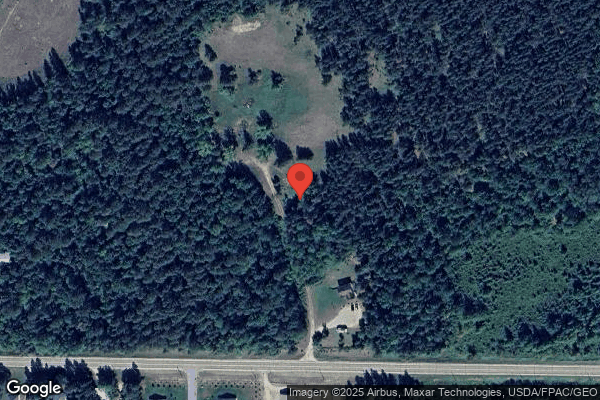
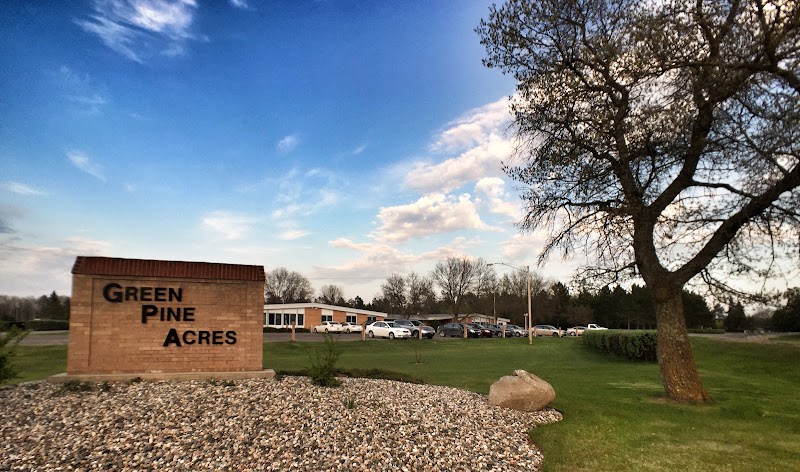
427 MAIN STREET NORTHEAST, MENAHGA, MN 56464 (218) 564-4101
Government - City 65 Beds Independent Data: November 2025
Trust Grade
90/100
#29 of 337 in MN
Last Inspection: March 2025

Within standard 12-15 month inspection cycle. Federal law requires annual inspections.

Overview

Green Pine Acres Nursing Home has received an excellent Trust Grade of A, indicating it is highly recommended for families considering care options. It ranks #29 out of 337 facilities in Minnesota, placing it in the top half of all nursing homes in the state, and it is the best option among the two facilities in Wadena County. The facility is improving, with the number of issues decreasing from three in 2024 to two in 2025. Staffing is generally good with a 4/5 star rating and a 38% turnover rate, which is below the Minnesota average, but there is concerning RN coverage, as it has less than 95% of other facilities. While there have been no fines, which is a positive sign, there have been concerns regarding the lack of proper education provided about vaccinations for residents and inaccuracies in documenting residents' mobility status, indicating areas that need attention.

Trust Score
A
90/100
In Minnesota
#29/337
Top 8%
Safety Record
Low Risk
No red flags
Inspections
Getting Better
3 → 2 violations
Staff Stability
○ Average
38% turnover. Near Minnesota's 48% average. Typical for the industry.
Penalties
✓ Good
No fines on record. Clean compliance history, better than most Minnesota facilities.
Skilled Nurses
○ Average
Each resident gets 34 minutes of Registered Nurse (RN) attention daily — about average for Minnesota. RNs are the most trained staff who monitor for health changes.
Violations
○ Average
6 deficiencies on record. Average for a facility this size. Mostly minor or procedural issues.
★★★★★
5.0
Overall Rating
★★★★☆
4.0
Staff Levels
★★★★★
5.0
Care Quality
★★★★★
5.0
Inspection Score
Stable
2024: 3 issues
2025: 2 issues

The Good

  • 4-Star Staffing Rating · Above-average nurse staffing levels
  • 5-Star Quality Measures · Strong clinical quality outcomes
  • Full Sprinkler Coverage · Fire safety systems throughout facility
  • No fines on record
  • Staff turnover below average (38%)

    10 points below Minnesota average of 48%

Facility shows strength in staffing levels, quality measures, fire safety.

The Bad

Staff Turnover: 38%

Near Minnesota avg (46%)

Typical for the industry

The Ugly 6 deficiencies on record

Mar 2025 2 deficiencies
CONCERN (D)

Potential for Harm - no one hurt, but risky conditions existed

Assessment Accuracy (Tag F0641)

Could have caused harm · This affected 1 resident

**NOTE- TERMS IN BRACKETS HAVE BEEN EDITED TO PROTECT CONFIDENTIALITY** Based on observation, interview and document review, the facility failed to ensure the Minimum Data Set (MDS) was accurately cod...

Read full inspector narrative →
**NOTE- TERMS IN BRACKETS HAVE BEEN EDITED TO PROTECT CONFIDENTIALITY** Based on observation, interview and document review, the facility failed to ensure the Minimum Data Set (MDS) was accurately coded to reflect range of motion status for 2 of 17 residents (R2, R29) who were in the sample. Findings include: R2: R2's Physical Therapy Evaluation and Plan of Treatment dated 11/19/24, identified R2 impaired ROM in both upper and lower extremities. R2's admission Minimum Data Set (MDS) dated [DATE], R2's functional range of motion (ROM) identified R2 had no limitations of range of motion in either upper or lower extremities. Diagnoses included multiple sclerosis and quadriplegia. R2's Mobility Assessment-V2 dated 2/26/25, identified R2 had contractures present and was unable to extend his left elbow past 90 degrees. Bilateral knees and ankles had poor ROM. R2's quarterly MDS dated [DATE], R2 was dependent with all areas of activities of daily living, required a mechanical lift to transfer and was unable to ambulate. R2's functional RO) identified R2 had no limitations of range of motion in neither upper or lower extremities. Diagnoses included multiple sclerosis and quadriplegia. R2's care plan revised 2/27/25, identified R2 required a restorative nursing program. R2 had contractures to their lift elbow extension, right elbow flexion, and tight overall tone and was at risk for developing additional contractures. Staff were directed to complete passive ROM alternating between upper and lower extremities every other time. During observation on 3/19/25, at 10:43 a.m. R2 was lying on his right side while staff performed a dressing change to his left buttock area. R2 had difficulty moving his upper extremities and was unable to move his lower extremities without assistance. R2's fingers had poor dexterity and limited ROM due to stiffness and contractures. R29: R29's care plan revised 12/5/23, identified R29 had a decline in mobility with limited ROM in right ankle. R29 required a restorative nursing program due to a risk for contractures. Staff were directed to complete active ROM exercises to her lower and upper extremities and transfers to maintain strength. R29's Mobility Assessment-V2 dated 12/27/24, identified R29 had limited ROM to her right shoulder. R29's right elbow had moderate ROM and R29 had right ankle inversion with moderate ROM. R29's quarterly MDS dated [DATE], identified R29 required partial to maximum assistance with most ADL's and was dependent with transfers and mobility. R29's functional ROM identified R29 had no limitations of range of motion in either upper or lower extremities. Diagnoses included cerebral infarction, polyosteoarthritis, and epileptic spasm. R29's Occupational Therapy Evaluation and Plan of Treatment dated 4/17/24, identified R29 had impaired ROM in her right upper extremity. During observation on 3/17/25 at 1:23 p.m. R29 was observed seated in a wheelchair in her room. R29 was leaning heavily to right side and her legs and feet were not positioned fully on the wheelchair foot rests. R29 was unable to lift her arms or her legs to correct her position and rang for staff assistance. During interview on 3/19/25, at 2:24 p.m. licensed practical nurse (LPN)-A stated she completed the MDS assessments for all the resident's residing in the facility. LPN-A reviewed the resident's mobility assessment to determine each resident's upper and lower extremity ROM. LPN-A thought she may have been reading the MDS question related to a resident's ROM incorrectly. She coded the resident with impaired ROM only if there was a potential for injury with movement. Now in reviewing the MDS ROM section she could see R2 and R29's MDS were coded incorrectly. When interviewed on 3/19/25, at 3:12 p.m. the director of nursing (DON) stated she did not agree R2 and R29 had full ROM of all their extremities. If both therapy and the mobility assessments identified a resident had impaired ROM in any of their extremities, then the MDS should reflect that. It was important to have the ROM limitations correctly identified on the MDS to account for the resident need for assistance with ADLs. The facility policy MDS 3.0 Policy Procedure dated 5/1/24, identified the facility would complete a comprehensive assessment of the resident needs. The assessment would include a resident's physical functional status, ability to perform activities of daily living, and the resident's need for staff assistance and assistive devices or equipment to maintain or improve functional abilities. The MDS staff would encode accurate information into the MDS. The Centers for Medicare & Medicaid (CMS) Long-Term Care Facility Resident Assessment Instrument 3.0 User's Manual, dated 10/2024, identified a purpose to offer clear guidance on how to use (i.e., code) the RAI which was divided in multiple sections. The manual outlined, Section GG: Functional Abilities, which directed an intent to determine whether functional limitation in range of motion (ROM) interfered with the resident's activities of daily living or placed them at risk of injury. The manual outlined the item coded for the presence or absence of functional limitation related to ROM, and thorough assessment ought to be comprehensive and follow standards of practice for evaluating ROM impairment. Coding instructions included to code 0 if resident had full functional range of motion on the right and left side of upper/lower extremities, code 1, impairment on one side if resident had an upper- and/or lower-extremity impairment on one side that interfered with daily functioning or placed the resident at risk of injury, and code 2, impairment on both sides, if resident had an upper- and/or lower_extremity impairment on both sides that interfered with daily functioning or placed the resident at risk of injury.
CONCERN (D)

Potential for Harm - no one hurt, but risky conditions existed

Accident Prevention (Tag F0689)

Could have caused harm · This affected 1 resident

**NOTE- TERMS IN BRACKETS HAVE BEEN EDITED TO PROTECT CONFIDENTIALITY** Based on observation, interview and document review, the facility failed to ensure the use of motion sensor pager devices were a...

Read full inspector narrative →
**NOTE- TERMS IN BRACKETS HAVE BEEN EDITED TO PROTECT CONFIDENTIALITY** Based on observation, interview and document review, the facility failed to ensure the use of motion sensor pager devices were assessed for range upon implementation and when identified the sensor did not alert staff to movement as intended for 1 of 2 residents (R60) reviewed for falls. Findings include: The undated 433 CMU Manufacturer Instructions identified the range of the monitors were 150 to 300 feet; however, environmental factors such as concrete or brick walls and heavy electrical equipment could affect the range. The systems relied on technology which was subject to physical and environmental considerations transmitter would not be 100% accurate if it was out of range. It was the end users responsibility to make sure the product was used correctly and within range. The device was intended as an adjunct to good care giving practices and not a substitute for proper staffing and management practices. It was commended all staff received proper training and the device tested daily. The device was not meant to replace direct patient supervision, adequate staff training and testing of the system before each use. R60's quarterly Minimum Data Set (MDS) dated [DATE], identified R60 had moderately impaired cognition. R60 required moderate assistance with dressing, grooming and transfers and maximum assistance with toileting hygiene. R60 was frequently incontinent of bowel and bladder. Diagnoses included dementia, heart disease, and anxiety. R60's Fall Risk assessment dated [DATE], identified R60 had a history of multiple falls within the last six months. R60 required assistance of one to transfer but would still self-transfer which often resulted in her falls. R60 had a sensor pad on her bed and a sensor boxy in the bathroom doorway to alert staff. The assessment lacked any evidence the alarm box ranges were individually assessed for distance to ensure the alarm functioned as intended, to alert staff to R60's movement. R60's medical record lacked any assessment for alarm box ranges in relation to the sensor to ensure the alarm functioned as intended, to alert staff to R60's movement. R60's care plan revised 12/24/24, identified R60's need for assistance with activities of daily living (ADLs) and R60's mobility fluctuated due to cognition and/or fatigue. A goal was identified to avoid complications with mobility such as falls, injuries or decline. An intervention included a sensor box on R60's bathroom door and directed staff to carry the alarm box (that would alert if R60 attempted to enter the bathroom). The care plan did not identify any how far staff could be with the alarm box to ensure the proper functioning of the alarm. R60's Fall Investigation Worksheet dated 8/26/24, identified R60 had an unwitnessed fall and was found on the floor in the bathroom. The bathroom alarm was in place and trained medication assistant (TMA)-A had the alarm box in her pocket. Nursing assistant (NA)-A had taken R60 to her room following supper in the dining room and secured the call light with in R60's reach. R60 had removed the call light and attempted to self transfer to the bathroom and fell. TMA-A reported the alarm box for the bathroom motion sensor had not sounded an alert. The root cause of the fall was determined to be the need to toilet and the intervention to assist R60 to the bathroom after supper was implemented. Batteries were changed to sensor box and alarm. The investigation worksheet lacked evidence an investigation was conducted to determine why the bathroom sensor alarm had failed to alert when R60 entered the bathroom. R60's CNA Fall Worksheet dated 12/22/24, identified R60 had an unwitnessed fall and was found on the floor in the bathroom. R60 stated she had been trying to go to the bathroom. Fuzzy socks and slippers were determined to have contributed to the fall. The worksheet lacked any further investigation into whether the alarms sounded as intended, and if not, any investigation into why the alarm did not sound as intended. During interview on 3/17/24, at 7:24 p.m. NA-B stated R60 would try to take herself to the bathroom a lot. R60 had a motion sensor in her bathroom door and they could usually catch her before she fully got out of her wheel chair. It had not alarmed when she fell in the bathroom on 12/22/24. When interviewed on 3/18/25, at 8:31 a.m. NA-C stated R60 had a sensor on her bed and bathroom door to alert staff when she moved. An aide would be assigned to keep the box in their pocket and it would alarm by playing music or a noise loudly if R60 entered the bathroom. If the aide went on break, they would hand it off to someone else. R60 would try to go to bed or to the bathroom herself and she fell a lot because of that. The alarm was not working when she fell on [DATE]. During interview on 3/18/25, at 9:05 a.m. registered nurse (RN)-A stated R60 did have falls due when trying to self transfer. R60 had a motion sensor on her bathroom door and a nursing assistant carried the receiver box in their pocket. The box would chime or made a musical sound when R60 entered her bathroom. The aide that had the alarm box on 12/22/24, was in the dining room and the alarm did not sound. RN-A stated the aide was not in range for the alarm to sound. During interview on 3/18/25, at 10:06 a.m. NA-D stated she was not aware if there was any range for the alarm and was not aware of it not working. During interview on 3/18/25, at 10:09 a.m. TMA-C stated she was wearing the motion sensor box for a resident this morning. She did not think there was a range where the alarm would not work. If they were to go on break they handed the alarm box to someone else and was not aware of it not working. During interview on 3/18/24, at 10:23 a.m. NA-E stated the motion sensor alarm had always worked for her when she had it and was not aware of any ranges. During interview on 3/18/25, at 11:07 a.m. TMA-D stated she had the alarm on 12/22/24, when R60 fell. TMA-D stated she had been wheeling another resident into the dining room and setting her breakfast up when she received a call over the walkie asking who had R60's alarm. TMA-D ran to R60's room but she had already fallen. The alarm had not sounded at all. TMA-D had been told she was out of range of the alarm for it to sound. That was the first time she had ever heard there was a range to the alarm box. When she had started down to R60's room in response to the call on the walkie that she had fallen, the alarm started blaring loudly, so she did not feel the batteries were low. A joint interview was conducted on 3/18/25, at 11:31 a.m. with the director of nursing (DON) and the administrator. The DON stated she had gotten a call at home regarding the fall and was told the alarm was working and the aide had it on their person. The aide was in the kitchen and the DON thought there was a distance limit on the alarms but was not sure what the footage was. The alarm did sound when the aide entered the hallway, so may have been a delay of a couple of seconds. The DON did not know the range of the motion sensors to the alarm box and looked it up on the website, which indicated the range was 300 feet. Both the DON and the administrator stated they had never tested the range of the motion sensor alarm and thought it would be difficult as the nursing assistants moved through out the halls. The alarm was not investigated or tested following R60's fall. On 3/18/25, at 12:20 p.m. the DON placed the motion sensor alarm in R60's former room and called to the nursing assistant on the walkie who had the alarm box. The NA stated she was in the dining room assisting a resident. The DON activated the alarm in R60's room and the NA reported the alarm box did not sound. The DON stated there must be to many walls between the alarm box and motion sensor. The administrator stated the alarm did work and the care plan was followed but it was out of range. During telephone interview on 3/18/25, at 1:09 p.m. the manufacturer of the Wireless Motion Sensor Smart Caregiver Fall Prevention and Anti-wandering Alarm help desk, (MHD)-C stated the alarms were used in quite a few nursing homes. MHD-C stated the determining factor of the range of the sensor was what was between the sensor and the alarm box. The sensor used radio waves and concrete, brick, metal, electrical would all effect the range. The typical range was 150 to 300 feet, but it would depend on what was directly in between the sensor and the alarm box. The absolute maximum distance was 300 feet and that would be if the alarm box and the sensor were in direct line of site. The only way to know the range of how far an alarm will reach from where you placed the sensor was to test it. It was not difficult to test the range. The motion sensor would be placed to where you wanted it and then someone with the alarm box would go a distance away and keep moving away a distance until the alarm box no longer picked up the sensor. A follow up joint interview was conducted on 3/19/25, at 3:54 p.m. with the DON and administrator. The DON stated she did not work at the facility at the time of R60's first fall and could not say what type of investigation was done to determine the cause of the fall or if the motion sensor was investigated. The DON did not know what assessment was completed to determine the motion sensor alarm was appropriate. It would be hard to determine the range of the sensor, it would be different for each resident. The administrator stated the staff were aware the motion sensors were not a fool proof thing and knew there were limitations to the alarms. The sensors were effective and they could not possibly identify where/if there were dead spots for each resident, as the ranges could change. The facility policy Resident Alarms dated 2/6/25, identified the facility would establish and utilize a systematic approach for the safe and appropriate use of resident alarms, including efforts to identify risk, evaluate and analyze risk, implement interventions to reduce risk and monitor for effectiveness of the interventions and modifying interventions when necessary. When alarms were utilized, additional monitoring would be provided, including but not limited to verifying the alarms were used in accordance to the care plan, working properly and monitoring for adverse consequences. Each resident would be assessed for fall and elopement risk on admission and periodically thereafter. Medical symptoms would be identified and documented in the medical record. Information would come from the medical history, physical exam or individual observation. When alarms were in use or under consideration, risks of adverse consequences related to alarms would be identified.
Sept 2024 2 deficiencies
CONCERN (D) 📢 Someone Reported This

A family member, employee, or ombudsman was alarmed enough to file a formal complaint

Potential for Harm - no one hurt, but risky conditions existed

Report Alleged Abuse (Tag F0609)

Could have caused harm · This affected 1 resident

Based on interview and document review the facility failed to timely report an allegation of staff to resident abuse to the facility administrator and the state agency for 1 of 3 residents (R1) review...

Read full inspector narrative →
Based on interview and document review the facility failed to timely report an allegation of staff to resident abuse to the facility administrator and the state agency for 1 of 3 residents (R1) reviewed for abuse. Findings include: R1's admission Record identified diagnosis that included Alzheimer's disease, depression, anxiety and dementia. A report to the state agency (SA) dated 8/29/24, indicated on 8/26/24, nursing assistant (NA)-A report to registered nurse (RN)-A while she was assisting R1 to get dressed, her bra was up over her breasts and NA-B walked into the room and stated oh, boobies, then walked over to R1 and flicked her breast up. During interview on 9/6/24 at 11:22 a.m., NA-A stated on 8/26/24, she and NA-B were assisting R1. NA-A stated R1's shirt was pulled up over her breasts as they were waiting for the trained medication aide to come in and apply powder under her breasts. NA-A stated NA-B stepped forward and with the back of her hand, lifted up R1's breast and made a sound effect. NA-A said when she asked NA-B why she did that, NA-B acted like it was no big deal. NA-A stated she felt like NA-B thought it was funny. NA-A said she felt it was very inappropriate and said it should not have happened. NA-A states she reported the incident to RN-B shortly after the incident occurred. During interview on 9/6/24 at 11:33 a.m., RN-B stated when NA-A reported the incident to her, she was rounding with the nurse practitioner so she reported the incident to RN-A. RN-B said NA-A reported to her while performing cares for R1, NA-B flopped her breast, not in a nice way, and made a comment about boobies and was saying boob, boob. RN-B stated she had told the other unit manager (RN)-A, but had not reported the incident to the director of nursing or the administrator. RN-B stated she was aware the timeframe for reporting allegations of abuse was two hours. During interview on 9/6/24 at 11:48 a.m., the administrator stated she had been made aware of the incident by RN-A on 8/29/24, three days after the incident occurred. During a subsequent interview at 1:40 p.m., the administrator said when the incident was reported to her she asked RN-A and RN-B why they had not reported the incident when it happened. The administrator said RN-A said she hadn't thought the incident was anything until NA-A brought it up three days later. The administrator stated staff education had not been implemented following the late reporting. Facility policy Abuse, Neglect, Mistreatment and Misappropriation of Resident Property dated 6/10/19, indicated suspected abuse shall be reported to the administrator and SA no later than two hours after forming the suspicion of abuse. The policy identified sexual abuse as non-consensual sexual conduct of any type with a resident.
CONCERN (D) 📢 Someone Reported This

A family member, employee, or ombudsman was alarmed enough to file a formal complaint

Potential for Harm - no one hurt, but risky conditions existed

Investigate Abuse (Tag F0610)

Could have caused harm · This affected 1 resident

Based on interview and document review the facility failed to implement immediate protection of residents (delayed three days) following an allegation of staff to resident sexual abuse for 1 of 3 resi...

Read full inspector narrative →
Based on interview and document review the facility failed to implement immediate protection of residents (delayed three days) following an allegation of staff to resident sexual abuse for 1 of 3 residents reviewed for abuse. Findings include: R1 admission Record identified diagnosis that included Alzheimer's disease, depression, anxiety and dementia. A report to the state agency (SA) dated 8/29/24, indicated on 8/26/24, nursing assistant (NA)-A report to registered nurse (RN)-A while she was assisting R1 to get dressed, her bra was up over her breasts and NA-B walked into the room and stated oh, boobies, then walked over to R1 and flicked her breast up. Facility Investigation submitted to the SA on 9/4/24, indicated NA-B had walked toward R1, took the back of her hand and lifted R1's breast and stated something like, Boing and let R1's breast fall. The report indicated when NA-A asked NA-B why she had one that, NA-B told her, Oh, I just seen a boob nonchalantly. The investigation indicated NA-B denied remembering what she had said, denied intending to humiliate R1 and denied that her intentions had been sexual in nature. During interview on 9/6/24 at 11:22 a.m., NA-A stated on 8/26/24, she and NA-B were assisting R1. NA-A stated R1's shirt was pulled up over her breasts as they were waiting for the trained medication aide to come in and apply powder under her breasts. NA-A stated NA-B stepped forward and with the back of her hand, lifted up R1's breast and made a sound effect. NA-A said when she asked NA-B why she did that, NA-B acted like it was no big deal. NA-A stated she felt like NA-B thought it was funny. NA-A said she felt it was very inappropriate and said it should not have happened. NA-A stated she reported the incident to RN-B shortly after the incident occurred. During interview on 9/6/24 at 1:40 p.m., the administrator stated she had been notified of the incident on 8/29/24, three days after the incident occurred. The administrator said NA-B had been suspended on 8/29/24, and said NA-B had worked between 8/26/24, and 8/29/24 when she had been suspended. Facility policy Abuse, Neglect, Mistreatment and Misappropriation of Resident Property dated 6/10/19, identified sexual abuse as any non-consensual sexual contact of any type with a resident. The policy indicated when suspected abuse was identified, safety measures would be implemented to ensure the safety of the suspected vulnerable adult and other residents. Such safety measure may include moving a resident to another room or floor, providing staff supervision of resident, as needed, and separating the suspected perpetrator and residents which may include placing an employee on administrative leave until the investigation was completed.
Apr 2024 1 deficiency
CONCERN (D)

Potential for Harm - no one hurt, but risky conditions existed

Deficiency F0637 (Tag F0637)

Could have caused harm · This affected 1 resident

**NOTE- TERMS IN BRACKETS HAVE BEEN EDITED TO PROTECT CONFIDENTIALITY** Based on interview and document review, the facility failed to ensure a significant change in status assessment was completed fo...

Read full inspector narrative →
**NOTE- TERMS IN BRACKETS HAVE BEEN EDITED TO PROTECT CONFIDENTIALITY** Based on interview and document review, the facility failed to ensure a significant change in status assessment was completed for 1 of 2 residents (R56) reviewed for nutrition Findings include: R56's admission MDS, dated [DATE], identified R56 had moderate cognitive impairment, required substantial to maximum assistance with toilet hygiene and shower, partial to moderate assistance to dress lower body, turn and reposition in bed and transfer. R56 was frequently incontinent of bladder, however was continent of bowel. R56's quarterly MDS, dated [DATE], identified R56 had severe cognitive impairment, was dependent with toilet hygiene and to dress his lower body. R56 also required substantial to maximum assistance with dressing upper body, bathing, turning and repositioning in bed and transfer. R56 was frequently incontinent of both bowel and bladder. All of which identified a decline with R56's incontinence pattern as well as decline in physical functioning for ADL's from the MDS completed on 11/24/23. R56's weight and vitals summary identified R56's weight on admission was 174 pounds. On 2/21/24, R56's recorded weight was 158 pounds. This was an unidentified significant weight loss of 9.2%. The medical record lacked evidence a significant change in status MDS or a progress note identifying why a significant change in status was not required at the time. When interviewed on 4/17/24, at 9:31 a.m. registered nurse (RN)-B stated she completed the MDS after reviewing with the medical record and discussing resident's condition and care with the unit managers. Hospice care was discussed with R56's family, however, the family was not ready to initiate hospice services yet. RN-B knew the unit manager made a lot of changes with care to R56's care plan when the quarterly MDS period was being completed; and that should have prompted a significant change MDS assessment. RN-B stated R56 was requiring increase assistance with all of his ADL's but had not connected the newly coded dependencies with R56's decline in ADL functioning was a significant change, as she was not used to new MDS format and found it hard to compare to R56's previous MDS's. It would be important to complete significant change MDS assessments to ensure accurate care planning and family discussion regarding the resident changes. A significant change MDS should have been completed when R56 had multiple changes regarding cognition, ADL's and nutrition. During interview on 4/17/24, at 3:26 p.m. the director of nursing (DON) stated she was aware R56 had weight loss but had not been aware R56 had a decline in ADL function as well. It would be important to complete a significant change MDS to update the care plan as well as for financial reasons. The undated facility policy MDS 3.0 Policy Procedure identified the facility would conduct initial and periodic comprehensive, accurate, standardized reproducible assessments of each resident's functional capacity as warranted in the most updated version of the MDS 3.0 RAI Minnesota Manual. The facility would obtain ongoing assessment information necessary to develop a care plan, to provide appropriate care and services for each resident, and to modify the care plan and care/services based on the resident's status. The Centers for Medicare and Medicaid Services (CMS) Resident Assessment Instrument (RAI) 3.0 User's Manual, dated October 2023, indicated a significant change in status assessment (SCSA) was required when various criteria were met. The manual identified a significant change was a decline in a resident's status that would not normally resolve itself without intervention by staff, impacted more than one area of the resident's health status and required interdisciplinary review and/or revision of the care plan. A SCSA would be appropriate if there were two or more areas or decline such as emergence of unplanned weight loss, change in resident's incontinence pattern or any decline in activities of daily living (ADL) physical functioning area where a resident is newly coded as partial/moderate assistance, substantial/maximal assistance, or dependent.
Jul 2023 1 deficiency
CONCERN (E)

Potential for Harm - no one hurt, but risky conditions existed

Deficiency F0883 (Tag F0883)

Could have caused harm · This affected multiple residents

**NOTE- TERMS IN BRACKETS HAVE BEEN EDITED TO PROTECT CONFIDENTIALITY** Based on interview and document review, the facility failed to provide the most recent Centers for Disease Control (CDC) educati...

Read full inspector narrative →
**NOTE- TERMS IN BRACKETS HAVE BEEN EDITED TO PROTECT CONFIDENTIALITY** Based on interview and document review, the facility failed to provide the most recent Centers for Disease Control (CDC) education regarding the potential risks and benefits of the pneumococcal vaccine for 5 of 5 residents (R26, R30, R32, R34, R38) reviewed for immunizations. Findings include: R26's admission Record dated 7/26/23, identified an admission date of 1/31/23, and was [AGE] years old. R26 had diagnoses that included Parkinson's disease and lewy body dementia. R26's Minnesota Immunization Information Connection (MIIC) dated 7/26/23, identified R26 received the pneumococcal polysaccharide vaccine (PPSV23) on 3/21/15, and pneumococcal conjugate vaccine (Prevnar 13) on 3/23/18. R26's EHR did not include evidence R26 or R26's representative received education regarding pneumococcal vaccine booster and there was no indication R26 was offered the pneumococcal vaccine per CDC guidance. R30's admission Record dated 7/26/23, identified an admission date of 9/14/22, and R30 was [AGE] years old. R30 had diagnoses that included congestive heart failure (CHF), chronic obstructive pulmonary disease (COPD), and end stage kidney disease with dependence on renal dialysis. R30's MIIC dated 7/26/23, identified R30 received the PPSV23 on 4/10/08 and 9/13/08. R30's Immunization Report dated 7/26/23, identified R30 received the Prevnar 13 on 8/22/17. R30's EHR did not include evidence R30 or R30's representative received education regarding pneumococcal vaccine booster and there was no indication R30 was offered the pneumococcal vaccine per CDC guidance. R32's admission Record dated 7/26/23, identified an admission date of 11/17/22, and R32 was [AGE] years old. R32 had diagnoses that included Alzheimer's disease, type 2 Diabetes, and atrial fibrillation. R32's MIIC dated 7/26/23, identified R32 received the PPSV23 on 12/19/07 and the Prevnar 13 on 3/6/18. R32's EHR did not include evidence R32 or R32's representative received education regarding pneumococcal vaccine booster and there was no indication R32 was offered the pneumococcal vaccine per CDC guidance. R34's admission Record dated 7/26/23, identified an admission date of 1/17/20 and R34 was [AGE] years old. R34 had diagnoses that included Alzheimer's disease. R34's MIIC dated 7/26/23, identified R34 not received either the PPSV23 and/or the Prevnar 13. R34's [NAME] Connections form dated 1/17/20, identified Pneumococcal Conjugate (Prevnar 13) would be offered that year. The form further identified a flyer from the CDC concerning symptoms of pneumococcal conjugate, who should be immunized and possible side effects of getting the vaccine. The form directed the resident or responsible party to read the flyer, sign the consent and return it as soon as possible. There was an x mark next to I do not want to receive the Pneumococcal Conjugate Vaccine. The form was signed by the responsible party and dated 1/17/20. However, the form did not identify what education regarding the pneumococcal vaccine was offered nor did the form identify that R34 was offered the all the pneumococcal vaccine(s) per CDC guidance. R38's admission Record dated 7/26/23, identified an admission date of 11/19/20 and R38 was [AGE] years old. R38 had diagnoses that included anoxic brain damage, history of heart attack, CHF, hypertension, seizures, and aphasia. R38's nursing progress note dated 11/19/20 at 2:31 p.m., identified R38 was underage for pneumococcal vaccines. Previous nursing facility reported family had declined offers for vaccines, but the facility would offer again. The progress note did not identify documentation that R38 or R38's representative received education regarding pneumococcal vaccine booster and there was no indication R38 was offered the pneumococcal vaccine per CDC guidance. The Centers for Disease Control and Prevention (CDC) Vaccines and Preventable Diseases reviewed 2/13/23, identified, the CDC recommended pneumococcal vaccination for adults 19 through [AGE] years old who have certain chronic medical conditions or other risk factors. These risk factors included chronic heart disease, including congestive heart failure and cardiomyopathies. During interview on 7/26/23 at 12:54 p.m., registered nurse (RN)-A stated she was the facility infection preventionist. She stated she did not review resident's immunization history, nor did she offer vaccines to resident because that was the role of the admission nurse. During an interview on 7/26/23 at 1:14 p.m., the director of nursing (DON) stated the admission nurse did review resident immunizations upon admission and the unit managers would follow up afterwards such as during the influenza season. The DON was aware there were changes to the CDC guidance regarding pneumococcal vaccines but could not recall the specifics nor had the facility reviewed resident to determine which residents were eligible for the vaccine. The DON stated they were in the process of transitioning the role to a new IP. The resident immunizations would need to be reviewed and addressed timely to prevent the spread of communicable disease. The facility provided Vaccine Information Statement (VIS) Pneumococcal Polysaccharide Vaccine dated 4/24/15 and Pneumococcal Conjugate Vaccine (PCV13) dated 11/5/15, identified education regarding the need for PPSV23 and Prevnar 13. However, the VIS did not provide education regarding new recommended guidance to receive a PCV20. The facility policy revised 6/1/23, identified the facility would offer residents, staff, and volunteer workers immunizations against pneumococcal disease in accordance with current CDC guidelines and recommendations. The policy further identified each resident would be assessed for pneumococcal immunization upon admission. Self-report of immunization would be accepted. Any additional efforts to obtain information would be documented, including efforts to determine date of immunization or type of vaccine received. Prior to offering the pneumococcal immunization, each resident or resident's representative would receive education regarding the benefits and potential side effects of the immunization. The individual receiving the immunization, or the resident representative, would be provided a copy of the CDC's current vaccine information statement relative to that vaccine. The type of pneumococcal vaccine (PCV15, PCV20, or PPSV23/PPSV) offered would depend upon the recipient's age and susceptibility to pneumonia, in accordance with current CDC guidelines and recommendations. However, the policy did not address review of immunization records for residents already residing in the facility when new, changed and/or additional vaccine booster guidance was recommended.
Understanding Severity Codes (click to expand)
Life-Threatening (Immediate Jeopardy)
J - Isolated K - Pattern L - Widespread
Actual Harm
G - Isolated H - Pattern I - Widespread
Potential for Harm
D - Isolated E - Pattern F - Widespread
No Harm (Minor)
A - Isolated B - Pattern C - Widespread

Questions to Ask on Your Visit

  • "Can I speak with families of current residents?"
  • "What's your RN coverage like on weekends and overnight?"

Our Honest Assessment

Strengths
  • • Grade A (90/100). Above average facility, better than most options in Minnesota.
  • • No major safety red flags. No abuse findings, life-threatening violations, or SFF status.
  • • No fines on record. Clean compliance history, better than most Minnesota facilities.
  • • 38% turnover. Below Minnesota's 48% average. Good staff retention means consistent care.
Concerns
  • • No significant concerns identified. This facility shows no red flags across CMS ratings, staff turnover, or federal penalties.
Bottom line: Generally positive indicators. Standard due diligence and a personal visit recommended.

About This Facility

What is Green Pine Acres's CMS Rating?

CMS assigns GREEN PINE ACRES NURSING HOME an overall rating of 5 out of 5 stars, which is considered much above average nationally. Within Minnesota, this rating places the facility higher than 99% of the state's 100 nursing homes. This rating reflects solid performance across the metrics CMS uses to evaluate nursing home quality.
How is Green Pine Acres Staffed?

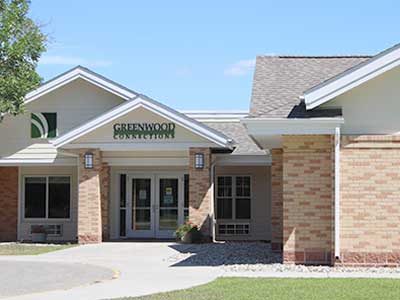
CMS rates GREEN PINE ACRES NURSING HOME's staffing level at 4 out of 5 stars, which is above average compared to other nursing homes. Staff turnover is 38%, compared to the Minnesota average of 46%. This relatively stable workforce can support continuity of care. RN turnover specifically is 64%, which is notably high. RNs provide skilled clinical oversight, so turnover in this role can affect medical care quality.

What Have Inspectors Found at Green Pine Acres?

State health inspectors documented 6 deficiencies at GREEN PINE ACRES NURSING HOME during 2023 to 2025. These included: 6 with potential for harm.
Who Owns and Operates Green Pine Acres?

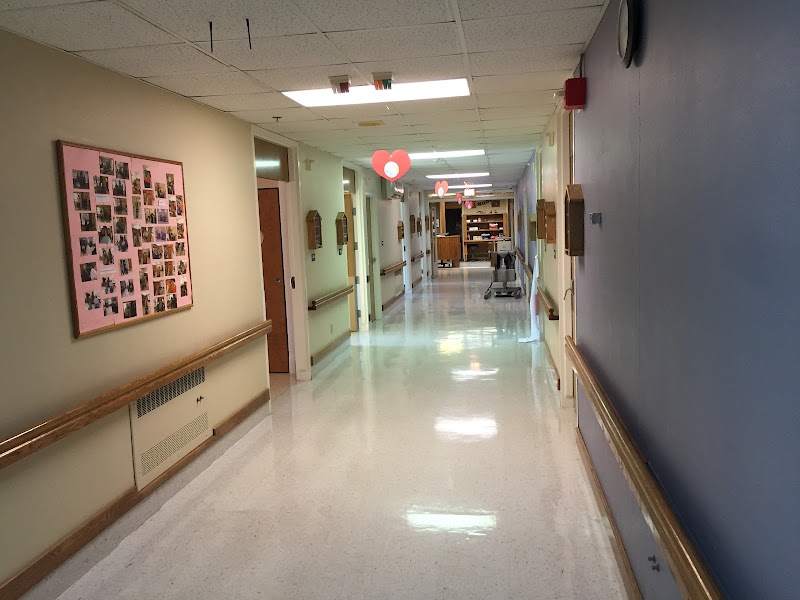
GREEN PINE ACRES NURSING HOME is owned by a government entity. Government-operated facilities are typically run by state, county, or municipal agencies. The facility operates independently rather than as part of a larger chain. With 65 certified beds and approximately 57 residents (about 88% occupancy), it is a smaller facility located in MENAHGA, Minnesota.
How Does Green Pine Acres Compare to Other Minnesota Nursing Homes?

Compared to the 100 nursing homes in Minnesota, GREEN PINE ACRES NURSING HOME's overall rating (5 stars) is above the state average of 3.2, staff turnover (38%) is near the state average of 46%, and health inspection rating (5 stars) is much above the national benchmark.

What Should Families Ask When Visiting Green Pine Acres?

Based on this facility's data, families visiting should ask: "Can I visit during a mealtime to observe dining assistance and food quality?" "How do you handle medical emergencies, and what is your hospital transfer rate?" "Can I speak with family members of current residents about their experience?"

Is Green Pine Acres Safe?

Based on CMS inspection data, GREEN PINE ACRES NURSING HOME has a clean safety record: no substantiated abuse findings (meaning no confirmed cases of resident harm), no Immediate Jeopardy citations (the most serious violation level indicating risk of serious injury or death), and is not on the Special Focus Facility watch list (a federal program monitoring the lowest-performing 1% of nursing homes). The facility has a 5-star overall rating and ranks #1 of 100 nursing homes in Minnesota. While no facility is perfect, families should still ask about staff-to-resident ratios and recent inspection results during their visit.

Do Nurses at Green Pine Acres Stick Around?

GREEN PINE ACRES NURSING HOME has a staff turnover rate of 38%, which is about average for Minnesota nursing homes (state average: 46%). Moderate turnover is common in nursing homes, but families should still ask about staff tenure and how the facility maintains care continuity when employees leave.

Was Green Pine Acres Ever Fined?

GREEN PINE ACRES NURSING HOME has no federal fines on record. CMS issues fines when nursing homes fail to meet care standards or don't correct problems found during inspections. The absence of fines suggests the facility has either maintained compliance or corrected any issues before penalties were assessed. This is a positive indicator, though families should still review recent inspection reports for the full picture.

Is Green Pine Acres on Any Federal Watch List?

GREEN PINE ACRES NURSING HOME is not on any federal watch list. The most significant is the Special Focus Facility (SFF) program, which identifies the bottom 1% of nursing homes nationally based on persistent, serious quality problems. Not being on this list means the facility has avoided the pattern of deficiencies that triggers enhanced federal oversight. This is a positive indicator, though families should still review the facility's inspection history directly.