Fair Oaks Nursing & Rehab LLC
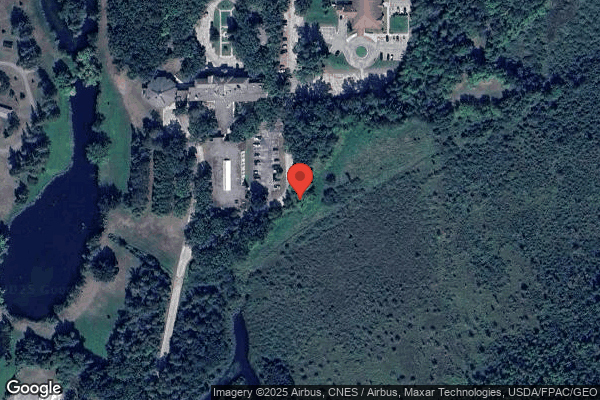
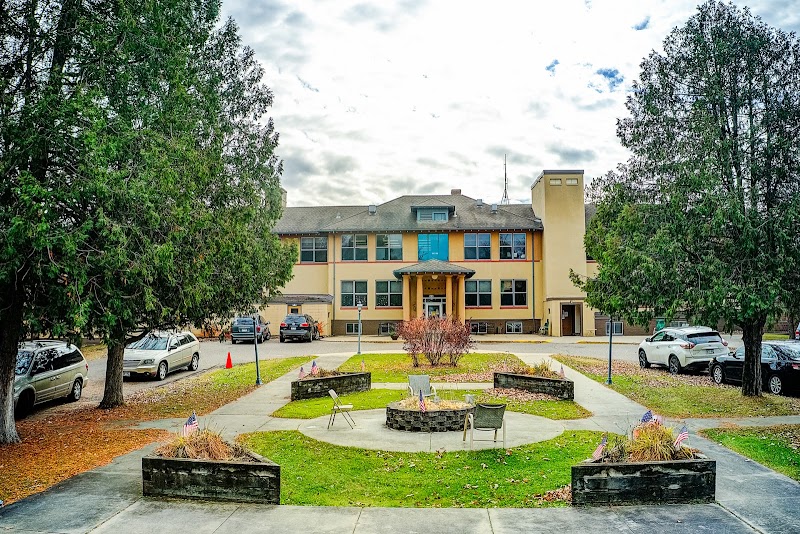
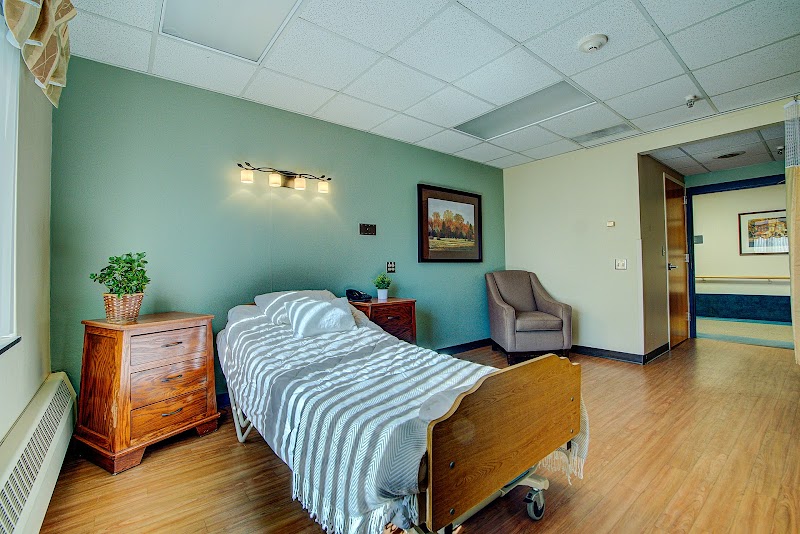
201 SHADY LANE DRIVE, WADENA, MN 56482 (218) 631-1391
For profit - Corporation 65 Beds EDEN SENIOR CARE Data: November 2025 2 Immediate Jeopardy citations
Trust Grade
9/100
#289 of 337 in MN
Last Inspection: February 2025

Within standard 12-15 month inspection cycle. Federal law requires annual inspections.

Overview

Fair Oaks Nursing & Rehab LLC has received a Trust Grade of F, indicating significant concerns about the quality of care provided. This facility ranks #289 out of 337 in Minnesota, placing it in the bottom half of nursing homes in the state, and it is the second out of two facilities in Wadena County, meaning there is only one local option that is better. The trend is worsening, with reported issues increasing from 17 in 2024 to 24 in 2025, highlighting growing problems. While staffing is rated 4 out of 5 stars, indicating some strength with a higher-than-average RN coverage, the turnover rate of 57% is concerning and suggests instability among the staff. Specific incidents of note include a critical failure to ensure safe transport for a resident who sustained fractures after sliding out of a wheelchair, and another incident where a resident's advance directives were not properly documented, putting them at risk of receiving CPR against their wishes. Overall, while there are some staffing strengths, the facility has significant weaknesses that families should carefully consider.
Trust Score
F
9/100
In Minnesota
#289/337
Bottom 15%
Safety Record
High Risk
Review needed
Inspections
Getting Worse
17 → 24 violations
Staff Stability
⚠ Watch
57% turnover. Above average. Higher turnover means staff may not know residents' routines.
Penalties
⚠ Watch
$10,062 in fines. Higher than 86% of Minnesota facilities, suggesting repeated compliance issues.
Skilled Nurses
✓ Good
Each resident gets 67 minutes of Registered Nurse (RN) attention daily — more than 97% of Minnesota nursing homes. RNs are the most trained staff who catch health problems before they become serious.
Violations
⚠ Watch
55 deficiencies on record. Higher than average. Multiple issues found across inspections.
★☆☆☆☆
1.0
Overall Rating
★★★★☆
4.0
Staff Levels
★☆☆☆☆
1.0
Care Quality
★☆☆☆☆
1.0
Inspection Score
Stable
2024: 17 issues
2025: 24 issues

The Good

  • 4-Star Staffing Rating · Above-average nurse staffing levels
  • Full Sprinkler Coverage · Fire safety systems throughout facility
  • No fines on record

Facility shows strength in staffing levels, fire safety.

The Bad

1-Star Overall Rating

Below Minnesota average (3.2)

Significant quality concerns identified by CMS

Staff Turnover: 57%

11pts above Minnesota avg (46%)

Frequent staff changes - ask about care continuity

Federal Fines: $10,062

Below median ($33,413)

Minor penalties assessed

Chain: EDEN SENIOR CARE

Part of a multi-facility chain

Ask about local staffing decisions and management

Staff turnover is elevated (57%)

9 points above Minnesota average of 48%

The Ugly 55 deficiencies on record

2 life-threatening
Jun 2025 1 deficiency 1 IJ
CRITICAL (J) 📢 Someone Reported This

A family member, employee, or ombudsman was alarmed enough to file a formal complaint

Immediate Jeopardy (IJ) - the most serious Medicare violation

Accident Prevention (Tag F0689)

Someone could have died · This affected 1 resident

**NOTE- TERMS IN BRACKETS HAVE BEEN EDITED TO PROTECT CONFIDENTIALITY** Based on observation, interview and document review the facility failed to ensure safe transport with a facility van for 1 of 3 ...

Read full inspector narrative →
**NOTE- TERMS IN BRACKETS HAVE BEEN EDITED TO PROTECT CONFIDENTIALITY** Based on observation, interview and document review the facility failed to ensure safe transport with a facility van for 1 of 3 residents (R1). This resulted in an immediate jeopardy (IJ) for R1 when she slid out of wheelchair during transport, resulting in fractures. The immediate jeopardy (IJ) began on 6/11/25, at approximately 10:00 a.m., when the transport driver (TD) transported R1 in the facility van without the use of a seatbelt. R1 slid out of her wheelchair during transport resulting in closed fractures to the right and left tibias (the larger bone of the lower leg) and closed fracture of left femur (the main bone in your thigh that connects your hip to your knee and is your body's largest and strongest bone). The IJ was identified on 6/18/25, the administrator was notified of the IJ on 6/18/25, at 1:32 p.m. The IJ was removed on 6/12/25, and the deficient practice was corrected prior to the start of the survey and was therefore issued at past noncompliance. Findings include: R1's admission Record indicated she admitted to the facility 12/2/2004. R1's diagnosis included anxiety, morbid obesity and muscle weakness. R1's annual Minimum Data Set (MDS) dated [DATE], identified severe cognitive impairment and indicated she had upper and lower extremity impairments on both sides. The MDS indicated R1 was dependent on staff for all activities of daily living including wheelchair mobility. R1's care plan revised 6/17/25, identified a low risk for falls as she was dependent on staff for significant movements. Potential for falls due to staff error during positioning/transfers. R1 had an actual fall during transport 6/11/25, with injuries. The care plan indicated R1 must be transported by stretcher for out of town appointments and may use local transport for in town appointments. A facility Incident Summary indicated on 6/11/25, during routine transport, R1 was transported in the facility van in a wheelchair. Due to R1's size, the driver was unable to secure the seatbelt. Based on prior guidance from a former administrator, the driver believed that securing only the wheelchair was sufficient for safety. While in transport, R1 began sliding from her wheelchair and ultimately ended up on the floor of the van. The driver immediately stopped the van and contacted emergency services. R1 was transported the Emergency Department (ED) for further evaluation. Initial medical evaluation did not identify any injuries and R1 returned to the facility. Driver received immediate education regarding facility transportation safety policy which mandated the use of appropriate restraints for all residents during transport. R1' facility Progress Notes indicated the following: 6/11/25, R1 returned from hospital via ambulance. R1 returned with a new order for Hydrocodone-Acetaminophen 5 milligrams(mg)-325 mg to be given as needed every six hours for pain. 6/13/25, R1 reported pain in both hips rated 10/10 on pain scale. 6/14/25, R1 had pain on outer side of right leg when rolling in bed and transferring into wheelchair. 6/15/25, R1 had outer right leg pain when rolling and being lifted into chair. 6/15/25, R1 had a greenish bruise on her right leg below the knee with pooling color going towards inner right leg. The same area the pain was in. The bruise was first notices on the p.m. shift on 6/14/25. 6/16/25, R1 continued to have complaints of pain in legs and yelled out when being moved. R1 to be sent by ambulance to the emergency department (ED). 6/16/25, R1 returned form the ED with diagnosis of closed fracture of medial portion of right and left tibia and closed fracture of left femur. New order for Hydrocodone-Acetaminophen 5-325 mg, 1 tablet every four hours as needed for pain. R1 returned with knee immobilizers to right and left lower extremities. R1's ED notes dated 6/16/25, indicated diagnosis of closed fracture of medial portion of right tibial plateau, initial encounter. Chief complaint: extremity pain. The notes indicated R1 admitted from nursing home with right lower leg and bilateral hip pain. R1 was paraplegic, was in a wheelchair last week and fell out onto the floor and has had increased pain in the hips since. Today at the nursing home she was having pain again and staff noticed bruising about the proximal right lower leg which had not previously been x-rayed. On 6/17/25 at 1:37 p.m., R1 was interviewed along with family member (FM)-A. FM-A stated the day of the incident, she had been told the TD had secured the chair to the floor but had not placed a seat belt around R1. R1 stated she remembered the fall and pointed to the floor with her finger and said boom. When asked if she had been injured R1 stated, oh yeah. FM-A identified after the incident, R1 went to the clinic near where the incident had occurred where they did only a hip x-ray. FM-A stated R1 went to the ED the previous day and both of her legs were fractured; adding; she knew on the 12th that something was wrong because R1 was in so much pain when transferred in the lift. During interview on 6/17/25 at 1:58 p.m., the director of nursing (DON) stated the TD was the only person who drove the van. She added, she was not aware of any training completed when the TD was hired but said he was educated on the transport policy after the incident. During interview on 6/17/25 at 2:37 p.m., the TD stated he had been driving for the facility since February of 2024. The TD stated he remembered a lot of policy stuff the first few days but did not remember receiving any education specific to the transport of residents. He stated on 6/11/25, R1 had an appointment in the cities and said when he went to load her into the van, he wasn't very optimistic. The TD stated the wheelchair was very big and unless the chair was smaller it was hard to get the chair positioned facing forward. The TD said the ideal position in the van was to face the person forward, connect the straps to the wheelchair and place the seatbelt on the resident. He revealed he was not able to get the seatbelt on R1 and was unable to tilt the chair back. The TD stated while on the highway, R1 was asleep then suddenly yelled out as if she were startled and she slid forward out of the chair. The TD stated he could hear the concern in R1's voice so he pulled over, R1 was still in motion so he tried to block her from falling to the floor. TD added, in hindsight he should not have transported R1 without a seat belt, received education and training after the incident and was the DON had been auditing as he loaded residents into the van. During observation on 6/17/25 at 2:50 p.m., R1 was transferred from wheelchair to bed using a total body lift. During the transfer, R1 was saying, it burns, I can't stand it. R1 displayed facial grimacing and said ayy, yaay, yaay, ouch. R1's legs were wrapped from ankle to mid-thigh in immobilizers. During interview on 6/18/25 at 10:06 a.m., the human resources director stated she had worked at the facility for four years and had never provided any policies, procedures or training related to transporting residents in the facility van. Facility policy, Transport Driver Policies and Forms dated September 2023, indicated; ensure all residents and wheelchairs are safely secured. Facility Transportation Driver Job Summary, September 2023, indicated; transports residents to and from appointments in a safe and responsible manner. The past noncompliance immediate jeopardy began on 6/11/25. The immediate jeopardy was removed 6/12/25, and the deficient practice corrected after the facility implemented a systemic plan that included the following actions: - Implemented education and audits for safe transport for the TD. - The administrator and human resources director received education on training and polices to be completed upon hire of anyone transporting residents in the facility van. - Education and audits were verified through interview and document review.
Mar 2025 1 deficiency
CONCERN (D) 📢 Someone Reported This

A family member, employee, or ombudsman was alarmed enough to file a formal complaint

Potential for Harm - no one hurt, but risky conditions existed

Accident Prevention (Tag F0689)

Could have caused harm · This affected 1 resident

**NOTE- TERMS IN BRACKETS HAVE BEEN EDITED TO PROTECT CONFIDENTIALITY** Based on observation, interview and document review the facility failed to implement interventions to provide adequate monitorin...

Read full inspector narrative →
**NOTE- TERMS IN BRACKETS HAVE BEEN EDITED TO PROTECT CONFIDENTIALITY** Based on observation, interview and document review the facility failed to implement interventions to provide adequate monitoring and supervision for 2 of 3 residents (R1, R2) who reside on a memory care unit. R1 and R2 identified with wandering, elopement behaviors, and left the facility without staff being aware of where they were. Findings included: R1's elopement risk assessment completed on 1/5/25, identified he was ambulatory, had a history of wandering/elopement/exit seeking, dementia, wandered within the home without leaving grounds, and experienced sundowners (increased confusion, difficulty sleeping, anxiety, agitation, hallucinations, pacing and disorientation people living with dementia may experience from dusk throughout the night). He scored 10 on the assessment (0-8 low risk, 9-10 at risk to wander, 11-above high risk to wander) and was at risk to wander. R1's care plan dated 1/6/25, identified activity of daily living (ADL) self-care deficit and high risk for falls related to weakness, blind in right eye, hearing difficulty, and impaired cognition. He was independent with straight care (walker per DON) in halls, room, and transfers and required guidance for orientation. He was an elopement risk/wanderer/at risk to leave facility without notice/unauthorized related to dementia. Staff were directed to monitor for exit seeking, wandering, talking about leaving facility, document episodes, and offer activities for distraction, toileting, walking inside/outside, call family, structured activities, food, conversation, television, and books. He lived in the special care/secured unit and staff were directed to monitor for tailgating when visitors were in the building and provide a safe and secure environment. R1's Cognitive Performance Test (CPT) (a standardized occupational therapy (OT) assessment initially developed as a research instrument to assess cognition in daily tasks performance and change over time with Alzheimer's disease) dated 1/8/25, identified and an average CPT score of 4/4 out of 5/6 and indicated the need for 24-hour supervision. R1's admission Minimum Data Set (MDS) dated [DATE], identified continent of bowel and bladder. His diagnoses included congestive heart failure (CHF), kidney failure, diabetes mellitus (DM), dementia, anxiety, and no falls. admitted to facility on 1/3/25, from a hospital. He had moderately impaired cognition, no behaviors, and sometimes socially isolated himself. He required set-up/clean up assistance with toileting hygiene, supervision/cues for eating, independent with oral hygiene, dressing himself, sit to stand, all transfers, ambulated up to 150 feet in corridor, walking on uneven surface and steps/curbs not attempted due to medical condition or safety concerns, used a walker for mobility. His medications included antipsychotic, antidepressant, diuretic, opioid antiplatelet, and hypoglycemic (lowers blood sugar). A wander guard or alarm system was not used. R1's OT evaluation dated 2/7/25, identified he had demonstrated a physical decline and OT services would be restarted to improve activities of daily living (ADLs) participation and safety. History included legally blind right side, high risk for falls, moderate/severe cognitive performance, moderately impaired decision making, and impaired safety awareness. He moved slowly and demonstrated impaired balance at evaluation. OT was started three times a week with a duration of 30 days. R1's physical therapy (PT) evaluation dated 2/7/25, identified he had difficulty this week with sit to standing and order was placed for evaluation to be completed. Medical history identified gait abnormalities, unsteadiness on feet, and dementia with behavior disturbances. PT was started three time a week with a duration of 30 days. R1's progress notes from 2/26/25 through 2/27/25, identified: -On 2/26/25 at 9:54 a.m. R1 stated to writer his legs were not working and needed help getting up. He was able to get up out of bed with assist of two. Once he was up out of bed was able to ambulate and used front wheeled walker, gait belt, and standby assist. Hard of hearing (HOH) wore hearing aids in both ears and refused to wear . continued to work the physical/occupational therapy during the week. -On 2/27/25 at 6:51 p.m. nurse noticed R1's walker at the end of the hallway. This nurse started to look for him and alerted other staff to search for him. When this nurse came up towards the nurse's station the phone rang, answered phone and the caller stated I believe I have one of your residents here (she was from the apartments next door). This nurse immediately sent a staff member over to the apartments to bring him back to the facility. Once he was back into the facility, this nurse asked him how and where he ended up outside. He stated he pressed the numbers, and it turned green, so opened the door and went out. This nurse asked him where he was going and he replied I do not know, nowhere. Skin was checked for injuries, none noted. Maintenance still here in the building and changed the code on the door. He was placed on 15-minute checks until further notice. Director of nursing (DON) was updated via phone call. This nurse called guardian (phone message stated she was on vacation). Did attempt to call the stand in guardian, unable to reach her. Will attempt to reach her tomorrow. Physician will be updated via fax. -On 2/27/25 at 9:32 p.m. R1 had been started on 15-minute checks this earning. He has been wandering the hallways with his walker and sitting in recliner chairs in a variety of areas. When he was seen going down to the east hallway with the walker, staff had asked him to go to the lounge area or his room to get his mind off going towards the door at the end of the hallway. He has been closely monitored by staff of his whereabouts. R2's PT evaluation dated 7/22/24, identified was discharged from PT a few months ago, placed on walking program with caregivers assist of one and front wheeled walker (FWW), had not been walking anymore and had declined in his mobility. He required supervision or touching assistance with ambulation up to 50 feet and unable to attempt 150 feet due to medical conditions or safety concerns. His gait pattern included a very short and shuffling steps where his feet caught on each other, walked very narrow base of support (BOS), and flexed knees. R2's OT evaluation dated 12/11/24, identified moderately impaired decision making, impaired safety awareness, and muscle weakness. He had fallen once in the past year and felt unsteady when he walked. R2's care plan dated 1/2/25, identified limited physical mobility, unsteady gait, weakness, and other abnormalities of gait and mobility. Staff were instructed to have provide assistance of one with ambulation/locomotion and independent with wheelchair-based pivot transfers in room. R2 had purpose driven wandering and tried to get outside to smoke. Staff were directed to monitor for exit seeking or wandering behaviors, attempting to push on doors, type numbers into mag lock, and threatening to leave. Additionally, staff were directed to redirect, assess for needs, take outside for a walk as able, and offer food/drink. R2 had a history of delusions of needing to go to court and wandering/exit seeking increased when someone visited and then left. R2 lived in the special care unit that was secured and staff were directed to monitor for tailgating when visitors were in the building, identify when pattern of wandering was purposeful, aimless, or escapist and intervene as appropriate. R2 had impaired cognition function related to dementia and short-term memory loss. Staff were directed to cue, reorient, and supervise as needed. R2 benefited/required a secure memory care unit due to impaired cognition, dementia with psychotic disturbances, and behaviors. Staff were directed to monitor for changes in behaviors and provide a safe environment. R2's CPT dated 1/8/25, identified an average CPT score of 4.0/5.6 and indicated moderate cognitive impairment and the need for 24-hour supervision and assistance. R2's quarterly MDS dated [DATE], identified admitted to facility on 10/4/22. from a hospital. He had severely impaired cognition, sometimes socially isolates self, rejection of care happened 4 to 6 days out of 7 during look back period, and delusions (misconceptions or beliefs that are firmly held, contrary to reality). He had bilateral lower extremity impairment and used a wheelchair for mobility. He required supervision/touching with toileting hygiene, upper, lower body dressing, sit to stand, and all transfers, wheel 150 feet once seated in wheelchair in corridor or similar space, set-up or clean-up for personal hygiene, and walk at least 10 feet once standing was not attempted due to medical condition or safety concerns. He was frequently incontinent of bladder and always continent of bowel. R2's diagnoses included cancer, dementia, and psychotic disorder. Medications included antipsychotic antiplatelet, and no falls. A wander guard or alarm system was not used. R2's elopement risk assessment completed on 2/12/25, identified he could move without assistance while in wheelchair, had a history of wandering/elopement/exit seeking (past hospitalization or history from resident/family), dementia diagnosis and severely impaired cognition, several times a week making statements of leaving for [NAME], Montana wheeling self in wheelchair to the exits. He scored seven on the assessment and identified at low risk to wander. R2's progress notes from 2/24/25 through 3/4/25, identified: -On 2/24/25 at 11:13 a.m. activities brought him up to the main floor for church services in the chapel. He did fine during the service, when it was time to go back downstairs, he had behaviors. He wanted to go down the stairs to go outside and leave. He did not want to go on the elevator, activity director (AD) said Well, we will go up, she pressed the lower floor button, and he noticed that they were going down and not up. He swore at the AD and tried to get out of wheelchair. AD got him off elevator and blocked the elevator until it shut. He wanted to go back up; AD told him that she did not remember the code. He got upset, swore at the staff member again and AD walked away. -On 2/26/25 at 1:36 p.m. he came up to nurse's station several times this shift wanted to speak with business office and call was made per his request. He stated he needed money to get to [NAME], Montana to pick up his car parked in [NAME], and he was going to need gas money. -On 2/27/25 at 5:54 p.m. at approximately 4:57 p.m. AD stated to this nurse R2 was outside. This nurse alerted staff and two staff went to bring him back into the facility. At 5:04 p.m. R2 and staff are back into the facility, and he was asked where and how her got out. He replied he knew the code to the door and opened the door and went out. He stated I was going to the sheriff's office to go report his care missing. This nurse checked skin for injuries, none noted. He was placed on 15-minute checks. Door code was changed by maintenance . DON updated via phone. -On 2/27/25 at 9:14 p.m. he was on 15-minute checks this evening (p.m.) shift. He had been in his room playing cards, watching television (TV) and up to nurse's station for pop several times. he told the nurse he was on his way to [NAME], Montana to go get his car and just stopped here for the night to get some rest, did not think he would be arrested. The nurse stated he was not under arrest this was not a jail, and he was in the nursing home. He stated you could have fooled me this is not a jail; then why could he not have left earlier like he did. Those two girls ran right towards him, and he did not know what he was going on. The nurse stated again he was not in jail or under arrest they brought you back so you could eat supper. He was ok with this explanation and continued his card game. -On 3/4/25 at 9:18 p.m. He had his all belongings packed in a suitcase in his room. He stated he was going to [NAME], MT in the morning. He was going to check out the casinos there and get his car. During an interview on 3/6/25, at 12:13 p.m. licensed practical nurse (LPN)-A stated she had worked 2/27/25 day shift, gave report, and left for the day. She returned to facility at approximately 4:45 p.m. and entered the memory care unit through the east hallway door located at the end of the hallway. R1 stood at the end of the hallway with his walker by the exit door when she entered, dressed in a flannel shirt, jeans, shoes, and was legally blind in one eye. He frequently told staff he wanted to go home and tried to exit the facility. R2 was in the hallway by the nurse's station in his wheelchair, was delusional, frequently asked for his car, wanted to leave the facility, and told us he was going to [NAME], Montana. No wander guards were used in the memory care unit. Two NAs were at the nurse's station and the evening nurse was in the medication room located across from the nurse's station. She entered the medication room, talked with the nurse, and signed some papers for a total of about 15 minutes. She walked down to the exit door located at the end of the east hallway and R1 remained standing with his walker by the exit door. She stood in front of the exit door and located on the wall on the left side of the door was a code pad. R1 stood approximately seven feet behind her. She used her left hand, covered the code pad, punched in the numbers with her right hand, the light on the pad turned green, pushed the door open, entered the stairwell. The door sounded like it latched, kept walking, did not look back to see where R1 was located, opened the outside exit door, and walked out of the building in two seconds, and did not see a resident. She did not look through the window located in the inside door before she left, the door closed and latched, and she thought it was locked. She was unaware the door had taken up to three to five seconds to be locked. The east end hallway exit door was not a designated employee entrance/exit door. She was in a hurry, had parked close to that door, and ran in and out quickly. The exit door was not to be used by staff or visitors after the incident on 2/27/25. She heard R1 had caught the door before it locked, placed his foot, and held it while he flagged down R2. R1 and R2 exited the facility together and when they were found and brought back to the facility and placed on every 15-minute checks for at least five days. She was aware R1 and R2 had talked about leaving and tried to exit the memory care unit. The east hallway and exit door were not visible from the nurse's station. The staff would be expected to monitor and keep the resident within site so that they were kept safe. During an interview on 3/6/25 at 12:33 p.m. nursing assistant (NA)-B stated the memory care unit was a locked unit and when a resident indicated they wanted to leave they would be monitored frequently every 15 to 30 minutes. R1 was admitted to the memory care unit not too long ago, paced the hallways and talked about leaving. Recently R1 talked more about leaving and pushed on exit doors. R2 was admitted quite a while ago and stated frequently, he did not have to be there, was held against his will, and had not signed any papers to be there. R2 talked almost daily about leaving. On 2/27/25 R1 was restless at 2:45 p.m. and provided a snack. Just after 3:45 p.m. R2 requested to go outside to smoke and was informed by LPN-B he no longer smoked. NA-A had asked LPN-B if R 1 was able to go outside. LPN-B stated R1 could not go outside alone. At 4:15 p.m. NA-A went on a short break, and she completed cares with a resident from 4:15 p.m. to 4:30 p.m. NA-A returned to the memory care unit at 4:30 p.m. and along with her walked back to nurse's station. She stated the last time she saw had R2 was between 4:00 p.m. and 4:30 p.m. Between 4:30 p.m. and 4:45 p.m. AD informed us R2 had gotten out of the building. NA-B along with NA-A immediately went outside to get R2. We found R2 in the front of the building by the archway off the side of the road stuck in a mud puddle in his wheelchair. R2 was angry, fought staff, stated he planned on calling the police station to get his keys to his truck, and had taken three staff to get him back to the building. R2 was unable to walk. We arrived back to the building at about 5:00 p.m. LPN-A had received a phone call from the apartments located on campus approximately 200 feet away. NA-A and NA-B stood in the apartment entry way with two female residents without his walker. R1 had poor vision, could only see out of one eye, unsteady gait, would fallen if he had taken a wrong step, and required the assistance of a walker when ambulating. R1 would not be safe out in the community by himself, had dementia, and a poor memory. The double doors were closed earlier in the shift, tried to redirect him, he had placed hand sanitizer on his hands, and attempted to put a code in to open the exit door. There could have been more supervision of the residents during that time on 2/27/25. The nurse that exited the door at the end of the east hallway should have checked the door prior when she left the building. Staff needed to be more aware of their surroundings to keep the residents safe in the memory care unit. We are not able to see the exit door in the east hallway from the nurse's station. During an interview/observation on 3/6/25 at 1:17 p.m. R2 sat in his wheelchair in his room, well groomed, fully dressed in shoes, and television and radio on. He played cards by himself on a small desk. He stated he had waited for the sheriff to come and visit, trying to get out of here. He stated he stopped in here about one year ago and did not get sent here. He had parked his car here, was stolen, someone rolled it and got wrecked. They changed the combination on the door at the end of the hallway and he was unable to get out of the building. During an interview on 3/6/25 at 3:54 p.m. NA-D stated R1 ambulated independently with a walker and staff were expected to redirect him if he showed signs and/or talked about exit seeking. Today R1 told me he did not want to be here and tried to get out through the locked ½ door located at the entrance of the memory care unit, redirection was provided. Staff were expected to monitor R1 at least every 20 minutes when he walked the hallways and/or sat down by the exit door to keep him safe. R1 was at risk for elopement, falls, frequently confused, and would have not been safe outside, in a parking lot or ambulating on uneven ground by himself. R2 frequently talked about wanting to leave the building. We were expected to redirect him with snacks and acknowledge his whereabouts, both usually worked. She checked on him at least every hour and he often visited the nurse's station. She had seen him frequently down at the end of the east hallway by the exit door. R2 attempted self-transfers, unable to walk independently, used a wheelchair for mobility, refused assistance with cares, and required help with hygiene. During an interview on 3/7/25 at 9:15 a.m. activity director (AD) stated she clocked out for the day between 4:50 p.m. and 5:00 p.m. She left the facility building, got into her car, drove north to leave the parking lot, and when she went around the corner saw R2. He was located between the front and the east parking lot on the side of the road in his wheelchair approximately 100 feet from the building. He had pushed himself backwards with his feet going north. R2 wore a coat, tennis shoes, pants, and a shirt. She did not talk to him, re-entered the facility building and once she reached the memory care unit she saw LPN-B, NA-A and NA-B located in the nurse's station. She informed the staff R2 was outside, and they stated were surprised and unaware he had been missing. NA-A and NA-B ran down to the end of the east hallway and out the exit door. R2 had pushed himself 100 more feet down the road when she arrived back outside. R2 resisted and refused to come back inside the building, locked his feet down on the ground, one shoe came off, and staff pushed him back to the facility. Earlier in the week he had talked about going to [NAME], Montana to get his car, was frequently confused, and at risk for elopement. Once they returned to the memory care unit, LPN-B stated she had received a phone call from the apartments located approximately 300 feet away, R1 had left the memory care unit also and walked over there. Along with NA-A and NA-B, she walked over to the apartments and assisted the staff. The NA's stood on each side of R1, placed their arm underneath his arm pits and walked him back to the facility. During an interview on 3/7/25 at 9:49 a.m. administrator stated she was notified on 2/27/25 at 4:50 p.m. by DON R2 was located outside of the building. She received another phone call shortly after that and R1 was located at the apartment building next door. R1 and R2 were appropriately dressed, outside temperature was around 45 degrees and both were outside for approximately 12 minutes. She had reviewed the video recording of the incident and LPN-A exited the east hallway door, R1 stood close by, door looked closed but slightly gaped/open. R1 reached for the door may have caught it before it latched (took three seconds to lock). R1 was a pacer and walked the hallways frequently but she was unaware he had exiting seeing behaviors prior to this incident. Three staff had worked the shift on the memory care unit, NA was on a short break, nurse and NA were on the floor. Staff were unaware R1 and R2 were missing or when they were seen last. Staff provided sufficient supervision on 2/27/25 and continued to. She was unsure whether staff were able to see residents from the nurse's station in the east hallway. Her focus was on how the residents got out of the facility. Staff would be expected to monitor residents with an elopement risk located by an exit door with staff entered and exited the door. There should have been increased supervision prior to this incident when R1 was located by the east hallway exit door. R1 would have not been safe outside by himself, walking on uneven ground, and was at risk for falls. Review of a camera recording on 3/7/25 at 10:39 a.m. with human resource director (HRD) of the facility memory care unit recorded on 2/27/25, from 4:33 p.m. to 5:03 p.m. identified: -At 4:33 p.m. LPN-A and LPN-B were in the medication room across from the nurse's station and both exited the room. -At 4:34 p.m. R1 was seen ambulating independently with a walker down the east hallway towards the exit door and no staff were seen in this hallway until he reached the end of the hallway. LPN-A walked down to the end of the east hallway where there was an exit door located on the left side. R1 was standing with his walker approximately four feet away from the exit door fully dressed in a cap, striped shirt, pants, and shoes on. LPN-A positioned herself in front of the exit door, did not cover up the pad while she punched in the code on the pad located off to the right of the exit door on the wall. HRD verified LPN-A did not cover up the code pad while R1 stood close by looking over her shoulder. The code pad light turned green, and LPN-A glanced to her right briefly, pushed the inside door open, and two seconds later could be seen exiting the building from the outside exit door. There was a window located on the inside exit door approximately 12 inches long by 6 inches wide. LPN-A did not look back or check to see if the resident was tail gating. R1 let go of his walker and grabbed the inside exit door handle and pushed it open. R1 stood in the doorway, held door open, his lips moved, and appeared he talked to someone. LPN-B and NA-B were at the nurse's station. -At 4:35 p.m. R2 pushed himself in the wheelchair out of his room located in the same hallway and down to the end of the hallway to the exit door. No staff was seen in the hallway at this time. R2 wore a black jacket, gray t-shirt, jeans, and shoes. R2's approached R1, and his lips were moving and appeared he talked to R1. NA-A and NA-B were at nurse's station. -At 4:36 p.m. R1 held open the inside exit door while R2 pushed himself in his wheelchair out into the stairwell entry. R2 opened the exit door and pushed himself with his feet on the ground outside of facility building. R1 looked toward his unreachable walker located inside the building at the end of that hallway in front of a couch below the large window, then paused for a few seconds. -At 4:37 p.m. R2 was located outside, pushed himself in the wheelchair with his feet over to the white railing on his left side, grabbed a hold of and tried to control how fast he went down the sloped sidewalk. Once he reached the end of the railing released his grip, turned to the left, and tooled down the road. Snow was observed on the ground. R1 closed the inside door, opened the outside exit door, and stood in the doorway. R2 turned wheelchair around and pushed with his feet backwards down the parking lot road. -At 4:38 p.m. R1 let go of the outside exit door and slowly walked away to from the building without his walker to the right. The outside exit door closed and R1 was no longer viewable on the camera. R2 continued to push himself away from the building while he sat in the wheelchair with his feet, turned himself around, went forward then turned himself backwards again. HR stated he moved faster going backwards. R2 followed the parking lot road that ran alongside the facility building. -At 4:39 p.m. R2 pushed himself in the wheelchair down the center of the parking lot. There was parked vehicle located on both sides of him: white truck and a black car parked on the left side and an SUV, white van, and a car parked on the right side. R2 went off camera at 4:40 p.m. -At 4:40 p.m. LPN-B pushed a cart out of the nurse's station and entered the medication room and exited the medication room at 4:41 p.m. -At 4:41 p.m. NA-A walked off the elevator located next to the exit door at the end of the east hallway, turned right, and walked towards the nurse's station. NA-B walked from the nurse's station area down the east hallway approximately two doors down and entered a resident's room. LPN-B sat at nurse's station. -At 4:42 p.m. activity director (AD) walked outside to her van located in the parking lot. NA-A and NA-B entered nurse's station together. LPN-B sat in a chair by a computer. NA-A sat in a chair and NA-B prepared ice and water for residents, both located in the nurse's station. HRD stated staff are unable to see residents in the east hallway while the staff where in the nurse's station. -At 4:45 p.m. LPN-B, NA-A and NA-B were in the nurse's station and AD approached them (per HRD was when AD informed staff she had found R2 located outside in his wheelchair). NA-A and NA-B ran down the east hallway and left the building through the exit door. LPN-A walked out of the nurse's station, down the east hallway, looked in R2's room, and to the exit door at the end of the hallway. LPN-A lifted a walker (R1's, confirmed by HRD) located by the exit door, moved it aside then sat down on the couch located below the large window, and looked outside. -At 4:48 p.m. LPN-B stood up from the couch, walked quickly down the hallway towards the nurse's station. -At 4:50 p.m. LPN-B turned around in hallway, walked back down to the end of the east hallway and looked in the last room located on the right side of the hallway across from the exit door. She walked back down the east hallway to the other end, turned left then right into the nurse's station. She looked through the open window located between the nurse's station and the lounge/dining room/commons area. At 4:51 p.m. she sat down in front of computer in the nurse's station on the telephone. -At 4:54 p.m. staff pushed R2 in a wheelchair back into the facility building through the exit door located at the end of the east hallway. R2's right foot did not have a shoe on it. -At 4:56 p.m. LPN-B was located at the nurse's station hung up phone and NA-A and NA-B ran back out of building through the east hallway exit door. LPN-B stood in east hallway next to R2 located just outside his room in his wheelchair. -At 4:57 p.m. LPN-B walked back to nurse's station -At 4:49 p.m. LPN-B walked down to the end of the east hallway, gave the door a push, did not open, and sat down on the couch located underneath the window at the end of the hallway. -At 5:00 p.m. NA-C approached the outside exit door located at the east end of the hallway, unable to enter building, LPN-B opened inside and outside exit doors and allowed NA-C entrance. LPN-B pulled the exit doors closed and sat back down on the couch. -At 5:02 p.m. LPN-B pushed R1's walker down the hallway from the end of the east hallway located by the exit door towards the nurse's station. R1 entered the memory care unit escorted by five staff without a walker. An unidentified female staff held his left hand while he walked down the hallway towards his room. -At 5:03 p.m. LPN-B, NA-A, and NA-B were at the nurse's station. During an interview on 3/7/25 at 2:15 p.m. NA-A stated the memory care unit was a locked unit and staff were expected to have checked on residents at least every 15 to 20 minutes. There were at least three residents in the unit that were at risk for elopement. R1 and R2 sat together at the end of the east hallway and had conversations. She had noticed R1 pressed numbers on the code pad by the exit door many times located at the end of the east hallway days prior to the incident on 2/27/25. She informed the nurse and closely watched R1 and R2 when they talked about leaving the facility. R2 talked about leaving the facility at least two to three times a shift, wanted to get his car back. R1 had told her he thought he was in jail and wanted fresh air. R1 and R2 move around the unit frequently and when they saw someone leaving, one of them, tried opening the door. She stated the day of the 2/27/25 incident, R1 had approached her and asked to be let outside, continued to walk the hallways, sat at the end of the east hallway by the exit door. She updated LPN-A and was informed R1 was not allowed go outside by himself, and staff would be expected to stay with him in the courtyard. R2 had a visitor/volunteer and had requested to go outside and smoke. LPN-A informed the volunteer he no longer smoked. R2 would not be safe outside by himself, was frequently forgetful, unable to walk independently, and dependent upon a wheelchair for mobility. At approximately 4:20 p.m. she informed LPN-A and NA-B she was taking a quick break, left the floor, and returned approximately 4:30 p.m. LPN-A sat at the nurse's station and AD stopped by the memory care unit and yelled out R2 was outside. Prior to her break R2 was in his room visiting with a volunteer. NA-A and NA-B ran down the east hallway and left the building through the exit door located at the end of the hallway. She located R2 at the front of the building in his wheelchair off the side of the road stuck in the snow. R2 was upset, refused to go with back inside building, spit on her, and stated he was a grown person, did not have to stay, and wanted to go. Just after 4:30 p.m. R2 was brought back to the facility and entered the building through the east hallway exit door. R1's walker was left at the end of the hallway. LPN-A was on the phone and informed her and NA-B R1 was out of the building also and found at the apartments next door. Along with NA-B she ran back down the hallway and exited the building through the east hallway exit door. R1 was walked back to the facility and all residents in the memory care unit were checked on. She was not aware R1 and R2 were missing. During an interview/observation on 3/7/25 at 2:30 p.m. maintenance (M) stated and demonstrated on the end of the east hallway exit door when the code was entered into the code pad located on the wall right side of the inside exit door at eye level, the button turned green, within three seconds the button turned red and the door latched and locked. M pushed on door and demonstrated the door locked within three seconds. M verified all the codes were changed on 2/27/25 immediately after the incident with R1 and R2. [TRUNCATED]
Feb 2025 1 deficiency
CONCERN (D) 📢 Someone Reported This

A family member, employee, or ombudsman was alarmed enough to file a formal complaint

Potential for Harm - no one hurt, but risky conditions existed

Accident Prevention (Tag F0689)

Could have caused harm · This affected 1 resident

**NOTE- TERMS IN BRACKETS HAVE BEEN EDITED TO PROTECT CONFIDENTIALITY** Based on observation, interview and document review the facility failed to demonstrate safe patient handling to reduce the risk ...

Read full inspector narrative →
**NOTE- TERMS IN BRACKETS HAVE BEEN EDITED TO PROTECT CONFIDENTIALITY** Based on observation, interview and document review the facility failed to demonstrate safe patient handling to reduce the risk for accidents for 3 of 4 residents (R1, R2, R3) reviewed for safety with mechanical lift assisted transfers. Findings include: R1's admission Record indicated she admitted to the facility 4/26/24. R1's diagnosis included functional quadriplegia, impaired cognitive function, cognitive communication deficit and weakness. R1's quarterly Minimum Data Set (MDS) dated [DATE], identified moderate cognitive impairment and indicated Bilateral upper and lower extremity impairments. The MDS indicated R1 was dependent on staff for transfers. R1's Transfer and Mobility Evaluation dated 2/18/25, indicated the use of a mechanical lift for transfer using an extra-large sling. R1's care plan dated 1/22/25, identified a self-care deficit related to obesity, pain, and weakness. The care plan directed staff to assist with transfers utilizing a mechanical lift and XL sling. The care plan identified a fall from a mechanical lift on 2/5/25. R1's undated [NAME] indicated she transferred using a total lift and XL sling. R2's admission Record indicated she admitted to the facility 1/17/25. R2's diagnosis included polyneuropathy, gait and balance abnormalities, unsteadiness, and muscle weakness. R2's quarterly MDS dated [DATE], identified intact cognition and indicated Bilateral lower extremity impairments. The MDS indicated R2 was dependent on staff for transfers. R2's Transfer and Mobility Evaluation dated 2/20/25, indicated the use of a mechanical lift for transfer using a medium sling. R2's care plan dated 7/5/24, identified a self-care deficit related to spinal fusion, gait abnormalities and weakness. The care plan directed staff to assist with transfers utilizing a mechanical lift and medium sling. R2's undated [NAME] indicated transfer using a mechanical lift and medium sling. R3's admission Record indicated she admitted to the facility 6/14/18. Diagnosis included polyneuropathy, unsteadiness, deformities of foot, stiffness in hands and pain. R3's significant change MDS dated [DATE], identified intact cognition and indicated Bilateral upper and lower extremity impairments. The MDS indicated R3 was dependent on staff for transfers. R3's Transfer and Mobility Evaluation dated 11/28/24, indicated the use of a mechanical lift for transfer using an extra-large sling. R3's care plan dated 2/19/25, identified limited physical mobility related to muscle weakness, deformities of foot and fibromyalgia. The care plan directed staff to assist with transfers utilizing a mechanical lift and large sling. R3's undated [NAME] indicated R3 transferred with a mechanical lift and large sling. An EZ Way Sling Sizing Chart for use with EZ Way mechanical lift device identified the following color-coding system: -Gray - small, 70-100 pounds (lbs.) -Beige- Medium, 91-220 lbs. -Burgundy- Large, 190-320 lbs. -Green- Extra-large (XL) - 280-450 lbs. -Black- XXL- 400-600 lbs. -Brown- XXXL- 600 + lbs. -Color coding was used on the binding of the slings. During observation on 2/26/25 at 1:19 p.m., nursing assistants (NA)-A and NA-B transferred R1 using a mechanical lift. The sling used to transfer R1 had a beige binding which indicated a medium sling. R2 was seated in a wheelchair in the room with a sling underneath her. NA-A and NA-B transferred R2 using the mechanical lift and the sling with beige binding which indicated a medium sling. During observation on 2/26/25 at 4:59 p.m., NA-C and NA-D prepared to transfer R3 in a mechanical lift using a sling with split legs. As the lift started to rise, R3 stopped the NA's and said the leg straps were not crossed. NA-C stated, I did it again. During observation on 2/27/25, at 9:11 a.m., R1 and R2 were in bed. R1 had a sling underneath her in the bed that had a burgundy binding which indicated a large sling. During observation and interview on 2/27/25 at 8:59 a.m. R3 stated she had stopped the transfer the previous evening because the legs of the sling should have been criss/crossed and they were not. R3 stated one time she had almost fallen through the sling as it was in the air because of the same thing. R3 stated she had to remind the staff frequently to cross the straps between her legs. R3 further stated, a few weeks before, staff had put her in her recliner and started to pull the lift from the room without unhooking the straps causing her to pull her whole body forward. R3 was seated in a wheelchair on top of a large sling. During interview on 2/27/25 at 9:22 a.m., NA-A stated the residents did not have their own slings. NA-A stated sling size depended on the residents weight. NA-A stated she did not know where to find the sizing guide and said she just guessed the size based on her experience and said there was not anything that told them what size to use. During interview on 2/27/25 at 9:31 a.m., NA-E stated the sling size should be in the care plan and was based on the residents weight. NA-E said, staff just knew what size to use. NA-F was also present and said there used to be a chart on the wall in the linen room but was not there anymore. NA-F stated, when you have been here long enough, you know what size. During observation with NA-B on 2/27/25 at 9:37 a.m., NA-B confirmed both R1 and R2 currently had large slings under them and confirmed both R1 and R2 had been transferred using medium slings the previous day. During interview on 2/27/25 at 9:56 a.m. the director of nursing (DON) stated residents were assessed for sling size on admission. The DON said residents do not have their own dedicated slings and said the size was listed on the [NAME] and said they could also go by the color of the sling. At 11:46 a.m., the DON stated lift training were completed on the computer and in person training as well as with their mentor during orientation. Facility policy and procedure Total Mechanical Transfer dated 8/1/15, indicated to safely transfer residents who have been assessed per the safe patient handling program to requires the use of a total lift. The procedure directed staff to assemble the needed supplies, including the sling. The policy did not include identification of the appropriate sling and/or sling size. Facility Provided checklist titled United Heartland Total Lift, dated 8/2016, indicated; brings equipment to the bedside. Uses the proper size sling for the resident.
Feb 2025 17 deficiencies
CONCERN (D) 📢 Someone Reported This

A family member, employee, or ombudsman was alarmed enough to file a formal complaint

Potential for Harm - no one hurt, but risky conditions existed

Resident Rights (Tag F0550)

Could have caused harm · This affected 1 resident

**NOTE- TERMS IN BRACKETS HAVE BEEN EDITED TO PROTECT CONFIDENTIALITY** Based on observation, interview and document review, the facility failed to ensure dignity was maintained for 1 of 1 resident (R...

Read full inspector narrative →
**NOTE- TERMS IN BRACKETS HAVE BEEN EDITED TO PROTECT CONFIDENTIALITY** Based on observation, interview and document review, the facility failed to ensure dignity was maintained for 1 of 1 resident (R26) who utilized an indwelling catheter. Findings include: R26's quarterly Minimum Data Set (MDS) dated [DATE], identified cognitive portion of the MDS was not completed. Identified R26 had diagnoses which included Alzheimer, neurogenic bladder (a condition that affects the bladder's ability to function properly due to damage or dysfunction in the nerves that control it), and benign prostatic hyperplasia (BPH) (enlarged prostate). MDS lacked information regarding R26's indwelling catheter. R26's annual Care Area Assessment (CAA) dated 9/11/24, identified R16 required required extensive assistance with toileting. Indicated R7 had an indwelling catheter related to urinary retention (unable to completely empty the bladder) and BPH. R26's care plan revised 4/1/24, identified R26 had an indwelling catheter due to urinary retention. Care plan identified catheter bag should have been covered at all times for dignity. R26's care sheet undated, identified R26's had an indwelling catheter. Further identified R26's catheter was to be covered at all times for dignity. During an observation on 2/10/25 at 11:35 a.m., R 26 was seated in his recliner in his room and R26's uncovered catheter bag was attached to the lower part of the recliner with 200 cubic centimeters- a unit of measurement for volume (CC) of clear urine in the drainage bag visible to anyone that walked by. During an observation on 2/12/25 at 12:00 p.m., R26 was lying in bed and R26's uncovered catheter was attached to the lower bed frame with about 300 cc of clear yellow urine in the drainage bag. R26's door was open, the uncovered catheter bag was visible and a visitor walked by R26's room. During an interview on 2/12/25 at 12:05 p.m., family member (FM)-A stated she was unsure if it would have bothered R26 to have his catheter drainage bag uncovered. FM-A further stated R16 was able to decide if having his catheter bag uncovered bothered him. During an interview on 2/12./25 at 12:10 p.m., R26 stated he would have preferred to have his catheter bag covered. During a joint interview on 2/12/25 at 12:15 p.m., nursing assistant (NA)-C and registered nurse (RN)-A verified R26's catheter drainage bag was not covered and visible to others. Verified the expectation was that R26's catheter drainage bag was covered. During an interview on 2/12/25 at 1:39 p.m., director of nursing (DON) verified R26 was able to be interviewed and had an indwelling catheter. Verified R26 required extensive staff assistance with his indwelling catheter bag. DON stated her expectation would have been R26's indwelling catheter bag would have been covered. Review of a facility policy titled Foley Catheter Management revised 1/28/25, identified proper care was to be provided for the management of a Foley catheter to drain urine from the bladder and to prevent reflux of urine back into the bladder. Identified catheter bags were to be covered at all times. .
CONCERN (D)

Potential for Harm - no one hurt, but risky conditions existed

Comprehensive Assessments (Tag F0636)

Could have caused harm · This affected 1 resident

**NOTE- TERMS IN BRACKETS HAVE BEEN EDITED TO PROTECT CONFIDENTIALITY** Based on observation, interview and document review, the facility failed to ensure a complete and comprehensive assessment was c...

Read full inspector narrative →
**NOTE- TERMS IN BRACKETS HAVE BEEN EDITED TO PROTECT CONFIDENTIALITY** Based on observation, interview and document review, the facility failed to ensure a complete and comprehensive assessment was completed for 1 of 1 residents (R16) reviewed for braces. Findings include: R16's admission Minimum Data Set (MDS) dated [DATE], identified R16 had severe cognitive impact and diagnoses which included anxiety, depression and end stage renal disease (ESRD) (loss of kidney function). Identified R16 required extensive assist with activities of daily living (ADL's) which included toileting, transfers, and dressing. R16's face sheet identified R16 had a diagnosis of Parkinson's disease (disease of the nervous system). R16's care plan revised 11/14/24, indicated R25 had an ADL self-care performance deficit related to weakness. R16's goal was to receive staff assistance with ADLs. R16's care plan lacked information regarding R16's ankle-foot orthosis (AFO) brace (to support the ankle and keep the toes aligned with the rest of the foot). R16's care area assessment (CAA) dated 11/14/24, indicated R16 had congestive loss and dementia. The CAA further indicated R16 required extensive assistance with bed mobility, transfers and toileting. R16's electronic health record lacked a comprehensive assessment for R16's AFO brace. R16's signed physicians orders dated 1/14/25, lacked an order for R16's AFO brace. Review of therapy recommendations to nursing dated 11/18/24 and 11/19/24, lacked information regarding R16's AFO brace. Review of R16's treatment administration record (TAR) dated 1/1/25 to 2/12/25, lacked a treatment plan related to R16's AFO brace. Review of R16's progress notes dated 11/7/24 to 2/12/25, lacked documentation related to R16's AFO brace. During an observation on 2/10/25 at 2:30 p.m., R16 was laying in bed with a sock on the right leg underneath the white AFO brace. AFO brace was on the right leg extending from mid calf down the back over the outside of the ankle to the tip of R16's toes. AFO brace was made of hard plastic and was secured with a white velcro strap. During an observation on 2/11/25 at 10:42 a.m., R16 was sitting in her wheelchair in her room. R16 had AFO brace on right leg. R16 did not have a sock on underneath the AFO brace. During an observation on 2/11/25 at 5:17 p.m., R16 continued sitting in her wheelchair. R16 had AFO brace on the right leg. R16 had a blue gripper sock on underneath AFO brace that only extended approximately two inches above R16's ankle. R16's sock did not extend the entire length of R16's leg and AFO brace rested on R16's bare skin. During an observation on 2/12/25 at 1:38 p.m., R16 was sitting at the table with nursing staff eating ice cream. R16 did not have AFO brace on at that time. During an interview on 2/12/25 at 1:22 p.m., nursing assistant (NA)-I stated NA-I did not know why R16 had an AFO brace or when the AFO brace should applied/removed. NA-I further stated R16 did not have orders for the AFO brace. NA-I indicated NA-I had not been trained how to properly apply R16's AFO brace and was not aware R16 should have a sock underneath the AFO brace. During an interview on 2/12/25 at 1:51 p.m., licensed practical nurse (LPN)-A indicated R16 had an AFO brace for her right leg. LPN-A stated R16 used the AFO brace for her Parkinson's disease to help R16's right leg from dropping and retracting. LPN-A identified NA's were responsible for putting R16's AFO brace on. LPN-A indicated R16's spouse brought in the brace for R16 from home. LPN-A further indicated R16 did not have an order for the AFO brace and the AFO brace was not in R16's care plan. During an interview on 2/12/25 at 2:22 p.m., physical therapy assistant (PTA) indicated physical therapy had been working with R16 one time a week. PTA stated R16 had an AFO brace to help with ankle stability when R16 walked. PTA further stated there were no orders for R16 to have the AFO brace. During a follow-up interview on 2/12/25 at 2:45 p.m., PTA confirmed with physical therapy director R16 did not have any orders and no assessment was completed for R16's AFO brace. PTA further confirmed nothing had been communicated to nursing staff on when R16 was to be wearing the brace or how to correctly apply R16's AFO brace. During an interview on 2/12/25 at 4:55 p.m., director of nursing (DON) confirmed the above findings and stated R16 did not have the AFO brace care planned. DON further stated R16 should have been properly assessed and an order should have been received for R16 to have the AFO brace. Facility policy titled resident assessment and examination revised 3/13/24, to assess the resident for any abnormalities in the residents health status to enable the care team to implement interventions to address concerns. Facility policy titled MDS - Quarterly/Annual therapy screens issued 5/1/20, therapy should screen each resident listed as appropriate.
CONCERN (D)

Potential for Harm - no one hurt, but risky conditions existed

Assessment Accuracy (Tag F0641)

Could have caused harm · This affected 1 resident

**NOTE- TERMS IN BRACKETS HAVE BEEN EDITED TO PROTECT CONFIDENTIALITY** Based on interview and document review, the facility failed to accurately code the Minimum Data Set (MDS) correctly for 1 of 1 r...

Read full inspector narrative →
**NOTE- TERMS IN BRACKETS HAVE BEEN EDITED TO PROTECT CONFIDENTIALITY** Based on interview and document review, the facility failed to accurately code the Minimum Data Set (MDS) correctly for 1 of 1 residents (R26) reviewed for resident assessment. Findings include: The Centers for Medicare and Medicaid (CMS) Long-Term Care Facility Resident Assessment Instrument (RAI) 3.0 User's Manual dated 10/2024, identified Section . C 0100: to C 0500 Should Brief Interview for Mental Status Be Conducted? SECTION C: COGNITIVE PATTERNS Intent: The items in this section are intended to determine the resident's attention, orientation and ability to register and recall new information and whether the resident has signs and symptoms of delirium. These items are crucial factors in many care-planning decisions. Section H 0100: Appliances Item Rationale Health-related Quality of Life It is important to know what appliances are in use and the history and rationale for such use. Code this section if an indwelling catheter including a supra pubic catheter is used. R26's quarterly Minimum Data Set (MDS) dated [DATE], Section C Cognitive Patterns Questions C 0100: to C 0500 were blank Sections H 0100 identified R26 did not have a catheter. Identified R26 had an ostomy. R26's care plan revised 9/7/24, identified R16 had a supra pubic catheter (a tube that drains urine from the bladder through a small incision in the lower abdomen). Review of R26's progress notes dated 10/3/24, identified R16 had a foley catheter in place. During an interview on 2/10/25 at 7:30 p.m., R26 stated he has had a catheter for quite some time because he was not able to empty his bladder. During an interview on 2/11/25 at 3:03 p.m., MDS Coordinator verified R26 had a suprapubic catheter and did not have an ostomy. MDS Coordinator verified section H of R26's MDS dated [DATE], had not been coded correctly. MDS Coordinator stated her expectation was the MDS would have been coded correctly. During an interview on 2/12/25 at 1:43 p.m., social worker (SW) verified R26 was able to be interviewed. SW verified section C of R26's MDS dated [DATE], was blank. SW stated she must have forgotten to do section C. SW stated her expectation was that section C would have been completed to ensure a current cognitive score for R26 was documented. During an interview on 2/12/25 at 1:55 p.m., director of nursing (DON) verified R26 was able to be interviewed and had an indwelling catheter. DON confirmed R26's MDS dated [DATE], section C was blank and section H had not been coded accurately. DON stated her expectation would have been for staff to complete the MDS and code it correctly. Review of a facility policy titled Review of a facility policy titled MDS 3.0 Process revised 2/18/22, identified full MDS assessments will be completed on residents newly admitted , those experiencing a significant change in status and annually. Quarterly MDS assessments will be completed per RAI schedule between full MDS assessments. Indicated each individual who completes a portion of the assessment must sign and certify the accuracy of the portion of the assessment he/she completed. .
CONCERN (D) 📢 Someone Reported This

A family member, employee, or ombudsman was alarmed enough to file a formal complaint

Potential for Harm - no one hurt, but risky conditions existed

Comprehensive Care Plan (Tag F0656)

Could have caused harm · This affected 1 resident

**NOTE- TERMS IN BRACKETS HAVE BEEN EDITED TO PROTECT CONFIDENTIALITY** Based on observation, interview and document review, the facility failed to follow the comprehensive care plan for 1 of 1 reside...

Read full inspector narrative →
**NOTE- TERMS IN BRACKETS HAVE BEEN EDITED TO PROTECT CONFIDENTIALITY** Based on observation, interview and document review, the facility failed to follow the comprehensive care plan for 1 of 1 residents (R37) whose care plan was reviewed. Findings include: R37's quarterly Minimum Data Set (MDS) dated [DATE], identified R37 had severe cognitive impairment and had diagnoses which included: Alzheimer's disease, dementia, anxiety and was currently receiving hospice services. R37 required extensive assistance with activities of daily living (ADL's) which included bed mobility, transfers, and eating. R37's care plan revised 11/15/24, indicated R37 had an altered nutritional status related to dementia with a history of vascular dementia. R37 was to have soft cut up foods and pureed foods when needed. R37's intervention included: R37 was to have supervision when eating and staff were to encourage R37 to eat in the dining room sitting upright in R37's wheelchair. Review of R37 [NAME] undated, indicated R37 was a level four pureed, heart healthy diet and R37 required supervision with eating. It further indicated R37 was to be encouraged to eat in the dining room sitting upright in R37's wheelchair. During an observation on 2/12/25 at 8:01 a.m., R37 was laying in bed covered up with a blanket. Nursing assistant (NA)-E entered R37's room and placed R37's breakfast tray on the bedside table and left R37's room. During an observation on 2/12/25 8:03 a.m., NA-E returned to R37's room and asked R37 if he was hungry. R37 shook head up and down to answer NA-E's question. NA-E told R37 NA-E would assist R37 with eating his breakfast. NA-E set R37's bed up into an approximately 35 degree angle and moved the bedside table next to R37's bed. NA-E left R37's room to grab a straw and then returned to R37's room. NA-E continued to feed R37 breakfast in bed. When R37 was finished eating, NA-E removed R37's breakfast tray from the room. During an observation on 2/12/25 at 8:20 a.m., R37 continued to lay in his bed covered up with a blanket. R37's head of bed was lowered approximately 10 degrees and R37 remained in a slightly elevated position. R37 had finished eating and was resting prior to getting up. During an interview on 2/12/25 at 8:23 a.m., NA-E indicated R37 did not like to get out of bed until after breakfast. NA-E further indicated R37 was fed breakfast in bed. NA-E stated NA-E was not aware R37 was to be sitting upright in R37's wheelchair for all meals. NA-E further stated NA-E was unaware it was documented on R37's [NAME] to be up in R37's wheelchair for all meals. During an interview on 2/12/25 at 1:47 p.m., licensed practical nurse (LPN)-A stated R37 used to be sat straight up to be fed but lately staff had been feeding R37 in bed. LPN-A confirmed R37's care plan indicating R37 should have been up in R37's wheelchair for all meals. LPN-A stated R37's care plan needed to be updated to reflect the current changes for R37. During an interview on 2/12/25 at 4:50 p.m., director of nursing (DON) confirmed the above findings and indicated R37 did not like to get up much. DON stated R37's care plan should have been updated to reflect R37's current wishes. DON stated her expectations were care plans were updated on a continuous basis to ensure each resident was getting the care they required. Facility policy titled Care Plan - Baseline and Comprehensive revised 6/20/23, to ensure that each resident receives care individualized to him or herself and that goals and approaches for care are communicated to all parties including caregivers, the resident, and the resident's representative. Throughout the course of rehabilitation and the resident's stay in the facility, the identified risk factors, goals, interventions, and outcomes on the care plans would be evaluated at least quarterly and revised as necessary. Areas of concern that were identified during the resident assessment would be evaluated before interventions were added to the care plan.
CONCERN (D) 📢 Someone Reported This

A family member, employee, or ombudsman was alarmed enough to file a formal complaint

Potential for Harm - no one hurt, but risky conditions existed

Deficiency F0676 (Tag F0676)

Could have caused harm · This affected 1 resident

**NOTE- TERMS IN BRACKETS HAVE BEEN EDITED TO PROTECT CONFIDENTIALITY** Based on observation, interview, and document review, the facility failed to ensure oral cares were performed for 1 of 3 residen...

Read full inspector narrative →
**NOTE- TERMS IN BRACKETS HAVE BEEN EDITED TO PROTECT CONFIDENTIALITY** Based on observation, interview, and document review, the facility failed to ensure oral cares were performed for 1 of 3 residents (R42) who required assistance with hygiene, and were reviewed for activities of daily living (ADL). Findings Include: R42's admission Minimum Data Set (MDS) dated [DATE], identified R42 was cognitively intact and had diagnoses which included: diabetes mellitus, arthritis, anxiety and depression. Identified R42 was dependent on staff for oral cares, hygiene, dressing and bathing. R42's Care Area Assessment (CAA) dated 12/22/24, identified R42 had a self-care performance deficit related to weakness. Identified R42's care plan would be completed for self-care deficit and impaired mobility and staff would assist with ADL completion. R42's care plan revised 1/13/25, identified R42 had an ADL self-care performance deficit related to weakness. R42's interventions included personal hygiene/oral care assist of one. During an interview on 2/10/25 at 1:15 p.m., R42 indicated staff had never once asked her to wash her mouth out. During a follow up interview on 2/12/25 at 7:11 a.m., R42 indicated staff did not do any oral cares, including offering oral swabs or mouthwash and she would like that. R42 stated her dentures were at home. During an observation on 2/12/25 at 7:18 a.m., nursing assistant (NA)-F entered the room wearing gown and gloves. At 7:21 a.m. NA-G entered the room also wearing gown and gloves. NA-F folded up a blanket and placed in chair as R42 requested, then NA-G and NA-F assisted R42 from her bed to recliner with a mechanical lift. NA-G left the room with the lift, then NA-F assisted R42 by combing her hair, getting her a box of facial tissues and her call light. NA-F stated they were done with cares and exited the room. During an interview on 2/12/25 at 10:11 a.m., NA-H indicated R42 had a lot of anxiety, would have panic attacks, and required total assistance from staff. During a phone interview on 2/12/25 at 1:30 p.m., NA-F stated R42 did not have any dentures, and she completed oral cares only when R42 asked and stated otherwise R42 just drank water. NA-F indicated she had only completed oral cares for R42 maybe twice since she had been admitted . NA-F indicated she had not provided R42 oral cares that morning. NA-F indicated she was unaware of what oral cares should have been done when residents wore dentures. During an interview on 2/12/25 at 2:03 p.m., director of nursing (DON) stated expectation for oral cares were for staff to be complete every morning and at bed time. DON stated if residents wore dentures, she would expect the dentures be brushed and oral cares be completed with a toothette (sponged oral swab) with mouthwash or have them swish and spit, to remove food and buildup, which could cause mouth sores and for their dignity. The facility policy titled Oral Assessment And Management revised 3/13/24, identified every resident would have a complete, accurate and comprehensive assessment of oral status and needs. The residents' care plans would include assistive oral care devises, and would include alternative means to address the needs identified in the assessment process if a resident refused oral care. The policy did not include instructions for oral cares.
CONCERN (D) 📢 Someone Reported This

A family member, employee, or ombudsman was alarmed enough to file a formal complaint

Potential for Harm - no one hurt, but risky conditions existed

Deficiency F0679 (Tag F0679)

Could have caused harm · This affected 1 resident

**NOTE- TERMS IN BRACKETS HAVE BEEN EDITED TO PROTECT CONFIDENTIALITY** Based on observation, interview and document review, the facility failed to provide meaningful and engaging activities for 1 of ...

Read full inspector narrative →
**NOTE- TERMS IN BRACKETS HAVE BEEN EDITED TO PROTECT CONFIDENTIALITY** Based on observation, interview and document review, the facility failed to provide meaningful and engaging activities for 1 of 1 residents (R37) reviewed for activities. Findings include: R37's quarterly Minimum Data Set (MDS) dated [DATE], identified R37 had severe cognitive impairment and had diagnoses which included Alzheimer's disease, dementia, anxiety and was currently receiving hospice services. R37 required extensive assistance with activities of daily living (ADL's) which included bed mobility, transfers, and toileting. R37's care area assessment (CAA) dated 9/16/24, indicated R37 had concerns with cognition and dementia. R36's CAA further indicated R36 did not communicate often and was not responding to conversations as much. R37's care plan revised 11/15/24, indicated R37 had a diagnosis of frontotemporal and vascular dementia with a history of alcoholism with limited R37's ability in leisure involvement. R37's goals were to maintain leisure abilities by actively engaging in structured leisure opportunities once daily three days a week. It further indicated R37 enjoyed music, games, music trivia and animals. Staff interventions were to break down tasks, give praise and provide music in R37's room. R37's care plan conference summary dated 1/21/25, stated R37's spouse offered additional activities that R37 would enjoy. These activities included, music (country, 50's and 60's), one to ones, and conversations. R37's spouse requested staff communicate with R37 even if R37 did not respond. R37's [NAME] undated, indication R37 enjoyed music and singing and preferred to listen to music in room instead of coming out to join a group of people. Review of weekly memory care activities schedule for 2/9/25 through 2/15/25, revealed the following: -Monday 2/10/25: 10:00 Card Game: Uno. 10:30 Exercise: Morning Stretches. 11:00 Building Legos. 1:30 Folding Towels. 2:30 Daily Chronicles with Beverages. -Tuesday 2/11/25: 10:00 Folding Towels. 10:30 Exercise: Morning Stretches. 11:00 Pattern Shape Blocks. 1:30 Movie: [NAME] and Hooch. 2:30 Daily Chronicles with Beverages. -Wednesday 2/12/25: 10:00 Card Game: Go Fish. 10:30 Exercise: Morning Stretches. 11:00 Manicures. 1:30 Bingo. 2:30 Daily Chronicles with Beverages. During an observation on 2/11/25 at 2:12 p.m., R37 was sitting in his recliner in his room with his feet elevated and the television was on. Activities were not offered as noted on activity schedule. During an observation on 2/11/25 at 3:45 p.m., R37 continued in the same position as noted above. Activities were not offered as noted on activity schedule. During an observation on 2/12/25 at 1:41 p.m., R37 was sitting in his recliner in his room with his feet elevated and the television was on. R37's television was faced towards the bed and R37 was not able to see the tv. Activities were not offered as noted on activity schedule. During an observation on 2/12/25 at 1:57 p.m., bingo was being offered in the activity room on the memory care unit. R37 remained in his recliner in his room and was not offered to attend bingo. R37's television remained facing away and R37 was not able to see the television. During a telephone interview on 2/10/25 at 4:27 p.m., family member (FM)-A stated R37 sat in his room most of the time. FM-A also stated it had been requested by FM that staff play music and read to R37 during the day. FM-A indicated FM-A had requested the facility to get R37 a white board to help communicate with R37 as R37 had difficulties speaking. FM-A further indicated R37 did not have a white board as requested. During an interview on 2/12/25 at 8:23 a.m., nursing assistant (NA)-E stated activity aids were responsible for the actives on the memory care unit. NA-E further stated activities seldom happened on the memory care unit. NA-E indicated nursing staff were told they needed to complete activities on the unit however, nursing staff did not have the time to complete them. During an interview on 2/12/25 at 8:30 a.m., NA-I stated many times activities did not occur on the memory care unit. NA-I stated there was an activities schedule posted however, often times activities did not get completed. NA-I further stated nursing staff were told they could complete activities however, nursing staff did not have the time to complete activities. During an interview on 2/12/25 at 2:42 p.m., activity director (AD) indicated activity aids were responsible for completing activities on the memory care unit. AD further indicated at times activities did not get completed due to being short staffed. AD stated there was no documentation regarding activities and when residents were invited or attended. AD further stated she would be working on ensuring activities were completed as posted on the memory care unit. During an interview on 2/12/25 at 4:50 p.m., director of nursing (DON) confirmed the above findings and stated she was not aware activities were not being completed on the memory care unit. DON further stated her expectations were that all residents be invited to activities and activities were being completed as scheduled. DON indicated her plan was to have a full time activity aid on the memory care unit from 9am to 5pm Monday through Friday. DON further indicated activities were important especially on the memory care unit. Facility policy titled Activities issued 2/28/20, the facility will provide, based on the comprehensive assessment and care plan and the preferences of each resident, an ongoing program to support residents in their choice of activities both facility-sponsored group and individual activities and independent activities, designed to meet the interests of and support the physical, mental, and psychosocial well-being of each resident, encouraging both independence and interaction in the community.
CONCERN (D)

Potential for Harm - no one hurt, but risky conditions existed

Deficiency F0685 (Tag F0685)

Could have caused harm · This affected 1 resident

**NOTE- TERMS IN BRACKETS HAVE BEEN EDITED TO PROTECT CONFIDENTIALITY** Based on observation, interview and document review, the facility failed to provide assistance to ensure hearing aids were avail...

Read full inspector narrative →
**NOTE- TERMS IN BRACKETS HAVE BEEN EDITED TO PROTECT CONFIDENTIALITY** Based on observation, interview and document review, the facility failed to provide assistance to ensure hearing aids were available to maintain hearing/communication needs for 1 of 1 resident (R3) reviewed for hearing. Findings Include: R3's quarterly Minimum Data Set (MDS) dated [DATE], identified R3 was cognitively intact and had diagnoses which included heart failure, peripheral vascular disease (restricted blood flow to limbs) and depression. Identified R3 was dependent on staff for dressing, bathing, and toileting and personal hygiene. Identified R3 had moderate difficulty with hearing, and used hearing aide or other hearing appliance. R3's Functional Abilities Care Area Assessment (CAA) dated 9/19/24, identified R3 was dependent for toileting hygiene, to shower/bathe self, upper and lower body dressing, and required substantial/maximal assistance with personal hygiene. Staff would review and update care plan as needed. R3's care plan revised 12/16/24, identified R3 had an activities of daily living (ADL) self-care performance deficit related to immobility and related to amputation of one lower extremity. R3 required assistance of one for toilet use, personal hygiene, dressing and bathing. R3's care plan did not include use of hearing aides or interventions for hearing aide use. During an interview on 2/10/25 at 2:26 p.m., R3 stated her hearing aides needed to be sent to be cleaned, and the facility staff had not done this for her. R3 said she could send them herself if she had a box to mail them in, which she had asked staff for. R3 was not wearing her hearing aides. During a follow-up interview on 2/12/25 at 8:18 a.m., R3 stated she did not wear her hearing aides, because they were broken and they needed to be sent for repair. R3 indicated she had informed four to five different staff members about a month ago, and they have not assisted her to get her hearing aides fixed. In addition, R3 said she had asked for a box, so she could mail them herself however, she had not been provided a box either. R3 stated her hearing aides had not been working well for about two months. During an interview on 2/12/25 at 12:08 p.m., licensed social worker (LSW) stated her usual practice was to call the company to get items repaired, and to discuss with the interdisciplinary team (IDT) to see who was responsible for the cost of repair or replacement. LSW indicated she was unaware that R3 needed her hearing aides repaired. During a follow up interview on 2/12/25 at 12:50 p.m., LSW stated she had spoken to R3 about her hearing aides. LSW indicated R3 informed her she had informed multiple nurses and nursing assistants that her hearing aides were broken. R3 informed her she told a nursing assistant her hearing aides were not working then gave the hearing aides to the nursing assistant, who gave them to the nurse. The hearing aides were kept in the nursing cart for awhile, then R3 finally took them back to her room. LSW stated it was important for R3 to have her hearing aides repaired, so she could hear and communicate with others. LSW stated she would have expected staff to inform her or director of nursing (DON) that they needed to be repaired. LSW stated she would investigate why R3's hearing aides were not repaired, and would have them repaired. During an interview at 2/12/25 at 1:18 a.m., DON stated she expected if staff were aware a resident's hearing aides were broken, they would inform someone so they could be repaired as soon as possible. DON stated she had been informed R3's hearing aides were broken in passing. DON stated LSW or herself could have them repaired as soon as possible, for R3's dignity, respect, and ability to communicate. If R3 had told four to five staff, and no one did anything to fix her hearing aides, it could potentially make R3 feel like no one cared about her. A policy was requested however, was not provided.
CONCERN (D)

Potential for Harm - no one hurt, but risky conditions existed

Pharmacy Services (Tag F0755)

Could have caused harm · This affected 1 resident

**NOTE- TERMS IN BRACKETS HAVE BEEN EDITED TO PROTECT CONFIDENTIALITY** Based on interview and document review, the facility failed to implement a system to ensure medications were available to admini...

Read full inspector narrative →
**NOTE- TERMS IN BRACKETS HAVE BEEN EDITED TO PROTECT CONFIDENTIALITY** Based on interview and document review, the facility failed to implement a system to ensure medications were available to administer as ordered for 1 of 1 residents (R14) identified who did not receive medications as ordered. Findings include: R14's admission Minimum Data Set (MDS) dated [DATE], identified R14 had intact cognition and diagnoses which included: hypertension (elevated blood pressure), neurogenic bladder ( a condition where people lack bladder control due to a brain, spinal cord or nerve problem), and constipation. During an observation on 2/11/25 at 8:29 a.m., registered nurse (RN)-A set up R14's medications. RN-A indicated R14 was to receive Myrbetriq ( medication for overactive bladder ) and Psyllium ( medication for constipation) however neither med was available to administer, and had not been available for several days so she would have to contact pharmacy to order it again. R14's current Order Summary sheet dated 2/4/25, included the following: -Myrbetriq 50 mg oral tablet, take one tablet daily for kidney stone. -Psyllium 0.52 mg capsule, take 2 capsules daily for constipation. R14's February 2025, Electronic Medication Administration Record (EMAR) identified the following: -Myrbetriq Oral Tablet Extended Release 24 Hour 50 MG (Mirbetriq)1 tablet by mouth one time a day for Kidney stone, R14 missed seven doses. -Psyllium Oral Capsule 0.52 GM (Psyllium) 2 capsules by mouth one time a day for constipation, R14 missed seven doses. Review of R14's progress notes from 2/4/25, to 2/11/25, identified the following: -2/5/25 at 8:03 a.m. Myrbetriq Oral Tablet Extended Release 24 Hour 50 MG 1 tablet by mouth one time a day for Kidney stone waiting for delivery. -2/5/24 at 8:04 a.m., Psyllium Oral Capsule 0.52 GM 2 capsule by mouth one time a day for Constipation related to constipation, new med on order. -2/6/25 at 10:18 a.m., Myrbetriq Oral Tablet Extended Release 24 Hour 50 MG 1 tablet by mouth one time a day for Kidney stone Not available -2/6/25 at 2:01 p.m., Psyllium Oral Capsule 0.52 GM 2 capsule by mouth one time a day for Constipation Not available, has been ordered. -2/11/25 at 8:51 a.m., Myrbetriq Oral Tablet Extended Release 24 Hour 50 MG 1 tablet by mouth one time a day for Kidney stone Not available. -2/11/25 at 8:47 a.m., Psyllium Oral Capsule 0.52 GM 2 capsule by mouth one time a day for Constipation related to constipation, Not available. R14's progress notes lacked documentation R14's provider had been notified R14's Mybetriq and Psyllium were not available. During an interview on 2/11/25 at 8:45 a.m., RN-A confirmed R 14's Mybetriq and Psyllium were not available and had not been administered since 2/5/25. RN-A stated she had not worked on that unit in a while and was not aware R14 was out of her medication. RN-A stated the usual process was to call the pharmacy when a medication was not available. RN-A stated the director of nursing (DON) should have been notified R14 had not received her medication. During a telephone interview on 2/11/25 at 2:24 p.m., pharmacy consultant (PC)-A stated the expectation was if a resident was out of a medication, to contact the pharmacy. PC-A also expected the facility to contact the physician to see if the medication should be held until received, or if a different medication should be administered, and document. PC-A stated it was important for R14 to receive medication as ordered to prevent further complications. During an interview on 2/12/25 at 8:40 a.m. DON verified R14 had missed seven doses of Mybetriq and Psyllium. DON further verified the provider had not been notified and no orders to hold the medication or to obtain a different medication was obtained. DON stated her expectation was that staff would have contacted the pharmacy and the provider regarding R14's medications that were not available. During an interview on 2/13/25, at 4:22 p.m., medical director (MD) stated he did not recall being contacted regarding R14's medications that were not available. MD stated most of the time when a medication was not available it was related to needing a prior insurance authorization. MD stated when that happened, his expectation was that the facility would have contacted his office and one of the nurses at the clinic would have helped to obtain a prior authorization to get the medication paid for by insurance. MD stated in the mean time, his expectation was that the facility would have contacted him so that he could have decided to hold the medication or replace it with another medication for R14. Review of a facility policy titled Administering Medications revised 1/22/24, identified the policy was to ensure safe and effective administration of medication in accordance with physician orders and state/federal regulations. Further identified should a medication be withheld or refused, the physician would be notified when three (3) consecutive doses or a pattern of frequent withholding or refusal is noted. Documentation identifying the explanation of withholding or reason for refusal would be documented in the medical record. .
CONCERN (D)

Potential for Harm - no one hurt, but risky conditions existed

Unnecessary Medications (Tag F0759)

Could have caused harm · This affected 1 resident

**NOTE- TERMS IN BRACKETS HAVE BEEN EDITED TO PROTECT CONFIDENTIALITY** Based on observation, interview and document review, the facility had a 6.25% percent medication error rate for 1 of 7 residents...

Read full inspector narrative →
**NOTE- TERMS IN BRACKETS HAVE BEEN EDITED TO PROTECT CONFIDENTIALITY** Based on observation, interview and document review, the facility had a 6.25% percent medication error rate for 1 of 7 residents (R14) observed during medication administration. Findings include: R14's admission Minimum Data Set (MDS) dated [DATE], identified R14 had intact cognition and diagnoses which included: hypertension (elevated blood pressure), neurogenic bladder ( a condition where people lack bladder control due to a brain, spinal cord or nerve problem), and constipation. R14's current Order Summary sheet dated 2/4/25. included the following: -Myrbetriq 50 mg oral tablet, take one tablet daily for kidney stone. -Psyllium 0.52 mg capsule, take 2 capsules daily for constipation. During an observation on 2/11/25 at 8:29 a.m., registered nurse (RN)-A set up R14's medications. RN-A indicated R14 was to receive Myrbetriq( medication for overactive bladder ) and Psyllium ( medication for constipation) however neither med was available to administer, so she would have to contact pharmacy to order it again. During an interview on 2/11/25 at 8:45 a.m., RN-A confirmed R 14's Mybetriq and Psyllium were not available and had not been administered since 2/5/25. RN-A stated she had not worked on that unit in a while and was not aware R14 was out of her medication. RN-A stated the usual process was to call the pharmacy when a medication was not available. RN-A stated the provider should have also been contacted regarding the missing medications. RN-A further stated the director of nursing (DON) should have been notified R14 had not received her medication. During a telephone interview on 2/11/25 at 2:24 p.m., pharmacy consultant (PC)-A stated the expectation was if a resident was out of a medication, to contact the pharmacy. PC-A also expected the facility to contact the physician to see if the medication should be held until received, or if a different medication should be administered, and document. PC-A stated it was important for R14 to receive medication as ordered to prevent further complications. During an interview on 2/12/25 at 8:40 a.m. DON verified R14 had missed seven doses of Mybetriq and Psyllium. DON further verified the provider had not been notified and no orders to hold the medication or to obtain a different medication was obtained. DON stated her expectation was that staff would have contacted the pharmacy and the provider regarding R14's medications that were not available. During an interview on 2/13/25, at 4:22 p.m., medical director (MD) stated he did not recall being contacted regarding R14's medications that were not available. MD stated most of the time when a medication was not available, it was related to needing a prior insurance authorization. MD stated when that happened, his expectation was that the facility would have contacted his office and one of the nurses at the clinic would have helped to obtain a prior authorization to get the medication paid for by insurance. MD stated in the mean time his expectation was that the facility would have contacted him so that he could have decided to hold the medication or replace it with another medication for R14. Review of a facility policy titled Administering Medications revised 1/22/24, identified the policy was to ensure safe and effective administration of medication in accordance with physician orders and state/federal regulations. Medications would be administered per provider's (MD, NP, PA) written/verbal orders upon verification of the right medication, dose, route, time and positive verification of the resident's identity when no contraindications were identified, and the medication is labeled according to accepted standards.
CONCERN (D)

Potential for Harm - no one hurt, but risky conditions existed

Deficiency F0883 (Tag F0883)

Could have caused harm · This affected 1 resident

**NOTE- TERMS IN BRACKETS HAVE BEEN EDITED TO PROTECT CONFIDENTIALITY** Based on interview and document review, the facility failed to ensure 3 of 5 residents (R5, R44, and R46) were offered or receiv...

Read full inspector narrative →
**NOTE- TERMS IN BRACKETS HAVE BEEN EDITED TO PROTECT CONFIDENTIALITY** Based on interview and document review, the facility failed to ensure 3 of 5 residents (R5, R44, and R46) were offered or received pneumococcal vaccinations based on shared clinical decision-making in accordance with the Center for Disease Control (CDC) recommendations reviewed for immunizations. Finding include: Review of the current CDC recommendations 10/26//24, revealed The CDC identified Adults [AGE] years of age or older received the ( PCV13) at any age and who have received the PPSV23 before the age of 65 and had not received the Pneumo 20-valent conjugate Vaccine (PCV20) should receive a dose of the PCV 20 or the PCV21 five years after the most recent PPSV23 or PCV13 vaccine. Review of R5's facesheet identified R5, age [AGE] was admitted tot he facility on 1/13/25. Review of R5's Minnesota Immunization Information Connection (MIIC) record undated, identified R16 received the PPSV23 on 1/18/2011, and the PCV13 on 2/5/2019. R5's medical record lacked evidence R5 had been offered the PCV20 or PCV21 five years after the most current dose of the PPSV23 or the PCV13. Review of R44's facesheet identified R44 age [AGE] was admitted to the facility on [DATE]. Review of R44's MIIC record undated, identified R44 received the PPSV23 on 12/7/2011, and the PCV13 on 12/10/2015. R44's medical record lacked evidence R44 had been offered the PCV20 or PCV21 five years after the most current dose of the PPSV23 or the PCV13. Review of R46's face sheet identified R46 age [AGE] was admitted to the facility on [DATE]. Review of R46's MIIC record undated , identified R46 received the PPSV23 on 8/14/17, and the PCV13 on 3/6/19. R46's medical record lacked evidence R46 had been offered the PCV20 or PCV21 five years after the most current dose of the PPSV23 or the PCV20. During an interview on 2/11/25 at 2:38 p.m., infection preventionist (IP) confirmed R5, R44,, and R46 had not been offered or received the pneumococcal vaccines as recommended by the CDC. IP stated her expectation was the facility would offer and administer all vaccines per CDC recommendation. During an interview on 2/12/25 at 8:31 a.m., director of nursing (DON) confirmed R5, R44, and R46 had not been offered or received the pneumococcal vaccinations as recommended by the CDC. DON stated her expectation would have been that all residents were offered and received all pneumococcal vaccines per CDC recommendations. Review of a facility policy titled Pneumococcal Vaccination revised 9/19/24, identified all residents would have received vaccine to protect them form pneumonia upon Center for Disease Control (CDC) recommendation. Further identified residents age [AGE] years or older who had: Previously received both PCV13 and PPSV23 but have not completed the recommended series: one dose of PCV20 was offered after the last pneumococcal vaccine dose or complete the recommended PPSV23 series as described on the Pneumococcal Vaccine Timing for Adults (CDC.GOV). The facility lacked the most current recommendations provided by the CDC.
CONCERN (E)

Potential for Harm - no one hurt, but risky conditions existed

Deficiency F0565 (Tag F0565)

Could have caused harm · This affected multiple residents

**NOTE- TERMS IN BRACKETS HAVE BEEN EDITED TO PROTECT CONFIDENTIALITY** Based on interview and record review, the facility failed to provide the resident council with responses, actions, and rationale...

Read full inspector narrative →
**NOTE- TERMS IN BRACKETS HAVE BEEN EDITED TO PROTECT CONFIDENTIALITY** Based on interview and record review, the facility failed to provide the resident council with responses, actions, and rationale taken regarding their concerns 4 of 4 (R14, R30. R20 and R3) resident council members in the facility. This deficient practice had the potential to affect all 49 residents residing in the facility. Findings include: On 2/11/25 at 11:01 a.m. a resident council meeting was held with surveyors and four residents present which included R14, R30, R20 and R3. Residents stated they had concerns of the facility's lack of providing follow-up responses when concerns were expressed during resident council meetings. All four residents expressed they did not receive any answers after concerns were expressed. Review of resident council meeting minutes provided by the facility from 7/9/24, to 1/7/25, identified the following: -7/9/24, concerns identified on resident council meeting minutes: would like more shower stalls, lack of respect for residents from aids, beds not getting made timely, would like something for watching baseball and spray for bugs outside. Concerns were marked resolved, partially resolved or not resolved and resident council action forms were completed however, follow-up information was not provided to the residents in resident council. -8/13/24, concerns identified on resident council meeting minutes: would like more outside activities, more information about appointments, aids talking about other aids, and a light out in the bathroom by day room. Concerns were marked resolved, partially resolved or not resolved resident council action forms were completed however, follow-up information was not provided to the residents in resident council. -9/10/24, concerns identified on resident council meeting minutes: not getting socks off at night, staff using cell phones, not emptying catheter timely, and shower on wrong day. Concerns were marked resolved, partially resolved or not resolved resident council action forms were completed however, follow-up information was not provided to the residents in resident council. -10/8/24, concerns identified on resident council meeting minutes: pills not being given on time, long time for call lights, supper coming in late, and fixing light in dining room. Concerns were marked resolved, partially resolved or not resolved resident council action forms were completed however, follow-up information was not provided to the residents in resident council. -11/12/24, concerns identified on resident council meeting minutes: not getting finger nails clipped, needing room numbers, room [ROOM NUMBER] call light taped together, not making beds, cold food, food being served late and garbage left in the room with soiled products. No follow-up response was identified with earlier concerns or current concerns brought up. Resident council action forms were completed however, follow-up information was not provided to the residents in resident council. -12/10/24, concerns identified on resident council meeting minutes: no lotion on feet, not always given food alternatives, like to do knitting, crafts, painting and movies. No follow-up response was identified with earlier concerns or current concerns brought up. Resident council action forms were completed however, follow-up information was not provided to the residents in resident council. -1/7/25, concerns identified on resident council meeting minutes: bed not being made, garbage's overflowing, staff loud at night and entryways dirty. No follow-up response was identified with earlier concerns or current concerns brought up. Resident council action forms were completed however, follow-up information was not provided to the residents in resident council. During an interview on 2/12/25 at 3:09 p.m. social worker (SW) confirmed the above findings and indicated she did not have documentation of concerns being resolved. SW further indicated pervious concerns were not discussed with residents in resident council after a resident council action forms were filled out by each department. During an interview on 2/12/25 at 5:01 p.m., director of nursing (DON) stated the SW was in charge of resident council meetings and documentation for resident council meetings. DON indicated follow-up on concerns were to be documented on resident council meeting minutes and action plans. DON stated her expectations were resident council concerns were reviewed and brought to the correct department for resolution. DON further stated she would expect follow-up information be provided to the residents at resident council for each concern. Facility policy titled resident council last revised 2/26/20, the facility would provide residents with the opportunity to air any grievances that they may have and to give suggestions on what they would like. Along with any changes they think should be made. Staff Member would take minutes of meeting using the Resident Council Meeting form. Grievances aired during the meeting should be addressed within the proper department (ex: a nursing concern should be brought to the DON). Record any follow-up, to grievances, so they can be addressed at the next Resident Council meeting.
CONCERN (E) 📢 Someone Reported This

A family member, employee, or ombudsman was alarmed enough to file a formal complaint

Potential for Harm - no one hurt, but risky conditions existed

Safe Environment (Tag F0584)

Could have caused harm · This affected multiple residents

**NOTE- TERMS IN BRACKETS HAVE BEEN EDITED TO PROTECT CONFIDENTIALITY** BED PANS R42 R42's MDS dated [DATE], identified R42 was cognitively intact and had diagnoses which included: diabetes mellitus,...

Read full inspector narrative →
**NOTE- TERMS IN BRACKETS HAVE BEEN EDITED TO PROTECT CONFIDENTIALITY** BED PANS R42 R42's MDS dated [DATE], identified R42 was cognitively intact and had diagnoses which included: diabetes mellitus, arthritis, anxiety and depression. Identified R42 was dependent on staff for oral cares, hygiene, dressing and bathing. R42's CAA dated 12/22/24, identified R42 had a self-care performance deficit related to weakness. R42's CAA identified R42's care plan would be completed for self-care deficit and impaired mobility and staff would assist with ADL completion. R42's care plan revised 1/13/25, identified R42 had an ADL self-care performance deficit related to weakness. R42's interventions included personal hygiene/oral care assist of one. R3 R3's quarterly MDS dated [DATE], identified R3 was cognitively intact and had diagnoses which included heart failure, peripheral vascular disease (restricted blood flow to limbs) and depression. Identified R3 was dependent on staff for dressing, bathing, and toileting and personal hygiene. R3's CAA dated 9/19/24, identified a toileting program would be initiated if indicated and evaluated it was appropriate at that time due to incontinence, and would continue to monitor quarterly as needed. Staff would assist with toileting needs and would follow toileting plan. Staff would review and update care plan as needed. R3's care plan revised 12/16/24, identified R3 had an ADL self-care performance deficit related to immobility and related to amputation of one lower extremity. R3 required assistance of one for toilet use, personal hygiene, dressing and bathing. During an observation and interview on 2/12/25 at 7:37 a.m., NA-F was completing morning cares for R3. In R3's and R42's shared bathroom, there was a bed pan, with some tan and brown spots on it, face up sitting on the toilet riser in the bathroom. There was a second bed pan, lying on the floor, upside down on the left side of the toilet, with the leg of the toilet riser sitting in the middle of the bedpan. The bedpan on the floor had R42's initials written on the bottom of the bedpan. NA-F verified the bed pans were left out and stated R3 and R42 both used bed pans. NA-F stated the bedpans were supposed to be stored in a clean plastic bag, either on top of a garbage can or on a shelf in the bathroom. NA-F indicated R3 and R42 did not have a garbage can in their bath room, and the shelves were too small to hold them however, they should have been in bags, put on top of a garbage can, and not left out, or left on the floor. NA-F completed R3's cares, left the room, and did not remove the left out bed pans from the bathroom. STANDING LIFTS: During an observation on 2/10/25 at 12:24 p.m., two of the standing lifts located in the hallway on the main unit of the facility had a large area of dried, yellow/brown food like substance on the lower ends of the standing lift plate of the lifts. During an observation on 2/11/25 at 10:36 a.m., the same two lifts located in the hallway on the main unit continued to have a large area of dried yellow/brown food like substance on the lower ends of the standing lift plate of the lifts. During a joint interview on 2/11/25 at 11:01 a.m., housekeeper (HK) and nursing assistant (NA)-A confirmed the presence of a dried yellow/ brown food like substance on the lower ends of the lift plates on the two standing lifts. HK and NA-A both stated they were unsure who was responsible for cleaning the lifts. During an interview on 2/12/25 at 8:35 a.m., director of nursing (DON) stated all staff should ensure that lifts were wiped between every use including the foot plates when needed. DON stated her expectation was that all lifts would have been cleaned per policy. During a follow-up interview on 2/12/25 at 1:18 p.m., director of nursing (DON) stated expectation were for staff to put away bed pans in a bag in the resident's drawer or closet, and not to leave out or on the floor for infection control reasons. During a follow-up interview on 2/12/25 at 4:46 p.m., DON stated she was unaware of the above findings. DON stated her expectations were the wash bins and briefs were stored in the proper locations and the commode bucket was cleaned and stored in the proper location. DON further stated the white toilet hat should have been thrown away and the power box should not have been sitting on the side of the white toilet hat. Review of a facility policy titled Cleaning and Disinfection of Resident Care Equipment revised 5/8/24, identified reusable equipment such as mechanical lifts would be cleaned and disinfected after use of one resident and before use of another resident. Based on observation, interview and document review, the facility failed to ensure a clean and sanitary environment when a visibly soiled commode bucket was stored next to a night stand for 1 of 4 residents (R25) and soiled bedpans were left out for 2 of 4 residents (R3, R42) reviewed for environment. In addition, the facility failed to store ADL supplies in a clean and discreet manner for 2 of 4 residents (R16, R25). Further, the facility failed to maintain standing lifts shared by residents in a clean and sanitary manner. Findings include: WASH BASINS & COMMODE BUCKET: R16 R16's admission Minimum Data Set (MDS) dated [DATE], identified R16 had severe cognitive impact and diagnoses which included anxiety, depression and end stage renal disease (ESRD) (loss of kidney function). Identified R16 required extensive assist with activities of daily living (ADL's) which included toileting, transfer, and dressing. R16's care plan revised 11/14/24, indicated R25 had activities of daily living (ADLs) self-care performance deficit related to weakness. R16's goal was to receive staff assistance with ADLs, have no skin breakdown, have a well-groomed appearance, and no odor present. R16's care area assessment (CAA) dated 11/14/24, indicated R16 had congestive loss and dementia. The CAA further indicated R16 required extensive assistance with bed mobility, transfers, toileting. R25 R25's quarterly MDS dated [DATE], identified R25 had moderate cognitive impairment and diagnoses which included diabetes mellitus (DM), dementia and a pressure ulcer of the right heel. Identified R34 required moderate assistance with ADLs which included toileting, transfer, and dressing R25's care plan revised 2/1/25, indicated R25 had ADLs self-care performance deficit related to pain and weakness. R25's goals were to improve current level of function in bathing/showering and personal hygiene. R25's CAA dated 9/27/24, indicated R25 had cognitive loss and dementia. The CAA further indicated R25 required moderate assistance with bed mobility, transfers, toileting. During an observation on 2/10/25 at 12:22 p.m., R16's room (room [ROOM NUMBER]) had a pink wash basin dated 2/8/25, with R16's name written on the side sitting on the floor under the sink to the right of the doorway. The pink wash basin could be seen from the hallway when walking by. During an observation on 2/10/25 at 12:19 p.m., R25's room (room [ROOM NUMBER]) had three white unused briefs and a pink wash basin dated 2/8/25, with the initials DD written on the side sitting on the floor under the sink to the left of the doorway. The white briefs and pink wash basin could be seen from the hallway when walking by. In addition, there was a grey commode bucket with a white toilet hat (a container used to collect urine) sitting on the floor to the right of R25's night stand. There was a darkened ring on the inside of the grey commode bucket. Also, there was a flaky yellow ring, a cotton ball and a leaf inside the white toilet hat. On the right edge of the white toilet hat was a black power box with a cord plugged into the outlet and a cord going to R25's television. During an observation on 2/10/25 at 6:26 p.m., R16's room remained the same. During an observation on 2/10/25 at 7:01 p.m., R25's room remained the same. During an observation on 2/11/25 at 10:37 a.m., R16 and R25's room remained the same. During an interview on 2/11/25 at 11:20 a.m., housekeeping aid (HA)-B agreed R25 had a grey soiled commode bucket with a white toilet hat sitting on the floor. HA-B indicated it was not housekeeping's responsibility to clean the grey commode bucket up. HA-B further indicated it was the responsibility of nursing to clean the grey commode bucket. HA-B stated R25's room was cleaned and HA-B mopped around the grey commode bucket. During an interview on 2/11/25 at 11:23 a.m., nursing assistant (NA)-E agreed R25 room had a soiled grey commode bucket with a white toilet hat sitting on the floor. NA-E indicated R25 used to use the sit to stand lift and was toileted using the commode. NA-E further indicated R25 no longer used a commode. NA-E stated the grey commode bucket should have been removed when R25 no longer required the use of a commode. NA-E looked into the grey commode bucket and white toilet hat stated whatever is in there is kind of gross. During an interview on 2/11/25 at 12:20 p.m., NA-D went into R16 and R25's rooms and agreed both pink wash basins were on the floor and R25 had 3 white briefs on the floor. NA-D stated the pink wash basins and briefs are to be stored in the night stand drawers. STANDING LIFTS: During an observation on 2/10/25 12:33 p.m., one of the standing lifts located in the hallway on the memory care unit of the facility had a large amount thick amount of white substance and black/brown substance on the standing lift plate of the lift. During an observation on 2/11/25 10:51 a.m., the same lifts located in the hallway on the memory care unit continued to a large amount thick amount of white substance and black/brown substance on the standing lift plate of the lift. During an interview on 2/11/25 11:20 a.m., housekeeping aid (HA)-B stated HA-B had never cleaned the standing lift and had never been told to clean the standing lift. During an interview on 2/11/25 at 11:23 a.m., NA-E stated it was housekeeping's responsibility to clean the standing lift plate. NA-E further stated cleaning of the lifts had never been nursing staffs responsibility. NA-E looked at the lift standing plate and agreed that it was dirty and needed to be cleaned.
CONCERN (E)

Potential for Harm - no one hurt, but risky conditions existed

Deficiency F0657 (Tag F0657)

Could have caused harm · This affected multiple residents

**NOTE- TERMS IN BRACKETS HAVE BEEN EDITED TO PROTECT CONFIDENTIALITY** R42 R42's admission MDS dated [DATE], identified R42 was cognitively intact and had diagnoses which included: diabetes mellitus,...

Read full inspector narrative →
**NOTE- TERMS IN BRACKETS HAVE BEEN EDITED TO PROTECT CONFIDENTIALITY** R42 R42's admission MDS dated [DATE], identified R42 was cognitively intact and had diagnoses which included: diabetes mellitus, arthritis, anxiety, and depression. Identified R42 was dependent on staff for oral cares, hygiene, dressing and bathing. Identified R42 participated in goals and had an overall goal to discharge to the community at time of assessment. R42 had no active discharge plan and R42's expected discharge date was three or fewer months away. R42's CAA dated 12/22/24, identified R42 had a self-care performance deficit related to weakness. R42's CAA identified R42's care plan would be completed for self-care deficit and impaired mobility and staff would assist with ADL completion. R42's care plan revised 1/13/25, identified R42 had an ADL self-care performance deficit related to weakness. R42's interventions included personal hygiene/oral care assist of one. Discharge Planning, R42 planned to return home when R42 was stronger. R42's goal- to return to prior living situation upon completion of rehab. Interventions included to coordinate and assist in communication with outside or home services, and to discuss with family and resident discharge options. R42's care plan had not been revised to include discharge planning for long term care placement. During an interview on 2/10/25 at 1:11 p.m., R42 stated no one had talked to her about her wishes to move to the Mahnomen nursing home to be closer to family. R42 indicated a family member had informed her she was second in line on their admission list at the Mahnomen facility. R42's Initial Care Conference form dated 12/12/24, identified information was collected from R42. R42 previously lived at home with spouse prior to hospitalization. R42 would like to go back home however, realized had a lot of work to do to go home. R42 was willing to look at long term placement closer to home. Review of R42's progress notes from 12/16/24 to 2/12/25, identified the following: -12/16/24 4:18 p.m., discharge planning: R42 was living with spouse at home prior to hospitalization. R42 is willing to look for long term placement closer to home. -1/16/25 1:04 p.m., nurses note: writer received call from Mahnomen nursing home requesting information, as spouse would like resident closer to home. Writer called back and left message that they needed a from sent and gave licensed social worker (LSW) name as contact as LSW facilitated discharges. During an interview on 2/12/25 at 1:13 p.m., licensed social worker (LSW) confirmed R42's care plan indicated R42 planned to return home. LSW indicated that was R42's ultimate goal, and it was her alternate goal to go home when she spoke to her a week ago. LSW indicated she had sent out a referral to Mahnomen nursing home last Friday and had not updated R42's care plan. During a follow-up interview on 2/12/25 at 3:20 p.m., LSW stated the discharge planning process started when residents were admitted into the facility. LSW further stated discharge goals were set based on resident's needs and services prior to admission. LSW indicated discharge planning continued throughout the residents stay and was discussed at all care conferences. LSW further indicated she was responsible to update the discharge planning section in the care plan and confirmed LSW did not always update the care plans. LSW verified R41's and R15's care plans had not been updated to reflect R41's and R15's current discharge plans. During an interview on 2/12/25 at 4:36 p.m. director of nursing (DON) confirmed R42's care plan had not been updated to include current discharge planning interventions and goals. DON stated the expectation was care plans would be revised to include any changes or follow up completed regarding discharge planning. Facility policy titled Care Plan - Baseline and Comprehensive revised 6/20/23, to ensure that each resident received care individualized to him or herself and that goals and approaches for care were communicated to all parties including caregivers, the resident, and the resident's representative. Throughout the course of rehabilitation and the resident's stay in the facility, the identified risk factors, goals, interventions, and outcomes on the care plans would be evaluated at least quarterly and revised as necessary. Based on interview and document review, the facility failed to update the care plan for 3 of 3 residents (R42, R41 and R15) reviewed for discharge planning. In addition the facility failed to update the care plan for 1 of 1 residents (R37) reviewed for activities. Findings include: R41 R41's significant change Minimum Data Set (MDS) dated [DATE], indicated R41 had diagnoses which included cancer, epilepsy (seizure disorder), anxiety and depression and was severely cognitively impaired. R41 required minimal assistance with activities of daily living (ADL's) which included bed mobility, transfers, and eating. R41's care plan revised on 9/9/24, indicated R41's discharge plans were undecided. R41 or R41's representative would meet with care plan team to identify discharge potential on a quarterly basis. R41's care plan conference summary dated 1/21/25, indicated R41's spouse would like R41 moved closer to spouse or R41's brothers. Review of R41's progress notes dated 12/12/24 to 2/12/25, lacked discharge planning documentation. R15 R15's quarterly MDS dated [DATE], indicated R15 had diagnoses which included cancer, anxiety and depression and had mild cognitive impairment. R15 required extensive assistance with ADL's which included bed mobility and transfers. R15's care plan revised on 9/11/24, indicated R15's discharge plans were to return to assisted living facility (ALF) if able. R15 required a discharge care conference needed closer to discharge and expected to be discharged to another facility. R15's care plan conference summary dated 2/6/25, indicated R15 required assistance 24/7. Review of R15's progress notes dated 12/12/24 to 2/12/25, lacked discharge planning documentation. R37 R37's quarterly MDS dated [DATE], identified R37 had severe cognitive impairment and had diagnoses which included Alzheimer's disease, dementia, anxiety and was currently receiving hospice services. R37 required extensive assistance with ADL's which include bed mobility, transfers, and toileting. R37's care area assessment (CAA) dated 9/16/24, indicated R37 had concerns with cognition and dementia. R36's CAA further indicated R36 did not communicate often and was not responding to conversations as much. R37's care plan revised 11/15/24, indicated R36 had a diagnoses of frontotemporal and vascular dementia with a history of alcoholism with limited R36's ability in leisure involvement. R37's goals were to maintain leisure abilities by actively engaging in structured leisure opportunities once daily three days a week. It further indicated R37 enjoyed music, games, music trivia and animals. Staff interventions were to break down tasks, give praise and provide music in R37's room. R37's care plan conference summary dated 1/21/25, stated R37's spouse offered additional activities that R37 would enjoy. These activities included, music (country, 50's and 60's), one to ones, and conversations. R37's spouse requested staff communicate with R37 even if R37 did not respond. R37's Kardex undated, indication R37 enjoyed music and singing however, preferred to listen to music in room instead of coming out to join a group of people. During an interview on 2/12/25 at 2:42 p.m., activity director (AD) indicated AD was responsible for updating the activities section of the care plan. AD stated AD attended R37's care conference and was aware of R37's spouse's requests. AD stated AD did not update R37's care plan to reflect spouses wishes. AD further stated AD did not know how to update the section in the care plan and would need to work with the MDS coordinator for assistance.
CONCERN (E)

Potential for Harm - no one hurt, but risky conditions existed

Deficiency F0660 (Tag F0660)

Could have caused harm · This affected multiple residents

**NOTE- TERMS IN BRACKETS HAVE BEEN EDITED TO PROTECT CONFIDENTIALITY** R42 R42's admission MDS dated [DATE], identified R42 was cognitively intact and had diagnoses which included: diabetes mellitus,...

Read full inspector narrative →
**NOTE- TERMS IN BRACKETS HAVE BEEN EDITED TO PROTECT CONFIDENTIALITY** R42 R42's admission MDS dated [DATE], identified R42 was cognitively intact and had diagnoses which included: diabetes mellitus, arthritis, anxiety, and depression. Identified R42 was dependent on staff for oral cares, hygiene, dressing and bathing. R42's Identified R42 participated in goals and had an overall goal to discharge to the community at time of assessment. R42 had no active discharge plan and R42's expected discharge date was three or fewer months away. R42's Care Area Assessment (CAA) dated 12/22/24, identified R42 had a self-care performance deficit related to weakness. Identified R42's care plan would be completed for self-care deficit and impaired mobility and staff would assist with ADL completion. R42's care plan revised 1/13/25, identified R42 had an ADL self-care performance deficit related to weakness. R42's interventions included personal hygiene/oral care assist of one. Discharge Planning, R42 planned to return home when R42 was stronger. Interventions included to coordinate and assist in communication with outside or home services, and to discuss with family and resident discharge options. During an interview on 2/10/25 at 1:11 p.m., R42 stated no one had talked to her about her wishes to move to the Mahnomen nursing home to be closer to family. R42 indicated a family member had informed her she was second in line on their admission list at the Mahnomen facility. R42's Initial Care Conference form dated 12/12/24, identified information was collected from R42. R42 previously lived at home with spouse prior to hospitalization. R42 would like to return back home, and realized had a lot of work to do to go home. R42 was willing to look at long term placement closer to home. Review of R42's progress notes from 12/16/24 to 2/12/25, identified the following: -12/16/24 4:18 p.m., discharge planning: R42 was living with spouse at home prior to hospitalization. R42 was willing to look for long term placement closer to home. -1/16/25 1:04 p.m., nurses note: writer received call from Mahnomen nursing home requesting information, as spouse would like resident closer to home. Writer called back and left message that they needed a from sent and gave licensed social worker (LSW) name as contact as LSW facilitated discharges. R42's medical record lacked further follow up on R42's wishes to be moved to Mahnomen facility. Based on interview and document review, the facility failed to ensure continuation of appropriate discharge planning was implemented for 4 of 4 residents (R42, R41, R15 and R13) who remained at the facility. Findings include: R41 R41's significant change Minimum Data Set (MDS) dated [DATE], indicated R41 had diagnoses which included cancer, epilepsy (seizure disorder), anxiety and depression and was severely cognitively impaired. R41 required minimal assistance with activities of daily living (ADL's) which included bed mobility, transfers, and eating. R41's care plan revised on 9/9/24, indicated R41's discharge plans were undecided. R41 or R41's representative would meet with care plan team to identify discharge potential on a quarterly basis. R41's care plan conference summary dated 1/21/25, indicated R41's spouse would like R41 moved closer to spouse or R41's brothers. Review of R41's progress notes dated 12/12/24 to 2/12/25, lacked discharge planning documentation. R15 R15's quarterly MDS dated [DATE], indicated R15 had diagnoses which included cancer, anxiety and depression and had mild cognitive impairment. R15 required extensive assistance with ADL's which included bed mobility and transfers. R15's care plan revised on 9/11/24, indicated R15's discharge plans were to return to assisted living facility (ALF) if able. R15 required a discharge care conference needed closer to discharge and expected to be discharged to another facility. R15's care plan conference summary dated 2/6/25, indicated R15 required assistance 24/7. Review of R15's progress notes dated 12/12/24 to 2/12/25, lacked discharge planning documentation. During a telephone interview on 2/10/25 at 5:01 p.m., family member (FM)-B indicated FM-B had requested R41 to be moved closer to FM-B however, had not heard back from the social work (SW) regarding placement options for R41. R13 R13's quarterly MDS dated [DATE], identified R13 had intact cognition with diagnoses of chronic obstructive pulmonary disease (COPD), (an ongoing lung condition caused by damage to the lungs), atrial fibrillation (abnormal heart rhythm), lymphedema (swelling caused by build up of too much fluid), hypertension (high blood pressure), obesity. Identified R13 required extensive to total assistance with ADL's such as bathing, toileting, transfers, and personal hygiene. R13's care plan revised 9/11/24, identified R13's discharge plan from the facility was to discharge to a different facility closer to family. The care plan identified staff were to assist/arrange for tours of facilities and discuss with family and resident discharge options. R13's care plan created 4/4/24, identified R13 had an actual/potential psychosocial well-being problem due to being in a nursing home away from family and friends. The care plan identified staff would initiate referrals as needed. R13's Care Plan Conference Summary dated 12/13/24, identified R13 would like to discharge from the facility to be closer to family. The summary lacked documentation on a discharge plan for R13 to move to a facility closer to family. R13's significant change comprehensive CAA dated 8/29/24, lacked documentation on discharge planning. During an interview on 2/12/25 at 12:53 p.m., licensed social worker (LSW) stated she had sent R42's referral to Mahnomen nursing home right after R42 was admitted , which was before Christmas, and she had also sent them an updated referral form last week. LSW stated the first referral they rejected, because they did not have a bed. LSW stated she had called Mahnomen nursing home 1/16/25, and they were unable to meet R42's needs at that time. LSW confirmed she did not document any follow up to discharge planning for R42. LSW also confirmed she did not always discussed the discharge planning progress with R42. During a follow-up interview on 2/12/25 at 3:20 p.m., LSW stated the discharge planning process started when residents were admitted into the facility. LSW further stated discharge goals were set based on resident's needs and services prior to admission. LSW indicated discharge planning continued throughout the residents stay and was discussed at all care conferences. LSW further indicated she did not always put a note in the resident's chart regarding discharge planning. LSW verified R41's and R15's electronic medical chart lacked current discharge plans. During an interview on 2/12/25 at 4:36 p.m., director of nursing, confirmed she was aware LSW had not documented follow up regarding R42's discharge planning, and she expected LSW to document all progress regarding discharge planning in R42's medical record. DON indicated they had been aware that discharge planning and follow up was a concern the facility was aware of, and was important to document so others may follow up, and it was important because discharge planning should begin when residents were admitted . The facility policy titled Charting And Documentation revised 11/13/24, identified it's purpose to maintain a medical record to serve as a legal document that details the services provided to the resident, or any changes in the resident's medical or mental condition, through charting and documentation. Documentation would include information on assessment, notifications, interventions and evaluations which included: status updates/summaries as required. Requested facility policy on discharge planning however, one was not received.
CONCERN (E) 📢 Someone Reported This

A family member, employee, or ombudsman was alarmed enough to file a formal complaint

Potential for Harm - no one hurt, but risky conditions existed

Infection Control (Tag F0880)

Could have caused harm · This affected multiple residents

**NOTE- TERMS IN BRACKETS HAVE BEEN EDITED TO PROTECT CONFIDENTIALITY** R3 R3's quarterly Minimum Data Set (MDS) dated [DATE], identified R3 was cognitively intact and had diagnoses which included hea...

Read full inspector narrative →
**NOTE- TERMS IN BRACKETS HAVE BEEN EDITED TO PROTECT CONFIDENTIALITY** R3 R3's quarterly Minimum Data Set (MDS) dated [DATE], identified R3 was cognitively intact and had diagnoses which included heart failure, peripheral vascular disease (restricted blood flow to limbs) and depression. R3's MDS also identified R3 was dependent on staff for dressing, bathing, and toileting and personal hygiene. R3's Functional Abilities Care Area Assessment (CAA) dated 9/19/24, identified R3 was dependent for toileting hygiene, to shower/bathe self, upper and lower body dressing, and required substantial/maximal assistance with personal hygiene. Staff would review and update care plan as needed. R3's care plan revised 12/16/24, identified R3 had an activities of daily living (ADL) self-care performance deficit related to immobility and related to amputation of one lower extremity. R3 required assistance of one for toilet use, personal hygiene, dressing and bathing. During observation on 2/12/25 at 7:37 a.m. nursing assistant (NA)-F, wearing a gown and gloves, was assisting R3 while in bed with morning cares. NA-F had a basin of water on bedside stand next to R3's bed, rinsed it out with water, then offered the washcloth to R3 to wash her face and offered her a towel to dry. NA-F proceeded to remove R3's shirt, washed R3's chest and underarms with soap and water and used a washcloth to dry the areas. NA-F assisted R3 to apply a sweater top and asked R3 if she wanted lotion on her leg, which R3 said yes. NA-F applied lotion with her gloved hands to R3's foot and leg and asked her if she wanted any on her hands. NA-F did not sanitize hands or apply new gloves and NA-F applied lotion to R3's hands. NA-F assisted R3 to roll to her side, after unfastening R3's brief tabs. NA-F proceeded to use the soap and water from basin on the washcloth, and proceeded to wash R3's perineal area. NA-F then proceeded with same washcloth used on perineal area, to wipe buttocks, wiped incision scar area and wiped away the ointment from that area. NA-F did not sanitize hands or change gloves after washing R3's perineal area, or change washcloth. NA-F called for a nurse to come to room using her walkie talkie, while she wore the same gloves. At 7:47 a.m. registered nurse (RN)-A entered the room wearing gown and gloves and applied powder to R3's skin folds. RN-A removed gloves, washed hands, applied new gloves, then applied an ointment to R3's incision scar. NA-F continued to wear same gloves, applied a new brief to R3, pulled up R3's pants and placed a mechanical lift sling under R3. NA-F called for assistance to come to the room for transfer assistance using her walkie talkie. NA-F took R3's basin to the bathroom, and put R3's soiled linen in a bag. At this point, NA-F removed her gloves and sanitized her hands. NA-F informed R3 she was going to leave to get the mechanical lift. At 7:58 a.m. NA-F returned to room with the mechanical lift after applying a gown and gloves. NA-F assisted R3 to put in her dentures, removed her gloves and applied new gloves. NA-F did not sanitize her hands between glove use. At 8:09 a.m. NA-H entered the room wearing a gown and gloves and NA-F and NA-H assisted R3 from her bed to her wheelchair using a mechanical lift. During a phone interview on 2/12/24 at 3:54 p.m., NA-F indicated her usual practice was to change her gloves after assisting residents after washing, before brushing their teeth, or if they had to apply a cream. NA-F indicated it was a habit to just leave on the gloves during resident cares. NA-F confirmed she left the same gloves on while assisting R3 with bathing, lotion application, perineal cares, and dressing. NA-F also verified she had washed R3's perineal area and washed R3's incision area with same gloves and washcloth. NA-F stated she had not received any education on how to wash using clean to dirty, verses dirty to clean areas. NA-F indicated not sanitizing hands or changing gloves when needed could be a problem, because the gloves and hands could be considered soiled. Based on observation, interview and document review, the facility failed to maintain sanitary conditions for mechanical lifts for 2 of 2 residents (R20, R31) observed who used a mechanical lift. In addition, the facility failed to implement hand hygiene for 3 of 3 residents (R1, R3, R20) observed during cares. In addition, the facility failed to ensure safe delivery of beverages during dining observation. In addition, the facility failed to ensure proper signage for 1 of 3 residents (R25) observed for enhanced barrier precautions (EBP) (an infection control intervention designed to reduce transmission of multidrug-resistant organisms that employs targeted gown and glove use during high contact resident care activities). Findings include: LIFTS AND HAND HYGIENE R20, R31 During an observation on 2/10/25 at 1:12 p.m., nursing assistant (NA)-A took the mechanical lift without sanitizing it before into R20's room. NA-A and NA-B R20 hooked R20's lift pad to the lift and lifted R20 out of the wheelchair and placed R20 into her recliner and unhooked R20's lift sheet from the mechanical lift. During the transfer, R20 touched the mechanical lift. NA-A took the mechanical lift into R31's room. NA-A and NA-B did not sanitize their hands or the mechanical lift During an observation on 2/10/25 at 1:18 p.m., NA-A and NA-B assisted R 31 to roll onto her side while touching R31's back. NA-B placed the hoyer sheet under R31. NA-A and NA-B hooked the hoyer sheet to the mechanical lift and lifted R31 into her wheelchair. During the transfer,r both R31's arms came into contact with the lift. NA-A and NA-B unhooked the hoyer sheet from the mechanical lift. NA-A took the mechanical lift into the hallway and walked to R1's room with the mechanical lift. NA-A and NA-B did not sanitize their hands or the mechanical lift. During a joint interview on 2/10/25 at 1:28 p.m., NA-A and NA-B verified they had not sanitized their hands or the mechanical lift after assisting R20 and R31. NA-A and NA-B both stated they should have sanitized their hands and the lift to prevent the spread of infection. NA-A stated she would sanitize the lift prior to using it for R1. EPB: According to the Centers for Disease Control and Prevention (CDC) dated 4/2/24, EBP are required for residents who receive wound care: any skin opening requiring a dressing. R25 R25's quarterly MDS dated [DATE], identified R25 had moderate cognitive impairment and diagnoses which included diabetes mellitus (DM), dementia and a pressure ulcer of the right heel. Identified R34 required moderate assistance with ADL's which included toileting, transfer, and dressing R25's care plan revised 2/1/25, indicated R25 had an alteration in skin integrity related to pressure. Care plan directed staff to administer treatments and assess/monitor skin integrity weekly. R25's care plan lacked documentation related to R25 being on EBP. R25's comprehensive CAA dated 9/27/24, indicated R25 had an unhealed pressure ulcer on the right heal. The CAA further indicated R25 required moderate assistance with bed mobility, transfers, toileting. R25's wound assessment dated [DATE], identified R25 had a pressure ulcer that measured 1.5 centimeters (cm) by 1.9 cm by 1.4 cm. The wound assessment further indicated R25's pressure ulcer had moderated exudate (fluid released from the wound) and it was unknown how R25 obtained the pressure ulcer. During an observation on 2/10/25 at 12:19 p.m., there was no PPE located near R25's room for staff to wear while providing care for R25 (who was on EBP). Further, there was no sign to identify R25 was on EBP. During an observation on 2/10/25 at 7:01 p.m., a three drawer bin containing PPE was located outside R25's door for staff to wear while providing cares for R25 (who was on EBP). Further, there was a sign attached to R25's door that identified R25 was on EBP and provided guidance on what PPE staff were required to wear while providing cares for R25. During an interview on 12:20 p.m., NA-D stated R25 had a wound on her right heel and R25 was on EBP. DINING OBSERVATION During an observation on 2/10/25 at 4:40 p.m., dietary aide (DA)-A and (DA)-B delivered two food carts to the memory care unit and placed them near the kitchenette area. The food carts were setup with a tray for each resident labeled with the resident name, food preferences, silverware and meal. DA-B removed two clear plastic drink glasses from the kitchenette area, filled the glasses with juice, milk or water and carried the glasses holding the top rim with his bare hands back to the tray on the cart. DA-B removed a coffee cup from the kitchen, filled the coffee cup with coffee and carried the cup holding the top rim with his bare hands back to the tray on the cart. DA-B filled a glass with milk, handed the glass to DA-A who proceeded to carry the glass holding the top rim with her bare hands back to the tray on the cart. DA-B filled another glass with juice, handed the glass to DA-A who proceeded to carry the glass holding the top rim with her bare hands back to the tray on the cart. During an interview on 2/10/25 at 4:56 p.m., DA-A and DA-B confirmed they both touched the top rim of the glasses with their bare hands and DA-B confirmed he touched the top rim of the coffee cup with his bare hands. DA-A and DA-B stated this practice could spread bacteria to the residents and cause illness. During an interview on 2/10/25 at 5:04 p.m., dietary manager (DM) confirmed the expectation of staff was to hold onto the handle of a coffee cup and to not touch the rim of the glasses or coffee cup with bare hands. DM verified that was important not to touch the top rim of glasses to prevent cross contamination and the spread of germs. Review of facility policy titled Hospitality and Dining Services effective 1/1/20, indicated the facility would provide safe and sanitary storage, handling and consumption of all foods. The policy indicated servers would handle eating utensils and plates, utilizing sanitary precautions; glasses handled by base, flatware by handles, plates kept away from clothing or aprons when serving. During an interview on 2/11/25 at 2:38 p.m., infection preventionist (IP) verified R25 should have been on enhanced barrier precautions. IP stated her expectation was that proper signage was posted for all residents on transmission based precautions(TBP), lifts were sanitized between residents, hand hygiene to be performed when appropriate and staff not to touch the top of glasses during meal service to prevent the spread of infection. During an interview on 2/12/25 at 8:31 a.m., director of nursing (DON) verified mechanical lifts were to be sanitized between residents. Further verified staff were to sanitize hands when appropriate. DON stated her expectation was that lifts were sanitized between residents and hand hygiene was performed to prevent the spread of infection. During a follow-up interview on 2/12/25 at 4:43 p.m., DON stated her expectation was that staff washed their hands before and after glove use. DON also stated she would expect gloves to be changed after going from a dirty task, such as changing a brief. DON stated residents should always be washed from clean to dirty, and to use different gloves and wash cloths for infection control purposes. During a follow-up interview on 2/12/25 at 5:01 p.m., DON indicated she was unaware R25 did not have an EBP sign on the door and no PPE near R25's room prior to 2/10/25 at 7:01 p.m. DON indicated R25 was to be on EBP due to the open wound. Review of a facility policy titled Disinfection of Resident Care Equipment revised 5/8/24, identified Reusable equipment will be cleaned and disinfected after use of one resident and before use of another resident Review of a facility policy titled Hand Hygiene revised 5/8/24, identified Staff will perform hand hygiene by washing hands for at least twenty (20) seconds with antimicrobial soap and water should be performed after providing direct resident care. Review of a facility policy titled Personal Cleanliness and Hygienic Practices revised 11/28/22, identified all plates, utensils and drinking cups would be handled in a way to avoid touching eating surfaces.
CONCERN (F) 📢 Someone Reported This

A family member, employee, or ombudsman was alarmed enough to file a formal complaint

Potential for Harm - no one hurt, but risky conditions existed

Deficiency F0725 (Tag F0725)

Could have caused harm · This affected most or all residents

**NOTE- TERMS IN BRACKETS HAVE BEEN EDITED TO PROTECT CONFIDENTIALITY** R3 R3's quarterly MDS dated [DATE], identified R3 was cognitively intact and had diagnoses which included heart failure, periphe...

Read full inspector narrative →
**NOTE- TERMS IN BRACKETS HAVE BEEN EDITED TO PROTECT CONFIDENTIALITY** R3 R3's quarterly MDS dated [DATE], identified R3 was cognitively intact and had diagnoses which included heart failure, peripheral vascular disease (restricted blood flow to limbs) and depression. R3's MDS also identified R3 was dependent on staff for dressing, bathing, and toileting and personal hygiene. R3's CAA dated 9/19/24, identified R3 was dependent for toileting hygiene, to shower/bathe self, upper and lower body dressing, and required substantial/maximal assistance with personal hygiene. Staff would review and update care plan as needed. R3's care plan revised 12/16/24, identified R3 had an activities of daily living (ADL) self-care performance deficit related to immobility and related to amputation of one lower extremity. R3 required assistance of one for toilet use, personal hygiene, dressing and bathing. During interview on 2/10/25 at 2:13 p.m., R3 indicated she had concerns with sufficient staffing and stated last week in the afternoon, staff assisted her onto a bed pan. R3 stated she had put her light on to be removed from the bed pan, but they did not answer her call light for four hours. Review of the facility call light alarm response report dated 1/28/25 through 2/11/25, identified the following: -2/2/25 at 5:23 p.m., R3's rooms call light on for two hours and forty seven minutes. -call lights for R3's room were not answered for longer than fifteen minutes multiple times. Refer to F584 During an interview on 2/12/25 at 9:48 a.m., nursing assistant (NA)-H stated she felt they were not able to get all cares done due to staffing. NA-H indicated they tried their best to get all residents repositioned, and checked on, but felt they did not have time to get everything done, including do the cares the way the would like to do them, or straighten up the rooms. NA-H stated their call lights were heavy and if NA-H was unable to answer the light, she would ask for help. NA-H stated she had noticed a call-light had been going off earlier for a half an hour, so she let the resident know they were on their way. NA-H indicated some staff would never answer a call light, and the floor nurses usually did not answer call lights. NA-H stated some nurses were good to assist the nursing assistants with cares such as transfers however, others would not. NA-H gave an example, a nurse came to tell them while they were providing cares to a resident, that another resident wanted a drink of water, instead of getting them a drink of water themselves, which she felt was frustrating. Refer to F679 R37 During a telephone interview on 2/10/25 at 4:27 p.m., family member (FM)-A stated R37 spent a lot of time in R37's room throughout the day and FM-A did not feel the facility had the staffing to meet each residents needs on the memory care unit. During a telephone interview on 2/10/25 at 4:59 p.m., FM-B stated FM-B on a few occasions over the past couple months, had came to see R41 and had to assist R41 in the bathroom. FM-B further stated R41 had been left in the bathroom at times due to not having enough staff to assist R41 while R41 was using the restroom. FM-B indicated R41 was a high fall risk and FM-B felt R41 was going to have another fall because the unit was understaffed. R41 was to be monitored at all times due to several previous falls. During an interview on 2/12/25 at 8:23 a.m., nursing assistant (NA)-E indicated activities aids were responsible for completing activities on the memory care unit but at times activities did not get completed. NA-E further indicated nursing staff had been told they were responsible to complete activities but stated nursing staff did not have the time or staff to complete activities. NA-E stated nursing staff did not have the staff to meet the needs of the residents in the memory care unit. NA-E further stated nursing staff were not able to complete all their required tasks because the unit was usually short staffed. NA-E indicated there were times when the memory care unit had one NA and one nurse because the second NA had been pulled to another floor. NA-E there were times when the facility only had three NAs on staff at one time. NA-E stated nursing staff had to ask for help but it usually did not change anything. NA-E further stated nursing staff did not have enough staff to answer call lights in a timely manner. NA-E indicated residents had long wait times due to short staffing. NA-E stated nursing staff did not have time to complete exercises with residents and often did not have time to walk residents. During an interview on 2/12/25 at 8:30 a.m., NA-I stated there were many times when NA-I was the only NA on the floor to care for all the residents. NA-I further stated if other floors were short staffed or there was a call in, a NA would be pulled from the memory care unit to help on that floor. NA-I indicated the weekends were worse for staffing. NA-I stated nursing staff were not able to get their tasks completed because nursing was constantly working short staffed. NA-I indicated nursing staff were not able to complete the interventions for residents because of working short staffed. NA-I stated if activities aids did not complete activities, nursing staff were responsible to complete them. NA-I stated nursing staff did not have the time to complete activities especially when one staff had been pulled to another until. NA-I further stated residents did not have exercises and were not walked because of being short staffed. During an interview on 2/12/25 at 2:42 PM activity director (AD) indicated AD was trying to ensure activities were being completed on the memory care unit but AD did not have enough staff at all times. AD further indicated AD was working on getting more staff so activities could be done consistently on the memory care unit. During an interview on 2/12/25 at 1:18 p.m., director of nursing (DON) stated they would like call lights to be answered within 10 minutes. DON stated an hour on a bed pan could feel like four hours, and R3 was lucky she did not have skin breakdown if was left on the bed pan that long. DON stated it was the facility's expectation that everybody answer call lights, and indicated all staff could not do the cares needed, but all staff could answer the call lights. During a follow-up interview on 2/12/25 at 5:06 p.m., DON stated the facility would float staff from a scheduled area to a different area of need within the facility resulting in staffing shortages. DON stated the expectation would be the schedule would be complete rather than float staff to other areas of need and the expectation would be to mandate staff to work until the facility could get someone else to cover the shift instead of working short staffed. Review of the facility Call Light Use and Response policy, revised 7/18/23, DON verified the expectation that call lights were to be answered promptly within ten minutes. DON confirmed that it was important to have sufficient staff to answer call lights promptly to ensure resident care was completed timely and safely. During an interview on 2/12/25 at 5:35 p.m., administrator verified the facility assessment updated 9/5/24, had a contingency staffing plan to utilize contract/agency staff and all nursing staff including nursing management would be the back-up to work the floor due to inclement weather or other incidents. A facility policy titled Sufficient Staffing, revised 10/19/23, identified the facility would have sufficient qualified nursing staff available at all times to provide nursing and related service to meet the residents' needs safely and in a manner that promoted each resident's rights, physical, mental and psychosocial well-being. The policy further identified daily reviews of staffing patterns would be completed by the scheduler, human resources, administrator, and director of nursing. Nursing direct care staffing ratios would be recalculated based on census and level of care needs. Based on interview and document review, the facility failed to ensure sufficient staffing to provide routine and assessed needs for toileting for 2 of 2 residents (R3) who resided on the main level and (R41) who resided on the memory care unit. In addition, 2 of 3 family members (FM-A, FM-B) voiced concerns with inadequate number of staff to provide resident care/needs for (R37, R41). Further, 4 of 4 residents (R3, R14, R20, R30) and 5 of 5 staff members (NA-E, NA-H, NA-I, AD, LPN-A) voiced concerns with the lack of sufficient staff in the facility. This deficient practice had the potential to affect all 49 residents who resided in the facility. Findings include, Refer to F565 R3, R14, R20, R30 During a resident council meeting on 2/11/25 at 11:01 a.m., R3, R14, R20, and R30 voiced wait time for staff to answer a call light was at least one and half hours at times. The residents further stated staff may come and turn off the call light and say they would return however, do not come back. During an interview on 2/12/25 at 1:56 p.m., licensed practical nurse (LPN)-A stated the facility worked short staffed every weekend and at least twice a week Monday through Friday. LPN-A further stated the facility would have staff float (work in a different area) than originally assigned due to staff call-ins or an open shift resulting in resident cares taking longer to complete or longer to answer call lights. LPN-A verified the facility utilized agency staff at times and rarely mandated staff to work. LPN-A confirmed it was exhausting to work short staffed and tough on the residents. During an interview on 2/12/25 at 3:38 p.m., scheduler stated staffing levels were determined on resident acuity and census. Scheduler further stated staff would float to other areas of need within the facility if there was a call-in or scheduled short staff instead of mandating staff to cover the open shift. Scheduler verified the facility utilized supplemental nursing agency staff at times. Scheduler confirmed the facility had 61 call-ins in the past 30 days and even though 61 call-ins sounded like a lot, that was an average number of call-ins for the facility. Scheduler verified the following model was used when scheduling staff: Memory Care first floor; -Day shift two nursing assistants (NA), one nurse. -Evening shift two NA's and one nurse. -Night shift one NA and one nurse. Second floor; -Day shift three NA's and two nurses. -Evening shift three NA's an two nurses. -Night shift two NA's and one nurse. Scheduler further verified the current staffing hours; -Day shift 6:00 a.m., to 2:30 p.m. -Evening shift 2:00 p.m., to 10:30 p.m. -Night shift 10:00 p.m., to 6:30 a.m. Review of the facility master schedule identified on a weekly basis less than the facility recommended staffing levels: Memory Care first floor; -Five out of seven days on 1/12/25 through 1/18/25. -Seven out of seven days on 1/19/25 through 1/25/25. -Five out of seven days on 1/26/25 through 2/1/25. -Six out of seven days on 2/2/25 through 2/8/25. -Six out of seven days on 2/9/25 through 2/15/25. Second floor; -Seven out of seven days on 1/12/25 through 1/18/25. -Seven out of seven days on 1/19/25 through 1/25/25. -Six out of seven days on 1/26/25 through 2/1/25. -Six out of seven days on 2/2/25 through 2/8/25. -Seven out of seven days on 2/9/25 through 2/15/25. Review of the facility call light alarm response report 1/28/25 through 2/11/25, identified the following: -fifteen and twenty minutes: 135 times. -twenty and thirty minutes: 136 times. -thirty and forty minutes: 62 times. -forty and fifty minutes: 24 times. -fifty minutes and one hour: 11 times. -one hour and one and a half hours: 17 times. -one and a half hours and two hours: four times. -over two hours: two. A resident call light was on for two hours and forty seven minutes and another call light was on for two hours and twenty five minutes.
MINOR (C)

Minor Issue - procedural, no safety impact

Deficiency F0577 (Tag F0577)

Minor procedural issue · This affected most or all residents

Based on observation, interview and document review, the facility failed to ensure all three years of survey results were readily accessible for residents or visitors. This deficient practice had the ...

Read full inspector narrative →
Based on observation, interview and document review, the facility failed to ensure all three years of survey results were readily accessible for residents or visitors. This deficient practice had the potential to affect all 49 residents currently residing in the facility. Findings include: During an observation on 2/10/25 at 3:53 p.m., the facility survey results were located in a white binder on a table near the entrance. The last survey results noted in the binder was for a standard abbreviated survey dated 8/16/24. The facility lacked the survey results for the following surveys completed from 8/17/24, to 2/9/25. -abbreviated survey completed on 10/21/24. -abbreviated survey completed on 1/14/25. During an interview on 2/10/25 at 4:53 p.m., director of nursing (DON) confirmed the last survey in the binder was from 8/16/25, and that other surveys had been completed since then. DON stated all surveys should have been included in the binder, so residents, visitors, and staff could look at them, and for facility transparency. A policy was requested however, was not provided.
Jan 2025 4 deficiencies
CONCERN (D) 📢 Someone Reported This

A family member, employee, or ombudsman was alarmed enough to file a formal complaint

Potential for Harm - no one hurt, but risky conditions existed

Resident Rights (Tag F0550)

Could have caused harm · This affected 1 resident

**NOTE- TERMS IN BRACKETS HAVE BEEN EDITED TO PROTECT CONFIDENTIALITY** Based on observation, interview, and document review, the facility failed to ensure dignity was maintained for 1 of 3 residents ...

Read full inspector narrative →
**NOTE- TERMS IN BRACKETS HAVE BEEN EDITED TO PROTECT CONFIDENTIALITY** Based on observation, interview, and document review, the facility failed to ensure dignity was maintained for 1 of 3 residents (R1) who had unwanted facial hair present, reviewed for dignity. Findings Include: R1's admission Minimum Data Set (MDS) dated [DATE], identified R1 was cognitively intact, and had diagnoses which included: hypertension, diabetes mellitus, respiratory failure, and fracture in past six months. Indicated R1 was dependent on staff for transfers, dressing and personal hygiene, which included shaving. R1's Care Area Assessment (CAA) dated 12/20/24, identified R1 had an activities of daily living (ADL) self-care performance deficit related to (r/t) collapsed vertebra, and was working with therapy. Indicated R1's care plan for self-care deficit and impaired physical mobility would be completed. Staff would assist with ADL completion and encourage self-participation. R1's care plan revised 12/30/24, identified R1 had an ADL self-care performance deficit related to collapsed vertebra. R1's interventions included personal hygiene assist of one staff. Review of R1's progress notes from 12/10/24 to 1/13/25, lacked documentation R1 refused to have facial hair removed. During an observation and interview on 1/13/25 at 10:46 a.m., R1 was in his room in a recliner, dressed in street clothes, and family member (FM)-A was present. R1 had a large amount of white facial hair on chin approximately one fourth inch long. R1 indicated it bothered her and staff were to assist her with removing the facial hair. R1 stated staff had not offered to remove her facial hair and she wanted it removed. During an interview on 1/13/25 at 11:06 a.m., nursing assistant (NA)-A, indicated she had not taken care of R1 for a few days, however would have removed R1's facial hair if it was present and visible. At 11:23 a.m. NA-A entered R1's room then after leaving R1's room, confirmed R1 had a large amount of facial hair present and indicated R1 should have been shaven. During an observation on 1/13/25 at 11:38 a.m., R1 was in recliner in her room, and facial hair had been removed. R1 rubbed her chin and indicated NA-A had removed her facial hair, which was really nice and she felt better. During an interview on 1/13/25 at 2:42 p.m., licensed practical nurse (LPN)-A stated she was aware R1 needed to have facial hair removed. LPN-A indicated FM-A was going to bring in a new razor for R1, and was unaware if the facility had razors they could use if residents did not have their own. LPN-A stated she expected staff to assist with removing facial hair when observed, had also assisted residents with removing facial hair, and had shaven R1 herself in the past. LPN-A was not aware R1 had ever refused to have facial hair removed. During an interview on 1/13/25 at 3:24 p.m,, director of nursing (DON) confirmed R1 was cognitive and was able to express her needs. DON indicated her expectation was that staff would assist residents to remove unwanted facial hair as it was important for maintaining a resident's dignity. The facility policy titled Activities Of Daily Living (ADLs) dated 3/15/21, identified based on comprehensive assessment of a resident and consistent with the residents's needs and choices, the facility would provide the necessary care and services to ensure that a resident's abilities in activities of daily living did not diminish unless circumstances of the individual's clinical condition demonstrated that such diminution was unavoidable. The policy identified the facility would provide care and services for the following ADLs, which included: hygiene-bathing, dressing, grooming, and oral care. ADL cares would be provided based on the resident preferences. If the resident refused care, that would be reported to the nurse and the resident re-approached. Documention of refusal would be completed in the electronic medical record. The facility policy titled Resident Rights: Dignity revised 10/24/23, identified the facility would treat each resident with respect and dignity, and care for each resident in a manner and in an environment that promoted maintenance or enhancement of his or her quality of life, recognizing each resident's individuality. The facility would protect and promote the rights of the residents. The policy further identified federal and state laws guaranteed certain basic rights to all residents of the facility and these rights included the resident's right to a dignified existence, and to be treated with respect, kindness, and dignity.
CONCERN (D) 📢 Someone Reported This

A family member, employee, or ombudsman was alarmed enough to file a formal complaint

Potential for Harm - no one hurt, but risky conditions existed

Report Alleged Abuse (Tag F0609)

Could have caused harm · This affected 1 resident

**NOTE- TERMS IN BRACKETS HAVE BEEN EDITED TO PROTECT CONFIDENTIALITY** Based on interview, and document review, the facility failed to ensure an allegation of employee to resident abuse was immediate...

Read full inspector narrative →
**NOTE- TERMS IN BRACKETS HAVE BEEN EDITED TO PROTECT CONFIDENTIALITY** Based on interview, and document review, the facility failed to ensure an allegation of employee to resident abuse was immediately reported no later than two hours, to the State agency (SA) for 1 of 3 residents (R4) reviewed for abuse. Findings include: R4's quarterly Minimum Data Set (MDS) dated [DATE], identified R4 had severe cognitive impairment and diagnoses which included: Alzheimer's disease, anxiety and depression. R4's MDS indicated R4 had no behaviors and was dependent on staff for transfers, eating, dressing and personal hygiene. R4's Care Area Assessment (CAA) dated 9/30/24, identified R4 had severe cognitive impairment and was unable to follow a conversation and answer appropriately. R4 had signs of short term memory, and was unable to recall what a daily object was such as a shirt, television, bed or colors. R4 attempted to hit staff while they were doing cares. Staff were unable to redirect R4 when R4 had these behaviors. R4's care plan revised 1/2/25, identified R4 had an activities of daily living (ADL) self-care performance deficit and limited physical mobility with interventions which included: assistance for bathing/showering, dressing, personal hygiene toilet use, and transfers with two staff and a Hoyer (mechanical) lift. Indicated R4 had impaired cognitive function, and vulnerability of self and or others related to cognitive impairments/dementia, decreased cognition, medical condition/situation. Interventions included to provide safe environment and remove R4 from potentially abusive situations. During an interview on 1/14/25 at 9:39 a.m., NA-C indicated R4 was usually pretty quite, sang a lot and required total assistance with cares. NA-C stated at times R4 could be a little resistive to cares, and R4 was not fond of her oxygen and would push staff away. NA-C indicated she had reported an allegation of employee to resident abuse to human resources director (HR)-A back in June, 2024. NA-C indicated she had reported that trained medication aide (TMA)-A said R4 swatted at her, and she heard TMA-A tell R4 don't you hit me, do you want me to hit you?. NA-C stated she felt that was emotionally abusive towards R4, so she reported it to HR-A. NA-C stated she was unaware if anything was done about it, as TMA-A worked the next day. During an interview on 1/14/25, at 9:56 a.m., HR-A stated the allegation of abuse NA-C had reported sounded vaguely familiar, however could not remember the details or circumstances. HR-A stated her usual process if allegations were reported to her, was to notify the staff member's supervisor, director of nursing (DON) or administrator. HR-A indicated it may have been documented in TMA-A's employee file. HR-A opened TMA-A's file and produced a copy of TMA-A's Employee Counseling Record dated 6/28/24. Review of TMA-A's Employee Counseling Record dated 6/28/24, included the following: -type of notice: coaching and verbal warning were identified by their boxes checked. -detail of description of the problem: It was alleged that staff member yelled at resident, Do you want me to hit you? -detailed description of corrective action: When addressing residents staff members must not be verbally abusive. Federal and state law guarantee that certain basic rights to all residents of this facility. You are expected to do [NAME] Essentials Part 1, due by the end of today, June 28, 2024. -Form signed by employee, DON and HR-A. During a telephone interview on 1/14/25 at 11:18 a.m., TMA-A indicated she remembered the incident in June, 2024. TMA-A stated residents would hit out when they least expected it, so TMA-A attempted to teach residents if they had dementia just like they would teach children. TMA-A indicated she had received dementia training, and confirmed teaching residents with dementia like children was not part of the training, just something she had picked up over the years. TMA-A stated DON had spoken to her about the incident, and told her she should not say those things, as a family member could be close by and could hear her. TMA-A indicated she was not trying to be mean, just was trying to teach R4. TMA-A said she was written up for the incident. During an interview on 1/14/25 at 12:10 p.m., DON indicated the allegation of abuse made on 6/28/24, could have been considered abusive, however the prior administrator was made aware and they decided it was not an act of abuse. DON confirmed the allegation of abuse was not reported to the SA, and it was important to report allegations of abuse to the SA to help keep residents safe. DON stated the facility did not condone abuse, so if it was suspected, it should have been reported. The facility policy titled Vulnerable Adult Abuse And Neglect Prevention revised 10/29/24, identified the purpose was to provide residents a safe environment free from harm. The policy identified all allegations and/or suspicions of abuse must be reported to the Administrator immediately, and if the administrator was not present, the report would be made to the administrator's designee. The facility must report to the SA immediately, but no later than 2 hours after the allegation was made, if the events that caused the allegation involved abuse or resulted in serious bodily injury.
CONCERN (D) 📢 Someone Reported This

A family member, employee, or ombudsman was alarmed enough to file a formal complaint

Potential for Harm - no one hurt, but risky conditions existed

Investigate Abuse (Tag F0610)

Could have caused harm · This affected 1 resident

**NOTE- TERMS IN BRACKETS HAVE BEEN EDITED TO PROTECT CONFIDENTIALITY** Based on interview and document review, the facility failed to submit to the State Agency (SA) the results of the investigation ...

Read full inspector narrative →
**NOTE- TERMS IN BRACKETS HAVE BEEN EDITED TO PROTECT CONFIDENTIALITY** Based on interview and document review, the facility failed to submit to the State Agency (SA) the results of the investigation within 5 working days for 1 of 3 residents (R4) reviewed for abuse, for 1 of 1 allegations of abuse reviewed. Findings include: R4's quarterly Minimum Data Set (MDS) dated [DATE], identified R4 had severe cognitive impairment and diagnoses which included: Alzheimer's disease, anxiety and depression. Indicated R4 had no behaviors and was dependent on staff for transfers, eating, dressing and personal hygiene. R4's Care Area Assessment (CAA) dated 9/30/24, identified R4 had severe cognitive impairment and was unable to follow a conversation and answer appropriately. R4 had signs of short term memory, and was unable to recall what a daily object was such as a shirt, television, bed or colors. R4 attempted to hit staff while they were completing cares. Staff were unable to redirect R4 when R4 had these behaviors. R4's care plan revised 1/2/25, identified R4 had an activities of daily living (ADL) self-care performance deficit and limited physical mobility with interventions which included: assistance for bathing/showering, dressing, personal hygiene, toilet use, and transfers with two staff and a Hoyer (mechanical) lift. Indicated R4 had impaired cognitive function, and vulnerability of self and or others related to cognitive impairments/dementia, decreased cognition, medical condition/situation. Interventions included to provide safe environment and remove R4 from potentially abusive situations. During an interview on 1/14/25 at 9:39 a.m., NA-C indicated R4 was usually pretty quiet, sang a lot and required total assistance with cares. NA-C stated at times, R4 could become a little resistive to cares. NA-C stated she had reported an allegation of employee to resident abuse to human resource director (HR)-A back in June 2024. NA-C indicated she had reported that trained medication aide (TMA)-A said R4 swatted at her, and she heard TMA-A tell R4 don't you hit me, do you want me to hit you? NA-C stated she felt that was emotionally abusive towards R4, and she reported it to HR-A. NA-C stated she was unaware if anything had been done about it, as TMA-A worked the next day. During an interview on 1/14/25, at 9:56 a.m., HR-A stated the allegation of abuse NA-C had reported sounded vaguely familiar, however could not remember the details or circumstances. HR-A stated her usual process when allegations were reported to her, was to notify the staff member's supervisor, director of nursing (DON) or administrator. HR-A indicated it may have been documented in TMA-A's employee file. HR-A opened TMA-A's file and produced a copy of TMA-A's Employee Counseling Record dated 6/28/24. Review of TMA-A's Employee Counseling Record dated 6/28/24, included the following: -type of notice: coaching and verbal warning were identified by their boxes checked. -detail of description of the problem: It was alleged that staff member yelled at resident, Do you want me to hit you? -detailed description of corrective action: When addressing residents staff members must not be verbally abusive. Federal and state law guarantee that certain basic rights to all residents of this facility. You are expected to do [NAME] Essentials Part 1, due by the end of today, June 28, 2024. -Form signed by employee, DON and HR-A. During an interview on 1/14/25 at 12:10 p.m., DON indicated the allegation of abuse made on 6/28/24, could have been considered abusive, stated the prior administrator was aware and they decided it was not abuse. DON indicated it was important to investigate allegations of abuse to keep residents safe. DON indicated she thought there was a thorough investigation completed by the previous administrator, and thought he would have kept that. DON indicated she would look for the documention and provide it to surveyor when found. DON confirmed the investigation of the abuse allegation had not been submitted to the SA. Review of the untitled investigation report dated 6/28/24, included a summary of the allegation and findings, interviews with TMA-A, other staff members and residents. The investigation contained a copy of TMA-A's Employee Counseling Record dated 6/28/24, and a staff sign in sheet for education on Abuse Policy Training dated 7/2/24. The facility policy titled Vulnerable Adult Abuse And Neglect Prevention revised 10/29/24, identified it's purpose was to provide residents a safe environment free from harm. The policy identified upon receiving a complaint of alleged maltreatment, the Administrator would be notified immediately, and they, DON or assigned designee, would coordinate an investigation, which would include completion of witness statements-staff, residents or visitors who were potentially involved, or observed the alleged incident were to interviewed by the DON, director of social services, or their designees. All parties involved including two of the following. When a specific staff member was implicated in the alleged event, the person would be removed from the residents care area immediately, interviewed by the supervisor assigned, and asked to provide a written statement and suspend until the investigation was completed. The policy further identified within five business days, an investigation report would be completed and turned in to the department of health and to the facility administrator or designee. The report woud include details of facility investigation which included a summary of information obtained from interviews of residents, staff and witnesses as appropriate, how had the resident's ability and lifestyle been affected, details of the alleged perpetrator and any action that had been taken to prevent the recurrence of the incident.
CONCERN (D) 📢 Someone Reported This

A family member, employee, or ombudsman was alarmed enough to file a formal complaint

Potential for Harm - no one hurt, but risky conditions existed

Deficiency F0919 (Tag F0919)

Could have caused harm · This affected 1 resident

**NOTE- TERMS IN BRACKETS HAVE BEEN EDITED TO PROTECT CONFIDENTIALITY** Based on observation, interview, and document review, the facility failed to ensure a resident call light was within reach for 1...

Read full inspector narrative →
**NOTE- TERMS IN BRACKETS HAVE BEEN EDITED TO PROTECT CONFIDENTIALITY** Based on observation, interview, and document review, the facility failed to ensure a resident call light was within reach for 1 of 4 residents (R3) reviewed for call light accessibility. Findings Include: R3's quarterly Minimum Data Set (MDS) dated [DATE], identified R3 was cognitively intact, and had diagnoses which include: anxiety, depression, and asthma (a condition that affects airways and makes breathing difficult). Indicated R3 was dependent on staff for rolling left and right, transfers, dressing and hygiene. R3's Care Area Assessment (CAA) dated 8/23/24, identified R3 had chronic pain related to low back pain, neuropathy (condition that affects the nerves outside brain and spinal cord) and history of fusion of lumbosacral region ( surgical joining of vertebrae to the lower back area of spine). R3 took Lyrica (medication used to treat nerve pain) for pain management. R3's care plan revised 10/3/24, identified R3 had an activities of daily living (ADL) self-care performance deficit and limited physical mobility related to fusion of lumbosacral region of the spine, low back pain, neuropathy, abnormalities of gait and mobility, weakness and deconditioning. R3's inventions included: dressing, personal hygiene and bathing assistance of one. Interventions included bed mobility assistance of one, and transfer assistance of two with stand up lift. Identified R3 had chronic pain and the potential for shortness of breath (SOB) while lying flat related to Asthma diagnosis. During an observation on 1/14/25 at 7:53 a.m., R3 was lying in bed, on her right side facing the wall, door open, and lights off. R3 called out, and when surveyor entered the room, R3 stated could not move and wanted to be moved. R3 then indicated was unable to locate her call light. R3's call light was clipped to its cord, attached to the wall, behind the head of R3's bed, out of reach. Surveyor located nursing assistant (NA)-B, who then entered R3's room. NA-B stated she was not sure why R3's call light was attached to the wall, then R3 informed NA-B the night shift had put it up there. R3 informed NA-B she could not breath, wanted to be turned and indicated her hips and thighs were causing her pain. R3's face was red in color. NA-B called on walkie talkie for staff assistance and trained medication aide (TMA)-B entered the room. TMA-B asked R3 how she was and R3 stated she could not breath. TMA-B called for a nurse on her walkie talkie, [NAME] and TMA-B assisted R3 to reposition to her back, boosted her up in bed, and elevated her head of bed. R3 indicated she felt better, R3's color improved and was pink at that time. During an interview on 1/14/25 at 9:09 a.m.,NA-B stated she was shocked R3's call light was attached to the wall and not placed within her reach. NA-B indicated she felt terrible about that and said at 6:15 a.m. they had made rounds, observed R3 asleep in her bed and did not see where the call light was positioned. NA-B indicated it was important for residents to have their call light so they could call for assistance when needed. During an interview on 1/14/25 at 9:25 a.m., R3 indicated staff sometimes clipped her call light to the wall. R3 stated it caused her trouble that morning, and she thought she had waited about two hours for assistance due to not being able to use the call light. During an interview on 1/14/25 at 10:57 a.m., licensed practical nurse (LPN)-B indicated R3 was able to inform staff what she wanted and her memory was usually intact. LPN-B stated NA-B had informed her that R3 did not have her call light that morning. LPN-B stated it was important to have the call light within reach so the residents could use the call light to alert staff when they needed assistance. During an interview on 1/14/25 at 12:05 p.m., director of nursing (DON) stated her expectation was that residents had their call lights within reach at all times. DON indicated staff were expected to check call lights to assure they were within reach when they made their rounds. DON stated it was important for residents to have their call light, for resident safety and dignity. The facility policy titled Call Light Use And Response revised 7/18/23, identified its purpose to respond promptly to resident's call for assistance and to assure call system was in proper working order. The policy identified that staff would position the call light conveniently for the resident and within easy access for use when providing care to the residents. The policy indicated staff were to be sure call lights were placed with reach at all times.
Aug 2024 3 deficiencies
CONCERN (D) 📢 Someone Reported This

A family member, employee, or ombudsman was alarmed enough to file a formal complaint

Potential for Harm - no one hurt, but risky conditions existed

Accident Prevention (Tag F0689)

Could have caused harm · This affected 1 resident

**NOTE- TERMS IN BRACKETS HAVE BEEN EDITED TO PROTECT CONFIDENTIALITY** Based on observation, interview, and document review, the facility failed to ensure adequate supervision was provided for 1 of 3...

Read full inspector narrative →
**NOTE- TERMS IN BRACKETS HAVE BEEN EDITED TO PROTECT CONFIDENTIALITY** Based on observation, interview, and document review, the facility failed to ensure adequate supervision was provided for 1 of 3 residents (R2) reviewed, who required supervision while eating due to assessed choking risk. Findings include: R2's admission Minimal Data Set (MDS) dated [DATE], indicated R2's diagnoses included epilepsy, hemiplegia and hemiparesis following cerebrovascular disease, and no cognitive impairment. Further, MDS revealed R2 did not have any swallowing concerns but was assessed to require a mechanically altered diet. R2's care plan dated 5/30/24, indicated R2 had potential for altered nutritional status and required Level 6 Soft and Bite Sized diet texture, and R2 was independent with eating however required to eat in the dining room as she needed to be supervised. R2's Risks vs Benefits document dated 6/26/24, indicated R2 had a risk of having swallowing issues related to diagnosis of hemiplegia and hemiparesis. R2 had minimal teeth that made it hard to properly chew food all the way. During continuous observation from 11:59 a.m. until 12:25 p.m., on 8/14/24, R2 was observed sitting in her standard wheelchair in a commons area room by the nursing station, at a table with another female resident. R2 appeared to be eating independently and there were no staff within vision of R2. There were two nursing assistants (NAs) in the day room assisting other residents with their noon meal and licensed practical nurse (LPN)-A joined the residents in the day room as well, and R2 was not within visual sight of the staff. On 8/14/24 at 12:33 p.m., LPN-A stated a resident who would require supervision while eating would be identified in the resident's care plan and the staff on the unit typically work on this floor so all the staff were aware of who required supervision. LPN-A stated R2's cognition was severely impaired and was on a mechanically altered diet due to her teeth and required supervision during meals for encouragement to eat. LPN-A stated R2 had no history of choking or concerns related to swallowing. Further, LPN-A stated staff determined to separate R2 from the other residents in the day room during meals due to R2's increased behaviors. When questioned about R2's care plan which identified R2 required supervision, LPN-A stated, that needs to be changed and staff watch her, we come out and check on her every couple minutes, we take turns. On 8/14/24 at 1:06 p.m., dietary manager (DM) stated she would expect residents who required an altered diet consistency, which included Level 6, to be supervised while eating and were encouraged to eat in the dining room. On 8/14/24 at 3:21 p.m., NA-A stated if a resident required supervision during meals, it would be identified in their care plan. NA-A stated R2 had impaired cognition and required staff supervision while eating due to being at risk for choking. On 8/15/24 at 10:55 a.m., registered nurse (RN)-A stated R2 had impaired cognition and required supervision while eating as she was on a soft and bite sized diet. RN-A stated R2 has had no incidents of choking. On 8/15/24 at 11:49 a.m., director of nursing (DON) stated R2's had impaired cognition and poor safety awareness. DON stated she was on a Level 6 diet and required supervision while eating for safety reasons, however DON stated R2 had no history of choking or aspiration since admitting to the facility. Further, DON stated R2 was moved to a different unit and then, due to behaviors, was moved to a smaller area away from another resident in the dining room to create a good dining experience. DON added due to the move, R2's supervision during meals got lost or forgotten and staff would be expected to refer to each resident's care plan for supervision needs. Review of facility policy titled Diet and Diet Orders revised 12/11/23, lacked evidence of staff direction on when residents require supervision while eating.
CONCERN (D) 📢 Someone Reported This

A family member, employee, or ombudsman was alarmed enough to file a formal complaint

Potential for Harm - no one hurt, but risky conditions existed

Deficiency F0808 (Tag F0808)

Could have caused harm · This affected 1 resident

**NOTE- TERMS IN BRACKETS HAVE BEEN EDITED TO PROTECT CONFIDENTIALITY** Based on observation, interview, and document review, the facility failed to ensure the residents received the prescribed diet, ...

Read full inspector narrative →
**NOTE- TERMS IN BRACKETS HAVE BEEN EDITED TO PROTECT CONFIDENTIALITY** Based on observation, interview, and document review, the facility failed to ensure the residents received the prescribed diet, as ordered, for 1 of 2 residents (R2) reviewed for mechanically altered diets. Findings include: R2's admission Minimal Data Set (MDS) dated [DATE], indicated R2's diagnoses included epilepsy, hemiplegia and hemiparesis following cerebrovascular disease, and R2 had no cognitive impairment. Further, MDS revealed R2 did not have any swallowing concerns but required a mechanically altered diet. R2's Order Summary Report dated 8/14/24, indicated R2 required a regular diet, level 6 soft and bite sized texture, thin liquid consistency and directed staff to add fluid to foods and add salt to foods as or 5/29/24. Review of International Dysphasia Diet Standardization Initiative (IDDSI) dated 01/19, indicated Level 6 Soft and Bite-Sized for adults consisted of soft, tender and moist, ability to bite off a piece of food is not required, ability to chew bite sized pieces so that they are safe to swallow is required, pieces no bigger than 1.5 cm by 1.5 cm in size, food can be mashed or broken down with pressure from fork. Further, Level 6- Soft and Bite-Sized food may be used if the individual was not able to bite off pieces of food safely but are able to chew bite-sized pieces down into little pieces that are safe to swallow and pieces that are bite-sized to reduce choking risk. In addition, IDDSI indicated food textures to avoid due to choking risk for adults who need Level 6 Soft and Bite-Sized food included foods with husks such as corn. During continuous observation from 11:59 a.m. until 12:25 p.m., on 8/14/24, R2 was observed sitting in her standard wheelchair in a commons area room by the nursing station, at a table with another female resident. R2 appeared to be eating independently and there were no staff within vision of R2. There were two nursing assistants (NAs) in the day room assisting other residents with their noon meal and licensed practical nurse (LPN)-A joined the residents in the day room as well, and R2 was not within visual sight of the staff. R2 was observed to have regular corn on her plate that appeared to be eaten. On 8/14/24 at 12:33 p.m., licensed practical nurse (LPN)-A stated R2 required a mechanical diet but was unsure for certain and stated R2 would be able to eat regular corn with her prescribed diet. LPN-A stated R2 has no history of choking or swallowing concerns that she was aware of. At 12:37 p.m., LPN-A was standing next to R2 while R2 was eating and did not remove R2's plate with incorrect diet. On 8/14/24 at 12:59 p.m., dietary manager (DM)-A stated R2 was assessed upon admission and determined to require a Level 6 Soft and Bite- Sized texture diet due to some difficulty she was having with foods. DM-A stated R2's diet would require creamed corn rather than regular corn. DM-A requested dietary aide (DA)-A to go remove R2's tray. On 8/14/24 at 1:05 p.m., DA-A entered the unit to remove R2's tray, and R2 was no longer at the table eating. DA-A stated R2 required Level 6 Soft and Bite-Sized texture foods which meant the food was required to be cut and a fork could cut through the food with ease. DA-A stated she was the cook that day and she would have been the staff that would have dished up R2's noon meal. DA-A stated each resident has a dietary slip on the tray the cook would review and determine which food the resident would get for their meal, and the plate was then delivered by the dietary aides who should also be verifying on the meal ticket that it is the correct resident and correct diet prior to serving the plate to the resident. In addition, DA-A stated she reviewed R1's dietary slip prior to dishing up the plate however stated, I spaced it honestly and R2 should have received the creamed corn instead of regular. DA-A confirmed R2 had ate some of the regular corn. On 8/14/24 at 1:06 p.m. DM-A stated the facility process to ensure residents receive the correct prescribed diet consisted of DM-A creating a pink slip of paper for each resident's tray that would identify diet order, fluid restrictions, or allergies that would draw attention for the dietary staff. DM-A stated the cook would be expected to review the slip of paper to ensure the resident received the proper diet and the aid delivering the resident's meal tray would verify the tray was for the correct resident containing the correct diet. On 8/15/24 at 11:49 a.m., director of nursing (DON) stated R2's had impaired cognition and poor safety awareness. DON stated she was on a Level 6 diet and required supervision while eating for safety reasons, however DON stated R2 had no history of choking or aspiration since admitting to the facility. Further, DON stated staff were expected to verify with each resident's tray card, which included the resident's prescribed diet, prior to giving the resident the meal tray. Review of facility policy titled Diet and Diet Orders revised 12/11/23, indicated the facility would utilize a tray identification system to ensure diet accuracy in the service of the meals. Further, policy directed food service director or dietary manager would ensure that food provided was consistent with diet order and that the tray card accurately reflects resident diet order and food preferences. Review of facility policy titled Hospitality and Dining Services dated 1/1/20, stated tray line and set up procedures were planned for an efficient and orderly delivering system and all meal orders were checking by dining service personnel for accuracy. Further, policy indicated meal orders were also checked by staff serving the meal before giving it to the individual. Policy also indicated each meal staff would be expected to check for: correct individual name, dining area and diet order.
CONCERN (D) 📢 Someone Reported This

A family member, employee, or ombudsman was alarmed enough to file a formal complaint

Potential for Harm - no one hurt, but risky conditions existed

Infection Control (Tag F0880)

Could have caused harm · This affected 1 resident

**NOTE- TERMS IN BRACKETS HAVE BEEN EDITED TO PROTECT CONFIDENTIALITY** Based on observation, interview, and document review, the facility failed to ensure appropriate hand hygiene was performed while...

Read full inspector narrative →
**NOTE- TERMS IN BRACKETS HAVE BEEN EDITED TO PROTECT CONFIDENTIALITY** Based on observation, interview, and document review, the facility failed to ensure appropriate hand hygiene was performed while assisting with toileting cares for 1 of 1 residents (R3) reviewed. Findings include: R3's significant change Minimal Data Set (MDS) dated [DATE], indicated R3 had diagnoses which included fusion of spine and reflex neuropathic bladder. R3's care plan dated 8/2/24, indicated R3 required assist of one staff for toileting and personal hygiene needs. On 8/14/24 at 2:39 p.m., nursing assistant (NA)-B and NA-C knocked and entered R3's room. R3 was sitting on the commode and was hooked up to the mechanical sit to stand lift. NA-B and NA-C applied gloves, NA-C got out wipes and assisted R3 with toileting hygiene cares. NA-C tossed the wipes into the garbage can and NA-B assisted with pulling up R3's brief and pants. NA-C continued to wear the same gloves and grabs R3's wheelchair, touched the mechanical lift, grabbed the garbage, and touched the doorknob. NA-C was stopped by surveyor prior to exiting the room with the same gloves on, and NA-C removed the gloves. On 8/14/24 at 3:08 p.m., NA-C stated staff would be expected to remove soiled gloves after every task and change gloves between different cares. NA-C confirmed changing gloves when going from dirty to clean would be expected as well as performing hand hygiene. On 8/15/24 at 11:49 a.m., director of nursing (DON) stated staff would be expected to remove their gloves after assisting with peri care as the gloves would be considered soiled, perform hand hygiene, and apply new gloves to continue with cares as needed. Review of facility policy title Hand Hygiene revised 5/8/24, indicated staff will perform hand hygiene before applying gloves and after removing gloves, after contact with body fluids, and after providing direct resident care. Further, policy directed staff to perform hand hygiene before moving from a contaminated body site to a clean body site during resident care, for example, after providing peri-care, before applying moisture barrier or other treatments.
Jul 2024 3 deficiencies
CONCERN (D) 📢 Someone Reported This

A family member, employee, or ombudsman was alarmed enough to file a formal complaint

Potential for Harm - no one hurt, but risky conditions existed

Quality of Care (Tag F0684)

Could have caused harm · This affected 1 resident

**NOTE- TERMS IN BRACKETS HAVE BEEN EDITED TO PROTECT CONFIDENTIALITY** Based on observation, interview, and document review, the facility failed to monitor for healing and complete neuro checks for 1...

Read full inspector narrative →
**NOTE- TERMS IN BRACKETS HAVE BEEN EDITED TO PROTECT CONFIDENTIALITY** Based on observation, interview, and document review, the facility failed to monitor for healing and complete neuro checks for 1 of 3 residents (R1), who rolled off the bed and sustained a scalp hematoma and traumatic hematoma of forehead. Findings include: R1's annual Minimal Data Set (MDS) dated [DATE], indicated R1 had diagnoses which included obstructive hydrocephalus (a neurological disorder caused by an abnormal buildup of cerebrospinal fluid in the ventricles (cavities) deep within the brain), morbid obesity, and epilepsy. R1's care plan revised on 3/21/22, indicated R1 had impaired mobility related to obstructive hydrocephalus, history of epilepsy, major depressive disorder, anxiety disorder, diabetes, morbid obesity, pain, muscle weakness, and inability to walk. Additionally, R1's Care Plan indicated she was at risk for bleeding and excessive bruising related to anticoagulant therapy related to immobility and sedentary lifestyle has history of deep vein thrombosis and embolism with interventions listed as: educate and remind resident to report any signs of bleeding or bruising to nurse, monitor for bruising bleeding with cares; monitor resident per MD orders; resident on anticoagulant therapy use caution with hands on assistance due to risk of bruising easily. Review of R1's Witnessed Fall report dated 7/7/24 at 12:50 p.m., indicated staff was called to resident's room reporting that resident had fallen out of bed. Staff was assisting with cares and had rolled resident onto her side towards the window when he realized he did not have wipes. Staff turned to grab some, letting go of resident who then fell between the bed and wall striking her head. R1's ED discharge report indicated she was seen for a right frontal forehead hematoma and occipital right scalp hematoma and anterior shoulder discomfort, range of motion tenderness located along the long head of biceps. CT findings revealed negative for acute intracranial hemorrhage or extra axial collection and hematoma X-ray of left shoulder was negative. R1 was discharged home with normal vital signs and without need for pain control. Diagnosis of: scalp hematoma and traumatic hematoma of forehead Discharge instructions: Ice can be used every 20 minutes 3-4 times per day to the area of affected swelling Medication changes: None R1's Progress Notes revealed the following: -On 7/7/24 at 12:50 p.m., writer was called to resident's room that resident was on the floor. Resident had hit her head and had a large goose egg forming to the right side of forehead and to back of head. Resident kept stating it burns, it burns. Due to Warfarin use and hitting of head writer called 911 to have resident go in for evaluation. -On 7/7/24 at 4:55 p.m., R1 returned to the facility and was alert and responsive, bruising was noted to her right eye and forehead. -On 7/8/24 at 2:42 a.m., R1 vital signs were obtained. R1 was alert and neurology checks were intact. There was bruising noted to R1's right forehead and eye area with no increased swelling. R1 stated she was comfortable and R1's bed was in low position for safety. R1's progress notes lacked evidence of R1's bruising being monitored following the accident, as well ongoing neurological checks for the initial 72 hours post fall. R1's Order Summary Report dated 7/9/24, indicated R1 received Coumadin at bedtime related to personal history of venous thrombosis and embolism. Further, R1's orders lacked evidence of monitoring bruising from the accident and lacked evidence of neurological checks being completed. On 7/9/24 at 12:52 p.m., R1 was observed sitting in her wheelchair in the commons area. R1 appeared comfortable and appeared to be sleeping. R1 had notable bruising, various stages of healing and coloring, around both eyes and a large bump on the right side of her face/temple. On 7/9/24 at 2:04 p.m., nursing assist (NA)-A stated he was contracted through an outside staffing agency and had been working at the facility for approximately two weeks. NA-A stated R1 required staff assistance by two staff for all activities of daily living (ADLs) which included transfers, bed mobility, and incontinent care. NA-A stated on 7/7/24, he transferred R1 into her bed using the full mechanical lift, as required, following the noon meal with assistance by registered nurse (RN)-A. NA-A stated once R1 was in bed, RN-A left R1's room, and NA-A decided to assist R1 with incontinent cares. NA-A had rolled R1 onto her left side, and NA-A noted he did not have wipes available at R1's bedside. NA-A left R1 on her left side to grab wipes from the cabinet in R1's room, when R1 rolled off her bed, which was about level with the window, and fell onto the floor. NA-A stated he ran out of the room to grab the nurse. On 7/9/24 at 2:53 p.m., RN-A stated R1 returned from the emergency room later the same day with no new orders, and since the accident R1 had no changes in health condition and remained at her baseline. RN-A stated staff were expected to monitor any new bruising on resident every shift until resolved. On 7/10/24 at 11:21 a.m., RN-B stated staff were expected to monitor a resident's injuries every shift until resolved and a nursing order would be placed on the resident's treatment administration record (TAR). RN-B stated there was no monitoring for R1's bruising in her record. Further, RN-B stated neurological checks were expected to be obtained by staff following an unwitnessed fall or a fall with a head strike for three days, however RN-B stated she was unable to locate R1's neurological checks and was unsure if they were completed following R1's accident. On 7/10/24 at 12:09 p.m., director of nursing (DON) stated staff were expected to monitor a resident's injury until healed and would be added to the resident's treatment record, however DON confirmed she did not add a treatment order for staff to monitor R1's facial bruising following the accident. In addition, DON stated staff were expected to obtain neurological checks for 72 hours following a fall with a head strike however DON confirmed R1's neurological checks were unable to be located and stated staff would still be expected to be obtaining them as it had not been 72 hours since R1's accident. Review of facility policy titled Post Fall Policy revised 10/23/23, revealed staff would be expected to document on resident's condition at minimum of every shift for 72 hours which would include relevant post-fall findings such as vital signs, pain, bruising and changes in function as well as monitor for signs of head injury.
CONCERN (D) 📢 Someone Reported This

A family member, employee, or ombudsman was alarmed enough to file a formal complaint

Potential for Harm - no one hurt, but risky conditions existed

Accident Prevention (Tag F0689)

Could have caused harm · This affected 1 resident

**NOTE- TERMS IN BRACKETS HAVE BEEN EDITED TO PROTECT CONFIDENTIALITY** Based on observation, interview, and document review, the facility failed to follow plan of care for bed mobility and incontinen...

Read full inspector narrative →
**NOTE- TERMS IN BRACKETS HAVE BEEN EDITED TO PROTECT CONFIDENTIALITY** Based on observation, interview, and document review, the facility failed to follow plan of care for bed mobility and incontinence cares for 1 of 3 residents (R1) reviewed for accidents, when R1 rolled off the bed and sustained a scalp hematoma and traumatic hematoma of forehead and was sent to the emergency department (ED) for a CT scan with negative results. Findings include: R1's annual Minimal Data Set (MDS) dated [DATE], indicated R1 had diagnoses which included obstructive hydrocephalus (a neurological disorder caused by an abnormal buildup of cerebrospinal fluid in the ventricles (cavities) deep within the brain), morbid obesity, and epilepsy. R1's care plan revised on 3/21/22, indicated R1 had impaired mobility related to obstructive hydrocephalus, history of epilepsy, major depressive disorder, anxiety disorder, diabetes, morbid obesity, pain, muscle weakness, and inability to walk. Further, R1's care plan identified R1 as Limited physical mobility with interventions listed as: does not ambulate; bed mobility assist of two, transfer full body lift assist of two, and large sling (do not use an amputee sling). FALL RISK identified as low risk she requires total assist of staff for significant movements, R1 has the potential for falls due to seizure disorder and staff error during positioning/transfers. Intervention identified as bed mobility is to be done by 2 staff at all times. Additionally, R1's Care Plan indicated she was at risk for bleeding and excessive bruising related to anticoagulant therapy related to immobility and sedentary lifestyle has history of deep vein thrombosis and embolism with interventions listed as: educate and remind resident to report any signs of bleeding or bruising to nurse, monitor for bruising bleeding with cares; monitor resident per MD orders; resident on anticoagulant therapy use caution with hands on assistance due to risk of bruising easily. Review of R1's Witnessed Fall report dated 7/7/24 at 12:50 p.m., indicated staff was called to resident's room reporting that resident had fallen out of bed. Staff was assisting with cares and had rolled resident onto her side towards the window when he realized he did not have wipes. Staff turned to grab some, letting go of resident who then fell between the bed and wall striking her head. R1's ED discharge report indicated she was seen for a right frontal forehead hematoma and occipital right scalp hematoma and anterior shoulder discomfort, range of motion tenderness located along the long head of biceps. CT findings revealed negative for acute intracranial hemorrhage or extra axial collection and hematoma X-ray of left shoulder was negative. R1 was discharged home with normal vital signs and without need for pain control. Diagnosis of: scalp hematoma and traumatic hematoma of forehead Discharge instructions: Ice can be used every 20 minutes 3-4 times per day to the area of affected swelling Medication changes: None R1's Progress Notes revealed the following: -On 7/7/24 at 12:50 p.m., writer was called to resident's room that resident was on the floor. Resident had hit her head and had a large goose egg forming to the right side of forehead and to back of head. Resident kept stating it burns, it burns. Due to Warfarin use and hitting of head writer called 911 to have resident go in for evaluation. -On 7/7/24 at 4:55 p.m., R1 returned to the facility and was alert and responsive, bruising was noted to her right eye and forehead. -On 7/8/24 at 2:42 a.m., R1 vital signs were obtained. R1 was alert and neurology checks were intact. There was bruising noted to R1's right forehead and eye area with no increased swelling. R1 stated she was comfortable and R1's bed was in low position for safety. R1's Order Summary Report dated 7/9/24, indicated R1 received Coumadin at bedtime related to personal history of venous thrombosis and embolism. On 7/9/24 at 12:52 p.m., R1 was observed sitting in her wheelchair in the commons area. R1 appeared comfortable and appeared to be sleeping. R1 had notable bruising, various stages of healing and coloring, around both eyes and a large bump on the right side of her face/temple. On 7/9/24 at 2:04 p.m., nursing assist (NA)-A stated he was contracted through an outside staffing agency and had been working at the facility for approximately two weeks. NA-A stated R1 required staff assistance by two staff for all activities of daily living (ADLs) which included transfers, bed mobility, and incontinent care. NA-A stated on 7/7/24, he transferred R1 into her bed using the full mechanical lift, as required, following the noon meal with assistance by registered nurse (RN)-A. NA-A stated once R1 was in bed, RN-A left R1's room, and NA-A decided to assist R1 with incontinent cares. NA-A had rolled R1 onto her left side, and NA-A noted he did not have wipes available at R1's bedside. NA-A left R1 on her left side to grab wipes from the cabinet in R1's room, when R1 rolled off her bed, which was about level with the window, and fell onto the floor. NA-A stated he ran out of the room to grab the nurse. On 7/9/24 at 2:53 p.m., RN-A stated R1 required assist of two staff for all ADLs. RN-A stated just after noon meal, she assisted NA-A transfer R1 into her bed using a full mechanical lift. RN-A stated after the transfer NA-B entered R1's room and RN-A was walking out of R1's room, when RN-A overheard NA-B ask NA-A if he needed any assistance with R1, and NA-A declined NA-B's offer. RN-A stated she knew R1 required assistance of two staff but did not think about it at the time of the interaction and exited the room to continue her medication pass. RN-A stated she was then notified by NA-A shortly after the interaction that R1 was on the floor. RN-A stated NA-A reported to her he went to grab wipes and let go of R1 and R1 rolled out of bed and fell to the floor. RN-A stated upon arriving at R1's room she observed R1's bed was pushed out from the wall by the window, R1 was laying on her right side and RN-A noted a contusion or goose egg on R1's head. RN-A stated she was aware R1 was receiving a blood thinner, so RN-A called the emergency services to evaluate R1. Further, RN-A stated R1 returned from the emergency room later the same day with no new orders, and since the accident R1 had no changes in health condition and remained at her baseline. RN-A stated staff were expected to monitor any new bruising on resident's every shift until resolved. In addition, RN-A stated she provided immediate education to NA-A following the accident regarding importance of following each resident's care plan, however RN-A was unsure if all aids received training regarding following care plans since the accident. On 7/9/24 at 3:07 p.m., NA-C stated R1 required assist of two staff for ADLs such as transfers, bed mobility and incontinence cares. NA-C stated on 7/7/24, at approximately 12:30 p.m., she was on her break and upon return NA-C stated she was informed NA-A was assisting R1 by himself and R1 had fallen out of bed. Further, NA-C stated since the accident she had not received any education or training but stated the accident was a pretty big deal and she thought there should have been some education completed with all staff to prevent another accident. On 7/9/24 at 3:48 p.m., NA-D and NA-E confirmed there had been no recent education or training related to following care plans since R1's accident that they had received or read. On 7/10/24 at 9:59 a.m., licensed practical nurse (LPN)-A stated R1 required assist of two staff members for ADLs and LPN-A was aware R1 had an accident as evidenced by the bruising on her face however LPN-A was unsure of details related to the incident. LPN-A stated she had not received any education or training regarding following care plans since the accident. On 7/10/24 at 10:54 a.m., NA-B stated R1 was dependent on staff for all ADLS and required assistance of two staff for transfers and incontinence care. NA-B stated on 7/7/24 right after the noon meal, NA-B knew NA-A needed some assistance with R1 and as NA-B entered R1's room, RN-A was exiting. NA-B stated she had asked NA-A if anymore assistance was needed with R1's cares and NA-B declined NA-B's offer. NA-B stated she then continued to answer other resident's call lights when NA-A ran out of R1's room and stated R1 was on the floor. NA-B entered R1's room and observed R1 on the floor and R1 was stating it burns repeatedly, which NA-B indicated was a common phrase R1 would say when she was in pain. NA-B noted there was a bump on the front of R1's head and knew instantly R1 had a head injury so the emergency services was called. In addition, NA-B stated she had worked at the facility following the accident but stated she had not received any additional training or education regarding following care plans, and she was only directed to write a statement regarding the accident and nothing else since. On 7/10/24 at 12:09 p.m., director of nursing (DON) stated she was completing the investigation related to R1's fall that occurred on 7/7/24, and DON determined NA-A did not follow R1's care plan resulting in R1 falling off her bed. DON stated NA-A was immediately educated following the accident, but DON stated she was still working on completing an all-staff education related to following care plans. DON confirmed NA-B and RN-A had not been provided education or a disciplinary action related to R1's accident as they both knew R1 required assistance of two staff members for ADLs but did not assist NA-A. Review of facility policy titled Risk Management revised 10/13/23, defined accident as an unexpected, unintended event that causes a resident serious bodily injury such as a gross hematoma or head injury. Further, policy indicated the DON would review the incident report, statements from staff involved would be gathered and further investigation would be completed. Further, a root cause analysis would be completed, and recommendations would be made for preventative measures based on the root cause.
CONCERN (D) 📢 Someone Reported This

A family member, employee, or ombudsman was alarmed enough to file a formal complaint

Potential for Harm - no one hurt, but risky conditions existed

Infection Control (Tag F0880)

Could have caused harm · This affected 1 resident

**NOTE- TERMS IN BRACKETS HAVE BEEN EDITED TO PROTECT CONFIDENTIALITY** Based on observation, interview, and document review, the facility failed to follow enhanced barrier precautions while providing...

Read full inspector narrative →
**NOTE- TERMS IN BRACKETS HAVE BEEN EDITED TO PROTECT CONFIDENTIALITY** Based on observation, interview, and document review, the facility failed to follow enhanced barrier precautions while providing high contact direct care for 1 of 2 (R1) residents reviewed. Findings include: R1's annual Minimal Data Set (MDS) dated [DATE], indicated R1 had a diagnosis of extended spectrum beta lactamase (EBSL) resistance (enzymes that confer resistance to most beta-lactam antibiotics, including penicillin, cephalosporins, and the monobactam aztreonam). R1's care plan revised on 3/21/22, indicated R1 had impaired mobility related to obstructive hydrocephalus, history of epilepsy, major depressive disorder, anxiety disorder, diabetes, morbid obesity, pain, muscle weakness, and inability to walk. Further, R1's care plan identified R1 required assist of two staff for bed mobility and toileting. However, R1's care plan lacked evidence of R1 requiring enhanced barrier precautions. On 7/9/24 at 12:56 p.m., R1's door was closed with a sign posted outside of the door indicating R1 required enhanced barrier precautions and directed staff to wear gloves and a gown for the following high contact resident care activities: dressing, transferring, changing linens, providing hygiene, or changing briefs. Upon entering R1's room, nursing assistant (NA)-F and NA-G were transferring R1 into bed using a full mechanical lift. NA-F and NA-G removed lift sheet from under R1, removed R1's socks and began removing R1's incontinent brief. When questioned regarding signs posted outside of R1's door, NA-F and NA-G stated R1 was not on enhanced barrier precautions and stated that was for resident's who had a wound, an infection, or a catheter, and R1 did not have any of those things. NA-F and NA-G continued to provide incontinence care and hygiene without personal protective equipment (PPE) on. At approximately 1:04 p.m., NA-F and NA-F exit R1's room. On 7/9/24 at 1:05 p.m., director of nursing (DON) confirmed R1 was on enhanced barrier precautions due to a diagnosis of EBSL and staff were expected to wear PPE as directed. Review of facility policy titled Enhanced Barrier Precautions (EBP) dated 3/26/24, indicated EBP would be implemented during high-contact resident care activities when caring for residents that had an increased risk for acquiring a multidrug-resistant organism (MDRO). EBP will not only focus on resident with infection or colonization with MDRO's but will also address resident at risk for developing or becoming colonized. Additional MRDOs that are epidemiologically important to include was ESBL. Further policy indicated facility would post clear signage on the door/wall outside the resident's room and for resident for whom EBP are indicated, EBP would be employed when performing the following high-contact resident care activities: dressing, transferring, providing hygiene, changing linens, and changing briefs. In addition, policy stated communication and education would be provided to all staff caring for or entering resident room for directions.
Jun 2024 9 deficiencies
CONCERN (D)

Potential for Harm - no one hurt, but risky conditions existed

Deficiency F0554 (Tag F0554)

Could have caused harm · This affected 1 resident

**NOTE- TERMS IN BRACKETS HAVE BEEN EDITED TO PROTECT CONFIDENTIALITY** Based on observation, interview and document review, the facility failed to ensure nebulizer medications were administered safel...

Read full inspector narrative →
**NOTE- TERMS IN BRACKETS HAVE BEEN EDITED TO PROTECT CONFIDENTIALITY** Based on observation, interview and document review, the facility failed to ensure nebulizer medications were administered safely for 1 of 1 resident (R34) who was observed to self administer a nebulizer and had not been assessed as safe to self administer medications. Findings include: R34's admission Minimum Data Set (MDS) dated [DATE], identified R34 had moderate cognitive impairment and had diagnosis which included acute respiratory failure, Chronic obstructive pulmonary disease (COPD), (a chronic inflammatory lung disease that causes obstructed airflow from the lungs, and hypertension (elevated blood pressure). R34's care plan identified R34 had an activity of daily living (ADL) self-care performance deficit related to immobility and weakness. R34's care plan interventions included dependence on staff for bathing, dressing, and toileting. Identified R34 had a double below the knee amputation (BNA). Care plan lacked interventions related to self medication administration. R34's Order Summary Report signed 6/11/24, included orders for Ipratropium-Albuterol Inhalation Solution 0.5-2.5 (3) milligram (MG)/3 milliliter (ML) 1 vial inhale orally three times a day while awake and every four hours as needed for hypoxia. R34's Order Summary Report lacked an order to self administer medication. R34's medical record lacked documentation of a self-administration of medication (SAM) assessment completed. During a continuous observation on 6/25/24 at 8:52 a.m. - 8:57 a.m , R34 was seated in his room in his wheelchair with a mask on his face and a nebulizer running. No staff were observed in R34's room. At 8:55 a.m., trained medication aide (TMA-A) entered R34's room and shut off the nebulizer and removed the mask from R34's face. During an interview on 6/25/24 at 10:09 a.m., TMA-A verified she had placed the nebulizer treatment on R34 and exited the room. TMA-A stated she was unsure if a SAM assessment had been completed for R34. TMA-A stated her usual practice was to place the nebulizer on R34 and then return several minutes later to remove the mask for R34 when the nebulizer was completed. During an interview on 6/25/24 at 10:13 a.m. nurse manager (NM) confirmed R34 did not have a SAM assessment for the nebulizer treatment. NM stated her expectation was that since R34 had not had a SAM staff would have stayed with R34 during the nebulizer treatment to ensure R34 received the nebulizer treatment appropriately. During an interview on 6/26/24 at 12:25 p.m., director of nursing (DON) confirmed R34 had not had a SAM assessment completed. DON stated if a resident did not have a SAM assessment completed, staff were expected to remain with the resident during the entire nebulizer administration. A facility policy titled Medication Self Administration dated 2/12/24, identified residents shall have a screen completed by a licensed nurse to determine factors that may impact the safe administration of medications. Further identified residents who have been deemed appropriate to self-administer medications independently or with supervision/cuing or after set-up, shall have a physician order to do so. .
CONCERN (D)

Potential for Harm - no one hurt, but risky conditions existed

Accident Prevention (Tag F0689)

Could have caused harm · This affected 1 resident

**NOTE- TERMS IN BRACKETS HAVE BEEN EDITED TO PROTECT CONFIDENTIALITY** Based on observation, interview, and document review, the facility failed to ensure adequate supervision was provided, an accura...

Read full inspector narrative →
**NOTE- TERMS IN BRACKETS HAVE BEEN EDITED TO PROTECT CONFIDENTIALITY** Based on observation, interview, and document review, the facility failed to ensure adequate supervision was provided, an accurate assessment was completed and smoking interventions were implemented to reduce the risk of avoidable injuries for 1 of 1 resident (R4) who reviewed for smoking. Findings include: R4's significant change Minimum Data Set (MDS) dated [DATE], identified R4 had moderate cognitive impairment and had diagnoses which included: dementia, psychotic disturbance, and muscle weakness. R4 was dependant on staff for supervision of bed mobility and transfers. R4's MDS also indicated R4 did not refuse cares or services. R4's significant change Care Area Assessment (CAA) worksheet dated 4/4/24, indicated R4 had complications of immobility and a history of paranoia and hallucinations. R4's care plan dated 4/12/24, identified R4 was not safe to smoke unsupervised. Care plan indicated R4 would be directly supervised (accompany the resident outside and remain with them) for the entire duration of the smoking activity and required a smoking apron. R4's current smoking assessment dated [DATE], identified the following: -Does the resident have a cognitive loss; Yes was selected -Does the resident need facility to store lighter and cigarettes; Yes was selected -Care plan is used to assure resident is safe while smoking; Yes was selected -Is the resident able to safely extinguish cigarette; Yes was selected -Is the resident able to get in and out of smoking area independently; Yes was selected -R4 was safe to smoke without supervision though required a smoking apron. -Interdisciplinary team (IDT) notes included in R4's smoking assessment identified; staff open the door for R4 to go outside due to the door having a code to get out. R4 to wear smoking apron while outside smoking, is able to light own cigarette and dispose of in proper reciprocal. A smoking apron is a flame-resistant protective covering to shield against a burning match or lit cigarette. Instructions for use per manufacturer's instructions identified the following: - Before each use, inspect apron for broken stitches or parts, torn, cut or frayed material. -Seat resident in wheelchair and drape apron over the resident. Secure the apron by engaging the hook and loop neck strap located at the top of the apron. Adjust the neck strap until the apron reaches just below the neckline. -Engaging the side straps to prevent cigarettes and ashes from falling between resident and the wheelchair, always drape the apron over the arm rests and wrap the side-straps around and under the arm rests and securely engage the side-straps hook and loop to the underside of the apron. During an observation on 6/24/24 at 12:42 p.m., R4 asked staff for a cigarette. Nursing assistant (NA)-A went to the nurse's station, brought out a smoking apron, put smoking apron on R4 and gave him a plastic container with two cigarettes and a lighter. The smoking apron was secured around R4's neck with a Velcro strap and a strap was observed to be tied together hanging on the outside of the apron halfway down the apron. NA-A opened the secure door on the memory unit, assisted R4 over the threshold, asked R4 to push the doorbell when done smoking and NA-A went back inside the facility, R4 was left outside unsupervised. There were no staff present and no video monitoring outside while R4 was smoking. R4 lit the cigarette, set the plastic bin on the ground, and proceeded to smoke. The smoking apron was observed to be folded in half on R4's chest exposing his clothing. Ashes from the cigarette were observed to be on R4's right arm, right leg of pants, right shoe, and the right side of R4's wheelchair seat in between R4 and the wheelchair armrest. R4 was observed to extinguish the cigarette on the right arm rest metal bar of the wheelchair and red and white ashes went all over on R4's clothing and the wheelchair. The cigarette receptacle was located near the exit door and one next to the green bench a few feet away from the exit door. R4 removed the smoking apron, rolled it up and set it in between him and the arm of the wheelchair. R4 propelled wheelchair with his hands on the wheels of the wheelchair over to the secured entrance door of the memory care unit. R4 kicked the bottom of the door with his right foot multiple times until staff opened the door for R4 to enter the facility. R4 waited between one and three minutes for staff to open the door. During an observation on 6/25/24 at 9:34 a.m., R4 asked staff for a cigarette. Activity aide-(A)-A went to the nurse's station, brought out a smoking apron, put smoking apron on R4 and gave him a plastic container with two cigarettes and a lighter. The smoking apron was secured around R4's neck with a Velcro strap and a strap was observed to be tied together hanging on the outside of the apron halfway down the apron. Activities staff-A opened the secure door on the memory unit and R4 went outside unsupervised. There were no staff present and no video monitoring outside while R4 was smoking. The smoking apron was observed to be folded in half over R4's chest exposing the right side of R4's clothing. R4 lit cigarette, red and white ashes dropped onto the lap of the smoking apron and rolled off onto R4's left shoe. Multiple red and white ashes dropped onto the smoking apron. R4 extinguished the cigarette in the cigarette receptacle. R4 removed the smoking apron, rolled it up and set it in between him and the arm of the wheelchair. R4 propelled wheelchair with his hands on the wheels of the wheelchair over to the secured entrance door of the memory care unit. R4 kicked the bottom of the door with his right foot multiple times until staff opened the door for him to enter the facility. During an observation on 6/25/24 at 12:47 p.m., R4 was in the wheelchair with the smoke apron on, Velcro strap around R4's neck and the strap was tied together on the inside of the apron halfway down the apron. The bottom of the apron slid off R4's lap exposing the right side of R4's clothing. Licensed practical nurse (LPN)-A opened the secure door on the memory unit and R4 went outside unsupervised. R4 lit a cigarette and ash from the cigarette was observed to be on R4's clothing and shoe while smoking. R4 extinguished the cigarette on a metal chair in the courtyard. The smoking apron then became caught in the left front wheel of R4's wheelchair when R4 wheeled across the courtyard. R4 was able to wheel backwards a few feet to release the smoking apron from the left front wheel of the wheelchair. R4 lit another cigarette and ashes from the cigarette were observed on R4's jeans. R4 extinguished the cigarette on the lap of the smoking apron. R4 removed the smoking apron, rolled it up and set it in between him and the arm of the wheelchair. R4 propelled wheelchair with his hands on the wheels of the wheelchair over to the secured entrance door of the memory care unit. R4 kicked the bottom of the door with his right foot multiple times until staff opened the door for him to enter the facility. R4 waited between one and three minutes for staff to open the door. There were no staff present and no video monitoring outside while R4 was smoking. During an observation on 6/25/24 at 3:47 p.m., R4 was outside in the secure memory unit courtyard smoking unsupervised. LPN-B opened the secure door for surveyor to go outside. The smoking apron was secured around R4's neck with a Velcro strap and a strap was observed to be tied together hanging on the inside of the apron halfway down the apron. R4 extinguished the cigarette on their lap of the smoking apron. R4 requested to sit outside longer and was left unsupervised. During an interview on 6/25/24 at 12:56 p.m., NA-A confirmed R4 goes outside to smoke without supervision. NA-A stated she did not know how to monitor if R4 is safe while smoking. During an interview on 6/25/24 at 3:55 p.m., LPN-A verified smoking assessments were completed by nursing. LPN-A confirmed R4's care plan indicated direct supervision while smoking and for R4 to wear a smoking apron for safety. Follow up interview on 6/27/24 at 1:09 p.m., LPN-A verified on electronic health record (EHR) R4's care plan indicated R4 required direct supervision while smoking and to wear a smoking apron. LPN-A confirmed direct supervision means a staff member must be outside with R4 the entire time he is smoking. LPN-A stated she completed the smoking assessment on 4/24/24 for R4 by sitting outside and observing him smoke. LPN-A verified the care plan reflects the smoking assessment and was unsure why the care plan information did not match the smoking assessment. LPN-A confirmed the smoking assessment completed 4/24/24, was not accurate and did not match the care plan. During an interview on 6/25/24 at 4:27 p.m., DON verified R4's care plan indicated R4 was a smoker and was not safe to smoke and required direct supervision while smoking. Regional nurse stated the facility did a mock survey in May 2024, and at that time it was recognized that R4's smoking assessment was not correct. The DON and regional nurse did not identify why the smoking assessment had not been updated. A facility form dated 6/17/24, titled Approved Smokers List, indicated R4 needed to be supervised while smoking and required a smoking apron. Further identified designated times for supervised smoking: 9:30 a.m., 12:30 p.m., 3:30 p.m., and 6:30 p.m. A facility policy revised 3/9/22, titled Smoking and E-Cigarettes, indicated when a resident requested to smoke the resident would be assessed to determine the appropriate level of supervision, assistance and individualized approaches required for safety. Individualized approaches and directions for safety and assistance would be documented in the resident plan of care and communicated to direct care staff. In addition, the Smoking Policy outlined the designated areas, notices, education, and requirements for smoking on the facility property to ensure precautions are taken for the resident's individual safety as well as the safety of others in the facility.
CONCERN (D)

Potential for Harm - no one hurt, but risky conditions existed

Tube Feeding (Tag F0693)

Could have caused harm · This affected 1 resident

**NOTE- TERMS IN BRACKETS HAVE BEEN EDITED TO PROTECT CONFIDENTIALITY** Based on observation, interview, and document review the facility failed to ensure administration of tube feeding formula accord...

Read full inspector narrative →
**NOTE- TERMS IN BRACKETS HAVE BEEN EDITED TO PROTECT CONFIDENTIALITY** Based on observation, interview, and document review the facility failed to ensure administration of tube feeding formula according to physician's orders for 1 of 1 residents (R43) reviewed for tube feeding. Findings include: R43's admission Minimum Data Set (MDS) dated [DATE], indicated R43 was cognitively intact and had diagnoses which included cancer and diabetes. Identified R43 received tube feedings due to coughing/choking during meals and difficulty/pain when swallowing. Indicated R43 was independent with transfers and required set-up assistance with personal hygiene. R43's admission Care Area Assessment (CAA) dated 4/30/24, indicated R43 had a Jejunostomy (J) Tube (a soft, plastic tube placed through the skin of the abdomen into the midsection of the small intestine for supplemental feeding, hydration or medicine). and required tube feeding as a nutritional approach. Identified R43 had swallowing problems, cancer, and a recent decline in functional abilities. R43's care plan dated 6/6/24, indicated R43 had the potential for altered nutritional status related to malignant neoplasm (esophageal cancer) of the lower 1/3 of his esophagus. R43's diet type was tube feedings and regular soft diet with bite sized foods as requested by resident. Identified nursing staff were to notify the medical doctor or nurse practitioner with any significant changes. R43's Nutrition assessment dated [DATE], indicated R43 had malignant neoplasm of lower third of esophagus. Identified R43 required tube feeding to meet required caloric intake. R43's signed physician's orders dated 5/24/24, revealed an enteral feed order of Peptarmen (prescribed tube feeding formula) 1.5 per gastrostomy (G)-tube (a surgically placed device used to give direct access to your stomach for supplemental feeding, hydration or medicine) at 65 milliliters (mL) per hour via pump continuously for 24 hours. R43 signed physician's progress notes dated 5/24/24, identified R43 continued to tolerate the J tube (JPEG). R43's progress notes dated 6/24/23 through 4/22/24, revealed R43 was on continuous tube feedings of Peptamen 1.5 at 65 mL's for 20 hours and water flushes of 100 mL's every 6 hours. R43's progress notes lacked documentation R43 was refusing tube feedings or nursing staff were stopping tube feedings during the day. R43's progress notes further lacked documentation the provider, dietician, or nurse practitioner were notified of R43 refusing tube feedings or nursing staff were stopping tube feedings during the day. R43's medication administration record dated 6/1/24 through 6/30/24, feed order every four hours continuous feed, confirm with physician regarding withholding feedings. During an observation on 6/25/24 at 9:07 a.m., R43 was laying in his bed with the head of the bed elevated. R43 had tube feeding connected and was receiving his scheduled tube feeding. During an observation on 6/25/24 at 12:41 p.m., R43 was seated in his recliner in his room eating lunch. R43 stated he ate food during the day and received tube feedings in the evening. A blue bag that had approximately 500 mL's of liquid inside was noted on 43's bedside table. R4 indicated he vomited the liquid up prior to eating lunch. R43 further indicated he had a tumor in his esophagus and had trouble swallowing food at times. R43 stated he often vomited before he ate a meal and that it had been going on for a couple weeks. During an observation on 6/25/24 at 2:55 p.m., R43 was not in his room. R43's tube feeding bag was hanging up and had approximately 90 mL's left in the bag. Tube feeding bag was labeled and read started 2030 6/24, Pep 1.5 65 mL. Tube feeding pump was turned off. During an observation on 6/25/24 at 3:52 p.m., R43 was seated in his recliner watching television. R43 indicated staff usually shut his tube feeding pump off around 10 - 11 a.m. and they turned it back on around 7 p.m. R43 further indicated staff had been turning his tube feeding off and on around the same times for the past couple weeks. R43 revealed he used to be on the tube feeding pump full time however the past couple weeks he had been eating more so staff had been shutting it off during the day. Called the dietician on 6/26/24 at 12:06 p.m., however no answer and never received a call back. During an interview on 6/26/24 at 1:30 p.m., registered nurse (RN)-C confirmed R43's orders for continuous tube feedings. RN-C indicated R43 had refused the tube feeding during the day. RN-C stated she entered R43's room and unhooked his tube feeding and gave him his medications. RN-C confirmed she did not document R43's refusal for tube feeding during the day. During an interview on 6/26/24 at 1:34 p.m., licensed practical nurse (LPN)-C confirmed R43's orders for 20 hours continuous tube feedings. LPN-C indicated R43 had been refusing his tube feedings so nursing staff would stop his tube feedings around 9 a.m. and start them again around 8 p.m. During an interview on 6/26/24 at 2:07 p.m., director of nursing (DON) confirmed the above findings and indicated she was in contact with the dietician on Monday 6/24/24, to discuss updated orders for R43. DON further indicated the dietician changed R43's tube feeding orders from continuous 24 hours to continuous 20 hours. DON stated she was not aware nursing staff were shutting R43's tube feeding pump off during the day. DON indicated she thought nursing staff were following the physician and dietician's orders. DON stated her expectations were nursing staff should be documenting when a resident was refusing care and notify the provider or dietician to update them. DON identified it was important that orders were being followed and residents needs were being met Facility policy titled Tube Feeding: Continuous Tube Feeding revised date 9/8/23, to provide nourishment to the resident who was unable to obtain nourishment orally. Verify physician order for formula, rate, and flush.
CONCERN (D)

Potential for Harm - no one hurt, but risky conditions existed

Respiratory Care (Tag F0695)

Could have caused harm · This affected 1 resident

**NOTE- TERMS IN BRACKETS HAVE BEEN EDITED TO PROTECT CONFIDENTIALITY** Based on observation, interview and document review, the facility failed to provide oxygen therapy as ordered by the physician f...

Read full inspector narrative →
**NOTE- TERMS IN BRACKETS HAVE BEEN EDITED TO PROTECT CONFIDENTIALITY** Based on observation, interview and document review, the facility failed to provide oxygen therapy as ordered by the physician for 1 of 1 resident (R14) who utilized oxygen to maintain adequate oxygen saturation levels. Findings include: R14's significant change Minimum Data Set (MDS) dated [DATE], indicated R14 was cognitively intact and had diagnoses which included depression, chronic obstructive pulmonary disease (COPD) (COPD is a chronic inflammatory lung disease that causes obstructed airflow from the lungs), and respiratory failure. R14's care area assessment (CAA) dated 5/25/24, indicated R14 had respiratory disease and required maximum assistance with activities of daily living (ADLs). The CAA lacked documentation R14 was to receive continuous oxygen therapy. R14's signed physicians orders dated 5/24/24, indicated R4 was to receive continuous oxygen therapy via nasal cannula (NC) at 2 liters (L) during all shifts to keep saturation levels above 90%. R14's care plan, revised 3/25/24, indicated R14 had asthma related to COPD and was on continuous oxygen therapy. R14 was to receive oxygen therapy as ordered. Review of Shortness of Breath Eval dated 6/26/24, indicated R14 had shortness of breath or trouble breathing with exertion, when sitting at rest, and when laying flat. During a continuous observation on 6/25/24: - At 9:26 a.m., R14 was in the dining room in her wheelchair. R14 was not receiving continuous oxygen therapy while sitting in the dining room. R14 had a portable oxygen tank on the back of her wheelchair but no oxygen tubing was observed connected to the tank. - At 9:32 p.m., R14 continued to sit in the dining room without continuous oxygen therapy. R14 stated she was feeling short of breath (SOB). -At 9:50 a.m., R14 continued to sit in the same position as noted above without continuous oxygen therapy. -At 9:57 a.m., R14 asked activity staff to get her oxygen tubing from her room because she was feeling (SOB). Activity staff walked to R14's room, obtained her oxygen tubing and was walking back to the dining room. Prior to oxygen tubing being placed on R14, asked registered nurse (RN)-A to obtain R14's oxygen saturations. RN-A indicated she was unable to apply oxygen to R14 at this time because she was discharging another resident from the facility. RN-A further indicated R14 would need to wait until she was finished with the discharge. RN-A continued to make copies at that time. -During an observation and interview at 10:01 am, RN-A grabbed O2 saturation machine from the medication cart and walked to dining room where R14 was playing bingo. R14 was sitting in her wheelchair and told RN-A she felt SOB. R14 further requested to have oxygen connected. RN-A obtained R14's saturations prior to administering oxygen. R14's saturations were 79%. RN-A connected oxygen tubing to oxygen concentrator in dining room, set oxygen to 2L, and placed nasal cannula in R14's nose. R14 continued to indicate she was still feeling SOB even after having oxygen placed. R14 took several deep breaths after oxygen was placed to increase oxygen saturation levels. RN-A confirmed the above findings and verified R14 did not have oxygen on while in the dining room. RN-A confirmed R14's continuous oxygen orders and indicated R14 was to have continuous oxygen at 2L on at all times to keep saturations above 90%. During an interview on 6/26/24 at 1:49 p.m., director of nursing (DON) confirmed the above finding and verified R14 was to have continuous oxygen at 2 L on at all times to keep saturations above 90%. DON stated her expectations were residents were to received oxygen per providers orders and nursing staff were to ensure orders were being followed. Facility policy titled Physician Orders revision date 7/6/21, to provide guidance to ensure physician orders are transcribed and implemented in accordance with professional standards. Facility policy titled Oxygen Administration and Storage revision date 6/15/23, to ensure staff follow safety guidelines and regulation for storage and use of oxygen.
CONCERN (D)

Potential for Harm - no one hurt, but risky conditions existed

Infection Control (Tag F0880)

Could have caused harm · This affected 1 resident

Based on observation, interview and document review, the facility failed to ensure personal laundry was transported in a manner that prevented risk of contamination for 1 of 5 hallways observed for li...

Read full inspector narrative →
Based on observation, interview and document review, the facility failed to ensure personal laundry was transported in a manner that prevented risk of contamination for 1 of 5 hallways observed for linen transportation. Findings include: Review of Centers for Disease Control (CDC ) guidance, Appendix D - Linen and Laundry Management updated 5/4/23, identified linens must be sorted, packaged, transported, and stored in a manner that prevented risk of contamination by dust, debris, soiled linens or soiled items. During an observation on 6/25/24 at 9:08 a.m., nursing assistant (NA)-B was walking down the hall carrying soiled bed linen with her bare hands against her clothing, dropped a soiled pillowcase on the floor and bent down with her bare hands and picked the pillowcase off the floor and proceeded to place the soiled linen in a cart in the soiled utility room and performed hand hygiene. During an interview on 6/25/24 at 9:11 a.m., NA-B confirmed she had carried soiled bed linen which contained urine with her bare hands against her clothing from R34's room. NA-B stated she should have worn gloves and placed the soiled linen in a bag before bringing into the hallway. During an observation on 6/26/24 at 7:42 a.m., nurse manager (NM) had been in and out of several residents room and then proceeded to the clean utility room and retrieved a clean hoyer sling. NM then proceeded to walk down the hall carrying the clean hoyer sling across her left shoulder, touching her clothing. NM entered R9's room and assisted NA-E in placing the hoyer sling under R9. NA-E and NM proceeded to transfer R9 into her wheelchair using the hoyer sling and the hoyer lift. During an interview on 6/26/24 at 7:48 a.m., NM confirmed she had taken a clean hoyer sling and placed it over her shoulder, touching her clothing as she walked down the hall after providing care to other residents. NM stated she should not have placed the clean hoyer sling against her clothing to prevent the spread of infections. During an interview on 6/26/26 at 12:50 a.m., director of nursing (DON) and infection preventionist (IP) stated her expectation was that staff would have worn gloves and placed soiled linen in a bag before transporting it through the hallway and that staff would carry all clean linen away from the body to prevent the spread of infections. Review of a facility policy titled Handling Linens and Laundry revised 1/16/23, identified staff should Consider all soiled linen to be potentially infectious and never carry soiled linen against the body. Further identified clean linen should be kept in a clean linen cart.
CONCERN (E)

Potential for Harm - no one hurt, but risky conditions existed

Safe Environment (Tag F0584)

Could have caused harm · This affected multiple residents

**NOTE- TERMS IN BRACKETS HAVE BEEN EDITED TO PROTECT CONFIDENTIALITY** STANDING LIFTS: During an observation on 6/24/24 at 2:46 p.m., three of the standing lifts located in the hallway on the main un...

Read full inspector narrative →
**NOTE- TERMS IN BRACKETS HAVE BEEN EDITED TO PROTECT CONFIDENTIALITY** STANDING LIFTS: During an observation on 6/24/24 at 2:46 p.m., three of the standing lifts located in the hallway on the main unit of the facility had a large area of dried yellow/brown food like substance on the lower ends of the standing lift plate of the lifts. During an observation on 6/25/24 at 8:48 a.m., the same three lifts located in the hallway on the main unit continued to have a large area of dried yellow/brown food like substance on the lower ends of the standing lift plate of the lifts. During a joint interview on 6/25/24 at 9:14 a.m., housekeeper (HK) and nursing assistant (NA)-C confirmed the presence of a dried yellow/ brown food like substance on the the lower ends of the lift plates on the three standing lifts. HK and NA-C both stated they were unsure who was responsible for cleaning the lifts. During an interview on 6/25/24 at 12:35 a.m., director of nursing (DON) stated all staff should ensure that lifts were wiped between every use including the foot plates when needed. DON stated her expectation was that all lifts would have been cleaned per policy. Review of a facility policy titled Cleaning and Disinfection of Resident Care Equipment revised 3/8/23, identified reusable equipment such as mechanical lifts would be cleaned and disinfected after use of one resident and before use of another resident. Based on observation, interview and document review, the facility failed to store tube feeding and suctioning supplies in a clean and sanitary manner for 1 of 1 residents (R7) whose supplies were left sitting out. In addition, the facility failed to maintain standing lifts shared by residents in a clean and sanitary manner. Findings include: R7's admission Minimum Data Set (MDS) dated [DATE], indicated R7 was mildly cognitively impaired and had diagnoses which included depression, chronic obstructive pulmonary disease (COPD) (COPD is a chronic inflammatory lung disease that causes obstructed airflow from the lungs), quadriplegia (paralysis of both arms and both legs), and epilepsy (disorder that causes seizures). Identified R7 was totally dependent on staff for all transfers, activities of daily living (ADLs), and personal hygiene. During an observation on 6/24/24 at 4:31 p.m., R7 was currently hospitalized as of 6/20/24. R7 shared a room with another resident and R7's items were in the back of the room. R7's room had tube feeding and suction supplies remaining after resident was transported to the hospital on 6/20/24. Approximately 150 millimeters (mL) of cream colored tube feeding formula was left in the tube feeding bag hanging on a pole and 500 mL's of a clear fluid was left in a bag hanging on a pole next to the tube feeding. A suction machine and suction canister containing approximately 200 mL's of a clear substance with a thick white substance at the bottom was stored on R7's bed side table. The pole and bedside table were positioned to the right of R7's bed. During an observation on 6/25/24 at 9:08 a.m., R7 remained hospitalized and R7's care supplies remained the same as above. During an observation on 6/25/24 at 12:38 p.m., R7 remained hospitalized and R7's care supplies remained the same as above. During an observation and interview on 6/25/24 at 3:44 p.m., registered nurse (RN)-B confirmed the above findings. RN-B indicated nursing staff should have taken care of R7's care supplies when R7 was initially hospitalized . RN-B further indicated staff were expected to keep residents' rooms clean when residents were away from the facility. During an interview on 6/26/24 at 2:16 p.m., director of nursing (DON) confirmed the above findings and stated her expectations were if a resident was sent to the hospital all supplies would be disposed of right after the resident left. DON further stated residents' rooms were expected to be kept clean when the resident was away from the facility. Review of facility policy titled Tracheal Suctioning revision date 11/9/21, to remove secretions from the trachea or bronchi and/or stimulate the cough reflex and maintain a patent airway to promote an optimal exchange of oxygen. After suctioning discard the contaminated and disposable items in containers. Review of facility policy titled Tube Feeding: Continuous Tube Feeding revision date 9/8/23, to provide nourishment to the resident who is unable to obtain nourishment orally. Discard disposable supplies in the designated containers. Clean reusable equipment according to the manufacturer's instructions. Review of facility policy titled Cleaning and Disinfection of Resident Care Equipment revision date 3/8/23, to provide guidelines for disinfection in accordance with manufacture recommendations for reusable equipment used in resident care. Reusable equipment would be cleaned and disinfected after use of one resident. Single use items would be discarded after a single use.
CONCERN (F)

Potential for Harm - no one hurt, but risky conditions existed

Food Safety (Tag F0812)

Could have caused harm · This affected most or all residents

During an observation on 6/24/24 at 4:46 p.m., a steam table was brought down the hallway and placed by the nurses desk of the memory care unit by dietary aide (DA)-A. For the entire observation of pr...

Read full inspector narrative →
During an observation on 6/24/24 at 4:46 p.m., a steam table was brought down the hallway and placed by the nurses desk of the memory care unit by dietary aide (DA)-A. For the entire observation of preparing of food by DA-A, and beverages by DA-B for the memory care residents, DA-A and DA-B were not wearing hairnets. Dietary aide (DA)-A was standing at the steam table in the hallway of the memory care unit dishing up resident's food and wearing a baseball cap backwards which did not cover his hair which was touching his shoulders. DA-A had a beard that was one inch long and was not wearing a beard net over his facial hair. DA-A stated he was allowed to wear a baseball cap instead of a hair net as long as his hair was not longer than shoulder length. Three carts were observed in the hallway near the steam table, setup with a tray for each resident labeled with the resident name, food preferences and any special instructions, silverware and drink glasses. There were a total of 11 trays. DA-B removed two clear plastic drink glasses from a tray, entered the kitchenette area, filled the glasses with juice, milk or water and carried the glasses holding the top rim with his bare hands back to the tray on the cart. DA-B repeated this step for a total of 11 times touching the top rim of the clear plastic glasses every time he returned the filled glasses from the kitchenette to the tray on the cart. During an interview on 6/24/24 at 4:54 p.m., DA-B confirmed he touched the top rim of the glasses with his bare hands. DA-B stated this practice could spread bacteria to the residents and cause illness. During an interview on 6/26/24 at 9:24 a.m., dietary manager (DM) verified staff were trained on how to hold glasses to prevent contamination. DM stated the expectation that staff perform proper hygiene and hold glasses towards the bottom portion of the glass not touching the top rim with bare hands to prevent a resident from getting ill and infection control. During a follow-up interview on 6/25/24 at 9:52 a.m., DM verified the above findings and stated her expectations were that food should have been dated as soon as it was opened. DM verified they were unable to locate the manufacturer's instructions for the dishwasher however indicated a call was placed to the manufacturer which verified the dishwasher was a chemical dishwasher. DM stated the dishwasher temps had not been reaching maximum temperature for the past month and when dish wash temps did not reach the correct temperature, staff were expected to use a food safe sanitizer to spray the dishes for one minute and allow the dishes to air dry until the representative was able to come and fix the dishwasher. DM stated she had thought it was appropriate for staff to wear a baseball cap even with longer hair and that beards only needed to be covered when they reached a certain length. The DM further stated the three compartment sink was used on occasion to rinse dishes and she would have expected staff to ensure the kitchen and equipment were clean and to follow the facility cleaning policy. Review of facility policy, Food Safety Requirements undated, indicated the facility would provide safe and sanitary storage, handling and consumption of all foods. The policy indicated proper labeling and dating of each item and cover containers, secure wrapping and left overs would be used within three days or discarded. Review of a facility policy titled Personal Cleanliness and Hygienic Practices revised 6/3/13, identified all dietary staff, including the Dietary Manager, and any person entering the kitchen, must wear an approved hair restraint to keep hair and particles in the hair from falling into the food. Identified hair restraints must entirely cover all hair. Further identified food handlers with facial hair should also wear beard restraints. In addition, indicated all plates, utensils and drinking cups would be handled in a way to avoid touching eating surfaces. Based on observation, interview, and document review, the facility failed to ensure food and beverages stored in the refrigerators and freezers were labeled, dated and discarded properly. In addition, the facility failed to ensure dishes were sanitized when dishwashing temps were not reaching the required temperatures. Further, the facility failed to ensure staff were wearing proper hair restraints such as hair and beard nets and ensure safe delivery of beverages during dining observation. This deficient practice had the potential to affect all 45 residents who received food and beverages from the refrigerators and freezers. Findings include: On 6/24/24 at 11:23 a.m., during the initial tour of the kitchen area with the dietary manager (DM) the following concerns were identified: Walk in produce cooler: - 1/3 container of opened buttermilk with an expiration date of 6/6/24. -1/3 large container of poppyseed dressing with an opened date of 12/23/23. -1/2 large container of ranch dressing without notation of an open date. - jar of opened pickles belonging to staff without a notation of a date opened. Fridge in kitchen: -3/4 container of sour cream without notation of an open date. - opened container of hazelnut creamer without notation of an open date. Freezer: -package of seven waffles without notation of an open date. -one of the three compartment sink areas had a thick black/gray wet substance on and around the edges of the sink. During an observation on 6/24/24 at 11:40 a.m., dietary aide (DA)-A was standing at the dishwasher washing dishes. Dishwasher wash temp was 113 degrees Fahrenheit (F) The engraved sign on the chemical dishwasher indicated the machine wash was to reach 120 degrees F. When dishes were finished washing DA-A pulled rack out of the dishwasher and left dishes in the rack. DA-A had not sprayed any sanitizer on the dishes after removing them from the dishwasher. DA-A stated he was unaware of what to do when the dishwasher wash temp did not reach 120 degrees (F). Review of facility dishwasher temperature logs identified dishwasher temps were between 106 degrees F and 130 degrees F. for the past month. During an observation on 6/24/24 at 5:15 p.m., dietary aide (DA)-A was standing at the steam table in the main dining room dishing up residents food and wearing a baseball cap backwards which did not cover his hair which was touching his shoulders. DA-A had a beard that was one inch long and was not wearing a beard net over his facial hair. DA-A stated he was allowed to wear a baseball cap instead of a hair net as long as his hair was not longer than shoulder length. DA-A further stated he did not need to wear a beard net since his facial hair was not very long.
CONCERN (F) 📢 Someone Reported This

A family member, employee, or ombudsman was alarmed enough to file a formal complaint

Potential for Harm - no one hurt, but risky conditions existed

Deficiency F0944 (Tag F0944)

Could have caused harm · This affected most or all residents

Based on interview and document review, the facility failed to provide mandatory training on the facility specific QAPI (Quality Assurance and Performance Improvement) program to include goals and var...

Read full inspector narrative →
Based on interview and document review, the facility failed to provide mandatory training on the facility specific QAPI (Quality Assurance and Performance Improvement) program to include goals and various elements of the program, how the facility intends to implement the program, staff's role in the facility's QAPI program, or how to communicate concerns, problems, or opportunities for improvement to the facility's QAPI program. Findings include: Review of facility's New Employee Orientation Guide, Relias Training Essentials part 1 through 4, and Nursing and Rehab Employee Handbook dated 1/22, lacked documentation on QAPI training for employees. During an interview on 6/27/2024 at 1:02 p.m., nursing assistant (NA)-D indicated she did not know what QAPI was. During an interview on 6/27/2024 at 1:09 p.m., licensed practical nurse (LPN)-A confirmed she did not know what QAPI was or what it stood for. LPN-A indicated the facility used to have a big board and a group of people would get together to review falls however the facility had got away from doing that anymore. LPN-A stated only immediate staff and upcoming staff would get together to discuss concerns on the memory care unit. During an interview on 6/27/24 at 1:11 p.m., LPN-E confirmed she was not aware of what QAPI was. During an interview on 6/27/24 01:25 p.m., trained medical aid (TMA)-B indicated she had no idea what QAPI was and was never told about QAPI. During an interview on 6/27/24 at 1:57 p.m., director of nursing (DON) indicated she was not aware staff were not being trained on QAPI. DON stated it was important for staff to know about QAPI because it informed them of the current quality projects being addressed and explained what needed to be improved. DON further stated she wanted staff to know what was going on in the facility. Requested a QAPI training policy, however one was not provided.
MINOR (C) 📢 Someone Reported This

A family member, employee, or ombudsman was alarmed enough to file a formal complaint

Minor Issue - procedural, no safety impact

Deficiency F0844 (Tag F0844)

Minor procedural issue · This affected most or all residents

Based on interview and document review, the facility failed to ensure the State agency (SA) was notified as required when the current director of nursing (DON) was appointed to their position. This de...

Read full inspector narrative →
Based on interview and document review, the facility failed to ensure the State agency (SA) was notified as required when the current director of nursing (DON) was appointed to their position. This deficient practice had the potential to affect all 45 residents in the facility. Findings include: During the extended survey on 6/27/24, evidence was requested to demonstrate the SA had been notified when the DON was hired to her position. During an interview on 6/27/24 at 1:22 p.m., administrator and DON confirmed the SA was not notified when DON was hired to her position. Administrator further indicated he believed it was no longer a requirement. Review of facility document titled DON Job Description prepared date 4/17/12, job description acknowledgement was signed by the DON on 10/9/23. No further information was provided.
Apr 2024 1 deficiency
CONCERN (D) 📢 Someone Reported This

A family member, employee, or ombudsman was alarmed enough to file a formal complaint

Potential for Harm - no one hurt, but risky conditions existed

Deficiency F0808 (Tag F0808)

Could have caused harm · This affected 1 resident

**NOTE- TERMS IN BRACKETS HAVE BEEN EDITED TO PROTECT CONFIDENTIALITY** Based on observation, interview and document review the facility failed to ensure residents received the prescribed diets as ord...

Read full inspector narrative →
**NOTE- TERMS IN BRACKETS HAVE BEEN EDITED TO PROTECT CONFIDENTIALITY** Based on observation, interview and document review the facility failed to ensure residents received the prescribed diets as ordered for 3 or 3 residents (R1, R4 and R7) reviewed for therapeutic diets. Findings include: R1's admission record dated 4/12/24, indicated R1 had diagnoses of stroke with hemiplegia (paralysis of one side of the body) affecting right dominate side, diabetes, and dysphagia (problems swallowing). R1's hospital discharge orders dated 4/12/24, indicated R1 had a percutaneous endoscopic gastrostomy (PEG) tube with water flushes twice daily at 2:30 p.m. and 8:00 p.m. R1's diet was pureed (4) with moderately thick liquids and thickened Ensure plus supplements three times daily. R1's nutritional care plan directed the following: -A diet texture of Level 4- pureed, start date of 4/12/24, -Provide assistance (specify), start date of 4/15/24, -Fluids- Level 3 moderately thick (honey), start date 4/12/24 -Follow swallow guideline (specify), start date 4/12/24 During an interview on 4/25/24 at 11:22 a.m., family member (FM)-A stated R1 did not get breakfast on the morning of 4/13/24, and at 12:45 p.m., facility staff brought in a regular piece of cake with thick frosting. FM-A told staff R1 was on a strict pureed diet and was diabetic; staff took the cake away. FM-A stated R1's supper tray on 4/13/24 was a pulled pork sandwich, a scoop of coleslaw, whole berries, and a regular piece of cake. R1's fluids consisted of regular consistency milk and cranberry juice. FM-C took the berries and removed the pork from bun mashed them up with fork and fed them to her. During an interview on 4/25/24 at 1:05 p.m., FM-C stated R1 received her afternoon supplement on 4/13/24 and it was not thickened. On the same day (4/13/24), FM-C was assisting R1 with her supper, R1 received a pulled pork sandwich, a scoop of coleslaw, whole berries, and regular piece of cake with frosting on for supper. R1's liquids were of regular consistency. On the morning of 4/14/24, R1 received oatmeal, not pureed. During an interview on 4/25/24 at 1:24 p.m., FM-B stated R1 did not receive the correct texture of diet or consistency of fluids for at least 4 meals on 4/12/24, 4/13/24 and 4/14/24. During an interview on 4/25/24 at 2:06 p.m., dietary manager (DM)-A, confirmed R1's diet was for pureed with nectar thickened diet. DM-A further stated she was not made aware of any problems with R1's diet until she came in on 4/15/24, during morning stand up. DM-A then went to FM-C and R1 and would be fixing the problems with the diet. On 4/15/24, DM-A implemented a system where special diets were printed on pink paper to alert staff it was a special diets. All regular diets were printed on white paper. DM-A also stated all level 5 or lower diets are prepped and dished in the kitchen and delivered to the unit on separate covered plates as these were the pureed type diets that were not able to be prepped on stations. During an interview on 4/25/24 at 3:54 p.m., director of nursing (DON) stated on 4/15/24, DON went to R1's room and R1's tray had regular food on it. DON stated she apologized to the R1 and FM-C then took the tray to DM-A and brought back the correct textured food and liquids. R4's quarterly review Minimum Data Set (MDS) dated [DATE], indicted R4 had diagnoses of dysphagia oropharyngeal (back of the mouth) phase and had a mechanically altered therapeutic diet. Did not have chewing or swallowing issues and was able to eat independently after set up. R4's physical orders dated 1/24/2023, included dietary order for international dysphagia diet standardization initiative (IDDSI) diet 5 minced and moist with thin liquids and supervision at meals. R4's care plan dated 7/19/2021, included R4 was on a therapeutic diet of Heart Healthy (Cardiac) with diet texture of level 5 (minced and moist) with a start date of 1/25/2023 and thin liquids dated 9/30/2019. R4's nutritional care area assessment (CAA) dated 11/5/2023, indicated a potential functional problem with the need for a special diet or altered consistency which might not appeal to resident. R4's weight stabilized over the past 30 days and 180 days. Was on a heart Healthy diet due to cardiac history and there have not been chewing/swallowing issues with diet modification to textures. During observation and interview on 4/25/24 at 12:16 p.m., R4 was in her room and had a plate of food with pureed texture in front of her that R4 had not eaten any of. R4 stated her food not appetizing and could not eat what was on her plate. R4 stated it was baby food. R4 did not know why or how long she was receiving this type of diet. DON and DM-A entered R4's room, both verified R4 received food that was pureed, which was not consistent with physician orders for minced and moist. During an interview on 4/25/24 at 12:36 p.m., cook (C)-A stated there was a list of residents who were on special diets. Pureed diets were prepped and dished in the kitchen and delivered to the units. C-A stated the team decided to lower R4's diet to pureed because nursing had communicated to dietary about 6-7 weeks ago R4 was having difficulty with swallowing. C-A reported there was no documentation or a physician order obtained that he could remember. C-A stated cooks could lower diets one level but once done they could not raise the level back up without further evaluation. During an interview on 4/25/24 at 2:06, DM-A indicated R4's diet was IDSSI level 5, minced and moist with regular liquids. DM-A verified R4's noon meal on 4/25/24, was pureed and should not have been. R7's admission MDS dated [DATE], indicated diagnoses of dyphagia, oropharyngeal phase, and received a mechanically altered diet. R7 had no swallowing or chewing problems able to feed self after set up. R7's physical orders dated 2/15/2024, included a dietary order for a regular diet level 6, soft and bite sized texture with thin liquids. R7's care plan directed the following: -Diet Texture- Level 6, soft and bite sized, dates 2/16/2024, -Diet type- Regular, dated 2/16/24, -Fluids thin dated 2/16/2024 and -Independent with eating dated 2/16/24. During observation on 4/25/24, R7 was sitting at a table with plate in front of him with uncut roast beef, mashed potatoes, and sliced carrots in bite sized pieces. Registered nurse (RN)-A verified R7's diet was soft, and bite sized and stated the roast beef was not cut up. RN-A asked R7 if he wanted the roast beef cut up and R7 responded yes. During a second observation on 4/26/24 at 7:49 a.m., R7 was in dining room sitting at table with a plate in front of him with a pancake and sausage on his plate, neither was cut up. R7 also had a dish of cereal by his plate. Director of nursing observed and confirmed R7's food was not cut up into bite sized pieces. During an interview on 4/25/24 at 2:06 p.m., DM-A stated R7's diet was IDSSI level 6, soft and bite sized, with regular liquids and verified R7 received roast beef that was not cut up into bite sized pieces at the noon meal. DM-A further stated it was her expectation diet orders were followed. It was also her expectation if a resident was having problems with their diet nursing would let her know and nursing would get an order for speech therapy to follow up on resident. During an interview on 4/25/24 at 3:29 p.m., registered dietician (RD-A) stated it was her expectation diet changes are communicated to dietary, so all parties are aware, and any diet changes are documented in the progress notes. If a resident receives a wrong diet, could lead to aspiration or choking. Review of facility policy Diet and Diet Orders dated 4/8/2020, indicated the following: 2. Upon admission, the diet order is entered into the electronic medical record (EMR), 3. Diets are ordered or changed in writing and communicated to the dietary department, 9. the facility will utilize a tray identification system to ensure diet accuracy in the service of meals 10. When diet orders are changed, the care plan and tray card will be updated to reflect the change in the order.
Apr 2024 1 deficiency
CONCERN (D) 📢 Someone Reported This

A family member, employee, or ombudsman was alarmed enough to file a formal complaint

Potential for Harm - no one hurt, but risky conditions existed

Quality of Care (Tag F0684)

Could have caused harm · This affected 1 resident

**NOTE- TERMS IN BRACKETS HAVE BEEN EDITED TO PROTECT CONFIDENTIALITY** Based on observation, interview, and document review the facility failed to ensure non-pressure related wounds were monitored fo...

Read full inspector narrative →
**NOTE- TERMS IN BRACKETS HAVE BEEN EDITED TO PROTECT CONFIDENTIALITY** Based on observation, interview, and document review the facility failed to ensure non-pressure related wounds were monitored for signs and symptoms of infection and healing until resolved for 3 of 3 residents (R1, R2, R3) reviewed. Findings include: R1's admission Minimal Data Set (MDS) dated [DATE], indicated R1 had a diagnosis of displaced comminuted fracture of shaft of right tibia and had a surgical wound. R1's April Medication Administration Record (MAR) revealed an order for monitor skin alteration/wound and document status of wound in progress notes every shift and identified R1's wound as right lower extremity, which was marked as completed by staff on the MAR every shift from 4/1/24 through 4/10/24, however R1's medical record lacked evidence of progress notes every shift on the status of R1's wound. R1's record did not identify any wound treatment orders for her right lower extremity. R1's Progress Note from Orthopedics appointment dated 4/3/24, indicated R1's right lower extremity incisions are clean, dry, and intact with nylon sutures. There was some mild serous drainage however did not look infectious. Dry dressings were placed over R1's incisions after removing her sutures and an ace wrap to help control swelling. However, there were no physician orders for any wound treatment for R1's right lower extremity following this appointment. R1's Weekly Skin Check dated 4/3/24, lacked a description or wound characteristics for R1's right lower extremity wound. Review of R1's Daily Skilled Charting revealed the following: - On 4/3/24, assessment identified R1 had a skin alteration, however, did not give any further detail on what R1's skin alteration was, where it was located, or any characteristics of the skin alteration. - On 4/4/24, assessment identified R1 had a skin alteration, however, did not give any further detail on what R1's skin alteration was, where it was located, or any characteristics of the skin alteration. - On 4/5/24, identified R1's right lower leg was in an ace wrap with a surgical boot on when out of bed. However, the assessment did not give any further detail on what R1's skin alteration was, where it was located, or any characteristics of the skin alteration. - On 4/6/24, assessment identified R1 had a skin alteration, however, did not give any further detail on what R1's skin alteration was, where it was located, or any characteristics of the skin alteration. - On 4/7/24, assessment indicated staff had changed dressing to R1's right lower leg, however the assessment did not give any further detail or characteristics of R1's wound. However, R1 did not have any treatment orders for dressings and R1's record lacked evidence following this note that the dressing was changed again. - On 4/8/24, indicated incisions on R1's right leg was clean and dry. R1's Discharge Summary/Recap of Stay dated 4/10/24, indicated R1 had a surgical wound and treatment for wound included covering with a dry bandage and keep clean and dry. In addition, licensed practical nurse (LPN)-A identified R1's wounds were noted to be clean and dry, however in an interview LPN-A confirmed she did not observe R1's wound on the day she discharged . R1's Progress Note from Urgent Care dated 4/11/24, indicated R1 presented to clinic for concerns of right leg surgical sire. R1 had recently been discharged from the facility to home on 4/10/24. On Sunday afternoon (4/7/24) the wound was looked at in the facility however, today (4/11/24) the home health nurse assessed the wound and there were concerns for infection. R1's wound was noticed to have redness and increased warmth and reports some yellowish liquid on bandage during dressing change. R1's incision site was noted to be dehisced and measured approximately 3 centimeters (cm) by 1.2 cm and did not track or probe. Further, R1's wound base was noted to have mixed granular and fibrotic tissue, scant amount of serosanguinous drainage present on dressing, and there were sutures and a steri-strip present to the site. R1 was diagnoses with cellulitis of right lower extremity and Keflex 500 mg oral capsule was ordered. On 4/16/24 at 11:57 a.m., home health registered nurse (RN)-A stated R1 had discharged from the facility on 4/10/24 and RN-A arrived at R1's home on 4/11/24, to complete an assessment. RN-A stated R1 did not have any wound treatment orders for her wound on her right lower extremity. RN-A stated upon completing her assessment, RN-A removed the gauze that was on R1's right lower extremity which was noted to be saturated and crusty with drainage with a very faint odor. Further, RN-A stated R1's right shin was red and hard and R1 expressed pain in the area when RN-A would touch her shin. RN-A recommended R1 be evaluated at the clinic for possible infection. On 4/17/24 at 9:32 a.m. licensed practical nurse (LPN)-A stated R1 admitted to the facility with a permanent cast on her right lower extremity and at her follow up orthopedic appointment the cast was removed and R1 was given a removable boot. LPN-A stated on R1's shower day LPN-A noted R1 had gauze over the wound with ace wrap, which LPN-A removed and then replaced with new gauze and ace wrap. LPN-A confirmed R1 did not have orders for any treatments to the wound, but LPN-A placed new gauze to prevent the ace wrap from pulling on the remaining sutures and that was what was on the wound prior. LPN-A stated she did not observe R1's wound the day of discharge as R1 had discharged earlier in the morning. Further, LPN-A stated observing a wound every day was important because day-to-day the wound could be different. In addition, LPN-A stated staff were expected to monitor wounds daily for signs of infection and each wound was assessed weekly by the wound team. During an interview with R1 and family member (FM)-A on 4/17/24 at 10:13 a.m., R1 stated she was discharged from the facility back to her home on 4/10/24. R1 was unsure if she had any orders for wound treatments but stated staff only looked at her lower extremity wound twice while at the facility. R1 stated the day after discharging the facility the home health nurse came and removed the old bandages from R1's lower extremity and was concerned. FM-A stated she was aware of an order for staff to monitor right lower extremity every shift and stated the order was not followed. R2's admission MDS dated [DATE], indicated R2 had diagnoses which included type 2 diabetes, spinal stenosis, and mild intellectual disability. Further, assessment revealed R2 had a surgical wound. R2's care plan revised on 4/8/24, indicated R2 had an alteration in skin integrity related to surgical wounds with staples on spine and iliac crest. R2 had a goal of skin integrity would show signs of improvement in healing and directed staff to administer treatments as ordered, apply barrier cream to affected sites as ordered, assess, and monitor the alteration and document weekly. Review of R2's treatment administration record (TAR) dated April 2024, lacked evidence of a nursing order to monitor for signs of infection or healing for R2's surgical wound on spine and iliac crest. Review of R2's Wound Evaluation dated 4/10/24, revealed spine and left iliac crest were evaluation and no signs or symptoms of infection were noted. During an observation on 4/16/24 at 2:24 p.m., R2 was sitting on the edge of her bed in her room. R2 stated she had an appointment last week where 26 staples in her lower back were removed. R2 lifted up the back of shirt, and revealed a long incision that appeared to be a little red around the edges and appeared to be scabbed over no signs of infection were noted. R3's admission MDS dated [DATE], indicated R3 had diagnoses which included neuropathy, heart failure and cognitively intact. Further assessment indicated R3 did not have any skin alterations. R3's care plan revised 4/8/24, indicated R3 was at risk for skin impairment and had actual alteration in skin integrity related to skin tear on right hand and open areas on coccyx. However, R3's care plan failed to identify actual skin impairment of left knee with stitches. R3's TAR dated April 2024, directed staff to monitor wound/skin alteration every shift for evidence of pain and infection, update provider as needed, and document in progress notes if abnormal findings are noted. However, R3's order lacked staff direction of which wounds to monitor and failed to identify R3's left knee with stitches. R3's Wound Evaluation dated 4/10/24, did not identify where the wound was located but identified the wound to have sutures and no evidence of infection. During an observation on 4/16/24 at 1:46 p.m., R3 was sitting in her chair with her feet elevated in her room. R3 stated she had stitches in her left knee due to a fall she had prior to admitting to the facility. R3 pulls up pant leg to reveal the stitches which appeared to be intact and there was no redness, drainage or signs of infection noted. RN-B enters R3's room at 1:57 p.m. and states she was going to complete R3's wound treatment to a skin tear on her hand. RN-B stated she was unaware of R3's stitches on left leg and lifted up R3's pants to assess, and RN-B stated, let me go read the orders I am not sure if we need to do anything for those. RN-B returns to R3's room and stated there were no treatment orders, but stated there were six stitches and they looked good, no redness, warmth or drainage noted. On 4/16/24 at 2:32 p.m., RN-B stated upon admission to the facility a picture would be taken of a resident's surgical wound and uploaded into their record and the wound team would assess the wound weekly. RN-B stated licensed nurses were expected to monitor for signs and symptoms of infection daily which would be identified by a nursing order in the resident's record. RN-B stated she was not as familiar with R3 and typically was scheduled to work another unit, and RN-B stated R3's order should be more specific to direct staff to look at her left leg wound with the stitches because she was not aware they were there. On 4/16/24 at 2:48 p.m., RN-C stated R2 had her staples removed from her back last week and RN-C noted her skin to be red around the incision otherwise no signs of infection were noted. RN-C stated there were no treatment orders for her wound. RN-C stated R3 had sutures on the left knee that appeared to be clean, dry, and intact. RN-C stated R3's record lacked evidence of an order for staff to monitor those sutures so if staff did not typically work R3's unit they would not know the sutures were there. Further, RN-C stated R1 had her cast removed and her wound was then covered with gauze and ace wrap and staff direction to keep dry, but R1 did not have orders for the gauze and ace wrap only orders to monitor the wound for signs of an infection. In addition, RN-C stated upon admission to the facility staff would capture pictures of any wounds and upload them into the resident's record and the wound team would assess and determine treatment plan going forward. RN-C stated each resident who was identified to have a wound would have an order for monitoring in the record directing staff to visualize and observe for signs of infection. On 4/16/24 at 3:51 p.m., director of nursing (DON) stated R1 had a nursing order in her record that directed staff to monitor every shift and document in progress notes, however DON confirmed R1's record lacked evidence of documentation of wound in progress notes. DON stated R1's cast was removed on 4/3/24 and R1's sutures were removed then. DON confirmed there were no new treatment orders for R1's right lower extremity wound and there was no picture added under wounds, so DON is unsure if the wound was open or closed. Further, DON stated there was a note that indicated a wound dressing was applied, however R1 did not have any treatment orders. DON stated R2 had staples removed from her left iliac crest and back, however there was not a nursing order in R2's record for staff to monitor for signs of infection and pain until healed. DON stated R3 has sutures to left knee staff were expected to monitor for signs of infection until healed, however the monitoring order in R3's chart was not specific and did not indicate which wounds to monitor. In addition, DON stated staff were expected to monitor surgical wounds daily on every shift for signs of infection until healed which would be documented in the resident's record and monitoring would be added as a nursing order. On 4/17/24 at 12:13 p.m., RN-D stated she comes to the facility on Wednesday to complete wound assessments with the nurse practitioner. RN-D stated staff would be expected to monitor the wound daily to ensure no signs of infection or any sort of changes to the wound. Further, RN-D stated staff were not supposed to do any treatments without contacting a provider as staff were not allowed to make those decisions. RN-D stated if a wound bandage was not changed routinely the wound could become infected as stuff could sit under there and grow. In addition, RN-D stated if sutures or staples were removed from a wound it would still be important to continue to monitor the wound as the wound would not be completely healed yet. Review of facility policy titled Pressure Injury Prevention and Wound Care Management, indicated the purpose of the policy was to promote healing of existing wounds. Policy indicated skin impairments, which included surgical wounds, should be assessed weekly by the Wound Nurse or designee using the Wound Assessment. Further, policy directed the clinicians responsible for the care of the resident will assess daily the status of the dressing if present and evaluate for complications such as infection and/or uncontrolled pain.
Sept 2023 10 deficiencies 1 IJ
CRITICAL (J)

Immediate Jeopardy (IJ) - the most serious Medicare violation

Deficiency F0578 (Tag F0578)

Someone could have died · This affected 1 resident

**NOTE- TERMS IN BRACKETS HAVE BEEN EDITED TO PROTECT CONFIDENTIALITY** Based on observation, interview, and document review, the facility failed to ensure resident advance directives were accurately ...

Read full inspector narrative →
**NOTE- TERMS IN BRACKETS HAVE BEEN EDITED TO PROTECT CONFIDENTIALITY** Based on observation, interview, and document review, the facility failed to ensure resident advance directives were accurately documented in the clinical record to reflect the residents' current wishes which affected 1 of 43 residents (R34) reviewed for advanced directives. This deficient practice resulted in an immediate jeopardy (IJ) for R34 who would have received cardiopulmonary resuscitation (CPR), contrary to their wishes, in the absence of a pulse or respirations. The IJ began on [DATE], when R20's electronic health record (EHR) banner and orders identified R34 was to have CPR however, R34's updated physician's order for life sustaining treatment (POLST) signed on 7/11//23, identified R34's wishes of do not resuscitate (DNR). The administrator, assistant administrator and director of nursing (DON) were notified of the IJ on [DATE], at 12:07 p.m. The IJ was removed on [DATE], at 5:51 p.m. when the facility had implemented corrective action, however non-compliance remained at the lower scope and severity level of D, isolated with no actual harm but potential to cause more than minimal harm. Findings include: R34's significant change Minimum Data Set (MDS) dated [DATE], identified R34 had intact cognition and diagnosis which included hypertension and chronic obstructive pulmonary disease (COPD) (condition involving constriction of the airways and difficulty breathing). R34's current POLST signed by R34 on 7/11//23, identified R34's wishes were DNR. The POLST was scanned into her EHR and signed by her medical provider on [DATE]. Review of R34's EHR Order Summary Report dated [DATE], identified R34 had an order for CPR and the order was signed by her medical provider on [DATE]. Review of R34's EHR banner on [DATE] at 6:07 p.m., identified R34 wanted CPR. Review of R34's face sheet in the EHR undated identified R34 wanted CPR R34's care plan revised [DATE], identified R34's advance directives would be reviewed at each care conference. Care plan directed staff to follow R34's wishes. During an interview on [DATE] at 6:16 p.m., R34 stated in the event her heart stopped or she was not breathing, she would not want staff to perform CPR on her. R34 indicated she signed a paper a few months ago stating her wishes were DNR. During an interview on [DATE] at 9:14 a.m., licensed practical nurse (LPN)-A indicated in the event a resident did not have a pulse or respirations, she would refer to the EHR banner and would have proceeded accordingly. During an interview on [DATE] at 9:15 a.m., LPN-B indicated in the event a resident did not have a pulse or respirations, she would refer to the face sheet in the EHR and would have proceeded accordingly. During an interview on [DATE] at 9:20 a.m., registered nurse (RN)-A indicated in the event a resident did not have a pulse or respirations, she would refer to the EHR banner and would have proceeded accordingly. During an interview on [DATE] at 9:50 a.m., LPN-C indicated in the event a resident did not have a pulse or respirations, she would refer to the EHR banner and proceed accordingly. LPN-C stated she was responsible for updating the POLSTs with the residents and another nurse was responsible for updating the EHR. LPN-C verified R34's EHR banner and R34's POLST did not match. During an interview on [DATE] at 9:57 a.m., director of nursing (DON) indicated LPN-C completed the POLST with each resident upon admission, yearly with care conference and when a resident's wishes changed. DON stated LPN-C should have updated the EHR to match the POLST. DON confirmed there was a discrepancy and R34's EHR banner did not match her current wishes. DON confirmed in the event R34 did not have a pulse or respirations, CPR would have been initiated against R34's wishes. DON indicated she would expect staff to follow the POLST, resident wishes and the facility policy. Review of the facility policy titled, Advance Directives revised [DATE], identified advance directives for all residents were individualized by the resident, documented, and effectively implemented at the facility. Identified, a POLST would be completed upon admission and would be scanned into the EHR and the code status physician orders would have been verified. When a resident became unresponsive, the resident's Advance Directives / POLST would be followed. The code status would be reviewed and verified at quarterly care conferences and when residents return to the facility from a hospital stay. The IJ was removed on [DATE] at 5:51 p.m., when the facility developed and implemented a systemic removal plan which was verified by interview and document review: -All residents' records were reviewed to ensure the POLST form, the electronic medical records were updated to ensure resident's wishes for advance directives, were accurate on [DATE]. -R34's EHR record was updated to match the current POLST. -All current licensed staff were educated on the policy for advance directives, updating the POLST and the EHR to reflect the resident's wishes on [DATE], as evidenced by the education sign in sheet and interviews. -A process was implemented to assure all other nursing staff completed mandatory education prior to the start of their next shift on [DATE], by notification of required education via phone/text. Education to all future shifts would be provided via video. All staff would sign off once education had been completed. -The advance directive policy was reviewed and determined no changes were required. .
CONCERN (D) 📢 Someone Reported This

A family member, employee, or ombudsman was alarmed enough to file a formal complaint

Potential for Harm - no one hurt, but risky conditions existed

Notification of Changes (Tag F0580)

Could have caused harm · This affected 1 resident

**NOTE- TERMS IN BRACKETS HAVE BEEN EDITED TO PROTECT CONFIDENTIALITY** Based on interview and document review, the facility failed to ensure R19's responsible party was notified of a change of condit...

Read full inspector narrative →
**NOTE- TERMS IN BRACKETS HAVE BEEN EDITED TO PROTECT CONFIDENTIALITY** Based on interview and document review, the facility failed to ensure R19's responsible party was notified of a change of condition in a timely manner for 1 of 1 residents (R19) reviewed for change of condition who developed symptoms of short of breath (SOB), abnormal lung sounds, low oxygen saturations and was transferred to the emergency room (ER). Finding include: R19's quarterly Minimum Data Set (MDS) dated [DATE], indicated R19 had severe cognitive impairment and had diagnoses which included dementia, Parkinson's Disease and seizure disorder. Identified R19 required extensive assistance of two for bed mobility, transfers, dressing, toileting and personal hygiene. Review of R19's progress notes dated 3/15/23 to 9/27/23, revealed the following: - 5/17/23, at 12:41 p.m. R19 had an emesis after lunch. - 5/17/23, at 1:49 p.m. R19 had wheezy lung sounds and oxygen saturations of 90% on room air. - 5/18/23, at 9:19 a.m. R19 continued to have wheezy lung sounds and was short of breath which required the use of an inhaler to help R19's breathing. - 5/18/23, at 1:27 p.m. R19 had wheezy lungs sounds and required a nebulizer treatment. - 5/19/23 at 7:11 p.m. R19 continued to have wheezy lung sounds. - 5/19/23, at 9:18 p.m. R19 was very sleepy, staff had a hard time waking R19 for dinner and to take medications. R19 had a hard time swallowing food, medications and water. - 5/20/23, at 5:19 p.m. R19 was transported to the ER via ambulance. Review of R19's electronic health record (EHR) revealed staff had not notified R19's guardian for three days after R19 had a change in condition or when R19 had been transferred to the ER. During an interview on 9/27/23 at 1:54 p.m., the director of nursing (DON) confirmed the above findings and indicated R19's responsible party had not been notified of R19's change in condition or transfer to the ER. The DON stated her expectations were for staff to notify a resident's family/representative of a change in condition and to document the communication in the progress notes. During an interview on 9/25/23 at 5:25 p.m., guardian (G)-A indicated she was R19's primary emergency contact. G-A confirmed the facility had not contacted her about R19's change in condition and the need to be transferred to the ER. Review of facility policy titled Change in Condition revised 7/6/21, indicated the resident's responsible party would be notified when there was a change that was sudden in onset, a change that was a marked difference in usual sign/symptoms and or signs/symptoms that were unrelieved by measures already prescribed.
CONCERN (D)

Potential for Harm - no one hurt, but risky conditions existed

Transfer Requirements (Tag F0622)

Could have caused harm · This affected 1 resident

**NOTE- TERMS IN BRACKETS HAVE BEEN EDITED TO PROTECT CONFIDENTIALITY** Based on interview and document review, the facility failed to ensure minimum required information was provided to a receiving h...

Read full inspector narrative →
**NOTE- TERMS IN BRACKETS HAVE BEEN EDITED TO PROTECT CONFIDENTIALITY** Based on interview and document review, the facility failed to ensure minimum required information was provided to a receiving healthcare facility for 1 of 2 residents (R11) who was transferred to the hospital and was subsequently admitted to the hospital. Findings include: R11's significant change Minimum Data Set (MDS) dated [DATE], indicated R11 had diagnoses which included heart failure, anemia, diabetes mellitus and was moderately cognitively impaired. Identified R11 required staff assistance with activities of daily living. Review of R11's progress notes from 7/1/23, to 8/31/23, revealed the following: - on 7/16/23 at 5:57 p.m., R11 had increased edema to right lower side of extremity and was not able to eat anything related to nausea and vomiting. 911 was called and informed of R11's condition and was transported via ambulance to hospital. R11 was not able to sign bed hold or answer questions by emergency medical service personnel. - on 7/20/23, call was received from local hospital's registered nurse and was updated R11 would be transferring out from local hospital to another facility. - on 8/24/23 at 10:37 p.m. R11's wound on her right hip had uncontrolled bleeding. Attempted pressure dressing, changing dressing and having R11 lay flat as possible without moving in bed. The ambulance was contacted and R11 was sent to the emergency room for further evaluation. - on 8/25/23 at 2:26 a.m. hospital was contacted and emergency room nurse indicated R11 would be admitted to the hospital or sent out to another hospital. R11's medical record lacked any documentation the required transfer information was sent to the receiving hospital. During an interview on 9/27/23 at 9:44 a.m., the social worker designee (SWD) confirmed R11 had been hospitalized two times that she was aware of and verified the nurses completed all the transfer/discharge paperwork when a resident was transferred to a hospital. During an interview on 9/27/23 at 4:49 p.m., the assistant director of nursing (ADON) confirmed the above findings and indicated staff were to send the resident face sheet, order summary, recent vitals, POLST, medication administration record, treatment administration record and situation background assessment recommendation (SBAR) to the receiving facility. The ADON indicated her expectations were for nursing staff to send the proper documentation to the receiving facility and to document in the medical chart the information sent with the resident at the time of transfer/discharge. During an interview on 9/27/23 at 5:04 p.m., the director of nursing (DON) confirmed the above findings and indicated she would expect staff to follow the facility's policy for transfers and discharges. The DON indicated she would expect staff to make sure the following paperwork was sent including the face sheet, diagnosis list, vitals, SBAR and to call the receiving facility and family ahead of time. On 9/27/23, a facility policy for Transfer and Discharge was requested however one was not provided.
CONCERN (D)

Potential for Harm - no one hurt, but risky conditions existed

Transfer Notice (Tag F0623)

Could have caused harm · This affected 1 resident

**NOTE- TERMS IN BRACKETS HAVE BEEN EDITED TO PROTECT CONFIDENTIALITY** R19 R19's quarterly Minimum Data Set (MDS) dated [DATE], indicated R19 had severe cognitive impairment and had diagnoses which i...

Read full inspector narrative →
**NOTE- TERMS IN BRACKETS HAVE BEEN EDITED TO PROTECT CONFIDENTIALITY** R19 R19's quarterly Minimum Data Set (MDS) dated [DATE], indicated R19 had severe cognitive impairment and had diagnoses which included dementia, Parkinson's disease and seizure disorder. Identified R19 required extensive assistance of two for bed mobility, transfers, dressing, toileting and personal hygiene. Review of R19's progress notes from 3/9/23, to 9/27/23, revealed the following: - on 5/20/23, at 5:19 p.m. R19 had crackling, bubbling, and rumbling lung sounds. R19's oxygen saturations were 88% on room air and 90% on 2 liter of oxygen via nasal cannula. Director of nursing (DON) was notified and indicated R19 needed to be sent to the emergency room (ER). 911 was called and R19 was transported via ambulance to the hospital. emergency room was contacted and R19's condition was updated. After R19 was transferred to ER, guardian was contacted. R19's electronic health record (EHR) lacked documentation a written transfer notification was provided to the resident and/or resident's representative. In addition, the EHR lacked documentation the ombudsman had been notified of R19's emergency transfer to the hospital. During an interview on 9/25/23 at 5:25 p.m., guardian (G)-A indicated the facility had not provided a written notification of R19 being transferred to the ER and hospitalization. During an interview on 9/27/23 at 12:17 p.m., the social worker designee (SWD) indicated R19 had been hospitalized and verified the nurses completed all of the transfer/discharge paperwork when a resident was transferred out of the facility. SWD stated she kept a log of transfer notifications for the ombudsman and was not able to locate documentation R19's transfer had been added to the log. A copy of the May 2023 transfer log sent to the ombudsman was requested and one was not provided. During an interview on 9/27/23 at 1:54 p.m., the director of nursing (DON) confirmed the above findings and indicated she would expect staff to follow the facility's policy for transfers and discharges. The DON stated nursing staff were expected to contact family or resident representative to inform them of the transfer/discharge and document in the progress notes. During an interview on 9/27/23 at 5:04 p.m., the director of nursing (DON) confirmed the above findings and indicated she would expect staff to follow the facility's policy for transfers and discharges. The DON stated nursing staff usually contacted the family to inform them of the transfer/discharge and they had not been providing written notification of the transfer/discharge to the resident or resident representative except for the bed hold policy. Review of facility policy titled, Admission, Readmission, Bed Hold, and Transfer/Discharge revised on 10/1/2021, indicated before the facility transferred or discharged a resident, the facility must notify the resident and the residents's representative of the transfer or discharge and the reasons for the move in writing and in a language and manner they understood. A copy of the notice must be sent to a representative of the Office of the State Long-Term Care Ombudsman. Facility must update the Office of the State Long-Term Care Ombudsman of any unplanned or emergency transfers or discharges. Based on interview and document review, the facility failed to provide written notifications for facility initialed transfers to the resident and/or resident representative for 2 of 2 residents (R11, R19) who were reviewed for hospitalization. In addition, the facility failed to provide written notification to the ombudsman of a facility initiated for 1 of 2 residents (R19) who was discharged to the hospital. Findings include: R11 R11's significant change Minimum Data Set (MDS) dated [DATE], indicated R11 had diagnoses which included heart failure, anemia, diabetes mellitus and was moderately cognitively impaired. Identified R11 required staff assistance with activities of daily living. Review of R11's progress notes from 7/1/23 to 8/31/23, revealed the following: - on 7/16/23 at 5:57 p.m., R11 had increased edema to right lower side of extremity and was not able to eat anything related to nausea and vomiting. 911 was called and informed of R11's condition and was transported via ambulance to hospital. R11 was not able to sign bed hold or answer questions by emergency medical service personnel. - on 7/20/23, call was received from local hospital's registered nurse and was updated R11 would be transferring out from local hospital to another facility. - on 8/24/23 at 10:37 p.m., R11's wound on her right hip had uncontrolled bleeding. Attempted pressure dressing, changing dressing and having R11 lay flat as possible without moving in bed. The ambulance was contacted and R11 was sent to the emergency room for further evaluation. - on 8/25/23 at 2:26 a.m., hospital was contacted and emergency room nurse indicated R11 would be admitted to the hospital or sent out to another hospital. R11's medical record lacked documentation a written transfer notification was provided to the resident and/or resident's representative. During an interview on 9/27/23 at 9:44 a.m., the social worker designee (SWD) confirmed R11 had been hospitalized two times that she was aware of and verified the nurses completed all the transfer/discharge paperwork when a resident was transferred out of the facility. During an interview on 9/27/23 at 4:49 p.m., the assistant director of nursing (ADON) confirmed the above findings and was unable to locate documentation in R11's medical record that written notification had been provided to the resident or resident representative. The ADON indicated nursing staff usually contacted the family when a resident had been transferred out and verified the staff did not provide a written notification of the transfer /discharge to the resident or resident representative that she was aware of.
CONCERN (D)

Potential for Harm - no one hurt, but risky conditions existed

Deficiency F0645 (Tag F0645)

Could have caused harm · This affected 1 resident

**NOTE- TERMS IN BRACKETS HAVE BEEN EDITED TO PROTECT CONFIDENTIALITY** Based on interview and document review, the facility failed to ensure a Pre-admission Screening and Resident Review (PASRR) leve...

Read full inspector narrative →
**NOTE- TERMS IN BRACKETS HAVE BEEN EDITED TO PROTECT CONFIDENTIALITY** Based on interview and document review, the facility failed to ensure a Pre-admission Screening and Resident Review (PASRR) level one assessment had been completed for 1 of 1 residents (R10) reviewed for PASRR. Findings include: R10's face sheet identified she was admitted to the facility on [DATE]. R10's quarterly Minimum Data Set (MDS) dated [DATE], indicated R10 had severe cognitive impairment and had diagnosis which included cancer, dementia, and hypertension (elevated blood pressure). Identified R10 required staff assistance with activities of daily living (ADL's). R10's care plan revised 6/12/23, indicated R10 had an ADL deficit related to dementia and required staff assistance for ADL's. Review of R10's medical record (MR) lacked evidence a level one PASRR screening had been completed to consider a referral for further evaluation and determination of need for specialized services. During an interview on 9/27/23 at 9:37 a.m., social worker designee (SWD) indicated it was her responsibility to ensure the PASRR's were being completed on admission. The SD confirmed R10's MR lacked a level one PASRR. During an interview on 9/27/23 at 1:17 p.m., director of nursing (DON) confirmed the above findings. DON stated she would expect staff would ensure a level one PASRR was completed prior to admission and to follow the facility policy. Review of a facility policy titled admission Criteria Policy issued on 2/5/22, identified a PASRR would be completed to determine if an individual with a physical or mental condition requires the level of services provided by the facility. . .
CONCERN (D) 📢 Someone Reported This

A family member, employee, or ombudsman was alarmed enough to file a formal complaint

Potential for Harm - no one hurt, but risky conditions existed

ADL Care (Tag F0677)

Could have caused harm · This affected 1 resident

**NOTE- TERMS IN BRACKETS HAVE BEEN EDITED TO PROTECT CONFIDENTIALITY** Based on observation, interview and document review, the facility failed to provide assistance with personal hygiene for 1 of 2 ...

Read full inspector narrative →
**NOTE- TERMS IN BRACKETS HAVE BEEN EDITED TO PROTECT CONFIDENTIALITY** Based on observation, interview and document review, the facility failed to provide assistance with personal hygiene for 1 of 2 residents( R18) reviewed for activities of daily living (ADL)'s. Findings include: R18's quarterly Minimum Data Set (MDS) dated [DATE], identified R18 had severe cognitive impairment and had diagnosis which included hypertension, (elevated blood pressure), Parkinson's Disease, and non Alzheimer dementia. Identified R18 required one person physical assist from staff with personal hygiene. R18's current care plan dated 8/3/22, indicated R18 had deficits with ADL's related to Parkinson's disease and dementia. R18 required staff assistance with personal hygiene. R18's comprehensive Care Area assessment dated [DATE], identified R18 required assistance with ADL's. Indicated R18 had an activity intolerance related to Parkinson's disease and dementia. During an observation on 9/25/23 at 12:40 p.m., R18 was lying in bed and had several gray 1/4 inch long facial hairs on her chin and above her upper lip. During an interview on 9/25/23 at 4:38 p.m., family member (FM)-A stated R18 preferred to be shaved when facial hair was visible. During an observation on 9/26/23 at 9:30 a.m., R18 was lying in bed and continued to have several 1/4 inch long facial hairs on her chin and above her upper lip. During an interview on 9/26/23 at 1:36 p.m., nursing assistant (NA)-B stated R18 required staff assistance to shave facial hair. NA-B stated she had not assisted R18 with shaving recently and was unsure the last time R18 had been shaved. During an interview on 9/26/23 at 1:45 p.m., licensed practical nurse (LPN)-A stated R18 required staff assistance to shave facial hair. LPN-A verified R18 had several long facial hairs and was unsure the last time R18 had been shaved. LPN-A stated her expectation was R18 would have been shaved when facial hair was present. During an interview on 9/27/23 at 1:22 p.m., director of nursing (DON) indicated R18 required staff assistance with shaving. DON stated her expectation was R18 would have been shaved when facial hair was present. Facility policy titled Activities of Daily Living (ADL's) dated 3/15/21 indicated the facility would have provided care and services for hygiene per the resident's individualized plan of care. Further indicated ADL care would have been provided based on resident preferences.
CONCERN (D)

Potential for Harm - no one hurt, but risky conditions existed

Quality of Care (Tag F0684)

Could have caused harm · This affected 1 resident

**NOTE- TERMS IN BRACKETS HAVE BEEN EDITED TO PROTECT CONFIDENTIALITY** Based on observation, interview and document review, the facility failed to comprehensively assess and monitor for 1 of 1 reside...

Read full inspector narrative →
**NOTE- TERMS IN BRACKETS HAVE BEEN EDITED TO PROTECT CONFIDENTIALITY** Based on observation, interview and document review, the facility failed to comprehensively assess and monitor for 1 of 1 resident (R40) who was reviewed for non-pressure related skin issues related to a bruise obtained from a blood pressure cuff. Findings include: R40's significant change Minimum Data Set (MDS) dated [DATE], indicated R40 had diagnoses which included diabetes mellitus, anxiety, depression and was cognitively intact. Identified R40 required staff assistance with her activities of daily living (ADL's) and had no skin issues. R40's care plan revised on 8/12/23, indicated R40 had diabetes mellitus and staff were to check body for skin alterations and provide treatment promptly as ordered by the doctor. During an observation on 9/25/23 at 2:59 p.m., R40 had a large dark purple/green bruise on her right upper arm and R40 indicated she had it for about a week. During an observation on 9/27/23 at 8:37 a.m., R40 was seated in her wheel chair and nursing assistant (NA)-A was assisting R40 to get dressed and ready for the day. R40 continued to have a large dark purple/green bruise on her right upper arm. Review of R40 Weekly Skin Checks from 9/2/23 to 9/24/23, revealed R40 had no skin issues and her skin color was normal for her ethnic group. Review of R40 Progress Notes from 9/1/23 to 9/27/23, lacked any documentation about R40 having a large bruise on her right upper arm. Review of R40's Treatment Administration Record from 9/1/23 to 9/27/23, lacked any documentation of monitoring or treatment of the large bruise on R40's right upper arm. During an interview on 9/27/23 at 12:14 p.m., the assistant director of nursing (ADON) confirmed the above findings and indicated she noticed the large bruise on R40's right upper arm yesterday when she went in to answer her call light. The ADON indicated R40 received a bath every Friday morning and staff were to check her skin and no bruising had been noted. The ADON stated she had not assessed or documented about R40's bruise on her right upper arm yesterday and no follow up had been completed. During an interview on 9/27/23 at 12:18 p.m., registered nurse (RN)-A confirmed the above findings and indicated R40 received a shower weekly on Fridays and the nursing assistants were expected to check her skin weekly on those days. RN-A stated she had noted R40 had a larger bruise on her right upper arm which possibly occurred from the use of a blood pressure cuff on the previous Saturday. RN-A indicated she had not assessed or documented R40's bruise on her upper arm. RN-A measured the bruise on R40's arm and it measured 18 centimeters (cm) wide, 10 cm long, the dark purple area measured 6 cm wide by 5 cm long and was yellowish/greenish/ light purple around the dark purple area. During an interview on 9/27/23 at 1:07 p.m., the director of nursing (DON) confirmed the above findings and indicated she would expect nursing staff to complete a risk management form, figure out the origin of the bruise, determine if potential abuse had occurred and monitor the bruise until it healed. Review of facility policy titled, Pressure Injury Prevention and Wound Care Management revised on 2/24/23, indicated staff were to monitor resident's skin daily during care by the nursing assistant and skin checks would be completed weekly by licensed staff.
CONCERN (D)

Potential for Harm - no one hurt, but risky conditions existed

Deficiency F0712 (Tag F0712)

Could have caused harm · This affected 1 resident

**NOTE- TERMS IN BRACKETS HAVE BEEN EDITED TO PROTECT CONFIDENTIALITY** Based on interview and document review, the facility failed to ensure newly admitted residents received 30 day physician visits ...

Read full inspector narrative →
**NOTE- TERMS IN BRACKETS HAVE BEEN EDITED TO PROTECT CONFIDENTIALITY** Based on interview and document review, the facility failed to ensure newly admitted residents received 30 day physician visits for the first 90 days for 1 of 1 residents (R38) reviewed for physician visits. Findings include: Review of R38's face sheet indicated R38 was admitted to the facility on [DATE], with a diagnosis of dementia, chronic kidney disease, and hypertension (elevated blood pressure). R38's electronic health record (EHR) indicated R38 was seen by a physician on 6/27/23. The EHR lacked documentation R38 had been seen by a physician since 6/27/23. During an interview on 9/27/23 at 1:18 p.m., assistant director of nursing (ADON) stated new admissions were required to be seen by a physician every 30 days for the first 90 days and then at least every 60 days alternating with a nurse practioner (NP) thereafter. ADON stated R38's primary physician was changed and resulted in R38 not being seen by a physician in the required time frames. During an interview on 9/27/23 at 1:22 p.m., director of nursing (DON) confirmed the requirement was for residents to be seen by a physician at least every 30 days for the first 90 days after admission and alternating with an NP every 60 days thereafter. DON stated her expectation was the resident would have been seen by a physician every 30 days for the first 90 days after admission. A facility policy titled Physician services revised 3/27/20, identified that care and treatment would be provided under the supervision of a licensed physician. Indicated residents would be seen by a physician once every 30 days for the first 90 days after admission, and at least once every 60 days thereafter.
CONCERN (D) 📢 Someone Reported This

A family member, employee, or ombudsman was alarmed enough to file a formal complaint

Potential for Harm - no one hurt, but risky conditions existed

Deficiency F0883 (Tag F0883)

Could have caused harm · This affected 1 resident

**NOTE- TERMS IN BRACKETS HAVE BEEN EDITED TO PROTECT CONFIDENTIALITY** Based on interview and document review, the facility failed to ensure 3 of 5 residents (R1, R2, R26) were offered or received pn...

Read full inspector narrative →
**NOTE- TERMS IN BRACKETS HAVE BEEN EDITED TO PROTECT CONFIDENTIALITY** Based on interview and document review, the facility failed to ensure 3 of 5 residents (R1, R2, R26) were offered or received pneumococcal vaccinations in accordance with the Center for Disease Control (CDC) recommendations. Findings include: Review of the Pneumococcal Vaccine Timing for Adults, dated 3/15/2023, from the CDC identified adults [AGE] years of age or older who had previously received the PCV13 and one or more doses of the PPSV23 should receive one dose of PCV20. The dose of PCV20 should be administered at least one year after the most recent dose of PPSV23. Review of R1's Minnesota Immunization Information Connection (MIIC) identified R1 had received the PCV13 11/21/16 and two PPSV23 vaccinations on 1/5/1998 and 10/11/2017. R1's medical record lacked documentation R1 had been offered or received the PCV20 vaccination. Review of R2's MIIC identified R2 had received the PCV13 vaccination on 10/25/2017 and two PPSV23 vaccinations on 10/1/2008 and 10/1/2010 R2's medical record lacked documentation R2 had been offered or received the PCV20 vaccination. Review of R26's MIIC identified R26 had received the PCV13 on 4/10/15 and the PPSV23 on 4/11/2016. R26's medical record lacked documentation R26 had been offered or received the PCV20 vaccination. During an interview on 9/27/23, at 12:38 p.m. the infection preventionist (IP) and the director of nursing (DON) confirmed the updated pneumococcal guidelines issued by the CDC on 3/15/23. IP and DON reviewed residents' immunization records and confirmed the medical records lacked documentation of PVC20 vaccinations. The DON stated her expectation was residents would be offered or receive pneumococcal vaccinations according to CDC guidelines. Review of facility policy titled, Policy & Procedure Pneumococcal Vaccination updated 6/28/23, identified all residents would be assessed for appropriateness of receiving the pneumococcal vaccine. Residents who have been deemed as appropriate for receiving the pneumococcal vaccine and who consent to receiving the vaccine will be given the vaccine following the CDC guidelines for the administration.
CONCERN (F)

Potential for Harm - no one hurt, but risky conditions existed

Food Safety (Tag F0812)

Could have caused harm · This affected most or all residents

Based on observation, interview, and document review, the facility failed to ensure food items were properly stored and dated for 1 of 1 kitchens in the facility. In addition, the facility failed to m...

Read full inspector narrative →
Based on observation, interview, and document review, the facility failed to ensure food items were properly stored and dated for 1 of 1 kitchens in the facility. In addition, the facility failed to maintain clean and sanitary condition of the kitchen floor and cupboards to promote sanitation in the kitchen. This deficient practice had the potential to affect all 43 residents who were served food from the kitchen. Findings include: On 9/25/23 at 11:24 a.m., during an initial tour of the facility kitchen area with the dietary manager (DM) the following concerns were identified: Walk in veggie freezer, dessert cooler, small fridge, walk in freezer and dry storage area: - seven plates of chocolate cream pie were not covered and not dated in the dessert fridge. - several small plastic containers of watermelon. - several small plastic containers of emerald pears were not dated. - several small plastic containers of pears not dated. - five small plastic containers of coleslaw not dated. - seven foam containers of lettuce not dated. - small plastic container of grapes not dated and the DM indicated this was staff's food. - three large containers of french vanilla creamer partially used, not dated and the DM indicated the creamer was staff's personal items. - half a bottle of green tea and the DM indicated it was staff's drink. - 23 small plastic containers of ranch dressing were not dated. - 29 small plastic containers of french dressing were not dated. - half a bag of shredded lettuce opened and not dated. - a bag of boiled eggs opened and several remaining were not dated. - silver pan of sliced tomatoes, uncovered and dated 9/21. - large container of pickle relish half full not dated when opened. - a large plastic container of pizza sauce dated 9/18/23. - large container half full of french dressing not dated when opened. - plastic container of potato salad quarter full dated 9/17/23. - plastic container of sliced ham dated 9/15/23. - plastic container of ham salad three quarters full not dated when opened. - a bag of chicken pieces was opened and exposed to the elements with frost and was not dated. - box of chicken breast was opened and exposed to the elements and was not dated. - a half bag of diced eggs was opened and not dated. - a package of sausage patties was opened and exposed to the elements and not dated. - a large can of black beans had expiration date of 8/2022, in the dry storage area. - eight cans of sweet condensed milk with expiration date of 6/2022. - two large boxes of muffin mix with expiration date of 8/24/23. Kitchen Equipment: - the oven vents above the stove area had a thick black shiny, greasy substance on the front side of them. - the coffee machine had a moderate amount of lime scale built up on the three tips of the dispensers and had dark sticky splashes all over the front of it. In addition, the steel counter in front of it with the grate was dirty with a black sticky substance. - the small fridge had yellow and black sticky substance on the bottom of the fridge with food particles and the top of the fridge rim had a black spotted substance all over it. Kitchen area: - the floor of the walk in veggie freezer had corn all over the floor when you entered the freezer with black particles on the floor and several black spots on the floor. The floor around the prep area in front of the stove had food particles all over the floor and the floor had black spots on it and was unclean. - the walk in freezer had pieces of tape, cardboard, three small containers of ice cream on the floor, and had black spots and dirt particles on the floor at the entrance of the freezer. During an interview on 9/25/23 at 11:24 a.m., completed during the pintail kitchen tour the DM confirmed the above findings during and indicated the residents had been served the foods listed above recently. On 9/27/23 at 2:08 p.m., during a follow-up tour of the facility kitchen area with the DM the following concerns were identified: Walk in veggie freezer, dessert cooler, small fridge, walk in freezer and dry storage area: - three large containers of french vanilla creamer partially used, not dated and the DM indicated the creamer was staff's personal items. - 23 small plastic containers of ranch dressing were not dated. - 29 small plastic containers of french dressing were not dated. - half a bag of shredded lettuce opened not dated. - a bag of boiled eggs opened and several remaining were not dated. - a large plastic container of pizza sauce dated 9/18/23. - box of chicken breast was opened and exposed to the elements and was not dated. - box of hamburger patties opened and exposed to the elements and was not dated. - eight cans of sweet condensed milk with expiration date of 6/2022. - two large boxes of muffin mix with expiration date of 8/24/23. Kitchen Equipment: - the coffee machine had a moderate amount of lime scale built up on the three tips of the dispensers and had dark sticky splashes all over the front of it and the steel counter in front of it with the grate was dirty with a black sticky substance. - several small plates in the cupboard had some moisture noted on the plates. - the small fridge had yellow and black sticky substance on the bottom of the fridge with food particles and the top of the fridge rim had a black spotted substances all over it. - the ovens were dirty with food and food particles running down the face of ovens. - the electric griddle was dirty and had white substance spattered on it. - the inside of the microwave setting on the counter had yellow spatter spots through out the inside of it. Kitchen area: - the three compartment sink area had gray/black dirt and several food particles on the side counter area and one of the sinks had a thick black wet substance on and around the edges of the sink. - the floor of the walk in veggie freezer had corn all over the floor when you entered the freezer with black particles on the floor and several black spots on the floor. - the baking cabinet had multiple food particles all over the bottom of the shelf and was unclean. - frying pan cabinet had brown/black dirt and food particles and a red sticky substance on the top and bottom of the cabinet shelves. - the cabinet above the microwave had red, dry and sticky substances present on the bottom shelf. - the walk in freezer had pieces of tape, cardboard, three small containers of ice cream on the floor, and had black spots and dirt particles on the floor at the entrance of the freezer. During an interview on 9/27/23 at 2:08 p.m., during the follow-up kitchen tour, the DM confirmed the above findings and indicated the residents had been served the foods listed above recently. Review of the Daily Checklist undated, indicated staff were to clean and to refer to the weekly and monthly clean charts. Review of AM Cooks list undated, indicated staff were to clean work areas and anything else that needed to be wiped down. Review of the PM Cooks list undated, indicated staff were to wipe down all the counters, leftovers in the fridge and they need to be labeled and dated. In addition, staff were to sweep and mop the kitchen floors. Requested the weekly and monthly cleaning logs and the DM indicated the facility did not have any to share. The DM stated staff were expected to mop and sweep the floor everyday and to wipe down the counter after each shift. During an interview on 9/27/23 at 2:08 p.m., the DM confirmed the above findings and indicated she would expect staff to properly label and date food items when they were opened and to dispose of them after three days. The DM indicated she had not been checking the dates for expired items and would expect staff to throw expired items away. The DM stated she would expect staff to ensure the kitchen and equipment were clean and to follow the facility cleaning checklists. Review of facility policy, Food Safety Requirements undated, indicated the facility would provide safe and sanitary storage, handling and consumption of all foods. The policy indicated proper labeling and dating of each item and cover containers, secure wrapping and left overs would be used within three days or discarded. On 9/27/23, a policy regarding cleaning of kitchen and kitchen equipment was requested however one was not provided.
Jul 2023 4 deficiencies
CONCERN (D) 📢 Someone Reported This

A family member, employee, or ombudsman was alarmed enough to file a formal complaint

Potential for Harm - no one hurt, but risky conditions existed

Incontinence Care (Tag F0690)

Could have caused harm · This affected 1 resident

**NOTE- TERMS IN BRACKETS HAVE BEEN EDITED TO PROTECT CONFIDENTIALITY** Based on observation, interview and document review, the facility failed to assist residents with timely bladder incontinence ca...

Read full inspector narrative →
**NOTE- TERMS IN BRACKETS HAVE BEEN EDITED TO PROTECT CONFIDENTIALITY** Based on observation, interview and document review, the facility failed to assist residents with timely bladder incontinence care for 2 of 8 residents (R2, R4) reviewed who were frequently incontinent of bladder despite having/needing assessed toileting schedules and requesting toileting assistance through the call light system. Findings include: R2's significant change MDS dated [DATE] identified intact cognition and no behaviors. R2 had diagnoses of anxiety and congestive heart failure (CHF). R2 required extensive assistance of one for bed mobility, personal hygiene, and dressing and extensive assistance of two for transfers and toilet use. R1 was frequently incontinent of bowel and bladder. R1 received diuretics (increased production of urine) seven out of seven days during the look back period. R2's care plan date 7/28/23, identified staff were directed to reposition resident at least every two hours per tolerance and schedule. (No schedule identified) R2's [NAME] dated 7/28/23, identified R2 required assist of one staff for toileting and incontinent of bowel and bladder at times. (No toileting schedule identified) R2's bladder assessment completed on 7/18/23, identified R2 always incontinent of urine and voiding pattern after breakfast, lunch, supper, and at bedtime. R2 had stress incontinence (urine incontinence with physical movement caused leaking of urine) and urgency (unintentional loss of urine). Toileting trial or current program (scheduled toileting, prompted voiding, or bladder training) being used to manage R2's urinary continence, not assessed. R2's bladder urinary continence record from 7/20/23, through 7/25/23, identified: -7/20/23 incontinent 2:27 a.m., 10:00 a.m., and 3:03 p.m. -7/21/23 incontinent 12:11 a.m. and 5:46 p.m. -7/22/23 incontinent 1:39 p.m., 1:59 p.m., and 2:46 p.m. -7/23/23 continent 5:31 a.m. and incontinent 10:22 a.m. and 2:37 p.m. -7/24/23 incontinent 12:04 a.m., 9:30 a.m., and 9:59 p.m. -7/25/23 incontinent 1:43 a.m., 9:28 a.m., and 5:42 p.m. R2's call light response time log was requested and reviewed for the date range of 7/22/23 through 7/25/23. Review of the call light response times for R2 revealed her call light was not responded to in a timely manner on the following dates: On 7/22/23, the call light was activated at 5:48 p.m. and was responded to 22 minutes 11 seconds after it was activated. On 7/22/23, the call light was activated at 9:47 p.m. and was responded to 29 minutes 17 seconds after it was activated. On 7/23/23, the call light was activated at 8:15 a.m. and was responded to 22 minutes 0 seconds after it was activated. On 7/24/23, the call light was activated at 11:58 a.m and was responded to 26 minutes 01 seconds after it was activated. On 7/24/23, the call light was activated at 2:06 p.m. and was responded to 20 minutes 37 seconds after it was activated. On 7/24/23, the call light was activated at 6:09 p.m. and was responded to 25 minutes 39 seconds after it was activated. On 7/24/23, the call light was activated at 11:20 p.m. and was responded to 31 minutes 10 seconds after it was activated. On 7/25/23, the call light was activated at 6:09 p.m. and was responded to 30 minutes 27 seconds after it was activated. On 7/25/23, the call light was activated at 7:24 p.m. and was responded to 26 minutes 55 seconds after it was activated. On 7/25/23, the call light was activated at 8:38 p.m. and was responded to 30 minutes 28 seconds after it was activated. During an interview on 7/25/23 at 3:15 p.m. R2 stated staff came into their room, turned off call light and told me they would be right back, and no one came back. R2 indicted she then turned the call light on again 30 minutes later and staff repeated the same process. R2 verified it would take up to three hours to put her back to bed or get her up at times. R2 stated she knew staff were busy but counted on their word when they told her they would be right back and after a while they need to come back and take care of those they forgot. R2 also stated she felt like she had been forgotten and indicated she had complained to nurses, NA's and the social worker. R2 stated she hesitated to put on the call light when staff were so busy, staff made her feel like she made it harder on them when she used the call light, and she became frustrated. R2 identified they could do better but hard to do when short staffed frequently. R2 indicted the long wait times seemed to be worse in the afternoons between supper and 10:00 p.m., staff ran ragged and complained about how they were over worked. R2 stated once she was back in bed it became even harder to get staff to answer the call light to get help. During an observation on 7/25/23 at 9:20 a.m., located in R2's bathroom noted a large orange bedpan positioned on top of the high rise toilet seat with urine, large formed dark brown stool and urine saturated toilet paper at 9:20 am. During an observation on 7/25/23 at 11:45 a.m., NA-D and NA-C completed cares on R2's roommate R4, NA-D went into bathroom and removed gloves, washed hands at the sink with soap and water, and exited bathroom. Bed pan remained in bathroom on top of the high rise toilet seat with stool, urine and saturated toilet paper in it. Stool and urine odor noted in bathroom. During an observation on 7/25/23 at 11:50 a.m. housekeeping (H)-A entered R2's room, swept and washed the floor and exited the room. Bed pan remained in bathroom on top of the high rise toilet seat with stool, urine and saturated toilet paper. Stool and urine odor noted in bathroom. During an observation on 7/25/23 at 1:00 p.m. bed pan remained in bathroom on high rise toilet seat untouched. During an observation on 7/25/23 at 1:25 p.m. NA-C entered R2's room, asked NA-D needed assitance with roommate, looked in bathroom, and exited the room. Bed pan remained in bathroom on high rise toilet seat with stool, urine, and saturated toilet paper. During an interview on 7/25/23 at 2:15 p.m. H-A stated bathroom was not cleaned this morning, there was S*** in the bedpan and should have been emptied by nursing staff. H-A verified a big chunk of dark poop was in there, did not tell nursing staff, assumed they would have came back and dumped it. H-A also verified the bathroom smelt like stool and urine. During observations on 7/25/23: -at 10:00 am R2 sat in wheelchair at a table in television/ lounge area and worked on crafts with another resident. -at 12:00 pm R2 sat in wheelchair at a table in dining room and fed herself lunch. -at 12:30 pm R2 sat in wheelchair in television/lounge area at a table by herself and worked on crafts. -at 1:00 pm R2 sat in wheelchair in television/lounge area position unchanged and worked on crafts. During an observation on 7/26/23 at 1:17 p.m. R2's room call light was noted to be on. During an observation on 7/26/23 at 1:50 p.m. R2's room call light was noted to be on (over 30 minutes later). At 2:00 p.m. two nursing staff sat at nurse's station. During an Intrview on 7/25/23, at 11:45 a.m. NA-D stated staff are not assigned to any specific residents on the day shift and are chosen randomly. During an interview on 7/25/23 at 1:00 p.m. NA-C stated explained when she arrived to work for the day shift received report on all residents, answered call lights, completed cares first on the residents required assitance of two to get them up, then assisted residents required assistance of one to get up, and lastly assisted the other residents when help was needed. NA-C stated a cheat sheet listed all residents located at the nurse's station. NA-C stated all staff were required to cross names off as cares were completed on each resident. NA-C indicated all residents should have been checked and changed every two hours. NA-C stated some residents placed their call light on when assitance was needed for toileting however, resident unable to should have been checked and changed every two to two and half hours. NA-C stated staff were expected to answer call lights within two to three minutes. NA-C verified she had completed cares on R2 this morning, used bedpan due to felt weak and unable to stand safely. NA-C indicated along with NA-A removed R2 from bedpan after she had used it. NA-C also stated R2 had not gone to the bathroom since before 10:40 a.m. today and had sat at the circle table in lounge and worked on diamond art. NA-C stated R2 was incontinent of bowel and bladder at times and able to tell staff when she needed to go. During an interview on 7/25/23 at 2:13 p.m. NA-A stated on day shift received report on all residents, completed cares on residents required assist of two first and another staff completed showers. NA-A verified she had assisted NA-C with R2's toileting this morning. NA-A indicated R2 had call light on. NA-A stated NA-C removed R2 from bedpan and placed it in the bathroom with stool and urine in it. R4's quarterly MDS dated [DATE], identified intact cognition and no behaviors. R4 required extensive assistance for bed mobility, transfers, personal hygiene, toileting, and dressing and total dependence for locomotion. R4 was always incontinent of bowel and bladder, high risk for pressure ulcers, and turning/repositioning program. R4 received diuretics (increased production of urine) seven out of seven days. R4's care plan dated 7/28/23, identified R4 had alterations in elimination related to a history of cerebral infarction (stroke), hemiplegia (weakness on one side of the body), spinal stenosis (narrowing), and incontinent of bladder at times. R4's care plan directed staff to provide incontinence care due to bowel and bladder incontinence to have kept R4 clean, dry, and odor free daily through staff assistance and interventions. R4's [NAME] dated 7/28/23, identified R4 required assistance with turning every two hours and as needed, check and change and bedpan offered due to bowel and bladder incontinence. R4 wore incontinent brief due to bowel and bladder incontinence. R4 required assist of two staff and a total lift to transfer. R4's bladder assessment dated [DATE], identified conditions impacted urinary continence included cerebral vascular accident, obesity, pain, and diabetes. R4 had functional incontinence (related to inability to toilet due to cognitive or physical functioning) and always incontinent. R4's perception of the need to void was absent and required physical assistance in toileting to impact ability to maintain or attain continence. Toileting trial or current program being used to manage R4's urinary continence, not assessed. R4's bladder urinary continence record from 7/18/23, through 7/25/23, identified: -7/18/23, incontinent 2:08 a.m. and 9:28 p.m. and continent 1:31 p.m. -7/19/23 incontinent 1:17 a.m., 12:49 p.m., 9:00 p.m., and 11:04 p.m. -7/20/23, incontinent 9:52 p.m. and 5:15 p.m. -7/21/23, incontinent 12:06 a.m., 12:31 p.m., and 8:55 p.m. -7/22/23, incontinent 12:56 a.m., 1:59 p.m., and 2:38 p.m. -7/23/23, incontinent 5:25 a.m., 12:57 p.m., and 2:50 p.m. -7/24/23, incontinent 12:02 a.m., 9:32 a.m., and 9:52 p.m. -7/25/23, incontinent 1:38 a.m., 9:30 a.m., and 5:10 p.m. R4's call light response time log was requested and reviewed for the date range of 7/22/23 through 7/25/23. Review of the call light response times for R2 revealed her call light was not responded to in a timely manner on the following dates: On 7/22/23, the call light was activated at 5:48 p.m. and was responded to 22 minutes 11 seconds after it was activated. On 7/22/23, the call light was activated at 9:47 p.m. and was responded to 29 minutes 17 seconds after it was activated. On 7/23/23, the call light was activated at 8:15 a.m. and was responded to 22 minutes 0 seconds after it was activated. On 7/24/23, the call light was activated at 11:58 a.m and was responded to 26 minutes 01 seconds after it was activated. On 7/24/23, the call light was activated at 2:06 p.m. and was responded to 20 minutes 37 seconds after it was activated. On 7/24/23, the call light was activated at 6:09 p.m. and was responded to 25 minutes 39 seconds after it was activated. On 7/24/23, the call light was activated at 11:20 p.m. and was responded to 31 minutes 10 seconds after it was activated. On 7/25/23, the call light was activated at 6:09 p.m. and was responded to 30 minutes 27 seconds after it was activated. On 7/25/23, the call light was activated at 7:24 p.m. and was responded to 26 minutes 55 seconds after it was activated. On 7/25/23, the call light was activated at 8:38 p.m. and was responded to 30 minutes 28 seconds after it was activated. During an interview on 7/25/23 at 10:35 a.m. R4 laid in bed and alleged she had been laying in urine and stool for at least four hours now (See R4's bladder urinary continence record). R4 verified staff had not been checked and changed her since around 2:00 a.m. and that happened almost every day. R4 indicated she required assistance with cares and was unable to walk. R4 stated she would like to have received morning cares earlier today but found it difficult to get assistance from staff. R4 stated the lack of staff assistance had been going on for about four months now. R4 indicated the bed sheets were generally changed every day due to wet sheets from urine, she laid there too long. R4 stated on Saturdays she hollered for staff and reminded them she needed her shower otherwise was forgotten. R4 indicated she had placed her call light on, waited up to one hour, staff came in, shut off call light, and told R4 they would be back, and did not return. R4 stated it broke her heart she could not get the help she needed. R4 stated she wanted to be up out of bed and in her chair daily, and staff informed her they did not have time to get her up, so she stayed in bed. During an observation on 7/25/23 at 10:55 a.m. R4 placed her call light on and NA-C answered in at 11:09 a.m. (14 minutes). R4 asked to be changed and NA-C stated we needed to change your sheets also, required another staff to assist, and exited the room at 11:10 a.m. During an observation and interview on 7/25/23 at 11:45 a.m., (35 minutes later) NA-C and NA-D entered R4's room and applied gloves. NA-D and NA-C completed cares for R4. NA-D confirmed the brief had stool smeared on it and 50 percent saturated with urine. ND-C removed the sheets from R4's bed and placed them in a clear bag. During an interview on 7/25/23 at 3:15 p.m. LPN-A stated staffing was ok on the day and night shifts but evening shift struggled to get all cares and charting completed by the end of their shift. LPN-A confirmed agency staff was filling in tonight due to being short three staff. During an interview on 7/26/23 at 2:34 p.m., NA-E stated they needed more staff to complete all tasks. NA-E confirmed approximately one half of the residents were incontinent of urine by the time they got to them today. NA-E confirmed floor nurses did not answer call lights but trained medication aids (TMA) answered call lights occasionally. During a follow up interview on 7/27/23 at 9:51 a.m., NA-E indicated it was hard to keep up with meeting the resident's basic needs such as toileting and bathes when not enough staff were scheduled. NA-E verified only two staff worked today along with one person training. NA-E also indicated occasionally a NA floated between the two floors and helped out. During an interview on 7/28/23 at 12:16 p.m. staffing coordinator (SC) NA's came to her approximately twice a month and informed her there was too much work and too hard of work even when fully staffed. SC stated every other weekend the facility worked short staffed, usually short one NA. SC stated she was unaware as to what the staff cannot get done on their shifts. During an interview on 7/28/23 at 12:56 p.m., assistant director of nursing (ADON) expected staff to prioritize how quickly they answered the call lights and go to the residents first with safety issues. ADON expected staff to take care of the residents and was unable to place a length of time on the expectation regarding answering call lights. During an interview on 7/28/23 at 1:44 p.m. LPN-B stated there were not sufficient staff to meet the needs of resident and provide safe care especially when residents were first admitted . LPN-B stated facility had a high turnover rate of residents with a high acuity. LPN-B stated frequently only two NA's would be scheduled to care for over 30 residents and needs such as toileting and basic cares were not being met. During an interview on 7/28/23 at 1:52 p.m., NA-F stated staffing was an issue, adding two NA's were not enough to care for 33 residents. NA-F indicated they felt rushed through all cares and was unable to take the time needed to care for residents properly. NA-F stated our equipment such as lifts do not work properly, batteries are worn out, and residents are up in the air longer than they should be. NA-F verified approximately 75% of the residents were already incontinent prior to getting assistance from staff due to the length of time it took to get to each one and that should not be happening. Review of facility schedule from 7/17/23 through 7/22/23 there was never a day that the facility was not short at least one nurse or nurse aid or combination of both positions each day during the time period. See F0725 Sufficient Staffing Review of facility policy titled Bowel and Bladder Management dated 6/30/20, identified based on the resident's comprehensive assessment the facility will assure every resident with bowel and bladder incontinence will receive appropriate treatment and services to restore as much bowel an bladder functioning as possible.
CONCERN (D) 📢 Someone Reported This

A family member, employee, or ombudsman was alarmed enough to file a formal complaint

Potential for Harm - no one hurt, but risky conditions existed

Infection Control (Tag F0880)

Could have caused harm · This affected 1 resident

**NOTE- TERMS IN BRACKETS HAVE BEEN EDITED TO PROTECT CONFIDENTIALITY** Based on observation, interview and document review the facility failed to ensure proper infection prevention on shared resident...

Read full inspector narrative →
**NOTE- TERMS IN BRACKETS HAVE BEEN EDITED TO PROTECT CONFIDENTIALITY** Based on observation, interview and document review the facility failed to ensure proper infection prevention on shared resident equipment and hand hygiene practices to prevent the spread of infection for 1 of 3 (R4) residents observed during care. Findings include: R4's quarterly Minimum Data Set (MDS) dated [DATE], R4 required extensive assistance for bed mobility, transfers, personal hygiene, toileting, and dressing and total dependence for locomotion. R4 was always incontinent of bowel and bladder, high risk for pressure ulcers, and turning/repositioning program. R4's [NAME] dated 7/28/23, identified R4 required assistance with turning every two hours and as needed, check and change and bedpan offered. R4 required assist of two staff and a total lift to transfer. During an observation on 7/25/23 at 11:45 a.m. nursing assistant (NA)-C and NA-D entered R4's room and applied gloves. R4 laid in bed on her back. NA-D removed front of R4's brief and sprayed cleanser foam in peri area. NA-D wiped R4's peri area from front to back with two separate wipes. NA-D rolled R4 onto her right side, NA-C cleaned R4's rectal area from front to back, and confirmed there was stool and 50 percent saturated with urine in brief. NA-D removed gloves, did not sanitize her hands, placed and pulled up R4's brief. NA-D used bare hand to push up her glasses, and wiped her face with the inside of her shirt neck. NA-D then wiped her own forehead, removed sweat with her left hand two times, and grabbed the inside of her own shirt to wipe her lips with the outside of the shirt. NA-D applied and pulled up R4's shorts to her thighs, grabbed R4's left hand to help her lean forward, pulled the back side of her shirt down, and placed R4' missing sock back onto her foot. NA-D placed R4's lift sheet underneath her and pulled up between her legs. NA-D washed hands in bathroom with soap and water and NA-C removed gloves and sanitized hands prior to exiting the room. During an observation on 7/26/23 at 8:59 a.m. R4 laid in bed with door closed, lower body exposed. NA-B pulled privacy curtain. NA-A with gloved hands placed powder in R4's peri area, abdominal fold, and under her left breast. Together NA-A and NA-B rolled R4 side to side, placed brief, tank top, and pants. NA-A covered R4 with a blanket and NA-B removed gloves, did not sanitize her hands, and placed the call light next to R4. NA-A picked up a pile of dirty linen off the floor, placed it in a clear bag and left linen bag on floor open. NA-A pushed the total lift machine out of the room with the same gloves on, did not disinfect the mechanical lift and then re-entered R4's room. NA-A picked up R4's breakfast tray with the same gloves on, walked out into the hallway, placed breakfast tray on a cart, and immediately returned to R4's room. NA-A continued to wear the same gloves placed R4's personal linen in a separate bag, grabbed the garbage bag that contained a wet brief in it, tied it shut, and placed both bags and an empty pop box on top of the shower chair. NA-A did not remove gloves then assisted R4's roommate. NA-A picked up R4's roommate with her oxygen tubing and placed it on her face with her gloved hands and did not remove gloves or sanitize her hands. NA-A pushed the shower chair out of the room, down the hallway, and into the shower room. NA-A placed bags of dirty linen, clothing, and garbage in appropriate bins, removed gloves then washed hands with soap and water. During an interview on 7/25/23 at 1:40 p.m. NA-D verified she had applied gloves, completed peri cares, removed gloves, and did not sanitize hands. NA-D indicated with bare hands removed R4's shirt, applied clean shirt, held R4's left hand and assisted with a lean forward, pulled down the back of the shirt, placed brief and missing sock, pulled up R4's shorts, and placed lift sheet underneath R4. NA-D stated hand hygiene should have been completed right after the removal of the dirty gloves and prior to completing other cares especially when R4's hand was held, to prevent the transfer of germs. NA-D also confirmed R4's hands were not sanitized after cares and prior to when she was taken to the dining room for lunch and should have been. During an interview on 7/25/23 at 2:30 p.m. NA-B stated staff are expected to use good hand hygiene going in and out of resident's rooms, after touching anything dirty, after taking off gloves and prior to touching other things. NA-B verified good hand hygiene was necessary to make sure they are clean and helped avoid spread of germs. During an interview on 7/25/23 at 3:15 p.m. licensed practical nurse (LPN)-A stated staff were expected to complete hand hygiene prior to entering and exiting a resident's room, after the removal of gloves especially after peri cares, and prior to assistance with other cares. LPN-A indicated good hand hygiene helped prevent bacteria on the hands and transfer of germs from one place to another. During an interview on 7/26/23 at NA-A confirmed the events in R4's room and that she assisted R4's roommate with her oxygen with the same gloves on. NA-A confirmed she did not wipe down the mechanical lift machine or the shower chair after it was used by R4. NA-A stated staff are expected to sanitize/wipe down and disinfect the total lift with a bleach wipe and shower chair with a disinfectant spray after each resident use to help prevent the spread of germs and immediately remove gloves and perform hand hygiene after peri care before starting other care tasks. During an interview on 7/27/23 at 10:03 a.m. housekeeping (H)-B verified she had worked at facility for 38 years and nursing staff were expected to disinfect the shower chairs in between every resident to help prevent the spread of infection from one resident to another. H-B stated housekeeping were expected to clean the shower room once a day after all showered were completed for that day. During an interview on 7/28/23 at 12:56 p.m. assistant director of nursing (ADON) stated staff were expected to complete hand hygiene prior entering and exiting any resident room, prior to application of gloves, after removal of gloves especially after peri cares to prevent the spread of infection. Review off facility policy titled Hand Hygiene dated 1/16/23, identified proper and appropriate hand washing and hygiene techniques would aid in the prevention of transmission of infections. Staff were expected to perform hand hygiene by washing hands for at least twenty seconds with antimicrobial or non-antimicrobial soap with water before application and removal of gloves, before moving from contaminated body site to a clean body site during resident care such as providing peri cares. Review of facility policy titled Cleaning and Disinfection of Resident Care Equipment dated 3/8/23, identified reusable equipment such as shower chairs and mechanical lifts were expected to be cleaned and disinfected after use of one resident and before the use of another resident.
CONCERN (E) 📢 Someone Reported This

A family member, employee, or ombudsman was alarmed enough to file a formal complaint

Potential for Harm - no one hurt, but risky conditions existed

Resident Rights (Tag F0550)

Could have caused harm · This affected multiple residents

**NOTE- TERMS IN BRACKETS HAVE BEEN EDITED TO PROTECT CONFIDENTIALITY** Based on observation, interview and record review, the facility failed to ensure call lights were answered in a timely manner th...

Read full inspector narrative →
**NOTE- TERMS IN BRACKETS HAVE BEEN EDITED TO PROTECT CONFIDENTIALITY** Based on observation, interview and record review, the facility failed to ensure call lights were answered in a timely manner that promoted dignity for 8 of 10 (R1, R2, R4, R5, R6, R7, R8, and R11) reviewed. Findings include: R1's five-day assessment Minimum data set (MDS) dated [DATE], identified moderately impaired cognition with no behaviors. R1 required extensive assistance of for bed mobility, transfers, personal hygiene, toileting, and dressing and was independent in wheelchair for locomotion. R1 was always continent of bladder and occasionally incontinent of bowel. R1 received diuretics (increased production of urine) seven days out of seven days of the look back period. R1's care plan dated 7/28/23, identified R1 required extensive assist of two staff with the sit to stand lift for transfers. R1 was continent of bladder, rarely incontinent but did happen. R1's Kardex dated 7/28/23, identified R1 required extensive assistance of one with toilet use and extensive assistance of two with the sit to stand lift. Staff were instructed to turn and reposition R1 every two hours. The call light response time log was requested and reviewed for the date range of 7/21/23 through 7/25/23. Review of the call light response times for R1 revealed his call light was not responded to in a timely manner on the following dates: On 7/21/23, the call light was activated at 7:01 p.m. and was responded to 29 minutes 09 seconds after it was activated. On 7/22/23, the call light was activated at 9:48 p.m. and was responded to 23 minutes 11 seconds after it was activated. On 7/23/23, the call light was activated at 8:15 a.m. and was responded to 22 minutes 0 seconds after it was activated. On 7/24/23, the call light was activated at 8:22 a.m. and was responded to 1 hour 2 minutes 36 seconds after it was activated. On 7/24/23, the call light was activated at 11:20 p.m. and was responded to 31 minutes 10 seconds after it was activated. On 7/25/23, the call light was activated at 6:09 p.m. and was responded to 30 minutes 27 seconds after it was activated. During an observation on 7/28/23 at 12:47 p.m. R1 wheeled himself around in wheelchair approached surveyor in the hallway by the entry way. R1 stated tried to find someone to help him to the bathroom, but seemed liked when he looked, they all disappeared. R1 then approached an unidentified staff who was pushing a mechanical lift machine down the hallway. R1 asked the staff if he could get help going to the bathroom. The staff stated my partner was on break and there were only two staff on the floor working right now so R1 would have to wait at least another 20 minutes before he could be helped and walked away. R1 pushed himself over to the television room and said out loud, geez hope I can wait that long. During an interview on 7/15/23 at 2:15 p.m. R1 stated they were a morning person and wanted to be up by 6:30 a.m., usually placed call light on but the staff were slow to answer, and sometimes had to wait up to 20 minutes in the morning to get up. R1 verified staff came in, shut call light off, said they would come back, and had taken a while before they returned. R1 also stated there were times when it had taken much longer to get help, up to an hour, and usually fell asleep waiting for them to help. R2's significant change MDS dated [DATE] identified intact cognition and no behaviors. R2 had diagnoses of anxiety and congestive heart failure (CHF). R2 required extensive assistance of one for bed mobility, personal hygiene, and dressing and extensive assistance of two for transfers and toilet use. R1 was frequently incontinent of bowel and bladder. R1 received diuretics (increased production of urine) seven out of seven days during the look back period. R2's care plan date 7/28/23, identified staff were directed to reposition resident at least every two hours per tolerance and schedule. R2's Kardex dated 7/28/23, identified R2 required assist of one staff for toileting and was incontinent of bowel and bladder at times. R2's bladder assessment completed on 7/18/23, identified R2 was always incontinent of urine and voiding pattern after breakfast, lunch, supper, and at bedtime. R2's bladder urinary continence record from 7/20/23, through 7/25/23, identified: -7/20/23 incontinent 2:27 a.m., 10:00 a.m., and 3:03 p.m. -7/21/23 incontinent 12:11 a.m. and 5:46 p.m. -7/22/23 incontinent 1:39 p.m., 1:59 p.m., and 2:46 p.m. -7/23/23 continent 5:31 a.m. and incontinent 10:22 a.m. and 2:37 p.m. -7/24/23 incontinent 12:04 a.m., 9:30 a.m., and 9:59 p.m. -7/25/23 incontinent 1:43 a.m., 9:28 a.m., and 5:42 p.m. R2's call light response time log was requested and reviewed for the date range of 7/22/23 through 7/25/23. Review of the call light response times for R2 revealed her call light was not responded to in a timely manner on the following dates: On 7/22/23, the call light was activated at 5:48 p.m. and was responded to 22 minutes 11 seconds after it was activated. On 7/22/23, the call light was activated at 9:47 p.m. and was responded to 29 minutes 17 seconds after it was activated. On 7/23/23, the call light was activated at 8:15 a.m. and was responded to 22 minutes 0 seconds after it was activated. On 7/24/23, the call light was activated at 11:58 a.m and was responded to 26 minutes 01 seconds after it was activated. On 7/24/23, the call light was activated at 2:06 p.m. and was responded to 20 minutes 37 seconds after it was activated. On 7/24/23, the call light was activated at 6:09 p.m. and was responded to 25 minutes 39 seconds after it was activated. On 7/24/23, the call light was activated at 11:20 p.m. and was responded to 31 minutes 10 seconds after it was activated. On 7/25/23, the call light was activated at 6:09 p.m. and was responded to 30 minutes 27 seconds after it was activated. On 7/25/23, the call light was activated at 7:24 p.m. and was responded to 26 minutes 55 seconds after it was activated. On 7/25/23, the call light was activated at 8:38 p.m. and was responded to 30 minutes 28 seconds after it was activated. During an interview on 7/25/23 at 3:15 p.m. R2 stated staff came into their room, turned off call light and told me they would be right back, and no one came back. R2 indicted she then turned the call light on again 30 minutes later and staff repeated the same process. R2 verified it would take up to three hours to put her back to bed or get her up at times. R2 stated she knew staff were busy but counted on their word when they told her they would be right back and after a while they need to come back and take care of those they forgot. R2 also stated she felt like she had been forgotten and indicated she had complained to nurses, NA's and the social worker. R2 stated she hesitated to put on the call light when staff were so busy, staff made her feel like she made it harder on them when she used the call light, and she became frustrated. R2 identified they could do better but hard to do when short staffed frequently. R2 stated when she sat up too long her legs would swell up and feet went numb. R2 indicted the long wait times seemed to be worse in the afternoons between supper and 10:00 p.m., staff ran ragged and complained about how they were over worked. R2 stated once she was back in bed it became even harder to get staff to answer the call light to get help. During an observation on 7/26/23 at 8:30 a.m. R2 laid in bed and breakfast tray located on a bedside table, remained untouched and unreachable. At 8:56 a.m. dietary staff entered R2's room and attempted to removed breakfast tray from bedside table. R2 stated No do not take that I have not eaten yet, the table was too far away. Dietary exited the room and R2's breakfast tray remained unreachable. At 8:57 a.m. R2 waved an unidentified staff over to her and requested the table be pulled closer to her so she could eat her breakfast. Staff assisted R2. R4's quarterly MDS dated [DATE], identified intact cognition and no behaviors. R4 required extensive assistance for bed mobility, transfers, personal hygiene, toileting, and dressing and total dependence for locomotion. R4 was always incontinent of bowel and bladder, high risk for pressure ulcers, and turn/reposition program. R4's care plan dated 7/28/23, identified R4 had alterations in elimination related to a history of cerebral infarction (stroke), hemiplegia (weakness on one side of the body), spinal stenosis (narrowing), and incontinent of bladder at times. R4's care plan directed staff to provide incontinence care due to bowel and bladder incontinence to have kept R4 clean, dry, and odor free daily through staff assistance and interventions. R4 received diuretics (increased production of urine) seven out of seven days. R4's Kardex dated 7/28/23, identified R4 required assistance with turning every two hours and as needed, check and change and bedpan offered due to bowel and bladder incontinence. R4 required assist of two staff and a total lift to transfer. R4's bladder assessment dated [DATE], identified conditions impacted urinary continence status included cerebral vascular accident, obesity, pain, and diabetes. R4 had functional incontinence (related to inability to toilet due to cognitive or physical functioning). R4's perception of the need to void was absent and required physical assistance in toileting. R4's bladder urinary continence record from 7/20/23, through 7/25/23, identified: -7/20/23, incontinent 9:52 p.m. and 5:15 p.m. -7/21/23, incontinent 12:06 a.m., 12:31 p.m., and 8:55 p.m. -7/22/23, incontinent 12:56 a.m., 1:59 p.m., and 2:38 p.m. -7/23/23, incontinent 5:25 a.m., 12:57 p.m., and 2:50 p.m. -7/24/23, incontinent 12:02 a.m., 9:32 a.m., and 9:52 p.m. -7/25/23, incontinent 1:38 a.m., 9:30 a.m., and 5:10 p.m. R4's bowel assessment dated [DATE], identified always incontinent of bowel. R4's call light response time log was requested and reviewed for the date range of 7/23/23 through 7/26/23. Review of the call light response times for R4 revealed her call light was not responded to in a timely manner on the following dates: On 7/23/23, the call light was activated at 6:31 a.m. and was responded to 21 minutes 15 seconds after it was activated. On 7/23/23, the call light was activated at 8:11 a.m. and was responded to 22 minutes 22 seconds after it was activated. On 7/23/23, the call light was activated at 9:26 a.m. and was responded to 20 minutes 08 seconds after it was activated. On 7/23/23, the call light was activated at 10:15 a.m. and was responded to 24 minutes 31 seconds after it was activated. On 7/23/23, the call light was activated at 2:00 p.m. and was responded to 17 minutes 31 seconds after it was activated. On 7/24/23, the call light was activated at 6:43 a.m. and was responded to 34 minutes 07 seconds after it was activated. On 7/24/23, the call light was activated at 2:09 p.m. and was responded to 31 minutes 21 seconds after it was activated. On 7/24/23, the call light was activated at 2:03 p.m. and was responded to 37 minutes 28 seconds after it was activated. On 7/24/23, the call light was activated at 5:17 p.m. and was responded to 32 minutes 0 seconds after it was activated. On 7/26/23, the call light was activated at 5:34 a.m. and was responded to 20 minutes 44 seconds after it was activated. During an interview on 7/25/23 at 10:35 a.m. R4 laid in bed and stated she had been laying in urine and stool for at least four hours now. R4 alleged staff had not been checked and changed her since around 2:00 a.m. and that happened almost every day. (see R4's bladder urinary continence record above). R4 indicated she required assistance with cares and was unable to walk. R4 stated she would like to have received morning cares earlier today but found it difficult to get assistance from staff. R4 stated the lack of staff assistance had been going on for about four months now. R4 indicated the bed sheets were generally changed every day due to wet sheets from urine, she laid there too long. R4 stated on Saturdays she hollered for staff and reminded them she needed her shower otherwise was forgotten. R4 indicated she had placed her call light on, waited up to one hour, staff came in, shut off call light, and told R4 they would be back, and did not return. R4 stated it broke her heart she could not get the help she needed. R4 stated she wanted to be up out of bed and in her chair daily, and staff informed her they did not have time to get her up, so she stayed in bed. During an observation on 7/25/23 at 10:55 a.m. R4 placed her call light on and NA-C answered in at 11:09 a.m. R4 asked to be changed and NA-C stated your sheets needed to be changed, required another staff to assist, and exited the room. During an observation and interview on 7/25/23 at 11:45 a.m. (35 minutes later) NA-C and NA-D entered R4's room and applied gloves. NA-D and NA-C completed cares for R4. NA-D confirmed the brief had stool smeared on it and 50 percent saturated with urine. ND-C removed the sheets from R4's bed and placed them in a clear bag. R5's Significant change MDS dated [DATE], identified intact cognition and no behaviors. R5 required extensive assistance with personal hygiene, limited assistance with toileting, and supervision with transfers. R5 was always continent of bowel and bladder. R5's diagnoses included anxiety disorder, depression, and schizophrenia. R5 received a diuretic seven out of seven days of the look back period. R5's care plan dated 7/28/23, identified R5 had a ADL self-care deficit due to rheumatoid arthritis, diabetes mellitus, physical deconditioning, paranoid schizophrenia, morbid obesity, and poor eye sight. Staff were directed to assist R5 with bathing, dressing, toilet use, bed mobility, transfers assist of one in the morning and two assist after 8:00 p.m., and approach R5 warmly, positively, empathy, and understanding to bolster self-coping skills. R5's Kardex dated 7/28/23, identified R5 required assist of one to use toilet and complete personal hygiene. R5's bowel continence floor sheet dated 7/28/23 identified: -7/16/23 at 1:59 p.m. incontinent of bowel -7/26/23 at 9:31 p.m. incontinent of bowel R5's call light response time log was requested and reviewed for the date range of 7/5/23 through 7/12/23. Review of the call light response times for R5 revealed her call light was not responded to in a timely manner on the following dates: On 7/5/23, the call light was activated at 9:48 a.m. and was responded to 25 minutes 12 seconds after it was activated. On 7/6/23, the call light was activated at 9:38 a.m. and was responded to 32 minutes 15 seconds after it was activated. On 7/7/23, the call light was activated at 9:21 a.m. and was responded to 22 minutes 05 seconds after it was activated. On 7/8/23, the call light was activated at 1:46 p.m. and was responded to 19 minutes 07 seconds after it was activated. On 7/11/23, the call light was activated at 8:07 p.m. and was responded to 17 minutes 47 seconds after it was activated. On 7/12/23, the call light was activated at 3:12 p.m. and was responded to 25 minutes 25 seconds after it was activated. During an interview and observation on 7/26/23 at 9:17 a.m., R5 sat in wheelchair with only a shirt and brief on and no shoes or slippers. R5 stated she had placed her call light on and had been waiting for assistance to wipe up the floor where she spilled her breakfast juice on her lap and then onto the floor. R5 stated staff toke up to one hour to respond to the call light. R4 verified it had been hard to get help with anything especially on the evening and night shift, which seemed like staff did not want to come and answer it. R5 stated she had not complained about this, as she did not want to get any staff in trouble, but it made her mad and frustrated. R5 indicated she had a hard time getting fresh water, had waited up to 3 hours, and could pretty much do everything else for herself. At 9:37 a.m. (20 minutes later) NA-A knocked on door, entered the room and asked what she needed. R5 stated her wet pants needed to be picked up and NA-A stated, oh is that all you needed? NA-A cleaned up the floor with a towel and exited the room. R5 stated she tried to do as much for herself as possible but was unable to complete her own peri cares and it was hard to get a staff to help. R5 added, staff have told her evening cares would be completed at 9:00 p.m. but staff do not come in until 10:00 p.m. Lastly, R5 added, her anxiety level increase when call light response times take so long and this affects her mental health. R5's call light log on 7/26/23, the call light was activated at 9:17 a.m. and was responded to 20 minutes 59 seconds after it was activated. R6's Significant change MDS date 5/15/23, identified intact cognition and no behaviors. R6 required extensive assistance with bed mobility, dressing, personal hygiene, and toileting and total dependence on staff for transfers. R6 was frequently incontinent of bladder and occasionally incontinent of bowel. R6's diagnoses included anxiety and manic depression. R6's care plan dated 7/28/23, identified R6 had limited physical mobility related to muscle weakness, deformities of the foot, essential tremors, morbid obesity, chronic pain, fibromyalgia, and contractures of the left hand. R6's care plan directed staff to transfer R6 full body lift and assistance of two staff and routinely turn an reposition at least every two hours. R6's Kardex dated 7/28/23, identified, R6 needed encouragement to off load and/or change positions at least every 2 hours and incontinent of bladder at times. R6's call light response time log was requested and reviewed for the date range of 7/21/23 through 7/24/23. Review of the call light response times for R6 revealed her call light was not responded to in a timely manner on the following dates: On 7/21/23, the call light was activated at 6:33 p.m. and was responded to 55 minutes 25 seconds after it was activated. On 7/22/23, the call light was activated at 8:02 a.m. and was responded to 56 minutes 22 seconds after it was activated. On 7/22/23, the call light was activated at 6:35 p.m. and was responded to 49 minutes 33 seconds after it was activated. On 7/22/23, the call light was activated at 9:09 p.m. and was responded to 31 minutes 33 seconds after it was activated. On 7/23/23, the call light was activated at 8:57 a.m. and was responded to 38 minutes 22 seconds after it was activated. On 7/23/23, the call light was activated at 9:41 a.m. and was responded to 25 minutes 54 seconds after it was activated. On 7/23/23, the call light was activated at 6:17 p.m. and was responded to 38 minutes 25 seconds after it was activated. On 7/24/23, the call light was activated at 7:41 a.m. and was responded to 1 hour 13 minutes 7 seconds after it was activated. On 7/24/23, the call light was activated at 5:58 p.m. and was responded to 1 hour 51 minutes 45 seconds after it was activated. During an interview/observation on 7/25/23 at 12:40 p.m. R6's call light was on. Activity staff walked down hallway past R6's room, entered a neighbor's room, and did not answer R6's call light. R6 stated she had placed call light on a bit ago, NA-A came in and turned call light off, informed R6 she would look for another staff to help her. R6 stated she had waited up to approximately 30 to 45 minutes, no staff came, placed call light on again. R6 stated another staff came and answered her call light and informed her NA-A did not say anything about you needed help. R6 confirmed she had urine accidents, it had been a while, she tried to hold it until staff could get here to help her. R6 stated staff got upset when she would ask for many small things usually the evening and nighttime shifts. R6 stated she has been told by staff they have other people to take care of, get to the point, and are in a rush to leave her room. R6 stated she understood they are busy but would it only took a few minutes to help her and they made her feel like she was a burden to them. R7's admission MDS dated [DATE], identified intact cognition and no behaviors. R7 required extensive assistance with bed mobility, dressing, toilet use, personal hygiene and total dependence with transfers. R 7 was frequently incontinent of bowel and bladder with a history of urinary tract infections. R7's care plan dated 7/18/23, identified R7 had an ADL self-care deficit related to osteoporosis pain, muscle spasms, weakness, and deconditioning. Staff were instructed to provide assist of two with sit to stand lift, keep pressure off of left lower heel/extremity, and may use bedside commode for toileting. R7's call light response time log was requested and reviewed for the date range of 7/16/23 through 7/21/23. Review of the call light response times for R7 revealed her call light was not responded to in a timely manner on the following dates: On 7/16/23, the call light was activated at 7:33 a.m. and was responded to 22 minutes 41 seconds after it was activated. On 7/17/23, the call light was activated at 11:13 a.m. and was responded to 17 minutes 45 seconds after it was activated. On 7/18/23, the call light was activated at 3:10 p.m. and was responded to 19 minutes 47 seconds after it was activated. On 7/19/23, the call light was activated at 8:12 a.m. and was responded to 19 minutes 12 seconds after it was activated. On 7/19/23, the call light was activated at 9:30 p.m. and was responded to 22 minutes 08 seconds after it was activated. On 7/21/23, the call light was activated at 4:33 a.m. and was responded to 17 minutes 39 seconds after it was activated. Interview on 7/26/23 at 1:20 p.m., R7 laid in bed on her back. R7 stated the call light wait times get to be long in the morning because they are short staffed. R7 stated two weeks ago, she placed her call light on early in the morning around just after 9:00 a.m. and took staff over 20 minutes later staff came in, turned off call light, informed her they would be right back, and staff returned much later. R7 stated she laid in bed from 7:00 a.m. to 10:30 a.m. incontinent of urine, and wanted to be up by at least 9:00 a.m. R7 stated she has to wait up to two hours to get laid down and staff tell me they will help, but do not come back. R7 stated she felt so helpless and unable to get help when needed. On 7/12/23, R7's call light was activated at 9:12 a.m. and was responded to 25 minutes 33 seconds after it was activated. Review of R7's urinary continence dated 7/12/23 at 10:37 a.m. R7 was incontinent of urine. R8's Significant change MDS dated [DATE], identified intact cognition and no behaviors. R8 required extensive assistance with bed mobility, dressing, and toilet use and limited assistance with personal hygiene and transfers. R8 was occasionally incontinent of bladder and always continent of bowel. R7 received a diuretic 7 out of 7 days during the look back period. R8's care plan dated 7/28/23, identified an ADL self-care deficit related to chronic right shoulder pain and obesity. Staff were instructed to provide assistance with peri cares to help avoid further urinary tract infections and check and change as needed due to incontinence. R8's Kardex identified required assistance of one for bathing and assistance with lower body cleansing. R8's call light response time log was requested and reviewed for the date range of 6/29/23 through 7/7/23. Review of the call light response times for R8 revealed her call light was not responded to in a timely manner on the following dates: On 6/29/23, the call light was activated at 6:14 a.m. and was responded to 40 minutes 2 seconds after it was activated. On 6/29/23, the call light was activated at 7:39 a.m. and was responded to 37 minutes 12 seconds after it was activated. On 7/1/23, the call light was activated at 6:13 a.m. and was responded to 30 minutes 19 seconds after it was activated. On 7/2/23, the call light was activated at 8:50 a.m. and was responded to 21 minutes 01 seconds after it was activated. On 7/5/23, the call light was activated at 8:40 a.m. and was responded to 15 minutes 10 seconds after it was activated. On 7/6/23, the call light was activated at 7:32 a.m. and was responded to 1 hour 14 minutes 39 seconds after it was activated. On 7/7/23, the call light was activated at 7:40 a.m. and was responded to 20 minutes 12 seconds after it was activated. During an interview on 7/26/23 at 12:51 p.m. R8 stated they are short staffed quite often, especially on weekends. R8 stated this past Saturday on 7/22/23, staff called in sick and there was (verified by schedule)only one staff on the floor for about two hours. R8 indicated she did had not received her scheduled shower that day. R8 stated last evening on 7/25/23, NA-A arrived in her room and instructed her to turn the call light off. R8 stated she asked NA-A for a gown and assistance with evening cares, NA-A left the room and did not return. R8 stated she placed call light on again that evening but no one came so R8 turned off light, and fell asleep in her clothing. R8 stated she does not feel the facility has enough staff to meet our needs. R8 stated earlier this month, used call light early in the morning, and waited up to over and hour for assistance. R8 also stated on 7/26/23, she had been yelled at by an NA at 6:30 a.m. when she placed her call light on before 6:30 a.m. and was told to not to use the call light prior to 6:30 a.m., staff were in report. R8 stated she waited until closer to 8:00 a.m. placed the call light on again and received assistance. R8 stated had not told any one because it would not do any good. R8 stated she would have told the social worker but had previously talked to her, and had not received much help. R8 indicated she does usually attended the resident counsel meeting, but was in too much pain to attend the last one. R8 had brought up concerns during a previous resident counsel meeting and nothing was really resolved. Review of facility staff schedule day shift on 7/22/23 identified: day shift 6:00 a.m. to 2:30 p.m. one float NA and 7:00 a.m. to 2:30 p.m. one NA, and one nurse. (short NA from 6:00 a.m. to 7:00 a.m. and 9:30 a.m. to 10:30 a.m. and short two NA's from 10:30 a.m. to 2:30 p.m.) one nurse 6:00 a.m. to 7:15 a.m. two nurses from 7:15 a.m. to 8:30 a.m., three nurses 8:30 a.m. to 10:30 a.m., two nurses 10:30 a.m. to 2:30 p.m. (short nurse from 6:00 a.m. to 7:15 a.m.) Review of the call light times for R8 revealed on 7/26/23, her call light was activated at 6:27 a.m. and not again until 7:50 a.m.: On 7/26/23, the call light was activated at 6:27 a.m. and was responded to 13 minutes 3 seconds after it was activated. On 7/26/23, the call light was activated AT 7:50 a.m. and was responded to 41 seconds after it was activated. R8's shower/bathing record indicated no shower/bath was documented as completed on 7/22/23. During an interview on 7/26/23 at 2:07 p.m. NA-A stated did not assist R8 with evening cares last night on 7/25/23 and did not recall answering R8's call light. NA-A stated R8 does not need help with cares anyway. Review of the call light times for R8 on 7/25/23, revealed her call light was activated: -at 7:41 p.m. and responded to 8 minutes 2 seconds -at 7:53 p.m. and responded to 18 minutes 19 seconds -at 8:11 p.m. and responded to 5 minutes 10 seconds R8's call light was not activated again on 7/25/23, until 2:08 a.m. R11's Significant change MDS dated [DATE], identified intact cognition and no behaviors. R11 required extensive assistance for bed mobility, transfers, personal hygiene, toileting, dressing, and locomotion. R11 was occasionally incontinent of bladder and frequently incontinent of bowel with a history of bladder infections. R11's care plan dated 7/28/23, identified R11 had an activities of daily living (ADL) self-care deficit related to contractures of bilateral hands, altered mental status, low back pain, and weakness. R11 required assist of two staff for toilet us. Staff were directed to offer toileting every two hours. R11's Kardex dated 7/28/23, identified R11 required assist of two and EZ stand to transfer and offer toileting every two hours and document refusals. R11's Bladder evaluation dated 7/26/23, identified frequently incontinent due to memory problems, impaired decision making, required physical assistance in toileting, obesity, and diabetes. R11's perception of need to void was diminished. R11's call light response time log was requested and reviewed for the date range of 7/23/23 through 7/25/23. Review of the call light response times for R11 revealed her call light was not responded to in a timely manner on the following dates: On 7/22/23, the call light was activated at 9:11 p.m. and was responded to 29 minutes 05 seconds after it was activated. On 7/23/23, the call light was activated at 7:21 a.m. and was responded to 31 minutes 15 seconds after it was activated. On 7/23/23, the call light was activated at 1:25 p.m. and was responded to 20 minutes 11 seconds after it was activated. On 7/24/23, the call light was activated at 10:59 p.m. and was responded to 20 minutes 31 seconds after it was activated. On 7/24/23, the call light was activated at 10:59 p.m. and was responded to 20 minutes 31 seconds after it was activated. On 7/26/23, the call light was activated at 8:48 a.m. and was responded to 30 minutes 41 seconds after it was activated. During an interview on 7/26/23 at 1:39 p.m. R11 stated placed call light on this morning around 8:45 a.m. and had taken staff over 30 minutes for the staff to respond. R11 also stated call light did not seem to work at times with how long she had waited for staff to answer it. R11 stated she required assistance of staff and a stand lift to get up to the commode, waited too long, and resulted in urine and stool accidents R11 stated when she went in her pants did not feel very good about it and was embarrassed. R11 stated she had placed the call light on at about 1:15 p.m., and now it is 1:45 p.m., with no staff having answered it yet. R11 indicated she tried to hold her urine as long as she could, currently had urinary tract infection, and this had become difficult to do. R11 requested surveyor please let staff know she needed help to the bathroom, not sure how much longer she could hold it before she had an accident in her pants. Interview ended at 1:45 p.m. Observation on 7/26/23 at 1:52 p.m. two call lights R6 and R11 had been on since 1:45 p.m. located in the same hallway. NA-A walked down this hallway to the room next to R11's room carrying clean linen, walked into the neighbor's room and closed the door. Seven minutes later at 1:55 p.m. NA-A walked out of that room, did not answer R6's or R11's call lights and walked down the hallway to the nurse's station slowly. Observation on 7/26/23 at 1:55 p.m. NA-B walked into R11's room, shut off call light, said she would find someone to help her, and exited the room. NA-B then walked into R6's room, shut off call light, said she would find someone to help her and be back, and exited the room. NA-B walked down hallway to the nurse's station and did not return to R11's or R6's rooms during this observation. Observation on 7/26/23 at 2:01 p.m. NA-G walked down hallway and into R11's room and stated you need to go to the bathroom? R11 stated yes, really bad. NA-G exited the room waked down hallway and returned to R11's room at 2:03 p.m. NA-G placed gloved hands and informed R11 they had to wait for assistance of another staff. At 2:10 p.m. NA-A entered R11's room, placed gloves on hands, raised resident up off wheelchair with the sit to stand lift, and lowered her onto the commode. NA-G verified R11's brief was dry, gave R11 a call light,[TRUNCATED]
CONCERN (E) 📢 Someone Reported This

A family member, employee, or ombudsman was alarmed enough to file a formal complaint

Potential for Harm - no one hurt, but risky conditions existed

Deficiency F0725 (Tag F0725)

Could have caused harm · This affected multiple residents

**NOTE- TERMS IN BRACKETS HAVE BEEN EDITED TO PROTECT CONFIDENTIALITY** Based on observation, interview, and document review the facility failed to provide sufficient staffing to meet the care needs o...

Read full inspector narrative →
**NOTE- TERMS IN BRACKETS HAVE BEEN EDITED TO PROTECT CONFIDENTIALITY** Based on observation, interview, and document review the facility failed to provide sufficient staffing to meet the care needs of the residents in a timely manner for 8 of 10 residents (R1, R2, R4, R5, R6, R7, R8, R11) reviewed for staffing. Findings include: R1's five-day assessment Minimum Data Set (MDS) dated [DATE], identified moderately impaired cognition with no behaviors. R1 required extensive assistance of for bed mobility, transfers, personal hygiene, toileting, and dressing and independent in wheelchair for locomotion. R1 was always continent of bladder and occasionally incontinent of bowel. R1 received diuretics (increased production of urine) seven days out of seven days of the look back period. R1's care plan dated 7/28/23, identified R1 required extensive assist of two staff with the sit to stand lift for transfers. R1's Kardex dated 7/28/23, identified R1 required extensive assistance of one with toilet use and extensive assistance of two with the sit to stand lift. Staff were instructed to turn and reposition R1 every two hours. During an observation on 7/28/23 at 12:47 p.m. R1 wheeled himself around in wheelchair approached surveyor in the hallway by the entry way. R1 stated tried to find someone to help him to the bathroom, but seemed liked when he looked, they all disappeared. R1 then approached an unidentified staff who was pushing a mechanical lift machine down the hallway. R1 asked the staff if he could get help going to the bathroom. The staff stated my partner was on break and there were only two staff on the floor working right now so R1 would have to wait at least another 20 minutes before he could be helped and walked away. R1 pushed himself over to the television room and said out loud, geez hope I can wait that long. During an interview on 7/15/23 at 2:15 p.m. R1 stated they were a morning person and wanted to be up by 6:30 a.m., usually placed call light on but the staff were slow to answer, and sometimes had to wait up to 20 minutes in the morning to get up. R1 verified staff came in, shut call light off, said they would come back, and had taken a while before they returned. R1 also stated there were times when it had taken much longer to get help, up to an hour, and usually fell asleep waiting for them to help. R2's significant change MDS dated [DATE] identified intact cognition and no behaviors. R2 had diagnoses of anxiety and congestive heart failure (CHF). R2 required extensive assistance of one for bed mobility, personal hygiene, and dressing and extensive assistance of two for transfers and toilet use. R1 was frequently incontinent of bowel and bladder. R1 received diuretics (increased production of urine) seven out of seven days during the look back period. R2's care plan date 7/28/23, identified staff were directed to reposition resident at least every two hours per tolerance and schedule. R2's Kardex dated 7/28/23, identified R2 required assist of one staff for toileting and incontinent of bowel and bladder at times. R2's bladder assessment completed on 7/18/23, identified R2 always incontinent of urine and voiding pattern after breakfast, lunch, supper, and at bedtime. R2's bladder urinary continence record from 7/20/23, through 7/25/23, identified: -7/20/23 incontinent 2:27 a.m.,10:00 a.m., and 3:03 p.m. -7/21/23 incontinent 12:11 a.m. and 5:46 p.m. -7/22/23 incontinent 1:39 p.m., 1:59 p.m., and 2:46 p.m. -7/23/23 continent 5:31 a.m. and incontinent 10:22 a.m. and 2:37 p.m. -7/24/23 incontinent 12:04 a.m., 9:30 a.m., and 9:59 p.m. -7/25/23 incontinent 1:43 a.m., 9:28 a.m., and 5:42 p.m. During an interview on 7/25/23 at 3:15 p.m. R2 stated staff came into their room, turned off call light and told me they would be right back, and no one came back. R2 indicted she then turned the call light on again 30 minutes later and staff repeated the same process. R2 verified it would take up to three hours to put her back to bed or get her up at times. R2 stated she knew staff were busy but counted on their word when they told her they would be right back and after a while they need to come back and take care of those they forgot. R2 also stated she felt like she had been forgotten and indicated she had complained to nurses, NA's and the social worker. R2 stated she hesitated to put on the call light when staff were so busy, staff made her feel like she made it harder on them when she used the call light, and she became frustrated. R2 stated felt tension in the air when staff started quitting and the remaining staff had told her they were required to pick up the slack. R2 identified they could do better but hard to do when short staffed frequently. R2 indicted the long wait times seemed to be worse in the afternoons between supper and 10:00 p.m., staff ran ragged and complained about how they were over worked. R2 stated once she was back in bed it became even harder to get staff to answer the call light to get help. During an observation on 7/26/23 at 8:30 a.m. R2 laid in bed and breakfast tray located on a bedside table, remained untouched and unreachable. At 8:56 a.m. dietary staff entered R2's room and attempted to removed breakfast tray from bedside table. R2 stated No do not take that I have not eaten yet, the table was too far away. Dietary exited the room and R2's breakfast tray remained unreachable. At 8:57 a.m. R2 waved an unidentified staff over to her and requested the table be pulled closer to her so she could eat her breakfast. Staff assisted R2. R4's quarterly MDS dated [DATE], identified intact cognition and no behaviors. R4 required extensive assistance for bed mobility, transfers, personal hygiene, toileting, and dressing and total dependence for locomotion. R4 was always incontinent of bowel and bladder, high risk for pressure ulcers, and turning/repositioning program. R4's care plan dated 7/28/23, identified R4 had alterations in elimination related to a history of cerebral infarction (stroke), hemiplegia (weakness on one side of the body), spinal stenosis (narrowing), and incontinent of bladder at times. R4's care plan directed staff to provide incontinence care due to bowel and bladder incontinence to have kept R4 clean, dry, and odor free daily through staff assistance and interventions. R4 received diuretics (increased production of urine) seven out of seven days. R4's Kardex dated 7/28/23, identified R4 required assistance with turning every two hours and as needed, check and change and bedpan offered due to bowel and bladder incontinence. R4 required assist of two staff and a total lift to transfer. R4's bladder assessment dated [DATE], identified conditions impacted urinary continence included cerebral vascular accident, obesity, pain, and diabetes. R4 had functional incontinence (related to inability to toilet due to cognitive or physical functioning). R4's perception of the need to void was absent and required physical assistance in toileting. R4's bladder urinary continence record from 7/20/23, through 7/25/23, identified: -7/20/23, incontinent 9:52 p.m. and 5:15 p.m. -7/21/23, incontinent 12:06 a.m., 12:31 p.m., and 8:55 p.m. -7/22/23, incontinent 12:56 a.m., 1:59 p.m., and 2:38 p.m. -7/23/23, incontinent 5:25 a.m., 12:57 p.m., and 2:50 p.m. -7/24/23, incontinent 12:02 a.m., 9:32 a.m., and 9:52 p.m. -7/25/23, incontinent 1:38 a.m., 9:30 a.m., and 5:10 p.m. R4's bowel assessment dated [DATE], identified always incontinent of bowel. During an interview on 7/25/23 at 10:35 a.m. R4 laid in bed and alleged she had been laying in urine and stool for at least four hours now (See R4's bladder urinary continence record). R4 verified staff had not been checked and changed her since around 2:00 a.m. and that happened almost every day. R4 indicated she required assistance with cares and was unable to walk. R4 stated she would like to have received morning cares earlier today but found it difficult to get assistance from staff. R4 stated the lack of staff assistance had been going on for about four months now. R4 indicated the bed sheets were generally changed every day due to wet sheets from urine, she laid there too long. R4 stated on Saturdays she hollered for staff and reminded them she needed her shower otherwise was forgotten. R4 indicated she had placed her call light on, waited up to one hour, staff came in, shut off call light, and told R4 they would be back, and did not return. R4 stated it broke her heart she could not get the help she needed. R4 stated she wanted to be up out of bed and in her chair daily, and staff informed her they did not have time to get her up, so she stayed in bed. During an observation on 7/25/23 at 10:55 a.m. R4 placed her call light on and NA-C answered in at 11:09 a.m. (14 minutes). R4 asked to be changed and NA-C stated we needed to change your sheets also, required another staff to assist, and exited the room at 11:10 a.m. During an observation and interview on 7/25/23 at 11:45 a.m., (35 minutes later) NA-C and NA-D entered R4's room and applied gloves. NA-D and NA-C completed cares for R4. NA-D confirmed the brief had stool smeared on it and 50 percent saturated with urine. ND-C removed the sheets from R4's bed and placed them in a clear bag. R5's Significant change MDS dated [DATE], identified intact cognition and no behaviors. R5 required extensive assistance with personal hygiene, limited assistance with toileting, and supervision with transfers. R5 always continent of bowel and bladder. R5's diagnoses included anxiety disorder, depression, and schizophrenia. R5 received a diuretic seven out of seven days during look back period. R5's care plan dated 7/28/23, identified R5 had a ADL self-care deficit due to rheumatoid arthritis, diabetes mellitus, physical deconditioning, paranoid schizophrenia, morbid obesity, and poor eye sight. Staff were directed to assist R5 with bathing, dressing, toilet use, bed mobility, transfers assist of one in the morning and two assist after 8:00 p.m., and approach R5 warmly, positively, empathy, and understanding to bolster self-coping skills. R5's Kardex dated 7/28/23, identified R5 required assist of one to use toilet and complete personal hygiene. R5's bowel continence floor sheet dated 7/28/23 identified: -7/16/23 at 1:59 p.m. incontinent of bowel -7/26/23 at 9:31 p.m. incontinent of bowel During an interview and observation on 7/26/23 at 9:17 a.m., R5 sat in wheelchair with only a shirt and brief on and no shoes or slippers. R5 stated she had placed her call light on and had been waiting for assistance to wipe up the floor where she spilled her breakfast juice on her lap and then onto the floor. R5 stated staff toke up to one hour to respond to the call light. R4 verified it had been hard to get help with anything especially on the evening and night shift, which seemed like staff did not want to come and answer it. R5 stated she had not complained about this, as she did not want to get any staff in trouble, but it made her mad and frustrated. R5 indicated she had a hard time getting fresh water, had waited up to 3 hours, and could pretty much do everything else for herself. At 9:37 a.m. (20 minutes later) NA-A knocked on door, entered the room and asked what she needed. R5 stated her wet pants needed to be picked up and NA-A stated, oh is that all you needed? NA-A cleaned up the floor with a towel and exited the room. R5 stated she tried to do as much for herself as possible but was unable to complete her own peri cares and it was hard to get a staff to help. R5 added, staff have told her evening cares would be completed at 9:00 p.m. but staff do not come in until 10:00 p.m. Lastly, R5 added, her anxiety level increase when call light response times take so long and this affects her mental health. R6's significant change MDS date 5/15/23, identified intact cognition and no behaviors. R6 required extensive assistance with bed mobility, dressing, personal hygiene, toileting, and total dependence on staff for transfers. R6 frequently incontinent of bladder and occasionally incontinent of bowel. R6's diagnoses included anxiety and manic depression. R6's care plan dated 7/28/23, identified R6 had limited physical mobility related to muscle weakness, deformities of the foot, essential tremors, morbid obesity, chronic pain, fibromyalgia, and contractures of the left hand. R6's care plan directed staff to transfer R6 full body lift and assistance of two staff and routinely turn and reposition at least every two hours. R6's Kardex dated 7/28/23, identified, R6 needed encouragement to off load and/or change positions at least every 2 hours and incontinent of bladder at times. During observation on 7/25/23 at 12:40 p.m. R6's call light was noted to be on. Activities staff walked down hallway past R6's room, entered a neighbor's room, and did not answer the call light. During an interview on 7/25/23 at 12:45 p.m. R6 stated she placed call light on a bit ago, NA-A turned call light off, informed R6 would look for another staff to help her. R6 stated she had waited up to approximately 45 minutes at times to receive assitance from staff. R6 stated she had just placed call light on again and waited for assistance. R6 confirmed she had urine accidents, it had been a while, she tried to hold it until staff came to help her. R6 stated staff got upset when she would ask for small things usually during the evening and nighttime shifts. R6 stated she had been told by staff they have other people to take care of and to get to the point, and were in a rush to leave her room. R6 stated she understood they were busy but it only took a few minutes to help her and made her feel like she was a burden to them. During an observation on 7/25/23 at 12:55 p.m. NA-A and NA-D entered R6's room, turned call light off and assisted R6 with toileting. R6's call light log on 7/25/23, identified: -call light was activated at 12:27 p.m. and was responded to 2 minutes 56 seconds after it was activated. -call light was activated at 12:38 p.m. and was responded to 14 minutes 41 seconds after it was activated. -call light was activated at 12:59 p.m. and was responded to 10 minutes 23 seconds after it was activated. R6 received assistance with toileting almost 30 minutes after she had placed the call light on initially. R7's admission MDS dated [DATE], identified intact cognition and no behaviors. R7 required extensive assistance with bed mobility, dressing, toilet use, personal hygiene and total dependence with transfers. R7 was frequently incontinent of bowel and bladder with a history of urinary tract infections. R7's care plan dated 7/18/23, identified R7 had an ADL self-care deficit related to osteoporosis pain, muscle spasms, weakness, and deconditioning. Staff were instructed to provide assist of two with sit to stand lift, keep pressure off of left lower heel/extremity, and may use bedside commode for toileting. Interview on 7/26/23 at 1:20 p.m., R7 laid in bed on her back. R7 stated the call light wait times get to be long in the morning because they are short staffed. R7 stated two weeks ago, she placed her call light on early in the morning around just after 9:00 a.m. and took staff over 20 minutes later staff came in, turned off call light, informed her they would be right back, and staff returned much later. R7 stated she laid in bed from 7:00 a.m. to 10:30 a.m. incontinent of urine, and wanted to be up by at least 9:00 a.m. R7 stated she has to wait up to two hours to get laid down and staff tell me they will help, but do not come back. R7 stated she felt so helpless and unable to get help when needed. On 7/12/23, R7's call light was activated at 9:12 a.m. and was responded to 25 minutes 33 seconds after it was activated. Review of R7's urinary continence dated 7/12/23 at 10:37 a.m. R7 was incontinent of urine. R8's Significant change MDS dated [DATE], identified intact cognition and no behaviors. R8 required extensive assistance with bed mobility, dressing, and toilet use and limited assistance with personal hygiene, and transfers. R8 was occasionally incontinent of bladder and always continent of bowel. R7 received a diuretic 7 out of 7 days during the look back period. R8's care plan dated 7/28/23, identified an ADL self-care deficit related to chronic right shoulder pain and obesity. Staff were instructed to provide assistance with peri cares to help avoid further urinary tract infections and check and change as needed due to incontinence. R8's Kardex identified required assistance of one for bathing and assistance with lower body cleansing. During an interview on 7/26/23 at 12:51 p.m. R8 stated they are short staffed quite often, especially on weekends. R8 stated this past Saturday on 7/22/23, staff called in sick and there was (verified by schedule)only one staff on the floor for about two hours. R8 indicated she did had not received her scheduled shower that day. R8 stated last evening on 7/25/23, NA-A arrived in her room and instructed her to turn the call light off. R8 stated she asked NA-A for a gown and assistance with evening cares, NA-A left the room and did not return. R8 stated she placed call light on again that evening but no one came so R8 turned off light, and fell asleep in her clothing. R8 stated she does not feel the facility has enough staff to meet our needs. R8 stated earlier this month, used call light early in the morning, and waited up to over and hour for assistance. R8 also stated on 7/26/23, she had been yelled at by an NA at 6:30 a.m. when she placed her call light on before 6:30 a.m. and was told to not to use the call light prior to 6:30 a.m., staff were in report. R8 stated she waited until closer to 8:00 a.m. placed the call light on again and received assistance. R8 stated had not told any one because it would not do any good. R8 stated she would have told the social worker but had previously talked to her, and had not received much help. R8 indicated she does usually attended the resident counsel meeting, but was in too much pain to attend the last one. R8 had brought up concerns during a previous resident counsel meeting and nothing was really resolved. Review of facility staff schedule day shift on 7/22/23 identified: day shift 6:00 a.m. to 2:30 p.m. one float NA and 7:00 a.m. to 2:30 p.m. one NA, and one nurse. (short NA from 6:00 a.m. to 7:00 a.m. and 9:30 a.m. to 10:30 a.m. and short two NA's from 10:30 a.m. to 2:30 p.m.) one nurse 6:00 a.m. to 7:15 a.m. two nurses from 7:15 a.m. to 8:30 a.m., three nurses 8:30 a.m. to 10:30 a.m., two nurses 10:30 a.m. to 2:30 p.m. (short nurse from 6:00 a.m. to 7:15 a.m.) Review of the call light times for R8 revealed on 7/26/23, her call light was activated at 6:27 a.m. and not again until 7:50 a.m.: On 7/26/23, the call light was activated at 6:27 a.m. and was responded to 13 minutes 3 seconds after it was activated. On 7/26/23, the call light was activated AT 7:50 a.m. and was responded to 41 seconds after it was activated. R8's shower/bathing record indicated no shower/bath was documented as completed on 7/22/23, as indicated by R8 in interview. During an interview on 7/26/23 at 2:07 p.m. NA-A stated did not assist R8 with evening cares last night, no recall of answering R8's call light, and R8 did not need help with cares anyway. R11's Significant change MDS dated [DATE], identified intact cognition and no behaviors. R11 required extensive assistance for bed mobility, transfers, personal hygiene, toileting, dressing, and locomotion. R11 was occasionally incontinent of bladder and frequently incontinent of bowel with a history of bladder infections. R11's care plan dated 7/28/23, identified R4 had an activities of daily living (ADL) self-care deficit related to contractures of bilateral hands, altered mental status, low back pain, and weakness. R11 required assist of two staff for toilet us. Staff were directed to offer toileting every two hours. R11's Kardex dated 7/28/23, identified R4 required assist of two and EZ stand to transfer and offer toileting every two hours and document refusals. R11's Bladder evaluation dated 7/26/23, identified frequently incontinent due to memory problems, impaired decision making, required physical assistance in toileting, obesity, and diabetes. R4's perception of need to void was diminished. During an interview on 7/26/23 at 1:39 p.m. R11 stated she placed call light on this morning around 8:45 a.m. and it took over 30 minutes for the staff to respond to it. R11 also stated call light did not seem to work at times with how long she had waited for staff to answer it. R11 stated she required assistance of staff and a stand lift to get up to the commode but had urine and stool accidents consistently because of the long wait times to get help. R11 stated when she had accidents, she did not feel very good about herself and felt embarrassed by it. R11 also stated she placed her call light on at about 1:15 p.m. and it was now 1:45 p.m. and no staff had answered it yet. R11 indicated she tried to hold her urine as long as she could but currently had urinary tract infection and it had become difficult to do so. R11 requested surveyor please let staff know she needed help to the bathroom because she was not sure how much longer she could hold It before she had an accident in her pants. Observation on 7/26/23 at 1:52 p.m. two call lights R6 and R11 had been on since 1:45 p.m. located in the same hallway. NA-A walked down hallway to the room next to R11's room carried clean linen, walked into the neighbor's room, and closed the door. Seven minutes later at 1:55 p.m. NA-A walked out of room, did not answer R6 or R11's call lights, and walked down the hallway to the nurse's station slowly. Observation on 7/26/23 at 1:55 p.m. NA-B walked into R11's room, shut off call light, said she would someone to help her and be back, and exited room. NA-B then walked into R6's room, shut off call light, said the same thing and exited the room. NA-B walked back down the hallway to the nurse's station. Observation on 7/26/23 at 2:01 p.m. NA-G walked down hallway and into R11's room and asked, you need to go to the bathroom? R11 stated, yes, really bad. NA-G exited the room, waked down the hallway and returned to R11's room at 2:03 p.m. NA-G placed gloves on his hands and informed R11 he had to wait for assistance of another staff. At 2:10 p.m. NA-A entered R11's room, placed gloves on her hands, raised resident up off wheelchair with the sit to stand lift and lowered her onto the commode. NA-G verified R11's brief was dry, gave R11 a call light, exited the room. NA-A and NA-G did not enter R6's room across the hallway and walked the towards the nurse's station. During an interview on 7/25/23 at 3:15 p.m. LPN-A stated staffing was ok on the day and night shifts but evening shift struggled to get all cares and charting completed by the end of their shift. LPN-A confirmed agency staff was filling in tonight due to being short three staff. During an interview on 7/26/23 at 2:34 p.m., NA-E stated they needed more staff to complete all tasks. NA-E stated they had answered one residents call light 15 times already this shift. NA-E indicated there were times when a resident only needed something simple like a television channel changed or asked to be covered up. NA-E confirmed approximately one half of the residents were incontinent of urine by the time they got to them today. NA-E confirmed floor nurses did not answer call lights but trained medication aids (TMA) answered call lights occasionally. During a follow up interview on 7/27/23 at 9:51 a.m., NA-E indicated it was hard to keep up with meeting the resident's basic needs such as toileting and bathes when not enough staff were scheduled. NA-E verified only two staff worked today along with one person training. NA-E also indicated occasionally a NA floated between the two floors and helped out. During an interview on 7/28/23 at 12:16 p.m. staffing coordinator (SC) stated the facility was staffed according to the census and ratios identified using a computer program. SC indicated the nursing staff schedule was completed one month ahead of time with an average of 10 to 15 NA shifts open a week and 10 nursing shifts were open a week. SC stated she sent out message to all staff and talked to staff individually to fill open shifts. SC stated yesterday on 7/27/23 the facility was short three staff and she had filled them by 8:00 a.m. SC also stated NA's came to her approximately twice a month and informed her there was too much work and too hard of work even when fully staffed. SC stated every other weekend the facility worked short staffed, usually short one NA. SC stated she was unaware as to what the staff cannot get done on their shifts. During an interview on 7/28/23 at 12:56 p.m., assistant director of nursing (ADON) stated they were not aware of any concerns staff regarding staffing and expected the staffing scheduler to have filled the schedule. ADON also stated call lights averaged much less than 10 minutes and audits would have been completed by the social worker. ADON expected staff to prioritize how quickly they answered the call lights and go to the residents first with safety issues. ADON expected staff to take care of the residents and was unable to place a length of time on the expectation regarding answering call lights. During an interview on 7/28/23 at 1:26 p.m. social worker (SW) stated staff and residents had complained about long call light times. SW indicated the entire second floor was looked at for one week regarding long call wait times and majority of the call lights were under 15 minutes, some longer, and one was 30 minutes. SW stated these results were shared with DON and ADON and talked about the findings, no notes were taken during this audit or meeting. SW stated they had planned a weekly call light audit for the next three weeks, so the long call light wait times and any trends or specific rooms could be addressed accordingly. SW stated up to a 30 minute wait time would be the maximum time a resident should have to wait for the call light to be answered. During an interview on 7/28/23 at 1:44 p.m. LPN-B stated there were not sufficient staff to meet the needs of resident and provide safe care especially when residents were first admitted . LPN-B stated facility had a high turnover rate of residents with a high acuity. LPN-B stated frequently only two NA's would be scheduled to care for over 30 residents and needs such as toileting and basic cares were not being met. During an interview on 7/28/23 at 1:52 p.m., NA-F stated staffing was an issue, adding two NA's were not enough to care for 33 residents. NA-F indicated they felt rushed through all cares and was unable to take the time needed to care for residents properly. NA-F stated our equipment such as lifts do not work properly, batteries are worn out, and residents are up in the air longer than they should be. NA-F verified approximately 75% of the residents were already incontinent prior to getting assistance from staff due to the length of time it took to get to each one and that should not be happening. NA-F stated most of the time when the facility is short staffed it is due to call ins. NA-F indicated they work three double shifts a week due to shortage of staff. NA-F also stated resident wait times are longer than they should be due to staff turning off the call light, informed resident they will return with help, then get busy, and forget to go back to assist them. During an interview on 7/28/23 at 4:30 p.m., director of nursing (DON) stated facility had a staffing coordinator who handled the schedule in general. DON confirmed the assistant director of nursing and herself worked on the floor when needed as well as the health unit coordinator to ensure there was appropriate staffing levels. DON stated two nurse and two to three nursing assistants were more than adequate staff for the main floor and was in fact, better than normal. FACILITY STAFFING SCHEDULE On 7/28/17, at 12:16 p.m. the facility SC confirmed she developed the facility's staffing pattern and the staffing pattern was based upon the facility census. SC indicated the current staffing pattern for second floor included the following guidelines: Second floor: -Day shift; three NA's and two nurses -Evening shift; two and one half to three NA's and two nurses -Night shift; one and one-half to two NA's and one nurse Also during interview, SC stated the acuity on the night shift has gone up because more residents care needs increased. The facility weekly second floor staffing schedule from 7/17/23 through 7/22/23 identified: 7/17/23 day shift 6:00 a.m. to 2:30 p.m. two NA's, 6:00 a.m. to 8:45 a.m. one NA, and two licensed nurses, and one trained medical assistant (TMA). (short NA from 8:45 a.m. to 2:30 p.m.) 7/18/23 day shift 6:00 a.m. to 2:30 p.m. one NA, 10:00 a.m. to 2:30 p.m. one NA, 6:00 a.m. to 11:00 a.m. one NA training another new NA, and two nurses and a TMA. (short NA from 11:00 a.m. to 2:30 p.m.) 7/18/23 evening shift 2:00 p.m. to 10:30 p.m. one nurse, 2:00 p.m. to 4:00 p.m. one nurse, and 4:00 p.m. to 10:30 p.m. one nurse. (short one nurse) 7/19/23 day shift 6:00 a.m. to 2:30 p.m. one NA, 8:00 a.m. to 2:30 p.m. one NA and one in training and two nurses. (short two NA's from 6:00 a.m. to. 8:00 a.m. and short one NA from 6:00 a.m. to 2:30 p.m.) 7/19/23 evening shift 2:00 p.m. to 10:30 p.m. two NA's and 5:00 p.m. to 8:00 p.m. one NA, and 2:00 p.m. to 10:30 p.m. one nurse, and 2:00 p.m. to 10:30 p.m. one nurse. (short NA from 2:00 p.m. to 5:00 p.m. and 8:00 p.m. to 10:30 p.m.) 7/19/23 night shift 10:00 p.m. to 6:30 a.m. one NA and one nurse. (short one NA from 10:00 p.m. to 6:30 a.m.) 7/20/23 day shift 6:00 a.m. to 2:30 p.m. three NA's and 6:00 a.m. to 2:30 p.m. two nurses. 7/20/23 evening shift 2:00 p.m. to 6:00 p.m. 3 NA's, 6:00 p.m. to 9:00 p.m. 3 NA's and one in training. 9:00 p.m. to 10:30 p.m. one NA and one in training (short one NA from 9:00 p.m. to 10:30 p.m.), one nurse from 2:00 p.m. to 10:30 p.m. and one nurse from 2:00 p.m. to 8:30 p.m. (short one nurse from 8:30 p.m. to 10:30 p.m.) 7/20/23 night shift 10:00 p.m. to 2:30 a.m. two NA's with one in training and 2:30 a.m. to 6:30 a.m. one NA with one in training (short NA from 2:30 a.m. to 6:30 a.m.) 7/21/23 day shift 6:00 a.m. to 2:30 p.m. two NA and two nurses with one training (short NA 6:00 a.m. to 10:30 p.m.) 7/21/23 evening shift 2:00 p.m. to 9:00 p.m. three NA's, 9:00 p.m. to 10:30 PM two NA's (short NA from 9:00 p.m. to 10:30 p.m.) and 2:00 p.m. to 10:30 PM one nurse, 2:00 p.m. to 8:30 p.m. (short nurse from 8:30 p.m. to 10:30 p.m.) 7/22/23 day shift 6:00 a.m. to 2:30 p.m. one float NA and 7:00 a.m. to 2:30 p.m. one NA, and one nurse. (short NA from 6:00 a.m. to 7:00 a.m. and 9:30 a.m. to 10:30 a.m. and short two NA's from 10:30 a.m. to 2:30 p.m.) one nurse 6:00 a.m. to 7:15 a.m. two nurses from 7:15 a.m. to 8:30 a.m., three nurses 8:30 a.m. to 10:30 a.m., two nurses 10:30 a.m. to 2:30 p.m. (short nurse from 6:00 a.m. to 7:15 a.m.) 7/22/23 evening shift three NA's from 2:00 p.m. to 4:30 p.m., 2:00 p.m. to 6:00 p.m. three NA's, 6:00 p.m. to 7:30 p.m., two NA's 7:30 p.m. to 9:00 p.m., one NA 9:00 p.m. to 10:30 p.m. (short NA 7:30 p.m. to 9:00 p.m. and short two NA's from 9:00 p.m. to 10:30 p.m.) Facility daily census dated 7/28/23, identified: -current census on second floor 33 residents -9 residents independent -12 residents required assistance of one staff to transfer -12 residents required assistant of two staff to transfer Facility policy titled Sufficient Staffing dated 6/30/20 identified sufficient staffing would be provided to assure adequate staff are available to provide quality nursing care. Nursing direct care staffing ratios will be figured daily with changes in cens[TRUNCATED]
Understanding Severity Codes (click to expand)
Life-Threatening (Immediate Jeopardy)
J - Isolated K - Pattern L - Widespread
Actual Harm
G - Isolated H - Pattern I - Widespread
Potential for Harm
D - Isolated E - Pattern F - Widespread
No Harm (Minor)
A - Isolated B - Pattern C - Widespread

Questions to Ask on Your Visit

  • "What changes have you made since the serious inspection findings?"
  • "Why is there high staff turnover? How do you retain staff?"
  • "Can I speak with families of current residents?"
  • "What's your RN coverage like on weekends and overnight?"

Our Honest Assessment

Strengths
  • • Licensed and certified facility. Meets minimum state requirements.
Concerns
  • • Multiple safety concerns identified: 2 life-threatening violation(s). Review inspection reports carefully.
  • • 55 deficiencies on record, including 2 critical (life-threatening) violations. These warrant careful review before choosing this facility.
  • • $10,062 in fines. Above average for Minnesota. Some compliance problems on record.
  • • Grade F (9/100). Below average facility with significant concerns.
Bottom line: Trust Score of 9/100 indicates significant concerns. Thoroughly evaluate alternatives.

About This Facility

What is Fair Oaks Nursing & Rehab Llc's CMS Rating?

CMS assigns Fair Oaks Nursing & Rehab LLC an overall rating of 1 out of 5 stars, which is considered much below average nationally. Within Minnesota, this rating places the facility higher than 0% of the state's 100 nursing homes. A rating at this level reflects concerns identified through health inspections, staffing assessments, or quality measures that families should carefully consider.
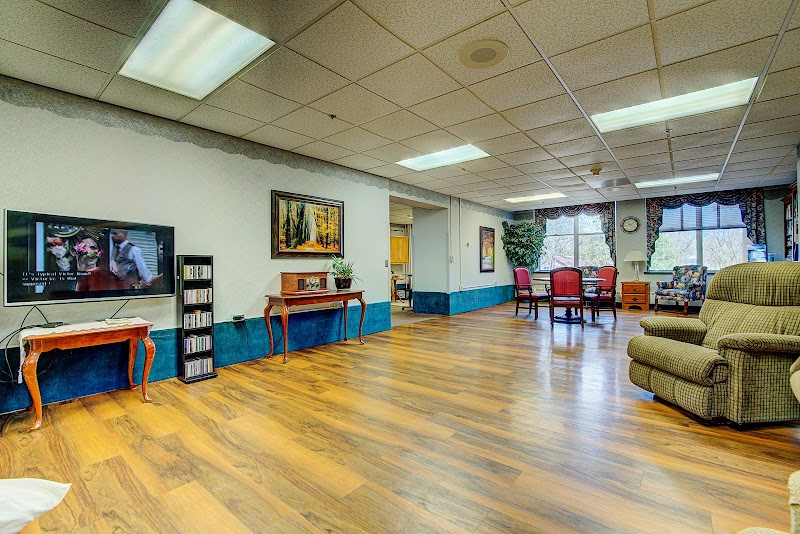
How is Fair Oaks Nursing & Rehab Llc Staffed?

CMS rates Fair Oaks Nursing & Rehab LLC's staffing level at 4 out of 5 stars, which is above average compared to other nursing homes. Staff turnover is 57%, which is 11 percentage points above the Minnesota average of 46%. High turnover can affect care consistency as new staff learn residents' individual needs.

What Have Inspectors Found at Fair Oaks Nursing & Rehab Llc?

State health inspectors documented 55 deficiencies at Fair Oaks Nursing & Rehab LLC during 2023 to 2025. These included: 2 Immediate Jeopardy (the most serious level, indicating potential for serious harm or death), 51 with potential for harm, and 2 minor or isolated issues. Immediate Jeopardy findings are rare and represent the most serious regulatory concerns. They require immediate corrective action.
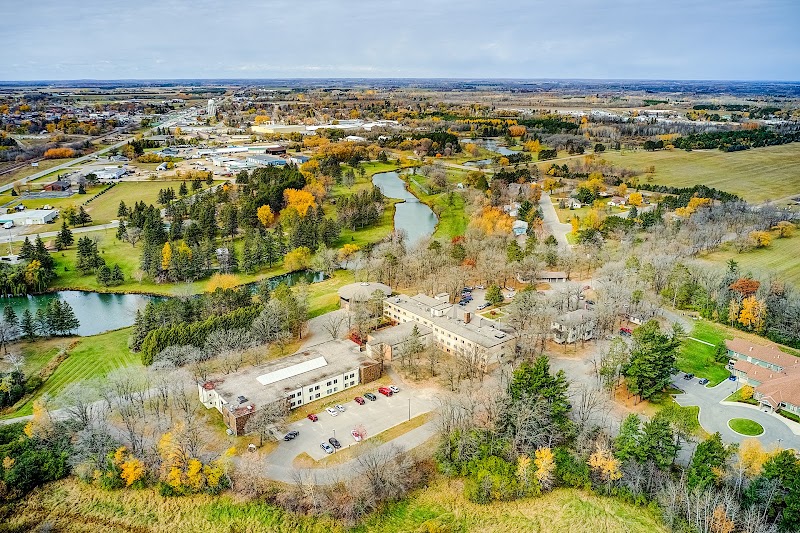
Who Owns and Operates Fair Oaks Nursing & Rehab Llc?

Fair Oaks Nursing & Rehab LLC is owned by a for-profit company. For-profit facilities operate as businesses with obligations to shareholders or private owners. The facility is operated by EDEN SENIOR CARE, a chain that manages multiple nursing homes. With 65 certified beds and approximately 42 residents (about 65% occupancy), it is a smaller facility located in WADENA, Minnesota.

How Does Fair Oaks Nursing & Rehab Llc Compare to Other Minnesota Nursing Homes?

Compared to the 100 nursing homes in Minnesota, Fair Oaks Nursing & Rehab LLC's overall rating (1 stars) is below the state average of 3.2, staff turnover (57%) is significantly higher than the state average of 46%, and health inspection rating (1 stars) is much below the national benchmark.

What Should Families Ask When Visiting Fair Oaks Nursing & Rehab Llc?

Based on this facility's data, families visiting should ask: "What changes have been made since the serious inspection findings, and how are you preventing similar issues?" "How do you ensure continuity of care given staff turnover, and what is your staff retention strategy?" "Can I visit during a mealtime to observe dining assistance and food quality?" "How do you handle medical emergencies, and what is your hospital transfer rate?" These questions are particularly relevant given the facility's Immediate Jeopardy citations and the facility's high staff turnover rate.

Is Fair Oaks Nursing & Rehab Llc Safe?

Based on CMS inspection data, Fair Oaks Nursing & Rehab LLC has documented safety concerns. Inspectors have issued 2 Immediate Jeopardy citations (the most serious violation level indicating risk of serious injury or death). The facility has a 1-star overall rating and ranks #100 of 100 nursing homes in Minnesota. Families considering this facility should ask detailed questions about what corrective actions have been taken since these incidents.

Do Nurses at Fair Oaks Nursing & Rehab Llc Stick Around?

Staff turnover at Fair Oaks Nursing & Rehab LLC is high. At 57%, the facility is 11 percentage points above the Minnesota average of 46%. High turnover means new staff may not know residents' individual needs, medications, or preferences. It can also be disorienting for residents, especially those with dementia who rely on familiar faces. Families should ask: What is causing the turnover? What retention programs are in place? How do you ensure care continuity during staff transitions?

Was Fair Oaks Nursing & Rehab Llc Ever Fined?

Fair Oaks Nursing & Rehab LLC has been fined $10,062 across 1 penalty action. This is below the Minnesota average of $33,179. While any fine indicates a compliance issue, fines under $50,000 are relatively common and typically reflect isolated problems that were subsequently corrected. Families should ask what specific issues led to these fines and confirm they've been resolved.

Is Fair Oaks Nursing & Rehab Llc on Any Federal Watch List?

Fair Oaks Nursing & Rehab LLC is not on any federal watch list. The most significant is the Special Focus Facility (SFF) program, which identifies the bottom 1% of nursing homes nationally based on persistent, serious quality problems. Not being on this list means the facility has avoided the pattern of deficiencies that triggers enhanced federal oversight. This is a positive indicator, though families should still review the facility's inspection history directly.