MILACA ELIM MEADOWS HEALTH CARE CENTER
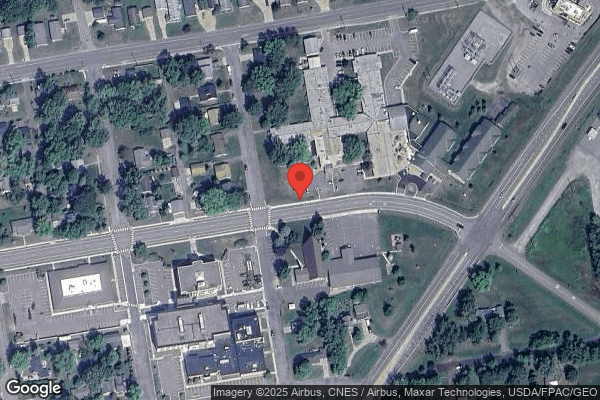
730 SECOND STREET SOUTHEAST, MILACA, MN 56353 (320) 983-2185
Non profit - Corporation 70 Beds CASSIA Data: November 2025
Trust Grade
90/100
#55 of 337 in MN
Last Inspection: January 2025

Within standard 12-15 month inspection cycle. Federal law requires annual inspections.

Overview

Milaca Elim Meadows Health Care Center has an excellent Trust Grade of A, indicating it is highly recommended and performs well compared to other facilities. It ranks #55 out of 337 in Minnesota, placing it in the top half of all nursing homes in the state, and #2 out of 3 in Mille Lacs County, meaning there is only one local option better. The facility is improving, having reduced its issues from five in 2023 to just one in 2025. Staffing is a strong point, with a 5/5 star rating and a turnover rate of 33%, which is lower than the state average, indicating that staff are experienced and familiar with the residents' needs. While there have been no fines, which is reassuring, there were some concerning incidents, such as a nursing assistant not properly sanitizing equipment between residents and confidential information being left visible on an open computer screen, highlighting areas for improvement.

Trust Score
A
90/100
In Minnesota
#55/337
Top 16%
Safety Record
Low Risk
No red flags
Inspections
Getting Better
5 → 1 violations
Staff Stability
○ Average
33% turnover. Near Minnesota's 48% average. Typical for the industry.
Penalties
✓ Good
No fines on record. Clean compliance history, better than most Minnesota facilities.
Skilled Nurses
✓ Good
Each resident gets 64 minutes of Registered Nurse (RN) attention daily — more than 97% of Minnesota nursing homes. RNs are the most trained staff who catch health problems before they become serious.
Violations
○ Average
7 deficiencies on record. Average for a facility this size. Mostly minor or procedural issues.
★★★★★
5.0
Overall Rating
★★★★★
5.0
Staff Levels
★★★★★
5.0
Care Quality
★★★★★
5.0
Inspection Score
Stable
2023: 5 issues
2025: 1 issues

The Good

  • 5-Star Staffing Rating · Excellent nurse staffing levels
  • 5-Star Quality Measures · Strong clinical quality outcomes
  • Full Sprinkler Coverage · Fire safety systems throughout facility
  • No fines on record
  • Staff turnover below average (33%)

    15 points below Minnesota average of 48%

Facility shows strength in staffing levels, quality measures, fire safety.

The Bad

Staff Turnover: 33%

13pts below Minnesota avg (46%)

Typical for the industry

Chain: CASSIA

Part of a multi-facility chain

Ask about local staffing decisions and management

The Ugly 7 deficiencies on record

Jan 2025 1 deficiency
CONCERN (D)

Potential for Harm - no one hurt, but risky conditions existed

Comprehensive Care Plan (Tag F0656)

Could have caused harm · This affected 1 resident

Based on interview and document review, the facility failed to ensure a comprehensive, person-centered care plan was developed, accurate, and revised to assure assessed care needs were implemented for...

Read full inspector narrative →
Based on interview and document review, the facility failed to ensure a comprehensive, person-centered care plan was developed, accurate, and revised to assure assessed care needs were implemented for 1 of 2 residents (R54) reviewed for care planning. Findings include: R54's admission Minimum Data Set (MDS), 12/09/2024; indicated R54 had diagnoses including coronary artery disease (CAD), depression, anxiety and asthma. In review of R54's Face Sheet, print date of 1/08/25, additional diagnoses included emphysema, malignant neoplasm of unspecified part of unspecified bronchus or lung and a personal history of nicotine dependence. Upon entering R54's room for an interview on 1/06/25 at 2:21 p.m., R54's person smelled of cigarette smoke. R54 stated that she had just come back from the outside resident smoking area. R54 stated that she has not smoked as much since admission due to the cold weather, and mainly smokes late afternoon / early evening when family and friends visit. A review of R54's Smoking Risk assessment, dated 12/17/24, resident's smoking frequency of smoking was dependent on R54's stress level. R54 agreed to allow the unit nurse to store her cigarettes and lighter during her stay when not outside smoking. The facility deemed R54 to be able to smoke independently. However, review of R54's care plan (creation date of 12/19/24) and the nursing assistant care sheet for the unit, it was noted both lack documentation that R54 was a smoker. Attempts were made throughout survey (1/06/25 - 1/09/25) to observed R54 smoking, however, do to the cold temperatures, R54 did not go outside to smoke. During an interview on 1/08/25 at 10:47 a.m., nursing assistant (NA)-A and registered nurse (RN)-A, reviewed the unit's nursing assistant care sheet (undated). Both NA-A and RN-A verified the care sheet did not identify R54 as a smoker. However, both staff members were aware of R54 being a smoker. During interview on 1/08/25 at 11:05 AM, the unit manager (LPN)-A and director or nursing (DON) were noted to be sitting in the unit managers office. The unit manager, after review of R54's care plan, verified the resident's care plan did not address R54 as a smoker and what if anything the facility staff (including agency pool staff) needed to do to monitor R54. Both staff members stated it was important to have the information available to assure resident safety and whereabouts when smoking. In review of the facility's policy, entitled: Care Plan and Baseline Care Plan (last revised 10/14/22) indicted the following: 3. The interdisciplinary team, in conjunction with the resident, resident's family, significant other or resident representative, shall develop a comprehensive person-centered care plan for each resident. This comprehensive care plan will be in the [electronic health record] by day 21 of the stay or 7 days after completion of the comprehensive initial MDS, whichever comes first. 4. The resident care plan is constantly changing. It should be updated routinely in the electronic record to reflect resident's current condition. The resident care plan is reviewed for accuracy, updated with quarterly MDS review, and all other scheduled MDS assessments.
Nov 2023 3 deficiencies
CONCERN (D)

Potential for Harm - no one hurt, but risky conditions existed

Deficiency F0583 (Tag F0583)

Could have caused harm · This affected 1 resident

**NOTE- TERMS IN BRACKETS HAVE BEEN EDITED TO PROTECT CONFIDENTIALITY** Based on observation, interview and document review, the facility failed to ensure confidential information was not readily avai...

Read full inspector narrative →
**NOTE- TERMS IN BRACKETS HAVE BEEN EDITED TO PROTECT CONFIDENTIALITY** Based on observation, interview and document review, the facility failed to ensure confidential information was not readily available for all residents, staff, and visitors to view for 1 of 1 resident (R24) observed to have private information visible on an open computer screen in a common area. Findings include: R24's quarterly Minimum Data Set (MDS) dated [DATE], indicated R24 was cognitively intact, was able to clearly communicate her needs and wishes and required substantial to maximal assistance with activities of daily living (ADL). On 11/27/23, from 5:26 p.m. to 5:41 p.m., R24's picture and medications were displayed on an open computer screen that was left unattended on the nurse's medication cart in the common hallway by the nurse's station. At 5:30 p.m., a visitor walked past the medication cart and looked in the direction of the open computer screen where R24's personal information was visible on screen. At 5:31 p.m., co-resident, R46 who was cognitively intact, walked past medication cart and looked in the direction of the open computer screen where R24's personal information was visible on screen. At 5:33 p.m.,a visitor walked past the med cart and looked in the direction of the open computer screen where R24's personal information was visible on screen. At 5:36 p.m., R46 walked up to medication cart and stood at cart looking around the top of cart. At 5:39 p.m., registered nurse (RN)-A walked up to the medication cart, placed paper on medication cart, acknowledged R46 and walked away to put medications in medication room. RN-A did not redirect R46 away from cart and did not close computer screen. At 5:41 p.m., RN-A walked up to the medication cart, acknowledged R46 and started viewing R24's information that was present on screen. On 11/27/23, at 5:41 p.m., RN-A stated that when leaving the medication cart she makes sure the screen is locked with no resident information visible. RN-A confirmed she did not close the screen and R24's personal information was visible on screen. On 11/28/23, at 4:29 p.m., licensed practical nurse care coordinator (LPN)-A stated she expected the nurse to ensure that the Electronic Mediation admission Record (EMAR) was closed and no resident personal information was visible before walking away from cart. LPN-A stated this was important due to HIPPA laws and protecting resident's privacy. On 11/28/23, at 4:24 p.m., director of nursing (DON) stated she expected staff to close the computer screen down so no personal information can be seen by others when leaving the medication cart. DON stated it was important so the resident's personal information can not be seen by others due to HIPPA. The Notice of Privacy Practices policy dated 2/23/2020 indicated we are required by law to maintain the privacy and security of your protected health information. Additional policies were requested with none received.
CONCERN (D)

Potential for Harm - no one hurt, but risky conditions existed

Incontinence Care (Tag F0690)

Could have caused harm · This affected 1 resident

**NOTE- TERMS IN BRACKETS HAVE BEEN EDITED TO PROTECT CONFIDENTIALITY** Based on observation, interview and document review, the facility failed to ensure residents received appropriate catheter care ...

Read full inspector narrative →
**NOTE- TERMS IN BRACKETS HAVE BEEN EDITED TO PROTECT CONFIDENTIALITY** Based on observation, interview and document review, the facility failed to ensure residents received appropriate catheter care as ordered by the provider to maintain urinary catheter function for 1 of 1 residents (R37) who was reviewed for indwelling urinary catheter use. This had the potential to impact R37's catheter function and cause an increase risk of infection. Findings include: R37's quarterly Minimum Data Set (MDS) dated [DATE], indicated he was cognitively intake, had an indwelling urinary catheter and required extensive assist with toileting and personal hygiene. R37's Resident Face Sheet, printed 11/29/23, identified R37 had benign prostatic hyperplasia (an enlarged prostate which can block the flow of urine out of the bladder), with lower urinary tract symptoms. R37's diagnoses also included bladder neck obstruction and urinary tract infection, site not specified. R33's care plan dated 10/26/23, indicated the R37 had an indwelling catheter related to neuromuscular dysfunction of the bladder (a bladder malfunction caused by an injury or disorder of the brain, spinal cord, or nerves). The care plan directed staff to assess the drainage (urine) every shift and as indicated. Staff were directed to record the amount, type, color and odor of the urine. The care plan directed staff to change catheter per the provider order. The care plan directed staff to avoid obstructions in the drainage and to not allow tubing or any part of the drainage system to touch the floor. The care plan did not include information regarding orders for catheter irrigation. A review of the Treatments Administrative History was completed for the dates of 11/1/23 to 11/29/23, and identified R37 was to receive Foley flushes with 40 cc's (cubic centimeters-a unit of measurement) of saline every hour to irrigate cath (catheter) if (output was) less than 300 cc's every shift per provider order of 5/30/23. R37's record indicated R37 received a Foley flush on 11/26/23, at 1:43 p.m. for other reasons. The document also identified R37's catheter was changed on 11/26/23 at 1:42 p.m. for other reasons, which was noted he felt like he had to continue to void. On this same document, Treatments Administrative History, R37's Catheter Output was to be monitored every shift. A review of this information recorded on the following dates and shifts, R37's output was less than 300 ml (milliliters-a unit of measurement-equal to cc's): 11/1/23 Days 200 ml output; 11/2/23 Days 200 ml output, and Evenings 250 ml output; 11/5/23 Days 250 ml output; 11/7/23 Days 100 ml output; 11/8/23 Days 200 ml output; 11/10/23 Days 200 ml output; 11/11/23 Days 200 ml output; 11/12/23 Days 200 ml output. 11/15/23 Days 200 ml output, and Evenings 250 ml output; 11/16/23 Days 200 ml output; 11/17/23 Days output 250 ml and Evenings 200 ml output; 11/18/23 Days 200 ml output; 11/20/23 Days 200 ml output; 11/21/23 Days 200 ml output, Evenings 250 ml output, and Nights 250 ml; 11/22/23 Days 200 ml output; 11/23/23 Days 200 ml output and Nights 150 ml output; 11/24/23 Days 200 ml output and Evenings 250 ml; 11/25/23 Days 200 ml output and Evenings 250 ml; and 11/26/23 Days 200 ml output. During interview on 11/28/23, at 4:30 p.m. licensed practical nurse (LPN)-A/Clinical Coordinator, stated the information relayed on the Treatments Administrative History were not reflective of a complete complete record for outputs. LPN-A stated this information was documented in a different area, and stated she would provide it to me for review. During interview on 11/29/23, at 10:30 a.m. licensed practical nurse (LPN)-A-Clinical Coordinator provided me with a document titled Vitals Report. A brief review of the information was completed during interview with LPN-A at which time it was noted on multiple occasions, there were shifts when R37 had less than 300 ml of urine output. In clarification, LPN-A stated the entries after 7:00 a.m. were for the output total for the day shift. Upon immediate review of the information, LPN-A stated a catheter flush should have been done on multiple occasions based on the shift outputs, however, LPN-A verified the documentation indicated it had only been done on one occasion in the month of November. A full review was completed of the document labeled Vitals Report indicated urinary outputs of less than 300 ml, with some descriptive entries, on the following occasion: 11/2/23 at 2014 (8:14 p.m.) was an output of 250 ml described as straw yellow. 11/5/23 at 1348 (1:48 p.m.) urine output was 250 ml and characteristics of blood tinged. 11/17/23 at 1:19 p.m. the output was 250 ml and was not described. 11/17/23 at 8:27 p.m. urine output was 200 ml and was described as brown and dark. 11/21/23 at 8:51 p.m. urine output was 250 ml and was described as straw yellow. 11/22/23 at 4:40 a.m. the urine output was 250 ml and was described as brown and dark. 11/24/23 at 4:36 a.m. urine output was 150 ml and lacked description of urine appearance. 11/24/23 at 8:22 p.m. urine output was 250 ml and urine was described as brown and dark. 11/26/23 at 10:23 p.m. urinary output was 250 ml and lacked description of urine appearance. 11/27/23 at 8:22 p.m. urinary output was 250 ml and was described as brown/dark. 11/25/23 8:23 p.m. urinary output of 250 ml, with description not provided. Upon review of the above listed entries, it was noted there were 11 occasions documented where the criteria was met for the orders to flush the catheter, however, it was only done on 1/11 occasions. A review of the facility policy, Catheter Irrigation, reviewed 4/13/23, identified catheter irrigation was to be completed as ordered by the provider, and directed the licensed nurse to verify the order for irrigation and solution to be used. Once the procedure was completed, the policy directs the staff to document the procedure in the electronic health record.
CONCERN (D)

Potential for Harm - no one hurt, but risky conditions existed

Medication Errors (Tag F0758)

Could have caused harm · This affected 1 resident

Based on interview and document review, the facility failed to assure the use of PRN (as needed) psychotropic medications (a drug which affects mood/behavior) were limited to 14 days, or had a physici...

Read full inspector narrative →
Based on interview and document review, the facility failed to assure the use of PRN (as needed) psychotropic medications (a drug which affects mood/behavior) were limited to 14 days, or had a physician specified, time limited, order for 1 of 1 resident, R57, reviewed for Hospice. Findings include: R57's admission Minimum Data Set (MDS) of 11/4/23 identified R57 had moderate cognitive impairment. R57's diagnoses listing included both anxiety and major depression. The PHQ-9 completed with this assessment identified R57 had mild depression, based on answers provided on the Patient Health Questionnaire (PHQ-9). R57's Resident Face Sheet, dated 11/29/23, included multiple diagnoses which included encounter for palliative care (specialized medical care for people living with a serious illness), history of falling, major depression (single episode), and anxiety disorder. R57's Care Plan identified R57 had enrolled into hospice services prior to admission to the facility. The care plan identified R57 had an order for Lorazepam 0.25 mg PRN every four hours as needed for anxiety. R57 was also identified as having orders in place for routine dosing of an antidepressant medication. The care plan directed staff to attempt dose reductions per regulatory guidelines, as condition warranted, and per provider order. The care plan also directed staff to monitor behavior symptoms and to offer one to one interactions and activities during periods of anxiousness. The care plan indicated the facility worked with resident, hospice, and staff to meet resident needs. During interview on 11/27/23, at 6:42 p.m. R57 stated he received pain medication routinely and also had a medication for anxiety. R57 stated he had been taking them prior to his admission to the facility. A review of the PRN Medications Administration History indicated client had lorazepam 0.5 mg ordered every four hours as needed. This order was initiated on 10/31/23 and was open-ended. The documentation did not reflect use of this medication since his admission. On 11/28/23, at 3:51 p.m. licensed practical nurse (LPN)-A/Clinical Coordinator stated R57 had the lorazepam ordered PRN for anxiety, however, he had not used it at the facility. LPN-A stated antianxiety medications were to have a stop date, and this should have been identified upon initial receipt of order, as well as when the record was prepped for provider visit for the provider visit. On 11/29/23, at 11:45 a.m. and interview was completed with the director of nursing (DON) and the lack of stop date was reviewed. The DON stated the antianxiety medication should have a stop date of 14 days, unless there was a different end date specified. A review of the facility policy, titled Medication Management, reviewed 5/24/22, indicated the consulting pharmacist reviewed all psychotropic medication for appropriate indications of use, monitoring for efficacy, potential adverse effects and potential for dose reduction. The policy identified target behavior symptoms were to be identified as soon as possible after admission of resident, and were to be documented in the electronic health record. The policy lacked definition as to the required time limiting component of 14 days with PRN usage of psychotropic medications, unless otherwise identified by the provider with time limits outlined and documented within the medical record.
Jun 2023 2 deficiencies
CONCERN (D) 📢 Someone Reported This

A family member, employee, or ombudsman was alarmed enough to file a formal complaint

Potential for Harm - no one hurt, but risky conditions existed

Deficiency F0602 (Tag F0602)

Could have caused harm · This affected 1 resident

Based on observations, interviews, and document review, the facility failed to ensure a system to safeguard narcotic medication for 1 of 3 residents (R1) reviewed, and whose narcotic medication was di...

Read full inspector narrative →
Based on observations, interviews, and document review, the facility failed to ensure a system to safeguard narcotic medication for 1 of 3 residents (R1) reviewed, and whose narcotic medication was diverted by 1 of 1 registered nurse (RN-A) for personal use. Findings include: R1's face sheet showed an admission date of 5/23/23, for aftercare following left foot amputation. R1's care plan identified pain as a problem and the approaches included administration of pain medications as ordered. R1's medications included an order dated 5/24/23, for oxycodone 5 mg (milligram) 1 tablet by mouth every 4 hours as needed for severe pain. R1's medication administration history record indicated that R1 had not received any oxycodone 5 mg tablet from 5/24/23, until it was discontinued on 6/15/23. During interview on 6/21/23 at 10:19 a.m., licensed practical nurse (LPN)-A explained that two staff nurses count narcotics at the end of each shift, by the off-going and in-coming staff. LPN-A stated that one nurse holds the narcotic book, reads the non-highlighted lines (with page #) in the index (contents page), and then flips through the sheets to look for the actual page indicated or with corresponding page # while the other nurse looks for the identified stock medication in the narcotic lockbox/drawer. LPN-A stated, she would not search for an actual sheet/page in the narcotic book if the line with that page was highlighted in the index. LPN-A stated there had been no issues in a long time but within the last two weeks, administration sent a reminder to make sure we're keeping up with the books and the meds [medications] on hand and to make sure all medications in the pages have end dates. During interview and observation on 6/21/23 at 10:26 a.m., LPN-B stated that two nurses do narcotic counts every staff turnover. LPN-B brought out a narcotic book and demonstrated the narcotic count showing that nurses would pay attention to the information (page #, name of resident, name of medication) on what was not yellowed-out in the index and then look for the actual page, which contain a sticker that should match the information. LPN-B stated that the second nurse would look for the identified medication in the narcotic lockbox/drawer. LPN-B also stated that if a medication was discontinued for any reason, it would be yellowed-out or highlighted in the index and the actual page would be crossed-out to indicate that it was no longer active, and staff would not pay attention to lines/pages that were highlighted. During interview on 6/21/23 at 11:19 a.m., RN-B stated that during shift change on 6/14/23, she and another nurse were counting the narcotics on the [NAME] Unit medication cart and discovered that R1's medication card with 24 oxycodone 5 milligram (mg) tablets was not in the narcotic lockbox. RN-B stated that during the counting process, she was holding the narcotic book and read the actual sheet for page 61 that showed R1's oxycodone 5 mg with 24 tablets in stock, which was not crossed out, indicating the medication order was still active. RN-B stated that she read aloud page 61 for the other nurse to look for the medication in the lockbox, however, it was not there. RN-B stated they then observed that page 61 was highlighted in the index but there was no end date noted. RN-B also stated that they searched everywhere but could not find the medication. RN-B described that the usual practice was for staff to see the page # on the non-highlighted lines in the index and go straight to the actual page, and they also used paper clips to stick the book's used pages together. RN-B further stated they would not have checked/opened the narcotic book onto page 61 because it was already highlighted in the index (inactive), however, she happened to notice the actual sheet for page 61 because the paper clip that held page 61 together with the other used sheets/pages, fell off. RN-B added, she had to read page 61 because it was not crossed out, and that prompted the search where they discovered that the medication was missing. During interview on 6/21/23 at 8:59 a.m., the director of social services (DSS), stated having learned about the drug diversion incident on 6/15/23. The DSS stated she immediately investigated by looking at the cameras where a pool nurse unlocked the narc [narcotic] med [medication] cart, took the med card out, and put it under her clip board on top of the med cart, then continued standing there and as if doing something, then she took the clipboard and the med card, walked around, and put it in a bag at the nurses' station. She talked to the NAs [nursing assistants], and when the NAs left, she took the bag and went to the rest room and stayed there for about 26 minutes and then came out. During interview on 6/21/23 at 12:52 p.m., the assistant director of nursing (ADON) stated that their system had been working before, where the nurses would highlight the meds that had been used up/discontinued/destroyed from the index and paper clip the used pages. The used pages in the narcotic book would be crossed out to also indicate it was no longer in use. The ADON also stated that the facility's system still did not fail because their staff discovered the missing medication, discovered who did it, and did the necessary reports. The ADON characterized the staff who diverted the drug as a criminal and smart and further stated that if she only had crossed page 61 out, then it wouldn't have been caught. (Identifying a fault in the facility's current system). During interview on 6/22/23 at 9:17 a.m., RN-C stated, What we do when we count is one nurse will count the meds in the lockbox and the other nurse will check the book, go to the page number written in the med card. RN-C added that if the medications were not in the cart, they would not look for the page in the book. RN-C stated that she received an email from the ADON sent on 6/20/23, but that she had not read through it personally and was unsure if there were any recent changes in the process of narcotic counting. RN-C then opened computer to read her email, and stated the reminders included how to identify drug diversion, and when counting narcotics, the person with the book should lead the counting. RN-C acknowledged that drug diversion could still happen because the one holding the book would only focus on reading the non-highlighted lines and would not be looking for the actual page if the line for that page was already highlighted in the index, and that if the narcotic was not in the lockbox, it would not be known. During interview on 6/22/23 at 9:26 a.m., LPN-D stated that she was taught that narcotic counting was to be done at the end of each shift by the oncoming and leaving staff. LPN-D stated when she was oncoming, she counts the actual medications and when she is leaving, she holds the book and leads the counting. LPN-D stated that has been the process since she started in 2013. LPN-D explained that if the line identifying the page number, resident's name, and medication, was highlighted in the index, they won't be looking for the actual page where the remaining amount for that medication would be documented. LPN-D acknowledged the possibility to miss accounting for narcotics if they were already taken out from the narcotic lockbox and had been highlighted in the index and crossed out in the corresponding actual page. LPN-D further stated she did not know a better alternative. During interview on 6/22/23 at 9:51 a.m., the director of nursing (DON) acknowledged that the facility's practice for narcotic counting did not change much even after the drug diversion incident. The DON stated that the education sent out to staff was kind of a reminder of the same process that has been in place for a long time. The DON stated, I don't know what would be a different way and further stated the facility would consult a corporate nurse if there was a different system that other facility's have. During observations with the facility's camera recorded video on 6/22/23 at 10:21 a.m., a female person opened a medication cart, took out what looked like a medication card (bubble pack), and put it under a clip board on top of medication cart. There were 2 other female individuals who showed up, they talked to the female on the med cart, and they left. The female on the medication cart took the clip board including what she put underneath and walked around towards the nurses' station, where she was bending to a bag. She carried the bag on her shoulders and walked towards what the DSS said as the location of a public restroom. The facility's narcotic register showed in the index, a highlighted line for page 61 (R1's name, the prescribing physician's name, oxycodone 5 mg, prescription number, and 5/24/23 as start date), which indicated it was no longer active, even though, it did not indicate an end date. The corresponding sign out sheet for page 61 documented R1's oxycodone 5 mg tablet with the quantity received as 24, and R1 did not use any. A review of the local police department's incident report, dated 6/15/23 and modified on 6/16/23, indicated that on 6/15/23, a police officer summoned RN-A to show up at the police department for a statement regarding the allegation of narcotic theft. The report also indicated that on 6/16/23 at 9:50 a.m., RN-A appeared at the police department and readily confessed to the police officer that she did take R1's narcotics. The facility's policy titled, Medication Management, dated 7/16/18 and reviewed on 2/20/23 with a subtitle Narcotic Count, indicated after verifying the correct amount of controlled substances delivered, apply the second voided label for that medication to the bound narcotic register; log the controlled medication in the front index of the bound narcotic register on the numbered line corresponding to the page on which the medication was entered; and the date, time, dose, nurse's signature and quantity remaining are entered in the bound narcotic register with each dose given. The policy also indicated that controlled substances or narcotics are counted at the end of each shift; the count is done by having 1 nurse look at the index and corresponding sign out page; a 2nd nurse confirms the quantity remaining in the corresponding medication card, box or bottle; and if a medication is missing or cannot be accounted for, notify director of nursing immediately (or designee) who will determine the appropriate course of action. The facility's document titled, Drug Diversion Re-education - Facility Narcotic Management, dated 6/16/23, reiterated the following: all medications in the narcotic book are entered in the front ledger and the corresponding page with all the required information; when a page is no longer active for any reason other than reaching 0 (zero), there will be a corresponding note with the licensed employees initials on the bottom of the page and follow instructions (i.e. moved to page #); anytime medication is removed the page will be crossed off in the front ledger with a highlighter and the date of removal or D/C (discontinuation) will be transcribed in the last column of the ledger; the actual page will have a line through it with the initials of the nurse; counts will be performed by the oncoming nurse who will read the mediation cards while the off going nurse leads the counting and reads the book by looking at the front ledger and then find the corresponding page.
CONCERN (D) 📢 Someone Reported This

A family member, employee, or ombudsman was alarmed enough to file a formal complaint

Potential for Harm - no one hurt, but risky conditions existed

Pharmacy Services (Tag F0755)

Could have caused harm · This affected 1 resident

Based on observations, interviews, and records review, the facility did not ensure safe disposition of controlled substances for 2 of 3 residents (R2 and R3) reviewed for medication management, for no...

Read full inspector narrative →
Based on observations, interviews, and records review, the facility did not ensure safe disposition of controlled substances for 2 of 3 residents (R2 and R3) reviewed for medication management, for not documenting medication disposal and not pulling out discontinued medication from stock and updating the records. Findings include: Documentation of medication disposal R2's minimum data set (MDS) history showed an admission date of 12/12/22, with a corresponding discharge date of 4/20/22. The MDS indicated primary diagnoses of fractures and other multiple traumas. The medication orders for R2 included tramadol 50 mg (milligram) by mouth for moderate to severe pain, with a start date of 2/14/23 and discontinued on 4/20/23. The facility's narcotic register showed on page 22 of the index that R2's supply of tramadol 50 mg tablet started on 4/4/23 and ended on 4/24/23. However, the corresponding actual page 22 was not crossed out, showing 30 tablets of tramadol 50 mg remaining. R2's medication administration record also showed that R2 did not receive any tramadol from 4/4/23 to 4/24/23. During interview on 6/21/23 at 10:26 a.m., licensed practical nurse (LPN) B verified that the narcotic register showed a stock of 30 tablets for R2's tramadol 50 mg, however, the medication was not in the narcotic lockbox. During interview on 6/21/23 at 11:54 a.m., the director of nursing (DON) verified that there was no stock for R2's tramadol 50 mg medications in the medication cart, and although page 22 was highlighted in the index of the narcotic register, the actual page 22 showed a remaining amount of 30 tablets. The DON stated the process whenever a medication went into destruction, sent home, or returned to pharmacy, it should be documented. The DON verified that there was lack of documentation to show where R2's tramadol 50 mg was disposed. During interview on 6/21/23 at 1:36 PM the DON, assistant director of nursing (ADON) and Unit Coordinator (UC)-A verified that the facility discharged R2 to the hospital on 4/20/23. They also verified the discharging nurse did not document anything about medication disposal and that there was no record to show an inventory of what family members took out when they came to pick up R2's belongings when R2 decided to go home instead of returning to facility. During interview on 6/21/23 at 3:50 p.m., UC-A stated she had called R2's family member (FM)-A, who informed UC-A that FM-B picked up R2's belongings including the medications from the facility. During interview on 6/21/23 at 3:45 p.m., LPN C verified she was the nurse on duty on 4/24/23, when R2's family member came in to pick up R2's belongings. LPN-C stated that UC-B okayed to release the narcotics. LPN-C stated handing the medications to FM-B. LPN-C also stated she could not remember if she documented about the medication disposal saying, It was a long time ago in April. During interview on 6/22/23 at 7:52 a.m., FM-B stated taking R2's belongings home including tramadol which was to be given to R2 as needed. During follow-up interview on 6/22/23 at 9:51 a.m., the DON acknowledged that staff did not follow facility protocol for R2's medication disposal. The DON stated it was human error that it was missed. Pulling out discontinued medication R3's face sheet showed an admission date of 5/12/23 for orthopedic aftercare following surgical amputation. The medication orders for R3 included tramadol 50 mg by mouth every 6 hours as needed for moderate to severe pain with a start date of 5/16/23 and an end date of 5/22/23. The facility's narcotic register showed in the index that page 55 contained R3's tramadol 50 mg with a start date of 5/16/23 but with no end date. During observation on 6/21/23 at 10:26 a.m., R3's tramadol 50 mg (8 tablets) were still in stock at the west unit's narcotic lockbox. LPN-B verified that R3 did not take any of the tramadol since order date of 5/16/23. LPN B also verified that the medication was discontinued on 5/22/23 but the medications remain in the narcotic lockbox. During interview on 6/22/23 at 9:51 a.m., the DON stated that the ADON and the UC-A did an inventory of all the carts after the drug diversion incident but the DON did not say anything about R3's discontinued medication that remained in stock after the audit. The DON stated, What I can say is that when the med was discontinued [LPN A] was training a new nurse, and the new nurse was working on the cart, and it was missed. The DON acknowledged that staff did not follow medication management policy for R3's tramadol and stated they did not get back to the cart to pull out the medication and update the narcotic register. On 6/22/23 at 12:26 p.m., attempted a call to the pharmacy consultant for interview but did not receive a return call. The facility provided a document titled, Policy and Procedure Manual, Version 2.0, 08.27.19, subtitled, Consultant Pharmacist Services Duties, which directed the consultant pharmacist to check the medication storage rooms, and medication carts for proper storage of medications, and submitting a written report and recommendation; and assisting in the accounting, destruction, and reconciliation of unused controlled and noncontrolled substances as requested. The facility's Medication Management policy with latest review date of 2/20/23, subtitled, Narcotic Count, indicated that narcotics will be counted at the end of each shift. The policy also indicated that when a resident is discharged with orders for controlled substances staff should obtain a physician's order with ok to discharge resident with each specific controlled substance. The policy's subtitled Medication Disposition indicated that as soon as practicable after discontinuance, death or discharge the following should occur: a) Complete medication disposition form indicating the prescription number and quantity of each medication and indicating whether it was sent home with resident or is being sent to the DON for destruction; b) Complete information in the bound narcotic ledger indicating that the medication has been removed for destruction. This documentation is to be co-signed by the DON (designee) upon removal of the medication from the medication cart; c) Complete the information in the index at the front of the bound narcotic ledger that the medication has been removed and yellow-out that line in the index; DON (or designee) will complete the certificate and inventory destruction form. This form will be double checked against medications being destroyed by second nurse during the destruction process.
Dec 2022 1 deficiency
CONCERN (E) 📢 Someone Reported This

A family member, employee, or ombudsman was alarmed enough to file a formal complaint

Potential for Harm - no one hurt, but risky conditions existed

Infection Control (Tag F0880)

Could have caused harm · This affected multiple residents

**NOTE- TERMS IN BRACKETS HAVE BEEN EDITED TO PROTECT CONFIDENTIALITY** On 12/20/22, at 4:49 p.m. nursing assistant (NA)-B stated she had education on personal protective equipment (PPE) and infection...

Read full inspector narrative →
**NOTE- TERMS IN BRACKETS HAVE BEEN EDITED TO PROTECT CONFIDENTIALITY** On 12/20/22, at 4:49 p.m. nursing assistant (NA)-B stated she had education on personal protective equipment (PPE) and infection prevention. NA-B stated when she sanitizes equipment she looks at facility signs posted if she is not sure what wipes to use or how long stuff should be wet to for proper sanitization. On 12/21/22, at 8:42 a.m. NA-A came out of R9's room and placed a hoyer lift in the south hallway. Shortly after, NA-A returned and took the hoyer lift into R3's room. On 12/21/22, at 08:50 AM NA-A brought hoyer lift out of R3's room and did not wipe lift down. NA-A then grabbed the same lift and entered R24's room with the lift. NA-A was asked to step out of the room and share process for cleaning equipment between residents. NA-A pointed at the wipe container stored on the hoyer lift, and stated, we use these wipes, and we usually wipe stuff down in the room or hall after we leave room. NA-A opened the wipe container to show a couple wipes left in the container. NA-A verified the wipes were mostly dry to touch but stated she would still use the wipes. NA-A stated she did not know about dwell times, or that times were listed on the container for how long equipment needed to remain wet to ensure proper sanitization between residents. NA-A verified the wipe container listed a two-minute dwell time. NA-A verified she did not sanitize the hoyer before entering R9, R3 or R24's room. On 12/21/22, at 10:09 a.m. the infection preventionist (IP) verified staff should be using appropriate wipes between residents to disinfect all high touch surfaces on the hoyer. The wipes should be saturated, they may dry out if the top is left open. On 12/22/22, at 1:10 p.m. the director of nursing (DON) verified that staff should sanitize equipment with appropriate wipes between patient use. R33's quarterly MDS dated [DATE], identified a traumatic brain injury and received nourishment via parenteral/intravenous feeding and was dependent upon staff for feeding. R33's diagnosis list printed on 12/21/22, included diagnoses of traumatic brain injury with loss of consciousness, hydrocephalus-swelling of the brain, encounter for attention to tracheostomy and encounter for attention to gastrostomy-tube (G-tube) in the stomach to assist in feeding. R33's care plan printed 12/21/22, indicated a concern with nutrition related to tube feedings. Interventions included if cans were used for feeding all equipment had to be changed every twenty-four (24) hours (HRS) and if the prepackaged bottles were used the bottle had to be changed every forty-eight (48) hours. R33's Physician Order Report printed 12/21/22, indicated R33 had order started on 11/22/22, for enteral feeding: Jevity 1.5 bolus, 6 ounce per G-Tube four times a day. During observation on 12/19/22, 03:03 p.m. a 1000 milliliter (ML) bottle of Jevity 1.5 cal tube feeding solution was noted on R33's bedside table along side other tube feeding equipment. The bottle was noted to have the date 12/17/22 written on the side of the bottle in large letters. The bottle was noted to have approximately 50-75 ML of tan solution in the bottle. The cap had the same tan solution on top of the cap and the seal protecting the solution had been punctured. There was no Tubing attached to the bottle. During interview on 12/19/22, at 03:15 p.m. Registered nurse (RN)-A stated she had performed R33's scheduled tube feeding bolus at noon that day. RN-A stated she had used a 1000 ML closed system bottle to perform the scheduled feeding. RN-A entered R33's room and acknowledged the bottle dated 12/17/22, was the bottle use for the feeding that day. RN-stated nursing would open a new bottle and leave it at bedside so all nurses could use it for bolus feeding, and the bottle would get changed about every 2 days, maybe a little longer. RN-A stated that procedure had been done since R33's order had changed in November. RN-A stated she believed it would be ok to change the large tube feeding bottles every 48 HRS. During interview on 12/19/22, at 03:21 p.m. the registered dietician (RD) stated if a 1000 cc bottle of tube feeding was used as an enclosed system, where there was no break between the bottle, tubing and the resident, then everything would be changed every 48 HRS. If there was an opening in the bottle that did not have tubing attached to it, then the tube feeding bottle would need to be changed every 24 HRS. RD entered R33's room and acknowledge the current bottle was not considered an enclosed system and was not safe to use past 48 HRS. The RD stated the current bottle had not been safe to use for the last 24 HRS. The RD stated it would be important to change out bottles of tube feeding every 24 HRS so the increased risk of infection would be prevented. During interview on 12/21/22, at 1:03 p.m. the director of nursing (DON) stated she expected staff would follow the protocol and would use tube feeding in the appropriate timeframe and get a new bottle when time. Jevity Enteral Nutrition Formula information sheet, undated, identified the solution could only be open and at room temperature for a maximum of 12 hours to prevent from bacteria growth. The facility policy Tube Feeding/enteral feeding-Gravity or Bolus Feeding last revised 5/17/21 indicated formula should have been discarded eight HRS after opened. Based on observation, interview and document review, the facility failed to ensure handwashing was performed during medication pass for 1 of 8 residents (R57) observed for medications. In addition, the facility failed to follow manufacturer instructions to discard opened tube feeding formula at least every 12 hours, for 1 of 1 residents (R33) reviewed for tube feeding. Also, the facility failed to disinfect a mechanical lift between use for 3 of 7 residents (R9, R3, and R24) observed for transfers with a mechanical lift. Findings include: R57's admission Minimum Data Set (MDS) dated [DATE], identified cognitively intact and diagnoses with right ankle surgery and was receiving intravenous (IV) antibiotics and wound vacuum. R57 was dependent upon staff for transfers and personal hygiene. During medication pass observation on 12/20/22, at 4:45 p.m. licensed practical nurse (LPN)-A began setting up evening medication for R57 which consisted of Eliquis (anticoagulant) and a of normal saline 0.9% in a 10 milliliter (ml) commercially filled syringe. Upon entering R57's room, LPN-A provided resident water and the dose of Eliquis, the donned disposable gloves to flush R57's PICC line (peripherally inserted central catheter) located on resident's left arm. LPN-A removed the end cap for the PICC line, and using a alcohol prep pad disinfected the needle-less connector. After aspirating for blood, to check for patency, LPN-A flushed the PICC and placed a new sterile end cap on. LPN-A then placed the empty syringe on one gloved hand doffing the syringe inside, then doffed the other glove around it as well. LPN-A then exited the room without any form of hand hygiene, walked to the medication cart disposing of the used gloves and syringe. LPN then pulled keys out of her pocket , opening the medication storage room quickly returning unused end caps then returned to the medication cart, signing off on the medication and PICC line flush all without any form of hand hygiene. When interviewed on 12/20/22, at 5:00 p.m. LPN-A stated she had forgotten to wash or disinfect her hands before leaving the R57's room and should have. During an interview on 12/21/22, at 10:09 a.m. the infection preventionist nurse (IP) stated it would be the expectation to perform hand hygiene before LPN-A left the room, especially while R57 was on precautions. The facility policy titled, Hand Hygiene (revised date of 8/12/22) indicated the following: Hand washing / sanitizing is necessary: 1. Before and after providing care to resident 2. before and between passing meal trays. 3. before eating or handling food. 4. Before and after using the bathroom. 5. After coughing/sneezing, blowing nose, or combing to touching your hair. 6. After removing gloves. 7. After each resident contact. 8. After touching environmental surfaces or equipment near residents. 9. After contact with your own face or mask. 10. Before and after smoking. 11. After handling dressings, catheters, bed pans, specimen or urine. 12. Before any invasive procedure such as administering injections. 13. When hands are visibly soiled. 14. After removing personal protective equipment (PPE).
Understanding Severity Codes (click to expand)
Life-Threatening (Immediate Jeopardy)
J - Isolated K - Pattern L - Widespread
Actual Harm
G - Isolated H - Pattern I - Widespread
Potential for Harm
D - Isolated E - Pattern F - Widespread
No Harm (Minor)
A - Isolated B - Pattern C - Widespread

Questions to Ask on Your Visit

  • "Can I speak with families of current residents?"
  • "What's your RN coverage like on weekends and overnight?"

Our Honest Assessment

Strengths
  • • Grade A (90/100). Above average facility, better than most options in Minnesota.
  • • No major safety red flags. No abuse findings, life-threatening violations, or SFF status.
  • • No fines on record. Clean compliance history, better than most Minnesota facilities.
  • • 33% turnover. Below Minnesota's 48% average. Good staff retention means consistent care.
Concerns
  • • No significant concerns identified. This facility shows no red flags across CMS ratings, staff turnover, or federal penalties.
Bottom line: Generally positive indicators. Standard due diligence and a personal visit recommended.

About This Facility

What is Milaca Elim Meadows Health's CMS Rating?

CMS assigns MILACA ELIM MEADOWS HEALTH CARE CENTER an overall rating of 5 out of 5 stars, which is considered much above average nationally. Within Minnesota, this rating places the facility higher than 99% of the state's 100 nursing homes. This rating reflects solid performance across the metrics CMS uses to evaluate nursing home quality.

How is Milaca Elim Meadows Health Staffed?

CMS rates MILACA ELIM MEADOWS HEALTH CARE CENTER's staffing level at 5 out of 5 stars, which is much above average compared to other nursing homes. Staff turnover is 33%, compared to the Minnesota average of 46%. This relatively stable workforce can support continuity of care.

What Have Inspectors Found at Milaca Elim Meadows Health?

State health inspectors documented 7 deficiencies at MILACA ELIM MEADOWS HEALTH CARE CENTER during 2022 to 2025. These included: 7 with potential for harm.

Who Owns and Operates Milaca Elim Meadows Health?

MILACA ELIM MEADOWS HEALTH CARE CENTER is owned by a non-profit organization. Non-profit facilities reinvest revenue into operations rather than distributing to shareholders. The facility is operated by CASSIA, a chain that manages multiple nursing homes. With 70 certified beds and approximately 58 residents (about 83% occupancy), it is a smaller facility located in MILACA, Minnesota.

How Does Milaca Elim Meadows Health Compare to Other Minnesota Nursing Homes?

Compared to the 100 nursing homes in Minnesota, MILACA ELIM MEADOWS HEALTH CARE CENTER's overall rating (5 stars) is above the state average of 3.2, staff turnover (33%) is significantly lower than the state average of 46%, and health inspection rating (5 stars) is much above the national benchmark.

What Should Families Ask When Visiting Milaca Elim Meadows Health?

Based on this facility's data, families visiting should ask: "Can I visit during a mealtime to observe dining assistance and food quality?" "How do you handle medical emergencies, and what is your hospital transfer rate?" "Can I speak with family members of current residents about their experience?"

Is Milaca Elim Meadows Health Safe?

Based on CMS inspection data, MILACA ELIM MEADOWS HEALTH CARE CENTER has a clean safety record: no substantiated abuse findings (meaning no confirmed cases of resident harm), no Immediate Jeopardy citations (the most serious violation level indicating risk of serious injury or death), and is not on the Special Focus Facility watch list (a federal program monitoring the lowest-performing 1% of nursing homes). The facility has a 5-star overall rating and ranks #1 of 100 nursing homes in Minnesota. While no facility is perfect, families should still ask about staff-to-resident ratios and recent inspection results during their visit.

Do Nurses at Milaca Elim Meadows Health Stick Around?

MILACA ELIM MEADOWS HEALTH CARE CENTER has a staff turnover rate of 33%, which is about average for Minnesota nursing homes (state average: 46%). Moderate turnover is common in nursing homes, but families should still ask about staff tenure and how the facility maintains care continuity when employees leave.

Was Milaca Elim Meadows Health Ever Fined?

MILACA ELIM MEADOWS HEALTH CARE CENTER has no federal fines on record. CMS issues fines when nursing homes fail to meet care standards or don't correct problems found during inspections. The absence of fines suggests the facility has either maintained compliance or corrected any issues before penalties were assessed. This is a positive indicator, though families should still review recent inspection reports for the full picture.

Is Milaca Elim Meadows Health on Any Federal Watch List?

MILACA ELIM MEADOWS HEALTH CARE CENTER is not on any federal watch list. The most significant is the Special Focus Facility (SFF) program, which identifies the bottom 1% of nursing homes nationally based on persistent, serious quality problems. Not being on this list means the facility has avoided the pattern of deficiencies that triggers enhanced federal oversight. This is a positive indicator, though families should still review the facility's inspection history directly.