Benedictine Health Center Of Minneapolis
618 EAST 17TH STREET, MINNEAPOLIS, MN 55404 (612) 879-2811
Non profit - Corporation 90 Beds BENEDICTINE HEALTH SYSTEM Data: November 2025 1 Immediate Jeopardy citation
Trust Grade
23/100
#221 of 337 in MN
Last Inspection: January 2025

Within standard 12-15 month inspection cycle. Federal law requires annual inspections.

Overview

Benedictine Health Center of Minneapolis has received a Trust Grade of F, indicating significant concerns about the facility's quality and safety. They rank #221 out of 337 nursing homes in Minnesota, placing them in the bottom half of the state, and #35 out of 53 in Hennepin County, meaning there are only a few local options that perform better. The facility is worsening, with the number of issues increasing from 7 in 2024 to 10 in 2025. While staffing is rated 4 out of 5 stars with a low turnover of 30%, indicating staff stability, there are serious concerns with $84,774 in fines, which is higher than 90% of Minnesota facilities. Notably, a critical incident occurred where a resident’s deteriorating heart condition was not addressed, leading to their death, and there have also been issues with pressure ulcer care and the mishandling of personal health information, which exposes residents to potential harm and privacy violations.

Trust Score
F
23/100
In Minnesota
#221/337
Bottom 35%
Safety Record
High Risk
Review needed
Inspections
Getting Worse
7 → 10 violations
Staff Stability
○ Average
30% turnover. Near Minnesota's 48% average. Typical for the industry.
Penalties
✓ Good
$84,774 in fines. Lower than most Minnesota facilities. Relatively clean record.
Skilled Nurses
✓ Good
Each resident gets 143 minutes of Registered Nurse (RN) attention daily — more than 97% of Minnesota nursing homes. RNs are the most trained staff who catch health problems before they become serious.
Violations
⚠ Watch
33 deficiencies on record. Higher than average. Multiple issues found across inspections.
★★☆☆☆
2.0
Overall Rating
★★★★☆
4.0
Staff Levels
★★★☆☆
3.0
Care Quality
★★☆☆☆
2.0
Inspection Score
Stable
2024: 7 issues
2025: 10 issues

The Good

  • 4-Star Staffing Rating · Above-average nurse staffing levels
  • Full Sprinkler Coverage · Fire safety systems throughout facility
  • No fines on record
  • Staff turnover below average (30%)

    18 points below Minnesota average of 48%

Facility shows strength in staffing levels, fire safety.

The Bad

2-Star Overall Rating

Below Minnesota average (3.2)

Below average - review inspection findings carefully

Staff Turnover: 30%

16pts below Minnesota avg (46%)

Typical for the industry

Federal Fines: $84,774

Well above median ($33,413)

Moderate penalties - review what triggered them

Chain: BENEDICTINE HEALTH SYSTEM

Part of a multi-facility chain

Ask about local staffing decisions and management

The Ugly 33 deficiencies on record

1 life-threatening 1 actual harm
Jan 2025 10 deficiencies
CONCERN (D)

Potential for Harm - no one hurt, but risky conditions existed

Deficiency F0553 (Tag F0553)

Could have caused harm · This affected 1 resident

**NOTE- TERMS IN BRACKETS HAVE BEEN EDITED TO PROTECT CONFIDENTIALITY** Based on interview and document review, the facility failed to ensure the resident and/or resident representative participated i...

Read full inspector narrative →
**NOTE- TERMS IN BRACKETS HAVE BEEN EDITED TO PROTECT CONFIDENTIALITY** Based on interview and document review, the facility failed to ensure the resident and/or resident representative participated in care conferences for the planning process and development of interventions for 1 of 1 residents (R36) reviewed for participation of care planning. Findings include: According to the Long-Term Care Facility Resident Assessment Instrument (RAI) 3.0 User's Manual dated October 2023, the RAI is used to, assist staff with evaluating goal achievement and revising care plans accordingly by enabling the nurse home to track changes in the resident's status. The RAI, establishes a course of action with input from the resident (resident's family and/or guardian or other legally authorized representative), resident's physician and interdisciplinary team that moves a resident toward resident-specific goals utilizing individual resident strengths and interdisciplinary expertise. The Assessment Reference Date (ARD) refers to the specific endpoint for the observation period in the MDS assessment process and is federally mandated to be completed on admission, quarterly (every 92 days), annually, with a significant change in status (SCSA), and on discharge. R36's quarterly Minimum Data Set (MDS) dated [DATE] identified R36 with severe cognitive impairment, was dependent on staff for personal hygiene, toileting, showers/bathes, dressing upper and lower body and turning in bed. In addition, R36 with diagnoses of Alzheimer's, dementia, hemiplegia affecting right dominant side, and malnutrition. R36's electronic medical record (EMR) indicated the MDS assessments were documented and submitted on the following dates: - 1/3/24 - quarterly - 3/27/24- quarterly - 6/26/24- quarterly - 7/21/24 - SCSA (significant change) - 10/16/24- quarterly Care Conferences were documented on 1/17/24, 4/9/24, and 7/17/24 following discharge from hospice services. The EMR lacked evidence of a care conference being done after 7/21/24. During interview with the registered nurse/infection control preventionist (ICPC) on 1/14/25 at 12:10 p.m., ICPC stated, we do it [care conferences] when the ARD is due or as needed. [Social Worker] takes care of the care conferences. During interview with facility's director of social services (SS)-A on 1/15/25 at 2:23 p.m., SS-A stated she was responsible for scheduling and conducting the care conferences for all residents of the facility. SS-A stated R36 is due for one and, should be done every three months. In addition, SS-A stated [R36] is one to two months late. It should be done with every MDS cycle, but it was not done. SS-A unable to state why R36's October 2024 care conference was not done. During interview with family member (FM)-A on 1/16/25 at 7:25 a.m., FM-A stated she was R36's primary emergency contact. FM-A stated she was invited to R36's care conferences and was last invited, Last Summer [2024] and not since then. During interview with director of nursing (DON) on 1/16/25 at 10:40 a.m., DON stated expectation of care conferences to coincide with the MDS assessments. Facility policy titled Comprehensive Assessments and Care Planning dated 11/2017 state, Residents and resident representative will be involved in the comprehensive person-centered care planning. Facility policy titled Resident/Family Participation in Care Planning dated 11/28/2017 state, Care conference documentation includes that[sic] staff, resident and others that participate. And, Responsible for Implementation: Social Services, Nursing.
CONCERN (D)

Potential for Harm - no one hurt, but risky conditions existed

Deficiency F0657 (Tag F0657)

Could have caused harm · This affected 1 resident

**NOTE- TERMS IN BRACKETS HAVE BEEN EDITED TO PROTECT CONFIDENTIALITY** Based on observation, interview and document review the facility failed to revise and update a comprehensive care plan for 1 of ...

Read full inspector narrative →
**NOTE- TERMS IN BRACKETS HAVE BEEN EDITED TO PROTECT CONFIDENTIALITY** Based on observation, interview and document review the facility failed to revise and update a comprehensive care plan for 1 of 1 resident (R23) who had a foley catheter, psychology provider anxiety interventions, and refusals of care not identified in the care plan. Findings include: R23's annual Minimal Data Set (MDS), dated [DATE], indicated R23 was admitted to the care facility on 12/18/19, had moderate cognitive impairment and was dependent on staff for toileting and bathing and required touching assistance with personal hygiene. R23's Hospital Discharge summary, dated [DATE], indicated R23 was hospitalized on [DATE] and discharged back to the care facility on 12/31/24. A foley catheter was placed at the hospital on [DATE]. R23's Orders indicated a nursing order, dated 1/11/25, for staff to monitor urine output every shift. R23's Active Orders, printed 1/16/25, lacked any other order related to R23's foley catheter. R23's Associated Clinic of Psychology (ACP) note, dated 12/13/24, indicated several interventions for R23's generalized anxiety disorder and major depressive disorder including milieu (a person's social environment) management/positive focus/socializing by tidy up R23's space and engaging in a blinds open program everyday to increase natural daylight exposure. R23's ACP note, dated 1/3/25, indicated several new and similar interventions for R23's generalized anxiety disorder and major depressive disorder including ensuring important items such as the TV remote and eyeglasses were left within reach for R23's sense of agency and control, continue to encourage staff to assist with cleaning up and organizing R23's room, use a non-judgmental, patient centered approach to encourage R23 to get up, out of bed with phrases such as I've heard you say you get so tired of being this bed. I'd be happy to get you up after lunch to get you get a soda and change it up for a while, and continue to engage in an open blinds program every day where curtains are opened in the morning and closed at night. R23's care plan, printed 1/16/24, indicated R23 was fully incontinent of bladder and for staff to check and change resident every 2-3 hours and prn [as needed]. Continue to offer commode, though I decline toileting. R23's care plan further indicated R23 had a foley catheter removed 3/29/21, and to encourage patient to void when urge is noted. The care plan lacked any updates on R23's current catheter use to ensure proper monitoring and catheter cares, and lacked any updates from R23's ACP notes to help R23 with a sense of control and to help reduce his anxiety and depression. R23's Care Work Sheet, printed 1/14/25, lacked any interventions for R23's foley catheter use and further lacked any ACP interventions for staff to use when approaching and providing cares for R23. During observation on 1/14/25 at 8:58 a.m., R23 was laying in bed with the blinds closed, a foley catheter bag hooked onto the side of his bed. During an interview on 1/15/25 at 10:20 a.m., R23's nurse practitioner (NP) stated R23 had his foley catheter placed during his most recent hospitalization. The NP further stated urology, who placed the catheter, would usually remove it and she believed it would be temporary, stating she will have to make a plan for R23's catheter. During an interview on 1/15/25 at 10:35 a.m., registered nurse (RN)-C stated, as a nurse she would be expected to review the residents' care plans and orders prior to providing care to the residents to gain an understanding of what care, treatment, and medications to administer during her shift. RN-C confirmed the electronic medical record (EMR) lacked indication of and direction for R23's catheter. During an interview on 1/15/25 at 10:49 a.m., nursing assistant (NA)-B stated he worked with R23 about once a week, and this day was the first time he had noticed R23 had a catheter. NA-B stated the aides were expected to use the care work sheets to know what cares to provide a resident. During an interview on 1/16/25 at 9:33 a.m., clinical manager and RN-I stated it would be expected for the nurses and nursing assistants to use the residents care plans and care work sheets everyday while working with the residents. RN-I stated the nursing aides should report to the nurses if something was missing or different on the resident care sheets for updates. RN-I stated it was her and the MDS nurse's responsibility to update the care plans. The MDS nurse would generally review the resident's hospital discharge paperwork to review for any necessary care plan changes, confirming R23's foley catheter use should be care planned. RN-I stated ACP notes should be reviewed with social services and herself and discussed at IDT to ensure any new recommendations or updates are on the residents' care plans. RN-I stated keeping care plans up to date with the residents' current status is important to ensure nurses and nursing assistants are providing accurate care to the residents. During an interview on 1/16/24 at 10:55 a.m., the MDS nurse stated she reviewed the resident's hospital discharge summaries and generally updated them during an MDS cycle, though the nurse managers also reviewed them to try to catch changes in real time. The assistant director of nursing also confirmed that care plans should be updated in real time and that it was a work in progress to ensure care plans were updated and accurate.
CONCERN (D)

Potential for Harm - no one hurt, but risky conditions existed

ADL Care (Tag F0677)

Could have caused harm · This affected 1 resident

**NOTE- TERMS IN BRACKETS HAVE BEEN EDITED TO PROTECT CONFIDENTIALITY** Based on observation, interview, and document review, the facility failed to ensure routine personal hygiene and self-care was c...

Read full inspector narrative →
**NOTE- TERMS IN BRACKETS HAVE BEEN EDITED TO PROTECT CONFIDENTIALITY** Based on observation, interview, and document review, the facility failed to ensure routine personal hygiene and self-care was completed to promote a dignified appearance and reduce the risk of complication (i.e., scratches) for 3 of 4 residents (R23, R36, and R53) reviewed for activities of daily living (ADLs) and whom were dependent on staff for their care. Findings include: R53 R53's quarterly Minimum Data Set (MDS), dated [DATE], identified R53 had severe cognitive impairment, demonstrated no speech, and was unable or rarely able to be understood. Further, the MDS identified R53 was dependent on staff for nearly all self-care. R53's care plan, dated 11/22/24, identified R53 needed assistance with dressing and personal hygiene due to a history of stroke and hemiplegia (paralysis of one side). The care plan listed a goal which read, All my ADL needs will be anticipated and met by staff through the review date, and multiple interventions including assist of one with personal hygiene and, Staff to trim Resident's finger and toe nails as needed following weekly bath. The care plan lacked any identified nail length preferences. On 1/14/25 at 9:15 a.m., R53 was observed lying in bed while in his room. R53's eyes were closed and adjacent ventilator equipment was present at the bedside. R53 did not open his eyes or respond verbally with interaction. However, a few moments later, R53 picked up his left hand without being asked or commanded, and he shook it several times in the air with his eyes seeming to squint down or grimace with the motion. R53's hands were visible and had no braces or splints present. R53's fingers on both hands were clenched into his palms, however, multiple fingernails were visible and long in length with the nail being several millimeters (mm) long and, at times, pressing into the palm skin. Further, multiple nails had visible dark-colored substance underneath of them. Later on 1/14/25 at 11:38 a.m., R53's family member (FM)-B was interviewed. FM-B stated R53 getting bathed and personal hygiene care was another gray area of care and expressed R53, in general, wasn't being cleaned up well adding, Not as often as we'd like them to be [doing it]. FM-B stated R53 was often found unshaven and, at times, with long fingernails adding concern, He will just scratch himself. FM-B reiterated they wanted basic cares completed for R53 but often It's just not happening. The following day, on 1/15/25 at 8:45 a.m., R53 was again observed lying in bed with his eyes closed. R53 remained non-verbal with interaction and was connected to an external tube feeding pump. R53's fingernails remained long with several nails having dark-colored debris present under them as had been observed the day prior. R53's progress note, dated 12/23/24, identified R53 had a brace applied to his right hand. The note continued, Finger nails clipped. No discomfort . R53's subsequent Weekly Skin Check(s), dated 12/26/24 to 1/9/25, identified a total of three bed baths were completed on 12/26/24, 1/2/25, and, 1/9/25, respectively. These completed checks all listed a question to be answered by the staff which read, Was nail care completed?[,] which was answered, Not Necessary, on each of the completed evaluations. On 1/15/25 at 8:55 a.m., nursing assistant (NA)-E was interviewed. NA-E explained R53 was total care with everything and spent most of his time in bed due to being non-verbal and having a ventilator. NA-E stated nail care would be completed by the NA since R53 was not diabetic, and it should be completed as often as we need to. NA-E stated R53's nails and hands were, at times, hard to clean or trim as he would pull his hands away but reiterated staff have to make an effort. NA-E observed R53's nails at this time and expressed aloud, They could probably use a clipping, adding further, [They're] start digging into his skin. NA-E stated two people usually help to trim the nails due to R53's behavior but expressed it could be done. Further, NA-E stated any attempts or refusal of nail care wouldn't likely be documented by the NA as they just tell the nurse. R53's medical record was reviewed and lacked evidence nail care had been attempted or refused since 12/24/24, despite R53 having long, soiled nails present and needing total assistance with personal hygiene. When interviewed on 1/15/25 at 9:29 a.m., registered nurse (RN)-D stated R53 was total help with cares but would, at times, fight you a lot with some of them. RN-D stated two people usually were needed to get R53's nails clip and, at times, R53's family member would help them. RN-D stated they last helped R53 with nail care couple weeks ago but verified they should be clipped on bath day. RN-D stated nail care was charted using the Weekly Skin Check and any attempt or refusal should be charted in the record. On 1/15/25 at 12:49 p.m., registered nurse manager (RN)-E was interviewed. RN-E stated nail care should be address every time they have a shower [bath]. RN-E explained R53 could be a little difficult to get it completed on as, at times, the left arm goes everywhere but acknowledged the charting reflected such care was 'not necessary' adding they were unsure why it had been marked as such. RN-E stated R53's nails should have been clipped and kept clean adding they just updated his orders to include nail care and a nurse sign-off. RN-E stated they did this order update for everyone adding, If he's missed, who else is missed? RN-E stated it was important to ensure nail care was completed as his nails could penetrate the skin or he could scratch himself. RN-E verified the medical record lacked evidence nail care was attempted or provided since 12/24/24 adding aloud, no, no, no [none]. R36 R36's quarterly MDS, dated [DATE], identified R36 with significant cognitive impairment, did not reject care, dependent on staff for toileting, baths, upper and lower body dressing, personal hygiene, transfers, and bed mobility. In addition, R36 with diagnoses of Alzheimer's, dementia, hemiplegia (paralysis on one side of the body), stroke, and malnutrition. Review of document titled 3rd Floor Nursing Care Work Sheet scanned 1/14/25, identified all residents of third floor with column identifying 25 resident room numbers, names, and information on each resident such as assistance needed for dressing, grooming, oral cares, continence, toileting, bed mobility, transfer, ambulation safety devices, eating, bathing, infection control precautions status, and comments to include information on hearing, positioning needs, keeping bed in low position, fall risk, elopement risk, refusals of care, smoking status, bedrail positioning, and tracheostomy and gastric tube presence. This document identified: Facial hair and nail care (men and women) occur on bath days, Report off to your nurse; make sure you've brought any change in condition or concerns to the nurses attention, and Refusals of care/treatment or inability to complete identified cares for your residents must be reported to nurse. 3rd Floor Nursing Care Work Sheet scanned 1/14/25, identified R36 with a column titled, Bathing and identified, Aide trim nails. R36 care plan (CP) revised 9/16/24 identified, Resident is dependent on staff for grooming cares, which consists of bath/shower, shampoo, nail care shave and full skin assessment. Resident with diagnoses of CVA [cerebral vascular accident], dementia. During observation on 1/14/25 at 2:14 p.m., R36 was in bed with head of bed elevated and meal tray in front of her on rolling bedside table. R36 had both feet resting on pillow with heels positioned off mattress. The left foot middle toenail was half an inch long while rest of toenails on both feet were thick, jagged, and extending beyond the toe rubbing against the sheet and covers. All fingernails were half an inch to three quarters of an inch long, with dark matter noted, and their left hand was clenched in a fist with nails pressing into palm of hand. During interview with nursing assistant (NA)-A on 1/15/25 at 10:13 a.m., NA-A stated she was familiar with R36 and worked with her many times. NA-A stated, nail care is done the activities [department], they put fingernail polish and stuff like that. No, I do not do nail care on [R36]. NA-A stated, no nail for [R36] after showers by the [nursing] aides. NA-A stated, if nails are long on other residents, I would tell [nurse]. NA-A looked at R36's fingernails and toenails and stated, [R36's] fingernails are half inch to one inch long. NA-A verified dark matter under right thumbnail and, yes, toenails are long .half inch long. NA-A stated, [R36] don't want them trimmed. I haven't noticed or told anyone about them because she always refuses. I let nurses deal with that. During interview with NA-C and NA-D on 1/15/25 at 10:50 a.m., NA-C stated, nail care was done by nursing assistants, unless [resident] is diabetic. NA-D stated nail care involved clipping and file [nails]. During interview with infection control preventionist and nurse manager (ICPC) on 1/15/25 at 10:55 a.m., ICPC stated they expected nail trimming and maintaining nails to be done on shower day and prn mainly nurses and aides. ICPC stated she was aware of R36's refusals, but facility had nothing to address the R36's refusals for nail care. ICPC stated, [R36] has the right to refuse. During interview with activities director (AD) on 1/15/25 at 12:04 p.m., AD stated she had worked at facility for three years and the activities department painted the nails, but did not file, clip, or trim them. R36's Weekly Skin checks documented by nurses for week of 1/9/25, 12/23/24, and 11/18/24, all indicated, Refused nail care. The record lacked documentation for the weeks of 1/13/25, 12/30/24, 12/16/24, 12/9/24, 12/2/24, and 11/25/24. During observation and interview with RN-C on 1/16/25 at 7:59 a.m., RN-C stated she was very familiar with R36 and stated, nail care[sic] cut them by nurses when needed on shower days. RN-C stated if very long we try to talk to the nurse after refusals and go to nurse manager and let the MD [provider] know. We are to document on weekly skin check in chart. RN-C stated, [R36] don't allow us to cut her nails. She needs a team of people to work together to go in and approach her and try to convince her to let us trim them. We should involve the family in the conversations. It takes a team to get her to allow us to cut her nails. RN-C stated she had not received report from aides regarding R36's nails and did not know of any communication or plan by facility to ensure nail care was being done for R36. RN-C looked at R36's fingernails and stated, they definitely need [sic] to be cut. Both feet [nails] are too long. During interview with family member (FM)-A on 1/16/25 at 7:30 a.m., FM-A stated she was R36's primary emergency contact. FM-A stated R36 required help with all hygiene, [R36] does nothing for herself. Also, [R36] scratches herself and cuts herself [with long nails]. But they [facility] got to keep them cut. Those nails on both [fingernails and toenails]. RM-A stated, it is ok if they [facility] knock her out if they have to to cut them off. I want them off. FM-A stated facility never contacted her to discuss nail care approaches. R23 R23's annual Minimal Data Set (MDS), dated [DATE], indicated R23 had moderate cognitive impairment and was dependent on staff for toileting and bathing and required touching assistance with personal hygiene. R23's Care Plan, revised 9/17/24, indicated R23 was dependent on staff for grooming cares, which consists of bath /shower, shampoo, nail care, shave, and full skin assessment. Resident with diagnosis of left side hemiplegia [inability to move] and CVA with an intervention to bathe R23 on Monday evenings. R23's care plan also included R23 was limited in ability to maintain grooming/personal hygiene R/T [related to] hemiplegia and hemiparesis following cerebral infarction to left side, generalized muscle weakness with an intervention to shave R23 on bath day with his electric shaver. R23's Nursing Care Work Sheet, dated 1/14/25, indicated, under the bathing category, the nursing assistants were to shave R23's facial hair. During interview and observation on 1/14/25 at 8:58 a.m., R23 was laying in bed, hair disheveled with approximately half inch long facial hair. R23 stated he preferred to be clean shaven but staff did not have time to assist him. On a shelf in R23's room was an electric shaver plug into an outlet. During interview and observation on 1/15/25 at 8:42 a.m., R23 was up in his wheelchair and had not been shaved. When asked again if he would like to be shaved, R23 shook his head yes. During an interview on 1/15/25 at 10:35 a.m., registered nurse (RN)-C stated she usually saw R23 clean shaven and that he had been readmitted to the facility on Friday, 1/10/25 after hospitalization with facial hair. RN-C was unsure why R23 had not been shaved with his bath day on Monday. During an interview on 1/15/25 at 10:49 a.m., nursing assistant (NA)-B stated the nursing assistants used the care work sheets to know how to care for each resident, including when their bath day is. NA-B further stated it was expected that all residents were offered to be shaved on bath days. During an interview on 1/16/25 at 9:33 a.m., nurse manager RN-I stated it was expected that the nursing assistants use the care work sheets every shift to know what cares to provide the resident. RN-I stated when a resident was readmitted after hospitalization it was expected they receive at least a bed bath, and residents should always be offered to be shaved during bathing. The Activities of Daily Living policy dated 2021, indicated care and services will be provided for residents who are unable to carry out ADLs independently, with the consent of the resident and in accordance with the plan of care, including appropriate support and assistance with hygiene (bathing, dressing, grooming, and oral care).
CONCERN (D)

Potential for Harm - no one hurt, but risky conditions existed

Deficiency F0679 (Tag F0679)

Could have caused harm · This affected 1 resident

**NOTE- TERMS IN BRACKETS HAVE BEEN EDITED TO PROTECT CONFIDENTIALITY** Based on observation, interview, and document review, the facility failed to ensure care-planned interventions for activities of...

Read full inspector narrative →
**NOTE- TERMS IN BRACKETS HAVE BEEN EDITED TO PROTECT CONFIDENTIALITY** Based on observation, interview, and document review, the facility failed to ensure care-planned interventions for activities of interest were provided or offered for 1 of 2 residents (R53) reviewed for activities and whom was non-verbal and unable to be understood. Findings include: R53's quarterly Minimum Data Set (MDS), dated [DATE], identified R53 had severe cognitive impairment, demonstrated no speech, and was unable or rarely able to be understood. Further, the MDS identified R53 was dependent on staff for nearly all self-care. R53's most recent Activity Assessment, dated 11/25/24, identified R53 was a Christian and listed a section labeled, Specific Leisure Interests, which marked R53 as having a preference for card games, active sports, classical and jazz music, television and movie interests, and social visits adding, Res. will have 1:1 [one to one] visits. A section labeled, Programming Information, outlined R53 preferred 1:1 visits and was unable to participate with passive participation marked. Further, the evaluation concluded, Updated Care Plan on - 11/25/2024. R53's activities care plan, dated 11/25/24, identified a problem statement which read, Per family, res. enjoyment is listening to music, TV/movie shows and social visits with staff/family. The care plan outlined a goal which read, Per family, res. will listen to background classic, jazz, oldies, 50's & [NAME] music, TV/movie shows old time, science fiction and comedy and social visits with staff/family, along with multiple interventions including not listening to the news, staff setting up music on the radio or I-Pad, and tuning the TV to old time, science fiction or comedy shows. On 1/14/25 at 9:15 a.m., R53 was observed lying in bed while in his room. R53's eyes were closed and adjacent ventilator equipment was present at the bedside. R53 did not open his eyes or respond verbally with interaction. However, a few moments later, R53 picked up his left hand without being asked or commanded, and he shook it several times in the air with his eyes seeming to squint down or grimace with the motion. The room had a television mounted on the wall with a white-colored paper underneath which listed R53's favorite activities and television channels. The room also contained a CD player on the shelf. However, neither of these were activated or turned on and the room was silent. Later, on 1/14/25 at 11:29 a.m., R53's family member (FM)-B was interviewed and stated they were unsure if R53 would be able to enjoy activities or not adding he (R53) was kind of limited. FM-B stated R53 spent a majority, if not all, of his day in his room and expressed a few months ago someone had asked them about R53's activities but could not recall the specifics of the conversation. The following day, on 1/15/25 at 8:45 a.m., R53 was again observed in bed while in his room. R53's eyes remain closed and, again, he demonstrated no obvious response to verbal communication. R53 had a visible tracheotomy and was attached to an external tube feeding pump. However, again, the room was silent with no TV or radio or music being played in the room. When interviewed on 1/15/25 at 8:55 a.m., nursing assistant (NA)-E stated they had worked with R53 multiple times and described him as needing total care with everything. NA-E stated R53 did, at times, get up to a wheelchair but it was not every day. NA-E stated they had rarely, if ever, seen activities personnel in the room with him or doing one-to-one activities adding, Not to my knowledge, I haven't seen any. NA-E stated staff, at most, seemed to maybe peek in but that was it. NA-E stated nobody had ever told them to play music or have the television on for R53 adding aloud, Nope. NA-E stated the nursing staff and activities staff don't interact very well unless the NAs are told to get certain people up to some activities adding, They [activities] don't really communicate with us very much. NA-E stated they had, at times, seen R53 with his television set turned on and expressed there was a listing of channels taped to the wall to their recall which R53 enjoyed. NA-E showed this listing to the surveyor and verified it was posted in the room along with an activity calendar for the building. However, NA-E verified R53 did not attend any of the listed or advertised activities adding aloud, No. NA-E stated it was due to R53 using a ventilator and being unable to take it with him. Further, NA-E stated R53's wife visited and would, at times, turn on the TV or radio for R53 but added, I haven't seen her lately. On 1/15/25 at 9:29 a.m., registered nurse (RN)-D was interviewed and verified they were assigned to R53's care that day. RN-D explained R53 was total help with cares and expressed the wife would, at times, come and play music for him using the CD player in his room. RN-D stated themselves and staff didn't turn it on as the wife comes everyday, then adding aloud, But I don't know about Winter [if she visits]. When questioned on what, if any, activities were provided or done with R53, RN-D stated aloud, You'd have to ask activities. When interviewed on 1/15/25 at 10:15 a.m., therapeutic recreation director (TRD) explained R53 was supposed to have the television turned on for him adding such was care-planned and should be on. TRD explained the floor staff should be doing that or playing music for him and those items were basically it for his activities outside of some one-to-ones. TRD verified R53 did not attend group-based activities but explained there were some scheduled for his floor which could be attended, such as music, but getting him to those would be basically up to the nurse. TRD stated they had told staff R53 could attend the music groups on the floor if they brought him adding, I have told them. TRD stated the activities staff did complete one-to-ones with R53 and tracked those on the flowsheet which they would provide. However, TRD reiterated all staff should be turning on the television for R53 adding there was no specific schedule or times for that but rather should have it on throughout the day. TRD stated it was important to ensure the television was on so R53 had some type of stimulation. Later on 1/15/25, at 10:42 a.m., TRD provided R53's one-to-one tracking form. R53's One on One Visits Form, dated 9/2024 to 1/2025, identified all recorded one-to-one visits completed with R53 during the period. This recorded a total of five (5) visits since 12/1/24, and included: 12/1/24 Staff updated residents calendar. 12/16/24 Staff played [NAME] in Ipad and had social visit. 12/19/24 Staff had social visit with resident and made sure resident was comfortable . made sure TV was tuned. 1/1/25 Staff updated resident calendar to January. 1/10/25 Staff played [NAME] on Ipad and organized residents room. TRD verified the provided one-to-one tracking and reiterated all staff members, including nurse, should be playing music or turning on R53's radio. A provided Wellness & Life Enrichment policy, dated 3/2024, identified a facility' policy to involve residents in an ongoing program of activities designed to appeal to their interests and enhance their psychosocial well-being.
CONCERN (D)

Potential for Harm - no one hurt, but risky conditions existed

Tube Feeding (Tag F0693)

Could have caused harm · This affected 1 resident

Based on observation, interview, and document review, the facility failed to ensure gastrostomy tube water flushes were provided per physician orders for 1 of 1 residents (R75) reviewed for tube feedi...

Read full inspector narrative →
Based on observation, interview, and document review, the facility failed to ensure gastrostomy tube water flushes were provided per physician orders for 1 of 1 residents (R75) reviewed for tube feedings. Findings include: R75's quarterly Minimum Data Set (MDS) dated , 12/3/24 identified R75 was severely cognitively impaired, dependent on staff for all oral, toileting, personal hygiene, and mobility. In addition, R75 had diagnoses of a stroke (poor blood flow to a part of the brain causing cell death resulting in parts of the brain to function properly), diabetes, chronic obstructive pulmonary disease, respiratory failure, convulsions, gastrostomy (feeding tube inserted into the stomach), and a tracheostomy (surgical opening in the neck to allow a machine called a ventilator to help with breathing). R75's physician orders (PO) dated 11/2/24 stated, Tube Feeding: H2O (water) 150 milliliters[ml] per feeding tube q4hrs (every four hours). R75's care plan goal, dated 9/12/24 stated, Approach: Water flushes via GT [gastrostomy tube] per MD [physician]. During observation and interview on 1/14/25 at 8:58 a.m., registered nurse (RN)-A entered R75's room to administer medications through GT. R75 was lying in bed with the feeding tube not attached to her. RN-A set up area on rolling bedside table with liquid and crushed medications in three small medication cups, and two larger plastic drinking cups. RN-A obtained an unopened bottle of water from resident room stating it was for mixing R75's medications prior to administering them through the GT. RN-A opened the 500ml water bottle, sanitized her hands and applied gloves. She then used a large piston syringe, attached it to R75's GT port and pulled back on the syringe to assess for residual (amount of liquid drained from the stomach following administration of tube feeding). RN-A removed the piston syringe from R75's GT port and used the bottled water to dilute and mix the liquid and crushed medications. RN-A withdrew the medication into the syringe and re-attached the syringe to R75's GT port and administered the medications. RN-A repeated the process until all the medication cups were emptied leaving visible residue in each of the cups. RN-A poured water into each of the medication cups and administered the mixtures into R75's GT port. When this was completed, RN-A capped R75's GT port and moved on to changing R75's tracheostomy in-line suctioning apparatus. RN-A did not measure out water to flush R75's GT port completely to ensure the entire GT was clear of residual medications. During interview at 9:18 a.m., RN-A stated, I flushed with water in each of the med cups. RN-A agreed she did not measure out 150ml of water after administering R75's medications. During interview with RN/infection control preventionist (ICPC) on 1/16/25 at 10:18 a.m., ICPC stated expectation of nursing staff to flush [GT] with water after administering all of the medications. ICPC stated it was likely the medications administered to R75 by RN-A were not flushed adequately which could cause complications with GT flow. During interview with director of nursing (DON) on 1/16/25 at 11:06 a.m., DON stated, the water should be used to flush the tube after administration and not mixed in with the bottom of all the med cups. There could easily be residual thick medications in those cups, and it not considered clean water. That practice is likely to plug the GT. Facility policy for flushing gastrostomy tube prior to and following medication administration was requested and not received.
CONCERN (D)

Potential for Harm - no one hurt, but risky conditions existed

Deficiency F0697 (Tag F0697)

Could have caused harm · This affected 1 resident

**NOTE- TERMS IN BRACKETS HAVE BEEN EDITED TO PROTECT CONFIDENTIALITY** Based on observation, interview, and document review, the facility failed to comprehensively assess and, if needed, develop inte...

Read full inspector narrative →
**NOTE- TERMS IN BRACKETS HAVE BEEN EDITED TO PROTECT CONFIDENTIALITY** Based on observation, interview, and document review, the facility failed to comprehensively assess and, if needed, develop interventions or implement appropriate pain monitoring to ensure comfort for 1 of 2 residents (R53) reviewed for pain management and whom was non-verbal and unable to communicate their needs. In addition, the facility failed to assess for and implement, if requested, non-pharmacological pain interventions for 1 of 2 residents (R70) reviewed for pain management. Findings include: R53 R53's quarterly Minimum Data Set (MDS), dated [DATE], identified R53 had severe cognitive impairment, demonstrated no speech, and was unable or rarely able to be understood. The MDS identified R53 was dependent on staff for nearly all self-care and outlined R53 consumed no scheduled medication or non-pharmacological interventions for pain management. However, the completed staff evaluation for pain on the MDS, located under Section J - Pain, identified staff had recorded, C. Facial expressions (grimaces, winces, .), during the review period. On 1/14/25 at 9:15 a.m., R53 was observed lying in bed while in his room. R53's eyes were closed and adjacent ventilator equipment was present at the bedside. R53 did not open his eyes or respond verbally with interaction. However, a few moments later, R53 picked up his left hand without being asked or commanded, and shook it several times in the air with his eyes seeming to squint down or grimace with the motion. Later, on 1/14/25 at 11:43 a.m., R53's family member (FM)-B was interviewed and stated R53 not being in pain was very important to me and a concern for them. FM-B stated R53 was hard to read given his lack of verbal communication and post-stroke deficits adding, It's not easy to read his face. FM-B stated they were unsure if R53 was absolutely free of pain but expressed, in the past, some physicians had communicated they didn't believe R53 to have pain, however, FM-B reiterated aloud, I don't want him to be suffering. R53's most recent Pain Interview, dated 11/26/24, identified R53 consumed no scheduled pain medication or non-pharmacological interventions for pain; however, had received a PRN (as-needed) medication within the past five days. The evaluation identified the pain interview with R53 should not be completed as he was rarely or never understood. As a result, a Staff Assessment For Pain was completed which, again, identified R53 demonstrated facial expressions of potential pain within the past five day period. The frequency was marked, Indicators of pain or possible pain observed 1 to 2 days, and the evaluation identified a non-pharmacological intervention listed as, Rest, and scheduled Tylenol recorded for symptom management. The completed evaluation lacked any detail on how R53's pain would be monitored to ensure comfort despite R53 being recorded as unable to be understood, nor evidence what, if any, assessment had been completed to determine if the identified symptom management techniques (i.e., rest, Tylenol) were adequate or not despite R53 having physical symptoms of possible pain. R53's pain management care plan, dated 9/5/24, identified R53 was at risk for pain due to a history of stroke with hemiparesis (paralysis on one side of the body) and . no ability to communicate to staff. Observation of non-verbal signs of pain is needed. The care plan listed a goal, [R53] will appear comfortable and rest well, without signs of pain or discomfort through the review date, along with multiple interventions including medications as ordered, assessing pain prior and post medication administration, completing pain assessments quarterly and as-needed, and rating his pain via a facial expression scale. All the listed interventions were created in 3/2023 and lacked documented revision or edit. When interviewed on 1/15/25 at 8:55 a.m., nursing assistant (NA)-E stated they had worked with R53 multiple times over the past months and described him as total care with everything. NA-E stated they had noticed, at times, R53 would raise his hand up in a ball while staff did cares and place it by his face adding, He put his hand up there. NA-E stated they had noticed R53 also, at times, seemed to squinch his eyes with facial washing, however, felt it was just random movement and not pain. NA-E stated R53 seemed not really in pain. R53's Medication Administration History, dated 1/2025, identified R53's medications and nursing treatments for the month period. This identified R53 was receiving baclofen (muscle relaxant) three times daily for spasms, and had an order for Tylenol 650 milligrams (mg) every six hours as needed for mild pain or temperature. The MAR identified Tylenol as being administered once on 1/11/25 at 5:52 p.m. for pain with results listed, SE [somewhat effective]. However, the MAR lacked what specific symptoms were observed which indicated pain and warranted medication, nor did the MAR have any ongoing pain monitoring to demonstrate what, if any, symptoms were being tracked or observed to ensure R53 remained comfortable despite floor staff seeing him make movements with cares which could be pain related (i.e., hand to face, squinted eyes) and now having Tylenol provided with only somewhat effective results. On 1/15/25 at 9:29 a.m., registered nurse (RN)-D was interviewed. RN-D verified they were assigned care for R53 and expressed he was total help with care. RN-D stated they felt R53 had no pain but voiced grimacing would be considered a sign of pain for him as he was non-verbal. RN-D reiterated, I've never seen [R53] in pain. RN-D stated they had observed R53 raise his clenched fists up before but felt he didn't appear uncomfortable with it adding, I've never associated that [movement] with pain. RN-D stated pain assessments would be done by the floor nurse in the moment when they determine whether or not to give pain medication, adding, a progress note would be completed. RN-D reviewed R53's MAR and verified PRN Tylenol was given on 1/11/25 and stated such administration must be new as they had never given him any before to their recall. RN-D reviewed R53's medical record and the corresponding progress note, dated 1/11/25, which merely recorded R53 as being uncomfortable and lacking what specific symptoms were displayed. RN-D then directed the surveyor to the unit manager for further discussion on pain monitoring and evaluation. R53's medical record was reviewed and lacked evidence R53 had been recently comprehensively assessed for his pain management needs despite having ongoing physical symptoms of pain (i.e., squinted eyes) and staff providing as-needed medication for pain. Further, the record lacked evidence of ongoing, comprehensive monitoring of pain (i.e., every shift, consistent manner) to ensure R53 was kept comfortable and ensure appropriate care-planning was completed for pain. On 1/15/25 at 12:49 p.m., registered nurse manager (RN)-E was interviewed. RN-E reviewed R53's medical record and verified it lacked ongoing pain monitoring adding aloud, We should be monitoring it too. RN-E verified the completed Pain Interview (dated 11/26/24) identified physical symptoms were identified, however, lacked what, if any, interventions were done or placed despite them. RN-E stated they had not reviewed the evaluation prior as those were mainly done for the MDS. RN-E stated nobody had reported potential pain symptoms to them and, had they, then monitoring would have been placed in the order set. RN-E stated they recalled reading R53's note, dated 1/11/25, about being uncomfortable but didn't put two and two together with it being a pain issue. RN-E verified R53's demonstrated physical symptoms had not been comprehensively evaluated for what, if any, pain management was needed for them and expressed doing such would be important as we [staff] need to get to the bottom of what his pain is and help it. A provided Pain Management policy, dated 9/2023, identified the staff would evaluate residents for verbal and non-verbal symptoms of pain including the resident and responsible party in the development of pain management interventions. The policy directed, Reevaluate pain and document . [bullet] At regular intervals according to the needs of the resident . [bullet] With each new report of pain . [bullet] At appropriate intervals after pharmacological on [sic] non-pharmacological interventions. However, the policy lacked specific information on how a non-verbal resident would have their pain assessed or monitored. R70 R70's admission Minimum Data Set (MDS) assessment dated [DATE], indicated R70 had intact cognition with no hallucinations or delusions. Assessment indicated in section J-Health Conditions section J0100 pain medication section A: been on a schedule pain medication regimen marked yes, section B: received PRN (as needed) pain medication marked yes, section C: received non-medication interventions for pain marked no. Further the form indicated R70 frequently has pain which occasionally effects sleep and rated pain with a verbal descriptor scale of moderate pain. R70's face sheet, printed 1/16/25, included the following diagnoses: hip stress fracture (crack or break of the hip), fracture of the left lower leg, fracture of the right femur (crack or break of the right upper leg bone), upper abdominal pain, rheumatoid arthritis with rheumatoid factor of multiple sights (a chronic inflammatory disorder usually causing painful swelling of joint linings), muscle weakness and fibromyalgia (a long term condition that involves widespread body pain and tiredness). R70's care plan, printed 1/16/25, indicated R70 experienced pain related to broken hip/ankle as evidenced by reports of pain with the following approaches: -Administer my pain medications as ordered -Assess for psychological pain & document interventions used to address. -Assess the characteristics of my pain: location, severity based off pain scale appropriate to me, type, frequency. -Consult with physician for pain management, notify physician of any changes in level or frequency of pain, any increase in use of PRN pain medications, and any noted side effects of pain medications. -Discuss with me the factors that precipitate pain and what may reduce it. -Discuss with me the importance of requesting PRN pain medications before pain becomes severe. -Educate me and my family about pain care and pain medications. -Offer alternative comfort measures: Acupressure, Acupuncture, Biofeedback, Brace, Cold, Comfort food, Decreased stimulation, Distraction, Guided imagery, Heat, Massage, Music, Prayer, Psychotherapy, Relaxation, Repositioning, Rest, Sleep, Television, TENS Unit, Whirlpool bath. -Reassess intervention with any changes in response to pain or pain medications and routinely per facility protocol. The care plan lacked evidence of what non-pharmacological interventions have been tried, what had been effective and not effective and what non-pharmacological interventions should be used. Furthermore, the care plan lacked identification of what pain scale would be appropriate/resident's preference to use. R70's January 2025 Medication Administration Record (MAR/TAR), printed 1/16/25, included the following orders and administrations: -acetaminophen [Tylenol] (pain reliever) tablet 500 milligrams (mg) tablet administer 1000 mg oral [by mouth] every 6 hours PRN [as needed] for pain. MAX DOSE 4000 MG daily. Started 12/13/24. The MAR indicated it was administered 21 times in the month of January. Of those administrations, 2/21 had a numeric pain scale and 5/21 had a location of pain listed. The remaining administrations, 19/21 administrations, did not have a pain scale listed and 16/21 administrations did not have a location of pain listed. -oxycodone (narcotic pain medication) 5 mg tablet administer daily as needed. Discontinued 1/2/25. The MAR indicated it had been administered 2 times in the month of January. Of those administered, 0/2 had a numeric pain scale and 0/2 had a location of pain listed. -oxycodone 5 mg tablet administer twice a day as needed. Started 1/3/25. The MAR indicated it was administered two times a day for the month of January starting on 1/3/25. Of those administrations, 4/26 had a numeric pain scale and 4/26 had a location of pain. The remaining administrations, 18/26 administrations, did not have a pain scale and 18/26 administrations did not have a location of pain listed. The MAR/TAR lacked orders or administrations of any non-pharmacological interventions offered, declined, or accepted prior to administration of pain medications. R70's progress notes, dated 1/1/25 to 1/15/25, were reviewed. The progress notes lacked evidence of pain scales being used prior to or after administration of pain medications. Furthermore, lacking evidence of any nonpharmacological interventions being offered, accepted, or declined. R70's Pain Interview completed 12/12/24 revealed the following: Pain Interview: questions are answered with radio-button answers: Pain: received scheduled pain med regimen at any time in the last 5 days: yes Received PRN pain medications OR was offered and declined in the last 5 days: yes Received non-medication intervention for pain: No Should Pain Assessment interview be conducted: yes Presence of pain: yes Pain frequency: frequently Pain effect on sleep: frequently Pain interference with therapy activities: does not apply. Pain interference with day-to-day activities: Not assessed/no information Verbal scale rating: severe On 1/16/25 at 11:00 a.m., R70 indicated the pain can get pretty intense. R70 indicated the facility had her try distraction once for pain reduction. R70 indicated they were open to trying other nonpharmacological interventions and added the facility had not talked to them about this before. R70 indicated their pain level was typically at a 6/7 and their goal was a 3/10. On 1/16/25 at 11:11 a.m., registered nurse (RN)-F stated when a resident reported pain then a pain assessment was completed which included: location, what is the pain, frequency, quality of the pain and have them rate the pain. RN-F indicated this would be documented in the progress notes or on the MAR. RN-F stated nonpharmacologic interventions are offered to residents such as repositing, distraction and music and stated this would be documented on the MAR. RN-F verified R70 did not have any nonpharmacological interventions on their MAR/TAR. On 1/16/25 at 11:39 a.m., RN-G stated that pain assessments for a resident reporting pain was documented in the progress notes which would include the pain level (either numeric scale or face scale), how long they have had the pain (chronic or new), location of pain and to check the site. RN-G stated a pain level was not always assessed for scheduled pain medications. RN-G indicated the pain level for new pain was assessed prior to giving PRN pain medications which would be documented on the MAR or possibly in the progress note. RN-G stated any non-pharmacological interventions would be documented in the progress notes. RN-G reviewed recent administrations of PRN acetaminophen and oxycodone and stated the pain scale was not completed as it is not new pain. On 1/16/25 at 11:56 a.m., assistant director of nursing (ADON) indicated the location of documentation of nonpharmacological interventions prior to PRN medication use, along with pain scales with pain medication adminsitration, would depend on what floor the resident was on and the manager on the floor. During a follow up interview at 1:25 p.m., ADON verified a pain scale was not used (except for what was listed above) for the administration of acetaminophen and oxycodone. ADON verified the location of R70's pain was not documented (except for listed above) during the administration of PRN pain medication. ADON did indicate she had a follow up conversation with R70 about nonpharmacological interventions and preferred pain scale. On 1/16/25 at 12:50 p.m., director of nursing (DON) indicated the expectation would be nursing to do an assessment prior to administering PRN pain medication which would include assessing a pain level and location along with offering nonpharmacological interventions. A facility policy titled Pain Management reviewed 9/7/23 indicated the facility will evaluate the resident for verbal and nonverbal signs and symptoms of pain and reevaluate pain and document: at regular intervals according to the needs of the resident; with each new report of pain; at appropriate intervals after pharmacological and non-pharmacological interventions.
CONCERN (D)

Potential for Harm - no one hurt, but risky conditions existed

Deficiency F0700 (Tag F0700)

Could have caused harm · This affected 1 resident

**NOTE- TERMS IN BRACKETS HAVE BEEN EDITED TO PROTECT CONFIDENTIALITY** Based on observation, interview, and document review, the facility failed to attempt alternatives and ensure ongoing assessments...

Read full inspector narrative →
**NOTE- TERMS IN BRACKETS HAVE BEEN EDITED TO PROTECT CONFIDENTIALITY** Based on observation, interview, and document review, the facility failed to attempt alternatives and ensure ongoing assessments for safety and appropriate use of side rails were completed for 1 of 1 resident (R18) who was observed to have side rails affixed to the bed. Findings include: R18's annual Minimum Data Set (MDS) dated [DATE], indicated R18 had moderately impaired cognition. R18's significant change MDS dated [DATE], indicated R18 had moderately impaired cognition. R18's quarterly MDS dated [DATE], indicated R18 had severely impaired cognition. R18's Restraint/Adaptive Equipment Use Observation was completed on 3/12/20 and 9/08/22. Both reports included assessments of R18 for side rail entrapment risk factors such as falls and medication use. The assessments indicated R18 had half side rails for bed mobility and assistance with transfers. R18's medical record was reviewed and lacked indication R18 was assessed for safety and appropriate use of side rails and alternatives were attempted since the assessment on 9/22. R18's Physical Therapy Discharge summary dated [DATE], indicated R18 needed stand by assistance from staff for bed mobility. R18's Physical Therapy Discharge summary dated [DATE], indicated R18 required maximum assistance with all bed mobility tasks on the baseline assessment completed on 8/21/24. At the time of discharge from physical therapy, on 9/11/24, R18 required assistance with bed mobility related to knee and hip pain. R18's care plan dated 12/16/24, indicated staff were to ensure R18's upper side rails were in the upright position and were to provide cues to use rails for bed mobility. During an observation on 1/14/25 at 12:45 p.m., R18 was observed sitting in a chair next to her bed. R18's bed was observed with half side rails in the fully upright position on both sides of the bed. During an interview on 1/15/25 at 12:20 p.m., LPN-A stated she thought all residents should have been assessed before bed rails were installed and have an order for bed rails. LPN-A stated she was unaware what further assessments or reassessments were required for bed rail use and referred further questions to the Director of Nursing (DON). On 1/16/25 at 10:47 a.m., LPN-A stated she had worked with R18 since her admission in 2018 and was her primary day shift nurse. LPN-A stated R18 had side rails on her bed that she could use while turning. LPN-A stated staff had to help R18 turn in bed as she had been declining over the last year and had been required more assistance. LPN-A stated R18 used to be able to use her walker with only stand by assistance but had not been able to recently. During an interview on 1/15/25 at 1:05 p.m., the Director of Nursing (DON) stated bed rails should be assessed when they are installed but admitted that the facility did not have a process to ensure ongoing bed rail monitoring or reassessment of resident's risk related to side rail use. On 1/16/25 at 12:02 p.m., the DON stated she expected a resident to be assessed for the risk of entrapment and the safe use of bed rails anytime the resident had a change of condition but especially if it required a significant change such as the one R18 had in 6/24. The DON stated she would otherwise expect these resident specific entrapment risk assessments to be completed annually. The DON stated it was important that residents were reassessed for the continued need for bed rails as well as the potentially elevated risk of entrapment with resident changes of condition to minimize entrapment and potential resident injury. The DON confirmed the facility had reviewed the medical record and was unable to find an updated assessment of R18's potential risk and use of bed rails. The facility's Bed Safety and Bed Rails policy dated 8/22, indicated side rails and mattresses were checked for entrapment concerns annually. The facility policy did not indicate when or if ongoing resident assessments for safety and appropriate use of side rails were to be completed.
CONCERN (D)

Potential for Harm - no one hurt, but risky conditions existed

Medication Errors (Tag F0758)

Could have caused harm · This affected 1 resident

**NOTE- TERMS IN BRACKETS HAVE BEEN EDITED TO PROTECT CONFIDENTIALITY** Based on observation, interview, and document review, the facility failed to complete comprehensive and ongoing behavioral monit...

Read full inspector narrative →
**NOTE- TERMS IN BRACKETS HAVE BEEN EDITED TO PROTECT CONFIDENTIALITY** Based on observation, interview, and document review, the facility failed to complete comprehensive and ongoing behavioral monitoring (i.e., symptom or target behavior) for an administered antipsychotic medication to ensure efficacy of the medication for 1 of 5 residents (R62) reviewed for unnecessary medication use. Findings include: R62's quarterly Minimum Data Set, dated [DATE], identified R62 had severe cognitive impairment but demonstrated no delusional thinking, hallucinations, or other behaviors (i.e., physical, verbal, other) during the review period. Further, the MDS identified R62's consumed medications for the period which included both antipsychotic and antidepressant medication. On 1/14/25 at 9:05 a.m., R62 was observed while seated in a reclined high-back wheelchair in the commons area. R62 had multiple, red-colored scrapes on the left side of her face but was unable to verbally respond to questions when asked. R62 did not appear in distress at this time. Immediately following, at 9:09 a.m., registered nurse (RN)-D was interviewed. RN-D expressed R62's facial scrapes were due to a fall over the past few days. RN-D stated staff had heard a boom and found her on the floor adding, I'm assuming she tried to get up [from her wheelchair]. R62's Medication Administration Record (MAR), dated 1/2025, identified R62's current physician-ordered medications along with their corresponding administration or refusals. The MAR outlined an order for clonazepam (anti-anxiety medication) three times a day along with an order for Seroquel (antipsychotic medication) 50 milligrams (mg) once daily. The Seroquel had listed start date which read, 12/30/2024 - Open Ended, and listed a diagnosis for the medication as, Psychosis, MDD [major depression]. The MAR recorded the medication as being administered, as ordered, every day for the month period thus far. R62's corresponding Nursing Orders Flowsheet Administration History (i.e., TAR), dated 1/2025, identified an order which outlined, Resident on: Seroquel for Major depressive disorder [sic] with psychosis. Target behaviors [blank space], with a frequency recorded , Three times a day. This order listed a start date which read, 10/10/2023 - Open Ended, and was recorded by staff, as ordered, three times a day with a negative response (i.e., no, N/A). However, the documentation lacked evidence what symptoms or specific target behaviors were being tracked or monitored to ensure the medications' efficacy. R62's care plan, dated 12/2024, included R62 was identified as being at risk of adverse consequences due to antipsychotic medication use. A goal was listed which read, Resident will not exhibit signs of drug related side effects or adverse drug reaction, along with multiple interventions including, Monitor resident's behavior and response to medication, and, Resident on: Seroquel for Major depressive disorder [sic] with psychosis. Target behaviors [blank space]. The care plan lacked what specific symptoms or target behaviors (i.e., agitation, hallucinations, etc.) had been identified as R62's behavior warranting the medication, nor how such behaviors would be monitored. When interviewed on 1/16/25 at 8:15 a.m., nursing assistant (NA)-D stated they had worked with R62 multiple times and described R62 as needing total care adding, We do everything for her. NA-D explained R62 was mostly non-verbal but could, when seated in her wheelchair, still propel herself around the unit and, at times, even try to board the elevator by herself. NA-D stated they had noticed when R62's significant other leaves, then R62 does seem, at times, to become upset adding, It triggers a lot of mental [issues]. NA-D stated they had never seen or heard of R62 having other behavioral issues such as hitting out, verbal behaviors, or hallucinations adding, I haven't noticed none. NA-D stated it wasn't possible to determine what, if any, depression symptoms R62 had, either, as R62 was non-verbal adding, We can't tell. However, NA-D stated they had noticed R62 to have periods of crying before and reiterated it seemed more frequent when the significant other leaves or doesn't visit as planned. Further, NA-D stated the NA(s) didn't complete routine charting on behaviors but rather, if noticed, would do an incident report form and then it was routed to the nurse. R62's progress notes, dated 9/2024 to 1/2025, were reviewed. These notes identified only two recorded episodes of potential behavior including: On 12/9/24, R62 was recorded as crying and being distressed while attempting to pull out her feeding tube. The note concluded, The patient's condition will continue to be monitored closely. On 12/24/24, R62 was recorded as falling from her bed twice with both falls being unwitnessed. The note recorded, Res noted to be quite agitative [sic] for the most part of the shift. However, the note lacked what specific symptoms or observations were happening to detail 'agitative'. When interviewed on 1/16/25 at 10:04 a.m., registered nurse (RN)-D stated they were currently assigned care for R62 and had worked with R62 before. RN-D described her as aggressive but not hitting people, explaining R62 seemed aggressive when attempting to roll her wheelchair at times, but reiterated she had never physical hit anyone or had other behaviors to their recall. RN-D stated they were unsure if R62 had any delusional thinking or hallucinations as she's not talking, she might but we don't know. RN-D stated they were unsure what, if any, target behaviors were identified or tracked for R62 adding, I'm not sure. RN-D stated R62 had been falling a lot lately and attributed this to periods when R62 gets agitated. RN-D stated usually behaviors or symptoms were listed in the MAR or TAR and answered like a question but added they were unsure where in the medical record any recorded target behaviors or symptoms for the Seroquel use would be. RN-D stated, I'm not sure specifically for her. R62's most recent Extended Care Nursing Home Visit note, dated 12/10/24 and authored by the medical provider, identified R62 was seen at nursing' request for increased agitation during the day with some falls. The note outlined, [R62] is on Seroquel at night which has worked for her agitation when she was pulling on her trach she has been very upset and agitated after her significant other calls her or says that he is coming in [and] does not show up, most of these episodes as of cursed [sic] in the evening . However, R62's medical record was reviewed, including the recorded progress notes, and lacked evidence of ongoing, consistent monitoring of any identified target symptoms or behaviors despite being on a scheduled antipsychotic medication and staff reporting potential behaviors (i.e., upset, crying when significant other leaves) as being observed. On 1/16/25 at 11:12 a.m., registered nurse unit manager (RN)-E was interviewed. RN-E verified they had reviewed R62's medical record and it lacked any specific target behaviors or symptoms for the Seroquel use adding, It wasn't in there. RN-E stated they had just updated the TAR to include the symptoms of wandering, anxiousness and refusing cares. RN-E verified behaviors, if happening, should be documented in the progress notes and tracked so they placed the new order for monitoring to be done every shift adding R62 was, at times, different on the nights versus the waking hours. RN-E stated it was important to ensure behaviors were tracked and monitored adding, We gotta make sure the medication is working, and, Make sure it's effective. A provided Psychotropic Medication Use policy, dated 9/2023, identified when a resident exhibited signs of distress which interfered with daily living, the nurse or interdisciplinary team (IDT) would identify target behaviors and non-pharmacological interventions for them. The policy outlined, Psychotropic medications are ordered by the medical provider to treat a specific condition as diagnosed and documented in the medical record. The policy directed, The IDT team monitors the resident condition and target behaviors for efficacy of the medications and any clinically significant adverse consequences, adding further, Documentation will reflect implementation of the above.
CONCERN (D)

Potential for Harm - no one hurt, but risky conditions existed

Infection Control (Tag F0880)

Could have caused harm · This affected 1 resident

Based on observation, interview and document review, the facility failed to implement appropriate infection control practices with proper glove use to prevent the spread of infection for 1 of 1 reside...

Read full inspector narrative →
Based on observation, interview and document review, the facility failed to implement appropriate infection control practices with proper glove use to prevent the spread of infection for 1 of 1 residents (R75) who was on enhanced barrier precautions (EBP) observed for tracheostomy care. Findings include: The CDC article titled Implementation of Personal Protective Equipment (PPE) Use in Nursing Homes to Prevent Spread of Multidrug-resistant Organisms (MDROs) dated 4/2/24, indicated MDRO transmission in skilled nursing facilities was common and contributed to substantial resident morbidity. Enhanced Barrier Precautions (EBP) is an infection control intervention to reduce transmission of MDROs by using gowns and gloves during high contact resident care activities that provide opportunities for transfer of MDROs to staff hands and clothing that lead to indirect transfer of MDROs from resident to resident. The article indicated EBP should be implemented (when contact precautions did not apply) for residents who are high risk for acquiring infections with wounds or indwelling medical devices (central lines, urinary catheter, feeding tube, and ventilator dependent) regardless of MDRO colonization status. The CDC article titled Clinical Safety: Hand Hygiene for Healthcare Workers dated 2/27/24 indicated purpose of hand hygiene is to reduce, The potential spread of deadly germs to patients and reduce the risk of healthcare personnel colonization or infection caused by germs received from the patient. Per article, glove use in long term care facilities are to be changed, If moving from work on a soiled body site to a clean body site on the same patient. R75's quarterly Minimum Data Set (MDS) dated , 12/3/24 identified R75 was in a persistent vegetative state, and dependent on staff for oral care, toileting, personal hygiene, and mobility. In addition, R75 had diagnoses of a stroke (poor blood flow to a part of the brain causing cell death resulting in parts of the brain to function properly), diabetes, chronic obstructive pulmonary disease, respiratory failure, convulsions, gastrostomy (feeding tube inserted into the stomach), and a tracheostomy (surgical opening in the neck to allow a machine called a ventilator to help with breathing). R75's physician orders (PO) dated 11/3/24 identified, Tracheal Suction. Every shift. R75's care plan (CP) with start date of 3/21/24 identified, Change inline suction daily and Suction me as needed and record numbers[sic] times and total minutes. In addition, CP with a start date of 6/11/24, identified, Use Enhanced Barrier Precautions as indicated per facility policy. During observation of on 1/14/25 at 8:53 a.m., registered nurse (RN)-A entered R75's room to administer medications through the gastrostomy tube and to replace the in-line suction (a catheter inside a sterile plastic sleeve attached to the ventilator). RN-A sanitized hands, applied gloves, gown and mask (PPE) prior to contact with R75. RN-A administered the medications through the gastrostomy tube and opened the sterile package containing new in-line suction apparatus. RN-A did not change gloves following the medication administration task and moving to the pulmonary task. RN-A then removed the gauze surrounding the tracheostomy, placed it in the garbage, disconnected the in line suction apparatus attached to R75's tracheostomy and ventilator, and placed it in the garbage. RN-A inserted the sterile in-line suction apparatus and connected it to the portable suction machine at bedside and replaced the gauze surrounding the tracheostomy. RN-A then informed R75 that she was going to suction R75 through the new in-line suction apparatus and proceeded to suction R75's respiratory secretions twice before re-attaching the tracheostomy to the ventilator. RN-A then removed her gown, and gloves and sanitized her hands prior to exiting the room. During interview with RN-A on 1/14/25 at 9:18 a.m., RN-A stated, No I did not change gloves after I finished with [R75's] gastrostomy tube feeding and removed the old trach tubing and applying the new one. I should have for infection control. During interview with RN-C on 1/16/25 at 7:59 a.m., RN-C stated, we are to flush after medication administration in [the] GT [gastrostomy tube]. We must change gloves before going to the tracheostomy. You don't want to transfer infection from the GT to the trach[eostomy]. During interview with facility infection control preventionist (ICPC) on 1/16/25 at 10:14 a.m., ICPC stated, Change gloves after GT and trach care. [We] don't want to introduce anything that may have been in the GI tract. During interview with director of nursing (DON) on 1/16/25 at 10:40 a.m., DON stated, She [RN-A] should have changed her gloves between GT medication administration and the trach. I would agree that it is a concern for infection control. Facility policy titled Hand Hygiene reviewed 9/2023 stated, the purpose was identified as, Infection Prevention begins with the basic hand hygiene. By following proper hand hygiene practices, associated will reduce the spread of potentially deadly germs, as well as reduce the risk of healthcare provider colonization caused by germs acquired from the residents. In addition, the policy identified, Times to Perform Hand Hygiene are, but not limited to: Before and after direct resident contact, Before and after handling peripheral vascular catheters and other invasive devices, and Before and after changing a dressing.
CONCERN (E)

Potential for Harm - no one hurt, but risky conditions existed

Deficiency F0583 (Tag F0583)

Could have caused harm · This affected multiple residents

**NOTE- TERMS IN BRACKETS HAVE BEEN EDITED TO PROTECT CONFIDENTIALITY** Based on observation, interview, and document review, the facility failed to ensure resident identifiable personal health inform...

Read full inspector narrative →
**NOTE- TERMS IN BRACKETS HAVE BEEN EDITED TO PROTECT CONFIDENTIALITY** Based on observation, interview, and document review, the facility failed to ensure resident identifiable personal health information (PHI) was kept secured and out of public view. This had potential to affect all 73 residents of the second, third and fourth floors whose personal information was listed on exposed care sheets. Findings include: Document titled 3rd Floor Nursing Care Work Sheet downloaded 1/14/25, indicated, Carry this care worksheet with you during your shift; do not leave out for others to see (HIPAA/PHI) [Health Insurance Portability and Accountability Act - federal standards to protect PHI - Personal Health Information]. During observation on 1/15/25 at 8:37 a.m., on the third-floor transitional care unit (TCU), an alcove in the middle of the hallway across from room [ROOM NUMBER] contained two large plastic rolling containers with lids, a linen cart that was covered, and a tall office type chair. On top of the covered linen cart was an unattended, 3rd Floor Nursing Care Work Sheet containing twenty five resident room numbers, names, and information on each resident such as assistance needed for dressing, grooming, oral cares, continence, toileting, bed mobility, transfer, ambulation safety devices, eating, bathing, infection control precautions status, and comments to include information on hearing, positioning needs, keeping bed in low position, fall risk, elopement risk, refusals of care, smoking status, bedrail positioning, and tracheostomy and gastric tube presence. Two staff members walked past the unattended care sheet. During interview on 1/15/25 at 8:39 a.m., nursing assistant (NA)-A pointed to the third-floor unattended care sheet and stated, Care sheets should not be left unattended. During interview on 1/15/25 at 8:42 a.m., NA-B verified the third-floor unattended care sheet was his responsibility and stated, I forgot about it and left it there [pointing to the alcove]. There is private information on this sheet and should not be visible to anyone. During observation and interview on 1/15/25 at 9:39 a.m., on the fourth-floor of the facility, an unattended, 4th floor Nursing Care Work Sheet containing twenty five resident room numbers, names, and information on each resident such as assistance needed for dressing, grooming, oral cares, continence, toileting, bed mobility, transfer, ambulation safety devices, eating, bathing, infection control precautions status and comments to include information on hearing, positioning needs, keeping bed in low position, fall risk, elopement risk, refusals of care, smoking status, bedrail positioning, and tracheostomy and gastric tube presence was left face up on an unattended medication cart located in the common area directly across from the nursing station. During interview with assistant director of nursing (ADON) at 9:43 a.m., the ADON verified the unattended fourth-floor care sheet contained, patient identifying information. The ADON stated, This could be visible to people who shouldn't see it. During interview with RN-B on 1/15/25 at 10:27 a.m., RN-B stated, unattended care sheets [sic] should not happen. [contains] Private information that others should not see. During observation on 1/16/25 at 8:48 a.m., on second-floor across from room [ROOM NUMBER], the alcove contained an unattended care sheet titled, 2nd Floor NAR WORKSHEET. The worksheet contained twenty three resident room numbers, names, and information on each resident such as assistance needed for dressing, grooming, oral cares, continence, toileting, bed mobility, transfer, ambulation safety devices, eating, bathing, infection control precautions status and comments to include information on hearing, positioning needs, keeping bed in low position, fall risk, elopement risk, refusals of care, smoking status, bedrail positioning, and tracheostomy and gastric tube presence. During interview with trained medication aide (TMA)-A on 1/16/25 at 8:49 a.m., TMA-A pointed to the second-floor unattended care sheet and stated, [that] has patient information and [it is a] violation of HIPAA. During interview on 1/16/25 at 8:50 a.m., NA-D pointed to second-floor unattended care sheet and stated, should not be left open. Violation of HIPAA. [contains] patient information. [staff] should have this in their pocket and not out in the open. During interview with director of nursing (DON) on 1/16/25 at 11:15 a.m., DON stated, care sheets should always be out of sight. It is a privacy concern.
Oct 2024 1 deficiency
CONCERN (D) 📢 Someone Reported This

A family member, employee, or ombudsman was alarmed enough to file a formal complaint

Potential for Harm - no one hurt, but risky conditions existed

Respiratory Care (Tag F0695)

Could have caused harm · This affected 1 resident

**NOTE- TERMS IN BRACKETS HAVE BEEN EDITED TO PROTECT CONFIDENTIALITY** Based on observation, interview, and document review, the facility failed to respond timely to ventilator alarms for 3 of 3 (R2,...

Read full inspector narrative →
**NOTE- TERMS IN BRACKETS HAVE BEEN EDITED TO PROTECT CONFIDENTIALITY** Based on observation, interview, and document review, the facility failed to respond timely to ventilator alarms for 3 of 3 (R2, R3, R4) residents observed for ventilators. Findings include: R2's undated Face Sheet indicated diagnoses of chronic respiratory failure, heart failure, chronic obstructive pulmonary disease, persistent vegetative state, dependence on a respirator status, and personal history of sudden cardiac arrest. R2's quarterly Minimum Data Set (MDS) dated [DATE] indicated he was severely cognitively impaired, and required total dependence for all cares and activities of daily living (ADLs). R2's care plan dated 10/30/24 indicated R2 was ventilator dependent and interventions included to answer vent alarms promptly. R3's undated Face Sheet indicated diagnoses of chronic respiratory failure, dependence on respirator status, encounter for attention to tracheostomy (a surgical opening into the neck to create an airway), persistent vegetative state, and chronic obstructive pulmonary disease. R3's quarterly MDS dated [DATE] indicated he was severely cognitively impaired, and required total dependence for all cares and ADLs. R3's care plan dated 10/30/24 indicated R3 was ventilator dependent and interventions included to answer vent alarms promptly. R4's undated Face Sheet indicated diagnoses of acute respiratory failure with hypoxia (low oxygen levels), encounter for attention to tracheostomy, and dependence on respirator status. R4's quarterly MDS dated [DATE] indicated he was severely cognitively impaired and required total dependence for all cares and activities of daily living. R4's care plan dated 10/31/24 indicated R4 was ventilator dependent and interventions included to answer vent alarms promptly. On 10/30/24 at 11:38 a.m., the ventilator unit was observed. A ventilator alarm was audible and was determined to be R2's ventilator sounding the high-pressure alarm. R2's ventilator continued to alarm every 30 to 45 seconds. At 11:49 a.m., registered nurse (RN)-A entered R2's room and assessed the ventilator alarm. RN-A provided in-line tracheal suctioning, and silenced the high-pressure alarm. R2 had a large amount of water condensation in the circuit tubing (tubing that connects the ventilator to the patient), causing the tubing to shake and move back and forth. RN-A did not empty the tubing. RN-A exited R2's room. At 12:05 p.m., R2's tubing continued to have excess condensation and bubbling of the water in the tube, which was audible from outside his room. R2 did not appear to be in any distress. At 12:19 p.m., RN-B entered R2's room and emptied the condensation from the circuit tubing into the trash can, and provided in-line tracheal suctioning. On 10/30/24 at 2:41 p.m., R3's ventilator alarm went off. The ventilator was checked and showed a high-pressure alarm. The high-pressure alarm continued to go off every 30 seconds to a minute. R3 did not appear to be in any distress. At 2:50 p.m., RN-B entered R3's room and provided in-line tracheal suctioning. The high-pressure alarm was resolved. On 10/30/24 at 3:00 p.m., RN-B stated all staff on the floor are responsible for helping to answer ventilator alarms. When asked if there was enough staff available to to respond to the ventilator alarms, she said it depends on the day. RN-B stated ventilator alarms should be answered right away. Low pressure alarms could indicate a leak or a disconnect. High pressure alarms could indicate increased secretions, water in the circuit or the resident is having pain. On 10/31/24 at 8:31 a.m., RN-C stated when a ventilator was beeping, staff should go to the room to check on the resident. High pressure alarms could indicate a mucus plug, water in the tubing, pain or that the resident is repositioning. On 10/31/24 at 8:52 a.m., R4's ventilator alarm went off. The alarm indicated disc-sens (an issue with one of the sense lines). RN-D was in another room next to R4's room. At 8:55 a.m., R4's ventilator alarm continued to go off. RN-D entered the hallway, wiped down patient equipment and opened the med cart. R4's alarm continued to go off once about every minute. At 9:18 a.m., R4's ventilator alarm had still not been assessed by staff. R4 did not appear to be in any distress. On 10/31/24 at 9:19 a.m., RN-D stated staff must go in the resident's room to look at the ventilator to know what type of alarm was going off. Circuit tubing should be emptied of water as needed. When there was too much water in the circuit, there could be a disc-sense alarm because of the water pressure. When resident care plans indicated to answer ventilator alarms promptly, that meant right away. Ventilator alarms which resolved on their own should still be assessed. On 10/31/24 at 10:06 a.m., RN-A stated on busy days, nurses will answer the ventilator alarm that had been ringing the longest. Sometimes when nurses are in a patient room with the door closed, they can't hear the other resident's alarms. The only way for staff to know what type of alarm was going off was to go look at the resident's ventilator. A high-pressure alarm could indicate an obstruction. The disc-sense alarm means something was wrong with the sensor tubing, and it could mean something was not hooked up properly. On 10/31/24 at 10:37 a.m., the director of nursing (DON) stated staff would need to check the ventilator to determine what alarm was going off. Circuit tubing should be emptied when staff see that it was filling up with water. The ventilator could continue to alarm if the circuit tubing was not emptied. When asked what answering alarms promptly meant in the care plans, the DON stated she could not provide a definitive answer. She also stated she could not speak to how long alarms should ring before they were answered. A policy pertaining to answering ventilator alarms was requested but not provided.
Jun 2024 1 deficiency
CONCERN (E) 📢 Someone Reported This

A family member, employee, or ombudsman was alarmed enough to file a formal complaint

Potential for Harm - no one hurt, but risky conditions existed

Pressure Ulcer Prevention (Tag F0686)

Could have caused harm · This affected multiple residents

**NOTE- TERMS IN BRACKETS HAVE BEEN EDITED TO PROTECT CONFIDENTIALITY** Based on observation, interview, and document review, the facility failed to monitor the development of pressure ulcers for 4 of...

Read full inspector narrative →
**NOTE- TERMS IN BRACKETS HAVE BEEN EDITED TO PROTECT CONFIDENTIALITY** Based on observation, interview, and document review, the facility failed to monitor the development of pressure ulcers for 4 of 4 residents (R1, R2, R3, R4) reviewed for pressure ulcers. In addition, the facility failed to follow infection control practices during pressure ulcer care for 3 of 4 residents (R2, R3, R4) reviewed for pressure ulcers. Findings include: Definitions of pressure ulcer types according to National Pressure Ulcer Advisory Panel (NPUAP): Stage 2 Pressure Ulcer: Partial-thickness loss of skin with exposed dermis (middle layer of skin), presenting as a shallow open ulcer. The wound bed is viable, pink or red, moist, and may also present as an intact or open/ruptured blister. Fat is not visible and deeper tissues are not visible. Stage 3 Pressure Ulcer: Full-thickness loss of skin, in which subcutaneous fat may be visible in the ulcer and granulation tissue and epibole (rolled wound edges) are often present. Slough (non-viable usually moist tissue that can be soft and stringy in texture) and/or eschar (dead or devitalized tissue that is usually black and may appear scab-like) may be visible but does not obscure the depth of the tissue loss. Undermining and tunneling may occur. Fascia (connective tissues), muscle, tendon, ligament, cartilage and/or bone are not exposed. If slough or eschar obscures the wound, it is an unstageable pressure ulcer. Stage 4 Pressure Ulcer: Sores that extend below the subcutaneous fat in deep tissues including muscle, tendons, ligaments, cartilage, or bone. This stage presents a high risk of infection. Unstageable Pressure Ulcer: Full-thickness skin and tissue loss in which the extent of tissue damage within the ulcer cannot be confirmed because the wound bed is obscured by slough or eschar. If the slough or eschar is removed, a Stage 3 or Stage 4 pressure ulcer will be revealed. R1's Face Sheet dated 6/26/24 indicated R1 had diagnoses of multiple sclerosis, dementia, functional quadriplegia, and cognitive communication deficit. R1's quarterly Minimum Data Set (MDS) dated [DATE], indicated R1 was moderately cognitively impaired and fully dependent on staff for activities of daily living. R1's quarterly MDS dated [DATE] indicated R1 had one unstageable pressure ulcer. R1's Wound Management Detail Report dated 6/26/24, indicated a sacral pressure ulcer was first noted on 6/12/24. The wound management detail report contained the wound care nurse's once weekly treatment and documentation. It measured 3.5 centimeters (cm) by 7 cm, depth was unable to be measured and was unstageable. The tissue type was listed as necrotic (death of cells in a tissue) with light exudate (fluid that leaks out of blood vessels into a lesion or area of inflammation). On 6/19/24, it was measured 3.5 cm by 6.5 cm. It was described as unstageable with slough (non-viable usually moist tissue that can be soft and stringy in texture), had a foul odor and irregular wound edges. The healing status was listed as declining. The comment section indicated the nurse practitioner was updated about the odor and thicker slough. R1's skin assessments were documented in Nursing Orders Flowsheet Administration History from 6/1/24 through 6/21/24. The Flowsheet indicated an order, Skin assessment done on bath day was completed as ordered. On 6/1/24 nurse notes under the order indicated there was open skin on R1's coccyx. On 6/4/24, another nurse's note indicated an old wound on the coccyx was open, foam dressing was applied. No measurements or other observation details were included in these assessments. R1's wound observations were also documented in Nursing Orders Flowsheet Administration History from 6/1/24 through 6/21/24. The order, Document wound appearance Monday, Wednesday, Friday. To include odor, amount of drainage type, and wound edges was started on 6/17/24. -On 6/17/24 the wound observation was documented as no odor, no drainage amount, no drainage type, no wound edges. Charted late because of patient care. -On 6/19/24 the wound observation was documented as yes odor, light drainage amount, serous drainage type, irregular wound edges. There was no order to specifically monitor the sacral pressure ulcer prior to 6/17/24. R1's Wound Care Order as ordered by the nurse practitioner (NP)-A on 6/7/24 directed, Duoderm (hydrocolloid dressing for management of light to moderately exudating wounds) to sacral wound on Monday, Wednesday, Friday. The order was started and first documented on 6/10/24. The order lacked further directions and there was no wound order in R1's electronic health record (EHR) prior to 6/10/24. Nurses began signing off on the wound care order on 6/10/24. On 6/26/24 at 9:14 a.m., R1's family member (FM)-A was interviewed. FM-A stated he was not notified of R1's pressure ulcer until 6/20/24 when he was at the facility before R1 was transferred to the hospital. He didn't think the pressure ulcer should have gotten to the point of infection requiring R1 to go the hospital and have surgery to clean the wound and receive IV antibiotics. On 6/27/24 at 8:47 a.m., RN-D was interviewed. RN-D stated when she was informed of the wound it was something that had happened previously. When asked why it took so long to receive orders for the pressure ulcer, she thought the pressure ulcer was found on 6/7/24 because a nursing assistant noticed there was a dressing on it. The nursing assistant told the nurse and the nurse contacted the nurse practitioner for wound care orders. She was unsure who put the dressing on the wound before there was orders for it. A new pressure ulcer should receive treatment right away. The person who found the wound or the nurse manager would be responsible for contacting the family. R1's pressure ulcer care order could have included instructions on how to clean the wound and what to clean it with. R1 was not feeling herself the day that she went to the hospital, she was not sure if there were specific signs or symptoms of a urinary tract infection. Washcloths would not be acceptable and medical tape should be applied directly to the resident once removed from the roll. Hand sanitizer should be used before and after care was provided to a resident. On 6/27/24 at 9:07 a.m., RN-E (the facility's infection preventionist) was interviewed. Regarding the progression of R1's pressure ulcer development, she stated around 6/7/24, a nursing assistant told a nurse there was a dressing that needed to be changed. The nurse did not see dressing change orders for R1 in the EHR, so they placed a call to the provider to obtain wound care orders. The orders should have been entered into the EHR on 6/7/24 and not 6/10/24. She verified FM-A was not notified of the new pressure ulcer until 6/20/24. When asked about the wound care order, she stated she thought there was a description about what they were supposed to do with it but was unable to provide any additional details. She was unable to verify if R1 had any signs or symptoms of a urinary tract infection before her hospitalization. Tap water and washcloths would not be acceptable for wound care, washcloths are harsh, and disposable items should be used instead. Hand hygiene should be completed before and after gloving. Residents should have their own wound care supplies in their room, if a nurse does bring in a pair of scissors, it should be cleaned before and after use. Medical tape should not have been put on furniture in the room. Normal saline bottles should be thrown away 72 hours after opening, should be signed and dated. Staff should not use normal saline bottles if it was not dated. R2's Face Sheet dated 6/26/24, indicated R2 had diagnoses of persistent vegetative state, dependence on ventilator status, osteomyelitis, pressure ulcer of sacral region Stage 4, pressure ulcer of left hip unstageable, and pressure ulcer of right hip unstageable. R2's significant change MDS dated [DATE], indicated R2 was severely cognitively impaired and was fully dependent on staff for activities of daily living. R2's discharge MDS dated [DATE], indicated he had one Stage 4 pressure ulcer and two unstageable ulcers. R2's wound care order in the treatment administration record from 6/1/24 through 6/26/24 included the order L Buttock: Cleanse normal saline; apply wound gel to slough in base; cover with foam dressing. Change twice a day. The order was active from 6/6/24 through 6/13/24. It was documented that the wound care order was administered twice a day from 6/6/24 through 6/13/24. No nurses notes were documented. R2's wound care order in the treatment administration record from 6/1/24 through 6/26/24 included the order, L hip wound: pack with mesalt. Cover with army battle dressing twice a day/ The order was active from 6/20/24 through 6/26/24 and was documented as administered twice a day. No nurses notes were documented. R2's wound care order in the treatment administration record from 6/1/24 through 6/26/24 included the order, R bony hip: apply foam adhesive dressing daily until healed. The order was active from 6/6/24 through 6/13/24. No nurses notes were documented. R2's wound care order in the treatment administration record from 6/1/24 through 6/26/24 included the order, Sacral wound: cleanse with normal saline, pack lightly with mesalt; cover with large foam adhesive twice daily. The order was active from 6/6/24 through 6/13/24 and was administered as ordered, there were no nurses notes. R2's wound care order in the treatment administration record from 6/1/24 through 6/26/24 included the order, Wound care to left buttock: cleanse with normal saline. Apply wound gel to slough base. Cover with foam dressing. The order was active from 6/17/24 through 6/21/24 and was administered as ordered, there were no nurses notes. R2's wound care order in the treatment administration record from 6/1/24 through 6/26/24 included the order, Wound care to left ischial + sacral: apply 4x4 mesalt opened up and lightly packed cover with army battle dressing, change three times a day. The order was active from 6/21/24 through 6/16/24. A nurses note from 6/23/24 directed Wound care done by night nurse. R2's wound care order in the treatment administration record from 6/1/24 through 6/26/24 included the order, Wound care to right buttock: cleanse with normal saline. Apply wound gel at slough base, cover with foam border. date and initial. The order was active from 6/17/24 through 6/21/24 and was administered as ordered. There were no nurses notes. R2's wound care order in the treatment administration record from 6/1/24 through 6/26/24 included the order, Wound care to right ischial: apply open mesalt and foam adhesive change daily. The order was active from 6/22/24 through 6/26/24. A nurses note from 6/23/24 stated Wound care done by night nurse. R2's wound care order in the treatment administration record from 6/1/24 through 6/26/24 included the order, Wound care to sacrum: cleanse with normal saline. Pack with mesalt. Cover with foam dressing, date and initial. The order was active from 6/17/24 through 6/21/24 and was administered as ordered. There were no nurses notes. R2's wound care was documented in the treatment administration from 6/1/24 through 6/26/24. From 6/17/24 to 6/26/24 R2 had the order Document coccyx wound appearance daily. To include odor, amount of drainage, drainage type and wound edges. -6/17/24 it was documented as no odor, large drainage amount, bloody drainage type, irregular edges -6/18/24 it was documented as no odor, moderate drainage amount, serous drainage type, irregular wound edges -6/19/24 it was documented as no odor, light drainage amount, serosanguinous drainage type, irregular wound edges -6/20/24 it was documented as no odor, small drainage amount, bloody drainage type, irregular wound edges -6/21/24 it was documented as no odor, small drainage amount, serosanguinous drainage type, irregular wound edges -6/22/24 it was documented as no odor, yes drainage amount, serosanguinous drainage type, irregular wound edges -6/23/24 it was documented as a nurses initials, no details about the wound -6/24/24 it was documented as no odor, large amount drainage amount, serosanguinous drainage type, irregular wound edges -6/25/24 it was documented as no odor, large amount drainage amount, sanguinous drainage type, irregular wound edges -6/26/24 it was documented as no odor, moderate drainage amount, serosanguious drainage type, irregular wound edges R2's wound care was documented in the treatment administration from 6/1/24 through 6/26/24. From 6/17/24 through 6/26/24, R2 had the order Document left buttock wound appearance daily. To include odor, amount of drainage, drainage type and wound edges. -6/17/24 it was documented as no odor, moderate drainage amount, serosanguinous drainage type, irregular wound edges. -6/18/24 it was documented as no odor, moderate drainage amount, serous drainage type, irregular wound edges -6/19/24 it was documented as no odor, light drainage amount, serosanguinous drainage type, irregular wound edges -6/20/24 it was documented as no odor, light drainage amount, serosanguinous drainage type, irregular wound edges -6/21/24 it was documented as no odor, small drainage amount, serosanguinous drainage type, irregular wound edges -6/22/24 it was documented as no odor, small drainage amount, serosanguinous drainage type, irregular wound edges -6/23/24 it was documented as a nurses initials, no details about the wound -6/24/24 it was documented as no odor, large amount drainage amount, serosanguinous drainage type, irregular wound edges -6/25/24 it was documented as no odor, large amount drainage amount, sanguinous drainage type, irregular wound edges -6/26/24 it was documented as no odor, moderate drainage amount, serosanguious drainage type, irregular wound edges R2's wound care was documented in the treatment administration from 6/1/24 through 6/26/24. From 6/17/24 through 6/26/24, R2 had the order Document right buttock wound appearance daily. To include odor, amount of drainage, drainage type and wound edges. -6/17/24 it was documented as no odor, moderate drainage amount, serosanguinous drainage type, irregular wound edges. -6/18/24 it was documented as no odor, moderate drainage amount, serous drainage type, irregular wound edges -6/19/24 it was documented as no odor, light drainage amount, serosanguinous drainage type, irregular wound edges -6/20/24 it was documented as no odor, light drainage amount, serosanguinous drainage type, irregular wound edges -6/21/24 it was documented as no odor, small drainage amount, serosanguinous drainage type, irregular wound edges -6/22/24 it was documented as no odor, small drainage amount, serosanguinous drainage type, irregular wound edges -6/23/24 it was documented as a nurses initials, no details about the wound -6/24/24 it was documented as no odor, large amount drainage amount, serosanguinous drainage type, irregular wound edges -6/25/24 it was documented as no odor, large amount drainage amount, sanguinous drainage type, irregular wound edges -6/26/24 it was documented as no odor, light drainage amount, serosanguious drainage type, well-defined wound edges On 6/26/24 at 10:07 a.m., registered nurse (RN)-A, who was also the facility's designated wound care nurse was observed providing wound cares for R2. RN-B, who was the nurse manager on the floor, provided assistance with repositioning R2. RN-A removed the old dressings and changed her gloves, but did not perform hand hygiene prior to donning clean gloves. RN-A cleansed R2's coccyx wound with a washcloth which was in the room prior to RN-A entering the room to provide services. The washcloth had been on R2's bedside table next to gastrostomy tube feeding supplies. A nursing assistant (NA) entered the room to provide assistance. RN-A applied the new dressing and began to prepare the tape to secure the dressing. RN-A put four long strips of tape onto the top of R2's chair before putting applying to the new dressing on R2's coccyx wound. RN-A changed her gloves when RN-B reminded her to complete hand hygiene for every glove change. RN-A then completed hand hygiene with hand sanitizer during each glove change following the reminder. R2 was repositioned to have buttock's pressure ulcer cleaned and redressed. RN-B suggested using a sterile gauze instead of a washcloth to clean the wound. RN-A used a split 4x4 inch gauze. RN-A finished measuring the wound and took a scissors out of her pocket to cut the dressing to the ordered size. R3's Face Sheet dated 6/26/24, indicated R3 had diagnoses of pressure ulcer of sacral region Stage 4, and dependence on ventilator. R3's admission MDS dated [DATE], indicated R3 was severely cognitively impaired and was fully dependent on staff for activities of daily living. R3's discharge MDS dated [DATE], indicated R3 had one Stage 4 pressure ulcer. R3's active Wound Care Order started 6/22/24, directed, Sacral wound: apply mesalt loose packed (sodium chloride dressing to stimulate the cleansing of discharging wounds) into wound, cover with foam dressing change daily. R3's wound care order in the treatment administration record from 6/1/24 through 6/26/24 included the order, Coccyx wound: apply calcium alginate four times a day, lighten pack cover with army battle dressing pad. The order was active 6/6/24 through 6/24/24. A nurses note from 6/24/24 stated item was not available. R3's wound care order in the treatment administration record from 6/1/24 through 6/26/24 included the order, Coccyx wound: cleanse normal saline. Use mesalt sheet to lightly pack (on base and in undermining areas.) Cover with army battle dressing pad. Secure with tape daily. The order was active 5/29/24 through 6/06/24, there were no nurses notes. R3's Wound Management Detail report from 6/1/24 through 6/26/24 documented the following pressure ulcer history. -On 5/29/24 a pressure ulcer on the coccyx was identified. -On 5/29/24 it was documented as unstageable, 3.5 centimeters of undermining. Length was 7 centimeters, width was 6.5 centimeters, depth was 2.5 centimeters. It had light exudate. -On 6/5/24 it was documented as unstageable, with 2.6 centimeters of undermining. Length was 7.5 centimeters, width was 6 centimeters and, depth was 2.6 centimeters. It had moderate, serosanguinous exudate. -On 6/12/24 it was documented as unstageable with undermining at 9 o'clock 1.3 centimeters. Length was 7.5 centimeters, width was 6 centimeters, depth was 3.3 centimeters. -On 6/19/24 it was documented that the pressure ulcer was undermining at 2 o'clock: 3 centimeters. At 9 o'clock 1.6 centimeters. It was a Stage 3 pressure ulcer with well defined wound edges, 95% covered by granulation tissue, and 5% covered by slough tissue. It had erythema, was blanchable with light exudate. Length was 7.5 centimeters and width was 5.5 centimeters, depth was 2.5 centimeters. -On 6/26/24 it was documented as a stable wound with no classification of the wound. Length was 7 centimeters, width was 5 centimeters, depth was 2.5 centimeters. Light, serosanguinous exudate was present. -On 6/5/24 a pressure ulcer on the left calf, lateral posterior was identified. -On 6/5/24 it was documented there was an intact scab, covered with foam dressing to protect. Residents heel boots were on. Length was 1.4 centimeters, width was 0.8 centimeters, no depth. The wound was stage one, closed and 100% covered by epithelialization tissues. It's status was listed as improving. No exudate, odor, undermining, no tunneling, no wound vac. -On 6/12/24 it was documented there was an intact scab. Stage 2 pressure ulcer with edge epitheliazing flush with wound base. Length was 1.4 centimeters, width was 0.9 centimeters, no depth. Status was listed as stable. No exudate, odor, undermining, no tunneling, no wound vac. -On 6/12/24 it was documented there was an intact scab. Stage 2 pressure ulcer with edge epitheliazing flush with wound base. Length was 1.4 centimeters, width was 0.9 centimeters, no depth. Status was listed as stable. No exudate, odor, undermining, no tunneling, no wound vac. -On 6/19/24 it was documented there was an intact scab. It was listed as closed/resurfaced with well defined wound edges and stable. Length was 1.4 centimeters, width was 0.8 centimeters, no depth. -On 6/26/24 it was documented that the scab was removed by the nurse practitioner. The wound was healed and discontinued. On 6/26/24 at 10:43 a.m., RN-A was observed providing wound care for R3. RN-A donned proper personal protective equipment (PPE) and began providing wound care to R3. RN-B entered the room to provide assistance. An open half full normal saline bottle was noted on R3's bedside table. The bottle was not dated when it was opened. The prescribed gel tube was not in the room. RN-A left the room to obtain the gel. RN-B reminded RN-A to remove her PPE when leaving the room, and RN-A doffed her PPE. RN-A returned with the prescribed gel, and donned gloves after using hand sanitizer. RN-A opened the gel tube and dropped the cap. After finishing wound care, RN-A picked up the cap and rinsed it in the sink, dried it with a paper towel and placed it back on the tube. R3 was repositioned to provide wound care for his right scapula. RN-A used a 4x4 inch split gauze with normal saline from the opened and unlabeled normal saline bottle to cleanse the wound. Next, the sacral wound care was completed. RN-A used a 4x4 inch split gauze with the same unlabeled normal saline to cleanse the wound. RN-A opened a package of Tegaderm. RN-B questioned RN-A if that was the correct order and if the nurse practitioner had recently changed the order. RN-A did not verify the order following this, RN-A continued to apply Tegaderm to the sacral wound. RN-A placed strips of medical tape onto the side of the bedside table before applying to R3's dressing and skin. RN-A accidentally threw the cap for the normal saline bottle away. RN-A placed a new gauze on top of the normal saline bottle before leaving the room. R4's Face Sheet dated 6/26/24, indicated R4 had diagnoses of dementia, and unspecified open wound of right buttock. R4's quarterly MDS dated [DATE], indicated R4 was severely cognitively impaired and was fully dependent on staff for activities of daily living. The MDS indicated R4 had no pressure ulcers. R4's wound care order in the treatment administration record from 6/1/24 through 6/26/24 included the order, Okay to apply skin prep to posterior thigh open area until healed. The order was active from 5/24/24 through 6/26/24. There were no nurses notes. R4's Wound Management Detail report from 6/1/24 through 6/26/24 documented the following pressure ulcer history. -On 5/22/24 there was a right posterior upper thigh abrasion. A note indicated the doctor stated it was an abrasion from briefs that were too small. -On 5/22/24 it was documented as a Stage 2 pressure ulcer with serosanguinous exudate. Length was 0.3 centimeters, width was 4 centimeters and depth was 0.1 centimeters. -On 5/29/24 it was documented as a Stage 2 pressure ulcer with erythema. Length was 0.2 centimeters, width was 0.5 centimeters, depth was 0.05 centimeters. -On 6/5/24 it was documented as improving with 100% of wound covered with epithelial tissue. Length was 0.2 centimeters, width was 0.6 centimeters, depth was 0.1 centimeters. -On 6/12/24 it was documented as a Stage 2 pressure ulcer with irregular wound edges. Length was 0.7 centimeters, width was 1 centimeter, depth was 0.1 centimeter. -On 6/19/24 it was documented as stable with 80% of the base having slough. Length was 0.4 centimeters and width was 1 centimeter. -On 6/26/24 it was documented as improving. Length was 0.3 centimeters and width was 0.9 centimeters. -On 6/12/23 there was a left posterior upper thigh abrasion identified. -On 6/12/24 it was documented as pink and stable. Length was 0.5 centimeters and width was 0.8 centimeters. -On 6/19/24 it was documented as stable and red. Length was 0.8 centimeters, width was 0.8 centimeters, depth was 0.1 centimeters. -On 6/26/24 it was documented as improving and smaller. Length was 0.2 centimeters, width was 0.3 centimeters. On 6/26/24 at 11:16 a.m., RN-A and RN-B entered R4's room to provide wound care after donning PPE. RN-A mentioned not having gauze in the room, doffed PPE to gather proper supplies and returned to don PPE. During the wound care, RN-A wet a gauze with tap water to cleanse the wound. RN-B asked if she needed normal saline and left to obtain normal saline. RN-B returned with two normal saline syringes and RN-A cleansed the wound with a new gauze wetted with one of the normal saline syringes. On 6/26/24 at 11:32 a.m., RN-A was interviewed. RN-A stated hand hygiene should be completed between every glove change before PPE is put on and after care is completed. The normal saline water bottles are good for seven days after they are opened, she stated she personally does not need them labeled. She used washcloths to clean the wound because there was no gauze available. She also stated she would prefer residents had their own scissors in their rooms, but she had to use her own scissors. She was not sure if R1's family had been notified about her wound or not. She was surprised by the fast progression of the wound, when she saw it for the first time it already had slough. She noticed there started to be an odor, she documented the odor and said the nurse practitioner ordered the treatment, but the nurse practitioner might have been on vacation. On 6/26/24 at 11:41 a.m., RN-B was interviewed and stated every time there's a glove change, hand sanitizer needs to be applied. Every time a staff takes their hands away from the patients, a glove change with hand sanitizer should be completed. Wash cloths should not be used for wound care, the facility did have regular gauze and not split gauze to use for wound care. Each patient should have their own scissors in their room. She was working on getting each resident a bin to keep wound care supplies in their room. When a nurse enters the room, they should have everything they need. She was concerned about a nurse using scissors from their scrub pocket. She expected nurses to pull up each resident's order to see what has changed before performing cares to avoid mistakes. Normal saline bottles can be used up to 72 hours after opening. On 6/26/24 at 2:07 p.m., the hospital registered nurse (RN)-F who was assigned to R1 on 6/26/24 was interviewed. The RN-F stated R1 still had an open wound that required twice a day wet to dry dressing changes with packing. R1 had stopped intravenous antibiotics and was taking oral antibiotics at the time of the interview. The pressure ulcer was documented as foul smelling and was a sign of her sepsis. On 6/26/24 at 2:22 p.m., the regional nursing director, RN-C stated she would expect clean scissors to be in each resident's room. The use of hand sanitizer or handwashing should be completed during every glove change. Gauze should be used for cleaning wounds, not washcloths. Tap water would not be acceptable to clean wounds with unless it is in the order, otherwise normal saline or wound cleanser should be used. Wound care orders typically clarify what to clean the wound with if the wound should be pat dry and if there are secondary dressings. Staff can't control what providers order, but can clarify with the provider. On 6/27/24 at 10:40 a.m., nurse practitioner (NP)-A was interviewed. NP-A stated washcloths were acceptable to use because they can be used for wound care at home or to clean out stool from the wound. The residents at the facility have chronic wounds that are already infected. Sterile gauze is not necessary unless it's a surgical wound and tap water would be acceptable. Hand sanitizer between every glove change is not required and it would be impossible to get gloves back on after completing hand hygiene. All residents have bandage scissors in their rooms, but an alcohol swab could be used to clean the scissors between patients. She would not have included additional details for the wound care order because, I don't write detailed orders. Wound care cleaning was normally already understood by staff, and the standard was nurses cleanse the wound, apply skin prep, and put the dressing on. On 6/27/24 at 11:46 a.m., the director of nursing (DON) was interviewed. When asked if the orders for wound care and pressure ulcer monitoring should have been entered into the resident's EHR faster, the DON responded they are doing training on change of condition. It wouldn't hurt to have more directions in the wound care orders, and they are working on scheduling training for wound care. She would expect staff to change their gloves and then clean their hands. Tap water should only be used if there was an order and washcloths were not acceptable. Scissors should stay in the resident's room; nurses should not take them out of their pockets. Normal saline was usable up to 72 hours after being opened. The facility policy Change in Condition last reviewed 10/2023, directed when a significant change in the resident's physical status, the licensed nursing associate notifies the resident representative. The facility policy Hand Hygiene effective 2017, directed times to perform hand hygiene includes before and after direct resident contact, before and after any invasive procedure, after handling used linens, and after removing gloves. A policy on pressure ulcers was requested but not provided.
Jun 2024 1 deficiency 1 IJ
CRITICAL (J) 📢 Someone Reported This

A family member, employee, or ombudsman was alarmed enough to file a formal complaint

Immediate Jeopardy (IJ) - the most serious Medicare violation

Quality of Care (Tag F0684)

Someone could have died · This affected 1 resident

**NOTE- TERMS IN BRACKETS HAVE BEEN EDITED TO PROTECT CONFIDENTIALITY** Based on interview and document review, the facility failed to assess and notify provider for change in condition for 1 of 1 res...

Read full inspector narrative →
**NOTE- TERMS IN BRACKETS HAVE BEEN EDITED TO PROTECT CONFIDENTIALITY** Based on interview and document review, the facility failed to assess and notify provider for change in condition for 1 of 1 resident (R1) reviewed. This resulted in an immediate jeopardy (IJ) situation for R1 when his heart rate (HR) was identified to be 156 bpm (beats per minute), was later found unresponsive with no pulse, CPR (cardiac pulmonary resuscitation) was performed, and he subsequently died at the facility. The immediate jeopardy began on [DATE], when at 1:30 a.m. R1's HR was 156 bpm, and no action taken by registered nurse (RN)-A. Then at 3:40 a.m. R1 was found unresponsive with no pulse, CPR was performed, paramedics arrived at 4:20 a.m., and took over CPR until R1 was pronounced dead at 4:47 a.m. at the facility. The director of nursing (DON) and administrator were notified of the IJ on [DATE], at 4:20 p.m. The IJ was removed on [DATE], following verification of an acceptable removal plan however, noncompliance remained at the lower scope and severity level D, which indicated no actual harm with potential for more than minimal harm that is not immediate jeopardy. R1's admission Minimum Data Set (MDS) dated [DATE], indicated R1 unable to be interviewed for mental/cognition status due to unable to express ideas and wants, rarely or never understood, unable to respond, and had highly impaired vision. MDS indicated R1's diagnoses included respiratory failure, fracture, septicemia (bacteria in the blood stream) and multi-drug resistant organism (MDRO) (a germ that is resistant to any antibiotic). R1 prognosis identified he did not have a chronic condition identified that may have resulted in less than six-month life expectancy. R1 had a tracheostomy (a surgical opening made through the front of the neck and into the windpipe/trachea kept open for breathing) and suctioning, he was dependent on a ventilator (a machine that helped lungs work then unable to breath on your own properly), and oxygen. R1's Baseline Care Plan dated [DATE], identified cognition as nonresponsive, non-verbal, and questionable impaired hearing. Staff were expected to suction R1 as needed and oxygen saturation (SaO2) (measures how much oxygen is in your blood) levels to be maintained over 90%. Plan of care directed staff for total resident care: Management of ventilator, tracheostomy, suctioning, cervical collar, nutrition, and tube feeding. Facility Standing Orders dated [DATE], identified Respiratory distress: O2 (oxygen) at 2 to 4 L liters/minute via cannula for up to 30 minutes. Notify physician. Hospital discharge summary and orders dated [DATE], identified: -Diagnoses: acute (sudden onset) failure of the respiratory system with lack of oxygen [DATE] to [DATE]. -Call provider for: difficulty breathing, headache or visual disturbances. -Call provider for temperature over 100.4. F -Code status: full R1's progress notes (PN) dated from [DATE], through [DATE], identified: -[DATE], at 11:00 p.m. R1's SaO2 95% on room air, and no heart rate identified. -[DATE], at 6:56 a.m. R1's vital signs at 1:00 a.m. BP (blood pressure) 104/67, T (temperature) 97.9 F (Fahrenheit), SaO2 87%, HR (heart rate/pulse) 107, on room air (RA), R (respirations)16. R1 was started on oxygen 2 L (Liters) per nasal cannula. R1's SaO2 improved to 94%. Second vitals were checked to be BP 107/64, HR 107, T 97.5 F and remained unresponsive throughout to verbal nor sensory stimuli. No sign of pain or distress were observed. -[DATE], at 11:03 p.m. remained unresponsive throughout shift, no body movement, no respiratory distress, or signs/symptoms of pain. Vitals: BP 116/72, HR 113, T 97.5 F, SaO2 95% on 2 L of oxygen. Second set of vitals: BP 121/72, HR 114, T 98.6 F, R 15, SaO2 94 to 95% on 2 L oxygen. Suctioned four times with moderate white secretion. -[DATE], at 12:00 p.m. HR 120, R 17 and SaO2 91% on 2 L of oxygen. Breath sounds slightly course, diminished throughout, post suction times three small/pale/thin secretions. -[DATE], at 4:19 p.m. resident restless and vent was alerting for about 30 minutes, but stable now. Vitals: BP 111/64, 98.1 F, HR 120, R 18, SaO2 93% on 2 L oxygen. Nurse Practitioner (NP)-B was notified day four of no bowel movement, onetime house order for MOM (milk of magnesia) 30 cc and prune juice order for constipation. -[DATE], at 10:59 p.m. no signs of restlessness on shift. Vital signs: BP 109/68, 98.2 F, HR 111, R 20, SaO2 95% on 2 L oxygen. Resident was being monitored for any changes in status. -[DATE], at 7:36 a.m. vital signs at 12:30 a.m. 98.1 F, HR 111, R 14, BP 98/62. Suctioned four times with small to moderate whitish secretions each time. -No progress notes or vital signs documented on [DATE], from 3:06 p.m. to [DATE], at 3:04 p.m. (almost 24 hours). -[DATE], at 3:06 p.m. resident alert and smiled to his mom when communicating with him. Vital signs: BP 99/62, HR 109, 98.1 F, SaO2 94%, and R 14. Vent dependent and on oxygen at 2 L with no shortness of breath. -[DATE], at 3:04 p.m. remained unresponsive through shift and ventilator dependent. Temperature 100.5 F. Modified the room and wet towel over forehead and under arm placed, non-pharmacology intervention was not effective. Tylenol administered and fever went down to 98.9 F tympanic (ear probe), BP 97/57, HR 114, SaO2 96% on 2 L oxygen, and R 17. -[DATE], at 6:23 a.m. at about 3:40 a.m. to 3:45 a.m. resident was found unresponsive by writer (RN-A), R1 pulse was checked electronically and manually. Shouted for help and other nurses came in right away, CPR started, and 911 was called. Paramedics arrived about 4:20 a.m. and took over, and at 4:47 a.m. R1 was pronounced dead by the emergency team. At beginning of shift vital signs were T 97.5 F, SaO2 90% with 4 L of O2, HR 156, and observed with bilateral chest rise and fall, breathing unlabored, on ventilator, in bed. Suctioned periodically per need. R1's medical record lacked documentation of vital signs on [DATE], from 3:06 p.m. through [DATE], in progress notes. Additionally, no progress notes were documented since 8:55 a.m. on [DATE], until [DATE], at 6:23 a.m. (almost three days). R1's physician communication/order document dated [DATE], at 3:15 p.m. completed by RN-B identified R1 had no BP [sic] (bowel movement) day four. NP-B ordered and signed on [DATE], at 3:15 p.m. warm MOM (milk of magnesia) 30 cc (cubic centimeters) with one glass of prune juice if no BM on day two. One time order. The communication document did not identify R1 had tachycardia (exceeds the normal resting rate) HR of 120 beats per minute identified in the progress notes. A facility document titled Configure Vital Alerts, printed [DATE], at 12:44 p.m. identified acceptable vital sign ranges (minimum/maximum) set in R1's HER to alert staff when vital signs were out of range: - Pulse 55 to 110 per minute - Respirations 10 to 26 per minute - Temperature 96.0 F to 100.0 F - O2 Saturation 90% to 100% R1's HR readings located in EHR vitals and progress notes from [DATE]-[DATE], identified: [DATE], HR 89, 98, and 98 (EHR vitals) [DATE], HR 107, 107, 112, 98, 113, and 114 (EHR vitals) [DATE], HR 120, 120, and 111 (PN) [DATE], HR 111, and 109 (PN) [DATE], HR 114 (PN) [DATE], through [DATE] HR was not documented. [DATE], HR 99, 111, and 156 (EHR vitals). R1's medical record's (PN and EHR) indicated HR was identified to be out of acceptable range 10 times between [DATE]-[DATE] with no action taken by the facility or contact made with the Provider for direction. During an interview on [DATE] at 1:15 p.m., registered nurse (RN)-B stated she worked with R1 on [DATE] and verified R1's HR was 120 and the ventilator was alarming a lot, so she had to trouble shoot. RN-B stated R1 was also constipated, and the provider was contacted regarding that concern. RN-B stated the provider was unaware of the 120 HR, and ventilator alarming, and really should have been updated right away. RN-B stated if R1's condition had changed, especially respiratory and vitals abnormal, a provider would have been contacted right away. During an interview on [DATE] at 1:30 p.m., respiratory therapist (RT) stated he noted on [DATE], R1's HR was considered elevated at 120 beats per minute (bpm), and he reported to the nurse on duty. RT stated when a pattern was noted of R1's elevated HR a provider should have been contacted for further direction. During a follow up interview on [DATE] at 10:11 a.m., RT stated on [DATE], R1 was placed on 2 L of oxygen, and on [DATE], R1 was bumped up to 4 L of oxygen by RN-A. RT indicated R1's 156 HR would be the key related to an indicator something was wrong for R1 as he had seen residents go into sepsis with HR 120 to 130, and most likely there was a problem with R1's heart. During an interview on [DATE] at 2:10 p.m., RN-C stated they worked [DATE], when R1's temperature was 100.5 F and HR was 114. RN-C indicated acceptable HR range was identified in the EHR vitals section as 55 to 110 bpm. RN-C administered R1 Tylenol and temperature went down. RN-C indicated they were focused on the temperature and not on his HR. RN-C verified a provider was not contacted since temperature when down. During an interview on [DATE] at 2:53 p.m., admissions nurse RN-H stated nursing staff were expected to contact a provider with any change in condition such as temperature/fever, elevated HR, change in BP, and respiratory/oxygen status, and RN-H verified she would have expected staff to contact the provider when the HR was elevated especially up to 156. RN-H indicated a problem was identified prior to R1's death, and the provider was not notified of R1's elevated HR. RN-H stated she believed if a provider would been contacted for direction/orders it could have changed the outcome for R1. RN-H also stated the nurse would be expected to reach out to the provider for tighter parameters when they started to elevate outside of the norm, no matter what time of day, the provider should have been called and parameters would have helped. During a telephone interview on [DATE] at 4:10 p.m., primary medical provider (PMD) stated no notifications were made to her regarding R1's change in status. PMD verified staff were expected to contact provider for any significant change in clinical status such as a HR outside parameters and had a sense the resident was not doing well. PMD indicated R1 was non-responsive and had a head injury which would affect the range of vitals collected. PMD stated vitals were important when you had to rely more heavily on other data for a resident who is non-responsive. During a telephone interview on [DATE] at 5:17 p.m., RN-A stated they worked the night shift on 2nd floor which started at 11:00 p.m. RN-A stated he received report at 11:30 p.m., organized things, then counted medications with previous shift. Then at approximately 12:00 a.m. RN-A stated he saw four residents prior to entering R1's room at about 1:30 a.m. RN-A stated he was in R1's room for approximately 20 minutes total, adding R1's oxygen level was low at 88% on 2 L O2 and HR was 156, that was when he noted the oxygen tank registered zero/empty. He was unsure how long it had been empty, and he replaced it with a full one. RN-A stated he increased oxygen up to 4 L and oxygen level improved but was unable to indicate how much it improved during interview. RN-A stated he completed R1's water flush through feeding tube, dressing change, and HR went down somewhat, to 122 to 140 per minute (not recorded in EHR or PN). RN-A stated R1's vitals fluctuated so he monitored them for a short time, felt R1 was stable, then left the room to check on four other residents. RN-A stated around 2:40 a.m. he entered R1's room again and HR was 118 (not recorded in EHR or PN) and SaO2 had gone back down again to 88%. RN-A stated seemed like something was wrong and called RN-E into the room. RN-A stated along with RN-E checked a HR manually and unable to find one. RN-A stated R1's was warm to the touch when he called out his name, rubbed his shoulders, completed a sternal rub (a firm rub on the flat bone in the middle of the chest to provoke pain or stimulus meant to provoke a response), and no reaction noted, then started CPR. RN-A called for another nurse, RN-D, who called 911 and a code in the facility. RN-A indicted during CPR they checked for HR and noted to be 98 to 110 and SaO2 up to 100%. RN-A stated at 4:20 a.m. emergency personnel arrived and took over CPR for approximately 20 minutes, R1 was pronounced dead at 4:40 a.m. RN-A stated the HR of 156 was not normal for R1, after the water flush was given via feeding tube the HR came down somewhat, believed he was stable, so no need to call a provider. RN-A stated he had concerns about the elevated HR and that was the reason why he went back to R1's room and checked on him after he saw the other four residents. RN-A stated when he realized R1's SaO2 level had dropped back down to 88%, he called another nurse for assistance. RN-A indicated R1's baseline vitals could have been figured out through time but was unsure as to what they should have been. RN-A verified there was no need to notify a doctor right away and the outcome most likely would have not changed. RN-A verified he was educated on change of condition and importance of notification to provider. During an interview on [DATE] at 10:35 a.m., floor manager RN-F stated when R1 was admitted with HR 89 and tried establishing a baseline but struggled because his HR was overworking and something was going on with him. RN-F stated staff were expected to have documented in EHR nurses progress notes and vitals section, and contact the provider when HR started to elevate. RN-F also stated R1's temperature was elevated over 100.4 F while at the facility and provider should have been notified at that time also. RN-F verified R1's transfer order from the hospital to facility: call provider for temperature over 100.4 F, was not entered into his orders. During an interview on [DATE] at 12:24 p.m., director of nursing (DON) stated on [DATE], she reviewed R1's medical records and noted the elevated heart rate. The following morning, she spoke with the administrator about a concern related to the registered nurse (RN)-A not acting or when R1's heart was elevated. DON verified she had filed an incident report with the state on Tuesday morning [DATE]. DON stated parameters for vitals are the same for all residents and pre-set up in the EHR and determined by the facility's health system. DON indicated we had the ability to obtain specific and separate ranges for each resident. DON verified she had given that task to the floor manager and planned on obtaining parameters in the future from the providers. DON stated on [DATE], met with RN-A, completed interview, requested a written document that indicated understanding of what happened on the night shift [DATE], through [DATE]. DON stated she flat out told RN-A he was wrong with what he chose to do that night and expected him to respond and act to the situation, contact the provider, and take responsibility for his actions. DON stated R1's elevated HR could have potentially been an indication of infection and possibly sepsis due to an alteration in condition. DON stated the nurse would have been expected to monitor the HR frequently especially since it became elevated. DON verified R1 was non-responsive and therefore the vital signs would have been pretty important information used to assess him, he was unable to verbally respond and unable to show signs of pain or discomfort. DON verified the transfer order from the hospital to the facility on [DATE], call provider if temp was over 100.4 F. was not entered into R1's EHR and should have been. DON also verified there was lack of documentation by the nursing staff for R1 in the EHR. DON stated RN-A should have responded and contacted the provider services with a change in condition. During a telephone interview on [DATE] at 2:38 p.m., medical director (MD) stated R1's HR 156 was considered a very abnormal vital sign and should have urgently been called in to a provider that evening. MD stated this incident was identified as a change in condition. MD also stated this group of residents, about 13 to 14 (tracheotomy's and some on ventilators) with various needs, were terribly sick, and occasionally became tachycardiac (a HR over 100 beats per minute). MD stated residents with tachycardia may not cause any symptoms but sometimes a warning of a medical condition that required medical attention. MD stated residents on ventilators showed signs of anxiousness and respiratory infections, and in this case RN-A was unable to recognize it was a change in condition. MD indicated RN-A did not meet the nursing standards of care. MD stated nursing was expected to notify and provider when the temperature became two points above the baseline, HR above 110, and respirations above 20 per minute. MD also indicated when a resident was on supplemental oxygen, SaO2 was below 90% along with a rapid heart rate and did not return to normal range, RN-A would have been expected to document findings, and provider should have been contacted. MD stated RN-A's documentation was considered incomplete/inadequate, did not reflect his thought process, and lacked insight as to what happened that night. MD verified a change noted in R1's vitals required a provider be called to diagnose, intervene, and revise the treatment plan. MD stated R1's situation was out of the nurse's scope of practice and was not the facility policy for an individual nurse to have made those decisions. During a telephone interview on [DATE] at 1:15 a.m., RN-E verified she had worked the night shift on [DATE], through [DATE]. RN-E stated around 3:00 a.m. RN-A had informed her he was unable to get R1's SaO2 reading and knew something was wrong. RN-E stated we entered R1's room together and R1 was very pale, checked manually for a pulse, no pulse felt, and immediately started CPR. RN-E verified was not informed prior to this incident about a change in condition or elevated HR by RN-A. RN-E stated we are expected to go by the resident's normal ranges and if out of the normal range, check orders for interventions, then contact the provider no matter what time of day or night it was. RN-E stated R1 had a tachycardia (abnormal high HR), would have suspected sepsis, provider should have been notified, and most likely sent out via ambulance. During a telephone interview on [DATE] at 2:22 p.m., RN-D stated they worked the night shift on [DATE] through morning of [DATE]. RN-D stated they were not assigned to R1 however around 3:00 am to 3:30 a.m. RN-E came running down the hallway and said something was wrong with R1. RN-D and RN-E both entered R1's room together and RN-D noticed his face was grayish in color, and where the plates used to be in his head, was more sunk in, and he did not really look like himself. RN-D along with RN-A manually checked for HR together, no HR, then started CPR immediately. RN-D verified RN-A had not informed him any time prior to his death about abnormal vitals or concerns about a change in condition. RN-D stated nursing would be expected to call provider when a change was noted in condition such as elevated HR, especially in the 150's, a decision would be made by the provider as to new orders and/or whether to send him in by ambulance to ED. Facility policy titled Nursing Services undated, identified thorough resident examination and assessment will capture any abnormalities in health status, physical function, or an acute change of condition. Notify the provider of any abnormalities such as, but not limited to abnormal vital signs, labored breathing, breath sounds that are not clear, or cough, productive or nonproductive. Document physical exam in the HER. Facility policy titled Change in Condition last reviewed [DATE], identified care and services was to be provided based upon the current needs of the resident under the direction of the attending provider. When a significant change in the resident's physical, mental, or psychosocial status is identified by the licensed nurse, or when there is need to alter treatment significantly, consult with the attending provider, implement orders for treatment and appropriate monitoring as directed. The licensed nurse was expected to assess for significant change in the resident's condition noted through direct observation, interview, or report from other staff. Obtain a set of vital signs and repeat as needed or ordered. Document symptoms, assessment, observations, resident/resident representative, and medical provider notification. If unable to contact physician, contact the medical director as appropriate. The IJ which began on [DATE], was removed on [DATE], when the facility successfully implemented a removal plan which included: All nursing staff on duty including agency/contract nursing staff will be re-educated by DON or designee beginning on [DATE] in relation to: change in condition definitions and what to do when a change in condition occurs, documentation of change in conditions including vital signs, out of range vital signs, what parameters cause alerts in the EHR, and recheck and notify provider if outside of parameters. Nursing staff will be educated prior to beginning their next scheduled shift, time clock notifications in place, education emailed out to staff not currently present, and charge of building notified to verify completion of staff during their shift. This education will continue until completed with current nursing staff including agency/contract. Validation of understanding of education will be verified by random interviews of staff members conducted by DON or designee. Further 1:1 education will be provided as needed to reinforce understanding of education provided. The policy and procedure for change in condition and documentation of out of range vital signs and follow up with provider all have been reviewed. On [DATE], between 8:30 a.m. and 3:30 p.m. interviews with DON, nursing staff, and management verified the facility had a plan in place and check off system to assure all staff would be educated prior to working their next shift.
May 2024 4 deficiencies 1 Harm
SERIOUS (G) 📢 Someone Reported This

A family member, employee, or ombudsman was alarmed enough to file a formal complaint

Actual Harm - a resident was hurt due to facility failures

Pressure Ulcer Prevention (Tag F0686)

A resident was harmed · This affected 1 resident

**NOTE- TERMS IN BRACKETS HAVE BEEN EDITED TO PROTECT CONFIDENTIALITY** Based on interview and document review, the facility failed to comprehensively assess pressure ulcers and provide necessary trea...

Read full inspector narrative →
**NOTE- TERMS IN BRACKETS HAVE BEEN EDITED TO PROTECT CONFIDENTIALITY** Based on interview and document review, the facility failed to comprehensively assess pressure ulcers and provide necessary treatment and services to prevent and/or mitigate the risk of new ulcer development or deterioration resulting in actual harm with the development of a new pressure injury for 1 of 3 residents (R1) reviewed for pressure ulcers. Findings include: Definitions of pressure ulcer types Stage 2 Pressure Ulcer: Partial-thickness loss of skin with exposed dermis (middle layer of skin), presenting as a shallow open ulcer. The wound bed is viable, pink or red, moist, and may also present as an intact or open/ruptured blister. Fat is not visible and deeper tissues are not visible. Stage 3 Pressure Ulcer: Full-thickness loss of skin, in which subcutaneous fat may be visible in the ulcer and granulation tissue and epibole (rolled wound edges) are often present. Slough (non-viable usually moist tissue than can be soft and stringy in texture) and/or eschar (dead or devitalized tissue that is usually black and may appear scab-like) may be visible but does not obscure the depth of tissue loss. Undermining and tunneling may occur. Fascia (connective tissues), muscle, tendon, ligament, cartilage and/or bone are not exposed. If slough or eschar obscures the wound bed, it is an Unstageable pressure ulcer. Unstageable Pressure Ulcer: Full-thickness skin and tissue loss in which the extent of tissue damage within the ulcer cannot be confirmed because the wound bed is obscured by slough or eschar. If the slough or eschar is removed, a Stage 3 or Stage 4 pressure ulcer will be revealed. Deep Tissue Pressure Injury (DTPI): Intact skin with localized area of persistent non-blanchable deep red, maroon, purple discoloration due to damage of underlying soft tissue. This area may be preceded by tissue that is painful, firm, mushy, boggy, warmer or cooler as compared to adjacent tissue. This injury results from intense and/or prolonged pressure and shear forces at the bone-muscle interface. The wound may evolve rapidly to reveal the actual extent of tissue injury, or may resolve without tissue loss. R1's Minimum Data Set (MDS) dated [DATE], indicated R1 admitted to the facility on [DATE] from a hospital and had diagnoses including unspecified displaced fracture of first cervical vertebra (broken neck), anemia (lack of healthy red blood cells), septicemia (sepsis), stroke, quadriplegia, respiratory failure, stage 2 pressure ulcer of right buttock, unspecified convulsions, and dependence on ventilator status. R1 was rarely/never understood and rarely/never understood others, had severely impaired cognitive skills for daily decision making, had range of motion limitations in all extremities, and was fully dependent on staff for cares such a mobility in bed, transferring, and hygiene. R1 had an indwelling urinary catheter, was always incontinent of bowel, got 51% or more of total calories through a feeding tube, utilized supplemental oxygen, was on an invasive mechanical ventilator, and needed tracheostomy care. R1's MDS identified him as at risk for developing pressure ulcers and noted one stage 2 pressure ulcer present on admission with treatments of a pressure reducing device for chair and bed, pressure ulcer care, and the application of nonsurgical dressings other than to feet. R1's post-discharge instructions from the discharging facility dated 4/10/24, included Miami J collar [a cervical collar/brace to stabilize cervical neck injuries] in place due to diagnosis of C1-C4 [cervical vertebra one through four] fracture incomplete quadriplegia. It did not include orders or instructions regarding management of the collar, note any active wounds, or include orders for wound care. A progress note dated 4/12/24, indicated R1 arrived at the facility the previous evening at 7:38 p.m. and had a cervical collar on as well as wound on both buttock/coccyx, with left buttock wound measuring 3 centimeters (cm) long by 0.7 cm wide and right buttock wound measuring 2.5 cm long by 1 cm wide. The note included clean[ed] with NS [normal saline] and foam dressing applied. It lacked comprehensive assessment of both wounds that identified risk factors including decreased mobility, medication that impaired healing, co-morbities, refusals/rejection of care and treatment, cognitive status, incontinence status, nutrition, hydration, pressure points for turning and reposition needs, wound bed characteristics, drainage and pain. R1's Skin Risk Observation with Braden Scale dated 4/12/24, indicated R1 had one of more unhealed pressure injuries at stage 1 or higher. The location(s) of the observed pressure injuries was buttock R/L [right/left]. R1's Braden Scale for Prediction of Pressure Sore Risk indicated he was at a high risk level. It lacked further assessment of the identified wounds. A provider note by nurse practitioner (NP)-A dated 4/12/24 and 4/16/24, both noted no skin breakdown. They also noted Incomplete quadriplegia since 11/2023. Has a collar in place. Plan: will need neuro[logy] follow up with xrays [sic]. R1's provider orders included an order dated 4/16/24, noting resident has a Miami [NAME] [sic] collar. Special instructions: NP will address after review of chart. R1's provider orders included an order dated 4/16/24, for wound care: sacral area foam dressing every shift until wound nurse assessment. R1's electronic health record (EHR) lacked wound care orders for the sacral wound prior to 4/16/24. R1's Treatment Administration Record (TAR) dated 4/1/24 to 4/30/24, indicated the sacral wound care treatment was first documented as complete on the first shift of the day on 4/16/24. R1's TAR lacked documentation of wound care treatments for the sacral wound prior to 4/16/24. R1's Wound Management Detail Report by the facility's wound nurse dated 4/17/24, included a pressure ulcer right of coccyx present on admission with date identified of 4/17/24. The wound was 2.8 cm long, 2.5 cm wide, and 0.1 cm deep with no exudate (drainage) or odor, was a stage 2, had no undermining or tunneling, irregular wound edges, 100% epithelial tissue, blanchable redness of the skin surrounding the wound, and wound healing status was stable. Comments noted peri-wound skin fragile. The wound report did not address the pressure ulcer on the left buttock previously identified on left buttock. R1's Care Area Assessment (CAA) for pressure ulcer/injury dated 4/22/24, identified R1's risk factors for pressure ulcer/injury. Extrinsic risk factors included: requires staff assistance to move sufficiently to relive pressure over any one site, confined to a bed or chair all or most of the time, needs special mattress or seat cushion to reduce or relieve pressure, slides down in the bed, and persistently wet (especially from fecal incontinent, wound drainage, or perspiration). Intrinsic risk factors included: immobility, cognitive loss, incontinence, and poor nutrition. Medication risk factors included opioid medications. Diagnoses or conditions that presented complications or increased risk included: cerebrovascular accident (stroke), paraplegia/quadriplegia, edema, sepsis, pain, and recent decline in functional abilities. Treatments and other factors that caused complications or increased risk included: newly admitted or readmitted , history of healed pressure ulcer/injury, ventilator or respirator, functional limitation in range of motion, head of bed elevated most or all of the time, and devices that can cause pressure (such a oxygen or indwelling catheter tubing, TED (compression) hose, casts, or splints). The analysis of findings noted admitted [with] pressure ulcer and pressure ulcer risk with contributing factors above. At risk for further clinical declines, increased burden of care, discomfort if this does not heal or further breakdown occurs. R1's Wound Management Detail Report by the facility's wound nurse dated 4/24/24, included a pressure ulcer right of coccyx present on admission with date identified of 4/17/24. The wound was 2.3 cm long, 2 cm wide, and 0.1 cm deep with a light amount of bloody (bright red, thin) exudate, no odor, was a stage 2, had no undermining or tunneling, had wound edges epithelializing flush with the wound base, 100% epithelial tissue, blanchable redness of the skin surrounding the wound that was dry and thin, and wound healing status was improving. Comments noted Smaller. Peri-wound skin has fragile areas. Hydrocolloid covers [a type of dressing for wounds]. R1's care plan for pressure ulcer/injury dated 4/26/24, noted I have a current pressure ulcer (admitted with) located buttock/sacral area. I am at risk for increased skin integrity issues due to incontinence, immobility, use of equipment and medications, anemia. Goal dated 4/29/24, noted my pressure ulcer will continue to show sings of healing and no new areas will develop through the review date with interventions dated 4/26/24 including assisting with repositioning every two to three hours with use of an air mattress for pressure relief and need for head of bed elevated for tube feeding and ease of breathing, nursing assistants (NA's) observing skin and reporting any abnormalities to the nurse, having good skin hygiene and skin to be moisturized as needed if dry, elimination of waste to be addressed in the toileting section of the care plan, monitoring of labs and weight as ordered, pressure redistributing mattress on bed and cushion in chair, proper notifications to be made if wounds change, staff providing adequate nutrition and hydration with nutritional supplements and vitamins as ordered, using pillows between knees and bony prominences to avoid direct contact, and treatments as ordered (see TAR). A provider note by nurse practitioner NP-A dated 4/26/24, noted no skin breakdown. It also noted Incomplete quadriplegia since 11/2023. Has a collar in place (wife reports C2 [second cervical vertebra] was not healing and that is why collar was left in place in Arizona [R2 admitted to facility from a hospital in Arizona]). Plan: will need neuro[logy] follow up with xrays [sic] and referral to [local hospital] neurosurgery. A neurosurgery clinic provider note dated 4/30/24, noted R1 was seen for consideration of weaning of collar and noted due to the complexity of the patient's recent hospital course, would like to review chart in more detail prior to discontinuing collar. Instructions included follow-up on Thursday at 8:30 a.m. and orders placed at the visit were for a computed tomography (CT) scan. R1's Wound Management Detail Report by the facility's wound nurse dated 5/1/24, included a pressure ulcer right of coccyx present on admission with date identified of 4/17/24. The wound was 3 cm long, 6 cm wide, and the depth could not be measured with a moderate amount of serosanguineous (pale red to pink, thin and watery) exudate, no odor, was a stage 3, no undermining or tunneling, had irregular wound edges, was 60% covered by epithelial tissue and 40% covered by slough tissue (dead tissue usually cream or yellow in color), skin surrounding the wound had blanchable redness, and the wound healing status was declining. Comments noted Larger area of denuded [exposed, damaged] skin. R1's wound was identified as a stage 3 pressure ulcer whereas previous Wound Management Detail Reports from 4/17/24 and 4/24/24 had identified this wound as stage 2. R1's Wound Management Detail Report by the facility's wound nurse dated 5/1/24, included a pressure ulcer with location of coccyx center; superior not present on admission with date identified of 5/1/24. The wound was 2.7 cm long, 1.1 cm wide, with depth that could not be measured, no odor or exudate, was a stage 3, had no undermining or tunneling, the wound was 90% covered by slough tissue and 10% covered by epithelization tissue, had well defined wound edges with pink/normal surrounding skin, and the wound healing status was stable. Comments noted covered with hydrocolloid along with other open area. R1's skin care plan did not include any revisions upon identification of the worsening pressure ulcer of the right coccyx. Further R1's record did not include a comprehensive assessment of the center superior coccyx wound identified on 5/1/24 that included risk factors including decreased mobility, medication that impaired healing, co-morbities, refusals/rejection of care and treatment, cognitive status, incontinence status, nutrition, hydration, pressure points for turning and reposition needs, and pain. During an interview on 5/23/24 at 1:10 p.m., the assistant director of nursing (ADON) confirmed R1's admission progress note dated 4/12/24 identified sacral pressure ulcers on both the left and right sides with placement of a foam dressing and wound care orders that started on the 16th with the order for a sacral area foam dressing every shift. The ADON stated she did not see any evidence of wound care between 4/12/24 and 4/16/24. She noted that if a resident arrived with wounds but no wound care orders, staff should request orders from the provider and this did not meet her expectation for wound care nor was it in line with standards of care. The ADON identified that a pressure ulcer not being treated had the potential to worsen. The ADON stated comprehensive assessment of wounds were completed by the facility's wound nurse who rounds weekly on Wednesdays. She confirmed that the wound nurse saw R1 on 4/17/24 and documented the right coccyx pressure wound but did not document the second wound previously identified in the 4/12/24 progress note until a visit on 5/1/24 when it was first comprehensively assessed. The ADON stated the wound should have been assessed as soon as it was identified and by the wound nurse when she saw R1 on 4/17/24. The ADON confirmed documentation indicated R1's right coccyx pressure ulcer progressed from a stage 2 wound on 4/24/24 to a stage 3 wound on 5/1/24 and she would want a resident's care plan, orders, and interventions to be updated for a worsening wound and did not have any evidence that interventions were re-assessed for effectiveness when staff identified the wound was worsening. A provider note by nurse practitioner NP-A dated 5/2/24, indicated R1 had a change in condition and NP-A recommended sending him to the hospital for further evaluation and diagnosis. A progress noted dated 5/2/24, indicated R1 was transported to the emergency department via emergency services at approximately 11:30 a.m. A hospital patient care image (photograph) in R1's EHR dated 5/2/24 at 1:42 p.m., depicted a large open wound on the back of the head with description of mechanical pressure ulcer back of head from c collar [cervical collar]. Additional photographs depicted a foam border dressing with the date 3/18 visible on the front in marker and the back of the dressing with a large amount of bloody drainage, hair, and skin attached after removal from R1's head. A hospital intensive care unit admission note dated 5/2/24 at 1:44 p.m., included open wounds on his occipital area and coccyx (pictures in chart). A hospital progress note dated 5/2/24 at 2:03 p.m., noted patient malodorous, has foam bandage to back of head that is grossly bloody with layers of skin, wound under occiput in same shape and depth of dressing dated 3/18 as in March 18. Today's date is May 2nd. Unable to currently visualize skin under Miami J. Wound nurse consult placed stat as well. A hospital wound nurse consultation note dated 5/3/24 at 8:10 a.m., identified a pressure injury on the posterior head noted to be unstageable and a pressure injury located on the sacrum with poorly defined/irregular margins noted to be a deep tissue injury. Review of R1's record throughout his admission to the facility prior to transfer to the hospital lacks any documentation of a wound on the posterior head. Nursing Home Incident Report #356410 submitted to the State Agency by the facility dated 5/4/24, noted resident [R1] was sent to the hospital for evaluation. At the hospital resident was noted having a pressure related ulcer at the back of his head. Nursing Home Incident Report Investigation Report Summary #356410 submitted to the State Agency by the facility dated 5/10/24, noted staff did not have orders for management of Miami J Collar, and were waiting for [physician]/NP to decide on management. In an interview on 5/23/24 at 7:26 a.m., registered nurse (RN)-D stated R1 had a cervical collar secured with Velcro and they would undo the Velcro to change his tracheostomy ties (a strip of material that goes around someone's neck to assist with securing a tracheostomy tube on the front of the neck). RN-D noted staff did not have an order for the collar and it said in the computer that it would be evaluated by the provider to determine how to manage it. RN-D stated nurses needed an order to remove the collar to clean the skin underneath and because she saw that the collar was to be evaluated by the provider she thought they would come and do something. RN-D stated she did not know what the manufacturer recommended for management of the Miami J cervical collar. In an interview on 5/23/24 at 8:21 a.m., RN-B stated residents with neck braces admit to the facility with instructions from the doctor about the brace that staff followed. She noted if someone had a brace sometimes they might get a wound, like if the brace is not ever released, if it is tight, or if there is already a wound underneath that needs to be dressed, so you have to always assess . you have to see if it is making a wound from the pressure, you have to check the skin. RN-B stated to check the skin nurses could remove the brace if there was an order to do so but, if not, could look and feel inside the space between the back of the head and the brace to assess the skin. RN-B noted that if someone had a brace but no orders she would call the provider to request orders, if someone had a pressure ulcer but no wound care orders she would assess the wound and call the provider to request orders. In an interview on 5/23/24 at 8:53 a.m., RN-C stated for a resident with a cervical neck brace the first thing is you need to assess the skin under the collar and see what's going on . you remove it and then put it back on when you're done and check to see if the collar is clean on the inside too. RN-C further stated if a resident with a collar comes in, it doesn't matter if there is an order or not, you have to assess the skin. If you think it's not safe to remove the collar and do the assessment then you need to let the provider know that you need an order so you can assess. RN-C states if a resident had a pressure ulcer but no wound care orders nurses have to assess it and tell the provider, it was not okay to just leave it, nurses had to ask for orders. In an interview on 5/23/24 at 11:01 a.m., the administrator stated R1 was admitted on [DATE] with a Miami J collar and staff immediately realized they did not have orders for the management of the collar. The administrator noted staff contacted the discharging facility and requested orders the next day but did not receive them. He stated R1 had a provider visit on 4/12/24 and nursing requested orders from NP-A, but NP-A and the doctor said they could not give the orders and R1 needed to be referred to neurology for this. He noted a referral was made and appointment scheduled for 4/30/24. The administrator stated that after the referral was made the question arose of whether we should take the collar off and see the skin under, but the family said that we should not touch the collar because his C2 hadn't healed and it was very dangerous. He stated they waited and at NP at the neurology clinic saw him on 4/30/24 but was not comfortable giving any orders for management of the collar. The administrator noted that the facility had access to the hospital's medical record system and became aware after R1 was transferred to the hospital that hospital staff identified a wound under the Miami J collar. The administrator stated nurses need to do a thorough job in assessing skin and although they did not have orders to move the collar, maybe they should have sent R1 in faster for evaluation of the collar, maybe to the emergency department rather than wait for a neurology appointment. He noted attempts were made to get orders for management of the collar, but doctors were not willing to provide them and the mistake initially happened when R1 was admitted without complete orders. The administrator stated that accepting a resident for admission with complete orders was a mistake because once the facility accepted the resident they became the facility's responsibility. In an interview on 5/23/24 at 1:10 p.m., the assistant director of nursing (ADON)stated she was not aware during his admission that R1 had a wound on the back of his head. She noted head to toe skin assessments are done on admission but R1's did not identify a head wound. The ADON noted for someone like R1 with skin underneath a medical device she would expect to have orders for management of the device and would expect staff to have an order to remove a cervical collar. She further noted that staff could have at least felt behind the collar to check R1's skin in the absence of orders to remove the collar for skin assessment. In an interview on 5/23/24 at 2:00 p.m., the director of nursing (DON) stated the facility lacked orders for R1's cervical collar she wouldn't dare remove it without having direction which is why NP-A referred R1 to neurosurgery. The DON noted she expected comprehensive skin assessments and getting needed orders to be done within 24 hours of admission. She stated comprehensive assessments of wounds and documentation of all the wound characteristics were needed to track wound healing and should be done within the first couple days after a wound was identified. She confirmed that a wound identified on a Thursday (4/11/24) that was not comprehensively assessed until the following Wednesday (4/17/24) was not in line with her expectations or professional standards of practice. The DON noted that the facility had been informed in R1's pre-admission assessment that he did not have any wounds but if someone had a wound and no wound care orders staff should initiate wound care per facility protocol and contact the provider for further orders. In an interview on 5/23/24 at 2:39 p.m., NP-A stated for someone with a cervical collar typical standards of care are that the facility would have some orders for it from the discharging facility. She stated typically the facility would have orders directing to leave a collar on for a specific amount of time or to remove it and clean underneath it, but they didn't have a lot of data from the discharging facility about R1 and his collar. NP-A noted she referred R1 to neurosurgery to et an x-ray and orders for the collar for specialist to make a recommendation about what to do. She stated expectations for skin assessment with R1 were tough, if staff had asked her if it was okay to remove to collar and look at the skin underneath she probably would have deferred to the physician because the facility did not have good records and they were going off of what family said. NP-A stated staff probably wanted me to say let's take off the collar and look at the skin, but we never had that specific conversation about looking at the skin. The question was what do we do with the collar and my answer was send him to neurosurgery. I think we all own a piece of this . I'm a wound care nurse and I turned him over and looked at his bottom but I didn't take the collar off, didn't see the back of his head . I was aware that we weren't taking the collar off because we agreed neurosurgery needs to evaluate him. NP-A noted that she first saw R1 on 4/12/24 and did not note any skin issues but knew he had a little area on his bottom and states I recall seeing small areas on his bottom, one comes to mind, but I can't say for sure. They were like superficial. In an interview on 5/29/24 at 11:50 a.m., the facility's medical director (MD) stated, if a resident admitted with a cervical collar it would always be left on until staff could obtain orders for its management because staff needed doctor's orders to remove a cervical collar. The MD noted R1 did not have orders for management of his Miami J collar on arrival so staff attempted to get orders from the referring hospital, the primary care team, and the neurology clinic. The MD stated the facility did not receive complete information about R1's care needs and somebody had previously put a dressing on a wound underneath the collar but never recorded it for facility staff to see, so they had no knowledge there was an open area or that there was a dressing in place. The MD identified this as a bad outcome and noted nursing staff are responsible for skin care once a resident arrives at the facility. The MD stated he did not have a clear timeline for how long a resident could go without orders for a cervical collar before he would expect alternative interventions, like sending the resident to the emergency department. The MD stated he did not have an answer regarding if he would expect nursing staff to consult manufacturer guidelines for a cervical collar. Miami J Patient Care Handbook from manufacturer Ossur copyrighted 2010, includes C-Spine Precautions: you must be lying flat to remove the collar unless your doctor gives you permission to do this in a sitting position. You will need a second person to help you in order to maintain the proper head, neck, and airway alignment. Position patient with arms to the side, shoulders down and head aligned centrally. Unless otherwise specified by your doctor: do not remove the collar except to wash under it and change the pads. Keeping your Miami J and the skin beneath clean is an important part of your treatment. Daily cleaning will help to prevent skin irritation. Facility policy titled Prevention and Treatment of Skin Breakdown dated 2018, included Policy: Resident skin integrity is assessed upon admission and weekly thereafter. A skin risk assessment is completed upon admission and weekly for 4 weeks upon significant change, and quarterly thereafter. Those residents at an increased risk for impaired skin integrity are provided preventative measures to reduce the potential for skin breakdown. Those residents' who experience a break in skin integrity or wounds are provided care and service to heal the skin according to professional standards of care. Treatment of impaired pressure injury and lower extremity ulcers (arterial, venous, neuropathy/diabetic, mixed) If a resident is admitted with impaired skin integrity or a new pressure injury or lower extremity wound developed the licensed nurse implements the following items: 1.) Documentation of the skin impairment is completed in the medical record. Staging of pressure injury is completed as necessary by trained licensed associated. Other lower extremity wounds with [sic] be described a partial thickness loss or full thickness loss. 2.) Standing orders/protocol for skin wound are initiated. 3.) Notify attending provider, resident and resident representative. Attending provider determines wound type and may provide additional orders. 4.) Notify supervisor/designee. 5.) Evaluate current pressure reduction interventions and revise resident centered care plan. Facility policies an admission orders and skin protocol were requested but not received.
CONCERN (D) 📢 Someone Reported This

A family member, employee, or ombudsman was alarmed enough to file a formal complaint

Potential for Harm - no one hurt, but risky conditions existed

Report Alleged Abuse (Tag F0609)

Could have caused harm · This affected 1 resident

**NOTE- TERMS IN BRACKETS HAVE BEEN EDITED TO PROTECT CONFIDENTIALITY** Based on interview and document review, the facility failed to report an allegation of abuse to the State Agency (SA) for 1 of 1...

Read full inspector narrative →
**NOTE- TERMS IN BRACKETS HAVE BEEN EDITED TO PROTECT CONFIDENTIALITY** Based on interview and document review, the facility failed to report an allegation of abuse to the State Agency (SA) for 1 of 1 resident (R2) reviewed for allegations of abuse. Findings include: A Vulnerable Adult Maltreatment Report submitted to the State Agency on 3/14/24, alleged R2 was physically and emotionally abused by unknown facility staff. The report identified R2 made posts on a social media website including Benedictine is a violence and woman hand head punched cried. R2's Minimum Data Set (MDS) dated [DATE], indicated R2 had diagnoses including aphasia, dementia, and cognitive social or emotional deficit following cerebral infarction (stroke). R2 had severely impaired cognitive skills for daily decision making and physical and verbal behaviors directed at others. R2 sometimes made herself understood and was sometimes able to understand others and required staff assistance with toileting, hygiene, and transferring. The facility's Concern report entry by registered nurse (RN)-A identified a concern dated 3/14/24, and noted RN-A was informed that R2 had been posting on [social media website] phrases such as 'benedictine violence' and 'woman head punch I cry' . Writer spoke with DON and administrator, plan to put a camera in [R2's] room after consent signed to confirm that no abuse is taking place. In an interview on 5/23/24 at 9:15 a.m., the administrator stated he had been made aware that R2 was posting words like hitting on a social media website and had an inter-disciplinary team meeting regarding the concern. The administrator stated the team met and decided we will assume the worst, like maybe somebody is hitting her, maybe she's having rough treatment. The administrator stated if he suspected abuse of a resident had occurred it was his responsibility to immediately report it and start an investigation and the suspicion of abuse had to be reported to the SA within two hours. The administrator noted the statements on the social media website posted by R2 were a problem and if a resident said something that might amount to abuse the facility took it seriously, but he didn't really see R2's writing as cause for suspicion of abuse. In an interview on 5/23/24 at 11:01 a.m., the administrator stated he was going to report the allegations regarding R2 to the SA. In an interview on 5/23/243 at 2:00 p.m., the director of nursing (DON) stated with R2's post of womanhandheadpunchicried she would be concerned about abuse. The DON stated she did not recall how she became aware of the situation and did not believe it was reported. The DON noted abuse needs to be reported to the SA fairly immediately and there was no specific person who filed reports for the facility. Facility policy titled Abuse Prevention Plan with last revision date 7/21/22, included the community is responsible for reporting suspected abuse, neglect, misappropriation of resident property, and/or financial exploitation in accordance with legal requirements. If the event that caused the suspicion involves abuse or results in serious bodily injury, the individual is required to report the suspicion immediately, but not later than 2 hours after forming the suspicion.
CONCERN (D) 📢 Someone Reported This

A family member, employee, or ombudsman was alarmed enough to file a formal complaint

Potential for Harm - no one hurt, but risky conditions existed

Investigate Abuse (Tag F0610)

Could have caused harm · This affected 1 resident

**NOTE- TERMS IN BRACKETS HAVE BEEN EDITED TO PROTECT CONFIDENTIALITY** Based on interview and document review, the facility failed to conduct and maintain records of a thorough investigation into an ...

Read full inspector narrative →
**NOTE- TERMS IN BRACKETS HAVE BEEN EDITED TO PROTECT CONFIDENTIALITY** Based on interview and document review, the facility failed to conduct and maintain records of a thorough investigation into an allegation of abuse for 1 of 1 resident (R2) reviewed for allegations of abuse. Findings include: R2's Minimum Data Set (MDS) dated [DATE], indicated R2 admitted to the facility on [DATE] with diagnoses including aphasia (loss of ability to understand and express speech), dementia, and cognitive social or emotional deficit following cerebral infarction (stroke). R2 had severely impaired cognitive skills for daily decision making and physical and verbal behaviors directed at others. R2 sometimes made herself understood and was sometimes able to understand others and required staff assistance with toileting, hygiene, and transferring. R2's care plan noted R2 was a vulnerable adult and needed assistance to remain safe within the community. The identified goal dated 3/28/24, was any suspected abuse will be investigated in a timely manor [sic] according to facility policy and procedures with an intervention dated 5/12/23 of you will report and investigate any allegations of suspected abuse, neglect, or exploitation. A Vulnerable Adult Maltreatment Report submitted to the State Agency on 3/14/24, alleged R2 was physically and emotionally abused by unknown facility staff. The report identified R2 made posts on a social media website including Benedictine is a violence and woman hand head punched cried. The facility's Concern report entry by registered nurse (RN)-A identified a concern dated 3/14/24, and noted RN-A was informed that R2 had been posting on [social media website] phrases such as 'benedictine violence' and 'woman head punch I cry.' Documentation noted Writer did skin assessment and found no signs of bruising or redness noted to resident's body. Writer spoke with DON and administrator, plan to put a camera in [R2's] room after consent signed to confirm that no abuse is taking place and keep resident safe . Resident remains safe in care given by floor staff, monitoring consent forms signed, camera to be placed in room, staff to be investigated. Findings were identified as A complete exam was done on resident with no findings of any harm or injuries. SS [social services] interviewed fellow resident on 2nd floor regarding cares provided to all resident on the 2nd floor by all staff including aids and nurses and nothing found supports resident was harmed in any way. The report lacked specific documentation regarding interviews with R2, other residents, or staff. A progress note dated 3/15/24, by RN-A noted writer did skin assessment and found no signs of bruising or redness noted to resident's body. Writer spoke with DON and administrator, plan to put a camera in [R2's] room after consent signed to confirm that no abuse is taking place and keep resident safe . writer called [R2's family member (FM)-A] back, [FM-A] updated on plan . forms placed in [R2's] room for [FM-A] to go over. In an interview on 5/22/24 at 10:07 a.m., FM-A stated they had heard the facility was going to do an internal investigation into the social media posts but wasn't sure what happened with that. FM-A noted they had spoken with the facility about putting cameras in R2's room but decided against it and then things kind of fizzled out, the facility did not reach back out and say what else they would do or what the result of their investigation was. In an interview on 5/22/24 at 11:44 a.m., director of social services (SS)-A stated she remembered hearing something about the social media website posts and I know they [facility staff] did some investigating, I'm trying to remember what it was. I think they determined it wasn't accurate, what she was saying. SS-A noted other staff would know more about the incident. In an interview on 5/23/24 at 9:15 a.m., the administrator stated he had been made aware that R2 was posting words like hitting on a social media website and had an inter-disciplinary team (IDT) meeting regarding the concern. The administrator stated the team met and decided we will assume the worst, like maybe somebody is hitting her, maybe she's having rough treatment. The administrator stated if he suspected abuse of a resident had occurred it was his responsibility to immediately report it and start an investigation. He stated there was previously a nurse manager, RN-A, who assisted with the investigation into R2's postings. The administrator noted RN-A spoke to R2 immediately to ask her if she was safe and if anyone was hurting her and did a head-to-toe skin assessment with no findings. The administrator noted at the IDT meeting the IDT decided to put a camera inside of R2's room but R2's family and partner did not want this or sign the consent forms, so no camera was placed. The administrator indicated staff decided to keep watching R2 and monitoring her behaviors and what she said. He stated RN-A was supposed to document what she investigated in a progress note and concern report and document the interview of R2. He identified the documentation as incomplete. The administrator stated he thought the social worker interviewed other residents to see if they felt safe but information about what the interviews were, who was interviewed, and if staff were interviewed was missing. In an interview on 5/23/24 at 1:08 p.m., SS-A stated she spoke to some residents on R2's floor after she found out about the posts but many on the floor are vegetative. SS-A identified four residents she thought she spoke to and stated she did not think she documented the interviews. She stated she did not interview staff, she thought the administrator was going to talk to staff. Documentation of resident and/or staff interviews was requested, but not received. An alternative form of safety assessment for vegetative residents was not noted. In an interview on 5/23/243 at 2:00 p.m., the director of nursing (DON) stated with R2's post of womanhandheadpunchicried she would be concerned about abuse. The DON stated she did not recall how she became aware of the situation. She stated the nurse manager for that unit [RN-A] was going to follow up and she did some brief initial follow up and had been given direction that this needs to be investigated. I think it was on a Friday and then on Sunday she ended her employment with us . I can't tell you exactly what she investigated, can't say if it was thorough. Facility policy titled Abuse Prevention Plan with last revision date 7/21/22, included Investigation of incidents and allegations: a.) All accident and incidents as well as allegations of abuse, neglect, misappropriation of resident property, and/or financial exploitation will be thoroughly investigated by the Director of Social Services, Director of Nursing, or their appropriate designees .; b.) Measures will be taken to identify the source of the alleged abuse and prevent future incidents; c.) Investigative packets will be utilized to systematically direct the team through the investigative process; d.) Any evidence gathered will be handled with caution to ensure no tampering, destruction, or alteration occurs. Facility staff conducting the investigation will take care to only share information about the incident or investigation with other staff who have a professional 'need to know;' e.) Identify and interview all who might have knowledge of the incident including the alleged victim, perpetrator, witnesses or others who may have had related contact with the alleged perpetrator, related to the incident in question; f.) The focus of the investigation is to determine the extent, cause and future prevention with thorough documentation of the investigative process completed.
CONCERN (D) 📢 Someone Reported This

A family member, employee, or ombudsman was alarmed enough to file a formal complaint

Potential for Harm - no one hurt, but risky conditions existed

Infection Control (Tag F0880)

Could have caused harm · This affected 1 resident

**NOTE- TERMS IN BRACKETS HAVE BEEN EDITED TO PROTECT CONFIDENTIALITY** Based on observation, interview and document review, the facility failed to implement enhanced barrier precautions (EBPs) for 2 ...

Read full inspector narrative →
**NOTE- TERMS IN BRACKETS HAVE BEEN EDITED TO PROTECT CONFIDENTIALITY** Based on observation, interview and document review, the facility failed to implement enhanced barrier precautions (EBPs) for 2 of 3 (R3 and R4) residents observed for ventilator (machine that breathes for residents) tracheostomy residents, residents who had feeding tubes or indwelling urinary catheters. Findings include: R3's 5-day Minimum Data Set (MDS) dated [DATE], indicated R3 was in a persistent vegetative state and had diagnoses of traumatic brain injury, neurogenic bladder, history of multidrug-resistant organism (MRDOs), pneumonia, septicemia, seizure disorder or epilepsy and respiratory failure. R3 was dependent for all activities of daily living (ADLs). R3 had a tracheostomy and with invasive mechanical ventilator and required suctioning. R3 received tube feeding for nutrition and had an indwelling urinary catheter. Review of R3's care plan did not address R3's risk for infection nor interventions for infection prevention that included the use of personal protective equipment (PPE). During continuous observation on 5/23/24 between 11:15 a.m. and 1:10 p.m., the entrance to R3's room did not have signage posted that identified EBP nor a PPE cart outside/inside the room was in his room. R3 was lying in his room during this time. Nursing assistant (NA)-R and registered nurse (RN)-C entered R3's room to perform care tasks that included, bathing, suctioning of tracheostomy, urinary catheter cares and wound dressing changes. Neither staff members were observed using gowns during these activities. R4's quarterly MDS dated [DATE], indicated R4's cognition was not assessed however, the annual MDS dated [DATE], indicated R4 had severely impaired cognition. R4's MDS dated [DATE], identified R4 had diagnoses of high blood pressure, neurogenic bladder, diabetes, aphasia, problems swallowing), hemiplegia/hemiparesis (paralyzed on side), seizure disorder or epilepsy and respiratory failure. R4 was dependent for all ADLs. R4 had tracheostomy with invasive mechanical ventilator and required suctioning. R4 received tube feeding for nutrition and had an indwelling catheter. Review of R4's care plan did not address R3's risk for infection nor interventions for infection prevention that included the use of PPE. During an observation on 5/23/24 at 1:36 p.m., RN-E and NA-S performed cares for R4 which included tracheostomy suctioning, indwelling urinary catheter cares, including emptying the urine collection bag, peri care and wound dressing changes without wearing gowns. During an interview on 5/23/24 at 2:07 p.m., RN-E stated staff never wore gowns for catheter cares, ventilator and tracheostomy cares, and during wound cares unless resident's were on contact precautions. RN-E was not aware of what EBP were and when they should be implemented. During an interview on 5/23/24 at 2:09 p.m., RN-C was not aware of what EBP were and when they should be implemented. RN-C stated the staff would only use gowns with contact precautions. During an interview on 5/23/24 at 2:33 p.m., assistant director of nursing (ADON) indicated the facility was in the process of implementing EBP's. During an interview on 5/23/24 at 3:03 p.m., nurse practitioner (NP)-A was not aware of when EBP should be implemented. During an interview on 3/22/24 at 11:48 a.m., Administrator stated residents with implanted medical devices, would need EBP's. These have not been set up and the facility was in the process of implementation these regulations. Review of facility policy dated 2019, titled Enhanced Barrier Precautions, -purpose was to be a strategy in nursing homes to decrease transmission of center for disease control (CDC)- targets and other important MRDOs. Resident at risk for MDROs, specifically those with an indwelling medical device and/or chronic wounds requiring a dressing change will be required to use EBP. -Policy table on when to use EBPs to be used with all residents with any of the following Indwelling medical devices (e.g., urinary catheters, feeding tubes, tracheostomy/ventilator), regardless of MDRO colonization status. Required personal protective equipment (PPE), gown, gloves prior to high contact care activity. Face protection may also be needed if performing activity with risk of splash or spray. -General considerations when using EBPs indicated 4.) post clear signage on the door or wall outside resident room indicating the type of precautions and required PPE. 5.) make PPE available in a designated area outside resident room, 7.) position a trash receptacle inside the resident room and near the exit for the PPE to be discarded prior to exiting the room. 8.) Provide education to staff, residents and visitors as needed.
Nov 2023 5 deficiencies
CONCERN (D)

Potential for Harm - no one hurt, but risky conditions existed

Deficiency F0645 (Tag F0645)

Could have caused harm · This affected 1 resident

**NOTE- TERMS IN BRACKETS HAVE BEEN EDITED TO PROTECT CONFIDENTIALITY** Based on interview and document review the facility failed to ensure Level I Pre-admission Screening Assessments were completed ...

Read full inspector narrative →
**NOTE- TERMS IN BRACKETS HAVE BEEN EDITED TO PROTECT CONFIDENTIALITY** Based on interview and document review the facility failed to ensure Level I Pre-admission Screening Assessments were completed for 2 of 2 residents (R4,R44). Findings include: R4's quarterly Minimum Data Set (MDS) dated [DATE], indicated R4 had intact cognition and was independent for all activities of daily living (ADLs). R4's diagnoses included paranoid schizophrenia (a serious mental disorder in which people interpret reality abnormally), anxiety, and major depression. R4's CAA dated 6/19/23, indicated R44 triggered for psychotropic drug use. R4's Pre-admission Screening Assessment (PAS) application dated 7/19/16, indicated Senior LinkAge Line did not complete the PAS and forwarded the PAS request to a county/managed care organization for PAS processing. No final review was received from the county/managed care organization. R44's quarterly MDS dated [DATE], indicated R44 had intact cognition, required set up assistance for eating and was dependent for all other ADLs. R44's diagnoses included major depressive disorder, paranoid schizophrenia, and anxiety. R44's CAA dated 12/20/22, indicated R44 triggered for mood state, behavioral symptoms, and psychotropic drug use. R44's Pre-admission Screening Assessment (PAS) application dated 7/11/18, indicated Senior LinkAge Line did not complete the PAS and forwarded the PAS request to a county/managed care organization for PAS processing. No final review was received from the county/managed care organization. During an interview on 11/7/23 at 11:15 a.m., the health information officer (HIM) stated they should have received a final review from the county/managed care organization if Senior LinkAge did not review the resident PAS to ensure the residents received proper services related to their mental health. The HIM verified they had not received final PAS reviews for R4 or R44. A facility policy related to Pre-admission Screening Assessments was requested but not received.
CONCERN (E)

Potential for Harm - no one hurt, but risky conditions existed

Tube Feeding (Tag F0693)

Could have caused harm · This affected multiple residents

**NOTE- TERMS IN BRACKETS HAVE BEEN EDITED TO PROTECT CONFIDENTIALITY** Based on observation, interview, and document review the facility failed to ensure feeding tube (a tube inserted through the abd...

Read full inspector narrative →
**NOTE- TERMS IN BRACKETS HAVE BEEN EDITED TO PROTECT CONFIDENTIALITY** Based on observation, interview, and document review the facility failed to ensure feeding tube (a tube inserted through the abdominal wall into the stomach or intestine) supplies including plastic syringes and graduated containers were disposed of in a timely manner to prevent contamination or infection for 5 of 6 residents (R39, R44, R49, R59, R64). In addition, the facility failed to ensure feeding tube nutrition was labeled according to standards of practice for 6 of 6 residents (R39, R44, R49, R53, R59 and R64) who received tube feeding nutrition. Findings include: R39's quarterly Minimum Data Set (MDS) dated [DATE], indicated R39 was unable to communicate or complete a Brief Interview for Mental Status (BIMS) and was dependent for all activities of daily living (ADLS). R39 received all nutrition through tube feeding. R39's diagnoses included toxic effect of carbon monoxide, asthma, herpes viral infection, coccyx (tail-bone) blisters, klebsiella pneumoniae (bacterial injection of the lungs), aspiration pneumonia, tracheostomy (a surgical opening in the neck to allow for air exchange), history of methicillin resistant staphylococcus aureus (MRSA, a bacteria resistant to common antibiotics) in the respiratory tract, dependence on a respirator to breathe, oral thrush (yeast infection) and anoxic (lack of oxygen) brain damage. R39's Care Area Assessment (CAA) dated 6/13/23, indicated R39 triggered for communication, indwelling catheter/urinary incontinence, nutrition, feeding tube, dehydration, and pressure ulcers. During observation on 11/6/23 at 4:10 p.m., a bag of tube feeding was being administered by a pump to R39. The bag was labeled 11/5/23 but lacked a time the bag was started or a resident's name. There was also an unlabeled plastic syringe in a graduated container labeled 10/26 on a the bedside table. During an observation on 11/7/23 at 12:07 p.m., an unlabeled plastic syringe was inside a graduated container labeled 10/26 and a bag of tube feeding that lacked a label indicating the resident's name or a date and time it was started, was being administered to R39. During an observation on 11/9/23 at 12:46 p.m., the graduated container dated 10/26 and unlabeled plastic syringe remained on R39's bedside table. R44's quarterly MDS dated [DATE], indicated R44 had intact cognition, required set up assistance for eating and was dependent for all other ADLs. R44 received greater than 51% of his nutrition through a feeding tube. R44's diagnoses included chronic respiratory failure with low oxygen, esophageal ulcer (ulcer of the pathway to the stomach), tracheostomy, lung cancer, lobectomy (removal of part of the lung), and chronic obstructive pulmonary disease (COPD causing difficulty breathing). R44's CAA dated 12/20/22, indicated R44 triggered for cognitive loss/dementia, communication, ADL function, indwelling catheter, nutrition, feeding tube, dehydration, and pressure ulcers. During observation on 11/7/23 at 12:10 p.m., R44 was in bed watching TV. R44's tube feeding hanging on a pole lacked a label including the resident's name and the date and time it was started. There was also an unlabeled plastic syringe in a graduated container dated 10/26 on R44's bedside table. During an observation on 11/8/23 at 7:59 a.m., an unlabeled syringe was inside a graduated container labeled 10/26 and an unlabeled bag of tube feeding was hanging from a pole in R44's room. R49's quarterly MDS dated [DATE], indicated R49 had moderate cognitive deficits, was dependent for all ADLs and received all nutrition through a feeding tube. R49's diagnoses included chronic respiratory failure, quadriplegia (paralyzation of all extremities), tracheostomy, pressure ulcer stage 3 (exposing tissue and muscle), intracranial injury with loss of consciousness (brain injury), recurrent pneumonia, and resistance to multiple antibiotics. R49's CAA dated 6/27/23, indicated R49 triggered for cognitive loss/dementia, communication, ADL function, urinary catheter/incontinence, nutrition, feeding tube, dehydration, and pressure ulcers. During an observation on 11/7/23 11:44 a.m., an unlabeled, plastic syringe was inside a graduated container dated 10/17 on R49's bedside table. R53's quarterly MDS dated [DATE], indicated R53 had intact cognition, was independent for all ADLs except eating and received all nutrition through a feeding tube. R53's diagnoses included multiple sclerosis (MS-a degeneration of the nerves that control muscle movement), suicidal attempt by shotgun resulting in deformity of the head and face, tracheostomy. R53's CAA dated 2/7/23, indicated R53 triggered for visual function, communication, ADL function, urinary incontinence/catheter, nutrition, feeding tube, and dehydration. During observation on 11/6/23 at 2:27 p.m. a bag containing 425 milliliters (ml) of tube feeding administered by gravity was hanging on a pole in R53's room lacking a label indicating R53's name or the date and time the feeding was administered. During observation on 11/6/23 at 3:57 p.m., the unlabeled, tube feeding bag remained hanging in R53's room. During observation on 11/8/23 at 8:17 a.m., a gravity-administered parenteral feeding bag with less than 100 ml was hanging in R53's room. The bag lacked a label containing R53's name, or the date and time the feeding was administered. R59's quarterly MDS dated [DATE], indicated R59 was unable to communicate or complete a BIMS, was dependent for all ADLs and received all nutrition through a feeding tube. R59's diagnoses included traumatic subdural hemorrhage with loss of consciousness (brain bleed due to trauma), chronic respiratory failure, tracheal stenosis (a narrowing of the windpipe), a stroke resulting in one-sided paralysis, and a tracheostomy. R59's CAA dated 2/21/23, indicated R59 triggered for cognitive loss/dementia, communication, urinary catheter/incontinence, nutrition, feeding tube, dehydration, and pressure ulcers. During observation on 11/6/23 at 2:06 p.m., an unlabeled plastic syringe was inside a graduated container dated 10/17/23 on R59's bedside table. During observation on 11/9/23 at 12:24 p.m., a bag of tube feeding was hung in R59's room lacking a label containing R59's name, or the date and time it was administered. R64's quarterly MDS dated [DATE], indicated R64 had severe cognitive deficits, was dependent for all ADLs and received all nutrition through a feeding tube. R64's diagnoses included anoxic brain injury, history of infectious and parasitic diseases, MRSA, and a tracheostomy. R64's CAA dated 4/12/23, indicated R64 triggered for cognitive loss/dementia, communication, urinary incontinence/catheter, nutrition, feeding tube, dehydration, and pressure ulcers. During observation on 11/7/23 at 12:14 p.m., a tube feeding bag was hung in R64's room. The bag lacked a labeling indicating R64's name or the date and time it was administered. An unlabeled plastic syringe and graduate container were on a table next to R64's bed. During observation on 11/8/23 at 7:53 a.m., R64 was awake in bed and being administered tube feeding. The bag of tube feeding lacked a label containing R64's name or the time and date the feeding began being administered. An unlabeled plastic syringe and graduate container were also on a table next to R64's bed. During an interview on 11/7/23 at 11:57 a.m., nursing assistant (NA)-A stated she did not know how often the graduated containers or syringes used to administer medications and flushes through resident feeding tubes should have been changed. During an interview on 11/7/23 at 12:04 p.m., licensed practical nurse (LPN)-A stated the night shift changed the graduated containers and syringes but she was not sure how often they were supposed to be changed. During an interview on 11/7/23 at 12:19 p.m., registered nurse (RN)-B stated the tube feeding bags should have been labeled with resident names, and the date and time they were prepped for administration to ensure they were not used beyond the 48 hour limit. During an interview on 11/9/23 at 12:29 p.m., registered nurse (RN)-C stated parenteral feeding should be labeled with the resident's name, room number, rate of administration and time and date it was started to ensure it was not used beyond 24 hours. During an interview on 11/9/23 at 1:19 p.m., the director of nursing (DON) stated in a perfect world tube feeding bags should be labeled, however, there were no residents whose tube feeding would be hung longer than 48 hours and therefore they would not necessarily need to be labeled. The DON further stated the graduated containers should have been changed weekly and syringes should have been changed daily. The DON stated both items were to be labeled with the date they were changed. The facility Gastrostomy G Tube Use policy dated 7/2019, indicated to label the tube feeding formula with initials, date and time the formula was hung/administered and initial that the label was checked against the order.
CONCERN (E) 📢 Someone Reported This

A family member, employee, or ombudsman was alarmed enough to file a formal complaint

Potential for Harm - no one hurt, but risky conditions existed

Deficiency F0761 (Tag F0761)

Could have caused harm · This affected multiple residents

Based on observation, interview, and document review, the facility failed to ensure that all drugs and biologicals were stored in locked compartments during medication pass observations for R15 one of...

Read full inspector narrative →
Based on observation, interview, and document review, the facility failed to ensure that all drugs and biologicals were stored in locked compartments during medication pass observations for R15 one of eight residents reviewed for medication administration Findings include: During observation of the medication pass on 11/07/23 at 12:25 p.m., registered nurse (RN)-A placed a tray containing Tylenol two 500 milligram (mg) tablets and a Lispro insulin pen onto the top of the isolation cart outside R15's room, unattended while RN-A filled a mug of water from a spigot near the nursing station. RN-A returned a minute later and administered the medications. During interview on 11/07/23 at 12:32 p.m., RN-A stated, I should not have left the medications unattended. Review of the facility's policy titled, STORAGE OF MEDICATIONS revised 11/2018 revealed Medication supplies are locked when not attended by persons with authorized access.
CONCERN (E)

Potential for Harm - no one hurt, but risky conditions existed

Food Safety (Tag F0812)

Could have caused harm · This affected multiple residents

Based on observation, interview and document review, the facility failed to ensure resident food stored in two nursing unit resident refrigerators was dated with an opened date and disposed of within ...

Read full inspector narrative →
Based on observation, interview and document review, the facility failed to ensure resident food stored in two nursing unit resident refrigerators was dated with an opened date and disposed of within professional standards. This involved two (third and fourth floor refrigerators) resident's refrigerators on two of the four nursing units. Findings include: During observation and interview on 11/06/23 at 12:56 p.m., the third-floor refrigerator located in the nursing medication room behind the nursing station contained an open quart container of prune juice not dated to indicate when it was open and a bag of food with resident's, R50's, name on it and dated 10/25/23. The director of dietary was present at the time of the observation and verified the prune juice had been opened and was not dated and the food with R50's name on it was dated 10/25/23 (12 days prior). She stated the food item should have been discarded. During observation and interview on 11/06/23 at 1:01 p.m., the fourth-floor resident refrigerator located in the nursing medication room behind the nursing station contained one open quart container of prune juice not dated to indicate when it was opened and a quart container of Simply Lemonade with an opened dated of 09/29/23 written on it. The manufacturer's instructions stated to use within 7 to 10 days after opening. The director of dietary was present at the time of the observation and verified the prune juice had been opened and not dated and the lemonade was opened on 09/29/23, 37 days prior. She stated the lemonade should have been discarded and the prune juice should have been dated with the date it was opened. Each of the refrigerators had a sign taped on the front of them titled Refrigerator Policy and Procedure dated 02/2015 which stated it was the policy of the facility to allow resident's food and beverages to be stored in refrigerators outside of the kitchen while ensuring proper storage and food safety. The policy stated food would be dated with the date it was opened or the date it was brought in and would be discarded after seven days.
CONCERN (E)

Potential for Harm - no one hurt, but risky conditions existed

Safe Environment (Tag F0921)

Could have caused harm · This affected multiple residents

**NOTE- TERMS IN BRACKETS HAVE BEEN EDITED TO PROTECT CONFIDENTIALITY** Based on observation, interview and document review the facility failed to maintain a clean, sanitary, homelike environment for ...

Read full inspector narrative →
**NOTE- TERMS IN BRACKETS HAVE BEEN EDITED TO PROTECT CONFIDENTIALITY** Based on observation, interview and document review the facility failed to maintain a clean, sanitary, homelike environment for 6 of 6 residents with tracheostomies (a surgical incision in the windpipe to allow for breathing) and feeding tubes (a tube placed through the abdominal wall into the stomach or intestine) (R39, R44, R59, R64, R48, R41) who had tube feeding residue on environmental surfaces and medical equipment. Findings include: R39's quarterly Minimum Data Set (MDS) dated [DATE], indicated R39 was unable to communicate or complete a Brief Interview for Mental Status (BIMS) and was dependent for all activities of daily living (ADLS). R39 received all nutrition through tube feeding. R39's diagnoses included toxic effect of carbon monoxide, asthma, herpes viral infection, coccyx (tail-bone) blisters, klebsiella pneumoniae (bacterial injection of the lungs), aspiration pneumonia, tracheostomy, history of methicillin resistant staphylococcus aureus (MRSA, a bacteria resistant to common antibiotics) in the respiratory tract, dependence on a respirator to breathe, oral thrush (yeast infection) and anoxic (lack of oxygen) brain damage. R39's Care Area Assessment (CAA) dated 6/13/23, indicated R39 triggered for communication, indwelling catheter/urinary incontinence, nutrition, feeding tube, dehydration, and pressure ulcers. During an observation and interview on 11/8/23 at 7:49 a.m., a nebulizer machine covered in brown dust and tube feeding splatter was on a table with dried tube feeding splatter on the surface and running down the sides and of the table. Registered nurse (RN)-B verified R39's nebulizer machine and table were filthy and stated it was an infection control concern. R44's quarterly MDS dated [DATE], indicated R44 had intact cognition, required set up assistance for eating and was dependent for all other ADLs. R44 received greater than 51% of his nutrition through a feeding tube. R44's diagnoses included chronic respiratory failure with low oxygen, esophageal ulcer (ulcer of the pathway to the stomach), tracheostomy, lung cancer, lobectomy (removal of part of the lung), and chronic obstructive pulmonary disease (COPD causing difficulty breathing). R44's CAA dated 12/20/22, indicated R44 triggered for cognitive loss/dementia, communication, ADL function, indwelling catheter, nutrition, feeding tube, dehydration, and pressure ulcers. During an observation on 11/7/23 at 12:10 p.m., R44 was lying in bed watching TV. R44's bedside table was covered with dried, splattered, tube feeding and a white powdery substance. R49's quarterly MDS dated [DATE], indicated R49 had moderate cognitive deficits, was dependent for all ADLs and received all nutrition through a feeding tube. R49's diagnoses included chronic respiratory failure, quadriplegia (paralyzation of all extremities), tracheostomy, pressure ulcer stage 3 (exposing tissue and muscle), intracranial injury with loss of consciousness (brain injury), recurrent pneumonia, and resistance to multiple antibiotics. R59's quarterly MDS dated [DATE], indicated R59 was unable to communicate or complete a BIMS, was dependent for all ADLs and received all nutrition through a feeding tube. R59's diagnoses included traumatic subdural hemorrhage with loss of consciousness (brain bleed due to trauma), chronic respiratory failure, tracheal stenosis (a narrowing of the windpipe), a stroke resulting in one-sided paralysis, and a tracheostomy. R59's CAA dated 2/21/23, indicated R59 triggered for cognitive loss/dementia, communication, urinary catheter/incontinence, nutrition, feeding tube, dehydration, and pressure ulcers. During an observation on 11/6/23 at 2:06 p.m., R59's tube feeding pole base and suction canister pressure gage were covered in tan-colored, dried tube feeding liquid. R59's bedside table also appeared dirty with multiple areas of dried tube feeding liquid splatter. R59's nebulizer equipment including the medicine cup and cap were disassembled and placed directly on R59's dirty bedside table to dry. A metal cart next to R59's bed was also covered on the top and side surfaces by variously colored, dried, liquid splatter. During an observation on 11/9/23 at 12:24 p.m., R59 was asleep in bed. The metal cart next to R59's bed was covered on the top and sides with variously colored, dried liquid splatter and medical equipment including tracheostomy care items, gauze, and bandages were on top of the dirty cart. R64's quarterly MDS dated [DATE], indicated R64 had severe cognitive deficits, was dependent for all ADLs and received all nutrition through a feeding tube. R64's diagnoses included anoxic brain injury, history of infectious and parasitic diseases, MRSA, and a tracheostomy. R64's CAA dated 4/12/23, indicated R64 triggered for cognitive loss/dementia, communication, urinary incontinence/catheter, nutrition, feeding tube, dehydration, and pressure ulcers. During an observation on 11/8/23 at 7:53 a.m., R64 was awake in bed. Adjacent was a metal cart coated in spilled and dried tube feeding that also ran down the sides and legs of the cart. During an interview on 11/7/23 at 12:19 p.m., registered nurse (RN)-B stated plastic syringes used to inject medications and flushes through a resident's feeding tube should have been changed daily and labeled. RN-B also stated graduated containers used to hold water to flush resident feeding tubes should have been changed once a week and labeled. During an interview on 11/9/23 at 12:29 p.m., RN-C verified R59's tube feeding pole and metal cart were dirty and should have been cleaned to provide a clean and sanitary environment. During an interview on 11/9/23 at 1:19 p.m., the director of nursing (DON) stated the general cleanliness of a resident's room including tube feeding splatter would be a concern related to clean or comfortable conditions. Review of resident R48's quarterly Minimum Data Set (MDS) with an Assessment Reference Date (ARD) dated 10/03/23, located in the MDS tab of the electronic medical record (EMR) revealed a Brief Interview of Mental Status (BIMS) score of 0000 which indicated R48 was severely cognitively impaired, dependent on staff for all of her activities of daily living and dependent on tube feeding for her nutrition. During observation 11:06/23 at 1:42 p.m.; 11/07/23 at 7:39 a.m., 08:35 a.m., 12:40 p.m. and 2:22 p.m.; on 11/08/23 at 7:44 a.m. and 9:19 a.m. and on 11/09/23 at 9:56 a.m., R48's tube feeding pump, the pole holding the pump and the wall behind the pump and pool were soiled with dried tube feeding formula. During interview on 11/09/23 at 9:56 a.m., the director of environmental services was present and verified the pump, pole and wall were soiled with the dried tube feeding formula. He stated the nurses are supposed to wipe off and clean the pumps and poles and the wall if they spill tube feeding formula on them. He stated housekeeping staff also clean the walls. Review of R41's quarterly MDS with an ARD date of 08/17/23, located in the MDS tab of the EMR identified R41 in a persistent vegetative state; totally dependent on staff for all his activities of daily living; and dependent on tube feedings for nutrition. During observation on 11/06/23 2:53 p.m. and 6:14 p.m.; 11/07/23 8:40 a.m.; 11/08/23 at 7:54 a.m.; and 11/09/23 at 7:28 a.m. and 10:00 a.m., R41's tube feeding pump, the pole holding the pump and the wall behind the pump and pole were soiled with dried tube feeding formula. During interview on 11/09/23 at 10:00 a.m., the director of environmental services was present and verified the pump, pole and wall wereoiled with the dried tube feeding formula. He stated the nurses are supposed to wipe off and clean the pumps and poles and the wall if they spill tube feeding formula on them. The facility Resident Equipment policy dated 2020, indicated when contamination (through spills of medication or body fluid) occurs, medical devices or equipment should be removed from the resident care area and appropriately cleaned and disinfected.
Oct 2023 1 deficiency
CONCERN (D) 📢 Someone Reported This

A family member, employee, or ombudsman was alarmed enough to file a formal complaint

Potential for Harm - no one hurt, but risky conditions existed

Accident Prevention (Tag F0689)

Could have caused harm · This affected 1 resident

**NOTE- TERMS IN BRACKETS HAVE BEEN EDITED TO PROTECT CONFIDENTIALITY** Based on interview and document review, the facility failed to ensure 1 of 4 residents (R1) remained free from injury when he wa...

Read full inspector narrative →
**NOTE- TERMS IN BRACKETS HAVE BEEN EDITED TO PROTECT CONFIDENTIALITY** Based on interview and document review, the facility failed to ensure 1 of 4 residents (R1) remained free from injury when he was transferred using a stand assist lift when the care plan directed a full body mechanical lift. R1 fell to the floor, and sustained a head laceration requiring staples. Findings include: R1's Diagnoses List dated 5/9/18 indicated R1 had diagnoses of Parkinson's Disease (progressive disease of the nervous system), dementia (progressive or persistent loss of intellectual functioning), dystonia (involuntary muscle contractions), and muscle weakness. R1's Minimum Data Set (MDS) dated [DATE] for significant change indicated R1 was totally dependent on two staff for transfers. R1's care plan dated 5/29/18 indicated R1 required total assist using full body mechanical lift for transfers. On 10/2/23 at 7:30 p.m., a facility investigation summary indicated R1 fell from an EZ Stand (stand assist lift) during transfer from the shower chair to bed. The report indicated by using the EZ Stand lift to transfer R1, the nursing assistant (NA) did not follow the transfer plan of care for this resident. On 10/2/23 at 10:47 p.m., a progress note indicated R1 was being transferred using the EZ Stand when the sling became unattached from the machine, and R1 fell to the ground. Registered nurse (RN)-A observed R1 had a posterior head laceration about one to one and a half inches that was bleeding. RN-A sent R1 to the hospital via ambulance. On 10/12/23 at 11:34 a.m., RN-A stated she responded to R1's fall on 10/2/23. RN-A stated NA-A and NA-B had transferred R1 with the EZ stand lift. RN-A stated the NAs told her the sling came out from the hook when the base of the lift went over a cord under R1's bed, which cased R1 to fall. RN-A stated neither NA-A or NA-B asked her if they could use a different method to transfer R1. RN-A stated the NAs did not follow R1's care plan which directed them to use a full body mechanical lift. On 10/12/23 at 12:12 p.m., NA-A stated she and NA-B transferred R1 from the shower chair to his bed using the EZ stand mechanical lift on 10/2/23, because the sling for the full body mechanical lift had become soiled. NA-A stated the EZ stand mechanical lift got caught on the cord under the bed, and the sling's loop became dislodged from the hook, which resulted in R1 falling to the floor. NA-A stated R1's care plan and care sheet directed to use the full body mechanical lift for all transfers. On 10/12/23 at 1:18 p.m., R1 was observed to have staples to a posterior head laceration. When asked by RN-B, R1 stated he had severe pain at the suture cite. On 10/13/23 at 8:32 a.m., NA-B stated he and NA-A transferred R1 from the shower chair to his bed using the EZ stand mechanical lift on 10/2/23. NA-B stated the sling's loop came off the lift, and R1 fell to the floor. NA-B stated R1's care plan directed them to use the full body mechanical lift for all transfers and two staff. On 10/13/23 at 10:59 a.m., the administrator stated the nursing assistants were not following the care plan when they used the EZ stand to transfer R1. The administrator verified R1's care plan directed them to use a full body mechanical lift, but they used an EZ Stand lift. The administrator stated he felt R1's fall would have been prevented if the NAs had followed the care plan. The facility policy Activities of Daily Living (ADL) dated 2021, directed care and services will be provided for resident who are unable to carry out ADLs independently, with the consent of the resident and in accordance with the plan of care, including appropriate support and assistance with mobility (transfer and ambulation).
Jan 2023 1 deficiency
CONCERN (D) 📢 Someone Reported This

A family member, employee, or ombudsman was alarmed enough to file a formal complaint

Potential for Harm - no one hurt, but risky conditions existed

Grievances (Tag F0585)

Could have caused harm · This affected 1 resident

**NOTE- TERMS IN BRACKETS HAVE BEEN EDITED TO PROTECT CONFIDENTIALITY** Based on interview and document review, the facility failed to follow their process to ensure a voiced grievance concerning an u...

Read full inspector narrative →
**NOTE- TERMS IN BRACKETS HAVE BEEN EDITED TO PROTECT CONFIDENTIALITY** Based on interview and document review, the facility failed to follow their process to ensure a voiced grievance concerning an unwanted visitor was received, tracked and resolved to satisfaction for 1 of 1 resident (R1) reviewed for grievances. Findings include: R1's quarterly Minimum Data Set (MDS) dated [DATE], identified R1 had intact cognition and minimal depression. R1 had no behaviors or rejection of care noted. R1 had diagnoses of bipolar disorder, depression and anxiety. R1's Care Plan dated 9/21/22, identified the following: -Preferences for Customary Routine category identified R1 had not wanted to be disturbed during the night and had not wanted staff to knock on R1's door and enter the room while asleep. Interventions included staff would honor resident's wishes. -Psychosocial Well-Being category identified R1 reported childhood traumatic memories regarding a parent coming into R1's bedroom at night. Interventions included to listen objectively to R1's complaints and validate feelings. During an interview on 1/26/23, at 9:30 a.m. licensed practical nurse (LPN)-A stated she was the nurse working with R1 and was not aware of any restricted visitors for R1. During an interview on 1/26/23, at 9:43 a.m. R1 stated in mid-December 2022 an unannounced visitor (V)-A from her past entered her room while she was asleep and left a large holiday card in her room. R1 kept the card and showed the card to surveyor. The card envelope had V-A's name and address label and a written note, which R1 stated made her feel creeped out. The envelope also had a note directing R1 to contact someone, which R1 stated she was no longer in contact with. R1 stated she had reported to several staff a request for V-A to not be allowed back to the facility. R1 stated she was instructed by staff to call V-A and ask him to not return. R1 stated had felt uncomfortable and had not wanted to call V-A but made the call anyway because she was told to. R1 recalled having a lot of trauma history and stated V-A's visit re-opened the trauma. Additionally, R1 stated she felt disturbed that V-A entered the room while she was asleep and potentially watched her sleep without her knowledge. R1 stated anyone she was not in contact with was not V-A's concern. R1 stated social services (SS) had not followed up with her after R1 reported this concern. R1 stated because no one followed up, she felt unsafe knowing V-A could potentially come back. During an interview on 1/26/23, at 10:45 a.m. registered nurse (RN)-A stated she was not aware of any restricted visitors for R1. During an interview on 1/26/23, at 10:58 a.m. social services director (SSD) stated she was the only social worker for the building. SSD stated she heard second-hand that R1 had talked to the health unit coordinator (HUC) and R1 had requested a visitor not be allowed back. SSD stated she had not followed up with R1 because SSD had not thought it was a big deal at the time. The SSD stated facility staff had a portal to log grievances and concerns. The SS stated there were no current grievances on file for R1. The SSD also stated if guardians or residents wanted certain visitors to be restricted there was a list of restricted visitors at the main entrance. During an observation on 1/26/23, at 11:10 a.m. with the SSD, the restricted visitor's log was reviewed at the front desk and no one was listed as restricted from visiting R1. During an interview on 1/26/23, at 11:10 a.m. the front desk receptionist (RC) stated she was not aware of any restricted visitors for R1 and would refer to the list of restricted visitors that was currently posted. RC stated the entrance door was always locked and visitors had to be let in by someone on the inside. RC stated there was always someone at the front desk. During the day time it was a receptionist, and at night a security guard. RC stated after being buzzed in visitors signed into the visitor log and if they were on the restricted visitor list, would not be allowed in. During an interview on 1/26/23, at 11:23 a.m. the director of nursing (DON) stated R1 and the physical therapist (PT) came in to talk to the DON on an unknown date in December 2022. The DON stated R1 said V-A, a visitor, had been in R1's room while R1 was asleep and R1 had requested that V-A not be allowed to come back in the facility. The DON stated she told R1 to call V-A and tell him not to come back. The DON stated R1 said she did not wanted to call V-A but did anyway. The DON stated to R1, during that same visit, R1 should follow up with social services (SS) the next day since SS was not in the building at the time. The DON stated she had no documentation of R1's concern and had not offered to post V-A's name on the restricted visitors list at the front desk. During an interview on 1/26/23, at 11:26 a.m. the health unit coordinator (HUC) stated in mid-December 2022, R1 came to the nurses station and was really worked up. The HUC stated she had never seen R1 so worked up before. The HUC stated R1 said a visitor had come in and R1 requested the visitor not be allowed to come back. The HUC said she remembered the day this visitor arrived and had called the SS on behalf of R1 to let SS know about the incident. The HUC said she was not aware of any follow up. During a review of the facility's visitor sign-in sheet, V-A was listed on 12/16/22, to visit R1, checked in at 12:25 p.m. and checked out 12:45 p.m. During an interview on 1/26/23, at 12:03 p.m. the PT stated R1 said during a therapy session in mid-December 2022 R1 had recalled a visitor that R1 had not wanted to come back to the facility again. The PT stated they went directly to the DON's office since SSD was off that day. The PT stated the DON had advised R1 to wait until tomorrow and talk to SSD. The PT stated the DON had also advised R1 to call the visitor and let him know a visit was no longer wanted. During an interview on 1/26/23, at 1:26 p.m. the administrator stated he was not aware of R1's concern for the unwanted visitor. The administrator stated any staff could log a concern or grievance on behalf of a resident and it had not happened in this case. The administrator stated concerns should be logged so they could be followed up on. During an interview on 1/26/23, at 1:56 p.m. the business office manager (BOM) stated R1 had also talked to her in December 2022 about V-A. The BOM stated R1 said that V-A made R1 uncomfortable and R1 said had not wanted V-A to visit again. The BOM stated she had not logged a grievance on behalf of R1's concern and stated SSD would be responsible for following up on concerns or grievances. The facility's policy titled Concerns, Grievances dated 9/17/19, identified the following: 1. A resident had the right to voice grievances and concerns. The term voice concerns was not limited to a formal written grievance process but could include a resident's verbalized concerns to staff 2. When a resident, representative, visitor or family voiced a concern to a staff member, the staff member would complete a concern form and forward the form to SS in a confidential manner 3. SS or designee would screen the concern forms, assign the concern to an associate accountable for the work area called out on the concern form, and the staff responsible would acknowledge receipt of the concern with the resident within 24 hours (or the next working day) and documents the acknowledgement 4. The staff person responsible would investigate, resolve the issue and respond back to the customer within 5 business days and documents the action. Resident satisfaction with the resolution and handling of the concerns is obtained 5. All written grievance decisions would include the date the grievance was received, a summary statement, the steps taken to investigate, a summary of investigative findings, a statement as to whether the grievance was confirmed or not confirmed and any correction action taken, and the date the written decision was issued 6. The SS lead was the grievance officer.
Sept 2022 9 deficiencies
CONCERN (D)

Potential for Harm - no one hurt, but risky conditions existed

Deficiency F0583 (Tag F0583)

Could have caused harm · This affected 1 resident

**NOTE- TERMS IN BRACKETS HAVE BEEN EDITED TO PROTECT CONFIDENTIALITY** Based on observation, interview, and document review, the facility failed to ensure personal privacy was maintained during provi...

Read full inspector narrative →
**NOTE- TERMS IN BRACKETS HAVE BEEN EDITED TO PROTECT CONFIDENTIALITY** Based on observation, interview, and document review, the facility failed to ensure personal privacy was maintained during provision of personal care for 1 of 1 residents (R52) whose buttocks and perineal area was exposed through an open-curtained window. Findings include: R52's quarterly Minimum Data Set (MDS), dated [DATE], identified R52 had a history of stroke, resulted hemiplegia (weakness on one side of the body), aphasia (language disorder that affects a person's ability to communicate), and dementia. However, the section to record R52's cognition was not completed. On 9/21/22 at 7:23 a.m., nursing assistant (NA)-H entered R52's room to provide morning cares. R52 was laying in bed with his eyes closed, and his bed was positioned perpendicular in close proximity to a large window which faced the other wing of the nursing home which had numerous windows present and people visible inside the rooms across. The window had dark-colored curtains attached but pulled to the side allowing R52's person to be visible through the window. NA-H closed the door to the room and brought a pink-colored basin with warm water and clean cloths to the bedside. NA-H stated it was time to get you [R52] ready for breakfast, and started washing R52's face and hands. NA-H then un-snapped R52's hospital gown and stated she was going to wash up [R52] up. R52 did not sensically respond during this interaction with only repeated, OK, OK, OK[!] being shouted at times. NA-H kept R52's upper torso covered using a white-colored sheet until she said aloud, [I] have to change you, OK? R52 did not respond. NA-H then removed the white-colored sheet and turned R52 onto his right side exposing his buttocks to the open-curtained window for several minutes as NA-H removed a stool soiled incontinence prodcut and provided personal cares to clean him. NA-H then assisted R52 to lay onto his back in bed and provided peri-cares while R52 brief was open and his genitals exposed, again, with the open-curtained window present immediately behind her body. NA-H then secured a new incontinence product on R52 and completed his morning cares. When interviewed immediately following, on 9/21/22 at 8:09 a.m., NA-H verified the window curtains were left open and should have been closed. NA-H added, We have to close it. NA-H stated she forgot to close them and reiterated they should have been closed for the private [privacy] of the resident. On 9/21/22 at 8:26 a.m., the assistant director of nursing (ADON) was interviewed. The ADON verified window curtains should be closed when care was provided as, We want to respect privacy [of the resident]. A facility policy on privacy with cares was requested, however, none was received.
CONCERN (D)

Potential for Harm - no one hurt, but risky conditions existed

Free from Abuse/Neglect (Tag F0600)

Could have caused harm · This affected 1 resident

**NOTE- TERMS IN BRACKETS HAVE BEEN EDITED TO PROTECT CONFIDENTIALITY** Based on interview and document review, the facility failed to recognize a potential allegation of sexual abuse for one resident...

Read full inspector narrative →
**NOTE- TERMS IN BRACKETS HAVE BEEN EDITED TO PROTECT CONFIDENTIALITY** Based on interview and document review, the facility failed to recognize a potential allegation of sexual abuse for one resident (R71) out of 30 sampled residents. This had the potential for R71 to have been potentially sexually abused. (Cross Reference F609 and F610) Findings include: Review of a document provided by the facility titled Abuse Prevention Plan, undated indicated . Abuse also includes the deprivation by an individual, including a caretaker, of goods or services that are necessary to attain or maintain physical, mental, and psychosocial well-being. Instances of abuse of all residents, irrespective of any mental or physical condition, cause physical harm, pain, or mental anguish. It includes verbal abuse, sexual abuse, physical abuse, and mental abuse including abuse facilitated or enabled through the use of technology. Review of R71's electronic medical records (EMR) Resident Face Sheet, located under the Resident tab indicated the resident was admitted to the facility on [DATE] with a diagnosis of cerebral infarction (stroke). Review of a document provided by the facility titled .The Guardianship. of R71 dated 05/24/22 indicated a certified order, from a law office, which revealed the resident's representative was appointed to be her legal guardian (court appointed person to make medical/financial decisions for a person). Review of R71's quarterly Minimum Data Set (MDS) with an Assessment Reference Date (ARD) of 06/30/22 revealed the staff could not complete a Brief Interview for Mental Status (BIMS) score. This assessment revealed the staff determined the resident was severely cognitively impaired. This assessment indicated the resident required extensive assistance of two staff members for bed mobility and transfers. This assessment indicated the resident required extensive assistance of one staff member for toileting. Review of a Progress Note located under the Resident tab dated 06/26/22 indicated a Nursing Assistant (NA) notified registered nurse (RN)-B that the boyfriend of R71 was observed to change the resident's adult brief. The progress note revealed RN-B spoke with the boyfriend and reminded the boyfriend to notify the facility staff if R71 required personal care. Review of a document provided by the facility titled Care Plan, dated 07/07/22 indicated R71 was unable to perform self-care due to a past stroke and impaired cognition. There was no evidence the guardian was alerted to the situation and there was no consent obtained for the personal care provided to the resident by the resident's boyfriend. The resident was unable to provide consent during her stay at the facility. During an interview on 09/22/22 at 8:25 AM, the administrator I stated he defined sexual abuse included inappropriate touch to a resident who was unable to consent. During an interview on 09/22/22 at 8:43 AM, the assistant director of nursing (ADON)-A stated she was aware R71's boyfriend would provide personal care to the resident and did not consider this to be sexual abuse. During an interview on 09/22/22 at 8:55 a.m., administrator I stated the relationship between R71, and her boyfriend was reported to the local Ombudsman B. On 09/22/22 at 9:01 a.m., a telephone call and a message were left for R71's legal guardian and no return call was received prior to the end of the survey. On 09/22/22 at 9:05 AM, a telephone call and a message were left for the prior administrator who worked during the time of the 06/26/22 incident. No return call was received prior to the end of the survey. During an interview on 09/22/22 at 12:30 p.m., administrator confirmed he worked at the facility prior to the 06/26/22 incident. Administrator stated there was a long history of involvement with R71 and the boyfriend. Administrator stated social services (SS)-A and ombudsman B were involved in this situation. SS-A was present during this interview and stated R71's boyfriend wanted to be the resident's legal guardian and when SS-A asked the boyfriend if he had felonies, the boyfriend responded he did, therefore he could not apply to be the legal guardian of the resident. During an interview on 09/22/22, at 12:39 p.m., Ombudsman B stated he was extensively involved with R71 and would check on the resident monthly. Ombudsman B stated he was not notified of the boyfriend providing personal care to R71. During an interview on 09/22/22, at 12:46 p.m., RN-B confirmed a NA reported the observation of R71's boyfriend changing the resident's adult brief. RN-B stated the personal care provided by R71's boyfriend was an on-going issue and would just document the issue in the resident's progress notes. During an interview on 09/22/22, at 1:25 p.m., SS-A stated she did not ask what the felonies were from R71's boyfriend.
CONCERN (D)

Potential for Harm - no one hurt, but risky conditions existed

Report Alleged Abuse (Tag F0609)

Could have caused harm · This affected 1 resident

**NOTE- TERMS IN BRACKETS HAVE BEEN EDITED TO PROTECT CONFIDENTIALITY** Based on interview and document review, the facility failed to report an allegation of potential abuse to the State Survey Agenc...

Read full inspector narrative →
**NOTE- TERMS IN BRACKETS HAVE BEEN EDITED TO PROTECT CONFIDENTIALITY** Based on interview and document review, the facility failed to report an allegation of potential abuse to the State Survey Agency (SSA) for one resident (R71) out of a total survey sample of 30. This failure had the potential for other allegations of abuse to not be reported in a timely manner. Findings include: Review of a document provided by the facility titled Abuse Prevention Plan, undated indicated .If the event that caused the suspicion involves abuse or results in serious bodily injury, the individual is required to report the suspicion to the state immediately, but no later than 2 hours after forming the suspicion. Review of R71's electronic medical records (EMR) Resident Face Sheet, located under the Resident tab indicated the resident was admitted to the facility on [DATE]. Review of R71's Progress Notes located under Resident tab dated 06/26/22 revealed a nursing assistant (NA)-A observed the boyfriend of the resident change her adult brief. registered nurse (RN)-B wrote in the progress notes that she spoke with the boyfriend and reminded him to alert staff when the resident required care. During an interview on 09/22/22, at 12:46 p.m., RN-B stated she did not report the observation as a potential sexual abuse. During an interview on 09/22/22, at 8:25 a.m., administrator stated his expectation was for staff to report an allegation of sexual abuse immediately to him and he would then report the allegation to the SSA within two hours.
CONCERN (D)

Potential for Harm - no one hurt, but risky conditions existed

Investigate Abuse (Tag F0610)

Could have caused harm · This affected 1 resident

**NOTE- TERMS IN BRACKETS HAVE BEEN EDITED TO PROTECT CONFIDENTIALITY** Based on interview, record review, and review of facility's policy, the facility failed to ensure a thorough investigation of an...

Read full inspector narrative →
**NOTE- TERMS IN BRACKETS HAVE BEEN EDITED TO PROTECT CONFIDENTIALITY** Based on interview, record review, and review of facility's policy, the facility failed to ensure a thorough investigation of an allegation of potential sexual abuse was completed for one resident (Resident (R) 71) of a survey sample of 30. Findings include: Review of a document provided by the facility titled Abuse Prevention Plan, undated indicated . Any allegation involving abuse, neglect, misappropriation of resident property and/or financial exploitation will be investigated. Review of R71's electronic medical records (EMR) Resident Face Sheet, located under the Resident tab indicated the resident was admitted to the facility on [DATE]. Review of R71's EMR Progress Notes, located under Resident tab dated 06/26/22 revealed the resident's boyfriend changed her adult brief. During an interview on 09/22/22 at 8:25 AM, Administrator I stated he was unable to find any investigation regarding a potential sexual abuse of R71.
CONCERN (D)

Potential for Harm - no one hurt, but risky conditions existed

Deficiency F0687 (Tag F0687)

Could have caused harm · This affected 1 resident

**NOTE- TERMS IN BRACKETS HAVE BEEN EDITED TO PROTECT CONFIDENTIALITY** Based on observation, interview and document review, the facility failed to ensure one of one residents (R-16) reviewed for foot...

Read full inspector narrative →
**NOTE- TERMS IN BRACKETS HAVE BEEN EDITED TO PROTECT CONFIDENTIALITY** Based on observation, interview and document review, the facility failed to ensure one of one residents (R-16) reviewed for foot care out of 30 sampled residents was provided foot care as needed. The resident had diagnoses of diabetes which had the potential to cause issues if the toenails were left untreated. Findings include: Review of a document provided by the facility titled Podiatry Services, dated 11/19 indicated .It is the policy of this facility to assist residents in gaining access to podiatry services.Health information manager schedules in house podiatry visits every 60 days. Review of R16's electronic medical records (EMR) Resident Face Sheet, located under the Resident tab indicated the resident was admitted to the facility on [DATE] with a diagnosis of type two diabetes mellitus. Review of R16's significant change Minimum Data Set [MDS] with an Assessment Reference Date [ARD] of 07/02/22 revealed the resident had a Brief Interview for Mental Status [BIMS] score nine out of 15 which indicated the resident was moderately cognitively impaired. This assessment revealed the resident was totally dependent on staff for Activities of Daily Living (ADLs). Review of R16's EMR physician Orders located under the Resident tab dated 09/14/22 indicated the resident was to receive podiatry care due to elongated toenails. Review of documents provided by the facility titled Shower Day Skin Exam, for the months of 07/22. 08/22, and 09/22 failed to mention the condition of the resident's toenails. During an interview on 09/19/22 at 2:01 PM, R16 stated he had reported he needed to have his toenails trimmed to staff and has not heard anything back. The resident stated his toenails were painful and have not been cut and a podiatrist has not seen him. During a subsequent interview on 09/20/22, at 8:11 a.m. R16 stated his toenails were still causing him pain and again no staff had done anything about it. During an interview on 09/20/22, at 2:49 a.m., nursing assistant (NA)-C stated R16 had the diagnosis of diabetes, and she could not cut his toenails and the resident never informed her he was in pain. During an interview on 09/20/22, at 2:53 p.m., the registered nurse (RN)-F clinical consultant stated R16 was at the facility for the past five months, and the podiatrist came to the facility every two months. During this interview, an observation of R16's toenails were completed. RN-F removed the shoes and socks of the resident. Observed the left large toenail which was slightly raised and was yellowish brown. RN-F observed the right large toe and there was a raised horn like formation on the toenail. The last three toes of the right foot had toenails which were approximately one quarter inch long above the toenail bed. RN-F stated she could not speak to what her expectations were for podiatry care since the other facilities she has been an interim staff member were facilities where the facility podiatrist did not see residents on the transitional care unit and R16 was on the transitional care unit. During an interview on 09/20/22, at 3:24 p.m., the health information manager (HIM)-G stated she was on vacation in the month of 07/22 and R16 should have had a podiatrist visit then. HIM-G stated she missed scheduling the visit. During an interview on 09/22/22, at 10:18 a.m., the assistant director of nursing (ADON)-A stated R16 was now scheduled to see a podiatrist and he would be taken care of.
CONCERN (D)

Potential for Harm - no one hurt, but risky conditions existed

Drug Regimen Review (Tag F0756)

Could have caused harm · This affected 1 resident

**NOTE- TERMS IN BRACKETS HAVE BEEN EDITED TO PROTECT CONFIDENTIALITY** Review of the Face Sheet, found in R22's electronic medical record (EMR) indicated the resident was admitted to the facility on...

Read full inspector narrative →
**NOTE- TERMS IN BRACKETS HAVE BEEN EDITED TO PROTECT CONFIDENTIALITY** Review of the Face Sheet, found in R22's electronic medical record (EMR) indicated the resident was admitted to the facility on [DATE], with diagnoses that included adjustment disorder with mixed anxiety and depressed mood, major depressive disorder single episode unspecified, and generalized anxiety disorder. Review of R22's electronic medical record (EMR) under the Orders tab and Order History revealed an order dated 07/26/22 for Seroquel (anti-psychotic medication) 25 milligrams (mg) PRN (as needed) once a day for psychosis without a stop date. The order was stopped on 09/09/22 when the resident was sent to the hospital. Review of the pharmacy monthly reviews dated 06/17/22 and 07/18/22 for R22 from the EMR under the Progress Notes Pharmacy tab revealed there were no recommendations made regarding the PRN Seroquel that was ordered on 07/26/22. During an interview on 09/22/22 at 3:00 PM, the Consultant Pharmacist confirmed he did not make a recommendation for a stop date for the PRN Seroquel that was ordered on 07/26/22. He stated it was his understanding for PRN antipsychotic medications that after 14-days the physician was required to perform a direct examination, provide a clinical rationale for continued use, and document that information in the resident's chart. A provided Consultant Pharmacist Services Provider Requirements policy, dated 12/2017, identified the consultant pharmacist would review each residents' medication regimen on a monthly basis, or more as needed, and communicate any potential or actual problems including recommendations for changes in medication therapy. Review of the facility's Pharmacy Policy dated August 2014 and titled, Section 1.2: Organizational Aspects Consultant Pharmacist Services Provider Requirements revealed . Reviewing the medication regimen (medication regimen review) of each resident at least monthly, or more frequently under certain conditions (e.g., upon admission or with a significant change in condition), incorporating federally mandated standards of care in addition to other applicable professional standards as outlined in the procedure for medication regimen review (See 9.1: MEDICATION REGIMEN REVIEW (MONTHLY REPORT), and documenting the review and findings in the resident's medical record or in a readily retrievable format of utilizing electronic documentation. Communicating to the responsible prescriber and the facility leadership potential or actual problems detected and other findings relating to medication therapy orders including recommendations for changes in medication therapy and monitoring of medication therapy as well as regulatory compliance issues at least monthly. Based on interview and document review, the facility failed to ensure the consulting pharmacist (CP) identified and acted upon 2 of 5 residents (R52, R54) reviewed who had psychotropic medications without an attempted GDR or medical justification for ongoing use; and 1 of 1 resident (R22) reviewed who had active, ongoing orders for as-needed (PRN) antipsychotic medication without a designated stop date and which was beyond 14 days of use. Findings include: R52's quarterly Minimum Data Set (MDS), dated [DATE], identified R52 had severe cognitive impairment, consumed antidepressant medication on a daily basis, and required, at minimum, extensive assistance to complete most activities of daily living (ADLs). Further, the MDS outlined a section to record R52's PHQ-9 (i.e., mood); however, this section indicated R52 was attempted to be interviewed but was unable to complete the evaluation with results recorded as, 99. R52's Care Plan, dated 9/21/22, identified R52 consumed psychotropic medications, including antidepressant and antipsychotic, and listed goal(s) to not demonstrate negative effects from these medications. The care plan listed interventions to help R52 meet these goals which included monitoring for side effects (i.e., tremors, dry mouth) and, Attempt a GDR if ordered and not contraindicated. R52's Discharge Orders, dated 4/2010, identified R52's medications when admitted to the nursing home. This included Zoloft 50 mg once daily. R52's most recent Physician Order Report, dated 8/29/22, identified R52's current physician-ordered medications. These included thorazine (an antipsychotic medication) 20 milligrams (mg) twice a day, and, Zoloft (an antidepressant medication) 50 mg once a day for depression. However, the Zoloft now had a listed start date recorded as 2/19/22. R52's PHQ-9's (diagnostic tool to screen adult patients in a primary care setting for the presence and severity of depression), dated 4/28/22 and 7/27/22, identified the staff evaluation was not successful due to the number of responses not answered by R52. R52's most recent PHQ-9, dated 9/13/22, identified R52 was attempted to be interviewed, however, 13 questions were not answered or assessed. As a result, the assessment directed a staff assessment of the resident' mood should be completed. However, this section was left blank and not completed. When interviewed on 9/22/22 at 10:45 a.m., registered nurse (RN)-A stated R52 was almost entirely non-verbal and would, at times, sing with staff or be asleep in his chair. RN-A stated he was unsure how the staff assessed someone who was non-verbal for depression but expressed if someone was sleeping more they could include that symptom in the evaluation. RN-A described R52 as stable in the past several months with his mood, however, was unsure who managed the GDR of psychotropic medications adding, that's a good question. R52's progress notes, dated 6/23/22 to 9/22/22, identified R52's medication regimen had been evaluated by the CP on 6/23/22, 7/22/22, and 8/22/22, with no recommendations made for each review. R52's medical record was reviewed and lacked evidence a GDR had been attempted within the past calendar year of R52's consumed Zoloft, nor evidence the ongoing use of Zoloft had been addressed by the medical provider to provide adequate medical justification despite little or no objective signs of depression in the medical record (i.e., PHQ-9), and direct care staff describing R52's mood symptoms as being in stable condition. Further, the record lacked evidence the CP had identified this irregularity and addressed it with the nursing and/or medical providers. On 9/22/22 at 2:02 p.m., registered nurse clinical consultant (RNCC) and the assistant director of nursing (ADON) were interviewed. RNCC explained R52 admitted to the nursing home in 2010 with orders for the Zoloft and there had been several pharmacy recommendations to consider a GDR until 2020, however, since 2020 there had not been a GDR attempted which they could locate evidence of in the record. Further, RNCC verified there was no physician documentation within the past calendar year supporting the medical justification for ongoing use of the medication without a GDR being attempted. The ADON added, I think we will do it [try a GDR]. The ADON stated psychotropic medication use should be re-evaluated at least somewhat regularly, and stated nursing staff and the CP should be communicating with each other on these issues to ensure they're acted upon. When interviewed on 9/22/22 at 2:32 p.m., the CP stated he just started at the nursing home in June 2022, and acknowledged he had not identified the lack of GDR or appropriate medical justification supporting the use of R52's Zoloft since he started. CP stated he was planning to be onsite at the nursing home in the following week and would likely recommend to the medical provider one be attempted. R54's care plan, dated 9/8/22, identified R54's current PHQ-9 indicated minimal depression. The care plan directed to provide medications as ordered, a pharmacy consultant review monthly and as-needed, and complete a PHQ-9 quarterly. In addition, the care plan outlined R54 consumed psychotropic medications and listed a goal which read, Resident will not experience the negative effects of psychotropic medications, along with interventions to help meet this goal including, Attempt a GDR if ordered and not contraindicated. R54's Discharge Orders and Instructions, dated 11/2018, identified R54's medications when admitted to the nursing home. This included Celexa 20 mg by mouth once daily. R54's most recent Physician Order Report, dated 9/6/22, identified R54's current physician-ordered medications. This included Celexa (an antidepressant medication) 20 mg by mouth once daily. There was no corresponding diagnosis listed with the medication, however, a start date for the medication was recorded as 8/28/22. R54's most recent PHQ-9's, dated 1/13/22, 4/14/22, and 7/13/22, identified R54 was evaluated for depression and scored either a 2.0 or 1.0 on these evaluations. The evaluation tool described these findings as, minimal depression. When interviewed on 9/22/22 at 10:26 a.m., R54 stated she was feeling good and voiced no concerns with her mood over the past year. R54 stated she had no idea why she was consuming Celexa nor how long she had been consuming it. When interviewed on 9/22/22 at 10:47 a.m., registered nurse (RN)-A stated R54 had been on Celexa for some time I think, and recalled in the past R54 demonstrated periods of not being as verbal and not eating which they attributed to her depression. However, those episodes had improved after they introduced more activities to her routine. RN-A stated he was unaware the last time a dose reduction of the Celexa had been attempted and expressed the medical provider would manage those. R54's progress notes, dated 6/23/22 to 9/22/22, identified R52's medication regimen had been evaluated by the CP on 6/23/22, 7/20/22, and 8/22/22, with no recommendations made for each review. R54's medical record was reviewed and lacked evidence a GDR had been attempted within the past calendar year of R54's consumed Celexa, nor was there evidence the ongoing use of Celexa had been addressed by the medical provider to provide adequate medical justification despite minimal and stable objective signs of depression in the medical record (i.e., PHQ-9), and R54 expressing no concerns with her mood symptoms. Further, the record lacked evidence the CP had identified this irregularity and addressed it with the nursing and/or medical providers. On 9/22/22 at 2:02 p.m., registered nurse clinical consultant (RNCC) and the assistant director of nursing (ADON) were interviewed. RNCC explained R54's Celexa was originally started in November 2018 and verified there had been no GDR attempted in the past calendar year adding, Not that I could find. ADON stated R54 had been requested to see an consulting psychiatrist, however, had refused each time and had, thus far, not been seen to their knowledge. Further, RNCC and ADON verified there was no physician documentation within the past calendar year supporting the medical justification for ongoing use of the medication without a GDR being attempted. The ADON stated it was important to ensure GDR(s) were attempted or addressed in the documentation as we want the best care for the resident, and there was a risk of medications being used for inappropriate reasons. When interviewed on 9/22/22 at 2:32 p.m., the CP stated he just started at the nursing home in June 2022, and acknowledged he had not identified the lack of GDR or appropriate justification supporting the ongoing use of R54's Celexa since then. CP stated R54's past low PHQ-9 scores were insignificant to the use of Celexa and he would likely be recommending a dose reduction to the physician on his next visit. CP verified there should be, at minimum, annual documentation from the physician or medical provider supporting the ongoing use of psychotropic medications adding, That's something that needs to be addressed.
CONCERN (D)

Potential for Harm - no one hurt, but risky conditions existed

Medication Errors (Tag F0758)

Could have caused harm · This affected 1 resident

**NOTE- TERMS IN BRACKETS HAVE BEEN EDITED TO PROTECT CONFIDENTIALITY** Review of the Face Sheet, found in R22's electronic medical record (EMR) indicated the resident was admitted to the facility on ...

Read full inspector narrative →
**NOTE- TERMS IN BRACKETS HAVE BEEN EDITED TO PROTECT CONFIDENTIALITY** Review of the Face Sheet, found in R22's electronic medical record (EMR) indicated the resident was admitted to the facility on [DATE], with diagnoses that included adjustment disorder with mixed anxiety and depressed mood, major depressive disorder single episode unspecified, and generalized anxiety disorder. Review of R22's EMR under the Orders tab and Order History revealed an order dated 07/26/22, for Seroquel 25 milligrams (mg) to be administered PRN, once a day for psychosis without a stop date. The order was stopped on 09/09/22 when the resident went to the hospital. On 09/14/22, Seroquel, 25 mg was ordered PRN without a stop date. Review of R22's EMR Medication Administration Record (MAR) located under the Orders, tab for July, August, and September 2022 revealed the resident did not receive the PRN Seroquel. Review of R22's EMR Provider Encounters provided by the assistant director of nursing (ADON) dated 07/12/22 by the Physician, dated 07/26/22 by the certified nurse practitioner (CNP), dated 08/17/22 by the CNP, and dated 08/24/22 by the CNP included documentation of the new diagnosis of psychosis and a trial of Seroquel with a goal of increasing his participation in cares. The ADON confirmed there was nothing noted regarding the PRN Seroquel ordered on 07/26/22 and 09/14/22 or a reason why there was no stop date on the PRN Seroquel. Review of a facility document titled, Section 9.5: Medication Management Medication Monitoring, Revised August 2014, revealed, . PRN orders for psychotropic drugs are limited to a 14-day duration. However, in order to continue orders for PRN antipsychotic medications beyond the 14-day duration a direct examination of the resident is performed, a new order for the PRN antipsychotic medication is issued, and clinical rationale is documented in the resident's record every 14 days A provided Medication Management policy, dated 12/2017, identified antidepressant medications should have a GDR attempted during two seperate quarters after admission while on the medication, or after starting it if already a resident at the nursing home. The policy continued, After the first year, a tapering should be attempted annually, unless clinically contraindicated. The policy outlined a GDR would be considered contraindicated if prior symptoms returned and/or worsened or the continued use of the medication was in accordance with relevant standards of practice . and the physician documents the clinical reationale for why any additional attempted dose reductions would likely impair the resident's function, increase distressed behavior, or cause psychiatric instability . Further, the policy identified PRN orders for antipsychotic medications were limited to 14 days and required direct examination of the resident by a physician for a new 14 day order to be initiated. Based on interview and document review, the facility failed to ensure a gradual dose reduction (GDR) was attempted and/or medical justification was provided to support ongoing use of antidepressant medications for 2 of 5 residents (R52, R54); and ensure as-needed (PRN) antipsychotic medication use was limited to 14 days or medical justification was provided to support ongoing use for 1 of 5 residents (R22) reviewed for unnecessary medication use: Findings include: R52's quarterly Minimum Data Set (MDS), dated [DATE], identified R52 had severe cognitive impairment, consumed antidepressant medication on a daily basis, and required, at minimum, extensive assistance to complete most activities of daily living (ADLs). Further, the MDS outlined a section to record R52's PHQ-9 (i.e., mood); however, this section indicated R52 was attempted to be interviewed but was unable to complete the evaluation with results recorded as, 99. R52's Care Plan, dated 9/21/22, identified R52 consumed psychotropic medications, including antidepressant and antipsychotic, and listed goal(s) to not demonstrate negative effects from these medications. The care plan listed interventions to help R52 meet these goals which included monitoring for side effects (i.e., tremors, dry mouth) and, Attempt a GDR if ordered and not contraindicated. R52's Discharge Orders, dated 4/2010, identified R52's medications when admitted to the nursing home. This included Zoloft 50 mg once daily. R52's most recent Physician Order Report, dated 8/29/22, identified R52's current physician-ordered medications. These included thorazine (an antipsychotic medication) 20 milligrams (mg) twice a day, and, Zoloft (an antidepressant medication) 50 mg once a day for depression. However, the Zoloft now had a listed start date recorded as 2/19/22. R52's PHQ-9's (diagnostic tool to screen adult patients in a primary care setting for the presence and severity of depression), dated 4/28/22 and 7/27/22, identified the staff evaluation was not successful due to the number of responses not answered by R52. R52's most recent PHQ-9, dated 9/13/22, identified R52 was attempted to be interviewed, however, 13 questions were not answered or assessed. As a result, the assessment directed a staff assessment of the resident' mood should be completed. However, this section was left blank and not completed. When interviewed on 9/22/22 at 10:45 a.m., registered nurse (RN)-A stated R52 was almost entirely non-verbal and would, at times, sing with staff or be asleep in his chair. RN-A stated he was unsure how the staff assessed someone who was non-verbal for depression but expressed if someone was sleeping more they could include that symptom in the evaluation. RN-A described R52 as stable in the past several months with his mood, however, was unsure who managed the GDR of psychotropic medications adding, that's a good question. R52's medical record was reviewed and lacked evidence a GDR had been attempted within the past calendar year of R52's consumed Zoloft. Further, the medical record lacked evidence the ongoing use of Zoloft had been addressed by the medical provider to provide adequate medical justification despite little or no objective signs of depression in the medical record (i.e., PHQ-9), and direct care staff describing R52's mood symptoms as being in stable condition. On 9/22/22 at 2:02 p.m., registered nurse clinical consultant (RNCC) and the assistant director of nursing (ADON) were interviewed. RNCC explained R52 admitted to the nursing home in 2010 with orders for the Zoloft and there had been several pharmacy recommendations to consider a GDR until 2020, however, since 2020 there had not been a GDR attempted which they could locate evidence of in the record. Further, RNCC verified there was no physician documentation within the past calendar year supporting the medical justification for ongoing use of the medication without a GDR being attempted. The ADON added, I think we will do it [try a GDR]. Further, the ADON stated psychotropic medication use should be re-evaluated at least somewhat regularly. R54's quarterly MDS, dated [DATE], identified R54 had intact cognition and consumed both antidepressant and antianxiety medication on a daily basis during the review period. Further, the MDS outlined a section to record R54's PHQ-9 (i.e., mood) which indicated R54 had a single symptom of depression which read, . trouble falling or staying asleep, or sleeping too much, however, no symptom frequency was recorded. R54's care plan, dated 9/8/22, identified R54's current PHQ-9 indicated minimal depression. The care plan directed to provide medications as ordered, a pharmacy consultant review monthly and as-needed, and complete a PHQ-9 quarterly. In addition, the care plan outlined R54 consumed psychotropic medications and listed a goal which read, Resident will not experience the negative effects of psychotropic medications, along with interventions to help meet this goal including, Attempt a GDR if ordered and not contraindicated. R54's Discharge Orders and Instructions, dated 11/2018, identified R54's medications when admitted to the nursing home. This included Celexa 20 mg by mouth once daily. R54's most recent Physician Order Report, dated 9/6/22, identified R54's current physician-ordered medications. This included Celexa (an antidepressant medication) 20 mg by mouth once daily. There was no corresponding diagnosis listed with the medication, however, a start date for the medication was recorded as 8/28/22. R54's most recent PHQ-9's, dated 1/13/22, 4/14/22, and 7/13/22, identified R54 was evaluated for depression and scored either a 2.0 or 1.0 on these evaluations. The evaluation tool described these findings as, minimal depression. When interviewed on 9/22/22 at 10:26 a.m., R54 stated she was feeling good and voiced no concerns with her mood over the past year. R54 stated she had no idea why she was consuming Celexa nor how long she had been consuming it. When interviewed on 9/22/22 at 10:47 a.m., registered nurse (RN)-A stated R54 had been on Celexa for some time I think, and recalled in the past R54 demonstrated periods of not being as verbal and not eating which they attributed to her depression. However, those episodes had improved after they introduced more activities to her routine. RN-A stated he was unaware the last time a dose reduction of the Celexa had been attempted and expressed the medical provider would manage those. R54's medical record was reviewed and lacked evidence a GDR had been attempted within the past calendar year of R54's consumed Celexa. Further, the medical record lacked evidence the ongoing use of Celexa had been addressed by the medical provider to provide adequate medical justification despite minimal and stable objective signs of depression in the medical record (i.e., PHQ-9), and R54 expressing no concerns with her mood symptoms. On 9/22/22 at 2:02 p.m., registered nurse clinical consultant (RNCC) and the assistant director of nursing (ADON) were interviewed. RNCC explained R54's Celexa was originally started in November 2018 and verified there had been no GDR attempted in the past calendar year adding, Not that I could find. ADON stated R54 had been requested to see an consulting psychiatrist, however, had refused each time and had, thus far, not been seen to their knowledge. Further, RNCC and ADON verified there was no physician documentation within the past calendar year supporting the medical justification for ongoing use of the medication without a GDR being attempted. The ADON stated it was important to ensure GDR(s) were attempted or addressed in the documentation as we want the best care for the resident, and there was a risk of medications being used for inappropriate reasons.
CONCERN (E)

Potential for Harm - no one hurt, but risky conditions existed

ADL Care (Tag F0677)

Could have caused harm · This affected multiple residents

**NOTE- TERMS IN BRACKETS HAVE BEEN EDITED TO PROTECT CONFIDENTIALITY** Based on observation, interview, and document review, the facility failed to ensure routine personal grooming, bathing, and pers...

Read full inspector narrative →
**NOTE- TERMS IN BRACKETS HAVE BEEN EDITED TO PROTECT CONFIDENTIALITY** Based on observation, interview, and document review, the facility failed to ensure routine personal grooming, bathing, and personal hygiene care (i.e., bathing, nail care) was provided for 4 of 7 residents (R8, R13, R15, R43) reviewed for activities of daily living (ADLs) and who were dependent on staff for their care. Findings include: R8's significiant change Minimum Data Set (MDS), dated [DATE], identified R8 had intact cognition and demonstrated no rejection of care behaviors. Further, the MDS identified R8 was totally dependent on staff for bathing and personal hygiene care. R8's care plan, dated 9/19/22, identified R8 had a history of care refusals and his ADL self-care abilities varied. The care plan directed, Document resident refusals, and any behaviors towards staff. Further, the care plan identified R8 had an alteration in ADLs and had, Inability to manage own grooming due to current level of functioning. A goal was listed which read, Resident will be clean , well groomed and odor free daily, along with several interventions to help R8 meet this goal including, Cut nails on bath day, and, Assist of 1 with ADLs. On 9/19/22 at 1:45 p.m., R8 was observed in his room laying in bed. R8 had was dressed in a hospital gown and had visibly long fingernails present on both hands, however, had multiple nails being several millimeters (mm) in length on his right hand. R8 was interviewed at this time, and stated he needed help to clip his nails and wanted a shorter nail but was never offered or provided nail care. R8 stated it had been a couple months since he last had nail care provided. A black-colored binder was present on the unit at the nursing station. Inside, a 4th Floor Shower/Bath Schedule, dated 7/14/22, was present which identified R8 was scheduled for a weekly bath every Tuesday evening. During subsequent observation, on 9/21/22 (Wednesday) at 10:56 a.m. (two days later), R8 was observed seated in his wheelchair in his room. R8 was again dressed in a hospital gown and continuned to have long fingernails on his hands, with the same nails on his right hand being several millimeters in length. R8 stated he did not have a bath completed the previous evening as he was too tired but reiterated he wanted his nails clipped but nobody offered those cares to him, both during bathing and just in general. R8's medical record was reviewed and lacked evidence R8 had been offered, provided and/or refused nail care in the past several weeks despite being identified as needing assistance to complete personal hygiene on the MDS (dated 6/17/22). When interviewed on 9/21/22 at 1:10 p.m., nursing assistant (NA)-H stated R8 required help to complete his daily care, and she explained she helped him with morning cares which included washing him up. NA-H stated fingernails should be checked and clipped on scheduled bath days. NA-H expressed she did not notice his fingernails when she provided morning cares, nor did she offer such care to him as we [staff] are so busy. NA-H then observed R8's fingernails at the surveyor's request and verified they were long adding, They're longer. NA-H stated she asked R8 if he wanted them clipped right then and he did, so she would clip them before her shift ended. On 9/21/22 at 1:31 p.m., registered nurse (RN)-A was interviewed, and he explained fingernails should be cleaned and clipped every bath day and as needed. RN-A stated R8 was not a diabetic and the nursing assistants should be checking and clipping his nails as R8 had no preference to have longer nails to his knowledge. RN-A stated he had observed R8's nails after NA-G was interviewed by the surveyor and expressed, They need to be trimmed. Further, RN-A expressed it was important to ensure routine nail care was provided for R8 to promote good hygiene and because R8, at times, was noted to scratch him and long nails could tear [his] skin. Review of a document provided by the facility titled Activities of Daily Living (ADL) undated indicated . Residents unable to carry out ADLs independently will receive the services necessary to maintain good nutrition, grooming, personal hygiene, elimination, communication and mobility. 1. Review of R13's electronic medical records (EMR) Resident Face Sheet, located under the Resident tab indicated the resident was admitted to the facility on [DATE] with a diagnosis of amyotrophic lateral sclerosis (ALS). Review of R13's EMR physician Orders located under the Resident tab dated 12//31/20 indicated the resident was to be shaved each Tuesday. There was an additional physician order dated 08/03/22 which directed staff to shave R15 regularly so his c-pap (continuous positive airway pressure) mask fits, and to do this one time a day during the day shift. Review of R13's quarterly Minimum Data Set (MDS) with an Assessment Reference Date (ARD) of 06/29/22 revealed the resident had a Brief Interview for Mental Status (BIMS) score 15 out of 15 which indicated the resident was cognitively intact. This assessment indicated the resident was ambulatory but was unable to use his bi-lateral arms and was totally dependent on staff for personal hygiene. Review of a document provided by the facility titled Care Plan dated 08/18/22 indicated R13 was unable to bath himself due to his inability to use his bi-lateral arms due to weakness. Review of a document provided by the facility titled Bath Schedule for R13, dated 09/22 indicated the resident was to receive a shower each Tuesday. There was no indication the resident was shaved during these scheduled bathes/showers and no other documentation was provided. During an interview on 09/19/22 at 12:48 PM, R13 stated he wanted to be shaved twice a week and this was due to wearing a c-pap machine. The resident explained the c-pap device was to be attached to his face and the stubble could get in the way of the c-pap device to work effectively. During this observation the resident was observed with stubble on his face. During this observation, the resident was unable to raise his arms to his face. During an observation on 09/19/22 at 6:26 PM, R13 was observed sitting in the main area of the unit and being assisted with eating by a staff member. The resident still had stubble on his face. During an interview on 09/20/22 at 12:57 PM, R13 stated the staff did not shave him today. The resident was observed with stubble on his face. During an interview on 09/21/22 at 9:24 AM, R13 confirmed he did not get shaved on Tuesday. The resident stated this happens quite frequently. During an interview on 09/21/22 at 3:15 PM, Nursing Assistant (NA) F confirmed he worked with R13 on Tuesday during the evening shift. NA F stated he did not shave the resident since no one directed him to. 2. Review of R15's EMR Resident Face Sheet, located under the Resident tab indicated the resident was admitted to the facility on [DATE] with a diagnosis of multiple sclerosis. Review of R15's quarterly MDS with an ARD of 06/30/22 revealed the resident had a BIMS score 12 out of 15 which indicated the resident was moderately cognitively intact. This assessment indicated the resident required extensive assistance of one staff member for bed mobility and transfers. The assessment indicated the resident required extensive assistance of one staff member for personal hygiene. Review of a document provided by the facility titled Care Plan, failed to address the ADL needs of R15. Review of documents provided by the facility titled Point of Care History for R15, dated 07/22, 08/22, and 09/22 indicated the resident received a shower/bath on 07/07/22, 07/28/22, 08/18/22, and 09/20/22. There were no other documents which were to be provided by the facility that would indicate R15 received a shower/bath one time a week from 07/22 to 09/22. During an interview on 09/21/22 at 1:15 PM, R15 stated she has not received a shower for the past two weeks. 3. Review of R43's electronic medical records (EMR) Resident Face Sheet, located under the Resident tab indicated the resident was admitted to the facility on [DATE] with a diagnosis of cellulitis of the left lower leg. Review of R43's admission MDS with an ARD of 08/18/22 revealed the resident had a BIMS score 15 out of 15 which indicated the resident was cognitively intact. This assessment indicated the resident required supervision of one staff member for bed mobility and transfers. The assessment indicated the resident required supervision of one staff member for personal hygiene. Review of a document provided by the facility titled Point of Care History, dated 08/22 indicated R43 received a bath/shower on 08/17/22. Review of a document provided by the facility titled Care Plan, dated 08/24/22 indicated R43 required assistance with personal hygiene. Review of a document provided by the facility titled Bath Log, revealed R43 was to receive a bath twice a week on Wednesdays and Saturdays. There were no other documents which were to be provided by the facility that would indicate R43 received a shower/bath one time a week from 08/22 to 09/22. During an interview on 09/19/22 at 1:25 AM, R43 stated when he was first admitted he was provided one shower and the facility had agreed to provide him two showers a week and this has not happened. During an interview on 09/22/22 at 10:13 AM, the Assistant Director of Nursing (ADON) A stated her expectations were for staff to follow the shower schedule for the residents since their rights were to be respected. A provided Care of Fingernails and Toenails policy, dated 11/06, identified an objective to help provide cleanliness and prevent injury. A procedure was listed to complete the task(s) which included soaking nails in warm water, as needed, trimming the nails and, Document appropriately.
MINOR (C)

Minor Issue - procedural, no safety impact

Deficiency F0725 (Tag F0725)

Minor procedural issue · This affected most or all residents

Based on interview and document review, the facility failed to ensure a charge nurse was designated for each tour of duty to provide oversight and guidance to the licensed nursing staff to reduce the ...

Read full inspector narrative →
Based on interview and document review, the facility failed to ensure a charge nurse was designated for each tour of duty to provide oversight and guidance to the licensed nursing staff to reduce the risk of complications and ensure quality care was provided to the resident population. This had potential to affect all 71 residents residing in the nursing home. Findings include: A series of Daily Attendance Report(s), dated 9/1/22 to 9/20/22, were provided. These schedules identified the registered nurses, licensed practical nurses, and nursing assistants (NA) scheduled for each unit on each respective day provided. However, of these 20 dates provided, the following dates lacked any designated charge nurse for the day and/or each shift: 9/2/22, 9/3/22, 9/4/22, 9/5/22, 9/6/22, 9/8/22, 9/10/22, 9/11/22, 9/12/22, 9/13/22, 9/14/22, 9/17/22, and 9/18/22. On 9/22/22 at 11:55 a.m., the staff coordinator (SC) was interviewed, and she explained she had started working at the nursing home a few weeks prior and oversaw the schedules which were provided. SC stated the provided schedules were the ones posted by the time clock each day and would be the schedules the nurses' referenced if they had questions. SC acknowledged the provided schedules lacked a designated charge nurse on the dates outlined and stated she was unaware such designation needed to be written adding, I haven't been told that there is a designated charge nurse. SC expressed she was unsure what, or who, had been trained or had more leadership than others to serve as a charge nurse on the units. When interviewed on 9/22/22 at 12:04 p.m., registered nurse (RN)-D stated she had worked at the nursing home for a couple months and rotated between all the units. RN-D was questioned on how often, or if, a designated charge nurse was present and she explained there was a floor manager present on most weekdays to help with nurses' questions or medical procedures, however, on the weekends she was not sure who is the charge nurse. RN-D stated if she had an emergency or issues which she needed help with on the weekend, and there was no charge nurse she could seek, then she would just contact the on-call physician service. On 9/22/22 at 12:11 p.m., the assistant director of nursing (ADON) was interviewed. ADON explained there was typically an on-call nurse who was available and should be the person staff utilize as a 'charge nurse', if needed. ADON acknowledged the provided schedules lacked a charge nurse being designated and stated one should have been identified to ensure the nurses are aware whose available to troubleshoot with them and help them. A facility policy on charge nurse designation and/or posting was not provided.
Understanding Severity Codes (click to expand)
Life-Threatening (Immediate Jeopardy)
J - Isolated K - Pattern L - Widespread
Actual Harm
G - Isolated H - Pattern I - Widespread
Potential for Harm
D - Isolated E - Pattern F - Widespread
No Harm (Minor)
A - Isolated B - Pattern C - Widespread

Questions to Ask on Your Visit

  • "What changes have you made since the serious inspection findings?"
  • "Can I speak with families of current residents?"
  • "What's your RN coverage like on weekends and overnight?"

Our Honest Assessment

Strengths
  • • 30% turnover. Below Minnesota's 48% average. Good staff retention means consistent care.
Concerns
  • • Multiple safety concerns identified: 1 life-threatening violation(s), 1 harm violation(s), $84,774 in fines, Payment denial on record. Review inspection reports carefully.
  • • 33 deficiencies on record, including 1 critical (life-threatening) violation. These warrant careful review before choosing this facility.
  • • $84,774 in fines. Extremely high, among the most fined facilities in Minnesota. Major compliance failures.
  • • Grade F (23/100). Below average facility with significant concerns.
Bottom line: Trust Score of 23/100 indicates significant concerns. Thoroughly evaluate alternatives.

About This Facility

What is Benedictine Health Center Of Minneapolis's CMS Rating?

CMS assigns Benedictine Health Center Of Minneapolis an overall rating of 2 out of 5 stars, which is considered below average nationally. Within Minnesota, this rating places the facility higher than 0% of the state's 100 nursing homes. A rating at this level reflects concerns identified through health inspections, staffing assessments, or quality measures that families should carefully consider.
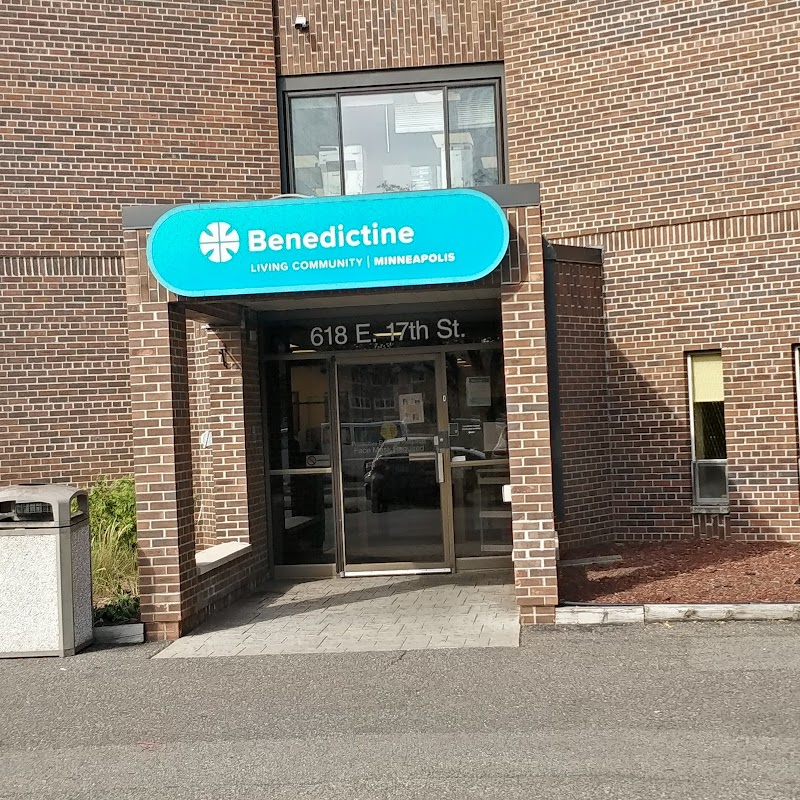
How is Benedictine Health Center Of Minneapolis Staffed?
CMS rates Benedictine Health Center Of Minneapolis's staffing level at 4 out of 5 stars, which is above average compared to other nursing homes. Staff turnover is 30%, compared to the Minnesota average of 46%. This relatively stable workforce can support continuity of care.

What Have Inspectors Found at Benedictine Health Center Of Minneapolis?

State health inspectors documented 33 deficiencies at Benedictine Health Center Of Minneapolis during 2022 to 2025. These included: 1 Immediate Jeopardy (the most serious level, indicating potential for serious harm or death), 1 that caused actual resident harm, 30 with potential for harm, and 1 minor or isolated issues. Immediate Jeopardy findings are rare and represent the most serious regulatory concerns. They require immediate corrective action.
Who Owns and Operates Benedictine Health Center Of Minneapolis?

Benedictine Health Center Of Minneapolis is owned by a non-profit organization. Non-profit facilities reinvest revenue into operations rather than distributing to shareholders. The facility is operated by BENEDICTINE HEALTH SYSTEM, a chain that manages multiple nursing homes. With 90 certified beds and approximately 86 residents (about 96% occupancy), it is a smaller facility located in MINNEAPOLIS, Minnesota.

How Does Benedictine Health Center Of Minneapolis Compare to Other Minnesota Nursing Homes?

Compared to the 100 nursing homes in Minnesota, Benedictine Health Center Of Minneapolis's overall rating (2 stars) is below the state average of 3.2, staff turnover (30%) is significantly lower than the state average of 46%, and health inspection rating (2 stars) is below the national benchmark.

What Should Families Ask When Visiting Benedictine Health Center Of Minneapolis?

Based on this facility's data, families visiting should ask: "What changes have been made since the serious inspection findings, and how are you preventing similar issues?" "Can I visit during a mealtime to observe dining assistance and food quality?" "How do you handle medical emergencies, and what is your hospital transfer rate?" "Can I speak with family members of current residents about their experience?" These questions are particularly relevant given the facility's Immediate Jeopardy citations.

Is Benedictine Health Center Of Minneapolis Safe?

Based on CMS inspection data, Benedictine Health Center Of Minneapolis has documented safety concerns. Inspectors have issued 1 Immediate Jeopardy citation (the most serious violation level indicating risk of serious injury or death). The facility has a 2-star overall rating and ranks #100 of 100 nursing homes in Minnesota. Families considering this facility should ask detailed questions about what corrective actions have been taken since these incidents.

Do Nurses at Benedictine Health Center Of Minneapolis Stick Around?

Benedictine Health Center Of Minneapolis has a staff turnover rate of 30%, which is about average for Minnesota nursing homes (state average: 46%). Moderate turnover is common in nursing homes, but families should still ask about staff tenure and how the facility maintains care continuity when employees leave.

Was Benedictine Health Center Of Minneapolis Ever Fined?

Benedictine Health Center Of Minneapolis has been fined $84,774 across 1 penalty action. This is above the Minnesota average of $33,927. Fines in this range indicate compliance issues significant enough for CMS to impose meaningful financial consequences. Common causes include delayed correction of deficiencies, repeat violations, or care failures affecting resident safety. Families should ask facility leadership what changes have been made since these penalties.

Is Benedictine Health Center Of Minneapolis on Any Federal Watch List?

Benedictine Health Center Of Minneapolis is not on any federal watch list. The most significant is the Special Focus Facility (SFF) program, which identifies the bottom 1% of nursing homes nationally based on persistent, serious quality problems. Not being on this list means the facility has avoided the pattern of deficiencies that triggers enhanced federal oversight. This is a positive indicator, though families should still review the facility's inspection history directly.