Bywood East Health Care
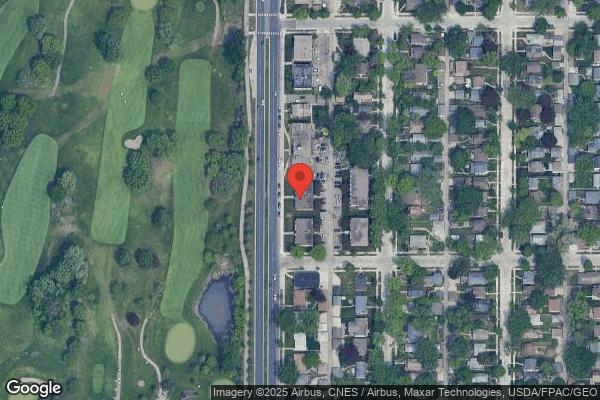
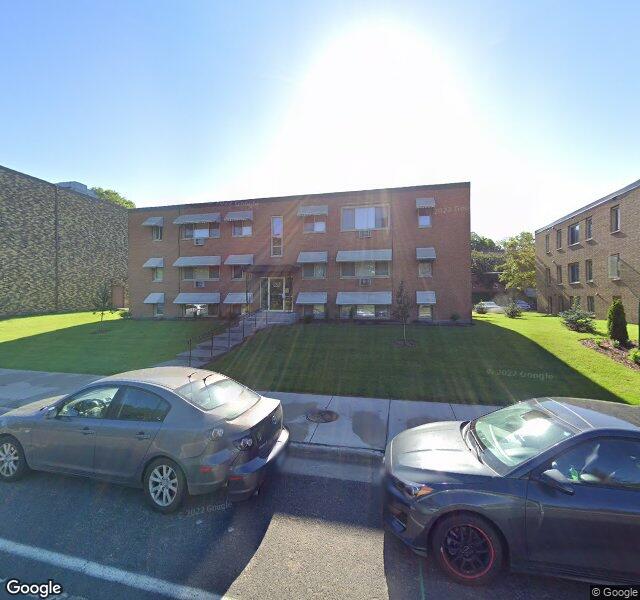
3427 CENTRAL AVENUE NORTHEAST, MINNEAPOLIS, MN 55418 (612) 788-9757
For profit - Corporation 96 Beds Independent Data: November 2025 4 Immediate Jeopardy citations
Trust Grade
0/100
#282 of 337 in MN
Last Inspection: April 2025

Within standard 12-15 month inspection cycle. Federal law requires annual inspections.

Overview

Bywood East Health Care in Minneapolis has received a Trust Grade of F, which indicates significant concerns about the facility's operations and care quality. It ranks #282 out of 337 nursing homes in Minnesota, placing it in the bottom half of facilities in the state, and #44 out of 53 in Hennepin County, suggesting limited local options. While the facility is showing improvement with the number of issues decreasing from 33 in 2024 to 25 in 2025, it still faces serious challenges, including four critical incidents involving resident-to-resident abuse and safety hazards related to smoking in resident rooms. Staffing is a relative strength, with a turnover rate of 40%, which is below the state average, but the overall staffing rating is low at 1 out of 5 stars. Although the facility has not incurred any fines, the presence of critical incidents raises concerns about resident safety and care quality.

Trust Score
F
0/100
In Minnesota
#282/337
Bottom 17%
Safety Record
High Risk
Review needed
Inspections
Getting Better
33 → 25 violations
Staff Stability
○ Average
40% turnover. Near Minnesota's 48% average. Typical for the industry.
Penalties
✓ Good
No fines on record. Clean compliance history, better than most Minnesota facilities.
Skilled Nurses
○ Average
RN staffing data not reported for this facility.
Violations
⚠ Watch
77 deficiencies on record. Higher than average. Multiple issues found across inspections.
★☆☆☆☆
1.0
Overall Rating
★☆☆☆☆
1.0
Staff Levels
★★★★☆
4.0
Care Quality
★☆☆☆☆
1.0
Inspection Score
Stable
2024: 33 issues
2025: 25 issues

The Good

  • 4-Star Quality Measures · Strong clinical quality outcomes
  • Full Sprinkler Coverage · Fire safety systems throughout facility
  • No fines on record
  • Staff turnover below average (40%)

    8 points below Minnesota average of 48%

Facility shows strength in quality measures, fire safety.

The Bad

1-Star Overall Rating

Below Minnesota average (3.2)

Significant quality concerns identified by CMS

Staff Turnover: 40%

Near Minnesota avg (46%)

Typical for the industry

The Ugly 77 deficiencies on record

4 life-threatening
Aug 2025 5 deficiencies 2 IJ
CRITICAL (J) 📢 Someone Reported This

A family member, employee, or ombudsman was alarmed enough to file a formal complaint

Immediate Jeopardy (IJ) - the most serious Medicare violation

Free from Abuse/Neglect (Tag F0600)

Someone could have died · This affected 1 resident

**NOTE- TERMS IN BRACKETS HAVE BEEN EDITED TO PROTECT CONFIDENTIALITY** Based on observation, interview and document review the facility failed to ensure residents were protected from resident-to-resi...

Read full inspector narrative →
**NOTE- TERMS IN BRACKETS HAVE BEEN EDITED TO PROTECT CONFIDENTIALITY** Based on observation, interview and document review the facility failed to ensure residents were protected from resident-to-resident abuse for 2 of 2 residents (R3 and R4) who were in a verbal and physical altercation which resulted a thoracic (T9) fracture with facial injuries for R4 and a swollen, bruised hand for R3. This resulted in an Immediate Jeopardy (IJ) for both R3 and R4.The IJ began on 8/14/25 at 10:45 p.m., when R3 and R4 had a verbal altercation, were separated by staff with one verbal redirection towards R3, but no other behavioral interventions were implemented despite a significant history of physical altercations for both residents, leading to R3 seeking R4 out again, re-engaging in the verbal altercation before starting a physical altercation which resulted in R4 needing emergency medical treatment for facial lacerations and a T9 fracture. The director of Nursing (DON) and quality assurance nurse (QA) were notified of the IJ at 3:45 p.m. on 8/22/25. The IJ was removed at 4:25 p.m. on 8/26/25, but noncompliance remained at the lower scope and severity level of D, which indicated no actual harm with potential for more than minimal harm that is not immediate jeopardy. Findings include:R3's quarterly Minimum Data Set (MDS) dated [DATE], indicated R3 had bipolar disorder, alcohol dependence, post-traumatic stress disorder (PTSD), was cognitively intact, and had physical and verbal behaviors towards others. The MDS indicated R3 was independent in activities in daily living (ADL)'s. R3's Care Plan (CP) revised 8/20/25, indicated a history of verbal and physical altercations (8 physical and 2 verbal since) since 9/2024 with care planning interventions focusing on staff encouragement and redirection.-9/14/24 verbal altercation with another resident. Encourage to de-escalate.-9/28/24 resident to resident altercation. Encourage R3 to not stand in front of door in lounge and let other residents pass with adequate space.-9/29/24 resident to resident altercation. Encourage R3 to walk away from potential altercations and inform staff member.-9/30/24 resident to resident altercation. Staff to supervise in smoking area and resident lounge daily to reduce the risk of altercations.-10/11/24 verbal altercation, staff directed to remove himself from altercations before they escalate.-12/11/24 resident to resident physical altercation, arguing over a lost item and incident escalated. Staff directed to inform nurse of missing items so situation can be resolved appropriately.-5/1/25 resident to resident physical altercation, R3 wanted to change the TV channel in the resident lounge. Staff to remind R3 the TV is in a shared space for all residents.-5/08/25 resident to resident altercation over TV in lounge. Staff to remind R3 the remote is to be shared with other residents.-5/16/25 resident to resident altercation, R3 approached another resident for payment for a shirt. Staff to encourage R3 to inform facility staff of any missing items and not to approach other residents.-8/14/25 resident to resident altercation, always identify and remain aware of location of resident, keep R3 arm's length away from R4. R4's quarterly MDS dated [DATE], indicated R4 had alcohol dependence and adjustment disorder with depressed mood. The MDS indicated R4 was cognitively intact with disorganized thinking, had no behaviors and was independent with ADLs. R4's CP indicated a history of verbal and physical altercations (4 physical, 2 verbal) since 6/2024 with care plan interventions focusing on staff encouragement and redirection for R4. -6/28/24 resident to resident verbal altercation. Staff directed to encourage R4 to notify staff member when witnessed other residents in an altercation and let staff members intervene with incident. -7/24/24 resident to resident verbal altercation in the dining room, throwing food at another resident. Staff to remind R4 it was not appropriate to throw food or yell at other residents, encourage to remove himself from other altercations. -12/08/24-resident to resident physical altercation. Staff were to encourage resident to report altercations to staff and move away before they escalate.-12/11/24 resident to resident physical altercation, arguing over a lost item. Staff to encourage R4 to inform nurse of missing items so situation can be resolved appropriately.-3/16/25 resident to resident altercation, R4 pushed another resident from his chair. Staff to encourage R4 to notify staff member when he witnessed other residents in an altercation and let staff members intervene. -7/08/25 resident to resident altercation, R4 kicked the back of another resident's wheelchair. Staff to encourage R4 to notify staff if another resident was in his wheelchair path so staff can assist the other resident to move out. R4's CP further indicated Associated Clinic of Psychology (ACP) started working with R4 on 2/2024, assisting with insomnia and behavioral elements to his care. CP interventions listed from ACP included, encourage R4 to choose his own battles to avoid altercations, listen to R4's concerns to assist in deescalating, validate his emotions in relationship to challenging peer interactions, encourage R4 to move away and breath, read a book, or talk with others, accept what he cannot control and direct to watch television (TV).A Facility Reported Incident dated 8/14/25 at 10:45 p.m., indicated R3 and R4 engaged in a verbal altercation on the smoking patio. Staff were able to separate them and R3 went back into the building to his room on the third floor. Several minutes later R3 returned to the smoking patio where R4 was seen on the ground hitting R3 in the face. R4 was sent to the hospital for his injuries and returned the next day. The Investigation Report dated 8/20/25, indicated the Care Plan was updated to include intervention to keep R3 and R4 in eye's view and to intervene if they are within arm's length. R4 was diagnosed with a fracture to his T9, and R3 refused to speak with writer. In addition, the investigation indicated the police were involved and did not take R3 in, and all staff were educated on what to do if a fight would occur between R3 and R4. In addition, the smoking patio will be locked at 10:00 p.m. instead of being open 24hours/7days a week. The Facility Report Incident lacked evidence on how staff would maintain an eyes view of either resident, what measures staff would take to ensure the residents were an arm's length away from each other and failed to identify the staff's failure to follow the care plan interventions during the initial incident, de-escalate the situation or addressed training to prevent an altercation between residents in the future. During interview on 8/21/25 at 4:09 p.m., R1 stated he observed the fight between R3 and R4 and now the smoking patio out back was locked at 10:00 p.m. R1 stated that has not changed anything because now everyone just smoked out front of the building after 10:00 p.m. During interview on 8/25/25 at 3:11 p.m., the facility security guard (SG) stated when he was informed R3 and R4 were physically fighting outside in the smoking patio area and with their history he did not want to get involved so he immediately called 911 to intervene for his safety and the staff safety. The SG further stated he had not been trained to deal with the resident specific behaviors. During observation and interview on 8/20/25 at 2:27 p.m , R3 stated he was out back in the smoking area around 10:30 p.m. when R4 started arguing with him. R3 stated he was sitting by the door where you enter from the back lobby area, and another resident was trying to go in when R4 was right behind the other resident who was in a wheelchair, R4 was drunk and started to yell at him, hurry up you mother fucker or I am going to piss on you. R3 told him, No you are not and R4's response was, Fuck you and I will piss on you too and your sister too. R3's sister recently hung herself and that, hit a spot on me, and then R4 came yelling at him and called him a fat ass. R3 stated, why would he care what I looked like. R3 indicated the nurse came out and he agreed to go back to his room on the third floor. R3 then stated when R4 gets drunk, he gets angry so R3 went back outside and that is when R4 started to call him a pussy and saying things like, you want to fight. R3 indicated the two residents had a history and that R4 went on for about five more minutes before he stood up from his wheelchair stating, I just lost it, thinking about him calling me a fat ass, I hate that word and speaking of my sister. it's like my eyes changed, he disrespected me. R3 indicated he was a championship wrestler in high school and just took R4 to the ground and started to wail him in the face until he said he had enough. At that point, R3 got up, went inside and the facility called the police. R3 stated he spoke to the police, and they were cool with him. During observation R3's right hand was swollen and bruised despite the incident having occurred six days prior.During observation and interview on 8/21/25 at 5:11 p.m., R4 stated during the incident with R3, he was mouthing off at R3, R4 went to get out of his chair when R3 started to attack him and beat the piss out of him. R4 stated he couldn't exactly remember what was said but he did remember calling R3 a fat sun of a bitch and they were arguing. R4 stated he did not start anything during the fight and did not know anything about his sister's death. Multiple scratches were observed on R4's face and no bruising. R4 was observed to be in a wheelchair and was able to wheel independently. During interview on 8/21/25 at 5:11 p.m., licensed practical nurse (LPN)-A stated he worked the first floor on the evening of 8/14/25, when R3 and R4 had a verbal and physical altercation. LPN-A stated he went out to the smoking patio when he heard R3 and R4 swearing at each other but could not hear what they were saying. LPN-A stated he immediately separated them and had R3 go back to his room on the third floor. LPN-A indicated he did not smell alcohol on either of the residents. LPN-A stated he informed the security guard who was working at the front desk, by the front entrance, that he had directed R3 to his room on the third floor, so he was aware. Shortly after, LPN-A heard another resident yelling R3 and R4 were fighting outside on the patio area. LPN-A ran out to the patio and observed R4 on the ground and instructed the security guard to immediately called 911. LPN-A indicated after the first verbal altercation between R3 and R4 he put R3 on 15-minute checks but was unable to recall any other care planned interventions for the residents. After the physical altercation, R3 was sent to the hospital and was diagnosed with a T9 fracture. An After Visit Emergency Department Summary indicated R4 arrived on 8/14/25 at 11:53 p.m. and seen for assault. Diagnoses were facial laceration, closed head injury, laceration of right hand and closed fracture of ninth thoracic vertebrae. The report further indicated X-rays and cat scans (CT scans) showed no broken bones or bleeding in the brain. A fracture was noted of the thoracic spine at the T9 level, and the neurosurgery team evaluated and felt it was safe for return home with the fracture with outpatient in six weeks to follow up with this finding. The report indicated R4 was given Tylenol, ibuprofen, and oxycodone (narcotic) for pain while in the Emergency Department (ED). The ED report indicated R4 was discharged on 8/15/25 at 9:43 a.m., with orders to continue to take ibuprofen 600 milligrams (mg) by mouth every 6 hours as needed for pain.During interview on 8/21/25 at 4:09 p.m., R1 stated he was outside when R3 and R4 were arguing. R1 stated he observed R3 dive at R4 and felt it was all R3's fault. R1 stated the staff sent R3 to his room after the argument and he came right back out to the smoking patio and began fighting with R4. R1 stated R3 put R4 on the ground and began hitting him, and he heard R4 tell him to stop and that was when the staff came out and stopped the fight. During interview on 8/22/25 at 12:13 p.m., interim director of nursing (DON) stated the security guard had not been trained in specific interventions for the residents' behaviors. The DON stated they have been looking for alternative placement for R3, although they have had difficulty with other facilities accepting him due to his behaviors. Vulnerable Adult Abuse Prevention Policy revised 2/22, indicated the facility shall establish and enforce an on-going abuse prevention plan which includes policies and procedures to design and maintain the physical plan that promotes the resident well-being and safety, on-going updating and review of the resident care policies, personnel policies, staffing ratio and pattern policies, and volunteer policy to minimize the risk of abuse. In addition, the policy indicated during the pre-admission process the nurse and social worker screens for a known history of potentially dangerous behavior patterns or behavior that tends to disrupt or annoy others such as constant verbalizations, taking item's that don't belong to them etc. In cases where these concerns are in this setting is appropriate. If so, then care planning and interdisciplinary including developing individual abuse prevention care plan. The plan includes measures to be taking to minimize risk that the resident might reasonably be expected to pose to others or that another might pose to them. The IJ that was issued on 8/22/25 at 3:45 p.m., was removed on 8/26/25 at 4:25 p.m. when it was verified the facility had implemented the following:-The facility reviewed and revised current policies and procedures related to resident-to-resident altercations.-R3 and R4 care plans were revised to include assessed behavioral interventions to reduce resident to resident altercations based on the comprehensive assessment.-Staff educated on policy and procedures.-Staff educated on R3 and R4's updated care plan interventions.
CRITICAL (J) 📢 Someone Reported This

A family member, employee, or ombudsman was alarmed enough to file a formal complaint

Immediate Jeopardy (IJ) - the most serious Medicare violation

Accident Prevention (Tag F0689)

Someone could have died · This affected 1 resident

**NOTE- TERMS IN BRACKETS HAVE BEEN EDITED TO PROTECT CONFIDENTIALITY** Based on observation, intervention and document review the facility failed to ensure a safe environment and prevent fire hazards...

Read full inspector narrative →
**NOTE- TERMS IN BRACKETS HAVE BEEN EDITED TO PROTECT CONFIDENTIALITY** Based on observation, intervention and document review the facility failed to ensure a safe environment and prevent fire hazards for 2 of 2 residents (R5 and R6) when residents were found to be smoking in resident rooms with staff awareness. This resulted in an immediate jeopardy (IJ) for R5 and R6 and could lead to serious harm for all residents, staff, and visitors at the facility. The IJ began on [DATE] at. 4:54 p.m., when a strong smell of cigarette smoke was noted on the third floor near the elevator and trained medication aide (TMA)-A and TMA-B stated the odor was coming from room [ROOM NUMBER] (R6's room). R5 was observed in room [ROOM NUMBER] and was asked to leave by staff. During interview, R5 stated he was in the room and had just been smoking. The nightstand next to bed two was observed to be covered in cigarette ashes and there were multiple cigarettes burns on the floor. The window was also wide open in the room. TMA-A indicated staff often smelled smoke when R5 was in the room. Interview with R6 also revealed he smoked in his room, kept an ashtray in his nightstand and flushed the cigarette butts down the toilet when the ashtray got full. The director of Nursing (DON) and quality assurance nurse (QA) were notified of the IJ at 3:45 p.m. on [DATE]. The IJ was removed at 4:25 p.m. on [DATE], but noncompliance remained at the lower scope and severity level of D, which indicated no actual harm with potential for more than minimal harm that is not immediate jeopardy. Findings include: The National Fire Protection Association (NFPA) regulations regarding smoking inside healthcare facilities are designed to ensure the safety of both patients and staff. Here are the key points:Smoking Regulations - the BasicsAt a minimum, smoking regulations need to address the following points:1. Smoking must be prohibited in any location where oxygen, flammable or combustible liquids or gases, or combustible materials are stored or used. Please note that the Authority Having Jurisdiction (AHJ) may designate other hazardous locations where smoking must be prohibited.-No one using oxygen should be allowed to smoke. NFPA 99(12), Sec. 11.5.1.1.1 requires that smoking materials (e.g. matches, cigarettes, lighters, lighter fluid, tobacco in any form) be removed from patients receiving respiratory therapy.-Smokers must remain at least 5 feet away from oxygen in use [see also: NFPA 99(12), Sec. 11.5.2.3.1].-NFPA 99(12), Sec. 11.5.1.1.2 prohibits all sources of open flame in the area of administration. Area of administration is defined in NFPA 99(12), Sec. 3.3.13 as follows: Any point within a room within 15 ft of oxygen equipment or an enclosure containing or intended to contain an oxygen-enriched atmosphere.2. Smoking by residents/patients deemed unsafe to smoke independently must be prohibited, unless thosepersons are under direct supervision (a number of Minnesota nursing home residents have died or been very seriously injured over the years as a result of fires related to misuse of smoking materials). -Your policy should require an assessment of persons allowed to smoke to include the person's ability to light a cigarette, smoke it safely, handle the ashes and put the cigarette out safely. It is also important that the policy include provisions for proper and safe storage of smoking materials for those persons deemed unsafe to smoke independently without staff supervision.-Where nursing home residents are allowed to smoke, your policy should include procedures for extinguishing clothing fires. You will want to make sure that, whatever procedure is chosen for your facility - e.g. Stop, Drop & Roll; fire blanket; or pressurized water or water mist type portable fire extinguishers(dry powder type extinguishers are not recommended as the powder can be easily inhaled and potentially cause immediate breathing and/or long term lung problems), the proper equipment, if any, is immediately available in smoking area(s) and staff are properly trained on an on-going basis on how to extinguish clothing fires.3. A suitable number of noncombustible ashtrays must be provided in areas where smoking is allowed. Note: These ashtrays must be of a safe design, which has been interpreted to mean ashtrays designed so that cigarettes cannot be placed on the outer edge of the ashtray (as it burns down, a cigarette placed on the outer edge of an ashtray can fall out of the ashtray, potentially falling on something combustible and resulting in a fire).4. Smoking areas must be provided with metal containers equipped with self-closing covers for the disposal of cigarette butts and ashes. These containers should not have combustible (e.g. plastic or paper) liners in them. R5's annual Minimum Data Set (MDS) dated [DATE], indicated R5 had non-traumatic brain dysfunction, and was alert and oriented. R5's Care Plan (CP) dated [DATE], indicated R5 had been assessed as a safe smoker in designated areas, was to smoke only in designated areas and had a history of smoking in unauthorized areas of the facility. Staff were instructed to direct R5 to his own floor/room when he was found in a room that was not his and educate R5 on smoking policies and expectations. R5 had history of smoking in other resident rooms and refused to allow facility to store smoking materials. R5's Smoking assessment dated [DATE], indicated R5 was safe to smoke in designated areas, but had history of smoking in non-designated areas. Facility was to store smoking materials; however, resident refused and acquired smoking materials independently. Staff was to give reminders. R6's annual MDS dated [DATE], indicated R6 had non-traumatic brain dysfunction, short term and long-term memory problems and had disorganized thinking. R6's CP dated [DATE], indicated R6 had a history of being non-compliant with smoking plan and was to receive one cigarette per hour from the first-floor nurses' station due to smoking in the stairwell. R6 was given notice further violation could result in further smoking restrictions. R6's Smoking assessment dated [DATE], indicated he was assessed to be a safe smoker, had history of smoking in non-designated areas and facility was to hold smoking materials, however resident refused. Staff were to educate R6 on smoking policy after caught smoking in non-designated areas. During observation and interview on [DATE] at 4:54 p.m., a strong odor of cigarette smoke was noted on the third floor by the elevator. TMA-A and TMA-B stated the odor was coming from room [ROOM NUMBER]. Upon entering room [ROOM NUMBER], R5 was sitting on bed two, when TMA-A stated that this was not his room and told R5 he needed to leave. During observation and interview on [DATE] at. 5:00 p.m., R5 stated he was in room [ROOM NUMBER] and had just been smoking. The nightstand next to bed two was covered in cigarette ashes and there were multiple cigarettes burns on the floor; the window was also wide open. R6, who lived in 301, was not observed to be in the room at the time. TMA-A stated R5 was always in that room, staff must constantly direct him to leave that room and staff constantly smelled smoke when he is was in there. TMA-A also indicated there were always ashes on the nightstand and on the floor. A follow up interview with TMA-A revealed the nurses document when residents are smoking but she had forgotten to tell them, so it had not been documented. During interview on [DATE] at 5:15 p.m., R6 was walking back to his room and stated R5 spent time in his room. R6 stated he also smoked in his room when it was cold outside or when it was raining out and kept an ashtray in the top drawer of his nightstand, which was locked. R6 further stated when the ashtray was full, he flushed the cigarette butts down the toilet. During observation and interview on [DATE] at 11:15 a.m., TMA-C, who was a new staff, stated she smelt heavy smoke in room [ROOM NUMBER], had seen R5 in that room yesterday, lying on bed two and thought it was his room. While entering room [ROOM NUMBER] with TMA-C, she confirmed cigarette butts were on the nightstand next to bed two and said it also looked like cigarettes were being put out on the floor. During interview on [DATE], at 11:30 a.m., registered nurse (RN)-A stated R5 constantly goes into room [ROOM NUMBER] to smoke and we must tell him to leave the room. RN-A stated it is in his treatment sheet to document if we find him smoking in undesignated smoking areas and we are to redirect him, but it never improves, and we keep reporting this. RN-A stated the facility used to have a smoking program and the residents would have to come to first floor and get their cigarettes every 30 minutes or hour from the nurse or receptionist, but the facility decided to stop this because the residents had several violent behaviors with the staff. During observation and interview on [DATE] at 11:47 a.m., the quality assurance nurse (QA) stated the facility had a smoking program they stopped about a year ago due to resident behaviors, and now most of the residents have their own cigarettes and lighters including R5 and R6. The QA nurse stated she was not aware of any residents who were currently smoking in their rooms, but did state R5 had limited funds and had been known to pick up cigarette butts in the smoking patio area and smoke them. Upon entering room [ROOM NUMBER], QA nurse stated she could smell smoke in the room and confirmed there were cigarette butts on the nightstand and the floor. QA stated those are probably cigarette butts he had been taking from the smoking patio area. In addition, the QA nurse stated they removed the smoking program, due to the residents having behaviors and demanding cigarettes and a residents attacked the receptionist. The previous DON and Administrator stopped the program and allowed the residents to have their own cigarettes and lighters for the safety of the staff and that it was too much to deal with. During observation and interview on [DATE] at 1:00 p.m., maintenance director (MD) stated housekeeping noticed cigarette butts and ashes in room [ROOM NUMBER] every day when they came in the room around 2:30 p.m. to clean. There are burns all over the floor from what he expects are from cigarettes being put out on the floor, and in addition, there were burns on the nightstand next to bed two. MD indicated he had redirected R5 out of room [ROOM NUMBER]often and stated, now that they have a new person in the administrator's office, he was hoping things would get better and more attention would be paid to the situation. During interview on [DATE] at 5:05 p.m., TMA-A stated she does not have access to document on the treatment sheets and forgot to inform the nurse working on the evening shift of [DATE], that R5 was observed in room [ROOM NUMBER] and there was an odor of smoke in the room. TMA-A stated the nurse works on the first floor and only comes up to the third floor to complete treatments and insulins, and she often forgot to report this to the nurse. Review of R5's treatment record for the month of [DATE] indicated no incident of R5 smoking in non-designated areas from [DATE]st through [DATE]st, 2025. Facility Smoking Policy and Contract undated, indicated It is the policy of Bywood East Health Care to provide all residents with a safe environment in which to live. Smoking is a privilege and not a right. The safety of our facility supersedes the individual residents' right to smoke unsafely. At any time, a staff member observes and/or has reason to believe that a resident is/was smoking anywhere inside the facility, smoking materials will be extinguished immediately. The incident will also be reported to Social Services, Charge Nurse/Nurse Supervisor, and/or Administrator. All residents who smoke will be given this policy regarding the responsibility of the smoker to follow the facility policies regarding smoking. Should a resident be in jeopardy because of the irresponsible smoking behavior or put others in jeopardy because of such behavior, Bywood East administration will take appropriate action which may include loss of smoking privileges up to discharge from the facility. The IJ that was issued on [DATE] at 3:45 p.m., was removed on [DATE] at 4:25 p.m. when it was verified, the facility had implemented the following: -Revised policies and procedures related to smoking to ensure smoking is prohibited inside the facility and developed an all-systems approach for enforcing the policy. (including staff immediately reporting concerns related to resident smoking). -Ensured all resident's smoking assessments are accurate and revised care plans with new identified interventions and educated all employees on policy and procedures and revised resident care plans prior to next shift worked.
CONCERN (D) 📢 Someone Reported This

A family member, employee, or ombudsman was alarmed enough to file a formal complaint

Potential for Harm - no one hurt, but risky conditions existed

Report Alleged Abuse (Tag F0609)

Could have caused harm · This affected 1 resident

**NOTE- TERMS IN BRACKETS HAVE BEEN EDITED TO PROTECT CONFIDENTIALITY** Based on interview and document review, the facility failed to immediately report an allegation of sexual abuse to the state age...

Read full inspector narrative →
**NOTE- TERMS IN BRACKETS HAVE BEEN EDITED TO PROTECT CONFIDENTIALITY** Based on interview and document review, the facility failed to immediately report an allegation of sexual abuse to the state agency (SA) for 1 of 1 resident (R1, R2) when R2 was found engaged in a sexual act with R1 without staff's knowledge of R2's consent. Findings include: R2's admission minimum data set (MDS) dated [DATE], indicated R2 was cognitive impaired. R2's Care Plan dated 8/19/25, indicated R2 had potential for abuse, neglect and/or exploitation related to vulnerable adult status. R1's admission MDS dated [DATE], indicated R1 was cognitively intact. A Facility Reported Incident (FRI) dated 8/14/25 at 1:40 p.m., indicated on 8/13/25 at 7:31 p.m., writer received a call that R2 and R1 were found to be engaging in a sexual act. Writer was told R1 offered R2 a cigarette in exchange for sex. This morning at approximately 11:30 a.m. writer went to go speak with resident (R2) and she stated nothing happed and she was okay and had no memory of the incident, she was her normal routine, had a BIMs of 5 (cognitively impaired), with no complaints of pain noted. During interview on 8/20/25 at 12:03 p.m., director of nursing (DON) stated when she received the call on 8/13/25, there was a mix up and they thought it was a different resident with the same name and the resident they thought was with R1 was alert and orientated and was able to consent. The DON stated when she went to interview the wrong resident at 8:00 a.m. she was sleeping and when she did talk to her at 11:30 a.m. she realized it was the incorrect resident. The DON stated once she realized it was R2 who was cognitively impaired she immediate informed the social worker and the staff. The DON further stated she also called the police and informed R2's case manager and responsible party. The DON stated she was aware the report made to the SA was late and should have been reported sooner. During interview on 8/22/25 at 10:00 a.m., DON stated the incident should have been immediately reported to the SA, and due to the confusion of which resident it was, the report was filed the next day. In addition, the DON stated she had only been at the facility for less than a week and she was just getting to know the residents at the facility. Facilities Vulnerable Adult Abuse Prevention Policy revised 2/22, indicated a mandated reporter who has reason to believe that a vulnerable adult is being or has been mistreated, or how has knowledge that a VA has sustained a physical injury that is not reasonably explained shall immediately report that information internally to the Administrator, Director of Nursing, Director of Social Services or designee immediately.
CONCERN (D) 📢 Someone Reported This

A family member, employee, or ombudsman was alarmed enough to file a formal complaint

Potential for Harm - no one hurt, but risky conditions existed

Investigate Abuse (Tag F0610)

Could have caused harm · This affected 1 resident

**NOTE- TERMS IN BRACKETS HAVE BEEN EDITED TO PROTECT CONFIDENTIALITY** Based on interview and document review the facility failed to thoroughly investigate a resident-to-resident abuse allegation for...

Read full inspector narrative →
**NOTE- TERMS IN BRACKETS HAVE BEEN EDITED TO PROTECT CONFIDENTIALITY** Based on interview and document review the facility failed to thoroughly investigate a resident-to-resident abuse allegation for 2 of 2 residents (R3 and R4) and a resident-to-resident sexual assault allegation for 2 of 2 residents (R1, R2) to determine incident details, interview all parties involved, appropriately assess and identify interventions to reduce likelihood of future abuse. Findings include: R3's quarterly Minimum Data Set (MDS) dated [DATE], indicated R3 had bipolar disorder, alcohol dependance, post-traumatic stress disorder (PTSD) and was cognitively intact. R4's quarterly MDS dated [DATE], indicated R4 was cognitively intact with disorganized thinking and had no behaviors. A Facility Reported Incident dated 8/14/25 at 10:45 p.m., indicated R3 and R4 engaged in a verbal altercation on the smoking patio. Staff were able to separate them and R3 went back into the building to his room on the third floor. Several minutes later R3 returned to the smoking patio and R4 was seen on the ground where R3 was hitting him in the face. R4 was sent to the hospital for his injuries and returned the next day. The Investigation Report dated 8/20/25, indicated the Care Plan was updated to include intervention to keep R3 and R4 in eye's view and to intervene if they are within arm's length. R4 was diagnosed with a fracture to his T9, and R3 refused to speak with writer. In addition, the investigation indicated the police were involved and did not take R3, and all staff were educated on what to do if a fight would occur between R3 and R4. In addition, the smoking patio will be locked at 10:00 p.m. instead of being open 24hours/7days a week. During interview on 8/22/25 at 12:13 p.m., interim director of nursing (DON) stated staff attempted to interview R3 once and he refused and staff should have attempted to interview him again to find out more information for their investigation, R4 was interviewed. The Nursing Home Incident Report dated 8/20/25 lacked evidence the facility interviewed other resident witnesses, staff or the security guard during the investigation process to gain an understanding of what was observed, heard and what action staff took during the incident. R2's admission minimum data set (MDS) dated [DATE], indicated R2 was cognitive impaired. R1's admission MDS dated [DATE], indicated R1 was cognitively intact. A Facility Reported Incident (FRI) dated 8/14/25 at 1:40 p.m., indicated on 8/13/25 at 7:31 p.m., writer received a call that R2 and R1 were found to be engaging in a sexual act. Writer was told R1 offered R2 a cigarette in exchange for sex. This morning at approximately 11:30 a.m. writer went to go speak with resident (R2) and she stated nothing happed and she was okay and had no memory of the incident, she was her normal routine, had a BIMs of 5 (cognitively impaired), with no complaints of pain noted. The facility's investigation lacked evidence of interviews with staff involved in the incident, including details such as R2 smoking an actual cigarette when found and her demeanor. Additionally, the facility failed to interview R2's family to get historical significance to best determine possible consent and to determine appropriate interventions to reduce the likelihood R2 would seek out further trades for cigarettes, such as increasing how many cigarettes she gets or how often. During interview on 8/20/25 at 12:03 p.m., director of nursing (DON) stated when she received the call on 8/13/25, there was a mix up and they thought it was a different resident with the same name and the resident they thought was with R1 was alert and orientated and was able to consent. The DON stated when she went to interview the wrong resident at 8:00 a.m. she was sleeping and when she did talk to her at 11:30 a.m. she realized it was the incorrect resident. The DON stated once she realized it was R2 who was cognitively impaired she immediate informed the social worker and the staff. The DON further stated she also called the police and informed R2's case manager and responsible party. In a follow up interview on 8/20/25 at 12:20 p.m., the DON stated R1 was placed on 15-minute checks on 8/13/25, after the incident and when she found out it was R2, R1 was placed on a 1:1 for the safety of the other residents in the facility. During interview on 8/20/25 at 3:08 p.m. R2 stated she has been here a couple of months and stated she could not stand it here. R2 stated she did not recall having sex with anyone, but did recall be sent to the hospital because the facility though she was raped and does not believe she was raped. During interview on 8/20/25 at 4:19 p.m., R1 stated he was outside on the smoking patio next to R2 when she turned around and said do you want to f**k me. R1 described how R2 continued to persuade him and eventually they went to his room where he performed oral sex on her. R1 stated he felt like he was sexually harassed due to R2 wanting to have sex with him and that he does not see her anymore in the facility but knows she still lives there. He went on to say, now he has staff that sit with him all of the time and it has been pissing him off. During interview on 8/20/25 at 7:45 p.m., licensed practical nurse (LPN)-D stated she went into R1's room to give him his medication when he observed him naked from the waist down and R2 was completely naked lying in his bed. LPN-D stated R2 was observed to be relaxed and smoking a cigarette while he was sitting in-between her knees. LPN-D stated at first, she was so shocked she had to walk out of the room, and then return due to not expecting what she had seen. LPN-D then stated she opened the door and told R1, what are you doing, this is wrong and he was already standing next to the bed covering himself. He said in a slow voice and softly something about sex. LPN-D stated she immediately contacted the other nurse working and had that nurse come back to the room and by then, they were both dressed. LP-D stated R2 did not seem distressed, and stated she had not been trained for something like that so she called the on-call nurse. Then they were confused on what resident I was reporting about, which was strange to me since I told them it was the new resident who asked for cigarettes all the time and the on-call staff could have read my progress notes in the computer. LPN-D stated she immediately put R2 on 15-minute checks to make sure nothing more would happen. During interview on 8/22/25 at 10:00 a.m., DON further stated R2's family was not interviewed and probably should have been. Facilities Vulnerable Adult Abuse Prevention Policy revised 2/22, indicated upon receiving a report of an incident, the resident will be assessed and an investigation initiated. The Administrator, the director of Nursing, the Director of Social Services, or designees, shall conduct all VA investigations immediately. The investigation shall include interviews of the involved resident, family member (s) if appropriate and any others who may have pertinent information about the event.
CONCERN (D) 📢 Someone Reported This

A family member, employee, or ombudsman was alarmed enough to file a formal complaint

Potential for Harm - no one hurt, but risky conditions existed

Comprehensive Care Plan (Tag F0656)

Could have caused harm · This affected 1 resident

**NOTE- TERMS IN BRACKETS HAVE BEEN EDITED TO PROTECT CONFIDENTIALITY** Based on observation, document review and interview, the facility failed to comprehensively develop and implement a resident cen...

Read full inspector narrative →
**NOTE- TERMS IN BRACKETS HAVE BEEN EDITED TO PROTECT CONFIDENTIALITY** Based on observation, document review and interview, the facility failed to comprehensively develop and implement a resident centered care plan for 1 of 1 resident (R2) who was at risk of abuse and interventions were not identified to address the root cause of that risk and decrease the likelihood of abuse re-occurring. Findings include: R2's Care Plan dated 8/19/25, indicated R2 was admitted on [DATE], had Alzheimer's Disease with early onset, nicotine dependance, and verbal behavioral symptoms directed towards others. R2's Progress Notes admission date (7/21/25) to 8/20/25, indicated:-7/22/25, out of bed multiples times asking for cigarettes-7/23/25, she was up and out with her cigarettes-7/24/25, R2 comes to writer to get cigarettes, explanation given that she only receives one once an hour, she often comes early. -7/24/25, R2 asks for cigarettes but gets one each hour.-7/25/25. Resident in and out of room requesting cigarette before one hour completion.-7/26/25, Resident is constantly asking for cigarette before her hourly timing. Needs constant redirection.-7/27/25, R2 was in and out of the facility for her cigarette smoking.-7/28/25, R2 came to writer for cigs at 7:30 a.m. and 8:30 a.m Then at 9 a.m., she came into the 2nd floor nursing office and went to the drawer where the cigarettes were kept. Writer saw her take a cigarette. She returned the cigarette when told to do so. Reminder given that cigarette was given every hour and she was due at 9:30 a.m Cigarettes were then moved into a locked cabinet.-7/31/25, Care Conference Notes indicated Social Services and Nursing met. R2 refused to attend and family did not attend. Under section labeled Smoking/Policy: R2 had been assessed as a safe smoker. Under Nursing: R2 was physically stable and was able to move around the facility with no issues. ACT was a service offered, but Guardian did not present at this meeting. The Care Conference Notes lacked evidence input from any care staff was attempted, progress notes were reviewed to determine potential care planning needs, or that R2 was interviewed prior to the meetings to get input about her care needs. No revisions were made to R2's care plan despite consistent notations from staff related to her patterned insistencies with cigarettes.-8/1/25, R2 came out and asked this writer for a cigarette every few minutes for >20 times this shift and goes to the phone and dials phone number and hangs up right away. Redirection successful, however, she needs constant redirection every minute.-8/4/25, Resident was continuously coming to the first-floor nurse station to ask for cigarettes almost the entire night. Resident isn't oriented to time, and all redirections could not succeed.-8/5 through 8/12/25 no Progress Notes documented.-8/13/25, The resident appears in no apparent distress and reported engaging in consensual sexual activity with another resident. No signs of physical injury were observed. 15 minutes checks initiated.-8/14/25, resident sent to hospital for rape kit test-8/14/25, resident return from hospital with orders, no signs of distress-8/15/25, R2 keeps coming to ask for her hourly cigarettes even before time. She is hard to redirect and orient to time.-8/16/25, R2 is scheduled to receive a cigarette every hour. She does not comprehend the time and when the next cigarette is due. Another notes on 8/16/25, R2 comes often to ask for a cigarette.-8/17/25, always waking up to ask for cigarettes-8/18/25, R2 had just been given a cigarette to go outside, she is forgetful and frequently comes to ask for another before an hour has passed. Another note on 8/18/25, she presents with restlessness, frequently requesting her hourly cigarette before the scheduled time. Redirection and orientation at times are challenging. Resting in bed between smoking times.-8/19/25, she requested for cigarette, she is forgetful and frequently comes to ask for a cigarette before an hour. A Facility Reported Incident (FRI) dated 8/14/25 at 1:40 p.m., indicated on 8/13/25 at 7:31 p.m., writer received a call that R2 and R1 were found to be engaging in a sexual act. Writer was told R1 offered R2 a cigarette in exchange for sex. This morning at approximately 11:30 a.m. writer went to go speak with resident (R2) and she stated nothing happed and she was okay and had no memory of the incident, she was her normal routine, had a BIMs of 5 (cognitively impaired), with no complaints of pain noted. During interview on 8/20/25 at 7:45 p.m., licensed practical nurse (LPN)-D stated she went into R1's room to give him his medication when he observed him naked from the waist down and R2 was completely naked lying in his bed. LPN-D stated R2 was observed to be relaxed and smoking a cigarette while he was sitting in-between her knees. R2 did not appear distress after the incident. Review of R2's Care Plan it lacked evidence to indicate her history related cigarette seeking behavior and vulnerabilities related to her smoking. In addition, the care plan was not updated until 8/19/25, after an incident occurred on 8/13/25, and R2 was deemed an independent smoker and deemed safe to smoke within facility safely, despite being observed smoking in another resident's room on 8/13/25. R2's Care Plan did indicate R2 had potential for abuse, neglect and/or exploitation related to vulnerable adult status and will be kept from peer R1, but failed to address an intervention related to her cigarette seeking behavior. During interview on 8/25/25 at 3:08 p.m., with licensed social worker (LSW) stated they had a care conference and R2's family member (FM)-A did not attend. LSW-A stated he did not call FM-A to receive information about R2 and was unaware R2 was so obsessed over her smoking and vulnerable. The LSW stated they are in the process of discharging R2 to a memory care unit which is planned to occur on 8/27/25, which should be a safer place for her. A policy was requested on care planning but was not received. During interview on 8/21/25 at 7:58 p.m., family member (FM)-A stated R2 was diagnosed with Alzheimer's and dementia. FM-A stated R2 was so focused on getting her cigarettes, that was the only thing she will remember. FM-A provided some historical perspective related to R2 and her relationships, indicated they were not surprised by the incident but still felt the staff should have kept a closer eye on her, so the situation did not happen. FM-A indicated they would be open to discussion intervention to better protect R2, such has increasing how often she gets cigarettes so she is not having the seeking behavior. A policy was requested on care planning but was not received.
Apr 2025 19 deficiencies
CONCERN (D)

Potential for Harm - no one hurt, but risky conditions existed

Report Alleged Abuse (Tag F0609)

Could have caused harm · This affected 1 resident

**NOTE- TERMS IN BRACKETS HAVE BEEN EDITED TO PROTECT CONFIDENTIALITY** Based on interview and document review, the facility failed to ensure voiced allegations of potential verbal and/or mental abuse...

Read full inspector narrative →
**NOTE- TERMS IN BRACKETS HAVE BEEN EDITED TO PROTECT CONFIDENTIALITY** Based on interview and document review, the facility failed to ensure voiced allegations of potential verbal and/or mental abuse were reported to the administrator and State agency (SA) in a timely manner for 3 of 4 residents (R21, R26, R55) reviewed who reported potential allegations of abuse. Findings include: R21 R21's quarterly Minimum Data Set (MDS), dated [DATE], identified R21 had intact cognition but demonstrated delusional thinking during the review period. On 4/14/25 at 12:51 p.m., R21 was interviewed in their shared room with the doorway partially open at her request. R21's roommate was not present, however, a bed and personal belongings were present on their side of the privacy curtain. R21 stated she felt abused by her roommate and expressed the roommate often called her derogatory names and swore at her. R21 added, [Roommate] calls me a slut, and says, F [expletive] you [to me]. R21 named the roommate by name and expressed they had lived together for at least a couple months. R21 stated she wasn't sure when the last time the roommate had called her a derogatory name was, and expressed she had never reported it because by the time she [roommate] falls asleep, I would be sleeping, too. R21 stated she didn't like being called these names or being sworn at adding, It angers me! R21 stated she didn't always feel safe in the room due to this alleged abuse. Immediately following, on 4/14/25 at 1:01 p.m., the allegation of potential verbal and/or mental abuse was reported by the surveyor to the care center administrator and director of nursing (DON). The administrator expressed R21's roommate had not been present in the room for a couple weeks due to hospitalization, however, expressed they would review it. R21's care plan, printed 4/14/25, identified R21's actual and potential problems along with corresponding goals and interventions. This outlined a statement, VULNERABLE ADULT STATUS . Potential for abuse, neglect and/or exploitation ., along with a goal which read, [R21] will not be abused, neglected or exploited, through next review. The plan listed several interventions including educating R21 on which door to use, staff to monitor for reports of neglect or abuse, and implementing the care center vulnerable adult (VA) policy. On 4/15/25 at 9:57 a.m., nursing assistant (NA)-A was interviewed, and verified they had cared for R21 multiple times prior. NA-A explained they had overheard R21 being called names by her roommate including slut and bitch, adding further, [Roommate] comes up with all kinds of stuff [names]. NA-A stated they last heard R21 being called names by the roommate about a month ago when in the main dining room. NA-A stated they didn't report it to anyone, either, as there were nurses present who also witnessed it. NA-A stated nobody from the care center administration had ever visited with them about it before, such as to investigate it, but added R21 did seem bothered by it adding, [R21] said she'd rather have a different roommate. NA-A added, She [R21] gets scared real easily. The Centers for Medicare and Medicaid (CMS) ASPEN Complaints/Incidents Tracking System (ACTS) system was reviewed. A Facility Reported Incident (FRI; MN112301), dated 4/15/25, identified the allegation of abuse which had been reported to the administration by the surveyor on 4/14/25, however, lacked evidence the allegation of potential resident-to-resident verbal abuse had been reported to the State agency (SA) prior for R21 despite staff witnessing it approximately a month prior. On 4/15/25 at 10:40 a.m., the administrator and DON were interviewed. DON stated they had filed a VA report with the SA on 4/14/25 after the allegation was presented by the surveyor. The administrator and DON both verified they were unaware of the allegation prior to 4/14/25, and expressed none of the staff had reported it to them so, as a result, it had not been reported to the SA prior to 4/14/25. DON stated staff should immediately report such allegations if seen or heard, so it can be acted upon. R26, R55 Two Common Entry Point (CEP) reports were submitted to the State Agency (SA) on 3/26/25 at 12:05p.m., and 12:10 p.m., respectively, that alleged verbal/mental abuse by staff to R29 and R55. These two reports were submitted by facility physician (MD). R26's annual Minimum Data Set (MDS) dated [DATE], identified R26 with intact cognition, no signs of delirium, and diagnoses of a seizure disorder, anxiety, depression, traumatic brain injury, and schizophrenia. R55's quarterly MDS dated [DATE], identified R55 with intact cognition, no hallucinations, and diagnoses of a bladder dysfunction requiring a catheter and bipolar (mental disorder characterized by periods of depression and abnormally elevated mood). R26 and R55 MD progress notes (PN) dated 3/26/25, identified unknown staff were rude to R26 and called R55 a derogatory name. PN stated R55 was uncomfortable and agitated when asked who the staff member was that allegedly called her a derogatory name. The PN also identified the director of nursing (DON) was informed of allegations. During interview with DON on 4/15/25 at 1:52 p.m., DON verified MD did inform him of R26 and R55 allegations of staff verbal abuse on 3/26/25 and DON stated he did not call or file a complaint with the SA. During interview with administrator on 4/15/25 at 2:21 p.m., the administrator stated he was unaware of the allegations of staff verbal abuse to R26 and R55 until 4/15/25 when the DON informed him. The administrator stated notification to SA regarding abuse allegations should have been done but wasn't. A facility provided Vulnerable Adult Abuse Prevention Policy, dated 6/24, identified several definitions of abuse including, Verbal Abuse [underlined] refers to any oral, written, or gestured language that includes insulting, threatening, disparaging and derogatory terms to the resident, regardless of their ability to comprehend or hear the remark(s). The policy outlined mental abuse was defined as, . either verbal or nonverbal conduct which causes or has the potential to cause the resident to experience humiliation, intimidation, fear, shame, agitation, or degradation. The policy directed that a mandated reporter who had knowledge or belief of someone being abuse should report it immediately to the administrator, DON, or their designee. The policy then outlined, The P&P [policy] will be referenced in order to determine if the incident should be reported to external agencies.
CONCERN (D) 📢 Someone Reported This

A family member, employee, or ombudsman was alarmed enough to file a formal complaint

Potential for Harm - no one hurt, but risky conditions existed

Investigate Abuse (Tag F0610)

Could have caused harm · This affected 1 resident

**NOTE- TERMS IN BRACKETS HAVE BEEN EDITED TO PROTECT CONFIDENTIALITY** Based on interview and document review, the facility failed to ensure voiced allegations of potential verbal and/or mental abuse...

Read full inspector narrative →
**NOTE- TERMS IN BRACKETS HAVE BEEN EDITED TO PROTECT CONFIDENTIALITY** Based on interview and document review, the facility failed to ensure voiced allegations of potential verbal and/or mental abuse were acted upon, investigated, and if needed, adequate protection provided to ensure safety and well-being for 3 of 4 residents (R21, R26, R55) reviewed who reported potential allegations of abuse. Findings include: R21 R21's quarterly Minimum Data Set (MDS), dated [DATE], identified R21 had intact cognition but demonstrated delusional thinking during the review period. On 4/14/25 at 12:51 p.m., R21 was interviewed in their shared room with the doorway partially open at her request. R21's roommate was not present, however, a bed and personal belongings were present on their side of the privacy curtain. R21 stated she felt abused by her roommate and expressed the roommate often called her derogatory names and swears at her. R21 added, [Roommate] calls me a slut, and says, F [expletive] you [to me]. R21 named the roommate by name and expressed they had lived together for at least a couple months. R21 stated she wasn't sure when the last time the roommate had called her a derogatory name and expressed she had never reported it because by the time she [roommate] falls asleep, I would be sleeping, too. R21 stated she didn't like being called these names or being sworn at adding, It angers me! R21 stated she didn't always feel safe in the room due to this alleged abuse. Immediately following, on 4/14/25 at 1:01 p.m., the allegation of potential verbal and/or mental abuse was reported by the surveyor to the care center administrator and director of nursing (DON). The administrator expressed R21's roommate had not been present in the room for a couple weeks due to hospitalization, however, expressed they would review it. R21's care plan, printed 4/14/25, identified R21's actual and potential problems along with corresponding goals and interventions. This outlined a statement, VULNERABLE ADULT STATUS . Potential for abuse, neglect and/or exploitation ., along with a goal which read, [R21] will not be abused, neglected or exploited, through next review. The plan listed several interventions including educating R21 on which door to use, staff to monitor for reports of neglect or abuse, and implementing the care center vulnerable adult (VA) policy. The care plan lacked evidence of any issues or altercations between R21 and her roommate. On 4/15/25 at 9:57 a.m., nursing assistant (NA)-A was interviewed, and verified they had cared for R21 multiple times prior. NA-A explained they had overheard R21 being called names by her roommate including slut and bitch, adding further, [Roommate] comes up with all kinds of stuff [names]. NA-A stated they last heard R21 being called names by the roommate about a month ago when in the main dining room. NA-A stated they didn't report it to anyone, either, as there were nurses present who also witnessed it. NA-A stated nobody from the care center administration had ever visited with them about it before, such as to investigate it, but added R21 did seem bothered by it adding, [R21] said she'd rather have a different roommate. NA-A added, She [R21] gets scared real easily. The Centers for Medicare and Medicaid (CMS) ASPEN Complaints/Incidents Tracking System (ACTS) system was reviewed. A Facility Reported Incident (FRI; MN112301), dated 4/15/25, identified the allegation of abuse which had been reported to the administration by the surveyor on 4/14/25, however, lacked evidence the allegation of potential resident-to-resident verbal abuse had been reported to the State agency (SA) prior for R21. R21 and her roommate's medical records were reviewed, and both lacked evidence the allegation of potential verbal and/or mental abuse witnessed in the dining room had been investigated; nor evidence of what, if any, interventions or steps were taken to ensure protection (i.e., safety checks, etc.) of R21 despite this behavior being witnessed by direct care staff. When interviewed on 4/15/25 at 10:19 a.m., licensed practical nurse (LPN)-A stated they had not heard about, either directly or in-directly, R21 being called names by her roommate. LPN-A stated they doubted it ever actually happened adding, She [R5] made it up, adding again, She [R5] makes stories up. LPN-A stated if someone, including R21 or staff members, had reported such to them, the DON would have been notified so they could review it and, if needed, develop interventions for R21 or her roommate. On 4/15/25 at 10:40 a.m., the administrator and DON were interviewed. DON stated they had filed a VA report with the SA on 4/14/25 after the allegation was presented by the surveyor. The administrator and DON both verified they were unaware of the allegation prior to 4/14/25, and expressed none of the staff had reported it to them so, as a result, it had not been investigated. DON stated staff should immediately report such allegations if seen or heard, so it can be acted upon and safety checks, if needed, implemented to keep residents safe. R26, R55 Two Common Entry Point (CEP) reports were submitted to the State Agency (SA) on 3/26/25 at 12:05p.m., and 12:10 p.m., respectively, that alleged verbal/mental abuse by staff to R29 and R55. These two reports were submitted by facility physician (MD). R26's annual Minimum Data Set (MDS) dated [DATE], identified R26 with intact cognition, no signs of delirium, and diagnoses of a seizure disorder, anxiety, depression, traumatic brain injury, and schizophrenia. R55's quarterly MDS dated [DATE], identified R55 with intact cognition, no hallucinations, and diagnoses of a bladder dysfunction requiring a catheter and bipolar (mental disorder characterized by periods of depression and abnormally elevated mood). R26 and R55 MD progress notes (PN) dated 3/26/25, state both verbalized staff were rude to R26 and called R55 a derogatory name. The PN also identified the director of nursing (DON) was informed of allegations. PN stated R55 was uncomfortable and agitated when asked who the staff member was that allegedly called her a derogatory name. During interview with R55 on 4/14/25 at 2:21 p.m., R55 stated staff made derogatory statements to her and I don't like it. [It] hurts my feelings. R55 unable to identify the staff member or when the abuse occurred. During interview with trained medication aide (TMA)-A on 4/15/25 at 10:17 a.m., TMA-A stated expectation of staff to notify the nurse manager and DON if there were allegations or witnessing verbal, emotional, or physical abuse to management immediately for investigation. During interview with TMA-B on 4/15/25 at 10:31 a.m., stated expectation of all staff to report allegations or witnessing verbal, emotional, or physical abuse to management immediately for investigation. During interview with licensed practical nurse (LPN)-A on 4/15/25 at 11:02 a.m., LPN-A stated expectation of all staff to report allegations or witnessing verbal, emotional, or physical abuse to management immediately. LPN-A stated expectation of an investigation such as interviewing residents and staff about the allegation and then documenting it in the electronic medical record (EMR). During interview with TMA-C on 4/15/25 at 11:12 a.m., stated expectation of all staff to report allegations or witnessing verbal, emotional, or physical abuse to management immediately for investigation. During interview with R26 on 4/15/25 at 2:18 p.m., R55 stated unknown staff member is very rude and unprofessional. She says things to me that I am not ok with. Makes me mad and frustrated. R55 could not identify staff member or when it occurred. R55 stated facility was aware of concern. During interview with DON on 4/15/25 at 1:52 p.m., DON stated expectation of staff to notify him as soon as possible after staff see, hear, or suspect abuse. DON stated all allegations of abuse should have documentation of an investigation into a PN of the EMR. DON verified MD did inform him of R26 and R55 allegations of staff verbal abuse on 3/26/25. DON stated he failed to initiate and document an investigation involving R29 and R55's allegations of staff abuse. During interview with administrator on 4/15/25 at 2:21 p.m., stated he was unaware of the allegations of staff verbal abuse to R26 and R55 until 4/15/25 when the DON informed him. The administrator stated expectation of staff and DON to interview the resident and staff and any other involved residents should be done right away when we are made aware to try to get a full picture of what happened. The administrator stated it was unfortunate that there was no documentation of the facility investigating these allegations. The administrator stated a thorough investigation should have been done but wasn't. A facility provided Vulnerable Adult Abuse Prevention Policy, dated 6/24, identified several definitions of abuse including, Verbal Abuse [underlined] refers to any oral, written, or gestured language that includes insulting, threatening, disparaging and derogatory terms to the resident, regardless of their ability to comprehend or hear the remark(s). The policy outlined mental abuse was defined as, . either verbal or nonverbal conduct which causes or has the potential to cause the resident to experience humiliation, intimidation, fear, shame, agitation, or degradation. The policy directed that if circumstances warranted, the resident shall be removed from the situation of abuse adding, The resident will be placed in an environment where safety can be provided. The policy then outlined, Upon receiving a report of an incident, the resident will be assessed and an investigation initiated.
CONCERN (D)

Potential for Harm - no one hurt, but risky conditions existed

Assessment Accuracy (Tag F0641)

Could have caused harm · This affected 1 resident

**NOTE- TERMS IN BRACKETS HAVE BEEN EDITED TO PROTECT CONFIDENTIALITY** Based on interview and document review, the facility failed to ensure the Minimum Data Set (MDS) was accurately coded with consu...

Read full inspector narrative →
**NOTE- TERMS IN BRACKETS HAVE BEEN EDITED TO PROTECT CONFIDENTIALITY** Based on interview and document review, the facility failed to ensure the Minimum Data Set (MDS) was accurately coded with consumed medications to promote continuity of care and ensure accurate care-planning for 2 of 5 residents (R25, R4) reviewed for MDS accuracy. Findings include: The Centers for Medicare & Medicaid (CMS) Long-Term Care Facility Resident Assessment Instrument 3.0 User's Manual, dated 10/2023, identified a purpose to offer clear guidance on how to use (i.e., code) the RAI which was divided in multiple sections. The manual outlined, Section N: Medications, which directed an intent to record the number of days during the review period a type of various medications, including hypoglycemic and antipsychotics, were administered to the resident. The manual outlined consumption of these high-risk medications could have potential for side effects which . can adversely affect health, safety, and quality of life. The manual outlined, N0415 B1. Antianxiety: Check if an anxiolytic medication was taken by the resident ay any time during the 7-day look-back period ., and, N0415 J1. Hypoglycemic (including insulin): Check if a hypoglycemic medication was taken by the resident at any time during the 7-day observation period. R25 R25's quarterly MDS, dated [DATE], identified the section labeled, Section N - Medications, and recorded R25's consumed medications during the review period with sections to record if the medication was consumed while a resident and if an indication was present. The MDS recorded R25 did not consume any hypoglycemic medications with a response recorded, No. However, R25's Medication Administration Record (MAR), dated 1/2025, identified an order which read, Semaglutide . Inject 0.75 ml subcutaneously one time a day every Thu [Thursday] for DM [diabetes mellitus] ., with a listed start date recorded, 03/16/2023. This recorded the medication as being administered on 1/2/25 (within the assessment reference date; ARD). A National Library of Medicine (NIH) feature, dated 2/2024, identified semaglutide was a glucagon-like peptide-1 receptor agonist approved by the US Food and Drug Administration (FDA) for treatment of type 2 diabetes mellitus. On 4/15/25 at 12:50 p.m., registered nurse (RN)-A was interviewed via telephone, and verified they completed the MDS for the campus. RN-A reviewed R25's medical record and verified the administered dose of semaglutide would be considered a hypoglycemic medication and should have been coded on the MDS. RN-A stated the MDS was coded in error and they would a correction for it. RN-A stated it was important to code the MDS accurately so as to have an accurate plan of care for the resident. R4 R4's quarterly MDS, dated [DATE], identified the section labeled, Section N - Medications, and recorded R4's consumed medications during the review period with sections to record if the medication was consumed while a resident and if an indication was present. The MDS recorded R4 did not consume any antianxiety medications with a response recorded, No. However, R4's Medication Administration Record (MAR), dated 1/2025, identified an order which read, busPIRone HCL . Give 5 mg [milligrams] by mouth two times a day for dx [diagnosis] mood and anxiety, with a listed start date recorded, 05/16/2020. This recorded the medication as being administered twice a day on 1/14/25, 1/15/25. and one time on 1/16/25 (all within the ARD). A NIH feature, dated 1/2023, identified in text, Buspirone is an anxiolytic drug. On 4/16/25 at 11:27 a.m., RN-A was interviewed via telephone and, again, verified they completed the MDS for the campus. RN-A reviewed R4's medical record and verified the recorded buspirone doses within the ARD which were not coded on the MDS. RN-A stated it was coded in error and they would submit a modification. RN-A verified medications should be coded based on their pharmacological classification. A facility' policy on MDS completion and accuracy was requested, however, none was received.
CONCERN (D)

Potential for Harm - no one hurt, but risky conditions existed

Comprehensive Care Plan (Tag F0656)

Could have caused harm · This affected 1 resident

**NOTE- TERMS IN BRACKETS HAVE BEEN EDITED TO PROTECT CONFIDENTIALITY** Based on observation, interview and document review the facility failed to ensure resident care plans were comprehensive and up ...

Read full inspector narrative →
**NOTE- TERMS IN BRACKETS HAVE BEEN EDITED TO PROTECT CONFIDENTIALITY** Based on observation, interview and document review the facility failed to ensure resident care plans were comprehensive and up to date to ensure continuity of care for 3 of 3 residents (R55, R57 and R65) reviewed for comprehensive care plans. Findings include: R55 A CDC Implementation of Personal Protective Equipment (PPE) Use in Nursing Homes to Prevent Spread of Multidrug-resistant Organisms (MDROs) manual, dated 7/2022, identified MDRO transmission within a nursing home was common and contributed to substantial resident morbidity and mortality. The feature outlined Enhanced Barrier Protection (EBP) were defined as, . expand the use of PPE and refer to the use of gown and gloves during high-contact resident care activities that provide opportunities for transfer of MDROs to staff hands and clothing . MDROs may be indirectly transferred from resident-to-resident during these high-contact care activities . residents with wounds and indwelling medical devices are at especially high risk of both acquisition of and colonization with MDROs Indwelling medical device examples include central lines, urinary catheters, feeding tubes, and tracheostomies. The feature identified several examples of high-contact resident care activities including dressing, bathing, providing hygiene, transferring, changing linens or briefs, and wound care. R55's quarterly MDS dated [DATE], identified R55 with intact cognition, no hallucinations, and diagnoses of a bladder dysfunction requiring a catheter and bipolar (mental disorder characterized by periods of depression and abnormally elevated mood). R55's care plan (CP) printed 4/14/25 identified R55 with potential/actual alteration in bowel and bladder status r/t incontinence, urinary catheter use with date initiated of 10/17/23. CP intervention stated, Use of indwelling catheter. Catheter was placed 9/30/23. CP lacked indication of EBP. Additionally, electronic medical record (EMR) failed to identify EBP in physician orders and progress notes as well. R55's progress note dated 4/12/25 at 1:34 p.m., state Note Text: FOLEY CATHETER every shift for Foley Catheter Assist with emptying bag PRN. Note character of urine, and irritation and proper drainage. During interview with trained medication aide (TMA)-A on 4/15/25 at 10:17 a.m., TMA-A stated staff were informed of resident needs by looking in the residents' CP. During interview with licensed practical nurse (LPN)-A on 4/15/25 at 11:02 a.m., LPN-A stated expectation of staff to look in each residents CP to tell us resident needs. During interview with TMA-C on 4/15/25 at 11:12 a.m., TMA-C stated CP tell staff what to do [for the resident]. During observation on 4/14/25 at 12:45 p.m., no signage or PPE was seen outside R55's door to hallway or visible from the hallway into her room. During observation and interview with R55 on 4/15/25 at 7:57 a.m., R55 stated she had the foley catheter for a long long time, and facility staff do not wear gown or gloves when they help me. During observation on 4/15/25 at 10:02 a.m., no signage or PPE cart was seen outside R55's door to hallway or visible from the hallway into her room. R57 R57's annual Minimum Data Set (MDS), dated [DATE], indicated R57 was cognitively intact and independent with ADLs. R57's Diagnoses List, dated 2/15/24, indicated R7 had several medical diagnoses including alcoholic cirrhosis of liver and alcohol dependency. R57's progress notes indicated R57 was drinking in his room at least four times in the past 12 months: - On 4/25/24, it was documented that another resident reported R57 had a bottle of vodka in his room and had offered some to the other resident. Staff confirmed R57 had a bottle of vodka in his room and removed the bottle for direction from the director of nursing (DON). - On 5/6/24, it was documented that another resident reported R57 was smoking and drinking in his room. The Social Services Designee (SSD) explained the risks and consequences to R57. R57 refused to sign the Chemical Use Policy. - On 12/29/24, it was documented nursing staff smelled alcohol in R57's room. On 12/30/25, the SSD explained to R57 the risks of violating the ETOH/Substance Abuse Policy. R57 remained dismissive of discussion and refused to sign the policy. - On 2/9/25, it was documented R57 had a bottle of what appeared to be alcohol in his room when staff entered to check R57's blood glucose levels in the morning. On 2/12/25, the SSD met with R57 to discuss the risks of drinking in the facility. R57 refused to sign the policy. R57's electronic medical record contained one Suspected Substance Abuse Assessment, dated 4/24/24. R57's Physician Progress Note, dated 4/15/25, indicated R57 was on naltrexone (a medication used to treat alcohol disorder which reduces cravings and helps control physiological dependence,) and had occasional cravings, drinking ETOH (alcohol) twice a month because a guys gotta have fun. R57's care plan, printed 4/16/25, lacked any problems or interventions related to R57's diagnoses of alcoholic cirrhosis of the liver and alcohol dependence and continued unsupervised alcohol use in the facility. During an interview on 4/15/25 at 10:00 a.m., trained medication aide (TMA)-C stated she was aware R57 would drink in the facility, stating staff monitor all residents for substance use and staff just knew who to monitor more closely for substance use. TMA-C stated new staff would use the care plan to know how to care for a resident or who to monitor more closely for substance use, such as R57. During an interview on 4/15/25 at 12:30 p.m., charge nurse and licensed practical nurse (LPN)-B stated staff were aware R57 would drink alcohol in his room, stating staff usually smelled it and while staff tried to explain the risks of drinking at the facility, R57 does what he wants to do. LPN-B stated staff should be completing a Suspected Substance Abuse Assessment with each episode of suspected alcohol use at the facility and notifying the doctor and make note of any medications that should potentially be held. During an interview on 4/15/25 at 2:47 p.m., the SSD stated it would be expected that a resident who had multiple episodes of drinking in the care facility be care planned for appropriate interventions and what to monitor. The SSD confirmed R57 had episodes of drinking at the care facility and should have it care planned, confirming it was not. During an interview on 4/16/25 at 12:00 p.m., the director of nursing (DON) confirmed R57's episodes of drinking in the facility was not care planned and should be, to ensure R57 is properly monitored and assessed for alcohol use in the facility. R65 R65's quarterly Minimum Data Set (MDS) assessment, dated 3/4/25, indicated R65 had intact cognition, used a walker for mobility device, was independent with activities of daily living (ADLs) and was continent of bowel and bladder. Section K swallowing and nutritional status indicated R65 was on a therapeutic diet. Section N: medication indicated R65 was on an antidepressant medication. Section Q indicated there was an active discharge plan in place for the resident to return to the community indicated by a check mark by yes. R65's Diagnosis Report, printed 4/16/25, included the following relevant diagnoses: type 2 diabetes mellitus with hyperglycemia (condition in which the body has difficulty controlling blood sugar levels), major depression disorder, suicidal ideation, adjustment disorder with depressed mood (mental health condition characterized by negative emotional and behavioral reaction to a stressful life event), polyneuropathy (a nerve disorder that causes multiple nerves throughout the body to malfunction simultaneously causing a numbness, tingling, pain or burning), hypertension (high blood pressure) and anxiety. R65's Order Summary Report, printed 4/16/25, included the following relevant orders: -diet: counted carbohydrate diet started 12/2/24 -Sertraline (antidepressant medication) give 50 milligrams (mg) by mouth one time a day for major depressive disorder started 11/27/24 -trazodone (antidepressant medication) give 50 mg by mouth at bedtime for insomnia started 1/18/25 -daily blood glucose checks started 3/21/25 -metformin (medication to treat type 2 diabetes) give 250 mg tablet by mouth two times a day for diabetes started 11/27/24 -losartan potassium (medication to treat high blood pressure) given 25 mg by mouth one a time for high blood pressure started 11/28/24 R65's care plan, printed 4/14/25, lacked evidence of R65's abilities regarding ADL's, support needed with appointments, use of walker, discharge plan, medication (ability to self-administer medications or facility to administer medications), vision/hearing/dental needs, how diabetes was being managed, how diagnoses were being managed, and psychotropic medications. During interview on 4/14/25 at 1:33 p.m., R65 was observed sitting on his bed and stated he always walked with a walker. R65 stated he was unsure of what the plan was for him regarding discharge or if he was staying at the facility. R65 stated he was diabetic, was on oral medications and got his blood sugars checked for diabetes management. During an interview on 4/15/25 at 9:59 a.m., licensed practical nurse (LPN)-A stated care plans were used to know what was needed for residents. LPN-A stated she did not update care plans and indicated LPN-C was responsible for this. On 4/16/25 at 12:12 p.m., R65 was observed ambulating to the elevator with his walker in the hallway. On 4/16/25 at 8:36 a.m., LPN-B stated she did not update care plans unless I have too and stated DON was responsible for this. During an interview on 4/16/25 at 11:40 a.m., director of nursing (DON) stated he updated and oversaw the care plans. DON stated the expectation would be that a comprehensive care plan would include information about a resident falls risk, elopement risk, ADLs, vulnerabilities, skins, medications, psychotropic medications, and information staff need to care for resident. DON reviewed R65's care plan and verified the information listed above was not included on R65's care plan and should have been. A facility policy titled Care Planning, dated 5/24, indicated the care plan should contain measurable objective and timetables to meet the resident's medical, nursing and psychosocial needs that have been identified in the comprehensive resident assessment.
CONCERN (D)

Potential for Harm - no one hurt, but risky conditions existed

Deficiency F0660 (Tag F0660)

Could have caused harm · This affected 1 resident

**NOTE- TERMS IN BRACKETS HAVE BEEN EDITED TO PROTECT CONFIDENTIALITY** Based on interview and document review, the facility failed to provide ongoing, comprehensive discharge planning to a lower leve...

Read full inspector narrative →
**NOTE- TERMS IN BRACKETS HAVE BEEN EDITED TO PROTECT CONFIDENTIALITY** Based on interview and document review, the facility failed to provide ongoing, comprehensive discharge planning to a lower level of care for 1 of 1 residents (R52) who wished to be discharged from the nursing home. Findings include: R52's quarterly Minimum Data Set (MDS) dated [DATE], indicated active discharge planning was occurring for the resident to return to another facility but, a referral had not been made to a Local Contact Agency (LCA) and discharge was expected to be more than three months away. The MDS indicated R52 had intact cognition. R52's care plan revised on 1/8/24, indicated R52 had a discharge plan to move into an assisted living facility. The discharge care plan solely included the following two interventions: discharge criteria would be completed upon admission and reviewed quarterly, annually, and as needed, and nursing would get discharge orders and staff would follow through when discharge was pending. R52's progress note dated 2/15/24 at 2:53 p.m., indicated the outside care coordinator (CC)-A had asked about discharge plans to move the resident to an assisted living and stated that she and the niece had spoken with the previous social services director about this several months ago but were unsure what the outcome was. The writer encouraged the outside care coordinator to reach out to the family member and discuss whether they want to pursue this move and let the facility know. The medical record was reviewed, and no follow-up was noted until 2/6/25. R52's progress note dated 2/6/25, indicated R52 had stated he would like to relocate soon to an assisted living setting. The note indicated that (CC)-A was currently working on an Elderly Waiver so they could look for an assisted living. R52's care conference note dated 2/6/25, indicated R52's long-range goal was to voice satisfaction with placement, room, and roommate and had no current discharge plan. R52's medical record was reviewed from 2/6/25 to 4/15/25, and did not indicate that the interdisciplinary team had taken any further steps to ensure an ongoing process of assisting the resident in reaching his discharge goal of a lower level of care. The medical record did not indicate the facility had completed a comprehensive assessment of the resident appropriateness to discharge to a lower level of care, and if not appropriate, document who made the final determination and why. During an interview on 4/14/25 at 1:53 p.m., R52 stated he did not feel like staff included him in his discharge planning, but he wanted to leave to an assisted living as he had for a while. R52 stated he was unsure what the facility staff were doing to help facilitate this. During an interview on 4/15/25 at 8:14 a.m., resident representative (RR)-A stated she thought an assisted living would be really good for R52 and thought that health-wise he would benefit. RR-A stated that R52 had always been very independent and thought it would be good for him to have his own space again. RR-A stated she had been trying to work towards getting R52 to an assisted living and (CC)-A had provided some assistance but was limited in what she could help with. RR-A stated she felt like she had gotten little help from the facility to continue with the discharge process and it would have been nice if they had provided her more assistance. RR-A confirmed that the facility had not reached out to her since the care conference in February of this year to assist with discharge planning. During an interview on 4/15/25 at 10:36 a.m., social service designee (SSD) stated she was the only social worker working at the facility and had been there since late January of 2024. SSD stated when she started, she had not had any sort of handoff from the previous social services designee so had not known what needs each resident had regarding discharge planning when she started. SSD stated she did not recall knowledge of R52's discharge plan until February of 2025. SSD stated she had discussed with RR-A R52 possibly discharging but hadn't heard anything further about discharge since the care conference in February of 2025. SSD stated the facility would assess what the resident's discharge goal was but did not assist the resident in finding resources or a facility providing a lower level of care. SSD stated it was up to the resident or resident representative to find resources and/or a facility to discharge to and then she would assist with getting discharge orders. SSD stated they did not start the process of assessing the resident for the appropriateness of their discharge goal until a lower level of care facility was found by an outside agency or resident representative. During an interview on 4/16/25 at 7:43 a.m. with the director of nursing (DON) and the administrator, the DON stated he expected discharge planning to start at admission with understanding the resident's goal and helping them work towards this goal as well as determining what is an appropriate discharge plan for each resident. The administrator stated SSD was expected to assist the residents in finding resources to assist in discharge planning as well as providing more information on facilities the resident could discharge to and resources such as transportation to tour facilities. A call was attempted on 4/16/25 at 9:29 a.m. to R52's outside care coordinator with no answer. A policy regarding discharge planning was requested from the facility and was not received.
CONCERN (D)

Potential for Harm - no one hurt, but risky conditions existed

Deficiency F0676 (Tag F0676)

Could have caused harm · This affected 1 resident

**NOTE- TERMS IN BRACKETS HAVE BEEN EDITED TO PROTECT CONFIDENTIALITY** Based on observation, interview, and document review, the facility failed to comprehensively assess and develop interventions to...

Read full inspector narrative →
**NOTE- TERMS IN BRACKETS HAVE BEEN EDITED TO PROTECT CONFIDENTIALITY** Based on observation, interview, and document review, the facility failed to comprehensively assess and develop interventions to promote acceptance with bathing and/or personal hygiene cares for 1 of 2 residents (R24) reviewed who appeared disheveled and had a pattern of refusing cares. Findings include: R24's quarterly Minimum Data Set (MDS), dated [DATE], identified R24's long-term and short-term memory was impaired. The MDS outlined R24 had both physical and verbal behaviors recorded, however, had no rejection of care behaviors during the review period. Further, the MDS identified R27 needed substantial assistance with bathing, however, was independent with personal hygiene. On 4/14/25 at 12:33 p.m., R24 was observed seated on his bedside while in his room. R24 was dressed in gray-colored sweatpants along with a thick winter coat, and his hair appeared greasy along with him having a visible brown-colored substance over both his hands. R24 stated, I dunno, when asked about it and expressed he was not sure what he had eaten for lunch that day, either. R24 had long, soiled nails present on both hands with several nails having a nail plate of several millimeters (mm) in length along with a dark-colored substance underneath of the plate. R24 was questioned on getting help to clip and clean his fingernails to which R24 abruptly replied, I do that myself. R24 did not answer any further questions about his nail care or bathing. R24's BYWO - Total Body Skin Assessment(s), dated 3/30/25 to 4/14/25, were located within R24's medical record. These identified: On 3/30/25, R24 refused a shower and skin check. The assessment identified a basin and wipes were offered but also refused. On 4/6/25, R24 refused a shower, however, allowed a skin check to be completed. R24's skin was recorded as intact. On 4/13/25, R24 again refused a shower and skin check. A corresponding progress note, dated 4/13/25, identified R24 refused care from staff. The note added, [R24] . didn't allow to be changed yet his clothes were all soiled, all efforts of reapproaching [sic] failed. R24's POC (Point Of Care) Response History, dated 4/15/25, identified the previous 21-days of data collected for R24's bathing self-performance (i.e., how he bathes, level of assistance). However, there was no data collected with dictation present reading, No Data Found. On 4/15/25 at 9:57 a.m., nursing assistant (NA)-A was interviewed. NA-A explained they had worked with R24 multiple times and had noticed his fingernails to be long and soiled adding, They're disgusting. NA-A stated one of the issues seemed to be other staff don't always re-approach R24 to do cares adding aloud, People don't reproach him [to do it]. NA-A stated R24 would, at times, allow them to help him with bathing and personal hygiene cares; and expressed there were times when they'd (NA-A) return from a weekend off and find R24 in the same clothes which would be soaked in urine and debris. NA-A stated they had noticed if you have a shower water running and hot, then ask R24 as he leaves the elevator from smoking, he was more accepting of the care and would allow it more often. NA-A stated nobody had ever asked them about how they were able to have more success with R24 until now (surveyor). NA-A reiterated the other staff's lack of re-approach as an issue with R24 and expressed, Nobody goes that extra mile. NA-A stated R24 would also, at times, allow nail care from them but then added aloud, I haven't done it in a long time. NA-A stated they were unsure if nail care was charted or not adding, I don't know if they [nurses] do or not. NA-A stated R24 needed help to do nail care adding, He won't do anything on his own. When interviewed on 4/15/25 at 10:19 a.m., licensed practical nurse (LPN)-A stated they had worked with R24 prior. LPN-A stated nail care should be completed for him but then added, He won't let you. LPN-A stated R24 used to allow NA-A to do his cares more often but that also seemed to be declining in acceptance. LPN-A stated nail care, if offered or refused, should be recorded in the progress notes or by the NA under the POC charting. LPN-A stated they would, at times, call R24's family member (FM) and have them speak to him to better facilitate care, however, this was not always successful. LPN-A stated they also had noticed R24 could sometimes be agreeable to care if presented with an extra cigarette. LPN-A stated those interventions would be assessed by the nurse and added to the care plan via the quality person adding aloud, She's the one that does the care plan and stuff. R24's care plan, printed 4/15/25, identified R24's actual or potential problems and needs along with interventions for them. The care plan identified R24 a potential or actual alteration with activities of daily living (ADLs) due to mental illness and impaired cognition. The plan listed a goal which read, [R24] will be clean and well groomed and appropriately dressed, with a last revised date, 10/09/2024. The care plan outlined R24 was independent with most ADLs but needed assistance with personal hygiene and bathing. R24 was recorded as refusing cares with incontinence and the medical provider had been updated. The care plan continued and recorded, R24 frequently refuses shower and weekly skin check. encourage [sic] him to accept shower and weekly skin check. if he continues to refuse document on weekly total body skin assessment. However, the care plan lacked dictation on how to present the bathing or personal hygiene care to promote acceptance as had been described by NA-A. Further, R24's medical record was reviewed and lacked evidence R24's repeated refusals had been assessed or evaluated to determine, what, if any, other approaches or interventions could better facilitate his acceptance of personal cares such as the approach by NA-A or offering of an extra cigarette as expressed by LPN-A. On 4/15/25 at 1:26 p.m., the director of nursing (DON) was interviewed, and verified they had reviewed R24's medical record. DON verified the care plan lacked dictation on that specific individual [NA]-A having more success with bathing and personal hygiene cares. DON explained they typically would evaluate someone with prolonged refusals of care which included, at times, having an outside provider visit with them such as ACP (psychiatry clinic). DON stated they typically had a multi-disciplinary approach in these things but expressed staff also had to be careful with their re-approach of R24 as it could lead to behavior, too. DON acknowledged the apparent lack of assessment in the medical record pertaining to R24's ongoing refusals. DON stated showers and bathing were recorded in the weekly skin check forms (BYWO - Total Body Skin Assessment), however, there was no specific place to record nail care offered or completed. DON stated it was important to ensure nail care was offered and done, if able, to promote good hygiene. A facility' provided Personal Hygiene policy, dated 2/2024, identified the facility would ensure each resident maintained good personal hygiene. The policy outlined assistance to do so would be provided based on the individual resident needs and preferences. However, the policy lacked information on how repeated refusals of such care would be addressed or evaluated.
CONCERN (D)

Potential for Harm - no one hurt, but risky conditions existed

Quality of Care (Tag F0684)

Could have caused harm · This affected 1 resident

**NOTE- TERMS IN BRACKETS HAVE BEEN EDITED TO PROTECT CONFIDENTIALITY** Based on observation, interview, and document review, the facility failed to ensure repeated complaints of pleuritic and/or gast...

Read full inspector narrative →
**NOTE- TERMS IN BRACKETS HAVE BEEN EDITED TO PROTECT CONFIDENTIALITY** Based on observation, interview, and document review, the facility failed to ensure repeated complaints of pleuritic and/or gastrointestinal distress (i.e., heartburn) were assessed and acted upon to determine what, if any, proactive interventions were needed to promote comfort and prevent complication for 1 of 1 resident (R5) reviewed who complained of heart pain. Findings include: R5's quarterly Minimum Data Set (MDS), dated [DATE], identified R5 had moderate cognitive impairment and several medical conditions including non-traumatic brain dysfunction, heart failure, and schizophrenia. Further, the MDS outlined consumed multiple medications including an anticoagulant (i.e., blood thinner). On 4/14/25 at 2:32 p.m., R5 was observed seated in a chair on the second floor unit. A medication cup was present on the arm of the chair which was approximately 1/2 full of a white colored liquid. R5 was asked by the surveyor if she had any pain to which R5 just repeatedly kept saying aloud, Just my heart. R5 stated the pain just started that day. At this time, licensed practical nurse (LPN)-B approached R5 and picked up the medication cup with white-colored liquid inside and took it away. R5 again repeated, Just my heart, aloud. Following this, LPN-N stated the white-colored liquid in the cup was Maalox (used to treat heartburn) and stated R5 had voiced the complaints of chest pain before which LPN-B stated was heartburn. Later on 4/14/25 at 6:11 p.m., R5 was observed seated in the main dining room. R5 was asked about her chest-related pains and stated, It's feeling better. R5 stated she was not sure if the physician had ever asked her about it or addressed it. R5 denied ever having pains like such prior, too, when asked adding aloud, Not that I know. R5's care plan, printed 4/14/25, identified all actual or potential issues for R5 along with corresponding goals and interventions. The care plan identified R5 had potential for breathing and cardiac complications due to her atrial fibrillation and heart failure, and directed several interventions including consuming the ordered diet, lab work as needed, medications as ordered, and updating the medical provider as needed. The care plan identified R5 had a medical diagnosis of gastroesophageal reflux disease in a section labeled, Diagnosis, however, it lacked any recorded direction or interventions for this condition. R5's Medication Administration Record (MAR), dated 3/2025, identified R5's consumed medications for the period. This included an order which read, Maalox Max Suspension . 30 ml [milliliters] by mouth every 4 hours as needed for indigestion or heartburn ., and had a listed start date recorded, 07/21/2022. This order showed two recorded doses being given starting on 3/25/25, and another dose recorded on 3/27/25. Both of the recorded doses were listed as, E [effective], and both were provided by a trained medication aide (TMA). R5's corresponding progress note(s), dated 3/25/25 and 3/27/25, respectively, identified the medication was recorded, however, lacked any recorded symptoms or rationale why it had been provided. Further, the notes lacked any evaluation of the symptoms (i.e., vital signs) to determine if it could potentially be cardiac-related (i.e., angina, chest pain). R5's MAR, dated 4/2025, identified R5's consumed medications for the period. This, again, including an order which read, Maalox . 30 ml by mouth every 4 hours as needed ., and listed the same start date of, 07/21/2022. This order showed three recorded doses being given on 4/2/25, 4/3/25, and 4/14/25; and all of these doses were recorded as, E. R5's corresponding progress note(s), dated 4/2/25, 4/3/25 and 4/14/25, respectively, identified the medication was recorded, however, the notes lacked any recorded symptoms or rationale why the medication was provided. However, a separate progress note, dated 4/14/25 (date when observed by the surveyor), identified, Resident reported to writer that 'my heart hurts' 135/87, 85, 97.5[F], 96% RA, Maalox 30 ml given, MD notified. The note on 4/14/25 was the first time any recorded symptoms or nursing work-up of them had been recorded. When interviewed on 4/15/25 at 8:04 a.m., TMA-A stated they had heard R5 complain about her pleuritic pain prior and would say things like my heart hurts and my stomach hurts. TMA-A stated this had been happening for a long period of time and staff would typically just provide her with Maalox to help it. TMA-A stated they believed the physician was aware of it since there was a as-needed order for it in the MAR. TMA-A stated they would, at times, do vital signs when R5 complained about the pain but then added not every time. When interviewed on 4/15/25 at 8:28 a.m., licensed practical nurse (LPN)-A stated they had worked with R5 prior and were unaware of her voicing chest-related pains like such adding aloud, You're [surveyor] just telling me now. LPN-A stated if someone complained about chest pain, then the nurse should assess with vital signs and it's characteristics to determine if Nitro or other intervention was needed. LPN-A stated this information and evaluation should be recorded in the progress notes. Further, LPN-A stated they were unsure if R5's medical provider was aware of it or not. R5's medical record was reviewed and lacked evidence R5's symptoms had been evaluated, either in real-time or in hindsight, to determine if the reported symptoms of heart pain were potentially cardiac-related or gastrointestinal-related despite R5 having a history of heart failure; nor did the record have evidence it had been reported to the physician or medical team for what, if any, proactive intervention may be beneficial (i.e., scheduled medication) despite R5 consuming the as-needed medication multiple times and the symptoms persisting. On 4/15/25 at 1:26 p.m., the director of nursing (DON) was interviewed, and verified they had reviewed R5's medical record. DON stated if a resident had complaints of potential chest pain, then it should be assessed for it's characteristics to help determine it's cause. DON stated they expected vital signs to always be obtained with such complaints. DON stated if a as-needed medication was given, it also should be re-assessed to ensure effectiveness. DON stated if a resident was routinely using an as-needed medication, then they would like the physician to be updated about it. DON acknowledged the medical record lacked evidence of this process and expressed the floor nurses should be catching those things and making sure management is aware so it could be addressed. This was important to do so the resident can reach their optimal level of functioning and care. A facility' policy on change of condition was requested, however, none was received.
CONCERN (D)

Potential for Harm - no one hurt, but risky conditions existed

Deficiency F0685 (Tag F0685)

Could have caused harm · This affected 1 resident

**NOTE- TERMS IN BRACKETS HAVE BEEN EDITED TO PROTECT CONFIDENTIALITY** Based on observation, interview, and document review, the facility failed to ensure voiced complaints of difficulty hearing were...

Read full inspector narrative →
**NOTE- TERMS IN BRACKETS HAVE BEEN EDITED TO PROTECT CONFIDENTIALITY** Based on observation, interview, and document review, the facility failed to ensure voiced complaints of difficulty hearing were acted upon, assessed, and if needed, treatment started or referred to audiology to promote quality of life for 1 of 1 resident (R24) reviewed who was hard of hearing (HOH). Findings include: R24's quarterly Minimum Data Set (MDS), dated [DATE], identified R24's long-term and short-term memory was impaired. Further, the MDS outlined R24's hearing was recorded as, 0. Adequate [no difficulty in normal conversation, social interaction, listening to TV], and R24 did not use hearing aids. R24's care plan, printed 4/15/25, identified R24's actual or potential problems and care needs along with corresponding goals and interventions. The care plan outlined, [R24] has potential/actual alteration in communication related to being hard of hearing and needing hearing aids, with a last revised date recorded, 07/11/2022. The care plan directed to minimize background noise, speak with increased volume as needed, observe for communication changes and update the medical provider as needed and, Staff to f/u [follow-up] with [R24] to see if he would like to see in-house audiology. If so, let scheduler know to set up appt [appointment]. On 4/14/25 at 12:33 p.m., R24 was observed seated on his bedside while in his room. R24 was dressed in sweatpants and a winter coat, had no visible hearing aids in, and his television was turned on and had a loud speaker. R24 was interviewed and multiple times would turn his head to one side and say, Huh? R24 acknowledged he was HOH but when asked if he wanted hearing aids abruptly replied, I don't want them. Following, on 4/14/25 at 3:32 p.m., a telephone call was placed to R24's family member (FM). However, they were unable to be reached. When interviewed on 4/15/25 at 9:57 a.m., nursing assistant (NA)-A stated they had worked with R24 prior and noticed he was hard-of-hearing. NA-A stated R24's hearing seemed about the same over the past few months and staff seemed to have to wait a little longer for him to hear and understand things with conversation. R24's progress note, dated 10/16/24, identified a meeting was held with R24's FM, the social worker, administrator and director of nursing (DON). The meeting reviewed any concerns the FM had which included, . would like her father to be scheduled for an appointment related to his hearing. She feels as though resident is having hearing issues and would like for him to be seen . facility will schedule an appointment and notify her of the date and time of the appointment. A subsequent note, dated 10/17/24, identified an audiology appointment was scheduled in November 2024 and R24's FM was notified of such. However, R27's progress notes lacked any evidence if this appointment was completed, refused and, if so, re-scheduled. Further, R24's medical record was reviewed and lacked evidence R24's hearing had been comprehensively assessed to determine what, if any, options had been considered or attempted to potentially improve R24's hearing (i.e., Debrox drops/flush) despite family and direct care staff noticing R24 to be HOH. When interviewed on 4/15/25 at 10:19 a.m., licensed practical nurse (LPN)-A stated they had not noticed R24 to be HOH before, however, if someone had reported that then they would have inspected his ears (i.e., check for wax build-up, obstruction) and notified the medical provider. LPN-A stated this would be the floor nurses' responsibility to do, however, was only done if someone complained and not on a routine basis (i.e., quarterly). LPN-A stated if wax build-up was seen, then an order for Debrox drops and flush could be obtained, however, LPN-A stated they were unsure where, if anywhere, an otoscope (medical instrument used to examine the ear canal and eardrum) was kept within the facility. On 4/15/25 at 1:26 p.m., the DON was interviewed, and verified they had reviewed R24's medical record. DON expressed they were unable to locate any documentation to support an audiology appointment had ever happened for R24. DON stated the facility had on-site consultation services, such as audiology, available, however then expressed the process was a little bit different for R24 as his FM often liked to schedule appointments themselves. DON stated they believed an audiology appointment had been scheduled for R24, however, did not believe R24 made it to it, then added, I would have to reach out to ask her [FM]. DON stated there was no routine hearing examinations completed for residents but expressed if someone noticed some type of change then an assessment should be done. This was important to do so residents could reach their optimal level of functioning. A facility' policy on hearing appointments or evaluation was requested, however, none was received.
CONCERN (D)

Potential for Harm - no one hurt, but risky conditions existed

Accident Prevention (Tag F0689)

Could have caused harm · This affected 1 resident

**NOTE- TERMS IN BRACKETS HAVE BEEN EDITED TO PROTECT CONFIDENTIALITY** Based on observation, interview and document review the facility failed to ensure a resident who had multiple incidents of smoki...

Read full inspector narrative →
**NOTE- TERMS IN BRACKETS HAVE BEEN EDITED TO PROTECT CONFIDENTIALITY** Based on observation, interview and document review the facility failed to ensure a resident who had multiple incidents of smoking indoors was reassessed for safe smoking for 1 of 2 residents (R32) reviewed for smoking. Findings include: R32's annual Minimum Data Set (MDS) dated [DATE], indicated R32 was cognitively intact and independent with activities of daily living. R32's most recent smoking assessment, dated 2/27/25, indicated R23 smokes only in designated areas and was deemed a safe smoker. R32's progress notes indicated R32 had at least three incidents of smoking indoors in the past 6-7 months: - On 9/30/24 it was documented R32 violated the facility's smoking policy by smoking in her room. R32 stated she would not smoke in the facility and signed the Smoking Policy. - On 4/9/25 it was documented R32 was caught smoking in her room. R32 was again educated on the risks and consequences of smoking in her room with oxygen being used in the room next to her. - On 4/14/25 it was documented staff informed the social services designee (SSD) that R32 was smoking in her room that morning. The risks of smoking inside were discussed and R32 was documented as expressing her understanding and signed the Smoking Policy. R32's Care plan, revised 1/7/25, indicated R32 had been assesses and deemed a safe smoker. During observation on 4/14/25 at 2:31 p.m., R32 had a bedside table with approximately 15 cigarettes on top along with a lighter. During an interview on 4/15/25 at 10:00 a.m., trained medication aide (TMA)-C confirmed R32 did smoke cigarettes and was assessed as safe to keep her own smoking materials. TMA-C stated she had not witnessed R32 smoke in her room but had seen a cigarette butt in her room. During an interview on 4/15/25 at 12:30 p.m., the charge nurse and licensed practical nurse (LPN)-B stated the SSD was responsible for assessing a resident for safe smoking. LPN-B stated when a resident smoked indoors, staff usually smelled it and would hold onto the residents' smoking materials and educate them on the risks of smoking indoors. During an interview on 4/15/25 at 2:47 p.m., the SSD stated it should be care planned when a resident was found to smoke outside of designated smoking areas. The SSD confirmed R32 had not been reassessed for safe smoking and staff could ask for her cigarettes but if she refused staff could not take them. The SSD stated R32 was also capable of obtaining her own cigarettes. During an interview on 4/16/25 at 12:00 p.m., the director of nursing (DON) stated if a resident was smoking indoors, staff would be expected to hold the residents' cigarettes, stating residents were often able to get their own cigarettes. The DON stated had he been made aware R32 was smoking indoors he would have reassessed her for safe smoking. A facility policy titled Smoking Policy and Contract, updated 3/17/25, indicated, any time a staff member observes and/or has reason to believe that a resident is/was smoking anywhere inside the facility, smoking materials will be extinguished immediately. The incident will also be reported to Social Services, Charge Nurse/Nurse Supervisor, and/or Administrator.
CONCERN (D)

Potential for Harm - no one hurt, but risky conditions existed

Deficiency F0712 (Tag F0712)

Could have caused harm · This affected 1 resident

**NOTE- TERMS IN BRACKETS HAVE BEEN EDITED TO PROTECT CONFIDENTIALITY** Based on observation, interview, and document review, the facility failed to ensure a physician visit was completed in a timely ...

Read full inspector narrative →
**NOTE- TERMS IN BRACKETS HAVE BEEN EDITED TO PROTECT CONFIDENTIALITY** Based on observation, interview, and document review, the facility failed to ensure a physician visit was completed in a timely manner (i.e., every 60 to 70 days) to promote continuity of care and reduce the risk of disease complication for 1 of 5 residents (R5) reviewed for unnecessary medication use. Findings include: R5's quarterly Minimum Data Set (MDS), dated [DATE], identified R5 had moderate cognitive impairment and several medical conditions including non-traumatic brain dysfunction, heart failure, and schizophrenia. Further, the MDS outlined consumed multiple medications including antipsychotic and anticoagulant (i.e., blood thinner) medications. On 4/14/25 at 2:32 p.m., R5 was observed seated in a chair on the second floor unit. A medication cup was present on the arm of the chair which was approximately 1/2 full of a white colored liquid. R5 was asked by the surveyor if she had any pain to which R5 just repeatedly kept saying aloud, Just my heart. R5 stated the pain just started that day. At this time, licensed practical nurse (LPN)-B approached R5 and picked up the medication cup with white-colored liquid inside and took it away. R5 again repeated, Just my heart, aloud. Following this, LPN-N stated the white-colored liquid in the cup was Maalox (used to treat heartburn) and stated R5 had voiced the complaints of chest pain before which LPN-B stated was heartburn. R5's Medication Administration Record (MAR), dated 4/2025, identified all of her consumed medications and recorded treatments for the period. The orders included citalopram (antidepressant medication) daily, digoxin (heart failure medication) daily, and risperdal (antipsychotic medication). R5's most recent Psychiatric Progress Note, dated 1/17/25, identified R5 was seen in-person by a medical doctor (i.e., psychiatrist) with recorded diagnoses including schizophrenia and major depressive disorder. The note outlined R5 had improved in behaviors with feeding mice and added, She does continue to refuse medications from time to time. A review was listed of R5's psychiatric medications only and directed, I will see her again in three months' time or sooner if indicated. However, R5's entire medical record was reviewed and lacked evidence R5 had been seen by a physician in-person since 1/17/25 (well over 70 days prior). On 4/16/25 at 8:28 a.m., the director of nursing (DON) was interviewed, and verified they had reviewed R5's medical record. DON stated R5 used a physician from the VA (i.e., community) and, upon calling them, realized it had been about eight months since R5 was last seen by her medical provider from the VA. DON verified the psychiatrist note in January 2025 was the last time they could locate evidence R5 had been seen in-person by a physician so, as a result, they made an appointment for R5 to be seen in May 2025. DON stated they thought the VA would typically schedule the next appointment at each one, however, added aloud, Somewhere along the line, I guess they didn't. DON verified the onsite medical providers were not rounding on R5 and expressed residents should be seen every 60 days to help them meet their optimal level of functioning. DON added, I'm surprised she [R5] fell through the cracks to be honest. When interviewed on 4/16/25 at 10:06 a.m. the consulting pharmacist (CP) stated R5 used a provider from the VA for her medical care. However, CP stated when they do a monthly review of the medication regimen(s), they are not looking for compliance with physician visit requirements rather more reviewing the psychiatry notes and medication use. CP stated the facility was responsible to monitor and ensure 60-day physician visits were completed timely adding, I don't keep track of whether they've been seen every 60 days. A facility' provided Physician Visits/Delegation Policy Statement, dated 10/2024, identified the attending physician would visit residents in a timely fashion, consistent with applicable state and Federal requirements. The policy outlined a visit would be completed, . at least once every thirty (30) days for the first ninety (90) days following the resident's admission, and then at least every sixty (60) days thereafter.
CONCERN (D)

Potential for Harm - no one hurt, but risky conditions existed

Pharmacy Services (Tag F0755)

Could have caused harm · This affected 1 resident

**NOTE- TERMS IN BRACKETS HAVE BEEN EDITED TO PROTECT CONFIDENTIALITY** Based on observation, interview, and document review, the facility failed to ensure staff implemented appropriate and manufactur...

Read full inspector narrative →
**NOTE- TERMS IN BRACKETS HAVE BEEN EDITED TO PROTECT CONFIDENTIALITY** Based on observation, interview, and document review, the facility failed to ensure staff implemented appropriate and manufacturer-directed steps to prevent post-administration complication (i.e., thrush) of a steroid-infused inhaler for 1 of 1 residents (R4) observed to receive inhaled medication during the recertification survey. Findings include: R4's quarterly Minimum Data Set (MDS), dated [DATE], identified R4 had moderate cognitive impairment; along with multiple medical conditions including (history of) pneumonia and asthma. On 4/16/25 at 7:20 a.m., medication set-up and administration was observed with trained medication aide (TMA)-A who removed R4's medications from a mobile cart stationed in the hallway. R4 was seated next to the cart and TMA-A removed two inhalers from the cart to provide to R4. These were handed to the surveyor for review and included a metered-dose inhaler labeled mometasone furoate (Asmanex) HFA 200 mcg/act (micrograms/actuation) with an attached pharmacy label which directed to provide two puffs orally twice-a-day. The label had yellow spacing which included various instructions including, Rinse mouth thoroughly after each use. TMA-A administered the other inhaler first, then after a few seconds, picked up the mometasone HFA inhaler and attached a spacer to it. TMA-A then administered the inhaler to R4 as ordered and placed it back on the cart. TMA-A then cleaned the mouth parts of the inhalers before saying aloud, Back to the pills now. TMA-A then set-up the oral medications into a medication cup and then picked up an unopened can of Ensure (liquid nutritional drink) stating aloud, He [R5] likes to take [pills] with this. TMA-A then turned to provide the cup of oral medications to R4 and was stopped by the surveyor and asked about rinsing the mouth prior. TMA-A verified they didn't offer or help R4 with rinsing the mouth before they were about to provide oral medications and swallowed water and expressed aloud, Maybe I forgot. TMA-A stated a rinse should be done after using an inhaler as the medication was like a powder and needed to be removed from the mouth. TMA-A then proceeded to offer and help R4 with an oral rinse before giving him the remaining oral medications. An ASMANEX Patient Information feature, dated 2021, identified the medication was an inhaled corticosteroid used to treat asthma. The feature included a section labeled, How should I use ASMANEX HFA?[,] which included text, Rinse your mouth with water after each dose (2 puffs) of ASMANEX HFA. Spit out the water. Do not swallow it. This will help to lessen then change of getting a yeast infection (thrush) in your mouth and throat. When interviewed on 4/16/25 at 8:37 a.m., the director of nursing (DON) stated a rinse-and-spit should be completed after an inhaled steroid medication. DON stated the Medication Administration Record (MAR) should include directions for such so staff see it, too. This was important to do so the resident operates at their optimal level of functioning. DON stated they had not completed any recent education with the floor staff on this, however, would do so soon. Further, DON stated they were unaware of any audits being completed with floor staff on inhaled medications adding, To my knowledge, no [none]. On 4/16/25 at 10:18 a.m., the consulting pharmacist (CP) was interviewed. CP verified mometasone was steroid-based and a mouth rinse should be completed after use. CP stated to follow the manufacturer' instructions for it as the medication could leave a residual deposit in the mouth and cause oral thrush. CP added rinsing after use would be the standard of what we would recommend. Further, CP stated they would review all the inhalers during their next visit to ensure the rinse directions were added to the orders and MAR, too. A facility' policy on metered-dose inhaler or steroid-infused inhaler use was requested, however, none was received.
CONCERN (D)

Potential for Harm - no one hurt, but risky conditions existed

Drug Regimen Review (Tag F0756)

Could have caused harm · This affected 1 resident

**NOTE- TERMS IN BRACKETS HAVE BEEN EDITED TO PROTECT CONFIDENTIALITY** Based on interview and document review, the facility failed to ensure consulting pharmacist recommendations for standard-of-care...

Read full inspector narrative →
**NOTE- TERMS IN BRACKETS HAVE BEEN EDITED TO PROTECT CONFIDENTIALITY** Based on interview and document review, the facility failed to ensure consulting pharmacist recommendations for standard-of-care laboratory monitoring with a consumed cardiac glycoside medication were acted upon and addressed in a timely manner for 1 of 5 residents (R5) reviewed for unnecessary medication use. Findings include: R5's quarterly Minimum Data Set (MDS), dated [DATE], identified R5 had moderate cognitive impairment and several medical conditions including non-traumatic brain dysfunction, heart failure, and schizophrenia. Further, the MDS outlined consumed multiple medications including antipsychotic and anticoagulant (i.e., blood thinner) medications. R5's Medication Administration Record (MAR), dated 4/2025, identified all of her consumed medications and recorded treatments for the period. The orders included, Digox[in] . 125 MCG [micrograms] . one time a day related to CHRONIC DIASTOLIC (CONGESTIVE) HEART FAILURE, with a listed start date recorded, 03/03/2025. The medication was recorded as being given each day of the month along with a pulse check which ranged 70-97 BPM (beat/minute). R5's care plan, printed 4/14/25, identified R5's identified actual or potential problem statements along with goals and interventions. The care plan outlined R5 had potential alteration for breathing and possible cardiac complications due to atrial fibrillation and heart failure. The listed goal read, [R5] will have no complications related to diagnosis through review date, and multiple interventions including to discontinued her oxygen use, elevate the head-of-bed if having breathing troubles, providing medication as ordered, and obtaining lab work as ordered. This section of the care plan was last revised 5/2023, however, it lacked any specific direction or guidance on how often, if at all, R5's digoxin level would be checked or monitored. R5's Omnicare Consultation Report, dated 1/20/25, identified R5's medication regimen was reviewed by the consulting pharmacist (CP). CP identified two separate issues to be reviewed including, 2) Resident receives Digoxin 125 mcg [micrograms] daily. No digoxin level located in facility medical record, with an added recommendation, 2) If not done at clinic, consider ordering a digoxin level and BMP [basic metabolic panel]. The form outlined a section labeled, Physician's Response, which placed a checkmark next to the option reading, I accept the recommendation(s) above, please implement as written. The spacing had corresponding handwriting which read, D/C [discontinue] Sucralfate, however, no additional text was present regarding the digoxin level request/recommendation. R5's subsequent CP medication regimen reviews (MRR), dated 2/2025 and 3/2025, identified no irregularities were found with R5's medication regimen. However, R5's medical record was reviewed and lacked evidence a digoxin level had been obtained, or rationale for why it had not been, despite the recommendation from 1/2025 and R5 consuming the medication on an ongoing basis. On 4/16/25 at 8:28 a.m., the director of nursing (DON) was interviewed, and verified they had reviewed R5's medical record. DON stated R5 used an offsite medical provider through the VA (Veteran Affairs), however, they were unable to locate a digoxin level in the medical record and, as a result, just had obtained an order to draw one. DON added, Hopefully she [R5] allows them to do it. DON the CP reports and recommendations were typically received and then passed to the floor nurses to get labs and such if ordered. DON acknowledged the second recommendation from the CP report in January 2025 hadn't been addressed, and expressed the CP would normally send something again if a recommendation wasn't acted upon. DON stated it was important to ensure recommendations were acted upon and laboratory monitoring was completed to help ensure R5 was able to reach their highest level of functioning. When interviewed on 4/16/25 at 10:06 a.m., the consulting pharmacist (CP) stated they had requested a digoxin level be checked multiple times over the past several months, however, never was able to locate any results for it. CP stated it could, at times, be difficult to get labs from outside medical clinics such as the VA, too. CP stated they felt the physician who signed the January 2025 report had reviewed it and expressed, My thought would be I've [CP] done my request for it and we're just not getting it from the doctor. CP stated they didn't continue to recommend the level check on subsequent visits as they had already repeatedly asked for it dating back to the previous year. CP reiterated, We just have not gotten a response [from clinic]. CP stated the care center staff were able to follow-up with the provider if a lack of response was a concern. CP explained there was record of R5 using digoxin for several years upon their review, however, was unsure if it was continuous or not adding if someone was stable then digoxin levels were typically checked every six to 12 months to ensure the medication is therapeutic and not putting the patient at risk of digoxin toxicity. A facility' policy on consulting pharmacist recommendations was requested, however, none was received.
CONCERN (D)

Potential for Harm - no one hurt, but risky conditions existed

Deficiency F0757 (Tag F0757)

Could have caused harm · This affected 1 resident

**NOTE- TERMS IN BRACKETS HAVE BEEN EDITED TO PROTECT CONFIDENTIALITY** Based on observation, interview, and document review, the facility failed to ensure consumed cardiac glycoside medication was ap...

Read full inspector narrative →
**NOTE- TERMS IN BRACKETS HAVE BEEN EDITED TO PROTECT CONFIDENTIALITY** Based on observation, interview, and document review, the facility failed to ensure consumed cardiac glycoside medication was appropriately monitored in accordance with the standard-of-care laboratory testing to help reduce the risk of medication toxicity for 1 of 5 residents (R5) reviewed for unnecessary medication use. Findings include: A Cleveland Clinic feature titled, Digoxin, dated 4/2023, identified the medication was used to help with certain heart issues. The feature outlined, Various factors affect how much of the drug your body absorbs and excretes. Digoxin levels that are too high can be life-threatening. The feature outlined the medical provider will check a patient's digoxin level adding, You'll need to have a provider check your digoxin level regularly. They'll tell you how often you need to do this. The medication side effects listed included upset stomach, dizziness, and heart block. Further, the article identified a normal digoxin level range of, 0.5 to 2 ng/ml [nanograms/milliliter], and outlined if levels were too high, then it could lead to an abnormal heart rhythm adding, About 4% to 5% of people taking digoxin have toxicity. Toxicity is fatal for 9% of people who have it. R5's quarterly Minimum Data Set (MDS), dated [DATE], identified R5 had moderate cognitive impairment and several medical conditions including non-traumatic brain dysfunction, heart failure, and schizophrenia. Further, the MDS outlined consumed multiple medications including antipsychotic and anticoagulant (i.e., blood thinner) medications. On 4/14/25 at 2:32 p.m., R5 was observed seated in a chair on the second floor unit. A medication cup was present on the arm of the chair which was approximately 1/2 full of a white-colored liquid. R5 was asked by the surveyor if she had any pain to which R5 just repeatedly kept saying aloud, Just my heart. R5 stated the pain just started that day. At this time, licensed practical nurse (LPN)-B approached R5 and picked up the medication cup with white-colored liquid inside and took it away. R5 again repeated, Just my heart, aloud. Following this, LPN-N stated the white-colored liquid in the cup was Maalox (used to treat heartburn) and stated R5 had voiced the complaints of chest pain before which LPN-B stated was heartburn. R5's Medication Administration Record (MAR), dated 4/2025, identified all of her consumed medications and recorded treatments for the period. The orders included, Digox[in] . 125 MCG [micrograms] . one time a day related to CHRONIC DIASTOLIC (CONGESTIVE) HEART FAILURE, with a listed start date recorded, 03/03/2025. The medication was recorded as being given each day of the month along with a pulse check which ranged 70-97 BPM (beat/minute). R5's care plan, printed 4/14/25, identified R5's identified actual or potential problem statements along with goals and interventions. The care plan outlined R5 had potential alteration for breathing and possible cardiac complications due to atrial fibrillation and heart failure. The listed goal read, [R5] will have no complications related to diagnosis through review date, and multiple interventions including to discontinued her oxygen use, elevate the head-of-bed if having breathing troubles, providing medication as ordered, and obtaining lab work as ordered. This section of the care plan was last revised 5/2023, however, it lacked any specific direction or guidance on how often, if at all, R5's digoxin level would be checked or monitored. Further, R5's entire medical record was reviewed and lacked evidence a digoxin level had been checked or obtained within the last 12 months despite ongoing use of the medication. On 4/16/25 at 8:28 a.m., the director of nursing (DON) was interviewed, and verified they had reviewed R5's medical record. DON stated R5 used an offsite medical provider through the VA (Veteran Affairs), however, they were unable to locate a digoxin level in the medical record and, as a result, just had obtained an order to draw one. DON added, Hopefully she [R5] allows them to do it. DON stated the digoxin level laboratory monitoring should be completed to help ensure the resident operated at their highest level of functioning. When interviewed on 4/16/25 at 10:06 a.m., the consulting pharmacist (CP) stated they had requested a digoxin level be checked multiple times over the past several months, however, never was able to locate any results for it. CP stated it could, at times, be difficult to get labs from outside medical clinics such as the VA, too. CP stated there was record of R5 using digoxin for several years upon their review, however, was unsure if it was continuous or not. CP stated if someone was stable, then digoxin levels were typically checked every six to 12 months to ensure the medication is therapeutic adding digoxin toxicity was a risk to the patient. A facility' policy on medication management and monitoring was requested, however, none was received.
CONCERN (D)

Potential for Harm - no one hurt, but risky conditions existed

Deficiency F0883 (Tag F0883)

Could have caused harm · This affected 1 resident

**NOTE- TERMS IN BRACKETS HAVE BEEN EDITED TO PROTECT CONFIDENTIALITY** Based on interview and document review, the facility failed to implement the current standards of vaccinations regarding pneumon...

Read full inspector narrative →
**NOTE- TERMS IN BRACKETS HAVE BEEN EDITED TO PROTECT CONFIDENTIALITY** Based on interview and document review, the facility failed to implement the current standards of vaccinations regarding pneumonia for 1 of 5 residents (R22) over [AGE] years old whose vaccinations histories were reviewed. Findings include: The Center for Disease Control and Prevention (CDC) identified on the PneumoRecs VaxAdvisor Application, revised 12/11/24 to reflect a change in age guidance, advised for patients over [AGE] years of age, Give at least one does of the PCV15, PCV20, or PCV21 at least one year after the last does of PPSV23. R22's face sheet, printed 4/16/25, indicated R22 was [AGE] years old at the time of survey, was cognitively intact and was initially admitted to the care center on 9/15/23. R22's Immunizations listed in her electronic medical record (EMR) indicated R22 received the PPSV23 (Pneumovax 23) on 6/30/11. No other pneumococcal vaccines were listed in R22's EMR. According to the CDC, R22 should receive at least one does of the PCV15, PCV20, or PCV21 at least one year after the last does of PPSV23. R22's Vaccine Consent or Declination form, dated 10/7/24, did not indicate if R22 consent to or refused the pneumococcal vaccine. During an interview on 4/16/25 at 11:30 a.m., the infection preventionist (IP) stated all residents should be offered the influenza, pneumococcal and COVID vaccines upon admission, however the facility only provided the influenza vaccine and sent residents out for the other two. The IP confirmed R22 consented to the pneumococcal vaccine, and had a second consent, referenced during the interview, that indicated R22 did consent. The IP confirmed that R22 was due for a pneumococcal vaccine and was not yet on the list to receive one. A facility policy titled Bywood East Health Care Immunization Policy, revised 8/2024, The [facility] immunization schedule will follow the recommendations of the Center for Disease Control and Prevention (CDC) and the Minnesota Department of Health. It is recognized that viruses such as COVID-19, influenza and pneumococcal pneumonia are a serious risk for residents in nursing homes and the staff who serve them; therefore, residents will be encouraged to receive all three vaccines.
CONCERN (E)

Potential for Harm - no one hurt, but risky conditions existed

Food Safety (Tag F0812)

Could have caused harm · This affected multiple residents

Based on observation, interview, and document review, the facility failed to ensure food was reheated to an appropriate temperature to reduce the risk of foodborne illness for 12 residents who ingeste...

Read full inspector narrative →
Based on observation, interview, and document review, the facility failed to ensure food was reheated to an appropriate temperature to reduce the risk of foodborne illness for 12 residents who ingested the food item. Findings include: Captain Ken's Bag Heating Protocol, indicated the chicken pot pie filling was to reach a temperature of 165 degrees Fahrenheit (F). The Facility's temperature log dated 4/14/25 through 4/20/25, indicated the temperature of the chicken and dumplings was 170 F on 4/16/25 for the lunch service. During an observation on 4/16/25 at 10:43 a.m., cook (C)-A took out multiple bags of chicken pot pie filling (confirmed in a later interview) from the steam cooker, cut the tops off the bags, and mixed the item into a large metal container. C-A was not observed to take the temperature of the item. During an observation and interview on 4/16/25 at 10:45 a.m., as C-A was observed to continue prepping food for the lunch meal service, temperature logs were found and indicated the chicken and dumplings temperature was taken at 170 degrees. C-A was observed to take the (per C-A) chicken and dumplings (or chicken pot pie filling) to the steam table and use a thermometer to measure the temperature at 90 F. The director of nutritional services (DNS) stated the chicken and dumplings would need to be reheated. At 11:11 a.m., the DNS stated she had reheated the chicken and dumplings in the oven, and they had reached 145.3 degrees and placed the chicken and dumplings back on the steam table. C-A then began serving the chicken and dumplings to residents. During an interview on 4/16/25 at 11:35 a.m., C-A indicated she had taken the temperature of the chicken and dumplings around 10:45 a.m. to 11 a.m., and the temperature had been 170 degrees. The DNS confirmed it was unusual for the chicken and dumplings to drop 80 degrees in a matter of minutes and stated, That doesn't make sense. At 12:11 p.m., the DNS stated she was assuming the temperature of the chicken and dumplings had not been taken before the surveyor observation and felt the 170 F reading noted on the temperature log was false. The DNS stated the highest temperature she thought the chicken and dumplings ever reached was 145.3 F, but as the chicken and dumplings were purchased pre-made and pre-cooked in a sealed bag, she was not concerned about possible food-borne illness. At 12:21 p.m., on request, the DNS found Captain Ken's cooking instructions and acknowledged that she had not seen these instructions saying the food was to be cooked to 165 F until now and was not sure if this was being followed. The DNS confirmed she would expect the cook to follow these but was unsure if they were. When C-A was asked about when the chicken and dumplings were measured at 170 F she was unable to provide what step in her process of preparing the food she had taken this measurement. C-A then stated she was never sure the chicken and dumplings were 170 F but had just thought it was 170 (F). C-A acknowledged she was never sure the chicken and dumplings had reached 165 degrees, as instructed by the manufacturer. A policy regarding reheating food was requested and not received.
CONCERN (F)

Potential for Harm - no one hurt, but risky conditions existed

Infection Control (Tag F0880)

Could have caused harm · This affected most or all residents

**NOTE- TERMS IN BRACKETS HAVE BEEN EDITED TO PROTECT CONFIDENTIALITY** Based on observation, interview and document review the facility failed to ensure laundry was handled and transported in a way t...

Read full inspector narrative →
**NOTE- TERMS IN BRACKETS HAVE BEEN EDITED TO PROTECT CONFIDENTIALITY** Based on observation, interview and document review the facility failed to ensure laundry was handled and transported in a way to prevent the spread of infection to the extent possible. This had the possible to affect all 70 residents residing in the facility. Findings include: During interview and observation on 4/15/25 at 8:06 a.m., the head of maintenance (HOM) stated an outside company laundered the facility's linens and the facility washed the resident personal laundry. The laundry room did not have gowns hanging for use and the HOM confirmed staff did not wear gowns, only gloves and a mask, when handling resident dirty laundry. The facility's linens were brought up to the floors for resident use in large, uncovered bins. Personal laundry was brought up to the floors in uncovered, metal hanging carts. The HOM confirmed clean laundry was not covered when brought up to the floors. On 4/14/25 at 1:24 p.m., the second floor unit was toured and room [ROOM NUMBER] (unoccupied) was found with an open door to the hallway. Inside, a series of blue or red-colored mobile, hard-plastic containers with an open top were present and each had visible white linens (i.e., sheets, towels) inside. The linens were stacked up, but various pilings of them had toppled over and were scattered in the bin. Very few of the linens were covered with another clean sheet or plastic wrapping. In addition, the remainder of the room was visible which had a wall-mounted armoire and, on top, more white linens stacked up along with various medical equipment adjacent such as a stripped hospital-style bed, multiple wheelchairs, a commode, and equipment poles (i.e., IV, tube feeding). The doorway was left open to the hallway which had other resident rooms present. On 4/15/25 at 7:49 a.m., licensed practical nurse (LPN)-A was observed walking down the hallway from the shower room on the second floor unit towards room [ROOM NUMBER]. LPN-A met nursing assistant (NA)-A who was in the hallway and stated aloud to NA-A, We don't have wipes! NA-A motioned her arms and replied aloud, No wipes [affirmed]. NA-A and LPN-A then both entered into Rm. 207 to obtain linens (i.e., towels). When interviewed on 4/15/25 at 9:57 a.m., nursing assistant (NA)-A stated multiple residents on the unit had both bowel and bladder incontinence, and the second floor unit often had issues with supplies being short and staff having to run to other floors to obtain them. NA-A stated there was nobody assigned to re-stock clean linens in the linen closet at the end of the hallway so, as a result, staff often had to dig in those bins (located in Rm. 207) to find clean supplies while doing cares adding, We don't have time for that. NA-A stated the room was cluttered with soiled items and clean items, and had everything [supplies, medical equipment] just shoved in that room. During an interview on 4/15/25 at 12:30 p.m., the charge nurse and licensed practical nurse (LPN)-B stated room [ROOM NUMBER] was intended to be used for clean linens only, stating the laundry aides would put the laundry into a closet at the end of the hallway with multiple shelves for linen storage, and staff should not be digging through the clean linen bins looking for items. During on 4/15/25 at 12:59 p.m., room [ROOM NUMBER] was observed with the door open and the multiple linen bins without covers. During an interview on 4/16/25 at 11:30 a.m., the infection preventionist (IP) stated it was the expectation that all clean linen stay covered for infection control purposes, confirming she had provided education to the aides and laundry aides on the topic. The IP further stated it was the expectation that night shift would put clean linen from room [ROOM NUMBER] into the linen closet at the end of the hallway and staff were to not be rummaging through the bins in 207 for linens, stating the door to room [ROOM NUMBER] should be closed for infection control and to keep the linens clean. The IP confirmed some reeducation would be necessary. A facility policy titled Bywood East Infection Control and Prevention Program , dated 4/26/24, indicated the purpose of the facility's Infection Prevention and Control Program was to provide a framework for the active and ongoing facility-wide efforts to control, prevent, identify and report communicable diseases.
MINOR (B)

Minor Issue - procedural, no safety impact

MDS Data Transmission (Tag F0640)

Minor procedural issue · This affected multiple residents

Based on interview and document review, the facility failed to ensure a subset (i.e., discharge) Minimum Data Set (MDS) was completed and transmitted to the Centers for Medicare and Medicaid (CMS) dat...

Read full inspector narrative →
Based on interview and document review, the facility failed to ensure a subset (i.e., discharge) Minimum Data Set (MDS) was completed and transmitted to the Centers for Medicare and Medicaid (CMS) database in a timely manner for 3 of 5 residents (R58, R62, R30) reviewed for MDS accuracy. Findings include: The CMS Long-Term Care Facility Resident Assessment Instrument 3.0 User's Manual, dated 10/2023, identified all applicable MDS along with their completion and transmission dates required. This included, Discharge Assessment - return not anticipated, listed with a transmission date of, MDS Completion Date + 14 calendar days. R58 R58's Census List, printed 4/15/25, identified R58's status and location (i.e., room) within the care center for the entire duration of his stay. This identified R58 discharged on 10/25/24 with text adjacent, STOP BILLING, and, DD-discharge date . R58's corresponding progress note, dated 10/25/24, identified R58 had left the care center against medical advice (AMA) and returned home. However, R58's medical record lacked evidence a discharge MDS had been started, completed or transmitted to CMS despite R58 discharging multiple months prior. R62 R62's Census List, printed 4/15/25, identified R62's status and location within the care center for the entire duration of his stay. This identified R62 discharged on 12/13/24 with text adjacent, STOP BILLING, and, DD-discharge date . R62's progress note, dated 11/23/24, identified R62 had signed out on leave of absence on 11/22/24 and never returned to the care center. The record lacked evidence R62 ever returned after this date. However, R62's medical record lacked evidence a discharge MDS had been started, completed or transmitted to CMS despite R62 discharging multiple months prior. R30 R30's Census List, printed 4/15/25, identified R30's status and location (i.e., room) within the care center for the entire duration of his stay. This identified R30 discharged on 12/10/24 with text adjacent, STOP BILLING, and, DD-discharge date . R30's corresponding progress note, dated 12/10/24, identified R30 was discharged to another care center. However, R30's medical record lacked evidence a discharge MDS had been started, completed or transmitted to CMS despite R30 discharging multiple months prior. On 4/15/25 at 12:50 p.m., registered nurse (RN)-A was interviewed via telephone, and verified they completed the MDS(s) for the campus. RN-A reviewed R58, R62, and R30's medical records and verified each of them did not have a discharge MDS completed. RN-A stated there had been some issues with the electronic system and RN-A wasn't always seeing residents when they were discharged . RN-A stated the discharge MDS(s) were just missed, however, verified they should be completed adding such was important to help ensure proper payment to the care center but also for continuity of care between visits and other stays (i.e., other care centers). RN-A verified they could still complete and submit the discharge MDS for these residents and would do so. A facility' policy on MDS completion was requested, however, none was received.
MINOR (B)

Minor Issue - procedural, no safety impact

Deficiency F0912 (Tag F0912)

Minor procedural issue · This affected multiple residents

Based on observation, interview, and document review, the facility failed to ensure shared resident' rooms had adequate floor space (i.e., 80 square feet [SF] per resident) for 23 of 23 rooms (101, 10...

Read full inspector narrative →
Based on observation, interview, and document review, the facility failed to ensure shared resident' rooms had adequate floor space (i.e., 80 square feet [SF] per resident) for 23 of 23 rooms (101, 102, 107, 108, 109, 208, 212, 213, 214, 215, 216, 217, 301, 302, 307, 308, 309, 312, 313, 314, 315, 316, 317 ). This had potential to affect 69 of 69 residents who currently or potentially could occupy these shared room spaces. Findings include: A provided Room Assignment and Census Report, dated 4/14/25, indicated a facility census of 70 and identified current residents and their corresponding rooms at the care center and also identified rooms with open beds that would be occupied by three residents when full. This identified rooms 101, 102, 107, 108, 109, 208, 212, 213, 214, 215, 216, 217, 301, 302, 307, 308, 309, 312, 313, 314, 315, 316, 317 each either already had three residents present or accommodation to accept three residents within the same room. The Aspen Central Office (ACO) database, which is used by the Centers for Medicare and Medicaid (CMS) to track past survey results and, if applicable, any granted waivers of Federal health requirements identified the care center have several shared room(s) which had less than 80 square feet per resident (via total room square footage divided by number of residents in the space). All rooms at the facility listed above had 232.72 SF total or 77.57 SF per resident. On 4/16/25 at 8:30 a.m., a tour of the care center was completed which verified the listed rooms either currently had three residents inhabiting the spaces or, if needed, could inhabit the space (i.e., new admission). During an in interview on 4/14/25 at 1:32 p.m., R26 stated he did not understand why the care facility put three residents in a room, stating he felt the rooms were big enough for one person, not three. During observation and interview on 4/14/25 at 2:48 p.m., R22 was observed laying in bed, with privacy curtains on each side and two other beds in the room. R22 stated she felt like she had enough space where her bed was, but wished she had more closet and storage space. The closet space, which had 3 separate cubby areas, was observed to be overflowing with clothes and personal items in all 3 cubbies. During an interview on 4/15/25 at 9:21 a.m., the administrator stated they had not done any construction to the facility or changes to room size since their previous recertification survey. The administrator stated, to the best of his knowledge, all rooms were the same size and if three beds were in the room, or three spaces were listed on the Room Assignment Report, the facility would potentially admit three residents to the room. The administrator stated they had received no complaints from residents who currently reside in a room with three residents, so they had not discussed spreading out residents into open rooms. The administrator stated he would request a federal waiver based on the rooms that could potentially admit three residents, acknowledging that there were more rooms than requested on last year's waiver. A facility policy titled Policy and Procedure Regarding Waivered Room Sizes, dated 5/2024, indicated potential residents who seek admission to the facility and/or current residents who request a room transfer will be informed of the rooms that do not meet the 80 square foot minimum requirement and facility staff will discuss room organization and assist residents to accommodate their needs and individual preferences as appropriate.
MINOR (C)

Minor Issue - procedural, no safety impact

Deficiency F0577 (Tag F0577)

Minor procedural issue · This affected most or all residents

**NOTE- TERMS IN BRACKETS HAVE BEEN EDITED TO PROTECT CONFIDENTIALITY** Based on observation, interview, and document review, the facility failed to ensure the facility's state survey results were kep...

Read full inspector narrative →
**NOTE- TERMS IN BRACKETS HAVE BEEN EDITED TO PROTECT CONFIDENTIALITY** Based on observation, interview, and document review, the facility failed to ensure the facility's state survey results were kept in a location that was readily accessible to all residents. This had the potential to affect all 70 residents and/or visitors who could wish to review the information. Findings include: R47's quarterly Minimum Data Set (MDS) dated [DATE], indicated R47 had intact cognition. R48's quarterly MDS dated [DATE], indicated R48 had severely impaired cognition. During an interview on 4/15/25 at 12:12 p.m. with R47 and R48, they confirmed they did not know that state survey results were available to be read and R47 confirmed he would be interested in seeing them. During an observation and interview on 4/15/25 at 1:03 p.m., the administrator stated the survey results were kept in a binder in the locked office of the first-floor nursing station. The administrator was observed to obtain a binder with the state survey results from a shelf in the locked first-floor nursing station office. The administrator stated the binder had been kept in the office since he started at the facility due to concerns of residents taking the binder or ripping pages out. A policy regarding posting survey results was requested and not received.
Mar 2025 1 deficiency
CONCERN (D) 📢 Someone Reported This

A family member, employee, or ombudsman was alarmed enough to file a formal complaint

Potential for Harm - no one hurt, but risky conditions existed

Quality of Care (Tag F0684)

Could have caused harm · This affected 1 resident

**NOTE- TERMS IN BRACKETS HAVE BEEN EDITED TO PROTECT CONFIDENTIALITY** Based on observation, interview, and document review, the facility failed to comprehensively assess and appropriately transfer a...

Read full inspector narrative →
**NOTE- TERMS IN BRACKETS HAVE BEEN EDITED TO PROTECT CONFIDENTIALITY** Based on observation, interview, and document review, the facility failed to comprehensively assess and appropriately transfer a resident off the floor after an unwitnessed fall with potential head injury for 1 of 1 resident (R2) reviewed for falls. Findings include: R2's annual Minimum Data Set (MDS) assessment dated [DATE], indicated R2 had diagnoses including a personal history of traumatic brain injury. R2 utilized a manual wheelchair independently and required supervision or touching assistance for transfers. R2's progress note dated 3/16/25, indicated R2 was involved in an altercation with another resident, R1, at 8:08 a.m. R2 was coming out of the elevator, R1 wanted to enter the elevator and started dragging R2's out. R1 grabbed R2's wheelchair which flipped him [R2] backward and R2 fell and hit the back of his head on the floor of the elevator. Progress note identified on assessment, no apparent redness, injury or bump noted at this time, included a set of vital signs, and noted R2 complained of pain and his head being broken. R2's additional progress notes dated 3/16/25, indicated R2 was sent to the hospital for evaluation and treatment after the fall and returned with no injuries noted and no new orders. The director of nursing (DON), family, and on-call provider were notified of the fall and safety checks and neurological assessments were completed. R2 refused a skin assessment. On 3/27/25 at 2:55 p.m., video footage without sound from view labelled 2nd Elevator of the altercation between R1 and R2 was reviewed with the administrator and DON. Video footage dated 3/16/25 at 7:50 a.m., showed R2 sitting in his wheelchair in the elevator facing the open doors. R1 sat in a wheelchair facing the open doors, self-propelled into the elevator, grabbed R2's wheelchair, and R2's wheelchair tipped backward. R2 fell backward, still seated in the wheelchair, with the back of the wheelchair against the floor of the elevator. Three staff members responded to the incident and arrived at the elevator in quick succession, identified by DON and administrator as trained medication aide (TMA)-A, licensed practical nurse (LPN)-A, and nursing assistant (NA)-A. At timestamp 7:50 a.m., a staff member moved the wheelchair out from underneath R2 who remained on the floor of the elevator and moved R1 further away from the elevator. At timestamp 7:51 a.m., two staff members manually assisted R2 off the ground and into his wheelchair and pushed R2 down the hallway out of frame. During an interview on 3/27/25 at 3:05 p.m., after reviewing the video footage, the DON stated it would be considered an unwitnessed fall for R2. The DON stated, before he [R2] gets off the ground I would expect staff to assess him and do range of motion, assess his head, and get vital signs. The DON stated nursing staff did not assess R2 in accordance with his expectations. The DON identified potential consequences of moving R2 prior to completion of a comprehensive assessment as injury because you don't know what's going on. The DON stated he would expect staff to get him up with a gait belt and confirmed the two staff members who transferred R2 off the ground into his wheelchair did not use a gait belt. During an interview on 3/31/25 at 7:48 a.m., TMA-A stated he had responded to the altercation between R1 and R2 at the elevator. TMA-A noted for an unwitnessed fall with potential head injury he would respond, call for a nurse to assist, stay with the resident and get vital signs, and then the nurse would let him know what to do. TMA-A stated he would get them [the resident] up after everything is done with assessing and indicated the nurse would assess the resident and advise staff if it was okay to transfer them off the floor. TMA-A noted we can't just get them up . we don't know what's going on with the resident's body so we need to be careful. TMA-A noted after R2 fell in his wheelchair the nurse obtained vital signs and then they used a transfer (gait) belt to get R2 up and back into his wheelchair. This was not consistent with the events seen in review of video footage of the incident. During an interview on 3/31/25 at 9:08 a.m., LPN-A stated she remembered the altercation between R1 and R2 and when she arrived, R2 was on the floor in his wheelchair on his back with his legs up. LPN-A stated she did an assessment when she got to the elevator and looked at his head and everything, his hands, his skin and staff then picked R2 up and put him back in his wheelchair. R2 complained that his head was hurting so was sent to the hospital for evaluation. LPN-A noted for an unwitnessed fall, you get someone up after assessment . you have to assess them first. This was not consistent with the events seen in review of the video footage of the incident. During an interview on 3/31/25 at 10:33 a.m., the DON stated after an unwitnessed fall he expected nursing staff to complete a comprehensive assessment including a full body assessment, range of motion, vital signs, pain assessment, neurological checks, and examination of the head. The DON stated, assessment should be completed before they move the resident . they may have an injury you haven't noticed. The DON confirmed he did not see nursing staff complete a comprehensive assessment of R2 after his fall prior to being moved. Further, this was not in line with his expectation or the standard of practice to assess the resident before you move them. The DON confirmed the transfer of R2 from ground to wheelchair was also not in line with his expectations because he was transferred without a gait belt. The DON noted this was pretty obvious in review of the video footage. During a return phone call interview on 3/31/25 at 12:15 PM, nurse practitioner (NP)-A stated she was aware of the recent resident-to-resident altercation involving R2 where he fell. NP-A stated she would expect a comprehensive assessment of a resident after an unwitnessed fall including a body assessment, vital signs, neurological checks, checking the back of the head, and mental status examination and expected this to be done right away while still laying down. NP-A stated, you assess first, sometimes it might not be safe to move the person and noted, you don't know what kind of injuries they have sustained, if they sustained an injury you don't want to cause more damage . so you do your assessment first. NP-A identified the potential outcome of worsened injuries such as bleeding, internal bleeding, clotting issues, or broken bones. NP-A stated she expected a resident to be comprehensively assessed after an unwitnessed fall prior to moving them and identified this as best practice because otherwise you go in blindfolded and could do things that hurt the patient more. That's why we do the assessment, comprehensive with full detail, before you move them. Facility policy titled Policy and Procedure Following Resident Accident/Incident dated 11/24, included Procedure: A staff person shall call a nurse to the scene to determine the seriousness of the accident/incident. Nurse STAT will be paged as necessary. 1.) Give First Aid as appropriate. 2.) Nurse will determine if an EMS call is indicated. 3.) An initial set of vital signs shall be taken, including orthostatic blood pressure as able. 4.) Staff will record the incident and the vital signs in the residents' chart. 5.) Note any supporting information from the incident form that may have contributed and make appropriate interventions. Note immediate interventions and supporting information in the Risk Management tab in Point Click Care . If the accident includes a head injury or is unwitnessed by a licensed nurse: 1.) An initial set of vital signs and a neuro check (i.e.: grasp, movement response and pupil check) shall be taken and then repeated every 15 minutes X4, every 1-hour X4, then every 2 hours X2 and every 4 hours X4. These will be recorded on the Neuro Check Flow sheet. 2.) Record the accident, the initial vital signs and neuro check on the resident incident form and in the resident's chart. 3.) The condition of the resident, the vital signs and the neuro check shall be completed in the resident's chart at least every 4 hours. The policy did not address transferring a resident at the scene of a fall.
Oct 2024 6 deficiencies 1 IJ
CRITICAL (J) 📢 Someone Reported This

A family member, employee, or ombudsman was alarmed enough to file a formal complaint

Immediate Jeopardy (IJ) - the most serious Medicare violation

Accident Prevention (Tag F0689)

Someone could have died · This affected 1 resident

**NOTE- TERMS IN BRACKETS HAVE BEEN EDITED TO PROTECT CONFIDENTIALITY** Based on interview and document review, the facility failed to ensure comprehensive assessments were completed and interventions...

Read full inspector narrative →
**NOTE- TERMS IN BRACKETS HAVE BEEN EDITED TO PROTECT CONFIDENTIALITY** Based on interview and document review, the facility failed to ensure comprehensive assessments were completed and interventions implemented for 1 of 1 residents (R1) who was assessed to be unsafe in the community and at risk of elopement. This failure resulted in an immediate jeopardy (IJ) when on R1 left the facility without supervision for appointments, got lost, and was gone for over 5 hours before staff were aware. R1 was found 7 hours later by family member (FM)-A. The IJ began on 9/18/24, at 1:15 p.m. when R1 was sent to his 2:00 p.m. appointment without an escort and subsequently missed a 3:00 p.m. appointment when he became lost. R1 was later found by his family member (FM)-A outside of a highly trafficked area hospital at 10:00 p.m. director of nursing (DON) and administrator were notified of the IJ on 10/10/24, at 12:52 p.m. The facility had implemented corrective action prior to the start of the survey, therefore the deficiency is being issued at past-non-compliance. Findings include: In a Wandering and Elopement Risk Assessment, dated 9/17/24, R1 was identified to be at risk for elopement, resident is not safe in the community and cannot leave the facility without an escort. R1 has a recent diagnosis of traumatic brain injury, diabetes, schizoaffective disorder (serious mental disorder), seizure disorder, psychoactive (illicit drug) substance abuse, and opioid abuse. R1 ambulated independently and scored a 99 on his brief interview for mental status (BIM)s, dated 9/17/24, indicating unable to complete. R1's Significant Change Minimum Data Set (MDS) dated [DATE], indicated R1 had a non-traumatic brain dysfunction, diabetes, asthma, anxiety, and Schizophrenia. R1's MDS further indicated independent with Activities of Daily Living, ambulate independently, and had acute on-set mental status change with disorganized thinking. R1's Care Plan, dated 9/18/24, indicated R1 had cognitive impairment, was not safe in the community, and could not leave the facility without an escort. R1 was at risk for falls due to impaired cognition, received psychotropic medication, and had a history of substance abuse. R1's progress notes identified on: 1) 9/18/24 at 7:30 p.m.: The resident did not return from his appointments. The police, DON, administrator, and social services notified of the missing person. The staff also searched the whole facility inside per policy and did not find the resident. Missing person report was filed. 3) 9/18/24 at 9:21 p.m.: Resident left for appointment at 1:15 p.m. and has not returned. Missing person's report filled with police. No case number given. 4) 9/18/24 at 10:30 p.m.: The Guardian called writer that the resident was found in downtown Minneapolis and the police were called and said to call them back when he gets to the facility. During an interview on 10/8/24, at 5:55 p.m. family member (FM)-A stated the facility did not call to notify her R1 was missing on 9/18/24 until 9:30 p.m A family member drove to downtown Minneapolis and found R1 at 10:00 p.m. on Chicago Avenue (A highly trafficked [NAME] area). R1 had been walking around since 3:00 p.m. R1 was confused, saying he was looking for his room and reported R1 was upset and thirsty. During an interview on 10/9/24, at 11:00 a.m. FM-A stated R1's mental state is like a child FM-A and had concern for his history of substance abuse. FM-A felt considering the area [R1] was lost in, he had possible access to substances [illicit drugs]. During an interview on 10/09/24 at, 11:30 a.m. the facility social worker (SW) stated R1's wandering assessment completed 9/17/24, indicated it was not safe for him to be in the community alone and needed an escort. On 9/18/24, R1 went on an appointment with the transportation company without an escort. SW stated she verbally informed the Medical Records staff (MR) that R1 needed an escort, but indicated she might not have heard? and that MR staff was no longer employed at facility. During an interview with MR on 10/09/24, at 2:01 p.m. stated she asked the SW a week prior to R1's appointment and did not receive a clear answer if R1 needed an escort for his appointment on 9/18/24. MR-A stated she was not made aware R1 required an escort for his appointment and allowed R1 to attend his appointments on 9/18/24 unsupervised. He was to attend a 2:00 p.m. physical therapy and 3:00 p.m. occupational therapy appointment at the hospital. During interview on 10/09/24, at 2:45 p.m. director of nursing (DON) stated he received a call from the facility on 9/18/24 after 8:00 p.m. and was notified that R1 was not at the facility. He instructed staff to search the building for R1 and then to call the police. The DON reported he went to look for R1 at the hospital and was unable to locate him. During interview on 10/09/24, at 3:00 p.m. trained medical assistant (TMA)-B, stated she works at the front desk and on 9/18/24, was also working as a TMA. During her shift at 7:30 p.m., she noticed she had not seen R1, and immediately notified management. The SW notified the police. During interview on 10/14/24, at 11:42 a.m. licensed practical nurse (LPN)-B stated she is the quality assurance nurse at the facility. She indicated that although R1 was to receive medications at 5:00 p.m. on 9/18/24, staff did not realize he was missing until 7:30 p.m LPN-B stated staff thought R1 was still at an appointment and did not realize his return time. The staff did sign out and provide R1 his medications when he returned around 10:30 p.m. since it was just a vitamin and Senna for his bowels. During interview on 10/14/24, at 1:00 p.m. the facility administrator stated the staff should not have allowed R1 to attend his appointment without an escort, and they now have systems in place to prevent this from happening again. During interview on 10/17/24, at 11:30 a.m. the facility medical director stated he was unaware of the incident of R1. The medical director further stated after R1's traumatic brain injury (TBI) from his fall in August of 2024, he should not have been sent to appointments alone. The facility Wandering/Elopement Prevention Plan Policy and Procedure Revised 02/2024, indicated It is the policy of the facility to provide a safe environment for all residents. 1. Assess the resident's needs prior to and after admission to determine his/her ability to leave the facility safely. A wander assessment will be completed on admission day and quarterly by social services. 2. Discuss the facility policies on admission with the resident and/or responsible parties regarding wandering prevention program. 3 If assessment indicates wandering risk to be appropriate, update orders, elopement/wandering list (located at front reception desk) and care plan. The past non-compliance immediate jeopardy began on 9/18/24. The immediate jeopardy was removed and the deficient practice corrected by 10/1/24, after the facility implemented a systemic plan that included the following actions by ensuring R1 was care planned to require an escort while in the community. All residents were re-assessed for need for an escort while in the community and care plans were updated accordingly. All nursing staff were educated regarding appointment/escort procedures. All residents with any significant change in condition had elopement risk assessments completed. Any resident deemed for elopement risk had interventions in place and care planned for elopement. A list of residents requiring escorts was newly posted at each nurse's station. The facility social worker was educated to immediately update the list of residents requiring escorts when changes requiring supervision by an escort were required.
CONCERN (D) 📢 Someone Reported This

A family member, employee, or ombudsman was alarmed enough to file a formal complaint

Potential for Harm - no one hurt, but risky conditions existed

Notification of Changes (Tag F0580)

Could have caused harm · This affected 1 resident

**NOTE- TERMS IN BRACKETS HAVE BEEN EDITED TO PROTECT CONFIDENTIALITY** Based on interview and document review, the facility failed to provide timely notification to a provider/guardian for a missing ...

Read full inspector narrative →
**NOTE- TERMS IN BRACKETS HAVE BEEN EDITED TO PROTECT CONFIDENTIALITY** Based on interview and document review, the facility failed to provide timely notification to a provider/guardian for a missing resident for 1 of 1 residents (R1), who was sent to appointment without an escort and was missing for seven hours at the hospital until family member (FM)-A found him lost and confused looking for his room. Findings include: R1's Significant Change Minimum Data Set (MDS) dated [DATE], indicated R1 had a non-traumatic brain dysfunction, diabetes, asthma, anxiety, and Schizophrenia. R1's MDS further indicated independent with Activities of Daily Living, ambulate independently, and had acute on-set mental status change with disorganized thinking. R1's Care Plan, dated 9/18/24, indicated R1 had cognitive impairment, was not safe in the community, and could not leave the facility without an escort. R1 was at risk for falls due to impaired cognition, received psychotropic medication, and had a history of substance abuse. R1's progress notes identified on: 1) 9/18/24 at 7:30 p.m.: The resident did not return from his appointments. The police, DON, administrator, and social services notified of the missing person. The staff also searched the whole facility inside per policy and did not find the resident. Missing person report was filed. 3) 9/18/24 at 9:21 p.m.: Resident left for appointment at 1:15 p.m. and has not returned. Missing person's report filled with police. No case number given. 4) 9/18/24 at 10:30 p.m.: The Guardian called writer that the resident was found in downtown Minneapolis and the police were called and said to call them back when he gets to the facility. During an interview on 10/8/24, at 5:55 p.m. family member (FM)-A stated the facility did not call to notify her R1 was missing on 9/18/24 until 9:30 p.m A family member drove to downtown Minneapolis and found R1 at 10:00 p.m. on Chicago Avenue (A highly trafficked [NAME] area). R1 had been walking around since 3:00 p.m. R1 was confused, saying he was looking for his room and reported R1 was upset and thirsty. During interview on 10/09/24, at 10:02 a.m., with R1's nurse practioner (NP)-A identfied she was aware R1 had a fall with a brain bleed in August 2024, and was not okay with R1 being sent to his appointment without an escort, and felt this was a bad situation for R1. NP-A further stated she just found about the elopment from LPN-B, sometime in the last week two weeks. NP-A felt she should have been notified immediately. In addition the NP-A stated she works with the hospital and would be brining this up to her department, and also talk with the facility about being notified of events like this. During an interview on 10/9/24, at 11:00 a.m. FM -A stated R1's mental state was like a child and had concern for his history of substance abuse considering the area R1 was lost and that he had possible access to substances. During an interview on 10/09/24 at, 11:30 a.m. the facility social worker (SW) identified she did waited to call FM-A until she knew all of the facts so she did not upset her. During interview on 10/14/24, at 11:42 a.m. licensed practical nurse (LPN)-B stated she is the quality assurance nurse at the facility and although R1 was to receive medications at 5:00 p.m. on 9/18/24, the staff did not realize he was missing until 7:30 p.m. due to knowing he was at an appointment and did not realize his return time. The staff did sign out and provide R1 his medications when he returned around 10:30 p.m. since it was just a vitamin and senna for his bowels. LPN-B further stated she thought R1's physician/NP was notified immediately. The facilities Significant Change Policy revised 1/2024, indicated It is the policy of Bywood East Health Care to notify the physician and if unable to get the MD or designee or if unsatisfied with the response of the MD to notify the Medical Director of any significant change in the condition of the resident. Significant change examples are given in the procedure and should also include all significant changes that the nurse by experience or education identifies as needing to be reported as well. The policy further indicated to notify the resident's designated contact(s) of the change in the resident's condition and the actions we have initiated.
CONCERN (D) 📢 Someone Reported This

A family member, employee, or ombudsman was alarmed enough to file a formal complaint

Potential for Harm - no one hurt, but risky conditions existed

Safe Environment (Tag F0584)

Could have caused harm · This affected 1 resident

**NOTE- TERMS IN BRACKETS HAVE BEEN EDITED TO PROTECT CONFIDENTIALITY** Based on interview and document review the facility failed to exercise reasonable care for the protection of the resident's prop...

Read full inspector narrative →
**NOTE- TERMS IN BRACKETS HAVE BEEN EDITED TO PROTECT CONFIDENTIALITY** Based on interview and document review the facility failed to exercise reasonable care for the protection of the resident's property from loss or theft and ensure a lock box was provided for personal property and/or monies for 1 of 1 resident (R1) who had loss of property after removing $50.00 from his account. R1had recent traumatic brain injury and no recollection where the money went. The facility also failed to investigate where the missing money went or implement safety measures to protect resident property from potential loss or theft. Findings include: R1's significant change minimum data set (MDS dated [DATE], indicated R1 had a non-traumatic brain dysfunction, diabetes mellitus asthma, anxiety, and Schizophrenia. R1's MDS further indicated independence in activities in daily living ambulates independently, had acute on-set mental status change with disorganized thinking. R1's Care Plan, dated 9/18/24, indicated R1 had cognitive impairment, received psychotropic medication, and had a history of substance abuse. During interview on 10/08/24, at 5:55 p.m. family member (FM)-A stated, I don't know why the facility allowed [R1] to take out $50.00 out of his account the day after he returned from the hospital on 9/10/24, when he just had been diagnosed with memory issues. When FM-A was at the facility R1 stated to them he had no idea where the money was and there was no indication what he spent the money on. FM-A stated the facility had promised R1 a lock box in the past and he never received one. FM-A stated she informed the facility of the missing money and nothing was done about it. Review of R1's Account Information on 10/10/24 at 11:00 a.m. with chief financial officer (CO), who provided account statements which indicated R1 removed $50.00 on 9/10/24. Interview on 10/09/24, at 2:01 p.m. with former medical records (MR) stated R1 did ask to remove $50.00 out of his account the day after he got out the hospital. MR stated he wanted to buy cigarettes but was unsure if R1 did. During interview on 10/14/24, at 1:00 p.m. the facility administrator stated they were aware R1's money was unaccounted for but were unable to identify what R1 did with his money. The administrator agreed R1 should have been provided with a lock box to store monies or other important items. There was no policy related to personal property provided by the end of survey.
CONCERN (D) 📢 Someone Reported This

A family member, employee, or ombudsman was alarmed enough to file a formal complaint

Potential for Harm - no one hurt, but risky conditions existed

Report Alleged Abuse (Tag F0609)

Could have caused harm · This affected 1 resident

**NOTE- TERMS IN BRACKETS HAVE BEEN EDITED TO PROTECT CONFIDENTIALITY** Based on interview and document review the facility failed to timely report an allegation of missing resident for 1 of 1 residen...

Read full inspector narrative →
**NOTE- TERMS IN BRACKETS HAVE BEEN EDITED TO PROTECT CONFIDENTIALITY** Based on interview and document review the facility failed to timely report an allegation of missing resident for 1 of 1 resident (R1) who had a traumatic brain injury was cognitively impaired went missing from the facility and was later found on the local hospital grounds. Findings include: In a Wandering and Elopement Risk Assessment, dated 9/17/24, R1 was identified to be at risk for elopement, resident is not safe in the community and cannot leave the facility without an escort. R1 has a recent diagnosis of traumatic brain injury, diabetes, schizoaffective disorder (serious mental disorder), seizure disorder, psychoactive (illicit drug) substance abuse, and opioid abuse. R1 ambulated independently and scored a 99 on his brief interview for mental status (BIM)s, dated 9/17/24, indicating unable to complete. R1's Significant Change Minimum Data Set (MDS) dated [DATE], indicated R1 had a non-traumatic brain dysfunction, diabetes, asthma, anxiety, and Schizophrenia. R1's MDS further indicated independent with Activities of Daily Living, ambulate independently, and had acute on-set mental status change with disorganized thinking. R1's Care Plan, dated 9/18/24, indicated R1 had cognitive impairment, was not safe in the community, and could not leave the facility without an escort. R1 was at risk for falls due to impaired cognition, received psychotropic medication, and had a history of substance abuse. R1's progress notes identified on: 1) 9/18/24 at 7:30 p.m.: The resident did not return from his appointments. The police, DON, administrator, and social services notified of the missing person. The staff also searched the whole facility inside per policy and did not find the resident. Missing person report was filed. 3) 9/18/24 at 9:21 p.m.: Resident left for appointment at 1:15 p.m. and has not returned. Missing person's report filled with police. No case number given. 4) 9/18/24 at 10:30 p.m.: The Guardian called writer that the resident was found in downtown Minneapolis and the police were called and said to call them back when he gets to the facility. During an interview on 10/8/24, at 5:55 p.m. family member (FM)-A stated the facility did not call to notify her R1 was missing on 9/18/24 until 9:30 p.m A family member drove to downtown Minneapolis and found R1 at 10:00 p.m. on Chicago Avenue (A highly trafficked [NAME] area). R1 had been walking around since 3:00 p.m. R1 was confused, saying he was looking for his room and reported R1 was upset and thirsty. During an interview on 10/9/24, at 11:00 a.m. FM-A stated R1's mental state is like a child FM-A and had concern for his history of substance abuse. FM-A felt considering the area [R1] was lost in, he had possible access to substances [illicit drugs]. During an interview on 10/09/24 at, 11:30 a.m. the facility social worker (SW) stated R1's wandering assessment completed 9/17/24, indicated it was not safe for him to be in the community alone and needed an escort. On 9/18/24, R1 went on an appointment with the transportation company without an escort. SW stated she verbally informed the Medical Records staff (MR) that R1 needed an escort, but indicated she might not have heard? and that MR staff was no longer employed at facility. During an interview with MR on 10/09/24, at 2:01 p.m. stated she asked the SW a week prior to R1's appointment and did not receive a clear answer if R1 needed an escort for his appointment on 9/18/24. MR-A stated she was not made aware R1 required an escort for his appointment and allowed R1 to attend his appointments on 9/18/24 unsupervised. He was to attend a 2:00 p.m. physical therapy and 3:00 p.m. occupational therapy appointment at the hospital. During interview on 10/09/24, at 2:45 p.m. director of nursing (DON) stated he received a call from the facility on 9/18/24 after 8:00 p.m. and was notified that R1 was not at the facility. He instructed staff to search the building for R1 and then to call the police. The DON reported he went to look for R1 at the hospital and was unable to locate him. During interview on 10/09/24, at 3:00 p.m. trained medical assistant (TMA)-B, stated she works at the front desk and on 9/18/24, was also working as a TMA. During her shift at 7:30 p.m., she noticed she had not seen R1, and immediately notified management. The SW notified the police. During interview on 10/14/24, at 11:42 a.m. licensed practical nurse (LPN)-B stated she is the quality assurance nurse at the facility. She indicated that although R1 was to receive medications at 5:00 p.m. on 9/18/24, staff did not realize he was missing until 7:30 p.m LPN-B stated staff thought R1 was still at an appointment and did not realize his return time. The staff did sign out and provide R1 his medications when he returned around 10:30 p.m. since it was just a vitamin and Senna for his bowels. During interview on 10/14/24, at 1:00 p.m. the facility administrator stated the staff should not have allowed R1 to attend his appointment without an escort, and they now have systems in place to prevent this from happening again. During interview on 10/17/24, at 11:30 a.m. the facility medical director stated he was unaware of the incident of R1. The medical director further stated after R1's traumatic brain injury (TBI) from his fall in August of 2024, he should not have been sent to appointments alone. Vulnerable Adult Abuse Prevention Policy revised 6/2024, indicated Bywood East Health Care does not tolerate any forms of physical abuse, verbal abuse, sexual abuse, mental abuse, neglect, corporal punishment, exploitation, involuntary seclusion, or misappropriation of resident property by anyone. The following policy protects residents from facility staff, other residents, consultants, volunteers, staff of other agencies serving the individual, family members or legal guardians, friends or other individuals. Bywood East Health Care will meet the notification requirements of the law. Staff will report within 2 hours any unexplained, suspicious injuries, or suspected or known abuse.
CONCERN (F) 📢 Someone Reported This

A family member, employee, or ombudsman was alarmed enough to file a formal complaint

Potential for Harm - no one hurt, but risky conditions existed

QAPI Program (Tag F0867)

Could have caused harm · This affected most or all residents

**NOTE- TERMS IN BRACKETS HAVE BEEN EDITED TO PROTECT CONFIDENTIALITY** Based on interview and document review, the facility failed to ensure the Quality Assessment and Performance Improvement (QAPI) ...

Read full inspector narrative →
**NOTE- TERMS IN BRACKETS HAVE BEEN EDITED TO PROTECT CONFIDENTIALITY** Based on interview and document review, the facility failed to ensure the Quality Assessment and Performance Improvement (QAPI) adequately addressed and monitored a known rodent (mouse) infestation that had the ability to affect all 68 residents residing in the facility. Findings include: During interview on 10/09/24, at 12:00 p.m. R4 stated there is mice on second floor where she lives and she sees them all of the time. You really need to check this out while you are here. During observation and interview on 10/09/24, at 12:08 p.m. trained medical assistant (TMA)-A stated R3 takes her lunch trays to her room and sometimes buys snacks to feed the mice in her room. During observation TMA-A walked to R3's room and opened her door, and a mouse was observed to run behind her night stand against her wall next to R3's bed. TMA-A further stated he thinks the mice sometimes come up on her bed. An observation on 10/9/24, at 11:00 a.m. of R3's room revealed a pile of food on top of a large tortilla shell consisting of chicken, fried potatoes, and other foods under R3's bed. The area under the bed had an excess of mouse feces lining the edges of the wall and radiator area as well as scattered throughout open area. During observation and interview on 10/10/24, at 9:50 a.m. with licence practical nurse (LPN)-A, nursing assistant (NA)-A, and NA-B identified the food under R3's the bed is from R3 feeding the mice. Staff try to re-direct her not to put the food under her bed she still feeds them. She has been doing this for a while its been awhile for every shift staff try to clean out her room. LPN-A further stated she had been employed at the facility for year. R3 had been doing this since she had been working at the facility. NA-A then stated sometimes, R3 will eat downstairs and sometimes she will bring her tray in her room. R3 feeds the mice and she had smelt a dead one and had seen lots of dead ones. The facility puts traps. R3 piles up juice and tea all over her room. We try stop, take stuff out of her room but she does not like it. At 10:00 a.m. staff walked down to R3's room stated she had heard mice screaming all day long: Lter in the day staff found dead mice in a glue strip in room [ROOM NUMBER] next to R3's room. NA-B then entered the room and stated she has seen and heard mice in R3's room. NA-A then opened R3's bed side drawers and it was noted to have excess of mouse feces in all of the two bed side drawers and the bedside table. Next to R3's bed was a half eaten Almond [NAME] candy bar. NA-A and NA-B then pulled R3's bed away from the wall and there was excess amounts of mouse feces lining the wall and head of the bed, under the wall heater. During interview on 10/10/24 at 11:15 a.m., while R3 is lying in her bed with several potato chip bags around her and toilet paper rolls, R3 stated she left food there intentionally to feed her friends. R3 stated she has four of them the dad is named squeaky and he is the bigger one and I think he is a rat .and then there is a mom and two babies. R3 stated she puts food under her bed to feed them and she sees Squeaky daily but not all of the others. R3 stated she does not think they come in bed with her. During interview on 10/10/24, at 2:54 p.m. housekeeper (HK)-A , stated the last two rooms I cleaned room [ROOM NUMBER] and 208, I saw maybe three or four mice under the beds in the rooms today. HK-A stated he can hear the mice when cleaning those rooms, and does not think the glue traps work and feels the mice are getting too smart to go on them. HK-A stated he had opened R3's door and had seen mice in her bed. They jump off when he enters. HK-A stated he had informed maintenance director (MD) and he told him they would eventually get stuck in the glue trap. HK-A stated he had observed a mouse in R3's bed just last week. An additional observation of R3's room indicated on 10/14/24, at 12:45 p.m. there was multiple iced-t brisk bottles on bathroom sink outside of room with a plate with food crumbs and a fork on it on top of napkin, R3's bedside stand had a blue coffee cup with a tea bag, knife, cookie, toast with jelly on inside the cup. In addition there was a plastic cup with ¼ of orange juice in it, six bottles of Brisk iced tea all with drinks out of them caps on top, an open can of diet coke, ½ plastic glass of milk. On the second night stand next to bed, an Almond [NAME] chocolate bar was observed with two bites out of it (drawer it was in empty that had mouse feces in it on 10/10/14). R3's top of bed had 6 toilet paper rolls all with paper removed from them, some with paper bunched up in rolls on the bed, empty sour cream and onion chip bag, Fridays potato skins & cheddar and bacon ½ eaten with bag open, BBQ chips bag open with chips still in and various clothing on bed and papers. Under the bed there was a pile of food that looked like bread and some type of egg substance and a doughnut. During observation and interview on 10/10/24, at 2:12 p.m. on second floor, R4 stated the mice are real bad and they come into her room from down stairs. R4 stated she sees the mice coming out from her baseboard heaters along her walls. R4 stated last week she heard a mouse squeaking under her sink and she put a shoe on it. R4 stated there has been a mouse problem the entire time she had been at the facility. The maintenance director puts sticky traps in her room but they don't seem to work.In observation of her room, there was noted to have several mice feces along her wall next to thier bed, along with under her window and under the base-board heater. Review of facility Grievance Tracking Record for 2024, indicated R6 filed a complaint on 1/12/24, for mice and resolution date was 1/14/24. During interview on 10/14/24, at 1:13 p.m. R6 stated the mice were under control for awhile but they are starting come back now that it is getting cooler out. R6 stated he feels the facility should have a company come out regularly and treat the problem, since the facility is just putting down sticky traps that are not working. R6 stated he seen several small mice walking on his baseboard heater. R6 informed the maintenance director of the mouse problem in his room and he was supposed to put a new sticky trap in his room two weeks ago and nothing had been done. R6 stated he had been a resident at the facility for six years and the mice problems has always been an issue. During interview on 10/14/24, at 3:08 p.m. maintenance director (MD) stated he placed sticky traps in rooms were mice have been located. The (MD) further stated they due have a company that comes out to treat pesticides but was unaware when they come or what they treat, although stated he places sticky traps he purchases, and had put steel wool in holes in the resident rooms, and had sealed doors. The MD stated he does not have a log of which rooms that have the sticky traps or when they are changed out, but has an idea. He thought the traps were changed out about monthly. The MD does a weekly walk-through and documents if he would see any mice or feces from them and from the last two weeks he had not seen any. The MD was aware R3 does put food under the bed to feed the mice and its hard to clean her room since she would get angry at staff if they try to remove the food and does not know what to do with [R3]. The MD had only seen the pesticide company maybe twice since he had started working with the company in February 2024. During interview and document review on 10/15/24, at 8:27 a.m. with the the facility administrator and MD, the MD stated he was not sure if the pesticide company went through some of the residents rooms but was not sure. The administrator stated the pesticide company was supposed to come out monthly but when looking through his reports the company had not come to the facility since 8/15/24, and was not sure why. The administrator stated he was unaware if the pesticide company was treating the mouse infestation in the residents rooms. During interview on 10/15/24, at 10:15 a.m. with supervisor of pest control company identified they provide monthly service of the kitchen and quarterly pesticide/rodent treatment to the common areas in the structure, checking rodent equipment for crawling insects, exterior on the outside of the structures. A few years back, they used to do monthly checks and treatments of the residents rooms but that had stopped the supervisors thought due to budget reasons. The supervisor further stated he does not recommend the sticky/glue traps the facility was using for the mice in the rooms, since the mice might start to resist them and dust collects on them and the real problem would not get resolved and would recommend a service call. During observation and interview on 10/15/24, at 11:22 a.m. service worker for the pesticide company arrived at the facility and entered R3's room and immediately stated he saw a mouse attempted to catch it with a stick trap, said he was unable to. He placed sticky traps and blocked some holes in the room commented on food in the room. In addition the service worker went to room [ROOM NUMBER] next too R3's room commented on seeing mice feces on the floor and placed more traps and also entered R4's room and stated he saw the same in R4's room and treated R4's room with traps. The service worker stated he received no phone calls from the facility regarding mice in the residents rooms and recommends treatments in the rooms where mice have been seen monthly. The service worker stated he would talk to the administrator and maintenance today. During interview on 10/15/24, at 1:29 p.m. the director of nursing (DON) stated he was unaware that R3 had mice in her bed and he should have been informed. The DON stated if he had been informed the room would have been cleaned and R3's skin would have been closely monitored. Review of the facilities 2nd Quarter Quality Assurance and Performance Improvement (QAPI) 2024 indicated the following related to pest control for the months of January, February and March indicated Mice/pest control-audits daily-average-2-3 each week mice found per week. The QAPI minutes did not indicate any plan to reduce/or fix the problem. The facilities 3rd Quarter QAPI for 2024, indicated for the months of April, May and June related to pest control indicated reported by maintenance: Mice/pest control: April, May, and June (average):10-12 per month, Previous quarter (average): 10-12 per month. Again there was no plan listed to reduce or fix the problem in the QAPI minutes. During interview on 10/15/24, at 2:00 p.m. the facility administrator stated the maintenance director is new to the facility and his position and should have put a plan in place to reduce the mice/pest control problem and should have been in contact with the pesticide company on a more frequent basis. The administrator stated they are working on a plan for the maintenance director to have monthly communication with the pesticide company. The facility Quality Assessment and Performance Improvement Policy undated, indicated It is the policy of Bywood East to establish, implement, and maintain an ongoing and comprehensive Quality Assessment and Performance Improvement (QAPI) program. The purpose of this program is to identify issues needing action that affect the quality of care and services provided to the residents of Bywood East. The QAPI program will utilize the best available data and evidence to drive improvements. The QAPI program will consist of the Director of Nursing Services, Medical Director, Pharmacist, and at least three other facility staff members. The QAPI program will review data from all departments of the facility on a quarterly and as needed basis to assure that systems are operating at the highest level of quality for our residents. QAPI actives will aim for the highest levels of safety, excellence in clinical interventions and resident and family satisfaction. All decisions involving residents will be focused on their autonomy and preferences, to minimize unplanned transitions of care. When needs are identified we will implement a Performance Improvement Project (PIP) to improve processes, systems outcomes, and satisfaction.
CONCERN (F) 📢 Someone Reported This

A family member, employee, or ombudsman was alarmed enough to file a formal complaint

Potential for Harm - no one hurt, but risky conditions existed

Deficiency F0925 (Tag F0925)

Could have caused harm · This affected most or all residents

**NOTE- TERMS IN BRACKETS HAVE BEEN EDITED TO PROTECT CONFIDENTIALITY** Based on observation, interview and document review, the facility failed to implement effective and timely pest control measures...

Read full inspector narrative →
**NOTE- TERMS IN BRACKETS HAVE BEEN EDITED TO PROTECT CONFIDENTIALITY** Based on observation, interview and document review, the facility failed to implement effective and timely pest control measures to reduce and/or eliminate a mouse infestation in the facility. This had potential to affect all 68 residents whom resided in the facility. Findings include: During interview on 10/09/24, at 12:00 p.m. R4 stated there is mice on second floor where she lives and see's them all of the time and you really need to check this out while you are here. During observation and interview on 10/09/24, at 12:08 p.m. to follow up on R4's comment, on second floor trained medical assistant (TMA)-A stated R3 takes her lunch trays to her room and sometimes buys snacks to feed the mice in her room. During observation TMA-A walked to R3's room and opened her door, and a mouse was observed to run behind her night stand against her wall next to R3's bed. TMA-A further stated he thinks the mice sometimes come up on her bed. An observation on 10/9/24, at 11:00 a.m. of R3's room revealed a pile of food on top of a large tortilla shell consisting of chicken, fried potatoes, and other foods under R3's bed. The area under the bed had an excess of mouse feces lining the edges of the wall and radiator area as well as scattered throughout open area. During observation and interview on 10/10/24, at 9:50 a.m. on second floor interview with licence practical nurse (LPN)-A stated the food under R3's the bed is from R3' feeding the mice we try to re-direct her not to put the food under her bed she still feeds. She has been doing this for a while its been awhile for every shift we try to clean out her room. LPN-A further stated she had been her for year she had been doing this since she had been working at the facility. NA-A then stated sometimes, she will eat downstairs and sometimes she will bring her tray in her room, and had went to her room and she feeds the mice and had smelt a dead one and had seen lots of dead ones. The facility puts traps, she piles up juice and tea all over her room. We try stop, take stuff out of her room but she does not like it. At 10:00 a.m. nursing assistant (NA)-A walked down to R3's room stated she had heard mice screaming all day long next to R3's room and later in the day they were found dead in a glue strip in room [ROOM NUMBER] next to R3's room. NA-B then entered the room and stated she also sometimes see's and hears mice in R3's room. NA-A then started opening R3's bed side drawers and it was noted to have excess of mouse feces lining in all of the two bed side drawers and the bedside table next to R3's bed was a half eaten almond joy candy bar. NA-A and NA-B then pulled R3's bed away from the wall and there more excess amounts of mouse feces lining the wall and head of the bed under the wall heater. During interview on 10/10/24 at 11:15 a.m., while R3 is lying in her bed with several potato chip bags around her and toilet paper rolls, R3 stated that the food was left there intentionally to feed her friends. R3 stated she has four of them the dad is named squeaky and he is the bigger one and I think he is a rat, and then there is a mom and two babies. R3 stated she puts food under her bed to feed them and she see's the squeaky daily but not all of the others. R3 stated she does not think they come in bed with her. During interview on 10/10/24, at 2:54 p.m. housekeeper (HK)-A , stated the last two rooms I cleaned room [ROOM NUMBER] and 208, I saw maybe three or four mice under the beds in the rooms today. HK-A stated he can hear the mice when cleaning those rooms, and does not think the glue traps work and feels the mice are getting too smart to go on them. In addition HK-A stated he had opened R3's door and when entering he had seen mice in her bed, and they jump off when he enters. HK-A stated he had informed maintenance director (MD) and he told him eventually they will get stuck in the glue trap. HK-A stated he had observed a mouse in R3's bed just last week. An additional observation of R3's room indicated on 10/14/24, at 12:45 p.m. there was multiple iced-t brisk bottles on bathroom sink outside of room with a plate with food crumbs and a fork on it on top of napkin, R3's bedside stand had a blue coffee cup with a tea bag, knife, cookie, toast with jelly on inside the cup. In addition there was a plastic cup with ¼ of orange juice in it, six bottles of Brisk iced tea all with drinks out of them caps on top, an open can of diet coke, ½ plastic glass of milk, on the second night stand next to bed, an Almond chocolate bar with two bites out of it (drawer it was in empty that had mouse feces in it on 10/10/14). R3's top of bed had 6 toilet paper rolls all with paper removed from them, some with paper bunched up in rolls on the bed, empty sour cream and onion chip bag, Fridays potato skins & cheddar and bacon ½ eaten with bag open , BBQ chips bag open with chips still in and various clothing on bed and papers. Under the bed had a pile of food that looked like bread and some type of egg substance and doughnut. R4's quarterly MDS dated [DATE], indicated R4 had moderate cognitive impairment, chronic pulmonary disease and shortness of breath. R4's Care Plan dated 8/08/2024, indicated R4 was at risk for alteration in skin due to diabetes mellitus, independent in activities of daily living and mobility. During observation and interview on 10/10/24, at 2:12 p.m. on second floor, R4 stated the mice are real bad and they come into her room from down stairs. R4 stated she see's the mice coming out from her baseboard heaters along her walls. In addition R4 stated last week she heard a mouse squeaking under her sink and she put a shoe on it. In addition R4 stated she had been at the facility and there has been a mouse problem the entire time she had been at the facility. R4 stated the maintenance director puts sticky traps in her room but they don't seem to work. In observation of her room, there was noted to have several mice feces along her wall next to R4's bed, along with under her window under the baseboard heater. R6 quarterly MDS dated [DATE], indicated mild cognitive impairment, diagnosis of chronic obstructive pulmonary disease. R6's Care Plan dated 6/09/24, indicated R6 was independent with mobility, and has deficit in memory judgement and thought process related to medication use, mental illness and traumatic brain injury. R6's Care Plan further indicated he had mild cognitive impairment, with lower respiratory issues. Review of facility Grievance Tracking Record for 2024, indicated R6 filed a complaint on 1/12/24, for mice and resolution date was 1/14/24. Although the following interview indicated: During interview on 10/14/24, at 1:13 p.m. on first floor R6 stated the mice were under control for awhile but they are starting come back now that it is getting cooler out. R6 stated he feels the facility should have a company come out regularly and treat the problem, since the facility is just putting down sticky traps that are not working and see's the mice just look at them and run away. In addition R6 stated he seen several small mice walking on his baseboard heater. R6 stated he informed the maintenance director of the mouse problem in his room and he was supposed to put a new sticky trap in his room two weeks ago and nothing had been done. R6 stated he had been a resident at the facility for six years and the mice problems has always been an issue. During interview on 10/14/24, at 3:08 p.m. maintenance director (MD) stated he placed sticky traps in rooms were mice have been located. The (MD) further stated they due have a company that comes out to treat pesticides but was unaware when they come or what they treat, although stated he places sticky traps he purchases, and had put steel wool in holes in the resident rooms, and had sealed doors. The MD stated he does not have a log of which rooms that have the sticky traps or when they are changed out, but has an idea and stated they are changed out about monthly. The MD did state he does a weekly walk through and documents if he would see any mice or feces from them and from the last two weeks he had not seen any. The MD did state he was aware R3 does put food under the bed to feed the mice and its hard to clean her room since she would get so angry at us if we try to remove the food and really does not know what to do with R3. The MD stated he had only seen the pesticide company maybe twice since he had started working with the company in February 2024. During interview on 10/15/24, at 8:27 a.m. with the the facility administrator and MD, the MD stated he was not sure if the pesticide company went through some of the residents rooms but was not sure. The administrator stated the pesticide company was supposed to come out monthly but when looking through there reports they have not come to the facility since 8/15/24, and was not sure why. In addition the administrator stated he was unaware if the pesticide company was treating mice in the residents rooms. During interview on 10/15/24, at 10:15 a.m. with supervisor of pesticide company stated they provide monthly service of the kitchen and quarterly pesticide/rodent treatment to the common areas in the structure checking rodent equipment for crawling insects, exterior on the outside of the structures, a few years back they used to do monthly checks and treatments of the residents rooms but that had stopped the supervisors thought due to budget reasons. The supervisor further stated he does not recommend the sticky/glue traps the facility was using for the mice in the rooms, since the mice might start to resist them and dust collects on them and the real problem would not get resolved and would recommend a service call. During observation and interview on 10/15/24, at 11:22 a.m. service worker for the pesticide company arrived at the facility and entered R3's room and immediately stated he saw a mouse attempted to catch it with a stick trap, said he was unable to. He placed sticky traps and blocked some holes in the room commented on food in the room. In addition the service worker went to room [ROOM NUMBER] next too R3's room commented on seeing mice feces on the floor and placed more traps and also entered R4's room and stated he saw the same in R4's room and treated R4's room with traps. The service worker stated he received no phone calls from the facility regarding mice in the residents rooms and recommends treatments in the rooms where mice have been seen monthly. The service worker stated he would talk to the administrator and maintenance today. During interview on 10/15/24, at 1:29 p.m. the director of nursing (DON) stated he was unaware that R3 had mice in her bed and he should have been informed. The DON stated if he had been informed the room would have been cleaned and R3's skin would have been closely monitored. The Facility Pest Management Policy revise 7/24, indicated Pests can pose significant problems to people, property, and the environment. Pesticides pose similar risks. Residents spend the majority of their time at our facility and face greater potential for health effects resulting from pest and pesticide exposure. It is therefore the policy of this facility to incorporate procedures for controlling pests. Maintenance Director (MD) The facility Administrator will appoint a facility MD responsible for overseeing implementation of the Policy and site plans. The MD Coordinator's responsibilities will include: 1) Weekly recording pest sightings by facility staff. 2) Coordinating management activities with pest control contractors monthly. 3) Approving appropriate pesticide applications-methods, materials, timing, and location. 4) Assuring that all of the pest control contractor's recommendations on maintenance and sanitation are carried out where feasible. 5) Evaluating the facility progress in implementing the IPM plan.
Sept 2024 8 deficiencies 1 IJ
CRITICAL (J) 📢 Someone Reported This

A family member, employee, or ombudsman was alarmed enough to file a formal complaint

Immediate Jeopardy (IJ) - the most serious Medicare violation

Accident Prevention (Tag F0689)

Someone could have died · This affected 1 resident

**NOTE- TERMS IN BRACKETS HAVE BEEN EDITED TO PROTECT CONFIDENTIALITY** Based on interview and document review, the facility failed to comprehensively assess to determine cause of falls and implement ...

Read full inspector narrative →
**NOTE- TERMS IN BRACKETS HAVE BEEN EDITED TO PROTECT CONFIDENTIALITY** Based on interview and document review, the facility failed to comprehensively assess to determine cause of falls and implement interventions to prevent further falls for 3 of 3 residents (R1, R5, R6) reviewed for falls. This resulted in an immediate jeopardy (IJ) for R1 when he had a fall that resulted in a diagnoses of traumatic brain injury with loss of consciousness and subarachnoid hemorrhage, brain bleed (bleeding in the space between the brain and the tissue covering the brain). R1 remained hospitalized . The IJ began on 8/13/24 at 1:30 a.m., when R1 had a second unwitnessed fall and hit his head. R1 was sent to the hospital and was diagnosed with a subarachnoid hemorrhage. R1 had another unwitnessed fall on 8/18/24 at 12:45 p.m., and returned to the hospital. The administrator and director of nursing were notified of the IJ on 9/5/24 at 4:34 p.m. The IJ was removed on 9/6/24 at 4:01 p.m., but noncompliance remained at the lower scope and severity of a D, which indicated no actual harm with potential for more than minimal harm that is not immediate jeopardy. Findings include: R1 Diagnoses List undated, indicated R1's diagnoses included orthostatic hypotension (a sudden drop in blood pressure when standing from a seated or lying position with feelings of dizziness or feeling faint). R1's annual Minimum Data Set, dated [DATE] indicated R1 moderately impaired cognition, and required supervision with set-up assistance for bed mobility, transfers, toileting and reamined independent with ambulation. The MDS indicated R1 had no falls since admission. R1's care plan dated 4/12/22 indicated R1 had a potential risk for falls related to impaired cognition and the use of psychotropic medications (medications used to treat mental illnesses). R1 was independent with mobility and ambulation with no assistive devices. The care plan also indicated R1 was independent with activities of daily living (ADLs), with some assistance required for personal hygiene and bathing. R1's Fall Risk assessment dated [DATE] indicated R1 was at risk for falls, had no falls in the prior six months, and was independent with ambulation and transfers. On 8/12/24 at 10:48 p.m., a progress note indicated R1 fell near the elevator. R1 could not state how he fell, but reported hitting his head, with a reddened area noted on the left side of the forehead. R1's provider was updated and ordered neurological checks (neuro checks, a series of questions and tests to check brain, spinal cord, and nerve function). 911 was called, but R1 refused to go to the hospital. R1's medical records lacked documentation neuro checks were completed. R1's Risk Management Assessment (a post fall assessment completed by the facility) dated 8/12/24 lacked new interventions to prevent further falls. On 8/13/24 at 2:06 a.m. a progress note indicated R1 fell at 1:30 a.m. going to the bathroom and hit his head. 911 was called and R1 was transferred to the hospital. On 8/13/24 at 6:47 a.m., a progress note indicated R1 was admitted to the hospital with a brain bleed (subarachnoid hemorrhage). On 8/16/24 at 7:32 p.m., a progress notes indicated R1 returned from the hospital at 7:15 pm. R1's hospital After Visit Summary (AVS) dated 8/16 24 indicated R1 was hospitalized [DATE] through 8/16/24 for subarachnoid hemorrhage, and staff should monitor for signs and symptoms of stroke and brain injury. R1's medical record lacked a post fall assessment following the 8/13/24 fall, and the facility did not complete a falls risk assessment upon his return from the hospital. On 8/18/24 at 1:49 pm., a progress note indicated R1 fell at 12:45 p.m., could not recall what happened, had involuntary bodily movements, and walked to this bed. 911 was called and R1 was transferred to the hospital. An emergency department (ED) progress note dated 8/18/24 at 2:15 p.m., indicated R1 arrived to the ED following an unwitnessed fall. He was confused, nonverbal, and not responding to commands appropriately. A CT scan indicated R1 had stable multifocal subarachnoid hemorrhages. The note further indicated R1 had a traumatic brain injury with loss of consciousness, subarachnoid hemorrhage, hypoxia (enough oxygen in the tissues to sustain bodily functions) and fall. On 9/4/24 at 9:20 a.m., family member (FM)-A stated R1 had no prior history of falls, could walk independently and perform some ADLs independently, but since the falls he could not walk alone, and could not perform ADLs independently. FM-A stated R1 was still hospitalized . On 9/4/24 at 11:33 a.m., licensed practical nurse (LPN)-A stated she saw R1 on 8/8/24 at 6:00 a.m. and noticed blood on the floor from an unknown source. R1 was seated, and he would not allow her to assess him. She tried to talk to R1, but he refused to talk, and he left the area. She noticed R1 was walking with an unstable gait. When she left her shift, she reported the blood to the oncoming nurse. She knew R1 was unstable, and when she returned for her shift the next night, she learned R1 had fallen again. She did not notify the provider about R1's condition. On 9/4/24 at 11:47 a.m., registered nurse (RN)-A stated after paramedics left on 8/12/24, staff was checking on R1, but she didn't know the frequency of the checks. Neuro checks and vital signs (VS) were typically performed the first four hours after a head strike when residents were awake. R1 had been asleep for a while after the fall, so neuro checks were not done while R1 was asleep. She observed R1 talking and walking after the fall, and he walked to his room after having a cigarette outside. She had performed neuro assessments and documented them on the neuro assessment sheet for R1; however, there were no documented neuro checks in R1's medical record. On 9/4/24 at 12:31 p.m. RN-B stated on night shift (8/13/24 at 1:30 a.m.) she was doing rounds and a nursing assistant was checking on residents. About midnight, R1 was sleeping in his bed. RN-B stated a trained medication aide (TMA) found R1 on the floor at 1:30 a.m., so RN-B performed vital signs on R1. His vital signs were low. He wasn't speaking or responding much. She called 911 and sent R1 to the hospital. R1's medical record lacked evidence of VS taken on 8/13/24. On 9/5/24 at 9:39 a.m., the director of nursing (DON) stated the nurses should follow the instructions in a hospital after visit summary, and acknowledged R1 was not monitored for stroke or traumatic brain injury after his falls. There was no evidence neurological assessments were completed for R1 after his fall on 8/12/24. There was not a facility protocol for neuro checks. On 9/5/24 at 1:14 p.m., nurse practitioner (NP)-A stated R1 should have been kept awake after the fall on 8/12/24, and vital signs and neurological assessments should have been performed per facility protocol. The care plan should have been updated as indicated by the AVS forms to monitor for signs of traumatic brain injury and stroke to prevent death, stroke, or a delay in care for a medical issue that required immediate care. If the neurological assessments were not recorded, they were not done, but should have been performed. NP-A stated they were supposed to be completing neuro checks on the 12th (8/12/24) and that may have made a difference for R1. Most facilities do them for 48 hours, and based on what they are seeing, they are supposed to report. If they looked different, they should let me know. She stated her office was not notified of R1's fall on 8/13/24. R5's Diagnoses List undated indicated R5's diagnoses included osteoporosis, dementia, and abnormal gait. R5's admission MDS dated [DATE] indicated R5 was cognitively intact, required assistance of one staff for transfers, and had no history of falls since admission. R5's care plan dated 6/24/24, indicated R5 had a potential risk for falls related to impaired cognition and use of psychotropic medications. R5's fall interventions included encourage R5 to rise slowly and stand for a few seconds prior to ambulating, wear non-skid shoes, and remind R5 when and how to use the call light as needed. R5's Fall Risk assessment dated [DATE], indicated R5 had no history of falls in the previous six months, required assistance of one staff for transfers and ambulation, used a walker and wheelchair for locomotion, and was at high risk for falls. On 8/28/24 at 1:33 p.m., a progress note indicated R5 was found lying on the floor by the resident's phone on second floor. R5 indicated she laid down on the floor because she was weak. R5 was assisted off the floor by two staff. She denied hitting her head, neurological assessments were completed, and NP-A was notified. R5's Risk Management Form dated 8/28/24 indicated R5 was found lying on the floor, and stated she laid down because she was weak. R5 was assisted off the floor by two staff, VS were completed, she denied hitting her head, but neurological checks were done. R5's medical record lacked documentation neurological assessments were completed. R6 Diagnoses List undated indicated diagnoses included epilepsy, and a history head injury with loss of consciousness. R6's quarterly MDS dated [DATE] indicated R6 was cognitively intact, and no history of falls since admission. R6's care plan dated 3/8/19, indicated R6 was a potential risk for falls related to use of psychotropic medication. Interventions included encourage R6 to wear non-skid, properly fitted shoes during transfers and ambulation, and maintain a clutter free environment. The care plan indicated R6 had a fall in the community on 8/8/24, and staff should encourage R6 to use a scooter to move throughout the store if available to prevent falls. R6's Fall Risk assessment dated [DATE], indicated R6 had no history of falls, and was independent with ambulation. On 8/8/24 at 11:38 p.m., a progress note indicated R6 fell in a store in the community, was transferred by ambulance to the hospital, and required a follow-up visit with his primary care provider in two weeks for repeat labs and assessment of lightheadedness. The progress note lacked indication R6's primary provider was notified. R6's AVS from the hospital emergency room dated 8/8/24, indicated R1 fell in a store in the community, the hospital performed lab work, and indicated R6 should see his primary provider and have repeat lab work in two weeks. On 9/4/24 at 3:57 p.m., the administrator stated staff did not implement fall prevention interventions for R1 after either fall on 8/12/24 and 8/13/24. If we don't do [neurological assessments] like we should, we could be in a life-or-death situation. The administrator acknowledged the facility did not have a neuro assessment policy, or any other policy related to falls. On 9/5/24 at 9:39 a.m., the director of nursing (DON) stated there was no evidence R5 had neuro checks after her fall on 8/28/24, but the facility nurses would be expected to complete a neurological assessment after an unwitnessed fall. There was no facility protocol for neurological assessments, and the facility Fall Procedure did not include neurological assessments for a fall with a head strike or unwitnessed fall. When R6 fell, it was unknown if he hit his head, so R6 should have had neurological assessments when he returned to the facility but had not. After each fall, the Falls Risk Assessment should have been updated for R1, R5, and R6 by the nurses, and had not been. On 9/5/24 at 1:14 p.m., NP-A stated she tried to see R6 after he fell, but he was out of the building and not available. NP-A stated she was told R6 was fine. NP-A stated she was not told R6 needed labs after his fall, or they would have been done. NP-A further stated she saw R6 on 9/4/24, but not in the requested time frame as indicated on the hospital discharge form. NP-A looked in R6's medical record and acknowledged the hospital wanted follow-up labs, and acknowledged they were not done. The facility Fall Assessment Policy and Procedure dated 9/23 directed falls were assessed using the Fall Risk Assessment with each fall, and care plans would have interventions to prevent falls. The procedure lacked information about staff protocols for head strikes, assessment requirements, and neurological checks. The immediate jeopardy that began on 8/12/24 at 10:48 p.m., was removed on 9/6/24 at 4:01 p.m., when the facility updated the Fall Risk Assessment Policy and Procedure, updated protocol for neurological assessments, and updated the neurological assessment form. Additionally, nursing staff was trained about the new neurological assessments and post-fall procedures. The facility reviewed falls for all residents who fell in the previous 90 days, and updated the care plans, performed post-fall assessments, and completed a Falls Risk Assessment for each of the residents identified. This was verified through observation, interview and document review.
CONCERN (D) 📢 Someone Reported This

A family member, employee, or ombudsman was alarmed enough to file a formal complaint

Potential for Harm - no one hurt, but risky conditions existed

Notification of Changes (Tag F0580)

Could have caused harm · This affected 1 resident

**NOTE- TERMS IN BRACKETS HAVE BEEN EDITED TO PROTECT CONFIDENTIALITY** Based on interview and document review, the facility failed to provide timely notification to a provider for change in condition...

Read full inspector narrative →
**NOTE- TERMS IN BRACKETS HAVE BEEN EDITED TO PROTECT CONFIDENTIALITY** Based on interview and document review, the facility failed to provide timely notification to a provider for change in condition related to falls, or treatment after falls for 3 of 3 residents (R1, R5, R6) reviewed for change in condition. Findings include: R1's diagnoses list dated 9/6/24, indicated R1 admitted to the facility on [DATE] with diagnoses of schizophrenia, anxiety, depression, diabetes, drug induced subacute dyskinesia (involuntary muscle movement), and orthostatic hypotension (a sudden drop in blood pressure when standing from a seated or lying position with feelings of dizziness or feeling faint). R1's annual Minimum Data Set (MDS) dated [DATE], indicated moderately impaired cognition, and supervision with set-up assistance for bed mobility, transfers, eating, and toileting. R1's progress notes dated 8/12/24 at 10:48 p.m., indicated R1 fell near the elevator, and could not state how he fell, but R1 reported hitting his head, with a reddened area noted on the left side of the forehead. The provider was updated and ordered neuro checks. Emergency medical services (EMS) was called but R1 refused to go to the hospital. R1's progress notes dated 8/13/24 at 2:06 a.m. indicated R1 fell at 1:30 a.m., while going to the bathroom and hit his head. EMS was called and R1 was transferred to the hospital. R1's progress notes dated 8/13/24 at 6:47 a.m., indicated R1 was admitted to the hospital with a brain bleed, and on 8/16/24, R1 returned from the hospital to the facility 8/16/24 at 7:15 pm. R1's progress notes dated 8/18/24 at 8:00 a.m., indicated licensed practical nurse (LPN)-A saw blood on R1's floor, R1 walked away with an unsteady gait, and LPN-A gave report to another nurse to try to assess R1. LPN-A acknowledged she did not update the medical provider. On 9/4/24 at 11:33 a.m., LPN-A stated she saw R1 on 8/8/24 at 6:00 a.m., noticed blood on the floor, and R1 would not allow LPN-A to assess him. LPN-A stated she tried to talk to R1 in the smoking area, but R1 wouldn't talk to LPN-A. LPN-A stated she noticed R1 was walking with an unstable gait. LPN-A further stated when she left her shift, she knew R1 was unstable, and when she returned for her shift the next night, she learned R1 had fallen again. LPN-A acknowledged she did not notify the provider about R1's condition. On 9/4/24 at 11:47 a.m., registered nurse (RN)-A stated after R1's fall on 8/12/24, R1 was sleeping in his bed and staff checked on R1 but didn't recall when. RN-A stated if staff performed neurological checks, it was supposed to be done when a resident was awake, but R1 was asleep for, a while. RN-A stated R1 was a red spot on his forehead but stated he was ok after his fall, he was able to walk to his room and, there was nothing out of the ordinary. RN-A stated she did not update the provider about R1's condition. On 9/4/24 at 12:31 p.m. RN-B stated on night shift [8/13/24 at 1:30 a.m.] she was doing rounds and a nursing assistant was checking on residents, and at about midnight R1 was sleeping in his bed. RN-B stated she performed vital signs on R1, and found, His vital signs were low. He wasn't speaking or responding much. RN-B stated she called 911 and sent R1 to the hospital. RN-B acknowledged she did not notify the provider for the fall on 8/13/24. R5's diagnoses list dated 9/6/24, indicated R5 admitted to the facility on [DATE], with diagnoses of schizoaffective disorder, osteoporosis, dementia, diabetes, an abnormal gait, and a fractured left fibula (lower leg bone). R5's admission MDS dated [DATE], indicated R5 was cognitively intact and required assistance of one staff for transfers. R5's progress notes dated 8/28/24 at 1:33 p.m., indicated R5 was found lying on the floor by the resident's phone on second floor, and R5 indicated she laid down because she was weak. R2 was assisted off the floor by two staff, R2 denied hitting her head, neurological assessments were completed and the provider NP-A was notified, however, NP-A stated she was not notified of the fall. R6 diagnoses list dated 9/6/24, indicated R6 admitted to the the facility on 3/18/19, with diagnoses of epilepsy, schizoaffective disorder, major depression, and a history head injury with loss of consciousness. R6's quarterly MDS dated [DATE], indicated R6 was cognitively intact. R6's progress notes dated 8/8/24 at 11:38 p.m., indicated R6 fell in a store in the community, was transferred by ambulance to the hospital, and required a follow-up visit with his primary care provider in two week for repeat labs and assessment of lightheadedness. The progress note lacked indication the primary provider was notified. R6's After Visit Summary (AVS) from the hospital emergency room dated 8/8/24, indicated R1 fell in a store in the community, the hospital performed lab work, and indicated R6 should see his primary provider and have repeat lab work in two weeks. On 9/6/24 at 5:43 p.m. the director of nursing stated when a resident has a change in condition, the medical provider should be notified. On 9/5/24 at 1:14 p.m., nurse practitioner (NP)-A stated staff was supposed to notify her, or the provider-on-call, of each fall and when a resident was injured. NP-A stated she and her colleagues were not notified R1 fell again on 8/13/24, nor that he had a brain bleed until 8/18/24. Additionally, NP-A stated she was not notified by staff R5 fell on 8/28/24, nor that R6 required lab work after a fall in the community, but should have been. The Significant Change Policy dated 1/2024, indicated it was the policy of Bywood East Health Care to notify the physician or designee or Medical Director of any significant change in the condition of the resident, including head trauma. The procedure indicated staff would chart the assessment of the resident throughout the change in condition.
MINOR (B) 📢 Someone Reported This

A family member, employee, or ombudsman was alarmed enough to file a formal complaint

Minor Issue - procedural, no safety impact

Deficiency F0712 (Tag F0712)

Minor procedural issue · This affected multiple residents

Based on interview and document review, the facility failed to ensure newly admitted residents received a physician visit every 30 days for the first ninety days for 1 of 3 residents (R5) reviewed for...

Read full inspector narrative →
Based on interview and document review, the facility failed to ensure newly admitted residents received a physician visit every 30 days for the first ninety days for 1 of 3 residents (R5) reviewed for 30-day physician visits. In addition, the facility failed to ensure long term residents received routine physician visits (every 60 days) for 3 of 3 residents (R1, R5, R6) reviewed for routine physician care. Findings include: R1's Diagnoses List undated indicated diagnoses including schizoaffective disorder, diabetes, seizures, and chronic obstructive pulmonary disease. R1's medical record indicated R's physician examined R1 on 12/31/23, and 1/31/24, but not since. The clinical record further indicated a nurse practitioner (NP) saw R1 on 2/28/24, 4/17/24 and 6/19/24. R1's record lacked indication R1 had received routine 60-day visits and alternating visits by a physician. R5's Diagnoses List undated indicated diagnoses included schizoaffective disorder, vascular dementia, and diabetes. R5's clinical record indicated an NP saw R5 for the initial visit on 7/31/24, and R5's physician examined R5 on 8/14/24. On 9/6/24 at 4:34 p.m., the director of nurses (DON) confirmed R5 did not receive every thirty-day visits by a physician as required for a newly admitted resident, and acknowledged a physician did not see R5 for the admission visit. R6's Diagnoses List undated indicated diagnoses including epilepsy and schizoaffective disorder. R6's clinical record indicated R6's physician examined R6 on 9/22/23 and 5/8/24, and an NP saw R6 on 12/13/23, 2/7/24, 4/16/24, and 6/14/24. R6's record lacked indication R6 had received routine 60-day visits, and alternating visits by a physician. On 9/6/24 at 4:34 p.m., the director of nursing (DON) confirmed R1 and R6 did not receive routine physician visits as directed by the residents' primary physician. On 9/6/24 at 5:22 p.m. the facility administrator stated the facility admission policy was the only policy that addressed physician visits and there was no physician delegation of tasks policy. The Policy for Physician's Visits dated 3/24 directed each resident would be seen by their primary physician every 30, 60, and 90 days, and every 60 days thereafter.
MINOR (C) 📢 Someone Reported This

A family member, employee, or ombudsman was alarmed enough to file a formal complaint

Minor Issue - procedural, no safety impact

Deficiency F0714 (Tag F0714)

Minor procedural issue · This affected most or all residents

Based on interview and document review, the facility failed to develop a policy and procedure for physician delegation of tasks for disciplines working under the physician's supervision. This had the ...

Read full inspector narrative →
Based on interview and document review, the facility failed to develop a policy and procedure for physician delegation of tasks for disciplines working under the physician's supervision. This had the potential to affect all 69 residents residing at the facility. Findings include: On 9/6/24, facility policies were reviewed. The policies lacked a procedure for physician delegation of tasks. On 9/6/24 at 5:22 p.m., the administrator stated he was unable to locate a policy or procedure addressing physician delegation of tasks.
MINOR (C) 📢 Someone Reported This

A family member, employee, or ombudsman was alarmed enough to file a formal complaint

Minor Issue - procedural, no safety impact

Deficiency F0715 (Tag F0715)

Minor procedural issue · This affected most or all residents

Based on interview and document review, the facility failed to develop a policy and procedure for physician delegation of tasks to the dietician. This had the potential to affect all 69 residents resi...

Read full inspector narrative →
Based on interview and document review, the facility failed to develop a policy and procedure for physician delegation of tasks to the dietician. This had the potential to affect all 69 residents residing at the facility. Findings include: On 9/6/24, facility policies were reviewed. The policies lacked a procedure for physician delegation of tasks to the dietician. On 9/6/24 at 5:22 p.m., the administrator stated he was unable to locate a policy or procedure addressing physician delegation of tasks to the dietician.
MINOR (C) 📢 Someone Reported This

A family member, employee, or ombudsman was alarmed enough to file a formal complaint

Minor Issue - procedural, no safety impact

Deficiency F0837 (Tag F0837)

Minor procedural issue · This affected most or all residents

Based on interview and document review, the failed to establish and implement a policy related to the responsibility of the administrator to report to and being held accountable by the Governing Body....

Read full inspector narrative →
Based on interview and document review, the failed to establish and implement a policy related to the responsibility of the administrator to report to and being held accountable by the Governing Body. This had the potential to affect all 69 residents residing in the facility. Findings include: On 9/6/24, facility policies were reviewed and documentation was requested from the facility to demonstrate the facility had current policies and procedures related to the Governing Body. On 9/6/24 at 5:22 p.m., the administrator stated the facility did not have a policy about the Governing Body.
MINOR (C) 📢 Someone Reported This

A family member, employee, or ombudsman was alarmed enough to file a formal complaint

Minor Issue - procedural, no safety impact

Deficiency F0841 (Tag F0841)

Minor procedural issue · This affected most or all residents

Based on interview and document review, the facility failed to develop a policy and procedure defining the responsibilities of the Medical Director. Findings include: On 9/6/24, facility policies wer...

Read full inspector narrative →
Based on interview and document review, the facility failed to develop a policy and procedure defining the responsibilities of the Medical Director. Findings include: On 9/6/24, facility policies were reviewed. The policies lacked a policy and procedure for responsibilities of the Medical Director. On 9/6/24 at 5:22 p.m., the administrator stated the facility did not have a policy addressing the responsibilities of the Medical Director, nor a Medical Director position description.
MINOR (C) 📢 Someone Reported This

A family member, employee, or ombudsman was alarmed enough to file a formal complaint

Minor Issue - procedural, no safety impact

Deficiency F0844 (Tag F0844)

Minor procedural issue · This affected most or all residents

Based on interview and document review, the facility failed to ensure the State Agency (SA) was notified as required when the current director of nursing (DON) was hired for the position. This deficie...

Read full inspector narrative →
Based on interview and document review, the facility failed to ensure the State Agency (SA) was notified as required when the current director of nursing (DON) was hired for the position. This deficient practice had the potential to affect all 69 residents in the facility. Findings include: During the extended survey on 9/6//24, evidence was requested to demonstrate the SA had been notified when the DON was hired. On 9/6/24 at 5:22 p.m., the administrator confirmed the SA was not notified when the DON was hired.
Jun 2024 1 deficiency
CONCERN (D) 📢 Someone Reported This

A family member, employee, or ombudsman was alarmed enough to file a formal complaint

Potential for Harm - no one hurt, but risky conditions existed

Report Alleged Abuse (Tag F0609)

Could have caused harm · This affected 1 resident

**NOTE- TERMS IN BRACKETS HAVE BEEN EDITED TO PROTECT CONFIDENTIALITY** Based on interview and document review, the facility failed to ensure allegations of verbal abuse were reported immediately (wit...

Read full inspector narrative →
**NOTE- TERMS IN BRACKETS HAVE BEEN EDITED TO PROTECT CONFIDENTIALITY** Based on interview and document review, the facility failed to ensure allegations of verbal abuse were reported immediately (within two hours) to the State Agency (SA) for 2 of 3 residents (R1, R3) reviewed for abuse. Findings include: R1's quarterly Minimum Data Set (MDS) dated [DATE], identified R1 was cognitively intact and had no behaviors. On 6/20/24 at 4:40 p.m., a progress note indicated the director of nursing (DON) talked with R1 regarding an incident with a staff member. R1 didn't want police notified, and felt safe in the facility. R3's quarterly Minimum Data Set (MDS) dated [DATE], identified R3 had mild cognitive impairment. On 6/23/24 at 5:50 p.m., a progress note indicated R3 reported that nursing assistant (NA-A) called her a crazy bitch and said, f . you to R3. The Nursing Home Incident Report dated 6/21/24, indicated the staff to resident incident between R1 and maintenance worker (M)-A occurred on 6/19/24 at 2:36 p.m The facility reported the incident on 6/21/24 at 2:16 p.m. nearly 48 hours later. The Nursing Home Incident Report dated 6/24/24, indicated the staff to resident incident between R3 and NA-A occurred on 6/23/24 at 5:50 p.m., the facility reported the incident on 6/24/24 at 11:27 p.m. nearly 16 hours later. On 6/25/24 at 2:01 p.m., R2 stated on 6/19/24 M-A was threatening him and R1 outside in the back of the building. M-A called them curse names and threatened to put garbage on their beds. We reported it right away to administration. We were scared and thought he was going to hurt us. On 6/26/24 at 8:11 a.m., R1 stated on the afternoon of 6/19/24, M-A was cursing at him and R2 outside in the back yard. He was scared and thought M-A was going to come after him because of the way he was acting. M-A raised his hand when R1 was walking towards him, but then other staff came outside. On 6/26/24 at 9:36 a.m., the staff development director (SD)-A stated on 6/19/24 in the afternoon, R2 was pointing outside and told her she needed to stop M-A. She went outside and heard R1 and M-A calling each other curse words. She told M-A to leave the facility and got the administrator. On 6/26/24 at 11:50 a.m., the administrator stated if there was an allegation of abuse, staff are to call management right away and we report it. We would expect the allegation to be reported within 2 hours. On 6/26/24 at 12:44 p.m., licensed practical nurse (LPN)-A stated on 6/23/24 around 4:00 p.m., R3 stated NA-A called her a crazy bitch. She wrote a progress note but did not notify administration. If it ever happened again she would call management right away. The facility policy Vulnerable Adult Abuse Prevention revised 6/2023, directed Bywood East Health Care will meet the notification requirements of the law. Staff will report within 2 hours any unexplained, suspicious injuries, or suspected or known abuse.
Apr 2024 2 deficiencies
CONCERN (E) 📢 Someone Reported This

A family member, employee, or ombudsman was alarmed enough to file a formal complaint

Potential for Harm - no one hurt, but risky conditions existed

Deficiency F0567 (Tag F0567)

Could have caused harm · This affected multiple residents

**NOTE- TERMS IN BRACKETS HAVE BEEN EDITED TO PROTECT CONFIDENTIALITY** Based on interview and document review, the facility failed to ensure 54 of 72 residents with personal funds accounts (including...

Read full inspector narrative →
**NOTE- TERMS IN BRACKETS HAVE BEEN EDITED TO PROTECT CONFIDENTIALITY** Based on interview and document review, the facility failed to ensure 54 of 72 residents with personal funds accounts (including R1, R2, R4, R5, R6, R8) with the facility had access (and/or awareness of access) to their funds as soon as possible to meet their individualized needs, after hours, and on weekends. Findings include: State Agency (SA) report dated 4/9/24 at 1:47 p.m. indicated family member (FM)-A was concerned as R1 was not receiving his monthly income since the facility had taken over as payee for R1. FM-A indicated she had called to speak to someone at the facility and they had hung up on her. R1 was needing his money to buy things and was stressed as he did not know where his money was. Staff at the facility informed FM-A they could see R1 had over $600.00 dollars available. R1's quarterly Minimum Data Set (MDS) dated [DATE], indicated severe cognitive impairment. R1's admission record dated 4/12/24 at 1:04 p.m. indicated R1 had a guardian in place. R2's annual MDS dated [DATE], indicated R2 was cognitively intact. On 4/11/24 at 8:28 a.m., Stated she needed to make requests for her money or to buy items for herself when the business office manager was available. R2 stated she knew to make requests during banking hours from 8:00 a.m. until 9:00 a.m. because the business office had a sign available on the window that indicated when it was open. R4's annual MDS dated [DATE], indicated R4 was cognitively intact. On 4/11/24 at 9:35 a.m. stated she had tried to get $10.00 in quarters from the business office and was unable to get them. R4 stated she believed she could only get to her money when the business office window was open. R5's annual MDS dated [DATE], indicated R5 was moderately cognitively impaired. On 4/11/24 at 11:52 a.m., R5 stated he did not know if he had money and did not know how to find out about how to get his money but would like to. R6's quarterly MDS dated [DATE], indicated R6 was moderately cognitively impaired. On 4/11/24 at 12:06 p.m., R6 stated to get to your money in the facility you have to stand in line at the window in the morning and wait and wait. The only way to get any money was to get in line during the time posted on the business office window. R8's admission MDS dated [DATE], indicated R8 was cognitively intact. On 4/11/2024 at 12:10 p.m. R8 stated he was only able to get his money if the business office window was open and he was in line at the time posted on the window. During an interview on 4/10/24 at 9:54 a.m. billing office manager stated residents could get to their money between 8:00 a.m. and 9:00 a.m. when they came to the business office window. Business office manager stated if she was not in the facility residents could not get to their money because the facility had limited access to the safe. On the weekends there was a cash box that was given to the charge nurses with $100.00; residents could use that as needed for emergencies. During an interview on 4/11/24 at 10:01 a.m. administrator stated the window being open from 7:00 a.m. to 8:00 a.m. was a decision that was made before he was in his position. Administrator stated the decision to be open at that time was most likely for the convenience of the facility and not the residents. The sign on the business office did lead staff to believe the residents would only be able to access accounts at the time the window was open. Administrator felt all staff could use further education about resident funds and availability. On 3/22/24 at 12:21 p.m., the business office door had a sign which informed staff and residents, Open from 8:00 a.m. to 9:00 a.m. Monday through Friday. Cash withdrawal notices: $75-200 required 1-day notice anything over 200.00 dollars required two days' notice. All notices must be given during regular morning window hours. Facility Policy Titled, Resident Trust Policy, dated June 10,2020. Indicated resident funds are readily available from the business office, Monday through Friday from 7:00 a.m. to 8:00 a.m. Residents requiring a large amount of money are required to give a 24-hour notice. Residents that require a large amount of money for the weekend are asked to notify the Business Office in advance so that additional funds may be made available during normal weekend procedures. In the event of a pandemic or any other disaster we see fit, we reserve the right to change these hours on a temporary basis. A petty cash fund is available through the charge nurse on weekends, holidays and after business office is closed 24/7 for unplanned expenses or emergencies.
CONCERN (E) 📢 Someone Reported This

A family member, employee, or ombudsman was alarmed enough to file a formal complaint

Potential for Harm - no one hurt, but risky conditions existed

Deficiency F0568 (Tag F0568)

Could have caused harm · This affected multiple residents

**NOTE- TERMS IN BRACKETS HAVE BEEN EDITED TO PROTECT CONFIDENTIALITY** Based on interview and document review, the facility failed to provide quarterly statements for resident personal fund accounts ...

Read full inspector narrative →
**NOTE- TERMS IN BRACKETS HAVE BEEN EDITED TO PROTECT CONFIDENTIALITY** Based on interview and document review, the facility failed to provide quarterly statements for resident personal fund accounts for 54 of 72 residents (including R2, R3, R4, R5, R6, R7, and R9) residents reviewed for personal fund accounts. R2's annual Minimum Data Set (MDS) dated [DATE], indicated R2 was cognitively intact. On 4/11/24 at 8:28 a.m., stated she does not remember getting a statement of her resident fund account but she would like that. R3's annual Minimum Data Set (MDS) dated [DATE], indicated R5 was cognitively intact. On 4/11/24 at 8:41 a.m., R3 stated he had not gotten any statements from the facility and did not know how much money he has in the facility. R4's annual MDS dated [DATE], indicated R4 was cognitively intact. On 4/11/24 at 9:35 a.m., R4 indicated she had never gotten a statement for her funds in the facility that she could remember. R5's annual MDS dated [DATE], indicated R5 was moderately cognitively impaired. On 4/11/24 at 11:52 a.m., R5 stated he was not aware if he had any money, had never gotten a statement but would like one. R6's quarterly MDS dated [DATE], indicated R6 was moderately cognitively impaired. On 4/11/24 at 12:06 p.m., R6 stated he had never gotten a statement and never knows where his money goes. R7 quarterly MDS dated [DATE], indicated R7 was moderately cognitively impaired. On 4/11/24 at 12:06 p.m. R7 stated he handled his own finances and had been getting a disability check along with his Medicare check most of his life. R7 stated the facility has told him he was on Medicare now and did not receive any funds. R7 explained he had elected a cigarette program where he would pay a set dollar amount a month, the facility would provide him with cigarettes but because of the lack of funds the facility would not provide that service. R7 stated he had never gotten a statement from the facility but that would be helpful. R8's admission MDS dated [DATE], indicated R8 was cognitively intact. On 4/11/24 at 12:10 p.m., R8 stated he was his own person and had never been given a statement for his personal funds by the facility and did not know how much was in his account. R9's admission MDS dated [DATE], indicated R9 was cognitively intact. On 4/11/24 at 12:11 p.m., stated he was told his account was basically gone and he owed the facility money. R9 stated he had never gotten a statement and was not aware he had a balance of 168.01 available as of 4/9/24. During an interview on 4/10/24 at 9:54 a.m. business office manager (BOM) stated chief financial officer (CFO) would run the quarterly statements for the resident. BOM kept track of the residents running total in the safe and inside the facility but the CFO was the main financial officer who would run quarterly resident statements and did the banking outside the facility. During an interview on 4/11/24, at 10:01 a.m. administrator stated, CFO and business services manager (BSM) are responsible for quarterly statements for residents in the facility. Administrator indicated he was not sure the last time a statement had been sent out. During an interview on 4/11/24 at 10:47 a.m. chief financial officer (CFO) stated the Trust savings and the Trust checking are the resident bank accounts. CFO stated she was the one who would send out the facility resident bills but not the statements for the facility residents because the business office manager should be sending out the statements. Facility policy titled, Resident Trust Policy dated 6/10/20, stated facility shall maintain resident funds in a collective, interest-bearing bank account under an established system of generally accepted accounting principles (GAAP). A written record of all financial transactions involving a resident's personal funds will be maintained. The resident and/or residents' representative will receive a written quarterly statement, which will include all deposits, withdrawals, and interest. If any purchases are made on the resident's behalf using funds from the account, sales slips, vouchers, or detailed ledgers will be retained for verification of expenditures.
Mar 2024 13 deficiencies
CONCERN (D)

Potential for Harm - no one hurt, but risky conditions existed

Deficiency F0583 (Tag F0583)

Could have caused harm · This affected 1 resident

Based on observation and interview, the facility failed to ensure resident records that contained private, medical, and personal information were not accessible to unauthorized personnel. Findings in...

Read full inspector narrative →
Based on observation and interview, the facility failed to ensure resident records that contained private, medical, and personal information were not accessible to unauthorized personnel. Findings include: During observation and interview on 3/5/24 at 8:13 a.m., a 2nd floor nursing station laptop was left open with patient identifying information including a medication list was observed. No staff were present with ambulatory residents walking past it. The facility administrator exited a staff room adjacent to the unattended laptop and stated, this [pointing the open laptop] should not be visible to anyone for HIPPA [health information portability privacy act] reasons. During interview with trained medication aide (TMA)-A on 3/5/24 at 8:32 a.m., TMA-A stated she was responsible for the unattended laptop and stated, I should have closed or turned on the screen saver [before leaving the laptop]. TMA-A stated, the information is private and should not be left unattended. During observation and interview on 3/6/24 at 12:59 p.m., a 2nd floor nursing station laptop was left open and unattended with patient identifying information visible (R37). Staff were not visible near the unattended laptop. During interview with staff development (SD) (with office adjacent to the unattended laptop) SD stated, oh, no [sic] should not be left open for anyone to see. and stated it [laptop] should be locked. During interview with TMA-B on 3/6/24 at 2:11 p.m., TMA-B stated she was responsible for the unattended laptop. TMA-B stated, Yes, I should not have left that patients information exposed. And stated, I forgot all about it. I walked away and forgot all about it. TMA-B stated, Private information is only for the patient and us [staff] so I should have shut down the screen before I walked away. TMA-B stated the patient population on the 2nd floor is mobile and, someone could easily walk around there and see what I was charting. and it can be very easy for them [residents, visitors] to spy on other peoples private medical information. During interview with director of nursing (DON) on 3/6/24 at 3:50 p.m., DON stated the expectation of staff is to close or put a screen saver on laptops when leaving resident documentation, to protect patient information. A facility policy on medical information privacy was requested and not provided.
CONCERN (D)

Potential for Harm - no one hurt, but risky conditions existed

Deficiency F0645 (Tag F0645)

Could have caused harm · This affected 1 resident

**NOTE- TERMS IN BRACKETS HAVE BEEN EDITED TO PROTECT CONFIDENTIALITY** Based on interview and document review, the facility failed to ensure a Level II Pre-admission Screening and Resident Review (PA...

Read full inspector narrative →
**NOTE- TERMS IN BRACKETS HAVE BEEN EDITED TO PROTECT CONFIDENTIALITY** Based on interview and document review, the facility failed to ensure a Level II Pre-admission Screening and Resident Review (PASARR) was completed, retained in the medical record, and readily available to ensure continuity of care with mental health needs for one of two residents (R52) reviewed for PASARR. Findings include: R52's quarterly Minimum Data Set (MDS), dated [DATE], indicated R52 was cognitively intact and admitted to the facility on [DATE]. R52's Medical Diagnoses list, printed 3/7/23, indicated R52 was admitted to the facility with a primary diagnosis of schizoaffective disorder, bipolar type (a mental health condition including symptoms of schizophrenia and mood disorders, such as depression or bipolar disorder) and secondary diagnoses of depression, unspecified mood disorder and bipolar disorder ( a mental illness that causes unusual shifts in a person's mood, energy, activity levels, and concentration that can make it difficult to carry out day-to-day tasks.) The Medical Diagnoses list did not indicate a diagnosis of dementia. R52's Level I Pre-admission Screening (PAS), dated 11/17/21, indicated a referral for mental illness OBRA level II was made. The letter indicated a lead agency and phone number to follow up with. The PAS indicated the PAS was a way to make sure people with a history of mental illness or developmental disability get the services they may need while in a nursing facility. If there is a need for services, federal law requires a screening called OBRA Level II to help get the right services. R52's medical record lacked evidence an OBRA Level II assessment was completed to ensure R52's mental health care needs were met. During an interview on 3/5/24 at 2:51 p.m., the administrator confirmed the was not an OBRA Level II PASARR completed for R52. The administrator confirmed he had spoke with the admission coordinator who was also unable to show evidence a LEVEL II PASSAR was completed for R52. A facility policy titled Pre-admission Assessment of Prospective Residents, revised 9/23, indicated it was the policy of Bywood East that all prospective residents will be screened to ensure their care needs can be met by the facility.
CONCERN (D)

Potential for Harm - no one hurt, but risky conditions existed

Deficiency F0658 (Tag F0658)

Could have caused harm · This affected 1 resident

**NOTE- TERMS IN BRACKETS HAVE BEEN EDITED TO PROTECT CONFIDENTIALITY** Based on observation, interview, and document review, the facility failed to follow standards of practice related to medication ...

Read full inspector narrative →
**NOTE- TERMS IN BRACKETS HAVE BEEN EDITED TO PROTECT CONFIDENTIALITY** Based on observation, interview, and document review, the facility failed to follow standards of practice related to medication administration for 1 of 1 resident (R228) reviewed for medication administration. Findings include: According to the National Institute of Health article titled, Nursing Rights of Medication Administration, last updated September 4, 2023, [the nurse is] the final person to check to see that the medication is correctly prescribed and dispensed before administration and upholding patient safety known as the 'five rights' or 'five R's' of medication administration. The five traditional rights in the traditional sequence include: Right patient .Right drug .Right route .Right time .Right dose. R228's admission assessment dated [DATE], identified R228 with an admission to the facility on 2/15/24 and with intact cognition. In addition, R228 had diagnoses of heart failure, cirrhosis (liver disease), diabetes, anxiety, manic depression, and chronic obstructive pulmonary disease (a chronic inflammatory lung disease that causes obstructed airflow from the lungs). R228's physician order dated 2/15/24, indicated: Gabapentin [medication used to treat partial seizures and nerve pain] Oral Capsule 300 [milligrams]mg. Give 300 mg by mouth one time a day for neuropathy (nerve pain) AND Give 600 mg by mouth at bedtime for neuropathy. During observation and interview on 3/4/24 at 9:47 a.m., trained medication aide (TMA)-A removed a medication card for R228 from the medication cart with label indicating 600 mg gabapentin at evening for dosing. TMA-A then pushed the two capsules (300mg each) in a medication cup along with diltiazem HCl ER 24 (medication to improve heart function) 180mg tablet, metformin HCl (medication to control diabetes) 1000 mg capsule, and furosemide (water pill)10 mg tablet. During observation TMA-A failed to confirm the dosing of the gabapentin with the EMR (electronic medical record) order for R228. TMA-A stated registered nurse (RN)-A informed her to, give 600mg in the morning [for R228] dose. During interview with TMA-A on 3/5/24 at 2:16 p.m., TMA-A stated she was not aware of another medication cart on the 2nd floor that had R228's morning dose of Gabapentin. TMA-A stated she had been R228's morning medication nurse for several days and stated, I gave him two [capsules, 600mg] in the morning on Friday [3/1/24] also. During interview with TMA-A on 3/6/24 at 1:17 p.m., TMA-A stated she was aware of the five rights of the patient: Right patient, Right drug, Right route, Right time, and Right dose. TMA-A stated she has received education from facility on the five rights during orientation since hire in February 2024. TMA-A stated she had failed to ensure R228's dosing of Gabapentin was correct on 3/1/24 and 3/4/24. During interview with RN-A on 3/4/24 at 10:25 a.m., RN-A denied having conversation with TMA-A that morning. RN-A stated the gabapentin order for R228 is, 300 mg in the morning and 600 mg at bedtime. RN-A stated the expectation of staff is to follow the order in the EMR. RN-A the stated the concern for TMA-A administering an incorrect dose to R228 is, it is an error and can adversely affect the resident. During interview with director of nursing (DON) on 3/5/24 at 12:50 p.m., DON stated the expectation of staff was to follow medication orders from the EMR. Facility policy titled Medication Administration Policy dated 01/2024, identified, The medication label must be checked against the EMAR [electronic medicine administration record] medication sheet for proper drug, correct dosage, time, route and resident name. The med card will indicate the name of the drug and the strength of the pills contained inside. This should also be checked to be sure it corresponds with the EMAR/medication sheet. In all the Nurse/TMA must check the medication three times before administering it to the resident.
CONCERN (D)

Potential for Harm - no one hurt, but risky conditions existed

Deficiency F0676 (Tag F0676)

Could have caused harm · This affected 1 resident

**NOTE- TERMS IN BRACKETS HAVE BEEN EDITED TO PROTECT CONFIDENTIALITY** Based on observation, interview, and document review, the facility failed to ensure routine personal cares, including bathing an...

Read full inspector narrative →
**NOTE- TERMS IN BRACKETS HAVE BEEN EDITED TO PROTECT CONFIDENTIALITY** Based on observation, interview, and document review, the facility failed to ensure routine personal cares, including bathing and nail care, were offered or provided to maintain a dignified appearance and reduce the risk of complication (i.e., infection, skin impairments) for 1 of 1 resident (R20) reviewed who was legally blind. Findings include: R20's most recent Brief Interview for Mental Status (3.0 BIMS), dated 2/28/24, identified R20 had intact cognition. R20's annual Minimum Data Set (MDS), dated [DATE], identified R20 demonstrated no rejection of care behaviors, had diabetes mellitus, and required no help for personal hygiene cares but substantial assistance with bathing. However, the spaces to recorded R20's cognition were left blank and not completed. On 3/4/24 at 8:29 a.m., R20 was observed standing upright in his shared room. R20 was dressed in a black-colored sweatshirt which had visible, white-colored dried substance on the front. R20 also had long fingernails present on both hands, with some nails being several millimeters (mm) in length and having dark-colored debris present under the nail bed. R20 was interviewed and expressed he was supposed to be helped with bathing twice a week but it wasn't always getting done. R20 stated he was pretty independent with the physical task of bathing but needed staff present in case he fell while using the equipment. R20 was questioned on his fingernails and expressed he liked a shorter nail but was unable to see how long they actually were due to poor eyesight. R20 reiterated he wanted his fingernails clipped adding, yea, yea. R20's care plan, last reviewed 12/2023, identified R20 had an alteration in activities of daily living (ADLs) due to mental health disorders and visual impairments. The care plan listed multiple interventions to ensure R20's ADL needs were met including encouraging him to be as independent as able, explaining the cares prior to starting them and, [R20] is currently independent w/ [with] ADLs except showering . assist as needed and/or requested. Skin assessment done with each shower. The care plan lacked information on what, if any, help R20 needed to complete nail care or who would be responsible to ensure it was addressed. R20's POC (Point of Care) Response History, printed 3/5/24, identified the previous 21 days (i.e., three weeks) of provided bathing performance along with dictation, ADL - Bathing Wednesday PM and Sunday PM and PRN [as needed] ., however, this recorded only two responses for the previous three-week period as, Not Applicable, on 2/21/24 and, Independent, on 3/3/24. There were no other recorded bathing/shower episodes recorded on the electronic charting despite R20 being directed to have twice a week bathing completed or supervised. R20's electronic medical record (EMR) was reviewed which identified all the Total Body Skin Assessment(s) completed for R20. This identified the following: On 1/10/24, the evaluation was listed with no skin issues were identified. On 1/31/24, the evaluation was listed as, In Progress, and not signed as completed. On 2/14/24, the evaluation was listed as being refused. On 3/3/24, the evaluation was listed with no skin issues identified. However, R20's medical record, including progress notes and Treatment Administration Record (TAR), were reviewed and lacked evidence R20 had been offered, assisted, or provided bathing between those dates despite being directed to have twice a week bathing by the POC charting. In addition, the medical record lacked any evidence R20 had been offered, assisted or provided with nail care despite having long, soiled fingernails present. When interviewed on 3/5/24 at 9:41 a.m., trained medication aide (TMA)-A verified they had worked with R20 previously and described him as fairly independent with most cares adding R20, and most of the residents residing on the same floor, were independent with cares and staff more just kind of like supervise them to ensure tasks, like bathing and nail care, were completed. TMA-A explained baths used to be tracked in a binder on the unit but had switched to being tracked using the POC charting awhile back and nail care, if needed, would be completed by the nurses if a resident was diabetic. However, TMA-A stated both bathing cares and personal hygiene cares, like nail care, should be documented in the record adding refusals should be, too. During the interview, at approximately 9:45 a.m., R20 then walked up to the nursing station desk and, again, was asked about his fingernails by the surveyor. R20 reiterated he wanted them clipped and TMA-A observed R20's nails. TMA-A verified their condition and stated they would ensure they got cleaned and clipped. TMA-A stated nail care should be done when staff supervised R20 for his bathing adding, We're supposed to check that too. TMA-A stated it was important to ensure routine bathing and hygiene cares, like nail care, were completed as R20 could scratch himself and long nails also harbor germs. On 3/5/24 at 11:07 a.m., the director of nursing (DON) was interviewed. DON explained they had identified baths were not always being charted or documented and, as a result, they were working to develop some education for staff and get better processes in place. DON stated they believed the routine bathing and personal cares were being done more often than the charting reflected, however, acknowledged the lack of documentation to support such in the medical record. DON verified nail care should be offered and completed during bathing episodes by a nurse, if diabetic, and refused cares, if offered, should be recorded in the record. DON stated it was important to ensure bathing and personal hygiene cares, like nail care, were done to help ensure no skin issues development and for general hygiene of the resident. Further, DON verified they had not yet completed a house-wide education on the charting of these cares but reiterated they were working on it. A facility' policy on bathing and/or fingernail care was requested, however, none was received.
CONCERN (D)

Potential for Harm - no one hurt, but risky conditions existed

Accident Prevention (Tag F0689)

Could have caused harm · This affected 1 resident

**NOTE- TERMS IN BRACKETS HAVE BEEN EDITED TO PROTECT CONFIDENTIALITY** Smoking: R4 During interview on 3/4/24, at 1:35 p.m., R4 was observed to sitting with his head tipped down and did not lift his...

Read full inspector narrative →
**NOTE- TERMS IN BRACKETS HAVE BEEN EDITED TO PROTECT CONFIDENTIALITY** Smoking: R4 During interview on 3/4/24, at 1:35 p.m., R4 was observed to sitting with his head tipped down and did not lift his head to look at surveyor during interview despite engaging in interview. R4 was observed to have numerous burn holes in his shirt. R4 stated the holes in his shirt are old burns from smoking. R4 stated that he occasionally burns his fingers from his cigarettes but does not tell staff when that happens. R4 stated it does not hurt and he knows how to put it out. R4 indicated that he has not burnt his fingers or his clothes in a long time but could not give a time frame. R4's quarterly Minimum Data Set (MDS), dated [DATE], included diagnoses of schizophrenia (mental health disorder), hypertension (high blood pressure), nicotine dependence, age related nuclear cataracts (may cause objects far away to be blurred), presbyopia (loss of eyes ability to focus actively on nearby objects). R4's Brief Interview for Mental Status (BIMS), dated 1/23/24, indicated intact cognition. R4's smoking evaluation, signed 11/2/23, noted resident is on a smoking plan. Resident is not allowed to have their own smoking materials. Resident is often non-compliant with plan and purchases own smoking materials. Any smoking materials that are found are taken to the first-floor nursing station. Resident was reassessed when staff reported skin concerns (blackened fingertips). Resident was educated on safe smoking practices and extinguishing his cigarette before it burns down to the filter. Resident smokes safely at this time. R4's smoking evaluation, dated 1/23/24, indicated no cognitive loss or visual deficit. A radio-button answered, yes, indicated resident had dexterity problems. Under the safety and adaptive equipment section, the assessment further indicated the resident can light his own cigarette and smoked only in designated areas. The assessment indicated that there was not a history of injuries secondary to smoking and the resident does not require the facility to store his lighter and cigarettes. The assessment further indicated the resident does not need adaptive equipment. The plan of care section noted resident safe. R4's care plan, printed 3/7/24, included the following: -Resident Preference: [R4] wishes to keep clothing with old burn holes. Goal: [R4] will be free of new burn holes in clothing through review date. Interventions: If new burn holes are found, staff will perform a new smoking assessment and update care plan as needed; Inquire if [R4] would like to order new cloths and or replace the items with burn holes. Staff to respect [R4] wishes. Dated 5/24/23. - Smoking: [R4] has been assessed for safety with smoking. [R4] is an independent smoker. [R4] has history smoking in inappropriate places inside the facility. Goal: [R4] will follow smoking policy through review date. Interventions: All smoking materials to be kept at 1st floor nurses' station; Complete smoking assessment upon admission and at least quarterly thereafter; if resident smoking in unauthorized area, intervene and stop resident in a nonaggressive manner; Staff will provide a copy of the facility smoking policy on admission; staff will show the resident where the designated smoking areas are upon admission and as needed. Dated 9/5/22. R4's Abnormal Involuntary Movement Scale (AIMS) assessment, dated 1/26/24, indicated that R4 had stooped posture, shoulders hunched, head down during task completion of resident standing. During task of ambulation, it was noted R4 was stooped w/head down, shoulder slightly hunched. On 3/5/24, at 7:55 a.m., R4 was ambulating out of the front of the facility into a transportation company van. R4 was observed to be ambulating with a shuffled gait with his head down. R4 does not lift his head while ambulating and uses the railing while going down the stairs. There are no burn holes noted on R4's clothing. During interview on 3/5/24, at 9:47 a.m., trained medication aid (TMA)-B stated that residents are assessed to determine if they are safe to smoke. TMA-B stated if they are not safe to smoke independently then staff go with them, and they also have many residents on smoking plans meaning that the facility hold their cigarettes. TMA-B verified that R4 is not supervised by staff while smoking meaning staff do not sit with. TMA-B verified that R4 does have clothing with burn holes in them. TMA-B stated she does not know if they are old burn holes or new burn holes and does not know how often R4 gets new clothes. During interview on 3/5/24, at 10:22 a.m., licensed practical nurse (LPN)-C stated that residents go outside to smoke, and assessments are done to ensure they are safe to smoke. LPN-C stated to be deemed safe to smoke means they can light their own cigarettes and not burn themselves adding if they can't do that than they would need staff assistance or possibly a smoking apron. LPN-C stated if she saw a resident with burn holes in their clothes, they would further investigate this as it would be of concern. LPN-C further indicated they would report it to the director of nursing (DON) for immediate follow up. During observation and interview on 3/05/24, at 12:05 p.m., R4 was riding the elevator to first floor. R4 indicated he returned from an appointment. R4 ambulated with a shuffled gait and head down with chin almost on his chest. R4 was noted to have a lighter in his right hand. R4 went to the front desk to obtain a cigarette which was provided to him. During interview on 3/05/24, at 12:06 p.m., TMA-E indicated that R4 is on the smoking program and the facility keeps his lighter and cigarettes at the front desk. TMA-E stated he is not to have a lighter on him and he will try to sneak them and they will obtain the lighter when R4 comes back in from smoking as they noted it in R4's hand when he asked for a cigarette. TMA-E stated there are cameras in the building to monitor the smoking patio. During interview on 3/05/24, at 12:10 p.m., LPN-A stated the common areas inside the building along with the smoking patio is monitored by cameras. LPN-A was observed sitting the nursing office to the left of the main entrance of the building on first floor. LPN-A stated there was always a nurse in the office and the camera are monitored and the cameras are displayed on a monitor screen. LPN-A stated during the day, there is no alarm on the back door where the smoking patio is located. LPN-A indicated the smoking patio is closed between I think like 10:00 at night and 5 in the morning. During observation on 3/5/24, 12:13 p.m., R4 was observed sitting on the smoking patio on a bench under the pavilion type structure. R4 was noted to have tremors in his right hand and was hunched over (leaning forward). R4 was noted to have his head down (his chin near his chest) while he is smoking. R4 held his cigarette with his left hand between his thumb and pointer finger with the lit portion towards his palm pointed towards his pinky finger. When R4 put the cigarette to his mouth, he was observed not to lift his head and the burning part of the cigarette was approximately 2-3 inches from his chest. R4 would ash his cigarette on the ground and step on the ashes with his right foot. At times, R4 would lean back to look around the smoking patio but was not observed lifting his head. During interview on 3/6/24, at 8:37 a.m., R4 was sitting by the back patio door and stated he was waiting to go outside to smoke. R4 stated that he has not burnt he clothes in a long time. R4 stated I know what to do when I do that when asked what he does when he burnt his clothes and made a tapping motion on his pants (like putting it out). R4 stated the facility has never talked to him about wearing a smoking apron or the risks involved with unsafe smoking. R4 stated he is unsure if he would wear one if they offered one but then stated again, they haven't talked to him about it. R4 was not observed to have cigarette burns in his clothing. During interview on 3/6/24, at 9:41 a.m., TMA-E indicated that the facility has smoking aprons for residents. TMA-E verified they currently do not have any residents that wear them. TMA-E stated they were kept in the insulin room. During interview on 3/6/24, at 11:09 a.m., director of nursing (DON) stated that smoking assessment are completed upon admission, quarterly and with a change. DON stated smoking assessments are done to ensure residents can smoke safely and follow polices such as smoking in designated areas. DON stated that the smoking patio is constantly monitored, and they are updating smoking assessments. DON stated if a resident has burn holes in their clothes, another smoking assessment would be completed to ensure they can smoke safely. DON verified the smoking assessment completed for R4 on 1/23/24 did not identify any safety concerns. DON verified that R4 was on a smoking plan and the facility held his cigarettes for him. On 3/06/24, at 12:34 p.m., DON indicated that he completed a smoking assessment on R4. DON indicated that the care plan has been updated and R4 has agreed to wear a smoking apron due to safety concerns. A facility protocol titled Policy and Procedure Following Resident Accident/Incident, revised 3/2023, indicated staff would note any supporting information from the incident form that may have contributed and make appropriate interventions. Note immediate interventions and supporting information in the Risk Management tab in Point Click Care. A policy on smoking was requested but not provided. Based on observation, interview and document review the facility failed to comprehensively assess and implement new fall interventions for a resident with multiple falls to attempt to limit falls for 1 of 1 resident (R66) reviewed for falls. Additionally, the facility failed to accurately assess a resident observed with multiple burn holes in their clothing for safe smoking practices for 1 of 4 residents (R4) reviewed for smoking. Findings include: Falls: R66 R66's quarterly Minimum Data Set, dated [DATE], indicated R66 was independent with all activities of daily living, non-ambulatory and had two or more falls since admission without serious injury. R66 refused cognitive testing, however appeared to be cognitively intact during interviews. R66's Medical Diagnoses list, printed 3/7/24, indicated R66 was admitted to the facility on [DATE] with a primary diagnosis of unspecified paraplegia (Complete paralysis of the lower half of the body including both legs, often caused by damage to the spinal cord.) R66's progress notes indicated R66 had six falls since admission which were documented as follows. R66's progress note on 10/24/23, documented R66 was found sitting on the floor by the edge of her bed and stated she was trying to self-transfer from her bed to her wheelchair when she slid on the floor because she did not lock her wheelchair. A follow up interdisciplinary team (IDT) note on dated 10/25/23 indicated R66 had forgotten to lock her wheelchair as being the cause of her fall. R66's progress note dated1/7/24, documented R66 was found on the floor in her room. R66 stated she was trying to transfer from her wheelchair to her bed when she fell backwards. R66 stated she had locked her wheelchair, but the brakes were not working. A follow up IDT note indicated R66 fell because of her wheelchair and maintenance would be notified. R66's progress note dated1/10/24, documented R66 was found sitting on the floor in her room in front of her wheelchair after trying to self-transfer. R66 was reminded to use her call light and maintenance to put non-slip strips near R66's bed. R66's progress note dated 2/1/24, documented R66 was found sitting on the floor in her room. R66 stated she slid out of her wheelchair. A follow up IDT note indicated R66 fell from her wheelchair trying to put her shorts on. R66 was reminded to use her call light. R66's progress note dated 2/11/24, documented R66 was found on the floor. R66 reported she was attempting to transfer to her wheelchair but the wheelchair brakes were loose. No documented IDT follow up noted. R66's progress note dated 2/15/24, documented R66 was found sitting on the floor in her room. R66 reported she fell out of bed. No documented IDT follow up noted. R66's Fall Incident Report, dated 1/7/24, indicated no predisposing environmental, physiological, or situational factors listing R66 fell due to self-transfers. The report had check boxes for care plan review and interventions which were left blank. R66's Fall Incident Report, dated 1/10/24, indicated no predisposing environmental or physiological factors listing other as a predisposing situational factor indicating R66 fell due to self-transferring. The report had check boxes for care plan review and interventions which were left blank. R66's Fall Incident Report, dated 2/1/24, indicated no predisposing environmental or situational factors listing gait imbalance as a predisposing physiological factor. No root cause listed. The report had check boxes for care plan review and interventions which were left blank. R66's Fall Incident Report, dated 2/11/24, indicated no predisposing environmental or physiological factors, listing other as a predisposing situational factor, indicating R66's wheelchair brakes were not working. The report had check boxes for care plan review and interventions which were left blank. R66's Fall Incident Report, dated 2/15/24, indicated no predisposing environmental factors and drowsy as a predisposing physiological factor and improper footwear as a predisposing situational factor. The report had check boxes for care plan review and care plan interventions implemented which were left blank. R66's Care Plan, printed 3/7/24, was reviewed and listed R66's falls however the care plan lacked new fall interventions with each fall and lacked updates since 10/30/23. During an interview on 3/6/24 at 11:27 a.m., R66 stated her wheelchair was still not functioning properly, demonstrating the loose brakes. R66 denied having non-slip strips next to her bed. During an interview on 3/5/24 at 10:10 a.m., trained medication assistant (TMA)-A stated she had been here once when R66 fell. TMA-A stated when a resident falls the protocol is to call the nurse for assessment before getting the resident off the floor to ensure they are not injured. During an interview on 3/6/24 at 11:47 a.m., licensed practical nurse (LPN)-C stated after a resident falls the protocol is to assess the resident, initiate neurological checks and to send them to the hospital if they hit their head. LPN-C stated they fill out a fall incident form in Risk Management that should address new interventions put in place and what can be done to prevent a future fall. During an interview on 3/6/24 at 1:38 p.m., the director of nursing stated R66's falls were related to her self-transferring and not calling for help. The DON confirmed R66's medical record lacked a comprehensive assessment post falls on why R66 was attempting to self-transferring and an assessment of interventions that have not worked and implementing new interventions with each fall. The DON stated the expectation would be to review the care plan and implement new care plan interventions with each fall.
CONCERN (D)

Potential for Harm - no one hurt, but risky conditions existed

Menu Adequacy (Tag F0803)

Could have caused harm · This affected 1 resident

**NOTE- TERMS IN BRACKETS HAVE BEEN EDITED TO PROTECT CONFIDENTIALITY** Based on interview and document review the facility failed to provide therapeutic diets as prescribed by the physician for 1 of ...

Read full inspector narrative →
**NOTE- TERMS IN BRACKETS HAVE BEEN EDITED TO PROTECT CONFIDENTIALITY** Based on interview and document review the facility failed to provide therapeutic diets as prescribed by the physician for 1 of 1 (R48) residents reviewed for diet restrictions. Findings include: R48's admission record, dated 3/7/24, identified R48 admitted to the facility on [DATE]. Diagnoses included type 2 diabetes mellitus without complications (diabetes), heart failure, hypertension (high blood pressure), and hyperlipidemia (high cholesterol). R48's quarterly Minimum Data Set (MDS), dated [DATE], identified intact cognition and independence with eating. R48's care plan, dated 3/7/24, identified R48 under nutrition at risk for long and short-term complications related to alteration in blood glucose: type 2 diabetes. Goal: [R48] will have no hypoglycemic episodes [low blood sugar] through review dates; maintain weight through review date. Interventions: monitor blood glucose as ordered by MD, provide with oral medication(s) and/or insulin per DO [doctor order]; order labs per DO to monitor treatment; educate [R48]/family on risk factors. R48's physician order summary, dated 3/7/24, indicated the following orders: -start date of 11/14/23, diet: counted carbohydrate diet regular texture, CCHO diet for DM [diabetes] According to an article Manage Blood Sugar published by the Centers for Disease Control and Prevention (CDC), dated 9/30/22, it identifies a blood sugar target range for a person with type 2 diabetes. These are typical targets: before a meal: 80-130 mg/dL and two hours after the start of a meal: less than 180 mg/dL. R48's blood sugars summary included the following for the previous two months: -3/4/24 at 7:51 p.m. was 150 milligrams per deciliter (mg/dL) -3/3/24 at 7:01 a.m. was 211 mg/dL -3/1/24 at 8:06 p.m. was 159 mg/dL -2/29/24 at 6:12 a.m. was 154 mg/dL -2/26/24 at 7:45 p.m., was 189 mg/dL -2/4/24 at 8: 44 p.m. was 288 mg/dL -1/26/24 at 6:02 a.m. 155 mg/dL -1/25/24 at 6:31 a.m. 150 mg/dL -1/20/24 at 8:04 p.m. 218 mg/dL -1/19/24 at 6:04 a.m. 131 mg/dL -1/10/24 at 8:56 p.m. 188 mg/dL During interview on 3/4/24, at 8:29 a.m., R48 was sitting in her wheelchair in her room. She stated that the food that is offered is high in carbohydrates and no vegetables. She indicated they give small portions of vegetables, and she needs to eat less carbs and more veggies because I am diabetic. R48 stated she will often skip meals to help maintain her blood sugars, stating if I ate what they gave me, my blood sugars would be really high. R48 stated, I get the same food as everyone else even though I am diabetic and should be getting a diabetic diet. R48 stated she gets the same size portions of all food offered including deserts as everyone else. R48 stated they do not have sugar free options for deserts. During interview on 3/6/24, at 10:38 a.m., with a cook (C)-A they indicated that they currently do not have any residents on a special diet except for one person on a mechanical soft diet. C-A verified they are not currently preparing any diabetic diets for any residents. When asked what a counted carbohydrate diet regular texture or diabetic diet is, C-A responded, I don't know. C-A indicated that in the past 9 months they have not been offering or preparing diabetic diets. C-A stated that if the dietician wants a resident on a special diet, then the dietician should tell us. During interview on 3/6/24, at 10:40 a.m., dietary aid (DA)-D stated that the bedtime snacks for diabetics as they [dietary aids] prepare these. DA-D stated the nurses or aids pass out the snacks at bedtime and does not know what time they are handed out. DA-D stated that a counted carbohydrate diet or diabetic diet should be a person getting a half portion of the desert. DA-D stated I am not sure if we are doing this, but this is what it should be. DA-D stated For lunch today, pudding cups are for dessert, all residents are getting a full pudding cup because we aren't going to scoop half of it out before giving it to them as they are prepackaged, and they further indicated they are not sugar-free pudding cups. DA-D verified that there are no alternatives offered for a resident on a diabetic diet during meals and full portion sizes are given. During interview on 3/6/24, at 11:09 a.m., director of nursing (DON) stated that if a diabetic is ordered a diabetic diet and does receive the correct diet, it can lead to unstable glucose levels. DON verified CCHO diet is considered a diabetic diet. A policy regarding diets was requested but not received.
CONCERN (D)

Potential for Harm - no one hurt, but risky conditions existed

Deficiency F0847 (Tag F0847)

Could have caused harm · This affected 1 resident

**NOTE- TERMS IN BRACKETS HAVE BEEN EDITED TO PROTECT CONFIDENTIALITY** Based on interview and document review, the facility failed to ensure binding arbitration agreements for 2 of 2 residents (R57, ...

Read full inspector narrative →
**NOTE- TERMS IN BRACKETS HAVE BEEN EDITED TO PROTECT CONFIDENTIALITY** Based on interview and document review, the facility failed to ensure binding arbitration agreements for 2 of 2 residents (R57, R67) were clearly explained in a form and manner that they understood prior to entering into the binding arbitration agreements. Findings include: R57's annual Minimum Data Set (MDS) dated [DATE], identified R57 admitted to facility on 4/27/22 and had intact cognition. Review of R57's signed Bywood East Health Care Arbitration Agreement dated 5/2/22, indicated, Resident and Bywood East Health Care will not be able to bring or start a lawsuit in any court and are giving -up all rights to a jury trial to decide any Disputes that Resident may have against Bywood East Health Care. Review of the agreement did not include evidence the binding arbitration agreement was explained in a form, manner and language that the resident or his or her representative understands. During interview with R57 on 3/6/24 at 9:11 a.m., R57 unable to recall signing admission paperwork informing him that he was not required to enter into the binding arbitration agreement as a condition of admission. R57 stated, I do not recall anyone explaining that [arbitration agreement] to me. I don't know what an arbitration is. R67's admission MDS dated [DATE], identified R67 admitted to facility on 7/3/23 and had intact cognition. Review of R67's signed Bywood East Health Care Arbitration Agreement dated 7/3/23, indicated, Resident and Bywood East Health Care will not be able to bring or start a lawsuit in any court and are giving -up all rights to a jury trial to decide any Disputes that Resident may have against Bywood East Health Care. Review of the agreement did not include evidence the binding arbitration agreement was explained in a form, manner and language that the resident or his or her representative understands. During interview with R67 on 3/6/24 at 9:15 a.m., R67 unable to recall signing admission paperwork informing him that he was not required to enter into the binding arbitration agreement as a condition of admission. R67 stated, no one explained it [arbitration agreement] to me. I do not understand it. During survey entrance to the facility on 3/4/24 at 6:45 a.m., the facility was asked for the arbitration agreement document offered and provided to residents. The administrator provided a copy of the Bywood East Health Care Arbitration Agreement dated 2011 (04/2014). During interview with facility administrator on 3/6/24 at 2:52 p.m., the administrator stated arbitration agreements are provided to residents or his/her representative at admission. Administrator stated he was responsible for providing the form with date, 2011 (04/2014) and explaining the arbitration agreements to all new admissions. The administrator stated he had been doing it since he was hired, about a year ago. When asked how the facility determines the residents cognitive status and any contributing factors in the understanding of the binding arbitration agreement including their ability to make informed and appropriate decisions, the administrator stated, I am very involved in the admission process so I would be aware of TBI (traumatic brain injury) and other mental health factors [that] are present. Administrator stated the facility did not have an arbitration policy.
CONCERN (E)

Potential for Harm - no one hurt, but risky conditions existed

Deficiency F0553 (Tag F0553)

Could have caused harm · This affected multiple residents

**NOTE- TERMS IN BRACKETS HAVE BEEN EDITED TO PROTECT CONFIDENTIALITY** R48 R48's admission record, dated 3/7/24, identified R48 admitted to the facility on [DATE], with a primary diagnosis of type 2 ...

Read full inspector narrative →
**NOTE- TERMS IN BRACKETS HAVE BEEN EDITED TO PROTECT CONFIDENTIALITY** R48 R48's admission record, dated 3/7/24, identified R48 admitted to the facility on [DATE], with a primary diagnosis of type 2 diabetes mellitus without complications (diabetes). This document identified R48 as the primary contact, responsible party and billing contact. R48's quarterly Minimum Data Set (MDS), dated [DATE], identified intact cognition with no indication of inattention, disorganized thinking, or altered level of consciousness. The assessment indicated no behaviors present. It further indicated R48 is independent with the following: eating, oral hygiene, toileting hygiene, dressing, transfers, and mobility with use of wheelchair. During interview on 3/4/24, at 8:28 a.m., R48 stated I have been told they meet every three months, but I have not been invited to them. R48 further indicated she is not sure who attends and that she would like to attend the care conferences. The electronic medical record (EMR) lacked evidence that R48 was invited or attended the most recent care conference on 2/20/24. A progress note, dated 2/20/24, indicated a care conference was completed on 2/19/24 and DON, activities, and social services were in attendance. The note lacked evidence that R48 was invited to the care conference. During interview on 3/6/24, at 1:25 p.m., SW-A stated care conferences are held on Tuesday and Thursdays. They indicated the other social worker had started to send out invitations to residents, family, and guardians. During interview on 3/6/24, at 1:27 p.m., SW-B stated that at the time of R48's last care conference on 2/19/24, they were following the old policies. They indicated they realized that residents were not being invited to care conferences, so they have started to hand out notices to residents for their upcoming care conferences. SW-B indicated they have not kept any type of record of inviting the resident and thought R48 was invited. SW-B verified that R48 did not attend the last care conference. A policy regarding care conferences was requested from the facility and not received. Based on interview, and document review, the facility failed to provide the opportunity for 4 of 4 residents (R17, R28, R42, R48) reviewed to participate in care planning and care conferences. Findings include: R17 R17's quarterly Minimum Data Set (MDS) dated [DATE], indicated R17's Brief Interview for Mental Status was left blank. The MDS indicated he was diagnosed with diabetes, depression, and a psychotic disorder. R17's Care Plan Revision/ Review report dated 12/14/23, indicated R17's care plan was revised/ reviewed for activities, dietary, and nursing needs but did not indicate that R17 attended or was invited to this meeting. R17's Brief Interview for Mental Status report dated 2/26/24, indicated that R17 had intact cognition with a score of 15/15. R17's medical record was reviewed and lacked evidence that R17 was invited or attended the care conference held on 12/14/23. During an interview on 3/4/24 at 7:52 a.m., R17 stated he did not recall attending or receiving an invitation to a care conference. R28 R28's quarterly MDS dated [DATE], indicated that R28 had intact cognition and was diagnosed with anxiety and an orthopedic condition. R28's Care Plan Revision/ Review report dated 1/23/24, indicated R28's care plan was revised/ reviewed for activities, dietary, social services, and nursing needs but did not indicate that R28 attended or was invited to this meeting. R28's medical record was reviewed and lacked evidence that R28 was invited or attended the care conference held on 1/23/24. During an interview on 3/4/24 at 9:54 a.m., R28 stated he remembered attending a care conference a long time ago but did not recall receiving an invitation to one in the last year. R28 stated it would have been nice to receive an invitation as he wanted to be more informed about his care. R42 R42's annual MDS dated [DATE], indicated that R42 had intact cognition and was diagnosed with diabetes and schizophrenia. R42's Care Plan Revision/ Review report dated 2/27/24, indicated R42's care plan was revised/reviewed for activities, dietary, social services, and nursing needs but did not indicate that R42 attended or was invited to this meeting. R42's medical record was reviewed and lacked evidence that R42 was invited or attended the care conference held on 2/27/24. During an interview on 3/4/24 at 9:18 a.m., R42 stated he had gone to a care conference in the past and he had enjoyed hearing updates about his care and giving input. R42 stated that he had not been invited to the most recent care conference and thought the facility staff had held it without him. During an interview on 3/5/24 at 10:34 a.m., social worker (SW)-B stated that the social services department oversaw inviting the family, guardians, and residents to the care conferences. SW-B stated that both she and SW-A had started within the past couple of months and did not think that residents had been invited to their care conferences before they both had started. SW-B stated that it was not a current or past practice to document care conference invitations although she had started inviting residents to attend these. During an interview on 3/7/24 at 8:56 a.m., the director of nursing (DON) stated that the social services department oversaw inviting the residents to the care conferences. The DON stated he frequently attended care conferences and a system to invite residents to care conferences probably isn't in place. The DON stated that inviting residents to care conferences was a moral obligation, an important part of promoting resident rights, and giving them choices and information regarding their care. Documentation indicating R17, R28, R42, and R48 had been invited to their care conferences was requested at this time and not received.
CONCERN (F)

Potential for Harm - no one hurt, but risky conditions existed

QAPI Program (Tag F0867)

Could have caused harm · This affected most or all residents

**NOTE- TERMS IN BRACKETS HAVE BEEN EDITED TO PROTECT CONFIDENTIALITY** Based on interview and document review, the facility failed to ensure the Quality Assessment and Performance Improvement (QAPI) ...

Read full inspector narrative →
**NOTE- TERMS IN BRACKETS HAVE BEEN EDITED TO PROTECT CONFIDENTIALITY** Based on interview and document review, the facility failed to ensure the Quality Assessment and Performance Improvement (QAPI) adequately addressed and monitored a known rodent (mouse) infestation that had the ability to affect all 72 residents residing in the facility. Findings include: R36's quarterly MDS dated [DATE], indicated R36 had intact cognition. During interview with R36 on 3/5/24 at 2:50 p.m., R36 stated, yes, I have concerns with mice keep running back and forth [pointing to wall baseboard along head of bed]. R36 stated, I told staff about it and they gave me a trap. R62's quarterly MDS dated [DATE], identified R62 with intact cognition. During interview with R62 on 3/4/24 at 8:49 a.m., R62 stated the care center had an issue with pests and rodents adding, There's mice all the time [here]. R62 stated he often heard noises around the room, including amongst his personal items, which then moved or would disappear when he tried to locate the source and believed these to be mice running around the room. R62 stated just a few weeks prior, he had moved his in-room trash can and a mouse ran out from underneath of it adding, That scared the shit outta me. R62 stated he believed the maintenance department was aware of the rodent issue but he was unaware what, if any, actions were being done to address it. R62 added, They need someone who can take charge [and address it]. During an interview on 3/6/24 at 10:08 a.m., R69 stated I see mice all the time. Last month one crawled across me in bed. R69 stated she has told housekeeping and the administrator but it means nothing as nothing ever changes. During observation and interview on 3/6/24 at 9:31 a.m., TMA-A stated they informed housekeeper (HA) of a mouse attached to sticky trap in R44's room. Four mice were observed attached to two sticky traps on the floor in front of a heat register horizontal to R44 bed. R44 was observed sitting on their bed looking at the mice where three mice were dead and one was alive struggling on the sticky trap. R44 stated, I don't like it all. Review of monthly resident council meeting minutes for November 14, 2023 under section of form titled New Business: documented The administrator and director of nursing continue to request that all residents do not take food above the first floor. Residents are strongly encouraged to eat on the first floor and not bring flood to their rooms, to prevent bugs and mice. Review of monthly resident council meeting minutes for January 10, 2024 documented, One resident said they are seeing more mice and was wondering about the pest control methods. There was a discussion that residents encourage each other to reduce the clutter in rooms, as well as not to eat in the rooms to reduce the pests. Notation in margin of the meeting minutes indicated, here last week with arrow pointing to the above paragraph. Review of monthly resident council meeting minutes for February 9, 2024, documented, The topic of mice was again voiced as a concern and residents were reminded to keep clutter off of the floors and all food items stored in covered containers in resident rooms. Review of Bywood East Health Care Resident Council Action Form dated 1/12/24, documented R34's name and concern listed as, Mice still a big problem-Mouse b.m. [bowel movements] in rooms. Area of form titled, Your Recommendation: documented, possibly changes to the extermination company?. Area of form titled, Staff/Department Response dated 1/14/24 by DON indicated, Exterminator company contacted. Room to be cleaned including bathroom, trash, [sic] floor. Staff to monitor areas at night. DON to be in facility at night as needed. Will talk to dietary [sic]menu options. During an interview on 3/7/24 at 9:21 a.m., the administrator stated they were well aware of the mice problem but was not addressing the environmental concern with the QAPI team. The administrator stated the process for determining what performance/quality improvement plans to implement is based on audits and discussion between the administrator and director of nursing (DON). The current quality improvement plan was for residents with bowel incontinence without a toileting plan. The administrator further stated, to be perfectly honest, I think it has been a problem for so long [mice infestation] it has just become normal for most of the staff and we haven't felt like it was an issue to be brought up. Review of the past 2 provided QAPI agendas, for review of months April - September 2023, lacked evidence of the rodent infestation. A facility policy titled Quality Assessment and Performance Improvement (QAPI), dated 9/2022, indicated the purpose of the QAPI program was to identify issues needing action that affect the quality of care and services provided to the residents of the facility.
CONCERN (F)

Potential for Harm - no one hurt, but risky conditions existed

Infection Control (Tag F0880)

Could have caused harm · This affected most or all residents

Based on interview and document review the facility failed to ensure an infection prevention and control surveillance system was created and implemented to identify, track, and analyze all resident in...

Read full inspector narrative →
Based on interview and document review the facility failed to ensure an infection prevention and control surveillance system was created and implemented to identify, track, and analyze all resident infections to prevent the spread of communicable diseases and infectious organisms. In addition, the facility failed to have the infection control program reviewed annually. This had the potential to affect all 72 residents, staff and visitors in the facility. Findings include: During interview and document review with director of nursing (DON) and infection control preventionist (ICP) on 3/6/24 at 3:50 p.m., a review of the infection surveillance program lacked monitoring data, documentation, and follow-up of infections. DON displayed a spreadsheet that had been established with no data on it and a review of the facility infection surveillance program demonstrated there was no data collection tool completed to document infections, provide analysis and identify infections and infection risks. DON stated he was working with ICP to fill it in with data regarding surveillance. The ICP stated the facility had no evidence that the infection control policy was reviewed annually. The DON and ICP stated facility staff turnover including the DON and ICP roles resulted in inability to locate information regarding the infection surveillance program and did not document ongoing surveillance during the last 12 months. Facility undated policy titled Bywood East Infection Control Surveillance indicate Elements of Surveillance, Monitoring, Documentation, and Identification and Follow-Up of Infections with no mention of reviewing policy annually.
CONCERN (F) 📢 Someone Reported This

A family member, employee, or ombudsman was alarmed enough to file a formal complaint

Potential for Harm - no one hurt, but risky conditions existed

Deficiency F0925 (Tag F0925)

Could have caused harm · This affected most or all residents

**NOTE- TERMS IN BRACKETS HAVE BEEN EDITED TO PROTECT CONFIDENTIALITY** Based on observation, interview and document review, the facility failed to implement effective and timely pest control measures...

Read full inspector narrative →
**NOTE- TERMS IN BRACKETS HAVE BEEN EDITED TO PROTECT CONFIDENTIALITY** Based on observation, interview and document review, the facility failed to implement effective and timely pest control measures to reduce and/or eliminate a mouse infestation in the facility. This had potential to affect all 72 residents whom resided in the facility. Findings include: A off-site Vulnerable Adult Maltreatment Report, dated 6/2023, identified several concerns with care at the care care center including, There are also mice running around everywhere at Facility. [Resident] is afraid they are going to crawl in bed with [resident] due to them running under [their] bed. An additional Vulnerable Adult Maltreatment Report, dated 8/2023, identified the reporter had concerns for health and safety of the resident population adding, There is a mice, flies and mold infestation at [the care center]. The report added, Reporter noticed mice was running around and flies when reporter looked at kitchen of Bywood East Health Care Nursing Home . [resident] is concerned with mice running around . this is a disease risk. Further, another Vulnerable Adult Maltreatment Report, dated 1/2024, identified multiple concerns with the care center including, There are mice and rats crawling around as if the mice and rats are the patients in [the care center] instead of [the residents]. [Care center] is not doing anything, or calling to exterminate or anything . The situation has not been good. Their report outlined all residents were affected by the infestation. During interview and observation during the initial kitchen tour with dietary manager (DM) on 3/4/24 at 7:03 a.m., a dead mouse was observed attached to a sticky trap on the floor under wire shelving that had cardboard boxes of crispy onions and Spanish rice in the walk-in dry goods storage room. DM stated the facility had issues with rodents. DM stated presence of rodents poses a, possible contamination issue. During a tour around the perimeter of the kitchen, DM showed appearance of mouse droppings under wire racking holding dry buns and bread which were in closed plastic containers. DM stated, yes it looks like a rodent or mouse chewed up something there along the wall. During interview with director of nursing (DON) on 3/4/24 at 8:06 a.m., DON stated, I do not want rodents period. It is food storage and we do not want rodents around food that we serve our residents. I have a concern for safe food handling. During interview with maintenance director (MD) on 3/4/24 at 8:11 a.m., MD stated, We have issues with rodents near food. They bring diseases and carry them around. MD stated he was hired three weeks prior and was responsible for the pest control of the facility. MD stated he had not had communication with the facility's pest control agency since his hire. R62's quarterly MDS dated [DATE], identified R62 with intact cognition. During interview with R62 on 3/4/24 at 8:49 a.m., R62 stated the care center had an issue with pests and rodents adding, There's mice all the time [here]. R62 stated he often heard noises around the room, including amongst his personal items, which then moved or would disappear when he tried to locate the source and believed these to be mice running around the room. R62 stated just a few weeks prior, he had moved his in-room trash can and a mouse ran out from underneath of it adding, That scared the shit outta me. R62 stated he believed the maintenance department was aware of the rodent issue but he was unaware what, if any, actions were being done to address it. R62 added, They need someone who can take charge [and address it]. R51's annual Minimum Data Set (MDS) dated [DATE] indicated R51 had intact cognition. During interview with R51 on 3/4/24 at 1:13 p.m., R51 stated, I saw a mouse yesterday here in my room .He was right there [pointing to the floor in front of his bed]. During observation on 3/4/24 at 1:28 p.m., scratching noises were audible near the head of the R51's bed. During interview with R51 on 3/5/24 at 2:49 a.m., R51 stated he had found the mouse that he was talking about on 3/4/24. the mouse was in my garbage can here in [my] room [pointing to a small garbage can near the head of his bed]. This morning [is when I found the mouse]. There was a couple of rat turds there. R228's admission assessment dated [DATE], indicated R228 had intact cognition. During interview with R228 on 3/5/24 at 9:58 a.m., R228 stated, oh yeah I have heard mice running around and in hallway on first floor and dining room [pointing to floor in front of his night stand]. Last time I saw or heard a mouse in here in the room was a few days ago. R228 then stated, it is just accepted and no one does anything about it and they don't want to bring it up. R46's quarterly MDS dated [DATE], indicated R46 had intact cognition. During interview with R46 on 3/5/24 at 11:30 a.m., R46 stated, I picked one [dead mouse] up from the trap [in my room]. R35 [roommate] told me and I picked it up and wrapped it in a paper towel. R3's quarterly MDS dated [DATE], indicated R3 had intact cognition. During interview with R3 on 3/5/24 at 11:35 a.m., R3 stated, I saw two mice in [in the] dining room this morning about 9:30am to 10:00 a.m. by the piano. R3 stated, 'I tell staff but they do nothing. R44's annual MDS dated [DATE], indicated R35 had intact cognition. During interview with R35 on 3/5/24 at 2:43 p.m, R35 stated, I found a mouse [sic] over the weekend on sticky trap under [our] sink. It was dead. R36's quarterly MDS dated [DATE], indicated R36 had intact cognition. During interview with R36 on 3/5/24 at 2:50 p.m., R36 stated, yes, I have concerns with mice that keep running back and forth [pointing to wall baseboard along head of bed]. R36 stated, I told staff about it and they gave me a trap. R34's quarterly MDS dated [DATE], indicated R34 had intact cognition. R43's quarterly MDS dated [DATE], indicated R43 had intact cognition. During interview with R34 on 3/6/24 at 10:59 a.m., R43 stated, they are getting worse every year. I don't sleep very good at night because of nerve problems. There is a mouse running along my feet every day. Within an hour you see five mice. R43 stated staff, were bringing me sandwiches at 7 o'clock [pm] and the mice ate part of my sandwich. Also, When you are eating here you don't know what has been in that food that they serve. R43 also stated, I had mice run up my blanket and crawling all over me a few days ago. I did not like that at all. I felt something crawling all over. It upset me. R34 stated he attends monthly resident council meetings and had brought up his complaint of mice at resident council. R34 stated, I told the staff but they don't do anything about it. They don't seem to care about it. And, it [mice] bothers me so much that I don't like to eat here. I just gotta live with the mice. During interview with trained medication aide (TMA)-B on 3/4/24 at 9:36 a.m., TMA-B stated, rodents, [are an] ongoing issue from the residents. TMA-B stated, about a month ago the resident told me about it [mouse] and I saw it in the trap [in their room]. It was dead. TMA-B stated, I am supposed to tell them [maintenance] if there is a rodent. During interview with registered nurse (RN)-A on 3/4/24, RN-A stated, When I first started [in November 2023] I seen mice upstairs. RN-A stated, If I saw [mouse]] droppings I would call the maintenance and use a on-line system using email or tell them myself about concerns. During interview with TMA-C on 3/5/24 at 7:29 a.m., TMA-C stated If I was told about it [mice] I would tell the nurse. During interview with dietary aide (DA) on 3/6/24 at 7:29 a.m., DA stated, I have heard some residents say there were mice along their floorboards [about a month ago]. During observation and interview on 3/6/24 at 9:31 a.m., TMA-A informed stated they informed housekeeper (HA) of a mouse attached to sticky trap in R44's room. Four mice were observed attached to two sticky traps on the floor in front of a heat register horizontal to R44 bed. R44 was observed sitting on their bed looking at the mice where three mice were dead and one was alive struggling on the sticky trap. R44 stated, I don't like it all. During interview with NA-A on 3/6/24 at 10:46 a.m., NA-A stated, I have had residents tell me that there are mice, almost every week. I saw one recently yesterday here on 2nd floor by the nursing station. NA-A stated, I have thrown them away before [while working here]. During interview with HA on 3/6/24 at 11:33 a.m., HA stated she was hired four weeks ago. HA stated, when we first started about four weeks [ago] there were [sic] about 20 mice mostly in the dining room and kitchen. I am informed when I clean and see them to take them [mice] out. HA stated the last time she saw a mouse was, last week. Review of monthly resident council meeting minutes for November 14, 2023 under section of form titled New Business: documented The administrator and director of nursing continue to request that all residents do not take food above the first floor. Residents are strongly encouraged to eat on the first floor and not bring flood to their rooms, to prevent bugs and mice. Review of monthly resident council meeting minutes for January 10, 2024 documented, One resident said they are seeing more mice and was wondering about the pest control methods. There was a discussion that residents encourage each other to reduce the clutter in rooms, as well as not to eat in the rooms to reduce the pests. Notation in margin of the meeting minutes indicated, here last week with arrow pointing to the above paragraph. Review of monthly resident council meeting minutes for February 9, 2024, documented, The topic of mice was again voiced as a concern and residents were reminded to keep clutter off of the floors and all food items stored in covered containers in resident rooms. Review of Bywood East Health Care Resident Council Action Form dated 1/12/24, documented R34's name and concern listed as, Mice still a big problem-Mouse b.m. [bowel movements] in rooms. Area of form titled, Your Recommendation: documented, possibly changes to the extermination company?. Area of form titled, Staff/Department Response dated 1/14/24 by DON indicated, Exterminator company contacted. Room to be cleaned including bathroom, trash, [sic] floor. Staff to monitor areas at night. DON to be in facility at night as needed. Will talk to dietary [sic] menu options. During interview with pest control professional (PCP) on 3/7/24 at 9:25 a.m., PCP stated he provides pest control services to facility and is scheduled monthly. PCP stated that he communicates only with the administrator or owner of the facility. PCP stated he is allowed to service exterior spaces of facility, laundry room, break room, mechanical room, and shared areas but not resident rooms. PCP stated he would expect to be provided information from facility of rodent activity monthly when he services facility. PCP stated he has not been asked to service facility in between monthly visits and was not aware of mice in resident rooms. During interview with facility administrator on 3/6/24 at 3:12 p.m., administrator stated rodents present, Sanitary issues, germs, diseases and stated the pest control agency visits once a month. Administrator denied further action by facility for pest control concerns to address the concern regarding mice in the facility. Facility policy titled Pest Control reviewed, 11/23 documented: 2. If maintenance notices any signs of pests, maintenance will look to see possible entry points and consult with pest control on how to eliminate pest entry.
MINOR (B)

Minor Issue - procedural, no safety impact

Deficiency F0912 (Tag F0912)

Minor procedural issue · This affected multiple residents

**NOTE- TERMS IN BRACKETS HAVE BEEN EDITED TO PROTECT CONFIDENTIALITY** Based on observation, interview, and document review, the facility failed to ensure shared resident' rooms had adequate floor sp...

Read full inspector narrative →
**NOTE- TERMS IN BRACKETS HAVE BEEN EDITED TO PROTECT CONFIDENTIALITY** Based on observation, interview, and document review, the facility failed to ensure shared resident' rooms had adequate floor space (i.e., 80 square feet [SF] per resident) for 9 of 9 rooms (101, 102, 108, 109, 301, 302, 307, 308, 309) reviewed. This had potential to affect 27 of 27 residents who currently or potentially could occupy these shared room spaces. Findings include: A provided Midnight Census Report, dated 3/4/24, identified the current residents and their corresponding rooms at the care center. This identified rooms 101, 102, 108, 109, 301, 302, 307, 308, and 309 each either already had three residents present or accommodation to accept three residents within the same room. The Aspen Central Office (ACO) database, which is used by the Centers for Medicare and Medicaid (CMS) to track past survey results and, if applicable, any granted waivers of Federal health requirements identified the care center have several shared room(s) which had less than 80 square feet per resident (via total room square footage divided by number of residents in the space). This included: room [ROOM NUMBER] had 232.72 SF total or 77.57 SF per resident. room [ROOM NUMBER] had 234.82 SF total or 78.27 SF per resident. room [ROOM NUMBER] had 236.10 SF total or 78.70 SF per resident. room [ROOM NUMBER] had 231.91 SF total or 77.30 SF per resident. room [ROOM NUMBER] had 236.72 SF total or 78.90 SF per resident. room [ROOM NUMBER] had 238.31 SF total or 79.44 SF per resident. room [ROOM NUMBER] had 236.66 SF total or 78.89 SF per resident. room [ROOM NUMBER] had 237.37 SF total or 79.12 SF per resident. room [ROOM NUMBER] had 237.08 SF total or 79.03 SF per resident. On 3/6/24 at 12:35 p.m., a tour of the care center was completed which verified the listed rooms either currently had three residents inhabiting the spaces or, if needed, could inhabit the space (i.e., new admission). A series of interviews with multiple residents was completed (i.e., during the entirety of the recertification survey) with no concerns about room space sizing being identified or voiced. When interviewed on 3/6/24 at 12:41 p.m., the administrator stated they had been at the campus since May 2023 and, to their knowledge, there had been no construction changes to the rooms since the previous recertification survey when they were cited as out-of-compliance; and he added there were no current maintenance personnel onsite who had been employed at the time of the last survey who could verify such. The administrator verified if a bed was present within the room' space, then a resident could admit to it and expressed they were unaware the room sizes were out of compliance with less than 80 square feet per resident. The administrator stated they would apply for a waiver, if able, to address the issue. A provided Room Size Grievance Policy and Procedure, dated 9/2010, identified the care center would provide a comfortable environment for all residents and, recognizing that issues may arise from meeting individual preferences, established a grievance procedure to resolve such issues. A process was listed to address any grievances, however, lacked any information on the physical spacing of the shared resident room size (i.e., less than 80 square feet/person).
MINOR (C)

Minor Issue - procedural, no safety impact

Deficiency F0848 (Tag F0848)

Minor procedural issue · This affected most or all residents

**NOTE- TERMS IN BRACKETS HAVE BEEN EDITED TO PROTECT CONFIDENTIALITY** Based on interview and document review, the facility failed to offer a neutral and fair arbitration process by ensuring both the...

Read full inspector narrative →
**NOTE- TERMS IN BRACKETS HAVE BEEN EDITED TO PROTECT CONFIDENTIALITY** Based on interview and document review, the facility failed to offer a neutral and fair arbitration process by ensuring both the resident and his or her representative, and the facility agree on the selection of a neutral arbitrator, and that the venue is convenient to both parties for 2 of 2 residents (R57, R67) reviewed for binding arbitration. Findings include: R57's annual Minimum Data Set (MDS) dated [DATE], identified R57 was admitted to facility on 4/27/22 and had intact cognition. Review of R57's signed Bywood East Health Care Arbitration Agreement dated 5/2/22, documented, The arbitration shall be administered by the American Arbitration Association (AAA) in accordance with its Rules of Procedure. additionally, The Arbitration will be conducted at a site selected by Bywood East Health Care which shall be either at Bywood East Health Care or somewhere within a reasonable distance of Bywood East Health Care. R67's admission MDS dated [DATE], identified R67 admitted to facility on 7/3/23 and had intact cognition. Review of R67's signed Bywood East Health Care Arbitration Agreement dated 7/3/23, documented, The arbitration shall be administered by the American Arbitration Association (AAA) in accordance with its Rules of Procedure. Additionally, The Arbitration will be conducted at a site selected by Bywood East Health Care which shall be either at Bywood East Health Care or somewhere within a reasonable distance of Bywood East Health Care. During survey entrance to the facility on 3/4/24 at 6:45 a.m., the facility was asked for the arbitration agreement document offered and provided to residents. The administrator provided a copy of the Bywood East Health Care Arbitration Agreement dated 2011 (04/2014). During interview with facility administrator on 3/6/24 at 2:52 p.m., administrator stated arbitration agreements are provided to residents or his/her representative at admission. Administrator stated he was responsible for providing the form with date, 2011 (04/2014) and explaining the arbitration agreements to all new admissions. Administrator stated he had been doing it since he was hired, about a year ago. Administrator reviewed the arbitration agreements for R57 and R67 and stated, it appears the document has a contradiction to the regulation. Administrator stated the arbitration documents failed to indicate a neutral arbitrator and mutually agreed upon site for arbitration if it were to occur. Administrator stated the facility did not have a binding arbitration policy.
Jan 2024 3 deficiencies
CONCERN (D) 📢 Someone Reported This

A family member, employee, or ombudsman was alarmed enough to file a formal complaint

Potential for Harm - no one hurt, but risky conditions existed

Medical Records (Tag F0842)

Could have caused harm · This affected 1 resident

**NOTE- TERMS IN BRACKETS HAVE BEEN EDITED TO PROTECT CONFIDENTIALITY** Based on interview, and document review, the facility failed to track behavior charting for resident to resident altercations fo...

Read full inspector narrative →
**NOTE- TERMS IN BRACKETS HAVE BEEN EDITED TO PROTECT CONFIDENTIALITY** Based on interview, and document review, the facility failed to track behavior charting for resident to resident altercations for 4 of 8 residents (R1, R2, R3, and R4) reviewed when incidents occurred but not documented on the nursing assistant (NA) target behavior charting required to determine the residents' overall response to care plan interventions and meeting their behavior goals. Findings include: R1's MDS dated [DATE], identified she had normal cognition, minimal depression, bipolar disease, dementia, chronic pain, panic attacks, heart disease, weakness, and poor nutritional intake. R1's nursing note dated 1/8/24 at 9:51 p.m., indicated she was in a physical fight with another resident, and she was satisfied how she beat her up. R1's NA behavior charting regarding yelling or hitting others dated 12/24/23 through 1/22/24, did not indicate the 1/8/24, incident when she fought R2. R2's MDS dated [DATE], indicated her cognitive status and depression score was not assessed. He had dementia with behavioral issues, a mood disorder, lung disease, diabetes, and depression. R2's progress note dated 1/8/24 at 11:14 p.m., indicated she had a physical altercation with another resident in which they fell to the ground fighting each other. R2's nursing assistant (NA)'s behavior charting regarding yelling or hitting others dated 12/24/23 through 1/22/24, did not indicate the 1/8/24, incident when she fought R1. R3's MDS dated [DATE], indicated mild cognitive impairment and minimal depression. He had diabetes, kidney failure, depression, alcohol abuse, and heart disease. R3's incident note dated 1/8/24 at 11:23 p.m., indicated he was in a physical altercation with another resident. He said he did not mean to hit the other resident but R4 grabbed his arm and tried to bite him. R3's NA behavior charting regarding yelling or hitting others dated 12/24/23 through 1/22/24, did not indicate the 1/8/24, incident when he fought R4. R4's MDS dated [DATE], indicated he had moderate impaired cognition and minimal depression. In addition, he had dementia, mood disorder, lung disease, diabetes, and major depression. R4's incident report dated 1/8/24 at 5:34 p.m., indicated he had a physical altercation with R3 when they were getting off the elevator. R4's NA behavior charting regarding yelling or hitting others dated 12/24/23 through 1/22/24, did not indicate the 1/8/24, incident when he fought R3. During interview on 1/18/24 at 10:30 a.m., the director of nursing (DON) stated he would expect the NAs to accurately document the resident's behaviors to ensure their care plans and MDS findings are accurate. Facility policy requested but not provided.
CONCERN (E) 📢 Someone Reported This

A family member, employee, or ombudsman was alarmed enough to file a formal complaint

Potential for Harm - no one hurt, but risky conditions existed

Assessment Accuracy (Tag F0641)

Could have caused harm · This affected multiple residents

**NOTE- TERMS IN BRACKETS HAVE BEEN EDITED TO PROTECT CONFIDENTIALITY** Based on interview and document review, the facility failed to accurately assess 6 of 8 residents (R1, R2, R3, R4, R6, and R7) r...

Read full inspector narrative →
**NOTE- TERMS IN BRACKETS HAVE BEEN EDITED TO PROTECT CONFIDENTIALITY** Based on interview and document review, the facility failed to accurately assess 6 of 8 residents (R1, R2, R3, R4, R6, and R7) reviewed when their cognition and depression was not assessed on the minimum data set (MDS). Findings include: R1's Minimum Data Set (MDS) a standardized assessment tool that measures health status in nursing home residents) dated 9/29/23, did not indicate R1's cognition, or depression test findings. R1 had a diagnosis of bipolar disease, dementia, chronic pain, panic attacks, heart disease, weakness, and poor nutritional intake. R1's MDS dated [DATE], indicated she had normal cognition and minimal depression. R2's MDS dated [DATE], indicated she had normal cognition and no depression. R2's diagnosis included dementia with behavioral issues, a mood disorder, lung disease, diabetes, and depression. R2's MDS dated [DATE], did not indicate his cognition and depression test results. R3's MDS dated [DATE], indicated mild cognitive impairment and minimal depression. R3's diagnosis included diabetes, kidney failure, depression, alcohol abuse, and heart disease. R3's MDS dated [DATE], did not indicate his cognitive level or depression test results. R4's MDS dated [DATE], did not indicate his cognition and depression test results. R4's diagnosis included anemia, diabetes, hyperlipidemia, non-Alzheimer's dementia, seizure disorder, and depression. R6's MDS dated [DATE], did not indicate his depression test results. R6's diagnosis included mild cognitive impairment, Wernicke's encephalopathy (associated with alcoholism and decreased vitamin B levels leading to confusion, loss of muscle control, and abnormal eye movements), trouble sleeping and kidney issues. R7's MDS dated [DATE], did not indicate his current cognitive or depression test results. R7's MDS dated [DATE], indicated he had no cognitive impairment and minimal depression. R7 had diagnosis that included physical and verbal aggression towards others one to three times a week. He had major depression disorder, psychotic symptoms, anxiety, and adjustment disorder. During interview on 1/18/24 at 10:30 a.m., the DON stated he noticed residents BIMS and PHQ-9 assessments were not up to date. During interview on 1/22/24 at 1:29 p.m., social worker (SW)-A stated all MDS sections including cognition and depression assessments were due upon admission, every quarter, and with a significant change of condition. He was notified last week some of the resident's cognition, and depression scores we are not updated per facility policy. Behaviors are documented on the MDS looking back the previous seven days. He added if the MDS score is not accurate the facility would not get paid accordingly. Once the MDS data is compiled the residents care plan would be updated. Requested the facility's policy on the MDS but not provided.
CONCERN (E) 📢 Someone Reported This

A family member, employee, or ombudsman was alarmed enough to file a formal complaint

Potential for Harm - no one hurt, but risky conditions existed

Deficiency F0740 (Tag F0740)

Could have caused harm · This affected multiple residents

**NOTE- TERMS IN BRACKETS HAVE BEEN EDITED TO PROTECT CONFIDENTIALITY** Based on interview and document review, the facility failed to develop and implement behavioral health comprehensive person-cent...

Read full inspector narrative →
**NOTE- TERMS IN BRACKETS HAVE BEEN EDITED TO PROTECT CONFIDENTIALITY** Based on interview and document review, the facility failed to develop and implement behavioral health comprehensive person-centered care plans providing care and services for 6 of 8 residents (R1, R2, R3, R4, R6, and R7) reviewed when their cognition and depression was not assessed, and recommendations from resident's psychologist were not added to the resident's care plans. Findings include: R1's care plan intervention dated 1/25/22, indicated her depression would be monitored per facility policy. In addition, staff were ordered to observe her for any mood or behavior changes. R1's Minimum Data Set (MDS [a standardized assessment tool that measures health status in nursing home residents]) dated 9/29/23, did not indicate R1's cognition, or depression test findings. She had Bipolar disease, dementia, chronic pain, panic attacks, heart disease, weakness, and poor nutritional intake. R1's Associated Clinic of Psychology (ACP) note dated 11/28/23, directed staff to encourage her to spend more time in common spaces with other residents to develop healthier relationships, spend time outdoors, regulate her eating and sleeping habits, and engage in activities that make her happy. R1's MDS dated [DATE], identified she had normal cognition, and minimal depression. R1's care conference note dated 1/9/24, indicated she had a physical altercation with another resident. The note indicated the staff documented the incident in her care plan and would help her develop strategies to use in the future when disagreements occur. R1's ACP note dated 1/10/24, indicated she did not feel bad for harming R2. In the future she planned to stay away from residents who annoyed her. Staff were instructed to encourage R2 to develop healthier relationships with other residents. R2's care plan dated 8/17/20, indicated nursing staff would assess her cognition and depression status per facility policy. In addition, staff would observe for any changes in her mood or behavior. R2's care plan dated 8/21/20, indicated the staff would complete a depression assessment upon admission, every quarter, annually, and as needed after a change of condition. R2's MDS dated [DATE], indicated she had normal cognition and no depression. R2's MDS dated [DATE], did not indicated his cognition and depression test results. He had dementia with behavioral issues, a mood disorder, lung disease, diabetes, and depression. R2's ACP note dated 11/28/23, indicated instructions for staff to continue reinforcing positive behaviors, encourage her to limit the time she spends in her room, and encourage her to develop healthy relationships with other residents. In addition, staff would encourage her to regulate her eating, report sleeping issues, and spend more time outdoors. R2's care plan printed on 1/18/24, did not indicate the ACP treatment recommendations from 11/28/23. R3's care plan dated 1/16/17, identified ineffective coping, depression, low self-esteem worsened with alcohol use. The last intervention to improve his mood was implemented on 11/21/22 related to his sister's death. R3's care plan dated 4/18/2018, indicated he had displayed behaviors towards other residents and staff. Interventions included allowing him time to calm down and express his concerns. Staff to approach him in a calm supportive manner. During any situation staff were instructed not to argue with him an attempt to redirect him to different areas of the facility when a conflict develops with another resident. R4's care plan dated 3/19/20, indicated staff to sit him in the dining room with other residents with similar dietary requirements to prevent increased agitation. R3's MDS dated [DATE], indicated mild cognitive impairment and minimal depression. He had diabetes, kidney failure, depression, alcohol abuse, and heart disease. R3's MDS dated [DATE], did not indicate his cognitive level or depression test results. R4's care plan dated 8/27/19, indicated he had a mood disorder related to his depression. The last intervention was implemented on dated 9/11/20. R4's ACP note dated 10/11/23, indicated he enjoyed helping others and encourage staff to find small task for him to complete to provide psychosocial benefits. R4's MDS dated [DATE], did not indicate his cognition and depression test results. R4's ACP note dated 11/15/23, indicated staff would improve his mood and sleep by encouraging him to stay awake as much as possible during the day. Also, staff would encourage his participation in regular group activities and help him develop healthy socialization patterns to reduce isolation. R4's care plan dated 11/20/23, indicated he had a history of verbal aggression towards staff. Interventions included allowing him time to calm down, allow time to express his concerns, and approach him with a non-argumentative calm supportive tone. It did not include the ACP recommendations from 11/15/23. R4's ACP note dated 12/14/23, indicated staff would encourage him to use reasoning methods when he is distressed with current rules or situations. R6's ACP note dated 11/30/23, indicated his agitation would decrease when staff provided a calm positive approach to deescalate the situation. R6's ACP note dated 12/25/23, indicated he responded well to staff when they use calm, simple, and clear directions. With certain residents he was likely to have agitation and become physically aggressive. Encouraged staff to distract him by initiating a conversation about any subject. R6's MDS dated [DATE], indicated he had mild cognitive impairment. He had Wernicke's encephalopathy (associated with alcoholism and decreased vitamin B levels leading to confusion, loss of muscle control, and abnormal eye movements,) trouble sleeping and kidney issues. R6's care plan printed on 1/18/24, did not indicate ACP's recommendation from 11/30/23 and 12/25/23. R7's MDS dated [DATE], did not indicate his current cognitive or depression test results. R7's ACP note dated 10/25/23, indicated staff to encourage him to stay out of bed during the day, and use future oriented thinking when he is worried about his medical condition. R7's care plan dated 11/2/23, indicated staff would monitor for changes in cognition, mood, and behavior. His depression level would be evaluated per the facility's policy. R7's ACP note dated 11/8/23, indicated staff would encourage him to stay out of bed during the day and go outside or move around the facility's hallway. R7s care plan printed on 1/18/23, did not indicate ACP's 10/25/23 and 11/8/23, recommendations. R7's MDS dated [DATE], indicated he had no cognitive impairment and minimal depression. He did have physical and verbal aggression towards others one to three times a week. He had major depression disorder, psychotic symptoms, anxiety, and adjustment disorder. During interview on 1/18/24 at 10:30 a.m., the DON stated he would expect his nurses after a physical altercation to update a resident's care plan and develop new interventions to prevent further incidents. He had noticed residents BIMS and PHQ-9 assessments were not up to date. During interview on 1/18/24, at 1:32 p.m. registered nurse (RN)-A stated he was required to read any ACP reports that arrived during his shift. Any recommendations would be transcribed into an order. The facility's medical provider would be updated, and the orders would be documented in the resident's TAR and care plan. During interview on 1/18/34 at 1:34 p.m., licensed practical nurse (LPN)-A stated after a resident was seen by ACP the report would be reviewed by nursing staff and any recommendations would be processed as an order and updated in the care plan. The updates would be added to the nursing assistants (NA) [NAME], and care plan. During interview on 1/22/24 at 1:29 p.m., social worker (SW)-A stated all MDS sections including cognition and depression assessments were due upon admission, every quarter, and with a significant change of condition. He was notified last week some of the resident's cognition, and depression scores we are not updated per facility policy. Behaviors are documented on the MDS looking back the previous seven days. He added if the MDS score is not accurate the facility would not get paid accordingly. Once the MDS data is compiled the residents care plan would be updated. In addition, he reviewed ACP recommendations, and would add them to the resident's care plan. Requested the facility's policy on MDS, care plans, and documenting medical providers orders but not provided.
Aug 2023 2 deficiencies
CONCERN (D) 📢 Someone Reported This

A family member, employee, or ombudsman was alarmed enough to file a formal complaint

Potential for Harm - no one hurt, but risky conditions existed

Deficiency F0604 (Tag F0604)

Could have caused harm · This affected 1 resident

**NOTE- TERMS IN BRACKETS HAVE BEEN EDITED TO PROTECT CONFIDENTIALITY** Based on interview and document review, the facility failed to ensure 1 of 1 residents (R1) was free from the use of manual rest...

Read full inspector narrative →
**NOTE- TERMS IN BRACKETS HAVE BEEN EDITED TO PROTECT CONFIDENTIALITY** Based on interview and document review, the facility failed to ensure 1 of 1 residents (R1) was free from the use of manual restraint when staff held onto her wheelchair restraining her movement. Findings include: R1's Diagnoses List undated indicated R1's diagnoses included schizoaffective disorder (a mental disorder with both schizophrenia and mood disorder symptoms), nicotine dependence, and alcohol dependence with intoxication. R1's quarterly Minimum Data Set (MDS) dated [DATE], indicated R1 had intact cognition, and utilized a wheelchair. On 8/20/23 at 4:15 a.m., a progress note written by registered nurse (RN)-A indicated, Around 2:25 a.m., (R1) came to the first floor and pulled on the medication cart, and was able to open it because it was not shut enough. Then the writer noticed she was hiding something in her clothes. The writer asked R1 what she had taken from the cart and R1 replied, I'm just curious about what's inside. When the writer went out of the office to see what she took from the cart, R1 started yelling while she was hiding something on her left side. Then the writer called licensed practical nurse (LPN)-A and R1 went to her room to be searched. Review of video surveillance revealed on 8/20/23 at 2:22 a.m., R1 was noted moving in her wheelchair toward the medication cart. R1 reached up to the med cart, opened a drawer, and appeared to have taken something from the drawer. RN-A was then observed at the desk near the medication cart. He leaned over the desk and appeared to say something to R1. RN-A walked around the desk to R1. RN-A was seen forcefully moving R1's wheelchair. R1 reached out to RN-A and slapped him. RN-A pushed R1's wheelchair around and then stood in front of her, not allowing her to move past him. At 2:26 a.m., R1's wheelchair was facing the brick wall. RN-A was holding R1's wheelchair handle on the right side from behind, preventing her from moving away from him. At 2:27 a.m., LPN-A approached RN-A and R1. Both RN-A and LPN-A appeared to be talking to R1. R1 was seen shaking her head and attempted to self-propel her wheelchair past the two men. RN-A and LPN-A stepped aside allowing R1 to move past them and all three individuals were seen entering the elevator. At 2:30 a.m., RN-A, LPN-A, and R1 exited the elevator on to 2nd floor. R1 was seen self-propelling her wheelchair in the direction of her room and then went out of sight of the video footage. On 8/31/23, at 11:26 a.m., social services designee (SSD)-A stated R1 told her the night before the event (on 8/20/23), she was caught taking cigarettes from the medication cart. She stated RN-A didn't treat me right and stated, he was rough with me. R1 stated RN-A was yelling at her, accusing her of taking medication from the medication cart. R1 stated RN-A pinned her against the wall with his foot restricting her movement. On 8/31/23, at 3:01 p.m., the director of nursing (DON) stated he viewed the video surveillance of RN-A and LPN-A with R1 on 8/20/23. The DON stated he was concerned they were restraining R1. The DON stated he expected the staff would have respected R1, step back from the situation, reassess, and think about how to go about it without violating her rights. On 8/31/23 at 3:44 p.m., RN-A stated R1 came to the medication cart and was hiding something on her right side. She denied taking anything and started screaming. RN-A stated he was worried she took medication. RN-A stated R1 tried to go upstairs and he was worried she would lock whatever she took in her locked drawer in her room. He stated she kept screaming. RN-A stated R1 wanted to move, and he stood in front of her to hold her until the other nurse came. RN-A denied calling the on-call nurse, DON or administrator following the incident with R1. RN-A stated he should have called the on-call nurse when the incident occurred. The facility Restraint Policy dated 9/22 directed the dignity of each resident is of utmost concern as we develop methods of care. Restraints are undignified and are rarely indicated in the treatment of residents. All behaviors have meaning, thoughts, and feelings. The motivations, thoughts, and feelings of our residents should be allowed to be acted upon without physical restraint. The environment should be made as safe as possible to allow movement that maximizes freedom without restraint. Restraints contribute to negative outcomes such as increased agitation, strangulation, falls, loss of muscle tone, pressure ulcers, decreased mobility, depression, stiffness, frustration, incontinence, constipation, and loss of dignity. To prevent the negative outcomes associated with restraints we will attempt to use alternatives.
MINOR (C) 📢 Someone Reported This

A family member, employee, or ombudsman was alarmed enough to file a formal complaint

Minor Issue - procedural, no safety impact

Deficiency F0836 (Tag F0836)

Minor procedural issue · This affected most or all residents

Based on interview and document review, the facility failed to be in compliance with the supplemental nursing service agency (SNSA) requirements when the facility obtained nursing services from Reliab...

Read full inspector narrative →
Based on interview and document review, the facility failed to be in compliance with the supplemental nursing service agency (SNSA) requirements when the facility obtained nursing services from Reliable Nursing Staffing Services LLC (an SNSA) which was not registered with the commissioner. This had the potential to affect all 78 residents of the facility who received services from the supplemental staff. Findings include: Document review of the facility's daily schedule from 8/20/23 through 8/24/23, it was verified Reliable Nursing Staffing Services LLC provided supplemental licensed practical nurse (LPN) staffing to the facility. On 8/31/23 at 10:06 a.m., the staffing coordinator (SC)-A stated LPN-A had been providing services in the facility for awhile as he was with two other agencies prior to starting his own agency. SC-A stated LPN-A was the owner of Reliable Nursing Staffing Services LLC. At 10:44 a.m., SC-A stated she could not find Reliable Nursing Staffing Services LLC on the Minnesota Department of Health's (MDH) SNSA registry. On 8/31/23, at 3:00 p.m., SC-A stated she was not the one who was responsible to cross-check the SNSA's on the MDH registry. SC-A stated she received the approved list from the administrator. On 8/31/23, at 4:21 p.m., the administrator stated he was aware the facility should be verifying the SNSAs were on the MDH SNSA registry. He stated he did not know the staffing coordinator's process.
Aug 2023 1 deficiency
CONCERN (D) 📢 Someone Reported This

A family member, employee, or ombudsman was alarmed enough to file a formal complaint

Potential for Harm - no one hurt, but risky conditions existed

Notification of Changes (Tag F0580)

Could have caused harm · This affected 1 resident

**NOTE- TERMS IN BRACKETS HAVE BEEN EDITED TO PROTECT CONFIDENTIALITY** Based on interview and document review, the facility failed to notify a resident representative timely of an incident that occur...

Read full inspector narrative →
**NOTE- TERMS IN BRACKETS HAVE BEEN EDITED TO PROTECT CONFIDENTIALITY** Based on interview and document review, the facility failed to notify a resident representative timely of an incident that occurred for 1 of 8 residents (R10) reviewed for notification of change. Findings include: R10's Diagnoses List undated indicated R10 had degenerative disease of the nervous system, schizophrenia, developmental disorder of scholastic skills, history of traumatic brain injury, unspecified dementia, and mild cognitive impairment. R10's Face Sheet indicated an appointed guardian as his emergency contact. R10's quarterly Minimum Data Set (MDS) assessment dated [DATE] indicated R10 had a memory problem, severely impaired cognitive skills for daily decision-making skills. R10 displayed inattention and disorganized thinking continuously. R10 did not have verbal or physical aggression behaviors, did not reject care, or wander. R10 did not walk was independent with locomotion in his room and around the building in his wheelchair. R10's care plan dated 2/12/22, indicated R10 had alteration in communication related cognitive impairment/psychiatric disorder. R10's care plan dated 8/1/22, indicated R10 was independent for locomotion with manual wheelchair. R10 was able to self-propel his manual wheelchair once assisted with transferring. R10's care plan dated 7/27/23, indicated he had potential for abuse, neglect and/or exploitation related to vulnerable adult status. On 8/10/23, at 11:15 a.m., facility documents indicated R10 was kicked by another resident in the first floor dining room, after their wheelchairs became entangled. R10's medical record lacked documentation if his representative was notified of the incident that occurred on 8/10/23. On 8/16/23, at 3:31 p.m., social services designee (SSD) stated residents' emergency contacts need to be notified when incidents occur. On 8/17/23, at 8:30 /a.m., R10's guardian stated he had not been notified of the resident-to-resident physical altercation of 8/10/23. On 8/17/23, at 10:13 a.m., registered nurse (RN)-A stated she was working when the resident-to-resident physical altercation occurred on 8/10/23. RN-A stated she thought she had called R10's guardian. RN-A stated if she had called, she would have documented it in R10's progress notes. On 8/17/23, at 12:20 p.m., the director of nursing (DON) stated family or guardians should be notified immediately when incidents occur. The facility's Vulnerable Adult Abuse Prevention Policy dated 9/22, directed following the assessment of suspected mistreatment or injury of unknown source, the administrator, the director of nursing, the director of social services or designee shall notify the resident's representative of the findings and reassure the resident's representative that an investigation has been initiated.
Dec 2022 16 deficiencies
CONCERN (D)

Potential for Harm - no one hurt, but risky conditions existed

Deficiency F0637 (Tag F0637)

Could have caused harm · This affected 1 resident

**NOTE- TERMS IN BRACKETS HAVE BEEN EDITED TO PROTECT CONFIDENTIALITY** Based on interview and document review, the facility failed to review for and/or complete a significant change in status assessm...

Read full inspector narrative →
**NOTE- TERMS IN BRACKETS HAVE BEEN EDITED TO PROTECT CONFIDENTIALITY** Based on interview and document review, the facility failed to review for and/or complete a significant change in status assessment (SCSA) when two or more areas of change in resident status were identified for 1 of 1 resident (R42) reviewed for activities of daily living (ADL). Findings include: R42's quarterly minimum data set (MDS) dated [DATE], identified R42 with bipolar disorder, psychotic disorder, diabetes, delusions, and major depression with intact cognition. In addition, R42 needed extensive assist of 2 staff for toileting and personal hygiene and that she is always incontinent of bowel and bladder. R42's care plan interventions dated 8/1/22 indicate R42, is currently assist +2 for toileting and assist of one (sometimes 2) with wheelchair mobility. R42's progress note dated 10/28/22 stated R42, needs extensive assistance w/all ADLs, transfers, and states staff feed her as she is unable to do so herself. During observation on 12/20/22 at 3:27 p.m., resident was transferred to her wheelchair with the assistance of one nursing assistant (NA)-F. During interview on 12/21/2022 at 8:25 a.m., with NA-B stated she walks with R42 once a shift. NA-B stated, it takes just one to transfer R42 and that R42 is normally continent of bladder when she assisted to the bathroom. On 12/22/22 at 9:22 a.m. and 10:38 a.m., respectively, R42 was observed to self-propel herself in her wheelchair down the hall and to the elevator with no assistance and eat a meal independently. During interview with R42 on 12/19/22 at 1:10 p.m., R42 stated she is able to use the toilet and sense when she needs to void but needs assistance from staff to transfer. R42 further stated on 12/22/22 at 9:22 a.m. that she feeds herself meals with utensils in dining room. During interview with registered nurse (RN)-A on 12/22/22 at 9:32 a.m., RN-A stated that if a resident was improving or declining in any area, that would be communicated to the resident's provider and the interdisciplinary team (IDT), and that resident would then be reassessed. She stated she was unaware if this had occurred for R42. During interview with registered nurse (RN)-B who is also the facility's MDS coordinator, on 12/22/22 at 9:45 a.m., RN-B stated that a significant change is considered if the change effects how well a resident can perform their ADLs (activities of daily living), whether it be decline or improvement. RN-B stated R-42, has had some improvement lately. I have seen her in the hallway ambulating with staff, which is great, so she is making improvements. RN-B did not provide reason for failing to initiate a SCSA on R42. During interview with the director of nursing (DON) on 12/22/22 at 1:13 p.m., DON stated that a significant change assessment should be done for residents who are improving. When residents are improving it is discussed amongst the interdisciplinary team (IDT) and subsequently the resident is reassessed, and their care plan should be updated to allow staff to properly care for each resident. The DON did not provide reason for failing to initiate a SCSA on R42.
CONCERN (D)

Potential for Harm - no one hurt, but risky conditions existed

Comprehensive Care Plan (Tag F0656)

Could have caused harm · This affected 1 resident

**NOTE- TERMS IN BRACKETS HAVE BEEN EDITED TO PROTECT CONFIDENTIALITY** R7's MDS dated [DATE], indicated R7 was cognitively intact, had asthma, chronic obstructive pulmonary disease (COPD), or chronic...

Read full inspector narrative →
**NOTE- TERMS IN BRACKETS HAVE BEEN EDITED TO PROTECT CONFIDENTIALITY** R7's MDS dated [DATE], indicated R7 was cognitively intact, had asthma, chronic obstructive pulmonary disease (COPD), or chronic lung disease, and had shortness of breath when lying flat, sitting at rest, and with exertion. The MDS further indicated R7 used oxygen therapy. R7's face sheet dated 12/21/22, indicated diagnosis of COPD and influenza A virus. R7's care plan revised 5/12/22, indicated a focus area for ineffective breathing related to the diagnosis of COPD and chronic obstructive asthma, but lacked mention of oxygen use. R7's provider orders dated 8/25/20, indicated R7 used oxygen to keep oxygen saturation greater than 90%. When interviewed on 12/20/22, at 8:55 a.m. R7 had an oxygen tank in her her and R7 stated she used oxygen as needed when she felt short of breath. When interviewed on 12/20/22, at 03:23 p.m. trained medication aide (TMA)-C stated oxygen therapy should addressed on the care plan and acknowledged it was not. When interviewed on 12/20/22, at 3:30 p.m. licensed practical nurse (LPN)-C stated oxygen should be addressed on the care plan, and acknowledged R7's care plan did not mention oxygen therapy. When interviewed on 12/20/22, at 3:31 p.m. registered nurse (RN)-A stated oxygen therapy should be addressed on the care plan, and verified the care plan lacked interventions for oxygen therapy. When interviewed on 12/21/22, at 10:36 a.m. the director of nursing (DON) stated her expectation was for oxygen use to be addressed on the care plan. The Care Planning Policy dated 10/2022, indicated the resident's care plan should contain measurable objectives to meet the medical, nursing, and psychosocial needs that have been identified in the comprehensive resident assessment. Based on observation, interview, and document review, the facility failed to ensure a comprehensive care plan was developed and readily available to facilitate coordination of care with an outside hospice agency for 1 of 1 resident (R12) reviewed for hospice care; and failed to ensure a comprehensive care plan for oxygen use was developed to guide care and reduce the risk of complication (i.e., infection, nare [nostril] dryness) for 1 of 2 residents (R7) reviewed who used oxygen. Findings include: R12's quarterly Minimum Data Set (MDS), dated [DATE], identified R12 had short and long-term memory impairment, required extensive assistance with activities of daily living (ADLs), and was on hospice care while a resident at the nursing home. On 12/20/22 at 2:53 p.m., R12 was observed laying on her bed in her room. R12 appeared comfortable and without obvious physical signs or symptoms of pain at this time. However, R12 did not meaningfully respond to verbal questions when asked aside from saying, good, aloud. R12's facility' care plan, dated 7/11/22, identified R12 had new orders for hospice care for a diagnosis of failure to thrive. A goal was listed which read, [R12] will be kept comfortable through review date, along with interventions to meet this goal which included acknowledge the presence of pain, give as-needed medication for breakthrough pain, and ,Hospice care to be provided by hospice agency. However, the care plan lacked what, if any, additional services hospice would be providing for R12 (i.e., bathing, nurse assessment), nor how often or when each respective discipline (i.e., nursing, social worker) would visit R12 at the nursing home. When interviewed on 12/20/22 at 3:00 p.m., nursing assistant (NA)-D stated she had worked with R12 several times in the past few weeks, however, was unsure of what, if any, services R12's hospice agency was providing for R12. NA-D stated she once saw a guy who she thought was from hospice in R12's room; however, added, I think I saw it [only] once. Further, NA-D stated she was not sure how hospice communicated with staff to notify them when they were going to be onsite or provide cares for R12 adding she hadn't had such a conversation with them. On 12/21/22 at 9:35 a.m., registered nurse (RN)-A was interviewed. RN-A verified R12 was currently on hospice care with an outside agency and provided a binder from the nursing office labeled, Hospice Chart, which contained R12's hospice personnel contact information and established R12's hospice care effective 7/6/22. The binder and it's contents were reviewed. Inside, a green-colored sign in sheet was provided which directed, All Hospice Staff - Complete ALL FOUR columns for Each Visit, with corresponding areas to record the date of visit, staff name, discipline, and anticipated next date. However, there were no recorded social worker visits on the listing(s) inside demonstrating a visit had been completed. In addition, a Hospice Plan of Care Update, dated 11/1/22, identified an effective date through 11/14/22, and listed R12 would have a HHA (home health aide) visit twice a week; social worker visit one to two times every four weeks; skilled nursing visits one to two time each week; and spiritual care visits one to four times every three months. The listed date(s) of services ran through 12/31/22; however, there was no further, more current care plans or updated interdisciplinary notes contained inside the binder when provided, demonstrating if all these services were still in effect or not (as there were no recorded social worker visits on the sign-in sheets). RN-A stated she was not sure when hospice nurses were scheduled to visit, however, RN-A was sometimes told prior to them coming of their impending visit. At 9:35 a.m. the director of nursing (DON) joined the interview and stated the current care plan was old and needed to be replaced. The DON expressed there had been some issues with getting documentation from the hospice agency adding the nursing home did not seem to be a priority for them. On 12/21/22 at 4:09 p.m., hospice registered nurse (RN)-C was interviewed. RN-C verified R12 was on hospice care with their agency and expressed R12 was coming up for a face-to-face recertification. RN-C acknowledged the care plan at the nursing home was no longer in effect and explained she would be bringing a new one on her next visit. RN-C stated she had been off work for awhile and so the new one had not been delivered to the nursing home.
CONCERN (D)

Potential for Harm - no one hurt, but risky conditions existed

Deficiency F0676 (Tag F0676)

Could have caused harm · This affected 1 resident

**NOTE- TERMS IN BRACKETS HAVE BEEN EDITED TO PROTECT CONFIDENTIALITY** Based on observation, interview and document review, the facility failed to provide a bath and provide proper care and treatment...

Read full inspector narrative →
**NOTE- TERMS IN BRACKETS HAVE BEEN EDITED TO PROTECT CONFIDENTIALITY** Based on observation, interview and document review, the facility failed to provide a bath and provide proper care and treatment, including assistive devices, to maintain or improve the resident's communication abilities, failing to have any interventions in place to properly communicate with 1 of 1 residents (R327) reviewed for Activities of Daily Living (ADL's). Finding Include: R327's Minimum Data Set (MDS) 5 day admission assessment dated [DATE], indicated that R327's self-performance with bathing was not assessed. It further lacked information on R327's cognitive status. R327's diagnosis include dementia without behavioral disturbance, mood disturbance and anxiety. R327's admission note in the electronic medical record (EMR) dated 12/8/22, indicated that R327 required an assist of one with ADLs. R327's treatment administration record (TAR) since admission on [DATE] indicated no bath or refusals were documented. R327's care plan dated, 12/12/22, did not address interventions for assistance with ADL's. During interview on 12/19/22 at 6:13 p.m., R327 stated she had not had a shower since admission and would like one. During interview on 12/20/22 at 3:09 p.m., nursing assistant (NA)-D stated that staff utilize the bathing schedule, located in a binder at the NA station, to know when to bathe residents. NA-D further stated R327 was due for a bath on Tuesday afternoons and that R327 had not received a bath on the evening shift since admission. NA-D stated staff are expected to notify the nurse when a resident refuses a bath so it can be documented as a refusal in the TAR. During interview on 12/21/22 at 9:05 a.m., with R327's guardian (GH) stated that R327's son visited the facility on 12/17/22 and stated he was very upset, it didn't even look like she had had a shower since she arrived. GH further stated that hygiene is, very important to R327. She used to be a type of lady that all of her clothes, shoes, and jewelry matched. Facility policy titled Quality of Care and Trauma Informed Care Policy was reviewed which indicated, A resident must be given appropriate treatment and services to maintain or improve his or her ability to bathe, dress, groom, transfer, ambulate. Communication R327's initial Minimal Data Set (MDS) dated [DATE] stated that R327 had minimal hearing loss. Review of progress notes dated 12/8/22, indicated R327 had difficulty focusing during her initial assessment and displayed confusion. The progress note indicated R327, Did state at times difficulty hearing. Interview with R327 on 12/19/22 at 6:16 p.m. stated that staff communicates with her very little. R327's care plan lacked interventions on how to communicate with R327 until 12/19/21 which is 11 days after she was admitted to the facility. Interview with facility nursing assistants (NA)-D and NA-F on 12/20/22 at 3:12 p.m., stated how to communicate with R327 was not care planned and NA-F stated she was not aware that R327 was hard of hearing. NA-D and NA-F stated they would sometimes write things down or point to things to communicate with R327. During interview with facility nursing assistants on 12/21/22 at 9:42 a.m., NA-B stated that there were no interventions on R327's care plan on how to communicate with R327. NA-B stated she, talks loud to communicate with R327 and NA-E stated, She (R327) doesn't communicate with us. I talk to her, and she doesn't talk back. NA-E stated she was unaware if R327 can hear her, she just doesn't communicate with me. During interview with registered nurse (RN)-A on 12/21/22 at 10:28 a.m., RN-A stated it was not clear on how to communicate with R327 as there was not much on the care plan. RN-A stated, If you go close and face her directly, she tends to understand what you are saying, but I am not sure. During interview with R327's legal guardian (GH), on 12/21/22 at 9:05 a.m., GH stated that R327 is very hard of hearing and had hearing aides prior to being admitted to the facility but had lost them at home. The facility's policy titled Quality of Care and Trauma Informed Care policy was reviewed and stated, Each resident must receive, and faculty must provide the necessary care and services to attain and maintain the highest practicable, physical, mental and psychosocial well-being in accordance with the comprehensive assessment and plan of care.
CONCERN (D)

Potential for Harm - no one hurt, but risky conditions existed

ADL Care (Tag F0677)

Could have caused harm · This affected 1 resident

**NOTE- TERMS IN BRACKETS HAVE BEEN EDITED TO PROTECT CONFIDENTIALITY** R55's quarterly MDS, dated [DATE], indicated R55 was cognitively intact with diagnoses that included diabetes, avoidant personal...

Read full inspector narrative →
**NOTE- TERMS IN BRACKETS HAVE BEEN EDITED TO PROTECT CONFIDENTIALITY** R55's quarterly MDS, dated [DATE], indicated R55 was cognitively intact with diagnoses that included diabetes, avoidant personality, major depression, asthma, and a history of homelessness. The MDS indicated R55 exhibited no behaviors and refused care 1-3 days during the assessment period. The MDS also indicated both R55's lower extremities were impaired and R55 required a wheelchair. The MDS lacked assessment of R55's self-performance for presonal hygiene or bathing as indicated by a -. R55's Care Area Assessment (CAA) dated 9/15/22, indicated R55 triggered for pressure ulcer/injury related to bed mobility not occurring or occurring only once during the assessment period, falls, and pain. R55's care plan dated 9/14/21, indicated R55 had potential/actual alteration for ADLs related to impaired mobility. R55's goals included being clean and well-groomed through the review date. Interventions included encouraging R55 to be as independent as possible and anticipating R55's needs. R55's care conference note dated 12/20/22, indicated R55 reported chronic pain in his feet and legs and had stopped using his walker recently due to the pain. R55 also reported the pain had been affecting his sleep and activities and rated it 7/10. R55 was considered to be independent with ADLs; however, reported needing assistance with putting his pants and socks on, set up with his meal trays, and assistance with showering. Review of the unit Bath Schedule dated 9/29/22, indicated R55 was to receive a bath on Sunday p.m. and required set-up only and again on Monday a.m. with assistance as needed. The schedule further indicated all bath/showers must be attempted. Advise nurse of refusals. R55's Bath and Skin reports dated December 2022, indicated the following: 12/4/22, nursing assistant (NA)-A indicated R55 refused a bath/shower 12/7/22, NA-B indicated she assisted R55 with a shower 12/18/22, NA-A indicated R55 refused a shower R55's Bath Schedule indicated R55 should have been offered to receive a shower six times between 12/4/22, and 12/19/22; however, R55 was offered only three showers and refused twice. During an interview on 12/21/22, at 8:59 a.m. R55 stated he was scheduled to get a shower on Sundays or Mondays, however, only NA-B would assist him in the shower and therefore R55 only got a shower when NA-B was working and had time. R55 stated all of the other staff would just push him into the shower room, set up the supplies and leave him there without assisting him; therefore R55 would refuse to get a shower until a staff member would assist him. R55 stated he had pain in his lower extremities and was unable to lift his feet to wash them. R55 was also unable to wash his back side and was further concerned about being able to wash his genitals thoroughly and therefore needed assistance during bathing. During an interview on 12/21/22, at 11:12 a.m. licensed practical nurse (LPN)-A stated R55 needed assistance with one staff for bathing and was unaware if he had been getting his showers as scheduled. LPN-A stated NAs would chart resident baths/showers or refusals on the Bath and Skin report. LPN-A further stated she was unaware of R55 refusing any showers and if he did, he would take one the following day. During an interview on 12/20/22, at 2:54 p.m. NA-A stated R55 should have received a bath once a week according to the Bath Schedule, however, R55 often refused his bath but NA-A did not know why. During an interview on 12/22/22, at 12:15 p.m. NA-B stated she would assist R55 with a shower when she was working and R55 wanted one. NA-B stated other staff would refuse to assist R55 and only set up supplies for him. NA-B stated R55 enjoyed taking showers and if he refused one day, he would take one the following day instead. NA-B also stated R55 was nervous when he stood and held onto the grab bars in the shower because he was afraid of falling. NA-B stated R55 was unable to reach his feet and needed assistance with washing them. During an interview on 12/21/22, at 2:26 p.m. the director of nursing (DON) stated residents were to receive a bath/shower according to the Bath Schedule. The DON stated NAs were to assist residents with bathing if necessary and perform skin checks during their bath/shower. NAs were to document on the Bath and Skin report when a resident received a bath/shower or refused. A provided Quality of Care & Trauma Informed Care Policy, dated 09/2022, identified the nursing home residents would receive the necessary care to attain or maintain the highest practicable physical, mental, and psychosocial well-being. This listed several elements of care including, A resident must be given the appropriate treatment and services to maintain or improve his or her ability to bathe, dress, groom, transfer, ambulate. Based on observation, interview, and document review, the facility failed to ensure timely assistance with eating was provided to promote adequate nutrition for 1 of 5 residents (R12); and failed to ensure assistance with bathing was provided and recorded for 2 of 5 residents (R23, R55) reviewed for activities of daily living (ADLs) and who required staff assistance to complete their care. Findings include: R12's quarterly Minimum Data Set (MDS), dated [DATE], identified R12 had both long and short-term memory impairment and had severely impaired decision making skills. Further, the MDS identified R12 required extensive assistance with eating and demonstrated no rejection of care behavior. R12's care plan, revised 10/2/22, identified R12 was at increased risk of nutritional deficit due to chronic illness and poor oral intake. A goal was listed which read, Will be as nourished as possible within limitations of disease process, along with several interventions to help R12 meet this goal. These included nutritional supplement as ordered, and, Encourage to eat 3 meals/day and provide assistance with feeding self. On 12/19/22 at 2:19 p.m., R12 was observed laying in her bed while in her room. R12's hair was unkept and she did not verbally respond to questions when asked. The bedside table had multiple, both open and unopened, containers of Ensure nutritional supplement present on them. At this time, R12's roommate, R23, spoke aloud and stated, It's so sad what they [staff] do to her. R23 explained R12 is often ignored by staff and added they don't feed her always so she will, at times, go without eating meals. R23 stated, She [R12] deserves better care. During observation of the supper meal, on 12/19/22 at 5:01 p.m., R12 remained laying in her bed while in her room. Nursing assistant (NA)-D entered R12's room and asked her roommate, R23, aloud what she wanted to eat for dinner. NA-D then walked over to R12, who remained in bed with her eyes closed, looked down at a white-colored menu slip and left the room with no verbal interaction to R12. At 5:31 p.m., NA-D walked off the elevator on the unit with a stack of disposable containers and plastic silverware and started passing the meals out to various rooms. A few minutes later, NA-D entered R12's room and placed two covered disposable bowl-shaped containers on R12's bedside table which was pulled away from the bed. NA-D then turned and walked away from R12 with no verbal interaction, setting up of the meal items, or offer/attempt to assist R12 with eating. At 5:48 p.m., licensed practical nurse (LPN)-B entered R12's room and answered R12's roommate' call light, followed by NA-D. However, they both then left the room without any offer to assist R12 with eating and both of the placed containers remained on the bedside table. At 6:03 p.m. (29 minutes after R12's room tray was delivered), LPN-B again entered the room and visited with R12's roommate about her blood pressure. R12's meal and utensils remained on the bedside table, untouched, along with a white-colored menu slip which identified R12's name, diet, and a section labeled, Special Notes, which directed, Requires Feeding Assist. LPN-B then left the room with no attempt or offer to wake or feed R12. At 6:08 p.m. (34 minutes after R12's room tray was delivered) NA-D and trained medication aide (TMA)-D were interviewed and verified neither had offered or attempted to wake and assist R12 with eating, despite NA-D delivering the meal tray over 30 minutes prior. NA-D stated they were supposed to do it [assist her] but there was not enough staff present on the unit to help feed residents and ensure call lights got answered timely, so helping with feeding had to wait. NA-D then entered R12's room and discussed feeding R12 with NA-A aloud. Later, on 12/19/22 at 6:24 p.m., NA-A approached the surveyor and expressed R12 did take several bites of the tomato soup when they offered and assisted her following the surveyor' interview. When interviewed on 12/19/22 at 6:31 p.m., LPN-B stated R12 needed help with most cares, including eating, and verified staff should have offered or attempted to feed R12 when they served the meal to her. LPN-B added, I think she needs total assist. LPN-B stated they were aware of the lack of staffing on the unit that night and expressed R12 not being assisted timely with eating was likely due to just no staff being present. Further, LPN-B commented they had noticed the coordination of cares ( i.e., feeding, toileting) between the NA(s) was often poor when not fully staffed. On 12/21/22 at 9:23 a.m. registered nurse (RN)-A verified R12 should have been offered or assisted with eating when the meal tray was served. This was important to do as elderly persons will lose their sense of taste as they age and if the food is cold when provided, they may not eat as much which could impact them nutritionally (i.e., weight loss, malnutrition). R23's quarterly Minimum Data Set (MDS), dated [DATE], identified R23 had intact cognition and demonstrated no delusional behavior. Further, the MDS identified, Section G - Functional Status, which listed space to record R23's bathing assistance and support. This recorded R23 as needing physical assistance with bathing, however, then listed, Activity itself did not occur during the entire period. When interviewed on 12/19/22 at 2:06 p.m., R23 stated she was supposed to get help that day (12/19/22) with a shower but the person who helps her had already left so she didn't get it. R23 added, I'll be lucky if I get one tomorrow. R23 explained she was supposed to get help with a shower on a weekly basis but often did not get one adding, To get it [shower], you have to beg. R23's care plan, dated 7/25/22, identified R23 had a potential or actual alteration in ADLs related to anxiety and impaired mobility along with multiple goals for her ADL care including, [R23] will be clean and well groomed and appropriately dressed through review date. The care plan listed several interventions to help R23 meet these goal(s) including, Staff to encourage [R23] to take shower/bath on scheduled day and PRN [as needed]. The care plan lacked evidence R23 had a history of refusing ADL cares when offered. On 12/21/22 at 8:49 a.m., nursing assistant (NA)-E was interviewed. NA-E explained R23 returned from the hospital approximately a week prior and needed help with cares adding, We almost do everything for her. NA-E stated R23 would, at times, refuse care but not often and explained showers and baths were tracked using a paper form in a shower book at the nursing desk. NA-E provided a purple-colored binder which contained a bath schedule for the unit, which identified R23 was scheduled for a Monday AM bath, along with various paper forms which had human anatomical forms present on them. The form had four separate spaces for the NA and nurse to sign when a bath or shower and corresponding skin-check were completed, however, the only recorded bathing for R23 was on 12/20/22. There were no other recorded baths, showers, or attempts (including refusals) on these forms. NA-E explained the forms were kept in the binder for a month period but expressed she was not sure what happened to them following adding someone in the office dealt with them. NA-E verified there were no other recorded baths for R23 on the forms and stated she was aware there had been issues with baths not getting completed when there wasn't a shower aide scheduled. NA-E then pointed to a daily staffing list on the counter and said they didn't have a shower aide scheduled for that day (12/21/22) again and added, I have no idea how we will get them [baths/showers] done. NA-E stated this happened several times a week lately due to poor staffing. R23's medical record was reviewed. R23's POC (Point of Care) Response History ADL - Bathing report, dated 12/21/22, identified a look-back period of 30 days (11/21/22 to 12/21/22) where staff could record the amount of support or assistance R23 needed to complete her bathing. However, there was no data recorded. Further, the medical record lacked any evidence R23 had been offered, assisted with, or refused bathing or showering in the past 30 days. On 12/21/22 at 9:41 a.m., registered nurse (RN)-A was interviewed. RN-A explained a task would show up on a scheduled bath day for the NA(s) to complete and record. The nurse would then complete a skin audit and record it in the medical record. RN-A stated R23 had been hospitalized on her scheduled bath day the week prior, however, reviewed the other weeks for the past several weeks and verified it lacked evidence a bath or shower had been attempted, offered, provided or refused. RN-A verified the lack of documentation adding there was none that I am seeing. When interviewed on 12/21/22 at 12:11 p.m., the director of nursing (DON) stated residents were placed on the bathing schedule when they admitted to the nursing home and were even able to get multiple baths per week, if requested. When completed, a bath or shower would then be recorded on the paper forms in the binder at the nursing desk. The DON stated R23 could be difficult to bathe, at times, however, acknowledged the documentation and medical record did not provide evidence a bath or shower had been attempted, provided, or refused. The DON stated refusals should be recorded on the paper forms or in the medical record adding, That would be my expectation.
CONCERN (D)

Potential for Harm - no one hurt, but risky conditions existed

Quality of Care (Tag F0684)

Could have caused harm · This affected 1 resident

**NOTE- TERMS IN BRACKETS HAVE BEEN EDITED TO PROTECT CONFIDENTIALITY** Based on observation, interview, and document review, the facility failed to ensure care and services, including arranging known...

Read full inspector narrative →
**NOTE- TERMS IN BRACKETS HAVE BEEN EDITED TO PROTECT CONFIDENTIALITY** Based on observation, interview, and document review, the facility failed to ensure care and services, including arranging known activities of interest, were coordinated with an outside hospice agency to promote quality of life and reduce the risk of complication (i.e., pain, depression) for 1 of 1 resident (R12) reviewed for hospice care. In addition, the facility failed to comprehensively assess, develop interventions to promote appropriate bowel management, and ensure conflicting hospital orders for bowel care were addressed and clarified to promote comfort for 1 of 1 resident (R23) reviewed for bowel management; and failed to ensure a developed skin rash was comprehensively assessed, including for causative factors, to ensure healing and efficacy of interventions for 1 of 2 residents (R1) reviewed for non-pressure skin impairments. Findings include: HOSPICE CARE COORDINATION: R12's quarterly Minimum Data Set (MDS), dated [DATE], identified R12 had short and long-term memory impairment and severely impaired decision making skills. Further, R12 required extensive assistance with several activities of daily living (ADLs) including dressing and toileting, and received hospice care while a resident of the nursing home. R12's facility care plan, dated 7/11/22, identified R12 had new orders for hospice care for a diagnosis of failure to thrive. A goal was listed which read, [R12] will be kept comfortable through review date, along with interventions to meet this goal which included acknowledge the presence of pain, give as-needed medication for breakthrough pain, and ,Hospice care to be provided by hospice agency. However, the care plan lacked what, if any, additional services hospice would be providing for R12 (i.e., bathing, nurse assessment), nor how often or when each respective discipline (i.e., nursing, social worker) would visit R12 at the nursing home. In addition, the care plan outlined R12 needed assistance to plan her day and demonstrated limited interest in group activities. The care plan outlined, Resident enjoys watching TV and has stated that she enjoys country music and has a radio in her room. However, the care plan lacked information on what, if any, activities would be provide by the hospice agency. On 12/19/22 at 2:19 p.m., R12 was observed laying in her bed while in her room. R12's hair was unkept and she did not verbally respond to questions when asked. The bedside table had multiple, both open and unopened, containers of Ensure nutritional supplement present on them. At this time, R12's roommate, R23, spoke aloud and stated, It's so sad what they [staff] do to her. R23 explained R12 is often ignored by staff and added, She [R12] deserves better care. There was no music or television playing in R12's room at this time. When interviewed on 12/20/22 at 3:00 p.m., nursing assistant (NA)-D stated she had worked with R12 several times in the past few weeks, however, was unsure of what, if any, services R12's hospice agency was providing for R12. NA-D stated she once saw a guy who she thought was from hospice in R12's room; however, added, I think I saw it [only] once. NA-D stated she was not sure how hospice communicated with staff to notify them when they were going to be onsite or provide cares for R12 adding she hadn't had such a conversation with them. NA-D stated she was unsure what, if any, activities R12 attended and expressed such information would be a question for the nurse. However, NA-D expressed she had never seen activities personnel or staff in with R12 doing one-to-one visits and reiterated she was unsure what, if any, other activities R12 participated in or completed. On 12/20/22 at 3:36 p.m., the activities director (AD) was interviewed and reviewed R12's activity schedule and attendance. AD explained R12 did not really come out of her room much, so staff tried to do more one-to-one visits with her. AD provided their recorded visits which identified a total of two visits had been completed in December 2022. AD stated she had not been in more often as R12's roommate was ill which caused her apprehension to go into the room. AD then explained a few months prior, she had visited R12 in her room and sang her happy birthday which caused R12's face to light up like a light bulb. When questioned on how the activities department coordinated with R12's hospice agency, AD responded she was unaware what, if any, activities hospice was doing with R12 as they have nothing to do with what they do. When asked if they had ever discussed having hospice provide some music therapy for R12, given her reaction to the singing AD just mentioned, AD stated they had not considered it but would write the idea down and visit with the DON about it. On 12/21/22 at 9:35 a.m., registered nurse (RN)-A was interviewed. RN-A verified R12 was currently on hospice care with an outside agency and provided a binder from the nursing office labeled, Hospice Chart, which was reviewed. A Nursing Facility Collaboration, dated 7/6/22, identified R12 had been with Hennepin Healthcare Hospice since 7/6/22, and directed the hospice team had established a plan of care to provide and oversee the care for R12. The information outlined a hospice care coordinator would share copies of the hospice care plan, medications and treatment to facilitate coordination of care; and would update the designated contact person with updates to the care plan. The information continued and outlined regular visits would be made to R12 and . [hospice staff] will coordinate with your staff during each visit. The information lacked evidence or procedures on how the nursing home would manage, keep, or retain R12's hospice medical record entries. The binder contained a Hospice Plan of Care Update, dated 11/1/22, which identified an effective date through 11/14/22, and listed R12 would have a HHA (home health aide) visit twice a week; social worker visit one to two times every four weeks; skilled nursing visits one to two time each week; and spiritual care visits one to four times every three months. The listed date(s) of services ran through 12/31/22; however, there was no further, more current care plans or updated interdisciplinary notes contained inside the binder when provided, demonstrating if all these services were still in effect or not (as there were no recorded social worker visits on the sign-in sheets). In addition, a green-colored sign in sheet was provided which directed, All Hospice Staff - Complete ALL FOUR columns for Each Visit, with corresponding areas to record the date of visit, staff name, discipline, and anticipated next date. This identified the registered nurse care coordinator (RN)-C had visited on 12/8/22 and 12/15/22, with each 'next visit' date being recorded as, 1-2 x wk/ PRN [as needed]. The form identified a care assistant (CA) had visited on 12/12/22 and 12/20/22, with each 'next visit' date being recorded as illegible writing. Further, a spiritual care (SC) member had visited on 12/15/22, with a 'next visit' date recorded as, 1-2 wks [weeks]. However, there were no recorded social worker visits evident in the provided information; nor any evidence of hospice visits prior to 12/8/22; nor any completed hospice progress notes demonstrating what, if any, services or care had been delivered or coordinated with the nursing home. RN-A reviewed the information stated she was not sure when hospice nurses were scheduled to visit, however, RN-A was sometimes told prior to them coming of their impending visit. At 9:35 a.m. the director of nursing (DON) joined the interview and stated the current care plan was old and needed to be replaced. The DON expressed staff, including herself, were often unaware when hospice would be visiting R12 and, when questioned on current cares the hospice agency was providing for R12, the DON responded, None, adding she had never seen a home health aide visit R12. The DON added, We're [the nursing home] providing all the cares. Further, the DON acknowledged the lack of any progress notes or evidence of hospice visits prior to 12/8/22, and explained there had been some issues with getting documentation from the hospice agency adding the nursing home did not seem to be a priority for them. The DON expressed she had shared this concern with the hospice agency, however, the response was merely, OK, and more an acknowledgement than any solution. On 12/21/22 at 4:09 p.m., hospice registered nurse (RN)-C was interviewed. RN-C verified R12 was on hospice care with their agency and expressed R12 was coming up for a face-to-face recertification. RN-C described R12 as someone who was typically in bed and had declined over the past few months now needing assistance with kind of everything. RN-C stated R12 seemed comfortable and without pain, overall, but she acknowledged the care plan at the nursing home was no longer in effect and explained she would be bringing a new one on her next visit (see F656 for additional information). RN-C explained R12's current hospice services included a health aide visit twice a week who helped with bathing and was just company for her, along with a weekly nurses' visit to help manage her medications and review her weights. RN-C stated the health aide usually had set days onsite and expressed they usually tried to call the nursing home ahead of their visits to announce the care they will provide. RN-C stated nobody had ever shared or expressed a desire to possible add or collaborate on activities for R12, including music therapy, and RN-C verified their hospice agency could provide those services. RN-C explained the collaboration at the nursing home and expressed she had recently switched to working on evening shifts and the communication and collaboration had suffered adding, It's so hard to get a nurse to get a breakdown of everything going on. A facility' policy on hospice care coordination and care planning was not provided. BOWEL MANAGEMENT: R23's quarterly Minimum Data Set (MDS), dated [DATE], identified R23 had intact cognition and required physical assistance with toileting. Further, the MDS identified R23 did not use any appliances for bowel or bladder (i.e., catheter, ostomy); however, the section to record R23's bowel continence, H0400. Bowel Continence, was answered, 9. Not rated, resident had an ostomy or did not have a bowel movement for the entire 7 days. R23's most recent BYWO-Bowel Assessment Documentation, dated 10/24/22, identified several sections to be completed to assess for R23's bowel habits and needs including continence, current medical conditions, and medication consumption. However, all of these areas were left blank with a note at the bottom reading, There was no POC charting done regarding bowel for the current assessment period. However, R23's care plan, dated 7/25/22, identified R23 was . considered frequently incontinent of bowel and bladder, and listed several interventions for R23 including, Bowel and bladder assessment per facility protocol, and, Staff to observe for changes in elimination pattern. Update MD/NP prn [as needed]. On 12/19/22 at 1:57 p.m., R23 was observed laying in her bed. R23 was interviewed and expressed she was better today adding she he had been hospitalized recently and just returned a few days prior. R23 stated she was hospitalized for a virus and because she hadn't shit for a week. R23 was questioned on a bowel management program being in place (i.e., routine dietary and/or medication approach) and laughed aloud saying, Are you kidding? R23 stated the staff at the nursing home didn't offer or help her with her bowels, including a bowel management program, and expressed she felt something needed to be done. R23 added, I had constipation so bad, they had to dig it out of me [in hospital]. R23's hospital Medicine History and Physical (H&P), dated 12/11/22, identified R23 was admitted to the hospital on [DATE] following three days of fever. R23 reported she had not had a bowel movements . in approximately 7 days, and upon examination was found with left sided tenderness to palpation. The report identified, Will schedule senna-docusate and Miralax, and monitor patient closely. However, R23's corresponding hospital After Visit Summary, dated 12/13/22, identified R23 was hospitalized for fever and generalized weakness. However, the provided section listed, Medication List, lacked any bowel management medications despite the admission H&P directing they would be started. When interviewed on 12/21/22 at 8:57 a.m., nursing assistant (NA)-E stated she was unaware of any bowel-related issues (i.e., constipation) for R23, and expressed R23 had not reported any such concerns to her. However, NA-E explained bowel movements were tracked using the electronic record system and charted in the POC [point of care. Further, NA-E stated charting wasn't always completed when staffing was short. R23's POC Response History B&B - Bowel and Bladder Elimination report, dated 11/21/22 to 12/21/22, identified several questions to be recorded by direct care staff including the size of bowel movement and consistency of the stool. However, this report lacked any evidence R23 had a bowel movement during the period with each response for the size of stool being recorded as, Not Applicable, or, Response Not Required, or, None. R23's Medication Administration Record (MAR), dated 12/2022, identified R23's consumed and recorded medications for the month. The MAR outlined no scheduled or as-needed bowel medications were ordered or provided to R23 despite the hospitalization on 12/11/22 to 12/13/22, and multiple recorded entries (i.e., MDS, POC Response History) lacking evidence of regular bowel movements. Further, R23's Extended Care Nursing Home Visit note, dated 12/14/22, identified R23 was seen at the nursing home post-hospitalization by the nurse practitioner (NP). However, the note lacked any evidence R23's bowels, including the need for a bowel management program, had been evaluated or addressed. Further, there was no evidence the NP had clarified the conflicting hospital H&P and After Visit Summary to determine what, if any, medications were needed to promote regular bowel movements for R23. R23's medical record was reviewed and lacked evidence R23 had been comprehensively reassessed for her bowel status, including continence, dietary interventions, and/or management need, following her readmission to the nursing after being hospitalized for several issues including constipation. Further, the record lacked evidence the conflicting hospital H&P and After Visit Summary (one which outlined medications being started and the other which didn't list any, respectively) had been clarified with the medical provider to determine what, if any, medication support had been implemented or needed for R23's bowel management despite R23 being seen by the NP on 12/14/22. On 12/21/22 at 10:04 a.m., registered nurse (RN)-A was interviewed, and they verified the NA(s) should be recording bowel movements in the POC charting. RN-A explained they were not sure of the protocol to follow if constipation or bowel concerns were identified; however, expressed someone should, at minimum, assess for bowel sounds, flatulence, hydration status and do an abdomen check or check if as-needed medication was available or had been used; however, RN-A stated she was not sure who was responsible to do this process. Regardless, the nurses could then update the provider to see if something better was available to relieve the issues. RN-A reviewed R23's medical record and verified no bowel medications had been started or provided, either scheduled or as-needed, since R23 returned from the hospital; no comprehensive reassessment of R23's bowel status had been conducted; and there was no evidence R23's conflicting hospital-related orders had been clarified with R23's medical provider to determine what, if any, medication approaches were needed. RN-A stated those items should have been completed adding, if it was documented, it wasn't done. RN-A stated it was important to ensure bowel-related issues were addressed timely as R23's impaired mobility could cause the bowels to slow down and lead to further constipation or, even worse, a bowel impaction. When interviewed on 12/21/22 at 12:18 p.m., the director of nursing (DON) stated R23's medical provider had access to the hospital notes and could have addressed the discrepancy of the orders when she visited on 12/14/22. The DON explained constipation should be addressed with a comprehensive assessment, including review of hydration and activity levels, and appropriate follow-up with the medical provider and dietary department to ensure it was resolved and addressed. The DON stated the lack of dietary interventions for R23's constipation could be a missing piece too. The DON verified bowel movements should be recorded in the POC charting, and she expressed they had noticed that there are some gaps in documentation so they were looking into re-doing some systems to make them more user friendly. Further, the DON stated it was important to ensure constipation was assessed and acted upon to promote quality of life for the resident. A provided Bowel and Bladder Assessment policy, dated 10/2022, identified each resident with incontinence would be identified and assessed to help achieve continence or restore normal function, as able. However, the policy lacked information on how constipation or identified other concerns with bowel elimination would be assessed, acted upon or addressed. SKIN RASH NOT ASSESSED: R1's quarterly Minimum Data Set (MDS), dated [DATE], identified R1 had moderate cognitive impairment and was independent with toileting. Further, the MDS outlined R1 had no pressure ulcers or other skin impairment (i.e., open lesions, skin tears, moisture-associated skin damage (MASD) present at the time of the review. R1's care plan, dated 11/22/22, identified R1 had potential for an alteration in skin integrity due to incontinence, impaired cognition and diabetes. A series of goals were listed for R1 including, [R1's] skin will remain intact through review date, along with various interventions to help R1 meet this goal including encouraging physical activity as able, monitoring for edema, and monitoring R1's skin on bath day and as-needed. During the recertification survey, from 12/19/22 to 12/22/22, an interview with R1 was attempted. However, R1 declined to be interviewed. R1's progress notes, dated 12/1/22 to 12/21/22, identified the following: On 12/11/22, R1 was given a shower and redness was noted in his groin. The note identified skin protection cream was applied. Further, on 12/17/22, R1 approached a staff member and reported burning and requested a bath. The note outlined, This writer assessed residents skin [due to] 'burning' complaint. This writer noted very red areas at right inner thigh and scrotum . cleansed area with warm water and soap, dried and applied nystatin to red areas . stated he felt much better and thanked writer . will place nursing order for area to be cleansed and nystatin applied until resolved. Skin assessment completed. R17's corresponding BYWO - Total Body Skin Assessment, dated 12/17/22, identified an anatomical human body with various sites to record ulcers or skin impairments. This identified R1 had a, Rash present on his inner thigh and scrotum. The assessment concluded with a section labeled, Summary, which outlined, Resident has redness at RT [right] inner they [sic] and scrotum. areas cleaned w/soap and water; dried nystatin applied. no other skin concerns were noted. will cont[inue] to monitor. However, the completed assessment and R1's medical record was reviewed and lacked evidence R1's developed rash had been comprehensively assessed, including for causative factors, despite medicated powder now being applied. There was no evidence the facility had determined how the rash had developed or if other modifications to the care plan (i.e., toileting) were needed to help reduce the risk of complication or re-development of the rash. When interviewed on 12/21/22 at 8:46 a.m., nursing assistant (NA)-E stated she was not aware of any skin issues for R1 and had not been told to do anything different for his cares in the past few weeks. On 12/21/22 at 9:07 a.m., registered nurse (RN)-A was interviewed. RN-A explained a developed skin issue, including rash, should be recorded in the medical record under a Risk Management area to ensure it was assessed, acted upon and healed. RN-A stated a comprehensive assessment of the area was needed to help determine if the area was moisture related, vascular related, or something else. RN-A reviewed the medical record and stated there had never been an assessment, including under 'risk management', of R1's developed rash completed and there should have been. RN-A stated the developed rash should have gone through the protocols and been assessed. RN-A stated they had received some training on these protocols, however, expressed they had noticed some other staff just do not follow instructions. A provided Skin Policy and Procedure, dated 9/22, identified a purpose to ensure all resident's skin was intact. A procedure was listed which outlined a total body skin assessment would be completed after admission, and would be repeated when areas on concern were identified. If a concern was identified, the provider would be updated and a treatment plan would be followed as ordered.
CONCERN (D)

Potential for Harm - no one hurt, but risky conditions existed

Pressure Ulcer Prevention (Tag F0686)

Could have caused harm · This affected 1 resident

**NOTE- TERMS IN BRACKETS HAVE BEEN EDITED TO PROTECT CONFIDENTIALITY** Based on observation, interview and document review, the facility failed to comprehensively assess, develop, and implement perso...

Read full inspector narrative →
**NOTE- TERMS IN BRACKETS HAVE BEEN EDITED TO PROTECT CONFIDENTIALITY** Based on observation, interview and document review, the facility failed to comprehensively assess, develop, and implement person-centered interventions to reduce the risk for pressure injuries for 2 of 2 residents (R25, R55) who were reviewed for pressure injuries. Findings include: R25's quarterly Minimal Data Set (MDS) dated [DATE], indicated that R25 cognition was severely impaired with diagnoses of vascular dementia, psychosis, and depression. The MDS also indicated R25 was at risk for pressure ulcer development and needed extensive assistance of 2 staff members with bed mobility and transfers. R25's care plan dated 12/2/22, indicated the following: R25 has a potential for alteration in skin related to impaired cognition, impaired mobility and incontinence. Needs will be anticipated by staff, keep linen clean and wrinkle free, do not slide to prevent shearing and skin monitored on bath/shower day and PRN (as needed). R25's physician orders dated 4/2/22, directed, Floor nurse please sign off in point of care (POC) that skin was looked over by staff and check that skin check was signed off in POC. Chart refusals/findings. If skin check is refused, please fill that out in skin assessment sheet. Per the EMR, this had not been done since 3/10/22. During an interview on 12/21/22 at 8:43 a.m., registered nurse (RN)-A stated R25's EMR should have weekly skin checks as documented under the Total Body Skin Assessment tab. RN-A confirmed this was not done at all for R25. During observation on 12/21/22, R25 was observed at 7:20 a.m., out of bed and in her broda chair (chair specifically designed for people with limited mobility). An interview with nursing assistant (NA)-E indicated that R25 was up in her broda chair at 7:00 a.m. Continuous observation from 7:20 a.m. to 10:08 a.m. indicated that R25 was up in her broda chair without staff engagement and without any offloading or position changes during that time. During an interview with RN-A on 12/21/22 at 10:28 a.m., RN-A stated that residents who cannot move on their own and need assistance with repositioning should be shifted in their chair every hour and repositioned in bed every 2 hours. During an interview the director of nursing (DON) on 12/22/22 at 1:13 p.m., stated that a resident who was dependent on staff for movement should have interventions in place for offloading and repositioning. R55's quarterly MDS dated [DATE], indicated R55 was cognitively intact with diagnoses that included diabetes, avoidant personality, major depression, asthma, and a history of homelessness. The MDS also indicated both R55's lower extremities were impaired and R55 required a wheelchair. R55's Care Area Assessment (CAA) dated 9/15/22, indicated R55 triggered for pressure ulcer/injury related to bed mobility not occurring or occurring only once during the assessment period. R55's care plan dated 9/14/21, indicated R55 had potential/actual alteration for ADLs related to impaired mobility and pain. Interventions included encouraging R55 to be as independent as possible and anticipating R55's needs. R55's Braden Scale for Predicting Pressure Sore Risk dated 12/16/22, indicated R55 was not at risk for pressure ulcers/sores and had no impairment or sensory deficit which would limit his ability to feel pain or discomfort. The Braden scale also indicated R55 walked occasionally for short distances and had no mobility limitations. R55 also had no apparent problem with shearing and friction as evidenced by his ability to move in bed and in a chair independently. Review of the unit Bath and Skin Schedule dated 9/29/22, indicated R55 was to receive a bath on Sunday P.M. and required set-up only and again on Monday A.M. with assistance as needed. The schedule further indicated all bath/showers must be attempted. Advise nurse of refusals. R55's Bath and Skin reports dated December 2022, indicated the following: 12/4/22, nursing assistant (NA)-A indicated R55 refused a bath/shower. No skin assessment was documented. 12/7/22, NA-B indicated she assisted R55 with a shower and R55's skin was ok. 12/18/22, NA-A indicated R55 refused a shower. No skin assessment was documented. R55's physician progress note dated 12/13/22, indicated R55 was seen for an evaluation of an electric wheelchair. R55 had difficulty getting up from a seated position and needed assistance to walk, which R55 declined to do. The note indicated R55 had a gait impairment due to peripheral neuropathy (disease causing nerve damage to extremities resulting in pain, weakness, and numbness), osteoarthritis (inflammation in the joints), and muscle weakness. R55's care conference note dated 12/20/22, indicated R55 reported chronic pain in his feet and legs and had stopped using his walker recently due to the pain. R55 was considered to be independent with ADLs; however, reported needing assistance with putting his pants and socks on, set up with his meal trays and assistance with showering. During an interview on 12/21/22, at 8:59 a.m. R55 stated staff would only look at his skin during bath days, but since he was not getting a bath every week, it did not occur often. R55 stated most staff did not assist him during his shower and therefore would only observe his skin from across the room. R55 further stated he was concerned about his feet, genitals, and back side because he could not clean them thoroughly without assistance. During an interview on 12/21/22, at 9:34 a.m. nursing assistant (NA)-C stated it was her first day working at the facility, NA-C stated she was given a list of residents for the unit and told where the Bath Schedule book was. NA-C stated she was told the residents on the unit were pretty independent and did not require assistance for bathing, repositioning, or toileting. NA-C also stated she was not given any instruction regarding skin checks and was unaware how they were completed or by whom. During an interview on 12/21/22, at 11:00 a.m. trained medical assistant (TMA)-B stated although R55 walked with a walker approximately a month ago, he was now in his wheelchair most of the time. During an interview on 12/21/22, at 11:12 a.m. licensed practical nurse (LPN)-A stated R55 needed assistance with one staff for bathing and was unaware if he had been getting his showers as scheduled. LPN-A stated NAs would chart resident baths/showers or refusals on the Bath and Skin report. LPN-A further stated the NAs would perform skin checks and let the nurse know if there were any concerns. LPN-A stated because R55 was in a wheelchair, he had some risk for skin breakdown, however, LPN-A had not performed any skin checks on R55 because the NAs had not reported any concerns to her. During an interview on 12/21/22, at 2:26 p.m. the director of nursing (DON) stated NAs were supposed to check resident skin during their scheduled bath/shower and report any concerns to the nurse. The DON further stated if a resident refused a bath, the NAs were to notify the nurse and the nurse was to perform a skin check to ensure the resident had not developed any pressure ulcers or other skin issues. The facility Skin policy and procedure dated 9/22, indicated to ensure resident's skin remained intact, the nurse would identify areas of concern to be monitored. Total body skin assessments were to be completed during weekly baths. A resident's care plan would be current and updated at least quarterly and as needed. The policy also indicated refusals of skin checks would be documented in the resident's health record.
CONCERN (D)

Potential for Harm - no one hurt, but risky conditions existed

Deficiency F0692 (Tag F0692)

Could have caused harm · This affected 1 resident

**NOTE- TERMS IN BRACKETS HAVE BEEN EDITED TO PROTECT CONFIDENTIALITY** Based on observation, interview, and document review, the facility failed to comprehensively reassess and develop interventions ...

Read full inspector narrative →
**NOTE- TERMS IN BRACKETS HAVE BEEN EDITED TO PROTECT CONFIDENTIALITY** Based on observation, interview, and document review, the facility failed to comprehensively reassess and develop interventions to stabilize or reverse weight loss despite ongoing, recorded weight loss and after a medical procedure caused further decline in oral intake for 1 of 2 resident (R69) reviewed for nutrition. Findings include: R69's quarterly Minimum Data Set (MDS), dated [DATE], identified R69 had intact cognition and was independent with eating. Further, the MDS outlined R69 was 65 inches tall, weighed 155 pounds (lbs), and had not sustained a weight loss of 5% or 10% weight loss within the past month or six months, respectively. R69 most recent BYWO (Bywood) Quarterly Nutritional Assessment, dated 11/13/22, identified R69 consumed a regular, non-therapeutic diet which was regular texture. R69 did not consume supplements and was determined to not be at risk of dehydration. R69 was recorded as being 65 (inches) tall and 155.0 LBS (pounds) at the time which was recorded as overweight per the Body Mass Index (BMI). The assessment identified R69 had not sustained any unplanned weight loss and recorded R69 as having good meal intakes. Further, the assessment outlined, . Weight has remained stable since admission. No nutritional changes warranted at this time . R69's care plan, dated 11/29/22, identified R69 was at nutritional risk due to chronic illness, history of stroke, and an elevated BMI. The care plan listed a goal which read, Will maintain weight, and several interventions to help R69 meet this goal including encouraging three meals per day, monthly weight monitoring, and providing a regular diet. However, there had been no revision(s) to the interventions listed since 5/23/22. On 12/19/22 at 3:05 p.m., R69 was interviewed and explained she had lost a lot of weight in the past few months which was concerning to her. R69 stated she was very sick with heart issues and her physicians had even commented they were worried as I am losing too much weight. When questioned on what the nursing home was doing to help R69 maintain her weight, R69 responded in a laughing tone, These people? Nothing! R69's Weight Summary, dated 5/16/22 to 12/21/22, identified R69 admitted to the nursing home on 5/16/22, and listed the following recorded weights for her since then as follows: 05/16/22 - 166.0 lbs; 09/02/22 - 162.8 lbs; 11/08/22 - 155.0 lbs; and, 12/12/22 - 152.4 lbs (an 8.19% loss since admission). On 12/21/22 at 11:54 a.m., R69 was observed in her room. R69 had a clear, plastic trash bag in her hands which had a visible red-colored basket inside with various food items including french fries and miniature corn dogs. R69 stated the food was served to her for lunch but the items had no taste and were too hard to swallow adding, How are old people supposed to eat these?! R69 reiterated her weight loss and voiced she was not OK with it, and it was concerning for her. R69 stated she visited with her physician about it and they were hopeful her appetite and weight would stabilize once her heart condition was treated. R69 explained the nursing home provided her snacks and she saved them in a bag on her wall which she showed to the surveyor. The bag was filled with various bags of potato chips and Chex-mix inside; however, R69 stated she rarely ate them as she don't like them. R69 was questioned on why she felt her weight was still decreasing, despite snacks being present in her room and her being independent with eating, which R69 explained she had recent surgery on her throat due to esophageal varices and she had since been throwing up blood, at times, which caused her to not want to eat. R69 added, I don't eat because I am scared I am going to throw up. R69's progress note, dated 12/1/22, identified R69 had an offsite medical appointment with an endoscopy (insertion of a long, flexible tube down your throat and into your esophagus) performed. The note outlined both grade I and grade II varices (abnormal veins in the lower part of the tube running from the throat to the stomach; symptoms can include vomiting blood) were found. Further, on 12/2/22, a note recorded, . Writer was informed by the resident that she was throwing up blood . In addition, R69's POC (Point of Care) Response History - NUTRITION - Amount Eaten report, dated 12/22/22, identified a look-back period of 30 days of R69's recorded meal intakes. However, the report only identified three meals being recorded for the entire period (on 11/27/22 and 11/28/22). There was no other recorded meal intakes listed or located in the medical record. When interviewed on 12/22/22 at 10:02 a.m., trained medication aide (TMA)-E stated they routinely worked with R69 and described her as pretty independent with cares. TMA-E explained R69 ate meals in her room and, at times, in the dining room but described her as a 'picky eater' at times but not on any special diets to her knowledge. However, TMA-E expressed she believed R69 was a good eater as her room trays are often empty when returned. TMA-A stated she had heard R69 voice comments about weight loss over the past several weeks but added she felt R69 overreacts about her medical issues. In addition, TMA-A expressed R69 had mentioned it with regards to throwing up blood since her procedure a few weeks prior, however, staff had never been able to visualize it themselves yet due to R69 flushing the toilet or washing it down the sink before they're told of it. Further, TMA-E stated any reports of weight loss should be reported to the nurse and dietary department but then expressed, I don't know what they do [with it]. On 12/22/22 at 10:47 a.m., licensed practical nurse (LPN)-A was interviewed and explained R69 needed very minimal assist with cares. LPN-A stated R69 ate meals in the dining room but, at times, would take the tray back to her room. LPN-A stated she recalled about a week or two ago when R69 reported being ill and not eating much as a result; however, LPN-A had not heard further complaints about it so she believed it had resolved. LPN-A stated she felt R69 typically ate a moderate amount of her meals. Further, LPN-A stated the MDS registered nurse (RN)-B was the person who tracked resident' weights and keeps an eye out for issues. When interviewed on 12/22/22 at 11:28 a.m., RN-B stated she was a part of IDT [interdisciplinary team] and, as a result, the team all work together to manage resident care including weight loss and nutritional needs. RN-B explained weight loss concerns, or issues affecting intakes, should be forwarded to the director of nursing (DON) who could then coordinate with the registered dietician (RD) on approaches and interventions. RN-B reiterated the DON and RD were really responsible to monitor weights and adjust the care plan as needed. RN-B explained she had not spoken to the RD about R69's weight loss or post-procedure needs; however, expressed the last time she completed an MDS for R69 (on 11/18/22) she recalled R69 reporting some difficulty eating and, as a result, was not eating much. RN-B verified she had not coordinated or reported R69's newly discovered esophageal varices to the RD, nor had she identified the ongoing weight loss for R69 but added she certainly will reach out to the RD and update them. Further, RN-B stated none of the direct care staff had reported potential issues for R69's nutrition (i.e., R69's weight loss comments) to her. R69's medical record was reviewed and lacked evidence R69 had been comprehensively reassessed for her nutritional risks and potential interventions (i.e., diet change, supplement options) to promote intake and adequate nutrition after 11/13/22, despite having continued weight loss; having a medical procedure for esophageal varices which could impact her ability to consume certain foods; and despite R69 reporting concerns with her weight loss to them over the past several weeks. On 12/22/22 at 1:05 p.m., the RD was interviewed. RD explained she felt R69's weight had remained mostly stable, and R69 had not had much success in the past with supplement use. R69 would request certain meals or items and then get upset if unable to be provided them, so as a result, they switched her back to a regular diet awhile back. R69 was also a cardiology patient so her weights could likely fluctuate. RD explained meals should be tracked under the POC in the medical record; however, she had noticed them not consistently being done which had been discussed with the nursing home management team. RD verified the meal intakes should be tracked to ensure she had appropriate monitoring and information available when helping to assess residents. RD stated she was unaware R69 had an endoscopy done several weeks prior and expressed, had she been told, R69 would have been reassessed and speech therapy consulted to develop a plan to ensure R69's nutritional needs were met. RD stated R69 should likely not be provided fried-foods (i.e., french fries) and there were some supplement options which could be attempted which would not agitate esophageal varices. Further, RD acknowledged R69 seemed, per the nursing home medical record, to have lost over eight percent (8%) since she admitted and added, Different interventions are probably needed. A provided Nutrition Program policy, dated 10/2022, identified all residents would be evaluated at least monthly to determine their risk for declining nutritional status, and the RD would review charts to determine each resident's risk. Those determined to be high risk would be assessed to determine if their food or fluid intake should be monitored. The policy outlined, Intake may be monitored daily or three days each month, and a daily intake record would be completed and reviewed by the RD. However, the policy lacked direction or guidance on how to ensure resident reported concerns or acute medical changes would be acted upon or addressed timely.
CONCERN (D)

Potential for Harm - no one hurt, but risky conditions existed

Deficiency F0697 (Tag F0697)

Could have caused harm · This affected 1 resident

**NOTE- TERMS IN BRACKETS HAVE BEEN EDITED TO PROTECT CONFIDENTIALITY** Based on interview and document review the facility failed to comprehensively assess pain interventions and notify the provider ...

Read full inspector narrative →
**NOTE- TERMS IN BRACKETS HAVE BEEN EDITED TO PROTECT CONFIDENTIALITY** Based on interview and document review the facility failed to comprehensively assess pain interventions and notify the provider of their effectiveness for 1 of 1 residents (R55) whose pain medication had been increased due to worsening pain. Findings include: R55's quarterly MDS dated [DATE], indicated R55 was cognitively intact with diagnoses that included diabetes, avoidant personality, major depression, asthma, and a history of homelessness. The MDS indicated R55 had little interest or pleasure in doing things, felt depressed or hopeless, and felt bad about himself for 7-11 days during the assessment period. R55 also felt tired or had little energy, a poor appetite and trouble concentrating for 2-6 days during the assessment period. R55 exhibited no behaviors and refused care 1-3 days during the assessment period. The MDS indicated R55 was independent with locomotion; however, no other activities of daily living were observed to have occurred or occurred only once and personal hygiene was not assessed. The MDS also indicated both R55's lower extremities were impaired and R55 required a wheelchair. The MDS further indicated R55 was not on a scheduled pain medication, an as needed (PRN) pain medication, and did not receive non-medication interventions for pain; however, the MDS indicated a pain assessment interview should have been completed. The pain assessment indicated R55 had 7/10 pain affecting his ability to sleep and limiting his daily activities almost constantly. The MDS further indicated R55 had not received any restorative nursing programs including range of motion exercises, walking, or dressing and/or grooming for any of the previous seven days. R55's quarterly MDS pain assessment dated [DATE], indicated from 12/3/22 to 12/9/22, R55 reported current pain and pain during the assessment period in his legs and feet. The assessment indicated R55 had not been walking due to the pain and the pain was affecting R55's sleep and activities. Range of motions (ROM) were performed and R55 had some impairment in his lower extremities. R55 was unable to put on his pants and socks and was unable to lift his legs while in a seated position. R55's Care Area Assessment (CAA) dated 9/15/22, indicated R55 triggered for pain. Interventions included all disciplines working together to maintain and improve R55's current level of functioning, avoiding complications, and minimizing risks, and providing symptom relief. The CAA further indicated R55 may have benefited by going to a pain clinic; however, R55 was not utilizing all of the medications/interventions available to him. The CAA indicated R55 rated his worst pain over the previous five-day period as 8/10. R55's care plan dated 9/14/21, indicated R55 had potential/actual alteration for ADLs related to impaired mobility. R55's goals included being clean and well-groomed through the review date. Interventions included encouraging R55 to be as independent as possible, anticipating R55's needs, and reporting any changes in R55's abilities to the provider. R55 also had a potential/actual alteration in pain related to diabetic neuropathy (nerve damage). Interventions included completing a pain assessment quarterly, annually and with a significant change and as needed (PRN). R55's orders dated 11/1/22, indicated R55 received: Acetaminophen (Tylenol) 1000 milligrams (mg) every eight hours for mild to moderate pain. Lidocaine-Prilocaine cream 2.5-2.5% for lower extremity pain as needed and not to exceed twice daily. Naproxen 500 mg for moderate pain secondary to Tylenol. R55's orders dated 11/22/22, indicated R55's Lyrica (for diabetic nerve pain) was increased from 100 mg twice a day to 150 mg twice a day. R55's Pain Level Summary dated November 2022, indicated R55's pain on a 0 to 10 scale was as follows: 11/25/22, 6/10 11/24/22, 7/10 11/14/22, 8/10 11/9/22, 8/10 No pain levels were documented for the month of December 2022. R55's Abnormal Involuntary Movement Scale (AIMS) dated 12/9/22, indicated R55 refused to stand up and/or walk during the assessment due to increased pain in his feet and legs. R55's care conference note dated 12/20/22, indicated R55 reported chronic pain in his feet and legs and had stopped using his walker recently due to the pain. R55 also reported the pain had been affecting his sleep and activities and rated it 7/10. R55 was considered to be independent with ADLs; however, reported needing assistance with putting his pants and socks on, set up with meal trays, and assistance with showering. During an interview on 12/19/22, at 1:57 p.m. R55 stated his lower back, legs, and feet hurt all the time, and staff didn't do anything about it. R55 further stated he was unable to stand up or shower himself because of the pain and although the gave him medication nothing works. During an interview on 12/22/22, at 12:15 p.m. nursing assistant (NA)-B stated R55 used to walk with a walker all the time but now only uses his wheelchair. NA-B stated R55 was afraid to fall and became nervous when he would stand although NA-B did not know why. During an interview on 12/22/22, at 11:10 a.m. nurse practitioner (NP)-A stated R55's Lyrica (pain medication) had been increased on 11/22/22, and staff should have been assessing R55's pain daily for effectiveness. NP-A stated she was unaware staff had not been monitoring R55's pain and was also unaware R55's pain continued to affect his ADLs and ability to walk. NP-A further stated she should have been notified of R55's continued pain so a new treatment plan could be considered. During an interview on 12/21/22, at 2:39 p.m. the director of nursing (DON) stated pain assessments were only completed during quarterly assessments. The DON further stated since R55's pain continued to be seven or eight out of 10 and had not changed, the staff did not need to monitor or assess it. The facility Pain Management Policy and Procedure dated 9/20/22, indicated staff will ask a resident and record their pain prior to administering pain medication and again one to two hours after administering pain medication to monitor effectiveness, using a pain scale of 0-10. The policy also indicated to evaluate the effectiveness of a resident's pain management interventions in the electronic medical record (EMAR). Staff were to contact the provider if pain medication was ineffective or if the resident required dosage adjustments.
CONCERN (D)

Potential for Harm - no one hurt, but risky conditions existed

Deficiency F0698 (Tag F0698)

Could have caused harm · This affected 1 resident

**NOTE- TERMS IN BRACKETS HAVE BEEN EDITED TO PROTECT CONFIDENTIALITY** Based on interview, observation, and document review, the facility failed to ensure assessment of the resident's condition and m...

Read full inspector narrative →
**NOTE- TERMS IN BRACKETS HAVE BEEN EDITED TO PROTECT CONFIDENTIALITY** Based on interview, observation, and document review, the facility failed to ensure assessment of the resident's condition and monitoring for complications before and after dialysis for 1 of 1 resident (R72) reviewed for dialysis. R72's quarterly Minimum Data Set (MDS) dated [DATE], indicated R72 was admitted on [DATE] and was cognitively intact. The MDS further indicated R72 required dialysis, and had diagnoses of end stage renal disease (ESRD) and diabetes type II. R72's progress notes for December 2022, lacked mention of dialysis, assessment of R72 condition before and after dialysis, and assessments of the arteriovenous graft (AVG) (a tube place under the skin that can be accessed by a needle for dialysis) after dialysis treatments. R72's provider orders lacked assessment orders for the AVG. Orders dated 8/17/22, indicated check R72's weight monthly. R72's medical record contained no dialysis assessments or notes from R72's dialysis appointments. R72's provider order dated 8/16/22, indicated dialysis three times a week, on Mondays, Wednesdays, and Fridays. R72's provider orders dated 12/14/22, indicated monthly blood pressure monitoring for psychotropic medications, but no lacked orders for blood pressuring monitoring before and after dialysis treatments. R72's care conference note dated 12/1/22, indicated R72 attended dialysis three times a week. R72's medication administration record (MAR)/treatment administration record (TAR) for December 2022, lacked documentation of AVG assessment. R72's weight summary printed 12/21/21, indicated weights assessed three times since 10/1/22, on 10/6/22, 11/6/22, and 12/1/22. R72's care plan dated 11/22/22, indicated R72 was at risk for complications related to dialysis for ESRD with interventions for the nurse to check bruit and thrill on AVG on left upper arm, but lacked direction on how often the assessment should occur. The care plan indicated R72 attended dialysis on Mondays, Wednesdays, and Fridays. When interviewed on 12/19/22, at 5:46 p.m. R72 stated staff did not regularly assess his AVG or weigh him before or after dialysis. R72 stated he was unsure what staff were supposed to do with the shunt. R72 stated he returned from dialysis at 4:45 p.m. on 12/19/22, and no staff had assessed his shunt. When interviewed on 12/22/22, at 1:52 p.m. registered nurse (RN)-A stated after a resident returned from dialysis a nurse should assess the resident. RN-A stated there should be a post-dialysis assessment form to complete, but the facility did not have this assessment form available in the electronic health record. RN-A stated the assessment should include the resident vital signs, state of mind, skin condition, a weight before ad after dialysis, the thrill (vibration or pulse felt on the AVG), and bruit (swishing sound heard with a stethoscope). RN-A further stated the assessment after dialysis should be on the care plan for every resident who is on dialysis. RN-A confirmed R72's medical record lacked any dialysis assessment forms, or post-dialysis assessments, or post-dialysis progress notes. RN-A further stated there should be a provider order to perform the assessments and confirmed there was no dialysis assessment order for R72. When interviewed on 12/22/22, at 2:15 p.m. the administrator stated he would expect an assessment would be completed following dialysis treatments, and expected nursing staff would document the assessment, and follow the dialysis policy. The Policy and Procedure for Emergency Care of a Resident Receiving Dialysis dated 1/2020 indicated the following: It is the policy of Bywood East to have a comprehensive care plan and an emergency plan for a resident who receives dialysis treatment. 1. Staff to check fistula for thrill and bruit at least daily and document on Medex (the electronic health record). 2. Staff to check site every day for any signs of infection, redness, swelling, warmth, or pain.
CONCERN (D)

Potential for Harm - no one hurt, but risky conditions existed

Pharmacy Services (Tag F0755)

Could have caused harm · This affected 1 resident

**NOTE- TERMS IN BRACKETS HAVE BEEN EDITED TO PROTECT CONFIDENTIALITY** Based on interview and document review the facility failed to ensure a prescribed medication was available for 1 of 1 residents ...

Read full inspector narrative →
**NOTE- TERMS IN BRACKETS HAVE BEEN EDITED TO PROTECT CONFIDENTIALITY** Based on interview and document review the facility failed to ensure a prescribed medication was available for 1 of 1 residents (R59) who missed multiple doses of his medication for post traumatic stress disorder (PTSD). Findings include: R59's annual Minimum Data Set (MDS) dated [DATE], indicated R59 had mild cognitive deficits. The MDS indicated R59 had trouble falling or staying asleep or sleeping too much; however, did not indicate the frequency of occurrence during the assessment period. R59's diagnoses included major depressive disorder, post-traumatic stress disorder (PTSD), bipolar disorder, suicidal ideations, unspecified mood disorder, victim of crime and terrorism, and psychoactive substance abuse-induced mood disorder. R59's Care Area Assessment (CAA) dated 11/3/22, indicated R59 triggered for cognitive loss/dementia, mood, psychotropic medication use, and pain. R59's care plan dated 11/1/21, indicated R59 occasionally attended activities; however, refused activities due to staying in bed until late morning or later. R59 had a potential for decreased mood related to a diagnosis of PTSD. Interventions included R59 taking his medications as prescribed. R59's physician orders indicated R59 was prescribed prazosin (for the treatment of nightmares related to PTSD) 1 milligram (mg) at bedtime beginning 11/1/21. R59's medication administration record (MAR) dated December 2022, indicated R59 did not receive his prozasin for PTSD from 12/1/22, to 12/13/22, on 12/15/22, and from 12/17/22, to 12/21/22, for a total of 19 missed doses. R59's progress notes dated 12/2/22, indicated R59 was admitted to the hospital. R59's progress notes dated 12/4/22, indicated R59 returned to the facility. R59's progress notes dated 12/15/22, indicated the pharmacy was called in an attempt to reorder R59's prazosin; however, because the prescription was more than a year old, a new prescription would need to be written before the medication could be reordered. A voice message was left for nurse practitioner (NP)-A. R59's Discharge Orders dated 12/4/22, indicated R59 had Planned Discharge Orders that included prazosin 1 mg. The orders indicated to Ask about: Which instructions should I use? The orders further indicated R59 was to continue to take prazosin 1 mg capsule by mouth at bedtime; however, the order indicated R59 had zero refills available. During an interview on 12/20/22, at 9:32 a.m. R59 stated he was unaware how long it had been since he had taken the prazosin but was aware he was supposed to be taking it. R59 stated he knew he needed it and that he had been more depressed and less motivated without it. R59 stated he had trouble staying asleep during the night and woke up often. During an interview on 12/20/22, at 3:35 p.m. trained medical assistant (TMA)-A stated she R59's prazosin had been out for two to three weeks and believed nursing was aware because she saw a progress note regarding this, dated 12/15/22. TMA-A further stated R59 was usually pretty active during the day but had been sleeping more lately. During an interview on 12/21/22, at 11:25 a.m. licensed practical nurse (LPN)-A stated since the progress note dated 12/15/22, indicated NP-A had been notified, it was in her court to take care of. LPN-A stated although the providers were in the facility twice a week, she did not know why R59's unordered prazosin had not been addressed yet. LPN-A stated she had not been notified of any changes in R59's behaviors but would be concerned about his sleeping patterns since the medication is for nightmares related to PTSD. During an interview on 12/22/22, at 10:59 a.m. NP-A stated she would have expected the staff to notify her when a resident ran out of medication and required an order to refill it. NP-A further stated she had not received a message from the staff indicating R59 had run out of his prazosin and needed a new prescription written so it could be refilled. NP-A also stated if a resident was out of a medication they needed at bedtime, the staff should have contacted the on-call provider to get a refill immediately. NP-A further stated she would have expected staff to follow up with her sooner so R59 did not go three weeks without his PTSD medication. NP-A's concern was R59 having increased nightmares or sleep disturbances. During an interview on 12/21/22, at 2:14 p.m. the director of nursing (DON) stated when a resident's medication was not available, staff should fill out a missing medication. The DON stated she received the forms and verified there was no missing medication form filled out for R59. The DON further stated R59 should not have missed his PTSD medication for three weeks and did not know why it was not addressed prior to 12/15/22, or why R59 still had not received it. The facility Hospital Return admission policy dated indicated to check orders against resident's current orders and make necessary changes according to the Transcribing New or Changed Order document. the policy also indicated staff were to que all orders to be checked by another nurse and date and sign every page with an order on it to indicated it was completed.
CONCERN (D)

Potential for Harm - no one hurt, but risky conditions existed

Medication Errors (Tag F0758)

Could have caused harm · This affected 1 resident

**NOTE- TERMS IN BRACKETS HAVE BEEN EDITED TO PROTECT CONFIDENTIALITY** Based on interview and document review, the facility failed to ensure appropriate side effect monitoring was completed, in accor...

Read full inspector narrative →
**NOTE- TERMS IN BRACKETS HAVE BEEN EDITED TO PROTECT CONFIDENTIALITY** Based on interview and document review, the facility failed to ensure appropriate side effect monitoring was completed, in accordance with the care plan and standard of care, with consumed antipsychotic medication for 1 of 5 residents (R1) reviewed for unnecessary medication use. Findings include: A National Library of Medicine (NIH) Management of Commons Adverse Effects of Antipsychotic Medication article, dated 9/2018, identified the elderly were at risk of adverse effects (i.e., falls) of antipsychotic medication. The article outlined, All antipsychotics carry some risk of orthostatic hypotension . [which can] lead to dizziness, syncope, falls . it should be evaluated by both history and measurement . Risk factors include systemic diseases causing autonomic instability (e.g., diabetes, alcohol dependence, Parkinson's disease), dehydration, drug-drug interactions, and age. R1's quarterly Minimum Data Set (MDS), dated [DATE], identified R1 had moderate cognitive impairment and several medical diagnoses including non-traumatic brain dysfunction, diabetes mellitus, and seizure disorder. Further, R1 demonstrated both hallucinations and delusional behaviors during the review period and was independent with transfers and bed mobility. R1's signed Order Summary Report, dated 12/14/22, identified R1's current physician-ordered medications. This included Paxil (an anti-depressant medication) 40 milligrams (mg) everyday, and Seroquel (an antipsychotic medication) 100 mg twice daily, and 200 mg once daily (400 mg total dose/day). The report also listed an order which directed, Symptom and Side Effects Monitoring ., and outlined several symptoms to be monitoring R1 for each shift which included dry mouth, vision changes, sedation, and slurred speech. However, the report lacked any directions, guidance, or orders to monitor for orthostatic hypotension despite the ordered psychotropic medications. R1's care plan, dated 11/22/22, identified R1 consumed psychotropic medications related to depression. A goal was listed which read, [R1] will be free from complications of psychotropic medication, and listed several interventions to help R1 meet this goal including, Orthostatic BP [blood pressure] per facility policy and PRN [as needed]. During the recertification survey, from 12/19/22 to 12/22/22, an interview with R1 was attempted. However, R1 declined to be interviewed. On 12/21/22 at 8:39 a.m., nursing assistant (NA)-E stated R1 varied in his abilities to complete care, at times being independent and other times needing great help. NA-E stated R1 was not ambulatory, however, did often transfer himself from his bed to wheelchair and vice-versa. Further, NA-E stated she had never heard R1 complain of being dizzy or lightheaded with these transfers. R1's Blood Pressure Summary report, printed 12/22/22, identified R1's collected and recorded blood pressures. The last time any evidence of orthostatic blood pressures being collected was 9/5/22 (over three months prior). Further, R1's medical record, including Treatment Administration Record (TAR), were reviewed and lacked evidence any additional orthostatic blood pressures had been collected or assessed to ensure R1 remained free of orthostatic hypotension (low blood pressure which happens when standing after sitting or lying down; can be a side effect of medications). When interviewed on 12/21/22 at 12:20 p.m., the director of nursing (DON) stated orthostatic blood pressure should be collected on a monthly basis which was facility' policy. The DON reviewed R1's medical record and verified it lacked evidence this had been done. The DON stated she would review further and provide additional information, if able. On 12/22/22 at 9:19 a.m., registered nurse (RN)-A was interviewed. RN-A verified R1 did self-transfer from his bed to wheelchair, at times, and expressed R1 would even walk for periods but not long distance. RN-A reviewed R1's medical record and verified R1 consumed multiple psychotropic medications, including Seroquel, and expressed she was unsure of facility' policy on orthostatic blood pressure monitoring. RN-A explained she had completed orthostatic blood pressures on other residents, however, the task had flagged to be done in the TAR. RN-A reviewed the record and stated R1's current TAR and physician orders lacked this order, so it likely had not triggered for them to be done. RN-A stated R1's orthostatic blood pressures should be monitored as his medications could cause a drop in blood pressure with position changes and could lead to a fall. On 12/22/22 at 1:45 p.m., the consulting pharmacist (CP) was interviewed. CP explained, in her opinion and standard, the orthostatic blood pressures should be collected at least monthly. CP stated she spot checked for these during her reviews, however, expressed they were important to do as atypical antipsychotic medication (i.e., Seroquel) could cause orthostatic hypotension, and CP reiterated the standard of practice was to complete and record these blood pressures. CP stated they would ensure the lack of collected or completed orthostatic blood pressures for R1 would be addressed on her next medication regimen review (MRR). A provided Consent to Administer Psychotropic Medication Policy & Procedure, undated, identified the nursing home would monitor and document for Tardive Dyskinesia . and other known side effects, when a resident started or was admitted on a psychotropic medication. A policy on orthostatic blood pressures was not provided.
CONCERN (D)

Potential for Harm - no one hurt, but risky conditions existed

Deficiency F0760 (Tag F0760)

Could have caused harm · This affected 1 resident

**NOTE- TERMS IN BRACKETS HAVE BEEN EDITED TO PROTECT CONFIDENTIALITY** Based on interview, and document review, the facility failed to ensure insulin was administered as ordered for 1 of 1 resident (...

Read full inspector narrative →
**NOTE- TERMS IN BRACKETS HAVE BEEN EDITED TO PROTECT CONFIDENTIALITY** Based on interview, and document review, the facility failed to ensure insulin was administered as ordered for 1 of 1 resident (R70), resulting in a significant medication error. Findings include: R70's quarterly Minimum Data Set (MDS) dated [DATE], indicated R70 was admitted on [DATE], and was cognitively intact, independent in activities of daily living (ADLs), and a diagnosis of diabetes. The MDS did not indicate insulin use in the seven-day look-back period. R70's provider orders dated 12/19/22, indicated R70 used Lantus insulin 100 units/milliliter (u/ml) 38 units at bedtime injected subcutaneously (under the skin) and Novolog insulin 100 u/ml, 12 units three times daily for diabetes management. Previous orders for Lantus and Novolog started on 6/24/22, upon admission. R70's care plan dated 7/1/22, indicated R70 could not administer his own medications due to forgetfulness. R70's medication administration record (MAR) for December 2022, indicated R70 missed 3 of 18 doses of Lantus on 12/3/22, 12/12/22, and 12/16/22. The MAR also indicated R70 missed 2 of 80 doses of Novolog 12/3/22 and 12/12/22, with no explanation in the MAR nor in the progress notes. When interviewed on 12/19/22, at 6:53 p.m. R70 stated he had been diabetic for many years, but sometimes the facility staff did not administer his insulin as ordered, and he had missed a few doses, but did not recall how many, but was fearful he would lose his eyesight if his diabetes was not managed correctly. When interviewed on 12/22/22, at 1:09 p.m. trained medication aide (TMA)-A stated he did not know what to do if a resident missed insulin but would report it to the nurses. When interviewed on 12/22/22, at 1:47 p.m. registered nurse (RN)-A stated she did not know why R70 missed doses of insulin and acknowledged there was no information in the medical record about why doses were missed. RN-A stated if the doses were refused, the nurse would notify the provider and request an order to hold the insulin, but that had not been done for any of the missed doses. RN-A stated a resident can feel poorly if their blood glucose levels are too high. When interviewed on 12/22/22, 02:14 p.m. the administrator stated he expected staff to administer medications as ordered, or document why medications were missed. The Policy and Procedure for Administration of Insulin dated 10/2022, indicated the nurse will administer insulin per the provider orders.
CONCERN (D)

Potential for Harm - no one hurt, but risky conditions existed

Deficiency F0804 (Tag F0804)

Could have caused harm · This affected 1 resident

Based on observations, interview, and record review, the facility failed to ensure food served to the residents was palatable and at the proper temperature for 2 residents (R36 and R55) who were revie...

Read full inspector narrative →
Based on observations, interview, and record review, the facility failed to ensure food served to the residents was palatable and at the proper temperature for 2 residents (R36 and R55) who were reviewed for food concerns Findings include: During interview with R36 on 12/19/22 at 1:36 p.m., R36 stated that he did not like the food, and it is served, ice cold. R36 stated that staff were aware of the cold food and was told that there is nothing they can do about it. During an interview with R55 on 12/19/22, at 1:55 p.m., R55 stated he ate breakfast that day because it was cereal, but R55 did not eat lunch because it was hard and cold. R55 further stated the hot food was not hot and the staff microwaved everything. On 12/20/22 at 8:11 a.m., the director of nutritional services (DNS) was asked to obtain temperatures of the food on the steam table to be provided to residents in the dining room. The following results revealed: Oatmeal was 84 degrees Fahrenheit (F) Cream of Wheat was 92F Orange juice was 54F The DNS stated that the steam table is not working properly and that a few temps are, too low and the juice is, a little high and should be on ice packs. On 12/21/22 at 11:47 a.m., the DNS was asked to temp the lunch meal food. The following results revealed: Corn dogs at 110F Mixed vegetables at 104F Apple juice at 69F. On 12/22/22 at 4:45 p.m., the administrator stated they knew the steam table was not working and that they were working on getting an electrician in to the facility to fix it. A policy on proper food temperatures was requested and not received.
MINOR (B)

Minor Issue - procedural, no safety impact

Resident Rights (Tag F0550)

Minor procedural issue · This affected multiple residents

**NOTE- TERMS IN BRACKETS HAVE BEEN EDITED TO PROTECT CONFIDENTIALITY** Based on observation, interview, and document review, the facility failed to provide a dignified, home-like dining experience, i...

Read full inspector narrative →
**NOTE- TERMS IN BRACKETS HAVE BEEN EDITED TO PROTECT CONFIDENTIALITY** Based on observation, interview, and document review, the facility failed to provide a dignified, home-like dining experience, including use of real ceramic dishware and metal utensils, for 5 of 5 residents (R12, R23, R37, R13, R56) observed to eat in their room and/or be identified to consistently eat meals in their rooms. Findings include: During observation of the supper meal in the main dining room, on 12/19/22 at 5:01 p.m., the meal service was started with residents being provided meal on ceramic or hard-plastic plates and regular, metallic utensils. However, on 12/19/22, at 5:31 p.m. nursing assistant (NA)-D was observed coming off the elevator on the 2nd Floor with a single tray which had multiple Styrofoam containers and plastic utensils stacked on it. NA-D stated they were the supper meals for residents in their rooms, and she proceeded to hand these containers out to their respective resident' room. At 5:37 p.m., NA-D was interviewed and stated she had worked at the nursing home for several shifts while being employed from the staffing agency. NA-D verified Styrofoam containers and plastic utensils were used for in-room meal trays; however, then explained the residents' served in the main dining room received ceramic dishware and metal utensils. NA-D was unsure why residents in their rooms got served on disposable dishware while others, in the main dining room, did not. NA-D then proceeded to enter R12 and R23's shared room and provide them their meals on the disposable dishware. R12's quarterly Minimum Data Set (MDS), dated [DATE], identified R12 had cognitive impairment, severely impaired decision making, and required extensive assistance with eating. On 12/19/22, at 6:03 p.m. R12 was observed in her room and had been served her meal on the disposable dishware, however, R12 was not interviewable. R23's quarterly MDS, dated [DATE], identified R23 had intact cognition. On 12/19/22 at 6:05 p.m., R23 was interviewed about her supper meal which had been served on disposable dishware with plastic utensils. R23 stated she was always served on such dishware and didn't like using plastic forks and knives adding, I am sick of plastic silverware. R23 stated she had been told the room trays needed to use disposable dishware as people kept stealing it [regular dishware] but expressed frustration as plastic cutlery was difficult to use and don't work to cut up meats. R23 stated she didn't tell staff she disliked the disposable items as they would just laugh at me. A Residents Allowed to Eat in the Room listing, undated, identified additional residents who consistently were served meals, and room trays with disposable dishware as a result, in their room were R37, R13, and R56. On 12/22/22 at 9:57 a.m., the director of nutritional services (DNS) was interviewed. They explained the meal trays used Styrofoam and plastic utensils as the care staff were not returning dishware to the kitchen, so they switched to disposable items. DNS stated they understood no residents, unless on isolation or quarantine, were supposed to be eating in their rooms which was even announced at a previous Resident Council meeting. Further, during subsequent interview on 12/22/22 at 10:35 a.m., DNS verified disposable items, including Styrofoam containers and plastic utensils, had been used for over a year. On 12/22/22 at 10:54 a.m., the administrator was interviewed. He explained they had changed to using disposable items for convenience of the staff, and to help retain their ceramic (i.e., non-disposable) dishware as it was being thrown away and kept going missing. A facility policy on homelike, dignified dining was not provided.
MINOR (B)

Minor Issue - procedural, no safety impact

Deficiency F0570 (Tag F0570)

Minor procedural issue · This affected multiple residents

Based on Interview and document review, the facility failed to ensure the surety bond (a contract or promise by a surety or guarantor to pay if a second party fails to meet the obligation) contained s...

Read full inspector narrative →
Based on Interview and document review, the facility failed to ensure the surety bond (a contract or promise by a surety or guarantor to pay if a second party fails to meet the obligation) contained sufficient funds to insure and protect the total account balance of the residents' trust fund, which had the potential to affect 51 residents of 78 residents who resided in the facility and kept personal funds with the facility with a positive account balance. Findings include: A Bywood East Health Care Trust Account Balance listing printed 12/21/22, at 12:59 p.m. identified 51 residents had current trust fund accounts with a positive balance. The total balance of the accounts was $82,437.35. The facility's surety bond effective June 14, 2021, noted the current value of the surety bond contained the sum of $80,000, a sum of which was inadequate to cover the amount of the resident trust fund. During the entrance conference on 12/19/22, at 12:26 p.m. the administrator stated the surety bond for the facility was short of covering the amount of money in the resident accounts and would provide documentation for the amount in the surety bond, and the balance in the resident accounts. Documentation of the surety bond value, and the resident account balances was requested again on 12/21/22, at 12:00 p.m. The administrator forwarded the document request to the chief financial officer (CFO), on 12/21/22, at 12:01 p.m. The administrator provided a printed copy of the balances at 12/21/22, at 12:59 p.m. that indicated the balance of the resident accounts was $82,437.35. An email from the CFO to the surety bond company indicated the CFO requested an increase in the surety bond amount on 12/21/22, at 12:38 p.m. When interviewed on 12/21/22, at 1:38 p.m. the administrator stated the surety bond of $80,000 would not cover the resident account of $82, 437.35. When interviewed on 12/21/22, at 2:05 p.m. the CFO stated one resident had recently inherited some money, and the facility would need to increase the surety bond. The CFO further indicated the balance supported by the bond had been short for a few weeks, and that it could be while, according to an email she received from the bond company, before the bond amount would be adjusted, but the increase had been requested on 12/21/22. The Resident Trust Fund and Authorization Policy dated 10/6/22, indicated Bywood maintains a surety bond to insure the security of all personal funds deposited with the facility.
MINOR (C)

Minor Issue - procedural, no safety impact

Deficiency F0888 (Tag F0888)

Minor procedural issue · This affected most or all residents

Based on interview and document review, the facility failed to ensure 2 of 81 staff members, including both direct and non-direct care staff, were vaccinated with a complete primary series of COVID-19...

Read full inspector narrative →
Based on interview and document review, the facility failed to ensure 2 of 81 staff members, including both direct and non-direct care staff, were vaccinated with a complete primary series of COVID-19 vaccine and/or had an approved or pending exemption on record. This resulted in a vaccination rate of 97.5% and had potential to affect all 79 residents in the facility. Findings include: The Centers for Medicare and Medicaid (CMS) QSO-23-02-ALL, dated 10/26/22, identified the revised guidance for staff vaccination requirements. The QSO outlined the requirement for full staff vaccination had been enforced since February 2022, and listed a section labeled, Vaccination Enforcement, which outlined, CMS expects all providers' and suppliers' staff to have received the appropriate number of doses of the primary vaccine series unless exempted as required by law, or delayed as recommended by the CDC [Centers for Disease Control]. Facility staff vaccination rates under 100% constitute noncompliance under the rule. During the recertification survey, from 12/19/22 to 12/22/22, evidence of staff vaccinations was requested. An undated Staff COVID Vaccine Status listing, provided by the infection preventionist (IP), demonstrated all staff members vaccination status with completed primary series date(s), and any provided booster doses of COVID-19 vaccines. This listing identified a total of 81 staff members. However, two staff members, licensed practical nurse (LPN)-A and housekeeper (HSK)-A, only had the first dose of a two-dose primary vaccine series completed, on 5/11/22 and 8/17/22, respectively. Further, the listing listed a sub-section labeled, EXEMPT STAFF, which listed a total of six staff members; however, LPN-A and HSK-A were not listed. A series of documents for LPN-A were presented. This included an appointment confirmation print-out which identified LPN-A had two doses scheduled to be given including 5/11/22, and the second dose on 6/8/22. However, LPN-A's CDC COVID-19 Vaccination Record Card, which identified LPN-A's name, date of birth , and administered vaccine doses, identified only a single dose of the Moderna vaccine was given on 5/11/22. No additional doses were recorded. On 12/21/22 at 1:01 p.m., LPN-A was interviewed and verified she only had received one dose of the Moderna (i.e., two-part series) vaccine, as she got sick after the first dose and then decided she did not want the second dose. LPN-A stated the nursing home did not direct or ask her to complete an exemption afterward, rather she was told she just had to test on a weekly basis and wear an N95 mask when doing direct patient care. There was no additional information presented demonstrating why HSK-A's primary vaccination series was not completed despite the first dose being administered four months prior on the facility' record. On 12/22/22 at 10:41 a.m., the administrator stated he had visited with the director of nursing (DON) and they verified the two staff members were not fully vaccinated and both continued working at the nursing home on a routine basis. The administrator explained they were going to have the employees apply for an exemption but then they forgot to follow-up. The administrator added, We missed it. A provided COVID-19 Vaccine Policy & Procedure, dated 9/2022, identified a purpose of establishing a process to comply with the Federal mandate for all staff to be vaccinated against COVID-19. The policy defined, Full Vaccinated, as being two weeks or more outside of a complete primary vaccination services. Further, a section labeled, Staff Vaccine Requirements, directed all staff were required to have received their second dose (of a two part series vaccine) by 2/28/22, unless eligible for an exemption as allowed by law.
Understanding Severity Codes (click to expand)
Life-Threatening (Immediate Jeopardy)
J - Isolated K - Pattern L - Widespread
Actual Harm
G - Isolated H - Pattern I - Widespread
Potential for Harm
D - Isolated E - Pattern F - Widespread
No Harm (Minor)
A - Isolated B - Pattern C - Widespread

Questions to Ask on Your Visit

  • "What changes have you made since the serious inspection findings?"
  • "What safeguards are in place to prevent abuse and neglect?"
  • "Can I speak with families of current residents?"
  • "What's your RN coverage like on weekends and overnight?"

Our Honest Assessment

Strengths
  • • No fines on record. Clean compliance history, better than most Minnesota facilities.
  • • 40% turnover. Below Minnesota's 48% average. Good staff retention means consistent care.
Concerns
  • • Multiple safety concerns identified: Federal abuse finding, 4 life-threatening violation(s), Special Focus Facility. Review inspection reports carefully.
  • • 77 deficiencies on record, including 4 critical (life-threatening) violations. These warrant careful review before choosing this facility.
  • • Grade F (0/100). Below average facility with significant concerns.
Bottom line: This facility has a substantiated abuse finding. Extreme caution advised. Explore alternatives.

About This Facility

What is Bywood East Health Care's CMS Rating?

CMS assigns Bywood East Health Care an overall rating of 1 out of 5 stars, which is considered much below average nationally. Within Minnesota, this rating places the facility higher than 0% of the state's 100 nursing homes. A rating at this level reflects concerns identified through health inspections, staffing assessments, or quality measures that families should carefully consider.

How is Bywood East Health Care Staffed?

CMS rates Bywood East Health Care's staffing level at 1 out of 5 stars, which is much below average compared to other nursing homes. Staff turnover is 40%, compared to the Minnesota average of 46%. This relatively stable workforce can support continuity of care.

What Have Inspectors Found at Bywood East Health Care?

State health inspectors documented 77 deficiencies at Bywood East Health Care during 2022 to 2025. These included: 4 Immediate Jeopardy (the most serious level, indicating potential for serious harm or death), 58 with potential for harm, and 15 minor or isolated issues. Immediate Jeopardy findings are rare and represent the most serious regulatory concerns. They require immediate corrective action.

Who Owns and Operates Bywood East Health Care?

Bywood East Health Care is owned by a for-profit company. For-profit facilities operate as businesses with obligations to shareholders or private owners. The facility operates independently rather than as part of a larger chain. With 96 certified beds and approximately 71 residents (about 74% occupancy), it is a smaller facility located in MINNEAPOLIS, Minnesota.

How Does Bywood East Health Care Compare to Other Minnesota Nursing Homes?

Compared to the 100 nursing homes in Minnesota, Bywood East Health Care's overall rating (1 stars) is below the state average of 3.2, staff turnover (40%) is near the state average of 46%, and health inspection rating (1 stars) is much below the national benchmark.

What Should Families Ask When Visiting Bywood East Health Care?

Based on this facility's data, families visiting should ask: "What changes have been made since the serious inspection findings, and how are you preventing similar issues?" "What safeguards and monitoring systems are in place to protect residents from abuse or neglect?" "Can you walk me through typical staffing levels on day, evening, and night shifts?" "Can I visit during a mealtime to observe dining assistance and food quality?" These questions are particularly relevant given the facility's Immediate Jeopardy citations, the substantiated abuse finding on record, and the below-average staffing rating.

Is Bywood East Health Care Safe?

Based on CMS inspection data, Bywood East Health Care has documented safety concerns. The facility has 1 substantiated abuse finding (meaning confirmed case of resident harm by staff or other residents). Inspectors have issued 4 Immediate Jeopardy citations (the most serious violation level indicating risk of serious injury or death). The facility is currently on the Special Focus Facility watch list (a federal program monitoring the lowest-performing 1% of nursing homes nationwide). The facility has a 1-star overall rating and ranks #100 of 100 nursing homes in Minnesota. Families considering this facility should ask detailed questions about what corrective actions have been taken since these incidents.

Do Nurses at Bywood East Health Care Stick Around?

Bywood East Health Care has a staff turnover rate of 40%, which is about average for Minnesota nursing homes (state average: 46%). Moderate turnover is common in nursing homes, but families should still ask about staff tenure and how the facility maintains care continuity when employees leave.

Was Bywood East Health Care Ever Fined?

Bywood East Health Care has no federal fines on record. CMS issues fines when nursing homes fail to meet care standards or don't correct problems found during inspections. The absence of fines suggests the facility has either maintained compliance or corrected any issues before penalties were assessed. This is a positive indicator, though families should still review recent inspection reports for the full picture.

Is Bywood East Health Care on Any Federal Watch List?

Bywood East Health Care is currently an SFF Candidate, meaning CMS has identified it as potentially qualifying for the Special Focus Facility watch list. SFF Candidates have a history of serious deficiencies but haven't yet reached the threshold for full SFF designation. The facility is being monitored more closely — if problems continue, it may be added to the official watch list. Families should ask what the facility is doing to address the issues that led to this status.