
EDENBROOK OF EDINA

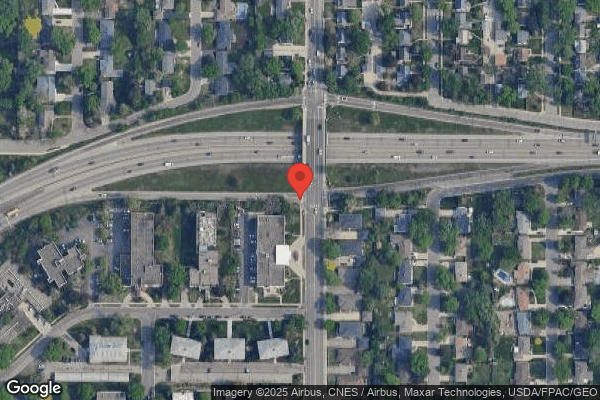
6200 XERXES AVENUE SOUTH, MINNEAPOLIS, MN 55423 (952) 925-8500
For profit - Partnership 80 Beds EDEN SENIOR CARE Data: November 2025
Trust Grade
60/100
#164 of 337 in MN
Last Inspection: October 2024

Within standard 12-15 month inspection cycle. Federal law requires annual inspections.

Overview

Edenbrook of Edina has a Trust Grade of C+, indicating it is slightly above average, but not without its concerns. It ranks #164 out of 337 facilities in Minnesota, placing it in the top half, and #26 out of 53 in Hennepin County, showing that there are only a few local options that are better. Unfortunately, the facility's trend is worsening, with issues increasing from 13 in 2023 to 14 in 2024. Staffing is a relative strength, earning 4 out of 5 stars and having a turnover rate of 48%, which is on par with the state average. There have been no fines, which is a positive sign; however, there have been specific incidents, such as a medication refrigerator being left open and unsecured medications potentially accessible to residents, raising concerns about safety and sanitation. Overall, while the staffing and fine record are positive, the facility's increasing number of issues and the recent findings regarding medication and food safety are areas that families should carefully consider.

Trust Score
C+
60/100
In Minnesota
#164/337
Top 48%
Safety Record
Low Risk
No red flags
Inspections
Getting Worse
13 → 14 violations
Staff Stability
⚠ Watch
48% turnover. Above average. Higher turnover means staff may not know residents' routines.
Penalties
✓ Good
No fines on record. Clean compliance history, better than most Minnesota facilities.
Skilled Nurses
✓ Good
Each resident gets 67 minutes of Registered Nurse (RN) attention daily — more than 97% of Minnesota nursing homes. RNs are the most trained staff who catch health problems before they become serious.
Violations
⚠ Watch
36 deficiencies on record. Higher than average. Multiple issues found across inspections.
★★★☆☆
3.0
Overall Rating
★★★★☆
4.0
Staff Levels
★★★★☆
4.0
Care Quality
★★★☆☆
3.0
Inspection Score
Stable
2023: 13 issues
2024: 14 issues

The Good

  • 4-Star Staffing Rating · Above-average nurse staffing levels
  • 4-Star Quality Measures · Strong clinical quality outcomes
  • Full Sprinkler Coverage · Fire safety systems throughout facility
  • No fines on record

Facility shows strength in staffing levels, quality measures, fire safety.

The Bad

3-Star Overall Rating

Near Minnesota average (3.2)

Meets federal standards, typical of most facilities

Staff Turnover: 48%

Near Minnesota avg (46%)

Higher turnover may affect care consistency

Chain: EDEN SENIOR CARE

Part of a multi-facility chain

Ask about local staffing decisions and management

The Ugly 36 deficiencies on record

Dec 2024 3 deficiencies
CONCERN (D) 📢 Someone Reported This

A family member, employee, or ombudsman was alarmed enough to file a formal complaint

Potential for Harm - no one hurt, but risky conditions existed

Safe Environment (Tag F0584)

Could have caused harm · This affected 1 resident

**NOTE- TERMS IN BRACKETS HAVE BEEN EDITED TO PROTECT CONFIDENTIALITY** Based on observation, interview, and record review the facility failed to provide a clean, comfortable, and homelike environment...

Read full inspector narrative →
**NOTE- TERMS IN BRACKETS HAVE BEEN EDITED TO PROTECT CONFIDENTIALITY** Based on observation, interview, and record review the facility failed to provide a clean, comfortable, and homelike environment for 2 of 3 residents assessed (R1 and R3). R1's room was observed having the bed made over a urine-soiled facility bath blanket. R3's room was cluttered with facility supplies covering up furniture and clean supplies found on the floor. Findings include: R1's admission Minimum Data Set (MDS) dated [DATE] indicated R1 had a Brief Inventory of Mental Status (BIMs) score of 10 indicating R1 had moderate cognitive impairment. R1 required maximum assistance with toileting hygiene, dressing, personal hygiene and transferring. R1's pertinent diagnoses were left femur (hip) fracture, chronic respiratory failure, and unspecified intellectual disabilities. R1 was frequently incontinent of bowel and bladder. R1's care plan revision dated 11/13/24 indicated R1 had functional bladder incontinence. Her interventions were to clean peri-area with each incontinent episode. Monitor for signs and symptoms of a urinary tract infection. R1 had a voiding routine to be offered toileting, check, and change at rising, before and after meals at bedtime and as needed. Upon interview on 12/30/24 at 12:37 p.m. R1 stated she often has to pee in her incontinent brief in the night because staff does not answer her call light in time or staff will tell R1 to urinate in her incontinent brief and they will change her, but urine gets on her bedding. R1 stated on 12/29/24 she had to ask the staff three times to change her bedding because it was wet and smelled of urine. The bedding was change on 12/30/24 per R1. Upon interview on 12/30/24 at 1:34 p.m. R1's family member (FM)-A stated she had visited R1, and her room had a urine odor to it. She stated she was not certain where the odor was coming from. Upon interview on 12/30/24 at 1:50 p.m. R1's family member (FM)-B stated R1's bed and blankets smelled of urine when she had visited. She stated she has called the facility to make sure R1 was not put to bed in a bed that smelled of urine. Upon observation and interview on 12/31/24 at 9:05 a.m. R1 asked surveyor to look at her bed because staff had made the bed covering up urine. R1 stated the night staff told her to urinate in her incontinent pad again and that leaves her bed soiled. R1's bed was found to have wet light-yellow urine seeped area approximately 10 inches in circumference on a bath blanket that was folded across the center of R1's bed between her top and bottom sheet. A sheet and comforter were covering the soiled area. A slight odor was noted. Upon observation and interview on 12/31/24 at 9:31 a.m. R1 told nursing assistant (NA)-A that her bed was soiled. NA-A pulled back R1's comforter and top sheet noting the soiled area. Registered nurse (RN)-A was also observing in the room and stated she could see and smell the urine from approximately 12 feet away from the bed. NA-A took the soiled bath blanket off the bed and placed a clean bath blanket in the bed. NA-A did not change the top sheet which had been in contact with the soiled bath blanket. R3's significant change MDS dated [DATE] indicated R3 had a BIMs score of 15 indicating R3 had no cognitive impairment. R3's behavior status indicated he rejected cares 1-3 days out of 7. R3 was totally dependent upon staff for oral hygiene, toileting hygiene, showering, lower body dressing, personal hygiene and transferring. R3 was always incontinent of bowel and bladder. R3's pertinent diagnoses were chronic congestive heart failure, acute respiratory failure, acute pulmonary edema (fluid in the lungs), type II Diabetes, morbid obesity, absence of left foot, contracture (shortening of muscles, tendons or ligaments that limits movement) of the left hand, acquired absence of the right leg below the knee. Upon observation on 12/31/24 at 12:20 p.m. R3 had a large electric wheelchair in front of his bathroom with oxygen tubing laying on the floor. Along the wall on the side of the head of his bed was a chair, a commode (a portable toilet), and a bedside table. On the floor next to the chair was a basin with mail and an old medication box. On the chair was a sterile wound draping cloth, a bath blanket and a plastic basin filled with wound supplies. Underneath the chair were socks and a Chux pad (a disposable under pad for a bed or furniture). Next to the chair was R3's commode, which was covered with two sterile wound drapes, wound supplies, unfolded bed sheets, a facility bed spread, a hanger, a hospital gown and other clothing. Below the commode was an empty plastic gallon jug, a clean incontinence pad and oxygen tubing. Next to the commode was a bedside table piled with incontinence wipes, a razor, incontinence briefs, old medication boxes, rubber gloves and some bottled lotions. On the floor between the bedside table and the bed was a wound care sterile drape and a clean incontinence pad. The wall on that same side of the room was missing paint in area approximately 3 feet x 1 foot, it appeared the paint had been scraped off. On the adjacent side of R3's room was another bedside table with a small refrigerator on top, a plastic laundry bin and another chair. There were three plastic bags on the floor filled with unidentified items. The laundry bin was overflowing with clothing. The chair had dirty laundry on it, the sling used for R3's EZ stand (a machinal lift to stand people) and an empty plastic bin. The wall under the window beside R3's bed had what appeared to be multiple small areas of food stains. Upon interview on 12/31/24 at 12:30 p.m. R1 stated he was not certain if the bedding on the commode was clean or dirty. He stated did not believe the facility was using the oxygen tubing that was on the floor, if he noticed that it was being used, he would have stopped them. He stated he would like his room clean, so his family had a place to sit when they visit. He stated he asked staff about a week ago if his would care items could all be placed in a plastic bin, so they were not spread all over his room. Upon observation and interview on 12/31/24 at 12:46 p.m. the assistant director of nursing (ADON) stated R3 had been in and out of the hospital frequently and some of the bags on the floor were items from the hospital. The ADON stated she was not certain if the linens on his commode and chair were clean or dirty. She stated the supplies that were on the floor should not have been there. She told R3 that she and housekeeping would clean his room after lunch and any items in question would be laundered. The room was cleaned. Upon interview on 12/31/24 at 2:45 p.m. the Director of Nursing stated beds should not be made if they are soiled. In addition, she stated R3 had the right to have his room the way that he wanted it. She also stated that the facility ADON completed an audit every week and one of the questions to all the residents was if there were anything they would like done in their room and R3 had stated no. The DON stated she was just informed on 12/30/24 that R3 would like a bin for his wound care supplies and was in the process of getting him one. A policy regarding a homelike environment was requested however none was received.
CONCERN (D) 📢 Someone Reported This

A family member, employee, or ombudsman was alarmed enough to file a formal complaint

Potential for Harm - no one hurt, but risky conditions existed

Comprehensive Care Plan (Tag F0656)

Could have caused harm · This affected 1 resident

**NOTE- TERMS IN BRACKETS HAVE BEEN EDITED TO PROTECT CONFIDENTIALITY** Based on interview and document review the facility failed to ensure the comprehensive care plan was developed to implement care...

Read full inspector narrative →
**NOTE- TERMS IN BRACKETS HAVE BEEN EDITED TO PROTECT CONFIDENTIALITY** Based on interview and document review the facility failed to ensure the comprehensive care plan was developed to implement cares and services for a leg prosthetic for 1 of 1 resident (R3) reviewed. R3's care plan did not have any person-centered details for R3's prosthetic placement or use. In addition, R3's comprehensive assessment did not indicate R3 had a leg prosthetic. Findings include: R3's significant change MDS dated [DATE] indicated R3 had a BIMs score of 15 indicating R3 had no cognitive impairment. R3's behavior status indicated he rejected cares 1-3 days out of 7. R3 was totally dependent upon staff for oral hygiene, toileting hygiene, showering, lower body dressing, personal hygiene and transferring. R3 was always incontinent of bowel and bladder. R3 was not on a bowel toileting program. R3's pertinent diagnoses were chronic congestive heart failure, acute respiratory failure, acute pulmonary edema (fluid in the lungs), type II Diabetes, morbid obesity, absence of left foot, contracture (shortening of muscles, tendons or ligaments that limits movement) of the left hand, acquired absence of the right leg below the knee. R3's MDS did not indicate R3 had a leg prosthesis. R3's care plan with a revision date of 5/14/24 indicated R3 had an activity of daily living performance deficit related to decreased mobility secondary to below the knee amputation of the right leg and trans metatarsal (procedure that removes part of the foot) amputation of the left foot. R3's interventions included: [NAME] (to place on) prosthesis daily as resident allows. R3's care plan with a revision date of 8/15/24 indicated R3 had a physical mobility related to decreased mobility secondary to below the knee amputation of the right leg and trans metatarsal (part of the foot) amputation of the left toes. R3's interventions included: Ambulation/locomotion - wheelchair - electric independent, no walking, transfer assistant of two staff members with an EZ-stand (a mechanical lift to assist residents from a sitting to standing position). R3's care plan did not indicate when the prosthesis was to be used, how to place the prosthetic and if the prosthesis was required with the use of the EZ-stand. R3's [NAME] dated 12/31/24 indicated R3 was to ambulate using an electric wheelchair and was independent. He was to transfer with two staff members and the EZ-stand. The [NAME] have any documentation regarding R3's prosthetic. Upon interview on 12/31/24 at 12:30 p.m. R3 stated he does refuse to wear his prosthesis when he is in bed and does not wear it when he goes out of the facility for dialysis. He stated he has swelling in his leg and the prosthesis became painful and irritated him. He stated when physical therapy (PT) put the prosthesis on, they do it quickly and it feels right. When the floor staff put it on it takes them a long-time and it does not feel right. R3 stated he had to tell staff how to put the prosthetic on as many do not know to use the prosthetic sock liner. Upon interview on 12/31/24 at 12:46 p.m. the assistant director or nursing (ADON) stated she stated she was not certain how staff were trained on R3's prosthesis or the details of the care plan. Upon interview on 12/31/24 at 1:08 p.m. nursing assistant, NA-B stated she had worked with R3. NA-B was not certain whether he was required to wear the prosthesis when he was being transferred or not. She stated the answer would be on R3's [NAME]. NA-B denied any specific training with R3's prosthesis. She stated she recalled from her nursing assistant course to make sure to lock a prosthesis, but could not recall exactly how to lock R3's. Upon observation interview on 12/31/24 at 1:40 p.m. NA-C stated he knew how to put R3's prosthesis on. He had not been trained specifically through the facility but had been a nursing assistant for many years and had learned at other facilities throughout his career. He stated R3 would direct staff on how to put the prosthetic on by telling them to place his special sock on and how to place the metal parts together forming a clicking sound. NA-C reviewed R3's [NAME] on his computer to show the surveyor how the [NAME] read for R3's prosthesis and stated R3's prosthetic was not on the [NAME] therefor nursing assistant staff would not know exactly what to do. Upon interview on 12/31/24 at 2:20 p.m. the director of physical therapy (PT)-A stated it is understandable that the nursing assistants may not be as quick as the therapies when donning the prosthetic. He stated most prosthetics use a pin system and are straight forward to use, however not all prosthetics are the same. He was not certain how the nursing assistants were trained. He stated a resident with a leg prosthetic would not always need to wear the prosthetic when using the EZ-stand however in R3's case due to balancing concerns with his left hand it is advised and should be on the care plan. Upon interview on 12/31/24 at 2:45 p.m. the Director of Nursing verified R3's prosthetic was not on the nursing assistants [NAME]. She stated the reason nursing had not populated it when producing the care plan. In addition, she stated that the care plan identified R3 had a prosthesis and to [NAME] it as resident allows. She stated the nursing assistant staff is taught prosthetic cares in their nursing assistant training course therefor they were aware of how to use, not requiring anything more specific on the care plan. A facility policy titled Care Plan - Baseline and Comprehensive with a revision date of 6/20/23 indicated that each resident was to receive care individualized to him or herself and that that goals and approaches for care are communicated to all parties including caregivers, the resident, and the resident's representative.
CONCERN (D) 📢 Someone Reported This

A family member, employee, or ombudsman was alarmed enough to file a formal complaint

Potential for Harm - no one hurt, but risky conditions existed

Deficiency F0676 (Tag F0676)

Could have caused harm · This affected 1 resident

**NOTE- TERMS IN BRACKETS HAVE BEEN EDITED TO PROTECT CONFIDENTIALITY** Based on interview and record review the facility failed to meet a resident needs and choices to perform activities of daily liv...

Read full inspector narrative →
**NOTE- TERMS IN BRACKETS HAVE BEEN EDITED TO PROTECT CONFIDENTIALITY** Based on interview and record review the facility failed to meet a resident needs and choices to perform activities of daily living of toileting for 1 of 3 residents (R3) reviewed when R3 wore an incontinent brief for toileting. R3 had a below the knee leg prosthesis and was unable to use his preferred method of toileting due to staff not able to apply the prosthesis in a timely manner to transfer R3 to the toilet or commode chair (a portable toilet chair) as indicated on R3's care plan. Findings include: R3's significant change MDS dated [DATE] indicated R3 had a BIMs score of 15 indicating R3 had no cognitive impairment. R3's behavior status indicated he rejected cares 1-3 days out of 7. R3 was totally dependent upon staff for oral hygiene, toileting hygiene, showering, lower body dressing, personal hygiene and transferring. R3 was always incontinent of bowel and bladder. R3 was not on a bowel toileting program. R3's pertinent diagnoses were chronic congestive heart failure, acute respiratory failure, acute pulmonary edema (fluid in the lungs), type II Diabetes, morbid obesity, absence of left foot, contracture (shortening of muscles, tendons or ligaments that limits movement) of the left hand, acquired absence of the right leg below the knee. R3 was not receiving amputation/prostheses care from restorative nursing program in training and skill practice. R3's quarterly assessment dated [DATE] indicated R3 was always incontinent of bowel. There were factors/conditions impacting his bowel continence identified. The assessment did not indicate any medications that may affect bowel incontinence. The assessment did not indicate any other contributing factors such as requiring physical assistance to the toilet. R3's perception to defecate was absent. R3 did not have an elimination pattern. R3 was on a toileting program to manage his bowel incontinence and the program was effective. The assessment did not show any documentation of what the toileting plan was. There were not bowel concerns identified. Upon record review of R3's progress notes dated 9/29/24 - 12/30/24 there was no documentation about R3's toileting indicating there were no attempts at alternative measures for R3 to be free from wearing an incontinent brief. R3's care plan dated 1/19/23 indicated R3 had an actual/potential for alteration in elimination related to decreased mobility secondary to below the knee amputation of right leg. R3's interventions included: Incontinence care after each incontinent episode and monitor for signs and symptoms of a urinary tract infection (UTI). R3's care plan dated 4/28/23 indicated R3 had a risk for constipation related to narcotic use. R3's interventions were: -Encourage resident to sit on toilet to evacuate bowels if possible. -Ensure residents feet are flat on the floor or flat on an elevated support during evacuation. Knees should be at 90 degrees or above hip height to promote ease of evacuation where possible. -Follow facility bowel protocol for bowel movement. -Monitor medications for side effects of constipation. Keep physician informed of any problems. -Monitor/document/report as needed signs and symptoms of constipation. -Record bowel movement pattern each day. Describe the amount, color, and consistency. R3's care plan revision of 5/14/24 indicated R3 had an activity of daily living performance deficit related to decreased mobility secondary to below the knee amputation of the right leg and trans metatarsal (procedure that removes part of the foot) amputation of the left foot. R3's interventions included: Don (to place on) prosthesis daily as resident allows. R3's care plan with a revision date of 8/15/24 indicated R3 had a physical mobility related to decreased mobility secondary to below the knee amputation of the right leg and trans metatarsal (part of the foot) amputation of the left toes. R3's interventions included: Ambulation/locomotion - wheelchair - electric independent, no walking, transfer assistant of two staff members with an EZ-stand. R3's quarterly assessment dated [DATE] indicated R3 was always incontinent of bowels. The factors/conditions impacting bowel continence was obesity and lower extremity amputation. R3 was taking laxatives and narcotics. Other contributing factors included impaired decision-making skills, depression, and anxiety. R3's perception to defecate was diminished. R3 did not have an apparent usual elimination pattern. R3 was not on a toileting program. The question Is current toileting schedule effective in management the resident's bowel continence was answered not applicable N/A. The question if bowel program is not effective: new intervention to be up in place was left blank. There not bowel concerns indicated. The assessment failed to indicate R3's preferences. R3's [NAME] dated 12/31/24 indicated R3 was to ambulate using an electric wheelchair and was independent. He was to transfer with two staff members and the EZ-stand. R3 was to have incontinence care after each incontinent episode. Upon interview on 12/31/24 at 12:30 p.m. R3 stated he felt like a baby because the facility puts a diaper on him. He stated he didn't have a choice because he knows when he has to have a bowel movement, but by the time two staff members come to his room and put his prosthesis (a custom-made replacement for an amputated leg) on and place him in the EZ-stand he had soiled himself at times. He does refuse to wear his prosthesis when he is in bed and does not wear it when he goes out of the facility for dialysis. He stated he has swelling in his leg and the prosthesis became painful and irritated him. He stated when physical therapy (PT) put the prosthesis on, they do it quickly and it feels right. When the floor staff put it on it takes them a long-time and it does not feel right. R3 stated he does not get asked if he wants to use the commode in his room or the toilet, I am expected to use the diaper. R3 denied being about a toileting plan or being asked if the toileting plan the facility documented having in place was working for him. R3 had not been offered or tried any other toileting alternatives. Upon interview on 12/31/24 at 12:46 p.m. the assistant director or nursing (ADON) stated R3 had been fitted for a specific type of brief and she believed he wanted to wear incontinent briefs. She stated she was certain he wanted to the wear the briefs to his dialysis appointments because toileting was very difficult there. The ADON stated R3 was aware when he needs to have a bowel movement, but she had witnessed him on a p.m. shift refuse to put the prosthesis on for his transfer to get to the toilet. The ADON denied trying any alternative methods to assist R3 to not having to wear an incontinent pad. Upon interview on 12/31/24 at 1:40 p.m. NA-C stated he knew how to put R3's prosthesis on. He had not been trained specifically through the facility but had been a nursing assistant for many years and had learned at other facilities throughout his career. He stated R3 would direct staff on how to put the prosthetic on by telling them to place his special sock on and how to place the metal parts together forming a clicking sound. He stated R3 wore a brief and would call for assistance when needed to be cleaned up after having a bowel movement. He stated he did not ask R3 if he wanted to use the commode or toilet as he did not think that was R3's wishes. Upon interview on 12/31/24 at 2:45 p.m. the Director of Nursing stated the facilities plan was to have R3 use the toilet or commode, but since R3 would refuse to wear the prosthetic R3 needed to wear an incontinence pad. The DON was not aware of R3's wishes to not wear an incontinence pad for toileting. An email correspondence from the DON dated 1/6/24 at 3:28 p.m. indicated R3's care plan had him listed as incontinent. He had quarterly assessments in September and December which addressed his bowel and bladder status. In September it was noted that his perception of need to defecate was absent. In December, the perception of need to defecate was diminished. Both assessments note he is incontinent. With his preference of not wearing his prosthetic leg during the day and a diminished ability or absent ability to note the need to defecate, staff were not utilizing the commode as it was no longer appropriate. No findings of other alternative methods were sent post survey. A facility policy regarding activities of daily living as requested however none provided.
Oct 2024 2 deficiencies
CONCERN (D)

Potential for Harm - no one hurt, but risky conditions existed

Deficiency F0554 (Tag F0554)

Could have caused harm · This affected 1 resident

**NOTE- TERMS IN BRACKETS HAVE BEEN EDITED TO PROTECT CONFIDENTIALITY** R54's admission MDS dated [DATE], indicated she had intact cognition and was not receiving any scheduled or as needed (PRN) pain...

Read full inspector narrative →
**NOTE- TERMS IN BRACKETS HAVE BEEN EDITED TO PROTECT CONFIDENTIALITY** R54's admission MDS dated [DATE], indicated she had intact cognition and was not receiving any scheduled or as needed (PRN) pain medications. Additionally, the MDS indicated R54 rarely had pain that interfered with her daily activities or sleep. R54's medical diagnoses included heart failure, atrial fibrillation (an irregular heartbeat), high blood pressure, kidney failure, and chronic obstructive pulmonary disease (COPD, or a group of lung diseases that causes breathing difficulties by restricting airflow to the lungs). R54's functional abilities Care Area Assessment (CAA) dated 9/23/24, indicated she had physical limitations resulting in a need for assistance with self-care. R54's electronic health record was reviewed on 10/28/24 and lacked documentation of a self-administration of medication assessment. R54's order summary, printed 10/31/24, lacked documentation of orders for Icy Hot pain relief roll-on as well as an order for self-administration of medications. During observation on 10/28/24 at 5:05 p.m., R54 sat in her room next to her bed. There was a bottle of Icy Hot roll-on pain reliver in the bag attached to her walker. R54 stated the previous night or two ago, she had pain in her legs overnight and she requested nursing staff to help her apply the Icy Hot. She stated it was effective at relieving her pain. During observation of morning cares on 10/30/24 at 7:44 a.m., NA-B reported NAs could apply barrier creams and lotions to residents but could not apply prescription creams or other topical agents. NA-B stated for topical pain relief medications, even over-the-counter (OTC), needed to be applied by a nurse. NA-B said if NAs saw any medications, topical agents or otherwise, they should be taken out of a resident's room and given to the nurse. NA-B confirmed there was a bottle of Icy Hot pain relief roll-on on R54's bedside table and stated she could apply that herself but sometimes would ask for staff's assistance. NA-B stated belief that the Icy Hot was a PRN and was not worried about the bottle being left in R54's room, and said, that is okay here. During observation and interview on 10/30/24 at 8:44 a.m., licensed practical nurse (LPN)-B prepared medications for administration and knocked on R54's door, introduced self and the task. LPN-B verified R54 had the Icy Hot pain relief roll-on at her bedside. After exiting the room, LPN-B reviewed R54's medical record and verified there was no order for the Icy Hot. LPN-B knocked on R54's door again, entered and retrieved the bottle of Icy Hot and returned to the medication cart. LPN-B reviewed the medical record and verified R54 did not have a self-administration assessment, nor did she have a provider's order for self-administration of medications. LPN-A stated if R54 wanted to apply the Icy Hot herself, she would need to be assessed for self-administration of medications before the facility obtained a provider's order that she was okay to self-administer medications. During interview on 10/31/24 at 2:38 p.m., the DON stated staff were expected to complete a self-administration screening, obtain a provider's order for self-administration, then update the resident's care plan if a resident wanted to self-administer any medication, including OTC products like Icy Hot. The DON stated the struggle the facility faced was residents and guests bringing in outside medications and not notifying nursing staff. The DON expected staff to remove medications, including OTC products and topical agents, from a resident's room and bring them to the nurse. A facility policy titled Medication Self Administration last revised 2/12/24, directed licensed staff to complete a screen to determine factors that may impact safe administration of medications. If the resident was deemed appropriate to self-administer medications, staff were guided to obtain a physician order and care plan the self-administration of medications with interventions specific to the individual resident. R15's quarterly Minimum Data Set (MDS) 8/12/24, indicated R15 was cognitively intact and varied from set-up to dependent assistance with activities of daily living (ADLs). R15's medical record lacked assessment for self-administration of medications. R15's physician's orders did not indicate R15 was able to self-administer medications. R15's care plan printed 10/31/24, directed staff to administer medications as ordered and did not indicate R15 self-administered medication. During observation on 10/29/24 at 8:22 a.m., R15 sat in the dining room eating breakfast with multiple medications in a cup next to his plate. Two dining services staff plated food and served residents. Multiple dining services staff and NAs entered and exited the dining room and served other residents in dining room or obtained a tray for delivery to a resident room. When interviewed on 10/29/24 at 8:35 a.m., NA-A stated nurses brought residents medications and made sure they were taken. NA-A confirmed medications were next to R15 without licensed staff, and R15 started to take his medications independently. When interviewed on 10/29/24 at 1:59 p.m., R15 stated staff usually left him with his medications and water, and R15 took his medications after he finished breakfast. When interviewed on 10/29/24 at 2:02 p.m., licensed practical nurse (LPN)-A stated residents required an order and care plan to leave medications with them. LPN-A stated R15 preferred to take his medications in the dining area and had been his routine for months. LPN-A did not know if R15 had an order or care plan for self-administration of medications. LPN-A verified they left the medications with R15 at breakfast and stated R15 got anxious when staff watched him take medications. R15 stated self-administration assessments were important for resident safety. When interviewed on 10/31/24 at 2:27 p.m., assistant director of nursing (ADON)-C stated residents needed a self-administration assessment and order from the provider for medications to be left with a resident. ADON-C stated it was important to assess a resident before leaving them to take medication without licensed staff supervision to ensure resident was able to swallow their medication without choking or dropping on floor. ADON-C confirmed R15 did not have orders, care plan, or assessment for self-administration of medications. On 10/31/24 at 4:36 p.m., the DON, expected staff giving medication to stay with resident until medications taken unless resident had an assessment, orders, and care plan for self-administration of medications. DON stated R15 did not like nursing standing over him, and staff should have followed proper procedure. Based on observation, interview, and document review, the facility failed to ensure a self-administration of medications (SAM) assessment and a physician's order was completed to allow a resident to safely administer their own medication for 3 of 4 residents (R263, R15, R54) observed with unattended medication. Findings include: R263's admission Record dated 10/31/24, identified admission on [DATE], with diagnoses including orthopedic aftercare following surgical amputation and type one diabetes mellitus. R263's undated assessments list lacked a SAM evaluation for insulin until 10/28/24. R653's baseline care plan and comprehensive care plan dated 10/26/24, identified he could communicate easily and understand staff, however, lacked an assessment for SAM of home insulin until 10/28/24. R263's progress notes lacked assessment of SAM for home insulin. The progress notes lacked determination of R263's clinical appropriateness to SAM insulin, or involvement of the interdisciplinary team (IDT), including the physician, on the decision for R263 to SAM insulin. R263's behavior tracking dated 10/26/24 through 10/31/24, lacked any refusal of care. R263's Order Summary Report dated 10/31/24, lacked an order to SAM until 10/28/24. R263's Medication Administration Record (MAR) dated 10/26/24 through 10/31/24, identified an admission order for insulin regular (Human) inject six units subcutaneously with meals for diabetes mellitus (DM) and insulin regular (Human) inject per sliding scale if 151 to 200, give 2 units; 201 to 250 give 4 units, 251 to 300 give 6 units, 301 to 350 give 8 units, 351 to 400 give 10 units and call provider. No insulin was documented as administered on 10/26/24. R263's blood sugar summary dated 10/31/24, identified no blood sugars recorded on 10/26/24, on the day of admission. The readings on 10/27/24, ranged from 113 to 324 and on 10/28/24, 186 to 383. During an interview and observation on 10/28/24 at 12:21 p.m., R263 was awake and in bed watching TV. A mostly full Humulin R insulin bottle was observed on the bedside table. The bottle was not labeled with a date when opened. There was also small, narrow syringe without markings on it for dosing on the bedside table. His left upper arm had a continuous blood glucose monitor (CBGM). R263 stated he could check his blood sugar readings at any time on the CBGM. R263 stated his goal blood sugar was 120 and he would take 4.5 units of insulin for every 100 that his blood sugar was over 120, which conflicted with the physician's orders on the MAR. R263 stated the insulin and syringe were brought from home, he administered it himself, and that the nurse was aware from his admission on the weekend. R263 stated he had been managing his own diabetes and insulin for 60 years. Nursing assistant (NA)-C entered the room, took the urinal which was on the same bedside table as the insulin and syringe, emptied the urinal in the bathroom, rinsed it, returned it to the bedside table right next to the insulin and syringe, bagged garbage and linen and exited the room. During a follow up interview on 10/28/24 1:53 p.m., NA-C was unable to answer the process if she observed medications in a resident's room. When asked if she should let the nurse know, she replied yes. During an interview on 10/28/24 at 1:54 p.m., registered nurse (RN)-B stated he completed R263's admission assessments on 10/26/24. RN-B stated R263 administered his own insulin over the past two days since admission. RN-B stated he would ask R263 what his blood sugar was and how much insulin he administered and would then document those amounts in the MAR. RN-B stated R263 said he knew how to SAM insulin; however, a SAM assessment for safety was not completed and should have been, along with notifying the physician for an order. During a follow up observation on 10/28/24 at 3:12 p.m., the home insulin was no longer on R263's bedside table and syringe was gone. During a follow up interview and observation on 10/28/24 at 5:54 p.m., the director of nursing (DON), obtained the current blood sugar results from R263 and drew up the prescribed dosage of insulin. The DON entered R263's room with his evening insulin and explained the process for SAM while in the facility. The DON completed a SAM assessment with R263 which verified he was able to SAM insulin after nursing set up. The DON stated a R263's SAM assessment should be done and documented prior to actual SAM to assess for safety and ability.
CONCERN (D)

Potential for Harm - no one hurt, but risky conditions existed

Safe Environment (Tag F0584)

Could have caused harm · This affected 1 resident

**NOTE- TERMS IN BRACKETS HAVE BEEN EDITED TO PROTECT CONFIDENTIALITY** Based on observation and interview, the facility failed to provide a homelike environment for 1 of 1 resident (R27) reviewed who...

Read full inspector narrative →
**NOTE- TERMS IN BRACKETS HAVE BEEN EDITED TO PROTECT CONFIDENTIALITY** Based on observation and interview, the facility failed to provide a homelike environment for 1 of 1 resident (R27) reviewed who had an unclean tube feeding pole. Findings include: R27's quarterly Minimum Data Set (MDS) dated [DATE], indicated R27 was severely cognitively impaired, dependent on staff for all activities of daily living, had diagnoses of traumatic brain injury and dementia, and indicated they had a feeding tube through which they received more than 50% of their nutrition. During observation on 10/28/24 at 2:14 p.m., R27 was in his room with tube feeding running. The tube feeding pump was attached to a pole, which had smudged areas down most of the pole. The legs of the base had multiple drops and streaks of tannish colored substance which were scattered and approximately covered a quarter of the surface area of two legs. One of the legs of the base had a thick area approximately three by two and a half inches of crusted tannish colored substance, and the floor had four tannish colored drops approximately three quarters of an inch When interviewed on 10/28/24 at 3:53 p.m., registered nurse (RN)-A stated staff cleaned the tube feeding pole when they noticed it was dirty and did not document. RN looked at R27's tube feeding pole, base, and floor and verified cleaning was needed. RN-A stated there were infection concerns and added the tube feeding pole was not a good picture. When interviewed on 10/31/24 at 12:36 p.m., licensed practical nurse (LPN)-B stated they did not clean tube feeding poles on day shift, did not know what the routine was, and different shifts completed different tasks. LPN-B stated they wiped down tube feeding poles if they saw it was needed. LPN-B stated tube feeding poles were cleaned for infection control and resident dignity. When interviewed on 10/31/24 at 4:36 p.m., director of nursing (DON) expected staff to clean tube feeding poles.
Oct 2024 2 deficiencies
CONCERN (D) 📢 Someone Reported This

A family member, employee, or ombudsman was alarmed enough to file a formal complaint

Potential for Harm - no one hurt, but risky conditions existed

Quality of Care (Tag F0684)

Could have caused harm · This affected 1 resident

**NOTE- TERMS IN BRACKETS HAVE BEEN EDITED TO PROTECT CONFIDENTIALITY** Based on observation, interview and document review, the facility failed to provide treatment to a skin tear and documented it h...

Read full inspector narrative →
**NOTE- TERMS IN BRACKETS HAVE BEEN EDITED TO PROTECT CONFIDENTIALITY** Based on observation, interview and document review, the facility failed to provide treatment to a skin tear and documented it had been completed for 1 of 4 residents (R3) reviewed for wound care. In addition, the facility falsely documented wound care was being provided for 2 of 4 residents (R4, R5) reviewed for wound care whose wounds had been resolved. Findings include: R3 R3's Face Sheet indicated R5 had diagnoses of paraplegia (paralysis caused by spinal injury or disease), peripheral vascular disease (abnormal narrowing of arteries other than those that supply the heart or brain), and methicillin resistant staphylococcus aureus infection (MRSA, a type of bacteria that has developed resistance to antibiotics). R3's quarterly Minimum Data Set (MDS) dated [DATE] indicated R3 was cognitively intact and required the assist of two staff for toileting, transfers, and bed mobility. R3's progress note dated 7/20/24, indicated R3 was noted to have a skin tear on his right lower leg. R3 stated it may have been from accidentally hitting a doorway. R3's Physician Orders dated 9/12/24, directed wound care on left lower leg: Cleanse with normal saline and pat dry. Apply a nickel thick Santyl (ointment that removes dead skin) to the wound bed over slough, and cover with foam dressing. Change daily on evening shift and as needed. R3's Wound Evaluation Form dated 10/9/24 indicated his front right lateral lower leg wound was improving. It measured 2.04 centimeters (cm) length by 1.16 cm width. There was no evidence of infection, it had moderate serous exudate define. R3's Wound Evaluation Form dated 10/15/24 indicated his front right lateral lower leg wound was improving. It measured 1.67 cm length by 1.11cm width. There were no signs of infection. There were no other descriptive details documented about the wound. R3's October treatment administration record (TAR) had the following documentation: -Licensed practical nurse (LPN)-C documented she completed wound care on 10/10/24 and 10/11/24. -Registered nurse (RN)-A was scheduled the evening of 10/12/24. The 10/12/24 box was left blank. RN-A documented she completed wound care on 10/13/24 -RN-B documented he completed wound care on 10/14/24. On 10/14/24 at 10:30 a.m., R3 was observed. The date on R3's dressing was 10/10/24. R3 stated the skin tear was from being scraped a few times while being in the shower chair. He stated the last time the dressing was changed was on 10/10/24. On 10/15/24 at 8:43 a.m., R3 was interviewed again. R3 stated he did not receive wound care on the evening of 10/14/24. The bandage was observed to have a date of 10/10/24 on it. On 10/15/24 at 8:55 a.m., director of nursing (DON)-A and DON-B entered the room to provide R3 repositioning and an incontinent brief change. When asked if there were a date or time on the dressing, DON-A verified the dressing had a date of 10/10/24 which indicated it was last changed on 10/10/24. DON-A stated she would have to look at the TAR and ask the nurses what had happened with the wound care. On 10/15/24 at 11:22 a.m., RN-A stated R3 told her the wound care was only supposed to be done once every three days, because the order had recently changed. RN-A stated staff must follow what the resident says if the order was different from the order in the computer. She was not sure who was responsible for managing wound care orders. She left the administration record for the wound care blank on 10/12/24 because there was an issue with the computer, but she did provide the wound care. She was not sure who was responsible for managing wound care orders once the wound was resolved. On 10/15/24 at 11:32 a.m., the medical director (MD) was interviewed. The MD was also responsible for completing wound rounds for R3 and prescribing wound care orders. She stated she had just been to R3's room to assess his wound after the wound care had not been completed for 4 days. R3's wound had continued to improve, it had reduced in size and showed no signs of infection despite wound care treatments not being given. Not following orders was not acceptable. When asked if she had concerns about nurses documenting that wound care orders were completed for wounds that had been resolved, she stated she was honestly not sure what to say. On 10/15/24 at 11:56 a.m., RN-B stated when he charted R3's wound care as being completed when it wasn't, it was an oversight on his part, and he took the blame for it. When a resident had a resolved wound, the nurse should call the physician to discontinue the order, they should not document it as given. R4 R4's annual MDS dated [DATE], indicated R4 was moderately cognitively impaired, and was independent with activities of daily living. R4's Physician Orders dated 8/6/24 directed wound care - right lateral foot: Cleanse with wound cleanser, pat dry, apply antiseptic, cover with foam dressing, once daily. R4's Wound Evaluation Form dated 10/2/24 indicated the wound was surgical and had healed. R4's October TAR indicated wound care was provided from 10/2/24 through 10/14/24 with the exception on the box being blank on 10/12/24. On 10/14/24 at 1:25 p.m., R4 stated there was no bandage on her right foot. R4 took her sock off, and no dressing or open areas were visible. On 10/15/24 at 9:12 a.m., DON-A assessed R4's foot and verified the surgical incision was healed. R5 R5's quarterly MDS dated [DATE], indicated she was cognitively intact, and had no skin conditions. R5's Physician Orders dated 8/16/24 directed skin tear left arm: cleanse area with generic wound cleanser, pat dry, apply oil emulsion, cover with dry dressing. Complete one time a day every 3 days. R5's October TAR indicated the left arm skin tear wound care was completed on 10/1/24, 10/4/24, 10/7/24, 10/10/24, and 10/14/24. R5's Physician Orders dated 9/24/24 directed skin tear left lower leg: cleanse with wound cleanser, pat dry, apply oil emulsion dressing. Cover with dry dressing. One time a day every Monday, Wednesday and Friday. R5's October administration record indicated the left leg skin tear wound care was completed on 10/2/24, 10/4/24, 10/7/24, 10/11/24, and 10/14/24. R5's Physician Orders dated 9/17/24, directed skin tear to left forearm: cleanse area with generic wound cleanser, pat dry. Apply oil emulsion dressing and cover with dry dressing. Change 3 times per week one time a day. R5's October administration record indicated the left forearm skin tear wound care was completed On 10/2/24, 10/4/24, 10/7/24, 10/9/24, 10/11/24, and 10/14/24. On 10/14/24 at 1:34 p.m., R5 stated all of her skin tears have been healed for a long time, she was unable to remember for how long. On 10/15/24 at 9:16 a.m., DON-A verified all three of R5's skin tears were healed. She thought staff were not feeling empowered to discontinue the wound care orders if the wounds were resolved. Nurses could also reach out to her or DON-B to tell them wounds have been resolved, and they could discontinue orders. Nurses should not sign out wound care was completed when it was not. The facility policy Pressure Injury Prevention and Wound Care Management last revised 3/4/24, directed residents who have a pressure injury or wound will receive care and services to promote healing.
CONCERN (D) 📢 Someone Reported This

A family member, employee, or ombudsman was alarmed enough to file a formal complaint

Potential for Harm - no one hurt, but risky conditions existed

Infection Control (Tag F0880)

Could have caused harm · This affected 1 resident

**NOTE- TERMS IN BRACKETS HAVE BEEN EDITED TO PROTECT CONFIDENTIALITY** Based on observation, interview, and record review, the facility failed to utilize enhanced barrier precautions (EBP) for 2 of 5...

Read full inspector narrative →
**NOTE- TERMS IN BRACKETS HAVE BEEN EDITED TO PROTECT CONFIDENTIALITY** Based on observation, interview, and record review, the facility failed to utilize enhanced barrier precautions (EBP) for 2 of 5 residents (R3) observed for personal cares and wound care treatments. Findings include: Per the Centers for Disease Control (CDC) dated 6/28/24: EBP are indicated during high contact care activities for residents with infection or colonization with a CDC targeted multi-drug resistant organisms (MDRO) (when contact precautions do not apply) or for any resident who has a chronic wound and/or indwelling medical device. High-contact resident care activities include dressing, bathing/showering, transferring, toileting, providing hygiene, changing linens or briefs, device care or use: central line, urinary catheter, feeding tube, tracheostomy/ventilator, or wound care: generally, for residents with a chronic wound(s), not skin breaks or tears covered with an adhesive bandage (e.g., Band-Aid) or similar dressing. R3's Face Sheet indicated R5 had diagnoses of paraplegia (paralysis caused by spinal injury or disease), peripheral vascular disease (abnormal narrowing of arteries other than those that supply the heart or brain), and methicillin resistant staphylococcus aureus infection (MRSA, a type of bacteria that has developed resistance to antibiotics). R3's quarterly Minimum Data Set (MDS) dated [DATE] indicated R3 was cognitively intact, and required the assist of two staff for toileting, transfers, and bed mobility. R3's care plan dated 10/14/24, indicated R3 had a history of MRSA and required EBP. R3's Physician Orders dated 9/12/24, directed wound care on left lower leg: Cleanse with normal saline and pat dry. Apply a nickel thick Santyl (ointment that removes dead skin) to the wound bed over slough, and cover with foam dressing. Change daily on evening shift and as needed. On 10/14/24 at 10:16 a.m., licensed practical nurse (LPN)-A entered R3's room to administer a suppository and reposition him. LPN-A donned gloves, but did not donn a gown. R3's door had a sign indicating he required EBP and directed to wear personal protective equipment for high contact care activities. On 10/14/24 at 10:22 a.m., LPN-A stated she went into R3's room to administer a scheduled suppository and repositioned him. LPN-A verified she didn't wear a gown. When asked about the EBP sign on R3's door, LPN-A stated she doesn't wear a gown unless a resident has an active infection, and stated the director of nursing (DON) could answer questions about it. On 10/15/24 at 9:43 a.m., LPN-B was observed wearing a gown and gloves, and providing wound care for R3. LPN-B removed R3's soiled dressing. She cleansed the wound with normal saline, patted it with a sterile dressing, opened the tube of Santyl ointment and applied it to the wound. She touched the trash can and removed the first set of gloves, and was wearing another set of gloves underneath the top set. DON-B entered the room to take a picture of the wound. LPN-B removed the second set of gloves, and without performing hand hygiene, applied a clean dressing without gloves. Outside of R3's room, LPN-B used a hand wipe to cleanse her hands. On 10/15/24 at 10:48 a.m., LPN-B stated hand hygiene should only be completed before and after wound care. LPN-B stated she used double gloves occasionally because she didn't know what to expect, and it was nice to just take the top set of gloves off. On 10/15/24 at 11:14 a.m., DON-B stated hand hygiene should be completed before putting gloves on, when changing gloves, and after soiled items have been touched. Double gloving was not an acceptable practice. On 10/15/24 at 11:22 a.m., registered nurse (RN)-A stated hand hygiene should only be completed before and after wound care was completed. She used double gloves when providing wound care because it was easier than taking gloves on and off. On 10/15/24 at 11:32 a.m., the medical director (MD) stated hand hygiene should be completed when going from dirty to clean, and during every glove change. Double gloving was not an acceptable practice because the second set of gloves would be considered dirty. Staff should follow the EBP signs on the doors, and should be using EBP properly. On 10/15/24 at 1:04 p.m., DON-A stated double gloves were not acceptable and staff had been recently trained in infection control. Hand hygiene should be completed before going into the resident room, when putting new gloves on and removing soiled dressings. Staff had been trained on EBP and should be following policy for wearing gowns. The facility policy Enhanced Barrier Precautions dated 3/26/24 directed EBP will be implemented during high-contact resident care activities when caring for a resident with chronic open wound requiring a dressing or residents with an infection or colonization with and MDRO. The facility policy Pressure Injury Prevention and Wound Care Management last revised 3/4/24, directed to refer to the dressing change policy for detailed policy and procedure for dressing changes. Clean technique for wound and dressing changes are indicated. A policy pertaining to infection control during wound care was requested but not provided.
Aug 2024 1 deficiency
CONCERN (D) 📢 Someone Reported This

A family member, employee, or ombudsman was alarmed enough to file a formal complaint

Potential for Harm - no one hurt, but risky conditions existed

Free from Abuse/Neglect (Tag F0600)

Could have caused harm · This affected 1 resident

**NOTE- TERMS IN BRACKETS HAVE BEEN EDITED TO PROTECT CONFIDENTIALITY** Based on observation, interview and document review, the facility failed to protect a resident while an allegation of abuse was ...

Read full inspector narrative →
**NOTE- TERMS IN BRACKETS HAVE BEEN EDITED TO PROTECT CONFIDENTIALITY** Based on observation, interview and document review, the facility failed to protect a resident while an allegation of abuse was being investigated for 1 of 3 (R1) residents reviewed for abuse. Findings include: R1's Medicare 5 day Minimum Data Set (MDS) dated [DATE], indicated R1 was moderately cognitively impaired, and required the assistance of one staff for eating, transferring, toileting, and bed mobility. R1's Face Sheet undated indicated R1 had diagnoses of type II diabetes, depression, anxiety, cognitive communication deficit, weakness, and dementia. R1's Special Instructions dated 8/5/24, in the electronic health record directed staff to complete Cares in Pairs (two staff present when completing cares). On 8/5/24 at 9:41 a.m., R1 was interviewed. R1 stated staff were rough with him, Yeah they just got real rough. They grabbed me by my shirt and lifted me up. It did hurt. On 8/5/24 at 10:02 a.m., R1's power of attorney (POA) stated a staff member yanked R1 up by his left arm while he was asleep to change his incontinent brief on 7/31/24. R1 told the POA he would be able to identify the staff member. When leadership brought in photos of staff to identify, R1 was unable to identify anyone. On 8/5/24 at 11:01 a.m., R1 was observed in his room. R1 stated he needed to use the bathroom, but he had not put the call light on. Surveyor put the call light on for him. At 11:03 a.m., a nursing assistant (NA)-A came into help. NA-A assisted R1 to use the bathroom without providing Cares in Pairs. On 8/5/24 at 11:34 a.m., NA-A was interviewed. NA-A was not aware staff needed to complete Care in Pairs with R1. On 8/5/24 at 1:12 p.m., registered nurse (RN)-A stated R1 alleged a staff member came in and jerked him around. R1 stated the staff member was male. After R1 was shown photos of staff who worked on 7/31/24, R1 was not able to identify the person he believed hurt him. There was only one male working that evening, and R1 did not identify that person as the alleged perpetrator. Following the allegation, Cares in Pairs was implemented. RN-A was unsure when the Cares in Pairs intervention was added to the special instructions. On 8/5/24 at 1:39 p.m., the director of nursing (DON) stated the investigation into the allegation of abuse was still underway, she planned on looking at his recent cognitive scores and interviewing staff to see if R1 had been more confused. Since R1 couldn't identify an alleged perpetrator from staff photos, leadership didn't have to worry about suspending any staff members. The DON was unsure when the Cares in Pairs was implemented. Cares in Pairs wouldn't be a protection for R1, it would be to protect staff from false allegations. On 8/5/24 at 2:36 p.m., the administrator stated R1's safety precautions following the allegation included a skin check and Cares in Pairs. She probably entered in the Cares in Pairs into R1's profile sometime on 8/2/24 but was unsure. The facility policy Vulnerable Adult Abuse and Neglect Prevention revised 10/4/23, directed under the protection of residents during investigation section, ensuring safety and well-being for the vulnerable adult is of utmost priority. Safety, security and support of the resident will be provided.
Jun 2024 2 deficiencies
CONCERN (D) 📢 Someone Reported This

A family member, employee, or ombudsman was alarmed enough to file a formal complaint

Potential for Harm - no one hurt, but risky conditions existed

Free from Abuse/Neglect (Tag F0600)

Could have caused harm · This affected 1 resident

Based on interview and document review, the facility failed to awake staff on the overnight shift to provide adequate supervision and care of residents for 1 of 3 residents (R1) when R1 called 911 due...

Read full inspector narrative →
Based on interview and document review, the facility failed to awake staff on the overnight shift to provide adequate supervision and care of residents for 1 of 3 residents (R1) when R1 called 911 due to pain and the need to use the bathroom. Findings include: R1's Medical Diagnoses list undated, included surgical aftercare following surgery secondary to malignant neoplasm of the colon (colon cancer) and ileostomy (a surgical opening in the small intestine which drains into an external bag). R1's care plan dated 6/13/24 directed to anticipate resident's need for pain relief, respond immediately to any complaint of pain, and administer medication for pain management. R1's care plan directed two staff to assist to the toilet due to reduced mobility status. The care plan directed R1 used a disposable brief, and staff were to provide incontinence cares after each episode of bladder incontinence. On 6/20/24 at 10:48 a.m., the director of nursing (DON) stated the facility became aware of allegations of staff sleeping on the night shift, when the police were called to the facility on 6/15/24 around 4:00 a.m. The facility reviewed the police report and spoke with the hospital on 6/17/24. Sleeping on the job was not tolerated, and the staff suspected of sleeping were immediately suspended. She initiated immediate education regarding the requirement to remain awake and working while on duty. On 6/20/24 at 11:05 a.m., the administrator stated the facility video surveillance and police report supported termination of the nursing assistant (NA)-A and licensed practical nurse (LPN)-A who were found to be sleeping on 6/15/24. The administrator stated R1 had called 911 because she wanted to go home. The administrator stated all staff who are working must be awake throughout their shift. On 6/20/24 at 12:43 p.m., LPN-A stated he was working when R1 called 911 on 6/15/24 around 4:00 a.m. He stated he had emptied her ostomy bag around 2:00 a.m. He was in the dining room when the police arrived, I was about to take my break. He denied sleeping. He stated NA-A was sleeping and he told NA-A to get up. He said R1 was not in pain when the police arrived. On 6/20/24 at 2:10 p.m., NA-A stated he was worked the overnight shift from 6/14/24 to 6/15/24. He stated R1 was yelling all night long. He stated R1 wanted to leave the facility. He stated, She said she needed to go to the bathroom, but I told her she had a catheter for her urine and a colostomy bag. NA-A stated he did not check R1's brief. Observation of police bodycam footage 6/15/24 showed police officers entering the facility on the first floor. A police officer appeared to wake LPN-B. LPN-B was in a completely dark office with the door almost closed. Officers knocked on the door. LPN-B's head was down on the desk. She was covered in a blanket. LPN-B slowly lifted her head and told the officer R1 was on second floor. The officers took the elevator to second floor. They looked around to find two staff sleeping in the dining room. The officers had to shine their flashlights to wake LPN-A and NA-A in the dark dining room. Police explained they were responding to a 911 call from R1 stating she was in pain and needed her bedding changed. As they entered R1's room, she could be heard yelling from down the hall. As they opened the door, R1 stated, Thank God you are here. They don't take care of me. NA-A is observed on the police bodycam footage sitting in the dining room chair with blankets on chair directly in front of him. NA-A stated to the police officer, She has been yelling all night. She was saying she wanted to pee. She already had a catheter. I explain to her. There's nothing I can do. I have other patients. I told the nurse. Observation of facility video surveillance on second floor, 6/15/24 at 3:58 a.m., showed police officer in video on second floor, exiting elevator at 3:58 a.m. Police officer turned to his left, then turned to his right and shined flashlight into the dining room. LPN-A got up from the far left corner of dining room. The dining room was observed to be very dark. The facility Vulnerable Adult Abuse and Neglect Prevention policy dated 10/4/23, directed to provide residents a safe environment that is free from harm. It is the policy of the facility to provide professional care and services in an environment that is free from any type of abuse, neglect, mistreatment or exploitation. All residents are susceptible to maltreatment and exploitation due to their need for nursing home care. Due to physical, emotional, and mental inabilities, residents may be dependent upon us to meet their needs. It is the policy to enhance the life of all residents through strong programming and appropriate care and treatment. Additionally, residents and staff will be protected from abuse, neglect, and harm while they are residing at the facility. No abuse or harm of any type will be tolerated and residents and staff will be monitored for protection. The facility will strive to educate all participants in techniques to protect all parties. An owner, licensee, administrator, licensed nurse, employee or volunteer of a nursing home shall not physically, mentally or emotionally abuse, mistreat or harmfully neglect a resident.
CONCERN (D) 📢 Someone Reported This

A family member, employee, or ombudsman was alarmed enough to file a formal complaint

Potential for Harm - no one hurt, but risky conditions existed

Deficiency F0725 (Tag F0725)

Could have caused harm · This affected 1 resident

Based on interview and document review, the facility failed to have a designated charge nurse for each shift. Findings include: On 6/20/24 at 12:43 licensed practical nurse (LPN)-A stated there was n...

Read full inspector narrative →
Based on interview and document review, the facility failed to have a designated charge nurse for each shift. Findings include: On 6/20/24 at 12:43 licensed practical nurse (LPN)-A stated there was not a charge nurse assigned the night of 6/14/24. LPN-A stated, Every nurse is in charge. On 6/21/24 at 2:18 p.m., the administrator stated via email, The nurses in the building are in charge. She stated the director of nursing (DON) is on call 24/7 for any clinical concerns. On 6/21/24 at 2:45 p.m., DON stated there was not a designated charge nurse each shift. A policy was requested regarding having a designated charge nurse for each shift. This was not provided.
Jun 2024 2 deficiencies
CONCERN (D) 📢 Someone Reported This

A family member, employee, or ombudsman was alarmed enough to file a formal complaint

Potential for Harm - no one hurt, but risky conditions existed

Report Alleged Abuse (Tag F0609)

Could have caused harm · This affected 1 resident

**NOTE- TERMS IN BRACKETS HAVE BEEN EDITED TO PROTECT CONFIDENTIALITY** Based on interview and record review, the facility failed to report alleged violations of abuse was reported immediately, but no...

Read full inspector narrative →
**NOTE- TERMS IN BRACKETS HAVE BEEN EDITED TO PROTECT CONFIDENTIALITY** Based on interview and record review, the facility failed to report alleged violations of abuse was reported immediately, but no later than 2 hours after the allegation is made State Agency for one of one resident (R1) reviewed when a police officer visited the facility to investigate an allegation of abuse. for reporting of alleged violations of mistreatment, exploitation, neglect, or abuse. Law enforcement visited R1 due to allegations of maltreatment and stated to the Director of Nursing (DON) they were there for allegations of maltreatment and the facility did not report the allegations of maltreatment. Findings include: R1's admission Record printed on 6/10/24 indicated R1 was admitted to the facility on [DATE]. R1's diagnoses include post-traumatic stress disorder, dependence on renal dialysis, need for assistance with personal care, reduced mobility, borderline personality disorder, and major depressive disorder with severe psychotic symptoms. R1's progress note dated 11/3/22 indicated R1 was admitted to the facility with a primary diagnosis of chronic failure renal end stage renal disease dialysis dependent. R1's brief interview for mental status (BIMS) dated 5/14/24 indicated R1 had a score of 14, which indicated R1 was cognitively intact. R1's police report dated 6/6/24 indicated law enforcement went to visit R1 due to reports the nursing staff was grabbing her and jerking her around. The police report indicated R1 stated she did not need emergency medical services (EMS). The police report stated law enforcement spoke with the DON who told the police officer it is typical for R1 to accuse staff of abuse and that she investigates every report of abuse for R1. R1's progress notes indicate no progress note was made on 6/6/24 about allegations of abuse, that the DON, or assistant director of nursing (ADON), or the administrator talked with R1 about the alleged abuse. During an interview with R1 on 6/10/24 at 8:58 a.m., R1 stated she remembers law enforcement visiting her, but she did not know when they visited her or why they visited her. R1 stated men were in her room and they were rough with her during cares. She did not say anything to the men while this was happening because she was dumbfounded. R1 stated she is afraid of the men that come in her room and is afraid to report the abuse because she is afraid the men will increase the severity of the abuse. During an interview with the DON on 6/10/24 at 11:54 a.m., the DON stated law enforcement came to visit R1 last week. The DON stated law enforcement told her they were there because they received a report of abuse to R1. The DON stated she did not start an investigation into abuse because law enforcement stated, she was fine and that R1's family member (FM)-A calls all of the time and alleges things. The DON stated she did not feel it was necessary to start an investigation. During an email correspondence from the DON on 6/10/24 at 3:12 p.m., the DON stated the ADON met with R1 immediately after law enforcement left R1's room and R1 stated she was fine and had no concerns. During an interview with the ADON on 6/10/24 at 3:20 p.m., the ADON stated when law enforcement came out of R1's room, he went into R1's room and asked if she was ok and R1 stated to him that she did not have any concerns. The ADON stated he spoke with the DON and the DON had told him why law enforcement was visiting R1, but the ADON did not remember why law enforcement was visiting R1 at the time of this interview. The ADON stated he did not call R1's guardian. During an email correspondence from the DON on 6/10/24 at 3:21 p.m., the DON stated the administrator followed up with R1. The DON stated the administrator checked in the R1 after law enforcement left and stated R1 had no concerns. During an interview with the DON on 6/10/24 at 4:51 p.m., the DON stated her expectation is abuse, neglect, or abuse should be reported. The DON stated if the facility gets a report on abuse, neglect, or abuse, the facility would assess the resident, they would report the abuse, and then the facility would investigate. The DON stated if the resident is alert and orientated and they tell them no abuse took place, then the facility would not investigate. The DON stated if there is a report of abuse and the resident states abuse happened, then the facility would investigate. The DON stated the administrator and the ADON visited R1 when law enforcement was there. During an interview with the administrator on 6/10/24 at 5:02 p.m., the administrator stated if there is a threat of physical abuse, then the facility would report the allegation first and then investigate after. The administrator stated law enforcement came out to the facility on Friday, 6/7/24 and she found out that they came to speak with R1. The administrator stated she never found out from law enforcement as to why they were at the facility. After law enforcement left, she went to visit R1 and asked if she had any concerns. R1 stated she did not have any concerns. The administrator stated she did not ask R1 specifically about abuse, neglect, or abuse because R1 stated she did not have any concerns. The facility's Vulnerable Adult Abuse and Neglect Prevention policy and procedure revised on 10/4/23 indicated any nursing home employee or volunteer who becomes aware of abuse, mistreatment, neglect, or misappropriation shall intervene to safeguard the resident and then immediately report to the Nursing Home Administrator and then the Administrator would report abuse to the state agency per State and Federal requirements. The policy indicated upon receiving a complaint of alleged maltreatment, the Administrator must be notified immediately and they, the DON, or designee, will coordinate an investigation, which will include completion of witness statements. The policy indicated the facility must report to the State agency immediately, but no later than two hours after the allegation is made, if the events that cause the allegation involve abuse or result in serious bodily injury, or not later than twenty-four hours if the alleged violation involves, neglect, misappropriation of resident property, or exploitation and involves not serious bodily injury. The policy indicated that upon reports of resident maltreatment, each alleged report will be individually investigated.
CONCERN (D) 📢 Someone Reported This

A family member, employee, or ombudsman was alarmed enough to file a formal complaint

Potential for Harm - no one hurt, but risky conditions existed

Investigate Abuse (Tag F0610)

Could have caused harm · This affected 1 resident

**NOTE- TERMS IN BRACKETS HAVE BEEN EDITED TO PROTECT CONFIDENTIALITY** Based on interview and record review, the facility failed to investigate a report of abuse for one of one resident (R1) reviewed...

Read full inspector narrative →
**NOTE- TERMS IN BRACKETS HAVE BEEN EDITED TO PROTECT CONFIDENTIALITY** Based on interview and record review, the facility failed to investigate a report of abuse for one of one resident (R1) reviewed for response to allegations of abuse when a police officer visited the facility to investigate an allegation of abuse. Findings include: R1's admission Record printed on 6/10/24 indicated R1 was admitted to the facility on [DATE]. R1's diagnoses include post-traumatic stress disorder, dependence on renal dialysis, need for assistance with personal care, reduced mobility, borderline personality disorder, and major depressive disorder with severe psychotic symptoms. R1's progress note dated 11/3/22 indicated R1 was admitted to the facility with a primary diagnosis of chronic failure renal end stage renal disease dialysis dependent. R1's brief interview for mental status (BIMS) dated 5/14/24 indicated R1 had a score of 14, which indicated R1 was cognitively intact. R1's police report dated 6/6/24 indicated law enforcement went to visit R1 due to reports the nursing staff was grabbing her and jerking her around. The police report indicated R1 stated she did not need emergency medical services (EMS). The police report stated law enforcement spoke with the DON who told the police officer it is typical for R1 to accuse staff of abuse and that she investigates every report of abuse for R1. R1's progress notes indicate no progress note was made on 6/6/24 about allegations of abuse, that the DON, or assistant director of nursing (ADON), or the administrator talked with R1 about the alleged abuse. During an interview with R1 on 6/10/24 at 8:58 a.m., R1 stated she remembers law enforcement visiting her, but she didn't know when they visited her or why they visited her. R1 stated men were in her room and they were rough with her during cares. She did not say anything to the men while this was happening because she was dumbfounded. R1 stated she is afraid of the men that come in her room and is afraid to report the abuse because she is afraid the men will increase the severity of the abuse. During an interview with the DON on 6/10/24 at 11:54 a.m., the DON stated law enforcement came to visit R1 last week. The DON stated law enforcement told her they were there because they received a report of abuse to R1. The DON stated she did not start an investigation into abuse because law enforcement stated, she was fine and that R1's family member (FM)-A calls all of the time and alleges things. The DON stated she didn't feel it was necessary to start an investigation. During an email correspondence from the DON on 6/10/24 at 3:12 p.m., the DON stated the ADON met with R1 immediately after law enforcement left R1's room and R1 stated she was fine and had no concerns. During an interview with the ADON on 6/10/24 at 3:20 p.m., the ADON stated when law enforcement came out of R1's room, he went into R1's room and asked if she was ok and R1 stated to him that she didn't have any concerns. The ADON stated he spoke with the DON and the DON had told him why law enforcement was visiting R1, but the ADON did not remember why law enforcement was visiting R1 at the time of this interview. The ADON stated he did not call R1's guardian. During an email correspondence from the DON on 6/10/24 at 3:21 p.m., the DON stated the administrator followed up with R1. The DON stated the administrator checked in the R1 after law enforcement left and stated R1 had no concerns. During an interview with the DON on 6/10/24 at 4:51 p.m., the DON stated her expectation is abuse, neglect, or abuse should be reported. The DON stated if the facility gets a report on abuse, neglect, or abuse, the facility would assess the resident, they would report the abuse, and then the facility would investigate. The DON stated if the resident is alert and orientated and they tell them no abuse took place, then the facility would not investigate. The DON stated if there is a report of abuse and the resident states abuse happened, then the facility would investigate. The DON stated the administrator and the ADON visited R1 when law enforcement was there. During an interview with the administrator on 6/10/24 at 5:02 p.m., the administrator stated if there is a threat of physical abuse, then the facility would report the allegation first and then investigate after. The administrator stated law enforcement came out to the facility on Friday, 6/7/24 and she found out that they came to speak with R1. The administrator stated she never found out from law enforcement as to why they were at the facility. After law enforcement left, she went to visit R1 and asked if she had any concerns. R1 stated she did not have any concerns. The administrator stated she did not ask R1 specifically about abuse, neglect, or abuse because R1 stated she did not have any concerns. The facility's Vulnerable Adult Abuse and Neglect Prevention policy and procedure revised on 10/4/23 indicated any nursing home employee or volunteer who becomes aware of abuse, mistreatment, neglect, or misappropriation shall intervene to safeguard the resident and then immediately report to the Nursing Home Administrator and then the Administrator would report abuse to the state agency per State and Federal requirements. The policy indicated upon receiving a complaint of alleged maltreatment, the Administrator must be notified immediately and they, the DON, or designee, will coordinate an investigation, which will include completion of witness statements. The policy indicated that upon reports of resident maltreatment, each alleged report will be individually investigated.
Mar 2024 2 deficiencies
CONCERN (D) 📢 Someone Reported This

A family member, employee, or ombudsman was alarmed enough to file a formal complaint

Potential for Harm - no one hurt, but risky conditions existed

Resident Rights (Tag F0550)

Could have caused harm · This affected 1 resident

**NOTE- TERMS IN BRACKETS HAVE BEEN EDITED TO PROTECT CONFIDENTIALITY** Based on interviews and record review the facility failed to ensure R1 was allowed to exercise rights consistent with the compre...

Read full inspector narrative →
**NOTE- TERMS IN BRACKETS HAVE BEEN EDITED TO PROTECT CONFIDENTIALITY** Based on interviews and record review the facility failed to ensure R1 was allowed to exercise rights consistent with the comprehensive assessment and plan of care for 1 of 3 residents (R1) reviewed. R1 was her own representative who wanted to leave the facility after having smoking privileges revoked, was not an elopement risk, did not have dementia, and was not given assistance getting her needs met with her desire to leave. In addition, her smoking privileges were revoked without assistance to manage a safe smoking plan at the facility or assistance with smoking cessation tools. Findings include: R1's clinical resident profile dated 8/11/23 indicated R1 was her own responsible party. R1's care plan dated 8/18/23 indicated R1 was an elopement risk/wanderer and at risk to leave the facility without notice unauthorized related to history of repeatedly trying to exit the unit through the stairwell. R1's interventions were a discussion of the facility expectations: Signing out before leaving/out on pass or privileges may be restricted. This care plan problem was resolved on 12/6/24. R1's care plan dated 8/21/23 indicated R1 had multiple occurrences of smoking in the facility even after education and risk were explained. On 8/21/23 R1's interventions were: 1. R1 was instructed about the facility policy on smoking: location, times, and safety concerns. 2. R1 was instructed about smoking risks and smoking cessation aids that were available. 3. Notify charge nurse immediately if it is suspected R1 has violated the facility policy. On 2/26/24 R1's interventions were: 1. R1 was not allowed to smoke at the facility due to previous occurrences of smoking in the building. On 3/4/24 R1's interventions were: 1. A smoke alarm device was placed in R1's room. R1 was notified. The care plan did not indicate any interventions of a plan to assist R1 with smoking or interventions to assist R1 with smoking cessation if her desires were to stop smoking. R1's progress notes from 12/7/23 - 1/3/24 indicated R1 had the Nicotine Transdermal patch 24-hour 14 mg/24 patched administered to her. There were no notes during that time indicating R1 refused the transdermal patch. This was the time R1 had Covid-19. R1's smoking assessment dated [DATE] at 11:10 a.m. indicated R1 was safe to smoke without supervision. R1 smoked cigarettes. The assessment indicated R1 had cognitive loss, no visual deficits, and no dexterity problems. R1 smoked 10+ cigarettes a day in the morning, afternoon, evening, and night. R1 could light her own cigarettes, she did not require any adaptive equipment. R1 did not need the facility to store her lighter or cigarettes. She was able to extinguish the cigarettes, get herself to the smoking area independently. R1 did not require the use of oxygen. An interdisciplinary decision note indicated R1 was safely able to store smoking products. She verbalized understanding of the policy on several occasions had been monitored for smoking in her room, which had not occurred recently. R1 was safe to smoke or use product noted without supervision. This assessment was the current smoking assessment on file for R1. R1's elopement risk assessment dated [DATE] at 2:35 p.m. indicated R1 was at low risk for elopement. R1's mental status indicated she could follow instructions, could communicate, could move without assistance while in a wheelchair. R1 did not have a diagnosis of dementia and was cognitively intact. R1 had wandered/eloped/exit seeking within the past month. R1's social service progress note dated 12/19/23 at 4:17 p.m. indicated R1 was by the nurse's station with her belongings packed demanding her cigarettes and stated she was going to leave. When asked where she planned to go, she reported home and gave surrounding staff two different addresses when asked for further details. Resident was agitated towards nursing staff, continued to demand cigarettes and report that she was going home. Writer educated that she does not have doctor's order to discharge, and that the reason for staff securing cigarettes was due to safety concerns with her smoking in room being on isolation precautions. Resident also educated that if she were to leave, it would be AMA and educated on risks associated with discharging against AMA. The director of social services (SW)-B informed resident that she was unable to walk home, and that she would need reliable transportation. Resident told director of social services that she planned to return home and said that she was last there a month ago with her son. Staff were not able to verify if R1 still had her mobile home. R1 was previously deemed not safe to return to her mobile home by therapy and nursing due to cognitive concerns. R1 eventually agreed to go back to her room and refused any nicotine patches or gum. Family member (FM)-A to update on the situation. The note did not indicate that R1 was her own responsible part that she could leave the facility if she desired. Risks and benefits were not documented if she chose to leave and there was no documentation of offering R1 a leave of absence to visit her home. The note did not indicate when R1's cigarettes were taken from her and how she was able to smoke. R1's behavior progress note dated 12/19/23 at 4:28 p.m. indicated R1 was alert and oriented to person, place, and time with confusion and forgetfulness. Patient was wheelchair bound and required assistance with ambulation. R1 was currently on Covid-19 isolation and was found smoking cigarettes twice in her room. R1 was offered nicotine patch but refused. R1 was redirected by staff during those two difference occasions the son was informed and spoke with R1. The director of nursing (DON), social services and the Administrator were notified. R1's quarterly Minimum Data Set (MDS) assessment dated [DATE] indicated R1 had a Brief Inventory of Mental Status (BIMs) score of 13 indicating R1 was cognitively intact. R1's pertinent diagnoses were chronic diastolic (congestive) heart failure, pressure ulcer of the left heel, dependence on renal dialysis and long term (current) use of insulin. R1's social service progress note dated 1/18/24 at 2:48 p.m. indicated R1 was recently observed smoking in building. Writer and social services director discussed with resident that her smoking materials will be kept with nurse's cart and that she is allowed one cigarette per request at a time to ensure safety. Resident verbally acknowledged that she understood and consented with both staff in the room for writer and social services director to remove smoking materials from room. There was smoke odor in bathroom, however unable to determine if resident had recently been smoking in there. Resident was also educated that if staff observe her smoking in building again or asking other peers who smoke for smoking materials that R1 will lose her smoking privileges. R1's behavioral progress note dated 1/26/24 at 11:02 a.m. indicated R1 had her belongings packed by the front door due to frustration with diet and fluid restriction. R1 reported that she can drink and eat what she wants at home, so she may as well go home. Referred to registered dietician (RD) to review diet with the resident. R1 agreed to bring her belongings back up to her room and have a conversation with the RD. There was no documentation of a conversation with the RD. R1's social service progress note dated 2/26/24 at 1:31 p.m. indicated notification had been received that R1 was found smoking in her room. R1 had been given multiple opportunities to smoke in designated area and continued to exhibit behaviors of smoking in her room. R1 was her own responsible party, scored a 15/15 on BIMs assessed 2/26/24 and 23/30 on most recent SLUMS indicating a mild neurocognitive disorder. Social services notified three family members that R1's smoking privileges would be taken away effective 2/26/24 and that R1 may exhibit behavior of leaving the facility against medical advice (AMA) as evidenced by previous occurrences. Upon entering R1's room to discuss, R1 appeared to have door threshold blocked with clothing and bag and her room had strong cigarette odor. Both social service staff discussed revocation of smoking privileges with R1 and informed of room search for safety. R1 refused to give up handheld smoking materials and reported she was going to smoke across the street. Social services explained the reasoning for revocation of privileges, R1 stated she understood why but that staff cannot take her smoking materials. R1 exited the room to go across the street to smoke. Both social service staff conducted the room search for safety, and found cigarette ends in bathroom and toilet. Staff also found unidentified medication that was removed and was given to nursing, along with two Ziplock bags; one with what appeared to be herbal marijuana and the other what appeared to be edible or wax with marijuana stamped on which was stored in the social service office. R1's care plan was updated to reflect that R1 was not allowed to smoke in the facility. The note did not indicate that R1 consented to the room search, or her items removed. R1's nursing progress note dated 2/27/24 at 9:59 p.m. indicated R1 refused to go to dialysis today, got dressed for dialysis and decided not to go. Resident stated, she needs her cigarettes to smoke. If she cannot smoke, she will not go to dialysis. Nurse manager tried talking to resident about going to dialysis and was unsuccessful. R1's nursing progress notes dated 2/29/24 at 7:24 p.m. indicated at 4:45 pm R1 was seen outside the building, with her personal belongings. Stated she was leaving and going home. Staffs was able to convince resident to come in the building and sit in the lobby. FM-A was called and gave her an update. FM-A called resident on her cellphone, and resident agreed to stay, and resident was ushered to her room. The note did not indicate any conversation with R1 about how long she wanted to go home if she required transportation and if she required medications. R1's nursing progress note dated 3/4/24 indicated R1 was informed that a smoke alarm was placed in her room, she had no concerns at that time. The note did not indicate whether R1 was educated on why the smoke detector was in her room or she consented to the placement. R1's nursing progress note dated 3/7/24 at 3:30 p.m. indicated when R1 returned from dialysis, resident observed to be in the third-floor elevator talking to elevator call line in agitated manner. R1 was cussing and disruptive to care environment. Attempts to engaged with resident to attempt to deescalate. R1 inquired why her smoking materials were revoked, was explained this was due to smoking in room multiple times. R1 continued to remain agitated and reported she was leaving this place and not coming back. Staff went with resident to the first floor where she went behind the front desk and used the facility phone. R1 appeared to be calling 911. R1 attempted to go towards the smoking patio and was redirected. R1 reported that she was leaving and not coming back, staff attempted to review AMA risks and paperwork with resident, she refused. R1 then self- propelled wheelchair and attempted to get to smoking patio from outdoors. Staff were able to redirect her, she was cussing and yelling on sidewalk. The police department arrived at facility responding to resident's phone call and talked with R1 and the staff about smoking. R1 reported she was going up to her room to pack up her items as she's leaving. A one-to-one staff to patient assignment was initiated with R1 due to behaviors and a morning incident where R1 was verbally aggressed toward other residents on the smoking patio. The note did not indicate any interventions to assist R1 with going out to the smoking patio where she wanted to be. R1's nursing progress note dated 3/7/24 at 7:22 p.m. indicated R1 left the facility AMA. Resident left the facility at about 6:20 p.m. R1 was educated about the cause of her action the AMA form to sign but she refused to sign. Write called FM-A. Writer called FM-B to talk to her R1 on the Phone. They had heated argument and she dropped the Phone. Writer called again and talked to her FM-B who promised to come and pick her mother. FM-B came but the R1 had left. The DON has also been updated. The note did not indicate what education was completed about AMA since R1 was her own decision maker. The note does indicate any interventions to assist R1 in leaving, or if an LOA was offered. R1's social service progress note dated 3/8/24 at 9:30 a.m. indicated FM-A called the facility and stated she is aware that R1 had left the facility AMA 3/7/24 and that R1's personal belongings were stored in an office and the facility will keep them for 30 days. R1's discharge summary/recap of stay dated 3/8/24 indicated R1 discharged by the facility AMA by herself without any transportation. R1 was alert and oriented to person, place, and time. R1 did not have a visual or hearing problems. R1 was agitated and refused cares. She was independent with dressing, grooming, toileting, bathing, bed mobility, transfer mobility and eating. No medications or no hard copies of prescriptions were given to R1. R1's summary indicated R1 was admitted to the facility. While at the facility she had scheduled dialysis and received support with medication management and meals. R1 was fairly independent with activities of daily living (ADL's). R1 had smoking privileges revoked due to multiple times smoking in her room. R1 had behaviors of verbal aggression, refusing cares (dialysis), and unsafe smoking practices. R1 left the facility AMA on 3/7/24 at around 6:20 p.m. A Minnesota Adult Abuse Report Center (MAARC) report was filed, and the family was aware. An email correspondence dated 3/22/24 at 3:28 p.m. from the facility administrator included: 1. The AMA form filled out on 3/7/24 with the signature of LPN-C and an unidentified unreadable signature from another staff member. 2. A copy of an email from the NP to the DON dated 3/20/24 at 2:14 p.m. In regards to R1 she had no desire to quite her cigarette use. She continuously declined smoking cessation and other forms of nicotine (patches, gum etc.) This was offered to her multiple times, but she declined. The statement does not indicate if R1 was offered cessation tools on 2/29/24 when the cigarettes were taken from her and per NP's above interview or accommodations of R1's smoking rights or right to leave the facility. 3. An email correspondence note from ACP dated 9/17/22 indicated R1's diagnoses from the evaluation were major depressive disorder, psychological factors affecting other medication conditions, borderline intellectual functioning, and unspecific neurocognitive disorder. The three recommendations were. 1. Continue to consult with general physician and psychiatric provider. 2. Continue consultation with behavioral health provider and complete another clinical examination when medically necessary. There is no mention in his report of R1 needing a guardian or alternative decision maker. Upon interview on 3/20/24 at 9:20 a.m. family member (FM)-A stated that R1 did not have dementia and was her own decision maker. She stated R1 was all riled up on 2/26/24 when the staff searched R1's room and took away her smoking privileges. She stated R1 called her multiple times a day following that incident. FM-A stated the reason R1 left the was facility was because the smoking privileges revoked. She stated she was aware about a month ago the staff was holding her cigarettes at the nurse's station so R1 would have to ask for a cigarette prior to smoking. FM-A was aware R1 did smoke in her room again and the smoking privileges were revoked, and was unaware if any other inventions, such as going out to smoke with her, asking her at different times to smoke or if any smoking cessation products were offered. She stated R1 had used a nicotine patch during Covid-19 in December of 2023. FM-A stated she was told by social worker (SW)-B that if R1 attempted to leave the facility staff would follow-up and the police would be called. FM-A stated on 3/7/24 R1 had left the facility and the staff returned R1 to the facility for just being outside on the sidewalk. R1 left again at around 6:00 p.m. per a phone call from the facility. She stated R1 had resided at the facility for seven months and never tried to leave before her smoking was revoked. She stated R1 would come and go from dialysis a few times a week without concerns. Upon interview on 3/20/24 at 9:41 a.m. licensed practical nurse (LPN)-A stated R1's behaviors increased after her smoking had been revoked and the days prior to her leaving she was assigned a one-on-one for her behaviors, her safety and other residents' safety. On the evening of 3/7/24 R1 stated the nursing assistant (NA)-A, who was assigned to watch R1 one-on-one, took a break and at that point R1 left the facility. R1 had called the police officers because she was upset about not being to smoke and having a one-to-one assigned to her. After the facility noticed she had left the second time the facility called the police. Staff were searching for the facility inside and out. R1 was not certain why staff was searching for R1 since R1 was her own decision maker and able to come and go as she pleased. In addition, LPN-A was uncertain whether R1 was offered an LOA. Upon interview on 3/20/24 at 11:06 a.m. the Nurse Practitioner (NP) stated she had worked with R1 for four-five months. She stated R1's noncompliance with dialysis and medications became worse after her smoking privileges were revoked. She stated she did have some noncompliance prior to the smoking revocation. The NP stated she aware that R1 left, refused to sign the AMA paperwork. She stated R1 was safe to go out and smoke by herself and she did not have a guardian so was free to leave the facility when she wanted. She was not aware of anytime R1 left the facility without signing out or not letting the staff know she would be leaving. The NP stated she was unaware if the facility offered her any tools for smoking cessation stating, I don't think she would have tried it anyway. The NP stated she did not hear that R1 wanted to return to the facility. The NP stated she was aware R1 was placed on a one-to-one assignment, she did not know the details or how long the one-to-one was to last. She stated, I could see it coming that she would leave AMA. Upon interview on 3/20/23 at 11:26 a.m. registered nurse (RN)-B stated on 3/7/24 in the late afternoon R1 because upset because she could not smoke, was assigned a one-on-one and had a conversation with her FM-B that didn't go well. He stated around 6:00 p.m. NA-A, who was assigned to watch R1, went on a break and LPN-C was on the floor on the first floor of the facility and with R1 and then R1 left the facility. LPN-C stated he went to the third floor to look for R1 but could not find her. He called FM-A and had her call the police because the facility was searching for R1. LPN-C stated prior to R1 leaving he did try to get R1 to sign an AMA form, however she refused. LPN-C stated he called the DON about the elopement of R1 and let her know the facility was searching for R1. LPN-C stated he was aware that R1 was her own decision maker. He stated since she on a one-to-one assignment that her elopement was AMA. LPN-C stated he could not recall the conversation with the police because he was very busy. Upon interview on 3/20/24 at 12:17 p.m. NA-B stated she had worked with R1 during the day on the third floor and then worked on the first floor that evening. She stated about 6:15 p.m. the alarm went off that a resident had eloped, she assisted with the search. NA-B was not certain why the staff was searching for R1 since she could come and go as she pleased. Upon interview on 3/20/24 at 12:28 p.m. NA-A stated she was assigned to work a one-on-one shift with R1. She stated it was because R1 wanted to smoke, but she was no longer allowed to smoke at the facility. R1 wanted to go outside and see if some other residents would give her cigarettes, she stated she let her go outside and she called the DON. The DON told she could watch R1 from the inside because it was cold outside. R1 about 5:30 p.m. called the police herself and they came and spoke with her and the nursing staff. R1 and LPN-C were both on the first floor when NA-A asked LPN-C to watch R1 so she could use the restroom. That was when R1 left the facility. NA-A stated she came back from the restroom and asked LPN-C where R1 went. She stated she called the DON and the DON wanted to speak with LPN-C, so NA-A went in search of R1. Upon interview on 3/20/24 at 2:04 p.m. social worker (SW)-A stated R1 had a BIMs of 15 when it was assessed on 2/29/24, did not have a diagnosis of dementia, was not assessed an elopement risk and was her own decision maker. SW-A stated R1 could come and go as she pleased, so the reason it was considered an AMA elopement was because R1 left without the facility getting orders from the physician. She stated she was aware that R1 had been agitated since the smoking privileges had been revoked. SW-A was not aware of any behavior plan or any discussion of a safe discharge plan since R1 could no longer smoke at the facility. She stated she thought nursing had offered smoking cessation tools, as she was aware R1 wore a patch when she could not smoke during Covid. She was unable to find any documentation of attempts for smoking cessation. Upon interview on 3/21/24 at 9:29 a.m. R1 stated I just walked out. R1 stated the reason she left was because the facility took her cigarettes away and had an aide following me around. She stated on the evening of 3/7/24 when the NA-B went on a break and LPN-C was on the phone she walked out the door. She stated she had her coat on, pajama pants and her shoes. She walked to the bus stop and got on the bus. The bus took her to downtown and from there she got on another bus to get her home. She stated she arrived at her home about 10:00 p.m. Upon interview on 3/21/24 at 11:13 a.m. R2 stated she recalled the day of 3/7/24 because R1 was asking for cigarettes out on the smoking patio and when R2 stated she could not give R1 any cigarettes because she did not want to lose her smoking privileges, R1 called her a bitch. She stated she was aware that R1 left the facility that same evening and has not been seen since. She stated ever since the facility took away R1's smoking privileges, R1 would beg other smokers on the patio for cigarettes and even take used cigarette butts and smoke. It was very sad to watch. Upon interview on 3/21/24 at 12:18 p.m. R3 stated he knew R1, and she told him the facility took her cigarettes away. He witnessed her always begging other residents for cigarettes. He stated he witnessed her more than once tip over the ash canisters, pick up the butts from the ground and smoke them. R3 stated he did report this to LPN-B because it was disturbing to the other smokers. Upon interview on 3/21/24 at 12:56 p.m. LPN-B stated she did recall a few residents tell her that R1 was dumping over the ash canisters and smoking the butts. She stated the week R1's privileges were revoked was a big deal to R1 she started talking about wanting to go home, had increased agitation. She stated it was hard on the staff because R1 to come and go as she pleased. She stated she was unaware if R1 had been offered tools for smoking cessation, and stated she did not have patches or nicotine gum on the cart to be as needed if R1 did request some. Upon interview on 3/21/24 at 1:31 p.m. RN-A stated the facility accommodates planned and unplanned leave of absences, but R1's response was she was not coming back. He denied any knowledge of the facilities attempt to provide a safe discharge. He stated the reason R1's elopement was considered AMA was because she was leaving, not coming back and there were no provider orders. LPN-C was aware that R1 had been asking to leave since 2/29/24. Upon interview on 3/21/24 at 1:55 p.m. the DON stated R1 was her own person, the provider and the team was aware that she was her own decision maker and made her own decisions. She denied any involvement with R1's discharge planning, deferring those questions to social services. She stated there were multiple occasions where the staff needed to redirect R1 for smoking in her room. R1 had been given education and policy reviewed. She stated for or a time R1 had her smoking materials with nursing staff so at least she could have the right to smoke. On 3/4/24 a smoke alarm was placed in R1's room. The incident on 2/29/24 started with an unidentified staff member reported they smelled smoke in R1's The DON stated R1 voluntarily allowed the staff to search her room. They found cigarette ends and identified some herbal marijuana the tablets in a plastic bag. She stated the facility attempted many interventions with R1. The DON stated the facility intervened by having R1's cigarettes left with nurses, with no restrictions, no limit her access to how many times she could out and smoke. When her privileges were revoked it was for her safety the safety of other residents. She stated the provider offered her nicotine patches; she did not want to quit smoking. She did wear the patches during Covid. R1 had a history of refusing cares. She was her own person, and she had the right to make those decisions. The DON stated she was made aware a resident was upset about the smoking being revoked uncertain of the date. She stated the reason R1 was put on a one-to-one assignment on 3/7/24 was with a goal in mind to observe behaviors from R1 after calling R1 a bitch when R1 was begging for cigarettes on the smoking patio from R2 and after the observations they facility would get Associated Clinic of Psychiatry (ACP) involved for immediate interventions. The DON stated she was certain that an LOA was not R1's intention because R1 stated she was leaving and not coming back. She stated R1 was informed if she left and does not take her personal items the facility would store them for 30 days. The DON stated she explained to R1 the facility would not be able to give her medications or set-up her services for her. The DON stated the day of 3/7/24 was the first time she heard R1 wanted to leave the facility. The DON stated she was not aware, nor did she order the facility staff to search R1's room. A facility policy titled Resident Rights dated 10/24/23 indicated residents have the right to request, refuse and/or discontinue treatment prescribed by their healthcare provider, as well as care routines outline on the resident's assessment and plan of care. A facility policy titled Smoking and E-Cigarettes revised on 3/9/22 indicated facility will complete an assessment when a resident request to smoking, to determine the level of supervision, assistance, and individualized approaches for safety. In addition, the Smoking Policy outlines the designated areas, notices, education, and requirements for smoking on the facility property to ensure precautions are taken for the resident's individual safety as well as the safety of others in the facility. The facility does indicate revoking a resident's smoking rights.
CONCERN (D) 📢 Someone Reported This

A family member, employee, or ombudsman was alarmed enough to file a formal complaint

Potential for Harm - no one hurt, but risky conditions existed

Deficiency F0557 (Tag F0557)

Could have caused harm · This affected 1 resident

**NOTE- TERMS IN BRACKETS HAVE BEEN EDITED TO PROTECT CONFIDENTIALITY** Based on interview and record review, the facility failed to maintain respect and dignity for personal possessions for 1 of 3 re...

Read full inspector narrative →
**NOTE- TERMS IN BRACKETS HAVE BEEN EDITED TO PROTECT CONFIDENTIALITY** Based on interview and record review, the facility failed to maintain respect and dignity for personal possessions for 1 of 3 resident's (R1) reviewed who had her room searched and items removed without consent. Findings include: R1's clinical resident profile dated 8/11/23 indicated R1 was her own responsible party. R1's quarterly Minimum Data Set (MDS) assessment dated [DATE] indicated R1 had a Brief Inventory of Mental Status (BIMs) score of 13 indicating R1 was cognitively intact. R1's pertinent diagnoses were chronic diastolic (congestive) heart failure, pressure ulcer of the left heel, dependence on renal dialysis and long term (current) use of insulin. R1's elopement risk assessment dated [DATE] at 2:35 p.m. indicated R1 was at low risk for elopement. R1's mental status indicated she could follow instructions, could communicate, could move without assistance while in a wheelchair. R1 did not have a diagnosis of dementia and was cognitively intact. R1 had wandered/eloped/exit seeking within the past month. R1's social service progress note dated 2/26/24 at 1:31 p.m. indicated notification had been received that R1 was found smoking in her room. R1 had been given multiple opportunities to smoke in designated area and continued to exhibit behaviors of smoking in her room. R1 was her own responsible party, scored a 15/15 on BIMs assessed 2/26/24 and 23/30 on most recent SLUMS indicating a mild neurocognitive disorder. Social services notified three family members that R1's smoking privileges would be taken away effective 2/26/24 and that R1 may exhibit behavior of leaving the facility against medical advice (AMA) as evidenced by previous occurrences. Upon entering R1's room to discuss, R1 appeared to have door threshold blocked with clothing and bag and her room had strong cigarette odor. Both social service staff discussed revocation of smoking privileges with R1 and informed of room search for safety. R1 refused to give up handheld smoking materials and reported she was going to smoke across the street. Social services explained the reasoning for revocation of privileges, R1 stated she understood why but that staff cannot take her smoking materials. R1 exited the room to go across the street to smoke. Both social service staff conducted the room search for safety, and found cigarette ends in bathroom and toilet. Staff also found unidentified medication that was removed and was given to nursing, along with two Ziplock bags; one with what appeared to be herbal marijuana and the other what appeared to be edible or wax with marijuana stamped on which was stored in the social service office. R1's care plan was updated to reflect that R1 was not allowed to smoke in the facility. The note did not indicate that R1 consented to the room search. Upon interview on 3/20/24 at 9:20 a.m. family member (FM)-A stated that R1 called her multiple times on 2/26/24 after her room was searched and her smoking privileges revoked. R1 stated to FM-A that her room was searched, and some items were taken without her permission. She stated to me that staff were going to search her room no matter what, so she left with the cigarettes in her hands and went outside. Upon interview on 3/21/24 at 9:29 a.m. R1 stated left the facility because of how she was treated. She stated she told multiple staff members she wanted to be discharged after her smoking privileges were taken away, her room was searched, and her things were taken without her permission. She stated, I had no choice with what they were going to do. Upon interview on 3/21/24 at 1:15 p.m. SW-B stated it depends on the need of how staff search a resident's room. He stated staff will search the room if the resident is posing a risk to themselves or another resident. He stated it had was reported that R1 had been smoking in her room again. SW-B could not recall who made the complaint or when the complaint was made of R1 smoking in her room. He stated the report was that there was a strong cigarette smell. He was not certain if any residents or staff witnessed R1 smoking in her room. SW-B stated the staff did ask R1 for her consent, but he did not recall R1's response, as she was often belligerent. He recalled R1 left the room saying, F this, I am going outside to smoke. SW-B stated he told R1 she was not safe to cross the street on her own. R1 left the room seated on her walker, pushing herself backwards and went across the street from the facility to smoke. Upon interview on 3/21/24 at 1:38 p.m. social worker (SW)-A stated she did not recall how she heard R1 was smoking in her room. She stated she did not recall exactly how R1 was asked for permission but stated we would have asked for permission, and it would have been verbal. SW-A denied awareness of any policy indicating staff must receive consent prior to a room search. Upon interview on 3/21/24 at 1:55 p.m. the director of nursing stated the staff R1 voluntarily allowed the staff to search her room. She stated she knew that because the social service department had stated it was in her progress notes. The facilities Resident Rights: Dignity policy did not indicate anything regarding searching of resident's rooms. A policy on searching of residents' rooms was requested and an email from the administrator was obtained on 3/21/24 at 1:54 p.m. the email indicated the facility did not have a room search policy. The administrator indicated the facility follows the State Operations Manual (SOM) and posted a copy from page 30 of the SOM Appendix PP2023 version: Visitation and Illegal Substance Use It is important for facility staff to have knowledge of signs, symptoms, and triggers of possible illegal substance use such as changes in resident behavior, particularly after interaction with visitors or leaves of absence, increased unexplained drowsiness, lack of coordination, slurred speech, mood changes, and/or loss of consciousness, etc. Following such occurrences, this may include asking residents, who appear to have used an illegal substance (e.g., cocaine, hallucinogens, heroin), whether they possess or have used an illegal substance. If the facility determines illegal substances have been brought into the facility by a visitor, the facility should not act as an arm of law enforcement. Rather, in accordance with state laws, these cases may warrant a referral to local law enforcement. To protect the health and safety of residents, facilities may need to provide additional monitoring and supervision. Additionally, facility staff should not conduct searches of a resident or their personal belongings, unless the resident or resident representative agrees to a voluntary search and understands the reason for the search. For concerns related to the identification of risk and the provision of supervision to prevent accidental overdose, investigate potential non-compliance at F689, §483.25(d)
Dec 2023 7 deficiencies
CONCERN (D)

Potential for Harm - no one hurt, but risky conditions existed

Deficiency F0554 (Tag F0554)

Could have caused harm · This affected 1 resident

**NOTE- TERMS IN BRACKETS HAVE BEEN EDITED TO PROTECT CONFIDENTIALITY** Based on observation, interview, and document review, the facility failed to ensure a resident was assessed to self-administer m...

Read full inspector narrative →
**NOTE- TERMS IN BRACKETS HAVE BEEN EDITED TO PROTECT CONFIDENTIALITY** Based on observation, interview, and document review, the facility failed to ensure a resident was assessed to self-administer medications (SAM) for 1 of 1 resident (R171) reviewed whose medications were left in the resident room during medication administration. Findings include: R171's diagnosis list dated 12/15/23, identified alcoholic hepatitis, toxic effects of unspecified substance, anxiety, and depression. R171's admission Minimum Data Set (MDS) dated [DATE], identified intact cognition and set-up assistance was required at meals. R171's care plan dated 12/18/23, lacked a focus area for SAM. R171's order summary dated 12/28/23, lacked direction related to SAM. R171's order summary identified the following morning medications with a start date of 12/15/23: 1. folic acid 1 milligram (mg) tablet 2. gabapentin 300 mg capsule tablet 3. furosemide 20 mg tablet 4. prednisolone15 mg/5 milliliters (ml) solution, give 19.5 mg 5. thiamine 100 mg tablet 6. spironolactone 50 mg tablet 7. vitamin D3 25 microgram (mcg), give two tablets. R171's order dated 12/18/23, identified may crush medications and place in applesauce or other foods as allowable per pharmacy protocols. During an observation on 12/28/23 at 7:55 a.m., registered nurse (RN)-A prepared the above medications, crushed the tablets, opened the capsule, and brought the medications in small medication cups into R171's room. RN-A told R171's these were the morning medications, set the medications on R171's bedside table along with ice cream and a spoon. R171 had not asked RN-A to leave, nor had RN-A asked R171 to take her medications. RN-A then exited the room. During an interview on 12/28/23 at 8:04 a.m., RN-A stated she was unsure if a self-administration of medications assessment had been completed on R171. RN-A stated she thought R171 had ok cognition and she would check back at a later time to make sure the medications were taken. During an interview on 12/28/23 at 8:08 a.m., the director of nursing (DON) stated nurses should assess a resident's ability to SAM prior to leaving medications in the resident room. The DON reviewed 171's medical record and stated there was no SAM assessment, order or care plan. The facility policy titled SAM dated 3/6/21, identified the resident would have an assessment completed by a licensed nurse to determine factors that might impact SAM. Residents who were assessed to be able to appropriately SAM would then have a physician's order to do so. Additionally, the SAM would be care planned with interventions specific to the resident.
CONCERN (D)

Potential for Harm - no one hurt, but risky conditions existed

ADL Care (Tag F0677)

Could have caused harm · This affected 1 resident

**NOTE- TERMS IN BRACKETS HAVE BEEN EDITED TO PROTECT CONFIDENTIALITY** Based on observation, interview, and document review, the facility failed to ensure routine bathing and hair washing was offered...

Read full inspector narrative →
**NOTE- TERMS IN BRACKETS HAVE BEEN EDITED TO PROTECT CONFIDENTIALITY** Based on observation, interview, and document review, the facility failed to ensure routine bathing and hair washing was offered or provided to promote good hygiene for 2 of 3 residents (R13, R172), and failed to ensure oral cares were offered or provided for 1 of 3 residents (R46) reviewed for activities of daily living (ADLs) and who were dependent on staff for their cares. Findings include: R13 R13's significant change Minimum Data Set (MDS) dated [DATE], indicated she was severely cognitively impaired, required substantial/maximal assistance with showering/bathing, and did not reject cares. R13's care plan reviewed 9/19/23, identified R13 required assist of one staff for bathing/showering. R13's Order Summary Report dated 12/26/23, included shower/bath day was scheduled for Saturday. R13's ADL task documentation for the dates 11/30/23 - 12/27/23, included R13 was totally dependent on staff on 12/2/23 and 12/23/23, and was documented as Not Applicable on 12/16/23. During observation on 12/26/23 at 12:58 p.m., R13 was sitting in her wheelchair in room. A strong urine odor was noted, and R13's hair appeared flat and tangled on the back of her head, and greasy from the roots to approximately six inches down her hair. During interview on 2/29/23 at 9:16 a.m., nursing assistant (NA)-F stated they looked in the computer to identify who needed a bath or shower during their shift, and R13 was due on Saturdays. During interview on 12/28/23 at 1:41 p.m., NA-C stated R13's showers were scheduled and documented every Saturday and R13 did not refuse. They used a shower chair in the shower room and washed her hair, but they were not working the previous Saturday and were not sure if R13 received her shower. NA-C observed R13's hair and confirmed it appeared greasy. During interview on 12/28/29 at 1:49 p.m., licensed practical nurse (LPN)-B stated residents received at least one bath or shower which included hair washing per week, and the NAs told the nurses if a resident refused. Upon observation R13's hair, LPN-B did not think R13's hair was that bad, and stated some people have oilier hair than others, especially white people. During interview on 12/29/23 at 8:58 a.m., NA-G stated R13 was scheduled for a shower on Saturdays, but she received a bed bath the previous Saturday, 12/22/23, instead of a shower. They identified staff could use hair wash shower caps or towels and washcloths to wash a resident's hair in bed, however R13's hair was not washed on 12/22/23. R46 R46's significant change Minimum Data Set (MDS) dated [DATE], indicated they were cognitively intact, had diagnoses of stroke, hemiplegia (a severe or complete loss of strength or paralysis on one side of the body), hemiparesis (a mild loss of strength on one side of the body), cancer, diabetes, and used a gastric tube for some nutrients and medications, and was completely dependent on staff for oral hygiene. The MDS indicated R46 had no broken or loosely fitting dentures, no obvious or likely cavities or broken teeth, no inflamed or bleeding gums or loose teeth, no mouth or facial pain, discomfort, or difficulty chewing. R46's Dental Care Area Assessment was not triggered. R46's admission Screener dated 7/17/23, indicated R46 had broken or carious teeth. R46's care plan dated 7/17/23, indicated R46 had broken teeth and was totally dependent on one staff for oral care. R46's nursing assistant care guide ([NAME]) dated 12/28/23, indicated R46 was totally dependent on one staff for personal hygiene and oral care. R46's oral hygiene nursing assistant documentation for 11/29/23 - 12/27/23, included level of assistance required to perform oral hygiene, however the record lacked documentation of the provision of oral cares. During observation and interview on 12/26/23 at 7:02 p.m., R46 stated they did not often get his teeth brushed. No toothbrush or toothpaste were observed in the room or bathroom. During observation and interview on 12/27/23 at 2:51 p.m., R46 was lying in bed semi-upright watching television with their mouth wide open. Their teeth appeared to be chipped/broken and covered with a yellowish filmy matter, and their tongue was covered in a white film on the back 2/3 and appeared a bright unnatural pink color toward the front. No toothbrush or toothpaste were observed in the room or bathroom. During interview on 12/29/23 at 9:36 a.m., R46 stated they did not get his teeth brushed, but sometimes got his mouth rinsed, but he wanted staff to offer to help brush and rinse more often. They stated their family member sometimes helped when they visited every couple of weeks. No toothbrush or toothpaste were observed in the room or bathroom. R46 suggesting looking for them in some of the drawers, however they did not know which. A small tube of toothpaste was in the top drawer of their dresser. A toothbrush was not readily observed. During interview on 12/29/23 at 9:40 a.m., nursing assistant (NA)-F stated they brushed resident teeth in the morning when they assisted them in getting up for the day and documented oral cares in the electronic record. During interview on 12/29/23 at 9:55 a.m., NA-H stated they assisted residents to brush their teeth once per day in the morning and as needed and documented it in the electronic record. During interview on 1229/23 at 9:52 a.m., NA-G stated oral cares were completed twice per day, and if a resident refused, they would try to use a swab or mouthwash, and inform the nurse. They documented oral cares and refusals in the electronic record. They stated all residents should have a toothbrush and toothpaste, and had not worked with him recently and was unsure when they were brushed last. NA-G went into R46's room and began to look through R46's belongings with their consent and found one small tube of toothpaste in the top dresser drawer. Upon digging to the bottom, one like-new kidney basin, one new toothbrush in a plastic wrapper, and one like-new open toothbrush were found underneath other belongings. R46 told NA-G their family member helped brush their teeth two weeks prior. During interview on 12/29/23 at 10:03 a.m., ADON stated oral cares were performed each morning, and if refused staff should offer an alternative and report refusals to ADON. During interview on 12/29/23 at 10:56 a.m., director of nursing (DON) stated residents should be offered to have their teeth brushed at least once per day per policy, and refusals should be documented to help them keep their own natural teeth and prevent decay and bad breath. R172's admission Minimum Data Set (MDS) dated [DATE], indicated R172 was cognitively intact, required substantial/maximal assistance with personal hygiene, and did not exhibit rejection of cares. The MDS indicated it was very important for R172 to choose between a tub bath, shower, bed bath, or sponge bath. R172's was admitted with a right wrist fracture. R172's care plan dated 12/7/23, indicated R172 had an activities of daily living (ADL) self-care performance deficit related to right wrist fracture and required assistance of one for bathing/showering. R172's physician orders dated 12/6/23, indicated, RT. Wrist fracture-non WB [weight-bearing] on wrist. Keep splint clean, dry. OK to shower with waterproof covering on splint. R172's [NAME] (nursing care sheet) printed 12/28/23, indicated, ADL-Bathing Thursday AM and PRN [as needed]. The [NAME] further indicated, Bathing/showering assist-one. R172's bath task report sheet with a look back from 12/6/23 through 12/21/23, indicated, not applicable on six occasions. During interview on 12/26/23 at 3:00 p.m., R172 stated she only had one shower since admission and was never offered a washcloth to wash up in bed. R172 stated she preferred a shower over a bed bath. R172 could not recall when her last shower was but stated it was with the occupational therapist assistant (OT)-A and the NAs had never offered a shower. During interview on 12/27/23 at 8:53 a.m., R172 stated no one had offered to assist her with washing up for the day. During interview on 12/28/23 at 11:35 a.m., R172 stated no one had offered a bath or shower yet today. During observation on 12/28/23 at 11:46 a.m., NA-D and NA-E entered R172's room and offered to assist her to the toilet. R172 stated therapy was due any minute and she would get up to the toilet with therapy. NA-D and NA-E left R172's room. R172 confirmed and stated the NAs offered to assist her to the toilet but did not offer her a shower, a washcloth or to change her gown. R172's bath task report sheet on 12/28/23 at 12:03 p.m., indicated R172 had a shower and was documented by NA-D. During interview on 12/28/23 at 1:06 p.m., NA-D stated R172 had not had a shower yet today and could not explain why the bath task had been signed off as if a shower had been completed. NA-D further stated they were not able to explain why all the previous bath days had been marked as not applicable since R172 was able to shower with assistance. During interview on 12/28/23 at 1:19 p.m., director of nursing (DON) stated expectation for residents to have a shower on their scheduled bath day unless the resident refused. DON further stated all refusals should be documented and reported to the nurse. DON further stated she would not expect staff to sign off that a shower was completed when it was not given. Facility policy Activities of Daily Living dated 3/15/21, indicated, The facility will provide care and services for the following activities of daily living: Hygiene-bathing, dressing, grooming, and oral care. The facility further indicated, ADLs will be provided per the resident's individualized plan of care and ADL cares will be provided based on the resident preferences.
CONCERN (D)

Potential for Harm - no one hurt, but risky conditions existed

Quality of Care (Tag F0684)

Could have caused harm · This affected 1 resident

**NOTE- TERMS IN BRACKETS HAVE BEEN EDITED TO PROTECT CONFIDENTIALITY** Based on interview and document review, the facility failed to monitor weights as ordered for 1 of 1 residents (R13) reviewed fo...

Read full inspector narrative →
**NOTE- TERMS IN BRACKETS HAVE BEEN EDITED TO PROTECT CONFIDENTIALITY** Based on interview and document review, the facility failed to monitor weights as ordered for 1 of 1 residents (R13) reviewed for weight loss. Findings include: R13's significant change Minimum Data Set (MDS) dated [DATE], indicated they were severely cognitively impaired, diagnoses of malnutrition, heart failure, edema, high blood pressure, kidney disease, and diabetes, had no behavioral symptoms, weighed 158 pounds (lbs.), and had no or unknown weight loss. R13's Care Area Triggers Summary indicated R13 had highly impaired visual function, severe cognitive impairment, and nutritional concerns. R13's care plan dated 9/15/23, indicated R13 had the potential for altered nutritional status and directed staff to weigh R13 per facility policy or as ordered, and notify provider per order with significant changes. R13's Order Summary Report dated 12/26/23, included complete vital signs and weight on bath day, every Saturday on day shift, starting 9/26/23. The report also included weekly weight every day shift on Mondays starting 9/26/23. R13's Weight Summary dated 12/26/23, included R13 weighed: 162.5 lbs. on 5/17/23, 158 lbs. on 10/16/2023, and 144.0 lbs. on 11/07/2023, which is an 8.86 % (percent) loss in three weeks and an 11.38% loss in six months. A dietician progress note dated 10/24/23, indicated R13 had edema in her lower extremities, weighed 158 pounds, and had no significant weight changes in the past 30 or 180 days. During interview on 12/28/23 at 1:41 p.m., nursing assistant (NA)-C stated residents were weighed by an NA or nurse either weekly on shower day or daily depending upon the resident. They weighed R13 weekly on shower day and either gave the weight to the nurse to chart or charted it themselves. If a resident refused, they reapproached, and if they continued to refuse, they told the manager and charted it, however R13 did not refuse. During interview on 12/28/23 at 1:49 p.m. licensed practical nurse (LPN)-B stated staff weighed residents according to provider orders, and if a variance was noted they assessed the resident, updated the dietician, or updated the provider as needed. If a resident refused the refusal was documented in the record. LPN-B reviewed R13's medical record and identified R13 had an order for weekly weights, and confirmed the date of the last weight was 11/7/23. During interview on 12/28/23 at 215 p.m. registered nurse (RN)-A states the computer system alerted nurses if a resident was due for a weight check, and either the nurse or an aide could document it. If a resident refused, they reapproached three times and documented any refusals. During interview on 12/29/23 at 8:47 a.m., dietician stated if a resident had a weight loss of 5% (percent) in the previous month, 7.5% on the previous three months, or 10% in the previous six months they were alerted by the electronic documentation system. They indicated they expected weights to be obtained per provider orders, or at least monthly, and verified R13's last documented weight was on 11/7/23, and R13 had a decrease of 20 lbs. over the prior six days. They identified R13 had a history of edema and ate approximately 75% of meals, and they expected R13 to have some weight loss due to edema, but it would not account for all the loss. During interview on 12/29/23 at 10:56 a.m. the director of nursing stated they expected staff to weigh residents per provider orders, and weights should be monitored by the dietician to identify if a resident was maintaining, gaining, or losing weight. The Resident Height and Weight policy dated 6/16/22, indicated frequency of weights will be determined by the dietician and cooperation with the interdisciplinary team or by the physician, based on the resident's medical condition. Any weight change of 5 lbs. or greater within 30 days will be retaken within 24 hours for verification.
CONCERN (D)

Potential for Harm - no one hurt, but risky conditions existed

Deficiency F0740 (Tag F0740)

Could have caused harm · This affected 1 resident

**NOTE- TERMS IN BRACKETS HAVE BEEN EDITED TO PROTECT CONFIDENTIALITY** Based on interview and document review, the facility failed to provide the necessary services for the behavioral health needs fo...

Read full inspector narrative →
**NOTE- TERMS IN BRACKETS HAVE BEEN EDITED TO PROTECT CONFIDENTIALITY** Based on interview and document review, the facility failed to provide the necessary services for the behavioral health needs for 1 of 1 resident (R186) reviewed for mood and behavior. Findings Include: R171's admission Minimum Data Set (MDS) dated [DATE], identified R171 was cognitively intact. R171's diagnoses included anxiety, depression, agoraphobia with panic disorder (fear of and avoids places or situations that might cause panic and feelings of being trapped, helpless or embarrassed), alcohol use with alcohol induced disorder and toxic effect of unspecified substance. R171's care plan (CP) dated 12/18/23, identified R171 had potential psychosocial well-being related to diagnoses of depression and alcohol abuse and instructed staff to consult with pastoral care, social services, and psych services. R171's CP further identified R171 as vulnerable and directed staff to evaluate need for psychological referral and evaluation. R171's psychotropic Care Area Assessment (CAA) dated 12/18/23, identified R171 was currently being treated with psychotropic, antipsychotic and antidepressant medications. R171's Social Service admission assessment (SSA) dated 12/18/23, identified R171 had past or present chemical health issues and mental health issues or diagnoses. The SSA further identified R171 was currently taking antidepressants and antipsychotics. R171's physician note dated 12/18/23, indicated anxiety disorders: ACP (Associated Clinic of Psychology) to evaluate and treat. The note further indicated R171, Would be interested in speaking with ACP. R171's physician orders dated 12/18/23, indicated, ACP to eval and treat and May be seen by psychiatry and psychology as indicated. R171's electronic medical record (EMR) lacked evidence of an ACP evaluation. During interview on 12/26/23 at 2:02 p.m., R171 stated she would be interested in speaking to a psychologist or psychiatrist, but no one had offered. During interview on 12/27/23 at 11:56 a.m., registered nurse (RN)-B stated ACP was notified of a referral by the health unit coordinator (HUC) and that ACP visited regularly. During interview on 12/27/23 at 12:00 p.m., the HUC stated the referral order for ACP was part of the standard admission orders and that the admitting nurse was supposed to call ACP to notify them of the referral. The HUC stated the resident would be placed on ACP's list and rounded on during the next visit unless it was an urgent concern, in which case ACP would come right away. During interview on 12/29/23 at 10:50 a.m., director of nursing (DON) stated if staff identified that someone was a good candidate for ACP, it would be discussed in stand-up (interdisciplinary meeting) and addressed with the resident. If appropriate social services would contact ACP and let them know they have a referral. DON further stated someone from ACP came to the facility at least weekly. During interview on 12/29/23 at 10:55 a.m., social services director (SS)-A stated he relied on staff to notify him of the need for an ACP referral and admitted some referrals got missed. SS-A stated if he was notified, he would speak to the resident and then if appropriate, contact ACP to inform them of the need to see the resident. SS-A stated not being aware R171 needed a referral to ACP and that ACP visited every Friday. SS-A stated R171 should have been referred and seen by ACP during their last visit. During interview on 12/29/23 at 11:13 a.m., The DON stated the expectation would be for a referral to be made when an order was entered and R171 should have been referred to ACP. Facility policy Physician Orders dated 7/6/21, indicated all physician orders were transcribed and implemented in accordance with professional standards. Facility policy on ancillary services was requested by not provided.
CONCERN (D)

Potential for Harm - no one hurt, but risky conditions existed

Drug Regimen Review (Tag F0756)

Could have caused harm · This affected 1 resident

**NOTE- TERMS IN BRACKETS HAVE BEEN EDITED TO PROTECT CONFIDENTIALITY** Based on interview and document review, the facility failed to act upon the consultant pharmacist's recommendation for 1 of 5 re...

Read full inspector narrative →
**NOTE- TERMS IN BRACKETS HAVE BEEN EDITED TO PROTECT CONFIDENTIALITY** Based on interview and document review, the facility failed to act upon the consultant pharmacist's recommendation for 1 of 5 residents (R46) reviewed for unnecessary medications. Findings include: R46's significant change Minimum Data Set, dated [DATE], indicated R46 was cognitively intact and had a diagnosis of hypertension (HTN- high blood pressure) R46's Consultation Report dated 8/14/23, included R46 had a Hydralazine PRN (as needed) order for HTN and did not list a blood pressure parameter for when to administer it and requested provider clarification. R46's Consultation Report dated 9/12/23, included R46 had a Hydralazine PRN order for HTN without parameters listed. Please clarify with provider and add parameters for medication use. Second request - see 8/14 recommendation for initial recommendation. R46's Order Summary Report dated 12/28/23, included Hydralazine HCl Oral Tablet 50 milligrams (mg), give 1 tablet every 8 hours as needed for HTN starting 7/26/23 and lacked parameters for use. During interview on 12/28/23 at 8:02 a.m., assistant director of nursing (ADON) stated he addressed pharmacy recommendations and gave them to the director of nursing (DON) when completed. During interview on 12/28/23 at 11:25 a.m., regional director of nursing stated she was unable to find R46's signed pharmacy recommendations. During interview on 12/28/23 at 1:05 p.m. The DON stated the pharmacist recommendations were sent via email to the DON and the two ADONs and they were distributed according to the facility floor. The ADONs addressed the nursing recommendations and placed them in a box in the provider office for the providers to address. Once signed, they went back to the health unit coordinator (HUC) or ADON to complete and scanned into the computer. The DON stated she received the pharmacy recommendations but could not find evidence they were addressed by nursing or the provider, but it was important to follow the process to reduce the risk of medication errors and ensure resident receive proper treatment. During interview on 12/28/23 at 1:17 p.m., The HUC stated she scanned the completed pharmacy recommendations into the computer system but was unable to find any in R46's chart. During interview on 12/29/23 at 11:03 a.m. The pharmacist stated they send their recommendations to the facility in an email and expected staff to address pharmacy recommendations before or on the next provider visit, or earlier if they are noted as requiring a timelier response. They stated they reviewed them on the next visit to verify they were completed, and R46 had some recommendation which were still outstanding. The facility Medication Regimen Review policy dated 1/2022, included the consultant pharmacist will conduct medication regimen reviews (MRRs) and make recommendations based upon the information available in the resident's health record. The pharmacist will address copies of the MRRs to the director of nursing and/or the attending physician and to the medical director. For issues that require provider intervention, the facility should encourage the provider to accept o and act upon the recommendations or reject all or some of them and provide an explanation. The facility should maintain readily available copies of MRRs on file as part of the resident's permanent record.
CONCERN (D)

Potential for Harm - no one hurt, but risky conditions existed

Laboratory Services (Tag F0770)

Could have caused harm · This affected 1 resident

**NOTE- TERMS IN BRACKETS HAVE BEEN EDITED TO PROTECT CONFIDENTIALITY** Based on interview and document review, the facility failed to ensure orders were entered appropriately and carried out for a ur...

Read full inspector narrative →
**NOTE- TERMS IN BRACKETS HAVE BEEN EDITED TO PROTECT CONFIDENTIALITY** Based on interview and document review, the facility failed to ensure orders were entered appropriately and carried out for a urinary analysis and culture (UA/UC) for processing in a timely manner for 1 of 2 residents (R169) reviewed for urinary tract infections (UTI). Findings include: R169's admission Minimum Data Set (MDS), dated [DATE], identified R169 had moderately impaired cognition and was occasionally incontinent of urine. Further, the MDS indicated R169 did not have a current or previous (within 30 days) UTI. R169's care plan, dated 12/15/23, identified R169 required one person assist for personal hygiene and toileting. R169's admission LOEBS infection criteria dated 12/15/23, identified R169 was prescribed an antibiotic due to high risk protocol for prophylaxis. R169's physician order dated 12/21/23 at 6:00 p.m., instructed staff to collect urine for a UA/UC. The order was noted by RN-B on 12/21/23. During interview on 12/26/23 at 5:23 p.m., R169 stated symptoms of burning and bleeding during urination last week and that staff had collected a urine sample. R169 stated not hearing the results of that test and that she was still experiencing some symptoms. R169's progress note (PN) dated 12/21/23 at 10:26 p.m., indicated registered nurse (RN)-B obtained an order to collect urine sample for UA/UC after resident complained of burning when urinating. The PN indicated RN-B collected the sample and placed it in the refrigerator for lab to pick up. R169's electronic medical record (EMR) lacked evidence of UA/UC laboratory result from the 12/21/23 urine collection. During interview on 12/27/23 at 9:58 a.m., RN-B stated he collected a urine sample from R169 and placed it in the refrigerator for lab to pick up. RN-B stated they notified the provider and obtained an order for the UA/UC but did not enter the order into point click care (PCC) since he had already collected the sample. RN-B stated he reported the urine symptoms and sample to the next shift but did not work again for a week, so unsure if the sample was ever picked up and did not follow up on it. During interview on 12/27/23 at 10:13 a.m., director of nursing (DON) stated she tracked lab orders through an orders report and looked for active, completed and discontinued lab orders from the previous day or weekend. The DON stated her expectation was that all orders should be entered into PCC and discontinued or completed when the sample was collected. The DON stated if the order was not entered into PCC per standard process, it would not be on the order report and could easily be missed and not followed up on. Facility policy Physician Orders dated 7/6/21, indicated all physician orders were transcribed and implemented in accordance with professional standards. Orders must be recorded in the medical record by licensed nurses authorized to transcribe such orders.
CONCERN (D)

Potential for Harm - no one hurt, but risky conditions existed

Deficiency F0790 (Tag F0790)

Could have caused harm · This affected 1 resident

**NOTE- TERMS IN BRACKETS HAVE BEEN EDITED TO PROTECT CONFIDENTIALITY** Based on observation, interview, and document review, the facility failed to ensure dental status was accurately assessed and ro...

Read full inspector narrative →
**NOTE- TERMS IN BRACKETS HAVE BEEN EDITED TO PROTECT CONFIDENTIALITY** Based on observation, interview, and document review, the facility failed to ensure dental status was accurately assessed and routine dental services were provided for 1 of 2 residents (R46) reviewed for dental concerns, who had broken/chipped teeth in poor condition. Findings include: R46's significant change Minimum Data Set (MDS) dated [DATE], indicated they were cognitively intact, had diagnoses of stroke, hemiplegia (a severe or complete loss of strength or paralysis on one side of the body), hemiparesis (a mild loss of strength on one side of the body), cancer, diabetes, and used a gastric tube for some nutrients and medications, and was completely dependent on staff for oral hygiene. The MDS indicated R46 had no broken or loosely fitting dentures, no obvious or likely cavities or broken teeth, no inflamed or bleeding gums or loose teeth, no mouth or facial pain, discomfort, or difficulty chewing. R46's Dental Care Area Assessment was not triggered. R46's admission Screener dated 7/17/23, indicated R46 had broken or carious teeth, oral pain, a chewing problem, and a swallowing problem. R46's care plan dated 7/17/23, indicated R46 was totally dependent on one staff for oral care. The care plan indicated R46 had broken teeth and directed staff to coordinate arrangements for dental care and transportation as needed/as ordered. The facility was unable to provide evidence of a dental visit or attempt to schedule a dental visit for R46. During observation and interview on 12/26/23 at 7:02 p.m. R46 was observed lying in bed in his room with his mouth open where several teeth appeared to be chipped or broken. R46 stated he wanted to see a dentist and staff offered long ago to arrange a dental appointment, but they had not done it. During interview on 12/29/23 at 10:03 assistant director of nursing (ADON) stated the health unit coordinator coordinated (HUC) all dental appointments, and ADON was not sure when or if R46 had ever seen a dentist. During interview on 12/27/23 at 10:15 a.m., HUC stated they made appointments and scheduled rides, and tried to scan and upload everything into the computer, but couldn't recall every referral, order, or arrangement they made due to the high volume of work in the facility. During interview on 12/29/23 at 10:56 a.m. director of nursing stated she would follow up expected dental services to be offered to all long-term care residents to help keep them healthy and keep their teeth as long as possible. The Oral Assessment and Management Policy dated 1/6/20, indicated every resident will have a complete, accurate, and comprehensive assessment of oral status and needs consistent with residents' dental/oral status upon admission, with significant change or concerns noted, quarterly, and annually. Licensed nursing staff will complete an assessment, check oral status of teeth, verify date of last dental exam, and inquire if resident would like to have a dental exam and make arrangements for the exam.
Jun 2023 1 deficiency
CONCERN (F) 📢 Someone Reported This

A family member, employee, or ombudsman was alarmed enough to file a formal complaint

Potential for Harm - no one hurt, but risky conditions existed

Deficiency F0761 (Tag F0761)

Could have caused harm · This affected most or all residents

**NOTE- TERMS IN BRACKETS HAVE BEEN EDITED TO PROTECT CONFIDENTIALITY** Based on observation and interview the facility failed to store medications at proper temperatures and other appropriate environ...

Read full inspector narrative →
**NOTE- TERMS IN BRACKETS HAVE BEEN EDITED TO PROTECT CONFIDENTIALITY** Based on observation and interview the facility failed to store medications at proper temperatures and other appropriate environmental controls to preserve their integrity for 2 of 2 medication refrigerators when the refrigerator door was left open for an unknown amount of time. During an observation on [DATE], at 9:32 a.m. a refrigerator door was open in a locked medication room on the second floor with several medications visible both in the door of the refrigerator and inside. The refrigerator is small and there is a noted freezer section in the upper right side that is overgrown with ice and frost, a thermostat is inside however unreadable through the window. During an interview with LPN-A on [DATE], at 9:37 a.m. licensed practical nurse (LPN) -A stated there was only one medication room on the second floor and only one refrigerator that contained medications. LPN-A confirmed the door to the refrigerator should not be left open and there were two thermostats inside, one read 41 degrees and the other read 55 degrees. LPN-A stated she did not know which thermostat was the correct reading, did not know the recommended temperature for the refrigerator or for the medications inside. LPN-A stated she did not know why the refrigerator door was open, she was the only nurse on the floor with keys to the medication room, she stated she last accessed the refrigerator looking for insulin around 8:30 a.m. and was sure she closed the door at that time. LPN-A stated she did not know how the door was left open or for how long, and that someone should defrost the freezer. LPN-A stated she thought the medications inside were probably not safe to administer to residents. The medications inside the refrigerator were noted to be active as well as discontinued medications, there were oral, injectable and infusion medications in the refrigerator. LPN-A did not know who was responsible for destruction or disposal of the discontinued medications, who should record readings of refrigerator temperatures or how often it should be monitored. The medications in the refrigerator were: Gabapentin liquid Lantus insulin vials Influenza vials Ampicillian infusion Zosyn infusion lorazepam liquid Repatha injection Shingrix injection During an interview on [DATE], at 9:51 a.m. a trained medication aide (TMA) looked through a medication refrigerator on the third floor and found two medications that were discontinued or expired. The TMA confirmed the thermostat read 39 degrees Fahrenheit but did not know who was monitoring the temperatures, how often or if it was being tracked. No visible temperature monitoring was in view. The TMA further stated he did not know who was responsible for disposing of expired or discontinued medications or how often medications were disposed of. During an interview on [DATE], at 10:11 a.m. the director of nursing (DON) stated the required refrigerator temperature is listed on a paper where the temperatures are monitored. The paper was to be kept in the locked medication room and the refrigerator temperatures should be monitored daily by the night shift staff. The DON stated she would not expect a refrigerator door to be left open for any period of time. The DON stated for destruction of medications, she and the ADON During an observation on [DATE], at 10:20 a.m. with the DON, the third floor refrigerator temperature of 36 degrees was listed for [DATE], on a paper log posted on the refrigerator, it did not contain the initials of the person that documented it, the time of the temperature or which thermometer was used. Further, the log did not contain the recommended temperature for the refrigerator. The DON stated she would call the pharmacy and refer to the facility policy for guidance on the use of the medications that were in the refrigerator but would not administer any of the medications until she received information from the pharmacy. During an interview with a pharmacist on [DATE], at 10:45 a.m. the pharmacist stated that 55 degrees is not an acceptable temperature for a refrigerator that contained medications but that it would also depend on what the medications were, what the room temperature was and the manufacturer recommendations. The pharmacist noted the medications that were in the refrigerator were listed as safe to be at room temperature for a certain number of hours and days or safe at temperatures from 36 to 46 degrees. The pharmacist stated the Zosyn and ampicillin infusion were ok at room temperature for 24 hours. A facility policy titled Medication Storage Policy & Procedure last revised on [DATE], stated no discontinued, outdated, or deteriorated medications should be available for use in the facility and are destroyed. The facility policy also stated medications requiring refrigeration should be stored in the refrigerator and to refer to package insert for specific temperature requirements of medication and insulin vials may not be stored at temperatures that exceed 75 degrees Fahrenheit.
Apr 2023 4 deficiencies
CONCERN (D) 📢 Someone Reported This

A family member, employee, or ombudsman was alarmed enough to file a formal complaint

Potential for Harm - no one hurt, but risky conditions existed

ADL Care (Tag F0677)

Could have caused harm · This affected 1 resident

**NOTE- TERMS IN BRACKETS HAVE BEEN EDITED TO PROTECT CONFIDENTIALITY** Based on observation, interview and document review, the facility failed to ensure baths were provided for 3 of 3 residents (R3,...

Read full inspector narrative →
**NOTE- TERMS IN BRACKETS HAVE BEEN EDITED TO PROTECT CONFIDENTIALITY** Based on observation, interview and document review, the facility failed to ensure baths were provided for 3 of 3 residents (R3, R4, R6) reviewed for ADLs. Findings Include: R3's admission Minimum Data Set (MDS) dated [DATE], indicated R3 was moderately cognitively impaired, and required on person physical assistance for bathing and personal hygiene needs. Further, the MDS indicated R3 was always incontinent of bowel and bladder. R3's care plan dated 4/6/23, indicated R3 required one staff to assist with bathing. The posted bath schedule on the 2nd floor nurses' station cupboard indicated R3, was scheduled for baths Thursday evenings. R3's electronic health record (EHR) tasks documentation for baths lacked a preference for bath day, and had one documented bath on 4/10/23, in the last thirty days. During interview and observation on 4/10/23 at 12:19 p.m., family member (FM)-C stated often when family visits R3 had food on the face, body, and clothes, and was not getting baths. FM-C stated the family washed R3 and cleaned R3's dentures when they visit because the baths and denture care were not provided. FM-C stated she looked for evidence of toothpaste, toothbrush, and a denture cup, and there was none in the room. When observed, none of the denture supplies were present in the room. FM-C further stated family is frequently present, and had not seen R3 refuse baths. R4's quarterly MDS dated [DATE], indicated severely impaired cogitation, bathing had not occurred in the previous seven days, and R4 required extensive assistance of two staff for personal hygiene needs. Further, the MDS indicated R4 was always incontinent of bowel and bladder. R4's orders dated 9/29/21, indicated heel boots when in bed. R4's orders dated 6/2/22, indicated have R4 in bed by 4:00 p.m., per family request; another order dated 3/18/23, indicated have R4 in bed by 3:00 p.m., per family request. R4's care plan dated 8/30/22, indicated R4 required staff assistance for bathing and was incontinent of bowel and bladder. The posted bath schedule in the 2nd floor nurses' station indicated R4, was scheduled for baths on Friday evening shift. R4's electronic health record (EHR) bath task documentation indicated a preference for Friday evening baths and as needed, but R4 received no baths on Friday evenings. The task documentation indicated R4 had a bath 3/19/23, and then not again until 4/6/23. During interview and observation on 4/10/23 at 9:53 a.m., nursing assistant (NA)-B stated there was not enough NA help to complete work some days. NA-B stated sometimes R4 sits in her chair for long periods of time, up to six or seven hours, and does not get checked for incontinence and/ or have the incontinence brief changed often enough. NA-B stated many residents required two staff for cares, and the aides had to run between floors to help each other or ask nurses for help. NA-B stated residents miss showers, and NAs did not have enough time to do rounds to check on residents more than once a shift. Further, NA-B stated some residents required range of motion exercises, and were not getting those either and said, We have to pick our battles. NA-B stated if baths for residents were not done, it was becuase staff did not have time to do them. When interviewed on 4/10/23 at 10:11 a.m. NA-C stated she was required to work between two floors twice in the previous week. NA-C stated most days there was only one NA per floor, and there was not enough time or staff to provide evening cares, baths, and put residents to bed. During interview and observation on 4/11/23 at 10:21 a.m., in R4's room, NA-A stated two staff called in for morning shift, and she did not did not know what care each resident required and did not have time to review resident care sheets on the [NAME] in the EHR. Further, NA-A stated when the facility is short-staffed, residents did not get up on time, and did not get incontinence briefs checked and/or changed timely, or baths as scheduled. During observation on 4/11/23 at 10:25 a.m., NA-A walked down the hall and told staff sitting at the desk, I'm tired. [expletive], and then NA-A walked down the stairs off the unit. R6's significant change MDS dated [DATE], indicated R6 was cognitively intact, required dialysis, and bathing had not occurred in the previous seven days, and required extensive assistance of two staff for personal hygiene needs. Further, the MDS indicated R6 was occasionally incontinent of bladder, and frequently incontinent of bowel. R6's orders dated 3/1/23, indicated R4 was scheduled for dialysis on Mondays, Wednesday, and Friday mornings. R6's care plan revised 3/30/23, indicated R6 required extensive assistance of one person for bathing. The posted bath schedule in the 2nd floor nurses' station indicated R4 was scheduled for baths on Tuesday evening shift. R6's electronic health record (EHR) tasks documentation for baths indicated a preference for Friday morning shift baths. The task documentation indicated R6 was not available for a bath on 3/17/23 at 11:47 a.m., and 3/31/23 at 1:59 p.m., which were dates/times R6 was scheduled to be out of the building for dialysis. R6 received a bath on 4/1/23, and had none since 4/1/23. During interview and observation on 4/10/23 at 1:46 p.m., R6's hair appeared greasy, uncombed, and she wore pants soaked with liquid on the front. R6 recalled one bath in the past two months, and reportedly would never refuse a bath. R6 stated her pants were wet from washing her face because after dialysis she got sweaty, and because she does not get a bath, at least wanted a clean face. R6 inquired if she had a body odor. During interview on 4/11/23 at 12:52 p.m., registered nurse (RN)-B stated the facility did not have enough NAs and as a result weights and baths were not getting done as ordered. RN-B acknowledged R6's baths were scheduled when she was out of the facility for dialysis. During interview on 4/11/23 2:32 p.m., the director of nursing (DON) stated she expected residents would have baths as scheduled, and that baths were scheduled when residents were available. The Activities of Daily Living policy dated 3/15/21, indicated the facility must provide the necessary care and services including oral hygiene and bathing.
CONCERN (D) 📢 Someone Reported This

A family member, employee, or ombudsman was alarmed enough to file a formal complaint

Potential for Harm - no one hurt, but risky conditions existed

Deficiency F0692 (Tag F0692)

Could have caused harm · This affected 1 resident

**NOTE- TERMS IN BRACKETS HAVE BEEN EDITED TO PROTECT CONFIDENTIALITY** Based on interview, observation, and document review the facility failed to ensure tube feedings were administered for 1 of 2 re...

Read full inspector narrative →
**NOTE- TERMS IN BRACKETS HAVE BEEN EDITED TO PROTECT CONFIDENTIALITY** Based on interview, observation, and document review the facility failed to ensure tube feedings were administered for 1 of 2 residents (R4) reviewed for tube feeding administration. Findings include: R4's quarterly MDS dated [DATE], indicated severely impaired cognition, and R4 required tube feeding. R4's orders dated 5/6/20, indicated nothing by mouth for food. Orders dated 2/22/23, indicated enteral (tube) feed three times a day via gravity, and an order dated 12/20/22, indicated Jevity three times a day. R4's care plan dated 8/30/22, indicated R4 required tube feeding per provider orders. R4's treatment administration record (TAR) indicated feedings were missed 4/5/23 at 8:00 a.m., 4/5/23 at 1:00 p.m., and 4/10/23, at 1:00 p.m. R4's progress notes lacked indication the provider was notified of the missed tube feedings. During interview on 4/11/23 at 12:52 p.m., registered nurse (RN)-B stated R4's tube feedings were missed because there was only a TMA working on 2nd floor the shifts the feedings were missed and not nurse. RN-B stated TMAs could not administer tube feedings. Also, RN-B stated if the IV for R3 was missed on 4/4/23, it may not have been delivered on time, but did not know why two doses were missed after they were delivered, but acknowledged R3 missed the first three doses of IV antiobiotic upon admission. RN-B stated the facility is short of nurses, especially on the morning shift. RN-B stated missed doses of IV medications could cause an infection to get worse, and acknowledged the provider was not notified of the missed doses. During interview on 4/11/23 at 2:21 p.m., family member (FM)-E stated there are cameras in R4's room and on 4/10/23, R4 was fed at 8:00 a.m., 8:00 p.m. and the 1:00 p.m. feeding was missed. RM-E stated they called the facility around 6:00 p.m. to remind staff about the tube feeding and was told the next feeding could be administered at 8:00 p.m. when staff had time to do it. During interview on 4/11/23 at 2:32 p.m., the director of nursing (DON) stated the expectation was for tube feedings to be administered as ordered, and providers would be notified if they were not. The Tube Feeding Policy dated 10/20/21, indicated tube feeding is to provide nourishment to the resident who is unable to obtain nourishment orally.
CONCERN (D) 📢 Someone Reported This

A family member, employee, or ombudsman was alarmed enough to file a formal complaint

Potential for Harm - no one hurt, but risky conditions existed

Deficiency F0698 (Tag F0698)

Could have caused harm · This affected 1 resident

**NOTE- TERMS IN BRACKETS HAVE BEEN EDITED TO PROTECT CONFIDENTIALITY** Based on interview, observation, and document review the facility failed to provide dialysis care assessments for 3 of 3 residen...

Read full inspector narrative →
**NOTE- TERMS IN BRACKETS HAVE BEEN EDITED TO PROTECT CONFIDENTIALITY** Based on interview, observation, and document review the facility failed to provide dialysis care assessments for 3 of 3 residents (R6, R20, R21) reviewed for dialysis. Findings include: R6's significant change Minimum Data Set (MDS) dated [DATE], indicated R6 was cognitively intact, required dialysis, and bathing had not occurred in the previous seven days. Further, the MDS indicated R6 required extensive assistance of two staff for personal hygiene needs and was occasionally incontinent of bladder, and frequently incontinent of bowel. R6's orders dated 3/1/23, indicated dialysis on Mondays, Wednesdays, and Fridays. Orders dated 2/16/23, indicated check for bruit (a rumbling sound heard with stethoscope that indicates good blood flow) and thrill (a rumbling sensation felt on the fistula that indicates good blood flow) every shift and as needed. Also, orders dated 4/10/23, indicated nursing to monitor site to assure dressing remains clean, dry, and intact, every shift. Orders dated 2/18/23, indicated check vital signs (VS) before and after dialysis on Tuesday, Thursday, and Saturday. An order dated 2/17/23, indicated check weights on shower and bath days (once weekly). R6's care plan, revised 3/20/23, indicated R6 was dependent upon kidney dialysis. The care plan included interventions to check bruit and thrill, and to monitor the fistula site but did not include a frequency for either. Additionally, the care plan indicated monitor VS as ordered. R6's weights recorded in the electronic health record (EHR) indicated two weights recorded in April on Saturday 4/1/23, and Monday 4/3/23, and five weights recorded in March on Thursday 3/2/23, Friday 3/3/23, Tuesday 3/7/23, Saturday 3/18/23, and Tuesday 3/28/23. R6's April treatment administration record (TAR) indicated check for bruit and thrill every shift and as needed. From 4/1/23, to 4/10/23, the thrill and bruit assessment, and site dressing assessments were missed four of thirty times, and was signed off by a trained medication assistant (TMA)-A twice. The TAR indicated R6 goes to dialysis Mondays, Wednesdays, and Fridays. R6's TAR lacked documentation of weights before and after dialysis. During interview and observation on 4/10/23 at 1:46 p.m., R6 stated dialysis was scheduled on Tuesdays, Thursday, and Saturdays, but due to inability to schedule rides on Saturdays, was changed to Mondays, Wednesdays, and Fridays. R6 was wearing a bandage on her left upper arm over her dialysis fistula (a connection made between an artery and vein for dialysis access). R6 stated staff, Sometimes, assessed the site and bandage after dialysis and, Sometimes not. R6 stated she did not know what kind of care the site required. R6 further stated she was not weighed, and vital signs were not assessed before and after dialysis. R20's 5-Day MDS dated [DATE], indicated R20 was admitted [DATE], was cognitively intact, and required dialysis. R20 lacked orders to assess for bruit and thrill, assess VS and weights before and after dialysis, perform dialysis fistula monitoring and site, and assess the dressings after dialysis. R20's care plan lacked focus area for dialysis or interventions for dialysis care. R21's admission MDS dated [DATE], indicated R21 was admitted [DATE], was cognitively intact, and required dialysis. R21 lacked orders to assess for bruit and thrill, assess weights before and after dialysis, perform dialysis fistula monitoring and site, and assess the dressings after dialysis. R21's care plan dated 3/2/23, indicated R20 had potential for altered nutrition related to dialysis but lacked any other focus area for dialysis or interventions for dialysis care. During interview on 4/11/23 at 10:49 a.m. TMA-A stated TMAs were not allowed to check for bruit and thrill or assess fistula dressings. TMA-A stated they did not know what the terms bruit and thrill meant, and did not know why some bruit and thrill assessments were signed off with the TMA's initials. TMA-A stated if the assessments were signed off by a TMA, then nurses would not do the assessments as it would appear they had been completed. During interview on 4/11/23 at 12:52 p.m., registered nurse (RN)-B stated the expectation for residents who have dialysis was to check VS, the port, weights, bruit and thrill before and after dialysis treatment. RN-B stated R20 had a central line port and not a fistula and did not require some of the same care as someone with a fistula. RN-B reviewed R20's medical record and acknowledged R20 had a fistula and not a port, and had no orders or care plan for dialysis care. RN-B reviewed R21's medical record and acknowledged R21 had no orders or care plan for dialysis care. Upon review of R6's medical record, RN-B acknowledged R6's weights were not performed as ordered, and were ordered for the wrong days of the week. RN-B stated the orders for R21's VS were entered wrong, and as a result the vital signs were not done. Additionally, RN-B stated the expectations was to assess the residents who have dialysis so they don't become more ill, get fluid overload, or infections. When interviewed on 4/11/23 at 2:32 p.m. the director of nursing (DON) stated she expected nursing staff to use the order set for dialysis, each resident on dialysis would have a comprehensive care plan for dialysis, and only nurses would chart dialysis care. The Care of Hemodialysis Resident Policy dated 8/1/15, indicated check for bruit and thrill daily, take vital signs daily or per physician order, check for signs of infection daily, observe for bleeding. Additionally, the policy indicated the care plan would include: Identify potential risks and complications of dialysis Measurable goal for potential risks and complications Monitor for complications Frequency of monitoring vital signs, respiratory distress, chest pain, headache, seizure, etc. Monitoring of shunt or access site for signs of infection Potential for bleeding Care of the access site Potential for infection Nutritional/fluid management Alternation in skin integrity Medications with appropriate scheduling as related to dialysis Changes and/or decline related to dialysis Compatible goals and interventions between SNF and dialysis providers
CONCERN (D) 📢 Someone Reported This

A family member, employee, or ombudsman was alarmed enough to file a formal complaint

Potential for Harm - no one hurt, but risky conditions existed

Deficiency F0760 (Tag F0760)

Could have caused harm · This affected 1 resident

**NOTE- TERMS IN BRACKETS HAVE BEEN EDITED TO PROTECT CONFIDENTIALITY** Based on interview, observation, and document review the facility failed to ensure intravenous (IV) medication was administered ...

Read full inspector narrative →
**NOTE- TERMS IN BRACKETS HAVE BEEN EDITED TO PROTECT CONFIDENTIALITY** Based on interview, observation, and document review the facility failed to ensure intravenous (IV) medication was administered as ordered for 1 of 1 resident (R3), reviewed. Findings include: R3's admission Minimum Data Set (MDS) dated [DATE], indicated R3 was moderately cognitively impaired, and required IV therapy. R3's orders dated 4/4/23 at 2:35 p.m., indicated piperacillin-tazobactam (Zosyn) (a medication used to treat infections caused by bacteria) in dextrose IV solution 4.5 gram IV every 6 hours for 7 days. R3's care plan dated 4/11/23, lacked a focus area for IV medication administration and interventions for the IV site care. R3's April medication administration record (MAR) indicated R3 missed three consecutive doses of Zosyn IV antibiotics on 4/4/23 at 6:00 p.m., 4/5/23 at 12:00 a.m., and 4/5/23 at 6:00 a.m. R3's progress notes lacked indication the provider was notified of the missed medication doses. When interviewed on 4/10/23 at 2:39 p.m., trained medication aide (TMA)-A stated if residents were admitted with IV medication orders, the nurses process the orders, some medications come within two hours depending upon which pharmacy is utilized, and each contracted pharmacy had a daily scheduled delivery. TMA-A stated only nurses could administer IV medications and tube feedings, and sometimes there is not a nurse assigned to each floor, and treatments get missed. When interviewed on 4/10/23 at 2:45 p.m., registered nurse (RN)-A stated IV meds normally arrive the morning after they were ordered from the pharmacy, and nursing staff was required to notify the providers if the medication was not available for scheduled doses. RN-A acknowledged R3 did not get the first dose of Zosyn (IV antibiotic) on 4/4/23, but stated upon review of the medication treatment record (MAR), had received all subsequent doses. RN-A stated the provider was notified about the missing first dose after the fact, but acknowledged the medical record lacked documentation of that notification. During interview on 4/11/23 at 11:44 a.m., the consulting pharmacist stated R3 was admitted [DATE], and nine doses of Zosyn were sent to the facility on 4/4/23, at 7:00 p.m., and an unidentified staff signed for the medication at approximately 9:00 p.m. The pharmacist stated, I am assuming it was not a mild infection if IV antibiotics were prescribed, and further stated R3 could have regressed in his treatment and could have required a hospital readmission. During interview on 4/11/23 at 12:52 p.m., registered nurse (RN)-B stated if the IV for R3 was missed on 4/4/23, it may not have been delivered on time, but did not know why two doses were missed after they were delivered, but acknowledged R3 missed the first three doses of IV antiobiotic upon admission. RN-B stated the facility is short of nurses, especially on the morning shift. RN-B stated missed doses of IV medications could cause an infection to get worse, and acknowledged the provider was not notified of the missed doses. During interview on 4/11/23 at 2:32 p.m., the director of nursing (DON) stated the expectation was for IV therapy to be administered as ordered, and providers would be notified if they were not. The Administration of an Intermittent Infusion policy dated 6/1/21, lacked direction for nurses to report missing doses. The Administering Medications policy dated 8/1/22, indicated if a medication is not given as ordered the appropriate code shall be entered into the medical record to indicate why it was not given. The policy further indicated if a medication was withheld or refused three consecutive doses, the physician would be notified.
Jan 2023 1 deficiency
CONCERN (D) 📢 Someone Reported This

A family member, employee, or ombudsman was alarmed enough to file a formal complaint

Potential for Harm - no one hurt, but risky conditions existed

Pressure Ulcer Prevention (Tag F0686)

Could have caused harm · This affected 1 resident

**NOTE- TERMS IN BRACKETS HAVE BEEN EDITED TO PROTECT CONFIDENTIALITY** The 2567 for federal deficiencies has been revised as a result of an informal dispute resolution (IDR) completed on 5/23/23. Bas...

Read full inspector narrative →
**NOTE- TERMS IN BRACKETS HAVE BEEN EDITED TO PROTECT CONFIDENTIALITY** The 2567 for federal deficiencies has been revised as a result of an informal dispute resolution (IDR) completed on 5/23/23. Based on interview and document review, the facility failed to effectively monitor and report skin condition changes for 1 of 3 residents (R3) reviewed for pressure ulcers. Findings include: R3's undated face sheet identified current diagnoses as acute or chronic congestive heart failure, chronic kidney disease (stage 4), anemia, shortness of breath, weakness, spinal stenosis, acute pericarditis, pleural effusion, chronic embolism and thrombosis of unspecified vein, thrombocytopenia, prosthetic heart valve, and diverticulosis of the large intestine. R3's admission documentation dated 1/14/23 indicated R3 was incontinent of bowel and bladder, had no current skin integrity or history of skin issues. R3 was at risk for skin breakdown with interventions that included apply moisturizer to my skin as needed - do not massage over my bony prominences, keep skin clean and dry, and use a pressure relieving cushion for the wheelchair. R3's Braden Scale for Predicting Pressure Sore Risk dated 1/14/23 indicated a score of 21 identifying R3 did not have a risk for developing a pressure ulcer. R3's Task List report dated 1/14/23, indicated certified nursing assistance (CNA) or personal care attendant (PCA) was to monitor R3's skin every shift. R3's Point of Care Response History (Facilities CNA/PCA documentation system) dated 1/14/23, indicated R3's skin was monitored 1/14/23 at 8:40 p.m. no new alterations, 1/17/23 at 9:47 p.m. no new alterations, 1/18 11:47 a.m. and 9:59 p.m. no new alterations, 1/20/23 1:59 p.m. and 9:59 p.m. no new alterations. All other shifts skin monitoring during R3's stay at the facility from 1/14/23 through 1/21/23 were left blank. R3's daily skilled charting dated 1/16/23 and 1/19/23 under objective data indicated R3 had no skin alterations, no skin concerns. A physician progress note dated 1/17/23 to establish patient care indicated R3 discharged from the hospital on 1/14/23 after a diagnosis of congestive heart failure. R3 reported diarrhea since arriving to the facility with a history of constipation. The physician placed an order for an abdominal x-ray. R3's admission care plan dated 1/14/23, indicated on 1/19/23 the facility identified R3 was at risk for skin alterations and skin integrity related to incontinence. R3's goal was to remain free from skin breakdown. The interventions were 1. Apply moisture to skin as needed and do not massage bony prominences. 2. Keep skin clean and dry. 3. Manage R3's clinical conditions and contributing factors to decrease the risk of skin breakdown. 4. Use a pressure relieving cushion for the wheelchair. On 1/19/23 the facility identified R3 had limited physical mobility related to weakness requiring the transfer assistance of one staff, and two staff with a stand-up lift. On 1/19/23 the facility identified R3 was unable to perform activities of daily living requiring the assistance of one staff for bathing and/or showering, and dressing. On 1/19/23 the facility identified a potential for alteration in elimination related to incontinence and staff were to apply barrier cream to peri area after each incontinent episode, check and change R3's incontinent brief, provide urinal at bedside. On 1/18/23 the facility identified R3 had bowel incontinence with interventions to provide a bedpan/bedside commode and loose fitting easy to remove clothing. R3's admission Minimum Data Set (MDS) assessment dated [DATE], indicated R3 required extensive assistance of one staff member for dressing, toilet use, transferring and personal hygiene. R3 was frequently incontinent of urine and bowel. R3 was determined to be at risk for a pressure ulcer or injury. R3 did not have pressure ulcers, wounds, or dermatitis. A photo dated 1/21/23 of R3's buttock wounds was reviewed. R3 was laying in his bed at the facility on his right side. His bed sheet was being changed and he was laying directly on the mattress. The facility room could be identified on the photo. R3's right side showed five areas, (unmeasurable due to photo) of maroon discoloration the length of his buttock fold, over a bony prominence and two maroon marks lateral to his buttock fold. His left side showed a large maroon area the entire length of the buttock fold and one more maroon marking posterior of his fold. In addition, an open circular area midline to his buttock fold was identified. The open area was light red color appearing moist on the photo. R3's Care Area Assessment (CAA) dated 1/24/23, indicated pressure ulcer/injury was triggered for potential pressure ulcer due to the need for extensive assistance with bed mobility. Complicated by incontinence and immobility. R3 did not have any skin issues at the time of the assessment but remained at risk. Upon interview on 1/25/23 at 10:28 a.m. licensed practical nurse (LPN)-A stated on 1/21/23, she was to administer a suppository to R3 and it was at that point LPN-A found the pressure ulcer it was a stage II, with patches of open areas and both buttocks covered with maroon discoloration. Upon interview on 1/26/23 at 10:25 a.m. NA-B stated she worked with R3 the day shift on 1/18/23. She stated she did not change R3's incontinent brief, toilet him or clean him and therefore did not observe R3's buttock. She stated his brief was not soiled because he was using a urinal, therefore was not changed. At the end of her shift, she assisted him to a seated position on the toilet with an EZ-stand. She stated she did not observe R3's buttock. She did not assist him with getting off the toilet as her shift had ended and the evening shift assisted him then. Upon interview on 1/26/23 at 12:18 p.m. NA-C stated she worked with R3 on his admission day 1/14/23, and the evening prior to his transfer to the hospital 1/21/23. On 1/14/23, R3 had a bowel movement and his skin showed no signs of discoloration or breakdown. On 1/20/23, NA-C did not observe his skin under his incontinent brief. She stated she transferred him from his wheelchair to his bed. She denied doing any peri-care or clothing change. She stated My understanding is that if I am doing cares, I observe the skin I am seeing and report to the nurse, I have never been told that I do a total skin check on my shift. Upon interview on 1/26/23 at 1:26 p.m. registered nurse (RN)-A stated all NA's should notify the nurse of any concerns with skin as they are performing their activities of daily living (ADL's). She stated she was not familiar with the NA's daily routines or what education they received from the facility on ADL specifics, and the exact reporting measures. RN-A stated in the Point Click Care (PCC), the facilities software system, there is a trigger response for documenting and was uncertain what triggers the nurse's attention, if missed and what NA documentation triggers it or not. In addition, she was not certain who is responsible for monitoring the NA documentation. Upon interview on 1/26/23 at 1:59 p.m. the assistant director of nursing (ADON) stated her expectation of NA's was to follow the care plan and that each resident has clean clothing and provided assistance with any other assessed ADL needs. She stated that a resident who is incontinent and receives extensive assistance with ADL's would have their full skin observed by an NA at least during morning and evening cares. Upon interview on 1/26/23 at 3:02 p.m. the director of nursing (DON) stated her expectation of staff is to complete all tasks on the care plan and report to nursing as appropriate. She stated the documentation for the nursing assistance compliance is scattered at this point in time and the facility is putting together an action plan for the missed charting. Upon observation of the photo of R3's wound, the DON stated her expectation was that staff would have noticed that significant of a skin condition and reported. A facility policy titled Pressure Injury Prevention and Wound Care Management dated 4/27/21, indicated the facility will ensure residents who are admitted without a pressure injury do not develop a pressure injury, unless clinically avoidable. Resident's skin will be monitored daily during cares by nursing assistant and skin check will be weekly by licensed nurse.
May 2022 9 deficiencies
CONCERN (D)

Potential for Harm - no one hurt, but risky conditions existed

Deficiency F0583 (Tag F0583)

Could have caused harm · This affected 1 resident

**NOTE- TERMS IN BRACKETS HAVE BEEN EDITED TO PROTECT CONFIDENTIALITY** Based on observation, interview, and document review, the facility failed to provide privacy for 1 of 1 resident (R42) who was o...

Read full inspector narrative →
**NOTE- TERMS IN BRACKETS HAVE BEEN EDITED TO PROTECT CONFIDENTIALITY** Based on observation, interview, and document review, the facility failed to provide privacy for 1 of 1 resident (R42) who was observed to receive wound care. Findings include: R42's admission Minimum Data Set (MDS) dated [DATE], indicated R42 had a mild cognitive impairment and diagnoses of Parkinson's disease and a penile wound. During an observation on 5/5/22, at 10:59 a.m. registered nurse (RN)-D cleaned R42's penile wound. RN-D shut R42's door, however, failed to close R42's privacy curtain. R42 was fully exposed from the waist down while RN-D performed cares. Physical therapy staff knocked on R42's door, however, RN-D did not respond. The physical therapist then entered R42's room, walked past the R42 and proceeded towards R42's roommate. The physical therapist then assisted R42's roommate into a wheelchair and wheeled the resident past R42 who was still fully exposed. During an interview on 5/5/22, at 11:15 a.m. RN-D stated he had not realized there was a knock on the door and was unaware of any activity with R42's roommate. RN-D stated he was concentrating on R42's wound care and was just not paying attention. RN-D acknowledged R42's curtain was not closed and needed to be closed to protect privacy. During an interview on 5/5/22, at 4:45 p.m. the director of nursing (DON) stated his expectation was be to have the privacy curtain closed when completing cares to ensure privacy was provided. Facility policy titled Privacy and Dignity revised 1/10/22, directed privacy was to be provided during cares.
CONCERN (D)

Potential for Harm - no one hurt, but risky conditions existed

Quality of Care (Tag F0684)

Could have caused harm · This affected 1 resident

**NOTE- TERMS IN BRACKETS HAVE BEEN EDITED TO PROTECT CONFIDENTIALITY** Based on observation, interview, and document review, the facility failed to provide a specialty mattress in a timely manner for...

Read full inspector narrative →
**NOTE- TERMS IN BRACKETS HAVE BEEN EDITED TO PROTECT CONFIDENTIALITY** Based on observation, interview, and document review, the facility failed to provide a specialty mattress in a timely manner for 1 of 1 resident reviewed for accommodation of needs. Findings inlcude: R10's significant change Minimum Data Set (MDS) dated [DATE], indicated R10 had a severe cognitive impairment and diagnoses of chronic obstructive airway disease, Alzheimer's Disease, and anxiety. R10's care plan dated 4/25/22, indicated staff had to ensure R10 was centered on her bed to prevent falls. During an observation on 5/2/22, at 4:43 p.m. R10's replacement mattress was laying against the wall in R10's room. During an observation on 5/4/22, at 7:18 a.m. R10's replacement mattress was laying against the wall in R10's room. During an interview on 5/4/22, at 9:02 a.m. trained medical assistant (TMA)-B was not sure why a mattress was against R10's wall. TMA-B verified a packing slip on the mattress identified it was delivered on 4/30/22 and was intended for R10. During an interview on 5/4/22, at 10:23 a.m. a maintenance worker (M)-A stated for maintenance to change a mattress, a request had to placed by nursing staff. M-A verified no work order had been placed to change R10's mattress. During an observation on 5/5/22, at 8:05 a.m. R10's replacement mattress was laying against the wall of R10's room. During an interview on 5/5/22, at 1:53 p.m. registered nurse (RN)-E stated R10's perimeter mattress (creates a raised edges) was ordered on 4/25/22, via hospice, but was not sure when it arrived. During an interview on 5/5/22, at 4:43 p.m. the director of nursing (DON) acknowledged the perimeter mattress should had been placed on R10's the bed when it arrived. The facility's maintenance log was reviewed and lacked indication a request for R10's mattress exchange was requested. A facility policy on how to request a bed exchange was requested, however, not received.
CONCERN (D)

Potential for Harm - no one hurt, but risky conditions existed

Deficiency F0687 (Tag F0687)

Could have caused harm · This affected 1 resident

**NOTE- TERMS IN BRACKETS HAVE BEEN EDITED TO PROTECT CONFIDENTIALITY** Based on observation, interview, and document review, the facility failed to provide podiatry care for 1 of 1 resident (R44) rev...

Read full inspector narrative →
**NOTE- TERMS IN BRACKETS HAVE BEEN EDITED TO PROTECT CONFIDENTIALITY** Based on observation, interview, and document review, the facility failed to provide podiatry care for 1 of 1 resident (R44) reviewed for foot care. Findings include: R44's quarterly Minimum Data Set (MDS) dated [DATE], indicated R44 had a severe cognitive impairment and diagnoses of dementia, chronic obstructive pulmonary disease (COPD) and anxiety. R44's care plan dated 3/31/22, indicated R44 required one staff assist for personal hygiene care and bathing. R44's orders dated 8/6/20, indicated podiatry consult, as needed, per resident or family. During an observation on 5/4/22, at 8:01 a.m. R44's toenails were thick, long and yellow in color. The toenails on R44's big toes had curved and were growing sideways. R44's right second and third toenails showed some blackening near the nailbed. Nursing assistant (NA)-B had placed socks on R44 and attempted to place shoes. R44 requested not to wear shoes as they don't fit. During an interview on 5/2/22, at 6:24 p.m. family member (FM)-A stated R44's toenails looked really long and like they had fungus. FM-A stated she asked about getting R44's toenails looked at by podiatry about a month ago, but was told it was hard to find someone to come to the facility. Further, R44 needed new shoes, as they did not fit anymore. During an interview on 5/4/22, at 2:50 p.m. licensed practical nurse (LPN)-A stated he had not been informed of R44's nails and upon assessment of R44's nails podiatry was needed. LPN-A also stated he did not know if a referral had been placed, but the health unit coordinator (HUC) would know. During an interview on 5/4/22, at 3:01 p.m. nursing assistant (NA)-B stated she worked in the facility both as a NA and as a HUC. NA-B stated nobody informed her of R44 needing to see podiatry and no referral had been made. NA-B stated she planned to work on an appointment for R44 after she saw how long her nails were this morning. No wonder she said her shoes were too small. R44's podiatry provider note dated 5/4/22, indicated R44 had bilateral foot pain, hypertrophic nails (abnormal thickening of nails) and required nail debridement of six or more nails. During an interview on 5/5/22, at 4:57 p.m. the director of nursing (DON) stated he expected staff to provide a referral to the unit coordinator when podiatry services were needed so care was not delayed. A facility policy titled Activities of Daily Living, dated 3/15/21, directed residents were given appropriate treatment and services to maintain or improve their activities of daily living.
CONCERN (D)

Potential for Harm - no one hurt, but risky conditions existed

Accident Prevention (Tag F0689)

Could have caused harm · This affected 1 resident

**NOTE- TERMS IN BRACKETS HAVE BEEN EDITED TO PROTECT CONFIDENTIALITY** Based on interview and document review, the facility failed to implement interim safety measures and complete timely root cause ...

Read full inspector narrative →
**NOTE- TERMS IN BRACKETS HAVE BEEN EDITED TO PROTECT CONFIDENTIALITY** Based on interview and document review, the facility failed to implement interim safety measures and complete timely root cause analysis to prevent the likelihood of subsequent falls for 1 of 2 residents (R28) reviewed for falls. Findings include: R28's admission Record dated 5/5/22, indicated R28 indicated diagnoses of unspecified dementia without behavioral disturbance and altered mental status. R28's admission Minimum Data Set (MDS) dated [DATE], indicated R28 was severely cognitively impaired and required total dependence of two staff for transfers and extensive assist of two staff for toileting. R28's care plan dated 2/25/22, indicated R28 had an activities of daily living (ADL) self-care performance deficit with an intervention of totally dependent on one staff for toilet use. Further, R28 had a history of falls with the following interventions: - 2/25/22 bed at wheelchair height and wheelchair at bedside when occupied. - 3/4/22 assist resident up in wheelchair when awake and encourage to sit in public areas as well as keep resident room door open for safety as resident allows. - 3/17/22 resident will be offered to be put in the dayroom during awake hours and resident will be redirected when possible when sitting on the floor. - 3/21/22 hospice to provide perimeter mattress. - 3/23/22 offer toileting before meals. - 4/29/22 treat underlying medical condition. - 5/2/22 soft-touch call light at hip when in bed. R28's risk management report dated 2/25/22, at 8:36 p.m. indicated R28 was on the floor in her room. When R28 was asked what happened, R28 explained she was attempting to sit on her wheelchair. The immediate intervention was to place the bed at wheelchair height and place the wheelchair at the bedside when R28 was in the bed. A subsequent progress note dated 2/28/22, at 8:16 a.m. indicated the interdisciplinary team (IDT) reviewed and discussed R28's fall from 2/25/22 (3-days later). No further interventions noted. R28's risk management report dated 3/4/22, at 10:15 a.m. indicated R28 was on the floor mat kneeling next to her bed. R28 explained she was getting out of here. No immediate intervention was implemented at the time of the fall. A subsequent progress note dated 3/9/22, at 2:40 p.m. indicated IDT reviewed the fall from 3/4/22 (5-days later). R28's care plan was updated to include R28 was to be up in her wheelchair when awake and placed in public areas. R28's risk management report dated 3/17/22, at 6:49 p.m. indicated R28 was found on the floor beside her bed. R28 was in bed instead of in a public area in her wheelchair at the time of the fall. R28 was unable to explain how she fell. No immediate intervention implemented at the time of the fall. A subsequent progress note, dated 3/23/22, at 2:38 p.m. indicated the IDT reviewed the fall from 3/17/22 (6-days later). R28's care plan was updated to include R28 to be offered positioning in the day room during awake hours. R28's risk management report dated 3/21/22, at 2:00 a.m. indicated R28 was found sitting on the floor in the hallway closet next to R28's room. R28 was unable to explain how she fell. No immediate intervention implemented at the time of the fall. An additonal risk management report dated 3/23/22, at 11:06 a.m. indicated R28 was found on the floor in a kneeling position in her room. R28 was unable to explain what happened. R28 was in bed in her room instead of being in a public area in her wheelchair at the time of the fall. A progress note dated 3/30/22, at 2:09 p.m. the IDT reviewed the falls from 3/21/22 (9-days later) and 3/23/22 (7-days later) and updated the care plan for hospice to provide R28 with a perimeter mattress for safety as an intervention for both falls. R28's risk management report dated 4/29/22, at 10:49 a.m. indicated R28 was found sitting on the bathroom floor in her room. Immediate intervention implemented to treat R28's underlying medical condition. R28's risk management report dated 5/2/22, at 3:07 p.m. indicated R28 was found sitting on the floor on the floor mat beside the bed. Immediate intervention implemented to place a soft-touch call light at hip height when R28 in bed. R28's medical record lacked any evidence of an IDT review/discussion of R28's falls on 4/29/22 and 5/2/22 or any interventions implemented. During an interview on 5/5/22, at 1:42 p.m. registered nurse (RN)-A stated when a resident falls a risk management report was completed and an immediate intervention should be implemented. During an interview on 5/5/22, at 2:20 p.m. the director of nursing (DON) stated after a fall an immediate intervention should be implemented and a root cause should be determined. The DON verified R28 did not have an immediate intervention implemented after each fall and the root cause was not completed in a timely manner. The facility post fall policy dated 3/23/20, indicated a risk management report should be completed after each fall and an immediate intervention put in place. Further, indicated the staff were to identify the underlying causes and risk factors of the fall and update the plan of care with new interventions.
CONCERN (D)

Potential for Harm - no one hurt, but risky conditions existed

Deficiency F0692 (Tag F0692)

Could have caused harm · This affected 1 resident

**NOTE- TERMS IN BRACKETS HAVE BEEN EDITED TO PROTECT CONFIDENTIALITY** Based on observation, interview, and document review, the facility failed to obtain daily weights as ordered for 1 of 4 resident...

Read full inspector narrative →
**NOTE- TERMS IN BRACKETS HAVE BEEN EDITED TO PROTECT CONFIDENTIALITY** Based on observation, interview, and document review, the facility failed to obtain daily weights as ordered for 1 of 4 residents (R27) reviewed for nutrition. Findings include: R27's admission Record dated 5/4/22, indicated she was admitted to the facility on [DATE] and had diagnoses of arm fracture, perforated intestine and colostomy, muscle weakness, and osteoporosis. R27's significant change Minimum Data Set (MDS) dated [DATE], indicated R27 was moderately cognitively impaired, independent with eating, required extensive assist of one staff for bed mobility, locomotion, and personal hygiene, and extensive assist of two staff for toileting, dressing, and transfers. R27's care plan dated 1/27/22 included R27 had potential for unplanned weight loss with an intervention to weigh resident per facility policy or as ordered. R27's dietary Care Area Assessment (CAA) dated 3/8/22, identified R27's body mass index (BMI) was too low as indicated by BMI of 16.1. Review of R27's Weights and Vitals Summary dated 5/4/22, indicated on 11/20/21, R27 weighed 99.6 lbs. A subsequent weight taken on 4/14/22, indicated R27 weighed 89.1 pounds; a -10.54 % loss over a five-month period. R27's Order Summary Report dated 5/4/22, included a physician order for daily weights for unplanned weight loss starting 3/17/22. Subsequent review of R27's Weights and Vitals Summary dated 5/4/22, lacked documented weights for 42 of 48 days (87.5%) from 3/17/22, through 5/3/22. During interview on 5/4/22, at 11:47 a.m. nursing assistant (NA)-I stated sometimes nurses took weights, but usually the computer let the NA's know which residents needed weights taken. She stated if a resident refused, she documented the refusal and informed the nurse. She stated she was unaware R27 required daily weights, reviewed R27's record, and stated R27 was not scheduled for daily weights. During interview on 5/4/22, at 11:52 a.m. NA-G stated if a resident needed a weight checked it appeared on his documentation screen in the care plan. He stated some residents had daily weights and he tried to get them before breakfast and documented the weight in the electronic record right away. He stated he had not obtained a weight on R27 as he was not prompted to weight her by the documentation system. During interview on 5/4/22, at 12:03 p.m. registered nurse (RN)-H stated the need for weights appeared on the medication administration record (MAR) in the electronic chart. She stated she could assign an aide to take the weight or take it herself, but the nurse was ultimately responsible for making sure they were done. She stated when she documented a weight the value appeared in the Vitals section of the electronic record. She stated if a resident had an order for daily weights, it should be evident in the computer, and R27 popped up for her in the computer that morning. RN-H confirmed R27 had an order for daily weights and stated the last one was completed 4/14/22. She stated it was not happening, and that wasn't good because R27 needed weights due to unplanned weight loss. Staff should be monitoring weights so that they were aware of what was going on with her nutritional status. She stated any refusal of weights should be documented, but R27 generally did not refuse. During interview on 5/4/22, at 12:46 p.m. the director of nursing (DON) stated residents were weighed at least weekly for four weeks upon admission or per physician order. He stated his expectation was if a resident had an order for daily weights they should be taken daily, and the doctor notified of any concerns. He stated lack of weight monitoring could lead to functional decline and any resident refusal should be documented. The policy Resident Heights and Weights (undated) indicated upon day of admission and two days following, the nursing department staff will weight resident on the appropriate scale weekly thereafter for four weeks and then monthly unless otherwise ordered by the physician, recommended by the dietician or medical condition requires.
CONCERN (E)

Potential for Harm - no one hurt, but risky conditions existed

Deficiency F0761 (Tag F0761)

Could have caused harm · This affected multiple residents

Based on observation, interview, and document review, the facility failed to ensure medications were stored securely for 1 of 3 residents (R49) reviewed for medication administration and storage. In a...

Read full inspector narrative →
Based on observation, interview, and document review, the facility failed to ensure medications were stored securely for 1 of 3 residents (R49) reviewed for medication administration and storage. In addition, the facility failed to ensure 1 of 1 medication carts were locked when unsupervised on the dementia unit. This had the potential to affect all residents who could access unsecured medications. Findings include: During medication administration observation on 5/4/22, at approximately 8:03 a.m. registered nurse (RN)-D assembled R49's 8:00 a.m. medications and placed the appropriate doses in a medication cup. RN-D left a partially filled bottle of acetaminophen 500 milligrams (mg), a medication card containing 21 doses of apixaban 2.5 mg (used for atrial fibrillation, an irregular fast heartbeat), and a medication card containing 14 doses of digoxin 125 micrograms (mcg) (used for atrial fibrillation) on top of the medication cart. At 8:09 a.m. RN-D entered R49's room, closing the door partway behind him leaving the cart and its contents out of view. RN-D exited the room at 8:13 a.m. During interview on 5/4/22, at 8:13 a.m. RN-D stated he accidentally left the medications on top of the cart because they were face down of the left side of the cart and he was working on the right. He stated he didn't see them, and it was bad to leave them on top. He stated it was a simple mistake, but someone could have taken them and overdosed, especially since some residents were cognitively impaired. During interview on 5/5/22, at 8:34 a.m. director of nursing (DON) stated medications were stored in the medication cart, and it was not okay to leave medications on top of the medication cart and walk away. He stated his expectation was all medications should be secured to prevent residents from taking another resident's medications. During observation on 5/5/22, at 10:34 a.m. trained medication aide (TMA)-B walked from the nurse's office to an unlocked medication cart in the dining area where ambulatory residents with dementia were present and unsupervised. At 10:37 a.m. TMA-B walked away from the unlocked cart with a resident, leaving the cart open and unsupervised in the presence of another resident. TMA-B returned at 10:40 a.m. and locked the cart. The facility policy Medication Storage dated 9/21/19, indicated compartments containing medications should be locked when not in use. Trays or carts used to transport such items should not [be] left unattended. Further, medication will be stored in an orderly manner in cabinets, drawers, or carts.
CONCERN (F)

Potential for Harm - no one hurt, but risky conditions existed

Food Safety (Tag F0812)

Could have caused harm · This affected most or all residents

Based on observation, interview, and document review, the facility failed to have a method to consistently monitor dish machine temperatures to ensure proper sanitation of dishware. In addition, the f...

Read full inspector narrative →
Based on observation, interview, and document review, the facility failed to have a method to consistently monitor dish machine temperatures to ensure proper sanitation of dishware. In addition, the facility failed to date opened containers of food stored in the kitchen refrigerator. These practices had the potential for food-borne illness and could affect 62 of 62 residents who utilized facility supplied dishware and/or received meals prepared and served by the facility. Findings include: TEMPERATURE MONITORING On 5/3/22, at 10:16 a.m. the Dishmachine Temperature Log (high temp machine) dated 4/22, contained dish machine temperature documentation for 42 of 93 (43.8%) opportunities. The form included fields for weekly recording of plate surface temperatures, however, the fields lacked documentation. During the kitchen tour with the dietary director (DD) on 5/03/22, at 10:19 a.m. DD stated the dish machine used hot water to sanitize and temperatures were recorded during the middle of a load each meal by the dietary aides. Upon review of the Dishmachine Temperature Log (high temp machine) dated 4/22, DD stated it had been a while since the temperatures were taken. He stated the kitchen had been short staffed lately, especially on the afternoon shift, which was why some of the temperatures were missing. DD stated the wash temperature should be above 160 degrees Fahrenheit (°F) and the rinse temperature should be above 180°F. During observation of dish machine temperatures with DD, the wash temperature was noted as 150°F and the rinse temperature was 196°F. DD initiated a second run which resulted in a wash temperature of 148°F and rinse temperature of 192°F. DD stated the temperature dropped from the first to the second load, and that it was not okay. He stated staff needed to use alternate means of sanitizing dishes until it was fixed. He stated it was important to take the temperatures of the dishwasher wash and rinse cycles to make sure the machine sanitized the dishes so they were not spreading germs. DD stated the last time he knew the dish machine was at the appropriate temperature was 4/28/22, when the last temperature was documented. During observation on 5/3/22, at 10:19 a.m. the label on the dish machine identified it was a DiverseyLever ADC44 Dishwasher. The NSF (National Sanitation Foundation) Data Plate affixed to the side of the dish machine indicated a required wash temperature minimum of 160°F and a final hot water sanitizing rinse minimum temperature of 180°F. The American Dish Service Models ADC44 and ADC66 Conveyor Dishwashers Service Manual dated 10/7/13, indicated the incoming water temperature for hot water sanitizing should be 160°F and the final rinse temperature should be a minimum of 180°F. During interview on 5/3/22, at 11:57 a.m. director of maintenance (DM) stated he had just run the dish machine and the wash temperature was above 160°F. He stated if he ran it multiple times the temperature dropped to 150°F, but if he waited and let it sit between loads it went up to 170°F. He stated the booster heater should have kept the temperature up, but it was not maintaining heat over multiple cycles and he needed to call the contracted repair company to come out to fix it. During interview on 5/3/22, at 12:52 p.m. the administrator stated the maintenance director was supposed to check to dishwasher when a work order was placed and as needed for preventative maintenance. She stated staff were supposed to check temperatures either at each meal or when they turn it on, and her expectation was it should have been completed per policy to ensure dishes were sanitized appropriately to avoid contamination and spread of bacteria. FOOD STORAGE During a kitchen tour with the dietary director (DD) on 5/3/22, at 10:19 a.m. the following items were observed in the refrigerator: -5 quarts chicken stock, undated -3 cups canned pineapple, undated -Approximately 4 pounds of strawberries in a plastic tub, undated, covered on the top with 1/8 to ¼ inch of greenish gray fuzzy mold-like substance -Two ounces cheddar cheese, undated -1 pound of roast beef and ham sandwich meat in a metal container covered in foil, undated -A container of beef base, undated During interview on 5/3/22, at 10:43 a.m. dietary director (DD) stated the aforementioned items should have been dated so staff knew when to throw them away and not serve them to avoid foodborne illness. During interview on 5/3/22, at 12:52 p.m. administrator stated she expected food items to be rotated in the kitchen and dated upon being opened. She stated anything that was opened and not dated should have been thrown out since its age could not be determined there could be a risk of bacterial contamination. The facility policy Sanitation and Cleaning Schedule dated 2/25/21, indicated the Dish Machine Temperature Log, including plate surface temperature at least once/week for high temp machines, must be completed per policy and reviewed daily to ensure compliance. The policy indicated any temperatures on the log that are out of compliance must be addressed immediately. Further, the policy indicated all food items must be dated upon receiving and dated and sealed when opened.
MINOR (B)

Minor Issue - procedural, no safety impact

Safe Environment (Tag F0921)

Minor procedural issue · This affected multiple residents

**NOTE- TERMS IN BRACKETS HAVE BEEN EDITED TO PROTECT CONFIDENTIALITY** Based on observation, interview, and document review, the facility failed to ensure the walls were kept in good repair. Further,...

Read full inspector narrative →
**NOTE- TERMS IN BRACKETS HAVE BEEN EDITED TO PROTECT CONFIDENTIALITY** Based on observation, interview, and document review, the facility failed to ensure the walls were kept in good repair. Further, the facility failed to ensure bed rails were clean and sanitary for 1 of 1 residents (R34) reviewed for environment. This deficient practice had the potential to affect all residents who utilized these areas. Findings include: WALL REPAIR On 5/2/22, at 6:56 p.m. the wall and ceiling above the first-floor A1 shower room across from room [ROOM NUMBER] was observed to have water damage with open and crumbling sheet rock and a black mold-like substance spotting throughout. On 5/2/22, at 7:01 p.m. multiple layers of wallpaper and sheeting to the lower left of the second-floor spa/massage room entrance were observed pulled away from the wall due to water damage. On 5/2/22, at 7:15 p.m. a ceiling tile on the north side of the third-floor dining room adjacent to the wall was observed to have water damage and had a visible black mold-like substance on the lower edge. During interview and facility tour on 5/5/22, at 1:53 p.m. director of maintenance (DM) stated there must have been a pipe leak in the wall at some time in the past and estimated the water-damaged area above the first-floor shower door to be 4.5 feet in overall width and ranged from 2 inches to 2.5 feet in height. The area consisted of bubbled paint and exposed, cracked, and crumbled sheetrock partially covered with a black mold-like or mildew-like substance. DM confirmed an area of ceiling tiles above the door approximately 2.5 feet long by and 7 inches wide also had water damage. He stated the area was dry to the touch, so he did not think there was active mold. During observation of the ceiling on the north side in the third-floor dining area DM stated he had not noticed the damage to the ceiling tiles. He stated it was definitely water damage, but it probably was not wet. He stated it was hard to say if it was mold or not without going up on a ladder to get to it. He estimated the area to be 4 feet wide by 18 inches high and stated the whole tile needed to be replaced. During observation of the wall outside of the second-floor spa/massage room, DM stated he was unsure where the water was coming from and estimated the water-damaged area to be approximately 30 inches high by 20 inches wide. DM confirmed there were no current work orders placed for repairs to the three areas of concern. During interview on 5/5/22, at 2:39 p.m. registered nurse (RN)-F stated she was on the first floor and noticed damage above the resident shower room door and placed a work order to have it fixed a few months prior. She stated she did not know if it was mold or mildew on the wall and described it as Ew. RN-F reviewed the electronic list of work order requests and noted it was marked as completed by the previous maintenance staff. The facility Work Order Report dated 5/5/22, lacked evidence open work orders were in place for the three concerns. During interview on 5/5/22, at 3:57 p.m. the administrator stated her expectation was maintenance staff should be rounding on the facility and completing audits on the building. She stated the staff used an electronic system to generate work orders, and the maintenance team had standard, routine, and scheduled work and should be completing preventative maintenance as it came up. She stated it was important to keep up on maintenance and for the physical plant to be in good condition for residents, visitors, and staff who worked in the facility. A policy regarding maintenance of environment was requested but not provided. BED RAILS R34's significant change Minimum Data Set (MDS) dated [DATE], indicated R34 had a severe cognitive impairment and diagnoses of dementia and failure to thrive. During an observation on 5/3/22, at 12:01 p.m. R34's left bedrail had red and brown dried material on it. During an observation on 5/4/22, at 11:51 a.m. R34's left bedrail had red and brown, dried material on it. During an observation on 5/4/22, at 1:49 p.m. a wet floor sign had been placed outside the door of R34's room. R34's left bedrail still had red and brown dried material on it. During an interview on 5/5/22, at 2:24 p.m. family member (FM)-B stated R34's bedrail was dirty and it had been for several weeks. FM-B stated it was bothersome as R34 frequently reached for the bedrail and touched it often. During an interview on 5/5/22, at 2:24 p.m. the director of maintenance stated the expectation was for housekeeping to clean all high contact surfaces daily. This included side tables, remotes, call lights and bedrails. During an interview on 5/5/22, at 2:53 p.m. housekeeper (HK)-A stated R34's room had been cleaned already. HK-A acknowledged R34's bedrail was dirty and needed cleaning. A policy for cleaning was requested, but not received.
MINOR (C)

Minor Issue - procedural, no safety impact

Deficiency F0730 (Tag F0730)

Minor procedural issue · This affected most or all residents

Based on interview and document review, the facility failed to complete annual performance reviews for 4 of 4 nursing assistants (NA-C, NA-D, NA-E, NA-F) whose employee files were reviewed. This had t...

Read full inspector narrative →
Based on interview and document review, the facility failed to complete annual performance reviews for 4 of 4 nursing assistants (NA-C, NA-D, NA-E, NA-F) whose employee files were reviewed. This had the potential to affect all 61 residents who resided at the facility. Findings include: A facility provided document which was unnamed (undated) identified the following staff hire dates: -NA-C was hired on 12/29/19. -NA-D was hired on 12/5/18. -NA-E was hired on 12/2/20. -NA-F was hired on 1/10/18. The personnel files for NA-C, NA-D, NA-E, NA-F were reviewed and all lacked performance reviews since hire. During an interview on 5/5/22, at 4:45 p.m. the director of nursing (DON) acknowledged the performance reviews were not completed and stated nursing leadership was in the process of starting them. The DON further stated evaluation of staff was important to understand as it impacted how resident cares were provided. A facility policy titled Performance Evaluations (no date), directed employee performance reviews are conducted on an annual cycle.
Understanding Severity Codes (click to expand)
Life-Threatening (Immediate Jeopardy)
J - Isolated K - Pattern L - Widespread
Actual Harm
G - Isolated H - Pattern I - Widespread
Potential for Harm
D - Isolated E - Pattern F - Widespread
No Harm (Minor)
A - Isolated B - Pattern C - Widespread

Questions to Ask on Your Visit

  • "Can I speak with families of current residents?"
  • "What's your RN coverage like on weekends and overnight?"

Our Honest Assessment

Strengths
  • • No major safety red flags. No abuse findings, life-threatening violations, or SFF status.
  • • No fines on record. Clean compliance history, better than most Minnesota facilities.
Concerns
  • • 36 deficiencies on record. Higher than average. Multiple issues found across inspections.
Bottom line: Mixed indicators with Trust Score of 60/100. Visit in person and ask pointed questions.

About This Facility

What is Edenbrook Of Edina's CMS Rating?

CMS assigns EDENBROOK OF EDINA an overall rating of 3 out of 5 stars, which is considered average nationally. Within Minnesota, this rating places the facility higher than 0% of the state's 100 nursing homes. This mid-range rating indicates the facility meets federal standards but may have areas for improvement.

How is Edenbrook Of Edina Staffed?

CMS rates EDENBROOK OF EDINA's staffing level at 4 out of 5 stars, which is above average compared to other nursing homes. Staff turnover is 48%, compared to the Minnesota average of 46%. RN turnover specifically is 60%, which is notably high. RNs provide skilled clinical oversight, so turnover in this role can affect medical care quality.

What Have Inspectors Found at Edenbrook Of Edina?

State health inspectors documented 36 deficiencies at EDENBROOK OF EDINA during 2022 to 2024. These included: 34 with potential for harm and 2 minor or isolated issues.

Who Owns and Operates Edenbrook Of Edina?

EDENBROOK OF EDINA is owned by a for-profit company. For-profit facilities operate as businesses with obligations to shareholders or private owners. The facility is operated by EDEN SENIOR CARE, a chain that manages multiple nursing homes. With 80 certified beds and approximately 65 residents (about 81% occupancy), it is a smaller facility located in MINNEAPOLIS, Minnesota.

How Does Edenbrook Of Edina Compare to Other Minnesota Nursing Homes?

Compared to the 100 nursing homes in Minnesota, EDENBROOK OF EDINA's overall rating (3 stars) is below the state average of 3.2, staff turnover (48%) is near the state average of 46%, and health inspection rating (3 stars) is at the national benchmark.

What Should Families Ask When Visiting Edenbrook Of Edina?

Based on this facility's data, families visiting should ask: "Can I visit during a mealtime to observe dining assistance and food quality?" "How do you handle medical emergencies, and what is your hospital transfer rate?" "Can I speak with family members of current residents about their experience?"

Is Edenbrook Of Edina Safe?

Based on CMS inspection data, EDENBROOK OF EDINA has a clean safety record: no substantiated abuse findings (meaning no confirmed cases of resident harm), no Immediate Jeopardy citations (the most serious violation level indicating risk of serious injury or death), and is not on the Special Focus Facility watch list (a federal program monitoring the lowest-performing 1% of nursing homes). The facility has a 3-star overall rating and ranks #100 of 100 nursing homes in Minnesota. While no facility is perfect, families should still ask about staff-to-resident ratios and recent inspection results during their visit.

Do Nurses at Edenbrook Of Edina Stick Around?

EDENBROOK OF EDINA has a staff turnover rate of 48%, which is about average for Minnesota nursing homes (state average: 46%). Moderate turnover is common in nursing homes, but families should still ask about staff tenure and how the facility maintains care continuity when employees leave.

Was Edenbrook Of Edina Ever Fined?

EDENBROOK OF EDINA has no federal fines on record. CMS issues fines when nursing homes fail to meet care standards or don't correct problems found during inspections. The absence of fines suggests the facility has either maintained compliance or corrected any issues before penalties were assessed. This is a positive indicator, though families should still review recent inspection reports for the full picture.

Is Edenbrook Of Edina on Any Federal Watch List?

EDENBROOK OF EDINA is not on any federal watch list. The most significant is the Special Focus Facility (SFF) program, which identifies the bottom 1% of nursing homes nationally based on persistent, serious quality problems. Not being on this list means the facility has avoided the pattern of deficiencies that triggers enhanced federal oversight. This is a positive indicator, though families should still review the facility's inspection history directly.