LAKEHOUSE HEALTHCARE & REHABILITATION CENTER
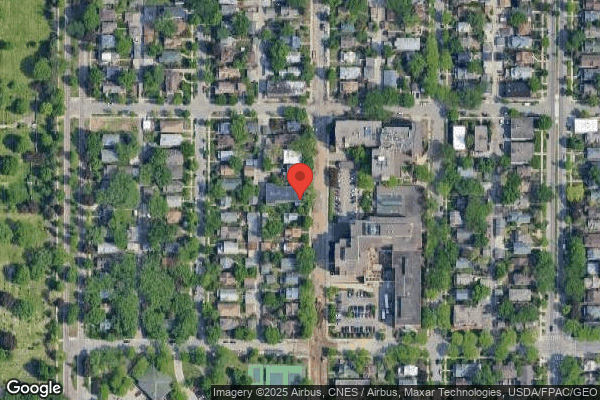
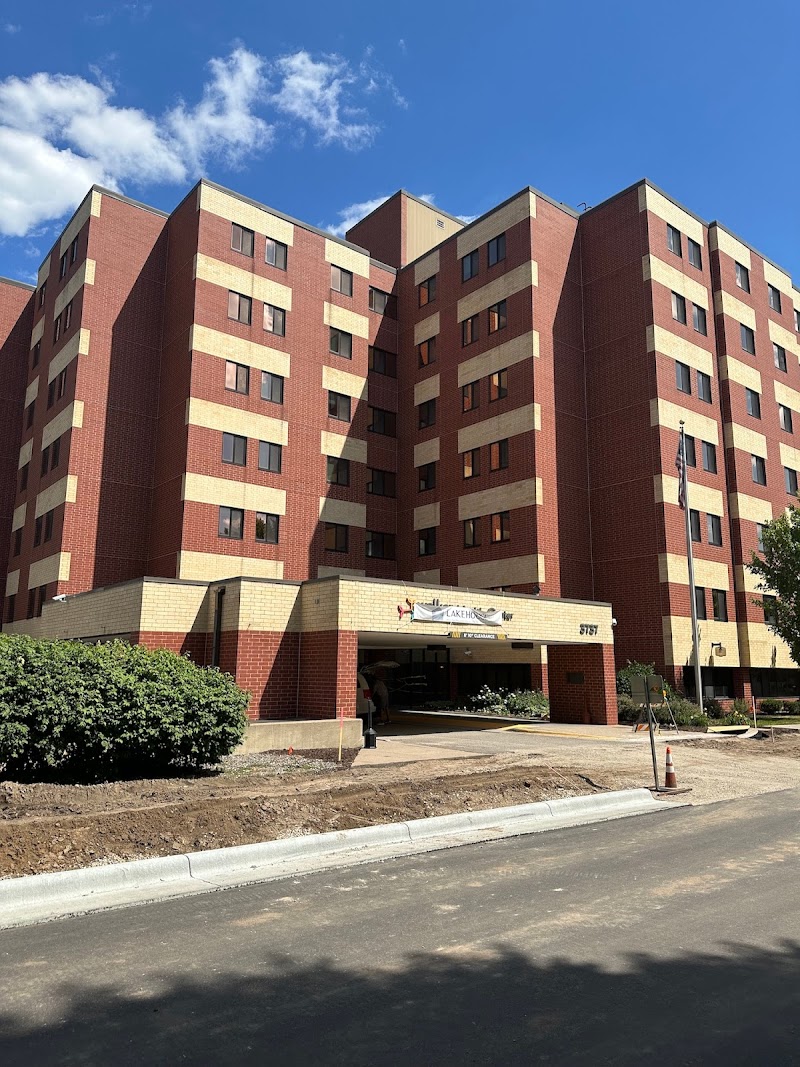
3737 BRYANT AVENUE SOUTH, MINNEAPOLIS, MN 55409 (612) 827-5931
For profit - Limited Liability company 260 Beds Independent Data: November 2025 1 Immediate Jeopardy citation
Trust Grade
28/100
#302 of 337 in MN
Last Inspection: August 2025

Inspected within the last 6 months. Data reflects current conditions.

Overview

Lakehouse Healthcare & Rehabilitation Center has received a Trust Grade of F, indicating significant concerns with the facility's operations and care quality. They rank #302 out of 337 in Minnesota, placing them in the bottom half of nursing homes in the state, and #46 out of 53 in Hennepin County, meaning there are very few local options that perform better. The trend is improving, as the number of issues found has decreased from 31 in 2024 to 23 in 2025, suggesting some progress. Staffing is a relative strength, with a rating of 4 out of 5 stars, although their turnover rate of 43% is average. Notably, the facility has faced serious incidents, including a failure to provide CPR to a resident who had requested it, resulting in that resident's passing. Additionally, the facility has not maintained sanitary conditions, with issues like exposed walls and a lack of pest control affecting residents. While there are positive aspects, such as good staffing ratings and no fines, the critical incidents raise serious concerns for families considering this facility for their loved ones.

Trust Score
F
28/100
In Minnesota
#302/337
Bottom 11%
Safety Record
High Risk
Review needed
Inspections
Getting Better
31 → 23 violations
Staff Stability
○ Average
43% turnover. Near Minnesota's 48% average. Typical for the industry.
Penalties
✓ Good
No fines on record. Clean compliance history, better than most Minnesota facilities.
Skilled Nurses
○ Average
Each resident gets 40 minutes of Registered Nurse (RN) attention daily — about average for Minnesota. RNs are the most trained staff who monitor for health changes.
Violations
⚠ Watch
79 deficiencies on record. Higher than average. Multiple issues found across inspections.
★☆☆☆☆
1.0
Overall Rating
★★★★☆
4.0
Staff Levels
★★★★☆
4.0
Care Quality
★☆☆☆☆
1.0
Inspection Score
Stable
2024: 31 issues
2025: 23 issues

The Good

  • 4-Star Staffing Rating · Above-average nurse staffing levels
  • 4-Star Quality Measures · Strong clinical quality outcomes
  • Full Sprinkler Coverage · Fire safety systems throughout facility
  • No fines on record
  • Staff turnover below average (43%)

    5 points below Minnesota average of 48%

Facility shows strength in staffing levels, quality measures, fire safety.

The Bad

1-Star Overall Rating

Below Minnesota average (3.2)

Significant quality concerns identified by CMS

Staff Turnover: 43%

Near Minnesota avg (46%)

Typical for the industry

The Ugly 79 deficiencies on record

1 life-threatening
Sept 2025 1 deficiency 1 IJ
CRITICAL (J) 📢 Someone Reported This

A family member, employee, or ombudsman was alarmed enough to file a formal complaint

Immediate Jeopardy (IJ) - the most serious Medicare violation

Deficiency F0678 (Tag F0678)

Someone could have died · This affected 1 resident

**NOTE- TERMS IN BRACKETS HAVE BEEN EDITED TO PROTECT CONFIDENTIALITY** Based on interview and document review, the facility failed to follow the Provider Orders for Life Sustaining Treatment (POLST) ...

Read full inspector narrative →
**NOTE- TERMS IN BRACKETS HAVE BEEN EDITED TO PROTECT CONFIDENTIALITY** Based on interview and document review, the facility failed to follow the Provider Orders for Life Sustaining Treatment (POLST) to provide cardiopulmonary resuscitation (CPR) for 1 of 3 residents (R1), who wished to have CPR in the event of cardiopulmonary arrest (absence of pulse and respirations). This deficient practice resulted in an immediate jeopardy (IJ) when R1 was found absent of pulse and respirations, no CPR was initiated, and R1 passed away. The facility implemented corrective action prior to survey; therefore, the deficient practice was issued at past non-compliance. The IJ began on [DATE], when R1 was found unresponsive with an absence of pulse and respirations, CPR was not initiated, and R1 passed away. The facility administrator and director of nursing (DON) were notified of the IJ on [DATE] at 2:50 p.m. which was identified at the scope and severity of and isolated IJ. The facility implemented immediate corrective action on [DATE] to prevent recurrence, therefore, the IJ was issued at past non-compliance. Findings include: A nursing note written by licensed practical nurse (LPN)-A dated [DATE], indicated when LPN-A checked on R1 Cheyne-Stokes breathing (an abnormal breathing pattern of deep breathing, shallow breathing and no breathing followed by a gasp, commonly seen during the dying process) was observed. LPN-A requested assistance from another facility nurse and R1's hospice nurse who was in the building. When the nurses returned to R1's room, he was not breathing. The nurses checked for a pulse, finding none. Time of death was called at 2:20 p.m. The nurses cleaned R1's body to prepare for the mortuary to pick up. R1's progress note lacked documentation regarding checking R1's code status and initiation of CPR. R1's admission Minimum Data Set (MDS) dated [DATE], indicated intact cognition with diagnoses that included metabolic encephalopathy, type 2 diabetes, and end stage renal disease. R1's POLST dated [DATE], identified R1's wishes were to attempt CPR (full code) with full treatment including intubation, advanced airway interventions, mechanical ventilation and transfer to the hospital if indicated. A Care Conference Summary, locked [DATE], identified R1 was a full code and wished to remain as such. A provider visit note, dated [DATE], identified R1 was seen by nurse practitioner (NP)-A. The note identified R1's advance directive as full code. A provider order dated [DATE], indicated code status as CPR/attempt resuscitation. R1's electronic health record (EHR) indicated R1 elected hospice care on [DATE]. During an interview on [DATE] at 12:52 p.m., LPN-B stated when a resident was found unresponsive and not breathing, a nurse STAT (an emergency page overhead that calls nurses to a specific location) should be called and the resident's chart should be checked for code status. LPN-B stated CPR would be performed if consistent with the resident's wishes. LPN-B confirmed code status would be checked for a resident who had elected hospice care since hospice care did not automatically mean a resident's code status was do not resuscitate (DNR. Allow natural death). During an interview on [DATE] at 1:29 p.m., LPN-C stated a resident's code status needed to be checked for all residents who were found unresponsive and not breathing. LPN-C stated CPR would be performed if consistent with resident's wishes. During an interview on [DATE] at 2:29 p.m., DON confirmed R1's code status was full code, his code status had not checked when he was found unresponsive, and CPR had not been performed. During an interview on [DATE] at 12:18 p.m., Hospice registered nurse (HRN) stated she was at the facility to see R1 on [DATE], because he was having increased pain. When she assessed R1, he was a little confused however, was able to answer basic questions. HRN left the room to call the provider. LPN-A asked HRN to go to R1's room because his breathing was different. When HRN and LPN-A returned to R1's room, he was not responding and was not breathing. HRN checked for a pulse while LPN-A checked for breathing. Finding no pulse and no breaths, time of death was called. HRN did not check the resident's code status, and LPN-A did not leave the room until after time of death was called. HRN confirmed CPR had not been initiated on R1. During an interview on [DATE] at 1:49 p.m., registered nurse (RN)-A stated a nurse STAT page alerted all nurses to respond to a specific location for an emergency. Each nurse would bring equipment based on the location they were working on. Equipment included a crash cart (included supplies needed to perform CPR), vital signs machine, and automated external defibrillator (AED). If a resident was found unresponsive and not breathing, a nurse should check the POLST of the resident and if the resident was full code, CPR should be started immediately. RN-A stated there was no reason CPR would not be started on a resident who elected full code status. During a follow-up interview on [DATE] 2:16 p.m., the DON stated if a resident was found not responding and not breathing, a nurse should check the resident's code status on the POLST. If the resident was full code, the nurse would do chest compressions, give respirations, and use the AED. 911 would also be called. If a resident's code status was DNR, CPR would not be started. DON stated there were reasons CPR would not be started listed in the CPR policy however, those signs take 4-6 hours to develop, and staff would be checking on residents before the signs had time to develop. 3 attempts were made to contact LPN-A with no return phone call. Review of the facility's CPR policy dated [DATE], instructed staff when a resident experienced a cardiac arrest, to provide basic left support, including CPR in accordance with the resident's advance directives. And if the resident did not show obvious signs of clinical death (e.g. rigor mortis [body limb stiffening], dependent lividity [purplish red discoloration to the skin], decapitation, transection, or decomposition). The facility implemented the following actions prior to the survey which were verified through interview and document review and therefore the IJ was issued at past non-compliance:-LPN-A was immediately suspended and communication with hospice company occurred.-House-wide nurse education started including the importance of checking a resident's code status when they were found unresponsive and not breathing, including residents who had elected hospice care. Education completed [DATE].-Nurse STAT (Code Blue) drills started [DATE]. Drills included residents who were full code, DNR, and hospice residents.
Aug 2025 17 deficiencies
CONCERN (D)

Potential for Harm - no one hurt, but risky conditions existed

Deficiency F0583 (Tag F0583)

Could have caused harm · This affected 1 resident

During observation and interview, the facility failed to implement interventions to ensure residents' personal care information was kept secured and out of public view when stored on 3 of 7 facility u...

Read full inspector narrative →
During observation and interview, the facility failed to implement interventions to ensure residents' personal care information was kept secured and out of public view when stored on 3 of 7 facility units with mobile medication/treatment carts. This had the potential to affect 9 residents on the 2nd floor, 8 residents on the 5th floor, and 11 residents on the 7th floor whose personal information was listed on unattended care sheets.Findings include:During observation and interview starting on 8/13/25 at 8:21 a.m., licensed practical nurse (LPN)-A left an unattended resident care sheet including thirteen resident names, room numbers, information on how they take their medications, bath information, and diagnoses and information on pressure ulcer status, assistance required for transfers and applying ordered adaptive equipment and infection control precautions. The form titled 7G ODD Nurse Census Sheet was left unattended on medication cart while two residents in wheelchairs were pushed past the cart by other staff members. LPN-A returned to cart and stated, [I] left the paper unattended on the med cart. I should flip it over so info [cannot be seen].During interview with registered nurse (RN)-A on 8/13/25 at 8:35 a.m., RN-A stated expectation of staff to protect [resident] information. Because of HIPAA.During interview with LPN-B on 8/13/25 at 9:36 a.m., LPN-B stated expectation of staff, to cover care sheets for privacy. HIPAA.During observation and interview on 8/13/25 at 1:04 p.m., a medication cart was unattended with a resident care sheet titled EVEN SIDE TCU that included nine resident names, including room numbers, diagnoses, personal care preferences, bath and shower days. The Director of Environmental Services (D)-ES and surveyor walked by the unattended care sheet and stopped at the medication cart. D-ES pointed to it and said, [that] should not be available because it is a HIPAA violation and patient privacy. Registered nurse (RN)-C walked past the cart and stated, It should not be left unattended. RN-D approached and stated she left the unattended care sheet prior to leaving the medication cart and entering a resident room. RN-D stated, I left it accidentally and [it] should not be left out here (pointing to the hallway where another staff member and resident were walking past). RN-D stated, [I] should know better.During interview with director of nursing (DON) on 8/13/25 at 1:55 p.m., DON stated expectation of staff to secure care sheets with resident information upside down and not seen. DON stated rationale was Patient privacy.During interview with NA-C on 8/14/25 at 8:23 a.m., NA-C stated, we [nursing assistants] are told to use the computer instead of paper. Concern for patient information [being] displayed. HIPAA.During interview with NA-D on 8/14/25 at 8:37 a.m., NA-D stated care sheets should be private and HIPPA private information not to be visible and not anyone else's business.During observation and interview on 8/14/25 starting at 8:58 a.m., an unattended medication cart was observed with a resident care sheet on top titled 5G ODD Nurse Census Sheet that included eight resident names including room numbers, how they take their medications, bath and shower day details, infection control precautions, and behavior monitoring precautions. Two staff members walked past the cart along with one resident in a wheelchair. RN-E approached unattended medication cart and care sheet and stated, I should not have left it unattended. Important for patient [sic] information is confidential.Facility policy titled Resident Rights, dated July 2025 identified The resident has a right to personal privacy and confidentiality of his or her personal and medical records.
CONCERN (D)

Potential for Harm - no one hurt, but risky conditions existed

Assessment Accuracy (Tag F0641)

Could have caused harm · This affected 1 resident

**NOTE- TERMS IN BRACKETS HAVE BEEN EDITED TO PROTECT CONFIDENTIALITY** Based on interview and document review, the facility failed to ensure the Minimum Data Set (MDS) was accurately coded with the p...

Read full inspector narrative →
**NOTE- TERMS IN BRACKETS HAVE BEEN EDITED TO PROTECT CONFIDENTIALITY** Based on interview and document review, the facility failed to ensure the Minimum Data Set (MDS) was accurately coded with the potential for inaccurate federal reimbursement and resident care planning for 1 of 5 residents (R218) reviewed for MDS accuracy.Findings include:R218's quarterly MDS dated [DATE] indicated R218 had memory problems and required assistance with personal cares. The MDS indicated under section N0350-A: Insulin injections. R218 received 7 insulin injections during the look-back period (LBP). R218's orders were reviewed and did not indicate orders for insulin, before or after LBP. R218 was diabetic and received two oral agents to treat her diabetes. R218's April and May's medication administration record indicated, R218 did not received insulin during LBP. During interview on 8/13/25 at 2:35 p.m., MDS coordinator verified R218 did not received insulin during LBP. MDS coordinator indicated probably the mistake was done when one of R218's oral diabetic medications was coded as insulin. MDS coordinator indicated she would complete a correction right away, because incorrect coding could affect the federal reimbursement. Facility's administrator indicated, the facility didn't have a MDS policy but followed the RAI manual.
CONCERN (D)

Potential for Harm - no one hurt, but risky conditions existed

Deficiency F0645 (Tag F0645)

Could have caused harm · This affected 1 resident

**NOTE- TERMS IN BRACKETS HAVE BEEN EDITED TO PROTECT CONFIDENTIALITY** Based on interview and document review, the facility failed to ensure a level I Pre-admission Screening (PAS) and, if needed, a ...

Read full inspector narrative →
**NOTE- TERMS IN BRACKETS HAVE BEEN EDITED TO PROTECT CONFIDENTIALITY** Based on interview and document review, the facility failed to ensure a level I Pre-admission Screening (PAS) and, if needed, a Level II Pre-admission Screening and Resident Review (PASARR) was completed to screen for mental health needs for 3 of 4 residents (R40, R9, R6) reviewed for PAS. Findings include: R40’s quarterly Minimum Data Set (MDS) dated [DATE], indicated R40 was admitted to the facility on [DATE] and had intact cognition. The MDS indicated R40 was diagnosed with schizophrenia, post-traumatic stress disorder, and a “psychotic disorder”. R40's PAS notice dated 1/21/25, indicated a copy of the PAS was included with this notice, but the PAS was not final until the lead agency sent a final determination to the nursing home. R40's entire medical record was reviewed and lacked evidence that a final determination had been received. During an interview with the director of admissions (DOA) on 8/13/25 at 9:26 a.m., the final PAS was requested, and the DOA confirmed she would review R40’s medical record and provide the final PAS if able. On 8/14/25 at 10:46 a.m., the DOA stated she oversaw ensuring they had a PAS number for every resident and would sometimes reach out to the entity in charge of completing the final PAS for each resident but was unsure if she had prior to the start of the survey for R40. The DOA confirmed she had not been able to find the final PAS in R40's medical record, so she had contacted the lead agency yesterday. The DOA stated she did not keep documentation of any attempts to obtain the final PAS, so she would be unable to provide any. The DOA stated the director of social services (DOSS) assisted with ensuring the final PAS was received, and he may be able to give further information. During an interview on 8/14/25 at 10:49 a.m., the DOSS stated that admissions oversaw ensuring the final PAS was received, and his department did not assist with this. During an interview on 8/14/25 at 12:19 p.m., the administrator stated the director of admissions oversaw ensuring the final PAS was received before admission. R9's quarterly Minimum Data Set (MDS) dated [DATE], indicated R(9) was admitted to the facility on [DATE] and was cognitively intact. R9's Clinical Diagnosis Record dated 8/14/25 indicated, R9 was diagnosed major depressive disorder with severe psychotic symptoms, post-traumatic stress disorder and generalized anxiety disorder. R9's PAS notice dated 11/7/24, indicated a copy of the PAS was included with this notice, but the PAS was not final until the lead agency sent a final determination to the nursing home. R9's entire medical record was reviewed and lacked evidence that a final determination had been received. During interview with the director of admissions (DOA)) on 8/14/25 at 11:54 a.m., DOA stated she was responsible to make sure new residents had a pre-screening done before they were admitted to the facility. DOA stated the social worker was responsible to follow up with Senior Linkage to obtain the final determination. During an interview on 8/14/25 at 12:04 p.m., the social worker director (SWD) verified, R9's medical record did not have the final determination documentation. The SWD stated the admission team followed up to obtain the final determination. R6's admission Minimal Data Set (MDS), dated [DATE], identified R6 admitted to the care center on 6/25/25 and had multiple medical conditions including anxiety, major depressive disorder, bipolar, post-traumatic stress disorder, schizophrenia and traumatic brain injury. Review of R6’s electronic medical record (EMR) lacked any evidence a level I Pre-admission Screening (PAS) and, if needed, a Level II Pre-admission Screening and Resident Review (PASARR) was completed on R6 prior to admission to the care center. During an interview on 8/13/25 at 12:15 p.m., the director of admission (DOA) stated the care facility required that the hospital submit a PAS prior to the resident admitting to the care facility. The DOA stated the admission department would be responsible for uploading the PAS, and if needed the PASARR and social services would be responsible for reviewing the documents for any needed additional services. The DOA confirmed a PAS was not completed for R6, stating there was a new admission coordinator being trained in who “missed it” [the PAS]. The facility's Pre-admission Screening policy dated 10/22, indicated the facility would ensure a level I screening would be conducted for all applicants before admission.
CONCERN (D)

Potential for Harm - no one hurt, but risky conditions existed

Comprehensive Care Plan (Tag F0656)

Could have caused harm · This affected 1 resident

**NOTE- TERMS IN BRACKETS HAVE BEEN EDITED TO PROTECT CONFIDENTIALITY** Based on observation, interview, and document review, the facility failed to develop a comprehensive care plan to ensure correct...

Read full inspector narrative →
**NOTE- TERMS IN BRACKETS HAVE BEEN EDITED TO PROTECT CONFIDENTIALITY** Based on observation, interview, and document review, the facility failed to develop a comprehensive care plan to ensure correct application of a lower extremity brace for 1 of 3 residents (R178) reviewed for the use of a lower extremity brace. Findings include: R178's quarterly Minimum Data Set (MDS) dated [DATE], indicated R178 had severely impaired cognition, a functional limitation in the range of motion of both lower extremities, and required staff assistance with all activities of daily living. R178's diagnosis report dated 5/21/25, indicated R178 had a diagnosis of right-sided weakness following a stroke.R178's Medical Record Attestation Statement Delayed Certification Statement dated 7/2/25, indicated the provider instructed staff to continue to apply the right AFO brace as R178 tolerated. The statement included no further instructions for brace use. R178's care plan dated 7/3/25, order report dated 8/8/25, and tasks dated 8/13/25, were reviewed and did not include R178's use of a right lower extremity brace. R178's Therapy to Nursing Communication dated 8/13 (with no year included), indicated R178 should wear a right ankle foot orthosis (AFO) brace for greater than four hours a day when up in the wheelchair, and skin should be checked when taking the brace off and putting it back on. During an interview and observation on 8/13/25 at 9:50 a.m., R178 was observed sitting in his wheelchair in his room with an AFO brace on his right lower extremity. Nursing assistant (NA)-I stated R178 required a total assist from nursing staff, and he had helped R178 get ready this morning. NA-I stated R178 had a brace for his right foot that he wore every day, only when R178 was out of bed. NA-I confirmed he had received education on how to apply the brace but was unable to find where the instructions were that confirmed when the brace was to be applied. During an interview on 8/13/25 at 10:31 a.m., the director of therapy (DOT), a physical therapy assistant, stated R178 was being seen by physical therapy earlier this year but was discharged at the end of May. The DOT confirmed R178 was not being seen right now by therapy. The DOT stated therapy had helped to procure the AFO brace for R178 but would need to look into what the discharge instructions were for the use of the AFO. At 12:42 p.m., the DOT stated she had reviewed R178's medical record and was unable to find the initial order for the use of the right AFO brace. The DOT stated she had found the attestation statement dated 7/2/25 saying staff were to continue using the brace but could not find the original order. The DOT stated she was supposed to ensure that when therapy had new orders for brace use, this was added to the resident's care plan, but after reviewing the medical record, this had not occurred. During an interview on 8/13/25 at 11:44 a.m., licensed practical nurse (LPN)-A confirmed that she had received education from therapy staff on when R178 was to use his AFO brace. LPN-A stated R178 was to have his right AFO brace applied when he was out of bed. LPN-A confirmed she had reviewed R178's medical record and could not find that the instructions for the use of the right AFO brace had been added to R178's plan of care. During an interview on 8/14/25 at 1:39 p.m. with the director of nursing (DON) and the DOT, the DOT confirmed the therapy to nursing communication form referenced above was from 8/13/25 and stated staff should be applying the brace when R178 was up in the wheelchair and removing it when he is back in bed. The facility's Comprehensive Care Planning policy dated 10/22, indicated the resident's comprehensive care plan would describe the offered services the resident needed to attain or maintain their highest practicable wellbeing.
CONCERN (D)

Potential for Harm - no one hurt, but risky conditions existed

Deficiency F0657 (Tag F0657)

Could have caused harm · This affected 1 resident

**NOTE- TERMS IN BRACKETS HAVE BEEN EDITED TO PROTECT CONFIDENTIALITY** Based on observation, interview and record review, the facility failed to update the plan of care 1 of 1 resident (R154) observe...

Read full inspector narrative →
**NOTE- TERMS IN BRACKETS HAVE BEEN EDITED TO PROTECT CONFIDENTIALITY** Based on observation, interview and record review, the facility failed to update the plan of care 1 of 1 resident (R154) observed for position and mobility. In addition, the facility failed to revise and update a comprehensive care plan for 1 of 1 resident (R222) who had a history of resident-to-resident incidents. Findings include: R154’s quarterly MDS dated [DATE], identified mild cognitive impairment, used a wheelchair, and had impairments on one side to upper and lower extremities. The MDS lacked identification of an adaptive device such as a brace or ankle-foot orthosis (AFO). R154’s orders from admission through 8/15/25 were reviewed and lacked orders for the use of an adaptive device such as a brace or AFO. R154’s occupational therapy and physical therapy evaluations and treatment plans dated 5/6/23, lacked documentation pertaining to an AFO. R154’s provider visit dated 5/8/23, indicated an initial assessment and plan of care related to a history of stroke, and identified R154’s left side was flaccid and an AFO was in place. R154’s provider visit dated 6/5/23, identified R154 used a left boot for foot drop and required a Hoyer lift for transfers. The documentation lacked recommendations to continue to wear a brace on the LLE. R154’s progress notes dated 10/16/23, indicated ibuprofen was administered for pain in the right lower leg and a brace was removed due to pinching. R154’s care plan initiated on 7/25/24, identified a self-care deficit related to hemiplegia, impaired balance and limited mobility. A goal was set for R154 to maintain a current level of function and identified interventions to use a left leg brace for positioning. The plan also identified intervention for dressing with an assist of one staff to apply a left leg brace every morning and take off at night for positioning and protection. A provider visit dated 7/21/25, listed R154 had a diagnosis of left foot drop from 11/11/24 through present and lacked information related to AFO. R154’s progress notes dated 5/5/23 through 8/13/25, were reviewed and lacked documentation related to a left leg brace/AFO. During an interview on 8/12/25 at 9:41 a.m., registered nurse (RN)-F stated R154 wore the left leg brace for positioning. During an interview on 8/12/25 at 1:49 p.m., R154 stated the brace didn’t fit anymore, and they were not wearing it today. During an interview on 8/12/25 at 2:00 p.m., licensed practical nurse (LPN)-E stated R154 was supposed to wear a brace on the left leg, but only when up in the wheelchair. LPN-E stated R154 told staff the brace was bothersome and sometimes they refused to wear it, but R154 had the right to refuse the brace because it was uncomfortable to wear and because it was R154's choice. LPN-E stated therapy assessed the brace a couple of times, and the brace was appropriate for use. During an observation on 8/13/25 at 7:43 a.m., R154 was in bed, and two braces were in the corner of the room on top of a box. R154 stated the brace didn’t fit them anymore, it caused pain, and it hadn’t been worn all week. During an interview on 8/13/25 at 8:12 a.m., nursing assistant (NA)- G stated R154’s Kardex (NA care plan) had not been reviewed but they were aware there was a leg brace on the floor. Sometimes R154 wore it, but most days R154 refused to put it on, and the nurse was notified. During an interview on 8/13/25 at 11:58 a.m., occupational therapist (OT)-J stated R154 had been working with OT since 10/24/25, and was currently working with OT for support and mobility for the motorized wheelchair. OT-J was not aware of a left leg brace. During an interview on 8/13/25 at 12:54 p.m., director of therapy (DOT)-G stated R154’s brace was for foot drop and because R154 was no longer ambulating it was no longer appropriate. DOT-G stated it was likely R154 came to the facility with the brace and stated that type of brace could only be worn a short time, or it could cause skin issues, and it should have been assessed. During an interview on 8/13/25 at 3:27 p.m., family member (FM)-T stated the brace was brought from a previous facility. R154’s progress note entered by the nurse manager dated 8/13/25, identified R154’s admission orders lacked documentation for the diagnosis, purpose, or function of an AFO. Furthermore, the note identified therapy assessed R154 and found the AFO was not clinically or functionally purposeful and therefore, no order was received from a provider. The AFO was determined to be in place per patient preference only and a family member confirmed R154 had the AFO for years and wore the AFO while ambulating prior to admission, however, had been unable to ambulate since admission to the current facility. The provider was updated related to the use and function of the AFO and determined no clinical indication for use, stating no need for AFO. During an interview on 8/14/25 at 12:01 pm., licensed practical nurse (LPN)-E stated R154’s hadn’t worn a brace/AFO for a while and that the order must have been discontinued. LPN-E confirmed there was no active order for a brace/AFO and when she called for a new order the nurse practitioner (NP) told LPN-E the brace was no longer appropriate because R154 wasn’t ambulating and that the brace should be removed from the care plan. R154’s family member was contacted and confirmed R154 brought the brace from a previous facility and wore it only when ambulating. LPN-E confirmed putting the brace on the care plan and that the care plan was incorrect. During an interview on 8/14/25 at 2:57 p.m., director of therapy (DOT) stated the brace for R154 was assessed in May of 2023 for about a month to ensure it wasn’t causing any skin issues. Because R154 was not standing or ambulating the brace wasn’t recommended for use by therapy, it was R154’s preference to wear it. The brace was then assessed for fit and skin issues in May of 2024 as R154 indicated it was causing pain. During an interview on 8/14/25 at 3:21 p.m., physical therapist (PT)-K stated a brace or AFO would need a provider order and therapy would assess the fit. Because R154 required a Hoyer lift and not ambulating the brace would not be appropriate. PT-K stated it was most likely that R154 received the AFO from a previous facility when ambulating. PT-K reviewed R154’s therapy records and confirmed records reviewed from May 2023 lacked documentation regarding any assessment of a brace or AFO upon admission but could confirm the AFO was assessed a year later in May of 2024. During an interview on 8/14/25 at 4:36 p.m., the director of nursing (DON) stated R154's brace was brought from a previous facility, and it was R154’s preference to wear the brace/ AFO. DON verified no provider orders were ever written for the use of the brace/AFO because there were no indications for its use since R154 no longer ambulated. The DON stated R154 chose to be in bed most days and preferred not to wear stockings, so the brace/AFO would be more of a risk than benefit because of the rigidity of the brace and the risk of skin breakdown. The DON stated care plans were created with input from the floor nurse and recommendations made by therapy. The recommendations were discussed with the resident and if the resident agreed the interventions were added to the care plan. The DON confirmed that the expectation was that if a care plan could not be followed or interventions were no longer working the nurse should be notified and the care plan updated. R222’s annual Minimum Data Set (MDS) dated [DATE], indicated moderate cognitive impairment and did not have behaviors. R222 had impairment to both lower extremities and required setup or clean-up assistance for eating, substantial/maximal assistance for transfers, and independent with wheelchair mobility. R222’s diagnoses included aphasia, non-Alzheimer’s dementia, and anxiety. R222’s care plan focus area behavior/mood dated 7/7/25, included interventions dated 1/23/25 which directed staff to prevent opportunities for physical aggression, which may include considering proximity to others at meals, during activities, in the hall, and when moving throughout the unit and dated 7/7/25 which directed R222 to sit at the same table and spot daily and other residents may sit across from R222 but not next to her. R222’s progress notes indicated: -1/16/25, resident had increased behaviors and was combative with another resident and was removed from the common area for her safety. -1/20/25, resident was moved to another floor, and resident and family agreed with the move. -Further progress notes did not mention any other resident-to-resident incidents. R222’s Associated Clinic of Psychology (ACP) Progress Note dated 1/17/25, indicated the facility informed ACP R222 struck another resident on the wrist. The progress note indicated R222 did not recall striking another resident, denied interpersonal stressors, fearfulness, and anger, and may benefit from behavioral monitoring. The progress note encouraged staff efforts to prevent opportunities for physical aggression, which may include considering proximity to others at meals, during activities, in the hall, and when moving throughout the unit. R222’s ACP Progress Note dated 7/15/25, indicated R222’s mood and behaviors appeared “largely stable today”. During observation on 8/11/25 at 11:39 a.m., R222 attended an activity, and residents were on both sides of her within arms’ reach. During observation on 8/11/25 at 12:36 p.m., R222 sat at a square table with three other residents. Residents were within arms’ reach. During interview on 8/13/25 at 1:43 p.m., nursing assistant (NA)-K stated they looked at the electronic care plan to know information about a resident. During observation on 8/14/25 at 8:34 a.m., R222 sat at the end of a table with two other residents within arms’ reach for breakfast. During interview on 8/14/25 at 9 a.m., NA-H verified R222 sat within arms’ reach of other residents and stated R222 had no special interventions in the dining area. R222 stated there were certain people R222 did not like to sit near, such as those who shouted. NA-H stated they verbally communicated to other staff who R222 liked or did not like to sit next to, or other staff already knew about R222’s seating preferences. During interview on 8/14/25 at 10:43 a.m., licensed practical nurse (LPN)-G stated R222 did not have physical altercations with other residents and more often yelled at other residents when behavioral. LPN-G was not aware of the care planned interventions for R222 to not sit next to other residents and only across from other residents. LPN-G confirmed R222 sat next to other residents in the dining area. During interview on 8/14/25 at 5:00 p.m., the director of nursing (DON) stated it was important to honor R222’s seating choices, protect R222, and make sure staff implemented care planned interventions. The DON was not aware of R222’s resident-to-resident incident history and would look further into R222’s history and care planned interventions. The DON stated the interdisciplinary team (IDT) worked together to review and update resident care plans. During a follow-up interview on 8/15/25 at 8:09 a.m., the DON stated R222 no longer engaged in aggressive behaviors, was seen by ACP, and was going to discontinue the intervention(s). The facility’s Comprehensive Care Planning policy dated January 2024, directed staff to develop, review, and revise each resident’s comprehensive care plan based on the results of the comprehensive assessment. The policy directed staff to update the care plan when a problem, goal, or approach was no longer appropriate or resolved.
CONCERN (D)

Potential for Harm - no one hurt, but risky conditions existed

ADL Care (Tag F0677)

Could have caused harm · This affected 1 resident

Based on observation, interview, and document review, the facility failed to ensure routine personal hygiene (i.e., nail care) was completed and provided to reduce the risk of complication (i.e., infe...

Read full inspector narrative →
Based on observation, interview, and document review, the facility failed to ensure routine personal hygiene (i.e., nail care) was completed and provided to reduce the risk of complication (i.e., infection, skin scratches) for 1 of 1 residents (R87) reviewed for activities of daily living (ADLs) and who were dependent on staff for their care. Findings include: R87's annual Minimum Data Set (MDS) assessment, dated 6/14/25, identified R87 had moderately impaired cognition with physical behavioral symptoms (hitting, kicking, pushing, scratching, grabbing, abusing others sexually) occurring 1-3 days that do not put resident at significant risk for physical illness or injury and do not significantly interfere with resident's care or participation in activities or social interactions. MDS identified rejection of care was noted 1-3 days during look-back period and there were no changes in behavioral symptoms since last MDS assessment. MDS identified R87 was dependent on staff assistance for shower/bathing needs and required setup/cleanup assistance from staff for personal hygiene needs. R87's care plan, printed 8/14/25, identified R87 required assist of staff for bathing/showering, trim and clean nails on bath days and as needed, and report any changes to the nurse, and for personal hygiene was independent and offer assist of 1 staff as needed. Furthermore, the care plan indicated the resident was resistive to accepting showers from specific staff members with the following interventions: allow resident to make decisions about treatment regime; if resident resists with ADLs, reassure resident, leave and return 5-10 minutes later and try again; provide consistency in care to promote comfort with ADLs. R87's progress notes reviewed for 7/10/25 to 8/13/25 and indicated the following: -8/5/25: weekly skin evaluation completed and residents' skin intact. No other comments.-7/24/25: the resident refused skin evaluation. Education/encouragement provided to resident regarding skin evaluation, with a comment of resident refused shower. -7/17/25: weekly skin evaluation completed and residents' skin intact. No other comments.-7/10/24: weekly skin evaluation completed and residents' skin intact. No other comments.The progress notes lacked any evidence of offering R87 nail care or refusals of nail care. During interview and observation on 8/11/25 at 1:52 p.m., R87 was observed to have long fingernails that were about a quarter inch long with dark colored debris underneath them. R87 stated, no one has done anything with them for a while.they should do that. R87 stated staff trim his fingernails for him. During an observation on 8/13/25 at 10:14 a.m., R87 was observed ambulating with a walker in the hallway. R87's fingernails were observed to long with dark colored debris underneath them. During an interview on 8/13/25 at 10:29 a.m., licensed practical nurse (LPN)-I stated they were familiar with R87. LPN-I stated nail care was to be done on shower days, and the nursing assistants provided the nail care unless a resident was diabetic, then a nurse trimmed the resident nails. LPN-I stated there was no place in the electronic medical record where it was documented that nail care was completed including on the skin assessment. LPN-I reviewed documentation for nursing assistants and verified that nail care was not documented. LPN-I stated again, I don't document anywhere when I do nail care. During an interview on 8/13/25 at 11:57 a.m., nursing assistant (NA)-M stated they were familiar with R87. NA-M stated R87 needed assist of 1 staff with cares and showers. NA-M stated nail care was done during showers typically but could be done anytime. NA-M stated R87 would refuse assistance at times. NA-M went and met with R87 to observe fingernails. NA-M stated R87 are kind of long, need to be cut, and have dark stuff under his nails. NA-M stated she would have thought they would have been trimmed during his shower last Thursday. R87 told NA-M that NA-M could cut his nails after lunch as lunch was just about to arrive. During an interview on 8/14/25 at 1:22 p.m., quality assurance registered nurse (QA) stated the expectation would be that a resident would be offered to have their nails trimmed during their weekly shower/bath at a minimum. QA stated if they noticed their nails needed to be trimmed in between that time they would reapproach them. QA stated, we don't document this as it is a standard of practice and it's routine. During an interview on 8/14/25 at 3:00 p.m., director of nursing (DON) stated the expectation regarding a resident's nails would be to follow the residents' preferences such as if they preferred to have longer fingernails, that would be ok but staff would support the resident to help keep the nails clean. DON stated she was unaware of a place where nail care was being documented in the electronic medical record but stated if a resident was continually refusing nail care, that would be documented in the EMR. A facility policy titled Activities of Daily Living (ADLs), dated August 2024, indicated a resident who is unable to carry out activities of dial living will receive the necessary services to maintain good nutrition, grooming, and personal and oral hygiene.
CONCERN (D)

Potential for Harm - no one hurt, but risky conditions existed

Deficiency F0679 (Tag F0679)

Could have caused harm · This affected 1 resident

**NOTE- TERMS IN BRACKETS HAVE BEEN EDITED TO PROTECT CONFIDENTIALITY** Based on observation, interview and document review, the facility failed to ensure a therapeutic recreation assessment was addre...

Read full inspector narrative →
**NOTE- TERMS IN BRACKETS HAVE BEEN EDITED TO PROTECT CONFIDENTIALITY** Based on observation, interview and document review, the facility failed to ensure a therapeutic recreation assessment was addressed in the electronic medical record (EMR) and care planned to ensure a resident was offered appropriate activities for engagement while at the care facility for 1 of 2 residents (R76) reviewed for activities. Findings include:R76 's admission Minimal Data Set (MDS), dated [DATE], indicated R76 was admitted to the care center on 7/22/25 and was cognitively intact. R76's Activity Interview for Daily and Activity Preferences, dated 7/24/25, included a question How important is it to you to listen to music you like? which indicated R76 answered Very ImportantR76's Therapeutic Rec/Life enrichment Assessment, dated 7/24/25, which had boxes to fill in resident information such as past work experience/professions, religious preferences and current or past interest and hobbies, was left blank with will enter info 7/26/25 typed in to the first blank box of the assessment. A completed paper form of the same assessment was received during survey on 8/14/25 with a date of 7/24/25.R76's care plan, dated 8/13/24, lacked an activity section used to inform staff of R76's activity preferences and goals.R76's electronic medical record lacked evidence of life enrichment activities being offered or provided to R76. During an interview on 8/11/25 at 4:18 p.m., R76 stated he would like a radio in his room to keep him entertained as he does not like group activities. R76 stated he informed a few different facility staff members he would like a radio however never heard back. R76 stated, you ask and things never happen.During observation on 8/12/25 at 3:01 p.m., R76 was sitting in his wheelchair in his room, no music or television on in his room, asleep in his wheelchair. During observation on 8/13/25 at 11:16 a.m., and again on 8/14/25 at 8:18 a.m., R76 was sitting in a quiet room, asleep in in his wheelchair without any television, music or other type of activity or stimulation. During an interview on 8/14/25 at 8:28 a.m., the Director of Therapeutic Recreation (D-TR) stated the initial therapeutic recreation assessment was divided between the three therapeutic recreation staff, stating the department was a bit short staff but they tried to ensure everyone was assessed and care planned for appropriate activities. The D-TR stated the department had plenty of leisure activities for residents, including radios, which should be discussed with the resident during the initial assessment. During a follow up interview on 8/14/25 at 9:28 a.m., the D-TR confirmed R76's initial therapeutic recreation assessment in the EMR was blank and the care plan lacked an activities section. The D-TR stated she spoke with R76 that morning, brought him a radio and apologized for the delay. The D-TR also stated she completed his therapeutic recreation assessment. A facility policy titled Activities, dated 10-2024, indicated the admission assessment for therapeutic recreation should be completed within 14 days of admittance to the care facility. The policy further identified the activities department was an integral part of interdisciplinary care planning.
CONCERN (D)

Potential for Harm - no one hurt, but risky conditions existed

Quality of Care (Tag F0684)

Could have caused harm · This affected 1 resident

**NOTE- TERMS IN BRACKETS HAVE BEEN EDITED TO PROTECT CONFIDENTIALITY** Based on observation, interview, and document review, the facility failed to implement interventions to ensure hearing aids were...

Read full inspector narrative →
**NOTE- TERMS IN BRACKETS HAVE BEEN EDITED TO PROTECT CONFIDENTIALITY** Based on observation, interview, and document review, the facility failed to implement interventions to ensure hearing aids were routinely applied or offered daily for 1 of 1 resident (R20) reviewed who had severe hearing loss. Findings include: R20's quarterly Minimum Data Set (MDS) dated [DATE], identified R20 with intact cognition, did not reject cares, required hearing aids, and diagnoses of paralysis due to a stroke affecting his non dominant side, hepatitis, seizures, anxiety, and depression.R20's care plan (CP) dated 5/1/25, identified HEARING LOSS: Resident has bilateral hearing loss with Goal of Staff to assist res with placement of hearing aids in bilateral ear.During observation and interview with R20 on 8/11/25 at 1:38 p.m., R20 was lying in bed without hearing aids. R20 asked State Surveyor several times to speak louder. R20 stated he did not know where his hearing aids were. R20 stated, I need to have my hearing aids to hear. No one told me where they are.During interview with nursing assistant (NA)-B on 8/12/25 at 2:06 p.m., NA-B stated expectation of nursing assistants to look at resident care sheet to inform them of what assistance was needed, bath or shower days, oral status, bowel and bladder status, rehabilitation needs and miscellaneous information for each resident in addition to receiving verbal report from outgoing shift. NA-B stated I put hearing aids in if the care plan tells me to. [R20] used to have them. NA-B walked to R20's room and looked around, It is not here. I did not put them in this morning and stated she did not inform the nurse of missing hearing aids. NA-B stated she could not remember when the last time she saw R20's hearing aids. Could have been a few weeks or last month. I don't know.During interview with registered nurse (RN)-I on 8/12/25 at 2:18 p.m., RN-I looked in R20's electronic medical record (EMR) and said, I see it in the care plan. It does say he has hearing aids. RN-I walked to R20's room and looked around and said, not in there. RN-I said she did not check with R20 at start of shift to see if he had his hearing aids. I should have. He went whole day without them. I don't have them in the medication cart either. I do not know where they are. I did not receive report or information that they were missing or put somewhere.During interview with licensed practical nurse (LPN)-C on 8/12/25 at 2:33 p.m., LPN-C stated as her role of nurse manager she had possession of R20's hearing aids. LPN-C stated, I have them in my office. I have had them a couple weeks. LPN-C looked in R20's EMR and verified there was no communication with R20 or staff to inform them of location of R20's hearing aids. LPN-C stated, I forgot to put in note. It should be in the care plan where the hearing aids are. I should update the care plan, so staff know.During interview with Director of Nursing (DON) on 8/13/25 at 2:24 p.m., DON verified R20's EMR failed to identify LPN-C having secured his hearing aids and providing report to staff or to R20 verbally or in a progress note of this action.Facility policy on quality of care was requested but not received.
CONCERN (D)

Potential for Harm - no one hurt, but risky conditions existed

Deficiency F0692 (Tag F0692)

Could have caused harm · This affected 1 resident

**NOTE- TERMS IN BRACKETS HAVE BEEN EDITED TO PROTECT CONFIDENTIALITY** Based on observation, interview, and document review, the facility failed to ensure residents had received ordered meals to incr...

Read full inspector narrative →
**NOTE- TERMS IN BRACKETS HAVE BEEN EDITED TO PROTECT CONFIDENTIALITY** Based on observation, interview, and document review, the facility failed to ensure residents had received ordered meals to increase calorie intake and weight per provider orders for 1 of 5 resident (R214) reviewed for nutrition and weight loss.Findings include:R214's comprehensive Minimum Data Set (MDS) assessment dated [DATE], identified R214 had intact cognition with no hallucinations, delusions, behaviors or rejection of care present. R214 was dependent on staff for activities of daily living (ADL's) and needed assistance from staff for set up/clean-up for eating. Pertinent medical diagnoses included traumatic brain dysfunction, quadriplegia (a medical condition described as paralysis of all four limbs), diabetes melilites (DM), osteoporosis, cerebrovascular accident (CVA--a sudden interruption of blood supply to the brain that caused brain cells to be deprived of oxygen and nutrients which led to brain damage, loss of function or death), seizure disorder, and malnutrition. R214 had one, stage three and one stage four pressure ulcer as well as one moisture associated skin damage (MASD) wound. R214's assessment documented their height as 66 inches and 128 pounds.R214's provider orders dated 10/14/24, identified a consistent carbohydrate diet, regular texture with thin consistency.R214's weight summary report identified on 7/1/25, R214's weight was 131.1 pounds and on 8/1/25, they weighed 123.1 pounds, a difference of 6.10% weight loss which indicated severe weight loss according to the Centers for Medicaid/Medicare Services (CMS).R214's care plan last reviewed on 5/17/25, identified a self-care deficit and they required total assist of one staff with eating. Additionally, nutrition was identified as a focus with interventions including explain and reinforce the importance of maintaining the diet ordered, encourage compliance, explain the consequences of refusals as it related to obesity/malnutrition risk factors. Food and beverage preferences were small warm milk for breakfast with cornflakes, no lactose in milk/cheese/sour cream/yogurt/pudding. Staff were directed to monitor and record/report to provider any signs of malnutrition, muscle wasting or emaciation. The guidelines for staff were significant weight loss: three pounds in one week, greater than five percent in one month, greater than seven and on half percent in three months, greater than ten percent in six months. Staff to provide supplements as ordered: Argiment (a nutritional supplement) twice daily, ProSource 30 cubic centimeters (cc) three times per day, a sandwich at bedtime and drink of choice, and ensure this was given twice daily. Staff were to provide snacks as needed and as requested, provide and serve diet as ordered, monitor intake, and record every meal. Registered dietician to evaluate and make diet changes recommendations as needed.R214's Nutrition Screen and assessment dated [DATE], identified high risk nutritional status related to multiple pressure ulcers, bilateral wounds, and sacral wounds. R214's diet order was consistent carbohydrate diet, regular textures, thin liquids, lactose intolerant. R214 was mostly independent with set up and assist as needed. R214 liked warm milk with his cornflakes in the morning. R214 spoke Spanish and the kitchen was contacted about menus in Spanish. Nutritional supplements were identified as Argiment twice a day, Prosource 30 cc three times a day, peanut butter and jelly every day. A box labeled unintentional weight loss in past three months was marked YES and documented weight on 5/1/25 was 127.9 pounds and on 4/1/25 weight was 129.8 pounds. R214's goal weight was 145 pounds and had a body mass index (BMI) of 20.6.R214's Nutrition Screen and assessment dated [DATE], identified high risk nutritional status for skin healing. R214's diet order was consistent carbohydrate diet, regular textures, thick liquids. R214 liked warm milk with their cornflakes in the morning. Resident was independent with eating. A box labeled unintentional weight loss was marked NO and indicated weight on 8/1/25, R214 was 123.1 pounds and had a BMI of 19.9. Goal weight was set at maintain weight. A note in the comment section read Gradual weight loss. During an observation and interview on 8/13/25 at 10:13 a.m., R214 had no breakfast tray in the room and dining aid (DA)- B stated breakfast was finished today at 9:15 a.m., all meals were served and pointed to the dining cart pushed back against the wall.R214's Nutrition Amount Eaten/Drank dated 7/31/25 through 8/14/25, indicated the resident refused breakfast on 8/12/25 and refused all three meals on 8/13/25.During an observation and interview on 8/13/25 at 1:30 p.m., R214 was in the dining room seated in a wheelchair. Nursing assistant (NA)-G brought over a tortilla and beans. R214 stated breakfast was never delivered. He stated the aid came in for repositioning at 8:00 a.m., and the meal was requested but never received. R214 identified NA-G as their assigned aid.During an interview on 8/13/25 at 1:31 p.m., NA-G stated R214 didn't generally eat breakfast and was unsure who was supposed to pass the tray, but then stated it was busy, and two rooms did not get trays. NA-G stated the other aid was supposed to pass the trays and they would pick them up.During an interview on 8/13/25 at 1:33 p.m., registered nurse (RN)-A was standing at the medication cart and stated they were not sure who was supposed to pass room trays today.During an interview on 8/14/25 9:45 a.m., the administrator stated if the facility heard a resident wanted a meal staff would get them food. Anyone could call down to the kitchen and get a meal at any time. The staff work closely with the kitchen, a dining ticket could be reprinted, and a new meal could be delivered. The administrator was unsure what would happen if a resident was unable to call the kitchen or advocate for themselves and stated the expectation was that all residents received their ordered meals and that the dining ticket matched what was served.During an interview on 8/14/25 at 10:53 a.m., registered dietician (RD)-L stated R214 was trialing many interventions for weight gain and wound healing. R214 received warm milk and cornflakes for breakfast every day and had agreed to try scrambled eggs. R214 accepted a new supplement this morning to replace the Ensure and has agreed to the new supplement three to four times a day. RD-L stated it was very important R214 received meals and supplements for weight gain and wound healing and was surprised R214 hadn't gained weight with all the interventions and supplements in place.During an interview on 8/14/25 at 11:18 a.m., licensed practical nurse (LPN)-F stated all aids had assigned groups and if they were new the other aids would explain their duties at the start of the shift. LPN-F was not aware of any residents that hadn't received a meal, but ultimately the aid assigned to the group of residents would be responsible for passing the tray.During an interview on 8/14/25 at 12:20 p.m., licensed practical nurse (LPN)-E stated two aids split their assigned group and one passed the trays and the other picked up the trays. There was no document that assigned this task, the nursing assistants communicated the duties. It was very important that residents received their meal trays because everyone needed to eat for weight gain and wounds. The expectation was that staff deliver all meals and document all refusals. LPN-E stated the aid that documented R214 refused breakfast on 8/12/25 and all three meals on 8/13/25 needed education on documentation and confirmed the documentation for this meal was incorrect. A policy, Meals Service dated 1/25, identified the purpose was to ensure all meals are served timely and proper food temperatures and maintained. To ensure that residents have the assistance needed to consume their meals. Procedure: Identify each resident. Check the diet card against the items on the tray for accuracy and food preference. Replace missing food items if necessary.
CONCERN (D)

Potential for Harm - no one hurt, but risky conditions existed

Deficiency F0699 (Tag F0699)

Could have caused harm · This affected 1 resident

**NOTE- TERMS IN BRACKETS HAVE BEEN EDITED TO PROTECT CONFIDENTIALITY** Based on observation, interview and document review the facility failed to follow care planned interventions to prevent re-traum...

Read full inspector narrative →
**NOTE- TERMS IN BRACKETS HAVE BEEN EDITED TO PROTECT CONFIDENTIALITY** Based on observation, interview and document review the facility failed to follow care planned interventions to prevent re-traumatization for 1 of 1 resident (R6) reviewed for trauma informed care who was diagnosed with post-traumatic stress disorder and had identified triggers.Findings include: R6's admission Minimal Data Set (MDS), dated [DATE], identified R6 admitted to the care center on 6/25/25 and had multiple medical conditions including anxiety, major depressive disorder, bipolar, post-traumatic stress disorder (PTSD), schizophrenia and traumatic brain injury. R6's brief interview for mental status (BIMS) assessment, dated 7/1/25, indicated R6 was cognitively intact. R6's trauma history assessment, dated 7/1/25, identified R6 had a history of sexual abuse by males at a young age and could not be in the same room as another male with the door closed. R6's care plan, dated 7/1/25, indicated R6 reported childhood sexual abuse at the hands of two older males, making him distrust the majority of males he has worked with since this event. An intervention, dated 7/1/25, indicated R6 preferred to avoid male caregivers due to past abuse. During an interview on 8/11/25 at 1:37 p.m., R6 stated he had been having some anger issues due to feeling like he was not getting the physical care he needed and not feeling like facility care staff were taking his PTSD seriously. R6 stated there were still males entering his room alone. R6's Associated Clinic of Psychology (ACP) note, dated 8/6/25, indicated R6 was very angry with anger issues. The ACP provider stated R6 could not tolerate male staff in his room and preferred female caregivers and physical and occupational staff. The note indicated honoring female staff was important for staff safety. During observation on 8/11/25 at 1:10 p.m., an unnamed male entered R6's room with his lunch tray and closed the door after he entered to discuss R6's lunch choices with him. During an interview on 8/13/25 at 7:54 a.m., nursing aide (NA)-O (a male aide) stated he often helped R6 when he need[ed] it. NA-O stated R6 was fairly independent with his activities of daily living but at times would need assistance in the bathroom and would call for help. During an interview on 8/13/25 at 9:17 a.m., NA-P stated she had been working at the care facility for about one year and was only aware of one resident on the unit (not R6) who had a preference for female caregivers. During an interview on 8/13/25 at 7:58 a.m., NA-Q stated she worked in a different unit but would come over to assist another resident (not R6) who preferred female only caregivers. NA-Q stated there were no other residents on the unit who only wanted female caregivers. During an interview on 8/13/25 at 10:42 a.m., registered nurse (RN)-J, referencing the care sheets (used by staff which contained resident specific information such as diagnoses, bath days and any special treatment such as wound care, oxygen use or preference for specific caregivers), and stated there was only one resident on second floor (not R6) that had a preference for female only caregivers. The sheets lacked any information regarding R6 preferring female only caregivers.During an interview on 8/13/25 at 11:00 a.m., R6 stated I don't feel safe at times further elaborating that male staff continued to come into his room despite him voicing his past trauma and distrust of men. During an interview on 8/14/25 at 10:51 a.m., nurse manager and RN-K confirmed the careplan and kardex (aide care plan) identified R6 as preferring female only staff, stating it would be expected that staff were aware and following R6's preferences.During an interview on 8/14/25 at 11:25 a.m., R6's ACP provider stated R6 often made threatening statements, and his preference for not wanting med in his room was associated with his history of abuse. The ACP provider stated, for his [R6] well-being and staff safety, males should stay out [of his room]. A facility policy on behavioral management and trauma informed care was requested but not received.
CONCERN (D)

Potential for Harm - no one hurt, but risky conditions existed

Unnecessary Medications (Tag F0759)

Could have caused harm · This affected 1 resident

**NOTE- TERMS IN BRACKETS HAVE BEEN EDITED TO PROTECT CONFIDENTIALITY** Based on observation, interview, and document review, the facility failed to ensure medication errors were prevented for 2 of 2 ...

Read full inspector narrative →
**NOTE- TERMS IN BRACKETS HAVE BEEN EDITED TO PROTECT CONFIDENTIALITY** Based on observation, interview, and document review, the facility failed to ensure medication errors were prevented for 2 of 2 residents (R138, R30) observed during medication administration. This resulted in a medication error rate of 7.14% (percent) with two errors out of 28 opportunities. Findings include:R138R138's admission Minimum Data Set (MDS) dated [DATE], indicated intact cognition and diagnoses of anemia, atrial fibrillation, heart failure, hypertension, hyponatremia, hyperlipidemia, non-Alzheimer's dementia, and malnutrition. The MDS indicated R138 had a feeding tube.R138's provider order dated 5/6/25, indicated R138 required potassium chloride (used to treat and prevent low potassium levels in the body) ER (extended-release) 10 mEq (milliequivalents) via PEG-tube (percutaneous endoscopic gastrostomy tube; a tube passed into the stomach through the abdominal wall) one time a day with instructions to dissolve in water.During observation and interview on 8/13/25 at 8:14 a.m., licensed practical nurse (LPN)-H prepared R138's medications. All tablets were crushed, including potassium extended release, and each medication was placed in separate medication cups. LPN-H added water to each medication cup and flushed R138's PEG-tube before medication administration, between each medication, and after medication administration. LPN-H verified they crushed all tablets given to R138 and knew what medications could or could not be crushed based on nursing school and a nursing drug book.During interview on 8/14/25 at 10:39 a.m., (LPN)-G stated extended-release potassium should be dissolved in water if by the book.R30R30's significant change in status MDS dated [DATE], indicated R30 had intact cognition and diagnoses of benign prostatic hyperplasia and kidney disease.R30's provider order dated 4/10/25, indicated R30 required two capsules of tamsulosin hydrochloride (helps to improve urination and reduce discomfort for men with enlarged prostate.) 0.4 mg (milligrams) by mouth one time a day and specified to give after a meal.During medication administration on 8/13/25 between 9:13 a.m. and 9:28 a.m., registered nurse (RN)-B prepared R30's medication which included tamsulosin. RN-B entered R30's room and R30 was still eating breakfast. R30 took all medications and continued his meal.During interview on 8/13/25 at 11:59 a.m., RN-B stated provider orders indicated what medications were given before, during, or after meals. RN-B reviewed R30's orders and stated R30 stated he wanted all his medications at the same time during previous interaction. RN-B stated they would update the provider, and staff would update the care plan.During interview immediately after above interview, LPN-C expected staff to honor resident choices for medications and update the provider.During interview on 8/14/25 at 5:00 p.m., the director of nursing (DON) expected staff to dissolve instead of crush potassium chloride extended release. The DON expected staff to follow the doctor's orders and update a provider if a resident preferred to take medication in a way different than ordered.During interview on 8/15/25 at 7:16 a.m., the consultant pharmacist (CP) stated crushing potassium extended release was advised against or discouraged due to compromising the extended-release function of the medication. CP stated abrupt release of potassium could cause irritation of the GI (gastrointestinal) tract. The CP stated tamsulosin given during a meal instead of 30 minutes after a meal decreased the medication effectiveness by potentially decreasing the absorption rate and peak level of the medication. Tamsulosin given after a meal decreased side effects, such as low blood pressure and dizziness.The facility's Medication Administration policy dated May 2025, directed staff to verify resident name, medication name, form, route, and time. The policy directed staff to administer medications per provider orders and administer medication as ordered in accordance with manufacturer specifications.
CONCERN (D)

Potential for Harm - no one hurt, but risky conditions existed

Dental Services (Tag F0791)

Could have caused harm · This affected 1 resident

Based on interview and document review, the facility failed to ensure identified dental concerns (i.e., need for dentures) were acted upon and, if needed, referred to the appropriate resource in a tim...

Read full inspector narrative →
Based on interview and document review, the facility failed to ensure identified dental concerns (i.e., need for dentures) were acted upon and, if needed, referred to the appropriate resource in a timely manner for 1 of 2 residents (R87) reviewed who voiced dental concerns.R87's annual Minimum Data Set (MDS) assessment, dated 6/14/25, identified R87 had moderately impaired cognition. Further, the MDS identified a section labeled, L0200, along with spaces to record no natural teeth or tooth fragments(s) (edentulous). This was answered, None of the above were present. Further, R87's Clinical Census report, printed 8/14/25, identified R87's current payor source listed as, Medicaid MN.During an interview on 8/11/25 at 1:52 p.m., R87 stated, I don't have any dentures, and I want to wear dentures. R87 explained the facility was supposed to make arrangements for getting her dentures but that was a long time ago. Furthermore, R87 stated he was limited on what he can eat due to not having teeth/dentures.R87's care plan, printed 8/14/25, identified R87 was independent with oral care, had no natural teeth and only two root-tips present #20, 21. Furthermore, it indicated R87 had expressed interest in getting dentures with the following interventions: coordinate arrangements for dental care, transportation as needed; follow up with dental for denture creation, placement, and fitting as needed (date initiated on 7/30/25) and diet as ordered. Further, identified R87 Likes: Jello with his dinner, has a stash of it and buys food at the vending/gift shop per CNA (certified nursing assistant). Likes Mountain Dew, Sweet Tea, Jello, mashed potatoes, little protein and Food/beverage preferences: Likes: pancakes, frosted flakes, frozen meals, potatoes, tilapia, ranch dressing, chocolate pudding, jello with a regular diet with regular texture and thin liquids.R87's progress notes, dated 2/10/25 to 8/13/25, reviewed and identified the following: -3/13/25: Therapy note: R87 was seen extensively for swallowing skills. He is able to safely consume level 5/0, minced and moist and thin liquids. This is due to his lack of teeth and his preference for softer foods. He has many food preferences and likes to discuss these at length. He is sometimes nonsensical with his preferences and contradicts himself. He reports that he is only able to consume mashed potatoes. Recommend a dental consult for dentures. The progress notes lacked any additional information of R87 dental appointments for dentures. Furthermore, lacked any evidence of R87 not wanting to proceed with dentures. R87's Chart Progress Note, dated 3/14/25, indicated R87 was seen for dental exam and completed a step in the denture making process which R87 tolerated well. R87's Chart Progress Notes, dated 3/27/25, indicated R87 was seen for denture fabricating process. R87 had some difficulty tolerating this step in the process and it was recommended if R87 wanted to proceed with dentures a referral would be made, at any time, to a specialist. R87's Oral/Dental Assessment Form, dated 5/2/25, indicated R87 had no natural teeth or tooth fragments(s). Furthermore, assessment notes indicated Pt (patient) would like dentures. The notes to nursing staff for follow up/care conferences indicated, Pt would like denture, so please help me schedule. R87's Care Conference Summary, dated 6/18/25, identified R87's most recent dental appointment was 5/2/25. Furthermore, indicated resident stated that he would like dentures but has been unable to tolerate plate used for denture fabrication d/t (due to) discomfort on two separate occasions. Dentist noted that if he cannot tolerate this process, he would likely be unable to tolerate dentures. Appointment will be made if resident wants to attempt denture process again.R87's physician's provider note, dated 7/28/25, indicated requests dentures-order for dentistry referral.During an interview on 8/13/25 at 2:25 p.m., licensed practical nurse (LPN)-I stated they were familiar with R87. LPN-I verified R87 did not have any teeth or dentures. LPN-I stated R87 was currently being seen by in-house dental services and in the process of having dentures being made as he had expressed numerous times the desire to have dentures. LPN-I stated R87 has expressed the desire to eat regular food and has not been able to due to not having dentures. LPN-I stated the dentist came every Friday and hopefully R87's dentures would be ready soon but was unsure of where they were in the process. LPN-I stated R87 talked about dentures frequently and the desire to have them.On 8/14/25 at 10:36 a.m., nursing assistant (NA)-N stated R87 did not have dentures, however NA-N stated they didn't typically work with R87.On 8/14/25 at 10:40 a.m., family member (FM)-A stated R87 had been talking about wanting dentures for some time. FM-A stated they visit R87 frequently and have heard R87 tell staff he would like dentures. FM-A stated he was aware that the dentist was in the process of making dentures for R87 but had not been updated in the last 3 months or so about the process. FM-A stated they were to be notified with any changes with R87 or concerns.During an interview on 8/14/25 at 11:32 a.m., director of health information management (HIM) stated she was responsible for following up with in-house dental services. HIM reviewed R87's electronic medical record (EMR) and stated when R87 was last seen by in-house dental services on 3/27/25, he did not tolerate part of the process of making dentures, he may need to be seen by a specialist and to follow up as needed. HIM verified, after reviewing of EMR, R87 had expressed desire to get dentures after that appointment. During an interview on 8/14/25 at 1:25 p.m., quality assurance registered nurse (QA) stated residents were assessed upon admission and on an on-going basis for dental needs and referrals were made as needed. QA stated if a resident expressed the desire or needed dentures, then a referral would be made and followed up on. QA stated she was going to follow up regarding on R87. No further documentation was provided.During a follow-up interview on 8/14/25 at 2:31 p.m., HIM stated R87 was added to the dental schedule today and seen for denture fabricating process. HIM verified R87 was added to today's (8/14/25) schedule after visiting with surveyor earlier today and had not been scheduled to be seen. HIM verified there was no additional documentation as R87 had not been seen for follow up after expressing desire for dentures. During an interview on 8/14/25 at 3:03 p.m., director of nursing (DON) stated the expectation would be if a resident expressed a desire to get dentures or needed dentures, and it would be followed up on in a timely manner. A facility policy titled Dental Services, dated February 2024, indicated routine dental services are available to meet the resident's oral health services in accordance with the resident's assessment and plan of care. Furthermore, all dental services provided are recorded in the resident's medical record.
CONCERN (D)

Potential for Harm - no one hurt, but risky conditions existed

Deficiency F0808 (Tag F0808)

Could have caused harm · This affected 1 resident

**NOTE- TERMS IN BRACKETS HAVE BEEN EDITED TO PROTECT CONFIDENTIALITY** Based on interview, and document review the facility failed to ensure 2 of 2 resident (R9, R105) received ordered therapeutic di...

Read full inspector narrative →
**NOTE- TERMS IN BRACKETS HAVE BEEN EDITED TO PROTECT CONFIDENTIALITY** Based on interview, and document review the facility failed to ensure 2 of 2 resident (R9, R105) received ordered therapeutic diet to maintain or improve their nutritional status.Findings include: R9R9's quarterly Minimum Data Set (MDS) assessment dated [DATE], indicated R9 had intact cognition with no hallucinations, delusions, behaviors or rejection of care present. R9 was dependent on staff for activities of daily living (ADL's) to include set up assistance for eating. R9's MDS assessment documented height as 76 inches and 171 pounds and was triggered for weight loss. Pertinent medical diagnoses include traumatic brain injury, coronary artery disease (CAD), malnutrition, anxiety, post-traumatic stress disorder (PTSD), and hyponatremia. R9 had one stage four pressure ulcer present upon admission.R9's provider orders indicated on 11/12/24, a therapeutic diet of regular texture, thin consistency, for double portions all meals, cut into bite sized pieces was ordered.R9's Medical Diagnosis list included moderate protein-calorie malnutrition dated 1/27/25.R9's care plan last revised on 7/9/25, identified an actual impairment for skin integrity of the coccyx and applied interventions for good nutrition and hydration to promote healthier skin. The plan also included a focus for ADL and mobility and identified interventions for eating as staff would assist with set up to maximize independence with eating.A report titled Nutrition-Amount Eaten/Drank dated 7/16/25 through 8/14/25, identified amounts eaten. The column identified as 0-25% was marked one time, a column identified as 26-50% was marked three times, a column identified as 51-75% was marked twenty-one times, a column identified as 76-100% was marked sixty-two times. R9 was marked not available one time and no refusals were documented out of the eighty-eight possible meals served.R9's Weight Summary report dated 8/1/25, indicated 172.8 pounds. Six months prior on 1/22/25, R9's weight was recorded as 198.1 pounds which was a 12.77% weight loss over six months which was identified as severe weight loss according to the Centers for Medicaid/Medicare Services (CMS).R9's current dining ticket dated 8/13/25, indicated pudding cup-1 each, double entree meal-1, beef vegetable soup-8 ounces (oz), Greek yogurt-1, mashed potatoes/gravy-1, beef pot roast with roasted vegetables-1 cups, mini baker potatoes-4 oz, country trio vegetables-4oz, bread, margarine-1 each, ice cream or sherbert-#8 scoop, milk- 8 fluid oz.R9's March through August 2025, Treatment Assessment Record (TAR) identified double portions at all meals, order mashed potatoes and gravy with lunch and dinner. Order vegetable beef soup with lunch, tomato soup with dinner every shift with a start date of 11/12/24. Staff documented R9 received double portions for all meals except two during this timeframe. The TAR also identified ice cream as needed for nutrition with a start date of 11/12/24, the TAR lacked any documentation that R9 received the ice cream as needed.R9's progress notes dated 1/27/25, identified an order for double portions at all meals. Order mashed potatoes and gravy with lunch and dinner. Order vegetable beef soup with lunch, tomato soup with dinner every shift. R9's progress note dated 6/20/25, identified a nutritional risk note related to wounds. Diet order: regular with regular thin liquids and double portions. No meals refused for the past 14 days.During an interview on 8/11/25, R9 expressed concerns that the therapeutic diet was not followed. During observation and interview on 8/13/25 at 1:38 p.m., R9 stated breakfast was good, but it wasn't a double portion, and lunch has been sitting for twenty minutes. R9 stated the dining ticket was usually highlighted so the servers did not forget the double portions. The plate was observed to have one piece of bread, four golden potatoes, approximately two tablespoons of vegetables, and approximately 1/4 cup of roast beef. One Greek yogurt and one ice cream cup was on the side of the tray along with one margarine, but no soup was present. Registered nurse (RN)-A verified the dining ticket stated double portions and confirmed R9 did not receive double portions. No servers were available to verify portion size.During an interview on 8/14/25 at 9:48 a.m., District Regional Manager (DRM)-F stated residents received therapeutic diets and it was possible that a resident did not receive soup based on the consistency, but if it was ordered and no thickened restrictions were present then soup should have been given on the meal tray. R9's lunch tray delivered on 8/13/25 was reviewed with the DRM-F and DRM-F stated it didn't sound like R9 received double portions if there was only one piece of bread and four round potatoes.During an interview on 8/14/25 9:45 a.m., the administrator stated if the facility heard a resident wanted a meal staff would get them food. Anyone could call down to the kitchen and get a meal at any time. The staff work closely with the kitchen, a dining ticket could be reprinted, and a new meal could be delivered. The administrator was unsure what would happen if a resident was unable to call the kitchen or advocate for themselves and stated the expectation was that all residents received their ordered meals and that the dining ticket matched what was served.During an interview on 8/14/25 at 10:53 a.m., regional dietician (RD)-L stated it was very important residents received their ordered meals for wound healing, weight gain, and encouragement.During an interview on 8/14/25 at 12:20 p.m., LPN-E stated it was very important that all residents receive their meals for nutrition, wound healing, and appropriate weight.A document with facility mealtimes indicated lunch for this unit was served between12:00 p.m. and 1:00 p.m.During observation and interview on 8/14/25 at 1:15 p.m., R9 stated the Greek yogurt wasn't served at lunch, but was on the dining ticket. R105R105's comprehensive Minimum Data Set (MDS) assessment dated [DATE], indicated R105 had intact cognition with no hallucinations, delusions behaviors or rejections of care present. R105 used a wheelchair and was dependent on staff for activities of daily living (ADL's) to include set up assistance for eating. Pertinent medical diagnoses include orthopedic conditions, congestive heart failure (CHF), urinary tract infections (UTI), diabetes mellitus (DM), malnutrition, anxiety, and depression. R105's MDS assessment documented height as 66 inches and 341 pounds and was not triggered for weight. R105 had one area of moisture associated skin damage (MASD).R105's weight summary identified on 5/3/25, R105's weight was 341 pounds and on 8/6/25 R105's weight was 307.4 a 9.85% weight loss over three months which was identified as severe weight loss according to the Centers for Medicaid/Medicare Services (CMS).R105's provider orders dated 8/12/25, identified a regular diet with double protein for diet and Gelatein (a high-protein gelatin) one time a day for skin integrity, MASD healing. Additional protein needs were to provide a sandwich once a day at bedtime.R105's Nutritional Screen and assessment dated [DATE], identified a pressure ulcer noted on the coccyx. R105 was on a regular diet with double protein, independent with meals, and staff were to provide cottage cheese at lunchtime and a sandwich at bedtime. The assessment indicated R105's height was 66 inches, and their weight was 341 pounds with a comment that resident was morbidly obese related to body mass index (BMI) greater than 35 with comorbidities. Some gradual weight loss can be beneficial if able and increased protein for wounds. A box marked risk assessment and summary indicated R105 was at a high risk for nutrition. R105 had nutritional problem or potential nutritional problem related to diagnoses of UTI, DM, depression, anxiety disorder, long term use of anticoagulant, localized edema, CHF and morbid obesity. Per assessment on 5/2/25, pressure ulcer noted on coccyx and lower extremity edema. No chewing or swallowing issues noted. Updated food preferences, educated on increased protein intake and suggested double protein at meals. R105's Nutritional Screen and assessment dated [DATE], identified MASD to posterior right thigh with daily treatment, a regular diet with double protein, Gelatein 80 kcal, 20g protein with a variety of other supplements. A supplement of sandwich once a day at bedtime, Gelatein once a day and double protein portions were recommended. The assessment indicated R105's height was 66 inches, and their weight was 307.4 with a comment of resident was morbidly obese and BMI was 49 with comorbidities. Some gradual weight loss can be beneficial if able. The summary notes and goals were unchanged from the 5/6/25 assessment.R105's progress note dated 6/5/25, identified a nutritional risk related to wounds. Diet order was regular texture and thin liquids, received double protein portions at meals and bedtime snack. Resident had significant weight loss since admission 30 days ago likely multifactorial related to variable intake, multiple meal refusals, and improved edema. Resident was susceptible to weigh fluctuations related to edema and diuretic use. The note indicated some wight loss was desired given obesity with comorbidities, however significant weight loss could leave resident at risk for malnutrition and impaired wound healing. The goal was for gradual weight loss or weight maintenance to support wound healing. Given variable intake, significant weight loss, and increased needs for wound healing the registered dietician recommended additional Boost glucose control every day. R105's progress note dated 7/18/25, identified a dietician note and update to nutrition, cottage cheese was decreased to one time a day at lunch, the boost was discontinued and Gelatein plus was started every day for higher protein and less calories. Double meat portions at meals discontinued with dinner but continued for breakfast and lunch due to decreased meal consumption. A progress note dated 7/28/25, identified a dietitian note and update to nutrition, the diet order was regular, R105 received cottage cheese once a day, double protein portions twice a day, sandwich at bedtime and Gelatein everyday with good acceptance. Resident was meeting nutritional needs to support sound healing with current intake, double meal portions, and additional snacks/supplements. R105's May and June 2025, Treatment Assessment Record (TAR) were reviewed and lacked any documentation for double meal portions, sandwiches, or cottage cheese as indicated in R105's nutritional screen and assessment from 5/6/25. R105's July and August 2025, TAR was reviewed and Gelatein one time a day for skin integrity, MASD healing with a start date of 7/22/25 through 8/12/25 was identified and staff documented the resident received the Gelatein every day. The document lacked any indications of double portions or sandwich as indicated in the nutritional screen and assessment from 8/8/25.During observation on 8/11/25 at 1:42 p.m., the dining ticket was observed on the meal tray and had the following: double meat portion-1, Gelatein plus 1each, baked chicken fried steak-1each, macaroni and cheese #8 scoop, wax beans 4 (ounces) oz, bread/margarine 1 each, pears 4 oz, milk 8 fluid oz. A Gelatein plus container was on the bedside table, unopened with a label that read R105's information and dated 8/4/25. The tray consisted of toss salad, with French dressing, Shasta soda, ice water, and one round personalized pizza.During an interview on 8/11/25 at 1:51 p.m., R105 complained about the type of meals received, then stated the aids did not bring what was ordered, stating they were supposed to get Gelatein and had not had it since 8/4/25. Double portions were ordered, but the aid told R105 they were getting pizza today. R105 stated sometimes the Gelatein was delivered and sometimes it wasn't.During an interview on 8/11/25 at 2:11 p.m., registered nurse (RN)-I reviewed the dining ticket and stated there was no residue of baked chicken fried steak, only the pizza and verified the Gelatein was not delivered with the noon meal.During an interview on 8/11/25 at 2:13 p.m., nursing assistant (NA)-B stated the resident used their personal cell phone and called down to the kitchen to order the pizza. R105 stated that was not correct and just woke up from a nap, then pointed to the cell phone in the basket of the wheelchair on the opposite side of the room. R105 stated it happened all the time and he never got what was supposed to be on the tray. During an interview on 8/12/25 at 9:29 a.m., licensed practical nurse (LPN)-E stated R105 didn't get out of bed most days, there was an ongoing issue with the food, and residents were asked to contact the kitchen with any issues.During an interview on 8/11/25 at 5:25 p.m., the director of culinary services (DOC)-E stated ‘always available' meals were to be requested by 10:00 a.m. each day. The forms were located on every unit and the aids could help complete the form and send it down to the kitchen. Otherwise, residents completed the form and placed it in the basket. If a resident called down to the kitchen the staff would honor their request. There was no phone log to document request, but a dedicated person was assigned to answer the phone each day. No phone calls were received today for ‘always available' meals, no forms were received, and R105 had not called down to request pizza. DOC-E stated the dining ticket should reflect the meal that was served, the two should match even if the resident requested an always available meal.During an interview with the district regional manager (DRM)-F and the administrator on 8/14/25 at 9:45 a.m., DRM-F stated residents were vocal enough to call the kitchen if they have not received a meal or if the meal served was incorrect. The expectation was that staff look at the dining ticket and ensure the meal and the items served match. All Gelatein goes up to the floor with the meals and was dated and labeled with the resident's name. During this same interview the administrator stated the expectation was that residents received the prescribed meals, and the dining ticket reflects what was served on the tray, the two should match.A policy, Meals Service dated 1/25, identified the procedure for meal service was to identify each resident, check the diet card against the items on the tray for accuracy and food preferences.
CONCERN (D)

Potential for Harm - no one hurt, but risky conditions existed

Infection Control (Tag F0880)

Could have caused harm · This affected 1 resident

**NOTE- TERMS IN BRACKETS HAVE BEEN EDITED TO PROTECT CONFIDENTIALITY** Based on observation, interview, and document review, the facility failed to ensure personal protective equipment (PPE) was used...

Read full inspector narrative →
**NOTE- TERMS IN BRACKETS HAVE BEEN EDITED TO PROTECT CONFIDENTIALITY** Based on observation, interview, and document review, the facility failed to ensure personal protective equipment (PPE) was used for 2 of 7 residents (R3, R12) when providing care for residents in enhanced barrier precautions (EBP). Findings include: The CDC article titled Implementation of Personal Protective Equipment (PPE) Use in Nursing Homes to Prevent Spread of Multidrug-resistant Organisms (MDROs), dated 4/2/24, indicated that MDRO transmission in skilled nursing facilities was common and contributed to substantial resident morbidity. EBP is an infection control intervention to reduce transmission of MDROs by using gowns and gloves during high contact resident care activities. The article indicated high-contact activities include providing hygiene, changing briefs, dressing, urinary catheter care, transferring, etc. The article indicated that EBP should be implemented (when contact precautions did not apply) for residents with indwelling medical devices (urinary catheter) or chronic wounds, regardless of MDRO colonization status. R3's significant change Minimum Data Set (MDS) dated [DATE], indicated R3 was diagnosed with diabetes. The MDS indicated R3 had two unstageable pressure ulcers and required assistance with all activities of daily living. During an interview on 8/13/25 at 2:27 p.m., the nurse manager, registered nurse (RN)-G, confirmed that R3 had multiple pressure ulcers that were unstageable but open and required dressing changes. During an interview and observation on 8/14/25 at 10:20 a.m., an EBP sign was observed on R40’s door. Nursing assistant (NA)-C and NA-J were observed to wheel R40 into her room and then close her door. Neither aide was observed to don a gown. RN-G was observed to walk by the room, knock, and then open R40’s door. NA-C and NA-J were observed with gloves and no gowns on, assisting R40 to transfer to bed. RN-G then left the room and closed R40’s door. NA-C and NA-J were observed to exit R40’s room, and R40 was observed in bed. NA-C stated they had just assisted R40 to bed and had checked R40’s brief for incontinence. NA-C and NA-J confirmed they had not worn a gown as they only needed to be worn during morning cares. During interview on 8/14/25 at 11:08 a.m., the facility’s infection preventionist/registered nurse (RN)-H stated the staff needed to wear a gown and gloves whenever they touch a resident on transmission-based precautions (TBP) or EBP. The RN-H added “you absolutely need to use a gown with any contact care that requires to touch the residents like changing a brief, transferring, repositioning, or taking vital signs.” R12’s quarterly Minimum Data Set (MDS) dated [DATE], identified severe cognitive impairment and diagnoses of coronary artery disease, heart failure, hypertension, obstructive uropathy, urinary tract infections in the last 30 days, and non-Alzheimer’s dementia. R12 required substantial/maximal assistance with toileting hygiene, upper and lower body dressing, and supervision or touching assistance for chair/bed-to-chair transfers and toilet transfers. R12 had an indwelling catheter. R12’s care plan focus area dated 7/23/25, identified R12 had a foley catheter and an intervention dated 7/23/25 which indicated enhanced barrier precautions were in place, signage on door, and PPE cart outside room. During observation on 8/13/25 at 1:07 p.m., a sign indicating Enhanced Barrier Precautions was on the outside of R12's door and identified providers and staff must wear gloves and gown for High-Contact Resident Care Activities including dressing, transferring, providing hygiene, and device care with urinary catheters. A cart of PPE was outside R12’s room. Nursing assistant (NA)-H entered R12's room, completed hand hygiene and applied gloves. NA-H emptied R12’s urinary leg bag, provided perineal hygiene, and changed R12’s pants which were soiled. NA-H doffed gloves and completed hand hygiene. During interview on 8/13/25 at 1:32 p.m., NA-H stated they used a gown for residents on isolation and could decide if they wore a gown or not to empty a urinary catheter. During interview on 8/14/25 at 10:39 a.m., licensed practical nurse (LPN)-G agreed R12 was on enhanced barrier precautions and had a catheter. LPN-G expected staff to follow the sign on R12’s door to keep infection from spreading. During interview on 8/14/25 at 5 p.m., the director of nursing (DON) expected staff to wear gloves and gown to empty a urinary catheter for resident protection. The facility’s Enhanced Barrier Precautions policy dated March 2024, indicated enhanced barrier precautions referred to the use of gown and gloves during high-contact resident care activities for residents with increased risk of MDRO (multi-drug-resistant bacteria) acquisition, such as residents with an indwelling medical device (urinary catheter). The policy identified high-contact resident care activities as dressing, transferring, providing hygiene, changing briefs, and device care such as urinary catheters.
CONCERN (E)

Potential for Harm - no one hurt, but risky conditions existed

Resident Rights (Tag F0550)

Could have caused harm · This affected multiple residents

**NOTE- TERMS IN BRACKETS HAVE BEEN EDITED TO PROTECT CONFIDENTIALITY** Based on observation and interview, the facility failed to ensure all staff knocked on individual resident bedroom doors, introd...

Read full inspector narrative →
**NOTE- TERMS IN BRACKETS HAVE BEEN EDITED TO PROTECT CONFIDENTIALITY** Based on observation and interview, the facility failed to ensure all staff knocked on individual resident bedroom doors, introduced themselves, and waited for permission to enter room prior to entry for 9 of 9 residents (R69, R77, R106, R119, R146, R167, R178, R196, R252) reviewed for dignity.Findings include: R69's quarter Minimum Data Set (MDS) dated [DATE], identified R69 with intact cognition.R146's quarterly MDS dated [DATE], identified R146 with intact cognition.R252's quarterly MDS dated [DATE], identified R252 with impaired cognition.During observation on 8/11/25 at 1:15 p.m., staff entered R252's room after one knock and did not introduce self or wait for a response or permission to enter. Once the staff entered the room, she looked at surveyor and turned around and left the room without a word. R252 stated, they do that a lot. Don't wait to let me answer or tell me who they are and what they want. I don't like that at all. I think it is rude.During interview with R146 on 8/12/25 at 9:01 a.m., R146 stated, I want people to knock and say who they are before barging into my room. Some of the staff just walk in and I don't like it. I expect them to respect my privacy and ask permission to enter my room.During observation on 8/13/25 at 8:15 a.m., two staff members entered shared resident room of R106 and R178 without knocking and announcing who they were.During interview with licensed practical nurse (LPN)-A on 8/13/25 at 8:21 a.m., LPN-A stated expectation of staff to knock, introduce themselves, and wait for permission to enter the resident room, for privacy [sic] dignity it is their home, and you do not just enter.During interview with registered nurse (RN)-A on 8/13/25 at 8:35 a.m., RN-A stated expectation of staff to knock and wait for response before entering a resident room. If I don't knock before entering it is rude because of dignity and privacy. I would not be happy if someone just walked into my house without knocking or introducing themselves. This is their home, and we need to remember to treat it as such.During observation and interview with nursing assistant (NA)-A on 8/13/25 at 9:01 a.m., NA-A entered R196 room after knocking but did not announce self or wait for response before entering the room. NA-A stated, I should have waited for [R196] to respond before I entered the room.During observation and interview with licensed practical nurse (LPN)-B on 8/13/25 at 9:29 a.m., LPN-B knocked on door of shared room for R167 and R119 but did not wait for a response before entering the room. At 9:36 a.m., LPN-B exited the room and stated, I did not wait for a response before entering. It [sic] important to wait for response due to privacy.During interview with director of nursing (DON) on 8/13/25 at 1:55 p.m., DON stated expectation of staff to knock on the resident door and wait for a response and permission to enter the resident room. They [staff] should be waiting for an invite or at least knock wait and then introduce self before walking in.During interview with NA-C on 8/14/25 at 8:23 a.m., NA-C stated expectation of all staff to introduce themselves after knocking on resident's door and wait for them to give permission to enter their room.During interview with NA-D on 8/14/25 at 8:37 a.m., NA-D stated expectation of all staff to introduce themselves and tell them [resident] what I am there for.During observation and interview on 8/14/25 at 8:46 a.m., NA-E entered shared room for R69 and R77 without knocking or introducing self and waiting for permission to enter. NA-E stated, I did not do that. It is important. During interview with R69 at 8:51 a.m., R69 stated staff do not always knock and introduce themselves waiting for me to give permission to enter. I had an incident with an aide that walked in on me with my pants down while I was taking care of my catheter. I asked her to not do that anymore. I am adjusting to my loss of independence since my admission here. I don't like anyone coming into my room while I am naked. It is a respect thing.During observation and interview on 8/14/25 at 9:07 a.m., NA-F entered resident room without knocking and waiting for permission to enter. NA-F stated, I did not introduce myself. We are to knock and wait for answer before entering room. For privacy.Facility policy titled Resident Rights, dated July 2025, state, The resident has a right to personal privacy and confidentiality of his or her personal and medical records. A. Personal privacy includes accommodations, medical treatment, written and telephone communications, personal care.
CONCERN (F) 📢 Someone Reported This

A family member, employee, or ombudsman was alarmed enough to file a formal complaint

Potential for Harm - no one hurt, but risky conditions existed

Safe Environment (Tag F0921)

Could have caused harm · This affected most or all residents

During observation, interview and record review the facility failed to ensure facility was kept sanitary and maintained in good repair on all six resident units which had the potential to affect all 2...

Read full inspector narrative →
During observation, interview and record review the facility failed to ensure facility was kept sanitary and maintained in good repair on all six resident units which had the potential to affect all 225 residents, staff, and visitors of the facility.Findings include: Walls:During observation on 8/12/25 at 8:56 a.m., on the sixth floor, wall outside R184's room had gouges and underlying wallboard exposed. Partial repair was done but not painted to match the wall. The wall across from aviary was tan in color with nine sections or areas of wall covering four feet by two feet with repairs but no matching paint.During observation on 8/12/25 at 9:26 a.m., in second floor dining room, two residents were seated at a dining room table. The wall of the dining room had gouges and scrapes observed with repairs done but no paint to match the wall cover.During observation and interview with the administrator and director of environmental services (D)-ES on 8/13/25 at 8:31 a.m., on the seventh floor, the D-ES and surveyor observed knee wall in dining room with gouges and visible wallboard repaired but did not have any matching paint. D-ES and administrator state we are identifying areas that need repair and replacements. D-ES stated he had not received any maintenance requests from staff to repair and match paint for the dining room.During observation on 8/13/25 at 9:20 a.m., in third floor dining room, all of the walls had wallboard that had been repaired but no paint to match the walls. Several residents were eating breakfast in the area.During observation and interview with licensed practical nurse (LPN)-B on 8/13/25 at 9:36 a.m., LPN-B stated gouges should be looked at. I would like it to be repaired or replaced in my home and It does not look good if there are so many holes and dings in the wall. LPN-B stated process for repairing equipment was for staff to utilize a walkie talkie to the maintenance department or submit request through the computer system. LPN-B stated they had not submitted anything to maintenance for repairs to any resident walls, doors, or carpets.Floors:During observation on 8/12/25 at 9:05 a.m., on fifth floor a long black vinyl piece was resting against the baseboard of the alcove right off the elevator and across from the dining room. The vinyl piece was not attached to anything. A section of carpeting in the dining room was missing the transition piece from laminate flooring of the dining room to the carpeted areas outside the dining room. One resident sitting in wheelchair next to the gap in flooring stated he was concerned for ambulatory residents and staff for risk of tripping.During observation on 8/13/25 at 8:53 a.m., three dark stains were seen on R97's carpet inside door. The black stains on the tan carpet ranged from two to three inches in circumference and was visible from the hallway.During interview with D-ES on 8/13/25 at 12:10 p.m., D-ES stated the missing transition piece on fifth floor dining room was replaced, It is a safety issue. Do not want anyone to trip.During observation and interview on 8/13/25 at1:08 p.m., R191's carpet in their room had large dark stain visible to the hallway. D-ES stated, it should definitely be cleaned. It is stained and had not received a maintenance request to clean the carpet.Ceiling:During observation and interview with nursing assistant (NA)-B on 8/12/25 at 2:06 p.m., in R20's unoccupied bedroom, NA-B looked at the dark stains on his 4 white ceiling tiles and stated, I would not like it in my home. It is not good to see those stains on the ceiling and the unpainted section there (pointing to the unfinished wall repair two feet by three feet in size next to R20's head of bed). NA-B stated process for repairing equipment is for staff to utilize walkie talkie to the maintenance department or submit request through the computer system. NA-B stated they had not submitted anything to maintenance for repairs to R20's wall or ceiling tiles.During observation and interview with licensed practical nurse (LPN)-C on 8/12/25 at 2:42 p.m., LPN-C looked at R20's wall and ceiling tiles and stated, Oh stains and the wall needs to be redone. If it was my house, I would not like to see that. LPN-C stated process for repairing equipment is for staff to utilize walkie talkie to the maintenance department or submit request through the computer system. LPN-C stated they had not submitted anything to maintenance for repairs to R20's wall or ceiling tiles.During observation and interview with R20 on 8/12/25 at 3:06 p.m., R20 stated, I don't like the wall. Its right next to my head when I lay in bed. The paint does not match and it looks unfinished. It is not attractive. No one has mentioned it to me. It was here when I [admitted to facility]. R20 then pointed to ceiling of his room and four white ceiling tiles that were darkly stained. I think it looks crappy.Doors:During observation and interview with nursing assistant (NA)-A on 8/13/25 at 9:01 a.m., NA-A and surveyor observed a missing piece of laminate wood about eight inches long by three inches from R196's bathroom door about 4 feet up from the floor near the hinges. The edges were ragged and sharp. NA-A stated Not in good repair to me. I don't like that. It looks bad and It is dangerous and could hook on someone's clothes and could snag. NA-A stated process for repairing equipment is for staff to utilize walkie talkie to the maintenance department or submit request through the computer system. NA-A stated they had not submitted anything to maintenance for repairs to R196's bathroom door.During observation and interview with R76 on 8/13/25 at 9:24 a.m., R76 pointed to bottom of door jamb which had area pulling away leaving ragged edges. I don't like the look of that. It is unattractive and [sic] piece could hook on something and cut me.During observation on 8/12/25 at 9:01 a.m., R146's door to hall had gouge marks running horizontal about four feet up from floor running entire width of it. During interview with R146 on 8/13/25 at 8:49 a.m., R146 stated, I don't like the line on the door. It is not old, they should cover it. R146 stated the condition of the door had been like that a long time. R146 pointed to ceiling tiles in her bathroom which were darkly stained and said, It is dirty and stained. It does not look good and no one offered to repair or replace it.During interview with administrator and D-ES on 8/13/25 at 12:29 p.m., the administrator stated she agreed that the walls, doors, carpets, ceiling tiles and dining rooms and halls should be repaired or replaced with matching paint. [I] agree it is important for residents to live in [a]space that is in good condition.During resident council meeting interview on 8/13/25 at 10:07 a.m., R233 stated the environmental concerns included stained walls, carpets, ceilings, and unfinished repairs. R233 stated, I would make sure everything is clean and wiped up and finished painted. That is something that someone who visits us should not see. I don't like it. R199 stated facility had started patching them [walls]. Never got around to completing it and I don't think anyone gives a d**n what I think.During interview with D-ES on 8/13/25 at 1:11 p.m., D-ES reviewed facility's maintenance request logbook for 2/2025 to 8/2025 and verified there were no requests for resident dining room wall, door, or carpet repairs. D-ES stated, It isn't fair for them [residents] to see that unfinished work.Facility policy titled Residential Environment dated October 2022 identified All facility personnel are responsible for reporting broken, defective or malfunctioning equipment or furnishings upon identification of the issue.
CONCERN (F)

Potential for Harm - no one hurt, but risky conditions existed

Deficiency F0925 (Tag F0925)

Could have caused harm · This affected most or all residents

**NOTE- TERMS IN BRACKETS HAVE BEEN EDITED TO PROTECT CONFIDENTIALITY** During observation, interview and record review, the facility failed to ensure an effective pest control program was in place to...

Read full inspector narrative →
**NOTE- TERMS IN BRACKETS HAVE BEEN EDITED TO PROTECT CONFIDENTIALITY** During observation, interview and record review, the facility failed to ensure an effective pest control program was in place to eliminate fruit flies and black flies for 5 residents (R6, R69, R76, R88, and R223) who verbalized concern about flies. This had the potential to affect all 225 residents of the facility.Findings include:R6's admissions Minimum Data Set (MDS) dated [DATE], identified R6 with no physical or verbal behaviors and did not reject cares, no impairment of upper extremity range of motion, impairment of lower extremity range of motion, utilized a wheelchair for mobility, and required assistance with toileting, and dressing.R69's quarterly MDS dated [DATE], identified R69 with intact cognition, no physical or verbal behaviors and did not reject cares, no impairment of upper or lower extremity range of motion, utilized a walker for mobility, and required set up or clean-up assistance with eating, oral hygiene, toileting hygiene, dressing, and personal hygiene.R76's admissions MDS dated [DATE], identified R76 with intact cognition, no physical or verbal behaviors and did not reject cares, no impairment of upper and lower extremity range of motion, utilized a walker for mobility, and required assistance with dressing, and toileting.R88's quarterly MDS, dated [DATE]/25, identified R88's short-term and long-term memory to be intact, no impairment of upper extremity range of motion, impairment of lower extremity range of motion, utilized wheelchair for mobility, and required assistance with toileting, and dressing.R223's significant change in status assessment MDS dated [DATE], identified R223 with intact cognition, no physical or verbal behaviors and did not reject cares, impairment of one side of upper and lower extremity for range of motion, utilized a wheelchair for mobility, and required assistance with toileting and dressing.Review of facility's monthly pest control visit notes, the facility was treated for Cluster Flies, Drain Flies, Flies, Fruit Flies, House Flies on the following dates:2/11/25, 3/14/25 which identified fruit flies throughout the kitchen and garbage collection areas, 4/4/25, 5/14/25, 6/12/25, and 7/11/25 (which identified fruit flies).During observation and interview with R6 on 8/11/25 at 1:06 p.m., R6 pointed to several fruit flies and regular black flies buzzing around her room and said her room is visibly dirty. R6 stated she was upset about it and I am at the point of begging to rid her room of them.During observation and interview with R88 on 8/11/25 at 3:44 p.m., R88 was lying in bed with a fly swatter in her right hand. A fly was buzzing around her, and she was swatting at it. This is bothering me. My friend had to bring in the fly trap (pointing to window with sticky fly strip hanging down from window blind). They need to do something about pests in here. R88 stated she stayed in bed, rarely got out of the bed, and was stuck with the flies.During observation and interview with R76 on 8/11/25 at 4:24 p.m., R76 had multiple flies in room flying around his food tray and legs. R76 was swatting flies away. R76 stated, They come and they go.During observation and interview with director of environmental services (D)-ES on 8/13/25 at 1:16 p.m., D-ES and surveyor walked into R88's room, with permission, and observed two large black flies buzzing around and the fly strip that was attached to the blinds. I know we did not get a work request for the flies in her room. I will have to look at it.During interview with D-ES on 8/13/25 at 1:11 p.m., D-ES reviewed facility's maintenance request logbook for 2/2025 to 8/2025, and stated there were no requests for additional pest control visits to address flies. D-ES also reviewed and verified the pest control visit notes stated facility did not reach out to ask for additional services to address the flies. D-ES stated the services were clearly not effective.During interview with director of nursing on 8/13/25 at 2:10 p.m., DON stated It is really hard to manage [flies].During interview with licensed practical nurse (LPN)-D on 8/14/25 at 8:15 a.m., LPN-D stated she had seen some flies yesterday in a resident's room but was unable to say which room. LPN-D stated expectation of staff to notify nurse manager or maintenance through walkie talkie or submit a request through the computer for issues relating to flies or pests. LPN-D stated she failed to notify anyone of the flies.During interview with nursing assistant (NA)-C on 8/14/25 at 8:23 a.m., NA-C stated, there have been complaints from residents about flies and expectation of staff to notify nurse manager or maintenance through walkie talkie or submit a request through the computer for issues relating to flies or pests. NA-C stated she failed to notify anyone of the flies.During interview with NA-D on 8/14/25 at 8:37 a.m., NA-D stated the appearance of flies, Usually [sic] happens a lot during summertime and they [flies] move around the place. NA-D stated expectation of staff to notify maintenance through walkie talkie or submit a request through the computer for issues relating to flies or pests. NA-D stated she failed to notify anyone of the flies.During interview with NA-F on 8/14/25 at 9:07 a.m., NA-F stated flies appeared in the dining room and sometimes the residents will say they bother them. In the hallway there will be some. NA-F stated he had seen them recently but did not notify maintenance of his observations.During observation on 8/14/25 at 9:31 a.m., R223 was sitting in wheelchair on the fifth floor waiting for the elevator. R223 was swatting a fly buzzing around her. R233 stated, These things are crazy.During interview with R69 on 8/14/25 at 8:51 a.m., R69 stated, there is a few black flies that are around here. No one is doing anything about it. Sometimes the flies come into my room and I hate that. Bothers me. Wish this place would get rid of them. Who wants flies buzzing around them? Especially when I am lying in bed.Facility policy titled Residential Environment dated October 2022, state, Pest control should be scheduled at routine intervals and available should a concern arise.
Jul 2025 3 deficiencies
CONCERN (D) 📢 Someone Reported This

A family member, employee, or ombudsman was alarmed enough to file a formal complaint

Potential for Harm - no one hurt, but risky conditions existed

Notification of Changes (Tag F0580)

Could have caused harm · This affected 1 resident

**NOTE- TERMS IN BRACKETS HAVE BEEN EDITED TO PROTECT CONFIDENTIALITY** Based on interview and document review, the facility failed to ensure the physician was notified of a rapid weight gain for resi...

Read full inspector narrative →
**NOTE- TERMS IN BRACKETS HAVE BEEN EDITED TO PROTECT CONFIDENTIALITY** Based on interview and document review, the facility failed to ensure the physician was notified of a rapid weight gain for resident with diagnosis of Congestive Heart Failure (CHF)(one warning sign of CHF is rapid weight gain which could indicate fluid buildup in the body) and failed to contact physician to receive clarification on orders for 1 of 3 resident (R1) who was admitted to the facility without weight and notification parameters related to CHF diagnosis.Findings Include:R1's admission Minimum Data Set (MDS) assessment dated [DATE] identified an admission of 6/27/25, intact cognition and a medical diagnosis of CHF.R1's physician order dated 6/27/25 identified R1's indicated to weigh R1 for 1 day, then weekly for 4 weeks then monthly.R1's hospital discharge weight was 188 pounds (lbs.) on 6/27/25.R1's recorded daily weights at the facility were as follows:-6/27/25 194 lbs.-6/29/25 192 lbs.-7/2/25 197 lbs. and199 lbs.-7/3/25 197 lbs.-7/4/25 200 lbs.-7/7/25 207 lbs.R1's Nurse Practitioner visit notes dated 6/30/25, indicated daily weights and to follow up with cardiology. No parameters were ordered on this visit. R1's primary physician notes for 7/1/25 visit indicated no changes to orders occurred and plan for CHG was to continue current medications. R1's cardiovascular visit dated 7/7/25 indicated a weight gain of 18 lbs. since hospital discharge. Medication changes included to increase furosemide (Lasix) to 40 milligrams (mg) twice a day, start potassium 40 mg once a day and one tablet of Metolazone before taking Lasix. Daily weight to be taken before food or drink, and after using the bathroom. Call provider if weight gain of 2 lbs. in a day or 5 lbs. in a week. Dry weight is estimated around 190 lbs.Facility progress notes dated 6/27/25 through 7/7/25 lacked evidence of communication with R1's primary physician concerning clarification of weights and parameters to manage R1's CHF diagnosis.When interviewed on 7/17/25 at 10:56 a.m., director of nursing (DON) stated nurses were to clarify orders when needed; R1 discharge order from the hospital was weights only however orders did not give any parameters which was not common for someone with CHF. DON stated nursing did not contact R1 primary physician for clarification and R1 did have a weight gain between admission and his cardiovascular appointment on 7/7/25. DON stated she became aware of R1's weights not being complete routinely and no orders with parameters at that time; education was started with staff and resident audits were started regarding orders the morning of this survey entrance. DON stated not all staff had been educated. DON was not aware of any protocol for staff to follow except knowing best practice to clarify orders when there was weight gain and diagnosed with CHF, primary physicians would be called for this clarity.
CONCERN (D) 📢 Someone Reported This

A family member, employee, or ombudsman was alarmed enough to file a formal complaint

Potential for Harm - no one hurt, but risky conditions existed

Deficiency F0655 (Tag F0655)

Could have caused harm · This affected 1 resident

**NOTE- TERMS IN BRACKETS HAVE BEEN EDITED TO PROTECT CONFIDENTIALITY** Based on interview and record review the facility failed to develop and implement a baseline care plan which provided effective ...

Read full inspector narrative →
**NOTE- TERMS IN BRACKETS HAVE BEEN EDITED TO PROTECT CONFIDENTIALITY** Based on interview and record review the facility failed to develop and implement a baseline care plan which provided effective and person-centered care direction to meet professional standards of care for 1 of 3 residents (R1) who admitted to the facility with a diagnosis of congested heart failure (CHF). Additionally, the facility failed to implement a baseline care plan within 48 hours of admission for 1 of 3 (R1) reviewed. Findings include:R1's admission Minimum Data Set (MDS) assessment dated [DATE], identified an admission of 6/27/25, intact cognition and a medical diagnosis of congestive heart failure (CHF).R1's physician order dated 6/27/25 identified R1's indicated to weigh R1 for 1 day, then weekly for 4 weeks then monthly.R1's baseline care plan dated 6/30/25, indicated Focus Cardiovascular: the resident has impaired cardia output due to diagnosis of CHF. Interventions listed as:-monitor vital signs and notify MD of significant abnormalities.-Lab work.-Weight monitoring dailyR1's Baseline care plan lacked evidence of specific care parameters for weight monitoring related to R1 diagnosis of CHF (one warning sign of CHF is rapid weight gain which could indicate fluid buildup in the body). Though the care plan did direct to take daily weights, there was lack of direction related to contacting a physician for weight gain within specific time frames necessary to meet R1's person centered care needs to effectively treat his CHF.Base line care plan was not developed and implemented within 48 hours of admission. R1's documented daily weights at facility were as followed:6/27/25 194 lbs.6/29/25 192 lbs.7/2/25 197 lbs. and199 lbs.7/3/25 197 lbs.7/4/25 200 lbs.7/7/25 207 lbs.R1's cardiovascular visit dated 7/7/25, indicated a weight gain of 18 lbs. since hospital discharge and was being seen for CHF. Medication changes included to increase Lasix to 40 milligrams (mg) twice a day, start potassium 40 mg once a day and one tablet of Metolazone before taking furosemide. Daily weight to be taken before food or drink, after using the bathroom. Call provider if weight gain of 2 lbs. in a day or 5 lbs. in a week. Dry weight is estimated around 190 lbs.R1's physician order dated 7/8/25 indicated to take Metolazone 2.5 milligrams (mg) by mouth one time a day until 7/8/25 before taking morning Lasix.Physician orders dated 7/7/25 indicated to take Lasix 20 mg for CHF.R1's physician order dated 7/9/25 indicated to weigh daily C1 before eating or drinking. Call physician for weight gain of over 2 lbs. in 24 hours or increase in 5 lbs. in 1 week.When interviewed on 7/17/25 at 11:26 a.m., R1 stated when admitted to facility, weights were inconsistent, and he was not aware if his physician was contacted when there was a weight gain. R1 did recall gaining weight when first admitted to facility. R1 stated his family had to meet with facility to address weight increase concerns.When interviewed on 7/17/25 at 3:13 p.m., nurse manager (NM) stated protocol for a resident with diagnosis of CHF would include weights and if there was a weight gain the physician would be updated. NM stated the baseline care plan was to be developed within 48 hours and acknowledged R1's baseline care plan was not completed on time and confirmed there was not weight parameters in R1 baseline care plan however, there were not orders for parameters. NM stated a nurse should have clarified the order with the primary physician upon admission.When interviewed on 7/18/25 at 11:11 a.m., director of nursing (DON) stated R1 was admitted on [DATE] and the order received upon admission instructed to weigh R1 the day of admission and then weekly for 4 weeks and then monthly. Facility protocol for new admits was to weigh every day for 7 days and, in reviewing his record, there were a few weights missed with R1, so staff had been educated on this protocol. DON stated the order from the hospital was followed however, it would be best practice to have parameters for R1 because of his diagnoses of CHF. Additionally, DON stated R1's baseline care plan did address his diagnosis of CHF and did indicate to complete weights which was the order at the time. Facility policy titled Comprehensive Care Planning, dated 1/2024 indicated Baseline Care Plan: Develop and implement instructions necessary to provide effective and resident-centered care to meet professional standards, develop within 48 hours of admission and include the following: initial goals based on admission orders, physician orders, dietary orders, therapy services, social services, PASARR recommendations, discharge goals and other applicable items.
CONCERN (D) 📢 Someone Reported This

A family member, employee, or ombudsman was alarmed enough to file a formal complaint

Potential for Harm - no one hurt, but risky conditions existed

Deficiency F0658 (Tag F0658)

Could have caused harm · This affected 1 resident

**NOTE- TERMS IN BRACKETS HAVE BEEN EDITED TO PROTECT CONFIDENTIALITY** Based on interview and document review the facility failed to provide comprehensive nursing care to meet acceptable standards of...

Read full inspector narrative →
**NOTE- TERMS IN BRACKETS HAVE BEEN EDITED TO PROTECT CONFIDENTIALITY** Based on interview and document review the facility failed to provide comprehensive nursing care to meet acceptable standards of clinical practice for 1 of 3 resident (R1) who was admitted to the facility with a diagnosis of congestive heart failure (CHF) and no clarification for daily weight and notification parameters were requested to ensure adequate medical care. This resulted in a 13-pound (lbs.) weight gain in ten days. Findings include:The National Institute of Health (NIH) (.gov)Nursing ManagementThe nursing care plan for patients with HF should include:Relieving fluid overload symptomsRelieving symptoms of anxiety and fatiguePromoting physical activityIncreasing medication complianceDecreasing adverse effects of treatmentTeaching patients about dietary restrictionsTeaching patient about self-monitoring of symptomsTeaching patients about daily weight monitoring When To Seek HelpPrompt assessment by the medical team is indicated in the following situations:Worsening symptoms of fluid overloadWorsening hypoxia Uncontrolled tachycardia regardless of the rhythmChange in cardiac rhythmChange in mental statusDecreased urinary output despite diuretic therapyMonitoringPatients with HF require frequent monitoring of vital signs, including oxygen saturation. They may also require constant monitoring of the heart rate and rhythm via telemetry monitoring. Frequent assessment and monitoring for symptoms is also indicated. All patients with HF require daily weight monitoring.Resource: Heart Failure (Congestive Heart Failure) (Nursing) - StatPearls - NCBI BookshelfR1's admission Minimum Data Set (MDS) assessment dated [DATE], identified an admission of 6/27/25, intact cognition and a medical diagnosis of congestive heart failure (CHF).R1's baseline care plan dated 6/30/25, indicated Focus Cardiovascular: the resident has impaired cardia output due to diagnosis of CHF. Interventions listed as:-monitor vital signs and notify MD of significant abnormalities.-Lab work.-Weight monitoring dailyThere were no parameters in this assessment when to notify MD if weight changed.R1's Baseline care plan lacked evidence of specific care parameters for weight monitoring related to R1 diagnosis of CHF (one warning sign of CHF is rapid weight gain which could indicate fluid buildup in the body). Though the care plan did direct to take daily weights, there was lack of direction related to contacting a physician for weight gain within specific time frames necessary to meet R1's person centered care needs to effectively treat his CHF.R1's physician order dated 6/27/25 identified R1's diagnosis of CHF and indicated to weigh for 1 day, then weekly for 4 weeks then monthly.R1's Nurse Practitioner visit notes dated 6/30/25, indicated daily weights and to follow up with cardiology. No parameters were ordered on this visit.R1's primary physician notes for 7/1/25 visit indicated no changes to orders occurred and plan for CHG was to continue current medications.R1's hospital discharge weight was 188 lbs. on 6/27/25. Documented daily weights at facility were as followed:6/27/25 194 lbs.6/29/25 192 lbs.7/2/25 197 lbs. and 199 lbs.7/3/25 197 lbs.7/4/25 200 lbs.7/7/25 207 lbs. R1's cardiovascular visit dated 7/7/25, indicated a weight gain of 18 lbs. since hospital discharge and was being seen for CHF. Medication changes included to increase Lasix to 40 milligrams (mg) twice a day, start potassium 40 mg once a day and one tablet of Metolazone before taking furosemide. Daily weight to be taken before food or drink, after using the bathroom. Call provider if weight gain of 2 lbs. in a day or 5 lbs. in a week. Dry weight is estimated around 190 lbs.R1's physician order dated 7/8/25 indicated to take Metolazone 2.5 milligrams (mg) by mouth one time a day until 7/8/25 before taking morning Lasix.Physician orders dated 7/7/25 indicated to take Lasix 20 mg for CHF.R1's physician order dated 7/9/25 indicated to weigh daily C1 before eating or drinking. Call physician for weight gain of over 2 lbs. in 24 hours or increase in 5 lbs. in 1 week.Interview on 7/16/25 at 1:21 p.m., family member (FM) stated there was concerns with facility not tracking R1's weights and he did have a significant weight increase. FM stated she was concerned the facility was not following physician's orders however he had not returned to the hospital but at a cardio appointment they found the increase in weight of 18 lbs. and had to make medication changes to remove the fluid.When interviewed on 7/17/25 at 11:26 a.m., R1 stated when admitted to facility his weights were inconsistent and was not aware if his physician was contact when there was a weight gain. R1 did recall gaining weight when first admitted to facility and his family had to meet with the facility to address weight increase concerns.When interviewed on 7/17/25 at 12:14 p.m., nursing assistant (NA)-A stated R1 did have daily weights and was to be weighed in the morning and then inform the nurse of the weight. NA-A stated R1 cannot weigh himself and report the weight, staff had to be present for accurate reading.When interviewed on 7/17/25 at 2:54 p.m., health unit coordinator (HUC) stated when a resident is admitted orders are entered into the computer system and the nurse will review them. HUC stated when R1 was admitted to the facility there was no weight protocol from the hospital orders and usually there would be parameters when there was a diagnosis of CHF. In this case the nurse would usually call the provider for clarification.When interview on 7/17/25 at 3:13 p.m., nurse manager (NM) stated there was a protocol for CHF which would include daily weights, and include weight gain parameters and when to contact provider. NM stated if a resident is admitted with CHF and no parameters are ordered, the provider would be contacted to clarify. NM reviewed R1's orders and confirmed there was no parameters when admitted to facility and should have been. NM reviewed R1's weights and confirmed daily weights were not documented however did not see a big weight increase and had no bad outcomes from the weight he had gained.When interviewed on 7/18/25 at 4:19 p.m., director of nursing (DON) stated best practice is to have daily weights with parameters when a resident is diagnosed with CHF and R1 did not have parameters in his orders when admitted to the facility. DON stated with new admissions the residents were to be weighed daily for 7 days, however when reviewing R1's weights some days were missed, though weights were of no concerns according to the order they had at the time of admission. DON added, there was no policy specifically concerning CHF and new admits however they had developed a new protocol yesterday, 7/17/25 concerning weights, orders and best practice, however not all staff had been educated yet. DON stated R1's care plan had also been revised on 7/17/25 which reflected new orders received on 7/7/25 with the weight parameters.When interviewed on 7/17/25 at 12:20 p.m., R1's cardiologist clinic nurse (CN) stated the 18 lbs. weight gain was from the hospital discharge and the weight on the day of the appointment on 7/7/25 and facility did not provide any other weights for this appointment. CN confirmed on 7/7/25 new orders were given to the facility of a onetime dose of Metolazone and increased Lasix to remove the extra fluid weight. CN stated there was a fax communication attempted on 7/1/25 and 7/2/25 to get weights from the facility and those weights were never received. CN stated with a weight gain of more than 2 lbs. in a day they would have expected the facility to follow up with the clinic because this demonstrated possible fluid retention.Facility policy titled Comprehensive Care Planning, dated 1/2024, indicated comprehensive care plan to be developed for each resident, consistent with residents' rights, with measurable objectives and timeframes to meet medical, nursing, mental and psychological needs that identify in the comprehensive minimum data set assessment.
Jun 2025 1 deficiency
CONCERN (D) 📢 Someone Reported This

A family member, employee, or ombudsman was alarmed enough to file a formal complaint

Potential for Harm - no one hurt, but risky conditions existed

Deficiency F0578 (Tag F0578)

Could have caused harm · This affected 1 resident

**NOTE- TERMS IN BRACKETS HAVE BEEN EDITED TO PROTECT CONFIDENTIALITY** Based on interview and document review, the facility failed to timely change end of life wishes in the medical record to ensure ...

Read full inspector narrative →
**NOTE- TERMS IN BRACKETS HAVE BEEN EDITED TO PROTECT CONFIDENTIALITY** Based on interview and document review, the facility failed to timely change end of life wishes in the medical record to ensure the advanced directive (a written statement of a person's wishes regarding medical treatment made to ensure those wishes are carried out should the person be unable to communicate them to a doctor) was followed for 1 of 3 resident's (R1) reviewed for advanced directives. Findings include: R1's admission Minimum Data Set (MDS) dated [DATE], indicated R1 had severe cognitive impairment and diagnoses that included acute respiratory failure, diabetes, malnutrition, intellectual disabilities, and adult failure to thrive. R1's care plan dated [DATE], indicated R1 required assistance with all decision making, and was signed by R1's legal guardian and R1's physician. R1's Provider Orders for Life Sustaining Treatment (POLST) form dated [DATE], indicated full code (receive all possible life-saving measures in the event of the event the resident stops breathing or heart stops) and was signed by R1's legal guardian. On [DATE], R1's POLST form was signed by his legal guardian, and directed do not attempt resuscitation (DNR), allow natural death. The POLST form further indicated comfort-focused treatment (allow natural death), and patient prefers no transfer to hospital for life-sustaining treatments. R1's Provider Orders dated [DATE], indicated R1's code status (patient's instruction to the medical team regarding what treatments they wish to receive or not receive if their heart of breathing stops) indicated cardiopulmonary resuscitation (CPR)/attempt resuscitation. R1's progress notes dated [DATE] at 3:29 a.m., indicated R1 was found unresponsive at about 1:00 a.m., R1's provider was notified, and ordered transfer to the hospital. On [DATE], at 8:25 a.m., R1's legal guardian (G)-A stated R1 had a legal guardian for approximately 75 years, due to intellectual disabilities. R1 had recent health changes, and a new POLST, signed by G-A, was provided by email to the social worker (SW)-A on [DATE] at 2:52 p.m. SW-A acknowledged the new POLST was received. On [DATE] at 9:09 a.m., SW-A stated he received the email from G-A on [DATE] at approximately 3:30 p.m. The facility's process was for the provider to sign a POLST, in order to complete the POLST process. The signed POLST with R1's wishes for DNR status was not valid because his physician had not signed it. On [DATE] at 1:14 p.m., registered nurse (RN)-B stated when R1 was sent to the hospital on [DATE] at 2:40 a.m., R1's medical record indicated full code resuscitation status, not DNR, and didn't indicate R1 should not go to the hospital. On [DATE] at 2:06 p.m., the director of nursing (DON) stated when a resident or representative requested a change in code status, the facility's process was to complete a new POLST form, and the provider signed it. The orders and banner (top of the medical record that contained information about code status) were changed with the new code status after the provider order was obtained. The facility was aware G-A requested the code status change on [DATE]. On [DATE] at 2:22 p.m., the medical director (MD)-A stated R1's POLST was not signed, and there was no copy of the new POLST in the medical record when R1 was sent to the hospital. The expectation in Minnesota was advanced directives contain a POLST, and there was a physician's order to adhere to the advanced directive. Further, the facility allowed a week for the POLST to be signed by a physician. The Advanced Directive policy dated 6/05, directed it was the policy of the facility to support and facilitate a resident's right to request, refuse and/or discontinue medical or surgical treatment, and to formulate advanced directives.
Jan 2025 1 deficiency
CONCERN (D) 📢 Someone Reported This

A family member, employee, or ombudsman was alarmed enough to file a formal complaint

Potential for Harm - no one hurt, but risky conditions existed

Medical Records (Tag F0842)

Could have caused harm · This affected 1 resident

**NOTE- TERMS IN BRACKETS HAVE BEEN EDITED TO PROTECT CONFIDENTIALITY** Based on interview and document review the facility failed to accurately document new or changed medication orders for 2 out of ...

Read full inspector narrative →
**NOTE- TERMS IN BRACKETS HAVE BEEN EDITED TO PROTECT CONFIDENTIALITY** Based on interview and document review the facility failed to accurately document new or changed medication orders for 2 out of 3 residents (R1, R2) reviewed for medical records. R1's seizure medication was changed from tablet form to oral solution, but the tablet form was not discontinued, which resulted in R1 being administered two doses. In addition, R2 did not receive three medications when he returned from a hospitalization resulting in missed doses of medication required for his liver disease and diabetes. Findings include: R1's medication order dated 12/14/24, indicated Levetiracetam 1000 milligram (mg) tablet two times a day. R1's admission Minimum Data Set (MDS) dated [DATE], indicated he had prostate cancer, high blood pressure, diabetes, dementia, impaired cognition related to a stroke and epilepsy. He required staff assistance with all activities of daily living (ADLS). He was admitted for Hospice (end of life care) respite (short stay when their caregiver was unable to care for them) care from 12/13/24 through 12/23/24. R1's medication order dated 12/21/24, indicated a change to the Levetiracetam from tablet form to an oral solution. R1 received four doses of the oral solution from 12/21/24 through 12/23/24, in addition to the tablet form. R1 received 2000 mg two times a day. R1's medication administration record dated 12/1/24 through 12/31/24, indicated: RN-A gave three additional doses of Levetiracetam from 12/21/24 through 12/22/24, and RN-B gave one extra dose on 12/23/24. The error was not found by the facility at the time of discharge on [DATE] when the resident discharged back to his home. During interview on 12/30/24 at 12:55 p.m., registered nurse (RN)-A stated new medication orders are processed by the nursing staff. If he found two orders for the same medication one in a tablet form and the other in an oral solution, he would call the medical provider and then the pharmacy to clarify the order. He said he was not working at that time, and the initials on the MAR were not his. During interview on 12/30/24 at 1:08 p.m., RN-B stated if he found two orders for the same medication one in a tablet form and the other in an oral solution, he would clarify the order. He stated on 12/23/24, he did not realize he gave the same medication with the same dosage in both tablet and liquid form. When he realized the mistake, he spoke to the nursing staff. The dosage he gave was the last double dose before R1 was discharged to home. During interview on 12/30/24 at 2:38 p.m., licensed practical nurse (LPN)-A stated she processed the Levetiracetam order changed on 12/21/24. She was not sure why she did not discontinue the tablet form. LPN-A stated the third floor served a difficult population of residence to include memory loss and behaviors. She felt while she was transcribing the order she must have gotten interrupted and when she went back to finish the documentation, she forgot to discontinue the tablet form. She stated moving forward she planned to discontinue the old order before she processed the new one. During interview on 12/30/24 at 3:43 p.m., third floor manager RN-C stated recently in the last few months they no longer needed a second nurse to verify a new order was completed accurately. Prior to this decision they always had a second nurse make sure the order was correct and the electronic medical record would not let them click on the order until it was reconciled. During interview on 12/31/24 at 9:30 a.m., RN-A stated the facility contacted him about the medication error, and he did not realize he was the nurse that gave the medication. He said if there were both an oral solution and tablet form for the same medication, he would not give it, and the MAR entries were a clicking problem. During interview on 1/2/25 at 1:20 p.m., director of nursing g (DON) stated the facility leadership changed the order process one to two months ago. The new process eliminated another nurse to verify each new order was transcribed correctly. R2's admission Minimum Data Set (MDS) dated [DATE], indicated Metabolic and Hepatic Encephalopathy (when a diseased liver could no longer filter the body's waste from the blood stream leading to a buildup of toxins in the brain and abdomen), diabetes, and depression. He had normal cognition and made his own decisions except when his brain built up toxins leading to memory loss and confusion. R2's hospital discharge instructions dated 12/26/24, indicated to administer: -Rifaximin (medication to reduce the buildup of toxins in the brain.) The order was for 550 mg two times a day. He should have received a dose on 12/26/24 at 8:00 p.m., He missed a total of six doses. In addition, the order was not processed until 12/29/24, when he was already back in the hospital. - Glargine insulin (diabetic medication) was increase to 70 units at bedtime. He did not receive a dose at 9:00 p.m. on 12/26/24, 12/27/24, and 12/28/24. In addition, the order was not processed until 12/29/24, when he was already back in the hospital. -Metformin (diabetic medication) 500 mg two times a day should have started on 12/26/24 at 5:00 p.m., but he never received the medication. In addition, the order was not processed until 12/30/24 when he was already back in the hospital. R2's blood sugar levels dated 12/26/24 when he returned to the facility was 240. From 12/26/24 at 4:12 p.m. through 12/29/24 at 12:30 p.m., his lowest blood sugar was 140, and his highest was 356. Normal blood sugar levels are 70 to 100. During interview on 1/2/24 at 1:20 p.m., the DON stated even though R2 came back from the hospital on [DATE] at 4:00 p.m., the Rifaximin, Glargine, and Metformin's start date was when he was already back in the hospital. She did not realize the missed doses until 12/29/24 and 12/30/24, when she entered the order into the MAR. She stated recently they stopped requiring two nurses to review new orders for accuracy. She was unhappy with the change and will reinstitute the practice. Facility policy Medication Orders dated 12/24, when processing new order, the staff will discontinue the previous order before entering the new order. When an order comes from the hospital after discharge the nurse would verify an appropriate signature of the ordering position. Any unsigned order would need validation from the facility provider before giving.
Dec 2024 1 deficiency
CONCERN (D) 📢 Someone Reported This

A family member, employee, or ombudsman was alarmed enough to file a formal complaint

Potential for Harm - no one hurt, but risky conditions existed

Quality of Care (Tag F0684)

Could have caused harm · This affected 1 resident

**NOTE- TERMS IN BRACKETS HAVE BEEN EDITED TO PROTECT CONFIDENTIALITY** Based on interview and record review the facility failed to provide ensure that 1 of 3 residents (R1) received treatment in acco...

Read full inspector narrative →
**NOTE- TERMS IN BRACKETS HAVE BEEN EDITED TO PROTECT CONFIDENTIALITY** Based on interview and record review the facility failed to provide ensure that 1 of 3 residents (R1) received treatment in accordance with professional standards of practice. R1 was discharged from the hospital with identified sores on his lower legs and the facility did not provide any cares for three days to his legs. Findings include: R1's care plan dated 8/22/24 indicated R1 had a potential for impaired skin integrity related to decreased mobility, incontinence, anticoagulation therapy, diabetes type II and predisposing disease. R1's interventions were: -Encourage good nutrition and hydration to promote healthier skin dated 8/22/24. -Avoid scratching and keep hands and body parts from excessive moisture, keep fingernails short dated 8/22/24. -Keep skin clean and dry revision date of 10/15/24 -Apply Mepilex border dressing to coccyx area to prevent skin breakdown over body prominences dated 10/23/24. -Wear padded boots when in bed to protect heels from breakdown dated 10/23/24. R1's Minimum Data Set (MDS) dated [DATE] indicated R1's Brief Interview for Mental Status (BIMs) score was a nine indicating R1 was moderately cognitively impaired. R1 required moderate assistance with toileting hygiene, lower body dressing, showering, and bathing and transferring. R1's diagnoses were cerebral infarction (stroke), cardiogenic shock (when the heart cannot, pump enough blood and oxygen to the brain and other vital organs), atrial fibrillation (irregular heart rate), cellulitis (bacterial infection of the skin, causing swelling and inflammation) of both lower limbs, and dysphagia (difficulty swallowing). R1's nursing progress note dated 10/7/24 at 3:46 p.m. indicated R1 was sent to the hospital at 2:00 p.m. due to swollen left lower extremity and declined wound care on that leg. The area showed redness and R1 complained of pain. R1's nursing progress note dated 10/7/24 at 10:50 p.m. indicated the facility received a call from the emergency department with an updated status that R1 had a urinary tract infection and cellulitis (a bacterial skin infection). R1 was admitted to the hospital. R1's hospital note dated 10/8/24 indicated R1 was admitted with a lower extremity wound, cellulitis and abscess of the foot. R1 was septic related to soft tissue versus urinary infection. The source was soft tissue/cellulitis in his feet versus urine. There was a concern for possible necrotizing fasciitis on both lower extremities given rapid decompensation in the emergency department. R1 was treated with medications Linezolid and cefepime (antibiotics). R1's hospital Discharge summary dated [DATE] at 2:31 p.m. indicated R1 was hospitalized for septic shock from a leg wound. The discharge summary did not include wound care orders. R1's nursing progress admission note dated 10/15/24 at 9:17 p.m. indicated R1 returned to the facility at 6:11 p.m. R1 was alert and oriented. His skin was clear, except for some dark dry sore scalps [sic] on both legs. Each foot was wrapped in a bandage. The note did not indicate whether the wraps were removed or the conditions of his feet. R1's admission/readmission nursing assessment on 10/15/24 at 9:28 p.m. indicted R1's skin color was normal, tissue turgor (measure of skin elasticity) was normal, temperature was warm, R1 had no wounds. His skin was observed to have been clean. No edema (swelling caused by fluid retention) was identified; however, he had an intervention to elevate his legs for edema. There was no documentation under skin integrity of any concerns. R1's nursing progress note dated 10/18/24 at 2:32 p.m. indicated R1's wound measured 16-centimeter (cm) x 10 cm open blister on top of his left foot with a 5 cm x 1 cm area noted to the inner aspect of his right lower extremity. Both areas cleaned with wound cleaner, oil emulsion dressing applied and covered with an ABD (abdominal gauze pad used to absorb heavily draining wounds) and kerlix and was secured with tape. A skin assessment was not completed. R1's weekly skin evaluation dated 10/21/24 at 1:04 p.m. indicated previously identified skin alterations. No other documentation was noted on the evaluation. R1's electronic medical record (eMAR) dated 10/18 - 10/24/24 indicated the facility started daily wound care to R1's top of left foot, cleanse with wound cleanser, apply Vaseline gauze and cover with ABD and kerlix wrap. In addition, right inner aspect of lower extremity; cleanse with wound spray, apply Vaseline gauze, wrap with kerlix one time a day for wound care. No treatment was completed for R1 from 10/15/24 until 10/18/24. R1's facility wound nurse practitioner visit note dated 10/23/24 indicated R1 was seen for bilateral leg and foot wounds. R1 was recently hospitalized and was noted to have right shin and left dorsal (outer side) foot wounds appearing to be venous ulcers (wounds in the low extremities caused by problems with blood flow). He reported significant pain with wound treatments. He continued to have leg swelling and could not always tolerate compression stockings or wraps. R1's wound was debrided (removing of dead or infected tissue) to the muscle layer. R1's electronic medical record (eMAR) dated 10/24/24 - 10/29/24 indicated R1 received wound care to his left foot: Cleanse wound, pat dry, apply a thin layer or medihoney, oil emulsion, cover with ABD and rolled gauze, change daily and as needed. In addition, wound care to right leg, cleanse wound, pat dry, cover with oil emulsion gauze, ABD, roll gauze and charge daily and as needed. R1's nursing progress note dated 10/28/24 at 1:20 p.m. indicated at 12:30 p.m. the nurse manager saw physical therapy with R1 in the hallway with R1 in his wheelchair. R1 was yelling in pain at any attempt to move, apply pressure or touch left leg. R1 had bandages over his feet per orders. His skin was warm, red, and taut (tight). His left upper extremity had 3+ pitting swelling (a moderate level of fluid build-up in the body that appears as a deep dent in the skin that takes 30 seconds to go away after pressure is applied). R1's left upper extremity was more swollen but the yelling out in pain was a drastic difference from that morning. R1's nursing progress note on 10/28/24 at 2:53 p.m. indicated at the start of the shift R1 was alert and did not verbalize any pain. R1 was found sitting on the floor next to his bed by a nursing assistant. According to R1 he got up from the bed, walked over to get his cane and he fell on his buttocks while trying to sit back on his bed. R1 denied any injury, and none was observed. R1 was sent to the hospital due to left foot and lower extremity swelling unrelated to the fall. R1's medical intensive care unit progress note (MICU) dated 10/31/24 indicated R1 was admitted on [DATE] for sepsis due to a worsening left foot wound. He was transferred to the MICU on 10/30/24 for clinical instability (hypotension, worsening altered mental status) with acute chronic heart failure causing cardiogenic shock on top of suspected septic shock. R1's sepsis was due to an unspecified organize, unspecified whether active organ dysfunction present. R1's hospital surgical note dated 11/7/24 indicated R1 was admitted on [DATE] with altered mental status and worsened lower extremity cellulitis in association with a known left foot wound. R1's lower extremity wound had progressively worsened in appearance since his 10/8/24 hospitalization with new development of cellulitis to his upper ankle and development of eschar (scab) with regions of necrosis noted on periphery (outer limits). On 10/30/24 R1 appeared to clinically worsen with altered mental status and worsened hypotension and was transferred to MICU for continued cares. Cardiology heavily involved in management of R1's suspected cardiogenic shock resulting from ischemic cardiomyopathy. From a surgical perspective it was felt there was little evidence to support R1 was in septic shock as a result of the wound. However, R1 clinically worsened overnight 11/2/24 - 11/3/24 and was taken to the operating room for a left below the knee amputation on 11/3/24. Upon interview on 12/23/24 at 1:00 p.m. registered nurse (RN)-A stated on 10/6/24 R1 was found to have had a wound on the top of his left foot and increased pain. He was sent to the emergency room and was admitted to the hospital until 10/15/24. Upon chart review with the surveyor RN-A noticed the RN who completed the readmission assessment indicated there were no skin concerns documented on the assessment, but on the progress note it was noted that a was a dark dry scab on both legs and each leg foot was wrapped in a bandage. RN-A stated R1 returned from the hospital without any treatment orders for his legs. RN-A could not find any documentation indicating when and if R1's dressings were removed or if any treatments were completed until 10/18 /24 when the progress note indicated R1 had venous ulcers. RN-A stated the nurse who completed the readmission assessment had been terminated from her position at the facility. RN-A stated the RN who completed the readmission skin assessment should have started house orders and notified the nurse practitioner for orders. Upon interview on 12/23/24 at 1:49 p.m. R1's facility Nurse Practitioner (NP)-A stated she saw R1 on 12/21/24 and referred him to the facilities wound care team. She stated there were orders in place for cleansing and covering the wound dated 10/18/24. She stated she did not recall writing the orders, but the orders could have been a verbal order as her name was attached to them. She stated with R1's multiple medical concerns the staff should have been looking at his legs daily and charting. The NP stated R1 passed away in the hospital. She believed the cause of death was cardiogenic shock but was not certain. She stated she read in a note that R1's below the knee amputation and his death were not caused from sepsis from his wounds. She stated she does not know if the facility would have started a treatment on 10/15/24 would have made a difference. I don't what happened in those three days. Upon interview on 12/23/24 at 4:40 p.m. the facility wound NP-B stated she only saw R1 once and that was on 10/23/24. She stated R1's wounds were not infected on that day. She stated she completed a successful debridement. She stated the facilities failure to address or begin treatment to his leg wound until 10/18/24 did not add to any harm for R1. Upon interview on 12/23/24 at 3:42 p.m. the director of nursing (DON) stated R1 returned with no orders for wounds and stated that was it also the hospital's fault for not providing orders and this has been an ongoing problem. The DON stated she did notice R1 returned on the 10/15/24 and did not start wound treatment on 10/18/24 she stated the facility attempts to get orders going with 48 hours. The DON expected staff to fully observe skin on all skin assessment or otherwise document reason it could not be completed. Upon interview on 12/24/24 at 9:01 a.m. R1's medical provider stated the facility should be physically observing residents' skin on their assessments. She stated she could not answer if harm was caused with the three days R1's skin was not assessed, however R1's cause of death was from cardiogenic shock. He had so much going on. A facility policy titled admission policy dated January 2024 indicated the admission procedure included to screen the resident and perform a body check as able.
Oct 2024 1 deficiency
CONCERN (D) 📢 Someone Reported This

A family member, employee, or ombudsman was alarmed enough to file a formal complaint

Potential for Harm - no one hurt, but risky conditions existed

Deficiency F0554 (Tag F0554)

Could have caused harm · This affected 1 resident

Based on observation, interview, and document review, the facility failed to ensure an assessment for self-administration of medications (SAM) was completed for 1 of 3 (R2) residents reviewed for self...

Read full inspector narrative →
Based on observation, interview, and document review, the facility failed to ensure an assessment for self-administration of medications (SAM) was completed for 1 of 3 (R2) residents reviewed for self-administration of medications. Findings include: R2's admission Record dated 6/30/23, indicated R2's diagnoses included chronic obstructive pulmonary disease, respiratory failure with hypercapnia, weakness, essential tremor, gastro-esophageal reflux disease and major depressive disorder. R2's care plan dated 4/21/24 indicated staff to administer medication as ordered/observe for side effects and effectiveness, and assess her ability to safely self-administer medications specified on admission/re-admission, quarterly, review each medication as necessary with the resident. R2's Physician Orders dated 8/23/24 at 3:54 p.m. indicated R2 had been assessed and deemed safe to self-administer ipratropium 0.5 milligram (mg)-albuterol 3 mg/milliliter (ml) nebulization inhaler (medication used to ease breathing) after nursing set up. The physician order lacked evidence of self-administration of any other type of medication. R2's medical record lacked evidence of an assessment for self-administrations for all current medications. On 10/10/24 at 9:58 a.m.,a medication cup with 14 medications was observed on the table in front of R2. There was also a clear bag with different types of inhalers. Therapy director (TD)-A was talking with R2. On 10/10/24 at 10:31 a.m., R2 was observed taking the medications. No nursing staff were present. R2 had the medication cup in her right hand which was shaking, and put some of the medications in her mouth. R2 was unable to swallow them, and left her room in her power wheel chair. R2 went to the unstaffed medication cart, poured herself some water with shaking hands and swallowed the medications and took the remainder of medication. On 10/10/24 at 10:33 a.m. R2 stated she was not aware of what all of the medications were that she had just self-administered, but she trusted the nurses. R2 stated she did not recall if she had been assessed for self-administration of medications. On 10/10/24 at 10:35 a.m., a licensed practical nurse (LPN)-A stated she was familiar with the facility medication administration policy. She gave R2 her medications that morning around 8:45 a.m. and she was with R2 while R2 took the medication. R2 had 14 pills, two inhalers, and one nasal spray that morning. On 10/10/24 at 11:05 a.m. a registered nurse (RN-A) stated nurses were responsible to make sure residents were taking their medications. RN-A stated, We don't leave medications on the table. Nurses should stay with the resident until they take their medications. 10/14/24 at 12:08 p.m. TD-A stated R2 was evaluated by speech therapy for aspiration risk, and they recommended a follow-up swallow evaluation with video swallowing to rule out if she was an aspiration risk. She also observed the medications on R2's table that morning. She found the medications being left to be concerning, so she talked to the assistant director of nursing (ADON) about it. 10/14/24 at 12:32 p.m. LPN-B stated patients must be assessed and have a physician order to be deemed safe for self-administration of medications. On 10/14/24 at 1:03 p.m. nurse practitioner (NP)-B stated she only gave an order for R2 to self-administer the nebulization inhaler after nursing set it up. The facility policy Self Administration of Medications dated 8/24 directed a resident may only self-administer medications after the facility's interdisciplinary team has determined which medications may be self-administered safely. When determining if self-administration is clinically appropriate for a resident, the interdisciplinary team should at a minimum consider the resident's cognitive status, including their ability to correctly name their medications and know what conditions they are taken for.
Aug 2024 23 deficiencies
CONCERN (D) 📢 Someone Reported This

A family member, employee, or ombudsman was alarmed enough to file a formal complaint

Potential for Harm - no one hurt, but risky conditions existed

Deficiency F0554 (Tag F0554)

Could have caused harm · This affected 1 resident

**NOTE- TERMS IN BRACKETS HAVE BEEN EDITED TO PROTECT CONFIDENTIALITY** Based on observation, interview, and document review, the facility failed to ensure a self-administration of medications (SAM) a...

Read full inspector narrative →
**NOTE- TERMS IN BRACKETS HAVE BEEN EDITED TO PROTECT CONFIDENTIALITY** Based on observation, interview, and document review, the facility failed to ensure a self-administration of medications (SAM) assessment was completed to allow a resident to safely self-administer medications for 1 of 1 (R184) residents reviewed for self-administration of medications. Findings include: R184's admission Minimum Data Set (MDS) dated [DATE], indicated R184 had moderate cognitive impairment, didn't have signs of delirium, and didn't refuse cares or medications. The MDS indicated R184 was dependent with showers, lower body dressing, toileting, bed mobility, and transfers. R184 needed substantial assistance with upper body dressing, oral hygiene and eating. R184's Clinical diagnosis record printed 1/31/24, indicated diagnoses of dysphagia (difficulty swallowing) following unspecified cerebrovascular disease (condition that affect blood flow and the blood vessels in the brain), gastrostomy status (surgical procedure that creates an opening in the abdomen and into the stomach, allowing for the insertion of a feeding tube), hemiplegia (paralysis of one side of the body) and paraplegia (paralysis of the legs and lower body, typically caused by spinal injury or disease) following cerebral infarction (stroke) affecting right dominant side, chronic obstructive pulmonary disease (lung disease that blocks airflow and makes it difficult to breath), chronic respiratory failure with hypoxia (low oxygen level in the blood) , protein-calorie malnutrition, chronic atrial fibrillation (heart arrhythmia that causes the upper chambers of the heart to beat irregularly and quiver for5 more than 12 months), atrial flutter (condition in which the heart's upper chambers beat too quickly), and dysthymic disorder (a mild but long-term form of depression). R184's Clinical Physician orders printed 7/31/24 lacked orders for the self-administration of medications. R184's electronic medical record reviewed 7/31/24, lacked an assessment for self-administration of medications. During observation on 7/31/24 at 8:00 a.m., registered nurse (RN)-G filled the nebulizer chamber with albuterol sulfate (medication for shortness of breath) nebulizer 2.5 milligrams (mg)/3 milliliters (ml) vial. RN-G asked R184 if she should start the nebulizer machine. R184 answered, he will do it himself when he returned from smoking. RN-G stated that was okay and left the room. During interview on 7/31/24 at 8:05 a.m., RN-G was questioned if R184 was able to start the nebulizer machine on his own. RN-G said, He wants to smoke first, he can hold it by himself. He will ask somebody to turn it on. During observation on 7/31/24 at 11:30 a.m., residual nebulizer solution was observed remaining in the nebulizer cup. During interview on 7/31/24 at 11:37 a.m., RN-G said she started the nebulizer machine for him and left the room. RN-G added, He doesn't like it when we stay in the room, and he is doing his neb treatment. RN-G said the order to self-administer medications should be okay by the doctor. RN-G was not sure if R184 had an order to self-administer medications. During interview on 7/31/24 at 1:09 p.m., R84 stated the nurses pour the medication in the nebulizer cup. I don't need help to turn on and off the nebulizer machine. The nurse never stays in the room while I do my neb treatment. During interview on 7/31/24 at 1:42 p.m., nurse manager (RN-E) stated a doctor's order, and a self-administration assessment were needed to self-administer a nebulizer treatment. RN-E verified R184 didn't have a self administration order or an assessment. RN-E stated the assessment needed to be completed to establish if resident was able to safely administer his own medication. A facility's self-administration of medications policy and procedure was requested but not received.
CONCERN (D)

Potential for Harm - no one hurt, but risky conditions existed

Transfer Notice (Tag F0623)

Could have caused harm · This affected 1 resident

**NOTE- TERMS IN BRACKETS HAVE BEEN EDITED TO PROTECT CONFIDENTIALITY** Based on interview and document review, the facility failed to ensure a written notice of transfer was sent to the office of the...

Read full inspector narrative →
**NOTE- TERMS IN BRACKETS HAVE BEEN EDITED TO PROTECT CONFIDENTIALITY** Based on interview and document review, the facility failed to ensure a written notice of transfer was sent to the office of the Ombudsman for long term care for 2 of 4 residents (R60, R27) reviewed for hospitalization. Findings include: R60 R60's quarterly Minimum Data Set (MDS) dated [DATE] identified R60 with diagnoses of a stroke with paralysis affecting the right dominant side, renal insufficiency, urinary tract infection, diabetes, and an unhealed pressure ulcer to right heel. R60's electronic medical record (EMR) section titled Profile identified primary emergency contact, power of attorney (POA), care conference person, and financial responsibility person as emergency contact (EC)-A. R60's Progress Notes (PN) tab, the notes are listed in vertical columns titled, Effective Date, Type, Note, Care Plan Item or Task, Dept, Shift Report, 24 Hour Report. R60's PN from licensed practical nurse (LPN)-D, dated 4/23/24 at 10:24 p.m. documented, Note Text: Resident send to HCMC ER at 2130. PN on 4/23/24 at 10:28 p.m. documented EC-A was notified of R60's emergency room transfer. The PN failed to document a bed hold was discussed. R60's hospital discharge summary identified a hospitalization from 4/23/24 to 4/29/24 and that R60, is unable to verbalize understanding of condition and treatment plan due to patient having dementia. During review of R60's EMR, no written notices of transfer was issued. R27 R27's quarterly MDS dated [DATE], identified R27 was cognitively intact and had diagnoses of coronary artery disease (narrowing or blockage of heart's arteries), heart failure (heart muscle does not pump blood as well as it should), hypertension (high blood pressure; pressure in blood vessels is too high), peripheral vascular disease (narrowed blood vessels reduce blood flow to legs or arms), kidney disease (loss of kidney function), diabetes mellitus (condition which causes high blood sugar), schizophrenia (mental health condition which affects how people think, feel and behave), and asthma (chronic condition which inflames and narrows the airways in the lungs and makes it hard to breathe). R27's EMR section titled Profile identified R27 as own responsible party and financial responsibility and EC-B as emergency contact one, care conference person, and health care agent. R27's PN from LPN-I dated 1/22/24 at 6:15 p.m., indicated R27 went to HCMC emergency room via ambulance and was admitted for atrial fibrillation (fast, abnormal heart rhythm). R27's hospital discharge summary identified a hospitalization from 1/22/24 to 1/25/24. R27's EMR lacked evidence a written notification of transfer was sent to the ombudsman for long term care. During interview with nurse manager of R60's resident unit, registered nurse (RN)-F on 8/1/24 at 10:43 a.m., RN-F stated the expectation of nursing staff was to provide a paper copy of the Transfer Notice to the resident or POA and then document in the resident's EMR under the Progress Notes with Type of note labeled as, Bed Hold and not Note Text. RN-F reviewed PN for both R60 and R27 and stated, I cannot find a bed hold or information that was offered. It should have been done and documented but wasn't. During interview with the director of social services (SW)-A on 8/1/24 at 11:16 a.m., SW-A stated they faxed a report to the ombudsman which listed discharges, hospitalizations, deaths, and other information from the EMR portal. SW-A reviewed the reports for 1/24 and 4/24 and verified they did not include hospitalizations for R60 or R27. During interview with the director of social services (SW)-A on 8/1/24 at 11:26 a.m., SW-A stated the expectation of nursing staff was to fill out and provide the bed hold and transfer forms to residents prior to the transfer. Also, SW-A stated if the transfer were emergent then the resident or guardian would be notified by phone to request a bed hold. Regardless of whether the transfer or discharge were emergent, SW-A stated the expectation of staff to document the conversation or attempts in a progress note. SW-A reviewed R60's and R27's progress notes and stated, it is not mentioned in [the] progress notes and it should be. During additional interview with SW-A on 8/1/24 at 12:12 p.m., SW-A and vice president of clinical operations (CO) noted a technical glitch between the EMR portal and the Admission/Discharge - To/From report. A ticket was submitted, and they would compare the portal and report until the report accurately pulled all needed information. During interview on 8/1/24 at 2:25 p.m., administrator acknowledged the technology issue with the report faxed to the ombudsman and stated communication with the ombudsman was important and they did not lack communication with them. Per email communication with the Office of Ombudsman for Long-Term Care on 8/2/24 at 8:17 a.m., the Ombudsman was not notified of R60's and R27's transfers or discharges. The facility did not have a policy for notification of transfer to the ombudsman.
CONCERN (D)

Potential for Harm - no one hurt, but risky conditions existed

Deficiency F0645 (Tag F0645)

Could have caused harm · This affected 1 resident

**NOTE- TERMS IN BRACKETS HAVE BEEN EDITED TO PROTECT CONFIDENTIALITY** Based on interview and document review, the facility failed to ensure a level I Pre-admission Screening and Resident Review (PAS...

Read full inspector narrative →
**NOTE- TERMS IN BRACKETS HAVE BEEN EDITED TO PROTECT CONFIDENTIALITY** Based on interview and document review, the facility failed to ensure a level I Pre-admission Screening and Resident Review (PASARR) was completed prior to admission for 1 of 1 residents (R63). Findings include: R63's significant change Minimum Data Set (MDS) dated [DATE], indicated R63 had intact cognition. R63's medical diagnoses list dated 4/19/24, indicated R63 was diagnosed with generalized anxiety disorder, major depressive disorder, and schizoaffective disorder (a mental health condition that is marked hallucinations, delusions, and mood disorder symptoms, such as depression, mania) R63's PASARR dated 10/12/23, indicated the PAS [PASARR] is not final until the lead agency sends the documentation to the nursing facility. R63's entire medical record was reviewed and lacked evidence a final determination had been received by the county or managed care program as directed by the PAS. During an interview on 7/31/24 at 8:43 a.m., the director of social services (SW)-A stated after reviewing R63's preadmission screening dated 10/12/23, she believed this was the final documented and indicated R63 did not require any additional screening. SW-A stated she would look into the issue and confirm that this was the final PASARR for R63. During an interview on 8/1/24 at 8:27 a.m., the senior linkage line representative (SLL) stated she had reviewed the PAS that they had on file for R63 that said the PAS [PASARR] is not final until the lead agency sends the documentation to the nursing facility dated 10/12/23 and this was not the final PASARR. SLL stated the facility needed to reach out the lead agency, in this case Hennepin County. SLL stated the lead agency would process the PAS and give the facility the final determination, what the document described was not the final PASARR. During email communication on 8/5/24 at 12:47 p.m., administrator indicated the facility had a copy of R63's PASARR in the medical record and did not trigger for a level two PASARR assessment. On review the PASARR document provided was the same one dated 10/12/23 as described as above and did not contain the required final PASARR determination from the lead agency. A policy regarding PASARR completion or maintenance was requested and not received.
CONCERN (D)

Potential for Harm - no one hurt, but risky conditions existed

Deficiency F0657 (Tag F0657)

Could have caused harm · This affected 1 resident

**NOTE- TERMS IN BRACKETS HAVE BEEN EDITED TO PROTECT CONFIDENTIALITY** Based on observation, interview, and record review the facility failed to ensure timeliness of person-centered care conferences ...

Read full inspector narrative →
**NOTE- TERMS IN BRACKETS HAVE BEEN EDITED TO PROTECT CONFIDENTIALITY** Based on observation, interview, and record review the facility failed to ensure timeliness of person-centered care conferences for 3 of 5 residents (R9, R103, R134) reviewed for care conferences. R9 R9's quarterly Minimum Data Set (MDS) dated [DATE], indicated R9 was admitted on [DATE], and had no cognitive deficits. A review of R9's medical record indicated R9's last care conference was on 2/1/24 and did not demonstrate that a care conference occurred after 2/1/24 or a reason this would not have been practicable for R9. During an interview on 7/29/24 at 2:21 p.m., R9 stated she didn't remember having a care conference with facility staff since the beginning of the year and wished she had been more updated and involved in her care. During an interview on 7/30/24 at 3:04 p.m., social worker (SW)-B stated the social work department had gone through a lot of turnover and there was a backlog of care conferences. SW-B stated after reviewing R9's medical record it looked like R9 should have had a care conference to correlate with her MDS in May but that had not occurred. R103 R103's quartely MDS dated [DATE] identified R103 as cognitively intact, with diagnoses of neuroleptic induced Parkinsonism, heart failure, and diabetes. During review of R103's Care Conference Summary section of the electronic medical record (EMR), R103's EMR lacked evidence of any care conferences between 1/25/24 and 8/1/24 despite MDS data was submitted on 3/27/24 and 6/27/24. During interview with R103 on 8/1/24 at 3:48 p.m., R103 stated, no I haven't had a care conference this year. I don't know the plan for me. [sic] would like to know so I can plan or figure out what to do. R134 R134's quarterly Minimum Data Set, dated , 7/20/24 indicated R134 with severe impairment of cognitive skills, physical and verbal symptoms directed towards others, had an indwelling catheter. In addition, R134 with diagnoses of Alzheimer's disease, dementia, seizures, depression, anemia, renal insufficiency (decreased kidney function), neurogenic bladder (disruption of the nervous system and the bladder) and obstructive uropathy (difficulty voiding). Also, R134 required extensive assistance of one staff member with bed mobility, eating, toilet use and required setup or clean-up assistance with oral hygiene. During review of R134's Care Conference Summary section of the electronic medical record (EMR), R134's EMR lacked evidence of any care conferences between 1/25/24 and 6/26/24 despite MDS submission of data on 4/19/24. During interview with the director of social services (SW)-A on 7/30/24 at 8:04 a.m., SW-A stated she was responsible for ensuring care conferences were scheduled and completed corresponding to MDS timeframes including change of condition. SW-A reviewed R103 and R134's EMR and stated, there probably has been a lapse in care conferences. Looks like there was one that wasn't done from January to June 2024. SW-A stated the importance of timely care conferences, to review care with family and staff. During an interview on 8/1/24 at 2:24 p.m., the director of nursing (DON) stated they had a massive turnover with the social work department and was aware of issues with care conference completion. The DON stated the care conferences should have been completed quarterly, annually, and as needed. The DON stated this was important to ensure communication was occurring between the facility and the resident, and to ensure the care plan included the resident's goals and wishes. Facility policy regarding timing of care conferences was requested but not received.
CONCERN (D)

Potential for Harm - no one hurt, but risky conditions existed

Quality of Care (Tag F0684)

Could have caused harm · This affected 1 resident

**NOTE- TERMS IN BRACKETS HAVE BEEN EDITED TO PROTECT CONFIDENTIALITY** R78 R78's readmission Minimum Data Set (MDS) indicated R78 had substantial cognitive deficits and required substantial/maximal a...

Read full inspector narrative →
**NOTE- TERMS IN BRACKETS HAVE BEEN EDITED TO PROTECT CONFIDENTIALITY** R78 R78's readmission Minimum Data Set (MDS) indicated R78 had substantial cognitive deficits and required substantial/maximal assistance to bathe, and dress lower body and partial moderate assist with dressing upper body. R78's medical diagnoses included altered mental status, dementia, rash and other nonspecific skin eruption and generalized pustular psoriasis (scaly skin with infected blisters). R78 progress notes dated 7/29/24, indicated R78 returned to the facility on 7/29/24 following a hospital admission on [DATE]. R78's care plan indicated the resident required skin inspections during cares to observe for redness, open areas and nursing staff to complete weekly body audits. Hospital Discharge summary dated [DATE], indicated R78 was admitted with urosepsis (generalized infection involving the urinary tract), was given intravenous antibiotics and subsequently developed a rash due to generalized pustular psoriasis flare. Upon discharge R78 was prescribed Triamcinolone acetonide 0.1% cream (medication to treat psoriasis) and white petroleum jelly ointment to treat rash. Further, R78 was prescribed cyclosporine (psoriasis medication) 100 milligrams (mg), rosuvastatin (cholesterol lowering medication) 5 mg, and calcium (mineral supplement) 500 mg. A review of R78's medical record on 7/30/24 did not reflect the new orders for Triamcinolone acetonide 0.1 % cream and white petrolium jelly,to treat skin rash, however the additional new prescriptions were prescribed and had been given to R78. During interview on 7/31/24 at 08:43 a.m., registered nurse (RN)-F stated when a resident returned from the hospital the health unit coordinator (HUC) processes any new orders and the orders are second checked by a nurse to verify accuracy. If the HUC is unavailable the floor nurse would enter any new orders and a second nurse would verify. RN-F stated she could see the orders for the creams in R78's discharge summary but could not locate the creams in his active orders. RN-F stated when R78 came back from the hospital she was the verifying nurse and she had ultimately missed the order. During interview on 8/1/24, at 09:21, director of nursing (DON) stated upon admission or re-admission, new orders are processed by the HUC, and a nurse will verify the orders for accuracy. DON stated her expectation was nursing staff working the shift on which the resident arrives, or at the latest on the next shift, would transcribe, verify, and order any new medications from the pharmacy. DON confirmed R78's new physician ordered creams were not transcribed within her expected time frame and in fact were not completed until two days later 7/31/24. She went on to state it was important for R78 to receive his prescribed treatment to assist in healing his skin and not cause pain or discomfort. Based on observation, interview, and document review, the facility failed to develop proactive interventions to promote appropriate bowel function and decrease the risk for discomfort or further complications for 1 of 1 resident (R9) reviewed for bowel management. In addition, the facility failed to transcribe prescription orders for 1 of 1 (R78) reviewed for non-pressure related skin breakdown. Findings include: R9's quarterly Minimum Data Set (MDS) dated [DATE], indicated R9 had no cognitive deficits and required moderate assistance with transferring, bathing, and toileting hygiene. The MDS indicated R9 always had bowel incontinence and a toileting program was not currently being used. R9's medical diagnoses dated 3/22/24, indicated R9 was diagnosed with diabetes, bilateral lower extremity ulcers, respiratory failure, heart failure, kidney disease, and chronic pain syndrome. R9's care plan dated 3/22/24 indicated the resident had bowel incontinence with decreased physical functioning. R9's care plan included the following interventions last updated on 3/22/24: check resident every two hours and assist with toileting as needed until a routine was established, observe for a pattern of incontinence, and initiate toileting schedule if indicated. The care plan included the following interventions last updated on 5/18/22: provide bedpan/bedside commode and perineal care after each incontinent episode. R9's care plan dated 6/14/24, indicated R9 had pain to both lower extremities due to injuries, with the following intervention dated 5/18/22, monitor for side effects of pain medication such as constipation and report occurrences to the physician. The care plan did not indicate what R9's usual pattern or desired frequency of bowel movements. R9's Bowel/Bladder assessment dated [DATE], indicated R9 had bowel incontinence and used a narcotic, antidepressant, and calcium channel blocker medication. The assessment indicated R9's activities of daily living goal was to improve her current level of function by the review date with the intervention of an assist of one staff member with close supervision to use the commode over the toilet. The assessment indicated that R9 had a routine bowel elimination pattern. The assessment indicated the care plan was updated to include checking on the resident every two hours to assist the resident with toileting as needed until a routine was established, they would observe for patterns of incontinence and initiate a toileting schedule as indicated, provide a bedpan/bedside commode, and provide peri-care after each incontinent episode. R9's order summary report dated 4/15/24, included an order for one tablet of 5-325 milligrams (mg) of oxycodone-acetaminophen (a narcotic pain medication) scheduled for four times a day. The summary included an order dated 3/22/24, for one tablet of 8.6 mg of sennosides (medication for constipation) two times a day. The order summary did not include any additional scheduled bowel medications that had been attempted since the addition of sennosides on 3/22/24. R9's bowel movement task history dated 7/1/24 through 7/29/24, indicated R9 had no bowel movement on the following days, 7/2/24-7/5/24, 7/9/24- 7/12/24, 7/14/24-7/16/24, 7/20/24-7/22/24,7/24/24, 7/26/24-7/29/24. R9's provider note dated 7/12/24, indicated R9 denied nausea or an upset stomach at the time of assessment and her abdomen was soft. The note indicated R9 was taking multiple medications which put her at risk for side effects. R9's progress note dated 7/19/24 at 10:51 p.m., indicated R9 had normal bowel sounds, was incontinent of bowel, and had no bowel symptoms. R9's progress notes dated 6/30/24 to 7/29/24 were reviewed and did not include additional bowel assessments (excluding 7/19/24) or new interventions to prevent R9 from developing feelings of constipation. R9's progress notes did not indicate the facility had updated the provider on R9's continued reports of constipation. The facility Standing Orders dated 2024, included the following steps to be followed when constipation was reported: consider rectal check for possible impaction, encourage 2000 milliliters (mL) of fluid daily unless contraindicated, consult nutrition services for dietary recommendations, two tablets of 8.6 mg of sennosides given during the evening as needed for three days, one 10 mg suppository of Bisacodyl (medication for constipation) daily as needed for three days, reattempt sennosides or Bisacodyl if no results after 24 hours and notify the provider, and lastly monitor and record results from treatment. During an interview on 7/29/24 at 2:31 p.m., R9 stated she received one tablet of sennosides to help her prevent constipation, but she has been receiving it for a while and felt it was no longer helpful. R9 stated it had been about one to two weeks since she had a full bowel movement, and it was starting to feel uncomfortable and she had communicated this to nursing staff in the past. R9 stated they had not tried anything new to help her with her constipation in a while. During an interview on 7/30/24 at 3:12 p.m., R9 stated she has been chronically constipated and it has been frustrating for her as she felt like no one had been doing anything to help her. R9 stated she would like to have a bowel movement more often than every three days, but the nursing staff didn't seem to intervene until she was already constipated. During an interview and observation on 7/30/24 at 3:18 p.m., registered nurse (RN)-A stated she was the nurse in charge of R9's care for the day shift. RN-A stated she had not assessed if R9 had active symptoms of constipation but R9 had not reported any symptoms to her and she was confident R9 would as R9 had reported feeling constipated various times in the past. RN-A stated nursing staff should have been assessing bowel movement status every day but thought this occurred on the night shift. RN-A was observed attempting to locate a bowel movement history on the electronic medical record but was unable to locate this information. RN-A stated she was unsure what R9's usual bowel pattern was or what her goal was for often she wanted to have a bowel movement. RN-A stated after it had been three days of a resident not having a bowel movement, they would initiate the standing bowel management orders, but she was unsure if this was needed at this time. RN-A stated nursing staff did not notify the provider of constipation unless the standing orders were unsuccessful. RN-A stated R9 was receiving scheduled sennosides for constipation prevention but was unsure what else was being utilized to help prevent constipation. During an interview on 7/31/24 at 1:54 p.m., RN-K, the unit nurse manager, stated she and the day shift nurse oversaw monitoring and trending bowel movements. RN-K stated she was aware R9 had a history of struggling with constipation as it had been reported to nursing staff previously. RN-K acknowledged R9's risk for constipation related to her narcotic use and lack of activity. RN-K stated the last time she saw an update to her narcotic regimen was on 4/15/24 and it looked like R9 had not had any updates to her scheduled bowel medication regimen since before this date. RN-K stated she was unsure if the provider had been updated on R9's pattern of symptoms of constipation. RN-K stated nursing staff waited for R9 to report symptoms of constipation or after three days of R9 not having a bowel movement and then the floor nurse would initiate the standing orders. RN-K stated she was unaware if a toileting schedule had been initiated but after reviewing the medical record, did not note any additional interventions to assist R9 with her feelings of constipation since 3/22/24. During an interview on 8/1/24 at 2:38 p.m., the director of nursing (DON) stated it was important that nursing staff review the bowel movement records and identify any patterns so the resident can be reassessed as needed and the provider can be updated if the current bowel regimen is not preventing the resident from having symptoms of constipation. A policy regarding bowel management was requested and not received.
CONCERN (D)

Potential for Harm - no one hurt, but risky conditions existed

Deficiency F0685 (Tag F0685)

Could have caused harm · This affected 1 resident

**NOTE- TERMS IN BRACKETS HAVE BEEN EDITED TO PROTECT CONFIDENTIALITY** Based on interview and document review, the facility failed to ensure orders for an audiology referral were acted upon in a time...

Read full inspector narrative →
**NOTE- TERMS IN BRACKETS HAVE BEEN EDITED TO PROTECT CONFIDENTIALITY** Based on interview and document review, the facility failed to ensure orders for an audiology referral were acted upon in a timely manner to promote better hearing and quality of life for 1 of 2 residents (R39) reviewed who expressed difficulty with hearing. Findings include: R39's significant change Minimum Data Set (MDS), dated [DATE], identified R39 had moderate cognitive impairment but demonstrated no delusional thinking. Further, the MDS identified R39 had adequate hearing (i.e., no difficulty in normal conversation) and did not use hearing aids. On 7/29/24 at 1:56 p.m., R39 was interviewed. R39 stated his hearing seemed to be getting worse as of late and added, The wax has gotta get cleaned out of my ears. R39 stated nobody from the care center had asked him about his hearing and wished they would so he could get new hearing aides. R39 stated he thought an audiology appointment was set-up with the VA (Veterans Administration) but was not adding, I sure wish they'd get it set up. R39's Nursing Assessment - Admission/readmission + Careplan - V13, dated 4/15/24, identified a section labeled, Oral, Vision and Hearing Status, which outlined R39 was able to hear at level of conversation and did not use hearing aids. The section concluded with an area labeled, Additional Hearing Ability/Ears Comments, which was answered with, N/A. The completed evaluation lacked evidence the ears were physically inspected, including with an otoscope, to determine wax build-up or evidence if a hearing appointment was offered. R39's Progress Note, dated 4/16/24, identified R39 was seen by the medical provider for their initial visit. A physical exam was recorded which listed R39 as, HOH [hard of hearing], along with a diagnosis reading, H91.93 Bilateral hearing loss, unspecified ., with orders, Consult to audiology. The note concluded with a section labeled, Plan, which directed, Consult in-house audiology. Dx [diagnosis]: HOH, eval for hearing aides. R39's Care Conference Summary - V2, dated 6/24/24, identified a care conference was held for R39 on 6/21/24, with R39 being invited but not attending. A section labeled, Appointments, listed fields to record applicable appointment dates (either upcoming or last had) and this included a field labeled, Audiology. However, this was left blank and not completed; nor was there evidence the audiology referral order from earlier (dated 4/16/24) was reviewed. When interviewed on 7/30/24 at 1:58 p.m., nursing assistant (NA)-H stated they had worked with R39 multiple times and described him as resistant to cares adding, He will not let you do anything for him. NA-H stated they had once in awhile heard R39 complain about his hearing or make a comment like, I can't hear you. NA-H stated they last heard this comment sometime ago, adding, Maybe about a month ago. NA-H stated they had not reported the comment to the nurses so they were not sure if they knew or not. R39's medical record was reviewed and lacked evidence R39's difficulty hearing had been comprehensively assessed to determine what, if any, immediate interventions could be completed to improve his hearing (i.e., wax removal); nor evidence the ordered audiology consult had been acted upon and scheduled despite staff hearing comments about ongoing, difficulty hearing. On 7/30/24 at 2:33 p.m., registered nurse manager (RN)-E and the director of nursing (DON) were interviewed. DON verified in-house audiology services were available, however, had not been scheduled for R39 as they were unaware R39 had complaints of poor hearing. RN-E and DON both verified staff should be reporting those complaints so they can be acted upon and, if needed, a treatment (i.e., Debrox) could be started. RN-E verified R39's medical record lacked evidence the hearing difficulties had been evaluated or acted upon for immediate treatment adding, I don't see anything. DON acknowledged the consultation order from April 2024, and stated they would look into it further. DON and RN-E both acknowledged hearing issues should be acted upon and, if needed, evaluated adding it was important because we don't want it to get worse. On 7/31/24 at 7:55 a.m., DON was interviewed and verified the consult order had been transcribed into the medical record but not completed. DON stated they were going to reach out to the VA and get it scheduled. DON expressed the unit had a health unit coordinator (HUC) who resigned abruptly which could have contributed to the appointment being missed. A facility policy on audiology services and hearing examinations was requested, however, none was received.
CONCERN (D)

Potential for Harm - no one hurt, but risky conditions existed

Accident Prevention (Tag F0689)

Could have caused harm · This affected 1 resident

**NOTE- TERMS IN BRACKETS HAVE BEEN EDITED TO PROTECT CONFIDENTIALITY** Based on observation, interview, and document review, the facility failed to ensure 1 of 1 residents (R195) with repeated falls ...

Read full inspector narrative →
**NOTE- TERMS IN BRACKETS HAVE BEEN EDITED TO PROTECT CONFIDENTIALITY** Based on observation, interview, and document review, the facility failed to ensure 1 of 1 residents (R195) with repeated falls had implemented interventions to promote safety and reduce the risk of falls. Findings include: R195's admission minimum data set (MDS), dated [DATE], indicated R195 had diagnoses including cerebral infarct (stoke), hemiplegia (paralysis on one side of the body), and hemiparesis (unable to fully use one side of the body), history of falling with injuries and muscle weakness. Further, R195 required extensive assistance with bed mobility, transfers, and toileting. R195's care plan indicated he was at risk for falls with history of falls related to unsteady gait, cognitive deficits, and syncope. Interventions included R195's call light should be within reach, and to provide a safe environment. R195's physical device assessment, dated 7/25/24, indicated R195 required a perimeter mattress (a mattress that creates a raised edge to decrease falls from bed). Additionally, the medical record indicated a physician order dated 7/25/24, for R195 to use a perimeter mattress. R195's care plan did not indicate the use of a perimeter mattress. During observations between on 7/30/24, at 09:41 a.m., R195 way lying in bed watching TV with their left leg hanging slightly off edge of bed. R195 was observed with a standard air mattress on their bed. During subsequent observations on 7/31/24 and 8/1/24 R195 continued to be observed with a standard air mattress on their bed. During interview on 7/31/24, at 01:58 p.m., registered nurse (RN)-G stated residents who have falls can have multiple interventions included a low bed, call don't fall signs, floor mats or a perimeter mattress. RN-G stated falls are reviewed daily by the interdisciplinary team (IDT) and interventions are determined by the team. Furthermore, RN-G stated R195 had a physical device assessment on 7/25/24 and was determined R195 would benefit from a perimeter mattress. An order was received on 7/25/24 and a requisition should have been placed at that time. RN-G was unable to locate a request for the perimeter mattress and confirmed that R195 did not currently have a perimeter mattress in place. During interview on 8/1/24. At 09:21a.m., director of nursing (DON) stated the IDT reviews resident falls daily and collaboratively plan for interventions to best meet each residents' individual needs. DON stated if an order is received from a provider for a medical device to reduce falls, she would expect the device to be immediately put into place, or within 24 hours if device needed to come from an outside durable medical equipment company. DON stated she understood R195 had an order to use a perimeter mattress but confirmed it had not been implemented. DON stated it is important to implement interventions and physician orders to decrease the risk of falls and potential injuries to residents. Facility policy Fall Mitigation Program dated April 1,2022 indicated each resident will be assessed for fall risk and will receive the care and services in accordance with their individualized level of risk to minimize the likelihood of falls.
CONCERN (D)

Potential for Harm - no one hurt, but risky conditions existed

Deficiency F0697 (Tag F0697)

Could have caused harm · This affected 1 resident

**NOTE- TERMS IN BRACKETS HAVE BEEN EDITED TO PROTECT CONFIDENTIALITY** R69 R69's significant change Minimum Data Set (MDS) assessment dated [DATE], indicated R69 had severely impaired cognition. Asse...

Read full inspector narrative →
**NOTE- TERMS IN BRACKETS HAVE BEEN EDITED TO PROTECT CONFIDENTIALITY** R69 R69's significant change Minimum Data Set (MDS) assessment dated [DATE], indicated R69 had severely impaired cognition. Assessment indicated in section J-Health Conditions section J0100 pain medication section A: been on a schedule pain medication regimen marked yes, section B: received PRN pain medication marked yes, section C: received non-medication interventions for pain marked no. Further the form indicated R131 frequently has pain which occasionally effects sleep and day-to day activities and rated pain at a 6 out of 10 on a pain scale. R69's face sheet, printed on 8/1/24, identified the following diagnoses: chronic pain syndrome, epigastric (stomach) pain, low back pain, chronic pain, and dysphagia (difficulty swallowing). During observation and interview on 7/29/2024 at 2:02 p.m., R69 reported having pain. A single page hanging on the wall at the end of the bed was observed which indicated, Tube Feeding flush every 4 hours, scheduled pain meds every 4 hours please do this in a timely manner - thank you. R69 stated they don't do anything except medication here and it's not helping. R69 further indicated he would like to try other things. R69 stated they have never offered him a cold or warm pack and believes it would help. R69's care plan, printed 8/1/24, indicated, resident is on pain medication therapy r/t [related to] nerve pain with an intervention of use non-pharmacological interventions. The care plan lacked evidence of what non-pharmacological interventions have been tried, what has been effective and not effective and what non-pharmacological interventions should be used. R69's Order Summary Report, printed 8/1/24, indicated the following orders for pain/pain management: -Acetaminophen (medication used to relieve pain) give 1,000 milligrams (mg) via J-tube (tube placed into small intestine) three times a day for pain -Capsaicin Cream (topical cream used to relieve pain) 0.075 % Apply to Lower extremity topically three times a day for nerve pain -Gabapentin (anitconvulsant medication, sometimes used to relieve pain) Oral Solution Give 8 milliliters (ml) via G-Tube (tube place into the stomach) three times a day for pain 250 mg/5 ml -Lidoderm (topical patch used to relieve pain)Patch 5 % (Lidocaine) Apply to Right shoulder topically as needed for pain Apply for 12 hours and remove -Methocarbamol (medication used to relieve muscoloskeletal pain) give 750 mg via J-Tube four times a day for musculoskeletal pain -oxycodone (narcotic pain medication used to treat moderate to severe pain) HCl Oral Tablet give 5 mg by mouth every 4 hours as needed for G-tube pain -oxycodone HCl Oral Tablet 5 MG give 5 mg by mouth every 4 hours for Pain for 7 Days The order summary report lacked evidence of any non-pharmacological interventions. R69's July's MAR/TAR (medication administration record and treatment administration record) lacked evidence of an order for any non-pharmacological intervention orders. It further lacked evidence of any non-pharmacological intervention being offered and/or declined. A pain scale was used on the administration of Tylenol and Oxycodone which showed pain scale ratings of 0-9. MAR/TAR lacked evidence of non-pharmacological interventions being offered prior to administration of pain medication. R169's pain interview, dated 7/31/24, indicated R69 received scheduled and PRN pain medication. A radio-button answered not assessed/no information was answered for non-medication intervention for pain. R69's progress note, dated 7/30/24, indicated Res complained of new onset of pain to g-tube site on 7/30/24 with mediation administration and flushing. Primary NP updated and will assess res on 7/31/24. Res G-tube and surrounding skin intact and without issue at this time. According to res pain relief is effective but only for a short time. Nursing staff to continue to offer PRN and schedule pain relief and update primary NP as needed. R69's progress note, dated 7/31/24, indicated new order for oxycodone received abdominal x-ray ordered. A further review of R69's progress notes, dated 7/1/24 to 8/1/24, were reviewed. Progress notes lacked evidence of any non-pharmacological interventions being offered to R69 for pain. R131 R131's quarterly MDS assessment dated [DATE], identified R131 had intact cognition. Diagnoses included: hypertension (high blood pressure), traumatic brain injury (brain dysfunction caused by an outside force), abnormal weight loss, dysphagia (difficulty swallowing), and alcohol use. Assessment further indicated in section J-Health Conditions section J0100 pain medication section A: been on a schedule pain medication regimen marked yes, section B: received PRN pain medication marked no, section C: received non-medication interventions for pain marked no. During observation and interview on 7/29/2024 at 1:33 p.m. R131 indicated he has chronic pain. R131 stated he has pain in his hip because he broke it while ago and pain in my left shoulder. R131 stated they take Tylenol for the pain. R131 stated they have not been offered any other interventions for pain. R131 stated, they don't offer me anything like a heating pad or ice, and further indicated he would like to try something besides medication. R131's care plan, printed 8/1/24, indicated, resident is on pain medication therapy r/t [related to] left hip fx [fracture] pain with an intervention of use non-pharmacological interventions. The care plan lacked evidence of what non-pharmacological interventions have been tried, what has been effective and not effective and what non-pharmacological interventions should be used. R131's Order Summary Report, printed 8/1/24, indicated all active orders for R131. The order summary report lacked evidence of any non-pharmacological interventions. R131's July's MAR/TAR lacked evidence of an order for any non-pharmacological interventions. The record does indicate an order for the following: Tylenol extra strength 500 milligram (mg) - administer 1,000 mg by mouth three times a day for pain. The MAR/TAR lacks pain level rating with each administration of pain medication. R131's most recent Pain Interview Assessment, dated 6/17/24, indicated resident is on scheduled pain medication. Further the document indicated by a radio-button answered no that R131 received non-medication intervention for pain. The assessment indicated he had occasional pain in the last 5 days which occasionally limited his day-to-day activities and rated his pain at a 3 out of 10 on a pain scale. R131's progress notes, dated 1/1/24 to 8/1/24, were reviewed. Progress notes lacked evidence of any non-pharmacological interventions being offered to R131 for pain. During interview on 7/30/24 at 2:15 p.m., nursing assistant (NA)-I indicated they work full-time and are familiar with work processes. NA-I indicated that R69 and R131 both have chronic pain. NA-I indicated when pain is reported to them, they are trained to report the pain to the nurse for follow up. NA-I indicated that nurses provide any medication or non-pharmacological interventions to residents. NA-I verified nursing assistants do not provide any non-pharmacological interventions to residents without direction from a nurse as this needs to be documented. During interview on 7/31/2024 at 12:17 p.m., registered nurse (RN)-E verified they are familiar with R69 and R131. RN-E verified both residents have chronic pain. RN-E stated they are unaware of the last time R131 had physical therapy. RN-E verified pain needs to be evaluated by a nurse when reported. RN-E stated it is important to know the location of pain, how severe, if it is on-going or occasional, if they are scheduled or PRN (as-needed) medication and to update the provider. RN-E stated nursing assistants should report any pain that a resident reports to them to the nurse for follow up. RN-E stated any interventions provided, whether medication or non-pharmacological (any type of healthcare intervention which is not primarily based on medication) interventions, would be charted in the medication administration record. RN-E stated, technically we are supposed to put in a progress note but it gets missed. RN-E verified non-pharmacological interventions should be documented in progress notes and on the MAR/TAR. During interview on 8/01/24 at 11:39 a.m., licensed practical nurse (LPN)-C verified they are familiar with R69 and R131. LPN-C verified R69 has known chronic pain and rates it at an 8 out of 10 on a pain scale. LPN-C verified R131 has known chronic pain that is controlled with scheduled pain medication and currently not using any PRN pain medication. LPN-C verified any non-pharmacological interventions would be listed in the order section of the medical record and would be charted on. LPN-C stated, on second floor we use oils and stuff to help with some behaviors and those are charted on, but we don't use them up here. LPN-C verified neither R131 or R69 are being offered or utilizing any non-pharmacological interventions to help manage their known chronic pain. On 8/1/24 at 2:47 p.m., director of nursing (DON) stated, residents with pain should be offered non-pharmacological interventions such as repositioning, warm or cold packs and then the nurse is going to document whether or not it was effective or non-effective. DON verified non-pharmacological intervention would be found on the MAR/TAR (medication/treatment administration record). A policy on use of non-pharmacological interventions for pain was requested but not provided. Based on observation, interview and document review, the facility failed to comprehensively reassess to determine what, if any, additional interventions with pain management were needed for 1 of 3 residents (R39); and failed to assessed and develop non-pharmacological interventions to promote comfort for 2 of 3 residents (R69, R131) reviewed for pain management. Findings include: R39 R39's significant change Minimum Data Set (MDS), dated [DATE], identified R39 had moderate cognitive impairment but demonstrated no delusional thinking. The MDS outlined R39 consumed scheduled pain medication and had pain on an almost constant basis during the review period. R39's most recent Pain Interview 23 - V1, dated 6/5/24, identified R39 received schedule pain medication but no as-needed (PRN) or non-pharmacological interventions for pain. The evaluation outlined R39 reported pain almost constantly which occasionally affected his sleep. The pain was listed as being rated, 9, along with Moderate. The evaluation concluded, Resident has scheduled pain medications, has not used any prn meds this assessment period. The evaluation lacked further dictation, including from R39, to say if this plan was effective or sufficient for R39's pain management goals or needs. R39's care plan, dated 6/15/24, identified R39 had chronic pain due to a physical disability, previous stroke and depression. A goal was listed which read, The resident will not have an interruption in normal activities due to pain through the review date, along with several interventions including administering medications as ordered, anticipating his pain needs, and monitoring his pain episodes to remove/limit causes when possible. On 7/29/24 at 2:04 p.m., R39 was observed while in his room and had no obvious physical signs of pain present (i.e., grimace, moaning). However, R39 was interviewed and expressed he had pain ever since I broke my hip prior. R39 described the pain as a burning and reiterated it was just a nuisance. R39 stated his pain, at this time, was about a five [5] and was worse when moving around adding he took Tylenol or something but it was not always helpful to lower the pain. R39 stated he wished more could be done but added, If you complain or something they [staff] think you're a sissy. R39 stated the staff rarely, if ever, offer him heat or ice packs for his hip, either. R39's recent Regulatory Visit note, dated 6/18/24, identified R39 was seen by the nurse practitioner to follow up on multiple chronic conditions. The note outlined R39's medications which included Biofreeze (topical pain gel; kept at bedside), Belbuca 450 micrograms (mcg) twice daily, and duloxetine 40 milligrams (mg; antidepressant, sometimes used for chronic pain). The evaluation listed a section labeled, PLAN, which directed to discontinue R39's duloxetine dose and, Start duloxetine 60 mg po [by mouth] once daily. R39's Medication Administration Record (MAR), dated 7/2024, identified R39's physician-ordered and provided medications as initialed by staff. The MAR outlined the new order for duloxetine with dictation, Duloxetine HCL . 60 mg by mouth in the morning for musculoskeletal pain , along with a start date, 06/19/2024. The MAR included the order for Belbuca Buccal Film 450 mcg twice a day along with a space to record, Pain Level, which had a daily number recorded for R39's reported pain level. These recorded pain levels ranged from 0 to 10, with over 15 episodes of pain rated at 5 or higher being listed despite the medication increase on 6/19/24. When interviewed on 7/31/24 at 11:11 a.m., registered nurse (RN)-G stated they had worked with R39 multiple times and he often complained about pain adding, He will tell you it's 10/10. RN-G stated they provide R39 his scheduled pain medication and, when that is given, they ask him about pain to which R39 states is everywhere but mostly in his leg. RN-G stated the floor nurses complete the Pain Interview (evaluation) but any re-evaluation, such as after pain medications are adjusted, would be done by the nurse in charge adding the manager. RN-G stated any re-evaluation should be in the medical record under an assessment (i.e., Pain Interview) or progress note. R39's medical record, including progress notes and physician notes, was reviewed and lacked evidence R39 had been comprehensively reassessed after the medication adjustment to ensure it was effective or what, if any, additional interventions were wanted or needed to promote comfort despite R39 have multiple pain levels recorded at moderate (i.e., 5) or above. On 7/31/24 at 2:34 p.m., registered nurse manager (RN)-E was interviewed and verified they reviewed R39's medical record. RN-E verified the last completed Pain Interview was 6/5/24 and there had been no others since then despite R39's medication being increased afterward. RN-E stated, typically, the nurses will enter an order to follow-up after medication adjustments but expressed it was good practice to follow up with a pain assessment. RN-E stated R39 was often difficulty to evaluate for pain as he'd often just say, I'm OK, I'm OK. RN-E expressed it was important to ensure pain was re-evaluated after intervention adjustment (i.e., medication change) to help make sure that it's effective and if it isn't then what our next intervention is going to be. RN-E acknowledged the lack of documentation in R39's medical record to show re-evaluation and expressed, We'd [nursing leadership] like to see more [documentation].
CONCERN (D) 📢 Someone Reported This

A family member, employee, or ombudsman was alarmed enough to file a formal complaint

Potential for Harm - no one hurt, but risky conditions existed

Deficiency F0726 (Tag F0726)

Could have caused harm · This affected 1 resident

**NOTE- TERMS IN BRACKETS HAVE BEEN EDITED TO PROTECT CONFIDENTIALITY** Based on observation, interview and document review, the facility failed to ensure direct-care nursing staff were appropriately ...

Read full inspector narrative →
**NOTE- TERMS IN BRACKETS HAVE BEEN EDITED TO PROTECT CONFIDENTIALITY** Based on observation, interview and document review, the facility failed to ensure direct-care nursing staff were appropriately trained and competent in the use of a external ventilator machine used for 1 of 1 resident (R17) who used the machine on overnight hours and had significant respiratory disease/impairment. Findings include: R17's quarterly Minimum Data Set (MDS), dated [DATE], identified R17 had intact cognition along with several medical conditions including heart failure, Parkinson's Disease, seizure disorder, respiratory failure, and chronic lung disease (i.e., asthma, COPD). On 7/29/24 at 2:31 p.m., R17 was observed seated in an electric wheelchair while in her room with oxygen in place via a nasal cannula. R17 had a hospital-style bed placed next to the wall and adjacent to the bed was a [NAME] Respironics Trilogy 100 machine (a portable, external ventilator) positioned on a vertical stand with a nasal mask (i.e., nasal port with strap to secure around head) attached and draped over the device. The vertical stand and attached medical device consisted of the machine itself, a suspended bag of sterile water along with tubing connected to a visible water chamber with condensation present on the top (i.e., bubbling), and tubing then connected from the chamber to the mask draped over. R17 stated she used the device every night while asleep adding someone from an outside company comes in every six to eight weeks to change the tubing and all that on the ventilator. R17 stated staff did not touch or manage the device adding not without getting yelled at by me. R17 stated she was unsure what, if any, actions staff took with the machine at night (i.e., adjusting, monitoring) adding when she was attached to it and asleep she was dead and [whatever they did] probably wouldn't phase me. Further, R17's doorway, which opened to the hallway, had a white-colored sign posted on it which read, Please do not disturb beween [sic] 10P and 7A [below] O2 check OK. R17's care plan, dated 7/25/24, identified R17 had an altered respiratory status with shortness of breath (SOB), sleep apnea and COPD (chronic obstructive pulmonary disease). The care plan listed, Will refuse to wear trilogy at times or remove during the noc [night]. A goal was listed which outlined, . will have no complications r/t [related to] SOB through the review date, along with several interventions to help meet this goal. The interventions included giving medications as ordered, oxygen at 2 liters per minute (LPM), and, Current Trilogy Settings: 1: please adjust flow rate/rise time for patient comfort 2: reduce target tidal volume to 380 cc (based on predicted lean body weight 43kg for 59 in height), and, Trilogy machine as ordered. Routine cleaning per SHO [house orders]. The care plan lacked information on R17 self-use of the machine or what, if any, potential alarms on the machine meant or, if applicable, the needed staff actions. When interviewed on 7/31/24 at 11:22 a.m., registered nurse (RN)-G stated they had worked with R17 multiple times and verified they were currently assigned her care for that shift. RN-G stated R17 used the Trilogy machine during the overnight hours and, during the day and evening, only used oxygen in her cannula. RN-G stated the night shift mostly had to address or deal with the machine, however, the nurses on other shifts did, at times, have to clean it and wash the chamber. RN-G stated they did not, at least to their recall, remember anyone from the care center doing training with them on the device or what to do if it was in use and alarmed adding, Not really. R17's Medication Administration Record (MAR) and Treatment Administration Record (TAR), dated 7/2024, identified R17's current treatments and spaces for staff to record their administration. The MAR included an order which read, TRIOLOGY MACHINE AT HS [bedtime] and NAPS, Titrate oxygen as needed for Sats 89-94% at bedtime ., with a listed start date, 04/20/2024. The MAR and TAR lacked any additional guidance on how to apply/remove the device, or alarm mitigation, if needed. Later on 7/31/24, at 1:45 p.m., R17 was interviewed and stated she had significant respiratory disease. R17 stated she applied and activated the Triology machine herself adding, I wouldn't trust them [staff] to touch it. R17 stated she had woken up with the machine alarming at night before and, when asked how she addressed it, just responded, I deal with it myself. R17 stated she would ask staff for help with it, if needed. When interviewed on 8/1/24 at 6:47 a.m., licensed practical nurse (LPN)-E verified they were the nurse assigned to R17 during the previous overnight shift adding they had worked on overnights with R17 multiple times. LPN-E stated R17 needed not much help or care during the nights but once in awhile would ask for help with that machine [Triology]. LPN-E stated the machine was like a CPAP and usually R17 would only ask for the water to be replaced in it and never with the mask application or such. LPN-E stated R17 managed the machine by herself and they had never been told, either by staff or R17, it had ever alarmed prior. LPN-E stated if the machine alarmed, they would inspect it and troubleshoot it to figure out what happened and how to fix it adding R17 was the only one with this kind of machine. LPN-E stated there was no user manual for the device present on the unit to their knowledge and expressed if something happened, R17 would wake up and tell them if she needed help. LPN-E stated the care center had not provided any education to them on the device to their recall, however, expressed they felt if something happened with it they could adequately address it adding, I could figure it out. On 8/1/24 at 9:44 a.m., registered nurse manager (RN)-E was interviewed. RN-E stated R17 had used the Trilogy device for over a year now and the night nurse sometimes helped apply the mask to ensure she's putting it on right. RN-E stated the machine' settings were pre-programmed so it was simply a turn-on or turn-off system. RN-E stated they could not recall what, if any, education the device itself had been done with staff adding, I don't think so, no [any done]. RN-E stated they felt the machine itself would display an error, if it happened, and then tells you [itself] what's going on with it. RN-E stated if staff were unable to resolve an error or if the device developed air leaks, the staff could always call the vendor, Northwest Respiratory to help manage it. RN-E stated the facility used to have a nurse educator who would help, if needed, train staff on use of medical devices but added, I'm not sure if we have one in place now. RN-E acknowledged the importance of ensuring staff are trained in the use of the Triology machine as staff need to know how the machine operates and who to call if issues developed with it. Further, RN-E stated there was no user manual for the device, at least to their knowledge, at the nurses' station but one was maybe kept in R17's room. During the recertification survey, from 7/29/24 to 8/1/24, evidence of what, if any, staff training with R17's Triology 100 was requested; however, none was received. In addition, a request was made of the device' reporting with what, if any, alarm(s) had triggered for the past 30 day period; however, this was not received or provided. On 8/1/24 at 10:53 a.m., the director of nursing (DON) and assistant director of nursing (ADON) were interviewed. DON stated the previous nurse educator had resigned several months prior and verified no education with staff on the device had been completed to their knowledge. DON expressed R17 had the device for a long period of time and had not, thus far, had any issues with using it on her own; however, acknowledged it was important to ensure staff knew how the device worked and what to do if an error or alarm activated. Further, ADON stated they believed a user' manual for the device was in R17's somewhere and were going to go look for it. A Trilogy 100 Ventilator Information and User Guide for Qualified Health Professionals manual, dated March 2020, identified a detailed walk-through of the device including filter changing, screen icon details, and setting applications. The manual outlined two types of ventilation circuits were available using the device, including active and passive, and how to set-up each one with the machine along with a red-colored exclamation point warning reading, Please check that circuit type if properly configured. The manual outlined how to connect oxygen to the device along with humidified air. The manual outlined how to review, set and monitor alarm parameters and indicated three types of alarms could trigger on the device including high-priority which, . require immediate response by the operator, the alarm mute button with flash red and the screen message will appear red. A graph showing multiple potential alarm reasons was included, along with corresponding staff-actions to resolve them. A facility' policy on staff competency with medical device training was requested, however, none was received.
CONCERN (D)

Potential for Harm - no one hurt, but risky conditions existed

Drug Regimen Review (Tag F0756)

Could have caused harm · This affected 1 resident

**NOTE- TERMS IN BRACKETS HAVE BEEN EDITED TO PROTECT CONFIDENTIALITY** Based on interview and document review, the facility failed to ensure consulting pharmacist recommendations were fully addressed...

Read full inspector narrative →
**NOTE- TERMS IN BRACKETS HAVE BEEN EDITED TO PROTECT CONFIDENTIALITY** Based on interview and document review, the facility failed to ensure consulting pharmacist recommendations were fully addressed or acted upon for 1 of 5 residents (R164) reviewed for unnecessary medications. Findings include: R164's significant change Minimum Data Set (MDS) dated [DATE], indicated R164 had severely impaired cognition. R164's quarterly MDS dated [DATE], indicated R164 did not speak and rarely/never understood verbal content. In addition, R164 was dependent on staff for bed mobility, lower body dressing, and toileting hygiene. R164's medical diagnoses report dated 1/27/23, indicated R164 had dementia without behavioral disturbance, epilepsy, and depression. R164's Order Summary Report dated 3/30/23, included an order dated 3/30/23 for 12.5 milligrams (mg) of quetiapine (an antipsychotic medication) every evening for agitation. The report included an order dated 6/21/24, with no end date for one mg of as-needed lorazepam (a psychotropic medication used to treat seizures) that could be given every 15 minutes for two doses. R164's Consultant Pharmacist Recommendation to Physician dated 3/26/24,, indicated R164 received as-needed lorazepam. The report indicated that as-needed psychotropic medications should have a 14-day stop date, unless a longer time frame is deemed appropriate by the physician. The report indicated if the duration of use needed to be extended past 14 days, to provide a rationale for continuing use and a specific duration of therapy. The provider responded on 4/15/24 to continue the as-needed lorazepam order as written as the benefits outweigh the risks. The response did not address the pharmacist's recommendation to include a specific duration of therapy. R164's Consultant Pharmacist Recommendation to Physician dated 3/26/24, indicated R164 was receiving quetiapine for a diagnosis of agitation which is not considered an appropriate indication for antipsychotic use. The report indicated if the antipsychotic use was to continue, to clarify the appropriate diagnosis. The provider responded on 4/15/24 by indicating the medication was useful for insomnia and the family did not want the medication discontinued so the order would be continued for agitation and insomnia per family's wishes. R164's Consultant Pharmacist Recommendation to Physician dated 4/26/24, indicated R164 received as-needed lorazepam. The report indicated that as-needed psychotropic medications should have a 14-day stop date, unless a longer time frame is deemed appropriate by the physician. The report indicated if the duration of use needed to be extended past 14 days, to provide a rationale for continuing use and a specific duration of therapy. The report did not include a signature with a correlating date but included the note, completed on 4/15. The response did not address the pharmacist's recommendation to include a specific duration of therapy. R164's Consultant Pharmacist Recommendation to Physician dated 4/26/24, indicated R164 was receiving quetiapine for a diagnosis of agitation which is not considered an appropriate indication for antipsychotic use. The report indicated if the antipsychotic use was to continue to clarify the appropriate diagnosis. The report did not include a signature with a correlating date but had the note, completed on 4/15. R164's Consultant Pharmacist Recommendation to Physician dated 5/26/24, indicated R164 received as-needed lorazepam. The report indicated that as-needed psychotropic medications should have a 14-day stop date, unless a longer time frame is deemed appropriate by the physician. The report indicated if the duration of use needed to be extended past 14 days, to provide a rationale for continuing use and a specific duration of therapy. The report did not include a signature with a correlating date but had the note, completed 7/29/24. The response did not address the pharmacist's recommendation to include a specific duration of therapy. R164's Consultant Pharmacist Recommendation to Physician dated 5/26/24, indicated R164 was receiving quetiapine for a diagnosis of agitation which is not considered an appropriate indication for antipsychotic use. The report indicated if the antipsychotic use was to continue, to clarify the appropriate diagnosis. The report did not include a signature with a correlating date but had the note, completed 7/29/24. R164's nursing progress note dated 6/21/24 at 2:23 p.m., indicated the pharmacist had recommended a 14 day stop date on lorazepam and per the provider, they were to continue the order as written as the benefits outweigh the risks. The progress note did not indicate a specific duration of therapy for the as-needed lorazepam. R164's Consultant Pharmacist Recommendation to Physician dated 6/25/24, indicated R164 received as-needed lorazepam. The report indicated that as-needed psychotropic medications should have a 14-day stop date, unless a longer time frame is deemed appropriate by the physician. The report indicated if the duration of use needed to be extended past 14 days, to provide a rationale for continuing use and a specific duration of therapy. The provider responded on 7/29/24 to continue the as-needed lorazepam order due to its indication of use. The response did not address the pharmacist's recommendation to include a specific duration of therapy. R164's Consultant Pharmacist Recommendation to Physician dated 6/25/24, indicated R164 was receiving quetiapine for a diagnosis of agitation which is not considered an appropriate indication for antipsychotic use. The report indicated if the antipsychotic use was to continue, to clarify the appropriate diagnosis. The provider responded on 7/29/24 and indicated the diagnosis was resistant anxiety. R164's Medication Administration Record (MAR) dated 7/1/24 through 7/30/24, indicated one milligram (mg) of as-needed lorazepam was given on 7/21/24. The record included an order dated 1/31/23 that indicated R164 sleeps for 12hrs+ per family and should be gotten up last in the morning. R164's nursing progress note dated 7/31/24 at 9:00 a.m., indicated the provider gave an order to continue the lorazepam as ordered due to the indication. R164's nursing progress note dated 7/31/24 at 11:37 a.m., indicated the pharmacy recommendations were completed and to see the recommendations that were uploaded that day. During an interview at 12:14 p.m., nurse practitioner (NP)-A stated she was the provider reviewing R164's pharmacist reviews. NP-A stated she had noticed that the pharmacy recommendations were reissued monthly but didn't think that the pharmacist had seen the previous provider response made on 4/15/24, so she had referenced back to that response. NP-A confirmed a stop date had not been added to the as-needed lorazepam as she did not know it was necessary. NP-A stated it was unclear why R164 was using quetiapine so on 7/29/24 she had updated the order to include an indication of resistant anxiety but was unable to specify what symptoms of resistant anxiety R164 currently had. NP-A stated she did not reach out to the pharmacist to receive clarification on why the recommendations were being reissued for the as-needed lorazepam use and the quetiapine use. During an interview on 8/1/24 at 12:35 p.m., the consulting pharmacist (PH) stated she had difficulty getting the facility/providers to fully respond to her recommendations for R164, so she had been reissuing them monthly since March. The PH stated she sent recommendations to the facility once a month and would then follow up the next month to ensure the recommendations were completed. The PH stated she had reviewed the response from the March recommendation and an appropriate diagnosis for antipsychotic use was not given, so she had reissued the recommendation. The PH stated agitation was not an appropriate indication for antipsychotic use and would have expected a medical diagnosis such as schizophrenia, delusional disorder, or bipolar disorder. The PH stated the facility had not established a duration of use for R164's as-needed lorazepam so she had reissued that recommendation monthly also. The PH stated she had not had a conversation or further reached out to the provider, medical director, or other facility staff to explain the repeated recommendations to the facility staff. During an interview on 8/1/24 at 2:28 p.m., the director of nursing (DON) stated nursing staff had reviewed the pharmacy recommendations, but there had been a misunderstanding regarding the requirement for a stop date for as-needed psychotropic medication, so it had not been addressed. The DON stated agitation was not an appropriate indication for antipsychotic medication and the order should have been updated to include an appropriate indication before the start of the survey, but it had not been. The DON stated she was unaware of the nursing staff or the provider reaching out to the pharmacist for clarification on recommendations. A policy regarding pharmacist medication regimen reviews was requested and not received.
CONCERN (D)

Potential for Harm - no one hurt, but risky conditions existed

Medication Errors (Tag F0758)

Could have caused harm · This affected 1 resident

**NOTE- TERMS IN BRACKETS HAVE BEEN EDITED TO PROTECT CONFIDENTIALITY** R164's significant change Minimum Data Set (MDS) dated [DATE], indicated R164 had severely impaired cognition. R164's quarterly ...

Read full inspector narrative →
**NOTE- TERMS IN BRACKETS HAVE BEEN EDITED TO PROTECT CONFIDENTIALITY** R164's significant change Minimum Data Set (MDS) dated [DATE], indicated R164 had severely impaired cognition. R164's quarterly MDS dated [DATE], indicated R164 did not speak and rarely/never understood verbal content. In addition, R164 was dependent on staff for bed mobility, lower body dressing, and toileting hygiene. R164's medical diagnoses report dated 1/27/23, indicated R164 had dementia without behavioral disturbance, epilepsy, and depression. R164's care plan dated 9/29/23, indicated R164 had a mental health disorder with physical behaviors of grabbing, yelling out, and being resistant to care related to an intellectual disability and dementia. R164's Order Summary Report dated 3/30/23, included an order dated 3/30/23, for 12.5 milligrams (mg) of quetiapine (an antipsychotic medication) every evening for agitation. The report included an order dated 6/21/24 with no end date for one mg of as-needed lorazepam (a psychotropic medication used to treat seizures) that could be given every 15 minutes for two doses. R164's Consultant Pharmacist Recommendation to Physician dated 3/26/24, indicated R164 received as-needed lorazepam. The report indicated that as-needed psychotropic medications should have a 14-day stop date, unless a longer time frame is deemed appropriate by the physician. The report indicated if the duration of use needed to be extended past 14 days, to provide a rationale for continuing use and a specific duration of therapy. The provider responded on 4/15/24 to continue the as-needed lorazepam order as written as the benefits outweigh the risks. The response did not address the pharmacist's recommendation to include a specific duration of therapy. R164's Consultant Pharmacist Recommendation to Physician dated 3/26/24, indicated R164 was receiving quetiapine for a diagnosis of agitation which is not considered an appropriate indication for antipsychotic use. The report indicated if the antipsychotic use was to continue, to clarify the appropriate diagnosis. The provider responded on 4/15/24 by indicating the medication was useful for insomnia and the family did not want the medication discontinued so the order would be continued for agitation and insomnia per family's wishes. R164's nursing progress note dated 6/21/24 at 2:23 p.m., indicated the pharmacist had recommended a 14 day stop date on lorazepam and per the provider, they were to continue the order as written as the benefits outweigh the risks. The progress note did not indicate a specific duration of therapy for the as-needed lorazepam. R164's Medication Administration Record (MAR) dated 7/1/24 through 7/30/24, indicated one milligram (mg) of as-needed lorazepam was given on 7/21/24. The record included an order dated 1/31/23 that indicated R164 sleeps for 12hrs+ per family and should be gotten up last in the morning. R164's nursing progress note dated 7/31/24 at 9:00 a.m., indicated the provider gave an order to continue the lorazepam as ordered due to the indication. The MAR included target behaviors of R164 being resistant to care, yelling out, and grabbing, with interventions of speaking calmly, re-approaching, family assistance, or redirecting, which were documented on every shift. During an interview and observation on 7/29/24 at 2:42 p.m., resident representative (RR)-C stated she visited R164 frequently and has not noticed agitation but felt staff don't have enough practice on completing activities of daily living for R164's and can cause R164 to push during cares. R164 was observed sleeping in bed. During an interview on 8/1/24 at 10:29 a.m., nursing assistant (NA)-A stated he works with R164 frequently and had not noticed R164 being agitated or having any other behaviors when staff were not interacting with him. NA-A stated R164 was frequently sleeping during the day and only seemed to push staff when they were rolling him in bed and completing cares. R164 was observed sleeping in his wheelchair. R164's Consultant Pharmacist Recommendation to Physician dated 6/25/24, indicated R164 received as-needed lorazepam. The report indicated that as-needed psychotropic medications should have a 14-day stop date, unless a longer time frame is deemed appropriate by the physician. The report indicated if the duration of use needed to be extended past 14 days, to provide a rationale for continuing use and a specific duration of therapy. The provider responded on 7/29/24 to continue the as-needed lorazepam order due to its indication of use. The response did not address the pharmacist's recommendation to include a specific duration of therapy. R164's Consultant Pharmacist Recommendation to Physician dated 6/25/24, indicated R164 was receiving quetiapine for a diagnosis of agitation which is not considered an appropriate indication for antipsychotic use. The report indicated if the antipsychotic use was to continue, to clarify the appropriate diagnosis. The provider responded on 7/29/24 and indicated the diagnosis was resistant anxiety. During an interview on 8/1/24 at 12:35 p.m., the consulting pharmacist (PH) stated she had difficulty getting the facility/providers to fully respond to her recommendations for R164, so she had been reissuing them monthly since March. The PH stated she had reviewed the response from the March recommendation and an appropriate diagnosis for antipsychotic use was not given, so she had reissued the recommendation. The PH stated agitation was not an appropriate indication for antipsychotic use and would have expected a medical diagnosis such as schizophrenia, delusional disorder, or bipolar disorder. The PH stated the facility had not established a duration of use for R164's as-needed lorazepam so she had reissued that recommendation monthly also. During an interview at 12:14 p.m., nurse practitioner (NP)-A confirmed a stop date had not been added to the as-needed lorazepam as she did not know it was necessary. NP-A stated it was unclear why R164 was using quetiapine, so on 7/29/24 she had updated the order to include an indication of resistant anxiety but was unable to specify what symptoms of resistant anxiety R164 had. NP-A stated the previous provider had talked with RR-C who was upset because R164 was not falling asleep at the same time every night and had requested the medication be continued so they had. NP-A stated, Maybe it [quetiapine] was more appropriate in the past and was unable to give an indication for current use. During an interview on 8/1/24 at 2:28 p.m., the DON stated nursing staff had reviewed the pharmacy recommendations, but there had been a misunderstanding regarding the requirement for a stop date for as-needed psychotropic medication, so it had not been addressed. The DON stated agitation was not an appropriate indication for antipsychotic medication use and the order should have been updated to include an appropriate indication before the start of the survey, but it had not been. Based on observation, interview and document review the facility failed to have an indication for use and resident specific target behaviors while taking antipsychotic medications for 1 of 5 residents (R383) reviewed for unnecessary medications. In addition, the facility failed to ensure as-needed antipsychotic medications were limited to 14 days of use or given a specific duration of therapy to ensure necessity and reduce the risk of complication for 1 of 5 residents (R164) reviewed for unnecessary medication use. In addition, the facility failed to ensure an appropriate indication was given for continued antipsychotic medication for 1 of 5 residents (R164) reviewed for unnecessary medication use. Findings include: R383's admission Minimum Data Set (MDS), dated [DATE], indicated R383 was cognitively intact and had received an antipsychotic medication during the seven-day look back period. R383's Orders, dated 7/18/24, indicated an order for Olanzapine (an antipsychotic medication used to treat mental disorders, including schizophrenia and bipolar disorder) 10 milligrams (mg) by mouth twice a day, however it lacked an indication for use. R383's Orders, dated 7/11/24, indicated Psychotropic Behavior Monitoring with 26 generic behaviors for staff to monitor for. R383's Care Plan, dated 7/15/24 indicated R383 used antipsychotic medication r/t [related to] Dx [diagnosis] of schizoaffective disorder [a mental health condition that is marked by a mix of schizophrenia symptoms, such as hallucinations and delusions, and mood disorder symptoms, such as depression, mania and a milder form of mania called hypomania], panic disorder with anxiety, and obsessive compulsive disorder [a long-lasting disorder in which a person experiences uncontrollable and recurring thoughts (obsessions), engages in repetitive behaviors (compulsions), or both] however lacked any specific target behaviors. R383's July Medication Administration Record (MAR), indicated R383 had received Olanzapine 10 mg twice a day but lacked an indication for use to inform staff administering medication why R383 was receiving the medication. During an interview on 7/31/24 at 7:44 a.m., licensed practical nurse (LPN)-F confirmed the MAR did not contain an indication for use for R383's Olanzapine stating, I would have to look it up [what the medication was used for] because it is not in the order. During an interview on 8/1/24 at approximately 10:00 a.m., nurse manager and registered nurse (RN)-H stated it was the expectation that all medications have an indication for use to monitor if a medication is effective or not. RN-H confirmed the psychotropic behavior monitoring was not tailored to be resident specific but was a generic check box to select for any resident taking a psychotropic medication. During an interview on 8/1/24 at 12:40 p.m., the director of nursing (DON) indicated it would be expected for medications to have an indication for use and antipsychotic medications to have resident specific target behaviors. The DON stated it would be important to ensure they are treating the correct symptoms and to monitor for effectiveness of the medication. A facility policy on administering antipsychotic medication was requested and not received.
CONCERN (D) 📢 Someone Reported This

A family member, employee, or ombudsman was alarmed enough to file a formal complaint

Potential for Harm - no one hurt, but risky conditions existed

Unnecessary Medications (Tag F0759)

Could have caused harm · This affected 1 resident

**NOTE- TERMS IN BRACKETS HAVE BEEN EDITED TO PROTECT CONFIDENTIALITY** Based on observation, interview, and document review, the facility failed to ensure a medication administration error rate of le...

Read full inspector narrative →
**NOTE- TERMS IN BRACKETS HAVE BEEN EDITED TO PROTECT CONFIDENTIALITY** Based on observation, interview, and document review, the facility failed to ensure a medication administration error rate of less than 5 percent (%). Twenty medication administration errors occurred out of 31 opportunities resulting in a 64.52% medication error rate for 2 of 4 residents (R184 and R376). Findings include: R184's admission assessment Minimum Data Set (MDS) dated [DATE], indicated R184 had moderate cognitive impairment, didn't have signs of delirium, and didn't refuse cares or medications. MDS indicated R184 was dependent with showers, lower body dressing, toileting, bed mobility, and transfers. R184 needed substantial assistance with upper body dressing, oral hygiene and eating. R184's Clinical diagnosis record printed 1/31/24, indicated diagnoses of dysphagia (difficulty swallowing) following unspecified cerebrovascular disease (condition that affect blood flow and the blood vessels in the brain), gastrostomy status (surgical procedure that creates an opening in the abdomen and into the stomach, allowing for the insertion of a feeding tube), hemiplegia (paralysis of one side of the body) and paraplegia (paralysis of the legs and lower body, typically caused by spinal injury or disease) following cerebral infarction affecting right dominant side, chronic obstructive pulmonary disease (lung disease that blocks airflow and makes it difficult to breath), chronic respiratory failure with hypoxia (low oxygen level in the blood) , protein-calorie malnutrition, chronic atrial fibrillation (heart arrhythmia that causes the upper chambers of the heart to beat irregularly and quiver for more than 12 months), atrial flutter (condition in which the heart's upper chambers beat too quickly), and dysthymic disorder (a mild but long-term form of depression). R184's Clinical Orders report printed 7/31/24, indicated may crush meds unless contraindicated. The report indicated the following medications were to be administered via the gastric tube: 10 milligrams (mg) of baclofen three times a day (medicaton to treat neuropathic pain), 7.5 mg of metoprolol twice a day (medicaton to treat high blood pressure), 20 mg of escitalopram oxalate daily (medicaton to treat depression), 5 ml (100mg) of gabapentin three times daily (medicaton to neuropathic pain), one tablet of sennoside twice a day (medicaton to treat constipation), and 0.38 ounces of banatrol with bimudo probiotic twice as day. R184's Clinical Orders report lacked indication if medications could be crushed together or if they could be administered together. During an observation and interview on 7/31/24 at 8:00 a.m., registered nurse (RN)-G was observed removing the baclofen, metoprolol, escitalopram, and sennoside from its packaging and placing them in the same medication cup. The medications were then transferred to a clear medication bag and crushed together using a manual levered machine. RN-G measured the gabapentin solution and poured the solution in a plastic cup. RN-G added the crushed medications to the plastic glass, added the banatrol, filled the glass with water, and mixed all the medications together. RN-G stated, all the medications are going to the stomach, that's how we do it. RN-G administered 60 milliliters (ml) of water via the gastric tube, administered the combined medication solution through the gastric tube, and then again, flushed the tube with 60 ml of water. During interview on 7/31/24 at 11:37 a.m., RN-G verified they did not have a provider order to administer all the crushed medications medications together. RN-G added but they are all scheduled at the same time. During interview on 7/31/24 at 1:42 p.m., nurse manager RN-E stated medications administered via tube feedings needed to be crushed individually, administered one at the time, and to use water boluses between medications. NN-E stated administering medications together was not the correct way to do it and the medications needed to be administered one at the time. R376 R376's significant change Minimum Data Set (MDS) dated [DATE], indicated R376 was cognitively impaired, had no delirium or hallucinations and did not refused cares. R376 was independent with transfers, bed mobility, walked short distances, and needed supervision with personal hygiene and dressing. R376's Clinical Diagnosis record printed 7/31/24, indicated diagnosis of oropharyngeal phase dysphagia (swallowing problems in the mouth and/or the throat), gastrostomy status (surgical procedure that creates an opening in the abdomen and into the stomach, allowing for the insertion of a feeding tube), ankylosis spondylitis of spine (inflammatory arthritis), traumatic brain injury, chronic obstructive pulmonary disease (inflammatory arthritis), severe protein-calorie malnutrition, and acute respiratory failure with hypoxia ((a medical emergency that occurs when the body's tissues don't have enough oxygen). R376's Clinical Orders report printed 7/31/24, indicated may crush meds unless contraindicated. The report indicated the following medications were to be administered via the gastric tube: 50 mg - 3 tablets of sertraline (antidepressant) daily, 25 micrograms of cholecalciferol (vitamin D) capsule daily, 1 mg of folic acid (vitamin B-12), 15 ml -100 mg/ml of levetiracetam (medication for epilepsy) twice daily, one mineral multivitamin tablet daily, 17 grams of polyethylene glycol (medication for constipation) 3350 daily, 10 mg of Zyrtec (allergy medication), 100mg (10ml) of lacosamide (anticonvulsant) twice daily, 1000 mg (20ml) of valproate sodium (medication to treat seizures) solution twice daily. R376's Clinical Orders report lacked indication if medications could be crushed together or if they could be administered together. During an observation and interview on 7/31/24 at 8:35 a.m., licensed practical nurse (LPN)-F was observed removing the sertraline, cholecalciferol, folic acid, multivitamin, and Zyrtec in the same medication cap. The medications were then transferred to a clear medication bag and crushed together using a manual levered machine. LPN-F measured levetiracetam, lacosamide, and valproate sodium and poured them in the same plastic cup. LPN-F then added the crushed medications and the polyethylene glycol to the liquid medications, filled the glass with water and mixed them together with a plastic spoon. LPN-F flushed the gastric tube with water, administered medications and flushed the gastric tube with water. LPN-F stated he wasn't sure if they had an order to crush and administer all the medications together. During interview on 7/31/24 at 1:28 p.m., LPN-F stated he wasn't sure if it was safe to mix all medications together. LPN-F stated that this was his first experience administering medications via a tube feeding. During interview on 8/1/24 at 8:27 a.m., nurse manager RN-H stated unless you have an provider order that is okay to mix the medications together, you should administer one medication at the time and flush with water in between. RN-H stated the concern of giving the medications together was a potential for interactions or a decrease in the efficacy of the medications. During interview on 8/1/24 at 12:29 p.m., pharmacist (PH) stated it was not recommended to combine and mix medication and then administer them via a gastric tube. PH stated there was not enough scientific data to know how the medications interact or how they were absorbed when they are crushed and administered together. PH stated it was up to the providers to authorize the crushing of medications together and administering them via gastric tubes. During interview on 8/1/24 at 2:55 p.m., director of nursing (DON) stated we have the responsibility to clarify the orders on admission. We need to have the right medication, the right dose, the right diagnosis, and the right frequency. The nurse must ask those questions. Some medications are prescribed for different reasons. But is their patient taking the medication for seizures or what? Regarding the administration of medications via gastric tubes, DON stated a provider order is required to administer medications together because it could cause interactions. Interactions could even be life threatening or have a negative outcome. The order needs to come from the provider. DON stated It is 101 nursing, if you have 10 meds, you need 10 med cups, one for each medication. It is basic nursing. Facility's policy titled Medication administration via Enteral Tube dated 4/1/22, indicated each medication will be administered separately. Policy also indicated medications may be administered together with a provider's order.
CONCERN (D)

Potential for Harm - no one hurt, but risky conditions existed

Deficiency F0790 (Tag F0790)

Could have caused harm · This affected 1 resident

**NOTE- TERMS IN BRACKETS HAVE BEEN EDITED TO PROTECT CONFIDENTIALITY** R50 R50's admission Minimum Data Set (MDS), dated [DATE], indicated R50 was admitted to the facility on [DATE], was cognitively...

Read full inspector narrative →
**NOTE- TERMS IN BRACKETS HAVE BEEN EDITED TO PROTECT CONFIDENTIALITY** R50 R50's admission Minimum Data Set (MDS), dated [DATE], indicated R50 was admitted to the facility on [DATE], was cognitively intact and required partial to moderate assistance with oral care. The MDS further indicated R50 had broken or loose fitting full or partial dentures and had no natural teeth. R50's Nursing admission Assessment, Oral, Vision, and Hearing Status, dated 6/19/24, indicated R50 had no teeth and her last dental visit was unknown. R50's electronic medical record (EMR) lacked evidence that a dental visit had been offered to R50 since her admission on [DATE]. R50's progress notes, dated 7/31/24 indicated, social services was informed [by surveyor] that resident was interested in receiving a visit from the dentist. R50 confirmed her interest in having a dental appointment. During observation and interview on 7/29/24 at 6:47 p.m., R50 was lying in bed, with her dinner tray near her, and was edentulous (without teeth). R50 stated she had dentures, but they were broken. R50 further confirmed staff have not offered any dental services to her to address her broken dentures since she was admitted to the facility. R134 R134's quarterly Minimum Data Set, dated , 7/20/24 indicated R134 with severe impairment of cognitive skills, physical and verbal symptoms directed towards others, had an indwelling catheter. In addition, R134 with diagnoses of Alzheimer's disease, dementia, seizures, depression, anemia, renal insufficiency, neurogenic bladder, obstructive uropathy and receiving antipsychotics, antidepressants. Also, R134 required extensive assistance of one staff member with bed mobility, eating, toilet use. And required setup or clean-up assistance with oral hygiene. During interview with family member (FM)-A on 7/29/24 at 3:24 a.m., FM-A stated, [R134] has dental issues. It's been over a year since he was seen. Review of Care Conference Summary dated 6/26/24, Section D. Appointments identified, Dental and Vision are to be completed annually unless otherwise noted and 1. Dental: [blank]. In the section titled, Appointment Comments: Reviewed desired/requested ancillary services as above. The summary lacked indication of any dental appointments. Review of R134's EMR lacked documentation of dental evaluations or visits after 10/6/22. R134's care plan dated 4/28/22 direct staff to, Coordinate arrangements for dental care, transportation as needed/as ordered. During interview with the director of social services (SW)-A on 8/1/24 at 8:04 a.m., SW-A stated expectation of facility to set up the [dental] referrals and that family (FM-A), decided that dental visits are not a priority. SW-A stated, [dental services] should be offered and should be documented. SW-A reviewed R134's EMR and stated the EMR lacked documentation of discussion with FM-A regarding dental services. During interview with director of nursing (DON) on 8/1/24 at 9:05 a.m., DON stated expectation of dental services, must be done every six months and prn. DON stated the facility had a gap in health unit coordinator (HUC) and that is what happened with missing dental appointments. DON stated, if the [care conference] discussion involves delay or not doing it then it should be offered. And should be documented. R179 R179's quarterly MDS, dated [DATE], indicated R179 was admitted to the facility on [DATE] and was cognitively intact. R179's Nursing admission Assessment, Oral, Vision and Hearing Status, dated 7/25/24, indicated R179 had no oral concerns, and her last dental visit was approximately 1 year ago. R179's electronic medical record (EMR) lacked evidence that a dental visit had been offered to R179 since her admission on [DATE]. R179's progress note, dated 7/31/24, indicated social services was informed [by surveyor] that R179 requested a dental appointment. R179 confirmed to social services wanting to see the dentist to address some tooth pain she was having. During an interview on 7/29/24 at 6:32 p.m., R179 stated she has been having tooth pain, especially when she eats, stating she had told staff but has not been offered a dental visit. During an interview on 7/31/24 at 11:38 a.m., licensed practical nurse (LPN)-F stated the initial oral assessments are done by either the assessment nurse or the floor nurse when a resident is admitted to the floor. LPN-F stated a dental visit was offered if there was an issue or problem identified with the initial oral assessment. During an interview on 7/31/24 at 7:53 a.m., nurse manager and registered nurse (RN)-H stated if a resident was admitted with broken or sore teeth then the nurses would assess when their last dental visit was, stating the social worker would set up the dental appointments. RN-H stated if a resident was admitted without dentures or broken dentures they should be offered dental services on admission. During an interview on 7/31/24 at 7:59 a.m., social worker (SW)-C stated if a resident had an issue with their oral assessment, such as mouth pain, it would get relayed to him and he would make a referral for a dental visit. SW-C stated he was unaware of any issues with R50 or R179. During a follow up interview on 8/1/24 at approximately 10:00 a.m., nurse manager and registered nurse (RN)-H stated it was expected that all residents were offered dental appointments at admission but was unable to produce any documentation that dental appointments were offered, stating dental appointments would start being offered at the resident 48-hour care conference. During an interview on 8/1/24 at 12:40 p.m., the director of nursing stated it was expected that a dental visit was offered to all residents at admission, long-term, and short-term residents. The DON further stated it was expected the staff document when a dental visit was offered. A facility' provided Dental Services policy, dated 2/2024, identified routine and emergency dental services were available to meet a resident's oral health needs in accordance with the assessment and plan of care. The policy outlined social services will assist with making appointments and, if needed, transportation arrangements and outlined, If dentures are damaged or lost, residents will be referred for dental services. Based on observation, interview and document review, the facility failed to ensure routine dental services were provided or offered to promote oral hygiene and reduce the risk of complication (i.e., chewing issues, cavities) for 4 of 4 residents (R39, R50, R134, R179) reviewed for dental services. Findings include: R39 R39's significant change Minimum Data Set (MDS), dated [DATE], identified R39 admitted to the care center in April 2024 and had moderate cognitive impairment but demonstrated no delusional thinking. Further, the MDS section labeled, Section L - Oral/Dental Status, outlined spaces to record if R39 had broken or loose-fitting dentures, abnormal mouth tissue, or obvious tooth cavities but the section was answered, Z. None of the above were present. R39's Census listing, printed 7/31/24, identified R39 current payer source recorded as, Veterans Administration. On 7/29/24 at 1:54 p.m., R39 was observed seated in his wheelchair while in his room. R39 was interviewed, and expressed he had little to no natural teeth adding, I gotta go see the dentist. R39 explained he wore dentures previously, however, his family member lost them awhile back and, as a result, he had gone without them for a long time. R39 stated he typically went through the VA (Veterans Administration) for medical appointments, however, nobody from the care center had asked about or helped him arrange a dental examination or visit since he admitted . R39 stated he wanted to get to a dentist to check on getting new dentures and expressed frustration with both the care center and the VA adding, They're even slacking now-a-days. R39's Nursing Assessment - Admission/readmission + Careplan - V13, dated 4/10/24, identified R39 was alert and oriented to person, place, time and situation. The evaluation contained a section labeled, Oral, Vision and Hearing Status, which provided several questions to be answered by staff. This section identified R39 used dentures with both an upper and lower partial being checked; R39 needed no assistance with oral cares; and he had a mouth condition recorded as, Within Normal Limits. The evaluation continued and listed spacing to record, Last Dental Visit, however, this was answered with, N/A. The completed evaluation lacked evidence if the denture fitment (i.e., secure, loose) had been evaluated, nor if R39 had been asked or offered a dental examination. A subsequent Nursing Assessment - Admission/readmission + Careplan - V13, dated 4/15/24, was also located. This completed evaluation outlined the same section labeled, Oral, Vision and Hearing Status, however, now recorded R39 as having natural teeth with the multiple options to check for denture use being left blank. The section provided labeled, Last Dental Visit, was answered with, Unknown, and another section labeled, Additional Oral Status Comments, was answered, WNL [within normal limits]. However, again, the completed evaluation lacked evidence if R39 had been asked or offered a dental examination, nor was there clarification on which evaluation (i.e., 4/10/24 or 4/15/24) was accurate regarding R39's actual oral condition (i.e., natural teeth or denture use). R39's care plan, dated 4/10/24, identified R39 had an ADL (activities of daily living) self-care deficit and listed multiple interventions including, PERSONAL HYGIENE/ORAL CARE: The resident is independent. However, the care plan lacked any specific problem statements, goals or interventions for R39's oral condition or dental needs despite R39 having conflicted evaluations completed with, at least one, indicating denture use. R39's Care Conference Summary - V2, dated 6/24/24, identified R39 was invited to the care conference held on 6/21/24, but he did not attend. The summary contained multiple spaces to record various information discussed and/or obtained during the conference which included a section labeled, Appointments, with directions included, Dental and Vision are to be completed annually unless otherwise noted ., and spaces to record dates of either upcoming or last known evaluations with another section labeled, Appointment Comments, however, all of these spaces were left blank and not completed. The summary lacked evidence R39 had been asked, either before or after the conference since he didn't attend, about the need for a dental appointment. When interviewed on 7/31/24 at 11:11 a.m., registered nurse (RN)-G explained if a resident developed dental issues, they would call the medical provider and get a referral order to the dentist. RN-G stated they had heard some people [onsite dental] used to come but was not sure if such still happened. RN-G stated the nurses, upon admission, complete a general assessment which included the oral cavity and verified this was documented using the evaluation in the record (i.e., Nursing Assessment - Admission/Readmission). RN-G reviewed R39's completed evaluations and verified 'N/A' was recorded on 4/10/24, but expressed they were not sure what such language meant or why it had been recorded. R39's entire medical record was reviewed and lacked evidence R39 had been asked, offered or refused a dental examination since admission to the care center several months prior. When interviewed on 7/31/24 at 2:34 p.m., registered nurse unit manager (RN)-E verified they had reviewed R39's medical record, and they explained the nurses' complete an initial evaluation upon admission and record it using the provided forms (i.e., Nursing Assessment - Admission/Readmission). RN-E verified R39 had multiple evaluations completed with conflicting data being recorded and expressed, since R39 in-fact had no natural teeth, someone should have followed up with him to see if a dental appointment was needed adding they were now working on getting one arranged. RN-E verified the nurses who complete the initial evaluations should be asking about a dental appointment and recording such then, if wanted or needed, refer the information to the health unit coordinators (HUC) to get scheduled. RN-E verified the lack of documentation in the medical record to demonstrate R39 had ever been asked about a dental appointment and expressed it was important to offer such appointments as bad teeth or dentition could cause issues like bad nutrition, dehydration and it was important for their health overall. Further, RN-E verified the Care Conference Summary had spacing to record appointments but this was left blank adding R39 had possibly been offered and refused then, But we still didn't chart it. On 7/31/24 at 2:53 p.m., the licensed social worker (SW)-C verified they completed the Care Conference Summary for R39 (dated 6/24/24). SW-C acknowledged the spaces to record appointment information was left blank stating it was blank cause I don't have anything [information on them], and added the form typically has data entered to show when the last appointment for each discipline. SW-C stated they were unaware R39 didn't have his dentures present at the care center and expressed any need for a dental appointment, including initially being asked about one, would start with the nursing department adding, That all goes through nursing.
CONCERN (D) 📢 Someone Reported This

A family member, employee, or ombudsman was alarmed enough to file a formal complaint

Potential for Harm - no one hurt, but risky conditions existed

Deficiency F0807 (Tag F0807)

Could have caused harm · This affected 1 resident

**NOTE- TERMS IN BRACKETS HAVE BEEN EDITED TO PROTECT CONFIDENTIALITY** Based on observation, interview and document review, the facility failed to ensure drinks of preference were offered or served t...

Read full inspector narrative →
**NOTE- TERMS IN BRACKETS HAVE BEEN EDITED TO PROTECT CONFIDENTIALITY** Based on observation, interview and document review, the facility failed to ensure drinks of preference were offered or served to promote adequate fluid intake and improve meal satisfaction for 1 of 2 residents (R39) reviewed who expressed their preferences of meal items were not honored. Findings include: R39's significant change Minimum Data Set (MDS), dated [DATE], identified R39 had moderate cognitive impairment but demonstrated no delusional thinking during the review period. On 7/29/24 at 1:42 p.m., R39 was observed in his electric wheelchair while in his room. R39 had a meal tray present on his bedside dresser which had a coffee cup filled with coffee and a white Styrofoam cup filled with a dark-red colored juice. R39 expressed multiple complaints about the care center meal service and food quality, and stated he wished they'd serve him milk with meals instead of that red crap as he pointed to the cup on his meal tray. R39 stated he had repeatedly asked for milk with meals but added, I ask them for milk but don't get it. R39 reiterated his displeasure multiple times with this and stated when he complains about it, it would get better for a day to two then go back to various juices instead of milk. R39's nutritional care plan, dated 7/25/24, identified R39 had a low body mass index (BMI) and consumed a regular diet with thin liquids. The care plan listed multiple interventions for R39's nutrition including, Food/beverage preferences: like: strawberry, however, lacked any recorded beverage preferences or dislikes. On 7/31/24 at 8:24 a.m., the morning meal service on R39's unit was observed. A gray-colored mobile cart was pushed onto the unit which had numerous meal trays present inside. The trays contained plated, covered food along with white-colored menu slips on each which contained the respective resident' name, diet information and spacing to record likes, dislikes, and beverage preferences. At 8:27 a.m., nursing assistant (NA)-H helped remove various trays from the mobile cart and placed them on another metallic rack while NA-G pushed a cart around the dining room which had multiple juices, water and milk on it with residents seated at the tables being asked for their drink preferences. NA-H stated the trays being placed on the metallic racks were room trays. At 8:33 a.m., registered nurse manager (RN)-E removed R39's meal tray from the mobile cart and placed it on the metallic rack. R39's white-colored menu slip was on the tray which listed his name along with a listing of various food or drinks along the bottom which included, * Apple ., and, * Milk, Low . However, a majority of the menu slip was covered with a napkin and not immediately visible. R39's meal tray then remained on the metallic rack until 8:43 a.m., (nearly 20 minutes after it arrived to the unit) when NA-H returned to the rack and pushed it over the the mobile juice cart. NA-H then started to pour and place various juices on the respective trays, including R39's, which remained on the metallic rack. When asked how they know which beverages or drinks to put on the room trays, NA-H stated they knew they knew their preferences adding aloud, I'm used to them, so I know exactly. NA-H then looked at R39's meal tray, however, did not move the napkin to read the entire menu slip. NA-H removed a Styrofoam cup from a sleeve and filled it with ice and water, then poured another cup full of milk. NA-H placed the milk on the nurses' station ledge and then removed another cup and poured it full of a dark red-colored drink. NA-H placed the ice water and red-colored drink on R39's meal tray and started to push the metallic rack towards the rooms. The surveyor asked NA-H about the poured milk which remained on the nurses' station ledge and NA-H stated, I skip it. NA-H left the milk on the ledge and then pushed the metallic rack to the resident' rooms which included R39's room. At 8:56 a.m., NA-H placed R39's tray in his room on the bedside dresser. R39 was not present in the room and NA-H stated, I just drop it here. NA-H was asked about the white-colored menu slip, dated 7/31/24, on the tray which had three items, including milk, listed on it with a star (i.e., *) next to them. NA-H reviewed the menu slip and verified the section labeled, Beverage Pref:, was left blank but expressed the starred items were the major things that they like. NA-H verified they didn't serve R39 any milk, despite it being starred on the slip, and expressed they served him the cranberry juice instead as, He [R39] doesn't like milk. NA-H reiterated, I'm used to them [residents] so I know. NA-H verified they had not asked or questioned R39 on what drinks he wanted with the breakfast meal that day. NA-H stated R39 would once in awhile complain about the drinks on his meal tray but they (NA-H) attributed such to just him changing his mind at times. Further, NA-H stated the kitchen staff made and sent-up the white-colored menu slips for each meal. When interviewed on 7/31/24 at 1:06 p.m., RN-E stated they believed the starred items on the menu slips were what they prefer but added, I could be wrong though. RN-E stated the staff were told to review the menu slips and ensure the diet served matches the diet listed but also staff were told to get to know your residents and what they like and don't like. RN-E stated the kitchen or dietary department had never, to their recall, explained to inform the staff what the starred items actually meant. On 7/31/24 at 1:27 p.m., the kitchen supervisor (KS) was interviewed. KS explained the white-colored menu slips were made in the kitchen for each meal and sent up with the trays to the units adding the starred drink items were a preference, a beverage preference. KS stated the kitchen sends up the drinks and beverages to the units and the CNAs take it from there to pass them out. KS stated the starred items didn't necessarily mean they should be passed at each meal but verified the NA should be asking the resident which drinks or beverages they wanted for each meal. KS stated this was important to do for customer service and to ensure the resident is getting what they're wanting. A facility policy on resident drink preferences with meals was requested, however, none was received.
CONCERN (D) 📢 Someone Reported This

A family member, employee, or ombudsman was alarmed enough to file a formal complaint

Potential for Harm - no one hurt, but risky conditions existed

Deficiency F0883 (Tag F0883)

Could have caused harm · This affected 1 resident

**NOTE- TERMS IN BRACKETS HAVE BEEN EDITED TO PROTECT CONFIDENTIALITY** Based on interview and document review, the facility failed to ensure recommended pneumococcal immunizations, as outlined by the...

Read full inspector narrative →
**NOTE- TERMS IN BRACKETS HAVE BEEN EDITED TO PROTECT CONFIDENTIALITY** Based on interview and document review, the facility failed to ensure recommended pneumococcal immunizations, as outlined by the Centers for Disease Control (CDC), were offered and/or provided in a timely manner to reduce the risk of severe disease for 2 of 5 residents (R158, R17) reviewed for immunizations. Findings include: A CDC Pneumococcal Vaccine Timing for Adults feature, dated 3/2023, identified several tables with corresponding recommendations when to receive various versions (i.e., PPSV23, PCV13, PCV20) of the pneumococcal vaccine. The graph labeled, Adults 19-[AGE] years old with chronic health conditions ., identified persons who received only a PPSV23 had an option to either get a PCV15 or PCV20 a year after the last PPSV23 dose. The conditions listed including alcoholism and cigarette smoking. Further, The graph labeled, Adults [at or older than] [AGE] years old, outlined persons with a complete series of pneumococcal vaccination (i.e., PCV13 at any age, PPSV23 at or above [AGE] years old) should have shared clinical decision-making between the resident and healthcare provider to determine if PCV20 was appropriate. R158's significant change Minimum Data Set (MDS), dated [DATE], identified R158 had intact cognition, demonstrated no delusional thinking, and had several medical conditions including chronic lung disease (i.e., asthma, COPD). R158's PointClickCare electronic medical record (EMR) immunization listing, printed 8/1/24, identified R158 was [AGE] years old along with his respective immunization history. This identified R158 received two doses of the PPSV23, with the last one being in 2010. The record lacked any other pneumococcal vaccinations being offered or received. On 7/30/24 at 9:54 a.m., R158 was interviewed and verified he was a current smoker. R158 stated he admitted to the care center back in early 2024, and had not been asked about getting any of the other recommended pneumococcal vaccinations since he admitted adding, They never talked to me about it. R158 stated he was open to more information on the vaccinations adding, I don't want to spread it to others. R158's medical record, including physician notes, was reviewed and lacked evidence any of the subsequent recommended pneumococcal vaccinations (i.e., PCV13 or PCV15/20) were discussed, offered or refused despite R158 admitting to the care center months prior. R17's quarterly MDS, dated [DATE], identified R17 had intact cognition, demonstrated no delusional thinking, and had several medical conditions including heart failure and respiratory failure. R17's PointClickCare EMR immunization listing, printed 8/1/24, identified R17 was [AGE] years old along with her respective immunization history. This identified R17 had received both the PPSV23 and PCV13, with the last administration being recorded as 3/2019 (over five years prior). The record lacked any other pneumococcal vaccinations being offered or received. On 7/31/24 at 1:45 p.m., R17 was interviewed and recalled getting some immunizations years prior for pneumonia. R17 stated they had not been asked about getting the newer, recommended PCV15/20 vaccination though adding, I have not. R17 stated had it been offered, they would have accepted it due to having poor breathing adding, I would take it yesterday. R17's medical record, including physician notes, was reviewed and lacked evidence any of the subsequent recommended pneumococcal vaccinations (i.e., PCV15/20) were discussed, offered or refused despite R17 having known cardiac and respiratory impairment. On 8/1/24 at 1:03 p.m., the assistant director of nursing (ADON) and regional nurse consultant (RNC) were interviewed. ADON explained themselves, along with RNC, were helping to manage and oversee the facility' infection control program since the previous infection preventionist (IP) had abruptly resigned a few months prior. ADON verified they had reviewed R158 and R17's respective medical records, and explained the PointClickCare information was the most current, including with data pulled from the MIIC (Minnesota Immunization Information Connection). ADON verified neither R158 or R17 had their respective, eligible doses offered or provided prior to the survey to their knowledge and expressed they had been, so far, unable to locate any documentation to demonstrate otherwise but would provide it, if located. ADON explained the previous IP apparently had been offering the vaccinations but not giving them. RNC stated, in hindsight, a quality assurance (QA) project should have likely been started for immunizations but had not been. RNC and ADON both verified they were going to review a 'whole house' audit now and get the immunizations offered, as needed, moving forward adding, It's in the process. ADON stated it was important to ensure vaccinations were offered and, if accepted, provided to promote resident' health adding, They have diagnoses that put them at risk. The facility' policy on pneumococcal vaccinations was requested, however, was not received.
CONCERN (E) 📢 Someone Reported This

A family member, employee, or ombudsman was alarmed enough to file a formal complaint

Potential for Harm - no one hurt, but risky conditions existed

Resident Rights (Tag F0550)

Could have caused harm · This affected multiple residents

**NOTE- TERMS IN BRACKETS HAVE BEEN EDITED TO PROTECT CONFIDENTIALITY** R18's significant change Minimum Data Set (MDS) assessment dated [DATE], identified R18 had severe cognitive impairment and requ...

Read full inspector narrative →
**NOTE- TERMS IN BRACKETS HAVE BEEN EDITED TO PROTECT CONFIDENTIALITY** R18's significant change Minimum Data Set (MDS) assessment dated [DATE], identified R18 had severe cognitive impairment and required moderate assistance of staff for eating. R142's significant change MDS assessment dated [DATE], identified R142 had severe cognitive impairment and required maximal assistance with eating. On 7/31/24 at 8:33 a.m., the breakfast meal service was observed on 5th floor main dining room. There were tables of resident's already eating who had been served their entrée. Observed was a square table that could seat four residents by the nursing station along the side of dining room with resident rooms where R18, R142 and tablemates were seated. R18 and R142's tablemates were served breakfast and were eating independently. At 8:47 a.m., R18 and R142's tablemate had finished eating and was talking on her cell phone at the table. At 8:48 a.m., R142 was served breakfast. At 8:50 a.m., an unidentified staff came back to the table with drinks for R142, sat down next to her to assist her to eat and told R18 to sit back as R18 was resting her head on the table (17 minutes after observation began). At 8:56 a.m., an unidentified staff served R18 breakfast and grabbed a chair to sit down next to assist her with eating (23 minutes after observation began). 7th Floor Observation R15's significant change MDS assessment 6/1/24, identified R15 with intact cognition and required set up assistance with eating. On 8/01/24 at 12:21 p.m., the afternoon meal was observed in the main dining room on 7th floor. R15 was seated at a table of four and two of his tablemates had been served lunch. At 12:34 p.m., R15's third tablet mate received her food. At 12:35 p.m., R15 received his tray (14 minutes after observation began). During interview on 7/31/2024 at 10:29 a.m., nursing assistant (NA)-H stated that residents that are independent with eating are served meals first and residents who need help are served afterwards. NA-H verified that residents that need assistance with meals sit at tables with residents that don't need assistance with meals. NA-H stated they are responsible for getting room trays ready and delivered to resident rooms also. During interview on 7/31/24 at 2:26 p.m., licensed practical nurse (LPN)-C verified that meals are served by staff. They stated, the people who need assistance are the last one who get their meals. LPN-C verified that residents who need assistance with meals sit with residents who are independent with eating. LPN-C verified that serving meals can take time as they serve a lot of residents. During interview on 7/31/24 at 2:28 p.m., registered nurse (RN)-I verified there is an order to how trays are delivered to residents. RN-I stated, to my understanding, independent residents get their meals first, moderate assistance get their meals next and then the residents who need the most assistance get served last. RN-I verified the more assistance the resident needs with eating, the longer they must wait to be served. RN-I verified residents with different need levels sit together at tables. RN-I stated they think this is so there is more staff to help assist residents to eat. Clothing R164's significant change Minimum Data Set (MDS) dated [DATE], indicated R164 had severely impaired cognition. R164's quarterly MDS dated [DATE], indicated R164 did not speak, rarely/never understood verbal content, and was diagnosed with dementia. In addition, R164 was dependent on staff for bed mobility, lower body dressing, and toileting hygiene. R164's care plan dated 7/19/24, indicated R164 required the assistance of two for dressing. During an interview on 7/29/24 at 2:49 p.m., resident representative (RR)-C stated she visited R164 almost daily. RR-C stated after staff would assist R164 to bed, she noticed his pants would often be left off, left around his ankles, or left around his knees. RR-C stated she knew this was something R164 would not like and would not have done if he was still dressing himself. RR-C stated she could tell that it bugged him, and it bugged her that they kept doing it. RR-C stated she had told staff previously, but the facility used so many agency staff it never seemed to be communicated to the incoming shifts that he didn't like this. RR-C stated that although she had told staff she didn't feel like she should have to tell people not to do that. During observation and interview on 7/30/24 at 2:04 p.m., R164 was observed in bed wearing a T-shirt and a brief with no pants on. Nursing Assistant (NA)-J stated he had assisted R164 to bed after lunch. NA-J stated he had taken and left R164's pants off so R164 did not wet the bed and his pants because then he would have to change both of those. NA-J stated he worked for an agency and had never worked with R164 previously and that was how he was taught to put people to bed. During an interview on 8/1/24 at 2:26 p.m., the director of nursing (DON) stated if R164 or his representative wished for R164's pants to be left on in bed, they should be left on. Based on observation, interview and document review, the facility failed to provide a dignified dining experience for 6 of 6 residents (R18, R15, R53, R142, R208, R386 ) who were seated at the dining room table with other residents who were served meals without being served meals themselves resulting in them waiting for their meals while tablemates dined and for 1 of 1 resident (R386) who was brought to the dining room ungroomed in a hospital gown. In addition, the facility failed to ensure dignity was maintained for 1 of 1 (R164) observed for lack of clothing in bed. Findings include: Dining R203's significant change Minimum Data Set (MDS), dated [DATE], indicated R203 was cognitively intact. During an interview on 7/29/24 at 1:51 p.m., R203 stated food trays would often sit out in a serving cart waiting to be served to residents for over 30 minutes, often causing food to be served cold and past scheduled mealtimes. During observation on 7/31/24 at 7:30 a.m., R53 and R208 were sitting out in the main dining area. R208 was sitting in her wheelchair with her head resting against the table. During observation on 7/31/24 at 8:30 a.m., breakfast trays were brought up and on the unit and four residents were sitting out in the main dining area, including R53 and R208. The four residents were seated without drinks or food. During observation on 7/31/24 at 8:36 a.m., R386 was brought out to the dining room in a hospital gown, a blanket over her lap and greasy, matted unbrushed hair. During observation and interview on 7/31/24 at 1:51 p.m., R386 was back in bed, family member (FM)-H was present and stated he had brought R386 clothes yesterday to wear, just one outfit because she had lost so much weight, and he was not sure what size clothes she wore. FM-H stated, as long as her bottom isn't hanging out, that is the best we could hope for. During an interview on 8/1/24 at approximately 10:00 a.m., nurse manager and registered nurse (RN)-H voiced understanding of the importance of creating a dignified and home like dining experience for the residents. RN-H further confirmed she would not expect a resident to appear the way R386 looked, stating I was surprised how her hair looked and R386 should have had her hair brushed before going to the dining room. During observation on 7/31/24 at 8:50 a.m., an unnamed therapy staff member entered the dining room to see a resident for therapy and stated, Oh! You haven't eaten yet stating he would come back later to see the resident for therapy. During observation on 7/31/24 at 8:53 a.m., R80 was wheeled to the dining room and the first breakfast trays were being passed out. R80 was seated at a table with R53 and R208 and was immediately served her breakfast tray. R53, R80 and R208 still were not served any drinks and R53 and R208 had been waiting approximately 1.5 hours for breakfast and were still not served. During observation on 7/31/24 at 8:58 a.m., at a second table R381 entered the dining room and was given her breakfast tray. R386 was still at the table without any food. During observation on 7/31/24 at 9:03 a.m., R53 and R208 were given their breakfast trays. R53, R80 and R208 were still not offered or served any drinks with their food. During observation on 7/31/24 at 9:15 a.m., R381 asked R386 if she was hungry and wanted something to eat, R386 responded by nodding her head yes. R53, R80, and R208 were brought drinks after asking surveyor for something to drink. A facility aide brought over cranberry juice without asking what R53 or R208 would like to drink, even when they had asked for water. At 9:18 a.m., R386 was served her breakfast tray, 20 minutes after her tablemate R381. During an interview on 7/31/24 nursing assistant (NA)-M stated morning breakfast service was a bit rough that morning because he was the only NA on the floor who knew the residents. During an interview on 8/1/24 at 12:40 p.m., the director of nursing (DON) stated the facility, could work on something to ensure the residents had a home like, dignified dining experience.
CONCERN (E)

Potential for Harm - no one hurt, but risky conditions existed

Safe Environment (Tag F0584)

Could have caused harm · This affected multiple residents

Based on observation and interview the facility failed to ensure vinyl floors were clean and in good condition for 2 of 5 resident dining rooms (2nd floor memory care unit and 3rd floor) and 1 of 1 (R...

Read full inspector narrative →
Based on observation and interview the facility failed to ensure vinyl floors were clean and in good condition for 2 of 5 resident dining rooms (2nd floor memory care unit and 3rd floor) and 1 of 1 (R134) resident rooms reviewed for environment. Findings include: R134's quarterly Minimum Data Set, dated , 7/20/24 documented R134 with severe impairment of cognitive skills, physical and verbal symptoms directed towards others, had an indwelling catheter. In addition, R134 with diagnoses of Alzheimer's disease, dementia, seizures, depression, anemia, renal insufficiency (decreased kidney function), neurogenic bladder (disruption of the nervous system and the bladder) and obstructive uropathy (difficulty voiding). Also, R134 required extensive assistance of one staff member with bed mobility, eating, toilet use and required setup or clean-up assistance with oral hygiene. R134's Profile in the electronic medical record (EMR) listed family member (FM-A) as Responsible Party, primary Emergency Contact, Power of Attorney, Care Conference Person, Essential Caregiver, Financial Responsibility and Health Care Agent. During interview with FM-A on 7/29/24 at 3:25 p.m., FM-A stated, The room is sometimes really smelly. I don't think it is cleaned as much as it should be. The floor looks unswept or mopped. During observation on 7/29/24 at 3:50 p.m., the floor in R134's room was observed to be tacky to walk on causing shoes to stick to the floor. During observation and interview on 7/30/24 at 7:33 a.m., and 7:43 a.m., the second-floor memory care unit main dining room floor was observed to be tacky to walk on causing shoes to stick to the floor at the Northwest corner in front of the window. Trained medication aide (TMA)-A stated the floors were, super-sticky and said the housekeeping staff was responsible for cleaning the floor after every meal. During observation and interview on 7/30/24 at 7:57 a.m., TMA-B verified the second-floor memory care unit main dining room floor was tacky to walk on causing shoes to stick to the floor at the Northwest corner in front of the window. TMA-B stated the housekeeping department, is supposed to be cleaning it up. TMA-B then stated he would notify the housekeeping department to clean the floor. During observation and interview with the director of social services (SW)-A on 7/30/24 at 2:17 p.m., a section of the third-floor main dining room floor was tacky to walk on causing shoes to stick to the floor. An unidentified staff member walked to the resident refrigerator and walked around the sticky section of the floor. SW-A stated, yes, it appears sticky and stated she would notify housekeeping to clean the floor. During interview with head of maintenance (DOE) on 7/30/24 at 3:49 p.m., DOE stated, the floor care is done by a third-party company that we contracted for. Daily housekeepers are going by doing floor care in each resident room. The floors are cleaned after every meal in dining rooms. During observation and interview on 7/31/24 at 7:19 a.m., the second-floor memory care unit main dining room floor at the Northwest corner in front of the window was observed to be tacky to walk on causing shoes to stick to the floor. TMA-B verified the floor was sticky, yes, it is for sure. TMA-B walked over to housekeeper (H-C) and asked him to use the floor machine to clean the floor. H-C stated the food spills, make it [floor] dirty. My mop will not pick this sticky stuff up. And I don't know when the floor was last cleaned by the machine, but it should be. This is too sticky. During observation and interview with registered nurse (RN)-C on 7/31/24 at 7:44 a.m. in R134's room, RN-C stated, the floor is sticky here. It should be cleaned. We are to tell housekeeping. The dark matter on floor appears to be food which means the floor was not cleaned recently. During interview with RN-D on 7/31/24 at 7:52 a.m., in R134's room, RN-D stated, the floor is dirty here at the head of the bed. It looks like old food on the floor here and should be mopped up. During interview with facility associate administrator (AA) on 7/31/24 at 10:09 a.m., AA stated, they [housekeepers] did not strip the floor before waxing it. I had to scrape it today and showed the contract team that it was waxed. They should not have waxed the old floor anyways. The old wax was never removed. All the [memory care and third floor dining room floors] need to be waxed correctly. AA stated the same was true for R134's floor. Facility policy on environmental cleaning and maintenance of floors was requested but not received.
CONCERN (E)

Potential for Harm - no one hurt, but risky conditions existed

ADL Care (Tag F0677)

Could have caused harm · This affected multiple residents

**NOTE- TERMS IN BRACKETS HAVE BEEN EDITED TO PROTECT CONFIDENTIALITY** R179 R179's quarterly MDS, dated [DATE], indicated R179 was admitted to the facility on [DATE], was cognitively intact and requi...

Read full inspector narrative →
**NOTE- TERMS IN BRACKETS HAVE BEEN EDITED TO PROTECT CONFIDENTIALITY** R179 R179's quarterly MDS, dated [DATE], indicated R179 was admitted to the facility on [DATE], was cognitively intact and required partial to moderate assistance with personal hygiene. R179's Care Plan, dated 6/5/24, indicated R179 had an ADL [activities of daily living] self-care performance deficit r/t [related to] a recent hospitalization with right humerus [upper arm bone] fx [fracture], DM2 [diabetes mellites type II], and hx [history] of CVA [cerebral vascular accident] and required staff assistance with personal hygiene. During observation and interview on 7/29/24 at 6:17 p.m., R179 was laying in her bed, her fingernails and toenails were noticeably long, approximately ¼ inch and her toenails appeared to be starting to curve over. R179 stated she had asked staff to cut her nails or see the podiatrist but had not heard a thing about it. R179 stated staff had told her they could not cut her nails because she had diabetes. During an interview on 7/31/24 at 9:39 a.m., nursing assistant (NA)-M stated he would not cut a resident's fingernails or toenails if they had a diagnosis of diabetes, but the nursing assistants should notify the nurse if a resident needed toenails or fingernails cut or requested to see the podiatrist. During an interview on 7/31/24 at 11:38 a.m., licensed practical nurse (LPN)-F stated any nurse can cut or trim a resident's fingernails if they have a diagnosis of diabetes, toes nails would depend on an assessment and if he felt comfortable enough to cut them, often the resident would see podiatry for their toenails. During an interview on 8/1/24 at approximately 10:30 a.m., nurse manager and registered nurse (RN)-H stated it was expected that any nurse would be able to cut a resident's fingernails or toenails, even with a diagnosis of diabetes. RN-H stated she had cut R179's toenails yesterday evening, 7/31/24. During an interview on 8/1/24 at 12:40 p.m., the director of nursing (DON) stated it was expected that a resident with long toenails or fingernails should have their nails cut or trimmed on bath day. R383 R383's admission MDS, dated [DATE], indicated R383 was admitted to the facility on [DATE], was cognitively intact and required partial to moderate assistance with activities of daily living (ADLs) to include toileting, bating and dressing. R383's Care Plan, dated 7/15/24, indicated R383 had an ADL self-care performance deficit r/t [related to] recent hospitalization for traumatic ischemia [reduced blood flow] of muscle, COPD [chronic obstructive pulmonary disease, lung disease causing restricted airflow and breathing problems], emphysema [a condition in which the air sacs of the lungs are damaged and enlarged, causing breathlessness], and schizoaffective disorder [a mental health condition including schizophrenia and mood disorder symptoms] and required assistance from one staff member with showering or bathing. R383's Task-ADL Bathing, printed 7/31/24, indicated R383 bath day was Wednesday and had not received a bath or shower since she admitted to the facility, indicating on 7/24/24 and 7/31/24 resident refused. During observation and interview on 7/29/24 at 2:29 p.m., R383 was sitting on her bed dressed in a hospital gown, her hair was noticeable greasy and matted. R383 stated she had not had, or been offered, a shower since she got the facility. During an interview on 7/31/23 at 11:38 a.m., licensed practical nurse (LPN)-F stated if he was made aware of a resident refusing a bath or shower, he would approach the resident and explain the benefits of accepting a shower but was not 100% sure what the facility policy or expectation was for refusal. LPN-F further stated he had never heard of R383 refusing cares and she was usually very easy to work with. During a follow up observation and interview on 8/1/24 at 12:01 p.m., R383's hair continued to look greasy and matted and her finger and toenails were approximately ¼ inch long with dark matter under the fingernails. R383 stated she had not refused a shower yesterday and a staff member had come to her room a few hours ago to ask her about a shower and offered to help her tomorrow with a shower. During an interview on 8/1/24 at approximately 10:30 a.m., nurse manager and registered nurse (RN)-H stated it was expected for a resident to be offered a shower at least three times and to pass it on to the next shift if they continue to refuse, stating it would also be expected that the nurse be made aware. RN-H was unaware of R383 refusing any cares or showers. RN-H further stated it would be expected that toe and fingernails be trimmed and clean, even if a resident refused a shower. During an interview on 8/1/24 the director of nursing (DON) stated it was expected that all residents are getting a shower or bath, stating I will make sure it gets done. R134 R134's quarterly Minimum Data Set, dated , 7/20/24 documented R134 with severe impairment of cognitive skills, physical and verbal symptoms directed towards others, had an indwelling catheter. In addition, documented R134 with diagnoses of Alzheimer's disease, dementia, seizures, depression, anemia, renal insufficiency (decreased kidney function), neurogenic bladder (disruption of the nervous system and the bladder) and obstructive uropathy (difficulty voiding). Also, R134 required extensive assistance of one staff member with bed mobility, eating, toilet use and required setup or clean-up assistance with oral hygiene. R134's Profile in the electronic medical record (EMR) listed family member (FM-A) as Responsible Party, primary emergency contact, Power of Attorney, care conference person, essential caregiver, financial responsibility and health care agent. R134's [NAME] (nursing assistant care sheet) printed 7/31/24, identified R134 requiring assistance of one staff member for personal hygiene. During interview with FM-A on 7/29/24 at 3:25 p.m., FM-A stated, [R134] would not like it if he were unshaved and hair looking greasy and uncombed. During observation on 7/29/24 at 3:50 p.m., R134 laying in bed sleeping with face unshaved and hair glossy and uncombed. Review of R134 electronic medical record (EMR) under Tasks tab, the nursing assistant daily documentation of Task: ADL-Personal Hygiene for the month of July 2024, R134 did not refuse support for How resident maintains personal hygiene, including combing hair, brushing teeth, shaving, applying makeup, washing/drying face and hands. During observation on 7/31/24 at 7:38 a.m., R134 was observed laying on bed with a dried brown stain on pillowcase adjacent to his mouth. R134's hair was glossy, oily and uncombed and his face had whiskers .25 inches long. R134's lips were dry and chapped with a dried white substance in corner of left side of mouth. During observation and interview with registered nurse (RN)-C in R134's room on 7/31/24 at 7:44 a.m., RN-C verified the stained pillowcase, it is soiled. [R134] it needs to get washed up. Appears like [R134] has not been shaved in over a week. Aides are to offer sponge baths and shave men if they allow them to. If they refuse the shave or bed bath, I expect the aides to let me know and we can re-approach. During observation and interview with registered nurse (RN)-D in R134's room on 7/31/24 at 7:52 a.m., RN-D stated, Yes, [R134] appears to not have been shaved or cleaned up. Hair is oily looking. During interview with nursing assistant (NA)-B on 7/31/24 at 8:00 a.m., NA-B stated she was familiar with R135. NA-B stated nursing assistants receive a verbal report each day and are expected to review the electronic medical record (EMR) in the care plan [NAME] (nursing assistant care sheet) to determine what tasks such as personal cares, diet intake, and outputs, and dressing assistance are supposed to be done for each resident. NA-B stated the nursing assistants who work on the memory care unit do not receive any paper list or care sheets on the residents. NA-B stated nursing assistants are expected to shave men, as needed or as allowed. NA-B looked in R135's EMR and verified she was unable to determine when R135 was shaved or cleaned up. During interview with RN-C on 7/31/24 at 1:24 p.m., RN-C stated, yes [R134] looked like he did not have shave in a long time. Based on observation, interview, and document review, the facility failed to ensure routine personal care and hygiene (i.e., bathing, nail care, hair combing) was offered and/or completed for 5 of 6 residents (R39, R184, R134, R179, R383) reviewed for activities of daily living (ADLs) and who required staff assistance to complete such care. Findings include: R39 R39's significant change Minimum Data Set (MDS), dated [DATE], identified R39 had moderate cognitive impairment, demonstrated no delusional thinking, and was not diabetic. On 7/29/24 at 2:01 p.m., R39 was observed seated in his electric wheelchair while in his room. R39 had visibly long fingernails present on both hands, and the edge of the nail being multiple millimeters (mm) long on several nails with a dark-colored substance present underneath multiple nail edges. R39 was interviewed and stated the bathing he was provided at the care center was usually inadequate adding, [They] spray you a little bit and call it done. R39 stated the poor bathing assistance was turning my fingernails brown. R39 stated he needed help to clip and clean them but nobody from the care center ever offered help reiterating he wanted them clipped adding aloud, I sure would. R39's care plan, dated 6/15/24, identified R39 had an ADL self-care deficit with dictation reading, Refuses to shower prefers to wash self-up in bathroom. Care needs fluctuate throughout the day. The plan listed several interventions for R39 including, PERSONAL HYGIENE/ORAL CARE: The resident is independent. However, the care plan lacked information on what, if any, help or assistance R39 needed with nail care, including finger or toenails. The following day, on 7/30/24 at 1:50 p.m., R39 was observed laying in bed while in his room. R39's fingernails remained long and soiled as had been observed the day prior. R39's POC (Point of Care) Response History, printed 8/1/24, identified a 21-day review period of bathing support provided to R39. This identified staff recorded assistance on 7/16/24, 7/21/24, and 7/25/24. However, the data lacked further specific information on what cares were offered or completed. R39's medical record was reviewed, including progress notes and assessments (i.e., skin checks), and lacked evidence R39 had been offered or assisted with nail care within the past several weeks despite having visibly long, soiled nails present. When interviewed on 7/30/24 at 1:58 p.m., nursing assistant (NA)-H stated they had worked with R39 multiple times prior and described him as often refusing care adding, [he] will not let you do anything for him. NA-H stated R39 was scheduled for a shower that day (7/30) and, earlier, NA-H offered it but R39 refused. However, NA-H stated they did not offer R39 any nail care or clipping. NA-H stated the NA can do such care if the resident is not diabetic but nail care, including if offered or refused, was not usually charted or documented. NA-H stated R39 often scratches himself adding, he does that a lot. Later, at 2:17 p.m., R39 came off the elevator in his electric wheelchair and NA-H observed R39's fingernails with the surveyor present. NA-H verified their length and condition expressing aloud, It's dirty. R39 was again asked about clipping his fingernails and was agreeable. On 7/30/24 at 2:20 p.m., registered nurse manager (RN)-E was interviewed. RN-E stated nail care was typically done as needed but usually offered on the scheduled bath days. RN-E stated the NA was able to complete it if the resident was not diabetic and, if refused, the nurse should document a progress note in the medical record adding, They document the refusal. At 2:22 p.m., the director of nursing (DON) joined the interview. DON stated R39 often refused care adding, I'm surprised he said yes to [NA-H]. DON verified the NA charting doesn't have the ability to record any nail care offered and refused, but expressed nail care should be offered with bathing adding, The expectation is nail care is a part of it. RN-E stated the only documentation they could locate was a progress note (dated 7/2/24) which outlined R39 refused his shower, and RN-E verified R39 would need staff help to clip the nails. RN-E and DON both acknowledged the lack of any documentation to demonstrate nail care had been offered or provided within the past several weeks. DON stated it was important to ensure nail care was offered and, if able, completed to promote good hygiene and as it was a dignity thing. R184 R184's admission MDS, dated [DATE], identified R184 had moderate cognitive impairment, demonstrated no delusional thinking, required substanital/maximal assistance with personal hygiene, and was not diabetic. On 7/29/24 at 5:57 p.m., R184 was observed while in his room. R184's right hand had a visible contracture with the finger turned into the palm making a nearly closed fist; however, the left hand had multiple long fingernails present with the nail edge being several millimeters (mm) in length and some having a dark-colored debris present underneath. R184 stated he was helped with a bath every week and looked down at his nails when asked about them. R184 was asked if staff helped him or offered to clip them ever and he responded aloud, They haven't so far. R184 stated he wanted his nails clipped and kept shorter. R184's care plan, dated 7/12/24, identified R184 had an ADL self-care deficit along with several interventions which included, PERSONAL HYGIENE: The resident requires assistance from staff with personal hygiene and oral care. The care plan lacked information or direction on nail care for R184. R184's POC Response History, printed 8/1/24, identified a 21-day review period of bathing support provided to R184. This identified staff recorded assistance on 7/14/24 and 7/21/24. However, the data lacked further specific information on what cares were offered or completed. R184's medical record was reviewed, including progress notes and assessments (i.e., skin checks), and lacked evidence R184 had been offered or assisted with nail care within the past several weeks despite having visibly long, soiled nails present. On 7/31/24 at 10:15 a.m., NA-H was interviewed. NA-H explained they had worked with R184 prior and he was typically accepting of cares adding, He's [R184] cool with me. NA-H stated nail care was typically done with bathing and not documented in the medical record, however, if it was offered and refused then the nurse would record it in the notes. Further, NA-H stated R184 was scheduled for a Sunday evening (PM) bath. At 10:24 a.m., NA-H and the surveyor looked at R184's nails while he was seated outside smoking. NA-H verified the length and condition adding, They need to be trimmed down. NA-H stated the debris under the nails appeared like he's itching or something. NA-H stated they would clip them that day. When interviewed on 7/31/24 at 11:28 a.m., RN-G stated R184 was usually accepting of cares and the NA could clip his nails if he wanted them done. RN-G stated any nail care offered and refused, should be recorded in the progress notes and then staff should let the manager know.
CONCERN (E)

Potential for Harm - no one hurt, but risky conditions existed

Deficiency F0761 (Tag F0761)

Could have caused harm · This affected multiple residents

Based on observation and interview, the facility failed to ensure mediations were kept locked or under direct observation of authorized staff in areas where residents, staff and guests could access me...

Read full inspector narrative →
Based on observation and interview, the facility failed to ensure mediations were kept locked or under direct observation of authorized staff in areas where residents, staff and guests could access medications on 3 of 5 resident floors. Findings include: During observation and interview on 7/29/24 at 6:14 p.m., an unattended and unlocked medication cart was observed located along a knee-high wall facing the seventh floor dining room during mealtime. Registered nurse (RN)-A returned to the medication cart and verified it was unlocked and, it should be locked to stop anyone from getting in. During observation and interview on 7/31/24 at 1:10 p.m., an unattended and unlocked medication cart was observed located along a knee wall facing the fifth floor dining room with 12 seated residents in wheelchairs and walkers and two residents in wheelchairs rolling past the cart. During interview with licensed practical nurse (LPN)-B stated he was responsible for the unlocked medication cart and stated, I should always lock the cart when I leave it. Because the residents can get access to it. During observation and interview on 8/1/24 7:54 a.m., an unattended and unlocked medication cart was observed located along a knee wall facing the fifth floor dining room with 12 seated residents in wheelchairs and walkers in the area. LPN-C stated he was responsible for the unlocked medication cart and stated, the med cart should be locked because it is regulation. [sic] keep others from getting into the cart and getting the meds. During continuous observation on 8/1/24 from 11:30 a.m. to 11:47 a.m., an unattended and unlocked medication cart was observed on second floor in front of the nursing station until the DON walked by and locked the medication cart. During interview with second floor nurse manager (RN)-H stated, leaving the cart unlocked [sic]concern because anybody can open it and take medications. During interview with the third floor nurse manager RN-B on 8/1/24 at 7:58 a.m., stated, medication carts [sic] always lock before leaving the cart [sic] when leaving because we have residents here that can rummage through them and get access to them, and we do not want to have the risk of them getting into the carts and accessing the meds. During interview with director of nursing (DON) on 8/1/24 at 9:02 a.m., DON stated, we teach nurses to keep the med carts locked once you are stepping away. No matter what. If you can't reach the cart, you must lock the cart. Facility policy titled Medication Administration dated May 2024 identified, Medications are administered by licensed nurses, or other staff who are legally authorized to do so.
CONCERN (E)

Potential for Harm - no one hurt, but risky conditions existed

Deficiency F0804 (Tag F0804)

Could have caused harm · This affected multiple residents

**NOTE- TERMS IN BRACKETS HAVE BEEN EDITED TO PROTECT CONFIDENTIALITY** Based on observation, interview and document review, the facility failed to ensure food was delivered and served in a timely man...

Read full inspector narrative →
**NOTE- TERMS IN BRACKETS HAVE BEEN EDITED TO PROTECT CONFIDENTIALITY** Based on observation, interview and document review, the facility failed to ensure food was delivered and served in a timely manner to preserve desired temperatures of food for 3 of 3 residents (R158, R39 and R146) reviewed for dining. This had the potential to affect all residents of facility that received meal trays. Findings include: During survey initial kitchen tour on 7/29/24 at 11:57 a.m., the kitchen supervisor (KS) provided surveyor with printed copy of the document Mealtimes with three columns. First column identified meals and units. The other two columns identified, Dietary Starts: and Cart Arrives on Site: There was notation at bottom of form stating, Note: Meal delivery times may vary by 10 minutes from posted schedule and was documented as below. Meal Times: Cart Arrives on Site BREAKFAST: 2R: 7:15 AM 3G: 7:30 AM 2G: 7:45 AM 7G: 8:00 AM 5G: 8:15 AM 6G: 8:30 AM LUNCH: 2R: 11:15 AM 3G: 11:30 AM 2G: 11:45 AM 7G: 12:00 PM 5G: 12:15 PM 6G: 12:30 PM DINNER: 2R: 4:45 PM 3G: 5:00 PM 2G: 5:15 PM 7G: 5:30 PM 5G: 5:45 PM 6G: 6:00 PM During interview on 7/29/24 at 11:57 a.m., KS stated the expectation of facility staff was to start serving meal trays once they arrive to the units. R158 R158's Significant Change Minimum Data Set (MDS) dated [DATE] identified R158 with intact cognition and resided on the 7G unit of facility. During interview with R158 on 7/29/24 at 4:38 p.m., R158 stated, food is bad. Cold when it should be warm. During observation on 7/30/24 at 7:43 a.m., food cart was not present on 2R. Two residents were seated in dining room and no staff were present. Posted sign on kitchenette stated cart was to arrive at 7:15 AM. During observation on 7/30/24 at 8:04 a.m., food cart was present in 3G dining room with three residents sitting at the dining room tables. No meals were being passed and no staff were present. Posted sign on kitchenette stated cart was to arrive at 7:30 AM. During observation on 7/30/24 at 8:11 a.m., food cart was present in the 7G dining room with twenty-four residents seated at dining room tables. No food was served to any of the residents. Two rolling carts inside the kitchenette had milk and juice in plastic bins with ice. Posted sign on kitchenette stated cart was to arrive at 8:00 AM. During interview with nursing assistant (NA)-E on 7/30/24 at 8:38 a.m., on the 7G unit, NA-E stated he had worked for facility for over a year and, no food is yet up here, even in the kitchen. NA-E stated, I always thought it [meal cart] was brought up at nine-o-clock. NA-E stated, We do try to serve the dining room first and then another aide will serve the room trays. During observation on 7/31/24 at 8:57 a.m., food started to be served to 7G residents in the dining room, fifty-seven minutes after posted meal cart was to arrive per kitchenette posting. R39 R39's significant change Minimum Data Set (MDS), dated [DATE], identified R39 had moderate cognitive impairment but demonstrated no delusional thinking during the review period. When interviewed on 7/29/24 at 1:42 p.m., R39 expressed multiple complaints about the care center' meal service including the food on the room-delivered meal trays was often cool. R39 stated the kitchen brought them up and then the trays sit out in the dining room for half an hour after they serve out there [to people seated in the dining room; see F807]. R39 stated it was an ongoing issues and he had complained about it prior but staff told him, You keep complaining and you'll be gone [discharged ]. R39 reiterated he wanted hot, palatable meals served but the service was poor adding, It's still happening. R146 R146's significant change MDS, dated [DATE], identified R146 had intact cognition and demonstrated no delusional thinking during the review period. On 7/29/24 at 1:03 p.m., R146 was observed laying in bed while in his room. R146 had a bedside table pulled close to the bed which had a meal tray sitting on top with a domed lid covering. R146 was asked about the care center food and responded by shaking his head in a 'no' motion (side to side) and saying aloud, like this, while his hand making a side to side motion (i.e., 'so-so'). R39 stated he typically ate meals in his room and voiced the food was often bland tasting and not warm when it was finally served adding, It [food] just isn't presented well. During interview on 8/1/24 at 8:50 a.m., family member (FM)-B explained R146 admitted to the care center about six months prior due to unsafe living conditions at the home and a series of falls. FM-B stated they visited often and R146 had been eating less lately adding aloud, The food there sucks. FM-B explained the family was worried about R146's nutritional intake and, as a result, had been trying to bring in items to bolster his intake due, in part, to the poor meals served. During observation and interview with dietary aide (DA)-A and DA-B on 7/31/24 at 9:06 a.m. on the 7G dining room, DA-A temped R158's scrambled eggs that had immediately been set in front of him. Temperature registered 113 degrees Fahrenheit. DA-A stated the temp was too low and R158 stated the eggs were too cold. DA-B stated, [7G residents] supposed to get their food at 8:15 a.m., to 8:30 a.m., but we are late today. During interview with KS on 7/31/24 at 12:35 p.m., KS stated, I would say the food that was delivered today was late. If the food did not get to 2R until after 9:00 a.m., then it is 45 minutes late and the food delivered this morning to 7th floor was late also. During observation on 7/31/24 at 1:02 p.m. on 6G, food was still being delivered to residents in the main dining room. Posted sign on kitchenette stated cart was to arrive at 12:30 p.m During interview with facility dietician (DC) on 7/31/24 at 1:43 p.m., DC stated, Food should not be delivered late. If it is delivered late, then I would be concerned about potential for infection. Liquids being delivered to resident rooms must always be covered. I would be concerned about contamination and being served too warm. Scrambled eggs and oatmeal should be at least 140 degrees when delivered to rooms and when served. During interview with the regional director of dietary services (RD) on 7/31/24 at 2:21 p.m., RD stated the facility started a new food service company on May 1, 2024. RD stated, forty-five minutes is too long to wait for the carts to be delivered to the units. Those carts are not insulated, and staff should not be giving trays to the residents 45 minutes to an hour after the food arrives on the floor. During interview with R158 on 8/1/24 at 11:15 a.m., R158 stated the scrambled eggs that were temped by DA-A on 7/31/24 for breakfast was, not warm enough for me. During observation and interview with RD on 8/1/24 at 12:39 p.m., on the 7G unit, RD was asked to temp a lunch tray that was delivered to a resident room. The brat was temped at 124.2 degrees Fahrenheit. RD stated, this is not where we need it [food temps] to be and declined to offer surveyor a test tray. RD stated, I noticed the staff pulled the meal trays out of the meals carts and put them on top of the counter and let them wait. The meal trays would at least be warmer when served directly from the meal cart and not allowed to be sitting on the counter getting cold. Resident council meeting minutes for February 16, 2024, identified, food is being brought to the floor in a timely manner however the aides on the floor aren't serving it right when it comes. Resident Council Action form dated 6/13/24 provided to the DON identified, Residents expressed food isn't passed out right when the carts come up. There was no implementation date or staff signature on the form. Facility policy on food temperatures and timing of serving food was requested but not received.
CONCERN (E)

Potential for Harm - no one hurt, but risky conditions existed

Food Safety (Tag F0812)

Could have caused harm · This affected multiple residents

Based on observation and interview the facility failed to ensure all food items were properly covered when served to residents to reduce and/or prevent the risk of food borne illness. This practice ha...

Read full inspector narrative →
Based on observation and interview the facility failed to ensure all food items were properly covered when served to residents to reduce and/or prevent the risk of food borne illness. This practice had the potential to affect all residents who received their meals from the kitchen. Findings include: During observation and interview on 7/29/24 at 6:00 p.m., nursing assistant (NA)-N poured beverages into cups and mugs and placed on multiple meal trays which were on an uncovered cart. Uncovered cheesecake desserts were also on the individual meal trays. NA-N wheeled the uncovered cart from the dining room down the hall and passed the meal trays to at least six individuals in their rooms pushing the cart further down the hall between rooms. NA-N stated the beverages came up to the sixth floor in covered pitchers and could be poured into cups in the dining room and taken uncovered to residents' rooms. During observation and interview on 7/31/24 at 9:12 a.m., NA-P wheeled an uncovered cart passing meal trays on the sixth floor which had uncovered bowels of cereal, brown sugar, milk, and other beverages. NA-P stated they did not have lids on the sixth floor to cover the brown sugar and other items. During observation and interview with dietary aide, (DA)-A on 7/31/24 at 9:12 a.m. on 6G, DA-A temped a room tray that was being delivered. Four room trays were present on the meal tower cart and all the trays with uncovered orange juice, coffee, apple juice, and hot chocolate. DA-A stated she was unaware of whether liquids needed to be covered when delivered to resident rooms. During interview with director of nursing (DON) on 7/31/24 at 10:04 a.m., DON stated, liquid drinks should be covered when bringing them to resident rooms. During interview with kitchen supervisor (KS) on 7/31/24 at 12:35 p.m., KS stated, Food is [to be] covered when traveling a distance like down a hallway, to a different unit or floor, based upon standards of practice for infection control and food safety. KS stated, My understanding is that the food that is transported must have covers on them. During interview with NA-C on 7/31/24 at 1:05 p.m., NA-C stated, it is not good to leave the drinks uncovered when delivering meal trays to residents in their rooms. We are supposed to cover them any time we deliver them to the resident rooms. During interview with facility dietician (DC) on 7/31/24 at 1:43 p.m., DC stated, Liquids being delivered to resident rooms must always be covered. I would be concerned about contamination and being served too warm. During interview with regional director of dietary services (RD) on 7/31/24 at 2:21 p.m., RD stated, Fluids must be covered [sic] concern for cross contamination and infection control if they are not covered when delivered to resident rooms. During observation and interview on 8/1/24 at 12:39 p.m. in the 7G unit dining room, RD stopped NA-F as he was pushing the meal cart tower down the hall to resident rooms. There were 3 resident room meal trays on the cart. The carrot cake rolls and liquids were uncovered. RD instructed NA-F that the carrot cake roll desserts needed to be covered along with all liquids before transporting. RD verified carrot cakes and liquids were not covered. During interview with NA-F on 8/1/24 at 1:13 p.m., NA-F stated, we should be making sure the food is covered when transporting it including the milk and juice. I did not know or maybe I forgot the carrot cake needs to be covered also, which [it] wasn't when I was delivering those three trays. Facility policy on covering food during transport and delivery was requested but not received.
CONCERN (E)

Potential for Harm - no one hurt, but risky conditions existed

Deficiency F0925 (Tag F0925)

Could have caused harm · This affected multiple residents

**NOTE- TERMS IN BRACKETS HAVE BEEN EDITED TO PROTECT CONFIDENTIALITY** Based on observation, interview, and document review, the facility failed to implement an effective pest control program to elim...

Read full inspector narrative →
**NOTE- TERMS IN BRACKETS HAVE BEEN EDITED TO PROTECT CONFIDENTIALITY** Based on observation, interview, and document review, the facility failed to implement an effective pest control program to eliminate bed bugs from the building for 1 of 1 resident (R9) with the potential to affect all 11 residents residing on the odd side of the seventh floor. Findings include: R9's quarterly Minimum Data Set (MDS) dated [DATE], indicated R9 had no cognitive deficits and required moderate assistance with transferring, bathing, and toileting hygiene. The pest control company report dated 7/31/24 at 2:15 p.m., indicated R9's original room had been assessed by the pest control company, and a dead bed bug was noted. During an interview on 7/29/24 at 2:09 p.m., R9 stated she was moved from her original room to her current room last week because of a bed bug infestation. R9 stated she was supposed to move back to her old room soon but was scared as she didn't believe that the bed bugs were gone. During an interview and observation on 7/30/24 at 2:55 p.m., R9 was found still residing in the new room she had been given the previous week. R9 stated that the staff had moved her back to her old room yesterday. R9 stated staff had assisted her to bed, given her one of her bags, and then left the room. R9 stated she soon noticed these blackish-brown bugs everywhere on her bed and when she would touch them, blood would go everywhere. R9 stated the bed bugs kept climbing onto her body, leaving her covered in blood. R9 stated she was screaming for help and had her call light on, but she could not get out of bed by herself. During an interview on 7/30/24 at 3:02 p.m., registered nurse (RN)-K, the nurse manager for the unit, stated that R9's room had been found to have bed bugs last week after R9 had visitors. RN-K stated she was unsure how the bed bugs were managed as this was completed by the director of engineering (DOE). RN-K stated that R9 was moved out of the bed bug-infected room to a new one on 7/23/24 and moved back on 7/29/24. RN-K stated she was unsure who assessed the room before bringing R9 back. During an interview and observation on 7/30/24 at 3:33 p.m., R9's original room was observed with a bed on the left-hand side of the room pressed up against the wall. The bed sheets were observed with sporadic red/rust-colored stains and a small black-brown bug crawling across the bottom sheet. The bed frame was observed with a black/red grime-looking substance. The room was observed to have multiple open boxes with items overflowing and multiple personal bags on the floor of the room. The blinds were observed covered by a fabric topper. Clothing was observed overflowing out of the dresser. A multicolored personal blanket was observed on the floor. RN-K confirmed that the bug crawling on the bottom sheet was a bed bug. During an interview on 7/31/24 at 9:09 a.m., the DOE stated R9 had a repeat issue of bed bugs that had been treated last week with a heating system by MS-A. The DOE stated R9 had a lot of items in her room that were making it hard to get rid of all the bed bugs, but they had so far not done anything to address this issue. The DOE was asked to provide documentation showing any audits of other resident rooms on the unit and any documentation of treatment used to treat the bed bug infestation in R9's original room. During an interview on 7/31/24 at 1:03 p.m., maintenance staff (MS)-A stated he had dealt with the bed bug infestation in R9's room. MS-A stated he had used an electric heating device that was manufactured to kill bed bugs and reached 130 degrees for three days. MS-A stated the facility does not normally call a pest control service until after the heat treatment has not worked. MS-A stated it was up to housekeeping to deep clean R9's room, launder any loose linens, and check to ensure there were no more bed bugs before allowing the resident to re-enter the room. MS-A stated he had noticed a lot of stuff in R9's room and the room looked like it needed to be cleaned to make the bed bug treatment more effective. MS-A stated he had noted the bags and boxes in R9's room but did not think anyone had dealt with these items. MS-A stated he had checked one additional room for the spread of bed bugs, but this room did not share a wall and was separated by a hallway, a sitting area, and an elevator from R9's original room. MS-A was asked to confirm that he had not inspected the room that shared a wall with R9's room and he stated yes, he had only inspected the room that did not share a wall and was separated by a hallway, sitting area, and an elevator from R9's original room. During an interview on 7/31/24 at 1:34 p.m., the district manager for environmental services (DMES) stated he would have expected edge to edge cleaning, including the bed frame, all linens, all personal laundry, and curtains. The DMES agreed if grime and build-up were found on the bed frame he questioned if edge-to-edge had taken place. The DMES stated he did not expect housekeeping staff to bag up or clean personal items such as bags or boxes that were left in the resident's room. The DMES stated his staff was not responsible for assessing if bed bugs were still present before R9 moved back to her room. During an interview on 7/31/24 at 1:29 p.m., the associate administrator (AA) stated he began assisting with R9's bed bug issues this week but did not have knowledge of how it was handled the previous week. The AA stated he had been involved in moving R9 back to her original room on 7/29/24. The AA stated it should have been maintenance who assessed for bed bugs before R9 moved back to her room. The AA stated he had identified bed bugs on her bed after she had called facility staff into her room on 7/29/24. The AA stated that RN-K and he had decided R9 needed to be again removed from that room and they now had a pest control company on their way to assess the room before R9 returned. During an interview on 7/31/24 at 1:40 p.m., the DOE stated they had not previously had a pest control company out to inspect and give recommendations for the current bed bug infestation but one was here now. The DOE stated he had started three months ago, and MS-A was helping to train him. The DOE stated that MS-A was the one who would know about how the bed bug infestation was managed. The DOE stated he did not have documentation showing any audits of other resident rooms on the unit or any documentation of the treatment used to manage the bed bug infestation in R9's original room. During an interview and observation on 7/31/24 at 1:44 p.m. in R9's original room, the outside pest control agent (PC)-A stated he had employee training on bed bug management that might be useful for the employees at the facility. PC-A stated it was important that all items that they could be, be placed in sealed bags and motioned at the bags and boxes on the floor. PC-A then stated it was important loose linens were also laundered and not left in the infested room and motioned to the loose linens on the floor and piling out of the resident closet. PC-A stated it was also important that the facility inspected the rooms near R9's room such as the room sharing a wall and the room below R9's room to ensure the bed bugs had not spread. The facility Bed Bug Protocol dated 3/14/24, indicated after staff were made aware of potential bed bugs, staff would attempt to capture the bug with scotch tape and then call maintenance to confirm the bug was a bed bug. Maintenance staff would then notify the supervisor of the presence of bed bugs. Staff would then bathe the resident and move them to a different room leaving all personal belongings behind. Maintenance staff would complete the heat treatment and then notify housekeeping so they could deep clean the room. Once the deep clean was completed, housekeeping would notify the administrator and the director of nursing that it was safe to move the resident back into their room.
CONCERN (F) 📢 Someone Reported This

A family member, employee, or ombudsman was alarmed enough to file a formal complaint

Potential for Harm - no one hurt, but risky conditions existed

Infection Control (Tag F0880)

Could have caused harm · This affected most or all residents

**NOTE- TERMS IN BRACKETS HAVE BEEN EDITED TO PROTECT CONFIDENTIALITY** R2's significant change MDS assessment, dated 6/26/24, indicated R2 had intact cognition. R2 was maximum to dependent on staff a...

Read full inspector narrative →
**NOTE- TERMS IN BRACKETS HAVE BEEN EDITED TO PROTECT CONFIDENTIALITY** R2's significant change MDS assessment, dated 6/26/24, indicated R2 had intact cognition. R2 was maximum to dependent on staff assistance for all activities of daily living (ADLs) except eating which she needed set up assistance. R2's diagnoses included: dementia (memory loss that disrupts daily life), hemiplegia (paralysis/inability to move of one side of the body), epilepsy (disorder in which nerve cell activity in the brain is disrupted causing seizures) and pain. During observation on 7/31/24 at 11:55 a.m., R2 was observed to have a single page document in a plastic page protector hung on the door that indicated: Respiratory Precaution Room. The sign had a person on it with PPE (proper protective equipment), it also included a stop sign on the sign with a picture of a hand along with the words: gown, N95, eye protection, one pair of gloves. At the bottom of the page, it indicated airborne infection isolation room: keep door closed if possible. To the left of the door was a three-drawer plastic bin to the left of the door which contained disposable gowns, N95 masks and face shields. On top of the plastic bin was hand sanitizer, disposable gloves, and disposable masks. During observation on 7/31/24 at 11:55 a.m., housekeeper (HSK)-D was observed with a surgical mask on pushing their cleaning cart to the entrance of R2's. HSK-D was observed using hand sanitizer, grabbing a disposable gown from the bin, putting the gown on followed by a pair of disposable gloves. HSK-K then entered R2's room. Upon exit of the room, HSK-D was observed to take off the gown and gloves and use hand-sanitizer but did not remove the surgical mask. During continual observation, HSK-D was observed to move their cart down the hallway to an adjacent room with a sign on the door, Enhanced Barrier Precautions. During the same continual observation, HSK-D was observed to use hand sanitizer, put on gloves and then a gown to enter the room, while continuing to wear the same surgical mask worn in R2's room. During interview at 7/31/24 at 12:09 p.m., HSK-D verified that they just completed cleaning R2's room. HSK-D verified they did not wear a N95 or a face shield. HSK-D stated, I can't breathe with those masks on. HSK-D stated, I changed my blue mask though, I carry them in my pocket. HSK-D verified PPE is to be worn to stop the spread of diseases. HSK-D verified that R2 was on precautions for COVID. During interview on 8/01/24 at 11:05 a.m., registered nurse (RN)-F verified R2 had COVID. RN-F stated that any staff needs to have full attire on when they enter COVID rooms, or any rooms PPE is needed in. RN-F verified that all staff get training on proper PPE use. Enhanced Barrier Precautions: R83's quarterly Minimum Data Set (MDS) dated [DATE], identified intact cognition and diagnoses of neurogenic bladder (when a person lacks bladder control due to brain, spincal cord or nerve problems), kidney disease, epilepsy, and diabetes mellitus. R83 required substantial and/or maximal assistance for transfers and rolling left and right and partial and/or moderate assistance for toileting hygiene. R83's MDS identified R83 had an indwelling catheter and was frequently incontinent of bowel. R83's activities of daily living care plan revised 6/30/24, indicated R83 required a mechanical lift with two staff assistance for transfers. R83's care plan also indicated R83 had an indwelling catheter related to neurogenic bladder. During observation on 7/29/24 at 5:29 p.m., R83's door had a sign which read Enhanced Barrier Precautions and instructed staff to wear gloves and a gown for high-contact resident care activities which included transferring. A cart of personal protective equipment (PPE) was next to R83's door. NA-N and NA-O wore gloves, mask, and no gown to assist R83. NA-N and NA-O hooked the sling underneath R83 to the mechanical lift machine, placed the urinary catheter, which was within its privacy bag, on R83's lap, and transferred R83 from the bed to wheelchair. NA-N removed gloves and performed hand hygiene prior to leaving the room. NA-O still had gloves on and no gown and placed urinary catheter bag under R83's wheelchair and made R83's bed. NA-O removed gloves, wheeled R83 out to the dining room, and washed hands at the nurses' station. During interview on 7/29/24 at 5:45 p.m., NA-O stated they looked at the sign on residents' doors to know what kind of PPE to wear. NA-O verified R83 had a urinary catheter and stated staff needed gown and gloves when completing care such as emptying the urinary catheter but wore gloves when transferring. During interview on 7/29/24 at 6:12 p.m., NA-N stated residents who had a urinary catheter were on enhanced barrier precautions and needed gown and gloves when providing cares related to urinary catheters. NA-N verified R83 was on enhanced barrier precautions and stated staff needed gloves to transfer R83. During interview on 8/1/24 at 9:17 a.m., LPN-H stated residents with urinary catheters were placed on enhanced barrier precautions and confirmed R83 had a urinary catheter and was on enhanced barrier precautions. LPN-H stated gown and gloves were required to transfer R83 and was important to follow proper PPE procedures for safety reasons, such as not spreading MRSA (methicillin-resistant Staphylococcus aureus; bacteria which is resistant to many antibiotics). During interview on 8/1/24 at 9:40 a.m., LPN-G verified R83 had a urinary catheter and was on enhanced barrier precautions which required gown and gloves for transfers. LPN-G stated it was important to wear gown and gloves when transferring residents with urinary catheters to prevent the spread of infection. During interview on 8/1/24 at 1:03 p.m., the assistant director of nursing (ADON) stated residents with urinary catheters required enhanced barrier precautions, and staff were expected to wear gown and gloves when providing hands on cares which included transfers. During interview on 8/1/24 at 1:36 p.m., the director of nursing (DON) expected staff to follow the precaution signs on residents' doors, and precautions were important to follow to prevent the spread of infection. Facility policy Enhanced Barrier Precautions dated 3/24, defined EBP as the use of gown and gloves during high-contact resident care activities for residents known to be colonized or infected with a MDRO (multidrug-resistant organism) as well as those at increased risk for MDRO acquisition, such as residents with urinary catheters. The policy indicated high-contact resident care activities included transferring. PPE: R54 quarterly Minimum Data Set (MDS) dated [DATE], indicated R54 was cognitively intact. R54 was independent with oral and toileting hygiene, putting on and off footwear and mobility, required set-up and/or clean-up assistance with eating, showering, upper body dressing, and personal hygiene, and supervision and/or touching assistance with lower body dressing. R54's MDS identified diagnoses of schizophrenia (mental health condition which affects how people think, feel and behave), malnutrition, hypertension (high blood pressure; pressure in blood vessels is too high), peripheral vascular disease (narrowed blood vessels reduce blood flow to legs or arms), coronary artery disease (narrowing or blockage of heart's arteries). R54's care plan undated, identified enhanced respiratory isolation due to COVID-19. R54's physician's order dated 7/29/24, identified enhanced respiratory precautions due to positive COVID test on 7/24/24. During observation on 7/29/24 at 6:09 p.m., R54's door had a sign which read Enhanced Respiratory Precautions and instructed staff to wear gown, N95 respirator, eye protection, and gloves to enter room. NA-N removed their surgical mask, performed hand hygiene, and donned N95, gown, gloves, and no eye protection and entered R54's room with a meal tray. At 6:10 p.m., NA-N exited R54's room and doffed gown, N95, gloves, performed hand hygiene, and placed on clean surgical mask. During interview on 7/29/24 at 6:12 p.m., NA-N verified R54 was on precautions for COVID-19 and required gown, gloves, and N95 to enter room. NA-N did not think there was eye protection in the PPE cart located next to R54's door. One face shield was observed in PPE cart. During interview on 7/31/24 at 1:47 p.m., NA-P verified R54 was on precautions for COVID-19 and required eye protection, gown, gloves, and N95 mask to enter room. NA-P stated R54 was independent to eat and had an occasional cough which made the eye protection important to wear. During interview on 8/1/24 at 9:40 a.m., LPN-G verified R54 was on precautions for COVID-19, and gown, gloves, N95 mask and eye protection were required to enter room. LPN-G stated it was important to follow PPE procedures, even to give R54 a room tray, to prevent transmission of COVID-19. During interview on 8/1/24 at 1:36 p.m., the director of nursing (DON) expected staff to follow the precaution signs on residents' doors, and precautions were important to follow to prevent the spread of infection. The facility policy Personal Protective Equipment dated 1/24, indicated the need for transmission-based precautions was a factor which determined the appropriate selection of PPE for a particular task. The policy identified personal glasses were not a substitute for goggles. The policy directed the charge nurse to check isolation supply carts twice per shift. R134 R134's quarterly Minimum Data Set, dated , 7/20/24 indicated R134 with severe impairment of cognitive skills, physical and verbal symptoms directed towards others and had an indwelling catheter. In addition, R134 with diagnoses of Alzheimer's disease, dementia, seizures, depression, anemia, renal insufficiency (form of kidney failure), neurogenic bladder(bladder control problem due to a brain, spinal cord, or nerve issue), obstructive uropathy (disorder of the urinary tract due to obstructed urine flow), and received antipsychotics, antidepressants. Also, R134 required extensive assistance of one staff member with bed mobility, eating, toilet use. R134's physician orders dated 7/29/24 direct staff for, Isolation: Resident is on Enhanced respiratory precaution due to tested positive for COVID on 7/23/24 and is in a contagious stage. Resident will be on isolation for 10 days in a private room. R134's nursing progress note dated 7/23/24 stated, Note Text: Resident test positive for covid 19 @ this time, Resident appeared to be lethragic [sic] today with poor appetite, T. 98.2, in bed @ this time and will encourage isolation. During observation on 7/29/24 at 3:50 p.m., an Airborne Infection Isolation room sign was posted on outside of resident door. Sign stated, wear gown, N95, eye protection (Goggles or face shield), One pair of gloves. PPE cart was placed outside the door with N95 masks, gowns, gloves and hand sanitizer in the unit. PPE unit did not contain face shields or goggles. During continuous observation on 7/29/24 at 5:44 p.m. to 5:52 p.m., nursing assistant (NA)-A exited R134's room wearing PPE gown, N95 mask, and gloves. NA-A was wearing prescription eyeglasses and opened the PPE cart and then walked back into R134's room without eye protection. At 5:57 p.m., NA-A exited R134's room with a meal tray. During interview with NA-A on 7/29/24 at 5:58 p.m., NA-A verified R134 with Covid-19. NA-A verified he did not wear a face shield or goggles when assisting R134 with eating. NA-A stated, I was told it was ok to just wear my eyeglasses. During interview with nursing manager and licensed practical nurse (LPN)-A on 7/29/24 at 6:03 p.m., LPN-A verified R134 was on respiratory precautions due to Covid. LPN-A stated, [facility] they allow us to use our [eye]glasses as eye protection and did not need to wear a face shield or goggles when working directly with R134. During observation on the second floor (with Covid outbreak) on 7/29/24 at 4:40 p.m., an unidentified staff member was wearing surgical mask below their nose while pushing a resident in a Broda chair to the dining room. During interview with RN-B on 7/30/24 at 9:00 a.m., RN-B stated the expectation of all staff was to wear required PPE gown, gloves, N95's and face shields or goggles when providing any kind of care to a Covid positive resident. Any time a staff enters a Covid room they are to don the PPE and remove it when they leave. Staff should not exit room with the PPE on to check the cart. [sic] important for staff to don and doff the PPE to prevent infection and to protect everyone including other staff, families and residents from infection. During interview with the DON on 7/31/24 at 10:04 a.m., DON stated Covid precautions include, gown, gloves, face shield and N95 mask. And staff should always wear all the required PPE including the face shield every time they enter the Covid positive room. Also, surgical masks worn above nose and mouth should be worn by all staff during outbreaks especially on the Covid units. Uncovered Soiled Linen/Garbage Carts in hallways. During observation on 8/1/24 at 7:51 a.m., on the fifth floor, a three-bin unit with each bin having a large plastic bag inside a mesh bag was observed in the hallway outside of a fifth floor resident room. One of the bins had a white plastic cover while the other two had no covers at all. The uncovered middle bin had a visible mound of laundry with a soiled red plaid shirt. that had a R30's name on a label inside the neck of the shirt. The uncovered right bin had soiled incontinence briefs and other trash in it. During observation and interview with nursing assistant (NA)-D on 8/1/24 at 7:53 a.m., NA-D exited room [ROOM NUMBER] with a small garbage bag and an arm full of soiled facility linen. NA-D placed the soiled facility linen including towels and bedsheet on top of the uncovered middle bin that had R30's personal shirt in it. NA-D then placed the small garbage bag into the uncovered soiled garbage bin. NA-D stated, [the two uncovered bins] are supposed to be covered but this one doesn't have covers. [laundry] is supposed to be covered for infection control. During observation and interview on 8/1/24 at 7:58 a.m., on the third floor a three-bin unit with each having a large plastic bag inside a mesh bag was in the hallway outside of room [ROOM NUMBER]. The middle bin was uncovered and had soiled Hoyer slings in it which were visible. Nursing manager and registered nurse (RN)-B grabbed the unit and wheeled it down the hall. RN-B stated, soiled linen and garbage should not be visible from the hall. RN-B stated, this is a concern for infection control. Each of these units [resident floors] have these 3 bin units for aides to put the trash and linen in them after providing care. One bin is for trash, one for personal laundry, and one for facility laundry. They should be covered when out in the hall. During interview with the director of nursing (DON) on 8/1/24 at 9:12 a.m., DON stated uncovered soiled linen and garbage, should not be left visible in the hallway. DON stated rationale for covering soiled linen and garbage was, infection control thing. Based on observation, interview and document review, the facility failed to ensure laundered linens were handled and sorted in a clean, sanitary environment to reduce the risk of contamination for 1 of 1 main washrooms reviewed; failed to ensure staff consistently implemented transmission-based (TBP) and enhanced barrier precautions (EBP) to reduce the risk of infectious spread for 4 of 4 residents (R134, R83, R54 and R2); and failed to ensure general COVID-19 mitigation methods (i.e., masking) were correctly and consistently implemented on units with active infection. These findings have potential for a cumulative effect and, as a result, have potential to affect all 228 residents, staff and visitors within the care center. Findings include: Laundry Room: On 7/30/24 at 8:21 a.m., a tour of the campus main washroom was completed with laundry aide (LA)-A present. The washroom consisted of a large single space with commercial washing machines on one side, and three [NAME] commercial dryers on the opposite. In the center of the room, positioned outside the dryers (direction they open to), were a series of tables pushed together with multiple, white-colored linens stacked on them to form a large pile. The wall surrounding the table had various mobile racks with various clothing items placed on them. However, attached to the wall were multiple AirKing bladed fans and the grates covering the blades of the fans had significant, copious gray and black-colored dust build-up present and were facing the cleaned linen stacked on the tables. In addition, a large [NAME] Mobile Air Conditioner was on the floor and also facing the tables of stack linen. The machine was activated and moving air towards the clean linen, however, the grate covering the blades of the unit also had significant, dark gray-colored dust and debris build-up present. LA-A verified the condition of the grates and stated maintenance was supposed to be cleaning them to their knowledge, however, it had been several weeks since they were last done to their recall. LA-A stated staff could, if needed, make a maintenance slip out to have them cleaned but they had not done so themselves as they weren't exactly sure how to do it. At this time, the housekeeping supervisor (HS) entered the interview and expressed they had recently started working at the campus and were going to find out how the conditioner and fans were being cleaned. HS verified the devices were pointed at clean linen and soiled adding, They need to be cleaned. HS stated the fans and conditioner should be kept clean to reduce possible contamination of the clean linens. The district manager of environmental services (DMES) entered the interview and also verified the fan and conditioner grate' condition adding, We should take care of them. LA-A verified the fans were not on a routine cleaning schedule to their knowledge. DMES stated the maintenance personnel may be cleaning them or have more information. On 7/30/24 at 3:47 p.m., the director of engineering (DOE) was interviewed. DOE verified they oversaw the maintenance department and expressed cleaning of the soiled devices observed in the washroom really would fall under my department. DOE stated the fan and conditioner grates were cleaned on a upon request basis but they were going to likely implement a monthly schedule moving forward. DOE verified nobody had asked or presented the soiled grates to their department prior to survey and stated they should be cleaned adding them having built-up dust and debris posed a fire safety hazard. During the recertification survey, from 7/29/24 to 8/1/24, no flowsheet(s) or documented tracking was provided to demonstrate the fans and air conditioner unit were on a cleaning schedule prior to the survey. On 8/1/24 at 1:03 p.m., the assistant director of nursing (ADON) and regional nurse consultant (RNC) were interviewed. ADON explained themselves, along with RNC, were helping to manage and oversee the facility' infection control program. ADON and RNC expressed the washroom was audited from an environmental standpoint at times, however, were unsure if it had been audited as part of the infection control program. ADON verified staff are educated on clean linen handling and RNC expressed the fans and conditioner grate was going to be added to a schedule for routine cleaning moving-forward adding, I think definitely the practice needs to change. ADON stated soiled grates blowing onto clean linen was a cross-contamination risk, and they verified the linens were used house-wide. A facility' policy on clean linen handling was requested, however, none was received.
Jun 2024 3 deficiencies
CONCERN (D) 📢 Someone Reported This

A family member, employee, or ombudsman was alarmed enough to file a formal complaint

Potential for Harm - no one hurt, but risky conditions existed

Deficiency F0552 (Tag F0552)

Could have caused harm · This affected 1 resident

**NOTE- TERMS IN BRACKETS HAVE BEEN EDITED TO PROTECT CONFIDENTIALITY** Based on observations, interviews, and record review the facility failed to provide interpretive services for 1 of 3 residents (...

Read full inspector narrative →
**NOTE- TERMS IN BRACKETS HAVE BEEN EDITED TO PROTECT CONFIDENTIALITY** Based on observations, interviews, and record review the facility failed to provide interpretive services for 1 of 3 residents (R1) to ensure the resident was fully informed in his primary language the risks and benefits, treatment plan and alternative options to treat diabetes when he ate snacks and refused insulin therapy. Findings included: During observation on 6/5/24 at 10:37 a.m. witness two staff knock on R1's door and enter his room. Observed the two staff standing with R1 in front of his open closet. Unable to understand what R1 told them. One of the staff members was holding a bag of snacks in a plastic bag and left the room. During observation and interview on 6/5/24 at 11:05 a.m., while talking to NP-A in the hallway R1 exited his room and saw writer talking to NP-A. Unable to understand what he was saying he looked at me and pointed at the LPN-C who was holding the bag of sweets and said, show her. He appeared agitated by pacing back and forth and kept looking at me and telling LPN-C show her. LPN-C and NP-A both looked at him and shook their head up and down as they were nodding and said OK. Nothing further was said to him and R1 went back into his room and shut the door. R1's admission nursing assessment dated [DATE]. Indicated his primary language was Somali. His speech was clear, and another means to communicate was through an interpreter. The assessment determined he understood the staff and the staff understood him. R1's care conference note dated 12/8/23 at 1:21 p.m. Indicated he was able to make his basic needs and preferences known even though his primary language was Somali. His son lived in Somalia, and a nephew lived in the area. His current health condition prevented him from living safely at home. R1's care plan dated 12/18/23 indicated his preferred language was Somali but he could speak some English. No interventions to improve communication was identified. R1's minimum data set (MDS) dated [DATE], indicated R1 had moderately impaired cognition, cognitive communication deficit (the inability to pay attention to a conversation, stay on topic, and remember the information presented), depression, and rejected cares from staff one to three times a week. Medical history included metabolic encephalopathy (when diabetes caused impaired brain function), diabetes, severe protein calorie malnutrition, adult failure to thrive, dementia with behavioral disturbances. The assessment determined he could speak clearly to communicate his needs and understand others. He was independent with most activities of daily living ( ADL). R1's Adult Psychiatric Clinic note dated 4/2/24, indicated an interpreter was required for every visit related to his language barrier. R1's nurse practitioner (NP)-A's follow-up visit note dated 4/29/24, indicated on the patient information banner at the top of the page was needs interpreter Somali in bold letters. R1's Associated Clinic of Psychology note dated 5/8/24, indicated she was told by the facility staff they were trying to manage his diet by reducing sugar intake. During her assessment with an interpreter, she found R1 was very upset because the facility would not let him eat the food he wanted to eat. She developed ways for the staff to improve communication and build connections with R1. R1's social worker note dated 5/6/24, indicated the nurse practitioner had requested and interpreter for her next visit to two learn why resident was refusing to take insulin. R1's social worker note dated 5/8/24, indicated she needed to schedule an interpreter for his upcoming nurse practitioner and acute care psychiatry visits. Having an interpreter at the meeting would be beneficial to aid their ability to assess his current condition. R1's social worker note dated 5/13/24 indicated and an interpreter was arranged for his I'm coming the upcoming appointment with the medical provider. R1's hospital discharge record dated 5/31/24, indicated he needed a Somali interpreter during his hospital stay. R1's palliative care consult dated 5/31/24, indicated he needed an in-person interpreter for all care conferences or serious medical conversations. During interview on 6/4/24 at 2:32 p.m. SW-B stated when she assessed him, he only spoke a few words but communicated his needs and concerns with the interpreter. During interview and observation on 6/4/24 at 3:09 p.m. R1 stated wait, and he ran out of the room. He was looking for a Somali staff member to help him communicate. With the use of the language line, he stated the facility did not provide him healthy food, and he was very hungry. He had to eat unhealthy snacks found on the unit consequently increasing his blood sugar. R1 only spoke a few words in English and mainly relied on the interpreter to communicate his thoughts and needs. During interview on 6/4/24 at 4:15 p.m. licensed practical nurse (LPN)-A stated if a resident did not speak English, they would use picture cards. They used interpreters for meetings, care conferences and medical doctor appointments. She would also use a family member to interpret. She stated they did not have access to an interpreter language line and most of the time they could figure out what the resident was trying to say. If they needed an interpreter, she would speak with the social worker (SW) to make the arrangements. During interview on 6/4/24 at 4:30 p.m. the director of nursing (DON) stated she requested ACP with an interpreter to discuss is care. Even when they used his family to help with communication, they had a hard time because of his dialect. During interview with nurse practitioner (NP)-A on 6/5/24 at 11:00 a.m., stated R1 did better with an in-person interpreter and the facility was able to arrange one at a short notice. She could use a language line through her employer and wished the facility staff had access to a language line to decrease R1's confusion caused by his language barrier. During interview on 6/5/24 at 11:15 a.m. with the use of an interpreter R1 stated sometimes an employee worked at the facility who spoke Somali and helped him communicate with the staff. He said most of the time he did not understand what the staff was saying. He could not read the printed activity schedule and menu because it was written in English. During interview on 6/5/24 at 2:32 p.m. trained medication aid (TMA)-A stated when caring for a resident whose primary language was not English, he would find someone working to help interpret. He would know if the resident understood him by their body language. He said if they could not find someone to help interpret, he would do his best. He stated there was no access to an interpretive line to add in communication. During interview on 6/4/24 at 3:00 p.m., nursing assistant (NA)-B stated if she could not understand a resident related to a language barrier, she would use a communication board or tell the nurse to arrange for an interpreter. During interview on 6/4/24 at 3:15 p.m., the administrator stated they had signs posted at the nursing station how to use an interpreter line at any time. She showed me the signs on the seventh floor. During interview on 6/5/24 at 11:00 a.m., NP-A stated it was easier to interview R1 with an in-person interpreter and had one for last visit. The facility was able to schedule interpreter on a short notice and it worked best for communication regarding his condition. During interview on 6/5/24 at 11:15 a.m., with an interpreter using the language line, R1 He said the NP-A and LPN-C came into his room and took his snacks. He said there was Somalia employees who interpreted for him when they worked. He stated most of the time he did not understand what the staff told him. He said he did not understand what the menu and activity calendar on his desk was. During interview on 6/5/24 at 3:24 p.m., the [NAME] stated when NP-A and LPN-C went into R1's room to search for snacks, they did not require an interpreter. During interview 6/6/24 at 11:43 a.m., SW-A stated R1 had some cognitive impairment and even when they use an interpreter, it was unclear whether he retained the information provide it to him. In the past, they have used family such as his nephew or son on the phone to discuss matters. An interpreter can be arranged at any time when it is required for in-depth conversations about medical care. During interview on 6/6/24 at 12:15 p.m., MD-A the facility's medical director stated he was unsure how much R1 retained the diabetes education. Even with an interpreter on site every day to refresh his memory he was unable to say if it would help. During interview on 6/6/24 at 1:00 p.m., Doctor of Psychology DP-A stated she felt he could not communicate accurately without an interpreter. He had very little support here and she looked for ways for the staff to communicate with him in meaningful ways. She attempted to find ways for R1 to eat better and follow medical protocols in a way he did not feel like he was being ganged up on by the staff and medical providers. During interview on 6/6/24 at 4:30 p.m., R4's family member (FM)-A said R1 spoke very little English and when he tried to talk to the staff, he would call his son or daughter on the phone to interpret for him. The lack of communication caused R1 to become frustrated because he could not tell the staff what he really wanted. During interview on 6/6/24 at 3:30 p.m. LPN-D stated there was one resident on the floor who did not speak any English. He said the resident's family was very involved with the care and they would interpret for him on the phone. Facility policy Interpreter Services dated 1/1/24, indicated facility staff would provide meaningful conversations to their non-English speaking residence along with the opportunity to participate in activities, programs, and services. Interpreters would be used anytime a resident's medical condition and treatment plans were being discussed. Documents such as waivers and consent forms would also be interpreted for the resident. The social service's department was responsible for arranging the interpreter.
CONCERN (D) 📢 Someone Reported This

A family member, employee, or ombudsman was alarmed enough to file a formal complaint

Potential for Harm - no one hurt, but risky conditions existed

Deficiency F0578 (Tag F0578)

Could have caused harm · This affected 1 resident

**NOTE- TERMS IN BRACKETS HAVE BEEN EDITED TO PROTECT CONFIDENTIALITY** Based on observations interviews and record review the facility failed to use an interpreter during the admission process when t...

Read full inspector narrative →
**NOTE- TERMS IN BRACKETS HAVE BEEN EDITED TO PROTECT CONFIDENTIALITY** Based on observations interviews and record review the facility failed to use an interpreter during the admission process when the resident's bill of rights was presented for 1 of 3 residents (R1). Staff identified a resident's code status was a factor to let a resident exercise their right to refuse care. Findings included: R1's care plan dated 12/18/23 indicated his preferred language was Somali but he could speak some English. No interventions to improve communication was listed. R1's minimum data set (MDS) dated [DATE], indicated R1 had moderately impaired cognition, cognitive communication deficit (the inability to pay attention to a conversation, stay on topic, and remember the information presented), depression, and rejected cares from staff one to three times a week. Medical history included metabolic encephalopathy (when diabetes caused impaired brain function), diabetes, severe protein calorie malnutrition, adult failure to thrive, dementia with behavioral disturbances. The assessment determined he could speak clearly to communicate his needs and understand others. He was independent with most activities of daily living ( ADL). During interview on 6/5/24 at 3:24 p.m. the director of nursing (DON) stated R1 had told staff members he was ok with dying but he continues to be a full code. As a nurse they are supposed to do health teaching about the benefits of taking their medication and eating a proper diet. She said if he were a do not resuscitate (DNR) they would be more accepting of his wishes to eat the food he wanted to and refuse to take insulin. She said everyone has the right to make their own decisions but when they are a full code, he needed to take his diabetes more seriously and it was the nurse's responsibility to educate. During interview on 6/6/24, at 11:43 a.m., social worker (SW)-A said that the resident received documentation regarding patient rights upon admission to the facility. She said if requested they could print the rights in their preferred language. She confirmed R1 did not have an interpreter during the admission process. She added a resident's code status had no bearing whether a resident had the right to refuse treatment. During interview on 6/6/24 at 12:05 p.m., the administrator stated the facility's admission staff provided the [NAME] of Rights. She said medical providers often want to give the residents proper care and have a hard time letting them refuse when they know it would be against their medical advice. She felt the incident on 6/5/24 at 11:00 a.m., when the nurse practitioner (NP)-A went into R1's room to remove the sweets he had stored in his closet was inappropriate and interfered with his right to eat what he wanted to eat. Lastly, she stated a resident's code status did not affect their ability to refuse treatment. During interview on 6/6/24 at 12:15 p.m. medical doctor (MD)-A stated if R1 continue to refuse to manage his diabetes would decrease his life expectancy. If R1 wanted to refuse care, then he should reconsider his code status to be a do not resuscitate (DNR). In this situation, the facility should do a risk benefit with an interpreter. In addition, the facility should try to provide healthy snacks for him when he is hungry. Facility policy Resident Rights Guideline dated 4/10/24, indicated the facility would protect and promote a resident's right regardless of diagnosis, severity of condition, or payment source. Each residents had the right to refuse treatment and medical care.
CONCERN (D) 📢 Someone Reported This

A family member, employee, or ombudsman was alarmed enough to file a formal complaint

Potential for Harm - no one hurt, but risky conditions existed

Comprehensive Care Plan (Tag F0656)

Could have caused harm · This affected 1 resident

**NOTE- TERMS IN BRACKETS HAVE BEEN EDITED TO PROTECT CONFIDENTIALITY** Based on observations, interviews, and record review the facility failed to develop a comprehensive care plan to understand cult...

Read full inspector narrative →
**NOTE- TERMS IN BRACKETS HAVE BEEN EDITED TO PROTECT CONFIDENTIALITY** Based on observations, interviews, and record review the facility failed to develop a comprehensive care plan to understand cultural practice, medical history, and diabetic goals for 1-3 residents (R1) when he refused to follow a diabetic diet and develop strategies to encourage him to take insulin for elevated blood sugar levels. Findings included: R1's care plan dated 12/18/23, indicated his preferred language was Somali and he could speak some English. The facility failed to identify staff interventions to enhance his understanding the medical provider's current diabetic treatment plan along with strategies to encourage compliance. R1's minimum data set (MDS) dated [DATE], indicated R1 had moderately impaired cognition, depression, and rejected cares from staff one to three times a week. Medical history included cognitive communication deficit (the inability to pay attention to a conversation, stay on topic, and remember the information presented,) metabolic encephalopathy (when diabetes caused impaired brain function), diabetes, severe protein calorie malnutrition, adult failure to thrive, and dementia with behavioral disturbances. His speech was clear, and he was able to communicate his needs and understand others. He was independent with most activities of daily living (ADL). R1's Doctor of Psychology (DP)-A note dated 5/8/24, indicated he moved from Somalia to the United States eight years ago. In Somalia he was a government worker and left because of the war. He followed the Muslim faith and lived in apartment in Minneapolis until he was hospitalized for elevated blood sugar levels. She found R1 had a strong personality and was upset staff would not let him eat the food he liked. She felt if the staff would let him eat the food he wanted, he might be inclined to take the insulin. She developed strategies such as not removing food in his presence, or talking about soccer as an ice breaker when he refused treatment. Clinical dietician note dated 5/22/24, indicated at a young age his traditional beliefs and habits taught him to limit the amount of food he ate. R1 preferred to eat sweet snacks in the evening. As a result, the nurses locked the unit refrigerator door. R1's care plan note dated 5/30/24, indicated staff would explain and reinforce the importance of following a diabetic diet without specific interventions such as identified in DP-A's note dated 5/8/24, During interview on 6/4/24 at 3:09 p.m., with the use of an interpreter R1 stated the facility would not let him eat what he wanted to eat. He said he was so hungry he had to eat the unhealthy food he found around the unit causing his blood sugar to go high. During interview on 6/6/24 at 11:43 a.m., social worker (SW)-A stated she reviewed all the psychology notes along with the director of nursing (DON). After reviewing the notes and recommendations they would add them to the resident's care plan. She did not feel DP-A's note dated 5/8/24, regarding power struggles and the love of soccer would help the staff provide his care. She said as far as power struggles, they encourage staff to never have a power struggle with a resident. She added what would him liking the game of soccer provide any benefit to his care. During interview on 6/6/24 at 12:41 p.m., DP-A said R1 had very little support in the United States and her goal was to look for ways for the staff to communicate with him in a meaningful way. She found he loved soccer. He played soccer when he was young and felt if the staff engaged with him talking about soccer it might help build connections. She expected the staff to review her recommendations and place them in the care plan so she could later see if the plan were successful. She focused on trying to find strategies for him to eat better, follow medical advice, and not feel like he was being ganged up on. She wanted to help the staff form relationships that would mitigate his stress. The facility policy Care Planning dated 10/20/23, indicated the staff would develop a person-centered care plan for each resident. The care plan would include cultural preferences involving the residence's beliefs, norms, and values. Nursing staff would identify the residents needs and develop appropriate goals. The information would help the staff provide care necessary to meet the resident's needs.
Apr 2024 1 deficiency
CONCERN (D) 📢 Someone Reported This

A family member, employee, or ombudsman was alarmed enough to file a formal complaint

Potential for Harm - no one hurt, but risky conditions existed

Notification of Changes (Tag F0580)

Could have caused harm · This affected 1 resident

**NOTE- TERMS IN BRACKETS HAVE BEEN EDITED TO PROTECT CONFIDENTIALITY** Based on interview and document review, the facility failed to notify the family of one of six residents (R4) reviewed when R4 h...

Read full inspector narrative →
**NOTE- TERMS IN BRACKETS HAVE BEEN EDITED TO PROTECT CONFIDENTIALITY** Based on interview and document review, the facility failed to notify the family of one of six residents (R4) reviewed when R4 had an unwitnessed fall, an unrelated injury, and a change in cognition requiring hospitalization. Findings include: R4's care plan dated 12/27/23 indicated R4 was at risk for falls and included interventions to reduce fall risks. Minimum Data Set (MDS), dated [DATE], for R4's admission to the facility indicated he was admitted on [DATE]. R4's functional assessment indicated he required minimal standby assistance with ambulating and did not use a wheelchair or scooter. R4's scored a 12 on his Brief Interview for Mental Status (BIMS), indicating he was moderately cognitively intact. R4's relevant diagnoses included Parkinson's disease, and a surgical encounter for repair of a perforated duodenal ulcer. An Un-witnessed fall report, dated 1/14/24 at 9:30 p.m., indicated R4 was found in the floor of his room after he had been assisted to bed. The report indicated R4 believed he had to get ready to see his granddaughter and had fallen while trying to dress himself. The report indicated R4 reported he had fallen on his left shoulder and was not in any pain at that time. The report indicated staff resituated R4 in his bed, initiated neurological and frequent checks, updated the complex supervisor and the provider, and would notify family tomorrow morning. A nursing note, dated 1/16/24, R4 was visualized in his room at that time and reported no pain to nursing staff. A nursing note, dated 1/16/24, indicated R4 was becoming more confused and had become a high fall risk. A care conference was held on 1/17/24, and the care conference note indicated this meeting focused on appropriate placement for R4 upon his discharge. A nursing note, dated 1/17/24, indicated R4 had become more confused and had experienced a behavioral outburst. The note indicated R4 was non-participatory in physical therapy and was guarding his right hip. An interdisciplinary note, dated 1/17/24, indicated R4 had a sudden decrease in condition and would be seen by the provider for this change. A provider's note, dated 1/17/24, indicated R4 was seen for increased confusion and new hip pain. The note indicated R4 was unable to successfully ambulate on his right leg since that morning and could not remember what happened to his hip. The note indicated an x-ray of R4's right hip was ordered, along with several blood tests for his increased confusion. A nursing note, dated 1/18/24, indicated R4's radiographs revealed a fracture in the right femoral neck. A nursing note, dated 1/18/24, indicated R4's diet was altered for his safety and required his pills to be crushed and put into applesauce as he was having difficulty swallowing. The note indicated this was a change in condition. A nursing note on 1/19/24 indicated R4 was sent to the hospital via ambulance for his femoral fracture and increased pain. A nursing note in 1/19/24 indicated R4's family member was updated on R4's condition and transfer to the hospital. During an interview on 4/24/24 at 9:50 a.m., nursing assistant (NA)-A stated any change in a resident's condition should be reported to the nurse for further evaluation. During an interview on 4/24/24 at 11:48 a.m., nursing assistant (NA)-B stated any change in a resident's condition should be reported to the nurse for further evaluation. During an interview on 4/24/24 at 11:52 a.m., licensed practical nurse (LPN)-A stated any changes in condition should be documented and the provider should be notified. LPN-A stated the family must also be notified of any changes in condition. During an interview on 4/24/24 at 12:25 a.m., registered nurse (RN)-A stated any changes in condition should be communicated to the family. RN-A stated if a resident falls without injury overnight, the morning shift will notify the family. During an interview on 4/24/24 at 2:33 p.m., RN-B stated all changes in condition and falls are communicated to a resident's family as soon as possible. During an interview on 4/24/24 at 3:02 p.m., family member (FM)-A stated he was not made aware of R4's fall on 1/14/24, or his decline starting 1/17/24. FM-A stated R4's wife was also not informed of the fall or R4's change in condition until 1/19/24 when he was transferred to the hospital. During an interview on 4/24/24 at 3:32 p.m., nurse manager-B stated falls with injuries should be reported to families immediately. Nurse manager-B stated if a patient has a fall with no emergent injuries overnight, the family should be notified the next morning by nursing staff. Nurse manager -B stated she assessed R4 herself on 1/16/24 when erroneously he told his family he was in the emergency room for a broken hip. Nurse manager stated the next day, 1/17/24, R4 was completely different had a complete behavioral shift. During an interview on 4/24/24 at 4:40 p.m., the director of nursing (DON) stated families should be notified of any falls. The DON stated based on the nature of the fall, any injuries, and the time of the incident, the staff may notify families the next day. The DON stated any change in condition should be communicated to the patient's family. A facility policy titled Change in Resident Condition, dated 8/18/23, indicated a resident's representative will be notified of any acute change in condition or health status changes as soon as possible. The policy defines health status changes as including cognitive, mood and behavior changes, and injuries. The policy indicated any notifications or attempts to notify family of these changes should be documented in the medical record.
Mar 2024 1 deficiency
CONCERN (D) 📢 Someone Reported This

A family member, employee, or ombudsman was alarmed enough to file a formal complaint

Potential for Harm - no one hurt, but risky conditions existed

Deficiency F0558 (Tag F0558)

Could have caused harm · This affected 1 resident

**NOTE- TERMS IN BRACKETS HAVE BEEN EDITED TO PROTECT CONFIDENTIALITY** Based on observation, interview, and record review the facility failed to ensure a resident's right to reasonable needs and pref...

Read full inspector narrative →
**NOTE- TERMS IN BRACKETS HAVE BEEN EDITED TO PROTECT CONFIDENTIALITY** Based on observation, interview, and record review the facility failed to ensure a resident's right to reasonable needs and preferences for 1 of 3 (R1) residents reviewed. R1's remote control for her bed was taken away leaving her dependent on staff for bed mobility. This practice limited R1 in achieving independent functioning and impaired her dignity. R1 was her own decision maker. Finding include: Upon observation and interview on 3/8/24 at 9:37 a.m. R1 was seated in her wheelchair fully dressed and groomed. R1 stated, the staff took her bed remote control away. R1 stated she had never fallen at the facility and was able to use the remote appropriately. Nursing assistant (NA)-A gave R1 her television remote control. R1 turned on her television, changed the channels and used the volume button appropriately. R1 stated she can use the bed remote just as she is able to use the television remote. R1 stated she needed to have the bed remote due to back pain because she liked to lift the head of her bed up and reposition her legs while she is in bed. She stated she does not like sleeping inches off the floor and prefers her bed in a higher position. She stated she liked to have her bed at an even level with her television for comfortable viewing. She also liked to sit-up in bed to use her phone and her computer at a comfortable level where she could also reach her phone and computer from her bedside table on her own. R1 stated that even at the highest position the bed is not a dangerous level. I shouldn't have to wait for staff when I can do it myself. Upon observation on 3/8/24 at 12:59 p.m. NA-A laid R1 down in bed using the EZ-stand mechanical lift. During the transfer R1's bed was lifted to the highest position which was approximately three feet off the ground. R1's progress notes dated 8/30/23- 3/4/24 did not indicate R1 had any falls or had any difficulty with using her bed remote control. R1's nursing assessment dated [DATE] indicated R1 had clear speech, was able to use her call light, was able to make herself understood, was able to understand others, was consistent and reasonable with decision making, had a pleasant mood, had a good attitude and no obvious behavior problems. R1's quarterly Minimum Data Set (MDS) dated [DATE] indicated R1 had a Brief Inventory of Mental Status (BIMs) score of 15 indicating she was cognitively intact. R1 did not exhibit any behaviors nor refused cares. R1 had limited range-of-motion on her left upper and lower extremities. R1 was dependent with toileting hygiene, showering, dressing, and transferring. R1's pertinent diagnoses were hemiplegia following cerebral infarction affecting left nondominant side (stroke), acute respiratory failure and morbid obesity. R1 had no falls since admission of 8/30/23. R1's progress note dated 3/5/24 at 6:53 a.m. indicated during rounds at 4:00 a.m. the writer observed R1 had her bed elevated almost twelve feet above ground and asked the resident to bring the bed down, but R1 refused and stated, I like my bed very high. Writer reapproached, but to no avail. Writer educated R1 on the safety of lowing bed when asleep. The nurse manager was informed and will update the incoming a.m. nurse. Will continue to monitor. R1's progress note dated 3/5/24 at 1:38 p.m. indicated a call was placed to R1's family member (FM)-A regarding the behaviors of raising the bed height. For safety bed control removed from the bed, staff will use footboard controls to adjust as needed. R1's care plan dated 3/5/24 indicated the focus was behavior: R1 was resistive to care, self-determination in managing own choices. Can be verbally and physically aggressive towards others, will throw food, liquid utensils, and dishes at others, call 911 frequently, can be resistive with cares and toileting. Makes accusations against others that are unfounded. Used bed control to bed in the highest position. The goal: R1 will have no behavior outbursts or call to 911. The interventions: Allow R1 to make decisions about treatment regimen, to provide sense of control. The bed hand control removed for safety. The care plan interventions did not provide any education to the resident about using the bed remote to how the facility would prefer. There were not any changes to R1's room to accommodate her preference of not having the bed so low to the floor, interventions for another method to reposition herself for back pain, have the bed at a height where R1 could reach her phone and laptop or have a straight view of her television while in bed. A risk and benefit form dated 3/5/24 indicated care of treatment refused: R1 refused to keep bed height at a low or neutral position. Explanation of risk: The risk was a fall risk which could result in jury such as but not limited to fractures or death. Explanation of benefit: To have a safe environment when in bed and to prevent any injury. Under signature of resident/responsible part and relationship indicated it was verbally given with resident and spoke with FM-A over the phone. The form did not indicate any alternatives rather than removing the remote from R1. R1's progress note dated 3/6/24 at 3:52 a.m. indicated R1 kept yelling and crying for her bed control/remote. According to her the bed control was removed from her bed without permission. R1's progress note dated 3/6/24 at 1:40 p.m. indicated a message was left for FM-A to update regarding bed controls removed for safety. Will return wait for return call. R1's progress note dated 3/7/24 at 1:41 p.m. indicated licensed practical nurse (LPN)-A nurse manage spoke with FM-A and updated him regarding the bed controls were removed. FM-A stated he spoke with R1 yesterday evening when he was visiting and stated he was in agreement for her safety to remove the hand control. R1's client resident profile dated 3/8/24 indicated R1 was the responsible party for herself. FM-A was the first emergency contact, the care conference person and had financial responsibility. Upon interview on 3/7/24 at 3:24 p.m. FM-A stated he was not R1's guardian, he stated he is an emergency contact and visits her often. FM-A stated the facility took away R1's bed remote control. He stated the nurse informed him that they took it for her safety because she elevated it up to twelve feet in the air. I don't want her to fall from twelve feet, but why would they have a bed go so high? FM-A stated he had never heard that she struggled with using the bed on her own. He stated he is aware R1 used the bed remote to lift the head of the bed up and her legs up or down to reduce of back pain. She would elevate the head of the bed to use her phone, laptop, and watch television. Upon interview on 3/8/24 at 10:09 a.m. occupation therapist (OT)-A stated he was not aware that the nursing had removed R1's bed remote controller from her room. He stated therapy could work with R1 on the concerns the nursing department has to assist R1 with her independence. Upon interview on 2/8/24 at 11:18 a.m. trained medication assistant (TMA)-A stated she worked with R1 often as a TMA and as an NA. She stated she was surprised that R1's remote was removed from her. She stated R1 used it appropriately and was capable of lifting the head and feet of her bed up to reposition herself and assist with her pain. Upon interview on 3/8/24 at 12:48 p.m. LPN-A (unit manager) stated a few nights ago R1 put her bed in a high position and the facility can't have that. She stated the remote was taken from R1 the following morning and FM-A was called. She stated FM-A spoke with R1 and told her that she could not put her bed up like that. LPN-A stated FM-A was not R1's power of attorney (POA) or guardian. She stated R1 does have a BIMs score of 15 however she makes poor choices. An example was R1 is on a fluid restriction, and she does not follow the restriction. LPN-A stated to keep R1 safe she could not have the remote in case she was to fall out of bed. LPN-A denied any falls since admission on [DATE] but stated if she would fall due to putting her bed in the high position the facility would be liable. LPN-A stated R1 can use her call light and could call staff when she wanted to be repositioned in bed. LPN-A denied any formal assessments completed or education with R1 prior to removing the remote from her room. Upon interview on 3/8/24 at 1:18 p.m. the director of nursing (DON) stated she was aware that R1 had her bed remote control taken away. She stated even though R1 had a BIMs of 15 she had cognitive issues, stating she would tell stories that were not true. The DON stated she believed R1 had multiple falls at the facility. The fall reports were requested, and the DON rescinded her statement after she completed a record review and not finding any falls. The DON stated she stands behind the decision to keep the remote away from R1 because the facility has an obligation to keep R1 safe. The DON believed a risk vs. benefit form was discussed with R1 and FM-A however was unable to obtain the report. Upon interview on 3/8/24 at 1:40 p.m. the Administrator stated she was aware that there was talk that R1 had raised her twelve feet. She stated she was not certain how high a bed went but was certain it was not twelve feet. She stated from the perspective of the facility the staff was acting in R1's best interest to keep her safe from falls. She stated, The facility would be in more trouble if she did fall and obtained a fracture. The administrator was not certain which specific assessments were completed on R1 or any other interventions or education attempted to resolve the concern before removing the bed remote. A facility policy on residents' rights was requested however none received.
Jan 2024 1 deficiency
CONCERN (D) 📢 Someone Reported This

A family member, employee, or ombudsman was alarmed enough to file a formal complaint

Potential for Harm - no one hurt, but risky conditions existed

Incontinence Care (Tag F0690)

Could have caused harm · This affected 1 resident

**NOTE- TERMS IN BRACKETS HAVE BEEN EDITED TO PROTECT CONFIDENTIALITY** Based on observation, interview, and document review, the facility failed to document in the resident record the reinserting of ...

Read full inspector narrative →
**NOTE- TERMS IN BRACKETS HAVE BEEN EDITED TO PROTECT CONFIDENTIALITY** Based on observation, interview, and document review, the facility failed to document in the resident record the reinserting of an indwelling catheter for 1 of 3 residents (R3) reviewed for urinary incontinence. R3's admission Minimum Data Set (MDS) dated [DATE] indicated R3 had mildly impaired cognition, and an indwelling urinary catheter (a tube inserted into the bladder to drain urine). R3's Diagnoses List indicated diagnoses included left hip fracture, diabetes mellitus type 2, chronic obstructive pulmonary disease (COPD), anemia (low iron), and dysphagia (trouble swallowing). R3's Physician Orders dated 1/4/24 directed to remove the indwelling catheter on 1/4/24, do a post void residual (PVR, a scan of the bladder after voiding to determine the amount of urine remaining in the bladder) every shift, straight cath (tube inserted into the bladder to drain urine that is removed immediately after bladder is drained) if PVR is greater than 350 milliliters (ml), and if straight cathed more than three times, on third attempt reinsert indwelling catheter of same size. R3's provider orders lack information about catheter size, frequency of changes, and catheter cares. On 1/4/24 at 10:49 p.m. a progress note indicated R3's indwelling catheter was removed as directed. R3 tolerated without any discomfort. R3's Treatment Administration Record (TAR) indicated PVR of 515 ml night shift on 1/4/24, 395 ml on 1/5/24 day shift, 150 ml on 1/6/24 day shift, 250 ml on 1/7/24 day shift, 133 ml on 1/8/24 day shift, and 150 ml on 1/8/24 evening shift. On 1/10/24 at 10:44 a.m., licensed practical nurse (LPN)-A stated R3 did not have an indwelling urinary catheter. On 1/10/24 at 11:28 a.m., nursing assistant (NA)-A stated R3 did not have an indwelling urinary catheter because there was no charting in the computer indicating she had an indwelling urinary catheter. On 1/10/24 at 2:17 p.m.,the director of nursing (DON) stated based on chart review, R3 did not currently have an indwelling urinary catheter. The DON stated R3's catheter was removed on 1/4/24. On 1/10/24 at 3:49 p.m., registered nurse (RN)-A confirmed R3 had an indwelling urinary catheter by assessing R3. RN-A stated she was unable to find any supporting documentation in R3's medical record indicating Physician Orders to reinsert the catheter, the catheter had been reinserted, or any documentation indicating catheter cares had been done and how often the catheter was to be changed. On 1/10/24 at 4:45 p.m. the DON confirmed the lack of charting regarding catheter reinsertion for R3. The DON stated she did not know how staff would have completed PVRs (as they had documented were completed) while R3 had an indwelling catheter. The DON stated any resident with an indwelling catheter should have orders for size, when the catheter should be changed, charting for urine output, and catheter cares. The DON stated the provider should be updated when a catheter was reinserted after a failed voiding trial. The DON stated a resident was at risk for infection if staff do not know the resident has an indwelling urinary catheter. On 1/11/24 at 11:22 a.m. LPN-B stated R3's catheter was reinserted on 1/5/24. LPN-B stated a nursing note should have been written to include PVR amounts, any other symptoms of urine retention, type and size of catheter, catheter balloon size, how R3 tolerated the procedure, and the provider was updated. On 1/11/24 at 11:48 a.m. nurse practitioner (NP)-A stated a provider should be notified when a catheter was re-inserted after a failed voiding trial. NP-A confirmed the provider was not notified until 1/10/24. The facility policy Charting and Documentation undated, directed the following information is to be documented in the resident medical record: objective observations, medications administered, treatments or services performed, changes in the resident's condition, events, incidents or accidents involving the resident and progress toward or changes in the care plan. The documentation of procedures and treatments will include care-specific details including: date and time the procedure/treatment was provided, name and title of the individual who performed the care, assessment data, how the resident tolerated the procedure, if the resident refused the procedure, notification of family, physician or other staff if indicated, and the signature and title of the individual documenting.
Dec 2023 2 deficiencies
CONCERN (D) 📢 Someone Reported This

A family member, employee, or ombudsman was alarmed enough to file a formal complaint

Potential for Harm - no one hurt, but risky conditions existed

Accident Prevention (Tag F0689)

Could have caused harm · This affected 1 resident

**NOTE- TERMS IN BRACKETS HAVE BEEN EDITED TO PROTECT CONFIDENTIALITY** Based on observation, interview, and document review, the facility failed to transfer 1 of 3 residents (R1) safely when staff we...

Read full inspector narrative →
**NOTE- TERMS IN BRACKETS HAVE BEEN EDITED TO PROTECT CONFIDENTIALITY** Based on observation, interview, and document review, the facility failed to transfer 1 of 3 residents (R1) safely when staff were observed using a two person transfer with gait belt and the resident was assessed and care planned for the use of a mechanical lift transfer. Findings include: R1's admission Minimum Data Set (MDS) dated [DATE], identified R1 had severe impaired cognition, moderately impaired vision, minimal difficulty hearing, unclear speech, and no behaviors. R1 had no impairment on upper or lower extremities and used walker and wheelchair for mobility. R1 required partial to moderate assistance with eating meals, oral hygiene, and personal hygiene. R1 required substantial/moderate assistance with toileting and transfers. R1 attended speech therapy from 11/11/23, through 11/16/23, and physical therapy (PT) and occupational therapy (OT) started on 11/11/23. R1's significant change MDS date 12/13/23, identified R1 had impairment on one side of the lower extremities and required substantial/maximal assistance with eating, oral hygiene, toileting hygiene, personal hygiene, dressing, and all transfers. R1's medical diagnoses included hip fracture, diabetes mellitus (DM), cerebral vascular accident (CVA) (stroke), dementia, seizure disorder, and depression. R1's was discharged from PT and OT on 12/5/23. R1's nursing assistant (NA) tasks list dated /printed on 12/27/23 at 11:18 a.m. identified R1 was totally dependent and required extensive assistance, and weight bearing support of staff for toilet use. R1's care plan dated 12/20/23, identified activities of daily living (ADLs) self-care deficit related to history of left femur fracture, dementia, and CVA. R1's care plan directed staff to have provided ADLS such as toileting, transfers with assistance of one to two staff. R1's care plan identified her as non-ambulatory. R1 required assist of two and Hoyer lift for transfers. R1's nursing assistant care sheet/[NAME] dated 12/28/23, R1 was mechanical lift for transfers. R1's point click care (PCC) (electronic medical record) tasks dated 12/26/23, through 12/27/23, identified R1's toilet use required total dependence of staff. OT Discharge summary dated [DATE], identified R1 was able to stand supported from three to five minutes and toilet transfers partial/moderate assistance. R1 transferred with moderate assistance majority of the time and occasionally needed maximum assistance. PT Discharge summary dated [DATE], identified R1 required moderate assistance for transfers to wheelchair to bed with mechanical stand for safety. R1 also required moderate assist for ambulation due to poor weight acceptance on left lower extremity. R1's progress notes dated 12/20/23, identified the interdisciplinary team (IDT) met, social worker (SW) and director of nursing (DON) met with R1, family members, Hospice, and reviewed the plan of care for R1. IDT discussed Hoyer lift had been painful/uncomfortable and family agreed to check and changes in bed. DON addressed compliance with facility care plan, R1 transferred with a lift to ensure all parties provided safe care. During an observation on 12/27/23 at 10:04 a.m. NA-E pushed R1 in wheelchair into her room and NA-D followed. A Hoyer lift machine was positioned next to R1's bed when staff entered the room. NA-E stated R1 was no longer a Hoyer lift and removed the lift machine from her room. R1 sat in wheelchair with a Hoyer lift sling positioned underneath her. NA-D asked NA-E if R1 was a Hoyer lift and NA-C stated not anymore. NA-D removed the lift sling located around R1 and NA-E placed a transfer belt around R1's waist and pushed R1 in wheelchair into the bathroom. NA-E stood in front of R1 and placed one hand under transfer belt on each side of R1, lifted her up and off the wheelchair quickly and lowered her onto the toilet. R1's ball (responsible for bearing weight and for providing balance and stability) of her feet barely touched the floor when NA-E pulled up on the transfer belt and lowered R1 onto the toilet. Approximately five minutes later, NA-E placed R1's left hand on the bar located on the wall. NA-E stood in front of R1 bent over and placed a hand on each side underneath the transfer belt, lifted R1 up to, only the ball of the right foot touched the floor, and R1 held left foot up off of floor. NA-D completed peri cares pulled up pants. NA-E was unable to complete the transfer without some difficulty. R1 moaned and unable to fully bear weight on both feet. NA-E quickly pivoted R1 around and lowered her into wheelchair. During an observation on 12/28/23 at 11:55 a.m. NA-C pushed R1 in wheelchair down to shower room. Registered nurse (RN-C) entered the shower room, pulled the sides of the pull up R1 had on and almost attempted a transfer when RN-C noticed no transfer belt had been placed around R1. RN-C asked NA-C where it was and NA-C stated not sure. RN-C exited shower room briefly and returned with a transfer belt and applied it R1's waist. NA-C and NA-E stood on each side of R1 and placed a hand under gait belt and lifted R1 up off wheelchair. R1 placed both feet (mostly the ball of the foot) on the floor for a moment then pulled up the left one, unable to bear weight on right one, and right leg gave way. RN-C and NA-C quickly lifted R1 with gait belt and lowered her onto the shower chair. R1 moaned and stated ouh, ouh. RN-C exited the shower room and NA-C proceeded to wash up R1 with a shower head. At 12:10 p.m. NA-D entered the shower room to assist with transfer. At 12:15 p.m. Licensed practical nurse (LPN)-A entered shower room completed skin assessment and exited the room. NA-D applied the gait belt, stood in front of R1 and slightly bent over and placed both hands at R1's waistline underneath the gait belt. NA-D lifted R1 off the shower chair and left foot was held off floor by R1 and right foot toes only barely touched the floor. NA-D held R1 up with the gait belt while LPN-A assessed her skin, then quickly lowered her onto the wheelchair. During an observation on 12/28/23 at 12:45 p.m. NA-D pushed R1 back to her room and applied the gait belt to R1. NA-C and NA-D stood on each side of R1 and grabbed hold of the gait belt and lifted R1 off the wheelchair. R1's left foot was located on top of the right foot located on the floor. R1's legs buckled, gave out, and NA-D and NA-C held R1 up with the gait belt while RN-C placed a silicone faced foam dressing on R1's buttock, and pulled up pants. FM-B was also in room positioned in front of R1, placed R1's left foot on the ground and then both knees gave out again. NA-D and NA-C held R1 up with the gait belt only, FM-B stated stand up mom. NA-D and NA-C quickly pivoted R1 and lowered her onto the wheelchair. During a telephone interview on 12/26/23 at 11:00 a.m. family member FM-A stated staff were expected to transfer R1 with a mechanical lift since 12/20/23, when it was determined at the care conference her legs continued to buckle, unable to support her own weight, and was not safe to transfer her any other way. During an interview on 12/27/23 at 1:00 p.m. FM-B stated R1 could not stand, had no strength in her legs, and not sure why staff transferred her like they do with a transfer belt. FM-B also stated she visited R1 about twice a week and staff usually transferred her with a Hoyer lift to get her out of bed. During an interview on 12/27/23 at 2:16 p.m. NA-D stated each resident had a care plan on Point Click Care (PCC) (electronic medical records) and used to find out how to transfer the residents. NA-D stated R1 was transferred with assist of two staff and a gait belt, and the Hoyer lift was no longer used. NA-D stated R1 was unable to ambulate, stood up with assistance and gait belt, but legs were not strong and had to be careful to avoid a fall. During an interview on 12/27/23 at 2:30 p.m. NA-C stated staff were expected to transfer R1 from bed to chair with the Hoyer lift and assist of two and transfer belt for all other transfers. NA-C verified transfers with a gait belt had become more difficult and less safe than the Hoyer lift due to R1's decline in condition/strength and the inability to stand for only a short period of time. During an interview on 12/28/23 at 1:30 p.m. OT stated R1 was very inconsistent with her level of required assistance and it varied. OT stated staff were expected to have transferred R1 with a sit to stand mechanical lift. OT indicated R1 should have been re-evaluated prior to when staff attempted to use less means to transfer R1. OT confirmed R1 favored her left leg from the hip fracture and surgery and at times refused to place it on the floor during a transfer. OT also indicated R1 had a decline in cognition and refused to participate at times during a transfer. During an interview on 12/28/23 at 2:04 p.m. RN-A stated expected staff to transfer R1 with a Hoyer lift and assist of two. RN-A stated R1 was unable to bear weight, totally dependent upon staff for transfers, care plan indicated Hoyer lift for the past two weeks and staff should have followed the plan of care to transfer R1 safely. During an interview on 12/28/23 at 2:16 p.m. NA-B stated staff were expected to transfer R1 with a Hoyer lift and assist of two for all transfers. NA-B also verified Hoyer lift was listed on R1's care plan, could not safely bare weight on her legs, too weak, for at least the past two weeks, and it would have not been safe to transfer R1 any other way. During a telephone interview on 12/28/23 at 3:24 p.m. Hospice clinical manager/registered nurse (RN)-B stated R1 should have been a Hoyer lift and the facility staff were unsure as to how R1 was to be transferred. RN-B stated on 12/19/23, along with another Hospice staff transferred R1 from her wheelchair to the toilet in the bathroom. RN-B stated R1's left leg was non weight baring, rotated inward, and had started to contract. RN-B also stated R1 was unable to support herself with her legs. RN-B stated shared information with the DON and SW during the care conference on 12/20/23, and all agreed the Hoyer lift would be the best and safest way to transfer R1. During an interview on 12/28/23 at 4:00 p.m. DON stated family preferred R1 was not transferred with a Hoyer lift due to hip surgery. DON verified two person transfers where completed with R1 and were unsafe for staff and resident. DON indicated R1's legs gave out and was unable to support her weight. DON also stated Hospice social worker and nurse attempted to transfer R1 on 12/20/23 from wheelchair to toilet with assist of two and were unable to transfer R1 off the toilet due to weakness. DON stated on 11/12/23, R1 was an assist of one to two for toilet use and transfers, then revised care plan on 12/19/23, but unsure as to what was revised at that time. DON stated staff were expected to contact Hospice with concerns, contacted the doctor if needed, and directed the staff on what how R1 should be transferred. Facility policy transfers requested and not received.
CONCERN (D) 📢 Someone Reported This

A family member, employee, or ombudsman was alarmed enough to file a formal complaint

Potential for Harm - no one hurt, but risky conditions existed

Deficiency F0808 (Tag F0808)

Could have caused harm · This affected 1 resident

**NOTE- TERMS IN BRACKETS HAVE BEEN EDITED TO PROTECT CONFIDENTIALITY** Based on observation, interview and document review, the facility failed to ensure therapeutic diet per physicians orders were f...

Read full inspector narrative →
**NOTE- TERMS IN BRACKETS HAVE BEEN EDITED TO PROTECT CONFIDENTIALITY** Based on observation, interview and document review, the facility failed to ensure therapeutic diet per physicians orders were followed for 1 of 3 residents (R1) reviewed for therapeutic diets. Findings include: R1's admission Minimum Data Set, dated [DATE], identified R1 had severe impaired cognition. R1 required partial to moderate assistance with eating meals. R1 required a mechanically altered diet. R1 attended speech therapy from 11/11/23, through 11/16/23. R1's significant change MDS date 12/13/23, identified R1 had impairment on one side of the lower extremities and required substantial/maximal assistance with eating and oral hygiene. R1's medical diagnoses included a mechanically altered diet. R1's care plan dated 12/19/23, identified regular diet, six, Soft and Bite-sized texture. Number two mildly thick consistency. R1's care plan directed staff to monitor/document/report, signs symptoms of dysphagia (difficulty swallowing), pocketing, choking, coughing, drooling, holding food in mouth, several attempts in swallowing, refusal to eat, and appeared concerned during meals. R1 required the assist of one with eating. R1's [NAME]/care sheet dated 12/27/23, identified regular diet, level six, bite sized texture, level two, mildly thick consistency liquid. R1 required assist of one with eating. Reviewed R1's orders on 12/27/23 identified an active order written on 11/3/23, regular diet, six - soft and bite-sized texture, two - mildly thick consistency mechanical soft with nectar thick liquids as tolerated, encourage fluids. R1's nutrition screen and assessment dated [DATE] at 7:02 a.m. identified regular diet, level six soft and bite sized texture, level two mildly thick consistency. R1 required staff to feed her per speech language pathologist. R1 continuously chewed with or without food in mouth. Speech therapy (ST) Discharge summary dated [DATE], identified R1 had dysphagia (disordered swallowing), oropharyngeal (back of throat) phase (disruption which affected the ability to swallow both liquids and solids). Discharge recommendations included soft and bit sized diet and mildly thick liquids. R1's meal ticket dated 12/27/23, was noted on table next to R1's breakfast plate at 9:10 a.m. identified resident's name, diet: regular, texture: soft and bite sized (level six), liquid consistency: mildly thick/nectar like (level two). Menu: assorted juice - nectar/mild thick, choice of hot/softened cold cereal, ground sausage patty with thick gravy, cheese and egg casserole with side of bread, banana, and milk beverage nectar/mild thick. Review of the International Dysphagia Diet Standardization Initiative (IDDSI) a level six soft and bite sized diet would consist of mechanical soft. A level two liquid diet consisted of mildly thick liquids. During an observation on 12/27/23 at 9:13 a.m. sat upright at approximately 90 degrees in a high back wheelchair in dining room. R1's had scrambled eggs and cut up sausage links on plate, a small bowl of oatmeal, and small glass of light purple/pink colored juice on table. Nursing assistant (NA)-A sat in a chair next to R1. NA-A offered R1 bites of oatmeal and a drink of thin/regular juice and then R1 coughed. R1 continued to cough three more times, reached for a Kleenex and spit into it. R1 continued to swallow many times and appeared to have a hard time swallowing. NA-A fed R1 a cut-up piece of sausage link along with a bite of scrambled egg together on a fork. R1 chewed for a length of time up to three minutes after bite was placed in her mouth then began to cough and attempted to cover her mouth with her right hand. At 9:25 a.m. NA-A gave R1 another drink of thin/regular juice and R1 coughed twice. NA-A gave R1 another bite of sausage link cut up and chewed on it until 9:30 a.m. then closed her eyes. NA-A attempted to feed R1 another bite of sausage link and scrambled eggs, R1 refused. During an interview on 12/27/23 at 9:40 a.m. NA-A stated she thought R1's liquids were thickened, was aware R1 had coughed after a few sips of the regular liquid was consumed, though it was the correct consistency. NA-A verified she had checked the meal ticket, should have confirmed with another staff, and stated it was not thickened liquid as ordered. During an interview on 12/27/23 at 9:45 a.m. NA-F confirmed R1's juice was not thickened liquid. NA-F verified R1 had swallowing problems and doctor had ordered nectar mild thicken liquids. During an interview on 12/27/23 at 9:50 a.m. kitchen server (KS)-A verified R1 was to only have thicken liquids and the juice she drank this morning was thin liquid. During an interview on 12/27/23 at 11:30 a.m. speech language pathologist (SLP) stated R1 had received speech therapy and discharged on 11/16/23. During that course of speech therapy R1 was identified to have dysphagia, oropharyngeal which affected the ability to swallow both liquids and solids. Discharge recommendations included soft and bit sized diet and mildly thick liquids. SLP stated the regular thin liquids travel down the throat faster and did not allow R1 much reaction time to swallow. SLP verified the mildly thick liquids traveled down the throat slower and was more appropriate and safer for R1, she had a slow response time to swallowing liquids and food. During an interview on 12/27/23 at 1:00 p.m. FM-B stated R1 should always have thickened liquids so that she did not get any in her lungs, she had a hard time swallowing. During an interview on 12/28/23 at 4:00 p.m. DON stated R1 was on a level six diet which included soft bite sized texture and mildly thick consistency determined by the speech therapist assessment. Requested facility policies diets and meal assistance and not received.
Aug 2023 1 deficiency
CONCERN (D) 📢 Someone Reported This

A family member, employee, or ombudsman was alarmed enough to file a formal complaint

Potential for Harm - no one hurt, but risky conditions existed

Report Alleged Abuse (Tag F0609)

Could have caused harm · This affected 1 resident

**NOTE- TERMS IN BRACKETS HAVE BEEN EDITED TO PROTECT CONFIDENTIALITY** Based on interview and document review, the facility failed to immediately report (within two hours) an allegation of sexual abu...

Read full inspector narrative →
**NOTE- TERMS IN BRACKETS HAVE BEEN EDITED TO PROTECT CONFIDENTIALITY** Based on interview and document review, the facility failed to immediately report (within two hours) an allegation of sexual abuse to the State Agency (SA) for 1 of 4 residents (R2) reviewed for abuse. R2's Face Sheet indicated R2's diagnoses included post traumatic stress disorder (PTSD), and generalized anxiety disorder. R2's admission Minimum Data Set (MDS) dated [DATE] indicated R2 was cognitively intact, and required assistance of two staff for bed mobility, toilet use and transferring, and one staff for personal hygiene and dressing. A Vulnerable Adult Maltreatment Report submitted on 8/1/23 at 3:15 p.m., indicated R2 had reported an incident to her primary care doctor of being raped on 7/7/23. This was reported to the social worker at the facility. R2's care plan dated 7/6/23 indicated R2 could display physical, biological, social, spiritual, emotional, and/or psychological symptoms resulting from actual trauma (history of physical, sexual emotional abuse along with significant loss and financial hardship). Interventions included to encourage R2 to verbally express needs and share concerns with appropriate staff, and staff to recognize the signs and of traumatization. On 8/10/23 at 8:36 a.m., R2 reported on 7/7/23 unknown employees entered her room and fondled and touched her inappropriately and without consent while R2 was sleeping in bed. R2 was unsure how many people were present. R2 was unable to describe them because it was dark, but she was sure there were two employees, and she felt the need to defend herself during this process. R2 stated she had been slapped and poked multiple times while in the facility by staff to get her attention as R2 felt heavily medicated during her stay. R2 stated staff caring for her would get aggressive, and the behavior made her fear for her health and safety. R2 stated her experiences made her feel isolated, shameful, and remorseful. On 8/10/23 8:59 a.m., family member (FM)-A stated she was notified of the allegation by R2 when R2 returned home from the facility. FM-A stated it was a very traumatic event for R2. FM-A stated she had noted some isolation and depression in R2 since her return home. On 8/10/23 at 12:53 p.m., social worker (SW)-A stated R2 had made allegations of abuse while she resided in the facility. SW-A stated R2 had two different abuse allegations: one allegation was someone had inappropriately touched her in a sexual way, and the other allegation was someone had pushed her. SW-A stated the allegations were inconsistent and convoluted. SW-A was made aware of allegations on 7/19/23 when R2 notified a physical therapist who then notified her immediately. SW-A stated she notified the director of nursing of the allegations. On 8/10/23 at 2:10 p.m., the DON stated she was unaware of R2's allegations, however; felt if she did make any allegations, it would fluctuate and be inconsistent due to her diagnoses and being on the dementia unit. On 8/10/23 at 2:20 p.m., the administrator stated he was unaware of R2's allegations. The administrator stated the allegations should have been reported to the SA if they were sexual in nature. The administrator stated R2's allegations should have been discussed in depth, and staff and resident interviews should have been done. The facility policy Vulnerable Adult Abuse dated 3/20/23 directed sexual abuse is defined as non-consensual sexual contact of any type with a resident. Generally, sexual contact is nonconsensual when the resident does not want the contact to occur. Alleged violations involving abuse are to be reported immediately, but not later than 2 hours after the allegation is made, if the events that cause the allegation involve abuse, or not later than 24 hours. The administrator, DON, or any employee that is a mandated reported, will immediately report the incident to the OHFC or MAARC without fear of retaliation.
Jun 2023 19 deficiencies
CONCERN (D)

Potential for Harm - no one hurt, but risky conditions existed

Deficiency F0561 (Tag F0561)

Could have caused harm · This affected 1 resident

Based on interview and document review, the facility failed to honor a resident choice for a private room despite evidence that a private room would promote mental wellbeing for 1 of 1 resident (R191)...

Read full inspector narrative →
Based on interview and document review, the facility failed to honor a resident choice for a private room despite evidence that a private room would promote mental wellbeing for 1 of 1 resident (R191) reviewed for choices. Findings include: R191's quarterly Minimum Data Set (MDS) indicated R191 was cognitively intact and needed extensive assistance with all activities of daily living (ADLs). R191's Medical Diagnosis list, dated 2/10/23, indicated R191 had several medical diagnoses including adjustment disorder with anxiety (an emotional or behavioral reaction to a stressful event or change in a person's life) and depression. R191's progress notes indicated at least three occasions R191 expressed concern over moving to a shared room. On 5/5/23 it was documented by social services R191, expressed concern, stating he does not want to be in a shared room. R191 also expressed concern that he did not feel, medically stable and believed a move may, hinder his mental and physical health. On 5/12/23 it was documented by social services R191 was transferring to rooms on 5/16/23. R191 continued to express concern and confusion regarding the need for a room change and losing his private room. On 5/26/23 it was documented by social services R191 stated he would prefer a private room as the shared room was stressful and anxiety provoking. R191's Associated Clinic of Psychology note, dated 5/24/23, indicated a private room would be of, great value to R191. The note also indicated the importance of following up on R191's request, such as a private room, to help R191 feel secure at the facility. During interview on 6/26/23 at 1:45 p.m., R191 stated he was stressed about his recent room change from a private room to a shared room, stating his, therapist tried to stop it, but it didn't work. During an interview on 6/28/23 at 12:21 p.m., the admission coordinator (AC) stated R191 would qualify for a private room based on his insurance but was not currently on the wait list. The AC stated nursing and social services would let her know if there was a nursing or psychosocial need for a resident to have a private room, further stating she was aware R191, really, really wanted one (a private room). During an interview on 6/29/23 at 11:00 a.m., the director of social services (DSS) stated she was aware R191 wanted a private room for his mental health, stating the facility had held off on getting R191 a roommate but he was getting a roommate that day. The DSS further confirmed R191 was not currently on the waitlist for a private room. During an interview on 6/29/23 at 4:07 p.m., R191 Doctor of Psychology (PsyD) stated R191 was overly anxious and had a high need to be validated. The PsyD further stated putting R191 in a private room was important to help him feel validated. Facility policy on resident choices requested but not received.
CONCERN (D)

Potential for Harm - no one hurt, but risky conditions existed

Notification of Changes (Tag F0580)

Could have caused harm · This affected 1 resident

**NOTE- TERMS IN BRACKETS HAVE BEEN EDITED TO PROTECT CONFIDENTIALITY** Based on interview, record review, and document review, the facility failed to notify the medical provider of a significant chan...

Read full inspector narrative →
**NOTE- TERMS IN BRACKETS HAVE BEEN EDITED TO PROTECT CONFIDENTIALITY** Based on interview, record review, and document review, the facility failed to notify the medical provider of a significant change in condition for one resident (R-190) of five residents who were reviewed for unnecessary medications. Specifically, the facility failed to notify the medical provider when the resident had an increase in abnormal involuntary movements (AIMS) while taking two antipsychotic medications. Findings include: Review of an undated policy provided by the facility, titled Change in Condition, revealed, Lakehouse Healthcare promptly notifies the resident, his or her attending physician, and the resident representative of changes in the resident's medical/mental condition and/or status. Review of a policy provided by the facility, titled AIMS Assessment, dated 02/10/16, indicated the facility was to Notify the resident's physician/NP [Nurse Practitioner] of the initial AIMS score, and ongoing if there is a change in the resident's AIMS scores. Review of a document provided by the facility titled admission Record indicated R190 was admitted to the facility on [DATE] with a diagnosis of dyskinesia (uncontrolled, involuntary muscle movements. Causes of dyskinesia include antipsychotic medication side effects). Review of R190's Clinical Physician Orders, located in the electronic medical record (EMR) under the Orders tab and dated 12/13/22, indicated the resident was prescribed Seroquel (an antipsychotic0 12.5 milligrams (mg) two times per day for dementia with psychosis. On this same date, the resident was also prescribed Zyprexa (a different antipsychotic) 2.5 mg to be administered at bedtime for dementia with psychosis. Review of R190's AIMS, dated 03/30/23, located under the Assmnts [Assessment] tab in the EMR revealed the resident scored seven, indicating detectable abnormal movements. Review of R190's AIMS, dated 06/21/23, located under the Assmnts tab in the EMR revealed the resident scored 11, which indicated a significant increase in involuntary movements. Review of R190's entire EMR revealed no evidence that the physician or NP were notified when the facility identified that R190 had experienced a change in condition that could require medical intervention (significant increase in involuntary movements). During an interview on 06/29/23 at 12:50 p.m., clinical manager (CM)-B stated the AIMS score increase from seven to 11 would be a significant change in R190's condition and the physician should have been notified. During interview on 06/29/23 at 1:10 p.m., with Licensed Practical Nurse (LPN) C revealed she was the staff member who completed both AIMS evaluations for R190. LPN-C stated she believed she notified a medical provider regarding the increase in involuntary movements made by the resident. LPN-C stated the resident had an increase in tics, tongue thrusting and other movements and confirmed this information was not documented. During an interview on 06/29/23 at 2:29 p.m., nurse practitioner (NP)-H stated he was not aware of the increase in R190's AIMS score and should have been notified. NP-H confirmed this would be considered a change in the resident's condition. During an interview on 06/29/23 at 2:52 PM, the Director of Nursing (DON) stated her expectation, that, based on the increase in AIMS for R190, the physician should have been notified.
CONCERN (D)

Potential for Harm - no one hurt, but risky conditions existed

Deficiency F0635 (Tag F0635)

Could have caused harm · This affected 1 resident

**NOTE- TERMS IN BRACKETS HAVE BEEN EDITED TO PROTECT CONFIDENTIALITY** Based on observation, interview, record review, and document review, the facility failed to ensure there were physician orders u...

Read full inspector narrative →
**NOTE- TERMS IN BRACKETS HAVE BEEN EDITED TO PROTECT CONFIDENTIALITY** Based on observation, interview, record review, and document review, the facility failed to ensure there were physician orders upon admission for all necessary care for one resident (R-565) of 35 sampled residents. The facility failed to ensure that there were PICC (Peripherally inserted central catheter) line dressing orders prior to changing R565's PICC line dressing. Findings include: Review of a policy provided by the facility titled Physician Orders.Patient Care Services, dated 01/03/14, indicated admission Orders from a Discharging Hospital.All signed physician orders, and pertinent medical information documented on the hospital transfer forms will be entered into the resident's EHR [electronic health record] by.licensed nurse. Review of R565's Hospitalist Discharge Summary, dated 06/16/23, which was located under the Misc [Miscellaneous] tab in the electronic medical record (EMR), revealed R565 had septic arthritis of his hip. The discharge summary indicated the resident had surgery and required six weeks of antibiotics to be administered through a PICC line. Review of a document provided by the facility, titled admission Record, indicated R565 was admitted to the facility on [DATE] with diagnoses of perineal abscess and staphylococcus infection. with required antibiotics to be administered through a PICC line. Review of R565's Clinical Physician Orders, located under the Order tab in the EMR revealed no evidence of an order for dressing changes around the resident's PICC line. During an interview on 06/26/23 at 2:50 p.m., R565 stated he received antibiotics through his PICC line and had a bone infection. The resident stated he was concerned the dressing on his PICC line was not changed on a regular basis. During this interview, the resident showed his arm, on which there was a dressing dated 06/24/23. The dressing was peeling at the bottom. During an additional interview on 06/27/23 at 8:09 a.m., as R565 was walking towards the dining area, he still had on the same dressing that was dated 06/24/23. During an interview on 06/28/23 at 10:10 AM, registered nurse (RN)-A stated she was the Unit Manager for the second floor. RN-A confirmed there were no orders for PICC line dressings, and she recently entered the order for changing the dressing on 06/27/23 (after initiation of the survey). RN-A stated the physician order should have been entered on the day R565 was admitted to the facility. During an interview on 06/29/23 at 8:53 a.m., the director of nursing (DON) suggested that there might be standing orders for dressing changes on a PICC line. During an additional interview on 06/29/23 at 12:10 pm., DON confirmed there were no standing orders for PICC line dressing changes.
CONCERN (D)

Potential for Harm - no one hurt, but risky conditions existed

Deficiency F0676 (Tag F0676)

Could have caused harm · This affected 1 resident

**NOTE- TERMS IN BRACKETS HAVE BEEN EDITED TO PROTECT CONFIDENTIALITY** Based on interview, observation and document review, the facility failed to provide routine baths and incontinence care to 1 of ...

Read full inspector narrative →
**NOTE- TERMS IN BRACKETS HAVE BEEN EDITED TO PROTECT CONFIDENTIALITY** Based on interview, observation and document review, the facility failed to provide routine baths and incontinence care to 1 of 1 resident (R92) reviewed for activities of daily living (ADLs). Findings include: R92's significant change Minimum Data Set (MDS), dated [DATE], indicted R92 was cognitively intact and required extensive assistance with transfers, bed mobility, dressing, toileting, and personal hygiene. R92's Care Plan, dated 11/4/22, indicated R92 preferred to take a shower every Thursday morning after breakfast with staff assistance. The care plan further indicated R92 was totally dependent on staff for toilet use, dated 4/15/23, and was to be toileted upon rising, after meals and at bedtime, dated 4/19/22. R92's bathing task in the electronic medical record (EMR) indicated R92 received only one shower during the month of June, occurring on 6/6/23. R92's toileting task in the EMR indicated R92 had been toileted on less than all three shifts, 20 times in the month of June. During an interview on 6/27/23 at 9:08 a.m., R92 stated staff forgot to shower her on several occasions and that she had gone to bed with a wet brief numerous times when staff did not assist her with toileting before bed. R92 further stated she tried not to drink too much during the day so she wouldn't be, sitting in a wet brief all day. During an interview and observation on 6/28/23 at 9:31 a.m., nursing assistant (NA)-F stated R92 needed assist of one staff member to transfers and was totally dependent on staff for toileting. NA-F was observed placing a sheet on the seat of R92's wheelchair and stated R92 usually leaks urine through her brief onto the wheelchair so a sheet was used to help protect the wheelchair seat. NA-F further stated toileting and bathing gets documented under tasks in the EMR. During an interview on 6/29/23 at 8:43 a.m., licensed practical nurse (LPN)-F stated the NAs do not usually let the nurses know if a bath is missed and the nurses often have to ask or they are unaware if a resident's bath was completed. During an interview on 6/29/23 at 8:55 a.m., registered nurse (RN)-H stated she would expect the nurses and NAs to follow the care plan, to include toileting and bathing schedules. During an interview on 6/29/23 at 12:55 p.m., the director of nursing (DON) stated the nurse managers on the units handled missed or refused baths, but she would expect that baths are getting done at least weekly and are being documented in the EMR. A facility policy titled Grooming/Hygiene Care Patient Care Services, dated 4/4/2005 indicated, resident grooming will be performed.
CONCERN (D)

Potential for Harm - no one hurt, but risky conditions existed

ADL Care (Tag F0677)

Could have caused harm · This affected 1 resident

**NOTE- TERMS IN BRACKETS HAVE BEEN EDITED TO PROTECT CONFIDENTIALITY** Based on observation, interview, and document review, the facility failed to provide weekly baths to 1 of 1 resident (R11) revie...

Read full inspector narrative →
**NOTE- TERMS IN BRACKETS HAVE BEEN EDITED TO PROTECT CONFIDENTIALITY** Based on observation, interview, and document review, the facility failed to provide weekly baths to 1 of 1 resident (R11) reviewed for activities of daily living (ADL). Findings include: R11's quarterly Minimum Data Set (MDS) dated [DATE], indicated R11 had intact cognition, required supervision with eating, and extensive assistance for all other activities of daily living (ADLs). R11's diagnoses included major depression, bipolar disorder, anxiety, suicidal ideations, obesity, overactive bladder, cataracts, hoarding disorder, diabetes, venous insufficiency (decreased circulation to the arms and legs), rectal prolapse, and psoriasis (a skin disease causing itchy, scaly patches). R11's Care Area Assessment (CAA) dated 6/24/22, indicated R11 triggered for visual function, communication, indwelling catheter, and pressure ulcers. R11's care plan undated, indicated R11 had an ADL self-care deficit related to increased pain, venous insufficiency, depression, and diabetes and bowel incontinence related to decreased physical functioning. Interventions included bathing/showering with an assist of one staff member every Monday AM. R11 also had a behavior issue with interventions that included providing consistent care. R11 also had impairment to her skin related to current and chronic vascular wounds. Interventions included keeping skin clean and dry. R11's orders dated 6/13/22, indicated R11 was to have vital signs and a body audit completed every Monday AM on shower day. Review of the facility bath schedule dated 3/17/23, indicated R11 was to receive a bath every Monday morning. Review of R11's bath log dated June 2023, indicated R11 received a bath on 6/12/23 and 6/19/23. The log further indicated Not Applicable on 6/26/23. R11's progress notes indicated no nursing progress notes were entered after 6/21/23. During an interview on 6/26/23 at 5:29 p.m., R11 stated she was supposed to get a shower that morning, but staff told her they didn't have time and therefore, she did not get one. During an interview on 6/29/23 at 1:31 p.m., nursing assistant (NA)-H stated because they were short staffed on 6/26/23, none of the resident showers or baths were done on the seventh floor that day. NA-H further stated the nurses all knew the NAs were unable to get any of the resident baths done. NA-H stated that was why she charted Not Applicable on R11's bath log in her EMR. During an interview on 6/28/23 at 1:14 p.m., the assistant director of nursing (ADON) stated NAs were to chart in the resident's electronic medical record (EMR) when they gave the resident a shower. If the staff were unable to give the resident a shower or bath, the NA was to notify the nurse who should enter a progress note. The ADON stated she was unaware any residents had not received showers or baths that week, although they did occasionally have staffing shortages. During an interview on 6/29/23 at 2:12 p.m., the director of nursing (DON) stated residents should receive a shower or bath at least weekly according to their bath schedule. If staff were unable to complete a resident's shower or bath, staff should have notified the nurse, and the nurse should have entered a progress note in the resident's EMR so the nurse manager was aware the resident didn't get a shower. The DON verified there was no progress note indicating R11 did not get her scheduled, weekly shower on 6/26/23.
CONCERN (D)

Potential for Harm - no one hurt, but risky conditions existed

Deficiency F0679 (Tag F0679)

Could have caused harm · This affected 1 resident

**NOTE- TERMS IN BRACKETS HAVE BEEN EDITED TO PROTECT CONFIDENTIALITY** Based on observation, interview and document review, the facility failed to ensure individualized activities were provided for 3...

Read full inspector narrative →
**NOTE- TERMS IN BRACKETS HAVE BEEN EDITED TO PROTECT CONFIDENTIALITY** Based on observation, interview and document review, the facility failed to ensure individualized activities were provided for 3 of 3 residents (R10, R59 and R 135) reviewed for activities. Findings include: R10 R10's admission Record dated 6/28/23, indicated R10's original admission date was 11/1/2004 with diagnoses of dysphagia (difficulty swallowing) following cerebral infarction, aphasia (a language disorder that affects a person's ability to communicate), hemiplegia (paralysis of one side of the body), and hemiparesis (weakness or the inability to move one side of the body) following cerebral infarction affecting left non-dominant side. R10's quarterly Minimum Data Set (MDS) dated [DATE], indicated R10 had severe cognitive impairment, received enteral feeding via gastric tube, and was totally dependent on staff with all activities of daily living. During documentation review R10's Activity Interview for Daily and Activity Preferences, was last completed on 10/4/21. R10's Therapeutic Rec/Life Enrichment Assessment was last done on 6/20/22. Additionally, R10's undated care plan, indicated the resident has little or no activity involvement due to physical limitation of hemiplegia and hemiparesis. As well as due to language barrier and vascular dementia. Care plan goal indicated R10 will passively participate in activities of choice 2-4 times per week. R10's care plan interventions, included to invite and encourage family to attend activities with resident, resident needs assistance/escort to activity functions, resident's music, and TV channel preferences. Interventions also indicated, R10 preferred to listen to music, attending worship, dog visits, outside visits and visits from family. During observation on 6/26/23 at 1:36 p.m., R10 was observed in bed, awake, blinds closed. During interview n 6/26/23 at 6:07 p.m., family member (FM)-B stated the staff never get R10 up on her wheelchair, unless it is requested by a visiting family member. On 6/27/23 at 8:18 a.m., R10 was sleeping in bed. At 10:00 a.m. R10 was awake in her bed, the blinds in her room were closed, no TV or music were playing in her room. R10 remained in her room, in bed throughout the morning and the afternoon. During observation on 6/28/23 at 7:18 a.m. R10 was sleeping in bed and at 11:30 a.m. R10 was awake in bed with the blinds closed. During interview on 6/28/23 at 1:03 p.m., recreational therapist (RT)-A confirmed R10's annual assessment for activities was last done on 10/4/21 and the quarterly assessment for activities was last done on 6/20/22. (RT)-A also confirmed, R10 had not attended any activities in the month of June 2023. R59 R59's admission Record, dated 6/28/23, indicated R59 was admitted to the facility on [DATE], with diagnoses of quadriplegia (paralysis of all four limbs), disease of spinal cord, dysphagia, adjustment disorder with mixed anxiety and depressed mood. R59's quarterly Minimum Data Set (MDS) dated [DATE], indicated R59 was cognitively intact, received enteral nutrition and was totally dependent on staff members for activities of daily living. R59's Activity Interview for Daily and Activity Preferences, was last completed on 8/26/21. R10's assessment titled Therapeutic Rec/Life Enrichment Assessment was last done on 10/12/22. R59's activities care plan dated 8/13/19, indicated R59 was dependent on staff for meeting emotional, intellectual, physical, and social needs related to physical limitations. R59's care plan goal indicated, the resident will maintain involvement in cognitive stimulation, social activities as desired through review date. A review of R59's care plan intervention, indicated resident's preferred activities are socializing in dining room and with family when they visit, watching the news, and listening to music or book on tape. R59's care plan also indicated, the resident needs 1:1 bedside/in-room visits and activities if unable to attend out of room events. During interview on 6/26/23 at 5:20 p.m., R59 indicated she would like to get up and get out of her room, but staff won't help her. During interview on 6/28/23 at 7:30 am, R59 stated during the last several weeks she had not participated in any activities, either in her room or outside her room. During interview on 6/28/23 at 1:03 p.m. the recreational therapist (RT)-A confirmed R59's annual assessment for activities was last done on 8/26/21 and the quarterly assessment for activities was last done on 10/12/22. (RT)-A also confirmed, R10 had not attended any activities in the month of June 2023. (RT)-A stated he these assessments were required either quarterly or with significant changes and/or annually but they were not done in this instance. R135 R135's Clinical Resident Profile printed on 6/29/23, indicated R135 was admitted on [DATE], with diagnoses of hemiplegia and hemiparesis following cerebral infarction. R135's quarterly Minimum Data Set (MDS) dated [DATE], indicated resident had severe cognitive impairment, received enteral feeding, and needed assistance with all activities of daily living. R135's Activity Interview for Daily and Activity Preferences, completed with annual and significant changes was last completed on 10/20/21. R10's assessment titled Therapeutic Rec/Life Enrichment Assessment completed with quarterly MDS assessments was last done on 4/2/22. R135's activities care plan revised on 5/11/22, indicated the resident is dependent on staff for meeting emotional, intellectual, physical, and social needs related to cognitive impairment and aphasia following stroke. Care plan interventions indicated R135 needed 1:1 bedside/in-room visits and activities if unable to attend out of room events. Interventions also indicated, R135 preferred activities were watching TV, looking at magazines, playing cards, visits from family and dog visits. During observations on 6/26/23 at 6:34 p.m., 6/27/23 at 10:31 a.m., and 6/28/23 at 10:28 a.m. R135 was in bed with the television on. During interview on 6/28/23 at 10:12 a.m., licensed practical nurse (LPN)-D stated R135 only gets out of bed to be weighed and requests to get back to bed as soon as possible. (LPN)-D stated R135 did not participate in any recreational activities. During interview on 6/28/23 at 1:03 p.m. the recreational therapist (RT)-A stated he visited with R135 but didn't document those visits. (RT)-A confirmed R135's annual assessment for activities was last done on 10/20/21 and the quarterly assessment for activities was last done on 4/2/22. Facility policy titled Therapeutic Recreation revised 3/20/13, indicated Residents of [NAME] Methodist facilities will have the opportunity to participate in meaningful and enjoyable leisure pursuits with as little disruption as possible. Residents have the right to participate in leisure pursuits that are consistent with their normal routines and lifetime preferences. This includes, but is not limited to social, religious and community activities that do not interfere with the rights of other residents in the facility. [NAME] Methodist will to the extent possible, accommodate an individual's needs and choices for how he/she spends time.
CONCERN (D)

Potential for Harm - no one hurt, but risky conditions existed

Pressure Ulcer Prevention (Tag F0686)

Could have caused harm · This affected 1 resident

**NOTE- TERMS IN BRACKETS HAVE BEEN EDITED TO PROTECT CONFIDENTIALITY** Based on observation, interview and document review, the facility failed to timely turn and reposition, and adjust wound treatme...

Read full inspector narrative →
**NOTE- TERMS IN BRACKETS HAVE BEEN EDITED TO PROTECT CONFIDENTIALITY** Based on observation, interview and document review, the facility failed to timely turn and reposition, and adjust wound treatment and follow physicians orders for a wound consult for 1 of 1 resident (R92) who had a facility acquired Stage II pressure injury (opening in skin caused by pressure that is not in the tissues). R92's significant change Minimum Data Set (MDS), dated [DATE], indicted R92 was cognitively intact and required extensive assistance with transfers, bed mobility, dressing, toileting, and personal hygiene. The MDS further indicated R92 was at risk for pressure injuries. R92's Medical Diagnosis list indicated R92 had a primary medical diagnosis of metabolic encephalopathy (a problem in the brain caused by a chemical imbalance in the blood). R92'S care plan, dated 4/25/23, indicated R92 previously had a Stage II pressure injury to her right buttocks. Interventions included following facility protocols for the prevention of skin breakdown and encouraging R92 to change positions or offload weight. R92's Wound Assessment, dated 4/7/23, indicated R92 had moisture associated skin damage (MASD) measuring 4 centimeters (cm) x 2.5 cm. R92's progress note, dated 4/25/23, indicated R92 had a stage II pressure injury to buttocks. R92's physician visit note, dated 5/1/23, indicated R92 had a gluteal (buttocks) pressure injury noted on exam today - wound care team to assess. R92's physician orders, dated 5/4/23, indicated R92 had an order for wound care team to assess. R92's entire electronic medical record (EMR) lacked evidence the order for wound care team to assess was followed up on. The EMR further lacked any evidence of wound care being done for R92's pressure injury to her gluteal area or other interventions to prevent skin breakdown. During an interview 6/27/23 at 9:09 a.m., R92 stated she had a sore on her buttocks that was itchy and painful. R92 stated it got worse the longer she sat in a wet brief during the day, stating some days she only gets her brief changed in the morning. During observation and interview on 6/28/23 at 9:25 a.m., licensed practical nurse (LPN)-F and nursing assistant (NA)-F were providing incontinent care to R92. NA-F had notified LPN-F of an open area on R92's buttocks. LPN-F stated it appeared to be a pressure injury from moisture and pressure LPN-F measured the open are on R92's buttocks as 5.5 cm x 2.5 cm. LPN-F brought in a new tube of barrier cream to apply to R92's buttocks per facility protocol. NA-F stated R92 needed assistance from one staff member to transfer and was dependent on staff for toileting/incontinent care. NA-F placed a sheet over R92's wheelchair seat, stating that R92's incontinent brief often leaks urine throughout the day and the sheet protects the wheelchair seat. At approximately 9:30 a.m., NA-F transferred R92 to her wheelchair. LPN-F and NA-F both confirmed there were no current interventions or orders for wound care or skin breakdown prevention. During observation on 6/28/23 at 11:46 a.m., R92 was still up in her wheelchair, watching television. No staff assistance with repositioning, offloading weight or changing R92's brief. During observation on 6/28/23 from 12:00 p.m., to 12:50 p.m., R92 was out eating lunch and then went outside to smoke without staff interaction to encourage offloading weight or offer a brief change. During observation on 6/28/23 at 1:30 p.m., R92 was still up in her wheelchair without staff offering to change R92's brief or encouraging offloading weight since 9:30 a.m. During an interview on 6/29/23 at 12:55 p.m., the director of nursing (DON) stated the expectation for residents at risk for, and with existing, pressure injuries was to have orders for wound care or to use standing orders if necessary. The DON stated she would expect staff to do rounds every 2 hours to check/change the resident's brief and reposition or offload weight. The DON reviewed R92's chart and further confirmed there were no wound care orders or interventions and the order for wound care team to assess from 5/1/23 was not followed up on. A facility policy titled Standing Orders for Long Term Care Facilities, revised 4/2022, indicated standing orders for skin and wound management with interventions to use moisture barrier cream to keep irritants or moisture from skin and stage II Pressure injury wound care. A facility policy titled Skin and Wound Care Patient Care Services, revised 8/1/19, indicated residents will be assessed for their risk for developing pressure injuries to ensure a resident who is admitted without a pressure injury does not develop a pressure injury unless clinically unavoidable and that a resident who has a pressure injury receives care and services to promote healing and prevent additional skin breakdown.
CONCERN (D)

Potential for Harm - no one hurt, but risky conditions existed

Deficiency F0688 (Tag F0688)

Could have caused harm · This affected 1 resident

**NOTE- TERMS IN BRACKETS HAVE BEEN EDITED TO PROTECT CONFIDENTIALITY** Based on observation, interview and record review, the facility failed to provide a resident with a limited range of motion with...

Read full inspector narrative →
**NOTE- TERMS IN BRACKETS HAVE BEEN EDITED TO PROTECT CONFIDENTIALITY** Based on observation, interview and record review, the facility failed to provide a resident with a limited range of motion with a care planned nursing restorative program and splints for 2 of 2 resident (R49 and R141) reviewed for range of motion. Findings include: R141's quarterly Minimum Data Set (MDS), dated [DATE], indicated R141 needed extensive assistance with all activities of daily living with short-term and long-term memory problems. R141'S Medical Diagnoses list indicated R141 had a primary diagnosis of hemiplegia (one-sided muscle paralysis) and hemiparesis (weakness on one side of the body) following a non-traumatic intracranial hemorrhage affecting the right side (bleeding into the substance of the brain in the absence of trauma or surgery). R141's care plan, dated 6/24/22, indicated R141 was on a nursing maintenance program indicating, do these exercises 1xday for right arm: Move shoulder up, down. Move elbow in, out. Rotate forearm up, down. Bend wrist up, down. x10 each movement. Move slowly, within patient's tolerance and without pain. The electronic medical record (EMR) indicated this had been done once, on 6/4/23 in the past 30 days. R141's care plan, dated 5/18/23, indicated R141 had a palm guard contracture splint to be worn on right hand at all times and instructions included, Use rolled washcloth if she declines splint. R141's progress notes lacked any documentation of R141 refusing cares or splints. During observation on 6/26/23 at 6:48 p.m., R141 was in bed without any splints on. R141's right hand was contracted into a fist. During an observation on 6/27/23 at 11:00 a.m., R141 was in bed without any splints on. R141's right hand was contracted into a fist. During observation on 6/28/23 at 7:18 a.m., R141 was out at the breakfast table without any splints on. During an interview on 6/28/23 at 10:00 a.m., nursing assistant (NA)-G stated R141 does not get any splints or stretching program stating, I wish she did. NA-G further stated the NA's use the care plan and [NAME] to know what cares to provide the residents. During an interview on 6/28/23 at 1:30 p.m., the director of rehab (DOR) stated R141 was admitted after she had a massive stroke. The DOR further stated without her participating in her nursing rehab program she, wouldn't be surprised if she had gotten a little tighter since being admitted to the facility on [DATE]. During an interview on 6/29/23 at 8:38 a.m., registered nurse (RN)-E stated R141 can communicate well with yes or no questions. RN-E stated she was unaware of any nursing restorative program or splints for R141. During an interview on 6/29/23 at 8:52 a.m., trained medication assistant (TMA)-A stated he was unaware of any restorative program or splints for R141. TMA-A further stated he was aware of R141 being on a range of motion program in the past but was unaware of any current programs. During an interview on 6/29/23 on 8:55 a.m., registered nurse (RN)-H stated she would expect the care plan to be followed at all times and confirmed R141's care plan had range of motion exercises to R141's right side. During an interview on 6/29/23 at 12:55 p.m., the director of nursing (DON) indicated the nursing restorative programs were developed by therapy and completed by the NAs and nurses based off of what is on the care plan. The DON further stated there would be concerns of not keeping residents at their baseline or the resident declining if nursing restorative programs were not being completed. A facility policy titled Restorative Nursing Program, revised on 5/12/19, indicated the facility, can provide a restorative nursing program to assist residents to achieve and/or maintain an optimal level of function. The policy indicated a restorative nursing program involved activities aimed at improving functional abilities including range of motion and splint/brace assistance.
CONCERN (D) 📢 Someone Reported This

A family member, employee, or ombudsman was alarmed enough to file a formal complaint

Potential for Harm - no one hurt, but risky conditions existed

Tube Feeding (Tag F0693)

Could have caused harm · This affected 1 resident

**NOTE- TERMS IN BRACKETS HAVE BEEN EDITED TO PROTECT CONFIDENTIALITY** Based on observation, interview, and document review the facility failed to ensure a feeding tube and feeding tube supplies were...

Read full inspector narrative →
**NOTE- TERMS IN BRACKETS HAVE BEEN EDITED TO PROTECT CONFIDENTIALITY** Based on observation, interview, and document review the facility failed to ensure a feeding tube and feeding tube supplies were labeled according to professional standards to avoid the possibility of feeding tube complications and or related infections for 3 of 3 residents (R10, R59 and R135). Findings include: R10's admission Record dated 6/28/23, indicated R10's original admission date was 11/1/2004. Diagnoses included dysphagia (difficulty swallowing) following cerebral infarction (tissue damage related to lack of blood supply to the brain), aphasia (a language disorder that affects a person's ability to communicate), hemiplegia (paralysis of one side of the body), and hemiparesis (weakness or the inability to move one side of the body) following cerebral infarction affecting left non-dominant side. R10's quarterly Minimum Data Set (MDS) dated [DATE], indicated R10 had severe cognitive impairment, received enteral feeding via a gastric (stomach) tube, and was totally dependent on staff for all activities of daily living. R10's Order Summary Report indicated Enteral Feed order two times a day, Glucerna 1.5 at 45 ml/hr [milliliters per hour] for 22 hours daily. Stop tube feeding from 3:30 p.m.-5:30 pm. Monitor for s/sx [sign/symptoms of] intolerance. The Order Summary Report also directed staff to flush the gastric tube with 30 milliliters (ml) of water before and after each medication administration, and to flush the gastric tube with 275 ml of water every four hours for hydration. R10's Care Plan revised 9/28/22, indicated R10's required gastric tube feeding related to dysphagia due to a cerebral infarction. R10's care plan goal indicated, R10 will remain free of side effects or complications related to tube feeding. During observation on 6/26/23 at 1:36 p.m., R10 was receiving enteral nutrition at 45 ml/h. A bottle of Glucerna 1.5 hung from a feeding pole and the label was blank. The label included patient, room, date, start time AM/PM, rate ml/hr. Additionally, observed was a 60 ml irrigation syringe inside an undated irrigation bottle partially filled with water. During further observations on 6/26/23 at 4:49 p.m., 6/27/23 at 8:40 a.m., and 6/28/23 at 8:09 a.m. demonstrated lack of information on R10's enteral feeding bottle. During observation on 6/28/23 at 8:17 a.m., R10's feeding pump was beeping, and the screen displayed a feed error alert. The feeding pump and the pump's pole had several ochre yellow-colored spots of dry matter. During interview on 6/28/23 at 8:19 a.m. conducted in R10's room, nurse manager (RN)-D stated the nurses are expected to fill and date the tube feeding bottle's label and date the irrigation bottle used to contain the irrigation syringe. During interview on 6/28/23 at 1:53 p.m. the director of nursing (DON) stated the nurses are expected to label and date the tube feeding formula bottles and date the irrigation bottles used to contain the syringes. R59 R59's admission Record dated 6/28/23, indicated R59 was admitted to the facility on [DATE], and included diagnoses of quadriplegia (paralysis of all four limbs), disease of spinal cord, dysphagia, adjustment disorder with mixed anxiety and depressed mood. R59's quarterly Minimum Data Set (MDS) dated [DATE], indicated R59 was cognitively intact, received enteral nutrition and was totally dependent on staff members for activities of daily living. R59's Order Summary Report indicated, Enteral feeding Order, provide Jevity 1.5 75 ml/h for 12 hours. On at 2100, off at 0900 daily. Monitor for signs and symptoms of tolerance. Orders also indicated to administer 60 ml of water flushes every 6 hours and to flush tube feeding with 30 ml of water before and after tube feed. R59's Enteral care plan revised on 5/20/22 indicated, R59 required tube feeding related to muscle weakness, contractures, dysphasia, history of malnutrition and anemia. R59's care plan indicated the resident is dependent with tube feeding and water flushes. See MD orders for current feeding orders. R59's Treatment Administration Record for June 2023, directed staff to change the irrigation syringe every day on night shift. During observation on 6/26/23 at 12:50 p.m., R59 was in bed. On the left side of the bed was a tube feeding pole with a feeding pump and 1/3 full bottle of Jevity 1.5. On the nightstand, there was an irrigation syringe inside a bottle dated 6/22/23. The label of the Jevity 1.5 bottle included patient, room, date, start time AM/PM, rate ml/hr. The tube feeding pump and the pole were dirty with several ochre yellow spots of dry matter, and the pole's base was dusty. During observation on 6/27/23 at 8:10 a.m., R59's Jevity bottle's label was blank and the bottle used to contain the syringe was dated 6/22/23. During interview on 6/28/23 at 8:19 a.m., the (RN)-E stated the nurses are expected to date the tube feeding bottles and the irrigation bottle used to contain the irrigation syringe. During interview on 6/28/23 at 1:53 p.m., DON stated the tube feeding bottles and the irrigation bottles needed to be dated per standards of practice and follow the physicians orders regarding how often to change the irrigation syringe. R135 R135's Clinical Resident Profile printed on 6/29/23 indicated, R135 was admitted on [DATE], and diagnoses included hemiplegia (paralysis of one side of the body) and hemiparesis (weakness or the inability to move one side of the body) following cerebral infarction right dominant side. R135's quarterly Minimum Data Set (MDS) dated [DATE], indicated R135 had severe cognitive impairment, received enteral feeding, and needed assistance with all activities of daily living. R135's Order Summary Report dated 7/3/23 indicated, enteral feed Glucerna 1.5 at 75 ml/hr at 1800 for 16 hours and stop at 1000 daily via PEG. Monitor for s/s of intolerance and notify RD [registered dietician] with any concerns. Enteral orders also directed staff to provide fluid flushes of 250 ml every 3 hours, and to change syringe daily every night shift. During observation on 6/26/23 at 6:34 p.m. R135 was in bed and there was a tube feeding pole with a pump. The pump was off and there was no formula hung on the pole. On the nightstand there was an irrigation bottle partially filled with water containing an irrigation syringe. The bottle was not dated. During interview on 6/28/23 at 8:19 a.m., (RN)-D stated it was expected the tube feeding bottles will be dated, and include the patient's name, time, infusion rate and nurse's name/initials. (RN)-D verified the tube feeding pole and the pump were soiled. During interview on 6/28/23 at 1:53 p.m., DON stated the tube feeding bottles and the irrigation bottles needed to be dated per standards of practice. The policy titled Enteral Tube Feeding via Gastrostomy/Jejunostomy revised on 7/22/16 indicated, Gastrostomy/Jejunostomy feeding solution shall be administered through an enteral tube per a physician's or nurse practitioner's orders by a license nurse. Resident privacy, infection control and documentation standards will be maintained per [NAME] Methodist policies and procedures.
CONCERN (D)

Potential for Harm - no one hurt, but risky conditions existed

Deficiency F0740 (Tag F0740)

Could have caused harm · This affected 1 resident

**NOTE- TERMS IN BRACKETS HAVE BEEN EDITED TO PROTECT CONFIDENTIALITY** Based on observation, interview, and document review, the facility failed to implement immediate interventions for 1 of 1 reside...

Read full inspector narrative →
**NOTE- TERMS IN BRACKETS HAVE BEEN EDITED TO PROTECT CONFIDENTIALITY** Based on observation, interview, and document review, the facility failed to implement immediate interventions for 1 of 1 resident with repeated suicidal ideation and depression, provide 1:1 supervision until it was determined she was no longer a threat to herself, and perform an immediate safety check of the resident and her surroundings to ensure her safety and mental well-being. Findings include: R137's quarterly Minimum Data Set (MDS), dated [DATE], indicated R137 had moderate cognitive impairment and needed supervision with all activities of daily (ADLs). R137's Medical Diagnosis List indicated R137 had several medical diagnoses including major depressive disorder (a mental health disorder characterized by persistently depressed mood or loss of interest in activities, causing significant impairment in daily life) and adjustment disorder with mixed disturbance of emotions and conduct (symptoms include behavioral issues such as acting rebellious, destructive, reckless or impulsive), dated 5/26/22, and personality disorder (a deeply ingrained pattern of behavior of a specified kind that deviates markedly from the norms of generally accepted behavior and causing long-term difficulties in personal relationships or in functioning in society), unspecified dementia and toxic encephalopathy (brain dysfunction caused by toxic exposure), dated 10/21/21. R137's care plan indicated R137 displayed social, emotional, and psychological symptoms resulting from actual trauma with no updated interventions since 12/6/22. R137's care plan further indicated R137 at times isolated herself in her room due to delusions about another resident staring at her and was at risk for self-injury as evidenced by reporting she wants to jump out the window. Interventions last updated on 12/12/22. R137's progress notes indicated R137 had at least 6 documented episodes of self-isolation or making suicidal comments. On: 1) 4/14/23 at 1:31 p.m., it was documented R137 reported that residents were looking at her and she didn't like it. 2) 4/29/23 at 1:45 p.m., it was documented R137 had increased anxiety and presented with signs of harming herself, stating she was going to end her life using a butter knife or jumping out the window. It was documented, the interventions seem to not help. 3) 4/29/23 at 10:00 p.m., it was documented R137 stated that a lady that lived at the facility was always staring at her, making her feel like staying in her room. R137 verbalized I can't go on like this. 4) 4/30/23 at 11:25 p.m., it was documented R137 was crying, stating she felt like jumping out the window and I just can't take it here anymore, nobody likes me. 5) 5/4/23 at 10:17 a.m., it was documented R137 was agitated, stating she did not like the way other residents were looking at her. 6) 6/13/23 at 11:07 a.m., it was documented that social work followed up with R137 due to continued suicidal statements. There was no indication staff had taken immediate steps to protect R137's safety by providing 1: 1 supervision and checking her person and environment for object or chances to fulfill her statements of suicidal ideation. During observation and interview on 6/26/23 at 4:30 p.m., R137 was in her room, yelling she was trapped in her room all day because of a resident who stared at her. R137 stated she was going to leave or jump out of a window. During an interview and observation on 6/27/23 at 8:36 a.m., R137 was in her room and stated she doesn't like to leave her room because of a resident who stares at her. During an interview on 6/28/23 at 9:55 a.m., R137 was upset about a resident staring at her, stating It's not fair, I shouldn't have to stay in my room all day because of this resident. During an interview on 6/29/23 at 9:00 am., R137 stated she was ready to throw that woman (the resident who stares at her) on the floor. R137 further stated, It's not fair I have to stay in my room. I have let a lot of people (staff at the facility) know but I am ready to just kill myself. During observation on 6/29/23 at 9:23 a.m., R137 was in her room, alone. During an interview on 6/29/23 at 8:43 a.m., licensed practical nurse (LPN)-F confirmed R137 frequently makes comments about being frustrated with a resident who stares at her when she is out of her room. During an interview on 6/29/23 at 8:55 a.m., registered nurse (RN)-H confirmed it had been reported to her R137 frequently made statements abut wanting to hurt herself. RN-H agreed staff should have taken steps to provide 1:1 supervision and perform a threat assessment to ensure her safety. During an interview on 6/29/23 at 11:00 a.m., the director of social services (DSS) stated she was aware R137 made statements such as, I can't take it anymore and I am going to jump out the window. The DSS stated she put interventions in the care plan back in December and conducted a suicide risk assessment when suicidal statements were made. The DSS stated nothing new is learned which is why the care plan had not been updated since December despite evidence of the interventions not being effective to manage R137's paranoia, suicidal statements, and self-isolation. The DSS further stated she would have expected staff to update her on R137's behavior and negative statements on 6/26/23 when they were made but had not been notified. During an interview on 6/29/23 at 12:55 p.m., the director of nursing (DON) stated behavioral health services were typically managed by social services but nursing was also involved. The DON stated she would expect to see changes on the care plan if interventions were not effective or if a resident's behaviors were persistent and not improving. The DON was unaware if staff provided any 1:1 supervision immediately after her threats of self harm or performed a safety assessment on her person and environment to ensure her threats would not be carried out. A facility policy titled Behavioral Health Services, revised on 3/7/23, indicated the facility was to provide to residents the necessary behavioral health care and services to attain or maintain the highest practicable physical, mental, and psychosocial well-being, in accordance with the comprehensive assessment and individual care plan. Behavioral health encompasses a resident's whole emotional and mental well-being. There was no indication the facility had any protocols in place immediately after threats of resident self harm or had a suicide prevention plan.
CONCERN (D)

Potential for Harm - no one hurt, but risky conditions existed

Medication Errors (Tag F0758)

Could have caused harm · This affected 1 resident

**NOTE- TERMS IN BRACKETS HAVE BEEN EDITED TO PROTECT CONFIDENTIALITY** Based on interview, document review and review of the Food and Drug Administration (FDA) warnings (www.fda.gov), the facility fa...

Read full inspector narrative →
**NOTE- TERMS IN BRACKETS HAVE BEEN EDITED TO PROTECT CONFIDENTIALITY** Based on interview, document review and review of the Food and Drug Administration (FDA) warnings (www.fda.gov), the facility failed to ensure one resident (R-190) of five residents reviewed for unnecessary medications had adequate indications for the continued use of two different antipsychotic (Seroquel and Zyprexa) medications. In addition, the facility failed to ensure action was taken in response to possible adverse drug reactions when the resident had an increase in symptoms of abnormal involuntary movements (AIMS) related to taking antipsychotics. Findings include: Review of FDA guidelines titled Highlights of Prescribing Information, dated 1996 and referring to the use of Zyprexa, revealed, Elderly patients with dementia-related psychosis treated with antipsychotic drugs are at an increased risk of death. Zyprexa is not approved for the treatment of patients with dementia-related psychosis. Review of FDA guidelines titled Highlights of Prescribing Information, dated 1997 and referring to the use of Seroquel, revealed, Elderly patients with dementia-related psychosis treated with antipsychotic drugs are at an increased risk of death. Seroquel is not approved for elderly patients with dementia-related psychosis. Review of a policy provided by the facility titled Psychotropic Medications, dated 10/20/17, revealed that, Patients/Residents shall not be administered psychotropic medication unless the medication is necessary to treat a specific condition as diagnosed and documented in the medical record. A psychotropic medication will be defined as any medication used for managing behavior, stabilizing mood, or treating psychiatric disorders. Classifications of psychotropic medications referred to in this policy include antipsychotics .Every effort is made to ensure that patients/residents who use psychotropic medications receive the intended benefit of the medications and to minimize the unwanted effects of the medications. Gradual dose reduction for psychotropic medication.When a patient/resident is admitted on an psychotropic medication or if one is initiated at the community (new start), gradual dose reduction must be attempted the first year during two separate quarters, with at least one month between attempts unless clinically contraindicated.After one year of use, unless otherwise clinically contraindicated. a. Lack of Indication for Use: Review of a document provided by the facility, titled admission Record, indicated R190 was admitted to the facility on [DATE] with a diagnosis of dyskinesia (uncontrolled, involuntary muscle movements. Causes of dyskinesia include antipsychotic medication side effects.). Review of a document provided by the facility referred to as the care plan for R190, dated 12/01/22 indicated the resident had diagnoses of dementia with psychosis and drug induced dyskinesia and was on an antipsychotic medication. Review of R190's Clinical Physician Orders, located under the Orders tab in the electronic medical record (EMR) and dated 12/13/22, indicated the resident was prescribed Seroquel (antipsychotic medication) 12.5 milligrams (mg) two times per day for dementia with psychosis. On this same date, the resident was also prescribed Zyprexa (a different antipsychotic) 2.5 mg to be administered at bedtime for dementia with psychosis. Review of R190's Progress Notes, located under the Prog [Progress] Note tab in the EMR from 01/16/23 to 06/27/23 revealed no evidence the resident was a danger to self or others, yelled out constantly, or had other verbal or physical aggressions. Review R190's EMR titled Nursing Home Acute, located under the Misc (Miscellaneous) tab dated 03/21/23 failed to contain evidence that the resident had any physical or verbal aggressive behaviors. Review of R190's quarterly Minimum Data Set (MDS) with an Assessment Reference Date of 03/30/23, indicated the resident was severely cognitively impaired, as evidenced by a Brief Interview for Mental Status (BIMS) score of six out of 15. The MDS assessment documented the resident had no verbal or physical behaviors. Review of R190's EMR titled Nursing Home Acute, located under the Misc tab dated 04/05/23 revealed no evidence that the resident had any physical or verbal aggressive behaviors. Review of R190's EMR titled Nursing Home Acute, located under the Misc tab dated 05/03/23 failed to contain evidence that the resident had any physical or verbal aggressive behaviors. During an interview on 06/28/23 at 7:18 a.m., licensed practical nurse (LPN)-A stated R190 was not verbally or physically aggressive. LPN-A stated the resident participated in activities and the resident was very sweet. During an interview on 06/28/23 at 8:38 a.m., nursing assistant (NA)-C stated R190 will scream out if she receives some care but that was due to her wanting to do things herself. NA-C stated the resident enjoyed activities, especially attending church services. During an interview on 06/29/23 at 12:37 p.m., former consultant pharmacist (CP)-F was asked about the indication for the use of these antipsychotics and she responded that she could not question what the physician wrote. b. Use of antipsychotics in the presence of possible adverse drug reactions: Review R190's AIMS, test, dated 03/30/23 and located under the Assmnts [Assessment] tab in the EMR revealed the resident scored seven, which indicated the resident had detectable abnormal movements. Review R190's AIMS test, dated 06/21/23, located under the Assmnts tab, indicated the resident now scored 11, which meant there was a significant increase in abnormal movements. During an interview on 06/29/23 at 12:37 p.m., former (CP)-F stated she made a recommendation, dated 04/16/23, for a possible reduction of one of the antipsychotics R190 was taking. Consultant Pharmacist F stated the AIMS score of seven on 03/30/23 did not mean anything alone but indicated the need to possibly to look at the situation deeper with the resident. Consultant Pharmacist F stated the AIMS score of 11 on 06/21/23 definitely meant the resident needs to be evaluated and indicated her abnormal involuntary movements have become worse. During an interview on 06/29/23 at 12:50 p.m., clinical manager (CM)-B stated the AIMS score increase from seven to 11 indicated a significant change in R190's condition and the physician should have been notified. Interview on 06/29/23 at 1:10 p.m., with licensed practical nurse (LPN)-C revealed the resident had an increase in tics, tongue thrusting and other movements. During an interview on 06/29/23 at 2:29 PM, nurse practitioner (NP)-H stated he was not aware of the increase in R190's involuntary movements/AIMS score and should have been notified. (Refer to F580.)
CONCERN (D)

Potential for Harm - no one hurt, but risky conditions existed

Deficiency F0806 (Tag F0806)

Could have caused harm · This affected 1 resident

**NOTE- TERMS IN BRACKETS HAVE BEEN EDITED TO PROTECT CONFIDENTIALITY** During an observation of the seventh floor dining room on 6/29/23 at 8:49 a.m., residents requiring help to eat were being assis...

Read full inspector narrative →
**NOTE- TERMS IN BRACKETS HAVE BEEN EDITED TO PROTECT CONFIDENTIALITY** During an observation of the seventh floor dining room on 6/29/23 at 8:49 a.m., residents requiring help to eat were being assisted and all residents in the dining room had been served their breakfast trays except R198 who had been sitting at a table with five empty cups of various beverages that she had drank. R198 left the table and told staff she did not get a meal tray and that she was going to go back to her room. The staff apologized to R198, and R198 left the dining room. During an interview on 6/29/23 at 8:54 a.m., R198 stated she was an early riser and had been sitting in the dining room since approximately 6:45 a.m. R198 stated she liked to take a nap after breakfast and because they did not give her a meal tray after waiting for over two hours, she told the staff she would wait to eat until lunch. R198 stated they liked to eat breakfast, and would have eaten it had she been served, but it had gotten too late in the morning. Based on observation, interview, and document review, the facility failed to ensure that food preferences were honored for one resident (R-21) of 35 sampled residents. The resident's request and physician orders for a vegetarian diet were not honored. Findings include: Review of R21's Clinical Census, found in the electronic medical record (EMR), under the Clinical tab revealed R21 was admitted on [DATE] with diagnoses including major depressive disorder and adjustment disorder with anxiety. R21's significant change Minimum Data Set (MDS), with an Assessment Reference Date (ARD) of 03/29/23, revealed a Brief Interview for Mental Status (BIMS) score of 4 out of 15 which indicated R21 was severely cognitively impaired. A recent Social Service note, dated 06/27/23, revealed the resident now had a BIMS score of 9 out of 15 which indicated moderate cognitive impairment. Review of Physician Orders, found in the Clinical tab of the EMR and dated 09/05/22, revealed an order for vegetarian diet. Review of the Food Council monthly notes revealed, on 03/02/23, R21 reported that she wants her diet card changed to vegetarian. On 06/26/23 at 1:30 PM, R21 was interviewed in her room. Four peanut butter and jelly sandwiches were observed, in individual packages, on the resident's bookshelf. R21 said They always give me these, it's always peanut butter and jelly. R21 added, I'm Jewish, I don't eat meat or fish. They don't follow that; it makes me so mad. On 06/26/23 at 5:58 PM, R21 was observed in the dining room and had been served a seafood salad sandwich. R21 was heard telling the Nurse Manager for the floor, Registered Nurse (RN) D that, I cannot eat this. RN D apologized to R21 and told her she would get her what she would eat, not seafood. RN D stated, I told them [dietary] last week to fix this. They can't get it right. Social Service Assistant (SS) A was also assisting to obtain food the resident would eat as R21 was very upset at receiving the seafood salad sandwich. Review of R21's diet card, under Notes, revealed that it stated, Vegetarian, no meat/fish, no veggie meat. The card showed Dislikes, which were noted at the bottom of the card, and included, fish/seafood, eggs, meat, all turkey, pork, and chicken. However, under Starter Items, the diet card list included herb baked fish. In an interview with Culinary Manager (CM) A, on 06/28/23 at 11:30 AM, she said the dietary department could not change the information on the diet card. CM A stated that, because the resident wants a vegetarian diet, fish and seafood are automatically added. Interview with Registered Dietitian (RD) J and Dietetic Technician (DT) K, on 06/28/23 at 3:30 PM revealed they were able to change R21's diet card. DT K stated she had changed it on 06/28/23 (after surveyor intervention) to reflect that R21 should not receive any fish/seafood. An additional interview with RN D, on 06/29/23 at 9:00 AM, revealed she had been trying to get R21's diet card changed for a while. RN D confirmed that serving fish was upsetting to R21 and that she tried to catch it before it is served.
CONCERN (D)

Potential for Harm - no one hurt, but risky conditions existed

Deficiency F0808 (Tag F0808)

Could have caused harm · This affected 1 resident

**NOTE- TERMS IN BRACKETS HAVE BEEN EDITED TO PROTECT CONFIDENTIALITY** Based on observation, interview, and document review the facility failed to ensure 2 of 2 resident (R52, R143) received ordered,...

Read full inspector narrative →
**NOTE- TERMS IN BRACKETS HAVE BEEN EDITED TO PROTECT CONFIDENTIALITY** Based on observation, interview, and document review the facility failed to ensure 2 of 2 resident (R52, R143) received ordered, therapeutic diets to maintain or improve their nutritional status. Findings include: Centers for Disease Control and Prevention (CDC) (2022), Diabetes indicated keeping blood sugar levels within a healthy target range was important to prevent or delay serious health concerns such as heart and kidney disease. The article indicated a healthy target blood sugar to be 80-130 mg/dL prior to meals and less than 180 mg/dL two hours after the start of a meal. Chronically high blood sugar levels can lead to long-term, serious health problems such as fatigue. R52's significant change Minimum Data Set (MDS) dated [DATE], indicated R52 had moderate cognitive deficits and required supervision for eating and extensive assistance with personal hygiene and dressing. R52's diagnoses included encephalopathy (a group of diseases that affect brain structure and/or function), urinary retention, diabetes, and stroke. R52's care plan undated, indicated R52 had a ADL self-care deficit related to chronic encephalopathy and diabetes. Interventions included NO POP or JUICE. R52 had a mental health disorder related to impulsive eating including taking loaves of bread and multiple sodas from the unit kitchenette. Interventions included closing the kitchenette door as able, setting boundaries, redirecting, and providing informed consent regarding potential consequences of adverse behaviors. The care plan also indicated R52 had a communication problem and impaired thought processes related to encephalopathy and was not always able to understand others. Interventions included supervision and assistance with all decision making. R52 also had a nutritional problem related to a stroke, adjustment disorder, heart failure, edema, and diabetes. R52 had a modified diet for glycemic (sugar) control. Interventions included identifying areas of non-compliance, limiting juice and soda, encouraging compliance, and providing the diet as ordered. R52's physician orders dated 5/4/23, indicated R52 took 2000 milligrams (mg) of Metformin (diabetes medication) extended release (ER), and 5 mg of glipizide ER (diabetes medication) once a day for diabetes. The orders also indicated R52 was on a consistent carbohydrate diet (CCHO, to maintain blood sugar levels at a healthy and consistent level). R52's hospital Discharge summary dated [DATE], indicated R52 was brought from home to the emergency department for urinary retention and altered mental status. R52 was discharged to the facility on [DATE], for rehabilitation. R52's hospital Interagency Physician Discharge Orders/Instructions dated 11/7/22, indicated R52 was diagnosed with a stroke. Risk factors included diabetes. R52's hospital Occupational Therapy (OT) discharge recommendations dated 11/7/22, indicated R52 had impaired cognition, was not safe to return home alone, and needed maximum assistance for meal prep. R52's hospital Physical Therapy (PT) Inpatient Initial Evaluation dated 11/10/22, indicated although R52 was married, he and his wife lived in separate homes. R52's wife would visit him daily to give him his daily medications and deliver meals. R52's Association of Clinical Psychology (ACP) note dated 3/17/23, indicated R52 was referred to ACP to assess strategies to manage behaviors due to medical and mental health and to increase compliance and/or reduce resistance to medical care. R52 had concerns related to fatigue and psychomotor retardation (a slowing of thought processes and physical movements). ACP recommendations included exercise and nutrition. R52's ACP note dated 4/24/23, indicated R52 stated he continued to feel fatigued and slept throughout the day. ACP recommendations included exercise, nutrition, and stable stimulant usage. R52's Blood Sugar Summary indicated the following blood sugar levels in milligrams per deciliter (mg/dL): -6/23/23 at 8:25 a.m., 171 -6/23/23 at 5:18 p.m., 208 -6/24/23 at 10:59 p.m., 186 -6/24/23 at 5:16 p.m., 192 -6/25/23 at 9:07 a.m., 172 -6/25/23 at 5:38 p.m., 165 -6/26/23 at 8:16 a.m., 150 -6/26/23 at 5:56 p.m., 135 -6/27/23 at 8:39 a.m., 424 -6/27/23 at 7:04 p.m. 165 -6/28/23 at 8:22 a.m., 259 -6/28/23 at 5:00 p.m., 220 -6/29/23 at 8:00 a.m., 204 R52's Nutrition Screen and assessment dated [DATE], indicated R52 was on a CCHO diet and had a history of excessive eating, often requesting six to seven sandwiches per day in addition to his meals. The assessment also indicated juice and soda were limited due to R52's history of diabetes and high blood sugar levels. During an interview on 6/26/23 at 1:17 p.m., R52's family member (FM)-C stated although R52 was not supposed to have soda because he had diabetes, when she visited him the previous day, he had four empty cans of soda and cookies on his bedside table. During an observation on 6/28/23 at 8:57 a.m., R52 was in the resident dining room. R52 ate all of the food on his plate including a dessert cup filled with purple, flavored yogurt and granola. During an interview on 6/28/23 at 9:18 a.m., nursing assistant (NA)-J stated staff were to verify the food on a resident's tray was appropriate for their diet according to their meal ticket. NA-J also stated a resident who had diabetes should not have been served yogurt with granola because it had a lot of sugar. During an observation on 6/28/23 at 2:33 p.m., R52 was sitting in the dining room eating a cup of orange sherbet and drinking a 12-ounce cup of apple juice. R52's meal ticket dated 6/29/23, Lunch ***NOTES:*** NO JUICE OR SODA. The ticket also indicated ***STARTER ITEMS*** Choice of Juice [4 fl oz], Milk Skim [8 fl oz], and Milk 1% [4 fl oz]. DIET: Consistent Carbohydrate. During an observation on 6/29/23 at 8:28 a.m., R52 was in the dining room eating breakfast and drinking a ginger ale soda that was not sugar-free. R52's meal ticket dated 6/29/23, Breakfast indicated *** NOTES:*** NO JUICE OR SODA. The ticket also indicated ***STARTER ITEMS*** Choice of Juice [4 fl oz], Milk Skim [8 fl oz], and Milk 1% [4 fl oz]. DIET: Consistent Carbohydrate. During an interview on 6/29/23 at 8:41 a.m., NA-D verified R52 was drinking soda and stated sometimes R52 asked for soda so they just give it to him even though the meal ticket indicated NO SODA because he was on a diabetic diet. During an observation on 6/29/23 at 12:40 p.m., R52's meal tray remained at his seat in the dining room. One bite of chicken was gone, and the peach cobbler dessert cup was empty. During an interview on 6/29/23 at 12:42 p.m., R52 was lying in his bed. R52 verified he ate the dessert but wasn't very hungry for anything else that was served. R52 stated eating foods high in sugar didn't bother him and was unaware he took medications for diabetes. R52 further shrugged his shoulders and stated he was not aware of the risks or concerns of eating high sugary foods. R52's meal ticket dated 6/28/23, Lunch indicated ***NOTES:*** NO JUICE OR SODA. The ticket also indicated ***STARTER ITEMS*** Choice of Juice [4 fl oz], Milk Skim [8 fl oz], and Milk 1% [4 fl oz]. DIET: Consistent Carbohydrate. The National Institute of Diabetes and Digestive and Kidney Disease (2016) Eating Right for Chronic Kidney Disease indicated The first steps to eating right were to choose foods with less salt to control high blood pressure. The article also indicated to avoid foods with high phosphorus such as dairy. R143's quarterly MDS dated [DATE], indicated R143 had intact cognition and was independent with eating. R143's diagnoses included chronic kidney disease and kidney failure with tubular necrosis (damage and/or death to part of the kidney), morbid obesity, diabetes, foot ulcer related to diabetes, fluid retention, high potassium, urinary retention, high blood pressure, peripheral vascular disease (PVD, decrease circulation to the extremities), vitreous degeneration to the right eye (loss of fluid in the eye resulting in vision loss), and diabetic retinopathy (damage to blood vessels in the eye due to high blood sugar levels, resulting in vision loss). R143's care plan undated, indicated R143 had a communication problem related to vision and hearing impairment. R143 also had a nutritional problem related to failure to thrive, constipation, water retention, low thyroid, a gastric ulcer, kidney disease, high blood pressure, high cholesterol, morbid obesity, and diabetes. Interventions included a dietary consult for ongoing monitoring and nutritional regimen, discussing feelings related to food and self-image, explaining and reinforcing the importance of maintaining the prescribed diet and encouraging compliance. Interventions also included a renal low potassium and CCHO diets. R143's preferences included low sodium soups and almond milk and her dislikes included ham, salty foods, juice, and potato chips. Interventions also included providing R143 a diet as ordered. The care plan further indicated R143 had impairment to skin integrity. Interventions included encouraging good nutrition. R143's phsician orders dated 6/22/22, indicated R143 was on a renal/low potassium diet. Meal service details indicated R143 was on a diabetic/renal diet and preferred chef salad (No ham please) and soup of the day LS (LOW SODIUM). The orders also indicated R143 received insulin Lispro per sliding scale, insulin Glargine 25 units, HumaLog insulin 4 units once daily and HumaLog insulin 3 units once daily for diabetes and 20 mg Lasix (a diuretic) once daily for edema (water retention). The orders also indicated to bring R143 a glass of milk and coffee in the AM at her request. The orders did not specify R143's preference of almond milk. R143's Nutrition Screen and assessment dated [DATE], indicated R143 had significant weight gain likely due to increased lower leg edema as R143 did not believe she was exceeding her suggested daily caloric intakes. R143's meal ticket dated 6/27/23, indicated ***NOTES:*** ALMOND MILK WITH MEALS***RENAL/DIABETIC DIET. ***STARTER ITEMS*** included: Almond Milk, Milk 1%, and a Chef Salad. DIET: Renal/Low Potassium. ALERTS: DIABETIC/RENAL DIET. DISLIKES: Rice. During an interview on 6/26/23 at 2:10 p.m., R143 stated she was just recently put on a diabetic diet although she should have been on it a long time ago. R143 stated staff were still serving her potato chips, apple juice and hot dogs, even though her meal ticket indicated not to. R143 also stated staff were serving her processed meat, possibly ham or bologna, on her chef salad which was not consistent with her low sodium diet. R143 stated she had mentioned her concerns to staff when they bring her her tray in her room, but they don't care. During an observation and interview on 6/26/23 at 5:39 p.m., R143 was sitting in her room in a recliner with her meal tray on a table in front of her with what appeared to be regular white milk. R143 tasted the milk and verified that it was regular milk and not almond milk as she has requested. During an observation and interview on 6/28/23 at 12:36 p.m., R143 was sitting in her recliner in her room with a meal tray on a table in front of her. The meal tray included a cup of ice cream which was not sugar-free and a chef salad with slices of ham. During an observation and interview on 6/29/23 at 12:32 p.m., R143 was sitting in her recliner in her room with her meal tray on a table in front of her. An empty dessert bowl was on R143's tray and her meal ticket indicated it was peach cobbler. R143 stated she ate all of the peach cobbler although she shouldn't have, and she ate the ice cream they served her the previous day because she had a hard time controlling herself. During an interview on 6/28/23 at 2:18 p.m., registered dietician (RD)-A stated RDs entered resident dietary orders and preferences in their electronic medical record (EMR) and the culinary staff would print the meal tickets with the information on it to accompany their meal trays and ensure they were consistent with the resident's diets. During an interview on 6/28/23 at 2:25 p.m., RD-B stated R143 was on a diabetic and a renal (low sodium) diet. RD-B first assessed R143 in April 2023, due to unwanted weight gain due to water retention in her lower extremities, which was also a reason R143 was on a low sodium diet. RD-B stated R143 tried to watch the calories she ate and eat well. RD-B verified R143 should not have ham on her chef salad and should not have been served ice cream because R143 wants to lose weight and admits she has no will power. RD-B also stated R52 should not have been served a 12 ounce cup of apple juice. RD-B also stated R52 was moderately impaired, and although she had spoken to him about not drinking soda, RD-B had not spoken to FM-C regarding his non-compliance. RD-B further stated, often staff offer snacks to all the residents, including ice cream, and staff may not be aware of resident dietary restrictions during that time. During an interview on 6/29/23 at 2:24 p.m., the director of nursing (DON) stated staff were expected to look at the meal tickets and ensure the meal they are serving a resident is consistent with their listed restrictions and preferences. The DON also verified the meal tickets were conflicting and may have made it difficult for staff to understand what the resident's restrictions and preferences were. The facility Diet Orders policy dated 11/28/17, indicated there was to be ongoing communication and coordination within all departments to ensure residents food, hydration, and nutrition services meet the daily dietary needs and choices of the residents.
CONCERN (D)

Potential for Harm - no one hurt, but risky conditions existed

Safe Environment (Tag F0921)

Could have caused harm · This affected 1 resident

**NOTE- TERMS IN BRACKETS HAVE BEEN EDITED TO PROTECT CONFIDENTIALITY** Based on observation, interview, and document review the facility failed to ensure a sanitary and homelike environment for 3 of ...

Read full inspector narrative →
**NOTE- TERMS IN BRACKETS HAVE BEEN EDITED TO PROTECT CONFIDENTIALITY** Based on observation, interview, and document review the facility failed to ensure a sanitary and homelike environment for 3 of 3 residents (R10, R59, R135) whose tube feeding poles and equipment had dried tube feeding residue on them. Findings include: R10's admission Record dated 6/28/23, indicated R10 was admitted on [DATE]. Diagnoses included dysphagia (difficulty swallowing) following cerebral infarction (brain tissue damage related to lack of blood flow), aphasia (a language disorder that affects a person's ability to communicate), hemiplegia (paralysis of one side of the body), and hemiparesis (weakness or the inability to move one side of the body) following cerebral infarction affecting left non-dominant side. R10's quarterly Minimum Data Set (MDS) dated [DATE], indicated R10 had severe cognitive impairment, received enteral feeding via gastric tube, and was totally dependent on staff for all activities of daily living. R10's Order Summary Report indicated Enteral Feed order two times a day, Glucerna 1.5 at 45 ml/hr [milliliters per hour] for 22 hours daily. Stop tube feeding from 3:30 p.m.-5:30 pm. Monitor for s/sx [sign/symptoms of] intolerance. The Order Summary Report also directed staff to flush gastric tube with 30 ml of water before and after each medication administration, and to flush gastric tube with 275 ml of water every four hours for hydration. R10's care plan revised on 9/28/22, indicated R10's required gastric tube feeding related to dysphagia due to a cerebral infarction. R10's care plan goal indicated, F10 will remain free of side effects or complications related to tube feeding. During observation on 6/26/23 at 1:36 p.m., R10 was receiving enteral nutrition at 45 ml/h. A bottle of Glucerna 1.5 hung from a feeding. The tube feeding pump and the pole had several spots of yellow ochre, tube feeding-like dry matter. During further observations on 6/26/23 at 4:49 p.m., 6/27/23 at 8:40 a.m., and 6/28/23 at 8:09 a.m. the tube feeding pump and the pole remained stained with several spots of dried matter. During observation on 6/28/23 at 8:17 a.m. R10's feeding pump was beeping, and the screen displayed a feed error alert. The feeding pump and the pole had several yellow colored spots of dry matter. During interview on 6/28/23 at 8:19 a.m. conducted on R10's room, the nurse manager (RN)-D stated the tube feeding pump and pole should be cleaned. R59's admission Record dated 6/28/23, indicated R59 was admitted to the facility on [DATE], and included diagnoses of quadriplegia (paralysis of all four limbs), disease of spinal cord, dysphagia, adjustment disorder with mixed anxiety and depressed mood. R59's quarterly Minimum Data Set (MDS) dated [DATE], indicated R59 was cognitively intact, received enteral nutrition and was totally dependent on staff members for activities of daily living. R59's Order Summary Report indicated, Enteral feeding Order, provide Jevity 1.5 75 ml/h for 12 hours. On at 2100, off at 0900 daily. Monitor for signs and symptoms of tolerance. Orders also indicated to administer 60 ml of water flushes every 6 hours and to flush tube feeding with 30 ml of water before and after tube feed. R59's Enteral care plan revised on 5/20/22 indicated, R59 required tube feeding related to muscle weakness, contractures, dysphasia, history of malnutrition and anemia. R59's care plan indicated the resident is dependent with tube feeding and water flushes. See MD orders for current feeding orders. During observation on 6/26/23 at 12:50 p.m. R59 was in bed. On the left side of the bed was a tube feeding pole with a feeding pump. The tube feeding pump and the pole were dirty with several yellow spots of dry matter, and the pole's base was also dusty. During observation on 6/27/23 at 8:10 a.m., R59's tube feeding pump and pole remained dirty with several spots of dry matter. During interview on 6/28/23 at 8:19 a.m., the (RN)-E stated the tube feeding pump and pole are expected to be cleaned. R135's Clinical Resident Profile printed on 6/29/23 indicated, R135 was admitted on [DATE], and diagnoses included hemiplegia and hemiparesis following cerebral infarction right dominant side. R135's quarterly Minimum Data Set (MDS) dated [DATE], indicated resident had severe cognitive impairment, received enteral feeding, and needed assistance with all activities of daily living. R135's Order Summary Report dated 7/3/23 indicated, enteral feed Glucerna 1.5 at 75 ml/hr at 1800 for 16 hours and stop at 1000daily via PEG. Monitor for signs and symptoms of intolerance and notify RD [registered dietician] with any concerns. Enteral orders also directed staff to provide fluid flushes of 250 ml every 3 hours, and to change syringe daily every night shift. During observation on 6/26/23 at 6:34 p.m. R135 was in bed and there was a tube feeding pole with a pump positioned next to R135. The tube feeding pump had several spots of yellow, tube feeding-like dry matter and tube feeding pole also had the same-colored dried stains running down to the base. During interview on 6/28/23 at 8:19 a.m., (RN)-D verified the tube feeding pole and the pump were dirty and stated, it should be cleaned. During interview on 6/28/23 at 1:53 p.m. DON stated the tube feeding pumps and poles should be kept clean per standards of practice. The policy titled Enteral Tube Feeding via Gastrostomy/Jejunostomy revised on 7/22/16 indicated, Gastrostomy/Jejunostomy feeding solution shall be administered through an enteral tube per a physician's or nurse practitioner's orders by a license nurse. Resident privacy, infection control and documentation standards will be maintained per [NAME] Methodist policies and procedures.
CONCERN (E)

Potential for Harm - no one hurt, but risky conditions existed

Accident Prevention (Tag F0689)

Could have caused harm · This affected multiple residents

**NOTE- TERMS IN BRACKETS HAVE BEEN EDITED TO PROTECT CONFIDENTIALITY** R92's significant change MDS, dated [DATE], indicted R92 was cognitively intact and required extensive assistance with transfers...

Read full inspector narrative →
**NOTE- TERMS IN BRACKETS HAVE BEEN EDITED TO PROTECT CONFIDENTIALITY** R92's significant change MDS, dated [DATE], indicted R92 was cognitively intact and required extensive assistance with transfers, bed mobility, dressing, toileting, and personal hygiene. R92's Medical Diagnosis list indicated R92 had a primary medical diagnosis of metabolic encephalopathy (a problem in the brain caused by a chemical imbalance in the blood). R92's care plan, dated 10/19/21, indicated R92 required a smoking apron while out to smoke due to a history of falling asleep with cigarettes in her hand. During observation and interview on 6/27/23 at 9:13 a.m., R92 was sitting outside under the No Smoking sign, smoking a cigarette without a smoking apron on. R92 stated she would put out her cigarettes and throw them away in the garbage can in the vestibule of the facility (inside the facility). The plastic lined garbage can had several cigarette butts in it. R92 further stated she often falls asleep in her power chair and needed to use the seatbelt to prevent herself from falling out. During observation on 6/27/23 at 10:45 a.m., R92 was observed asleep outside in her power chair with two cigarette butts in her hands and without a smoking apron on. During observation on 6/28/23 at 10:35 a.m., R92 was observed outside, smoking under the No Smoking sign without a smoking apron on. During an interview on 6/28/23 at 11:58 a.m., registered nurse (RN)-F confirmed it was care planned for R92 to wear a smoking apron for safety because she falls asleep while smoking. During an interview on 6/29/23 at 12:55 p.m., the DON stated she would expect that staff follow the resident care plans at all times. A facility policy titled Smoking Guidelines - Skilled Administration, revised 6/2022 indicated, residents that smoke, individualized goals, and approaches will be documented in the resident plan of care and communicated to direct care staff. The policy further indicated the facility complies with the Minnesota Clean Indoor Air Act and each community will determine if and where residents smoke. Based on observation, interview, and document review, the facility failed to ensure residents were free from potential hazards to ensure their safety for 1 of 1 resident (R11) who was found by facility staff to have a smoking and a sparking electrical power strip in her room. The power strip was not removed after the incident and was still in use at the time of the survey and discovered to have black soot marks on 1 outlet on that power strip. 2 other power strips were observed in the boiler room and fitness room by the Fire Marshall and has the potential to affect all other residents in R11's wing, those residents and staff located near the boiler room, and who used the fitness room. In addition, the facility failed to ensure the safety of 1 of 1 resident (R92) who failed to discard cigarettes in a safe manner inside the building, had a history smoking in unauthorized places, and had a history of burnt clothing as a result of unsafe smoking. Refer also to K741 and K920 for additional information. Findings include: R11's quarterly Minimum Data Set (MDS) dated [DATE], indicated R11 had intact cognition,and extensive assistance for all other activities of daily living (ADLs). R11's diagnoses included major depression, bipolar disorder (a mental health condition that causes extreme mood swings), anxiety, history of suicidal ideation, presence of a neurostimulator (an implanted stimulator to control pain), overactive bladder, cataracts, and hoarding disorder. R11's Care Area Assessment (CAA) dated 6/24/22, indicated R11 triggered for visual function, communication, and an indwelling catheter. R11's care plan, undated, indicated R11 had a potential for abuse with interventions that included providing a safe environment. R11 had a behavioral issue related to hoarding, bipolar disorder and anxiety. Interventions included staff assessing R11's room weekly for cleaning and reminding and encouraging R11 to keep her room free of clutter. R11 also had bowel incontinence and staff were to check R11 every two hours. R11's care plan lacked indication of having a power strip in her room or that it had malfunctioned. R11's progress note dated 6/10/23, indicated R11 was heard calling for help. Upon arrival to R11's room, there was an odor of smoke, and the staff could hear sparks and knew that something was burning in her [R11's] room. Staff identified the cause to be earbuds plugged into a round power strip on the floor next to R11's bed. The staff unplugged the earbud charger and the sparkling stopped. Maintenance was then notified because the room still smelled of smoke. No further progress notes regarding the incident were made. During an interview and observation on 6/26/23 at 5:23 p.m., R11 was in bed. A round, eight-outlet power strip was on the floor next to R11's bed with a rectangular, cardboard, 24-soda can box, containing five unopened cans, balanced on top of the plugged-in charging cords. R11 stated she had a suprapubic urinary catheter that often leaked and would soak her bed linen. R11 stated a few weeks prior, urine had dripped off her linen into the power strip on the floor next to her bed and started a fire. R11 stated she yelled for help and after 30 min. Staff arrived and saw smoke coming from a charger that was plugged into the power strip. The unknown staff member removed the smoking charger from the power strip, then called maintenance. R11 stated maintenance came to her room and told R11 her power strip was overloaded although R11 stated she only had four items plugged into the eight possible outlets. R11 stated her earbuds cord was no longer functional and therefore, no longer plugged into the power strip. R11 also stated the incident shorted the phone used to monitor her neurostimulator and the physician's office staff had to replace the charging cord during her last appointment. The power strip was covered in a dried, brown, dirt-like substance and 1 un-used outlet had black soot around it. Continued observation on 6/26/23 at 5:23 p.m., of the charging cords plugged into the power strip were as follows: 1) The cell phone that monitored the strength and status of the implanted neurostimulator device in R11's back to send information to offsite clinical staff, 2) R11's hearing aid charging container, 3) A radio, 4) R11's personal cell phone, 5) Headphones. During an interview on 6/28/23 at 9:42 a.m., the Fire Marshall (FM) observed R11's power strip and verified the black, soot around the outlet indicated there had been a fire in the power strip. The FM stated there was also concern because the power strip was in close proximity to R11's urinary catheter bag. The FM stated the power strip was not medical grade and should not have been used in R11's room or for charging medical devices (neurostimulator monitor or hearing aids). The FM further stated the power strip needed to be removed from operation immediately to avoid a subsequent electrical fire. During an interview on 6/28/23 at 10:08 a.m., nursing assistant (NA)-I stated she was unaware of the smoke and possible fire from R11's power strip. NA-I also stated she had not been told residents were not allowed to have power strips. During an interview on 6/28/23 at 10:10 a.m., NA-J stated he was unaware R11's power strip had been smoking and sparking but that many residents had used power strips. NA-J also stated he did not know if residents were allowed to have power strips but that they were considered a fall hazard. During an interview on 6/28/23 at 1:11 p.m. the assistant director of nursing (ADON) stated it would have been the maintenance department's responsibility to follow up on the safety and continued use of R11's power strip after it had been found to be sparking and smoking, however, the assistant director of nursing (ADON) stated she would have expected the power strip to be removed after the incident on 6/10/23 but acknowledged they had not overseen staff to ensure that had occurred. During an interview on 6/29/23 at 11:51 a.m., maintenance staff (M)-A stated on 6/10/23, he was notified that R11's power strip had been smoking. Upon entry to R11's room, M-A stated he smelled smoke, but staff had already removed the charging cord from R11's power strip that had been thought to be the cause. MT-A stated the power strip had tripped so he reset it. MT-A verified he saw black burn marks around the outlet where the (earbud) charging cord had been plugged in, but the power strip appeared to be working well, therefore, he left it in R11's room with the remainder of the charging cords plugged into it and did not notify the director of maintenance (DMT). During an interview on 6/28/23 at 12:22 p.m., the DMT stated the power strip in R11's room should not have been used and he did not believe it was one the facility supplied. The DMT also stated he was unaware of the power strip or the possible fire that occurred on 6/10/23 and would have expected to be notified by his maintenance staff and through a workorder from the facility staff. The DMT verified no workorder had been submitted for R11's power strip. During an interview on 6/29/23 at 2:05 p.m., the director of nursing (DON) stated power strips were only allowed to be used for electronic devices such as computers and printers. The DON stated she was unaware of the incident on 6/10/23, with R11's power strip and, although maintenance was responsible for the use and safety of power strips, the DON expected all staff to be aware of power strips being used inappropriately or malfunctioning and report concerns to the management staff. Review of the facility's Use of Power Strips policy dated 6/13/16, indicated power strips were allowed to be used for electronic equipment only (computers, monitors, and printers). Power strips were not to be used for any devices other than electronic equipment. A handwritten note further indicated Power strips must meet 1363 UL rated or greater.
CONCERN (E)

Potential for Harm - no one hurt, but risky conditions existed

Deficiency F0804 (Tag F0804)

Could have caused harm · This affected multiple residents

During an interview on 6/27/23 at 8:36 a.m., a resident's family member (FM)-A who was accompanying their resident in the dining room, approached, and stated the dining room meal trays were delivered ...

Read full inspector narrative →
During an interview on 6/27/23 at 8:36 a.m., a resident's family member (FM)-A who was accompanying their resident in the dining room, approached, and stated the dining room meal trays were delivered around 8:00 a.m., each morning, however, they often sat for an hour prior to being delivered. FM-A stated the previous day, by the time the dining room tray was delivered to his family member, the eggs were cold. During an observation and interview on 6/27/23 at 9:13 a.m., on the seventh floor, the final room tray was being delivered after being brought up for breakfast service at approximately 8:00 a.m. The culinary manager (CM) temped the egg substitute at 99 degrees Fahrenheit (F). The CM stated the eggs should have been at least 140 degrees F for palatability. Although requested, no policies were provided in regard to meal delivery service prior to exit from survey. Based on observation, interview, and document review, the facility failed to serve food that was palatable and at appropriate temperatures to four of 38 residents residing on the 6th and 7th floors (R18, R103, R121, and R123). Foods that were to be served hot were not served at temperatures that met residents' tastes preferences. Findings include: Review of R18's electronic medical record (EMR) revealed a quarterly Minimum Data Set with an Assessment Reference Date (ARD) of 05/02/23, located under the MDS tab. The assessment recorded a Brief Interview for Mental Status (BIMS) score of 15 out of 15 for R18, which indicated the resident was cognitively intact. During an interview on 06/26/23 at 3:07 PM, R18 stated that she eats her meals in her room and the food is cold. Review of R103's EMR revealed a significant change in status MDS with an ARD of 04/13/23, located under the MDS tab. The assessment recorded a BIMS score of 12 out of 15 for R103, which indicated the resident was moderately cognitively impaired. During an interview on 06/26/23 at 1:50 p.m., R103 stated he eats his meals in his room and that Everything is cold. Review of R121's EMR revealed a quarterly MDS with an ARD of 05/13/23, located under the MDS tab. The assessment recorded a BIMS score of 14 out of 15 for R121, which indicated the resident was cognitively intact. During an interview on 06/26/23 at 6:35 p.m., R121 stated she eats her meals in her room and that the food is always cold, even breakfast. Review of R123's EMR revealed a quarterly MDS with an ARD of 04/29/23, located under the MDS tab. The assessment recorded a BIMS score of 99, indicating the assessment was not completed. During an interview on 06/26/23 at 1:05 p.m., R123 stated he ate his meals in his room and that he generally was served cold food, that was barely warm. In response to resident complaints about food, a test tray was requested on 06/28/23. Observation of temperatures of the food on the steam table on 06/28/23 at 11:30 AM, prior to serving and delivery of the test tray revealed that all foods were maintained at appropriate temperatures. They included: pureed mixed vegetables, 200.0 degrees Fahrenheit; mixed vegetables, 202.7 degrees Fahrenheit; cubed sweet potatoes, 158.0 degrees Fahrenheit; gravy, 165.0 degrees Fahrenheit; pork loin, 175.0 degrees Fahrenheit; and pureed pork loin, 206.0 degrees Fahrenheit. Interview with culinary manager (CM)-A revealed the lunch meal was to be served from 12:00 - 1:00 PM. CM A added that room trays were delivered after the meals were served to the residents eating in the dining room. The test tray was requested to be sent to the facility's 6th floor, which contained the last room trays to be served for the 2nd, 3rd, 5th, 6th, and 7th floors. Observation revealed the trays were transported from the kitchen, which was located on the first floor, in an insulated food cart. The cart with the test tray left the kitchen at 12:45 PM and went up the elevator to the sixth floor. As trays were being served, the doors to the insulated cart were routinely left open. At 1:00 PM, after all room trays had been delivered, the test tray temperatures were taken and read: pork loin, 134.8 degrees Fahrenheit; cubed sweet potatoes, 108.0 degrees Fahrenheit; and mixed vegetables, 112.0 degrees Fahrenheit. At this time, the food on the test tray was sampled in the presence of the CM A. Tasting of the food revealed the following: a. The pork loin served on the test tray was warm when tasted. CM-A also tasted the pork loin and stated that the pork was OK. b. The cubed sweet potatoes served on the test tray were not warm when tasted. CM-A said the potatoes were cold and hard. c. The mixed vegetables served on the test tray were barely warm when tasted. CM-A confirmed that the mixed vegetables were headed toward not warm. During an interview on 06/28/23 at 1:15 p.m., CM-A said the residents should be served hot food. CM A said the room trays needed to be delivered to the residents more quickly upon delivery to the floors.
CONCERN (E)

Potential for Harm - no one hurt, but risky conditions existed

Food Safety (Tag F0812)

Could have caused harm · This affected multiple residents

Document review on 6/27/23, of the seventh floor kitchenette Refrigerator and Freezer Temperature Sheet (first refrigerator) dated June 2023, indicated the following refrigerator temperatures in Fahre...

Read full inspector narrative →
Document review on 6/27/23, of the seventh floor kitchenette Refrigerator and Freezer Temperature Sheet (first refrigerator) dated June 2023, indicated the following refrigerator temperatures in Fahrenheit (F): 6/1/23, 29 6/2/23 to 6/5/23, no temps recorded 6/6/23, 43 6/7/23 to 6/8/23, 40 6/9/23, no temp recorded 6/10/23, 40 6/11/23-6/12/23, no temps recorded 6/13/23, 40 6/14/23, no temp recorded 6/15/23, 29 6/16/23, 40 6/17/23, no temp recorded 6/18/23, Not Working 6/19/23 to 6/20/23, no temps recorded 6/21/23, 40 6/22/23, no temp recorded 6/23/23, 28 6/24/23, 40 6/25/23, 38 No further temperatures were recorded. Document review on 6/27/23, of the seventh floor kitchenette Refrigerator and Freezer Temperature Sheet (second refrigerator) dated June 2023, indicated the following refrigerator temperatures in Fahrenheit: 6/1/23, 45 6/2/23, no temp recorded 6/3/23, 50 6/4/23 to 6/5/23, no temps recorded 6/6/23, 45 6/7/23, 40 6/8/23, 49 6/9/23, 50 6/10/23, 50 6/11/23 to 6/12/23, no temps recorded 6/13/23, 50 6/14/23 to 6/15/23, no temps recorded 6/16/23, 45 6/17/23, Not working good 6/18/23 to 6/19/23, no temps recorded 6/20/23, 50 6/21/23, 41 6/22/23, no temp recorded 6/23/23 to 6/25/23, 50 No further temps were recorded. During an observation on 6/7/23 at 8:33 a.m., various milk cartons and juice pitchers were in two tubs with ice, awaiting breakfast service. It was unknown where the beverages had been stored prior to being placed in the tubs. The second refrigerator contained 10 pitchers of various juices including apple, orange, and cranberry. During an interview on 6/27/23 at 9:09 a.m., dietary aid (DA)-A stated the dietary staff was responsible for checking the refrigerator temps every day. DA-A stated the refrigerator temperature was supposed to be 40 degrees F. DA-A stated there was no range for the required temperature. During an observation and interview on 6/7/23 at 9:13 a.m., the culinary manager (CM) stated the refrigerator temps were to be 40-41 degrees F. The CM verified the second refrigerator thermometer indicated the temperature was 50 degrees F and it was too warm. The CM further stated she was unaware the refrigerators were not working correctly, and staff should have notified her and maintenance the first time the refrigerator temperature was out of the acceptable range and when the refrigerators weren't working properly. Based on observation, interview, document review, and review of the Food and Drug Administration (FDA) Code, the facility failed to assure food was stored, prepared, and served in a sanitary manner. Foods were not dated and /or labeled, covered, and disposed of after expiration. Equipment/surfaces were not clean or were not in good repair. These failures had the potential to increase the risk of food borne illnesses and affect 199 of 206 residents living at the facility who received food from dietary services. Findings include: Review of the, undated, policy titled Food Storage, provided by the facility on 06/29/23, revealed: Dry Storage: All items shall be dated and labeled when needed. (items that have manufacturer expiration dates, will be considered dated.) Items that are fresh for that meal or shift, - i.e., resident meal, resident drhks [drinks] will not need to be individually dated . Opened items will have a date reflecting the date that item was opened on if manufacturer sets open limit. Items will be covered and/or wrapped. Refrigerated Storage: All Foods should be covered, labeled, dated. Policy and Procedure Manual: Food Storaoe [storage]- ltems [items] that may lose quality if stored for a longer period, but will still be safe, may be repurposed to other uses. (i.e., croutons, pureed additions, etc.). Procedure: Items sent fresh each meal or each shift, will be associated with that date. 1. An initial observation of the facility kitchen was conducted, along with Sous Chef B, on 06/26/23 from 12:15 - 12:50 PM. The tour included the following observations: a. The following items were observed on a stainless steel cart in a walk in refrigerator: a stainless steel container of tuna salad, dated 06/20; a stainless steel container of strawberries, undated; a stainless steel container of peeled oranges, undated; a stainless steel container of chopped bacon, undated; and a container of shredded carrots, dated 06/19. Sous Chef B did not explain why the items were undated and/or how long food items were kept before disposal. b. Stored in the refrigerator were the following: a stainless steel container of unlabeled food and liquid, identified as cooked black beans by Sous Chef B, dated 06/20; a ¾ full pitcher of orange juice, undated; a ¼ full pitcher of orange juice, undated; a full pitcher of apple juice; and a ¼ full pitcher of cranberry juice. Sous Chef B stated, I assume they're from breakfast. c. On an open shelving unit, in a second walk in refrigerator, the following was observed: an open container of creamy Caesar dressing, dated 04/14; an open container of mayonnaise, undated; an open container of mustard, undated; an open container of Bar-B-Q sauce, undated; an open ½ gallon container of whole milk, undated; an open container of yogurt, undated; an open container of [NAME] hot sauce, undated; two open containers of stir fry sauce, undated; an open container of lemon juice, expired 05/23; an open bottle of soy sauce, undated; an open container of sesame dressing, expired 03/23; an open container of coleslaw dressing, expired 03/13/23; two open containers of beef base, undated; an open container of garlic in water, undated; two open containers of whipping cream, undated. In response to the undated and expired items, Sous Chef B stated, We'll have to do better. d. Observations in the freezer revealed the following: cooked hashbrowns, illegible date; leftover frozen lasagna with torn aluminum foil as a cover, dated 06/24; a pan of cooked frozen lasagna, dated 05/24; two packages of frozen donuts, 40 in total, undated, unlabeled; pureed pancakes, dated 03/02/23; icing, dated 05/18; chocolate cream, dated 03/31; and a pan of cooked brownies, loosely covered with plastic wrap, dated 03/08. Sous Chef B stated he planned to use the brownies for puree at some time. e. Observations of the dry storage area revealed three large stainless steel containers, approximately two feet high by one foot wide. The containers with flour and sugar each had a scoop inside. A 12 quart plastic container, approximately half full of white rice, had a scoop inside. A 12 quart plastic container, approximately half full of powdered sugar, had a scoop inside. A plastic bag, containing dry cereal, was tied in a knot to close, but was not sealed. f. An approximate 26 inch section of baseboard tile, in the dry storage area, was observed to be heavily damaged, had missing tiles, and deep gouges in the wall. There was a gap, measuring approximately one inch wide, across the entire floor of the dry storage area. The gap had no grout allowing dirt and food particles to collect. The wall, on the opposite side of the dish room, had an area measuring approximately 36 inches by 15 inches with a gouge/groove around the area which was unpatched and unpainted. A hole, measuring approximately 4 inches by 2 inches, was located at the bottom of the wall exposing the inside of the wall. 2. A second inspection of the kitchen, on 06/28/23 at 11:45 AM, was completed with Culinary Manger (CM) A. The following conditions remained the same in the freezer as first observed on 06/26/23: cooked hashbrowns, illegible date; leftover frozen lasagna with torn aluminum foil as a cover, dated 06/24; a pan of cooked frozen lasagna, dated 05/24; two packages of frozen donuts, 40 in total, undated, unlabeled; pureed pancakes, dated 03/02/23; icing, dated 05/18; chocolate cream, dated 03/31; and a pan of cooked brownies, loosely covered with plastic wrap, dated 03/08. The pan of brownies was noted to be light in color across areas of the pan and had freezer burn on the edges where it was not completely covered with the plastic wrap. Review of the FDA Code 2022, revealed: Ready-to-ear, Time/Temperature Control for Safety Food: prepared and held in a Food Establishment for more than 24 hours shall be clearly marked to indicate the date or day by which the food shall be consumed on the premises, sold, or discarded when held at a temperature of 5ºC (41ºF) or less for a maximum of 7 days. The day of preparation shall be counted as Day 1 Date marking is the mechanism by which the Food Code requires active managerial control of the temperature and time combinations for cold holding. Industry must implement a system of identifying the date or day by which the food must be consumed, sold, or discarded. Date marking requirements apply to containers of processed food that have been opened and to food prepared by a food establishment, in both cases if held for more than 24 hours, and while the food is under the control of the food establishment . A date marking system may be used which places information on the food, such as on an overwrap or on the food container, which identifies the first day of preparation, or alternatively, may identify the last day that the food may be sold or consumed on the premises. A date marking system may use calendar dates, days of the week, color-coded marks, or other effective means, provided the system is disclosed to the Regulatory Authority upon request, during inspections. 3. Observations of the kitchenettes, on the 2nd, 3rd, 5th, 6th, and 7th floors, revealed the following: a. Observation of the 2nd floor kitchenette, on 06/29/23 at 12:04 p.m., revealed four 1/2 gallon containers of opened milk. Two containers were skim milk and two containers were whole milk. None of the containers were dated as to when they were opened. b. Observation of the 3rd floor kitchenette, 06/29/23 at 12:10 p.m., revealed two opened ½ gallon milk containers. One container was whole milk, and one container was skim milk. Neither container was dated as to when it was opened. c. Observation of the 5th floor kitchenette, on 06/29/23 at 12:33 p.m., revealed three self-serve containers of dry cereal, undated as to when the cereals were opened and placed in the containers. The cereals were identified, on the container, as rice crunchins, cheerios, and corn flakes. The lid of the corn flakes was off the container. In addition, the microwave in the kitchenette was dirty with dark spills on the plate and bottom of the microwave. d. Observation of the 6th floor kitchenette, on 06/28/23 at 7:31 a.m., revealed six undated one-gallon containers, three skim milk and three whole milk; an undated open ½ gallon of almond milk; three loaves of undated open sliced bread; an undated open container of brown sugar; an undated open container of peanut butter; a self-serve container of cheerios dated 03/01/22; an open undated self-serve container of rice cereal; an open self-serve container of corn flakes dated 08/01/22; an open undated container of raisin bran cereal; an open container of European style whipped margarine butter blend, five pounds, open and undated which read keep refrigerated. The butter blend was located on the cabinet shelf, unrefrigerated. In addition, the vent above the refrigerator had a heavy build-up of dirt, dust, and grime. A dirty toaster was filled with breadcrumbs throughout the appliance; and a wall fan located above the coffee maker which had a heavy buildup of dust, dirt, and grime. The fan was turned on and was oscillating over the coffee maker, self-serve cereal containers, and the container of silverware placed on the counter. An additional observation of the 6th floor kitchenette, on 06/29/23 at 12:37 p.m., revealed the same conditions as previously observed on 06/28/23 at 7:31 AM. In addition, observation of the refrigerator revealed an opened, undated 46 fluid ounce container of prune juice; and an opened undated 32 ounce container of Med Pass 2.0 vanilla shake flavor. e. Observation of the 7th floor kitchenette, on 06/29/23 at 12:47 p.m., revealed two undated plastic containers of dry cereal on the cabinet shelf. During interview on 06/29/23 at 1:30 PM with culinary manager (CM)-A revealed that the kitchen staff were responsible for cleaning the kitchenettes and making sure items were dated. Review of the Daily Serving Kitchen Checklist provided by CM-A, on 06/29/23 at 2:26 PM, revealed staff were to clean all counters; clean toaster, remove toaster crumbs and toaster table; organize cabinet, condiments, stock for next meal; clean microwave; wipe and polish the outsides of cabinet doors; wipe out drawers when dirty; make sure all open packages are in airtight containers; record cooler and freezer temperatures; throw away any outdated foods or beverages; and label all foods not stored in their original packaging.
CONCERN (E)

Potential for Harm - no one hurt, but risky conditions existed

Deficiency F0883 (Tag F0883)

Could have caused harm · This affected multiple residents

Based on interview, document review, and review of Centers for Disease Control and Prevention (CDC) guidelines, the facility failed to revise their pneumococcal vaccine policy to reflect current pneum...

Read full inspector narrative →
Based on interview, document review, and review of Centers for Disease Control and Prevention (CDC) guidelines, the facility failed to revise their pneumococcal vaccine policy to reflect current pneumococcal vaccination guidelines. This failure increased the risk for residents to not be vaccinated per current guidelines and contract pneumonia. Findings include: Review of a policy provided by the facility titled Pneumococcal Vaccines, dated 12/2017, indicated All residents will be offered pneumococcal vaccines to aid in preventing pneumonia/pneumococcal infections. Both 23-valent pneumococcal polysaccharide (PPSV23®) and 13-valent pneumococcal conjugate (PCV13®) vaccines will be administered routinely in series to all adults >65 years. Adults who are immunocompromised and aged 65 years or older should receive PCV13 followed by PPSV23 at least 1 year after PCV13. Review of the Center of Disease Control (CDC) website titled Pneumococcal Vaccination: Summary of Who and When to Vaccinate, last reviewed 01/24/22, indicated CDC recommends pneumococcal vaccination for all adults 65 years or older. The tables below provide detailed information . For adults 65 years or older who have not previously received any pneumococcal vaccine, CDC recommends you . Give 1 dose of PCV15 or PCV20 . If PCV15 is used, this should be followed by a dose of PPSV23 at least one year later. The minimum interval is 8 weeks and can be considered in adults with an immunocompromising condition, cochlear implant, or cerebrospinal fluid leak . If PCV20 is used, a dose of PPSV23 is NOT indicated . For adults 65 years or older who have only received a PPSV23, CDC recommends you . May give 1 dose of PCV15 or PCV20 . The PCV15 or PCV20 dose should be administered at least one year after the most recent PPSV23 vaccination. Regardless of if PCV15 or PCV20 is given, an additional dose of PPSV23 is not recommended since they already received it. For adults 65 years or older who have only received PCV13, CDC recommends you . Give PPSV23 as previously recommended. For adults who have received PCV13 but have not completed their recommended pneumococcal vaccine series with PPSV23, one dose of PCV20 may be used if PPSV23 is not available. If PCV20 is used, their pneumococcal vaccinations are complete. The CDC guidelines went into effect on 10/21/21 per recommendations from the Advisory Committee on Immunization Practices (ACIP). During an interview on 06/29/23 at 9:10 a.m., the infection control preventionist (ICP)-D stated the facility's current pneumococcal policy needed to be updated to reflect the current CDC recommendations.
CONCERN (F) 📢 Someone Reported This

A family member, employee, or ombudsman was alarmed enough to file a formal complaint

Potential for Harm - no one hurt, but risky conditions existed

Infection Control (Tag F0880)

Could have caused harm · This affected most or all residents

**NOTE- TERMS IN BRACKETS HAVE BEEN EDITED TO PROTECT CONFIDENTIALITY** During observation and interview on 6/29/23 at 7:53 a.m., registered nurse (RN)-E administered eye drops and nasal spray to a re...

Read full inspector narrative →
**NOTE- TERMS IN BRACKETS HAVE BEEN EDITED TO PROTECT CONFIDENTIALITY** During observation and interview on 6/29/23 at 7:53 a.m., registered nurse (RN)-E administered eye drops and nasal spray to a resident without wearing gloves. RN-E performed hand hygiene before administration but not after. RN-E stated, I know, I should be wearing gloves while administering the medications. During an interview on 6/29/23 at 9:34 a.m., the infection control preventionist (ICP) stated the expectation is to wear gloves when administering eye drops or nasal spray and to perform hand hygiene before and after administration. No policy related to hand hygiene was received by the end of the survey. During an observation of the seventh floor dining room, on 6/29/23 at 8:41 a.m., nursing assistant (NA)-D took multiple meal trays out of the insulated cart and served them to residents in the dining room without wearing gloves. NA-D carried a chair from one table and placed it between two residents who required assistance to eat and put a clothing protector on one of the residents. NA-D touched the shoulder of the other resident to wake them up, then immediately assisted the other resident to drink apple juice from an open cup without first performing hand hygiene. NA-D then sat between the two residents and began assisting them to eat their breakfast without performing any hand hygiene. Based on observation, interview, document review, and review of facility policy, the facility failed to have an effective system in place to prevent the spread of infection. The facility failed to have a complete water management program that was consistent with the current ASHRAE (American Society of Heating, Refrigerating and Air-Conditioning Engineers) Guideline, which specifically called for documentation of design and maintenance procedures to protect from the potential exposure of Legionnaire's disease (a serious pneumonia infection) within a healthcare facility. This failure created a potential for 193 of 206 facility residents, who were over the age of 65, to be infected by Legionella. In addition, the facility failed to ensure 2 nursing assistants (NA) appropriately sanitized their hands by using soap during hand washing, prior to serving drinks to residents. The facility also failed to ensure 1 of 1 resident (R- 198) maintained infection control practices when assisting another resident, (R153), with her breakfast meal. Findings include: 1. Review of a policy provided by the facility titled Legionella Water Management Program, reviewed 09/2022, revealed, 3. The purposes of the water management program are to identify areas in the water system where Legionella bacteria can grow and spread, and to reduce the risk of Legionnaire's disease. 4.The water management program used by our facility is based on the Centers for Disease Control and Prevention and ASHRAE recommendations for developing a Legionella water management program. Review of website for ASHRAE titled Risk Management for Legionellosis dated 10/2015 indicated The design engineer first needs to evaluate which requirements of the standard apply to their project. This evaluation determines if the project contains any of the following building risk factors.Health-care facility with patient stays over 24 hours.Facilities designated for housing occupants over age [AGE].The risk of disease or illness from exposure to Legionella bacteria is not as simple as the bacteria being present in a water system. Other factors that contribute to the risk are environmental conditions that promote the growth and amplification of the bacteria in the system, a means of transmitting these bacteria (via water aerosols generated by the system), and the ultimate exposure of susceptible persons to the colonized water that is inhaled or aspirated by the host providing a pathway to the lungs. The bacteria are not transmitted person-to-person, or from normal ingestion of water. Susceptible persons at high risk for legionellosis include, among others, the elderly, dialysis patients, persons who smoke, and persons with medical conditions that weaken the immune system. Review of the Centers for Disease Control and Prevention (CDC) website titled Legionella.Prevention and Control, dated 03/25/21, revealed, The key to preventing Legionnaires' disease is to reduce the risk of Legionella growth and spread. Building owners and managers can do this by maintaining building water systems and implementing controls for Legionella.Key Elements.Seven key elements of a Legionella water management program are to. Establish a water management program team. Describe the building water systems using text and flow diagrams. Identify areas where Legionella could grow and spread. Decide where control measures should be applied and how to monitor them. Establish ways to intervene when control limits are not met. Make sure the program is running as designed (verification) and is effective (validation).Document and communicate all the activities.Principles. In general, the principles of effective water management include.Maintaining water temperatures outside the ideal range for Legionella growth.Preventing water stagnation.Ensuring adequate disinfection.Maintaining devices to prevent sediment, scale, corrosion, and biofilm, all of which provide a habitat and nutrients for Legionella.Once established, water management programs require regular monitoring of key areas for potentially hazardous conditions and the use of predetermined responses to respond when control measures are not met. During an interview with infection control preventionist (ICP)-D on 06/29/23 at 2:16 p.m., she stated all matters pertaining to the facility's Legionella prevention program were deferred to the Maintenance Director. ICP D further stated she had been the facility's ICP for 4-5 years and had never had anything to do with the facility's legionella program nor did she monitor Legionella as part of the facility's infection control program. ICP D stated she could not recall if Legionella had ever been discussed during Quality Assurance and Performance Improvement meetings. During an interview on 06/29/23 at 3:51 p.m., with maintenance director (MD)-A, he stated there was no documentation or log of times and dates that legionella monitoring activities were performed, nor did he document the facility's testing of its water systems, although he stated it was being done. (MD)-A provided documentation that the cooling tower was tested for legionella on 4/28/23 and 6/18/23 respectively which returned negative for legionella; however, he had no further documentation of testing prior to those dates. (MD)-A further stated there was a legionella risk assessment done by their testing company four years prior but did not provide the documentation of this assessment prior to exit. Interview with maintenance engineer (ME)-B on 06/29/23 at 3:54 p.m., revealed he walked the entire facility to flush stagnant water in unused plumbing at least monthly; however, he did not document this activity, adding that he never thought of documenting as part of his job. 2. Review of a policy titled Handwashing - Hand Hygiene dated 03/16/20 indicated All personnel shall follow the handwashing/hand hygiene procedures to help prevent the spread of infections to other personnel, residents, and visitors. a. During a random observation conducted on 06/23/23 at 12:42 p.m., nursing assistant (NA)-A walked to the sink located on the third-floor transitional care unit's dining area. NA-A turned the water on and placed her hands under the running water. NA A was observed not to use hand soap. NA A then began to place napkins on the tables for resident use. During this time, NA-A was also observed to pass juice out to the residents who were present in the dining area. NA-A was observed continuing this practice until 12:56 p.m.[NAME] she touched the left side of her face mask, NA- then failed to sanitize her hands and continued to pass drinks to the residents. b. During an observation on 06/27/23 at 9:03 a.m. the second-floor secured unit, R198 was observed to pick up the completed meal dishes from each resident and take the plates to a sink located in the same area. R198 was observed to wash each dish and then stack them on a three-tiered chart. R198 then proceeded to wash glasses and bowls and stack them around the sink. At 9:13 a.m resident returned to a table in the dining area and took R153's plate which contained an uneaten hard-boiled egg. R198 placed her bare fingers on R153's plate and wiped the Cheerios from the plate onto a napkin. R198 then took the plate from the resident and washed it in the sink. R153 proceeded to eat the Cheerios off the napkin. Although there were staff present during this observation, no one intervened. During an interview on 06/28/23 at 7:18 a.m., licensed practical nurse (LPN)-A confirmed R198 assists with the removal of plates from the residents after dining. LPN-A stated they try to keep an eye on F198, but she was fast and difficult to redirect. LPN A stated R198 taking the plate from R152 and using her bare fingers to remove the Cheerios from her plate, as well as allowing R512 to then eat the Cheerios would be an infection control issue. During an interview on 06/29/23 at 9:10 a.m., infection control preventionist (ICP)-D stated staff were to wash or sanitize their hands prior to distributing food/drinks to the residents. ICP-D stated she was not aware R198 would assist the staff with cleaning up the dishes after resident use.
Nov 2022 3 deficiencies
CONCERN (D) 📢 Someone Reported This

A family member, employee, or ombudsman was alarmed enough to file a formal complaint

Potential for Harm - no one hurt, but risky conditions existed

Report Alleged Abuse (Tag F0609)

Could have caused harm · This affected 1 resident

**NOTE- TERMS IN BRACKETS HAVE BEEN EDITED TO PROTECT CONFIDENTIALITY** Based on interview and document review, the facility failed to report an allegation of abuse within 2 hours of learning about th...

Read full inspector narrative →
**NOTE- TERMS IN BRACKETS HAVE BEEN EDITED TO PROTECT CONFIDENTIALITY** Based on interview and document review, the facility failed to report an allegation of abuse within 2 hours of learning about the allegation for 1 of 1 residents (R1) who had made an allegation of abuse. Findings include: R1's admission Minimum Data Set (MDS) dated [DATE], indicated she had moderate cognitive impairment, did not reject cares, and did not have behaviors directed towards others. R1's face sheet dated 11/10/22, indicated R1 had diagnoses of post traumatic stress disorder (PTSD) and depression. A facility reported incident (FRI) came into the state agency on 10/27/22, at 1:33 p.m. detailing an incident which occurred on 10/25/22, at 10:00 p.m. An aide came into [R1's name] room to assist with changing her incontinence product in response to [R1's] call light. When getting moved around [R1] stated the aide turned her over and got banged on the head. Investigation initiated; aide suspended pending results. The facility submitted a 5 day investigative report dated 11/1/22, which identified R1 had reported the incident to their private psychologist on 10/26/22, who in turn contacted the facility social worker and reported the allegation of abuse. The allegation was the aide had purposefully shoved them The facility did not report this to the state agency until 10/27/22, at 1:33 p.m. The facility investigation file for the incident on 10/25/22, included handwritten notes by SW-A which indicated NA-A told R1 not to use her call light, the aide turned R1 over and banged her head, and R1 felt scared and vulnerable. Typed notes in the investigation file by SW-A dated 10/26/22, indicated the aide pushed R1 up against the wall and shoved her. The notes further indicated the aide reportedly made a comment, Now I suppose that you are going to get me in trouble again. SW-A's notes further indicated R1 believed the pushing was not accidental. The notes indicated SW-A knew about the incident on 10/26/22, but the FRI was not reported until 10/27/22. When interviewed on 11/9/22, at 12:23 p.m. R1 stated she had filed a grievance about an aide and stated, I was afraid of her and afraid and that I wouldn't get care. R1 further stated when NA-A turned her in bed, and banged her head on the wall, she thought NA-A had done it intentionally because she had reported concerns with NA-A previously. When interviewed on 11/9/22, at 4:12 p.m. with the director of nursing (DON) and administrator stated they did not know why the incident which occurred on 10/25/22, at 10:00 p.m. was not reported until 10/27/22. The Vulnerable Adult Abuse Prevention Plan and Suspicion of a Crime Reporting Policy dated 11/01/19, indicated all alleged violations are reported and immediately to the Minnesota Adult Abuse Reporting Center (MAARC).
CONCERN (D) 📢 Someone Reported This

A family member, employee, or ombudsman was alarmed enough to file a formal complaint

Potential for Harm - no one hurt, but risky conditions existed

Deficiency F0699 (Tag F0699)

Could have caused harm · This affected 1 resident

**NOTE- TERMS IN BRACKETS HAVE BEEN EDITED TO PROTECT CONFIDENTIALITY** Based on interview and document review, the facility failed to comprehensively assess past trauma and implement care plan interv...

Read full inspector narrative →
**NOTE- TERMS IN BRACKETS HAVE BEEN EDITED TO PROTECT CONFIDENTIALITY** Based on interview and document review, the facility failed to comprehensively assess past trauma and implement care plan interventions utilizing a trauma-informed approach for 1 of 1 resident (R1) reviewed who had post-traumatic stress disorder (PTSD). Findings include: R1's admission Minimum Data Set (MDS) dated [DATE], identified moderate cognitive impairment, did not reject cares, had other behaviors not directed towards others 1-3 days during the assessment period and required extensive staff assistance with bed mobility, dressing and hygiene. The MDS identified diagnosis of PTSD. R1's admission Psychosocial History and Comprehensive assessment dated [DATE], identified R1 had diagnoses of depression, PTSD, somatization. R1 had some delirium and hallucinations. The assessment further identified R1 had a history of trauma that involved physical, sexual, or emotional abuse R1 had historically experienced a traumatic event such as significant loss, financial hardship, an environmental disaster, or been involved in war a Trauma Care plan goal would be, The resident will receive care that is tailored to avoid causing re-traumatization. Intervention included, Reference ADL [activities of daily living] care plans for care instructions specific to avoid re-traumatization. The psychosocial assessment did not identify/specify type of abuse nor specify the traumatic event(s) R1 had a history of. Further did not address individualized goals, triggers, and interventions for staff to implement to avoid re-traumatization. R1's ADL and physical mobility care plans dated 10/11/22 and 10/20/22, addressed R1's levels of staff assistants for bathing, bed mobility, eating, personal hygiene, toilet use, ambulation, locomotion, and transfers. This ADL care plan revised on 10/22/2022, included intervention to use 2 care givers at all times with cares. R1's social needs care plan dated 10/18/22, indicated R1 was dependent on staff for meeting emotional, intellectual, physical, and social needs related to diagnoses. Corresponding intervention directed staff to converse with resident during cares, ongoing family involvement, provide materials for individual activities as desired, thank resident for attendance in activities, and listed R1's preferred activities. These care plans did not identify past traumatic events or address individualized trauma triggers and interventions. A facility Vulnerable Adult Maltreatment Investigation Checklist dated 10/27/22, indicated R1 had reported a concern, the form included a nursing assistant (NA) Came in had to go to the bathroom, turned me over, banged me on my head the day before yesterday, now I suppose you're going to report me again, irritable, 'what do you want now' she was always grumbly. The statement went on to say, felt scared and vulnerable, I'm really afraid of what she might do, when I try to be nice to her, I'm just mocked. R1's care plan revision dated 10/27/22 included TRAUMA INFORMED CARE: resident has adverse emotional symptoms of trauma. Goal: the resident will receive care that is tailored to avoid causing re-traumatization. Associated intervention directed staff to reference ADL care plans for care instructions specific to avoiding re-traumatization. The ADL care plan did not reflect revision to include instructions specific to avoiding re-traumatization. During an interview on 11/9/22, at 12:33 p.m. R1 stated she had several issues with nursing assistant (NA)-A. On 10/21/22, R1 had reported NA-A was neglectful of her needs and was rude when providing cares R1 could not articulate how NA-A was rude. NA-A caused her to fear care from R1. R1 stated staff told her NA-A would not care for her anymore. However, on 10/25/22, NA-A had walked into her room, She was mean, she turned me quickly in bed and I hit my head on the wall. I cried; it shocked me. R1 felt it was in retaliation for complaining about NA-A on 10/21/22. R1 stated NA-A has come back into her room since this episode when she wasn't supposed to. She was now fearful of putting on her call light to request help in case NA-A was the one to answer it. R1 stated, on 11/2/22, she had put on her call light to go to the bathroom and NA-A came in, shut off her call light and told her she could not help her so she urinated in her brief. Then on 11/7/22, she had put on her call light, and no one came for over an hour, NA-A came in and told her she had to urinate in her brief because there was no one to help her. When interviewed on 11/9/22, at 12:03 p.m. NA-A stated she went in to care for R1 on 10/25/22, R1 had her legs off the side of the bed and when NA-A put R1's legs back on the bed and turned her over hitting R1's head on the wall. Then R1 had put her call light on again to get help to the bathroom, but NA-A was the only NA available and told R1 she would be back to help, but then got busy and forgot. Then on 11/2/22, R1 had her call light on, and NA-A answered it, but could not help at this time. She explained to R1 if she did not get back in time, R1 could urinate in her incontinent brief, which did happen. NA-A stated they were instructed not to go into R1's room after the 10/25/22 incident but had answered R1's call light since then because no one else did. NA-A thought it was better to answer it to make sure R1 was safe. When interviewed on 11/9/22, at 2:50 p.m. the social worker (SW)-A stated R1 had told him she had concerns about care from NA-A, and felt NA-A was, rushed and rough. SW-A was aware R1 had PTSD but had not assessed what R1's triggers for re-traumatization would be. SW-A acknowledged not answering the call light, being rough or rushed may trigger R1. When interviewed on 11/9/22, at 3:58 p.m. R1's private psychotherapist (TH)-A stated, When R1 was first admitted to the facility she had some delirium and felt she had been kidnapped. Then R1 had the incident with NA-A on 10/21/22, and R1 was under the impression NA-A would not go in her room anymore. R1's history was that she was in an abusive situation before and felt she could not get help and is now feeling the same way. R1 was now having trouble focusing on recovery. It is her own trauma history that makes this scary for her and makes her feel punished by having to see the aide. In terms of trauma-informed care, when she can't get up on her own, this mimics the torture she had a as a child. It has complicated her care. During a subsequent interview on 11/10/22, at 11:03 a.m. TH-A stated R1 had been calling for support more since the episodes with NA-A. It seems in direct response to the situation she finds herself in and is feeling more unsafe. Usually, we have weekly sessions and now it is every other day, if not daily. The Social Services Policy dated 11/1/22, indicated [NAME] Methodist shall provide to residents the necessary services to attain to maintain the highest practicable physical, mental, and psychosocial well-being, in accordance with the comprehensive assessment and individual care plan. The policy further indicated the facility staff would develop a person-centered care plan which includes approaches to care that are culturally competent and reflect the resident's preferences and goals for care. Additionally, the policy indicated the interdisciplinary treatment team (IDT) would provide ongoing monitoring and assessment of the interventions and may include monitoring for signs and symptoms of PTSD.
CONCERN (E) 📢 Someone Reported This

A family member, employee, or ombudsman was alarmed enough to file a formal complaint

Potential for Harm - no one hurt, but risky conditions existed

Deficiency F0761 (Tag F0761)

Could have caused harm · This affected multiple residents

Based on observation and interview, the facility failed to ensure medication, including narcotics, were stored and secured safely in 1 of 1 medication carts observed. Findings include: During observa...

Read full inspector narrative →
Based on observation and interview, the facility failed to ensure medication, including narcotics, were stored and secured safely in 1 of 1 medication carts observed. Findings include: During observation of a medication cart on the second floor on 11/9/22, from 1:14 p.m. to 1:27 p.m. the cart was left at the crosswalk between the hallways near the elevator and nursing station unlocked during that time period. The registered nurse (RN)-A was out of sight of the cart at the nursing station during that time. Three visitors and multiple staff walked by the unlocked medication cart. RN-B approached the cart on 11/9/22, at 1:27 p.m. and opened a drawer on the cart and did not use keys to access the cart. RN-B then took the keys to the narcotic lock box from the drawer and opened the box to obtain medication. During interview on 11/9/22, at 1:27 p.m. RN-B stated he was able to get in to the medication cart because it was unlocked. RN-B stated he needed to obtain oxycodone (a schedule II medication which are medications with high potential for abuse) for a resident. RN-B stated he knew the cart should have been locked and the narcotics should be double-locked. During interview on 11/9/22, at 1:29 p.m. RN-A stated the cart was unlocked so that other nurses could access the medications they needed as all the narcotics were stored in that cart. RN-A stated the cart should be locked so that residents could not access the medications and take medications they did not need and stated the narcotics required a double lock for safe storage. During interview on 11/9/22, at 4:12 p.m. the director of nursing (DON) stated her expectation was that the cart would always be locked when not in use, and narcotics would be stored correctly with two locks to acquire them. The Medication Storage in the Facility policy dated 12/7/16, indicated the medication carts are locked. Further, the policy indicated schedule II medications are stored separately in a locked drawer designated for that purpose, and schedule II drugs must be under a double lock storage system.
Understanding Severity Codes (click to expand)
Life-Threatening (Immediate Jeopardy)
J - Isolated K - Pattern L - Widespread
Actual Harm
G - Isolated H - Pattern I - Widespread
Potential for Harm
D - Isolated E - Pattern F - Widespread
No Harm (Minor)
A - Isolated B - Pattern C - Widespread

Questions to Ask on Your Visit

  • "What changes have you made since the serious inspection findings?"
  • "Can I speak with families of current residents?"
  • "What's your RN coverage like on weekends and overnight?"

Our Honest Assessment

Strengths
  • • No fines on record. Clean compliance history, better than most Minnesota facilities.
  • • 43% turnover. Below Minnesota's 48% average. Good staff retention means consistent care.
Concerns
  • • Multiple safety concerns identified: 1 life-threatening violation(s). Review inspection reports carefully.
  • • 79 deficiencies on record, including 1 critical (life-threatening) violation. These warrant careful review before choosing this facility.
  • • Grade F (28/100). Below average facility with significant concerns.
Bottom line: Trust Score of 28/100 indicates significant concerns. Thoroughly evaluate alternatives.

About This Facility

What is Lakehouse Healthcare & Rehabilitation Center's CMS Rating?

CMS assigns LAKEHOUSE HEALTHCARE & REHABILITATION CENTER an overall rating of 1 out of 5 stars, which is considered much below average nationally. Within Minnesota, this rating places the facility higher than 0% of the state's 100 nursing homes. A rating at this level reflects concerns identified through health inspections, staffing assessments, or quality measures that families should carefully consider.
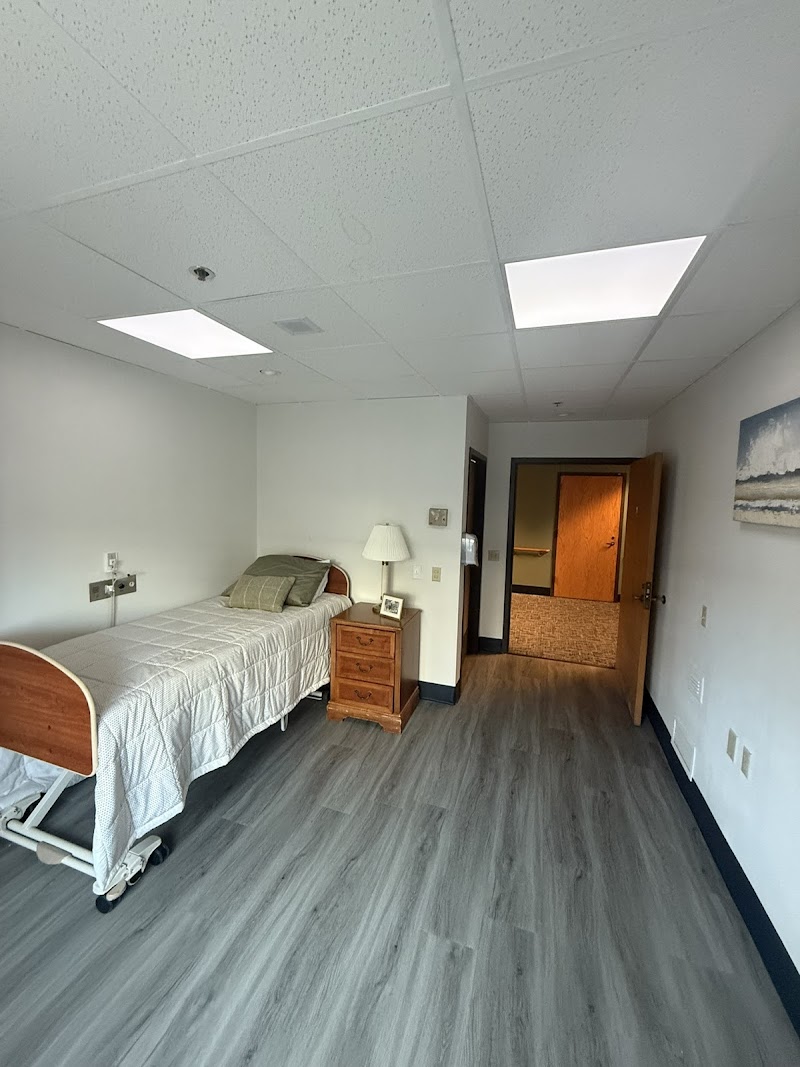
How is Lakehouse Healthcare & Rehabilitation Center Staffed?

CMS rates LAKEHOUSE HEALTHCARE & REHABILITATION CENTER's staffing level at 4 out of 5 stars, which is above average compared to other nursing homes. Staff turnover is 43%, compared to the Minnesota average of 46%. This relatively stable workforce can support continuity of care.

What Have Inspectors Found at Lakehouse Healthcare & Rehabilitation Center?

State health inspectors documented 79 deficiencies at LAKEHOUSE HEALTHCARE & REHABILITATION CENTER during 2022 to 2025. These included: 1 Immediate Jeopardy (the most serious level, indicating potential for serious harm or death) and 78 with potential for harm. Immediate Jeopardy findings are rare and represent the most serious regulatory concerns. They require immediate corrective action.
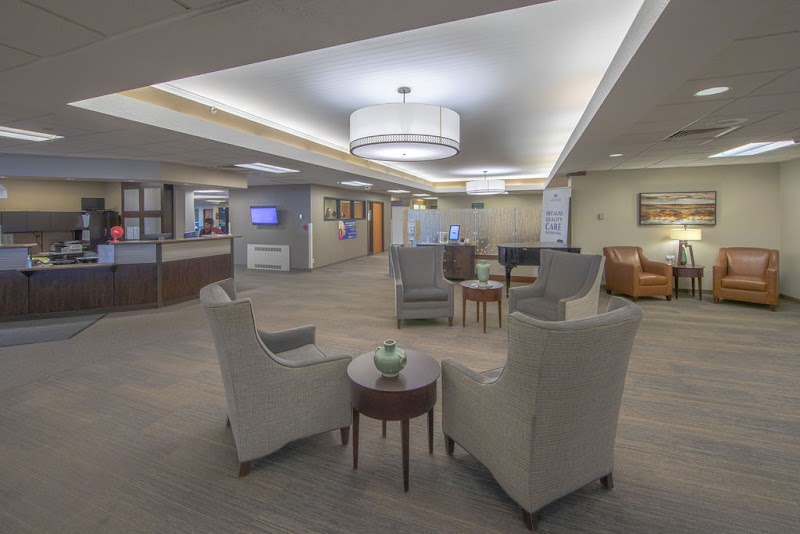
Who Owns and Operates Lakehouse Healthcare & Rehabilitation Center?

LAKEHOUSE HEALTHCARE & REHABILITATION CENTER is owned by a for-profit company. For-profit facilities operate as businesses with obligations to shareholders or private owners. The facility operates independently rather than as part of a larger chain. With 260 certified beds and approximately 224 residents (about 86% occupancy), it is a large facility located in MINNEAPOLIS, Minnesota.
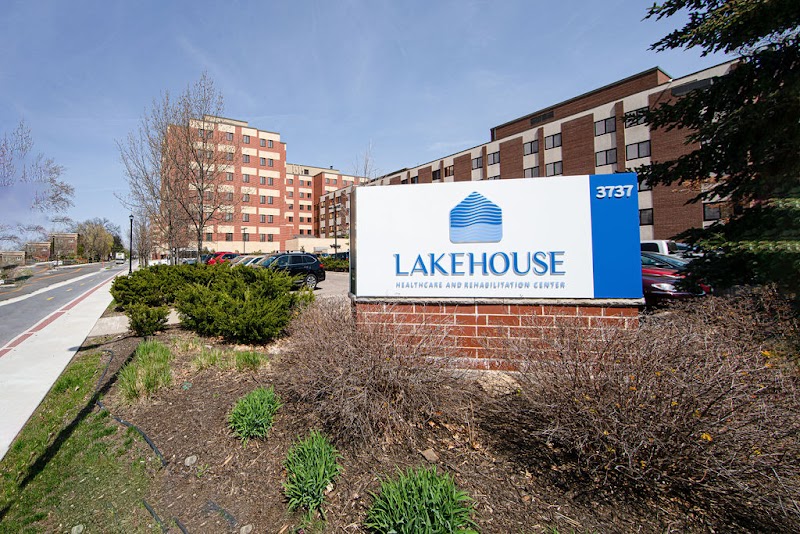
How Does Lakehouse Healthcare & Rehabilitation Center Compare to Other Minnesota Nursing Homes?

Compared to the 100 nursing homes in Minnesota, LAKEHOUSE HEALTHCARE & REHABILITATION CENTER's overall rating (1 stars) is below the state average of 3.2, staff turnover (43%) is near the state average of 46%, and health inspection rating (1 stars) is much below the national benchmark.

What Should Families Ask When Visiting Lakehouse Healthcare & Rehabilitation Center?

Based on this facility's data, families visiting should ask: "What changes have been made since the serious inspection findings, and how are you preventing similar issues?" "Can I visit during a mealtime to observe dining assistance and food quality?" "How do you handle medical emergencies, and what is your hospital transfer rate?" "Can I speak with family members of current residents about their experience?" These questions are particularly relevant given the facility's Immediate Jeopardy citations.

Is Lakehouse Healthcare & Rehabilitation Center Safe?

Based on CMS inspection data, LAKEHOUSE HEALTHCARE & REHABILITATION CENTER has documented safety concerns. Inspectors have issued 1 Immediate Jeopardy citation (the most serious violation level indicating risk of serious injury or death). The facility has a 1-star overall rating and ranks #100 of 100 nursing homes in Minnesota. Families considering this facility should ask detailed questions about what corrective actions have been taken since these incidents.

Do Nurses at Lakehouse Healthcare & Rehabilitation Center Stick Around?

LAKEHOUSE HEALTHCARE & REHABILITATION CENTER has a staff turnover rate of 43%, which is about average for Minnesota nursing homes (state average: 46%). Moderate turnover is common in nursing homes, but families should still ask about staff tenure and how the facility maintains care continuity when employees leave.

Was Lakehouse Healthcare & Rehabilitation Center Ever Fined?

LAKEHOUSE HEALTHCARE & REHABILITATION CENTER has no federal fines on record. CMS issues fines when nursing homes fail to meet care standards or don't correct problems found during inspections. The absence of fines suggests the facility has either maintained compliance or corrected any issues before penalties were assessed. This is a positive indicator, though families should still review recent inspection reports for the full picture.

Is Lakehouse Healthcare & Rehabilitation Center on Any Federal Watch List?

LAKEHOUSE HEALTHCARE & REHABILITATION CENTER is not on any federal watch list. The most significant is the Special Focus Facility (SFF) program, which identifies the bottom 1% of nursing homes nationally based on persistent, serious quality problems. Not being on this list means the facility has avoided the pattern of deficiencies that triggers enhanced federal oversight. This is a positive indicator, though families should still review the facility's inspection history directly.