MN Veterans Home Minneapolis
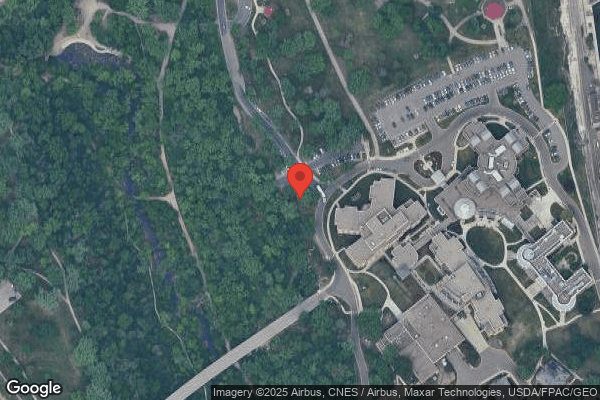
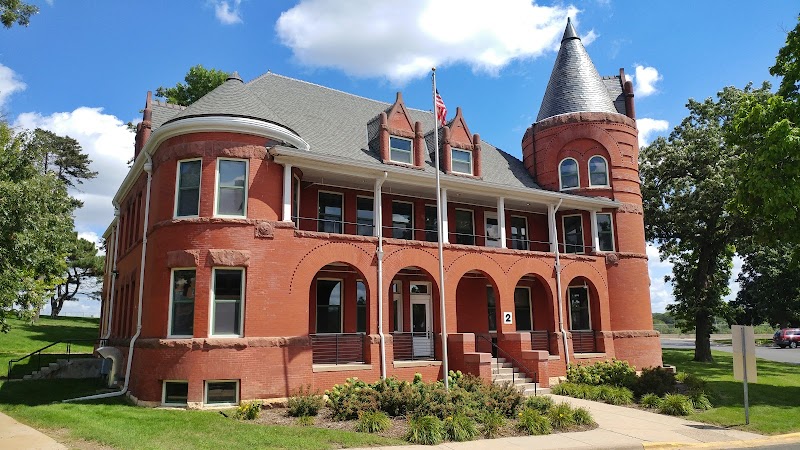
5101 MINNEHAHA AVENUE SOUTH, MINNEAPOLIS, MN 55417 (651) 539-2400
Government - State 341 Beds Independent Data: November 2025 3 Immediate Jeopardy citations
Trust Grade
27/100
#185 of 337 in MN
Last Inspection: April 2025

Within standard 12-15 month inspection cycle. Federal law requires annual inspections.

Overview

The MN Veterans Home in Minneapolis has a Trust Grade of F, indicating significant concerns about the quality of care provided. With a state rank of #185 out of 337 facilities, they are in the bottom half of Minnesota nursing homes, and at #28 out of 53 in Hennepin County, only a few local options rank lower. The facility's trend is worsening, with reported issues increasing from 7 in 2024 to 10 in 2025. While staffing is a strength with a 5/5 star rating and a low turnover rate of 17%, there are serious weaknesses, including critical incidents where staff failed to follow Do Not Resuscitate orders and administered a medication error 20 times the prescribed amount. Additionally, the facility had an incident where a resident eloped from an unsupervised area, highlighting concerns about supervision and safety.

Trust Score
F
27/100
In Minnesota
#185/337
Bottom 46%
Safety Record
High Risk
Review needed
Inspections
Getting Worse
7 → 10 violations
Staff Stability
✓ Good
17% annual turnover. Excellent stability, 31 points below Minnesota's 48% average. Staff who stay learn residents' needs.
Penalties
⚠ Watch
$8,190 in fines. Higher than 93% of Minnesota facilities. Major compliance failures.
Skilled Nurses
✓ Good
Each resident gets 86 minutes of Registered Nurse (RN) attention daily — more than 97% of Minnesota nursing homes. RNs are the most trained staff who catch health problems before they become serious.
Violations
⚠ Watch
23 deficiencies on record. Higher than average. Multiple issues found across inspections.
★★★☆☆
3.0
Overall Rating
★★★★★
5.0
Staff Levels
★★★★☆
4.0
Care Quality
★★☆☆☆
2.0
Inspection Score
Stable
2024: 7 issues
2025: 10 issues

The Good

  • 5-Star Staffing Rating · Excellent nurse staffing levels
  • 4-Star Quality Measures · Strong clinical quality outcomes
  • Low Staff Turnover (17%) · Staff stability means consistent care
  • Full Sprinkler Coverage · Fire safety systems throughout facility
  • No fines on record
  • Staff turnover is low (17%)

    31 points below Minnesota average of 48%

Facility shows strength in staffing levels, quality measures, staff retention, fire safety.

The Bad

3-Star Overall Rating

Near Minnesota average (3.2)

Meets federal standards, typical of most facilities

Federal Fines: $8,190

Below median ($33,413)

Minor penalties assessed

The Ugly 23 deficiencies on record

3 life-threatening
Sept 2025 1 deficiency 1 IJ
CRITICAL (J) 📢 Someone Reported This

A family member, employee, or ombudsman was alarmed enough to file a formal complaint

Immediate Jeopardy (IJ) - the most serious Medicare violation

Deficiency F0578 (Tag F0578)

Someone could have died · This affected 1 resident

**NOTE- TERMS IN BRACKETS HAVE BEEN EDITED TO PROTECT CONFIDENTIALITY** Based on observations, interview and document review, the facility failed to follow R1's Physician Orders for Life-Sustaining Tr...

Read full inspector narrative →
**NOTE- TERMS IN BRACKETS HAVE BEEN EDITED TO PROTECT CONFIDENTIALITY** Based on observations, interview and document review, the facility failed to follow R1's Physician Orders for Life-Sustaining Treatment (POLST) do not attempt resuscitation (DNR), do not intubate, and to allow natural death for 1 of 3 residents (R1) when R1 became unresponsive after a fall and licensed practical nurse (LPN)-A initiated cardiopulmonary resuscitation (CPR). The immediate jeopardy began on [DATE] when R1 became unresponsive after a fall, licensed practical nurse (LPN)-A initiated cardiopulmonary resuscitation (CPR), and was identified on [DATE]. The campus administrator, director of nursing, and nurse manager of facility staff were notified of the immediate jeopardy at 3:20 p.m. on [DATE]. The immediate jeopardy was removed on [DATE] and the deficient practice corrected on [DATE], prior to the start of the survey and was therefore Past Noncompliance. Findings include: R1's Physician Orders for Life-Sustaining Treatment (POLST) dated [DATE], indicated he was a DNR. R1's progress note dated [DATE] at 10:17 a.m., indicated R1 was found on the floor by a nursing assistant (NA) at 6:07 a.m. R1 became unresponsive while staff were cleaning him up after a bowel movement. His skin color changed, and he stopped talking to them. CPR was initiated. The ambulance staff continued lifesaving efforts and transported R1 to the hospital. Facility investigation interview with LPN-A note dated [DATE], indicated when R1 became unresponsive she left the room to update the officer on duty (OD) and retrieve R1's medical chart. She indicated while holding the POLST document her finger covered up the check mark for the DNR option. She interpreted his code status as a full code and initiated CPR. During an interview on [DATE] at 1:42 p.m., LPN-B stated she would go to the computer to look up the resident's code status or read the POLST located in their chart at the nursing station. During an interview on [DATE] at 3:10 p.m., LPN-C stated she would look for the POLST in the resident's chart and make sure it was signed. The label on the chart spine would be white if they were a full code. During an interview on [DATE] at 3:17 p.m., LPN -D stated she would go to the chart to find the code status documented on the POLST. During an interview on [DATE] at 3:25 p.m., registered nurse (RN)-A stated she would expect the nurses to look for the CPR status on the POLST. The second nurse arriving during a cardiac arrest would verify the code status. Interview on [DATE] at 2:14 p.m. family member (FM)-A stated his father had Alzheimer's disease, and he was the appointed healthcare representative. R1 had been a DNR since admission to the facility on [DATE]. He received a phone call on [DATE], notifying him his father was pulseless, and staff were doing CPR. He thought to himself why are they doing CPR, but he didn't say anything to the staff and just wanted to get to the facility. On the way to the facility, he received a phone call from the hospital. He was told they were only able to get his pulse back for a few minutes before his heart stopped again. They wanted to stop CPR. FM-A told them they should have never started CPR because his father was a DNR. Interview on [DATE] at 10:47 a.m. LPN-A stated while they were cleaning him up after a bowel movement, he became unresponsive, and his color changed. She left the room to call the OD and to look up his code status. She still had her gloves on, and she only saw attempt resuscitation. She started CPR when she returned to the room. The next day staff told her she read the POLST wrong. She looked again and saw the check mark for Do not resuscitate. Since she had training on how to read a POLST. She now knows the chart spine label is colored white for a full code and blue for a DNR. In addition, the POLST was located inside the chart. The facility policy Medical Emergency Protocol dated [DATE], indicated the nurse would first identify absence of breathing and circulation. Before starting CPR, the resident's code status would be reviewed in the electronic medical record, or the POLST found in the residents chart. The past noncompliance immediate jeopardy began on [DATE]. The immediate jeopardy was removed and he deficient practice corrected on [DATE] after the facility implemented a systemic plan that included the following actions: 1. Health unit coordinator (HUC), nurse manager, and registered nurses would check all resident's charts to ensure POLST matched the electronic medical record banner and the charts spine color. 2. Staff were educated on emergency protocols. a. Where to check code status.b. Two people verify the POLST. 3. Completed audits with staff and verified the training. 4. Completed monthly Code drills where staff would read the POLST and correctly identify if a full code or DNR. 5. Ongoing audit schedule to evaluate staff knowledge regarding the POLST and where to find the code status.
Jul 2025 1 deficiency
MINOR (C) 📢 Someone Reported This

A family member, employee, or ombudsman was alarmed enough to file a formal complaint

Minor Issue - procedural, no safety impact

Deficiency F0846 (Tag F0846)

Minor procedural issue · This affected most or all residents

Based on interview and document review, the facility failed to ensure a facility closure policy and procedure had been developed. This had the potential to effect all residents residing in the buildin...

Read full inspector narrative →
Based on interview and document review, the facility failed to ensure a facility closure policy and procedure had been developed. This had the potential to effect all residents residing in the building. Findings include:A policy and procedure covering facility closure was requested from the facility but facility failed to provide such documentation. According to an interview 7/31/25 at 2:45 p.m. assistant administrator stated we have been unable to locate the facility closure policy.
Apr 2025 1 deficiency 1 IJ
CRITICAL (J) 📢 Someone Reported This

A family member, employee, or ombudsman was alarmed enough to file a formal complaint

Immediate Jeopardy (IJ) - the most serious Medicare violation

Deficiency F0760 (Tag F0760)

Someone could have died · This affected 1 resident

**NOTE- TERMS IN BRACKETS HAVE BEEN EDITED TO PROTECT CONFIDENTIALITY** Based on interview and record review, the facility failed to ensure that a resident was free from a significant medication error...

Read full inspector narrative →
**NOTE- TERMS IN BRACKETS HAVE BEEN EDITED TO PROTECT CONFIDENTIALITY** Based on interview and record review, the facility failed to ensure that a resident was free from a significant medication error for 1 of 3 residents (R1) reviewed for medication errors. This resulted in an Immediate Jeopardy (IJ) citation when licensed practical nurse, (LPN)-A administered morphine, a narcotic medication, 20 times the amount that was ordered by the provider. The immediate jeopardy began on 4/11/25 p.m. when LPN-A administered 20 times the amount of liquid morphine to R1 and was identified on 4/17/25. The director or nursing (DON) and the Administrator were notified of the immediate jeopardy at 3:03 p.m. on 4/17/25. The immediate jeopardy was removed on 4/17/25, and the deficient practice corrected on 4/14/25, prior to the start of the survey and was therefore was issued at past noncompliance. Findings include: R1's quarterly Minimum Data Set (MDS) dated [DATE], indicated R1's primary diagnosis was cerebral vascular accident (stroke). Other diagnoses included: diabetes, dementia and atrial fibrillation. R1's Brief Inventory of Mental Status (BIMs) assessment was not conducted as R1 was rarely/never understood. R1 was dependent upon staff for toileting and personal hygiene, dressing, transferring and rolling from side to side in bed. MDH has the MDS printed from ASPEN. R1's progress note dated 4/11/25 at 11:00 p.m. indicated R1's blood pressure (BP) was 158/61, (normal 100/60 - 120/80), pulse (P) was 73 normal (60-100) oxygen saturation (SpO2) was 86% to 91% (normal 90% - 100%). Oxygen levels were fluctuating, the nurse practitioner (NP) was called. The NP advised 2-4 liters (L)of oxygen. If oxygen levels did not improve R1 was to be sent to the hospital. R1's oxygen remained below 88% and his family declined hospitalization. The NP ordered 5 milligrams (mg) of Morphine every hour as needed. R1's order dated 4/11/25 indicated R1 was to take morphine 5 mg (20 mg/1 ml) oral every hour as needed for shortness of breath. R1's individual narcotic record dated 4/11/25, indicated morphine 20 mg/1 ml. Give 5 mg every hour as needed. The quantity of liquid morphine prior to administration was 15 ml and after administration at 11:45 p.m. was 10 ml, indicating R1 received 5 ml (add 100 mg) and not 5 mg as ordered. R1's progress note dated 4/12/25 at 1:49 a.m., indicated a medication error morphine 5 ml given instead of ordered dose of morphine 5 mg. The NP was notified. R1's BP was 160/74, P 74, R 26, and SpO2 93% on 2 L NC. NP advised to hold the morphine for the next few hours and monitor R1. R1's progress note dated 4/12/25 at 3:00 a.m., indicated death at 2:50 a.m. R1 was unresponsive, and vitals had ceased at 2:50 a.m., pupils were fixed, and no pulse was found. Upon interview on 4/17/25 at 10:20 a.m., registered nurse (RN)-A stated the nurse, referring to LPN-A, failed to follow the five rights of medication administration (right medication, right dose, right route, right time and right patient). LPN-A failed to check the correct dose. In addition, she did not verify the dose with another nurse per facility policy. The nurse manager on duty found the medication error around 12:30 a.m. on 4/12/25 in the system because the order had not been verified with another nurse. RN-A immediately reached out to LPN-A to verify the medication error and notified the NP for new orders. RN-A stated all staff had been retrained following the incident. Upon interview on 4/17/25 at 11:01 the NP stated on 4/11/25 he was informed that R1 was having difficulty eating, breathing and was agitated. He ordered R1 to have oxygen and if his breathing did not improve to send him to the hospital. R1's family did not want him sent to the hospital, so the NP ordered liquid morphine 5 mg (20 mg/1 ml). He ordered the morphine in liquid form because that was available in the emergency medication kit. At around 12:30 a.m. he was notified that R1 received an incorrect dose of morphine. The NP gave the orders to hold the morphine and monitor R1 frequently. The NP was under the impression R1 received 20 mg of morphine and was not told until the following day that R1 instead received 100 mg of morphine. The NP stated he was not certain if the overdose caused R1's death. He stated the Medical Examiner will make that determination. Upon interview on 4/17/25 at 1:42 p.m. RN-B stated she worked as the facility manager the night of 4/11/25. She was given report by the outgoing manager RN-C that R1 had a change in condition, the NP was notified and had placed an order for oxygen and morphine. RN-B stated she received the hard copy verbal order of the morphine. She checked the order to ensure there were two signatures on the order. She got the medication out of the emergency (e)-kit and delivered it to LPN-A around 11:30 p.m. RN-B handed the medication vial to LPN-A and another LPN staff member signed the managers book that the medication was delivered. RN-B left the unit and went to complete other assignments. At approximately 12:30 p.m. RN-B noticed R1's morphine order had not been confirmed in R1's electronic chart (e-chart). She was concerned because medications were not to be given until two nurses had confirmed the ordered dose in the e-chart. RN-B went to the unit and asked LPN-A why she had not administered R1's morphine. LPN-A told RN-B she had administered the morphine at 11:45 p.m. RN-B noticed that LPN-A had written down 5 ml administered. RN-B asked LPN-A how much morphine R1 received, and LPN-A told her 5 ml. RN-B stated she knew it was the wrong dose and calculated the error. RN-B's calculation indicated R1 received 20 mg of morphine. RN-B called the NP and reported R1 had been given 20 mg of morphine instead of 5 mg. The NP ordered staff to hold the morphine and to monitor R1. RN-B told the family, who was in R1's room that R1 had been given 20 mg of morphine instead of 5 mg and the facility would be holding the morphine and monitoring R1 frequently. The family still wanted R1 to stay at the facility and not be sent to the hospital. RN-B brought in cots for the family to spend the night with R1. At approximately 2:15 a.m. RN-B received a call from LPN-A stating R1's oxygen saturations were trending down in the 70's. RN-B elevated R1's head of bed and got him a face mask for the oxygen instead of the nasal cannula. At approximately 2:40 a.m. LPN-A told RN-B that she thought she may have given R1 more than 20 mg of Morphine. RN-B looked at the morphine bottle again and what LPN-A had given and realized she had given him 100 mg of Morphine instead of the 20 mg they had thought prior. RN-B paged the NP, as she was paging him, she was told R1 had passed away. After confirming R1's passing and consoling the family, RN-B met with the family and told them R1 received more morphine than they originally thought he received, it was 100 mg of morphine at 11:45 p.m. and 20 mg was previous reported to the family. RN-B stated the facility provided training to all licensed staff following the error. Upon interview on 4/17/25 at 6:22 p.m., family member (FM)-A stated she had spoken with RN-A a few days prior to R1's death regarding R1's change in condition. FM-A was told R1 required more assistance with feeding and was sleeping more. A plan was made that R1 would stay at the facility and not be hospitalized if he declined further. On 4/11/, FM-A and FM-B were with R1 at dinner time and assisted with his feeding. They left the facility around 7:00 p.m. At approximately 10:00 p.m. FM-A received a call from the facility stating R1 was agitated, and his oxygen saturations were under 90% and they wanted to send R1 to the hospital. FM-A stated not to send him to the hospital that she and FM-B were on their way to the facility to see him. They arrived at the facility around 10:30 p.m. R1 was anxious, pulling at his blankets and his breathing seemed more labored. R1 was wearing oxygen when they arrived, however his saturations continued to be below 90%. RN-C told FM-A that the NP ordered some morphine to relax R1 and assist with the breathing. FM-A was agreeable. At 11:45 p.m. LPN-A administered the morphine to R1. LPN-A had to awaken R1 to administer the morphine. R1 stayed awake and was breathing harder, sounded like sleep apnea although he was awake FM-A asked staff to please leave the O2 monitor on R1, which they did. R1's saturations continued to drop. At approximately 12:30 p.m. LPN-A told the family she had accidentally given R1 20 mg of morphine instead of 5 mg, that the NP had been notified, and the staff would be monitoring R1 frequently. At approximately 12:40 p.m. RN-B entered the room and explained the medication error to the family again. RN-B recommended the family spend the night and brought in cots to sleep on. FM-A stated over the next few hours R1 became worse, his saturations continued to drop, he was agitated and then he went into a coma state where his pupils looked to be pinpoint. He still had a pulse at 1:50 a.m. At approximately 2:00 a.m. FM-A stated R1 started the death rattle which was confirmed by RN-B. RN-B told FM-A she thought R1 was dying and to notify the rest of the family. After R1's passing at 2:50 a.m. RN-B told the family R1 had received 100 mg of morphine. Attempts to contact LPN-A were unsuccessful. A facility protocol titled Medication Administration Protocol with a revision date of 4/2025 indicated: Medication/Treatment Administration Procedure: A. Perform hand hygiene. B. Unlock medication cart. C. Open resident's electronic health record (HER) and choose eMAR. D. Identify medication/treatment to be administered. E. Check for resident allergy. F. Locate medication card/container and compare the label with the eMAR directions. 1. Check the label for: a) Right resident b) Right drug - check label description for color and shape c) Right dosage d) Right route e) Right time In addition: Special instructions: a) Liquid narcotic medication: two nurses must verify the amount to be given. Liquid narcotic medication requiring a dosage calculation must be transcribed in PCC order in ml and verified at time of transcription by two nurses. A facility policy titled Medication Administration with a revision date of 12/4/2024 indicated: Staff administering medication must ensure the correct medication is administered in the correct dose, in accordance with the manufacturer's specifications or provider's order, to the correct person via the correct route in the correct dosage form and at the correct time. Medication incidents that result in certain types of medication errors for the resident (Such as the wrong person, drug, dose, route, frequency, lack of clinical justification, or charting omissions) must be documented and reported by staff to nursing leadership as applicable. Following survey the DON sent the policy and protocol which were in the investigative file. The IJ that began on 4/11/25, was corrected on 4/14/25. The IJ was issued at past noncompliance due to the actions the facility implemented prior to survey, including: The facility identified the error on 4/11/25 and completed a thorough investigation identifying the root cause that LPN-A did not follow the medication right or right dose and did not verify the dose with another nurse. LPN-A was placed on a leave pending the investigation on 4/14/25. All nursing staff were educated on the medication order transcription process, order confirmation process, ensuring orders are confirmed and appear on the electronic medication record prior to administration, double noting of liquid narcotics to ensure correct dosing on order and in the narcotic book. This was completed on 4/14/25. IDT meeting was held to discuss the use of liquid narcotics in the facility vs. sublingual morphine to propose the change to the pharmacy for emergency medication kit use on 4/14/25.
Apr 2025 7 deficiencies
CONCERN (D)

Potential for Harm - no one hurt, but risky conditions existed

Grievances (Tag F0585)

Could have caused harm · This affected 1 resident

**NOTE- TERMS IN BRACKETS HAVE BEEN EDITED TO PROTECT CONFIDENTIALITY** Based on interview and document review, the facility failed to ensure a voiced grievance of a missing shirt was acted upon timel...

Read full inspector narrative →
**NOTE- TERMS IN BRACKETS HAVE BEEN EDITED TO PROTECT CONFIDENTIALITY** Based on interview and document review, the facility failed to ensure a voiced grievance of a missing shirt was acted upon timely to help facilitate prompt resolution for 1 of 1 resident (R232) who reported such item as missing with no follow-up. Findings include: R232's quarterly Minimum Data Set (MDS) dated [DATE], indicated R232 was cognitively intact. R232's progress note failed to identify a missing item reported on 2/28/25. However, there was a late entry on 3/6/25 at 9:30 a.m., R232 expressed to writer his black long sleeve shirt was stolen by a p.m. staff member. R232's progress note dated 3/6/25 at 4:33 p.m., (documented as a late entry) identified R232 pointed out the staff member that allegedly stole his black long sleeve shirt, and the nurse writer immediately removed staff from resident care. The writer and ADON interviewed both the resident and staff member and filed a report with MDH (Minnesota Department of Health). R232's progress notes failed to show follow-up after the missing item was reported. The facility's 2025 Grievance Complaint Log failed to document R232's grievance. The facility's missing item tracker identified R232's with a missing item on 2/28/25. During an interview on 4/7/25 at 4:19 p.m., R232 stated, a black long sleeve shirt was on his chair as he entered his room and while his back was turned a staff member removed the shirt and left the room. R232 stated, when he turned around the staff member and the shirt were gone. The missing item was reported to the nurse manager on 2/28/25. R232 stated the investigation was lacking. The nurse manager waved him down in the hallway to discuss the camera footage and informed him that staff member would no longer float to his unit, but never came to my room to discuss the results of the investigation or that they were done looking for the shirt. During an interview on 4/8/25 at 11:37 a.m., licensed practical nurse (LPN)-A stated anytime a resident reported a missing item staff checked the resident's room first, then talked with aids and other residents, called laundry and charted a general progress note. LPN-A stated family would be called only if it was necessary. The next shift would be notified of any new missing items during a huddle meeting and the nurse manager was always notified. LPN-A confirmed the unit was equipped with security cameras. During an interview on 4/8/25 at 12:04 p.m., registered nurse manager (RN)-C stated when a resident reported a missing item, a missing item form was completed and sent to laundry, the safety officer, assisted director of nursing (ADON), and the unit social worker. If it was a housekeeping item, such as laundry, that item usually turned up and that documentation would be found under progress notes. RN-C stated during R232's investigation the security camera footage was reviewed, and the staff member was not seen holding any item as he exited the room. RN-C verified a report was filed with OHFC. RN-C stated a claim was filed with the social worker on 2/28/25. During observation and interview on 4/8/25 at 1:31 p.m., social services (SS)-A stated the resident had the right to complete a Tort claim if an item could not be recovered. To prove monetary value, the resident would need a receipt. If the resident did not have a receipt a similar item could be found online, and that value would be used to complete the Tort claim. Once the form was completed it was given to legal department and sent to Saint [NAME] where a committee approved the claim. SS-A stated a copy of the claim was not kept on file, and then confirmed R232 never came back to file a Tort claim. SS-A provided a blank settlement of claims-not exceeding $7,000 form. SS-A confirmed no completed forms were kept on file for R232. During an interview on 4/8/25 at 2:30 p.m., assistant director of nursing (ADON-RN)-D stated a report was submitted to the Department of Health, OHFC specifically for R232's black long sleeve shirt that was reported stolen by the nurse on 2/28/25. RN-D confirmed all completed grievance forms were filed and kept with the director of social services and confirmed there was no follow up with the resident after the report was filed. During an interview on 4/8/25 at 3:00 p.m. RN-C recalled having a conversation with R232 regarding the investigation and referred to the spreadsheet for missing items. RN-C confirmed the tracker failed to show results of the investigation in that only demographic information was completed. RN-C also confirmed not going to the resident's room to discuss the investigation, but did confirm the shirt was discussed in passing while R232 visited across the hall with the social worker. During an interview on 4/9/25 at 9:37 a.m., R232 stated the nurse manager never came back to discuss how the investigation ended. He stated she saw him in front of the social workers office and would say, I will get back in touch with him. R232 stated it was dismissed at that point, but he was not satisfied because she never clarified if the investigation was ongoing. R232 confirmed he was not offered the Resident Property Damage/Loss Form and SS-A never offered a Tort or settlement claim for reimbursement on 2/28/25 or anytime thereafter. During an interview on 4/9/25 at 9:40 a.m., RN-C could not provide the resident property damage/loss form completed for R232 that is directed to be completed in step 1 of 4 in the Minnesota Veteran's Home-Minneapolis Stand of Work Resident Lost/Missing Items protocol. RN-C also confirmed there was no follow up progress note to document an investigation or conversations with R232 after 3/6/25 regarding the missing item. Minnesota Department of Veterans Affairs Policy dated 6/22/23 indicated (A) 1. A claimant will be provided with a claim report and demand form upon request and the claimant has suffered personal injury or negligent loss, damage, or destruction of property.
CONCERN (D)

Potential for Harm - no one hurt, but risky conditions existed

Quality of Care (Tag F0684)

Could have caused harm · This affected 1 resident

**NOTE- TERMS IN BRACKETS HAVE BEEN EDITED TO PROTECT CONFIDENTIALITY** Based on interview and document review, the facility failed to conduct accurate and on-going assessments for bruising, and imple...

Read full inspector narrative →
**NOTE- TERMS IN BRACKETS HAVE BEEN EDITED TO PROTECT CONFIDENTIALITY** Based on interview and document review, the facility failed to conduct accurate and on-going assessments for bruising, and implement skin protection interventions for 1 of 1 resident (R10) reviewed for anticoagulant use, and failed to follow orders for ankle compression sleeves (compression stockings) to legs for 1 of 1 resident (R53) reviewed for edema. Findings include: R10's annual Minimum Data Set (MDS) dated [DATE], indicated R10 was independent with mobility, used a walker on and off the unit, was cognitively intact, had a diagnoses of anemia and atrial fibrillation, and took an anticoagulant (blood thinning) medication. No other skin conditions or skin concerns were documented. R10's annual skin assessment dated [DATE], described on going skin issues as, resident bruises easily r/t apixaban usage. R10's care plan dated 11/29/2024, identified the medical management of anticoagulant therapy and included R10 would be free from discomfort, but failed to apply interventions to protect R10's skin while taking an anticoagulant. R10's care plan dated 11/29/2024, stated he communicated most of his needs. R10's active orders included apixaban (an anticoagulant) oral tablets 5 MG tablet dated 3/15/23 with no end date. R10's active orders dated 12/31/2024, included monitoring for a bruise 8 cm x 10 cm on left hand daily. Document Y (yes) if wound is free from signs and symptoms of infection, if pain is managed, and dressing in intact or was changed during the shift. Document N (no) if any of the above areas are of concern in the progress notes. Discontinue when resolved. R10's annual skin assessment dated [DATE], summarized findings as prone to bruising related to the prescribed medication apixaban, an anticoagulant used to treat atrial fibrillation. R10's progress note dated 4/9/2025, indicated he was independent with mobility. During observation and interview on 4/7/25 at 9:19 am, R10 stated the backs of his hands had been bruised since he started using salve on his legs for edema. R10 confirmed no skin protection sleeves were offered by staff and R10 stated he would like to try skin protection sleeves, especially while sleeping. No skin protection sleeves were observes in the resident's room or bathroom. During an interview on 4/9/25 at 10:00 am, nurse manager (RN)-C stated sleeves were usually recommended, but some residents were not cognitively intact would remove them. They indicated they care planned to the resident's preference. RN-C confirmed no skin protectant was care planned for R10 and no derma sleeves have been used in the past. RN-C was aware of the bruises on both hands, and believed R10 had a history of taking off the sleeves, which she confirmed again, he had never tried in the past. During an interview on 4/9/25 at 12:08 pm, assistant director of nursing (ADON, RN)-D stated the expectation would be for all residents on an anticoagulant, staff would first observe for bruising, and then apply skin protection interventions, like a derma sleeve. RN-D stated the resident would need to be cognitively intact to be able to use the sleeve. Some residents had sleeves and took them off. RN-D stated the sleeves needed to be offered and if the resident refused, then the nurses documented the refusal. RN-D confirmed that R10 had not been offered derma sleeves in the past. During observation and interview on 4/9/25 at 3:25 pm, R10 stated he had dark bruising on both his hands. The bruising on the right hand did go up to the wrist and stopped. R10 stated his right hand bruised worse because he slept on his right side. The back of the left hand was also bruised. Neither forearm was bruised nor were his face or shins. R10 verified there was no protective or adaptive items in the room to help support skin from bruising nor had R10 tried any in the past. None was observed. Skin Management Program dated 2/13/2025, identified preventive or routine skin care interventions will be instituted and documented in the resident's EMR and on the resident's initial care plan for the care team to follow. Policy on anticoagulant use/monitoring was requested and not received. R53 R53's annual Minimum Data Set (MDS) dated [DATE], indicated R53 had no cognitive impairment, was diagnosed with diabetes, hyperlipidemia, hypertension, and was taking medication used to reduce fluid build up in the body. R53's provider notes dated 1/2/25, and 2/27/25, indicated R53's edema was well managed on low dose Lasix (furosemide - a water pill). R53's medication administration record (MAR) dated for the month of April 2025, included an order for furosemide oral tablet 10 MG in the morning every Monday, Wednesday, and Friday for edema. R53's Skin Risk Factors MVH form dated 3/7/25, included a section to identify risk factors. The checked box next to Edema was not selected. R53's order summary dated 4/3/25 at 7:00 a.m., indicated to apply bilateral ankle compression sleeves in the morning. The orders also indicated removal at 7:00 p.m. R53's treatment administration record (TAR) dated 4/7/25, indicated bilateral ankle compression sleeves were applied in the morning at 8:26 a.m. and indicated at 1:21 p.m. the bilateral ankle compression sleeves were taken off. R53's care plan with a review date of 2/27/25, indicated medical management for diuretic use related to edema, but failed to identify interventions. During observation and interview on 4/7/25 at 6:41 p.m., R53 indicated their right foot was sore and that the pain went away at night. R53 was wearing short, white, socks that extended approximately 2-3 inches above the ankle bone with one inch indentation from the socks on both legs. No compression sleeves, or stockings were worn or visible in the room. R53 stated staff did not put compression sleeves on her legs on 4/6/25 or 4/7/25. During an interview on 4/8/25 at 2:38 p.m., nursing assistant (NA)-A stated R53 did not wear compression socks and confirmed she was wearing anklets. NA-A looked up R53's [NAME] in the computer and identified there were no tasks directing staff to apply compression sleeves. During observation and interview on 4/8/25 at 2:50 p.m., R53 removed her right shoe to discuss her sore foot. Licensed practical nurse (LPN)-A was brought to the room and verified the bilateral edema in R53's lower extremities and the short white socks R53 wore. LPN-A stated, this is bad, and indicated she usually wore black socks. LPN-A removed both of R53's white socks. R53 had approximately 1 inch indentation from the socks about 2 to 3 inches above the ankle bone on both legs. LPN-A confirmed the right leg had significantly more edema and confirmed the compression socks were not set up or in the room. During observation and interview on 4/9/25 at 9:55 a.m., R53 wore red tread socks and stated ace wraps would be on later. R53 displayed the right leg with continued edema approximately 1 inch indentation 2-3 inches above the ankle bone. During an interview on 4/9/25 at 1010 a.m., RN-C stated R53 complained of pain and recently recovered from an ankle fracture. RN-C confirmed there was an active order for bilateral ankle compression sleeves to be applied in the morning and removed at bedtime and confirmed the (TAR) indicated on 4/7/25, the ankle compression sleeves were documented as applied and removed. During an interview on 4/9/25 at 12:01 p.m., RN-D stated the expectation was all orders would be followed and the items ordered would be used. A policy for Edema management was requested and not received. Minnesota Department of Veterans Affairs Skin Management Program dated 2/13/25 was provided and however lacked policy and procedures related to edema management.
CONCERN (D)

Potential for Harm - no one hurt, but risky conditions existed

Deficiency F0685 (Tag F0685)

Could have caused harm · This affected 1 resident

**NOTE- TERMS IN BRACKETS HAVE BEEN EDITED TO PROTECT CONFIDENTIALITY** Based on interview and document review, the facility failed to follow up and implement treatment for improved hearing for 1 of 1...

Read full inspector narrative →
**NOTE- TERMS IN BRACKETS HAVE BEEN EDITED TO PROTECT CONFIDENTIALITY** Based on interview and document review, the facility failed to follow up and implement treatment for improved hearing for 1 of 1 residents (R277) when complaints of hearing loss were made. Findings include: R277's quarterly Minimum Data Set (MDS) dated [DATE], indicated R277 had intact cognition, adequate hearing (no difficulty in everyday conversation), and did not use hearing aids. R277's provider Admit Note dated 10/8/24, indicated R277 had stated he had an audiogram which showed some hearing loss and particularly had difficulty with hearing in crowded rooms. The note indicated that R277 was interested in pursuing further evaluation for hearing aids. R277's medical record was reviewed and did not indicate further follow-up on R277's request for hearing aids. The note indicated R277 had declined in-house audiology services but was interested in an audiology evaluation to work towards getting hearing aids. During an interview on 4/7/25 at 12:57 p.m., R277 stated he had a hearing test around the time he was admitted to the facility in September of 2024 and was told he needed hearing aids but never received any. R277 stated he talked with a doctor about needing these hearing aids but did not recall any updates on them since. R277 stated he had issues hearing others in crowded environments. R277 stated in these environments, he would not hear things people were saying to him so would just nod my head and smile and hope it is nothing important. During an interview on 4/8/25 at 2:27 p.m., registered nurse (RN)-A, the nurse manager of the unit, stated she was unaware of R277 requesting to get hearing aids. RN-A stated, after a brief review of the medical record, that she did see a note indicating R277 had wanted hearing aids but did not see a follow-up on this request but would further investigate it. On 4/9/25 at 10:39 a.m., RN-A stated she had talked with other staff members and further reviewed R277's medical record but did not find evidence that R277's request for hearing aids had been addressed. The facility's Services Not Covered but Made Available to all Admissions-Residents policy dated 10/13/23, identified services, such as audiology, that the facility may provide and may be charged to the residents' personal fund. The policy did not address the process the facility would take to assist the resident in obtaining these audiology services.
CONCERN (D)

Potential for Harm - no one hurt, but risky conditions existed

Deficiency F0688 (Tag F0688)

Could have caused harm · This affected 1 resident

**NOTE- TERMS IN BRACKETS HAVE BEEN EDITED TO PROTECT CONFIDENTIALITY** Based on observation, interview, and document review, the facility failed to ensure staff assisted 1 of 1 resident (R74), who wa...

Read full inspector narrative →
**NOTE- TERMS IN BRACKETS HAVE BEEN EDITED TO PROTECT CONFIDENTIALITY** Based on observation, interview, and document review, the facility failed to ensure staff assisted 1 of 1 resident (R74), who was reviewed for restorative nursing program, to attend their GI (general term used for government issued) therapy gym sessions or document reasons resident was not available for attendance. The facility further failed to ensure occupational therapist recommendations were care planned and initiated for one of two residents (R184) who was assessed as at risk for bilateral hand contractures and impaired skin due to clenching fist reviewed for services to prevent decrease in range of motion. Findings include: R74 R74's quarterly Minimum Data Set (MDS) dated [DATE], indicated R74 had severe cognitive impairment and no behaviors or rejection of care. R74 had impairment on one side of upper and lower extremity and required substantial to total assistance with activities of daily living. R74 had diagnoses which included coronary artery disease, hypertension, peripheral vascular disease, cerebrovascular accident, hemiplegia or hemiparesis, traumatic brain injury, and asthma. R74 had one day of passive and one day of active range of motion in the last seven days of the look back period. R74's order dated 5/13/22, directed staff to follow fitness gym programming per therapy parameters. R74's care plan printed 4/9/25, indicated the following interventions: -10/4/24, resume fitness GI gym program: Kinevia (motorized therapy device for lower extremities) soft train, base speed 10 rpm (revolutions per minute), resistance 2-3 for 10 minutes for bilateral lower extremity active assisted range of motion/passive range of motion as resident is able. Staff to provide wheelchair transportation to attend. -10/9/24, escort R74 to the GI fitness gym on Mondays, Wednesdays, and Thursdays for their 11 a.m. appointment. R74's Point of Care (POC) Response History printed 4/10/25, indicated R74 attended two GI gym appointments and was not available for 11 out of 13 sessions. R74's progress notes identified the following for days which were marked as resident not available for GI gym appointments: -3/12/25, no notes. -3/13/25, no notes. -3/17/25, documented notes did not indicate reason for R74's missed gym session. -3/19/25, no notes. -3/20/25, indicated R74 attended exercise programs during recreation therapy's quarterly charting period and did not indicate reason for R74's missed gym session. -3/26/25, note at 2:15 p.m. indicated R74 had an appointment via MVH (Minnesota Veterans Home) laptop and did not indicate the time of the appointment. -3/27/25, note at 1:51 p.m. indicated R74 had an appointment at 1:30 p.m. with transportation time of 1:15 p.m -4/2/25, no notes. -4/3/25, note at 11:54 a.m. indicated R74 had transportation at 12:15 p.m. for a 1:30 p.m. appointment. -4/7/25, no notes. -4/9/25, note at 3:49 a.m. indicated a nebulizer was given to R74 for wheezing and note at 5:09 a.m. indicated the nebulizer was effective. During observation on 4/9/25 at 11:09 a.m., R74 was in their wheelchair at a table in the unit's television area. A nursing staff member entered another resident's room, and another staff sat at a chair and charted information. During interview on 4/9/25 at 11:24 a.m., nursing assistant (NA)-D stated they brought residents to the GI gym according to a posted schedule. NA-D stated they did not chart on GI gym attendance and reported to the nurse if residents refused to go to the gym. NA-D verified the posted chart indicated R74 should attend their gym session at 11:00 a.m. on Wednesdays and stated R74 attended their session. During interview on 4/9/25 at 12:01 p.m., physical therapy assistant (PTA)-A stated they completed exercise groups around the building, and PTA-B mainly completed the restorative programs in the GI gym. PTA-A stated managers called to let them know when a resident was not able to attend their appointment, so they may reschedule. PTA-B reviewed the 4/9/25 therapy schedule, and R74 had a red line by their name. PTA-B stated the red line indicated R74 did not attend their GI gym appointment. PTA-B stated they received a call earlier this week to notify them R74 would not attend Monday's session related to illness and had not received a call today. PTA-B stated R74 usually attended about two out of three sessions per week, and nursing did not always document why R74 did not attend their gym appointment. PTA-B charted resident not available when R74 did not attend their sessions. PTA-B stated R74 did not tolerate a lot of exercise but pedaled for approximately ten minutes. During interview on 4/9/25 at 2:28 p.m., registered nurse (RN)-G stated nursing assistants brought residents to the GI gym according to the posted schedule and was told all residents were brought to the gym for their appointments today. RN-G stated they would document if someone notified them a resident did not attend their GI gym appointment. During interview on 4/10/25 at 7:42 a.m., R74 agreed it was important for them to attend GI gym appointments and liked to attend at least twice a week. R74 was observed to cough, and the cough sounded wet and/or productive. During interview on 4/10/25 at 9:28 a.m., RN-F expected staff to document reasons residents were not able to attend their GI gym appointments and correspond with the GI gym staff. RN-F reviewed R74's notes and gym session documentation and verified R74 had appointments and respiratory issues on some gym days and lacked documentation other days. RN-F stated R74 may attend fitness activities with PTA-A and was not sure if the fitness activities on the unit conflicted with the times of R74's GI gym appointments. RN-F stated it was important for residents to attend their gym appointments to help maintain optimal levels of mobility. During interview on 4/10/25 at 10:27 a.m., the assistant director of nursing (ADON)-B stated it was important for staff to ensure residents attended their GI gym appointments and expected staff to document if there was a pattern of refusals. ADON-B stated the interdisciplinary team had a schedule to review GI gym participation, so they could adjust resident's schedule if needed. R184 R184's quarterly Minimum Data Set (MDS), dated [DATE], indicated R184 had a diagnosis of Alzheimer's disease, no impairment of his upper and lower extremities and was dependent on staff for all activities of daily living (ADLs). R184's Progress note, dated 2/28/25, indicated R184 received an occupational therapy (OT) evaluation and would be appropriate for a bilateral upper extremity range of motion restorative nursing program. The note indicated this would be set up by OT. R184's careplan, dated 3/29/24, indicated R184 was at risk for decline in ADLs and functional mobility related to dementia and was on a maintenance program. The careplan lacked any interventions related to bilateral hand contracture prevention (i.e. range of motion, palm protectors or holding an object to prevent clenching hands into a fist.) R184's OT note, dated 2/28/24, indicated R184 did not currently have an upper extremity restorative nursing program and would benefit from holding an object during the day to decrease the resident's incidence of clenching fists. The note also indicated it was recommended for R184 to participate in AAROM (active assisted range of motion) for his bilateral upper extremities. R184's OT note, dated 3/29/25, indicated R184 would not benefit from bilateral palm protectors but would benefit from alternate interventions to manage squeezing of palms (increased tone in hands). OT will instruct the resident's [R184] caregivers regarding encouraging the resident to hold onto a ball or stuffed cat when at rest on the unit. The note further indicated R184 would benefit from a PROM (passive range of motion) program. During observation on 4/8/25 at 2:16 p.m., R184 was laying in bed, awake. He did not have anything to hold onto. During an interview on 4/8/25 at 3:14 p.m., occupational therapist (OT)-A stated it was decided R184 would not be appropriate for a hand splint or palm protector but her goal was to have the nursing assistants do range of motion with R184's hands. OT-A stated she talked to a few nurses about having R184 hold onto his stuffed cat when he was up in his wheelchair but had not documented the conversation. OT-A also confirmed the range of motion program had not been passed along to the nursing staff but OT-A had done range of motion with R184's hands once or twice. During an observation on 4/9/25 at 8:00 a.m., R184 was up in his wheelchair at the breakfast table. There was nothing in R184's hands. Later, at 9:28 a.m., R184 was still up in his wheelchair in the main television area. R184 still had nothing in his hands. During an interview on 4/9/25 at 9:24 a.m., registered nurse (RN)-H stated R184 went to the fitness gym Monday and Friday but was unaware of any intervention for his hands, including range of motion or holding his stuffed cat in his hands. RN-H checked R184's [NAME], used by staff to know how to care for each resident, and confirmed there were no intervention on his [NAME] for his hands. During an interview on 4/9/25 at 10:35 a.m., RN senior and registered nurse (RN)-I stated nursing staff had asked OT to assess R184's hands because nursing staff had concerns about him clenching them. RN-I confirmed OT had not passed along interventions for R184 until yesterday, stating R184 did not have any care planned interventions such as range of motion or holding his stuffed cat as recommended by OT. A facility policy titled Restorative Nursing, revised 12/4/24, indicated MVH will assess, plan, and implement a restorative nursing program per applicable state and federal rules and regulations to improve or maintain a resident ' s functional status.
CONCERN (D)

Potential for Harm - no one hurt, but risky conditions existed

Respiratory Care (Tag F0695)

Could have caused harm · This affected 1 resident

**NOTE- TERMS IN BRACKETS HAVE BEEN EDITED TO PROTECT CONFIDENTIALITY** Based on observation, interview, and document review, the facility failed to analyze and care plan R596's multiple declinations ...

Read full inspector narrative →
**NOTE- TERMS IN BRACKETS HAVE BEEN EDITED TO PROTECT CONFIDENTIALITY** Based on observation, interview, and document review, the facility failed to analyze and care plan R596's multiple declinations to wear supplemental oxygen as ordered for 1 of 1 resident (R596) reviewed for oxygen use. Findings include: R596's quarterly Minimum Data Set (MDS) dated [DATE], indicated R596 had intact cognition and no behaviors or rejection of care. R596 had impairments to both sides of lower extremities. R596 required substantial and/or maximal or greater assistance with most activities of daily living, setup or clean-up assistance with eating, and supervision or touching assistance with oral hygiene. R596's diagnoses included anemia, heart failure, hypertension, renal failure, diabetes mellitus, depression, post-traumatic stress disorder, COPD (chronic obstructive pulmonary disease), and respiratory failure. The MDS indicated R596 had oxygen therapy. R596's care plan printed 4/8/25, indicated R596 required oxygen therapy with focus area initiated on 12/31/24. Care plan interventions included: -1/7/25, assist to change from portable oxygen tank to room tank. -1/7/25, assist to set oxygen flow rate as ordered. -1/7/25, monitor oxygen saturation rates. Another care plan focus area dated 1/7/25, indicated R596 was on continuous oxygen treatment for emphysema and/or COPD. Care plan interventions included: -1/7/25, give oxygen therapy as ordered by the physician. -1/7/25, head of bed to be elevated or out of bed upright in a chair during episodes of difficulty breathing. -1/7/25, monitor for difficulty breathing on exertion. Remind resident not to push beyond endurance. R596's care plan lacked documentation of resident refusal to use oxygen, or any other reason for non-oxygen use. R596's order dated 12/30/24, directed staff to maintain R596's oxygen saturation level 90% (percent) or above with continuous supplement oxygen at two to four liters per minute (LPM) via nasal cannula and document liter flow every shift. R596's oxygen saturation summary report printed 4/10/25, indicated oxygen saturation level method was Room Air on 65 times from 12/30/24 to 4/9/25. R596's progress notes indicated: -4/9/25 at 11:35 a.m., R596's oxygen saturation level was 92% on RA (room air). -3/11/25 at 8:49 p.m., R596's oxygen saturation level was 92% on RA. -3/9/25 at 11:11 p.m., R596's oxygen saturation level was 97% on RA. -3/6/25 at 10:28 p.m., R596 was offered supplemental oxygen, kept on for less than an hour, then removed and stated they did not need it. R596 was educated about the importance of oxygen and aware of the risk and benefits. The note indicated will continue to monitor as the action taken. -3/6/25 at 10:10 a.m., R596's oxygen saturation level was 91% on RA. -2/28/25 at 1:46 p.m., blood clots were noted in R596's urine bag. R596's oxygen saturation level was 91% at four liters of supplemental oxygen. R596 declined to keep oxygen on and educated on risk and benefits. The notes Action section indicated the nurse practitioner was notified, and staff received new orders for catheter irrigation and did not observe blood clots after irrigation completed. The note indicated the oncoming nurse would be notified about the situation and did not mention other actions taken for declination of oxygen use. R596 also required oxygen therapy. -2/26/25 at 1:37 a.m., R596 refused to use continuous oxygen. -2/25/25 at 2:20 a.m., R596 refused to use supplemental oxygen via nasal cannula for the shift and told staff they did not need supplemental oxygen. -2/22/25 at 7:58 a.m., R596 refused to use oxygen treatment. Staff check oxygen saturation and was between 84-88% on room air. Staff offered to apply oxygen, and oxygen saturation increased to 92% when on three liters of supplemental oxygen. -2/21/25 at 10:52 p.m., R596 refused supplemental oxygen via nasal cannula. -2/20/25 at 11:18 a.m., R596 declined supplemental oxygen, was educated on risks and benefits, and did not have shortness of breath or respiratory distress. -2/17/25 at 6:17 a.m., R596 refused supplemental oxygen and stated they were fine. -1/29/25 at 2:37 p.m., R596's oxygen saturation was 93% on RA. -1/28/25 at 6:07 a.m., R596's oxygen saturation was 94% on RA. -1/27/25 at 5:38 a.m., R596 declined use of supplemental oxygen during most of the night. R596 agreed to wear, and staff would observe nasal cannula removed during checks. R596 reported they did not want the supplemental oxygen and did not need it. R596 was educated on risks and benefits and did not have shortness of breath or respiratory distress. -1/25/25 at 1:33 p.m., R596's oxygen saturation was 94% on RA. -1/20/25 at 1:49 p.m., R596's oxygen saturation was 93% on RA. -1/18/25 at 2:42 p.m., R596's oxygen saturation was 94% on RA. -1/16/25 at 2:56 p.m., R596's oxygen saturation was 96% on RA. Provider notes lacked documentation of R596 supplemental oxygen refusals and/or declinations. During observation on 4/7/25 at 1:32 p.m., R596 sat in their wheelchair in the unit's television area near the nursing station and cart. R596 had an oxygen tank on the back of their wheelchair and did not have the attached nasal cannula applied. During observation which started on 4/8/25 at 12:18 p.m., nursing assistant (NA)-E pushed R596 in their wheelchair into the dining room. R596 had an oxygen tank on the back of their wheelchair, and the attached nasal cannula was not applied and on R596's stomach. NA-E positioned R596 at a dining room table and applied a clothing protector on R596. At 12:22 p.m., registered nurse (RN)-G checked R596's blood sugar, and R596 still did not have their supplemental oxygen on. At 12:29 p.m., RN-G wheeled R596 out of the dining area, and R596 still did not have their supplemental oxygen on. At 12:34 p.m., R596 was at the dining table, did not have their supplemental oxygen on, and took deep breaths in and out. At 12:37 p.m., RN-G spoke with R596. R596 was not taking deep breaths and still did not wear their supplemental oxygen. At 12:52 p.m., R596 still did not have their oxygen on and took deep breaths. At 12:56 p.m., R596 asked NA-E to take them back to their room and took deep breaths. At 12:57 p.m., NA-E assisted R596 out of the dining area, and R596 still did not wear their supplemental oxygen. During interview on 4/8/25 at 1:13 p.m., RN-G stated they followed oxygen orders from the provider. RN-G stated they documented if a resident did not wear their ordered supplemental oxygen, monitored the resident closely, encouraged the resident to wear supplemental oxygen, and notified the provider. RN-G stated R596 wore their oxygen during mealtime and did not see R596 with the nasal cannula off. RN-G stated R596 had a history of taking their nasal cannula off, they reminded R596 to wear their supplemental oxygen, and they were not sure why R596 took off their supplemental oxygen. During interview on 4/8/25 at 1:24 p.m., NA-E stated some residents did not want to wear their supplemental oxygen even if oxygen use was on their care plan. They encouraged residents to wear their oxygen and notified the nurse when residents did not. NA-E verified R596 did not have their supplemental oxygen on during mealtime and stated R596 agreed to wear the nasal cannula when brought back to their room after their meal. NA-E stated R596 refused supplemental oxygen on and off during the day with no pattern of times and stated R596 reported their breathing was okay. During interview on 4/8/25 at 3:03 p.m., licensed practical nurse (LPN)-B stated they followed orders for oxygen use. LPN-B redirected and educated residents who did not want to wear their supplemental oxygen and monitored their oxygen saturation and other vitals. LPN-B documented continuous refusals and notified the provider and nurse manager. LPN-B stated R596 was quick to place nasal cannula back on when reminded, did not think R596 was aware their nasal cannula was off at times, and did not think it was a deliberate action. During interview on 4/8/25 at 3:11 p.m., NA-F stated R596 took their nasal cannula off at times when in bed, even after staff placed it back on. NA-F was not sure if R596 knew their nasal cannula was off sometimes and stated R596 did not tell them why they removed it. During interview on 4/9/25 at 2:33 p.m., R596 was in their bed and did not have their nasal cannula on. R596 stated the nasal cannula slid off, they could not get it back on, and thought it had been off for thirty minutes. R596 got the oxygen tubing around one ear, nasal cannula in nares, and was unable to loop the tubing around their other ear. R596 placed their call light on and stated they were breathing alright. At 2:36 p.m., NA-E entered the room, placed the nasal cannula on R596, and slid the adjuster upwards towards NA-E's chin. During interview on 4/10/25 at 9:28 a.m., RN-F expected staff to document about residents who refused oxygen use or other reasons for residents to not wear ordered oxygen. RN-F expected staff to contact the provider and care plan non-oxygen use if there was a consistent issue and it affected their oxygen level. RN-F was not aware R596 refused their oxygen use or of other reasons R596 did not wear their oxygen. During interview on 4/10/25 at 10:27 a.m., assistant director of nursing (ADON)-B expected staff to have on-going risk and benefit conversations with R596 and care plan about R596's habits of oxygen use if concerns were on-going. ADON-B expected staff to ask why R596 removed the oxygen or look at a different type of tubing if falling off. ADON-B stated oxygen use was important for residents who had oxygen orders. The facility's Medication Administration policy dated 12/4/24, indicated current standards of practice would be followed when administering medications through alternate routes such as nasal, and medication not administered would include an explanation.
CONCERN (D)

Potential for Harm - no one hurt, but risky conditions existed

Deficiency F0726 (Tag F0726)

Could have caused harm · This affected 1 resident

**NOTE- TERMS IN BRACKETS HAVE BEEN EDITED TO PROTECT CONFIDENTIALITY** Based on observations, interview, and document review, the facility failed to ensure staff were competent to apply medicated oin...

Read full inspector narrative →
**NOTE- TERMS IN BRACKETS HAVE BEEN EDITED TO PROTECT CONFIDENTIALITY** Based on observations, interview, and document review, the facility failed to ensure staff were competent to apply medicated ointment for 1 of 1 resident (R232) reviewed for self-administration. Findings include: R232's quarterly Minimum Data Set (MDS) dated [DATE], indicated R232 was cognitively intact, had a diagnosis of diabetes and was receiving skin treatments to areas other than his feet. R232's care plan dated 1/30/25, failed to identify a self administration medication program. R232's order summary report identified an active order for Triamcinolone Acetonide External Ointment 0.025% (Topical) applied to itchy dry skin, with a start date of 9/12/24, with no end date. R232's SAM's (self-administration of medication and/or treatments) dated 2/1/25, indicated the resident did not want to self-administer medications. R232's treatment administration record dated March 2025 through April 2025 indicated daily documentation of unsupervised self administration for Triamcinolone Acetonide External Ointment with directions to be applied to itchy/dry skin topically every morning and at bedtime. During an observation and interview on 4/9/25 at 9:05 a.m., the Triamcinolone Acetonide External Ointment 0.025% container with a pharmacy label was set out on the resident's shelf. R232 stated the aids applied the cream. During an interview on 4/9/25 at 9:52 a.m., nursing assistant (NA)-B stated aids applied cream to R232. During an interview on 4/9/25 at 11:01 a.m., director of nursing (DON) stated medicated creams were not administered by nursing assistants in Long Term Care. During an interview on 4/9/25 at 11:36 a.m., nursing assistant (NA)-C verified he washed R232's body and applied the cream all over the arms and legs. The cream was used for bad, dry, scaling skin. NA-C verified he knew to use a medium amount and to use gloves, once a day, during his shift. NA-C verified the cream stayed in R232's room all the time. During an interview on 4/9/25 at 11:38 a.m., registered nurse (RN)-E, nurse educator for the campus, verified that the campus did not have trained medication aids (TMAs). During an interview on 4/9/25 at 11:59 a.m., licensed practical nurse (LPN)-A stated nursing assistants could put on prescription/medicated cream and lotion if they knew how it was applied. LPN-A stated as part of her orientation and training it was explained that if the resident could confirm to the nurse that the nursing assistant understood how and where the medicated cream should be applied, then the nursing assistant could apply the cream and report back to the LPN. LPN-A confirmed the e-MAR was then marked off after the nursing assistant completed the task. During an interview on 4/9/25 at 12:02 p.m., assistant director of nursing (ADON RN)-C confirmed no TMAs were trained to work on the campus. If residents had a prescription lotion, the expectation would be a licensed staff would apply the lotion. They stated there was no such program that allowed the LPN to check with the resident to confirm the nursing assistant applied the medicated lotion correctly, and the LPN must apply the lotion and mark the MAR. Per Policy Medication Administration, dated 12/4/24, Only certified/licensed staff will administer medications.
CONCERN (D)

Potential for Harm - no one hurt, but risky conditions existed

Infection Control (Tag F0880)

Could have caused harm · This affected 1 resident

**NOTE- TERMS IN BRACKETS HAVE BEEN EDITED TO PROTECT CONFIDENTIALITY** Based on observation, interview, and document review, the facility failed to ensure enhanced barrier precautions (EBP) were util...

Read full inspector narrative →
**NOTE- TERMS IN BRACKETS HAVE BEEN EDITED TO PROTECT CONFIDENTIALITY** Based on observation, interview, and document review, the facility failed to ensure enhanced barrier precautions (EBP) were utilized appropriately for 2 of 2 residents (R269, R595) reviewed for EBP related to wounds. In addition, staff failed to perform appropriate hand hygiene for 1 of 1 resident (R595) observed to receive cares in enhanced barrier precautions. Findings include: EBP NOT FOLLOWED AND LACK OF HAND HYGIENE R595's entry tracking record dated 4/3/25, indicated R595 returned to the facility from a short-term general hospital. R595's care plan printed 4/9/25, indicated: -12/30/24, R595 had MRSA (methicillin-resistant staphylococcus aureus; staph germ which have resistance to antibiotics) to a wound on the second toe of right foot and required contact precautions and meticulous hand washing. -4/1/25, R595 required enhanced barrier precautions. -4/4/25, R595 required assist of two staff to transfer with full body lift and physical assist of one staff for lying/sitting bed mobility. R595 positioned self in bed with used of bilateral grab bars and overhead trapeze. R595's physician order dated 2/28/17, indicated R595 used a condom catheter at night. Another order dated 4/7/25, indicated R595 took cefpodoxime proxetil (an antibiotic which treats certain infections caused by bacteria) oral tablet 200 mg by mouth every twelve hours for seven days for right foot infection. During observation and interview on 4/7/25 at 1:03 p.m., R595 had an enhanced barrier precautions sign on their door which identified the high-contact cares for which staff were required to wear a gown and gloves. A second sign indicated contact precautions-enteric precautions, and highlighted staff needed to wear gowns and gloves. The second sign also indicated staff needed to use dedicated equipment, bleach disinfectant, and soap and water for hand hygiene even after alcohol gel use. Further, the second sign indicated resident must stay in room for 48 hours beyond the last symptom. R595 stated they had an infected wound and had to have their toes amputated. R595 stated they were able to leave their room as they desired. R595 had a shoe on the left foot and boot on their right foot. During observation on 4/9/25 at 10:12 a.m., nursing assistant (NA)-G and NA-H wore gloves and no gowns. R595 sat on a commode with a sling around them and was raised with a mechanical lift off the commode. NA-G performed peri-cares, removed gloves, did not perform hand hygiene, applied gloves, grabbed an incontinence bed pad from a drawer, and placed it on the bed. NA-G removed the plastic bag with bowel movement from the commode, removed gloves, did not perform hand hygiene, and applied gloves. NA-G and NA-H assisted R595 onto the bed and assisted R595 to turn in bed to apply R595's incontinence product and pants. NA-G and NA-H then transferred R595 from the bed to wheelchair. During interview on 4/9/25 at 10:25 a.m., NA-H stated R595 had a leg infection, and staff wore gowns when they assisted R595 to dress and didn't need a gown to transfer R595. During interview on 4/9/25 at 10:47 a.m., licensed practical nurse (LPN)-C stated R595 had a wound and was on enhanced barrier precautions. LPN-C stated staff did not need to wear a gown to transfer R595 but needed a gown and gloves to provide peri-cares and wound care. LPN-C stated one sign was related to R595's catheter and another to their wound. During interview on 4/9/25 at 10:54 a.m., NA-G confirmed they should have worn gown and gloves to provide R595 with peri-cares and transfer. NA-G verified they did not perform hand hygiene between glove changes and should have. During interview on 4/10/25 at 10:27 a.m., ADON-B expected staff to wear gloves and gowns when they performed peri-cares and when they transferred a resident on enhanced barrier precautions. ADON-B stated there was a risk for the spread of infection when staff did not use gowns and gloves during high-contact cares. ADON-B expected staff to perform hand hygiene between glove changes to prevent the spread of pathogens. The facility's Infection Prevention and Control Program dated 10/23/24, directed staff to wear gowns and gloves during high contact resident care activities for residents in enhanced barrier precautions. High contact resident care activities included transferring, changing briefs, providing hygiene, and assisting with toileting. The facility's Hand Hygiene policy dated 9/17/24, directed staff to remove gloves and complete hand hygiene during resident care if moving from a contaminated body site to a clean body site and to reapply gloves if appropriate. EBP NOT ASSIGNED R269's quarterly Minimum Data Set (MDS) dated [DATE], indicated R269 had intact cognition and required substantial/maximal to total assistance with dressing, toileting hygiene, footwear, transfers, and bed mobility. R269's diagnoses included diabetes mellitus, osteoarthritis, traumatic brain injury, hemiplegia (weakness on one side of the body), and seizures. The MDS indicated R269 had a stage two pressure ulcer. R269's care plan printed 4/10/25, lacked indication of enhanced barrier precautions. R269's physician order dated 4/1/25, directed staff to wash left big to with normal saline/wound cleanser, pat dry, apply small amount of medi-honey, cover with two-by-two gauze, wrap with kerlix dressing/tape daily and as needed and to discontinue the order when area healed. Orders did not indicate enhanced barrier precautions. R269's Skin and Wound Evaluation dated 4/6/25, indicated R269 had a stage two pressure ulcer since 3/13/25, to their left dorsum first metatarsal phalangeal joint (the joint located at the base of the left big toe). The wound measured 0.8 by 0.6 cm (centimeters), had 10% (percent) epithelial (pink/white in color and final stage of wound healing) coverage, 20% granulation (red, bumpy tissue in wound bed), 70% slough (dead tissue within a wound which appears yellow, tan, or white), no evidence of infection, and light serous exudate (clear wound fluid or drainage). R269's wound was treated and dressing intact, and the wound was improving. During observation on 4/10/25 at 7:50 a.m., R269 did not have an enhanced barrier precautions sign on their door or personal protective equipment cart outside of their room. During interview on 4/10/25 at 10:02 a.m., licensed practical nurse (LPN)-C stated R269 had an open pressure wound on their left big toe and dressing changes were completed in the evenings. LPN-C stated staff wore gown and gloves during R269's dressing changes. LPN-C stated the wound nurse, assistant director of nursing (ADON), and infection preventionist determined which residents required enhanced barrier precautions. During interview on 4/10/25 at 10:07 a.m., nursing assistant (NA)-I stated staff did not use enhanced barrier precautions for R269. NA-I stated enhanced barrier precautions were not in R269's care plan and confirmed there was no enhanced barrier precautions sign or personal protective equipment cart outside R269's door. NA-I stated R269 did not have a catheter or feeding tube like other residents who required enhanced barrier precautions. During interview on 4/10/25 at 10:20 a.m., registered nurse (RN)-J stated residents who required enhanced barrier precautions had a sign on their door and PPE cart outside their door. The senior RN or floor nurses set up the signage and PPE cart. RN-J stated R269 had a stage two pressure ulcer on their toe and may need enhanced barrier precautions due to R269's wound. During interview on 4/10/25 at 10:27 a.m., ADON-B stated the infection preventionists were the main staff to look over which residents required enhanced barrier precautions, but the interdisciplinary team worked together to ensure residents were on correct precautions. ADON-B stated residents with an open area and MDRO (multidrug-resistant bacteria; organisms which are resistant to typical antibacterial treatments) required enhanced barrier precautions. ADON-B reviewed R269's care plan and stated the care plan did not indicate R269 had an MDRO. The facility's Infection Prevention and Control Program dated 10/23/24, indicated residents with wounds, such as pressure ulcers, or indwelling medical devices are particularly susceptible and should be identified and have EBP established.
Mar 2024 7 deficiencies
CONCERN (D)

Potential for Harm - no one hurt, but risky conditions existed

Deficiency F0554 (Tag F0554)

Could have caused harm · This affected 1 resident

**NOTE- TERMS IN BRACKETS HAVE BEEN EDITED TO PROTECT CONFIDENTIALITY** Based on observation, interview, and document review the facility failed to assess a resident for the ability to self-administer...

Read full inspector narrative →
**NOTE- TERMS IN BRACKETS HAVE BEEN EDITED TO PROTECT CONFIDENTIALITY** Based on observation, interview, and document review the facility failed to assess a resident for the ability to self-administer medications via a nebulizer (machine that aerosolizes medications for inhalation) for 1 of 1 residents (R49) reviewed for self-administration of medications. Findings include: R49's quarterly Minimum Data Set (MDS) dated [DATE], indicated R49 had severe cognitive impairment and diagnoses of chronic obstructive pulmonary disease ([COPD] debilitating lung disease) and dementia. R49's provider order dated 5/5/2023, indicated R49 required levalbuterol inhalation nebulization (medication given via nebulizer to increase airflow to the lungs) solution 1.25 milligrams/3 milliliters four times a day related to COPD. R49's self-administration of medication assessment dated [DATE], indicated R49 did not request to self-administer medications. During observation on 3/18/24 at 5:02 p.m., R49 was in bed with the head of bed elevated. R49's nebulizer machine was running. Staff were not present in the hallway or in R49's room. R49 was holding a nebulizer mask in his right hand away from his face. At 5:02 p.m., R49 held the mask to his face for a moment before removing it again and yelling help help. At 5:03 p.m., R49 put the mask back at his face again for a moment before taking it back off and coughing. Nursing assistant (NA)-B walked by R49's room down towards dining room and let registered nurse (RN)-D know R49 was taking off the nebulizer mask. At 5:05 p.m. NA-B knocked on R49's door and entered to assist to the wheelchair and escort down to dining room for dinner. R49's mask was on the bedside table and the nebulizer machine was still running. At 5:20 p.m., RN-D entered R49's room and turned off nebulizer machine. When interviewed on 3/18/24 at 5:14 p.m., NA-D stated R49 removed the mask himself as the nebulizer medication was completed. NA-D further stated R49 usually knew when the medication was completed. When interviewed on 3/18/24 at 5:46 p.m., RN-D stated some residents require monitoring during a nebulizer treatment, but R49 did not require monitoring. Furthermore, RN-D stated if a resident could not be left alone with their nebulizer, it would be indicated in the order. R49's orders did not indicate R49 could not be left alone. RN-D further stated usually R49 was checked back on in 15 minutes to ensure the medication was completed and acknowledged that was not done tonight. When interviewed on 3/20/24 at 9:19 a.m., RN-E stated residents who self-administer medications require an assessment to ensure they are safe for administration. RN-E further stated R49 should not be left alone when administering the nebulizer as R49 often was anxious and was not cognitively intact. When interviewed on 3/20/24 at 12:18 p.m. the director of nursing (DON) expected staff to be in attendance of all medication administration including nebulizers unless the resident was assessed as safe to self-administer medications. A facility policy titled Self-Administration of Medications dated 7/13/23, directed staff to allow residents to self-administer medications if the resident is determined capable and safe to do so by the interdisciplinary team.
CONCERN (D)

Potential for Harm - no one hurt, but risky conditions existed

Deficiency F0561 (Tag F0561)

Could have caused harm · This affected 1 resident

**NOTE- TERMS IN BRACKETS HAVE BEEN EDITED TO PROTECT CONFIDENTIALITY** Based on observation, interview and record review the facility failed to comprehensively assess residents food preferences and e...

Read full inspector narrative →
**NOTE- TERMS IN BRACKETS HAVE BEEN EDITED TO PROTECT CONFIDENTIALITY** Based on observation, interview and record review the facility failed to comprehensively assess residents food preferences and ensure meal choices were provided for 1 of 1 residents (R146) reviewed for choices. Findings include: R146's significant change Minimum Data Set (MDS) dated [DATE], indicated R146 was cognitively intact and had diagnoses of Parkinson's disease, diabetes, and depression. Furthermore, R146's MDS indicated R146 required set up for meals. R146's dietary care area assessment (CAA) dated 2/28/24, indicated a nutrition care plan would be addressed and to refer to R146's nutrition assessment dated [DATE]. R146's nutrition assessment dated [DATE], indicated R146 was recently admitted to hospice and had a liberalized diet. R146 had difficulty chewing and mashed potatoes, cottage cheese, and ice cream were incorporated into the meal plan. R146's assessment stated R146 reviewed menus ahead of time and chose items to ea. R146's assessment lacked indication food preferences were reviewed. R146's care plan revised 2/26/24, indicated R146 was at nutritional risk related to poor dentition, weight loss, and hospice. R146 was expected to have weight loss. R146's goal was to accept food as desired and able to tolerate for comfort. R146's care plan lacked indication of food preferences and indicated R146 was independent in making food choices. R146's lunch meal ticket dated 3/19/24, indicated R146 would have ice cream, crumbled cottage cheese, tomato soup, soft shell pork carnitas, extra gravy on food and mashed potatoes with beef gravy. An observation on 3/19/24 at 12:31 p.m., R146 was lying in bed when licensed practical nurse (LPN)-A entered with R146's lunch tray. R146 was repositioned to eat lunch and LPN-A set up R146's meal tray. When R146 was asked what was for lunch R146 replied I don't know about to find out. LPN-A then removed the food cover and ensured R146 did not need anything else before leaving the room. R146 picked up the meal ticket and reviewed it. R126's tray had a soft-shell taco, beans, mashed potatoes and a light gravy and chicken noodle soup. R146 stated does this look like beef gravy .I hate chicken. They give me chicken every meal. R146 was frustrated with the meal and further stated I can't eat this food as I only have three teeth left. I tell them I want pastas, but it doesn't seem to matter. Review of R146's meal ticket listed R146 was supposed to have tomato soup and mashed potatoes with beef gravy, extra gravy on food, cottage cheese, and ice cream. However, R146's lunch tray was not the same. When interviewed on 3/18/24 at 1:57 p.m., R146 stated they were not a fan of chicken and liked pasta and carbohydrate like foods but there was not much of that. Furthermore, R146 stated they were not asked about food choices at meals. When interviewed on 3/19/24 at 1:38 p.m., nursing assistant (NA)-A stated residents attend a group meeting to make menu selections. If a resident was not able to go, the dietician reviewed the menu for selections. NA-A stated changes can be made at any time and given to the dietician to enter. NA-A further stated R146 had gotten weaker and no longer was able to walk. R146 remained in bed most of the time now as it was becoming difficult to get out of bed. When interviewed on 3/19/24 at 2:24 p.m., LPN-A stated R146 did not like the meal today and didn't really eat. Furthermore, LPN-A stated the dietary staff completed meal choices and orders for residents. LPN-A verified R126's meal ticket and lunch tray served did not match and stated if it was different, the kitchen must be out of the other items. When interviewed on 3/19/24 at 2:44 p.m., registered nurse (RN)- A stated residents have weekly menu selections on Wednesdays. Residents then go down and meet to review the menu for the upcoming week and make their choices. RN-A further stated if a resident did not go down, the dietician would review the menu and place their choices with the resident. RN-A stated likes or dislikes would be on the care plan to alert staff and assist in offering something else. RN-A verified no preferences had been included in R146's care plan. When interviewed on 3/19/24 at 4:15 p.m., dining service supervisor (DSS)-A stated meal tickets should be completed 2 days ahead of time but can be changed the day of as well. If a resident wanted to change something, nursing staff would let the dietician know as nursing staff cannot change the meal tickets. If the change was made at the time of the meal, all efforts were done to make the request happen. If a meal ticket and tray did not match, the server should be notified. Servers were expected to ensure the tickets match the tray and to correct or call to the kitchen if something was not available on the unit. DSS-A further stated resident preferences were coordinated with the dietician and was included in the meal plan. When interviewed on 3/20/24 at 7:40 a.m., dietician (D)-A stated residents meal preferences or likes/dislikes were assessed during the initial nutrition assessments and could be updated during future assessments. D-A stated residents were also informed of a menu section group that meets weekly and all are encouraged to attend. D-A further stated if residents did not attend the menu selection meeting, the choices may be gathered by family or nursing staff. If family or nursing staff were not able to complete, nursing staff would let the dietician know. If there had been no selections made, the meal tickets were generated by the list of dislikes in the computer. The meal ticket would automatically choose the other option if a disliked item was the main choice. D-A stated R146's meals have been difficult due to R146's dental issues and the food was not always been what R146 loves. D-A was aware of some dislikes with the food texture and was not aware of the meal ticket not matching what R146 was served or any other problems. D-A expected the tickets to match up and if not, servers or nursing should attempt to correct it. D-A stated R146's disliked food list was not given and reviewed at the last nutrition assessment and was aware of R146 requesting pasta. D-A further stated special requests could be passed along, but it was then up to the culinary team to make it work. D-A was not sure if R146 reviewed the menus in advance or if any special request for pasta had been made. The Director of Culinary Services was off and unavailable for interview. A facility policy regarding resident choices was requested however not received.
CONCERN (D)

Potential for Harm - no one hurt, but risky conditions existed

Grievances (Tag F0585)

Could have caused harm · This affected 1 resident

**NOTE- TERMS IN BRACKETS HAVE BEEN EDITED TO PROTECT CONFIDENTIALITY** Based on interview and document review, the facility failed to ensure a voiced grievance of a missing electric toothbrush was ac...

Read full inspector narrative →
**NOTE- TERMS IN BRACKETS HAVE BEEN EDITED TO PROTECT CONFIDENTIALITY** Based on interview and document review, the facility failed to ensure a voiced grievance of a missing electric toothbrush was acted upon timely to help facilitate prompt resolution for 1 of 1 resident (R187) who reported such item as missing with no follow-up. Findings include: R187's quarterly Minimum Data Set (MDS), dated [DATE], identified R187 had intact cognition and demonstrated no delusional behavior and/or thinking. R187's care plan, last reviewed 1/23/24, identified R187 was alert and oriented to person, place and time; and could become upset or frustrated . when I do not feel like I am being heard or when technology is not working in a way that I would like it to. The care plan lacked evidence R187 had delusional thinking or any associated behaviors. On 3/18/24 at 3:24 p.m., R187 was interviewed and expressed frustration as his electric toothbrush had gone missing the week prior. R187 stated he reported it to the nursing assistant (NA) and nurse working who seemed to more argue with him about ever having one instead of helping to look for it which R187 voiced was bullshit. R187 stated he still had not had any follow-up (i.e., plan to address it, replace it) about the missing item since reporting it to the nurse the week prior. When interviewed on 3/19/24 at 2:00 p.m., registered nurse (RN)-B stated they recalled R187 had reported to them a missing electric toothbrush the week prior and staff were unable to locate it with a quick search. RN-B stated they visited with another NA about it, too, who also had not seen the device. RN-B verified R187 had intact cognition and added R187 was pretty alert and orientated. RN-B explained when a missing item was reported, the staff should complete a green form and route it to the social worker. However, RN-B stated they did not do this as they were hopeful we would find it. RN-B stated they would put it on my list and act on it now (3/19/24). When questioned on expected timeframe for reporting missing items using the identified form, RN-B stated the right answer would be to complete the form and route it right away but reiterated they did not do such as they were hoping the device would be found in his room. RN-B stated the form, had it been completed, would have likely been routed to social worker (SW)-A but added they were likely unaware of the missing item as I'd never spoke to her [SW-A] about it. R187's medical record was reviewed and lacked evidence the reported missing electric toothbrush had been acted upon including what, if any, actions were taken to locate the item or report it as missing to the management team for resolution. In addition, no evidence was provided to demonstrate the voiced grievance of a missing item had been acted upon to determine what, if any, follow-up actions were wanted or needed to resolve the issue for R187. On 3/19/24 at 3:59 p.m., SW-A was interviewed and verified they helped cover R187's unit. SW-A explained a reported missing item should have a corresponding form completed which is then routed onward to be addressed. SW-A stated the timeliness of a response kind of varies adding, I don't know there's a set parameter. However, SW-A acknowledged, The sooner the better is just good practice. SW-A verified they were unaware R187 had reported a missing electric toothbrush and expressed, had they been told or received a completed form with the item listed, they would have followed up with it. SW-A stated it was important to ensure missing items were acted upon as the items belong to that person and it's their home and their belongings. A provided Settlement of Claims - Not Exceeding $7,000 policy, dated 6/2023, identified the person reporting the missing item would be provided a Claim Report and Demand form upon request and if they've suffered personal injury, negligent loss, damage or destruction of property. The form would then be routed and reviewed via designated staff members. The policy included an attached, Resident Property Damage/Loss Form, which outlined it was to be completed . by the first staff person [underlined] to be notified of missing resident property, then the safety officer and immediate supervisor was to be notified.
CONCERN (D)

Potential for Harm - no one hurt, but risky conditions existed

Comprehensive Care Plan (Tag F0656)

Could have caused harm · This affected 1 resident

**NOTE- TERMS IN BRACKETS HAVE BEEN EDITED TO PROTECT CONFIDENTIALITY** Based on interview and document review, the facility failed to ensure assessed and care-planned interventions for skin monitorin...

Read full inspector narrative →
**NOTE- TERMS IN BRACKETS HAVE BEEN EDITED TO PROTECT CONFIDENTIALITY** Based on interview and document review, the facility failed to ensure assessed and care-planned interventions for skin monitoring were consistently implemented to reduce the risk of complication (i.e., infection, breakdown) for 1 of 3 residents (R246) reviewed for non-pressure skin impairments. Findings include: R246's quarterly Minimum Data Set (MDS), dated [DATE], identified R246 had intact cognition and needed substantial assistance with bathing or showering. Further, the MDS outlined R246 was at risk for pressure ulcer development and had current moisture-associated skin damage (MASD) present. On 3/18/24 at 3:01 p.m., R246 was interviewed and expressed concern with a rash on his bilateral legs. R246 stated the rash seemed to come and go and described it as really bumpy and just itchy. R246 stated the staff (i.e., nursing assistants) were applying lotion to his legs but not everyday. R246 stated the nurses, to his knowledge, were aware of it but was unsure what, if any, monitoring of it was being done. R246's care plan, last reviewed 1/19/24, identified R246 was scheduled for Thursday evening bathing and required assistance to complete it. The care plan outlined R246 had potential for skin breakdown and a history of open areas adding, [R246] has fragile skin and has a history of bruises. The care plan listed a goal which read, Skin will be free from s/s [signs, symptoms] of infection through next review period, along with several interventions including, Licensed nurse to assess/document skin condition weekly per facility protocol. R246's Treatment Administration Record (TAR), dated 2/2024 to 3/2024, identified an intervention which read, Weekly: Open and complete Weekly Skin Assessments on bath day ., with a listed start date of 11/30/23. This had a refusal marked on 3/7/24, and the intervention was signed as completed on 3/14/24; however, R246's last completed Weekly Skin Check (under the ASSMNTS section) was dated 2/22/24 (nearly a month prior) which outlined R246 had, No new findings noted. There were no other recorded skin checks, or refusals of one, identified since 2/22/24. When interviewed on 3/19/24 at 2:03 p.m., registered nurse (RN)-B explained R246 had current moisture-associated skin impairment along his abdominal or groin folds and, as a result, staff were applying a fabric-type, moisture wicking treatment to them. RN-B explained during bath day the residents, including R246, were to have a weekly skin check completed and documented in the medical record. RN-B verified this was done using the 'Weekly Skin Check' form in the EMR, and reviewed R246's medical record with the surveyor present. RN-B acknowledged the last completed form was on 2/22/24, and expressed R246 had potentially refused bathing but was unsure adding any rationale for not completing the weekly skin evaluation should have been outlined in the medical record. RN-B stated they were unsure exactly where the facility wanted refusals, if any, recorded in the medical record and expressed the skin checks might get dropped [not done] if the nurses weren't telling the management R246 had been, potentially, refusing them. R246's medical record was reviewed and lacked a completed Weekly Skin Check for 2/29/24 and 3/14/24, despite being scheduled for bathing on these days. Further, there was no evidence R246 had been offered and refused a skin check on these dates. On 3/20/24 at 8:26 a.m., registered nurse manager (RN)-A was interviewed and verified they had reviewed R246's medical record. RN-A explained there was no documentation to support a 'Weekly Skin Check' had been completed or attempted on 2/29/24, and the nurse had signed off as completing the skin check on 3/14/24 but there was none located so, as a result, RN-A stated they have to follow up with her. RN-A stated they felt R246's skin was still being looked at on regular intervals due to his other various treatments (i.e., foot checks, abdominal fold treatments) but verified the weekly skin checks should be done and explained they helped to catch un-noticed bruises or un-noticed concerns. RN-A stated the nursing leadership had identified the skin checks were not always getting completed so, as a result, they had developed education and were going to complete it but had to delay it due to survey arrival. RN-A stated they would get the needed education done as soon as possible and added the weekly skin checks were important as they helped ensure residents' were not coming down with an infection or skin concern. A provided Resident Assessment - Care Plan policy, dated 2/2023, identified all residents would have a care plan developed from the comprehensive assessment process. The policy outlined, The care plan will be implemented to assist the resident to attain the highest practicable level of functionality and wellness and will promote and support the resident's care choices .
CONCERN (D)

Potential for Harm - no one hurt, but risky conditions existed

Incontinence Care (Tag F0690)

Could have caused harm · This affected 1 resident

**NOTE- TERMS IN BRACKETS HAVE BEEN EDITED TO PROTECT CONFIDENTIALITY** Based on interview and document review the facility failed to comprehensively assess and develop a program to maintain bowel con...

Read full inspector narrative →
**NOTE- TERMS IN BRACKETS HAVE BEEN EDITED TO PROTECT CONFIDENTIALITY** Based on interview and document review the facility failed to comprehensively assess and develop a program to maintain bowel continence was implemented for 1 of 1 residents (R146) reviewed for bowel management. Findings include: R146's significant change Minimum Date Set (MDS) dated [DATE], indicated R146 was cognitively intact and had diagnoses of Parkinson's disease, diabetes, and depression. Furthermore, R146's MDS indicated R148 was dependent on toileting and always continent of bowel. R146's urinary incontinence care area assessment (CAA) dated 2/28/24, indicated R146 was admitted to hospice services and required physical assist with all cares and was incontinent of bowel. R146's bladder and bowel assessment dated [DATE], indicated R146 was continent of bowel, was able to turn on call light when needing to have a bowel movement, wore an incontinence brief, and required 1-2 staff and a transfer belt to toilet. Furthermore, R146's assessment lacked a 3-day bowel assessment summary. R146's care plan revised 3/4/24, indicated R146 was incontinent of bowel with frequent continent episodes and required physical assist for toileting. Interventions indicated R146 was able to call for assistance when needed and wore an incontinent product. Furthermore, a revision on 3/19/24, indicated R146 required assist of 2 for a check and change. When interviewed on 3/18/24 at 1:53 p.m., R146 stated I have to poop in my pants and am unable to use a toilet as a mechanical lift was needed. R146 had not been offered a bed pan and was not aware of any bowel program options. During a follow up interview on 3/19/24 at 3:42 p.m., R146 verified he was able to tell when he had to have a bowel movement and had not been offered anything like a bedpan. R146 stated having a bowel movement in the brief bothered him, but if he didn't want to go to the bathroom, he wasn't aware of any other choices. When interviewed on 3/19/24 at 1:38 p.m., nursing assistant (NA)-A stated R146 was continent of both bladder and bowel. NA-A further stated R146 wants independence but can't get out of bed like they used to. NA-A stated R146 will let staff know when he had a bowel movement and needed to be changed. When interviewed on 3/19/24 at 2:24 p.m., licensed practical nurse (LPN)-A stated R146 used to walk independently. With a recent decline, it was harder for R146 to get out of bed. LPN-A stated R146 was normally continent of bowels but with recent changes, usually did not want to get out of bed. R146 let staff know when he had gone and needed to be changed. LPN-A was not aware of any concerns R146 had with going in a brief and further stated bedpans were not used in the facility. When interviewed on 3/19/24 at 2:44 p.m., registered nurse (RN)-A stated R146 was more incontinent now and did not want to get up as often. RN-A further stated R146's care plan had just been updated to a check and change intervention (staff were directed to check for incontinence and change as needed). RN-A further stated staff should offer toileting and assistance with R146 as wanted. RN-A further stated bed pans were not commonly used in the facility and was not aware if one had been offered or if R146 would even want to use a bedpan. When interviewed on 3/20/24 at 12:18 p.m., the Director of Nursing (DON) stated staff were expected to assess continence accurately and to revise interventions to reflect individualized needs of the residents and this would include bedpan or commode use. Furthermore, DON stated if residents are continent of bowels, staff were expected to provide care to maintain continence levels. A facility policy titled Bowel and Bladder Management Program dated 6/22/23, directed staff to assess residents for bowel and bladder function based on cognitive and physical limitations and current toileting patterns/abilities and a toileting care plan will be individualized to maintain the resident's highest level of function with toileting and independence.
CONCERN (D)

Potential for Harm - no one hurt, but risky conditions existed

Laboratory Services (Tag F0770)

Could have caused harm · This affected 1 resident

**NOTE- TERMS IN BRACKETS HAVE BEEN EDITED TO PROTECT CONFIDENTIALITY** Based on interview and document review, the facility failed to ensure a provider order for a throat culture had been obtained in...

Read full inspector narrative →
**NOTE- TERMS IN BRACKETS HAVE BEEN EDITED TO PROTECT CONFIDENTIALITY** Based on interview and document review, the facility failed to ensure a provider order for a throat culture had been obtained in a timely manner for 1 of 1 residents (R124) reviewed for infection. Findings include: R124's quarterly Minimum Data Set (MDS) dated [DATE], indicated R124 was cognitively intact and had diagnoses of heart failure and depression. R124's provider order dated 3/16/24, indicated R124 required a STAT (immediate) throat culture to test for streptococcal bacteria (bacteria found in strep throat). A review of R124's progress notes indicated the following: -on 3/16/24 at 5:30 p.m., R124 had complained of a sore throat since the morning and was painful when swallowing fluids. R124's provider was notified, and an order was received for throat culture to rule out strep throat. -on 3/16/24 at 8:26 p.m., R124's throat culture was obtained and waiting pick up from the lab. -on 3/17/24 at 2:44 p.m. R124's throat culture results were pending. -on 3/20/24 at 10:49 a.m., the lab was called to inquire about R124's throat culture. The throat culture order had been canceled due to an error with labeling of the specimen. Provider was notified and no new orders obtained. R124's throat was feeling better and pain was likely from an abscessed tooth. No repeat test was needed. When interviewed on 3/18/24 at 1:24 p.m., R124 stated they recently had an infected tooth pulled last week and now has strep throat. Furthermore, R124 stated their throat still hurts and mouth does too. R124 verified he had been on antibiotics since the weekend for the tooth infection. When interviewed on 3/20/24 at 8:21 p.m., licensed practical nurse (LPN)-B stated the electronic medical record flags when labs were resulted. LPN-B stated different labs will take different amounts of time to result. LPN-B verified there had not been a result of R124's throat culture. LPN-B asked registered nurse (RN)-F about the pending culture and stated RN-F was calling the lab determine where the result was as it should have been back. LPN-B further stated there was no communication from the night shift about R124's pending lab work. Furthermore, the test results were not communicated in the red communication book where LPN-B stated pending labs were usually communicated. When interviewed on 3/20/24 at 11:21 a.m., RN-F stated the lab was called to check on R124's throat culture results. RN-F stated there was a problem with the label and the lab canceled the test. RN-F stated lab test results vary depending on what the test was, so timelines will vary. RN-F stated, staff receive notification from the medical record and providers usually watch for results as well. RN-F stated the lab does not call when orders were canceled and when something was missed there wasn't any notification from lab and staff had to be aware of pending results. When interviewed on 3/20/24 at 12:18 p.m., the director of nursing (DON) verified the lab would not notify the facility if a specimen was not able to be processed. Nursing staff were expected to follow the communication process of shift-to-shift report between floor nurses and unit charge nurses. DON further stated there is a red binder that was used to document and track lab tests that should be utilized as well. If lab results are not seen within 48 hours, the nurse should contact the lab to check the status. A facility procedure/process for lab collection was requested however was not received.
CONCERN (D)

Potential for Harm - no one hurt, but risky conditions existed

Deficiency F0883 (Tag F0883)

Could have caused harm · This affected 1 resident

**NOTE- TERMS IN BRACKETS HAVE BEEN EDITED TO PROTECT CONFIDENTIALITY** Based on interview and document review, the facility failed to ensure recommended pneumococcal vaccinations, as outlined by the ...

Read full inspector narrative →
**NOTE- TERMS IN BRACKETS HAVE BEEN EDITED TO PROTECT CONFIDENTIALITY** Based on interview and document review, the facility failed to ensure recommended pneumococcal vaccinations, as outlined by the Centers for Disease Control (CDC), were offered and/or provided to reduce the risk of severe disease for 1 of 5 residents (R148) reviewed for immunizations. In addition, the facility failed to ensure 5 of 5 residents (R24, R48, R49, R148, R243) medical records included documentation that the resident or resident representative was provided education regarding influenza immunization benefits and potential side effects. Findings include: Pneumococcal Vaccination A CDC Pneumococcal Vaccine Timing for Adults chart dated 3/15/2023, identified various tables when each (or all) of the pneumococcal vaccinations should be obtained for adults 65 years and older. The chart indicated when a resident had received the Pneumococcal 13-valent Conjugate Vaccine (PCV13) at any age, greater or equal to one year ago, they should receive the pneumococcal polysaccharide vaccine 23 (PPSV23) or the pneumococcal 20-valent Conjugate Vaccine (PCV20). R148's quarterly Minimum Data Set (MDS) dated [DATE], indicated R148 had intact cognition, was [AGE] years old at time of assessment, and was diagnosed with Parkinson's disease, depression, and chronic obstructive pulmonary disease (COPD- incurable lung disease causing breathlessness, frequent coughing, and chest tightness). R148's immunization record dated 11/8/23, indicated that R44 had received the PCV13 on 12/28/16. The record did not indicate that R44 had received or been offered a pneumococcal PCV20 or PPSV23 dose. The record indicated R148 had received the influenza vaccination on 10/25/23 but did not indicate that education regarding benefits and potential side effects had been completed. During an interview on 3/20/24 at 9:43 a.m., R148 stated that he did not recall anyone discussing an updated pneumococcal vaccination with him or ever receiving one, but if one was available, he would have wanted it. R148 stated that he did not recall receiving any education regarding the influenza vaccination. Influenza Education R24's significant change MDS dated [DATE], indicated R24 had intact cognition with a diagnosis of kidney disease, diabetes, and a heart dysrhythmia. R24's immunization record dated 10/25/23, indicated R24 had received the influenza vaccination but did not indicate education regarding benefits and potential side effects had been completed. R48's quarterly MDS dated [DATE], indicated R48 had intact cognition with dementia, depression, and anxiety. R48's immunization record dated 10/25/23, indicated R48 had received the influenza vaccination but did not indicate education regarding benefits and potential side effects had been completed. R49's quarterly MDS dated [DATE], indicated R49 had moderate cognitive impairment and was diagnosed with heart failure, diabetes, and dementia. R49's immunization record dated 10/25/23, indicated R49 had received the influenza vaccination but did not indicate education regarding benefits and potential side effects had been completed. R243's quarterly MDS dated [DATE], indicated R243 had severely impaired cognition with a diagnosis of Alzheimer's disease and a seizure disorder. R243's immunization record dated 10/25/23, indicated R243 had received the influenza vaccination but did not indicate education regarding benefits and potential side effects had been completed. During interview and document review on 3/20/24 at 1:42 p.m., the medical records for R24, R48, R49, R148, and R243 were reviewed with the infection preventionist (IP) and documentation indicating education had been completed with the resident or resident representative regarding the influenza vaccine was not found. The IP stated that when a resident had a resident representative, the facility would mail influenza vaccination education and a consent refusal form to that representative, but it was not part of their practice to document this occurrence in the medical record. The IP stated that she expected the nurses who were administering the vaccination to educate the residents on the benefits and potential side effects of the influenza vaccination but after reviewing the medical record, she was unsure if this was occurring. The IP stated that after reviewing R148's vaccination record, it looked like his pneumococcal vaccinations were not up to date and she did not see that the vaccination had been offered or refused, so it must have been missed but she would look into it further. During an interview on 3/20/24 at 2:23 p.m., the DON stated that a Vaccine Information Statement (VIS) was sent via certified mail to the family members every flu season along with a consent refusal form. If the representative did not consent to influenza vaccination, they would mail back the refusal form and that was scanned into the medical record. The DON was unsure if education regarding influenza vaccination was documented in the medical record if the vaccination was given. The DON stated he thought this same packet was given to residents who were their own representative every flu season but was unsure where this was documented. Any documentation in the medication record indicating education had been given regarding the influenza vaccination was requested from the DON at this time. The DON stated that it was important the residents receive this education so they can have informed decision making and maintained dignity. No further documentation regarding R24, R48, R49, R148, R243 or their representatives receiving influenza vaccination education was received from the facility. Documentation regarding R148 having been offered, refused, or received an updated pneumococcal vaccination was not received from the facility. The facility Vaccines for Residents policy dated 2/1/23, indicated the facility will ensure adequate vaccine coverage for each resident. The policy indicated that the VIS would be provided to the resident, the residents representative, and the residents family prior to the vaccination.
Jun 2023 4 deficiencies
CONCERN (D)

Potential for Harm - no one hurt, but risky conditions existed

Deficiency F0561 (Tag F0561)

Could have caused harm · This affected 1 resident

**NOTE- TERMS IN BRACKETS HAVE BEEN EDITED TO PROTECT CONFIDENTIALITY** Based on observation, interview, and document review, the facility failed to ensure outside-sourced knee support products were a...

Read full inspector narrative →
**NOTE- TERMS IN BRACKETS HAVE BEEN EDITED TO PROTECT CONFIDENTIALITY** Based on observation, interview, and document review, the facility failed to ensure outside-sourced knee support products were acted upon and assessed for use in accordance with resident' wishes for 1 of 1 resident (R157) who ordered their own knee support products and wanted to use them. Findings include: R157's quarterly Minimum Data Set (MDS), dated [DATE], identified R157 had intact cognition, demonstrated no delusional behaviors (i.e., misconceptions contrary to reality), and was independent with most activities of daily living (ADLs). On 6/12/23 at 5:09 p.m., R157 was interviewed, and explained they had ordered a pair of knee support braces from outside the VA (Veteran's Affairs System) which they wished to use. R157 pointed out a pair of Actimove black-colored soft kneepad style braces which were under their bed, and they reiterated a desire to use them to help support the knees better with walking and mobility. R157 stated they had requested to use them, however, nobody from therapy or nursing had discussed or acted to implement them yet despite having the braces for several weeks. R157 added, I'm pretty sure it [braces] would help a lot. When interviewed on 6/14/23 at 9:10 a.m., nursing assistant (NA)-A stated R157 was typically independent with cares aside from needing help to put their TED (thrombo-embolic deterent) socks on. NA-A recalled R157 had a pair of black-colored knee supports in their room adding R157 had purchased them from the outside. NA-A stated staff were unable to help R157 apply them, despite repeated asks for help, as they were not physician prescribed or care planned for use adding, We can't do it if [it's] not in the care plan. NA-A stated the nurses were aware of these knee supports, however, expressed they were unsure what, if any, evaluation or action (i.e., therapy screening or evaluation) on them had been taken adding, That's a good question. R157's medical record, including the care plan, was reviewed. The record lacked evidence the knee supports had been assessed for use or acted upon to implement them into R157's treatment routine despite direct care having knowledge R157 desired to use them. Further, the care plan lacked interventions or dictation demonstrating if the devices were assessed or able to be used. On 6/14/23 at 9:37 a.m., R157 was observed laying in bed while in their room. R157 had the same pair of black-colored knee supports on their walker platform. R157 reiterated their desire to use the supports, however, needed help to apply them. R157 recalled asking direct care staff for help with them, however, was told they couldn't apply them. When interviewed on 6/14/23 at 9:43 a.m., licensed practical nurse (LPN)-A explained they typically did not work on R157's unit, however, had worked with R157 in the past. LPN-A stated R157 was a very verbal person who often asked for various things throughout the day. However, LPN-A stated they were unaware R157 had black knee supports they wished to use in their room; nor had R157 been using them to their recall adding, Not that I know of. LPN-A stated the unit manager may have more information about them. On 6/14/23 at 10:39 a.m., registered nurse unit manager (RN)-A was interviewed, and they explained R157 was a person who liked to order various products from television or the internet. However, RN-A stated they were unaware R157 had black-colored knee supports which they desired to use as nobody had reported it. RN-A stated, had they known of the supports, then physical therapy could be consulted and a physician order to use them obtained. Further, RN-A stated if the NA(s) are seeing or being told wishes for care from a resident, then it should be reported and acted upon adding, That's what normally should happen. A provided Resident Assessment - Care Plan policy, dated 2/2023, identified a resident or the resident's representative, . will be consulted about the resident's desired goals and outcomes. The resident . input will be integrated into the Comprehensive Care Plan.
CONCERN (D)

Potential for Harm - no one hurt, but risky conditions existed

Report Alleged Abuse (Tag F0609)

Could have caused harm · This affected 1 resident

**NOTE- TERMS IN BRACKETS HAVE BEEN EDITED TO PROTECT CONFIDENTIALITY** Based on interview and document reivew, the facility failed to timely report alleged incidents to the facility administrator and...

Read full inspector narrative →
**NOTE- TERMS IN BRACKETS HAVE BEEN EDITED TO PROTECT CONFIDENTIALITY** Based on interview and document reivew, the facility failed to timely report alleged incidents to the facility administrator and other state officials for 1 of 5 (R168) residents who were reviewed for alleged incidences. Findings include: R168's annual Minimum Data Set (MDS) indicated R168 was cognitively intact, needed extensive assistance with activities of daily living (ADLs), and had several medical diagnoses to include type 1 diabetes mellitus with diabetic neuropathy (a chronic condition in which the pancreas produces little or no insulin causing nerve damage). A physician order, dated 1/13/22, indicated R168 had an appointment to receive a steroid injection to his right shoulder on 1/20/22 and on 1/20/22 prior to his appointment his aspart insulin was to be held and his scheduled Lantus insulin was to be decreased from 55 units to 40 units. An incident report, dated 1/20/22, indicated R168 did not receive his scheduled Lantus that morning, prior to his appointment. R168's progress notes indicated R168 was hospitalized on [DATE] for uncontrolled, elevated blood glucose levels and was diagnosed with diabetic ketoacidosis (a serious diabetes complication where the body produces excess blood acids due to not having enough insulin in the body) at the hospital. A facility reported incident was filed on 1/26/23, six days after the initial incident and four days after R168 was hospitalized with diabetic ketoacidosis. During an interview on 6/15/23 at 2:35 p.m., registered nurse (RN)-B stated she would have expected this incident to be reported to her immediately and reported to the state immediately. RN-B stated the nurse manager on the unit filled out the incident report but failed to report the incident to anyone else. During an interview on 6/15/23 at 2:52 p.m., the director of nursing (DON) stated that the expectations is that all incidents are reported to the assisted director of nursing immediately who would give direction to staff to report the incident. The DON further stated she would have expected the incident to be reported immediately and for her to be made aware of the incident as well.
CONCERN (D)

Potential for Harm - no one hurt, but risky conditions existed

Deficiency F0688 (Tag F0688)

Could have caused harm · This affected 1 resident

**NOTE- TERMS IN BRACKETS HAVE BEEN EDITED TO PROTECT CONFIDENTIALITY** Based on observation, interview and document review, the facility failed to follow care planned interventions for hand/finger co...

Read full inspector narrative →
**NOTE- TERMS IN BRACKETS HAVE BEEN EDITED TO PROTECT CONFIDENTIALITY** Based on observation, interview and document review, the facility failed to follow care planned interventions for hand/finger contractures to prevent a decline in range of motion (ROM) for 1 of 1 resident reviewed who had a contracture. Findings include: R74's annual Minimum Data Set (MDS) assessment dated [DATE], indicated R74 had severe cognitive impairment and was totally dependent with activities of daily living. R74 required the assistance of two persons with transfers, bed mobility, dressing and toileting. MDS also indicated, client was unable to ambulate and was totally dependent and required assistance of one person to eat. Diagnoses included non-traumatic brain dysfunction, hypertension, diabetes mellitus. R74's diagnosis report indicated diagnoses of right-hand contracture (a tightening of the muscles, tendons, skin, and surrounding tissues that causes the joints to shorten and stiffen) and arthritis (degenerative joint disease). R74's order listing report dated 6/15/23, directed staff to apply light blue splint to right hand to be worn at all times. The order listing report also included a nursing order directing nurses to check splint straps every shift to ensure the splint was properly strapped and was not causing skin integrity issues. R74's Restorative Nursing care plan dated 3/29/23, indicated R74 was at risk for decline in activities of daily living (ADLs) and functional mobility. Care plan indicated: right hand, light blue splint to be worn at all times. Should be checked each shift for hygiene, ROM (range of motion) and skin check. During observation on 6/12/23 at 6:24 p.m., R74's was wearing a splint on his right hand. However, R74's fingers were not resting on the palmar pillow and his thumb was under his index and middle finger. During observation on 6/14/23 at 1:40 p.m., R74's was in the lounge area, sitting on his wheelchair. R 74's right hand was not resting on the splint; the splint was not on the palm of his hand; it was positioned along his little finger. During observation on 6/15/23 at 10:38 a.m., R74's thumb was not under the palmar pillow, R74 was rubbing his thumb with his other fingers. During interview on 6/15/23 at 10:43 a.m., (NA)- B stated R74 needed to always wear the splint. The NA stated the splint was not applied properly, R74's splint was displaced to the outer aspect of his hand. During observation and interview on 6/15/23 at 10:53a.m., (RN)- F stated R74's right hand splint was not appropriately placed. R74's brace had moved to the side and the palmar roll was halfway out of his hand. (RN)- F removed R74's wrist splint and readjusted it. During interview on 6/15/23 at 1:12 p.m., the director of rehab services stated R74 received occupational therapy services between 6/2/22 and 7/13/22 and was fitted for the right hand cocked up wrist splint. Facility policy named Identification and Management of Assistive Devices indicated all residents are assessed and interventions are care planned appropriately related to the use of assistive devices to attain the highest level of functional performance and well being during activities of daily living.
CONCERN (D)

Potential for Harm - no one hurt, but risky conditions existed

Deficiency F0757 (Tag F0757)

Could have caused harm · This affected 1 resident

**NOTE- TERMS IN BRACKETS HAVE BEEN EDITED TO PROTECT CONFIDENTIALITY** Based on interview and document review, the facility failed to monitor a resident on a long-term antibiotic, and failed to follo...

Read full inspector narrative →
**NOTE- TERMS IN BRACKETS HAVE BEEN EDITED TO PROTECT CONFIDENTIALITY** Based on interview and document review, the facility failed to monitor a resident on a long-term antibiotic, and failed to follow up on recommendation for trial discontinuation of the antibiotic for 1 of 1 resident (R14) reviewed for antibiotic use. Findings include: R14's admission Minimum Data Set, dated [DATE], indicated R14 was cognitively intact and was independent with most activities of daily living (ADLs) except toileting in which he needed extensive assistance. R14's Physician Orders, dated 3/30/23, included Docycycline Hyclate (an antibiotic medication), 100 milligrams (MG) by mouth every morning for rosacea. R14's progress notes, dated 3/15/23, indicated R14 was admitted on Docycycline Hyclate, one (1) tablet every morning for Rosacea. The progress notes lacked any other mention of R14 being on an antibiotic including any side effect monitoring. R14's care plan, dated 3/15/23, lacked any evidence R14 was on a long-term antibiotic including side effect monitoring. R14's medication administration and treatments records since admission lacked any evidence R14 was on a long-term antibiotic including side effect monitoring. R14's electronic medical record (EMR) contained three (3) notes from R14's primary physician, dated 4/14/23, 5/22/23, and 6/13/23 which indicated R14's rosacea had improved on daily Docycycline and to consider a trial discontinuation of the medication. R14's entire EMR lacked any evidence of follow up on this recommendation. During an interview on 6/14/23 at 1:03 p.m., the infection preventionist (IP) stated she was aware R14 was on Docycycline and stated she had him on the antibiotic list for the month of March when he was admitted but not going forward. The IP further confirmed she would expect that all residents on antibiotics be monitored for side effects, specifically gastrointestinal symptoms. The IP reviewed R14's chart and confirmed it lacked any orders or progress notes for side effect monitoring. During an interview on 6/15/23 at 10:08 a.m., licensed practical nurse (LPN)-D, who worked on the unit with R14, stated the nurses have a protocol to monitor residents on antibiotics for side effects but was unaware that R14 was on an antibiotic. During an interview on 6/15/23 at 10:57 a.m., registered nurse (RN)-A stated the expectation for any resident on long term antibiotics was to have an order in place for long term side effect monitoring. During an interview on 6/15/23 at 10:26 a.m., pharmacist (P)-B stated he was a part of the antibiotic stewardship meetings with the facility. P-B confirmed R14 had not been reviewed at an antibiotic stewardship meeting and stated reviewing his long-term antibiotic use sooner than later would be pertinent. During an interview on 6/15/23 at 10:39 a.m., P-A stated the pharmacists use the side effect monitoring in the EMR to determine if a long-term antibiotic was still appropriate, should be stopped or changed. P-A further stated she would expect to see side effect monitoring in the EMR for any resident on an antibiotic. A facility policy titled antibiotic stewardship, revised 3/8/18, indicated, when on an antibiotic, nursing staff will monitor the resident for side effects and effectiveness, which is then documented.
May 2023 1 deficiency 1 IJ
CRITICAL (J) 📢 Someone Reported This

A family member, employee, or ombudsman was alarmed enough to file a formal complaint

Immediate Jeopardy (IJ) - the most serious Medicare violation

Accident Prevention (Tag F0689)

Someone could have died · This affected 1 resident

**NOTE- TERMS IN BRACKETS HAVE BEEN EDITED TO PROTECT CONFIDENTIALITY** Based on interview and document review, the facility failed to provide adequate supervision and interventions to prevent elopeme...

Read full inspector narrative →
**NOTE- TERMS IN BRACKETS HAVE BEEN EDITED TO PROTECT CONFIDENTIALITY** Based on interview and document review, the facility failed to provide adequate supervision and interventions to prevent elopement of 1 of 1 resident (R1). This resulted in an immediate jeopardy (IJ) for R1 who eloped after being left alone in an unsupervised area. Findings include: The IJ began in 5/7/23, when R1 eloped from the facility and was found in the parking lot by a staff member who was on break and recognized R1. R1 was trying to get into cars in the parking lot, and stated he wanted to find his wife. R1 was wearing his WanderGuard (monitoring device with an alarm to alert staff when a resident attempts to leave a safe area) when he was found. The administrator and director of nursing (DON) were notified of the IJ on 5/15/23 at 4:12 p.m. The facility implemented corrective action to prevent reoccurrence by 5/12/23, so F689 was issued at past non-compliance. R1's Face Sheet printed 5/15/23, indicated R1's diagnoses included Alzheimer's Disease, delusional disorders, hypertension (high blood pressure), and chronic kidney disease. R1's quarterly Minimum Data Set (MDS) dated [DATE], indicated severe cognitive impairment, delusions, ambulatory and wandering behavior four to six days of the seven-day look-back assessment period. R1's baseline care plan dated 11/15/19, indicated, I am at risk for elopement due to my history at MVH [Minnesota Veteran's Home] and prior facilities. R1's care plan dated 11/18/21, indicated R1's photo was posted behind the reception desk at the front entrance for, Staff to know [identify in case of elopement]. R1's care plan dated 2/15/22, indicated R1 was at risk of elopement related to impaired memory, impaired cognition and safety judgment, and a history of attempts at elopement. The care plan indicated on 11/15/22, R1 required frequent checks due to his ability to turn off the wander guard, and on 3/20/23, indicated R1 required supervision to go off the unit. A facility report to the State Agency (SA) dated 5/7/23, indicated on 5/7/23 at approximately 11:50 a.m., R1 ambulated off the unit into the elevator bay area, setting off the WanderGuard alarm, to which staff responded. R1 stated he wanted to sit in the area to look out the window. Human services technician (HST)-A left R1 sitting in the area and went back to the unit. At approximately 12:00 p.m., staff looked for R1 for lunch, and did not find R1 in the elevator bay by the window where he was last seen. A search of the unit was initiated without finding R1. At approximately 12:20 p.m., the registered nurse (RN) on the unit received a call from the front desk indicated R1 was observed in the parking lot attempting to open car doors and stated he was looking for his car. On 5/15/23 at 11:57 a.m., RN-B was interviewed and stated she interviewed HST-A after the incident and found HST-A was not familiar with R1's plan of care, and thought because R1 was mobile and verbal, it was okay to leave him in the area alone. RN-B stated R1 made it down the elevator and out the front door. RN-B stated the expectation was staff would review the plan of care prior to performing care on the unit. On 05/15/23 at 12:16 p.m., RN-A stated R1 had a WanderGuard that triggered an alarm when R1 was close to the door. RN-A joined the room-to-room search for R1 when RN-A returned from break. When RN-A was getting ready to call the Officer of the Day, a front desk staff called the unit to indicate R1 was found outside. On 05/15/23 at 1:40 p.m., HST-A stated she heard the WanderGuard bell ring and found R1 sitting in a chair in the elevator bay outside the unit. R1 was mobile, but said he would stay there, so HST-A left R1 and returned to the unit. HST-A stated staff could not find R1 for lunch, so HST-A went back to get R1 from the elevator bay area, and R1 was not there, so HST-A told other floor staff that she could not find R1. HST-A and other floor staff performed a room-to-room search on the unit. HST-A stated someone from the floor called the front desk to inquire if R1 was in the area, but the front desk staff had not seen R1. As the search of the unit continued, the unit received a call indicating licensed practical nurse (LPN)-A found R1 in the parking lot and returned R1 to the unit. On 05/15/23 at 2:35 p.m., the director of nursing (DON) stated R1 had a WanderGuard, and had not tried to leave the unit recently. The DON stated the risk of R1 being off the unit unsupervised was for injury related to a fall or dehydration. The DON further stated staff checked R1's WanderGuard device every shift for placement and functionality, and knew it worked when the device illuminated a blinking red light. The Elopement/ Missing Resident Policy dated 10/20/20, indicated elopement is verified when a resident who has been determined to be cognitively impaired as evidenced by quantifiable measures on the Cognitive Performance Test and/or Risk Assessment leaves a defined area/ environment (as determined by care plan) unsupervised, undetected, unobserved, without staff knowledge of departure. The facility implemented corrective action to prevent reoccurrence on 5/9/23. The facility reviewed the Elopement/ Missing Person policy and implemented re-training for R1's unit staff on the Elopement/ Missing Resident policy which was completed 5/12/23. RN-B stated she performed audits to ensure staff tested the wander guard unit for placement and functionality each shift. RN-B's reviewed R1's care plan and initiated an additional level of supervision on 5/9/23, for R1 to have line-of-sight supervision when he chose to sit in the elevator bay. This was verified through staff interviews on 5/15/23.
Dec 2022 1 deficiency
CONCERN (D) 📢 Someone Reported This

A family member, employee, or ombudsman was alarmed enough to file a formal complaint

Potential for Harm - no one hurt, but risky conditions existed

Report Alleged Abuse (Tag F0609)

Could have caused harm · This affected 1 resident

**NOTE- TERMS IN BRACKETS HAVE BEEN EDITED TO PROTECT CONFIDENTIALITY** Based on interview and document review the facility failed to ensure an allegation of abuse for 1 of 1 residents (R1) was report...

Read full inspector narrative →
**NOTE- TERMS IN BRACKETS HAVE BEEN EDITED TO PROTECT CONFIDENTIALITY** Based on interview and document review the facility failed to ensure an allegation of abuse for 1 of 1 residents (R1) was reported to the state agency (SA) not later than 2 hours after the facility became aware of the allegation. Findings include: R1's quarterly Minimum Data Set (MDS) dated [DATE], indicated R1 had intact cognition and required supervision with set up only for eating. Review of an email correspondences dated 12/20/22, indicated the following: -At 8:46 a.m. family member (FM)-1 of R1 emailed the reimbursement specialist (RS) notifying her that nursing assistant (NA)-A had been inappropriately touching the residents including R1. The email indicated R1 had reported the concern to the head nurse on the floor and was told NA-A had received sensitivity training. The email further indicated FM-A was concerned he had not been notified, that NA-A had not been terminated, and that the police had not been notified. FM-A also requested an update on the matter. -At 9:05 a.m. RS forwarded FM-A's email to the social worker (SW). -At 9:10 a.m. SW forwarded the email to registered nurse (RN)-A. -At 9:54 a.m. RN-A forwarded the email to the assistant director of nursing (ADON) indicating RN-A spoke to R1 who indicated NA-A was rubbing her leg. R1 reported that she was no longer concerned, however, because NA-A had not done it since R1 had told him to stop. -At 10:32 a.m. the ADON forwarded the entire email correspondence to the director of nursing (DON). Review of the Nursing Home Incident Report (NHIR) submitted to the SA dated 12/20/22, at 4:32 p.m. indicated FM-A notified the facility that NA-A had touched R1 inappropriately. Upon inquiry R1 stated at various times, in the dining room, while she was fully clothed, NA-A had run his hand down the lateral aspect of her leg, across her abdomen and once placed his hand on her shoulder, brushing her breast as he moved his hand down. During an interview on 12/28/22, at 1:15 p.m. RS stated any concerns related to residents and/or their families was sent to the SW. RS stated when she read FM-A's email, she immediately forwarded it to SW and called her. SW was unavailable for interview. RN-A was unavailable for interview. During an interview on 12/28/22, at 12:52 p.m. the ADON stated she first became aware of R1's concern on 12/20/22, when she received an email from RN-A. The ADON stated allegations of abuse involving serious bodily injury and/or a violent crime had to be reported within two hours, otherwise the allegation was expected to be reported within 24 hours. The ADON further stated she was unaware of a specific procedure for how or which staff get notified of allegations of abuse, but that the facility tries to report everything immediately. The ADON also stated the notification of the allegation of abuse was made through email instead of by phone, which relied on staff reading their emails timely. During an interview on 12/28/22, at 2:33 p.m. the DON stated staff were expected to report allegations of abuse as soon as possible, however, the DON did not specify a timeframe. The DON further stated if there was evidence or a crime or catastrophic event or assault the incident should be reported immediately. During an interview on 12/28/22, at 2:41 p.m. the administrator stated allegations of abuse needed to be reported with two or 24 hours but was unable to recall the difference between the two timeframes. The administrator stated an allegation of inappropriate touching would be reported as soon as they were able to verify it. The administrator further stated he could not recall the facility abuse policy; however, staff should follow the facility's policy and the SA guidelines. The facility Vulnerable Adult/Resident Protection Plan policy dated 7/2/21, indicated the facility would ensure all alleged violations involving abuse or mistreatment, were reported immediately. The policy also indicated all alleged violations involving abuse or resulting in serious bodily injury, were to be reported to the SA immediately but not later than 2 hours.
Understanding Severity Codes (click to expand)
Life-Threatening (Immediate Jeopardy)
J - Isolated K - Pattern L - Widespread
Actual Harm
G - Isolated H - Pattern I - Widespread
Potential for Harm
D - Isolated E - Pattern F - Widespread
No Harm (Minor)
A - Isolated B - Pattern C - Widespread

Questions to Ask on Your Visit

  • "What changes have you made since the serious inspection findings?"
  • "Can I speak with families of current residents?"
  • "What's your RN coverage like on weekends and overnight?"

Our Honest Assessment

Strengths
  • • 17% annual turnover. Excellent stability, 31 points below Minnesota's 48% average. Staff who stay learn residents' needs.
Concerns
  • • Multiple safety concerns identified: 3 life-threatening violation(s). Review inspection reports carefully.
  • • 23 deficiencies on record, including 3 critical (life-threatening) violations. These warrant careful review before choosing this facility.
  • • Grade F (27/100). Below average facility with significant concerns.
Bottom line: This facility has 3 Immediate Jeopardy findings. Serious concerns require careful evaluation.

About This Facility

What is Mn Veterans Home Minneapolis's CMS Rating?

CMS assigns MN Veterans Home Minneapolis an overall rating of 3 out of 5 stars, which is considered average nationally. Within Minnesota, this rating places the facility higher than 0% of the state's 100 nursing homes. This mid-range rating indicates the facility meets federal standards but may have areas for improvement.
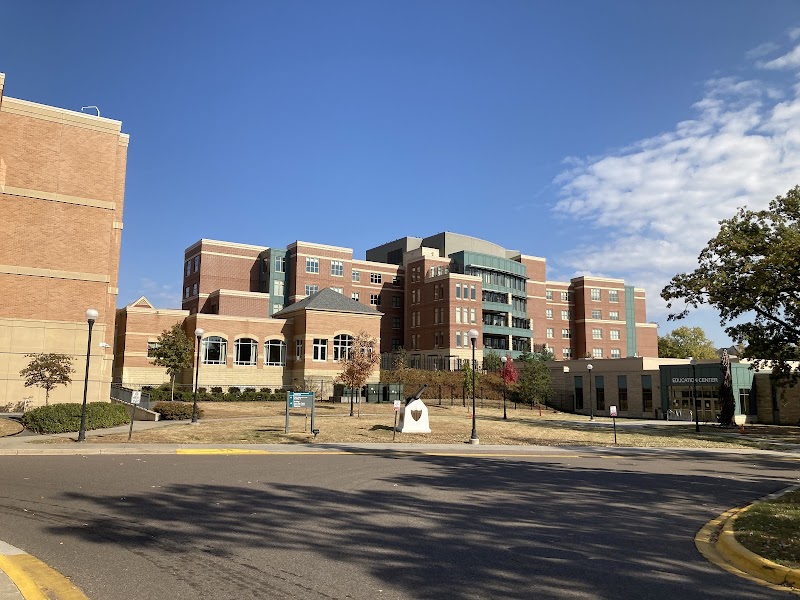
How is Mn Veterans Home Minneapolis Staffed?

CMS rates MN Veterans Home Minneapolis's staffing level at 5 out of 5 stars, which is much above average compared to other nursing homes. Staff turnover is 17%, compared to the Minnesota average of 46%. This relatively stable workforce can support continuity of care.

What Have Inspectors Found at Mn Veterans Home Minneapolis?

State health inspectors documented 23 deficiencies at MN Veterans Home Minneapolis during 2022 to 2025. These included: 3 Immediate Jeopardy (the most serious level, indicating potential for serious harm or death), 19 with potential for harm, and 1 minor or isolated issues. Immediate Jeopardy findings are rare and represent the most serious regulatory concerns. They require immediate corrective action.

Who Owns and Operates Mn Veterans Home Minneapolis?

MN Veterans Home Minneapolis is owned by a government entity. Government-operated facilities are typically run by state, county, or municipal agencies. The facility operates independently rather than as part of a larger chain. With 341 certified beds and approximately 291 residents (about 85% occupancy), it is a large facility located in MINNEAPOLIS, Minnesota.
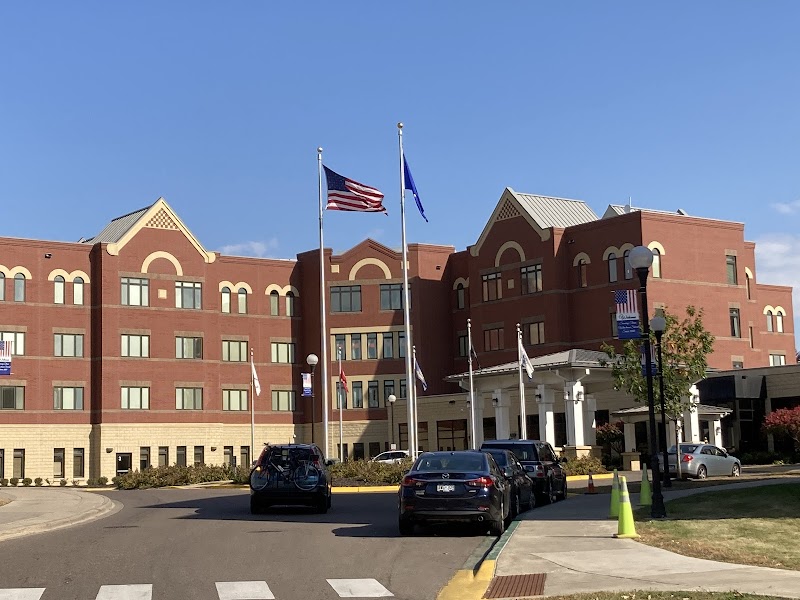
How Does Mn Veterans Home Minneapolis Compare to Other Minnesota Nursing Homes?

Compared to the 100 nursing homes in Minnesota, MN Veterans Home Minneapolis's overall rating (3 stars) is below the state average of 3.2, staff turnover (17%) is significantly lower than the state average of 46%, and health inspection rating (2 stars) is below the national benchmark.

What Should Families Ask When Visiting Mn Veterans Home Minneapolis?

Based on this facility's data, families visiting should ask: "What changes have been made since the serious inspection findings, and how are you preventing similar issues?" "Can I visit during a mealtime to observe dining assistance and food quality?" "How do you handle medical emergencies, and what is your hospital transfer rate?" "Can I speak with family members of current residents about their experience?" These questions are particularly relevant given the facility's Immediate Jeopardy citations.

Is Mn Veterans Home Minneapolis Safe?

Based on CMS inspection data, MN Veterans Home Minneapolis has documented safety concerns. Inspectors have issued 3 Immediate Jeopardy citations (the most serious violation level indicating risk of serious injury or death). The facility has a 3-star overall rating and ranks #100 of 100 nursing homes in Minnesota. Families considering this facility should ask detailed questions about what corrective actions have been taken since these incidents.

Do Nurses at Mn Veterans Home Minneapolis Stick Around?

Staff at MN Veterans Home Minneapolis tend to stick around. With a turnover rate of 17%, the facility is 29 percentage points below the Minnesota average of 46%. Low turnover is a positive sign. It means caregivers have time to learn each resident's needs, medications, and personal preferences. Consistent staff also notice subtle changes in a resident's condition more quickly. Registered Nurse turnover is also low at 8%, meaning experienced RNs are available to handle complex medical needs.

Was Mn Veterans Home Minneapolis Ever Fined?

MN Veterans Home Minneapolis has been fined $8,190 across 1 penalty action. This is below the Minnesota average of $33,161. While any fine indicates a compliance issue, fines under $50,000 are relatively common and typically reflect isolated problems that were subsequently corrected. Families should ask what specific issues led to these fines and confirm they've been resolved.

Is Mn Veterans Home Minneapolis on Any Federal Watch List?

MN Veterans Home Minneapolis is not on any federal watch list. The most significant is the Special Focus Facility (SFF) program, which identifies the bottom 1% of nursing homes nationally based on persistent, serious quality problems. Not being on this list means the facility has avoided the pattern of deficiencies that triggers enhanced federal oversight. This is a positive indicator, though families should still review the facility's inspection history directly.