Mount Olivet Careview Home
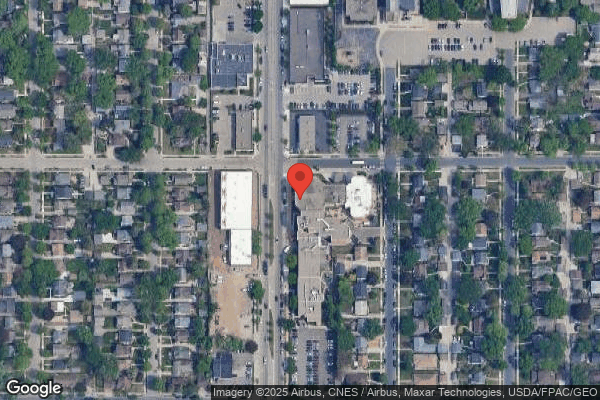
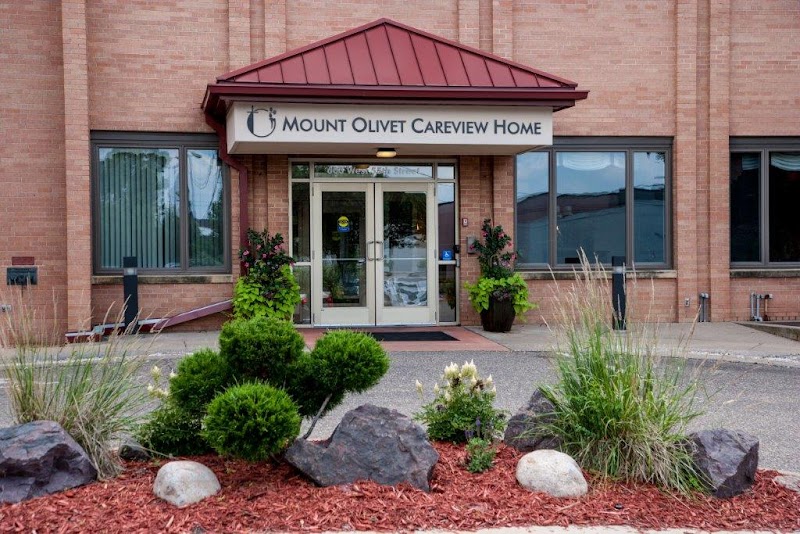
5517 LYNDALE AVENUE SOUTH, MINNEAPOLIS, MN 55419 (612) 827-5677
Non profit - Corporation 155 Beds Independent Data: November 2025 1 Immediate Jeopardy citation
Trust Grade
58/100
#135 of 337 in MN
Last Inspection: January 2025

Within standard 12-15 month inspection cycle. Federal law requires annual inspections.

Overview

Mount Olivet Careview Home in Minneapolis has a Trust Grade of C, which means it is average and falls in the middle of the pack compared to other facilities. It ranks #135 out of 337 in Minnesota, placing it in the top half of the state, and #19 out of 53 in Hennepin County, indicating that only a few nearby options are better. However, the facility's trend is concerning as it has worsened, with the number of issues increasing from 4 in 2024 to 8 in 2025. Staffing is a strong point, boasting a 5/5 star rating and a turnover rate of 22%, well below the state average, which suggests that staff are experienced and familiar with residents. On the downside, the facility has incurred $55,043 in fines, which is higher than 77% of Minnesota facilities, raising concerns about compliance issues. Recent incidents include a failure to report allegations of sexual abuse and lapses in infection control practices, highlighting serious areas for improvement alongside its staffing strengths.

Trust Score
C
58/100
In Minnesota
#135/337
Top 40%
Safety Record
High Risk
Review needed
Inspections
Getting Worse
4 → 8 violations
Staff Stability
✓ Good
22% annual turnover. Excellent stability, 26 points below Minnesota's 48% average. Staff who stay learn residents' needs.
Penalties
✓ Good
$55,043 in fines. Lower than most Minnesota facilities. Relatively clean record.
Skilled Nurses
✓ Good
Each resident gets 77 minutes of Registered Nurse (RN) attention daily — more than 97% of Minnesota nursing homes. RNs are the most trained staff who catch health problems before they become serious.
Violations
⚠ Watch
18 deficiencies on record. Higher than average. Multiple issues found across inspections.
★★★★☆
4.0
Overall Rating
★★★★★
5.0
Staff Levels
★★★☆☆
3.0
Care Quality
★★★☆☆
3.0
Inspection Score
Stable
2024: 4 issues
2025: 8 issues

The Good

  • 5-Star Staffing Rating · Excellent nurse staffing levels
  • Low Staff Turnover (22%) · Staff stability means consistent care
  • Full Sprinkler Coverage · Fire safety systems throughout facility
  • No fines on record
  • Staff turnover is low (22%)

    26 points below Minnesota average of 48%

Facility shows strength in staffing levels, staff retention, fire safety.

The Bad

Federal Fines: $55,043

Above median ($33,413)

Moderate penalties - review what triggered them

The Ugly 18 deficiencies on record

1 life-threatening
Jan 2025 8 deficiencies
CONCERN (D)

Potential for Harm - no one hurt, but risky conditions existed

Resident Rights (Tag F0550)

Could have caused harm · This affected 1 resident

**NOTE- TERMS IN BRACKETS HAVE BEEN EDITED TO PROTECT CONFIDENTIALITY** Based on observation, interview, and document review, the facility failed to ensure facial hair was removed for 1 of 1 resident ...

Read full inspector narrative →
**NOTE- TERMS IN BRACKETS HAVE BEEN EDITED TO PROTECT CONFIDENTIALITY** Based on observation, interview, and document review, the facility failed to ensure facial hair was removed for 1 of 1 resident (R14) reviewed for dignity related to unwanted facial hair. Findings include: R14's quarterly Minimum Data Set (MDS) dated [DATE], indicated R14 had severe cognitive impairment and diagnoses of peripheral vascular disease (reduced circulation of blood to a body part, such as arms or legs, due to a narrowed or blocked blood vessel), diabetes mellitus, arthritis, dementia, anxiety disorder, depression, and psychotic disorder. R14 had delusions and no behaviors or rejection of cares. R14 required substantial and/or maximal assistance for personal hygiene, which included combing hair, shaving, washing and/or drying face. R14's care plan intervention dated 11/1/22, indicated R14 preferred to be shaved when hair present as needed. R14's care plan did not indicate refusals of care. During observation on 1/13/25 at 1:34 p.m., R14 laid in bed and hair on chin was observed. During interview on 1/14/25 at 10:38 a.m., family member (FM)-B stated R14 preferred to be shaved and felt better when they didn't have long hairs on their chin. FM-B stated they brought a shaver with when they visited R14 and assisted R14 with shaving. During observation on 1/15/25 at 9:01 a.m., R14 was in their wheelchair in the dining area and had 15 or more grayish colored hairs approximately a half inch or longer on their chin. During interview and observation on 1/15/25 at 11:13 a.m., nursing assistant (NA)-K stated residents' preferences to be shaved or not, or if they refused, would be in the care plan. NA-K stated they did not work with R14 often, but R14 let staff know what they did or did not want done. NA-K approached R14 and asked if R14 would allow NA-K to shave them. R14 consented, and NA-K went to find a shaver. NA-K brought R14 to their room and shaved R14. During interview on 1/15/25 at 1:32 p.m., NA-L stated they helped transfer R14 that morning, but the night shift dressed R14. NA-L stated staff shaved residents on their shower day and was not sure when R14's shower day was. During interview on 1/16/25 at 11:04 a.m., registered nurse (RN)-E stated residents' care plans directed whether they wanted to be shaved or not. RN-E stated R14 was already up most of the time when RN-E started their shift. RN-E stated if the staff on the night shift did not shave R14, the morning shift should shave R14. RN-E stated cares were 24 hours and not being shaved could impact R14's dignity. During interview on 1/16/25 at 1:06 p.m., RN-C stated residents' care plan reflected whether they wanted to be shaved or not. RN-C stated they tell staff to shave all female residents unless they specified they did not want to be shaved. RN-C expected staff on night shift to shave R14 if they got them up in the morning, but any shift could shave R14 as long as it got done. RN-C stated R14 told staff if they did not want something done and thought staff should be able to shave R14. RN-C stated keeping R14 shaved impacted R14's appearance and dignity and was part of keeping R14 clean, happy, and looking nice. During interview on 1/16/25 at 2:46 p.m., the director of nursing (DON) expected staff to offer to shave if care planned and hair visible. If the resident refused, staff should notify the nurse and they resident should be reapproached. DON stated a reasonable person would not want to have facial hair and was a dignity issue. The facility's policy ADL [activities of daily living] Completion / Cares revised 1/11/23, directed staff to be familiar with residents plan of care and follow the care plan. ADL tasks included bathing, dressing, grooming, and oral care. The policy directed staff to treat residents with respect and dignity during cares.
CONCERN (D)

Potential for Harm - no one hurt, but risky conditions existed

Deficiency F0554 (Tag F0554)

Could have caused harm · This affected 1 resident

**NOTE- TERMS IN BRACKETS HAVE BEEN EDITED TO PROTECT CONFIDENTIALITY** Based on observation, interview and documentation review, the facility failed to comprehensively assess for safety to determine ...

Read full inspector narrative →
**NOTE- TERMS IN BRACKETS HAVE BEEN EDITED TO PROTECT CONFIDENTIALITY** Based on observation, interview and documentation review, the facility failed to comprehensively assess for safety to determine if self-administration of medication was appropriate for 1 of 2 residents (R77) reviewed for self-administration of medication (SAM). Findings include: R77's quarterly Minimum Data Set (MDS) dated [DATE], indicated she had intact cognition and diagnoses of heart failure, high blood pressure, multiple sclerosis (a chronic disease that damages the central nervous system, including the brain, spinal cord, and optic nerves), and muscle weakness. R77's medication administration record (MAR) dated 1/14/25, reflected the following administered medications: - ascorbic acid oral tablet, Give 1000 mg by mouth one time a day for health care maintenance, dated 8/26/24. - cholecalciferol oral tablet, Give 4000 unit by mouth one time a day for Vitamin D def [sic], dated 10/10/23. - docusate sodium oral tablet, Give 100 mg one time a day for constipation, date 9/28/23. - furosemide oral tablet, Give 20 mg by mouth one time a day for edema (swelling), dated 9/13/23. - potassium chloride oral tablet Extended Release (ER), Give 100 milliequivalents (mEq) by mouth two times a day, for low potassium levels, dated 9/13/23. During observation on 1/14/25 at 8:52 a.m., during R77's morning medication pass, trained medication assistant (TMA)-A stated she was alert and takes her medications by herself. TMA-A verified each medication in the morning pass against R77's MAR and placed the potassium chloride tablets into a separate cup per R77's preference. TMA-A walked to her room and introduced self and surveyor, provided the medication cups to R77, and stated, I will be back to check on you, before leaving the room without ensuring she had taken the medications. Back at the medication cart, TMA-A stated SAM orders were usually written in the MAR for residents, and showed an example from an unidentified resident's chart who had an order for ok to crush medications. TMA-A stated if a resident could take their own medications and had a SAM, it would show up on the MAR like the unidentified resident's MAR. TMA- A was unsure where a SAM assessment was located and indicated the nurse manager would be responsible for assessing a resident's safety to take medications. TMA-A located a physician's order, dated 11/8/23, indicating ok to self administer [sic] medications after set up and stated, registered nurse (RN)-A told me it was written in the care plan, and I just take her word for that. A self-administration of medications assessment dated [DATE] indicated R77 did not wish to self-administer any of her medications. Self-administration of medications assessments dated 5/18/24, and 8/9/24, both identified she wished to self-administer oral medications and had a current order to self-administer medications. The assessment lacked documentation on if R77 could state the name and use of each medication; the correct dosage, route, and time of administration; state if she was experiencing any side effects; and if the interdisciplinary team (IDT) deemed her safe to SAM. R77's care plan dated 7/11/24, identified her preference to SAM with a goal to have her preferences respected and followed. The care plan indicated a test was passed and order to self administer [sic] was placed in chart. During interview on 1/16/25 at 9:12 a.m., RN-A, also the long-term care (LTC) nurse manager, stated the process for residents who wish to SAM was to first assess the resident for safety and if they were deemed successful, an order would be obtained and placed into the chart and the resident's care plan would be updated. RN-A stated staff should not leave oral medications in a resident's room if a resident does not have a SAM and order in place. RN-A stated there had been an error on R77's SAM assessment dated [DATE] and the nurse meant to enter yes instead of no. RN-A explained there had been conversations with R77 about her medications and she knows her medications and she understands the meds she gets. RN-A reviewed R77's previous SAM assessments dated 8/9/24 and 5/18/24 and confirmed they lacked documentation if she was safe to SAM. RN-A stated the importance of assessing a resident's safety to SAM was to make sure they understood the implications of their medications, and to ensure we aren't leaving medications with residents who could potentially hide or stockpile them. Per interview on 1/16/25 at 3:23 p.m., the director of nursing (DON) expected the SAM assessment to be completed by checking the box if it was safe or not for the resident to SAM because that was what drove the order from the physician, and if it was not checked, we wouldn't have the order. Per facility policy titled Self Administration of Medication revised 7/3/19, it was the responsibility of the IDT to determine if a resident was safe to self-administer drugs, and the determination would be made would be made before the resident exercised that right. The policy guided nursing staff to complete Self Administration of Medication Data Collection (SAM) for Self-Administration of Medication if/when a resident indicated a desire to do so or when staff identified the need for the resident to be assessed. The policy indicated the assessment must include the resident was competent and safe to proceed with the self-administration of medications before proceeding.
CONCERN (D)

Potential for Harm - no one hurt, but risky conditions existed

Deficiency F0561 (Tag F0561)

Could have caused harm · This affected 1 resident

**NOTE- TERMS IN BRACKETS HAVE BEEN EDITED TO PROTECT CONFIDENTIALITY** Based on observation, interview and document review, the facility failed to ensure food preferences were honored for 1 of 2 resi...

Read full inspector narrative →
**NOTE- TERMS IN BRACKETS HAVE BEEN EDITED TO PROTECT CONFIDENTIALITY** Based on observation, interview and document review, the facility failed to ensure food preferences were honored for 1 of 2 residents (R76) reviewed for food choices. Findings include: R76's annual Minimum Data Set (MDS) dated [DATE], indicated he had intact cognition and did not have weight loss or gain of during the lookback period. The MDS identified his diagnoses of high blood pressure, diabetes, high cholesterol, and Parkinson's disease (a chronic brain condition that causes movement problems, such as stiffness and tremors). R76's Care Area Assessment (CAA) dated 12/5/24, triggered for nutritional status and identified his potential nutritional problem. The CAA indicated the objective was to avoid complications and minimize risks and guided staff to the care plan. The CAA lacked resident-specific documentation regarding efforts to avoid complications and minimize his risks. R76's care plan revised on 12/5/24, identified his potential nutritional problem and guided staff to provide his diabetic diet as ordered and it was OK to request regular foods if desired. Additionally, the care plan identified he should be served the same breakfast items every day, which included Greek yogurt, oatmeal with brown sugar, toast, orange juice and coffee, unless otherwise preferred. The care plan included his preference for an evening snack of vegetables, however, lacked documentation on his preferences for larger or double portions at meals. A quarterly nutrition assessment for the lookback period of 9/6/24 through 9/12/24, encouraged staff to continue to provide, offer and encourage meals and snacks as scheduled and throughout the day if indicated or requested. An annual nutrition assessment for the lookback period of 11/29/24 through 12/5/24, indicated R76 should have assorted raw vegetables with ranch for an evening snack every day. The assessment reported he believed he was not eating enough vegetables, which is why the snack was added and staff were encouraged to continue to provide, offer and encourage meals and snacks as scheduled and throughout the day if indicated or requested. A care conference summary note dated 9/26/24, indicated R76 expressed he was not getting the food he ordered at meals and the dietitian will follow up with kitchen director. During dining observation on 1/13/25 at 6:41 p.m., R76's meal ticket indicated he should be served double portions of the broccoli, tilapia, and mashed potatoes. He was served a bowl of broccoli and tilapia but no mashed potatoes. R76 stated he did not believe the fish was a double portion and was unsure about the broccoli. Culinary aid (CA)-A confirmed R76 was not served mashed potatoes and should have been as indicated on his meal ticket. CA-A stated the broccoli was a double portion and the fish was two smaller pieces and considered it double portion. CA-A stated staff were aware of a resident's menu preferences or special diet by what was identified on the meal ticket as well as during department meetings. CA-A stated residents who had double portions on their meal tickets, like R76, would be served the double portions right away and would not have to request the second portion, and said if the unit ran out of food, staff only needed to call down the main kitchen for more food. During dining observation on 1/14/25 at 9:35 a.m., R76 did not receive the apple fritter he ordered for breakfast along with the usual items he requested. An unidentified nursing assistant (NA) answered his call, verified the missing pastry, and called the kitchen for the missing item. During dining observation on 1/16/25 at 1:09 p.m., R76 was served his meal and was missing mandarin oranges, which was marked on his meal ticket. Licensed practical nurse (LPN)-A verified the missing item and that it was marked on his meal ticket. LPN-A stated, he should have gotten the oranges. I spoke with the nursing assistant, and he said it was a mistake, it was missed. I educated him that we should be checking the trays. During interview on 1/16/25 at 9:43 a.m., R76 stated he was not served a double portion of chicken at the previous supper meal and was not served mashed potatoes, rather tater tots. He stated the portions were not enough for him and he still felt hungry after supper. During interview on 1/16/25 at 3:20 p.m., the director of nursing (DON) stated the dietitian interviewed residents and their representatives about their food and menu preferences and was able to update the care plan, meal tickets and resident profiles. The DON expected staff to follow a resident's plan of care, including a resident's care planned preferences. Per facility policy titled Person-Centered Care Planning revised 6/26/19, each resident would be assessed for their individual risk factors, strengths, goals, interventions, and outcomes at the time of admission and throughout their stay, and these would be identified on the care plan. The policy guided the interdisciplinary team (IDT) to collect data via various assessments to contribute to the development of the comprehensive care plan. The policy indicated the care plan would be reviewed throughout the resident's stay and as required for the MDS assessment, as well as at a care planning conference with the resident and their representative. Furthermore, the policy indicated interventions should be written to help meet the goal and they should be individualized to the resident and be person-centered.
CONCERN (D)

Potential for Harm - no one hurt, but risky conditions existed

Comprehensive Care Plan (Tag F0656)

Could have caused harm · This affected 1 resident

**NOTE- TERMS IN BRACKETS HAVE BEEN EDITED TO PROTECT CONFIDENTIALITY** Based on interview and document review, the facility failed to develop and implement a comprehensive and resident-specific care ...

Read full inspector narrative →
**NOTE- TERMS IN BRACKETS HAVE BEEN EDITED TO PROTECT CONFIDENTIALITY** Based on interview and document review, the facility failed to develop and implement a comprehensive and resident-specific care plan for 1 of 1 residents (R76) reviewed for urinary tract infections. Findings include: R76's annual Minimum Data Set (MDS) dated [DATE], indicated he had intact cognition, was occasionally incontinent of urine and used an external catheter. The MDS identified his diagnoses of high blood pressure, benign prostatic hyperplasic (BPH, a condition that causes the prostate gland the enlarge), diabetes, Parkinson's disease (a chronic brain condition that causes movement problems, such as stiffness and tremors), and a history of urinary tract infections (UTIs). R76's Care Area Assessment (CAA) for urinary incontinence and indwelling catheter dated 12/5/24, identified he had a history of chronic UTIs and was followed closely by Urology and indicated his urinary incontinence would be addressed in his care plan. R76's care plan, revised 10/4/23, lacked documentation pertaining to his history of chronic UTIs and interventions identifying resident-specific treatment preferences, including his preference to exclude the antibiotic Macrobid since he stated that antibiotic did not work to treat his UTIs. A provider progress note dated 7/29/24 indicated R76 was seen for a telehealth visit and the Macrobid antibiotic was stopped due to the consideration of a possible chronic prostatis component. The recommendation under the assessment and plan was to treat with Cipro (another type of antibiotic) and consider taking a probiotic. During interview on 1/14/25 at 9:24 a.m., R76 stated he had chronic UTIs and was working with Urology for ongoing management. He stated he had multiple UTIs while staying in the facility and believed his medical record reflected his preference to avoid Macrobid, but a recent UTI with three doses of Macrobid made him question if staff were aware. R76's medication administration record (MAR) dated 1/25 reflected the following order administrations: - Macrobid oral capsule 100 milligrams (mg) Give 100 mg by mouth two times a day for UTI for 5 days, dated 1/9/25, discontinued 1/10/25. - Keflex oral capsule 500 mg, Give 500 mg by mouth two times a day for UTI for 5 days, dated 1/10/25. During interview on 1/16/25 at 1:00 p.m., family member (FM)-A verified ongoing conversations with the facility about R76's chronic UTIs and treatment preferences to avoid Macrobid. Per FM-A, the facility started R76 on Macrobid in July and it just didn't work, he gets weaker and weaker. I told them back in the summer it just doesn't work but the Keflex does. FM-A stated when the facility wanted to start him on Macrobid in the beginning of January, I told him, 'you go tell the charge nurse or manager that Macrobid just doesn't work.' During interview on 1/16/25 at 3:13 p.m., the director of nursing (DON) reviewed R76's electronic health record (EHR) and verified his admission diagnosis of chronic UTIs. The DON expected his care plan to include documentation pertaining to his history of UTIs and confirmed the care plan lacked this documentation. Per facility policy titled Person-Centered Care Planning revised 6/26/19, each resident would be assessed for their individual risk factors, strengths, goals, interventions, and outcomes at the time of admission and throughout their stay, and these would be identified on the care plan. The policy guided the interdisciplinary team (IDT) to collect data via various assessments to contribute to the development of the comprehensive care plan. The policy indicated the care plan would be reviewed throughout the resident's stay and as required for the MDS assessment, as well as at a care planning conference with the resident and their representative.
CONCERN (D)

Potential for Harm - no one hurt, but risky conditions existed

Pressure Ulcer Prevention (Tag F0686)

Could have caused harm · This affected 1 resident

**NOTE- TERMS IN BRACKETS HAVE BEEN EDITED TO PROTECT CONFIDENTIALITY** R45's admission Minimum Data Set (MDS) dated [DATE], indicated R45 was cognitively intact, had delusions, daily behavioral sympt...

Read full inspector narrative →
**NOTE- TERMS IN BRACKETS HAVE BEEN EDITED TO PROTECT CONFIDENTIALITY** R45's admission Minimum Data Set (MDS) dated [DATE], indicated R45 was cognitively intact, had delusions, daily behavioral symptoms not directed toward others (such as scratching self, rummaging, throwing or smearing food or bodily wastes, or screaming), and did not reject cares. R45 required partial and/or moderate assistance with toileting hygiene, substantial and/or maximal assistance with upper body dressing, and was dependent for lower body dressing and footwear. R45 needed partial and/or moderate assistance with rolling left and right and other mobility. R45 had diagnoses which included hypertension (high blood pressure), coronary artery disease (narrowing or blocking of coronary arteries, which supplies oxygen-rich blood to the heart), peripheral vascular or arterial disease (blood vessels narrow or become blocked and reduces blood flow to the body), arthritis, anxiety, depression, psychotic disorder, and schizophrenia. R45 was at risk for pressure ulcers and did not have any pressure ulcers. R45 was to have a pressure reducing device for chair, pressure reducing device for bed, and turning and/or repositioning program. R45's Braden scale (a tool used to assess a patient's risk of developing pressure ulcers, or pressure injuries) dated 11/19/24, indicated a score of 16, which indicated R45 was at risk to develop a pressure area. R45's care plan printed 1/15/25, indicated R45 had a care focus area of Mobility/Ambulation, which was revised 11/11/24, and indicated R45 required assistance for positioning, locomotion, and transfers. An intervention indicated R45 required assistance to turn and reposition every two to three hours and as needed, and assistance of two staff with bed mobility. The care plan indicated R45 had potential for pressure ulcer development related to morbid obesity, anemia, peripheral vascular disease, osteoporosis, incontinence, and limited mobility, and was revised on 11/18/24. Interventions included daily skin observation with cares and report new or worsening concerns to nurse immediately, house lotion to dry skin with cares as needed, inform resident/family/caregivers of any new area of skin breakdown, notify nurse immediately of any new areas of skin breakdown, redness, blisters, bruises, or discoloration noted during bath or daily care, pressure reducing and/or relieving cushion in wheelchair and/or chair, and pressure reducing and/or relieving mattress. R45's Weekly Skin Check assessment dated [DATE], indicated R45's skin color, turgor, and temperature where within normal limits and noted a bruise on the back of R45's right arm and red area on R45's right knee. During observation on 1/15/25 at 10:36 a.m., R45 was in bed with no pants or incontinence product and nothing on their feet. Nursing assistant (NA)-I entered the room and started to assist R45 with incontinence cares, covered R45 with linen, and left to get another staff member. At 10:44 a.m., NA-I and NA-L assisted R45 to get pants on. When NA-I and NA-L assisted R45 to roll in bed, an area of purplish to reddish discoloration was observed on R45's right heel. NA-I- and NA-L assisted R45 to sit up on the side of the bed and applied R45's shoes without socks. NA-L removed R45's shoes when prompted, and NA-I and NA-L stated they had not seen the discolored area before. NA-L went to get a nurse when prompted. Registered nurse (RN)-C entered R45's room and observed the area. R45 stated their right heel did not hurt when asked. RN-C asked if staff could assist R45 to put socks on and R45 declined socks. NA-I could not find socks in R45's room. RN-C gathered supplies to take a picture, measure, and dress the discolored area. RN-C stated R45's right heel felt boggy, took a picture of the area through a wound app, applied skin prep on both of R45's heels, and placed a 3M Tegaderm dressing on R45's right heel. Staff found and applied shoes without a backing which slipped on instead of the shoes R45 wore previously which had a heel backing. R45's Skin and Wound Evaluation on 1/15/25 at 10:59 a.m., indicated R45 had a deep tissue injury on the right heel. The length was measured as 1.9 cm by 2.3 cm, had no signs on infection, and surrounding tissue was calloused, dry/flaky, fragile, intact, and normal in color and temperature. The wound note indicated R45's shoes were snug to the area and staff requested R45's responsible party bring different shoes. Other interventions included air mattress, repositioning, and foam boots in bed. The nurse practitioner, therapy, and dietician were notified. During interview on 1/15/25 at 1:25 p.m., NA-L stated they normally did not dress R45 and mostly helped R45 to the bathroom and had not noticed the discolored area before. NA-L stated they reported skin concerns to the nurse if they observed an area of concern while helping residents with showers and other cares. During interview on 1/15/25 at 1:57 p.m., RN-F stated they assessed, treated and covered if needed, documented, and measured new skin concerns. RN-F stated they would notify the charge nurse, family, and doctor. RN-F was not aware of R45's skin discoloration on their right heel. RN-F stated nurses document skin assessment weekly with showers and as needed. RN-F stated R45 was not bedridden, but R45's mobility seemed to decline within the past few days. RN-F stated R45 needed more staff assistance with transfers compared to moving in bed. During interview on 1/16/25 at 10:35 a.m., NA-I stated R45 used to living in the assisted living area of the building and did not wear socks then either. NA-I stated R45 was already in a sitting position when assisting R45 earlier yesterday morning so did not notice the area on R45's heel. NA-I stated they checked residents' skin when helping with cares and reported to the nurse if they noticed something new. During interview on 1/16/25 at 10:57 a.m., RN-E stated R45 was at risk for pressure injuries and did not know R45 refused to wear socks with shoes, and it would have been important to have been aware of. RN-E was not aware of R45's right heel prior to 1/15/25. During follow-up interview on 1/16/25 at 12:37 p.m., NA-L stated they have seen R45 lay in bed a lot, and they required assistance of two staff when in bed and to the bathroom, but R45 was also able to move in bed by themselves. During interview on 1/16/25 at 12:53 p.m., RN-C expected NAs to report skin concerns to nurses immediately, and nurses were to complete risk management and update supervisor, provider, and family. Staff were to monitor residents' skin during baths or showers or anytime they noticed something new to residents' skin. RN-C stated staff knew who was at high risk for pressure ulcers or skin alterations by the care plan and resident diagnoses. Staff were to report if residents refused care planned interventions, so the nurse could chart about it. RN-C did not know R45 did not wear socks and considered R45 at risk for pressure injuries. RN-C stated R45 slept in during the mornings and was up during the day. RN-C stated R45 could move themselves in bed and had self-transferred before but was not sure if R45 moved themselves less now. RN-C stated they were not aware of the suspected deep tissue injury before, and stated the sooner skin changes were identified, the easier they were to heel. During interview on 1/16/25 at 2:42 p.m., the director of nursing (DON) expected staff to bring new skin concerns to the nurse and skin checks to be completed with morning and evening cares. DON stated pressure areas could worsen if not identified timely to implement interventions. DON stated staff should identify new areas of concern on heels when assisting residents with dressing and application of socks and shoes. During interview on 1/17/25 at 10:55 a.m., nurse practitioner (NP)-D stated R45 was at risk for pressure injuries and skin alteration related to their size and immobility. R45 moved slowly and was mostly wheelchair bound. NP-D did not think R45 not wearing socks was a concern and stated R45's heel sitting in one place for an extended period could cause a pressure injury within hours. NP-D stated it was important for nurses to complete diligent skin assessments and look at the pressure points. NP-D stated it was good the area was identified before it got worse. The facility's Skin Integrity Management Policy dated 8/27/24, indicated the Braden Scale was used to identify residents at risk for impaired skin integrity. The policy directed staff to individually review and implement interventions for each risk factor regardless of the resident's total skin risk score. The policy directed skin to be inspected minimally weekly by a nurse and with daily cares. The areas to be observed during a skin assessment include coccyx, ischial/scrum, trochanter, spine, scapula, heels, elbows, back of head, shoulders, and ears. It was the facility's policy to implement preventative measures and provide appropriate treatment modalities for pressure ulcers/injuries according to industry standards of care. The policy indicated the care planned interventions would be communicated to the appropriate staff via the nursing assistant assignment sheet or Kardex and/or through report. Further, the policy guided staff to encourage mobility as tolerated and establish and individualized turning and repositioning schedule if the resident is immobile. The policy directed staff to discuss the resident's condition, treatment options, expected outcomes, and consequences of refusing treatment for residents that wish to exercise their right to refuse. Based on observation, interview, and document review, the facility failed to identify pressure injury, and/or provide preventive care consistent with care planned interventions for residents at risk for pressure injuries for 2 of 5 residents (R28, R45) reviewed for pressure ulcers. Findings include: Pressure ulcer or pressure injury (PU/PI) refers to localized damage to the skin and/or underlying soft tissue usually over a bony prominence or related to a medical or other device. A pressure injury looks like intact skin and may be painful. A pressure ulcer will look like an open area, the appearance of which will vary depending on the stage and may be painful. The injury occurs because of intense and/or prolonged pressure or pressure in combination with shear. Soft tissue damage related to pressure and shear may also be affected by skin temperature and moisture, nutrition, perfusion, co-morbidities and condition of the soft tissue. R28's annual Minimum Data Set (MDS) dated [DATE], indicated severe cognitive impairment with verbal behaviors direct towards others reported 1 - 3 days during the lookback period. These were not identified as putting the resident at risk for physical injury and did not interfere with the resident's care. No other behavioral symptoms or rejection of care was reported on the MDS. The MDS indicated R28 required substantial to maximal assistance with bed mobility and was totally dependent on staff for personal and toileting hygiene. The MDS identified diagnoses of heart failure, high blood pressure, coronary artery disease (when arteries that carry blood to the heart narrow), peripheral vascular disease (when blood vessels outside the heart narrow or become blocked, causing circulation problems), diabetes, dementia (a condition that causes a decline in thinking, memory, and reasoning), anxiety, and depression. Furthermore, the MDS identified R28's risk of developing pressure ulcers and listed preventive treatments in place, including a pressure reducing device for the chair and bed, a turning and repositioning program, application of ointments and medications, and nutrition and hydration inventions. R28's Care Area Assessment (CAA) for pressure ulcer/injury dated 11/28/24, identified high risk for skin breakdown and indicated he had a history of pressure injuries. The CAA directed staff to his care plan to minimize risks. A Braden Scale for predicting pressure sore risk assessment dated [DATE], evaluated R28 and placed him at moderate risk. A weekly skin check assessment dated [DATE] indicated R28's skin was assessed and had no new skin issues noted. A weekly skin check assessment dated [DATE] indicated R28 had an open coccyx area and irritation to the scrotum. R28's undated order summary printed 1/16/25, included the following orders: - Monitor wound daily coccyx signs/symptoms of infection, need for PRN dressing change, and pain. Update provider as needed, every day and evening shift, dated 1/3/25. - Reposition every 2 hours for wound healing, dated 11/01/24. - Resident to lay down after break fast [sic] and after lunch to get checked and changed and to off load [sic]. Staff to lay resident side to side to reposition. Document refusals and update nurse manager, two times a day, dated 11/4/24. - Wound: R ischial tuberosity: Cleanse with vashe, pat dry, secure with allevyn dressing. Apply thin layer of calmoseptine to surrounding area of moistures associated skin breakdown, one time a day. Update nursing manager and provider if worsening, dated 1/3/25. Per R28's care plan revised 12/9/24, he had a potential for alteration in skin integrity due to his mobility dependence, diabetes, bowel and bladder incontinence, medication usage, obesity, and peripheral vascular disease (PVD). The care plan identified an open area to his right inner buttock/coccyx on 11/1/24 that resolved on 11/12/24 and an open area to his left rear thigh that was resolved with an unknown date. The care plan identified a goal to keep his skin intact by directing staff to lay the resident down after breakfast and lunch to get checked and changed and to offload side to side. The care plan guided staff to document and report any refusals to the charge nurse. Additionally, the care plan directed staff to turn and reposition R28 every 2 hours for wound healing and re-approach and re-educate of risks and benefits if he refused. R28's kardex printed 1/16/25, indicated he was to lay down after breakfast and lunch to get checked and changed and to offload. A task record dated 1/2025, reflected the order to lay R28 down after breakfast and lunch for wound healing and lacked documentation for the dates 1/2/25, 1/4/25, 1/10/25, 1/12/25, and 1/14/25. A PointofCare (POC) task sign-off with a lookback period from 12/18/24 - 1/15/25, for the task to lay the resident down after breakfast and after lunch to get checked and changed and to offload lacked documentation for the dates of 1/2/25, 1/4/25, 1/10/25, 1/12/25, and 1/14/25. R28's progress notes were reviewed on 1/16/25, and lacked documentation of refusals to be offloaded, repositioned, or checked/changed. A progress note dated 11/4/24, indicated staff discussed the risks and benefits of repositioning, offloading and incontinence cares for wound healing due to history of noncompliance. The progress note indicated R28 responded and stated, I will do as you said because I want the wound to heal. During observation on 1/15/25 at 9:01 a.m., R28 was sitting in his wheelchair in the dining room for breakfast and had a clothing protector on. During observation on 1/15/25 at 11:26 a.m., R28 was sitting in his wheelchair in the lounge area participating in activities. During observation on 1/15/25 at 11:58 a.m., R28 was sitting in his wheelchair. During interview on 1/15/25 at 2:12 p.m., NA-H confirmed working with R28 that shift and stated R28 laid down about 9 and was seen by the wound nurse during rounds before they assisted him to get back up for lunch. NA-H stated it was important to help him reposition every 2-3 hours to protect the safety of his skin, and if he refused to lay down, we would document that. NA-H stated they also re-approach if a resident refused repositioning, because we want to keep trying to help them. During continuous observation on 1/16/25 between 8:42 a.m. and 1:41 p.m., R28 remained upright in his wheelchair and was not offered to offload or reposition. The following observations were made: - 8:42 a.m.: R28 was sitting in his wheelchair at the dining room table for breakfast. - 9:58 a.m.: R28 was sitting in his wheelchair in the lounge area participating in group activities. - 11:11 a.m.: R28 remained in the lounge area for group activities, his condition unchanged. - 11:44 a.m.: Activities (A)-A pushed R28 in his wheelchair out of the lounge area and offered him a choice of going back to his room or the dining room. R28 requested to sit in the dining room. Per interview with (A)-A, R28 did not leave the group throughout the morning. He was sitting here with us through both morning activities. - 12:01 p.m.: Nursing assistant (NA)-A and NA-B brought other residents into the dining room and NA-B set up the dinging room tables for the noon meal. There was no offer to reposition or offload R28. - 12:15 p.m.: NA-B stood beside R28 and discussed the newspaper he was reading. NA-B did not offer to reposition, check and change or offload R28. - 12:28 p.m.: NA-E walked over to R28's table and asked him what he wanted to eat for lunch. NA-E took his lunch order and walked away without offer to reposition or offload him. - 12:45 p.m.: Various staff served meals to residents in the dining room, brought trays to residents in their rooms, and answered call lights. R28's condition remained unchanged. - 12:53 p.m.: NA-B assisted another resident with ambulation in the hallway adjacent to the dining room. R28's condition remained unchanged. - 1:33 p.m.: R28's condition remained unchanged. - 1:36 p.m.: Per interview with R28, he had been up all morning and had not laid down since he woke up. He stated he was feeling a little tired now. - 1:41 p.m.: NA-A, trained medication assistant (TMA)-B, and NA-C brought R28 to his room and told him they were going to lay him down in bed and he replied, very, very soon. NA-A, NA-C, and TMA-B assisted R28 with incontinence cares and R28 stated he had very little soreness to his backside. The dressing on his coccyx was not intact, and the nursing assistants left the bedside to notify the charge nurse. - 2:03 p.m.: licensed practical nurse (LPN)-A and registered nurse (RN)-B, who was also the long-term care nurse manager, entered the room and approached R28's bedside. RN-B confirmed R28 should be offloaded after breakfast and lunch to promote skin integrity as indicated on his care plan. RN-B confirmed being involved in wound rounds on 1/15/25 and denied seeing R28. RN-B stated he was not on the wound rounds list. RN-B assessed R28's coccyx and stated the area was reddened but blanchable and explained he had a previous pressure ulcer to the area that healed and has some tenderness. RN-B assessed and found no open areas to R28's coccyx and stated they would still protect the area with barrier cream. Per subsequent interview on 1/16/25 at 2:03 p.m., LPN-A stated assessed R28's coccyx during morning cares and stated the area was not open as previously documented in the skin assessment dated [DATE]. LPN-A stated there had not been time to discontinue the previous wound orders or enter a progress note or new skin assessment from the morning. During interview on 1/16/25 at 3:09 p.m., the director of nursing (DON) stated residents are assessed for their risk for skin breakdown and if identified to be at risk, interventions to reduce their risks are care planned and put on the kardex. The DON expected staff to read the kardex before caring for residents and expected intervention to be implemented. The DON stated the implications for not following interventions to reduce the risk of skin breakdown included putting a resident at risk for skin breakdown or a worsening of skin breakdown.
CONCERN (D)

Potential for Harm - no one hurt, but risky conditions existed

Accident Prevention (Tag F0689)

Could have caused harm · This affected 1 resident

**NOTE- TERMS IN BRACKETS HAVE BEEN EDITED TO PROTECT CONFIDENTIALITY** Based on observation, interview, and document review, the facility failed to implement care planned fall interventions for 1 of ...

Read full inspector narrative →
**NOTE- TERMS IN BRACKETS HAVE BEEN EDITED TO PROTECT CONFIDENTIALITY** Based on observation, interview, and document review, the facility failed to implement care planned fall interventions for 1 of 7 residents (R34) who had history of repeated falls and remained at risk for falls. Findings include: R34's quarterly Minimum Data Set (MDS) dated [DATE], indicated R34 had severe cognitive impairment and diagnoses of hypertension (high blood pressure), arthritis, dementia, and depression, and required partial and/or moderate assistance for transfers. The MDS identified no falls since the last assessment. R34's fall risk assessment dated [DATE], indicated R34 had one fall with no injury and one fall with injury (except major injury) since prior assessment. R34 had weakness, cognitive delay/impairment that affects judgement, incontinence. R34 was at risk for falls due to self-transfers. R34's care plan printed 1/15/25, had a focus area Fall/Risk, which was revised 9/14/23, and indicated R34 was at risk for falls related to dementia, impaired memory/cognition, inability to appropriately use call light, poor safety awareness, impulsivity, impaired gait/mobility, generalized weakness, h/o [history of] falls, h/o fall related fractures, attempts to self-transfer/ambulate, refuses to stay out in common area for supervision frequently, difficult to distract/redirect at time, anemia, incontinence, high risk medication use. Interventions included all staff to observe and identify for possible hazards in environment to prevent avoidable accidents/falls, auto lock brakes on wheelchair and ensure functioning properly, commonly used items within reach, purposeful rounding at 11:00 p.m. and offer toileting and ensure all apparent needs were met, encourage resident to call for assist with transfers and ambulation, encourage resident to sit in common areas when awake for closer supervision as much as possible, ensure soft touch call light is in place on right side while in bed, ensure resident has proper and non-slip footwear, ensure w/c [wheelchair] was next to bed while R34 in bed to reduce fall risk if resident tries to self-transfer, keep bed at appropriate transfer height at all times, keep walkways clean and clutter free, assist with evacuation in case of emergency, MD/NP [doctor and nurse practitioner] and consulting pharmacist to review medications with regulatory visits with dose reductions as indicated, need to assist with evacuation in case of emergency, provide adequate lighting at all times, re-orient resident to call light and remind how to use as needed, visual safety checks hourly while in bed and toilet resident when awake at NOC and PRN [night and as needed]. R34's [NAME] Report printed 1/17/25, directed for R34's wheelchair to be next to bed while resident in bed to reduce fall risk if resident tried to self-transfer. During observation on 1/15/25 at 9:28 a.m., R34 was in bed with wheelchair facing away from resident and away from the bed, out of R34's reach. During observation on 1/15/25 at 10:04 a.m., the wheelchair was in the same position. During observation and interview on 1/15/25 at 10:10 a.m., nursing assistant (NA)-I stated staff had daily meetings to talk about fall interventions and looked on residents' care plans to know their specific interventions. NA-I stated R34 used to be more stable and needed the bed at transferable height. NA-I observed the wheelchair placement and stated they turned the wheelchair away from the R34, so R34 was not tempted to get out of bed. NA-I checked R34's closet to view R34's care plan and the clear, plastic paper protector was empty. During observation and interview on 1/15/25 at 11:13 a.m., NA-K stated they checked the care plan to know how to prevent residents from falling and checked on them. NA-K stated they did not work with R34 often but had seen R34 wandering around before and R34 could fall if no one was around. NA-K was not sure about R34's fall history. NA-K verified placement of the wheelchair facing away from R34 in bed and was not sure what the appropriate wheelchair placement was for R34. During interview on 1/16/25 at 10:50 a.m., registered nurse (RN)-E stated staff completed a risk management after a fall to see what caused the fall, and care planned fall interventions related to the root cause of the fall. RN-E stated staff knew fall interventions based on the care plan and communication. RN-E stated R34's wheelchair and bed should be at transferable height and would not be appropriate or safe for R34's wheelchair to face away from them. During interview on 1/16/25 at 12:45 p.m., RN-C stated they reviewed falls with staff in huddles and updated the care plan. RN-C stated R34's wheelchair should be next to them while R34 was in bed and at risk for self-transferring. R34 had days where they were in bed and would not speak a word and other days where they talked a lot and roamed around in their wheelchair. R34 was at risk for falls when fall interventions were not followed. During interview on 1/16/25 at 2:45 p.m., the director of nursing (DON) expected staff to look at the [NAME] for fall interventions, and residents were at risk for further falls and injury when fall interventions were not followed. The facility policy Risk Management Program: Falls and Injuries Program dated 1/24/23, indicated residents who were identified at risk would have care plans which reflected interventions used to minimize falls.
CONCERN (D)

Potential for Harm - no one hurt, but risky conditions existed

Deficiency F0811 (Tag F0811)

Could have caused harm · This affected 1 resident

**NOTE- TERMS IN BRACKETS HAVE BEEN EDITED TO PROTECT CONFIDENTIALITY** Based on observation, interview and document review, the facility failed to ensure 1 of 1 residents (R112) who had complicated f...

Read full inspector narrative →
**NOTE- TERMS IN BRACKETS HAVE BEEN EDITED TO PROTECT CONFIDENTIALITY** Based on observation, interview and document review, the facility failed to ensure 1 of 1 residents (R112) who had complicated feeding problems received feeding assistance from qualified staff. This had the potential to affect all residents who required feeding assistance. Findings include: During entrance conference on 1/13/25 at 12:44 p.m., the director of nursing (DON) identified there were no paid feeding assistants utilized in the facility. An undated form titled Paid Feeding Assistants in the survey readiness binder presented to the survey team at entrance identified the facility, does not use Paid Feeding Assistants. R112's quarterly Minimum Data Set (MDS) dated [DATE], indicated moderately impaired cognition and did not identify any signs or symptoms of a possible swallowing disorder or a therapeutic diet. The MDS indicated R112 required supervision or touching assistance in which the helper provides verbal cues or touching/steadying assistance during eating. A Centrex Rehab therapy to nursing communication form dated 9/13/24, recommended R112 have a visual aid of safe swallowing strategies on the table for meals. Per her care plan revised on 6/28/22, R112 required set-up/supervision with some feeding assistance needed, depending on the meal. Additionally, the care plan identified her risk for altered nutrition status related to her self-feeding difficulties and history of taking food from others' plates after meals. The care plan directed staff to provide adaptive equipment for meals, serve food in individual dishes if not on a divided plate, cut up foods, discourage her from taking food from others' plates and encourage healthier snacks, monitor/document/report to the nurse/dietitian/physician signs or symptoms of difficulty swallowing, holding food in her mouth, prolonged swallowing time, repeated swallows per bite, coughing, throat clearing, drooling, or pocketing food in her mouth. R112's [NAME] printed 1/17/25, indicated she required set-up/supervision with some feeding assistance needed, depending on the meal. During a dining observation on 1/15/25 at 12:07 p.m., environmental services (ES)-A was sitting beside R112 in the dining room at the table. ES-A was assisting R112 with her meal. There was a piece of cheesecake sitting on the table in front of R112 and ES-A was feeding her using a fork. At 12:09 p.m., registered nurse (RN)-A walked into the dining room and over to R112's table and stated she would take over and sat down next to R112 and continued assisting with the meal. ES-A got up from the table and walked out of the dining room. During interview on 1/15/25 at 1:58 p.m., ES-A confirmed assisting R112 with her meal and stated, I like to help the residents. ES-A indicated they had received some prior training, but it was unclear during the interview due to language barriers if the training had been at the current facility or a previous employer. ES-A explained their job duties included cleaning the assigned floor and the resident's rooms on the assigned floor, as well as restocking some supplies. During interview on 1/16/25 at 9:21 a.m., RN-A confirmed ES-A was assisting R112 and stated, I had not seen that happen before, that was a first. I went over there and took over the assistance. RN-A stated they would be discussing disciplinary action or performance management, including counseling and education but not termination, with ES-A and ES-A's supervisor. RN-A stated there had not been conversations with nursing staff on the floor about what to do in situations where they witnessed an unqualified individual assisting a resident during a meal because I've never seen that happen before so now I will be having that conversation. RN-A confirmed the facility did not employ paid feeding assistants. Per interview on 1/16/25 at 3:20 p.m., the DON stated the facility had provided feeding assistance training to some staff previously, including ES-A. The DON confirmed, however, the facility did not currently employ paid feeding assistants and stated, we have enough nursing staff to help with dining on the floor, I don't think we need ES-A to continue helping. An EduCare Skill Competency Paid Feeding Assistant Series form dated 10/14/20, indicated ES-A completed infection prevention and control and dining, nutrition and food safety. Per facility policy titled Feeding Assistant Policy dated 10/30/20, the facility would ensure a feeding assistant (non-nursing staff) feed only those residents who have no complicated eating problems that may include, but are not limited to, difficulty swallowing, recurrent lung aspirations or tube or parenteral/IV feedings. Feeding assistants may not feed any resident who 1.) is at risk of choking while eating or drinking; 2.) presents significant behavior management challenges while eating or drinking; or 3.) presents other risk factors that may require emergency intervention. The facility would base resident selection on the resident's latest assessment and plan of care and the RN assessment of the resident's current condition.
CONCERN (E)

Potential for Harm - no one hurt, but risky conditions existed

Infection Control (Tag F0880)

Could have caused harm · This affected multiple residents

**NOTE- TERMS IN BRACKETS HAVE BEEN EDITED TO PROTECT CONFIDENTIALITY** Based on observation, interview, and document review, the facility failed to use proper infection control practices to prevent a...

Read full inspector narrative →
**NOTE- TERMS IN BRACKETS HAVE BEEN EDITED TO PROTECT CONFIDENTIALITY** Based on observation, interview, and document review, the facility failed to use proper infection control practices to prevent and/or mitigate the risk of a potential infection outbreak for 3 of 12 residents (R42, R57, R118) observed for respiratory precautions, and 1 of 4 residents (R138) observed for enhanced barrier precautions. Findings include: PPE FOR COVID-19 R42's quarterly Minimum Data Set (MDS) 10/23/24, indicated R42 had severe cognitive impairment, was dependent on staff for most activities of daily living (ADL's) and required supervision or touching assistance with eating. R42's physician order dated 1/7/25, indicated R42 had an active COVID-19 infection in the contagious stage and required transmission-based precautions for ten days. R57's quarterly MDS dated [DATE], indicated R57 had severe cognitive impairment, required substantial and/or maximal assistance, and was dependent on staff for ADLs. R57's progress note on 1/4/25 at 3:26 p.m., indicated R57 tested positive for COVID and would be on isolation for ten days. R57's treatment administration record (TAR) dated 1/1/25-1/31/25, indicated staff completed a rapid COVID-19 test for R57 and had positive results on 1/6/25. R118's quarterly MDS dated [DATE], indicated R118 had severe cognitive impairment, was independent with most mobility, and required setup/clean-up to partial and/or moderate assistance for other ADLs. R118's progress note on 1/5/25 at 7:51 p.m., indicated R118 had COVID-19 symptoms and tested positive and would be on isolation precautions for ten days. R118's TAR dated 1/1/25 to 1/31/25, indicated staff completed a rapid COVID-19 test for R118 and had positive results on 1/7/25. During observation on 1/13/25 at 6:41 p.m., NA-D entered R57's room with a meal tray and wore gloves, a gown, eye protection, and a regular mask instead of an N95 mask. R57's door had a sign which directed staff to wear a gown, gloves, eye protection, and an N95 mask. During observation on 1/13/25 at 6:43 p.m., NA-F entered R42's room with a meal tray and wore gloves, a gown, eye protection, and a regular mask instead of an N95 mask. NA-F exited the room and removed their PPE other than the regular mask. R42's door had a sign which read Enhanced Respiratory Precautions and directed staff to wear a gown, facemask or N95, eye protection, gloves, and an optional hair cover. During observation and interview on 1/13/25 at 6:43 p.m., NA-G entered R118's room with a meal tray and wore gloves, a gown, and a regular mask. NA-G exited the room and removed their PPE besides the regular mask. R118's door had a sign which read Enhanced Respiratory Precautions and directed staff to wear a gown, gloves, and facemask or N95 mask, and eye protection. NA-G stated the sign meant the resident had an illness which could spread. NA-G stated they did not need to wear an N95 mask to deliver food to R118 and needed an N95 mask if they stayed longer in R118's room, such as if R118 needed help with cares. During an observation on 1/13/25 at 6:55 p.m., surveyor entered R57's room and observed nursing assistant, (NA)-D wearing a blue standard mask, eye shield, gown, and gloves while feeding and repositioning R-57 in their wheelchair. NA-D was not wearing an N95 mask. During interview on 1/13/25 at 6:58 p.m., NA-F stated R42 was on precautions for COVID-19 and they were supposed to use an N95 mask to deliver meal trays but forgot. NA-F stated they didn't change their regular mask when they exited the room. During observation on 1/13/25 at 7:03 p.m., NA-D exited R57's room. During an interview on 1/13/25 at 7:35 P.M., NA-D stated the correct PPE for COVID positive rooms was an N95 mask, eye shield, gown, and gloves as identified on the sign on the door, and was worn to protect the residents from disease and infections. NA-D stated they had on the N-95 mask but removed it. During interview on 1/14/25 at 1:50 p.m., the infection preventionist expected staff to follow the signs on residents' doors and wear an N95 mask in residents' rooms who had COVID. During an interview on 1/16/25 at 11:26 A.M., registered nurse (RN)-C stated the process for proper infection control was hand hygiene and proper PPE. If a resident had signs or symptoms of COVID or tested positive, the resident was placed on respiratory contact precautions, correct signage was posted on door, garbage can was places in the room, and a bin was placed outside of room containing N-95 masks, gowns, gloves, and eye shields. RN-C expected all staff to wear proper PPE when in resident's rooms and to dispose of items per ongoing education and signage to prevent the spread of infections. During further interview on 1/16/25 at 1:15 p.m., registered nurse (RN)-C verified R42, R57, and R118 were on precautions for COVID and expected staff to wear an N95 mask whenever they entered their rooms. During interview on 1/16/25 at 2:48 p.m., the director of nursing (DON) expected staff to wear the appropriate PPE, which included an N95 mask, to enter rooms under COVID and respiratory precautions to prevent the spread of the illness to other residents. Facility policy Mount [NAME] Careview Homes Infection Control dated 5/11/23, indicated residents placed on transmission-based precautions will have signage on their doors to indicate the type of precautions. The policy indicated PPE should be available near the entrance of the resident room, and precautions would be maintained for the length of time necessary to prevent transmission of infection by proximity. R138's admission Minimum Data Set (MDS) dated [DATE], included R138 was severely cognitively impaired, dependent on staff for toileting, bed mobility, and transfers, and had a diagnoses of cancer and malnutrition. The MDS indicated R138 received 51% or more of their nutrition through a feeding tube. During observation on 1/13/25 at 6:41 p.m., nursing assistant (NA)-J was observed changing R138's wet brief and repositioning R138 in bed wearing gloves without a gown. During an interview on 1/13/25 at 7:10 p.m., NA-J explained that R138 needed to be changed and repositioned. NA-J stated they had several residents in the facility on EBP and the normal practice for the facility was to place a small orange magnet outside of the door, and to keep PPE in a cart inside of each resident's room. NA-J pointed to a cart in the room by the residents door. A sign with correct use of PPE was placed on top of the cart upside down, and the cart did not contain gowns. During an interview on 1/14/25 at 1:50 p.m., the infection preventionist (IP) stated the facility tracked residents who were on EBP, and they were identified by placement of an orange magnet on the doorframe of their rooms. IP indicated staff received education regarding EBP requirements, and all staff were expected to use a gown and gloves while providing certain cares for residents who had an indwelling tubes such as a catheter or G-tube (feeding tube). IP stated PPE carts were placed either inside or outside resident rooms, and staff were expected to re-stock the supplies as needed. During an interview on 01/16/25 at 11:25 a.m., registered nurse manager (RN-D) explained the infection preventionist, administration or nursing supervisors helped with initiating EBP when needed. RN-D stated staff were provided education regarding EBP, and indicated a gown and gloves was required when performing cares with a resident with a chronic wound, indwelling catheter, or a G-tube (feeding tube). During the interview, RN-D identified a resident who was on EBP, and upon observation, RN-D verified an EBP sign was hanging inside their door, but found it to be covered with a large family picture. RN-D explained that they would take down the family picture or relocate the EBP sign. RN-D explained that the facility had some problems with the process, and some new staff found it challenging to understand why specific precautions were needed. RN-D confirmed one resident room had a droplet precautions sign on the door, while another only had a small orange magnet to identify EBP. RN-D confirmed there was inconsistency in signage, and it was difficult to explain to a family member or staff person the difference especially with so many precaution signs. During follow-up interview on 1/16/25 at 12:55 p.m., IP verified the different process for EBP precautions. When interviewed specifically about the EBP inconsistency with the signs, the IP stated the facility used an orange magnet on the door to identify residents who were on EBP for dignity purposes, and they did not want to post EBP signs so as not to expose residents' information. They stated they understood the inconsitent signage could be confusing for family and staff, and indicated EBP was challenging. During an interview on 1/16/25 at 10:30 a.m., DON explained they expected staff to follow the facility policy and continued to work with the IP for ongoing training to keep the residents safe. The facility wide policy stated Outbreak Management dated 3/12/2020 was reviewed for EBP precautions. The policy provided information that included information from the CDC on what EBP precautions include when working in long term care centers. The policy went on to state that residents with colonization of a CDC targeted infection maybe placed in EBP precautions. Nursing home residents with chronic wounds and indwelling medical devices are at a high risk for possible colonization may be placed in EBP. Staff caring for residents with these conditions will need to wear a gown and gloves during contact high contact activities (see Enhanced Barrier Precaution Sign). See MDRO policy. The facility wide policy named Caring for Residents with Multi Drug Resistant Organisms (MDRO) dated 9/16/24 was reviewed for further indication of EBP information. The policy specified that residents that are on EBP precautions staff will wear proper PPE. Some examples of activities that this would be expected include dressing, bathing/showering/transferring, changing linens, changing briefs or assisting with toileting, wound care, device care- central line, urinary catheter, feeding tube, and tracheostomy. Resident who requires EBP will be communicated with staff. Supplies will be available for easy accessibility. Family and visitors should be educated about MDRO, and precautions taken that include hand antisepsis and ways to limit environmental control. The policy did not further explain the process that was described by the IP and or staff upon interview for consistency on EBP precautions.
Jul 2024 3 deficiencies 1 IJ
CRITICAL (J) 📢 Someone Reported This

A family member, employee, or ombudsman was alarmed enough to file a formal complaint

Immediate Jeopardy (IJ) - the most serious Medicare violation

Free from Abuse/Neglect (Tag F0600)

Someone could have died · This affected 1 resident

**NOTE- TERMS IN BRACKETS HAVE BEEN EDITED TO PROTECT CONFIDENTIALITY** Based on interview and document review the facility failed to report, investigate, and initiate interventions for sexual abuse r...

Read full inspector narrative →
**NOTE- TERMS IN BRACKETS HAVE BEEN EDITED TO PROTECT CONFIDENTIALITY** Based on interview and document review the facility failed to report, investigate, and initiate interventions for sexual abuse resulting in subsequent sexual abuse for 1 of 3 residents (R1). R1 was sexually abused by R2 on 7/6/24, and again on 7/10/24. The immediate jeopardy began on 7/6/24 when RN-A failed to report an allegation R2 had touched R1 between her legs over her clothing and was identified on 7/15/24. The director of nursing, assistant director of nursing, associate administrator, and nurse manager were notified of the immediate jeopardy at 4:45 p.m. on 7/15/24. The immediate jeopardy was removed on 7/16/24, but noncompliance remained at the lower scope and severity level of D - isolated which indicated no actual harm with potential for more than minimal harm that is not immediate jeopardy. Findings Include: R1's annual Minimum Data Set (MDS) dated [DATE], indicated R1 was mildly cognitively impaired with diagnoses including seizures, depression, schizophrenia, and legal blindness. R1's care plan dated 7/11/24, indicated R1 was at risk for abuse related to vision loss with instruction to staff to follow facility vulnerable adult policies and procedures. R1's progress notes lacked information about both incidents with R2 on 7/6/24 and on 7/10/24. R2's significant change MDS dated [DATE] indicated R2 was severely cognitively impaired with diagnoses including traumatic brain bleed, paralysis of right side of body, and vision and hearing loss. R2's care plan printed 7/11/24, indicated R2 had an alteration in behavior. Focus added on 7/8/24 notifying R2 would grab at people within reach, attempt to grab people close, and grab hair. Interventions included providing items to engage in activity and remove R2 from immediate area if disruptive or if there is potential harm to self or others. Additional interventions added on 7/10/24 include 1 to 1 and keep R2 arm's length distance from other residents. R2's care plan lacked notification of sexually inappropriate behaviors. R2's fall follow up progress note dated 7/6/24 at 1:51 p.m. written by registered nurse (RN)-A indicated R2 had touched a female resident in the dining room. The note lacked any further information. R2's IDT note dated 7/8/24 at 9:42 a.m., indicated as R2 had declined, the instances of R2 touching and grabbing people and objects with his left hand have increased. The note lacked information about inappropriate sexual touching or interventions to prevent R2 from touching other residents. R2's nursing note dated 7/10/24 at 2:48 p.m., indicated R2 had been seen inappropriately touching a female resident who had been seated next to him. R2 had been removed to his room and placed on a 1 to 1. The note lacked indication of how long R2 would be on the 1 to 1. A facility report to the state agency on 7/10/24 indicated on 7/10/24, the health unit coordinator (HUC)-A stated she observed R2's left hand down R1's brief at approximately 9:45 a.m. The residents were immediately separated, R2 was placed on a 1:1 for 24 hours, and the unit staff were educated to provide activities for R2 and to keep him out of arms reach of other residents. On 7/11/24 at 1:46 p.m., R1 stated a male resident put his hands on her chest and legs. The touching made her feel weird. She did not like the touching. On 7/11/2024 at 2:25 p.m., RN-A stated on 7/6/24 it was reported to her R2 had been witnessed touching R1 on her arm and leg in the dining room. The residents were separated, and RN-A wrote a progress note. RN-A stated she did not tell a supervisor, nurse manager or DON because she did not think the touching was intentional. On 7/11/2024 at 4:14 p.m., HUC stated on 7/10/24 she witnessed R2 with his left hand in R1's pants between her legs. R2 had a smile on his face. R1's eyes were wide open. When HUC removed R2's hand from R1, R2 began grabbing at HUC's breast and private area. On 7/12/24 at 10:17 a.m., RN-B (nurse manager for the unit) stated she was not informed about R2 touching R1 inappropriately on 7/6/24. On 7/12/24 at 12:15 p.m., licensed practical nurse (LPN)-A stated on 7/6/24 she heard R1 yelling, Stop it, stop it. LPN-A went to the dining room and found R2 with his left hand between R1's legs touching her private area over her clothing. LPN-A told R1's nurse (RN-A). LPN-A stated she told the assistant director of nursing (ADON) about the touching on 7/10/24, but no staff members had asked her any questions about it. On 7/15/2024 at 3:12 p.m., culinary server (CS) stated he was serving the lunch meal on 7/6/24 when he saw R2 rubbing R1 on her inner thigh. CS stated R2 had done that before. CS did not tell anyone because he thought nursing staff were already aware because they had moved R2 away from R1. On 7/15/24 at 10:48 a.m. RN-A stated she did not remember LPN-A telling her about the sexual abuse. On 7/15/24 at 1:57 p.m., the ADON stated on 7/10/24 she completed employee interviews regarding the sexual abuse which had occurred the same day. The ADON confirmed LPN-A told her R2 had touched R1 between her legs on her private area over her clothes on 7/6/24. There was no report submitted to the state agency and there was no investigation into the incident. On 7/15/24 at 2:28 p.m., the director of nursing (DON) stated she was aware R2 had touched a female resident prior to 7/10/24 but did not know the details. DON confirmed the statement from LPN-A about a resident touching another resident on their private area over clothing should have been reported to the in-house supervisor or nurse manager at the time of the incident, an investigation should have been completed and a report filed with the state agency. The Mt [NAME] Careview Home Abuse Prohibition policy dated 7/2023 instructed staff to take immediate steps to make sure the resident is safe and immediately make an oral report of the incident to the staff nurse, nursing supervisor and director of nursing. An initial investigation should be completed to determine whether or not an incident meets criteria to report to the state agency. If so, the report to state agency should be completed within 2 hours if the allegation is abuse, serious bodily injury or suspicion of a crime or within 24 hours for all other allegations. Interviews should be completed with staff and all residents involved in an incident as soon as possible following the incident. The immediate jeopardy that began on 7/6/24, was removed on 7/16/24, when the facility placed R2 on ongoing 1:1 supervision, initiated care plan changes and interventions for R2, and initiated education to all staff members regarding vulnerable adult abuse reporting. This was verified through observation, interview and document review.
CONCERN (D) 📢 Someone Reported This

A family member, employee, or ombudsman was alarmed enough to file a formal complaint

Potential for Harm - no one hurt, but risky conditions existed

Report Alleged Abuse (Tag F0609)

Could have caused harm · This affected 1 resident

**NOTE- TERMS IN BRACKETS HAVE BEEN EDITED TO PROTECT CONFIDENTIALITY** Based on interview and document review, the facility failed to ensure allegations of abuse were reported immediately, within 2 h...

Read full inspector narrative →
**NOTE- TERMS IN BRACKETS HAVE BEEN EDITED TO PROTECT CONFIDENTIALITY** Based on interview and document review, the facility failed to ensure allegations of abuse were reported immediately, within 2 hours, to the State Agency (SA) for 1 of 3 residents (R1) reviewed for allegations of abuse. Finding include: R1's annual Minimum Data Set (MDS) dated [DATE] indicated R1 was mildly cognitively impaired with diagnoses including seizures, depression, schizophrenia, and legal blindness. R1's care plan dated 2/20/18 indicated R1 was at risk for abuse related to vision loss with instruction to staff to follow facility vulnerable adult policies and procedures. R2's significant change MDS dated [DATE] indicated R2 was severely cognitively impaired with diagnoses including traumatic brain bleed, paralysis of right side of body, and vision and hearing loss. R2's care plan lacked information about sexual abuse or inappropriate sexual behaviors. On 7/6/24 at 1:51 p.m. a progress note written by registered nurse (RN)-A indicated R2 had touched a female resident in the dining room. The note lacked any further information. On 7/11/24 at 1:46 p.m., R1 stated a male resident put his hands on her chest and legs. The touching made her feel weird. She did not like the touching. On 7/12/24 at 12:15 p.m., licensed practical nurse (LPN)-A stated on 7/6/24 she heard R1 yelling, Stop it, stop it. LPN-A went to the dining room and found R2 with his left hand between R1's legs touching her private area over her clothing. LPN-A told R1's nurse (RN-A). LPN-A stated she told the assistant director of nursing (ADON) about the touching on 7/10/24, but no staff members had asked her any questions about it. On 7/15/2024 at 3:12 p.m., culinary server (CS) stated he was serving the lunch meal on 7/6/24 when he saw R2 rubbing R1 on her inner thigh. CS stated R2 had done that before. CS did not tell anyone because he thought nursing staff were already aware because they had moved R2 away from R1. On 7/12/24 at 10:17 a.m., RN-B (nurse manager for the unit) stated she was not informed about R2 touching R1 inappropriately on 7/6/24. On 7/15/24 at 1:57 p.m., the assistant director of nursing (ADON) stated there was no report submitted to the state agency and there was no investigation into the incident. On 7/15/24 at 2:28 p.m., the director of nursing (DON) stated she was aware R2 had touched a female resident prior to 7/10/24 but did not know the details. The DON confirmed the statement from LPN-A about a resident touching another resident on their private area over clothing should have been reported to the in-house supervisor or nurse manager at the time of the incident, an investigation should have been completed and a report filed with the state agency. The facility policy Mt [NAME] Careview Home Abuse Prohibition dated 7/23 directed staff to take immediate steps to make sure the resident is safe and immediately make an oral report of the incident to the staff nurse, nursing supervisor and director of nursing. An initial investigation should be completed to determine whether or not an incident meets criteria to report to the state agency. If so, the report to state agency should be completed within 2 hours if the allegation is abuse, serious bodily injury or suspicion of a crime or within 24 hours for all other allegations.
CONCERN (D) 📢 Someone Reported This

A family member, employee, or ombudsman was alarmed enough to file a formal complaint

Potential for Harm - no one hurt, but risky conditions existed

Investigate Abuse (Tag F0610)

Could have caused harm · This affected 1 resident

**NOTE- TERMS IN BRACKETS HAVE BEEN EDITED TO PROTECT CONFIDENTIALITY** Based on interview and document review, the facility failed to ensure allegations of abuse were investigated for 1 of 3 resident...

Read full inspector narrative →
**NOTE- TERMS IN BRACKETS HAVE BEEN EDITED TO PROTECT CONFIDENTIALITY** Based on interview and document review, the facility failed to ensure allegations of abuse were investigated for 1 of 3 residents (R1) reviewed for allegations of abuse. Finding include: R1's annual Minimum Data Set (MDS) dated [DATE] indicated R1 was mildly cognitively impaired with diagnoses including seizures, depression, schizophrenia, and legal blindness. R1's care plan dated 2/20/18 indicated R1 was at risk for abuse related to vision loss with instruction to staff to follow facility vulnerable adult policies and procedures. R2's significant change MDS dated [DATE] indicated R2 was severely cognitively impaired with diagnoses including traumatic brain bleed, paralysis of right side of body, and vision and hearing loss. On 7/6/24 at 1:51 p.m. a progress note written by registered nurse (RN)-A indicated R2 had touched a female resident in the dining room. The note lacked any further information. On 7/11/24 at 1:46 p.m., R1 stated a male resident put his hands on her chest and legs. The touching made her feel weird. She did not like the touching. On 7/12/24 at 12:15 p.m., licensed practical nurse (LPN)-A stated on 7/6/24 she heard R1 yelling, Stop it, stop it. LPN-A went to the dining room and found R2 with his left hand between R1's legs touching her private area over her clothing. LPN-A told R1's nurse (RN-A). LPN-A stated she told the assistant director of nursing (ADON) about the touching on 7/10/24, but no staff members had asked her any questions about it. On 7/12/24 at 10:17 a.m., RN-B (nurse manager for the unit) stated she was not informed about R2 touching R1 inappropriately on 7/6/24. On 7/15/24 at 1:57 p.m., the ADON stated on 7/10/24 she completed employee interviews regarding the sexual abuse which had occurred the same day. The ADON confirmed LPN-A told her R2 had touched R1 between her legs on her private area over her clothes on 7/6/24. There was no investigation into the incident. On 7/15/24 at 2:28 p.m., the director of nursing (DON) stated she was aware R2 had touched a female resident prior to 7/10/24 but did not know the details. The DON confirmed the statement from LPN-A about a resident touching another resident on their private area over clothing should have been investigated. The Mt [NAME] Careview Home Abuse Prohibition policy dated 7/23 directed an initial investigation should be completed to determine whether or not an incident meets criteria to report to the state agency. An investigation should include interviewing the residents and staff involved as soon as possible, notifying the police of physical or sexual abuse, care planning any immediate interventions, completing pertinent resident assessments, and completing ongoing evaluation of interventions. The Interdisciplinary committee should review all cases.
Jun 2024 1 deficiency
CONCERN (E) 📢 Someone Reported This

A family member, employee, or ombudsman was alarmed enough to file a formal complaint

Potential for Harm - no one hurt, but risky conditions existed

ADL Care (Tag F0677)

Could have caused harm · This affected multiple residents

**NOTE- TERMS IN BRACKETS HAVE BEEN EDITED TO PROTECT CONFIDENTIALITY** Based on observation, interview and document review, the facility failed to provide services in accordance with the resident's w...

Read full inspector narrative →
**NOTE- TERMS IN BRACKETS HAVE BEEN EDITED TO PROTECT CONFIDENTIALITY** Based on observation, interview and document review, the facility failed to provide services in accordance with the resident's written plan of care for 4 of 5 residents (R1, R3, R4, R5) who were dependent upon care of others to perform activities of daily living (ADLs). In addition, the facility failed to develop and implement a comprehensive care plan to reflect the resident's current needs for 2 of 2 residents (R3, R4) reviewed for activities of daily living. Findings include: R1's quarterly Minimum Data Set (MDS) dated 3/13//24, indicated R1 had severe cognitive impairment, required moderate assistance with eating and was dependent upon staff for hygiene and transfers. R1's diagnoses list printed 6/4/24, indicated dementia and osteoarthritis. R1's care plan dated 5/6/24, indicated R1 was at risk for unintentional weight loss, required assistance of one staff for meal set-up, supervision, and cues as needed, assist of one for eating, and check/change incontinence brief upon rising, between meals, at bedtime and on night rounds. On 6/3/24 at 12:01 p.m., during an interview family member (FM)-A stated on 4/23/24, R1 was left in bed during a staffing shortage, and R1 was not given breakfast. FM-A stated she had a camera in the room that showed video of R1 still in bed around 10:00 a.m., when normally she is up and in the dining room at that time, and upon review of the video that morning, R1 had not gotten breakfast. FM-A stated she talked to RN-C around 10:00 a.m., and was told the unit was short-staffed and the facility tried to call staff to come in. FM-A stated she arrived at the facility around 11:45 a.m., and R1 had just gotten up and taken to the dining room for lunch. FM-A further stated she asked RN-C was cares R1 received that morning and, [RN-C] had no idea what care my mom got that day, and just threw her hands up. FM-A further stated R1 was put to bed at 8:00 p.m., on 4/22/24, and was checked only once during the night and staff didn't check her brief, change her brief, or get R1 up until around 11:45 a.m., on 4/23/24. Video clips of care provided by FM-A indicated staff put R1 to bed on 4/22/24 at 8:00 p.m., on 4/23/24 at 3:47 a.m., two staff checked R1's brief and changed it, on 4/23/24 at 7:29 a.m., housekeeping staff cleaned R1's floor, on 4/23/24 at 8:48 a.m., laundry staff put clothing in R1's closet, and at 11:49 a.m., two staff entered the room to get R1 out of bed, dressed, and into her chair. R1 was not provided breakfast. On 6/3/24 at 3:29 p.m., during an interview nursing assistant (NA)-C stated morning shift has been getting more call-ins, cares don't get done, and residents don't get the attention they need. NA-C stated second shift has more staff than needed sometimes and can do cares on second shift when they are missed on first shift. On 6/4/24 at 9:07 a.m., during an interview registered nurse (RN)-B stated on 4/23/24, the unit was working short of one NA, and had to divide the residents into three care groups instead of four. RN-B stated many of the residents required assistance of two staff to get out of bed with a Hoyer Lift (mechanical lift used to move residents who cannot bear weight from one surface to another), and some residents required assistance of two staff for personal cares. RN-B stated when the unit is short of NAs, the NAs first help residents who require only one staff for assistance to get up, dressed, and transported to the dining room, and then go help the residents who require two staff. RN-B further stated after residents were in the dining room, one staff must stay in the area to supervise the residents, so then one more NA is not available to help other staff get residents out of bed. RN-B stated RNs and trained medication aides (TMA)s assist to feed residents as needed. R3's quarterly MDS dated [DATE] indicated severe cognitive impairment and extensive assistance for eating. R3's diagnoses list printed 6/4/24, indicated dementia, malnutrition, and failure to thrive. R3's care plan indicated an inability to communicate discomfort, risk for unintentional weight loss dated 7/6/23, and assistance for eating with set-up, supervision, and cues dated 8/30/22. On 6/3/24 at 1:20 p.m., during an observation R3 was sitting in the dining room with a full plate of food in front of her, and clean silverware beside the plate. NA-A set R3's beverages closer to R3 but did not offer assistance or cues for R3 to eat. At 1:28, NA-A assisted R3 to drink juice from a glass and cleared R3's plate and took R3 away from the table. On 6/3/24 at 2:34 p.m., NA-A stated R3 used to be independent with eating, but now required staff to feed her. I would say she is a total assist with eating now. I feed her, and she eats. NA-A stated she reported to the nurse manager about a week prior R3's care plan should be adjusted for total assistance for eating but didn't know if the care plan was adjusted yet. On 6/4/24 at 9:31 a.m., during an observation and interview NA-A fed R3, and stated the unit was not easy to work, and stated the residents were total care, and by the end of a shift staff left totally exhausted. R4's admission MDS dated [DATE], indicated severe cognitive impairment and assistance of one for eating. R4's diagnoses list printed 6/4/24, indicated dementia and glaucoma. R4's care plan dated 8/4/23, indicated eating assistance of meal set-up, supervision, and cues for eating; encourage resident to participate as much as able. On 6/3/24 at 1:17 p.m., during an observation and interview R4 sat in the dining room with a clothing protector on and her meal and three glasses of beverage in front of her, in reach. At 1:35 p.m., a housekeeper removed R4's clothing protector. At 1:50 p.m., R4 sat with her head down and her plate of food still in front of her. R4 made no effort to feed herself. No staff offered to help, cued her, or interacted with R4. At 1:52 p.m., RN-A sat to feed R4. RN-A stated the meal was served at approximately 12:30 p.m., and then took R4's plate to reheat it. RN-A sat with R4 to help her eat and stated staff should have checked on her, cued her to eat, or fed her. On 6/3/24 at 4:08 p.m., during an interview FM-B stated staff have told her sometimes R4 doesn't eat but is not at the point of needing to be fed, but staff should encouraged R4 to eat. On 6/4/24 at 8:58 a.m., during an observation and interview staff set up R4's tray, with silverware and beverages in reach. At 9:06 a.m., R4 was resting with her head down, looking at her tray and had not consumed any of her meal. At 9:20 a.m., R4 had not attempted to eat her meal independently. At 9:44 a.m., LPN-A warmed R4's meal, and sat to feed her and stated R4 ate when she was fed, and further stated R4 may need to be fed instead of cued now. On 6/4/24 at 12:48 p.m., during an observation and interview R4 sat at a table in the dining room with her meal in front of her, and made no effort to eat. At 1:14 p.m., RN-B sat with R4 to feed her. RN-B stated she tried first to encourage R4 to eat, but R4 made no effort to feed herself; RN-B fed her. On 6/4/24 at 1:17 p.m., during an observation and interview R4 sat in the dining room with a clothing protector on and her meal and three glasses of beverage in front of her, in reach. At 1:50 p.m., R4 sat with her head down and her plate of food still in front of her. R4 made no effort to feed herself. At 1:52 p.m., RN-A sat to feed R4, and stated staff should have checked on her, cued her to eat, or fed her. R5's end of PPS (prospective payment system/ Medicare) Stay MDS dated [DATE] indicated moderately impaired cognition, and set-up assistance for eating. R5's diagnoses list printed 6/4/24, indicated system sclerosis (hardening of tissue or body part) and dementia. R5's care conference notes dated 5/23/24, indicated R5's family observed R5 cannot cut her own food or open containers and family requested staff help R5 eat and sit with her when she eats. R5's care plan dated 5/10/24, indicated R5 was, Very underweight, staff should encourage meals in the dining room, cue and encourage intake, and R5 may need assistance to open containers and cut meat. R5's care plan dated 5/24/24, indicated eating assistance: set-up, supervision/cues only related to forgetfulness. On 6/4/24 at 12:04 p.m., during an interview R5's friend (FR)-A stated R5 had a care conference on 5/23/24, during which family expressed concern R5 was not feeding herself and there were day staff was not helping R5. FR-A stated R5 doesn't eat what she does not like on her tray, does not remember to ask for an alternative, and without staff supervision, R5 will sometimes not eat anything for a meal. FR-A stated on 5/23/24, during a visit with R5, R5 didn't eat her meal, and her food was not cut for her. On 6/4/24 at 1:01 p.m., during an interview NA-D entered R5's room, placed the meal tray on R5's bedside table, provided meal set-up, and left the room. On 6/4/24 at 1:09 p.m., during an interview R5 sat on her bed in her room with her meal tray on the bedside table in front of her and was eating alone, with no supervision, or cues. On 6/4/24 at 2:25 p.m., during an interview RN-C stated she expected staff to provide eating assistance to residents who required it. On 6/4/24 at 2:47 p.m., during an interview RN-D acknowledged R1 was not fed breakfast on 4/23/24, and further stated it was the expectation nurses would update a resident's follow residents' care plans and update care plans as needed. The Person-Centered Care Plan policy dated 6/26/19, indicated each resident was assessed for their individual risk factors and would be evaluated and revised as necessary.
Sept 2023 1 deficiency
CONCERN (D) 📢 Someone Reported This

A family member, employee, or ombudsman was alarmed enough to file a formal complaint

Potential for Harm - no one hurt, but risky conditions existed

Comprehensive Care Plan (Tag F0656)

Could have caused harm · This affected 1 resident

**NOTE- TERMS IN BRACKETS HAVE BEEN EDITED TO PROTECT CONFIDENTIALITY** Based on observation, interview and document review the facility failed to ensure a comprehensive care plan was developed for 2 ...

Read full inspector narrative →
**NOTE- TERMS IN BRACKETS HAVE BEEN EDITED TO PROTECT CONFIDENTIALITY** Based on observation, interview and document review the facility failed to ensure a comprehensive care plan was developed for 2 of 2 residents (R2 and R3). One of which was readmitted after a hospital stay (R2) and one resident (R3) who had multiple areas of bruising. Findings include: R2 R2's admission Minimum Data Set (MDS) dated [DATE], indicated R2 was cognitively intact, had auditory hallucinations, had no behaviors, needed set up and supervision with eating, and required extensive assist with all activities of daily living (ADLs). R2's diagnoses included displaced intertrochanteric fracture of right femur (right leg fracture), dementia, diabetes, aphasia (loss of ability to understand or express speech caused by brain damage) following cerebral infarction and dysphagia (difficulty swallowing). R2's ADLs care plan dated 8/7/23, indicated R2 was totally dependent with lower body dressing, needed assist of one with bathing and upper body dressing and transferred with a Hoyer lift (mechanical lift) and needed stand by assistance with grooming. On 8/9/23 R2 fell at the facility, was transported and admitted to the hospital with a diagnosis of displaced intertrochanteric fracture of right femur. R2 returned to facility on 8/16/23 and R2's ADLs care plan was not updated. During observation and interview on 9/7/23 at 11:23 a.m., R2 was sitting in her room in a wheelchair, was watching TV and appeared to be comfortable. R2 was able to answer concrete questions and nodded yes or no to some questions. During interview on 9/7/23 at 11:26 a.m., licensed practical nurse (LPN)-A indicated R2 transferred with a Hoyer, and was currently receiving physical, occupational and speech therapy. (LPN)-A verified R2's ADLs care plan was dated 8/7/23 and care plan lacked indication of R2's right femur fracture. During interview on 9/7/23 at 2:07 p.m., registered nurse (RN)-A stated R2's care plan was adequate and up to date. During interview on 9/7/23 at 3:21 p.m., the director of nursing (DON) stated the admitting nurses created the initial care plan and the nurse managers were responsible to review the care plans. DON stated the care plans were working tools and needed to be updated on regular bases. DON stated when a resident returned from the hospital, the care plan should be modified and updated to reflect the resident's current care needs. R3 R3's admission MDS dated [DATE], indicated R3 was cognitively impaired and had problems with focusing and disorganized thinking. R3 had delirium, wandered, and did not refuse cares. R3 needed extensive assistance of one with dressing, personal hygiene and eating. Extensive assistance of two with toileting. Supervision and assistance of one with ambulation, and assistance of two with transfers. R3's diagnoses included Picks disease (a type of frontotemporal dementia), delusional disorder, Parkinson's disease (a disorder of the central nervous system that affects movement, often including tremors). , essential tremors, autoimmune hepatitis, hypothyroidism (a condition in which the thyroid gland doesn't produce enough thyroid hormone), and atherosclerotic heart disease (damage or disease in the heart's major blood vessels). R3's care plan titled Fall Risk Revised dated 8/25/23, indicated, R3 was at risk for falls related to wandering, dementia, impaired balance, psychotropic medication use and Parkinsonism. R3's care plan titled skin-pressure ulcer revised on 8/25/23, indicated R3 was at risk for alteration of skin integrity related to limited mobility, tremors, incontinence, ASA (aspirin) use and, bruising on knees related to resident kneeling and crawling on the floor. R3's care plan lacked indication of R3 multiple bruising and possible contributing medical diagnoses. R3's physician orders dated 9/7/23 included an order for Aspirin EC 81 milligrams tablet by mouth every day. The Aspirin was identified on R3's care plan as a risk factor for bruising. The physician orders also included the following: - Monitor the following bruises until they resolve and then discontinue. Left knee 6 by 3 centimeters (cm), 3.5 by 2 cm. 1.5 by 1.5 cm. Left thigh 6.5 by 3 cm. Dated 8/16/23. - Monitor scalp hematoma on left side of forehead (5.5cm*5.5cm) and update provider if worsening. Dated 8/19/23. - Monitor Bruise on Left hand back (5 x 5 cm). Dated 8/21/23. - Monitor Bruise on Left shoulder (8 x 6 cm). Dated 8/22/23. - Monitor bruises on upper right and left extremities noted on 9/6/23. Update NP/MD if not improving or worsening. Dated 9/7/23. - Monitor swollen upper lip (left side noted on 9/6/23) until healed. Notify provider NP/MD of any concerns. Dated 9/6/23. - Monitor bruises on top bilateral fee noted on 9/6/23 until resolved. Notify NP/MD of any concerns. Dated 9/6/23. During observation on 9/7/23 at 10:31 a.m., R3 was walking on the hallway with nursing assistant (NA)-A who was holding R3's right upper arm with his hand, and no transfer belt. (NA)-A guided R3 to a table in the dining room and placed an activity box on the table. R3 moved items contained in the activity box, stood up for a few seconds and sat down. During observation on 9/7/23 at 10:37 a.m., R3 stood up and started to walk around the table, (NA)-B started to approach R3 and R3 sat down again. At 10:43 a.m., R3 was sitting on the chair and started to lower herself down to the floor. (NA)-B tried to redirect R3. R3 was about 6 inches from the floor and (NA)-B grabbed R3 under the armpits and lifted her and assisted R3 to sit down on the chair. During interview on 9/7/23 at 10:47 a.m., LPN-B stated R3 likes to put herself on the floor. (LPN)-B stated that staff needed to use a transfer belt to get R3 up from the floor and avoid holding her by the arms to prevent bruising. During observation and interview on 9/7/23 at 1:20 p.m., RN-B indicated R3 had multiple bruises due to falls, unsafe transfers, and erratic behaviors. (RN)-B described some of R3's erratic behaviors as trying to get behind a bed-furniture by pushing with her legs, crawling on the floor, or by getting her arms in tight spaces. (RN)-B assisted R3 to remove her top and R3 had multiple bruises in her arms and chest some of them were fading away. The facility reported the bruise on R3's right upper arm which measured 12 by 3 cm, and a bruise on the left outer upper arm which measured 8.3 cm in diameter. During interview on 9/7/23 at 1:43 p.m. (RN)-B stated R3's care plan identified her risk for skin breakdown and any bruising was documented and monitored on the treatment-assessment record (TAR). (RN)-B stated bruising is also documented in the progress notes. RN-B verified R3's diagnoses of auto-immune hepatitis and hypothyroidism were not included in the care plan. During interview on 9/7/23 at 3:26 p.m., DON stated R3's bruises were associated to falls and R3's activity level. DON stated, any medical condition or diagnosis which may increase a resident's risk of bruising should be included on R3's care plan. The policy titled Person-Centered Care Planning dated 6/19 indicated Each Resident/Patient will be assessed for their individual risk factors/strengths at the time of admission, based on their documented medical history, interdisciplinary assessment(s) and residents'/ patient's/ Resident Representative statements regarding their goals, life history, preferences, and discharge planning during the admission process. Throughout the residents/patient's stay the identified risk factors, strength, goals, interventions, and outcomes on the care plans will be evaluated and revised as necessary.
Jun 2023 1 deficiency
CONCERN (E) 📢 Someone Reported This

A family member, employee, or ombudsman was alarmed enough to file a formal complaint

Potential for Harm - no one hurt, but risky conditions existed

Accident Prevention (Tag F0689)

Could have caused harm · This affected multiple residents

**NOTE- TERMS IN BRACKETS HAVE BEEN EDITED TO PROTECT CONFIDENTIALITY** Based on interview, and record review the facility failed to implement interventions for assistive devices for 4 of 4 residents ...

Read full inspector narrative →
**NOTE- TERMS IN BRACKETS HAVE BEEN EDITED TO PROTECT CONFIDENTIALITY** Based on interview, and record review the facility failed to implement interventions for assistive devices for 4 of 4 residents (R1, R2, R3, and R4) assessed for accidents. R1 was found hanging from her IRIS wheelchair when the back of the wheelchair became unattached. The facility did not have a system for maintence safety checks on their wheelchairs to prevent potential harm. Findings include: The Quickie IRIS owner's manual undated indicated the user or caregiver should perform these weekly and monthly checks to maintain the safety of their chair. Weekly: Tire inflation level, wheel locks, rollers, tilt cables and plunger and rocker arm. Every three months: Visually check for loose hardware, quick release axles, wheels, tires and spokes, casters, anti-tip tubes. Every six months: Armrests, axle and axle sleeves, frame, [NAME] tubes and Crossbrace. Annually: Service by authorized dealer. R1's quarterly Minimal Data Set (MDS) dated [DATE] indicated R1 was severely cognitively impaired. R1 required extensive assistance with transfers, bed mobility, dressing and grooming. R1 was wheelchair bound using the quickie IRIS tilt in space manual wheelchair. R2's quarterly Minimal Data Set (MDS) dated [DATE] indicated R2 was severely cognitively impaired. R2 required extensive assistance with transfers, bed mobility, dressing and grooming. R2 was wheelchair bound using the quickie IRIS tilt in space manual wheelchair. R3's quarterly Minimal Data Set (MDS) dated [DATE] indicated R1 was severely cognitively impaired. R3 required extensive assistance with transfers, bed mobility, dressing and grooming. R3 was wheelchair bound using the quickie IRIS tilt in space manual wheelchair. R4's quarterly Minimal Data Set (MDS) dated [DATE] indicated R1 was severely cognitively impaired. R4 required extensive assistance with transfers, bed mobility, dressing and grooming. R4 was wheelchair bound using the quickie IRIS tilt in space manual wheelchair. R1's triage provider order dated 6/22/23 indicated the provider was notified when R1 fell out of her broken wheelchair while in her bedroom at 4:30 p.m. R1 did not have any injury or pain. Upon interview on 6/26/23 at 1:02 p.m. the assistant director of maintenance stated they do not perform scheduled safety inspections of any wheelchairs. If a chair needs a simple fix the nurses or the physical therapy department notify the maintenance department and they fix the problem. If the repair is a large repair the chair is left in the maintenance office repairs to take place. Upon interview on 6/26/23 at 1:35 p.m. physical therapist (PT)-A stated R1 was in her room when she fell, some pieces on the back of her chair came loose, but maintenance was able to secure the chair. Occupational Therapy has been working with R1 since the fall. I don't know how the facility performs checks on equipment, but there should be at least a quarterly maintenance check, it could have probably prevented this. Upon interview on 6/26/23 at 2:00 p.m. registered nurse (RN)-A stated she was told a screw was missing from the back of R1's chair, so R1 fell through the back of the chair with her head touching the ground and her body still secured in the chair. RN-A stated the facility had an interdisciplinary team meeting following the accident and safety checks were discussed going forward. She stated the chairs get washed monthly, but that is not a safety check. RN-A wasn't certain what the facility policy indicated but stated she has never seen a formal check list or anyone performing safety checks of the wheelchairs. Upon interview on 6/26/23 at 2:12 p.m. nursing assistance (NA)-A stated she was assisting another NA with transferring R1. The staff assisted R1 from her bed to her wheelchair using the EZ-stand mechanical lift. The staff did not notice any concerns with the chair. When R1 was seated the staff members turned on her television and left her in her wheelchair. A few minutes later NA-B noticed the back of R1's chair was dislodged and R1 was hanging from the back of the chair with her bed on the floor and her body stuck in the chair. The staff notified an unidentified nurse and got R1 placed back in bed. NA-A stated after transferring R1 back to her bed she noticed a screw from the wheelchair on the floor. The chair was taken out of the room for maintenance to repair. R1 cannot verbally express herself, so she was unable to call for help or press a call light when the accident occurred. Upon interview on 6/26/23 at 3:23 p.m. the director of nursing (DON) stated the facility does not do any scheduled maintenance checks of the wheelchairs. She stated the facility cleans the chairs monthly, but that is done through environmental services. The DON stated R1 had a piece of the back of her wheelchair unconnected from the frame. She stated she was uncertain if this accident could have been prevented with scheduled safety checks. A facility policy titled Wheelchair and Geri chair, Identification, Cleaning and Maintenance dated 6/2023 indicated chairs and checked for repairs or problems. Nursing staff check the wheelchair before transferring the resident and will report anything that needs to be repaired to engineering/maintenance before transferring the resident.
Jun 2023 1 deficiency
CONCERN (D) 📢 Someone Reported This

A family member, employee, or ombudsman was alarmed enough to file a formal complaint

Potential for Harm - no one hurt, but risky conditions existed

Notification of Changes (Tag F0580)

Could have caused harm · This affected 1 resident

Based on document review and interview, the facility failed to update resident representatives of significant changes in condition for one of one (R1) residents reviewed. Findings include: Minimum D...

Read full inspector narrative →
Based on document review and interview, the facility failed to update resident representatives of significant changes in condition for one of one (R1) residents reviewed. Findings include: Minimum Data Set assessment, dated 4/26/2023, indicated R1's diagnoses included Alzheimer's disease, hypothyroidism, chronic lymphocytic leukemia, depression, and renal insufficiency. R1's Brief Interview for Mental Status (BIMS) score was 2 out of 15. A regulatory visit note by Nurse Practitioner (NP)-A, dated 6/6/2023, stated R1 was stable, with stable appetite and weight, A progress note written by registered nurse (RN)-A, dated 6/12/2023 at 3:25 p.m., stated R1 had a significant weight loss between 6/8/2023 and 6/12/2023 and NP-A had been notified. The progress note indicated the facility would continue daily weights for R1 until the NP-A could assess R1 on 6/16/2023. A progress note dated 6/14/2023 at 1:37 p.m. stated NP-A would contact R1's family about her condition during his visit on 6/16/2023. A provider progress note written by NP-A dated 6/16/2023 at 3:04 p.m. stated R1 had stopped eating about one week ago and had experienced a weight loss of approximately 23 pounds (lbs.) since 6/1/2023. A progress note dated 6/19/2023 at 10:23 p.m. indicated R1 expired at the hospital. A weight summary sheet generated on 6/22/2023 at 3:35 p.m. indicated R1 weighed 118.4 lbs. on 6/8/2023 via mechanical lift scale, and weighed 100.3 lbs on 6/12/2023 via mechanical lift scale. During an interview with family member (FM)-A on 6/22/2023 at 12:58 p.m., FM-A stated he was the Power of Attorney for R1 and made all her medical decisions. FM-A indicated he received a photograph via text message from FM-C on 6/14/2023 of R1 and was shocked by how thin she looked. FM-A stated he was contacted on 6/16/2023 by NP-A on 6/16/2023 to discuss starting comfort cares for R1. FM-A stated he disagreed and wanted R1 sent to the hospital for treatment. During an interview with FM-B on 6/22/2023 at 12:58 p.m., FM-B stated she was married to FM-A and knew about all updates and information from the facility regarding R1. FM-B indicated they had not been told about any significant weight loss or change of R1's appetite in the month of June. During an interview with FM-C on 6/22/2023 at 1:28 p.m., FM-C stated she had been at the facility on 5/14/2023 and 6/14/2023 to visit R1. FM-C indicated there was a complete change in R1's appearance, cognition, and behavior between these visits. FM-C stated R1 was completely unresponsive on 6/14/23 during her visit, looked gray and emaciated, and laid in bed almost completely unmoving. FM-C indicated staff had told her they were unaware when R1 had last eaten and R1 had spent the last few days in bed. FM-C stated she was rarely updated on R1's condition. During an interview with nursing assistant (NA)-A on 6/22/23 at 2:10 p.m., NA-A stated any changes in a resident's condition should be reported to the family by the resident's primary nurse or unit manager. During an interview with licensed practical nurse (LPN)-A on 6/22/23 at 2:38 p.m., LPN-A stated family should be notified of any significant change in resident condition as soon as possible. During an interview with LPN-B on 6/22/23 at 2:52 p.m., LPN-B at 2:52 p.m., LPN-B stated family should be notified of any significant changes in resident condition as soon as possible. LPN-B stated he heard R1 had not been eating for approximately a week prior to being taken to the hospital on 6/16/2023. During an interview with trained medication aide (TMA)-A on 6/23/2023 at 9:12 a.m., TMA-A stated a resident's primary nurse, the charge nurse, or the unit manager should contact the family with any change in resident condition. TMA-A stated R1 had stopped eating approximately one week prior to being taken to the hospital on 6/16/2023. TMA-A indicated she was unsure when R1 had become too weak to leave bed by herself, however she was completely bed-ridden in the few days leading up to 6/16/2023. During an interview with NA-C on 6/23/2023 at 9:12 a.m., NA-C stated all changes in resident condition should be relayed to the family by the resident's primary nurse. NA-C indicated R1 had not been eating much in the week prior to her hospitalization. NA-C stated they would attempt to feed R1, but she would spit the food out. During an interview with NP-A on 6/26/2023 at 10:02 a.m., NP-A stated he was told by the staff R1 had stopped eating approximately one week prior to her hospitalization. NP-A stated he had expected R1's family to have been notified by facility staff of her condition prior to his visit on 6/16/23. NP-A stated a weight loss of 23 lbs. in less than two weeks is a significant change in condition. During an interview with the Assistant Director of Nursing (ADON) on 6/23/2023 at 9:45 a.m., the ADON indicated changes in resident condition should be communicated to the family by the primary nurse, and the floor manager should follow-up if necessary. The ADON stated weight loss and changes in appetite are considered significant changes in condition. The ADON indicated she was unaware when R1's family was contacted regarding her weight loss. During an interview with RN-A on 6/23/2023 at 10:29 a.m., RN-A stated changes in resident condition are communicated to family as soon as possible. RN-A stated weight loss and diminished appetite are significant changes in condition. RN-A stated she had been made aware to R1's change in appetite on 6/12/2023 and staff informed her R1 had stopped eating at an undetermined point over the weekend. RN-A stated the weight loss between 6/8/23 and 6/12/23 was a significant change, and she was unaware if the family was made aware of this change. RN-A indicated she wanted R1 to be seen by NP-A prior to calling the family to discuss initiation of comfort care. RN-A stated she had instructed staff to report a general decline in condition to the family if they asked, and to tell them the facility was aware of her changing condition and had a plan. RN-A stated normally all signs of decline, such as changes in condition and lack of appetite, are immediately reported to family. During an interview with the Director of Nursing (DON) on 6/23/2023 at 10:50 a.m., the DON stated she expects all changes in appetite and activities of daily living to be reported to family by the resident's primary nurse as soon as possible. The DON indicated R1 experienced significant weight loss between 6/8/23 and 6/12/2023. The DON stated she was unaware when the family was notified of R1's change in condition. A facility policy titled Change in Resident Medical Status, dated 8/14/2019, directs nursing staff to recognize all significant changes in resident condition and report them families directly. The policy indicates nursing staff must document these attempts and conversations in the appropriate medical chart.
May 2023 1 deficiency
CONCERN (D) 📢 Someone Reported This

A family member, employee, or ombudsman was alarmed enough to file a formal complaint

Potential for Harm - no one hurt, but risky conditions existed

Quality of Care (Tag F0684)

Could have caused harm · This affected 1 resident

**NOTE- TERMS IN BRACKETS HAVE BEEN EDITED TO PROTECT CONFIDENTIALITY** Based on observation, interview, and document review, the facility failed to ensure 1 of 1 resident (R1) received an X-ray in a ...

Read full inspector narrative →
**NOTE- TERMS IN BRACKETS HAVE BEEN EDITED TO PROTECT CONFIDENTIALITY** Based on observation, interview, and document review, the facility failed to ensure 1 of 1 resident (R1) received an X-ray in a timely fashion after a fall that resulted in a fractured hip Findings include: R1's care plan dated 3/11/23, indicated R1 transferred with assist of two staff, walked only with physical therapists and redirect and reapproach when resistive/combative. The care plan dated 4/17/23, indicated R1 had a recent change in environment, and to approach later if resistive, observe for signs of anxiety, and offer reassurance and comfort. R1's admission Minimum Data Set (MDS) dated [DATE], indicated R1 was severely cognitively impaired, had verbal behaviors directed at others (threatening, screaming at others, cursing at others), but no other behaviors. R1's significant change MDS dated [DATE], indicated R1 had no behaviors in the lookback period. On 4/19/23, at 6:16 p.m. a progress note indicated R1 fell, a head strike was unknown, and range of motion (ROM) assessment and vital signs were not completed by registered nurse (RN)-A because R1 was combative. Family member (FM)-A was notified at 6:36 p.m. On 4/20/23 at 10:24 a.m. a provider note indicated R1 had pain in her left leg when donning and doffing her sock. On 4/20/23, at 2:41 p.m. a progress note indicated R1's ROM and pain were assessed with no pain or discomfort. On 4/20/23, at 2:54 p.m. a progress note indicated nurse practitioner (NP)-A assessed R1, and ordered hydroxyzine (a medication used to relieve anxiety) for agitation. On 4/20/23, at 8:23 p.m. a progress note indicated R1 complained of left thigh pain, the on-call provider gave an order for an X-ray, and the order was called to the X-ray provider. The technician informed the nurse the X-ray was scheduled for the morning of 4/21/23, as there was no technician available until then. FM-A was updated. There was no indication the provider was updated. On 4/21/23, at 9:15 a.m. a progress note indicated, On 4/20/23 resident allowed for vital signs and neuro checks to be obtained. Resident was noted with weakness in her left leg during neuro checks. R1's radiology report dated 4/21/23, indicated R1 had an acute fracture of the left hip. On 4/21/23, at 1:34 p.m. a progress note indicated R1 was transferred to the hospital for a left hip fracture. On 5/1/23, at 12:06 p.m. licensed practical nurse (LPN)-A was interviewed and stated the process for assessment after a fall included examining the body parts, flexing the legs for signs of pain, and asking the resident if they hit their head. If the resident was unable to respond or didn't know if they hit their head, the nurse would initiate neuro checks (a neurology examination to assess reflexes to determine if the nervous system is impaired). LPN-A stated if the resident was not calm, staff would try to calm the resident for assessment, and if the resident was resistive, either try again or get other staff to assist with distraction or talking. You try to calm them down so you can assess them. LPN-A stated if a fracture was suspected, the nurse would obtain an order for an X-ray, and, Look for signs of pain in their face. LPN-A further stated if the X-ray technicians were not available, the nurse should call the provider to get an order to send the resident to the emergency room. You don't wait until the next morning, you call to get the ok to send them in. On 5/1/23, at 12:15 p.m. registered nurse (RN)-A was interviewed and stated R1 was admitted to the unit on 4/19/23. RN-A stated no staff was familiar with her care or behaviors, so staff did not know if combative behavior was normal, and when R1 was found on the floor, she was combative. RN-A stated because R1 was combative, no neuro assessment or ROM assessment was completed before R1 was lifted from the floor with a Hoyer lift (an assistive device that allows residents to transfer between surfaces). RN-A stated the day after the fall, FM-A indicated R1 complained of left hip pain, so RN-A called NP-A for an X-ray order. RN-A stated when she called the X-ray provider, there were no technicians available for 4/20/23, but could come 4/21/23, in the morning. RN-A stated due to lack of ability to assess R1, there was no immediate concern to have the X-ray right away. RN-A stated FM-A was updated about the delay for X-ray, but did not remember if the provider was updated. On 5/1/23, at 12:01 p.m. the X-ray provider supervisor (S)-A was interviewed and stated the order to do the X-ray was received 4/20/23, at 8:20 p.m. S-A stated the X-ray was performed 4/21/23, at 10:00 a.m., and they did not have the staff to perform routine X-rays in the evenings or overnights. S-A stated technicians just fit the ordered X-rays into their day when it worked best for their schedule. S-A stated there was no ability to perform a stat (immediate, or prioritized first) X-ray. A policy was requested and not provided.
May 2022 2 deficiencies
CONCERN (D)

Potential for Harm - no one hurt, but risky conditions existed

Deficiency F0578 (Tag F0578)

Could have caused harm · This affected 1 resident

**NOTE- TERMS IN BRACKETS HAVE BEEN EDITED TO PROTECT CONFIDENTIALITY** Based on interview and document review, the facility failed to ensure a valid Provider Orders for Life-Sustaining Treatment (POL...

Read full inspector narrative →
**NOTE- TERMS IN BRACKETS HAVE BEEN EDITED TO PROTECT CONFIDENTIALITY** Based on interview and document review, the facility failed to ensure a valid Provider Orders for Life-Sustaining Treatment (POLST) was completed and signed for 1 of 1 residents reviewed for POLST completion. Findings include: R157's admission Minimum Data Set (MDS) dated [DATE], indicated R157 was moderately cognitively impaired, and required extensive assist of two staff for bed mobility, transfers, and dressing. The MDS indicated R157 had diagnoses including high blood pressure, diabetes, respiratory failure, and dementia. R157's admission Record dated [DATE], indicated R157 was admitted on [DATE], and included family member (FM)-A was the responsible party and resident representative. Section A (CPR - cardiopulmonary resuscitation) of R157's original POLST (undated) was marked Do Not Attempt Resuscitation (Allow Natural Death) / Do Not Intubate (DNI). The form lacked documentation in sections C (documentation of discussion) and F (health care professional who prepared document). In addition, the POLST lacked a signature or verbal confirmation of code status by R157 or FM-A and lacked a provider signature. A Care Conference Summary note dated [DATE], at 9:20 a.m. indicated R157 had a care conference on [DATE], 10:15 a.m. The note identified the meeting was attended by (FM)-A and indicated POLST/Code status was reviewed and current. R157's Order Summary Report reviewed [DATE], at 5:04 p.m. lacked an order for code status. R157's care plan reviewed [DATE], at 5:05 p.m. lacked indication of code status. An interview on [DATE], at 5:01 p.m. RN-C stated a resident's code status was found in the electronic medical record or in the resident's paper chart. RN-C located the POLST in R157's paper chart and pointed out DNR was checked. RN-C had not noticed R157's POLST was not completed and was not signed by R157, FM-A's or the medical provider, but verified the form was incomplete. An interview on [DATE], at 5:12 p.m. RN-D verified R157 had no code status order in the electronic record and the POLST was incomplete. During interview on [DATE], at 5:39 p.m. registered nurse (RN)-B stated code status was found in the computer and the paper chart, and she would look in the paper chart for the document first if needed. She stated nurses asked the resident or representative to sign it on the first day of admission, and if the representative was not at the facility staff called them to obtain the information and informed the supervisor. During interview on [DATE], at 6:07 p.m. FM-A stated given R157's condition, he did not expect staff to perform CPR as she would not be able to handle the physical ramifications of cardiopulmonary resuscitation (CPR) and felt she would not survive being placed on a ventilator. He stated they had a care conference the previous week and they did not address code status at that time. He stated he was not sure if the facility had anything on record, and the time he addressed code status was with hospital staff before admission to the facility. During interview on [DATE], at 7:40 p.m. RN-A stated the nurse filled out the POLST form right away with the family, made a copy for the paper chart for reference, and placed the original in a box for the provider to sign. Once signed, the original was uploaded into the electronic record and placed in the paper chart. During interview on [DATE], at 8:45 a.m. director of nursing (DON) stated the POLST was addressed by the nurse immediately upon admission, and if there was not an order staff spoke with the resident about their wishes. She stated if the resident was not capable of making the decision, they contacted the responsible party or review hospital transfer paperwork to see if it included a POLST, and if not, initiated the completion of a POLST. She stated she did not know what happened regarding R157's POLST and was unsure of the signing process, but if there was not an order staff needed to obtain one. The facility POLST policy dated [DATE], indicated upon admission a nurse will meet with the resident and/or responsible party to review, discuss, and complete the POLST. The policy indicated sections A, C, and F must be completed, and the goal is to have the MD/NP discuss and complete section B. When the sections are completed, the resident wished will be entered into the electronic medical record by nursing or health information. The policy also included the following underlined statement: The Wishes of the resident are valid when the POLST is signed by the Resident/patient/ resident representative.
CONCERN (E)

Potential for Harm - no one hurt, but risky conditions existed

Food Safety (Tag F0812)

Could have caused harm · This affected multiple residents

**NOTE- TERMS IN BRACKETS HAVE BEEN EDITED TO PROTECT CONFIDENTIALITY** Based on observation, interview and documentation review, the facility failed to ensure a safe temperature of less than 41 degre...

Read full inspector narrative →
**NOTE- TERMS IN BRACKETS HAVE BEEN EDITED TO PROTECT CONFIDENTIALITY** Based on observation, interview and documentation review, the facility failed to ensure a safe temperature of less than 41 degrees Fahrenheit (F) was maintained in a food storage refrigerator. This practice could promote bacterial growth and food borne illness and had the potential to affect all 14 residents who resided on that unit. Findings include: During observation on 5/22/22, at 8:47 a.m. a temperature log was not found for two freezers and five refrigerators located on the second, third and fifth floor dining rooms. During observation on 5/22/22, at 11:30 a.m. a temperature log was not found for the refrigerator on the fourth floor dinning room refrigerator. During interview on 5/24/22, at 1:14 p.m. culinary director (CD)-A stated the nursing department's supervisor conducted daily temperature checks on the unit's dining room refrigerator. Culinary supervisor (CS)-B stated the nursing supervisor would note the temperature in the kitchen's logbook. During interview on 5/24/22, at 1:59 p.m. with CS-B and CD-A confirmed the nursing supervisor, not the dietary aids, were responsible to check and document the dining room's refrigerator temperature. CS-B stated on the days where a temperature was missing, that indicated staff forgot to check or document the temperature in the logbook. CS-B stated the 89 blank spaces on the temperature log was an ongoing problem with the staff. During interview on 5/25/22, at 8:18 a.m. nursing assistant (NA)-E stated the dietary aids check the dining room refrigerator's temperature. During observation and interview on 5/25/22, at 8:19 a.m. dietary aid (DA)-C stated each morning the kitchen staff were responsible for checking the dining room refrigerator's temperature. DA-C was unable to explain why 13 out of 24 spaces on the log sheet for the second-floor west refrigerator were blank. During interview on 5/25/22, at 8:22 a.m. DA-C stated he always checks the second-floor east dining room refrigerator temperature. DA-C was unsure what the refrigerator temperature range should be. Review of the second-floor east's dining room log sheet indicated no temperature was documented for 24 out of 24 days. During interview on 5/25/22, at 8:28 a.m. DA-A stated the kitchen staff were required to check and document the dining room refrigerator's temperature. DA-A was not sure what the refrigerator temperature range should be. During an interview and observation on 5/25/22, at 8:32 a.m. the third-floor west dining room refrigerator temperature was 46 degrees. DA-E stated the refrigerator temperature should be above 35 degrees, but he did not know the maximum temperature range. The third-floor west refrigerator thermometer was a Sysco refrigerator/freezer thermometer. The gauged area from 26 to 32 degrees was highlighted in a light blue color and titled deep chill. The gauge area from 35 to 41 degrees was highlighted in dark blue and titled ref for refrigerator. The gauged area from 50 degrees to 70 degrees was highlighted in red. DA-E was not aware of the highlighted areas on the thermometer gauge or what it indicated. DA-E stated if a temperature was not documented on the log sheet, the staff did not check it, or they forgot to document their findings. DA-E verified the refrigerator temperature was 46 degrees. DA-E stated the refrigerator had been open many times while serving breakfast causing a higher than recommended temperature. DA-E stated he would re-check the temperature later to ensure proper functioning. If the temperature remained high, he would notify his supervisor. During interview on 5/25/22, at 8:41 a.m. NA-F stated the dietary aids check the dining room refrigerator temperatures. During interview and observation on 5/25/22, 9:09 a.m. the fifth-floor dining room refrigerator temperature was within the red zone at 56 degrees. The fifth-floor dining room served 14 residents. DA-A verified the refrigerator temperature was 56 degrees. DA-A stated the temperature should be below 41 degrees. DA-A stated she would monitor the temperature and if it stayed high, she would notify her supervisor. DA-A stated the kitchen staff, not nursing staff are required to check and document the dining room refrigerator temperature. The current fifth floor temperature readings for the month of May included only six temperature readings and the rest of the dates were blank. 1. 5/1/22, 36 degrees. 2. 5/4/22, 36 degrees. 3. 5/13/22, 55 degrees. 4. 5/18/22, 32 degrees. 5. 5/19/22, 34 degrees. 6. 5/25/19. 32 degrees. DA-A stated if the refrigerator temperatures are not logged, it indicated staff forgot to check it in the morning or document their findings in the logbook. During interview on 5/25/22, at 10:03 a.m. CD-A clarified nursing staff were responsible to review and document the dining room refrigerator's temperature daily. CD-A stated the refrigerator temperature must be below 40 degrees. If the refrigerator was above 41 degrees, he would contact the maintenance department. During observation on 5/25/22, at 10:32 a.m. the fifth-floor dining room refrigerator temperature was 54 degrees, The refrigerator's contents included: 1. One three-quart storage container half full of Delight French vanilla cream in a 0.5 fluid ounce container. 2. One two-quart container full of 1.5 teaspoons individual butter packets. 3. Two 64 fluid ounce containers of Dairystar lactose free milk. 4. 14 Snack Pack pudding in 13-ounce containers. 5. Four half pint Prairie Farms 1% low fat milk containers 6. Nine half pint [NAME] Skim milk containers. 7. Six Yoplait four-ounce yogurt cups. 8. Eight Ensure Plus eight fluid ounce bottles. 9. Four Sysco Imperial thickened milk in eight fluid ounce bottles. 10. Two Hormel Thick and Easy honey consistency dairy beverage in an eight fluid ounce bottle. 11. One-liter pitcher full of orange juice 12. One-liter pitcher full of apple juice During interview on 5/25/22, at 10:44 notified CD-A about the fifth-floor dining room temperature was 54 degrees. CD-A stated on 5/13/22, the same refrigerated temperature was 55 degrees. He notified the maintenance department. He was told the refrigerator had a buildup of frost that decreased the inside circulation causing the internal temperature to rise. CD-A agreed with the writers' observation the refrigerators contents had been exposed to temperatures in the 50's for at least 90 minutes. CD-A stated the contents stored at a temperature of 50 degrees would be fine for 2 hours before going bad. CD-A stated he would place another work order to the maintenance department. CA-A added he would bring a bin of ice to the fifth floor to store all of the dairy products. CD-A stated he conducted an audit this morning of all the dining room refrigerators. The fifth-floor dining room refrigerator was listed as 34 degrees. During an interview on 5/25/22, at 10:57 a.m. chief engineer (CE)-A stated on 5/13/22, he defrosted the fifth-floor refrigerator to resolve the above normal operating temperature. CE-A stated he was just notified this morning the temperature once more was above the required range. CE-A stated since this is the second time, he would replace the refrigerator. CE-A stated had he known the refrigerator temperatures were running high he would have monitored it more closely. During interview on 5/25/2, at 11:49 a.m. NA-D stated he used the milk from the fifth-floor dining room refrigerator to mix in five residents' breakfast oatmeal. During interview on 5/25/22, at 2:04 p.m. dietician (D)-C stated sustained temperatures above 41 degrees can cause bacterial growth and lead to resident illness. D-D was concerned no staff documented a refrigerator temperature on the fifth-floor dining room for 19 of 28 days. D-D stated she had elevated concern since an incident occurred on 5/13/22, when the refrigerator's temperature was 55 degrees. The facility policy Chapter 3: Food Production and Food Safety dated 2019, identified refrigerator's temperature was to be check two times a day. The policy stated the optimum temperature was 35 to 39 degrees.
Understanding Severity Codes (click to expand)
Life-Threatening (Immediate Jeopardy)
J - Isolated K - Pattern L - Widespread
Actual Harm
G - Isolated H - Pattern I - Widespread
Potential for Harm
D - Isolated E - Pattern F - Widespread
No Harm (Minor)
A - Isolated B - Pattern C - Widespread

Questions to Ask on Your Visit

  • "What changes have you made since the serious inspection findings?"
  • "Can I speak with families of current residents?"
  • "What's your RN coverage like on weekends and overnight?"

Our Honest Assessment

Strengths
  • • 22% annual turnover. Excellent stability, 26 points below Minnesota's 48% average. Staff who stay learn residents' needs.
Concerns
  • • Multiple safety concerns identified: 1 life-threatening violation(s), $55,043 in fines. Review inspection reports carefully.
  • • 18 deficiencies on record, including 1 critical (life-threatening) violation. These warrant careful review before choosing this facility.
  • • $55,043 in fines. Extremely high, among the most fined facilities in Minnesota. Major compliance failures.
  • • Grade C (58/100). Below average facility with significant concerns.
Bottom line: Mixed indicators with Trust Score of 58/100. Visit in person and ask pointed questions.

About This Facility

What is Mount Olivet Careview Home's CMS Rating?

CMS assigns Mount Olivet Careview Home an overall rating of 4 out of 5 stars, which is considered above average nationally. Within Minnesota, this rating places the facility higher than 99% of the state's 100 nursing homes. This rating reflects solid performance across the metrics CMS uses to evaluate nursing home quality.
How is Mount Olivet Careview Home Staffed?

CMS rates Mount Olivet Careview Home's staffing level at 5 out of 5 stars, which is much above average compared to other nursing homes. Staff turnover is 22%, compared to the Minnesota average of 46%. This relatively stable workforce can support continuity of care.

What Have Inspectors Found at Mount Olivet Careview Home?

State health inspectors documented 18 deficiencies at Mount Olivet Careview Home during 2022 to 2025. These included: 1 Immediate Jeopardy (the most serious level, indicating potential for serious harm or death) and 17 with potential for harm. Immediate Jeopardy findings are rare and represent the most serious regulatory concerns. They require immediate corrective action.

Who Owns and Operates Mount Olivet Careview Home?

Mount Olivet Careview Home is owned by a non-profit organization. Non-profit facilities reinvest revenue into operations rather than distributing to shareholders. The facility operates independently rather than as part of a larger chain. With 155 certified beds and approximately 148 residents (about 95% occupancy), it is a mid-sized facility located in MINNEAPOLIS, Minnesota.

How Does Mount Olivet Careview Home Compare to Other Minnesota Nursing Homes?

Compared to the 100 nursing homes in Minnesota, Mount Olivet Careview Home's overall rating (4 stars) is above the state average of 3.2, staff turnover (22%) is significantly lower than the state average of 46%, and health inspection rating (3 stars) is at the national benchmark.

What Should Families Ask When Visiting Mount Olivet Careview Home?

Based on this facility's data, families visiting should ask: "What changes have been made since the serious inspection findings, and how are you preventing similar issues?" "Can I visit during a mealtime to observe dining assistance and food quality?" "How do you handle medical emergencies, and what is your hospital transfer rate?" "Can I speak with family members of current residents about their experience?" These questions are particularly relevant given the facility's Immediate Jeopardy citations.

Is Mount Olivet Careview Home Safe?

Based on CMS inspection data, Mount Olivet Careview Home has documented safety concerns. Inspectors have issued 1 Immediate Jeopardy citation (the most serious violation level indicating risk of serious injury or death). The facility has a 4-star overall rating and ranks #1 of 100 nursing homes in Minnesota. Families considering this facility should ask detailed questions about what corrective actions have been taken since these incidents.

Do Nurses at Mount Olivet Careview Home Stick Around?

Staff at Mount Olivet Careview Home tend to stick around. With a turnover rate of 22%, the facility is 23 percentage points below the Minnesota average of 46%. Low turnover is a positive sign. It means caregivers have time to learn each resident's needs, medications, and personal preferences. Consistent staff also notice subtle changes in a resident's condition more quickly. Registered Nurse turnover is also low at 29%, meaning experienced RNs are available to handle complex medical needs.

Was Mount Olivet Careview Home Ever Fined?

Mount Olivet Careview Home has been fined $55,043 across 1 penalty action. This is above the Minnesota average of $33,629. Fines in this range indicate compliance issues significant enough for CMS to impose meaningful financial consequences. Common causes include delayed correction of deficiencies, repeat violations, or care failures affecting resident safety. Families should ask facility leadership what changes have been made since these penalties.

Is Mount Olivet Careview Home on Any Federal Watch List?

Mount Olivet Careview Home is not on any federal watch list. The most significant is the Special Focus Facility (SFF) program, which identifies the bottom 1% of nursing homes nationally based on persistent, serious quality problems. Not being on this list means the facility has avoided the pattern of deficiencies that triggers enhanced federal oversight. This is a positive indicator, though families should still review the facility's inspection history directly.