REDEEMER RESIDENCE INC
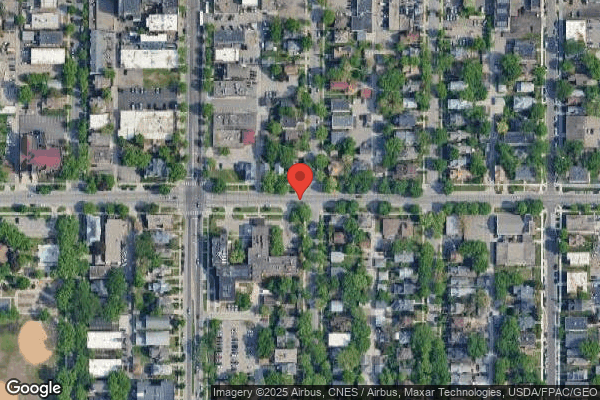
625 WEST 31ST STREET, MINNEAPOLIS, MN 55408 (612) 827-2555
Non profit - Corporation 119 Beds CASSIA Data: November 2025
Trust Grade
68/100
#140 of 337 in MN
Last Inspection: June 2025

Inspected within the last 6 months. Data reflects current conditions.

Overview

Redeemer Residence Inc in Minneapolis holds a Trust Grade of C+, indicating it is slightly above average in quality. It ranks #140 out of 337 in Minnesota, placing it in the top half of facilities in the state, and #21 out of 53 in Hennepin County, meaning only 20 local options are better. The facility is improving, with the number of issues decreasing from 12 in 2024 to 8 in 2025, although it still has areas of concern regarding medication administration and infection control practices. Staffing is a strong point, rated 5 out of 5 stars, with a turnover rate of 41%, which is slightly below the state average. However, they have received fines totaling $6,500, which is concerning but average compared to other facilities. Additionally, residents may not receive as much RN coverage as they would in 75% of state facilities, which could impact the quality of care. Specific incidents include a failure to properly monitor medication administration for some residents and a lack of comprehensive tracking for infections, raising potential safety concerns. Overall, while the facility has strengths in staffing, attention to medication and infection control needs improvement.

Trust Score
C+
68/100
In Minnesota
#140/337
Top 41%
Safety Record
Low Risk
No red flags
Inspections
Getting Better
12 → 8 violations
Staff Stability
○ Average
41% turnover. Near Minnesota's 48% average. Typical for the industry.
Penalties
○ Average
$6,500 in fines. Higher than 74% of Minnesota facilities. Some compliance issues.
Skilled Nurses
✓ Good
Each resident gets 52 minutes of Registered Nurse (RN) attention daily — more than average for Minnesota. RNs are trained to catch health problems early.
Violations
⚠ Watch
25 deficiencies on record. Higher than average. Multiple issues found across inspections.
★★★★☆
4.0
Overall Rating
★★★★★
5.0
Staff Levels
★★★★☆
4.0
Care Quality
★★★☆☆
3.0
Inspection Score
Stable
2024: 12 issues
2025: 8 issues

The Good

  • 5-Star Staffing Rating · Excellent nurse staffing levels
  • 4-Star Quality Measures · Strong clinical quality outcomes
  • Full Sprinkler Coverage · Fire safety systems throughout facility
  • No fines on record
  • Staff turnover below average (41%)

    7 points below Minnesota average of 48%

Facility shows strength in staffing levels, quality measures, fire safety.

The Bad

Staff Turnover: 41%

Near Minnesota avg (46%)

Typical for the industry

Federal Fines: $6,500

Below median ($33,413)

Minor penalties assessed

Chain: CASSIA

Part of a multi-facility chain

Ask about local staffing decisions and management

The Ugly 25 deficiencies on record

Jun 2025 7 deficiencies
CONCERN (D) 📢 Someone Reported This

A family member, employee, or ombudsman was alarmed enough to file a formal complaint

Potential for Harm - no one hurt, but risky conditions existed

Deficiency F0553 (Tag F0553)

Could have caused harm · This affected 1 resident

**NOTE- TERMS IN BRACKETS HAVE BEEN EDITED TO PROTECT CONFIDENTIALITY** Based on interview and document review, the facility failed to ensure resident and resident guardian's participation in the deve...

Read full inspector narrative →
**NOTE- TERMS IN BRACKETS HAVE BEEN EDITED TO PROTECT CONFIDENTIALITY** Based on interview and document review, the facility failed to ensure resident and resident guardian's participation in the development of interventions for 1 of 1 resident (R44) reviewed for participation in care planning. Findings include: According to the Long-Term Care Facility Resident Assessment Instrument (RAI) 3.0 User's Manual dated October 2023, the RAI is used to, assist staff with evaluating goal achievement and revising care plans accordingly by enabling the nurse home to track changes in the resident's status. The RAI, establishes a course of action with input from the resident (resident's family and/or guardian or other legally authorized representative(, resident's physician and interdisciplinary team that moves a resident toward resident-specific goals utilizing individual resident strengths and interdisciplinary expertise. The Assessment Reference Date (ARD) refers to the specific endpoint for the observation period in the MDS assessment process and is federally mandated to be completed on admission, quarterly (every 92 days), annually, with a significant change in status (SCSA), and on discharge. R44's quarterly Minimum Data Set (MDS) dated [DATE], identified R44 with severely impaired cognition, was dependent on staff for toileting, lower body dressing, personal hygiene and needed supervision with showering. In addition, R44's diagnoses included traumatic brain injury, diabetes, aphasia (communication disorder affecting ability to express and understand language), dementia, seizures, depression, bipolar disorder (extreme mood swings) and psychotic disorder (abnormal thinking and perception). R44's face sheet identified family member (FM)-A as emergency contact, guardian, and primary financial contact. Review of R44's MDS assessments were documented for the quarterly on 3/18/25, and 12/31/24 for annual. Review of R44's electronic medical record (EMR) in the Observation tab, identified one care conference was completed and documented in 2025. The date of last care conference was 1/29/25. Phone calls to FM-A were attempted with no response. During interview with director of nursing (DON) on 6/4/25 at 12:19 p.m., DON stated care conferences should be completed with MDS assessments. DON reviewed R44's EMR and stated the March 2025 care conference was not done. DON stated expectation of all care conference summaries to be documented and located in the Observation tab of EMR. DON stated the facility's social worker (SS) was responsible for scheduling and documenting the care conference note and downloading it into the EMR. DON stated he did not know why the March 2025 care conference was not done. During interview with SS on 6/4/25 at 1:28 p.m., SS stated the social services department was responsible for scheduling the care conferences with residents, their family, and all primary departments such as nursing, therapy, dietary, and social services to review any changes or updates on resident progress and goals of care. SS stated the care conferences were to be scheduled during the same time as the MDS assessments including admission, quarterly, significant change in status, and discharge. SS reviewed R44's EMR and stated March 2025 care conference was not done and should have been, stating, my best guess is that we attempted to call [FM-A] but did not follow up. Facility policy titled Care Conferences and documentation of risk areas reviewed 4/11/2025 identified expectation of care conferences to be held quarterly and with significant change in status thereafter for long term care residents. In addition, the responsibility of coordinating and scheduling care conferences was the social services department.
CONCERN (D) 📢 Someone Reported This

A family member, employee, or ombudsman was alarmed enough to file a formal complaint

Potential for Harm - no one hurt, but risky conditions existed

Notification of Changes (Tag F0580)

Could have caused harm · This affected 1 resident

**NOTE- TERMS IN BRACKETS HAVE BEEN EDITED TO PROTECT CONFIDENTIALITY** Based on interview and document review, the facility failed to ensure the physician was notified of a change in condition for 1 ...

Read full inspector narrative →
**NOTE- TERMS IN BRACKETS HAVE BEEN EDITED TO PROTECT CONFIDENTIALITY** Based on interview and document review, the facility failed to ensure the physician was notified of a change in condition for 1 of 1 resident (R32) reviewed for a change of condition. Findings include: R32's admission Minimum Data Set (MDS) dated [DATE], indicated R32 had intact cognition. R32's provider note dated 4/18/25, indicated R32 had a history of a deep vein thrombosis (blood clot, DVT) and a pulmonary embolism (blood clot in the lungs, PE) and remained on Apixaban (blood thinner) twice daily. R32 also had a history of a stroke requiring hospitalization from 12/26/24 to 1/2/25, diabetes, schizoaffective disorder, and cancer. R32's progress note dated 5/29/25 at 7:12 p.m., indicated R32 had an unresponsive episode where the nursing assistant (NA) observed R32 leaning to his left side so licensed practical nurse (LPN)-B was notified. The progress note indicated that LPN-B completed an assessment of R32. The note indicated R32's eyes remained open during the period, and a few seconds into the assessment, R32 was able to answer questions, follow LPN-B's fingertip with eyes, pupils were equal and reactive, hand grasp was strong and reactive, and R32 denied having a headache. R32's medical record was reviewed and did not indicate the provider had been notified of R32's unresponsive episode. R32's care plan dated 4/29/25 was reviewed and did not include a history of unresponsive episodes. During an interview on 6/4/25 at 10:37 a.m., registered nurse (RN)-C confirmed he was the nurse in charge of R32's care for the shift. RN-C stated he had been aware of R32 having previous episodes of hypoglycemia, but after reviewing R32's progress note referenced above, stated he hadn't heard of [R32 having] anything like this [unresponsive episode] before. RN-C stated he would have expected the nurse to contact the provider if R32 had an unresponsive episode and would expect this to be documented in the progress notes as this was the facility procedure. RN-C confirmed he had reviewed R32's medical record and did not see that the provider had been notified. RN-C stated he would contact the provider as he felt the issue was urgent and concerning. During an interview on 6/4/25 at 10:55 a.m., nurse practitioner (NP)-A stated she was not notified of R32's unresponsive episode. NP-A stated she expected the nursing staff to be her eyes and ears and would have expected the nursing staff to notify her of R32's unresponsive episode. NP-A stated she would have ordered additional monitoring of R32 and diagnostic testing to determine the cause of the incident. A call was made to LPN-B on 6/4/25 at 11:13 a.m., with a message left, and no return call was received. During an interview on 6/5/25 at 8:14 a.m., the unit nurse manager, RN-D, stated although she appreciated the assessment LPN-B had completed regarding R32's unresponsive episode, she would have expected LPN-B to contact the provider in case further recommendations were needed. The facility's Notification of Physician and Resident Representative dated 3/10/25, indicated the facility expected the primary provider to be updated when the resident had a change of condition as soon as possible and this should be documented in the progress notes. The policy indicated the facility would expect the staff member to contact the provider if a significant change occurred in the resident's physical, mental, or psychosocial status, if there was a need to alter treatment significantly, or if the resident needed to begin a new form of treatment.
CONCERN (D)

Potential for Harm - no one hurt, but risky conditions existed

Assessment Accuracy (Tag F0641)

Could have caused harm · This affected 1 resident

**NOTE- TERMS IN BRACKETS HAVE BEEN EDITED TO PROTECT CONFIDENTIALITY** Based on interview and document review, the facility failed to ensure the Minimum Data Set (MDS) was accurately coded with recei...

Read full inspector narrative →
**NOTE- TERMS IN BRACKETS HAVE BEEN EDITED TO PROTECT CONFIDENTIALITY** Based on interview and document review, the facility failed to ensure the Minimum Data Set (MDS) was accurately coded with received medications to promote continuity of care and ensure accurate care planning for 2 of 2 residents (R122 and R311) reviewed for MDS accuracy. Findings include: R122 admission MDS, dated [DATE], indicated R122 was admitted to the care facility on 5/1/25. Section N of the MDS, used to indicated what, if any, high risk medications a resident received in the past seven days, indicated R122 has received insulin injections one time in the past seven days. R122's Physician Order Report, dated 5/1/25 - 6/4/25, lacked evidence R122 was on an insulin injection. The report did indicate R122 received an Ozempic injection once a week on Sundays for a diagnosis of Diabetes Mellitus Type II. However, according to the Resident Assessment Instrument (RAI) Manual for Long-Term Care, Ozempic should not be classified as an insulin injection or a high-risk hypoglycemic medication. Ozempic's classification aligns with its pharmacological profile as a GLP-1 receptor agonist with a lower risk of hypoglycemia. During an interview on 6/3/25 at 1:20 p.m., MDS coordinator-A stated the staff who coded R122's MDS no longer worked at the facility, and she would be unsure how to code Ozempic. MDS Coordinator-A stated she would have to refer to the RAI Manual or reach out for support from corporate. MDS Coordinator-A confirmed R122 was not receiving an insulin injection. R311's admission MDS, dated [DATE], indicated R311 was admitted to the care facility on 4/9/25. Section N of the MDS indicated R311 had received an antiplatelet and an anticoagulant medication in the past seven days. R311's Physician Order Report, dated 4/1/25 - 6/4/25, lacked evidence R311 was on an anticoagulant medication. The report did indicate R311 was on aspirin 325mg daily. However, according to the RAI Manual, aspirin should be coded as an antiplatelet medication, not an anticoagulant. During an interview on 6/3/25 at 1:28 p.m., MDS Coordinator-B confirmed R311 was not on an anticoagulant medication. MDS Coordinator-B stated Aspirin should be coded as an antiplatelet, not an anticoagulant, stating I think it is an error. During an interview on 6/4/25 at 10:38 a.m., the director of nursing (DON) agreed section N of R122's and R311's MDS were coded inaccurately. A facility policy on MDS was requested and not received.
CONCERN (D)

Potential for Harm - no one hurt, but risky conditions existed

Deficiency F0645 (Tag F0645)

Could have caused harm · This affected 1 resident

**NOTE- TERMS IN BRACKETS HAVE BEEN EDITED TO PROTECT CONFIDENTIALITY** Based on interview and document review, the facility failed to ensure a Level I Pre-admission Screening (PAS) and, if needed, a ...

Read full inspector narrative →
**NOTE- TERMS IN BRACKETS HAVE BEEN EDITED TO PROTECT CONFIDENTIALITY** Based on interview and document review, the facility failed to ensure a Level I Pre-admission Screening (PAS) and, if needed, a Level II Pre-admission Screening and Resident Review (PASARR) was completed to screen for mental health needs for 2 of 3 residents (R6, R32) reviewed for PAS. Findings include: R6's admission Minimum Data Set (MDS) dated [DATE], indicated R6 had intact cognition. R6's medical diagnoses list dated 5/20/25, indicated R6 was diagnosed with schizoaffective disorder with auditory hallucinations. R6's PAS notice dated 5/19/25, indicated a copy of the PAS was included with this notice but the PAS was not final until the lead agency sent a final determination to the nursing home. R6's entire medical record was reviewed and lacked evidence a final determination had been received. R32's admission MDS dated [DATE], indicated R32 had intact cognition. R32's medical diagnoses list dated 4/25/25, indicated R32 was diagnosed with schizoaffective disorder with an acute exacerbation. R32's PAS notice dated 5/7/25, indicated a copy of the PAS was included with this notice but the PAS was not final until the lead agency sent a final determination to the nursing home. R32's entire medical record was reviewed and lacked evidence a final determination had been received. During an interview on 6/4/25 at 2:21 p.m., the director of nursing (DON) confirmed he had reviewed R6's and R32's medical records and could not find the final PASARR determination for either resident. The DON stated they used to get the final PASARR faxed to them but recently the process changed and they were supposed to request the copies electronically from the lead agency and that had not been happening. The DON stated they will now work to change the process to ensure the final determination was received for each resident. The facility's Pre-admission Screening and Resident Review Policy dated 4/11/25, indicated copies of the PASARR approval would be uploaded in each resident's medical record.
CONCERN (D) 📢 Someone Reported This

A family member, employee, or ombudsman was alarmed enough to file a formal complaint

Potential for Harm - no one hurt, but risky conditions existed

ADL Care (Tag F0677)

Could have caused harm · This affected 1 resident

**NOTE- TERMS IN BRACKETS HAVE BEEN EDITED TO PROTECT CONFIDENTIALITY** Based on observation, interview, and document review, the facility failed to ensure routine oral hygiene was completed to reduce...

Read full inspector narrative →
**NOTE- TERMS IN BRACKETS HAVE BEEN EDITED TO PROTECT CONFIDENTIALITY** Based on observation, interview, and document review, the facility failed to ensure routine oral hygiene was completed to reduce the risk of complication for 1 of 4 residents (R39) reviewed for activities of daily living (ADLs) who were dependent on staff for their care. Findings include: R39's quarterly Minimum Data Set (MDS) dated [DATE], indicated R39 had moderately impaired cognition and did not have rejection of care behaviors during the look-back period (LBP). The MDS indicated that R39 required substantial assistance to complete oral hygiene. R39's care plan dated 5/19/25, indicated R39 had full upper dentures, natural teeth on the bottom, with the front teeth missing. The care plan indicated staff were to provide extensive assistance with oral care. R39's Point of Care History dated 5/3/25 to 6/2/25 was reviewed and did not include documentation of oral care. During an interview on 6/2/25 at 3:12 p.m., R39 stated staff were supposed to help her brush her teeth twice a day but had not been doing so. R39 stated they used to set a basin with a toothbrush on her bedside table and then leave but she was unable to complete the task by herself so now staff did not even do that much. During an interview on 6/4/25 at 11:46 a.m., nursing assistant (NA)-C confirmed she was R39's aide for the shift. NA-C stated that R39 had dentures and no real teeth. NA-C stated she had assisted R39 with putting her dentures in this morning but as R39 had no real teeth, had not brushed any. During an observation on 6/4/25 at 11:51 a.m., R39 was observed lying in bed. R39 was observed to have no upper teeth, with the front couple of bottom teeth missing with teeth remaining on both the bottom left and right side of the mouth. R39's teeth were observed yellowed with a white/yellow matter observed around the bottom edges of teeth. During an interview on 6/5/25 at 8:33 a.m., registered nurse (RN)-B, the unit nurse manager stated oral hygiene was the standard of care and staff needed to assist residents with completing this preferably twice a day. RN-B stated assisting the resident with oral care was important, so oral bacteria does not spread and to prevent things like gingivitis. RN-B stated, the only place he could think of that staff may document that oral care was completed was on the POC (point of care) charting. A policy regarding oral care was requested and not received.
CONCERN (D)

Potential for Harm - no one hurt, but risky conditions existed

Quality of Care (Tag F0684)

Could have caused harm · This affected 1 resident

**NOTE- TERMS IN BRACKETS HAVE BEEN EDITED TO PROTECT CONFIDENTIALITY** Based on observation, interview, and document review, the facility failed to ensure a developed skin condition was appropriately...

Read full inspector narrative →
**NOTE- TERMS IN BRACKETS HAVE BEEN EDITED TO PROTECT CONFIDENTIALITY** Based on observation, interview, and document review, the facility failed to ensure a developed skin condition was appropriately and consistently treated to promote healing for 1 of 2 residents (R49) reviewed who had developed dry skin. Findings include: R49's annual Minimum Data Set (MDS), dated [DATE], identified R49 had intact cognition and demonstrated no delusional thinking. Further, the MDS recorded R49 received dialysis and had no current ulcers, wounds or other skin problems (i.e., burns, lesions). R49's care plan, revised 5/19/25, identified R49 required assistance with activities of daily living (ADLs) due to multiple medical conditions including hemiparesis. The care plan outlined R49 was at risk of altered skin integrity due to heart failure and R49 had a history of pressure ulcers. The care plan listed multiple interventions to help R49's skin remain intact including, Moisturize dry skin. On 6/2/25 at 7:09 p.m., R49 was observed lying in bed while in his room. R49 was interviewed and expressed he had dry, itchy skin on his arms and legs which he didn't feel was being treated. R49 stated staff were supposed to be applying a lotion or oil to it a few times each day; however, it wasn't being consistently done. R39 showed his arms which were visibly dry with areas of white-colored skin (i.e., flaky) present. R49's Progress Note, dated 3/20/25 and completed by the medical provider, identified R49 was seen following a hospitalization. The note included text which read, . on exam[,] patient skin is very dry and scaley. this [sic] is chronic almost. will [sic] benefit from a lotion for dry skin. The note listed a section labeled, Plan, which directed, Orders: Start cerave cream apply to skin twice a day. A corresponding View Prescription Order, printed 6/4/25, was authored by another medical provider and listed a received date, 03/20/2025. The order named the CeraVe with directions, Apply CeraVe Cream BID [twice daily] topically head-toe for severe Dry Skin. (Okay for alternative topical cream). On 6/4/25 at 8:09 a.m., R49 was again observed in his room, now seated in a high-back Broda-style wheelchair. R49 continued to have visible dry skin with some areas of light white-colored scaling present on his arms and hands. R49 reiterated nobody was consistently applying lotion or cream to his dry skin adding aloud, Nope. R49 expressed, I think I need it. R49's Medication Administration Record (MAR), dated 5/2025, identified R49's order for CeraVe cream to be applied topically BID with a listed start date, 03/20/2025 - Open Ended. The MAR outlined an, AM, and, HS [bedtime], time for administration along with staff initials to record the administration or refusal. This treatment was recorded as being completed the entire month during the morning (i.e., AM) shift; however, had 12 recorded days on the evening (i.e., HS) time frame of being not administered with added text, Not Administered: Drug/Item Unavailable. R49's MAR, dated 6/2025, identified the same order for CeraVe and, again, spacing to record it's administration or refusal. This identified only three days (1/1 to 1/3) of history recorded; however, again, showed one of the six doses as not administered with added rationale, Drug/item Unavailable. The MAR lacked evidence of what, if any, alternative cream or lotion had been applied on days when the CeraVe was not available. When interviewed on 6/4/25 at 9:04 a.m., nursing assistant (NA)-B verified they had worked with R49 prior and described him as needing total care from staff. NA-B stated they had noticed R49 to have dry skin and expressed aloud, He's always had very dry skin, always. NA-B stated they sometimes applied lotion to R49's skin but not consistently, and expressed they were unsure what, if any, treatments the nurses were doing for it. Further, NA-B stated R49's dry skin condition was the same over the past several weeks and reiterated, He's very dry. On 6/4/25 at 9:46 a.m., registered nurse (RN)-E was interviewed, and verified they routinely worked with R49. RN-E stated R49 was on dialysis and expressed they had noticed R49 to have had frequent dry skin. RN-E stated R49 had an order for fancy lotion [i.e., CeraVe] awhile prior but the insurance wouldn't cover it so, as a result, they (RN-E) had just been applying A&D ointment (a skin protectant ointment) to his skin. RN-E stated the nurse working should catch and resolve a discrepancy between the MAR and any applied topical medications or creams, and acknowledged R49's current order in the MAR still called for the CeraVe lotion to be applied. RN-E attributed the lack of clarification being obtained to, We've been using A&D and [we're] so busy you know, adding further, I haven't had a chance to update it [MAR]. RN-E stated they were unsure what cream or ointment the other nurses working with R49 were using and reiterated the use of A&D ointment was what I do. Further, RN-E verified there was no current supply of CeraVe in the medication cart, and stated they felt R49's developed dry skin was about the same over the past weeks. R49's medical record was reviewed and lacked evidence the progress note directing CeraVe and the physician order, completed by a different provider, were clarified to ensure the correct product was being applied; nor did the record have evidence of what, if any, attempts were made to obtain the CeraVe lotion despite apparent insurance refusal to cover it. The record lacked evidence what, if any, additional interventions had been considered or developed despite R49's skin condition remaining and not improving over several weeks as observed by the direct care staff; and further, the record lacked any recorded dictation or evidence of what, if any, cream or lotion staff had been applying to R49's skin when signing off on the MAR the treatment was done despite the CeraVe not physically being present in the care center per direct care staff. On 6/4/25 at 10:59 a.m., registered nurse manager (RN)-B was interviewed, and verified they had an opportunity to review the medical record. RN-B explained the CeraVe wasn't covered by R49's insurance and expressed what typically happens in such a case would be the care center considering to cover the cost of it instead. RN-B stated they had just called the pharmacy and the medication (CeraVe) would be sent over that day. RN-B stated they followed-up with RN-E who confirmed they had been applying A&D ointment instead, and RN-B directed RN-E the provider should be updated and order changed. RN-B verified the ordered CeraVe was not physically present on-campus and expressed none of the nurses had updated them on it not being filled or available. RN-B stated they recalled seeing a communication from pharmacy about it not being covered but it had just been overlooked since then. RN-B stated it was important to ensure ordered treatments are done as they were ordered for a reason adding aloud, We should follow the order. RN-B verified if a medication was not available, then the provider should be updated and order clarified or obtained adding, You want to follow the doctor's order. RN-B stated not clarifying an order or updating the provider could be a bigger problem if it involved more than lotion. Later on 6/4/25 at 12:04 p.m., RN-B was interviewed and provided the physician's order which outlined use of an alternative lotion and/or cream was allowable. RN-B stated use of A&D ointment in place of CeraVe wouldn't be my first choice and acknowledged them to have different ingredients. RN-B reiterated nurses should be reporting creams and medications which weren't available adding, So I can check into it. RN-B verified the MAR lacked evidence of what, if any, cream or lotion had been applied to R49's skin despite the CeraVe not being available and, as a result, acknowledged there was no way to know what, if any, treatment the nurses were actually doing. RN-B stated it was important to ensure ongoing, consistent treatment for R49's dry skin was done as he was more prone to breakdown. On 6/5/25 at 10:37 a.m., the director of nursing (DON) was interviewed. DON verified R49 had the CeraVe delivered that morning and expressed staff should be using an alternate lotion on R49's skin like a Eucerin (lotion) which were available in the medication carts. DON stated the same treatment should be applied amongst all the nurses, and verified if a medication is repeatedly unavailable then staff should update the nursing leadership. DON stated using the same, ongoing treatment modality would help ensure better healing. A facility-provided Skin Integrity policy, dated 3/2025, identified a procedure which included the NA doing daily skin checks and updating the nurses with concerns. The policy continued, Nurse will implement appropriate treatment for new skin alterations using wound care protocol or base on Provider recommendations. The policy lacked specific information or directions on how to address a skin concern which was not a pressure ulcer or wound (i.e., dry skin).
CONCERN (E)

Potential for Harm - no one hurt, but risky conditions existed

Infection Control (Tag F0880)

Could have caused harm · This affected multiple residents

**NOTE- TERMS IN BRACKETS HAVE BEEN EDITED TO PROTECT CONFIDENTIALITY** Based on observation and interview the facility failed to follow infection control standards of practice for cleaning of hard su...

Read full inspector narrative →
**NOTE- TERMS IN BRACKETS HAVE BEEN EDITED TO PROTECT CONFIDENTIALITY** Based on observation and interview the facility failed to follow infection control standards of practice for cleaning of hard surfaces in the resident room for 1 of 1 residents. In addition, the facility failed to ensure personal laundry was transported and delivered in a manner that prevented risk of contamination for 1 of 3 hallways (3rd floor) observed for linen transportation. In addition, the facility had failed to ensure transmission-based precautions (TBP) were assessed for and implemented timely for 1 of 1 residents (R39) reviewed with symptoms of a possible gastrointestinal illness. Findings include: Wheelchair arm rests: According to the Centers for Disease Control (CDC) Guidelines for Environmental Infection Control in Health-Care Facilities (2003) the cleaning and disinfection of environmental surfaces is fundamental in reducing their potential contribution to the incidence of healthcare-associated infections. R44's quarterly Minimum Data Set (MDS) dated [DATE] identified R44 with severely impaired cognition, was dependent on staff for toileting, lower body dressing, personal hygiene and needed supervision with showering. In addition, R44 diagnoses include traumatic brain injury, diabetes, aphasia (communication disorder affecting ability to express and understand language), dementia, seizures, depression, bipolar disorder (extreme mood swings), and psychotic disorder (abnormal thinking and perception). During observation on 6/2/25 at 2:43 p.m., R44 was laying bed with clothes on. Their wheelchair was located near foot of bed and had visibly crackled vinyl armrests with foam padding noted under the material which was pulling away. During observation and interview with nursing assistant (NA)-A on 6/4/25 at 9:15 a.m., NA-A looked at R44's wheelchair arm rests and stated, Yes, that wheelchair is really shabby looking and broken up like cracked material. I can see the foam under the cracked material and even the metal portion of the arm rest. During observation and interview with trained medication aide (TMA)-A on 6/4/25 at 1:22 p.m., TMA-A looked at R44's wheelchair arm rests and stated, not a cleanable surface because it is worn out. During observation and interview with 3rd floor nurse manager (RN)-A on 6/4/25 at 1:25 p.m., RN-A looked at R44's wheelchair arm rests and stated, [they] need to be replaced because it is rough and [sic] the edges and could harbor infection. During observation and interview with DON on 6/4/25 at 1:37 p.m., DON looked at R44's wheelchair arm rests and stated, I agree that it is not smooth surface to clean and wipe down. Material is cracked and should be smooth and stated it was, a concern for infection control. During interview with facility's infection control preventionist (ICPC) on 6/4/25 at 1:55 p.m., ICPC looked at R44's wheelchair arm rests and stated, Yes that would not be a cleanable surface at this time. Armrests should be a smooth surface. I agree it is a concern for infection control. During interview with housekeeper (HK)-B on 6/5/25 at 10:05 a.m., HK-B described expectation of housekeeping staff to wipe wheelchairs only if I see visible dirt. HK-B stated if material on arm rests were cracked and peeling then I would not be able to clean it correctly. [sic] could be a place for germs to grow. Linen cart: During observation on 6/4/25 at 9:10 a.m., laundry aide (LA)-A wheeled a laundry cart to 3rd floor hallway outside 3 [NAME] unit, obtained personal laundry from the cart and left the cart uncovered before walking away. Personal laundry was visible on the clothes hangers. At 9:11 a.m., LA-A returned to the uncovered laundry cart with empty clothes hangers in her hands and then wheeled the uncovered laundry cart past nursing station, dining room with three residents sitting in wheelchairs, and the main hallway past resident rooms. When she approached main elevators LA-A pulled the folded-up linen cover over the laundry. During interview with LA-A on 6/4/25 at 9:12 a.m., LA-A stated, I left the [laundry] cart here uncovered and walked away. It should be covered because of [risk of] contamination and some residents could access it [unattended]. Facility policy titled Standard precaution reviewed 7/3/24, state, Standard Precautions apply to all patients and in all situations, regardless of diagnosis or presumed infection status. Because all residents can serve as reservoirs for infectious agents, adherence to Standard Precautions during the care of ALL residents is essential to interrupting the transmission of microorganisms. Standard precautions also intend to protect residents by ensuring that healthcare personnel do not carry infectious agents to residents on their hands or via equipment used during resident care. In addition, the policy identified procedure for, Handling and transporting of linen in a manner that avoids skin and mucous membrane exposure and avoids contamination of clothing. TBP The CDC guideline titled Summary of Recommendations, Guidelines for Isolation Precautions: Preventing transmission of Infectious Agents in Healthcare Settings dated 11/27/23, indicated in addition to standard precautions, TBP should be used with residents with known or suspected infection where additional precautions are needed to prevent transmission. R39's quarterly MDS dated [DATE], indicated R39 had moderately impaired cognition and was diagnosed with heart failure, kidney disease, and diabetes. R39's care plan dated 5/19/25, was reviewed and did not include a history of nausea and vomiting. R39's progress note dated 6/3/25 at 3:10 p.m., indicated R39 had complained of nausea and vomiting after both breakfast and lunch. The progress note indicated R39 had three episodes of vomiting during shift. During an interview and observation on 6/4/25 at 8:10 a.m., NA-C was observed to enter R39's room, complete hand hygiene, and apply gloves. R39 stated she felt really nauseous today and her stomach was and explains using hand waving in a circular motion. R39 then asked NA-C for her throw-up container. NA-C was observed to hand R39 an empty water jug. NA-C was observed to assist R39 with personal hygiene tasks such as perineal care, washing under skin clean-folds, and washing face while R39 held empty water jug close to her mouth. R39 stated she had been feeling nausea since, not last the night of 6/2/25 and was vomiting yesterday and this was abnormal for her. NA-C was observed to remove gloves when cares were completed and complete hand hygiene. No further personal protective equipment (PPE) such as a gown or mask observed to be used. During an interview on 6/4/25 at 8:35 p.m., the ICPC, a registered nurse, stated they were now going to start utilizing droplet precautions when caring for R39. The ICPC stated she had reviewed R39's progress notes this morning and noticed that R39 had nausea and vomiting the previous day, so she was going to implement the precautions as this could be a symptom of an infectious disease. The ICPC stated she would have expected the nurse who was care for R39 at the time the symptoms had started to implement the precautions yesterday but that had not occurred. RN-E stated she had notified the provider yesterday of R39's nausea and vomiting and the provider had ordered a clear liquid diet but had not mentioned the need for precautions, so she had not implemented any. The facility's Transmission-Based Precautions, Enhanced Barrier Precautions and Empiric Precautions policy dated 5/13/25, indicated residents with a suspected or confirmed case of a communicable disease that was spread by droplet or contact with an infection environment should be placed on TBP until the condition has been ruled out or the criteria for removal from isolation had been met.
Mar 2025 1 deficiency
CONCERN (E) 📢 Someone Reported This

A family member, employee, or ombudsman was alarmed enough to file a formal complaint

Potential for Harm - no one hurt, but risky conditions existed

Infection Control (Tag F0880)

Could have caused harm · This affected multiple residents

**NOTE- TERMS IN BRACKETS HAVE BEEN EDITED TO PROTECT CONFIDENTIALITY** Based on observation, interview, and document review, the facility failed to ensure proper hand hygiene was completed for 3 of 4...

Read full inspector narrative →
**NOTE- TERMS IN BRACKETS HAVE BEEN EDITED TO PROTECT CONFIDENTIALITY** Based on observation, interview, and document review, the facility failed to ensure proper hand hygiene was completed for 3 of 4 residents ( R4, R5, R6). In addition, the facility failed to ensure proper personal protective equipment (PPE) was properly utilized for 1 of 4 resident (R4) reviewed for infection control. Findings include: R4 R4's admission Minimum Data Set (MDS) dated [DATE] indicated R4 was cognitively intact, had an indwelling catheter, and was dependent upon staff assistance for transfers. R4's Face Sheet printed 3/25/25, indicated diagnoses included pressure ulcer of sacrum and left thigh, and neuromuscular dysfunction of bladder. R4's care plan dated 2//21/25, indicated an indwelling catheter, and on 3/13/25, indicated enhanced barrier precautions (EBP) (measures intended to prevent the spread of multi-drug resistant organisms ) related to a pressure ulcer. On 3/25/25 at 10:52 a.m., during an observation, there were two signs on R4's door that indicated the following: Enhanced Barrier Precautions (EBP) Sign 1: Families and Visitors, please follow enhanced barrier precautions. If you have questions, please see nurse. Everyone must clean their hands before entering room and when leaving the room. Providers and Staff please see reverse side for additional precautions required for this room. Sign 2: Providers and Staff: Wear gloves and a gown for the following high-contact resident care activities: Bathing/ showering, transferring residents from one position to another, changing bed linens, providing hygiene (only during high contact activities such as peri-care), changing briefs or assisting with toileting, caring for assisting with an indwelling medical device (for example central venous catheter, urinary catheter, feeding tube care, tracheostomy/ventilator care) and performing wound care. Put on in this order: Perform hand hygiene, gown, mask if needed or mask/eye shield if needed, gloves (if needed) Take OFF & dispose in this order: Gloves, mask/eye shield (if used), gown, mask( if used), perform hand hygiene (even if gloves used). On 3/25/25 at 11:18 a.m., during an observation nursing assistant (NA)-A entered R4's room, performed hand hygiene with alcohol based hand sanitizer (ABHS) , donned gloves and a gown, and entered R4's room. NA-A was already wearing a surgical mask. On 3/25/25 at 11:44 a.m., NA-A left R4's room, still wearing her mask, and used ABHS. On 3/25/25 at 11:45 a.m., during an interview, NA-A confirmed she wore the same mask all day. R5 R5's admission MDS dated [DATE], indicated R4 was cognitively intact, had an ostomy (an opening in the abdomen to allow waste to leave the body), and kidney insufficiency. R5's Face Sheet printed 3/25/25, indicated diagnoses that included an encounter for artificial opening of the urinary tract - ostomy, and cancer of the posterior wall of bladder. R5's care plan dated 11/12/24, indicated R5 was admitted to the facility for care after surgery on the nervous system, on 11/15/24 had a urostomy related to cancer on wall of the bladder, and on 3/13/25, was on EBP related to the ostomy. On 3/25/25 at 11:01 a.m., during an observation EBP precautions signs were noted on R5's door. Physical therapist (PT)-A pushed R5 in a wheelchair into R5's room, without performing hand hygiene. In addition, PT-A did not don PPE prior to entry to the room. PT-A donned gloves in the room and assisted R5 to transfer into bed. PT-A left the room without performing hand hygiene. PT-A did not wear a gown during the transfer. On 3/25/25 at 11:56 a.m., during an interview PT-A acknowledged he had not performed hand hygiene nor donned a gown prior to entering R5's room. PT-A confirmed he had not performed hand hygiene when he left the room and stated he should have due to EBP in place, and to prevent the potential spread of infection. R6 R6's quarterly MDS dated [DATE], indicated R6 was cognitively intact, had an indwelling catheter, a neurogenic bladder (a condition that occurs when the nervous system's connection to the bladder is disrupted, causing bladder control issues), and quadriplegia. R6's Face sheet printed 3/25/25, indicated R6 had a pressure ulcer on the right buttock, neuromuscular dysfunction of bladder, and a urogenital (organs and functions related to both the urinary and reproductive systems) implant. R6's care plan dated 4/8/24, identified EBP were in place related to a suprapubic catheter and a wound. On 3/25/25 at 12:19 p.m., during an observation EBP signs were noted on R6's door. NA-B was observed to be passing meal trays from a cart in the hallway. NA-B picked up the meal tray prior to performing hand hygiene, entered R6's room, set the meal tray on R6's bedside table, and rearranged the items on the bedside table to make room for the meal tray. NA-B did not perform hand hygiene when she left the room. On 3/25/25 at 12:20 p.m., during an interview NA-B stated she washed her hands when she left the kitchen, and because she was not performing direct care, she did not need to worry about hand hygiene before or after she left the room. NA-B stated she had training about hand hygiene a week or two ago, was taught to read the signs on the door prior to entering the rooms, and acknowledged she had not. On 3/25/25 at 3:27 p.m., registered nurse (RN)-A stated EBP was for residents with tubes and wounds however, staff should perform hand hygiene before entering and exiting every room to prevent the potential for the spread of infection. RN-A stated transferring a resident on EBP to bed from a wheelchair would require staff to wear a gown. On 3/25/25 at 1:00 p.m., during an interview the infection preventionist (IP) stated she expected staff to perform hand hygiene when staff entered and exited a room and to wear the appropriate PPE when transferring a resident on EBP. On 3/25/25 at 2:35 p.m., during an interview the director of nursing (DON) stated the expectation was staff would always wash or sanitize their hands before entering and exiting any resident room. The DON stated he expected, when residents were on EBP, staff would follow the instructions on the signs on the door, and follow the education provided recently about EBP. The Hand Hygiene policy revised 7/3/24, indicated it was the policy of Cassia that handwashing/alcohol based hand sanitizer be regarded as the single most important means of preventing the spread of microorganisms/transmission of infection. The policy indicated hand washing/sanitizing was necessary to prevent health care associated infections and promote health and safety including: before and after providing care to the a resident, before and between passing meal trays, after removing gloves, after touching environmental surfaces near residents, after handling catheters, and after removing PPE. The Personal Protective Equipment policy revised 7/3/24, indicated employees required to perform tasks that may involve exposure to blood/body fluids would be provided appropriate protective clothing and equipment.
Apr 2024 11 deficiencies
CONCERN (D)

Potential for Harm - no one hurt, but risky conditions existed

Deficiency F0554 (Tag F0554)

Could have caused harm · This affected 1 resident

**NOTE- TERMS IN BRACKETS HAVE BEEN EDITED TO PROTECT CONFIDENTIALITY** R73 Findings include: R73's quarterly Minimum Data Set (MDS) dated [DATE], indicated he had intact cognition and had diabetes, h...

Read full inspector narrative →
**NOTE- TERMS IN BRACKETS HAVE BEEN EDITED TO PROTECT CONFIDENTIALITY** R73 Findings include: R73's quarterly Minimum Data Set (MDS) dated [DATE], indicated he had intact cognition and had diabetes, high blood pressure, low sodium levels, and gastro-esophageal reflux disease (acid reflux or heartburn). MDS also indicated R73 was independent with eating and activities of daily living (ADL). A self-administration of medication assessment dated [DATE] indicated R73 did not want to self-administer medication. A self-administration of medication assessment dated [DATE] indicated R73 did not want to self-administer medication. A self-administration of medication assessment dated [DATE] indicated R73 did not want to self-administer medication. R73's physician orders included the following: - lipase-protease-amylase (Creon) capsule, delayed release; 24,000-76,000 - 120,000 unit; Give 4 capsules by mouth with lunch and dinner to treat gastro-esophageal reflux disease, dated 10/1222. - lactase (Lactaid) tablet, 3,000 unit; Give 9,000 units by mouth with meals to treat gastro-esophageal reflux disease, dated 10/12/22. - Ok to self administration [sic] once nursing set up, dated 1/30/23. R73's care plan, dated 12/21/22, indicated he wished to self-administer the following medications: acetaminophen, aspirin, Centrum Silver Ultra Men's, cholecalciferol, Creon, Crestor, famotidine, Lactaid, lisinopril, ferrous sulfate and Tums. The care pan indicated R73 had been assessed and was appropriate for self-administration of those medications. The interventions identified included completing self-administration of medications observation per protocol, following physician's orders for medications that can be self-administered, and nurse to provide set-up of medications for resident. During observation on 4/8/24 between 4:51 p.m. and 5:11 p.m., R73 was sitting on his bed with the bedside table in front of him. There was a medication cup with two oblong white tablets and four capsules that were red with brown beads inside. There was no staff in the room. R73 stated he usually took those medications on his own with meals. At 5:01 p.m., trained medication assistant (TMA)-B entered the room and verbalized being unsure if R73 had an assessment or orders for self-administration of medications. TMA-B stated R73's orders would be reviewed and left the room. At 5:11 p.m., TMA-B re-entered the room and stated R73 had a recent order for self-administration of medications. During interview on 4/10/24 at 12:17 p.m., registered nurse (RN)-A stated to determine if a resident was able to safely administer their own medications, a self-administration of medication assessment should be completed by nursing staff. If the resident was found to be capable of safely administering their own medications, RN-A stated the resident's provider would be contacted next for an order. RN-A stated residents would need both the assessment and the provider's order for self-administration. RN-A was unaware of R73 having an assessment and stated, we should not be leaving his medications there with him. RN-A reviewed R73's chart and verified his self-administration of medication assessment dated [DATE], indicated R73 was not safe to administer his own medications. Additionally, RN-A reviewed the self-administration assessments dated 12/28/23 and 918/23 and verified both assessments indicated R73 was not safe to administer his own mediations. RN-A stated, it would be safest to not have him self-administer. Facility policy last reviewed 3/4/24, indicated, If the resident wishes to self-administer medication, complete the applicable observation/assessment in the EHR [electronic health record]. If the resident was assessed able to [SAM] then they must Obtain an order from the provider that the resident may SAM. Order should indicate which mediation will be self-administered. Further, Information regarding [SAM] will be added to the care plan. Based on observation, interview, and document review, the facility failed to ensure a self administration of medications (SAM) assessment was completed to allow residents to safely administer their own medications for 3 of 3 (R66. R6, and R73) residents observed with medications at bedside. Findings include: R66's annual Minimum Data Set (MDS) dated [DATE], indicated R66 had modified independence -some difficulty in new situations only- regarding cognitive skill for daily decision making. The MDS further indicated R66 required set up only to extensive assistance for all activities of daily living (ADLs). R66's diagnoses included traumatic brain injury, major depressive disorder, anxiety, opioid dependence, asthma, gastro-esophageal reflux disease (GERD), spinal stenosis, and chronic obstructive pulmonary disease (COPD). R66's care plan indicated R66 had altered respiratory status related to asthma and at risk for nutritional status related to GERD. R66's care plan lacked evidence of self-administration of medications (SAM). R66's order dated 11/22/21, indicated levalbuterol tartrate-inhaler 45 mcg/actuation, 1 puff every four hours as needed. R66's order dated 7/15/22, indicated tamsulosin, 0.4 mg capsules, amount to take two capsules daily within 30 minutes after the same meal each day. Neither order indicated R66 could self-administer the individual medications. Further, R66's orders lacked evidence of a blanket self-administration order allowing R66 to keep medications at bedside or administer to self unsupervised. R66's SAM assessment dated [DATE], indicated R66 did not want to self-administer or was not currently self-administering medications based on previous assessment. During observation and interview on 4/9/24 at 1:13 p.m., R66 was in his room without staff present waiting to be taken to the shower. He stated he had eaten lunch already and that it was okay. There was a levalbuterol tartrate inhaler on the bedside table and a medicine cup with two unidentified capsules each with 0.4 noted on them. R66 stated he often self-administered his inhaler, nebulizer, or other medications. During observation and interview on at 4/9/24 at 1:52 p.m., registered nurse (RN)-F confirmed the presence of the inhaler and capsules at R66's bedside. RN-F identified the capsules as tamsulosin and stated that medication was due and would have been provided at noon today and should be taken within 30 minutes after his meal. RN-F stated residents must have an order and current assessment to identify the resident was safe for SAM to leave them at the bedside. R66's oral intake report for 4/9/24, indicated R66 ate 76-100 percent of his lunch meal and documented at 12:36 p.m. During interview on 4/9/24 at 2:25 p.m., RN-C stated residents must have an order and assessment for SAM and that it should also be care planned. RN-C verified R66 did not have a current order or assessment for SAM nor was it addressed in the care plan. RN-C stated medications should not be left at the bedside without the appropriate order and assessment in place. RN-C further stated the tamsulosin should be taken within 30 minutes of a meal and should not have been left at the bedside. During interview on 4/9/24 at 2:45 p.m., director of nursing (DON) stated expectation was that a resident would have an order and an assessment for SAM and that it would be care planned to ensure a resident could safely self-administer medications. Findings include: R6 R6's quarter Minimum Data Set (MDS) dated [DATE], indicated R6 was cognitively intact, and received antidepressants. R6 diagnosis included anxiety disorder and depression. R6's care plan updated 4/4/24, indicated problem included cognitive loss dementia with decision making impaired related to dementia with depression, and short term memory loss. Intervention included observe for changes and decline in mental status and give instructions one step at a time. R6's physician orders dated 3/11/24 to 04/11/24, lacked a SAM documentation. R6's quarterly SAM assessment dated [DATE], indicated R6 did not want to self-administer her medications. During medication pass observation and interview on 4/10/24 at 7:23 a.m., trained medication assistant (TMA)- dispensed amlodipine 5 milligrams (mg), tablet; Bupropion 150 mg tablet; metformin 500 mg, and vitamin D3 25 microgram into medication cup. TMA- then went to the dining room with R6's medication then placed the medication on dining room table in front of R6. TMA- then left the medications on the dining table and left them in the medication cup in front of R6. TMA- then left to go to medication cart before R6 took the medications. TMA- stated R6 knew how to take her own medications independently when medications were left with her, without issues. During interview on 4/11/24 at 9:32 a.m., director of nursing (DON) checked electronic health record and verified R6's SAM assessment did not include a self-administration of medication. DON also verified R6 physician orders lacked a SAM order. DON further clarified R6 should be supervised during medication pass and staff were to ensure R6 medications were swallowed before staff left R6 and medications should not be left with resident on dining table.
CONCERN (D)

Potential for Harm - no one hurt, but risky conditions existed

Deficiency F0558 (Tag F0558)

Could have caused harm · This affected 1 resident

**NOTE- TERMS IN BRACKETS HAVE BEEN EDITED TO PROTECT CONFIDENTIALITY** Based on observation, interview and document review, the facility failed to ensure the call light was accessible for 1 of 1 resi...

Read full inspector narrative →
**NOTE- TERMS IN BRACKETS HAVE BEEN EDITED TO PROTECT CONFIDENTIALITY** Based on observation, interview and document review, the facility failed to ensure the call light was accessible for 1 of 1 resident (R39) reviewed for accommodation of needs. Findings include: R39's quarterly Minimal Data Set (MDS) dated [DATE], indicated R39 had moderate cognitive impairment, required substantial/maximal assistance with most activities of daily living (ADLs), was dependent on staff for toileting, transfers, and personal hygiene. R39's diagnoses included dementia, renal disease, diabetes, and congestive heart failure. R39's care plan last reviewed 3/27/24, indicated R39 was at risk for falls and instructed staff to make sure call light was within reach. R39's progress note dated 1/14/24, indicated R39 had an unwitnessed fall from bed. R39's falls risk assessment dated [DATE], indicated R39 was at moderate risk for falls and instructed staff to ensure call light was within reach and remind him not to reach for things. During observation and interview on 4/8/24 at 2:32 p.m., R39 was in bed with the call light was on the floor under his bed. R39 attempted to reach the call light and was unable to do so. During interview on 4/8/24 at 2:39 p.m., nursing assistant (NA)-E stated the call light should not be under the bed and should be within R39's reach. NA-E further stated the call light cord normally had a clip to be used to clip to the resident, however, R39's call light was missing the clip. NA-E left R39's room to retrieve a clip and attached to R39's call light cord. NA-E further stated R39 had fallen out of bed previously and should not have to reach for any items. During interview on 4/10/24 at 1:30 p.m., registered nurse (RN)-C stated staff should ensure all call lights were within reach for those residents who could use them. If a resident was unable to use a call light, staff would complete service rounds to ensure resident needs were met. RN-C stated R39 could use the call light. During interview on 4/10/24 at 1:44 p.m., director of nursing (DON) stated expectation was staff would ensure all call lights were within reach for all residents. Facility policy Call Lights dated 10/22/2023, indicated, Place call light so it is accessible to the resident at all times when in resident room. Secure the call light to stay within access of the resident.
CONCERN (D)

Potential for Harm - no one hurt, but risky conditions existed

Notification of Changes (Tag F0580)

Could have caused harm · This affected 1 resident

**NOTE- TERMS IN BRACKETS HAVE BEEN EDITED TO PROTECT CONFIDENTIALITY** Resident #83 Based on interview and document review, the facility failed to contact the designated representative and gain conse...

Read full inspector narrative →
**NOTE- TERMS IN BRACKETS HAVE BEEN EDITED TO PROTECT CONFIDENTIALITY** Resident #83 Based on interview and document review, the facility failed to contact the designated representative and gain consent for medical treatment for 1 of 1 residents (R83) reviewed for notification of change. Findings include: R83's quarterly Minimum Data Set (MDS) dated [DATE], indicated he continuously had altered levels of consciousness and was rarely or never understood. MDS indicated R83's diagnoses included Alzheimer's disease (a brain disorder that slowly destroys memory and thinking skills) and dementia (a loss of memory, language, problem-solving and other thinking abilities). MDS indicated R83 was dependent on staff for assistance with activities of daily living (ADL), mobility, and transfers. R83's medication administration record dated 12/2023, indicated oseltamivir (Tamiflu) 75 milligrams (mg), an antiviral medication used to prevent or treat influenza, was administered from 12/8/23 through 12/21/23. R83's care plan dated 4/14/22, indicated he was at risk for decline and identified interventions of administering medications and treatments per provider order in addition to monitoring for changes and notifying his provider and representative. A provider progress note dated 12/12/23, indicated R83 received Tamiflu prophylactically (preventatively) due to an outbreak of influenza in the facility. A progress note dated 1/6/24 indicated after a conversation with R83's family member (FM), staff would contact the FM prior to any new medical interventions and treatment. The progress note also indicated copies of R83's power of attorney (POA) agreement naming the FM as the responsible party. R83's electronic health record (EHR) lacked documentation that demonstrated staff updated his FM about administration of Tamiflu. During interview on 4/9/24 at 3:37 p.m., R83's FM verbalized dissatisfaction with pushback from staff regarding decisions made by them not to prolong R83's life. The FM stated they were R83's healthcare POA and reported the facility had not notified them or gained their consent prior to administering Tamiflu to R83. The FM stated, I was appalled. During interview on 4/10/24 at 10:46 a.m., registered nurse (RN-E) stated they would update a resident's legal guardian or POA if a resident had a change in status and document that in a progress note. During interview on 4/11/24 at 9:58 a.m., RN-B stated for any change in status, staff were expected to update the family, especially if a resident had a POA. RN-B stated nurses were expected to document those conversations in the resident's chart. Additionally, RN-B stated staff were always expected to get consent, including for preventative healthcare measures. RN-B verified R83 received Tamiflu as part of a preventative measure. RN-B stated, we made a mistake, we gave him the Tamiflu. RN-B stated R83's FM found out after receiving a bill and was not okay with it. RN-B explained how, moving forward, for R83's care, for any new treatment or any changes to current treatments, staff would be contacting his FM. During interview on 4/11/24 at 10:29 a.m., the director of nursing (DON) stated the facility routinely informed resident's and their representatives of the risks and benefits of all interventions in the care plan during care conferences and as needed in between. The DON stated the process to inform a resident and their representative included providing education, ensuring interventions are clinically indicated, and gaining consent. The DON verified R83 received Tamiflu as ordered by the facility's medical director during an outbreak. The DON stated staff notified resident's and their representatives, however, the facility did not have a copy of R83's POA paperwork at that time. The DON stated, we made a mistake. I think the issue was we didn't have paperwork at the time. A facility policy titled Change in Condition, dated 12/31/18 and last reviewed 3/28/24, indicated notifications will be made withing twent-four (24) hours of a change occuring in the resident's medical/mental condition or status except in medical emergencies. Additionally, the policy indicated regardless of the resident's current mental or physical condition, a nurse or healthcare provider will inform the resident of any changes in his/her medical care or nursing treatments.
CONCERN (D)

Potential for Harm - no one hurt, but risky conditions existed

Deficiency F0583 (Tag F0583)

Could have caused harm · This affected 1 resident

**NOTE- TERMS IN BRACKETS HAVE BEEN EDITED TO PROTECT CONFIDENTIALITY** Based on observation, interview, and document review, the facility failed to draw privacy curtains or close the residents door d...

Read full inspector narrative →
**NOTE- TERMS IN BRACKETS HAVE BEEN EDITED TO PROTECT CONFIDENTIALITY** Based on observation, interview, and document review, the facility failed to draw privacy curtains or close the residents door during personal cares, making a resident feel their personal privacy was not being protected for 1 of 1 resident (R1) reviewed for personal privacy and confidentiality. Findings include: R1's quarterly Minimum Data Set (MDS) dated [DATE], included R1 was cognitively intact, dependent on staff for transfers and toileting, and required moderate assistance with upper body dressing and maximal assistance for lower body dressing. R1 had diagnoses of quadriplegia, anxiety, and neurogenic bladder. R1's care plan dated 4/3/23, included R1 required extensive assist of two staff for bed mobility, 1-2 staff for dressing and toileting, and assist of two staff for transfers using a full body mechanical lift. During interview on 4/8/24 at 2:52 p.m., R1 stated they had a roommate and did not get enough privacy. They stated recently they were receiving personal cares and the nursing assistant (NA) needed to leave the room, and they left R1 lying on their bed, uncovered, and undressed wearing only a brief, with the privacy curtain open. They indicated the room door did not close completely, and R1's roommate's family entered the room while R1 was exposed, leaving her embarrassed and angry. During interview on 4/10/24 at 8:25 a.m., nursing assistant (NA)-B stated they pulled the privacy curtain around the resident's bed to make them feel secure during cares, and ensured residents were covered if they needed to leave the room for anything in case someone came into the room. During interview on 4/10/24 at 8:30 a.m., NA-C stated privacy curtains should be pulled during cares, and if staff needed to leave, they finished cares first and left the resident with the call light. During observation on 4/10/24 at 1:45 p.m., R1 was visible from the hallway as they were lying in bed in their room. They wore a hospital gown which was pulled up to their brief, had a catheter bag lying on their bed, and had a mechanical lift sling under their body and attached to the lift. Both the privacy curtain and the room door were open, and the bedding was pulled down to the end of the bed leaving R1 uncovered. A sign on the door requested staff to close the door completely. During interview on 4/10/24 at 1:51 p.m., registered nurse (RN)-A left R1's room with the mechanical lift. RN-A confirmed the door, and the curtain were both open upon their arrival to R1's room, and they should have reminded NA-D to close the curtain when leaving a resident in that state to protect their personal privacy. During interview on 4/10/24 at 2:01 p.m., NA-D confirmed they left the room to go get another staff person to assist with using the mechanical lift but did not comment on the open door and open curtain. During interview on 4/11/24 at 8:17 a.m., director of nursing (DON) stated resident should not be left exposed in their room unless it was a personal preference and should be covered to protect their privacy. The facility Resident Rights policy dated 3/5/24, included residents had the right to have privacy in treatment and in caring for personal needs.
CONCERN (D)

Potential for Harm - no one hurt, but risky conditions existed

Deficiency F0655 (Tag F0655)

Could have caused harm · This affected 1 resident

**NOTE- TERMS IN BRACKETS HAVE BEEN EDITED TO PROTECT CONFIDENTIALITY** Based on interview and document review, the facility failed to ensure a baseline care plan was reviewed and provided timely to e...

Read full inspector narrative →
**NOTE- TERMS IN BRACKETS HAVE BEEN EDITED TO PROTECT CONFIDENTIALITY** Based on interview and document review, the facility failed to ensure a baseline care plan was reviewed and provided timely to ensure knowledge of care and promote person-centered care planning for 1 of 2 residents (R74) reviewed for care planning. Findings include: R74's face sheet undated, indicated R74 admitted to the facility 1/12/24, was readmitted to the hospital on [DATE], and readmitted to the facility on [DATE], was readmitted to the hospital on [DATE] and readmitted to the facility on [DATE]. R74's admission cognition assessment dated [DATE], indicated R74 was cognitively intact. R74's diagnoses list indicated R74's diagnoses included end stage renal disease, diabetes mellitus, dependence on renal dialysis, depression, long term use of insulin, nicotine dependence and bipolar disorder. R74's baseline care plan initiated 1/18/24, included pain, psychotropic medications, falls, skin, medical conditions, dialysis, and discharge plan. During interview on 4/9/24 at 8:54 a.m., R74 indicated she was not included on any planning or what the expectation for her stay or discharge planning were. She denied having a care conference or being invited to a care conference, or being provided anything verbally or in writing regarding her cares. During interview on 4/11/24 at 8:15 a.m.,Licensed Social Worker (LSW) -A and Social Service Director stated an initial care conference should be held by day 7. LSW-A verified a 48 hour care plan was not given to R74 and no care conference was held. LSW-A indicated she had just taken over R74's case last week, and verified the previous LSW had not completed the care conference. The facility policy: Care conferences and 48 Hour Care Plan Summary & Baseline Care Plan dated 3/18/2024, indicated, Care conferences will be held for TCU/Short stay residents as soon as possible but not later than 21 days after admission. Care conferences are held quarterly and with significant change in status thereafter. Care conferences for Long term care residents will be held within 21 days of admission and quarterly and with significant change in status thereafter. Social service staff (or designated facility staff) will invite resident and representative to care conferences. If resident is on hospice, hospice will be invited to care conference. If resident is on dialysis, dialysis will be invited to care conference. If resident has a case manager, they will be invited to the care conference.
CONCERN (D)

Potential for Harm - no one hurt, but risky conditions existed

Quality of Care (Tag F0684)

Could have caused harm · This affected 1 resident

Based on observation, interview, and document review, the facility failed to accurately assess and monitor multiple non-healing and bleeding skin lesion, lacerations, and scabs for 1 of 1 resident (R4...

Read full inspector narrative →
Based on observation, interview, and document review, the facility failed to accurately assess and monitor multiple non-healing and bleeding skin lesion, lacerations, and scabs for 1 of 1 resident (R40) reviewed for non-pressure related skin conditions. Findings include: R40's significant change Minimum Data Set (MDS)-dated 3/6/24, indicated they were cognitively intact, had diagnoses of heart failure, peripheral vascular disease, kidney failure, diabetes, and lower limb amputation. R40 was dependent on staff for showers, dressing, personal hygiene, and transfers, and was at risk for pressure ulcers but had no unhealed pressure ulcers or arterial or venous ulcers. R40's care plan dated 1/23/24, indicated R40 had an alteration in skin integrity, and instructed licensed staff to complete visual body observation weekly, implement appropriate interventions for any areas of concern, and notify provider and family of any new areas of concern. In addition, nursing assistants were directed to observe skin daily during cares and notify nurse promptly of any areas of concern. The care plan lacked identification of R40's recurrent skin lesions on their arms, legs, and chest in addition to interventions. A provider note dated 2/6/24, indicated R40 has multiple small, circular superficial lesions of both upper extremities. R40's Visual Body Inspection forms dated 3/10/24, 3/17/24, 3/24/24, 3/31/24, and 4/7/24, all indicated R40 had no new skin concerns noted. R40's Physician Order Report dated 4/11/24, included orders for: - Weekly wound assessment, measure and record characteristics of skin alterations noted under wound management tab, add new entry under each wound, and mark healed if skin alteration is healed. The order included special instructions to Ensure all wounds under wound management are updated starting 2/5/24. - Clean upper extremities with Vashe (a wound cleanser) then apply a nickel thick layer of santyl (a prescription cream to help heal burns and ulcers), cover with adaptic (a non-adherent dressing) followed by roll gauze then tubigrip (a tubular dressing) daily starting 2/23/24. - Bath/shower Sunday morning, notify nurse to do body audit starting 2/26/24. R40's Wound Management Detail Report dated 4/11/24, identified R40's left ring finger scab as healed on 3/6/24, and skin concerns on the left second finger and right hand as healed on 3/28/24. The medical record lacked identification and monitoring of the numerous current open areas and scabs on R40's left and right arms. During observation and interview on 4/8/24 at 6:35 p.m., R40 was seated in their wheelchair in their room with a loose, soiled bandage wrapped around their right arm which was falling off toward their hand and had paper towels tucked underneath and no tubigrip. Several small round sores were visible above the dressing on the right arm. R40's left arm and hand had approximately 20 red sores and scabs of sizes up to approximately ¾ of an inch, some appearing new and others in various states of healing. R40 stated most of the spots were blisters, and staff put dressings on the right arm but did not assess or treat the sores on the left other than applying a regular moisturizing lotion as they did the rest of their body. They identified they had some additional sores on their left hand from getting it caught in the wheel of the wheelchair a few weeks earlier. During observation and interview on 4/09/24 at 8:58 a.m., R40 was lying in bed wearing a hospital gown with blood spots on the top left toward the neck, a wound dressing on the right arm, and numerous visible sores on the left arm. R40 revealed their upper left chest where there was a large bleeding area of multiple sores. R40 stated they scratched themselves sometimes in their sleep. During interview on 4/10/24 at 12:31 p.m., nursing assistant (NA)-D stated NAs observed for skin changes during cares, but nurses completed the full body weekly skin checks on shower day. NA-D stated R40 poked and picked at their sores and staff needed to change the bedding daily due to blood spots. They identified R40 picked off one of the scabs on their left arm that morning and it began bleeding, and all the spots were getting worse. They indicated R40 did not have any special creams or lotions, and they just used the standard skin moisturizing lotion on their skin. During interview on 4/10/24 at 12:40 p.m., registered nurse (RN)-E stated nurses completed a head-to-toe skin assessment on each shower day and completed the documentation in the computer system. If there was open skin, they reported to RN-B and the nurse practitioner and RN-B began a wound assessment including measurements and characteristics and monitored concerns moving forward. They indicated both new concerns and those currently being monitored were identified on the weekly skin assessment form, and wounds were assessment by the wound doctor and RN-B every Thursday. RN-E stated R40 often had itching spells and had an order for hydroxyzine (an antihistamine used to reduce skin itching) as needed, and stated RN-B was monitoring R40's skin. During interview on 4/10/24 at 2:30 p.m., RN-B stated body audits were completed weekly with showers and anything new was documented in the computer. Wounds were documented in a wound management form and assessed weekly by RN-B and the wound doctor, but the wound doctor was mainly focused on pressure ulcers. RN-B stated R40 had chronic skin issues and involuntarily scratched themselves at night and had open areas on their arms and hands that came and went, in addition to one on their upper chest. They stated they were monitoring the one on their chest weekly and indicated they had monitored the ones on their arms in the past, but the sores were hard to keep track of since they were intermittent. Upon review of R40's medical record, RN-B stated the sores on R40's left hand and finger were resolved on 3/15/24, but they could have come back since they were chronic, however RN-B had not seen R40's arms that day. During interview on 4/10/24 at 9:39 a.m., NA-C stated nurses checked residents' skin weekly on shower days to identify any redness or other skin concerns. They stated if the NA found any new issues, they notified the nurse. They indicated R40 had sores on their arms and were not sure if they were improving or getting worse, but R40 picked at them and some days they bled more than others. They indicated they thought R40 had creams for them, but they were not sure. During observation on 4/10/24 at 10:08 a.m., R40 was seated in their wheelchair in their room, arms covered in sores as previously described, with another visible on their right cheek. During interview on 4/11/24 at 8:19 a.m., director of nursing (DON) stated nurses completed and documented weekly head-to-toe skin assessments, and any new concerns were added to the form, and previous concerns were documented in a wound management form by the nurse managers. They indicated the nurse managers should be looking at weekly skin assessments and documenting measurements and characteristics so they could update the provider with any changes, and R40's chronic skin issues should have been recorded in their care plan. The Skin Integrity policy dated 3/8/24, included licensed nurse to complete visual head to toe skin inspection and document on designated area in the medical record. NAR will inspect skin daily with cares and any skin alterations identified will be reported immediately to licensed nurse. Nurse will communicate new skin alterations to the Interdisciplinary team, medical provider, and the resident representative. Nurse will implement appropriate treatment for new skin alterations using wound care protocol or based on provider recommendations, complete a new comprehensive skin risk assessment if area is pressure, arterial, venous, diabetic, neuropathic, or mixed etiology, and document in designated area in electronic medical record related to the skin alteration including specific location of alteration, physical description of alteration and measurements.
CONCERN (D)

Potential for Harm - no one hurt, but risky conditions existed

Pressure Ulcer Prevention (Tag F0686)

Could have caused harm · This affected 1 resident

**NOTE- TERMS IN BRACKETS HAVE BEEN EDITED TO PROTECT CONFIDENTIALITY** Based on observation, interview, and document review, the facility failed to assure properly operational pressure-reducing air m...

Read full inspector narrative →
**NOTE- TERMS IN BRACKETS HAVE BEEN EDITED TO PROTECT CONFIDENTIALITY** Based on observation, interview, and document review, the facility failed to assure properly operational pressure-reducing air mattress were in place as intervention to reduce pressure ulcers for 2 of 3 residents (R39 and R87) reviewed for pressure ulcers. Findings include: R39 R39's quarterly Minimal Data Set (MDS) dated [DATE], indicated R39 had moderate cognitive impairment, required substantial/maximal assistance with most activities of daily living (ADLs), and was dependent on staff for toileting, transfers, and personal hygiene. The MDS indicated R39 was at risk for developing pressure ulcers and required pressure reducing device for bed. R39's diagnoses included dementia, renal disease, diabetes, and congestive heart failure. R39's pressure ulcer/injury care area assessment (CAA) dated 9/29/23, indicated R39 was at risk for developing pressure ulcers due to immobility and incontinence and required a special mattress to reduce or relieve pressure. R39's wound assessment dated [DATE], indicated, Patient has wound on his left medial buttock; coccyx; right heel. Wound assessment further indicated care recommendations to include low air loss mattress. R39's comprehensive skin risk with Braden assessment dated [DATE], indicated R39 was bedfast, or wheelchair bound, had a history of healed pressure injures, and was at moderate risk for skin breakdown. R39's care plan last reviewed 3/27/24, indicated R39 was at risk for alteration of skin integrity and instructed, Pressure redistribution mattress. During observation on 4/8/24 at 2:32 p.m., R39 was lying in bed on top of a deflated overlay air mattress. The pump on the air mattress was not plugged into the wall and therefore not operating. During observation and interview on 4/8/24 at 2:39 p.m., nursing assistant (NA)-E entered R39's room and confirmed the air mattress was not plugged in operating. NA-E stated they were not sure if R39 required the air mattress overlay and left the room to inquire. During observation and interview on 4/8/24 at 2:49 p.m., registered nurse (RN)-C entered R39's room and stated R39 had a history of skin breakdown and required the air overlay to be operational. RN-C confirmed the pump was not plugged in and that it could not reach the outlet with the bed in the current position. RN-C stated R39's bed used to be against a different wall and could not remember when it was moved. R87 R87's quarterly MDS dated [DATE], indicated R87 had moderate cognitive impairment, and required partial/moderate to substantial/maximal assistance with most ADLs, bed mobility, and transfers. The MDS indicated R87 was at risk for developing pressure ulcers. R87's diagnoses included dementia, depression, history of strokes, and urinary incontinence. R87's pressure ulcer/injury CAA dated 11/24/23, indicated R87 was at risk for developing pressure ulcers due to incontinence and required special mattress to reduce or relieve pressure. R87's comprehensive skin risk with Braden assessment dated [DATE], indicated R87 was bedfast, or wheelchair bound, had a history of healed pressure injures, and was at risk for skin breakdown. R87's care plan last reviewed 3/13/24, indicated R87 was at risk for alteration of skin integrity and instructed, Pressure redistribution mattress. During observation on 4/8/24 at 5:16 p.m., R87 was lying in bed with the air mattress not turned on. During observation and interview on 4/9/24 at 12:59 p.m., R87 was lying in bed watching TV and stated he had been up in the wheelchair for breakfast but would remain in bed the rest of the day. R87's air mattress was not turned on. During observation on 4/10/24 at 7:18 a.m., R87 was sleeping in bed and the air mattress was not turned on. During observation and interview on 4/10/24 at 8:03 a.m., NA-I assisted R87 up to the wheelchair and stripped the linen from his bed. R87's mattress had a concave indentation in the center approximately 8 inches deep. NA-I confirmed the air mattress was not turned on and that indentation was not normal. NA-I stated the R87's air mattress should be turned on whenever he was in bed. During interview on 4/10/24 at 9:18 a.m., RN-G stated R87's air mattress should be plugged in and that there should not be an indentation in the center of the mattress. RN-G stated air mattress was used to prevent skin breakdown. During interview on 4/10/24 at 1:30 p.m., RN-C stated expectation for both R39 and R87's air mattresses would be plugged in, turned on and operational to prevent skin breakdown. During interview on 4/10/24 at 1:44 p.m., director of nursing (DON) stated expectation for residents who required pressure reducing mattresses to prevent skin break down that the mattresses be plugged in and turned on. Facility policy Skin Integrity last reviewed 3/28/24, indicated goal to provide appropriate treatment plans based on resident needs for pressure relief to promote healing or prevent skin injuries from developing. Implementation of care plan and interventions to treat any existing skin related concerns as well as interventions to prevent skin integrity concerns.
CONCERN (D)

Potential for Harm - no one hurt, but risky conditions existed

Deficiency F0698 (Tag F0698)

Could have caused harm · This affected 1 resident

**NOTE- TERMS IN BRACKETS HAVE BEEN EDITED TO PROTECT CONFIDENTIALITY** Based on observation, interview, and document review, the facility failed to ensure post-dialysis assessment and monitoring was ...

Read full inspector narrative →
**NOTE- TERMS IN BRACKETS HAVE BEEN EDITED TO PROTECT CONFIDENTIALITY** Based on observation, interview, and document review, the facility failed to ensure post-dialysis assessment and monitoring was completed for 1 of 1 residents (R40) reviewed for dialysis. Findings include: R40's significant change Minimum Data Set (MDS) dated [DATE], indicated the were cognitively intact, and had diagnoses of kidney failure, high blood pressure, diabetes, heart failure, and peripheral vascular disease. The MDS indicate R40 did not receive dialysis treatments while in the facility. R40's care plan dated 1/6/24, indicated R40 required hemodialysis related to end-stage kidney disease, had a shunt in their left arm for vascular access, and lacked pre- and post-dialysis instructions for monitoring of access site, shunt bruit and thrill, and vital signs. R40's Referral Forms and progress notes dated 3/4, 3/7, 3/11, 3/15, 3/18, 3/20, 3/27, 4/1, 4/3 and 4/8/24, indicated they had dialysis on those dates. No additional forms were included in the medical record. R40's Physician Order Report dated 4/11/24, included orders for staff to check shunt for bruit and thrill on left arm every shift from 1/9/24 - 1/24/24, check vital signs after each dialysis run daily on Mondays, Wednesdays, and Fridays from 1/9/24 - 1/24/24, and remove dressing from dialysis site on the shift after they return from dialysis at bedtime (unless otherwise ordered) on Monday, Wednesday, and Friday from 1/9/24 - 1/24/24. No new orders for monitoring were present. R40's Vitals taken from 3/1/24 to 4/11/24, lacked documentation of post-dialysis vital sign monitoring on 3/4, 3/7, 3/11, 3/15, 3/18, 3/20, 3/27, 4/1, 4/3, and 4/8. R40's Medication Administration Record (MAR) for 3/1/24 - 3/31/24, and 4/1/24 - 4/10/24, lacked evidence of post-dialysis monitoring of access site, shunt bruit and thrill, and vital signs. R40's medical record lacked documentation of post-dialysis monitoring of access site, shunt bruit and thrill, and vital signs on the aforementioned dates. During observation and interview on 4/8/24 at 6:38 p.m., R40 stated they went to dialysis three days per week on Mondays, Wednesdays, and Fridays. They stated vitals signs were completed after dialysis at the dialysis center, but staff did not complete any post-dialysis assessments after they returned to the facility. During interview on 4/10/24 at 12:40 p.m., registered nurse (RN)-E stated staff assessed the dialysis access site and completed a set of vital signs prior to a resident going out to dialysis and documented them in the Vitals section of the chart. They stated there was an order to check the site for bleeding and take a another set of vital signs upon their return from dialysis, however R40's dialysis was scheduled in the afternoon and they did not usually return to the facility until the evening shift staff arrived, so they were unsure if they were being monitored. During interview on 4/10/24 at 2:30 p.m., RN-B stated the nurses took a set of vital signs prior to dialysis and recorded them in the progress notes, however there was no other assessment required beforehand. They stated a post-dialysis assessment was a standard of care, and staff should check the dialysis access site after dialysis to make sure it's ok, however there was not a specific form to complete. RN-B reviewed R40's medical record and stated R40 had a left arm shunt and a dialysis care plan, however there was no evidence of post-dialysis monitoring of their access site, shunt bruit and thrill, or vital signs. During interview on 4/11/24 at 8:13 a.m., director of nursing (DON) stated residents who had dialysis had an order set placed which prompted staff to check the shunt dressing, bruit and assess vital signs after dialysis treatments, and they should be recorded in the treatment administration record. Upon review of R40's medical record, DON stated it appeared staff were not completing an assessment after R40's dialysis treatment and indicated it would be important to ensure the shunt was functioning properly and there was not excessive bleeding or other complications. The Dialysis policy indicated the facility will provide ongoing assessment of the resident's condition and will monitor for complications before and after each dialysis treatment received at a certified dialysis facility.
CONCERN (D)

Potential for Harm - no one hurt, but risky conditions existed

Deficiency F0745 (Tag F0745)

Could have caused harm · This affected 1 resident

**NOTE- TERMS IN BRACKETS HAVE BEEN EDITED TO PROTECT CONFIDENTIALITY** Based on interview and document review, the facility failed to provide medically related social services and/or obtain mental he...

Read full inspector narrative →
**NOTE- TERMS IN BRACKETS HAVE BEEN EDITED TO PROTECT CONFIDENTIALITY** Based on interview and document review, the facility failed to provide medically related social services and/or obtain mental health counseling for 1 of 1 resident (R87) diagnosed with major depressive disorder and inappropriate tendencies towards staff reviewed for behavioral services. Findings include: R87's quarterly MDS dated [DATE], indicated R87 had moderate cognitive impairment, and required partial/moderate to substantial/maximal assistance with most activities of daily living (ADLs). The MDS indicated R87 received antidepressant medication. R87's diagnoses included dementia, depression, and had a history of homicidal ideations. R87's care plan (CP) dated 3/13/24, identified R87 was at risk for mood and behavioral disturbance r/t (related to) diagnosis of depression and history of inappropriate sexual behavior. The CP further identified R87 at risk for psychosocial well-being with intervention, Refer to psychologist/psychiatrist as appropriate. R87's PHQ-9 (patient health questionnaire for depressive symptoms) assessment dated [DATE], indicated a score of 0- no depression. R87's provider note dated 12/19/23, indicated R87's mood had been down and was more depressed. The note further indicated, Patient also requested a visit with our in-house psych .and continues [to] be inappropriate with staff, making sexual comments. The note included a plan for, Refer to in-house psych. R87's provider orders dated 12/19/23, indicated, Refer to inhouse psych per patient request for mood disorder. R87's PHQ-9 dated 2/13/24, indicated a score of 9-mild depression. R87's progress note (PN) dated 2/13/24, indicated, Pt admits he thinks of suicide daily because he misses his wife. The PN further indicated, Pt is also seeing Psychiatrist already to address his MDD [major depressive disorder]. R87's care conference summary (CCS) dated 2/28/24, indicated, R87 had behavioral problems, Pt behaviors include sexual comments towards staff and telling others staff is going to kill him. The CCS further indicated psychology services were not offered and last visit date was unknown for all ancillary services. During interview on 4/8/24 at 5:17 p.m., R87 stated he was very sad due to his wife's passing and denied being offered any psych or grief support R87 stated it would be helpful to talk to someone about his feelings. During interview on 4/10/24 at 9:18 a.m., registered nurse (RN)-G stated the health unit coordinator (HUC) would place a referral to psych when ordered and that psych was in the facility regularly. RN-G stated if a referral was placed, the resident would typically see psych within a week or so unless it was an urgent need. RN-G further stated being aware that R87 had issues with the death of his wife and could be very sad at times. RN-G was not aware if R87 saw psych and stated that any notes would be documented int eh EHR (electronic health record). During interview on 4/10/24 at 9:36 a.m., HUC stated the social worker (SW) would typically make the psych referrals based on nursing communication, provider order, or assessments. During interview on 4/10/24 at 10:47 a.m., SW-A stated social services conducted assessments and would refer residents to psych as needed. SW-A stated she thought she offered psych to R87 in February of this year, per her PN. SW-A stated per the note R87 was already receiving psych services. SW-A referred to R87's EHR and stated there were two documents listed under the psych consult category and that was what she referred to back in February. SW-A opened the two documents in the EHR and verified the two documents were not psych notes and stated they must have been filed incorrectly. SW-A further stated she must have done the same thing back in February and assumed R87 was receiving psych services by only viewing the listed documents under psych consult and not by opening the documents to confirm. SW-A stated R87 should have had a psych referral, and all offers and refusals should be documented. During interview on 4/10/24 at 12:47 p.m., SW-B stated she reviewed interdisciplinary team meeting (IDT) minutes and could not find any evidence they discussed R87's need for psych referral. During interview on 4/10/24 at 1:30 p.m., RN-C stated if there was a referral to psych, SW would discuss with resident and obtain consent. RN-C stated R87 was appropriate for psych services and that all offers and refusals should be document. During interview on 4/10/24 at 1:44 p.m., director of nursing (DON) stated expectation was that residents would be referred to psych services as needed and that any refusals should be documented. Facility policy Ancillary Services dated 2/12/24, indicated, Ancillary services are reviewed with each care conference and updated when requested by the resident/resident representative. The policy further identified, The Social service staff or designee will document the resident's plans for ancillary health care services in the resident's [CCS] form.
CONCERN (E)

Potential for Harm - no one hurt, but risky conditions existed

Infection Control (Tag F0880)

Could have caused harm · This affected multiple residents

**NOTE- TERMS IN BRACKETS HAVE BEEN EDITED TO PROTECT CONFIDENTIALITY** R266's face sheet indicated R266 admitted to the facility 4/3/24, and had the following diagnoses: multiple sclerosis severe wit...

Read full inspector narrative →
**NOTE- TERMS IN BRACKETS HAVE BEEN EDITED TO PROTECT CONFIDENTIALITY** R266's face sheet indicated R266 admitted to the facility 4/3/24, and had the following diagnoses: multiple sclerosis severe with spasticity, dementia, type one diabetes mellitus, pressure ulcer of the right heel, retention of urine, encounter for fitting and adjustment of urinary device, encounter for change or removal of a nonsurgical wound dressing. R266's admission Minimum Data Set (MDS) was in progress. R266's physician orders dated 4/3/24, indicated R266 had a Foley catheter, monitor urine output every shift; days, evenings, and nights. R266's physician orders dated 4/5/24 indicated: bilateral buttock wounds, clean exposed wound bed with Vashe moist gauze. Do not scrub off Triad paste or use washcloth to remove. May need to let Vashe gauze soak for 5-10 minutes. Apply Triad paste onto sacral wound, dime thickness. Please only apply to the open wound, do not use as a barrier cream to the entire buttocks area. Special instructions: apply 3 times daily and with incontinence cares. Do not cover Triad paste with mepilex foam dressing. Please use Calazime for barrier cream to buttocks, perineum, surrounding intact skin areas three times a day. R266's physician orders dated 4/10/24, indicated: right heel wound care; cleanse with Vashe, pat dry, cover with mepilex and prevalon boots once a day every other day. R266's physician orders dated 4/10/24, indicated: upper and thoracic back wounds and left ankle lateral wound, remove old dressing, then soak wounds with Vashe mist for 2-5 minutes including the periwound skin. Pat gently dry. Gently apply barrier film cavilon no sting. Allow to dry. Apply mepilex, change every other day and as needed if soiled once a day every other day. R266's care plan dated 4/8/24 at 6:43 p.m., indicated R266 required enhanced barrier precautions (EBP) related to an indwelling catheter and chronic wounds. Interventions included following EBP per policy. R266's care plan dated 4/5/24, indicated R266 required extensive assist for bathing, bed mobility, dressing, grooming, oral cares, and required total assist for toileting needs and was incontinent of bowel and had a Foley catheter. R266's care sheet undated, indicated R266 required extensive assist of two for activities of daily living (ADLs), was incontinent of bowel, check and change every three to four hours, Foley catheter empty and cares every shift. The care sheet lacked information R266 was on enhanced barrier precautions. R266's nursing progress note dated 4/9/24 at 11:56 a.m., indicated teaching was provided on EBP to R266 and family member. During observation on 4/8/24 at 3:32 p.m., R266 was in her room and her urinary catheter was uncovered facing towards the window. There was no signage located on the door to indicate R266 was on enhanced barrier precautions and there was no cart outside the door with PPE. During observation on 4/8/24 at 5:06 p.m., R266's door contained signage indicated R266 was on EBP, and a cart with gowns and gloves was located down the hallway. During interview and observation on 4/10/24 between 7:40 a.m., and 7:54 a.m., nursing assistant (NA)-F entered R266's room and did not donn gloves or a gown. A sign was located on R266's door that indicated R266 was on EBP. At 7:44 a.m., NA-F was assisting R266 in positioning and did not have a gown on. R266's catheter bag was empty. At 7:46 a.m., NA-F put R266's blanket in a plastic bag and doffed gloves. At 7:50 a.m., NA-F stated she just emptied R266's catheter and had EBP training and stated prior to entering a room with a resident on EBP, gloves, gowns and a mask should be donned and further stated she did not put on a gown because the cart was not located right outside the door. NA-F verified there was a sign on R266's door. At 7:54 a.m., NA-F asked registered nurse (RN)-D if the cart down the hallway was for R266 and RN-D stated she thought it was for R266 or for another resident. During interview on 4/10/24 at 7:54 a.m., RN-D stated staff needed to donn gowns and PPE prior to going in R266's room for cares and stated R266 had a pressure injury and also had a Foley catheter and stated if you empty the catheter, gowns, goggles, mask, and gloves should be donned. RN-D stated there were two residents down the hallway on EBP and expected NA-F to wear a gown. During observation on 4/10/24 at 8:02 a.m., R266's signage on the door indicated the following, families and visitors please follow instructions for EBP, everyone must clean their hands before entering the room and when leaving the room. Providers and staff please see reverse side for additional precautions required for this room. Providers and staff wear gloves and a gown for the following high contact resident care activities: dressing, bathing, showering, transferring, providing hygiene, changing linens, changing briefs or assisting with toileting, device care or use, central line urinary catheter, feeding tube tracheostomy ventilator wound care any skin opening requiring a dressing. Put on hand hygiene, gown, mask, gloves. The cart with gowns, gloves and hand sanitizer was located 1 door down the hall and on the opposite side of the hallway as R266's room. During interview on 4/10/24 at 10:12 a.m., the infection preventionist (IP) and director of nursing (DON) stated they were waiting on additional carts and expected staff to follow signs for EBP and stated EBP should be used if repositioning for high contact cares including changing linens, briefs, emptying catheters, and any time you were expected to wear gloves. A policy, Transmission-Based Precautions and Enhanced Barrier Precautions, dated 4/3/24, indicated transmission based precautions were used in addition to standard precautions. The four types of transmission based precautions used in the facility setting may be used alone, or in combination for diseases that have multiple routes of transmission: contact precautions, droplet precautions, enhanced barrier precautions. If contact precautions do not apply, enhanced barrier precautions are recommended for residents with any of the below criteria: a resident who is infected or colonized with a targeted multi drug resistant organism (MDRO), a resident with a chronic wound regardless of MDRO status, an intact surgical incision, residents with an indwelling medical device even if the resident is not known to be infected or colonized with an MDRO. Examples of indwelling medical devices include but are not limited to central vascular lines, indwelling urinary catheter. Enhanced barrier precautions will be noted on resident's plan of care and on resident's profile and or nursing assistant assignment sheet. Based on observation, interview, and document review, the facility failed to ensure proper hand hygiene was completed during medication administration for 2 of 4 residents ( R41, R48). The facility also failed to ensure proper hand hygiene was implemented during suprapubic (S/P) catheter cares for 1 of 4 residents (R2), and during the provision of personal cares for 1 of 4 residents (R88) reviewed for infection control. Additionally, the facility failed to ensure proper personal protective equipment (PPE) was utilized for 1 of 1 resident (R266) reviewed for enhanced barrier precautions. Findings Include: Medication Administration R41's quarterly Minimum Data Set (MDS) dated [DATE], indicated R41 was cognitively intact. R41's face sheet diagnosis included other sites of candidiasis, urinary tract infection. R48's quarterly MDS dated [DATE], indicated R48 was cognitively intact, and medications included antipsychotics and anticoagulants. R48's care plan updated 4/8/2024, indicated R48 required enhanced barrier precautions related to catheter use. During observation on medication pass observation on 4/9/24 at 12:34 p.m., to 12:40 p.m., licensed practical nurse (LPN)-A opened locked medication cart and removed R41's Tylenol 500 milligrams (MG), 2 tablets, and placed in medication cup and then crushed the medication and placed in applesauce. LPN-A then gave R41 her medication in the dining room and administered the Tylenol. LPN-A then went back to the medication without sanitizing hands and removed R48's baclofen 10 mg half tab from the medication card, locked cart then took R48's medication to R48's room and administered to him. R48's EBP signage and personal protective equipment supplies were near R48's door. LPN-A then went to cart touched bottom of medication cups stacked on top of medication cart and did not perform hand hygiene. LPN-A then grabbed dressing from treatment cart for R2's S/P dressing change and went into R2's room. During interview on 4/11/24 at 9:00 a.m., LPN-A stated they should have hand sanitized between medication administration between residents but did not during medication pass observation. During interview on 4/11/24 at 9:32 p.m., director of nursing (DON) stated staff were expected to hand sanitize during medication administration between residents to prevent spread of infection. Suprapubic Catheter R2's quarterly MDS 2/22/24, indicated R2 had an indwelling catheter. R2's face sheet printed 4/11/24, indicated diagnosis included Seborrheic dermatitis (a common skin condition that mainly affects your scalp. It causes scaly patches, inflamed skin and stubborn dandruff), unspecified, and obstructive and reflux uropathy (A disorder characterized by blockage of the normal flow of contents of the urinary tract). R2's care plan dated 4/8/24, indicated R2 required enhanced barrier precautions (EBP) related to catheter use. R2's physician orders dated 10/10/23, indicated S/P site dressing change once a day. During observation on 4/9/24 at 12:40 p.m., R2's EBP signage and supplies were near his door. LPN-A washed hands, donned gown, mask and gloves and removed old dressing to R2's S/P catheter site. LPN-A did not change glove, then cleaned S/P site with gauze and wound cleanser. LPN-A then applied new dressing and taped to resident S/P site after dating. LPN then removed gloves and doffed personal protective equipment. Then washed hands. During interview on 4/11/24 at 9:00 a.m., LPN-A stated they should have hand sanitized between removing dirty dressing and cleaning S/P catheter site to prevent infection to site. During interview on 4/11/24 at 9:32 p.m., DON stated staff were expected to change gloves when after removing old dressing, hand sanitize, don gloves before applying new dressing for R2 to prevent infection to S/P catheter site. Activity of Daily Living R88's MDS dated [DATE], lacked a brief interview for mental status score for cognition. R88 was dependent on staff for all cares and had a feeding tube in place. R88's face sheet printed on 4/11/24, indicated gastrostomy-feeding with flushes and acute respiratory disease-resolved. R88's care plan updated 4/8/24, indicated R88's was on enhanced barrier precautions (EBP) related to gastrostomy tube. R2 required assistance with activities of daily living. During observation on 4/10/24 at 11:01 a.m., R88 EBP signage and supplies were near R88's door. Nursing assistant (NA)-G and NA-H entered R88's room after donning gown, and gloves. NA-G removed gown and then washed R88's face and chest area while keeping privacy and dried off areas and placed blouse onto R88. NA-G then provided peri cares to frontal area then NA-H assisted to turn R88 onto side. NA-G then cleaned R88's buttock area with noted small bowel movement. NA-G used wipes and completed peri cares. NA-G did not change their gloves then grabbed R88's clean briefs and placed under buttock and turned R88 onto back to fasten. NA-G also applied clean draw sheet and placed under R88 with same unchanged glove, touching R88's clothing and linens. NA-G grabbed a hair brush then brushed R88's hair then changed gloves. NA-G sanitized hands after doffing gown and gloves. During interview on 4/10/24 at 11:46 a.m., NA-G stated they realized after observation of R88's morning cares they had not changed gloves but should have changed gloves to prevent the spread of infection. NA-G further stated was a bit nervous during observation by surveyor but was aware of infection control practices with glove changes. During interview on 4/11/24 at 9:32 p.m., DON stated staff were expected to change gloves when providing resident cares and came in contact with bowel movements to prevent the spread of infection. The facility Hand Hygiene Infection Control policy updated 1/11/2024, It is the policy of Cassia that handwashing/alcohol-based hand sanitizer be regarded as the single most important means of preventing the spread of microorganisms/transmission of infection. Hands must be washed with soap and water if visibly soiled, before eating or drinking and before and after using the bathroom. Hands must be washed with soap and water when working with residents with C-Difficile or Norovirus during an outbreak. For a single resident with C-Difficile handwashing is preferred, but alcohol-based hand sanitizer is allowed unless hands are visibly soiled, contact with bodily fluids has occurred, or in an outbreak situation. Other than the above listed situations, hand washing and hand sanitizing with an alcohol-based hand sanitizer (ABHS) agent may be used interchangeably.
CONCERN (F)

Potential for Harm - no one hurt, but risky conditions existed

QAPI Program (Tag F0867)

Could have caused harm · This affected most or all residents

Based on interview and document review the facility failed to ensure the Quality Assurance Process Improvement (QAPI) committee was effective in maintaining appropriate action plans to correct a quali...

Read full inspector narrative →
Based on interview and document review the facility failed to ensure the Quality Assurance Process Improvement (QAPI) committee was effective in maintaining appropriate action plans to correct a quality deficiency identified during a previous survey related to self administration of medications (SAM) which resulted in a deficiency identified during this survey. Findings include: Review of the CASPER dated 3/28/24, indicated the facility was cited for F755 related to a resident not monitored for medication administration on the survey which exited on 3/2/23. See F554, Based on observation, interview, and document review, the facility failed to ensure a self administration of medications (SAM) assessment was completed to allow residents to safely administer their own medications for 3 of 3 (R66. R6, and R73) residents observed with medications at bedside. Quarter One 2023, QAPI minutes dated 1/1/23, through 3/31/23, were reviewed and indicated under the heading, Survey Results and Audits F755 unattended medication, education was completed, a whole house sweep was completed to check for medications in rooms, medication administration audits indicated 5/7 at 71%. Under the heading, Staff Development dated 3/1/23, indicated review medication policy with all nurses and trained medication aides (TMAs). During state survey found oxycodone in resident's room and during interview was saving the medication to mail to his wife. The minutes indicated the next meeting held would be on 7/20/23. Quarter two 2023, QAPI minutes dated 4/1/23, through 6/30/23, indicated under the heading, Survey Results and Audits medication administration audits will continue and reevaluate next quarter, second floor was 4/4 for 100%. The minutes indicated the next meeting held would be on 10/12/23. Quarter three 2023 QAPI minutes dated 7/1/23, through 9/30/23, indicated under the heading, Survey Results and Audits survey result audits completed, however had discussed last meeting to continue grooming and hygiene audits. This quarter we have 44/51 for 86%, goal is to be above 96% before discontinuing. Repositioning audits would be continued until the percentage positive was 96%. The minutes lacked notes related to medication administration audit results. The minutes indicated the next meeting would be on 1/11/24. Quarter four 2023 QAPI minutes dated 10/1/23, through 12/31/23, indicated under the heading, Survey Results and Audits indicated information on fall audits and grooming. The minutes lacked information related to medication administration. The minutes indicated the next quarterly meeting would be held 4/11/24. During interview on 4/11/24 at 11:36 a.m., the administrator stated QAPI meetings were held quarterly and would be transitioning to once monthly. The administrator stated performance improvement projects (PIPs) the facility was working on since last year included: management of pressure ulcers, remaining free of F tags for sexual abuse allegations, improve quality of life through STREAM, and remain in compliance with infection control. The administrator stated at quarterly meetings, they went thru the quality assurance (QA) reports, pharmacy reports, the director of nursing reports, infection control reports and then the rest of the departments, social services, nutritional services, staff development, therapeutic recreation PIP (performance improvement projects) updates, medical director updates and administrator updates. The administrator further stated they look at trends seen through the quarterly reports to see what areas have the largest growth needs. Further if negative trends were noticed, a plan would be developed through the agenda and minutes. Monitoring was usually documented in the discussion in the QAPI minutes and gave the example grooming was not where they needed to be compliance wise and if a trend was noticed they continued or began audits to get back in compliance and would check with the director of nursing regarding monitoring residents for self administration of medications. At 12:12 p.m., the administrator stated they did not continue audits from quarter three and quarter four and did not know if the monitoring was placed in the minutes, but could not locate the information in the notes. An email sent on 4/11/24 at 12:22 p.m., indicated the QAPI goals for the facility included: management of pressure ulcers, remain free of F tags in vulnerable adult and sexual abuse allegations, improve resident quality of life through STREAM and Move Forward, remain in compliance with infection control by following CMS and State guidelines, resident satisfaction with food enjoyment. An email sent on 4/11/24 at 12:30 p.m., indicated the administrator stated after talking with the director of nursing, it was documented in quarter three the survey result audits were completed including medication administration, and would continue grooming and hygiene audits. The administrator included the passage that indicated, Survey Results and Audits: Survey result audits completed, however had discussed last meeting to continue grooming and hygiene audits. This quarter we have 44/51 for 86%, goal is to be above 96% before discontinuing. A policy, Quality Assessment and Assurance (QA&A) Committee, dated 8/22/22, indicated the facility would establish and maintain a QA&A committee that oversaw the development, implementation and evaluation of the QAPI program. The committee was responsible to review minutes from the previous meetings to ensure action steps were completed and or added to the next meeting minutes. The primary goals of the QA&A committee were to establish, maintain and oversee facility systems and processes to support the delivery of quality of care and services and develop implement plans to correct quality deficiencies, routinely review and analyze data, coordinate the development, implementation, monitoring, and evaluation of performance improvement projects to achieve specific goals. Committee meeting agendas would include a review of pharmacy reports, drug regimen reviews, grievances, review of survey deficiencies, investigation deficiencies. Minutes shall be maintained in standard minute format and include the date the committee met, names of committee members present and absent, a summary of the quality of care/life areas discussed, reports and findings; a recorded summary of any approaches and action plans to be implemented, conclusions and recommendations from the committee.
Mar 2024 1 deficiency
CONCERN (E) 📢 Someone Reported This

A family member, employee, or ombudsman was alarmed enough to file a formal complaint

Potential for Harm - no one hurt, but risky conditions existed

Deficiency F0742 (Tag F0742)

Could have caused harm · This affected multiple residents

**NOTE- TERMS IN BRACKETS HAVE BEEN EDITED TO PROTECT CONFIDENTIALITY** Based on observation, interview and document review, the facility failed to ensure comprehensive trauma assessments were complet...

Read full inspector narrative →
**NOTE- TERMS IN BRACKETS HAVE BEEN EDITED TO PROTECT CONFIDENTIALITY** Based on observation, interview and document review, the facility failed to ensure comprehensive trauma assessments were completed to ensure appropriate treatment and services for 6 of 6 residents (R1, R2, R3, R4, R5 and R6) who had a history of traumatic events. Findings include: Facility matrix for providers identified one resident triggered for post traumatic stress disorder (PTSD)/Trauma in the facility. R1's face sheet identified R1 had diagnoses that included cerebral palsy, mood disorder due to known physiological condition and anxiety. R1's quarterly Minimum Data Set (MDS) dated [DATE], identified R1 was cognitive and did not display behaviors. R1's abuse assessment observation dated 4/26/23, identified R1 had a history of being abused by others. Stepfather was an alcoholic and he was in the service so he would hurt her because she was from Yugoslavia. Although R1's record identified R1 had a history of past abuse a comprehensive trauma assessment that would identify potential triggers and interventions in order to attain or maintain the highest practicable mental and psychosocial well-being R1's care plan dated 9/27/23, identified R1 was at risk for abuse, had a history of abuse or neglect, and reported history of physical abuse from her father. R1 was alert and oriented and would be able to report abuse/neglect. R1's care plan did not address trauma related goals and interventions. Facility reported incident (FRI) dated 2/10/24, identified R1 reported yesterday a staff member asked R1 if he could touch her private part. R1 said no and he left the room. The staff member returned and asked R1 if she would touch his private part. R1 told him no and left the room. There was no physical sexual contact in the genital or breast area. There are no physical injuries at this time. A staff member was currently with R1 to get a full picture of emotional well-being. Progress note dated 2/11/24, identified R1 refused to be changed in the overnight shift in the presence of the writer and nursing assistant that shift. Progress note dated 2/14/24, indicated social worker met with resident on 2/12/24 to review incident (from 2/11/24) and check on psychosocial well-being. Resident reviewed with social worker the above incident. Social worker asked resident if she feel safe and she responded yes. Resident was not in any distress and was ready to eat her lunch. R1's record did not identify completion of a PHQ-9 (mood) assessment and/or a trauma assessment following the allegation. During interview on 3/6/24 at 9:12 a.m., R1 reported an allegation of unwanted touching and sexual requests which made R1 uncomfortable. During interview R1 mentioned a history of sexual abuse by father which led to R1 having ongoing fears regarding males throughout R1's life. During interview on 3/8/24 at 8:47 a.m., family member (FM)-A stated R1 was mentally and physically handicap and very vulnerable. FM-A reported R1 had made multiple allegations about male staff touching her and responding inappropriately. FM-A was unsure if these allegations were due to a new experience, or the allegations were a result of R1's past history with her father because there was strong suspicion R1 had been raped by him. Since FM-A was not sure if R1's allegations were a result of past trauma or if allegations of sexually inappropriate behaviors by staff were true, FM-A immediately reported to facility staff for further investigation. During interview on 3/6/24 at 12:24 p.m., director of nursing (DON) reported R1's abuse allegation ultimately ended up being unsubstantiated by the facility, and it was identified the allegation may be due to R1's past history of trauma. R1 declined ACP (associated clinic-psychology) services and on call provider was notified. R2's face sheet identified R2 had a diagnosis which included traumatic hemorrhage of cerebrum (bleeding in the brain), with loss of consciousness of unspecified duration. Diffuse traumatic brain injury with loss of consciousness of unspecified duration. R2 had aphasia following cerebral infarction. R2's entry tracking Minimum Data Set (MDS) dated [DATE], did not identify a brief interview for mental status was conducted (BIMS). R2 required substantial/maximal assistance for toilet hygiene, partial to moderate assistance for lower body dressing and supervision or touching assistance for personal hygiene. During interview on 3/6/24 at 10:16 a.m., R2 had difficulty with speaking related to medical diagnosis. R2 reported being inappropriately touched by a male staff member. R2 felt uncomfortable and scared. R2 indicated she did not want men in her room. R2's care plan dated 8/28/23, identified R2 was admitted for rehabilitation and skilled care due to traumatic subdural hemorrhage with loss of consciousness of unspecified duration. Interdisciplinary team was to assist resident with discharge planning. R2 was at risk for mood disturbance related to diagnosis of depression. Potential alteration in mood exhibited by flat affect. Staff will work with resident and family to identify causes of mood problems an identify effective interventions and coping strategies. R2's communication had improved some and can get general message and feelings out verbally. R2 does understand. Staff are to report any changes in ability to communicate and understand others. R2's abuse assessment observation dated 8/30/23, identified R2 had a history of being abused by others and R1 had physical and cognitive disabilities which made R2 susceptible to abuse. R2 did not have any behaviors which made R2 susceptible to abuse. R1 had communication limitations which increased R2's susceptibility to abuse including wearing glasses and R2's hearing was fair. R2's PHQ-9 (mood interview) score dated 12/29/23, with a score of 5 indicating major depressive syndrome. In review of R2's record it was not evident a comprehensive trauma assessment had been completed. R2's progress note dated 2/28/24, identified staff member found urine on the floor in R2's room. Reminded resident to ask for assistance for any needs. R2's progress note dated 3/4/24, identified R2 had been refusing cares while laying down in bed. Resident refused pad changing, blood sugar, g-tube flushing, dressing and lunch. Risk and benefit explained, redirected, and encouragement done but with no affect. Monitoring continues. During interview on 3/7/24 at 12:54 p.m., R2's power of attorney (POA) indicated they were responsible for R2's health care decisions. POA reported R2 did not like men in her room nor like men around her. POA explained R2's fear of men started in July of 2023 when R2 was attacked at a party and was raped, causing her to need admission into the nursing facility. POA stated R2 started pointing at male care givers in the past two weeks. One time when POA was present in R2's room with a male staff, R2 pointed at the staff and said things like, I don't want this!, Leave!, Not you! POA remembered another instance when R2 said sex me and pointed at her vagina. POA reported R2 had only been pointing and refusing care from male staff. POA felt this may be due to R2's experience of being raped. FM-B reported never being asked by facility staff about R2's trauma or what events led to R2's admission to the facility. FM-B did not feel the facility staff had awareness of R2's recent history of rape and maybe why R2 had been refusing personal cases, such as using the restroom, from men. R3's face sheet identified R3 had neurocognitive disorder with lewy bodies and dementia unspecified severity without behavioral disturbance, psychotic disturbance, mood disturbance and anxiety. R3's significant change Minimum Data Set (MDS) dated [DATE], identified severe cognitive impairment. R3 was dependent for toilet hygiene, required substantial/maximal assistance to shower and bathe self as well as upper body and lower body dressing. R3's abuse/psychosocial well-being care plan dated 11/29/21, indicated was at risk for abuse or neglect due to vulnerable status living in skilled nursing facility. R3 had occasional periods of confusion and delusional thoughts. R3 had a history of abuse or neglect from childhood and spousal abuse. R3 had periods of night [NAME]. The care plan intervention directed staff to complete abuse prevention observation per protocol. R3's abuse assessment dated [DATE], identified R3 had history of self-abuse and refusing care. R3 had a history of being abused by others [childhood and spouse]. R3 did have physical limitations, cognitive deficits, and communication limitations. Although R3's abuse assessment and care plan identified R3 had a history of abuse, there was no indication a comprehensive trauma assessment had been completed. During interview on 3/6/24 at 1:12 p.m., R3 reported she did not want male staff members to touch her for any reason. R3 reported uncomfortable and unwanted touch by a male staff member and facility staff have not asked her about her concerns with male caregivers. R4's face sheet identified R4 to have dementia, borderline personality disorder, bipolar disorder and anxiety disorder. R4's quarterly MDS dated [DATE], did not identify R4's cognitive level and R4 did not have behaviors. R4 was dependent on toilet hygiene, upper body and lower body dressing and personal hygiene. R4's psychosocial care plan dated 11/21/19, identified R4 had a history of trauma; physical abuse as a child. Corresponding interventions directed staff to assist R4 to talk with daughters to provide comfort. The care plan indicated R4 had difficulty identifying triggers and preferred to keep things to herself. R4 declined assistance from mental health professionals. R4's behavior care plan dated 3/24/23, identified R4 had behaviors of refusing hygiene cares. R4 had aggressive behaviors of yelling. This was due to borderline personality disorder. Staff are to work with resident/family to identify situations which trigger behavioral expression and to identify coping skills which have worked in the past. Staff to assist resident using these coping skills. Although R4's care plan identified R4 had a history of trauma, in review of R4's record it was not evident a comprehensive trauma assessments were completed to assist R4 in the determination of triggers and appropriate interventions identified to attain or maintain the highest practicable mental and psychosocial well-being. During interview on 3/7/24 at 10:56 a.m., family member FM-(C) indicated R4 had a past history of trauma including being molested as a child. During interview on 3/6/24 at 10:34 a.m., nursing assistant NA-(A) reported R4 was resistive with cares and refused personal cares. NA-A was not sure if there was a reason for R4's refusals. During interview 3/7/24 at 9:25 a.m., clinical manager (CM)-A reported R4 was very resistive with care including personal cares. CM-A was aware of some sexual and physical abuse reported to her by FM-C, however, could not recall the specifics and was not aware of any specific interventions relating to the past abuse. R5's face sheet identified R5 had vascular dementia, without behavioral disturbance, psychotic disturbance, mood disturbance, and anxiety. R5's quarterly MDS dated [DATE], identified R5 was cognitively intact. R5 required substantial/maximal assistance for toilet hygiene and bathing. R5 required substantial/maximal assistance for lower body dressing. R5's Abuse Observation dated 6/19/23, identified R5 had a history of being abused by others, Resident explained she had been abused by previous partners. R5's Social History and Psycho-Social Assessment Observation dated 6/19/23 identified R5 did not have a history of trauma or significant life event. R5's psychosocial care plan dated 6/9/23, was inconsistent with Abuse Observation dated 6/19/23; R5's care plan identified R5 had no known history of abuse or neglect. The care plan identified R5 was at risk for abuse/neglect due to vulnerable status living in a skilled nursing facility. Although R5's Abuse Observation dated 6/19/23, identified R5 had a history of being abused, in review of R5's record, it was evident a comprehensive trauma assessment had been completed. During interview on 3/7/24 at 2:20 p.m., R5 reported she did not feel comfortable with male care providers and did not want them assisting with personal cares because it made her feel uncomfortable. R5 explained if a male staff attempted to provide cares or take her to the bathroom she would tell them she did not want them in her room. R6's face sheet identified R6 had major depressive disorder moderate. R6's quarterly MDS dated [DATE], identified R6 to have moderate cognitive impairment. R6 was dependent for toilet hygiene, required substantial/maximal assistance to shower, and dependent for lower body dressing. R6's care plan dated 11/29/2021 identified R6 has no known history of abuse or neglect. Is at risk for abuse/neglect due to vulnerable status living in a skilled nursing facility, impaired mobility, weakness, require 24 hour care. Is able to identify unsafe situations. Is alert and oriented and would be able to report abuse/neglect. Resident has a history of self-abuse with refusal of cases. R6 Abuse Observation dated 10/13/22, identified R6 did not have a history of abuse. R6's chart lacked trauma assessments. During interview on 3/7/24 at 11:45 a.m., R6 reported a past history of sexual trauma specifically with men. R6 stated she had multiple experiences with this type of trauma with a person she had trusted and had a lot of respect for. R6 explained due to her experiences she has lost all respect for any man. R6 explained she felt comfortable with only one of the male staff members providing her personal cares because she had developed reporrt with him. R6 stated the facility has not offered help to deal with her past trauma. During interview on 3/7/24 at 10:00 a.m., nursing assistant NA-(B) reported there were several women residents in the facility who did not like help or assistants from male staff. NA-B specifically named R1, R5, and R6. NA-B was aware R6 was okay with one male staff, but preferred females for personal cares. NA-B explained was aware of this information because she talked with residents who shared their past experiences. NA-B was unsure on how to provide trauma related care to residents who had a history of traumatic experiences and reported direct care staff did not receive that kind of information nor was it identified in resident care plans. During interview on 3/7/24 at 1:22 p.m., clinical manager CM-(B) was unaware of any residents who did not want male care givers. CM-B stated an awareness R2 had been assaulted; CM-B stated R2 did not address R2's history of trauma however CM-B was aware R2's history of sexual assault. CM-B reported R2 should have a trauma informed care plan given the details of R2's attack. CM-B stated if the facility were not aware of pas history of trauma, and the care plan was incorrect, they could unintentionally trigger a flashback. If a resident had a history of assault or abuse, the trauma should be identified on the care plan with appropriate interventions in order to mitigate the risks of retraumatization and/or coping with the trauma. During interview on 3/8/24 at 12:03 p.m., social worker SW-(A) reported R1's abuse observation identified past history of abuse and information was not passed on by the temporary social worker at the time. Floor staff would not know about this history as it was not care planned. Without having the past history of sexual abuse, R1 could be uncomfortable with male workers. Additionally, it could lead to allegations of abuse if the care provided unintentionally triggered a memory from R1's past. SW-A reviewed R2's, R3's, R4's, R5's, and R6's records and indicated there were unclear details about the abuse and the ongoing potential for trauma was not identified as a factor. SW-A explained without having appropriate interventions in place, residents could be retraumatized and it was best to know so individualized care and mental health services could be provided. During interview on 3/8/24 at 12:50 p.m. director of nursing (DON) explained there was a difference between between trauma care plans and vulnerability care plans. Trauma care plans specifically identified the trauma, addressed what the resident had been through, triggers, and how facility staff were to provide cares without causing stress to the resident. A vulnerability care plan identified the resident's vulnerability due to living in a nursing home and disabilities which may make them susceptible. It was important the facility identified the appropriate care plan and be more specific about the individualized needs. Staff needed to be aware of how to approach someone appropriately. Facility policy dated 10/14/22 titled Trauma Informed Care 1. Cassia facilities support a culture of emotional well-being and physical safety for staff, residents and visitors. 2. Trauma-informed care is culturally sensitive and person-centered. 3. Caregivers are taught strategies to help eliminate, mitigate or sensitively address a resident's triggers. 4. Trauma informed care is included in our QAPI program so that needs and Problem areas are identified and addressed. 5. The facility assessment will include a review of Trauma Informed care practices. 6. Each facility works with community support organizations and appropriate referral Agencies for services, referrals and education as indicated. 7. As a part of the admission comprehensive assessment the facility will identify history of trauma or interpersonal violence when possible using the Social history and psycho-social observation tool. 8. If a resident shares a history of trauma, a trauma informed care plan will be Developed with appropriate information to help guide staff in an effort to avoid Re-traumatization. 9. It is Cassia's expectation that our staff interact with all residents and visitors in a manner that is welcoming and kind without being intrusive.
Mar 2023 5 deficiencies
CONCERN (D) 📢 Someone Reported This

A family member, employee, or ombudsman was alarmed enough to file a formal complaint

Potential for Harm - no one hurt, but risky conditions existed

ADL Care (Tag F0677)

Could have caused harm · This affected 1 resident

**NOTE- TERMS IN BRACKETS HAVE BEEN EDITED TO PROTECT CONFIDENTIALITY** Based on observation, interview and document review, the facility failed to provide routine personal grooming and cleanliness fo...

Read full inspector narrative →
**NOTE- TERMS IN BRACKETS HAVE BEEN EDITED TO PROTECT CONFIDENTIALITY** Based on observation, interview and document review, the facility failed to provide routine personal grooming and cleanliness for 1 of 2 residents (R31) reviewed for activities of daily living (ADLs) who were dependant on staff for their care. Findings include: R31's admission Minimum Data Set (MDS) dated [DATE], indicated R31 had severe cognitive impairment, had no physical or verbal behaviors, and no refusal of cares. R31 required extensive assistance with personal hygiene and bathing. R31's diagnoses included unspecified severe protein-calorie malnutrition-hospice (poor food intake), diabetes mellitus with diabetic neuropathy (pain and numbness in feet), and bipolar disorder (mood swings). R31's care plan updated 2/3/2023, indicated, R31 was at risk for alteration in skin integrity. Approach indicated licensed staff were to complete a visual body observation weekly. Implement appropriate interventions for any areas of concern and notify provider and family of near areas of concern. Nursing assistants (NA) to observe skin daily during cares and notify nurse promptly of areas of concern. R31's (ADL) functional status care area assessment, (CAA) dated 2/9/23, indicated R31 had cognitive loss, required assistance with activities of daily living (ADL). Contributing factors included terminal illness, weakness, and pain. R31's care plan updated 2/15/23, identified R31 requires assistance with ADL's and mobility related to terminal illness, weakness, and poor motivation. R31 would refuse to allow assistance with ADL's and to get out of bed. Approach included staff to assist of one with grooming. The psychotherapist progress noted 2/24/23 identified R31 cannot do most ADLs independently. The psychotherapist identified R31 appearance was unkempt. R31 stated during this visit he needed to shave his beard and keep up on his hygiene. Psychotherapist documented area of concern included R31's compliance with personal hygiene. On 2/27/23, at 1:26 p.m., R31 was observed lying in bed. R31's toenails were yellow, approximately 1 inch long, and thick. On 3/1/23, at 8:40 a.m., R31 was observed lying in bed. R31's fingernails were yellow, approximately 1/2 inch long and dark matter was under the fingernails. R31's toenails remained long and thick. His beard was uncombed and bushy. During an interview on 3/1/23, at 8:40 a.m., R31 stated his toenails needed to be trimmed. He had not asked staff to trim them and was unsure the last time they were trimmed. He stated his beard needed to be washed and would ask staff for assistance if needed. During an interview on 3/1/23, at 8:49 a.m., registered nurse, RN-A, stated R31 did not want to be touched. R31's toes would be trimmed by a podiatrist. RN-A added, we attempt to do what he allows us. RN-A was unsure if R31's refusals with ADL's were identified in his care plan. During an interview on 3/1/23, at 9:02 a.m., RN-C stated a nursing assistant (NA) care card is completed on admission. RN-A stated the care card directed the (NA) of what cares to provide for the resident. Toenails are observed by the NA during weekly showers. NA's reported a if resident refused cares, they would report to nursing staff. RN-C provided R31's care card for R31 which did not address personal hygiene needs. RN-C stated he had not received a report of R31's long toenails and added the podiatrist would need to see him, but his fingernails would be done. RN-C stated nurses learn to re-approach residents who refuse cares in nursing school. R31 is a diabetic, the nurse would be responsible to trim his nails. RN-C indicate nail care, hair care, or beard trimming was to be performed by staff, but did not indicate how to manage this resident if he refused cares. During an interview on 3/1/23, at 9:39 a.m., social worker, (SW)-A stated, a recent care conference took place with R31, his family and hospice. R31 stated he wanted his TV and to be left alone. The SW-A she will document for specific behaviors such as re-approaching when the resident refuses. SW-A stated it is the responsibility of staff to care for all residents care based the assessment and care plan. R31 is not accepting of his hospice diagnosis and his dependency of staff to carry out ADL's to maintain nutrition, grooming, personal and oral hygiene. During an interview on 3/1/23, at 9:46 a.m., RN-C stated care plan updates are given as a verbal report to staff and is not always documented in the residents chart. RN-C stated updating the care plan on the residents chart is necessary to ensure residents dependant of ADL's receives the necessary services to maintain nutrition, grooming, personal and oral hygiene. On 3/2/23 at 9:51 a.m., observed R31 in bed and his fingernails were trimmed. Resident stated it felt much better to have his fingernails cut. R31's toenails and beard were still long. During an interview on 3/2/23, at 9:55 a.m., (NA)-C stated nursing assistants just do routine nail clipping, and if the resident is diabetic, they do not cut the resident's nails. She added hygiene and dignity are important reasons to cut the nails. If the resident does not let us cut their nails, we ask the nurse about it. Facility policy, titled, Nursing Assistant Standard Cares, revised 12/9/19, included, facial hair grooming daily for males, hair care daily, and nail care weekly and as needed. Nails should be short and short and clean. The policy also stated, Notify nurse of changes in mood, behavior or the ability to perform ADLs.
CONCERN (D)

Potential for Harm - no one hurt, but risky conditions existed

Quality of Care (Tag F0684)

Could have caused harm · This affected 1 resident

**NOTE- TERMS IN BRACKETS HAVE BEEN EDITED TO PROTECT CONFIDENTIALITY** Based on interview and document review, the facility failed to assess and manage resident symptoms at a level consistent with th...

Read full inspector narrative →
**NOTE- TERMS IN BRACKETS HAVE BEEN EDITED TO PROTECT CONFIDENTIALITY** Based on interview and document review, the facility failed to assess and manage resident symptoms at a level consistent with the current professional standards of practice for 1 of 1 residents evaluated for loose stools. Findings include: R34's Minimum Data Set (MDS) dated [DATE], indicated R34 was cognitively intact, totally dependent on staff for toileting during the review period, incontinent of bowel, and was not on a bowel toileting program. The MDS further indicated R34 had a diagnosis of constipation. During interview on 2/27/23, at 1:12 p.m. R34 stated loose stools had been a recurrent issue since admission, happening several times per week. R34 was unaware of any bowel management program. During interview on 3/1/23, at 8:47 a.m. R34 stated staff were informed about the concern with loose stools, and staff did nothing about the loose stools. Staff provided incontinent care after each episode of loose stools. Bowel movement records obtained 3/3/23 dated 12/1/22 to 3/2/23 indicated staff document R34 had loose and liquid stool on 32 occasions. R34's physician orders obtained 3/2/23 indicated R34 had an order for Senna-S, a laxative, once per day related to constipation. Review of the medication administration record between 2/6/23 and 2/28/23 for R34's prescription of Senna-S indicated resident refusal once per day every day. Additional medication administration records were requested but not provided by the facility. During interview on 3/2/23, at 8:07 a.m. nursing assistant (NA)-C stated R34 typically has loose stools, and that NA-C tries to always report that to the floor nurse. During interview on 3/2/23, at 8:09 a.m. registered nurse (RN)-F stated nursing assistants had not reported loose stools from R34 and trained medication aides (TMAs) had not reported refusals of R34's laxative. During interview on 3/2/23, at 8:10 a.m. TMA-A stated R34 reported loose stool a few times per week. TMA-A stated R34 refused her laxative when having episodes of loose stool, the refusals were not always reported to the floor nurse. During interview on 3/2/23, at 9:12 a.m. RN-C stated it was the expectation for NAs to report loose stools to the nurse, and TMAs to report medication refusals to the nurse. After receiving this information, the nurses should have contacted the provider and documented the information in R34s progress notes. Review of progress notes from 12/1/22 to 3/2/23 revealed no indication that R34's provider was contacted regarding the loose stools or to hold or stop R34's Senna-S medication. During interview on 3/2/23, at 9:23 a.m. the director of nursing (DON) stated it was the expectation of the NAs and TMA's to notify nurses of medication refusals and episodes of loose stools, and for the nurses to notify the physician of both occurrences. During interview on 3/2/23, at 9:37 a.m. nurse practitioner (NP)-A stated there had been no notification of R34's loose stools or refusal of laxatives by the facility, and that the expectation would've been that the facility would notify NP-A so the issue could be addressed. A facility policy titled Nursing assistant standard cares dated 12/31/18 indicated it was the NAs responsibility monitor and record resident bowel movements every shift and report to the nurse if unusual. A facility policy titled Medication Administration revised 7/18/19 indicated if a resident continually refuses a medication or demonstrates a pattern of refusals, the provider will be notified.
CONCERN (D)

Potential for Harm - no one hurt, but risky conditions existed

Pharmacy Services (Tag F0755)

Could have caused harm · This affected 1 resident

**NOTE- TERMS IN BRACKETS HAVE BEEN EDITED TO PROTECT CONFIDENTIALITY** Based on observation, interview, and document review, the facility failed to ensure prescribed medication was not left unattende...

Read full inspector narrative →
**NOTE- TERMS IN BRACKETS HAVE BEEN EDITED TO PROTECT CONFIDENTIALITY** Based on observation, interview, and document review, the facility failed to ensure prescribed medication was not left unattended in resident room, for 1 of 1 resident, (R89), who was observed to store narcotic medication in room, and not monitored for medication administration. Findings include: R89's quarterly Minimum Data Set (MDS) dated [DATE], indicated R89 was cognitively intact, had no physical or verbal behaviors, no refusal of cares or no mood distress. The MDS further indicated R89 required extensive assistance with dressing, transferring from bed to chair, and personal hygiene with assistance of one staff and had pain. R89's care plan revised on dated 3/26/22, indicated R89 had a history of pain related to a compression fracture. Interventions included pain medications as ordered. R89's physician order dated 2/6/23, included the following medication: Oxycodone, one 5 mg tablet given orally three times a day at 8:00 a.m., 1:00 p.m., and 7:00 p.m. During interview on 2/28/23, at 2:56 p.m., RN-A stated R89 gets oxycodone, 3 times a day, for leg and back pain. During an observation on 3/1/23, at 11:40 a.m., approximately 20 white pills were observed in R89's room in a clear baggie. When asked about the pills, R89 stated he was sending them to his wife. During an observation on 03/01/23 at 11:43 a.m., registered nurse manager. RN-C entered R89's room to observe the pills. When RN-C asked about the pills, R89 explained, he saved a pill once a day because his wife did not get any pain medications at her facility. RN-C explained he was unaware R89 sent medications to his wife. R89 described some days his pain was better, so he saved them for his wife. Outside of the room, RN-C stated the pills looked like R89's pain medication, oxycodone. RN-C stated he will alert the nurses and update the care plan. During an observation on 3/1/23, at 12:10 p.m., RN-C observed standing at medication cart with RN-A. Both compared the medication in the baggie from R89's room with the medication from R89's pill pack. There were 6 pills found in the resident's baggie which were confirmed to be oxycodone. RN-C asked R89 if he had additional pills in his room, and he gave 9 more pills of oxycodone. RN-C stated all nurses know to give the medication and directly supervise the resident taking the medication. Instructions were added to the MAR directing nurses to observe all medications are taken by the resident at the time of administration. During an interview on 3/01/23, at 1:21 p.m., R89 stated, he had been getting three oxycodone each day and sometimes the morning medication is given late, around 10 a.m. Around noon they gave him his second dose of oxycodone, but he felt he did not need it, and therefore had been setting aside his midday oxycodone for his wife. R89 stated, staff sometimes left the medications on his desk, and other times staff waited until he took the medication. During an interview on 3/1/23, at 1:35 p.m., RN-D stated, narcotics are never allowed to be self-administered by a resident and all narcotics must be consumed by the resident, before the licensed nurse leaves the room. During an interview on 03/01/23, at 2:25 p.m., director of nursing (DON), stated the nurses needed to follow the medication checks and they needed to stay with R89 until he had taken the medication. RN-C made her aware that 15 pills were found in the resident's room and was planning to give the pills to his wife. Facility policy, titled, Medication Administration, last reviewed on 10/26/22, included: Medications will be administered to residents as prescribed by primary MD/NP/PA. Staff will follow 6 rights of medication administration. Right, resident, right medication, right dose, right dosage form, right frequency, and right route.
CONCERN (F)

Potential for Harm - no one hurt, but risky conditions existed

Infection Control (Tag F0880)

Could have caused harm · This affected most or all residents

Based on interview and document review, the facility failed to implement a comprehensive infection control program to include tracking of infections, illness with timely surveillance data and a compre...

Read full inspector narrative →
Based on interview and document review, the facility failed to implement a comprehensive infection control program to include tracking of infections, illness with timely surveillance data and a comprehensive analysis which identified interventions when patterns and trends were identified to reduce the risk of spreading infections to other residents. This had the potential to effect all 111 residents residing in the facility. Findings include: During an interview on 3/2/23, at 12:11 p.m. the facility infection preventionist (IP) stated they had previously tracked infections and antibiotics in an ongoing monthly log, but in December of 2022, the facility decided to change the monthly tracking to quarterly. The IP stated they were unable to obtain an infection and antibiotic tracking logs because they had not completed them since December. IP stated that in the facility daily meeting, a report was conducted for residents on antibiotics so they can be discussed. The IP was unable to provide log of surveillance for infections and communicable diseases. During an interview on 3/2/23, at 1:28 p.m. the director of nursing (DON) stated the way infections and antibiotics were tracked was recently adjusted for quarterly QAPI (quality assurance and performance improvement) meetings, but infections were discussed during daily facility interdisciplinary team meetings. The facility had not completed a QAPI meeting since December 2022. Meeting minutes from the daily interdisciplinary team meetings between 1/1/23, and 3/2/23, were obtained and reviewed for evidence of infection surveillance. There was no evidence that included resident name, location, infection site, pathogen, signs and symptoms, date of onset/resolution of symptoms, antibiotics or any other information for residents who had illness or infections between 1/1/23, and 3/2/23, were provided. There was no indication the facility had an ongoing tracking system to ensure residents infections or illness were identified to assist in prevention of a potential spread to other residents. A facility policy titled Infection Prevention and Control Program revised 8/12/22, indicated the facility infection control program is a system for prevention, identification, reporting, investigating infections in the facility through ongoing surveillance to help identify possible communicable diseases and infections and prevent the spread of those diseases and infections to others. The policy lacked identification on what data staff were to collect including how often and the type of data to be documented along with an analysis of this data.
CONCERN (F)

Potential for Harm - no one hurt, but risky conditions existed

Antibiotic Stewardship (Tag F0881)

Could have caused harm · This affected most or all residents

Based on interview and document review, the facility failed to implement a comprehensive antibiotic stewardship program with established monitoring to help reduce unnecessary antibiotic use, reduce po...

Read full inspector narrative →
Based on interview and document review, the facility failed to implement a comprehensive antibiotic stewardship program with established monitoring to help reduce unnecessary antibiotic use, reduce potential drug resistance, ensure appropriate antibiotics were utilized to prevent antibiotic resistance and help prevent the spread of infectious diseases. This deficient practice had the potential to affect all 111 residents residing at the facility. Findings include: During interview on 3/2/23, at 12:11 p.m. the facility infection preventionist (IP) stated they had previously tracked infections and antibiotics in an ongoing monthly log, but in December of 2022, the facility decided to change the monthly tracking to quarterly. The IP stated they were unable to obtain an infection and antibiotic tracking log because they were not completed since December, 2022. IP stated that in the facility daily meeting, a report was conducted for residents on antibiotics so they can be discussed. During interview on 3/2/23, at 1:28 p.m. the director of nursing (DON) stated the way infections and antibiotics were tracked was recently adjusted for quarterly QAPI (quality assurance and performance improvement) meetings, but infections were discussed during daily facility interdisciplinary team meetings. The facility had not completed a QAPI meeting since December 2022. Meeting minutes from daily interdisciplinary team meetings between 1/1/23, and 3/2/23, were obtained and reviewed for evidence of infection surveillance. There was no evidence of an infection surveillance were identified in the meeting minutes. The minutes did not identify any resident's name, location, infection site, pathogen, date of onset and resolution of signs and symptoms, antibiotics or any other information was identified between 1/1/23 and 3/2/23. A facility policy titled Antibiotic Stewardship revises 5/31/19 indicated the facility IP would conduct infection surveillance and assess antibiotic use on a regular basis (at minimum quarterly). This included assessing the appropriateness of antibiotic use.
Understanding Severity Codes (click to expand)
Life-Threatening (Immediate Jeopardy)
J - Isolated K - Pattern L - Widespread
Actual Harm
G - Isolated H - Pattern I - Widespread
Potential for Harm
D - Isolated E - Pattern F - Widespread
No Harm (Minor)
A - Isolated B - Pattern C - Widespread

Questions to Ask on Your Visit

  • "Can I speak with families of current residents?"
  • "What's your RN coverage like on weekends and overnight?"

Our Honest Assessment

Strengths
  • • No major safety red flags. No abuse findings, life-threatening violations, or SFF status.
  • • 41% turnover. Below Minnesota's 48% average. Good staff retention means consistent care.
Concerns
  • • 25 deficiencies on record. Higher than average. Multiple issues found across inspections.
Bottom line: Mixed indicators with Trust Score of 68/100. Visit in person and ask pointed questions.

About This Facility

What is Redeemer Residence Inc's CMS Rating?

CMS assigns REDEEMER RESIDENCE INC an overall rating of 4 out of 5 stars, which is considered above average nationally. Within Minnesota, this rating places the facility higher than 99% of the state's 100 nursing homes. This rating reflects solid performance across the metrics CMS uses to evaluate nursing home quality.

How is Redeemer Residence Inc Staffed?

CMS rates REDEEMER RESIDENCE INC's staffing level at 5 out of 5 stars, which is much above average compared to other nursing homes. Staff turnover is 41%, compared to the Minnesota average of 46%. This relatively stable workforce can support continuity of care.

What Have Inspectors Found at Redeemer Residence Inc?

State health inspectors documented 25 deficiencies at REDEEMER RESIDENCE INC during 2023 to 2025. These included: 25 with potential for harm.
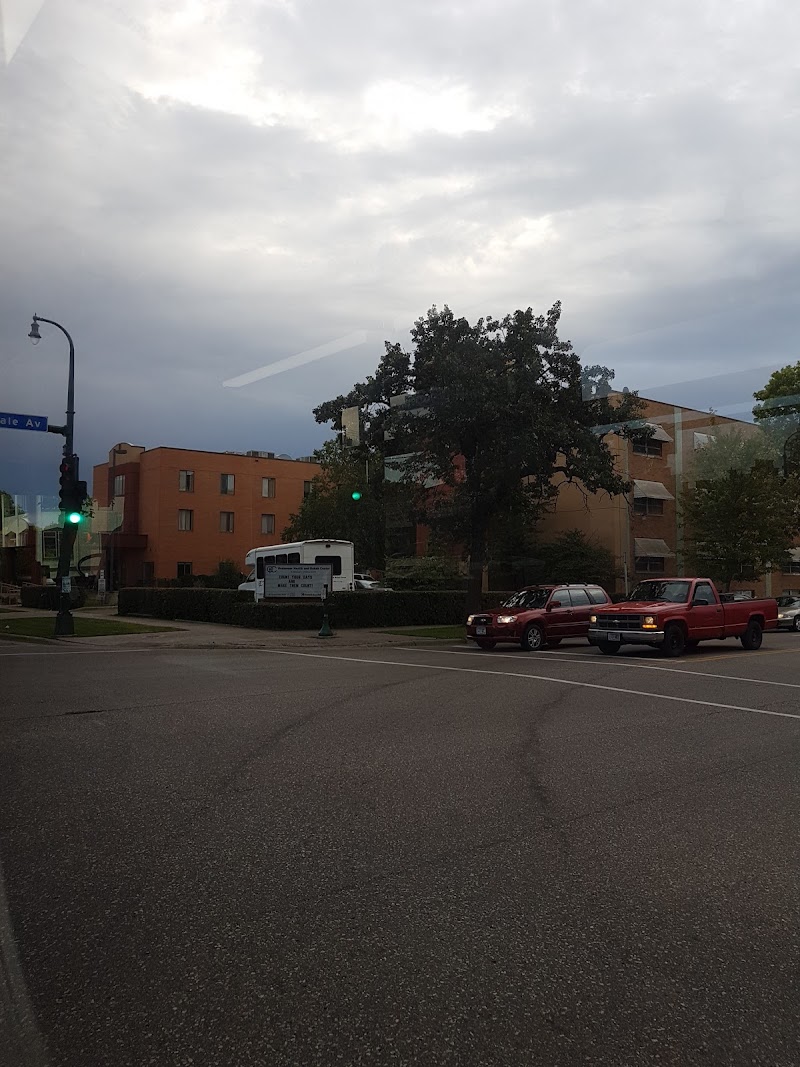
Who Owns and Operates Redeemer Residence Inc?

REDEEMER RESIDENCE INC is owned by a non-profit organization. Non-profit facilities reinvest revenue into operations rather than distributing to shareholders. The facility is operated by CASSIA, a chain that manages multiple nursing homes. With 119 certified beds and approximately 109 residents (about 92% occupancy), it is a mid-sized facility located in MINNEAPOLIS, Minnesota.
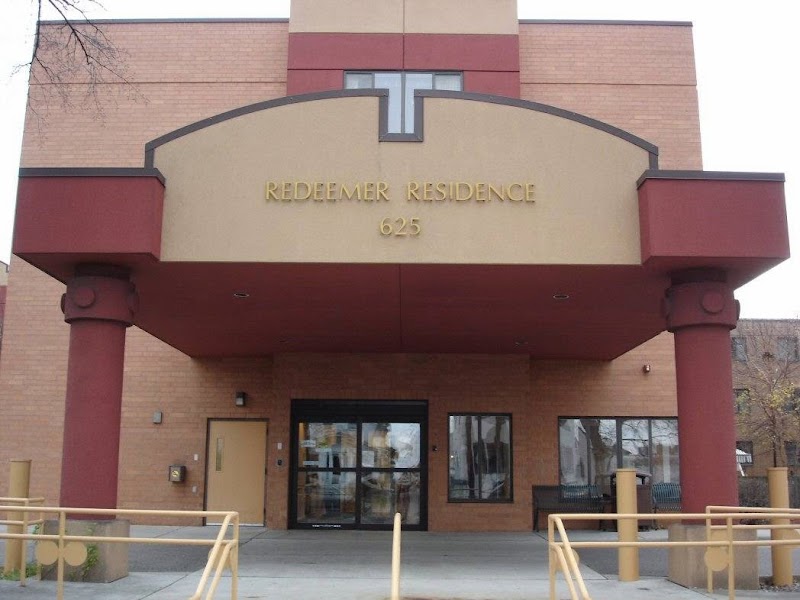
How Does Redeemer Residence Inc Compare to Other Minnesota Nursing Homes?

Compared to the 100 nursing homes in Minnesota, REDEEMER RESIDENCE INC's overall rating (4 stars) is above the state average of 3.2, staff turnover (41%) is near the state average of 46%, and health inspection rating (3 stars) is at the national benchmark.

What Should Families Ask When Visiting Redeemer Residence Inc?

Based on this facility's data, families visiting should ask: "Can I visit during a mealtime to observe dining assistance and food quality?" "How do you handle medical emergencies, and what is your hospital transfer rate?" "Can I speak with family members of current residents about their experience?"

Is Redeemer Residence Inc Safe?

Based on CMS inspection data, REDEEMER RESIDENCE INC has a clean safety record: no substantiated abuse findings (meaning no confirmed cases of resident harm), no Immediate Jeopardy citations (the most serious violation level indicating risk of serious injury or death), and is not on the Special Focus Facility watch list (a federal program monitoring the lowest-performing 1% of nursing homes). The facility has a 4-star overall rating and ranks #1 of 100 nursing homes in Minnesota. While no facility is perfect, families should still ask about staff-to-resident ratios and recent inspection results during their visit.

Do Nurses at Redeemer Residence Inc Stick Around?

REDEEMER RESIDENCE INC has a staff turnover rate of 41%, which is about average for Minnesota nursing homes (state average: 46%). Moderate turnover is common in nursing homes, but families should still ask about staff tenure and how the facility maintains care continuity when employees leave.

Was Redeemer Residence Inc Ever Fined?

REDEEMER RESIDENCE INC has been fined $6,500 across 1 penalty action. This is below the Minnesota average of $33,144. While any fine indicates a compliance issue, fines under $50,000 are relatively common and typically reflect isolated problems that were subsequently corrected. Families should ask what specific issues led to these fines and confirm they've been resolved.

Is Redeemer Residence Inc on Any Federal Watch List?

REDEEMER RESIDENCE INC is not on any federal watch list. The most significant is the Special Focus Facility (SFF) program, which identifies the bottom 1% of nursing homes nationally based on persistent, serious quality problems. Not being on this list means the facility has avoided the pattern of deficiencies that triggers enhanced federal oversight. This is a positive indicator, though families should still review the facility's inspection history directly.