The Estates at Chateau LLC
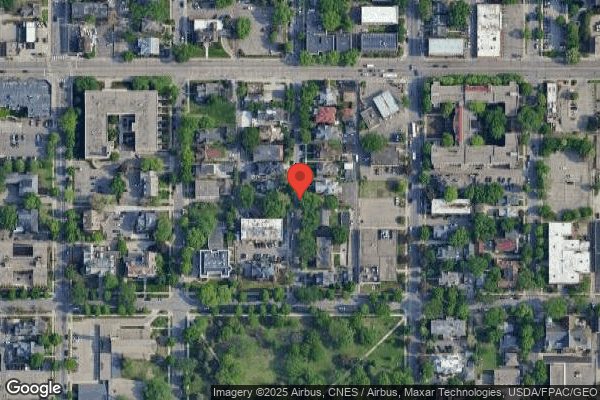
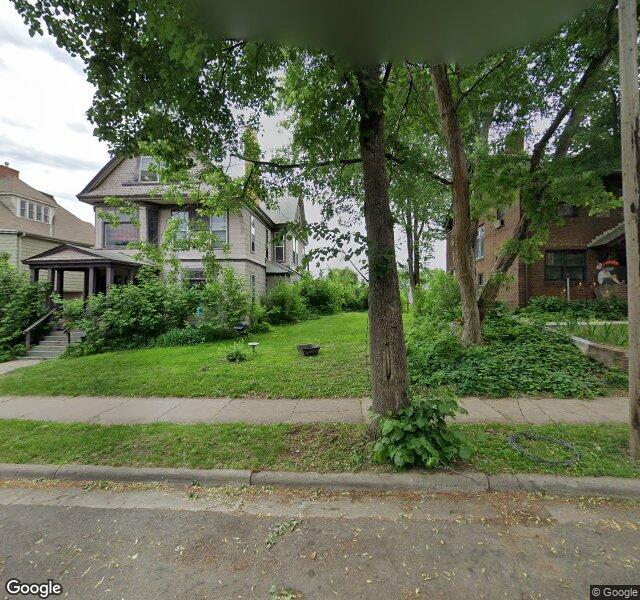
2106 SECOND AVENUE SOUTH, MINNEAPOLIS, MN 55404 (612) 874-1603
For profit - Limited Liability company 70 Beds MONARCH HEALTHCARE MANAGEMENT Data: November 2025 1 Immediate Jeopardy citation
Trust Grade
13/100
#327 of 337 in MN
Last Inspection: September 2025

Inspected within the last 6 months. Data reflects current conditions.

Overview

The Estates at Chateau LLC has received a Trust Grade of F, indicating significant concerns and a poor overall quality of care. Ranking #327 out of 337 facilities in Minnesota places them in the bottom half, and #51 out of 53 in Hennepin County suggests that only two local options are worse. Unfortunately, the facility's performance is worsening, with issues increasing from 16 in 2024 to 18 in 2025. While staffing is a strength, rated 4 out of 5 stars with a turnover rate of 41% (slightly below the state average), the overall health inspection score is just 1 out of 5, revealing serious issues. Recent findings included a critical incident where a former resident gained unauthorized access, leading to potential harm for current residents, and ongoing concerns about food safety, such as expired and unlabeled food items in the kitchen, which could place all residents at risk for foodborne illness.

Trust Score
F
13/100
In Minnesota
#327/337
Bottom 3%
Safety Record
High Risk
Review needed
Inspections
Getting Worse
16 → 18 violations
Staff Stability
○ Average
41% turnover. Near Minnesota's 48% average. Typical for the industry.
Penalties
✓ Good
No fines on record. Clean compliance history, better than most Minnesota facilities.
Skilled Nurses
○ Average
Each resident gets 37 minutes of Registered Nurse (RN) attention daily — about average for Minnesota. RNs are the most trained staff who monitor for health changes.
Violations
⚠ Watch
50 deficiencies on record. Higher than average. Multiple issues found across inspections.
★☆☆☆☆
1.0
Overall Rating
★★★★☆
4.0
Staff Levels
★★★★☆
4.0
Care Quality
★☆☆☆☆
1.0
Inspection Score
Stable
2024: 16 issues
2025: 18 issues

The Good

  • 4-Star Staffing Rating · Above-average nurse staffing levels
  • 4-Star Quality Measures · Strong clinical quality outcomes
  • Full Sprinkler Coverage · Fire safety systems throughout facility
  • No fines on record
  • Staff turnover below average (41%)

    7 points below Minnesota average of 48%

Facility shows strength in staffing levels, quality measures, fire safety.

The Bad

1-Star Overall Rating

Below Minnesota average (3.2)

Significant quality concerns identified by CMS

Staff Turnover: 41%

Near Minnesota avg (46%)

Typical for the industry

Chain: MONARCH HEALTHCARE MANAGEMENT

Part of a multi-facility chain

Ask about local staffing decisions and management

The Ugly 50 deficiencies on record

1 life-threatening
Sept 2025 12 deficiencies
CONCERN (D)

Potential for Harm - no one hurt, but risky conditions existed

Deficiency F0627 (Tag F0627)

Could have caused harm · This affected 1 resident

**NOTE- TERMS IN BRACKETS HAVE BEEN EDITED TO PROTECT CONFIDENTIALITY** Based on interview and document review, the facility failed to ensure an adequate discharge planning process was maintained to e...

Read full inspector narrative →
**NOTE- TERMS IN BRACKETS HAVE BEEN EDITED TO PROTECT CONFIDENTIALITY** Based on interview and document review, the facility failed to ensure an adequate discharge planning process was maintained to ensure resident preference for discharge was met for 1 of 2 residents (R46) reviewed for discharge planning.Findings include:R46's quarterly Minimum Data Set (MDS) assessment, dated 7/2/25, identified R46 had intact cognition with no behaviors or hallucinations or delusions. Section Q indicated there was no active discharge planning occurring for resident to return to the community. During an interview on 9/15/25 at 12:27 p.m., R46 stated she wants to move closer to family. R46 stated her family lived in a neighboring state and believed the facility was trying to find a place but hadn't heard any updates recently. R46's care plan, printed 9/18/25, indicated R46's current discharge plan is to move closer with family and family was looking for a SNF (skilled nursing facility) in the area of interest with an initiation date of 4/3/25. The focus/goal included the following interventions with initiation dates: - Mnchoice referral was completed for community-based services. 4/24/25- Referrals are being sent to SNF in [NAME] WI for facility transfers 7/10/25- Resident and family will be invited to care conferences quarterly or as needed, andd/c planning options will be discussed as needed. 4/4/25- Staff will make necessary referrals as needed in order to carry out resident's d/cgoals. 4/3/25The care plan lacked any information on where the referrals were sent, updates on referrals sent or outcome from referral made from MNchoice assessment. R46's progress notes, dated 4/2/25 to 9/16/25, were reviewed and included the following: -4/22/25: care conference note indicated a MNchoice assessment will be made.-4/21/25: referral sent to a facility-4/24/25: referral for MNchoice assessment was completed for community- based services for resident to discharge.-6/26/25: a referral was sent to facility per request of family and resident-6/30/25: referral to facility on 6/26/25 was denied and recommended two facilities-7/2/25: a referral was sent to facility (one of which was recommended) near R46's familyThe progress notes lacked information on response from referral sent 7/2/25 or 4/21/25, follow up from referral sent for assessment on 4/24/25, any additional referrals to nursing facilities for R46 to discharge since 7/2/25, and communication with R46's family regarding updates on discharge. R46's care conference, dated 7/2/25, identified R46, family, social services, nurse manager and physical therapy were present for the care conference. The document identified resident wants to transfer to another facility closer to family, multiple referrals have been sent to surrounding area, resident wants to be in independent housing and will need services set up. During an interview on 9/16/25 at 12:42 p.m., nursing assistant (NA)-A stated R46 talks about how she wants to go out in the community more. NA-A was unaware if R46 was planning on moving to another facility or if this was a goal of R46.During an interview on 9/17/25 at 1:15 p.m., social services director (SSD)-A reviewed R46's electronic medical record (EMR). SSD-A stated the EMR lacked evidence of any follow up on discharge plans, referrals, etc since R46's care conference's 7/2/25. SSD-A stated there should have been follow up since the care conference over 2 months ago as it was known resident wants to discharge. During an interview on 9/18/25 at 10:06 a.m., director of nursing (DON) stated when a resident expressed a desire to discharge from the facility the expectation would be to get social services involved, resources set up for a safe discharge in a reasonable amount of time and stated this was an ongoing process until the discharge happens. A facility policy titled Discharge Planning Policy, dated 1/2025, indicated the purpose of the policy was to identify each resident's discharge goals and needs, developing and implementing interventions to address them, and continuously evaluating them throughout the resident's stay to ensure a successful discharge.
CONCERN (D)

Potential for Harm - no one hurt, but risky conditions existed

Deficiency F0628 (Tag F0628)

Could have caused harm · This affected 1 resident

Based on interview and document review, the facility failed to provide a written bed hold notice for 2 of 2 residents (R3, R70) reviewed for hospitalization. Findings Include: R3 R3's significant chan...

Read full inspector narrative →
Based on interview and document review, the facility failed to provide a written bed hold notice for 2 of 2 residents (R3, R70) reviewed for hospitalization. Findings Include: R3 R3's significant change Minimum Data Set (MDS) assessment, dated 9/8/25, indicated R3 had intact cognition with no hallucinations or delusions and no behaviors. On 9/15/25 at 5:18 p.m., R3 was observed sitting outside. R3 declined to talk with surveyor.R3's admission record, dated 9/18/25, did not identify R3 as having a health care power of attorney (POA). R3's census log, printed 9/18/25, indicated R3 was on hospital leave the following dates:-7/5/25 with return on 7/8/25-7/22/25 with return on 8/1/25-8/8/25 with return on 8/15/25-8/19/25 with return on 8/26/25 R3's progress notes, dated 7/4/25 to 8/27/25 were reviewed and indicated the following: -7/5/25 at 5:51 p.m.: resident sent to the hospital due to confusion and found on the floor.-7/8/25 at 6:52 p.m.: resident returned to the facility-7/22/25 at 9:42 p.m.: resident was sent to the emergency room for evaluation.-8/1/25 at 11:30 p.m.: resident returned from the hospital.-8/8/25 at 4:40 p.m.: hospital transfer note indicated resident was transferred to the hospital for left groin surgical dehiscence.-8/15/25 at 10:59 p.m.: a default progress note was entered for wound vac for resident.-8/19/25 at 10:48 p.m.: resident did not come back from the appointment this evening. There is a possibility she might be going through another surgery. -8/26/25 at 12:43 a.m.: note indicated an as needed Tylenol (pain reliever) medication was administered pain.The progress notes between 7/5/25 through 7/8/25, 7/22/25 through 8/1/25, 8/8/25 through 8/15/25, 8/9/25 through 8/26/25 lacked evidence that a bed hold was completed prior to being sent to the hospital or a bed hold was sent to the hospital after resident was transferred.R3's Hospital Transfer Form, dated 7/22/25, identified R3 was transferred to the hospital on 7/22/25 for left leg swelling with beige color discharge. Section 1a contains radio buttons to indicate what forms were sent with resident with one of the options was bed hold form which was not marked. The form lacked evidence that a bed hold was sent with or discussed with resident prior to transfer to the hospital. R3's Hospital Transfer Form, dated 8/8/25, identified R3 was transferred to the hospital on 8/8/25 for left groin surgical dehiscence. Section 1a contains radio buttons to indicate what forms were sent with resident with one of the options was bed hold form which was not marked. The form lacked evidence that a bed hold was sent with or discussed with resident prior to transfer to the hospital. The electronic medical record (EMR) lacked evidence that Hospital Transfer Forms were completed for 7/5/25 or 8/19/25. During a review of R3's EMR, the EMR lacked documentation a written bed hold was sent to any of the R3's following hospital stays 7/5/25, 7/22/25, 8/8/25, and 8/19/25. R70R70's quarterly MDS assessment, dated 8/26/25, indicated R70 had intact cognition with no hallucinations or delusions and no behaviors.R70's admission record, dated 9/18/25, did not identify R70 as having a health care power of attorney (POA).R70's census log, printed 9/18/25, indicated R70 was currently on a hospital leave as of 9/11/25. R70's progress notes, dated 9/11/25 to 9/18/25 were reviewed and indicated the following:-9/11/25 at 10:25 a.m.: R3's family member was notified of R3's current condition and transferred to the hospital.-9/11/25 at 10:03 a.m.: hospital transfer note indicated resident was transferred to the hospital for severe tremors and complaints of dizzinessThe progress notes lacked evidence that a bed hold was completed prior to being sent to the hospital or a bed hold was sent to the hospital after resident was transferred.R70's Hospital Transfer Form, dated 9/11/25, identified R70 was transferred to the hospital on 9/11/25 for severe tremors and complaints of dizziness with history of cardiac complications. Section 1a contains radio buttons to indicate what forms were sent with resident with one of the options was bed hold form which was not marked. The form lacked evidence that a bed hold was sent with or discussed with resident prior to transfer to the hospital. On 9/16/25 at 1:34 p.m., surveyor called R70's family member (FM)-A but unable to connect.R70's EMR lacked evidence a bed hold was completed for hospital leave on 9/11/25.During an interview on 9/16/25 at 11:30 a.m., registered nurse (RN)-C stated when a resident transfers to the hospital, the nurse completes the Hospital Transfer Form, along with the bed hold form. RN-C stated a copy of the bed hold form is sent with the hospital and was unsure if facility keeps a copy but thinks so. RN-C stated if a copy was kept it would be uploaded into the EMR. Furthermore, RN-C stated if a bed hold was completed, the Hospital Transfer Form would indicate this as there was a box that to check that it was completed. During an interview on 9/17/25 at 1:41 p.m. licensed practical nurse manager (LPN)-A stated the expectation was nurses would obtain the bed hold when transferring a resident to the hospital. LPN-A stated a copy of the bed hold was sent to the hospital for coordination of care and a copy was scanned into the EMR. LPN-A stated if verbal consent for a bed hold was obtained, this would be written on the form, but the process was the same. During a follow up interview on 9/18/25 at 8:40 a.m., (LPN)-A reviewed R3 and R70 medical records. LPN-A verified there was no documentation of a completed bed hold for R70 current hospitalization. LPN-A verified there was no documentation of R3's hospitalizations for 7/5/25, 7/22/25, 8/8/25, and 8/19/25. LPN-A stated the expectation was that they are completed when a resident was transferred to the hospital and the bed holds should have been completed. A facility policy titled Bed-Holds and Returns, dated 5/2023, included the following information: Prior to a transfer, written information will be given to the residents and the resident representatives that explains in detail: a. The rights and limitations of the resident regarding bed-holds;b. The reserve bed payment policy as indicated by the state plan (Medicaid residents);c. The facility per diem rate required to hold a bed (non-Medicaid residents), or to hold a bed beyond the state bed-hold period (Medicaid residents); andd. The details of the transfer (per the Notice of Transfer).
CONCERN (D)

Potential for Harm - no one hurt, but risky conditions existed

ADL Care (Tag F0677)

Could have caused harm · This affected 1 resident

**NOTE- TERMS IN BRACKETS HAVE BEEN EDITED TO PROTECT CONFIDENTIALITY** Based on observation, interview, and document review, the facility failed to ensure routine personal hygiene (i.e., showers, hai...

Read full inspector narrative →
**NOTE- TERMS IN BRACKETS HAVE BEEN EDITED TO PROTECT CONFIDENTIALITY** Based on observation, interview, and document review, the facility failed to ensure routine personal hygiene (i.e., showers, hair care, shaving) were completed for 2 of 5 residents (R7, R1) reviewed for activities of daily living (ADLs) and who were dependent on staff for their care.Findings include: R7 R7's quarterly minimum data set (MDS) dated [DATE], indicated R7 was cognitively intact and had no hallucinations or delusions. R7 had impairments to both upper and lower extremities and used a wheelchair for mobility. They were frequently incontinent of bowel and bladder and was dependent on staff for all personal hygiene, to include shaving, toileting, baths, and oral hygiene. R7’s pertinent diagnosis included a central spinal cord syndrome (the spinal cord was bruised or damaged in the middle, at the level of the fourth vertebra in the neck and affects the arms more than the legs). R7’s care plan dated 5/30/22, identified a selfcare deficit related to maxillary fracture, cervical stenosis with central cord syndrome, weakness and preferred to keep fingernails long. R7 was dependent on one staff for bathing, dressing, grooming and personal hygiene. R7’s care plan lacked shaving preferences or their dependence on staff to perform such task. The third-floor nursing care sheets for group one, dated 5/15/25, identified dressing, grooming, oral hygiene, and bathing, but lacked instructions or preferences for resident’s dependent on staff for shaving. R7’s weekly skin assessment dated [DATE], 8/24/25, 8/31/25, and 9/14/25 all indicated a bed bath was given, but lacked shaving documentation. R7’s weekly skin assessment dated [DATE] indicated a shower was given but lacked shaving documentation. R7’s follow-up question report dated 8/1/25 through 9/17/25 indicated R7 was dependent on staff for shaving but lacked documentation shaving was completed. During an observation and interview on 9/15/25 at 1:23 p.m., R7 stated a shower was scheduled for Sundays, staff provided bed baths during the week, and R7 preferred to be cleaned shaven, but staff didn’t know how to do it. R7’s beard was approximately two inches long, curly, dark grey and full; covering the entire face and part of neck. During an interview on 9/16/25 at 10:52 a.m., registered nurse (RN)-B stated some residents preferred to shave themselves and those residents that needed assistance would be listed on the nursing assistance care sheets. RN-B confirmed R7 was dependent on staff for shaving. During an interview on 9/17/25 at 7:36 a.m., nursing assistant (NA)-A stated R7 had been asking staff for a few weeks to be shaved, but they were too busy, pointing to the call lights and stated it’s been like Christmas around here. NA-A stated she asked R7 if he was growing their beard for winter and that R7 told her no they had asked staff to shave it off, but that no one could get to it. NA-A stated she used a disposable razor this morning and that staff should shave R7 when he requested. During an interview on 9/17/25 at 11:43 am., the director of nursing (DON) stated the expectation was for resident to be shaved when and if they asked. Staff were here to provide cares, and it was expected staff create time to shave residents. R1 R1’s admission Minimum Data Set (MDS) assessment, dated 8/7/25, indicated R1 had intact cognition with no hallucinations, delusions or behaviors. R1 required staff set up for oral hygiene, upper body dressing, bed mobility, and personal hygiene, staff supervision for eating and required moderate staff assistance for toileting, lower body dressing and transfers. R1’s diagnosis report, printed 9/18/25, included the following diagnoses: acute respiratory failure with hypoxia (lungs can’t get enough oxygen to the body leading to low blood oxygen levels), dysphagia (difficulty swallowing), fracture of thoracic vertebra (a break in one of the bones in your spine) and adult failure to thrive (general decline in older adults). R1’s care plan, printed 9/18/25, indicated R1 had a self-care deficit related to diagnosis including but not limited to acute respiratory failure with hypoxia and facture of thoracic vertebra with a goal of “resident will be dressed, groomed and bathed per preferences,” with the following interventions: - “Assist of 1 with bathing and dressing” - “Assist of 1 with personal hygiene and oral hygiene” The care plan lacked any preferences. Furthermore, the care plan lacked evidence of refusals of accepting of assistance of staff or refusals of bathing. R1’s nursing assistant care sheet, printed 9/16/25, indicated R1 required assist of 2 staff for pivot transfers to wheelchair, and was incontinent of bowel and bladder with assist of 1 to toilet every 2-3 hours. In addition, R1 required assist of 1 staff for dressing, grooming, bathing and oral hygiene. R1’s weekly skin assessments indicated the following which were answered with radio-buttons: -8/7/25: refused bath -8/14/25: refused bath -8/21/25: refused bath -8/24/25: bed bath completed -8/28/25: refused bath -9/4/25: refused bath -9/11/25: refused bath R1’s progress notes, dated 7/28/25 to 9/16/25, were reviewed. Progress notes lacked evidence of R1 refusing showers/baths or staff assistance with ADLs. Furthermore, lacked documentation of staff offering an additional showers/bed bath/partial bath since last documented bath/shower on 8/24/25. During an observation and interview on 9/15/25 at 3:25 p.m., R1 declined to talk about showering/bathing with surveyor. R1 was observed and appeared to be frail and disheveled with a large dense, knotted clump of hair that covered approximately half to three quarters of the back of her head. On 9/16/25 at 2:02 p.m., R1 was observed outside the front of the facility. R1 continued to be appear disheveled with the front of her hair appearing shiny and the back continued to have the large dense, knotted clump of hair. During an interview on 9/16/25 at 11:42 a.m., registered nurse (RN)-A stated the nursing assistant care sheets were what the nursing assistants and the nurses used to get information about the residents. RN-A verified the nursing assistant care sheets provided to surveyor were up to date as they provided them to surveyor. During an interview on 9/16/25 at 12:47 p.m., nursing assistant (NA)-A stated when R1 first admitted to the facility, she needed assistance but had become more independent. NA-A stated R1 would refuse assistance but would ask for assistance if she needed it. NA-A if a resident refuses a shower, they let the nurse know so they could document it, but they attempted numerous times. NA-A did not answer if they had ever given R1 a shower/bath. During an interview on 9/17/25 at 8:30 a.m., NA-E stated they were familiar with R1, and stated R1 could become upset easily. NA-E would ask for assistance if she needed it. NA-E stated they had not given R1 a shower, adding it must not be scheduled on a day they work with her but would think she would need some level of assistance in the shower. NA-E stated R1's hair was “matted” in the back. During an interview on 9/18/25 at 9:38 a.m., licensed practical nurse manger (LPN)-A stated R1 refused assistance. LPN-A stated R1's hair was “matted,” and verified it did not appear as though it had been washed. LPN-A stated R1 would require staff to at least stand in the shower room for safety during a shower. LPN-A reviewed R1's electronic medical record (EMR) and verified the last documented shower/bath/bed bath was on 8/22/25, which was almost 4 weeks ago. LPN-A stated the expectation would be to provide showers at least weekly, if a resident refused then staff should keep offering. LPN-A stated staff must get creative sometimes to help residents maintain their hygiene and what works for them. LPN-A stated the expectation would be that any interventions and reapproaches be documented in the progress notes. LPN-A stated showering/hygiene is important as it helps prevent infections and help people feel better about themselves. During an interview on 9/18/25 at 10:10 a.m., director of nursing (DON) stated the expectation would be to offer a shower/bath weekly and if a resident refused it should be reattempted. DON stated staff should still attempt to groom in a way they will accept and this should be documented. A facility policy titles Activities of Daily Living (ADLs)/Maintain Abilities Policy, dated 3/31/23, indicated “Based on the comprehensive assessment of a resident and consistent with the resident’s needs and choices, the facility will provide the necessary care and services to ensure that a resident's abilities in activities of daily living do not diminish unless circumstances of the individual's clinical condition demonstrate that such diminution was unavoidable.”
CONCERN (D)

Potential for Harm - no one hurt, but risky conditions existed

Quality of Care (Tag F0684)

Could have caused harm · This affected 1 resident

**NOTE- TERMS IN BRACKETS HAVE BEEN EDITED TO PROTECT CONFIDENTIALITY** Based on observation, interview, and document review, the facility failed to comprehensively monitor and assess for edema (swell...

Read full inspector narrative →
**NOTE- TERMS IN BRACKETS HAVE BEEN EDITED TO PROTECT CONFIDENTIALITY** Based on observation, interview, and document review, the facility failed to comprehensively monitor and assess for edema (swelling caused by fluid retention) so intervention effectiveness could be determined, and new interventions could be developed if needed, and ensure recommended edema management interventions were followed as appropriate for 1 of 1 residents (R29) assessed for edema management. Findings include: R29's quarterly Minimum Data Set (MDS) dated [DATE], indicated R29 had intact cognition and was diagnosed with heart and respiratory failure.R29's care plan dated 5/28/25, indicated R29 was receiving a diuretic and had a history of edema. The care plan did not include a plan for edema monitoring. R29's order summary dated 7/3/25, included an order for thigh-high compression stockings that were to be applied to R29's bilateral lower extremities during the day and then removed at night for edema. The summary included an order for 40 milligrams (mg) of torsemide (a diuretic, used to treat fluid retention) daily for localized edema. The order summary did not include orders for monitoring the severity of R29's edema or for the use of [NAME] wraps. R29's treatment administration record (TAR) dated 9/1/25 through 9/16/25 at 1:59 p.m., indicated R29 had an order for thigh-high compression stockings that were to be applied to R29's bilateral lower extremities during the day and then removed at night for edema. The TAR indicated the stockings had been applied daily and did not indicate R29 had refused the stockings. The TAR did not include edema monitoring or a treatment record for lymphedema (swelling from an accumulation of protein-rich fluid usually drained by the body's lymphatic system) wraps. R29's occupational therapy note dated 6/15/25, indicated the occupational therapist had assessed R29 and had noted lymphedema in her bilateral toes to thighs. On 7/2/25, [NAME] wraps (an adjustable compression garment used for treating lymphedema and chronic venous disease that uses Velcro and multilayer bandaging) were used on R29's lower extremities, and a printed PDF was hung in R29's room to assist R29 and staff members with donning and doffing the wraps. On 7/19/25, the occupational therapist noted that R29 would require assistance applying the wraps and should wear them during the daytime and take them off at night. On 7/27/25, the occupational therapist noted that the directions on how to don and doff the [NAME] wraps were gone from R29's wall, but nursing staff stated they had been assisting R29 with the garment. The OT noted that R29 stated that it at times took staff a long time to apply the [NAME] wraps. R29's medical record was reviewed and did not include edema monitoring. During an interview and observation on 9/15/25 at 1:14 p.m., R29 stated that staff were supposed to apply her compression wraps, pointing at a box containing multilayered wraps with Velcro, every morning. R29 stated this rarely happened as she felt the staff were too busy and/or did not know how to apply them. R29 was observed with gripper socks on, and the skin of her lower extremities was observed with no compression wraps on. During an observation and interview on 9/16/25 at 1:21 p.m., registered nurse (RN)-C confirmed she was the nurse in charge of R29's care this shift. RN-C stated she had never applied RN-C's compression wraps as she thought this was something only therapy was supposed to do. RN-C acknowledged that directions were on the wall for application but still thought that therapy was the only person who was supposed to apply her wraps. RN-C confirmed she had also not applied the compression stockings, as she thought therapy was supposed to come every morning to apply the wraps instead. During an interview and observation on 9/17/25 at 10:48 a.m., licensed practical nurse (LPN)-B confirmed she was the nurse in charge of R29's care this shift. LPN-B stated she was unsure if staff were to assess R29 for edema. LPN-B confirmed she had reviewed R29's medical record and did not see that staff had been assessing R29's edema, and so she did not know if R29's edema had improved or declined. When asked how much edema R29 had, LPN-B was observed to look and, without touching R29, stated some.During an interview on 9/16/25 at 1:33 p.m., the director of rehabilitation, physical therapy assistant (PTA)-A stated that therapy staff would assist R29 in applying the wraps if she had therapy that day and they were not applied by the time they saw her, but she only had therapy three to five times a week. PTA-A stated this was why the occupational therapist had put instructions for application on R29's wall, to assist nursing staff. On 9/17/25 at 11:42 a.m., PTA-A confirmed she had reviewed R29's medical record, and nursing staff were supposed to be assisting R29 in applying her compression wraps at the beginning of each day and then assisting her in removing them every evening.During an interview on 9/17/25 at 2:17 p.m., the nurse manager for the floor, LPN-A, confirmed she had reviewed R29's medical record and was unable to find out if nursing staff were to be applying the compression stockings or wraps, but thought it was appropriate for each nurse to decide which of the two treatments they wanted to apply and then use that one. LPN-A stated that if R29 had refused her compression stockings, she would expect it to be documented that way in the TAR and a progress note to be added but did not see that R29 had been refusing this treatment.During an interview on 9/18/25 at 7:59 a.m., the director of nursing (DON) stated he would expect nursing staff to assess R29's edema daily and document this in her medical record. The DON stated that when the new order for compression wraps was received, it should have then been clarified with the provider which treatment should be used and the medical record updated, as it was not up to nursing to decide day to day which compression device was appropriate.A policy regarding edema management was requested and not received.
CONCERN (D)

Potential for Harm - no one hurt, but risky conditions existed

Accident Prevention (Tag F0689)

Could have caused harm · This affected 1 resident

**NOTE- TERMS IN BRACKETS HAVE BEEN EDITED TO PROTECT CONFIDENTIALITY** Based on observation, interview and document review, the facility failed to ensure a resident who had several documented inciden...

Read full inspector narrative →
**NOTE- TERMS IN BRACKETS HAVE BEEN EDITED TO PROTECT CONFIDENTIALITY** Based on observation, interview and document review, the facility failed to ensure a resident who had several documented incidents of smoking in the facility was free from potential smoking accidents for 1 of 3 residents (R4) reviewed for smoking. Findings include: R8's quarterly minimum data set (MDS), dated [DATE], indicated R8 was admitted to the care facility on 3/27/25. The MDS further indicated R8 refused to be interview for mental status but was assessed with okay long term and short-term memory and was able to recall season, location, staff names and faces and where she lived.R8's care plan, dated 7/30/25, indicated R8 was able to smoke independently, with the following interventions: Resident smoked in room, No smoking signs in place, and will not allow removal of cigarettes. R4's care conference note, dated 6/16/25, indicated R4 had been smoking in her room at times. R4's smoking assessment, dated 9/3/25, indicated the assessment was completed due to smoking violations of smoking in her room and further indicated resident smoking materials will be kept at the nursing station.During observation and interview on 9/16/25 at 11:02 a.m., a plastic cup and a container of coffee grounds were observed on the back of R4's toilet. The wall of R4's bathroom shared a wall with the oxygen tank fill room next door. The plastic cup contained a dark, opaque liquid with tar-colored streaks along the inner surface. It appeared to be approximately three-quarters full and was topped with what looked like coffee grounds, partially concealing the contents beneath. The room was permeated by a strong, persistent odor of smoke, which lingered heavily in the air. The floor in her room appeared to be covered in loose tobacco and a zip lock baggie of what R8 stated was loose tobacco was on her wheelchair seat. R4 stated she rolled her own cigarettes and kept all of her smoking materials in her room. During an interview on 9/16/25 at 11:23 a.m., trained medication aide (TMA)-G stated she had heard that R4 smoked in her bathroom. TMA-G stated R4 spent a lot of time in her bathroom and staff could smell something that smelled to them like cigarette smoke. TMA-G stated R4 would not let staff in her room without knocking and waiting for a response. During an interview on 9/18/25 at 8:15 a.m., registered nurse (RN)-D stated she had completed R4's smoking assessment and assessed R4 has not being safe with her own smoking materials due to her smoking in her room. RN-D stated she had asked R4 to sign the smoking policy and a risk versus benefit of smoking in her room but R4 had refused to have her smoking materials held at the nursing station. During an interview on 9/18/25 at 11:01 a.m., the administrator and director of nursing confirmed it was the policy of the facility to ensure residents only smoke in the designated smoking areas. A facility policy titled Resident Smoking Policy, dated 10/2024, indicted any residents who do not comply with this policy may lose smoking privileges. Privileges can be reevaluated upon resident request and the facility must document in the care plan and/or progress notes other attempted interventions to manage and accommodate smoking needs before revoking smoking privileges.
CONCERN (D)

Potential for Harm - no one hurt, but risky conditions existed

Incontinence Care (Tag F0690)

Could have caused harm · This affected 1 resident

**NOTE- TERMS IN BRACKETS HAVE BEEN EDITED TO PROTECT CONFIDENTIALITY** Based on observation, interview, and record review, the facility failed to ensure that one of one resident (R2), reviewed for ca...

Read full inspector narrative →
**NOTE- TERMS IN BRACKETS HAVE BEEN EDITED TO PROTECT CONFIDENTIALITY** Based on observation, interview, and record review, the facility failed to ensure that one of one resident (R2), reviewed for catheter use, had documented clinical decision-making regarding the use of an indwelling urinary catheter including the reason for insertion, justification for continued use, and evidence of periodic reassessment. In addition, the facility failed to attempt and document a trial removal of the catheter, despite the resident experiencing repeated urinary tract infections associated with catheter use. Findings include: R2's annual minimum data set (MDS), dated [DATE], indicated R2 was admitted to the care facility on 11/3/23 and was cognitively intact. The MDS further indicated R2 was independent with his activities of daily living and had an indwelling catheter. R2's diagnoses list, dated 11/3/23, indicated R2 had the following medical diagnoses: urethral stricture, anterior urethral stricture (an abnormal narrowing of the first part of the male urethra caused by scar tissue, leading to symptoms like a weak urine stream, spraying urine, pain, and sometimes blood or UTIs. Treatment options often include urethral dilation, urethrotomy (endoscopic cutting), or urethroplasty (surgical reconstruction)), obstructive and reflux uropathy (describes a urinary tract condition where urine flow is both obstructed and flows backward from the bladder into the ureters. Catheters, stents, or nephrostomy tubes can provide short-term relief by allowing urine to bypass the blockage. Surgery may be needed to correct the underlying cause, such as an enlarged prostate or structural issues with the ureters.)R2's Order List contained orders, dated 8/26/25 and 8/27/25 to change R2's indwelling catheter every month and to monitor output every shift. R2's care plan, dated 11/6/23, indicated R2 had alteration in elimination related to long term foley catheter use.R2's electronic medical record (EMR) lacked any evidence the facility had attempted any trial removal of R2's catheter since admission or had seen urology to provide further details on catheter plan and management. The EMR further indicated R2 had at least two urinary tract infections in the past 9 months, one in February requiring hospitalization due to going septic from the urinary tract infection, and another in April requiring antibiotics. During an interview on 9/15/25 at 2:54 p.m., R2 stated he had a history of getting urinary tract infections and felt like he had one currently. R2 stated he had his indwelling catheter for a couple of years and the plan was to have it in place until R2's knees get better and he can stand up and care for himself. During an interview on 9/18/25 at 8:22 a.m., nurse manager and registered nurse (RN)-A confirmed the facility has not attempted a trial removal of R2's catheter as he had had it in place for a long time. RN-A stated they received a referral yesterday from his primary care provider to see urology. RN-A also stated a progress noted was put in yesterday regarding a conversation with R2 regarding his catheter. R2's progress noted, dated 9/17/25, indicated R2 liked to have his catheter in place because he could not yet stand to use the toilet, stating regardless he was told a long time ago from a doctor in Duluth that the catheter would be permanent. During an interview on 9/18/25 at 11:01 a.m., the director of nursing confirmed R2's catheter should be assessed for continued use. A policy was not received.
CONCERN (D) 📢 Someone Reported This

A family member, employee, or ombudsman was alarmed enough to file a formal complaint

Potential for Harm - no one hurt, but risky conditions existed

Deficiency F0692 (Tag F0692)

Could have caused harm · This affected 1 resident

**NOTE- TERMS IN BRACKETS HAVE BEEN EDITED TO PROTECT CONFIDENTIALITY** Based on observation, interview, and document review, the facility failed to follow developed nutritional interventions to ensur...

Read full inspector narrative →
**NOTE- TERMS IN BRACKETS HAVE BEEN EDITED TO PROTECT CONFIDENTIALITY** Based on observation, interview, and document review, the facility failed to follow developed nutritional interventions to ensure nutritional status was maintained or improved for 3 of 4 residents (R22, R60, R66) reviewed for nutrition. In addition, the facility failed to ensure an order for fluid restriction was followed for 1 of 1 resident (R8) reviewed for fluid restrictions. Findings include: R22’s comprehensive Minimum Data Set (MDS) dated [DATE], indicated R22 had intact cognition and was diagnosed with diabetes and hypertension. R22's order dated 1/16/25, indicated R22 was to receive a diet with a regular texture and included the directions for large portions. R22's care plan dated 8/20/25, indicated R22 had increased nutritional needs related to a stage three pressure ulcer in the gluteal fold. R22's progress note dated 9/9/25 at 1:02 p.m., indicated R22 had a recent significant weight gain related to increased oral intake with a history of weight loss. The note indicated R22 was to receive double portions per resident request. R60’s quarterly MDS dated [DATE], indicated R60 had intact cognition and was diagnosed with Crohn’s disease and malnutrition. R60’s order summary dated 9/16/25, indicated R60 had an order for a regular diet and did not include an order for yogurt or cottage cheese with meals. R60’s care plan dated 6/9/25, indicated R60 had a potential for an alteration in nutrition related to Crohn’s disease, malnutrition, a “malabsorptive GI [gastrointestinal] condition”, and food insecurity. The care plan indicated that yogurt and cottage cheese were added to R60’s meals as R60 had refused supplements. R60’s dietary progress note dated 9/2/25, indicated R60 requested to discontinue the “magic cup” with a plan to replace it with cottage cheese and yogurt. R66’s comprehensive MDS dated [DATE], indicated R66 had moderately impaired cognition and had a diagnosis of malnutrition. R66’s MDS indicated she was admitted to the facility on [DATE]. R66's order dated 8/15/25, indicated R66 was to receive a diet with a regular texture and included the directions for large portions. R66’s care plan dated 8/8/25, indicated R66 had a potential for an alteration in nutrition related to extreme fatigue, polysubstance use, and a gastric bypass, leading to chronic diarrhea and malabsorption. The care plan indicated R66 was to receive large portions as she was at risk for malnutrition. During an interview on 9/15/25 at 12:36 p.m., R22 stated regarding food, there isn't enough of it. R22 went on to state he was supposed to get extra food with each meal, but did not think this was happening. R22 stated that if he wanted extra food, he had to buy it out of the vending machine. During an observation on 9/15/25 at 12:50 p.m., a room tray was observed to be dropped off at R22's room. The meal slip was observed to say, double portions on two plates, but only one food plate was noted. The plate was observed with one small scoop of what appeared to be a pasta dish, one small scoop of what appeared to be a cucumber salad, and one small scoop of what appeared to be another type of pasta. R22's tray was also observed to have one brownie and two bowls of a hot liquid. During an interview and observation on 9/15/25 at 1:16 p.m., R60 stated she wanted to gain weight but felt like she was not receiving enough food. R60 stated she had met with the dietician a couple of weeks ago and was supposed to get either cottage cheese or yogurt with her meals but had never gotten them. R60 was observed with a room tray with a small scoop of a pasta dish, one small scoop of what appeared to be a cucumber salad, and one small scoop of what appeared to be another type of pasta with no yogurt or cottage cheese observed on the tray. R60’s portions appeared to be the same size as R22’s. R60 confirmed that cottage cheese or yogurt had not been received with the lunch meal. During an interview on 9/15/25 at 4:10 p.m., R66 stated the facility was supposed to give her double portions for her meals, but that never happened. During an observation and interview on 9/16/25 at 12:10 p.m., Dietary aid (DA)-B was observed in the kitchen plating the lunch meals with pasta, green beans, one bread stick, and chocolate pudding with whipped cream. All plates appeared to be prepared in the same fashion and appeared to have the same portions. The plates were set onto three-tiered carts, two by two on each of the three levels. The resident meal tickets were in a uniform stack near the serving station. DA-A took the stack of meal tickets and placed a ticket with each of the plates after the meals were plated. During an observation on 9/16/25 at 12:18 p.m., R60's meal tray was observed with a small breadstick and a small serving of green beans, pasta, and pudding. No yogurt or cottage cheese was observed on R60's tray. At 12:26 p.m., R22’s meal tray was observed with similarly sized portions of a small breadstick and a small serving of green beans, pasta, and pudding. R22’s tray had the addition of two bowls with a hot liquid. At 12:31 p.m., R66’s meal tray was observed with similarly sized portions for the small breadstick and a small serving of green beans, pasta, and pudding, as both R22 and R66. During an interview and observation on 9/17/25 at 12:51 p.m., nursing assistant (NA)-A confirmed she had observed other resident meals, and R22 had not received large portions, as it looked the same as the other residents and felt the serving size was smaller than it should be. Room trays for R22 (order for large portions), R29 (no order for large portions), R60 (no order for large portions), and R66 (order for large portions) were observed, all with similar-sized portions for the piece of whole meat, cooked carrots, and potatoes. During an interview on 9/17/25 at 12:58 p.m., the culinary director (CD) stated that culinary staff were supposed to split the portions when plated so residents could visually tell when a double or large portion was given, as they had some complaints that these larger portions were not being received. The culinary director stated that a large portion meant that a portion and a half would be given to a resident and confirmed that it would appear visually larger than a regular portion, and confirmed if it did not, a regular portion was likely received. The CD stated he became aware that R60’s yogurt/cottage cheese was being missed at mealtimes today, and it was going to be taken care of. The CD stated that the facility had been out of the yogurt that was ordered to be served for R60 during lunch time, but staff could have substituted cottage cheese for this. During an interview on 9/17/25 at 1:16 p.m., the registered dietician (RD) confirmed she had assessed R66 for malnutrition on admission and had started her on a supplement and added large portions. The RD stated she had met with R66 again since then, and R66 had voiced concern that she was not getting large portions, so she had asked the CD to follow up with her and had increased her supplement intake. The RD stated that the supplements and large portions were to assist R66 in gaining weight, and without the large portions, she would be concerned that she may not be getting enough calories to reach this goal. At 1:19 p.m., the RD stated that for R60’s malnutrition, she had started a magic cup for her, but R66 didn’t like it, so a couple of weeks ago, she had ordered it to be changed to either yogurt or cottage cheese at mealtimes. At 1:23 p.m., the RD stated R22 was on large portions due to a previous downtrend in weight and for wound healing. The RD stated R22's weight had been going up this month, so she was not concerned about R22's caloric intake but did think it was important that R22 received large portions at meals, as that was his preference. The facility's Dietary Guidelines policy dated 9/2012, indicated that food and nutritional needs of the residents would be met in accordance with the attending physician's orders. The policy indicated that therapeutic diets would be prepared and served as prescribed by the attending physician and with the supervision or consultation of the qualified dietitian. R8’s quarterly minimum data set (MDS), dated [DATE], indicated R8 was admitted to the care facility on 3/27/25. The MDS indicated R8 refused to be interview for mental status but was assessed with “okay” long term and short-term memory and was able to recall “season, location, staff names and faces and where she lived.” R8’s Order list in the electronic [NAME] record (EMR) indicated an order, dated 6/23/25 for an 1800 milliliter (mL) fluid per day related to hyponatremia (when your blood sodium (salt) level is lower than it should be). R8’s care plan, revised 9/15/25, indicated R8 was on a fluid restriction, indicating R8 could have 300 mL of fluid each meal and 900 mL of extra fluid per day. R8’s medication administration record (MAR) from September indicated R8 was “independent” with her fluid restriction. R8’s EMR lacked evidence a risk versus benefit or education was done with her on the importance of her prescribes fluid restriction. During observation on 9/15/25 at 1:51 p.m., R8 was sitting in her room, drinking from a mug approximately ¼ full of an orange-colored liquid. The mug held 500 mL of liquid. During an interview on 9/16/25 at 1:58 p.m., trained medication aide (TMA)-G stated she was aware R8 was on a fluid restriction but stated nursing staff were unable to monitor her fluid intake because she was independent with her activities of daily living and could obtain fluids on her own. Durin and observation on 9/17/25 at 10:00 a.m., R8 was again observed drinking freely out of a clear, plastic jug that held 500 mL of fluids. During an interview on 9/18/25 at 8:15 a.m., nurse manager and registered nurse (RN)-D stated it would be expected that the resident’s fluid intake was monitored and that noncompliance would be documented. RN-D stated she would look for any documentation of education or a risk versus benefit regarding R8’s fluid intake as it would be expected if R8 was documented as independent with her fluid restriction. During an interview on 9/18/25 at 8:38a.m., R8 stated she was aware she was on a fluid restriction because she was made aware from an outside provider, stating nobody at the facility has talked with her about it, educated her on how to maintain her fluid restriction, the importance of following it or the risks of not if she did not. A facility policy titled Fluid Restriction Guidelines was received but did not address fluid restrictions of 1800 mL.
CONCERN (D)

Potential for Harm - no one hurt, but risky conditions existed

Deficiency F0698 (Tag F0698)

Could have caused harm · This affected 1 resident

**NOTE- TERMS IN BRACKETS HAVE BEEN EDITED TO PROTECT CONFIDENTIALITY** Based on interview and document review, the facility failed to implement or maintain an appropriate communication and collaborat...

Read full inspector narrative →
**NOTE- TERMS IN BRACKETS HAVE BEEN EDITED TO PROTECT CONFIDENTIALITY** Based on interview and document review, the facility failed to implement or maintain an appropriate communication and collaboration system with an outside dialysis clinic to promote continuity of care and reduce the risk of complication (i.e., missed orders, insufficient preparation for treatment) for 2 of 2 resident (R5, R24) reviewed for dialysis care. Furthermore, the facility failed to provide snacks/meals as ordered for 1 of 1 resident on dialysis days.Findings include:R5's quarterly Minimum Data Set (MDS), dated [DATE], identified R5 had intact cognition and diagnoses including anemia, high blood pressure, visual impairment and renal insufficiency and/or renal failure. In addition, the MDS outlined R5 received dialysis care while a resident at the care center.R5's provider orders dated 4/9/25, directed staff to send a dialysis communication form with resident, review upon return two times a day every Monday, Wednesday, and Friday. R5's care plan dated 6/28/24, identified potential for complications related to dialysis and included an intervention to send communication folder to dialysis with each run. A review of R5's medical record lacked consistent communication between the facility and the dialysis center. Dialysis communication logs were scanned for the following dates: 5/2/25, 5/5/25, 5/7/25, 5/9/25, 5/12/25, 5/14/25, 5/16/25, 5/19/25, 5/21/25, 5/30/25, 6/2/25, and 6/4/25. The record lacked communication from 6/4/25 through 9/15/25.During interview on 9/16/25 at 10:33 a.m., R5 verified he was on dialysis. R5 explained he went to an offsite clinic for treatment multiple times per week and wasn't aware of a process for communication between the care center and the dialysis unit and ate lunch after he returned from dialysis.During interview on 9/16/25 at 11:59 a.m., registered nurse (RN)-B stated R5 left during the night shift (early morning) and wasn't aware of the communication process between the care center and the dialysis facility. RN-B stated at one point there was a plan in place for the dialysis center to fax treatment and communication logs at the end of each week and that all nurses were responsible to monitor the electronic fax folder and upload documents into the resident's medical record. RN-B was not able to confirm if the process was still in place or describe the current process for communication. RN-B verified she was working as the floor nurse while R5 was at dialysis on 9/15/25 and had not received any communication from the dialysis center after his return. RN-B confirmed R24 had no communication log either or a binder when she returned from dialysis 9/16/25. The dialysis residents were suppose to receive a snack and bag lunch, but this was done before she arrived on the night shift and that it was the kitchens responsibility to send up snacks and bags for dialysis residents. No snacks were available on the unit and R24 returned close to lunch time and could just go eat lunch. On 9/16/25 at 12:59 p.m., registered nurse (RN)-E confirmed she was the charge nurse at the dialysis center where R5 received dialysis cares. RN-E confirmed R5 did not bring a communication log to the dialysis facility with current vital signs or weights and that this was common practice for the facility. RN-E stated if the dialysis center had an issue with R5 they would reach out directly to the facility. On 9/17/25 at 7:31 a.m., R5's dialysis binder was on the nurse station desk and R5 was out of the facility for dialysis. On 9/17/25 at 2:24 p.m., RN-B verified R5 did not take a communication binder to dialysis or bring any communication logs back from dialysis.R24R24's admission Minimum Data Set (MDS) dated [DATE], identified R24 had intact cognition and diagnoses including anemia, diabetes, high blood pressure, heart failure and renal insufficiency and/or renal failure. In addition, the MDS outlined R24 received dialysis care while a resident at the care center.R24's provider orders dated 8/25/25, identified the shift nurse collected the dialysis binder from the resident and placed referral sheets into the medical records to be scanned, called dialysis to fax a copy of the run if resident didn't have it, and the resident had dialysis every, day shift, Tuesday Thursday and Saturday. In addition, staff were to send a snack or sack lunch with resident to dialysis, every night shift every Monday, Wednesday and Friday.R24's care plan dated 8/11/25, identified the potential for complications related to dialysis and included an intervention to send communication folder to dialysis with each run. R24's care plan lacked information to send a snack or sack lunch to dialysis.On 9/16/25 at 10:56, R24 stated dialysis was this morning, I'm starving no snack or sack lunch was provided and they have never given a snack or sack lunch. On 9/16/25 at 12:07 p.m., the nurse manager, registered nurse (RN)-A stated assessments were completed before residents left for dialysis and a communication log, kept in a binder, was sent with each dialysis resident. Upon returning from dialysis nurses checked the dialysis site, obtained vital signs, and reviewed the communication logs. RN-A stated if a resident returned without communication, the nurse could call the dialysis center or tell the nurse manager. On 9/16/25 at 12:18 p.m., the registered dietician (RD) stated the culinary director coordinated bagged breakfast/lunches for dialysis residents and if a provider ordered residents to receive a snack the nurses would be responsible to give residents a snack. On 9/17/25 at 2:29 p.m., the culinary director (CD) confirmed the evening cook prepared the sack breakfast/lunches for dialysis residents and sent the sacks to the floor the night before dialysis with the dinner meal. The CD stated the menu for the dialysis residents was new this week and was done in collaboration with the dietician The CD expressed concern that the sacks were removed during the overnight because the staff on the fourth floor called and inquired on locks for the refrigerators on the unit. It was a new process to send the bags up during the dinner meal and now the bags were sent up with the residents meal ticket attached.On 9/17/25 at 2:37 p.m., dietary aid (DA)-C stated the facility used to provide cereal to residents before dialysis and this week there was a new menu to send cereal, a package of juice, milk, peanut butter and two slices of break, and two packs of butter. DA-C confirmed sacks were sent up to the floor where the nurses placed them in the refrigerator on the unit. Two sacks were observed on the counter, stapled shut with meal tickets.On 9/18/25 at 8:40 a.m., RN-A stated last week staff brought it to her attention the binders for both dialysis residents were missing and, prior to this week no communication logs were available or scanned into the residents' medical record. RN-A confirmed there was no consistent communication between the care center and the dialysis center. The expectation would be for nurses to collect the communication logs when residents return from the dialysis center and scan them into the medical records. The risk for not completing the communication logs would be missed orders and abnormal vital signs. RN-A could not confirm R24 received snacks, or a bagged breakfast as ordered, prior to this week and that the process was the food would come from the kitchen and stored in the unit refrigerator. On 9/18/25 at 10:59 a.m., the director of nursing (DON) stated the expectation was for the nursing staff to send proper communication between the care center and the dialysis center and this was important to promote optimal care of functioning and to maintain continuity of care for the residents.A policy was requested on providing meals/snacks for residents on dialysis and was not received.
CONCERN (D)

Potential for Harm - no one hurt, but risky conditions existed

Deficiency F0699 (Tag F0699)

Could have caused harm · This affected 1 resident

**NOTE- TERMS IN BRACKETS HAVE BEEN EDITED TO PROTECT CONFIDENTIALITY** Based on observation, interview and document review the facility failed to compressively assess a resident with several mental h...

Read full inspector narrative →
**NOTE- TERMS IN BRACKETS HAVE BEEN EDITED TO PROTECT CONFIDENTIALITY** Based on observation, interview and document review the facility failed to compressively assess a resident with several mental health diagnoses including post-traumatic stress disorder to ensure, if needed, accurate interventions were in place to prevent traumatization. The facility further failed to ensure collaboration with a resident's outside psychiatric provider for 1 of 2 residents (R8) reviewed for trauma informed care. Findings include:R8's quarterly minimum data set (MDS), dated [DATE], indicated R8 was admitted to the care facility on 3/27/25. The MDS indicated R8 refused to be interview for mental status but was assessed with okay long term and short-term memory and was able to recall season, location, staff names and faces and where she lived. The MDS further indicated R8 was on the following medication types: antipsychotic, antianxiety, hypnotic, hypoglycemic, and anticonvulsant.R8's diagnoses list, dated 3/27/25, indicated R8 had several medical diagnoses including bipolar disorder, major depressive disorder, anxiety disorder, and post-traumatic stress disorder.R8's Orders indicated an order, dated 7/23/25, for target behavior monitoring which included the following target behaviors: anxious, restlessness, smoking in room, substance use, yelling at staff, room hoarder, and agitation.R8's treatment administration record (TAR) from September lacked any documentation of target behaviors, indicating R8 had none despite target behaviors being present during survey.R8's care conference notes, dated 4/4/25 and 6/16/25 (a care conference note was started but not completed on 9/2/25), indicated R8 did not request ACP [Associated Clinic of Psychology] services.R8's primary provider order, dated 8/19/25, indicated the provider had decreased Seroquel (an antipsychotic medication used to treat mental health conditions such as schizophrenia, bipolar disorder, and major depressive disorder) to 300mg every evening per GDR [gradual dose reduction] recommendations. Will defer to ACP pending outcome of reduction. R8's first trauma assessment in her chart was dated 8/25/25 and indicated R8 reported a traumatic experience with law enforcement when she was hospitalized by the facility in May. The trauma assessment lacked any assessment of R8's PTSD diagnosis or past history of trauma and abuse.During observation on 9/16/25 at approximately 1:00 p.m., R8 was getting on the elevator, yelling loudly at a staff member, I don't want you on the elevator over and over, yelling that she was not comfortable being around this staff member.During an interview and observation on 9/17/25, R8 was laying on her bed, food trays with leftover food were on her bed and the floor was covered in resident's clothing, blankets, shoes and what appeared to be garbage and loose tobacco. R8 started crying, talking about her past traumas and history of abuse prior to admitting to the facility. R8 stated she saw an outside psychiatric provider but could not confirm if she saw the provider virtually or in person. R8 stated she did not like to talk with SS-A about her past traumas. The DON was present for the interview. During an interview on 9/17/25 at 1:23 p.m., the director of social services (SS)-A stated it is expected when a resident admitted that social services reviewed diagnoses for any evidence of past trauma and review hospital paperwork to help understand them [the residents]. SS-A stated part of the admission process is asking residents if they want to see ACP, stating there are trauma forms to use but most [residents] don't tell us they are having trauma. SS-A stated she had to catch her [R8] on a good day to get her to talk to her but that R8 should have had a trauma assessment done with all her diagnoses, stating I am not sure why we didn't catch that right away. SS-A stated there was a trauma assessment completed in August about some concerns that R8 brought up about her hospitalization in May, but nothing that referenced her past traumas. SS-A stated she was unaware of who R8 saw as an outside psychiatric provider because R8 refused to tell her, stating it would be nursing's responsibility to communicate with R8's primary care provider about R8 not seeing the facility ACP providers.During survey, SS-A attempted to assess R8 for her traumas, however documented R8 refused to discuss them with her.During an interview on 9/18/25 at 8:15 a.m., nurse manager and registered nurse (RN)-D stated staff should be accurately recording R8's behaviors even if they seem like baseline behaviors for her, confirming R8 had exhibited target behaviors over the past few days. RN-D stated an accurate assessment of R8's behaviors is important to ensure R8 is receiving proper treatment. RN-D stated it was the responsibility of social services to coordinate ACP, stating she was not sure if R8 saw an outside psychiatric provider. RN-D stated she has seen notes from R8's primary provider referring to ACP for medication management however was not sure if she meant R8's outside psychiatric provider.During an interview on 9/18/25 at 11:01 a.m., the director of nursing agreed that R8 should have been assessed for trauma at admission and will assess if someone other than SS-A would be able to interview R8 on her past trauma since R8 voiced not having trust in SS-A.A facility policy titled Trauma Informed Care, dated 2/24/23, indicated, as part of the comprehensive assessment, staff will identify history of trauma when possible and 'residents that have a history of trauma will have goals and interventions added to their care plan to address potential triggers and approaches to minimize or eliminate the effect of the trigger on the resident.
CONCERN (D)

Potential for Harm - no one hurt, but risky conditions existed

Deficiency F0757 (Tag F0757)

Could have caused harm · This affected 1 resident

Based on observation, interview, and document review, the facility failed to ensure non-pharmacological interventions were attempted and recorded prior to the administration of as-needed (PRN) narcoti...

Read full inspector narrative →
Based on observation, interview, and document review, the facility failed to ensure non-pharmacological interventions were attempted and recorded prior to the administration of as-needed (PRN) narcotic medication to help facilitate person-centered care planning and reduce the risk of complication (i.e., constipation, sedation) for 2 of 6 residents (R1, R46) reviewed for unnecessary medication use.Findings include:R1R1's admission Minimum Data Set (MDS) assessment, dated 8/7/25, identified R1 had intact cognition with no hallucinations, delusions or behaviors. R1 required staff set up for oral hygiene, upper body dressing, bed mobility, and personal hygiene, staff supervision for eating and required moderate staff assistance for toileting, lower body dressing and transfers. In addition, the MDS outlined R1 received both scheduled and PRN pain medications during the review; however, did not receive any non-medication intervention for pain. Further, R1 indicated they had occasional pain which they rated at six (6) out of 10 (10 being the worst possible). R1's care plan, printed 9/18/25, identified R1 had an alteration in comfort and a listed goal of adequate relief from pain as evidenced by verbalization and freedom from signs/signs of non-verbal indicators of pain. The care plan listed inventions to help R1 meet this goal which included, provide non medicinal forms of pain relieve such as positioning, rest, massage, etc., and pain medication as ordered by MD, and document on effectiveness of pain medication.R1's September Medication Administration Report (MAR) included the following:-oxycodone (narcotic pain medication) 5 milligrams (mg) tablet-give one (1) tablet by mouth every twelve (12) hours as needed for breakthrough pain starting 9/11/25 which had been administered three (3) times. Administrations documented with an e indicating effective along with a pain scale prior to administration. There was no documentation on the MAR of nonpharmacological interventions prior to administration.-oxycodone 5 mg tablet-give one (1) tablet by mouth every eight (8) hours as needed for breakthrough pain starting 9/4/25 and ending 9/11/25 which had been administered eleven (11) times. Administrations documented with an e indicating effective along with a pain scale prior to administration. There was no documentation on the MAR of nonpharmacological interventions prior to administration.-oxycodone 5 mg tablet-give one (1) tablet by mouth one time for breakthrough pain for one day on 9/11/25 which was administered one (1) time. Administrations documented a pain scale prior to administration. There was no documentation on the MAR of nonpharmacological interventions prior to administration.-oxycodone 5 mg tablet-give one (1) tablet by mouth every eight (8) hours as needed for breakthrough pain starting 8/29/25 and ending 9/4/25 which had been administered seven (7) times. Administrations documented with an e indicating effective along with a pain scale prior to administration. There was no documentation on the MAR of nonpharmacological interventions prior to administration.The MAR also included the following Non-Pharmacological Pain Interventions:0: No intervention needed1: Ice2: Heated blankets3: Massage4: Repositioning5: Music6: Essential Oils7: Food/Drink8: Relaxation BreathingEvery shift starting 7/28/25The MAR was documented with a 0 every shift from 9/1/25 through 9/15/25 indicating no intervention needed. R1's progress notes, dated 7/28/25 to 9/16/25, lacked evidence of non-pharmacological interventions were offered or attempted prior to administration.R1's medical record was reviewed and lacked evidence of what, if any, non-pharmacological interventions were offered or attempted prior to the administration of the PRN narcotic medication all the administered doses from 8/1/25 to 9/16/25.On 9/15/25 at 3:10 p.m., R1 was observed sitting in her wheelchair. R1 stated she had constant pain due to an accident prior to arriving at facility. R1 stated she took pain medication to help manage the pain. R1 stated she had not been offered any alternatives to pain medication such as ice, heat or massage.During an interview on 9/17/25 at 8:30 p.m., nursing assistant (NA)-E stated R1 had a history of reported pain. R46 R46's quarterly MDS assessment, dated 7/2/25, identified R46 had intact cognition with no hallucinations, delusions or behaviors and required staff assistance with some ADLs. In addition, the MDS outlined R1 received pain scheduled during the review; however, did not receive any non-medication intervention for pain. Further, R46 indicated they had occasional pain which they rated at four (4) out of 10 (10 being the worst possible). R46's care plan, printed 9/18/25, identified R46 had an alteration in comfort and a listed goal of adequate relief from pain as evidenced by verbalization and freedom from signs/signs of non-verbal indicators of pain. The care plan listed inventions to help R1 meet this goal which included, provide non medicinal forms of pain relieve such as positioning, rest, massage, etc, encourage resident to verbalize discomfort, monitor for potential medication side effects related to pain medication usage including constipation, nausea and vomiting, sedation, lethargy, anorexia and increased confusion, pain medication as ordered by MD, and document on effectiveness of pain medication.R46's September MAR included the following:-oxycodone 5 mg tablet - give one (1) tablet by mouth every 24 hours as needed for pain started 8/14/25 which had been administered three (3) times. Administrations documented with an e indicating effective along with a pain scale prior to administration. There was no documentation on the MAR of nonpharmacological interventions prior to administration.R46's August MAR included the following:-oxycodone 5 mg tablet - give one (1) tablet by mouth every 24 hours as needed for pain started 8/14/25 which had been administered eight (8) times. Administrations documented with an e indicating effective along with a pain scale prior to administration. There was no documentation on the MAR of nonpharmacological interventions prior to administration.-oxycodone 5 mg tablet - give one (1) tablet by mouth every 24 hours as needed for pain started 7/31/25 and ended 8/14/25 which had been administered two (2) times. Administrations documented with an e indicating effective along with a pain scale prior to administration. There was no documentation on the MAR of nonpharmacological interventions prior to administration.R46's medical record was reviewed and lacked evidence of what, if any, non-pharmacological interventions were offered or attempted prior to the administration of the PRN narcotic medication all the administered doses from 8/1/25 to 9/18/25.R46's progress notes, dated 8/1/25 to 9/16/25 were reviewed. Progress notes lacked evidence of non-pharmacological interventions were offered or attempted prior to administration.During an interview on 9/15/25 at 12:40 p.m., R46 was observed in her bed. R46 stated she always had constant dull aching pain in her hand and feet rating it at a 4 out of 10 on a pain scale, adding when it acts up it goes to a 7 or 8, and reported shooting pains in her fingers. R46 stated she had not been offered any alternatives to pain medications such as repositioning, ice, heat, or massage.During an interview on 9/16/25 at 12:43 p.m., NA-A stated R46 complained of having neuro pain and had braces to wear on her lower extremities. During an interview on 9/17/25 at 10:09 a.m., trained medication aid (TMA)-F stated when a resident reported they had pain, they talked to the resident and asked the resident to rate their pain on a pain scale from 1-10 (10 being worst pain). TMA-F stated they reported this information to the nurse and ask if they could administer as needed pain medication. TMA-F stated they documented the administration of as needed pain medication in the EMR. TMA-F stated they offered non-pharmacological interventions if the residents requested or if it was on the treatment/medication administration record (MAR) otherwise they wouldn't as it wouldn't be an order. TMA-F stated if they offered a non-pharmacological intervention, it would be documented on the MAR.On 9/17/25 at 1:45p.m., licensed practical nurse manager (LPN)-A stated if a resident reported pain, the expectation would be the nurse would assess the resident and give as needed pain medication and then go back and assess to see if it was effective. LPN-A stated a nurse would offer a non-pharmacological intervention if it was appropriate and that information would be documented in a progress note. During a follow up interview on 9/18/25 at 8:42 a.m. LPN-A stated she reviewed R1 and R46's medical records and verified there was no documentation that either R1 or R46 had been offered nonpharmacological interventions prior to administration of PRN pain medications.During an interview on 9/18/25 at 10:09 a.m., director of nursing (DON) stated the expectation was that a nonpharmacological intervention should be attempted/offered and documented prior to administration of a PRN pain medication being administered. A facility policy titled Pain Management Protocol, dated 3/23/23, indicated that nursing will evaluate for appropriate non-pharmacologic interventions to address the individual's pain.
CONCERN (D)

Potential for Harm - no one hurt, but risky conditions existed

Deficiency F0825 (Tag F0825)

Could have caused harm · This affected 1 resident

**NOTE- TERMS IN BRACKETS HAVE BEEN EDITED TO PROTECT CONFIDENTIALITY** Based on interview and document review, the facility failed to provide rehabilitative services as ordered for 1 of 1 residents (...

Read full inspector narrative →
**NOTE- TERMS IN BRACKETS HAVE BEEN EDITED TO PROTECT CONFIDENTIALITY** Based on interview and document review, the facility failed to provide rehabilitative services as ordered for 1 of 1 residents (R7) reviewed for therapy services.Findings include:R7's quarterly Minimum Data Set (MDS) dated [DATE], indicated R7 was cognitively intact. R7's pertinent diagnoses included central spinal cord syndrome (the spinal cord was bruised or damaged in the middle, at the level of the fourth vertebra in the neck and affects the arms more than the legs). R7's MDS indicated speech therapy was provided from 3/20/25 through 5/15/25, physical therapy (PT) was provided from 3/21/25 through 4/8/25, and R7 received occupational therapy (OT) during the quarterly MDS assessment period.R7's PT notes dated 4/8/25, indicated all goals were met and R7 was care planned for range of motion (ROM). The note identified up for meals and that sitting up was the best ROM for large joints. R7's care plan revised on 5/30/25, directed staff to follow PT instructions and orders, as well as complete passive range of motion (PROM) per orders as it pertained to R7's alteration in mobility related to cervical stenosis with central cord syndrome.R7's progress note identified a care conference was completed on 8/26/25, the resident, power of attorney (POA), family, nurse manager, and social worker were present for the care conference. The family requested R7 have physical therapy due to resident being able to move his feet. The social worker and nurse manager explained to the family a provider order was needed for physical therapy.R7's current provider orders, reviewed on 9/17/25, identified an order for PT to treat and evaluate was placed on 8/27/25.During an interview on 9/15/25 at 1:13 p.m., R7 stated that therapy had been working with their hands, but they were able to move their lower extremities a little and felt that therapy should have focused more on their lower legs.During an interview on 9/17/25 at 10:56 a.m., the director of rehab (PTA)-A stated R7 was picked up for PT on 3/21/25 through 4/8/25 because the provider wanted R7 to be mobile and up and out of bed for meals but met goals and was discharged . R7 was currently on case load for OT who worked with R7's hands and upper extremities daily. PTA-A stated being up in a wheelchair was more effective to the large muscle groups than a range of motion plan performed by nursing staff. PTA-A confirmed a functional maintenance program (FMP) was written 7/10/24, but that staff were no longer following that plan since there was an order for R7 to be up and out of bed. During an interview on 9/17/25 at 2:40 p.m., LPN-A stated the provider visited with R7 and family after the care conference on 8/26/25 and entered an order to be evaluated by PT dated 8/27/25. LPN-A spoke with therapy regarding the PT order and confirmed that R7 was not evaluated by therapy after the order was written on 8/27/25 and stated, the order fell through the cracks.During an interview on 9/18/25 at 10:59 a.m., the director of nursing (DON) stated once a provider issued a therapy order, the expectation was for the therapy department to evaluate the resident within 72 hours. The department was also expected to communicate the resident's therapy plan to the nursing staff within one week. If the resident had already been evaluated prior to the new or current order, the therapy department was expected to either re-evaluate the resident or follow up with the provider.A policy for therapy was requested but not received.
CONCERN (F) 📢 Someone Reported This

A family member, employee, or ombudsman was alarmed enough to file a formal complaint

Potential for Harm - no one hurt, but risky conditions existed

Food Safety (Tag F0812)

Could have caused harm · This affected most or all residents

Based on observation, interview, and document review, the facility failed to ensure monitoring and timely removal of facility food stored in refrigerators was completed to reduce the risk of foodborne...

Read full inspector narrative →
Based on observation, interview, and document review, the facility failed to ensure monitoring and timely removal of facility food stored in refrigerators was completed to reduce the risk of foodborne illness. In addition, the facility failed to ensure the refrigerator and cooler temperatures were properly monitored and maintained to reduce the risk of foodborne illness. This had the potential to affect all 64 residents who consumed meals from the main kitchen.Findings include:UNLABLED FOODDuring the initial kitchen observation with the dietary aid (DA)-A on 9/15/25 at 11:41 a.m., the following foods were found in a double-door refrigerator in the first-floor kitchen.-One gallon of skim milk, half full, manufacture expired date 9/10/25.-Unlabeled open plastic bag of pre-made salad consisted of brown lettuce, orange carrots, purple cabbage, brown juice on the bottom of the bag.-A plastic container of opened sour cream, manufacture expired date 8/27/25, labeled 9/14/25.-A plastic container of opened deli salad, manufacture expire date 9/8/25, labeled 8/5/25. A second unlabeled opened container was marked with a manufacture expire date of 9/24/25.-Unlabeled box with approximately 10 fresh green peppers.-Unlabeled thawed, uncooked chicken covered in a plastic container. Labeled placed 9/15/25 during walk through.-One opened serving bowl of fruit cocktail, labeled 9/11/25.-One opened bag of ham slices, labeled 9/8/25.-One tall white cylinder container with thawed uncooked chicken, labeled 9/12/25.-One plate of thawed, uncooked chicken thighs labeled 9/7/25, placed on the same baking sheet as a container of chicken soup unlabeled, a bowl of beef broth labeled 9/13/25, and an uncovered bowl of hard boil eggs, labeled 9/14/25.-One sliver container, uncovered with chunks of cooked ham and pineapple, labeled 9/8/25.-Unlabeled plates (3) with lettuce and tomatoes.-Unlabeled, opened bag of uncooked hotdogs.-Unlabeled, plate of two sandwiches.-Unlabeled, five pitchers of pre-made juice.-Unlabeled personal items, one can of Pepsi, one pre-packaged caramel apple, one bottle of vanilla creamer.-An open plastic bag of uncooked bacon, labeled 9/11/25.-Unlabeled, large bowl of pasta salad with vegetables.The following food was observed on the prep table in the first- floor kitchen.-Unlabeled, opened plastic container of butter with a knife inside the container.During an observation and interview on 9/15/25 at 11:43 a.m., DA-A opened all the coolers and freezers during the initial tour. DA-A verified the dates for the skim milk, deli salads and fruit cocktail and discarded the items, the pre-made bagged salad had no date and was removed. DA-A stated many of the items were prepared for today's meal or would be used by today and couldn't explain the process for labeling or storing food. A can of Pepsi, bottle of vanilla creamer and a prepackaged caramel apple were in the miscellaneous cooler and DA-A stated they put their personal things in the miscellaneous cooler and the items were not removed during the initial walk through. During an observation on 9/15/25 at 11:45 a.m., DA-B was observed removing the unlabeled items identified for the dinner meal (three plates of salad, uncooked chicken, pasta salad, sandwiches, prepared juice), labeling them with the date of 9/15/25, and placing them back in the refrigerator. The expired sour cream remained in the refrigerator. The dietary aids could not identify if expired foods were used to prepare meals for residents.During an interview on 9/15/25 at 12:30 p.m., culinary director (CD) stated all items in the refrigerator should have a label and date when the item was received, opened, or prepared. The CD was not able to explain the process for labeling or storing food but added that prepared items were good for 48 hours and other items were good for 57 hours and indicated all prepared food should be thrown away within seven days. During a follow up interview on 9/17/25 at 8:57 a.m., the CD stated thawed, uncooked chicken could be refrigerated for three days. CD stated sour cream and all dairy products should be thrown away by the expired date but could not explain why the expired sour cream had not been thrown away. CD stated premade bagged salads should be used or discarded on the date which they were opened and unopened prepared bagged salad could be kept for two days in the refrigerator. Uncooked bacon could be kept for seven days. The CD acknowledged temperature logs were not properly completed, and temperatures were not checked daily and the facility lacked any type of monitoring system that would confirm the temperatures did not rise above 41 degrees.REFRIGERATOR TEMPERATURESThe following labeled refrigerators and freezers lacked temperature monitoring. -vegetable freezer-log present missing month/location information/temperatures-bread and dessert freezer-no temperature log-milk and dairy cooler-no temperature log-fresh fruit and vegetable cooler-log present missing month/location information/temperatures.-miscellaneous cooler-log present missing month/location information/temperatures.-meat freezer-no temperature logDuring an observation and interview on 9/15/25 at 12:15 p.m., DA-A confirmed the facility lacked temperature logs for refrigerators and freezers. Three temperature logs were removed from a clear document protector attached to the front of the double door units that had a sign which identified the units as fresh fruit and vegetable cooler, miscellaneous cooler and vegetable freezer. On the header of the page a title read Refrigerator in bold and beneath those letters were Temperature Log. An area titled, Month followed by a line was blank and Unit/Location followed by a line were located on the top was also blank. A table followed and listed Date 1-30 on the left -hand column and in the next column was AM Temp must be less than 41 degrees and next PM Temp must be less than 41 degrees. The last column was titled corrective action of temperature greater than 41 degrees. On the bottom of the page an italicized statement read if units are outside the needed temps contact your culinary manager as soon as possible. Temperatures were recorded for all three pieces of papers on the 6th, 7th, 8th, and 11th with the initials E.O. DA-A was unable to identify which month the temperature logs were completed on those dates. The temperature was checked for the dairy cooler and read 38 degrees.During an interview 9/15/25 at 11:54 a.m., DA-B stated everyone was responsible for checking the cooler and freezer temperatures. During an interview on 9/18/25 at 10:59 a.m. the director of nursing (DON) stated the expectation was for food to be labeled with a date, discarded when it expired, and to complete temperature logs on the coolers and freezers daily. The DON stated this was important to ensure the food was being stored at proper temperatures and to reduce the risk of foodborne illness to the residents. A policy for food storage was requested and not received.
Jun 2025 2 deficiencies
CONCERN (D) 📢 Someone Reported This

A family member, employee, or ombudsman was alarmed enough to file a formal complaint

Potential for Harm - no one hurt, but risky conditions existed

Free from Abuse/Neglect (Tag F0600)

Could have caused harm · This affected 1 resident

Based on interview, observation, and record review the facility failed to protect 1 of 3 residents (R1) from staff to resident verbal abuse. Findings include: R1's brief interview for mental status (...

Read full inspector narrative →
Based on interview, observation, and record review the facility failed to protect 1 of 3 residents (R1) from staff to resident verbal abuse. Findings include: R1's brief interview for mental status (BIMS) dated 6/5/25 indicated a score of 15/15, indicated no cognitive impairment. R1's care plan dated 5/30/25 indicated medical diagnoses of weakness, schizophrenia, anxiety disorder, depression, chronic pain syndrome. Facility camera footage reviewed on 6/18/25 at 9:44 a.m., revealed on 6/8/25 at approximately 5:04 p.m. R1 was at the kitchen door; R1 foot was holding door open, dietary aide (DA)-B was at door also holding the door open with her body and arm. Exchange of words between R1 and DA-B were visualized however there was no sound capabilities. R1 had sandwich in hand and there was no physical interaction between staff and R1. Facility camera footage failed to cover incident of R1 and DA-A verbal or physical interaction as footage was delayed. When interviewed on 6/17/25 at 1:11 p.m., R1 stated there was an altercation between DA-A due to requesting two sandwiches. R1 stated he and DA-A were yelling at each other and being disrespectful to each other. R1 stated they both called each other bitches in the altercation and he could not recall who said bitch first. R1 recalled DA-B coming to the door during the altercation and defused the situation and then he left. R1 added, he was surprised how escalated it got over a request for two sandwiches. When interviewed on 6/17/25 at 5:01 p.m., DA-A confirmed there was an altercation with R1 at the kitchen door when he requested two chicken sandwiches and was told there was only one chicken sandwich. DA-A recalled calling each other bitches could have happened, we exchange some words and may have cussed at each other. DA-A stated DA-B came to the door and asked R1 to remove his foot from the door and to leave and R1 did as asked. DA-A stated the kitchen door was not supposed to be open for the residents, but we try to be courteous and make sure they are fed, adding R1 was not happy with only have received one chicken sandwich. When interviewed on 6/18/25 at 9:49 a.m., administrator stated leadership was not aware of the allegation until survey but would initiate an investigation immediately. When interviewed on 6/18/25 at 10:49 a.m., DA-B stated she was working in the kitchen when the altercation between R1 and DA-A broke out. DA-B stated she was wearing earbuds but could still hear the conversation. She heard DA-A say, come on man move your foot and someone said what ya gonna hit me and that caught DA-B's attention. DA-B could not confirm she heard name calling but voices were loud and could be heard while wearing earbuds. Facility policy titled Abuse Prohibition/Vulnerable Adult Policy revised date 3/24, indicated the philosophy of Monarch healthcare management is to provide quality long-term care in a loving and caring atmosphere. Purpose was to protect residents against abuse by anyone, including, but not limited to, facility staff, other residents, consultants or volunteers, staff of other agencies serving the individual, family members or legal guardians, friends or other individuals, or self-abuse.
CONCERN (D) 📢 Someone Reported This

A family member, employee, or ombudsman was alarmed enough to file a formal complaint

Potential for Harm - no one hurt, but risky conditions existed

Report Alleged Abuse (Tag F0609)

Could have caused harm · This affected 1 resident

Based on interview, observation and record review the facility failed to report an allegation of staff to resident abuse to the State Agency (SA) and administrator for 1 of 3 resident (R1) who had a v...

Read full inspector narrative →
Based on interview, observation and record review the facility failed to report an allegation of staff to resident abuse to the State Agency (SA) and administrator for 1 of 3 resident (R1) who had a verbal altercation with a staff member, requiring another staff to intervene and no report was made. Findings include: R1's brief interview for mental status (BIMS) dated 6/5/25 indicated a score of 15/15, indicated no cognitive impairment. R1's care plan dated 5/30/25 indicated medical diagnoses of weakness, schizophrenia, anxiety disorder, depression, chronic pain syndrome. When interviewed on 6/17/25 at 1:11 p.m., R1 stated there was an altercation between DA-A due to requesting two sandwiches. R1 stated he and DA-A were yelling at each other and being disrespectful to each other. R1 stated they both called each other bitches in the altercation, and he could not recall who said bitch first. R1 recalled DA-B coming to the door during the altercation and defused the situation and then he left. R1 added, he was surprised how escalated it got over a request for two sandwiches. When interviewed on 6/17/25 at 3:43 p.m., administrator stated R1 never mentioned concerns with kitchen staff and being threatened with a knife or verbally threatened. When interviewed on 6/17/25 at 5:01 p.m., DA-A confirmed there was an altercation with R1 at the kitchen door when he requested two chicken sandwiches and was told there was only one chicken sandwich. DA-A recalled calling each other bitches could have happened, we exchange some words and may have cussed at each other. DA-A stated DA-B came to the door and asked R1 to remove his foot from the door and to leave and R1 did as asked. DA-A stated the kitchen door was not supposed to be open for the residents, but we try to be courteous and make sure they are fed, adding R1 was not happy with only have received one chicken sandwich. DA-A stated he had not contacted management related to the altercation with R1. When interviewed on 6/18/25 at 10:49 a.m., DA-B stated she was working in the kitchen when the altercation between R1 and DA-A broke out. DA-B stated she was wearing earbuds but could still hear the conversation. She heard DA-A say, come on man move your foot and someone said what ya gonna hit me and that caught her attention. DA-B could not confirm she heard name calling but voices were loud and could be heard while wearing earbuds DA-B stated she did not report to management as many residents come to the kitchen and get mad because staff cannot always give them what they want. DA-B stated DA-A did take a break after the incident because DA-A was upset. When interviewed on 6/18/25 at 9:49 a.m., administrator stated when staff witnessed or suspected abuse toward a resident, they have been trained to report to management right away, also R1 never reported the incident to anyone in the facility. Administrator added the leadership was not aware of the allegation until survey, but would initiated an investigation immediately. Facility policy titled Abuse Prohibition/Vulnerable Adult Policy revised date 3/24, indicated all staff are responsible for reporting any situation that is considered abuse or neglect along with injuries of unknown origin, misappropriation of resident property, or involuntary seclusion. A completed incident report will be routed per facility procedure. A supervisor will be notified immediately and will assess the situation to determine if any emergency treatment or action is required.
Jun 2025 1 deficiency 1 IJ (1 facility-wide)
CRITICAL (L) 📢 Someone Reported This

A family member, employee, or ombudsman was alarmed enough to file a formal complaint

Immediate Jeopardy (IJ) - the most serious Medicare violation

Investigate Abuse (Tag F0610)

Someone could have died · This affected most or all residents

⚠️ Facility-wide issue

**NOTE- TERMS IN BRACKETS HAVE BEEN EDITED TO PROTECT CONFIDENTIALITY** Based on observation, interview, and record review, the facility failed to ensure resident safety by allowing former resident FR...

Read full inspector narrative →
**NOTE- TERMS IN BRACKETS HAVE BEEN EDITED TO PROTECT CONFIDENTIALITY** Based on observation, interview, and record review, the facility failed to ensure resident safety by allowing former resident FR4, who had been discharged , to repeatedly gain unauthorized entry through an unsecured door without staff awareness, resulting in non-consensual contact (a kiss) involving Resident R5 and misappropriation of property from Resident R7; this systemic failure placed all 61 residents at risk and resulted in a finding of Immediate Jeopardy. In addition, the facility failed to protect two residents (R1 and R2) from abuse when R3 had a verbal and physical altercation with R1, which escalated to a physical incident with R2 later that day. The Immediate Jeopardy (IJ) began on 5/24/25 after a FR4 was issued a no tresspass order but failed to ensure entrances were secured and protect residents from allegation of abuse. This resulted in FR4 continously entering the building without staff knowledge. The Administrator, Director of Nursing (DON), regional director of operations, corporate nurse leader, and regional social services were notified of the IJ on 6/5/25 at 3:09 p.m. The IJ was removed on 6/6/25 at 1:00 p.m. but non-compliance remained at a lower scope and severirty of a level E indicating no actual harm but potential for more than minimal harm that is no immediate jeopardy. Findings include: The nursing home incident report (NHIR) dated 5/31/25, identified a man FR4 came into R5's room at 4:30 a.m., and R5 woke up to the man kissing her on the forehead. This created difficulty sleeping and mental anguish for R5. FR4's face sheet dated 6/5/25, identified FR4 had diagnoses of major depressive disorder, alcohol dependence in remission, generalized anxiety disorder, and mild cognitive impairment. FR4's comprehensive MDS dated [DATE], identified FR4 had resided at the facility for almost one year. FR4 had no cognitive impairment, no behaviors towards other residents or staff. FR4 was independent with all cares. FR4's progress notes from 5/13/25-5/21/25, identified FR4 had increased behaviors towards staff and residents, and FR4 was frequently intoxicated. FR4's progress note dated 5/22/25, identified FR4 was asked to leave another unit as he was not allowed on the unit due to behaviors towards female residents and staff. FR4 attempted to enter a female resident's room who was not in the building currently. FR4 became verbally aggressive and said he was going to have the nurses fired. FR4 continued to be verbally aggressive and abusive to staff until he went to his own unit. FR4's progress note dated 5/22/25 at 4:59 p.m., identified nurse manager, social services director (SSD), and Administrator met with FR4 and FR4's family. Discussed disobeying rules of the facility and potentially putting other residents at risk, which he had been previously educated on. The note indicated FR4 agreed to in-patient treatment, declined a bed hold, but signed a form indicating he was discharging against medical advice (AMA). FR4 was stated he was not coming back. FR4 loaded belongings into a car with his family and left facility at 5:08 p.m. During an interview on 6/4/25 at 9:44 a.m., Administrator and social services designee (SSD) stated FR4 was on the independent floor of the facility and had been working towards relocation with SSD. FR4 had spent most of his time in his room until the past 3-4 months. FR4 had a monumental shift in his behavior and personality. FR4 created friendships with residents that would give him something in return. While he was here FR4 became the alcohol runner; the liquor store is three blocks from the facility, he would hide alcohol in his backpack or dispense on the smoking patio. On 5/22/25, they had a care conference with family involved and FR4 did not want to go to inpatient treatment at the beginning of the meeting by the end of it he was excited and packed his bags. FR4 said he was not going to return to the facility after inpatient treatment and we had him sign an AMA. FR4 left in a taxi with his family. FR4 showed up to the facility the evening of 5/23/25, Administrator had a long talk with him. FR4 said he changed his mind on treatment and wanted to come back to the facility. Administrator explained this was not a good environment for FR4 and that he needed an alternative option. FR4 said he would figure it out. Since then, it has been a constant battle with FR4 sitting across the street, on the smoking patio, in front of the patio and trying to sneak in the building. FR4 brought alcohol to residents on 5/24/25, and SSD provied FR4 with a trespass order. FR4 would not sign the trespass notice and threw it away and kept walking around the building. The staff were notified of the trespass notice and knew to keep him out of the building and signs were posted for awareness. On 5/27/25, it was becoming an increasing issue and FR4 knew if he was on the sidewalk in front of the patio it was not facility property, and he would not be considered trespassing. FR4 would hang out with residents for a couple of hours and disappear and then return. On 5/27/25, the police were called because FR4 kept saying the facility was his home, refusing to leave and bringing alcohol to the residents on the patio. FR4 was given another trespass notice by the police During a phone interview on 6/4/25 at 1:25 p.m., police officer (PO)-A stated the police are only able to respond to FR4 trespassing. If the facility has physical evidence, they can arrest FR4 and charge him with a misdemeanor, and release FR4 the next day. The facility was given advice to change the door codes. The residents that smoke leave the door propped open. PO-A stated when responding to police calls at the facility, it takes a long time for the doorbell to be answered, and voiced understanding of why the residents prop the door open when smoking and would not prevent intruders from walking into the facility unseen. In review of FR4's record in conjunction with facility trespass documentation, and police call records identified FR4 was able to enter the facility multiple times without the awareness of staff and without implementation of interventions to stop FR4 from gaining access into the facility. The records identified the following: The police public record incidence for calls made from the facility regarding FR4 to the police identified reports were made on: -5/23/25 at 11:26 p.m., -5/24/25 at 6:20 a.m. and at 9:05 p.m. -5/26/25 at 11:08 a.m. and at 11:03 p.m. -5/27/25 at 6:35 a.m. and 9:04 a.m. -5/28/25 at 1:55 p.m., at 3:53 p.m., at 5:22 p.m., and at 6:21 p.m. -5/30/25 at 9:29 p.m. -5/31/25 at 10:50 a.m. -6/2/25 at 9:20 a.m., 12:02 p.m., and 4:34 p.m. -6/5/25 at 7:00 a.m., and 12:19 p.m. The facility reported timeline, undated, for trespassing incidents involving FR4 included: -5/24/25 at 11:33 a.m., SSD was at facility when FR4 attempted to enter. FR4 was informed that he was trespassed from the facility and given a copy of the notice that he threw away. FR4 left facility and staff were informed. -5/27/25 at 4:30 p.m., Administrator called 9-11 for FR4 being on the smoking patio. FR4 did not enter the building. Police arrived and FR4 was no on scene. Officers informed Administrator that unless FR4 is on scene when they get there or on the property there is nothing they can do. Officers did present FR4 with a trespass order in addition to the one the facility provided FR4 and explained the rules to him. Officer gave Administrator and email for crime preventionist to reach out regarding a Geofence trespass order. -5/28/25 at 8:51 a.m., Administrator sent email to crime preventionist. -5/28/25 at 5:20 p.m., Administrator called 9-11 due to FR4 being outside facility. At 5:36 p.m., officer arrived on scene and FR4 was sitting out front on the sidewalk. Officer talked to FR4 and staff and educated FR4 on the trespass orders. FR4 took his chair and moved across the street. At 6:50 p.m., officer arrived on scene again after another call of FR4 being in front of the facility. Officer told FR4 not to move and while in the facility, FR4 sat down on the smoking patio. Officer arrested FR4 for violating the trespass order and threatening staff. At 8:21 p.m., FR4 was booked at the county jail on trespassing charges. -5/29/25 at 4:17 p.m., FR4 was released from county jail. -5/30/25 at 9:00 a.m., FR4 was in front of the facility but not on facility property. At 3:00 p.m., Maintenance Director changed the stairwell code to first floor and residents were not given the code. -5/31/25 at 11:00 a.m., R5 reported that FR4 was in her room around 4:30 a.m., and she awoke to FR4 kissing her forehead. At 12:31 p.m., Trespass notice sign posted at all nurses stations, staff on shift were verbally educated on FR4 being trespassed. -6/2/25 at 8:00 a.m., interdisciplinary team (IDT) discussed the reported incident, risk vs benefits were done with all residents who use the patio to smoke or socially on the risks of putting stuff in the front door which prevents it from properly locking. Maintenance investigated the front door and confirmed that the door does lock from the outside and functions properly when residents use it correctly. The administrator collected staff statements and working with human resources on proper corrective action. At 9:18 a.m., FR4 attempted to enter facility via the front staircase and when unable to do that, attempted to run to the elevator. Staff in the front office intervened and escorted FR4 outside and educated on the trespass orders. 9-11 was called. At 1:00 p.m., 9-11 was called for FR4 being on front sidewalk. Officers were unable to arrest as FR4 was not on scene when they arrived. Administrator was given a new email for crime preventionist. At 4:17 p.m., 9-11 was called for FR4 being out front and previously entering facility in the morning with video proof. At 4:47 p.m., officer arrived on scene and FR4 was outside of the facility and arrested at 5:12 p.m. at 6:51 p.m., FR4 was booked at county jail. -6/3/25 at 4:30 p.m., Administrator implemented hourly checks on the front door to ensure residents were not leaving it propped open. Facility staff were educated on completing hourly checks on the door. At 5:35 p.m., FR4 was released from county jail. -6/4/25, FR4 hung around facility most of the day but did not cross the property line. At 4:25 p.m., Administrator sent a follow-up email to crime preventionist. At 5:30 p.m., front door was locked on the outside. Maintenance disabled the push bar on the front door from the inside, 1:1 was placed on the door next to the handicap button to let residents in and out. 1:1 kept log on residents that entered and exited the door, and the duration of time residents were outside on the patio smoking. At 6:00 p.m., maintenance director reached out to fire company on changing door and floor codes. At 11:00 p.m. front doorbell education was started with all staff along with additional trespass education. Administrator emailed all staff a copy of the education and continues to individually educate staff that are working. -6/5/25 at 4:30 a.m., FR4 stepped one foot on smoking patio and facility staff stood up and FR4 ran across the street. 9-11 was notified. At 8:00 a.m., FR4 was out front, 9-11 was called. At 8:30 a.m., officers arrived on scene. FR4 was at the park down the street watching. Officers were not able to pursue at the time. 9:15 a.m., officers looking for FR4. 10:00 a.m., maintenance director reset the front and back door codes. At 12:00 p.m., FR4 is outside the facility, 9-11 was called. -FR4 has not entered the facility since 6/2/25. R5's face sheet dated 6/5/25, identified diagnoses of hemiplegia and hemiparesis affecting left dominant side (paralysis on one side of the body/weakness on one side of the body), cerebral palsy (affects movement and posture caused by brain damage before birth), alcohol and nicotine dependance. R5's quarterly Minimum Data Set (MDS) dated [DATE], identified no cognition issues. R5 required moderate assistance with transfers but was able to roll, go from a sitting to lying position and from a lying to seated position independently. R5's progress note dated 5/31/25 at 12:48 p.m., identified a skin check was completed on R5 due to an incident where another individual had kissed her on her forehead while she was in bed. R5 insisted the individual only kissed her forehead and nowhere else and that nothing else happened. Administrator, and police were notified of the incident and a report to the State Agency (SA) was completed. R5 was safe in the facility at this time. During an interview on 6/4/25 at 1:40 p.m., R5 stated on 5/26/25, around 4:30 a.m., R5 woke up to FR4 sitting in her wheelchair. R5 told FR4 to leave and he left without incident. R5 did not tell staff about this occurrence. R5 thought FR4 would also go to another floor and go into R7's room. FR4 was always asking people for things outside. R5 explained on 5/31/25, she woke up around 4:30 a.m. to FR4 kissing her on the forehead. R5 put on her call light. When the nursing assistant (NA) came into the room, FR4 had already left the room by the time the NA responded. R5 told the NA there had been an intruder in her room, (FR4), and he kissed her forehead. NA told R5 that she must have been dreaming. R5 did not feel threatened per se, but did not appreciate FR4 coming into her room uninvited and wished the facility had more security. During an interview on 6/4/25 at 3:37 p.m., NA-E indicated one night (but could not remember the date) around 3:00-4:00 a.m., FR4 went to his old room and was trying to sleep in the empty bed. FR4 threatened NA-E and registered nurse (RN)-A when they asked him to leave saying he would hit RN-A if she came close to him, he had nowhere to go, and we could not force him outside. The police were called but FR4 had already left the building when they arrived. During an interview on 6/4/25 at 4:47 p.m., NA-F stated FR4 was in the building last week and NA-F was not aware that he was not supposed to be here so did not ask FR4 to leave. During an interview on 6/4/25 at 3:43 p.m., RN-B stated it was a big problem at night with residents propping the front door open. FR4 will go up the stairwells and peak around the corners and if he does not see staff, FR4 will sneak into rooms and hide in the bathrooms. FR4 could be in the building a lot more than staff are aware. During a phone interview on 6/5/25 at 9:28 a.m., licensed practical nurse (LPN)-C stated one night towards the end of May, NA-E found FR4 in his old room, trying to go to sleep. LPN-C stated FR4 was talking violently to her and NA-E and they were worried FR4 was going to hit them. LPN-C called the police and FR4 left before the police arrived. According to the facility reported timeline on 6/2/25 at 8:00 a.m., interdisciplinary team (IDT) discussed the reported incident, risk vs benefits were done with all residents who use the patio to smoke or socially on the risks of putting stuff in the front door which prevents it from properly locking. Maintenance investigated the front door and confirmed that the door does lock from the outside and functions properly when residents use it correctly. The administrator collected staff statements and working with human resources on proper corrective action. At 9:18 a.m., FR4 attempted to enter facility via the front staircase and when unable to do that, attempted to run to the elevator. Staff in the front office intervened and escorted FR4 outside and educated on the trespass orders. 9-11 was called. At 1:00 p.m., 9-11 was called for FR4 being on front sidewalk. Officers were unable to arrest as FR4 was not on scene when they arrived. Administrator was given a new email for crime preventionist. At 4:17 p.m., 9-11 was called for FR4 being out front and previously entering facility in the morning with video proof. At 4:47 p.m., officer arrived on scene and FR4 was outside of the facility and arrested at 5:12 p.m. at 6:51 p.m., FR4 was booked at county jail. An email from the Administrator to crime preventionists dated 6/2/25, identified a subject of a Geofence. The body of the email included FR4 will not leave the premise. FR4 had been trespassed for a week and a half by the facility and was given a formal trespass by the police department. FR4 refuses to leave, camera footage shows him attempting to enter the facility multiple times, sneaking up the stairwells, taking the elevator, going into resident rooms. When the police are notified, as soon as FR4 sees or hears them, he will walk down the street. Multiple residents are scared of him. On 5/31/25, he was accused of entering a female resident's room and kissing her on the forehead and it was not consensual. He has threatened residents and staff, providing alcohol and potentially drugs, sleeping across the street in the backyard of an apartment complex. Administrator was running out of ways to protect the residents and was looking for solutions. Multiple residents want to file a restraining order against him due to his threats and inappropriate behavior. According to the facility reported timeline on 6/3/25 at 4:30 p.m., Administrator implemented hourly checks on the front door to ensure residents were not leaving it propped open. Facility staff were educated on completing hourly checks on the door. At 5:35 p.m., FR4 was released from county jail. During an interview on 6/4/25 at 1:36 p.m., R6 was in his room. R6 explained FR4 has been in the building since he was discharged . FR4 would get into the building through the front door and usually went to the fourth floor because he believed FR4 had a girlfriend on fourth floor. R6 stated FR4 was in the facility last night (6/3/25) on the second floor halls, probably around 8:00-9:00 p.m. R6 did not notify staff that he saw FR4. R6's face sheet dated 6/5/25, identified diagnoses of alcohol dependency and mild cognitive impairment. R6's Risk vs Benefits dated 6/3/25, identified area of concern was propping the front door open so it does not fully close after hours, using signs, paper, bricks, rocks etc. Risks related to the non-compliance included anyone from the community can come into the building during the evening or overnight making it less safe for residents. Staff are no [not] watching the front door 24/7 so they are not able to monitor who comes into the facility. The front door camera is on the third floor and when the residents use the button it will ring on the third floor and the staff can see who is at the door and let them in. R6's corresponding progress note identified R6 refused to sign the document. R7's face sheet dated 6/5/25, identified diagnoses of alcohol abuse and dependance. R7's record identified the same Risk vs Benefits for as R6. The form was dated 6/3/25 and was not signed by R7. During an interview on 6/4/25 at 12:48 p.m., R7 stated when he first met FR4 he was a nice guy, and it seemed he started going down a steep hill very quickly and lost his mind. FR4 would yell at people on the smoking patio. FR4 was in his room on 5/29/25 and took a can of chewing tobacco. Another time, R7 could not recall what day, but knew it was after R4 had been discharged from the facility. R7 had woken up around 2:30-3:00 a.m., and found FR4 had reorganized his desk and was cleaning his room. R7 reported this instance to the SSD. During an observation from the second-floor window on 6/4/25 at 11:01 a.m., FR4 was across the street at an apartment complex on the back patio, however then moved off the patio and started pacing around the apart complex grounds. An unidentified facility staff member was outside on the facility patio. During an observation and interview on 6/4/25 at 11:03 a.m., FR4 had walked across the street and behind the facility fence. FR4 had two clear plastic cups with a gas station logo on them. One cup was half full of clear bubbly fluid like soda and the other cup was half full of a thicker viscosity clear fluid. While there was no staff present, FR4 placed the non-bubbled clear liquid on the fence that was opposite of the smoking patio, towards the street and asked a resident in a wheelchair for a cigarette. The resident balanced the cigarette on the fence so FR4 could reach it without going onto the facility property. Another wheelchaired resident handed a thick plastic travel mug to FR4 and said, thanks for the coffee and laughed. There was a light brown liquid in the mug that was not consistent with coffee. FR4 stated he was not a resident at the facility, he had been arrested twice for trespassing. When he tried to sneak in, he was unable to get past the front door because facility scheduler (FS)-A and nursing assistant (NA)-A were always watching him from windows. It was not worth going to jail. A facility staff member came outside and went to the clear plastic cup that was sitting on the outer fence, picked it up, sniffed it, and dumped it in the grass. FR4 began to get upset but then took a drink from the travel mug. FR4 stuttered while he talked and was telling stories that ranged in subjects from the past to current. FR4 migrated back towards the facility entrance and continued to talk with the residents who were outside. FR4 got another cigarette from a resident but did not light it. FR4 denied being inside the facility except for his attempts where he was caught by FS-A. During an interview on 6/4/25 at 1:54 p.m., NA-C stated the staff keep an eye on the exit doors on each end of the units and the elevator doors for R4. NA-C could recall two times when she worked that FR4 was on her unit after he was discharged . When FR4 would be spotted in the facility, he would go to multiple floors and when approached would tell staff that he was looking for someone or wanted to do favors for someone. Staff would remind FR4 he was not allowed in the facility, and he would respond I know. FR4 would try to go in rooms and staff chased FR4 around the unit until they could get him onto the elevator. NA-C stated staff would not escort FR4 out of the building after he was on the elevator because all the nurses knew what they were supposed to do. Last week, NA-C could not recall the date, but thought it was the day FR4 received the trespass notice, she saw FR4 by the entrance while she was leaving work. This morning (6/4/25), NA-C came to work between 6:30-7:00 a.m., and the front door was propped open with a wet floor sign. An email from the Administrator to crime preventionists dated 6/4/25, identified FR4 was arrested on 6/2/25 and released on 6/3/25 and had been back at the facility at 5:00 a.m. During an interview on 6/4/25 at 9:44 a.m., Administrator and social services designee (SSD) stated the residents were very active at night, almost more during the night than during the day. The front door is locked by 5:00 p.m. every day and the residents were supposed to push the button on the door, and it would send a video feed and ring for the staff on third floor to open the door. Administrator identified that after hours the residents would put all sorts of things including a walker, brick, wet floor sign, and shirt in the door to keep it propped open. A risk vs benefits was done with all residents that go outside and education provided that the facility was unable to monitor who was coming and going in the facility if this practice is done. There was a large homeless population and people walking around this area, the residents could not be kept safe if the door continued to be propped open. The Administrator and SW believe this is how FR4 entered the building on 5/31/25. FR4 knew the facility very well and knew where to hide and sneak around. FR4 has a bond with the residents on the smoking patio, he knew R5 from when he was a resident and would give her a ride to her room. The facility began a log for one-hour checks on the door to make sure no one is propping it open on 6/3/25. During an observation on 6/4/25 at 3:18 p.m., FR4 was in front of the building, not on the property, on the sidewalk in front of the fence. FR4 had his travel mug in one hand and a package in the other, a brown paper bag is on the ground next to him. A resident on the smoking patio gave FR4 a cigarette. FS-A came outside and FR4 began walking away from the facility. During an observation and interview on 6/5/25 at 8:10 a.m., PO-B and PO-C came to the facility. PO-B stated the station had received two calls on FR4 being in the building at 3:00 a.m. During an interview on 6/5/25 at 12:25 p.m., Administrator stated that FR4 did not enter the building at 3:00 a.m. or 8:00 a.m. FR4 had stepped onto the property in the smoking area at 3:00 a.m., when the staff member providing 1:1 at the door stood up, FR4 ran away. At 8:00 a.m., FR4 put one foot over onto the property and Administrator called the police. During a phone interview on 6/5/25 at 9:21 a.m., medical director (MD)-A stated the facility has a specific population that have a comradery between each other with lifestyle choices and struggles that they face. It is harder for them to cope with new trauma or assault. MD-A stated this is a sad situation, much like children, you want to give them some freedom and not make them feel like they are locked up, they are adults and able to move freely in and out and make bad decisions. In the end, the best that can be done is try to protect them. The facility abuse prohibition policy revised 3/2024, identified the purpose was to protect residents against abuse by anyone, including, but not limited to, facility staff, and other residents. Abuse will be reported to the SA no later than two hours and immediately to supervisors The IJ began that began on 5/24/25 was removed on 6/6/25 at 1:00 p.m., when the facility implemented the following actions: -1:1 staff at the front door to ensure visitors are signing in/out and to monitor the smoking patio for unwanted visitors including FR4. -Education completed including front door monitoring expectations including the smoking patio, how to respond to unwanted visitors, abuse policy, visitation policy, filling out the 15 minute check form to verify staff are present at the front door/patio area 24 hours each day. -Trespass binder at each nurses station and the front door. Trespassed people will have the trespass notice and picture (if available) in the binder including name, description, reason for trespass. Staff will be alerted by email of any new trespassed individuals including name, description, reason for trespass, and photo if available. Resident to Resident: R1's face sheet dated 5/31/25, identified diagnoses of multiple fractures of pelvis, alcohol abuse, and open wound on left lower leg. R1's quarterly Minimum Data Set (MDS) dated [DATE], identified no cognitive issues. R1 had verbal behavior issues directed at others, was independent with all self-cares, and used a wheelchair for mobility. R1's care plan identified that she would remain free from abuse or neglect. Interventions included monitoring for signs of emotional distress or mood and behavior changes, safety monitoring will be implemented as needed to ensure residents safety, staff will continue to follow the facility vulnerable adult and abuse reporting policy. R1's progress note dated 5/26/25 at 11:37 p.m., identified at 6:00 p.m., registered nurse (RN)-D was alerted to a verbal altercation in R3's room. Upon entering, R1 and R3 were observed arguing and screaming. R1 appeared visibly upset, crying and said R3 took her phone and hit her. No visible injuries on assessment, no active bleeding or bruising at time of assessment. Residents were separated. R1's progress note dated 5/29/25, identified a Risk vs Benefits was completed with R1 regarding boundaries with other residents. R1's Risk vs Benefits dated 5/29/25, identified Respecting others personal space and boundaries. Respecting personal boundaries offers numerous benefits for individuals and relationships, including fostering trust, enhancing well-being, and reducing stress. However, it also presents potential risks, such as the possibility of misunderstandings or damaging relationships. Disrespecting boundaries can damage relationships but creating a sense of distrust and disrespect, potentially leading to conflict or avoidance. Resident is to leave other residents spaces (rooms) when asked or resident risks losing the privilege/ability to spend time on other floors/units in the facility. During an interview on 6/3/25 at 1:07 p.m., licensed practical nurse (LPN)-D stated that to her knowledge, R1 was not intoxicated on 5/26/25. R1 and R3 were dating and she spent most of her time with him and would only come to her floor for medication. During an interview on 6/3/25 at 12:23 p.m., R1 had a cell phone in her hand. R1 stated it happened so fast and she does not want anything done about it. R3 was having a bad day and he hit her and she is just over it. R3 was letting R1 use his old cell phone and he accused R1 of stealing his found and R1 found out he sold it and that was what the whole argument was about. When the staff separated R1 and R3, R1 left the room and went out to the smoking patio. The staff did not tell me not to hang out with R3. R2 and R3 also were outside and R1 thought R3 was going to hit her and R2 stepped in between them. R1 thought R3 was going to hit R2 so she wheeled away and called 9-11. R3 was physical with R2 outside and staff were present. R1 thought NA-A was outside and was not sure who the other NA would have been. R2's face sheet dated 5/30/25, identified diagnoses of major depressive disorder, altered mental status, and alcohol dependence. R2's quarterly MDS dated [DATE], identified R2 had no cognitive issues, no behaviors, and was independent with all self-cares, walked with no assistive devices. R2's care plan dated 7/22/24, identified R2 was a fall risk related to history of fractures, history of falls, alcohol dependence. R2's progress note dated 5/26/25 at 11:29 p.m., identified at approximately 7:00 p.m., RN-D was informed there was a physical altercation between residents which occurred in the elevator. On assessment no injuries were found. Neurological check was clear. R2 was clear, calm, and under no emotional distress. Residents were separated. R2's physician visit note dated 5/27/25, did not identify the physical altercation with R3 on 5/26/25. R2's progress note dated 5/29/25, identified a Risk vs Benefits was completed with R2 regarding being involved voluntarily in a resident-to-resident altercation. R2's Risk vs Benefits dated 5/29/25, identified getting involved in other residents altercations. Risks related to getting involved in other altercations could include physical and or emotional injury affecting overall wellbeing, possible arrest if law enforcement is to be involved, and even death. Furthermore, injury to your person could result in hospitalization. When another resident to resident altercation is taking place, R2 should contact and inform staff members to handle the situation. During an interview on 5/30/25 at 12:07 p.m., R2 stated he was not sure what was going on between R1 and R3 but he was trying to break it up. They were swinging at each other and yelling. The facility is usually pretty mellow and R2 had never witnessed anything like this during his stay. R2 and R3 rode the elevator together after R2 intervened between R1 and R3 outside. While in the elevator R3 became verbally aggressive towards R2 and was surprised when R3 punched him twice in the face. R2 then tipped R3 over in his wheelchair to stop the altercation. and got two surprise punches to the face before R2 tipped R3 over in his wheelchair to stop the altercation. R2 had a discolored area under his right eye and stated his right jawline hurt to the touch. R2 was unsure if the area under his right eye was from when R3 punched him. R3's face sheet dated 6/2/25, identified absence of left lower limb below knee, depression, anxiety, post traumatic stress disorder (PTSD), opioid dependence, and fall from non-moving wheelchair. R3's quarterly MDS dated [DATE], identified R3 had no cognitive deficits, no behavior issues, independent with all self-c[TRUNCATED]
May 2025 2 deficiencies
CONCERN (D) 📢 Someone Reported This

A family member, employee, or ombudsman was alarmed enough to file a formal complaint

Potential for Harm - no one hurt, but risky conditions existed

Report Alleged Abuse (Tag F0609)

Could have caused harm · This affected 1 resident

**NOTE- TERMS IN BRACKETS HAVE BEEN EDITED TO PROTECT CONFIDENTIALITY** Based on interview and document review, the facility failed to report allegations of stolen money immediately (within 24 hours) ...

Read full inspector narrative →
**NOTE- TERMS IN BRACKETS HAVE BEEN EDITED TO PROTECT CONFIDENTIALITY** Based on interview and document review, the facility failed to report allegations of stolen money immediately (within 24 hours) to the State Agency (SA) for 1 of 3 residents (R2) reviewed for abuse. In addition, the facility did not report the missing money to law enforcement. Findings include: R2's Medicare 5-Day Minimum Data Set (MDS) dated [DATE] indicated R2 was cognitively intact, had no behaviors, and had diagnoses that included multiple fractures and depression. R2's Grievance/Concern Form dated 4/8/25 indicated, Resident stated that 80 dollars was taken from her purse on the night of 4/7. This happened overnight when she was asleep. Resident stated she had her purse next to her, between her arm and window. When resident woke up on 4/8/25, her purse was located on the ground beside her bed. This is when resident became aware that 80 dollars was missing from her purse. The form was signed by social worker (SW)-A, and indicated R2 made a police report. On 5/13/25 at 3:35 p.m., R2 stated staff covered up a theft, and didn't file a police report for her after she filed a grievance for theft of $80 from her purse. She was advised by SW-A she had to file her own police report and SW-A wouldn't assist. On 5/14/25 at 10:15 a.m., licensed practical nurse (LPN)-A stated missing money was reported to the SA, Only when it was confirmed [the resident] had the money the entire time. On 5/14/25 at 10:32 a.m., trained medication aide (TMA)-A stated the facility should report stolen money to the SA, and if the facility administration didn't report it, TMA-A could and should as a mandated reporter. On 5/14/25 at 10:43 a.m., SW-A stated if a resident reported money was taken, he would ask the resident if they wanted to file a grievance, and ask how much money was taken. He would also ask the resident if they wanted to file a police report, and if they wanted to file a police report, inform the resident they have to file the police report on their own. Typically, stolen money was not reported to the SA because it was not a harm issue. Further, financial abuse was when one individual was exploiting another. He would report stolen money if it was proven the money was in fact in the resident's possession. On 5/14/25 at 11:00 a.m., the director of nursing (DON) stated taking a resident's money could be considered financial abuse. R2 reported her money was taken, and the incident should have been reported to the SA. On 5/14/25 at 11:08 a.m., the administrator stated R2 reported the money as missing, and thought her roommate took her money. The incident was not reportable to the SA unless the facility could determine R2 actually had the money. On 5/14/25 at 5:03 p.m., during a subsequent interview, the administrator stated the facility could not file a police report on behalf of a resident, and the facility had to know if the resident had the money to report the incident to the SA. We investigated it at a facility level. We thought a room change and education was enough. The facility Abuse Prohibition/Vulnerable Adult Policy dated 4/25 directed suspicion of misappropriation of resident property must be reported to the OHFC (Office of Health Facility Complaints- [SA]) online reporting process no later than 2 hours if the incident resulted in serious bodily injury, and if suspicion of misappropriation of resident property did not result in serious bodily injury, the report should be made within 24 hours. The policy further directed administration or other designated staff will report to other officials in accordance with State Law.
CONCERN (D) 📢 Someone Reported This

A family member, employee, or ombudsman was alarmed enough to file a formal complaint

Potential for Harm - no one hurt, but risky conditions existed

Deficiency F0658 (Tag F0658)

Could have caused harm · This affected 1 resident

**NOTE- TERMS IN BRACKETS HAVE BEEN EDITED TO PROTECT CONFIDENTIALITY** Based on interview and document review, the facility failed to have a process in place for prior authorization (PA) of medicatio...

Read full inspector narrative →
**NOTE- TERMS IN BRACKETS HAVE BEEN EDITED TO PROTECT CONFIDENTIALITY** Based on interview and document review, the facility failed to have a process in place for prior authorization (PA) of medications to ensure resident medications were re-ordered and refilled in a timely manner for 1 of 3 residents (R1) reviewed for medication administration. Findings include: R1's quarterly Minimum Data Set (MDS) dated [DATE], indicated R1 was cognitively intact, had no behaviors, and diagnoses that included diabetes and heart disease. R1's care plan revised 11/23/22, indicated R1 had a potential for alteration in blood sugar related to a diagnosis of diabetes. The care plan guided nursing staff to administer medication as ordered. R1's Medication Administration Record (MAR) dated 3/2025, indicated a noon medication pass that included Rybelsus (medication used to treat elevated blood sugar) 7 milligrams (mg) oral tablets given at noon daily, ordered 4/16/24. The MAR indicated missed doses continually from 3/13/25 to 3/31/25. R1's MAR dated 4/2025, indicated a noon medication pass that included Rybelsus 7 mg oral tablets given at noon daily, ordered 4/16/24. The MAR indicated missed doses continuously from 4/1/25 through 4/4/25. R1's MAR dated 5/2025 indicated a noon medication pass that included Rybelsus 7 mg oral tablets given at noon daily, ordered 4/16/24. The MAR indicated missed doses continuously from May 5, 2025, through May 9, 2025. On 5/13/25 at 11:57 a.m., the pharmacist (PH)-A stated the facility did not return prior authorizations timely to ensure R1 received all doses of his ordered Rybelsus. She gave an example of the authorization form for Rybelsus which was sent by the pharmacy to the facility on 3/13/25, and the facility did not returned until 4/1/25. Staff should order medications a week before they run out, and prior authorizations should have been returned timely to ensure medication doses were not missed. Additionally, even if medications were ordered, the pharmacy could not send them until the PA form was signed and returned to the pharmacy. On 5/13/25 at 1:56 p.m., trained medication aide (TMA)-A stated she didn't know how to order medications, and would inform the nurses when medications required refill, and the nurses would order them. TMA-A stated in May she faxed the request for the Rybelsus refill and waited for the medication. It didn't arrive, so she called the pharmacist the second day after she requested it. She was told the medication would be sent, but it didn't come because the PA was not complete. On 5/7/25, she informed the director of nursing (DON) the medication hadn't arrived, but acknowledged she didn't report it sooner, and didn't know why. On 5/13/25 at 1:59 p.m., the DON stated she was aware of the missing medication on 5/9/25 and completed an authorization form to authorize the medication indefinitely. The nurse practitioner (NP)-A was notified of the missing doses after R1 missed the first two doses in May. NP-A indicated he wanted to continue Rybelsus, and did not want to substitute another medication. She was not working for the facility during the time of the missing medications in March and April, It was discovered R1 was missing Rybelsus in an audit on 5/5/25 and the facility received the medication on 5/5/25. On 5/13/25 at 2:20 p.m., NP-A stated he was aware R1 missed Rybelsus for over a month, but didn't believe R1 was harmed by missing the Rybelsus doses. He completed prior authorization forms for R1, but the importance of the form, and how quickly it should be returned to the pharmacy had not been communicated with him. R1's cardiologist prescribed Rybelsus because it statistically improved the survivability rate for residents with congestive heart failure and diabetes. On 5/13/25 at 2:35 p.m., registered nurse (RN)-A stated if the facility ran out of medications for a resident, the nurses called the pharmacy and ordered it. If a medication required a PA, the nurse had to notify the provider, and the nurse manager, who would work together to obtain the medication. Sometimes medications ran out for residents, but nurses should order when there was one week of the medication left, instead of after it ran out. She didn't know the process for getting a PA. On 5/13/25 at 2:45 p.m., licensed practical nurse (LPN-A) stated when a medication required a PA, the pharmacist sent a form by email, and either the provider or the administrator was required to sign the form. The PA form was returned to the pharmacy by nursing staff. The process should take 2-3 days, or less. On 5/13/25 at 2:51 p.m., RN-B stated R1 missed Rybelsus doses from 3/13/25 to 4/4/25, but she wasn't aware of it until 5/13/25. She could not follow when the medication was missing in the progress notes, because many of the notes did not indicate the medication was missing. She was not aware R1 missed that many doses of Rybelsus and could not explain how that happened. Usually nurses managers would catch a missing medication and managed the PA, and she didn't know why this one was missed. On 5/14/25 at 1:15 p.m., R1 stated she missed doses of Rybelsus for about a month in March and April 2025, and missed some doses in May 2025, but was unable to remember the dates or how many doses were missed. Rybelsus was used to treat diabetes, and when the facility ran out of the medication, it was because the medication required prior authorization. If Rybelsus was not administered continuously, the medication would not be effective. Every time the medication was not available, the nurses told her it was not their domain to get it, and the medication had to be approved by the administrator. She had suggested to her provider to prescribe a different medication, but the provider wanted her to continue Rybelsus. The Medication Orders policy dated 8/19, directed medications would be administered upon a clear, complete, signed order of a person lawfully authorized to prescribe. The policy lacked information about the PA process.
Mar 2025 1 deficiency
CONCERN (D) 📢 Someone Reported This

A family member, employee, or ombudsman was alarmed enough to file a formal complaint

Potential for Harm - no one hurt, but risky conditions existed

Deficiency F0740 (Tag F0740)

Could have caused harm · This affected 1 resident

**NOTE- TERMS IN BRACKETS HAVE BEEN EDITED TO PROTECT CONFIDENTIALITY** Based on observation, interview and document review, the facility failed to follow policy of removing alcohol from residents' ro...

Read full inspector narrative →
**NOTE- TERMS IN BRACKETS HAVE BEEN EDITED TO PROTECT CONFIDENTIALITY** Based on observation, interview and document review, the facility failed to follow policy of removing alcohol from residents' room and analyze underlying causes of resident increased aggression for 1 of 1 resident (R3) reviewed for behavioral health when R3 had continued alcohol intoxication with increased behaviors. Findings include: R3's quarterly Minimum Data Set (MDS) dated [DATE] indicated no cognitive impairment however behaviors of physical behaviors toward others and rejects cares was identified. R3 activities of daily living indicated R3 was independent with mobility, dressing, transfers, eating and toileting. Medical diagnoses were alcohol dependence, alcohol abuse with intoxication, cocaine dependence, major depressive disorder. R3's Care Area Assessments (CAA) dated 8/20/24, triggered behavioral psychosocial wellbeing which indicated verbal behavioral symptoms directed toward others by threatening others, screaming at others, cursing at others. R3's care plan print dated 3/14/25, indicated R3 had a history of substance abuse of alcohol and cocaine. R3 will go into the community and drink with a friend. R3 had long history of drinking and no interest in treatment. R3 will have episodes of yelling and shouting when returning from leave of absence and intoxicated. Substance was found in residents' bathroom and had a resident-to-resident altercation while under the influence. The goal was for R3 to have a decrease in substance use and decrease in behaviors at the facility. The care plan identified interventions to hold all mood altering or all sedative medications when alcohol, illegal drugs and/or marijuana is suspected, monitor R3 for intoxication or impairment, offer community resources, notify provider of substance use while at facility, educate on substance abuse policy, R3 offered chemical dependency treatment but declined the program, R3 seen by psych services and updated with altercations, offer harm reduction approach regarding alcohol use and R3 had declined, speak with R3 using calm quiet tones to help deescalate yelling and shouting, staff to monitor and check vitals of R3 if under the influence of a substance and update nurse practitioner and/or medical doctor. A progress note dated 2/16/25 at 2:01 a.m., indicated R3 was combative with two other residents. The police were called and spoke with R3. Few minutes after the police had left, R3 started again. Police returned for the second time and took R3 to the hospital. Assessment was done with the residents who were attacked for health and safety. A progress note dated 2/17/25 at 10:41 a.m. indicated R3 was interviewed and reported the weekend was bad. R3 reported she did not remember being combative to other residents and admits to drinking but declined treatment. R3 stated she does not know what to do on the weekends and then starts having negative thoughts, which leads to alcohol use. Therapeutic recreation would be asked to put activities in R3 room for the weekend and R3 was open to this idea. A progress note dated 3/3/25 at 11:10 a.m., indicated R3 was having behaviors toward roommate and relocation worker who were packing up roommate's belongings for moving. Staff spoke with R3 who was animated but agreed to stay in her part of the room. A progress note dated 3/3/25 at 5:21 p.m., R3 had behaviors of throwing items in room and throwing some of roommate's items. R3 was also reported throwing trash, 911 called. Roommate was out of the room. Since R3 declined hospitalization earlier today, IDT discussed and moved R3 to a different floor until roommate discharge. Police talked to R3 about hospitalization, and it was declined. Later in the shift R3 returned to floor two and behavioral crisis was called and were coming to talk with R3. A progress note dated 3/11/25 at 11:41 p.m., indicated R3 was involved in a res to res with a peer. R3 was the perpetrator. A progress note dated 3/12/15 at 4:56 p.m. indicated social service went to see R3 for assessment and R3 was laying in her bed. A bottle of alcohol was visible and social service asked R3 about it and if it could be taken away. R3 declined. Social service asked R3 if she would be interested in a harm reduction approach, where an order would be sought from the provider to have a drink at night, instead of R3 having a large amount of alcohol. R3 declined this approach. TMA, floor nurse and nursing leadership updated on R3 having alcohol in her room. Observation on 3/11/25 at 4:32 p.m. R3 on elevator holding a tray with a plate of salad all over the tray and plate. R3 yelling on the elevator, slurred speech, and repeating statements. R3 left elevator and went to kitchen, yelling at staff stated, you work for me and demanded another salad. R3 then further yelled at other residents in the dining room while waiting for another salad. Observations of R3 room on 3/13/25 with R3 present was observed to have no alcohol bottles in areas R3 allowed for observations. R3 declined to have a suite case under her bed to be opened. During an interview on 3/12/25 at 1:15 0 p.m., licensed practical nurse (LPN)-A stated R3 would become intoxicated at the facility and in the community. LPN-A stated R3 was in an altercation with two other residents and R3 was intoxicated during the altercation but there were no injuries. LPN-A stated alcohol can only be removed if a resident gives permission. During an interview on 3/12/25 at 2:15 p.m., assistant director of nursing (ADON) stated when R3 was intoxicated staff were to assess R3 safety and what substance R3 had used, check R3 room and ask if the substance and/or alcohol could be removed if found. ADON stated we cannot take away alcohol forcibly, R3 has to give permission. During an interview on 3/12/25 at 4:10 p.m., nursing assistant (NA)-A stated R3 would have alcohol in her room and staff were instructed to ask R3 to remove the alcohol. During an interview on 3/13/25 at 9:23 a.m., director of social service (DSS) stated R3 had a long history of alcohol abuse and continued to use while at the facility. DSS stated R3 would go out into the community and drink and would come back with alcohol in her possession; we discourage R3 having alcohol but it could not be taken away unless R3 agreed. DSS explained staff were to assess R3 when intoxicated and increase checks, encourage R3 to rest, drink fluids and to keep R3 and other residents safe. DSS stated R3 behavior had changed the past month to becoming physically and verbally aggressive with staff and other residents and it was unknown why the behaviors had increased. DSS stated she had seen an alcohol bottle in R3 bed while completing an assessment, DSS asked to remove the bottle and R3 declined, and it was not removed we can't take it away if they won't let us, it's their right and their property. During an interview on 3/13/25 at 9:56 a.m., social service designee (SSD) stated staff cannot search a resident's room unless the resident gave permission, it was their right to refuse a search or removal of alcohol. During an interview on 3/13/25 at 12:15 p.m., R3 stated she did not have any alcohol in her room and felt safe at the facility. R3 became upset during interview when addressing drinking alcohol and stated why would you ask me that I have not hurt anyone when I drink. R3 stated it's my right if I want to drink; R3 then requested to end interview. During an interview on 3/13/25 at 12:24 p.m. nursing assistant (NA)-B stated when R3 was intoxicated staff were to check on her every 15 minutes, take vitals and update R3 physician. NA-B stated when seeing alcohol in R3 room it would be asked to remove it but if R3 declined we cannot remove it unless we have R3 permission. During an interview on 3/13/25 at 12:37 p.m., administrator stated R3 had been a resident at the facility since August 2024 and had been in and out of sobriety. Administrator stated R3 would walk to the liquor store or have her friends get her alcohol, R3 would bring back bottled of alcohol and be in her purse or come back to the facility intoxicated. Staff were to ask R3 to take the alcohol or search her room, R3 would have to be willing to give up the alcohol. Administrator stated the aggression is new behavior for R3 and a root cause had not been assessed. Administrator reviewed facility policy for room searches and verified the facility was not protecting the residents when R3 was aggressive by not removing alcohol that was visible, facility policy was not followed. Facility policy titled Room Searches for Safety Concerns/Violations revised date 10/22, indicated if facility staff identify items or substances that pose risks to residents' health and safety and are in plain view, they may confiscate them. If necessary, immediate measures may be put in place to assure the safety of those in the facility. These include but not limited to searches of the room any time the resident receives visitors or returns to the facility from a leave of absence, need for subsequent room searches if ongoing compliance is an issue, discussion for alternative placement and notice of involuntary discharge may be initiated.
Sept 2024 3 deficiencies
CONCERN (D) 📢 Someone Reported This

A family member, employee, or ombudsman was alarmed enough to file a formal complaint

Potential for Harm - no one hurt, but risky conditions existed

Comprehensive Care Plan (Tag F0656)

Could have caused harm · This affected 1 resident

**NOTE- TERMS IN BRACKETS HAVE BEEN EDITED TO PROTECT CONFIDENTIALITY** Based on observation, interview and record review, the facility failed to produce a care plan that was consistent for one of fou...

Read full inspector narrative →
**NOTE- TERMS IN BRACKETS HAVE BEEN EDITED TO PROTECT CONFIDENTIALITY** Based on observation, interview and record review, the facility failed to produce a care plan that was consistent for one of four residents (R4) reviewed for care plans. R4's care plan stated two staff members were to provide cares for R4 while further down in the care plan it stated one staff was to assist R4 with bathing, dressing, and personal hygiene. Findings include: During an observation on 9/18/24 at 10:02 a.m., nursing assistant (NA)-B changed R4's incontinent brief. NA-B was the only aide who changed R4's incontinent brief. R1's face sheet indicated R4 was admitted to the facility on [DATE] with a primary diagnosis of cerebral infarction due to embolism of bilateral anterior cerebral arteries. R4's additional diagnoses included hemiplegia affecting left dominant side, repeated falls, panic disorder, adjustment disorder with anxiety, and other stimulant abuse. R4's care plan dated 9/29/23 indicated resident needed an assistant of one for bathing, dressing, and personal hygiene. R4's care plan dated 1/11/24 indicated resident needs two care givers when assisting with cares. R4's brief interview for mental status (BIMS) dated 6/25/24 indicated R4 scored twelve, which indicated R4 was cognitively moderately impaired. R4's minimum data set (MDS) dated [DATE] indicated R4 required dependence of staff members for bathing, dressing, and personal hygiene. The MDS indicated R4 needed substantial/moderate assistance with toileting and partial/moderate assistance with oral hygiene. The MDS indicated R4 needed assistance with setup or clean-up assistance with eating. Facility's nursing care sheets dated 8/14/24 indicated R4 was an assist of one with pivot transfers, dressing, grooming, and bathing. The nursing care sheet indicated R4 could have aggressive behaviors. R4's special instructions in R4's profile indicated resident was a two-person caregiver and to not go in R4's room alone. During an interview on 9/18/24 at 10:51 a.m., NA-C stated now that R4 was admitted to hospice, he only needed one person to change his incontinent brief. During an interview on 9/18/24 at 11:00 a.m., registered nurse (RN)-A stated R4 was really easy to care for. RN-A stated R4 was an assist of one with toileting, bathing, and cares all together. During an interview on 9/18/24 at 11:05 a.m., NA-B stated she had always used just one person to change his incontinent brief or doing anything for him. NA-B stated from her knowledge R4 always needed just one person to assist R4. During an interview on 9/18/24 at 12:16 p.m., nurse manager (NM) stated she would expect care plans to be updated regularly when something changed in a resident cares or preferences and based on the assessments that were done. NM stated she would expect care plans to match when talking about assistance with activities of daily living (ADL). During an interview on 9/18/24 at 12:31 p.m., the director of nursing (DON) stated her expectation was care plans should be matching throughout the care plan. DON stated she would expect that care plans would be updated according to resident's current abilities and preferences. DON stated social services (SS)-A put the intervention into R4's care plan stating R4 required two care givers to assist with cares. During an interview on 9/18/24 at 12:48 p.m., SS-A stated she was the one who put the care plan intervention about R4 needed two care givers to assist with cares after reports of abuse. SS-A stated the intervention should have been removed from R4's care plan because it no longer applied to R4. During an interview on 9/18/24 at 1:04 p.m., the administrator stated all staff in the facility uses a resident's care plans. Administrator stated she would expect care plans to match throughout the care plan. Care plan policy and procedure was requested, and none was received.
CONCERN (D) 📢 Someone Reported This

A family member, employee, or ombudsman was alarmed enough to file a formal complaint

Potential for Harm - no one hurt, but risky conditions existed

ADL Care (Tag F0677)

Could have caused harm · This affected 1 resident

**NOTE- TERMS IN BRACKETS HAVE BEEN EDITED TO PROTECT CONFIDENTIALITY** Based on observation, interview, and record review, the facility failed to use aseptic technique when providing pericare for one...

Read full inspector narrative →
**NOTE- TERMS IN BRACKETS HAVE BEEN EDITED TO PROTECT CONFIDENTIALITY** Based on observation, interview, and record review, the facility failed to use aseptic technique when providing pericare for one of four residents (R2) observed for pericare, provide timely incontinent cares for two out of four (R1, R4) residents, and provide weekly showers for one of four (R1) residents reviewed for activities of daily living. Findings include: During an observation on 9/18/24 at 9:51 a.m., nursing assistant (NA)-C changed R1's incontinent brief. NA-C did not use aseptic technique while washing R1's perineal area. NA-C wiped R1's perineal from back to front and then took the same washcloth and reused the same washcloth she used for pericare to wash her labia. During an observation on 9/18/24 at 10:02 a.m., NA-B was changing R4's incontinent brief. R4's brief had been saturated with urine. NA-B wiped R4 from back to front using the same washcloth. During the observation NA-B stated R4's linens had been saturated with urine and she needed to change R4's bed linens. NA-B stated she did not know the last time R4 had his incontinent brief checked and changed. NA-B proceeded to change R4's bed linens. R4's incontinent brief was not checked and changed until 3:43 p.m. During the incontinent brief change that time, NA-B performed perineal care while wiping from back to front using the same washcloth. R4's bed linens were saturated with urine and bed linens had to be changed. During an observation on 9/18/24 at 10:24 a.m., NA-C was giving R2 a bed bath. NA-C asked R2 to expand her legs as much as possible so that she could wash her perineal area. R2 expanded her legs as much as she could. NA-C washed R2's perineal area from back to front. NA-C did not use different parts of the washcloth with each stroke. After NA-C washed R2's perineal area, R2 turned to her side. NA-C washed R2's back with a different washcloth. NA-C did not wash R2's buttocks. R2 rolled back on her back. NA-C assisted R2 in getting dressed. R1's admission record indicated R1 was admitted to the facility on [DATE] with a primary diagnosis of encounter for open fracture type I or II. R1's additional diagnoses included hemiplegia and hemiparesis following cerebral infarction affecting left dominant side, history of traumatic brain injury, acquired absence of left leg above knee, anxiety disorder, and multiple fractures of pelvis without disruption of pelvic ring. R2's admission record indicated R2 was admitted to the facility on [DATE] with a primary diagnosis of osteomyelitis. R2's additional diagnoses included morbid obesity, schizoaffective disorder (bipolar type), anxiety disorder, and peripheral vascular disease. R4's admission record indicated R4 was admitted to the facility on [DATE] with a primary diagnosis of cerebral infarction due to embolism of bilateral anterior cerebral arteries. R4's additional diagnoses included dysphagia, weakness, hemiplegia, and generalized anxiety disorder. R4's care plan dated 9/29/24 indicated R4 required an assist of one staff member for bathing, dressing, and personal hygiene. R4's care plan dated 10/4/23 indicated R4 had functional and mixed urinary incontinence that required staff to check R4's incontinent brief every two to three hours. R4's care plan intervention dated 1/11/24 indicated R4 needed two care givers when assisting with cares. R2's bladder evaluation assessment dated [DATE] indicated R2 has urinary stress incontinence and utilized incontinent briefs. R2's bowel evaluation assessment dated [DATE] indicated R2 was incontinent of her bowels and utilized incontinent briefs. R4's bladder evaluation assessment dated [DATE] indicated R4 had functional incontinence and would be checked and changed every two to three hours. R4's bowel evaluation assessment dated [DATE] indicated R4 had bowel incontinence and would be checked and changed every two to three hours. R4's minimum data set (MDS) dated [DATE] indicated R4 was dependent upon staff for bathing, dressing, and personal hygiene. MDS indicated R4 required substantial/maximal assistance with toileting. R4's brief interview for mental status (BIMS) dated 6/25/24 indicated R4 had a score of twelve, which indicated R4 was cognitively moderately impaired. R2's BIMS dated 7/11/24 indicated R2 had a BIMS score of 15, which indicated R2 was cognitively intact. R2's care plan dated 8/13/24 indicated R2 required an assist of one to two staff members for bathing, dressing, and toileting. The care plan indicated R2 required assistance with personal hygiene. The care plan indicated R2 preferred to take bed baths. R1's weekly skin inspection dated 9/6/24 indicated R1 received a bed bath. R1's care plan dated 9/6/24 indicated R1 required an assist of two with toileting, movement in bed and in/out of bed, and transfers, and assist of one with ambulation. R1's care plan does not indicate her bathing preferences. R1's interdisciplinary team care conference form dated 9/9/24 indicated R1 bathing preference was to take a shower. R1's bladder evaluation assessment dated [DATE] indicated R1 was incontinent of her bladder. The assessment indicated R1 had urge incontinence and utilizes incontinent briefs. R1's bowel evaluation assessment dated [DATE] indicated R1 was incontinent of her bowels and utilized incontinent briefs. R1's BIMS dated 9/12/24 indicated R1 scored fifteen, which indicated R1 was cognitively intact. R1's weekly skin inspection dated 9/13/24 indicated R1 had refused a bath because she was out of the facility for an appointment. R4's hospice progress note dated 9/17/24 indicated the nursing assistant (NA) from the hospice company visited R4 for a routine visit. NA stated that upon her arrival R4's sheets and brief was soaked with urine. The progress note indicated NA had to change his bed linens and brief. R1's bathing documentation indicated R1 required total dependence from staff for bathing on 9/8/24 and R1 required physical help in part of the bathing activity on 9/9/24. No additional bathing was documented. During an interview on 9/17/24 at 9:22 a.m., R1 stated she wore incontinent briefs. R1 stated staff did not check her incontinent brief and change regularly. R1 stated the aides do not wash her up in the morning. R1 stated staff did not change her clothes every day. During an interview on 9/17/24 at 9:47 a.m., registered nurse (RN)-A stated R1 used her call light to let the staff know she was incontinent and that she needed to have a brief change. RN-A stated R1 was in her hospital gown frequently and R1 had never asked me to change her clothes. During an interview on 9/17/24 at 9:56 a.m., NA-A stated that was her only time working with R1. NA-A stated she did not clean up or bathe R1 during morning cares. During an interview on 9/17/24 at 10:03 a.m., NA-B stated she did not know too much about R1. NA-B stated she had changed R1's incontinent brief but that was mostly it. NA-B stated she was the only one caring for R1 and none of the other aides helped her. NA-B stated she had not given R1 a bed bath or shower. During an interview on 9/17/24 at 10:59 a.m., family member (FM)-A stated she had bathed R1 every time she had visited R1 since the time R1 was admitted to the facility. FM-A stated R1 was in the same hospital gown for a week after she was admitted to the facility. FM-A stated she asked R1 if the staff had bathed her since her admission and R1 told FM-A that the staff had not bathed her. During an interview on 9/17/24 at 1:03 p.m., R1 stated the staff did not offer to get her dressed for the day but did change her incontinent brief. During an interview on 9/17/24 at 2:56 p.m., nurse manager (NM) stated the resident's weekly skin inspections correlates with the showers. NM stated her expectations is if a resident has refused their shower or bed bath, there should be a risk versus benefit form for that resident. NM stated R1 had a shower on 9/6/24 but on the weekly skin inspection dated 9/13/24 the NA's had refused to give R1 her shower due to her being out of the facility for an appointment. During an interview on 9/17/24 at 4:33 p.m., FM-B stated when she was visiting R4 the day prior, she was ready to leave the facility and she had told one of the NA's that R4 needed to have his incontinent brief changed prior to her leaving. FM-B stated the NA said that she would get to R4 in a little bit. FM-B stated the NA would only change R4's incontinent brief after asking the NA for the third time. FM-B stated R4 was on hospice, and she wanted R4's incontinent brief to be checked and changed frequently. During an interview on 9/18/24 at 9:56 a.m., social services (SS)-B stated a hospice NA visited R4 the previous day and had noted R4's bed linens were saturated with urine. SS-B stated the hospice NA changed R4's incontinent brief and bed linens. During an interview on 9/18/24 at 10:51 a.m., NA-C stated when she gave R2 her bed bath, she washed her perineal area by wiping R2's perineal sides first and then would wash moving up. NA-C stated she would try to use a different side of the washcloth each time you use it. NA-C stated R1 usually has her incontinent brief checked and changed every hour or two. NA-C stated R1 would activate her call light if she needed her incontinent brief changed. During an interview on 9/18/24 at 11:00 a.m., RN-A stated R4 was really easy to assist with daily cares. RN-A stated he is a one assist with toileting, bathing, and cares all together. During an interview on 9/18/24 at 11:05 a.m., NA-B stated if she were to wash a resident's perineal area, she would wash using a washcloth and she would start wiping the outside of the perineal first and then working her way to the inside of the perineal. NA-B stated then she would wash the resident's buttocks. NA-B stated you do not have to switch out the washcloth during the perineal cares. NA-B stated she has always assisted R4 with cares by herself. During an interview on 9/18/24 at 12:16 p.m., NM stated she would expect NA's to be performing perineal cares while wiping front to back. NM stated NAs should be changing the washcloth with each stroke. NM stated residents should have their incontinent brief checked and changed once every two to three hours or as needed. During an interview on 9/18/24 at 12:31 p.m., the director of nursing (DON) stated she would expect NAs to use aseptic technique, performing perineal cares while wiping from front to back. DON stated she would expect the NAs to use a different part of the washcloth or a different washcloth every stroke they make on a resident while performing perineal cares. DON stated she would expect residents incontinent brief to be checked and changed at least every two to three hours and as needed. DON stated the NA's should know which residents needs to have their incontinent brief checked and changed prior to the two to three hours. During an interview on 9/18/24 at 1:04 p.m., the administrator stated she would expect NAs to perform perineal cares while wiping from front to back. The facility's Activities of Daily Living (ADLs)/Maintain Abilities policy and procedure dated 3/31/23 stated the facility would provide the necessary care and services to ensure a resident's abilities in activities of daily living do not diminish unless circumstances of the individual's clinical condition demonstrates that such diminution was unavoidable. The policy and procedure stated the facility would ensure a resident is given the appropriate treatment and services to maintain or improve his or her ability to carry out the activities of daily living. The policy and procedure stated the facility would provide care and services for the following activities of daily living: bathing, dressing, grooming, oral care, transfer and ambulation, toileting, eating, and communication.
CONCERN (D) 📢 Someone Reported This

A family member, employee, or ombudsman was alarmed enough to file a formal complaint

Potential for Harm - no one hurt, but risky conditions existed

Deficiency F0726 (Tag F0726)

Could have caused harm · This affected 1 resident

**NOTE- TERMS IN BRACKETS HAVE BEEN EDITED TO PROTECT CONFIDENTIALITY** Based on interview and record review, the facility failed to ensure licensed staff were trained on wound vacuum-assisted closure...

Read full inspector narrative →
**NOTE- TERMS IN BRACKETS HAVE BEEN EDITED TO PROTECT CONFIDENTIALITY** Based on interview and record review, the facility failed to ensure licensed staff were trained on wound vacuum-assisted closure (VAC) for five of sixteen licensed staff. R1 was admitted to the facility with a wound vac. Findings include: R1 was admitted to the facility on [DATE] with a primary diagnosis of encounter for open fracture type I or II. R4's additional diagnoses included hemiplegia and hemiparesis following cerebral infarction affecting left dominant side and acquired absence of left leg above knee. R1's wound care progress note dated 9/6/24 indicated advanced practice registered nurse (APRN) order staff to change the wound vac every Monday, Wednesday, and Friday and as needed. R1's care plan dated 9/6/24 indicated R1 had surgical wounds that required the use of a wound vac. R1's provider progress note dated 9/10/24 indicated R1's wound vac had fluid seen in underneath the suction device and stabilizer applicator plastic remained present. The provider indicated the plastic should have been removed with application and that the wound vac would need to be reapplied. R1's treatment administration record (TAR) indicated staff was to change the small wound vac dressing to R1's left anterior leg every Tuesday and the orthopedic clinic would change every Friday. All treatment were checked off completed by registered nurse (RN)-H and RN-A. R1's TAR indicated staff would remove the dressing, complete wound cares, and reapply a new dressing twice a day. All treatments were checked off completed by RN-A, RN-C, RN-D, RN-G, RN-H, RN-I, license practical nurse (LPN)-A LPN-B, LPN-C, LPN-G, and LPN-H. The facility was able to provider wound vac education competencies for nurse manager (NM), RN-A, RN-B, RN-D, and LPN-E. During an interview on 9/17/24 at 9:22 a.m., R1 stated she has a wound vac on her right leg due to an amputation. R1 stated licensed staff does not know how to change the wound vac because every time the wound vac machine sends an alert, the licensed staff stated they did not know how to change the wound vac. During an interview on 9/17/24 at 9:47 a.m., RN-A stated R1 had a wound vac. RN-A stated R1's wound vac would get changed every Friday when she goes to her orthopedic appointment. RN- A stated if a wound vac comes off or has a blockage, she would change the wound vac. RN-A stated if there was an alert on the wound vac machine, she would change the tubing to ensure there was not a kink or if the wound vac came off. RN-A stated if there was drainage in the wound vac, you would have to start the dressing process over. During an interview on 9/17/24 at 10:59 a.m., family member (FM)-A stated she visits R1 frequently and stated the wound vac alarm goes off frequently. FM-A stated during one of those visits, the wound vac machine alarm was going off and FM-A put a piece of clear tape over the hole on the machine to make the alarm stop and then the alarm started because it wasn't sealed for longer than two hours, the wound vac needed to be changed. FM-A stated she had talked to a licensed nurse stating the alarm was going off because the secretions were too thick and R1 had to give the licensed nurse directions on to change the wound vac. FM-A could not recall the date this happened. During an email correspondence on 9/17/24 at 2:24 p.m., the director of nursing (DON) stated either the administrator, the DON, or NMs would be responsible for education at the facility. DON stated who provides the education is based on what needs to be educated. During an interview on 9/17/24 at 2:39 p.m., the DON stated she was not sure if licensed staff were educated on wound vacs and stated she would have to refer to the licensed staff's education. DON stated wound vacs were not a new treatment for this building; wound vacs had been in the facility since she could recall. DON stated, We aren't going to have wound vac competencies for all of the nurses. And that most nurses knew how to do the wound vac treatments. DON stated she would guess that the facility did not have any competencies for wound vacs for any of the licensed nurses in the facility. DON stated the facility would not be able to train licensed nurses on every little thing. DON stated that all wound vac treatments are done during the daytime and all management knows how to work the wound vac, and if it needs to be done on the weekend, there would always be a management staff on call. DON stated the licensed nursing staff would tell management if they did not know how to perform wound vac cares. During an interview on 9/17/24 at 2:56 p.m., NM stated she would expect the facility to train all licensed staff on wound vacs. NM stated R1's wound vac does not need to be changed most of the time. NM stated her wound vac alarm kept going off during the day and night, and she would educate the licensed nurses on problem solving the wound vac machine. During an interview on 9/17/24 at 4:09 p.m., the administrator stated she did not have any more licensed nurse's skill competencies besides the five she had provided for LPN-E, RN-A, RN-B, RN-D, and NM. During an interview on 9/17/24 at 4:29 p.m., RN-C stated she had not been trained on wound vacs at the facility. RN-C stated she was trained on wound vac at a different facility many years ago. RN-C stated if there was an error message on the wound vac, she would call another nurse, the DON, or the machine's manufacturer. During an email correspondence on 9/18/24 at 12:20 p.m., the administrator stated the facility did not have instructions, policy, and procedure on wound vacs.
Aug 2024 12 deficiencies
CONCERN (D)

Potential for Harm - no one hurt, but risky conditions existed

Resident Rights (Tag F0550)

Could have caused harm · This affected 1 resident

**NOTE- TERMS IN BRACKETS HAVE BEEN EDITED TO PROTECT CONFIDENTIALITY** Based on observation, interview and document review, the facility failed to provide and maintain personal dignity for 1 of 1 res...

Read full inspector narrative →
**NOTE- TERMS IN BRACKETS HAVE BEEN EDITED TO PROTECT CONFIDENTIALITY** Based on observation, interview and document review, the facility failed to provide and maintain personal dignity for 1 of 1 residents (R16) reviewed for dignity with personal care. Findings include: R16's quarterly Minimum Data Set (MDS) assessment, dated 8/16/24, documented an admission date to the facility on [DATE] and indicated R16 had intact cognition. R16 required maximal staff assistance for toileting, showering, lower body dressing and putting on/taking off footwear along with transfers. R16's diagnoses included: bilateral primary osteoarthritis of knee (a degenerative joint disease), heart failure (heart cannot pump or fill adequately), diabetes (chronic disease where body doesn't produce enough insulin or can't use insulin properly), and chronic pain. R16's care plan (CP), printed 8/14/24, indicated self-care deficit related to physical impairment: assist of 1 with dressing. In addition, a revision was made 8/13/24 (after survey entrance), alteration in psychosocial well-being .resident wears hospital gowns and does not wear clothes due to his catheter. Resident understands that he wears hospital gowns due to his catheter and he is agreeable to this with an intervention, resident understands that he wears hospital gown due to the use of catheter. R16's CP lacked evidence that it was R16's preference to wear a hospital gown versus personal clothing. Furthermore, CP lacked evidence of facility working with R16 to obtain personal clothing items. R16's progress notes reviewed from 5/29/24 to 8/13/24 included the following: -5/30/24: Res is very resistive to therapy always stating things like I can only do therapy if I am wearing shorts. -5/29/24: Res requested that writer call his [family] and have her bring 4XL short. Writer called [family] and [family] states she will bring them for res.R16's progress notes lacked evidence of follow-up to ensure R16 had received clothing. Furthermore, R16's progress notes lacked evidence R16 preferred to wear a hospital gown versus personal clothing. R16's Care Conference Form, dated 6/27/24, identified R16, R16's spouse, nurse manager, director of rehab and social worker were present for R16's quarterly care conference. The document lacked evidence the facility was assisting R16 with obtaining clothing. Nursing assistant care guides, printed 8/13/24, identified R16 needed assist of 1 staff in the ADLs (activities of daily living) column. The column titled, Behaviors and interventions safety/Miscellaneous, was left blank. The document lacked evidence that it was R16's preference to be dressed in a hospital gown daily. During observation and interview on 8/12/24 at 1:04 p.m., R16 was observed to have a blue hospital gown on with a t-shirt on underneath. R16's foley catheter (urinary catheter that drains urine from the bladder into a collection bag outside the body) tubing was observed laying over the top of his right leg with the covered urine collection bag hanging from the right side of the wheelchair. R16 stated that he prefers to wear shorts and a shirt but I don't have any here. R16 stated the staff are aware that he doesn't have any clothing. R16 stated that he asked his wife a while ago to bring him clothing but, she lives in another facility and has not had the time or strength to bring them to me, ya know she is sick. R16 stated again, I would feel a lot better if I was able to wear clothes when I go out instead of this gown. R16 stated, the staff have not offered to assist me to get my own clothing. During follow-up interview with R16 on 8/13/2024 at 9:41 a.m., R16 was observed sitting in his wheelchair with a t-shirt on with a hospital gown over the top. R16 stated surveyor could look in his closet and surveyor verified R16 had no clothes present in his closet or drawers. R16 stated he would feel more comfortable being dressed in shorts and a shirt when going out of his room instead of a hospital gown. R16's foley catheter tubing was visible from the bottom of the gown (which stopped at mid-thigh), crossing over his right thigh to the collection bag which was hanging on the right side of the wheelchair. On 8/13/2024 at 9:56 a.m., nursing assistant (NA)-B stated they are familiar with R16 and work with him frequently. NA-B verified that R16 does not have any personal clothing at the facility. NA-B verified they assist him with morning cares. NA-B stated, he would prefer to wear shorts, but we don't always have his size in the lost and found, when we do then I grab them for him to wear as that is what he prefers. NA-B stated R16 has not had any personal clothing since moving to the facility as far as I am aware as I have never seen clothes in his room. NA-B stated R16 seems more comfortable in shorts and a shirt and that is what he prefers. On 8/14/24 at 10:15 a.m., assistant director of nursing (ADON) stated that if a resident is not able to get clothing themselves, the facility would help them. ADON stated, we don't see a lot of folks without clothing. ADON stated the facility would work with the resident and the family to obtain clothing and when needed, we provide this [clothing]. ADON stated that nursing, social services and therapeutic recreation collaborate to ensure resident needs for clothing are met. On 8/14/24 at 10:27 a.m., social worker (SW)-B verified that she is familiar with R16. SW-B verified the facility will work with residents and their family to obtain clothing and will provide clothing to residents who need clothing. SW-B stated they are aware that R16 wears a hospital gown and stated, I think he is comfortable with it .he has a catheter so he has to wear a gown. SW-B verified they have not talked to R16 about his preferences about what he prefers to wear. On 8/14/24 at 10:33 a.m., administrator verified she is familiar with R16. Administrator stated she had talked to R16 in the past about clothing as he previously refused in the past to get dressed. Administrator verified R16 did not have clothing and reached out to R16's wife to bring in clothing. Administrator stated R16's clothing was discussed at R16's last care conference and after review of notes, verified this was not documented in the note. Administrator verified she was unsure if clothing had been brought in for R16. Administrator stated she was going to follow up on this issue and get clothing for R16 if he didn't have any. A policy titled Activities of Daily Living (ADLs)/Maintain Abilities Policy, dated 5/9/24, indicates the facility will honor and support each resident' preference, choices, values, and beliefs and during the delivery of personal care and services, staff must remove residents from public view, pull privacy curtains or close doors, and provide clothing or draping to prevent exposure of body parts.
CONCERN (D)

Potential for Harm - no one hurt, but risky conditions existed

Safe Environment (Tag F0584)

Could have caused harm · This affected 1 resident

**NOTE- TERMS IN BRACKETS HAVE BEEN EDITED TO PROTECT CONFIDENTIALITY** Based on observation, interview, and document review, the facility failed to ensure necessary maintenance services were performe...

Read full inspector narrative →
**NOTE- TERMS IN BRACKETS HAVE BEEN EDITED TO PROTECT CONFIDENTIALITY** Based on observation, interview, and document review, the facility failed to ensure necessary maintenance services were performed to provide a home-like environment for 1 of 1 residents (R41) with a broken overhead light. Findings include: R41's significant change Minimum Data Set (MDS) dated [DATE], indicated R41 had intact cognition, required supervision for oral hygiene and personal hygiene, and was independent with transfers. The facility's Closed Work Order report dated 7/1/24 through 7/30/24, included a request for R41 to get a mattress that fit correctly on the bed and indicated the light over the bed did not work. The facility order delivery report dated 8/6/24, included a picture of what appeared to be light bulbs and indicated the package was delivered on 8/6/24 and signed for by the maintenance director (MAD). During an interview on 8/12/24 at 1:05 p.m., R41 stated her overhead light had not worked since she had moved into her room, at least a few works ago, and the maintenance staff told her they would fix it but that never happened. During an interview and observation on 8/14/24 at 8:32 a.m., nursing assistant (NA)-A stated R41's light had been broken for a while and R41 had asked them to get it fixed more than once. NA-A stated they had requested maintenance to fix it but that never happened. NA-A was observed attempting to turn the light on with no result. R41's bed was observed pushed up against the farthest wall from the door, with a privacy curtain pulled between R41's bed and her roommate's bed which was against the right-side wall closer to the entrance. R41's room had a working light on the wall by the bathroom, close to the room's entrance. The entrance light was turned on but R41's side of the room, behind the privacy curtain continued to appear dimly lit. During an interview and observation on 8/14/24 at 9:05 a.m., the MAD stated he was not aware the light was broken. The MAD was observed entering R41's room and confirmed that even with the entrance light on, the room appeared dimly lit. The MAD stated the facility was switching over to LED lights and they had run out but had gotten an order last week that could be used to fix R41's overhead light. During an interview on 8/14/24 at 9:50 a.m., the MAD said he was the one who reviewed the maintenance requests, and he must have accidentally closed the request for R41's overhead light to be fixed. The MAD stated he must have missed the request for R41's light to be fixed because it was under the same request as the mattress. A policy regarding maintenance requests was made and a TELS Masters procedure dated 2019 was received. The procedure did not address an expected timeline for completing maintenance requests.
CONCERN (D)

Potential for Harm - no one hurt, but risky conditions existed

Comprehensive Care Plan (Tag F0656)

Could have caused harm · This affected 1 resident

**NOTE- TERMS IN BRACKETS HAVE BEEN EDITED TO PROTECT CONFIDENTIALITY** R48 R48's printed medical diagnosis list dated 8/14/24 identified she had depression, encephalopathy (a group of conditions that...

Read full inspector narrative →
**NOTE- TERMS IN BRACKETS HAVE BEEN EDITED TO PROTECT CONFIDENTIALITY** R48 R48's printed medical diagnosis list dated 8/14/24 identified she had depression, encephalopathy (a group of conditions that cause brain dysfunction), alcohol abuse, and cocaine abuse. R48's admission Minimum Data Set (MDS), dated [DATE], identified an admission date of 4/12/24. The MDS indicated R48 was cognitively intact and had no behaviors, R48 had little interest or pleasure in doing things and felt down, depressed, or hopeless never to 1 day. In addition the MDS documented R48 had taken antipsychotics, antianxiety and antidepressant medication on a routine basis. R48's Medication Administration Record (MAR) dated 8/2024, identified R48 had taken olanzapine (an antipsychotic medication to treat schizophrenia and bipolar disorders) 5 milligrams (mg) twice a day for anxiety with a start date of 7/03/24. R48's 8/2024, Treatment Administration Record (TAR) identified R48 was monitored for behaviors or reactions to lorazepam (anti-anxiety medication), venlafaxine (medication to treat depression/anxiety), and buspar (medication to treat depression/anxiety) every Wednesday. There was no mention of target behaviors it was prescribed to treat or alleviate for olanzapine medication use. R48's undated care plan identified the goal was for R48 not to experience any acute drug reaction to current psychotropic regimen. Interventions were for staff to administer medication as ordered, report suspected acute drug reactions to the provider and to update the provider of the effeicency of psychotropic medications. The care plan lacked individualized documentation of pharmacological and non-pharmalogical interventions for R48, as well as side effects and/or adverse effects of olazanpine medication use. During interview on 8/14/24 at 1:21 p.m., interim director of nursing (DON) stated the facility did not include specific behavior charting for R48's olanzapine medication and the care plan lacked target symptoms and/or reactions to determine if the medication was effective. During interview on 8/14/24 at 2:38 p.m., administrator stated each resident's care plan should reflect pharmacological interventions, including drug specific side effects for use of antipsychotic medications. Review of July 2015 Care Planning policy identified the facility would place individualized goals and interventions that target resident's problem areas and from analyzed information gathered from the resident's comprehensive assessments. The facility would modify and update the condition and care needs of resident changes, as indicated. Facility's policy titled Care Planning, dated 1/6/22, indicated each resident will have a person-centered care plan developed by the interdisciplinary team for the purpose of meeting the resident's individual medical, physical, psychosocial, and functional needs. Facility's policy titled Substance Use dated 7/2024, indicated licensed nurse will observe for positive signs of intoxication including unsteady gait, slurred speech, odor of alcohol, cannabis, or illicit substance, check pupils and sclera for constriction or blood shot. Policy also indicated, provider needed to be notified to discuss medications orders; documentation of residents' condition needed to be completed in progress notes and MAR. Furthermore, policy indicated notification to providers needed to be documented. R1 R1's quarterly Minimum Data Set (MDS) dated [DATE], indicated R1 was cognitively intact, did not reject cares and occasionally had verbal behaviors toward others without display of hallucinations or delusions. R1's Clinical Diagnosis Report printed 8/13/24, indicated chronic obstructive pulmonary disease (lung disease that blocks the airflow and makes it difficult to breath), restless leg syndrome (a condition that causes a strong urge to move the legs), schizoaffective disorder (mental health condition that includes features of both schizophrenia and mood disorder), bipolar disorder (a mental condition that causes mood swings), essential hypertension (abnormally high blood pressure that's not the result of a medical condition), tobacco use, cocaine abuse and alcohol abuse. R1's care plan printed 8/13/24, indicated R1 had a history and diagnosis of cocaine and alcohol abuse. R1 attended a CD (chemical dependence) treatment program for a short time then declined. R1 used crack cocaine and alcohol. Care plan goal read: Staff will make every reasonable attempt to keep resident safe in the event of an opioid-related overdose. R1's care plan outlined the following interventions: - Notifi doctor of substance use while at the facility. - Encourage resident to stay in her room if she has signs of alcohol intoxication or substance abuse. - Monitor for intoxication/impairment. - Observe for signs of intoxication and follow orders if observed. - Staff to monitor and check vital signs if under the influence of a substance. - When resident is noted to have been smoking illegal substances like marijuana, cocaine, or meth, etc. OR is intoxicated (unsteady gait, slurred speech, pinpoint pupils, etc.) DO NOT ADMINISTER ANY medications. Updated the provider for more directions. R1's Medication Administration Records (MAR) included an order to monitor for signs of intoxication, unsteady gait, slurred speech, odor of alcohol/illicit substance, check pupils, sclera for constricted or blood shot . R1's MAR review for the months of 6/2024, 7/2024 and 8/2024, the nursing staff identified and documented on the MAR, several episodes in which R1 displayed signs of intoxication. Documentation as follows: - On June - 6/7, 6/10, 6/24 and 6/30. - On July - 7/8, 7/14, 7/17 and 7/18. - On August - 8/3 and 8/6. Review of R1's MARs for the months of June, July, and August 2024, lacked indication R1's medications were held any of the days the staff documented during which R1 showed signs of intoxication. Review of R1's clinical progress notes from June 1st, 2024, through August 12th, 2024, lacked documentation related to R1's signs of intoxication, vital signs, calling the provider, and obtaining instructions to administer or hold scheduled medications. During interview on 8/13/24 at 10:40 a.m., licensed practical nurse (LPN)-B stated, she [R1] drank last night; she does this very often. LPN-B said, R1 woke up this morning, took her medications and went back to sleep. LPN-B stated she could tell R1 was intoxicated because it took R1 five minutes to slightly raise herself on her elbow while lying in bed. LPN-B stated R1's speech was slurred, couldn't articulate her words, and there was an empty bottle of alcohol on her bed side table. During interview on 8/13/24 at 2:10 p.m., LPN-B stated she did not check R1's vital signs this morning. LPN-B stated the nurse practitioner (NP)-B was at the facility this morning and she authorized to administer all medications to R1. LPN-B stated she will complete today's documentation before the end of her shift. During interview on 8/14/24 at 10:38 a.m., pharmacist (PH) reviewed R1's medication regimen. PH stated if resident was intoxicated or was under the influence of narcotics or an illegal substance, her medications would cause more sedation. PH stated her medication, Belbuca, (opioid pain control medication) posed a potential for respiratory distress. During interview on 8/14/24 at 11:16 a.m. NP-B stated, at base line R1's speech is not clear, she is not chatty, did she go to the hospital? NP-B stated she was not aware how often R1 was using alcohol or other substances. NP-B stated if a nurse suspects a resident is intoxicated or under the influence of a substance, NP-B expected the nurses to check vital signs and neurological status. NP-B added it's basic nursing. Regarding the administration of medication to a resident showing signs of intoxication or under the influence of a substance, NP-B stated, if the residents' vital signs are stable, I'm not opposed for the nurses to administer their medications. If a resident takes pain medications the nurses need to clarify the orders with the pain clinic. NP-B added, the nurses will know to hold the medications if R1's vital signs are off. During interview on 8/15/24 at 10:10 a.m., interim director of nursing (DON), stated the nurses needed to keep residents safe, check vital signs, and call the providers. The provider might want to hold the resident's medications if the resident was intoxicated. Additionally stating the expectation was, the nurses need to follow the guidelines to assure the safety of the resident. Based on interview and document review, the facility failed to ensure care-planned interventions for substance use were implemented and documented to provide continuity of care for 2 of 2 residents (R44, R1); and failed to individualize the care plan to include target behaviors for psychotropic medication use for 1 of 5 (R48) residents reviewed for unnecessary medication use. Findings include: R44 R44's quarterly Minimum Data Set (MDS), dated [DATE], identified R44 had intact cognition and multiple medical conditions including heart failure, high blood pressure, and kidney disease. Further, the MDS outlined R44 consumed diuretic and opioid medications. R44's care plan, printed 8/13/24, identified R44's assessed problems or concerns along with corresponding interventions for each. The care plan outlined R44 was a current, independent smoker and had a history of substance abuse including, . has diagnosis of alcohol dependence with withdrawal unspecified. Reports drinking a fifth of alcohol every other day . offered CD [chemical dependency] and declined . has been sober in the facility. A goal was listed which read, Resident will be supported in compliance with current substance use policy, along with multiple interventions including encouraging him to attend activities to reduce boredom, monitoring for signs of intoxication, and, Staff to monitor and check vitals of resident if under the influence of a substance. R44's progress note, dated 7/1/24 at 10:08 p.m., identified R44 was intoxicated with dictation, . no medication was given at bedtime. However, R44's entire medical record, including treatment history and vital signs documentation, was reviewed and lacked evidence any vital signs were checked or monitored as directed by the care plan. R44's progress note, dated 8/6/24 at 6:02 p.m., identified R44 was found sitting on the smoking patio. The note outlined, [R44] . drinking and crying to writer . states 'he [expletive] up but needed a drink' . stated that he was just feeling down. Writer empathized . educated [resident] that smoking weedand [sic] drinking is not a proper way to deal with his emotions. However, again, the medical record was reviewed and lacked evidence any vital signs were checked or monitored as directed by the care plan. When interviewed on 8/13/24 at 2:01 p.m., registered nurse (RN)-B stated they had worked with R44 multiple times adding he, of late, seemed to have been sleeping a lot during the day. RN-B stated R44 often left the campus and did, at times, demonstrate verbal behaviors to the staff adding, [R44] will cuss ya out. RN-B stated they were aware R44 consumed alcohol but since they usually worked on the morning shift, they feel like I miss a lot of the intoxicated [issues], adding they last knew or heard of R44 using alcohol or substances like two months ago. RN-B stated if R44 was intoxicated, then the nurses should be checking his vital signs, updating the medical provider, and recording the vital signs in the vital tab on the medical record. On 8/14/24 at 11:41 a.m., the assistant director of nursing (ADON) was interviewed, and verified they had reviewed R44's medical record. ADON acknowledged the lack of recorded vital signs and stated staff were sometimes putting them in and sometimes not. ADON verified R44 actively consumed alcohol and explained staff should be checking his vital signs and updating the medical provider if found to be drinking or intoxicated adding, They need to at least look at them. ADON verified those actions, including vital sign monitoring, should be recorded in the medical record but expressed they suspected staff members took them and wrote them down, however, just never entered them. ADON added, If you take a set of vitals, I want them in [the record]. Further, ADON verified the campus' used agency staffing and they stated it was important to ensure nursing actions in response to alcohol and substance use, like monitoring vital signs, was important to record in the medical record to allow continuity of care as following nurses or shifts wouldn't always know R44's condition prior if not recorded.
CONCERN (D)

Potential for Harm - no one hurt, but risky conditions existed

Accident Prevention (Tag F0689)

Could have caused harm · This affected 1 resident

Based on observation, interview and document review, the facility failed to accurately and comprehensively assess for smoking practices for 1 of 1 residents (R35) reviewed for smoking. Findings inclu...

Read full inspector narrative →
Based on observation, interview and document review, the facility failed to accurately and comprehensively assess for smoking practices for 1 of 1 residents (R35) reviewed for smoking. Findings include: R35's admission Minimum Data Set (MDS) assessment, 7/19/24, indicated R35 had intact cognition. Diagnoses included: paraplegia (chronic condition that causes loss of function and sensation in the lower half of the body), and diabetes (chronic disease that occurs when body doesn't produce enough insulin or can't use insulin properly). In section GG Functional Abilities and Goals: under section GG0130 self-care: indicated R35 needed partial/moderate assistance from staff with eating. Other areas of activities of daily living (ADLs), R35's level of assistance range from partial/moderate assistance to dependent on staff assistance. Furthermore, in section J Health Conditions: under section J1300 current tobacco use: indicated R35 uses tobacco by a check mark in the yes box. R35's Smoking Evaluation, dated 7/13/24, indicated R35 does not identify as a smoker. The remaining questions of the assessment remained unanswered. The assessment would have assessed areas including: cognitive loss, visual deficits, dexterity problems, frequency of smoking, ability to light own cigarette, if R35 had been deemed safe to store/handle their own cigarette and lighter, oxygen use, need for adaptive equipment such as smoking apron, cigarette extension/holder, supervision and/or individualized plan of care along with a summary and intervention in place. The Smoking Evaluation lacked evidence that a comprehensive assessment was completed for R35. During interview on 8/12/24 at 1:02 p.m., R35 stated that he smokes cigarettes and has smoked since being moving into facility. R35 stated that he must smoke in the designated smoking area, and smoking is not allowed inside the facility. R35 stated he keeps his cigarettes and lighter with him. R35 stated, the place I stayed at before did a smoking assessment with me to make sure I was safe to smoke but they [facility] haven't done that here .no one has watched me smoke or talked to me about it. R35 stated staff are not outside in the designated smoking area when he is outside smoking, and he does not use any adaptive equipment for smoking or wear a smoking apron. R35 did not have any burn marks on his clothes or his fingers. R35 indicated staff are aware that he smokes as he tells them he is going outside to smoke. R35's care plan, printed 8/13/24, indicated, R35 admission date was 7/12/24. On 7/22/24, Resident currently smokes at this facility; resident can smoke safety and independently, was added to the care plan with the following interventions: - education for potential danger of Butane lighter, - Independent with smoking per evaluation - Smoking evaluation per facility policy and PRN. R35's progress notes, dated 7/16/24 to 8/16/24, were reviewed. The progress notes lacked evidence further assessments or observations of R35 smoking. During interview on 8/13/24 at 10:47 a.m., licensed practical nurse (LPN)-B indicated that they are familiar with R35 and work with him often. LPN-B verified that all residents have a smoking assessment completed to ensure they are safe to smoke. LPN-B stated, we want to make sure they can light it .can hold it .monitor for burn holes reassess residents as needed when we see changes. LPN-B verified R35 is a smoker, he smokes Newport's. LPN-B stated that R35 has smoked since arriving at the facility. LPN-B stated they have never seen any burn holes in R35's clothes, his hands or anywhere on his body. After reviewing electronic medical record (EMR), LPN-B verified the Smoking Evaluation, dated 7/13/24, indicated R35 was not a smoker and stated, he does smoke and needs a full assessment completed. During an interview on 8/13/24 at 11:10 a.m., LPN-A verified they are familiar with R35. LPN-A stated smoking assessments are completed to ensure residents are safe to smoke as they determine if a resident needs any assistive devices, if they need supervision, understand where they have to smoke, an if they are able to hold their cigarettes. LPN-A stated they are unsure if R35 smokes. After review of the EMR, LPN-A stated, the assessment indicates he does not smoke. LPN-A verified smoking assessments are done quarterly and as needed. LPN-A stated they were going to complete another assessment with R35. During interview with assistant director of nursing (ADON) on 8/13/24 at 12:56 p.m., ADON indicated smoking assessments are completed when a resident first admits to the facility, quarterly and as needed. ADON stated smoking assessments are completed to help ensure residents are safe when smoking. ADON verified during a smoking assessment, residents are observed smoking. After reviewing EMR, ADON verified R35's smoking assessment completed indicated he was a non-smoker. ADON further verified R35's care plan indicated R35 had been assessed and can smoke safely and independently. ADON indicated he was going to follow-up and determine whether a smoking assessment needed to be completed or the care plan needed to be updated. During an observation on 8/13/24 at 1:20 p.m., R35 went outside the front of the building in his power wheelchair independently. R35 was observed with a small pouch that hung from around his neck which contained a pack of cigarettes and lighter inside. R35 was noted to interact with other residents outside. During observation, R35 used both hands to pick up the small pouch, bring it up to his mouth and bite a cigarette out of the pack. R35 took the cigarette (unlit) out of his mouth and laid it on his stomach. R35 used both hands to pick up the pouch, brought it to his mouth, shook it and grabed the lighter out with his mouth. R35 laid the pouch down, took the lighter out his mouth, put the cigarette in his mouth and lit his cigarette. R35 was observed smoking his entire cigarette. R35 ashed his cigarette away from his body during the entire observation, held the cigarette over the side of his wheelchair when not actively smoking and extinguished it properly when done. On 8/14/24 at 10:15 a.m., ADON verified the smoking assessment that had been completed with R35 was incorrect as R35 is a smoker. ADON stated a new smoking assessment had been completed and R35 was deemed to be a safe to smoke. On 8/14/24 at 10:39 a.m., administrator stated the importance of smoking assessment is it helps ensure residents are safe to smoke. Administrator stated smoking assessments are completed upon admission, quarterly and as needed. A facility policy titled Resident Smoking Policy, dated 1/26/24, indicated the intent of the policy is to outline the procedure for safe resident smoking including evaluation of residents to determine those who are capable of smoking independently, and to provide a designated smoking area for those residents who choose to smoke.
CONCERN (D)

Potential for Harm - no one hurt, but risky conditions existed

Deficiency F0697 (Tag F0697)

Could have caused harm · This affected 1 resident

**NOTE- TERMS IN BRACKETS HAVE BEEN EDITED TO PROTECT CONFIDENTIALITY** Based on observation, interview and document review, the facility failed to comprehensively assess and, if needed, develop or im...

Read full inspector narrative →
**NOTE- TERMS IN BRACKETS HAVE BEEN EDITED TO PROTECT CONFIDENTIALITY** Based on observation, interview and document review, the facility failed to comprehensively assess and, if needed, develop or implement interventions with newly developed back pain for 1 of 2 residents (R11) reviewed for pain management. Findings include: R11's quarterly Minimum Data Set (MDS), dated [DATE], identified R11 had moderate cognitive impairment and required, at least, partial/moderate assistance with sitting up or transferring. Further, under Section J - Health Conditions, the MDS identified R11 consumed no scheduled or as-needed (i.e., PRN) pain medication; but reported pain on a frequent basis which interfered with day-to-day activities. The MDS recorded a pain rating level, 02. R11's most recent MHM (Monarch Healthcare Management) Pain Evaluations V3, dated 6/25/24, identified R11 did not consume scheduled or PRN pain medication, however, received non-pharmacological interventions for pain. The evaluation outlined R11 had reported pain which occurred, Frequently, and did interfere with day-to-day activities adding R11 had rated it, 02, on the 0-10 pain scale with additional checkmarks placed next to the options, Vocal complaints of pain ., and, Facial expressions . The evaluation concluded with a section to record what, if any, medications or non-pharmacological interventions were taken along with a box labeled, Comments. This identified R11 used warm towels for pain control and had dictation reading, . has left sided weakness and contractures [related to] a hx [history] of stroke . frequently refuses range or [sic] motion and their brace to keep their hand open . reports warmed towels are effective for loosening the tension . easing the pain in their hand. However, the completed evaluation lacked any further information on exact locations (i.e., back, limbs) or other characteristics of R11's pain including what, if any, input R11 had to his pain management and treatment plan. R11's care plan, printed 8/13/24, identified R11 current identified problem or focus statements along with various interventions to help R11 meet outlined goals of care. The care plan outlined R11 was at risk for an alteration in comfort and listed a goal which read, . will have adequate relief from pain as evidenced by verbalization, and freedom from signs/symptoms of non-verbal indicators of pain. The interventions listed to help R11 meet this goal included providing non-medicinal forms of pain relief such as warmed towels, medications as ordered by the physician, and monitoring for pain medication side effects. However, the care plan lacked any further information on what, if any, current or actual pain issues R11 had (i.e., characteristics of his pain, location of pain, his goals for pain management). On 8/12/24 at 3:27 p.m., R11 was observed laying in bed while in his room with his knees towards his chest and his body nearly in a fetal position. R11 was interviewed and stated he had a lot of pain which was in his arms and lower back but added, [It's] everywhere. R11 was unsure what, if any, pain medication he took to help it and stated he was unsure what, if any, actions staff took to help him with it such as ice packs or heat adding, Maybe Tylenol. R11 stated his pain was not being managed and expressed aloud, I need something different. R11's Medication Administration Record (MAR) and Treatment Administration Record (TAR), dated 8/2024, identified R11's current medications and treatments with their respective administrations or refusals. These identified an order which read, Monitor for pain. Offer resident Bio Freeze [topical pain gel] every 4 hours for monitoring, with a start date, 05/06/2024. The order had a recorded, Pain Level, with each time-threshold and the recorded levels ranged from 0 to 4 including six episodes of 4 rated over the past week. The MAR outlined two recorded doses of PRN Bio Freeze were applied on 8/3/24 and 8/13/24, respectively, with each administration being effective. R11's corresponding progress note, dated 8/2/24, identified the medication was administered but lacked any recorded characteristics of the pain (i.e., location, sensation, etc.). When interviewed on 8/13/24 at 9:22 a.m., nursing assistant (NA)-C stated they had worked with R11 multiple times and described him as not the easiest to care for at times due to behaviors. NA-C stated R11 needed help with most cares and he, of late, had been complaining more about pain adding, He complains of back pain a lot. NA-C stated R11 spent a majority of time in his bed and the back pain complaints of late were fairly new happening for maybe like a week now. NA-C stated R11 had actually asked for a back rub the day prior due to the pain which was new. NA-C expressed the nurses were aware of it, to their knowledge, adding aloud, I'm pretty sure they're doing things about it. When interviewed on 8/13/24 at 10:39 a.m., registered nurse (RN)-B stated they had worked with R11 multiple times prior and the care provided to him depends on the day or if he'd allow it adding, The new thing is back pain. RN-B explained R11 used to spend more time up in his wheelchair but, of late, staff had heard more of an increase in back pain complaints which had been happening the past month-ish. RN-B stated the pain evaluations (i.e., MHM Pain Evaluation) were done upon admission and by the nurse managers, but if new pain was reported then the floor nurses could also do it and update the physician. However, R11's medical record was reviewed and lacked evidence the newly developed back pain had been comprehensively assessed to determine what, if any, interventions were needed to promote comfort for R11. On 8/13/24 at 1:07 p.m., the assistant director of nursing (ADON) was interviewed and verified they were the nurse manager for R11's unit. ADON reviewed R11's medical record and explained R11's recorded pain levels were not a big jump over previously recorded ones but verified if staff are hearing reports of pain, including new locations of pain, then it should be evaluated and recorded in the medical record notes. ADON stated nobody had reported the back pain to them so, as a result, it was not evaluated using the MHM Pain Evaluation which is the tool used to evaluate pain and interventions needed. ADON stated, had they been told of it, then it would have been assessed adding, People should not be sitting in pain. A facility' provided Pain Management Protocol, dated 3/2023, identified a purpose of ensuring residents with pain or at risk of such, would have an effective pain management program in place. The policy directed, The nursing staff will assess each individual for pain upon admission to the facility, at the quarterly review, whenever there is a significant change in condition, and when there is onset of new pain or worsening of existing pain. The policy continued, Resident's plan of care will reflect pain management needs.
CONCERN (D)

Potential for Harm - no one hurt, but risky conditions existed

Pharmacy Services (Tag F0755)

Could have caused harm · This affected 1 resident

**NOTE- TERMS IN BRACKETS HAVE BEEN EDITED TO PROTECT CONFIDENTIALITY** Based on observation, interview, and document review, the facility failed to ensure physician-ordered medications were re-ordere...

Read full inspector narrative →
**NOTE- TERMS IN BRACKETS HAVE BEEN EDITED TO PROTECT CONFIDENTIALITY** Based on observation, interview, and document review, the facility failed to ensure physician-ordered medications were re-ordered timely to prevent delay in administration and reduce the risk of complication for 1 of 6 residents (R34) observed to receive medication during the survey. Findings include: R34's annual Minimum Data Set (MDS) dated [DATE], indicated R34 had intact cognition and was diagnosed with asthma. R34 required maximal assistance with eating and oral hygiene. R34's Order Summary Report dated 8/15/24, indicated R34 had an order for two puffs of 50 micrograms (mcg)/five mcg of Dulera (an inhaler used to control symptoms of asthma) two times a day. R34's Medication Administration Record (MAR) dated 8/1/24 through 8/14/24, indicated R34 had received two puffs of 50 mcg/five mcg of Dulera two times a day except for on 8/13/24 where a 9 was coded meaning other/ see nurse notes for the morning administration. During an observation and interview on 8/13/24 at 8:50 a.m., licensed practical nurse (LPN)-B stated R34 was due for his Dulera but the medication was out so she would have to order another inhaler. LPN-B stated it should have been ordered when about 15 doses were left but it looked like that had not happened. LPN-B stated she always reorders the medication when they are low but had noticed a problem with other nurses not re-ordering timely. LPN-B stated the medication would not arrive at the facility until about 3 p.m., so R34 would not get the medication on time and would likely not receive the medication until the evening dose. R34's progress note dated 8/13/24 at 12:00 p.m., indicated the Dulera was not available. During an interview on 8/15/24 at 8:16 a.m., the interim director of nursing (DON) stated nursing staff should reorder medications when they are noticed to be running low to avoid residents missing doses. The facility Medication Ordering and Receiving from Pharmacy policy dated 4/18, indicated nursing staff should reorder medications three to five days in advance to ensure an adequate supply.
CONCERN (D)

Potential for Harm - no one hurt, but risky conditions existed

Deficiency F0757 (Tag F0757)

Could have caused harm · This affected 1 resident

**NOTE- TERMS IN BRACKETS HAVE BEEN EDITED TO PROTECT CONFIDENTIALITY** Based on observation, interview, and document review, the facility failed to ensure adequate blood sugar monitoring was complete...

Read full inspector narrative →
**NOTE- TERMS IN BRACKETS HAVE BEEN EDITED TO PROTECT CONFIDENTIALITY** Based on observation, interview, and document review, the facility failed to ensure adequate blood sugar monitoring was completed and documented to reduce the risk for potential unnecessary administration or associated complications related to insulin (medication used to lower blood sugar levels) use for 1 of 5 residents (R8) reviewed for unnecessary medications. Findings include: R8's annual Minimum Data Set (MDS) dated [DATE], indicated R8 had intact cognition and had no rejection of care behaviors during the look-back period (LBP). The MDS indicated R8 was diagnosed with diabetes, depression, and schizophrenia (a severe mental illness that affects how people perceive and interact with reality, often causing hallucinations and delusions). R8's Medication Administration Record (MAR) dated 8/1/24 through 8/12/24, included an order dated 7/23/24 for 18 units of subcutaneous insulin glargine (long-acting insulin) for diabetes that was received every morning during the period. The MAR did not include corresponding blood sugar level tests. The MAR included an order dated 7/23/24 for eight units of subcutaneous insulin aspart (fast-acting insulin) that was received three times a day before meals (with occasional missed doses due to R8 being absent from home or hold) during the period for diabetes. The MAR did not include corresponding blood sugar level tests. R8's Order Summary report dated 8/13/24, was reviewed and did not include an order for daily blood sugar checks until 8/13/24 with an order for three times a day blood sugar checks. R8's Blood Sugar Summary dated 7/22/24 through 8/12/24, indicated R8's blood sugar results were recorded twice during the period with a result of 371 on 8/3/24 and a result of 352 on 7/28/24. R8's progress note dated 8/6/24 at 11:48 a.m., indicated R8 had a blood sugar level of 68 and as a result, his insulin was held. R8's progress notes dated 7/22/24 through 8/12/24 were reviewed and included no further blood sugar checks. R8's care plan dated 5/3/24, indicated R8 had a potential for an alteration in blood sugar levels related to a diagnosis of diabetes. The care plan indicated staff were to administer medications and obtain labs as ordered and to report abnormal results per the physician's parameters or guidelines. R8's provider note dated 7/18/24, indicated R8's blood sugars were higher than desired and his insulin dose would be increased. During an interview on 8/13/24 at 9:37 a.m., nurse practitioner (NP)-A stated R8's blood sugar levels were higher than desired when he last saw R8 on 7/18/24 so he had increased his insulin dosage and he expected nursing staff to monitor R8's blood sugar levels especially with this adjustment. NP-A stated after now reviewing R8's chart, he did not see an order for blood sugar checks, and it must have accidently been discontinued when he changed R8's insulin orders in July. NP-A stated he would add an order now for blood sugar checks as it was important that this was being completed to avoid possible complications from insulin use. During an interview on 8/13/24 at 9:47 a.m., registered nurse (RN)-B stated blood sugar levels should be taken with every meal and documented in the resident chart but was unsure if this was being completed for R8. During an interview on 8/13/24 at 9:54 a.m., the assistant director of nursing (ADON) stated he had reviewed R8's medical record and did not see that blood sugar levels were being consistently monitored for R8. The ADON stated it looked like when R8's insulin orders were updated, the order for blood sugar checks must have fallen off. During an interview dated 8/15/24 at 8:16 a.m., regional nurse consultant (RNC)-A stated the facility had reviewed R8's medical record and did not find a record of consistent blood monitoring consistently since R8's insulin orders were adjusted. The RNC-A stated it looked like when the insulin order had been discontinued, the order to check R8's blood sugar level had also been so now they would add the orders separately. The undated facility Blood Glucose Monitoring Procedure, indicated after blood sugar levels were taken the procedure should be documented.
CONCERN (D)

Potential for Harm - no one hurt, but risky conditions existed

Medication Errors (Tag F0758)

Could have caused harm · This affected 1 resident

Based on interview and record review the facility failed to have a qualifying diagnosis for routine use of an antipsychotic medication and failed to complete an abnormal involuntary movement scale (AI...

Read full inspector narrative →
Based on interview and record review the facility failed to have a qualifying diagnosis for routine use of an antipsychotic medication and failed to complete an abnormal involuntary movement scale (AIMS) for 1 of 1 resident (R48) reviewed for unnecessary medications. Findings include: R48's printed medical diagnosis list identified she had depression, encephalopathy, alcohol abuse, and cocaine abuse. R48's 7/18/24, Minimum Data Set (MDS) identified an admission date of 4/12/24. R48 was cognitively intact and had no behaviors. R48 had little interest or pleasure in doing things and felt down, depressed, or hopeless never to 1 day. R48 had taken antipsychotics, antianxiety and antidepressant on a routine basis. R48's 8/2024, Medication Administration Record (MAR) identified R48 had taken olanzapine (an antipsychotic medication to treat schizophrenia and bipolar disorders) 5 milligrams (mg) twice a day for anxiety with a start date of 7/03/24. R48 had received 58 doses of olanzapine medication from 7/3/24 to 7/31/24 and 27 doses from 8/01/24 to 8/14/24. R48's medical record lacked a baseline AIMS assessment (a clinical outcome scale used to assess abnormal movements in people with tardive dyskinesia. Tardive dyskinesia is a movement disorder characterized by irregular, involuntary movements most commonly in areas of the face, around the eyes, and of the mouth, including the jaw, tongue, and lips.) before initiation of her olanzapine medication. R48's undated care plan identified the goal was for R48 not to experience any acute drug reaction to current R48's psychotropic medication regimen. Interventions were for staff to administer medication as ordered, report suspected acute drug reactions to the provider and to update the provider of the efficiency of psychotropic medications. The care plan lacked individualized documentation of pharmacological and non-pharmalogical interventions for R48, as well as side effects and/or adverse effects of olanzapine medication use. R48's 8/09/24, Consultant Pharmacist Recommendation to Physician identified R48 had taken olanzapine medication with a diagnosis of anxiety and was not considered an appropriate indication for antipsychotic use and would require a gradual dose reduction if clinically appropriate. The provider indicated R48 would need a referral to the Associated Clinic of Psychology. There was no mention of a timeline when R48 should be seen and/or a gradual dose reduction had been implemented. During interview on 8/14/24 at 1:22 p.m., with interim director of nursing (DON), DON stated the facility had received a pharmacy recommendation of R48 antipsychotic medication use last month and was unaware if the facility had followed through for the referral to the Associated Clinic of Psychology. Lastly, she agreed an AIMS assessment should have been completed for R48 as stated in the facility's policy and admitted R48's initial AIMS assessment had been completed on 8/14/24. During interview on 8/14/24 at 2:38 p.m., administrator the expectation would be the facility would perform an AIMS assessment on residents who were prescribed antipsychotic medications. A call was placed out to the Clinical Pharmacist and was unable to complete an interview during the survey visit. Review of 7/8/21 Psychotropic Medication Use policy identified the facility residents would receive psychotropic medications when necessary to treat specific conditions. The facility would evaluate appropriateness and indications for use of psychotropic medication, as well as, individualized pharmacological interventions, non-pharmalogical interventions, movement disorders, cognitive and/or behavioral changes would be initiated in the resident's care plan. In addition, the facility would perform an AIMS assessment to screen for tardive dyskinesia (is repetitive, involuntary movements, such as grimacing and eye blinking) at baseline, semi-annually, and after discontinuation every month for 3 months.
CONCERN (E)

Potential for Harm - no one hurt, but risky conditions existed

Deficiency F0804 (Tag F0804)

Could have caused harm · This affected multiple residents

**NOTE- TERMS IN BRACKETS HAVE BEEN EDITED TO PROTECT CONFIDENTIALITY** Based on observation, interview, and document review, the facility failed to ensure meals were served in a warm, palatable manne...

Read full inspector narrative →
**NOTE- TERMS IN BRACKETS HAVE BEEN EDITED TO PROTECT CONFIDENTIALITY** Based on observation, interview, and document review, the facility failed to ensure meals were served in a warm, palatable manner to promote quality of life and nutritional intake for 3 of 3 residents (R16, R35, R44) reviewed for dining. This had the the potential to affect 24 residents identified to reside on the unit where the meal was served. Findings include: R16's quarterly Minimum Data Set (MDS), dated [DATE], identified R16 had intact cognition and demonstrated no delusional thinking. When interviewed on 8/12/24 at 1:04 p.m., R16 stated the meals served were always cold and they didn't like it. R35's admission MDS, dated [DATE], identified R35 had intact cognition and demonstrated no delusional thinking. When interviewed on 8/12/24 at 12:58 p.m., R35 stated the meals served were not good and always seemed to be cold, especially the breakfast meal. R44's quarterly MDS, dated [DATE], identified R44 had intact cognition and demonstrated no delusional thinking. When interviewed on 8/12/24 at 12:47 p.m., R44 stated they were upset by the care center's meal service adding, It's always cold [when served]. R44 stated they mostly consumed meals in their room, and they had never been, never served food warm or palatable. During an observation on 8/13/24 at 11:51 a.m., a non-enclosed cart containing multiple food trays was observed to leave the main kitchen on a dumbwaiter with resident menu cards for the third floor. During an observation and interview on 8/13/24 at 11:56 p.m., one cart containing multiple food trays was observed by the nursing station on the third floor. The trays were observed to have a plate covered with an insulated dome but did not appear to be on an insulated plate base. Nursing assistant (NA)-D stated a second cart of trays should be coming soon and they would wait until those arrived to start passing trays. During an observation on 8/13/24 at 12:00 p.m., NA-D and NA-B were observed removing another cart of trays from the dumbwaiter, also in an uncovered cart. The trays were observed to have a plate covered with an insulated dome but did not appear to be on an insulated plate base. NA-D and NA-B were observed to leave both carts of trays in the middle of the hallway and started pouring beverages for both carts. NA-D and NA-B each took a tray from a cart in the middle of the hallway and brought it to its respective room and then returned to the middle of the hallway to repeat the process. During an observation on 8/13/24 at 12:16 p.m., NA-D and NA-B were observed continuing to pass trays for the third floor. During an observation on 8/13/24 at 12:22 p.m., NA-D and NA-B were observed continuing to pass trays for the third floor with trays left to be passed to residents. During an observation and interview on 8/13/24 at 12:29 p.m., the last resident tray was observed to be passed. A tray was sampled with the dietary manager who confirmed the food was approximately room temperature and food could be hotter. The DM stated she would have expected the aides to pass the trays within approximately 15 minutes and was unsure why it took them so long which could have led to the low temperature of the food. During an interview on 8/15/24 at 9:40 a.m., the administrator stated the facility had a heated plate system that used both an insulated plate lid and bottom that she expected staff to utilize. The administrator stated she expected management and additional staff, such as the nurses, to help with the tray pass so it would be completed in a timely manner. The facility Meal Tray Service policy dated 9/12, was received but did not include an expected time frame for meal tray passes or methods to ensure meal trays stayed at a palatable temperature.
CONCERN (F)

Potential for Harm - no one hurt, but risky conditions existed

Food Safety (Tag F0812)

Could have caused harm · This affected most or all residents

Based on observation, interview and document review, the facility failed to ensure monitoring and timely removal of facility food stored in refrigerators and freezers was completed. In addition, the f...

Read full inspector narrative →
Based on observation, interview and document review, the facility failed to ensure monitoring and timely removal of facility food stored in refrigerators and freezers was completed. In addition, the facility failed to ensure facility food was stored in a manner to reduce the risk of physical cross-contamination and potential foodborne illness. In addition, the facility failed to ensure all food items were properly covered when served to residents to reduce and/or prevent the risk of foodborne illness. These facility failures had the potential to affect all 65 residents who consumed food from the facility kitchen. In addition, the facility failed to ensure the third-floor unit refrigerator temperatures were properly monitored and maintained to reduce the risk of foodborne illness. This had the potential to affect all third-floor residents receiving meal service beverages and/or storing personal food items in the unit refrigerator. Findings include: UNLABELED FOOD During the initial kitchen observation with the dietary manager (DM) on 8/12/24 at 11:37 a.m., the following foods were found in a double-door cooler in the first-floor kitchen: -Undated corn in a clear plastic bag. -Undated peas in a clear plastic bag. -Undated carrots in an opened clear plastic bag. -Two bags of carrots, one dated 7/16/24 and one dated 6/21/24. -A plastic container of opened apple sauce dated 7/28/24. -A bag of pre-diced eggs dated 8/2/24. -A plastic container with no lid with undated turkey lunch meat, open to the air. -Undated, opened plastic container of caramel sauce. The following foods were observed in a freezer in the first-floor kitchen: -12 containers of frozen spinach dated 2/9/23. -Three bags of undated chicken, two of these open. -Three containers of undated sausage. During an interview on 8/12/24 at 11:46 a.m., the DM stated the undated food items listed above should have been dated when they were removed from the box that had the delivery date on it. The DM stated she was unaware of how long these undated food items had been in the refrigerator/freezer and that they would need to be discarded. The DM stated all the dated food listed above was no longer safe for consumption and should have been previously discarded. The DM stated it was the job of the cooks and herself to ensure food was dated and discarded in a timely manner. FOOD STORAGE During the initial kitchen observation and interview on 8/12/24 at 11:57 a.m., a large plastic container of flour was observed in the dry storage room. A Styrofoam cup was observed half buried in the flour and small kernels of rice were observed sporadically throughout the top layer of flour. A box of sweet potatoes was observed on the floor of the dry storage room. The DM stated food should not be stored on the floor and that this practice was unacceptable. The DM stated they used the cup to scoop the flour, but the cup should not be stored in the container. During a follow-up observation on 8/14/24 at 10:36 a.m., a box of sweet potatoes, a bag of onions, and an opened bag of pasta was observed on the floor of the dry storage room. REFRIGERATOR TEMPERATURE The third floor Refrigerator/Freezer Temp Log dated 8/1/24 through 8/12/24, indicated the refrigerator temperatures were taken daily and were measured at 30 degrees one time, 45 degrees twice, 46 degrees once, 47 degrees five times, and 48 degrees three times (8/10/24 through 8/12/24). The instructions at the top of the log indicated refrigerator temperatures needed to be at 48 degrees (38 appeared to be crossed out and replaced with 48). During an observation and interview on 8/12/24 at 3:26 p.m., the temperature of the third-floor kitchenette refrigerator was noted to be at 48 degrees Fahrenheit. Registered nurse (RN)-C stated she was unsure who oversaw measuring the refrigerator temperatures but thought it was the nursing assistants (NA) on the night shifts. RN-C stated the refrigerator was mostly for food brought in by residents, but beverages used for meal service were also stored there. RN-C stated she was unsure what a safe refrigerator temperature was. The refrigerator was observed with every shelf very full. The items consisted of various tied plastic bags appearing to have food items inside, Styrofoam food containers, a gallon of milk, a container of orange juice, a container of goat milk kefir, a container of low-fat cottage cheese, pudding, yogurt, and various other food items. During an interview on 8/12/24 at 4:06 p.m., licensed practical nurse (LPN)-C stated she had reviewed the temperature log for the third-floor kitchenette refrigerator. LPN-C stated she was unsure if the temperatures were appropriate as she did not know what safe refrigerator temperatures were. During an interview on 8/12/24 at 4:55 p.m., the DM stated the kitchenette refrigerator temperatures were monitored by nursing staff and should be 40 degrees or less. After the DM reviewed the temperature log for the third-floor refrigerator, she stated the temperatures were horrible and all the food in that refrigerator was spoiled and needed to be disposed of. The DM stated occasionally the refrigerators would be overfilled with food items and then would not work correctly. The DM stated this would lead to elevated temperatures as happened in this case. UNCOVERED FOOD During an observation on 8/14/24 at 12:34 p.m., two uncovered carts with food trays were observed in the third-floor hallway. The trays were observed to have a white cake with pink frosting served on an uncovered plate. A fly was observed around the serving area and landing on various kitchen items. The trays were passed from the middle of the hallway down to each end with the cakes uncovered, by five to six unknown staff members including nursing assistant (NA)-E. During an interview on 8/14/24 at 1:28 p.m., NA-E stated kitchen staff would sometimes send the dessert covered and sometimes they would not. NA-E acknowledged the facility staff had not covered the cake as it was passed to resident rooms during the lunch service and stated she would be concerned about infection control or things such as flies contaminating the food. During an interview on 8/14/24 at 1:41 p.m., the DM stated all food should be covered during tray pass to avoid food contamination. The DM stated the facility had domed plastic food containers, so she was unsure why they were not used. The facility Refrigerators and Freezers policy dated 12/14, indicated acceptable temperatures for a refrigerator were 35-40 F. These temperatures should be tracked on monthly sheets that include an action taken column for unacceptable temperatures. The designated employee should check the refrigerator and freezer with the first opening and at closing in the evening and immediate action should be taken for temperature out of range. This policy indicated all food should be properly dated including dating individual items removed from the box or case. The facility Food Receiving and Storage policy dated 10/17, indicated food in designated dry storage areas should be kept at least 18 inches off the floor.
CONCERN (F)

Potential for Harm - no one hurt, but risky conditions existed

QAPI Program (Tag F0867)

Could have caused harm · This affected most or all residents

Based on interview and document review, the facility failed to ensure the Quality Assurance and Assessment (QAA) program identified and implemented ongoing, effective actions or monitoring to promote ...

Read full inspector narrative →
Based on interview and document review, the facility failed to ensure the Quality Assurance and Assessment (QAA) program identified and implemented ongoing, effective actions or monitoring to promote proper food storage (i.e., labeling, dating) and handling in 1 of 1 main production kitchen and various unit-based refrigerators despite known quality issues in this area and similar, repeated non-compliance with Federal regulations being identified for multiple years in a row during the recertification survey process. This had potential to affect all 65 residents, staff and visitors who consumed food at the care center. Findings include: A provided QAPI (Quality Assessment and Performance Improvement) Plan, reviewed last 8/23, identified the principles of QA would be integrated across all the care and services areas of the care center, with each area having a QAPI representative on the committee. The plan outlined the facility' would review data from areas the organization believed it needed to monitor on a routine basis; and it outlined a process for how Performance Improvement Projects (PIP) would be completed adding, The facility will utilize subcommittees for performance improvement projects or short-term action plans to be of scope and durations as determined by the QAPI committee. The facility will meet on an ad hoc basis as adverse events occur, or as needed based on issues or opportunities which may require more immediate correction. A Centers for Medicare and Medicaid (CMS) CASPER Report, dated 8/5/24, identified the dates of the most recent survey cycles along with findings of non-compliance. This report identified, F0812-Food Procurement, Store/Prepare/Serve Sanitary, was cited for the previous three survey cycles (2/2020, 8/2022, and 9/2023), with a last listed date of correction, 10/24/2023. The CMS Statement of Deficiencies Form CMS-2567, dated 9/21/23, identified the last recertification survey was exited on 9/21/23, along with various findings of non-compliance which included F812 adding, . the facility failed to ensure food stored in the kitchen freezers and refrigerators were labeled and dated to ensure expired food was not served [and] . failed to ensure the food stored in the floor kitchenettes refrigerators was properly stored. The outlined non-compliance listed several food items were not dated, and the unit' refrigerators were not being tracked for temperature monitoring or consistently having items placed inside labeled/dated. On 8/12/24 at 11:37 a.m., an initial kitchen tour was completed and multiple, undated food items were discovered in the main production kitchen refrigerators and freezer. In addition, on 8/12/24 at 3:26 p.m., the third floor unit' refrigerator was inspected and found to be potentially over-packed with multiple undated, opened food items causing it to not hold appropriate temperature. The recorded temperature monitoring verified this had been ongoing for multiple days. See F812 for additional information. When interviewed on 8/15/24 at 8:31 a.m., the dietary manager (DM) explained they had been in the current role for coming up on one year now and verified they were present for the last onsite recertification survey (exited 2022); however, since being new to the role had some oversight and help from a regional person who was no longer present on campus. DM acknowledged the current survey had identified multiple issues with kitchen safety and serving, and expressed having so many staff turnover was definitely something that is hard to keep everyone in a team and ensure all [people] are doing the same thing. DM stated not labeling and dating food products in the main production kitchen had been an issue more recently again; however, the unit-based refrigerators were handed off to nursing to address from the last survey. DM verified they attended the routine QA meetings where they had those discussions on the kitchen and refrigerators but no formal audits or ongoing monitoring of them was being done outside of themselves (DM) just trying to manually check the labeling and dating of items as able. DM stated the care center just had a corporate mock survey a month prior and identified many of the same concerns the survey team was now locating; however, only some partial education had been done with the staff on a couple things with more scheduled for later on. DM stated there was no PIP in place for the kitchen, or it's respective identified concerns, adding aloud, Not that I can think of. On 8/15/24 at 9:11 a.m., the administrator was interviewed and stated the QA team met on a monthly basis. The administrator explained the current facility' PIPs included various projects on pressure ulcers, long-stay pain management, and falls with all current goals for them being met; and verified they were aware of concerns in the kitchen and expressed the staff needed a lot of coaching in that department with DM needing to more hold staff accountable. The administrator stated the QA team had discussed the kitchen and it's respective issues prior adding it had been on-radar since I've been here which was now several months. The administrator stated the care center recently got a new plating system to help with food temperatures which stemmed from a prior PIP, and expressed a mock survey was conducted a month prior which identified food storage with lack of labeling or dating and the overstuffed fridges [unit] as a concern. However, the administrator stated there was no PIP or documented audits being done of it despite to their knowledge adding, Probably not, honestly. The administrator stated the kitchen, and it's respective concerns, were identified as an issue but not an active PIP at the time. A request was made for the most recent QAPI meeting' minutes (7/2024). However, these were not provided or received.
MINOR (C)

Minor Issue - procedural, no safety impact

Staffing Information (Tag F0732)

Minor procedural issue · This affected most or all residents

Based on observation, interview, and document review, the facility failed to ensure the accuracy of the posted nurse staffing information with the potential to affect all 65 residents residing in the ...

Read full inspector narrative →
Based on observation, interview, and document review, the facility failed to ensure the accuracy of the posted nurse staffing information with the potential to affect all 65 residents residing in the facility and/or visitors who may wish to view the information. Findings include: The facility staff postings dated 8/5/24- 8/14/24, each of the days indicated on the day and evening shifts the facility had six nursing assistants (NA) and on the night shifts they had three NAs. The staffing report dated 8/5/24, indicated on the day shift the facility had three NAs, on the evening shift the facility had four NAs, and on the night shift they had two NAs. The staffing report dated 8/6/24, indicated on the day shift the facility had four NAs, on the evening shift the facility had five NAs, and on the night shift they had two NAs. The staffing report dated 8/7/24, indicated on the day shift the facility had four NAs, on the evening shift the facility had four NAs, and on the night shift they had two NAs. The staffing report dated 8/8/24, indicated on the day shift the facility had four NAs, on the evening shift the facility had four NAs, and on the night shift they had two NAs. The staffing report dated 8/9/24, indicated on the day shift the facility had four NAs, on the evening shift the facility had four NAs, and on the night shift they had two NAs. The staffing report dated 8/10/24, indicated on the day shift the facility had four NAs, on the evening shift the facility had four NAs, and on the night shift they had two NAs. The staffing report dated 8/11/24, indicated on the day shift the facility had four NAs, on the evening shift the facility had four NAs, and on the night shift they had two NAs. The staffing report dated 8/12/24, indicated on the day shift the facility had four NAs, on the evening shift the facility had four NAs, and on the night shift they had two NAs. The staffing report dated 8/13/24, indicated on the day shift the facility had four NAs, on the evening shift the facility had four NAs, and on the night shift they had two NAs. The staffing report dated 8/14/24, indicated on the day shift the facility had four NAs, on the evening shift the facility had four NAs, and on the night shift they had two NAs. During an interview on 8/15/24 at 8:37 a.m., the staffing coordinator (SC) stated the facility used a computer program to pull in the staffing information for the staff postings. The SC stated after comparing the staffing data to the staff posting, it looked like the computer was pulling the unfilled NA slots every day as if they were filled, so the staff postings were inaccurate. The facility's Nursing Hours Posting policy dated 10/22, indicated the facility must post the total number of NAs directly responsible for resident care during each shift.
May 2024 1 deficiency
CONCERN (D) 📢 Someone Reported This

A family member, employee, or ombudsman was alarmed enough to file a formal complaint

Potential for Harm - no one hurt, but risky conditions existed

Free from Abuse/Neglect (Tag F0600)

Could have caused harm · This affected 1 resident

**NOTE- TERMS IN BRACKETS HAVE BEEN EDITED TO PROTECT CONFIDENTIALITY** Based on interviews and document review the facility failed to ensure residents right to be free from abuse, provide adequate su...

Read full inspector narrative →
**NOTE- TERMS IN BRACKETS HAVE BEEN EDITED TO PROTECT CONFIDENTIALITY** Based on interviews and document review the facility failed to ensure residents right to be free from abuse, provide adequate supervision, and develop a comprehensive care plan including interventions for two of two residents (R1, R2) reviewed for abuse. R1 and R2 had a history of resident-to-resident altercations while intoxicated and physically assaulted each other while under the influence of alcohol and intoxication. Findings Include: R1's care plan indicated on 1/24/24, R1 was involved in an altercation with another resident while intoxicated on 1/24/24. R1's care plan indicated R1 actively uses alcohol while living at the facility. R1's care plan instructed staff need to monitor R1 while intoxicated. R1's Minimum Data Set for facility entry dated 5/9/24 indicated R1 was admitted to the facility on [DATE]. R1's relevant diagnoses included acute pancreatitis, type 2 diabetes mellitus, and alcohol abuse. R1 was ambulatory without any adaptive equipment and was independent with his activities of daily living. R1 scored a 15 out of 15 on his Brief Interview for Mental Status (BIMS), indicating he was cognitively intact. R2's Discharge Instructions and Summary from transferring facility, dated 4/3/24, indicated R2 had a recent altercation with another resident due to her intoxication. R2's care plan on 4/5/24 indicated R2 had a history of resident altercations while intoxicated prior to arriving at the facility. R2's care plan indicated R2 chronically abuses alcohol. R2's care plan indicated staff need to monitor R2 while intoxicated. R2's MDS for facility entry dated 4/11/24 indicated R2 was admitted to the facility on [DATE]. R2's relevant diagnoses included alcohol dependence, alcohol abuse with delirium, bipolar disorder, aphasia, adult failure to thrive, and traumatic brain injury. R2 was ambulatory without any adaptive equipment and was independent with her activities of daily living. R2 scored a 14 out of 15 on her BIMS, indicating she was cognitively intact. R1's nursing note dated 4/27/24 at 4:33 p.m. indicated R2 had entered R1's room and had a conversation about money and cigarettes when R2 struck R1 on the face. The nursing note indicated this left a scratch underneath R1's left eye. The note indicated both residents were intoxicated during the altercation. R2's nursing note dated 4/27/24 at 5:57 p.m. indicated R2 had entered R1's room to give him a cigarette when R1 stuck her in the right cheek with a closed fist. The nursing note indicated R2 then struck R1 under the right eye, leaving a small laceration under his chin and neck. R2's skin evaluation dated 4/28/24 indicated R2 did not have any injuries following the physical altercation on 4/27/24. R1's skin evaluation dated 4/28/24 indicated R1 received a small laceration underneath his right eye on 4/27/24 during his physical altercation with R2. R1 refused treatment for this injury. During an interview on 5/2/24 at 10:53 a.m., R3 stated there are many residents in the facility who leave the facility to use illicit drugs or drink alcohol. R3 stated those residents come back inebriated and people know to stay away from them. During an interview on 5/2/24 at 11:02 a.m., R4 stated he was in R1's room when R2 entered on 4/27/24. R4 stated he saw R2 hit R1 under his eye, causing a laceration and moderate bleeding. R4 stated many residents leave the facility to use illicit drugs or alcohol and return inebriated. During an interview on 5/2/24 at 11:07 a.m., trained medication aide (TMA)-A stated on 4/27/24 at around 4:00 p.m., she heard yelling from R1's room. TMA-A stated both R1 and R2 were drunk during the assault. TMA-A stated she walked into the room and saw R2 restraining R1 by his wrists on his bed. TMA-A stated R2 reported being hit in the face by R1. TMA-A stated R1 and R2 do not have a history of resident-to-resident altercations. TMA-A stated history of violence and how to monitor them will be noted in the care plans. During an interview on 5/2/4 at 12:33 p.m., TMA-B stated on the afternoon of 4/27/24, she was working on R2's floor when she heard about the assault. TMA-B stated she helped separate R1 and R2 after the assault. TMA-B stated she believed both R1 and R2 were intoxicated. TMA-B stated R2 told her R1 had hit her on the cheek. TMA-B stated she saw redness and felt warmth on R2's cheek and provided her with an ice pack for the injury. TMA-B stated she believed R1 had struck R2. TMA-B stated R1 is verbally abusive towards staff when he is intoxicated. TMA-B stated following this event, R1 calls R2 rude names, such as bitch, and crazy. TMA-B stated R2 is intoxicated most days and wanders around the facility to socialize. TMA-B stated she is unaware if R1 or R2 have a history of assaulting other residents. During an interview on 5/2/24 at 12:58 p.m., R2 stated on 4/2/7/24, she entered R1's room to ask for a cigarette. R2 stated R1 slapped her in the face, and she scratched him in response. R2 stated R1 had never assaulted her previously. R2 stated she does not feel safe at this facility and would like to live somewhere else. During an interview on 5/2/24 at 1:11 p.m., NA-A stated all history and plans around assaults would be noted in the care plan. NA-A stated he was unaware if R1 or R2 had a history of assaulting other residents. NA-A stated if a resident returns to the facility intoxicated, they do their best to monitor them and take vitals as needed. NA-A stated if an intoxicated resident is presenting abnormally, they have to report those findings to the nurse. During an interview on 5/2/24 at 1:15 p.m., registered nurse (RN)-A stated when R1 and R2 assaulted each other on 4/27/24, they were both drunk. RN-A stated she was unaware if R1 and R2 had a history of assaulting other residents. RN-A stated she began 15-minute checks on both R1 and R2 for 24 hours to ensure their safety. RN-A stated if a resident is intoxicated without an instance of assault, the staff monitors them intermittently to ensure they are stable. RN-A stated if there are any abnormal findings with a resident who is intoxicated, they are to notify the physician immediately and provide care as directed. During an interview on 5/2/24 at 3:23 p.m., the director of nursing (DON) stated no reeducation was provided to staff regarding monitoring of intoxicated residents. During an interview on 5/2/24 at 3:34 p.m., the administrator R2 is alcohol dependent and resistant attending chemical dependency treatment. The administrator stated R2 is intoxicated nearly every single day. The administrator stated following the assault, both residents were placed on 15 minute checks for 24 hours, staff and residents involved were interviewed, a random sample of the facility's residents were interviewed to identify safety concerns, both residents were scheduled to be seen by their respective psychiatrists, R2 was placed on a medication to manage her assaultive behaviors, the assault was reviewed by the interdisciplinary team, and the resident's care plans were updated on 5/2/24. The administrator stated there was no reeducation completed with staff regarding monitoring of intoxicated residents. The administrator stated no root cause analysis was completed for the assault. The Monarch Healthcare Management policy titled Abuse Prohibition/Vulnerable Adult Policy dated 8/2023 indicated the philosophy of the facility is to provide quality long-term care in a loving and caring atmosphere with the policy written to comply with Minnesota State Statute 626.557 and Federal Guidelines for the prevention of maltreatment. The purpose was to protect residents against abuse by anyone including resident to resident abuse. Abuse was defined as the willful infliction of injury with resulting physical harm, pain, or mental anguish. Prevention included employee screening by conducting a background check and training. Residents were to be assessed for abuse by others or their risk for abusing others, and self-abuse developing plans and measures taken to minimize risk along with ongoing assessments. The Interdisciplinary Care Plan Team reviews residents requiring behavioral interventions at least quarterly during target behavior meetings to develop individual behavior plans.
Sept 2023 13 deficiencies
CONCERN (D)

Potential for Harm - no one hurt, but risky conditions existed

Resident Rights (Tag F0550)

Could have caused harm · This affected 1 resident

**NOTE- TERMS IN BRACKETS HAVE BEEN EDITED TO PROTECT CONFIDENTIALITY** Based on observation, interview and document review, the facility failed to ensure dignity was maintained for 2 of 2 residents (...

Read full inspector narrative →
**NOTE- TERMS IN BRACKETS HAVE BEEN EDITED TO PROTECT CONFIDENTIALITY** Based on observation, interview and document review, the facility failed to ensure dignity was maintained for 2 of 2 residents (R1, R41) who utilized an indwelling catheter. Findings include: R1 R1's quarterly Minimum Data Set (MDS) dated [DATE], identified R1 required extensive assistance of two staff members for bed mobility, dressing, toileting, personal hygiene and had an indwelling catheter. R1's diagnoses included paraplegia (paralysis that affects the lower half of the body), schizophrenia (a mental disorder that affects how a person perceives and interprets reality), major depression, and neurogenic bladder (urinary bladder problem due to disease or injury involving the control of urination). R1's care plan dated 12/23/21, directed R1's catheter care to be done per protocol. During observation on 9/19/23 at 9:07 a.m., R1's uncovered foley catheter bag was observed connected to the bed rail facing the hallway while R1 was in bed napping. During interview with R1 on 9/21/23 at 9:19 a.m., R1 stated he was not happy if my catheter is visible to others. R41 R41's admissions MDS dated [DATE], identified R41 with intact cognition and required extensive assistance for personal hygiene and toileting and had an indwelling catheter. R41's diagnoses included anoxic brain damage (damage to brain due to lack of oxygen), depression, and urinary retention (inability to voluntarily empty the bladder completely or partially). During observation and interview with R41 on 9/19/23 at 9:00 a.m., R41 was lying in bed with his foley catheter bag on the floor next to a privacy bag. Neither bag was attached to R41's bed rail. R41 denied placing either bag onto the floor. During observation and interview on 9/20/23 at 8:15 a.m., R41 was lying in bed with his foley catheter bag on the floor next to a privacy bag. [NAME] interview nursing assistant (NA)-A, stated nursing assistants were responsible for catheter care and bags should always be covered for privacy and should not be on the floor. During interview with registered nurse (RN)-A on 9/20/23 at 8:41 a.m., RN-A stated foley catheter bags should be covered to, maintain dignity and privacy. During interview with registered nurse RN-B on 9/20/23 at 10:33 a.m., RN-B stated catheter bags, should never be on the floor for infection control and dignity. Facility policy titled Catheter Care, Urinary revised September 2014 indicated the facility will, Be sure the catheter tubing and drainage bag are kept off the floor. Facility policy titled Dignity revised August 2009 identified, Residents shall be treated with dignity and respect at all times and Helping the resident to keep urinary catheter bags covered.
CONCERN (D)

Potential for Harm - no one hurt, but risky conditions existed

Deficiency F0554 (Tag F0554)

Could have caused harm · This affected 1 resident

**NOTE- TERMS IN BRACKETS HAVE BEEN EDITED TO PROTECT CONFIDENTIALITY** Based on observation, interview and document review, the facility failed to ensure self-administration of medications was assess...

Read full inspector narrative →
**NOTE- TERMS IN BRACKETS HAVE BEEN EDITED TO PROTECT CONFIDENTIALITY** Based on observation, interview and document review, the facility failed to ensure self-administration of medications was assessed for safety and care planned accordingly to reduce the risk of adverse events for 2 of 2 residents (R21, R23) reviewed for self adminstration of medications. Findings include: R21's quarterly Minimum Data Set, dated [DATE], indicated R21 had moderate cognitive impairment and was independent with all activities of daily living. R21's Diagnoses List, dated 3/21/23, indicated R21 had several medical diagnoses including chronic obstructive pulmonary disease (a group of lung diseases that block airflow and make it difficult to breathe) and alcohol abuse. R21's Physician Orders, dated 3/21/23, indicated an order for Fluticasone-Salmeterol Aerosol Powder. Give 1 puff by mouth two times a day related to chronic obstructive pulmonary disease and encourage resident to rinse mouth after use. R21's electronic medical record (EMR) lacked evidence of an assessment, an order and care planned interventions for R21 to self-administer the inhaler. During observation and interview on 9/20/23 at 1:46 p.m., a Fluticasone inhaler was on R21's bedside table. R21 stated he self-administered the inhaler every morning. R23's quarterly Minimum Data Set, dated [DATE], indicated R23 was cognitively intact and required supervision with eating, dressing and personal hygiene and was independent with bed mobility, transfers, ambulation, locomotion, and toilet use. R23's Diagnoses List, dated 5/8/23, indicated R23 had several medical diagnoses including blindness in both eyes. R23's Physician Orders, dated 5/3/22 indicated an order for Systane Ultra eye drops, one drop in both eyes four times a day for dry eyes. R23's EMR lacked evidence of an assessment, an order, and care planned interventions for R23 to self-administer the eye drops. During observation and interview on 9/19/23 at 1:28 p.m., R23 had an empty bottle of eye drops and stated he had been asking for a refill of eye drops for a couple days now and that he self-administered the eye drops 4 times a day. During an interview with 9/20/23 at 1:30 p.m., licensed practical nurse (LPN)-B confirmed that R23 self-administers his own eye drops. During an interview on 9/20/23 at 2:35 p.m., the assistant director of nursing (ADON) stated a physician order was needed to allow a resident to self-administer medications. The ADON stated an assessment would need to be completed with the resident to include a demonstration from the resident on proper use or administration. The ADON confirmed R21 and R23 did not have an assessment or an order to self-administer medications stating, It is not there, and it should be. A facility policy titled Self-Administration of Medications, revised 12/2016, indicated a resident has the right to self-administer medication only if the interdisciplinary team has determined that is clinically appropriate and safe for the resident to do so. The policy further indicated staff shall identify and give to the charge nurseany medications found at the bedside that are not authorized for self-administration.
CONCERN (D)

Potential for Harm - no one hurt, but risky conditions existed

Quality of Care (Tag F0684)

Could have caused harm · This affected 1 resident

**NOTE- TERMS IN BRACKETS HAVE BEEN EDITED TO PROTECT CONFIDENTIALITY** Based on observation, interview, and document review the facility failed to ensure provider orders were followed and physical th...

Read full inspector narrative →
**NOTE- TERMS IN BRACKETS HAVE BEEN EDITED TO PROTECT CONFIDENTIALITY** Based on observation, interview, and document review the facility failed to ensure provider orders were followed and physical therapy (PT) services were offered for 1 of 1 residents (R15) who had surgery related to a fractured ankle treated with a boot brace. Findings include: R15's annual Minimum Data Set (MDS) dated [DATE], indicated R15 had intact cognition. R15's quarterly MDS dated [DATE], indicated R15 required supervision for dressing and personal hygiene and was independent with all other activities of daily living (ADLs). R15's diagnoses included diabetes, left lower leg fracture, and alcoholic cirrhosis (liver disease related to alcohol use) of the liver, hepatic encephalopathy (a loss of brain function due to liver damage). R15's Care Area Assessment (CAA) dated 1/3/23, indicated R15 triggered for falls, pressure ulcer and ADL function. R15's care plan dated 7/26/22, indicated R15 was at risk for falls related to antidepressant use and alcohol intoxication. Interventions included physical therapy (PT) per orders and following PT and occupational therapy (OT) instructions for mobility function. R15 had diabetes with interventions that included monitoring for poor wound healing, signs or symptoms related to infection of open areas including pain, swelling, redness, heat, or pus formation. R15 also had alteration in mobility. Interventions included a left, lower extremity boot (LLE) that may be removed for hygiene and active range of motion (AROM) of ankle, PT per physician order, following PT instructions, being partially weight bearing to LLE for transfers and balance. R15's post operative Nursing Communication dated 8/28/23, indicated R15 was to progress to partial weight bearing for transfers and balance. PT/OT to evaluate and treat as indicated and remove R15's boot for hygiene, ice, and AROM of ankle. R15's orders dated 8/28/23, indicated R15 was to be evaluated by PT/OT and treat as indicated. The orders also indicated to remove the boot on R15's left foot [leg] every shift for hygiene and AROM of ankle. R15's progress note dated 8/28/23, indicated R15 was to progress to partial weight bearing for transfers and balance and PT/OT was to evaluate and treat as indicated. R15's boot brace was to be removed for hygiene and AROM of the ankle. R15's care conference note dated 8/28/23, indicated PT and OT were to evaluate and treat R15 due to his recent surgery to repair his fractured left leg. R15's Discharge Plan dated 8/28/23, indicated R15 was on the PT caseload due to a recent fracture after a fall in the community and had no plan to discharge from the facility at that time. During an interview on 9/20/23 at 9:50 a.m., R15 stated staff had never taken his boot brace off or assisted him with AROM exercises. R15 stated he had removed the boot brace two days prior because it was sore and bothering him and he wanted to air it out. R15 further stated he was unaware staff were supposed to be helping him with exercises and believed he wasn't supposed to be moving his foot but would not refuse if staff offered. During an interview on 9/20/23 at 1:13 p.m., nursing assistant (NA)-[NAME] stated she was unaware of any orders regarding R15's boot brace or AROM exercises. During an interview on 9/20/23 at 1:24 p.m., licensed practical nurse (LPN)-B stated R15's boot brace was to always stay on and was unaware of an order to remove the boot every shift for hygiene purposes or to complete AROM exercises. LPN-B further stated typically, trained medical assistants (TMAs) administered medications on each floor and there was only one licensed nurse who would assist the residents throughout the facility. LPN-B stated she had never removed R15's boot brace or assisted him with AROM exercises. During an interview on 9/20/23 at 1:35 p.m., TMA-A stated she had never assisted R15 with his boot brace, emphasizing, I don't touch it. During an interview on 9/20/23 at 1:38 p.m., physical therapy assistant (PTA)-A stated R15 was not being seen by PT for his left leg. PTA-A stated she was unaware of any post operative orders regarding R15's boot brace or requesting AROM exercises. During an interview on 9/21/23 at 12:14 p.m., the director of nursing (DON) verified R15 had orders indicating he was to be evaluated by PT for AROM. The DON stated although she was unaware of the orders, she had noticed the white sock R15 wore under his boot brace was super dirty and had assisted him to put a clean one on. The DON further stated the previous DON entered the orders including to have the boot brace removed every shift for hygiene, but believed the order was not communicated to the therapy department. A facility policy regarding following provider orders, transcribing provider orders and/or coordination of care with other departments was not provided.
CONCERN (D)

Potential for Harm - no one hurt, but risky conditions existed

Accident Prevention (Tag F0689)

Could have caused harm · This affected 1 resident

**NOTE- TERMS IN BRACKETS HAVE BEEN EDITED TO PROTECT CONFIDENTIALITY** Based on observation, interview and record review the facility failed to comprehensively assess and implement appropriate and up...

Read full inspector narrative →
**NOTE- TERMS IN BRACKETS HAVE BEEN EDITED TO PROTECT CONFIDENTIALITY** Based on observation, interview and record review the facility failed to comprehensively assess and implement appropriate and updated interventions for 1 of 1 resident (R21) with multiple falls with injury related to alcohol use. The facility further failed to implement behavioral health specialist's (Licensed Social Worker) recommendations regarding managing continued substance abuse which may have reduced the risk of falls for 1 of 1 resident (R21) who sustained a laceration to his forehead requiring emergency room intervention. Findings include: R21's quarterly Minimum Data Set, dated [DATE], indicated R21 had moderate cognitive impairment and was independent with all activities of daily living. R21's care plan, dated 3/22/23, indicated R21 was a fall risk related to generalized weakness and alcohol abuse. The care plan indicated two main, repeated interventions that included educating R21 on the Substance Use policy and re-approaching about the facility's chemical dependency program. R21's Incident Review and Analysis Reports indicated R21 had eight falls, six due to being intoxicated, in the past two and half months. R21's incident report, dated 7/1/23, indicated R21's knees buckled while in the bathroom and R21 lowered himself to the floor. PT to evaluate R21 for safe transfers. R21's physician order, dated 7/14/23, indicated an order for physical therapy (PT) to evaluate and treat R21 due to multiple falls. R21's care plan indicated that R21 refused therapy on 7/16/23 but the electronic medical record (EMR) lacked evidence that risks versus benefits of refusing therapy were discussed with R21. R21's incident report, dated 7/5/23, indicated R21 was ambulating in the hallway and was found on the floor by a nursing assistant and noted to be intoxicated. A large bottle of alcohol was removed by the administrator. The substance use policy was reviewed with R21 and he was referred to the chemical dependency program. R21's incident report, dated 7/8/23, indicated R21 was found on the floor in prone position with a laceration to his forehead and noted to be intoxicated. R21 was sent to hospital for further evaluation. The Substance Use policy was reviewed with R21 and R21 denied referral for the chemical dependency program. R21's incident report, dated 7/22/23, indicated R21 was attempting to sit down in the dining room when the chair slipped out from under him. R21 fell to the floor resulting in a skin tear to his left elbow. R21 was educated on the importance of reaching back and supporting self on arms of chair before sitting. R21's incident report, dated 8/19/23, indicated R21 was found lying on the floor with a half empty bottle of alcohol next to him and noted to be severely intoxicated. R21 denied referral for the chemical dependency program. R21's room was searched, and the alcohol bottle was removed. R21's incident report, dated 9/2/23, indicated R21 was intoxicated all morning and was found on the floor next to his bed with a large empty bottle of alcohol in his bed. All current interventions have been effective. R21's incident report, dated 9/6/23, indicated R21 was found on the floor in his room with a strong smell of alcohol noted in his room. R21 was noted to have two skin tears on his right arm. Current interventions remain appropriate.R21 was educated about wearing shoes while ambulating. R21's incident report, dated 9/17/23, indicated R21 was found sitting on the floor by his bed with an empty bottle of alcohol next to him. R21 stated he was drinking to numb the pain of his pending divorce. Intervention was to look for different placement as resident allows. R21's Associated Clinic of Psychology (ACP) note, dated 8/24/23, indicated an intervention to consider medication assistance with treating urges to drink such as Naltrexone. R21's Associated Clinic of Psychology (ACP) note, dated 8/24/23, indicated an intervention to continue with harm reduction approach, stating R21 was open to drinking half of his current amount of alcohol but was likely to struggle with this independently. R21's entire electronic medical record (EMR) lacked any evidence the facility followed up on the ACP interventions to help reduce R21's cravings for alcohol and alcohol consumption and in addition failed to pass these recommendations on to R21's health care providers. R21's EMR further lacked evidence of a comprehensive assessment to determine the cause of falls, outside of R21 being intoxicated, and lacked evidence of what interventions had been tried, what worked, what did not work and what R21 was willing to do. During an interview on 9/20/23 at 10:57 a.m., the activities director (AD) stated he was instructed to take R21's alcohol bottles if they were out in plain sight in his room, stating he took an alcohol bottle from R21 this past Sunday and R21 was upset about it. The AD further stated R21 had, fallen a lot and we need to do something about it. During an interview on 9/21/23 at 9:34 a.m., the director of nursing (DON) confirmed fall and alcohol abuse interventions for R21 were repetitive and ineffective, listing reeducation on the substance use policy and reapproaching about a treatment program as post fall/intoxication interventions. The DON stated staff would not be able to stop R21's drinking but the facility had a responsibility to keep R21 safe. The DON further stated she would expect staff to do a more thorough root cause analysis of R21's falls instead of only stating he was intoxicated and not attempting any new fall interventions. During an interview on 9/21/23 at 10:05 a.m., the medical director (MD) stated he was unaware of R21's repeated falls and excessive intoxication. The MD stated he would expect staff to involve him for brainstorming ideas on how to keep R21 safe due to continued concerns. During an interview on 9/21/23 at 11:04 a.m., R21's physician stated he was not aware of the ACP recommendations to assist R21 with reducing alcohol cravings and consumption The physician further stated since R21 was in a facility, there was a responsibility to keep him safe. A facility policy titled Fall Prevention and Management, revised 9/2023 indicated, facility staff will identify interventions related to the resident's specific risks and causes to try to prevent the resident from falling and try to minimize complications from falling. If falling recurs despite initial interventions, staff will implement additional or different interventions, or indicate why the current approach remains relevant. If underlying causes cannot be readily identified or corrected, staff will try various interventions, based on the nature of or type of fall, until falling is reduced or stopped or until the reason for the continuation of the falling is identified as unavoidable.
CONCERN (D)

Potential for Harm - no one hurt, but risky conditions existed

Respiratory Care (Tag F0695)

Could have caused harm · This affected 1 resident

**NOTE- TERMS IN BRACKETS HAVE BEEN EDITED TO PROTECT CONFIDENTIALITY** Based on observation, interview, and document review, the facility failed to ensure humidifier and oxygen tubing was changed in ...

Read full inspector narrative →
**NOTE- TERMS IN BRACKETS HAVE BEEN EDITED TO PROTECT CONFIDENTIALITY** Based on observation, interview, and document review, the facility failed to ensure humidifier and oxygen tubing was changed in a timely manner for 3 of 3 residents (R2, R12, and R36) reviewed for respiratory care. Findings include: R2 R2's quarterly Minimum Data Set (MDS) dated [DATE] indicated R2 had intact cognition and required supervision with all cares. R12's diagnoses include lung disease and received oxygen therapy. During an observation on 9/19/23 at 8:45 a.m., R2 was lying in bed with humidified oxygen being delivered by nasal cannula. The bubbler contained water and was dated 6/25. During an observation on 9/20/23 at 9:21 a.m., R2's oxygen tank was on and delivering 2 liters per minute (lpm) of oxygen through a nasal cannula that was lying on R2's bed. The tubing was attached to the bubbler that was dated 6/25. R2 was not in the room. During an interview and observation on 9/20/23 at 9:30 a.m., licensed practical nurse (LPN)-B stated oxygen tubing and bubblers were to be changed every week but was unsure whose responsibility it was. LPN-B verified R2's bubbler was dated 6/25 and stated it should have been changed to decrease the risk of infection. R12 R12's annual MDS dated [DATE], indicated R12 had intact cognition and required limited assistance with dressing. R12's diagnoses included hypertensive chronic kidney end stage renal disease, renal dialysis, acquired absence of left leg below knee, schizophrenia, diabetes, anxiety disorder, major depression, and legal blindness. R12's physician orders (PO) dated 8/4/22 indicated, CHANGE AND DATE O2 TUBING/BUBBLER WEEKLY AND PRN every night shift every Sun for oxygen AND as needed for oxygen. R12's care plan (CP) dated 3/11/21 indicated, Alteration in oxygen/gas exchange, respiratory status related to history of pneumonia. During observation on 9/20/23 at 8:56 a.m., R12's oxygen tank did not have a dated or labeled humidifier container and nasal canula. During observation and interview with registered nurse (RN)-B on 9/20/23 at 10:27 a.m., RN-B stated R12's humidifier and nasal canula were not dated or labeled which he stated was an expectation and it was a concern because of, increase risk of infection control. During interview with director of nursing (DON) on 9/20/23 at 2:01 p.m., DON looked at the electronic medical record for R12 and was unable to determine current medical diagnosis for oxygen use. DON stated the expectation was for staff to label and date all oxygen tubing and humidifiers. During observation on 9/21/23 at 9:21 a.m., R12's oxygen humidifier failed to indicate a date or label. R36 R36's admissions MDS dated [DATE] indicated R36 had moderately impaired cognition and had diagnoses of malignant lung cancer, anemia, and respiratory failure. In addition, it noted R36 was also on oxygen and hospice. R36's physician's orders (PO) dated 6/8/23 indicated, Change Oxygen tubing weekly. In addition, R36's PO dated 7/26/23 indicated Change Oxygen Bubbler Monthly. During observation on 9/19/23 at 9:50 a.m., R36's oxygen tank failed to have a humidifier(bubbler) attached to it and the oxygen tubing failed to have a label or date attached to it indicating when it was replaced. During observation and interview with registered nurse (RN)-A on 9/20/23 at 8:41 a.m., R36's oxygen tank failed to have a humidifier and the tubing had a piece of tape attached to it with writing on it that RN-A could not identify with a legible date on it. RN-A stated, it is important to have humidified air due his diagnoses. During observation and interview with RN-B on 9/20/23 at 10:31 a.m., RN-B stated R36's bedside oxygen tank did not have a humidifier. RN-B stated, I honestly cannot see the date on R36's oxygen tubing. it should be trashed. During interview with director of nursing (DON) on 9/20/23 at 2:01 p.m., DON stated the expectation was to have all oxygen tubing labeled and dated.
CONCERN (D)

Potential for Harm - no one hurt, but risky conditions existed

Deficiency F0698 (Tag F0698)

Could have caused harm · This affected 1 resident

**NOTE- TERMS IN BRACKETS HAVE BEEN EDITED TO PROTECT CONFIDENTIALITY** Based on interview, observation and document review the facility failed to assess and monitor for complications per standard of ...

Read full inspector narrative →
**NOTE- TERMS IN BRACKETS HAVE BEEN EDITED TO PROTECT CONFIDENTIALITY** Based on interview, observation and document review the facility failed to assess and monitor for complications per standard of practice before and after dialysis for 1 of 1 resident (R12) reviewed for dialysis care. Findings include: R12's annual Minimum Data Set (MDS) dated [DATE], indicated R12 with intact cognition and required limited assistance with dressing. R12's diagnoses included hypertensive chronic kidney disease with stage 5 chronic kidney disease or end stage renal disease, renal dialysis, schizophrenia, diabetes, and legal blindness. R12's provider orders (PO) dated 2/12/19, indicated remove dressing from fistula site no later than bedtime on dialysis days and make up dialysis days. Every evening shift for dialysis days . In addition, PO dated 11/1/17 indicated, check right fistula for bruit and thrill (+/+)/ signs of infection. Notify dialysis/MD for signs of infection or negative for bruit or thrill every shift . R12's care plan (CP) dated 2/7/14 indicated Check access site daily. AV loop graft right forearm for signs of infection (redness, hardness, swelling, pain, drainage, elevated temperature, body chills). In addition, R12 CP dated 2/21/19 indicate, Remove dressing-remove while wrap to fistula (R) arm after return from dialysis every Monday-Wednesday-Friday and make up days. During observation and interview with R12 on 9/19/23 at 9:48a.m., R12 with visible white colored dressing secured with tape on right upper medial forearm. Tape with black tint to it. R12 stated the facility don't do anything with dialysis site upon return to facility. During interview with registered nurse (RN)-A on 9/19/23 at 11:22 a.m., RN-A stated the fistula dressing should have been removed yesterday and site assessed. You can't assess the thrill and bruit and look at site unless the dressing is removed . During interview with R12 on 9/19/23 at 3:35 p.m., R12 stated the dressing on right upper medial forearm was placed by, dialysis yesterday. R12 stated facility staff do not look at his dialysis site or ask him about the site when he returns from dialysis. During observation and interview with R12 on 9/20/23 at 1:35 p.m., the dressing on the right forearm was present. R12 stated facility staff did not assess right arm fistula before hemodialysis that morning before dialysis. During interview with director of nursing (DON) on 9/20/23 at 2:01 p.m., DON stated the expectation of staff was to follow R12 orders and assess fistula before and after dialysis to, determine for bleeding or complications. Facility policy titled Hemodialysis revised 11/22/19 indicated, Ongoing assessment/evaluation of the resident's condition and monitoring for complications should occur before and after dialysis treatments (i.e. infection and patency of fistula or graft).
CONCERN (D)

Potential for Harm - no one hurt, but risky conditions existed

Deficiency F0700 (Tag F0700)

Could have caused harm · This affected 1 resident

**NOTE- TERMS IN BRACKETS HAVE BEEN EDITED TO PROTECT CONFIDENTIALITY** Based on observation, interview and document review, the facility failed to ensure alternate interventions were assessed and/or ...

Read full inspector narrative →
**NOTE- TERMS IN BRACKETS HAVE BEEN EDITED TO PROTECT CONFIDENTIALITY** Based on observation, interview and document review, the facility failed to ensure alternate interventions were assessed and/or attempted prior to side rail installation for 1 of 1 resident (R19) reviewed who had a bariatric bed with bilateral, metallic one-half (1/2) side rails installed. Findings include: R19's quarterly Minimum Data Set (MDS), dated [DATE], identified R19 had intact cognition and requires supervision with bed mobility. Further, the MDS outlined R19 had a functional limitation in range of motion (ROM) on their bilateral lower extremities, however, had no limitations or impairment with their bilateral upper extremities. On 9/19/23 at 9:19 a.m., R19's room was observed. R19 was not present, however, a bariatric bed was positioned along the wall which had visible, bilateral one-half (1/2) metal side rails installed and in the raised position. The rails had several large (i.e., 4 inch) gaps present in the metallic tubing and the rail positioned on the 'open' side of the bed (i.e., to get in/out of bed) was loose and moved several inches side-to-side when touch pressure was applied. R19's most recent MHM (Monarch Healthcare Management) Bed Mobility Device Evaluation, dated 3/28/23, identified R19 and their family member both had a preference for R19 to use a bed mobility device. The evaluation outlined R19 was informed of the risks of using such a device, consent was obtained for it, and R19 demonstrated use of the device to assist with transfers. A section labeled, Evaluation of Alternatives, was provided which outlined a question reading, Have alternatives been attempted prior to placement of assist? This was provided with three radio-button style areas to select a response but was answered, 00. N/A. In addition, a field provided to explain what, if any, other alternatives to a bed mobility device (e.g., therapy) were attempted prior to the installation of the devices. A subsequent section labeled, Type of assist bar needed and in use, was provided and, 1. Assist/Grab bar(s), was selected. The option to check a side rail in use was left blank. The evaluation concluded with a section labeled, Summary, which outlined R19 benefited from grab bar(s) being installed to aide in bed mobility and was unable to safely maneuver in bed without them adding, Nursing will continue to monitor for continued use. The evaluation was signed by licensed practical nurse unit manager (LPN)-A. R19's care plan, dated 6/2023, identified R19 was at risk for falls related to weakness and impaired mobility. The care plan listed several interventions including, grab bars [sic], with an initiation of 3/28/23. Further, the care plan outlined R19 had an alteration in mobility related to weakness and pain, and listed an intervention which read, Grab bars used for transfer and positioning. On 9/21/23 at 7:18 a.m., R19 was observed laying in bed while in his room. R19 was laying in the middle of the bed on his left side, and both of the metallic one-half side rails were in the raised position. Later on 9/21/23, at 7:59 a.m., R19 was seated in his electric wheelchair and interviewed. R19 explained he had lived at the nursing home for approximately seven months now and had the same bed (i.e., bariatric) since admission which had the side rails installed. R19 endorsed using the side rails to help with mobility adding he had a hard time getting up sometimes. R19 denied any concerns with using the side rails, however, expressed there had been no other alternatives offered or discussed with him prior to using them. R19 reiterated, They [staff] put them on. When interviewed on 9/21/23 at 8:45 a.m., nursing assistant (NA)-A stated they had worked with R19 several times in the past and were familiar with his care needs. NA-A explained R19 needed some physical assistance with cares but would most of the time transfer himself in and out of the bed without help. NA-A stated R19 had used the same bariatric bed since he admitted in March 2023, and verified the bilateral one-half side rails had been in place since then. NA-A stated they had never seen other devices, such as a smaller assist/grab bar, attempted and were unaware if such had been done or not. R19's medical record was reviewed and lacked evidence what, if any, alternative interventions or devices were attempted to help R19 with bed mobility prior to the installation of bilateral, metallic one-half side rails despite direct care staff and R19 reporting he had used the same bed with the devices since admission to the nursing home several months prior. The only evaluation of these devices was on the completed MHM Bed Mobility Device Evaluation, dated 3/28/23, which identified the devices in use, at the time, were grab bars and not, in fact, actual one-half side rails. On 9/21/23 at 12:03 p.m., LPN-A was interviewed. LPN-A verified they had completed the evaluation (dated 3/2023) and acknowledged it had been marked N/A on the alternatives attempted section adding they don't know why they marked it as such. LPN-A stated they had just visited with the maintenance department about a potential alternative bar or rail and they were reviewing potentially what, if any, options were available to use. LPN-A observed R19's bed with the surveyor and verified they had not addressed the potential alternatives with maintenance prior to 9/21/23, and expressed it was important to ensure all potential alternatives were evaluated as side rails may not be appropriate and can be dangerous for people. A provided Bed Safety policy, dated 12/2007, identified if side rails were used, then a . interdisciplinary assessment of the resident, consultation with the Attending Physician, and input from the resident and/or legal representative, would be completed. The policy outlined staff would take measure to reduce related risks with use of side rails, however, the policy lacked information on how, when, or what, if any, alternative options would be attempted or how they would be recorded in the medical record.
CONCERN (D)

Potential for Harm - no one hurt, but risky conditions existed

Deficiency F0740 (Tag F0740)

Could have caused harm · This affected 1 resident

**NOTE- TERMS IN BRACKETS HAVE BEEN EDITED TO PROTECT CONFIDENTIALITY** Based on observation, interview and document review, the facility failed to follow behavioral health specialist's (Licensed Soci...

Read full inspector narrative →
**NOTE- TERMS IN BRACKETS HAVE BEEN EDITED TO PROTECT CONFIDENTIALITY** Based on observation, interview and document review, the facility failed to follow behavioral health specialist's (Licensed Social Worker) recommendations regarding managing continued substance abuse for 1 of 1 resident (R21) reviewed for behavioral health services. In addition, the facility failed to update the primary physician and the facility medical director regarding the behavioral health recommendations of attempting to limit alcohol consumption and attempting to manage cravings by attempting medications to manage the substance abuse for 1 of 1 resident (R21). Findings include: R21's quarterly Minimum Data Set, dated [DATE], indicated R21 had moderate cognitive impairment and was independent with all activities of daily living. R21's care plan, dated 3/22/23, indicated R21 was a fall risk related to generalized weakness and alcohol abuse with interventions that included educating R21 on the Substance Use policy and re-approaching about the facility's chemical dependency program. R21's Incident Review and Analysis Reports indicated R21 had 6 falls due to being intoxicated in the past two and half months. On 7/5/23 R21's incident report indicated R21 was ambulating in the hallway and found on the floor by a nursing assistant and noted to be intoxicated. A large bottle of alcohol was removed by the administrator. The substance use policy was reviewed with R21 and he was referred to the chemical dependency program. On 7/8/23 R21's incident report indicated R21 was found on the floor in a prone position with a laceration to his forehead and noted to be intoxicated. R21 was sent to hospital for further evaluation. The Substance Use policy was reviewed with R21 and R21 denied referral for the chemical dependency program. On 8/19/23 R21's incident report indicated R21 was found lying on the floor with a half empty bottle of alcohol next to him and noted to be severely intoxicated. R21 denied referral for the chemical dependency program. R21's room was searched, and the alcohol bottle was removed. On 9/2/23 R21's incident report indicated R21 was intoxicated all morning and was found on the floor next to his bed with a large empty bottle of alcohol in his bed. The report indicated, All current interventions have been effective at preventing serious fall related injuries. On 9/6/23 R21's incident report indicated R21 was found on the floor in his room with a strong smell of alcohol noted in his room. R21 was noted to have two skin tears on his R arm. The report indicated, Current interventions remain appropriate. R21 was educated to wear shoes while ambulating. On 9/17/23 R21's incident report indicated R21 was found sitting on the floor by his bed with an empty bottle of alcohol next to him. R21 stated he was drinking to numb the pain of his pending divorce. A review of R21's progress notes indicated R21 had an additional six documented episodes of being intoxicated in the past three and a half months with the most recent episode being 9/20/23. R21's progress notes documented the following; On 6/6/23, staff spoke to R21 about his drinking after it was reported he was drinking outside of the building. A bottle of alcohol was found in R21's room and staff took the bottle and emptied the contents down the drain. R21 was documented as upset and demanding his bottle back as he was not in his room when the bottle was taken. On 6/13/23, R21 was found with alcohol in his room, and he was reeducated about the Substance Use policy. R21 refused to sign the policy and refused to consent to a room search. R21 was informed he would be re-referred to the chemical dependency program. -On 7/25/23, R21 was not eating and found intoxicated with a large bottle of alcohol in his garbage can. The bottle was removed, and contents disposed of. R21 was reeducated on the Substance Use policy and encouraged to go to the dining room for all meals. -On 7/28/23, R21 was found intoxicated in his room with a large bottle of alcohol. Stool was found all over the room and R21 stated he did not know where the bathroom was. -On 8/27/23, it was documented R21 was intoxicated, and an almost empty bottle of alcohol was found in his room. -On 9/20/23 it was documented R21 was reported to be drinking in the park. R21 admitted to drinking and was reeducated about the Substance use policy. R21 refused a room search. R21's Associated Clinic of Psychology (ACP) note, dated 8/24/23 indicated an intervention to consider medication assistance with treating urges to drink such as Naltrexone. R21's ACP note, dated 9/14/23 indicated an intervention to continue with harm reduction approach, stating R21 was open to drinking half of his current amount of alcohol but was likely to struggle with this independently. R21's entire electronic medical record (EMR) lacked any evidence the facility followed up on the ACP interventions to help reduce R21's cravings for alcohol and alcohol consumption and lacked evidence the facilty staff had passed these recommendations on to R21's health care providers. During an interview on 9/19/23 at 9:44 a.m., R21 admitted to alcohol use and while he does not want to quit drinking he was wiling to drink less, stating he wanted a glass of brandy before bed, but facility staff continued to take his bottle of brandy, stating that felt like an invasion of privacy. During an interview on 9/20/23 at 10:06 a.m., nursing assistant (NA)-E stated R21 drinks a lot and staff were instructed to notify the nurse if he appeared intoxicated and to remove any alcohol in his room. NA-E stated R21 was incontinent because of his alcohol consumption. During an interview on 9/20/23 at 10:57 a.m., the activities director (AD) stated he was instructed to take R21's alcohol bottles if they were out in plain sight in his room, stating he took an alcohol bottle from R21 this past Sunday and R21 was upset about it. The AD further stated R21 had, fallen a lot and we need to do something about it. During an interview on 9/20/23 at 1:46 p.m., the director of social services (DSS) stated when residents were admitted to the facility, they are educated about the Substance Use policy. The DSS stated R21 had refused to sign the policy and had told her, he can't stop drinking. The DSS stated if R21's alcohol bottles were taken his physician should be made aware. During an interview on 9/20/23 at 2:03 p.m., social services (SS)-A stated the facility had a zero tolerance policy for alcohol and drugs and the residents' physician would be notified if a resident was found intoxicated. SS-A stated staff continue to reeducate R21 on the Substance Use policy but he, doesn't care. SS-A stated staff have often taken his alcohol away and dumped it down the drain causing R21 to get, really, really mad. The SS-A further stated R21's alcohol was last removed and dumped down the drain, a few days ago. During an interview on 9/20/23 at 2:35 p.m., the assistant director of nursing (ADON) stated R21 had refused to participate in the facility's chemical dependency program. The ADON stated the expectation is for staff to monitor a resident if they seem intoxicated, take vital signs, put in a progress note and update the resident's physician. The ADON confirmed the ACP interventions were not followed up on, stating the facility did not have a place to secure R21's liquor and they would need to revise the Substance Use policy to do this. (A review of the policy indicated alcohol use was allowed under direction of a physician and while being monitored by nursing staff.) During an interview on 9/21/23 at 9:15 a.m., R21's ACP clinician and LSW stated she was unaware that her recommendations were not being followed. The LSW stated the facility should be attempting to try her recommendations because they will not know what works and what doesn't if they do not try. During an interview on 9/21/23 at 9:34 a.m., the director of nursing (DON) confirmed fall and alcohol use interventions for R21 were repetitive and ineffective, listing reeducation on the substance use policy and reapproaching about a treatment program as post fall/intoxication interventions. The DON stated staff would not be able to stop R21's drinking but the facility had a responsibility to keep R21 safe. The DON stated the facility would be able to facilitate securing a resident's alcohol if there was a physician order to hold it and administer it. The DON stated she had educated R21 on the risk of injury and falls when intoxicated but that R21 seemed to not care as he was intoxicated during the conversation. The DON stated this conversation was not documented. During an interview on 9/21/23 at 10:05 a.m., the medical director (MD) stated he was unaware of R21's repeated falls and excessive intoxication. The MD stated he would expect staff to involve him for brainstorming ideas on how to keep R21 safe due to continued concerns. The MD further stated he was open to providing an order for R21 to have his alcohol administered by the nursing staff, stating there would be concerns about delirium tremens (severe alcohol withdrawal symptoms such as shaking, confusion, and hallucinations. Delirium tremens usually starts two to five days after the last drink, and it can be fatal. Shaking, confusion, high blood pressure, fever, and hallucinations are some symptoms) if alcohol was completely withheld from R21. The MD was also open to prescribing medication to help with R21's cravings for alcohol if R21 agreed to it. During an interview on 9/21/23 at 11:04 a.m., R21's physician stated he was not aware of the ACP recommendations to assist R21 with reducing alcohol cravings and consumption. The physician stated he was open to prescribing medication, such as Naltrexone to help reduce cravings and had no issue with staff holding R21's alcohol and monitoring his intake. The physician stated he was unaware facility staff were confiscating R21's alcohol and was updated about once a month on R21's status. The physician further stated since R21 was in a facility, there was a responsibility to keep him safe. A facility policy titled Substance Use Policy, revised 6/2023, indicated, each resident must receive, and the facility must provide the necessary behavioral health care and services to attain or maintain the highest practicable physical, mental, and psychosocial well-being, in accordance with the comprehensive assessment and plan of care. Behavioral health encompasses a resident's whole emotional and mental well-being, which includes, but is not limited to the prevention and treatment of mental and substance use disorders. The policy further indicated any alcohol usage in the facility must be directed by a physician's order, locked up in a designated area, and distributed by a licensed nurse.
CONCERN (D)

Potential for Harm - no one hurt, but risky conditions existed

Medication Errors (Tag F0758)

Could have caused harm · This affected 1 resident

**NOTE- TERMS IN BRACKETS HAVE BEEN EDITED TO PROTECT CONFIDENTIALITY** Based on interview and document review, the facility failed to ensure appropriate side effect monitoring was completed, in accor...

Read full inspector narrative →
**NOTE- TERMS IN BRACKETS HAVE BEEN EDITED TO PROTECT CONFIDENTIALITY** Based on interview and document review, the facility failed to ensure appropriate side effect monitoring was completed, in accordance with the care plan and standard of care, for consumed antipsychotic medication for 1 of 5 residents (R14) reviewed for unnecessary medication use. Findings include: A National Library of Medicine (NIH) Management of Commons Adverse Effects of Antipsychotic Medication article, dated 9/2018, identified the elderly were at risk of adverse effects (i.e., falls) of antipsychotic medication. The article outlined, All antipsychotics carry some risk of orthostatic hypotension . [which can] lead to dizziness, syncope, falls . it should be evaluated by both history and measurement . Risk factors include systemic diseases causing autonomic instability (e.g., diabetes, alcohol dependence, Parkinson's disease), dehydration, drug-drug interactions, and age. R14's quarterly Minimum Data Set (MDS), dated [DATE], identified R14 had intact cognition and was independent with bed mobility, transfers, and walking in her room and corridor. Further, the MDS outlined R14 had several medical diagnoses including end-stage renal disease and diabetes mellitus; and consumed antipsychotic, antidepressant, and anticoagulant medication on a daily basis. R14's Order Summary Report, dated 8/3/23, identified R14's current physician-ordered medications and treatments. This included active orders for Seroquel (an antipsychotic medication) 200 milligrams (mg) by mouth daily at bedtime for borderline personality disorder. The order had a listed start date which read, 03/28/2023. In addition, the report outlined a treatment order which read, Psychotropic Monitoring - Antipsychotic Medication: Monitor for potential side effects: drowsiness, dizziness, orthostatic hypotension, weight . 0=None +=See Nurses Notes . every shift every Thu[rsday] . every shift 1x/week. This treatment had a listed start date which read, 07/27/2023. R14's care plan, dated 8/16/22, identified R14 had daily use of psychotropic medications and was at risk for adverse effects. A goal was listed which read, Resident will not experience and ADR's to current psychotropic drug medication regimen, along with several goals including, Monthly orthostatis [sic] blood pressure. R14's Blood Pressure Summary, printed 9/21/23, identified R14's collected blood pressures for the past several months. The data included the date, time collected, blood pressure and position of the patient at the time of collection (i.e., lying, sitting). R14's blood pressure ranged 100-144/70-87 mmHg over the past weeks; however, the report lacked evidence R14's orthostatic blood pressures (i.e., lying, sitting, standing collected within minutes of each other) had been collected for several months. When interviewed on 9/20/23 at 10:06 a.m., nursing assistant (NA)-B stated they routinely worked with R14 and described her has needing PRN [i.e., as needed] help with some basic cares. NA-B stated R14 was fairly independent after getting stand-by help to get into her electric wheelchair, and verified R14 does self transfer and, at times, even walk with some assistance. NA-B had never heard R14 have complaints about lightheadedness. R14's entire medical record was reviewed and lacked evidence the orthostatic blood pressures had been collected as directed by the care plan and standard of care, despite R14 consuming the antipsychotic medication for several months and being ambulatory and self transferring which increased their risk of orthostatic hypotension. When interviewed on 9/21/23 at 8:58 a.m., registered nurse (RN)-C verified R14 was ambulatory and did self transfer. RN-C stated orthostatic blood pressure collection depends on how often they were ordered and showed up on the Treatment Administration Record (TAR) to be done, however, any collected orthostatic blood pressures would be documented in the Blood Pressure Summary report. RN-C reviewed R14's TAR and verified it lacked an order for orthostatic blood pressures to be collected and, as a result, they would have to check with the patient on an informal basis to see if they're having symptoms. On 9/21/23 at 12:03 p.m., licensed practical nurse unit manager (LPN)-A was interviewed. LPN-A verified they had reviewed R14's medical record and it lacked any collected orthostatic blood pressures for R14 which was a care planned intervention. LPN-A stated an order to collect them had not been entered into the TAR and, as a result, they were not done. LPN-A stated it was important to ensure the orthostatic blood pressure were monitored to help make sure she's [R14] not getting serious side effects of the antipsychotic medication. A provided Psychotropic Medication Use policy, dated 7/2021, identified residents' would be prescribed psychotropic medications when necessary to treat specific conditions for which they're indicated and effective. The policy outlined, Care plan will be initiated or revised to reflect pharmacological and individualized non-pharmacological interventions along with monitoring for efficacy. Care plan will also include monitoring for drug specific side effects such as . signs of hypotension, dry mouth etc.
CONCERN (D)

Potential for Harm - no one hurt, but risky conditions existed

Infection Control (Tag F0880)

Could have caused harm · This affected 1 resident

**NOTE- TERMS IN BRACKETS HAVE BEEN EDITED TO PROTECT CONFIDENTIALITY** Based on observation, interview and record review the facility failed to ensure proper infection control practices were implemen...

Read full inspector narrative →
**NOTE- TERMS IN BRACKETS HAVE BEEN EDITED TO PROTECT CONFIDENTIALITY** Based on observation, interview and record review the facility failed to ensure proper infection control practices were implemented during wound care for R1 reviewed for wound care. Findings include: R1's quarterly Minimum Data Set (MDS) dated [DATE], indicated R1 required extensive assistance of two for bed mobility, transfer, toileting, and personal hygiene. In addition, indicated R1 had diagnoses of neurogenic bladder (bladder malfunction caused by an injury or disorder of the brain, spinal cord, or nerves), paraplegia (paralysis of all or part of the trunk, legs and pelvic organs), two stage four pressure ulcers (full thickness skin and tissue loss with exposed tissue, muscle or bone) on both of his hips and buttocks, chronic osteomyelitis (infection to the bone) and required a foley catheter and received pressure ulcer care. R1's care plan (CP) dated 2/24/21, indicated, resident has risk for recurrent infection to Stage IV wound ulcers to bilateral trochanters [top of upper leg bone]. Interventions include Provide wound care as ordered following aseptic technique. R1's physician orders (PO) dated 6/28/23, indicated CONTACT PRECAUTIONS-MRSA/MDRO IN WOUNDS. R1's PO dated 9/6/23, directed wound care to right hip to be done every day and as needed. In addition, R1's PO indicated daily WOUND CARE R) SIDE: Cleanse with generic wound cleanser, pack with iodoform [cotton gauze strips soaked in an antimicrobial and antiseptic solution] loosely and cover with foam dressing. During observation on 9/20/23 at 9:33 a.m., registered nurse (RN)-B assisted nurse practitioner (NP) with R1's wound care to right trochanter wound. RN-B was asked by NP to trim or cut the iodoform dressing to prepare to pack it in the wound. RN-B left the bedside and walked to the counter dividing R2 and his roommates closet. A plastic bin contained extra dressings including a pair of scissors resting on the bottom of the bin. The plastic bin was not labeled to identify whose wound care supplies it contained. RN-B used gloved hands and retrieved the scissors from bottom of the plastic bin and walked back to the NP and R2 and proceeded to cut the iodoform dressing that NP was holding. RN-B failed to clean or sanitize the scissors prior to and after cutting the dressing. NP proceeded to complete the wound care procedure. During interview with RN-B immediately after the dressing change on 9/20/23 at 9:33 a.m., RN-B stated, no I did not sanitize or clean the scissors prior to cutting the iodoform gauze. RN-B stated, I took from his supply container and should have cleaned them. During interview on with NP on 9/20/23 at 9:38 a.m., NP stated, I would expect [RN-B] to have sanitized or wiped those scissors with alcohol before using it on the sterile dressing I was packing into [R1's] wound. During interview with infection control preventionist (IP) on 9/21/23 at 9:08 a.m., IP stated, I would hope the nurse cleans the scissors and it is possible the scissors were used for his roommate who also has a infected wound.
CONCERN (E)

Potential for Harm - no one hurt, but risky conditions existed

Deficiency F0809 (Tag F0809)

Could have caused harm · This affected multiple residents

**NOTE- TERMS IN BRACKETS HAVE BEEN EDITED TO PROTECT CONFIDENTIALITY** DIALYSIS MEAL: R12's annual Minimum Data Set (MDS) dated [DATE], indicated R12 with intact cognition and required limited assis...

Read full inspector narrative →
**NOTE- TERMS IN BRACKETS HAVE BEEN EDITED TO PROTECT CONFIDENTIALITY** DIALYSIS MEAL: R12's annual Minimum Data Set (MDS) dated [DATE], indicated R12 with intact cognition and required limited assistance with dressing. R12's diagnoses included hypertensive chronic kidney disease, renal dialysis, acquired absence of left leg below knee, schizophrenia (mental disorder in which people interpret reality abnormally), diabetes, anxiety disorder, major depression, and legal blindness. R12's physician orders (PO) summary dated 9/26/18 indicated, send resident with snack: and process of sending and reviewing referral form to and from dialysis one time a day every Mon, Wed, Fri for information. In addition, R12's PO dated 5/8/22, indicated R12 to be provided Liquid Protein Supplement every morning and at bedtime. R12's care plan dated 7/19/21 indicated R12 receives breakfast bag meal. In addition, R12's care plan indicated provide meals in conjunction with dialysis schedule dated 10/19/21. During interview with R12 on 9/19/23 at 3:35 p.m., R12 stated he did not receive breakfast or snack prior to leaving for scheduled hemodialysis. R12 stated, years ago they used to give me breakfast but no more. In addition, R12 denied being offered a morning or evening snack. R12 stated he has diabetes. During interview with R12 on 9/20/23 at 1:35 p.m., R12 stated he returned to facility from hemodialysis at 10:57 a.m R12 stated he was provided a lunch tray but it had very small portions, so he used call light to request more food because he had not eaten since dinner meal on 9/19/23 at 5:00 p.m. R12 stated nursing assistant (NA)-A answered the call light and informed R12 that he would call down to the kitchen to get you more food. R12 stated NA-A never came back. During interview with NA-A on 9/20/23 at 1:45 p.m., NA-A stated he had called the kitchen when R12 asked him for more food. NA-A stated he did not know or follow up with R12 on the requested food. During interview with culinary director (CD) on 9/20/23 at 1:51 p.m., CD stated she worked the kitchen on 9/20/23 over the lunch hour and did not recall any staff calling and requesting more food for R12. CD stated the morning cook was responsible for making sure R12 gets their morning meal before dialysis. CD stated if breakfast is not provided then a bag lunch with a sandwich should be offered. CD stated R12 electronic medical record (EMR) should reflect whether R12 was offered or declined the morning meal and if anything was offered as a substitute. R12's EMR did not reflect R12 was offered or declined any food or snack. During interview with cook (C)-A on 9/20/23 at 2:35p.m., C-A stated she worked in the kitchen on morning of 9/20/23 and, nobody ever told us about setting up a bag lunch or food for the patients that go off to dialysis. During interview with director of nursing (DON) on 9/20/23 at 2:01 p.m., DON stated R12, should have been sent with a bag lunch or least a big snack prior to hemodialysis. DON stated R12 diagnosis of diabetes and dialysis and missing a meal could result in R12 with, lowered blood sugar and pass out. Facility policy titled Food and Nutrition revised October 2017 indicates, Meals are scheduled at regular times to assure that each resident receives at least three (3) meals per day. A facility policy on snack delivery was not received. Based on observation, interview and document review, the facility failed to ensure nutrient and/or calorie substantive snacks were offered and readily available to reduce the risk of resident-associated complication (i.e., low blood glucose, hunger) after the dinner hour (i.e., bedtime) on 1 of 3 units reviewed. This had potential to affect 21 of 21 residents identified to reside on the third floor, and numerous residents identified who had voiced concern about a lack of bedtime snacks at the Resident Council meeting. In addition, the facility failed to ensure 1 of 1 resident (R12) reviewed for dialysis was provided meals prior to treatment (i.e., outside of traditional hours) to prevent a greater than 14 hour lapse in time between dinner and breakfast times. Findings include: LACK OF SNACKS: R14's quarterly Minimum Data Set (MDS), dated [DATE], identified R14 had intact cognition. On 9/19/23 at 11:29 a.m., R14 was interviewed and expressed frustration as the nursing home had stopped serving a bedtime snack approximately two months prior. R14 explained they had been told by the last kitchen manager they stopped serving them to help pinch pennies. R14 stated they were diabetic and were fearful of having low blood sugars from a lack of snack so, as a result, they were not eating their supper meal desserts and saving them to eat later instead. R14's Order Summary Report, dated 8/2023, identified R14 had diabetes mellitus (condition which affects the way the human body processes blood glucose) along with her current physician-ordered medications and treatments. This included an order, Please offer snack at bedtime, with a start date listed of 7/26/23. In addition, R14's care plan, dated 6/21/23, identified R14 had diabetes and received a therapeutic diet. The care plan listed several interventions to help R14 meet their established goals including, Snacks per resident preference. When interviewed on 9/20/23 at 10:06 a.m., nursing assistant (NA)-B stated they typically worked on the third floor during the day shift (i.e., AM) but had heard the bedtime snack tray was no longer being provided. NA-B stated the kitchen used to send an actual tray with snacks on it up to the third floor from their recall but it had stopped coming awhile ago for some reason. NA-B reiterated, [I am] not sure how or when it stopped. On 9/20/23 at 2:43 p.m., NA-D was interviewed. NA-D explained they typically worked on the evening (i.e., PM) shift and verified a snack tray was no longer being sent up for the resident' bedtime snacks. NA-D explained a few months [ago] the kitchen stopped sending up the snack tray and they were unsure why. If a resident asked for a snack, NA-D explained they attempt to call the kitchen to get snacks on request but after the kitchen staff leave in the evening there was nothing to really offer so, as a result, the staff try to find one including by taking other uneaten desserts from other resident' trays and giving them out. NA-D stated they had heard several residents make complaints about the lack of snacks adding they make comments [they're] still be hungry at night time. NA-D expressed the nurses and management were aware of the lack of a snack tray being provided. A series of Resident Council Meeting Minutes, dated 5/25/23 to 8/17/23, were reviewed and these minutes identified sections to record, New Business and facility events, which outlined repeated concerns about the lack of snack trays including, No snack trays, and, Snack trays not getting hand [sic] out. However, none of the provided minutes had any recorded statements or dictation demonstrating what, if any, actions were taken about the repeatedly voiced concern. When interviewed on 9/20/23 at 2:47 p.m., registered nurse (RN)-C stated they routinely worked on the PM shift. RN-C explained a formal snack tray, which contained crackers, chips, cookies and so forth, used to be sent up from the kitchen every evening after the supper meal but had stopped a few months prior for unknown reasons. RN-C stated, It just stopped. RN-C stated they had heard several complaints and concerns from the residents about a lack of bedtime snack so, as a result, they went and addressed it with the assistant director of nursing (ADON) who, to their knowledge, had wrote a note down about it and would follow up. RN-C stated they visited with the ADON about it several weeks ago, however, there still was no snack tray being provided. Further, RN-C stated if a resident requested a snack they would call the kitchen for something, however, if the kitchen staff had left for the night then [we] don't have nothin to give. On 9/20/23 at 3:06 p.m., a tour and inspection of the third floor kitchenette was completed. The kitchenette area contained a single floor-based refrigerator along with various cupboards and cabinets, and it was located across from the central nursing station on the unit. The refrigerator had various juices, milk containers and ice cream treats present, however, nearly all of these were labeled with specific resident' names and not for the general population consumption at leisure. There were no snack items (i.e., crackers, chips) in any of the cabinets or cupboards, rather only some scattered jelly packets and powdered drink mixes. When interviewed on 9/20/23 at 3:11 p.m., the ADON stated they were aware a snack tray had stopped being sent to the various units and added, We've been working on getting the snack trays back up. ADON stated the trays had stopped back in April or May 2023, and were stopped due to some of the residents taking all the snacks and hoarding them. However, ADON added such rationale was not necessarily a justifiable reason to stop serving snacks all together, either. ADON stated they currently were still deciding how to administer the snacks to the population, however, still did not have a solution as of the survey. ADON stated a new dietary manager had just recently started, so they were hopeful the snack service would resume adding they don't know why a snack tray wasn't just delivered and then handed out or monitored by the nursing staff to prevent potential hoarding. Further, ADON stated the registered dietitian and facility' management were aware of the issues and could provide more insight. On 9/20/23 at 3:46 p.m., the administrator, registered dietitian (RD)-A, and dietary manager (DM) were interviewed. The administrator explained the nursing home had been challenged without a stable dietary manager until recently, and the snack pass had become an area of focus of late. The administrator acknowledged they were aware of various issues involving the snack tray, as it had been discussed at several resident council meetings where an ala carte solution was initially presented but followed by a decision to use snack labels in effort to reduce the risk of a few residents taking all the snacks and hoarding them. The administrator stated they were going to go around and collect each resident' preference for a bedtime snack, however, it was a bigger task than anticipated and, as a result, had not been completed yet adding they were in the middle of doing so still. The administrator stated they understood the snack tray delivery, of late, had been inconsistent and expressed they expected an ala carte tray be delivered until the snack label solution could be fully implemented adding a bedtime snack was important as there was a very long period between dinner and breakfast. The administrator reiterated they were actively working on it to get the snack trays resumed timely.
CONCERN (E)

Potential for Harm - no one hurt, but risky conditions existed

Food Safety (Tag F0812)

Could have caused harm · This affected multiple residents

Based on observation, interview and document review, the facility failed to ensure food stored in the kitchen freezers and refrigerators were labeled and dated to ensure expired food was not served. I...

Read full inspector narrative →
Based on observation, interview and document review, the facility failed to ensure food stored in the kitchen freezers and refrigerators were labeled and dated to ensure expired food was not served. In addition, the facility also failed to ensure 1 of 1 commercial can opener was kept in a clean and sanitary manner. These findings had potential to affect all 58 residents, staff, and visitors who consumed food from the facility kitchen. In addition, the facility failed to ensure the food stored in the floor kitchenettes refrigerators was properly stored. These findings had the potential to affect the residents who consumed food from these refrigerators. Findings include: During the initial kitchen tour on 9/19/23 at 8:15 a.m., the following items were identified: 1. Four-door freezer used to store meats, labeled #1 - One opened, undated bag of fish sticks. - Five packets of expired tortillas in August 2023 - One opened, undated bag of meat balls. - One opened, undated bag of finger strips. - Two opened, undated bags containing cooked pieces of chicken. - One opened, undated bag containing three hamburger patties. - One Ziploc bag containing uncooked chicken, bag was undated. 2. Two-door freezer used for vegetables labeled #5 - Three unopened bags of vegetables, without expiration dates or a best by date. The vegetables were not identified due to the ice buildup inside the bags. 3. Refrigerator labeled #3 - Three undated, unlabeled packets of sliced white cheese, wrapped in clear plastic. - Three undated, unlabeled plates with salad (lettuce, tomatoes, cucumber, and shredded cheese) covered with clear plastic. 4. A commercial can opener blade had black caked debris present along the bottom and upper right side of the blade. The debris at the end of the blade measured about 0.5 centimeters (cm) and 0.3 cm along the upper right side of the blade. During observation on 9/19/23 at 8:51 a.m. the culinary director (CD) was observed disposing of undated and expired food from the freezers and refrigerator. During interview on 9/19/23 at 8:55 a.m. cook(C)-B stated, The staff knows that everything in the freezers and refrigerators needed to be dated. C-B stated all the food in the refrigerator and freezers is there to be used, and added I have been a cook for over 30 years and know better but I cannot speak for the other cooks. During observation and interview on 9/20/23 at 11:23 a.m., the CD verified the commercial can opener blade had black debris. The CD stated the can opener should be cleaned after each use to prevent foodborne illnesses. The CD stated the food stored in the freezers and refrigerators should be labeled, have an expiration date, be sealed/closed, and dated. The CD stated food safety steps needed to be followed to prevent foodborne illness. During interview on 9/21/23 at 12:05 p.m., the administrator indicated the kitchen equipment should be properly sanitized, and the food should be dated and stored properly to avoid foodborne symptoms and disease effecting residents. The policy titled Refrigerators and Freezers dated 12/2014, indicated the facility will ensure safe refrigerator maintenance, temperatures, and sanitation, and will observe food expiration guidelines. All food shall be appropriately dated to ensure proper rotation by expiration dates. Received dates (dates of delivery) will be marked on cases and on individual items removed from cases for storage. Use by dates will be completed with expiration dates on all prepared food in refrigerators. Kitchenette refrigerators During observation on 9/19/23 at 9:26 a.m., the second-floor kitchenette's refrigerator had a Daily Fridge and Freezer Log Temperature for the months of August and September posted on the door. The logs only had temperatures recorded on 9/17/23 and the rest of the form was blank. During observation and interview on 9/19/23 at 9:28 a.m., trained medical assistant (TMA)-A verified the second-floor kitchenette's refrigerator had 12 containers with food without name, date, or time. The bottom of the refrigerator had red stains. The freezer had two unlabeled Tupperware-like containers with food and one opened bag of fish or chicken sticks without a resident's name or date. TMA-A stated that the food belonged to the residents and most of the food was brought up by family members. TMA-A stated, All food needed to have the resident's name or room number and needed to be dated. TMA-A said the nursing assistants and housekeepers cleaned the refrigerators. During observation on 9/19/23 at 9:44 a.m., the third-floor kitchenette's refrigerator had a Daily Fridge and Freezer Log Temperature for the month of September posted on the door. The log only had temperatures recorded on 9/19/23 and the rest of the form was blank. During observation and interview on 9/19 at 9:47 a.m., nursing assistant (NA)-A verified the third-floor kitchenette's refrigerator had an opened bottle of ranch salad dressing with a expiration date of March 2023. Observed nine plastic bags, some of which were untied, some had no names, and all bags were undated. The freezer had 6 bags with containers inside without names or dates. NA-A stated the refrigerator was used by the residents and the food needed to be dated. NA-A was not sure who was responsible for cleaning and inspecting the contents of the refrigerator. During observation on 9/19/23 at 9:59 a.m., the fourth-floor kitchenette's refrigerator had a Daily Fridge and Freezer Log Temperature for the month of September posted on the door. The log only had temperatures recorded on 9/19/23 and the rest of the form was blank. During observation and interview on 9/19/23 at 10:03 a.m., NA-C verified the fourth-floor refrigerator was unlocked. On the refrigerator's door there were two small plastic containers with a red sauce without dates, an undated Styrofoam cup covered with a napkin containing scramble eggs, two undated small bowls with vegetable salad with orange shredded cheese covered with clear plastic, and an undated Subway bag containing a small piece of sandwich. The freezer contained two boxed vegetable organic pizzas with an expiration date of 12/22/22. NA-C stated, I believe the housekeepers clean the resident's refrigerators. During interview on 9/19/23 at 10:09 a.m., the fourth floor on duty registered nurse (RN)-A verified the temperature log was incomplete, and stated the nurses checked the temperatures. RN-A was not sure who was responsible for cleaning the refrigerators. During interview on 9/19/23 at 1:44 p.m. the infection control nurse/manager of the third floor, licensed practical nurse (LPN)-D, stated the nursing staff is responsible for checking and documenting the refrigerator/freezer temperatures every day and to clean and throw away undated food or food older than 3 days. During interview on 9/20/23 at 2:30 p.m. the assistant director of nursing (ADON) who is also the manager of the 2nd and 4th floor, stated the food in the residents' refrigerators needed to have a name, date, and time. During interview on 9/21/23 at 8:47 a.m., the director of nursing (DON) stated the night nurses must check the resident's refrigerators temperature every day, clean and dispose of undated food or food older than 72 hours to avoid foodborne illnesses. The policy titled Handling Food Brought in for Resident's Individual Consumption dated 1/2017, indicated all food must be clean, free from spoilage and safe for human consumption. The policy also indicated the refrigerator and freezer temperatures will be monitored on daily basis to ensure they are within acceptable range. The containers must be labeled with the resident's name and date received and the food must be disposed after 3 days.
MINOR (C)

Minor Issue - procedural, no safety impact

Medical Records (Tag F0842)

Minor procedural issue · This affected most or all residents

During observation, interview, and document review the facility failed to ensure resident medical records were stored in a manner to safeguard confidential personal information for residents who had d...

Read full inspector narrative →
During observation, interview, and document review the facility failed to ensure resident medical records were stored in a manner to safeguard confidential personal information for residents who had discharged from the facility and for residents who received narcotic medications. Findings included: During an observation on 9/19/23 at 8:10 a.m., in the second-floor conference room bathroom, approximately 48 cardboard boxes containing a mix of facility financial receipts, staff personnel files and resident medical files and 34 controlled substance logbooks containing resident information were found haphazardly stacked from the floor to near the ceiling. The boxes were unlabeled to indicate their contents, some boxes lacked lids, and some boxes were directly under the paper towel dispenser causing the box to sag and be stained by water. The conference room was accessed using a coded keypad; however, the bathroom door was unlocked and accessible to anyone in the conference room. During an interview on 9/20/23 at 1:31 p.m., housekeeper (HK)-A stated the housekeeping staff had the access code to the second-floor conference room so they could clean the room and the bathroom. During an interview on 9/21/23 at 8:27 a.m., the maintenance director (MTD) stated maintenance staff had the access code to the second-floor conference room and bathroom in the event any maintenance needs were required. During an interview on 9/21/23 at 10:11 a.m., the director of nursing (DON) stated the interdisciplinary team (IDT), housekeeping and maintenance had the access code to the second-floor conference room although she was aware staff would obtain the code resulting in having to occasionally change the code. During an interview on 9/21/23 at 12:40 p.m., the administrator stated the second-floor conference bathroom was the facility's back-up medical storage room. The administrator stated all staff were trained on the Health Insurance and Accountability Act (HIPAA) and she would hope staff would not look at the medical files if they were in the conference room. The facility Location and Storage of Medical Records policy dated December 2006, indicated the facility would safeguard all medical records. All medical records were to be stored in a locked room and protected from fire, water damage, insects, and theft and archived records were to be clearly identified and stored appropriately. The policy further indicated if the facility was unable to store such records, they were to be boxed, properly labeled for easy identification, and forwarded to (an unidentified location) until they could be returned to the facility.
May 2023 1 deficiency
CONCERN (D) 📢 Someone Reported This

A family member, employee, or ombudsman was alarmed enough to file a formal complaint

Potential for Harm - no one hurt, but risky conditions existed

Incontinence Care (Tag F0690)

Could have caused harm · This affected 1 resident

**NOTE- TERMS IN BRACKETS HAVE BEEN EDITED TO PROTECT CONFIDENTIALITY** Based on observation, interview, and document review, the facility failed to ensure 3 of 3 residents (R1, R2, R3) reviewed for c...

Read full inspector narrative →
**NOTE- TERMS IN BRACKETS HAVE BEEN EDITED TO PROTECT CONFIDENTIALITY** Based on observation, interview, and document review, the facility failed to ensure 3 of 3 residents (R1, R2, R3) reviewed for catheter use received appropriate physician orders for ongoing catheter care, a comprehensive care plan for indwelling catheters, and adequate catheter care documentation. R1's Diagnoses List printed 5/31/23, indicated T1's diagnoses included malignant neoplasm of bladder (bladder cancer) and hydronephrosis with renal and ureteral calculous obstruction (a blockage in the tube from the kidney to the bladder). R1's admission Minimum Data Sheet (MDS) dated [DATE], indicated R1 was cognitively intact, and had an indwelling catheter. R1's Care Area Assessment (CAA) DATE HERE indicated R1 had a nephrostomy tube (a tube placed through the skin of the lower back into the kidney for urine excretion) related to a diagnosis of right hydronephrosis (excess accumulation of urine in the kidney that causes swelling). The CAA further indicated to care plan to maintain current level of function. R1's hospital transfer information dated 3/28/23, indicated R1's right percutaneous nephrostomy tube was placed on 1/12/23. R1's Physician's Orders printed 5/31/23, lacked orders for the care of the nephrostomy tube. R1's care plan dated 3/29/23, lacked direction for nephrostomy tube care. R2's Diagnoses List printed 5/31/23, included urethritis (inflammation of the tube carrying urine from the bladder to the outside of the body), retention of urine, and anoxic brain damage (caused by complete lack of oxygen to the brain). R2's significant change MDS dated [DATE], indicated R1 was cognitively intact and had an indwelling catheter. R2's Provider Order dated 2/16/23, indicated Foley catheter (a tube that passes through the urethra into the bladder to drain urine) for urinary retention, and an order dated 2/20/23, indicated monitor catheter output every shift. R2 lacked orders for a suprapubic (SP) catheter, and orders for the catheter size, insertion site cleaning, and dressing changes. R2's Urology provider note dated 3/10/23, indicated required an 18 French (FR) Foley catheter, and R1 should return to the clinic for catheter follow-up in 4-6 weeks. The medical record lacked indication R2 returned to the clinic in 4-6 weeks. R2's hospital discharge note dated 5/1/23, indicated R2 was seen at the Interventional Radiology Clinic for suprapubic catheter placement and to schedule a catheter exchange 4-6 weeks afterwards. R2's May 2023 Treatment Administration Record indicated from May 15 to May 30, 2023, the urinary output was not recorded as ordered 10 of 30 shifts. R3's Diagnoses List printed 5/31/23, included a spinal injury in the thoracic region, neuromuscular dysfunction of the bladder, and paraplegia. R3's quarterly MDS dated [DATE], indicated R3 was cognitively intact and had an indwelling catheter. R3's Physician's Orders printed 5/31/23, lacked orders for catheter size and catheter site care. R3's care plan dated 7/26/21, indicated monitor Foley catheter output, change Foley catheter per policy, and provide catheter care per policy. R3's progress notes dated 5/13/23, and 5/28/23, indicated R3 was continent of bladder with no mention of a catheter. R3's medical record lacked documentation the catheter insertion site was cleaned. On 5/31/23 at 12:01 p.m., during observation, R1 had a split sponge dressing around the SP catheter at the insertion site next to his skin of his lower abdomen. During interview, R1 stated the dressing was changed, About every other day but not every day. On 5/31/23 at 12:10 p.m., licensed practical nurse (LPN)-A stated the care plan for a resident with a SP catheter should include monitor fluid intake and urine output (I/O). LPN-A also stated the R2's care plan should have indicated the type of catheter R2 used, and should have indicated an SP catheter, not a Foley catheter. On 05/31/23 at 12:10 p.m., R3 stated catheter care is not up to par. R3 explained he has to remind staff to clean the area around the catheter, and to empty the catheter drainage bag. R3 stated he notifies staff when his catheter needs changing, as he can feel when it starts to back up. On 5/31/23 at 12:18 p.m., registered nurse (RN)-A stated there should be orders to change the catheter as needed, clean the catheter site, and record catheter output. The size of the catheter will be in the resident's physician orders or in the hospital paperwork. RN-A acknowledged R3's physician orders did not contain catheter size or catheter site care. RN-A stated she would contact the physician to obtain catheter size if there was no order stating size. RN-A further stated physician orders should include what kind of catheter a resident has, and specific instructions on how to take care of it. On 5/31/23 at 12:19 p.m., LPN-B acknowledged R2 lacked orders for SP catheter care including dressing changes around the SP catheter insertion site. LPN-B acknowledged R2 had orders for a Foley catheter care and not a SP catheter. LPN-B further acknowledged the order to monitor I/O each shift was not followed. LPN-B stated the expectation was I/O was monitored each shift, or nursing staff would chart why the task was not performed. LPN-B stated the care plan should indicate monitor I/O and for signs and symptoms of infection around the SP catheter insertion site, and should indicate the type of catheter the resident required. On 5/31/21 at 12:32 p.m., LPN-C stated a resident with a SP catheter would have orders to monitor I/O and for signs and symptoms of infection, orders to indicate the size of catheter required, and orders for dressing changes. LPN-C further stated an SP catheter should be mentioned on the care plan. On 5/31/23 at 1:19 p.m., the assistant director of nursing (ADON) stated the expectations for a resident with an indwelling catheter were orders that specified the type, size of catheter, catheter cares, and indications of dressings utilized around the tube at the insertion site with a dressing change frequency and for monitoring I/O. Additionally, the ADON stated I/O should be completed as ordered to ensure the resident received adequate fluid intake and had adequate urine output. If the task could not be completed as ordered, the reason why should be documented. The ADON acknowledged R2's I/O were not completed as ordered without supporting documentation, The ADON further stated it was expected a resident with an indwelling catheter would have a care plan that indicated the type of catheter with interventions to care for the catheter, and acknowledged R2 did not have a care plan for a SP catheter, did not have orders for a SP catheter, and R2's medical record lacked documentation the catheter insertion site was cleaned. The ADON stated lack of proper care for the catheter could lead to infection. The ADON acknowledged the facility procedure lacked a frequency for cleaning a catheter insertion site and the standing orders that indicated a similar-sized catheter could replace an existing catheter could cause discomfort to a resident if a larger catheter replaced a smaller catheter, and only the catheter size ordered should replace an existing catheter. Facility Standing Orders revised April 2022 indicated care of an indwelling catheter as follows: - Do not irrigate - Change catheter PRN [as needed] for leaking or decreased urinary output using a similar-sized catheter - Change catheter and tubing prior to obtaining sample for UA/UC [urinalysis/ urine culture used to assess for urinary tract infection] - May attach leg bag when patient is out of bed; reattach to straight drainage when in bed The Facility Standing Orders lacked orders for cleaning the around the catheter insertion site, or the frequency for cleaning around the insertion site. The facility Suprapubic Catheter Care procedure dated 10/10, indicated the purpose of the procedure was to prevent skin irritation around the stoma [opening in the body where the catheter was inserted] and to prevent infection of the resident's urinary tract. The procedure directed staff to review the resident's care plan for any special needs of the resident, and instructed how to perform the procedure, but lacked direction for how often the area should be cleaned. Additionally, the procedure indicated staff would document the procedure including the following: date and time the procedure was performed, the name and title of the individual(s) who performed the procedure, all assessment data obtained during the procedure, how the resident tolerated the procedure, if the resident refused the procedure, the reason(s) why and the intervention taken, results of skin assessment around the stoma site, character of the urine such as color, clarity, and odor, any problems or complaints made by the resident during the procedure, and the signature and title of the person recording the data. Further the procedure indicated notify the supervisor if the resident refused the procedure.
Dec 2022 2 deficiencies
CONCERN (D) 📢 Someone Reported This

A family member, employee, or ombudsman was alarmed enough to file a formal complaint

Potential for Harm - no one hurt, but risky conditions existed

Report Alleged Abuse (Tag F0609)

Could have caused harm · This affected 1 resident

Based on interview and document review, the facility failed to ensure an allegation of abuse was reported to the State Agency (SA) immediately, but not later than two hours, for 1 of 3 residents (R1) ...

Read full inspector narrative →
Based on interview and document review, the facility failed to ensure an allegation of abuse was reported to the State Agency (SA) immediately, but not later than two hours, for 1 of 3 residents (R1) reviewed for abuse. Findings include: R1's nursing order dated 10/31/2022, indicated R1 required two persons present in room for all cares and interaction due to R1 making allegations towards staff. R1's care plan revised 11/28/2022, indicated R1 had a history of traumatic brain injury, post traumatic stress disorder, schizophrenia, and delusional disorder. A progress note dated 12/11/2022 indicated Licensed practical nurse (LPN)-A had entered R1's room and R1 was overheard making sexually inappropriate remarks to NA-A. NA-A left the room at that time. Staff person NA-B entered the room and was assisting LPN-A with R1's roommate when R1 stated that he called 911 for emergency services. During an interview on 12/29/2022 at 9:26 a.m. law enforcement (LE)-A stated R1 had made two police reports. The first incident R1 reported was his right arm was grabbed and yanked by LPN-A. While on site the responding officer interviewed LPN-A and NA-B. Both LPN-A and NA-B denied the interaction with R1. The second incident R1 reported that sometime between Halloween and Thanksgiving NA-A touched R1's penis. R1 stated to police he didn't report because he did not want NA-A to lose her job. During an interview on 12/29/2022 at 9:49 a.m. R1 stated that NA-A touched him inappropriately about four months ago by jiggling his penis while making the statement she liked older men. R1 stated in a different incident LPN-A grabbed his arm and yanked on it because it was time for to go downstairs for breakfast. R1 stated that he reported all the information to the police and to the assistant director of nursing (ADON). R1 stated that staff now call him a pedophile and he no longer feel safe at facility. During an interview on 12/29/2022 at 12:35 a.m. LPN-A stated that she told the director of nursing (DON) that R1 had made sexual inappropriate statements to NA-A on 12/11/2022. LPN-A stated she was aware that abuse needs to be reported as soon as it happens. During an interview on 12/29/2022 at 2:20 p.m. assistant director of nursing (ADON)-B denied being aware of the sexual abuse allegations by R1 but was aware of the incident in that LPN-A grabbed R1's arm. ADON was aware that some abuse needs to be reported to the state agency within two hours. During an interview on 12/29/2022 at 3:04 p.m. NA-A stated that R1 made inappropriate sexual comments to her prior to the nursing order of two person present during all cares. NA-A denied jiggling R1's penis and denied making statement to R1 that she liked, older men. NA-A was aware of the incident that R1 alleged that LPN-A grabbed his arm, but NA-A stated that it was not possible because that was during the 2-person care requirement and two staff were present in R1's room at time of incident. During an interview on 12/29/2022 at 3:48 p.m. Social Services (SS)-A stated that she had heard of allegations made by R1 regarding staff pulling on his arm but had not reported the alleged incident. During an interview on 12/30/2022 at 1:39 p.m. the director of nursing (DON)-C stated she was aware of the allegation of R1's arm being pulled by LPN-A and stated that it was unsubstantiated since there was another staff present during the incident. DON-C was made aware of the sexual abuse allegations when R1 reported the incident during his hospital stay. DON-C stated that she was not aware of anyone talking to R1 about the any allegations. During an interview on 12/30/2022 at 1:47 p.m. the facility administrator stated R1's allegations of sexual abuse and physical abuse (grabbing arm) were not report or investigated by the facility. The facility's Abuse Prohibition/Vulnerable Adult Plan (revised 4/11/2022) indicated suspected abuse shall be reported to OHFC online reporting process not later than 2 hours after forming the suspicion of abuse.
CONCERN (D) 📢 Someone Reported This

A family member, employee, or ombudsman was alarmed enough to file a formal complaint

Potential for Harm - no one hurt, but risky conditions existed

Investigate Abuse (Tag F0610)

Could have caused harm · This affected 1 resident

**NOTE- TERMS IN BRACKETS HAVE BEEN EDITED TO PROTECT CONFIDENTIALITY** Based on interview and record review the facility failed to investigate allegations of physical, verbal, and sexual abuse for on...

Read full inspector narrative →
**NOTE- TERMS IN BRACKETS HAVE BEEN EDITED TO PROTECT CONFIDENTIALITY** Based on interview and record review the facility failed to investigate allegations of physical, verbal, and sexual abuse for one of three residents (R1) reviewed for abuse. Findings include: Significant Minimum Data Set (MDS) dated [DATE], indicated R1 had no cognitive impairment. R1 had diagnoses of chronic respiratory failure, chronic pain, delusions, and schizophrenia. R1 needed extensive assistance of two staff members for transfers and bathing. R1 needed extensive assistance of one staff member for dressing and grooming. R1's progress note dated 10/22/22, at 6:51 a.m. indicated two staff would be working with the resident because R1 was accusing staff of being rough with him. R1's progress note dated 12/11/22, at 13:09 indicated R1 had called 911 for emergency services and when the paramedics arrived R1 told the paramedics The nurse pulled his arm and is always mean to him. Upon interview on 12/29/22, at 9:52 a.m. R1 reported a female nursing assistant (NA)-A touched his penis and told him that she like older men. R1 reported he had mentioned the sexual allegations to the assistant director of nursing (ADON) and since mentioning the sexual touch and words staff members had been calling him a pedophile. In addition, R1 licensed practical nurse (LPN)-A had grabbed his arm intentionally insisting he leave his room to get breakfast. R1 stated that was the same nurse who speaks under her breath and calls him a pedophile. R1 stated he reported the arm pull to the police in the presence of LPN-A. Upon interview on 12/29/22, at 12:36 p.m. LPN-A stated on the day R1 called 911 she heard him tell the paramedics the nurse was mean to him and had pulled his arm. LPN-A stated she immediately called the Director of Nursing (DON) and reported to her that R1 had called 911, and he told the paramedics the nurse had pulled his arm. LPN-A stated her only instructions were to be sure to document the situation in the progress notes. LPN-A was uncertain if an investigation had been completed, she had not been interviewed about the allegations of her pulling R1's arm. Upon interview on 12/29/22, at 12:56 p.m. the Nurse Practitioner (NP) stated she heard in an Interdisciplinary team (IDT) meeting that R1 had been making sexual allegation about staff. The NP did not know any specific details and was uncertain if the facility had completed an investigation about the allegation, an investigation was not discussed at the meeting. The NP was not aware of any physical abuse allegations made by R1. Upon interview on 12/29/22, at 2:20 p.m. the assistant director of nursing (ADON) stated R1 has made comments that staff had called R1 a pedophile. The ADON stated for this concern the facility referred him to a therapist. The ADON stated he was aware of R1's accusations of LPN-A about grabbing his arm. The ADON stated the facility did not investigate the allegations because R1 always had two staff present in the room as witness to protect the staff from any allegations R1 had. Therefore, the allegations were false. Upon interview on 12/29/22, at 3:48 p.m. social worker (SW)-A reported she was aware that R1 told the paramedics LPN-A had pulled his arm. She stated the facility investigated it and found it unsubstantiated. SW-A stated she did not have an investigation file or notes on the investigation completed. SW-A stated she was aware R1 made allegations of sexual abuse while he was in the hospital, and she was aware the situation was reported to the Minnesota Adult Abuse Reporting Center. She stated the facility investigated, but R1 was unable to say who the alleged perpetrators were, so the allegations were unsubstantiated. SW-A stated she did not have an investigation file or notes related to the sexual abuse allegations. Upon interview on 12/30/22, at 10:10 a.m. RN-A stated she had heard around the facility that R1 had been accusing a staff member of touching him and another staff grabbing his arms. I don't know the details, just the rumor mill, I didn't check into it any further. RN-A stated she believed the facility investigated the allegations, because R1 was always needed assistance of two staff members. Upon interview on 12/30/22, at 11:39 a.m. NA-A stated R1 said staff was abusing him and staff was saying inappropriate things to him. NA-A stated he and LPN-A reported what R1 said the abuse and comments were reported to the ADON immediately. Upon interview on 12/30/22, at 1:49 p.m. the Administrator stated she was informed about R1's allegations of physical abuse, LPN-A allegedly pulling his arm and the report R1 made to the hospital of sexual allegations. The Administrator stated the incidents had not been investigated by the facility. A facility policy titled Abuse Prohibition/Vulnerable Adult Plan dated 4/11/22, indicated the investigation team (including, but no limited to the Administrator, director of nursing, nursing manager and social worker) will review all incident reports of abuse, injury of unknown origin, neglect, misappropriation of resident property, or involuntary seclusion no later than the next working day following the incident. Investigation may include interviewing staff, residents, or other witnesses to the incident. The documents will be kept in confidential file in the facility.
Understanding Severity Codes (click to expand)
Life-Threatening (Immediate Jeopardy)
J - Isolated K - Pattern L - Widespread
Actual Harm
G - Isolated H - Pattern I - Widespread
Potential for Harm
D - Isolated E - Pattern F - Widespread
No Harm (Minor)
A - Isolated B - Pattern C - Widespread

Questions to Ask on Your Visit

  • "What changes have you made since the serious inspection findings?"
  • "What safeguards are in place to prevent abuse and neglect?"
  • "Can I speak with families of current residents?"
  • "What's your RN coverage like on weekends and overnight?"

Our Honest Assessment

Strengths
  • • No fines on record. Clean compliance history, better than most Minnesota facilities.
  • • 41% turnover. Below Minnesota's 48% average. Good staff retention means consistent care.
Concerns
  • • Multiple safety concerns identified: Federal abuse finding, 1 life-threatening violation(s). Review inspection reports carefully.
  • • 50 deficiencies on record, including 1 critical (life-threatening) violation. These warrant careful review before choosing this facility.
  • • Grade F (13/100). Below average facility with significant concerns.
Bottom line: This facility has a substantiated abuse finding. Extreme caution advised. Explore alternatives.

About This Facility

What is The Estates At Chateau Llc's CMS Rating?

CMS assigns The Estates at Chateau LLC an overall rating of 1 out of 5 stars, which is considered much below average nationally. Within Minnesota, this rating places the facility higher than 0% of the state's 100 nursing homes. A rating at this level reflects concerns identified through health inspections, staffing assessments, or quality measures that families should carefully consider.

How is The Estates At Chateau Llc Staffed?

CMS rates The Estates at Chateau LLC's staffing level at 4 out of 5 stars, which is above average compared to other nursing homes. Staff turnover is 41%, compared to the Minnesota average of 46%. This relatively stable workforce can support continuity of care.

What Have Inspectors Found at The Estates At Chateau Llc?

State health inspectors documented 50 deficiencies at The Estates at Chateau LLC during 2022 to 2025. These included: 1 Immediate Jeopardy (the most serious level, indicating potential for serious harm or death), 47 with potential for harm, and 2 minor or isolated issues. Immediate Jeopardy findings are rare and represent the most serious regulatory concerns. They require immediate corrective action.

Who Owns and Operates The Estates At Chateau Llc?

The Estates at Chateau LLC is owned by a for-profit company. For-profit facilities operate as businesses with obligations to shareholders or private owners. The facility is operated by MONARCH HEALTHCARE MANAGEMENT, a chain that manages multiple nursing homes. With 70 certified beds and approximately 66 residents (about 94% occupancy), it is a smaller facility located in MINNEAPOLIS, Minnesota.

How Does The Estates At Chateau Llc Compare to Other Minnesota Nursing Homes?

Compared to the 100 nursing homes in Minnesota, The Estates at Chateau LLC's overall rating (1 stars) is below the state average of 3.2, staff turnover (41%) is near the state average of 46%, and health inspection rating (1 stars) is much below the national benchmark.

What Should Families Ask When Visiting The Estates At Chateau Llc?

Based on this facility's data, families visiting should ask: "What changes have been made since the serious inspection findings, and how are you preventing similar issues?" "What safeguards and monitoring systems are in place to protect residents from abuse or neglect?" "Can I visit during a mealtime to observe dining assistance and food quality?" "How do you handle medical emergencies, and what is your hospital transfer rate?" These questions are particularly relevant given the facility's Immediate Jeopardy citations and the substantiated abuse finding on record.

Is The Estates At Chateau Llc Safe?

Based on CMS inspection data, The Estates at Chateau LLC has documented safety concerns. The facility has 1 substantiated abuse finding (meaning confirmed case of resident harm by staff or other residents). Inspectors have issued 1 Immediate Jeopardy citation (the most serious violation level indicating risk of serious injury or death). The facility has a 1-star overall rating and ranks #100 of 100 nursing homes in Minnesota. Families considering this facility should ask detailed questions about what corrective actions have been taken since these incidents.

Do Nurses at The Estates At Chateau Llc Stick Around?

The Estates at Chateau LLC has a staff turnover rate of 41%, which is about average for Minnesota nursing homes (state average: 46%). Moderate turnover is common in nursing homes, but families should still ask about staff tenure and how the facility maintains care continuity when employees leave.

Was The Estates At Chateau Llc Ever Fined?

The Estates at Chateau LLC has no federal fines on record. CMS issues fines when nursing homes fail to meet care standards or don't correct problems found during inspections. The absence of fines suggests the facility has either maintained compliance or corrected any issues before penalties were assessed. This is a positive indicator, though families should still review recent inspection reports for the full picture.

Is The Estates At Chateau Llc on Any Federal Watch List?

The Estates at Chateau LLC is not on any federal watch list. The most significant is the Special Focus Facility (SFF) program, which identifies the bottom 1% of nursing homes nationally based on persistent, serious quality problems. Not being on this list means the facility has avoided the pattern of deficiencies that triggers enhanced federal oversight. This is a positive indicator, though families should still review the facility's inspection history directly.