The Villas At Bryn Mawr LLC
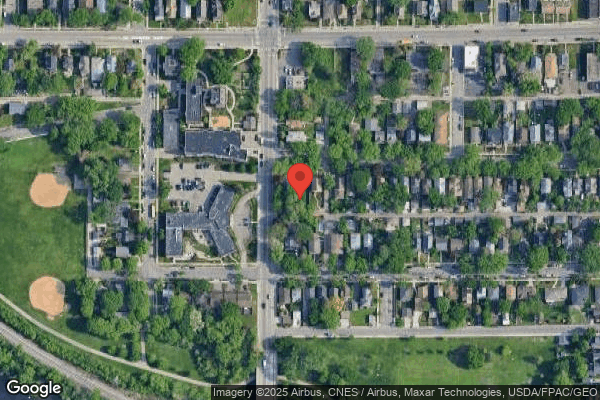
275 PENN AVENUE NORTH, MINNEAPOLIS, MN 55405 (612) 377-4723
For profit - Limited Liability company 105 Beds MONARCH HEALTHCARE MANAGEMENT Data: November 2025 3 Immediate Jeopardy citations
Trust Grade
0/100
#330 of 337 in MN
Last Inspection: March 2025

Within standard 12-15 month inspection cycle. Federal law requires annual inspections.

Overview

The Villas At Bryn Mawr LLC has received a Trust Grade of F, indicating poor performance with significant concerns about resident care and safety. They rank #330 out of 337 facilities in Minnesota and #53 out of 53 in Hennepin County, placing them in the bottom tier of nursing homes. Unfortunately, the facility's situation is worsening, with issues increasing from 15 in 2024 to 24 in 2025. Staffing is a relative strength, with a rating of 4 out of 5 stars and a turnover rate of 35%, which is lower than the state average, meaning staff generally stay longer and know the residents well. However, the facility has been fined a concerning $35,260, which is higher than 76% of Minnesota facilities, suggesting ongoing compliance problems. Specific incidents highlight serious issues: in one case, emergency medical services were delayed for ten minutes due to locked doors, putting residents at risk; in another, a resident with mental health needs was neglected, leading to severe health complications; and there was an incident where a resident requiring constant supervision was able to leave the facility unnoticed, creating a dangerous situation. While the staffing and commitment to care are positive aspects, the overall conditions and critical incidents raise significant red flags for prospective residents and their families.

Trust Score
F
0/100
In Minnesota
#330/337
Bottom 3%
Safety Record
High Risk
Review needed
Inspections
Getting Worse
15 → 24 violations
Staff Stability
○ Average
35% turnover. Near Minnesota's 48% average. Typical for the industry.
Penalties
✓ Good
$35,260 in fines. Lower than most Minnesota facilities. Relatively clean record.
Skilled Nurses
○ Average
Each resident gets 40 minutes of Registered Nurse (RN) attention daily — about average for Minnesota. RNs are the most trained staff who monitor for health changes.
Violations
⚠ Watch
57 deficiencies on record. Higher than average. Multiple issues found across inspections.
★☆☆☆☆
1.0
Overall Rating
★★★★☆
4.0
Staff Levels
★★★☆☆
3.0
Care Quality
★☆☆☆☆
1.0
Inspection Score
Stable
2024: 15 issues
2025: 24 issues

The Good

  • 4-Star Staffing Rating · Above-average nurse staffing levels
  • Full Sprinkler Coverage · Fire safety systems throughout facility
  • No fines on record
  • Staff turnover below average (35%)

    13 points below Minnesota average of 48%

Facility shows strength in staffing levels, fire safety.

The Bad

1-Star Overall Rating

Below Minnesota average (3.2)

Significant quality concerns identified by CMS

Staff Turnover: 35%

11pts below Minnesota avg (46%)

Typical for the industry

Federal Fines: $35,260

Above median ($33,413)

Moderate penalties - review what triggered them

Chain: MONARCH HEALTHCARE MANAGEMENT

Part of a multi-facility chain

Ask about local staffing decisions and management

The Ugly 57 deficiencies on record

3 life-threatening
Sept 2025 1 deficiency 1 IJ
CRITICAL (J) 📢 Someone Reported This

A family member, employee, or ombudsman was alarmed enough to file a formal complaint

Immediate Jeopardy (IJ) - the most serious Medicare violation

Free from Abuse/Neglect (Tag F0600)

Someone could have died · This affected 1 resident

**NOTE- TERMS IN BRACKETS HAVE BEEN EDITED TO PROTECT CONFIDENTIALITY** Based on interview and document review, the facility neglected to provide care and services to a resident with mental health nee...

Read full inspector narrative →
**NOTE- TERMS IN BRACKETS HAVE BEEN EDITED TO PROTECT CONFIDENTIALITY** Based on interview and document review, the facility neglected to provide care and services to a resident with mental health needs who refused assessments and interventions since admission on [DATE], R1 was not transferred to a higher level of care despite facility and provider awareness for 1 of 3 residents (R1) who were reviewed for neglect of care when R1 contacted emergency medical services (EMS) because she felt dizzy, was vomiting, and could not move her lower extremities. When EMS arrived R1 was adhered to her mattress and covered in urine and feces. R1 admitted to the hospital malnourished, with maggots around her groin, bra hook embedded down to the muscle layer, reddened folds to right flank, pressure ulcers from stage one to stage four covered her entire back, open areas to coccyx, and bilateral gluteus, and skin tears along her posterior thighs. The immediate jeopardy began on 9/21/25, when facility failed to send R1 to a higher level of care when they were unable to provide hygiene, assess her skin, identify the cause of the unpleasant smell and suspected foot wound, for a bedridden resident and identified on 9/25/25. The administrator, regional director of operations, and director of nursing (DON) were notified of the immediate jeopardy at 5:10 p.m. on 9/25/25. The immediate jeopardy was removed on 9/25/25, but noncompliance remained at the lower scope and severity level 2 D - isolated, scope and severity level, which indicated no actual harm with potential for more than minimal harm that is not immediate jeopardy. Hospital Discharge summary dated [DATE], indicated R1 was treated for back pain, and they found an abnormal lesion on her spine. During the hospitalization she had fixed delusions and refused medical care. She was placed on a court hold related to unwillingness to care for spine lesions and refused to have the surgical screw removed from her shoulder. R1's admission data assessment dated [DATE], indicated she refused to let staff examine her skin.R1's 48-hour care plan dated 7/8/25, indicated she had a self-care deficit related to back pain and schizophrenia. Her mobility was altered. She was continent of bowel and bladder and required help from one staff member to toilet. She was at risk for skin breakdown. Interventions included staff would complete weekly skin assessments and report any breakdown to the provider, turning every 2 hours, pressure relieving mattress, and wheelchair cushion.R1's care plan focus dated 7/8/25, indicated she had a risk for skin impairment related to incontinence and refusal of care. She preferred to lay in bed all the time and did not want staff to wake her up. Implemented turn and reposition every 2-3 hours. Monitor skin integrity daily during cares, placed pressure redistribution mattress and wheelchair cushion, and report concerns to the provider. R1's care plan focus dated 7/9/25, indicated she was at risk for malnutrition. Interventions included offer food and fluids, and alternative meals as requested. Offer ice cream, yogurt, and pudding and encourage her to eat meals. She received a supplement. R1's provider note dated 7/9/25, indicated R1 had an odor of unknown etiology, the room had a malodorous smell, concerned of a foot wound, R1 was very private about her body. R1 refused to answer question if she had any open skin areas. R1's clinical nutrition evaluation dated 7/9/25, indicated her weight was 180.5 pounds (lbs.) R1's admission Minimum Data Set (MDS) dated [DATE], indicated she had normal cognition, mild depression, delusions, and rejection of cares. She used a wheelchair for mobility, needed the assistance of one with toileting, shower, dressing, and transfer. Needed set up assistance for hygiene needs, and staff set up her meals. She was continent of bladder and had frequent stool incontinence. She had depression, Schizophrenia, and back pain. She did not have a risk for pressure ulcers, or any skin injuries. She took antipsychotic and seizure medications. R1's care plan focus dated 7/14/25, indicated her behaviors were related to trauma when she was hit by a car and sustained life-threatening injuries. Interventions included applying Associated Clinic of Psychology (ACP) recommendations. Use a trauma informed approach to care, work at her pace, and build trust. Staff would update the provider regarding any behavior changes. R1's Risk verse Benefits document dated 7/14/25, indicated she had refused care and vaccinations. She was at risk for health, hospitalization and or death. R1's weekly skin assessment dated [DATE], 7/22/25, 8/6/25, 8/12/25, 8/19/25, 8/26/25, 9/2/25, 9/9/25, 9/12/25, and 9/16/25, indicated she refused a bath and her skin checked by staff. R1's provider note dated 7/16/25 indicated R1 had mild anemia with a hemoglobin of 11.5, her basic metabolic panel was unremarkable. Staff stated R1 has been intermittently refusing cares and medications. R1 refuses treatment for lytic lesions.R1's provider note dated 7/18/25 indicated she was seen for pain management and rehabilitation recommendation. R1 did not appear to be in distress, no breakdown in hands or heels, moves all extremities, R1 had decreased endurance, activity of daily living impairment, muscle weakness, deep vein thrombosis risk, constipation risk, and skin breakdown risk due to decreased mobility. R1's Associated Clinic of Psychology (ACP) note date 7/21/25, indicated services were established.R1's facility doctor notes dated 7/22/25, indicated R1 refused a skin check, no distress, and R1 only permitted him to listen to her heart and lungs. No sign of infection, R1 denied any pain. R1 continued to have malodorous smell, and he was concerned she had a wound on her foot. R1's ACP note dated 8/1/25, indicated R1's chief complaint medication management. The ACP provider indicated R1 was malodorous and smelled of urine and fecal matter. R1 discussed her previous hospital stay, continues to have back pain and that is why she can not walk, but is working with physical therapy to get better as they check on her every once in a while. R1 was on a civil commitment with a [NAME] Order, with limited insight into her condition. A Psychotropic medication was increased. R1's ACP note dated 8/4/25 indicated R1 was wrapped in a blanket on an unmade mattress, less malodorous than prior visit, continues with delusional thinking, has poor insight and judgement. R1 does not appear to be ready to accept showers.R1's provider note dated 8/19/25 indicated she was seen in her room laying on her bed, paranoia and delusions noted during exam.R1's care conference dated 8/19/25, indicated no issues with pain, changes in her condition, or skin integrity. She was a full code. She needed the assistance from one staff to toilet. Staff would check and provide peri care every 2 to 3 hours. Resident stated she had bleeding from her gums. She indicated the reason she did not shower was a lack of privacy. They discussed her refusal of care, and it was emphasized if she were unwilling to comply with cares, the consequences would be a prolonged stay at the facility and poor prognosis. Dietary indicated her weight was 181.0 lbs. on 8/13/25, and she only ate ice cream, pudding, and yogurt. R1's ACP noted dated 9/5/25, indicated R1 was malodorous and lying in bed. Her insight and judgement are limited, reports being depressed, slightly more distressed. A medication for depression was prescribed.R1's ACP noted dated 9/8/25, indicated staff report concerns for mood, poor appetite, low intake, continuing to self-isolate, remaining in bed all of time, and will sometimes use provider towel to clean herself up, but is not showering. R1 is unkempt, wrapped in blanket lying on unmade mattress, poor oral hygiene and malodorous.R1's weight dated 9/10/25 by wheelchair at 9:00 p.m. was 180 lbs.R1's ACP note dated 9/15/25, indicated staff report ongoing concern for mood, low intake, continuing self-isolate in room. R1 remains in bed all the time. A county assessor visited to assess relocation services.R1 hospital note dated 9/21/25, indicated she was admitted to the hospital after she called EMS. She arrived with the mattress adhered to her. Her bra and a pill were stuck to her back. Urine, stool, and wounds were found along with maggots on her groin. Records indicated R1 weighed 152 lbs. upon admission. R1's care plan intervention dated 9/22/25 for a focus of refusing cares and fixed delusions, indicated she was private about her body and refused help to bathe and complete skin checks. She refused to answer the provider when asked if she had any open wounds. Interview with the physician assistant (PA)-A on 9/24/25 at 9:11 a.m., stated R1 had to be decontaminated before surgery, her entire back was a pressure ulcer, and her bra strap hooks broke down the skin into the muscle in her back. R1's INR was so high related to malnutrition that the surgery had to be performed in two episodes. Interview on 9/24/25 at 11:15 a.m., registered nurse (RN)-A stated every time she attempted to help R1, she would yell no and get out. She was unable to touch the resident during her stay, she told the manager and provider regarding the refusal of care. They would bring her linen, and bathing supplies to help her clean up. They would stand outside the room with the door cracked to encourage her, but the resident refused. The room smelled, and when a new resident was assigned to the same room, they ended up walking out the door and family stated it was because of the smell in the room.Interview on 9/24/25 at 2:27 p.m., social worker (SW)-A indicated they did not report to the state concerns regarding rejection of care. R1 was visited by ACP weekly and a psychiatrist monthly. They were trying to build trust with her. Every time she saw R1, she would always be in bed with 2 to 3 blankets covering her. Interview on 9/24/25 at 2:48 p.m., the DON indicated she did not know the severity of R1's condition. She did not feel R1 was trying to harm herself. They had ACP and the psychiatrist assessing her regularly. The facility medical doctor saw her on 9/13/25, and did not bring any concerns regarding a need to transfer to the hospital. They were trying to balance R1's refusals while maintaining her right to refuse care. They had no indication what was happening to the resident under the covers. Interview on 9/25/25 at 9:10 a.m., the administrator stated when a resident refused care the process included, updating the provider, complete a risk verse benefit assessment, educate, and update the care plan. She did not feel the situation rose to the level of self-harm, but more self-neglect on R1's part. She did not have a change in condition or indicated a need for hospitalization. Since R1 left the facility, they did an investigation and taught their staff to find a way to negotiate the residence compliance with care. Interview on 9/25/25 at 9:50 a.m., medical director (MD-A) stated a higher level of care would be the skilled nursing facility or a hospital. He was unable to say if R1 had self-injuring behaviors. He wished the hospital would have pursued a guardianship for her so they would have had more help to manage her behaviors.Interview on 9/25/25 at 2:16 p.m., Paramedic (P)-A stated R1 called EMS because she lost feeling in both of her legs. He found her lying directly on the vinyl mattress top. She had a urine and feces-soaked towel between her legs, and a basin with bloody emesis next to the bed. They were unable to roll her in bed because her body was adhered to the mattress. They cut the top layer of the mattress off to transport her. She looked sick, dehydrated, and the room smelled like infection, urine, and stool. Staff told him R1 refused to let them care for her. His emotions got the best of him, and he was unable to engage with the staff anymore. He just focused on transporting R1 to the hospital. The immediate jeopardy that began on 9/21/25, was removed on 9/25/25, when the facility completed a full house skin check audit. If a resident had refused, a skin check was done. They audited all care plans for refusing skin checks. Updated target behavior orders to include a section regarding refusal of cares, showers, and skin checks. Clinical team would attend weekly ACP meetings to discuss concerning behaviors and update care plans. Morning meeting agenda now includes a section for refusal of care. In case of refusal staff would update the individual department team (IDT) meetings, schedule care conference, do a behavior contract or other individual specific interventions.
Jun 2025 5 deficiencies 1 IJ
CRITICAL (J) 📢 Someone Reported This

A family member, employee, or ombudsman was alarmed enough to file a formal complaint

Immediate Jeopardy (IJ) - the most serious Medicare violation

Accident Prevention (Tag F0689)

Someone could have died · This affected 1 resident

**NOTE- TERMS IN BRACKETS HAVE BEEN EDITED TO PROTECT CONFIDENTIALITY** Based on observation, interview, and document review the facility failed to provide adequate levels of supervision to prevent el...

Read full inspector narrative →
**NOTE- TERMS IN BRACKETS HAVE BEEN EDITED TO PROTECT CONFIDENTIALITY** Based on observation, interview, and document review the facility failed to provide adequate levels of supervision to prevent elopement for 1 of 1 residents (R1) who required 24/7 supervision, resided on a locked unit and left the facility without their knowledge. This resulted in an Immediate Jeopardy (IJ) situation for R1. The IJ began on 6/10/25, when R1 was not provided with adequate supervision during an outside activity which resulted in R1 leaving the facility at approximately 1:23 p.m., he was found by police at approximately 1:46 p.m. on a busy street about a half mile away from the facility. The administrator, director of nursing and regional nurse consultant (RNC)-A were notified of the immediate jeopardy on 6/24/25, at 11:42 a.m. The facility implemented immediate corrective action on 6/10/25 to prevent recurrence, so the IJ was issued at past non-compliance. Findings include: R1's Hospital discharge summary provider note dated 3/14/25, identified R1 had orders to reside in a locked unit due to profound cognitive impairment due to severe Traumatic Brain Injury (TBI) where the person has experienced a period of unconsciousness due to head trauma. Psych evaluated and agreed R1 lacked decision making ability and had a history of an elopement at the hospital in September 2024. Will need to continue to wear helmet on head when the head of bed is greater than 30 degrees until cranioplasty (repair the bone in the skull) is performed. Needs 24/7 supervision. R1's admission Minimum Data Set (MDS) dated [DATE], identified R1 had severe cognitive impairment and was independent with activities of daily living. R1 had diagnoses of traumatic brain injury (a brain injury caused by an external force, blow to the head or a jolt), hemicraniotomy (a neurosurgical procedure where a portion of the skull is removed to relieve pressure on the brain), intracranial injury with loss of consciousness, nicotine dependence and metabolic encephalopathy (a brain disorder caused by a chemical imbalance in the body). R1's Elopement Risk Evaluation dated 3/14/25, indicated R1 was at risk for elopement due to habit/history of wandering or attempts to leave the unit/building, was ambulatory or able to self-propel wheelchair, asking to go home or other specific destinations, cognitive deficit diagnosis and family had voiced concerns that resident may have a tendency to wander or elope. R1 scored a 5, which identified a score of 4 or greater indicated a potential for elopement. Goals of care identified R1 will not leave the building alone and will follow Leave of Absence (LOA) policy. Interventions identified wanderguard will be monitored for proper functioning, door alarms will be answered promptly, guardian will be kept informed and will be invited to activity of their choosing. R1's Care plan dated 3/14/25 identified a focus of at risk for elopement with corresponding goals R1 will not leave the building alone. Interventions included door alarms will be answered promptly, guardian will be kept informed and will be invited to activities of their choosing. R1's Care plan dated 6/11/25, identified focus of risk for elopement due to wandering, impaired cognition, statement of wanting to leave, and history of elopement with corresponding goals that included, the resident will not leave the building alone. Interventions included wanderguard in place, wanderguard will be monitored for proper functioning, door alarms will be answered promptly, guardian will be kept informed and will be invited to activities of their choosing. R1's facility Progress Notes noted the following: 6/10/25 at 2:09 p.m., R1 went downstairs in the front lobby with the activity director, took off, Minneapolis police was called, description of R1 was given, R1 was later brought back to the facility by officer, alert and oriented per resident baseline. 6/10/25 at 2:27 p.m., identified R1 did not return with white helmet. Writer asked R1 where his helmet was. R1 stated he threw the helmet away when he took off. 6/10/25 at 2:30 p.m., R1 was taken outside the facility to the parking lot to pet baby goats, At 1:23 p.m., R1 was noted missing by staff. Police were called. R1 was located, skin checks completed with no pain or discomfort noted. R1 was placed back on the secured unit, oriented to self, place, season and safe. 15-minute safety checks order initiated. 6/10/25 at 3:19 p.m., at around 12:50 p.m., R1 went down to see the baby goats that were in the front of the building with staff. Around 1:23 p.m., R1 was noted to be missing from the front parking lot. TR director immediately notified the administrator. Administrator immediately initiated elopement protocols. Administrator notified Minneapolis police. Minneapolis police sent several squad cars to patrol the area. At around 1:46 p.m., R1 returned to the facility with the police. R1 had no injuries. Skin check and vital signs completed by nurse. R1's guardian and primary care provider updated. Facility filed Office of Health Facility Complaints (OHFC) and started education and investigation. During an interview on 6/23/25 at 10:01 a.m., Director of therapy (DOT)-A indicated R1 had severe cognitive impairment due to his brain injury and would not be safe in the community unsupervised. R1 was quick and completely independent with mobility and would run. R1 was also very impulsive and does not have the insight to know if traffic lights are red or green he would run right through them. DOT-A stated the likelihood of R1 getting hurt unsupervised in the community was very high, when R1 eloped on 6/10/25, he had the risk of being mugged, going with a stranger, getting hit by a car in traffic, we are lucky he wasn't killed. During observation and interview on 6/23/25 at 10:33 a.m., R1 was lying in his bed in his room with his helmet off. R1 stated a couple weeks ago he was outside with the goats, and he took off because he was mad and wanted a cigarette. R1 further stated the police came for him and it was not fun. I was somewhere in Minneapolis, I did not know how to get back here, I was scared. During an interview on 6/23/25 at 11:11 a.m., Activity Director (AD)-A indicated on 6/10/25, she had brought three residents from the locked unit down to the goat activity and one of them was R1 around 1:05 p.m AD-A stated she went to bring another resident back up to the locked unit and asked the activity assistant (AA)-A to keep an eye on R1. When she got back around 1:10 p.m. R1 was gone. AD-A stated she immediately notified the administrator and started looking for R1 in our vehicles. AD-A further stated when she first brought R1 down another resident had given R1 a cigarette and the cigarette was removed which upset R1. The police did end up finding R1 about 4 blocks from the facility. During an interview on 6/23/25 at 1:54 p.m., AA-A stated R1 was outside on 6/10/25, when the baby goat petting activity was going on before lunch time. AA-A stated another resident had given R1 a cigarette and AD-A took it away from him and R1 was very upset and went to sit next to another resident. AA-A stated he had too many other residents to keep an eye on and was not aware R1 was going to take off like he did. AA-A stated AD-A came back down asked where R1 was and then we were all looking for him. During an interview on 6/23/25 at 10:59 a.m., nursing assistant (NA)-A stated she was working the secured unit where R1 resided the day he eloped. NA-A indicated R1 went to see the [NAME] goats outside and someone wasn't watching him, he was gone and he can run very fast. NA-A stated R1 was constantly asking to go outside, he was always looking to get out pacing up and down the halls to go for a walk trying to get out. During an interview on 6/23/25 at 10:41 a.m., licensed practical nurse (LPN)-A stated she was working the secured unit that R1 resided on the day he eloped. LPN-A indicated the activity director called her around lunch time and asked if R1 was on the unit and she told activity director he was not. LPN-A stated it was not safe for R1 to be outside unsupervised, if he was running trying to get away, he could have been killed in traffic. During an interview on 6/23/25 at 11:40 a.m., Receptionist (R)-A indicated she worked 6/10/25. AA-A asked her sometime before lunch if she had seen R1, she told him no. R-A stated she immediately went outside and started looking for him. The police found him about 4 blocks away from the facility. R-A further stated R1 resided on a locked unit and residents from the locked unit require supervision. During an interview on 6/23/25 at 2:13 p.m., LPN-B stated she was the unit manager for R1 and had worked the day R1 had eloped. LPN-B stated the root cause of R1's elopement was lack of supervision and R1 was someone who definitely needed supervision. LPN-B stated after the elopement all Interdisciplinary team (IDT) members met and went over the elopement policy and immediately started education to all staff that anyone residing on the locked unit needed 1:1 supervision when taken off the unit. LPN-B further stated R1 was also placed on 15-minute checks and a wanderguard was put on his left wrist. During an interview on 6/23/25 at 2:50 p.m., DON indicated he was notified R1 was missing via text message from the administrator. DON further indicated R1 was found 4 blocks away by police and brought back 20 minutes later to the facility unharmed. DON stated the root cause of the elopement was inadequate supervision, the person responsible for watching R1 that day was brushed onto someone else. DON further stated everyone residing on the locked unit required 1:1 supervision when outside the locked unit and are all at risk for elopement. During an interview on 6/23/25 at 3:17 p.m., administrator stated she was notified by AD-A at 1:23 p.m. that R1 was missing from the facility after an activity in the parking lot. Administrator indicated she shot out a group text message to all department heads to delegate directions and got in her car to search for R1. Administrator stated she flagged down the police in the road and gave them a picture of R1 and they assisted with the search of four squad cars. Administrator further stated R1 was found about 21 minutes later around 1:45 p.m., about a half mile from the facility, on the corner of [NAME] avenue and [NAME] avenue north by the police and was brought back unharmed without his helmet. Administrator stated the root cause of the elopement was lack of supervision from our staff. During an interview on 6/23/25 at 4:28 p.m., medical director (MD)-A indicated if the root cause of R1's elopement was lack of supervision and resided on a locked unit, an appropriate prevention intervention would be to provide 1:1 to supervision when taken off the unit. During an interview on 6/23/25 at 4:28 p.m., guardian (G)-A stated the facility notified her of R1's elopement from the facility on 6/10/25. G-A further stated she told the facility if R1 was unsupervised he would run, he was on a locked unit for a reason. G-A indicated she was grateful he was not lost and that he was back safe. Facility policy titled, Elopements policy revised 6/2023 .the facility will implement interventions to minimize these risks and hazards as appropriate. For residents at risk of elopement Missing Resident Event Documentation should include an admission assessment, which may indicate potential to wander or exit facility. Care plan that addresses potential to wander or exit facility and the measures taken to prevent wandering/elopement. All attempts to elope, efforts to locate, notification and results of efforts. Full observation/visualization after an elopement for any injuries or new symptoms or conditions which may have developed. Entries that are time specific to reflect the responsiveness and Timeliness of actions taken to locate and assess the resident. Bracelet alarm/device is in place and functioning (per TAR or other form of documentation), if applicable. The facility will implement the following plan for conducting internal and external searches to locate missing residents. If a resident is discovered missing or is suspected of having eloped, the charge nurse takes the following steps: The charge nurse will initiate a search of the unit upon which the resident resides, with all employees assigned to the unit. The charge nurse will notify the Administrator or nursing supervisor if the resident cannot be located on the assigned unit. The nursing supervisor will take over as the Search Coordinator in the absence of the Administrator. The past-noncompliance immediate jeopardy began on 6/10/25, and was removed on 6/10/25, when the facility implemented a systemic plan to ensure all residents were safe. On 6/10/25, a facility-wide elopement risk assessment was completed that day, and care plans were updated with individualized interventions. Staff received targeted education prior to their shifts on the elopement policy, and emphasizing the requirement for 1:1 supervision for residents from the secured unit when outside.
CONCERN (D) 📢 Someone Reported This

A family member, employee, or ombudsman was alarmed enough to file a formal complaint

Potential for Harm - no one hurt, but risky conditions existed

Report Alleged Abuse (Tag F0609)

Could have caused harm · This affected 1 resident

**NOTE- TERMS IN BRACKETS HAVE BEEN EDITED TO PROTECT CONFIDENTIALITY** Based on interview and document review, the facility failed to report the reasonable suspicion of a crime to law enforcement for...

Read full inspector narrative →
**NOTE- TERMS IN BRACKETS HAVE BEEN EDITED TO PROTECT CONFIDENTIALITY** Based on interview and document review, the facility failed to report the reasonable suspicion of a crime to law enforcement for 1 of 1 resident (R4) reviewed who made an allegation of sexual abuse. Findings include: R4's facesheet dated 6/24/25, indicated she admitted to the facility on [DATE] and had diagnoses including hemiplegia and hemiparesis following cerebral infarction (one-sided paralysis and weakness after a stroke), need for assistance with personal care, adjustment disorder with anxiety, mild cognitive impairment, post-traumatic stress disorder, and moderate intellectual disabilities. R4's care plan dated 6/6/25, identified she was a vulnerable adult related to severe mobility limitation, severe sensory impairment, poor orientation to person place and time, history of physical aggression, ignoring personal safety, and inability to identify the boundaries of others. Nursing Home Incident Report #360521 dated 5/13/25, was submitted to the state agency (SA) and identified an allegation of sexual abuse, unwanted sexual contact. The description indicated the social services director (SSD) became aware of the allegation on 5/13/25 at 1:00 p.m. A resident reported to the SSD that R4 had been touched by another resident and R4 reported the resident touched her over her pants near her genital area. R4 stated she did not like to be around the resident reported to have touched her. The report indicated providers were updated, families/guardians updated, and the facility would continue to investigate the incident. The report did not indicate law enforcement was notified. Nursing Home Incident Report Investigation Summary #59244 dated 5/15/25, was the five-day follow-up report submitted to the SA. The corrective actions section included question since the initial report, has this allegation been reported to any additional agencies, if so which agency? with answer of not applicable. The report did not indicate law enforcement was notified. R4's progress note dated 5/13/25 at 1:15 p.m., indicated R4 reported that another resident touched her inappropriately over the weekend while they were outside on the patio. R4's provider and guardian were notified. The progress note did not indicate law enforcement was notified. R4's progress note dated 5/14/25, indicated the SSD spoke with R4 about the alleged incident over the weekend. The nurse manager had reported asking R4 if she wanted to do a police report and R4 said no. R4 reported a male resident touching her private parts on the patio. The SSD asked R4 multiple times if she wanted to make a police report. R4 stated she did not trust the police and refused to report to them. During an interview on 6/24/25 at 9:33 a.m., the SSD stated she did not think the incident was reported to the police. During an interview on 6/24/25 at 8:56 a.m., the administrator stated she managed the investigation into the incident of R4's allegation of sexual abuse. The administrator stated it was not reported to the police because R4 refused to call the police or have anything to do with the police. The administrator verified the allegation was R4 was touched near or on her genital area. The administrator stated the facility had to report suspected crimes and must report allegations of sexual abuse. The administrator confirmed the allegation R4 made was not reported to law enforcement in accordance with regulation or facility policy. Facility policy titled Reporting Suspicion of a Crime dated 2/2025, included The Administrator, Director of Nursing, or any other designated individual will report (within the required time frames) any reasonable suspicion of a crime against a resident to the state Survey Agency and local law enforcement agency. A list of examples of crimes that would be reportable in any jurisdiction included sexual abuse. The policy included, The timing of reporting will be based on the events that cause suspicion and will be as follows: If the event results in serious bodily injury, the suspicion will be reported immediately but not more than two hours after the individual first suspects that a crime has occurred. If the event does not result in serious bodily injury, the suspicion will be reported not more that [sic] twenty-four hours after the individual first suspects that a crime has occurred.
CONCERN (D) 📢 Someone Reported This

A family member, employee, or ombudsman was alarmed enough to file a formal complaint

Potential for Harm - no one hurt, but risky conditions existed

Deficiency F0657 (Tag F0657)

Could have caused harm · This affected 1 resident

**NOTE- TERMS IN BRACKETS HAVE BEEN EDITED TO PROTECT CONFIDENTIALITY** Based on observation, interview and record review the facility failed to revise the care plan for an elopement-safety related in...

Read full inspector narrative →
**NOTE- TERMS IN BRACKETS HAVE BEEN EDITED TO PROTECT CONFIDENTIALITY** Based on observation, interview and record review the facility failed to revise the care plan for an elopement-safety related intervention for 1 of 1 resident (R1) reviewed for resident safety. Findings include: R1's Hospital discharge summary provider note dated 3/14/25, identified R1 had orders to reside in a locked unit due to profound cognitive impairment due to severe Traumatic Brain Injury (TBI). Psych evaluated and agreed R1 lacked decision making ability and had a history of an elopement at a hospital in September 2024. Needs 24/7 supervision. R1's Elopement Risk Evaluation dated 3/14/25, indicated R1 was at risk for elopement due to habit/history of wandering or attempts to leave the unit/building, was ambulatory or able to self-propel wheelchair, asking to go home or other specific destinations, had cognitive deficit diagnosis and family had voiced concerns that resident may have a tendency to wander or elope. R1's admission Minimum Data Set (MDS) dated [DATE], identified R1 was admitted to the facility on [DATE], had severe cognitive impairment and was independent with activities of daily living (ADL's) and mobility. R1 had diagnoses of traumatic brain injury (a brain injury caused by an external force, like a blow to the head or a jolt), R1's progress note dated 6/10/25 at 3:19 p.m., at around 12:50 p.m., R1 went down to see the baby goats that were in the front of the building with staff. Around 1:23 p.m., R1 was noted to be missing from the front parking lot. Therapeutic Recreational (TR) director immediately notified the administrator. Administrator immediately initiated elopement protocols. Administrator notified Minneapolis police. Minneapolis police sent several squad cars to patrol the area. At around 1:46 p.m., R1 returned to the facility with the police. R1 had no injuries. R1's care plan dated 6/11/25, identified focus of Risk Elopement identified with corresponding goals that included, the resident will not leave the building alone. Interventions included wanderguard in place, wanderguard will be monitored for proper functioning, door alarms will be answered promptly, guardian will be kept informed and will be invited to activities of their choosing. During an interview on 6/23/25 at 2:13 p.m. LPN-B stated the root cause of R1's elopement was lack of supervision and R1 was someone who definitely needed supervision. LPN-B stated after the elopement all Interdisciplinary Team (IDT) members met and went over the elopement policy and immediately started education to all staff that anyone residing on the locked unit needed 1:1 supervision when taken off the unit. LPN-B stated the care plan was not updated to reflect this and should have been. R1's care plan did not identify or include the implemented intervention that R1 required 1:1 supervision when being brought off the locked unit. During an interview on 6/23/25 at 2:50 p.m., DON stated the root cause of the elopement was inadequate supervision, the person responsible for watching R1 that day was brushed onto someone else. DON further stated he would expect the care plan to be updated to ensure 1:1 when removing R1 from locked unit and verified it was not on the care plan. During an interview on 6/23/25 at 3:17 p.m., the administrator stated the root cause of the elopement was lack of supervision from our staff. Administrator further stated she would expect the care plan to be revised to ensure 1:1 when removing R1 from locked unit. Facility Policy, Care Planning, revised 11/2024, identified .Comprehensive Care Plan: The interdisciplinary team (IDT), in conjunction with the resident and the resident representative, will develop and implement a comprehensive individualized care plan no later than the 21?? day of admission of the resident. The care plan interventions are derived from a thorough analysis of the information gathered as part of the comprehensive assessment. The comprehensive person-centered care plan will be consistent with the resident's rights to identify problem areas and their causes and develop interventions that are targeted and meaningful to the resident. The resident has the right and is encouraged to participate in the development of his or her care plan. The care plan shall be used in developing the resident's daily care routines and will be utilized by staff personnel for the purposes of providing care or services to the resident. The plan of care will be utilized to provide care to the resident. The care plan is to be modified and updated as the condition and care needs of the resident changes.
CONCERN (D) 📢 Someone Reported This

A family member, employee, or ombudsman was alarmed enough to file a formal complaint

Potential for Harm - no one hurt, but risky conditions existed

Deficiency F0742 (Tag F0742)

Could have caused harm · This affected 1 resident

**NOTE- TERMS IN BRACKETS HAVE BEEN EDITED TO PROTECT CONFIDENTIALITY** Based on interview and document review, the facility failed to assess a resident to determine the need for additional treatments...

Read full inspector narrative →
**NOTE- TERMS IN BRACKETS HAVE BEEN EDITED TO PROTECT CONFIDENTIALITY** Based on interview and document review, the facility failed to assess a resident to determine the need for additional treatments and services for mental and psychosocial well-being for 1 of 1 resident (R4) reviewed who made an allegation of sexual assault and had a history of post-traumatic stress disorder (PTSD) and psychosocial adjustment difficulty. Findings include: R4's facesheet dated 6/24/25, indicated she admitted to the facility in 2004 and had diagnoses including post-traumatic stress disorder, adjustment disorder with anxiety, unspecified psychosis, mild cognitive impairment, and moderate intellectual disabilities. R4's trauma care plan dated 4/22/24, identified she was at risk for alterations in behavior related to trauma and diagnosis of PTSD. R4 declined when asked about potential triggers, was unable to articulate coping strategies, and reported no trauma on assessment. R4 saw psychology providers. Interventions included staff to consider past trauma when engaging in work with R4, utilize family and social support, and encourage collaboration with activities social services or psychiatry to improve social connections and minimize symptomology. R4's mood/behavior care plan dated 4/24/15, identified she had a behavior problem secondary to intellectual disability, drug induced mental disorder and PTSD, and adjustment disorder. Interventions included psychiatric/psychogeriatric consult as indicated, and anticipate and meet resident's needs. R4's psychosocial well-being care plan dated 4/16/15, identified she had a psychosocial well-being problem related to impairment related to history of stroke, organic personality disorder, history of alcohol dependence (not active), history of closed head injury with cognitive deficits. R4 was followed by the psychology clinic for additional psychosocial support and the providers would continue to follow R4 as needed while at the facility. R4's psychology provider note by licensed independent clinical social worker (LICSW)-A dated 4/28/25, indicated she was seen for mild neurocognitive disorder, adjustment disorders with anxiety, and alcohol use disorder with additional problems of PTSD and moderate intellectual difficulties. Continued services were needed to maintain and improve R4's current level of functioning. R4 denied symptoms of anxiety, psychosis, and PTSD and had no care concerns. Treatment plan included overall client appears to be doing very well. R4's Trauma Questionnaire assessment dated [DATE], was the most recently completed trauma assessment. It included question Have you had any traumatic experiences in the past that you feel we should be aware of that may affect your preferences or care needs with answer no. A note indicated R4 denied having trauma that impacts care. Nursing Home Incident Report #360521 dated 5/13/25, was submitted to the state agency (SA) and identified an allegation of sexual abuse, unwanted sexual contact. The description indicated the social services director (SSD) became aware of the allegation on 5/13/25 at 1:00 p.m. A resident reported to the SSD that R4 had been touched by another resident and R4 reported the resident touched her over her pants near her genital area. R4 stated she did not like to be around the resident reported to have touched her but felt safe in the facility. R4 refused to go to the hospital, but skin check was completed with no concerns noted. The report indicated providers were updated, families/guardians updated, and psychology clinic updated. R4's progress note dated 5/13/25, indicated R4 reported that another resident touched her inappropriately over the weekend while they were outside on the patio. Skin check completed with scratch on lower left leg R4 stated she itched sometimes. R4 refused going to the hospital for evaluation and stated she felt safe in the facility. R4's provider and guardian were notified. R4's progress note by the SSD dated 5/14/25, indicated the SSD spoke with R4 about the alleged incident over the weekend. R4 reported a male resident touching her private parts on the patio. The SSD asked R4 multiple times if she wanted to make a police report and R4 declined. The SSD did a check in with R4 to evaluate her mood. R4 reported feeling safe in the facility, stated she was not afraid of the alleged perpetrator, and would avoid him. Social services would follow-up as needed. In review of R4's record, there was no indication a trauma assessment had been completed after R4's allegations of inappropriate sexual touching by another resident. During an interview on 6/23/25 at 1:36 p.m., R4 stated no one had ever touched her inappropriately. R4 noted there were people she didn't like, and she stayed away from them and would watch television in her room. R4 stated her mood was okay. During an interview on 6/24/25 at 8:56 a.m., the administrator stated R4 had alleged that she was touched inappropriately by another resident on her leg or genital area. R4 had refused to notify the police or go to the hospital, but a skin check was completed with no injuries noted. The administrator indicated R4's psychosocial well-being was assessed through a skin check, a meeting with the SSD and the psychology clinic. The administrator stated R4 had a long mental health history and had PTSD. The administrator confirmed R4's last trauma assessment was completed 5/13/24, was over a year old, and R4 had denied that trauma impacted her care. The administrator stated trauma assessments should be completed after incidents like an allegation of sexual abuse and she would have expected a trauma assessment to have been completed for R4. The administrator was not sure how often trauma assessments should be completed. When asked how the facility assessed R4 to see if she had trauma from the incident, the administrator stated the SSD had talked to R4. The administrator confirmed R4's psychology clinic had been notified of the alleged incident, stated the SSD would know the details of this, and she would expect them to be notified so they would assess a resident's psychosocial health. In a follow up interview on 6/24/25 at 9:58 a.m., the administrator stated trauma assessments were done on admission and as the facility felt was needed but did not think they had a policy about this. During an interview on 6/24/25 at 9:33 a.m., the SSD stated trauma assessments were completed on admission and she assumed they had to be done yearly but hadn't seen that written anywhere, it was just what she had been told. They were also completed as needed. The SSD stated a resident-to-resident altercation would cause trauma and after an allegation of abuse was made a trauma assessment should be completed within a couple of days. The SSD confirmed she had not completed a trauma assessment with R4 after R4 alleged sexual abuse, but had talked to her and R4 had said it wasn't a big deal and didn't want to talk about it. The SSD stated R4 had a history of trauma and PTSD. The SSD stated it was important to complete a trauma assessment, so staff were aware if she had trauma from the incident. The SSD stated she thought she had notified R4's psychologist, LICSW-A, of the allegation, but did not remember the details or have documentation of this. During an interview on 6/23/25 at 3:11 p.m., LICSW-A stated she was R4's psychotherapy provider and had been seeing her since last year. LICSW-A stated she had not been notified by the facility of R4's allegation of resident-to-resident sexual abuse. LICSW-A stated this was something she would typically be notified of when she met with the facility's social worker when she arrived at the facility for her visits. In a continued interview on 6/24/25 at 2:07 p.m., LICSW-A stated R4's medical history included PTSD, but she worked with R4 around her adjustment disorder and anxiety in the context of her cognition. R4 had cognitive impairment and some difficulty in executive functioning. LICSW-A stated she would assess someone after an allegation of sexual abuse for signs of distress, changes to behavior, changes from typical appetite and sleeping, and the client's report. LICSW-A stated someone's response to potential sexual abuse would be very specific to the individual. For someone with a diagnosis of PTSD how it affected someone would depend on what the original trauma was and how active related symptoms were. LICSW-A noted best practice was to do an assessment for trauma after an allegation of sexual abuse. Facility policy titled Trauma Informed Care dated 2/24/23, indicated the facility supported a culture of emotional well-being and physical safety for staff, residents and visitors. Trauma-informed care was culturally sensitive and person-centered. Staff were aware of individualized strategies to help eliminate, mitigate or sensitively address a resident's triggers. Resident-Care Strategies included, 1. As part of the comprehensive assessment, staff will identify history of trauma when possible. 2. Residents that have a history of trauma will have goals and interventions added to their care plan to address potential triggers and approaches to minimize or eliminate the effect of the trigger on the resident. 3. IDT team will monitor the effects of the approaches to ensure they are implemented as intended and are having the desired effect to achieve the goals of care. Care plans will be updated as needed.
CONCERN (D) 📢 Someone Reported This

A family member, employee, or ombudsman was alarmed enough to file a formal complaint

Potential for Harm - no one hurt, but risky conditions existed

Pharmacy Services (Tag F0755)

Could have caused harm · This affected 1 resident

**NOTE- TERMS IN BRACKETS HAVE BEEN EDITED TO PROTECT CONFIDENTIALITY** Based on interview and record review the facility failed to ensure medications were available for administration per physician o...

Read full inspector narrative →
**NOTE- TERMS IN BRACKETS HAVE BEEN EDITED TO PROTECT CONFIDENTIALITY** Based on interview and record review the facility failed to ensure medications were available for administration per physician order for 1 of 1 resident (R1) reviewed for resident safety. Findings include: R1's order summary dated 3/14/25, identified an order for Nicotine min mouth/throat lozenge (Nicotine Polacrilex) give 2 mg by mouth every 1 hour as needed for nicotine craving related to nicotine dependence. R1's admission Minimum Data Set (MDS) dated [DATE], identified R1 was admitted to the facility on [DATE], had severe cognitive impairment, was independent with activities of daily living (ADL's) and mobility. Further identified R1 used tobacco. R1 had diagnoses of traumatic brain injury (a brain injury caused by an external force, like a blow to the head or a jolt) and nicotine dependence. R1's medication administration record (MAR) dated June 2025, identified an order for Nicotine min mouth/throat lozenge (Nicotine Polacrilex) give 2 mg by mouth every 1 hour as needed for nicotine craving related to nicotine dependence. From 6/1/25 to 6/24/25 were all blank spaces indicating R1 did not receive any nicotine lozenges for his diagnosis of nicotine withdrawal. During observation and interview on 6/23/25 at 10:33 a.m., R1 was lying in his bed in his room with his helmet off. R1 was asked what he enjoyed doing at the facility and he stated, I like to smoke cigarettes. R1 put his shoes and helmet on got up and stated. I am going with you. R1 walked out of his room into the hallway. R1 walked up to the medication cart and stated to licensed practical nurse (LPN)-A, that he wanted a cigarette. At 10:41 a.m., LPN-A told R1 you don't have any cigarettes. This surveyor asked LPN-A if R1 had an order for nicotine lozenges and LPN-A stated that R1 did not have an order for nicotine lozenges. LPN-A checked R1's orders and she stated there was an order for nicotine lozenges dated 3/14/25. LPN-A stated R1 always asked for a cigarette non-stop and that he could not have any due to his guardian. LPN-A had never given R1 a nicotine lozenge even though she worked the unit frequently. LPN-A checked the medication cart and informed the medication was not available and was unsure of why. LPN-A informed R1 she would check into getting nicotine lozenge for him. R1 stated, thank you and walked away. During an interview on 6/23/25 at 2:13 p.m. LPN-B stated she was the unit manager for R1 and that he should not be smoking cigarettes due to his guardian did not give him permission to. LPN-B was not aware that R1's prescribed as needed nicotine lozenges were not available to him. LPN-B stated physician ordered medications should be available to each resident. During an interview on 6/23/25 at 2:50 p.m., DON stated physician ordered medications should be available to all residents. During an interview on 6/23/25 at 3:17 p.m., the administrator stated she was unaware that R1's nicotine lozenges were not available to him when he was having a nicotine craving for a cigarette. Administrator stated medications that are ordered by the physician should be available to the resident. Facility policy, Medication Error Procedure, reviewed, 1/2020, identified the interdisciplinary team evaluates medication usage in order to prevent and detect adverse consequences and medication related problems such as; adverse drug reactions (ADRs) and side effects. Medication errors should be assessed, documented, and reported according to federal and/or state guidelines as appropriate. Medication errors will be rectified according to standard of practice and the facilities pharmacy policy for preventing and detecting adverse consequences and medication errors. Review of Facility policy, Medication Error Procedure reviewed 1/2020, did not identify physician ordered medications not being available to residents as a medication error.
Apr 2025 1 deficiency
CONCERN (D) 📢 Someone Reported This

A family member, employee, or ombudsman was alarmed enough to file a formal complaint

Potential for Harm - no one hurt, but risky conditions existed

Deficiency F0692 (Tag F0692)

Could have caused harm · This affected 1 resident

**NOTE- TERMS IN BRACKETS HAVE BEEN EDITED TO PROTECT CONFIDENTIALITY** Based on interview and document review, the facility failed to implement admission physician's orders of daily weight checks for...

Read full inspector narrative →
**NOTE- TERMS IN BRACKETS HAVE BEEN EDITED TO PROTECT CONFIDENTIALITY** Based on interview and document review, the facility failed to implement admission physician's orders of daily weight checks for 1 of 1 resident (R1) who had a diagnosis of malnutrition and was alleged to have a significant weight loss. Findings include: R1's admission Minimum Data Set (MDS) dated [DATE], indicated R1 had moderate cognitive impairment, diagnosis of anemia, malnutrition, hip fracture, difficulty swallowing, cavities or missing teeth. R1's admission MDS further indicated a weight of 102 pounds (lbs.), a mechanical soft diet and four pressure ulcers, all present upon admission, with two identified as unstageable with deep tissue injury. R1's Care Plan dated 3/24/25, indicated R1 had actual alteration in nutrition, malnutrition related to acute hospital stay for edema with polysubstance abuse, poor nutrition history, past gastric bypass, and inadequate intakes. The care plan further indicated increased protein needs related to altered skin as evidence by multiple wounds. Staff were directed to monitor and record to medical doctor signs and symptoms of malnutrition, muscle wasting, significant weight loss greater than three pounds in one week, obtain weight per policy/order, provide and serve supplements per order and registered dietician (RD) to evaluate and make diet changes and recommendations as needed. R1's After Hospital Discharge orders dated 3/18/25, indicated R1 was to receive a two gram sodium diet, house nutritional supplement between meals three times per day, has heart failure, staff to listen to lung sounds daily, assess for peripheral edema daily, measure oxygen saturations, and daily weights in the morning. In addition, the discharge orders indicated R1 had wounds that needed care, and was on a diuretic for edema. R1's medical record lacked evidence of daily weights as ordered. R1's weights from admission on [DATE] to 4/03/25 were documented as indicated below: -3/18/25 weight of 101.4 lbs. (done with wheelchair) -3/19/25 weight of 101.5 lbs. (done with wheelchair) -4/03/25 weight of 101.1 lbs. (done with lift) Review of hospital Discharge Orders and Information Form dated 3/23/25, indicated R1 was seen for back pain, and had scoliosis. The report indicated during visit R1 had a weight of 94 lbs. An ED (emergency department) to Hosp-admission note dated 4/09/25, indicated R1's weight to be 77 lbs. (24.1 lb. weight loss from last weight at the facility on 4/03/25 of 101.1 lbs.) A RD note dated 3/19/25, indicated R1 received alternate magic cup, mighty shake nutritious juice three times a day (TID) 690 calories and twenty-one grams (g) protein a day. In addition, the RD acknowledged R1 received Lasix (diuretic), zinc, folic acid, and a prenatal tablet (dietary supplements). The RD further indicated R1 admitted to the facility after hospitalization for significant edema related to malnutrition due to substance abuse and had chronic wounds with increased protein needs for healing skin. RD reported R1 had oral intakes at 50-75% of meals and had difficulty swallowing due to missing teeth, adding R1 was offered and accepted a downgraded diet. RD further reported R1 indicated she had a good appetite and her ideal body weight was 90 lbs. with a current weight of 101.5 lbs. An additional RD note dated 3/25/25, indicated follow up wounds, R1 remains on 2-gram (g) sodium diet with thin liquids, weight on 3/19/25 was 101.5 (no new weight was obtained even though R1 was ordered to have daily weights). Oral intakes typically 50-100% of meals, occasionally 20-50% or meal refusal. Ongoing pressure wounds. Increased protein needs for healing skin, house supplement TID per orders for added 690 calories and 21 g of protein per day met with resident prior to breakfast, reviewed meals in facility and resident reports overall likes the food, reviewed menu with resident and alternatives, resident reported preference for lactose free milk. Discussed additional alternatives for added protein such as Pro-Stat (liquid protein drink) and resident agreed to try. RD to follow up as needed with any changes to meal intakes, skin, or weights. RD note lacked any direction for weight monitoring. This was the last RD note found in R1's medical record. During interview on 4/15/25 at 10:58 a.m., nursing assistant (NA)-A stated R1 ate in her room independently, and she would eat approximately 50% of her food and received a mechanical soft diet. NA-A stated R1 had missing teeth and did not notice any weight loss on her. During interview on 4/14/25 at 11:00 a.m., registered nurse (RN)-K from hospital stated R1 was sent to the hospital on 4/08/25 due to a fall at the nursing home, but had no injuries. RN-K stated R1 was placed on comfort care over the weekend due to sepsis from pressure ulcers and passed away on 4/14/25. RN-K stated R1 discharged from the hospital on 3/18/25, with a weight of 104 lbs. and when she arrived back at the hospital on 4/09/25 with a weight of 77 lbs. RN-K did state that was the only weight they had before her passing on 4/14/25, and she noticed a change in her condition with the weight loss and her increase in size of her pressure ulcers. In addition, RN-K stated she was able to see in the hospital records on 3/26/25, when R1 went to emergency department (ED) for back pain and her weight was documented at 94 lbs. During interview on 4/15/25 at 11:20 a.m., licensed practical nurse (LPN)-A stated R1 admitted with multiple wounds and received a mechanical soft diet and would eat but it did depend on how R1 felt. LPN-A stated he did not notice a weight loss on R1. During interview on 4/15/25 at 11:45 a.m., interim director of nursing (DON) stated R1 admitted to the facility so tiny and frail, and did not notice any size change in her, and looked the same size to her since her admission. In addition, the DON stated R1 always had snacks around her which she preferred to eat, and she loved her pillows around her. In addition, the DON stated staff did not put her orders in correctly to ensure her weights were taken daily. The DON stated the dietician is providing education today with staff on putting in orders correctly for daily weights. During interview on 4/15/25 at 1:15 p.m., wound care nurse practitioner (NP)-A stated she assessed R1's pressure ulcers weekly while she was at the facility. NP-A stated she noticed R1 was frail and recalled asking her to eat, and did not feel it would be possible to lose 24 lbs. in six days. During interview on 4/15/25 at 1:45 p.m., facility NP-B stated she last saw R1 at the facility on 3/24/25, and noted she was on Lasix for edema but had no documentation of significant edema. The NP stated R1 had orders for daily weights for her general nutrition and would want to be called within a week if there were a five lb. weight loss. NP-B stated she received no phone calls from the facility for a weight loss. The NP-B further stated she felt it would be impossible for R1 to lose 24 lbs. in five to six days. (time between her last weight at the facility of 101.1 lbs. and her weight at the hospital of 77 lbs.) Weight Policy dated 5/01/24, indicated it is the policy of Monarch Healthcare Management to obtain accurate weights and provide monitoring to ensure each resident's nutrition parameters are maintained within acceptable parameters to prevent avoidable decline in nutritional status, unless their clinical condition demonstrates that this is not possible. Policy Interpretation and Implementation.
Mar 2025 15 deficiencies
CONCERN (D)

Potential for Harm - no one hurt, but risky conditions existed

Deficiency F0576 (Tag F0576)

Could have caused harm · This affected 1 resident

**NOTE- TERMS IN BRACKETS HAVE BEEN EDITED TO PROTECT CONFIDENTIALITY** Based on observation, interview, and document review, the facility failed to ensure there was reasonable access to private phone...

Read full inspector narrative →
**NOTE- TERMS IN BRACKETS HAVE BEEN EDITED TO PROTECT CONFIDENTIALITY** Based on observation, interview, and document review, the facility failed to ensure there was reasonable access to private phone use for 1 of 1 residents (R303) reviewed who utilized the facility phone. Findings include: R303's admission Minimum Data Set (MDS) dated [DATE], indicated R303 had moderately impaired cognition and resided in a room on the first floor. During an interview on 3/24/25 at 1:44 p.m., R303 stated staff let him use the phone at the nursing station but could only use it for a few minutes as staff frequently had to use it and occasionally, staff would not let him use the phone at all as staff would need to use it to make other calls. R303 stated he wished he had a more private phone that he could use on a more consistent basis that was not in a shared area with staff. R303 stated this really limited how often he could speak with his family and what he could speak with his family about and this bothered him. During an interview on 3/25/25 at 2:43 p.m., nursing assistant (NA)-A stated most of the residents owned their own phone but if a resident didn't, facility staff would let them use the phone at the nursing station. NA-A stated she was not aware of any other phone a resident could use that was in a more private area. NA-A stated facility staff had to limit how long a resident used the phone and when residents could use the phone as staff also needed to use it. During an interview on 3/26/25 at 8:20 a.m., licensed practical nurse (LPN)-A, the unit care coordinator stated the only phone she knew of to offer residents was the phone at the nursing station. During an observation on 3/26/25 at 9:33 a.m., R303 was sitting in his wheelchair next to the phone at the nursing station. The nursing station was observed at the Y intersection of three hallways. The nurse's station had a tall desk and no walls enclosing it. A medication cart was observed parked in front of the nurse's station immediately to the left of the nurse's station phone with LPN-A and registered nurse (RN)-A standing in front of the medication cart. During an interview on 3/27/25 at 7:46 a.m., the administrator stated if a resident wanted to use a phone, they could use her office or the director of social services office to make those calls. The administrator stated she was not aware of any recent education to staff about ensuring residents were offered these private places to make phone calls. A policy regarding resident access to a private phone was requested and not received.
CONCERN (D)

Potential for Harm - no one hurt, but risky conditions existed

Deficiency F0638 (Tag F0638)

Could have caused harm · This affected 1 resident

**NOTE- TERMS IN BRACKETS HAVE BEEN EDITED TO PROTECT CONFIDENTIALITY** Based on interview and document review, the facility failed to ensure the quarterly Minimum Data Set (MDS) was completed in a th...

Read full inspector narrative →
**NOTE- TERMS IN BRACKETS HAVE BEEN EDITED TO PROTECT CONFIDENTIALITY** Based on interview and document review, the facility failed to ensure the quarterly Minimum Data Set (MDS) was completed in a thorough manner to ensure areas of cognition and depressive symptoms were evaluated for 2 of 4 residents (R3, R19) reviewed for MDS accuracy. Findings include: The Centers for Medicare and Medicaid Services (CMS) Long-Term Care Facility Resident Assessment Instrument (RAI) 3.0 User's Manual, dated 10/2023, identified the RAI consists of three basic components including the MDS, the Care Area Assessment (CAA) and the utilization guidelines and this process (i.e., use of the entire RAI) was mandated by CMS. The manual outlined a quarterly assessment was a non-comprehensive assessment which was to be completed every 92 days and was used to track a resident' status between comprehensive assessments . to ensure critical indicators of gradual change in a resident's status are monitored. The manual included a section labeled, SECTION C: COGNITIVE PATTERNS, which outlined the section would be used to help determine the resident's attention, orientation and ability to register or recall information adding, These items are crucial factors in many care-planning decisions; with provided methods and instructions to ensure accurate, thorough coding of the MDS. Further, the manual included another section labeled, SECTION D: MOOD, which outlined the section would be used to help address mood distress and social isolation adding, Mood distress is a serious condition that is underdiagnosed and undertreated in the nursing home and is associated with significant morbidity, and again, the manual provided methods and instructions to ensure the comprehensive evaluation of these conditions. R3 R3's quarterly MDS, dated [DATE], identified R3 had several medical conditions or problems including delusional thinking, depression, and schizophrenia. The 'Section C - Cognitive Patterns' was reviewed and the spacing to record a completed Brief Interview for Mental Status (BIMS) was left blank and not completed and, in addition, the subsequent section for the staff assessment (used if the resident is rarely or never understood) was also left blank and not completed. In total, section C0200 to C1000 was left blank and not completed. The 'Section D - Mood' was reviewed and the spacing to record a mood interview, including with symptom presence of frequency of depression, was left blank and not completed and, in addition, the subsequent section for the staff assessment (also used if the resident is rarely or never understood) was left blank and not completed. In total, section D0150 to D0600 was left blank and not completed or addressed. R3's medical record was reviewed and lacked evidence either of these sections and corresponding evaluations (i.e., BIMS, PHQ-9) had been completed during the quarterly assessment reference date (ARD) to determine what, if any, complications or issues R3 demonstrated with those corresponding areas. R19 R19's quarterly Minimum Data Set (MDS), dated [DATE], indicated R19 was admitted to the care facility on 2/25/25, and had medically complex conditions including seizure disorder, non-Alzheimer's dementia, depression, bi-polar and post-traumatic stress disorder. Section C of the MDS to assess for cognitive patterns was marked as not assessed. The subsequent section for staff assessment, including any long term or short-term memory problems was also marked as not assessed. In addition, section D of the MDS to assess resident mood was also marked throughout as not assessed including the subsequent section for staff assessment to include social isolation. R19's medical record was reviewed and lacked evidence either of these sections and corresponding evaluations had been completed during the quarterly assessment ARD to determine what, if any, complications or issues R3 demonstrated with those corresponding areas. On 3/27/25 at 9:16 a.m., the corporate director of reimbursement (CDR) was interviewed, and verified they had reviewed the medical records of each resident. CDR stated R3 and R19 both had their sections (C and D) dashed and left blank as the corresponding assessments for them to use were not completed within the ARD. As a result, the MDS couldn't use them to record the information. CDR stated they believed the care center had a newer social worker who was likely still learning the role and getting that system down with evaluations to be completed and when. CDR verified the MDS should be completed in a thorough manner adding such helped to give us a more holistic picture of the resident and their needs. A facility' policy on MDS completion was requested, however, none was received.
CONCERN (D)

Potential for Harm - no one hurt, but risky conditions existed

Deficiency F0645 (Tag F0645)

Could have caused harm · This affected 1 resident

**NOTE- TERMS IN BRACKETS HAVE BEEN EDITED TO PROTECT CONFIDENTIALITY** Based on interview and document review, the facility failed to ensure a level I Pre-admission Screening (PAS) and, if needed, a ...

Read full inspector narrative →
**NOTE- TERMS IN BRACKETS HAVE BEEN EDITED TO PROTECT CONFIDENTIALITY** Based on interview and document review, the facility failed to ensure a level I Pre-admission Screening (PAS) and, if needed, a Level II Pre-admission Screening and Resident Review (PASARR) was completed to screen for mental health needs for 1 of 1 residents (R17) reviewed for PAS. Findings include: R17's admission Minimum Data Set (MDS) dated [DATE], indicated R17 had intact cognition. R17's medical diagnoses list dated 2/24/25, indicated R17 was diagnosed with depression, anxiety, and post-traumatic stress disorder. R17's PAS notice dated 2/21/25, indicated a copy of the PAS was included with this notice but the PAS was not final until the lead agency sent a final determination to the nursing home. R17's entire medical record was reviewed and lacked evidence a final determination had been received. During an interview on 3/25/25 at 11:32 a.m., the senior linkage line representative (SLL) stated she had reviewed the PAS that they had on file for R17 dated 2/21/25, and this was not the final PASARR. SLL stated the facility needed to reach out the lead agency, in this case Hennepin County, to get the facility the final determination. During an interview with receptionist (R)-A and the social services director (SSD) on 3/25/25 at 1:21 p.m., they indicated they shared the responsibility of ensuring the PASARR's were completed and in the medical record. R-A stated they had reached out to senior linkage line today and had received the PAS notice (referenced above) but had not reached out to the county yet. The SSD confirmed the final PASARR was not in the medical record and stated she would have expected to have this on admission to the facility. The facility's Pre-admission Screening policy dated 6/23, indicated social services will ensure the resident meets the level of care for purposes of medical assistance payment of long-term care prior to the resident being admitted to the facility. The nursing facility is responsible for having a copy of the preadmission form(s) on file in the resident's medical record.
CONCERN (D)

Potential for Harm - no one hurt, but risky conditions existed

Deficiency F0676 (Tag F0676)

Could have caused harm · This affected 1 resident

**NOTE- TERMS IN BRACKETS HAVE BEEN EDITED TO PROTECT CONFIDENTIALITY** Based on observation, interview, and document review, the facility failed to provide assistance and/or equipment to complete per...

Read full inspector narrative →
**NOTE- TERMS IN BRACKETS HAVE BEEN EDITED TO PROTECT CONFIDENTIALITY** Based on observation, interview, and document review, the facility failed to provide assistance and/or equipment to complete personal hygiene cares (i.e., nail care) for 1 of 5 residents (R59) reviewed who needed set-up assistance with nail care. Findings include: R59's annual Minimum Data Set (MDS), dated [DATE], identified R59 had moderate cognitive impairment and demonstrated no rejection of care behavior. R59's care plan, dated 3/26/25, identified R59 had a self-care deficit due to his cognitive impairment and listed a goal, Resident will be accept [sic] assistance with self cares. The care plan directed, Independent with grooming, provide set up as needed. However, the care plan lacked information on what, if any, preference R59 had about his fingernail length preference (i.e., short or longer). On 3/24/25 at 2:35 p.m., R59 was observed seated in his room reading a Bible. R59 was dressed in a winter coat and stated he had received a shower earlier that same day (3/24/25). However, R59 had multiple fingernails, including both thumb nails, which were long with the nail plate being several millimeters (mm) long from the end of the finger. R59 stated he needed to find someone to clip them. R59 looked at his nails and verified he wanted them clipped shorter adding it had been quite awhile since those nails were last clipped. Further, R59 stated he used to clip them himself but his clippers had gone missing. On 3/26/25 (two days later) at 7:50 a.m., R59 was again observed while in his room. R59's fingernails remained long as had been observed days prior. R59 reiterated wanting them clipped then abruptly added, I prayed for you. R59's record identified a series of MHM (Monarch Healthcare Management) Weekly Skin Inspection V-5(s) had been completed. These included: On 3/17/25, R59 was recorded as having received a shower. A series of questions to be answered by the staff with a corresponding radio-style button included, Fingernails trimmed? This was answered as, C. Not Necessary. On 3/25/25, R59 was recorded as having received a shower. A series of questions to be answered by the staff with a corresponding radio-style button included, Fingernails trimmed? However, again, this was recorded with a response, C. Not Necessary. On 3/26/25 at 7:52 a.m., nursing assistant (NA)-D was interviewed. NA-D verified they had worked with R59 prior and stated he didn't require much physical assistance for cares, rather staff just re-direct him a little bit. NA-D stated nail care should be completed with bathing and the nurse was responsible to chart it (i.e., Weekly Skin Inspection). NA-D stated they thought R59 would require assistance to complete his nail care adding aloud, I haven't seen him do that. NA-D then observed R59's fingernails at the request of the surveyor and verified their length adding, A few of them [nails] are high up [long]. NA-D stated they would let the nurse know and try to get them clipped. At 7:57 a.m., licensed practical nurse (LPN)-C joined the interview. LPN-C stated R59 was very limited in what he'd allow staff to do for him adding R59 had off and on cognitive issues. LPN-C stated staff should be helping R59 with nail care but felt he'd often refuse it. LPN-C verified a pair of clippers was available for staff to use or offer R59 and stated nail care, including offers and refusals, should be documented in the record. LPN-C reviewed R59's Weekly Skin Inspection(s) in the record and verified nail care had been marked as 'not necessary.' LPN-C stated they were unsure why the inspections had been marked like that as there was nothing in the record explaining it despite R59 having long nails still. R59's medical record was reviewed and lacked evidence R59 had been offered, refused or had his fingernails clipped within the past week despite having visibly long nails; nor was there evidence to explain why some nails were clipped but others (such as observed) were long. However, a subsequent note, dated 3/26/25 at 9:46 a.m., was authored by LPN-C which outlined, Writer offers to trim res[ident] fingernails, but res refused stated 'I can trim my own nails.['] Writer gives res the fingernails clipper. Res trimmed his nails and give [sic] writer back the fingernails clipper. On 3/26/25 at 8:31 a.m., licensed practical nurse manager (LPN)-A was interviewed. LPN-A stated nail care was typically recorded on the Weekly Skin Inspection adding they were unaware of what, if any, other places were used to record it adding aloud, None that I know of. LPN-A stated nail care should be completed on scheduled bathing days or as needed and verified any refusals should also be recorded in the medical record. LPN-A stated R59 was typically pretty accepting of cares adding, He doesn't refuse much. LPN-A verified the medical record lacked evidence why some of R59's fingernails were not clipped or trimmed, and they expressed nails should be kept short for sanitary reasons and to reduce the risk of R59 scratching himself. A facility' provided Activities of Daily Living (ADLs)/Maintain Abilities Policy, dated 3/2023, identified the facility would ensure each resident was provided with appropriate treatment and services to maintain their abilities to carry out ADLs. The policy outlined, 3. The facility will provide care and services for the following activities of daily living: a. Hygiene - bathing, dressing, grooming, and oral care .
CONCERN (D)

Potential for Harm - no one hurt, but risky conditions existed

ADL Care (Tag F0677)

Could have caused harm · This affected 1 resident

**NOTE- TERMS IN BRACKETS HAVE BEEN EDITED TO PROTECT CONFIDENTIALITY** Based on observation, interview and document the facility failed to provide activities of daily living (ADLs) including nail car...

Read full inspector narrative →
**NOTE- TERMS IN BRACKETS HAVE BEEN EDITED TO PROTECT CONFIDENTIALITY** Based on observation, interview and document the facility failed to provide activities of daily living (ADLs) including nail care and routine bathing to 2 of 3 residents (R19, R31) reviewed for ADLs who were observed to be disheveled with long, dirty fingernails and greasy appearing hair. Findings include: R19 R19's quarterly Minimum Data Set (MDS), dated [DATE], indicated R19 was admitted to the care facility on 2/25/25 and was dependent on staff for most ADLs including toileting, bathing, dressing and personal hygiene (to include nail care). R19's care plan, dated 6/23/23, indicated R19 had a self-care deficit related to a cerebral vascular accident (stroke) with residual left sided weakness and required assist of one staff member with personal hygiene. During observation on 3/24/25 at 2:47 p.m., R19 was laying in bed, asleep, and was observed to have long fingernails approximately ¼ inch in length with dark matter under the nail beds. During interview and observation on 3/26/24 at 7:59 a.m., R19 was laying in bed and observed to continue to have a dark matter under her fingernails. R19 lifted her right hand, stating I probably need help to clean my nails, they [facility staff] should probably keep them shorter. Nursing assistant (NA)-C observed R19's nails, stating nail care should be done when a resident received a shower or bath. A second unnamed NA entered R19's room to assist with putting a brace on R19's left hand and to assist with transferring R19 to her wheelchair. R19 was brought out to the dining room for breakfast without receiving nail care. During an interview on 3/27/25 at 7:50 a.m., nurse manager and registered nurse (RN)-B stated nail care was expected to be done at least weekly during a resident shower or bath, but that for human decency nails should be kept clean and trim in between bathing as needed. RN-B stated the NAs should be checking resident for clean hands/nails and faces at mealtime. R31 R31's quarterly Minimum Data Set (MDS) dated [DATE], indicated R31 was cognitively impaired, had no hallucinations, delusions or behaviors, and didn't refused cares. R31's MDS indicated she was independent with eating and ambulation, and needed set up or cleanup assistance with oral hygiene, toileting, dressing and personal hygiene. R31's MDS indicated she needed moderate assistance with bathing and had diagnoses of non-traumatic brain dysfunction (brain damage caused by internal factors rather than external trauma), Alzheimer's disease, psychotic disorder (a mental disorder characterized by a disconnection from reality, also known as psychosis), anxiety and depression. R31's care plan for activities of daily living (ADLs) printed on 3/27/25, indicated R31 had potential for an ADL self-care performance deficit related to Alzheimer's. ADLs care plan indicated R31 often refused showers; encourage and reapproach as needed. Sponge bath: Avoid scrubbing and pat dry sensitive skin. R31's mood and behavior care plan did not include interventions to encourage her to shower or bathe. R31's weekly skin inspection reports dated 3/24/25, 3/17/25, 3/10/25, 3/3/25, 2/25/25, 2/21/25, 2/14/25, 2/10/25, 2/7/25 and 2/3/25 indicated resident refused bathing. Bathing option included shower, sponge bath, and tub bath. During observation on 3/25/25 at 2:00 p.m., R31 was sitting at a table in the dining room, and her hair was dull, greasy and separated in locks starting on her scalp. During interview on 3/25/25 at 2:09 p.m., licensed practical nurse (LPN)-C stated it was hard to provide cares for R31. LPN-C stated R31's hair was dirty. During interview on 3/25/25 at 3:46 p.m., nursing assistant (NA)-F stated R31 sometimes agreed to take a shower but then she refused. NA-F stated sometimes she let them wash her with wash clothes, but she hit them throughout the whole process. During observation on 3/26/25 at 9:00 a.m., R31 was sitting at the dining room table, her hair was dull, greasy and separated in locks starting on her scalp. During interview on 3/26/25 at 10:15 a.m., nurse manager-LPN-A stated she knew R31 refused cares, and staff needed to redirect and reapproach her. LPN-A verified R31's hair was dirty. LPN-A verified there were not other interventions in place to wash R31's hair. LPN-A stated she was unsure if a dry shampoo caps had been tried. During interview on 3/26/25 at 10:38 a.m., LPN-C stated the facility had not tried to use a dry shampoo cap with R31. LPN-C added we [facility] have dry shampoo caps available. During interview on 3/27/25 at 10:05 a.m., director of nursing (DON) verified R31's care plan directed staff to reapproach resident but did not include any other interventions. DON stated obviously the residents had the right to refuse cares, but the facility needed to determine if residents had preferences, offer options, get creative, and maybe offer a reward program to encourage R31 to bathe and wash her hair. DON stated good hygiene was important for R31 personal appearance and dignity. Facility's policy titled Activities of Daily Living dated 3/21/23, indicated It is the policy of the facility to specify the responsibility to create and sustain an environment that humanizes and individualizes each resident's quality of life by ensuring all staff, across all shifts and departments, understand the principles of quality of life, and honor and support these principles for each resident; and that the care and services provided are person-centered, and honor and support each resident's preferences, choices, values and beliefs. The policy further indicated, It is the policy of the facility to specify the responsibility to create and sustain an environment that humanizes and individualizes each resident's quality of life by ensuring all staff, across all shifts and departments, understand the principles of quality of life, and honor and support these principles for each resident; and that the care and services provided are person-centered, and honor and support each resident's preferences, choices, values and beliefs. A resident who is unable to carry out activities of daily living will receive the necessary services to maintain good nutrition, grooming, and personal and oral hygiene.
CONCERN (D)

Potential for Harm - no one hurt, but risky conditions existed

Deficiency F0685 (Tag F0685)

Could have caused harm · This affected 1 resident

**NOTE- TERMS IN BRACKETS HAVE BEEN EDITED TO PROTECT CONFIDENTIALITY** Based on observation, interview, and document review, the facility failed to ensure cataract surgery was coordinated with an app...

Read full inspector narrative →
**NOTE- TERMS IN BRACKETS HAVE BEEN EDITED TO PROTECT CONFIDENTIALITY** Based on observation, interview, and document review, the facility failed to ensure cataract surgery was coordinated with an appointed guardian to facilitate attendance and successful surgery for 1 of 1 resident (R3) reviewed who complained about their poor vision. In addition, the facility failed to act on reports of missing hearing devices and/or seek a replacement for 1 of 1 residents (R28) reviewed who was reported to have had lost their hearing aids. Findings include: R3 R3's quarterly Minimum Data Set (MDS), dated [DATE], identified R3 had impaired vision (sees large print, but not regular print in newspapers/books) and did not use corrective lenses. However, the spaces to record R3's cognition were dashed and not completed (see F638). On 3/24/25 at 12:51 p.m., R3 was observed lying in bed while in her room. R3 did not have any glasses on at this time. R3 stated repeatedly aloud, I have trouble with my eyes. R3 stated she was unable to see fine things and, again, then voiced, I'm having difficulty seeing with my eyes. R3 stated she didn't have a pair of glasses right now and voiced they had been destroyed years prior. When interviewed on 3/25/25 at 8:53 a.m., R3's appointed guardian (G)-A stated R3 needed to have cataract surgery which had been expressed to the care center multiple times. However, G-A stated then G-A never heard back from them. G-A stated they had been told some consents were needed, however, again, then never received them to sign. G-A stated R3 had a history of paranoia and needed to be accompanied to the appointment, however, reiterated the surgery consult should proceed as R3 often complained about her vision adding she (R3) would, at times, have to bring items up to her nose to read them. G-A stated they had repeatedly tried to follow-up with the care center about this, however, often when they call just get a fax-machine noise on the line and were unable to reach people. R3's progress note, dated 1/14/25, identified a nursing note which read, Guardian notified SS [social services] that they would like cataract surgery set up . optometrist documentation on 12/1 notes that resident declining this to be set up . Called guardian to discuss and left message, awaiting reply. R3's most recent MHM (Monarch Healthcare Management) IDT Care Conference Form V-5, dated 1/6/25 (locked 3/11/25), identified a quarterly review was held. A section labeled, Exams, was included which recorded spaces to write the date(s) of R3's last dental and eye exams. These spaces were left blank, however, dictation was written below for each which read, in the last quarter. A subsequent note, dated 1/24/25, identified the staff had spoken with the guardian who was willing to go with R3 to her appointment . to help resident to be agreeable to go if it can be scheduled on a day she [guardian] is available. Message sent to huc [health information manager]. However, the medical record lacked any further information on this. On 3/25/25 at 12:31 p.m., health information manager (HIM)-A was interviewed, and verified they helped arrange both onsite and offsite appointments for the campus. HIM-A recalled R3 being scheduled for a cataract surgery consult at HCMC and believed R3's appointed guardian had been notified of it. However, then on the day of the appointment R3 refused to go adding this had just happened like last week. HIM-A stated they never heard back from R3's guardian so they just scheduled it when able. HIM-A verified they never talked with G-A prior to scheduling the appointment to determine what day would work to have G-A attend the appointment, too, adding aloud, I never actually spoke to her on the phone. HIM-A stated they were aware of there being a problem with the phone system as people had told them they were unable to leave messages even. Further, HIM-A stated they didn't wait to make an appointment until consulting with G-A first as they were told the appointment was an emergency, adding they had not followed up with G-A about the missed appointment from last week yet, either, but it was on my follow-up list to get it done. When interviewed on 3/25/25 at 1:07 p.m., licensed practical nurse manager (LPN)-A stated they were aware of the cataract consult which had been missed and verified HIM-A should have contacted and consulted with R3's appointed guardian prior to setting it up. LPN-A stated they were aware of R3 having poor vision as it had been raised at a care conferences a couple months ago. LPN-A acknowledged if the appointment had been coordinated with G-A, then R3 likely would have been more willing to go and have the consult. LPN-A stated it was important to coordinate appointments so everybody's on the same page otherwise things may fall through the cracks. Further, LPN-A stated they also had been told the phone system was potentially malfunctioning adding aloud, There is a problem with the line I think. On 3/25/25 at 2:49 p.m., the interim director of nursing (DON) was interviewed. DON stated the consult appointment should have been coordinated with the appointed guardian to see would any of these days [available] work for you. A facility policy on vision appointments was requested, however, none was received. R28 R28's quarterly Minimum Data Set (MDS) dated [DATE], indicated R28 had moderate cognitive impairment, adequate hearing (no difficulty in normal conversation), and did not use hearing aids. R28's audiology note dated 10/12/23, indicated the audiology provider had completed an initial fitting for R28's hearing aids and the resident had reported hearing well from the hearing aids. The note indicated the charger/box was to be kept at the nursing station and staff were to assist the resident with insertion and removal and keeping the hearing aids charged. R28's audiology note dated 11/22/23, indicated the audiology provider had visited the resident, and his hearing aids could not be located. The note indicated the resident did not know where they were, and the facility staff did not see them at the nursing staff. The note indicated the provider wanted the staff to continue looking for the hearing aids before requesting a replacement. R28's medical record was reviewed and lacked evidence that R28's hearing aids had been further searched for and/or addressed with a replacement solution despite being identified as potentially missing. During an interview on 3/24/25 at 2:05 p.m., R28 stated his hearing aids had gotten lost about a year and a half ago and didn't think anyone had offered to help him get new ones. R28 said that he had repeatedly asked staff in the past but will need to ask more firmly as no one had helped him. R28 stated he wanted new ones because he had problems talking with other residents and staff members and had to ask people to repeatedly, repeat themselves. During an interview on 3/26/25 at 10:48 a.m., licensed practical nurse (LPN)-A stated she had been working at the facility for about six months as the care coordinator for R28's unit. LPN-A stated she had not been aware that R28 had ever had hearing aids or that these had been lost. LPN-A stated after reviewing R28's medical record it looked like a ball was dropped as she did not see that anyone had attempted to get him new hearing aids. During an interview on 3/26/25 at 11:02 a.m., the health information manager (HIM) stated the last time she could find that the resident was seen by audiology was 11/22/23. The HIM stated she oversaw making resident appointments and R28 did not have any outstanding appointments with audiology as she did not recall being notified that he needed one. During an interview on 3/27/25 at 7:43 a.m., the director of nursing (DON) stated she was not aware that R28 needed hearing aids but would have expected facility staff to follow up when the hearing aids had gone missing. A facility policy regarding hearing aid replacement was requested and not received.
CONCERN (D)

Potential for Harm - no one hurt, but risky conditions existed

Deficiency F0687 (Tag F0687)

Could have caused harm · This affected 1 resident

**NOTE- TERMS IN BRACKETS HAVE BEEN EDITED TO PROTECT CONFIDENTIALITY** Based on observation, interview, and document review, the facility failed to ensure long, hard toenails (i.e., dystrophic) were ...

Read full inspector narrative →
**NOTE- TERMS IN BRACKETS HAVE BEEN EDITED TO PROTECT CONFIDENTIALITY** Based on observation, interview, and document review, the facility failed to ensure long, hard toenails (i.e., dystrophic) were appropriately referred to the onsite contracted podiatry service in a timely manner for 1 of 1 resident (R3) reviewed who needed professional management of their nails due to a medical condition. Findings include: R3's quarterly Minimum Data Set (MDS), dated [DATE], identified R3 had delusional thinking and demonstrated no rejection of care behaviors during the review period. Further, the MDS recorded R3 required supervision or touching assistance to complete personal hygiene. However, the spaces to record R3's cognition were dashed and not completed (see F638). On 3/24/25 at 12:51 p.m., R3 was observed in her room on the locked unit. R3 had on a pair of flip-flop shoes on with no socks, which exposed both of her feet and toes. R3's toenails were all long with the nail plate being several millimeters (mm) in length, and R3 having visible hallux valgus (inward bend of the big toe) present on both feet. R3 was asked about her toenails and if they had been clipped or trimmed recently to which R3 responded aloud, I'd like to see the foot doctor again. R3 stated she was unsure when they were last clipped or she had been seen by the podiatrist adding, I'm just losing track of time. R3 stated she couldn't clip them herself, either, as she had poor balance. When interviewed on 3/25/25 at 8:46 a.m., R3's guardian (G)-A verified they were R3's current guardian. G-A stated they had noticed R3 to have long, thick toenails during their visits and had asked the care center to get R3 into the onsite podiatry clinics, however, nobody from the care center ever knew when they'd (Podiatry) be onsite saying aloud, We don't know, we don't know. G-A stated R3 needed to be seen for her toenails but there just seemed to always be quite a delay in that. Further, G-A stated R3 having long toenails was probably why she has the flip-flops on [versus covered shoes]. R3's care plan, dated 7/2023, identified R3 had potential for skin breakdown due to several medical conditions including hallux valgus. The care plan listed interventions which included, Resident seen by podiatry (Often refuses visits). R3's progress note, dated 11/11/24, identified R3 was seen by podiatry. The corresponding Healthdrive Podiatry Group note, dated 11/11/24, identified R3 as the patient and listed her as non-diabetic. The note recorded R3 as having moderate bunion deformity along with elongated, dystrophic and discolored nails on both feet. A section was listed labeled, Progress Note, which included dictation, Advised more frequent podiatry visits to reduce accumulation or hyperkeratotic tissue . Patient tolerated procedure well . Non-professional treatment is hazardous to the patient. The note concluded with no new orders and a note which read, Recall: As medically necessary but no sooner than 60 days. This was the last time R3 had been seen by the podiatry clinic as recorded within her medical record. When interviewed on 3/25/25 at 12:17 p.m., nursing assistant (NA)-B stated they had worked with R3 multiple times prior, and described her (R3) as accepting of most cares. NA-B stated they believed R3 had been, at one time, seen by podiatry but was unsure when this had been. NA-B stated the onsite podiatry group had just been there at the care center like three weeks ago but, again, was unsure if R3 had been seen or not. NA-B stated R3 needed her toenails clipped though still adding they looked kind of scary being so long. NA-B stated R3 had just told them earlier that day (3/25) podiatry was going to do adding some guy [surveyor] was helping her arrange it. NA-B stated the health information manager (HIM)-A helped arrange appointments and would be the person to talk with about podiatry visits. On 3/25/25 at 12:31 p.m., HIM-A was interviewed, and verified they helped arrange the podiatry visits to the care center. HIM-A explained the podiatry services were done by an outside group who came to the care center. They would provide a list of patients to be seen to HIM-A who then also sent it to the nursing department. HIM-A stated they were aware R3 needed to be seen by the podiatry group and expressed the group was last onsite on 2/13/25. However, at that time, R3 was off the list and they were not sure if R3 had been seen or not. HIM-A provided the contact person for the group' information and verified there was no record, at least which they could find, to show R3 had been seen, offered or refused podiatry services on 2/13/25. HIM-A verified R3 had signed consents for the service and, again, expressed they were not sure why R3 had been removed from the list to be seen. HIM-A verified if the service had been offered and refused, then an entry into the medical record should have been done. The provided Healthdrive Facsimile Cover Page, dated 1/24/25, identified the listing of patients to be seen via podiatry on 2/13/25. The page directed to inform the group if any add-on requests or priority patients were identified, and 20 patient names were listed. However, R3's name was not included. On 3/25/25, an email was placed to the offsite podiatry group contact person, as provided by HIM-A, with a request to call. A response was received on 3/25/25, which outlined the email and request was forwarded to their supervisor adding, I am not sure when they will reach out to you. However, a return call was never received. R3's medical record was reviewed and lacked evidence R3 had been offered or seen by podiatry on 2/13/25, despite the previous podiatry note calling for more visits and R3 having long nails which needed to be addressed. Further, the record lacked evidence on what, if any, rationale or explanation for R3 not being listed on the roster of patients to be treated. When interviewed on 3/25/25 at 1:07 p.m., licensed practical nurse manager (LPN)-A stated HIM-A would be the person who managed podiatry appointments for the care center. LPN-A stated floor staff should be reporting to HIM-A if anyone needed to be added to the list, and expressed nobody had told them (LPN-A) R3 needed to be seen. LPN-A verified someone should have ensure R3's nails were addressed adding having long, unkept nails could cause cuts in the skin or all kinds of issues. On 3/25/25 at 2:49 p.m., the interim director of nursing (DON) was interviewed. DON stated they hadn't delved into the podiatry stuff since I've been here yet but acknowledged HIM-A helped managed it adding, Usually the HUC [HIM-A] is setting all that stuff up. DON stated nobody had reported, at least to her recall, R3's long toenails to her. A facility policy on podiatry appointments and services was requested, however, none was received.
CONCERN (D)

Potential for Harm - no one hurt, but risky conditions existed

Deficiency F0688 (Tag F0688)

Could have caused harm · This affected 1 resident

**NOTE- TERMS IN BRACKETS HAVE BEEN EDITED TO PROTECT CONFIDENTIALITY** Based on observation, interview, and document review, the facility failed to provide routine range of motion (ROM) for 1 of 1 re...

Read full inspector narrative →
**NOTE- TERMS IN BRACKETS HAVE BEEN EDITED TO PROTECT CONFIDENTIALITY** Based on observation, interview, and document review, the facility failed to provide routine range of motion (ROM) for 1 of 1 resident (R63) reviewed for ROM who was dependent on staff for all activities of daily living (ADLs). Findings include: R63's annual Minimum Data Set (MDS) dated [DATE], identified R63 had severe cognitive impairment and diagnoses of aphasia (brain disorder which affects how one speaks and understands language), stroke (occurs when blood vessel is blocked or bursts), and hemiplegia or hemiparesis (loss of muscle function on one side of body or partial weakness on one side of body). R63 had impairment on one side of both upper and lower extremities and was dependent on staff for all activities of daily living, such as dressing, bed mobility, and transfers. R63's care plan intervention initiated 2/14/24, directed staff to provide gentle range of motion as tolerated with daily care. R63's Occupational Therapy Evaluation and Plan of Treatment dated 2/20/24, indicated R63 had impaired ROM to right upper extremity and a goal to improve standing tolerance and transfer status. R63's Physical Therapy Evaluation and Plan of Treatment document dated 2/21/24, indicated R63 had no movement in right lower extremity and a goal to improve transfer status. The document indicated nursing managed R63's contracture impairment. R63's Physical Therapy Discharge summary dated [DATE], indicated therapy discussed stretching to decrease contractures, and R63's daughter demonstrated understanding. The document indicated R63's prognosis to maintain current level of function was good with consistent staff follow-through. R63's Summary of Daily Skilled Services dated 8/28/24, indicated R63's family member was aware of discharge from skilled therapy and plan to have R63 on functional maintenance program with skilled therapy to maintain and not worsen R63's contractures. R63's Physical Therapy Discharge summary dated [DATE], indicated R63 would be picked back up on functional maintenance program to maintain contractures and recommended a hoyer lift for transfers. The document stated the prognosis to maintain current level of function was good with consistent staff follow-through. R63's Summary of Daily Skilled Services dated 10/11/24, indicated R63's family member was educated to complete functional maintenance program. R63's Summary of Daily Skilled Services dated 11/14/24, indicated R63's family member was not comfortable stretching R63 at that time. R63's Physical Therapy Discharge summary dated [DATE], indicated discharge recommendations to use a hoyer lift for transfers and maximum assistance to propel wheelchair. The document stated the prognosis to maintain current level of function was good with consistent staff follow-through. R63's Therapy Screen document dated 11/27/24, indicated R63 was recently discharged from therapy, and R63's family member was educated on how to stretch patient. R63's medication and treatment administration record printed 3/26/25, lacked documentation of nursing staff providing ROM to R63. R63's Follow Up Question Report, dated 3/1/25 to 3/26/25, lacked documentation of the nursing assistants providing ROM to R63. During interview on 3/24/25 at 5:42 p.m., R63's family member (FM)-K stated the facility did not provide R63 with continuous range of motion or exercises, so FM-K stretched R63 when they visited. During observation on 3/26/25 at 7:47 a.m., nursing assistant (NA)-C and NA-G assisted R63 to put on a sweater over R63's clothes. R63 had a hoyer sling underneath them, and NA-C and NA-G transferred R63 from bed to wheelchair. R63's right hand was limp, and R63 used their left hand to move their right hand. During interview on 3/26/25 at 7:59 a.m., NA-G stated R63 was dependent on staff for all ADLs. NA-G stated R63's morning cares included dressing, peri-cares, personal hygiene, and transferring into wheelchair. NA-G stated nursing and therapy notified nursing assistants about which residents required ROM and other exercises and charted exercises performed in point-of-care (program used to record and document resident information). NA-G stated they were not notified to complete exercises with R63. During interview on 3/26/25 at 8:21 a.m., NA-C stated R63's morning routine included dressing, peri-cares, personal hygiene, and transferring into wheelchair for breakfast. NA-C stated they looked at resident care plan to know who needed assistance with exercises, and R63 did not require assistance with exercises. During interview on 3/26/25 at 11:01 a.m., licensed practical nurse (LPN)-D stated therapy knew who needed exercises and had their own program and charting. LPN-D stated therapy worked with R63 previously and did not know of any ROM nursing staff were to provide for R63. During interview on 3/27/25 at 10:54 a.m., registered nurse (RN)-B stated therapy gave nursing communication forms for exercises staff should complete with residents. RN-B placed orders for the exercises communicated to them and updated nursing staff. RN-B reviewed R63's care plan and stated they would need to discuss with therapy. RN-B stated range of motion helped residents maintain strength and movement and prevented stiffness. During interview on 3/27/25 at 12:11 p.m., the director of nursing (DON) expected staff to follow resident care plan and [NAME] (document to reference resident information from the care plan). DON verified R63's care plan and [NAME] directed R63 to receive daily range of motion, and R63's medical record lacked documentation of ROM. During interview on 3/27/25 at 12:27 p.m., the therapy program manager (TPM) stated therapy worked with R63 in October to mid-November 2024 for range of motion and stretching. Therapy educated FM-K to provide range of motion for R63. TPM stated FM-K was frequently with R63 and thought FM-K's schedule may have changed since then. TPM stated R63's care plan for range of motion was in place before they were in their current role. The facility did not have a range of motion policy.
CONCERN (D) 📢 Someone Reported This

A family member, employee, or ombudsman was alarmed enough to file a formal complaint

Potential for Harm - no one hurt, but risky conditions existed

Deficiency F0740 (Tag F0740)

Could have caused harm · This affected 1 resident

**NOTE- TERMS IN BRACKETS HAVE BEEN EDITED TO PROTECT CONFIDENTIALITY** Based on observation, interview, and document review, the facility failed to comprehensively assess and implement behavioral int...

Read full inspector narrative →
**NOTE- TERMS IN BRACKETS HAVE BEEN EDITED TO PROTECT CONFIDENTIALITY** Based on observation, interview, and document review, the facility failed to comprehensively assess and implement behavioral interventions for 1 of 1 resident (R46) reviewed for behavior of throwing dining ware. Findings include: R46's quarterly Minimum Data Set (MDS) dated [DATE], indicated R46 had severe cognitive impairment, hallucinations, delusions, and no other behavioral symptoms or rejection of care. R46 was independent with activities of daily living. R46's Medical Diagnosis list printed 3/27/25, included mild cognitive impairment of uncertain or unknown etiology, hypertension (high blood pressure), and schizophrenia (chronic mental illness characterized by a combination of symptoms which significantly impair a person's thinking, feeling, and behavior). R46's care plan printed 3/27/25, indicated a focus area of potential nutritional problem and identified R46 had a history of throwing plates and breaking china dishes. The care plan indicated an intervention to offer plastic plates prn (as needed) to prevent injury to self or others. The care plan indicated a focus area of mood/behavior, which specified resident has a history of behaviors in the dining room, such as throwing food from tray and sliding tray across the floor. Interventions directed staff to monitor and document on mood state/behaviors upon occurrence. R46's Behavior/Mood Record printed 3/27/25, did not have target behavior monitoring prior to 3/27/25. R46's Follow Up Question Report dated 3/1/25 to 3/27/25, indicated R46's behavior, number of times behavior occurred during the shift, behavioral approaches, and trend as Not Applicable besides one entry on 3/24/25. The entry dated 3/24/25 indicated R46's behavior as None noted, number of times behavior occurred during the shift as 0, behavior approaches as Offer food/snack, and trend as Stayed the same. R46's progress notes were reviewed dated 8/1/24 to 3/27/25. A note on 9/4/24 at 9:51 a.m., indicated R46 picked up breakfast tray from dining room and threw their cereal over their head behind them on the way back to their room. Resident returned to room and slammed the door. ACP and social services to follow up as needed. No other progress notes were noted related to R46 throwing food or dining ware. During observation and interview on 3/24/25 at 7:06 p.m., a plate rolled from down the hallway, which aligned with the dining room where residents were seated and eating their meal. Staff and visitor moved to avoid contact with the rolling plate. R46 wheeled self down the hallway, and staff directed for R46 to place their room tray and dishes in the designated dirty dish area. R46 forcefully dumped the dishes and tray into the dirty dish container. Multiple staff and culinary director in the dining area confirmed the observed behavior happened often. The culinary director shrugged and stated mental health as the reason why R46 threw dining ware, and the other staff did not reply. During interview on 3/25/25 at 1:17 p.m., dietary aide (DA)-D stated R46 threw dining ware all the time and was not sure why. DA-D stated staff tried to have R46 use paper plates and were told the use of paper plates was a dignity issue. On 3/26/25 at 9:00 a.m., R46 opened their door, declined interview, and shut their door. R46's progress notes lacked documentation of R46 throwing dining ware on 3/24/25. During interview on 3/27/25 at 10:46 a.m., licensed practical nurse (LPN)-D stated R46 received food in the dining area but ate in their room. R46 was provided regular dining ware, was known to randomly throw dining ware, and could go weeks without throwing dining ware. During interview on 3/27/25 at 11:04 a.m., registered nurse (RN)-B stated R46 ate in their room and in the dining area. RN-B was aware of R46 throwing dining ware a couple days ago and was not aware before then. RN-B reviewed R46's care plan and stated staff could look at R46's triggers and monitor R46's mood to know when to give R46 a plastic plate. During interview on 3/27/25 at 11:12 a.m., nursing assistant (NA)-H stated R46 broke plates all the time and threw food. NA-H stated nobody knew why R46 threw dining ware and usually provided R46 with regular plates besides today, in which R46 received a gray colored type of plate. During interview on 3/27/25 at 12:19 p.m., the director of nursing (DON) stated they had not heard of R46 throwing dining ware until recently and questioned if staff were documenting on R46. DON reviewed R46's care plan intervention and stated there were no clear parameters and would rely on nursing judgement for when to give R46 a plastic plate. DON stated there were safety concerns of others getting hit by R46 throwing dining ware. Via email correspondence on 3/28/25, the administrator indicated they did not have a policy specific to behavioral management and tracking.
CONCERN (D)

Potential for Harm - no one hurt, but risky conditions existed

Medication Errors (Tag F0758)

Could have caused harm · This affected 1 resident

**NOTE- TERMS IN BRACKETS HAVE BEEN EDITED TO PROTECT CONFIDENTIALITY** Based on interview and document review, the facility failed to ensure appropriate and accurate psychotropic medication side effe...

Read full inspector narrative →
**NOTE- TERMS IN BRACKETS HAVE BEEN EDITED TO PROTECT CONFIDENTIALITY** Based on interview and document review, the facility failed to ensure appropriate and accurate psychotropic medication side effect monitoring was completed and recorded to reduce the risk of complication (i.e., orthostasis) and promote continuity of care for 1 of 5 residents (R59) reviewed for unnecessary medication use. Findings include: A Centers for Disease Control (CDC) Measuring Orthostatic Blood Pressure feature, dated 2017, identified a procedure to check orthostatic blood pressures. This directed to have the patient lie down for five minutes, measure the blood pressure and pulse, have the patient stand up and repeat taking the blood pressure readings at various intervals. The feature outlined, A drop in BP [blood pressure] of [equal or greater than] 20 mm Hg, or in diastolic BP of [equal or greater than] 10 mm Hg, or experiencing lightheadedness or dizziness is considered abnormal [i.e., potential orthostasis]. R59's annual Minimum Data Set (MDS), dated [DATE], identified R59 had moderate cognitive impairment along with a history of non-traumatic brain dysfunction, dementia, and high blood pressure. Further, the MDS outlined R59 consumed both antipsychotic and antidepressant medications. R59's care plan, dated 3/21/25, identified R59 was at risk for potential adverse effects of psychotropic medication use. The plan listed a goal which read, Resident will not experience any ADR's [adverse effects] to current psychotropic drug medication regimen, along with multiple interventions including, Monthly orthostatic blood pressure. The care plan outlined R59 had high blood pressure and directed, Give anti hypertensive medications as ordered. Monitor for side effects such as orthostatic hypotension and increased heart rate ., adding further R59 was independent with transfers and ambulation. R59's Medication Administration Record (MAR), dated 3/2025, identified R59's current medications along with corresponding spaces for staff to record their administration or, if needed, their refusal. R59's MAR identified current orders which included citalopram (antidepressant medication) 10 milligrams (mg) daily, and Risperdal (antipsychotic medication) 0.5 mg every bedtime. These medications were both signed off as administered. R59's corresponding Treatment Administration Record (TAR), dated 3/2025, identified R59's nursing treatments which included a three-part series reading, Monitor Orthostatic Blood Pressure monthly . , which directed to perform them while lying, sitting and standing once a month. This was scheduled and recorded as completed on 3/15/25, with spaces to record staff initials and the obtained blood pressure. However, all three of the spaces to record the various readings (i.e., lying, sitting and standing) had the same reading placed in them which read, 111/84. Further, R59's previous TAR, dated 2/2025, identified the same treatment order to monitor orthostatic blood pressures every month with the corresponding three-part series to record them. However, again, these three spaces just had the same reading written which was recorded, 116/70. Both of the completed TAR(s) lacked evidence R59 had their orthostatic blood pressures fully evaluated (i.e., a reading while lying, while sitting, while standing) or recorded to help track potential changes in them. On 3/26/25 at 10:01 a.m., nursing assistant (NA)-D was interviewed, and verified they had worked with R59 multiple times prior. NA-D explained R59 was pretty independent with mobility and cares adding staff, at times, just have to re-direct him a little bit. NA-D stated R59 didn't seem to talk much to the staff, either, and often spent time down at the end of the hallway reading his Bible. NA-D verified R59 was independent with transfers and ambulation adding he don't use any walker or anything. NA-D stated they had never heard R59 complain of lightheadedness or dizziness with mobility prior adding aloud, Not that I know of. R59's Blood Pressure Summary, printed 3/26/25, identified all of R59's collected and recorded blood pressures extending back to 2023. However, the summary lacked evidence any orthostatic blood pressures had been collected during February 2025 or March 2025. In addition, R59's entire medical record was reviewed and lacked evidence R59 had a complete, accurate set of orthostatic blood pressures collected in the same months' despite being ambulatory and consuming psychotropic medications. On 3/26/25 at 10:04 a.m., licensed practical nurse (LPN)-C was interviewed. LPN-C verified R59 ambulated and transferred on his own, and verified they had completed R59's orthostatic blood pressure readings at times prior. LPN-C explained the process to obtain them included a reading while the resident was lying, then sitting, and then standing, adding they should be recorded in the TAR. LPN-C stated the readings should not be the same as they change with each position change. LPN-C reviewed R59's TAR and verified each reading for the corresponding position should be recorded in the correct space. LPN-C verified R59's recorded readings were all the same and were likely inaccurate adding having the same reading for each position was not possible adding aloud, I don't think so [possible]. LPN-C stated they had never been give education by the care center on how to correctly do an orthostatic blood pressure series, however, felt comfortable doing them adding, I know how to do them. When interviewed on 3/26/25 at 10:52 a.m., the interim director of nursing (DON) verified they had reviewed R59's medical record. DON explained the months' readings were all the same which made them suspect staff were not doing orthostatic blood pressure(s) correctly. DON verified the patient should lay down, sit up, and stand with each position change having a new reading obtained to help staff see if a drop in blood pressure was happening. DON stated psychotropic medication use could increase the risk of such happening so checking the blood pressures was important. DON verified they should be documented and done correctly, and expressed they personally had not completed any education with the nurses since they started working at the care center a few months prior, however, would do some now. A facility-provided Psychotropic Medication Use policy, dated 1/2025, identified residents would only receive psychotropic medications when necessary to treat specific conditions which indicated. The policy outlined, Nursing staff shall monitor for and report any side effects and adverse consequences of psychotropic medications and other medications that impact brain activity ordered in place of a psychotropic medication including antihistamines, anti-epileptic medications, stimulants and melatonin to the primary care provider ., and, Documentation of the absence or presence of side effects and/or adverse consequences will occur within the resdient's electronic medical record at least weekly and as needed.
CONCERN (D)

Potential for Harm - no one hurt, but risky conditions existed

Infection Control (Tag F0880)

Could have caused harm · This affected 1 resident

**NOTE- TERMS IN BRACKETS HAVE BEEN EDITED TO PROTECT CONFIDENTIALITY** Based on observation, interview, and document review, the facility failed to ensure appropriate personal protective equipment (P...

Read full inspector narrative →
**NOTE- TERMS IN BRACKETS HAVE BEEN EDITED TO PROTECT CONFIDENTIALITY** Based on observation, interview, and document review, the facility failed to ensure appropriate personal protective equipment (PPE) was used for 1 of 1 resident (R63) who received cares and was on enhanced barrier precautions. Findings include: R63's annual Minimum Data Set (MDS) dated [DATE], identified R63 had severe cognitive impairment and diagnoses of aphasia (brain disorder which affects how one speaks and understands language), stroke (occurs when blood vessel is blocked or bursts), and hemiplegia or hemiparesis (loss of muscle function on one side of body or partial weakness on one side of body). R63 had impairment on one side of both upper and lower extremities and was dependent on staff for all activities of daily living, such as dressing, bed mobility, and transfers. R63's care plan printed 3/25/25, indicated R63 was on enhanced barrier precautions (EBP) related to presence of tube feeding. During observation on 3/26/25 at 7:47 a.m., nursing assistant (NA)-C and -G assisted R63 to put on a sweater. One NA wore gloves and no gown, and the other NA did not wear gloves or gown. The scrubs of both NAs touched R63's bed. Both NAs had gloves on and no gowns to transfer R63 from the bed to wheelchair using a hoyer lift. NA-C and -G boosted R63 up in the wheelchair. During interview on 3/26/25 at 7:59 a.m., NA-G stated R63 required total assistance and wore gloves to assist R63. NA-G stated nurses wore gloves and gowns to assist R63 with their feeding tube. NA-G verified R63's door had a sign which indicated enhanced barrier precautions. The sign directed staff to wear gloves and gowns for high-contact resident care activities, which included dressing and transfers. During interview on 3/26/25 at 8:21 a.m., NA-C stated they were supposed to wear gloves and a gown whenever they worked with R63 and verified they did not wear a gown when R63 was assisted. During interview on 3/26/25 at 11:01 a.m., licensed practical nurse (LPN)-D stated residents who required enhanced barrier precautions had a sign on their room. LPN-D stated staff needed to wear a gown when they worked with R63's feeding tube but not with transfers or personal cares. During interview on 3/27/25 at 10:54 a.m., registered nurse (RN)-B stated nurses were trained on enhanced barrier precautions and expected staff to follow the enhanced barrier precautions sign on R63's door. RN-B stated staff followed enhanced barrier precautions to prevent infections and for the protection of residents and staff. During interview on 3/27/25 at 12:11 p.m., the director of nursing (DON) expected staff to wear a gown and gloves during transfers and close cares for residents with enhanced barrier precautions. A facility policy Enhanced Barrier Precautions dated 4/1/24, directed staff to follow enhanced barrier precautions for residents with indwelling medical devices, which included feeding tubes. The policy identified enhanced barrier precautions referred to the use of gown and gloves during high-contact resident care activities, and high-contact resident care activities, which included transferring, dressing, and device care.
CONCERN (E)

Potential for Harm - no one hurt, but risky conditions existed

Quality of Care (Tag F0684)

Could have caused harm · This affected multiple residents

**NOTE- TERMS IN BRACKETS HAVE BEEN EDITED TO PROTECT CONFIDENTIALITY** Based on observation, interview and document review, the facility failed to assess and care plan for a resident's social and emo...

Read full inspector narrative →
**NOTE- TERMS IN BRACKETS HAVE BEEN EDITED TO PROTECT CONFIDENTIALITY** Based on observation, interview and document review, the facility failed to assess and care plan for a resident's social and emotional well-being for 1 of 1 resident (R20) who wished to help in the dining area. Additionally, did not adequately assess for food preferences or find ways to encourage resident to adhere to dietary recommendations, and neglected to follow up with an order for a video swallow study for 1 of 1 residents (R23) reviewed who frequently refused a modified diet and requested regular-textured foods. Additionally, the facility failed to assess, care plan, and implement interventions for 1 of 1 resident (R90) reviewed for skin assessment. The facility also failed to coordinate care for a resident who was consistently out of the building for scheduled appointments and not receiving treatments/medications as ordered for 1 of 1 resident (R52) reviewed for dialysis. Findings include: R20 R20's quarterly Minimum Data Set (MDS) indicated R20 was admitted to the care facility on 6/19/24, had severe cognitive impairment but was independent with activities of daily living (ADLs). R20's Diagnoses List, dated 6/19/24, indicated had multiple diagnoses including other symptoms and signs involving cognitive functions and awareness and obsessive compulsive disorder. R20's care plan, printed 3/27/25, indicated R20 had an intervention, dated 12/2/24, resident likes to help others. Another intervention, added to R20's care plan during survey on 3/27/24, indicated resident 'assists' in the dining room with clearing and sweeping. IDT [interdisciplinary team] determined it is therapeutic for resident to allow a feeling of purpose. During observation on 3/25/25 at 1:27 p.m., R20 was in the dining room, attempting to help clear lunch plates from the tables after the residents had finished eating lunch. Two unnamed staff members were repeatedly telling R20 to Stop! and Don't touch that! in stern sounds tones, stating We tell you this every day! No attempts were made to distract R20 with another activity during this time. R20 stated, this is like a prison before walking out of the dining room. During an interview and observation on 3/26/25 at 9:05 a.m., nursing assistant (NA)-E state staff do not want to allow R20 to help in the dining room because they think state would not like it, so staff tell her to stop when she tries to help. NA-E stated when she works, she would put gloves on R20 and let her help, even though it was not care planned, stating other staff were afraid to let R20 help. R20 was observed walking around the dining room, with gloves on, helping to clear plates from the dining room tables. During an interview on 3/27/25 at 7:50 a.m., nurse manager and registered nurse (RN)-B stated R20's care plan does include helping with mealtimes (added that same day, 3/27/25), but it doesn't give a detailed explanation of what clear means. It just says clear. RN-B stated that R20 attempting to help in the dining room has been an ongoing issue and that when R20 gets upset, staff should be assisting R20 with putting gloves on. During an interview on 3/27/25 at 9:10 am, the director of nursing (DON) confirmed she was aware that R20 liked to help in the dining room and that education was needed to ensure direction to staff was clear and consistent to allow R20 to assist in the dining room for her wellbeing. R23 R23's significant change Minimum Data Set (MDS), dated [DATE], indicated R23 had a diagnosis of cerebral vascular accident (stroke) and was dependent on staff for all activities of daily (ADLs). The MDS further indicated R23 had mild cognitive impairment. R23's Orders indicated an order for soft and bite sized textured foods with mildly thick liquids, dated 1/23/25. The Orders also indicated an order for a dysphagia 1 routine video swallow study, which provides a real-time X-ray view of how food and liquids move through the mouth, throat, and esophagus, dated 2/12/25. R23's Care Conference Note, dated 2/14/25, indicated R23 expressed a desire to return to a regular textured diet, and a referral had been placed to Hennepin County Medical Center for a video swallow study. R23's most recent Clinical Nutrition Evaluation, dated 2/11/25, indicated R23 would get upset easily regarding his diet and would often use refusing to eat as leverage to get what he wants. The evaluation lacked any assessment of what foods R23 would or would not eat under his modified diet or how they could ensure R23 was receiving foods he would enjoy. R23's Care plan, printed 3/27/25, indicated R23 refused to eat at times due to not getting his diet of choice. The care plan indicated R23 had a risk versus benefit completed due to his refusal to eat his suggested diet or eat at all. R23's electronic medical record (EMR) lacked any evidence a follow up swallow study was scheduled or completed as requested by resident and indicated in R23's Orders. The EMR further lacked a comprehensive assessment of how staff could meet R23's needs such as cutting up food table side or meeting with resident daily (or weekly) to assess what foods on the menu he would want for each meal. During an interview on 3/26/25 at 10:15 a.m., the therapy program manager (TPM) stated R23's last video swallow study was done in the hospital around October 2024. The TPM stated speech therapy had done an evaluation in December 2024 for diet recommendation, and it was recommended for a soft, bite sized diet with mildly thick liquids due to his history of aspiration pneumonia. During observation and interview on 3/26/25 at 12:34 p.m., R23 was in the dining room, raising his voice about not wanting to eat his grilled cheese sandwich but that he wanted regular food. NA-E stated R23 did this all the time. The dietician was present, telling R23 she would talk with him after lunch, and that she recognized soft and bite sized foods was not his wishes but was the diet the guardian wanted R23 on. R23 and the dietician compromised on a burger that would be cut into small pieces for lunch. During an interview on 3/26/25 at 12:44 p.m., dietician stated that although a risk versus benefit has been signed, R23's guardian refused to allow R23 to have a regular diet but that she would call and speak with his guardian again. The dietician stated R23 would go on food strikes to have his food of choice, but the facility had to stick to his prescribed diet. The dietician stated no other interventions were in place to prevent R23 from going on food strikes. During an interview on 3/27/25 at 7:50 a.m., nurse manager and registered nurse (RN)-B stated she spoke with the dietician yesterday and that R23 would get upset that his food did not look like his tablemates Stating he looked at his table mate's food and did not understand why his food did not look like theirs. RN-B confirmed she had not assessed R23 for what specific foods he would or would not eat based on his prescribed diet. RN-B also confirmed she had not assessed for other interventions that might improve R23's quality during mealtime such as educating the NAs to cut up R23's food table side so that food arrives looking like his table mates, or sitting him near residents who received the same type of diet. RN-B stated R23 caused disruption a lot about food in the dining room. During an interview on 3/27/25 the director of nursing (DON) stated the dietician had spoke with her yesterday about R23 and the DON was going to speak with the team about getting a care conference scheduled for R23 to address his dietary needs and wants. The DON confirmed a swallow study had not been completed or scheduled. Resident #90 R90's admission Minimum Data Set (MDS) dated [DATE], indicated R90 was cognitively intact, had no behaviors, didn ' t not refuse cares, and was dependent with all activities of daily living. MDS identified diagnoses of atrial fibrillation, anemia, Gastroesophageal reflux disorder, pneumonia, diabetes, malnutrition, and schizophrenia. R90's MDS indicated he was at risk for skin breakdown. R90's Profile record printed on 3/31/25, indicated R90 was admitted to facility on 2/5/25. R90's Clinical Orders printed on 3/31/25 included an order for Weekly skin inspection by licensed nurse every Wednesday. R90's care plan printed on 3/26/25 indicated, R90 was at risk for skin integrity related to methamphetamine use, homelessness, MSSA pneumonia (methicillin-susceptible staphylococcus aureus), low grade bacteremia, and type 2 diabetes. R90's care plan interventions directed staff to monitor R90's skin daily during cares, and weekly skin inspection by nurse. R90's progress noted lacked documentation of concerns related R90's feet. R90 had weekly Skin Inspections performed by licensed nurses between 2/12/25 and 3/26/25. The weekly skin inspections failed to document R90's dry yellowish patches of thick and scaly skin on his feet. The documentation on the weekly skin inspections was as follow: - 2/12/25: bed bath. No new issues noted. IV PICC line is clean and patent - 2/19/25: bed bath. Red groin, intact IV PICC line dressing. Rest of skin intact. - 2/26/25: bed bath. Noted redness to groin. IV PICC line dressing intact. No other skin issues. - 3/12/25: bed bath. Ongoing PICC line on left arm, dressing intact. Skin clean dry and intact. - 3/19/25: resident refused shower, skin clean and intact. - 3/26/25: resident refused shower; visible skin intact. During observation and interview on 3/26/25 at 8:20 a.m., R90 was in bed covered with a top sheet, but his feet were exposed. The bottom of R90's bottom feet were covered with patches of dry thick yellowish scaly skin. R90 stated his feet have been like that for a long time, even before coming to the facility. R52 stated the staff had not said or do anything about his feet. During interview on 3/26/25 at 8:48 a.m., R90 stated he groomed by himself, and had not have a shower since he was admitted to the facility. R90 stated he got up 2-3 a week and when works with occupational and physical therapists. During interview on 3/26/25 at 9:37 a.m., nursing assistant (NA)-C stated R90 accepted assistance with personal cares but refused to shower. NA-C stated once, he refused a shower and sponge bath because he wanted to sleep. During interview on 3/27/25 at 9:00 a.m., nurse manager, registered nurse (RN)-B stated the expectation was for staff to apply lotion to R90's feet to keep the skin moist and prevent skin breakdown. During interview on 3/27/25 at 9:21 a.m., NA-F stated she noticed R90's feet dry skin about two weeks ago, and she reported to the nurse on duty, but did not remember who she reported to. NA-F stated she had not applied any lotion to R90's feet. NA-F stated, We should apply lotion to his feet, maybe twice a day. During interview on 3/27/25 at 9:25 a.m., RN-C verified the bottoms of R90's feet were covered with patches of dry scaly skin. RN-C stated the staff were supposed to apply lotion to keep them moist and prevent skin breakdown. During interview on 3/27/25 at 9:56 a.m., director of nursing (DON) verified lack of documentation about R90's feet skin status. DON stated the nurses should document about skin concerns on the weekly skin inspection, and the primary physician should be notified. The facility policy titled Care Planning dated 11/2024, indicated the interdisciplinary team in conjunction with the resident and the resident representative, will develop and implement a comprehensive individualized care plan. The care plan interventions are derived from a thorough analysis of the information gathered as part of the comprehensive assessment. The care plan shall be used in developing the resident's daily care routines and will be utilized by staff personnel for the purpose of providing care or services to the resident. R52'S quarterly Minimum Data Set (MDS) assessment, dated 10/2/24, identified R52 had intact cognition with no hallucinations or delusions, no behaviors or rejection of care. Section O: special treatments and programs identified R52 received dialysis. Section N-medications identified R52 received insulin injection and indicated R52 received R52 received insulin injections 7 days out of the last 7 days. R52's admission record, printed 3/27/25, identified the following relevant diagnoses: end stage renal disease (final, permanent stage of chronic kidney disease where kidney function can no longer function properly on their own), and type 2 diabetes mellitus without complications (disease in which your blood sugar levels are too high). During interview on 3/24/25 at 4:30 p.m., R52 stated he went to dialysis three times a week. R52 stated on the days he went to dialysis that he brought a bag lunch with him to eat while at dialysis as he left about 10:00 a.m. and got back late afternoon. R52 stated he did not get his noon dose of insulin or get his blood sugar checks while at dialysis. R52 stated he did get high blood sugars sometimes. R52's March medication administration record (MAR), printed 3/27/25, identified the following information: -Humalog Kwikpen 100 unit/milliliter(ml) solution pen injector (a fast-acting insulin used to treat diabetes) inject as per sliding scale: if 70-149=0; 150-199=2; 200-249=3; 250-299=4; 300-349=5; 350-399=6; 400 or greater give 7 units, if >(greater) x2 call MD/NP, give subcutaneously three times day for type 2 diabetes mellitus without complications give with meals started 6/15/24 -Monday 3/3/25, indicated NA for blood sugar and 3 indicating absent from home -Wednesday 3/5/25, indicated NA for blood sugar and 3 indicating absent from home -Friday 3/7/25, indicated NA for blood sugar and 3 indicating absent from home -Monday 3/10/25, left blank -Wednesday 3/12/25, indicated blood sugar was 169 and insulin dose given was 2 units. -Friday 3/14/25, indicated NA for blood sugar and 3 indicating absent from home -Monday 3/17/25, indicated NA for blood sugar and 3 indicating absent from home -Wednesday 3/19/25, indicated NA for blood sugar and 3 indicating absent from home -Friday 3/21/25, left blank -Monday 3/24/25, indicated NA for blood sugar and 3 indicating absent from home -Wednesday 3/26/25, indicated NA for blood sugar and 3 indicating absent from home Blood sugars on the remaining days remained from 109 to 289 which required 0 units of insulin to 4 units of insulin. -Renvela (a medication given to people receiving dialysis to lower the amount of phosphorus in the blood) Oral tablet 800 milligrams (mg) three times a day every Mon, Wed, Fri related to gastro-esophageal reflux disease with esophagitis started on 4/24/24 -3/14/25 charted as 3 indicating away from home -3/21/25 charted as 6 indicating hospitalized -3/24/25 charted as 3 indicating away from home -3/26/25 charted as 3 indicated away from home R52's progress notes dated 3/1/25 to 3/27/25, were reviewed and lacked evidence of coordination with provider or dialysis regarding insulin during dialysis. R52's care plan, printed 3/27/25, identified R52 received dialysis, placement of fistula (a permanent connection placed between the artery and vein that allows for the removal of waste products from the blood during hemodialysis), location of clinic, days of dialysis, and post dialysis assessment. Furthermore, the care plan indicated bag lunches were provided on dialysis days. R52's care plan indicated R52 had diabetes with interventions including diabetes medications and fasting blood sugars as ordered by provider. R52's care plan lacked evidence of coordination with the provider of not completing 12:00 p.m. blood sugar checks or insulin doses (if needed) while at dialysis. Furthermore, lacked evidence of coordination with dialysis center regarding need to monitor blood sugars or need for insulin. During an interview on 3/26/25 at 9:02 a.m., licensed practical nurse (LPN)-D stated they were familiar with R52 and worked with him often. LPN-D stated they took vital signs and got paperwork ready to go prior to R52 leaving for dialysis. LPN-D stated they did not send any medications with R52 to dialysis. LPN-D stated R52 has dialysis on Monday, Wednesday and Friday every week, left the facility about 10:00 a.m., and returned to the facility between 3:00 p.m. and 4:00 p.m. LPN-D reviewed current orders and verified R52's orders included an order for Humalog TID with meals. LPN-D stated R52 did not have his blood sugars checked at noon on dialysis days or get his noon dose of insulin. LPN-D stated dialysis did not check R52 blood sugars or provide insulin. During an interview on 3/26/25 at 9:29 a.m., LPN-E stated they were familiar with R52 and worked with him often. LPN-E stated they often prepared his items needed for dialysis which included preparing the packet to send with one medication (Renvela), along with taking vital signs and sending a bag lunch with R52. LPN-E stated R52's blood sugar got checked in the morning prior to leaving for dialysis and upon returning to the facility in the afternoon, about 4:00 p.m. LPN-E verified R52's orders which included blood sugar checks three times a day with meals and Humalog three times a day with meals. LPN-E stated the facility could not give the noon dose of insulin as R52 was not in the facility. LPN-E stated he did not believe the dialysis clinic checked R52's blood sugars and stated the dialysis clinic did not administer insulin to R52 while he was at dialysis. LPN-E was unsure if the provider was notified that R52 did not receive the noon dose of insulin or noon blood sugar checks on dialysis days. During an interview on 3/26/25 at 9:43 a.m., registered nurse manager (RN)-D stated the expectation would be if a medication was not given or was scheduled to be given during dialysis, there would be coordination with the provider regarding this. RN-D reviewed R52 electronic medical record (EMR) and stated R52 had not received the noon dose of insulin on any dialysis days in the month of March. RN-D verified R52's blood sugars were not completed at noon on dialysis days and upon return from dialysis, they tended to be higher than on days he was not at dialysis. RN-D stated the expectation would be there had been communication with the provider. RN-D stated she was going to update the provider now. During an interview on 3/27/25 at 8:05 a.m., nurse practitioner (NP)-A stated the facility updated them yesterday (3/26/25) regarding (R52) not receiving his noon insulin doses while at dialysis. NP-A stated she was told that the facility would check (R52) blood sugars upon returning to the facility after dialysis and I was told his blood sugars were running higher when he returns when he gets back from dialysis. NP-A stated she was not sure how long (R52) was not receiving his insulin dose when out at dialysis. NP-A stated, Ideally, I would expect to be notified the first day it happens but as soon as possible. During an interview on 3/27/25 at 8:42 a.m. director of nursing (DON) stated she would expect to see communication with the nurse practitioner if a medication was not being administered. A facility policy titled Notification of Changes Policy, dated 3/2024, indicated it is the policy of this facility that changes in a resident' condition or treatment be shared with the resident and/or the resident representative, according to their authority, and reported to the attending physician or delegate.
CONCERN (E)

Potential for Harm - no one hurt, but risky conditions existed

Safe Environment (Tag F0921)

Could have caused harm · This affected multiple residents

**NOTE- TERMS IN BRACKETS HAVE BEEN EDITED TO PROTECT CONFIDENTIALITY** Based on observation, interview, and document review, the facility failed to ensure the first-floor shower room was maintained i...

Read full inspector narrative →
**NOTE- TERMS IN BRACKETS HAVE BEEN EDITED TO PROTECT CONFIDENTIALITY** Based on observation, interview, and document review, the facility failed to ensure the first-floor shower room was maintained in a clean, sanitary manner when the shower ceiling was observed with brown staining. This had the potential to affect 26 residents (including R28, R73, and R304) who resided on the first floor and utilized the shower room on a routine basis. Findings include: R28's quarterly Minimum Data Set (MDS) dated [DATE], indicated R28 had moderate cognitive impairment and resided on the first floor. R73's annual MDS dated [DATE], indicated R73 had intact cognition. R73's banner printed on 3/24/25, indicated R73 resided on the first floor. R304's admission MDS dated [DATE], indicated R304 had intact cognition, was admitted to the facility on [DATE], and resided on the first floor. During an interview on 3/24/25 at 12:48 p.m., R73 stated she believed the facility had black mold growing in the shower room and felt unsafe using the shower related to this and felt it was a serious issue. R73 stated she was unsure when she had told staff but thought they were aware of the black mold. During an observation and interview on 3/24/25 at 1:33 p.m., the ceiling above and to the right of the shower head when facing it, had an approximately one-foot by one-and-a-half-foot area of small, various spaced and sized, black/brown stains. Licensed practical nurse (LPN)-B stated he had not seen the stain before but thought it looked like mold and he would need to have maintenance look at it. During an interview on 3/24/25 at 1:58 p.m., R28 stated he had noticed the black stuff on the ceiling of the shower room for months. R28 stated he had notified staff of the black stuff when he had first noticed it, but was told it was fine and did not receive any follow-up on if it was going to be fixed. During an interview on 3/24/25 at 5:56 p.m., R73 stated the ceiling in the shower room was gross. R304 stated he had first noticed the black spots on the ceiling about two days after he was admitted and had used the shower for the first time. During an interview on 3/26/25 at 9:30 a.m., nursing assistant (NA)-A stated she would clean the shower room after each resident use, but housekeeping would be in charge of cleaning the black stain on the ceiling as it required a deeper cleaning. NA-A stated she had seen the stain before but was unsure how long it had been there. At 11:27 a.m., NA-A confirmed that they only had one shower for the floor and all 26 residents on the unit used it. During an interview with housekeeping aide (HA)-A and the director of housekeeping (DOH) on 3/26/25 at 10:36 a.m., HA-A stated he had worked at the facility for about a year and the stain on the ceiling had been there since he started. HA-A stated he had attempted to clean the stain previously but was unable to remove it so he had notified maintenance prior to the director of maintenance leaving in February, but it had never been fixed. The DOH stated he did not believe that the stain was mold but given its appearance could understand why residents would think that. HA-A followed up by stating, he wouldn't like that in my shower either. During an interview on 3/26/25 at 11:11 a.m., the regional director of maintenance (RDOM) stated he was filling in as the last maintenance director had left in February of this year. The RDOM stated he had not been made aware of the first-floor shower room ceiling staining until the being of this week. The RDOM acknowledged that he thought communication may have been an issue with the last maintenance director and may have led to the ceiling stain in the shower room not being addressed. The RDOM stated they would have to tear down that part of the wall/ceiling to address the issue and redo it in case this issue was related to moisture, although he did not think the staining was mold. A policy regarding maintenance requests was made and a TELS Masters procedure dated 2019 was received. The procedure did not address an expected timeline for completing maintenance requests.
CONCERN (F)

Potential for Harm - no one hurt, but risky conditions existed

Food Safety (Tag F0812)

Could have caused harm · This affected most or all residents

Based on observation, interview, and documentation, the facility failed to ensure opened food items were wrapped, labeled, dated, and disposed of by use by dates. The facility failed to ensure persona...

Read full inspector narrative →
Based on observation, interview, and documentation, the facility failed to ensure opened food items were wrapped, labeled, dated, and disposed of by use by dates. The facility failed to ensure personal staff items were not stored next to resident food items. Further, the facility failed to ensure facial hair restraints were worn during meal service and hair nets were worn in the kitchen. In addition, the facility failed to ensure the kitchen's dish machine reached adequate temperature and pans and utensils were completely dry before storage to prevent bacterial growth. This had potential to affect all 98 residents who resided in the facility, staff, and visitors who consumed food from the main production kitchen, and specifically residents on station two who consumed food from the steam table. Findings include: During the initial kitchen tour on 3/24/25 at 12:26 p.m., a few culinary staff were in the kitchen area without hair nets or facial hair covers. The dry storage area had two jackets which hung on racks with food items. One shelf had an opened container of Hormel nectar consistency thickened cranberry juice cocktail. The container was approximately three fourths full and was labeled 12/10. The container label indicated to refrigerate unused portion and discard if not used within ten days after opening. The freezer near the dry food storage had multiple items in plastic bags with the opening knotted closed without a label or date. Meat patties in their original container with a bratwurst label was opened and not wrapped or secured shut and did not have a date label. The walk-in cooler in the kitchen labeled B had two fans. One fan had thin grayish colored, fuzzy matter throughout approximately half of the fan blades. The other fan had four areas of brownish grayish colored fuzzy matter which were sticking out of the fan. The area above the fans had brownish grayish colored fuzzy matter to the area above the fans approximately a foot and a half by a quarter to half an inch. Two large containers were labeled marinara sauce with a written label to use by 3/17/25. One sandwich with cheese was wrapped in plastic without a label and not dated. The bread felt hard. One opened container of sour cream had a printed best by date of 2/6/25 and no opened date, and an opened container of cottage cheese had a printed best by date of 2/26/25 and dated 3/5. All staff then had hair nets on in the kitchen, however two staff with facial hair were not wearing beard nets. A refrigerator labeled C had a plastic water bottle with a name written on it and more than twelve pitchers of orange and other juice without a label and date. In the freezer across from refrigerator C, there was a plastic water bottle, two opened containers of carrot rolls without a date, and pastries in a plastic bag which were unlabeled and undated. During an observation and interview on 3/24/25 at 1:03 p.m., the culinary director (CD) stated food and drink items should have a label and date and they generally kept opened refrigerated products for three to five days. CD stated the cooks usually rotated food supplies, and CD also reviewed supplies on Mondays. CD confirmed the jackets hanging on the dry storage racks and expected staff to hang their jackets in the kitchen closet. CD confirmed observation of the opened thickened liquid and stated they would toss the container. CD confirmed the observations on unlabeled and unwrapped and/or opened items in the freezer by the dry storage. CD identified the products as brats, pork, chicken, cheese ravioli, and egg rolls. In the walk-in cooler labeled B, CD stated the marinara sauces and other items which were unlabeled or past their use by dates should not be used. CD stated opened dairy products were kept for five to seven days. CD confirmed observations in refrigerator C and stated staff made juice from concentrate and stated there was usually a label with the date the juices were prepared on the shelf. CD confirmed observations in the freezer across from refrigerator C. During continued interview, CD stated they had issues with staff not wearing hair nets and facial hair nets and confirmed the previous observations of staff not wearing hair nets or facial hair nets when in the kitchen area where food was prepared. During continued observation and interview of the kitchen, dietary aide (DA)-A and DA-B washed dishes through the dish machine. The DAs stated they tested the temperature and sanitizer level of the dish machine to ensure the dish machine worked appropriately. DA-B stated they checked the temperature and sanitizer level earlier in the shift and believed the machine was a low temperature dish machine. DA-A ran the dish machine to wash plastic pitchers, and the temperature gauge read 102 degrees Fahrenheit (F). DA-A tested the sanitizer level with the test strip a few times after restarting the dish machine, and the strip did not change color. The sanitizer container was empty, and DA-A stated they needed to change the bucket. The March 2025 temperature and sanitizer level record was reviewed. The form had a blank area for when to report temperature and sanitizer levels. DA-B stated the sanitizer level was adequate this morning during breakfast, and the dish machine temperature dropped at times and had to have maintenance check. DA-B stated a dish machine temperature of 115 degrees F or below was not safe. During interview on 3/24/25 at 1:42 p.m., the corporate culinary director (CCD) confirmed the observation of the fans and above the fans in the walk-in refrigerator and stated the fans and area above needed to be cleaned. During observation and interview on 3/24/25 at 1:51 p.m., DA-A stated the sanitizer level was 100 ppm (parts per million) this morning and was not sure when the sanitizer solution ran out. The plastic pitchers were not rewashed as DA-A tested the sanitizer level after more sanitizing solution was placed. The test strip turned purple, and DA-A confirmed was an adequate level per the products' instructions and the dish machine temperature was 120 to 125 degrees F. Observation of further cycles, identified a temperature level of 110 degrees F. During observation and interview on 3/24/25 at 1:57 p.m., DA-A placed clean utensils in drawers which had visible condensation. DA-A stacked clean pans with condensation. DA-A observed a couple pans stacked and stated the dish machine should dry them and returned to the dish machine room. DA-A stated the temperature of the dish machine, which continued to be used, was 110 degrees F. The temperature gauge read 102 degrees F. DA-A placed a square yellow thermometer into the dish machine, which identified a temperature of 101 degrees F. The dish machine continued to be used. The American Dish Service dish machine with model number AFC3DS had a label, which indicated a minimum temperature of 120 degrees F and 50 ppm. During observation of meal service on 3/26/25 at 12:15 p.m., DA-A was behind the steam table and took the foods' temperature and dished up multiple plates for residents. DA-A had a facial hair on their chin approximately a quarter inch to half an inch long and did not wear a facial hair restraint. During observation and interview on 3/26/25 at 1:38 p.m., DA-A and DA-C washed dishes through the dish machine. They stated the temperature earlier was 105 degrees F. During subsequent interview, DA-C stated the dish machine temperature was supposed to get to 120 to 130 degrees F, and the dish machine temperature fluctuated. DA-C stated left over food was dated and labeled and kept for five days to a week. DA-C stated food out of original packaging should be labeled and dated. DA-C stated it was important to label and date food so other shifts knew when items needed to be used by. DA-C stated their jackets were stored in the closet and stored food brought from home in a refrigerator on station four. DA-C stated they were supposed to wear hair and facial hair restraints during meal service. DA-C stated they let dishes dry before stacking or dried with a towel if needed to dry faster. During interview on 3/26/25 at 1:56 p.m., DA-A confirmed they did not have a facial hair restraint on and stated they forgot. During joint interview on 3/27/25 at 11:21 a.m., the floating maintenance director (MD) and the regional maintenance director (RDOM) stated they were notified the dish machine temperature was not adequate. They stated the temperature of the dish machine should be 140 to 160 degrees F and was 86 degrees F. The dish machine needed to reach appropriate temperature to sanitize the dishes. There was a monthly cleaning schedule for the fans in the walk-in refrigerator. The fans had been cleaned in the past month and was cleaned again this week. The fans would have been cleaned the first week of April per their cleaning schedule. They expected staff to notify them if fans needed to be cleaned sooner than their monthly schedule. Fans were important to keep clean for sanitary reasons and longevity of the machine. During interview on 3/27/25 at 11:32 a.m., CD stated they did not know the fans in the walk-in refrigerator needed to be cleaned and maintenance knew more. CD expected dishes to dry on the rack before stacking. CD stated they had a low temperature dish machine, and the minimum temperature was 120 degrees F. CD stated they had maintenance looking at the dish machine and adequate function of the dish machine was important to make sure dishes were sanitized and germs killed. During interview on 3/27/25, the administrator expected food items to be labeled and dated to avoid serving residents expired food. The administrator stated jackets and personal plastic water bottles needed to be stored away from resident food items for sanitary purposes. The administrator expected dishes to dry before stacking for sanitary reasons. The facility policy Dishwashing Machine Use dated March 2010, directed dishes to air-dry. The policy directed the operator to check temperatures with each dishwashing machine cycle and frequently during dishwashing machine cycle and to report inadequate temperatures immediately to the supervisor. The facility policy Food Storage - Non Perishable dated 9/2012, indicated personal belongings or other non-food items would not be stored with food. The facility policy Food Receiving and Storage dated October 2017, indicated all foods stored in the refrigerator or freezer will be covered, labeled, and dated with use by date. The facility policy Preventing Foodborne Illness - Employee Hygiene and Sanitary Practices dated October 2017, directed staff to wear hair nets or caps and/or beard restraints to keep hair from contacting exposed food, clean equipment, utensils, and linens.
MINOR (B)

Minor Issue - procedural, no safety impact

Deficiency F0583 (Tag F0583)

Minor procedural issue · This affected multiple residents

Based on observation, interview and document review the facility failed to ensure private and confidential resident information was secure and not visible to residents and visitors when resident care ...

Read full inspector narrative →
Based on observation, interview and document review the facility failed to ensure private and confidential resident information was secure and not visible to residents and visitors when resident care sheets were left out in public view. This had the ability to affect 48 residents on second floor. Findings include: During a continual observation starting at 1:00 p.m. on 3/25/25, a clip board was observed sitting on the top counter of the unit desk (nursing station) with a care sheet 4 NAR Daily Assignment Sheet out in public view which identified 48 resident rooms which included residents full names, with a variety of information with ranged from level of assistance needed with transfers, special programs, if resident has behaviors, if on special precautions, elopement risk, etc. Residents were observed to be standing next to the clip board at the unit next. Multiple residents along with a couple of family members were observed to be walking past the clipboard that contained personal resident information in public view. During interview on 3/25/25 at 1:27 p.m., licensed practical nurse (LPN)-D verified the clip board was sitting on the top counter of the unit desk in public view. LPN-D stated the sheet contained resident information which included resident names and information regarding their care. LPN-D stated this was private information and not everyone should know the information. LPN-D stated the clipboard should be face down so residents and families cannot see the information when they walk by. During interview on 3/27/25 at 8:41 a.m., director of nursing (DON) stated the expectation would be any information with resident information on it would not be sitting out in the open because of HIPAA (Health Insurance Portability and Accountability Act - federal standards protecting sensitive health information from disclosure without the patient's/resident's consent). A policy on HIPAA was requested and not received.
Jan 2025 1 deficiency
CONCERN (D) 📢 Someone Reported This

A family member, employee, or ombudsman was alarmed enough to file a formal complaint

Potential for Harm - no one hurt, but risky conditions existed

Pharmacy Services (Tag F0755)

Could have caused harm · This affected 1 resident

**NOTE- TERMS IN BRACKETS HAVE BEEN EDITED TO PROTECT CONFIDENTIALITY** Based on interview and document review, the facility failed to ensure a pain medication was re-ordered timely to prevent pain fo...

Read full inspector narrative →
**NOTE- TERMS IN BRACKETS HAVE BEEN EDITED TO PROTECT CONFIDENTIALITY** Based on interview and document review, the facility failed to ensure a pain medication was re-ordered timely to prevent pain for 1 of 3 residents (R1) reviewed for pharmacy services. Findings include: R1's admission Record dated 1/29/24 indicated R1's diagnoses included diabetic neuropathy, pain in left foot and post-traumatic stress disorder. R1's quarterly Minimum Data Set (MDS) dated [DATE], indicated R1 had alteration in comfort related to left toe amputation, required pain medication as ordered by the provider, and had intact cognition. R1's care plan dated 1/29/24, indicated R1 had left foot pain due to amputation with staff intervention to provide pain medication as ordered by the provider, document on effectiveness of pain medication and encourage R1 to verbalize discomfort. R1's Provider Order dated 1/29/24 indicated to monitor for pain daily, every shift. R1's Provider Order dated 10/1/24 included Belbuca Buccal Film (Buprenorphine HCL, a strong opioid pain medication used to manage severe and persistent pain) 300 micrograms (mcg) with indication to place and dissolve 300 mcg buccally (between the gums and the inner lining of the mouth and cheek) two times a day for pain. On 1/1/25 at 9:27 a.m. R1's progress note indicated Belbuca 300 mcg was not available, and the medication was reordered. R1's Medication Administration Record (MAR) dated 1/1/25 through 1/2/25 indicated R1 had not received Belbuca 300 mcg two times a day where a 9 was coded meaning other/see nurses notes for the morning administration and 6 coded on 1/1/25 indicating R1 was hospitalized in the evening. On 1/1/25 at 2:23 p.m. a progress note indicated the triage nurse was called and a new script for R1 Belbuca 300 mcg was going to be sent to the pharmacy. R1's medical record lacked evidence staff followed-up with the pharmacy on the lack of Belbuca 300 mcg supply, or updated R1's provider, from 12/30/24 through 1/1/25. On 1/1/25 at 9:13 p.m. a progress note indicated R1 was sent to the hospital per her request and the provider and the family were notified. On 1/1/25 at 6:50 p.m. a hospital emergency department (ED) note indicated R1 was seen for withdrawal. The note further indicated Belbuca 300 mcg was last given to R1 at the ED at 7:48 p.m. R1 was discharged back to the facility on 1/1/25 at 10:50 p.m. R1's medical record lacked evidence about what time she returned to the facility from the ED. On 1/22/25 at 3:10 p.m. LPN-A stated R1 came back from the hospital around 11:30 p.m. with no prescription refill. On 1/2/25 at 9:02 a.m. a progress note indicated Belbuca 300 mcg was not given, medication in order per pharmacy and will be delivered tonight. On 1/22/25 at 3:10 p.m. a licensed practical nurse (LPN)-A stated he called the triage nurse who was to notify the provider to send R1's new medication script to the pharmacy on 1/1/25 around 2:00 p.m. He did not call the pharmacy to follow up on the status of the medication. On 1/22/25 at 3:37 p.m. LPN-C stated he could not find Belbuca 300 mcg to give to R1 on 1/2/25 in the morning. He called the pharmacy who said the medication would be delivered at night on 1/2/25. On 1/23/25 at 1:25 p.m. LPN-B stated he was not given any report on R1's medication status on 1/1/25 morning. He could not find Belbuca 300 mcg to give to R1. The pharmacy had called to let him know R1 needed a new script from the provider for her Belbuca 300 mcg. He told LPN-A who was to follow up with the provider. On 1/23/25 at 9:54 a.m. the pharmacist (P)-A stated pharmacy services were available seven days a week, with weekdays until 5:30 p.m. and weekends until 2:30 p.m. Medications requiring reorder processes were marked with a red sticker identifying when it should be reordered. This allowed the pharmacy adequate time to process and dispense the medication. Belbuca 300 mcg order was reviewed, and R1 needed new script from the provider. The medication was not filled because they were waiting for a new script. On 1/2/25 at 11: 44 a.m., a script was received from nurse practitioner (NP)-A, and the medication was processed and dispensed to the facility at 7:30 p.m. On 1/23/25 at 10:47 a.m. NP-A stated he had no record of the staff calling to request a new script for R1 until 1/2/25. He was not notified when R1 was sent to the hospital, and never really understood what happened. He expected staff to call three or four days before a resident ran low on pain medication to ensure a safe administration of medication without unnecessary interruptions. On 1/23/25 at 12:28 p.m. R1 stated on 1/1/25 at 6:00 p.m. she called 911 because she was having withdrawal symptoms because she had not had her Belbuca 300 mcg. The nursing staff were not doing anything when she told them a day before about running low on her medication. She was shaking, and it was horrible. On 1/23/25 at 4:10 p.m. the director of nursing (DON) stated nursing staff should reorder controlled medications when a five to seven supply remained to avoid resident's missing doses. Staff should follow up with the pharmacy to make sure they received a new script from the provider, and document it in the progress note. The facility policy Controlled Substance Prescriptions dated 8/19 directed staff to contact the prescriber for direction when delivery of a medication will be delayed, or the medication is not, or will not be available. The facility policy Receiving Controlled Substances dated 4/18 directed controlled substances are reordered when a 5-7 supply remains to allow an appropriate time for transmittal of the required written prescription to the pharmacist and to assure an adequate supply is on hand.
Jan 2025 1 deficiency
CONCERN (D) 📢 Someone Reported This

A family member, employee, or ombudsman was alarmed enough to file a formal complaint

Potential for Harm - no one hurt, but risky conditions existed

Quality of Care (Tag F0684)

Could have caused harm · This affected 1 resident

**NOTE- TERMS IN BRACKETS HAVE BEEN EDITED TO PROTECT CONFIDENTIALITY** Based on interview and document review, the facility failed to monitor 2 of 4 residents (R1, R4) following an unwitnessed fall. ...

Read full inspector narrative →
**NOTE- TERMS IN BRACKETS HAVE BEEN EDITED TO PROTECT CONFIDENTIALITY** Based on interview and document review, the facility failed to monitor 2 of 4 residents (R1, R4) following an unwitnessed fall. R1's admission Minimum Data Set (MDS) dated [DATE] indicated R1 had severe cognitive impairment with diagnoses which included stroke. R1's nursing note dated 1/4/25 indicated R1 fell and hit the right side of his forehead causing a bump. The note lacked size and description of the injury, and any indication of treatment. R1's electronic medical record (EMR) lacked documentation of monitoring of the injury and ongoing monitoring following the fall to include neuro checks and vital signs. R4's quarterly MDS dated [DATE] indicated R4 had intact cognition with diagnoses which included type 2 diabetes mellitus. R4's nursing note dated 1/6/25 indicated R4 was found laying on the floor next to his bed during morning rounds. The note lacked indication of any injury or treatment. R4's EMR lacked documentation of ongoing monitoring for injury and ongoing monitoring following the fall. On 1/13/25 at 2:20 p.m., licensed practical nurse (LPN)-A stated R1 had a bruise on his forehead from a fall. LPN-A confirmed the only documentation about the injury was in the initial fall note. LPN-A stated the documentation should have included definition of the injury including measurement, color, and skin temperature. On 1/14/25 at 11:15 a.m., registered nurse (RN)-A stated all injuries from a fall should be clearly documented to include location, size, color and if the skin was open. Neuro checks should be completed for all unwitnessed falls and all head strikes. Nurse's notes should be written every shift to include any new injuries or changes since the fall. On 1/14/25 at 2:29 p.m., regional nurse consultant (RN)-C stated neuro checks should be started for all unwitnessed falls even if the resident says they did not hit their head. The resident might be embarrassed and not want to tell the truth. Following a fall, a resident should be monitored for new/increased pain, injuries, and neuro checks. A nurse's note should be written every shift for 72 hours following the fall. RN-C confirmed there was a lack of monitoring following R1's fall on 1/4/25, and R4's fall on 1/6/25. On 1/14/25 at 4:08 p.m., nurse practitioner (NP) stated neuro checks, vital signs and general monitoring for injuries should be completed for all unwitnessed falls, and witnessed falls with head strike. Signs of a head injury include decreased mental status, nausea, vomiting, decrease in balance, and decrease in mobility. The facility Fall Prevention and Management policy dated 2/2024 instructed if a bump to the head is suspected or confirmed after a fall occurred, complete neuro checks and update the provider. Nursing should utilize the neuro flow sheet. Nursing staff will observe for delayed complications of a fall for 72 hours after an observed or suspected fall and will document findings in the medical record.
Aug 2024 5 deficiencies 1 IJ (1 facility-wide)
CRITICAL (L) 📢 Someone Reported This

A family member, employee, or ombudsman was alarmed enough to file a formal complaint

Immediate Jeopardy (IJ) - the most serious Medicare violation

Accident Prevention (Tag F0689)

Someone could have died · This affected most or all residents

⚠️ Facility-wide issue

**NOTE- TERMS IN BRACKETS HAVE BEEN EDITED TO PROTECT CONFIDENTIALITY** Based on interview and document review, the facility failed to have a system in place to train staff on the process for unlockin...

Read full inspector narrative →
**NOTE- TERMS IN BRACKETS HAVE BEEN EDITED TO PROTECT CONFIDENTIALITY** Based on interview and document review, the facility failed to have a system in place to train staff on the process for unlocking the main entrance doors for emergency medical services (EMS) personnel after hours when the doors were locked from 10:00 p.m. to 7:00 a.m R2 had difficulty breathing, 911 was call, and EMS personnel could not gain entrance to the building for ten minutes. This deficient practice placed all 81 residents residing in the facility at risk for serious harm, impairment or death (immediate jeopardy [IJ]) for delayed EMS response. The IJ began on 7/29/24 at 2:29 a.m. when R2 reported difficulty breathing, and staff phoned 911 at approximately 2:09 a.m. on 7/29/24. When EMS arrived at the facility, the doors were locked. A staff member attempted to open the doors and were unable. EMS was unable to enter the building for approximately 10 minutes. The administrator and director of nursing (DON) were notified of the IJ on 8/8/24 at 4:51 p.m. The IJ was removed on 8/9/24 at 11:46 a.m., but noncompliance remained at the lower scope and severity level of an F, which indicated no actual harm with potential for more than minimal harm that is not immediate jeopardy. Findings include: The Daily Census dated 8/5/24 and provided by the facility on 8/6/24 indicated the facility census was 81 residents. R2's admission Minimum Data Set (MDS) dated [DATE], indicated R2 was cognitively intact, had no behaviors, and required assistance of two staff for transfers. R2's Diagnoses List undated, included kidney disease, diabetes, dialysis treatments, and left below the knee amputation. On 7/29/24 at 2:09 a.m., a progress note indicated R2 reported difficulty breathing and staff phoned 911, and emergency medical services (EMS) arrived at approximately 2:29 a.m. On 8/7/24 at 11:22 a.m., the administrator stated the front doors were locked at night, as some residents had a dealer dropping off drugs at night. The nurses had keys to the front doors at night. She was not aware there were issues unlocking the doors timely during the night. On 8/7/24 at 12:53 p.m., nursing assistant (NA)-A stated the nurse who was working on first floor on 7/29/24 night shift was an agency staff, and couldn't find the key to open the door. NA-B tried to open the door, but didn't know how. NA-A was able to open the door with the keys from the first floor nursing station's medication cart after NA-B tried, and then asked for help from other staff on second floor. There had been other times when staff could not open the door. She did not report the problem to administration because she thought the nurses would. There was usually one nurse on first floor, one on second floor, and 4-5 NAs in the building on night shift. On 8/7/24 at 2:07 p.m., during a subsequent interview, the administrator stated only the nurse on first floor station one [near the front door] had the key to unlock the door at night. Reception staff didn't work at night, and the NAs could get the key from the nurse to unlock the door as needed. Staff were trained about a year ago to open the door, but she could not provide proof of the education. The NAs could open the door if they got the key from the nurse, but would have to remove the key from the key ring as it was on the first floor medication cart key ring. An email sent by the administrator on 8/8/24 at 2:32 p.m., indicated since 7/1/24, 123 shifts were covered by agency staff, of that, 30 were night shift nurses. On 8/7/24 at 2:56 p.m., registered nurse (RN)-A stated agency staff did not know how to unlock the door after hours. Staff who can open the door must know which keys go to which doors. On 8/7/24 at 3:10 p.m., licensed practical nurse (LPN)-A stated the nurse who worked first floor was responsible to open the door for EMS staff, or they could give the keys to another nurse or NA to unlock the doors. The key to the front door was on the key ring to the first floor medication cart. On 8/7/24 at 3:22 p.m., RN-B, an agency staff, stated no one had ever shown her how to unlock the front door after hours when it was locked. On 8/7/24 at 3:53 p.m., paramedic (P)-A stated when EMS arrived at the facility, the doors were locked. The staff member who attempted to open the doors could not do so, and left. The staff person came back with a staff who had keys to unlock the door, which allowed EMS to enter the building. EMS were unable to enter the building for up to 10 minutes. P-A stated, A breathing problem is a high priority call and emergency. The fire department arrived at the facility prior to the ambulance team. It was unusual the fire team was still outside, as typically the fire team was already with the resident when the ambulance team arrived. But this time the fire captain was pounding on the door to get in. The fire department has previously had significant issues getting access to this facility during other incidents in the night hours. On 8/7/24 at 4:44 p.m., NA-B stated R2 stated she was short of breath, It's not gotten that bad before and I haven't seen her go to the hospital for something like that. There was one key for the front door, the nurse on first floor kept it at night, and he had not been taught how to open the door. He had tried to open the door twice that night, and when he could not, he went to second floor to ask staff for help. He didn't know how long that took. He had not reported the issue to administration because he thought NA-A did. On 8/8/24 at 8:59 a.m., fire captain (FC)-A stated the facility had a two-step system lock on the facility front door, and night staff did not know how to open the door for the emergency call for R2. One staff came to the door twice, couldn't unlock the door, and left without speaking to the fire or ambulance staff. The staff person then came back with another staff who was unable to unlock the door, and it took 10 minutes to get the door unlocked. In 10 minutes, the resident could have gone from having difficulty breathing to full arrest or death. The fire department had been to the facility 23 times since July 1, 2024, and had difficulty getting into the facility about every other call. If there is a fire, they won't be able to get people out. Everyone needs to know how to let us in. On 8/8/24 at 9:41 a.m., NA-C stated she had not been trained how to unlock the door, and she didn't know who had a key to unlock the door. Agency staff who were working on 7/29/24 night shift did not know how to open the door. She did not report it to administration because the night NA staff was gone before administration came for day shift, and she thought the nurses would report it. It took 10-15 minutes to get the door open. On 8/8/24 at 10:35 a.m., the DON stated she was responsible for staff training, but did not train staff how to unlock the door, and agency staff education did not include how to unlock the front doors. A 10-minute delay could cause the death to someone who needed assistance. The facility had not met with fire staff in the last four years, and did not know they were having access problems. She did not know why staff didn't tell her about it. Staff should wait at the door when 911 was called. The door was locked at night for night shift, and was unlocked in time for morning shift to enter. On 8/8/24 at 2:13 p.m., the administrator stated two nurses and four NAs work night shift. On 8/8/24 at 2:35 p.m., RN-A stated the doors were secured from entering the building and exiting the building. Agency staff usually did not know how to open the door, but should be taught by facility staff. On 8/8/24 at 2:50 p.m., P-B stated EMS staff had trouble getting in the facility during the night. On 8/8/24 at 2:54 p.m., a sign on the front door directed visitors to the back of the building if they were unable to get in, and to ring the bell to alert staff. Receptionist (R)-A stated the sign had been posted for a couple of months. On 8/8/24 at 3:24 p.m. the maintenance staff (M)-A stated there were no problems with locking the doors, and they only locked from the inside, and not the outside. The staff should know how to open it. A lock was installed during COVID, and he had not heard of anyone having access issues at night. Usually when visitors came, the nurses opened the door. Nurses should be at the door to let EMS in at night. The nurses lock the door anywhere between 8 p.m. to 10:30 p.m. The facility put the lock on because residents tried to leave at night. On 8/9/24 at 1:16 p.m., during a subsequent interview, P-B stated when his EMS crew came at night, it took up to 10 minutes for staff to let them in the door. This had occurred 3-4 times over the previous four weeks. He had commented about the delays to the staff each time, but had not contacted facility administration. The EMS crew pounded on the doors to get staff to let them in. A policy for locking the door was requested and not provided. The immediate jeopardy that began on 7/29/24 was removed on 8/9/24, after nursing staff was educated about the unlocking the doors timely for emergency personnel, with the expectation staff would meet emergency personnel at the front door, assist them to the elevator, and direct them to the resident who required emergency assistance. The facility provided education about how to unlock the front doors, and staff demonstrated they could open the front doors. The facility educated staff how to push the doors open with the emergency bar for emergency egress, posted instructions at each nursing station that had a key to the door, and provided instructions for who to call for maintenance including maintenance staff, the DON, and the administrator. The facility contacted the Minneapolis fire chief to ensure the fire department staff were aware of the building door codes. This was verified through observation, interview and document review.
CONCERN (D) 📢 Someone Reported This

A family member, employee, or ombudsman was alarmed enough to file a formal complaint

Potential for Harm - no one hurt, but risky conditions existed

Deficiency F0914 (Tag F0914)

Could have caused harm · This affected 1 resident

**NOTE- TERMS IN BRACKETS HAVE BEEN EDITED TO PROTECT CONFIDENTIALITY** Based on observation and interview, the facility failed to provide a privacy curtain for 3 or 3 residents (R1,R3, R6) who shared...

Read full inspector narrative →
**NOTE- TERMS IN BRACKETS HAVE BEEN EDITED TO PROTECT CONFIDENTIALITY** Based on observation and interview, the facility failed to provide a privacy curtain for 3 or 3 residents (R1,R3, R6) who shared a room and were reviewed for a clean home-like environment. Findings include: R1's quarterly Minimum Data Set (MDS) dated [DATE] indicated R1 was cognitively intact. R1's Diagnoses List undated, included adjustment disorder with depressed mood, weakness, and unsteadiness on feet. R1's care plan dated 2/6/24, indicated R1 utilized a two-wheeled walker, and required assistance with transfers and to get out of bed. On 8/7/24 at 9:31 a.m., R1's room was observed to have a privacy curtain that was torn and unusable, and shielded R1's roommate from the doorway, but did not provide privacy from R1's view. R1 was sitting on the side of his bed, and stated he had never had a privacy curtain, nor had his roommate, and he had to watch staff help his roommate dress and undress. He did not want to eat in the dining room, but also did not want to watch staff dress and undress his roommate while he was eating. He was embarrassed watching his roommate dress, and it made him feel, Real down. R3's quarterly MDS dated [DATE], indicated R3 had severe cognitive impairment, and required assistance of two staff for bed mobility and transfers. R3's Diagnoses List undated, included major depressive disorder, personal history of traumatic brain injury, and cognitive communication deficit. R3's care plan dated 10/14/21, indicated R3 was dependent upon staff for all cares. R6's quarterly MDS dated [DATE] indicated moderate cognitive impairment and no behaviors. R6's Diagnoses List undated, included alcohol use, psychoactive substance abuse, history of homelessness, and anxiety. R6's care plan dated 3/24/24, indicated he was at risk for alteration in psychosocial well-being related to a history of homelessness. R6's Face Sheet printed 8/8/24, indicated he was his own decision-maker. On 8/6/24 at 2:00 p.m., R3 and R6's door was observed open. R6 had his pants down, and was masturbating. The room lacked a privacy curtain on either side of the room. Nursing assistant (NA)-H was present and acknowledged R3 could see R6 masturbate, but wouldn't want to. NA-H covered R6 with a sheet. R6 pushed the sheet off and yelled at NA-H to leave the room. On 87/24 at 10:12 a.m., housekeeper (HK)-A stated R3 and R6 did not have privacy curtains. On 8/7/24 at 11:22 a.m., the administrator stated she had not ordered privacy curtains, but each side of the room should have one. On 8/8/24 at 10:35 a.m., the director of nursing (DON) stated all the rooms should have privacy curtains for cares, if the resident needed space alone, and the curtains should be in good repair and usable. A policy for privacy curtains was requested but not provided.
CONCERN (D) 📢 Someone Reported This

A family member, employee, or ombudsman was alarmed enough to file a formal complaint

Potential for Harm - no one hurt, but risky conditions existed

Deficiency F0949 (Tag F0949)

Could have caused harm · This affected 1 resident

Based on interview and document review, the facility failed to ensure 3 of 5 staff (nursing assistant [NA]-G, NA-H, NA-I) received annual training on behaviors in Alzheimer's disease or related disord...

Read full inspector narrative →
Based on interview and document review, the facility failed to ensure 3 of 5 staff (nursing assistant [NA]-G, NA-H, NA-I) received annual training on behaviors in Alzheimer's disease or related disorders, problem solving with challenging behaviors, and communication skills. Findings include: Review of NA-G's, NA-H's, and NA-I's training transcripts lacked identification they completed annual training on Alzheimer's Disease, behavioral health, communication skills, or problem solving with challenging behaviors. Review of the Facility Assessment (FA) dated 7/3/24, indicated the facility accepted residents with psychiatric and mood disorders, and with impaired cognition. The FA indicated staff were trained annually on dementia management and how to address the care of the cognitively impaired residents. On 8/12/24 at 1:14 p.m., during interview with registered nurse (RN)-C and the director of nursing (DON), RN-C acknowledged NA-G, NA-H, and NA-I had not received annual annual training for behavioral health. A behavioral health training policy was requested and not provided.
MINOR (B) 📢 Someone Reported This

A family member, employee, or ombudsman was alarmed enough to file a formal complaint

Minor Issue - procedural, no safety impact

Deficiency F0941 (Tag F0941)

Minor procedural issue · This affected multiple residents

Based on interview and document review, the facility failed to provide training about communicating with non-English speaking residents who were identified as residents the facility may serve, for 5 o...

Read full inspector narrative →
Based on interview and document review, the facility failed to provide training about communicating with non-English speaking residents who were identified as residents the facility may serve, for 5 of 5 staff (nursing assistant [NA]-G, NA-H, NA-I, registered nurse [RN]-A, licensed practical nurse [LPN]-B) reviewed. The facility identified two residents who were non-English speaking. Findings include: Review of sampled staff training identified the following staff lacked training for communicating with non-English speaking residents: 1) NA-G 2) NA-H 3) NA-I 4) RN-A 5) LPN-B On 8/12/24 at 12:54 p.m., nursing assistant (NA)-D could not recall training for communicating with non-English speaking residents. On 8/12/24 at 12:57 p.m., NA-E could not recall training for communicating with non-English speaking residents. but stated there was one resident in the facility who was non-English speaking. On 8/12/24 at 1:00 p.m., NA-F could not recall training for communicating with non-English speaking residents. Review of the Facility Assessment (FA) dated 7/3/24, indicated the facility accepted residents who required interpreter services. The FA lacked indication staff was trained annually on communicating with residents who were non-English speaking. On 8/12/24 at 1:14 p.m., RN-C and the director of nursing (DON) were interviewed. RN-C stated communication with non-English speaking residents was an area the facility missed for training.
MINOR (B) 📢 Someone Reported This

A family member, employee, or ombudsman was alarmed enough to file a formal complaint

Minor Issue - procedural, no safety impact

Deficiency F0944 (Tag F0944)

Minor procedural issue · This affected multiple residents

Based on interview and document review, the facility failed to provide mandatory training on the facility's Quality Assurance Performance Improvement Program (QAPI) which included the goals and variou...

Read full inspector narrative →
Based on interview and document review, the facility failed to provide mandatory training on the facility's Quality Assurance Performance Improvement Program (QAPI) which included the goals and various elements of the program, and how the facility intended to implement the program, staff's role in the facility's QAPI program, and how to communicate concerns, problems, or opportunities for improvement to the facility's QAPI program for 5 of 5 staff (nursing assistant [NA]-G, NA-H, NA-I, registered nurse [RN]-A, licensed practical nurse [LPN]-B) reviewed for QAPI training. Findings include: On 8/12/24 at 12:54 p.m., nursing assistant (NA)-D could not recall what QAPI was, nor any training about QAPI, or the QAPI program. On 8/12/24 at 12:57 p.m., NA-E could not recall what QAPI was, nor any training about QAPI, or the QAPI program. On 8/12/24 at 1:00 p.m., NA-F could not recall what QAPI was, nor any training about QAPI, or the QAPI program. Review of sampled staff training identified the following staff had no QAPI training noted as provided on the facility's plan for the following staff reviewed: 1) NA-G 2) NA-H 3) NA-I 4) RN-A 5) LPN-B On 8/12/24 at 1:14 p.m., during an interview with registered nurse (RN)-C and the director of nursing (DON), RN-C stated QAPI was an area the facility missed for training. The DON stated she was just trained on QAPI in the past week. On 8/12/24 at 11:01 a.m., the administrator stated she was unaware the facility didn't provide mandatory training on the facility's QAPI program. Review of the August 23, 2023 Quality Plan identified the plan provided for overall quality improvement within the facility and revisions would be communicated to the governing board, residents, families, and employees through meetings and written communication. Review of the July 18, 2024 QAPI meeting minutes indicated nursing was responsible for initiatives related to pressure ulcers, physical restraints, falls, falls with major injury, anti-anxiety/hypnotic medications, catheters, incontinence, and worsening activities of daily living. The minutes lacked indication mandatory training was provided to staff.
May 2024 9 deficiencies
CONCERN (D)

Potential for Harm - no one hurt, but risky conditions existed

Deficiency F0554 (Tag F0554)

Could have caused harm · This affected 1 resident

**NOTE- TERMS IN BRACKETS HAVE BEEN EDITED TO PROTECT CONFIDENTIALITY** Based on observation, interview, and document review, the facility failed to ensure a self-administration of medications (SAM) a...

Read full inspector narrative →
**NOTE- TERMS IN BRACKETS HAVE BEEN EDITED TO PROTECT CONFIDENTIALITY** Based on observation, interview, and document review, the facility failed to ensure a self-administration of medications (SAM) assessment was completed to allow a resident to safely self administer medications for 1 of 1 (R5) resident reviewed who stored medication at their bedside. Findings include: R5's quarterly Minimum Data Set (MDS) dated [DATE] indicated R5 was independent with making her own decisions, didn't have signs or symptoms of delirium or hallucinations or refused personal cares and medications. R5's Clinical Diagnosis record printed 5/2/24, indicated diagnoses of delusional disorders(one or more firmly held false beliefs that persist for at least one month), epilepsy (brain disorder that causes recurring, unprovoked involuntary movement) , major depressive disorder, mild intellectual disabilities, insomnia, somatization disorder (characterized by an extreme focus on physical symptoms such as pain or fatigue that causes major emotional distress and problems functioning), bradycardia (slow heart rate) , history of falling and thrombocytopenia (a blood disorder that can cause bleeding). R5's Clinical Physician orders printed 5/2/24 lacked orders for the self-administration of medications. R5's electronic medical record reviewed 5/2/24, lacked an assessment for self-administration of medications. During interview on 5/1/24 at 8:21 a.m., R5 stated the nurses put my medications on my tray [on a med cup] and I take them on my own, as I am eating my food. R5 stated she refused to take her medications if the staff didn't leave them (her medications) in her tray. During observation and interview on 5/1/234 at 8:46 a.m., licensed practical nurse (LPN)-C brought R5's breakfast tray and a medication cup containing several medications. LPN-C helped R5 to set up her meal, placed the medication cup next to the plate and left the room. R5 asked to have some peace to eat her breakfast and was left alone. During interview on 5/1/24 at 8:51 a.m., LPN-C stated I left her medications at bedside, she won't take them right away, she would take them as she eats. Later, I will check and see if she took her meds or not. LPN-C stated, he would know if the medications were administered by asking R5 if she took her medications or not, and by making sure the medication cup was empty. LPN-C didn't know whether R5 had an order or an assessment to self-administer medications. During interview on 5/1/24 at 11:08 a.m., director of nursing (DON) stated R5 had a self-administration assessment done in 2016, which indicated she was unable to safely administer her own medications. Additionally, R5 currently didn't have an order or an assessment to self-administer medications. DON stated they will need to reassess the resident and determine if she is safe to self-administer her medications. R5's 2016 self administration assessment was requested and not received. The facility policy titled Self-Administration of Medications dated 2/2024 indicated residents have the right to self-administer medications if the interdisciplinary team has determined that it is clinically appropriate and safe for the resident to do so. As part of the evaluation comprehensive assessment, the interdisciplinary team (IDT) assess each resident's cognitive and physical abilities to determine whether self-administering medications is safe and clinically appropriate for the resident.
CONCERN (D)

Potential for Harm - no one hurt, but risky conditions existed

Safe Environment (Tag F0584)

Could have caused harm · This affected 1 resident

**NOTE- TERMS IN BRACKETS HAVE BEEN EDITED TO PROTECT CONFIDENTIALITY** Based on observation, interview and document review, the facility failed to ensure maintenance services were provided in a timel...

Read full inspector narrative →
**NOTE- TERMS IN BRACKETS HAVE BEEN EDITED TO PROTECT CONFIDENTIALITY** Based on observation, interview and document review, the facility failed to ensure maintenance services were provided in a timely manner to address broken window blinds to help provide a private, homelike living space for 2 of 2 residents (R65, R85) reviewed whose window blinds had broken exposing their room to outside public view. Findings include: R65's quarterly Minimum Data Set (MDS), dated [DATE], identified R65 had intact cognition. R85's admission MDS, dated [DATE], identified R85 had intact cognition. On 4/29/24 at 3:38 p.m., R65 was observed lying in bed while in his room. R65's bed was positioned closest to the doorway entering the room and, on the other side of a half-pulled privacy curtain, was R85's bed positioned against the outside wall with a large picture window immediately above it. However, below the window and, in part, underneath R85's bed was a long, white-colored roll-up style curtain on the floor. R65 stated the window shade had been in disrepair for several months and staff still had not repaired it despite R65 and R85 both asking for such many, multiple times, expressing they'd been asking for quite awhile. R85 was seated on his bedside at this time, and expressed he would like to have the window curtains repaired so as to have privacy while in bed as the window opened to the street-level with housing across the road. R85 added, In a perfect world, we'd [R85, R65] have a curtain for privacy. R85 stated someone from maintenance had been in the room about a week prior and measured the window, however, they were unsure what for as, They [maintenance] didn't say much. R85 verified the window is left open to public view at all times, including the night hours, and expressed he would like it fixed. Further, R65 and R85 both verified no attempts to cover the window, including just on a temporary basis (i.e., with paper, other draping), had been offered or attempted to their recall. The following day, on 4/30/24 at 11:13 a.m., R65 and R85's room was again observed. The window curtain remained on the floor below the window rolled up with no visible attempt to provide privacy seen (i.e., paper, other curtain or draping). On 4/30/24 at 11:45 a.m., registered nurse (RN)-D observed R65 and R85's room' window with the surveyor. RN-D verified the curtain was in disrepair and expressed aloud, I think they was supposed to fix it. RN-D stated they recalled the maintenance director (MD) had been down last week and was aware of the window curtains being broken; however, expressed they were unsure what, if any, repairs or actions were being taken with the window curtains. RN-D verified the window opened to the outside, street-level with housing across the road. Immediately following, on 4/30/24 at 11:49 a.m., MD entered the unit and observed the curtains in disrepair with the surveyor present. MD stated the administrator was aware of the curtains and, as a result, they had already placed an order for the needed parts to address and resolve it. MD stated they were unaware how long the curtains had been on the floor but expressed it was not the first time they had broken adding, I have fixed it so many times. MD inspected the curtain' mounting brackets and stated one of them was bent and a spring mechanism (which caused them to roll up) was missing but reiterated new parts had been ordered and would be there by weeks' end. MD reiterated they were unsure how long the curtains had been broken but expressed any submitted TELs would have better record of it. MD stated they had not been told or directed, thus far, to place any temporary draping or solutions over the windows to afford the residents' privacy but added, We can get something. A provided Work Order #4459, printed 4/30/24, identified the order was created on 2/26/24 with a title, Station 5 blinds, and listed R65 and R85's respective room number. The order outlined, Blinds in most rooms on station 5 do not open, and listed a due date which read, Mar. 4, 2024, along with a priority level recorded, Medium. The order lacked any further information to demonstrate what, if any, actions had been taken to resolve the issue including on a temporary basis. On 4/30/24 at 1:25 p.m., the administrator was interviewed and verified they were aware of the blinds being in disrepair adding it had been an issue due to them being custom-made. The administrator explained they had emailed other persons, including from the corporate team, to question getting the blinds replaced last on 4/22/24, and they were still determining the cost and scope (i.e., number needed) before the new replacements were ordered as some of the questions on the scope of the order had not been answered yet. The administrator stated they then spoke with MD about it who expressed they needed five blinds to fix all the affected rooms. As a result, the administrator stated they just now ordered them and would pick them up later in the week. The administrator acknowledged the time frame outlined by the provided Work Order and stated they were not sure if the curtains had been in physical disrepair since then or not. However, the administrator acknowledged the delay in getting them fixed and expressed such potentially happened due to only one maintenance person (i. e., MD) being onsite and other day to day things that come up. The administrator stated the care center was going to move the affected residents, including R65 and R85, to a different unit but it had been delayed so now, as a result, the issue would be brought to IDT to determine another temporary solution for the blinds. The administrator stated it was important to ensure window curtains or blinds were fixed timely and provided so residents' had privacy and as it was a basic amenity. A facility' policy on window coverings or maintenance was requested, however, none was received.
CONCERN (D)

Potential for Harm - no one hurt, but risky conditions existed

ADL Care (Tag F0677)

Could have caused harm · This affected 1 resident

**NOTE- TERMS IN BRACKETS HAVE BEEN EDITED TO PROTECT CONFIDENTIALITY** Based on observation, interview, and document review, the facility failed to provide nail care for 1 of 1 residents (R28) who re...

Read full inspector narrative →
**NOTE- TERMS IN BRACKETS HAVE BEEN EDITED TO PROTECT CONFIDENTIALITY** Based on observation, interview, and document review, the facility failed to provide nail care for 1 of 1 residents (R28) who required assistance with personal hygiene. Findings include: R28's quarterly Minimum Data Set (MDS) dated [DATE], indicated R28 had intact cognition and needed extensive assistance with toilet use, personal hygiene, and dressing. R28's diagnostic report dated 8/8/22, indicated R28 was diagnosed with a stroke with resulting right-sided weakness, diabetes, and muscle weakness. R28's care plan dated 4/5/23, indicated R28 required physical assistance with activities of daily living as R28 had limited physical mobility and weakness resulting from the stroke. R28's Weekly Skin Inspections dated 3/1/24- 4/26/24, indicated it was not necessary for R28 to receive fingernail trimming during this period, leaving the box marked refused unchecked. R28's order summary report dated 4/2/24, did not address nail care. During an observation and interview on 4/29/24 at 2:09 p.m., R28 was observed sitting in his wheelchair in his room with his fingernails over ¼ of an inch beyond the end of his fingertip with a brown substance underneath the tips of his fingernails. R28 stated he was unable to cut his fingernails by himself and had been asking staff for assistance with clipping his nails for over a week. R28 stated staff would tell him that they would come back with clippers but never did. R28 stated his fingernails had been long for a while and it really bothered him when they looked that way. During an interview on 4/29/24 at 2:40 p.m., nursing assistant (NA)-C stated R28's fingernails looked long and dirty underneath. NA-C stated they do not cut residents' fingernails on a schedule but on resident request but was not sure if R28 had requested his fingernails to be clipped. During an interview on 5/1/24 at 2:41 p.m., registered nurse (RN)-C stated he had completed the weekly skin inspection on 4/26/24 and had noted R28's looked outgrown and after reviewing his documentation, was unsure why R28's nails had not been trimmed. RN-C stated that if R28 had refused fingernail trimming he would have marked it as refused on the weekly skin inspection which he did not. During an interview on 5/2/24 at 11:34 a.m., the director of nursing (DON) stated nail care should have been completed on bath days and as necessary. The DON stated nail care was completed by either the NA or the nurse depending on the residents' diagnoses. The DON stated she thought staff completed a form to indicate whether nail care was completed, offered, or refused but would check and provide any additional documentation. The DON stated completing regular fingernail care was important to decrease the likelihood of infection. The facility Nail Care policy dated 11/19, indicated assistance was to be provided to the resident to ensure safe and hygienic nail care was completed but did not indicate the frequency of this care.
CONCERN (D)

Potential for Harm - no one hurt, but risky conditions existed

Tube Feeding (Tag F0693)

Could have caused harm · This affected 1 resident

**NOTE- TERMS IN BRACKETS HAVE BEEN EDITED TO PROTECT CONFIDENTIALITY** Based on observation, interview, and document review the facility failed to ensure staff provided cares according to standard of...

Read full inspector narrative →
**NOTE- TERMS IN BRACKETS HAVE BEEN EDITED TO PROTECT CONFIDENTIALITY** Based on observation, interview, and document review the facility failed to ensure staff provided cares according to standard of practice for gastrostomy tube (stomach insertion feeding tube) care for 2 of 2 residents (R19, R67) reviewed for tube feedings. Findings include: R19's significant change Minimum Data Set (MDS) dated [DATE], identified R19 dependent on helper (staff) for toileting and maximal assistance of staff for transfers, personal hygiene, upper body dressing, lower body dressing, and shower/bath. In addition, R19 diagnoses included hemiplegia/hemiparesis (partial paralysis) affecting left non-dominant side, stroke (cell death to portions of the brain causing loss of functioning), dysphagia (inability to swallow), malnutrition (body not getting enough nutrients), hypertension (high blood pressure), muscle weakness, and had a gastrostomy tube (feeding tube to stomach) for portion of caloric and fluid intake. R19's care plan (CP), printed 5/2/24, identified R19 requires tube feeding r/t [related to] dysphagia and inadequate oral intakes dependent with tube feeding and water flushes, with a start date on the CP of 6/14/23. R19's medication administration record (MAR) and treatment administration record (TAR) for April and May indicated the following orders: -water flush 150 milliliters (mL) QID (four times a day) via G-tube [feeding tube inserted in abdomen], four times a day for water flush document amount infused -place a new syringe daily including date and resident initials. Rinse syringe with water after each use. Every shift. April 2024 MAR/TAR indicated the following: -the water flush order was signed off by a nurse indicating that 150 mL water flush was completed from 4/22/24 to 4/29/24 except for 4/26/24 AM (morning) and noon which was left blank. -the order to place a new syringe daily was signed off by a nurse every shift from 4/22/24 to 4/29/24. During observation on 4/29/24 at 2:29 p.m., R19 was lying in bed. A graduated cylinder with a piston syringe resting inside was noted to be on the table to the left side of the bed along with a piston syringe lying directly on the table. The graduated cylinder and piston syringe inside were dated 4/22 with initials DN. The piston syringe on the table did not have a date or initials. During observation and interview on 4/29/24 at 6:35 p.m., licensed practical nurse (LPN)-B stated that they are familiar with R19 and work with them often. LPN-B stated they are currently not assigned to work with R19 today. LPN-B stated the standard is to change the graduated cylinder and syringe at least daily as it is an infection control issue. LPN-B verified the graduated cylinder and a piston syringe was dated 4/22 with initials DN and the piston syringe on the table did not have a date or initials. R67's annual Minimum Data Set (MDS) dated [DATE], identified R67 dependent on helper (staff) for all effort of activity for oral hygiene, toileting hygiene, shower/bathe, upper body dressing, lower body dressing, personal hygiene, and mobility. R67's diagnoses included stroke (cell death to portions of the brain causing loss of functioning), aphasia (inability to speak well), dysphagia (inability to swallow), respiratory failure, hypertension (high blood pressure), muscle weakness, and had a gastrostomy tube (feeding tube to stomach) for nutrition and medication administration. R67's care plan, printed 5/2/24, indicated the resident requires tube feeding r/t [related to] swallowing problem post stroke with inadequate oral intakes the resident is dependent with tube feeding and water flushes which was initiated on 2/3/23. R67's MAR/TAR for April and May included the following orders: -enteral feed order four times a day water flush via gravity 200 mL R67's MAR/TAR lacked orders for placing new graduated cylinder and piston syringe every 24 hours. R67's April's MAR/TAR indicated the following: -the water flush order was signed off by a nurse indicating water flush was completed from 4/22/24 to 4/29/24 except for 1pm on 4/26 which indicated 0 mL of water was administered. During observation on 4/29/24 at 1:39 p.m., R67 was lying in bed looking out the window. It was noted that on table to the left of R67 was a graduated cylinder with a piston syringe resting inside was dated 4.22 with initials D.N. on them. On a subsequent observation at 6:25 p.m., the graduated cylinder with same piston syringe resting inside was observed sitting on the table as it was dated 4.22 with initials D.N. During interview, LPN-B verified the graduated cylinder with piston syringe resting inside both had dates of 4.22 with initials D.N. LPN-B stated they were not currently working with R67. During interview on 4/29/24 at 6:40 p.m., LPN-A verified they were currently working with R19 and R67 and responsible for their care. LPN-A verified the graduated cylinder and piston syringe inside were dated 4/22 with initials DN and the piston syringe on the table did not have a date or initials. LPN-A verified they had completed a water flush and they had used the graduated cylinder and piston syringe with the date of 4/22 on it. LPN-A stated that the cylinder and syringe should be changed every couple of days or every week and I didn't even look at before I used it on either resident. During interview on 5/01/2024 at 8:20 a.m., LPN-A stated that graduated cylinders and piston syringes are changed to protect from infections. LPN-A stated it is documented in PCC (electronic medical record) in the MAR. LPN-A stated there would be an order put in to change it. During interview on 5/01/24 at 9:21 a.m., registered nurse (RN)-B stated the expectation is to change the cylinders and syringes for tube feedings at least every 24 hours. RN-B stated they need to be changed to prevent infection as they can become contaminated and don't need them just sitting around. RN-B stated the nurses are responsible for checking the dates prior to using them and changing them out if needed. RN-B stated if the date is more than 24 hours ago, they should be disposed of. During interview on 5/01/24 at 1:52 p.m., director of nursing (DON) who is also facility infection preventionist stated the syringe and cylinder used for tube feedings needed to be discarded at least every 24 hours. DON stated it is an infection control issues as bacteria can get in and increase the risk of infection. She stated it is documented in the treatment order. DON verified the order for R19 and stated the order is not very clear. DON verified the nurses must have been just rinsing out the water as if there is a dated syringe and cylinder of 4/22/24 then they must not have been changing it and just rinsing it out. DON verified there was currently no orders for R67 to change the cylinder/syringe daily. A facility policy Enteral Tube Feeling via Syringe, dated 3/24, was provided. Policy included ensure that syringe has been labeled with resident's name and marked with date and time. If date and time are greater than 24 hours, dispose and obtain new supplies.
CONCERN (D)

Potential for Harm - no one hurt, but risky conditions existed

Deficiency F0699 (Tag F0699)

Could have caused harm · This affected 1 resident

**NOTE- TERMS IN BRACKETS HAVE BEEN EDITED TO PROTECT CONFIDENTIALITY** Based on observation, interview, and document review the facility failed to comprehensively assess past trauma and implement car...

Read full inspector narrative →
**NOTE- TERMS IN BRACKETS HAVE BEEN EDITED TO PROTECT CONFIDENTIALITY** Based on observation, interview, and document review the facility failed to comprehensively assess past trauma and implement care plan interventions utilizing a trauma-informed approach for 3 of 3 (R18, R34 and R74) residents reviewed who's diagnoses included post-traumatic stress disorder (PTSD). Findings include: R18 R18's quarterly Minimum Data Set (MDS) dated [DATE], indicated R18 admitted to facility on 10/16/20 with impaired cognition, limited mobility due to left below knee amputation, and diagnoses of diabetes, seizure disorder, anxiety, depression, schizophrenia, and post traumatic stress disorder (PTSD). R18's assessment titled Trauma Questionaire dated 7/22/23 indicated, The goal of the questionnaire is to provide each resident with the best person-centered care & customer service while in our facility. We?d [sic] like to ask some questions related to your personal history to obtain awareness of any specific practices or preferences you may have, as well as any past experiences that may cause distress to you during your stay at the skilled nursing facility. You have the right to decline to answer any of the questions, & you may stop the interview at any time if you do not wish to continue. You may also choose to complete the questionnaire independently. This form provided questions regarding past traumatic experiences, triggers, and coping strategies, along with Information from questionnaire should be added to progress notes and care plan. Options to answer the questionnaire was, 1. Yes, 2. No, or 3. Decline. This form was not filled in. R18's care plan focus dated 8/9/23 indicated, Resident is at risk for alterations in behavior related to trauma, including dx of PTSD. The goal associated with teh focus indicated, Resident will develop coping skills to address stated trauma and associated intervention as, Staff will consider past trauma when engaging in work with resident. R18 care plan lacked description of trauma and potential triggers. R18's [NAME] (summary of care needs used by nursing assistants) printed 4/30/24, lacked information on his past trauma and potential triggers. During interview with R18 on 4/30/24 at 2:53 p.m., R18 denied being asked about his PTSD from facility. R18 stated, I was in Vietnam. It depends what my triggers are. Loud noises make it worse for me. R34 R34's quarterly MDS dated [DATE] indicated R34 was admitted to facility on 8/14/22 and had intact cognition, required assistance with all cares, and had diagnoses of chronic inflammatory demyelinating polyneuritis (slowly developing autoimmune disorder in which the body's immune system attacks the covering of the body's nerves), anxiety, depression, psychotic disorder, PTSD, asthma, lupus (autoimmune disorder in which the body's immune system attacks the body's tissues and cells), and chronic pain. R34's Trauma Questionaire dated 2/5/24, indicated the form was associated with Admission and only one question was answered which was, Have you had any traumatic experiences in the past that you feel we should be aware of that may affect your preferences or care needs? The answer was, No. The form lacked responses to seven out of the eight questions including, Information from questionnaire should be added to progress notes and care plan. R34's care plan dated 9/7/23 documented, Resident is at risk for alterations in behavior related to trauma, including: Dx [diagnosis] of PTSD and the associated intervention of, Staff will consider past trauma when engaging in work with resident. R34's care plan lacked a description of trauma and the potential triggers. R34's [NAME] printed 4/30/24, lacked information on his past trauma and potential triggers. During interview with R34 on 4/30/24 at 3:02 p.m., R34 stated, no one here has directly asked me what my PTSD triggers are which is bringing up my family in a conversation. I am always worrying about my family's safety and health. I can't stop thinking of them. Talking about them makes me anxious and upset. R74 R74's quarterly MDS dated [DATE] indicated R74 was admitted to facility on 12/13/23 and had impaired cognition and diagnoses of anoxic brain damage (damage to brain tissue from lack of oxygen), PTSD, and adjustment disorder with anxiety. R74's Trauma Questionaire dated 2/7/24, indicated the form was associated with Admission and only one question was answered which was, Have you had any traumatic experiences in the past that you feel we should be aware of that may affect your preferences or care needs? The answer was, No. The form lacked responses to seven out of the eight questions including, Information from questionnaire should be added to progress notes and care plan. R74's Diagnoses List downloaded on 4/30/24 indicated a PTSD start date as 3/5/24. R74's Psychiatric Evaluation dated 3/8/24, documented Significant for PTSD and answer questions appropriately. The Assessment Documented, history of chart reported PTSD, presumably from her brother's [NAME]. R74's care plan printed 5/1/24 indicate R74 is own decision maker and lacked any information regarding PTSD diagnoses and potential triggers. R74's [NAME] printed 4/30/24, lacked information on his past trauma and potential triggers. During interview with nursing assistant (NA)-A on 4/30/24 at 8:46 a.m., NA-A stated, I don't know if [R74] has it [PTSD] or if there are triggers to make her fly off the handle. NA-A stated expectation of the residents' [NAME] to inform him of behaviors or approaches to use or to avoid. NA-A stated R74's [NAME] did not inform him or the staff of PTSD diagnosis and triggers. During interview with NA-B on 4/30/24 at 1:05 p.m., NA-B stated she had worked at facility for a year and normally worked full time on the second floor where R18, R34, and R74 resided. NA-B stated expectation of nursing assistants to receive assignment upon starting every shift and to review each residents electronic medical record in the [NAME] section to identify what services and assistance each resident requires. NA-B stated, I can't recall if I got any training about PTSD and triggers. But it is important to know what things can cause a person to re-live the painful episode. I don't want to do anything that might make someone break down or freak out. It is not discussed around here. During interview with R74 on 4/30/24 at 3:05 p.m., R74 stated, no one asked me nothing about what trips me off. My trigger is people talking too fast and I feel like they don't take the time to listen to me. I have to be heard and get so mad and frustrated when they rush me. I hate it. They don't need to do that. During interview with registered nurse (RN)-A on 4/30/24 at 3:11 p.m., RN-A stated [trauma responses] comes when it is triggered. Could show up as confusion too so we try to re-direct them if they are acting out. RN-A stated each person has different experiences and we can't really help them if we do not know what triggers to avoid. Also, the resident care plan and [NAME] is where that information should be found. During interview with administrator on 5/1/24 at 9:18 a.m., the administrator stated, we have an opportunity for trauma informed care education and review for all of our staff. I believe they are doing it but it is not written down on the care plan for staff to follow. It should be written down in the care plan and electronic medical record (EMR) about possible triggers and ways to address or treat the residents. During interview with social serviced director (SS)-D on 4/30/24 at 1:41 p.m., SS-D stated her role is to interview and fill out the trauma questionnaire on all admissions. I have a designee and me both do it. In addition, SS-D stated, It is important to understand and ask what the triggers are for our residents wo we can collaboratively address with all the disciplines to care plan effectively. This is not being done at this time. It should be. I am not aware of staff education on trauma informed care. Staff who directly interact and work with the residents should know what strategies to use for taking care of these residents. Staff should know what the specific triggers are that stress out and re-traumatize the resident. Everyone is unique and the care plan should address that. During interview with nurse manager (RN-B) on 5/1/24 at 10:57 a.m., RN-B stated he had worked at facility for several years and was nurse manager of second floor of facility which includes R18, R34, and R74. RN-B stated, I don't think [R74] has any trauma history. I don't know if [R74] has PTSD. RN-B looked in R74's EMR diagnoses list and and stated, [R74] has PTSD. RN-B stated, [R74] has PTSD so the staff can individualize our approaches to the residents and ensure safety for both the resident and staff. To build trust with these residents. I do not see any individualized interventions [in the care plans] for [R34, R74, and R17]. The ones in there are very general. Facility policy titled Trauma Informed Care, revised 2/24/23, direct policy philosophy as, Staff are aware of individualized strategies to help eliminate, mitigate or sensitively address a resident's triggers. In addition, Resident-Care Strategies include: 1. As part of the comprehensive assessment, staff will identify history of trauma when possible. 2. Residents that have a history of trauma will have goals and interventions added to their care plan to address potential triggers and approaches to minimize or eliminate the effect of the trigger on the resident.
CONCERN (D)

Potential for Harm - no one hurt, but risky conditions existed

Deficiency F0883 (Tag F0883)

Could have caused harm · This affected 1 resident

**NOTE- TERMS IN BRACKETS HAVE BEEN EDITED TO PROTECT CONFIDENTIALITY** Based on interview and document review, the facility failed to offer or provide the recommended pneumococcal vaccine to 1 of 5 r...

Read full inspector narrative →
**NOTE- TERMS IN BRACKETS HAVE BEEN EDITED TO PROTECT CONFIDENTIALITY** Based on interview and document review, the facility failed to offer or provide the recommended pneumococcal vaccine to 1 of 5 residents (R74) reviewed for immunizations. Finding include: The National Center for Immunization and Respiratory Diseases feature, dated 9/22/23, indicated adults 19 through [AGE] years old with certain risk conditions including i.e., chronic heart disease, congestive heart failure and cardiomyopathies should receive the pneumococcal vaccine. Individuals who had never received any pneumococcal vaccine, regardless of risk condition the recommendation is to give 1 dose of PCV15 or PCV20. When PCV15 is used, it should be followed by a dose of PPSV23 at least 1 year later. The minimum interval (8 weeks) can be considered in adults with an immunocompromising condition, cochlear implant, or cerebrospinal fluid leak. Their vaccines will be then complete. When PCV20 is used, it does not need to be followed by a dose of PPSV23. Their vaccines are then complete. R74's quarterly Minimum Data Set (MDS) dated [DATE], indicated R74 had moderate cognitive impairment, had no behaviors or hallucinations, was independent with activities of daily living and needed supervision with showers. R74's Clinical Diagnosis report printed 5/2/24, indicated diagnoses of anoxic brain damage (lack of oxygen to the brain), adjusting disorder, other cardiomyopathies (a condition that prevents the heart to effectively pump blood to the rest of the body), dysphagia (difficulty swallowing), cardiac arrest (unexpected loss of heart function, breathing, and consciousness), and psychoactive substance abuse. R74's medical record and the immunization record printed 5/2/24, lacked documentation of whether the pneumococcal vaccine was declined or offered to the resident or rationale for the vaccine not being offered. During interview on 5/2/24 at 9:44 a.m., R74 stated she wasn't sure if the staff talked to her about receiving a pneumococcal vaccine. During interview on 5/2/24 at 10:30 a.m., director of nursing (DON) stated the pneumococcal vaccine was offered [AGE] years old and older and for residents younger than [AGE] years old per providers recommendations. Facility's Pneumococcal Policy dated 2/2024 indicated It is the practice of the Health Care Facility to offer all residents the pneumococcal vaccines to aid in the prevention of pneumococcal/pneumonia infections. To follow recommendations of the Advisory Committee on Immunizations Practices (ACIP), Centers for Disease Control (CDC) and/or the state Department of Health for prevention of Pneumococcal disease by identifying those residents at risk for Pneumococcal disease and offering Pneumococcal vaccination.
CONCERN (E)

Potential for Harm - no one hurt, but risky conditions existed

Infection Control (Tag F0880)

Could have caused harm · This affected multiple residents

**NOTE- TERMS IN BRACKETS HAVE BEEN EDITED TO PROTECT CONFIDENTIALITY** Based on observation, interview, and document review, the facility failed to ensure transmission-based precautions (TBP) were as...

Read full inspector narrative →
**NOTE- TERMS IN BRACKETS HAVE BEEN EDITED TO PROTECT CONFIDENTIALITY** Based on observation, interview, and document review, the facility failed to ensure transmission-based precautions (TBP) were assessed for and implemented for 1 of 1 residents (R11) with symptoms of a respiratory illness with the potential to affect 23 residents residing on the unit. In addition, the facility failed to ensure resident education was provided and smoking infection control practices were followed for 2 of 2 residents (R22, R61) assessed for smoking. Findings include: TBP The Centers for Disease Control and Prevention (CDC) guideline titled Transmission-Based Precautions dated 1/7/16, indicated droplet precautions should be used for residents with known or suspected infections of pathogens transmitted by respiratory droplets that are generated by coughing, sneezing, or talking. The guideline indicated the resident should wear a mask, put in a single room if possible and a staff should wear a mask when entering the resident room or are in the resident space. The facility should limit the transportation or movement of the resident outside of the room as much as possible and ask the resident to follow respiratory hygiene/cough etiquette. The CDC guideline titled Core Infection Prevention and Control Practices for Safe Healthcare Delivery in All Settings dated 11/29/22, indicated TBP should be implemented based on the resident's clinical presentation and possible infection diagnoses as soon as possible and then discontinued when more clinical information was available such as confirmatory laboratory results. The guideline indicated that to the extent possible, a resident should be placed in a single room when awaiting clinical assessment. R11's quarterly Minimum Data Set (MDS) dated [DATE], indicated R11 had intact cognition and was diagnosed with chronic obstructive pulmonary disease (COPD- incurable lung disease causing breathlessness, frequent coughing, and chest tightness), anxiety, and depression. R11 required substantial assistance with dressing and personal hygiene and required set-up help with oral hygiene. R11's care plan dated 4/23/23, indicated R11 had an altered respiratory status related to COPD with a goal of maintaining a normal breathing pattern. The care plan included interventions such as administering medications as ordered, monitoring for symptoms of respiratory distress, and documenting abnormal breathing patterns. The care plan did not include the use of TBP. R11's progress note dated 4/25/24 at 1:42 a.m., indicated R11 was coughing throughout the shift and given medication for symptom relief. R11's Change of Condition progress note dated 4/25/24 at 11:48 a.m., indicated R11 was coughing throughout the previous night. The writer noted R11's lungs were assessed and were clear, a COVID-19 test was administered and was negative, and the provider was notified. R11's progress note dated 4/27/24 at 11:27 p.m., indicated R11 had been coughing throughout the shift and was given medication for symptom relief. R11's progress note dated 4/29/24 at 1:52 a.m., indicated R11 had been coughing throughout the shift and was given medication for symptom relief which was not effective as she continued to cough all night. R11's Change of Condition progress note dated 4/29/24 at 1:26 p.m., indicated R11 had been coughing a lot so a COVID-19 test was completed and which was negative. The provider was notified and ordered a chest x-ray. R11's progress note dated 4/29/24 at 3:06 p.m., indicated R11 had been coughing a lot so the provider was notified and a chest x-ray and antibiotics were ordered for pneumonia. R11's progress note dated 4/30/24 at 7:59 a.m., indicated R11's chest x-ray results were received, and no disease process was noted. The results were faxed to the provider. R11's progress note dated 4/30/24 at 2:52 p.m., indicated R11's chest x-ray was negative but it was too early for the x-ray to show pneumonia per the provider report. R11's Order Summary Report dated 4/30/24, indicated R11 was receiving one 875-125 milligram (mg) tablet of Augmentin (an antibiotic) orally two times a day for pneumonia. The order summary did not include an order for TBP. During an observation and an interview on 4/29/24 at 5:24 p.m., R11 was observed in her room lying in bed without a mask on. No TBP sign or cart was observed by the room door. Licensed practical nurse (LPN)-A was observed entering R11's shared room without donning personal protectice equipment (PPE) and assisting R11 with repositioning. R11 was observed with a wet-sounding cough during repositioning. R11 stated she felt shorter of breath than she normally did, and her cough had also been a lot worse. R11 stated overall she had not been feeling well and it had been a lot worse that day. During an observation on 4/29/24 at 6:01 p.m., R11 was observed repeatedly coughing while sitting at a dining table in the common area about one foot from another resident. Both residents were observed not wearing masks. Nursing assistant (NA)-D was observed not wearing PPE, squatting down next to R11 with a hand on R11's right armrest with her face about a foot away from R11 talking with her. During an interview on 4/29/24 at 6:06 p.m., LPN-A stated he was the nurse in charge of R11's care and had noted R11 had not been feeling well lately with increasing coughing, a decreased appetite, and tiredness. LPN-A stated he had tested R11 for COVID-19 today and it had come back negative. LPN-A stated a chest x-ray and antibiotics had been ordered for possible pneumonia, but they had not tested for any other viruses. LPN-A stated R11 was not and had not been on any TBP today. LPN-A stated he had not been wearing a mask during her cares since she was not on TBP. During an interview on 4/29/24 at 6:26 p.m., registered nurse (RN)-B, the nurse manager, stated nursing staff had first noted R11's symptoms of a possible respiratory illness on 4/25/24. RN-B stated R11 usually had a cough but it was much worse recently. RN-B stated R11 also had additional symptoms including fatigue and a low appetite. RN-B stated nursing staff had let the provider know of R11's symptoms today and the provider ordered a chest x-ray to rule out pneumonia as a cause. RN-B stated the nursing team had tested R11 for COVID-19 and she was negative but R11 had not been tested for any additional viral illnesses. RN-B stated R11 had not been on any sort of TBP during the past week. RN-B stated the clinical team as a whole decided together if a resident needed TBP. RN-B stated he could have initially started these precautions when symptoms of a respiratory illness began, but that had not occurred. RN-B stated he would base the decision on whether to utilize TBP on the facility policy. During an interview on 4/29/24 at 6:35 p.m., the director of nursing DON/ infection preventionist (IP) stated, given R11's symptoms of a respiratory illness without a laboratory result confirming what the illness was, she would have expected R11 to have been put on TBP such as droplet or airborne depending on the case, to decrease the likelihood of the respiratory illness spreading to other residents. The DON stated she was not aware of TBP being utilized for R11. The DON stated that R11 should have been advised to eat in her room while displaying symptoms of a respiratory illness to decrease the risk of spreading the unknown illness to another resident. During an interview on 5/2/24 at 11:32 a.m., the DON stated if R11 was on TBP, staff were expected to add this to the care plan and the orders and put a TBP sign on the door of the resident's room. The facility Infection Prevention and Control: TBP policy dated 7/31/23, indicated the facility would follow CDC guidance regarding TBP. The policy indicated droplet precautions would be utilized to prevent respiratory droplets containing viruses or bacteria from spreading to another individual through coughing, sneezing, or talking. The policy indicated droplet precautions consisted of the use of a face mask when entering the resident room, as well as providing a private room or cohorting the resident with other residents with the same infectious agents when a private room was not available. Smoking R22's significant change MDS dated [DATE], indicated R22 was diagnosed with heart failure, diabetes, and COPD. R22 required substantial assistance with eating, oral hygiene, and dressing. R22's care plan dated 4/16/24, indicated the facility would hold R22's smoking materials while not in use however R22 was assessed as safe to independently smoke. R22's Brief Interview for Mental Status (BIMS) assessment dated [DATE], R22 scored 15/15, indicating intact cognition. R22's Smoking Evaluation dated 4/22/24, indicated the facility would hold R22's smoking materials while not in use however R22 was assessed as safe to independently smoke. R22's medical record was reviewed and did not indicate education had been given regarding infection control practices while smoking and/or refusal to follow these practices. R61's quarterly MDS dated [DATE], indicated R61 had severely impaired cognition and was diagnosed with a traumatic brain injury (TBI) and a seizure disorder. The MDS indicated R61 was independent with eating, oral hygiene, and dressing. R61's Smoking Evaluation dated 3/12/24, indicated the facility would hold R61's smoking materials while not in use however R61 was assessed as safe to independently smoke. R61's care plan dated 3/14/24, indicated the facility would hold R61's smoking materials while not in use however R61 was assessed as safe to independently smoke. The care plan indicated R61's guardian approved one cigarette per smoking time. R61's [NAME] dated 5/2/24, indicated R61 was on a staff one-to-one related to a high fall risk. R61's medical record was reviewed and did not indicate education had been given to the resident or guardian regarding infection control practices while smoking and/or refusal to follow these practices. During an observation on 4/30/24 at 1:46 p.m., R22 and R61 were observed sitting on the smoking patio with nursing assistant (NA)-E within arm's reach, facing both residents. R61 was observed to pass the lit cigarette he had been smoking to R22. R22 was observed to smoke from the cigarette and then pass the cigarette back to R22. During an observation on 4/30/24 at 1:51 p.m., NA-E assisted R22 in lighting a cigarette and then sat back down across from the two residents. R22 smoked from the cigarette and then passed it to R61. The cigarette was observed passed between the residents and used by both multiple times. The cigarette was noted to be smoked down to almost the filter when NA-E assisted the residents with extinguishing it. During an interview on 4/30/24 at 2:20 p.m., NA-E stated this was the first time she had assisted residents with smoking, so she had not seen the residents share cigarettes previously. NA-E stated she had not received training on what to look for when assisting residents with smoking but now realized she would be worried about the residents spreading a virus or other kind of infection when sharing a cigarette. During an interview on 4/30/24 at 2:41 p.m., R22 stated he was friends with R61, so they frequently shared the same cigarette, but no one had ever talked to him about any risks associated with this practice. During an interview on 5/1/24 at 1:42 p.m., R61 stated he frequently shared cigarettes with R22, but he did not recall any staff members ever telling him there was any infection risk related to him doing this. During an interview on 5/2/24 at 11:33 a.m., the DON/IP stated she would have expected the NA to redirect the residents from sharing cigarettes due to the risk of spreading infections. The DON stated she was not aware of education being provided to the residents regarding infection control practices while smoking but she would investigate it and provide any additional documentation. The facility Policy and Procedure for Safe Smoking dated 4/3/23, indicated the smoking area would be supervised by staff during the designated smoking times. The policy indicated that residents were not allowed to give/borrow cigarettes to other residents but did not address infection risks related to residents smoking the same cigarette.
CONCERN (F)

Potential for Harm - no one hurt, but risky conditions existed

Food Safety (Tag F0812)

Could have caused harm · This affected most or all residents

Based on observation, interview, and document review, the facility failed to ensure dishware was cleaned and sanitized in a manner to reduce the risk of cross-contamination and/or foodborne illness. T...

Read full inspector narrative →
Based on observation, interview, and document review, the facility failed to ensure dishware was cleaned and sanitized in a manner to reduce the risk of cross-contamination and/or foodborne illness. This had the potential to affect all 88 residents residing in the facility at the time of the survey. Findings include: During observation and interview during the initial kitchen tour with dietary manager (DD) on 4/29/24 at 12:07 p.m., DD demonstrated the low temp machine use and chlorine testing for sanitization for the Ecolab ES-2000 low temperature commercial dishwasher. DD pointed to a container with chlorine test strips and a three ring binder on a shelf in the dishwasher area and stated the kitchen staff were required to document the wash temperature using a mechanical temperature indicator and obtain a chlorine measurement result following every meal each day when operating the machine. Observation of dishmachine testing by the DD indicated a temperature of 118 degrees Fahrenheit which the DD stated, It must be at least 120 degrees. Also, the chlorine sanitizing strips result was inconclusive indicating the sanitizing properties were not functioning properly per the DD. DD stated this was the first time she was aware of any issues with the functioning of the dishwasher. DD and surveyor then reviewed the April 2024 Low Temperature Dish Machine Temperature Log and identified the missing entries for the following dates and mealtime: 4/24/24: Supper 4/25/24: Breakfast, Lunch, Supper 4/26/24: Breakfast, Lunch, Supper 4/27/24: Breakfast, Lunch, Supper 4/28/24: Breakfast, Lunch, Supper 4/29/24: Breakfast, and Lunch DD stated, we have some holes in that. It should be filled out every day for each meal time. Manufacturer instructions for the Hydrion Chlorine pH and sanitizer test kit directions indicated, Tear off a strip of test paper from the dispenser: immerse it in the solution and compare the resultant color with the color chart [provided]. During interview with DD on 4/29/24 at 6:44 p.m., DD stated, the dishwasher is not working. The test strips are not registering. In addition DD stated, it is a concern with the dishwasher not working because we can't guarantee or be certain that they [dishes, etc] are being washed and sanitized appropriately. During interview with DD on 5/1/24 at 7:32 a.m., DD stated the facility did not have a user manual for the ES-2000 dishwasher. If there are issues [with the] dishwasher, they [staff] should call Ecolab. DD stated, I expect staff to tell me right away if there is a problem with the dishwasher. I was not aware that the dishwasher was not working. During interview with dishwasher representative (ER) on 5/1/24 at 8:46 a.m., ER stated, I am familiar with the ES-2000 dishwasher. Very familiar. ER stated the ES-2000 uses a chlorine based sanitizer to sanitize dishes through the wash cycle. ER stated, [facility] should be testing at least once per day. ER stated, if the machine results were, not in spec [specifications], it can leave the door open to infection because the dishes are not sanitized. During interview with dietary aide (D)-A on 5/1/24 at 7:39 a.m., D-A stated she had worked for facility in her role for over 38 years. DA stated, We test [using] the strips [chlorine sanitizer] every day. Hydrion [name brand of chlorine test strips] chlorine test every meal time when running the dishes through the washer here. If the results were off, then I would do it [test] a couple times to [sic] making sure I ain't tripping [forgetting]. If [DD] was not here I would call Ecolab to fix the machine. I have not had to call Ecolab. We had training on using it. If there is no documentation in the log here then there are open slots and we don't know if it is safe to use. It is important to test every meal so we make sure the residents don't get sick. People can get sick if we don't test and make sure the dishes and all are really clean. During interview with D-A on 5/1/24 at 2:18 p.m., D-A stated, I was scheduled on some of those days but did not use the dishwasher. Nobody told me that there was a problem with that thing or not testing the water and temp. We know what to do [with testing]. During interview with D-B on 5/1/24 2:15 p.m., D-B stated, we know we need to write it down in the book there and if there is something not right then we let our supervisor know. I don't recall hearing about anything wrong with that dishwasher. During interview with D-C on 5/1/24 at 22:20 p.m., D-C stated, Oh yeah, I did not work the dishwasher on those days. I didn't hear about any problems with that dishwasher. We got to test the water with those strips there and run the temp thing through it at every meal time when we do dishes. We should write it down in the book there and if there is a problem I would tell my supervisor or someone. During interview with D-E on 5/2/24 at 9:48 a.m., D-E stated, we got to write down the result of the test each mealtime. If chlorine is bad we tell [DD] and use paper plates. During interview with maintenance director (MA) on 5/1/24 at 7:52 a.m., MA stated, Ecolab will come and look at dishwasher if there is issues. I make sure the temp is right and Ecolab manages the chemicals. During interview with registered dietician (RD) on 5/1/24 at 10:32 a.m., RD stated, [lack of daily testing for sanitization is] worse case scenario is that the dishes and utensils are not sanitized correctly and could cause illness. Facility policy titled Dishwasher dated 09/2012 direct staff to, Record temperature per policy of facility. The policy failed to mention how and when to use sanitizing strips.
MINOR (C)

Minor Issue - procedural, no safety impact

Staffing Information (Tag F0732)

Minor procedural issue · This affected most or all residents

**NOTE- TERMS IN BRACKETS HAVE BEEN EDITED TO PROTECT CONFIDENTIALITY** Based on observation, interview, and document review, the facility failed to ensure required nurse staffing information was post...

Read full inspector narrative →
**NOTE- TERMS IN BRACKETS HAVE BEEN EDITED TO PROTECT CONFIDENTIALITY** Based on observation, interview, and document review, the facility failed to ensure required nurse staffing information was posted on a daily basis including over the weekend. This had potential to affect all 87 residents, staff, and visitors who could wish to review this information. Findings include: On 4/29/24 at 11:47 a.m., the survey team entered the nursing home for the recertification survey through the main entrance. Inside, a reception desk was present and on the wall adjacent a clear-glass container was attached to the wall which had a single white-colored posting titled, Daily Nurse Staffing Form Villa at [NAME] Mawr. The posting had the total and actual hours of the licensed staff, however, the posting was dated, Friday, April 26, 2024. There was no posted information visible for 4/27/24, 4/28/24, or 4/29/24 (the current date). When interviewed on 4/29/24 at 11:49 a.m., the receptionist (RCP)-A stated the staffing coordinator was responsible to post the information. RCP-A verified the posting was dated 4/26/24 and stated they would alert the staffing coordinator to get today's information posted. On 4/30/24 at 9:19 a.m., the administrator was interviewed. They verified the staffing coordinator should be posting the information during the week and, on weekends, the receptionist or overnight nurse should ensure it gets done. The administrator stated they followed up with the staffing coordinator who expressed the postings had been printed but were accidentally left in the printer and not posted. The administrator verified the information should be posted daily and stated the facility had identified this same issue on a mock survey a few months prior so they were working on it. The administrator verified the front display case, as seen on 4/29/24, was the only location in the care center the information was typically posted and stated it was important to ensure such postings were done so people can see what we're staffing for the day. A facility' Nursing Hours Posting policy, dated 10/2022, identified the care center would post the nurse staffing data on a daily basis at the beginning of each shift. This was required per Federal law.
Feb 2024 1 deficiency
CONCERN (D) 📢 Someone Reported This

A family member, employee, or ombudsman was alarmed enough to file a formal complaint

Potential for Harm - no one hurt, but risky conditions existed

Pressure Ulcer Prevention (Tag F0686)

Could have caused harm · This affected 1 resident

**NOTE- TERMS IN BRACKETS HAVE BEEN EDITED TO PROTECT CONFIDENTIALITY** Based on interview and document review, the facility failed to document their weekly skin assessments for 2 of 4 residents (R1 a...

Read full inspector narrative →
**NOTE- TERMS IN BRACKETS HAVE BEEN EDITED TO PROTECT CONFIDENTIALITY** Based on interview and document review, the facility failed to document their weekly skin assessments for 2 of 4 residents (R1 and R3) reviewed for pressure ulcers. Findings include: R1's care plan dated 11/15/23, indicated he had a risk for developing skin breakdown related to bowel and bladder incontinence, and impaired mobility. R1's last weekly skin inspection dated 12/15/23, indicated he did not have any skin impairment. R1's treatment administration record (TAR) dated 2/1/24 through 2/23/24, indicated a nurse would complete a weekly skin assessment on the resident's bath day. They would then document their findings on a weekly skin inspection note located in the electronic medical record. On 2/2/24 the staff documented he was in the hospital when the skin evaluation was due. On 2/9/24 and 2/16/24, the nursing staff documented a check mark and their initials that the skin assessment was complete. The documentation did not indicate what their findings were. R1's significant change Minimum Data Set (MDS) dated [DATE], indicated he had severe cognitive impairment, mild depression, and no behaviors. He required extensive assistance from staff for all activities of daily living (ADLS). He had a risk for developing skin injuries, but at the time of assessment his skin was intact. R3's last weekly skin assessment dated [DATE], indicated no skin impairment. R3's MDS dated [DATE], indicated he had normal cognition, was independent with all ADLs, and no identified wounds. During interview on 2/22/24 at 11:45 a.m., license practical nurse (LPN)-A stated all residents receive a head-to-toe skin assessment once a week on their bath day. Once the nurse completes the skin assessment, they document their findings in a weekly skin assessment note. If the resident refused the bath or the skin assessment the nurse would then document the refusal on a progress note. He added most nursing agency staff do not document their findings on the weekly assessment note. During interview on 2/22/24 at 11:55 a.m. clinical manager (CM)-A conducted a record review for R1 and stated he was unable to find a weekly skin assessment note since 12/20/2023. He stated the TAR order served as remind the nursing staff to complete a skin evaluation on their bath day. Once the assessment was completed the staff would document their findings on the weekly skin assessment note. He added documenting in the TAR would not be a substitute for completing the progress note because it did not document findings. He would expect his staff to follow the facility policy even if there were no skin issues. During interview on 2/22/24 at 2:30 p.m., the director of nursing (DON) stated it was her expectation that weekly skin assessments would be accomplished on each residence bath day. If the nurse were unable to do the assessment, she would expect a progress note explaining why it was not accomplished and what interventions they used to encourage the resident. During interview on 2/26/24 at 10:14 a.m., regional nurse coordinator (RNC)-A stated she reviewed R1 and R3's medical records and found the nursing staff were not documenting the weekly skin evaluations per facility protocol. She said the TAR documentation was a reminder for the staff to complete a skin assessment. Once they completed the assessment their findings would be documented on a weekly skin assessment form. The facility policy Skin Assessment & Wound Management dated 2/24, indicated a skin evaluation and risk factors would be completed upon admission, yearly, and when a change of condition occurred. Staff would perform routine skin inspections with their daily care and nurses would be notified of any changes in condition. In addition, a weekly skin inspection would be completed by a licensed nursing staff. New skin problems the nursing staff would notify the medical provider and family member. Education would be provided to the patient and the family to include risk and benefits. Staff would initiate a skin and wound evaluation and notify the nurse manager and wound nurse for follow up care. The facility dietitian would be notified for potential interventions. The residents care plan would be updated with risk for skin breakdown and interventions.
Mar 2023 18 deficiencies
CONCERN (D)

Potential for Harm - no one hurt, but risky conditions existed

Deficiency F0553 (Tag F0553)

Could have caused harm · This affected 1 resident

**NOTE- TERMS IN BRACKETS HAVE BEEN EDITED TO PROTECT CONFIDENTIALITY** Based on interview, and document review, the facility failed to ensure resident and/or resident representative participation in ...

Read full inspector narrative →
**NOTE- TERMS IN BRACKETS HAVE BEEN EDITED TO PROTECT CONFIDENTIALITY** Based on interview, and document review, the facility failed to ensure resident and/or resident representative participation in the care planning process and subsequent interventions for 2 of 2 residents (R6, R60) reviewed for participation in care planning. Findings include: R60's significant change, Minimum Data Set (MDS) dated [DATE], identified that he had severely impaired cognition, he is rarely/never understood. Diagnoses included: traumatic brain injury, anxiety and depression. MDS also indicated R60 needed extensive to total assist with activities of daily living (ADLS). R60's care plan dated 12/22/22, lacked indication of R60 or his representative's involvement on the development or revision of his care plan. R60's social services progress note dated 9/22/22, authored by social services designee (SSD)-A, indicated that family called to set up conference, conference was set for 9/27. Social service progress note, dated 9/27 indicated SS [social services], NM [nurse manager] and PT [physical therapist] met with resident and resident's family to discuss update and concerns about health. The record contained no further documentation of care planning participation with R60 or his representative. During interview on 3/8/23 at 8:50 a.m., family member (FM)-A, stated that since R60 was admitted to facility, they only had one care conference in September 2022. This meeting was held due to family concerns and repeated complaints about R60's frequent hospitalizations and was held per family request. She further stated, the facility staff never called her to report any changes in condition or concerns, they only call me after they send him to the hospital. During interview on 3/8/23 at 9:10 a.m., with SSD-A stated all residents are required to have quarterly care conferences. SSD-A was unable to find any care conference notes documented for 2021, and stated there was one care conference note for 2022 documented on 9/27/22. SSD-A stated it was possible R60 had other care conferences, but it was not documented. During interview on 3/8/23 at 9:37 a.m., registered nurse (RN)-A referred to a care conference last year in September but was unable to recall any other care conferences. RN-A checked R60's electronic record and verified there was no documentation of other care conferences available. During interview on 03/09/23 at 10:34 a.m., director of nursing (DON) stated care conferences are done 48 hours after admission and quarterly. Social workers notify and invite family. The DON stated the expectation is for every resident to have documented quarterly care conferences. R6's quarterly MDS, dated [DATE], indicated R6 had mild cognitive impairment, needed one person physical assist with most activities of daily living (ADLs) and had several medical diagnoses which included delusional disorder, epilepsy (neurological disorder that causes seizures or unusual sensations and behaviors), visual hallucinations and repeated falls. R6's entire medical record was reviewed and lacked evidence R6 had been involved in the revision of her care plan or had a care conference meeting in over one year. The most recent Care Management Note, indicated the latest interdisciplinary care conference was held on 10/13/20. During an interview on 3/6/23 at 6:50 p.m., R6 stated she had not been involved in any revision of her care plan, nor had she been invited to a care conference in over one year. During an interview on 3/8/23 at 8:32 a.m., the social services director (SSD)-B stated she was responsible for arranging the care conferences for residents on the first floor (where R6 resided). SSD-B confirmed that there was no evidence R6 had a care conference in her record and that evidence of a recent care conference would be found in progress notes. SSD-B stated care conferences should take place quarterly and when a resident has a significant change in condition. The Care Planning policy dated 1/6/22, policy directed the interdisciplinary team (IDT), in conjunction with the resident and the resident representative, will develop and implement a comprehensive individualized care plan no later than the 21st day of admission of the resident. The care plan interventions are derived from a thorough analysis of the information gathered as part of the comprehensive assessment. The comprehensive person-centered care plan will be consistent with the resident's rights to participate in the development and implementation of his or her care plan.
CONCERN (D)

Potential for Harm - no one hurt, but risky conditions existed

Deficiency F0558 (Tag F0558)

Could have caused harm · This affected 1 resident

**NOTE- TERMS IN BRACKETS HAVE BEEN EDITED TO PROTECT CONFIDENTIALITY** R60's quarterly Minimum Data Set (MDS) dated [DATE], indicated R60 had severe cognitive impairment, and identified him as able t...

Read full inspector narrative →
**NOTE- TERMS IN BRACKETS HAVE BEEN EDITED TO PROTECT CONFIDENTIALITY** R60's quarterly Minimum Data Set (MDS) dated [DATE], indicated R60 had severe cognitive impairment, and identified him as able to use call light R60's care plan dated 10/20/21, identified R60 had a high risk for falls due to agitation and anxiety. An intervention directed to Ensure the resident's call light is within reach and encourage the resident to use it for assistance as needed. The resident needs prompt response to all requests for assistance. On 3/8/23, at 12:08 p.m., R60 responded to a knock on the door with Come in, Help, Help. He was found on the floor, between the Broda chair (a reclinable chair with a high back and extended footrest) and the hospital bed, slightly laying on his left side. His call light was not within his reach, the light was behind the nightstand. During interview on 3/8/23 at 12:28 a.m., registered nurse (RN-A) stated, the call lights needed to be within resident's reach. During interview on 3/9/23 at 10:45 a.m. director of nursing (DON) indicated, the call light needed to be within resident's reach. The facility's Fall Evaluation Safety Guideline, revised on 11/28/17 directed to ensure the call light is within reach as a general preventative strategy to manage falls. Based on observation, interview, and document review, the facility failed to ensure a functioning call light, or acceptable alternative, was provided or implemented to promote safety and allow for means of notification for 2 of 2 residents (R134 and R60) observed to not have a functioning call light kept in reach. Findings include: On 3/6/23 at 5:50 p.m., R134's family member (FM)-B was interviewed, and explained R32 admitted to the nursing home after sustaining several falls at home. However, FM-B expressed some frustration as R32 had continued to have falls while at the nursing home and staff needed to pay closer attention to him. FM-B added, That's the whole purpose of him going into a home [nursing home]. R134's MHM (Monarch Healthcare Management) 48 Hour Care Plan V4, dated 3/4/23, identified a section labeled, Fall Risk, and, Communication, with several interventions to be selected and implemented. However, none of these were selected and the sections were left blank. (SEE F655 FOR ADDITIONAL INFORMATION). R134's progress note, dated 3/4/23, identified R134 as alert and pacing the hallway. However, a subsequent note, dated 3/5/23, identified R134 had fallen and was found outside of his room sitting on the floor. R134 was uninjured as a result of the fall. On 3/7/23 at 1:37 p.m., R134 was observed laying in bed in his room with his eyes closed but his head held up from the pillow. There were no staff present inside the room or immediately outside the doorway and R134 did not verbally respond to the surveyor when interacted with. R134 had visible gripper socks in place on his feet at this time, however, there was no visible call light on, clipped to, or around R134 while he was alone in bed. There were no other devices visible or within R134's reach (i.e., bell) which could be used to call for assistance or signal for help, if needed. Further, there were no visible cords (i.e., call light) attaching to the metallic outlet in the wall where a call light was present in other rooms; nor was there any audible or visible alarms displayed despite no call light system being plugged into the receptacle outlet. At 1:39 p.m., the surveyor alerted nursing assistant (NA)-C to R134 being unattended in bed without a call light. NA-C responded to R134's room and verified there was no call light present or even plugged into the wall. NA-C explained they had last helped R134 about an hour earlier and expressed with no call light attached to the wall, the system should be alarming but it was not. NA-C verified R134 did, at times, use his call light and it should be within his reach. However, NA-C explained, since R134 admitted a few days prior, the roommate had been removing the call light and taking it. This first happened a couple days ago and continued to be an issue with just today the roommate being found with R134's call light in his pocket and unwilling to give it back. NA-C then retrieved another call light from a vacant room and attached it to the wall in R134's room. The call light then worked when the button was pressed. NA-C stated she reported the roommate taking the call light to the trained medication aide (TMA) working the day prior, however, now was going to notify the supervisor of the unit to get it resolved. NA-C added, That guy [R134] needs a call light. When interviewed on 3/7/23 at 2:35 p.m., licensed practical nurse (LPN)-B stated NA-C had just told me [her] R134's roommate was removing the call light which was the first time they had been told it was happening. LPN-B stated there were other options for a call light R134 could use, including bells or some other auditory call system, but those had not yet been attempted to their knowledge. LPN-B explained R134's roommate was alone in the room prior to R134 admitting a few days prior adding, The roommate situation is new for him [roommate]. LPN-B stated they needed to address the situation as you never know when R134's roommate might remove the call light and R134 would be left without it. Further, LPN-B stated they were unaware if the nurse manager was aware of the situation or not, but expressed R134 should have a call light at all times for safety and so we know [when] they need help. However, R134's medical record was reviewed and lacked evidence of the situation with R134's call light, including the roommate repeatedly removing the device at times over the past few days, had been assessed or acted upon to ensure R134 was never left alone in his room without means to call for help or assistance. On 3/7/23 at 3:42 p.m., registered nurse unit manager (RN)-E stated R134 admitted to the nursing home with a history of falls. RN-E explained they had not been notified R134's roommate was repeatedly removing R134's call light, so it had not been acted upon for resolution. RN-E stated the floor staff should have reported it when it first happened several days prior.
CONCERN (D)

Potential for Harm - no one hurt, but risky conditions existed

Notification of Changes (Tag F0580)

Could have caused harm · This affected 1 resident

**NOTE- TERMS IN BRACKETS HAVE BEEN EDITED TO PROTECT CONFIDENTIALITY** Based on interview and document review, the facility failed to notify the hospice team and provider for 1 of 1 resident (R52) wh...

Read full inspector narrative →
**NOTE- TERMS IN BRACKETS HAVE BEEN EDITED TO PROTECT CONFIDENTIALITY** Based on interview and document review, the facility failed to notify the hospice team and provider for 1 of 1 resident (R52) who reported intermittent episodes of 10/10 pain. Findings include: R52's quarterly Minimum Data Set (MDS) dated [DATE], indicated R52 had severe cognitive deficits and felt down, depressed, or hopeless and had little interest or pleasure in doing things for two to six days out of the assessment period. R52 required extensive assistance for all activities of daily living (ADLs) and had diagnoses that included vascular dementia, psychotic and mood disturbance, anxiety, malnutrition, stroke resulting in left-sided paralysis, pain, peptic ulcer disease, and major depression. R52 was also on hospice. R52's Care Area Assessment (CAA) dated 10/15/22, indicated R52 triggered for cognitive loss/dementia, ADL function, psychosocial well-being, nutrition, and pressure ulcers; however, R52 did not trigger for pain even though R52 was prescribed pain medications. R52's care plan dated 12/22/22, indicated R52 was at high risk for falls related to paralysis. Interventions included monitoring R52's pain and offering non-pharmacological interventions and medications as ordered for relief. R52 had actual chronic pain with a goal of verbally expressing 0/10 pain. Interventions included notifying the provider if interventions were unsuccessful or if current complaint is a significant change from the resident's past experience of pain. R52's orders indicated the following: -Staff were to evaluate R52's pain every shift. -Oxycodone HCL (narcotic pain medication) oral concentrate 0.25 milliliters (ml) of 100 milligrams (mg) in 5 mls four times per day. -Morphine Sulfate (narcotic pain medication) concentrate solution 5 mg of 20 mg/ml every two hours as needed (PRN) for pain. -Acetaminophen (Tylenol) suppository 650 mg PRN for pain. R52's pain scale dated January 2023, indicated R52 reported 0/10 pain for the entire month. R52's pain scale dated February 2023, indicated the following: -2/1/23-2/8/23, 0/10 pain -2/9/23 no pain scale was reported -2/10/23, 0/10 pain -2/11/23, no pain scale was reported -2/12/23, 0/10 pain -2/13/23 at 10:32 a.m., 0/10 pain -2/13/23 at 1:55 p.m., 10/10 pain (documented by licensed practical nurse [LPN]-C) -2/13/23 at 1:57 p.m., 10/10 pain (documented by LPN-C) -2/14/23, 0/10 pain -2/15/23 at 9:31 a.m., 10/10 pain (documented by LPN-C) -2/15/23 at 2:07 p.m., 10/10 pain (documented by LPN-C) -2/15/23 at 4:08 p.m., 10/10 pain (documented by LPN-C) -2/15/23 at 7:11 p.m., 10/10 pain (documented by RN-F) -2/15/23 at 8:30 p.m., 10/10 pain (documented by RN-F) -2/16/23-2/19/23 at 12:51 p.m., 0/10 pain -2/19/23 at 3:29 p.m., 3/10 pain -2/19/23 at 5:42 p.m., 0/10 pain -2/19/23 at 8:21 p.m., 0/10 pain -2/20/23 at 6:10 p.m., 10/10 pain (documented by LPN-C) -2/20/23 at 7:51 p.m., 10/10 pain (documented by LPN-C) -2/20/23 at 8:47 p.m., 10/10 pain (documented by LPN-C) -2/21/23-2/26/23 at 12:22 p.m., 0/10 pain -2/26/23 at 5:36 p.m., 10/10 pain (documented by LPN-C) -2/26/23 at 9:31 p.m., 10/10 pain (documented by LPN-C) -2/26/23 at 10:45 p.m., 10/10 pain (documented by LPN-C) -2/27/23 at 1:42 a.m., 0/10 pain -2/27/23 at 11:23 a.m., 0/10 pain -2/27/23 at 9:14 p.m., 8/10 pain (documented by TMA-E) -2/28/23 0/10 pain R52's pain scale dated March 2023, indicated the following: -3/1/23 to 3/5/23 at 9:07 a.m., 0/10 pain -3/5/23 at 5:42 p.m., 10/10 pain (documented by LPN-C) -3/5/23 at 8:43 p.m., 10/10 pain (documented by LPN-C) -3/6/23, 0/10 pain R52's Medication Administration Record (MAR) dated February 2023, indicated R52 did not receive any PRN morphine or acetaminophen for pain. R52's MAR dated March 2023, indicated R52 did not receive any PRN morphine or acetaminophen for pain. During an interview on 3/13/23 at 10:50 a.m., LPN-C stated R52 always reported 100/10 pain when she asked what his pain was on a scale of zero to ten. LPN-C did not offer R52 his PRN pain medications or notify the provider or R52's hospice team because R52 did not appear to be in pain and LPN-C did not know if that was real. LPN-C verified other staff documented R52's pain as 0/10 but did not believe the staff were asking R52 what his pain was. During an interview on 3/8/23 at 11:55 a.m., RN-B stated although R52 had orders for PRN pain medications, R52 had not indicated he had pain and therefore, RN-B had never given him any. RN-B stated, however, if R52 had complained of 10/10 pain she would have notified his provider because that would be unusual for him. During an interview on 3/13/23 at 10:45 a.m., hospice nurse (RN)-C stated she expected to be notified when residents on hospice were having increased pain and was unaware R52 had reported having 10/10 (100/10) pain. During an interview on 3/8/23 at 1:54 p.m., RN-A stated because it was unusual for R52 to complain of 10/10 pain, staff should have notified his provider and given him his PRN pain medications to relieve the pain. Staff also were expected to document the change and provider notification in R52's electronic medical record (EMR). RN-A verified the lack of a progress note indicating the provider was notified or why R52 was having increased pain. During an interview on 3/9/23 at 2:44 p.m., the director of nursing (DON) stated she would expect the nursing staff to notify the provider when a resident suddenly complained of 10/10 pain. Staff were also expected to investigate the reason for the change, offer non-pharmacological intervention if appropriate, give PRN pain medications if available, and document the findings in the resident's EMR. The DON verified there was no progress note to indicate the provider was notified or any interventions were performed to relieve R52's 10/10 pain. R52's provider was contacted but unavailable for an interview. A facility policy regarding updating providers when a resident has a change in condition was requested but not provided.
CONCERN (D)

Potential for Harm - no one hurt, but risky conditions existed

Report Alleged Abuse (Tag F0609)

Could have caused harm · This affected 1 resident

**NOTE- TERMS IN BRACKETS HAVE BEEN EDITED TO PROTECT CONFIDENTIALITY** Based on interview and document review, the facility failed to ensure an allegation of potential abuse was reported to the State...

Read full inspector narrative →
**NOTE- TERMS IN BRACKETS HAVE BEEN EDITED TO PROTECT CONFIDENTIALITY** Based on interview and document review, the facility failed to ensure an allegation of potential abuse was reported to the State agency (SA) in a timely manner for 1 of 2 residents (R32) reviewed who reported an allegation during the survey. Findings include: R32's admission Minimum Data Set (MDS), dated [DATE], identified R32 had no delusional or hallucination-related behaviors during the review period. However, the section to record R32's cognition (i.e., BIMS) was left blank and not completed. R32's behavior care plan, dated 1/21/23, identified R32 had an alteration in behavior then listed, AEB (as evidenced by) R/T [related to] diagnosis of. There was no additional text to identify what, if any, behavioral problems R32 demonstrated nor any recorded interventions for this section of the care plan. Further, the care plan lacked any evidence R32 had a history of delusional behavior(s) or reporting false allegations about himself or others while at the nursing home. On 3/8/23 at 8:46 a.m., R32 was leaving the dining room and asked to speak to the surveyor in private. R32 was interviewed, and expressed they had witnessed abuse in here. R32 explained there was a female resident who they observed who was full of various bruises on her face and arms which staff had possibly caused when they pinched her really hard and made that [those] mark. R32 provided a name to the surveyor of the alleged female resident; however, then expressed she had since passed away and was no longer present in the unit. Further, R32 stated they had not reported these concerns to anyone else aside from his family member. Immediately following the interview, at 8:59 a.m., the surveyor attempted to report the allegation of potential abuse to the administrator. However, they were not on-campus yet so the allegation was reported to regional nurse consultant (RNC)-A who acknowledged the allegation. R32's subsequent progress note, dated 3/8/23 at 9:13 a.m., identified, Around 0900 [9:00 a.m.] MDH surveyor brought to regional nurse attention that resident had some concerns . attempted to meet with resident but, he was wrapping up therapy services . writer will f/u [follow-up]. A subsequent note, dated 3/8/23 at 9:45 a.m., identified the director of nursing (DON) met with R32 who complained about unknown items and a grievance was filed. However, the note included, . also added speculation of abuse to another resident named [redacted] . stated she had a bruise, on her face and down to her neck . was like they grabbed her face. The note identified there had not been a resident with the accused name on the unit, however, there was a family member who visits the unit with the same name and included, . seems to be delusional regarding abuse allegations . has a history of making false accusations against staff and other residents. However, there was no evidence located in R32's medical record, or provided by the nursing home, demonstrating the voiced allegation of abuse had been reported to the State agency (SA) within two hours from the nursing home being notified of the allegation (on 3/8/23 at 8:59 a.m.). On 3/9/23 at 11:34 a.m., the administrator and DON were interviewed. The administrator explained there were no current female residents on R32's unit which were named or matched with R32's version of events, however, there had been in the past with them passing away a few weeks prior. The DON stated the female resident did have some bruises on her skin but these had been attributed to a fall, and she did not believe they were abuse related. The DON verified R32 and the female resident occupied the unit at the same time in the past weeks. The DON stated R32 had a delusional disorder and, as a result, was under a current guardianship with a history of saying certain words to get attention at times (i.e., court). The administrator and DON both acknowledged R32 used the word abuse with the surveyor and themselves when describing his allegation; however, they verified the allegation was not reported to the SA despite such. Further, the DON expressed allegations of potential abuse should be reported timely and acted upon to ensure resident safety. A provided Abuse Prohibition/Vulnerable Adult Plan, dated 2/2023, identified a purpose of ensuring residents were not subjected to abuse and, To ensure that all incidents of alleged or suspected abuse/neglect are promptly reported and then investigated. The policy outlined the administrator was to be immediately notified of all abuse, including alleged or suspected, and suspected abuse was to be reported to the SA within two hours of the suspicion being formed. The policy continued and outlined incidents or items which would be reported to the SA including, Mistreatment - in appropriate treatment or exploitation of a resident.
CONCERN (D)

Potential for Harm - no one hurt, but risky conditions existed

Deficiency F0655 (Tag F0655)

Could have caused harm · This affected 1 resident

Based on interview and document review, the facility failed to ensure a comprehensive and complete baseline care plan was developed and available to facilitate person-centered care and reduce the risk...

Read full inspector narrative →
Based on interview and document review, the facility failed to ensure a comprehensive and complete baseline care plan was developed and available to facilitate person-centered care and reduce the risk of complication (i.e., falls) for 1 of 2 residents (R134) reviewed who recently admitted to the nursing home. Findings include: On 3/6/23 at 5:50 p.m., R134's family member (FM)-B was interviewed, and they explained R32 admitted to the nursing home on 3/3/23 after sustaining several falls at home. FM-B expressed some frustration with various aspects of R134's care since his admission a few days prior, including R134 not being kept clean and well groomed, and R134 having fallen again since admission to the nursing home just a few days prior. FM-B stated they were unaware what, if any, care plan interventions were being done to help ensure R134 was kept safe and not falling as nobody had discussed it with them as of yet. FM-B reiterated R134 should not be falling adding, That's the whole purpose of him going into a home [nursing home]. R134's Medication Administration Record (MAR), dated 3/2023, identified R134's physician-ordered and administered medications while at the nursing home. The medications provided included anti-psychotic, antidepressant, and anti-anxiety medications on a daily basis. R134's MHM (Monarch Healthcare Management) 48 Hour Care Plan V-4, dated 3/4/23, identified several focus areas and/or sections to be completed along with corresponding interventions to be completed. These sections included all aspects of resident care including, Self Cares, Fall Risk, and, Nutrition. However, the following sections of the baseline (i.e., temporary) care plan were left blank and not completed: 1) Fall Risk, 2) Communication, 3) Nutrition, 4) Urinary, 5) Advanced Directive, 6) Psychosocial Well-being, 7) PASARR [Pre-admission Screening and Resident Review], 8) Mood/Behavior, 9) Psychotropic Medication Use, and, 10) Respiratory. All of these sections and focus areas had space to record what, if any, temporary interventions would be implemented to provide care for R134 while the staff completed the comprehensive assessment process and the comprehensive care plan was developed (after the Minimum Data Set (MDS) period). However, all of these identified areas were left blank and not completed. Further, the 48 hour care plan concluded with a section labeled,Resident/Responsible Party Signatures, which included space(s) to record if the resident, or their responsible party, wished to review and sign the care plan; however, this area was also left blank and not completed. R134's (comprehensive) care plan, dated 3/6/23, identified R134 was on hospice care. This care plan had sections started and/or completed for hospice care, cognition, nutrition, elopement (risk), mobility, comfort, skin integrity, and self care deficit. However, the (in development) comprehensive care plan also lacked evidence or interventions for R134's fall risk, communication needs, urinary elimination, mood and/or behavior, or psychotropic medication use. On 3/7/23 at 1:37 p.m., nursing assistant (NA)-C was interviewed. NA-C explained R134 was a recent admission to the unit and needed help to complete most cares. NA-C stated they were aware R134 had sustained a fall since coming to the nursing home and, as a result, were trying to just check on him often to keep him safe. On 3/7/23 at 3:42 p.m., registered nurse manager (RN)-E was interviewed. RN-E reviewed R134's medical record, including the baseline care plan, and verified it was not completed despite R134 admitting to the nursing home over 72 hours prior. RN-E explained the areas and interventions selected on the care plan then flow to the nursing assistant care guides, so the baseline care plans needed to be completed. RN-E stated the other persons and departments responsible to complete the care plan needed to 'unlock it' and ensure it was completed. This was important to have completed so we know their risks and have interventions implemented while the assessment process is in motion. A provided Care Planning policy, dated 1/2022, identified a section labeled, Baseline Care Plan, which directed a baseline care plan was to be completed within 48 hours of admission to ensure basic, immediate resident' needs were met. This care plan would be used, . until IDT [interdisciplinary team] can conduct the comprehensive assessment and develop a comprehensive individualized care plan.
CONCERN (D)

Potential for Harm - no one hurt, but risky conditions existed

Comprehensive Care Plan (Tag F0656)

Could have caused harm · This affected 1 resident

**NOTE- TERMS IN BRACKETS HAVE BEEN EDITED TO PROTECT CONFIDENTIALITY** R64's admission Minimum Data Set (MDS), dated [DATE], indicated R64 had intact cognition, required supervision for eating and ex...

Read full inspector narrative →
**NOTE- TERMS IN BRACKETS HAVE BEEN EDITED TO PROTECT CONFIDENTIALITY** R64's admission Minimum Data Set (MDS), dated [DATE], indicated R64 had intact cognition, required supervision for eating and extensive assistance from staff for all other activities of daily living (ADLs). R64's diagnoses included severe malnutrition, bipolar disorder (mental illness that causes extreme mood swings), schizophrenia (brain disorder that affects how people perceive and interact with reality), anorexia, gastric-bypass surgery, and major depression. R64's Care Area Assessment (CAA) dated 1/24/23, indicated R64 triggered for ADL function, psychotropic drug use, and pain. The CAA did not trigger R64 for nutritional status, dehydration/fluid maintenance, behaviors, or mood. R64's care plan dated 1/18/23, indicated R64 was at risk for an alteration in mood and behavior related to schizophrenia and bipolar diagnoses. Interventions included monitoring and documenting R64's mood and behaviors, encouraging R64 to verbalize feelings, and notifying the provider of any changes in R64's mood. R64 was also at risk for an alteration in psychosocial well-being. Interventions included attending activities of interest, explaining new routines to avoid confusion, and providing 1:1 visits. R64 had a potential for adverse drug reactions due to daily psychotropic medication. Interventions included administering medications as ordered, monitoring R64 for adverse drug reactions and notifying the provider of any adverse drug reactions. R64 had a nutritional problem related to gastric-bypass surgery and malnutrition that required total parenteral nutrition (feeding tube) to resolve (prior to admission). Interventions included to monitor/record/report signs or symptoms of malnutrition including significant weight loss with a goal to remain within 5% of her current weight. R64 had a potential for fluid deficits related to nausea (vomiting) and alteration in skin integrity. Interventions included monitoring R64 for recent/sudden weight loss. R64's care plan lacked indication of R64's Commitment order indicating R64's behaviors of self-harm, neglect, and impaired judgement and history of failing to eat for extended periods. R64's Physical Medicine & Rehabilitation Consultation dated 8/24/22, indicated R64 was transferred from a previous long-term care facility to the hospital after not eating and losing 20 pounds (lbs) likely due to mixed features of bipolar both manic and depression symptoms. A naso-gastric tube (a tube inserted through a nostril to the stomach) was placed to improve nutritional intake. R64's Examiner's Statement in Support of Petition for Commitment dated 9/28/22, indicated as R64's condition continued to worsen, ECT [electro convulsive/shock therapy] and antipsychotics were necessary. R64 would also need neuroleptic medication (antipsychotic) but did not have sufficient awareness of their situation and an understanding of treatment with neuroleptics to make this decision for themselves. R64's Order for Commitment as a Person who Poses a Risk of Harm due to a Mental Illness dated 10/11/22, indicated the following: Findings of Fact: -R64 is ill with bipolar disorder, schizophrenia, cluster B personality (characterized by dramatic, emotional, or unpredictable thinking, antisocial behavior and borderline personality), and severe treatment resistant eating disorder, which are substantial psychiatric disorders of her thought, mood, and perception that grossly impair her judgment and behavior. -R64 experienced psychosis, confusion, depression, catatonia (an inability to move), tearfulness, mutism (severe anxiety resulting in an inability to speak), and an inability to care for herself. -On 7/22/22, R64 was hospitalized due to not eating for several weeks and disliking the food at the facility she was at. -R64 had a skin rash related to malnutrition. -The court examiner supports civilly committing [R64] as a person who is at risk of harm due to mental illness. The court examiner's opinion was formed after reviewing records including a [NAME] Note (a state statute giving courts the power to order the administration of medication for someone who is committed and refusing to take antipsychotic medications). -R64 was unable to explain what medications she was on. Conclusions of Law: -R64 is a person who poses a risk of harm due to a mental illness as defined in [NAME].STAT. 253B.02, subd. 17a. -Due to R64's impairment, R64 poses a substantial likelihood of physical harm to self or others as demonstrated by a failure to obtain necessary food, clothing, shelter, or medical care. Order: -R64's order for commitment shall continue until 4/14/23, unless it is terminated prior to or continued pursuant to the Minnesota statutes. It is so ordered. R64's hospital progress notes dated 1/3/23, indicated R64 had received 28 of the 29 court-ordered electro-convulsive (shock therapy) treatments from 10/3/22 to 1/10/23 (with one remaining). R64's physician orders dated 1/26/23, indicated the dietician was to evaluate R64 for weight loss and a need for a supplements, and R64 was to follow up at a comprehensive weight management center regarding her previous gastric-bypass surgery. R64's Weight Summary indicated R64's weights as follows: -1/17/23, 133.4 lbs (admission) -3/1/23, 134.0 lbs No other weights were documented prior to the survey. During an interview on 3/6/23 at 4:25 p.m., R64 was in a wheelchair in her room and stated she had gastric-bypass surgery a year prior and all of her issues were related to malnutrition. During an interview on 3/8/23 at 11:39 a.m., the registered dietician (RD) stated she was unaware of R64's Commitment order and therefore, did not know the severity of R64's nutritional concerns or her poor judgement regarding her health. However, because of R64's gastric bypass surgery, anorexia, and malnutrition, R64 should have been weighed weekly to ensure she was maintaining her weight and nutritional status. The RD also stated staff should document in progress notes if R64 was refusing weights and verified there was no documentation to indicate R64 had refused having her weight taken. During an interview on 3/8/23 at 11:45 a.m., registered nurse (RN)-B stated she did not know R64 was in the facility on a Commitment order or what that meant regarding R64's care or ability to make decisions. During an interview on 3/9/23 at 11:28 a.m., RN-A stated he was unaware R64 was in the facility on a Commitment order and stated R64's care plan should indicate the order and any interventions necessary to ensure R64 remains compliant with its conditions and staff are aware of her needs. During an interview on 3/9/23 at 1:50 p.m., the nurse practitioner (NP)-B stated he was unaware R64 had a Commitment order and would have expected to be notified. NP-B stated he believed R64's main concerns were related to her weight, and it was important for staff to be weighing R64 regularly. During an interview on 3/9/23 at 2:48 p.m., the director of nursing (DON) stated she was unaware of R64's Commitment order and stated it should have been included in R64's care plan to ensure staff were aware of its conditions and how to ensure R64 was taken care of properly. Based on observation, interview, and document review, the facility failed to ensure a comprehensive care plan was developed and maintained to facilitate person-centered care planning and reduce the risk of complication (i.e., falls, court commitment requirements) for 2 of 4 residents (R31, R64) reviewed for care planning. Findings include: R31's admission Minimum Data Set (MDS), dated [DATE], identified R31 had severe cognitive impairment, demonstrated physical ( i.e., hitting, kicking) and verbal (i.e., threatening others, screaming) behaviors multiple times during the review period, and required extensive assistance to complete most activities of daily living (ADLs). Further, the MDS outlined R31 had sustained (at least) one fall in the month prior to admission, and had no natural teeth or tooth fragments (i.e., edentulous). On 3/6/23 at 1:36 p.m., R31 was observed seated in a low-seat, high-back wheelchair in the commons area of the locked unit. R31 had visible white-colored debris on the front of their shirt and stated they had moved into the nursing home just this morning when asked. R31 had no visible teeth or dentures in place at this time but denied troubles with chewing when eating when asked. R31's most recent VHM (Villa Healthcare Management) Fall Risk Evaluation - V4, dated 12/15/22, identified R31 was evaluated for this admission to the nursing home and had sustained a recent fall, had generalized weakness and limited mobility, and had altered elimination (i.e., incontinence). The evaluation used a scoring system which added risk factors based on points. This recorded R31 as being at, HIGH RISK, for falls. The evaluation continued and listed a section labeled, Care Plan, which only outlined, Potential Fall Risk 1. Fall Risk Care Plan. The assessment concluded with a section labeled, Comments, which was left blank and not completed. In addition, a progress note, dated 1/18/23, identified R31 had sustained an unwitnessed fall and was found on the floor with his head resting against the wall. R31 sustained no injuries from the fall and reported they were trying to stand up from their wheelchair when they fell. A subsequent note, dated 1/19/23, identified the interdisciplinary team (IDT) met to review R31's fall from 1/18/23. The note outlined R31 had a history of placing himself on the floor and concluded, . CP [care plan] has been updated. R31's VHM - Nursing Evaluation - V8, dated 12/15/22, identified a section labeled, SECTION C. Oral/Nutritional, which identified R31 as being edentulous and not wearing dentures. The section concluded with a sub-section labeled, Comments, which was left blank and not completed. On 3/8/23 at 12:38 p.m., nursing assistant (NA)-C and NA-E were interviewed. NA-C explained R31 used a mechanical lift to transfer and, when in bed, had an extra mattress placed next to his bed to reduce the risk of injury if he rolled off the bed. NA-C expressed R31 fall[s] all the time, but had never sustained a serious injury. NA-C stated the staff do their best to keep R31 in the commons area and keep him busy to prevent falls. During subsequent interview, on 3/9/23 at 8:57 a.m., NA-C explained R31 did not have or wear dentures and had been edentulous since admission. NA-C stated they try to complete oral cares for R31 in the mornings using a mouth swab, however, was unsure what other staff or shift(s) were doing for R31's oral care adding, I can't answer that. However, R31's completed comprehensive care plan, dated 1/18/23, was reviewed and lacked any focus and/or problem statements; nor subsequent goals and corresponding interventions for R31's fall risk and oral health despite being assessed upon admission as having these areas at risk or being altered from baseline (i.e., edentulous). On 3/9/23 at 9:46 a.m., registered nurse manager (RN)-E was interviewed. RN-E reviewed R31's care plan and verified it lacked problems or focus areas, along with corresponding interventions to reduce the risk or prevent injury, for R31's fall risk and oral health despite these areas being assessed as at-risk for, or already having an impairment with oral health (i.e., no teeth). RN-E reviewed the electronic medical record (EMR) and stated the fall risk section was never added even and should have been upon admission. RN-E explained the care planned interventions then flow to the NA(s) care guides to help them understand and know what, if any, cares to provide. RN-E stated the care plan should have been completed to include R31's fall risk and oral health problems, adding, Anything that's a problem should be on the care plan.
CONCERN (D)

Potential for Harm - no one hurt, but risky conditions existed

Deficiency F0658 (Tag F0658)

Could have caused harm · This affected 1 resident

**NOTE- TERMS IN BRACKETS HAVE BEEN EDITED TO PROTECT CONFIDENTIALITY** Based on interview and document review the facility failed to ensure medications were administered according to professional sta...

Read full inspector narrative →
**NOTE- TERMS IN BRACKETS HAVE BEEN EDITED TO PROTECT CONFIDENTIALITY** Based on interview and document review the facility failed to ensure medications were administered according to professional standards for 1 of 1 resident (R64) who was administered medication indicated for another resident. Findings include: R64's admission Minimum Data Set (MDS) dated [DATE], indicated R64 had intact cognition, required supervision for eating and extensive assistance from staff for all other activities of daily living (ADLs). R64's diagnoses included severe malnutrition, bipolar disorder (a mental illness that causes extreme mood swings), schizophrenia (a mental health condition that causes extreme mood swings), anorexia, gastric-bypass surgery, and major depression. R64's Care Area Assessment (CAA) dated 1/24/23, indicated R64 triggered for psychotropic drug use and pain. R64's care plan dated 1/18/23, indicated R64 was at risk for an alteration in mood and behavior related to schizophrenia and bipolar diagnoses and for an alteration in psychosocial well-being. Interventions included attending activities of interest, explaining new routines to avoid confusion, and providing 1:1 visits. R64 also had a potential for adverse drug reactions due to daily psychotropic medication. Interventions included administering medications as ordered, monitoring R64 for adverse drug reactions and notifying the provider of any adverse drug reactions. R64's care plan lacked indication of R64's [NAME] order or the concerns regarding R64's behaviors. R64's physician orders dated 2/3/23, indicated R64 received 5 milligrams (mg) of Abilify (an antipsychotic for the treatment of bipolar disorder). R64's Medication Administration Record (MAR) dated March 2023, indicated a 9 (see progress note) for her Abilify on 3/7/23 and 3/8/23; however, no progress note was documented explaining the notation, and a check-mark was documented indicating R64 received her Abilify on 3/9/23. During an interview on 3/9/23 at 11:28 a.m., registered nurse (RN)-A stated progress notes should have been documented explaining the 9 notation on R64's MAR and verified there was no documentation in the progress note in to indicate why R64 may not have received her Abilify medication. During an interview on 3/9/23 at 11:46 a.m., trained medical assistant (TMA)-D stated she documented 9 on 3/7/23, because R64 had run out of Abilify. TMA-D further stated licensed practical nurse (LPN)-A gave her a pill (presumably Abilify) from another resident's supply, that she administered to R64 that morning. During an interview on 3/9/23 at 11:47 a.m., LPN-A stated he gave TMA-D a 5 mg tablet of Abilify from another resident's supply, who he believed may have been R67, to administer to R64 because she had run out. LPN-A stated there was only one pill left so he put the medication card in the shredder, therefore, it was unable to be verified what the medication was or whose supply it came from. Upon inspection of the nurse's cart LPN-A stated he took the Abilify from, R67 was the only resident who had a supply of Abilify which was found in the overstock drawer. During an interview on 3/9/23 at 12:00 p.m., RN-A stated staff were expected to reorder resident medications prior to them running out and were not to administer medications to residents that were not indicated to belong to them . RN-A also stated the staff would monitor R64 for any adverse drug reactions. During an interview on 3/9/23 at 1:50 p.m., nurse practitioner (NP)-B stated staff administering a medication to a resident that belonged to another resident was a concern, especially since they were unable to verify it was the correct medication. During an interview on 3/9/23 at 2:07 p.m., the consulting pharmacist (CP) stated it was concerning that staff could not verify R64 received the correct medication and correct dose. The CP also stated not only was borrowing medication from one resident to give to another against professional standards, but R67 would be charged for a medication he did not receive. During an interview on 3/9/23 at 2:48 p.m., the director of nursing (DON) stated it was not acceptable to take medications from one resident and administer them to another. The DON stated she expected staff to see if the medication was available in the emergency supply box (e-kit) and/or contact the pharmacy and provider to get an emergency delivery (STAT). The DON further stated the staff would need to monitor R64 to ensure she did not have any adverse reactions or change in mood or behavior since they could not confirm exactly what medication she received. A facility policy on medication administration was requested but not received.
CONCERN (D)

Potential for Harm - no one hurt, but risky conditions existed

ADL Care (Tag F0677)

Could have caused harm · This affected 1 resident

**NOTE- TERMS IN BRACKETS HAVE BEEN EDITED TO PROTECT CONFIDENTIALITY** Based on observation, interview, and document review, the facility failed to ensure routine bathing and personal hygiene care (i...

Read full inspector narrative →
**NOTE- TERMS IN BRACKETS HAVE BEEN EDITED TO PROTECT CONFIDENTIALITY** Based on observation, interview, and document review, the facility failed to ensure routine bathing and personal hygiene care (i.e., nail care, shaving) was provided for 1 of 4 residents (R32) reviewed for activities of daily living (ADLs) and who was dependent on staff for their care. Findings include: R32's admission Minimum Data Set (MDS), dated [DATE], identified R32 demonstrated no delusional or rejection of care behaviors, required physical assistance to complete bathing, and required supervision to complete personal hygiene (i.e., nail care). However, the section to record R32's cognition (i.e., BIMS) was left blank and not completed. R32's care plan, dated 11/30/22, identified R32 had an ADL self-care deficit due to mental illness, and listed several interventions for R32 including, Bathing: Physical Assist. However, the care plan lacked documentation or direction on when or how often bathing would be completed, nor information on how much help, if any, was required for R32's personal hygiene (i.e., nail care, shaving). On 3/6/23 at 3:12 p.m., R32 was observed in the hallway of the locked unit while seated in his wheelchair. R32 had visible long fingernails present on both hands, with several of the nails having a visible black-colored debris or substance underneath of them. In addition, R32 had visible white-colored facial hair and stubble present going around his chin and down his neck line. R32 was interviewed and expressed he hadn't been helped with a bath for three of four weeks now and would like his fingernails clipped adding, I don't like to grow them too long. R32 stated he would also like help to shave himself but nobody ever offered. R32 expressed the lack of help with these hygiene tasks and care, in general, was just another failure of this home. On 3/8/23 at 8:25 a.m. (two day later), R32 was observed in the dining room. R32 continued to have visible facial hair and long fingernails as were present when observed on 3/6/23. Later, on 3/8/23 at 8:52 a.m., R32 was interviewed and reiterated he wanted help to shave and clip his nails adding, Well, yes [wants help]! R32 became teary-eyed while explaining he wanted these items done. On 3/8/23 at 9:14 a.m., nursing assistant (NA)-C stated they routinely worked on R32's unit and had worked with R32 several times over the past few weeks. NA-C explained the unit had a bath list which was displayed at the nursing station and, if a bath was completed, the nurses do a corresponding skin check and record it in the computer; and the NA(s) should complete the point of care (POC) charting. NA-C added, if a bath was offered and refused, it would still be recorded in the POC charting. NA-C provided a single sheet from the nurses' station. It was untitled and undated, however, listed rows and columns which each resident's name on a respective day for their bath. R32 was listed as a Monday evening bath. NA-C then observed R32 at the request of the surveyor and verified R32's facial hair and long fingernails. NA-C stated R32 was scheduled for an evening shift (i.e., PM) bath so they couldn't explain why R32 had not been shaved or had his fingernails clipped. NA-C stated R32 just then asked them to get help with a bath and hygiene cares expressing it had been three or four weeks now since his last bath. NA-C stated the unit had a community razor and, if needed, a barber shop on-site who could help R32 with shaving. NA-C stated R32 was not diabetic, and his personal hygiene cares should be completed by the NA(s) on bath day or when needed. R32's medical record was reviewed. The last completed MHM (Monarch Healthcare Management) Weekly Skin Inspection V3, dated 2/13/23 (three weeks prior), identified R32's skin was observed on the evening shift. A section labeled, Nail Care, identified spaces to record if R32's fingernails and toenails were trimmed. However, both of these questions were answered with, C. Not Necessary. R32's Follow Up Question Report, dated 2/1/23 to 3/8/23, identified the nursing assistant (NA) charted support for bathing for the identified date range. This identified R32 required two person physical assist with bathing on 2/24/23 (Friday), and one person physical assist on 3/6/23 (Monday); however, there was no recorded support levels provided in between those dates with each entry being listed as, Not Applicable. Further, R32's entire medical record was reviewed and lacked evidence R32 had been assisted with bathing, shaving or nails care (or offered and refused) since 2/13/23 (three weeks prior). On 3/8/23 at 1:14 p.m., registered nurse manager (RN)-E was interviewed. RN-E explained they had worked on the floor on 2/27/23, and R32 refused a shower when it was provided. As a result, they just placed a new MHM Weekly Skin Inspection in the medical record (dated 2/27/23). RN-E stated they asked R32 about his fingernails on 2/27/23, too, and R32 expressed the activity lady would help him with them; however, RN-E expressed they did not ask R32 about being shaved adding, If being honest. RN-E stated they had not followed up with R32 since 2/27/23 to ensure these tasks were completed, but they rather had just asked the floor nurses to do so. RN-E stated personal hygiene cares should be completed on the scheduled bath days and, if refused, should be documented in the medical record timely. In addition, RN-E explained the Follow-Up Question Report, used by the NA(s) for charting, would not be a reliable indicator when a bath was completed as the staff record basic care items (i.e., providing a wash cloth) on there, too, including on days when a bath was not even scheduled. Further, RN-E stated both resident behavior (on the locked unit) and, at times, being short staffed on the unit contributed to baths not always being completed. A provided Activities of Daily Living (ADLs), Supporting policy, dated 3/2018, identified residents would be provided with care and treatment to maintain or improve their abilities to carry out ADLs; and residents who were unable to carry such activities out would receive the services necessary to maintain good grooming and personal hygiene. However, the policy lacked direction or information on how bathing or personal hygiene tasks would be recorded when completed.
CONCERN (D)

Potential for Harm - no one hurt, but risky conditions existed

Quality of Care (Tag F0684)

Could have caused harm · This affected 1 resident

**NOTE- TERMS IN BRACKETS HAVE BEEN EDITED TO PROTECT CONFIDENTIALITY** Based on observation, interview and document review the facility failed to ensure a comprehensive assessment was completed after...

Read full inspector narrative →
**NOTE- TERMS IN BRACKETS HAVE BEEN EDITED TO PROTECT CONFIDENTIALITY** Based on observation, interview and document review the facility failed to ensure a comprehensive assessment was completed after an unwitnessed fall for 1 of 1 residents (R60) reviewed for quality of care regarding resident falls. Findings include: R60's significant change Minimum Data Set (MDS) dated [DATE], indicated R60 had severe cognitive impairment, no psychosis, no behaviors and had no refusal of cares. R60 required extensive assistance of one with personal cares, dressing, feeding and, assistance of two for transfers with a mechanical lift, repositioning in bed/chair and toileting. MDS also indicated R60 was unable to ambulate and had fall risk factors due to balance problems. R60's face sheet dated 3/8/23, documented diagnoses which included: traumatic brain injury, altered mental status, dysphagia (a condition with difficulty in swallowing food or liquid), unspecified abnormalities of gait and mobility. During observation on 3/8/23 at 12:08 p.m., when surveyor entered R60's room, R60 was observed alone in his room and on the floor. He was laid on his left side between his Broda chair (a reclinable high back chair with extended foot rest) and his bed. Surveyor notified nursing assistant (NA)-B and NA-B and an unidentified NA came to R60's room. NA-B instructed the second NA to get a mechanical lift. The two NAs rolled R60 from side to side and placed a mechanical lift sling under him. The two NAs then transferred R60 from the floor to his bed with the mechanical lift. Both nursing assistants were observed to then leave R60's and return directly to the dining area to assist other resident's with cares and were not observed to report the fall. During interview on 3/8/23 at 12:28 p.m., registered nurse (RN)-A indicated after a fall, residents need to be assessed by a nurse for fractures, injuries and to determine if emergency care is required. RN-A stated vital signs and neurochecks should be completed after all unwitnessed falls. RN-A indicated, nursing assistants need to notify nurses to complete a post fall assessment before a resident is moved from the floor. RN-A stated no fall was reported for R60 on 3/8/23. During interview on 3/9/23 at 10:34 a.m., director of nursing (DON) indicated when a resident falls, nurses need to assess for injuries to determine the need for emergency services and before residents can be moved. DON stated, the expectation is for NAs to notify a nurse of all falls and if a nurse is unavailable, to call nurse STAT to assess residents after a fall. DON stated R60 was in an unsafe position and staff moved him. The Policy titled Fall Evaluation Safety Guideline dated 11/28/17. Indicated under Post fall action: Team Huddle, Post fall investigation, Root cause analysis, Evaluate resident and re-evaluate risk and, Evaluate effectiveness of interventions.
CONCERN (D)

Potential for Harm - no one hurt, but risky conditions existed

Accident Prevention (Tag F0689)

Could have caused harm · This affected 1 resident

**NOTE- TERMS IN BRACKETS HAVE BEEN EDITED TO PROTECT CONFIDENTIALITY** R18's significant change MDS, dated [DATE], indicated R18 was cognitively intact and was independent with most activities of dai...

Read full inspector narrative →
**NOTE- TERMS IN BRACKETS HAVE BEEN EDITED TO PROTECT CONFIDENTIALITY** R18's significant change MDS, dated [DATE], indicated R18 was cognitively intact and was independent with most activities of daily living (ADLs) including bed mobility, transfers, ambulation and toileting. The MDS further indicated R18 had several medical diagnoses including chronic obstructive pulmonary disease (a group of diseases that cause airflow blockage and breathing-related problems), cerebral infarction (also called ischemic stroke and occurs as a result of disrupted blood flow to the brain due to problems with the blood vessels that supply it), congestive heart failure (chronic condition in which the heart doesn't pump blood as well as it should causing shortness of breath and fatigue) and schizoaffective disorder (a mental health disorder that is marked by a combination of schizophrenia symptoms, such as hallucinations or delusions, and mood disorder symptoms, such as depression or mania). R18's progress notes for the past 6 months indicated R18 had 5 falls. On 9/21/22 at 10:30 p.m., it was documented R18 was in the hospital due to a fall. On 10/15/22 at 12:10 a.m., it was documented R18 was again in the hospital due to two falls. On 10/26/22 at 6:02 a.m., it was documented R18 reported falling and was sent to the hospital at 8:14 p.m. On 12/24/22 at 11:55 a.m., it was documented R18 fell and was sent to the hospital. R18's care plan indicated that R18 was at risk for falls related to weakness with interventions that included educating R18 to call for assistance when he felt weak, non-skid footwear and locking wheelchair brakes when sitting in wheelchair. All fall interventions were dated 9/22/22 and lacked updates after R18's past four falls with subsequent hospitalizations. R18's progress notes indicated one interdisciplinary team note, dated 12/24/22, regarding a fall with a new intervention to reach out to therapy. R18's medical record lacked any other evidence of interdisciplinary team meetings regarding R18's falls to determine new fall interventions, and to assess what interventions have worked or not worked. The medical record further lacked any comprehensive assessments of why R18 was falling to help prevent future falls. During an interview on 3/6/23 at 2:41 p.m., R18 stated he had at least 10 falls since his admission to the facility. He further stated he was on a blood thinner and needed to be sent to the hospital every time he fell. During an interview on 3/8/23 at 11:29 a.m., registered nurse (RN)-E stated that after each fall the interdisciplinary team (IDT) should assess the circumstances surrounding the fall and document it as an IDT note. RN-E stated if a resident is sent to the hospital after a fall, a new fall intervention should be put in place when the resident returns from the hospital, and the care plan would be updated with the new intervention. RN-E acknowledged R18 had no new care planned interventions put in place since 9/22/22 and no IDT note in his chart except for the IDT note dated 12/24/22. During an interview on 3/9/23 at 1:03 p.m., the director of nursing (DON) stated the expectation after a resident had a fall would be to hold an IDT meeting the following day and document it as an IDT note in progress notes. The DON further stated it would be expected a new fall intervention would be put in place and care planned after each fall. A policy or procedure on fall risk evaluation, including initial assessment and care planning process, was not received. Based on observation, interview, and document review, the facility failed to ensure immediate interventions to promote safety were assessed and implemented for 1 of 2 residents (R134) reviewed who was a new admission; and failed to ensure 1 of 1 resident (R18) with repeated falls was comprehensively assessed and new, person-centered interventions developed to promote safety and reduce the risk of falls. Findings include: On 3/6/23 at 5:50 p.m., R134's family member (FM)-B was interviewed, and they explained R32 admitted to the nursing home on 3/3/23 after sustaining several falls at home. FM-B expressed some frustration as they had been told R134 had sustained multiple falls since his admission. FM-B stated they were unaware what, if any, care plan interventions were being done to help ensure R134 was kept safe and not falling as nobody had discussed it with them as of yet. FM-B reiterated R134 should not be falling adding, That's the whole purpose of him going into a home [nursing home]. R134's MHM (Monarch Healthcare Management) Fall Review Evaluation, dated 3/3/23, identified R134 admitted to the nursing home less than 3 months ago and had, No History, of falls. The assessment outlined R134 consumed psychotropic medications and was only oriented to person (himself). Further, the assessment identified a section labeled, Environmental Factors, which listed, Lighting, as a potential concern; however, the subsequent section labeled, Summary/Interventions, was left blank and not completed. There was no further dictation or evidence of what, if any, interventions had been evaluated or implemented for R134 to help reduce the risk of falls while the comprehensive assessment process was pending. R134's MHM 48 Hour Care Plan V-4, dated 3/4/23, identified several areas to record initial interventions for R134 upon admission to the nursing home. This included a section labeled, Fall Risk, with subsequent goals and interventions to be selected and implemented for R134. However, this section was left blank and not completed with no visible interventions being selected. On 3/7/23 at 1:37 p.m., R134 was observed laying in bed while in his room. R134's eyes were closed, however, he was holding his head up off the pillow and bed. R134 did not verbally respond to the surveyor at this time, and R134 did not have a functioning call light within his reach (SEE F558 FOR ADDITIONAL INFORMATION); so the surveyor alerted nursing assistant (NA)-C who immediately responded. NA-C stated R134 was able to walk on his own and transfer without physical assistance, however, had sustained a fall since he admitted a few days prior in the hallway. NA-C stated she was unaware of specific interventions the staff, including themselves, were supposed to be doing for R134 but expressed, We just check on him [often]. R134's progress note, dated 3/3/23, identified R134 admitted to the nursing home and was ambulatory, continent of bowel and bladder, and able to make needs known. A subsequent note, dated 3/4/23, identified R134 was . alert and pacing around the hallway, and a later note, dated 3/5/23, identified R134 had fallen in the hallway outside of his room. R134 was found without non-skid slippers or socks on, and was given as-needed medication for restlessness and possible discomfort. Further, a note on 3/6/23, identified the interdisciplinary team (IDT) met to discuss R134's fall and recommended, . encouraged to offer PRN [as-needed] Ativan [a psychotropic medication for anxiety]. However, R134's medical record was reviewed and lacked evidence R134 had been assessed upon admission for what, if any, immediate interventions to promote safety and reduce the risk of falls were needed while the comprehensive assessment (i.e., Minimum Data Set) was completed and reviewed. There was no indication in the medical record any immediate interventions (i.e., call light in reach, 30 minute checks) were placed despite R134 having a history of falls, being found pacing in the hallways in the first days after admission, and having a subsequent fall. When interviewed on 3/7/23 at 2:35 p.m., licensed practical nurse (LPN)-B stated R134 had sustained a fall on 3/5/23 without injury. LPN-B explained, upon admission, a fall assessment should be completed by the unit manager, however, there was a change of management a few months back who updated the whole system and changed things. LPN-B verified they were unable to locate a completed initial fall risk assessment including with what, if any, interventions were implemented, and they expressed one should have been done and the 48 Hour Care Plan updated. On 3/7/23 at 3:42 p.m., registered nurse manager (RN)-E was interviewed, and they explained R134 admitted to the nursing home with a history of falls. RN-E reviewed R134's medical record and verified no initial assessment had been completed to determine what, if any, immediate interventions were needed to help reduce R134's fall risk. RN-E stated immediate interventions should have been placed while the comprehensive assessment process was being completed, and the 48 hour care plan should have included those interventions. RN-E expressed doing these things was important to help keep R134 safe at the nursing home.
CONCERN (D)

Potential for Harm - no one hurt, but risky conditions existed

Deficiency F0691 (Tag F0691)

Could have caused harm · This affected 1 resident

**NOTE- TERMS IN BRACKETS HAVE BEEN EDITED TO PROTECT CONFIDENTIALITY** Based on observation, interview, and document review, the facility failed to comprehensively assess and develop appropriate, per...

Read full inspector narrative →
**NOTE- TERMS IN BRACKETS HAVE BEEN EDITED TO PROTECT CONFIDENTIALITY** Based on observation, interview, and document review, the facility failed to comprehensively assess and develop appropriate, person-centered interventions to ensure a colostomy was managed to reduce the risk of complication (i.e., incontinence, infection) for 1 of 1 resident (R60) observed to have their stoma (a surgical opening in the body used with a colostomy) left open and uncovered without an appliance (i.e. colostomy bag) to drain. Findings include: R60's significant change Minimum Data Set (MDS), dated [DATE], identified R60 had intact short-term memory but impaired long-term memory, demonstrated no rejection of care behavior(s), and required extensive assistance with most activities of daily living (ADLs). Further, the MDS identified R60 used an ostomy (i.e., colostomy) appliance for elimination; and had several medical diagnoses including esophageal reflux (i.e., GERD). R60's care plan, dated 12/22/22, identified R60 had an ileostomy (a surgical opening through the abdominal wall to allow digested food to flow into a pouch outside the body). A goal was listed which read, Resident will have no complications with ostomy, along with interventions directing to monitor the stoma and assess for leakage, skin irritation, pain, signs of bleeding; and to notify the physician, if needed. In addition, the care plan outlined a section labeled, MOOD/BEHAVIORS, which outlined R60 as . resistive to care removed ostomy bad [related to] anxiety. However, both areas of the care plan lacked what, if any, behaviors R60 demonstrated with the stoma or colostomy; nor any direction or interventions on how the colostomy would be (or had been previously) managed (i.e., bag changed) despite being identified as resistive to care with the device. On 3/6/23 at 4:59 p.m., R60's room door was closed to the hallway. R60's room door was opened and R60 was observed laying on a mattress which had been placed on the floor. R60 was unable to recall if he had consumed lunch or not nor unable to recall how long he had lived at the nursing home when asked, however, responded with, I'm OK. R60 was dressed in multiple white and blue-colored incontinence products going around his waist and peri-area which did not have visible drainage present on them. R60 then sat up and reached for a urinal at the bedside and voiced aloud, need to go pee. R60 was unable to reach the urinal and, instead, grabbed a small trash can and attempted to void into it. The surveyor alerted licensed practical nurse (LPN)-D to R60 need for assistance. LPN-D responded and assisted R60 with using the urinal. LPN-D explained R60 had a call light and was aware of how to use it; then assisted R60 to lay down on the mattress and proceeded to remove the multiple, opened incontinence products from R60's abdomen and disposed of them in the trash can. This exposed a visible, open-to-air, red and pink-colored stoma site on R60's right abdomen which LPN-D stated was a colostomy, a stoma. LPN-D stated colostomy products, including other incontinence products, didn't work and don't stick to R60 so, as a result, staff just lay opened incontinence products across the site and secured it with the brief R60 wore around his peri-area adding this had been the practice for a long time now which LPN-D expressed was, at least, several months. On 3/7/23 at 1:34 p.m., R60 was observed seated upright in a Broda-style chair (i.e., high-back wheelchair) and was awake with his eyes open. R60 had on an incontinence product along with another opened incontinence product stretched across his abdomen which covered the ileostomy pouch. The attached pouch was secured around the stoma; however, the top part was pulled away from R60's skin with the created opening having several pieces of stool-soiled gauze around the opening and stool pasted on his abdomen. There was no visible ostomy wrap (a strap used to secure the appliance) visible at this time. When interviewed on 3/7/23 at 1:40 p.m., registered nurse (RN)-A explained R60 had a depression in his skin close to the stoma which caused the colostomy bag' seal to not seal all the time. This resulted in nurses having to change R60's appliance multiple times a shift and, if nurses are unable to immediately respond, the staff placed gauze around the openings of the appliance to help prevent leakage. RN-A stated this had been happening for the past several months and expressed R60 also, at times, would rips off the appliance. RN-A stated they had, in the past, attempted to use an abdominal binder to help secure R60's appliance, however, R60 would rip that off, too, at times. RN-A was unable to recall what, if any, additional interventions had been attempted to help ensure a device was in place for R60's stoma; nor was RN-A able to recall if, or when, the last time R60 had been seen by a wound-ostomy-continence (WOC) nurse or wound care specialist for intervention consideration. R60's progress notes, dated 12/2022 to 3/8/23, identified R60 had colostomy care completed, or the colostomy bag changed, several times between these dates, with the last recorded progress note of this happening recorded on 2/18/23. However, none of the completed notes had any description of the stoma site; information on if the appliance had been changed due to routine care or R60 removing the device; nor information on what, if any, products (i.e., ostomy paste) were or had been used to secure the colostomy pouch. Further, a recently completed progress note, dated 3/5/23, identified R60 . has skin breakdown from his stoma and will continue with barrier device. The note lacked information on what the device was or if it was effective. R60's entire medical record was reviewed and lacked evidence R60's colostomy, including voiced behaviors of removing the appliance(s) and/or subsequent appliance needs or option(s), had been comprehensively assessed or acted upon to determine what, if any, further interventions were available to attempt to secure safer and more dignified (i.e. ostomy wrap, distraction techniques, ostomy paste) external drainage from R60's stoma. In addition, the record lacked evidence the facility had attempted or referred R60 to a WOC nurse/consult despite the behaviors and lack of drainage devices being a concern for several months. On 3/8/23 at 7:29 a.m., nurse practitioner (NP-A) was interviewed and verified they were a wound specialist. NP-A stated they had just assessed R60's ostomy for the first time, and explained R60 had a divot (i.e., depression) near the stoma which would make it difficult to secure a colostomy pouch and get a good seal. NP-A expressed R60 would need to have the area shaved, a skin prep applied, and ostomy paste used to help secure the pouch and prevent leakage. Further, NP-A stated R60's stoma and colostomy would now be assessed on a weekly basis going forward and the treatment plan revised, as needed. When interviewed on 3/8/23 at 8:50 a.m., R60's family member (FM-A) indicated they had multiple concerns about patient's hygiene and care while at the nursing home. FM-A stated they visited routinely and had noticed R60's ostomy pouch to be left open and draining stool directly onto R60's skin before. FM-A stated this was concerning adding it, at times, took staff an hour or more before a nurse would help get the ostomy bag changed. FM-A expressed R60 would appear more anxious and restless when the colostomy bag is open, and try to touch the stool then. As a result, family would, at times, hold his hands to prevent him [from] touch the stool. FM-A stated R60 seemed to calm down when the ostomy bag was replaced. On 3/9/23 at 10:34 a.m., the director of nursing (DON) stated her expectation was for nursing staff to follow doctor's orders regarding colostomy care. However, the DON expressed she had not been informed of the current problems with R60's ostomy site. The DON stated staff were responsible to assess the patient, notify the NP, and ask for a referral to a WOC nurse specialist, if needed. The policy titled: Colostomy/Ileostomy Care revised in October 2010, provided guidelines to aid in preventing exposure of the resident's skin to fecal matter. Policy included a step-by-step procedure, documentation, and reporting. Policy directed staff to notify supervisor if resident refuses, notify of any abnormal findings and report other information in accordance with facility policy and professional standards of practice.
CONCERN (D)

Potential for Harm - no one hurt, but risky conditions existed

Deficiency F0742 (Tag F0742)

Could have caused harm · This affected 1 resident

**NOTE- TERMS IN BRACKETS HAVE BEEN EDITED TO PROTECT CONFIDENTIALITY** Based on interview and document review the facility failed to ensure ordered neuroleptic (antipsychotic) medications were availa...

Read full inspector narrative →
**NOTE- TERMS IN BRACKETS HAVE BEEN EDITED TO PROTECT CONFIDENTIALITY** Based on interview and document review the facility failed to ensure ordered neuroleptic (antipsychotic) medications were available for 1 of 1 residents (R64) on a Commitment order for an inability to obtain necessary medical care and posing a threat to themselves or others due to mental illness. Findings include: R64's admission Minimum Data Set (MDS) dated [DATE], indicated R64 had intact cognition, required supervision for eating and extensive assistance from staff for all other activities of daily living (ADLs). R64's diagnoses included severe malnutrition, bipolar disorder (a mental illness that causes extreme mood swings), schizophrenia (a mental health condition that causes extreme mood swings), anorexia, gastric-bypass surgery, and major depression. R64's Care Area Assessment (CAA) dated 1/24/23, indicated R64 triggered for psychotropic drug use and pain. R64's care plan dated 1/18/23, indicated R64 was at risk for an alteration in mood and behavior related to schizophrenia and bipolar diagnoses. Interventions included monitoring and documenting R64's mood and behaviors, encouraging R64 to verbalize feelings, and notifying the provider of any changes in R64's mood. R64 was also at risk for an alteration in psychosocial well-being. Interventions included attending activities of interest, explaining new routines to avoid confusion, and providing 1:1 visits. R64 also had a potential for adverse drug reactions due to daily psychotropic medication. Interventions included administering medications as ordered, monitoring R64 for adverse drug reactions and notifying the provider of any adverse drug reactions. R64's care plan lacked indication of R64's Commitment order or concerns regarding R64's behaviors. R64's Examiner's Statement in Support of Petition for Commitment dated 9/28/22, indicated as R64's condition continued to worsen, ECT [electro convulsive/shock therapy] and antipsychotics were necessary. R64 would also need neuroleptic medication (antipsychotic) but did not have sufficient awareness of their situation and an understanding of treatment with neuroleptics to make this decision for themselves. R64's Order for Commitment as a Person who Poses a Risk of Harm due to a Mental Illness dated 10/11/22, indicated the following: Findings of Fact: -R64 is ill with bipolar disorder, schizophrenia, cluster B personality [characterized by dramatic, emotional, or unpredictable thinking, antisocial behavior and borderline personality], and severe treatment resistant eating disorder, which are substantial psychiatric disorders of her thought, mood, and perception that grossly impair her judgment and behavior. -The court examiner supports civilly committing [R64] as a person who is at risk of harm due to mental illness. The court examiner's opinion was formed after reviewing records including a [NAME] Note [a state statute giving courts the power to order the administration of medication for someone who is committed and refusing to take antipsychotic medications]. -R64 was unable to explain what medications she was on. Conclusions of Law: -R64 is a person who poses a risk of harm due to a mental illness as defined in [NAME].STAT. 253B.02, subd. 17a. -Due to R64's impairment, R64 poses a substantial likelihood of physical harm to self or others as demonstrated by a failure to obtain necessary food, clothing, shelter, or medical care. Order: -R64's order for commitment shall continue until 4/14/23, unless it terminated prior to or continued pursuant to the Minnesota statutes. It is so ordered. R64's physician orders dated 2/3/23, indicated R64 received the following: -5 milligrams (mg) of Abilify (an antipsychotic for the treatment of bipolar disorder) -60 mg Lurasidone HCI (an antipsychotic for the treatment of bipolar disorder) -15 mg Mirtazapine (an antidepressant) R64's Medication Administration Record (MAR) dated March 2023, indicated a 9 (see progress note) for her Abilify on 3/7/23 and 3/8/23. During an interview on 3/9/23 at 11:28 a.m., registered nurse (RN)-A stated he was unaware R64 had a Commitment order. RN-A also verified there was no progress note to indicate why R64 may not have received her Abilify medication. During an interview on 3/9/23 at 11:58 a.m., trained medical assistant (TMA)-D stated she documented 9 on 3/7/23, because R64 had run out of Abilify, and TMA-D stated she had notified RN-D it needed to be reordered. During an interview on 3/9/23 at 12:46 p.m., RN-D stated he was unaware R64 had run out of Abilify and would have notified RN-A to reorder it had he known. During an interview on 3/9/23 at 12:51 p.m., RN-B stated she documented a 9 on 3/8/23, because R64 did not have any Abilify left; however, RN-B stated she had forgotten to reorder the medication from the pharmacy. During an interview on 3/9/23 at 1:50 p.m., the nurse practitioner (NP)-B stated he was unaware R64 was in the facility on a Commitment order and that she had not received her Abilify for two days. NP-B stated R64 had been progressing well and it was important she received her scheduled medications to maintain her progression. During an interview on 3/9/23 at 2:07 p.m., the consulting pharmacist (CP) stated because R64 was on multiple antipsychotics, and R64 had missed only two doses, she did not believe it would have a detrimental effect on R64's mood; however, it was important R64 received her medications as ordered for her to continue to maintain her mood and behaviors. During an interview on 3/9/23 at 2:48 p.m., the director of nursing (DON) stated she was unaware R64 had a Commitment order. The DON also stated R64 missing doses of her antipsychotic medications could cause her mental status to deteriorate, and the staff should have reordered the Abilify before R64 had no doses left. Facility policies for medication administration and residents with Commitment orders was requested but not received.
CONCERN (D)

Potential for Harm - no one hurt, but risky conditions existed

Pharmacy Services (Tag F0755)

Could have caused harm · This affected 1 resident

**NOTE- TERMS IN BRACKETS HAVE BEEN EDITED TO PROTECT CONFIDENTIALITY** Based on observation, interview and document review the facility failed to ensure medications were reordered timely to prevent m...

Read full inspector narrative →
**NOTE- TERMS IN BRACKETS HAVE BEEN EDITED TO PROTECT CONFIDENTIALITY** Based on observation, interview and document review the facility failed to ensure medications were reordered timely to prevent missed doses for 1 of 3 residents (R42) reviewed for medication administration. R42's admission Minimum Data Set (MDS), dated [DATE], indicated R42 was cognitively intact and identified several medical diagnoses including protein calorie malnutrition, gastroesophageal reflux disease, type II diabetes, anxiety and depression. R42's Clinical Physician Orders included the following orders: 1. Viokace oral tablet (a medication used to treat people who cannot digest food normally on their own) 20880-78300 units (pancrelipase-protease-amylase) give four tablets by mouth three times a day (with meals) and two tablets by mouth in the evening for malabsorption due to disorder of pancreas dated 2/21/23. During observation on 03/09/23 at 8:23 a.m., trained medication aide (TMA)-C was unable to administer R42's Viokace oral tablet because there were only two tablets remaining and the physician order stated to give 4 tablets with meals. In the medication cart was a slip from the pharmacy, dated 2/20/23, indicating the pharmacy sent a partial fill of 60 tablets of R42's Viokace and would send the remaining when available. During an interview on 3/9/23 at 10:35 a.m., registered nurse (RN)-A stated R42's Viokace oral tablet had been ordered from the pharmacy that morning for delivery when TMA-C notified him there was not enough tablets for morning administration. RN-A stated the pharmacy had it in stock and would be sending it out as soon as possible. RN-A further stated it would be expected that this medication was followed up on before the medication ran out to ensure no missed doses. A policy on medication administration and medication ordering was requested but not received.
CONCERN (D)

Potential for Harm - no one hurt, but risky conditions existed

Deficiency F0757 (Tag F0757)

Could have caused harm · This affected 1 resident

Based on observation, interview, and document review, the facility failed to ensure non-pharmacological interventions were attempted and recorded prior to the administration of as-needed (PRN) narcoti...

Read full inspector narrative →
Based on observation, interview, and document review, the facility failed to ensure non-pharmacological interventions were attempted and recorded prior to the administration of as-needed (PRN) narcotic medication to reduce the risk of complication (i.e., over sedation, constipation) for 1 of 5 residents (R134) reviewed for unnecessary medication use. Findings include: R134's MHM (Monarch Health Management) 48 Hour Care Plan - V4, dated 3/4/23, identified the initial, immediate interventions for R134 upon admission to the nursing home. A section labeled, Pain/Comfort, identified R134 had current pain issues and listed several interventions for staff to 'checkmark' to indicate they would be completed. The care plan outlined staff would provide pain medication as ordered and monitor for potential side effects of the medication(s); however, the intervention to provide non-pharmacological interventions (i.e., positioning, rest, massage) was left blank and unchecked. On 3/8/23 at 8:18 a.m., R134 was observed seated in his wheelchair while in the dining room. R134's head was down with his chin touching his upper chest, and his eyes were closed. R134 appeared comfortable at this time and without obvious physical signs of pain (i.e., grimacing, moaning). R134's Medication Administration Record (MAR), dated March 2023, identified R134 admitted to the nursing home on 3/3/23 and resided on the locked memory care unit. The MAR listed R134's current medications along with recorded initials to demonstrate administration on each corresponding date. This identified R134 consumed Tylenol (an over-the-counter medication for pain) by mouth three times daily along with an order for, Morphine Tablet [a narcotic] . 5 mg by mouth every 1 hours as needed for SOB [short of breath] and pain. A total of five doses of morphine were recorded as being given as follows: On 3/4/23 at 7:43 p.m., with the results being listed as effective. A corresponding progress note, dated 3/4/23, identified the medication was given, however, lacked any further information on what symptoms were displayed or what, if any, non-pharmacological interventions were attempted prior to the administration. On 3/5/23 at 5:04 a.m., with the results being listed as Unknown. A corresponding progress note, dated 3/5/23, identified the medication was given with an indication recorded as given for pain, however, lacked any further information on what symptoms were displayed or what, if any, non-pharmacological interventions were attempted prior to the administration. On 3/6/23 at 12:44 a.m., with the results being listed as effective. A corresponding progress note, dated 3/6/23, identified the medication was given with an indication recorded as pain, however, lacked any further information on what symptoms were displayed or what, if any, non-pharmacological interventions were attempted prior to the administration. On 3/7/23 at 8:37 a.m., with the results being listed as ineffective. A corresponding progress note, dated 3/7/23, identified the medication was given with an indication recorded as pain, however, lacked any further information on what symptoms were displayed or what, if any, non-pharmacological interventions were attempted prior to the administration. On 3/7/23 at 7:25 p.m., with the results being listed as effective. A corresponding progress note, dated 3/7/23, identified the medication was given with an indication recorded as pain, however, lacked any further information on what symptoms were displayed or what, if any, non-pharmacological interventions were attempted prior to the administration. In addition, the MAR lacked evidence of any recorded non-pharmacological interventions being attempted prior to the administration of the as-needed narcotic medication to ensure it was needed. When interviewed on 3/8/23 at 9:27 a.m., nursing assistant (NA)-C stated R134 just came to the nursing home a few days prior. NA-C explained R134 was able to transfer and ambulate on his own, however, mostly would just mumble responses to them when conversed with adding staff were not too sure what the responses meant. NA-C stated R134 did not display much, if any, physical signs of pain to their observation thus far, either at rest or with movement. When interviewed on 3/8/23 at 9:37 a.m., trained medication aide (TMA)-E stated they were able to provide as-needed medication using their own judgement and did not need the nurses' approval prior adding, [We] don't have to ask the nurse. If giving as-needed pain medication, TMA-E explained they would have the resident rate the pain for them (i.e., 0-10 scale), then review the MAR and see what they have [available to give]. TMA-E stated they should not just give it [medication] but attempt other strategies first, however, added they also would go by how he [R134] looks and respond accordingly. On 3/8/23 at 1:01 p.m., registered nurse manager (RN)-E stated TMA(s) should not give as-needed medications, including narcotics, before consulting with the nurse. RN-E stated staff should be attempting and recording non-pharmacological interventions prior to administering as-needed narcotic medication in effort to figure out what is going on with the patient. RN-E suggested several items could be attempted, including toileting, offering food, or repositioning the person, before an as-needed medication was given. RN-E stated R134 admitted a few days prior and was not in pain from their observation, so it was important to ensure non-pharmacological interventions were recorded to help them determine what interventions were effective for behaviors and management of R134. Further, RN-E stated they hesitated to have as-needed medications ordered for patients, in general, as nurses seem to tend to just give it and not attempt other interventions first from their observation and experience. When interviewed on 3/8/23 at 2:26 p.m., the consulting pharmacist (CP) stated non-pharmacological intervention use prior to as-needed medications depended on the resident and their individual care plan. If a history of refusal was identified, then going directly to the medication may be appropriate; however, in most other situations a non-pharmacological intervention should be attempted prior. Further, CP stated they had not noticed any issues with non-pharmacological interventions not being attempted in the past few months during their review. A facility policy on unnecessary medication use and/or medication management was requested, however, none was received.
CONCERN (D)

Potential for Harm - no one hurt, but risky conditions existed

Medication Errors (Tag F0758)

Could have caused harm · This affected 1 resident

Based on observation, interview, and document review, the facility failed to ensure non-pharmacological interventions were attempted and recorded prior to the administration of as-needed (PRN) psychot...

Read full inspector narrative →
Based on observation, interview, and document review, the facility failed to ensure non-pharmacological interventions were attempted and recorded prior to the administration of as-needed (PRN) psychotropic medication to reduce the risk of complication (i.e., over sedation, falls) for 1 of 5 residents (R134) reviewed for unnecessary medication use. Findings include: R134's MHM (Monarch Health Management) 48 Hour Care Plan - V4, dated 3/4/23, identified the initial, immediate interventions for R134 upon admission to the nursing home. A section labeled, Psychotropic Medication Use, was provided with a focus, goal(s), and subsequent interventions to be completed for these medications. However, the section was left blank with no checkmarks or dictation being written or evident. On 3/8/23 at 8:18 a.m., R134 was observed seated in his wheelchair while in the dining room. R134's head was down with his chin touching his upper chest, and his eyes were closed. R134 appeared comfortable at this time and without obvious physical signs of pain (i.e., grimacing, moaning) or anxiety. R134's Medication Administration Record (MAR), dated March 2023, identified R134 admitted to the nursing home on 3/3/23 and resided on the locked memory care unit. The MAR listed R134's current medications along with recorded initials to demonstrate administration on each corresponding date. This identified R134 consumed several psychotropic medications on a daily basis including escitalopram oxalate (an anti-depressant medication), trazodone (an anti-depressant medication), Seroquel (an anti-psychotic medication). The MAR outlined two current, separate orders for lorazepam (an anti-anxiety medication) which included 0.5 milligrams (mg) by mouth three times daily scheduled, and, LORazepam Oral Tablet 0.5 MG . 1 tablet by mouth every 2 hours as needed for agitation . This as-needed lorazepam order had a total of five doses administered which were recorded as follows: On 3/5/23 at 5:02 a.m., with the results being listed as Unknown. A corresponding progress note, dated 3/5/23, identified the medication was given with a recorded purpose of . restless with agitation. However, the note lacked any further information on what symptoms were displayed or what, if any, non-pharmacological interventions were attempted prior to the administration. On 3/6/23 at 12:44 a.m., with the results being listed as effective. A corresponding progress note, dated 3/6/23, identified the medication was given with a recorded purpose of, Agitation. However, the note lacked any further information on what symptoms were displayed or what, if any, non-pharmacological interventions were attempted prior to the administration. In addition, again on 3/6/23 at 8:58 a.m., with the results being listed as effective. Another corresponding progress note, dated 3/6/23, identified the medication was given with a recorded purpose of, Agitation. However, again, the note lacked any further information on what symptoms were displayed or what, if any, non-pharmacological interventions were attempted prior to the administration. On 3/7/23 at 12:02 a.m., with the results being listed as Unknown. A corresponding progress note, dated 3/7/23, identified the medication was given; however, there was no recorded purpose or explanation or rationale on why the medication was provided; nor was there any recorded evidence non-pharmacological interventions had been attempted prior to the administration. In addition, again on 3/7/23 at 8:38 a.m., with the results being listed as ineffective. Another corresponding progress note, dated 3/7/23, identified the medication was given with a recorded purpose of, .agitation. However, again, the note lacked any further information on what symptoms were displayed or what, if any, non-pharmacological interventions were attempted prior to the administration. In addition, the MAR lacked evidence of any recorded non-pharmacological interventions being attempted prior to the administration of the as-needed psychotropic medication to ensure it was needed. When interviewed on 3/8/23 at 9:27 a.m., nursing assistant (NA)-C stated R134 just came to the nursing home a few days prior. NA-C explained R134 was able to transfer and ambulate on his own, however, mostly would just mumble responses to them when conversed with adding staff were not too sure what the responses meant. NA-C stated R134 did not display much, if any, physical signs of pain to their observation thus far adding they were still trying to monitor him and learn his routines. When interviewed on 3/8/23 at 9:37 a.m., trained medication aide (TMA)-E stated they were able to provide as-needed medication, including psychotropic medication, using their own judgement and did not need the nurses' approval prior adding, [We] don't have to ask the nurse. However, TMA-E stated they should not just give it [medication] but attempt other strategies first, however, added they also would go by how he [R134] looks and respond accordingly. On 3/8/23 at 1:01 p.m., registered nurse manager (RN)-E stated TMA(s) should not give as-needed medications before consulting with the nurse. RN-E stated staff should be attempting and recording non-pharmacological interventions prior to administering as-needed medication in an effort to figure out what is going on with the patient. RN-E suggested several items could be attempted, including toileting, offering food, or repositioning the person, before an as-needed medication was given. RN-E stated it was important to ensure non-pharmacological interventions were recorded to help them determine what interventions were effective for behaviors and management of R134. RN-E reviewed R134's medical record and verified it lacked evidence non-pharmacological interventions were attempted or recorded prior to the as-needed lorazepam being given on several dates. In addition, RN-E stated the record demonstrated, on at least one occasion, as-needed psychotropic medication and as-needed narcotic medication were given together which staff should never do that. Further, RN-E stated they hesitated to have as-needed medications ordered for patients, in general, as nurses seem to tend to just give it and not attempt other interventions first from their observation and experience. When interviewed on 3/8/23 at 2:26 p.m., the consulting pharmacist (CP) stated non-pharmacological intervention use prior to as-needed medications depended on the resident and their individual care plan. If a history of refusal was identified, then going directly to the medication may be appropriate; however, most other situations a non-pharmacological intervention should be attempted prior. Further, CP stated they had not noticed any issues with non-pharmacological interventions not being attempted in the past few months during their review. A facility policy on unnecessary medication use and/or medication management was requested, however, none was received.
CONCERN (D)

Potential for Harm - no one hurt, but risky conditions existed

Unnecessary Medications (Tag F0759)

Could have caused harm · This affected 1 resident

**NOTE- TERMS IN BRACKETS HAVE BEEN EDITED TO PROTECT CONFIDENTIALITY** Based on observation, interview, and document review, the facility failed to ensure medications were administered in accordance ...

Read full inspector narrative →
**NOTE- TERMS IN BRACKETS HAVE BEEN EDITED TO PROTECT CONFIDENTIALITY** Based on observation, interview, and document review, the facility failed to ensure medications were administered in accordance with physician orders, the standard of care, or manufacturer guidelines for 1 of 3 residents (R42) observed to receive medications during the survey. This resulted in a medication error rate of 16% (percent). Findings include: R42's admission Minimum Data Set (MDS), dated [DATE], indicated R42 was cognitively intact and identified several medical diagnoses which included protein calorie malnutrition, gastroesophageal reflux disease (chronic digestive disease where the liquid content of the stomach refluxes into the esophagus, the tube connecting the mouth and stomach), type II diabetes, anxiety and depression. R42's Clinical Physician Orders included the following orders: 1. Viokace oral tablet 20880-78300 units (pancrelipase-protease-amylase) (a medication used to treat people who cannot digest food normally on their own) give four tablets by mouth three times a day (with meals) and two tablets by mouth in the evening for malabsorption due to disorder of pancreas dated 2/21/23. 2. Prostat sugar free (a protein supplement) give 30 milliliters (ml) one time a day for supplement via tube, flush with 60 mL of water before and after administration. 3. Sucralfate 1 gram (a medication used to treat and prevent the return of ulcers located in first part of the small intestine) give one tablet by mouth before meals and at bedtime for anastomotic ulcer (a benign lesion which occurs on the surgical resection margin of intestinal wall, often following gastric bypass surgery). 4. Cyanocobalamin oral tablet 500 micrograms (mcg) (vitamin B-12) give 500 mcg by mouth in the morning for vitamin B-12 deficiency. During observation on 03/09/23 at 8:23 a.m., trained medication aide (TMA)-C was observed to make the following errors: 1. Viokace oral tablet was not given to R42 due to not having enough of the medication on hand at the facility. 2. Prostat sugar free was given by mouth instead of via R42's gastrostomy tube (a tube that is inserted through the belly directly into the stomach) as ordered. 3. Sucralfate tablet was given after R42 had breakfast when physician orders specify to give the medication before meals. 4. Cyanocobalamin oral tablet 500 mcg was to be administered and only 1 tablet of 100 mcg was given. During an interview on 3/9/23 at 10:50 a.m., TMA-C confirmed that R42 had eaten breakfast prior to medication administration and only one 100 mcg tablet of cyanocobalamin was given. TMA-C stated, I should have given five tablets, but I only gave one. During an interview on 3/9/23 at 10:35 a.m., registered nurse (RN)-A stated he would expect staff to be following physician orders when giving medications to include the route medication is given and timing of medications. RN-A further stated it is expected that the TMAs communicate with the nurses to reorder medications when medications are running low to prevent missed doses. A facility policy titled Medication Error Procedure reviewed 1/20 indicated the interdisciplinary team would evaluate medication usage to prevent and detect adverse consequences and medication related problems, and medication errors should be assessed, documented and reported according to state and federal guidelines.
CONCERN (E)

Potential for Harm - no one hurt, but risky conditions existed

Deficiency F0645 (Tag F0645)

Could have caused harm · This affected multiple residents

**NOTE- TERMS IN BRACKETS HAVE BEEN EDITED TO PROTECT CONFIDENTIALITY** R6's quarterly MDS, dated [DATE], indicated R6 had mild cognitive impairment, required one person physical assist with most acti...

Read full inspector narrative →
**NOTE- TERMS IN BRACKETS HAVE BEEN EDITED TO PROTECT CONFIDENTIALITY** R6's quarterly MDS, dated [DATE], indicated R6 had mild cognitive impairment, required one person physical assist with most activities of daily living (ADLs) and had several medical diagnoses including delusional disorder, epilepsy, visual hallucinations and mild intellectual disabilities. However, the MDS indicated R6 did not have Alzheimer's disease or dementia. R6's Medical Diagnosis listing, printed 3/8/23, indicated R6's current medical diagnoses were present upon admission to the facility with a date of 9/29/20. The listing lacked any diagnosis of dementia. R6's initial Pre-admission Screening (PAS) results, dated 12/3/19, indicated R6 was hospitalized with anticipated admission to a nursing home with an anticipated length of stay listed as 91+ days. R6 was recorded as having depressive episodes and anxiety disorder. The PAS outlined a section labeled, Developmental Disability or Related Condition, which concluded, Based on the information provided for this nursing home stay, it appears this person does not meet the criteria for DD. Please note final determination of the need for further evaluation will be made by Senior Linkage Line. In addition, a section labeled, Mental Illness, identified, Based on the information provided for this nursing home stay, it appears this person does not meet the criteria for MI. Please note final determination of the need for further evaluation will be made by Senior Linkage Line. An attached letter from Senior Linkage Line, dated 12/3/19, indicated several options which could have a checkmark placed next to the corresponding response or option of the review. This included, If this box is checked the Senior Linkage Line conducted the PAS and a summary of the results are below, and The criteria requiring additional assessment related to Mental Illness (MI) or Developmental Disability (DD) were not met on the OBRA Level I screening. An OBRA Level II DD or MI evaluation is not needed for this consumer. However, neither were checked or marked. The letter continued and had a checkmark placed next to the option which read, If this box is checked, the Senior Linkage Line did not complete the PAS and forwarded the PAS request to a county/managed care organization for PAS processing, Medicaid waiver policy or other necessary activities. If you have questions regarding the PAS or the referral, you can contact the lead agency listed below. The letter then outlined R5 was on a community-based waiver and a managed care program and listed a lead agency name and contact information. However, R5's entire medical record was reviewed and lacked evidence a final determination had been received and/or evaluated by the county or managed care program as directed by the PAS (dated 12/3/19). Further, there was no evidence demonstrating the facility had acted upon or clarified R5's mental health needs with the lead agency or the listed managed care program(s) despite the PAS outlining those listed determinations were not final, and the Senior Linkage Line PAS and corresponding letter not clearly outlining a Level II was not required. During an interview on 3/9/23 at 12:58 p.m., the administrator confirmed R5's PAS was not followed up on and that it had been in R5's chart since 10/28/22 stating, I was unaware it was there. R18's significate change MDS, dated [DATE], indicated R18 was cognitively intact, was independent with most ADLs and had several medical diagnoses including schizoaffective disorder, dissociative identity disorder and borderline personality disorder. However, the MDS indicated R18 did not have Alzheimer's disease or dementia. R18's Medical Diagnosis listing, printed 3/8/23, indicated R18's current medical diagnoses were present upon admission to the facility with a date of 7/28/22. The listing lacked any diagnosis of dementia. R18's Preadmission Screening Results indicated, Before this person admits to a nursing facility, an OBRA Level II assessment for mental illness is required. However, R18's medical record was reviewed and lacked evidence the level II assessment was completed despite admitting to the nursing home in July of 2022 and having mental health related diagnoses (i.e., schizoaffective disorder) which could require active treatment. R34's quarterly MDS, dated [DATE], indicated R34 was cognitively intact, was independent with most ADLs and had several medical diagnoses including bipolar II disorder (a mental illness that causes extreme mood swings) and alcohol abuse. However, the MDS indicated R34 did not have Alzheimer's disease or dementia. R34's Medical Diagnosis listing, printed 3/8/23, indicated R34's current medical diagnoses were present upon admission to the facility with a date of 9/23/22. The listing lacked any diagnosis of dementia. R34's entire medical record was reviewed and lacked evidence a Level I or, if needed a Level II, PASARR had been completed for R34 despite admitting to the nursing home a few months prior and having mental health related diagnoses (i.e., bipolar II disorder) which could require active treatment. R49's significant change MDS, dated [DATE], indicated R49 had mild cognitive impairment, was independent with most ADLs and had several medical diagnoses including paranoid schizophrenia, post traumatic stress disorder (PTSD), and schizoaffective disorder. However, the MDS indicated R49 did not have Alzheimer's disease or dementia. R49's Medical Diagnosis listing, printed 3/8/23, indicated R49's current medical diagnoses were present upon admission to the facility with a date of 10/12/21. The listing lacked any diagnosis of dementia. R49's Preadmission Screening Results indicated, It appears this person meets the criteria for mental illness and need to be referred to the lead agency for further evaluation. However, R49's medical record was reviewed and lacked evidence R49 was further evaluated despite admission to the facility in October 2021 and having mental health related diagnoses (i.e., paranoid schizophrenia) which could require active treatment. On 3/9/23 at 11:28 a.m., the administrator and director of nursing (DON) were interviewed. The administrator explained the process for obtaining the Level I and Level II PAS(s) was different prior to the new management company taking over the nursing home on 1/1/23. The administrator stated they had conducted a mock survey back in October 2022, and identified several PAS were missing from the medical records. They contacted the Senior Linkage Line for the completed PAS(s), however, did not receive them. Then, just the week prior (2/27/23 to 3/3/23) they completed another mock survey and found the copies still had not been located so another call was placed and they were trying to get them sent over to the nursing home. The administrator verified the PAS(s) should have been completed and obtained upon admission for the residents involved, and she expressed they had revised the process since the new management company took over and it seemed to be working much better. The DON expressed it was important to ensure Level I and Level II PAS(s) were completed and retained to help make sure they [residents] have their right care level for their care needs. Pre-admission Screening (PAS) policy, dated 12/04, indicated the social worker would check for pre-admission screening and OBRA Level II requirements. It further indicated admission to the facility would need to be postponed if the requirements of the initial pre-admission screening could not be determined. Based on interview and document review, the facility failed to ensure a Level I Pre-admission Screening (PAS) and, if needed, a Level II Pre-admission Screening and Resident Review (PASARR) were completed, retained in the medical record, and readily available to ensure continuity of care with mental health needs for five of five residents (R32, R6, R18, R34, R49) reviewed for PASARR. Findings include: R32's admission Minimum Data Set (MDS), dated [DATE], identified R32 admitted to the nursing home on [DATE], from an acute care hospital. A section labeled, A1500. Preadmission Screening and Resident Review (PASRR), identified R32 had not . been evaluated by a Level II PASRR and determined to have a serious mental illness and/or mental retardation or a related condition. The MDS provided a section to record R32's cognitive status (i.e., BIMS); however, this section was left blank and not completed. Further, the MDS listed several medical diagnoses for R32 which included psychotic disorder and schizophrenia (a mental disorder in which people interpret reality abnormally). The MDS lacked evidence R32 had been diagnosed with Alzheimer's disease (a brain disorder that progressively diminishes memory and thinking skills) or dementia. R32's Medical Diagnosis listing, printed 3/8/23, identified R32's current medical diagnoses. These included, Schizoaffective Disorder, Depressive Type, with a date of 11/28/22, and, Other Schizoaffective Disorders, with a date of 11/28/22. The completed listing lacked evidence of R32 having dementia or Alzheimer's disease. R32's CHM - Care Management - V5 assessment, undated, was identified in the medical record. This form had space to record when it was completed, however, this was answered with, Errors. The assessment outlined it was the initial review and contained a section labeled, Interdisciplinary Care Management Summary, which had space to record PASARR information, however, the section to record the information was left blank and not completed. Further, the entire assessment was left unsigned. R32's care plan, last reviewed 12/22/22, identified R32 admitted to the nursing home on [DATE]. The care plan outlined R32 required help to complete his activities of daily living (ADLs) and consumed psychotropic medications both related to his schizoaffective disorders. The care plan lacked any information on R32's PAS, or subsequent need for a Level II PAS, when reviewed. R32's entire medical record was reviewed and lacked evidence a Level I or, if needed a Level II, PASARR had been completed for R32 despite admitting to the nursing home a few months prior and having mental health-related diagnoses (i.e., schizophrenia) which could require active treatment. On 3/8/23 at 2:02 p.m., social services designee (SSD)-A was interviewed. SSD-A reviewed R32's medical record and verified it lacked a Level I or Level II PAS. SSD-A explained the admission coordinator personnel were responsible to ensure the PAS(s) were completed and retained; however, the administrator had just today e-mailed the Senior Linkage Line and requested several Level I PAS and Level II PAS from them. Further, SSD-A stated a new management company had taken over the nursing home a few months prior and revised how the Level I and Level PAS(s) were obtained which seemed to work better. On 3/9/23 at 9:17 a.m., a telephone message was left for the admissions coordinator personnel provided by SSD-A. However, no return call was received.
CONCERN (F)

Potential for Harm - no one hurt, but risky conditions existed

Safe Environment (Tag F0921)

Could have caused harm · This affected most or all residents

**NOTE- TERMS IN BRACKETS HAVE BEEN EDITED TO PROTECT CONFIDENTIALITY** Based on observation, interview and document review, the facility failed to maintain a safe, functional, and sanitary living env...

Read full inspector narrative →
**NOTE- TERMS IN BRACKETS HAVE BEEN EDITED TO PROTECT CONFIDENTIALITY** Based on observation, interview and document review, the facility failed to maintain a safe, functional, and sanitary living environment which included the furniture, bathrooms, and walls in resident rooms (109, 118, 205, 233, 237) and the floor in the elevator which had the potential to effect all 81 residents residing in the facility. Findings include: During observation on 3/6/23 at 2:55 p.m., room [ROOM NUMBER]'s end table next to the bed had four drawers, none of which had any handles. Each drawer had two holes where the handles should have been but were missing. There was also a built in cabinet that was missing the bottom two drawers. The other four drawers were off the track and were unable to be opened or closed properly. During observation on 3/6/23 at 3:44 p.m., room [ROOM NUMBER] had two cabinets next to the bed. Both cabinets had one drawer. The drawer in the cabinet on the left side was broken and would fall out when opened. During observation and interview on 3/8/23 at 11:17 a.m., nursing assistant (NA)-D verified the items in need of repair in room [ROOM NUMBER] and 118 but stated she was unaware they were broken until today. NA-D further stated she was supposed to send an email to maintenance staff letting him know about any items that needed repair but she doesn't know how to do it in the computer and stated she just tells him when she sees him walking in the hallway. During observation on 03/06/23 at 3:41 p.m., room [ROOM NUMBER]-B's wall had an area of drywall that had been stripped away near the head of the bed. The area was approximately one foot six inches by eight inches. The cable wall plate on the left side of the bed (under the window) was detached from the wall and the footboard on the bed was pushed out from the bed and loose. During an observation on 3/8/23 at 9:15 a.m., the elevator floor had cracked and missing pieces of tile all along the front outer edge. It also had missing pieces of tile that caused an uneven surface and two holes, one of which was approximately 1 foot 4 inches in length, and the second one which was approximately 2 inches in [NAME]. There was also a large area of faded, discolored, and worn down tiles in the middle of the elevator. During an interview on 3/8/23 at 11:35 a.m., NA-B verified the elevator floor had been cracked and missing tiles and the damage in room [ROOM NUMBER]-B had been there since she started working for the facility in September of 2022. NA-B stated if something was broken and in need of repair, staff are supposed to put in a TELS request (building management software platform that helps the facility schedule maintenance service and repairs) to let maintenance know it needs to be repaired. During an observation on 03/06/23 at 1:18 p.m., the bathroom in room [ROOM NUMBER] (which is shared with room [ROOM NUMBER]) had a light above the sink which was half burned out. There was a white-colored vent above the toilet with visible dust build-up, which was thick and gray in color and appeared to occlude the vent from proper ventilation. There was also a brown substance present on the wall next to the toilet paper dispenser which appeared to have fingerprint marks in it being dragged down the wall. During observation on 3/6/23 at 1:41 p.m., room [ROOM NUMBER]'s bathroom (which was shared with room [ROOM NUMBER]), has a single light over the toilet which was half burned out. The vent above the toilet in the bathroom was visibly covered with a thick coating of dust. During an observation and interview on 3/8/23 at 11:44 a.m., NA-E verified and stated she was aware of the bathroom lights being half way burned out in rooms [ROOM NUMBERS] but was unaware of the dust covered vents above the toilet. NA-E also verifed the brown substance on the bathroom wall and stated it looks like BM [bowel movement] and looks brand new. NA-E stated she had already let maintenance know about the lights that were burned out in the bathroom. During observation/interview on 3/8/23, at 12:17 p.m. the maintenance director verified all the items in the resident's rooms, bathrooms, and elevator floor that needed repair. He stated he was aware of the damage in room [ROOM NUMBER]-B because the resident had behaviors and he continuously had to make repairs to the room as a result of those behaviors. The maintenance director also stated he was aware of damage to the elevator floor and it had been that way for a year. He stated staff are supposed to put in a TELS request when they need maintenance to repair broken items but they often just stop him in the hallway and tell him what needs to be done. During an interview on 3/8/23, at 12:25 p.m. the regional maintenance manager stated he was aware of the damage on the floor of the elevator and there was a plan in place to fix it. He further stated he was trying to get contractors in to fix it but it was difficult because the residents use the elevator so much. The surveyor requested documentation in regards to fixing the elevator or the plan to fix the elevator and never recieved any. During record review, a log of all TELS request/work orders for the past three months (12/8/22-3/8/23) was requested and received. There were no requests/work orders for any of the repairs mentioned above. A maintenance policy was requested but not received
Understanding Severity Codes (click to expand)
Life-Threatening (Immediate Jeopardy)
J - Isolated K - Pattern L - Widespread
Actual Harm
G - Isolated H - Pattern I - Widespread
Potential for Harm
D - Isolated E - Pattern F - Widespread
No Harm (Minor)
A - Isolated B - Pattern C - Widespread

Questions to Ask on Your Visit

  • "What changes have you made since the serious inspection findings?"
  • "What safeguards are in place to prevent abuse and neglect?"
  • "Can I speak with families of current residents?"
  • "What's your RN coverage like on weekends and overnight?"

Our Honest Assessment

Strengths
  • • 35% turnover. Below Minnesota's 48% average. Good staff retention means consistent care.
Concerns
  • • Multiple safety concerns identified: Federal abuse finding, 3 life-threatening violation(s), $35,260 in fines. Review inspection reports carefully.
  • • 57 deficiencies on record, including 3 critical (life-threatening) violations. These warrant careful review before choosing this facility.
  • • $35,260 in fines. Higher than 94% of Minnesota facilities, suggesting repeated compliance issues.
  • • Grade F (0/100). Below average facility with significant concerns.
Bottom line: This facility has a substantiated abuse finding. Extreme caution advised. Explore alternatives.

About This Facility

What is The Villas At Bryn Mawr Llc's CMS Rating?

CMS assigns The Villas At Bryn Mawr LLC an overall rating of 1 out of 5 stars, which is considered much below average nationally. Within Minnesota, this rating places the facility higher than 0% of the state's 100 nursing homes. A rating at this level reflects concerns identified through health inspections, staffing assessments, or quality measures that families should carefully consider.

How is The Villas At Bryn Mawr Llc Staffed?

CMS rates The Villas At Bryn Mawr LLC's staffing level at 4 out of 5 stars, which is above average compared to other nursing homes. Staff turnover is 35%, compared to the Minnesota average of 46%. This relatively stable workforce can support continuity of care.

What Have Inspectors Found at The Villas At Bryn Mawr Llc?

State health inspectors documented 57 deficiencies at The Villas At Bryn Mawr LLC during 2023 to 2025. These included: 3 Immediate Jeopardy (the most serious level, indicating potential for serious harm or death), 50 with potential for harm, and 4 minor or isolated issues. Immediate Jeopardy findings are rare and represent the most serious regulatory concerns. They require immediate corrective action.

Who Owns and Operates The Villas At Bryn Mawr Llc?

The Villas At Bryn Mawr LLC is owned by a for-profit company. For-profit facilities operate as businesses with obligations to shareholders or private owners. The facility is operated by MONARCH HEALTHCARE MANAGEMENT, a chain that manages multiple nursing homes. With 105 certified beds and approximately 103 residents (about 98% occupancy), it is a mid-sized facility located in MINNEAPOLIS, Minnesota.

How Does The Villas At Bryn Mawr Llc Compare to Other Minnesota Nursing Homes?

Compared to the 100 nursing homes in Minnesota, The Villas At Bryn Mawr LLC's overall rating (1 stars) is below the state average of 3.2, staff turnover (35%) is significantly lower than the state average of 46%, and health inspection rating (1 stars) is much below the national benchmark.

What Should Families Ask When Visiting The Villas At Bryn Mawr Llc?

Based on this facility's data, families visiting should ask: "What changes have been made since the serious inspection findings, and how are you preventing similar issues?" "What safeguards and monitoring systems are in place to protect residents from abuse or neglect?" "Can I visit during a mealtime to observe dining assistance and food quality?" "How do you handle medical emergencies, and what is your hospital transfer rate?" These questions are particularly relevant given the facility's Immediate Jeopardy citations and the substantiated abuse finding on record.

Is The Villas At Bryn Mawr Llc Safe?

Based on CMS inspection data, The Villas At Bryn Mawr LLC has documented safety concerns. The facility has 1 substantiated abuse finding (meaning confirmed case of resident harm by staff or other residents). Inspectors have issued 3 Immediate Jeopardy citations (the most serious violation level indicating risk of serious injury or death). The facility has a 1-star overall rating and ranks #100 of 100 nursing homes in Minnesota. Families considering this facility should ask detailed questions about what corrective actions have been taken since these incidents.

Do Nurses at The Villas At Bryn Mawr Llc Stick Around?

The Villas At Bryn Mawr LLC has a staff turnover rate of 35%, which is about average for Minnesota nursing homes (state average: 46%). Moderate turnover is common in nursing homes, but families should still ask about staff tenure and how the facility maintains care continuity when employees leave.

Was The Villas At Bryn Mawr Llc Ever Fined?

The Villas At Bryn Mawr LLC has been fined $35,260 across 1 penalty action. The Minnesota average is $33,431. While any fine indicates a compliance issue, fines under $50,000 are relatively common and typically reflect isolated problems that were subsequently corrected. Families should ask what specific issues led to these fines and confirm they've been resolved.

Is The Villas At Bryn Mawr Llc on Any Federal Watch List?

The Villas At Bryn Mawr LLC is not on any federal watch list. The most significant is the Special Focus Facility (SFF) program, which identifies the bottom 1% of nursing homes nationally based on persistent, serious quality problems. Not being on this list means the facility has avoided the pattern of deficiencies that triggers enhanced federal oversight. This is a positive indicator, though families should still review the facility's inspection history directly.