Victory Health & Rehabilitation Center
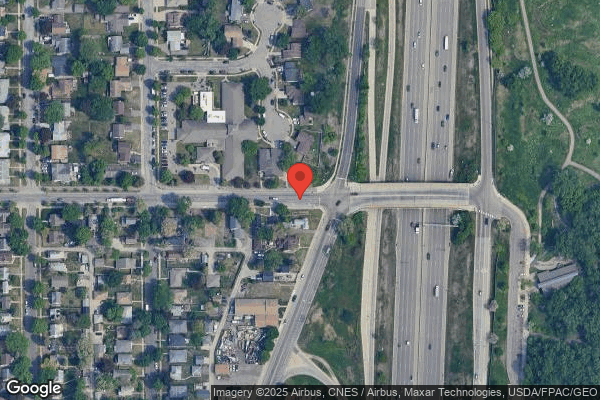
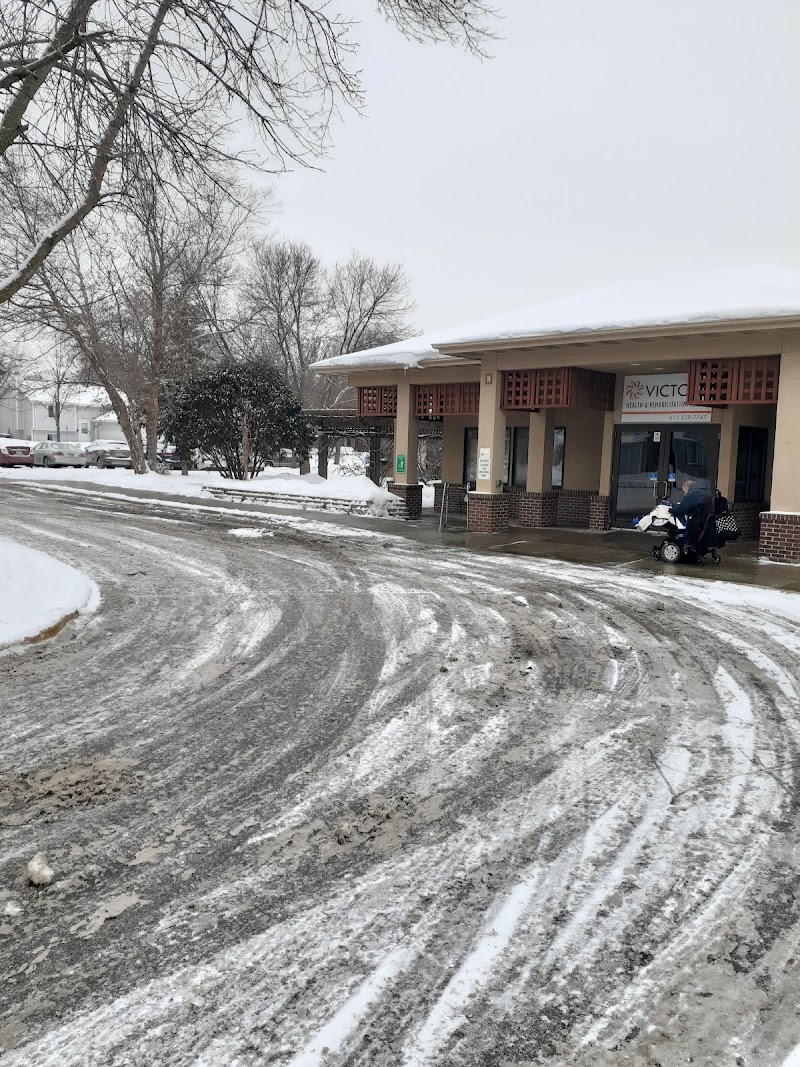
512 49TH AVENUE NORTH, MINNEAPOLIS, MN 55430 (612) 529-7747
For profit - Individual 79 Beds Independent Data: November 2025
Trust Grade
61/100
#214 of 337 in MN
Last Inspection: December 2024

Within standard 12-15 month inspection cycle. Federal law requires annual inspections.

Overview

Victory Health & Rehabilitation Center has a Trust Grade of C+, which indicates it is slightly above average but not exceptional. In Minnesota, it ranks #214 out of 337 facilities, placing it in the bottom half, and #34 out of 53 in Hennepin County, meaning only a few local options are better. The facility is improving its situation, as the number of issues reported dropped from 12 in 2024 to just 2 in 2025. Staffing is a strong point with a 4-star rating and a turnover rate of 26%, which is well below the state average, suggesting that staff are experienced and familiar with residents. However, the facility has received fines totaling $24,990, which is concerning, and it has less registered nurse coverage than 91% of Minnesota facilities, potentially impacting the quality of care. There are also some specific areas of concern; for instance, the facility failed to properly sanitize dishware used for meal preparation, which could pose health risks to residents. Additionally, it has not employed a full-time registered dietician, relying instead on a part-time individual who lacks certification. Lastly, the resident shower room had not been adequately cleaned between uses, raising infection and hygiene concerns. Overall, while there are strengths in staffing, there are significant areas that need improvement for the well-being of residents.
Trust Score
C+
61/100
In Minnesota
#214/337
Bottom 37%
Safety Record
Low Risk
No red flags
Inspections
Getting Better
12 → 2 violations
Staff Stability
✓ Good
26% annual turnover. Excellent stability, 22 points below Minnesota's 48% average. Staff who stay learn residents' needs.
Penalties
⚠ Watch
$24,990 in fines. Higher than 78% of Minnesota facilities, suggesting repeated compliance issues.
Skilled Nurses
⚠ Watch
Each resident gets only 28 minutes of Registered Nurse (RN) attention daily — below average for Minnesota. Fewer RN minutes means fewer trained eyes watching for problems.
Violations
⚠ Watch
23 deficiencies on record. Higher than average. Multiple issues found across inspections.
★★★☆☆
3.0
Overall Rating
★★★★☆
4.0
Staff Levels
★★★☆☆
3.0
Care Quality
★★★☆☆
3.0
Inspection Score
Stable
2024: 12 issues
2025: 2 issues

The Good

  • 4-Star Staffing Rating · Above-average nurse staffing levels
  • Low Staff Turnover (26%) · Staff stability means consistent care
  • Full Sprinkler Coverage · Fire safety systems throughout facility
  • No fines on record
  • Staff turnover is low (26%)

    22 points below Minnesota average of 48%

Facility shows strength in staffing levels, staff retention, fire safety.

The Bad

3-Star Overall Rating

Near Minnesota average (3.2)

Meets federal standards, typical of most facilities

Federal Fines: $24,990

Below median ($33,413)

Minor penalties assessed

The Ugly 23 deficiencies on record

Sept 2025 2 deficiencies
CONCERN (D) 📢 Someone Reported This

A family member, employee, or ombudsman was alarmed enough to file a formal complaint

Potential for Harm - no one hurt, but risky conditions existed

Report Alleged Abuse (Tag F0609)

Could have caused harm · This affected 1 resident

**NOTE- TERMS IN BRACKETS HAVE BEEN EDITED TO PROTECT CONFIDENTIALITY** Based on interview and document review, the facility failed to ensure an allegation of potential abuse for 2 of 2 residents (R1,...

Read full inspector narrative →
**NOTE- TERMS IN BRACKETS HAVE BEEN EDITED TO PROTECT CONFIDENTIALITY** Based on interview and document review, the facility failed to ensure an allegation of potential abuse for 2 of 2 residents (R1, R2) who were involved in a resident-to-resident physical altercation, was reported immediately but no later than 2 hours to the State Agency (SA).Findings include:A Facility Reported Incident (FRI) submitted to the SA indicated on 8/29/25 at approximately 11:00 p.m. a verbal altercation between R1 and R2 occurred and R1 allegedly struck R2 in the face. The report was submitted to the SA on 9/3/25 at 11:45 a.m.R1's quarterly Minimum Data Set (MDS) dated [DATE], indicated R1 was cognitively intact and had no behaviors. R2's modification of significant change MDS dated [DATE], indicated R2 was cognitively intact, and had verbal behaviors 1-3 days in the 7-day look-back period.R2's hospital Discharge summary dated , 8/30/25 indicated a diagnosis of a dislocation of left side of jaw that was reduced, able to open but not close fully, contusion right chest wall.Prescribed oxycodone 5 mg, 1 tab every 8 hours as neededDuring an interview on 9/5/25 at 3:40 p.m., licensed practical nurse (LPN)-B stated she did not report the incident between R1 and R2 to the SA; she only reported it to the director of nursing (DON), but was supposed to report to the administrator, who reports to the SA. During an interview on 9/8/25 at 10:20 a.m., LPN-C stated abuse was reported in less than 24 hours and was not aware how to report to the SA but stated there was a book with instructions somewhere in the nurses' station. During an interview on 9/8/25 at 10:37 a.m., the DON stated abuse reporting was important because each resident should feel free from abuse and residents should receive high quality of care in a safe model. The DON stated abuse should be reported to the SA within 2 hours, and staff could report themselves, but should also inform the DON and administrator of abuse allegations. During an interview on 9/8/25 at 11:21 a.m., the administrator stated any staff could report abuse but should still inform the DON and administrator of abuse allegations. The administrator stated abuse was supposed to be reported to the SA within 2 hours and was not for this incident because the incident happened over the weekend, staff were not correctly informed, and it was reported as soon as the administrator was aware of the oversight. Additionally, the facility had begun retraining staff as of 9/3/25.The Abuse Investigating and Reporting policy dated July 2017, indicated an alleged violation of abuse will be reported immediately, but not later than two hours.
CONCERN (D) 📢 Someone Reported This

A family member, employee, or ombudsman was alarmed enough to file a formal complaint

Potential for Harm - no one hurt, but risky conditions existed

Deficiency F0761 (Tag F0761)

Could have caused harm · This affected 1 resident

Based on observation, interview, and record review the facility failed to ensure medications were stored and secured safely in 1 of 1 medication carts observed. Findings include:During an observation ...

Read full inspector narrative →
Based on observation, interview, and record review the facility failed to ensure medications were stored and secured safely in 1 of 1 medication carts observed. Findings include:During an observation on 9/5/25 from 1:07 p.m. to 1:39 p.m., the medication cart outside the dining room on the [NAME] Hall was unlocked and unattended. During that time, thirteen staff and eleven residents walked by the unlocked cart. One of the residents touched items on top of the cart. During an observation and interview on 9/5/25 at 1:39 p.m., licensed practical nurse (LPN)-A returned to the medication cart, and stated she had been away to another area for about 30 minutes. LPN-A stated the cart was supposed to be locked to prevent others from accessing the medications in the cart. During an interview on 9/5/25 at 3:40 p.m., LPN-B stated when she leaves the medication cart, she is supposed to lock it. During interview on 9/8/25 at 10:37 a.m., the director of nursing stated it was critical for nurses to lock medication carts before they walk away from the cart to prevent access from unauthorized staff, residents, and visitors. During interview on 9/8/25 at 11:21 a.m., the administrator stated it was a basic standard of practice to lock the medication cart prior to walking away from the cart. The Medication Labeling and Storage policy dated 2001, indicated the facility stored medications and biologicals in locked compartments, and only authorized personnel had access to keys.
Dec 2024 7 deficiencies
CONCERN (D)

Potential for Harm - no one hurt, but risky conditions existed

Resident Rights (Tag F0550)

Could have caused harm · This affected 1 resident

**NOTE- TERMS IN BRACKETS HAVE BEEN EDITED TO PROTECT CONFIDENTIALITY** Based on observation, interview, and document review, the facility failed to provide a dignified dining experience for 1 of 1 re...

Read full inspector narrative →
**NOTE- TERMS IN BRACKETS HAVE BEEN EDITED TO PROTECT CONFIDENTIALITY** Based on observation, interview, and document review, the facility failed to provide a dignified dining experience for 1 of 1 residents (R164) reviewed for dignity. Findings include: R164's admission Minimum Data Set (MDS) dated [DATE], indicated R164 had severe cognitive impairment, upper and lower extremity impairment of one side of the body, required substantial/maximal assistance with meals and a mechanically altered diet. R164's diagnoses included stroke, aphasia (condition limiting speech and understanding), dysphagia (condition affecting ability to swallow), and right-sided hemiplegia (paralysis affecting one side of the body). R164's care plan dated 12/5/24, indicated R164 had activities of daily living (ADL) self-care performance deficit related to stroke and was able to eat independent after set up by staff using a divided plate. R164's physician order dated 12/4/24, indicated, Resident is to be up in w/c for meals. Aides are to feed resident and check mouth for pocketing food. During observation on 12/17/24 at 8:47 a.m., R146 was in bed in room with breakfast tray on bedside table in front of him. R146 had ground sausage, cream of wheat, two whole waffles, and an unpeeled hard-boiled egg. R146 struggled to peel the egg and used his left hand fingers to eat the sausage. Further, R164 attempted to open a plastic water bottle with his teeth. No staff were present to assist. During observation on 12/17/24 at 8:50 a.m., nursing assistant (NA)-A entered R164's room to drop off a watcher pitcher for his roommate and exited the room without acknowledging R146 or offering to assist. During observation on 12/17/24 at 11:58 a.m., R164 was in the dining room in his wheelchair at a table by himself, and empty stationary chair sat next to him. Social services director (SSD) stood next to R164 while assisting him with his lunch. During interview on 12/17/24 at 12:05 p.m., SSD stated not being an NA and just helping staff out since they seemed shorthanded. SSD stated never received any feeding assistance training and saw the empty chair next to R164 but assumed it was being saved for another resident. SSD stated R164 was not a feeder but had requested assistance so she wanted to help out. SSD was not aware that standing while assisting was considered undignified. During interview on 12/17/24 at 12:48 p.m., licensed practical nurse (LPN)-A stated staff should not stand over a resident while assisting with meals as it was not a dignified experience when they stood over them. During interview on 12/17/24 at 12:51 p.m., director of nursing (DON) stated expectation staff would sit next to a resident when assisting with meals to provide a dignified dining experience. During interview on 12/19/24 at 9:56 a.m., speech therapist (ST)-A stated R164 was on a mechanical soft diet and required set up assistance and supervision with meals. ST-A stated staff were supposed to assist R164 with meals as needed with opening or arranging items until cleared by speech therapy. Facility policy Assisting the Impaired Resident with In-Room Meals dated 9/2013, instructed staff to check food for appropriate consistency prior to serving and to position a chair next to the resident where it would be convenient for staff and resident to assist with the meal. Facility policy Quality of Life-Dignity dated 2/2020, indicated, staff should not 'label' a resident or refer to them by their care needs. The policy indicated, Demeaning practices and standards of care that compromise dignity are prohibited. Staff are expected to promote dignity an assist residents.
CONCERN (D)

Potential for Harm - no one hurt, but risky conditions existed

Deficiency F0558 (Tag F0558)

Could have caused harm · This affected 1 resident

**NOTE- TERMS IN BRACKETS HAVE BEEN EDITED TO PROTECT CONFIDENTIALITY** Based on observation, interview, and document review, the facility failed to ensure a call light was accessible for 1 of 3 resid...

Read full inspector narrative →
**NOTE- TERMS IN BRACKETS HAVE BEEN EDITED TO PROTECT CONFIDENTIALITY** Based on observation, interview, and document review, the facility failed to ensure a call light was accessible for 1 of 3 residents (R164) reviewed for call lights. Findings include: R164's admission Minimum Data Set (MDS) dated [DATE], indicated R164 had severe cognitive impairment, upper and lower extremity impairment of one side of the body, required substantial/maximal assistance with most activities of daily living (ADL). R164's diagnoses included stroke, aphasia (condition limiting speech and understanding), and right-sided hemiplegia (paralysis affecting one side of the body). R164's care plan dated 12/5/24, indicated R164 was at risk for falls r/t (related to) CVA (cerebral vascular accident) affecting right dominant side of body. The care plan instructed staff to ensure resident's call light was within reach and to encourage him to use it. During observation on 12/16/24 at 1:20 p.m., R164 door was open and visible from the hallway. R164 was awake in bed with call light inside the top drawer of his nightstand out of his reach. During observation on 12/17/24 at 8:47 a.m., R146 was in bed in room with breakfast tray on bedside table in front of him. R146 had ground sausage, cream of wheat, two whole waffles, and an unpeeled hard-boiled egg. R146 struggled to peel the egg and used his left hand fingers to eat the sausage. Further, R164 attempted to open a plastic water bottle with his teeth. No staff were present to assist. R164's call light was inside the top drawer of his nightstand out of his reach. During observation on 12/17/24 at 10:08 a.m., R164's door was closed. R164 was in bed , awake, and call light in top drawer of his nightstand out of his reach. During observation on 12/18/24 at 8:13 a.m., R164 was in bed, sitting up with breakfast tray in front of him. No staff present and call light in top drawer of nightstand out of his reach. His meal consisted of a whole omelet. When asked if he needed assistance with his meal, he just grunted. During interview on 12/18/24 at 8:26 a.m., nursing assistant (NA)-C stated R164 was capable of using the call light. NA-C confirmed R164's call light was in his top drawer of his nightstand, out of reach. NA-C stated the call light should be close to the residents and within reach. During interview on 12/19/24 at 10:15 a.m., director of nursing (DON) stated expectation that R164 would have call light within reach at all times. Facility policy Answering the Call Light dated 9/2022, indicated, Ensure that the call light is accessible to the resident when in bed, from the toilet, from the shower or bathing facility and from the floor.
CONCERN (D)

Potential for Harm - no one hurt, but risky conditions existed

Deficiency F0561 (Tag F0561)

Could have caused harm · This affected 1 resident

Based on observation, interview, and document review, the facility failed to ensure food preferences of the resident were honored and implemented for 1 of 2 residents (R24) reviewed for choices. Findi...

Read full inspector narrative →
Based on observation, interview, and document review, the facility failed to ensure food preferences of the resident were honored and implemented for 1 of 2 residents (R24) reviewed for choices. Findings include: R24's Medical Diagnosis form indicated the following diagnoses: multiple sclerosis (a disease in which the immune system eats away at the protective covering of the nerves), type II diabetes mellitus with hyperglycemia (high blood sugar), major depressive disorder and adjustment disorder. R24's Clinical Physician orders form indicated a diabetic diet encourage fluids, regular texture, and thin liquids consistency. R24's dietary slip on the breakfast tray on 12/18/24 indicated Diet- CCHO - Regular (Consistent Carbohydrate Diet), Liquids - Thin . Orange juice, grits and sausage link were crossed out. Observation on 12/18/24 at 8:00 a.m., the staff brought R24's breakfast tray, which consisted of 8 oz orange juice, 8 oz of milk, a bowl of frosted flakes, a piece of toast and an omelet. Interview on 12/18/24 at 8:05 a.m., R24 indicated that R24 had requested no orange juice. R24 indicated it comes on the breakfast tray every morning even though he/she requests no orange juice. Interview on 12/18/24 at 8:30 a.m., the Food Service Director(FSD) indicated the dietary aide is responsible for verifying the resident menu slip. The FSD indicated residents should get what they want as long as it is within the ordered diet. R24's care plan dated 12/18/24 indicated a nutritional problem or potential nutritional problem related to Multiple sclerosis, and diabetes mellitus. Goal was to maintain adequate status as evidenced by maintaining weight within 5% of 146#, no signs and symptom of malnutrition, and consuming at least 50% of meals. Interventions indicated to provide and serve diet as ordered Review of the Resident Food Preferences policy dated 7/2017 indicated individual food preference will be assessed on admission, and when possible staff will interview the resident to determine food preferences.
CONCERN (D)

Potential for Harm - no one hurt, but risky conditions existed

Accident Prevention (Tag F0689)

Could have caused harm · This affected 1 resident

**NOTE- TERMS IN BRACKETS HAVE BEEN EDITED TO PROTECT CONFIDENTIALITY** Based on observation, interview, and document review, the facility failed to ensure a resident was provided the appropriate ther...

Read full inspector narrative →
**NOTE- TERMS IN BRACKETS HAVE BEEN EDITED TO PROTECT CONFIDENTIALITY** Based on observation, interview, and document review, the facility failed to ensure a resident was provided the appropriate therapeutic diet and meal supervision for 1 of 1 resident (R164) reviewed for nutrition. Further, the facility failed to ensure a resident was transferred from bed to wheelchair in a manner assessed safe for 1 of 2 residents (R164) observed during transfers. Findings include: R164's admission Minimum Data Set (MDS) dated [DATE], indicated R164 had severe cognitive impairment, upper and lower extremity impairment of one side of the body, required substantial/maximal assistance with most activities of daily living (ADL) including eating and transfers, and required a mechanically altered diet. R164's diagnoses included stroke, aphasia (condition limiting speech and understanding), dysphagia (condition affecting ability to swallow), and right-sided hemiplegia (paralysis affecting one side of the body). R164's care plan dated 12/5/24, indicated R165 had an ADL self-care performance deficit related to stroke and required total assist by one staff to eat and was totally dependent on one staff for transferring. R164's care plan Special Instructions indicated, Hoyer lift. R164's Nutrition assessment dated [DATE], indicated R164 required mechanically altered diet. R164's Falls assessment dated [DATE], indicated R164 was at moderate risk for falls. R164's physician orders included, Mechanical soft diet, Mechanical soft textures dated 11/30/24 and Aides are to feed resident and check mouth for pocketing for food dated 12/4/24. R164's Therapy to Nursing Communication-Resident Status Update dated 12/2/24, indicated R164 required mechanical lift-Hoyer transfers. R164's occupational therapy notes dated 12/12/24, indicated OT (occupational therapist) reminded aides R164 required set up to eat meals. R164's physical therapy notes dated 12/17/24, indicated, Nursing staff to continue to use Hoyer lift with pt [patient] for transfers. During interview on 12/16/24 at 2:48 p.m., family member (FM)-A stated R164 was receiving therapy to improve strength and independence but currently required assistance with transfers and meals. During observation on 12/17/24 at 8:47 a.m., R146 was in bed in room with breakfast tray on bedside table in front of him. R146 had ground sausage, cream of wheat, two whole waffles, and an unpeeled hard-boiled egg. R146 struggled to peel the egg with one hand and used his left hand fingers to eat the sausage. Further, R164 attempted to open a plastic water bottle with his teeth. No staff were present to assist. During observation on 12/17/24 at 8:50 a.m., nursing assistant (NA)-A entered R164's room to drop off a watcher pitcher for his roommate and exited the room without acknowledging R146 or offering to assist. During observation on 12/17/24 at 8:51 a.m., NA-A re-entered R164's room and asked if he was done with his meal, picked up the tray and left the room. NA-A did not check R164's mouth for pocketing food. During observation and interview on 12/17/24 at 12:20 p.m., NA-A and NA-B into R164's room to transfer R164 from bed to wheelchair so maintenance could swap out his bed. NA-A and NA-B assisted R164 to a sitting position on the edge of the bed. NA-A and NA-B were on either side of R164 and assisted him to a standing position by grabbing R164's pants and guided him to pivot and lower onto the wheelchair. NA-A stated R164 was a pivot transfer and did not require a lift. During interview on 12/17/24 at 12:33 p.m., NA-B stated when they transferred R164 from bed to chair he did not require a lift or a transfer belt and only required a gait belt when actually walking. During interview on 12/17/24 at 12:33 p.m., director of rehabilitation services (PT)-A stated R164 had not been cleared for pivot transfers and still required a Hoyer lift for transfers. PT-A stated expectation that staff would be transferring R164 using a Hoyer lift. During interview on 12/17/24 at 12:38 p.m., NA-A reviewed R164's electronic health record (EHR) and confirmed R164's transfer status was Hoyer lift. During interview on 12/17/24 at 12:45 p.m., NA-D stated expectation for NAs to sit next to R164 and supervise during meals and transfer using a Hoyer lift. During interview on 12/17/24 at 12:48 p.m., licensed practical nurse (LPN)-A stated staff should be transferring him with a Hoyer lift until cleared by therapy for a pivot transfer. During interview on 12/17/24 at 1:06 p.m., LPN-A stated staff should be supervising R164 during meals since he was on a dysphagia diet. During observation on 12/18/24 at 8:13 a.m., R164 was in bed, sitting up with breakfast tray in front of him. No staff present and call light in top drawer of nightstand out of his reach. His meal consisted of a whole omelet. When asked if he needed assistance with his meal, he just grunted. During interview on 12/18/24 at 8:26 a.m., NA-C stated R164 did not need any supervision during meals and can be left alone in his room with a tray. During observation on 12/19/24 at 8:32 a.m., R164 was in bed with breakfast tray in front of him. No staff present. His meal consisted of scrambled eggs - which he was eating with his left hand fingers and not utensils, ground sausage, 2 whole muffins, and cream of wheat. During interview on 12/19/24 at 9:56 a.m., speech therapist (ST)-A stated R164 required a mechanical soft diet, with set up assistance and supervision throughout the meal. During interview on 12/19/24 at 10:15 a.m., director of nursing (DON) stated expectation that R164 would have supervision with meals which meant staff would sit with him throughout the meal. DON stated R164's food should be ground or cut up and should not be served whole. An unpeeled hard boiled egg was inappropriate. DON further stated expectation for staff to use the appropriate transfer method for each resident. R164 should be transferred with a Hoyer lift until cleared by therapy for stand and pivot. During interview on 12/19/24 at 10:31 a.m., food service director (FSD) stated R164 should not have been served a whole hard-boiled egg. Facility policy, Assisting the Impaired Resident with in-Room Meals dated 9/2013, instructed staff to, Review the resident's care plan and provide for any special needs of the resident and Check the tray before serving it to the resident to be sure that it is the correct diet ordered and that the food consistency is appropriate to the resident's ability to chew and swallow. Facility policy, Safe Lifting and Moving of Residents dated July, 2017, indicated the goal was this facility uses appropriate techniques and devices to lift and move residents. The policy instructed nursing staff to work in conjunction with the rehabilitation staff to assess resident needs for transfer assistance. The care plan should reflect the resident transferring needs.
CONCERN (D)

Potential for Harm - no one hurt, but risky conditions existed

Deficiency F0692 (Tag F0692)

Could have caused harm · This affected 1 resident

**NOTE- TERMS IN BRACKETS HAVE BEEN EDITED TO PROTECT CONFIDENTIALITY** Based on observation, interview, and document review, the facility failed to comprehensively assess and implement interventions ...

Read full inspector narrative →
**NOTE- TERMS IN BRACKETS HAVE BEEN EDITED TO PROTECT CONFIDENTIALITY** Based on observation, interview, and document review, the facility failed to comprehensively assess and implement interventions to prevent weight loss for 1 of 2 residents (R1). The facility failed to ensure that the resident was set up with assistance for meals and failed to provide a nutritional supplement that was needed to implement interventions to prevent further weight lost for 1 of 2 residents (R1) who had a significant unplanned weight loss. Further finding includes: R1's admission record indicated, R1 was admitted on [DATE] with the following diagnosis: Vascular Dementia with sever agitation, Cardiomyopathy (enlargement of the heart), Dysphagia (difficulty swallowing), Major Depressive Disorder, Delusional Disorders (disorganized thoughts and actions), Psychosis, Crohn's Disease, Type 2 Diabetes Mellitius (controlled), Anxiety disorder, History of Transient ischemic attacks (TIA's), Atherosclerosis heart disease, Hypertension, Insomnia, and adult failure to thrive. R1's quarterly Minimum Data Set (MDS): BIMS 11, Severe cognitive impairment due to medical diagnosis. Resident was unable to interview due to mental status and severe sleepiness during the day and evening. R1's physician orders: 1) Trazodone HCl Oral Tablet (Trazodone HCl) 75mg by mouth every day. 2) Abilify Oral Tablet 5 MG (Aripiprazole)by mouth in the morning 3) Sertraline HCl Oral Tablet (Sertraline HCl) 150mg by mouth every day 4) Lansoprazole Oral Suspension 3 MG/ML (Lansoprazole)Give 10 ml by mouth two times a day for GERD (30mg) Before meals. 5) Losartan Potassium Oral Tablet 25 MG (Losartan Potassium) Give 3 tablet by mouth one time a day for HTN (75mg) Goal below 140/90 6) Memantine HCl Oral Tablet 10 MG (Memantine HCl) Give 1 tablet by mouth two times a day for Severe vascular dementia with agitation. 7) Donepezil HCl Oral Tablet 5 MG (Donepezil Hydrochloride) 1 tab PO at HS 8)Divalproex Sodium Oral Capsule Delayed Release Sprinkle 125 MG (Divalproex Sodium) Give 2 tabs capsules by mouth two times a day 9) Monthly weight Notify provider if 5 pounds difference in re weight. (active 7/12/2024) Estimated. 10) Nutritional Needs: Calories: 1375 -1925 kcal (25-35kcal/kg) Protein: 44 -66 g (0.8-1.2g/kg) Fluids: 1375 -1925 ml (1ml/kcal) 11) Monitor Behaviors 1. yelling/screaming, 2. delusions 3. excessive crying. Interventions: A. try to redirect with 1:1 conversation, B. Take care of needs. After interventions was there I=improvement, N= no change, W=worsened in behavior. Quarterly Care Plan: On 11/17/24 the care plan stated that R1 is usually in bed and needs encouragement to get up. The resident has little or no activity involvement r/t Disinterest, resident wishes not to participate. · The resident will express satisfaction with type of activities and level of activity involvement when asked through the review date. · Establish and record the resident's prior level of activity involvement and interests by talking with the resident, caregivers, and family on admission and as necessary. Invite/ assist to activities of their choice. ·Remind the resident that they may leave activities at any time and is not required to stay for entire activity R1 requires assistance with setup for all meals. R1's dietary note dated 10/4/2024 10:27 a.m., indicated R1 has no significant weight changes noted. Weight fluctuations are expected related to psychosis and vascular dementia. R1 would like to maintain or slightly gain some weight, but also states are not concerned about it. Dietary Lead (DL) offered education, but R1 was not interested. DL notified R1 that there has been weight loss and encouraged R1 to keep trying to eat as much as she could including meals/snacks. R1 was informed they could ask to speak with the dietitian with any questions or concerns. No complaints of chewing or swallowing difficulties noted. R1 exhibits adequate nutrition as evidenced by stable weight and good intake records. Skin is monitored regularly by nursing staff with intakes appropriate for routine healing as needed. Potential for altered nutrition related to dx/hx. RD to follow per MDS or PRN. Reviewed new order for adding a house nutritional supplement three times a day between meals was placed by the MD on 10/17/2024 per recommendation of DL. On 11/14/24 a dietary note stated: Nutrition/ Hydration. R1 has a nutritional problem or potential nutritional problem r/t dx/hx of cerebral aneurysm (not ruptured), Crohn's disease, delusional disorders, dysphagia, HTN, hyponatremia, depression, DM2, psychosis, vascular dementia. R1 will maintain adequate nutritional status as evidenced by maintaining weight within 5% of 118# or gain 3-4#/month to 125#, no s/sx of malnutrition, and consuming at least 50% of meals. R1 will continue to take dietary supplements as ordered between meals. R1 has no significant weight changes noted. Weight fluctuations are expected related to psychosis and vascular dementia. R1 states she eats well at meals and does drink the supplement that is brought to her several times each day. R1 states that her clothes continue to fit the same as normal. R1 would like to maintain or slightly gain some weight, but also states she is not concerned about it. DL offered education, but R1 was not interested. DL notified R1 that she has lost some weight and encouraged her to keep trying to eat as much as she can at meals/snacks. Resident was informed she could ask to speak with the dietitian if she had any questions or concerns. No complaints of chewing or swallowing difficulties noted. Resident exhibits potentially inadequate nutrition as evidenced by continued weight loss with good intake records. Skin is monitored regularly by nursing staff with intakes appropriate for routine healing as needed. Potential for altered nutrition related to dx/hx. RD to follow per MDS or PRN. EATING: The resident requires set up assistance with eating. Monthly weight review: 12/5/2024 12:25 113.6 Lbs. Wheelchair 11/11/2024 14:09 115.6 Lbs. Wheelchair 10/8/2024 10:01 118.2 Lbs. Wheelchair 9/4/2024 12:59 120.8 Lbs. Standing 8/22/2024 11:38 123.2 Lbs. Wheelchair 7/30/2024 11:41 124.4 Lbs. Wheelchair 5/31/2024 12:48 122.8 Lbs. Standing 4/11/2024 09:13 125.4 Lbs. Standing 3/5/2024 12:23 127.8 Lbs. Standing Resident has had significant weight loss since 9/24 to 12/16/24 this has resulted in a -5/96 weight loss. During an observation on 12/16/24 at 02:03 p.m., R1 was in bed with the room lights off and blankets overhead. During an observation on 12/16/24 at 05:36 p.m., R1 was brought a dinner tray at approx. 5:25p.m. and it was sitting on side table. R1 was lying in bed with blanket over head. The nurse's aide (NA-C) brought the tray in and set it down on the side table. NA-C did not set up or encourage R1 other than stating here is your supper. During an observation on 12/16/24 at 06:01 p.m., R1 was still in bed and the dinner tray was taken out of R1 room by dietary and R1 didn't eat any food on dinner tray. Direct observation of the dinner tray showed that R1 had eaten 0% of meal. During an observation on 12/17/24 at 08:42 a.m., R1 still in bed with lights off and blanket over head. During an observation on 12/17/24 at 12:12 p.m., R1 is still in bed and does have tray in room. R1 dinner tray is still in room with all lids on and looks like it has not been touched. During an observation on 12/17/24 at 02:17 p.m., R1 is still in bed and has blanket over head, at this same time an interview with NA-C was conducted. NA-C explained that R1 doesn't like to get up normally, so they let R1 sleep. NA-C explained that it is R1's choice to get out of bed. NA-C was also interviewed on the dietary supplement and if they have ever seen it in R1 room and NA-C verified what a nutritional supplement was and stated no. During an interview on 12/17/24 at 02:47 p.m., the social service aide (SSA) noted that as far as diet and other concerns it seems that this should be addressed more by dietary and reviewed in R1 care plan. SSA was asked if they work with R1 as far as eating, mobility, or ADL assessment and SSA stated that they should try to get R1 up and moving. SSA stated that the few times that I spoke with R1 I think R1 understands but doesn't respond. During an observation on 12/18/24 at 08:22 a.m., R1 is again in bed currently with the light on and does have a breakfast tray in room and has eaten 20% of tray. During an observation on 12/18/24 at 09:58 p.m., R1 is still in bed with head covered in blanket. R1 food tray is still in room since breakfast and staff have not asked R1 about needing anything while constant observation from 8:22am till 10:00am. During an interview on 12/18/24 at 11:25 a.m., with NA-C they stated that they tried to go into R1 room early this am and get R1 to sit up and leave the room, but R1 refused. When interviewed about helping with setting up R1 tray specifically NA-C explained that they don't because R1 is independent. However, during this interview R1 breakfast tray is still in room from this am. NA-C did state that they usually get R1 up into a chair for lunch and bring R1 out to the table unless R1 refuses. When asked if they chart behaviors NA-C stated that they don't usually. During an interview on 12/18/24 at 11:37 a.m., SSA did state that a conversation had happened with R1 last night and staff are going to work on getting R1 more active and monitor R1 eating habits. Currently there is no current note addressing the concerns. During an interview on 12/18/24 at 12:36 p.m., a phone call placed to the Dietary Lead (DL) and message was left to return phone call. D.L. returned phone call and explained that they are familiar with R1 and R1 usually tells me what R1 wants and is fine with current weight. D.L explained that they have her care planned for three dietary supplements between meals. R1 usually has them between meals because that is how R1 chooses to have them. D.L. explained that there has not been anything new about R1 weight changes and would expect the DON or nursing staff to tell the D.L. if weight loss continued. During an observation on 12/19/24 at 08:59 a.m., R1 is in bed and has been sleeping since breakfast. There has been no observation of a supplement in R1 room. During an interview on 12/19/24 at 09:03 a.m., with the food services director (FSD) concluded that the D.L. will provide them with the information if a supplement needs to be ordered for a resident. D.L. stated that all supplements usually come from nursing. Supplements are usually stored in the dry storage and nursing has some in their refrigerator for the residents that need them. When asked if she was familiar with R1 and being on a supplement she stated no, but FSD was able to name other residents that were currently on a supplement. During an interview on 12/19/24 at 09:07 AM, the licensed practical nurse (LPN-B) was asked if was aware if R1 was on a supplement and where they would chart this information. LPN-B is on explained that R1 was not on a nutritional supplement and was looking at the regular computer to see if it was given during med passed. LPN-B explained that is R1 is care planned for a supplement that nursing would provide it and chart it on the MAR/TAR. LPN-B did go to the director of nursing (DON) and came back and stated that R1 was on a house supplement, but he couldn't find it on the MAR/TAR where they would normally sign this off. LPN- B was asked if he can show me the MAR/TAR and see if R1 is scheduled for the supplement. LPN-B explained that he didn't have access to that part of the computer and did state that if it was placed as an order that the expectation is for staffing (nurse) to be provide the supplement (house supplement). During an interview on 12/19/24 at 09:21 a.m., the DON was asked about the house supplement order and how what is there process for monitoring weights. The DON stated that the supplements are in the MAR for the nursing staff to provide and sign off like an order. The DON noticed that the order for a house dietary supplement was placed on 10/23/2024 for three times a day between meals. When DON reviewed the MAR/TAR it was not present on the last 3 months since October when the order was originally placed. The DON did state I don't see it on there and I would expect that it would have been on the MAR/ TAR when the order was initated. When the DON noticed that the order was not followed, DON did state that the nursing staff wouldn't have known that R1 was scheduled for the supplement. The DON did state that the purpose of providing a nutritional supplement was to prevent weight loss and provide a nutritional supplement. During a chart review on 12/19/24 at 09:31 a.m., it was verified that there was no order or documentation on the October, November, and December (up until 12/19/24) of a house nutritional supplement to be provided between meals. During chart review of the daily/ monthly weight book R1 was not even listed in the book for monitoring weights or flagged for observing for significant weight loss. According to a facility policy named Weight Assessment and Intervention (revised March 2022), resident's weights are monitored for undesirable or unintended weight loss or gain. The facility failed to follow the portions of the policy that included weights are to be recorded in weight chart and evaluation for weight gain or loss will be noted in the resident's care plan and interventions or orders will be carried out per dietician, nursing staff, and provider.
CONCERN (D)

Potential for Harm - no one hurt, but risky conditions existed

Medication Errors (Tag F0758)

Could have caused harm · This affected 1 resident

**NOTE- TERMS IN BRACKETS HAVE BEEN EDITED TO PROTECT CONFIDENTIALITY** Based on interview and record review the facility failed to ensure a PRN (as needed) psychotropic medication order included an e...

Read full inspector narrative →
**NOTE- TERMS IN BRACKETS HAVE BEEN EDITED TO PROTECT CONFIDENTIALITY** Based on interview and record review the facility failed to ensure a PRN (as needed) psychotropic medication order included an end date for 1 of 1 residents (R16) reviewed for PRN psychotropic medications. Findings include: R14's quarterly Minimum Data Set (MDS) dated [DATE], indicated R14 had moderate cognitive impairment and diagnoses of lung cancer and depression. Furthermore, R14's MDS indicated R14 received hospice care and had received psychotropic medications for anxiety. R14's provider order dated 12/13/24, indicated R14 required Lorazepam concentrate (psychotropic medication for anxiety) 0.25milliliters (ml) every 4 hours PRN for anxiety. The order did not include a stop date. R14's Medication administration record (MAR) dated 12/2024 showed R14 had received Lorazepam on 12/13/24. When interviewed on 12/18/24 at 11:16 a.m., licensed practical nurse (LPN)-C verified R14's Lorazepam order did not include a stop date. LPN-C stated the order should be used for 14 days unless the provider gave a reason. LPN-C stated R14 was received hospice care and usually the orders were written for longer time frame and wasn't sure why that wasn't included when entering the order. When interviewed on 12/18/24. At 8:31 p.m., the Director of Nursing (DON) expected all PRN psychotropic medications to have a stop date of 14 days. DON further stated Lorazepam could be used for longer than 14 days with provider justification. DON verified R14's order did not have a stop date and the hospice providers usually wrote for 90 days. DON wasn't sure where why R14's order did not reflect this and stated it would need to be corrected. When interviewed on 12/19/24 at 10:19 p.m., the consultant pharmacist stated all PRN psychotropic medications should be ordered for no longer than 14 days. If the medication is not an antipsychotic medication, the provider can order longer than the 14 days with documentation. However, the order still must include an end date. A facility policy titled Antipsychotic Medication Use revised 7/2022, directed PRN psychotropic medications needed beyond the 14 day use must include a documented rationale and the duration of use will be indicated in the order.
CONCERN (D)

Potential for Harm - no one hurt, but risky conditions existed

Deficiency F0811 (Tag F0811)

Could have caused harm · This affected 1 resident

**NOTE- TERMS IN BRACKETS HAVE BEEN EDITED TO PROTECT CONFIDENTIALITY** Based on observation, interview, and document review, the facility failed to ensure residents with difficulty swallowing were as...

Read full inspector narrative →
**NOTE- TERMS IN BRACKETS HAVE BEEN EDITED TO PROTECT CONFIDENTIALITY** Based on observation, interview, and document review, the facility failed to ensure residents with difficulty swallowing were assisted with meals only by qualified individuals. Findings include: R164's admission Minimum Data Set (MDS) dated [DATE], indicated R164 had severe cognitive impairment, upper and lower extremity impairment of one side of the body, required substantial/maximal assistance with meals and a mechanically altered diet. R146 had three days of speech therapy and four days of occupational therapy in the seven day lookback period. R164's diagnoses included stroke, aphasia (condition limiting speech and understanding), dysphagia (condition affecting ability to swallow), and right-sided hemiplegia (paralysis affecting one side of the body). R164's December Care Task sheet indicated, ADL [activities of daily living]-Eating: dependent of 1 watch for pocketing food. R164's physician order dated 12/4/24, indicated, Resident is to be up in w/c for meals. Aides are to feed resident and check mouth for pocketing food. During observation on 12/17/24 at 8:47 a.m., R146 was in bed in room with breakfast tray on bedside table in front of him. R146 had ground sausage, cream of wheat, two whole waffles, and an unpeeled hard-boiled egg. R146 struggled to peel the egg and used his left hand fingers to eat the sausage. Further, R164 attempted to open a plastic water bottle with his teeth. No staff were present to assist. During observation on 12/17/24 at 8:50 a.m., nursing assistant (NA)-A entered R164's room to drop off a watcher pitcher for his roommate and exited the room without acknowledging R146 or offering to assist. During observation on 12/17/24 at 11:58 a.m., R164 was in the dining room in his wheelchair at a table by himself. Social services director (SSD) stood next to R164 while assisting him with his lunch. R164's lunch included ground pork, mashed potatoes, diced squash and slice of bread. During interview on 12/17/24 at 12:05 p.m., SSD stated not being an NA and just helping staff out since they seemed shorthanded. SSD stated never received any feeding assistance training. SSD stated R164 was not a feeder but had requested assistance so she wanted to help out. During interview on 12/17/24 at 1:06 p.m., licensed practical nurse (LPN)-A stated staff must be trained to be qualified to assist residents with meals. LPN-A stated R164 was on a dysphagia diet and anyone assisting him must be trained since he was at risk for choking. During interview on 12/17/24 at 1:17 PM, director of nursing (DON) stated SSD was not a trained feeding assistant and was not qualified to assist R164 with his meal since he was on a dysphagia diet. During interview on 12/19/24 at 9:56 a.m., speech therapist (ST)-A stated R164 was on a mechanical soft diet and required set up assistance and supervision with meals. ST-A stated staff were supposed to encourage R164 to eat in the dining room where there would be supervision, assist as needed with opening or arranging items and to offer cues and reminders to chew and swallow. ST-A stated R164 was not to eat alone until cleared by speech therapy. During follow up interview on 12/19/24 at 10:15 a.m., DON stated R164 should have supervision throughout his meal, should be provided an appropriate diet with items cut in small pieces. DON stated expectation only qualified staff would assist residents with meals. Facility policy Assisting the Impaired Resident with In-Room Meals dated 9/2013, identified a procedure for staff to provide appropriate support for residents who needed assistance with eating, but did not identify the need for assistance to be provided by only qualified staff. Facility written statement regarding paid feeding assistants (PFA), undated, indicated, If the facility employs PFA, provide the following information: a) Whether the PFA training was provided through a State-approved training program by qualified professionals as defined by State law, with a minimum of 8 hours of training; b) A list of staff [including agency staff] who have successfully completed training for PFA, and who are currently assisting selected residents with eating meals and/or snacks; c) A list of residents who are eligible for assistance and who are currently receiving assistance from PDA: NONE.
Jun 2024 5 deficiencies
CONCERN (D)

Potential for Harm - no one hurt, but risky conditions existed

Comprehensive Care Plan (Tag F0656)

Could have caused harm · This affected 1 resident

**NOTE- TERMS IN BRACKETS HAVE BEEN EDITED TO PROTECT CONFIDENTIALITY** Based on observation, interview, and record review, the facility failed to include individualized approaches for care, including...

Read full inspector narrative →
**NOTE- TERMS IN BRACKETS HAVE BEEN EDITED TO PROTECT CONFIDENTIALITY** Based on observation, interview, and record review, the facility failed to include individualized approaches for care, including non-pharmacological interventions to aid in the management of behavior, in the comprehensive care plan for 2 of 5 residents (R1, R6) reviewed for unnecessary medications. Findings include: R1's significant change Minimum Data Set (MDS) dated [DATE], included R1 was moderately cognitively impaired, had diagnoses of dementia, depression, and psychotic disorder (other than schizophrenia). R1 took antidepressant and antipsychotic medications on a routine basis. R1's Mood State Care Area Assessment (CAA) was not triggered. R1's Psychotropic Drug Use Care Area Assessment (CAA) indicated R1 took antipsychotic medications, was at risk for adverse reactions from the medications, and had no noted side effects. R1's Order Summary Report dated 6/5/24, included: *Aripiprazole tablet 5 milligrams (mg) one time per day for psychosis starting 6/1/24. *Sertraline HCl (hydrochloride) tablet, 150 mg one time per day for major depressive disorder starting 1/6/24. *Trazodone HCl tablet 100 mg (an antidepressant), one time per day at bedtime for insomnia starting 10/23/23. R1's care plan dated 10/30/23, indicated the resident had anxiety and included the following interventions: *Adhere to resident's stated choice of routine/activity pattern. *Allow resident to express concerns--validate/offer TLC (tender loving care) as appropriate. *Allow the resident time to answer questions and to verbalize feelings perceptions, and fears. *Assess placement needs as needed/appropriate. *Be attentive to resident's need--observe for any s/s of discomfort, anxiety, being overwhelmed, etc. *Consult with: Pastoral care, Social services, Psychology services *Educate resident and/or family regarding discharge planning needs. *Encourage participation in activities/decisions from resident who depends on others to make own decisions. The care plan also included R1 had a mood problem dated 10/30/23, and included interventions of: *Administer medications as ordered. Monitor/document for side effects and effectiveness. *Behavioral health consults as needed psycho-geriatric team, psychiatrist etc. *Educate the resident/family/caregivers regarding expectations of treatment, concerns with side effects and potential adverse effects, evaluation, maintenance. *Monitor/document/report PRN (as needed) any risk for harm to self: suicidal plan, past attempt at suicide, risky actions stockpiling pills, saying goodbye to family, giving away possessions or writing a note, intentionally harmed, or tried to harm self, refusing to eat or drink, refusing med or therapies, sense of hopelessness or helplessness, impaired judgment, or safety awareness. *Monitor/record mood to determine if problems seem to be related to external causes, i.e., medications, treatments, concern over diagnosis. *Monitor/record/report to MD (medical doctor) prn acute episode feelings or sadness; loss of pleasure and interest in activities; feelings of worthlessness or guilt; change in appetite/ eating habits; change in sleep patterns; diminished ability to concentrate; change in psychomotor skills *Monitor/record/report to MD prn mood patterns s/sx (signs/symptoms) of depression, anxiety, sad mood as per facility behavior monitoring protocols. In addition, R1 had depression and took an antidepressant medication, and the care plan dated 11/2/23, instructed staff to: *Administer medications as ordered. Monitor/document for side effects and effectiveness. *Arrange for psych consult, follow up as indicated. *Discuss with the resident/family/caregivers any concerns, fears, issues regarding health or other subjects *Monitor/document/report PRN any risk for harm to self: suicidal plan, past attempt at suicide, risky actions (stockpiling pills, saying goodbye to family, giving away possessions or writing a note), intentionally harmed or tried to harm self, refusing to eat or drink, refusing med or therapies, sense of hopelessness or helplessness, impaired judgment, or safety awareness. *Monitor/document/report PRN any s/sx of depression, including hopelessness, anxiety, sadness, insomnia, anorexia, verbalizing, negative statements, repetitive anxious or health-related complaints, tearfulness. *Monitor/record/report to MD prn risk for harming others: increased anger, labile mood, or agitation, feels threatened by others or thoughts of harming someone, possession of weapons or objects that could be used as weapons *Pharmacy review monthly or per protocol. *The resident needs time to talk. Encourage the resident to express feelings. *The resident needs adequate rest periods. The resident prefers to rest. *Administer antidepressant medications as ordered by physician. Monitor/document side effects and effectiveness *Educate the resident/family/caregivers about risks, benefits, and the side effects and/or toxic symptoms of anti-depressant drugs being given). *Monitor/document/report PRN adverse reactions to antidepressant therapy: change in behavior/mood/cognition; hallucinations/delusions; social isolation, suicidal thoughts, withdrawal; decline in ADL ability, continence, no voiding; constipation, fecal impaction, diarrhea; gait changes, rigid muscles, balance probs, movement problems, tremors, muscle cramps, falls; dizziness/vertigo; fatigue, insomnia; appetite loss, weight loss, n/v (nauseas/vomiting), dry mouth, dry eyes R1 used psychotropic medications and the care plan dated 10/24/23, included the following interventions: *The resident will reduce the use of psychotropic medication through the review date. *Administer psychotropic medications as ordered by physician. Monitor for side effects and effectiveness. *Consult with pharmacy, MD to consider dosage reduction when clinically appropriate at least quarterly. *Discuss with MD, family re ongoing need for use of medication. Review behaviors/interventions and alternate therapies attempted and their effectiveness as per facility policy. *Monitor/document/report PRN any adverse reactions of psychotropic medications: unsteady gait, tardive dyskinesia, EPS (extrapyramidal side effects caused by psychotropic medications, such as shuffling gait, rigid muscles, shaking), frequent falls, refusal to eat, difficulty swallowing, dry mouth, depression, suicidal ideations, social isolation, blurred vision, diarrhea, fatigue, insomnia, loss of appetite, weight loss, muscle cramps nausea, vomiting, behavior symptoms not usual to the person. The care plan lacked evidence of non-pharmacological, resident-specific interventions. During observation on 6/10/24 at 1:28 p.m., R1 was heard crying in their room, stating numerous times, I feel like shit, I feel like shit while staff were in the room attempting to assist R1. R1 continued to verbalize negative comments, many unintelligible. Staff placed R1 in their bed and left the room. R1 was noted to be sleeping in bed at 2:20 p.m., and 5:18 p.m. During interview on 6/12/24, at 7:42 a.m., registered nurse (RN)-A stated mental health and behavioral interventions should be in the care plan and be specific for each resident based upon the cause of the behavior or situation. Once potential causes were assessed and interventions were identified, staff would know how best to help. During interview on 6/12/24 at 8:57 a.m., trained medication aide (TMA)-A stated if a resident demonstrated they were in distress, either by words or behaviors, they would ask what they needed and try to fix it, and/or let the nurse know to possibly give medication. They were unaware of any resident-specific interventions for R1 and addressed each resident in the same manner. During interview on 6/12/24 at 10:01b a.m., licensed practical nurse (LPN)-C stated if there was a behavioral or mental health concerns, they talked with the resident to figure out why they were acting out and tried to address it. LPN-C indicated R1 a history of suicidal ideation and anxiety, and made comments including nobody cares, or let me lay down, however there were no resident-specific interventions in R1's care plan. During interview on 6/12/24 at 10:12 a.m., director of nursing (DON) stated interventions should be individualized and in the care plan, and any behaviors and successful interventions documented so staff could use what was known to be helpful before trying other things. DON reviewed R1's medical record and care plan and verified there were no resident-specific interventions related to their depression, anxiety, and mental health in general, however it was important to identify a list of things which could be helpful since everyone reacts differently in varying situations. It was important to learn what was helpful and spread the word to make the resident feel better. The Antipsychotic Medication Use Policy dated 12/2016, included antipsychotic medications will be considered if behavioral interventions have been attempted and included in the plan of care, except in emergency.
CONCERN (D)

Potential for Harm - no one hurt, but risky conditions existed

Medication Errors (Tag F0758)

Could have caused harm · This affected 1 resident

**NOTE- TERMS IN BRACKETS HAVE BEEN EDITED TO PROTECT CONFIDENTIALITY** Based on observation, interview and record review, the facility failed to identify individualized approaches for care, including...

Read full inspector narrative →
**NOTE- TERMS IN BRACKETS HAVE BEEN EDITED TO PROTECT CONFIDENTIALITY** Based on observation, interview and record review, the facility failed to identify individualized approaches for care, including non-pharmacological interventions to aid in the management of mood and behavior, for 2 of 5 residents (R1, R27) reviewed for unnecessary medications. Findings include: R1's significant change Minimum Data Set (MDS) dated [DATE], included R1 was moderately cognitively impaired, had diagnoses of dementia, depression, and psychotic disorder (other than schizophrenia). R1 took antidepressant and antipsychotic medications on a routine basis. R1's Mood State Care Area Assessment (CAA) was not triggered. R1's Psychotropic Drug Use Care Area Assessment (CAA) indicated R1 took antipsychotic medications, was at risk for adverse reactions from the medications, and had no noted side effects. R1's Order Summary Report dated 6/5/24, included: *Aripiprazole tablet 5 milligrams (mg) one time per day for psychosis starting 6/1/24. *Sertraline HCl (hydrochloride) tablet, 150 mg one time per day for major depressive disorder starting 1/6/24. *Trazodone HCl tablet 100 mg (an antidepressant), one time per day at bedtime for insomnia starting 10/23/23. R1's care plan dated 10/30/23, indicated the resident had anxiety and included the following interventions: *Adhere to resident's stated choice of routine/activity pattern. *Allow resident to express concerns--validate/offer TLC (tender loving care) as appropriate. *Allow the resident time to answer questions and to verbalize feelings perceptions, and fears. *Assess placement needs as needed/appropriate. *Be attentive to resident's need--observe for any s/s of discomfort, anxiety, being overwhelmed, etc. *Consult with: Pastoral care, Social services, Psychology services *Educate resident and/or family regarding discharge planning needs. *Encourage participation in activities/decisions from resident who depends on others to make own decisions. The care plan also included R1 had a mood problem dated 10/30/23, and included interventions of: *Administer medications as ordered. Monitor/document for side effects and effectiveness. *Behavioral health consults as needed psycho-geriatric team, psychiatrist etc. *Educate the resident/family/caregivers regarding expectations of treatment, concerns with side effects and potential adverse effects, evaluation, maintenance. *Monitor/document/report PRN (as needed) any risk for harm to self: suicidal plan, past attempt at suicide, risky actions stockpiling pills, saying goodbye to family, giving away possessions or writing a note, intentionally harmed, or tried to harm self, refusing to eat or drink, refusing med or therapies, sense of hopelessness or helplessness, impaired judgment, or safety awareness. *Monitor/record mood to determine if problems seem to be related to external causes, i.e., medications, treatments, concern over diagnosis. *Monitor/record/report to MD (medical doctor) prn acute episode feelings or sadness; loss of pleasure and interest in activities; feelings of worthlessness or guilt; change in appetite/ eating habits; change in sleep patterns; diminished ability to concentrate; change in psychomotor skills *Monitor/record/report to MD prn mood patterns s/sx (signs/symptoms) of depression, anxiety, sad mood as per facility behavior monitoring protocols. In addition, R1 had depression and took an antidepressant medication, and the care plan dated 11/2/23, instructed staff to: *Administer medications as ordered. Monitor/document for side effects and effectiveness. *Arrange for psych consult, follow up as indicated. *Discuss with the resident/family/caregivers any concerns, fears, issues regarding health or other subjects *Monitor/document/report PRN any risk for harm to self: suicidal plan, past attempt at suicide, risky actions (stockpiling pills, saying goodbye to family, giving away possessions or writing a note), intentionally harmed or tried to harm self, refusing to eat or drink, refusing med or therapies, sense of hopelessness or helplessness, impaired judgment, or safety awareness. *Monitor/document/report PRN any s/sx of depression, including hopelessness, anxiety, sadness, insomnia, anorexia, verbalizing, negative statements, repetitive anxious or health-related complaints, tearfulness. *Monitor/record/report to MD prn risk for harming others: increased anger, labile mood, or agitation, feels threatened by others or thoughts of harming someone, possession of weapons or objects that could be used as weapons *Pharmacy review monthly or per protocol. *The resident needs time to talk. Encourage the resident to express feelings. *The resident needs adequate rest periods. The resident prefers to rest. *Administer antidepressant medications as ordered by physician. Monitor/document side effects and effectiveness *Educate the resident/family/caregivers about risks, benefits, and the side effects and/or toxic symptoms of anti-depressant drugs being given). *Monitor/document/report PRN adverse reactions to antidepressant therapy: change in behavior/mood/cognition; hallucinations/delusions; social isolation, suicidal thoughts, withdrawal; decline in ADL ability, continence, no voiding; constipation, fecal impaction, diarrhea; gait changes, rigid muscles, balance problems, movement problems, tremors, muscle cramps, falls; dizziness/vertigo; fatigue, insomnia; appetite loss, weight loss, n/v (nausea/vomiting), dry mouth, dry eyes R1 used psychotropic medications and the care plan dated 10/24/23, included the following interventions: *The resident will reduce the use of psychotropic medication through the review date. *Administer psychotropic medications as ordered by physician. Monitor for side effects and effectiveness. *Consult with pharmacy, MD to consider dosage reduction when clinically appropriate at least quarterly. *Discuss with MD, family re ongoing need for use of medication. Review behaviors/interventions and alternate therapies attempted and their effectiveness as per facility policy. *Monitor/document/report PRN any adverse reactions of psychotropic medications: unsteady gait, tardive dyskinesia, EPS (extrapyramidal side effects caused by psychotropic medications, such as shuffling gait, rigid muscles, shaking), frequent falls, refusal to eat, difficulty swallowing, dry mouth, depression, suicidal ideation, social isolation, blurred vision, diarrhea, fatigue, insomnia, loss of appetite, weight loss, muscle cramps nausea, vomiting, behavior symptoms not usual to the person. The care plan lacked evidence of non-pharmacological, resident-specific interventions. During observation on 6/10/24 at 1:28 p.m., R1 was heard crying in their room, stating numerous times, I feel like shit, I feel like shit while staff were in the room attempting to assist R1. R1 continued to verbalize negative comments, many unintelligible. Staff placed R1 in their bed and left the room. R1 was noted to be sleeping in bed at 2:20 p.m., and 5:18 p.m. During interview on 6/12/24, at 7:42 a.m., registered nurse (RN)-A stated mental health and behavioral interventions should be in the care plan and be specific for each resident based upon the cause of the behavior or situation. Once potential causes were assessed and interventions were identified, staff would know how best to help. During observation on 6/12/24 at 8:45 a.m., R1 was being pushed in their wheelchair by a staff member and repeatedly stated they wanted to go to bed. While staff was transferring R12 to bed, R1 cried out AH in a loud, fearful voice. After being placed in bed staff left the room and R1 remained quiet. During interview on 6/12/24 at 8:57 a.m., trained medication aide (TMA)-A stated if a resident demonstrated they were in distress, either by words or behaviors, they would ask what they needed and try to fix it, and/or let the nurse know to possibly give medication. They were unaware of any resident-specific interventions for R1 and addressed each resident in the same manner. During interview on 6/12/24 at 10:01 a.m., licensed practical nurse (LPN)-C stated if there was a behavioral or mental health concerns, they talked with the resident to figure out why they were acting out and tried to address it. LPN-C indicated R1 a history of suicidal ideation and anxiety, and made comments including nobody cares, or let me lay down, however there were no resident-specific interventions outlined for each resident, including R1. During interview on 6/12/24 at 10:08 a.m., nursing assistant (NA)-A stated if a resident had dementia or behaviors, they spoke to them politely in a way they would understand. They indicated R1 had behaviors and would sometimes yell at the staff, and NA-A spoke calmly to de-escalate, but there were no resident-specific interventions identified for R1 and they knew what worked by getting to know the residents over time. During interview on 6/12/24 at 10:12 a.m., director of nursing (DON) stated interventions should be individualized and in the care plan, and any behaviors and successful interventions documented so staff could use what was known to be helpful before trying other things. DON reviewed R1's medical record and care plan and verified there were no resident-specific interventions related to their depression, anxiety, and mental health in general, however it was important to identify a list of things which could be helpful since everyone reacts differently in varying situations. It was important to learn what was helpful and spread the word to make the resident feel better. Findings include: R27's quarterly Minimum Data Set (MDS) dated [DATE], indicated moderately impaired cognition and diagnoses of mood disorder and major depressive disorder with recurrent, severe, psychotic symptoms. R27 was dependent on staff for all activities of daily living (ADL), mobility, and received an antipsychotic medication on a routine basis. R27's physicians orders dated 5/10/24, indicated Quetiapine Fumarate (Seroquel) oral tablet. Give 12.5 milligram (mg) tablet by mouth at bedtime related to mood disorder due to known physiological condition with depressive features. R27's care plan indicated R27 had mood problem with interventions to: -administer medications as ordered, monitor/document for side effects and effectiveness. -behavioral health consults as needed psycho-geriatric team, psychiatrist etc. -monitor/document/report (as needed) any risk for harm to self: suicidal plan, past attempt at suicide, risky actions (stockpiling pills, saying goodbye to family, giving away possessions or writing a note), intentionally harmed or tried to harm self, refusing to eat or drink, refusing med or therapies, sense of hopelessness or helplessness, impaired judgment or safety awareness. -monitor/record mood to determine if problems seem to be related to external causes. medications, treatments, concern over diagnosis. -monitor/record/report to MD prn acute episode feelings or sadness; loss of pleasure and interest in activities; feelings of worthlessness or guilt; change in appetite/eating habits; change in sleep patterns; diminished ability to concentrate; change in psychomotor skills -monitor/record/report to MD prn mood patterns s/sx of depression, anxiety, sad mood as per facility behaviour monitoring protocols. -Monitor/record/report to medical doctor as needed risk for harming others: increased anger, labile mood or agitation, feels threatened by others or thoughts of harming someone, possession of weapons or objects that could be used as weapons -The resident needs time to talk. Encourage the resident to express feelings. R27's care plan dated // indicated R27 used psychotropic medications Seroquel related to behavior management/depression with interventions to: -administer psychotropic medications as ordered by physician. -monitor for side effects and effectiveness every shift ( 1. akathisia (restlessness/pacing/inability to sit still), 2. excessive sedation, 3. tremors, 4. tardive dyskinesia, 5. stiffness of neck, 6. hypotension, 7).urinary retention, 8. dry mouth, 9. blurred vision, 10. confusion, 11. constipation, 12. tachycardia, 13. weight gain, 14 .profuse drooling, 15. falls / dizziness, 16. none) -consult with pharmacy, MD to consider dosage reduction when clinically appropriate at least quarterly. -discuss with medical doctor and family regarding the ongoing need for use of medication. -review behaviors/interventions and alternate therapies attempted and their effectiveness as per facility policy. -educate the Dale/family/caregivers about risks, benefits and the side effects and/or toxic symptoms of Seroquel -monitor/document/report as needed any adverse reactions of psychotropic medications: unsteady gait, tardive dyskinesia, EPS (shuffling gait, rigid muscles, shaking), frequent falls, refusal to eat, difficulty swallowing, dry mouth, depression, suicidal ideations, social isolation, blurred vision, diarrhea, fatigue, insomnia, loss of appetite, weight loss, muscle cramps nausea, vomiting, behavior symptoms not usual to the person. -monitor/record occurrence of for target behavior symptoms: inappropriate response to verbal communication, violence/aggression towards staff/others- yelling at staff and document per facility protocol. -psychotropic behavior monitoring:: 1. agitation, 2. isolation in room [ROOM NUMBER]. weight gain 4. decreased appetite 5. increased depression 6. lethargy 7. none R27's care plan lacked evidence of non-pharmacological, resident-specific interventions. The Antipsychotic Medication Use Policy dated 12/2016, included antipsychotic medications will be considered if behavioral interventions have been attempted and included in the plan of care, except in emergency.
CONCERN (D)

Potential for Harm - no one hurt, but risky conditions existed

Infection Control (Tag F0880)

Could have caused harm · This affected 1 resident

**NOTE- TERMS IN BRACKETS HAVE BEEN EDITED TO PROTECT CONFIDENTIALITY** R56's admission MDS dated [DATE], indicated R56 had severe cognitive impairment and diagnoses of kidney failure, stroke, and was...

Read full inspector narrative →
**NOTE- TERMS IN BRACKETS HAVE BEEN EDITED TO PROTECT CONFIDENTIALITY** R56's admission MDS dated [DATE], indicated R56 had severe cognitive impairment and diagnoses of kidney failure, stroke, and was dependent on dialysis. R56's nursing admission assessment dated [DATE], indicated R56 had a dialysis port in the right chest. R56's provider order dated 5/9/24, directed staff to auscultate the vascular access site to R56's right chest to detect a bruit or swishing sound that indicates patency every evening shift after dialysis on Tuesday, Thursday, and Saturday. R56's electronic medical record lacked indication R56 required EBP. An observation on 6/11/24 at 3:46 p.m., R56's door had a sign indicating Enhanced Barrier Precautions and directed staff to wear a gown and gloves when providing close contact cares that include hygiene, dressing, transfers, or device care. Licensed practical nurse (LPN)-B performed hand hygiene and obtained gloves from the personal protective storage on R56's door and walked into R56's room with a blood pressure machine. R56 was seated at the edge of his bed. LPN-B placed the gloves on the bedside table. Without donning a gown or the gloves, LPN-B assisted R56 to remove a flannel shirt from their arm to obtain a blood pressure. LPN-B then obtained the blood pressure. Still without gloves or a gown, LPN-B assisted R56 to lift the long-sleeved shirt up so R56's right dialysis line was visualized. Without touching the line, LPN-B verified the line dressing was intact and had no drainage. LPN-B then assisted with pulling down R56's shirt and placing the left arm back into the flannel shirt. LPN-B then assisted R56 to stand, turn and sit in the wheelchair so he could be brought to the shower room for a weight. LPN-B then placed the gloves on R56's table and took a sanitizing wipe from the basket of the blood pressure machine to wipe down the machine before removing it from the room. LPN-B then removed gloves and performed hand hygiene before pushing R56 to the shower room. On the shower room door was the same Enhanced Barrier Precautions sign. Under the sign was another sign that directed staff to use personal protective equipment inside room for those on EBP. LPN-B wheeled R56 into the shower room and placed the wheelchair next to the scale. LPN-B did not don a gown or gloves before assisting R56 to stand and take a few steps onto the scale. The weight was obtained and then LPN-B assisted R56 back into his chair and out of the shower room. LPN-B then performed hand hygiene. When interviewed on 6/11/24 at 4:03 p.m., LPN-B stated EBP was not needed for R56, and the sign on the door was intended for R56's roommate. LPN-B further stated if R56 was on EBP, a gown and gloves had to be worn with the assessments and transfers that were just completed. When interviewed on 6/11/24 at 4:03 p.m., registered nurse (RN)-B stated EBP were required for R56 because R56 had an indwelling dialysis line. RN-B further stated any resident with the Enhanced Barrier Precaution sign on the door needed gown and gloves with any close contact cares such as dressing, transferring, and bathing. RN-B further stated those with EBP were typically roomed together, so the signs were for both residents in the room. When interviewed on 6/12/24 at 12:33 p.m., the interim Director of Nursing (DON) expected EBP to be utilized with those with indwelling lines, such as R56's dialysis line. DON stated some residents were roomed with those who did not require EBP. If a sign was posted on the door, a small sticker was next to the resident's name indicating to staff which resident required EBP. DON acknowledged initially R56 had not been in EBP but should have been due to the line. A facility policy titled Enhanced Barrier Precautions revised 10/18/2022, directed staff to wear gown and gloves during high contact resident care activities such as dressing, transferring, and device care. Furthermore, the policy directed EBP were indicated for residents with wounds and indwelling medical devices regardless of multi-drug resistant organism colonization. Based on observation and interview, the facility failed to ensure appropriate hand hygiene practices were performed following personal cares and catheter care for 1 of 1 resident (R58) observed during cares. In addition the facility failed to ensure enhanced barrier precautions (EBP) were utilized for 1 of 1 resident (R56) reviewed who received dialysis. Findings include: R58's admission Minimum Data Set (MDS) dated [DATE], identified R58 had moderately impaired cognition and required physical assist from another person for activities of daily living (ADLs) including toileting hygiene, bathing, upper and lower body dressing and personal hygiene. Diagnoses included stroke, hemiplegia (one-sided paralysis), and cataracts. R58 had an indwelling catheter. R58 care plan dated 5/29/24 noted R58 was on enhanced barrier precautions related to an indwelling catheter and tube feeding. During observation on 6/11/24 at 9:38 a.m., nursing assistants (NA)-B and NA-C we observed wearing isolation gowns and gloves during cares. NA-B completed catheter care, then without doffing gloves, performing hand hygiene and donning clean gloves brought the wash basin to the bathroom, opened the bathroom door, emptied the basin, turned on warm water, filled the basin, turned of the water and returned to R58's bedside. NA-B completed perineal care from the head of the penis, to the meatus then down the catheter. R58 was positioned on his side and buttocks was washed with soap and water, this included an open on his buttocks. Following cares, NA-B , without doffing gloves, performing hand hygiene and donning clean gloves, changed bed linens which also included clean pillow cases. NA-B handed R58 his call light and television remote. Bed controls were used to return R58's bed to the low position while still wearing the same gloves. During interview on 6/11/24 at 10:00 a.m., NA-B accurately explained gloves were changed between cares and hand hygiene performed when transitioning from a dirty area to a clean area. NA-B confirmed she did not change her gloves or perform hand hygiene after completing catheter care and perineal care prior to touching the bathroom door handle, the bathroom door, sink faucet, R58's dresser, changing bed linens, handing R58 his call light and television remote. During interview on 6/12/24 at 10:38 a.m., infection preventionist (RN)-D stated hand washing was the first defense, it was the key to everything. RN-D expected handwashing was completed before donning gloves and after doffing gloves. Gloves should be changed during cares, when moving from a clean area to a dirty area. A facility policy related to hand hygiene and donning/doffing of gloves was requested but was not received.
CONCERN (E) 📢 Someone Reported This

A family member, employee, or ombudsman was alarmed enough to file a formal complaint

Potential for Harm - no one hurt, but risky conditions existed

Quality of Care (Tag F0684)

Could have caused harm · This affected multiple residents

**NOTE- TERMS IN BRACKETS HAVE BEEN EDITED TO PROTECT CONFIDENTIALITY** Based on observation, interview, and record review the facility failed to ensure coordination of scheduled and/or follow up appo...

Read full inspector narrative →
**NOTE- TERMS IN BRACKETS HAVE BEEN EDITED TO PROTECT CONFIDENTIALITY** Based on observation, interview, and record review the facility failed to ensure coordination of scheduled and/or follow up appointments was completed for 2 of 3 residents (R38, R47) who required services from outside medical providers, and failed to ensure monitoring for edema (condition where fluid builds up in the body) for 1 of 1 residents (R19) reviewed for edema. Furthermore, the facility failed to ensure medications were administered following standard practice for 1 of 1 resident (R58) reviewed for tube feeding. Findings include: coordination of appointments R38's significant change Minimum Data Set (MDS) dated [DATE], indicated R38 had cognitive impairment and diagnoses of glioblastoma (aggressive type of brain cancer) and schizophrenia. R38's clinical appointment list dated 6/12/24, indicated R38 did not show up/had rescheduled appointments for 12/1/23, 12/15/23, 1/3/24, and 1/16/24. R38's neurosurgery clinic call documentation note dated 11/28/23 at 9:01 a.m., indicated the clinic called the facility about a tentative appointment for follow up scheduled on 12/1/24. The note indicated a call back was requested from the facility to confirm. R38's neurosurgery clinic call documentation note dated 11/29/23 at 9:44 a.m., indicated the clinic called the facility to confirm R38's appointment on 12/1/23. R38's provider order dated 11/29/23, directed staff to note neurosurgery follow up appointment on 12/1/23 and ensure transportation was set up. R38's medical record lacked indication R38 had attended the neurosurgery follow up appointment on 12/1/24 and had seen neurosurgery on 12/4/23. R38's neurosurgery after visit summary dated 12/4/23, indicated R38 required a referral to see a radiation oncologist. R38's nursing progress note dated 12/27/23 at 11:38 a.m., the facility was notified by the radiation oncology clinic of R38's appointment scheduled on 1/3/24. R38's oncology clinic call documentation dated 1/4/24 at 11:43 a.m., indicated the clinic called the facility to inquire about R38 not showing for a clinic visit on 1/3/24. R38's clinic visit was rescheduled for 1/16/24. R38's oncology clinic call documentation dated 1/19/24 at 2:07 p.m., indicated health unit coordinator (HUC) was called to ensure R38 made it to the follow up appointments on 1/25/24. The note further indicated R38 had not showed for the prior 4 appointments. The HUC indicated she was unaware of the prior appointments. R38's medical record lacked indication R38 had attended their scheduled appointments on 12/1/23 or 12/15/23, 1/3/24, and 1/16/24. When interviewed on 6/11/24 at 2:55 p.m., HUC stated when residents were admitted or returned from an appointment the paperwork was given either to them or the nursing staff for review. The HUC stated she was responsible for coordinating the appointments and rides if needed. Once the appointment was made, HUC placed the appointment in the electronic medical record as well as their appointment book. Closer to the appointment date, transportation would be arraigned, and an envelope created for the resident to take to the appointment to foster communication with the outside provider. HUC verified R38 had missed appointments and further stated the facility wasn't aware of them. The HUC further stated there wasn't any communication with the facility from the outside providers about the appointments initially. The HUC stated she called and received an appointment list from them at the end of January and R38 had been going to the appointments since then. When interviewed on 3/13/24 at 9:12 a.m., the radiation clinic coordinator CC verified R38's missed appointments. She was not sure why the appointments were missed and verified clinic staff did contact the facility to coordinate appointments, but something got missed along the way. CC further stated typically residents came with a form to complete and send back with follow up information. CC further stated if a form was sent it was completed. When interviewed on 6/13/24 at 10:01 p.m., licensed practical nurse (LPN)-A stated when a resident has orders for an appointment or already has an appointment scheduled, the order was signed off and scanned into the chart. If the appointment needed to be made or transportation set, the HUC would receive the information. The HUC then placed appointment information into the EMR in the dashboard. This lets everyone know when residents had appointments scheduled. LPN-A further stated when a resident returned from an appointment, the paperwork was given either to her or the HUC. The HUC was then responsible for coordinating new appointments while nursing took care of any new orders. LPN-A stated R38 had some missed appointments and sated she wasn't sure why they were missed. During a follow up interview on 6/13/24 at 9:55 p.m., HUC stated not all residents returned with paperwork or they may return it to the nurse. HUC stated sometimes a phone call was made to the clinic to know if further appointments were needed, however verified the phone call was not routinely documented. R47's significant change Minimum Data Set (MDS) dated [DATE], indicated R47 was understood and able to understand others. R47's vision was adequate; he was able to see fine detail and regular print in newspapers and books. Corrective lenses were not required. Review of R47's medical record indicated R47 was seen for his vision on 11/15/23. At that time R47 reported, wavy vision at a distance, as well as, blurry vision, primarily in his left eye. It was noted these symptom were reported by R47 for approximately three years. At the time of this appointment, R47 felt the symptoms had improved. Also on this report, it was noted R47 had a history of remarkable retinal detachment of the right eye and eye surgery consisted of cataract surgery. A provider note dated 2/20/24, indicated R47 received a referral for an eye specialist exam. During interview on 6/10/24 at 12:50 p.m., R47 stated he was waiting for an update regarding a vision appointment. He had requested this previously but felt facility was not being helpful. R47 reported his left was, much worse. During interview on 6/11/24 at 10:05 a.m., health unit coordinator (HUC) stated R47 declined the appointment for the eye specialist when discussed in 2/2024. HUC stated she placed a call on this day (6/11/24) to schedule an appointment with another eye provider, but had not received a call back. During interview on 6/13/24 at 11:38 a.m., director of nursing (DON) stated there is a, huge communication gap for appointments. No documentation process was currently in place for attempts to make appointments but there was a dashboard. DON noted R47 was not listed on the dashboard. DON stated there was no follow up being done for appointments. DON expected those responsible for reviewing appointment notes were checking the notes for follow up appointments needed, to set up those appointments and to document attempts. A facility procedure/policy for coordination of appointments was requeted however was not provided. edema montioring R19's admission MDS dated [DATE], indicated R19 was cognitively intact and had diagnoses of liver failure with ascites (fluid that can accumulate in the abdomen) and was taking medication to help reduce edema. R19's admission assessment dated [DATE], indicated R19 had edema and used a diuretic medication. R19's provider and nursing order summary indicated the following: -lacked indication R19 required monitoring for edema. -a provider order dated 5/10/24, directed staff to obtain weekly weights for 4 weeks and then monthly. - a provider order dated 5/11/24, indicated R19 required spironolactone 50 milligrams (mg) in the morning for edema A review of R19's weights showed the following: -5/10/24, 270 pounds -5/23/24, 290.2 pounds -6/7/24 318.2 pounds R19's weights indicated a 48.2-pound weight gain between 5/10/24 and 6/7/24. R19's care plan dated 5/17/24, lacked indication R19 required monitoring for edema. R19's progress note dated 6/7/24 at indicated R19 had gained 28 pounds since previous weight 2 weeks ago. Resident was assessed with no edema or swelling noted. R19's provider was notified and as aware of R19's dietary habits. A dietary consult placed. When interviewed on 6/10/24 at 2:08 p.m., R19 was sitting up on her bed with a lunch tray. A second tray was on her bedside table with 2 wrapped sandwiches. R19 stated they just keep swelling up. R19 stated she had liver failure and kidney problems that caused swelling. R19 was worried that her legs would start to weep soon as that had happened before when the swelling had gotten bad. R19 further stated she had told staff about the swelling but wasn't sure if anything was done to help. When interviewed on 6/11/24 at 11:09 a.m., registered nurse (RN)-A stated residents with edema would have assessments done of their extremities and lung sounds. If there were significant changes in swelling or trouble breathing the provider would be notified. RN-A stated R19 had some concerns off and on about edema, but really had no changes. RN-A verified R19's orders and care plan lacked monitoring or interventions to prevent increased edema. RN-A verified R19's weight gain and gaps in weight checks. RN-A stated the provider was aware of the weight gain and R19 usually ordered double or triple portions during meals and the weight gain was attributed to that. Furthermore, RN-A stated it was challenging to assess R19's edema as her legs were large due to obesity. At 11:16 a.m., RN-A entered R19's room assess R19 for edema. R19's was lying in bed and RN-A assisted to remove R19's socks. The tops of the socks were tight and had left marks on both of R19's ankles. RN-A stated R19 had plus one pitting edema to both feet/ankle areas. R19 further stated he felt this was baseline but was not sure as there wasn't much documentation of the edema. When interviewed on 6/12/24 at 12:25 p.m., the interim Director of Nursing (DON) DON stated R19 was on a diuretic medication and a history of needing paracentesis (procedure to remove fluid from the abdomen) due to liver failure. DON expected staff to be monitoring and documenting residents with edema for signs or symptoms of increased edema and the care plan should include interventions. A facility policy for assessments for edema/fluids was requested however was not received. Feeding tube med admin R58's admission MDS dated [DATE], indicated R58's diagnoses include stroke, hypertension, hemiplegia (paralysis of one side of the body), and depression. R58 required use of a feeding tube for nutrition. During observation on 6/11/24 at 9:16 a.m., registered nurse (RN)-A was observed entering R58 room while holding two cups of liquid and a syringe of dilute, brown liquid with particles present in the liquid. RN-A disconnected R58 feeding tube from infusion, flushed the tube to check for placement, instilled the contents of the syringe into R58 feeding tube, followed by another flush of water. During interview on 6/11/24 at 11:55 a.m., RN-A confirmed the dilute, brown liquid with particles in the syringe contained R58 medications which include: Amlodipine besylate (for hypertension) 10mg (milligrams) tablet- crushed Fluoxetine (for depression) 20mg/5mL (milliliters) 2.5mL Lisinopril (for hypertension) 40mg tablet- crushed Modafinil 200mg (to promote wakefulness) 200mg tablet- crushed Multivitamin 15mL Polyethylene glycol 3350 (for constipation) 17GM (grams) powder Acetaminophen 160mg/5mL- 20.3mL R58 medication profile did not include an order to cocktail (crush medications and mix with powered and liquid medications for administration at the same time) medications. RN-A verified there was no order to cocktail R58 medications. RN-A stated he used his nursing knowledge to determine if there was a contraindication to cocktail any residents' medications that were given through their feeding tube. During interview on 6/13/24 at 8:53 a.m., DON stated she expected a minimal flush with water of 15mL between each medication administered in a feeding tube. Each medication, crushed, powder or liquid should be in a separate cup, dissolved in at least 10-15mL of water. DON expected an order in the resident's chart if the medications could be cocktailed.
CONCERN (F)

Potential for Harm - no one hurt, but risky conditions existed

Food Safety (Tag F0812)

Could have caused harm · This affected most or all residents

Based on observation, interview, and document review, the facility failed to ensure proper sanitization of dishware used for meal preparation and resident service when 1 of 1 low-temperature chemical ...

Read full inspector narrative →
Based on observation, interview, and document review, the facility failed to ensure proper sanitization of dishware used for meal preparation and resident service when 1 of 1 low-temperature chemical sanitizing commercial dishwashers was identified as not reaching adequate wash and rinse temperatures. This had potential to affect all 62 residents within the facility, staff, and visitors who consumed food from the main production kitchen. Findings include: During observation and interview on 6/11/24 at 12:04 p.m., dietary manager (DM) stated staff used chlorine test strips to determine if the chemical sanitizer concentration was adequate for sanitization by dipping the strip into the bottom reservoir of the dish machine and comparing the color to the key on the test strip label container. They indicated it must read between 100-200 parts per million (ppm). DM demonstrated the process, and the solution tested at 100 ppm. DM loaded a tray of pans, placed it in the dish machine, and closed the door to start the unit. The water temperature gauge read 113 degrees Fahrenheit (°F). DM verified the temperature reading, and stated the pans were sanitized because it was a low temperature dishwasher, so the water temperature did not matter. The dish machine was identified as an Ecolab ES2000. During observation and interview on 6/12/24 at 11:17 a.m., dietary aide (DA)-A demonstrated the use of the facility dish machine. They loaded a rack with nine plates and two bowls, placed the rack in the dishwasher, and closed the door to start the unit, allowing it to run until the cycle was complete. When asked about the water temperature requirements for dish sanitization, DA-A demonstrated the facility testing method by placing an indicator strip in the refuse drain trap underneath the dish machine where the soiled water was ejected from the machine. The strip read 50 ppm. DA-A stated it should read 100-200, obtained another test strip, and inserted it into the water at the bottom of the inside of the machine where it read 100 ppm. DA-A stated the strip indicated the water temperature, but the process was confusing to them. They then stated the water temperature did not matter, and it will temp how it's supposed to be. They indicated they recorded the temperature on the log hanging on the wall, which should be between 120-150°F, which was the reading on the test strip, and then indicated they thought it was a measure of the water pressure but did not know. DA-A ran a load of dishes and verified the temperature reached 112°F. A second load was run and reached 114°F. They indicated the water pressure was not reaching 150°F and told the dietary manager (DM). DM stated the water temperature was set to 120°F, and if they set it any higher the laundry had issues. DA-A wrote 150°F in the breakfast and lunch DM TEMP columns on the temperature log. The Sanitizer Solution Logs for 3/24, 4/24, 5/24, and 6/24, indicated the water temperature for each meal, every day, was exactly 120°F, except for breakfast and lunch on 6/12/24, which were recorded as 150°F. During observation and interview on 6/12/24 at 12:12 p.m., DM stated the dishwasher was on the same line as the laundry, so if they turned the temperature up too high in the laundry, the water in the dishwasher didn't get hot, however the dishwasher used chemicals to sanitize. DM stated staff measured the sanitizer concentration using a test strip indicator each shift, which should read between 100 ppm and 200 ppm, and recorded it on the log. They stated if it was below 100 ppm they called the service technician to come out to adjust it. Regardless of the water temperature, DM considered dishware sanitized if the test strips were within acceptable range. A rack of dishware was sent through the machine, where the water temperature reached 113°F. DM stated they were going to call maintenance, to look at it, and indicated dishware needed to be sanitized to kill bacteria. During observation and interview on 6/12/24 at 1:39 p.m., maintenance staff stated the dishwasher temperature reached 120°F during the rinse cycle when it was running. Two loads of dishes were washed, the first reached 112°F, the second reached 118°F. Maintenance stated if there was an issue with the dishwasher, they called the service company, however they were unaware of the inadequate temperature and the service company had not been called. During interview on 6/12/24 at 1:55 p.m., administrator stated they did not have a user manual for the dish machine and was unsure how often the water temperature was checked or documented. They suggested speaking with DM and the dietician to obtain accurate information; however, they assumed the chemical sanitizer was working based upon the results of the test strips. The indicated proper sanitization was important to protect the residents. The dietician was unavailable for interview. During interview on 6/12/24 at 2:40 p.m., dishwasher service representative stated low-temperature dishwashers using chemical sanitizing required a heat temperature at or above 120°F, and the rinse could be between 120°F and 160°F if the sanitizer concentration was within appropriate parameters according to the test strips. They stated they had not been contacted by the facility to service the dishwashing unit but would come out the following day to assess. During observation on 6/13/24 at 8:57 a.m., dietary staff placed seven plates, one tray, two ceramic bowls, and two plastic bowls into a rack, placed the rack in the machine, and ran the cycle. The temperature on the gauge reached 112°F. A second rack containing six lids, one divided plate, one carafe, one ceramic bowl, one plastic bowl, and three trays was placed into the dishwasher for sanitization. The temperature again reached 112°F. In an email dated 6/13/24, dishwasher service representative indicated they went to the facility to service the machine that afternoon and determined it used the building's hot water supply which was not reaching the required temperature for proper sanitization. The Ecolab Regular Service Call summary dated 6/13/24, identified the dish machine chemical levels were in compliance, however the water temperature was identified as 115°F and included, Monitor wash temp for compliance to protect guests, reputations, and machine efficiency. The ES Series Door Type, Chemical Sanitizing, Single and Dual Rack Dishmachines Installation and Operation Manual dated 12/5/2007, indicated the machine required a minimum water temperature of 120°F during the wash and rinse cycles. The Dishwashing Machine Use policy dated 3/2010, included food service staff required to operate the dishwashing machine will be trained in all steps of dishwashing machine use by the supervisor or a designee proficient in all aspects of proper use and sanitation. The policy lacked information relating to water temperature requirements during chemical sanitation. The Sanitization policy (undated), indicated low-temperature dishwashing machines must be operated using a wash temperature of 120°F.
Dec 2023 2 deficiencies
CONCERN (D)

Potential for Harm - no one hurt, but risky conditions existed

Quality of Care (Tag F0684)

Could have caused harm · This affected 1 resident

**NOTE- TERMS IN BRACKETS HAVE BEEN EDITED TO PROTECT CONFIDENTIALITY** Based on observation, interview and document review, the facility failed to ensure provider orders for compression stockings wer...

Read full inspector narrative →
**NOTE- TERMS IN BRACKETS HAVE BEEN EDITED TO PROTECT CONFIDENTIALITY** Based on observation, interview and document review, the facility failed to ensure provider orders for compression stockings were followed for 1 of 1 residents (R15) who had bilateral lower extremity edema. Findings include: R15's quarterly Minimum Data Set (MDS) dated [DATE], indicated R15 had mild cognitive impairment and diagnoses of diabetes and edema. Furthermore, R15's MDS indicated R15 was independent with dressing and did not reject cares. R15's provider order dated 8/7/23, indicated R15 required knee high thrombo-embolic-deterrent (TED) hose (compression stockings to prevent blood clots and swelling in legs) two times a day for swelling. A review of R15's medication administration records (MAR) showed the following: -for the month of 9/2023, R15 refused the TED stockings two times. -for the month of 10/2023, R15 refused the TED stockings one time. -for the month of 11/2023, R15 refused the TED stockings three times. -for 12/1/23- 12/20/23, R15 refused the TED stockings one time on 12/20/23. R15's medical record lacked further indication R15 had refused the TED stockings. R15's nursing progress note dated 9/12/23 at 4:45 p.m., indicated R15 was alert and orientated times three and made needs known. R15's lower extremities had 4 plus edema. R15 stated he had compression socks but I don't know how to wash them. The progress note stated nursing assistant (NA) tasks were updated to wash compression socks each night and hang to dry. R15's care plan revised 9/12/23, indicated R15 had an alteration in perfusion related to high blood pressure and edema of lower extremities. Interventions included TED hose to be on in the am and off in the pm. Furthermore, NA were to wash TED hose and hang to dry each night. R15's NA task record lacked indication NAs were tasked to wash R15's compression socks each night. An observation on 12/18/23 at 2:30 p.m. R15 was seated on his rolling walker in his room. R15 stated he had swelling in both feet and removed slippers and a pair of low-cut socks. R15's feet and ankles were swollen. TED stockings were not seen in R15's room. R15 further stated staff did not monitor or check on his swollen legs and feet. An observation on 12/19/23 at 3:05 p.m., R15 was sitting out in the hallway with two other residents. R15 was wearing the same slippers and dark low-cut socks. R15's sweat pants were pulled up some and R15 was not wearing TED stockings. An observation on 12/20/23 at 12:42 p.m., R15 was in his room seated on his rolling walker eating lunch. R15 was not wearing TED stockings. R15 stated his TED stockings were not clean and needed to be washed. R15 stated staff don't offer to clean them and did not ask if he needed help to put them on. R15 further stated he thought he could put on himself if they were washed. When interviewed on 12/20/23 at a.m. NA-A stated R15 did not wear TED stockings during the day. NA-A further stated NA's did not put TED stockings on or off nurses would do that. NA-A stated R15 may wear them at night. When interviewed on 12/20/23 at 12:49 p.m. registered nurse (RN)-B stated R15 wore TED stockings during the day and they were taken off in the evening. Furthermore, RN-B stated R15's edema was monitored when putting on and when removing them. RN-B further stated sometimes R15 refused TED stockings and today R15 had refused to wear them. RN-B acknowledged they had documented incorrectly and needed to change it in the MAR. When interviewed on 12/21/23 at 2:23 p.m., the Director of Nursing stated documentation of TED stockings should be documented on the treatment administration record (TAR) when put on a resident or if a resident refused. If a resident refused, staff were expected to document the refusal. The DON stated R15's order for TED stockings was discontinued a while ago as R15 refused them frequently. The DON acknowledged the order for TED hose was active and should have been discontinued as R15 would not wear them. DON further stated since R15 would not wear them, she was not sure what staff were documenting to and felt staff were just checking a box. A facility policy on anti-emboli stockings (TED Hose), revised October 2010, indicates staff are to verify a physicians order for anti-emboli stockings, review the residents care plan and needs, follow manufacture instructions, if possible, apply anti-embolism stockings in the morning prior to the resident getting out of bed and remove the stocking every eight (8) hours and inspect the skin, leaving the stocking off for 30 minutes of more and reapply as ordered. Staff are to wash stockings every 2 to 3 days with warm water and mild soap. Staff are to document the refusal of treatment, the reason(s) why and the interventions taken. Additionally, staff are to notify the supervisor if the resident refuses the procedure.
CONCERN (F)

Potential for Harm - no one hurt, but risky conditions existed

Deficiency F0801 (Tag F0801)

Could have caused harm · This affected most or all residents

Based on interview and document review, the facility failed to employ either a full-time registered dietician (RD) or a qualified dietary manager (DM) to carry out the functions of the food and nutrit...

Read full inspector narrative →
Based on interview and document review, the facility failed to employ either a full-time registered dietician (RD) or a qualified dietary manager (DM) to carry out the functions of the food and nutrition service since 3/7/19, which had the potential to affect 59 of 59 residents who received food from the kitchen. Findings include: The facility form, New Hire Notice, for dietician (RD)-D indicated RD-D was hired on 2/6/23, worked 24 hours per week, and the form was acknowledged by RD-D on 1/25/23. The facility form, New Hire Notice, for culinary director (CD)-C indicated CD-C was hired on 6/30/2007, and the form was acknowledged by CD-C on 3/7/19. CD-C's Dietary Manager Job Description form was signed by CD-C on 3/7/2019. During interview on 12/18/23 at 2:13 p.m., CD-C stated she did not have a certificate and stated she started training, however dropped out and stated she had to get back into it. CD-C stated she did not know when she stopped the program and added she would have to look at her papers. CD-C further stated she had been a dietary aide and cook for 20 years and would have to check when she became the CD. CD-C further stated their dietician came once weekly on Wednesdays, but was available by phone. No additional information was provided. During interview on 12/18/23 at 4:02 p.m., the administrator stated there was information in the survey binder for the culinary director. The survey binder had been reviewed and a one page form titled, New CMS Food Service Manager Rules Kick in October 1 was located. The form indicated Federal requirements to be a qualified long-term care facility director of food and nutrition services were changing on October 1 to ease training and staffing obstacles. The form indicated the director of food and nutrition services must meet the following requirements, some of which remained unchanged from current regulations: In states that have established standards for food service managers or dietary managers, meets state requirements for food service managers or dietary managers; and receives frequently scheduled consultations from a qualified dietitian or other clinically qualified nutrition professional. In addition, the director will need to meet the conditions of one of the following five options, four of which are retained from the existing rule: • NEW: Have 2 or more years of experience in the position of a director of food and nutrition services, and have completed a minimum course of study in food safety, by no later than October 1, 2023, that includes topics integral to managing dietary operations such as, but not limited to, foodborne illness, sanitation procedures, food purchasing/receiving, etc. (we note that this would essentially be the equivalent of a ServSafe Food Manager certification); or • Be a certified dietary manager; or • Be a certified food service manager; or • Have similar national certification for food service management and safety from a national certifying body; or • Have an associate's or higher degree in food service management or in hospitality, if the course study includes food service or restaurant management, from an accredited institution of higher learning. During interview on 12/20/23 at 11:48 a.m., CD-C stated she was not certified as a dietary manager, was not certified as a food service manager, did not have a certification in any coursework, and did not hold an associate's degree or higher in food service management. Additionally, CD-C stated she had not worked in another facility as a director of food and nutrition services and had not completed a course of study in food safety and food service management. CD-C stated the surveyor would need to check with administrator (A)-A on her hire date as the CD. During interview on 12/20/23 at 11:53 a.m., RD-D stated he has been the dietician since February or March 2023, came to the facility every Wednesday, and worked 0.6 full time equivalent hours (FTE). During interview on 12/21/23 at 8:31 a.m., when CD-C's start date and documentation of any course work completed was requested, the administrator stated he would check CD-C's file. The administrator also verified RD-D worked part time, 0.6 FTE. A job description and policy related to qualifications of a culinary director was requested, along with CD-C's start date, any education related to culinary director role, and the dietician's weekly hours log. During interview on 12/21/23, at 10:03 a.m., the administrator stated there was no certification information in CD-C's file. The administrator provided the following forms: New CMS Food Service Manager Rules Kick in October 1, CD-C's Dietary Manager Job Description, RD-D's New Hire Notice, CD-C's New Hire Notice. CD-C's Dietary Manager Job Description form signed 3/7/19, was reviewed and under the heading, Education and/or Work Experience Requirements indicated the following: • Must be able to read, write and understand English • Must be in good mental and physical condition • Must possess leadership qualities and be able to supervise and secure the cooperation of the dietary personnel • Must have basic knowledge of dietetic principles, food sanitation, and food service operation • Must be able to work productively with other department heads and personnel, and the dietary consultants. CD-C's job description lacked information regarding certifications, completion of course studies, or education level. No additional information was provided. During interview on 12/21/23 at 10:42 a.m., the director of nursing (DON) stated there were two residents who did not receive food from the kitchen, (R43, and R61).
Jun 2023 5 deficiencies
CONCERN (D) 📢 Someone Reported This

A family member, employee, or ombudsman was alarmed enough to file a formal complaint

Potential for Harm - no one hurt, but risky conditions existed

Report Alleged Abuse (Tag F0609)

Could have caused harm · This affected 1 resident

**NOTE- TERMS IN BRACKETS HAVE BEEN EDITED TO PROTECT CONFIDENTIALITY** Based on observation, interview and document review, the facility failed to report allegations of resident to resident abuse tha...

Read full inspector narrative →
**NOTE- TERMS IN BRACKETS HAVE BEEN EDITED TO PROTECT CONFIDENTIALITY** Based on observation, interview and document review, the facility failed to report allegations of resident to resident abuse that included treats of violence/intimidation to the state agency (SA) immediately and no later than two hours after occurrence for 1 of 1 resident (R31) reviewed for reporting of allegations. Findings include: R31's quarterly minimum data set (MDS) assessment dated [DATE] indicated R31 had moderately impaired cognition, had a history of a stroke with hemiparesis (weakness on one side of the body), and required extensive assistance of more than one staff member for bed mobility and transfers. R56's medical diagnosis list accessed 6/29/23 indicated R56 had diagnoses of post-traumatic stress disorder and major depressive disorder with psychotic symptoms. R56's care plan had a focus dated 2/21/23 that indicated R56 had potential to be physically aggressive hitting staff [related to] anger, history of harm to others, poor impulse control. During interview on 6/26/23 at 9:08 a.m., R31 stated at approximately 7:00 p.m. or 8:00 p.m. the previous night, their roommate (R56) had struck them several times with a plunger or a stick and the nurses had to respond to the room and take the device away from R56. R31 stated it took staff 20 minutes to respond to the room while R56 was beating me despite calls for help. R31 then stated that R56 kept coming back to the room and hitting him and the staff just let it happen. R31 presents with an open area on back of left index finger with dried blood and stated that a lot of the hits were blocked with their hands. A black grabbing assist device was noted near R56's bed. A nurses note written by registered nurse (RN)-A in R56's medical record dated 6/25/23, timestamped at 10:28 p.m., included Resident tried to hit the resident in bed 2 [R31] with [R56's] reacher; because [R31] said that the remote and TV was [R31's]. Resident [R56] also made threats to the resident in bed 2 [R31]. Writer and staff moved the resident in bed 1 [R56] to room [ROOM NUMBER] and [they] are sleeping now [sic]. On 6/26/23 at 9:35 a.m., it was revealed no related incident reports could be found in the SA incident reporting system. During interview on 6/26/23 at 9:47 a.m., the director of nursing (DON) was informed of R31's allegation of assault by R56. DON stated R31 didn't actually get hit with anything but R56 did attempt to hit R31 with a reacher device the previous night. On 6/26/23 at 11:20 a.m. an attempt was made to contact RN-A regarding the incident. RN-A did not return the call. An undated witness statement written by RN-A indicated when RN-A entered the residents' room at an unknown time, R56 was trying to strike out at R31 with a reacher stick but could not reach R31 because of a bedside table. RN-A indicated that resident's skin was free of bruises at that time. The statement further indicated after R56 was moved out of the room with R31 after the first incident, R56 was found in the room with R31 two more times during the shift where the residents were engaged in verbal altercations. No dates or times were present on the witness statement. During an interview on 6/28/23 at 9:05 a.m., licensed practical nurse (LPN)-C stated abuse training was conducted annually, on hire and whenever there was an incident within the facility. She stated if residents were arguing, fighting and threatening each other, she would separate them immediately and contact a supervisor to be reported. During an interview on 6/28/23 09:21 a.m., activities aide (AA)-A stated abuse education was provided via in-services and online trainings received annually. She stated that resident to resident altercations required immediate interventions and needed to be reported up the chain of command. AA-A was unaware of any recent resident to resident altercations within the facility. During an interview on 6/29/23 at 2:41 p.m., DON stated the facility has two hours to report allegations of abuse. She then stated On the 26th when I came in, the night nurse came into my office. She told me [R56] attempted to hit [R31]. We went down and talked to [R31] after [surveyor informed facility of allegation]. We started an investigation and filed a report. I interviewed [R31] and [R56] and typed up our statement. When [admissions tech (AMT)-A] went down and talked to [R31] he told her [R56] did not hit him. I then called the night nurse at home and left a message. She told me the only thing [R56] was able to do was swing towards [R31] and knock the liquids over. He tried to hit him but couldn't because the bedside table was in the way. DON further stated a verbal altercation was not reportable to the state agency. Although during R31's interview and the progress and witness statement from RN-A both identified R56 was striking out, and then returned to R31's room several times after the incident. The facility did not recognize this ongoing incident as a threat of violence or intimidation, which is reportable. An incident report submitted by the facility to MDH, dated 6/26/2023 at 10:18 a.m. indicated that the event occurred on 6/25/23 at 10:28 p.m. The incident report indicated: Progress notes state [R56] moved due to threat towards [R31]. Based on Administrator and Director of Nursing interview with [R31], resident claimed he was hit with a Reacher by roommate [R56]. [R31] also stated to writer roommate took his TV, however TV is mounted and present on the wall. An undated policy titled Abuse Investigation and Reporting indicated all reports of resident abuse, mistreatment, and injuries of unknown sources shall be reported to state, local and federal agencies immediately but no later than two hours after the incident.
CONCERN (D) 📢 Someone Reported This

A family member, employee, or ombudsman was alarmed enough to file a formal complaint

Potential for Harm - no one hurt, but risky conditions existed

Pressure Ulcer Prevention (Tag F0686)

Could have caused harm · This affected 1 resident

**NOTE- TERMS IN BRACKETS HAVE BEEN EDITED TO PROTECT CONFIDENTIALITY** Based on observation, interview, and record review, the facility failed to provide necessary treatment to promot healing, reduce...

Read full inspector narrative →
**NOTE- TERMS IN BRACKETS HAVE BEEN EDITED TO PROTECT CONFIDENTIALITY** Based on observation, interview, and record review, the facility failed to provide necessary treatment to promot healing, reduce the risk of complication, and prevent pressure ulcer development for 1 of 4 residents (R120) reviewed for pressure ulcers. Findings include: R120's admission Minimum Data Set (MDS) dated [DATE], indicated R120 was rarely and/or never understood and had physical behaviors towards others daily which interfered with her cares. R120 was totally dependent on two staff persons for bed mobility and transfers and required one staff person to assist with eating. R120 was always incontinent of bladder and bowel and did not use the toilet, commode, or bedpan. R120 was at risk for developing pressure ulcers. The MDS did not note R120 had unhealed pressure ulcers.-- R120's focused care plan for potential of pressure ulcer development with revision date of 6/17/23, directed staff to turn and reposition R120 at least every two hours and more often as needed, administer medications and treatment as ordered and monitor for effectivness, educate resident/family/caregiver as to casuses of skin breakdown, monitor nutrition status, obtain and monitor lab/diagnostic work as ordered, and teach resident/facility the importance of changing positions for prevention of pressure ulcers. R120's focused care plan for activites of daily living (ADL) self-care performance deficit with revision date of 6/17/23, directed staff to inspect R120's skin with every brief change and bath day for redness, open areas, scratches, cuts, bruises, and report changes to the nurse. There was no indication in the medical record that R120 had a phsycians order for pressure ulcer/ wound treatment. R120's admission/readmission nurse assessment dated [DATE], indicated R120's skin was intact. R120's nursing progress notes and weekly skin audits from 6/17/23 and 6/24/23 indicated there were no new skin concerns. During observation and interview of R120's cares on 6/28/23 at 8:13 a.m., R120 had two small pink areas on her coccyx area. One area was noted to be open (0.8 x 0.8 cm) with a pink wound bed, no slough, redness or inflamation noted. Nursing assistant (NA)-C applied barrier cream on R120's bottom and coccyx area. NA-C stated R120 admitted with the pink areas on her coccyx with no changes since admission. NA-C stated staff reported to the nurses if they saw any changes in skin condition, however was unaware if this had been reported to nursing staff. NA-A and NA-C turned R120 to her left side and placed a pillow behind her. NA-C stated R120 often moved herself onto her back after staff assisted her to lay on her side. NA-C stated R120 was not able to talk or use her call light, so staff turned and repositioned her every two hours. During observation and interview on 6/29/23 at 8:57 a.m., registered nurse (RN)- C repositioned R120 with an unidentified staff person. The other staff person stated they already changed R120's brief earlier that morning. RN-C opened up R120's incontinent product and observed R120's coccyx area. RN-C stated R120 had skin breakdown and clarified the area as a pressure ulcer. RN-C secured R120's brief and went to review R120's skin assessment from admission and the weekly skin audit from 6/24/23. RN-C identified there were no previous skin issues. RN-C stated nurses had a list which showed which days residents had their weekly skin checks, and R120's skin checks were scheduled on Saturdays. RN-C stated if the NAs observed any skin concerns, they should notify a nurse. RN-C stated they had not been notified about the pressure area and no special treatments were in place for the pressure area. If nurses were not notified about pressure ulcers, the area had the potential to get worse without treatment. Staff were to apply barrier cream to R120's coccyx until the doctor clarified further orders if any. During interview and record review on 6/29/23 at 3:16 p.m., licensed practical nurse (LPN)-E stated there was documentation of R120's pressure area during the morning shift and the area on the coccyx measured 0.8 x 0.8 cm. During interview on 6/30/23 at 1:49 p.m., the director of nursing (DON)-B stated NAs were expected to report skin changes to nurses right away and should have reported R120's pressure area to the nurses immediately. Any skin concerns on admission were documented in the initial skin assessment or admission assessment. The facility's policy Prevention of Pressure Injuries with revised date of April 2020, indicated to inspect the skin daily when performing or assisting with personal care or ADLs and to identify any signs of developing pressure injuries.
CONCERN (D) 📢 Someone Reported This

A family member, employee, or ombudsman was alarmed enough to file a formal complaint

Potential for Harm - no one hurt, but risky conditions existed

Deficiency F0825 (Tag F0825)

Could have caused harm · This affected 1 resident

**NOTE- TERMS IN BRACKETS HAVE BEEN EDITED TO PROTECT CONFIDENTIALITY** Based on observation, interview, and document review, the facility failed to provide physical therapy (PT) services as recommend...

Read full inspector narrative →
**NOTE- TERMS IN BRACKETS HAVE BEEN EDITED TO PROTECT CONFIDENTIALITY** Based on observation, interview, and document review, the facility failed to provide physical therapy (PT) services as recommended, ordered, and wanted for 1 of 3 residents (R26) reviewed for therapy services. Findings include: R26's quarterly Minimum Data Set (MDS) dated [DATE], indicated R26 was cognitively intact and had diagnoses of schizophrenia and lung disease that required daily oxygen use. R26's activities of daily living (ADL) care area assessment (CAA) dated 5/19/23, indicated R26 required assist of 1-2 people for toileting and transfers. Furthermore, R26 had not been walking currently and was working with PT. R26's provider order dated 2/8/23, indicated R26 required a PT evaluation and treatment for a groin injury. R26's care plan revised 1/2023, indicated R26 had an ADL self-performance deficit related to chronic pain and lung disease and required PT evaluation and treatment per provider orders. R26's range of motion and mobility assessment dated [DATE], indicated R26 had no impairments with his upper extremities but was unsteady standing and turning, transferring, and toileting. Furthermore, R26 and direct care staff felt R26 was capable of increasing independence in some ADL activities. R26's PT Discharge summary dated [DATE], indicated R26's was discharged from PT due to a change in payor source. However, R26's prognosis was good with consistent staff and follow through. PT had recommended continued therapy under a different payor source. R26's PT recertification and updated plan of treatment dated 4/7/23, indicated R26 was certified for 12 therapy sessions through 5/6/23 and was signed by R26's provider on 4/18/23. R26's PT notes after 4/10/23, was requested however was not received. R26's Notice of Medicare Non-Coverage (NOMNOC) form dated 4/6/23, indicated R26 wanted physical therapy service, but Medicare would not be billed. An observation on 9/26/23 at 9:08 a.m., R26 was observed sitting in the wheelchair inside of his room. A four wheeled walker was located just outside of his room. When interviewed on 6/28/23 at 7:30 a.m., R26 stated he was working with therapy, but they had stopped coming to see him. R26 felt he could walk a lot better if they came to help him and now there wasn't any therapy. When interviewed on 6/28/23 at 11:21 a.m., the business office manager (BOM) stated R26's Medicare coverage ended on 4/6/23, and R26 was placed back on Medicaid services. BOM further stated R26 had Medicaid and a payor source for PT. BOM further verified R26 had selected option 2 and still wanted the therapy service. BOM was not sure why therapy had not continued. When interviewed on 6/28/23 at 11:01 a.m., the Director of Rehabilitation (DOR) stated the new therapy company started in early June and the previous therapy company had not completed many recertifications for residents and many residents needed new recertifications and to start the process over. The DOR further verified R26 required a new recertification and due to therapy staffing, it had not been completed yet. When interviewed on 6/29/23 at 12:13 p.m., PT-A stated R26 had not been seen due to scheduling reasons. PT-A further verified R26 had required a new evaluation due to a different payor source and believed that was completed. However, was not seen due to scheduling conflicts. When interviewed on 6/30/23 at 1:42 p.m., the Administrator stated the therapy staff was employed by the facility and the therapy department was managed through a separate company. The previous company started to phase out in May and there was not a therapy director until June. The previous company was not very active, and it wasn't the smoothest transition. The administrator verified there were residents who had not received the recertifications that were needed, and some therapy had been missed or delayed. A facility policy titled Scheduling Therapy Services revised 7/2013, directed therapy services to schedule sessions in accordance with the residents treatment plan.
CONCERN (E) 📢 Someone Reported This

A family member, employee, or ombudsman was alarmed enough to file a formal complaint

Potential for Harm - no one hurt, but risky conditions existed

Deficiency F0561 (Tag F0561)

Could have caused harm · This affected multiple residents

**NOTE- TERMS IN BRACKETS HAVE BEEN EDITED TO PROTECT CONFIDENTIALITY** R3's quarterly minimum data set (MDS) assessment dated [DATE] indicated R3 had intact cognition. During interview on 6/27/23 5:4...

Read full inspector narrative →
**NOTE- TERMS IN BRACKETS HAVE BEEN EDITED TO PROTECT CONFIDENTIALITY** R3's quarterly minimum data set (MDS) assessment dated [DATE] indicated R3 had intact cognition. During interview on 6/27/23 5:48 p.m., R3 stated their dinner was not correct. R3's meal ticket indicated R3 was to receive a turkey sandwich, a slice of bread, a glass of milk, coffee with all meals, and fruit. Ticket specified resident did not like lemonade. Dinner tray consists of lemonade and milk, no coffee is present, tuna casserole, celery, bread, and a banana. No turkey sandwich is present on the tray. Resident states these things happen at the facility frequently and residents rarely get the food they order. [NAME] R53's quarterly minimum data set (MDS) dated [DATE], indicated R53 was cognitively intact and demonstrated no signs or symptoms of delirium. During an interview on 6/26/23 at 9:41 a.m., R53 stated the facility served food shelf food and the same items over and over. The food was not real food and horrible. R53 stated he had spoken to the nutritionist about his likes and dislikes but was told the facility can only give him what they had. R53 stated he had eaten cereal instead of the food he was served for the past two months. During an interview on 6/27/23 at 6:35 p.m., R53 stated staff brought him a tuna dish with two pieces of bread on the side and a banana. He did not like tuna so asked staff for cereal instead. R53 stated he did not order the tuna meal and you don't get to choose what you want to eat. When interviewed on 6/26/23 at 3:27 p.m. cook (C)-A stated the dietary director (DD) prints out meal slips every day that show what to give the residents. C-A further stated if residents do not like something, the nursing assistants (NA) will let us know and we can try to substitute something. When interviewed on 6/28/23, at 11:38 a.m. NA-B stated the only menu available for residents was posted on the board outside of the dining room. NA-B verified there was no menu delivered to residents. NA-B explained when trays were delivered and the resident didn't like the food or wanted something different, staff would let the kitchen know to make something different. NA-B further stated she wasn't sure if residents were asked about what they wanted to eat ahead of time and thought maybe the kitchen staff did. NA-B was not aware of any list of food items that were always available for residents. When interviewed on 6/28/23 at 12:33 p.m. dietary aide (DA)-A stated the weekly menu was posted at the door and believed all residents knew what was on the menu. DA-A further stated menus were not delivered to residents and staff do not take resident orders. DA-A explained residents can make other requests if they don't want what is being served. DA-A wasn't sure if residents knew about the always available foods and verified it was not posted by the menu. When interviewed on 6/28/23 at 12:35 p.m. the DD stated the menu slips were printed out weekly and any updates to the slips were communicated to her from the dietician. DD stated she attempted to attend care conferences to understand resident preferences. DD stated menus were not delivered and orders were not taken from residents. If residents wanted something different than what was delivered, residents can always ask for something different and tried to remind them of this at previous resident council meetings. DD felt residents and nursing staff were aware of the always available food list however, verified the list was not posted or otherwise available to review. When interviewed on 6/29/23 at 1:33 p.m., the Administrator stated he was aware of some food concerns when the cold menu was enacted earlier this year, but stated residents were satisfied overall and had recently voted on more chicken at resident council this week. The administrator expected residents to have a say in what foods were provided on the menu and an understanding of what other options were. A facility policy titled Resident Food Preferences revised 7/2017, directed the food service department will offer a variety of foods at each scheduled meal and nursing staff will document the residents food and eating preferences in the care plan. R120's admission minimum data set (MDS) dated [DATE], indicated R120 was rarely and/or never understood. R120 required assistance of one staff to eat and drink which occurred once or twice during the MDS period. R120 had a feeding tube. During document review on (Date) at (Time), R120's physician's orders, dated 6/19/23, indicated R120 had a regular diet with mechanical soft texture and thin liquids. During an interview on 6/26/23 at 11:58 a.m., family member (FM)-F stated R120 should be served solid foods and assisted with tube feedings. During observation on 6/28/23 at 12:37 p.m., R120 did not have a meal tray and slept in bed. During an interview on 6/28/23 at 1:23 p.m., nursing assistant (NA)-A stated R120 did not get food orally and nurses assisted R120 with tube feedings. During an interview on 6/28/23 at 2:16 p.m., licensed practical nurse (LPN)-A stated they had not seen R120 eat, but R120 was able to eat orally in addition to her tube feedings. During observation on 6/29/23 at 8:14 a.m., R120 laid in bed sleeping and did not have a meal tray. During an interview on 6/29/23 at 9:11 a.m., registered nurse (RN)-C stated R120's tube feeding was supplemental and needed meals and fluids per her diet order. During an interview and record review on 6/29/23 at 10:18 a.m., NA-H reviewed R120's nursing assistant charting documents regarding R120's amount eaten at meals. NA-H clarified Not Applicable meant the care was not provided. Documentation showed R120's amount eaten since 6/19/23 as tube feeding or Not Applicable for 22 meals, Resident Not Available for one meal, and a percentage of meal eaten for six out of 29 meals. During observation on 6/29/23 at 11:33 a.m., visitors were in R120's room and had soda with a straw on R120's bedside table. A visitor asked RN-C about food for R120, and RN-C stated R120 may have food that was easy to eat. During observation on 6/29/23 at 11:44 a.m., a meal tray was on R120's bedside table. During an interview on 6/29/23 at 2:05 p.m., the dietary tech and specialist (DT)-E stated R120 had tube feedings and oral diet orders. DT-E expected staff to attempt to assist R120 with oral intake but to not push R120 to have oral intake. DT-E stated R120's oral intake was for pleasure and nutritional needs were met via enteral nutrition. During an interview on 6/30/23 at 2:12 p.m., the director of nursing (DON)-B stated R120 first admitted with an NPO (nothing by mouth) order which changed once family requested for R120 to have oral intake. The DON-B stated the family wanted R120 to eat and enjoy food and was against R120 being NPO. The DON expected staff to bring R120 food and provide R120 with assistance to eat. R22's quarterly Minimum Data Set (MDS) dated [DATE], indicated R22 was cognitively intact, independent with eating, and had diagnoses of heart failure, diabetes, traumatic brain injury, and difficulty speaking but was usually understood. During interview on 6/26/23 at 10:17 a.m., R22 stated he asked for food items, like sugar for his tea, and did not get them. During observation and interview on 6/27/23 5:13 p.m., R22 was seated in his room with a plate containing the remnants of tuna casserole and several pieces of celery. When asked about dinner he stated he could not even try to eat the celery since he didn't have any teeth. R421's admission MDS dated [DATE], indicated he was cognitively intact, required supervision of one staff with eating, had clear and understandable speech, and diagnoses of diabetes and blindness. During observation and interview on 6/27/23 at 5:11 p.m., R421 was seated in his wheelchair in his room with a plate of food in front of him on the table. When asked about the food he stated he was not really into tuna and noodles. He stated he did not have a chance to tell anyone he didn't like it because nobody asked, and he did not know they were serving tuna until 10 or 15 minutes before it was served. He stated nobody offered him an alternative, he was blind, and they just figured I'd eat it. On 6/27/23 at 5:42 p.m., R421 was lying in bed, his food untouched on the plate. R62's significant change MDS dated [DATE], indicated he was cognitively intact, independent with activities of daily living including eating, had clear and understandable speech, and diagnoses of lung cancer and depression. During interview on 6/29/23 at 8:47 a.m., R62 stated the food was garbage and he was not offered any food choices and was given whatever. He was not aware of an alternate menu. He stated his friends often took him out to get food. R37's significant change MDS dated [DATE] indicated he was cognitively intact, independent with eating, had clear and understandable speech, and had diagnoses of high blood pressure, anemia (low red blood cell levels), and arthritis. During interview on 6/29/23 at 8:53 a.m., R37 stated he did not get any food choices and was never given an alternate menu. He stated food was just put on a plate, and nobody talked to him ahead of time. Based on observation, interview, and record review the facility failed to ensure food choices or an alternative menu was provided for 10 of 10 residents (R20, R3, R61, R421, R63, R22, R62, R37, R53, R120) reviewed for food choices. This has the potential to impact all residents receiving food in the facility. Findings include: A review of monthly resident council meeting minutes from 2/2023-5/2023, indicated residents were encouraged to fill out menu slips prior to meals. An observation on 6/26/23 at 8:30 a.m. was a bulletin board located outside the dining room that had resident mealtimes listed. The board also had the weekly menu. There was one option listed for breakfast, lunch, and dinner. In small letters at the bottom of the menu listed turkey sandwich. The bulletin board did not have any alternative menu choices listed. An observation on 6/27/23, at 3:27 p.m. a paper sheet titled Always Available Items was hanging inside the kitchen, next to the steam table. This list included a chef salad, ham, turkey, bologna, tuna salad, egg salad and peanut butter sandwiches, grilled cheese, fried egg, cottage cheese, yogurt, pudding and fresh or canned fruit. This list was not accessible for resident viewing. R61's significant change Minimum Data Set (MDS) dated [DATE], indicated R61 was cognitively intact and had diagnoses of lung disease and kidney failure. When interviewed on 6/26/23 at 12:00 p.m., R61 stated there are no food choices and you only get what is provided. R61 stated there was no other ordering or options. An untouched tray was located on R61's bedside table. R61 gestured towards the tray and stated it's like a sandwich with who knows what in-between the bread. R3's admission MDS dated [DATE], indicated R3 was cognitively intact and had diagnoses of lung disease and diabetes. When interviewed on 6/26/23 at 9:27 a.m., R3 stated the food is terrible .no options and I get whatever they give you. Don't eat it most of the time. R3's breakfast tray was observed to be sitting untouched on the bedside table. R63's admission MDS dated [DATE], indicated R63 was cognitively intact and had diagnoses of gangrene infection and diabetes. When interviewed on 6/26/23 at 2:16 p.m., R63 stated the food could be better. R63 stated not sure what would be served, but there was a menu posted on the wall outside of the dining area. The menu was always the same things. R63 was not aware of any other options besides the posted menu. R20's significant change Minimum Data Set (MDS), dated [DATE], identified R20 had intact cognition and demonstrated no delusional thinking. When interviewed on 6/26/23 at 12:43 p.m., R20 stated they were frustrated with the facility' meal service adding the real problem [is] getting what I ask for. R20 stated the staff rarely, if ever, asked what meals or items R20 would like for the meals so, as a result, R20 had to just take whatever [was served]. R20 stated he had tried asking for other meal items immediately when served in the past, but staff would just not answer the call light so he just resigned to the fact you're stuck [with it]. Further, R20 stated he would also verbally ask for different items ahead of the meal service but then just never get them, adding he had talked about it with the dietitian a couple months ago but it had not improved. On 6/28/23 at 11:53 a.m., the lunch meal room-tray service was observed. A metallic cart was pushed out from the kitchen hallway and placed in R20's hallway. A few minutes later, nursing assistant (NA)-A wheeled a mobile cart over to the metallic cart and began to remove prepared meal trays from inside; placing them on the mobile cart for delivery to resident' rooms. The trays each had a white-colored menu slip present on them which outlined the resident's diet, likes and dislikes, and special notes. NA-A stated the NA staff do not complete the menu slips or ask residents of their meal choices, rather the dietitian does so. NA-A stated there was only one resident, not R20, who hand-wrote instructions or meal choices on their menu slips each day to their knowledge. NA-A and NA-C then began to pass meal trays. At 12:00 p.m., R20 was observed seated in his room. R20 stated he was not sure what lunch meal was being served and, again, expressed frustration with staff never asking what he would like to eat adding, It's a [daily] surprise. At 12:02 p.m., NA-C removed a meal tray from the mobile cart and provided it to R20 while in his room. R20 was served beef slices with gravy, mashed potatoes, and a small cup of steamed squash. R20 stated the meal look[ed] pretty good.
CONCERN (F) 📢 Someone Reported This

A family member, employee, or ombudsman was alarmed enough to file a formal complaint

Potential for Harm - no one hurt, but risky conditions existed

Infection Control (Tag F0880)

Could have caused harm · This affected most or all residents

**NOTE- TERMS IN BRACKETS HAVE BEEN EDITED TO PROTECT CONFIDENTIALITY** Based on observation, interview and document review, the facility failed to ensure the resident shower room was sanitized in-bet...

Read full inspector narrative →
**NOTE- TERMS IN BRACKETS HAVE BEEN EDITED TO PROTECT CONFIDENTIALITY** Based on observation, interview and document review, the facility failed to ensure the resident shower room was sanitized in-between resident use. This had the potential to affect all residents who reside in the facility. Findings include: R61's significant change Minimum Data Set (MDS) dated [DATE], indicated R61 was cognitively intact and had diagnoses of lung disease and kidney failure that required dialysis (treatment to filter blood when kidneys are no longer able). Furthermore, R61's MDS indicated R61 required supervision and assistance of one person for transfers and required set up for showers. R320's admission MDS dated [DATE], indicated R320 was recently admitted from a hospital stay. When interviewed on 6/26/23, at 12:00 p.m., R61 stated the facility only had one shower room and everyone had to use the same one. The shower was disgusting and scummy and was not cleaned in-between resident use. During an observation on 6/27/23 at 4:40 p.m., the north shower room was observed. On the back of the shower room door was a sign that instructed staff to clean the shower with the cleaner that was locked in the cabinet. An unlocked cabinet in the shower room contained some electric razors and resident bins. There was no shower cleaner in the cabinet. During a continuous observation on 6/29/23 at 7:18 a.m., nursing assistant (NA)-F walked R320 to the shower room down the north hallway. NA-F entered the shower room with R320 and exited the room alone at 7:21 a.m. At 8:02 a.m. R320 exited the shower room. At 8:15 a.m., NA-F entered the shower room and exited at 8:20 a.m. with a plastic bag of laundry. When interviewed on 6/29/23 at 9:27 a.m. NA-F stated only one shower room was currently working in the facility, down north hallway and all residents used it. Upon review of the north shower room with NA- F, a shower lift chair, a commode seat without the bucket and a closed clean linen cart was observed inside the room. NA-F stated the commode was used for residents who needed to sit down during the shower and the lift was used with residents who required lift equipment for transfer. On the back of the shower room door, was a sign directing staff to use a spray cleaner, located in the locked cabinet, to clean the shower after each resident use. The cabinet did not have any shower cleaner. NA-F stated before a resident showers, the shower sprayer was used to spray down the shower and the commode seat with water. If the resident used the lift equipment, then the purple toped sanitizing wipes would be used to clean the lift. NA-F verified only water was needed to wet and rinse the surfaces of the shower and commode seat. NA-F further verified there was no disinfectant spray used to clean the shower or commode seat after R320 had completed their shower. When interviewed on 6/29/23 at 3:26 p.m., NA- G stated residents preferred to use the north shower room. NA-G further stated the shower was cleaned after a resident shower with spray cleaner that was stored in the shower room. Upon review of the north hall shower room with NA-G, dirty towels were observed on the floor near the shower and two electric razors had been left near the sink area. The cabinet was not locked. NA-G was not sure why the cabinet was unlocked and further stated it was usually locked and maintenance had the key. Upon review of the cabinet, there was no shower cleaner. NA-G stated the cleaner was sometimes stored in the housekeeping closet. NA-G attempted to obtain the spray cleaner, but the housekeeping closet was locked as housekeeping had left for the day. NA-G then explained licensed practical nurse (LPN)-D kept a key at the desk as housekeeping usually leaves for the day at 2:30 p.m. LPN-D verified there was not a key for the housekeeping closet stored at the desk. NA-G was not sure how to obtain a key for the cleaner and asked the infection preventionist (IP) for help finding a key. When interviewed on 6/29/23 at 4:00 p.m., the IP stated a key was not found for the housekeeping closet and wasn't sure why there was no cleaner in the shower room. IP further expected staff to clean the shower and commode chair after each resident use as it was important to minimize any risk of infection between residents. When interviewed on 6/30/23 at 10:21 a.m., the Director of Nursing (DON) stated staff were expected to sanitize the shower between resident use. DON further stated the disinfectant spray was to be stored in the shower room in the locked cabinet. DON was not aware of any issues obtaining spray from the housekeepers or storage concerns in the shower room. A facility policy titled Cleaning and Disinfection of Environmental Surfaces revised 8/2019, directed a registered disinfectant designed for housekeeping purposes will be used in resident care areas where uncertainty exits about the nature of the soil on surfaces (blood vs body fluids, vs routine dirt and dust. A facility policy titled Cleaning and Disinfection of Resident-Care items and equipment revised 9/2022, directed reusable durable medical equipment, such as commodes, be disinfected and sanitized between resident use.
Jan 2023 2 deficiencies
CONCERN (D) 📢 Someone Reported This

A family member, employee, or ombudsman was alarmed enough to file a formal complaint

Potential for Harm - no one hurt, but risky conditions existed

Report Alleged Abuse (Tag F0609)

Could have caused harm · This affected 1 resident

**NOTE- TERMS IN BRACKETS HAVE BEEN EDITED TO PROTECT CONFIDENTIALITY** Based on interview, and document review, the facility failed to ensure allegations of potential abuse were reported timely to th...

Read full inspector narrative →
**NOTE- TERMS IN BRACKETS HAVE BEEN EDITED TO PROTECT CONFIDENTIALITY** Based on interview, and document review, the facility failed to ensure allegations of potential abuse were reported timely to the State agency (SA) for 2 of 2 residents (R56 and R28) who were reviewed for allegations of resident-to-resident abuse. Findings include: R56's admission Minimum Data Set (MDS) dated [DATE], included intact cognition, independence with transfers, ambulation, and no behaviors identified in the reference period. R56's diagnoses included major depressive disorder. R56's care plan revised 12/14/22, included, The resident is a vulnerable adult due to mental health, cognition, physical impairment, SNF [skilled nursing facility] placement. Physical altercation on 12/8/22. A corresponding intervention dated 12/9/22, informed, Report and investigate any allegations of abuse or maltreatment as per facility policy and state/federal regulation. Offer residents support as appropriate. Complete VA [vulnerable adult] assessment as per family [sic] policy. R28's significant change MDS dated [DATE], included moderately impaired cognition, independence with transfers and ambulation, and no behaviors identified in the reference period. R28's diagnoses included major depressive disorder and adjustment disorder with anxiety. R28's care plan revised on 12/9/22 included, VULNERABLE ADULT: My safety is at risk and there is a potential for abuse due to: Chemical Dependency, Mental Illness, Physical limitations, SNF placement. Conflict 12/8/22. R28's care plan lacked information related to reporting allegations of abuse to the state agency or law enforcement. The Nursing Home Incident Report (NHIR) submitted to the state agency indicated a physical altercation occurred between R56 and R28 on 12/8/22, at 10:00 p.m. The report included, [R28] reported that his roommate [R56] came in the room shouting at him and physically punched him in the face. At the time of the report made by the resident, he was bleeding from his nose and had swelling of right eye. The NHIR was submitted on 12/9/22, at 10:01 a.m., 12 hours after the altercation occurred. Additionally, the NHIR indicated the police were notified of the altercation on 12/9/22. R28's progress note dated 12/9/23, at 3:02 a.m. stated, At 10pm, [R28] came to the nursing station and reported to staffs that he got attacked by his roommate [R56]. The progress note continued, [R28] was bleeding from his nose, bruises and swelling to right eye. Writer administered iced pack and resident said it was effective. Resident's roommate was relocated to a different room. Don [director of nursing], Physician, and family member were notified. R28's progress note dated 12/9/22, at 3:39 p.m. included, [P]honed police this morning regarding resident-to-resident altercation. Police came to the facility and a report was filed. During an interview on 1/12/23, at 2:38 p.m. the administrator stated all allegations of abuse, including resident-to-resident abuse, need to be reported to the state agency and the police within 2 hours. The administrator stated the altercation between R28 and R56 should have been reported to the state agency and the police within 2 hours. The administrator added, this was not reported timely. A facility policy, Reporting Abuse to Facility Management (updated 9/4/20), included, All allegations of abuse will be reported immediately, but not later than 2 hours after the allegation is made.
CONCERN (D) 📢 Someone Reported This

A family member, employee, or ombudsman was alarmed enough to file a formal complaint

Potential for Harm - no one hurt, but risky conditions existed

Accident Prevention (Tag F0689)

Could have caused harm · This affected 1 resident

**NOTE- TERMS IN BRACKETS HAVE BEEN EDITED TO PROTECT CONFIDENTIALITY** Based on observation, interview and document review, the facility failed to comprehensively assess falls, identify causal factor...

Read full inspector narrative →
**NOTE- TERMS IN BRACKETS HAVE BEEN EDITED TO PROTECT CONFIDENTIALITY** Based on observation, interview and document review, the facility failed to comprehensively assess falls, identify causal factors, and implement interventions to decrease the risk of additional falls for 1 of 2 residents (R1) reviewed for falls. Findings include: R1's significant change Minimum Data Set (MDS) dated [DATE], indicated he was moderately cognitively impaired, required extensive two person assist for bed mobility, transfers, dressing, toilet use, and included diagnoses of fracture and malnutrition. R1's Resident Fall Risk dated [DATE], indicated R1 was at moderate risk for falls. A progress note dated [DATE], indicated the smoking aide reported to nurse R1 was unable to move at all. R1 told nurse he fell two days earlier and could not remember how. He stated he had not reported it previously but was having pain in both hips. Provider was contacted who ordered x-rays. A progress note dated [DATE], indicated R1 was sent to the hospital and admitted for a right broken hip. R1's Fall Incident/Accident Root Cause Analysis dated [DATE], included action taken to prevent further incidents of this kind as Evaluate for pain and current intervention of Call light in use. The root cause analysis was identified as resident not able to explain how the fall happened. R1's care plan initiated on [DATE], included R1 had an actual fall with serious injury due to poor balance, psychoactive drug use, and unsteady gait, and included interventions of continue previous interventions, monitor resident for 72 hours, pharmacy consult to evaluate medicates, PT consult for strength and mobility, and provide activities that promote exercise and strength building. A progress note dated [DATE], indicated R1 returned to the facility after treatment of right hip fracture. R1's Resident Fall Risk dated [DATE], indicated R1 was at moderate risk for falls. A progress note dated [DATE], 10:15 pm indicated R1 fell with no bleeding or injury noted. Resident was taken to bed and had an oxygen saturation (O2 sat) of 60% on room air (RA) with the O2 sat monitor on his right middle toe. The note identified he appeared unconscious and was placed on 2 liters of oxygen which brought O2 sat to 65% and 911 was called. R1 was sent to the hospital via ambulance at 8:35 pm. and the DON and provider were notified. Review of R1's progress notes, vital signs EMR (electronic medical record) dated [DATE],) lacked any information about the time of the fall, location, position R1 was found in or post-fall vital signs and monitoring from the fall to the arrival of emergency medical services. A progress note dated [DATE], indicated R1 returned to the facility at 1:15 p.m. with no noted skin breaks or injury, and a post surgical incision on the right hip from un-witnessed fall on [DATE]. A progress note dated [DATE], indicated R1 had an unwitnessed fall with no injuries and provider was notified. There was no assessment to determine what occurred, where they were found, or a root cause analysis to determine what interventions could be implemented to decease R1's risk of falling. Also, there was no indication of post-fall vital signs or any monitoring after the fall. R1's Resident Fall Risk dated [DATE], indicated R1 was at high risk for falls. R1's care plan lacked additional interventions after the falls on [DATE], and [DATE]. R1's medical record lacked a root cause analysis for falls dated [DATE], and [DATE]. During observation and interview on [DATE], at 2:55 p.m. R1 stated he broke his hip recently after a fall. R1 observed in bed and the bed was not in low position and there was not a mat on the floor. During interview on [DATE], at 11:15 a.m. nursing assistant (NA)-B stated she knew who was at risk for falls because the care plan told staff to watch them, or the resident would have their bed in low position or a mattress on the floor next to the bed. She stated R1 was at risk for falling. She stated staff watched him and assisted him to bed if requested to help avoid a fall. During interview on [DATE], at 12:51 p.m. NA-D stated if a resident was at risk for falls there would be a mat on the floor, and it would be in the care plan, on the [NAME], and in the resident's closet in their room. During interview on [DATE], at 12:54 p.m. trained medication aide (TMA)-A stated a resident was at risk for falls if they were always in bed rolling toward the edge, attempting to stand up when they were unstable, or sometimes the nurses let her know. She stated she thought maybe R1 fractured his hip trying to self-transfer, but she was not sure. She stated she did not know if he had fallen again since then and did not know if there were additional interventions. During interview on [DATE], at 4:02 p.m. licensed practical nurse (LPN)-C stated when a resident fell, she informed the family, provider, and DON, wrote a progress note, completed an assessment, and obtained resident vital signs. She stated if the fall was unwitnessed, she tried to determine what happened and filled out a form which instructed staff to monitor the resident by completing vital signs and neurological status checks every 15 minutes for one hour, and additional checks as outlined on the form. She stated the completed form was either placed in the paper chart or uploaded into the electronic documentation system. She stated she also completed a post-fall note, a risk management electronic form, and a new falls risk assessment. She stated she did not add interventions to resident care plans, and only the MDS nurse did that. LPN-C stated R1 had a fall in November, but staff did not know about it until two days later when R1 told them he had hip pain. R1 was sent to the hospital, diagnosed with a hip fracture, had surgery, and returned to the facility. She stated R1 had another fall in early December. She stated R1 and some other residents were in the dining room and another resident was heard calling out for staff. Staff returned and found R1 on the floor. He was taken to his room where they completed vital signs and he subsequently became unconscious. She stated another nurse ran in and he was placed on oxygen, an ambulance was called, and he was taken to the hospital. She was unable to locate documentation of neurological status for R1's unwitnessed falls. During interview on [DATE], at 1:10 p.m. registered nurse (RN)-A stated all residents had a falls risk assessment completed upon admission, quarterly, and after each fall. She stated the nurse on duty at the time of the fall completed the falls assessment which gave the resident a score, in addition to a post fall assessment and a root cause analysis for every fall. She stated any new falls interventions would depend on the circumstances around the fall. She stated all nurses can add interventions and it was the MDS nurse's job to update the care plan. RN-A confirmed there was no post fall assessment, root cause analysis, or interventions added to the care plan after either of the falls on [DATE], and [DATE]. She confirmed R1 was at high risk for falls and stated she would definitely have added interventions. She stated resident falls were discussed in meetings every morning and falls risk was communicated to staff, including nursing assistants, during report and through the paper [NAME] in the resident rooms. Upon review of the [NAME] in R1's room, RN-A confirmed it was dated [DATE] and was for a different resident, not R1. During interview on [DATE], at 8:33 a.m. RN-B stated he reviewed resident falls risk assessments and residents who were at risk wore a wrist band for identification. He stated if a resident fell, he found out what led to the fall and added interventions appropriate to the situation. During interview on [DATE], at 10:43 a.m. director of nursing (DON) stated staff were made aware of resident fall risk through verbal report, the care plan, and the [NAME]. DON stated if a resident fell, she expected staff to notify DON, family, and provider, complete a risk management report, write a progress note, and complete a falls assessment with each fall. She stated for any unwitnessed fall staff were expected to complete neurological checks and vital signs every 15 minutes for the first hour, every 30 minutes for the second hour, and as directed on the neuro check form, and one set of vital signs was not enough. Once completed the form was placed in the paper chart. She stated she expected a new fall risk assessment and a root cause analysis to be completed for each fall to identify the circumstances and determine appropriate interventions, and any interventions should be added to the care plan and the [NAME]. She stated she heard R1 had a fall with a fracture and confirmed additional interventions should have been added to the care plan after the falls on [DATE], and [DATE] to help try to prevent further falls. The facility policy Falls and Fall Risk, Managing dated [DATE], indicated based on previous evaluations and current data, the staff will identify interventions related to the resident's specific risks and causes to try to prevent the resident from falling and to try to minimize complications from falling. If falling occurs despite initial interventions, staff will implement additional or different interventions, or indicate why the current approach remains relevant. The policy lacked instruction regarding post-fall assessment of residents after unwitnessed falls.
Understanding Severity Codes (click to expand)
Life-Threatening (Immediate Jeopardy)
J - Isolated K - Pattern L - Widespread
Actual Harm
G - Isolated H - Pattern I - Widespread
Potential for Harm
D - Isolated E - Pattern F - Widespread
No Harm (Minor)
A - Isolated B - Pattern C - Widespread

Questions to Ask on Your Visit

  • "Can I speak with families of current residents?"
  • "What's your RN coverage like on weekends and overnight?"

Our Honest Assessment

Strengths
  • • 26% annual turnover. Excellent stability, 22 points below Minnesota's 48% average. Staff who stay learn residents' needs.
Concerns
  • • 23 deficiencies on record. Higher than average. Multiple issues found across inspections.
  • • $24,990 in fines. Higher than 94% of Minnesota facilities, suggesting repeated compliance issues.
Bottom line: Mixed indicators with Trust Score of 61/100. Visit in person and ask pointed questions.

About This Facility

What is Victory Health & Rehabilitation Center's CMS Rating?

CMS assigns Victory Health & Rehabilitation Center an overall rating of 3 out of 5 stars, which is considered average nationally. Within Minnesota, this rating places the facility higher than 0% of the state's 100 nursing homes. This mid-range rating indicates the facility meets federal standards but may have areas for improvement.
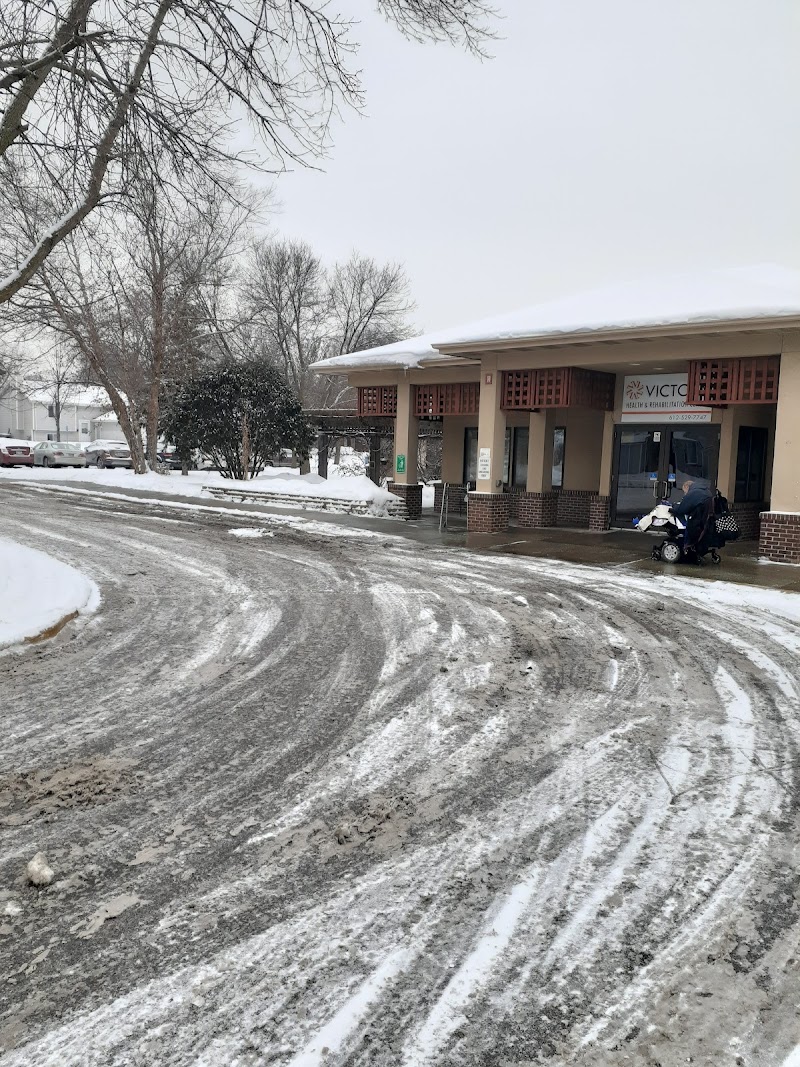
How is Victory Health & Rehabilitation Center Staffed?

CMS rates Victory Health & Rehabilitation Center's staffing level at 4 out of 5 stars, which is above average compared to other nursing homes. Staff turnover is 26%, compared to the Minnesota average of 46%. This relatively stable workforce can support continuity of care. RN turnover specifically is 56%, which is notably high. RNs provide skilled clinical oversight, so turnover in this role can affect medical care quality.

What Have Inspectors Found at Victory Health & Rehabilitation Center?

State health inspectors documented 23 deficiencies at Victory Health & Rehabilitation Center during 2023 to 2025. These included: 23 with potential for harm.

Who Owns and Operates Victory Health & Rehabilitation Center?

Victory Health & Rehabilitation Center is owned by a for-profit company. For-profit facilities operate as businesses with obligations to shareholders or private owners. The facility operates independently rather than as part of a larger chain. With 79 certified beds and approximately 64 residents (about 81% occupancy), it is a smaller facility located in MINNEAPOLIS, Minnesota.

How Does Victory Health & Rehabilitation Center Compare to Other Minnesota Nursing Homes?

Compared to the 100 nursing homes in Minnesota, Victory Health & Rehabilitation Center's overall rating (3 stars) is below the state average of 3.2, staff turnover (26%) is significantly lower than the state average of 46%, and health inspection rating (3 stars) is at the national benchmark.

What Should Families Ask When Visiting Victory Health & Rehabilitation Center?

Based on this facility's data, families visiting should ask: "Can I visit during a mealtime to observe dining assistance and food quality?" "How do you handle medical emergencies, and what is your hospital transfer rate?" "Can I speak with family members of current residents about their experience?"

Is Victory Health & Rehabilitation Center Safe?

Based on CMS inspection data, Victory Health & Rehabilitation Center has a clean safety record: no substantiated abuse findings (meaning no confirmed cases of resident harm), no Immediate Jeopardy citations (the most serious violation level indicating risk of serious injury or death), and is not on the Special Focus Facility watch list (a federal program monitoring the lowest-performing 1% of nursing homes). The facility has a 3-star overall rating and ranks #100 of 100 nursing homes in Minnesota. While no facility is perfect, families should still ask about staff-to-resident ratios and recent inspection results during their visit.

Do Nurses at Victory Health & Rehabilitation Center Stick Around?

Staff at Victory Health & Rehabilitation Center tend to stick around. With a turnover rate of 26%, the facility is 20 percentage points below the Minnesota average of 46%. Low turnover is a positive sign. It means caregivers have time to learn each resident's needs, medications, and personal preferences. Consistent staff also notice subtle changes in a resident's condition more quickly.

Was Victory Health & Rehabilitation Center Ever Fined?

Victory Health & Rehabilitation Center has been fined $24,990 across 1 penalty action. This is below the Minnesota average of $33,329. While any fine indicates a compliance issue, fines under $50,000 are relatively common and typically reflect isolated problems that were subsequently corrected. Families should ask what specific issues led to these fines and confirm they've been resolved.

Is Victory Health & Rehabilitation Center on Any Federal Watch List?

Victory Health & Rehabilitation Center is not on any federal watch list. The most significant is the Special Focus Facility (SFF) program, which identifies the bottom 1% of nursing homes nationally based on persistent, serious quality problems. Not being on this list means the facility has avoided the pattern of deficiencies that triggers enhanced federal oversight. This is a positive indicator, though families should still review the facility's inspection history directly.