Hope Springs at Minnetonka
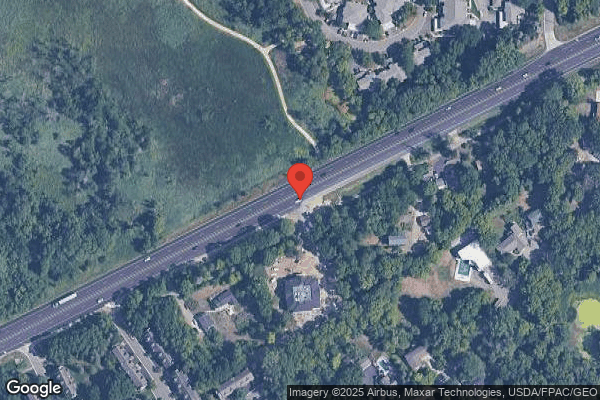
16913 HIGHWAY 7, MINNETONKA, MN 55345 (952) 474-4474
For profit - Individual 21 Beds Independent Data: November 2025
Trust Grade
38/100
#301 of 337 in MN
Last Inspection: February 2025

Within standard 12-15 month inspection cycle. Federal law requires annual inspections.

Overview

Hope Springs at Minnetonka has a Trust Grade of F, which indicates poor performance and significant concerns about the quality of care provided. The facility ranks #301 out of 337 in Minnesota, placing it in the bottom half of all nursing homes in the state, and #45 out of 53 in Hennepin County, meaning only seven local facilities are worse. The trend is stable, with 16 issues reported consistently over the last two years, indicating that problems are not improving. Staffing is below average with a rating of 2 out of 5 stars, but a 0% turnover rate is a positive sign that staff remain in their positions. However, the facility has concerning fines totaling $9,496, which are higher than 82% of Minnesota facilities, suggesting ongoing compliance issues. RN coverage is also lacking, as the facility has less than 13% of facilities in the state, which raises concerns about resident care. Specific incidents noted by inspectors include the failure to schedule a registered nurse for the required eight hours a day, which impacts all residents, and problems with food safety and hygiene practices in the kitchen, such as unlabeled food items and improper food storage. Additionally, the facility's quality assurance program is inadequate, lacking proper systems to identify and address areas for improvement. While the low staff turnover suggests a stable workforce, the overall quality of care and compliance issues are significant weaknesses that families should consider carefully.

Trust Score
F
38/100
In Minnesota
#301/337
Bottom 11%
Safety Record
Low Risk
No red flags
Inspections
Holding Steady
16 → 16 violations
Staff Stability
○ Average
Turnover data not reported for this facility.
Penalties
⚠ Watch
$9,496 in fines. Higher than 90% of Minnesota facilities. Major compliance failures.
Skilled Nurses
⚠ Watch
Each resident gets only 26 minutes of Registered Nurse (RN) attention daily — below average for Minnesota. Fewer RN minutes means fewer trained eyes watching for problems.
Violations
⚠ Watch
40 deficiencies on record. Higher than average. Multiple issues found across inspections.
★☆☆☆☆
1.0
Overall Rating
★★☆☆☆
2.0
Staff Levels
★★☆☆☆
2.0
Care Quality
★☆☆☆☆
1.0
Inspection Score
Stable
2024: 16 issues
2025: 16 issues

The Good

  • Full Sprinkler Coverage · Fire safety systems throughout facility
  • No fines on record

Facility shows strength in fire safety.

The Bad

1-Star Overall Rating

Below Minnesota average (3.2)

Significant quality concerns identified by CMS

Federal Fines: $9,496

Below median ($33,413)

Minor penalties assessed

The Ugly 40 deficiencies on record

Feb 2025 16 deficiencies
CONCERN (D)

Potential for Harm - no one hurt, but risky conditions existed

Deficiency F0554 (Tag F0554)

Could have caused harm · This affected 1 resident

**NOTE- TERMS IN BRACKETS HAVE BEEN EDITED TO PROTECT CONFIDENTIALITY** Based on observation, interview and document review the facility failed to ensure residents who self-administered topical medica...

Read full inspector narrative →
**NOTE- TERMS IN BRACKETS HAVE BEEN EDITED TO PROTECT CONFIDENTIALITY** Based on observation, interview and document review the facility failed to ensure residents who self-administered topical medications creams were assessed for safe and appropriate use for 2 of 3 residents (R11 and R15) reviewed for self-administration of medications. Findings include: R11: R11's quarterly Minimum Data Set (MDS) dated [DATE], indicated R11 was admitted to the care facility on 4/6/23 and was cognitively intact. R11's Orders, indicated R11 had an order for Betamethasone Valerate External Cream 0.1% (a steroid cream used to help relieve redness, itching, swelling, or other discomfort caused by skin conditions), apply to affected skin as needed for rash unsupervised self-administration. Apply to affected skin twice daily PRN [as needed] for rash up to five days a month and two times a day for rash for two weeks. R11's care plan, dated 6/26/24, indicated for staff to provide medications as ordered, including Betamethasone cream PRN for rash outbreaks. R11's electronic medical record (EMR) indicated R11's last skin observation by a licensed nurse was 11/8/24. R11's EMR lacked evidence that R11 had been assessed for safe self-administration of medication including how to use it, where, and how often. During an interview on 2/13/25 at 10:57 a.m., licensed practical nurse (LPN)-A stated that she did not believe R11 should be able to administer her own medicated cream as she had recently self-declared blindness. LPN-A stated nursing staff should be doing an assessment to ensure residents are visually and cognitively able to self-administer medications. LPN-A further stated it was questionable whether R11 had a [neck] rash and although R11 kept the cream in her room, she should be asking staff to assist her with applying the cream. During an interview on 2/13/25 at 11:09 a.m., R11 stated she kept the medicated cream in her bathroom. R11 stated she had been using the cream on her neck twice a day and the rash had cleared up but now she was using it for a rash on her right thigh. R11 stated nursing staff were not assessing her skin and were not offering, or asking, if she needed help applying the cream. She was doing it on her own. During an interview on 2/13/25 at 12:32 p.m., the consultant pharmacist (CP) stated Betamethasone Valerate External Cream 0.1% can cause thinning of the skin which is why it is generally prescribed with a time limit. The CP stated she would want to ensure R11 had the same rash on her thigh the cream was prescribed for on her neck before she used it on the rash on her thigh. During an interview on 2/13/25 at 12:59 p.m., the director of nursing (DON) confirmed R11 had not been assessed for self-administration of her medicated cream. The DON stated she believed R11 had been fine to self-administer medications when they were prescribed but was not as reliable now and was unsure if R11 could safely self-administer medications at this time. The DON stated she was unaware of a rash on R11's thigh and she should be assessed for safe and proper use. R15: R15's annual MDS dated [DATE], indicated R15 was admitted to the care facility on 12/17/20 and was cognitively intact. R15's Order Summary Report printed 2/14/25, indicated: -Hydrocortisone External Cream 1% (Hydrocortisone (Topical)) (topical corticosteroid which treats skin conditions). Apply to lower extremities and/or [abdomen] topically as needed for pruritus (itching) unsupervised self-administration apply to lower extremities bid prn (twice daily as needed) for leg rash- may keep at bedside. -Micotrin AP External Powder 2% (Miconazole Nitrate (Topical)) (antifungal medicine used to treat certain kinds of fungal or yeast infections of the skin). Apply to areas of irritation. Apply to under breasts and between skin fold when irritation is present as needed BID. -Terbinafine HCl External Cream 1% (Terbinafine HCl (Topical)) (an antifungal medication which treats fungal infections of the skin). Apply to rash on abdomen topically two times a day for rash unsupervised self-administration. Apply BID until clear. Ok to keep at bedside. -Voltaren Gel 1% (Diclofenac Sodium) (nonsteroidal anti-inflammatory drug which treats joint pain caused by arthritis). Apply to [bilateral] wrists and hands topically every six hours as needed for pain- moderate unsupervised self-administration. Apply 4 grams every six hours prn. May keep at bedside. R15's care plan, indicated the following interventions: -1/29/21, administer analgesia (refers to the relief or absence of pain) as per orders. Give half hour before treatments or care. -8/29/24, R15 self-administered clotrimazole cream under abdominal fold for rash and has as needed for cortisone cream. R15's progress note dated 8/27/24 at 12:23 [12:23 p.m.], indicated R15's providers saw R15 for a continued rash around their abdomen and lower legs and ordered clotrimazole cream twice daily to waist area until rash healed and may keep clotrimazole and hydrocortisone at bedside to use until healed. R15's progress note dated 11/22/24 at 14:47 [2:47 p.m.], indicated R15's providers saw R15 and ordered micotin antifungal powder to apply under breasts and between skin folds when irritation was present as needed twice daily. R15's EMR lacked evidence that R15 had been assessed for safe self-administration of medication including how to use it, where, and how often. During an interview on 2/13/25 at 11:45 a.m., licensed practical nurse (LPN)-A stated they did not complete self-administration assessments since they were an LPN. LPN-A stated residents were assessed for self-administration when medications first ordered, and R15 cleaned their own skin folds and self-applied needed creams. LPN-A checked with R15 daily to ensure areas cleaned or if R15 had concerns. During observation and interview on 2/13/25 at 12:55 p.m., R15 stated the use voltaren gel once or twice a day for their knees, thumbs joints, and wrists and keep the gel in their room. R15 stated they kept hydrocortisone in their room and used when their skin folds were irritated. R15 stated they also had an antifungal powder in their bathroom which R15 used when they had a rash. R15 stated the doctor ordered the powder, and staff provided R15 the powder and knew about it too. R15 stated they asked the doctor to write they may keep the powder and other treatments at bedside. R15 went to the bathroom to grab their powder, and the powder was miconazole nitrate 2% antifungal powder with a pharmacy label. During an interview on 2/13/25 at 3:35 p.m., the director of nursing (DON), verified R15 did not have a self-administration assessment and needed an assessment rather than only the doctor's orders. A facility policy titled Self-Administration of Medications Assessments, dated 8/2023, indicated if a resident wished to self-administer medications the interdisciplinary team must assess the resident's cognitive, physical, visual ability to carry out/administer medications. If resident wishes to self-administer medications/treatments such as insulin's, eye drops, lotions and/or wish medications left for self-administration, resident will be instructed in proper technique and then monitored for 10 days for correct task completion. Staff will document on MAR.
CONCERN (D)

Potential for Harm - no one hurt, but risky conditions existed

Deficiency F0561 (Tag F0561)

Could have caused harm · This affected 1 resident

**NOTE- TERMS IN BRACKETS HAVE BEEN EDITED TO PROTECT CONFIDENTIALITY** Based on observation, interview, and document review, the facility failed to ensure food preferences were honored for 1 of 1 res...

Read full inspector narrative →
**NOTE- TERMS IN BRACKETS HAVE BEEN EDITED TO PROTECT CONFIDENTIALITY** Based on observation, interview, and document review, the facility failed to ensure food preferences were honored for 1 of 1 resident (R4) reviewed for choices related to food. Findings include: R4's quarterly Minimum Data Set (MDS) dated [DATE], indicated R4 had intact cognition, disorganized thinking, verbal behavioral symptoms directed towards others, and did not reject cares. R4 required supervision or touching assistance with eating and was independent with most activities of daily living. R4 had diagnoses of orthostatic hypotension (condition where blood pressure drops when standing up from a sitting or lying position), dementia and schizophrenia (chronic mental illness characterized by disruptions in through process, perceptions, emotions, and social interactions). R4's oral intake care plan revised 12/13/24, indicated R4 had potential for inadequate oral intakes related to history of varying appetite secondary to mental health and had been hospitalized for not eating and weight loss. Care plan interventions indicated R4 liked Mexican food, soups, desserts, macaroni and cheese, carrot cake, chicken wrap, pizza, tuna, and hot cereal. R4 disliked Chinese food, liver, gizzards and hearts, and red met. R4's [NAME] Report printed 2/14/25, indicated R4 was independent with eating, may need encouragement to come to meals, and offer strawberry ensure if R4 did not want to eat. R4's progress note dated 12/13/24 at 10:19 [10:19 a.m.], indicated R4 was semi-vegetarian and tried to avoid red meats but liked ham and sometimes pork. R4 liked chicken, fish, tuna, eggs, dairy, and hot cereal. R4 triggered for weight loss related to decreased intakes and agreed to try to eat more. During an interview on 2/10/25 at 3:19 p.m., R4 stated the facility did not have enough vegetarian options. R4 stated they ate chicken, ham, and turkey but did not like other types of meat. R4 stated the facility had alternative options but got the regular entrée if they did not sign up for another option before the set time. R4 stated they spoke with the dietician about their food preferences, and R4 believed they would live longer if they cut out certain types of meat. During an interview on 2/11/25 at 12:23 p.m., dietary aid (DA)-A, who also cooked, stated they had a book and white board which listed residents' food preferences. DA-A stated they offer alternative options for meals, and residents had to sign up for the alternative option before a certain time. During observation on 2/11/25 at 1:03 p.m., the white board in the kitchen dish machine room did not indicate any food preferences for R4. The dietary book undated, indicated R4 had No special beverage or food instructions. During an interview on 2/12/25 at 10:40 a.m., nursing assistant (NA)-A stated R4 had a fasting behavior and was not a huge meat person. NA-A stated the facility tried to give R4 smaller portions, or R4 signed up for a meal alternative or wrote no meat. NA-A stated they encouraged R4 to eat what they wanted and leave what they did not want to eat. NA-A stated they have cleared the meat off R4's plate before, so then R4 ate everything else on the plate. During observation on 2/12/25 at 12:06 p.m., R4 was given the barbequed pork with potatoes and an apple, broccoli salad. At 12:10 p.m., R4 was eating the potatoes and salad but not the barbequed pork. At 12:13 p.m., R4 ate a dessert and had eaten everything on their plate but the barbequed pork. The life enrichment director (ACT)-A took R4's plate and threw the meat away. During an interview on 2/12/25 at 12:23 p.m., DA-B, who also cooked, stated they knew residents' food preferences through verbal interactions. DA-B stated R4 wavered and had different preferences. DA-B stated R4 requested no meat at times and other times wanted the meat portion of the meal or a hot dog. During an interview on 2/12/25 at 2:21 p.m., registered nurse (RN)-A stated R4 refused to eat or drink at times. RN-A stated they were not able to leave the second floor to assist in the dining room for meals on the first floor, so the nursing assistants and dietary staff knew residents' food preferences. During an interview on 2/13/25 at 12:35 p.m., NA-C stated R4 fasted at times and encouraged R4 to drink when they did not eat. NA-C stated R4 will pace back and forth from the meal table and make statements such as I can't, I can't. NA-C stated R4 looked ahead at the menu themselves and signed up for an alternative entrée if they wanted. NA-C stated R4 ate meat sometimes and other times did not. NA-C stated they let [R4] be when they did not eat the meat portion of their meal and took R4's plate when R4 stated they were done. During an interview on 2/13/25 at 12:32 p.m., ACT-A stated they took R4's plate on 2/12/24, because R4 stated they were finished. ACT-A stated R4 had a thing about meat, such as R4 did not eat the soup for lunch because it had beef in it. ACT-A stated R4 went on fasts sometimes when their weight got higher than what they wanted. ACT-A stated the kitchen offered alternative options, so most residents and staff were good at knowing what food they liked or did not like. ACT-A stated they did not check with R4 if they were full or wanted anything else before taking R4's plate and throwing away the untouched barbeque pork. During an interview on 2/13/25 at 4:03 p.m., the director of nursing (DON) stated the dietician asked residents about their likes and dislikes related to food, and the cook talked to the residents, so they knew about residents' food preferences. DON stated R4's mental illness was not stable and conflicted from hearing negative thoughts related to eating. DON stated R4 requested more vegetables, and R4 was not consistent with what they wanted. DON thought NA-A talked to people who got up late in the day or didn't look at the menu to ask what they wanted to eat before meals. DON stated they observed R4 looking at the menu prior to meals and was able to sign up for alternative entrees. DON stated staff made sure R4 drank enough to avoid weight loss, weakness, and hospitalization. DON stated residents had little control over themselves, so it was important for them to get food they liked. The facility policy New admission Dietary assessment dated 1/2023, directed the cook to interview each new resident for likes and dislikes, and the dietician to meet with residents for a nutrition related physical exam and initial assessment. The dietician updated resident assessments, progress notes, MDS, and care plan on a quarterly basis.
CONCERN (D)

Potential for Harm - no one hurt, but risky conditions existed

Deficiency F0578 (Tag F0578)

Could have caused harm · This affected 1 resident

**NOTE- TERMS IN BRACKETS HAVE BEEN EDITED TO PROTECT CONFIDENTIALITY** Based on interview and document review, the facility failed to ensure provider orders code status [e.g. full code or do not resu...

Read full inspector narrative →
**NOTE- TERMS IN BRACKETS HAVE BEEN EDITED TO PROTECT CONFIDENTIALITY** Based on interview and document review, the facility failed to ensure provider orders code status [e.g. full code or do not resuscitate (DNR)] were updated, consistent, and accurate throughout the resident's medical record for 1 of 4 residents (R4) reviewed for advance directives. Findings include: R4's quarterly Minimum Data Set (MDS) dated [DATE], indicated R4 was admitted to the care facility on [DATE]. The MDS indicated R4 had intact cognition, disorganized thinking, verbal behavioral symptoms directed toward others, and diagnoses including orthostatic hypotension (condition where blood pressure drops when standing up from a sitting or lying position), dementia and schizophrenia (chronic mental illness characterized by disruptions in through process, perceptions, emotions, and social interactions). R4's care plan dated [DATE], lacked documentation of code status. R4's Health Care Directive dated [DATE], indicated they did not want CPR (cardiopulmonary resuscitation; emergency procedure which combined chest compressions and rescue breathing to help someone who is not breathing or whose heart is not beating) attempted if their heart and breathing stopped. R4 wanted a natural death. R4 understood if they chose this option, they would see their health care provider about writing a DNR order. R4's Transfer Orders from Regions Hospital signed [DATE], indicated R4's code status was full code. R4's Discharge Orders from Regions Hospital signed [DATE], indicated R4's code status was full code. R4's Care Conference note dated [DATE], indicated R4, the social workers, and director of nursing attended the care conference. The note indicated R4 wanted CPR in the past and now changed their mind. R4's admission Record printed [DATE], indicated R4 did not want resuscitation and did not want intubation. R4's orders printed [DATE], did not indicate R4's code status. During interview on [DATE] at 2:13 p.m., registered nurse (RN)-A stated code statuses were reviewed at care conferences and during admission by the director of nursing (DON). RN-A knew residents' code statuses from the face sheet binder. The face sheet binder had a copy of R4's admission Record and Health Care Directive, both which did not have a provider signature. During interview on [DATE] at 3:31 p.m., the director of nursing (DON) confirmed there was no provider order or involvement in R4's DNR status. The DON preferred everyone to have a POLST and stated not everyone had one, which included R4. The DON stated provider involvement was important to ensure residents were educated about DNR status by a professional with a higher degree. The DON stated they reviewed code status at each care conference. The facility's POLST policy dated 10/2021, directed staff to assist the resident or resident's guardian/representative with completing a Providers Orders for Life Sustaining Treatment (POLST) form. If the resident or guardian/representative chooses to decline CPR, intubation, etc., HSM staff documented on the POLST, and two staff members witnessed the POLST to become effective. The POLST was then faxed to the primary physician for signature. The facility's Advanced Directives/CPR policy dated 1/2023, reflected the same process as the POLST policy. The policy indicated the care plan reflected resident wishes and whether an advance directive existed. The policy directed staff to reference the Facesheet binder in the event a resident was found without a pulse.
CONCERN (D)

Potential for Harm - no one hurt, but risky conditions existed

Safe Environment (Tag F0584)

Could have caused harm · This affected 1 resident

**NOTE- TERMS IN BRACKETS HAVE BEEN EDITED TO PROTECT CONFIDENTIALITY** Based on interview and document review the facility failed to ensure a process for missing clothing was followed and residents r...

Read full inspector narrative →
**NOTE- TERMS IN BRACKETS HAVE BEEN EDITED TO PROTECT CONFIDENTIALITY** Based on interview and document review the facility failed to ensure a process for missing clothing was followed and residents received appropriate follow up after reporting concerns of missing clothing for 3 of 5 residents (R1, R4, and R9) reviewed for personal property. Findings include: R1: R1's quarterly Minimum Data Set (MDS) dated [DATE], indicated R1 was admitted to the care facility 7/24/23 and was cognitively intact. During an interview on 2/11/25 at 8:41 a.m., R1 stated missing clothing was a common occurrence in the facility and she was currently missing a blue hoody. R1 confirmed she had let the facility nursing assistants (NA) know but had not received any follow up. R5: R5's quarterly MDS dated [DATE], indicated R5 was admitted to the care facility 10/1/24 and was cognitively intact. During an interview on 2/12/25 at 8:54 a.m., R5 stated she had not been getting all of her clothing back after getting it washed and was currently missing a pair of jeans, socks, and underwear. R5 stated she had told the NA who distributed the laundry and the director of nursing (DON). R5 further stated it had been approximately 1 month and she had not received any follow up. The facility's Missing Item Report, kept in a three-ring binder at the nursing station, dated 9/2/24 - 2/10/25, lacked evidence of R1's and R5's reported missing clothing. During observation on 2/12/25 at 10:30 a.m., a pair of unmarked resident jeans were laying on a chair near the nursing station. Facility staff were unable to confirm who they belonged to. During an interview on 2/12/25 at 11:55 a.m., NA-A stated she was aware R1 was missing a blue hoody and R5 was missing clothing items including a pair of jeans. NA-A stated the process for missing laundry was when an item was reported missing, staff would check the laundry room, laundry cart and other resident rooms for the item. If it could not be found that it should be written on the missing items report kept at the nursing station. NA-A stated R1's and R5's missing clothing was reported off to her by another NA so she did not look for the clothing herself or write it in the missing item report. During an interview on 2/13/25 at 12:59 p.m., the DON stated she was aware of R5's missing clothing but was not aware R1 was missing clothing. The DON stated since there was only one NA and one nurse working at a time, the staff could not be expected to leave the floor and search for missing items every time it was reported. The DON stated she encouraged all staff to use the missing items report, however confirmed the facility lacked follow up on the report and with missing items. The DON also stated clothing was labeled with a sharpie that would wash off after a few washes creating issues of clothing items not being labeled with resident identifying information. R9: R9's quarterly MDS dated [DATE], indicated R9 had moderately impaired cognition, inattention, disorganized thinking, hallucinations, delusions, verbal and other behaviors, and rejected cares. R9 had no upper or lower extremity impairments and used a walker. R9 required partial and/or moderate assistance for dressing and supervision for footwear application and removal, toileting, personal and oral hygiene, and ambulation. The MDS indicated R9 had arthritis (general term for conditions which cause joint inflammation, pain, swelling, and stiffness), anxiety, and schizophrenia. R9's progress note dated 11/14/24 at 8:17 a.m., indicated R9 had a history of paranoia with staff and/or people taking clothes, or R9 reported missing possessions from their room. During an interview on 2/10/25 at 2:39 p.m., R9 stated they were missing an expensive jacket, and the facility was not able to locate it. During an interview on 2/12/25 at 10:37 a.m., nursing assistant (NA)-A stated they looked in the laundry area, looked downstairs, and in every room when a resident reported a missing item. NA-A stated the facility had a missing item binder where they wrote down a description of the missing item. NA-A stated clothes were initialed and clean clothes were kept behind a label with resident information, so staff knew whose clean clothes were hanging on the rack. NA-A stated they were unaware of a missing jacket for R9. During an interview on 2/12/25 at 12:17 p.m., anonymous resident stated they lost clothes every wash and were missing black pants, jeans, bras, socks, and shirts. Resident stated their clothes had their initials on them, and nursing assistants told resident they looked for their clothes. Resident stated missing clothes was a serious problem and cost the resident a lot of money. During observation review on 2/12/25 at 1:22 p.m., the missing items log did not have an entry for R9's jacket. During an interview on 2/12/25 at 2:10 p.m., RN-A stated the nursing assistants took care of any missing laundry or missing items. RN-A stated the facility had a grievance and missing items log and they were aware R9's family reported a missing jacket. RN-A stated R9 had gained weight and some clothes which were too small for R9 were packed away, so R9 could believe they were missing clothes they were not. RN-A was not sure if the jacket was found or not and knew the family talked to the DON. During an interview on 2/12/25 at 2:43 p.m., NA-B stated they wrote a note or verbally reported to housekeeping when residents brought up concerns of missing laundry. NA-B stated they should get a list started related to missing items. NA-B was not aware of R9's missing jacket. During an interview on 2/13/25 at 3:09 p.m., the director of nursing (DON) stated they thought the life enrichment director checked the missing items log but was not sure if there was a misunderstanding. DON stated the facility had seen R9 wear the jacket which was described as missing. DON stated R9 threw items away at times and outgrew some of their clothes, so staff packed clothes which were too small for R9 outside of their room. DON stated R9's parents went through R9's items weekly and got R9 agitated when they reported items as missing and stolen. DON stated the facility did not find the jacket and talked to the family, and the family was unhappy it was missing. A facility policy related to resident missing items was requested and not available at the time of survey.
CONCERN (D)

Potential for Harm - no one hurt, but risky conditions existed

Quality of Care (Tag F0684)

Could have caused harm · This affected 1 resident

**NOTE- TERMS IN BRACKETS HAVE BEEN EDITED TO PROTECT CONFIDENTIALITY** Based on observation, interview, and document review, the facility failed to assess and monitor skin alterations for 1 of 2 resi...

Read full inspector narrative →
**NOTE- TERMS IN BRACKETS HAVE BEEN EDITED TO PROTECT CONFIDENTIALITY** Based on observation, interview, and document review, the facility failed to assess and monitor skin alterations for 1 of 2 residents (R8) reviewed for skin integrity. Furthermore, the facility failed to follow up with urology after several urinary tract infection and failed to comprehensively monitor and assess (i.e bladder scanning to assess for urine retention, proactive UTI assessments or assessing if R3 required more assistance with toileting or bathing) to timely treat, if needed, and prevent hospitalization for 1 of 1 resident (R3) reviewed for hospitalization. Findings include: R3's quarterly Minimum Data Set (MDS), dated [DATE], indicated R3 was cognitively intact and was independent with most activities of daily living and required set up assistance with bathing. R3's progress notes dated 8/6/24 - 2/12/25, indicated R3 had three UTIs in the past six months resulting in two hospitalizations and was displaying current UTI symptoms. On 8/6/24 it was documented R3 had complaints of strong smelling/cloudy urine and reported falling to her knees last week. Reportedly the director of nursing (DON) was notified. On 8/7 24 it was documented R3 reported feeling weak with ambulation and having intermittent burning pain with urination and odorous urine. R3 further stated she felt like she had a UTI. The note indicated, will updated DON. On 8/29/24 it was documented R3 had a change in condition with increased confusion and inability to stand. R3 was hospitalized , On 8/29/24 it was confirmed R3 was being treated at the hospital for a UTI, 23 days after symptoms started, 23 days after first documented symptoms. On 9/15/24 it was documented R3 had complaints of cloudy and odorous urine, stating she felt weak. It was documented R3 did not appear weak when ambulating and was reminded to drink water. Per progress note next shift notified. On 9/16/24 it was documented R3 denied painful urination but had complaints of feeling weak with ambulation and odorous urine. On 9/25/24 it was documented that R3 had a care conference and voiced concerns about her cloudy urine, stating she feared she may have another UTI. R3 agreed to drink more water. DON was to consult R3's physician. On 9/30/24 it was documented in a pharmacy note that R3 had been referred to urology. On 10/2/24 it was documented the physician wrote an order for a urine culture, 17 days after symptoms started. The physician also increased R3's Mirabegron (a medication used to treat overactive bladder) and discontinued R3's Tamsulosin (a medication to treat urine retention). On 11/6/24 it was documented R3 requested staff visualize her urine which was documented as yellow, slightly cloudy, and odorous, stating she thinks she had pain with urination and felt weak with ambulation. On 11/7/24 it was documented R3 was hospitalized for increased weakness after a fall and was diagnoses at the hospital with acute cystitis (inflammation of the bladder) and had a urine culture pending. On 1/14/25 it was documented R3 stated she wanted a urine culture because she thought she had a UTI again. R3 reported burning with urination, cloudy urine and feeling weak for a couple of weeks. R3 was encouraged to drink water and R3's concerns were passed on at shift change. On 1/18/25 it was documented R3 reported symptoms of a UTI for the past few weeks. The DON recommended R3 to drink more water and to take tub baths and showers. On 2/12/25 it was documented R3 continued to report burning with urination, cloudy urine and feeling weak, 29 days after first reporting symptoms. R3 did not have a fever. The DON was aware and instructed R3 to drink water, which R3 did not like to do. R3's electronic medical record (EMR) lacked documentation of ongoing, comprehensive assessments or updated interventions (i.e bladder scanning to assess for urine retention, proactive UTI assessments or assessing if R3 required more assistance with toileting or bathing) to help prevent and/or timely treat UTIs and hospitalizations. R3's care plan indicated R3 had had an increased risk for Urinary Tract Infection AEB [as evidenced by] acute polynephritis and urinary incontinence. The care plan lacked intervention updates since 9/3/24 despite continued UTIs and current UTI symptoms. During an interview on 2/12/25 at 8:30 a.m., nursing assistant (NA)-A stated R3 was able to let staff know when she felt like she had a UTI, stating it was obvious because R3 would become very weak. NA-A stated R3 was incontinent of bladder but changed her own brief and toileted herself. During an interview on 2/12/25 at 8:45 a.m., R3 stated she felt like she had another UTI and felt weak. R3 stated she wished the facility would treat her for UTIs at the facility instead of sending her to the hospital. During an interview on 2/12/25 at 10:30 a.m., registered nurse (RN)-A stated staff try to encourage R3 to drink water but R3 preferred to drink soda. RN-A stated R3 could often tell staff when she thought she had a UTI but was not always correct. During an interview on 2/13/25 at 12:59 p.m., the DON stated R3 was on a prophylactic antibiotic in the past. At the time it was discovered she had infected kidney stones, and they were removed and R3 had ureter stents placed in March of 2024. R3 saw the urologist on 4/17/24, which was when the prophylactic antibiotic was stopped, and an order was given for R3 to follow up with urology if she started have UTIs again. The DON confirmed R3 had not been back to see the urologist despite multiple UTIs since that time. The DON stated staff would encourage R3 to drink water however R3 preferred soda. The DON confirmed the care planed lacked updated interventions to prevent UTIs stating the facility could not afford a bladder scanner. The DON stated the medical director had not been notified of R3's recurring UTIs but she would notify them and would inquire about getting a urine culture for R3 due to her current UTI symptoms. A facility policy on UTIs was not available at the time of survey. R8 R8's quarterly Minimum Data Set (MDS) dated [DATE], indicated R8 had intact cognition and no delirium. R8 had delusions, verbal behaviors towards others, wandered one to three days, and did not reject cares. R8 had diagnoses of hypertension (high blood pressure), diabetes mellitus (chronic disease which affects how the body uses sugar for energy), arthritis (general term for conditions which cause joint inflammation, pain, swelling, and stiffness), anxiety disorder, depression, and schizophrenia (chronic mental illness characterized by disruptions in through process, perceptions, emotions, and social interactions). R8 had no upper or lower extremity impairments and used a walker. R8 required substantial and/or maximal assistance with shower/bathing. R8 required partial and/or moderate assistance with toileting hygiene, toilet transfers, tub/shower transfers, and dressing. R8 was independent with footwear application and removal, rolling left and right, sit to lying and lying to sitting on side of bed, and with chair and/or bed-to-chair transfers. R8 was occasionally incontinent of urine. R8 took antipsychotic, antianxiety, antidepressant, hypoglycemic, and anticonvulsant medication, was not at risk for pressure ulcers, had moisture associated skin damage, and applications of ointments/medications other than to feet. R8's Care Assessment Area (CAA) worksheet dated 7/16/24, indicated R8 required supervision or touching assistance for sit to lying and lying to sitting on the side of the bed, and R8 was at risk for skin alterations, infection, sepsis, increased dependence on staff, decreased leisure, isolation, and further decline. R8's pressure ulcer care plan revised 10/14/24, indicated R8 was at risk for pressure ulcer development related to compression stockings. Interventions dated 5/13/24, directed staff to inform R8/family/caregivers of any new area of skin breakdown and remove compression stockings each evening, wash and hang to dry, and apply clean stockings each morning. R8's incontinence care plan dated 5/13/24, indicated R8 had mixed bladder incontinence related to confusion, impaired mobility, inability to communicate needs at times of confusion. The care plan goal dated 5/13/24, indicated R8 would remain free from skin breakdown due to incontinence and brief use through the review date. Interventions dated 5/13/24, directed staff to ensure R8 had unobstructed path to the bathroom, and R8 used Depends for occasional urinary incontinence. R8's Kardex Report printed 2/12/25, indicated R8 received transfer assistance in and/or out of tub/shower and limited to extensive assistance for bathing and more assistance if confused. R8's Order Summary Report printed 2/12/25, indicated an order for miconazole powder with instructions to apply to abdomen, breasts, peri-area as needed twice daily for redness/rash skin irritation (yeast areas) with date of 10/2/24. R8's Skin Observation Tool dated 7/29/24, indicated R8 had a cyst type sore to their posterior right thigh and was tender to touch. R8's Skin Observation Tool dated 1/3/25, indicated R8 had a superficial scratch-like abrasion to their left abdominal fold. No other Skin Observation Tool assessments were recorded from 7/29/24 to 2/13/25. R8's Point of Care Response History had No Data Found for Skin Observation in the past 30 days. R8's progress note dated 1/31/25 at 08:39 [8:39 a.m.], indicated R8's skin was intact. During an interview on 2/10/25 at 4:07 p.m., R8 stated they have a sore in the crack of their butt. R8 stated staff they had the spot for a while, and staff placed cream on the area which helped. During observation and interview on 2/12/25 at 8:23 a.m., registered nurse (RN)-A stated R8 brought themselves to the bathroom and walked into R8's bathroom. R8 had their pants and incontinent product pulled down and bent over by waist with buttocks pulled apart. There was an open spot of skin approximately a quarter to half inch in length and width at the top area of R8's butt crack. R8 was placing their fingernails in the spot and stated the area was sore. RN-A looked closely at the area, looked around R8's bathroom, and stated there were no washcloths in R8's bathroom to wash the area. R8 pointed to the green tube of calmoseptine by their bathroom sink and stated the tube was the cream which helped. RN-A assisted R8 to sit on the toilet and left R8's room. R8 stated they had the spot for a long time, the area hurt when they wiped themselves, and cream helped the pain. R8 was provided privacy to use the bathroom. During observation and interview on 2/12/25 at 8:36 a.m., RN-A entered R8's room. R8 was on their bed with their pants pulled up, and R8 stated they were exhausted. RN-A exited R8's room and stated they could tell someone had taken care of the area previously and had to look at the chart to see if the area was noted before. RN-A stated the area looked like a skin split approximately half to three quarters of an inch. During an interview on 2/12/25 at 8:48 a.m., nursing assistant (NA)-A stated they reported new skin concerns to nursing staff, so they could assess if the area needed barrier cream, nystatin powder, or be left open to air. NA-A stated nurses completed weekly skin checks. NA-A stated R8 was independent most of the time and was already up by the time they got to work in the morning. NA-A stated the night shift reported they placed barrier cream on R8's bottom more than weeks ago, because the area looked red and for comfort. During an interview on 2/12/25 at 2:32 p.m., RN-A stated they did not return to R8 to look at their bottom and still needed to check R8's chart to see if the area was a change in condition. RN-A stated there was not a schedule to complete skin checks, and they facility had a lot of independent residents. RN-A stated the shower aid or other staff would tell them if there were any skin concerns, and then RN-A would check the resident's skin. During an interview on 2/12/25 at 2:53 p.m., NA-B stated R8 did not need help in the bathroom unless they had a bowel movement. NA-B stated they applied barrier cream to a lot of residents, including R8. NA-B stated R8's crack bothered R8, and NA-B applied cream to a red area on R8's bottom after R8 had a shower the week prior. NA-B stated they did not need to let the nurse know, because the area on R8's butt crack was just a little pink. NA-B stated they alerted the nurse when residents had skin changes, such as an open tear. During an interview on 2/13/25 at 3:13 p.m., the DON expected staff to alert nursing staff about any skin alterations, and the nurses documented on resident's skin after a skin assessment. DON stated R8 was independent with toileting during the day and needed more assistance at night. DON stated they were not aware of any open skin area or shearing on R8. DON stated they wanted to ensure R8 had the right treatment to decrease risk for infection and worsening of the area. The facility's Skin Monitoring policy dated 10/2021, directed the nursing assistants to check the residents' skin during each shower and notify the nurse of any skin alterations and any possible explanation. The policy directed staff to complete a Skin Observation Tool assessment for any skin alteration, such as a bruise, rash, open area, skin tear, blister, or any other skin alteration. Staff were to schedule a weekly assessment by a registered nurse as well as a treatment plan for healing when a skin alteration was found. Staff were to notify the DON of any skin issue for follow-up.
CONCERN (D)

Potential for Harm - no one hurt, but risky conditions existed

Accident Prevention (Tag F0689)

Could have caused harm · This affected 1 resident

**NOTE- TERMS IN BRACKETS HAVE BEEN EDITED TO PROTECT CONFIDENTIALITY** Based on observation, interview and document review, the facility failed to ensure a resident who wished to smoke off facility g...

Read full inspector narrative →
**NOTE- TERMS IN BRACKETS HAVE BEEN EDITED TO PROTECT CONFIDENTIALITY** Based on observation, interview and document review, the facility failed to ensure a resident who wished to smoke off facility grounds was properly assessed for safety, and risks of unsupervised smoking were discussed for 1 of 1 resident (R5) reviewed for smoking. The facility further failed to ensure residents at risk for falls were assessed for a root cause and new interventions were put in place to prevent falls for 2 of 3 residents (R10 and R8) reviewed for falls. Findings include: R5 R5's quarterly Minimum Data Set (MDS) dated [DATE], indicated R5 was cognitively intact. The MDS further indicated R5 utilized a walker for locomotion and was independent with most activities of daily living (ADLs) except bathing. R5's progress note, dated 1/6/25, indicated R5 asked staff if it was okay for her to go outside and walk down the trail. Staff assured R5 it was okay as long as staff knew where she was. That afternoon R5 came back to facility smelling of smoke. R5 confirmed she was aware the care facility was a non-smoking facility but she would like to smoke off property. R5 was also informed that if her decision was to continue smoking, she would need to find alternative placement. R5 verbalized feeling overwhelmed and it was suggested that she take some time to think about what she wanted to do. R5's electronic medical record (EMR) lacked evidence a safe smoking assessment was completed on R5, risks of smoking unsupervised were discussed with R5, and any interventions were care planned to ensure R5's decision to occasionally smoke off campus was as safe as possible (i.e. ensuring staff knew when she was leaving campus, monitoring clothes for burn holes, etc). During an interview on 2/12/25 at 8:54 a.m., R5 stated she wanted to have the right to smoke off campus occasionally but did not want to leave the facility as she liked living there. R5 stated she had gone off campus by walking up the path off the parking lot twice to smoke. R5 stated when she came back the second time the aide had noticed she smelled like smoke and notified the director of nursing (DON). R5 stated she still had a pack of cigarettes and a lighter in her room but had not smoked since. R5 further stated staff had not assessed her for safe smoking, just told her she could not smoke as it was a non-smoking facility. During an interview on 2/12/25 at 10:30 a.m., registered nurse (RN)-A stated she was aware R5 had, and wanted to continue to smoke off campus, stating the facility had put up signs to indicate there was no smoking on the facility grounds. RN-A stated R5 was talked to by the DON and administrator but that a safe smoking assessment was not completed because they [residents] are not supposed to smoke. RN-A further stated R5 was asked about starting a nicotine patch but was not sure if she wanted one and had not been followed up with. During an interview on 2/13/25 at 12:59 p.m., the DON stated they held a meeting with the ombudsman and R5 had stated she did not want to smoke, however a few days ago she had informed the administrative assistant she did want to smoke. The DON confirmed they had not completed a safe smoking assessment for R5 or put any interventions into place to ensure R5 was as safe as possible if she chose to smoke off campus because they were a non-smoking facility, and she did not admit smokers. A facility policy on smoking assessments was requested but not received. R10 R10's quarterly MDS dated [DATE], indicated R10 had moderate cognitive impairment, was independent with ambulation, and had one fall without injury since last assessment. R10's last two fall assessments, dated 9/10/24 and 11/5/24, both indicated that R10 was at risk for falls. R10's progress notes, dated 8/2/24 - 9/14/24, indicated R10 had three falls in the past 6 months, two out of three of them happening on a Thursday. On 8/2/24, it was documented R10 was found on the floor in her room. On 9/13/24, it was documented R10 was hospitalized after a fall in her bathroom while standing at her sink, resulting in a head strike and laceration above her left eye. On 11/5/24, it was documented R10 was found on the floor in her room and reported hitting her head. R10's care plan, printed 2/14/25, indicated R10 had a history of falls, most current on 11/5/24. R10's care plan indicated several fall interventions dated 2/23/24, and 9/17/24, including monitoring orthostatic blood pressure monthly (checking for blood pressure changes with position changes which may cause dizziness), using a wheelchair while at her bathroom sink and reminding R10 to always have her walker with her. The care plan lacked intervention updates for R10's falls in August and November. R10's Kardex, printed 2/14/25, was utilized by the facility nursing assistants (NA) to know what cares to provide a resident and any special instructions. The Kardex lacked any mention of R10 being a fall risk or any fall interventions. R10's electronic medical record (EMR) indicated the last 2 orthostatic blood pressure that were taken or recorded was on 6/13/24 and 9/9/24. The facility's Fall Tracking Book lacked any mention of the fall on 8/2/24. R10's EMR identified that R10 was weak after receiving weekly ETC (Electroconvulsive therapy (ECT) is a procedure, done under general anesthesia, in which small electric currents are passed through the brain, intentionally triggering a brief seizure. ECT seems to cause changes in brain chemistry that can quickly reverse symptoms of certain mental health conditions) on Wednesdays, however failed to implement new, care planned interventions for falls and post ECT monitoring despite R10 almost always falling on the Thursday after ECT. During an interview on 2/15/25 at 8:30 a.m., NA-A stated R10 was independent with most ADLs, including grooming and ambulation. NA-A stated when R10 came back from ECT she was weak and staff would offer her a wheelchair to go to lunch or watch her close at lunch if she refused her wheelchair. NA-A was unaware of any other fall interventions or post ECT monitoring. During an interview on 2/12/25 at 10:30 am, registered nurse (RN)-A stated R10 had ECT every Wednesdays and she would have the NAs keep her in her wheelchair when she arrived back to the facility. RN-A stated that was the only fall intervention or post ECT monitoring she was aware. During an interview on 2/13/25 at 12:59 p.m., the DON stated it would be expected that will each fall the nurse would be implementing a new intervention and writing the fall, root cause and interventions on the fall log. The DON stated at times she would be included in the conversation to help think outside the box to ensure a new intervention was always implemented. The DON confirmed R10's care plan and Kardex lacked interventions for post ECT monitoring and while staff were monitoring R10 closer when she returned to the community from ECT, the weakness continued into Thursday when most falls were happening. The DON further confirmed it would be expected that orthostatic blood pressures were monitored monthly as stated in R10's care plan. A facility policy titled Falls/Incidents, dated 8/2021, indicated nursing staff should determine the cause of the fall after each fall and implement and record what new intervention was being implemented to help prevent future falls. R8 R8's quarterly Minimum Data Set (MDS) dated [DATE], indicated R8 had intact cognition and no delirium. R8 had delusions, verbal behaviors towards others and wandered one to three days, and did not reject cares. R8 had diagnoses of hypertension (high blood pressure), diabetes mellitus (chronic disease which affects how the body uses sugar for energy), arthritis (general term for conditions which cause joint inflammation, pain, swelling, and stiffness), anxiety disorder, depression, and schizophrenia (chronic mental illness characterized by disruptions in through process, perceptions, emotions, and social interactions). R8 had no upper or lower extremity impairments and used a walker. R8 required partial and/or moderate assistance with toileting hygiene, toilet transfers, and dressing. R8 was independent with footwear application and removal, rolling left and right, and with chair and/or bed-to-chair transfers. R8 was occasionally incontinent of urine. The MDS indicated R8 had one fall with no injury since the last assessment. R8 took antipsychotic, antianxiety, antidepressant, hypoglycemic, and anticonvulsant medication. R8's Care Area Assessment (CAA) worksheet for falls dated 7/16/24, indicated R8 was at risk for falls related to fall history and antianxiety and antidepressant medication use. The CAA noted R8 had a history of falls in their room when getting up from their recliner and using their walker. R8 was at risk for falls, injury, discomfort, increased dependence on staff, decreased leisure, isolation, and further decline. R8's Fall Risk assessment dated [DATE], indicated R8 had one to two falls in the past three months, was ambulatory and continent, had intermittent confusion and/or forgets limitations, required use of assistive device, had systolic blood pressure drop less than 20 mmHg (millimeters of mercury) between lying and standing in three minutes, took three to four of medications the medication classes listed within the past seven days, and had three or more present predisposing conditions or diseases. R8 was at risk for falls. R8's Fall Risk assessment dated [DATE], indicated R8 had one to two falls in the past three months, was ambulatory and incontinent, was alert, had normal gait and/or balance, did not have a drop in systolic blood pressure between lying and standing, did not take psychoactive or other listed medication classes in the past seven days, and did not have predisposing conditions or diseases. The assessment indicated R8 was not at risk for falls. R8's fall care plan revised 11/13/24, indicated R8 was at moderate risk for falls related to confusion, gait and/or balance problems, incontinence, poor communication and/or comprehension, psychoactive drug use, and unaware of safety needs. The fall care plan indicated R8's last fall was on 11/13/24. Fall interventions included: -11/13/24, be sure R8's call light within reach and encourage to use call light for assistance as needed. R8 needed prompt response to all requests for assistance. -11/13/24, encourage appropriate use of assistive device. -7/4/24, encourage R8 to sleep in bed and not recliner to promote good sleep and to prevent falls from R8 trying to get out of chair with the footrest up when R8 was confused. -4/13/24, ensure R8 wore appropriate footwear non-skid socks when ambulating or mobilizing in wheelchair. R8's Kardex Report printed 2/12/25, directed staff to keep R8's call light within reach, encourage R8 to use for assistance as needed, and provide prompt response to R8's requests for assistance. Staff were to ensure R8 had an unobstructed path to the bathroom, wore appropriate footwear non-skid socks when ambulating or mobilizing in wheelchair, and encourage R8 to use assistive device. R8's progress note on 1/28/25 at 3:55 a.m., indicated R8 pushed their call light and was found sitting on the floor in front of their recliner in their apartment. The note indicated R8 stated they slid out of the recliner when trying to pick up a blanket which was on the floor. Range of motion of upper and lower extremities were intact and equal, vital signs were stable, and no injuries or pain were noted or reported. R8 used the bathroom and sat in their recliner covered with blankets. The director of nursing was notified. The facility fall book indicated R8 had an unwitnessed fall from their recliner in their room on 1/28/25. The note indicated R8 tried to reach their blankets which were on the floor. Interventions included to remind R8 to use call light all the time to get assistance from staff and encourage R8 to sleep in bed instead of recliner. R8's medical record lacked evidence of fall prevention interventions based on a root cause analysis after the fall on 1/28/25. During interview on 2/12/25 at 10:52 a.m., nursing assistant (NA)-A stated they notified a nurse if they found a resident on the floor, and the nurse completed an assessment and obtained vital signs. Staff asked the resident what happened and what they were trying to do before the fall and assisted the resident back into a wheelchair, recliner, or bathroom. NA-A was unsure of fall interventions for R8. NA-A stated R8 was found on the ground before, and the facility found R8 placed themselves on the floor by reviewing the facility camera footage. NA-A stated R8 had previous falls, and staff helped R8 when needed. During interview on 2/12/25 at 2:53 p.m., NA-B stated fall interventions for R8 were to set up anything they need around them, ensure walker and call light were close by, check on R8 frequently, and remind R8 to use their call light and keep walker close to themselves. During interview on 2/13/25 at 11:55 a.m., licensed practical nurse (LPN)-A stated they have a fall tracker sheet which listed interventions to prevent future falls. LPN-A stated they take vitals, assessed for injury, asked the resident what happened, and completed neurological checks for unwitnessed falls. During interview on 2/13/25 at 3:13 p.m., the director of nursing (DON) stated nurses updated resident care plans with new interventions after a fall. DON brought fall information to QA (quality assurance) to discuss. DON stated R8 had two or three falls at night when first admitted and were recliner related. DON stated R8 knew they slept better in bed and talked about sleeping in bed at care conferences. DON reviewed R8's care plan and confirmed R8's fall care plan was not updated after R8's fall on 1/28/25. DON stated the fall interventions were repeated for R8 as they were unsure if the previous fall interventions were followed. DON thought they educated staff on R8's fall interventions or placed a note in their Homebase app (app used by businesses to assist with scheduling, payroll, communication) but did not provide documentation of such. DON stated if staff captured all the needed fall information in the progress notes and fall book, they would not have to write a four-page fall report. DON stated they have a fall book which they have not implemented yet to further analyze resident falls. DON stated creating and implementing fall interventions were important to prevent R8 from future falls and injury. The facility policy Falls/Incident dated 8/2021, directed staff to complete the Fall/Incident report and a progress note detailing the fall/incident, vital signs, and who was notified. The policy directed staff to chart under Fall Risk Assessments and in the fall tracking book about what type of fall occurred and the intervention implemented to prevent further falls/incidents. The policy directed staff to chart the date of the fall/incident and implemented intervention in the care plan.
CONCERN (D)

Potential for Harm - no one hurt, but risky conditions existed

Deficiency F0697 (Tag F0697)

Could have caused harm · This affected 1 resident

**NOTE- TERMS IN BRACKETS HAVE BEEN EDITED TO PROTECT CONFIDENTIALITY** Based on observation, interview and document review the facility failed to comprehensively assess pain and attempt non-pharmacol...

Read full inspector narrative →
**NOTE- TERMS IN BRACKETS HAVE BEEN EDITED TO PROTECT CONFIDENTIALITY** Based on observation, interview and document review the facility failed to comprehensively assess pain and attempt non-pharmacological pain interventions for 1 of 1 resident (R11) receiving multiple medications for pain. Findings include: R11's quarterly Minimum Data Set (MDS), dated [DATE], indicated R11 was cognitively intact and had pain almost constantly that frequently effected sleep and day to day activities. The MDS further indicated R11 had received pain medication during the look back period however had not received any non-pharmacological pain interventions. R11's Orders, printed on 2/13/25, indicated R11 received several medications for pain including Ajovy (used to prevent migraine headaches) 225 milligram (mg)/1.5 milliliters (ml) inject subcutaneously once a month for intractable migraines, alpha-lipoic acid (used in alternative medicine to aide treating nerve pain) 300mg by mouth two times a day for polyneuropathy (a condition where multiple peripheral nerves throughout the body become damaged or malfunction which may cause numbness, tingling, burning or stabbing pain), Gabapentin (commonly used medication for the treatment of neuropathic pain) 1200 mg by mouth three times a day for polyneuropathy, diclofenac sodium gel 1% (a medication used to relieve pain and inflammation associated with arthritis, sprains, and other musculoskeletal conditions) apply to neck, shoulders and arms as needed for pain (self-administered), Humira 40 mg/0.4 ml (a medication used to treat arthritis) inject 80mg subcutaneously one time a day every 14 days for arthropathic psoriasis (chronic inflammatory condition that affects the joints causing joint pain, stiffness and swelling), and Nurtec (a medication used to treat migraines) 75 mg sublingually daily as needed for migraine (received on 2/10/25). R11's care plan, dated 6/26/24, indicated R11 was on pain medication therapy related to neuropathy, bladder spasms, muscle tendon pain and migraines and R11 had chronic pain related to psoriatic arthritis, depression, neuropathy and migraines. The care plan lacked resident specific non-pharmacological pain interventions. R11's electronic medical record (EMR), including the medication administration record (MAR) lacked any pain assessment in the past seven months to include pain goal, what makes pain better or worse and non-pharmacological interventions that were tried and successful or unsuccessful. During an interview on 2/10/25 at 6:00 p.m., R11 stated she had pain almost constantly but did not want to take more medication. R11 denies staff attempting to use non-pharmacological pain interventions and stated staff do not ask her about her pain levels or what makes it better or worse. During an interview on 2/13/25 at 8:21 a.m., licensed practical nurse (LPN)-A stated pain assessments should be conducted at least quarterly but also anytime a resident received a pain medication, the MAR would prompt staff to record the resident's pain level. LPN-A stated R11 had an implanted pain device in her neck and was working with a pain clinic, but they did not use any non-pharmacological pain interventions with her. LPN-A stated they would only implement non-pharmacological pain interventions if it was ordered by the doctor. During an interview on 2/13/25 at 8:27 a.m., nursing assistant (NA)-C stated R11 had complaints of stomach pains and migraines, and most recently had been complaining of pain a lot stating she believed it to be behavioral. NA-C stated she had not been told about any non-pharmacological pain intervention for R11 and had not tried anything herself for R11's pain. During an interview on 2/13/25 at 12:59 p.m., the director of nursing (DON) confirmed that there were no non-pharmacological pain interventions for R11. The DON stated when staff were administering R11's diclofenac sodium gel the nurses were prompted by the medication administration record (MAR) to ask about R11's pain level but since R11 was self-administering the medication the pain assessment piece had fallen off. A facility on pain management was requested and not available at the time of survey.
CONCERN (D)

Potential for Harm - no one hurt, but risky conditions existed

Deficiency F0700 (Tag F0700)

Could have caused harm · This affected 1 resident

**NOTE- TERMS IN BRACKETS HAVE BEEN EDITED TO PROTECT CONFIDENTIALITY** Based on observation, interview, and document review, the facility failed to ensure alternate interventions were assessed and/or...

Read full inspector narrative →
**NOTE- TERMS IN BRACKETS HAVE BEEN EDITED TO PROTECT CONFIDENTIALITY** Based on observation, interview, and document review, the facility failed to ensure alternate interventions were assessed and/or attempted, risks and benefits of bed assist devices were reviewed, and consent was obtained for 1 of 2 residents (R9) reviewed for bed assist devices. Furthermore, the facility failed to remove a bed assist device or re-evaluate its use after an assessment indicated the bed assist device was not needed for 1 of 2 residents (R14) reviewed for bed assist devices. Findings include: R9 R9's quarterly minimum data set (MDS) dated [DATE], indicated R9 had moderately impaired cognition, inattention, disorganized thinking, hallucinations, delusions, verbal and other behaviors, and rejected cares. R9 had no upper or lower extremity impairments and used a walker. R9 required partial and/or moderate assistance for dressing and supervision for footwear application and removal, toileting, personal and oral hygiene, and ambulation. The MDS indicated R9 had arthritis (general term for conditions which cause joint inflammation, pain, swelling, and stiffness), anxiety, and schizophrenia (chronic mental illness characterized by disruptions in through process, perceptions, emotions, and social interactions). The MDS indicated bed rails were not in use. R9's care plan dated 11/13/24, did not indicate use of a bed assist device. R9's admission Bedrails Risk Assessment Flow Chart dated 6/7/24, indicated R9 did not need bed rails. A progress note dated 6/2/24 at 01:35 [1:35 a.m.], indicated staff tied R9's call light to their left siderail. A progress note dated 6/15/24 at 07:27 [7:27 a.m.], indicated staff tied R9's call light to their side rail. A progress note dated 7/15/24 at 06:38 [6:38 a.m.], indicated R9 detached the call light attached to their bed siderail twice. R9's medical chart did not mention anything further on bed assist device use, education of risks and benefits, consent, or attempted alternatives prior to installation of the bed rail. During observation and interview on 2/10/25 at 2:45 p.m., the left side of R9's bed was against the wall, and a bed assist device was on the right-hand side of R9's bed. R9 stated they did not use the device, did not have to sign anything for the device in place, and the device was in place when they admitted . R14 R14's annual MDS dated [DATE], indicated R14 had intact cognition, had no behaviors, and was independent for most activities of daily living. R14 had diagnoses of diabetes mellitus (condition when blood sugar is too high), anxiety, depression, and schizophrenia. The MDS indicated bed rails were not in use. R14's care plan dated 1/8/25, did not indicate use of bed assist device. R14's Bedrails Risk Assessment Flow Chart Tool dated 12/29/21, indicated use of bed rails was beneficial for R14. R14's Bed Rails Risk Assessment Decision to Use form dated 12/30/21, indicated R14 used bed rail for repositioning and easy access to bed controls and personal care items. The form indicated R14 was educated how to use the bed rail, about the need for bed rails, and its use. R14's quarterly Bedrails Risk Assessment Flow Chart dated 6/11/23, indicated bed rails were not needed. R14's chart did not contain any other bed assist device assessments. R14's progress note dated 7/30/24 at 17:51 [5:51 p.m.], indicated staff placed call light to R14's siderail. R14's progress note dated 11/6/24 at 02:48 [2:48 a.m.], indicated staff secured call light to grab bar. During observation and interview on 2/10/25 at 5:28 p.m., R14 had a bed assist device on the right side of their bed. R14 stated they did not use the device and did not remember if anyone educated them about the risks and benefits and obtained consent for use. During an interview on 2/12/25 at 10:37 a.m., nursing assistant (NA)-A stated R9 required supervision to limited assistance with morning activities of daily living. NA-A they were not sure how often R9 used their bed assistive device and saw R9 grab the device to lift out of bed and then grab their walker. NA-A stated R14 required more assistance after a fall but moved back to their original room on the first floor once their strength returned and they were more independent again. During an interview on 2/12/25 at 2:32 p.m., registered nurse (RN)-A stated they did not complete bed rail assessments and was unsure about other nursing staff. During an interview on 2/12/25 at 2:45 p.m., NA-B stated R9 used the device on their bed to get out of bed. NA-B stated R14 was independent. During an interview on 2/13/25 at 2:20 p.m., the administrator stated they installed bed assist devices when the director of nursing (DON) communicated the need to them. During an interview on 2/13/25 at 3:31 p.m., DON stated bed rail assessments were completed upon admission and quarterly. DON stated other nursing staff were able to complete bed rail assessments and told DON what residents needed bed assist devices applied. DON expected notification if any assessment indicated a change in bed assist device use. DON stated they thought they were told R9 needed a bed assist device and verified R9 did not have a consent or education of risks and benefits in their chart. DON stated R14's bed assist device was part of a fall intervention after R14 got out of the right side of bed, slipped, and fell. DON was not aware of R14's bed rail assessment which indicated R14 did not need bed rails. The facility policy Bed Rails Assessment and Use Policy dated 6/2023, directed staff to use the Bed Rails Risk Assessment form to determine if bed rails were appropriate upon admission, quarterly, and as change in resident's health condition. The assessment may result in bed rail removal if determined resident's condition has improved for which the bed rail was installed. The policy directed staff to discuss the need for bed rails, risks and benefits, and obtain an informed consent prior to installation.
CONCERN (D)

Potential for Harm - no one hurt, but risky conditions existed

Medication Errors (Tag F0758)

Could have caused harm · This affected 1 resident

**NOTE- TERMS IN BRACKETS HAVE BEEN EDITED TO PROTECT CONFIDENTIALITY** Based on interview and document review the facility failed to ensure orthostatic hypotension (characterized by a sudden drop in ...

Read full inspector narrative →
**NOTE- TERMS IN BRACKETS HAVE BEEN EDITED TO PROTECT CONFIDENTIALITY** Based on interview and document review the facility failed to ensure orthostatic hypotension (characterized by a sudden drop in blood pressure that may lead to dizziness, lightheadedness, or fainting) was communicated the physician to ensure psychotropic medications (which can commonly cause orthostatic hypotension due to their effect on the body's blood vessels) did not need to be reduced to prevent falls, over sedation or complications for 1 of 5 residents (R3) reviewed for unnecessary medications. Findings include: R3's quarterly Minimum Data Set (MDS), dated [DATE], indicated R3 was admitted to the care facility on 9/21/09 and was cognitively intact. R3's Diagnoses, printed 2/13/25, indicated R3 had several medical and mental health diagnoses including bipolar disorder, major depressive disorder and anxiety disorder. R3's Orders indicated R3 was receiving several medications including Venlafaxine (an antidepressant medication which may cause orthostatic hypotension) 225 milligrams (mg) by mouth one time a day for major depressive disorder, dated 5/4/22; Risperdal (an antipsychotic medication which may cause orthostatic hypotension) 0.75 mg by mouth one time a day at bedtime for bipolar disorder, dated 4/10/22; Citalopram (an antidepressant medication) 20 mg by mouth one time a day at bedtime for bipolar disorder, dated 12/21/21; Clonazepam (an antianxiety medication which may cause orthostatic hypotension, especially in older adults) 0.5 mg by mouth one time a day at bedtime for anxiety or agitation, dated 12/21/21; and Lamotrigine (an anticonvulsant medication that may cause orthostatic hypotension) 75 mg by mouth one time a day at bedtime for bipolar disorder. R3's last orthostatic blood pressure reading (blood pressure taken while a person is laying, then sitting, then standing to monitor for changes. Orthostatic hypotension is defined as a decrease in systolic blood pressure of at least 20 mmHg or diastolic blood pressure of at least 10 mmHg within 3 minutes of standing up) was recorded on 12/18/24 as 155/90 (lay) and 112/80 (sit) indicating orthostatic hypotension. R3's care plan indicated R3 was at low risk for falls related to psychotropic medication use initiated in 6/30/15 and revised on 8/1/24. During an interview on 2/13/25 at 12:32 p.m., the consultant pharmacist (CP) stated that any drop in blood pressure readings should be reported to the physician for medication review as the resident may need a change or decrease in their medication. The CP stated the conversation should be documented and the resident should have closer fall monitoring initiated. During an interview on 2/13/25 at 12:43 p.m., licensed practical nurse (LPN)-A stated when assessing a residents' orthostatic blood pressure reading, if there was more than a 20-point difference it should be reported to the director of nursing (DON) or directly to the physician if it was more significant. During an interview on 2/13/25 at 12:59 p.m., the director of nursing (DON) stated she would expect that psychiatric provider be notified if there were changes in a residents' orthostatic blood pressure readings. The DON stated she generally reviews the orthostatic blood pressure readings when she completes the MDS but was unaware of R3's drop in blood pressure readings, confirming the physician and/or psychiatric provider was also not notified to assess the resident's medications. A facility policy on psychotropic medication use was requested but not received.
CONCERN (D)

Potential for Harm - no one hurt, but risky conditions existed

Deficiency F0805 (Tag F0805)

Could have caused harm · This affected 1 resident

**NOTE- TERMS IN BRACKETS HAVE BEEN EDITED TO PROTECT CONFIDENTIALITY** Based on observation, interview and document review the facility failed to ensure the appropriate, modified diet was given, and ...

Read full inspector narrative →
**NOTE- TERMS IN BRACKETS HAVE BEEN EDITED TO PROTECT CONFIDENTIALITY** Based on observation, interview and document review the facility failed to ensure the appropriate, modified diet was given, and risks versus benefits of refusing a modified diet were discussed with 1 of 2 residents (R18) who had difficulty swallowing and recent coughing episodes after meals. Findings include: R18's quarterly [NAME] Data Set (MDS), dated [DATE], indicated R18 was admitted to the care facility on 11/8/23, and was cognitively intact. The MDS further indicated R18 had coughing/choking episodes during meals. R18's Diagnoses, dated 11/7/23, indicated R18 had several medical diagnoses including dysphagia (difficulty swallowing) and moderate protein-calorie malnutrition. R18's Orders, dated 7/15/24, indicated an order for mechanical soft texture, regular consistency, easy to chew texture. R18's Care Plan, dated 11/24/23, and revised on 2/10/25, indicated R18 was able to feed himself and staff was to provide soft food and ground meat, indicating at times R18 would ask that his meat not be ground. The care plan further indicated R18 had been offered, and declined, a pureed diet on 5/28/24. R18's [NAME], printed 2/14/25, indicated R18 was to receive soft foods and ground meat, however, would sometimes ask that meat not be ground up. The Resident's Diets book, utilized by the cooks in the kitchen to ensure the residents received the correct diet and food texture, indicated R18 should have food cut into small, bite sized pieces. R18's progress notes, dated 1/14/25 - 2/14/25, indicated R18 had 11 coughing episodes during meals in the past 30 days. On 1/14/25, it was documented R18 consumed 100% of his meal (soup and grilled cheese) and did have some coughing during and after his meal. On 1/15/25, it was documented R18 attended dinner and did cough a little while eating. He eats a mechanical soft diet. On 1/31/25, it was documented R18 appeared to have a cough. On 2/1/25, it was documented R18 was coughing during his supper meal again and had chili, consumed most of it including a corn muffin. On 2/2/25, it was documented R18 only ate his soup for supper, coughed & sneezed off & on and then once he got to the elevator to go back upstairs, he started coughing quite hard again. On 2/2/25, it was documented R18 was asked if he was having difficulty at mealtime in swallowing his food and/or fluids evidenced by his increased coughing spells that nursing (and some concerned residents) have observed. [R18] [NAME][ed] having any swallowing difficulties and offered no other information. On 2/3/25, it was documented R18 was heard by writer coughing as he was entering his room after lunch. Writer was 2 rooms down and could hear the resident cough x2 hard to the point where he almost vomited. On 2/4/25, it was documented R18 was coughing a little at dinner. On 2/5/25, it was documented R18 ate a hamburger for supper and had coughing during his meal per usual. He [was] supposed to have mechanical soft texture, but resident chooses not to per his request. He denied any difficulty chewing or swallowing his hamburger meat. On 2/6/25, it was documented R18 requested the crispy chicken sandwich for dinner and stated No when asked if he wanted to ground up for easy chewing/swallowing. R18 was documented as coughing while eating his crispy chicken sandwich. On 2/12/25, it was documented R18 ate grilled cheese and tomato soup with some coughing noted. During observation on 02/12/25 at 8:13 a.m., R18 was sitting at the breakfast table eating a bowl of corn flakes, eggs, raisin toast and bacon. During an interview on 2/12/25 at 8:30 a.m., nursing assistant (NA)-A stated the nursing assistants utilized the [NAME] to now how to care for residents, how they transfer, level of assistance needed, their diet, etc. NA-A stated R18 was on a regular diet and staff cut up his food into bite sized pieces. During an interview on 2/12/25 at 8:51 a.m., R18 stated he should be eating his food cut up into bite sized pieces but did not always receive it that way. R18 stated he had not had any discussions with staff on the risks versus benefits of his food choices, including the risks of aspiration or choking. During an interview on 2/12/25 at 10:30 a.m., registered nurse (RN)-A stated R18 received his medications crushed in applesauce and was supposed to receive a soft diet but she was not down in the dining room during mealtimes so could not confirm what type of diet staff were providing R18, stating R18 would eat whatever was put in front of him. During observation and interview on 2/12/25 at 12:08 p.m., R18 was given a plate of potato wedges, broccoli salad and barbeque ribs, nothing on the plate was cut into bit sized pieces. R18 attempted to cut a few bites of meat but was unsuccessful and sat and stared at his food after eating a few bites until NA-A removed his full plate of food without offer to help cut up his food. NA-A stated his meat should have been cut up into bite sized pieces, stating she did not offer to cut it up because even if it was, he wouldn't eat it. During an interview on 2/13/25 at 12:59 p.m., the director of nursing (DON) stated the expectation was for R18 to receive minced meat however she had found out last week that he was refusing at times. The DON confirmed she had not discussed risks versus benefits of refusing his prescribed diet, stating she needed to have a discussion with R18 to address his food choices and the risks of refusing to have his meat minced. A facility policy regarding modified diets was requested but not received.
CONCERN (E)

Potential for Harm - no one hurt, but risky conditions existed

Assessment Accuracy (Tag F0641)

Could have caused harm · This affected multiple residents

**NOTE- TERMS IN BRACKETS HAVE BEEN EDITED TO PROTECT CONFIDENTIALITY** Based on interview and document review, the facility failed to ensure completed Minimum Data Set (MDS) assessments were accurate...

Read full inspector narrative →
**NOTE- TERMS IN BRACKETS HAVE BEEN EDITED TO PROTECT CONFIDENTIALITY** Based on interview and document review, the facility failed to ensure completed Minimum Data Set (MDS) assessments were accurately coded to reflect correct medication use for 5 of 5 residents (R1, R3, R6, R9, and R15). Findings include: The Long-Term Care Facility Resident Assessment Instrument 3.0 User's Manual (RAI Manual), dated 10/2024, indicated medications are to be indicated as taken by a resident based on pharmacological classification, not how it is used. The RAI Manual further indicated herbal and alternative medicine products are considered to be dietary supplements by the Food and Drug Administration (FDA). These products are not regulated by the FDA (e.g., they are not reviewed for safety and effectiveness like medications) and their composition is not standardized (e.g., the composition varies among manufacturers). Therefore, they should not be counted as medications (e.g., melatonin). R1 R1's quarterly Minimum Data Set (MDS) dated [DATE], indicated R1 was admitted to the care facility 7/24/23 and was cognitively intact. The MDS further indicated R1 had taken a hypnotic medication during the look back period despite not being prescribed a hypnotic medication and lacked mention of R1 receiving a anticonvulsant medication despite receiving two different anticonvulsant medications during the look back period. R1's Diagnoses list, printed 2/13/25, indicated R1 had several medical and mental health diagnoses including major depressive disorder, anxiety disorder, dementia, and bipolar disorder. R1's Orders indicated R1 was on several medications including Melatonin (a dietary supplement) 6 milligrams (mg) by mouth one time a day at bedtime, dated 7/24/23; Gabapentin (an anticonvulsant medication) 200 mg by mouth three times a day, dated 7/24/23; and Lamotrigine (an anticonvulsant medication) 25 mg by mouth one time a day, dated 7/25/23. R3 R3's quarterly MDS, dated [DATE], indicated R3 was admitted to the care facility on 9/21/09 and was cognitively intact. The MDS lacked mention of R3 receiving anticoagulant and anticonvulsant medication despite being prescribed both medications. R3's Diagnoses list, printed 2/13/25, indicated R3 had several medical and mental health diagnoses including bipolar disorder, major depressive disorder, anxiety disorder. R3's Orders indicated R3 was several medications including Lamotrigine (an anticonvulsant medication) 75 mg by mouth one time a day at bedtime, dated 5/22/24 and Eliquis (an anticoagulant medication) 5 mg by mouth two times a day, dated 2/25/22. During an interview on 2/13/25 at 12:59 p.m., the director of nursing (DON) stated she was also responsible for completing the MDS. The DON confirmed both R1 and R3 had inaccuracies coded on their MDS, stating it would be expected that each medication is coded as the medication drug class and not what the medication is given for. The DON stated she believed Melatonin should have been classified as a hypnotic, despite the RAI manual stating otherwise. R6 R6's significant change MDS dated [DATE], indicated R6 was admitted to the care facility on 10/28/24 and was cognitively intact. The MDS indicated R6 had taken a hypnotic medication during the look back period despite not being prescribed a hypnotic medication, and lacked identification of R6 receiving an anticoagulant medication despite receiving an anticoagulant during the look back period. R6's Diagnoses list, printed 2/11/25, indicated R6 had several medical diagnoses including chronic embolism (blockage in a blood vessel) and thrombosis (occurs when blood clots block blood vessels) of other specified veins and other specified veins, peripheral vascular disease (slow and progressive circulation disorder cause by narrowing, blockage, or spasms in a blood vessel), and insomnia. R6's Medication Administration record dated 11/1/24 to 11/30/24, indicated R6 received Eliquis (an anticoagulant medication) 2.5 mg by mouth two times a day and Melatonin (a dietary supplement to promote sleep) 5 mg by mouth at bedtime. R9 R9's quarterly MDS dated [DATE], indicated R9 had a reentry to the care facility on 11/4/24, and moderately impaired cognition. The MDS indicated R9 had taken a hypnotic medication during the look back period despite not being prescribed a hypnotic medication. R9's admission Record, printed 2/11/25, indicated R9 had diagnoses including insomnia, schizoaffective disorder (chronic mental health condition characterized by symptoms such as hallucinations, delusions, mania, and depression), catatonic schizophrenia (type of schizophrenia which involves a syndrome where the brain does not manage muscle movement signals as it should), and generalized anxiety disorder. R9's Orders indicated R9 was on medications which included Melatonin 6 mg by mouth at bedtime, dated 5/22/24. R15 R15's annual MDS dated [DATE], indicated R15 was cognitively intact, and lacked identification of R6 receiving an anticonvulsant medication despite receiving an anticoagulant during the look back period. R15's Diagnoses list, printed 2/14/25, indicated R15's diagnoses included major depressive disorder, anxiety disorder, and attention-deficit hyperactivity disorder. R15's Orders indicated R15 was on several medications including Gabapentin (an anticonvulsant medication) 100 mg by mouth two times a day and 300 mg by mouth at bedtime, dated 6/13/24. During an interview on 2/13/25 at 3:09 p.m., the DON confirmed R6, R9, and R15 had inaccuracies coded on their MDS. The facility provided MDS policy dated 10/23, indicated staff chart in the electronic medical record on resident's care, behaviors, needs, eating, and activities. A licensed practical nurse assisted the DON with interviewing residents and floor staff completed assessments for annual and quarterly MDS. The DON completed significant change and discharge MDS.
CONCERN (F)

Potential for Harm - no one hurt, but risky conditions existed

Deficiency F0727 (Tag F0727)

Could have caused harm · This affected most or all residents

Based on interview and document review, the facility failed to ensure a registered nurse (RN) was scheduled for a minimum of eight consecutive hours per day. This deficient practice had the potential ...

Read full inspector narrative →
Based on interview and document review, the facility failed to ensure a registered nurse (RN) was scheduled for a minimum of eight consecutive hours per day. This deficient practice had the potential to affect all 21 residents who resided in the facility. Findings include: The PBJ (Payroll Based Journal) Staffing Data Report triggered for no continuous 8-hour RN coverage in 24-hour period for four or more days within 4th quarter. Infraction dates were 7/17/24, 7/18/24, 7/24/24, 7/26/24, 9/21/24 and 9/22/24. Document review of the schedule from 10/1/24 - 2/9/25, identified the facility failed to have RN coverage for the dates of: 11/9/24, 11/10/24, 11/28/24, 11/29/24, 12/21/24, 12/25/24, 1/1/25, 1/18/25 and 1/20/25. During interview on 2/10/25 at 9:37 a.m., R12 stated no concerns were reported in resident council. R12 stated the facility was staffed very well with knowledgeable and well-established staff. During interview on 2/13/25 at 1:03 p.m., director of nursing (DON) indicated they were responsible for staffing the facility and submitting the PBJ reports. They confirmed the facility did not have eight hours of continuous RN coverage daily, however, stated there was proper coverage with regularly scheduled competent staff, and stressed the importance of continuity of care of licensed staff for the residents outweighing the title of RN over LPN (licensed practical nurse), and the skill set to care for these residents was met with an LPN. The focus of individual care plans for residents was important, as important to survey to individual care of facilities. A facility' policy on staffing was requested, not received.
CONCERN (F)

Potential for Harm - no one hurt, but risky conditions existed

Food Safety (Tag F0812)

Could have caused harm · This affected most or all residents

Based on observation, interview, and document review, the facility failed to ensure cups were completely dry before storing and stacked bowls stayed dry to prevent bacterial growth. In addition, the f...

Read full inspector narrative →
Based on observation, interview, and document review, the facility failed to ensure cups were completely dry before storing and stacked bowls stayed dry to prevent bacterial growth. In addition, the facility failed to ensure food items were properly labeled and dated, failed to ensure staff covered their hair, assess food temperature during food prep, and to ensure staff followed appropriate infection control technique during food service. This had potential to affect all 21 residents who were served food from the kitchen. Findings include: During the initial kitchen tour on 2/10/25 at 12:26 p.m., a refrigerator in the main kitchen had sliced cheese with no opened date or expiration date and half of Smithfield boneless ham wrapped in plastic with expiration date of February 26, 2025 and no opened date. The freezer in the main kitchen area had a few packages of bratwurst unlabeled and not dated, multiple packaged tortillas with no label or date, and a packaged cheese omelet with white flakes with no date on them. The clean dish area had four stacks of clean cups, and multiple cups had condensation between them. Clean bowls were stacked upright, and condensation was observed in the first, second, and third bowl. During an interview on 2/10/25 at 12:45 p.m., dietary aid (DA)-A, who also cooked, confirmed the observations and stated the ham was used on Saturday, two days prior, and was not sure how long the brats, omelet, or tortillas were in the freezer. DA-A stated dishes needed to be dry before stacking. During observation on 2/11/25 at 11:51 a.m., DA-A wore a headband with two long loose braids halfway down their back and no hair net. DA-A had gloves on and used a knife to cut celery on a cutting board. DA-A removed gloves and stirred the beef in a pan on the stove. DA-A applied gloves and placed the celery in the pan with the beef. DA-A placed the cutting board and knife in the dirty area of the dish machine area, removed gloves, did not perform hand hygiene, and applied new gloves. DA-A prepped one plate with spaghetti and broccoli and gave to staff to serve. DA-A removed gloves, did not perform hand hygiene, applied new gloves, and placed cooked spaghetti noodles in the pan with the beef. DA-A plated multiple plates of the noodles and beef and broccoli and some plates with small pizza circles using tongs and utensils. One pizza circle fell onto the table, and DA-A used utensil to throw the pizza away. DA-A placed broccoli onto the plates of pizza, removed gloves, did not perform hand hygiene, and applied new gloves. DA-A gave plates of food to staff to serve in the dining area, cut pizza in half, continued meal service, removed gloves, did not perform hand hygiene, and applied new gloves. DA-A placed dish soap onto dishes and scrubbed some dishes, rinsed, and placed in dish machine. DA-A removed gloves and placed dirty pan into the dirty area of the dish machine area. DA-A grabbed a package of a small pizza circle from the freezer and placed on the counter by the microwave. DA-A did not perform hand hygiene, applied gloves, put the pizza in the microwave, grabbed a blender from the dish machine, blended and plated the food, placed the blender into the dirty area of the dish room, removed gloves, did not perform hand hygiene, and applied new gloves. DA-A removed the pizza from the microwave, plated the pizza and broccoli, and served. During interview on 2/11/25 at 12:23 p.m., DA-A stated they checked the broccoli temperature but did not take the temperature of the beef served with the meal or the one pizza circle cooked in the microwave. DA-A stated they cooked the pizza in the microwave based on the time frames listed on the package and had prepped the beef for a long enough time for it to be cooked. DA-A verified they had not worn a hair net today or the day prior and did not know where the hair nets were until the previous day. DA-A verified they had not washed their hands and were supposed to wash their hands with every glove change, but indicated they did not unless they touched a food item or had dirty hands for time management purposes. During observation on 2/12/25 at 11:45 a.m., DA-B, who also cooked, temped the food, washed their hand, applied gloves, and dished up salad and barbeque pork. DA-B wore a stocking cap and had a beard. A longer loose hair dangled from DA-B's chin as they scooped salad onto plates. DA-B continued plating food and gave to staff to serve without a beard net. During interview on 2/12/25 at 12:23 p.m., DA-B stated they took the temperature of food before they served. DA-B stated they labeled food when opened and when taken out of its original package, and food was rotated daily so new food was towards the back and older stock would be used first. DA-B stated they changed gloves and wash hands when changing tasks or anytime there was a chance of cross contamination. DA-B stated they had hairnets and needed to wear them, or a hat, when in the kitchen to keep their hair covered. DA-B stated a quarter inch of hair was okay without a beard net and thought the hair on their chin and sides of face was an okay length, but agreed their mustache needed to be covered. During interview on 2/13/25 at 2:27 p.m., the administrator expected staff to check the temperature of served food to ensure the food was at appropriate to prevent sickness for those who consumed the food. The administrator expected items to be thrown when expired and products to be labeled when opened and taken out of the original box. Staff was expected to cover their hair in the kitchen, including facial hair. It was also expected dishes would air dry before stacking to ensure no contamination. The administrator expected staff to wash their hands between gloves changes, especially after completion of dirty tasks and before clean tasks with food. The facility policy Food Receiving and Storage dated 1/2023, indicated all food stored in the refrigerator or freezer would be covered, labeled, and dated with use by date. The policy indicated all dishes, silverware, pots, and pans were air-dried. The facility policy Dietary Areas- Cleanliness, Safety, Organization, and Regulations dated 2023, directed staff with significant facial beard and/or mustache to wear facial beard nets and hairnets or hats were to be used by all dietary personnel or hair pulled back into secure pony. The policy directed staff to label food with the date it was opened. The facility policy Dietary Gloves and Handwashing dated 1/2023, directed staff to remove gloves, wash hands, and apply new gloves after contact with items such as refrigerator, stove, freezer, and dirty dishes.
CONCERN (F)

Potential for Harm - no one hurt, but risky conditions existed

Deficiency F0865 (Tag F0865)

Could have caused harm · This affected most or all residents

Based on interview and document review the facility failed to maintain documentation and demonstrate evidence of a comprehensive, data-driven quality assurance and performance improvement (QAPI) progr...

Read full inspector narrative →
Based on interview and document review the facility failed to maintain documentation and demonstrate evidence of a comprehensive, data-driven quality assurance and performance improvement (QAPI) program. These findings had potential to affect all 21 residents residing within the facility. Findings include: During an interview on 2/13/25 at 2:49 the director of nursing (DON) stated the QA committee, consisting of herself, the administrator and the medical director, met quarterly to review adverse events. However, the committee did not have a system to identify, collect and use data from all departments and had not identified any opportunities for improvement or performance improvement projects to implement. The DON further stated the facility did not record any meeting minutes or documentation of their ongoing QA meetings. A facility policy titled Quality Assurance and Performance Improvement (QAPI), dated 6/19/24, indicated, QA [quality assurance] and PI [performance improvement] combine to form QAPI, a comprehensive approach to ensuring high quality care. QAPI concerns, updates, or changes are reviewed and discussed at the quarterly QAA meeting.
CONCERN (F)

Potential for Harm - no one hurt, but risky conditions existed

QAPI Program (Tag F0867)

Could have caused harm · This affected most or all residents

Based on interview and document review, the facility failed to ensure the Quality Assurance (QA) committee identified and implement performance improvement projects to address any identified concerns....

Read full inspector narrative →
Based on interview and document review, the facility failed to ensure the Quality Assurance (QA) committee identified and implement performance improvement projects to address any identified concerns. These findings had potential to affect all 21 residents residing within the facility. Findings include: During an interview on 2/13/25 at 2:49 the director of nursing (DON) stated the QA committee, consisting of herself, the administrator and the medical director, met quarterly to review adverse events. However, the committee did not have a system to identify, collect and use data from all departments and had not identified any opportunities for improvement or performance improvement projects to implement. A facility policy titled Quality Assurance and Performance Improvement (QAPI), dated 6/19/24, indicated, a Performance Improvement Project (PIP) is a concentrated effort on a particular problem in one area of the facility or facility wide; it involves gathering information to clarify issues or problems, and intervening for improvements. The facility conducts PIPs to examine and improve care or services in areas that the facility identifies as needing attention.
CONCERN (F)

Potential for Harm - no one hurt, but risky conditions existed

Deficiency F0868 (Tag F0868)

Could have caused harm · This affected most or all residents

Based on interview and document review the facility failed to ensure the Quality Assurance (QA) committee consisted of the minimum required members. These findings had potential to affect all 21 resid...

Read full inspector narrative →
Based on interview and document review the facility failed to ensure the Quality Assurance (QA) committee consisted of the minimum required members. These findings had potential to affect all 21 residents residing within the facility. Findings include: During an interview on 2/13/25 at 2:49 p.m., the director of nursing (DON) stated the committee, consisting of herself (also the infection preventionist), the administrator and the medical director, met quarterly to review adverse events. The DON confirmed the QA did not consist of at least two additional staff members to meet the required members however, they had discussed having a nursing assistant join the committee. A facility policy titled Quality Assurance and Performance Improvement (QAPI), dated 6/19/24, indicated, members of the team will include the Administrator and Director of Nursing (DON), the medical director and other key staff members from other departments, along with a designated resident as designated by the Resident Council if they wish to participate, and family or guardians if they wish to participate.
May 2024 16 deficiencies
CONCERN (D)

Potential for Harm - no one hurt, but risky conditions existed

Comprehensive Care Plan (Tag F0656)

Could have caused harm · This affected 1 resident

**NOTE- TERMS IN BRACKETS HAVE BEEN EDITED TO PROTECT CONFIDENTIALITY** Based on observation, interview and document review, the facility failed to develop a comprehensive care plan that included resi...

Read full inspector narrative →
**NOTE- TERMS IN BRACKETS HAVE BEEN EDITED TO PROTECT CONFIDENTIALITY** Based on observation, interview and document review, the facility failed to develop a comprehensive care plan that included resident-specific interventions for 2 of 2 residents (R11, R19) reviewed for care planning. Findings include: R11's quarterly Minimum Data Set (MDS) dated [DATE], indicated R11 was cognitively intact, had diagnoses of chronic pain, constipation, bladder dysfunction, anxiety, depression, post-traumatic stress disorder, and schizophrenia. R11's Care Areas Assessment (CAA) dated 7/31/23, identified the following triggered concerns: Visual function Communication Indwelling catheter Psychosocial well-being Mood Activities Falls Nutritional status Dehydration/Fluid maintenance Pressure ulcer/injury Psychotropic drug use Pain Acitivies of daily living (ADL) functional/rehabilitation potential R11's care plan printed 5/15/24, lacked desired goals and person-centered interventions for visual function, communication, indwelling catheter, activities, dehydration/fluid maintenance, pressure ulcer/injury, and pain. The care plan included an ADL focus, however, did not have instruction or information regarding bathing, bed mobility, dressing, eating, oral care, personal hygiene, toilet use, or transfers. In addition, the care plan lacked interventions related to R11's constipation diagnosis. During interview on 5/13/24 at 3:51 p.m., R11 stated they had chronic pain syndrome and couldn't take many medications due to migraine headaches, and indicated staff were not offering any non-pharmacological interventions to help with the pain. R11 also stated they had a complicated intestinal situation and was scheduled to see a specialist. During interview on 5/14/24 at 11:26 a.m., registered nurse (RN)-A stated the director of nursing wrote the care plans, and RN-A had not taken part in that. During interview on 5/15/24 at 9:33 a.m., nursing assistant (NA)-A stated they had a paper with resident information to help guide cares. They stated R11 complained about anxiety and pain, but there were no interventions identified on the care guide. During interview on 5/15/24 at 9:43 a.m., licensed practical nurse (LPN)-A stated R11 had chronic pain and saw a lot of doctors, but the doctors did not want R11 to take over the counter pain medications because of potential side effects. LPN-A stated R11 used a topical cream for pain, but LPN-A did not know if there were interventions on the care plan since the DON was responsible for creating and updating it. R19's quarterly MDS dated [DATE], included they were cognitively intact, had diagnoses of schizophrenia, extrapyramidal and movement disorder (uncontrollable movements as a side effect to psychotropic medications used to treat mental health conditions), constipation, and burns involving 30-39 percent (%) of their body with 30-39% third degree burns. R19's CAA dated 6/19/23, identified the following triggered concerns: Cognitive loss/dementia Behavioral symptoms Nutritional status Pressure ulcer/injury Psychotropic drug use ADL functional/Rehabilitation Potential R19's care plan last revised 4/3/24, included a COVID-19 and Nutrition focus, however lacked person-centered interventions relating to each of the other identified areas of concern. During interview on 5/15/24 at 12:39 p.m., director of nursing (DON) stated they were responsible for creating and updating the care plans and each triggered MDS area of concern should be addressed, including anything having to do with medications and diagnoses. DON stated, My care plans are not what I would like them to be. DON reviewed the care plans for R11 and R19 and confirmed they were incomplete and lacked person-centered interventions. The Care Plan Baseline and Comprehensive Care Plans policy dated 6/23, included A Comprehensive care plan should be Resident centered and should include everything included in the Baseline Care Plan as well as: Resident choices, preferences, and goals Services and interventions to be furnished to attain or maintain, or improve the Resident's highest practicable physical, mental, and psychosocial well-being. Psychosocial needs, individual activities, and leisure preferences The Resident's preference and potential for future discharge. Discharge plans as appropriate. Trauma informed care. The care plan should be updated as needed with any changes of care or interventions.
CONCERN (D)

Potential for Harm - no one hurt, but risky conditions existed

Deficiency F0696 (Tag F0696)

Could have caused harm · This affected 1 resident

**NOTE- TERMS IN BRACKETS HAVE BEEN EDITED TO PROTECT CONFIDENTIALITY** Based on observation, interview, and document review, the facility failed to provide assistance and coordination of services to ...

Read full inspector narrative →
**NOTE- TERMS IN BRACKETS HAVE BEEN EDITED TO PROTECT CONFIDENTIALITY** Based on observation, interview, and document review, the facility failed to provide assistance and coordination of services to ensure timely referral and treatment for prosthetic fit for 1 of 1 resident (R17) reviewed who needed a prosthesis. Findings include: R17's quarterly Minimum Data Set (MDS) dated [DATE], indicated they were cognitively intact, used a wheelchair for mobility, and had diagnoses of vascular disease, diabetes, malnutrition, and right lower leg amputation. R17's admission Orders included R17 could walk with a walker up to 100 feet with modified independent and an order to remind R17 to put on right leg prosthesis between 10:00 a.m., and 11:30 a.m., daily. R17's provider Nursing Home Visit note dated 11/16/23, included, Per RN, patient has not been utilizing the R (right) leg prosthesis due to complaints of itchy/skin irritation. In addition, discussed with RN to follow up with prosthetic company regarding reassessing patient for prosthesis exchange. R17's New admission Appointment Referral dated 11/16/23, included a provider order to Follow up with prosthesis company to reassess R BKA [right below the knee amputation], and included the order was noted by the director of nursing (DON) and one other staff person. R17's care plan dated 11/24/23, included R17 had an activities of daily living (ADL) self-performance deficit related to amputation of right leg and indicated R17 was wheelchair bound. The care plan directed staff to ensure R17 wore appropriate footwear for transfers, however lacked information regarding the fitting or actual use of their right leg prosthesis. R17's care conference note dated 3/11/23, included the meeting was attended by R17, family member (FM)-A, DON, and the social worker, and indicated R17 wanted to walk using their prosthetic. During observation and interview on 5/13/24 at 1:37 p.m., R17 was seated in their wheelchair in their room. A right leg prosthetic was standing upright leaning next to a piece of furniture by the window. R17 stated they wished to wear it again, but it gave them blisters and needed to be re-fit. During interview on 5/14/24 at 11:24 a.m., nursing assistant (NA)-B stated R17 had a prosthetic leg but never used it and was unsure why. R17 did not receive therapy, was not on a walking program, and used a wheelchair for mobility. During interview on 5/14/24 at 11:26 a.m., registered nurse (RN)-A stated they did not know R17 had a leg prosthetic, and R17 had never used a walker since they arrived at the facility. During interview on 5/14/24 at 12:04 p.m. director of nursing (DON) stated R17 had a prosthetic leg and a walker but did not use them, and indicated the prosthetic company needed to be contacted to see if the leg needed to be adjusted because it caused blisters. DON stated the prosthetic company had not yet been contacted since R17 was admitted six months prior, but if R17 wanted to be able to walk using the prosthesis the facility needed to follow up to help improve R17's self-esteem and allow them to be able to walk like they used to. During observation on 5/15/24 at 8:12 a.m., R17's prosthetic leg was standing in their room in the same place as previous described. During interview on 5/15/24 at 9:06 a.m., FM-A stated they attended R17's last care conference with R17 where they discussed R17's wishes to use their prosthetic leg. FM-A indicated the facility had not talked with them about it since and was unaware of any action that might have been taken to adjust the fit of the leg to minimize any pain or blisters. A policy on prostheses and coordination of care was requested but not provided.
CONCERN (D)

Potential for Harm - no one hurt, but risky conditions existed

Drug Regimen Review (Tag F0756)

Could have caused harm · This affected 1 resident

**NOTE- TERMS IN BRACKETS HAVE BEEN EDITED TO PROTECT CONFIDENTIALITY** Based on interview and document review, the facility failed to act upon the consultant pharmacist's recommendation for 2 of 5 re...

Read full inspector narrative →
**NOTE- TERMS IN BRACKETS HAVE BEEN EDITED TO PROTECT CONFIDENTIALITY** Based on interview and document review, the facility failed to act upon the consultant pharmacist's recommendation for 2 of 5 residents (R11, R15) reviewed for unnecessary medications. Furthermore, the consulting pharmacist failed to address duplicative medication orders for 1 of 5 residents (R9) reviewed for unnecessary medications. Findings include: R11's quarterly Minimum Data Set (MDS) dated [DATE], indicated R11 was cognitively intact, had diagnoses of chronic pain, anxiety, depression, post-traumatic stress disorder, and schizophrenia, and did not take an opioid medication. R11's care plan dated 5/15/24, lacked identification of pain focus and opioid medication. R11's Order Summary Report dated 5/15/24, included an order for hydromorphone HCl (an opioid pain medication) 2 milligrams (mg) every three hours as needed for pain starting 11/17/23. R11's Medication Administration Records (MARs) for 1/1/24 - 5/15/24, indicated R11 had not taken any doses of hydromorphone during that time. R11's progress notes included the following: 1/31/24 - See note to provider regarding request to d/c (discontinue) PRN hydromorphone as no longer needed. 3/31/24 - Notes to provider from Jan/Feb regarding review of hydromorphone for d/c are pending review. 4/30/24 - Notes to provider from Jan/Feb regarding review of hydromorphone for d/c are pending review. During interview on 5/15/24 at 11:18 a.m., director of nursing stated the consulting pharmacist (CP) sent the facility a report of recommendations via email each month. DON printed it off, completed any nursing recommendations, and placed the printout in a folder in their office for the provider to address the next time they came if there was something they needed to address. They stated any recommendations were usually completed within two weeks from the date they were received. DON stated they were not aware of a pharmacy note for R11, and upon review, indicated they did not have one in their files for the hydromorphone in January. They indicated recommendations were generally completed when they received them to help eliminate any unnecessary medications. In an email dated 5/15/24 at 4:03 p.m., DON provided R11's Pharmacist Recommendation to Provider dated 1/31/24, which identified R11 was prescribed PRN (as needed) hydromorphone after spinal surgery in mid-November, had not taken any since 12/4/23, and requested the provider discontinue the order. During interview on 5/16/24 at 9:04 a.m., CP stated they sent monthly recommendations to the facility via email containing a list of all residents who did not have action items, in addition to individual notes for those who required follow-up. If not completed by the next review, CP flagged it in their notes to review the following month. If still not addressed, they re-sent the recommendation. CP indicated sometimes the facility staff and/or providers were slow to respond, but eventually they usually got them completed. They reviewed R11's medications and confirmed they recommended discontinuing their hydromorphone in January since R11 had not taken it since 12/4/23 and thought it best to have it removed from the medication carts and R11's MAR. R15 R15's quarterly MDS dated [DATE], indicated R15 was cognitively intact and had diagnoses of major depression disorder (MDD) and anxiety. R15's provider order dated 12/18/2020, indicated R15 required liothyronine sodium (medication used for depression) for 25 micrograms (mcg) daily for MDD. R15's pharmacy progress note dated 3/31/24 at 3:15 p.m., indicated staff to see note to provider regarding review of liothyronine for continued need. R15's pharmacist monthly regimen review (MRR) dated 3/31/24, indicated liothyronine was not mentioned in recent progress notes as a psychotropic. Was liothyronine still needed? When interviewed on 5/16/24 at 5:47 p.m., the DON verified R9's pharmacy recommendation was in a folder in the DON's office. DON further stated the recommendation was not provided to R15's provider. DON stated the pharmacy recommendations were placed in a folder that was kept in her office. When providers come to the facility, they are provided the recommendations and if she was not at the facility when the provider was, the provider would not have access to the folder or pharmacy recommendations. R9 R9's admission Minimum Data Set (MDS) dated [DATE], indicated R9 was cognitively intact and had diagnoses of schizoaffective disorder and chronic pain. A review of R9's provider orders indicated R9 had the following orders: -on 1/19/24, acetaminophen (non-narcotic pain medication) 325 milligrams (mg) give every for hours as needed (PRN)for pain was prescribed. There were no parameters for when to administer this dose. -on 1/19/24, acetaminophen 650mg give every 4 hours PRN for pain was prescribed. There were no parameters for this dose. -on 3/7/24, Tylenol (acetaminophen 1000mg three times a day for chronic pain was prescribed. R9's medication administration record for 3/2024-5/13/24, indicated R9 had been currently using all Tylenol orders prescribed. R9's pharmacy progress note dated 3/31/24 at 5:38 p.m., indicated R9's records were reviewed, and no irregularities were noted. R9's pharmacy progress note dated 4/30/24 at 11:57 p.m., indicated R9's records were reviewed, and no irregularities were noted. When interviewed on 5/15/24 at 5:47 p.m., the Director of Nursing (DON) verified R9 should not have 2 PRN orders for Tylenol and was not sure why. The DON verified there was no recommendations from the clinical pharmacist (CP) during the initial monthly medication review. DON expected the CP to identify the duplicate medication in the monthly medication review. When interviewed on 5/16/24 at 9:04 a.m., the CP verified the Tylenol orders for R9. CP stated noticing two PRN orders was easy to overlook as two orders were written for acetaminophen and the other was under Tylenol. CP further verified there were no direction to how much Tylenol was safe for R9 to take, and this was something that could be put in place to help nurses understand and minimize risk for administering too much. The Gradual Dose Reduction (GDR) policy dated 8/20, included a drug regimen review was performed each month by the consulting pharmacist. A policy for pharmacy reviews and follow up was requested but not provided.
CONCERN (D)

Potential for Harm - no one hurt, but risky conditions existed

Deficiency F0757 (Tag F0757)

Could have caused harm · This affected 1 resident

**NOTE- TERMS IN BRACKETS HAVE BEEN EDITED TO PROTECT CONFIDENTIALITY** Based on interview and record review the facility failed to ensure duplicative medications were not prescribed for 1 of 5 reside...

Read full inspector narrative →
**NOTE- TERMS IN BRACKETS HAVE BEEN EDITED TO PROTECT CONFIDENTIALITY** Based on interview and record review the facility failed to ensure duplicative medications were not prescribed for 1 of 5 residents (R9) reviewed for unnecessary medications. Findings include: R9's admission Minimum Data Set (MDS) dated [DATE], indicated R9 was cognitively intact and had diagnoses of schizoaffective disorder and chronic pain. A review of R9's provider orders indicated R9 had the following orders: -on 1/19/24, acetaminophen (non-narcotic pain medication) 325 milligrams (mg) give every for hours as needed (PRN)for pain was prescribed. There were no parameters for when to administer this dose. -on 1/19/24, acetaminophen 650mg give every 4 hours PRN for pain was prescribed. There were no parameters for this dose. -on 3/7/24, Tylenol (acetaminophen) 1000mg three times a day for chronic pain was prescribed. R9's medication administration record for 3/2024-5/13/24, indicated R9 had been currently using all Tylenol orders prescribed. When interviewed on 5/15/24 at 5:37 p.m., licensed practical nurse (LPN)-B stated there shouldn't be two PRN medications for the same medication and wasn't aware of any resident who would have an order like that. LPN-B verified R9 had two orders for PRN Tylenol and the scheduled Tylenol order. LPN-B further stated with 3000 mg of scheduled Tylenol already ordered, having 2 PRNs can become too much Tylenol given during a 24-hour period. LPN-A stated a Tylenol order will usually direct the amount of Tylenol a resident was safe to take, either up to 3000 mg or up to 4000 mg during a 24-hour period. R9's orders did not reflect a maximum amount that was safe for R9 to use. LPN-B further stated this was something that needed more direction from the provider. When interviewed on 5/15/24 at 5:47 p.m., the Director of Nursing (DON) verified R9 should not have 2 PRN orders for Tylenol and was not sure why. DON thought one may have been a standing order that was placed. DON expected nursing staff to pick up on the duplicate orders and call the provider for clarification. Furthermore, the DON would expect the clinical pharmacist (CP) to also note in their monthly medication review. When interviewed on 5/16/24 at 9:04 a.m., the CP verified the Tylenol orders for R9. CP stated noticing two PRN orders was easy to overlook as two orders were written for acetaminophen and the other was under Tylenol. CP further verified there were no direction to how much Tylenol was safe for R9 to take, and this was something that could be put in place to help nurses understand and minimize risk for administering too much. CP further stated there was a potential to give too much Tylenol in a 24-hour period if nurses were not checking how much had already been administered. A facility policy related to medication reconciliation and unnecessary medications was requested however was not provided.
CONCERN (D)

Potential for Harm - no one hurt, but risky conditions existed

Deficiency F0790 (Tag F0790)

Could have caused harm · This affected 1 resident

**NOTE- TERMS IN BRACKETS HAVE BEEN EDITED TO PROTECT CONFIDENTIALITY** Based on observation, interview, and document review, the facility failed to ensure dental status was accurately assessed and ro...

Read full inspector narrative →
**NOTE- TERMS IN BRACKETS HAVE BEEN EDITED TO PROTECT CONFIDENTIALITY** Based on observation, interview, and document review, the facility failed to ensure dental status was accurately assessed and routine dental services were provided for 1 of 2 residents (R6) reviewed for dental concerns. Findings include: R6's quarterly Minimum Data Set (MDS) dated [DATE], indicated they were cognitively intact, had diagnoses of renal insufficiency or failure, diabetes mellitus, hemiplegia (a severe or complete loss of strength or paralysis on one side of the body), and hemiparesis (a mild loss of strength on one side of the body), The MDS indicated R6 was independent with oral hygiene and did not reject cares. R6's annual MDS dated [DATE], indicated R6 had no natural teeth and did not indicate loosely fitting dentures. R6's dental care area assessment was triggered but not provided. R6's care plan dated revised 4/9/24, indicated R6 was independent after set-up with oral hygiene and did not mention dentures. During interview on 5/13/24 at 7:08 p.m., R6 stated they told the facility they wanted to see the dentist and it had been a long time since they have been to the dentist. R6 stated they wore their dentures once in a while, but they fell out and staff were aware. During observation on 5/15/24 at 7:37 a.m., nursing assistant (NA)-A assisted R6 with morning cares in bed, transferred R6 to the wheelchair, and R6 wheeled self to the bathroom sink. R6's dentures were near the sink, but NA-A nor R6 touched the dentures. During interview on 5/15/24 at 8:50 a.m., NA-A stated administrative assistant (AA) made dental appointments. NA-A stated R6 randomly wore their dentures when family, friends, or guardian visited. NA-A was not aware R6 had concerns with dentures fitting. During interview on 5/15/24 at 2:28 p.m., licensed practical nurse (LPN)-A stated they do not do a lot of oral assessments but would look in a resident's mouth if they complained of a sore and referred to director of nursing (DON) or other registered nurses who completed resident assessments. LPN-A stated R6's dentures fit, but R6 did not wear them. During interview on 5/15/24 at 2:51 p.m., administrative assistance (AA) stated they looked at referral sheets to know when the next dental appointment should be scheduled or scheduled dental appointments when residents had a toothache or other concern. AA was aware R6 wanted a dental appointment and stated they spoke on 5/15/24 and R6 stated their dentures were not bothering them but it was time to have them looked at. AA stated they scanned in dental notes, and resident refusals of services would also be in the resident's chart. AA looked through R6's chart and did not see any indication of a dental visit. During interview on 5/15/24 at 5:00 p.m., DON stated they offer dental services to anyone who needed them and encouraged residents to be seen every six months for cleaning. DON stated they do not have dental assessments besides when residents were first admitted . The facility made appointments for residents with dentures when there were concerns with their dentures. DON stated R6 did not wear their dentures and not aware of denture concerns. DON stated they completed the dental portion of the MDS based on progress notes and hearing any changes or concerns from residents and staff. DON was working on contacting other nurses who completed assessments and the MDS regarding specific dental assessments to complete the MDS. DON stated regular dental visits and assessments were important to ensure dentures fit appropriately and residents did not have sores from dentures, were able to use dentures appropriately and eat well. The facility policy Physician Visits dated 7/23, indicated other provider services may be scheduled as needed. The policy directed nursing staff or administrative assistant to schedule resident appointments. The facility contracted with podiatry and vision providers and documented in resident chart if refused services. A policy on dental assessments was not provided.
CONCERN (D)

Potential for Harm - no one hurt, but risky conditions existed

Deficiency F0883 (Tag F0883)

Could have caused harm · This affected 1 resident

**NOTE- TERMS IN BRACKETS HAVE BEEN EDITED TO PROTECT CONFIDENTIALITY** Based on interview and record review the facility failed to ensure influenza immunization were offered to 2 of 5 (R20, R11) resi...

Read full inspector narrative →
**NOTE- TERMS IN BRACKETS HAVE BEEN EDITED TO PROTECT CONFIDENTIALITY** Based on interview and record review the facility failed to ensure influenza immunization were offered to 2 of 5 (R20, R11) residents reviewed for immunizations. Findings include: R20's admission Minimum Data Set (MDS) dated [DATE], indicated R20 was cognitively intact and had diagnoses of bipolar disorder and depression. Furthermore, R20's MDS indicated no influenza vaccination was given this season and the influenza vaccine was not offered. R20's Minnesota Immunization Information Connection Report (MIIC) dated 1/11/24, indicated R20 had not received the influenza vaccine for the 2023-2024 season. R20's medical record lacked indication R20 had been offered, received or declined the influenza vaccination. R20's declination of influenza vaccination was requested however was not received. R11's MDS dated [DATE], indicated R11 was cognitively intact and had diagnoses of schizoaffective disorder and depression. Furthermore, R11's MDS indicated R11 had been offered and refused the influenza vaccination. R11's medical record lacked indication R11 was offered, received or declined the influenza vaccination. When interviewed on 5/15/24 at 12:32 p.m., licensed practical nurse (LPN)-A stated nurses on the floor did not determine what vaccinations were needed for residents. LPN-A further stated the Director of Nursing (DON) was in charge of that. When interviewed on 5/15/24 at 2:23 p.m., the DON, who also was the infection preventionist (IP) stated resident vaccines were provided from the providers in clinic or from the facility. The DON further stated the providers usually looked up vaccination status during their visits and writes the recommendations and orders. Then the resident was offered/educated and either signed a consent or declination. DON verified the influenza season runs into the first week in April and tries to go look for the influenza orders in the fall. DON stated she believed R11 had declined but was not able to find the declination. DON stated she may have forgotten to obtain declination signatures for residents who declined the influenza in the fall as other resident charts who had declined did not have declinations either. DON stated R20 admitted in January and there had been two admissions that week. DON verified that may have been overlooked and did not see any consent/declination in R20's medical record either. DON further stated offering vaccinations was important to help minimize risk of getting influenza. A facility policy titled Standing Orders for Vaccinations revised 4/2023, directed staff to administer vaccinations after education and consent was obtained. Furthermore, the policy directed staff administer influenza vaccination annually to all residents febrile or allergic to egg. The policy lacked a process of how and when the resident vaccination status was assessed.
CONCERN (E)

Potential for Harm - no one hurt, but risky conditions existed

Deficiency F0565 (Tag F0565)

Could have caused harm · This affected multiple residents

Based on interview and document review, the facility failed to assist the resident council in setting up regular meetings. This had the potential to affect 12 of 12 residents (R1, R2, R5, R6, R7, R9, ...

Read full inspector narrative →
Based on interview and document review, the facility failed to assist the resident council in setting up regular meetings. This had the potential to affect 12 of 12 residents (R1, R2, R5, R6, R7, R9, R10, R12, R14, R17, R19, R20) who met to discuss resident council. Findings Include: Resident Council (RC) notes documentation indicated the following documented meetings: 4/5/24, 10/27/23, and 7/24/23, were the only meeting notes documented after 6/2023. During interview on 5/14/24 at 11:23 a.m., activity director (AD)- stated they was in charge of setting up resident council meetings but was on a medical leave from 11/2023, and returned in 3/2024, with no one else setting up and arranging resident council meetings in her absence. AD explained did not think about arranging RC meeting coverage in her absence but should have had someone else take the responsibility of setting up RC meetings monthly. AD- also verified RC meetings were not consistently being held monthly. During resident council (RC) meeting with surveyor on 5/15/24 at 2:30 p.m., R1, R2, R5, R6, R7, R9, R10, R12, R14, R17, R19, and R20 confirmed monthly RC meetings were not being held consistently and also verified the AD- was on leave and no one else had filled the role in her absence with meetings not held when AD was away on leave. The residents indicated they would have liked monthy RC meetings during the AD's absence. The facility policy titled Resident Council updated 1/2023, indicated all residents of Hope Springs at Minnetonka (HSM) were encouraged to participate in the Resident Council. The Resident Council and officers were composed of residents from HSM. Meeting were held: Third Wednesday of each month. Depending on the activity schedule, the meeting date and time may vary. The meeting was scheduled on the monthly activity calendar. The designated staff sponsor assembling the group and facilitating the meeting is activity director Activity Director (or designee in absence situation),
CONCERN (E)

Potential for Harm - no one hurt, but risky conditions existed

Deficiency F0567 (Tag F0567)

Could have caused harm · This affected multiple residents

Based on interview and document review, the facility failed to ensure residents had access to petty cash, including on weekends, for 3 of 3 residents (R6, R10, R12) who had personal funds deposited wi...

Read full inspector narrative →
Based on interview and document review, the facility failed to ensure residents had access to petty cash, including on weekends, for 3 of 3 residents (R6, R10, R12) who had personal funds deposited with the facility. This had the potential to affect all 20 residents who utilized a personal funds account. Findings include: During interview on 5/13/24 at 2:40 p.m., R10 verified she had a personal account with the facility and stated the facility had allocated every Wednesday as money pass day and could only have access to personal funds during money pass on Wednesdays. R10 further stated she could not get money on the weekends or other days of the week. During interview on 5/13/24 at 4:33 p.m., R12 verified she had a personal account with the facility but that she only had access to the money on Wednesdays which was assigned by the facility as money pass day. R12 stated she could not access personal account funds on the weekends or other days of the week besides Wednesdays, when the facility would distribute money from resident account for the week as they needed. During interview on 5/15/24 at 2:30 p.m., R6 stated she had asked the facility to get money during the week before but was notified by the facility staff she could only get access to personal funds on money pass day which the facility had assigned on Wednesdays and could not get funds on the weekends or other days of the week. During interview on 5/15/24 at 10:11 a.m., the administrative assistant (AS)- stated the facility had designated Wednesdays as money pass day and residents could get access to their account on that day, although could also get on other days including on weekends. AS- clarified residents were made aware that Wednesdays was the assigned day for money pass from their personal accounts. The facility policy titled Resident Personal Account dated 7/2021, indicated at admission to Hope Springs Minnetonka (HSM), residents or their representative/financial POA had an option to start a resident account at HSM for the resident's personal needs money. While providing resident's access to their funds on site, the facility believed personal dignity and responsibility is gained by having some independence to manage their money (with the assistance from staff as needed). The money was kept in a locked safe in the administrative office. Only the Activity Director and the Administrator had a key to the safe. Money pass out times was typically Wednesday afternoon and may vary depending on the daily activities. Money pass was not available for weekend or holidays. The facility encouraged residents to plan ahead. The facility understood there are times when a resident may need unplanned cash for the weekend. A small amount of cash was locked in the nursing station for such emergencies. The nursing staff provided the information on Monday to the Activity Director to update records.
CONCERN (F)

Potential for Harm - no one hurt, but risky conditions existed

Deficiency F0576 (Tag F0576)

Could have caused harm · This affected most or all residents

Based on observation and interview the facility failed to ensure mail was delivered to residents on Saturdays and also failed to ensure mail was delivered unopened to residents. This had the potential...

Read full inspector narrative →
Based on observation and interview the facility failed to ensure mail was delivered to residents on Saturdays and also failed to ensure mail was delivered unopened to residents. This had the potential to affect all residents in the facility who received personal mail, including but not limited to 2 of 12 residents (R5, R6) at the resident council meeting who verbally confirmed not receiving mail on Saturdays and that their personal mail was opened by the facility. Findings Include: During interview on 5/13/24 at 1:26 p.m., R5 stated staff were opening her mail and reading them and had been receiving her mail opened before it was delivered to her ongoing. R5 verbalized she did not like that her mail was being opened by the facility and had communicated to the facility that she wanted her mail delivered unopened. During interview on 5/15/24 at 2:30 p.m., R6 stated her personal mail was being delivered opened by the facility and that she had asked the facility not to open her mail however, this practice remained ongoing. During interview on 5/15/24 at 10:11 a.m., the administrative assistant (AS)- stated the facility did not distribute resident's mail on Saturdays because the front office was locked and none of the weekend staff had access. AS- also explained they would open resident's mail to process their medical and financial items in the mail and would then give the residents their other mail unopened. AS- further explained the residents also signed a form to give authorization to the facility to open and process resident's mail. AS- was unable to provide documentation R5 had signed an authorization to open their mail but stated they would be initiating the process with R5. AS- had not reevaluated R6's request not to have her mail opened by the facility staff and was unable to provide documentation R6's request to receive unopened mail, had been addressed. The facility policy titled resident mail dated 7/2021, indicated upon admission, residents or their family/POA/guardian are explained to the importance of Hope Springs at Minnetonka (HSM) assisting with business mail. A form is presented for the authorizing person to sign that allows HSM staff to open and manage business mail. Mail and packages are delivered to the main entrance or business office. The Administrative Assistant will deliver person mail and packages to residents. Business mail, unless otherwise communicated, is handled by the business office. Often resident business mail is time sensitive and additional information is required that the staff of HSM may provide.
CONCERN (F)

Potential for Harm - no one hurt, but risky conditions existed

Deficiency F0727 (Tag F0727)

Could have caused harm · This affected most or all residents

Based on interview and document review, the facility failed to ensure a registered nurse (RN) was scheduled for a minimum of eight consecutive hours per day. This deficient practice had the potential ...

Read full inspector narrative →
Based on interview and document review, the facility failed to ensure a registered nurse (RN) was scheduled for a minimum of eight consecutive hours per day. This deficient practice had the potential to affect all 20 residents who resided in the facility. Finding include: Review of the facility PBJ (Payroll Based Journal) Staffing Data Report dated 10/1/23 - 12/31/23, identified the facility failed to have RN coverage for the dates of: 10/1/23, 10/14/23, 10/15/23, 10/16/23, 10/18/23, 10/19/23, 10/20/23, 10/21/23, 10/22/23, 10/24/23, 10/28/23, 11/04/23, 11/5/23, 11/11/23, 11/19/23, 11/23/23, 11/25/23, 11/26/23, 11/27/23, 11/29/23, 11/30/23, 12/1/23, 12/4/23, 12/6/23, 12/9/23, 12/10/23, 12/22/23, and 12/23/23. The undated, facility payroll sheets confirmed the facility did not have RN coverage for the dates of: 10/18/23, 10/19/23, 10/20/23, 10/21/23, 10/22/23, 11/4/23, 11/5/23, 11/19/23, 11/23/23, 11/29/23, 11/30/23, 12/1/23, 12/4/23, 12/6/23, 12/23/23. During interview on 5/14/24 at 11:26 a.m., RN-A stated the facility was required to have at least one RN on site every day, including weekends. During interview on 5/15/24 at 11:18 a.m., director of nursing (DON) stated they were responsible for staffing for the facility, and confirmed there were gaps in RN coverage due to vacation time. They stated the facility tried to have an RN every day, but they only had a few RNs on staff, and the facility would rather have a licensed practical nurse (LPN) who knew the residents and did things correctly than pay someone sixty dollars an hour just because they are an RN. During interview on 5/15/24 at 3:54 p.m., administrative assistant stated the administrator was very aware of the staffing requirements, and indicated if there was a need the DON could fill the shift, or they could use agency staff. During interview on 5/16/23 at 2:13 p.m., administrator confirmed they had limited RN staff, and was unaware there were many days without an RN on site for eight hours per day. They stated they could fill the RN hours with agency nurses; however, their own LPN staff were much better than agency nurses who did not know the residents. The Staffing Contingency Plan dated 6/23, included to maintain continuity of operations and care for residents in the event of a staffing shortage, staff will be asked if they are available to pick up a shift. The Facility Assessment Tool dated 3/11/24, indicated the facility required 8-11 licensed nurses providing direct care, and one RN or LPN charge nurse for each shift. The tool lacked identification of need for 8 consecutive hours of RN coverage daily.
CONCERN (F)

Potential for Harm - no one hurt, but risky conditions existed

Food Safety (Tag F0812)

Could have caused harm · This affected most or all residents

**NOTE- TERMS IN BRACKETS HAVE BEEN EDITED TO PROTECT CONFIDENTIALITY** Based on observation, interview, and document review, the facility failed to ensure frozen, refrigerated, and dry food items wer...

Read full inspector narrative →
**NOTE- TERMS IN BRACKETS HAVE BEEN EDITED TO PROTECT CONFIDENTIALITY** Based on observation, interview, and document review, the facility failed to ensure frozen, refrigerated, and dry food items were properly stored, labeled, and dated and disposed of after expiration date. Furthermore, the facility failed to ensure dishware was cleaned and sanitized in a manner to reduce the risk of foodborne illness. This had potential to affect all residents and staff who eat from the main kitchen. Findings include: Food storage During the initial kitchen observation on 5/13/24 at 12:46 p.m., the refrigerators in the main kitchen contained the following: - opened 2% [NAME] select white milk and skim vitamin a and d white milk with no opened date. - slices of circular meat wrapped in plastic wrap with no opened date or label identifying what the item was. - Hormel roast beef was opened and in a Ziplock bag. The Hormel bag read 5/23/24 as the prepare by or freeze date but did not have an open date. - an unopened tight sealed package of meat was thawing in a serving container with typed label of April 11, 24. The freezer contained the following: -multiple unopened, tight sealed packages of meat with no date or other information identifying what the items were. -spring rolls in plastic bag, which had been opened, with no date or label to identify what the items were. The bottom of the bag had crystals of ice. -an opened package of brats with MFG (manufacturing date) date 1/25/24 were in a Ziplock bag with no opened date and crystals of ice throughout the bag. -a packaging bag of round patties was opened and not dated or labeled with any information. The dry storage contained the following: -opened pretzel crips cinnamon sugar from Snack Factory had a date typed date of April 27, 24 but did not specify as an expiration or best by date and did not have an opened date. -creamy caesar dressing portion control pouches with an expiration date of 3/19/24. -lite ranch dressing portion control pouches with an expiration date of 4/17/24. During interview on 5/13/24 at 1:26 p.m., cook (C)-A stated C-B completed ordering and inventory of all items in the refrigerators, freezer, and dry food area. C-A verified the milk was opened without an opened date and stated they did not label the milk because they go through it so fast. C-A placed an opened date on items such as buttermilk and heavy cream, which they do not go through as fast. C-A stated opened items were placed in Ziplock bags and labeled with an opened date. C-A stated the circular meat in the plastic wrap was used for sandwiches on their alternative menu and verified the meat did not have an opened date. C-A verified the Hormel roast beef did not have an opened date. C-A stated the meat with typed label of April 11, 24 must have been taken out of the freezer the day prior to thaw for the evening meal this day and was not sure what the printed date indicated. C-A verified the frozen meat packages of ground beef were not labeled with what the item was or date indicating when the item was placed in the freezer or expired. C-A stated the frozen meat packages came in bulk boxes so if the box was discarded then the food item information was gone. C-A stated the spring rolls should be dated and were from last week, and C-A verified the crystals of ice as freezer burn and stated should be thrown out. C-A stated items in a Ziplock bag meant they had been opened and should have a date to indicate when the item was opened. C-A verified the brats did not have an opened date and state would toss food items with freezer burn. C-A verified the round patties were opened and did not have an opened date. C-A stated the pretzels should have an opened date and be thrown out since the printed date on the packaging was unclear. C-A verified the portion control pouches of dressing were expired and stated the pouches should be thrown out. During follow-up kitchen tour on 5/15/24 at 9:21 a.m., cases of pop such as lemon lime, root beer, and orange soda were on the floor along a wall between the kitchen area and dish machine area. The corner area contained a sink, rack of clean dishes, and a broom. C-A verified the cases of pop were for the residents and on the floor and said someone else took care of the pop. During interview on 5/16/24 at 2:20 p.m., administrator, who oversaw culinary, stated opened items should be dated when opened and labeled with what the item was when removed from the original box. If an item was not dated, the item was not to be used and discarded. Administrator stated items should not be in the freezer long enough for freezer burn and should be discarded. Administrator stated food rotation occurred on the weekends and new items went to the back so items in front would be used first and expired items were removed. Administrator stated food needed to be six inches off the floor including the noted cases of pop. The facility policy Food Receiving and Storage dated 1/23, indicated food would not be stored on the floor and must be at least 18 inches from the floor. The policy directed dry food removed from original packaging would be labeled and dated with a use by date, and all foods stored in the refrigerator or freezer will be covered, labeled and dated with use by date. Dish machine During observation and interview on 5/15/24 at 9:21 a.m., the dish machine was a CMA Dishmachine 180UC. The dish machine had a wash temperature label which read 150-160 and a final rinse temperature label which read 180-195. There was a three compartment sink next to the dish machine, and C-A placed silverware from the third sink compartment into the dish machine. C-A stated they took a bucket and placed the sanitizer in the bucket, and then measure the sanitizer level with the test strips before pouring the contents of the bucket into the third sink compartment where it was diluted with water. The sanitizer was labeled 146 multi quat sanitizer from Ecolab. The test strips were chlorine test papers code 4250-BJ from [NAME]. C-A stated sanitizing in the sink was an extra step. The dish machine reached a temperature of 138, and C-A pressed the drain button. The temperature reached 141 as C-A drained the dish machine and opened the door to take the silverware out. C-A verified the temperatures identified and stated the temperature fluctuates and would be concerned if the temperature was less than 120 or 100. A final rinse temperature did not appear in the indicated digital spot, and C-A verified no number showed in the final rinse section and was okay because of the sanitizer. C-A placed the silverware to dry. C-A stated when the dish machine was not working correctly, they would get the machine fixed and manually washed and sanitized the dishes. The HSM Dietary Temperature checks worksheet for May 2024 identified the dish sanitizer as 160 to mid-170s and the alkaline strips 200-400. C-A stated the dish sanitizer section was the temperature of the dish machine, and the last column Alkaline strip was the level of the sanitizer in the bucket before diluting with water in the sink. During follow-up observation and interview on 5/15/24 at 1:04 p.m., C-A rinsed dirty dishes in the first sink compartment and then placed the dishes in the second compartment, which C-A filled with the liquid pot and pan detergent on the wall dispenser. C-A scrubbed the plates from the second compartment and placed the plates in the third compartment. C-A then rinsed cups in the first compartment and placed into the second compartment. C-A put the plates into the dish machine, then pressed fill. The dish machine's wash temperature started at 161 then went down to 140. The dish machine stopped, and the temperature went up to 148. C-A took the cups from the second compartment and placed in the third compartment with the sanitizer. C-A tested the level of the sanitizer in the third sink compartment, and the test strip did not change color to indicate appropriate sanitization level. C-A stated the test strip changed to the appropriate color when tested in the bucket before diluting with water in the sink. C-A stated the dish machine first rinsed, then washed, sanitized, and dried. C-A stated the dish machine gets hot enough but had issues with the sensor not working. C-A stated if the sensor was not working there was no other way to check the temperature of the dish machine, but the heat could be felt and so knew it was hot enough. C-A stated the dish machine dispensed how much sanitizer it needed and did not know how to test the sanitizer of the dish machine. During interview on 5/16/24 at 2:20 p.m., administrator stated they had a new dish machine and thought past issues were resolved. Administrator stated the dish machine was a chemical sanitizer, and the test strips were used to test the pH level of the standing water on the bottom of the dish machine. The facility's Dish Machine Sanitizer policy and procedure dated 1/23, indicated the dish machine in the kitchen was a chemical sanitizer and was tested by placing test strip alongside a drip from an individual dishware inside of the dish machine after first use of the machine daily. The dish machine was designed to operate at washing and rinse temperature of 130 degrees.
CONCERN (F)

Potential for Harm - no one hurt, but risky conditions existed

Staffing Data (Tag F0851)

Could have caused harm · This affected most or all residents

Based on document review and interview, the facility failed to submit complete and accurate direct care staffing information, based on payroll and other verifiable and auditable data, during 1 of 1 qu...

Read full inspector narrative →
Based on document review and interview, the facility failed to submit complete and accurate direct care staffing information, based on payroll and other verifiable and auditable data, during 1 of 1 quarter reviewed (Q1), to the Centers for Medicare and Medicaid Services (CMS) according to specifications established by CMS. Findings include: Review of the facility PBJ Staffing Data Report dated 10/1/23 - 12/31/23 (Q1), identified the facility failed to have RN coverage for the dates of: 10/1/23, 10/14/23, 10/15/23, 10/16/23, 10/18/23, 10/19/23, 10/20/23, 10/21/23, 10/22/23, 10/24/23, 10/28/23, 11/04/23, 11/5/23, 11/11/23, 11/19/23, 11/23/23, 11/25/23, 11/26/23, 11/27/23, 11/29/23, 11/30/23, 12/1/23, 12/4/23, 12/6/23, 12/9/23, 12/10/23, 12/22/23, and 12/23/23. The report also indicated the facility failed to have licensed nursing coverage 24 hours per day on the following dates: 10/12/23, 10/17/23, 11/4/23, 11/19/23, 12/23/23, and 12/29/23. In addition, the report identified the facility was triggered for low weekend staffing. Review of the facilities undated payroll sheets indicated the facility did have RN coverage 10/1/23, 10/14/23, 10/15/23, 10/16/23, 10/24/23, 10/28/23, 11/11/23, 11/25/23, 11/26/23, 11/27/23, 12/9/23, 12/10/23, 12/22/23. As well, the payroll sheets identified the facility did not have any gaps in 24 hour per day licensed nursing coverage, nor were there any obvious indications of low weekend staffing. During interview on 5/16/23 at 2:13 p.m., the administrator indicated PBJ data was submitted by the facility business office, and they were unsure why it did not accurately reflect staffing hours. A policy pertaining to submission of PBJ data to CMS was requested but not provided.
CONCERN (F)

Potential for Harm - no one hurt, but risky conditions existed

Deficiency F0865 (Tag F0865)

Could have caused harm · This affected most or all residents

Based on interview and document review, the facility failed to implement a Quality Assurance and Performance Improvement (QAPI) plan assuring care and services were identified to maintain acceptable l...

Read full inspector narrative →
Based on interview and document review, the facility failed to implement a Quality Assurance and Performance Improvement (QAPI) plan assuring care and services were identified to maintain acceptable levels of performance and continual improvement, and failed to conduct ongoing quality assessment and assurance activities, develop, and implement appropriate plans of action to correct repeated quality deficiencies identified during the survey the facility was aware of or should have been aware of which had the potential to adversely affect all 20 residents which resided in the facility. Findings include: The facility's QAPI meeting minutes, attendance, and evidence of the facility's ongoing performance improvement projects (PIPs) was requested, however not received. During interview with director of nursing and administrator on 5/16/24 at 2:30 p.m., the administrator stated the facility held quarterly QAPI meetings but had not developed any performance improvement projects and did not have any formal documentation relating to the correction of previous and repeated quality deficiencies. They stated they had plans to start in the future, however their focus in the past year had been on getting settled into a new building. The facility Quality Assurance and Performance Improvement (QAPI) plan dated 11/10/23, indicated the newly formed QAPI committee will establish itself and a plan, conduct a facility assessment, identify areas of concern and opportunities for improvement, begin working on a PIP, and make changes that will result in lasting improvement.
CONCERN (F)

Potential for Harm - no one hurt, but risky conditions existed

Infection Control (Tag F0880)

Could have caused harm · This affected most or all residents

Based on interview and record review the facility failed to develop an infection prevention control program that included written standards, policies and procedures that included when and to whom poss...

Read full inspector narrative →
Based on interview and record review the facility failed to develop an infection prevention control program that included written standards, policies and procedures that included when and to whom possible incidents of communicable disease or infections should be reported, when and how transmission-based precautions (TBP) and enhanced barrier precautions (EBP) should be implemented to prevent infections, hand hygiene procedures to be followed by staff involved in direct resident care and a process fpr surveillance and monitoring of infection control practices were implemented by staff. Furthermore, the facility failed to ensure the antibiotic stewardship protocol included a system to monitor antibiotic use. This had the potential to affect all 20 residents who reside in the facility. Findings include: The facility's policy titled Infection Control revised 6/2023, directed staff to follow to utilize infection control procedures related to standard precautions and droplet and airborne TBP. However, the policy lacked direction or procedure for EBP, contact precautions and enteric precautions. The policy further lacked direction on when and how to implement TBP and what forms of PPE was required for droplet, airborne, contact, and enteric precautions. The policy lacked direction on staff education requirements or a process of monitoring to infection control practices were implemented by staff. The facility's policy titled Hand Washing revised 6/2023, directed staff on how to wash hands with soap and water. The policy lacked direction of when hand hygiene was required in relation to glove use and resident care activities. The facility policy titled Antibiotic Stewardship revised 6/2023, indicated minimum criteria for antibiotic use for residents. However, the policy lacked a process/protocol for monitoring residents' response to the use of an antibiotic to determine if the antibiotic was still indicated or adjustments were needed. The policy further lacked a process to monitor antibiotic use and how pharmacy, providers and leadership participated in antibiotic stewardship. A facility policy for reporting communicable infections was requested however was not received. A facility policy for process surveillance of the infection control program was requested however was not received. When interviewed on 5/15/24 at 12:32 p.m. licensed practical nurse (LPN)-A stated if a resident had any signs of infection or change, they would alert the Director of Nursing (DON) and the provider. The provider would determine next steps. LPN-A stated there was not a specific way to monitor residents when they have an infection or when an antibiotic was used. LPN-A stated use of TBP would depend on how the infection spreads. LPN-A further stated when the DON was notified about the signs of an infection, she would direct us if any TBP were required and what should be done. When interviewed on 5/15/24 at 2:23 p.m., the DON, also working as the infection preventionist (IP) verified the infection control policies lacked information and processes for EBP and TBP. DON further stated there was not a lot of infections in the facility and so much of the process was just telling staff what was needed. DON verified there was no specific way to monitor staff for compliance with infection control practices. DON stated staff were watched on cameras to determine if wearing the correct PPE or hand hygiene was happening and kept an eye on practices when out on the unit. DON further stated there was no documentation of this. DON verified the hand hygiene policy did not reflect when hand hygiene was needed with direct resident cares. Furthermore, the DON stated the antibiotic stewardship program did not include any specific monitoring of improvement to help determine appropriate use. DON brought the infections and antibiotic use to the quality committee for review them individually, but there was no data or discussion on antibiotic use. DON stated policies were updated yearly by the administrative assistant and the administrative assistant would reach out if there were questions. DON acknowledged the infection control policies needed work. DON further stated being a small facility the policies and procedures for infection control were developed by her. The DON stated they had responsibilities of the IP, minimum data set (MDS) nurse on top of DON responsibilities and there was a lot to keep track of.
CONCERN (F)

Potential for Harm - no one hurt, but risky conditions existed

Deficiency F0945 (Tag F0945)

Could have caused harm · This affected most or all residents

Based on interview and record review the facility failed to ensure staff were educated to standards, policies, and procedures of their infection control program. This had the potential to impact all 2...

Read full inspector narrative →
Based on interview and record review the facility failed to ensure staff were educated to standards, policies, and procedures of their infection control program. This had the potential to impact all 20 residents who reside in the facility. Findings include: Staff education for infection control was requested however wasn't received. When interviewed on 5/15/24 at 12:32 p.m., licensed practical nurse (LPN)-A stated if a resident had any signs of infection or change, they would alert the Director of Nursing (DON) and the provider. The provider would determine next steps. LPN-A stated there was not a specific way to monitor residents when they have an infection or when an antibiotic was used. LPN-A stated use of TBP would depend on how the infection spreads. LPN-A further stated when the DON was notified about the signs of an infection, she would direct us if any TBP were required and what should be done. LPN-A stated there had been an in-service on enhanced barrier precautions (EBP) recently and wasn't sure about education about the policies and procedures. When interviewed on 5/15/24 at 2:23 p.m., DON stated she did on the spot training when infection control concerns come up and recently did education on (EBP). DON stated almost all staff were able to attend but had a problem getting video to upload to youtube for those who missed it to review. DON further stated recently the facility obtained an online education platform through healthcare academy but had not gotten used to having online and education in and getting it completed. DON further stated education was important to ensure everyone followed the same processes to prevent infections. A facility policy titled Infection Control revised 6/2023, lacked direction on staff education requirements.
MINOR (C)

Minor Issue - procedural, no safety impact

Deficiency F0577 (Tag F0577)

Minor procedural issue · This affected most or all residents

Based on observation, interview and document review, the facility failed to ensure survey results were posted in a location visible and easily accessible to residents and visitors. This had the potent...

Read full inspector narrative →
Based on observation, interview and document review, the facility failed to ensure survey results were posted in a location visible and easily accessible to residents and visitors. This had the potential to affect all 20 residents residing in the facility and their visitors. Findings include: The facility's survey results were observed on 5/15/24 at 3:25 p.m., on the second floor at the nurse's station, in a folder tucked among several binders on the counter. The survey binder was not visible when entering the facility and was not accessible to residents or visitors as it was stored behind the nurses' station and not visible. During resident council meeting on 5/15/24 at 1:00 p.m., R1, R2, R5, R6, R7, R9, R10, R12, R14, R17, R19, R20, who had attended the meeting indicated they were not aware where the survey results were located and were interested in reading the survey results. On 5/15/24 at 3:35 p.m., The administrative assistant (AA) stated they were responsible to post the survey results in an accessible location. AA also stated they had previously placed the binder at the front entrance but somehow the survey results had been placed at the second-floor nurses station and not accessible for residents and visitors to read. AA verifiedstated the survey results should have been placed in a more accessible location so residents and visitors would not have to ask where the results were located. The administrator was not available for interview. The facility policy titled State Survey Results and other Postings dated 6/2021, Hope Springs at Minnetonka (HSM) is required to post for public view (including residents and family/guardians) the following items: HSM license to operate issued by the State of Minnesota. The Nursing Home administrator ' s license. Hazardous Waste /Generator License. CMS Certificate of Waiver and last state survey results. Other awards and memberships are optional. The location of the public viewing area is on first floor across from the business office. This allows for the items to be visible when the business office is not open.
Apr 2023 7 deficiencies
CONCERN (D)

Potential for Harm - no one hurt, but risky conditions existed

Deficiency F0553 (Tag F0553)

Could have caused harm · This affected 1 resident

**NOTE- TERMS IN BRACKETS HAVE BEEN EDITED TO PROTECT CONFIDENTIALITY** Based on interview and document review, the facility failed to provide an opportunity for participation in person centered care ...

Read full inspector narrative →
**NOTE- TERMS IN BRACKETS HAVE BEEN EDITED TO PROTECT CONFIDENTIALITY** Based on interview and document review, the facility failed to provide an opportunity for participation in person centered care plan development for 2 of 2 residents (R2 and R9) reviewed. Findings include: R2's quarterly Minimum Data Set (MDS) dated [DATE], indicated R2 was moderately cognitively impaired. The MDS indicated R2 was admitted to the facility on [DATE], with diagnoses which included unspecified dementia, depression, anxiety disorder, and paranoid schizophrenia, (a mental illness that affects a person's ability to think, feel and behave clearly). R2's care plan revised on 2/17/21, indicated R2 had impaired cognitive function related to impaired decision making/occasional delusional thoughts. During an interview on 4/25/23 at 1:43 p.m., R2's guardian stated he was the primary contact and hadn't been contacted for a care conference since R2 discharged from hospice 9/2022. Further, stated we typically had quarterly care conferences, and would do periodic check in's if there were concerns. The guardian added, the understanding was one of the facility requirements for care conferences was to meet quarterly. R9's quarterly MDS dated [DATE], indicated R9 was cognitively intact and admitted to the facility on [DATE], with diagnoses which included depression and a seizure disorder. During an interview on 4/27/23 at 9:03 a.m., R9, who is her own person, stated the facility had not included her in the care conferences since she came to the facility 9/27/21, and had not updated her on her plan of care. R9 added, she knew what medical care she received, but she did not know what the facility was doing for her. During an interview on 4/26/23 at 9:13 a.m., registered nurse (RN-A) stated the residents come to me if they have any complaints. The director of nursing, (DON) updates the care plan. RN-A stated she was not involved in care conferences and there is not an interdisciplinary team that meets. During an interview on 4/26/23 at 10:22 a.m., the social worker (SW)-A stated had been at the facility less than a month. If a care conference it is what she thought it was, the administrator would assign it to her. As of this interview, she had not met with any residents for a care conference, and was not able to speak to the care conference process for this facility. During an interview on 4/27/23 at 10:42 a.m., DON stated generally it was just her and the resident involved in care conferences when she did their quarterly and annual MDS. The care planning had not been formal, and the new social worker would be involved and make sure the resident family representative was involved. DON verified the facility did not invite family or representatives to the care conferences and if there was a guardian, they also had not been told of the care conferences. DON stated going forward in the new facility, they planned to add the guardian, and if the resident was independent, the resident would decide if they wanted family to attend the care conferences. DON did not confirm if care conferences were held with R2 or R9. Facility policy and procedure titled Care Plans, dated 9/2015, stated: Within seven days after the completed MDS, both admission/annual and quarterly, a careconference will be held for every resident. During the annual care conference, the plan of care will be established, and then reviewed at each quarterly conference. Procedure: 1. Nursing staff will provide a time frame for care conferences based on MDS completion dates. 2. Resident's family/guardian and any other interested parties (social workers, case managers, UCare, [NAME], etc) will be contacted to schedule a conference within the designated time frame. The scheduled time will be posted in the appointment book and activity calendar. 3. During the care conference, the following will be reviewed: A. Contact information on resident's face sheet B. HIPAA C. Vulnerable Adult status and assessment (verbal) D. Advanced Directives E. Care Plan and goals F. Miscellaneous concerns/issues G. POLST 4. If a family member cannot attend during the designated time frame, a conference will be held, but an additional conference/meeting may also be scheduled to accommodate.
CONCERN (D)

Potential for Harm - no one hurt, but risky conditions existed

Deficiency F0655 (Tag F0655)

Could have caused harm · This affected 1 resident

**NOTE- TERMS IN BRACKETS HAVE BEEN EDITED TO PROTECT CONFIDENTIALITY** Based on interview and document review, the facility failed to ensure a baseline care plan was developed and available to facili...

Read full inspector narrative →
**NOTE- TERMS IN BRACKETS HAVE BEEN EDITED TO PROTECT CONFIDENTIALITY** Based on interview and document review, the facility failed to ensure a baseline care plan was developed and available to facilitate person-centered care for 1 of 1 residents (R71) reviewed who was recently admitted to the facility. Findings include: R71's progress note dated 4/6/23 at 6:58 p.m., indicated R71 was admitted to the facility on [DATE], was alert and oriented, had a supra-public catheter, had a peanut allergy, and carried an epinephrine (a medication known as adrenaline which can treat cardiac arrest, allergic reactions, and asthma) pen. R71's diagnosis list dated 4/27/23, indicated R71's diagnoses included depression, post-traumatic stress disorder (PTSD), irritable bowel syndrome with constipation, chronic pain, and bladder dysfunction. Review of R71's medical record on 4/24/23, revealed a lack of evidence of a baseline care plan. During interview on 4/24/23 at 7:42 p.m., R71 stated she was not sure if she had a care plan and was not aware what was included on a care plan. R71's care plan initiated 4/26/23, included a nutrition focus, however lacked other person-centered goals and interventions. During interview on 4/26/23 at 8:26 a.m., nursing assistant (NA)-A stated she was informed of the care needs of newly admitted residents through verbal report, and the electronic documentation system provided information regarding resident care needs. During interview on 4/26/23 at 1:19 p.m., registered nurse (RN)-A stated when a new resident was admitted the director of nursing (DON) completed admission assessments and provided nurses with a piece of scratch paper containing information about mobility needs and diet, and nurses communicated this information verbally to other staff. RN-A further stated the DON was responsible for initiating the baseline care plan which was based on the assessments and previous hospital documentation. During interview on 4/27/23 at 8:55 a.m., the DON stated she was responsible for the completion of care plans, and the baseline care plan was based upon pre-admission assessments and conversation with new residents after arrival to the facility. She expected the baseline care plan to be completed and offered to the resident and/or representative within 24 hours of admission. The DON confirmed R71 did not have a baseline care plan. The DON stated a baseline careplan was important to ensure staff knew how to best care for each resident since all the residents had different needs. The Care Plan policy dated 9/15, indicated an initial care plan will be implemented upon admission of a resident to the facility. The policy lacked a time frame for completion of the baseline care plan and lacked instruction to provide a summary of the baseline care plan to the resident and/or representative.
CONCERN (D)

Potential for Harm - no one hurt, but risky conditions existed

Comprehensive Care Plan (Tag F0656)

Could have caused harm · This affected 1 resident

**NOTE- TERMS IN BRACKETS HAVE BEEN EDITED TO PROTECT CONFIDENTIALITY** Based on interview and document review, the facility failed to develop and implement a trauma informed care plan for 1 of 1 resi...

Read full inspector narrative →
**NOTE- TERMS IN BRACKETS HAVE BEEN EDITED TO PROTECT CONFIDENTIALITY** Based on interview and document review, the facility failed to develop and implement a trauma informed care plan for 1 of 1 residents (R12) reviewed for comprehensive care planning. Findings include: An admission minimum data set (MDS) assessment dated [DATE] indicated R12 was cognitively intact and had a diagnosis of post-traumatic stress disorder (PTSD). An undated face sheet indicated R12 had diagnoses of PTSD, depression, anxiety, personality disorder and psychosis (a delusional disconnection from reality). R12's care plan dated 2/19/23, lacked evidence of focuses, goals or interventions related to R12's PTSD diagnosis or triggers. During an interview on 4/26/23 at 9:28 a.m., nursing assistant (NA)-A stated she was unaware of R12's diagnosis of PTSD. NA-A confirmed R12's medical record reflected R12 had a diagnosis of PTSD. NA-A then stated she was unaware of any specific triggers for R12's PTSD, though R12 was uneasy around men because of past events. During an interview on 4/26/23 at 11:53 a.m., registered nurse (RN)-A stated the resident care plan would've reflected interventions and triggers for residents with PTSD but was unaware of anything in R12's care plan which addressed this. RN-A further stated she was unaware of any triggers for R12's PTSD symptoms, but if made aware would've documented this in a progress note so the care team could see it. During an interview on 4/27/23 at 7:53 a.m., the director of nursing (DON) stated the facility should've recognized a resident with a history of trauma by the PTSD diagnosis on their admission. A new process was discussed by the interdisciplinary team where the facility social worker would get a social history of newly admitted residents so it could be care planned but this had not yet begun. DON stated the facility should have implemented interventions which addressed R12's PTSD history and triggers and these items should have been care planned, but she had fallen behind on updating care plans. DON confirmed there was nothing in R12's care plan to address the history of trauma and this could've caused R12 to become very anxious. A policy on trauma informed care and care planning was requested on 4/27/23 at 8:26 a.m., but was not provided.
CONCERN (D)

Potential for Harm - no one hurt, but risky conditions existed

Deficiency F0700 (Tag F0700)

Could have caused harm · This affected 1 resident

**NOTE- TERMS IN BRACKETS HAVE BEEN EDITED TO PROTECT CONFIDENTIALITY** Based on observation, interview, and document review, the facility failed to complete ongoing assessments for safety and appropr...

Read full inspector narrative →
**NOTE- TERMS IN BRACKETS HAVE BEEN EDITED TO PROTECT CONFIDENTIALITY** Based on observation, interview, and document review, the facility failed to complete ongoing assessments for safety and appropriate use of bed rails, failed to review risks and benefits of bed rails with the resident or their representative, and failed to obtain informed consent for bed rails for 1 of 1 residents (R1) reviewed for bed rails. Findings include: R1's annual Minimum Data Set (MDS) dated [DATE], indicated R1 was severely cognitively impaired, required extensive assistance of one staff for bed mobility, assist of two staff for transfers and toilet use, was often incontinent of urine, and included diagnoses of dementia, anxiety, depression, and schizophrenia (a mental disorder characterized by delusions, hallucinations, and disorganized thoughts, speech, and behavior). R1's care plan dated 11/17/22, indicated R1 used a partial bed rail on one side of the bed to maintain independence with turning and repositioning in bed. R1's Bed Rails Risk Assessment Decision to Use form dated 12/29/21, indicated R1 used a bed rail for getting in and out of bed. R1's medical record lacked an updated assessment. R1's Profile printed 4/27/23, indicated R1 had a guardian for decision-making. The medical record lacked evidence of acknowledgement of risks and benefits and a signed consent for a bed rail. During observation on 4/25/23 at 8:45 a.m., R1 was lying supine in bed with a half side rail on the upper right side of the bed. During interview on 4/26/23 at 8:26 a.m., nursing assistant (NA)-A stated R1 repositioned herself in bed but was not sure if she used the bed rail to assist in the repositioning. During interview on 4/26/23 at 1:19 p.m., registered nurse (RN)-A stated she determined appropriateness of bed rails through observation and conversation with the resident, and then documented necessity on a paper assessment form. RN-A stated was not aware of any consent or risk/benefit form for bed rails. RN-A stated staff only reassessed residents when there was a change in status, but it was not scheduled on a regular basis. RN-A further stated R1 used the bed rail to help her sit up in bed and reposition in bed knew R1's assessment was still relevant. During observation on 4/27/23 at 10:28 a.m., R1 grasped the right bed rail to roll from her back to her right side on the bed. During interview on 4/27/23 at 8:55 a.m., director of nursing (DON) stated R1 repositioned herself in bed and used the side rail when staff changed her brief. She stated there was a consent form for the bed rails, and staff completed the side rail assessment yearly and with any significant change. DON verified R1's bed rail assessment was overdue, and R1's medical record lacked evidence of consent. She stated it was important to reassess to ensure bed rails were still appropriate. The Bed Rails Assessment and Use Policy dated 8/22, indicated nursing staff will use the Bed Rails Risk Assessment form to determine if bed rails are appropriate for a resident upon admission, quarterly, and upon change in condition. If bed rails are appropriate, staff will discuss the need for bed rails with the resident and/or guardian and obtain an informed consent release form prior to installation.
CONCERN (E)

Potential for Harm - no one hurt, but risky conditions existed

Drug Regimen Review (Tag F0756)

Could have caused harm · This affected multiple residents

**NOTE- TERMS IN BRACKETS HAVE BEEN EDITED TO PROTECT CONFIDENTIALITY** R13's quarterly Minimum Data Set (MDS) dated [DATE], indicated R13 had a diagnosis of depression. R13's psychotropic drug use Ca...

Read full inspector narrative →
**NOTE- TERMS IN BRACKETS HAVE BEEN EDITED TO PROTECT CONFIDENTIALITY** R13's quarterly Minimum Data Set (MDS) dated [DATE], indicated R13 had a diagnosis of depression. R13's psychotropic drug use Care Area Assessment was requested. A Care Area assessment dated [DATE] was received and revealed R13 had received an antipsychotic and antidepressant for seven days within the previous seven days and an antianxiety for three of the previous seven days. The assessment indicated R13 sustained falls within the previous seven days in relation to her medication regimen. R13's Medication Administration Record printed 4/27/23, included: - Trazodone (an antidepressant that can cause confusion and dizziness), 200 mg by mouth at bedtime. - Duloxetine (an antidepressant which can cause dizziness and blurred vision), 125 mg by mouth once daily. - Aripiprazole (an antidepressant which can cause dry mouth and diziness), 5 mg by mouth at bedtime. R13's DISCUS (Dyskinesia Identification System: Condensed User Scale, an assessment used to identify involuntary movement side effects due to medication use) dated 6/10/22, indicated her next DISCUS evaluation was due on 12/10/2022. R13's Pharmacy Consult notes dated 12/29/22, 1/30/23, 2/27/23, and 3/31/23, included pharmacist comment that a note was written to nursing that her DISCUS recheck is due. R13's medical record lacked evidence of a DISCUS assessment per pharmacy recommendations. During interview on 4/26/23 at 9:29 a.m., registered nurse (RN)-A stated she did not know how often the DISCUS assessments were done, and the director of nursing (DON) was responsible to complete them. During interview on 4/26/23 at 11:58 p.m., consulting pharmacist (CP) stated she gave medication recommendations to the director of nursing (DON) and expected nursing recommendations to be completed prior to the next visit. She stated she was having trouble getting the facility to complete them and brought it up at the quality assurance meeting on 4/7/23. She stated the DISCUS was supposed to be completed every six months to determine if medication changes were required. During interview on 4/27/23 at 8:55 a.m., DON stated she tried to complete nursing-related pharmacy recommendations right away, and stated CP reminded her they need to be completed within the month. DON confirmed she was responsible for the DISCUS evaluations, and they were not completed on time. She stated they were important, and if there were changes, they needed to consider risks and benefits and follow up with the provider. The facility DISCUS policy dated 5/2015, indicated all residents taking a neuroleptic (a type of medication which depresses nerve function, major tranquilizer) medication shall be assessed at least once every six months or more frequently as necessary by symptom assessment. Based on interview and document review, the facility failed to ensure consulting pharmacist recommendations were addressed or acted upon for 4 of 5 residents (R5, R10, R11, and R13) reviewed for unnecessary medications. Findings include: R5's annual Minimum Data Set (MDS) dated [DATE], indicated R5 had a diagnosis of schizoaffective disorder (a disorder characterized by a combination of hallucinogenic and mood alteration symptoms), depression, bipolar disorder and anxiety. R5's psychotropic drug use Care Area assessment dated [DATE], indicated R5 received an antipsychotic, antidepressant, and antianxiety medication for seven days within the previous seven days. The assessment indicated R5 had a side effect of dry mouth, thirst, cardiac arrythmias and indicated R5 was at risk for adverse effects of the medications. R5's Medication Administration Record printed 4/27/23, included: - Clonazepam (an antianxiety that can cause drowsiness and dizziness), 0.5 mg by mouth at bedtime. - Risperidone (an antipsychotic which can cause tremors), 0.75 mg by mouth at bedtime. - Citalopram (an antidepressant which can cause dry mouth), 20 mg by mouth at bedtime. -Venlafaxine (an antidepressant which can cause dry mouth), 225mg once daily R5's DISCUS (Dyskinesia Identification System: Condensed User Scale, an assessment used to identify involuntary movement side effects due to medication use) dated 6/14/22, indicated her next DISCUS evaluation was due on 12/2022. R5's Pharmacy Consult notes dated 12/30/22, 1/30/23, 2/28/23, and 3/31/23, included, Note written to nursing, DISCUS recheck is due. R5's medical record lacked evidence of a DISCUS assessment per pharmacy recommendations. R10's annual Minimum Data Set (MDS) dated [DATE], indicated R10 was cognitively intact and had diagnoses of depression and schizophrenia. R10's psychotropic drug use Care Area assessment dated [DATE], indicated R10 received an antipsychotic and antidepressant medication for seven days within the previous seven days. The assessment indicated R10 had side effects of dry mouth, thirst, constipation, Parkinsonism with shuffling gait, protruding tongue and pursed lips, and indicated R10 was at risk for adverse effects of the medications. R10's care plan dated 9/20/21, included R10 used psychotropic medications with interventions of monitor for side effects of psychotropic medications, and DISCUS to be completed per facility policy. R10's Medication Review Report printed 4/27/23, included: - Aripiprazole (an anti-psychotic which can cause involuntary movements), 30 milligrams (mg) by mouth at bedtime. - Olanzapine (an anti-psychotic which can cause involuntary movements), 5 mg by mouth at bedtime. - Trazodone HCl (an antidepressant which can cause tremors) tablet, 100 mg by mouth at bedtime. R10's DISCUS (Dyskinesia Identification System: Condensed User Scale, an assessment used to identify involuntary movement side effects due to medication use) dated 6/14/22, indicated her next DISCUS evaluation was due on 12/2022. R10's Pharmacy Consult notes dated 12/29/22, 1/30/23, 2/27/23, and 3/23/23, included, Note written to nursing, DISCUS recheck is due. R10's medical record lacked evidence of a DISCUS assessment per pharmacy recommendations. R11's quarterly MDS dated [DATE], indicated R11 was severely cognitively impaired and had diagnoses of dementia, anxiety, depression, and schizophrenia. R11's psychotropic drug use Care Area assessment dated [DATE], indicated R11 received an antipsychotic, antianxiety, and antidepressant medication for seven of the previous seven days, had signs and symptoms of TD (tardive dyskinesia) due to prolonged antipsychotic use, and was at risk for adverse effects of medications. R11's medical diagnoses printed 4/27/23, included diagnoses of anxiety, dementia, and drug induced dyskinesia (involuntary movement side effects due to antipsychotic medication use.) R11's care plan dated 11/17/22, included R11 used antipsychotic medications and monitor for side effects and adverse reactions including unsteady gait, tardive dyskinesia, and shaking, and lacked specification for DISCUS assessment. R11's Medication Review Report printed 4/27/23, included: - Clozaril (an anti-psychotic), 100 mg by mouth in the morning and 200 mg at bedtime. - Amitriptyline HCl (used to reduce tardive dyskinesia symptoms), 10 mg by mouth two times a day. - Olanzapine, 5 mg by mouth at bedtime. R11's DISCUS dated 5/2/22, indicated his next DISCUS evaluation was due on 11/2022. R11's Pharmacy Consult notes dated 11/30/22, 12/29/22, 1/30/23, 2/27/23, and 3/23/23, included, Note written to nursing, DISCUS recheck is due. R11's medical record lacked evidence of a DISCUS assessment per pharmacy recommendations.
CONCERN (F)

Potential for Harm - no one hurt, but risky conditions existed

Infection Control (Tag F0880)

Could have caused harm · This affected most or all residents

Based on observation, interview, and document review, the facility failed to complete risk factor testing and flushing associated with the facility water management program to prevent waterborne patho...

Read full inspector narrative →
Based on observation, interview, and document review, the facility failed to complete risk factor testing and flushing associated with the facility water management program to prevent waterborne pathogens including Legionella (bacteria that can cause lung infection). In addition, the facility failed to annually review the infection prevention and control program (IPCP). This had the potential to affect all 18 residents who resided in the facility, visitors, and staff. Findings include: Water Management Plan: Review of the facility water plan, dated 4/2023, indicated the following building features had been determined to be a primary risk factor which could lead to Legionella growth: City of Minnetonka water supply, toilets, ice machine, 3 drinking fountains, sinks and dishwasher. Control measures for building risk factors included: 1) When a resident bathroom is not actively used, the housekeeping department will run hot and cold water in the sink, shower, and toilet on a regular basis. 2) Water heater temperature checks will be documented in the maintenance program. 3) Toilets, the ice machine, drinking fountains, sinks and dishwashers will be cleaned according to the manufacturer's guidelines. 4) Hot water temperature audits will be maintained by the maintenance program. How To Intervene When Control Limits are Not Met: 1) If control measures are not met, the maintenance department will address the control. 2) In the event of a major maintenance or water service change, the water management control measures must be reviewed. a. New Construction b. Equipment changes c. Changes in treatment products like disinfectants. d. Changes in water usage due to increase/decreases in census. e. Changes in city water supply due to issues like water main break. During interview on 4/26/23 1:49 p.m., the administrator stated he was unaware the facility needed to do Legionella testing because the new building had city water. The administrator stated he was unaware of a water management plan for this facility. The administrator indicated he was unsure how to do the testing in the new facility, stated he had requested another facility for assistance, and specified they would send him information. Water Management Legionella policy dated 4/2023, was received on 4/27/23, indicated areas where Legionella could grow: - External source : City of Minnetonka water supply - No disinfectants: toilets, ice machine, 3 drinking fountains, bathroom sinks - Stagnation: Sinks - Temperature Permissive: Toilet, Ice Machine, Drinking Fountain, Sinks - Conditions for bacteria to Spread: Toilet, Ice Machine, Drinking Fountain, sinks, dishwas Infection Prevention and Control Program: Review of the facility infection prevention and control program (IPCP) policies and procedures for infection, included: Antibiotic Stewardship dated 10/2021, Infection Control dated 01/2019, Infection Control Testing, dated 10/2021 and Influenza/Pneumococcal and Covid Immunization dated 7/2011. During interview on 4/26/23, at 12:40 a.m., the director of nursing (DON), also identified as the infection preventionist (IP), stated policy review have been delayed due to the move to the new facility on March 9, 2023. DON added, policies are reviewed yearly when the state comes.
MINOR (C)

Minor Issue - procedural, no safety impact

Deficiency F0885 (Tag F0885)

Minor procedural issue · This affected most or all residents

Based on interviews and record review, the facility failed to appropriately inform resident representatives, and/or families by 5:00 p.m. the next calendar day following the occurrence of a single con...

Read full inspector narrative →
Based on interviews and record review, the facility failed to appropriately inform resident representatives, and/or families by 5:00 p.m. the next calendar day following the occurrence of a single confirmed COVID-19 infection, or when three or more residents or staff with new-onset of respiratory symptoms occurring within 72 hours of each other during the facility's COVID-19 outbreak. This had potential to affect all 18 residents residing in the facility. Findings include: During interview on 4/26/23 at 12:04 p.m., registered nurse (RN)-A indicated the director of nursing (DON) and the administrator would send a mass communication to families, guardian emergency contact or visitors if there was a Covid outbreak in the facility, and we would make them aware through signage. RN-A stated they were not currently in outbreak status, but there was a staff member who was positive recently. RN-A added the facility goes into outbreak status only when a resident has Covid. During an interview on 4/26/23 at 12:40 p.m., DON, who also identified as the infection preventionist (IP) stated dietary aide (DA-B) was positive on Wednesday 4/19/23, and all residents were tested. DON stated DA-B had contact with two staff, who the facility tested and those two staff were negative. DON added we test every 48 hours through the outbreak. For DA-B, we should have tested again on Friday, 4/21/23 and Sunday, 4/23/23. We did not test other facility staff during that time, as DA-B only came in two days. DON stated she did not talk to him about who he was in contact with during that time and they did not do contact tracing. Residents were notified of outbreak, during their testing. DON verified the facility did not post notification of the outbreak or notify families or guardians. DON stated she was unaware the facility needed to notify families unless it involved a positive resident. During an interview on 4/27/23 at 8:07 a.m., family member (FM)-A stated she did not receive anything regarding recent outbreaks at the facility. During an interview on 4/27/23 at 8:13 a.m., FM-B stated wasn't notified regarding any recent outbreaks at the facility. Review of the facility Infection Control Testing policy, dated 10/2021, indicated upon receipt of an order from a physician, the facility will discuss with the resident and advise of a test. For residents who have a guardian or representative, they will be contacted to gather permission for testing.
Jan 2023 1 deficiency
CONCERN (F) 📢 Someone Reported This

A family member, employee, or ombudsman was alarmed enough to file a formal complaint

Potential for Harm - no one hurt, but risky conditions existed

Deficiency F0925 (Tag F0925)

Could have caused harm · This affected most or all residents

**NOTE- TERMS IN BRACKETS HAVE BEEN EDITED TO PROTECT CONFIDENTIALITY** Based on observation and interview, the facility failed to implement an effective pest control program to eliminate squirrels in...

Read full inspector narrative →
**NOTE- TERMS IN BRACKETS HAVE BEEN EDITED TO PROTECT CONFIDENTIALITY** Based on observation and interview, the facility failed to implement an effective pest control program to eliminate squirrels in the ceiling above the dining room. This failure affected had the potential to affect all 19 residents who resided in the facility. Findings include: R1's quarterly Minimum Data Set (MDS) dated [DATE], noted R1 had intact cognition, was independent with all activities of daily living (ADL's) and had diagnoses such as schizophrenia, borderline personality disorder and asthma. R2's annual MDS dated [DATE], noted R2 had intact cognition, was independent with ADL's and had diagnoses such as major depressive disorder, type 2 diabetes and hyperlipidemia (high cholesterol) R3's quarterly MDS dated [DATE], noted R3 had intact cognition, was independent with ADLs and had diagnoses such as schizoaffective disorder, type 2 diabetes and constipation. R4's quarterly MDS dated [DATE], noted R4 had intact cognition, was independent with ADL's and had diagnoses such as major depressive disorder, insomnia and asthma. R5's quarterly MDS dated [DATE], noted R5 had intact cognition, was independent with ADL's and had diagnoses such as memory deficit following stroke, nicotine dependence and essential tremor. R6's quarterly MDS dated [DATE], noted R6 had intact cognition, was independent with ADL's and had diagnoses such as disorganized schizophrenia, type 2 diabetes, and anxiety disorder. R7's quarterly MDS dated [DATE], noted R7 had intact cognition, required set up assistance with toileting, personal hygiene and supervision with transfers. R7's diagnoses included major depressive disorder, acute and chronic respiratory failure, and alcohol dependence in remission. During continuous observation on 1/23/23, in the dining room from 9:52 a.m. until 10:08 a.m. the sound of a small animal running and scratching in the ceiling is heard. The dining has a large deck adjacent to it that is accessible through a single door, the door has a white towel on the floor at the bottom of it. The deck is covered in snow and the door swings out, the door is unable to open due to the amount of snow on the deck. There is a crack in the ceiling above a sitting area, it is approximately 8 inches long and has visible plaster, there is a hole in the ceiling above a dining table nearby that is triangular and measures approximately 3 inches, there are several areas where paint is cracked and peeling on the ceiling of the dining room. There is a fluorescent light fixture within 3 feet of the door to the deck as well as a sprinkler within 4 feet of the door to the deck on the ceiling. During an interview on 1/23/23, at 10:21 a.m. R1 stated the facility is in rough condition and squirrels can be heard in the ceiling in the dining room, there is a big hole above the door outside from the deck into the dining room that the squirrels go in an out of. During an interview on 1/23/23, at 10:22 a.m. R2 stated the staff were aware of the squirrels in the ceiling. R2 stated she told the director of nursing and the state health department the last time they were at the facility about the hole too. R2 stated she suggested they put a board up, the squirrel problem had been an issue for her entire stay at the facility, which had been over 2 years. During an interview on 1/23/23, at 10:35 a.m. R4 stated there was a hole in the wood above the door outside on the deck that squirrels can go in an out of that leads to the ceiling of the dining room. R4 stated she cannot hear them on the 2nd floor where her room is but only when in the dining room. During an interview on 1/23/23, at 10:41 a.m. R5 stated there were squirrels in the ceiling of the dining room, they enter through a hole above the door outside on the deck, he frequently heard the sound of scratching. During an interview on 1/23/23, at 10:46 a.m. R6 stated he could sometimes hear squirrels in the ceiling in the dining room, there is a hole above the door outside on the deck that they go in and out of. During an observation on 1/23/23, from 10:52 a.m. until 11:23 p.m. there were sounds of squirrels running and scratching 4 times in the ceiling of the dining room. During an interview on 1/23/23, at 12:46 p.m. R7 stated she can hear the squirrels in the ceiling in the dining room, there is a big hole on the outside above the deck door that they go in and out of. R7 stated staff know about the squirrels in the ceiling and about the hole above the door. R7 stated she had not ever seen pest control services at the building and that the housekeeper was also a maintenance man and fixed things at the facility. (R7 then showed writer a remote control that was held together with silver duct tape) During an interview on 1/23/23, at 12:58 p.m. the activities coordinator (AC) stated when she interviewed for the position a year and a half ago she thought she would be working at the new facility but the opening had been delayed month after month. The AC stated the current facility was a bit dated, the facility leaks, has drafts and there are squirrels in the ceiling, heard them on a daily basis. The AC stated there is an opening outside above the door to the deck that the squirrels enter and exit. During an interview on 1/23/23, at 1:05 p.m. the registered nurse (RN) stated the facility has squirrels in the ceiling and they enter through a hole outside above the door to the deck, she was unsure how long the hole had been above the door. The RN stated there is a pest control company that comes, did not know when they were there last. The RN stated the housekeeper was able to perform some facility repairs. During an interview on 1/23/23, at 1:15 p.m. the nursing assistant (NA) stated she did not think that there were any repairs to be completed on the facility because they plan to move to a new facility though did not know when the move would occur and the move had been delayed many times. The NA stated there are squirrels in the ceiling and the staff grab a broom at times to hit the ceiling to get the squirrels out, she stated there are leaks in the ceiling in the dining room as well. The NA stated when the weather was colder you could hear them more. The NA stated she had seen pest control services out every other month or so in the summer for the spiders and insects. During an interview on 1/23/23, at 1:59 p.m. the director of nursing (DON) stated she had worked at the facility for 8 years and has heard the squirrels in the ceiling on an off for all that time though lately it has been worse. The DON stated there is a hole outside above the door to the deck where they enter. The DON stated no matter how often you try to repair it, they find a way in. The DON did not know when it was repaired last and that the administrator would likely hire someone to come out for a repair like that. During an interview on 1/23/23, at 2:05 p.m. the housekeeper (HK) stated he is also a groundskeeper and maintenance person for the facility. The HK stated he was aware of the squirrels in the ceiling but due to the winter weather was not able to climb up to repair the hole. The HK stated the last time he repaired the area it was in August of 2021, he place a piece of cardboard in the area but the squirrels had pulled it out. The HK stated the wood was also very soft in the ceiling and that made it easier for the squirrels to dig through it. Information on the facilities pest control prevention and any action taken was requested and not provided. A facility policy for pest control was requested and not provided.
Understanding Severity Codes (click to expand)
Life-Threatening (Immediate Jeopardy)
J - Isolated K - Pattern L - Widespread
Actual Harm
G - Isolated H - Pattern I - Widespread
Potential for Harm
D - Isolated E - Pattern F - Widespread
No Harm (Minor)
A - Isolated B - Pattern C - Widespread

Questions to Ask on Your Visit

  • "Can I speak with families of current residents?"
  • "What's your RN coverage like on weekends and overnight?"

Our Honest Assessment

Strengths
  • • Licensed and certified facility. Meets minimum state requirements.
Concerns
  • • 40 deficiencies on record. Higher than average. Multiple issues found across inspections.
  • • Grade F (38/100). Below average facility with significant concerns.
Bottom line: Trust Score of 38/100 indicates significant concerns. Thoroughly evaluate alternatives.

About This Facility

What is Hope Springs At Minnetonka's CMS Rating?

CMS assigns Hope Springs at Minnetonka an overall rating of 1 out of 5 stars, which is considered much below average nationally. Within Minnesota, this rating places the facility higher than 0% of the state's 100 nursing homes. A rating at this level reflects concerns identified through health inspections, staffing assessments, or quality measures that families should carefully consider.

How is Hope Springs At Minnetonka Staffed?

CMS rates Hope Springs at Minnetonka's staffing level at 2 out of 5 stars, which is below average compared to other nursing homes.

What Have Inspectors Found at Hope Springs At Minnetonka?

State health inspectors documented 40 deficiencies at Hope Springs at Minnetonka during 2023 to 2025. These included: 38 with potential for harm and 2 minor or isolated issues.

Who Owns and Operates Hope Springs At Minnetonka?

Hope Springs at Minnetonka is owned by a for-profit company. For-profit facilities operate as businesses with obligations to shareholders or private owners. The facility operates independently rather than as part of a larger chain. With 21 certified beds and approximately 20 residents (about 95% occupancy), it is a smaller facility located in MINNETONKA, Minnesota.

How Does Hope Springs At Minnetonka Compare to Other Minnesota Nursing Homes?

Compared to the 100 nursing homes in Minnesota, Hope Springs at Minnetonka's overall rating (1 stars) is below the state average of 3.2 and health inspection rating (1 stars) is much below the national benchmark.

What Should Families Ask When Visiting Hope Springs At Minnetonka?

Based on this facility's data, families visiting should ask: "Can you walk me through typical staffing levels on day, evening, and night shifts?" "Can I visit during a mealtime to observe dining assistance and food quality?" "How do you handle medical emergencies, and what is your hospital transfer rate?" "Can I speak with family members of current residents about their experience?" These questions are particularly relevant given the below-average staffing rating.

Is Hope Springs At Minnetonka Safe?

Based on CMS inspection data, Hope Springs at Minnetonka has a clean safety record: no substantiated abuse findings (meaning no confirmed cases of resident harm), no Immediate Jeopardy citations (the most serious violation level indicating risk of serious injury or death), and is not on the Special Focus Facility watch list (a federal program monitoring the lowest-performing 1% of nursing homes). The facility has a 1-star overall rating and ranks #100 of 100 nursing homes in Minnesota. While no facility is perfect, families should still ask about staff-to-resident ratios and recent inspection results during their visit.

Do Nurses at Hope Springs At Minnetonka Stick Around?

Hope Springs at Minnetonka has not reported staff turnover data to CMS. Staff turnover matters because consistent caregivers learn residents' individual needs, medications, and preferences. When staff frequently change, this institutional knowledge is lost. Families should ask the facility directly about their staff retention rates and average employee tenure.

Was Hope Springs At Minnetonka Ever Fined?

Hope Springs at Minnetonka has been fined $9,496 across 3 penalty actions. This is below the Minnesota average of $33,174. While any fine indicates a compliance issue, fines under $50,000 are relatively common and typically reflect isolated problems that were subsequently corrected. Families should ask what specific issues led to these fines and confirm they've been resolved.

Is Hope Springs At Minnetonka on Any Federal Watch List?

Hope Springs at Minnetonka is not on any federal watch list. The most significant is the Special Focus Facility (SFF) program, which identifies the bottom 1% of nursing homes nationally based on persistent, serious quality problems. Not being on this list means the facility has avoided the pattern of deficiencies that triggers enhanced federal oversight. This is a positive indicator, though families should still review the facility's inspection history directly.