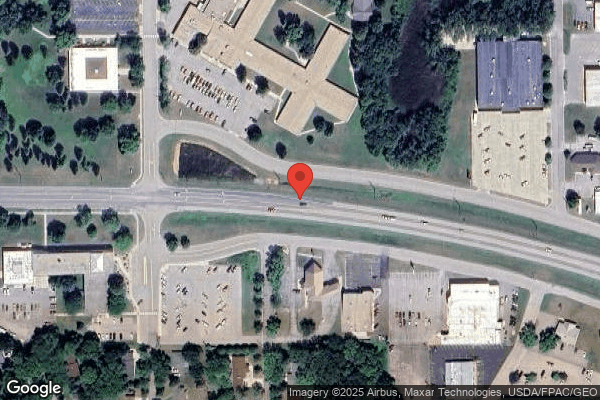

Luther Haven

1109 EAST HIGHWAY 7, MONTEVIDEO, MN 56265 (320) 269-6517
Non profit - Church related 55 Beds Independent Data: November 2025 2 Immediate Jeopardy citations
Trust Grade
6/100
#248 of 337 in MN
Last Inspection: August 2025

Inspected within the last 6 months. Data reflects current conditions.

Overview

Luther Haven nursing home has received a Trust Grade of F, indicating significant concerns about the quality of care provided. It ranks #248 out of 337 in Minnesota, placing it in the bottom half of facilities in the state, and #2 out of 2 in Chippewa County, meaning there is only one local option that is better. While the facility's trend is improving with fewer reported issues, it still has a concerning staffing turnover rate of 53%, which is higher than the state average, despite an excellent staffing rating of 5 out of 5 stars. Families should note that the facility has incurred $155,795 in fines, which is higher than 98% of facilities in Minnesota, suggesting ongoing compliance issues. Specific incidents of concern include a resident eloping through a window, serious falls due to improper transfer protocols, and a lack of fall trend analysis resulting in significant injuries, which highlight both critical safety risks and the need for improvement in care practices.

Trust Score
F
6/100
In Minnesota
#248/337
Bottom 27%
Safety Record
High Risk
Review needed
Inspections
Getting Better
12 → 5 violations
Staff Stability
⚠ Watch
53% turnover. Above average. Higher turnover means staff may not know residents' routines.
Penalties
✓ Good
$155,795 in fines. Lower than most Minnesota facilities. Relatively clean record.
Skilled Nurses
✓ Good
Each resident gets 54 minutes of Registered Nurse (RN) attention daily — more than average for Minnesota. RNs are trained to catch health problems early.
Violations
⚠ Watch
30 deficiencies on record. Higher than average. Multiple issues found across inspections.
★★☆☆☆
2.0
Overall Rating
★★★★★
5.0
Staff Levels
★★☆☆☆
2.0
Care Quality
★☆☆☆☆
1.0
Inspection Score
Stable
2024: 12 issues
2025: 5 issues

The Good

  • 5-Star Staffing Rating · Excellent nurse staffing levels
  • Full Sprinkler Coverage · Fire safety systems throughout facility
  • No fines on record

Facility shows strength in staffing levels, fire safety.

The Bad

2-Star Overall Rating

Below Minnesota average (3.2)

Below average - review inspection findings carefully

Staff Turnover: 53%

Near Minnesota avg (46%)

Higher turnover may affect care consistency

Federal Fines: $155,795

Well above median ($33,413)

Significant penalties indicating serious issues

The Ugly 30 deficiencies on record

2 life-threatening 1 actual harm
Aug 2025 2 deficiencies
CONCERN (D)

Potential for Harm - no one hurt, but risky conditions existed

Assessment Accuracy (Tag F0641)

Could have caused harm · This affected 1 resident

**NOTE- TERMS IN BRACKETS HAVE BEEN EDITED TO PROTECT CONFIDENTIALITY** Based on interview and document review, the facility failed to ensure resident status was accurately identified in the Minimum D...

Read full inspector narrative →
**NOTE- TERMS IN BRACKETS HAVE BEEN EDITED TO PROTECT CONFIDENTIALITY** Based on interview and document review, the facility failed to ensure resident status was accurately identified in the Minimum Data Set (MDS) assessment for 2 of 15 sampled residents (R8 and R29).Findings include: R29 undated, current diagnoses sheet identified that R29 had a diagnosis of altered mental status, social phobia, depression, hallucinations, and psychotic disorder with delusions. R29's 2/02/23, Level I Preadmission Screening and Resident Review (PASRR) identified a referral for an OBRA Level II assessment for mental illness was required. R29's 2/08/23, Level II PASARR was completed and identified R29 had a mental illness. R29's 2/08/23, admission Minimum Data Set (MDS), section A identified R29 had no mental illness documented. R29's subsequent MDS assessments for section A from 2/8/23 through 7/25/25, identified they also had been marked no for mental illness. Interview and document review on 8/20/25 at 10:11 a.m., with the social worker (SW) identified R29's Level II PASARR diagnosis of mental illness was not marked on the MDS because R29 was not eligible to receive additional services. The SW did agree, when staff answered the question on the MDS Section A: A1500 Is the resident currently considered by the state level II PASRR process to have serious mental illness and/or intellectual disability or a related condition? The MDS should have been coded as yes. Interview on 8/20/25 at 10:34 a.m., with director of nursing (DON) identified she would expect the MDS to reflect accurate assessments of resident's condition and agreed the MDS' should have been checked yes. Review of undated [NAME] Haven MDS Completion and Submission Timeframes policy identified the nurse manager, or designee was to ensure resident assessments was completed in accordance with federal and state guidelines. There was no mention of how the facility would ensure accurate assessments occurred, who had been trained to perform them, and if oversight was to be provided.
CONCERN (D)

Potential for Harm - no one hurt, but risky conditions existed

Safe Environment (Tag F0921)

Could have caused harm · This affected 1 resident

**NOTE- TERMS IN BRACKETS HAVE BEEN EDITED TO PROTECT CONFIDENTIALITY** Based on observation, interview, and document the facility failed to have a process for monitoring personal refrigerators locate...

Read full inspector narrative →
**NOTE- TERMS IN BRACKETS HAVE BEEN EDITED TO PROTECT CONFIDENTIALITY** Based on observation, interview, and document the facility failed to have a process for monitoring personal refrigerators located in 1 of 15 sampled resident's (R23) room to ensure temps were monitored, food was not expired, and the refrigerator maintained to prevent potential food born illness. Findings include: Observation on 8/18/25 at 11:30 a.m., in R23's room identified a small dorm style refrigerator. Inside the refrigerator was a small freezer. The refrigerator contained sausage, sliced cheese, several bottles of boost supplement, and soft chocolate candy. The freezer contained an item wrapped in white paper labeled Souse (meat made from various parts of the pig such as head, feet, and ears) with a freeze by date of July 2024. The freezer nor refrigerator contained a thermometer. Outside of the refrigerator identified no log to show that staff were monitoring or maintaining the refrigerator. Interview on 8/20/25 at 9:00 a.m., with the administrator identified the facility was not monitoring the refrigerator. He noted they should be monitoring to ensure the food was safe to eat and they need to revise the facility process for personal refrigerators. Interview on 8/20/25 at 11:26 a.m., with the infection preventionist identified not monitoring and maintaining resident personal refrigerators was concerning. This could lead to a food-born illness. The facility should have a process to ensure the food residents are consuming is fresh, safe, and sanitary to avoid potential illness. Residents at the facility are here because they require care and should not be expected to maintain their personal refrigerators and ensure the food they consume is safe. The facilities Resident Personal Refrigerator Policy identified Residents at [NAME] Haven will be permitted to have a personal refrigerator in their room. The refrigerator will be the responsibility of the resident and/or their family. Residents or their families will be responsible for ensuring the refrigerator maintains a temperature of 41 degrees or below.
Jun 2025 1 deficiency 1 Harm
SERIOUS (G) 📢 Someone Reported This

A family member, employee, or ombudsman was alarmed enough to file a formal complaint

Actual Harm - a resident was hurt due to facility failures

Accident Prevention (Tag F0689)

A resident was harmed · This affected 1 resident

**NOTE- TERMS IN BRACKETS HAVE BEEN EDITED TO PROTECT CONFIDENTIALITY** Based on interview and document review, the facility did not assess or analyze trends of falls to determine causal factors or ro...

Read full inspector narrative →
**NOTE- TERMS IN BRACKETS HAVE BEEN EDITED TO PROTECT CONFIDENTIALITY** Based on interview and document review, the facility did not assess or analyze trends of falls to determine causal factors or root cause and implement interventions to prevent or reduce the risk of falls with major injury for 1 of 3 residents (R1) reviewed who had falls. This resulted in actual harm when R1 suffered spinal compression fracture at T12 (thoracic spine last vertebrae), L1 and L2 (lumbar spine between the top two vertebrae) and a rib fracture as a result of two unsupervised falls. Findings include: R1's face sheet dated 6/5/25, identified diagnoses of Parkinson's disease (condition that affects movements), dementia (decline in mental ability), and depression (mood disorder characterized by persistent sadness). R1's quarterly Minimum Data Set (MDS) dated [DATE], indicated severe cognitive impairment with diagnoses of Parkinson's Disease, dementia with behaviors, and depression. R1 had no behaviors, rejection of cares or wandering. R1 required maximal assist of one staff person for activities of daily living (ADL)s, bed mobility and transfers. R1 was occasionally incontinent of bowel and bladder and did not have a toileting schedule. R1 walked and used a walker and wheelchair. R1 received antipsychotics, antidepressants and anticoagulants. R1 did not have restraints or alarms. R1's physician orders indicated on 11/27/24 to walk resident with assist of 1-2 with gait belt followed by wheelchair to meals. Also, document when restless. R1 fall risk assessment dated [DATE], indicated high risk for falls score of 18, indicating R1 was at high risk for falls. Review of facility incident report list from 3/28/25 thru 6/3/25, indicated R1 had seven falls as follows: Fall 3/28/25 R1's progress notes dated 3/28/25 at 4:25 p.m. R1 was in wheelchair in dining room, R1 attempted to get up out of wheelchair and walk; staff witnessed resident fall, he did not hit his head, denied pain, and there was no injury noted at this time. When asked what he was doing R1 replied, this happens 2-3 x's a week. R1 vital signs stable. R1 encouraged to get assistance with transferring or walking, R1 was redirected with activity, food, drink, and toileting. Will encourage fluids. Family, director of nursing, nurse manager notified and telephone order on clipboard. Facility event report dated 3/28/25, indicated R1 had a witnessed fall in the dinning room at 3:30 p.m. R1 just had a snack and denied any injury or pain after the fall, R1 had good range of motion (ROM). Staff listed possible causes as cardiac/respiratory disease, and the use of analgesic and antipsychotics. Intervention included educating R1 to ask for help when getting out of chair, and redirection with activity, food, fluids, and toileting. These interventions were effective, and the care plan was followed. The incident report lacked a root cause analysis of the fall. R1's interdisciplinary note (IDT) dated 3/31/25, indicated witnessed fall, no injuries noted. R1 had diagnoses of dementia and has poor safety awareness. R1 was impulsive and restless at times. Evening staff will walk with resident at beginning of shift. R1's fall care plan was revised 3/31/25 with the following interventions; staff to ambulate R1 at beginning of evening shift at approximately 3:30 p.m., due to R1 frequently getting restless at this time. Review of R1's ambulation record from 1/1/25 thru 6/5/25 indicated an order dated 11/27/24, to walk R1 to meals with assist of 1-2 staff with gait belt to all meals, follow with wheelchair. Also document when restless. The following documentation was identified: January 2025- no documentation record. February 2025-ambulated twice on the 2/4 and twice on 2/11. March 2025- no documentation sheet. April 2025- ambulated 4/6 and 4/20 the rest were blank May 2025- blank June 2025- blank. R1's physician note dated 4/8/25, indicated R1 had Parkinson's Disease, dementia without behavioral disturbance and was stable. R1 had recurrent falls, and gait instability. He was impulsive and may not wait for staff assistance related to the dementia. R1 was on Zyprexa to assist with this. There were no new orders or interventions listed. Fall 4/12/25 R1's progress note dated 4/12/25 at 12:49 p.m., R1 was found lying on the floor on his back by the foot of the bed. Wheelchair was noted next to bedside table. R1 was lifted via total mechanical lift with three staff assist. R1 complained of pain to his forehead and knees, ice applied and scheduled Tylenol given. R1 had a 3.0 centimeter (cm) x 3.0 cm bump with 2.0 cm x 1.0 cm abrasion/bruise on the left side of forehead. He also had a 1 cm x 1 cm abrasion to left elbow. Staff were educated not to leave R1 alone in room with a known history of self-transfers. Range of motion (ROM), vital signs and neuros within normal limits for R1. Family, and physician notified. Facility event report dated 4/12/25, indicated R1 had an unwitnessed fall at 11:40 a.m., in his room. R1 was sitting in his wheelchair and not able to identify what happened. R1 had moderate pain in his forehead and knees, with a bump and abrasion to his forehead. Possible contributing factors included R1 does self-transfers and received analgesics and antipsychotics. Immediate interventions were neurological checks as fall was unwitnessed and had a head injury. R1's interdisciplinary team (IDT) note date 4/14/25 at 8:45 a.m., and updated R1's care plan to not leave R1 alone in his room when he is in the wheelchair. Fall 4/19/25 R1's progress note dated 4/19/25 at 6:41 p.m., indicated R1 was found on floor in Haven lounge. R1 had been sitting in recliner watching TV and eating popcorn, with gripper socks on. R1's wheelchair was beside the recliner and was found laying on his back and on the foot pedals of another resident's wheelchair. Four staff attempted to use a full mechanical lift sheet but R1 yelled out in pain and pointed to his left eye and groin area. R1 was sent to the hospital, family, physician and management were notified. Facility's event report dated 4/19/25 at 5:54 p.m., indicated R1 had an unwitnessed fall on 4/19/25 in the Haven Lounge. R1 complained of moderate pain in his stomach and head. R1 had a possible head and hip injuries and was sent to the emergency department (ED). There were no deformities noted but R1 had pain with range of motion (ROM). The event report did not list any contributing factors for the fall and R1 was on antipsychotics. Care plan was followed and event report lacked a root cause analysis of the fall. R1's ED physician note dated 4/19/25, indicated R1 being found down after an unwitnessed fall at facility with trauma to his occipital (back of head) scalp area with an occipital scalp [NAME] (swollen bruise). CT report indicated T12 compression deformity, newly visualized since 2024, recommend correlation with point tenderness. Lidoderm (pain) patch applied and Tylenol 650 mg every 6 hours as needed for pain. R1 was discharged back to the facility to follow up with primary care physician as needed. R1's IDT note dated 4/21/25 at 9:00 a.m., indicated R1 had fall with injury and was sent to the ED. R1 has T12 fracture. R1's nursing home physician round note 4/23/25, indicated follow up ED visit. Nursing notes indicated that R1 was not having pain symptoms or discomfort. R1 has advanced dementia. R1 had improved back to his baseline health status. No new orders or fall interventions were identified. Fall 5/6/25 R1's progress note dated 5/6/25 at 4:16 p.m., indicated R1 had an unwitnessed fall and was found lying on his right side by nurses' station. Staff previously spoke to resident 5 minutes prior. R1 sent to ED. Facility's event report dated 5/6/25, indicated R1 had an unwitnessed fall at 4:14 p.m., by the nurses' station. R1 would not allow ROM to hips/legs, had no pain and was sent to the ED for evaluation due to previous fracture. R1 had dementia, and this was a possible contributing factor. R1 received analgesics and antipsychotics. Immediate intervention was to send R1 to the ED for evaluation. Family, physician and management were notified. Care plan was being followed at the time of the fall. R1's ED physician progress note dated 5/6/25, indicated R1 was brought to ED after a fall with right shoulder pain. R1 had recent T-spine fracture. CT of chest, abdomen, and pelvis revealed unchanged T12 vertebral body compression fracture. No acute fractures. Kidney stone noted and urinalysis had abnormal finding and R1 was started on antibiotic and returned to the facility. R1's IDT note dated 5/7/25, R1 had unwitnessed fall at the nurse's station. R1 went to the ED, no injuries and diagnosed with urinary tract infection (UTI) and toileting plan was updated. R1's care plan intervention dated 5/7/25, identified staff to toilet after supper. Fall 5/12/25 R1's progress note dated 5/12/25 at 8:10 p.m., R1 had unwitnessed fall at nurses' desk. Activity aide (AA)-A who was near R1 heard R1 hit the floor and called for help. Two nurses and one NA assisted R1 off the floor via a sit to stand lift. R1 was complaining of pain to back, head, and right leg. Vital signs were stable and sent to the ED. Review of facility's event report dated 5/12/25, indicated R1 had an unwitnessed fall at the nurses station. The report listed AA-A was in the vicinity. R1 complained of moderate pain in head, back and right leg. R1 had no visible injuries and complained of pain with ROM to lower extremities. The event report further indicated R1's neurological disorder was a possible contributing factor. R1's ED note dated 5/12/25, identified R1 was brought in by ambulance for evaluation after an unwitnessed fall. R1 was complaining of pain of headache and back pain. CT was done of thoracic spine and revealed acute non-displaced fracture of L1 and L2 spinous process (a small wing-like bone projection that extends outward from each vertebra along the spine). R1 discharged back to the facility and advised to continue pain patch, follow up with primary physician, and return to ED for any concern or any worsening symptoms. R1's IDT note dated 5/13/25 at 9:04 a.m., indicated R1 had become weak related to not ambulating as often. Orders for physical therapy (PT) to evaluate for strengthening and occupational therapy (OT) to evaluate for wheelchair positioning. R1's care plan intervention dated 5/13/25, identified physical therapy (PT) to evaluate for strengthening and occupational therapy (OT) to evaluate for wheelchair positioning. Fall 5/15/25 R1's progress note dated 5/15/25 at 12:57 a.m., indicated R1 was found sitting on the mat/floor, holding onto the grab bar. R1 was sent to the ED for evaluation due to his previous fractures was listed as the intervention. R1's ED physician progress note dated 5/15/25, identified R1 had been seen after a fall out of bed. Chest, abdomen and pelvis computed tomography scan (CT) identified R1 had a minimally displaced acute-appearing fracture of the right anterior seventh rib,constipation, and lung opacity (hazy gray areas on CT or x-rays) favoring mild infectious/inflammatory process. He was started on Augmentin (antibiotic) and to follow up with physician, use pain medication as previously directed and was discharged back to facility. R1's safety event-fall report dated 5/15/25, identified R1 had an unwitnessed fall at 12:57 a.m., and was found in his room sitting on the mat holding the grab. R1 had been observed at 11:30 p.m., and was sleeping in bed. R1 had complaints of pain in knees and was sent to the emergency department (ED) for evaluation. R1's fall focus care plan intervention were revised 5/15/25, identified R1's bed to be in lowest position with mat on floor and pharmacist review of medications. R1's pharmacy review dated 5/15/25, identified a medication review had been requested due to R1 falling three times in past week. R1 was on an antibiotic on 5/15/25 for lung opacity after being seen in the ED. R1 had multiple medications with potential side effects of dizziness, and ortho hypotension (a sudden drop in blood pressure that occurs when a person stands up after sitting, or lying down) which could contribute to falls. These medication included Fluoxetine, Mirtazapine, Olanzapine, Quetiapine, Sinemet, and Tamsulosin. Pharmacist's suggested course of action included: 1- Consider doing orthostatic blood pressure twice daily for three days to rule out hypotension as a contributor to falls. 2- If recent labs have not been done, could consider a complete metabolic panel (CMP) or a complete blood count (CBC). 3- Please review the above listed medication with the potential side effect for dizziness. R1 was receiving Seroquel 50 mg twice daily, Olanzapine 2.5 mg daily, Mirtazapine 30 mg at bedtime and Fluoxetine 10 mg daily. Could consider a trial decrease on Olanzapine to 1.25 mg if appropriate for R1. Review of R1's medication and treatment administration record dated 5/1/25 through 5/31/25 did not identify any orthostatic blood pressures were completed. Interview on 6/4/25 at 4:21 p.m., nurse manager (NM)-A stated the pharmacist recommendations were faxed three times to MD-A and faxed back without any changes. NM-A further stated the MD-A was rounding on 6/5/25 and would address the recommendations with him at that time. NM-A stated they have not completed any orthostatic blood pressures for his falls. They do not think it was an orthostatic issue but were related to his impulsivity. Fall 6/3/25 R1's progress note dated 6/3/25 at 7:10 p.m., identified R1 had just been in dining room finishing supper and was found five minutes later on the floor in front of a room. R1 was toileted at 3:00 p.m., and had gripper socks on at the time of the fall. R1 was transferred off the floor with a total mechanical lift and blood pressure was noted to be lower than normal. ROM good to all extremities with no pain or injuries noted. R1 was taken to the bathroom and had a large bowel movement. R1 was highly agitated yelling, and combative with neuros. R1's fall event report dated 6/3/25, identified R1 had an unwitnessed fall at 6:56 p.m. in the hallway. Immediate intervention of toileted and neurological checks. R1's progress note dated 6/4/24 at 6:45 a.m., identified medication nurse was interviewed and R1 was agitated and combative with all evening cares and when nursing assistants attempted to toilet R1 at 5:00 p.m. and 6:00 p.m., R1 would not allow nursing assistants to take him to the bathroom. Intervention included 1:1, bring R1 to quiet area, feed him supper, warm blanket, and attempt other staff to toilet him. Toileting schedule set up before supper to prevent R1 from getting agitated when he had the urge to have a bowel movement. Medical doctor (MD) will round on 6/5/25 and pharmacist wil be consulted on medication times if there are other options for psychotropic (drug that affects a person's mental state) medications related to dementia and Parkinson's disease. R1's physician progress notes dated 6/5/25, identified R1 had six falls since March had Parkinson's symptoms that were stable along with dementia without behavioral disturbance. R1 continued to be impulsive and get up on own, mainly in the afternoon. Had 6 falls since March. Continue diligence as able. R1 currently taking Seroquel by neurology, will continue this. R1 also taking Remeron and Prozac, which could contribute to increased agitation and R1 getting up without assistance. MD-A recommended decreasing dose of Remeron to 15 mg and to discontinue the Prozac. R1 also takes blood thinner due to history if pulmonary embolism and deep vein thrombosis. If falls continue, may need to discuss with family on discontinuing this medication. R1's falls care plan start date of 3/1/24, indicated R1 was at risk for falls due to Parkinson's disease, impaired cognition, weakness and history of falls. Interventions included: -R1 will not be left unattended in the BR due to impulsivity, decreased safety awareness and history of self-transferring/falls, dated 7/22/24; -Dycem gripping material placed under wheelchair cushion to promote positioning, dated 8/16/24; -R1 to wear gripper socks at bedtime and gripper socks or shoes during the day, dated 8/27/24; -Remove wheelchair foot pedals and place in storage bag located on wheelchair when not transporting, dated 9/9/24; -Gripper tape placed in front of bed, dated 9/16/24 -Physical and Occupational Therapy referral as needed to promote strength, endurance and mobility, dated 11/18/24; -Due to increased restlessness encourage R1 to rest in recliner throughout the day, dated 1/3/25; -Staff to walk with R1 at beginning of evening shift approximately at 3:30 p.m., due to R1 frequently getting restless at this time, dated 3/31/25; -Do not leave alone in room in wheelchair, dated 4/14/25; -Toilet before supper 5/7/25; -Physical therapy to eval for strengthening and Occupational therapy to eval for wheelchair positioning, dated 5/13/25; -Bed in lowest position, dated 5/15/25; and -Pharmacist review of medications, dated 5/15/25. Interview on 6/3/25 registered nurse (RN)-B stated the R1 had numerous falls in the past three months, with two fractures. RN-B was not able to articulate the R1 was to be toileted at 2:30 p.m. and before supper or that R1 was to ambulate to meals. Interview on 6/3/25 nursing assistant (NA)-P stated try to prevent falls with R1, make sure that R1 is at the nurses' station, give him snack, help him watch TV. Was not able to articulate that R1 had a ambulation or toileting schedule. During clarification interview on 6/6/25, NA-P was able to get the [NAME] walk book and identified R1's walking sheet. NA-P verified that nothing was signed off for the month of June. Interview on 6/4/25 NA-D stated R1 was to be toileted every 2 hours and when he was agitated. NA-D could not articulate that R1 was to be walked to meals and when agitated. Interview on 6/4/25 NA-V stated R1 did not have a walking program, and there was not a toileting schedule for R1. Interview on 6/6/25 NM-A was not able to provide needed documentation of R1's ambulating to meals or the toileting times of 2:20 p.m. and before supper were being completed. Interview on 6/4/25 at 9:00 a.m., director of nursing (DON) reviewed falls and was unable to identify the root cause of R1's falls or if the care plan was being followed. DON further stated her expectation was that staff identified the root cause and that immediate interventions were put into place. The interdisciplinary team also reviewed the fall with interventions to make sure the interventions were evaluated for appropriateness. Although the facility identified interventions, there was no indication these interventions were being implemented consistently, nor were there any ongoing analysis of the falls to determine if the interventions were effective. Interview on 6/4/25 at 4:25 a.m., administrator stated the facility was notified of funding availability for a performance-based incentive payment program ([NAME]) project for a fall prevention program which they plan to start this month. All falls need to have appropriate immediate intervention implemented at the time of the fall and then the IDT reviews it at their next meeting to verify the intervention is appropriate and working to prevent further falls. Facility quality assurance and performance improvement (QAPI) notes from January 2025 thru May 2025, indicated the following: -January 14, 2025, QAPI discussed F689 as part of the plan of correction (POC), audits regarding their surveys. Audit had been completed three times a week. Results overall have been successful. Some concerns noted with getting them all completed, especially on the weekend when leadership is not present. Audits will be reduced to one time per week and management will look at new education topic to be covered. Administrator fur reviewed the Minnesota quality indicators with the committee, which included falls with injury. The facility had a significant number of falls during the past three to four months, but the injuries have decreased significantly. Committee to continue to monitor. -February 11, 2025, facility level quality marker report was reviewed by administrator with committee. Area's facility is falling in the high percentile included falls and falls with injury. Committee discussed involving therapy more especially at the time of admission and utilizing the screening forms by staff. The fall risk form being completed was also discussed regarding what actions to take after the form is completed. At risk resident were also being monitored each week at the weekly risk meeting. -April 8, 2025, March falls were reviewed. There were 34 falls for the month, one resident had 13 falls, eight residents had 2 or more falls, and 20 of the falls occurred during the evening and nights shifts. There was one fall with injury. The committee discussed how falls could also be a possible [NAME] project. The facility fall policy dated 9/2024, did not indicate that an immediate fall intervention should be implemented. Facility undated procedure entitled Events indicated an attached table that indicated when a fall even should be open and under who fills out indicated for licensed staff at time of fall that assesses resident with pertinent fall information; charge nurse assigned to resident for shift will complete remaining sections ***BE SURE TO IMPLEMENT AN IMMEDIATE INTERVENTION AND USE CRITICAL THINKING TO DETERMINE THE CAUSE OF THE FALL***
Mar 2025 1 deficiency
CONCERN (D) 📢 Someone Reported This

A family member, employee, or ombudsman was alarmed enough to file a formal complaint

Potential for Harm - no one hurt, but risky conditions existed

Infection Control (Tag F0880)

Could have caused harm · This affected 1 resident

**NOTE- TERMS IN BRACKETS HAVE BEEN EDITED TO PROTECT CONFIDENTIALITY** Based on observation, interview, and document review, the facility failed to ensure appropriate transmission based precautions u...

Read full inspector narrative →
**NOTE- TERMS IN BRACKETS HAVE BEEN EDITED TO PROTECT CONFIDENTIALITY** Based on observation, interview, and document review, the facility failed to ensure appropriate transmission based precautions used for 1 of 1 resident (R4) with diagnosis of Respiratory Syncytial Virus (RSV). Findings include: R4's quarterly Minimum Data Set (MDS) dated [DATE], indicated severe impaired cognition with diagnosis of dementia. R4's progress note dated 3/14/25 at 9:39 a.m., indicated R4 continued to have a runny nose and wet cough and complained of not feeling well. 4-plex (nasal swab allowing staff to quickly identify whether a person is infected with Influenza A, Influenza B, Respiratory syncytial virus (RSV), or COVID-19) and placed on precautions. R4's progress notes dated 3/14/25 at 11:12 a.m., indicated call from physician that R4 had RSV, and R4 was placed on droplet precautions. During an observation on 3/18/25 at 12:36 p.m., R4's room door was open, and there was a droplet precaution sign outside door with a 3-drawer isolation bin with gloves, goggles, and face shields. During an observation on 3/18/25 at 1:16 p.m., R4 wheeled himself in wheelchair out into the hall without a mask on and moved towards the nurse's station. Nursing assistant (NA)-D returned R4 to room at 1:20 p.m. During an observation on 3/18/25 at 1:33 p.m., NA-D and NA-A entered R4's room with gloves, mask and goggles on. No gown was applied. During an observation and interview on 3/18/25 at 1:54 p.m., NA-D indicated R4 had RSV and staff were supposed to apply gloves, goggles and masks, but no gown. R4 continued to have a cough as well. During an interview on 3/18/25 at 1:59 p.m., licensed practical nurse (LPN)-H indicated for RSV staff should be wearing mask, goggles or face shield, gloves, and gown. LPN-H confirmed there were no gowns in the isolation cart outside of R4's room. During an interview on 3/18/25 at 2:01 p.m., infection control preventionist (ICP), indicated R4 had RSV and was to be on contact and droplet precautions. ICP further stated the center for disease control (CDC) sign posted outside R4's room was for only droplet precautions. ICP walked to R4's room and placed the contact precautions sign and gowns in the cart outside of R4's room. During an interview on 3/19/25 at 2:01 p.m., interim director of nursing (DON) stated it was her expectation staff follow the CDC guideline for all infection control measures. Review of undated facility policy titled, Isolation Precautions, indicated strict isolation may be utilized: A.a. when a resident is identified to have an active infection with a highly transmissible or epidemiologically significant pathogen. A.d. Transmission based precautions (TBP) may be utilized with or without strict isolation. When the resident requires TBPs, over and above standard precautions, one or more of the following may be put into place: i: Contact precautions ii: Airborne precautions iii: Droplet precautions iv: Enhanced barrier precautions
Jan 2025 1 deficiency 1 IJ
CRITICAL (J) 📢 Someone Reported This

A family member, employee, or ombudsman was alarmed enough to file a formal complaint

Immediate Jeopardy (IJ) - the most serious Medicare violation

Accident Prevention (Tag F0689)

Someone could have died · This affected 1 resident

**NOTE- TERMS IN BRACKETS HAVE BEEN EDITED TO PROTECT CONFIDENTIALITY** Based on observation, interview, and document review the facility failed to complete a timely comprehensive elopement risk asses...

Read full inspector narrative →
**NOTE- TERMS IN BRACKETS HAVE BEEN EDITED TO PROTECT CONFIDENTIALITY** Based on observation, interview, and document review the facility failed to complete a timely comprehensive elopement risk assessment that addressed window type as a possible exit for mobile residents who were at risk for elopement for 1 of 3 residents (R1) who had a history of exit seeking. This resulted in immediate jeopardy (IJ) when R1 eloped from a window in her room and was found ½ mile from the facility approximately an hour later by the police and family member. The immediate jeopardy began on 12/28/24, when R1 eloped from the facility by exiting through the window in her room and was found an hour later 1/2 mile from the facility. The immediate jeopardy was identified on 1/9/25, and the assistant administrator was notified on 1/9/25, at 4:40 p.m. The immediate jeopardy was removed on 1/10/25, but noncompliance remained a lower scope and severity of a D with no actual harm with potential for more than minimal harm that is not immediate jeopardy. Finding include: R1's Face Sheet dated 1/8/25, indicated R1 had diagnoses of encephalopathy (disease of the brain that causes altered mental state and confusion), hallucinations, tremors, and insomnia (inability to sleep). R1's hospital Discharge summary dated [DATE], identified R1 did attempt to elope from the hospital during her stay. The report also noted that upon discharge to the nursing home, R1 was exhibiting signs of paranoia and not wanting to go to the facility. R1's admission minimum data set (MDS) dated [DATE], identified R1 was admitted to the facility on [DATE], had moderate cognitive impairment with delusions. The MDS further indicated R1 had a history of wandering. R1 required supervision with walking but was independent with transferring and bed mobility. R1's progress noted dated 12/28/24 at 3:48 a.m., noted nursing assistant (NA)-B redirected R1 back to her room but was very difficult to redirect and had been restless most of the night. At 3:00 a.m. NA-B noted a cold breeze coming from R1's bedroom door and upon entering R1's room, noted R1 was not in the room, the window was open, and the screen was off the window. The administrator and law enforcement were notified. A Police Department Incident Report dated 12/28/24, indicated the police department received a report on 12/28/24 at 3:23 a.m. that R1 had left the facility through a window. R1 was located with a law enforcement drone and transported by ambulance to the ED to be evaluated after being in the elements for about an hour. R1's ED Provider Note dated 12/28/24 at 4:19 a.m., indicated R1 arrived at the ED with agitation, confusion, hallucinations, limited exposure to the cold, and evidence of falling onto her knees. R1's Baseline Care Plan dated 12/23/24, did not include wandering or elopement risks with individualized intervention to prevent/mitigate risk for elopement. The care plan identified R1 was admitted with weakness and confusion, disoriented to time and place along with communication was clear. She understood along with at times understanding others. She required supervision with transferring walking throughout the facility, used a walker, and needed staff assistance with toileting and dressing. R1's record reviewed between 12/23/24 through 12/27/24, had not identified risk for elopement even though the hospital Discharge summary dated [DATE] identified R1 attempted to elope from the hospital. The MDS also identified R1 had a history of wandering. There was no indication the facility had completed a comprehensive risk assessment for elopement/wandering. R1's progress note dated 12/23/24 at 10:46 p.m., noted R1 wanted to go home and was not accepting staff's redirection, wandered into other resident's rooms, and was aggressive with staff. Staff placed a wander guard bracelet on R1's left wrist and increased staff supervision. R1's progress note dated 12/24/24 at 9:28 p.m., noted R1 had cut the wander guard off and threw it in the garbage. No extra wander guards were available so R1 was placed on hourly checks. R1's baseline care plan was not revised to include hourly checks. R1's progress note dated 12/25/24 at 11:32 p.m., noted R1 was found in another resident's bathroom with no wander guard on. R1 was also noted to be impulsive, hard to redirect, trying to open the exit doors and wandering the hallways. R1 had a coat, shoes, and head band and told staff she was going for a walk. Staff placed a new wander guard bracelet on R1 at 6:30 p.m. R1's progress note dated 12/26/24 at 12:52 p.m., noted staff found R1 with some of her belongings wanted to leave and was redirected by staff. R1's progress noted dated 12/26/24 at 9:01 p.m., noted R1 presented at the nursing station, requested to go home, and staff redirected R1 back to her room. R1's progress note dated 12/28/24 at 1:29 a.m., noted R1 was restless and wandering in and out of her room. R1 was given Melatonin (a sleep aide). During an interview on 1/9/25 at 12:20 p.m., NA-A indicated she worked the 10 p.m.-6 a.m. shift on 12/27/24, and R1 was very exit seeking from 10:00 p.m. to 2:00 a.m. Further indicated R1 wanted to go to the store, wanted her family to pick her up, and needed constant redirection but the redirection was not working. NA-A then identified her co-worker (NA-B) toileted R1 at 2:30 a.m. and encouraged R1 to lay down in bed. At 3:15 a.m., NA-A noticed R1's door was closed so opened it but could not find R1, then noticed the room was cold, the right crank window was open, and the screen was pushed out. NA-A immediately told the charge nurse and started searching for R1. During an interview on 1/9/25 at 12:45 p.m., NA-B indicated she worked the 10pm-6am shift on 12/27/24, R1 was wanting to leave, was getting more antsy, and was not responding to redirection. NA-B requested a Melatonin for R1 at 1:00 a.m. and redirected R1 back to her room at least a couple more times. NA-B convinced R1 to lay down in bed at 2:30 a.m. but R1 insisted on staying in her clothes and had a pair of shoes by her. NA-B was in another resident room about 3:15 a.m. and heard other staff yelling for R1 and she helped search for her. NA-B indicated the facility protocol was to check on every resident every hour at night. During an interview on 1/8/25 at 3:15 p.m., registered nurse (RN)-A indicated she began her work shift at 2:00 a.m. on 12/28/24 and was aware R1 was an elopement risk. RN-A observed R1 in the recliner in her room at 2:00 a.m. and was notified at approximately 3:15 a.m. R1 had eloped out of the window in her room. RN-A immediately contacted the administrator and implemented the elopement policy. During an interview on 1/8/25 at 2:50 p.m., family member (FM)-A indicated she was notified on 12/28/24 during the early morning hours that R1 had gotten out of a window at the facility and went out to look for her. FM-A found R1 walking through the Subway sandwich parking lot wearing jeans, slippers, short sleeve shirt, and a sweatshirt coat. FM-A noted R1 wrapped in herself, shivering and got her into the vehicle further identifying R1 appeared cold but not freezing. R1 had mud on both knees of her jeans and told FM-A that she had crawled across the highway. FM-A indicated she had accompanied R1 to the ED. R1 was really confused and had a couple of bruises on her knees but no other noted injuries. During an interview on 1/8/25 at 3:45 p.m., the social worker (SW) reported she completes the elopement risk assessments on the residents upon admission but completes them within the assessment reference date (ARD) with the MDS and not always the first admission day. The SW indicated upon admission, R1 did not appear to be an elopement risk as there was not a history of wandering or elopement. R1's Elopement Risk Observation on 12/30/24 (two days after R1's elopement), indicated reason for R1's admission was dementia care and cognition was severely impaired. Further identified R1 was independent with mobility and was at risk for elopement due to the following risk factors: elopement success in the past, removing device, verbalizing statements about leaving, changes in medications, history of leaving facility, recent move to the facility, wandering in the past 60 days, depression, hallucinations, and other symptoms and signs involving cognitive functions and awareness. Interventions included: activities, door alarm band (wander guard), photograph posted, physician update, redirection, frequent checks, med changes, and window cranks removed from windows (R1s). Observations of the facility on 1/8/25 and 1/9/25 at various times throughout both days, revealed handle cranks on common area windows. Although the elopement risk assessment identified the cranks were removed from R1's windows, it did not identify the risk and interventions for other windows in the facility that R1 would have access to. An observation and interview 1/9/25 at 10:25 a.m., the administrator took the screen off in R1's room and measured the crank window opening to reveal a 16-17 inch wide opening and the bottom sill to be approximately 32 inches to the ground. The administrator verified the windows were all the same operationally and size throughout the facility. Administrator indicated he had not considered evaluating other residents at risk for elopment that had the physical abillity to exit through a window as part of their assessment. During a follow up interview on 1/9/25 at 10:40 a.m., SW indicated the facility was aware the windows were a way to elope from the facility because a resident who no longer resided at there had eloped out of windows several times. Further indicated, the other residents that were at risk for elopement and new admission residents were not assessed for their ability to elope out the windows. During observation and interview on 1/8/25 at 2:50p.m., R1's windows were without the cranks. R1 was sitting in recliner, mumbling, and difficult to understand. R1 declined interview and stated she was not doing good. During a follow up interview on 1/9/25 at 4:10 p.m., R1 was sitting in the recliner in her room with legs over the side of the arms of the chair. R1 stated she was adjusting to staying at the facility because she had no choice and that her biggest problem was that she loved to be outdoors even in the coldest weather. R1 loved to go for walks, get fresh air, and go to the store which no one at the facility would allow her to do. R1 then indicated she was upset because of her stroke, dementia, and the need to stay in the facility. R1 did not mention the elopement from the facility. The facilities undated admission Assessment Form indicates Elopement Risk Assessment was completed on admission day and then reviewed quarterly, annually, and significant change. The facility policy titled Elopement dated 12/28/24, indicated the purpose was to ensure the safety of all residents, protect any residents who are at risk for elopement, and to provide staff an organized plan for searching for an eloped resident. Procedure was to attempt to prevent departure, obtain assistance and detailed steps to take following an elopement but did not address prevention of elopement. The immediate jeopardy that began on 12/28/24, and removed on 1/10/25 and was verified through observation, interview, and document review, when the facility implemented the following interventions: -Updated the Elopement Risk Assessment tool to include assessment of physical ability to elope from the windows. -Updated the Facility Elopement policy to include to complete the elopement assessment the day of admission, readmission, change of condition, or as needed. -Removed all window cranks in common areas. -Reassessed all residents at risk for elopement for their physical ability to elope out the windows. -Reviewed elopement policy and educated staff on recognizing elopement hazards, opportunities, window cranks all interventions
Sept 2024 10 deficiencies 1 IJ
CRITICAL (J) 📢 Someone Reported This

A family member, employee, or ombudsman was alarmed enough to file a formal complaint

Immediate Jeopardy (IJ) - the most serious Medicare violation

Accident Prevention (Tag F0689)

Someone could have died · This affected 1 resident

**NOTE- TERMS IN BRACKETS HAVE BEEN EDITED TO PROTECT CONFIDENTIALITY** Based on observation, interview, and document review, the facility failed to appropriately assess and/or follow the care plan an...

Read full inspector narrative →
**NOTE- TERMS IN BRACKETS HAVE BEEN EDITED TO PROTECT CONFIDENTIALITY** Based on observation, interview, and document review, the facility failed to appropriately assess and/or follow the care plan and ensure safe transfers were performed for 3 of 3 residents (R11, R16, and R37) while using sit-to-stand mechanical lifts (EZ stand) (requires a resident to be partial weight-bearing) to prevent or mitigate falls or risk thereof. This resulted in an immediate jeopardy (IJ) for both R11 and R16 who fell from and EZ-stand and required hospital evaluation and treatment). Both events had the potential for serious harm, injury, impairment, or death. The IJ began on 8/29/24, when nurse aide (NA)-A failed to follow R11's care plan and ensure 2 staff transferred R11 while using an EZ-Stand. R11 let go of the bars on the EZ -Stand and fell backwards out of the sling, resulting in a laceration to the back of her head. R11 was previously identified in June 2023 to be inconsistent with participation of the EZ-Stand: requires assist of two with the EZ-Stand: unable to recommend anything else and staff don't want to switch to the Hoyer [total lift]. Staff failed to identify NA-A's failure to follow the care plan. On 8/31/24, NA-B failed to follow the care plan for R16 and transfer her with 2 staff performing the transfer using an EZ-Stand. During the 1 staff transfer, R16 held her breath, passed out while she was supposed to be partial weight bearing, and was lowered to the floor. R16 was then transferred to the hospital for further evaluation and treatment. R16 was identified previously to be unsafe to use an EZ stand in June 2024, due to her inability to always bear weight and behaviors of holding her breath, but was not re-assessed by staff for the need to use a total lift for transfers. The administrator and director of nursing (DON) were notified of the immediate jeopardy on 9/10/24 at 2:37 p.m. The immediate jeopardy was removed on 9/12/24 at 7:46 a.m., but noncompliance remained at a lower scope and severity of a D: No actual harm with potential for more than minimal harm that was not immediate jeopardy. Findings include: R11 R11's Face Sheet dated 8/29/24, identified R11 had diagnosis which included dementia, diabetes mellitus (DM), and acute kidney failure. R11's fall report indicated on 8/29/24, R11 had a fallen in her room while being transferred by a nursing assistant using the EZ-Stand. R11 had let go of the bars on the EZ-Stand, fell out of the sling and was believed to have hit her head. A laceration was present to the back of R11's head and R11 was sent to the ER for evaluation. R11's progress note dated 8/29/24, at 11:24 p.m., identified the computed tomography (CT) scan of R11's head was negative and the laceration to R11's head did not require any stitches or staples. R11's records lacked evidence a thorough investigation and/or comprehensive fall analysis for probable root cause(s) that would have included but not been limited to if R11's care plan had been followed at the time of the fall on 8/29/29. Review of a physical therapy (PT) note dated 6/9/23, identified R11 was inconsistent with participation of the EZ-Stand: requires assist of two with the EZ-Stand: unable to recommend anything else and staff don't want to switch to the Hoyer [total lift]. R11's annual Minimum Data Set (MDS) dated [DATE], identified R11 had severe cognitive impairment. R11 required substantial/maximum assist for sit to stand and for toileting. R11's Comprehensive Care Area Assessment (CAA) identified R11 had an activities of daily living (ADL) deficit related to a history of falls, dementia age, and limited and impaired mobility. R11 had a history of unsafe self- transfers. R11's care plan dated 8/29/24, identified R11 had self-care deficits with ADL's and was at risk for falls related to a history of falls, dementia, limited and impaired mobility. Identified R11 required assist of two with an EZ-Stand for transfers. PT was to evaluate R11 for transfers in the EZ-Stand related to a recent fall. Review of the NA care sheet (abbreviated care plan used by NA's) dated 8/29/24, identified R11 required assistance of 2 staff and the EZ-Stand with transfers. R11's Fall Risk assessment dated [DATE], indicated R11 was at high risk for falls. The care plan was noted to not have been reviewed at that time to identify if current interventions were appropriate. R11 was not able to perform independent standing without staff assistance for the assessment as staff noted she was unable to perform that function. An option for required the use of assistive devices such as a cane, walker or wheelchair was left blank. During an telephone interview on 9/9/24 at 5:11 p.m., nursing assistant (NA-A) stated she had worked the evening of 8/29/24, when R11 fell. NA-A stated while she was transferring R11 alone in the EZ-Stand R11 had let go of the EZ-Stand bars, slipped out of the sling and fell backwards. R11 had hit her head resulting in a laceration and it was bleeding. NA-A stated she was unsure of what R11 had hit the back of her head on. NA-A worked for a staffing agency and the day of R11's fall was only her second or third day working in this facility. NA-A was unaware R11 required two staff assist with the EZ-Stand because she had not received any care plan or care sheet education during her orientation to the facility or prior to working with R11 and was unsure of the last time she received any training on mechanical lifts. During an interview on 9/10/24 at 7:17 a.m., the clinical nurse manager (CM)-A (also the MDS nurse) stated it was discovered NA-A had transferred R11 alone with the EZ-Stand instead of using two staff per R11's care plan and care sheet. Staff were to use the care sheets to identify how residents transfer. NA-A was unaware R11 required the assist of two staff and the EZ-Stand for all transfers. CM-A elaborated NA-A worked for a staffing agency, was new to the facility, and was was unsure how much orientation NA-A had received from the facility before working independently. After R11's fall, the following week, she had verbally reminded NA-A to ensure that care sheets were to be followed but was unsure if any other staff received the verbal reminder to follow care sheet. Her expectation was that all staff would be educated on NA care sheets and to have followed the care sheets and use two staff while using the EZ-Stands per policy. During an interview on 9/11/24 at 3:47 p.m., physical therapist (PT-A) stated she had seen R11 related to the fall from the EZ-Stand where staff were using one staff instead of two while transferring R11. PT-A stated staff were to use two assist with the EZ-Stand to transfer R11 because R11 had a history of being unpredictable in the EZ-Stand. Her expectation was the all staff would have followed R11's care plan and PT recommendations for R11. PT-A had not voiced any concerns to management. R16 Review of the 9/1/24, at 1:40 p.m., report to the State Agency (SA) identified on 8/31/24 at 9:09 a.m., R16 had a fall at 9:09 a.m At approximately 11:30 a.m., R16 began experiencing pain in her left lower extremity and was transferred to the local ER, was found to have a fracture in her leg (noted later by the radiologist to be consistent with a disease process vs the fall) and had to be transferred to a regional hospital for further evaluation and treatment. A follow up email to the SA dated 9/5/24 at 10:35 from director of nursing (DON) stating during the investigation it was revealed that a nursing assistant had been using the EZ-Stand independently and had not been following R16's care plan. R16's fall report identified on 8/31/24 at 9:15 a.m., R16 had been lowered to the floor in the EZ-Stand. R26 was later sent to the ER, and subsequently hospitalized for a leg fracture and a report had been filed with the SA and an investigation initiated. No other details were included on the fall report. Review of the facility's investigation file identified R16 required assist of two staff with EZ-Stand with transfers. The investigation determined only one staff had been used for the transfer, but could not determine through their root cause analysis as the care plan had not been followed, however, it was also noted R16 likely passed out from holding her breath during the transfer. R16's Face sheet dated 9/8/24, identified R16 had diagnosis which included diabetes mellitus (DM), hypertension (elevated blood pressure), and vertigo (dizziness). R16's Comprehensive Care Area Assessment (CAA) dated 10/19/23, identified R16 had an activities of daily living (ADL) deficit related to impaired mobility and chronic pain. R16 had a history of falls. R16 was noted to have moderate cognitive impairment identified on her ADL section of her CAA. R16 had no behaviors noted. R16's quarterly Minimum Data Set (MDS) dated [DATE], identified R16 had intact cognition. R16 required substantial/ maximum assist for sit to stand and for toileting. R16 had no behaviors noted. R16's care plan dated 10/26/24, identified R16 had self-care deficits with ADL's and was at risk for falls related to impaired mobility and a history of falls. R16 required two assist with use of the E-Z Stand for transfers. Review of nursing assistant (NA) care sheet dated 8/30/24, identified R16 required the assist of two staff with use of an EZ-Stand for transfers. R16's fall risk assessment dated [DATE], identified R16 was at high risk for falls. R16 was noted to have intermittent confusion, poor recall, judgement, and safety awareness. R16 was not able to stand on both feet, without holding onto anything to walk and was not noted to use an assistive device, such as a can, walker, or wheelchair and was chair-bound. Review of a PT note dated 12/26/23, identified R16 was referred to PT as she held her breath during transfers using the EZ stand. Per the registered nurse, this caused some bursting of blood vessels in her facial area. The physician had requested the referral. Pt noted per staff nothing had changed. The room was very tight (not a lot of room to maneuver a mechanical lift). R16 was not open to suggestions most of the time and staff had to cue her to not hold her breath. Physically, she did well hanging onto the EZ stand. Patient can be very stubborn and abusive to staff and therapy. There was no indication R16 was assessed for partial weight bearing as required for use an EZ stand or if PT recommended the use of a total lift since they were aware staff reported her holding her breath to the point of extreme (bursting blood vessels), which could lead to an episode of unconsciousness. Review of a progress note dated 6/6/24, indicated EZ-Stand is not recommendable anymore because R16 does chicken wings elaborating her elbows were not straight (in line with her body) and had an outward V formation and anytime can give up and fall. R16's progress notes identified on: 1) 6/9/24, indicated resident was doing chicken wings and gets purple/red (faced from holding her breath) during transfers. 2) 8/31/24 at 9:09 a.m., identified R16 held breath during transfer in EZ stand causing her to pass out and be lowered to the ground. R16 did not want to be seen in the ER. 3) 8/31/24 at 9:15 p.m., identified around 11:30 a.m., R16 began having left leg pain. Previously, she only allowed ice at the time but has now agreed to be seen in the ER and was transferred to the ER. 4) 9/1/24 at 1:05 a.m., identified ER called and stated R16 was being transferred to another facility due to a left leg fracture. R16's CT scan titled final report dated 9/1/24 at 7:34 a.m., identified R16 had a left leg fracture. During a telephone interview on 9/10/24 at 4:14 p.m., NA-B stated she had worked the evening of 8/31/23, when R16 was lowered to the floor. NA-B stated while she was assisting R16 off the toilet alone without other staff in attendance, using the EZ-Stand. While transferring, R16 held her breath, blacked out and slid out of the lift sling. NA-B stated she had to lower R16 to the floor. NA-B stated she was aware she was suppose to use two staff and the EZ-Stand to transfer R16 but she had not asked for help because R16 does not like a lot of the other staff. NA-B stated the nursing assistant (NA) care sheet says to use two staff but that is difficult because R16 only liked certain staff. NA-B stated it was important to use two staff with the EZ-Stand while transferring R16 because of safety related to R16 had history of holding her breath during transfers. During an telephone interview on 9/10/24 at 9:03 am., medical director (MD) stated he was aware that certain residents required the EZ-Stand and two staff assist to transfer. MD stated his expectation was that staff would have followed R11 and R16's care plan and the facility policy regarding the use of lifts. Assessments should be performed upon admission, quarterly, yearly, or as needed to correlate with residents abilities or changes. During a telephone interview on 9/11/23 at 7:58 a.m., licensed practical nurse (LPN)-E stated R16 has struggled and was unable to hold her arms in line with her body, and her arms would V out aka chicken wing for some time now while using the EZ-Stand. R16 required assist of two staff to use the EZ-Stand because of R16 not being able to have proper arm alignment (chicken wings) while using the EZ-Stand. LPN-E further stated R16 was not safe to be transferred with only one staff member with the EZ-Stand related to the potential for a fall. LPN-E was aware R16 was known to hold her breath and likely fell related to that, and not following the care plan by ensuring 2 staff were present. During an interview on 9/10/24 at 7:17 a.m., clinical manager CM-A stated it was discovered NA-B had transferred R16 alone with the EZ-Stand instead of using two staff per R16's care plan and care sheet. CM-A stated staff were to use the care sheets for all transfers. CM-A stated NA-B stated she had performed R16's transfer with the EZ-Stand independently because R16 did not like many of the other staff. CM-A stated NA-B was aware that two staff and the EZ-Stand were required for all of R16's transfers. CM-A was aware R16 had a history of holding her breath during transfers, and noted it was important to use two staff and the EZ-Stand for all transfers to try to prevent falls and to mitigate any injuries from falls. R16 had not been assessed to identify if she would require the use of a total body lift for safety. During an interview on 9/11/24 at 3:47 p.m., physical therapist (PT-A) stated R16 had been seen by therapy this past year related to R16 holding her breath in the EZ-Stand. PT-A stated therapy had recommended to continue using two staff assist with the EZ-Stand to transfer R16 for safety related to R16 holding her breath during transfers. PT-A stated her expectation was the all staff would have followed R16's care plan and PT recommendations for R16. R37 Review of R37's 7/17/24, quarterly MDS assessment identified her cognition was intact. R37 had diagnosis of heart failure, history of a tibia fracture, and history of falling. she was independent with her wheelchair, and required substantial/maximal assistance with transfers, dressing, personal hygiene, and bed mobility. Review of the facilities current nurse aide care sheets identified R37 was non-ambulatory due to right leg fracture, required assistance of 1 staff for transfers using a sit to stand mechanical lift for transfers, and a full body mechanical lift as needed. The care sheet did not identify what parameters staff should use to identify when it was appropriate to use a full mechanical lift rather than a sit to stand lift. Observation on 9/9/24 at 1:34 p.m., identified nursing assistant (NA)-A placed the harness across R37's back and connect the straps to the sit to stand, placed feet on the platform, and secured the safety strap. NA-A used the lift to stand R37 for a transfer, R37's knees were bent, her elbows were pointing outward vs next to her person, and she appeared to not be able to bear weight. Interview on 9/9/24 at 1:35 p.m., with NA-A identified she uses her care sheets to identify how many staff or what level of assistance the resident requires. She was unable to identify what would prompt her to use a full mechanical lift rather than a sit to stand lift or when she would notify the nurse that the resident is not safe to use the sit to stand lift if they cannot bear weight as an EZ stand requires. During an interview on 9/10/24 at 11:46 a.m., director of nursing (DON) verified both R11 and R16 required two staff assist and EZ-Stand for all transfers. DON verified staff were to be using the care sheets to care for the residents. DON stated NA-A had not known about the care sheets and facility had no documentation of training on care plans or care sheets for NA-A prior to or after R11's fall. DON stated there was not a good process for orientation of agency staff but going forward there would be a better process. DON also verified the only education that was received after both of the above falls was verbal reminders for staff to ensure that the care sheets are followed. She was was unable to determine if all staff had received the verbal reminders. The DON stated she was unsure of when/if all staff received mechanical lift competencies. DON stated her expectation was that all staff would have received education about the care sheets after R11 and R16's falls and would have followed the care sheets for R11 and R16, but could not ensure all staff were notified. The reason R11 and R16 required two staff and the EZ-Stand was to reduce falls and mitigate any injuries from falls. DON further stated competency training should be given to all employees to reflect current knowledge of the facility's resident specific needs and services. During an interview on 9/12/24 at 8:13 a.m., with the administrator identified his expectation was that care sheets and care plans for R11 and R16 should have been followed. All staff including agency staff would have received education on care sheets and care plans prior to working at the facility. Review of a facility policy titled EZ Lift and/or EZ Stand revised 8/11/15, identified staff were to ensure resident safety at all times while using the EZ Lift/ EZ Stand assist of two staff is required at all times unless care plan states assist of one. Review of a facility policy titled Fall Protocol undated identified fall events would be completed in Matrix and immediate interventions put into place related to fall. The immediate jeopardy that began on 8/29/24, was removed on 9/12/24, when it was verified the facility: 1) Reviewed and updated policies related to care sheets, care plans, and using the EZ Lift/Stand. 2) Educated all licensed staff and nursing assistants including agency staff and performed competencies on how to appropriately use the EZ Stand and Care sheets. 3) Updated the orientation checklist for agency staff. 4) Re-assessed all residents currently using an EZ Stand to determine if they were able to be partial weight bearing per manufacturer's guidelines in order to use the EZ Stand. 5) Educated staff on incident reporting to the SA.
CONCERN (D) 📢 Someone Reported This

A family member, employee, or ombudsman was alarmed enough to file a formal complaint

Potential for Harm - no one hurt, but risky conditions existed

Report Alleged Abuse (Tag F0609)

Could have caused harm · This affected 1 resident

**NOTE- TERMS IN BRACKETS HAVE BEEN EDITED TO PROTECT CONFIDENTIALITY** Based on interview and document review, the facility failed to ensure a fall with injury and potential neglect was reported to t...

Read full inspector narrative →
**NOTE- TERMS IN BRACKETS HAVE BEEN EDITED TO PROTECT CONFIDENTIALITY** Based on interview and document review, the facility failed to ensure a fall with injury and potential neglect was reported to the State Agency (SA) for 1 of 3 residents (R11) reviewed for falls. Findings include: R11's Face Sheet dated 8/29/24, identified R11 had diagnosis which included dementia, diabetes mellitus (DM), and acute kidney failure. R11's fall report indicated on 8/29/24, R11 had a fallen in her room while being transferred by a nursing assistant using the EZ-Stand. R11 had let go of the bars on the EZ-Stand, fell out of the sling and was believed to have hit her head. A laceration was present to the back of R11's head and R11 was sent to the ER for evaluation. In review of Facility Reported Incidents (FRI), it was not evident R11's fall was reported to the State Agency. R11's progress note dated 8/29/24, at 11:24 p.m., identified the computed tomography (CT) scan of R11's head was negative and the laceration to R11's head did not require any stitches or staples. R11's records lacked evidence a thorough investigation and/or comprehensive fall analysis for probable root cause(s) that would have included but not been limited to if R11's care plan had been followed at the time of the fall on 8/29/29. Review of a physical therapy (PT) note dated 6/9/23, identified R11 was inconsistent with participation of the EZ-Stand: requires assist of two with the EZ-Stand: unable to recommend anything else and staff don't want to switch to the Hoyer [total lift]. R11's annual Minimum Data Set (MDS) dated [DATE], identified R11 had severe cognitive impairment. R11 required substantial/maximum assist for sit to stand and for toileting. R11's Comprehensive Care Area Assessment (CAA) identified R11 had an activities of daily living (ADL) deficit related to a history of falls, dementia age, and limited and impaired mobility. R11 had a history of unsafe self- transfers. R11's care plan dated 8/29/24, identified R11 had self-care deficits with ADL's and was at risk for falls related to a history of falls, dementia, limited and impaired mobility. Identified R11 required assist of two with an EZ-Stand for transfers. PT was to evaluate R11 for transfers in the EZ-Stand related to a recent fall. Review of the NA care sheet (abbreviated care plan used by NA's) dated 8/29/24, identified R11 required assistance of 2 staff and the EZ-Stand with transfers. R11's Fall Risk assessment dated [DATE], indicated R11 was at high risk for falls. The care plan was noted to not have been reviewed at that time to identify if current interventions were appropriate. R11 was not able to perform independent standing without staff assistance for the assessment as staff noted she was unable to perform that function. An option for required the use of assistive devices such as a cane, walker or wheelchair was left blank. During an telephone interview on 9/9/24 at 5:11 p.m., nursing assistant (NA-A) stated she had worked the evening of 8/29/24, when R11 fell. NA-A stated while she was transferring R11 alone in the EZ-Stand R11 had let go of the EZ-Stand bars, slipped out of the sling and fell backwards. R11 had hit her head resulting in a laceration and it was bleeding. NA-A stated she was unsure of what R11 had hit the back of her head on. NA-A worked for a staffing agency and the day of R11's fall was only her second or third day working in this facility. NA-A was unaware R11 required two staff assist with the EZ-Stand because she had not received any care plan or care sheet education during her orientation to the facility or prior to working with R11 and was unsure of the last time she received any training on mechanical lifts. During an interview on 9/10/24 at 7:17 a.m., the clinical nurse manager (CM)-A (also the MDS nurse) stated it was discovered NA-A had transferred R11 alone with the EZ-Stand instead of using two staff per R11's care plan and care sheet. Staff were to use the care sheets to identify how residents transfer. NA-A was unaware R11 required the assist of two staff and the EZ-Stand for all transfers. CM-A elaborated NA-A worked for a staffing agency, was new to the facility, and was was unsure how much orientation NA-A had received from the facility before working independently. After R11's fall, the following week, she had verbally reminded NA-A to ensure that care sheets were to be followed but was unsure if any other staff received the verbal reminder to follow care sheet. Her expectation was that all staff would be educated on NA care sheets and to have followed the care sheets and use two staff while using the EZ-Stands per policy. During an interview on 9/11/24 at 3:47 p.m., physical therapist (PT-A) stated she had seen R11 related to the fall from the EZ-Stand where staff were using one staff instead of two while transferring R11. PT-A stated staff were to use two assist with the EZ-Stand to transfer R11 because R11 had a history of being unpredictable in the EZ-Stand. Her expectation was the all staff would have followed R11's care plan and PT recommendations for R11. PT-A had not voiced any concerns to management. During an interview on 9/12/24 at 8:13 a.m., with the administrator identified his expectation was that all staff including agency staff, would have been trained to follow care sheets and care plans and would have followed the care sheets and care plan for R11. Further stated he expected the facility would have reported R11's fall to the SA per facility policy. Review of a facility policy titled Abuse, Neglect, Exploitation, Mistreatment and Misappropriation of Resident Property revised 7/24, identified Neglect was defined as a failure of the facility, it's employees or service providers to provide goods and services to a resident that are necessary to avoid physical harm, pain, mental anguish, or emotional distress. Further identified it was the facility's policy to report and suspected Abuse, Neglect, Exploitation, Mistreatment, or Misappropriation of Resident Property immediately.
CONCERN (D) 📢 Someone Reported This

A family member, employee, or ombudsman was alarmed enough to file a formal complaint

Potential for Harm - no one hurt, but risky conditions existed

Investigate Abuse (Tag F0610)

Could have caused harm · This affected 1 resident

**NOTE- TERMS IN BRACKETS HAVE BEEN EDITED TO PROTECT CONFIDENTIALITY** Based on interview and document review, the facility failed to complete an accurate and thorough investigation of falls to deter...

Read full inspector narrative →
**NOTE- TERMS IN BRACKETS HAVE BEEN EDITED TO PROTECT CONFIDENTIALITY** Based on interview and document review, the facility failed to complete an accurate and thorough investigation of falls to determine the root cause, if the care plan was followed, and if the fall was reportable to the State Agency (SA) for 1 of 3 residents (R11) reviewed for falls. Findings include: R11's Face Sheet dated 8/29/24, identified R11 had diagnosis which included dementia, diabetes mellitus (DM), and acute kidney failure. R11's fall report indicated on 8/29/24, R11 had a fallen in her room while being transferred by a nursing assistant using the EZ-Stand. R11 had let go of the bars on the EZ-Stand, fell out of the sling and was believed to have hit her head. A laceration was present to the back of R11's head and R11 was sent to the ER for evaluation. R11's progress note dated 8/29/24, at 11:24 p.m., identified the computed tomography (CT) scan of R11's head was negative and the laceration to R11's head did not require any stitches or staples. R11's records lacked evidence a thorough investigation and/or comprehensive fall analysis for probable root cause(s) that would have included but not been limited to if R11's care plan had been followed at the time of the fall on 8/29/29. Review of a physical therapy (PT) note dated 6/9/23, identified R11 was inconsistent with participation of the EZ-Stand: requires assist of two with the EZ-Stand: unable to recommend anything else and staff don't want to switch to the Hoyer [total lift]. R11's annual Minimum Data Set (MDS) dated [DATE], identified R11 had severe cognitive impairment. R11 required substantial/maximum assist for sit to stand and for toileting. R11's Comprehensive Care Area Assessment (CAA) identified R11 had an activities of daily living (ADL) deficit related to a history of falls, dementia age, and limited and impaired mobility. R11 had a history of unsafe self- transfers. R11's care plan dated 8/29/24, identified R11 had self-care deficits with ADL's and was at risk for falls related to a history of falls, dementia, limited and impaired mobility. Identified R11 required assist of two with an EZ-Stand for transfers. PT was to evaluate R11 for transfers in the EZ-Stand related to a recent fall. Review of the NA care sheet (abbreviated care plan used by NA's) dated 8/29/24, identified R11 required assistance of 2 staff and the EZ-Stand with transfers. R11's Fall Risk assessment dated [DATE], indicated R11 was at high risk for falls. The care plan was noted to not have been reviewed at that time to identify if current interventions were appropriate. R11 was not able to perform independent standing without staff assistance for the assessment as staff noted she was unable to perform that function. An option for required the use of assistive devices such as a cane, walker or wheelchair was left blank. During an telephone interview on 9/9/24 at 5:11 p.m., nursing assistant (NA-A) stated she had worked the evening of 8/29/24, when R11 fell. NA-A stated while she was transferring R11 alone in the EZ-Stand R11 had let go of the EZ-Stand bars, slipped out of the sling and fell backwards. R11 had hit her head resulting in a laceration and it was bleeding. NA-A stated she was unsure of what R11 had hit the back of her head on. NA-A worked for a staffing agency and the day of R11's fall was only her second or third day working in this facility. NA-A was unaware R11 required two staff assist with the EZ-Stand because she had not received any care plan or care sheet education during her orientation to the facility or prior to working with R11 and was unsure of the last time she received any training on mechanical lifts. During an interview on 9/10/24 at 7:17 a.m., the clinical nurse manager (CM)-A (also the MDS nurse) stated it was discovered NA-A had transferred R11 alone with the EZ-Stand instead of using two staff per R11's care plan and care sheet. Staff were to use the care sheets to identify how residents transfer. NA-A was unaware R11 required the assist of two staff and the EZ-Stand for all transfers. CM-A elaborated NA-A worked for a staffing agency, was new to the facility, and was was unsure how much orientation NA-A had received from the facility before working independently. After R11's fall, the following week, she had verbally reminded NA-A to ensure that care sheets were to be followed but was unsure if any other staff received the verbal reminder to follow care sheet. Her expectation was that all staff would be educated on NA care sheets and to have followed the care sheets and use two staff while using the EZ-Stands per policy. During an interview on 9/11/24 at 3:47 p.m., physical therapist (PT-A) stated she had seen R11 related to the fall from the EZ-Stand where staff were using one staff instead of two while transferring R11. PT-A stated staff were to use two assist with the EZ-Stand to transfer R11 because R11 had a history of being unpredictable in the EZ-Stand. Her expectation was the all staff would have followed R11's care plan and PT recommendations for R11. PT-A had not voiced any concerns to management. R11's records lacked evidence that a thorough investigation and/ or comprehensive fall analysis for probable root cause(s) that would have included but not been limited to if R11's care plan had been followed at the time of the fall on 8/29/29. During an interview on 9/11/24 at 3:17 p.m., director of nursing (DON) verified a thorough investigation of R11's fall including an RCA and contributing factors had not been done. DON stated her expectation was that a thorough investigation of R11's fall would have been completed to reduce future falls for residents and to mitigate any injuries related to resident falls. During an interview on 9/12/24 at 8:13 a.m., administrator stated the investigation of R11's fall was not thorough enough to determine if the care plan was followed or that neglect did or did not occur. Administrator stated his expectation was that a thorough investigation of R11's fall would have been done to prevent future falls. Review of a facility policy titled Abuse, Neglect, Exploitation, Mistreatment and Misappropriation of Resident Property revised 7/24, identified Neglect was defined as a failure of the facility, it's employees or service providers to provide goods and services to a resident that are necessary to avoid physical harm, pain, mental anguish, or emotional distress. Identified Investigation is the process used to determine what happened. The designated facility personnel will begin the investigation immediately. A root cause analysis investigation and analysis would have been completed. The information gathered was to be given to administration.
CONCERN (E) 📢 Someone Reported This

A family member, employee, or ombudsman was alarmed enough to file a formal complaint

Potential for Harm - no one hurt, but risky conditions existed

ADL Care (Tag F0677)

Could have caused harm · This affected multiple residents

**NOTE- TERMS IN BRACKETS HAVE BEEN EDITED TO PROTECT CONFIDENTIALITY** Based on interview and document review the facility failed to ensure call lights were answered timely for 4 of 4 residents (R9,...

Read full inspector narrative →
**NOTE- TERMS IN BRACKETS HAVE BEEN EDITED TO PROTECT CONFIDENTIALITY** Based on interview and document review the facility failed to ensure call lights were answered timely for 4 of 4 residents (R9, R29, R39, and R48) reviewed for activities of daily living (ADL's). Findings include: R39 Interview on 9/9/24 at 12:09 p.m., with R39 who reported that he must wait for someone to come help him. He likes to get up around 7:30 a.m., and no one (satff) came to help him until 9:00 a.m., and he was so mad he could have burnt the place up. He reported the pool staff are really crabby they do not give a [expletive] as they are only here a short time. One time a pool staff came and fell asleep in the parking lot in her car. R39's 8/30/24, quarterly Minimum Data Set (MDS) identified Brief Interview for Mental Status (BIMS) score as 15 cognition was intact. He had verbal behaviors directed towards others andrequried sustantial to partial assistance by staff for cares. He took scheduled pain medication, an antidepressant, anticoagulant, and a diuretic. R39 had diagnoses of anemia, coronary artery disease, hypertension, demenia, and depression. R39's 9/9/24, Care Sheet identified he was a fall risk, he was to get up first by 7:00 a.m., needed 1 staff assistance for cares and then was independent with transfers and toileting in his room. R9 Interview on 9/9/24 at 1:27 p.m. with R9 who reported the staff are good when they have time. The staff try however, this morning she had put her call light on to get up and had to wait 2 hours before someone came to help her and that is not unusual. R9's 8/16/24, quarterly MDS identified her BIMS score was 15 and her cognition was intact. She had no behaviors and required partial assistance with cares. She had frequent pain and rated her pain an 8 on a scale of 1 to 10. She took daily pain medication, antianxiety, antidepressant, antibiotic, diurtic, and hypglycemic medications and she was on oxygen. R9 had diagnoses of heart failure, heypertension, uanxiety, depression, asthma, and imflammatory bowel disease. R9's 9/9/24, Care Sheet identified she was a fall risk, used an EZ sit to stand lift with one staff or pivot transfer with 2 staff, and she was unable to walk at this time. She needed assistance of one staff for cares and toileting. Interview on 9/11/24 at 9:45 a.m., with registered nurse (RN)-C who identified the call light response time was a problem. There were many variables that could be the reason why the call lights were not addressed timely, but it was an issue staff were aware of. When the facility had an interim administrator, the call light response time was being addressed at QAPI and the interim administrator was out on the floor all the time and the call light average response time was down to about 10-20 minutes however, that has not continued since the interim was no longer present in the facility. R48 Interview on 9/11/24 at 2:43 p.m., with R48's family member identified she had complained to facility staff about long call light wait times however, nothing had ever occurred related to long wait time, or was conveyed as to what the facility would do to decrease the time or investigate why it was occurring. R48's 8/12/24, significant change MDS identified her BIMS score was 15 and her congition was intact. She had no behaviors and required partial assistance with cares. She had one fall since her last assessment with no injury. She had frequent pain and rated her pain an 8 on scale of 1-10. She took daily pain medication, antipsychotic, antianxiety, antidepressant, diuretic, and hypoglycemic medicatoins and she was on oxygen. R48 had diagnoses of cancer, anemia, thyroid disorder, and anxiety. R48's 9/9/24, Care Sheet identified she was a fall risk and she required one staff for cares. Review of call light logs from 9/5/24 through 9/10/24 found: 1) R39 on 9/8/24 activated his call light at 7:04 a.m., and it was on for 86 minutes. 2) R9 on 9/8/24 activated her call light at 9:23 a.m., and it was on for 41 minutes and again activated her light at 1:48 p.m., and it was on for 49 minutes. On 9/9/24 R9 activated her call light at 7:28 a.m., and it was on for 82 minutes and again activated her call light at 7:41 p.m., and it was on for 50 minutes. On 9/10/24 she activated her light at 8:25 a.m., and it was on for 42 minutes. 3) R48 on 9/6/24 activated her call light at 11:57 a.m., and it was on for 52 minutes. On 9/7/24 she activated her call light at 10:18 a.m., and it was on for 54 minutes and again at 11:09 a.m. she activated her light, and it was on for 58 minutes. On 9/9/24 she activated her call light at 8:01 a.m., and it was on for 42 minutes. Review of staff assignment sheets for the day shift identified on 9/6/24 there had been a staff call-in (unable to work) however, a replacement was found. On 9/7/24 there had been one staff call-in and an area identified as a split with no staff assigned to work that area. It was unknown if the facility was down a second staff on the day shift. On 9/8/24 it was identified that there was one staff call-in and one staff that arrived to work late. On 9/9/24 there no call-ins. On 9/10/24 there had been one staff call-in. R29 R29's quarterly Minimum Data Set, dated [DATE], identified R29 had intact cognition and had diagnosis which included myasthenia gravis (a disease that weakens your muscles), low iron in the blood, and high blood pressure. R29 required staff assistance with ADL's which included toileting, dressing, and transferring. R29 was incontinent of bladder. R29's care plan dated 10/20/20 identified R29 required assist with toileting. R29 was to call for assistance and staff were to answer R29's call light promptly. R29's care sheet dated 9/9/24, identified R29 needed assist of one staff as needed with transfers and toileting. During an interview on 9/11/24 at 9:48 a.m., R29 stated there were a few times in the past few weeks where staff had helped him to the bathroom but did not return when he put on the call light so he had to get himself off the toilet. R29 stated I could have fallen. During an interview on 9/11/24 at 9:51 a.m., NA-D stated it was difficult to answer call lights timely. NA-D stated Sometimes we are in another room assisting a resident which makes it hard to answer all the call lights timely. NA-D identified the goal was to answer call lights within 5 minutes but that it was difficult to do. Review of R29's call light logs from 8/30/24 through 9/10/24 revealed: On 8/29/24 R29 activated his call light by the bed at 9:16 a.m., and it was on for 54 minutes. On 8/29/24 R29 activated his bathroom call light at 11:37 a.m., and it was on for 189 minutes. On 9/4/23 R29 activated his bathroom call light at 10:55 a.m., and it was on for 180 minutes. Review of the grievances from September 2023 through September 2024 identified long call light wait times were grieved by residents and/or families on 9/29/23, 10/18/23, 12/6/23, 12/13/23, 2/16/24, 4/5/24, 4/10/24, 4/11/24, and 8/7/24. The only follow up documentation for the avove mentioned dates was on 12/13/23, as the concern identified a resident was currently in quarantine due to COVID-19, and family was educated on infection control process and the call light review found that the call light had not been turned on. All other grievances related to long call light time grievances had no resolution identified or proposed action to be taken. Interview on 9/11/24 at 4:34 p.m., with director of nursing (DON) identified she would expect call lights to be answered within 5-10 minutes. Interview on 9/11/24 at 4:49 p.m., with nursing assistant (NA)-C identified that it was hard at times to get the call lights answered timely. She revealed if staff are in another room assisting another resident staff could not just leave to go answer a call light. She reported the goal was that call lights would be answered within 5 minutes but that was hard to do. NA-C was unaware if her or other staff's failures to answer call lights were brought forth to management to identify concerns by staff on the ability to assist residents timely with ADL's. Interview on 9/11/24 at 4:55 p.m., with licensed practical nurse (LPN)-A identified there was a problem with call lights being answered timely. She felt it was because there were several residents who required 2 staff and a mechanical lift, and several residents who required total assistance with cares. The staff are not charting how much work they are doing and that was why they were staffed the way they were. She felt if staff would do a better job on charting the heavy cares they are doing would show and that would get them more assistance on the floor. I have tried to educate the direct care staff to chart more frequently as they can chart right from their phones. She further noted staff could chart while in a resident's room while waiting for a resident to finish using the bathroom. Staff were supposed to try to get the call lights answered within 10-15 minutes. LPN-A had not voiced her concerns to management, however call light audits had been done. Interview on 9/12/24 at 8:59 a.m., with administrator identified his expectation was that call lights would be answered timely, and no resident should have to wait an hour to have their call light answered. Review of the 8/14/21, Call Light, Use Of policy identified staff were to respond promptly to resident call lights. Call lights will signal to the [NAME] phones and appear on the marquee. Staff were to answer call lights promptly and never make a resident feel like staff are too busy to give assistance.
CONCERN (E)

Potential for Harm - no one hurt, but risky conditions existed

Deficiency F0761 (Tag F0761)

Could have caused harm · This affected multiple residents

**NOTE- TERMS IN BRACKETS HAVE BEEN EDITED TO PROTECT CONFIDENTIALITY** Based on observation and interview the facility failed to follow their policy and ensure discontinued medications for 5 of 5 res...

Read full inspector narrative →
**NOTE- TERMS IN BRACKETS HAVE BEEN EDITED TO PROTECT CONFIDENTIALITY** Based on observation and interview the facility failed to follow their policy and ensure discontinued medications for 5 of 5 residents (R12, R16, R52, R55, R108) were removed timely and not co-mingled with other current medication supply located in the East and [NAME] double locked narcotic medication drawer within the medication cart. Findings include: Observation and interview on [DATE] at 2:26 p.m., of the west medication cart narcotic count between registered nurse (RN)-A and licensed practical nurse (LPN)-A. During the controlled substance count it was identified that R12 had 4 bottles of morphine 100 milligrams (mg)/5 milliliter (ml) with 3 of the bottles being partially used and one bottle being unopened who staff reported had passed away on [DATE]. R108 had 2 bottles of morphine 100 mg/5 ml that were unopened who staff reported had discharged on [DATE]. R55 also had 2 bottles of morphine 100 mg/5 ml that were unopened in the cart, staff reported she had passed away on [DATE]. R12's [DATE], Physician Order Report identified morphine concentrate 100 mg/5 ml 0.25 ml three times a day for chronic pain. R12's [DATE], progress note identified resident passed away at 4:15 a.m., hospice was notified and family. R108's [DATE], Physician Order Report identified morphine solution 10 mg/5 ml administer 1.25 ml every 4 hours as needed for shortness of breath. R108's [DATE], progress note identified discharge to the U of M for a couple weeks with no bed hold wanted. R55's [DATE], Physician Order Report identified morphine solution 20 mg/ml administer 0.5 ml every hour as needed for adult failure to thrive. Morphine solution 20 mg/ml administer 0.75 ml every hour as needed for adult failure to thrive. Morphine solution 20 mg/ml administer 1 ml every hour as needed for adult failure to thrive. R55's [DATE], progress note identified resident expired at 7:15 a.m., Hospice was notified and family. Observation and interview on [DATE] at 2:40 p.m., of the east medication cart narcotic count between LPN-B and LPN-C. During the controlled substance count it was identified that R52 had 5 Fentanyl 25 mcg/hr patches and 9 hydrocodone/APAP 5/325 mg. Staff reported those medications had been discontinued. R16 had 15 oxycodone 5 mg tables, 3 punch cards of hydrocodone/APAP 5/325 mg tablets totaling 86 tablets, and morphine solution 100 mg/5 ml with 18.5 ml remaining. Staff reported that R16 passed away on [DATE]. LPN-B confirmed that the nurse should be removing the discontinued medications out of the medication cart as soon as possible and destroying. The controlled medications require 2 licensed staff to destroy and with the staffing challenges it has been really hard to get the medication destroyed. LPN-C further confirmed as licensed nurses when someone passes away or discharges the medications should be removed from the medication cart and destroyed. R52's [DATE], Physician's Orders identified an order to discontinue Fentanyl patch and start morphine SR 30 mg PO twice a day as needed for break through pain. R52's [DATE], Physician's Orders identified an order to discontinue Norco. R16's [DATE], Physician Order Report identified morphine concentrate 100 mg/5 ml administer 0.5 ml every hour as needed for severe pain or shortness of breath. Physician order report had no mention of Oxycodone 5 mg or hydrocodone 5/325 mg. R16's [DATE], label on the Individual Narcotic Record sheet identified hydrocodone/APAP 5 mg/325 mg every 6 hours as needed for severe pain. R16's [DATE], individual narcotic record sheet identified oxycodone 5 mg every 6 hours as needed for moderate pain or severe pain. R16's [DATE], progress note identified resident passed away at 5:10 p.m., family and hospice notified. Interview on [DATE] at 2:48 p.m., with RN-B confirmed discontinued medications should not be kept in with active medications and should be removed and destroyed right away. Interview on [DATE] at 2:50 p.m., with director of nursing identified she had not had time to review the medication destruction policy but confirmed that discontinued medications should not be kept in the cart co-mingled with other active medication very long. Review of the [DATE], Medication Destruction/Disposal policy identified medication would be destroyed and disposed of in a timely manner that complies with both federal and state guidelines in addition to guidelines set by the Board of Pharmacy and recommended by the pharmacist.
CONCERN (F) 📢 Someone Reported This

A family member, employee, or ombudsman was alarmed enough to file a formal complaint

Potential for Harm - no one hurt, but risky conditions existed

Grievances (Tag F0585)

Could have caused harm · This affected most or all residents

Based on interview and document review the facility failed to ensure 1 of 1 grievance policy and procedures were followed. The facility failed to post the grievance policy prominently and throughout t...

Read full inspector narrative →
Based on interview and document review the facility failed to ensure 1 of 1 grievance policy and procedures were followed. The facility failed to post the grievance policy prominently and throughout the facility and provide forms to submit a grievance anonymously if desired. In addition, the facility also failed to document all grievances, the action taken to resolve grievances and the summary of the resolution to each grievance. This had the ability to affect all 54 residents. Findings include: Interview on 9/9/24 at 12:09 p.m., with R39 who reported that he must wait for someone to come help him. He likes to get up around 7:30 a.m., and no one came to help him until 9:00 a.m. and he was so mad he could have burnt the place up. Interview on 9/9/24 at 1:27 p.m. with R9 who reported the staff are good when they have time. The staff try however, this morning she had put her call light on to get up and had to wait 2 hours before someone came to help her and that is not unusual. Interview on 9/11/24 at 2:43 p.m., with R48's family member identified she had complained about long call light wait times however, nothing had ever occurred related to long wait time. Review of the grievances for the last year provided was a word document that listed dates and concerns and included identified long call light wait times reported on 9/29/23, 10/18/23, 12/6/23, 12/13/23, 2/16/24, 4/5/24, 4/10/24, 4/11/24, and 8/7/24. Only follow up documentation was on 12/13/23, as the concern identified resident was currently in quarantine due to COVID-19 and family was educated on infection control process and the call light review found that the call light had not been turned on. All other grievances related to long call light times had no action taken or resolution identified. The surveyor requested the investigation and resolution of the reported long call light wait time concerns with no further documentation provided. Interview on 9/11/24 at 1:39 p.m., with licensed social worker (LSW)-A who identified she was unsure of who all the grievances were for the dates that had been requested (9/29/23, 10/18/23, 12/6/23, 12/13/23, 2/16/24, 4/5/24, 4/10/24, 4/11/24, and 8/7/24) however, she was able to figure out some of the residents. She reported the call lights go through the call phone and staff report they do not have enough call phones. She further reported she had no formal grievances it was just residents telling her and she would make a note on the word document that she had provided. She confirmed that she did not fill out a grievance form. Upon admission the facility reviews how to make a grievance and provided a copy of the grievance policy. She revealed there was no form for the residents or families to utilize to make a grievance. She reported families will make concerns known by email or just tell her. She identified the process was for the resident and/or family to go to the source first, if not resolved they could come to her or the administrator, and if still not resolved they may be referred to the ombudsman or to make a state report. Interview on 9/11/24 at 2:07 p.m., with R53 who was unsure how to report a complaint. R53 reported she would just tell her son and contact the attorney downtown. Interview on 9/11/24 at 2:12 p.m., with R5 who identified he did not know what to do or who to tell if he had a complaint or concern. Interview on 9/11/24 at 2:13 with R20 who identified she would not tell anyone if she had a complaint as she did not want to Russell up the place. She identified she would tell her family and they would tell her to just keep it to yourself. She reported she did not want to ruffle any feathers so she does not complain. Interview on 9/11/24 at 2:19 with R9 who identified she reports to registered nurse (RN)-C or the social worker if she has any concerns. She also revealed that other residents will come to her and ask her to report as they do not want to bother the staff. Interview on 9/11/24 at 2:39 p.m., with FM-F reported they were unsure how to make a complaint no one had ever explained that to them. Interview on 9/11/24 at 2:43 p.m., with family member (FM)-E was not sure of a policy or process but would tell the nurse working if had a concern. Review of the blank September 2023, Grievance Form identified the following area's to be documented on: 1) Resident name 2) Date and time of concern 3) Details of concern 4) Statement of witness regarding concern 5) List any contributing factors 6) What immediate action was taken place upon learning of the concern 7) Actions taken 8) Comment or recommendation 9) Signature of individual completing the form There were following pages of the form, that included a place to document by the grievance officer if concern was reportable, the type of concern it was, a place to document investigation findings and summary of investigation. A page to document the resolution or action taken to resolve the grievance, the time and date the resident and/or representative was notified of the resolution, a place to document if the physician was notified of resolution, ombudsman if applicable, the director of nursing and the administrator. Interview on 9/11/24 at 4:34 p.m., with director of nursing (DON) identified grievance were handled by the social worker. All grievances should be documented and kept for records. She agreed there should be forms available for residents, families, or staff to assist residents with if they have a complaint, and for anonymous grievances also. The DON stated there needed to be improvement in this area for sure. Interview on 9/12/24 at 8:47 a.m., with administrator identified any time a grievance comes forward it was reported to LSW-A, the DON, or himself. All grievances were overseen by the social worker and reviewed at the daily interdisciplinary team meeting (IDT). He reported during the IDT meeting we come up with an action plan and then the social worker would review that with the resident and family. He reported the facility also reviewed grievances during the QAPI meeting. He would expect that the policy would be followed, and the facility would utilize the forms available to document grievances on. He further agreed that the grievance forms should be available for residents, staff, and representatives to fill out or make an anonymous complaint and kept for records for a minimum of 3 years. He was unaware the facility grievance forms had not been utilized for documenting grievances. Review of the September 2023, Grievance policy and procedure identified the facility encourage residents and/or representatives to communicate grievances verbally or in writing. The facility further, encouraged residents and/or representatives to first discuss their concern informally among themselves. If grievance was not resolved then the grievance should be brought to the attention of the grievance officer, the administrator or the designee for assistance to direct the resident or representative to the proper department for resolution. If a resolution has not occurred, the grievance shall be reduced to written form and the grievance officer, administrator or designee would address as soon as possible but no later than five working days when possible. If resident or representative was not satisfied with the decision of the grievance officer, administrator or designee they may contact the Office of Ombudsman or Office of Health Facility Complaints. The policy indicated that the grievance officer would keep on file paper or electronic written grievance documents for 3 years. The policy had no mention that the facility would document grievances, the action taken to resolve the grievance and the summary of the resolution. The policy further had no mention that the policy would be posted throughout the facility and residents or representatives could make anonymous grievances if desired.
CONCERN (F) 📢 Someone Reported This

A family member, employee, or ombudsman was alarmed enough to file a formal complaint

Potential for Harm - no one hurt, but risky conditions existed

Deficiency F0726 (Tag F0726)

Could have caused harm · This affected most or all residents

**NOTE- TERMS IN BRACKETS HAVE BEEN EDITED TO PROTECT CONFIDENTIALITY** Based on interview and record review, facility failed to ensure 8 of 8 nursing assistants ((NA)-A, NA-B, NA-F, NA-G, NA-H, NA-I,...

Read full inspector narrative →
**NOTE- TERMS IN BRACKETS HAVE BEEN EDITED TO PROTECT CONFIDENTIALITY** Based on interview and record review, facility failed to ensure 8 of 8 nursing assistants ((NA)-A, NA-B, NA-F, NA-G, NA-H, NA-I, NA-J, and NA-K) 4 of 4 registered nurses (RN)-D, RN-E, RN-F and the infection preventionist (IP)), and 1 of 1 licensed practical nurse (LPN)-F were deemed competent on the operatioon of mechanical lifts and following care plans and care sheets, upon hire, yearly thereafter, or as needed when identified concerns with competence were noted. This had the potential to affect all 54 residents who had/may use mechanical lifts, and had care plans and care sheets. Findings include: Review of the NA employee files identified: 1. NA-A had a hire date of 8/27/24. 2. NA-B had a hire date of 2/4/22. 3. NA-F had a hire date of 3/27/24. 4. NA-G had a hire date of 6/11/24. 5. NA-H had a hire date of 5/15/23. 6. NA-I had a hire date of 1/22/4. 7. NA-J had a hire date of 7/17/24. 8. NA-K had a hire date of 4/25/24. None of the above mentioned NA staff had competencies performed for the use of mechanical lifts, following care plans, and care sheets. Review of the licensed and registered nursing staff employee files identified: 1. The IP had a hire date of 5/9/11. 2. RN-D had a hire date of 5/31/24. 3. RN-E had a hire date of 7/31/24. 4. RN-F had a hire date of 5/9/24. 5. LPN-F had a hire date of 12/21/22. None of the above mentioned staff had competencies performed for the use of mechanical lifts, following care plans, and care sheets. During an interview on 9/9/24 at 5:11 p.m., NA-A stated she worked for a staffing agency and was new to the facility. NA-A had been working independently at the facility for a few weeks now. NA-A could not recall receiving any training and/or had competencies performed on the operation of mechanical lifts, care plans, or care sheets prior to being allowed to work independently at the facility. During an interview on 9/10/24 at 4:14 p.m., NA-B stated she had worked at the facility for over 2 years now. NA-B was unsure if she had received training and/or had competencies performed on the operation of mechanical lifts, care plans, or care sheets During an interview on 9/11/24 at 3:16 p.m., the director of nursing (DON) verified there were no competencies regarding operation of the mechanical lifts, or following care plans or care sheets upon hire or yearly. The DON stated the orientation process for all staff including agency staff could be improved. Her expectation was that all staff including agency staff would have been competent on the operation of mechanical lifts, and following care plans and care sheets to ensure resident safety. The DON further stated competency training should be given to all employees to reflect current knowledge of the facility's resident specific needs and services as outlined in the facility assessment. Review of the [NAME] Haven Staff Development Policy revised May of 2019, identified all personnel must participate in initial orientation and regularly scheduled in-service training classes. Staff were to receive training on topics required by federal and state guidelines, based on the employee's department department/specific job, and on topics identified through the facility assessment. Training records were be filed in employee's personnel file and/or maintained by the scheduler.
CONCERN (F)

Potential for Harm - no one hurt, but risky conditions existed

Food Safety (Tag F0812)

Could have caused harm · This affected most or all residents

Based on observation, interview, and document review, the facility failed to ensure staff were not co-mingling personal food and effects with resident food. This had the potential to affect all 54 res...

Read full inspector narrative →
Based on observation, interview, and document review, the facility failed to ensure staff were not co-mingling personal food and effects with resident food. This had the potential to affect all 54 residents who ate food prepared from the kitchen. Findings include: Observation on 9/9/24 at 10:45 a.m., during the initial tour of the facility kitchen with the dietary manager present, a reach-in refrigerator in the baking area of the kitchen had two separate compartments. The top compartment contained 5 tumbler style drink cups with straws sticking out of staff's, and 2 Tupperware containers containing staff personal food. The refrigerator also contained food used for residents including butter, frosting, liquid eggs, ice cream topping, and glucerna supplements. The bottom compartment was not cooling and contained staff effects including shoes, pretzels, clothing, and bags containing unknown items of staff's. Interview on 9/10/24 at 1:17 p.m., with the dietary manager identified she agreed with the above findings and did not know why staff had been storing things in the resident kitchen refrigerator. She would expect staff to follow policy and use the staff break room fridge and lockers to store their food and personal items. Review of the facilities 2017, Personal Hygiene Training Policy identified street clothing, coats, purses, packages, and other personal effects will be stored in employee lockers and not in the kitchen.
CONCERN (F) 📢 Someone Reported This

A family member, employee, or ombudsman was alarmed enough to file a formal complaint

Potential for Harm - no one hurt, but risky conditions existed

Deficiency F0838 (Tag F0838)

Could have caused harm · This affected most or all residents

**NOTE- TERMS IN BRACKETS HAVE BEEN EDITED TO PROTECT CONFIDENTIALITY** Based on interview and document review the facility failed to implement 1 of 1 facility assessment protocol related to ensuring ...

Read full inspector narrative →
**NOTE- TERMS IN BRACKETS HAVE BEEN EDITED TO PROTECT CONFIDENTIALITY** Based on interview and document review the facility failed to implement 1 of 1 facility assessment protocol related to ensuring staff competencies were identified and completed respective to staff duties performed. Findings include: Refer to F726 Interview on 9/12/24 at 9:04 a.m., with administrator stated the facility competency requirements listed on the facility assessment did not reflect the practice of staff training on the floor. The facility had recently made changes to the facility assessment, under the direction of regulation mandated for nursing homes in July of 2024. All staff were not informed and were not updated of the facility assessment changes recently. The Quality Assessment and Assurance (QAA) committee was to approve the assessment revision and would relay to all staff the facility's operational goals related to person-centered cares, staffing services, and resources. Review of 9/2024 [NAME] Haven Nursing Home 2024 Facility Assessment Tool identified staff education and competencies were necessary to provide support for the residents. The facility identified staff education, training, certifications, testing, and facility policies to support the care needed for the residents. In addition, the facility would identify processes and oversight that would meet residents needs through regulatory, operational, maintenance and staff training requirements. Lastly, the facility would review resources annually, and would evaluate day to day operations, including emergencies, to ensure residents care maintain their highest practicable physical, mental and psychosocial well-being.
CONCERN (F)

Potential for Harm - no one hurt, but risky conditions existed

QAPI Program (Tag F0867)

Could have caused harm · This affected most or all residents

Based on interview and document review, the facility failed to ensure data submitted to the Quality Assurance and Performance Improvement (QAPI) committee was analyzed and documented to ensure areas i...

Read full inspector narrative →
Based on interview and document review, the facility failed to ensure data submitted to the Quality Assurance and Performance Improvement (QAPI) committee was analyzed and documented to ensure areas identified had oversight for their perspective outcomes brought forth. This had the potential to affect all 54 residents. Findings include: Review of the quarterly QAPI meetings covering March of 2024 through July of 2024, identified the facility departments were submitting data to be reviewed by the committee as follows: QAPI minutes dated 3/28/24 identified: 1) The facility departments had brought forth concerns regarding urinary tract infections (UTI's) with contributing factors of standing order concerns with providers, antibiotic stewardship, and staff training. The QAPI committee did not identify a analysis of the data, a measurable goal, or an action plan to help reduce the prevalence of UTI's in the facility. 2) The infection preventionist identified the facility had 5 UTI's, 2 residents with pneumonia, 2 with respiratory symptoms, 2 with confirmed norovirus, and 34 residents on precautions due to norovirus. 2 staff had tested positive for covid, and 35 call ins with varying symptoms. The committee discussed the need for audits to be completed, however the minutes did not identify that the data had been analyzed to identify a root cause, a measurable goal, or an action plan to help reduce the risk for spread of infection. QAPI minutes dated 4/22/24 identified: 1) The facility licensed social worker brought forth grievances and State Agency reporting for residents concerned with rough care, falls with multiple fractures, resident with multiple bruising, call lights being answered timely, and resident to resident altercations. The QAPI minutes did not identify an analysis of the date to identify a root cause, a measurable goal, or an action plan. QAPI minutes dated 7/9/2024, identified: 1) The facility had an ongoing performance improvement project (PIP), the minutes identified they had been consulting with wound care for recommendations, they had 4 residents with pressure ulcers 1 present on readmission, then 2 present on admission, and 1 facility acquired. The minutes did not identify an analysis of the data to determine a root cause, a measurable goal, or a meaningful action plan to help reduce the risk for pressure ulcers and improve skin integrity. 2) During the month of June the facility had 10 falls with no injury or minor injury and 4 falls with major injury. The QAPI minutes again did not identify an analysis of the data to determine a root cause, a measurable goal, or an action plan to help reduce the risk of falls or injuries. Interview on 9/11/24 at 4:48 p.m., with the administrator identified they had not been working on anything but the Performance Improvement Project (PIP) for skin, the PIP had stared in January of 2023, at that time they had a rate of 7.4 percent and a goal of 4.4% but they had not analyzed the data since starting the project. He was not sure what the action plan was other than to consult with the wound care nurses. He identified he would expect they should be following the facility QAPI plan. The Facility Quality Assurance Plan dated May 2022, identified the QAPI team would review data and input monthly to look for potential topics for improvement, they would analyze data, and review feedback and input from residents, staff, families, volunteers, providers, and stakeholders. would complete a systematic analysis and systemic action by completing a root cause analysis to identify the underlying cause and contributing factors. The QAPI team will develop action to address identified root cause and contributing factors of issues or events that will affect change at the systems level. They were to test actions and revise policies and or procedures as appropriate. To ensure the planned changes or interventions are implemented and effective in making and sustaining improvements, the facility would choose measures that tie directly to the new action and they would conduct ongoing periodic measurements and audits. The QAPI team would review the results to ensure that the new action has been effective.
Feb 2024 2 deficiencies
CONCERN (D) 📢 Someone Reported This

A family member, employee, or ombudsman was alarmed enough to file a formal complaint

Potential for Harm - no one hurt, but risky conditions existed

Abuse Prevention Policies (Tag F0607)

Could have caused harm · This affected 1 resident

**NOTE- TERMS IN BRACKETS HAVE BEEN EDITED TO PROTECT CONFIDENTIALITY** Based on interview and document review the facility failed to implement the reporting and investigation of injury of unknown ori...

Read full inspector narrative →
**NOTE- TERMS IN BRACKETS HAVE BEEN EDITED TO PROTECT CONFIDENTIALITY** Based on interview and document review the facility failed to implement the reporting and investigation of injury of unknown origin according to their abuse policy for 1 of 3 residents (R1) reviewed for abuse. In addition, the facility failed to ensure the abuse policy identified reporting requirements to the State Agency (SA) according to the regulation. Finding include: A Vulnerable Adult Maltreatment report submitted to the State Agency (SA) on 2/1/24 at 12:45 p.m., alleged potential neglect when R1 was hospitalized with large bruises to ribs, breast, and inner thigh areas. The report also indicated R1 has dementia and did not know how the bruising occurred. R1's annual Minimum Data Set (MDS) dated [DATE], indicated R1 had moderately impaired cognition and no behaviors. The MDS further indicated R1 was independent but needed staff set up for eating and dressing upper body. R1's diagnoses included dementia, depression, anxiety disorder, and myelodysplastic syndrome (disorder of the blood that can cause easy bruising, infections, and tiredness). R1's progress note dated 1/28/24 at 10:10 a.m., indicated R1 woke up with a large bruise to her right ribcage measuring 157 mm (millimeters) x 130 mm; area above measures 40 mm x 25 mm; area near right breast measure 30mm x 85mm; area to back measures 70mm x 10mm. All bruises are dark blue/purple in color. R1 complains of mild pain with pressure or movement. Family, nurse manager, and primary care provider notified. R1's Skilled Nursing Facility Note dated 1/29/24, Certified Nurse Practitioner indicated R1 woke up that morning with a large new bruise to right rib cage that measured 175 cm (centimeters) x 130 cm. Also noted was a bruise to the inner left thigh. Bruises noted to be dark purple and tender. R1 has an area of edema noted to right upper back with tenderness and was concerned about a possible rib fracture. X-rays were ordered. R1 has dementia and denied any falls or injuries but reported maybe hitting her ribs on the side of her bed. R1's Progress Note dated 1/29/24 at 10:44 p.m., indicated R1 was transferred to the ER (emergency room) at approximately 7:30 p.m. and would be transferred to a higher-level care hospital for possible internal bleeding and need for blood transfusions. During an interview on 2/6/24 at 2:45 p.m. registered nurse (RN)-A stated an injury of unknown origin is when the resident can not tell you what happened. We would then notify the director of nursing (DON) and she would tell us if it was reportable to the SA or not. Indicated R1 has a history of bruising and told us she thought she may have bumped it on the side rail. RN-A did not know about the large bruise on the inner thigh and did not call the DON regarding R1's bruising. During an interview on 2/7/24 at 11:11 a.m., RN-B indicated R1 showed her the bruising but was not able to remember what happened to cause the bruising. Further stated R1's bruising was very large, but she bruised easily. RN-B indicated staff were directed to leave the nurse manager a voicemail if there was a fall with a minor injury but if it was a fall with a major injury, staff need to call the DON right away for further guidance. RN-B stated that despite the size of the bruising and unknown origin, she did not call the DON to report the bruising because bruising was not unusual for R1. During an interview on 2/6/24 at 4:10 p.m., the DON stated R1 will make up the answers that she thinks you want to hear at the time you are talking to her. Further stated that although the injury and bruising was identified on 1/28/24, with hospitalization on 1/2924, she was not notified of the significant injury or the hospitalization until Monday 1/20/24, during their scheduled interdisciplinary team meeting (IDT). During a follow up interview on 2/7/24 at 10:50 a.m., the DON indicated they did not investigate R1's bruising because that [bruising] is just what she does. The DON verified she was unaware of the bruise on R1's inner thigh and that would not be consistent with their theory of the bed grab rail as the cause. Verified a vulnerable adult report was not submitted to the SA. During an interview on 2/7/24 at 11:30 a.m., the administrator denied being notified of R1's bruising and hospitalization immediately. The undated facility policy, Abuse, Neglect, Exploitation, Mistreatment and Misappropriation of Resident Property provides the following definitions: Abuse allegations: abuse, neglect, exploitation, or mistreatment, including injuries of unknown source and misappropriation of resident property. Injury of unknown origin: when both of the following conditions are met: the source of injury was not observed by another person, or the source of the injury could not be explained by the resident and the injury is suspicious because of the extent of the injury or the location of the injury or the number of injuries observed at one point in time or the incidence of injuries over time. Serous bodily injury: an injury involving extreme physical pain; involving substantial risk of death or requiring medical interventions such as surgery, hospitalization, or physical rehabilitation. The policy further indicates investigation of injuries of unknown origin or suspicious injuries must be immediately investigated to rule out abuse: injuries include, but are not limited to, bruising of the inner thigh, chest, face, and breast; bruises of an unusual size, multiple unexplained bruises, and/or in an area not typically vulnerable to trauma. If the events that cause the reasonable suspicion result in serious bodily injury to a resident, the covered individual shall report the suspicion immediately. Internal reporting: an employee must always report an abuse or suspicion of abuse immediately to the administrator or designee. The administrator will involve key leadership personnel as necessary to assist with reporting, investigation, and follow up. The administrator will report to the medical director. If an incident or allegation is considered reportable, the administrator or designee will make an initial (immediate or within 24 hours) report to the state agency.
CONCERN (D) 📢 Someone Reported This

A family member, employee, or ombudsman was alarmed enough to file a formal complaint

Potential for Harm - no one hurt, but risky conditions existed

Report Alleged Abuse (Tag F0609)

Could have caused harm · This affected 1 resident

**NOTE- TERMS IN BRACKETS HAVE BEEN EDITED TO PROTECT CONFIDENTIALITY** Based on interview and document review the facility failed to report allegations of physical abuse (bruising of unknown origin) ...

Read full inspector narrative →
**NOTE- TERMS IN BRACKETS HAVE BEEN EDITED TO PROTECT CONFIDENTIALITY** Based on interview and document review the facility failed to report allegations of physical abuse (bruising of unknown origin) timely to the State Agency (SA) for 1 of 3 residents (R1)) reviewed for allegations of abuse. Findings include: A Vulnerable Adult Maltreatment report submitted to the State Agency (SA) on 2/1/24 at 12:45 p.m., alleged potential neglect when R1 was hospitalized with large bruises to ribs, breast, and inner thigh areas. The report also indicated R1 has dementia and did not know how the bruising occurred. R1's annual Minimum Data Set (MDS) dated [DATE], indicated R1 had moderately impaired cognition and no behaviors. The MDS further indicated R1 was independent but needed staff set up for eating and dressing upper body. R1's diagnoses included dementia, depression, anxiety disorder, and myelodysplastic syndrome (disorder of the blood that can cause easy bruising, infections, and tiredness). R1's Progress Note dated 1/28/24 at 10:10 a.m., indicated R1 woke up with a large bruised to her right ribcage measuring 157 mm (millimeters) x 130 mm; area above measures 40mm x 25 mm; area near right breast measure 30mm x 85mm; area to back measures 70mm x 10mm. All bruises are dark blue/purple in color. R1 complains of mild pain with pressure or movement. Family, nurse manager, and primary care provider notified. R1's Skilled Nursing Facility Note dated 1/29/24, Certified Nurse Practitioner indicates R1 woke up that morning with a large new bruise to right rib cage that measured 175 cm (centimeters) x 130 cm. Also noted was a bruise to the inner left thigh. Bruises noted to be dark purple and tender. R1 has an area of edema noted to right upper back with tenderness and was concerned about a possible rib fracture. X-rays were ordered. R1 has dementia and denied any falls or injuries but reported maybe hitting her ribs on the side of her bed. R1's Progress Note dated 1/29/24 at 10:44 p.m., indicated R1 was transferred to the ER (emergency room) at approximately 7:30 p.m. and would be transferred to a higher-level care hospital for possible internal bleeding and need for blood transfusions. During an interview on 2/6/24 at 2:45 p.m. registered nurse (RN)-A stated an injury of unknown origin is when the resident cannot tell you what happened. We would then notify the director of nursing (DON) and she would tell us if it was reportable to the SA or not. RN-A indicated R1 has a history of bruising and told us she thought she may have bumped it on the side rail. RN-A did not know about the large bruise on the inner thigh, did not call the DON regarding R1's bruising, and did not submit a VA (vulnerable adult) report to the SA. During an interview on 2/7/24 at 11:11 a.m., RN-B indicated R1 showed her the bruising but was not able to remember what happened to cause the bruising. Further stated R1's bruising was very large, but she bruises easily. RN-B stated staff were directed to leave the nurse manager a voicemail if there was a fall with a minor injury but if it was a fall with a major injury, staff need to call the DON right away for further guidance. RN-B stated that despite the size of the bruising and unknown origin, she did not call the DON and report the bruising to the DON because bruising was not unusual for R1. During an interview on 2/7/24 at 10:50 a.m., DON indicated they did not investigate or report R1's bruising because that [bruising] is just what she does. The DON verified she was unaware of the bruise on R1's inner thigh. Verified a vulnerable adult report was not submitted to the SA. During an interview on 2/7/24 at 11:30 a.m., the administrator denied being notified of R1's bruising and hospitalization immediately and verified a VA report was not submitted to the SA. The undated facility policy, Abuse, Neglect, Exploitation, Mistreatment and Misappropriation of Resident Property provides the following definitions: Abuse allegations: abuse, neglect, exploitation, or mistreatment, including injuries of unknown source and misappropriation of resident property. Injury of unknown origin: when both of the following conditions are met: the source of injury was not observed by another person, or the source of the injury could not be explained by the resident and the injury is suspicious because of the extent of the injury or the location of the injury or the number of injuries observed at one point in time or the incidence of injuries over time. Serous bodily injury: an injury involving extreme physical pain; involving substantial risk of death or requiring medical interventions such as surgery, hospitalization, or physical rehabilitation. The policy further indicates investigation of injuries of unknown origin or suspicious injuries must be immediately investigated to rule out abuse: injuries include, but are not limited to, bruising of the inner thigh, chest, face, and breast; bruises of an unusual size, multiple unexplained bruises, and/or in an area not typically vulnerable to trauma. If the events that cause the reasonable suspicion result in serious bodily injury to a resident, the covered individual shall report the suspicion immediately. Internal reporting: an employee must always report an abuse or suspicion of abuse immediately to the administrator or designee. The administrator will involve key leadership personnel as necessary to assist with reporting, investigation, and follow up. The administrator will report to the medical director. If an incident or allegation is considered reportable, the administrator or designee will make an initial (immediate or within 24 hours) report to the state agency. The policy lacks the immediate but not greater than two-hour reporting languarge per regulation.
Sept 2023 12 deficiencies
CONCERN (D)

Potential for Harm - no one hurt, but risky conditions existed

Pressure Ulcer Prevention (Tag F0686)

Could have caused harm · This affected 1 resident

Based on observation, interview, and document review, the facility failed to appropriately assess 1 of 1 resident (R56) for potential causes of thier left heel pressure ulcer and identify intervention...

Read full inspector narrative →
Based on observation, interview, and document review, the facility failed to appropriately assess 1 of 1 resident (R56) for potential causes of thier left heel pressure ulcer and identify interventions to prevent worsening and/or acquiring new onset pressure ulcers. Findings include: R56's 8/22/23, quarterly MDS assessment identified he had severe cognitive deficits, and had a Stage 2 pressure ulcer (partial thickness loss of dermis layer of skin presenting as a shallow open ulcer with a red or pink wound bed). R56 had a pressure relieving device in his chair, received pressure ulcer care, and had dressings applied to his feel. Interview on 9/18/23 at 3:24 p.m., with R56's family member (FM)-A identified he came to the facility almost daily and assisted R56 with ambulation. R56 had no shoes. He fell prior to admission and FM-A felt his shoes were partially to blame. FM-A took R56's shoes home. He had not consulted nursing staff prior to removing his shoes from the facility, to identify if R56 should have shoes to protect his heels from pressure. Observation on 9/19/23 at 11:06 a.m., of R56 identified he was walking in the hall without footwear with a family member. R56 only wore gripper socks. R56 was see ambulating extremely fast and would pound or stomp his feet upon the floor while he walked. Observation and interview on 9/19/23 at 1:37 p.m., with registered nurse (RN)-A and RN-E during a dressing change for R56's left heel ulcer identified R56 had Prevalon heel protector boots to both feet (Prevalon boots help reduce the risk of heel pressure ulcers by keeping the heels floated). RN-A and RN-E removed R56's Prevalon boots, Ace wraps, and R56's left (L) heel dressing. R56's L heel appeared reddened with a small purple-colored eraser head sized spot on his heel. R56's feet and legs showed signs and symptoms of peripheral vascular disease (PVD), such as lack of hair growth on his legs, faint permanent staining of red blood cells leaking from capillaries under the skin, etc. There were no opened areas observed. RN-A stated R56 had no shoes at the facility and ambulated in his gripper socks multiple times per day. RN-A had also seen R56 pond his feet while walking and agreed pounding his feet into the floor with only gripper socks on provided no cushion to prevent traumatic pressure injury from occurring to R56's feet. R56 did see a podiatrist regularly. RN-A was unaware if R56 was ever referred to the podiatrist for orthopedic shoes. RN-A agreed staff had not consulted with R56's physician's to identify and comprehensively assess and care plan R56's footwear to ensure his pressure ulcer would not worsen or new areas develop and/or identify ways to prevent the likelihood of new presure ulcers developing. R56's current, undated care plan identified R56 was at risk for skin breakdown related to impaired mobility. There was no mention of R56's pressure ulcer, interventions, or wound care noted on R56's care plan. There was no policy related to pressure ulcer assessment provided by the end of the survey.
CONCERN (D)

Potential for Harm - no one hurt, but risky conditions existed

Drug Regimen Review (Tag F0756)

Could have caused harm · This affected 1 resident

Based on interview and document review the facility failed to ensure pharmacy consultant recommendations were followed up on in a timely manner for 2 of 2 resident (R31, R4) reviewed for unnecessary m...

Read full inspector narrative →
Based on interview and document review the facility failed to ensure pharmacy consultant recommendations were followed up on in a timely manner for 2 of 2 resident (R31, R4) reviewed for unnecessary medications. Findings include: R4's 7/16/23, quarterly Minimum Data Set (MDS) assessment identified that R4's cognition was intact, she was independent with cares and mobility. R4 took a scheduled pain medication and had frequent pain that she rated a 6 on a scale of 1 to 10. R4 took a daily antipsychotic medication, antidepressant, antianxiety, hypnotic, and a daily diuretic medication. R4's diagnoses included high blood pressure, heart failure, diabetes mellitus, anemia, dementia, bipolar, anxiety, and depression. R31's 3/16/23, annual Minimum Data Set (MDS) assessment identified R31's cognition was intact, R31 required extensive assistance with grooming. R31 took scheduled pain medication and rated her pain a 5 on a scale of 1 to 10. R31 had shortness of breath with exertion and while at rest. R31 had daily insulin injections, took daily antidepressant and anticoagulant. R31 also took a daily pain medication and diuretic. R31's diagnoses included high blood pressure, heart failure, diabetes mellitus, renal insufficiency, thyroid disorder, anxiety, and depression. Interview on 9/20/23 at 12:30 p.m., with interim administrator requested pharmacy consult for R4 for the month of August 2023 as there was no consult reports in the medical record and for R31 for the months of July, August of 2023 that were not in the medical record. Observation and interview on 9/20/23 at 12:45 p.m. with interim administrator provided R4's August 2023 pharmacy recommendation and R31's July and August 2023 pharmacy recommendations. All three forms appeared to have just been printed and had no writing on them. The interim administrator revealed the director of nursing (DON) had just gone on the pharmacy link and printed the recommendations. R4's 8/3/23, consultant pharmacy recommendation identified lorazepam 0.5 milligrams (mg) take 1 tablet before am and before bedtime as needed (PRN). The form identified under section titled Irregularity or Comments; the lorazepam PRN was stated to continue due to patient having unique severity of anxiety, however the date for next evaluation was not provided. Suggested course of action: please document an expected duration of therapy or re-evaluation date (ex: 60 days). The recommendation had not been acted upon. R31's 7/11/23, consultant pharmacy recommendation identified oxybutynin 5 mg take 1 tablet by mouth in the morning. The form identified under section titled Irregularity or comments; this was a redo of the April review; pharmacist was unable to find the recommendation was completed. Recommendation-resident taking anti-cholinergic for urinary incontinence; however, the most recent MDS indicates resident was incontinent of urine frequently. Anti-cholinergic's can often be poorly tolerated in the resident population as they can cause dry mouth, dry eyes, confusion, cognitive impairment, urinary retention, and constipation. Suggested course of action: due to continued incontinence and potential side effects, consider discontinuing the Oxybutynin if considered appropriate. The recommendation had not been acted upon. Interview on 9/20/23 at 1:23 p.m., with consulting pharmacist identified that after she completed her review and made her recommendation that information was found on a link for the facility to print and get to the provider for review. She revealed that the nurse manager on the east side kept up on all the recommendation and she had no concerns. She identified that the west side had lost the nurse manager and that the DON had taken over those duties. She reported she had noted in the last two months that there have been recommendations on the west side were not all getting addressed. She revealed she brought that to the DON's attention to make sure the recommendations were getting to the providers and wanted to give the DON a chance to get that caught up. She reported that if there were still outstanding recommendations that would be addressed with the team and the medical director at the October QAPI meeting. Interview on 9/20/23 at 2:25 p.m., with interim administrator identified she did not realize the DON was behind in printing the pharmacy recommendation to get them to the providers. She identified that the DON had taken on the west side nurse manager job duties after that person left. She reported the DON was not able to do it all so the facility has hired an outside person to complete the MDS's for the west side of the building to alleviate some of the workload. She revealed that it was still a challenge, but they were working on it. Her expectation was that the pharmacy recommendation would be printed immediately and given to the provider for review. Review of October 2018, Pharmacy Service policy identified the consultant pharmacist completes a comprehensive medication regimen review with findings and recommendations reported to the director of nursing for follow up with the provider, medical director, and/or administrator.
CONCERN (D)

Potential for Harm - no one hurt, but risky conditions existed

Medication Errors (Tag F0758)

Could have caused harm · This affected 1 resident

Based on interview and document review the facility failed to ensure clinical rationales for extended use of an as needed (PRN) antianxiety medication (lorazepam) beyond 14 days for 2 of 2 residents (...

Read full inspector narrative →
Based on interview and document review the facility failed to ensure clinical rationales for extended use of an as needed (PRN) antianxiety medication (lorazepam) beyond 14 days for 2 of 2 residents (R3 and R4). Findings include: R3's 4/4/23, significant change Minimum Data Set (MDS) assessment identified that R3 had severe cognitive deficit, she required extensive assistance with all her cares. R3 had 2 or more falls with no injury and 2 or more falls with minor injury. R3 took a daily diuretic and daily antidepressant. R3's diagnoses included malnutrition, arthritis, anemia, atrial fibrillation, heart failure, asthma, high blood pressure, renal insufficiency, anxiety, and depression. R3 was identified as having a life expectancy of 6 months or less and was receiving hospice services. R3's 7/3/23, order for Lorazepam 0.25 milligram (mg) three times a day as needed (PRN) for anxiety identified a review date of 7/25/23 and a last given date of 8/2/23. The order lacked identification that a review had been completed and a new revision date had been established or an end date for the order. R3's care plan identified R3 was disruptive and rude during activities, and interventions included setting limits, providing verbal reminders, making eye contact, call R3 by name, and remove R3 from area and give explanation if needed. R3 was at risk for ineffective breathing related to chronic obstructive pulmonary disease (COPD) and staff were to monitor R3 for anxiety and give support and assist as needed. There was no mention of PRN lorazepam for anxiety and when that would be used. R4's 7/16/23, quarterly Minimum Data Set (MDS) assessment identified that R4's cognition was intact, she was independent with cares and mobility. R4 took a scheduled pain medication and had frequent pain that she rated a 6 on a scale of 1 to 10. R4 took a daily antipsychotic medication, antidepressant, antianxiety, hypnotic, and a daily diuretic medication. R4's diagnoses included high blood pressure, heart failure, diabetes mellitus, anemia, dementia, bipolar, anxiety, and depression. R4's 1/24/23, lorazepam 0.5 mg prn for restlessness, inability to sleep, feelings of anxiety in a.m. and before bed. The medication had last been administered on 4/30/23. The medication order lacked a review date or an end date. R4's care plan identified R4 preferred to sleep in her recliner. R4 was identified to be at risk for adverse consequence related to receiving antipsychotic medication for treatment of hallucinations. R4 had a history of insomnia related to bipolar disorder with increased behaviors if she did not get adequate sleep. R4 would verbalize being well rested in the morning. Staff to arrange medication times and treatments to avoid disturbing R4 at night. Staff would discourage daytime napping and discourage nighttime fluids before bedtime. Staff would evaluate R4's room for noise, darkness, temperature, and comfort. There was no mention of lorazepam for restlessness, inability to sleep, feelings of anxiety in morning or evening identified on the care plan. Interview on 9/20/23 at 1:23 p.m., with consulting pharmacist identified that recommendations have been made for the provider related to limiting lorazepam prn to 14-day duration based on updated CMS guidance unless prescriber chooses to extend treatment by providing clinical rationale and documenting intended duration. I place the recommendation into a link the ones on the east side are completed by registered nurse (RN)-B and the ones on west side are completed by the director of nursing (DON). The consulting pharmacist reported what she believed had happened was that the west side recommendations had not consistently been getting to the providers as she had to make repeat recommendations for some residents. She revealed that the facility had a turnover in a nurse manager and that the DON had been trying to pick up the extra workload. She had recently just noticed the lack in response in the last 2 month and spoke to the DON and wanted to give her a chance to get caught up. She reported we do have a QAPI meeting coming up and we will be discussing the issue at that time. She further revealed that the medical director was very supportive and would assist with the issue. She further, identified for a resident with a prn lorazepam order between times when she completed her review, she would expect that the nurse would follow up with the provider for an end date. She also confirmed even if the resident was on hospice, it was the facilities responsibility to ensure there was a review date or an end date for the prn lorazepam. Interview on 9/20/23 at 2:25 p.m., with interim administrator agreed that prn lorazepam orders should have an identified rationale for use, a review date, or an identified end date. A policy was requested but not provided.
CONCERN (D)

Potential for Harm - no one hurt, but risky conditions existed

Unnecessary Medications (Tag F0759)

Could have caused harm · This affected 1 resident

Based on observation, interview, and document review, the facility failed to ensure medications were administered according to professional standards of practice for 2 of 25 medication administrations...

Read full inspector narrative →
Based on observation, interview, and document review, the facility failed to ensure medications were administered according to professional standards of practice for 2 of 25 medication administrations, resulting in an 8% medication error rate. Findings include: Observation and interview on 9/19/23 at 4:20 p.m. with licensed practical nurse (LPN)-B identified LPN-B was administering medications one by one to R7. R7 had 2 medications left, Vitamin D and her I-Vite capsules. LPN-B dropped R7's I-Vite capsule into the right side of R7's chair into the crevice where the cushion meets the side. LPN-B then scooped up the medication with the spoon he had been administering her medications with, and placed the I-Vite back into the medication cup with her Vitamin D. LPN-B then attempted to administer the contaminated medications and was stopped by this surveyor. LPN-B acknowledged the medication was contaminated and he should not have tried to administer it. LPN-B then discarded the medication and retrieved new, a new medication cup and spoon and continued his medication pass. Interview on 9/20/23 at 2:07 p.m., with the interim administrator identified she agreed LPN-B should not have attempted to administer R7's medications after they had become contaminated. Review of the April 2014, Medication Administration-General Guidelines policy made no mention of when to discard medication if it became contaminated.
CONCERN (D)

Potential for Harm - no one hurt, but risky conditions existed

Deficiency F0849 (Tag F0849)

Could have caused harm · This affected 1 resident

**NOTE- TERMS IN BRACKETS HAVE BEEN EDITED TO PROTECT CONFIDENTIALITY** Based on observation, interview and document review, the facility failed to have an integrated care plan to coordinate services ...

Read full inspector narrative →
**NOTE- TERMS IN BRACKETS HAVE BEEN EDITED TO PROTECT CONFIDENTIALITY** Based on observation, interview and document review, the facility failed to have an integrated care plan to coordinate services between the facility and the hospice agency to ensure those services were being provided for 2 of 2 resident (R3, R45) reviewed for hospice care. Findings include: R3's 4/4/23, significant change Minimum Data Set (MDS) assessment identified that R3 had severe cognitive deficit, she required extensive assistance with all her cares. R3 was identified as having an indwelling Foley catheter for her bladder. R3 had 2 or more falls with no injury and 2 or more falls with minor injury. R3 took a daily diuretic and daily antidepressant. R3's diagnoses included malnutrition, arthritis, anemia, atrial fibrillation, heart failure, asthma, high blood pressure, renal insufficiency, anxiety, and depression. R3 was identified as having a life expectancy of 6 months or less and was receiving hospice services. R3's 3/30/23, care plan identified family had chosen hospice related to R3's declining condition. R3 was to be kept comfortable through pain management and comfort care. The facility would administer pain medications as ordered and monitor for any adverse side effects. The facility staff would monitor R3's pain level throughout each shift and offer the as needed medication for breakthrough control. The facility was to notify the hospice nurse or social worker of any changes in condition or new orders obtained. The staff were to reference the hospice care plan and hospice standing orders for details. The care plan further identified on 4/23/23, that R3 was at risk of incontinence of bladder and bowel related to decreased activity and required assistance with toileting. The goal was for R3 to have less frequent episodes of incontinence through the next review. Staff were to provide peri care twice a day and after each incontinent episode. Staff were to toilet R3 according to the schedule of every 2 hours and as needed. Staff were to toilet R3 in the bathroom on the toilet or the commode. There was no mention of R3 having a Foley catheter on the facility care plan. Review of R3's medical record found a tab labeled hospice once opened it contained, A form that identified the hospice service provider, the hospice nurse, and the hospice social worker. There was a phone number listed that identified it was answered 24 hours a day. There was a hospice schedule for March 2023. A service agreement signed by the guardian, R3's advanced directive status, and the hospice standing orders. The hospice tab lacked a hospice care plan and any further hospice schedules. Observation and interview on 9/19/23 at 2:26 p.m. with registered nurse (RN)-A who searched through R3's medical record and was unable to locate a hospice care plan. She confirmed there was no other place the hospice care plan would be kept. Interview on 9/19/23 at 2:30 p.m., with trained medication aid (TMA)-A identified that the hospice schedule was kept in R3's medical record behind the tab labeled hospice. She further reported that R3 had the Foley catheter for at least a couple months now she believed R3 returned from the hospital with the catheter in place. R45's 3/21/23, significant change Minimum Data Set (MDS) assessment identified that R45 had severe cognitive deficit, he required extensive assistance with all his cares. R45 had inattention and disorganized thinking continuously present, R45 had delusions, rejected cares, and wandered. R45 had 2 or [NAME] falls with no injury and 1 fall with minor injury. R45 took a daily antipsychotic medication and antidepressant. R45's diagnoses included anemia, coronary artery disease, high blood pressure, dementia, anxiety, and psychotic disorder. R45 was identified as having a life expectancy of 6 months or less and was receiving hospice services. R45's 3/15/23, care plan identified that family had chosen hospice related to R45's declining condition. R45 was to be kept comfortable through pain management and comfort care. The facility would administer pain medications as ordered and monitor for any adverse side effects. The facility staff would monitor R45's pain level throughout each shift and offer the as needed medication for breakthrough control. The facility was to notify the hospice nurse or social worker of any changes in condition or new orders obtained. The staff were to reference the hospice care plan and hospice standing orders for details. Interview on 9/19/23 at 3:17 p.m., with hospice provider who identified upon admission a handwritten initial hospice care plan would be left at the facility, then a full care plan would be faxed out to the facility within 5 days. The hospice provider identified that the facility typically filed the hospice care plan in the medical record under the tab hospice along with all the other hospice paperwork. The hospice provider was unaware that the hospice care plan was missing. Interview on 9/20/23 at 9:07 a.m., with RN-C revealed the facility had just received a copy of R3's and R45's hospice care plans yesterday afternoon to be filed. RN-C reported evidently the facility did not have either one of their hospice care plans. RN-C was unable to answer how the facility would have coordinated care with the hospice provider if the facility did not have a copy of the hospice care plan, especially when both R3 and R45's care plan instructed to reference the hospice care plan. RN-C stated I don't know but if we had any questions, we could always call the hospice provider. Interview on 9/20/23 at 2:25 p.m., interim administrator identified that the facility had lost a key staff member the nurse manager on the west side and that the director of nursing had been attempting to cover all the duties. She was unaware that the facility did not have the hospice care plans in the medical records and was unsure what had occured. She identified that the hospice provider had faxed the care plans over yesterday afternoon for R3 and R45. Her expectation would be that the facility would ensure that they had a copy of the hospice care plan. Review of 11/4/22, Hospice-Nursing Agreement identified the hospice plan of care would be reviewed and updated as necessary by hospice in coordination with the facility. The coordination of care between the hospice provider and the facility was needed to ensure continuity of care. The coordinated care plans between hospice and the facility for residents will include the most recent hospice plan of care as well as the care and services provided by the facility to maintain the highest practicable wellbeing and reflect the residents wishes.
CONCERN (D)

Potential for Harm - no one hurt, but risky conditions existed

Deficiency F0883 (Tag F0883)

Could have caused harm · This affected 1 resident

**NOTE- TERMS IN BRACKETS HAVE BEEN EDITED TO PROTECT CONFIDENTIALITY** Based on interview and document review, the facility failed to ensure 3 of 5 residents (R31, R58, R114) were appropriately vacci...

Read full inspector narrative →
**NOTE- TERMS IN BRACKETS HAVE BEEN EDITED TO PROTECT CONFIDENTIALITY** Based on interview and document review, the facility failed to ensure 3 of 5 residents (R31, R58, R114) were appropriately vaccinated against pneumonia upon admission. Furthermore, the facility failed to have a method or system to ensure the facility offer or provided any initial or updated vaccine to residents per Centers for Disease Control (CDC) vaccination recommendations. Findings include: Review of the current CDC pneumococcal vaccine guidelines located at https://www.cdc.gov/vaccines/vpd/pneumo/hcp/pneumo-vaccine-timing.html, identified for: 1) Adults 19-[AGE] years old with specified immunocompromising conditions, staff were to offer and/or provide: a) the PCV-20 at least 1 year after prior PCV-13, b) the PPSV-23 (dose 1) at least 8 weeks after prior PCV-13 and PPSV-23 (dose 2) at least 5 years after first dose of PPSV-23. Staff were to review the pneumococcal vaccine recommendations again when the resident turns [AGE] years old. 2) Adults [AGE] years of age or older, staff were to offer and/or provide based off previous vaccination status as shown below: a) If NO history of vaccination, offer and/or provide: aa) the PCV-20 OR bb) PCV-15 followed by PPSV-23 at least 1 year later. b) For PPSV-23 vaccine ONLY (at any age): aa) PCV-20 at least 1 year after prior PPSV-23 OR bb) PCV-15 at least 1 year after prior PPSV-23 c) For PCV-13 vaccine ONLY (at any age): aa) PCV-20 at least 1 year after prior PCV13 OR bb) PPSV-23 at least 1 year after prior PCV13 d) For PCV-13 vaccine (at any age) AND PPSV-23 BEFORE 65 years: aa) PCV-20 at least 5 years after last pneumococcal vaccine dose OR bb) PPSV-23 at least 5 years after last pneumococcal vaccine dose e) Received PCV-13 at any age AND PPSV-23 AFTER age [AGE] Years: aa) Use shared clinical decision-making to decide whether to administer PCV20. If so, the dose of PCV-20 should be administered at least 5 years after the last pneumococcal vaccine. Review of 3 sampled residents for vaccinations identified: 1) R31 was over 65 and admitted to the facility May of 2022. R31 had the PCV-13 on 7/29/15 and PPSV-23 on 2/13/18. R31 should have been offered and /or administered the PCV-20 at least 5 years after prior PPSV-23 in February 2023. 2) R58 was over 65 and admitted to the facility August on 2023. R58 had the PCV-13 on 4/28/15 and the PPSV-23 on 8/17/07. R58 should have been offered and/or administered the PCV-20 at least 5 year after prior PCV13 or upon admission to the facility in August of 2023. 3) R114 was over 65 and admitted to the facility February 2023. R114 had the PPSV-23 on 2/13/17. R114 should have been offered and/or administered the PCV-20 at least 1 year after prior PPSV-23 or upon admission to the facility in February 2023. Interview on 9/20/23 at 10:52 a.m., RN-A identified the charge nurse was not responsible for offering vaccinations to new admissions. The infection control nurse reviewed the Minnesota Immunization Information Connection (MIIC) report to see what the resident vaccination status was and the infection control nurse took care of offering needed vaccinations to the resident according to that. Interview on 9/20/23 at 3:11 p.m., with nurse manager RN-B identified the infection control nurse reviewed the MIIC report to determine what immunizations were needed and offered those to the resident after admission. Interview on 9/20/23 at 3:43 p.m., with interim administrator identified the facility was working on getting the immunization up to date with the current CDC recommendation and would be offering them this fall along with the new covid vaccination. She identified the facilities policy would be updated at that time also. At this time there has been discussion of having a clinic day set up to met that requirement. She was unsure where the break in the system was and why the PCV-20 vaccination had not been offered in the last year but would be completing an audit to identify who eligible for the vaccination. She agreed that residents should be offered and the policy needed to be updated to reflect the current CDC vaccination recommendation. Review of the 1/19/23, Immunization Administration policy identified the facility would reference the MIIC report to determine a residents vaccination status. The facility would consult the DON in order to order the COVID, Pneumovax and Prevnar vaccines. After administration of immunization the facility would enter the information into the computer system under preventive health care for the resident. There was no mention of what vaccinations were recommended to be given.
CONCERN (D)

Potential for Harm - no one hurt, but risky conditions existed

Safe Environment (Tag F0921)

Could have caused harm · This affected 1 resident

Based on observation, interview, and document review, the facility failed to ensure all pets brought into 1 of 1 facility were overseen by a veterinarian and vaccinated. This had the potential to affe...

Read full inspector narrative →
Based on observation, interview, and document review, the facility failed to ensure all pets brought into 1 of 1 facility were overseen by a veterinarian and vaccinated. This had the potential to affect all 64 residents. Findings: Observation on 9/18/23 at 1:04 p.m., identified a small dog was brought into the facility by an unknown visitor and proceeded to visit resident (R26). Observation on 9/19/23 at 10:55 a.m., identified 2 dogs were brought in by family and/or a visitor to R40's room. Interview on 9/19/23 at 3:20 p.m., with the activity director (AD) identified she retains no veterinary records on pets family or visitors bring to the facility. She had vaccination records from her personal pets she brings in for pet therapy sessions with residents. She agreed all pets brought in should be under the care of a veterinarian and be up to date with vaccinations such as rabies. This would be especially important if a resident were to be bitten by a pet. Review of the current, undated Pet Policy identified any animal who visits the care center was to have proof of vaccinations and be under the supervision of its owner and the AD.
CONCERN (E)

Potential for Harm - no one hurt, but risky conditions existed

Comprehensive Care Plan (Tag F0656)

Could have caused harm · This affected multiple residents

**NOTE- TERMS IN BRACKETS HAVE BEEN EDITED TO PROTECT CONFIDENTIALITY** R3's 4/4/23, significant change Minimum Data Set (MDS) assessment identified that R3 had severe cognitive deficit, she required ...

Read full inspector narrative →
**NOTE- TERMS IN BRACKETS HAVE BEEN EDITED TO PROTECT CONFIDENTIALITY** R3's 4/4/23, significant change Minimum Data Set (MDS) assessment identified that R3 had severe cognitive deficit, she required extensive assistance with all her cares. R3 had an indwelling Foley catheter. R3 had 2 or more falls with no injury and 2 or more falls with minor injury. R3 took a daily diuretic and daily antidepressant. R3's diagnoses included malnutrition, arthritis, anemia, atrial fibrillation, heart failure, asthma, high blood pressure, renal insufficiency, anxiety, and depression. R3 was identified as having a life expectancy of 6 months or less and was receiving hospice services. R3's 4/23/23, care plan identified risk for incontinence of bladder and bowel related to immobility and requiring staff assistance. R3's goal was to have less incontinent episodes through the review date. Staff were to keep the call light within reach. Staff were to provide peri care twice a day and as needed after incontinent episodes. Staff were to report any signs or symptoms of a urinary tract infection. Staff were to toilet R3 every 2 hours according to the schedule and as needed. Staff were to toilet R3 in the bathroom. There was no mention on the care plan that R3 had a Foley catheter or for staff to provide catheter cares. Interview on 9/19/23 at 2:30 p.m., with trained medication aid (TMA)-A identified that R3 had the Foley catheter for at least a couple months now she believed R3 returned from the hospital with the catheter in place. R15's 8/22/23, admission MDS assessment identified R15's cognition was intact. R15 required extensive assistance for care of one staff. R15 took scheduled pain medication and as needed pain medication. R15 was identified as having constant pain, and pain interfered with his day-to-day activities and pain made it hard for him to sleep. R15 took a daily antidepressant and took an opioid pain pill daily. R15's diagnoses included coronary artery disease, high blood pressure, and peripheral vascular disease. R15's undated, Continuity of Care Document identified R15's diagnoses also included osteoarthritis of knee, non-Hodgkin lymphoma, pain, and restless legs syndrome. R15's 9/5/23, care area assessment (CAA) identified R15 had severe pain mostly in knees from osteoarthritis, described as bone on bone. Nursing will continue to monitor for adequate pain relief and adjust pain medication as needed. Nursing to address pain management on the care plan. Interview on 9/18/23 at 3:12 p.m., with R15 who identified his legs hurt so bad last night he cried but then the nurse gave him some pain medication and that helped. He reported the specialist told him there was no bone left in his left knee and all they can do now was to manage the pain. Interview on 9/19/23 at 2:35 p.m., with TMA-A identified R15 had been having trouble with his restless leg pain for quite some time. She identified he used to take morphine however, that had been discontinued around the beginning of the month and the doctor was starting him on a new medication to try. R15's care plan identified nutritional status, social service and vulnerability, and activities that R15 enjoyed doing things with groups. There was no mention of his activities of daily living (ADL's), there was no mention of his pain or non-medication pain management interventions. The care plan lacked identification of R15's restless leg syndrome and pain making it hard for him to sleep. There was no mention of a fall risk if R15 was taking a daily pain medication and antidepressant or why he took the antidepressant. R58's 8/11/23, MDS assessment identified R58 admitted to the facility on [DATE], R58's cognition was intact, R58 required extensive assistance of 1 staff for dressing, bed mobility, transfers, toileting, and ambulation. R58 used either a walker or a wheelchair. R58 took a daily antidepressant and diuretic. R58 was identified as having falls prior to admission. R58 was identified as having a wound infection, anemia, heart failure, hypertension, renal insufficiency, hyperlipidemia, thyroid disorder and depression. R58's 8/14/23, care plan identified nutritional status deficit and that R58 would increase nutrients needs for healing of wounds to bilateral lower extremities with recent diagnosis of cellulitis to lower extremities. Activities, R58 enjoyed reading magazines and staff would supply R58 with books. There was no mention of wounds, activities of daily living (ADL's), fall history, risk of falls, or interventions to prevent further falls. Interview on 9/18/23 at 3:34 p.m., with R58 identified she had fallen twice since she had admitted to the facility but did not get hurt. She was unsure what they have done different other than they are always asking her if she feels dizzy now. Interview on 9/19/23 at 4:12 p.m., with registered nurse (RN)-D identified if a resident had a fall the charge nurse would implement a temporary intervention and then during interdisciplinary team meeting (IDT) the team would review the intervention and either keep it or change it after discussion. She revealed the nurse manager updated the care plan. R115's Face Sheet, identified she admitted to the facility on [DATE], with diagnosis of wedge compression fracture of T 11-T 12 vertebra, intestinal obstruction, unspecified as to partial versus complete obstruction, chronic obstructive pulmonary disease, atrial fibrillation, chronic pain syndrome, anxiety disorder, gastroparesis, restless leg syndrome, insomnia, iron deficiency, underweight, and urinary tract infection. R115's 8/30/23, care plan identified social services and discharge planning. The care plan also included activities and that R115 enjoyed reading books so staff would bring R115 books as needed. However, there was no mention of R115's compression fracture, monitoring for pain, her urinary tract infection, or that she had a catheter. Interview on 9/20/23 at 2:25 p.m., with interim administrator identified her expectation would be that the care plans reflect the resident's current level of functioning and care needs. She agreed that the care plans for the residents residing on the west side of the building that currently did not have a nurse manager were lacking pertinent details related to the residents' care. There was no policy related to care planning provided by the end of the survey. Based on observation, interview, and document review, the facility failed to develop a comprehensive care plan for 8 of 16 sampled residents (R3, R15, R17, R49, R56, R58, R59, and R115) related to medication and target behaviors, smoking. Findings include: R17's 6/24/23, annual Minimum Data Set (MDS) assessment identified R17 had moderate cognitive impairment with diagnoses of dementia without behavioral disturbance, bi-polar disorder (in remission), and major depression. R17 was noted to have behaviors of rejection of cares and her behavior had remained the same since the last assessment. R17 was also documented as having taken anti-psychotic and anti-depressant medication daily. R17 was also a smoker. R17's September 2023, Medication Administration Record (MAR) identified she was administered olanzapine (antipsychotic) 10 milligrams (mg) daily and trazodone (antidepressant) 100 mg at bedtime daily. R17's current, undated care plan identified R17 received an antidepressant medication. Staff were to assess and record the effectiveness of treatment, mood, and response to medication. R17 also at risk for adverse consequences related to her anti-psychotic medication. Both notations for R17's depression noted staff were to assess the effectiveness of drug treatment, monitor her mood and response to her medication, however, there was no information on what R17's target behaviors specifically were so staff were appropriately educated to R17's mood and behaviors and could monitor for changes. There was also no information developed on R17's smoking habit on her care plan to identify times when she would go out, her ability to smoke safely, etc. Observation and interview on 9/19/23 at 9:48 a.m., with R17 identified she was a pleasant resident, who showed no signs or symptoms of behaviors during the interview and was found to be an accurate historian. R17 identified she took medication, but could not recall what medication it was or what it was for. R17 stated she smoked cigarettes just outside the front door to the facility. She had a lock box for smoking materials in her room. R17 was independent for walking and stated she independent with most of her Activities of Daily Living (ADL). R49's 8/4/23, quarterly, MDS assessment identified his cognition was intact. R49 was noted to be receiving an anti-depressant medication. Interview on 9/18/23 at 630 p.m. with R49 identified he liked his stay at the facility and felt well related to his mood this day. R49's current, undated Continuity of Care document identified he received citalopram 20 mg daily. R49's current, undated care plan identified R49 used medication for depression. Staff were to monitor his medication and its side effects and monitor behaviors, however, there was no indication what behaviors staff were to monitor for, or what R49's baseline mood was. R56's 8/22/23, quarterly MDS assessment identified he had severe cognitive deficits, and had a Stage 2 pressure ulcer (partial thickness loss of dermis layer of skin presenting as a shallow open ulcer with a red or pink wound bed). R56 had a pressure relieving device in his chair, received pressure ulcer care, and had dressings applied to his feel. Interview on 9/18/23 at 3:24 p.m., with R56's family member (FM)-A identified he came to the facility almost daily and assisted R56 with ambulation. R56 had no shoes. He fell prior to admission and FM-A felt his shoes were partially to blame. FM-A took R56's shoes home. He had not consulted nursing staff prior to removing his shoes from the facility, to identify if R56 should have shoes to protect his heels from pressure. Observation on 9/19/23 at 11:06 a.m., of R56 identified he was walking in the hall without footwear with a family member. R56 only wore gripper socks. R56 was see ambulating extremely fast and would pound or stomp his feet upon the floor while he walked. Observation and interview on 9/19/23 at 1:37 p.m., with registered nurse (RN)-A and RN-E during a dressing change for R56's left heel ulcer identified R56 had Prevalon heel protector boots to both feet (Prevalon boots help reduce the risk of heel pressure ulcers by keeping the heels floated). RN-A and RN-E removed R56's Prevalon boots, Ace wraps, and R56's left (L) heel dressing. R56's L heel appeared reddened with a small purple-colored eraser head sized spot on his heel. R56's feet and legs showed signs and symptoms of peripheral vascular disease (PVD), such as lack of hair growth on his legs, faint permanent staining of red blood cells leaking from capillaries under the skin, etc. There were no opened areas observed. RN-A stated R56 had no shoes at the facility and ambulated in his gripper socks multiple times per day. RN-A had also seen R56 pond his feet while walking and agreed pounding his feet into the floor with only gripper socks on provided no cushion to prevent traumatic pressure injury from occurring to R56's feet. R56 did see a podiatrist regularly. RN-A was unaware if R56 was ever referred to the podiatrist for orthopedic shoes. RN-A agreed staff had not consulted with R56's physician's to identify and comprehensively assess and care plan R56's footwear to ensure his pressure ulcer would not worsen or new areas develop. R56's current, undated care plan identified R56 was at risk for skin breakdown related to impaired mobility. There was no mention of R56's pressure ulcer, interventions, or wound care noted on R56's care plan. R59's 7/26/23 admission MDS assessment identified he had intact cognition, had feelings of being down or depresses, had trouble falling asleep or staying asleep, or sleeping too much. There were no behaviors noted during the assessment look-back period. R59's Medication Administration Record (MAR) identified he received buspirone (anti-anxiety), mirtazapine (antidepressant), and Ariprazole (antipsychotic) for bipolar disorder. R59's current, undated care plan identified there was no mention of any mood or behaviors or how staff were to monitor for effectiveness of medication or side effects, or any non-pharmacological interventions. Interview on 9/20/23 at 1:30 p.m., with the director of nursing (DON) and administrator identified they agreed R17's care plan had no target behaviors or anything noting she smoked on her care plan. The DON was responsible for half or the buildings residents located on the [NAME] side of the building. She was unable to keep up with updating care plans. The DOn was also asked about R49, R56, and R59. She agreed they too were located on the west wing and their care plans had lacked development from a comprehensive assessment. The administrator was aware of the DON's lack of ability to ensure care plans were developed for residents located on the west wing.
CONCERN (E)

Potential for Harm - no one hurt, but risky conditions existed

Infection Control (Tag F0880)

Could have caused harm · This affected multiple residents

Based on observation, interview, and document review, the facility failed to use appropriate infection control technique during 1 of 1 dressing change for R56, and failed to ensure 1 of 1 Central Supp...

Read full inspector narrative →
Based on observation, interview, and document review, the facility failed to use appropriate infection control technique during 1 of 1 dressing change for R56, and failed to ensure 1 of 1 Central Supply Room (CSR) which houses sterile and clean supplies, was not used as a catch all room including a staff breakroom or staff food storage room. In addition, the facility failed to ensure 1 of 1 mediation room was maintained in a sanitary manner. Findings include: DRESSING CHANGE Observation and interview on 9/19/23 at 1:37 p.m., with registered nurses (RN)-A and RN-E (the infection preventionist (IP)) identified RN-A and RN-E sat on the floor in order to have access to R56's L heel ulcer while he sat in the chair. RN-A donned clean gloves after performing hand hygiene (HH). She then remove R56's old bandages and ACE wraps on his left heel pressure ulcer. The dressing was discarded, however the ACEwraps were laid upon the contaminated floor. Without performing HH or donning new gloves, RN-A began placing clean and sterile supplies in their packaging directly onto the contaminated floor. She then opened the dressing and supplies and applied them to R56's pressure ulcer. She dated the pressure ulcer dressing and placed the pen she used onto the floor. RN-A left the room to get new ACE wraps. Upon her return, RN-A opened the new ACE wraps and then laid them on the contaminated floor before applying to R56's legs. Interview immediately after the dressing change with RN-A identified RN-A agreed she should have performed HH between tasks and not laid her sterile dressings on the floor. Ideally, R56 should have laid on his bed so staff would not have to sit on the contaminated floor or place sterile dressings upon the contaminated floor. RN-A agreed staff should always place a clean barrier towel down to set dressings on, no matter what surface it was. Interview on 9/19/23 at 2:24 with RN-E who was the facility IP identified she agrees, staff should have performed HH after each task and donned new gloves. They should also have not placed sterile and clean dressing supplies onto a contaminated floor. She agreed R56 would have been best placed in bed to perform the dressing change so staff also would not have to sit on the floor and contaminate their uniforms. MEDICATION ROOM Observation and interview on 9/20/23 at 10:44 a.m., with the director of nursing (DON) in the medication room identified staff were storing drinks and personal items in the clean medication room. 4 purses and 3 water bottles were stored on medication countertops. The DON agreed staff should not have stored their personal items in the medication room. In fact, their breakroom was just across the hall in the CSR. CSR Observation and interview on 9/20/23 at 11:00 a.m. with the DON of the CSR identified the room contained uncovered clean and sterile dressings and supplies. The room was also used as a makeshift breakroom with a staff refrigerator and was also where nursing staff received report from on-coming shifts. In the middle of the room was a large table with approximately 6 chairs around it with personal items like coats/sweaters on the back of the chairs. Staff had also stored used ACE wraps on shelving next to clean and sterile items. The DON was unaware the integrity of a CSR needed to be maintained in order to ensure no contamination occurred with sterile and clean supplies. There was no policy related to the CSR or the medication room storing personal items provided by the end of the survey.
CONCERN (F)

Potential for Harm - no one hurt, but risky conditions existed

Deficiency F0761 (Tag F0761)

Could have caused harm · This affected most or all residents

**NOTE- TERMS IN BRACKETS HAVE BEEN EDITED TO PROTECT CONFIDENTIALITY** Based on observation, interview, and document review, the facility failed to ensure: 1) Staff appropriately stored and destroy b...

Read full inspector narrative →
**NOTE- TERMS IN BRACKETS HAVE BEEN EDITED TO PROTECT CONFIDENTIALITY** Based on observation, interview, and document review, the facility failed to ensure: 1) Staff appropriately stored and destroy both routine medication and controlled narcotic medication. This had the potential to affect all 64 residents in the facility. 2) There was a method or system in place for easy reconciliation and storage for controlled narcotic medication that had been received from pharmacy but was not yet in use to promote early detection of potential diversion. 3) Discontinued medication was not stored with in-use medication in 1 of 3 medication carts. 4) Staff were not taping unused medication back into 1 of 1 blister pack and appropriately discarded that medication. 5) 1 of 1 E-kit was appropriately secured and reconciled to prevent potential diversion. MEDICATION AWAITING DESTRUCTION/ STORAGE Review of a report to the State Agency [DATE], identified there were concerns related to medication storage. Narcotic medication was reportedly not being destroyed appropriately and there was a concern for potential diversion as the director of nursing (DON) was reported to have been storing drugs for destruction in her office. Interview on [DATE] at 7:57 a.m., with licensed practical nurse (LPN)-A identified the facility's practice for disposing of medication was nursing staff were to give the medication the the director of nursing (DON). The DON then took the medication to her office. The facility did have a medication destruction box, however, that was not used by nursing at that time. Observation and interview on [DATE] at 9:09 a.m., with the DON in her office identified she reported she was storing medications for destruction in her filing cabinet in her unlocked office. When asked to see the medications, the DON opened an unlocked drawer in her desk and retrieved a set of keys that she kept that were unsecured in the drawer. The DON reported those were the only medications she had in her office. When asked to view her office bathroom, the DON stated Sure but appeared somewhat hesitant. Inside her office bathroom were 3 large, overflowing totes of various medications stored on the bathroom floor. The door to the bathroom was unable to be locked. The DON agreed she did not routinely lock her office if she was not present as evidenced by various observations during the survey in passing by the DON's office with no one present and the door open. The DON stated she had not destroyed medications in a long time .since March [2023] at least. The DON felt storing medication in her filing cabinet was ok as it had a filing cabinet lock and also had a padlock lock on the drawer. Inside the filing cabinet were 50 blister packs of Schedule II-V controlled narcotic medication, 7 bottles of varying amounts of liquid Morphine (narcotic pain medication) and 2 bottles of liquid lorazepam (anti-anxiety medication). There was no accounting performed to ensure medication had not been diverted. The DON reported she had a Med Safe specifically designed for destruction in the medication room but was unsure why she had not used it. Medications were to be destroyed with the pharmacist monthly, sent back to pharmacy if discontinued and non-narcotic, or sent with a resident upon discharge if not a narcotic medication. Continued review of medications stored in the DON's office identified in the 3 overflowing bins of medications in the DON's bathroom, there was 1 blister pack of tramadol (controlled pain medication) with 7 half tablets remaining out of 16. The DON agreed it was highly inappropriate to store any medication awaiting destruction unsecured in her office but was unaware the tramadol was mixed in with the other medications she had stored in with the bathroom medications. The DON was advised to immediately reconcile all controlled medications in her possession in her office to ensure diversion had not occurred. Review of the [DATE], reconciled narcotic medication count performed by the DON of the narcotic medications in her office identified medications were on the list last used from [DATE] and continued to be stored through [DATE]. The DON along with an LPN performed the count to verify medications were accounted for. None appeared to have any discrepancy. Interview on [DATE] at 9:25 a.m., with the local consultant pharmacist (RPh)-A identified she was unaware the facility was neither storing nor destroying medications appropriately. She agreed medications need to be stored in a safe, sanitary environment, able to be easily reconciled and destroyed in a timely manner. Interview on [DATE] at 11:12 a.m. with the administrator identified she was unaware the DON had been storing controlled narcotic medication sin her unsecured office. The administrator stated the built-in lock on the filing cabinet did not work. Only the added padlock was working. She was deeply concerned about the potential for drug diversion being high when drugs are not destroyed or stored appropriately. Interview on [DATE] at 1:39 p.m. with the regional consulting pharmacists (RPh-B) identified she cannot recall the last time she did a medication safe exchange with the DON. She was unaware medications were being stored for months at a time, not reconciled in an unsecured office. The facility had a contract with a med safe company. She was unsure why the facility was not using their service. Interview and document review on [DATE] at 1:45 p.m., with the administrator identified she provided a contract with the med safe company and an invoice from [DATE], noting $61.95 was due. The administrator was unaware if there was any outstanding debt the facility had not paid to the med safe company. Interview on [DATE] at 2:00 p.m. with the med safe company customer service agent (CSA)-A. The facility did not have a credit hold on their account at the current time, however were $224.19 past due. The facility used a mailing system vs direct pickup and received 4 bags per year to use per their contract. Interview on [DATE] at 2:07 p.m. with the administrator related to the med safe company identified she was unaware of outstanding balances on the med safe destruction system. She wondered if the reason the facility had a medication overflow in storage and un-destroyed medication was because they didn't have an appropriate quantity of bags to send drugs back timely each month vs quarterly. She agreed this needed to be corrected right away. Review of the [DATE], Medication Destruction/Disposal Policy identified discontinued and unused portions of non-controlled medications were to be destroyed by 2 nursing staff and placed into the Med Safe. All controlled medications were to be destroyed by the DON and the pharmacist monthly and placed in the Med Safe. RECONCILIATION OF CONTROLLED MEDICATION NOT IN USE Observation and interview on [DATE] at 7:57 a.m., with LPN-A of the East medication cart identified R27 had a new blister pack of 23 tablets of Xanax (anti-anxiety controlled medication) that was received the day prior and placed into the cart. That blister pack was not in use currently and was not reconciled until such time as it would be in-service. LPN-A stated that was the usual practice of the facility and agreed, with no system to easily reconcile the medication, there was a potential for diversion. LPN-A was unaware in-use medication should not be stored with medication that was not currently in-use. Review of the [DATE], Narcotic Count policy identified counts were to be performed after a dose of controlled narcotic medication was dispensed. There was no mention how staff were to reconcile narcotic medication that was received by the pharmacy but not in-use yet. DISCONTINUED MEDICATION/MEDS TAPED BACK INTO BLISTER PACK Observation and interview on [DATE] at 7:57 a.m., with LPN-A of the East medication cart identified several medications that were discontinued were stored in the medication cart and 1 medication blister pack had medication taped back in. The medications sampled were as follows: 1) R27 had 2 bottles of Tobramax eye drops that had been discontinued [DATE]. 2) R24 had a bottle of erythromycin antibiotic drops to be administered for 7 days beginning [DATE] and should have been removed from the cart after [DATE]. 3) R2 had a blister pack containing 12 tramadol (narcotic pain medication) tablets. 1 tramadol tablet was observed to have been taped back in after it had been opened. LPN-A was aware medications that were discontinued should not be kept with medications that were in-use, however, facility practice was those medications were rarely removed from the cart. LPN-A stated staff were not to tape medications back into the blister packs if they became loose or were not administered. E-KIT Observation and interview on [DATE] at 10:44 a.m., of the medication room with the DON identified the facility E-kit (emergency medication kit) was only checked when opened and was not routinely checked to ensure the security tag was intact to easily identify potential diversion. The E-Kit tag was last checked in [DATE]. There was a new tag on the E-Kit, however, she was unsure when that tag had been applied or what medications remained inside the E-Kit. The DON stated staff should be checking the E-Kit daily as part of security of its' medications, both narcotic and non-narcotic. The DON agreed staff were not to tape medications back into blister packs and medications that had been discontinued were to be removed from the medication cart after the medication was no longer in-use. Review of the [DATE], Emergency Pharmacy Service and Emergency Kits policy identified the facility staff were to check the E-kit for the presence of expired medication and ensure the kit was properly stored, locked and in date at least monthly. There was no mention the E-kit needed to be checked daily for easy reconciliation to identify potential diversion as soon as possible.
CONCERN (F)

Potential for Harm - no one hurt, but risky conditions existed

Food Safety (Tag F0812)

Could have caused harm · This affected most or all residents

Based on observation, interview, and document review, the facility failed to ensure individual scoops were used during 1 of 1 meal service for eat food item on the steam table, and 1 of 1 kitchenette ...

Read full inspector narrative →
Based on observation, interview, and document review, the facility failed to ensure individual scoops were used during 1 of 1 meal service for eat food item on the steam table, and 1 of 1 kitchenette was maintained in a sanitary manner by kitchen staff. In addition, the facility failed to ensure 1 of 1 deep freezer located in the dining room, accessible to residents and visitors, was secured to prevent unauthorized access. This had the potential to affect all 64 residents in the facility. Findings include: MEAL SERVICE Observation and interview on 9/19/23 at 11:27 a.m. with cook-A during the noon meal service identified she used the same scoop for ground meat and pureed meat. She also used the same vegetable scoop for whole broccoli and then used that same scoop for pureed broccoli. Cook-A stated she forgot to bring down enough spoons to serve each food item individually and allow the scoops to remain in the food unless serving in order to prevent cross-contamination. Review of the 2017, Serving the Meal policy identified there was no mention on appropriate use of utensils noted in the policy. FREEZER Observations from 9/18/23 at 11:00 a.m., through 9/19/23 at 2:00 p.m. of the dining room deep freezer identified there was no lock on the freezer to secure it from unauthorized access by residents or visitors. KITCHENETTE Observation on 9/19/23 at 12:30 p.m., of the kitchenette identified staff were storing personal beverages and food inside the resident nourishment fridge. The fridge also had heavy food debris and residue from spilled liquid. Observation and interview on 9/19/23 at 1:09 p.m. with the dietary manager (DM) in the kitchenette identified it was the kitchen staff's responsibility to maintain the kitchenette in a sanitary manner. On the counter were unwashed garden vegetables brought in by staff and stored on the counter next to the refrigerator. Staff were also storing personal snacks on the counter including mini-cupcakes that had expired and not removed. Inside the refrigerator was food for residents (holiday bread) brought in by family and stored co-mingled with clean drink items and resident evening snacks. The DM manager agreed that was a concern for contamination. Staff had a refrigerator in their den on the the other side of the nurses station. She was unsure how long staff were using the resident kitchenette for personal foods. Follow-up observation and interview on 9/19/23 at 2:00 p.m., with the director of nursing (DON) identified she agreed to all the above mentioned findings. The kitchenette was to be maintained in a sanitary manner. Food brought in for residents by family members or visitors needed to be taken to that resident or stored appropriately with a use by date to know when that item needed to be discarded. Review of the 2017 Cleaning and Sanitation of Dining and Food Service Areas policy identified staff were to maintain the cleanliness and sanitation with a written, comprehensive ceaning schedule. Tasks were to be designated to specific persons and staff were to be trained of that cleaning process.
CONCERN (F)

Potential for Harm - no one hurt, but risky conditions existed

Deficiency F0865 (Tag F0865)

Could have caused harm · This affected most or all residents

Based on interview and document review, the facility failed to ensure data submitted to the Quality Assurance and Performance Improvement (QAPI) committee was analyzed and documented to ensure areas i...

Read full inspector narrative →
Based on interview and document review, the facility failed to ensure data submitted to the Quality Assurance and Performance Improvement (QAPI) committee was analyzed and documented to ensure areas identified had oversight for their perspective outcomes brought forth. This had the potential to affect all 64 residents. Findings include: Review of the quarterly QAPI meetings covering February of 2023 through July of 2023, identified the facility departments were submitting data to be reviewed by the committee as follows: QAPI minutes dated 2/14/23 identified: 1) Skin and wounds: the data indicated wounds were being treated in the facility, the action plan identified residents would need proper brief sizes and cushion sizing. The plan lacked any indication that a root cause analysis had been completed to determine the underlying cause of the wounds, any implementation of an action plan, or a measurable goal for the facility to work towards. 2) Infections: the data indicated that in January the facility had 3 resident test positive for Covid 19, 1 respiratory infection, 3 skin infections, 4 urinary tract infections. Again, the QAPI minutes lacked any indication that the data had been analyzed to determine underlying cause, an action plan, or a measurable goal. QAPI minutes dated 4/11/23 identified related to infection control, the data identified the facility had 12 residents with infections in the month of March, 6 of the infections were UTI's. The QAPI minutes lacked any further information about the infections, any analysis of the data to determine if previous action had been completed and did not identify any action plan upcoming to improve the rate of infections in the facility. QAPI minutes dated 7/11/23 identified: 1) Infection control: the data identified the facility had 24 residents with infections double the previous QAPI minutes, the minutes did not identify the time frame of the infections. The QAPI minutes again lacked any analysis to determine the cause of the infections, did not identify a measurable goal, and lacked any action plan to decrease the rate of infection. 2) Falls: the data identified the facility had 24 falls in April, 28 falls in May, and 31 falls in June. Again, the QAPI minutes lacked any analysis of the data submitted, identified no measurable goal, and did not identify a meaningful action plan to improve or reduce the rate of falls in the facility. Interview on 9/19/23 at 1:37 p.m., administrator identified she agreed with the above findings of lack of analysis. She was new to the facility and had just started preparing for the next QAPI. She identified it was her expectation the QAPI committee would analyze the data submitted and implement an action with measurable goals. Review of QAPI plan provided by the facility dated 5/2022, identified the facility would identify problems, establish measurements for improvement, and systematically analyze underlying causes of systemic problems, and develop an action plan for performance improvement.
Apr 2023 1 deficiency
CONCERN (D) 📢 Someone Reported This

A family member, employee, or ombudsman was alarmed enough to file a formal complaint

Potential for Harm - no one hurt, but risky conditions existed

Investigate Abuse (Tag F0610)

Could have caused harm · This affected 1 resident

**NOTE- TERMS IN BRACKETS HAVE BEEN EDITED TO PROTECT CONFIDENTIALITY** Based on interview and document review, the facility failed to provide a thorough investigation for resident to resident sexual ...

Read full inspector narrative →
**NOTE- TERMS IN BRACKETS HAVE BEEN EDITED TO PROTECT CONFIDENTIALITY** Based on interview and document review, the facility failed to provide a thorough investigation for resident to resident sexual abuse when 1 of 1 residents (R2) was touched inappropriately by another resident (R1). Findings include: R1's annual Minimum Data Set (MDS) dated [DATE], indicated R1 had moderately impaired cognition, had a diagnosis of dementia and identified behaviors had escalated since last assessment. Indicated R1 required extensive assistance for activities of daily living (ADL's) which included bed mobility, toileting, and transfers. Review of R1's care plan revised 3/30/23, indicated R1 had a diagnosis of dementia and had been exhibiting inappropriate behaviors towards others( inappropriate touching). Care plan stated staff were to complete frequent checks on R1 and if inappropriate behavior was observed to approach in a calm manner and redirect R1. R1's progress noted dated 3/25/23, at 4:15 p.m. stated around 3:30 p.m. R1 was observed in R2's room touching him inappropriately and grabbing his male genitalia (penis) while R2 slept. Progress note indicated R1 was removed from R2's room and staff began 15 minute checks on R1. R2's quarterly MDS dated [DATE], indicated R2 had severe cognitive impairment and had a diagnosis of dementia. Identified R2 was independent with bed mobility and transfers and required extensive assistance for toileting. . The facility report to the State Agency (SA) dated 3/26/23, at 4:30 p.m. indicated R1 was found in R2's room with her hand around R2's penis while R2 was sleeping. The facility five day SA report dated 3/31/23, at 5:37 p.m. lacked evidence the facility interviewed other residents regarding potential sexual abuse from R1. During an interview on 4/4/23, at 8:10 a.m. social worker (SW) stated she had completed the facility's internal investigation for the abuse allegation and indicated she spoke with R1 and R2 regarding the incident. SW confirmed R1 had access to other residents who resided in the facility and verified she had not interviewed any other residents who resided in the facility to determine if they had experienced any similar incidents with R1. SW stated interviewing other residents would have been important to ensure there were no further concerns with potential sexual abuse from R1. During an interview on 4/4/23, at 8:25 a.m. director of nursing (DON) stated SW had completed the facility's internal investigation for the abuse allegation. DON confirmed R1 and R2 had been interviewed however no other residents had been interviewed. DON stated interviewing other residents who had the potential to be affected was expected to be completed as part of the facility's investigation process. DON indicated interviewing other residents would have been important to determine if there were any further concerns with potential sexual abuse from R1. Review of a facility policy titled Abuse, Neglect, Exploitation, Mistreatment And Misappropriation of Resident Property dated 7/22, indicated during an abuse investigation the facility would have examined, assessed, and interviewed the resident and other residents potentially affected immediately to determine any injury and identify any immediate clinical interventions necessary. . .
Understanding Severity Codes (click to expand)
Life-Threatening (Immediate Jeopardy)
J - Isolated K - Pattern L - Widespread
Actual Harm
G - Isolated H - Pattern I - Widespread
Potential for Harm
D - Isolated E - Pattern F - Widespread
No Harm (Minor)
A - Isolated B - Pattern C - Widespread

Questions to Ask on Your Visit

  • "What changes have you made since the serious inspection findings?"
  • "Can I speak with families of current residents?"
  • "What's your RN coverage like on weekends and overnight?"

Our Honest Assessment

Strengths
  • • Licensed and certified facility. Meets minimum state requirements.
Concerns
  • • Multiple safety concerns identified: 2 life-threatening violation(s), 1 harm violation(s), $155,795 in fines, Payment denial on record. Review inspection reports carefully.
  • • 30 deficiencies on record, including 2 critical (life-threatening) violations. These warrant careful review before choosing this facility.
  • • $155,795 in fines. Extremely high, among the most fined facilities in Minnesota. Major compliance failures.
  • • Grade F (6/100). Below average facility with significant concerns.
Bottom line: Trust Score of 6/100 indicates significant concerns. Thoroughly evaluate alternatives.

About This Facility

What is Luther Haven's CMS Rating?

CMS assigns Luther Haven an overall rating of 2 out of 5 stars, which is considered below average nationally. Within Minnesota, this rating places the facility higher than 0% of the state's 100 nursing homes. A rating at this level reflects concerns identified through health inspections, staffing assessments, or quality measures that families should carefully consider.

How is Luther Haven Staffed?

CMS rates Luther Haven's staffing level at 5 out of 5 stars, which is much above average compared to other nursing homes. Staff turnover is 53%, compared to the Minnesota average of 46%.

What Have Inspectors Found at Luther Haven?

State health inspectors documented 30 deficiencies at Luther Haven during 2023 to 2025. These included: 2 Immediate Jeopardy (the most serious level, indicating potential for serious harm or death), 1 that caused actual resident harm, and 27 with potential for harm. Immediate Jeopardy findings are rare and represent the most serious regulatory concerns. They require immediate corrective action.

Who Owns and Operates Luther Haven?

Luther Haven is owned by a non-profit organization. Non-profit facilities reinvest revenue into operations rather than distributing to shareholders. The facility operates independently rather than as part of a larger chain. With 55 certified beds and approximately 45 residents (about 82% occupancy), it is a smaller facility located in MONTEVIDEO, Minnesota.

How Does Luther Haven Compare to Other Minnesota Nursing Homes?

Compared to the 100 nursing homes in Minnesota, Luther Haven's overall rating (2 stars) is below the state average of 3.2, staff turnover (53%) is near the state average of 46%, and health inspection rating (1 stars) is much below the national benchmark.

What Should Families Ask When Visiting Luther Haven?

Based on this facility's data, families visiting should ask: "What changes have been made since the serious inspection findings, and how are you preventing similar issues?" "Can I visit during a mealtime to observe dining assistance and food quality?" "How do you handle medical emergencies, and what is your hospital transfer rate?" "Can I speak with family members of current residents about their experience?" These questions are particularly relevant given the facility's Immediate Jeopardy citations.

Is Luther Haven Safe?

Based on CMS inspection data, Luther Haven has documented safety concerns. Inspectors have issued 2 Immediate Jeopardy citations (the most serious violation level indicating risk of serious injury or death). The facility has a 2-star overall rating and ranks #100 of 100 nursing homes in Minnesota. Families considering this facility should ask detailed questions about what corrective actions have been taken since these incidents.

Do Nurses at Luther Haven Stick Around?

Luther Haven has a staff turnover rate of 53%, which is 7 percentage points above the Minnesota average of 46%. Moderate turnover is common in nursing homes, but families should still ask about staff tenure and how the facility maintains care continuity when employees leave.

Was Luther Haven Ever Fined?

Luther Haven has been fined $155,795 across 2 penalty actions. This is 4.5x the Minnesota average of $34,637. Fines at this level are uncommon and typically indicate a pattern of serious deficiencies, repeated violations, or failure to correct problems promptly. CMS reserves penalties of this magnitude for facilities that pose significant, documented risk to resident health or safety. Families should request specific documentation of what issues led to these fines and what systemic changes have been implemented.

Is Luther Haven on Any Federal Watch List?

Luther Haven is not on any federal watch list. The most significant is the Special Focus Facility (SFF) program, which identifies the bottom 1% of nursing homes nationally based on persistent, serious quality problems. Not being on this list means the facility has avoided the pattern of deficiencies that triggers enhanced federal oversight. This is a positive indicator, though families should still review the facility's inspection history directly.