NEW BRIGHTON CARE CENTER
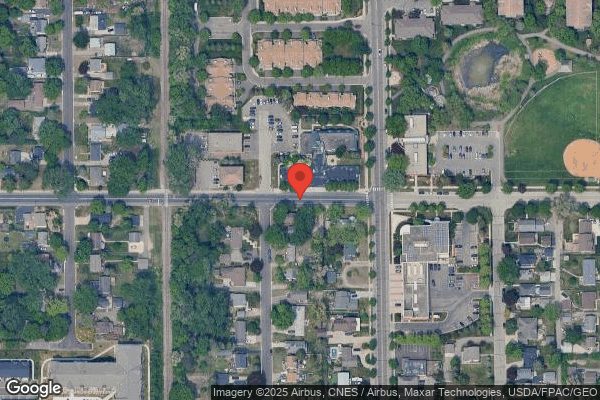
805 SIXTH AVENUE NORTHWEST, NEW BRIGHTON, MN 55112 (651) 403-5241
For profit - Corporation 57 Beds Independent Data: November 2025
Trust Grade
40/100
#307 of 337 in MN
Last Inspection: October 2024

Within standard 12-15 month inspection cycle. Federal law requires annual inspections.

Overview

New Brighton Care Center has a Trust Grade of D, which indicates it falls below average and has some concerns regarding its care. It ranks #307 out of 337 facilities in Minnesota, placing it in the bottom half of nursing homes statewide, and #25 of 27 in Ramsey County, meaning only two local options are better. The facility is showing improvement, having decreased from 10 issues in 2024 to just 2 in 2025. Staffing is a strength, with a turnover rate of 0%, well below the state average of 42%, suggesting that staff remain long-term and are familiar with residents. However, there were some significant issues, including failure to properly document staffing levels on multiple occasions and a lack of specialized training for the infection preventionist, which raises concerns about infection control measures. While there are some positive aspects like no fines and good staff retention, families should weigh these strengths against the facility's poor overall rating and the specific incidents of concern.

Trust Score
D
40/100
In Minnesota
#307/337
Bottom 9%
Safety Record
Low Risk
No red flags
Inspections
Getting Better
10 → 2 violations
Staff Stability
○ Average
Turnover data not reported for this facility.
Penalties
✓ Good
No fines on record. Clean compliance history, better than most Minnesota facilities.
Skilled Nurses
✓ Good
Each resident gets 42 minutes of Registered Nurse (RN) attention daily — more than average for Minnesota. RNs are trained to catch health problems early.
Violations
⚠ Watch
32 deficiencies on record. Higher than average. Multiple issues found across inspections.
★☆☆☆☆
1.0
Overall Rating
★☆☆☆☆
1.0
Staff Levels
★★☆☆☆
2.0
Care Quality
★★☆☆☆
2.0
Inspection Score
Stable
2024: 10 issues
2025: 2 issues

The Good

  • Full Sprinkler Coverage · Fire safety systems throughout facility
  • No fines on record

Facility shows strength in fire safety.

The Bad

1-Star Overall Rating

Below Minnesota average (3.2)

Significant quality concerns identified by CMS

The Ugly 32 deficiencies on record

May 2025 2 deficiencies
CONCERN (D) 📢 Someone Reported This

A family member, employee, or ombudsman was alarmed enough to file a formal complaint

Potential for Harm - no one hurt, but risky conditions existed

Report Alleged Abuse (Tag F0609)

Could have caused harm · This affected 1 resident

**NOTE- TERMS IN BRACKETS HAVE BEEN EDITED TO PROTECT CONFIDENTIALITY** Based on interview and document review, the facility failed to ensure an allegation of potential abuse was reported timely to th...

Read full inspector narrative →
**NOTE- TERMS IN BRACKETS HAVE BEEN EDITED TO PROTECT CONFIDENTIALITY** Based on interview and document review, the facility failed to ensure an allegation of potential abuse was reported timely to the State agency (SA), for 1 of 1 residents (R1) reviewed for an allegation of abuse. Findings include: R1's annual Minimum Data Set (MDS), dated [DATE], identified R1 was cognitively intact with mild depression. Diagnoses included bipolar disorder, anxiety, depression, morbid obesity, chronic pain, and arthritis. R1 required partial to moderate physical assistance with upper body dressing and substantial/maximum assistance with lower body dressing and bed mobility. R1's weight was 379 pounds, and she was free of upper and/or lower extremity range of motion impairments. R1's comprehensive care plan identified on 1/27/20, R1 was a vulnerable adult due to her living in a skilled nursing facility. Interventions directed any suspicions of abuse/neglect, or maltreatment, to be investigated and reported as necessary to the proper agencies. Review of facility form titled A Grievance report, provided on 5/23/25, identified R1 reported a grievance on 5/19/25, related to 'rough' cares and bedside manners on 5/18/25. A Date Parties Informed of Findings column showed a handwritten entry: still processing/investigating. Review of facility form titled A facility Grievance Form, dated 5/19/25, identified R1 reported to social worker (SW)-A that during dressing cares on 5/18/25, at approximately 4:30 p.m., nursing assistant (NA)-A was 'rough' and 'rude and crude.' During this, R1 informed NA-A that NA-A was rude to which NA-A responded, 'I've never been called rude before.' R1 reported her left shoulder was sore and requested that NA-A no longer work with her. The form identified there was a NA witness; however, the form did not identify which NA. The form's initial investigation/response section identified the director of nursing (DON), assistant director of nursing (ADON), and/or NA Manager ([NAME])-A would follow up with the NA. Additional form sections related to Summary of Investigation Conclusion, which was to be completed by department director/designee within 72-hours, designation if the quality concern was confirmed or not, Corrective Action Taken by the facility as a Result of the Concern, and a signature and date section for the resident, social services director, DON, and the administrator were all blank. Review of a provider progress note, dated 5/19/25, identified the following information: Later in the day receive[d] a phone call from nursing reporting [R1] is c/o (complaining of pain) in her shoulder after an aid[e] 'being rough taking her shirt off' and is requesting an xray [sic]. No other concerns today. Review of R1's progress notes, dated 5/18/25 through 5/27/25, lacked information related to the 5/18/25, incident and/or her 5/19/25 allegation. During an interview on 5/23/25, at 11:13 a.m., SW-A identified she was the director of social services. She stated the nursing leadership continued to work on R1's allegation. She was unaware of the status of the investigation; however, she indicated R1's shoulder x-ray was negative, and NA-A was placed on the NA agency do not return list in response to the allegation. SW-A explained she interviewed R1 about the allegation on 5/19/25, where R1 stated NA-A took off R1's dress roughly and was jerking her around. She identified R1, at times, was grievance happy, had borderline traits, and was attention seeking. SW-A identified any possible abuse claims were to be reported to the SA, especially if there was evidence of any abuse; however, she did not report R1's allegations to the SA as she did not consider R1's allegation abuse based on R1's interview. Despite this, later in the interview, SW-A stated R1's allegation should have been reported, despite no evidence, as R1 reported an allegation of rough cares, and that management was not there when the incident occurred. They should have taken R1's word for it pending their investigation. SW-A stated she would be expected to report R1's allegation within 24 hours or ideally as soon as she heard about it. During an interview on 5/23/25, at 11:29 a.m., the DON identified R1's allegation continued to be investigated. The DON stated R1's allegation was not reported to the SA as no one was hurt, along with the incident did not rise to the level of actual abuse, and R1's history related to grievances and allegations. She explained the facility utilized an abuse reporting algorithm; however, this was not utilized as R1 was not injured by the situation. R1 was content with NA-A no longer being allowed to work at the facility, and based on reports from [NAME]-A, it was her understanding R1 did not use the word rough during the interview. The DON stated she expected a SA report to be filed when there was any type of injury, within two hours of the injury. Additionally, she expected if any staff were to witness abuse, or if a resident alleged abuse, staff were to report it right away to their supervisor and the administrator. Due to this, she expected NA-B would have alerted the nurse on 5/18/25, of R1's and NA-A's interaction for an investigation to begin and administrator notification to occur right away. She confirmed she first heard about the allegation on 5/19/25. She was unable to remember the time frame she was notified. During an interview on 5/23/25, at 11:33 a.m., [NAME]-A stated any allegations of abuse were to be reported to the charge nurse and the DON immediately. Additionally, she would expect staff to report witnessed rough cares immediately to leadership. She denied any recent resident abuse allegations: however, she reported a recent event where an agency staff (NA-A) was rough with a resident (R1). This was reported to the DON right away on the morning of 5/19/25, and NA-A was placed on the due not return list. She currently was unaware of the investigation status of R1's allegation. [NAME]-A identified during her interview with R1, R1 stated NA-A pulled her shift off roughly and had a bad attitude. [NAME]-A denied R1 stated NA-A swore at her. Additionally, [NAME]-A indicated she interviewed NA-B who confirmed NA-A presented a bad attitude towards R1 and was not being gentle. [NAME]-A denied this was abuse but it was not gentle care taking. Thus, this was not reported to the SA. During an interview on 5/23/25, at 11:43 a.m., the ADON stated any witnessed abuse or abuse allegation, along with the word rough being verbalized, were to be reported to the DON and the administrator right away. Upon investigation, if there were any injuries or harm identified or if the resident used the actual word abuse, then it was reported to the SA within two hours and measures were put into place which ensured resident safety. The ADON stated abuse was anything which caused injury either physically or psychosocially, such as physical and/or verbal abuse. She explained physical abuse included, but was not limited to, intentionally being rough with a resident. The ADON stated, on 5/19/25, she was updated in the morning about R1's allegation; however, she did not personally speak with R1. She explained it was hard to say if R1's allegation rose to the level of abuse that required reporting to the SA but then followed up with a statement she did not think it did. The ADON identified they conducted their own internal investigation and based on R1's history of being hard on staff, especially pool agency staff, and their placing NA-A on the do not return list, along with R1 not being bruised or injured, based on the x-ray, along with a witness, they have pretty much completed their investigation. During an interview on 5/23/25, at 12:00 p.m., R1 stated NA-A was very aggressive with her, was rough, and felt that NA-A abused her. On 5/18/25, after church around 3:30 p.m., NA-A and NA-B assisted her to remove a dress while she laid in bed. During this, NA-A took R1's arm and bent it backwards in a very quick motion while she pulled on R1's arm to get it out of the sleeve. NA-A did not allow R1 to assist. R1 told NA-A she was rough, and NA-A responded no one had ever told her she was rough before. NA-B attempted to calm R1 down as she could see the pain in my eyes. After, NA-A attempted to get R1's other arm out of the dress; however, R1 finished this by herself as NA-A continued to state, Let's get the skirt off and the rest of the clothing. As R1 started to roll over to remove the rest of the clothing, NA-A stated, in a loud tone of voice, That was a dumb thing to do bitch. After, R1 was assisted to roll the other way and the skirt was removed. In response to the incident, NA-B stated to NA-A that she had enough of NA-A and asked her to get out of the room; however, she remained and R1 had to ask her to leave, which she finally did. R1 stated this incident caused her shoulder injury and increased pain. The pain had improved but was still sore and required continued ice pack treatment despite a negative x-ray. Additionally, R1 stated she experienced nightmares that startled her awake and made her cry as she relived the experience when she slept. She denied informing staff about the nightmares. She was relieved these improved, but she was still bothered by them. During an interview via telephone on 5/27/25, at 10:02 a.m., NA-B stated if she were to witness abuse she would take over and ask the other staff to leave and then she would update management and/or call the hotline. She denied ever witnessing abuse at the facility. She explained rough cares occurred when an aide was not being as gentle as they should be and rushed through the cares, such as pulling aggressively or not being as patient as they should. NA-B explained she witnessed NA-A pull on R1's dress sleeve to get it freed which I guess caused [R1] some discomfort. R1 told NA-A to be gentle but NA-B did not feel NA-A was overly rough: just pulling on the dress .like you would have to. NA-B explained the action was not necessarily rough but it was not as gentle as [R1] would have liked. She explained NA-A reported a headache, grumpy, and not feeling good where NA-A rushed the cares and was not as gentle as she should have been. She explained if she were the aide who helped in that situation, she would have maybe [done things] a little bit differently. She would have had R1 lean to the side, so she was not pulling so hard. She denied R1 instructed NA-A to leave the room. NA-B did not consider NA-A's actions as abuse and thus she did not feel this needed to be reported to the nurse but if the interaction were more aggressive, she would have reported it: it is a fine line between gentle and rough, but based on R1's body habitus and how we had to remove the dress. NA-B stated R1 commented on the situation to her after the incident and that R1 appeared to have increased shoulder pain as R1 utilized ice packs currently to the area and the incident from 5/18/25, may have caused the increased pain. During a telephone interview on 5/27/25, at 10:53 a.m., NA-A stated abuse occurred when staff were being too aggressive, among other things. If she witnessed abuse, she was to report to the supervisor immediately. NA-A stated on 5/18/25, she and NA-B assisted R1 to change into a gown. When she assisted R1 to take off her shirt, R1 told her firmly she was being rough. NA-A immediately stopped and asked R1 how she was rough. R1 did not respond. NA-B helped R1 remove the rest of the shirt and helped R1 with the gown, but she continued with the rest of the cares once NA-B left the room. NA-A explained, when she tried to pull the shirt bottom from under R1, she did not realize R1 could sit up and move as much as she did, so that when she pulled, R1 sat up, and the action used more effort than required. This caused the movement to be a quicker, jerking motion. She declined she was rough with the cares; however, she stated she maybe used more force then if I would have known she could move. During an interview on 5/27/25, at 1:46 p.m., the administrator expected staff to protect residents and report abuse within two hours, but as soon as possible. She then expected staff to contact her right away. Additionally, if rough care was reported, she expected staff to stop what they are doing, get additional assistance, and report the incident to the nurse. The administrator was updated and questioned if staff should report the incident. It was decided not to report as there was no injury; however, she directed the incident to be treated like a grievance. She denied knowledge of the status of the investigation as the grievance form was yet to be provided to her for her review and signature, but she reported involvement in the investigation conversations. Review of facility policy titled An Abuse, Neglect, Exploitation or Misappropriation - Reporting and Investigating policy, dated 2022, identified All reports of resident abuse, neglect, . are reported to local, state, and federal agencies (as required by current regulations). In addition, the administrator was to be immediately updated. Immediately was defined as within two hours of an allegation that involved abuse or resulted in serious bodily injury; or within 24 hours of an allegation that does not involve abuse or serious bodily injury.
CONCERN (D) 📢 Someone Reported This

A family member, employee, or ombudsman was alarmed enough to file a formal complaint

Potential for Harm - no one hurt, but risky conditions existed

Investigate Abuse (Tag F0610)

Could have caused harm · This affected 1 resident

**NOTE- TERMS IN BRACKETS HAVE BEEN EDITED TO PROTECT CONFIDENTIALITY** Based on interview and record review, the facility failed to thoroughly investigate an allegation of potential abuse for 1 of 1 ...

Read full inspector narrative →
**NOTE- TERMS IN BRACKETS HAVE BEEN EDITED TO PROTECT CONFIDENTIALITY** Based on interview and record review, the facility failed to thoroughly investigate an allegation of potential abuse for 1 of 1 residents (R1) who reported an allegation of potential abuse by staff. Findings include: R1's annual Minimum Data Set (MDS), dated [DATE], identified R1 was cognitively intact with mild depression. Diagnoses included bipolar disorder, anxiety, depression, morbid obesity, chronic pain, and arthritis. R1 required partial to moderate physical assistance with upper body dressing and substantial/maximum assistance with lower body dressing and bed mobility. R1's weight was 379 pounds, and she was free of upper and/or lower extremity range of motion impairments. R1's comprehensive care plan identified, on 1/27/20, R1 experienced an activity of daily living (ADL) self-care performance deficit related to weakness, obesity, and history of a CVA (stroke). Interventions directed setup assist of one staff for upper body dressing and two staff for lower body dressing, along with the use of bilateral half siderails for R1 to assist staff during cares. In addition, the care plan identified R1 was a vulnerable adult due to her living in a skilled nursing facility. Interventions directed any suspicions of abuse/neglect, or maltreatment, were to be investigated. Review of form titled Grievance report, provided on 5/23/25, identified R1 reported a grievance on 5/19/25, related to 'rough' cares and bedside manners on 5/18/25. A Date Parties Informed of Findings column showed a handwritten entry: still processing/investigating. Review of facility Grievance Form, dated 5/19/25, identified R1 reported to social worker (SW)-A that during dressing cares on 5/18/25, at approximately 4:30 p.m., nursing assistant (NA)-A was 'rough' and 'rude and crude.' During this, R1 informed NA-A that NA-A was rude to which NA-A responded, 'I've never been called rude before.' R1 reported her left shoulder was sore and requested that NA-A no longer work with her. The form identified there was a NA witness; however, the form did not identify the NA. The form's Initial investigation/response section identified the director of nursing (DON), assistant director of nursing (ADON), and/or NA Manager ([NAME])-A would follow up with the NA. Additional form sections related to Summary of Investigation Conclusion, which was to be completed by department director/designee within 72-hours, designation if the quality concern was confirmed or not, Corrective Action Taken by the facility as a Result of the Concern, and a signature and date section for the resident, social services director, DON, and the administrator were all blank. Review of a provider progress note, dated 5/19/25, identified the following information: Later in the day receive[d] a phone call from nursing reporting [R1] is c/o (complaining of pain) in her shoulder after an aid[e] 'being rough taking her shirt off' and is requesting an xray [sic]. No other concerns today. Review of R1's progress notes, dated 5/18/25 through 5/27/25, lacked information related to the 5/18/25, incident and/or her 5/19/25 allegation. R1's medical record lacked evidence a nursing and body/skin assessment were conducted on 5/19/25, after the allegation of rough care was expressed or that R1 was monitored to address any issues related to the incident. During an interview on 5/23/25, at 11:13 a.m., SW-A identified she was the director of social services. She stated the nursing leadership continued to work on R1's allegation. She was unaware of the status of the investigation; however, she indicated R1's shoulder x-ray was negative, and NA-A was placed on the NA agency do not return list in response to the allegation. SW-A explained she interviewed R1 about the allegation on 5/19/25, where R1 stated NA-A took off R1's dress roughly and was jerking her around. She identified R1, at times, was grievance happy, had borderline traits, and was attention seeking. SW-A did not consider R1's allegation abuse based on R1's interview; however, as management did not witness the incident, they should have taken R1's word for it pending their investigation. During an interview on 5/23/25, at 11:29 a.m., the DON identified R1's allegation continued to be investigated. The DON stated their investigation identified no one was hurt and R1's allegation did not rise to the level of actual abuse. The DON indicated R1 had a history related to grievances and allegations. R1 was content with NA-A no longer being allowed to work at the facility, and based on reports from [NAME]-A, it was her understanding R1 did not use the word rough during the interview. The DON indicated she first heard about the allegation on 5/19/25, from [NAME]-A. She was unable to remember the time frame she was notified. She stated [NAME]-A was involved in the investigation and she explained staff investigated by interviewing R1, NA-A, and NA-B; however, no additional staff were interviewed for additional insight, nor any other residents to determine any additional potential concerns related to care delivered from NA-A. The DON was unaware if the three interviews conducted were documented. The DON denied staff were educated related to the concerns addressed by the allegation and/or the investigation. During an interview on 5/23/25, at 11:33 a.m., [NAME]-A denied any recent resident abuse allegations: however, she reported a recent event where an agency staff (NA-A) was rough with a resident (R1). This was reported to the DON right away on the morning of 5/19/25, and NA-A was placed on the do not return list. She currently was unaware of the investigation status of R1's allegation. [NAME]-A identified during her interview with R1, R1 stated NA-A pulled her shirt off roughly and had a bad attitude. [NAME]-A denied R1 stated NA-A swore at her. Additionally, [NAME]-A indicated she interviewed NA-B who confirmed NA-A presented a bad attitude towards R1 and was not being gentle. [NAME]-A denied this was not abuse but it was not gentle care taking. Additionally, she denied documentation related to R1 or NA-B's interview, but she requested NA-A to email her a statement. She however, did not document her interview with NA-A. [NAME]-A denied additional staff interviews or other resident interviews. Additionally, no staff were educated related to the concerns addressed by the allegation and/or the investigation. During an interview on 5/23/25, at 11:43 a.m., the ADON stated abuse was anything which caused injury either physically or psychosocially, such as physical and/or verbal abuse. She explained physical abuse included, but not limited to, intentionally being rough with a resident. The ADON stated, on 5/19/25, she was updated in the morning about R1's allegation when she reviewed a voice mail R1 left her; however, she did not personally speak with R1 as others were directed to. She explained it was hard to say if R1's allegation rose to the level of abuse but then followed up with a statement she did not think it did. The ADON identified they conducted their own internal investigation and based it on R1's history of being hard on staff, especially pool agency staff, and their placing NA-A on the do not return list, along with R1 not being bruised or injured, based on the x-ray, along with a witness, they have pretty much completed their investigation. She indicated R1 and two of the aides involved were talked to; however, she did not think any additional staff or residents were interviewed despite these interviews being something that was completed when abuse was alleged. The ADON explained education was always ongoing, but no recent education was provided related to this incident that she was aware of. During an interview on 5/23/25, at 12:00 p.m., R1 stated NA-A was very aggressive with her, was rough, and felt that NA-A abused her. On 5/18/25, after church around 3:30 p.m., NA-A and NA-B assisted her to remove a dress while she laid in bed. During this, NA-A took R1's arm and bent it backwards in a very quick motion while she pulled on R1's arm to get it out of the sleeve. NA-A did not allow R1 to assist. R1 told NA-A she was rough, and NA-A responded no one had ever told her she was rough before. NA-B attempted to calm R1 down as she could see the pain in my eyes. After, NA-A attempted to get R1's other arm out of the dress; however, R1 finished this by herself as NA-A continued to state, Let's get the skirt off and the rest of the clothing. As R1 started to roll over to remove the rest of the clothing, NA-A stated, in a loud tone of voice, That was a dumb thing to do bitch. After, R1 was assisted to roll the other way and the skirt was removed. In response to the incident, NA-B stated to NA-A that she had enough of NA-A and asked her to get out of the room; however, she remained and R1 had to ask her to leave, which she finally did. R1 stated this incident caused her shoulder injury and increased pain. The pain had improved but was still sore and required continued ice pack treatment despite a negative x-ray. Additionally, R1 stated she experienced nightmares that startled her awake and made her cry as she relived the experience when she slept. She denied informing staff about the nightmares. She was relieved these improved, but she was still bothered by them. During an interview via telephone on 5/27/25, at 10:02 a.m., NA-B stated if she were to witness abuse she would take over and ask the other staff to leave and then she would update management and/or call the hotline. She denied ever witnessing abuse at the facility. She explained rough cares occurred when an aide was not being as gentle as they should be and rushed through the cares, such as pulling aggressively or not being as patient as they should. NA-B explained she witnessed NA-A pull on R1's dress sleeve to get it freed which I guess caused [R1] some discomfort. R1 told NA-A to be gentle but NA-B did not feel NA-A was overly rough: just pulling on the dress .like you would have to. NA-B explained the action was not necessarily rough but it was not as gentle as [R1] would have liked. She explained NA-A reported a headache, grumpy, and not feeling good where NA-A rushed the cares and was not as gentle as she should have been. She explained if she were the aide who helped in that situation, she would have maybe [done things] a little bit differently. She would have had R1 lean to the side, so she was not pulling so hard. She denied R1 instructed NA-A to leave the room. NA-B did not consider NA-A's actions as abuse and thus she did not feel this needed to be reported to the nurse but if the interaction were more aggressive, she would have reported it: it is a fine line between gentle and rough, but based on R1's body habitus and how we had to remove the dress. NA-B stated R1 commented on the situation to her after the incident and that R1 appeared to have increased shoulder pain as R1 utilized ice packs currently to the area and the incident from 5/18/25, may have caused the increased pain. During a telephone interview on 5/27/25, at 10:53 a.m., NA-A stated abuse occurred when staff were being too aggressive, among other things. If she witnessed abuse, she was to report to the supervisor immediately. NA-A stated on 5/18/25, she and NA-B assisted R1 to change into a gown. When she assisted R1 to take off her shirt, R1 told her firmly she was being rough. NA-A immediately stopped and asked R1 how she was rough. R1 did not respond. NA-B helped R1 remove the rest of the shirt and helped R1 with the gown, but she continued with the rest of the cares once NA-B left the room. NA-A explained, when she tried to pull the shirt bottom from under R1, she did not realize R1 could sit up and move as much as she did, so that when she pulled, R1 sat up, and the action used more effort than required. This caused the movement to be a quicker, jerking motion. She declined she was rough with the cares; however, she stated she maybe used more force then if I would have known she could move. During an interview via telephone on 5/27/25, at 11:56 a.m., certified nurse practitioner (CNP)-A stated she received a phone call on 5/19/25, that R1 complained of shoulder pain after an aide was too rough during cares. She explained she was updated the aide was asked to leave and the facility investigated the incident. CNP-A stated she had not heard anything since related to the investigation. During an interview on 5/27/25, at 1:46 p.m., the administrator expected staff to protect residents and when rough care was reported, she expected staff to stop what they are doing, get additional assistance, and report the incident to the nurse. Based on the initial investigation, it was decided not to report as there was no injury; however, she directed the incident to be treated like a grievance and NA-A was placed on the do not return list. She denied knowledge of the status of the investigation as the grievance form was yet to be provided to her for her review and signature, but she reported involvement in the investigation conversations. An Abuse and Neglect - Clinical Protocol, dated 2018, directed the nurse was to assess the individual and document any related findings (i.e., injury assessment, pain assessment, current behavior, past 24-hour behavior(s), etc.). Additionally, the staff and physician were to monitor the resident to address any issues regarding their medical condition, mood, and function. Review of facility policy titled An Abuse, Neglect, Exploitation or Misappropriation - Reporting and Investigating policy, dated 2022, identified a section labeled Investigating Allegations. This instructed all allegations were to be thoroughly investigated. The administrator was to initiate the investigation with assistance from appropriately trained staff. The staff conducting the investigation, at a minimum, was to review documentation and evidence, the resident's medical record, interview the involved resident, the person(s) reporting the incident, any witnesses, the attending provider, staff members who have had contact with the resident during the period of the alleged incident, interview family members, and other residents whom the accused employee provided care or services to. Additionally, all events leading up to the alleged incident were to be reviewed and the investigation was to be documented completely and thoroughly. When conducting interviews, statements were obtained in writing, signed, and dated.
Oct 2024 10 deficiencies
CONCERN (D)

Potential for Harm - no one hurt, but risky conditions existed

Deficiency F0582 (Tag F0582)

Could have caused harm · This affected 1 resident

**NOTE- TERMS IN BRACKETS HAVE BEEN EDITED TO PROTECT CONFIDENTIALITY** Based on interview and document review, the facility failed to ensure the Skilled Nursing Facility Advanced Beneficiary Notice-C...

Read full inspector narrative →
**NOTE- TERMS IN BRACKETS HAVE BEEN EDITED TO PROTECT CONFIDENTIALITY** Based on interview and document review, the facility failed to ensure the Skilled Nursing Facility Advanced Beneficiary Notice-Centers for Medicare and Medicaid-10055 (SNFABN-CMS-10055) was provided to 2 of 3 residents (R194 and R195) reviewed for beneficiary notices. Findings include: R194's discharge Minimum Data Set (MDS) dated [DATE], indicated R194 was admitted on [DATE] and discharged on [DATE]. R194's Notice of Medicare non-coverage form-CMS-10123 (NOMNC-CMS-10123), undated, indicated R194's services would end on [DATE]. However, R194 remained in the facility until [DATE]. R194's undated SNF Beneficiary Protection Notification Review form, indicated the facility/provider initiated the discharge from Medicare Part A when benefit days were not exhausted. R194's medical record lacked evidence the SNFABN-CMS-10055 was provided to R194 or their representative as required. R195's death in facility tracking record MDS dated [DATE], indicated R195 was admitted on [DATE] under the Medicare A benefit which may cover up to 100 days according to cms.gov, and died in the facility on [DATE]. R195's NOMNC-CMS-10123, undated, indicated R195's services would end on [DATE]. R195's progress note dated [DATE], indicated R195 entered hospice care, 9 days after services ended. R195's medical record lacked evidence the SNFABN-CMS-10055 was provided to R195 or their representative as required. On [DATE] at 10:28 a.m., the director of social services (SS)-A confirmed R194 and F195 were not provided with a SNFABN-CMS-10055 and SS-A was unaware they needed to be provided. SS-A voiced the importance of providing the SNFABN-CMS-10055 to give the residents adequate time to plan for their discharge and/or appeal if they wish, and it was the residents rights to receive these notifications. On [DATE] at 09:47 a.m., The administrator stated they were aware the SNFABN-CMS-10055 were not being provided appropriately, and they had recently delegated the task of developing a process to an employee, however it was not in place at the time of the survey. The administrator stated their expectation was for the SNFABN-CMS-10055 to be provided when residents go onto and come off Medicare part A services. The Medicare Advance Beneficiary and Medicare Non-Coverage Notices policy last revised [DATE], indicated if the facility believes Medicare will not pay for an otherwise covered skilled services, the resident was notified in writing why the service may not be covered and the resident's potential liability for payment of the non-covered services.
CONCERN (D)

Potential for Harm - no one hurt, but risky conditions existed

Transfer Notice (Tag F0623)

Could have caused harm · This affected 1 resident

**NOTE- TERMS IN BRACKETS HAVE BEEN EDITED TO PROTECT CONFIDENTIALITY** Based on interview and document review, the facility failed to ensure a written notification of transfer was provided for 1 of 3...

Read full inspector narrative →
**NOTE- TERMS IN BRACKETS HAVE BEEN EDITED TO PROTECT CONFIDENTIALITY** Based on interview and document review, the facility failed to ensure a written notification of transfer was provided for 1 of 3 residents (R7) upon transfer to the hospital. In addition, the facility failed to notify the Ombudsman for Long Term Care (LTC) of resident transfers to the hospital for 1 of 3 residents (R7), reviewed for hospitalization. This had the potential to affect all residents transferred to hospital. Findings include: R7's quarterly Minimum Data Set (MDS) dated [DATE], indicated R7 was cognitively intact. Diagnoses included diabetes, cerebral infarction (stroke), bipolar disorder, and chronic obstructive pulmonary disease (COPD). R7's clinical record indicated R7 was hospitalized from [DATE] through 9/6/24. R7's discharge MDS dated [DATE], indicated R7 had an unplanned discharge to a short-term general hospital and return was anticipated. R7's record lacked progress notes which indicated the circumstances of the transfer to the hospital on 9/4/24. R7's entry tracking MDS dated [DATE], indicated R7 returned from short-term general hospital on 9/6/24. However, R7's record lacked evidence a written notification of transfer was provided to the resident and/or resident representative. Additionally, R7's record lacked evidence the Ombudsman for LTC was notified of transfer to the hospital. R7's clinical record indicated R7 was hospitalized from [DATE] through 8/24/24. R7's discharge MDS dated [DATE], indicated R7 had a planned discharge to a short-term general hospital and return was anticipated. R7's record lacked progress notes which indicated the circumstances of the transfer to the hospital on 8/23/24. R7's entry tracking MDS dated [DATE], indicated R7 returned from short-term general hospital on 8/24/24. However, R7's record lacked evidence a written notification of transfer was provided to the resident and/or resident representative. Additionally, R7's record lacked evidence the Ombudsman for LTC was notified of transfer to the hospital. R7's clinical record indicated R7 was hospitalized from [DATE] through 7/12/24. R7's progress note dated 7/10/24 at 1:02 p.m., indicated R7 was sent to the hospital due to chest pain per physician orders. A subsequent progress note dated 7/12/24 at 8:06 p.m., indicated R7 was readmitted to the facility following hospitalization for atrial fibrillation. However, R7's record lacked evidence a written notification of transfer was provided to the resident and/or resident representative. Additionally, R7's record lacked evidence the Ombudsman for LTC was notified of transfer to the hospital. R7's clinical record indicated R7 was hospitalized from [DATE] through 6/7/24. R7's discharge MDS dated [DATE], indicated R7 had an unplanned discharge to a short-term general hospital and return was anticipated. R7's record lacked progress notes which indicated the circumstances of the transfer to the hospital on 6/6/24. R7's progress note dated 6/7/24 at 11:05 p.m., indicated R7 returned to the facility via stretcher accompanied by 3 EMS (emergency medical transport). However, R7's record lacked evidence a written notification of transfer was provided to the resident and/or resident representative. Additionally, R7's record lacked evidence the Ombudsman for LTC was notified of transfer to the hospital. R7's clinical record indicated R7 was hospitalized from [DATE] through 2/16/24. R7's progress note dated 2/10/24 at 5:26 p.m., indicated R7 was sent to the hospital due to uncontrolled pain in left leg per provider order. R7's entry tracking MDS dated [DATE], indicated R7 returned from short-term general hospital on 2/16/24. However, R7's record lacked evidence a written notification of transfer was provided to the resident and/or resident representative. Additionally, R7's record lacked evidence the Ombudsman for LTC was notified of transfer to the hospital. through 1/30/24. R7's discharge MDS dated [DATE], indicated R7 had an unplanned discharge to a short-term general hospital and return was anticipated. R7's record lacked progress notes which indicated the circumstances of the transfer to the hospital on 1/26/24. R7's entry tracking MDS dated [DATE], indicated R7 returned from short-term general hospital on 1/30/24. However, R7's record lacked evidence a written notification of transfer was provided to the resident and/or resident representative. Additionally, R7's record lacked evidence the Ombudsman for LTC was notified of transfer to the hospital. R7's clinical record indicated R7 was hospitalized from [DATE] through 11/7/23. R7's progress note dated 10/31/23 at 2:05 p.m., indicated R7 left for a surgical procedure at 5 a.m., related to right calf ulcer. R7's discharge MDS dated [DATE], indicated R7 had a planned discharge to a short-term general hospital and return was anticipated. R7's entry tracking MDS dated [DATE], indicated R7 returned from short-term general hospital on [DATE]. However, R7's record lacked evidence a written notification of transfer was provided to the resident and/or resident representative. Additionally, R7's record lacked evidence the Ombudsman for LTC was notified of transfer to the hospital. On 10/16/24 at 2:00 p.m., the administrator verified Notice of Transfer forms were not provided to R7 and/or responsible party upon transfers for emergent and therapeutic hospitalizations on 9/4/24, 8/23/24, 7/10/24, 6/6/24, 2/10/24, 1/26/24, and 10/21/23. The administrator stated notice of transfer should have been completed by the floor nurses upon transfer, and it was important for residents to be informed and given the opportunity to decline. Additionally, the administrator acknowledged the facility had not been notifying the ombudsman of resident transfers for hospitalization. On 10/16/24 at 4:01 p.m., the director of social services verified the ombudsman notice of transfer had not been submitted to the ombudsman for R7's hospitalizations, and the ombudsman should have been notified monthly of transfers to an acute care facility. The ombudsman should have been notified so they were aware of the resident's transfer so they could contact the resident to determine if they needed any additional services or if any ombudsman follow-up was needed. The facility's Transfer or Discharge policy revised 10/22, indicated a notice of transfer for emergent or therapeutic leave is provided to the resident/representative as soon as practicable before the transfer and to the long-term care (LTC) ombudsman when practicable (e.g., monthly).
CONCERN (D)

Potential for Harm - no one hurt, but risky conditions existed

Deficiency F0625 (Tag F0625)

Could have caused harm · This affected 1 resident

**NOTE- TERMS IN BRACKETS HAVE BEEN EDITED TO PROTECT CONFIDENTIALITY** Based on interview and document review, the facility failed to provide a written notice of a bed hold at the time of transfer fo...

Read full inspector narrative →
**NOTE- TERMS IN BRACKETS HAVE BEEN EDITED TO PROTECT CONFIDENTIALITY** Based on interview and document review, the facility failed to provide a written notice of a bed hold at the time of transfer for hospitalization for 1 of 3 residents (R7) reviewed for hospitalization. Findings include: R7's quarterly Minimum Data Set (MDS) dated [DATE], indicated R7 was cognitively intact. Diagnoses included diabetes, cerebral infarction (stroke), bipolar disorder, and chronic obstructive pulmonary disease (COPD). R7's clinical record indicated R7 was hospitalized from [DATE] through 9/6/24. R7's discharge MDS dated [DATE], indicated R7 had an unplanned discharge to a short-term general hospital and return was anticipated. R7's record lacked a progress note indicating the reason for the transfer to the hospital on 9/4/24. R7's entry tracking MDS dated [DATE], indicated R7 returned from short-term general hospital on 9/6/24. However, R7's recorded lacked evidence a bed hold notice was provided to the resident and/or responsible party at the time of transfer for hospitalization. R7's clinical record indicated R7 was hospitalized from [DATE] Through 8/24/24. R7's discharge MDS dated [DATE], indicated R7 had a planned discharge to a short-term general hospital and return was anticipated. R7's record lacked a progress note indicating the reason for the transfer to the hospital on 8/23/24. R7's entry tracking MDS dated [DATE], indicated R7 returned from short-term general hospital on 8/24/24. However, R7's recorded lacked evidence a bed hold notice was provided to the resident and/or responsible party at the time of transfer for hospitalization. R7's clinical record indicated R7 was hospitalized from [DATE] through 7/12/24. R7's progress note dated 7/10/24 at 1:02 p.m., indicated R7 was sent to the hospital due to chest pain per physician orders. A subsequent progress note dated 7/12/24 at 8:06 p.m., indicated R7 was readmitted to the facility following hospitalization for atrial fibrillation. However, R7's recorded lacked evidence a bed hold notice was provided to the resident and/or responsible party at the time of transfer for hospitalization. R7's clinical record indicated R7 was hospitalized from [DATE] through 6/7/24. R7's discharge MDS dated [DATE], indicated R7 had an unplanned discharge to a short-term general hospital and return was anticipated. R7's record lacked a progress note indicating the reason for the transfer to the hospital on 6/6/24. R7's progress note dated 6/7/24 at 11:05 p.m., indicated R7 returned to the facility via stretcher accompanied by 3 EMS (emergency medical transport). However, R7's recorded lacked evidence a bed hold notice was provided to the resident and/or responsible party at the time of transfer for hospitalization. R7's clinical record indicated R7 was hospitalized from [DATE] through 2/16/24. R7's progress note dated 2/10/24 at 5:26 p.m., indicated R7 was sent to the hospital due to uncontrolled pain in left leg per provider order. R7's entry tracking MDS dated [DATE], indicated R7 returned from short-term general hospital on 2/16/24. However, R7's recorded lacked evidence a bed hold notice was provided to the resident and/or responsible party at the time of transfer for hospitalization. R7's clinical record indicated R7 was hospitalized from [DATE] through 1/30/24. R7's discharge MDS dated [DATE], indicated R7 had an unplanned discharge to a short-term general hospital and return was anticipated. R7's record lacked a progress note indicating the reason for the transfer to the hospital on 1/26/24. R7's entry tracking MDS dated [DATE], indicated R7 returned from short-term general hospital on 1/30/24. However, R7's recorded lacked evidence a bed hold notice was provided to the resident and/or responsible party at the time of transfer for hospitalization. R7's clinical record indicated R7 was hospitalized from [DATE] through 11/7/23. R7's progress note dated 10/31/23 at 2:05 p.m., indicated R7 left for a surgical procedure at 5 a.m., related to right calf ulcer. R7's discharge MDS dated [DATE], indicated R7 had a planned discharge to a short-term general hospital and return was anticipated. R7's entry tracking MDS dated [DATE], indicated R7 returned from short-term general hospital on [DATE]. However, R7's recorded lacked evidence a bed hold notice was provided to the resident and/or responsible party at the time of transfer for hospitalization. On 10/16/24 at 2:00 p.m., the administrator verified bed hold notices were not provided to R7 and/or responsible party upon transfers for hospitalization on 9/4/24, 8/23/24, 7/10/24, 6/6/24, 2/10/24, 1/26/24, and 10/21/23. The administrator stated bed hold notice at time of transfer for hospitalization was important so residents were made aware they can return to the facility, any cost to them to hold the bed, and provided the opportunity to decline a bed hold. On 10/16/24 at 4:01 p.m., the director of social services stated the floor nurses were responsible for obtaining bed hold notices at the time of transfer for hospitalization, and it was important for residents to know they would not be discharged and could return to the facility and know the cost for holding the bed. The facility's Bed-Holds and Returns policy revised 10/22, indicated residents, regardless of payer source, are provided written notice about these policies at least twice: notice 1 - well in advance of any transfer (e.g., in the admission packet); and notice 2 - at the time of transfer (or, if the transfer was an emergency, within 24 hours). Multiple attempts to provide the resident/representative with notice 2 should be documented in cases where staff were unable to reach and notify the resident/representative timely. The facility's Transfer or Discharge policy revised 10/22, indicated a notice of bed hold for emergent or therapeutic leave is provided to the resident/representative within 24 hours of transfer.
CONCERN (D)

Potential for Harm - no one hurt, but risky conditions existed

Quality of Care (Tag F0684)

Could have caused harm · This affected 1 resident

**NOTE- TERMS IN BRACKETS HAVE BEEN EDITED TO PROTECT CONFIDENTIALITY** Based on interview and document review, the facility failed to ensure physician orders were followed for 1 of 1 residents (R7) r...

Read full inspector narrative →
**NOTE- TERMS IN BRACKETS HAVE BEEN EDITED TO PROTECT CONFIDENTIALITY** Based on interview and document review, the facility failed to ensure physician orders were followed for 1 of 1 residents (R7) reviewed for skin conditions. Findings include: R7's quarterly Minimum Data Set (MDS) dated [DATE], indicated R7 was cognitively intact. Diagnoses included diabetes, cerebral infarction (stroke), bipolar disorder, and chronic obstructive pulmonary disease (COPD). R7's progress note dated 10/5/24 at 10:23 p.m., indicated R7 called 911 at 7:50 p.m. R7 wanted to go to the hospital because the cream (ammonium lactate) that was applied to her legs made them feel numb. R7's progress note dated 10/6/24 at 2:00 p.m., indicated R7 returned from the hospital at 1:30 p.m., with no change in condition noted, no new orders, and still complained of pain in her legs. During observation on 10/13/24 at 2:52 p.m., R7's lower extremeties were swollen and red with multiple blisters covering both legs from under the knees to the ankles. On 10/13/24 at 3:07 p.m., R7 stated approximately a week prior, she had call 911 because she had throbbing, burning pain in both of legs and feet, and had spent the night in the hospital due to the condition and pain. She needed to stay in bed due to pain when her legs were not elevated, and had an appointment with the wound clinic on 10/14/24. On 10/16/24 at 9:35 a.m., R7 stated the wound clinic physician told her that the old cream that had been ordered (ammonium lactate) caused the issue of blisters and pain in her legs. R7's Wound Clinic After Visit Summary dated 10/14/24, indicated the following skin care plan was ordered for R7's bilateral lower extremities: - skin care outside of clinic performed by facility staff - mild compression is recommended - can be removed at night and put back on first thing in the morning - avoid use of ammonium lactate topical due to history of blistering with use - moisturize daily with general lotion (such as Cetaphil or CeraVe) - gently wash legs/feet with wash cloth to displace flaky dry skin which will resolve with consistent care - compression will assist swelling reduction which in turn will minimize risk for wound recurrence R7's progress noted dated 10/14/24 at 12:17 p.m., indicated R7 had been seen by the wound clinic, no open areas were seen and no new dressing was ordered, an order for mild compression and R7 returned with Spandage white netting, and a box was placed in R7's room for morning cares. Recommendation to moisturize skin daily with CeraVe or Cetaphil after general cleanse, and orders were applied to PCC [PointClickCare clinical charting system]. However, the recommendation to avoid use of Ammonium Lactate was not indicated in the progress note. R7's October 2024 Treatment Administration Record (TAR) indicated Ammonium Lactate External Cream 12% had been applied topically at bedtime to R7's legs and feet on 10/14/24 and 10/15/24. However, the wound clinic provider had indicated the use of Ammonium Lactate should have been discontinued on 10/14/24. On 10/16/24 at 11:44 a.m., the director of nursing (DON) verified R7's TAR indicated Ammonium Lactate cream had been applied to R7's legs/feet on 10/14/24 and 10/15/24. DON stated she would have expected the nurse to discontinue the order for Ammonium Lactate, or if the nurse was unsure, the Ammonium Lactate should have been placed on hold while the nurse clarified the order with the provider. The facility's Administering Medications policy, revised 4/2019, indicated medications were administered in accordance with prescriber orders.
CONCERN (D)

Potential for Harm - no one hurt, but risky conditions existed

Infection Control (Tag F0880)

Could have caused harm · This affected 1 resident

**NOTE- TERMS IN BRACKETS HAVE BEEN EDITED TO PROTECT CONFIDENTIALITY** Based on observation, interview, and record review the facility failed to maintain infection control measures when performing wo...

Read full inspector narrative →
**NOTE- TERMS IN BRACKETS HAVE BEEN EDITED TO PROTECT CONFIDENTIALITY** Based on observation, interview, and record review the facility failed to maintain infection control measures when performing wound care for 1 of 1 residents (R25) reviewed for wound care. Findings include: R25's annual minimum data set (MDS) dated [DATE], identified R25's cognition as intact and included diagnoses of diabetes mellitus (a blood disorder characterized by impaired ability of the body to maintain proper levels of sugar in the blood), heart failure and hypertension. Further, R25 had a stage 4 full thickness pressure ulcer (an injury to the skin and tissue due to pressure on the skin for a long time) with exposed bone, tendon, or muscle. R25's current care plan identified R25 had skin alteration related to stage 4 sacral ulcer. Nursing staff were to keep skin clean and dry, provide wound care per orders, observe for changes and update provider as needed. Furthermore, R25 was to receive a skin assessment per protocol and nursing staff to observe skin with personal cares. R25's nurse practitioner (NP) orders dated 10/7/24, indicated R25 needed daily dressing changes to his stage 4 pressure ulcer, required an air mattress, and was followed weekly by the wound team. A wound progress note dated 10/14/24, indicated R25 required daily foam dressing changes, instructed nursing staff to keep skin clean and dry, and R25 would continue to be followed weekly by wound care team. During observation on 10/15/24 at 8:28 a.m., licensed practical nurse (LPN-A) and LPN-B completed R25's dressing change. R25 was positioned lying in bed on his left side, exposing his buttocks towards LPN-A. A yellow disposable chux pad (a disposable absorbent sheet designed to protect surfaces) was observed tucked under R25's left hip/buttocks. A brown and grayish tan substance was noted on the chux pad. LPN-A and LPN-B performed hand hygiene and applied clean gloves. LPN-B opened dressing packages and handed LPN-A a clean chux pad; LPN-A unfolded the clean chux pad and placed it over the outer edge of the dirty yellow chux pad leaving the brown and grayish tan substance uncovered. LPN-A removed the dressing from R25's buttocks exposing the stage 4 pressure ulcer to the open air. Behind and slightly to the right of LPN-A was a free-standing oscillating fan that was turned on and blowing directly at R25's exposed wound. LPN-A sprayed wound cleaner on clean 4x4 gauze and wiped R25's wound beginning at the inner most area of wound working her way towards outer edges. LPN-A repeated this process three times and then dabbed the wound with clean, dry 4x4 gauze. LPN-B then applied an absorbent foam dressing to cover the wound. LPN-B did not initial or date the dressing. LPN-A and LPN-B removed gloves and performed hand hygiene. During interview on 10/15/24 at 8:28 a.m., LPN-B stated R25 wouldn't allow staff to remove the soiled chux pad and replace it with a clean one during dressing changes. LPN-B stated R25 did not allow staff to touch his things or turn off the fan. LPN-B stated if she could shut off the fan, she would. However, she did not ask R25 for permission and therefore left the fan on. Further, LPN-B stated R25's wound was routinely followed by the wound nurse. LPN-A stated the nursing staff would cleanse the outer aspect of the wound and complete the outer foam dressing changes daily. LPN-A stated R25 would not let her shut off the fan, however, then confirmed she had not asked to shut the fan off during dressing changes. LPN-A stated if left on, the fan could blow germs and bacteria all over the place. During interview on 10/15/24 at 2:30 p.m., director of nursing (DON) stated her expectation was to remove all soiled chux pads prior to a clean dressing change. She went on to state nursing staff should be dating and initialing all dressings so all staff would know who performed and when the last dressing change was completed. Furthermore, DON stated she expected staff to shut off any fans during dressing changes so air was not blowing directly into an open wound. DON stated this was important because a fan could blow bacteria or debris into the wound and potentially cause an infection. A policy regarding wound dressing changes was requested but not provided by the end of the survey.
CONCERN (D)

Potential for Harm - no one hurt, but risky conditions existed

Deficiency F0883 (Tag F0883)

Could have caused harm · This affected 1 resident

**NOTE- TERMS IN BRACKETS HAVE BEEN EDITED TO PROTECT CONFIDENTIALITY** Based on interview and document review, the facility failed to ensure 2 of 5 residents (R2, R3) reviewed for immunizations were ...

Read full inspector narrative →
**NOTE- TERMS IN BRACKETS HAVE BEEN EDITED TO PROTECT CONFIDENTIALITY** Based on interview and document review, the facility failed to ensure 2 of 5 residents (R2, R3) reviewed for immunizations were offered and/or provided the pneumococcal vaccine series as recommended by the Centers for Disease Control (CDC) to help reduce the risk of associated infection(s). Findings include: A CDC Pneumococcal Vaccine Timing for Adults feature dated 3/15/2023, identified various tables when each (or all) of the pneumococcal vaccinations should be obtained. This identified when an adult over [AGE] years old, or an adult 19-[AGE] years old with specified immunocompromising conditions, had received the complete series (i.e., PPSV23 and PCV13) then the patient and provider (shared clinical decision-making) may choose to administer Pneumococcal 20-valent Conjugate Vaccine (PCV20). R2's quarterly Minimum Data Set (MDS) dated [DATE], indicated R2 was [AGE] years old and diagnoses included chronic obstructive pulmonary disease (COPD) and chronic respiratory failure. R2's immunization report, dated 10/17/24, indicated R2 received PPSV23 on 9/7/2017 and PCV13 on 12/18/2010. The record lacked evidence of shared clinical decision-making with the physician for PCV20 at least 5 years after the last pneumococcal dose. The record lacked evidence that R2 was offered or received PCV20. R3's quarterly MDS dated [DATE], indicated R3 was [AGE] years old and diagnoses included the following specified immunocompromising conditions: chronic respiratory failure and heart failure. R3's immunization report, dated 10/17/24, indicated R3 received PPSV23 on 5/21/09 and PCV13 on 8/24/18. The record lacked evidence of shared clinical decision-making with the physician for PCV20 at least 5 years after the last pneumococcal dose. The record lacked evidence that R3 was offered or received PCV20. On 10/17/24 at 9:59 a.m., director of nursing/infection preventionist (DON/IP) verified R2 and R3 had not been offered or provided education on PCV20, and there had been no shared clinical decision-making with the resident providers regarding pneumococcal immunizations. The DON/IP stated the PCV20 vaccine should have been offered when the resident became eligible and pneumococcal immunizations were important to maintain resident health. The facility's Pneumococcal Vaccine policy revised 3/22, indicated all residents are offered pneumococcal vaccines to aid in preventing pneumonia/pneumococcal infections in accordance with current CDC recommendations.
CONCERN (E)

Potential for Harm - no one hurt, but risky conditions existed

Deficiency F0761 (Tag F0761)

Could have caused harm · This affected multiple residents

Based on observation and interview, the facility failed to ensure insulin flexpens and eye drops were appropriately labeled with an opened on date to prevent expired medications from being administere...

Read full inspector narrative →
Based on observation and interview, the facility failed to ensure insulin flexpens and eye drops were appropriately labeled with an opened on date to prevent expired medications from being administered in 3 of 3 medication carts. In addition, the facility failed to ensure controlled substances were stored in a manner to reduce the risk of theft and/or diversion in 1 of 3 medication carts, and 1 of 1 medication refrigerators. This had the potential to effect all residents. Findings include: On 10/15/24 at 7:36 a.m., the medication cart located on the [NAME] wing was reviewed. Licensed practical nurse (LPN)-A stated the top drawer contained an opened multidose bottle of Dorzolamide-timolol 2-0.5% eye drops. However, it had not been labeled with the date the bottle had been opened. On 10/16/24 at 4:26 p.m., the medication cart located on the East wing was reviewed. LPN-C stated the cart contained an opened Ozempic 4 mg/3 mL (insulin) flexpen. The flexpen and/or box had not been labeled with the date the insulin had been opened. On 10/16/24 at 4:42 p.m., the medication cart located on the North wing was reviewed. Registered nurse (RN)-A stated the second drawer on the left contained an emergency kit (e-kit) which contained controlled substances. However, the e-kit was not secured in a separately locked, permanently affixed compartment as required. Additionally, an opened bottle of Latanoprost 0.0005% eye drops had not been labeled with the date the eye drops had been opened. RN-A confirmed the e-kit was not stored in a secured, separately locked compartment as required, and the eye drops had not been labeled with the date they had been opened. On 10/16/24 at 3:28 p.m., the director of nursing (DON) stated licensed staff were expected to write the date a multi-dose vial had been opened or accessed on the product label. Additionally, licensed staff were expected to review the opened date prior to administration of a multi-dose vial so they could be properly discarded within 28 days unless the manufacturer specifies differently. At 4:56 p.m., a review of the locked medication room located on the North wing was completed with the DON. The DON opened the unlocked medication refrigerator and found four bottles of unopened liquid Ativan (controlled substance) inside a separate, permanently affixed compartment. DON stated it was unlocked and all controlled substances should be locked in a separate, permanently affixed compartment to prevent diversion. Manufacturer's directions included disposal of opened Ozempic after 56 days. Drugs.com included direction for dispose of Dorzolamide-timolol after expiration date, and Latanoprost 6 weeks after opening. The facility's Medication Labeling and Storage policy, revised 2/2023, indicted multi-dose vials that have been opened or accessed are dated and discarded within 28 days unless the manufacturer specifies a shorter of longer date for the open vial. The facility's Controlled Substances policy, revised 11/2022, indicated controlled substances are separately locked in permanently affixed compartments. All keys to controlled substance containers are on a single key ring that is different from any other keys.
CONCERN (F)

Potential for Harm - no one hurt, but risky conditions existed

Staffing Information (Tag F0732)

Could have caused harm · This affected most or all residents

**NOTE- TERMS IN BRACKETS HAVE BEEN EDITED TO PROTECT CONFIDENTIALITY** Based on document review and interviews the facility failed to ensure the required staffing information was posted daily. This h...

Read full inspector narrative →
**NOTE- TERMS IN BRACKETS HAVE BEEN EDITED TO PROTECT CONFIDENTIALITY** Based on document review and interviews the facility failed to ensure the required staffing information was posted daily. This had the potential to affect all 41 residents residing in the facility and their visitors who may wish to review the information. Findings include: During review of the staff posting documentation from April, May, June, and August 14th through October 14th the facility failed to provide evidence of the staff postings for the following dates: April: 6th, 7th, 13th, 14th, 20th, 21st, 27th, and 28th of 2024. May: 4th, 5th, 11th, 12th, 18th, 19th, 25th, and 26th of 2024. June: 1st, 2nd, 8th, 9th, 14th, 15th, 16th, 22nd, 23rd, 29th, 30th of 2024. August: 17th, 18th, 24th, 25th, and 31st of 2024. September: 1st, 7th, 8th, 14th, 15th, 21st, 27th, 28th, 29th of 2024. October: 5th, 6th, and 12th of 2024. On 10/16/24 at 4:11 p.m., the staffing coordinator (O)-C confirmed they had not been completing the staff posting on the weekends and was unaware it was required to be posted daily. On 10/17/24 at 9:47 a.m., the administrator expected the staff posting to be displayed every day. During the week the staffing coordinator was responsible for completing it and on the weekends the north nurse was to be completing and posting the staff posting. The administrator stated they were unaware the posting had not been completed on the weekends and it was important to post the staffing information to know they had enough nursing staff on site and to ensure the information was available for family and visitor to review if they wish to do so. The Daily Posting of Nursing Hours Policy dated 12/12/2022, indicated it was the policy of New [NAME] Care Center to post the staffing numbers of licensed and non-licensed nursing personnel for each shift per Centers for Medicare and Medicaid guidelines.
CONCERN (F)

Potential for Harm - no one hurt, but risky conditions existed

Staffing Data (Tag F0851)

Could have caused harm · This affected most or all residents

Based on interview and document review the facility failed to submit any data for staffing information, including information for agency and contract staff, based on payroll and other verifiable and a...

Read full inspector narrative →
Based on interview and document review the facility failed to submit any data for staffing information, including information for agency and contract staff, based on payroll and other verifiable and auditable data, during 1 of 1 quarter reviewed (quarter 3), to the centers for Medicare and Medicaid Services (CMS) according to specifications established by CMS. Findings Include: Review of the Payroll Based Journal Report (PBJ) [NAME] Report 1705D for quarter 3 2024 (April 1st through June 30th), identified no data had been submitted. As a result, the metric for excessively low weekend staffing, Registered Nurse (RN) hours and licensed nursing coverage was suppressed for the quarter. On 10/17/24 at 09:43 a.m., the human resources specialist (O)-B stated they were responsible for gathering and submitting the data for each quarter to CMS. O-B confirmed they had forgotten the last step and did not submit it to CMS for quarter 3. O-B stated the importance of completing and submitting this information because it could interfere with the facility's overall star rating, admissions related to the rating, and accurate staffing information being presented to the public and CMS. On 10/17/24 at 09:47 a.m., the administrator confirmed the PBJ information had not been submitted for quarter 3 of 2024, and their expectation was for it to be completed by the deadline. The Staffing, Sufficient and Competent Nursing policy last revised August 2022, lacked specific information regarding submission requirements.
CONCERN (F)

Potential for Harm - no one hurt, but risky conditions existed

Deficiency F0882 (Tag F0882)

Could have caused harm · This affected most or all residents

Based on interview and document review, the facility failed to ensure the acting infection preventionist (IP) had completed specialized training in infection prevention and control. This had the poten...

Read full inspector narrative →
Based on interview and document review, the facility failed to ensure the acting infection preventionist (IP) had completed specialized training in infection prevention and control. This had the potential to affect all 41 residents residing in the facility. Findings include: On 10/17/24 at 9:59 a.m., the interim director of nursing (DON) stated the DON and assistant director of nursing (ADON) shared IP duties. The DON stated she had not completed specialized training in infection prevention and control. On 10/17/24 at 10:29 a.m., the administrator stated the DON and the ADON had not completed specialized training in infection prevention and control. A policy related to infection preventionist specialized training was requested, but not provided.
Nov 2023 9 deficiencies
CONCERN (D)

Potential for Harm - no one hurt, but risky conditions existed

Deficiency F0554 (Tag F0554)

Could have caused harm · This affected 1 resident

**NOTE- TERMS IN BRACKETS HAVE BEEN EDITED TO PROTECT CONFIDENTIALITY** Based on observation, interview, and document review, the facility failed to assess residents for the ability to self administer...

Read full inspector narrative →
**NOTE- TERMS IN BRACKETS HAVE BEEN EDITED TO PROTECT CONFIDENTIALITY** Based on observation, interview, and document review, the facility failed to assess residents for the ability to self administer medications for 1 of 1 resident (R2) reviewed for medications at bedside. Findings include: R2's quarterly Minimum Data Set (MDS) dated [DATE], indicated R2 had intact cognition and diagnoses of congestive heart failure, chronic kidney disease, and type II diabetes. R2 required extensive assistance with bed mobility, locomotion off the unit, and toileting, limited assistance with transfers and dressing, and supervision with locomotion on the unit. R2's physician's orders included orders for the following medications: 1. Albuterol Sulfate Aerosol Solution, inhale 2 puffs orally four times a day for shortness of breath. 2. Nystatin external powder 100000 unit/gram, apply to vulva topically two times a day for yeast active 9/22/2023 3. Nystatin Powder , apply to groin topically two times a day for yeast until resolved active 5/25/2021 4. Biofreeze external gel 4 %, apply to neck and shoulders topically two times a day for pain active 3/14/2023 5. Artificial tears ophthalmic solution 1.4 %, instill 1 drop in both eyes three times a day for dry eyes active 8/18/2023. It further lacked a doctor's order for R2 to be able to administer her own medciations. R2's self administration of medication assessment (SAM) dated 11/9/23, indicated R2 was not capable of administering or storing medications. During observation and interview on 11/20/23 at 12:39 p.m., R2 was laying in bed and the following medications were on her bedside table next to her: albuterol aerosol inhaler, nystatin topical powder, thera tears (over the counter eye drops), bio freeze external gel 4%, and fluticasone propionate (nasal spray) 50 mcg in which R2 did not have a physician's order for. R2 stated the nurses were aware she had the medications in her room and they've never said anything about it. During observation and interview on 11/20/23 at 12:50 p.m., registered nurse (RN)-A verified the medications (above) were on the bedside table in R2's room and stated wasn't sure if R2 had been assessed to self administer them. RN-A then looked up R2's most recent SAM in point click care (computer system) and noted it indicated R2 wasn't capable of self administering or storing medication and stated Oh, I know that's really bad. During interview on 11/21/23 at 8:30 a.m., licensed practical nurse (LPN)-A stated nurses were responsible to complete a SAM to evaluate whether or not a resident can administer their own medications. During interview on 11/21/23 at 8:43 a.m., registered nurse (RN)-B stated nures were responsible for assessing residents using a SAM before they're able to administer their own medications. During an interview on 11/21/23 at 12:59 p.m., nurse manager LPN-B verified R2 did not have a doctor's order to self administer medcations and the most recent SAM dated 11/9/23, indicated R2 was not capable of adminstering or storing her own medications and therefore should not have any medications in her room/at bedside. LPN-B also verified the risk of having medications at bedside could result in adverse reactions, overdose, and/or taken by the wrong route. During an interview on 11/22/23 at 9:12 a.m., the director of nursing (DON) stated residents need to be assessed using a SAM before they are able to administer their own medciations and if a resident hadn't been assessed or were assessed to not be able to self administer, they should not have medications at bedside. The DON further stated if a resident who wasn't assessed or assessed to not be capable of adminstering their own medication had medications at bedside would be at risk of taking too much/too little or too frequently. The facility's policy on medciation administration revised on 4/19 indicated residents may self administer their own medications only if the attending physician, in conjuntion with the interdisciplinary care planning team, has determined that they have the decision-making capability to do so safely.
CONCERN (D)

Potential for Harm - no one hurt, but risky conditions existed

Quality of Care (Tag F0684)

Could have caused harm · This affected 1 resident

**NOTE- TERMS IN BRACKETS HAVE BEEN EDITED TO PROTECT CONFIDENTIALITY** Wound Assessment R23's quarterly Minimum Data Set (MDS) dated [DATE], indicated R23 was cognitively intact and had diagnoses of ...

Read full inspector narrative →
**NOTE- TERMS IN BRACKETS HAVE BEEN EDITED TO PROTECT CONFIDENTIALITY** Wound Assessment R23's quarterly Minimum Data Set (MDS) dated [DATE], indicated R23 was cognitively intact and had diagnoses of chronic venous insufficiency (poor blood flow) and bilateral lower extremity vascular wounds. R23's skin Care Area Assessment (CAA) dated stated R23 was at risk of skin breakdown related to impaired mobility, fragile skin, and chronic lower extremity venous ulcers. R23's care plan dated 11/13/23, indicated R23 had skin alterations of venous ulcers on bilateral lower extremities. Interventions included to observe for signs or symptoms of infection and follow skin assessments per protocol. R23's provider order dated 9/8/22, directed staff to document a skin/wound assessment note every Thursday unless treated by the wound team. R23's medical record lacked evidence R23's wounds had been assessed by nursing staff or the wound team since 10/19/23. An observation on 11/21/23 at 8:26 a.m., licensed practical nurse (LPN)-B and nurse practitioner (NP)-A entered R23's room to provide wound care during weekly wound rounds. NP-A assessed and changed dressings for R23's lower extremity wounds. When interviewed on 11/21/23 at 8:45 a.m., NP-A stated R23 didn't always allow wound cares to be completed during wound rounds but allowed care today. NP-A further stated R23 was particular about what kind of wound treatment was allowed and stated the wounds are improving. Furthermore, NP-A wasn't sure if the wound practitioners usually document a progress note for refusal or not as they were filling in. When interviewed on 11/21/23 at 8:58 a.m., LPN-A verified R23 often refused treatments and cares from the wound team, but always allowed nursing to complete the dressing changes. LPN-A verified the order for a wound assessment. Further, LPN-A verified if R23 refused care from the wound team LPN-A was unable to find documentation of refusals or wound assessments since 10/2023. LPN-A was not sure why there was not any notes documented for R23's wounds. When interviewed on 11/21/23 at 2:22 p.m., LPN-B stated if wound monitoring was refused by residents a discussion would happen in interdisciplinary team meetings. LPN-B stated if a resident refused wound care by the wound team provider, a note should be placed, and nursing staff should complete the weekly assessment. LPN-B verified R23's medical record lacked any completed wound assessments by either the wound team or nursing since 10/2023. When interviewed on 11/22/23 at 10:20 a.m., the director of nursing (D0N) expected staff to document refusals of wound assessments and attempt later to complete the wound assessment. If the resident refused further, the provider should be notified. DON further stated a weekly assessment by a nurse was important to monitor the progression of the wound and note any decline or concerns of the wound. A facility policy titled Pressure Ulcer/Injury Risk Assessment revised July 2017, directed staff to document types of assessments conducted, the condition of the residents skin alteration (size, location, etc), any problems or complaints by the resident. If the resident refused assessment, the provider was to be notified. Based on observation, interview, and document review, the facility failed to ensure effective collaboration between the facility and a contracted hospice organization which affected 1 of 1 resident (R13) reviewed for hospice services, and failed to ensure vascular wounds were assessed for 1 of 2 residents (R23) reviewed for wounds. Findings include: Hospice R13's quarterly Minimum Data Set (MDS) dated [DATE], indicated required extensive assistance for bed mobility, transfers, dressing, toileting, and personal hygiene. Further, the MDS indicated in section O R13 received hospice services in the past 7 days. Review of R13's significant change MDS date 6/9/23, indicated in section O R13 did not receive hospice services in the past 14 days. R13's Medical Diagnosis form indicated the following diagnoses: severe sepsis with septic shock (a life threatening complication of an infection), urinary tract infection, atrial fibrillation (an irregular, often rapid heart rate that commonly causes poor blood flow), hypertension (high blood pressure), and depression. R13's care plan dated printed 11/21/23 indicated R13 was at risk for falls and hospice was evaluating medications. The care plan lacked any other indication of hospice services. R13's hospice notice of election indicated R13 began hospice services on 6/8/23. R13's hospice binder included a hand written note dated 11/29/23 which indicated the nurse visited. The last hospice nursing assistant (NA) note indicated the hospice aide visited on 11/8/23. The binder indicated what the cares the hospice aide was to perform, but not what day the hospice aide would visit. Interview on 11/21/23 at 9:00 a.m., licensed practical nurse (LPN)-A indicated she did not know when the hospice aide was in the building or what the hospice aide assisted R13 with. Interview on 11/21/23 at 9:50 a.m., NA-C indicated she worked with R13 a couple times a week, and sees the hospice nurse once a week, but does not know when the hospice aide visits, or what the hospice aide helps R13 with when they are here. Interview on 11/21/23 at 2:00 p.m., the director of nursing (DON) and LPN-B indicated the expectation would be for the care plan to include hospice and the care hospice was to provide, and verified R13's plan of care lacked the hospice information. Interview on 11/22/23 at 8:09 a.m., hospice nurse-A indicated communication regarding days of service should have been discussed on R13's admit to hospice. Hospice nurse-A indicated all hospice nursing assistants are to complete a shower or bed bath, and assist the resident with dressing, lotioning and any other personal care needed at the time, and the scheduled day was Wednesday. Review of the facility's care plan policy dated March 2022 directed the following: The comprehensive, person-centered care plan is developed within seven (7) days of the completion of the required MDS (minimum data set) assessment (admission , Annual or Significant change), and no more that 21 days after admission. The care plan interventions are derived from a thorough analysis of the information gathered as part of the comprehensive assessment. The comprehensive, person-centered care plan: a. includes measurable objectives and timeframes; b. describes the services that are to be furnished to attain or maintain the resident's highest practicable physical, mental, and psychosocial well being.
CONCERN (D)

Potential for Harm - no one hurt, but risky conditions existed

Accident Prevention (Tag F0689)

Could have caused harm · This affected 1 resident

**NOTE- TERMS IN BRACKETS HAVE BEEN EDITED TO PROTECT CONFIDENTIALITY** Based on observation, interview, and document review the facility failed to ensure a resident (R2) was assessed to safely use an...

Read full inspector narrative →
**NOTE- TERMS IN BRACKETS HAVE BEEN EDITED TO PROTECT CONFIDENTIALITY** Based on observation, interview, and document review the facility failed to ensure a resident (R2) was assessed to safely use and store a curling iron for 1 of 1 resident reviewed for accidents. Findings include: R2's quarterly Minimum Data Set (MDS) dated [DATE], indicated R2 had intact cognition and diagnoses of congestive heart failure, chronic kidney disease, and weakness. It further indicated R2 was independent with personal hygiene after staff set up the supplies. R2's care plan dated 11/15/23, indicated R2 had a self care performance deficit related to weakness with an intervention of assistance of one staff with personal hygiene. During observation on 11/20/23 at 12:39 p.m., R2 was laying in bed. Next to the bed (on the right side) there was an extension cord with four outlets and one of the outlets had a curling iron plugged into it and the curling iron was laying inside the second drawer of the nightstand. During observation and interview on 11/21/23 at 8:30 a.m., licensed practical nurse (LPN)-A verified R2 had a curling iron in the second drawer of her night stand and it was plugged into the extension cord next to her bed. LPN-A left R2's room and did not remove the curling iron or unplug it. During 11/22/23 8:45 a.m. R2 was laying in bed. Next to the bed (on the right side) there was an extension cord with four outlets and one of the outlets had a curling iron plugged into it and the curling iron was laying in side the second drawer of the nightstand. During an interview on 11/21/23 at 12:10 p.m., nursing assistant (NA)-B stated she had seen a curling iron plugged into an extension cord in R2's room. NA-B further stated the curling iron was kept inside a drawer in R2's nightstand. During an interview on 11/21/23 at 12:59 p.m., the nurse manager LPN-B stated if a resident wanted to curl their own hair, an assessment would need to be completed to ensure it was safe for the resident to use. LPN-B wasn't aware R2 had a curling iron in her room. During an interview on 11/22/23 at 7:49 a.m., NA-A stated she had seen a curling iron plugged into an extension cord and the curling iron was stored in a drawer in the nightstand in R2's room. During an interview on 11/22/23 at 9:12 a.m., the director of nursing (DON) stated if a resident wanted to use a curling iron, occupational therapy would need to do an assessment to make sure the resident was safe to use it. Once the assessment was complete, the interdisciplinary team (IDT) would have a meeting to discuss it. The DON further stated anything with a heating element should be supervised because it could cause a fire or the resident could get burned. During an interview on 11/22/23 at 9:40 a.m., the director of therapy stated R2 had not been assessed for safety regarding the use of a curling iron. A facility policy on accidents dated 11/23, indicated all resident environments will remain as free of accident hazards as is possible and each resident will receive adequate supervision and assistive devices to prevent accidents. This includes: o Identifying hazard(s) and risk(s) o Evaluating and analyzing hazard(s) and risk(s) o Implementing interventions to reduce hazard(s) and risk(s) o Monitoring for effectiveness and modifying interventions when necessary.
CONCERN (D)

Potential for Harm - no one hurt, but risky conditions existed

Deficiency F0698 (Tag F0698)

Could have caused harm · This affected 1 resident

**NOTE- TERMS IN BRACKETS HAVE BEEN EDITED TO PROTECT CONFIDENTIALITY** Based on interview and document review the facility failed to ensure coordination of dialysis care for 1 of 1 resident (R25) who...

Read full inspector narrative →
**NOTE- TERMS IN BRACKETS HAVE BEEN EDITED TO PROTECT CONFIDENTIALITY** Based on interview and document review the facility failed to ensure coordination of dialysis care for 1 of 1 resident (R25) who required dialysis (treatment to filter blood when kidneys are no longer able). Findings include: R25's admission Minimum Data Set (MDS) dated [DATE], indicated R25 was cognitively intact and had diagnoses of diabetes and kidney failure. Furthermore, R25's MDS indicated R25 required dialysis treatment. R25's provider order dated 9/30/23, directed the morning nurse to ensure dialysis communication form goes with R25 for dialysis treatments every Monday, Wednesday, and Friday. R25's care plan dated 10/20/23, indicated R25 refused scheduled dialysis treatments and a goal of no missed appointments through the next review period. R25's dialysis communication sheets and dialysis run sheets were requested however not received. When interviewed on 11/20/23 at 5:08 p.m., R25 stated he had never been sent with any paperwork from the facility when going to dialysis appointments. When interviewed on 11/21/23 at 11:14 a.m., licensed practical nurse (LPN)-A stated when a resident goes to dialysis, a communication sheet was usually sent with them which included a weight and vital signs. LPN-A further stated the paperwork was kept in a book located at the desk. LPN-A verified there were no dialysis communication sheets for R25, and LPN-A had never sent any paperwork with R25 to dialysis appointments. When interviewed on 11/21/23 at 2:31p.m., LPN-B stated residents who receive dialysis are sent with communication sheets. After their appointment, the communication sheet and dialysis run sheet was returned and placed in the resident's binder. LPN-B further stated R25 should have a dialysis binder at the desk. When interviewed on 11/22/23 at 9:23 a.m., the dialysis clinical manager verified R25 received dialysis treatment at their dialysis facility. The clinical manager further stated R25 had never been sent with any communication forms and there had been no communication with the facility. Furthermore, the clinical manager stated there have been times R25 had refused the dialysis treatment without notification from the facility. When interviewed on 11/22/23 at 10:24 a.m., the director of nursing (DON) stated R25 now had a dialysis binder in place, and he had requested R25's dialysis run notes and treatment notes to be sent to the facility. DON further stated staff were expected to have the communication process in place from when R25 had first came to the facility as it was important for R25's health and coordination of care. A long-term care facility and outpatient dialysis services coordination agreement dated 2/27/19, directed both parties shall ensure there was documented evidence of collaboration of care and communication between the long-term care facility and dialysis facility. Furthermore, the contract directed the care facility to keep a copy of the resident's short term and long-term dialysis care plan. A facility policy titled End-Stage Renal Disease, Care of a Resident revised 2010, directed agreements between the facility and dialysis facility include all aspects of how the resident care will be managed including how information will be exchanged between facilities.
CONCERN (D)

Potential for Harm - no one hurt, but risky conditions existed

Medication Errors (Tag F0758)

Could have caused harm · This affected 1 resident

**NOTE- TERMS IN BRACKETS HAVE BEEN EDITED TO PROTECT CONFIDENTIALITY** Based on interview and document review, the facility failed to re-evaluate the continued use of an as needed (PRN) antianxiety m...

Read full inspector narrative →
**NOTE- TERMS IN BRACKETS HAVE BEEN EDITED TO PROTECT CONFIDENTIALITY** Based on interview and document review, the facility failed to re-evaluate the continued use of an as needed (PRN) antianxiety medication every 14 days as required for 1 of 1 residents (R13) reviewed for PRN antianxiety medication. Findings include: R13's quarterly Minimum Data Set (MDS) dated [DATE], identified R13 had severely impaired cognition. R13 was assessed to have depression. R13 had behaviors of refusing cares 1 - 3 times a week. R13 had diagnoses of depression, acute kidney failure, and atrial fibrillation. R13 received an antianxiety on a routine and PRN basis. R13's Medication Administration Records (MAR) for October 2023, and November 2023, identified R13 had an order for Lorazepam (an antianxiety)1 milligrams (mg) by mouth every four hours as needed for anxiety/restlessness. The order originated on 10/16/23, and there was no end date indicated on the MAR. R13 received the PRN medication 10 times in October and 15 times in November. R13's completed pharmacy Consultation Report with recommendation dated 10/20/23, noted R13's medication had been reviewed by the CP and listed, CMS allows 14 days for PRN anxiolytic's unless the physician provides a longer end date and rational for use. PLEASE PROVIDE A STOP DATE FOR THIS MEDICATION. IT CAN BE EXTENDED OR DECREASED AT ANY TIME. THE OTHER OPTION IS TO WRITE AN ORDER EVERY 14 DAYS. The pharmacy consultant report was unsigned. R13's completed pharmacy Consultation Report with recommendation dated 11/14/23, noted R13's medication had been reviewed by the CP and listed, CMS allows 14 days for PRN anxiolytic's unless the physician provides a longer end date and rational for use. Please provide an end date for PRN Lorazepam : 3 months________ months_________ 12 months_________.The pharmacy consult report was unsigned by the physician. Interview on 11/21/23 at 2:00 p.m., the director of nursing (DON) indicated he did not know where the October and November pharmacy recommendations were, or if the recommendations were followed up on. Telephone interview on 11/22/23 at 11:38 a.m., the consultant pharmacist indicated he was there in October and November, and noticed that some of the Octobers recommendations were not completed and made repeat recommendations in November.
CONCERN (E)

Potential for Harm - no one hurt, but risky conditions existed

Infection Control (Tag F0880)

Could have caused harm · This affected multiple residents

**NOTE- TERMS IN BRACKETS HAVE BEEN EDITED TO PROTECT CONFIDENTIALITY** Based on observation, interview, and document review, the facility failed to ensure hand hygiene was completed for 3 of 3 reside...

Read full inspector narrative →
**NOTE- TERMS IN BRACKETS HAVE BEEN EDITED TO PROTECT CONFIDENTIALITY** Based on observation, interview, and document review, the facility failed to ensure hand hygiene was completed for 3 of 3 residents (R23, R25, R24) observed during wound cares. Furthermore, the facility failed to ensure hand hygiene was completed for 1 of 1 residents (R23) reviewed for toileting. Findings include: R23 R23's quarterly Minimum Data Set (MDS) dated [DATE], indicated R23 was cognitively intact and had diagnoses of chronic venous insufficiency (poor blood flow) and bilateral lower extremity vascular wounds. Furthermore, R23's MDS indicated R23 required assist of one for toileting. An observation on 11/21/23 at 7:10 a.m., licensed practical nurse (LPN)-A entered R23's room without performing hand hygiene. R23 requested to use the bed pan. Without hand hygiene, LPN-A donned gloves and obtained R23's bedpan from the bathroom. LPN-A assisted R23 to turn in bed and placed the bedpan. LPN-A then removed gloves and without performing hand hygiene left R23's room and walked down hall to obtain washcloths. At 7:15 a.m., LPN-A entered room without performing hand hygiene and donned gloves. LPN-A assisted R23 with turning and removed the bedpan now filled with urine. The bedpan was set on the end of R23's bed while LPN-A cleaned R23 and assisted back on her back. LPN-A then removed gloves and without hand hygiene donned new gloves and picked up the bedpan and emptied the urine in the bathroom. LPN-A then removed gloves and washed hands. LPN-A then left room to obtain a clean draw sheet as R23's had gotten soiled when the bedpan was used. With new drawsheet, LPN-A returned to R23's room and assisted R23 in turning so clean draw sheet could be placed. The soiled drawsheet was placed at the end of R23's bed. Without performing hand hygiene or exchanging gloves, LPN-A adjusted R23's pillows behind her and the pillows under R23's legs. LPN-A then removed the soiled sheet and placed in a bag. LPN-A removed gloves and without performing hand hygiene donned new gloves. LPN-A then gave R23 a clean wet and dry washcloth to wash her face and eyes. LPN-A then removed gloves and performed hand hygiene before leaving the room to look for assistance to boost R23 up in bed. When interviewed on 11/21/23 at 7:35 a.m., LPN-A stated hand hygiene was needed when moving from dirty to clean and between glove changes. LPN-A verified she had not completed hand hygiene in between glove changes when R23 was assisted with the bedpan and handled soiled linen. An observation on 11/21/23 at 8:26 a.m., LPN-B and nurse practitioner (NP)-A entered R23's room to provide wound care. NP-A performed hand hygiene and donned new gloves obtained from her scrub pocket. NP-A removed R23's bilateral lower extremity dressings. NP-A removed gloves and without hand hygiene placed donned a new pair of gloves. A bottle of sterile water was obtained and R23's bilateral wounds were cleansed and wiped with gauze. The gauze used to cleanse R23's wounds had some bloody drainage. The dirty gauze was placed in the garbage and NP-A removed gloves and without performing hand hygiene placed new gloves from scrub pocket. NP-A then moistened gauze and placed on R23's left leg wound, placed and dry dressing and wrapped in kerlix dressing. NP-A then moistened another piece of gauze and placed on R23's right leg wound, placed dry gauze and wrapped in kerlix. NP-A then removed gloves performed hand hygiene before leaving R23's room. R25 R25's admission (MDS) dated [DATE], indicated R25 was cognitively intact and had diagnoses of diabetes and kidney failure. Furthermore, R25's MDS indicated R25 had a pressure wound on the left buttock. An observation on 11/21/23 at 8:00 a.m., LPN-B and NP-A entered R25's room to perform wound care. NP-A performed hand hygiene and donned gloves. R25's brief was pulled back and dressing removed from R25's bottom. NP-A then removed gloves and without hand hygiene donned new gloves that were pulled out of her scrub pocket. NP-A measured R25's wound before cleansing the wound. NP-A then removed gloves and without hand hygiene donned gloves that were pulled from her scrub pocket. R25's wound was covered. NP-A removed gloves and performed hand hygiene upon exit of R25's room. When interviewed on 11/22/23 at 8:45 a.m., NP-A stated when performing wound cares dirty areas and clean areas were kept separate and that was why so many extra gloves in her pocket. NP-A was not aware of any need to perform hand hygiene when exchanging gloves or a need to have hand sanitizer on hand when performing dressing changes. NP-A further stated if gloves were torn during care, then hand hygiene would be completed. When interviewed on 11/21/23 at 2:22 p.m., LPN-B verified NP-A had not performed hand hygiene when removing gloves and stated hand hygiene was to be completed after each glove exchange. Furthermore, LPN-B stated this was important part of infection prevention. R24 R24's quarterly MDS dated [DATE] indicated R24 was cognitively intact and had diagnoses of Atrial fibrillation (irregular,often rapid heart rate that commonly causes poor blood flow), chronic kidney disease and pressure ulcer of left buttocks, stage 4 (pressure injuries extend to muscle, tendon or bone), and indicated R24 had one stage 4 pressure ulcer that was present on admit. During observation on 11/21/23 at 7:45 a.m., LPN-B and NP-A entered R24's room to perform wound care. NP-A performed hand hygiene and donned gloves. R24's brief was pulled back and dressing removed from R24's bottom. NP-A then removed gloves and without hand hygiene donned new gloves that were pulled out of her scrub pocket. NP-A cleansed wound, removed gloves and without hand hygiene donned new gloves from her scrub pocket. and then measured R25's wound. NP-A then removed gloves and without hand hygiene donned gloves that were pulled from her scrub pocket, and covered R24's wound . NP-A removed gloves and performed hand hygiene upon exit of R24's room. When interviewed on 11/22/23 at 10:18 a.m., the director of nursing (DON) expected hand hygiene to be completed after handling dirty linens or toileting and before moving to clean areas. Hand hygiene was also required in between glove exchanges during cares. Furthermore, the DON expected all staff and providers to follow this practice to ensure infection prevention measures were being followed. A facility policy titled Standard Precautions revised 9/2022, directed staff to perform hand hygiene before and after contact with a resident, and after removing gloves.
CONCERN (E)

Potential for Harm - no one hurt, but risky conditions existed

Deficiency F0883 (Tag F0883)

Could have caused harm · This affected multiple residents

Based on interview and document review, the facility failed to ensure 5 of 5 residents (R1, R9, R18, R21, R27) were provided education regarding risks and benefits, offered, and/or received the pneumo...

Read full inspector narrative →
Based on interview and document review, the facility failed to ensure 5 of 5 residents (R1, R9, R18, R21, R27) were provided education regarding risks and benefits, offered, and/or received the pneumococcal vaccine in accordance with the Centers for Disease Control (CDC) recommendations. R1's Medical Diagnosis list dated 11/22/23, included lung disease, heart failure, and opioid dependence. The CDC's PneumoRecs VaxAdvisor indicated for patients aged 19-64 who have not received PCV15 or PCV20, with a risk factor of heart and lung disease and had a PCV13, Give one dose of PCV20 at least 1 year after PCV13. Or Give one dose of PPSV23 at least 1 year after PCV13. R1's Order Summary Report dated 11/22/23, included May receive Pneumovax if not already received unless contraindicated starting 11/2/23. R1's Immunization Report dated 11/22/23, indicated R1 refused the PPSV23 vaccine. R1's medical record lacked evidence of provision of education regarding risks and benefits. R9's Medical Diagnosis list dated 11/22/23, included autistic disorder and high blood pressure. The CDC's PneumoRecs VaxAdvisor indicated for patients aged 65+ who have not received PCV15 or PCV20, who have received a PCV13, and do not have any risk factors, Give one dose of PCV20 or PPSV23 at least one year after PCV13. R9's Order Summary Report dated 11/22/23, included May receive Pneumovax if not already received unless contraindicated starting 8/9/22. R9's Immunization Report dated 11/22/23, lacked evidence of administration or refusal of PCV20 or PPSV23. R9's medical record lacked evidence of administration, refusal, provision of education regarding risks and benefits, and/or medical contraindication for administration of PCV20 or PPSV23. R18's Medical Diagnosis list dated 11/22/23, included lung disease and heart failure, The CDC's PneumoRecs VaxAdvisor indicated for patients aged 65+ who have not received PCV15 or PCV20, who have received a PCV13, and have risk factors of heart and lung disease, and had a PCV13, Give one dose of PCV20 or PPSV23 at least one year after PCV13. R18's Order Summary Report dated 11/22/23, included May receive Pneumovax if not already received unless contraindicated starting 1/11/23. R18's Immunization Report dated 11/22/23, lacked evidence of administration or refusal of PCV20 or PPSV23. R18's medical record lacked evidence of administration, refusal, provision of education regarding risks and benefits, and/or medical contraindication for administration of PCV20 or PPSV23. R21's Medical Diagnosis list dated 11/22/23, included diabetes and kidney failure. The CDC's PneumoRecs VaxAdvisor indicated for patients aged 65+ who have not received PCV15 or PCV20, who have received a PCV13, and have risk factors of diabetes and kidney failure, and had a PCV13, Give one dose of PCV20 at least one year after PCV13 or give one dose of PPSV23 at least 8 weeks after PCV13. R21's Order Summary Report dated 11/22/23, included May receive Pneumovax if not already received unless contraindicated starting 9/8/23. R21's Immunization Report dated 11/22/23, lacked evidence of administration or refusal of PCV20 or PPSV23. R21's medical record lacked evidence of administration, refusal, provision of education regarding risks and benefits, and/or medical contraindication for administration of PCV20 or PPSV23. R27's Medical Diagnosis list dated 11/22/23, included epilepsy, diabetes, alcoholism, and nicotine dependence. The CDC's PneumoRecs VaxAdvisor indicated for patients aged 65+ who have not received PCV15 or PCV20, and have not received a PPSV23 or a PCV13, Give one dose of PCV15 or PCV20. R27's Order Summary Report dated 11/22/23, included May receive Pneumovax if not already received unless contraindicated starting 11/6/23. R27's Immunization Report dated 11/22/23, lacked evidence of administration or refusal of PCV15 or PCV20. R27's medical record lacked evidence of administration, refusal, provision of education regarding risks and benefits, and/or medical contraindication for administration of PCV15 or PCV20. During interview on 11/21/23 at 2:14 p.m., licensed practical nurse (LPN)-A stated staff asked residents upon admission if they had any immunizations in the past, but they did not offer any immunizations themselves. During interview on 11/21/23 at 2:20 p.m.,. infection preventionist (IP) stated they reviewed residents' vaccination status to identify immunization needs and used the CDC PneumoRecs VaxAdvisor telephone application to determine which pneumococcal vaccine, if any, they should offer. They stated they offered the Prevnar 20 at the facility, and they usually provided education, obtained a signed consent or declination form which was uploaded into the electronic record, and administered the vaccine within the first couple of days of admission. They stated they were new to the facility and had not yet been able to review all resident charts to determine who needs which vaccines, but it was important to make sure it got done to protect the residents. During interview on 11/21/23 at 2:35 p.m., director of nursing stated they expected all residents to be offered the pneumococcal vaccine to protect them from illness The Infection Prevention and Control Manual Pneumococcal Vaccine Program policy dated 2023, indicated residents will be offered immunization(s) against pneumococcal disease in accordance with Advisory Committee on Immunization Practices (ACIP) recommendations to reduce the incidence of pneumococcal disease and the morbidity and mortality attributed to this infection.
CONCERN (F)

Potential for Harm - no one hurt, but risky conditions existed

Food Safety (Tag F0812)

Could have caused harm · This affected most or all residents

**NOTE- TERMS IN BRACKETS HAVE BEEN EDITED TO PROTECT CONFIDENTIALITY** Based on observation, interview and document review, the facility failed to ensure proper sanitization of dishware used for meal...

Read full inspector narrative →
**NOTE- TERMS IN BRACKETS HAVE BEEN EDITED TO PROTECT CONFIDENTIALITY** Based on observation, interview and document review, the facility failed to ensure proper sanitization of dishware used for meal preparation and resident service when 1 of 1 high-temperature commercial dishwashers was identified as not reaching adequate wash and rinse temperatures. In addition, the facility failed to store dishware in a manner preventing contamination. Further, the facility failed to ensure the ice dispensing machine was clean and free of excess mineral build up or cleaned on a regular schedule. This had potential to affect all 36 residents within the nursing home, staff, and visitors who consumed food from the main production kitchen and/or ice from the dining room ice machine. Dishwashing Machine During observation and interview on 11/20/23 at 12:38 p.m., the label on the side of the [NAME] AM-14 dishwasher indicated dish sanitization required a wash temperature of 150°F for a minimum of 40 seconds and rinse temperature of 180°F for a minimum of nine seconds. Dietary aide (DA)-A stated the dishwasher used hot water to sanitize and confirmed the temperatures needed to reach 150 degrees Fahrenheit (°F) during the wash cycle and 180°F during the rinse cycle. DA-A placed a tray containing three large pans and several small lids into the dishwasher, closed the door, and started the unit. The temperature began at 155°F, fell during the wash cycle to 147°F, and rose to 186°F at the start of the rinse cycle. The dishwasher door was opened immediately upon reaching 186°F prior to the nine second requirement. At 12:42 p.m., DA-A placed three trays and nine lids on the dish rack, placed the rack into the dishwasher, and started the unit. The wash cycle temperature started at 151°F and steadily decreased during the cycle until it reached 146 °F. The rinse temperature reached 189°F. DA-A confirmed the temperatures did not stay elevated as required and was not sure why. The door was opened, and the dishes were placed on the storage cart. At 12:55 p.m., DA-A placed one large pan into the dishwasher. The wash cycle started at 157°F and decreased to 149°F, and the rinse cycle reached 180°F, however the dishwasher was opened prior to the end of the 9 second minimum. At 12:57 p.m., DA-A placed a tray containing three cups, four bowls, three small metal pans, two plastic covers, and several miscellaneous cooking utensils into the dishwasher and started the unit. The wash cycle started at 152 °F and steadily dropped to 147°F during the cycle. At 12:59 p.m., DA-A stated any of the staff could check the dishwasher temperatures and document them on the log, and it was done randomly. They stated the dishes were clean when the pressure gauge dropped, and they opened the door after they didn't heard noise for a while. At 1:02 p.m., a tray with one large pan and four plate holders was placed into the dishwasher and the unit was started. Both wash and rinse cycle temperatures remained within acceptable limits. During observation on 11/21/23 between 9:13 a.m. and 9:16 a.m., the dishwasher was observed to reach wash and rinse temperatures of greater than 150°F and 180°F during three cycles. During interview and observation on 11/21/23 at 12:20 p.m., DA-C placed three bowls, two pitchers, one graduate, two plastic containers, and two juice cups in the dish rack and slid the rack into the dishwasher. The temperature gauge indicated it was in the fill cycle. At 12:24 p.m., DA-C started the washer and observed the wash temperature of 139°F which fell steadily to 131°F. The rinse cycle reached 145°F before the dishwasher stopped. DA-C opened the door, removed the dishes, and prepared another tray containing food processor parts. DA-C started the load at 12:26, and the wash and rinse temperatures reached 138°F and 156°F. DA-C stated those were normal temperatures for the dishwasher, and they had always been that way. DA-C stated they knew the dishes were clean because they were really hot, and staff could not touch them when they first came out of the dishwasher. DA-C began another load of dishware which started at 140°F, dropped to 136°F during the cycle, reached 185°F during the rinse cycle, but dropped to 137°F after approximately five seconds. During observation and interview on 11/21/23 at 12:30 p.m., dietary director (DD) stated the dishwasher maintenance company was at the facility recently and the dishwasher was functioning properly. He stated there was a booster heater on the unit and sometimes the temperatures fluctuated, but it should be run at 150°F for the wash cycle and 180°F for the rinse cycle to prevent foodborne illness. At 12:32 p.m., DD observed a cycle of dishware which started at 143°F and dropped to 139°F during the wash cycle. He stated the load was not clean and needed to be rewashed. At 12:34 the load was started again where temperatures started at 145°F and dropped to 140°F during the wash cycle. DD stated staff checked the dishwasher temperatures at the start, middle, and end of doing the dishes, and was not sure why it was not getting up to temperature, but identified dishes would need to be sanitized manually using the three compartment sink until it could be fixed. During interview on 11/21/23 at 12:43 p.m., administrator stated the wash cycle should reach 145°F and the rinse cycle should reach 180°F, and staff needed to make sure it hit 180°F to ensure the dishes were sanitized. The [NAME] Model AM14 Instructions dated 1/1989, indicated the minimum water temperature required for hot water dish sanitation was 150°F for a recommended 40 seconds during the wash cycle and 180°F during the rinse cycle for a recommended 18 seconds. The facility Sanitization policy dated 10/2008, indicated dishwashing machines must be operated using a wash temperature of 150°F for at least 45 seconds and a rinse temperature of 180°F for at least 12 seconds. The Dishwashing Machine Use policy dated 3/2010, indicated the operator will check temperatures using the machine gauge with each dishwashing machine cycle and monitor the gauge frequently during the machine cycle. Inadequate temperatures will be reported to the supervisor and corrected immediately. Fans During observation of the dish washing room on 11/20/23 at 11:57 a.m., a large fan was attached to the wall near the ceiling on the dirty side where the soiled dishes came in and another smaller fan was attached to the wall on the clean side where the clean dishes were stored and put away. Both fans were turned on, oscillating, and moving air about the room, and both were covered in thick, brown dusty substance. The fan on the clean side was located approximately three feet from a shelf containing clean cups just above the counter where clean dishes were placed when removed from the dishwasher. During observation on 11/20/23, at 12:50 p.m. the smaller fan was blowing on two trays containing 16 clean cups and a tray of 10 clean coffee cups located on the shelf above the clean dish counter. During interview on 11/20/23 at 12:59 p.m. DA-A stated the fans were usually on because the room got hot. During observation on 11/21/23 at 12:12 p.m. both fans were oscillating in the dish washing and storage area, the smaller of which was blowing on the clean dish counter which contained metal serving pans and cooking utensils just out of the dishwasher. The shelf above the counter contained 19 clean plastic cups, and a three-tiered cart which contained a baking sheet, and two clean plates was against the wall, also in the fan's range. At 12:20 p.m. DA-C placed the pans and utensils on a wire dish storage rack within the room and added three cups to the others on the shelf. During interview on 11/21/23 at 12:30 p.m. DD confirmed the fans were soiled and stated they needed to be cleaned because they did not want the dust and particles to get on the dishware and have residents eat off them. During interview on 11/21/23 at 12:43 p.m. administrator stated the fans should be cleaned for sanitation purposes and needed to be added to the dietary staff's cleaning processes. The Sanitization policy dated 10/2008, indicated clean equipment and utensils will be stored in a clean, dry locations in a way that protects them from splashes, dust, or other contamination. Ice Machine During observation on 11/22/23 at 9:24 a.m., the facility ice machine in the resident dining room was located on top of a metal table. The surfaces of the table, front of the ice machine, the dispenser chute, and the drip dray were covered in a white, speckled, crusty, residue. The plastic exterior chute from where the ice was dispensed and the area of attachment to the body of the machine also contained various areas of a black substance, with the one closest to where a cup would be placed running across the bottom of the back of chute and up approximately ¼ inch. During interview on 11/22/23 at 9:52 a.m., dietary aide DA-B stated they did not know who cleaned the counter and ice machine in the dining room. During interview on 11/22/23 at 9:53 a.m., housekeeper (HSK)-A stated they cleaned the dining room, but the kitchen staff cleaned the ice machine. During interview on 11/22/23 at 9:55 a.m., DA-A stated was not sure who cleaned that area, but thought dietary staff cleaned the counter and maintenance cleaned the ice machine. During interview on 11/22/23 at 9:57 a.m., director of nursing (DON) observed the white and brown substances and stated it needed to be de-limed and cleaned. DON was unsure who was responsible for cleaning. During interview on 11/22/23 at 10:01 a.m., administrator observed the ice machine and identified the condition as a concern. The administrator stated maintenance did the internal cleaning quarterly and the dietary staff should be cleaning the external parts. Further, stated the machine was the main source of ice and was used for passing water to the residents, and it needed to be cleaned to prevent people from getting ill. During interview on 11/22/23 at 10:19 a.m., dietary director stated they cleaned the outside of the ice machine but did not remember how to take the plastic ice chute cover off, so maintenance helped, but it was important to keep it clean to ensure people did not get sick. The Sanitization policy dated 10/2008, indicated ice machines and ice storage containers will be drained, cleaned, and sanitized per manufacturer's instructions and facility policy. The Nugget Ice Machines Installation, Operation, and Maintenance Manual dated 12/2017, indicated the machine needed to be cleaned and sanitized every six months for efficient operation. If the ice machine requires more frequent cleaning and sanitizing, consult a qualified service company to test the water quality and recommend appropriate water treatment. If required, an extremely dirty ice machine may be taken apart for cleaning and sanitizing. In addition, the manual recommended weekly removal of the grill from scrap ice tray and weekly wiping of splash panel, scrap ice tray and grill with sanitizer and water solution.
CONCERN (F)

Potential for Harm - no one hurt, but risky conditions existed

Safe Environment (Tag F0921)

Could have caused harm · This affected most or all residents

Based on observation, interview and document review, the facility failed to ensure fans in the dish sanitization and storage area were maintained in a clean and sanitary manner to prevent dishware con...

Read full inspector narrative →
Based on observation, interview and document review, the facility failed to ensure fans in the dish sanitization and storage area were maintained in a clean and sanitary manner to prevent dishware contamination. This had potential to affect all 36 residents within the nursing home, staff, and visitors who consumed food from the main production kitchen. Findings include: During observation of the dish washing room on 11/20/23 at 11:57 a.m., a large fan was attached to the wall near the ceiling on the dirty side where the soiled dishes came in and another smaller fan was attached to the wall on the clean side where the clean dishes were stored and put away. Both fans were turned on, oscillating, and moving air about the room, and both were covered in thick, brown dusty substance. The fan on the clean side was located approximately three feet from a shelf containing clean cups just above the counter where clean dishes were placed when removed from the dishwasher. During observation on 11/20/23, at 12:50 p.m. the smaller fan was blowing on two trays containing 16 clean cups and a tray of 10 clean coffee cups located on the shelf above the clean dish counter. During interview on 11/20/23 at 12:59 p.m. DA-A stated the fans were usually on because the room got hot. During observation on 11/21/23 at 12:12 p.m. both fans were oscillating in the dish washing and storage area, the smaller of which was blowing on the clean dish counter which contained metal serving pans and cooking utensils just out of the dishwasher. The shelf above the counter contained 19 clean plastic cups, and a three-tiered cart which contained a baking sheet, and two clean plates was against the wall, also in the fan's range. At 12:20 p.m. DA-C placed the pans and utensils on a wire dish storage rack within the room and added three cups to the others on the shelf. During interview on 11/21/23 at 12:30 p.m., DD confirmed the fans were soiled and stated they needed to be cleaned because they did not want the dust and particles to get on the dishware and have residents eat off them. During interview on 11/21/23 at 12:43 p.m. administrator stated the fans should be cleaned for sanitation purposes and needed to be added to the dietary staff's cleaning processes. The Sanitization policy dated 10/2008, indicated clean equipment and utensils will be stored in a clean, dry locations in a way that protects them from splashes, dust, or other contamination.
Aug 2023 2 deficiencies
CONCERN (D) 📢 Someone Reported This

A family member, employee, or ombudsman was alarmed enough to file a formal complaint

Potential for Harm - no one hurt, but risky conditions existed

Deficiency F0940 (Tag F0940)

Could have caused harm · This affected 1 resident

**NOTE- TERMS IN BRACKETS HAVE BEEN EDITED TO PROTECT CONFIDENTIALITY** Based on interview and record review, the facility failed to ensure that an agency nurse was oriented to the facility medication...

Read full inspector narrative →
**NOTE- TERMS IN BRACKETS HAVE BEEN EDITED TO PROTECT CONFIDENTIALITY** Based on interview and record review, the facility failed to ensure that an agency nurse was oriented to the facility medication administration system for 5 of 5 resident (R1, R2, R3, R4, and R5) reviewed for medications when a nurse did not perform blood glucose testing or administer insulin. Findings include: R1's 5-day Minimum Data Set (MDS) dated [DATE], noted she was cognitively intact, required limited assistance of one person for most activities of daily living (ADL's). Her diagnoses included fracture of the left humerus, obesity, lymphedema, and type II diabetes mellitus with chronic kidney disease. R1's physician order dated 7/31/23, to check blood sugar levels before meals and at bedtime. R1's electronic medical record (EMR) contained a diabetic (DIAB) administration report for August of 2023, noted blank spaces for scheduled blood sugar checks on 8/10/23, for 7:00 a.m. and 11:00 a.m. R1's blood glucose logs for August of 2023, noted her blood glucose was checked at 4:43 p.m. and was 152 and checked again at 8:25 p.m. and was 169. All other August dates noted blood sugars checked four times a day. R2's 5-day MDS dated [DATE], noted R2 had intact cognition, required the extensive assistance of two staff for bed mobility, toileting and transfers, extensive assistance of one with dressing and walking in her room. R2's diagnoses included encephalopathy (brain dysfunction caused by toxic exposure), sepsis, bipolar disorder, and type II diabetes mellitus. R2's EMR contained a DIAB administration report for August of 2023, noted blank spaces for scheduled blood sugar checks on 8/10/23 for morning and Midday on 8/10/23 for blood glucose checks as well as ordered Insulin Glargine 40 units in the morning, HumaLOG KwikPen 10 units morning and Midday, and Insulin Aspart injection sliding scale. R2's blood glucose logs for August, noted her blood glucose levels were not checked on 8/10/23. R3's 5-day MDS dated [DATE], noted R3 had intact cognition, required extensive assistance of one for most ADL's and had diagnoses that included chronic obstructive pulmonary disease (COPD), chronic respiratory failure, COVID-19, and type II diabetes mellitus. R3's physician order dated 8/7/23, noted Accuchecks (blood glucose testing) before meals and at bedtime. R3's August medication administration record (MAR) noted blank spaces on 8/10/23, for Insulin NPH 35 units for the morning, Insulin Aspart sliding scale for 7:00 a.m. and 11:00 a.m., and for Accuchecks before meals at 7:00 a.m. and 11:00 a.m. R4's MDS dated [DATE], noted R4 had intact cognition, required limited assistance of one person for most ADL's and had diagnoses that included aftercare following a surgical procedure on the circulatory system, chronic osteomyelitis and type II diabetes mellitus. R4's physician order dated 7/25/23, noted Accuchecks before meals and at bedtime. R4's EMR contained a DIAB administration report for August of 2023, noted blank spaces for scheduled blood sugar checks on 8/10/23, for 7:00 a.m. and 11:00 a.m. R5's 5-day MDS dated [DATE], noted R5 had severely impaired cognition, required limited assist of one for most ADL's, and had diagnoses that included epilepsy, hypertensive chronic kidney disease and type II diabetes mellitus. R5's EMR contained a DIAB administration report for August of 2023, noted blank spaces on 8/10/23 for NovoLOG insulin sliding scale, Accuchecks for 7:00 a.m. and 11:00 a.m. During an interview on 8/22/23, at 2:14 p.m. the director of nursing (DON) stated she received a message from the nurse manager that the agency nurse that worked the day shift on 8/10/23, did not check blood glucose levels or give insulin on the north unit of the facility. The DON stated she had another message from the nurse manager later that evening that a family member was upset because R3's blood glucose level was in the 500's. The DON stated it is assumed that agency staff know how to use the EMR system. During an interview on 8/23/23, at 11:50 a.m. the administrator stated the nurse was a last-minute addition to the schedule on 8/10/23, the overnight nurse gave verbal report and instructed the nurse to reach out to other nursing staff if she had questions. A facility policy titled Administering Medications last revised in April 2019, noted new personnel authorized to administer medications are not permitted to prepare or administer medication until they have been oriented to the medication administration system used by the facility.
CONCERN (E) 📢 Someone Reported This

A family member, employee, or ombudsman was alarmed enough to file a formal complaint

Potential for Harm - no one hurt, but risky conditions existed

Accident Prevention (Tag F0689)

Could have caused harm · This affected multiple residents

**NOTE- TERMS IN BRACKETS HAVE BEEN EDITED TO PROTECT CONFIDENTIALITY** Based on interview and record review the facility failed to ensure a resident's environment remained free from accidents as poss...

Read full inspector narrative →
**NOTE- TERMS IN BRACKETS HAVE BEEN EDITED TO PROTECT CONFIDENTIALITY** Based on interview and record review the facility failed to ensure a resident's environment remained free from accidents as possible to prevent falls for 4 of 4 residents (R3, R5, R6, and R7) reviewed for falls when there was a lack of evaluation of factors to prevent future falls. Findings include: R3's 5-day MDS dated [DATE], noted R3 had intact cognition, required extensive assistance of one for most activities of daily living (ADL's) and had diagnoses that included chronic obstructive pulmonary disease (COPD), chronic respiratory failure, COVID-19, and type II diabetes mellitus. R3's fall risk evaluation dated 8/7/23, noted R3 was a moderate risk for falls. R3's care plan initiated on 8/7/23, noted R3 was at risk for falls due to chronic atrial fibrillation, history of falls, loss of vision. Interventions noted R3 should have his call light within reach and answered timely and to remind him to ask for assistance with transfer and ambulation. A progress note dated 8/14/23, noted R3 had a fall at 11:10 p.m. had no injuries, information to be passed on in report, notification of family, management, and the provider. The electronic medical record (EMR) lacked details of where R3 fell, what he was doing prior to the fall, if the physical environment was a factor, whether fall interventions were in place, if the care plan was followed or any updates to his care plan to prevent further falls. R5's 5-day MDS dated [DATE], noted R5 had severely impaired cognition, required limited assist of one for most ADL's, and had diagnoses that included epilepsy, hypertensive chronic kidney disease and type II diabetes mellitus. R5's fall risk evaluation dated 7/23/23, noted R5 was a high risk for falls. R5's care plan initiated on 7/22/23, noted R5 was at risk for falls related to neurocognitive disorder, interventions included bed at appropriate height, frequent checks, call light within reach and answer promptly, and remind R5 to ask for assistance with transfers and ambulation. A progress note dated 7/25/23, at 8:35 p.m. noted a nursing assistant (NA) found R5 sitting on the call light on the floor without injuries, R5 stated he wanted to walk to the bathroom. R5's incontinent brief was dry, he refused to be assisted to the toilet, staff educated him on risk of self-transferring, and management, provider and family updated. A progress note dated 8/1/23, noted a NA found R5 on the floor, no injuries, vital signs stable, and he refused assistance to stand. R5 was fixated on leaving to find his wife, report given to oncoming nurse, reassurance and redirection was provided. A progress note dated 8/2/23, noted R5's vital signs were stable, he denied pain and he stated he was looking for his wife when he fell the night before.The EMR lacked the details on whether fall interventions were in place for R5, if the physical environment was a factor, if the care plan was followed or any updates to his care plan to prevent further falls. R6's 5-day MDS dated [DATE], noted R6 had intact cognition, required limited assistance of one for most ADL's, and had diagnoses the included cellulitis of buttock, cutaneous abscess of buttock, iron deficiency anemia and atrial fibrillation. R6's fall risk evaluation dated 7/25/23, noted he was a low risk for falls. R6's care plan initiated on 7/25/23, lacked fall risk information including interventions but noted weakness and required assistance with transfers and ambulation. A progress note dated 7/28/23, noted a NA called out for a nurse due to R6 found on the floor in his room, he was lying on his side and there was blood dripping from his left eyebrow. R6 denied pain, declined assessment at the hospital, and was then assisted to the bathroom as he requested. R6 stated he needed to use the bathroom in a hurry and tried to stand on his own when he lost his balance and fell. The note identified family, management and provider were notified. A progress note dated 7/29/23, noted to help maintain continence and avoid infection or falls, staff should respond to R6's call light promptly and assist with transfers to the bathroom. A progress note dated 7/30/23, noted a NA called the nurse to R6's room, as the NA was lowering the bed to transfer R6 he became dizzy and fell to the floor. R6 did not have any injuries, vital signs were checked, provider and family notified. The EMR lacked any information on whether R6's physical environment was a factor, if his call light was on or in reach, if his falls risk assessment needed to be reevaluated or updated information regarding falls was added to his care plan. R7's significant change MDS dated [DATE], noted R7's cognition was not assessed, she required extensive assistance of one for most ADL's and had diagnoses that included urinary tract infection, sepsis, atrial fibrillation, and acute kidney failure. R7's fall risk evaluation dated 5/16/23, noted R7 was at high risk for falls. R7's care plan initiated on 5/16/23, noted she was at risk for falls related to atrial fibrillation, osteoarthritis and the interventions in place were to have her call light within reach and answer promptly and to remind her to ask for assistance with transfers and ambulation. A progress note dated 5/25/23, noted R7 was found lying on the floor, near the bed, calling for help, no injury, reported pain to her right knee, provider and family were notified. A progress note later that day noted R7 denied pain, vital signs were stable and R7 was reminded to use her call light to prevent falls. A progress note dated 6/18/23, noted R7 was found siting on the floor by her bed, R7 stated she was going to get her walker so that she could go home when she fell, denied hitting her head and denied pain. The note stated R7 was confused and had been yelling throughout the shift that she wanted to go home and contained suggestions such as a fall mat on the floor, a bigger bed and leaving her bedroom door open so that R7 could be seen from the hall. A progress note dated 6/25/23, noted R7 lost her balance and was lowered to the floor by staff when being transferred, no injuries were noted. A progress note dated 7/29/23, noted R7 was found lying on the floor next to her bed, her call light was attached to the blanket on the floor next to her. R7 complained of pain to her right arm when she was lifted from the floor, was given pain medications, no injuries noted, provider and family notified of fall. A progress note dated 7/30/23, noted R7 was anxious all shift and fell out of bed, R7 stated she needed to go home. A progress note dated 8/10/23, noted R7 was found sitting on the floor, denied injuries, and stated she was getting in bed and lost her balance, provider, management, and family notified. A facility incident report printed on 8/22/23, noted R7 had seven falls in the last three months. R7's falls were noted on the following dates: 5/24/23, 6/18/23, two falls on 7/30/23, 8/2/23, and 8/10/23. R7's EMR lacked information regarding a fall on 8/2/23, if her care plan was followed at the times of her falls, whether her physical environment was a factor to her falls, or updates to her care to prevent further falls. During an interview on 8/23/23, at 3:04 p.m. the director of nursing (DON) stated she expected to see updated fall interventions in resident care plans. A facility policy titled Falls and Fall Risk, Managing last revised in March 2018, noted staff will implement a resident-centered fall prevention plan to reduce the risk factors of falls for each resident at risk or with a history of falls and if falling recurs despite initial interventions, staff will implement additional or different interventions or indicate why the current approach remains relevant.
Jul 2023 1 deficiency
CONCERN (D) 📢 Someone Reported This

A family member, employee, or ombudsman was alarmed enough to file a formal complaint

Potential for Harm - no one hurt, but risky conditions existed

Deficiency F0726 (Tag F0726)

Could have caused harm · This affected 1 resident

**NOTE- TERMS IN BRACKETS HAVE BEEN EDITED TO PROTECT CONFIDENTIALITY** Based on interview and document review, the facility failed to ensure licensed nursing staff were competent to insert indwelling...

Read full inspector narrative →
**NOTE- TERMS IN BRACKETS HAVE BEEN EDITED TO PROTECT CONFIDENTIALITY** Based on interview and document review, the facility failed to ensure licensed nursing staff were competent to insert indwelling urinary catheters for 1 of 1 resident (R1) reviewed for nursing services. Findings include: American Nurses Association. Streamlined Evidence-Based RN Tool: Catheter Associated Urinary Tract Infection (CAUTI) Prevention. Key Practice Strategies to Reduce CAUTI: 1) Fewer Catheters Used, 2) Timely Removal and 3) Insertion, Maintenance and Post-Removal Care. The guideline follows the CDC (2009) Criteria for Indwelling Urinary Catheter (IUC) Insertion outlining evidence-based steps. Accessed August 1, 2023. https://www.nursingworld.org/~4aede8/globalassets/practiceandpolicy/innovation--evidence/clinical-practice-material/cauti-prevention-tool/anacautipreventiontool-final-19dec2014.pdf R1's physicians orders dated 10/20/2022 indicated to change the Foley catheter, 18 French (Fr) with 10 milliliters (ml) balloon every month for urinary retention. R1's progress note dated 7/19/2023 at 8:27 p.m. written by Licensed Practical Nurse (LPN)-A indicated Foley catheter 18 Fr with 10 ml balloon changed approximately 8:00 p.m. and well tolerated, will continue to monitor. R1's progress note dated 7/20/2023 at 11:33 a.m. written by Registered Nurse (RN)-A indicated night shift reported R1 threw-up around 5:30 a.m. R1 appeared uncomfortable. The Foley catheter was changed yesterday, drainage of the Foley had blood around the penis. Palpation of the abdomen was firm and painful. There was no urine output from the Foley catheter and the Foley was removed with blood draining from the urethra especially with coughing. Informed the Director of Nursing (DON) sending R1 to the emergency room (ER.) Called 911 and R1 was sent to ER at 7:25 this morning. Through the entire assessment R1 was alert and oriented. On 7/20/2023 at 2:42 p.m., Emergency department (ED) of Mercy Hospital, ED admission notes written by MD-B listed the principal problems for R1 upon admission was septic shock evidenced by persistent hypotension, fever, and high lactate levels indicating acidosis. Most likely source was urinary tract infection associated with indwelling catheter. R1 was admitted to the intensive care unit. LPN-A's personnel record was reviewed and lacked competency for indwelling urinary catheters. LPN-A's Technical Skills/Experience document dated 6/21/23 indicated as a nurse LPN-A answered yes to experience and comfort level to the ability to straight cath/indwelling cath (male/female). During an interview on 7/25/2023, at 1:36 p.m., DON stated LPN-A told her during orientation to the facility LPN-A had the ability to insert indwelling urinary catheters in both male and female residents. No competency evaluation was done based on LPN-A's assertion. When DON conducted an interview with LPN-A post incident LPN-A and stated she changed the catheter for R1 without incident. When asked specifically, LPN-A admitted there was no urine return from the catheter after insertion. DON stated LPN-A was suspended from further catheter insertion or care until remediation could take place. During an interview on 7/25/2023 at 1:50 p.m., LPN-A stated she had been employed by the facility for about six weeks since relocating and had been an LPN for about two years. LPN-A stated on 7/19/2023, at about 8:00 p.m., the procedure proceeded uneventfully. The urinary catheter was inserted until resistance was met. LPN-A stated she believed this resistance indicated the catheter was in the bladder, so she stopped the insertion and inflated balloon with 10 ml's sterile saline. LPN-A stated there was no urine in the drainage tubing at that time. LPN-A stated R1 tolerated the procedure well. When asked, LPN-A stated she did not note the length of tube that was inserted into the urethra. LPN-A stated she went back to check on R1 about 30 minutes later and noted a tiny amount of urine in the tubing. LPN-A stated she recorded the procedure on R1's medical record reported catheter change to night shift nurse. LPN-A stated the last catheter insertion she performed was over six months ago. LPN-A stated she had no experience on what to do if an obstruction was met while inserting a urinary catheter. LPN-A stated she told the DON she was familiar with the procedure and no skills check or competency evaluation was done. During an interview on 7/26/2023, at 9:30 a.m., DON stated LPN-A claimed she was proficient performing urinary catheter insertion for both on the orientation checklist received. DON stated this checklist was a screening tool. New staff nurses are expected to have another nurse observe the new staff member perform the procedure and indicate successful completion of the observed task. DON states she did not have a checklist for LPN-A. DON stated she presumed LPN-A was in process of completing this list. During an interview on 7/26/2023, at 11:00 a.m., RN-B stated she had been employed by the facility for the past 3 months. Stated for orientation received a list of courses to complete on-line via Relias. RN-B Stated received and completed a skills checklist and that orientation seemed comprehensive, staff and DON were very helpful. Most of the training was done on-line per and there were no competency skills demonstrations. RN-B stated there has not been any skills demonstrations or skills lab to date. During an interview on 7/26/2023, at 11:22 a.m., LPN-B has been with facility for about 3 months. Orientation was well organized but mostly on-line. LPN-B finished the orientation check list and stated it was OK because everyone was friendly and willing to help. LPN-B had been in practice just over a year. LPN-B stated there was no evaluation of skills for competency, no skills lab and was not aware of any future skills labs. During an interview conducted on 7/26/2023, at 2:10 p.m. with the facility administrator and the DON, the DON stated there is no skills demonstration protocol for this or other procedures at this time. DON further stated LPN-A was remediated using a competency assessment tool she developed for use just after the incident. DON and facility administrator stated this is an issue and work has begun to address orientation and competency assessment for nursing personnel. Facility administrator stated the facility's education coordinator left the facility in June, has yet to be replaced. DON further stated they are seeking to hire a staff education coordinator at this time. The DON stated she is covering this role until a replacement can be found. Materials, processes and polices used for new staff orientation were requested, a skills checklist for new nurses was received. The four-page document titled RN/LPN ORIENTATION TO THE NURSING FLOOR CHECKLIST, consisted or a list of skills with columns to indicate the name of the procedure, trainer initials and date, method of evaluation (demonstrated or explained), and comments. A second document titled NEW [NAME] CARE CENTER GENERAL ORIENTATION AGENDA and consisted of a list of policies to be reviewed by the orientee, Relias delivered required learning topics, and physical plant orientation. The final page consisted of a list of learning objectives. No curriculum or planning documents were received for skills workshops or planning for staff continuing education.
Feb 2023 1 deficiency
CONCERN (D) 📢 Someone Reported This

A family member, employee, or ombudsman was alarmed enough to file a formal complaint

Potential for Harm - no one hurt, but risky conditions existed

Quality of Care (Tag F0684)

Could have caused harm · This affected 1 resident

**NOTE- TERMS IN BRACKETS HAVE BEEN EDITED TO PROTECT CONFIDENTIALITY** Based on interview, observation and document review, the facility failed to ensure the nursing assistants (NA) followed the care...

Read full inspector narrative →
**NOTE- TERMS IN BRACKETS HAVE BEEN EDITED TO PROTECT CONFIDENTIALITY** Based on interview, observation and document review, the facility failed to ensure the nursing assistants (NA) followed the care plan for bed mobility for 1 of 1 resident (R1) which resulted in injury to R1's forehead and left arm. Additionally, the facility failed to ensure the care plan and Minimum Data Set (MDS) contained congruent information to ensure safe transfers for 1 of 1 resident (R2) who required the assistance of two staff for safe transfers, but the care plan indicated one. Further, the facility failed to ensure physician orders were followed for weekly skin assessments for 1 of 1 residents (R1) who was at risk of impaired skin integrity. Findings include: R1's quarterly MDS dated [DATE], indicated total dependence of two for bed mobility. R1's care plan dated 8/23/17, indicated assist of two to turn and reposition. R1's provider orders dated 11/16/17, indicated weekly skin assessments with baths. Skin assessments were completed weekly from 12/8/22, to 1/19/23, but the medical record lacked evidence any had been completed since 1/19/23. R1 sustained two skin injuries on 1/28/23, but the medical record lacked documented assessment of the wounds. Additionally, the director of nursing (DON) investigation notes indicated the DON assessed the wounds on 1/30/23, but the medical record lacked documentation of that skin assessment. R1's progress note dated 1/28/23, at 10:10 p.m. indicated at approximately 4:45 p.m. R1 sustained a cut on her forehead and a skin tear to her left arm when the a nursing assistant changed R1's incontinence brief. During observation on 2/7/23, at 1:48 p.m. R1 had a scab on her forehead, and a bandage on her left arm over the area where skin tear was located. R2's quarterly MDS dated [DATE], indicated R2 required two people for assistant with bed mobility. R2's care plan dated 8/30/22, indicated assist of one with bed mobility. When interviewed on 2/7/23, at 2:13 p.m. R2 stated usually when she is moved in bed, one staff helps her. During interview on 2/7/21, at 12:34 p.m. NA-A stated on 1/28/23, when R1 was injured, she had turned R1 and changed R1's incontinence brief by herself, and R1 reached out with her finger to poke NA-A's eye. NA-A stated she stepped backwards, tripped over the garbage can, and reached out to keep R1 from falling to the floor. NA-A stated she thought R1 required only one person for assistance with bed mobility but acknowledged she had not seen R1's care plan and did not know R1 required two people to assist with bed mobility. NA-A further stated she thought a second person helping might have helped prevent injury to R1. During interview on 2/7/23, at 1:54 p.m. registered nurse (RN)-C stated a nurse practitioner assessed the R1's wounds that day, and the bandages were changed daily. RN-C further stated R1 had orders for skin assessments weekly, and acknowledged R1 had no recorded skin assessments since 1/19/23, and did not know why. RN-C acknowledged R2's MDS assessment and care plan did not match in the data for the number of staff required for bed mobility, and stated the care plan should be updated to indicate R2 required two people to assist with bed mobility for safety. During interview on 2/7/23, at 2:41 p.m. the administrator stated she expected the nursing assistants to follow the care plan and if the care plan indicated a resident required two people for bed mobility, she would expect staff to follow that direction. Also, the administrator stated her expectation was for the MDS assessment and care plan to match in their assessment and direction for resident care needs. Additionally, the administrator stated one staff was responsible for the care plans, and another for the MDS assessments, and she was unsure how the discrepancy occurred. Using the Care Plan Policy dated 10/12/2022, indicated the care plan shall be used in developing the resident's daily care routines and will be available to staff personnel who have responsibility for providing care or services to the resident. Pressure Ulcers/ Injuries Overview procedure dated July 2017, indicated an injury was avoidable when the resident developed an injury and that the following was not completed: Definition or implementation of interventions that are consistent with resident needs, resident goals, and professional standards of practice.
Nov 2022 7 deficiencies
CONCERN (D)

Potential for Harm - no one hurt, but risky conditions existed

Comprehensive Care Plan (Tag F0656)

Could have caused harm · This affected 1 resident

**NOTE- TERMS IN BRACKETS HAVE BEEN EDITED TO PROTECT CONFIDENTIALITY** Based on document review and interview, the facility failed to develop the care plan to include monitoring for potential adverse...

Read full inspector narrative →
**NOTE- TERMS IN BRACKETS HAVE BEEN EDITED TO PROTECT CONFIDENTIALITY** Based on document review and interview, the facility failed to develop the care plan to include monitoring for potential adverse effects such as bleeding or bruising for 1 of 3 residents (R33) who was prescribed Apixiban (an anticoagulant). Findings include: R33's annual Minimum Data Set (MDS) assessment dated [DATE], indicated he took an anticoagulant 7 out of 7 days in the look back period. R33's physician orders, included an order with a start date of 11/9/20, for Apixiban 2.5 milligrams by mouth two times a day related to a diagnosis of personal history of pulmonary embolism. R33's care plan, did not identity a focus area, goal or interventions related to risk of bleeding. R33's medication administration record (MAR) and treatment administration record (TAR) lacked interventions to monitor for signs and symptoms of bleeding. During an interview on 11/2/22, at 6:18 p.m. licensed practical nurse (LPN)-B stated anticoagulants were usually on the TAR with instructions to monitor for signs and symptoms of bleeding. LPN-B reviewed R33's care plan and TAR lacked those interventions. LPN-B stated it was beneficial to have the instructions to monitor for bleeding in the medical record so all staff knew potential adverse effects. During an interview on 11/3/22, at 12:04 p.m. the director of nursing (DON) stated their policy identified if an individual was on anticoagulant therapy nursing would discuss situations of bleeding with the physician before administering the next dose. The DON stated for some anticoagulants such as Coumadin, orders and interventions were put in for monitoring for adverse effects, but not for all anticoagulants. The DON confirmed the policy did not state anything about adding monitoring or interventions to the care plan. During an interview on 11/3/22, at 12:21 p.m. the consultant pharmacist agreed anticoagulants were a high risk medication and stated while laboratory monitoring was not required with Apixiban; generally the nurses should know to monitor and report any bruising or bleeding. The Food and Drug Administration (FDA) Full Prescribing Information sheet revised 12/2012, identified Apixiban (Eliquis) increased the risk of bleeding and could cause serious, potentially fatal bleeding. Additionally, there was no established way to reverse the anticoagulant effects of Apixiban which could be expected to persist for about 24 hours after the last dose. Patients should be made aware of signs and symptoms of blood loss and instructed to report them immediately or go to an emergency room. The facility policy Care Plans, Comprehensive Person-Centered last revised 12/2016, identified risk factors would be incorporated into the care plan for identified problems but lacked a process for including interventions for high risk medications. The facility policy Anticoagulation - Clinical Protocol last revised 11/2018, identified the physician would order appropriate lab testing to monitor anticoagulant therapy and potential complications for example, periodically checking hemoglobin/hematocrit, platelets, PT/INR and stool for occult blood. Additionally, if an individual on anticoagulation therapy showed signs of excessive bruising, blood in the urine, blood in an emesis or other evidence of bleeding the nurse would discuss the situation with the physician before giving the next dose of the anticoagulant.
CONCERN (D)

Potential for Harm - no one hurt, but risky conditions existed

Deficiency F0661 (Tag F0661)

Could have caused harm · This affected 1 resident

**NOTE- TERMS IN BRACKETS HAVE BEEN EDITED TO PROTECT CONFIDENTIALITY** Based on document review and interview, the facility failed to complete summaries of the resident stay (recapitulation) and medi...

Read full inspector narrative →
**NOTE- TERMS IN BRACKETS HAVE BEEN EDITED TO PROTECT CONFIDENTIALITY** Based on document review and interview, the facility failed to complete summaries of the resident stay (recapitulation) and medication reconciliation for 1 of 1 resident (R45) reviewed for closed record discharge. Findings include: R45's face sheet identified he was admitted to the facility on [DATE]. R45's admission Minimum Data Set (MDS) assessment dated [DATE], identified he had intact cognition. R45 had a primary diagnosis of a bone infection and required supervision with transfers and was independent with hygiene. During the 7-day look back period R45 had received both physical and occupational therapy for 5 days. R45 had an active discharge plan in place to return to the community. R45's progress note dated 9/1/22, at 1:34 p.m. identified discharge plans were discussed and home care agencies were not able to do daily dressing changes, however the home care agency would work with him to ensure his capability. Additionally, the home care agency would see him in the community but lacked detail on what services the agency would provide. R45's progress note dated 9/4/22, at 1:36 p.m. indicated he discharged home with his son. The progress noted lacked a recapitulation of the stay and lacked medication reconciliation. R45's Discharge summary dated [DATE], was blank for the following sections: Clinical (nursing), Therapy, Social Services and Activities. The section for Food and Nutrition section filled out. During an interview on 11/3/22, at 12:56 p.m. R45 stated he was in the facility for intravenous antibiotics and physical therapy after he had an infection and surgery. R45 stated his discharge home from the facility was disorganized. R45 stated he was supposed to get wound care and physical therapy through a home care agency after discharge. The facility told him home care services were supposed to start two days after his discharge, however home care services had not shown up for a week after he got home. R45 stated he had no resulting complications. R45 stated he did not remember what paperwork was sent home with him upon discharge. During an interview 11/3/22, at 1:23 p.m. social services (SS)-A stated social services would coordinate home care services and plan discharges with the interdisciplinary team. SS-A stated SS would put a folder together with the medication list and discharge orders and fill out the SS section in the Discharge Summary. SS-A reviewed R45's Discharge Summary and stated it was incomplete, the other disciplines should have filled in their sections and did not. During an interview on 11/3/22, at 1:28 p.m. registered nurse (RN)-C stated nursing was responsible to fill out the clinical section of the Discharge Summary. RN-C reviewed R45's Discharge Summary and agreed it was not filled out and should have been. During an interview on 11/3/22, at 1:39 p.m. the director of nursing (DON) stated the Discharge Summary should be filled out by the disciplines that worked with the resident during his stay. The DON stated the summary was printed and given to the resident and a copy would be maintained at the facility. During an interview on 11/3/22, at 1:42 p.m. the health information manager (HIM) stated she would look for any additional discharge paperwork on file and provide it if found. No further discharge documentation was provided. The facility policy Discharge Summary and Plan last revised 12/2016, identified a discharge summary and post discharge plan would be developed to assist the resident to adjust to their new living environment. The Discharge Summary would include a recapitulation of the resident's stay including medication reconciliation and a final summary of the resident's status at the time of discharge in accordance with established regulations. A copy of the following would be provided to the resident and receiving facility and filed in the resident's medical records: -an evaluation of the resident's discharge needs -the most discharge plan -the discharge summary.
CONCERN (D)

Potential for Harm - no one hurt, but risky conditions existed

Deficiency F0688 (Tag F0688)

Could have caused harm · This affected 1 resident

**NOTE- TERMS IN BRACKETS HAVE BEEN EDITED TO PROTECT CONFIDENTIALITY** Based on interview, and document review, the facility failed to implement a restorative nursing program to prevent potential dec...

Read full inspector narrative →
**NOTE- TERMS IN BRACKETS HAVE BEEN EDITED TO PROTECT CONFIDENTIALITY** Based on interview, and document review, the facility failed to implement a restorative nursing program to prevent potential decrease in range of motion (ROM) for 1 of 1 resident (R8) reviewed for ROM. Findings include: R8's quarterly Minimum Data Set (MDS) assessment dated [DATE], indicated intact cognition, incontinent of stool, and R8 required extensive assist with dressing, hygiene, and toileting. The MDS indicated R8 had zero days of restorative nursing for passive and active ROM in the past seven days. The MDS indicated R8 had the following diagnoses: paraplegia, and multiple sclerosis and behavior was not exhibited for rejection of care. R8's care plan dated 10/10/21, indicated R8 had paraplegia due to multiple sclerosis and required both active and passive ROM with a.m. and p.m. cares daily. R8's care plan dated 9/21/21, indicted R8 had limited physical mobility due to weakness and paraplegia and an intervention updated 7/20/22, indicted R8 was encouraged to wear a left wrist brace as tolerated. R8's [NAME] dated 11/2/22, indicated R8's exercise program included both active ROM and passive ROM. Nursing staff were to assist with movements once daily for active ROM which included 10 repetitions per joint in the supine position with shoulder flexion, extension, and abduction, elbow flexion and extension, supination, pronation and wrist flexion and extension. Staff were also required to perform passive ROM to R8 in the supine position to right and left lower extremities which included hip flexion and extension, hip abduction, knee flexion and extension, and ankle flexion and extension at 5 repetitions per joint, holding for five seconds at the end of ROM, and staff were to reference the therapy binder for detailed instructions. The task notes in point click care indicated from 10/6/22, through 11/2/22, R8 received passive range of motion six times and was documented as not applicable 17 times. R8's orders dated 10/7/21, indicated R8 required a resting hand splint to her left extremity every day at bedtime and was taken off in the morning. It was optional to apply after lunch and to remove before dinner. ROM was to be completed prior to application of the splint and staff were to reference the therapy binder for the ROM program. During interview on 10/31/22, at 7:54 a.m., R8 stated staff used to perform ROM, however have not resumed this for several months. She stated she was able to move her arms, but stated she does not receive regular ROM to her legs. During interview on 11/2/22, at 12:45 p.m. nursing assistant (NA)-A stated they had restorative staff a few months ago, but did not know what happened to this and stated the restorative staff completed physical therapy programs such as ambulating, and ROM exercises. During interview on 11/2/22, at 6:49 p.m. licensed practical nurse (LPN)-B stated they generally apply a hand splint for R8, but stated she did not see ROM on her order. During interview on 11/2/22, at 2:13 p.m. the director of therapy services stated the restorative program is what is completed as a maintenance after therapy is completed and stated R8 had a left hand splint and was supposed to receive both active and passive ROM. During interview on 11/2/22, at 3:18 p.m. the director of nursing (DON) stated they were transitioning their ROM program and planned to provide education to staff regarding the location of the therapy binder and what the exercise program consisted of. The DON stated that not applicable should not be documented by staff for the task of ROM. A policy Resident Mobility and Range of Motion revised July 2017, indicated residents with limited ROM received treatment and services to increase and or prevent a further decrease in ROM. It indicated residents would receive appropriate services, equipment, or assistance to maintain or improve mobility unless reduction in mobility was unavoidable. Additionally, the policy indicated the care plan included interventions, exercises, and therapies required to maintain, prevent avoidable decline in, and or improve mobility and ROM.
CONCERN (D)

Potential for Harm - no one hurt, but risky conditions existed

Respiratory Care (Tag F0695)

Could have caused harm · This affected 1 resident

**NOTE- TERMS IN BRACKETS HAVE BEEN EDITED TO PROTECT CONFIDENTIALITY** Based on observation, interview, and document review, the facility failed to ensure nebulizer equipment and oxygen tubing was ch...

Read full inspector narrative →
**NOTE- TERMS IN BRACKETS HAVE BEEN EDITED TO PROTECT CONFIDENTIALITY** Based on observation, interview, and document review, the facility failed to ensure nebulizer equipment and oxygen tubing was changed in a timely manner for 1 of 1 residents (R4) reviewed for respiratory care. Findings include: R4's quarterly Minimum Data Set (MDS) assessment dated [DATE], indicated intact cognition. R4 had the following diagnoses listed in point click care: chronic combined systolic congestive and diastolic heart failure, shortness of breath, hypertensive heart and chronic kidney disease with heart failure and stage one through stage four chronic kidney disease, or unspecified chronic kidney disease, and chronic obstructive pulmonary disease. R4's physician orders included a medication ordered on 11/27/21, for albuterol sulfate nebulization solution 2.5 milligrams (mg) per 3 milliliters (ml) one vial inhale orally via nebulizer every four hours as needed for shortness of breath related to hypertensive heart and chronic kidney disease with heart failure and stage one through stage four chronic kidney disease or unspecified chronic kidney disease. R4 had a medication ordered on 6/6/22, for albuterol sulfate nebulization solution 1.25 mg per 3 ml inhale one vial orally via nebulizer as needed for wheezing three times a day. R4 had an order dated 7/17/22, for supplemental oxygen at one to two liters per nasal cannula. Titrate to maintain saturation greater or equal to 88 percent. The medication orders lacked orders for cleaning and changing nebulizer tubing and equipment and tubing for oxygen. R4's medication administration record indicated R4 required an albuterol nebulizer for wheezing on 10/25/22. During observation on 10/31/22, at 9:47 a.m., R4 had an oxygen tank in her room with no date indicated on the oxygen tubing for when it was last changed. R4 also had a nebulizer with clear fluid inside the container that usually holds the medication. There was a piece of tape wrapped around the nebulizer tubing with a date of 4/17 written on the tape. During observation and interview on 11/01/22, at 3:04 p.m. R4 stated she has oxygen and a nebulizer because she becomes short of breath with any movement and stated, I used it the day before yesterday. R4 stated she was not aware staff change the tubing on her oxygen or change out her nebulizer equipment and tubing, but stated staff set up her nebulizer. During interview on 11/1/22, at 3:52 p.m. licensed practical nurse (LPN)-A stated R4 sometimes used nebulizer's. LPN-A stated she thought when residents require oxygen or nebulizer's, the tubing is changed twice a week and it was changed on the night shift. LPN-A stated they apply a sticker on the tubing and a date and their initials are added to the sticker to indicate when equipment and tubing was last changed. LPN-A stated the orders lacked any treatment to change tubing on the nebulizer or oxygen and stated she did not know why this hadn't been written on the orders. LPN-A verified there was no date on the oxygen tubing and stated the date indicated on the nebulizer tubing was April 17 and stated it should have been changed. During interview on 11/3/22, at 11:15 a.m. the director of nursing (DON) stated he would have to look up how often it should be changed, but stated the nebulizer tubing should have been changed more frequently. A policy Administering Medications Through A Small Volume Handheld Nebulizer revised October 2010, indicated the nebulizer equipment was to be washed and when dried it should be stored in a plastic bag with the resident's name and date. The equipment and tubing is to be changed every seven days, or according to facility protocol. A policy Departmental Respiratory Therapy Prevention Of Infection indicated the oxygen cannula and tubing was changed every seven days, or as needed. Additionally, the policy indicated the nebulizer set up was discarded every seven days.
CONCERN (F)

Potential for Harm - no one hurt, but risky conditions existed

Infection Control (Tag F0880)

Could have caused harm · This affected most or all residents

Based on interview and document review the facility failed to implement measures for monitoring the water management program for the prevention of legionella, which had the potential to affect all 45 ...

Read full inspector narrative →
Based on interview and document review the facility failed to implement measures for monitoring the water management program for the prevention of legionella, which had the potential to affect all 45 residents, along with staff and visitors. Findings include: During interview on 11/3/22, at 9:03 a.m., registered nurse (RN)-A stated they did not have a legionella program and stated she had contacted Nalco to set up an appointment for testing. She stated they flush toilets and run water once a week in empty rooms and Nalco would assist with testing, but no policy had been established. During interview on 11/3/22, at 9:36 a.m., the administrator stated she found a policy dated December 2017, titled Legionella, however she stated she did not have evidence that testing had been completed. The administrator stated they consulted with Nalco to set up an appointment for testing. During interview on 11/3/22, at 9:50 a.m., the administrator stated she was looking into the facilities measures for how they monitored for legionella and what acceptable control limits for the facility were. During interview on 11/3/22, at 12:43 p.m. the administrator stated she was unable to provide additional information for how the facility monitored the water management program and what their control limits were. Facility policy Legionella developed December 2017, with no revision or review date indicated water management professionals would test annually or as requested and water systems above control limits would be flushed and serviced. The policy lacked information on what the control limits were. In addition, the policy indicated the quality assurance and quality improvement committee would review the policy annually.
MINOR (C)

Minor Issue - procedural, no safety impact

Staffing Information (Tag F0732)

Minor procedural issue · This affected most or all residents

Based on observation, interview, and document review the facility failed to ensure required and complete nurse staffing information was posted in a readily available, visible location with the nursing...

Read full inspector narrative →
Based on observation, interview, and document review the facility failed to ensure required and complete nurse staffing information was posted in a readily available, visible location with the nursing home. This had potential to affect all 45 residents and visitors of the facility who potentially could have wanted to review this information. Findings include: During an observation and interview on 10/31/22, at 1:30 p.m. observations were completed of the nursing home including the main desk sign-in area, nursing stations on the north and east/west units, and public hallways of the building. However, there was no posted nurse staffing information located. Registered nurse (RN)-C stated the assignment sheets for the day were at the nurses station and only showed assignments. Facility name, census, and total number and actual nursing hours worked were not posted. During an interview on 11/3/22, at 8:46 a.m. the human resources director (HR) stated she was responsible for staffing. The HR stated she was not aware where the nursing staffing was posted or who was responsible to post it, and would check into these details. During a follow up interview on 11/3/22, at 10:41 a.m. the HR stated the nursing staffing hours used to be completed by someone else and they had been out of the office. The HR provided the last posted nursing staffing information form dated 9/28/22. Facility policy Protocol for Posting Staffing Numbers undated, identified the facility would post staffing numbers of licensed and non-licensed personnel for each shift per CMS (Centers for Medicare and Medicaid Services) guidelines.
MINOR (C)

Minor Issue - procedural, no safety impact

QAPI Program (Tag F0867)

Minor procedural issue · This affected most or all residents

Based on document review and interview, the facility failed to ensure their written policies related to Quality Assurance and Performance Improvement (QAPI) described procedures for feedback, data col...

Read full inspector narrative →
Based on document review and interview, the facility failed to ensure their written policies related to Quality Assurance and Performance Improvement (QAPI) described procedures for feedback, data collection and monitoring systems which had the potential to affect all 45 residents in the facility. Findings include: A review of the facility's QAPI program Policy Statement revised 2/2020, indicated the QAPI program would identify and correct quality deficiencies by tracking and measuring performance, establishing goals of performance measurement, identifying and prioritizing quality deficiencies, systematically analyzing underlying causes of systemic quality deficiencies, developing and implementing corrective action or performance improvement activities and monitoring of evaluation the effectiveness of corrective action and performance improvement activities. The policy lacked a description of the processes for feedback, data collection and monitoring systems including adverse events and performance indicators. During an interview on 11/3/22, at 2:22 p.m. the administrator stated they would collect feedback from resident council and department heads to review at QAPI, and would review data from their pharmacist, electronic medical record, incidents, CASPER reports, and grievances however the processes had not been included in the policy. The administrator stated the facility had discussed a performance improvement plan (PIP) during two previous meetings for restorative nursing programs but had not initiated the PIP yet.
Understanding Severity Codes (click to expand)
Life-Threatening (Immediate Jeopardy)
J - Isolated K - Pattern L - Widespread
Actual Harm
G - Isolated H - Pattern I - Widespread
Potential for Harm
D - Isolated E - Pattern F - Widespread
No Harm (Minor)
A - Isolated B - Pattern C - Widespread

Questions to Ask on Your Visit

  • "Can I speak with families of current residents?"
  • "What's your RN coverage like on weekends and overnight?"

Our Honest Assessment

Strengths
  • • No major safety red flags. No abuse findings, life-threatening violations, or SFF status.
  • • No fines on record. Clean compliance history, better than most Minnesota facilities.
Concerns
  • • 32 deficiencies on record. Higher than average. Multiple issues found across inspections.
  • • Grade D (40/100). Below average facility with significant concerns.
Bottom line: Trust Score of 40/100 indicates significant concerns. Thoroughly evaluate alternatives.

About This Facility

What is New Brighton's CMS Rating?

CMS assigns NEW BRIGHTON CARE CENTER an overall rating of 1 out of 5 stars, which is considered much below average nationally. Within Minnesota, this rating places the facility higher than 0% of the state's 100 nursing homes. A rating at this level reflects concerns identified through health inspections, staffing assessments, or quality measures that families should carefully consider.

How is New Brighton Staffed?

CMS rates NEW BRIGHTON CARE CENTER's staffing level at 1 out of 5 stars, which is much below average compared to other nursing homes.

What Have Inspectors Found at New Brighton?

State health inspectors documented 32 deficiencies at NEW BRIGHTON CARE CENTER during 2022 to 2025. These included: 30 with potential for harm and 2 minor or isolated issues.

Who Owns and Operates New Brighton?

NEW BRIGHTON CARE CENTER is owned by a for-profit company. For-profit facilities operate as businesses with obligations to shareholders or private owners. The facility operates independently rather than as part of a larger chain. With 57 certified beds and approximately 40 residents (about 70% occupancy), it is a smaller facility located in NEW BRIGHTON, Minnesota.

How Does New Brighton Compare to Other Minnesota Nursing Homes?

Compared to the 100 nursing homes in Minnesota, NEW BRIGHTON CARE CENTER's overall rating (1 stars) is below the state average of 3.2 and health inspection rating (2 stars) is below the national benchmark.

What Should Families Ask When Visiting New Brighton?

Based on this facility's data, families visiting should ask: "Can you walk me through typical staffing levels on day, evening, and night shifts?" "Can I visit during a mealtime to observe dining assistance and food quality?" "How do you handle medical emergencies, and what is your hospital transfer rate?" "Can I speak with family members of current residents about their experience?" These questions are particularly relevant given the below-average staffing rating.

Is New Brighton Safe?

Based on CMS inspection data, NEW BRIGHTON CARE CENTER has a clean safety record: no substantiated abuse findings (meaning no confirmed cases of resident harm), no Immediate Jeopardy citations (the most serious violation level indicating risk of serious injury or death), and is not on the Special Focus Facility watch list (a federal program monitoring the lowest-performing 1% of nursing homes). The facility has a 1-star overall rating and ranks #100 of 100 nursing homes in Minnesota. While no facility is perfect, families should still ask about staff-to-resident ratios and recent inspection results during their visit.

Do Nurses at New Brighton Stick Around?

NEW BRIGHTON CARE CENTER has not reported staff turnover data to CMS. Staff turnover matters because consistent caregivers learn residents' individual needs, medications, and preferences. When staff frequently change, this institutional knowledge is lost. Families should ask the facility directly about their staff retention rates and average employee tenure.

Was New Brighton Ever Fined?

NEW BRIGHTON CARE CENTER has no federal fines on record. CMS issues fines when nursing homes fail to meet care standards or don't correct problems found during inspections. The absence of fines suggests the facility has either maintained compliance or corrected any issues before penalties were assessed. This is a positive indicator, though families should still review recent inspection reports for the full picture.

Is New Brighton on Any Federal Watch List?

NEW BRIGHTON CARE CENTER is not on any federal watch list. The most significant is the Special Focus Facility (SFF) program, which identifies the bottom 1% of nursing homes nationally based on persistent, serious quality problems. Not being on this list means the facility has avoided the pattern of deficiencies that triggers enhanced federal oversight. This is a positive indicator, though families should still review the facility's inspection history directly.