THE VILLAS AT NEW BRIGHTON
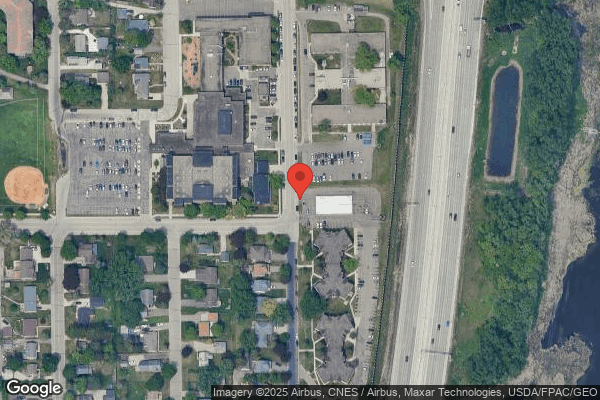
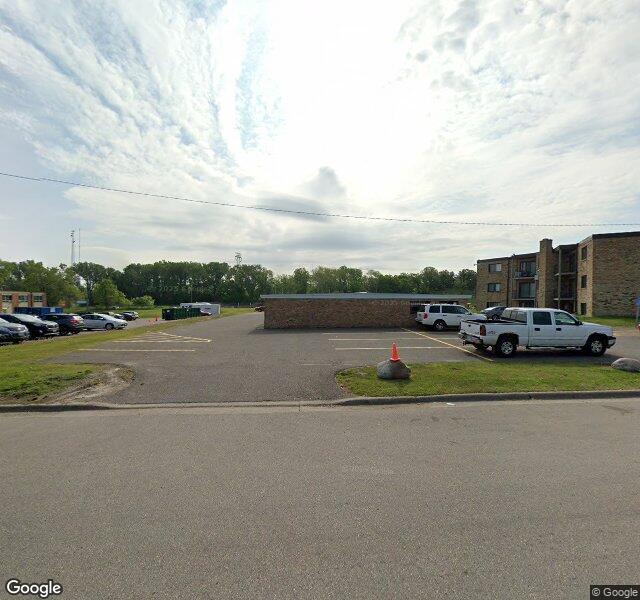
825 FIRST AVENUE NORTHWEST, NEW BRIGHTON, MN 55112 (651) 633-7875
For profit - Corporation 99 Beds MONARCH HEALTHCARE MANAGEMENT Data: November 2025 5 Immediate Jeopardy citations
Trust Grade
0/100
#319 of 337 in MN
Last Inspection: February 2025

Within standard 12-15 month inspection cycle. Federal law requires annual inspections.

Overview

The Villas at New Brighton has received a Trust Grade of F, indicating poor performance with significant concerns about care quality. It ranks #319 out of 337 facilities in Minnesota, placing it in the bottom half overall, and #26 out of 27 in Ramsey County, meaning there is only one local option that is better. The facility is worsening, with issues increasing from 15 in 2024 to 25 in 2025. Staffing is a relative strength with a rating of 4 out of 5 stars, but the turnover rate is average at 42%. However, the $232,810 in fines is alarming, as it is higher than 97% of Minnesota facilities, suggesting ongoing compliance problems. Specific incidents noted include a failure to prevent medication diversion affecting multiple residents, resulting in serious risks for those in pain management. Additionally, a resident suffered a femur fracture due to improper use of a mechanical lift during transfers, and another resident developed severe pressure ulcers due to inadequate care, which required hospitalization. While there are some staffing strengths, the overall poor ratings and critical incidents raise serious concerns for families considering this nursing home.

Trust Score
F
0/100
In Minnesota
#319/337
Bottom 6%
Safety Record
High Risk
Review needed
Inspections
Getting Worse
15 → 25 violations
Staff Stability
○ Average
42% turnover. Near Minnesota's 48% average. Typical for the industry.
Penalties
✓ Good
$232,810 in fines. Lower than most Minnesota facilities. Relatively clean record.
Skilled Nurses
✓ Good
Each resident gets 49 minutes of Registered Nurse (RN) attention daily — more than average for Minnesota. RNs are trained to catch health problems early.
Violations
⚠ Watch
59 deficiencies on record. Higher than average. Multiple issues found across inspections.
★☆☆☆☆
1.0
Overall Rating
★★★★☆
4.0
Staff Levels
★★★★☆
4.0
Care Quality
★☆☆☆☆
1.0
Inspection Score
Stable
2024: 15 issues
2025: 25 issues

The Good

  • 4-Star Staffing Rating · Above-average nurse staffing levels
  • 4-Star Quality Measures · Strong clinical quality outcomes
  • Full Sprinkler Coverage · Fire safety systems throughout facility
  • No fines on record
  • Staff turnover below average (42%)

    6 points below Minnesota average of 48%

Facility shows strength in staffing levels, quality measures, fire safety.

The Bad

1-Star Overall Rating

Below Minnesota average (3.2)

Significant quality concerns identified by CMS

Staff Turnover: 42%

Near Minnesota avg (46%)

Typical for the industry

Federal Fines: $232,810

Well above median ($33,413)

Significant penalties indicating serious issues

Chain: MONARCH HEALTHCARE MANAGEMENT

Part of a multi-facility chain

Ask about local staffing decisions and management

The Ugly 59 deficiencies on record

5 life-threatening 1 actual harm
Sept 2025 3 deficiencies 1 IJ
CRITICAL (J) 📢 Someone Reported This

A family member, employee, or ombudsman was alarmed enough to file a formal complaint

Immediate Jeopardy (IJ) - the most serious Medicare violation

Accident Prevention (Tag F0689)

Someone could have died · This affected 1 resident

**NOTE- TERMS IN BRACKETS HAVE BEEN EDITED TO PROTECT CONFIDENTIALITY** Based on interview and document review, the facility failed to ensure safe transfers with a full body mechanical lift. This resu...

Read full inspector narrative →
**NOTE- TERMS IN BRACKETS HAVE BEEN EDITED TO PROTECT CONFIDENTIALITY** Based on interview and document review, the facility failed to ensure safe transfers with a full body mechanical lift. This resulted in an immediate jeopardy (IJ) for 1 of 4 residents (R1) who sustained a left femur fracture due to a fall from a lift. The immediate jeopardy (IJ) began on 8/29/25, when R1 fell out of a full mechanical lift sling that was not attached to the lift according to manufacturer instructions resulting in a fall with fracture for R1. The administrator and director of nursing (DON) were notified of the IJ on 9/10/25 at 1:49 p.m. The IJ was removed on 9/2/25, prior to the start of the survey, when the facility implemented immediate corrective action to prevent recurrence, therefore, the IJ was issued at past non-compliance.Findings include:R1's quarterly Minimum Data Set (MDS) dated [DATE], indicated intact cognition with diagnoses which included colon cancer, fracture of left humerus and hemiplegia.R1's care plan dated 6/10/25, indicated R1 required assistance of total/Hoyer mechanical lift (purple/medium sling or large green sling can be used).An orthopedic trauma provider consultation note from the hospital dated 8/30/25, indicated the history of the present illness included a fall from a Hoyer lift. R1 was found to have an acute left femur fracture that required surgical intervention.A hospitalist progress note dated 8/31/25, included under hospital summary: patient (R1) was at a facility and they were using the Hoyer lift to move [R1] when the lift failed and [R1] fell about 3 feet to the ground. Following the fall, [R1] had significant left hip pain and was brought to the emergency department (ED). In the ED, workup revealed a left subtrochanteric (femur) fracture.A nursing note dated 8/30/25 at 12:03 a.m., indicated at 9:45 p.m., 2 staff members were transferring R1 from his bed to a shower chair with a Hoyer lift. During the transfer, one loop of the sling handle came off the Hoyer hook, R1's right leg slid out of the sling and R1 landed on the floor in a sitting position and ended up on his back. A nursing note dated 8/30/25 at 3:57 p.m., indicated R1 had surgery following a left femur fracture.During an interview on 9/9/2025 at 2:47 p.m., family member (FM) stated she watched the video of when R1 fell out of the sling. She stated it was a horrible thing to watch. The strap on the lower left side did not appear to be attached correctly to the lift and came off during the transfer. FM confirmed R1 had a left femur fracture which required surgery with rod placement.During an interview on 9/9/25 at 4:12 p.m., nursing assistant (NA)-A stated she knew the correct way to hook the sling to the lift and identified the strap needed to be placed into the hook. NA-A stated she was assisting on 8/29/25, to transfer R1 from his bed to a shower chair using a full mechanical lift. She did not notice anything wrong with the straps when she attached them to the lift. During the transfer, one of the straps on the sling somehow came off the hook and R1 fell to the floor. NA-A stated she knew the correct way to hook the sling to the lift. The strap needed to be placed into the hook.During an interview on 9/9/25 at 4:34 p.m., licensed practical nurse (LPN)-B stated she was notified by NA-A about R1 falling from the sling onto the floor. When LPN-A entered the room, R1 was on the floor and saying Ow Ow and don't touch me. LPN-A called 911 to transfer R1 to the hospital for evaluation.During an interview on 9/10/25 at 9:09 a.m., a customer service representative from the manufacturer of the full mechanical lift stated a sling could detach from a lift hook if the person in the sling was over the weight limit, the sling was worn out or if the sling was improperly attached. The weight limit for all slings is 600 pounds. A sling used less than one year should still be in good condition if used and cleaned according to manufactures instructions. During an interview on 9/10/25, following incident video review, the DON confirmed the lower right strap had not been connected to the lift correctly and as a result it came off the hook and R1 fell to the floor. DON stated NA-A and NA-B were not following manufacturer's instructions for proper sling attachment during the transfer. DON confirmed the lower right sling loop was placed at the top of the hook instead of the lower part of the hook. Two attempts were made to contact NA-B with no return phone call.The manufacturer full body sling instruction manual undated, identified the sling was correctly attached to the lift when the loops of the sling were placed at the bottom of the hooks. The manual warnings include: if the sling is not properly applied, personal injury and damage to the sling could occur.The facility mechanical lift competency instructs: Attach the sling to the lift assuring that the loops are secured to the hooks.Review of facility policy titled The facility safe resident handling program policy undated, instructed when residents received care require assistance from facility to move, assistance was provided in a manner that was safe to both the resident and employee. The facility implemented the following actions prior to the survey which were verified through interview and document review and therefore the IJ was issued at past non-compliance:Staff involved in the incident were immediately suspended pending investigation.The lift and sling were put out of use.Education included how to identify what size a sling was, where to find a resident's sling size, how to attach the sling to the lift, and what to do if a resident's care plan did not identify sling size or if the proper sling size was not available. All nursing staff were competency tested on use of the full mechanical lift.Any staff that had not completed the education or competency test would be required to complete both at the start of their next scheduled shift.
CONCERN (D) 📢 Someone Reported This

A family member, employee, or ombudsman was alarmed enough to file a formal complaint

Potential for Harm - no one hurt, but risky conditions existed

Deficiency F0554 (Tag F0554)

Could have caused harm · This affected 1 resident

**NOTE- TERMS IN BRACKETS HAVE BEEN EDITED TO PROTECT CONFIDENTIALITY** Based on observation, interview, and document review the facility failed to ensure a self-administration of medications assessme...

Read full inspector narrative →
**NOTE- TERMS IN BRACKETS HAVE BEEN EDITED TO PROTECT CONFIDENTIALITY** Based on observation, interview, and document review the facility failed to ensure a self-administration of medications assessment was completed, and orders obtained, for all medications kept at bedside for 1 of 1 resident (R4) observed with medications at their bedside.Findings include:R4's quarterly Minimum Data Set (MDS) dated [DATE], indicated intact cognition with diagnoses which included femur fracture, severe obesity, and asthma. R4's self-administration of medication evaluation dated 2/3/25, indicated ok to leave medication after nurse set up. In the section, the resident was able to demonstrate to the satisfaction of the nurse manager or designee, the assessment boxes indicated for the ability to produce all currently used medication containers and that these reflect the current physician-prescribed medications and all medications are stored properly (if stored in resident's room) was not checked.R4's current provider order list dated 9/10/25, lacked orders for Tums (calcium carbonate [used to treat heartburn]), Tussin DM (dextromethorphan and guaifenesin [used to treat cough]), and a multi-vitamin. During observation on 9/9/2025 at 11:31 a.m., the following medication containers were observed on R4's bedside table: tums, Tussin DM, multi vitamin and anti-diarrheal medication. During an interview on 9/9/2025 at 11:57 a.m., licensed practical nurse (LPN)-A stated R4 could self-administer medication after a nurse set up. The medications were kept in the nurse's cart. LPN-A confirmed R4 had tums, Tussin DM, multi vitamin and anti-diarrheal medication on her bedside table and R4 did not have a provider order for tums, Tussin DM, or a multi vitamin. LPN-A stated all medication containers should have been kept in the nurse's cart. If a nurse observed a medication container in a resident room, they should ask the resident if the medication can be placed in the nurse's cart and the provider should be notified. During an interview on 9/10/2025 at 11:33 a.m., R4 stated she had ordered the tums, Tussin DM, multi vitamin and anti-diarrheal medication for herself online a while ago and no staff member had asked her about them. R4 stated she liked to take the tums whenever her stomach was upset and could not remember how often she was taking it. During an interview on 9/10/2025 at 1:20 p.m., the director of nursing stated a nurse was expected to complete an assessment on a resident who wanted to self-administer medications. In addition, a provider order is needed for all medications. If a resident was deemed safe to self-administer medication and keep the medication at bedside, the medication should be stored in a safe and secure place where other residents would not have access to them. DON stated a bedside table was not a safe and secure location. DON confirmed R4 could self-administer medication after nurse set up however, was not being done correctly. Medication bottles should not be left on the bedside table. When a nurse observed a medication container in a resident's room, they should place the medication in the cart and contact the provider. Review of the facility policy titled The Self-administration of Medications policy dated 2/2024, indicated self-administered medications are stored in a safe and secure place, which is not accessible by other residents. If safe storage is not possible in the resident's room, the medications of residents permitted to self-administer are stored on a central medication cart or in the medication room.
CONCERN (D) 📢 Someone Reported This

A family member, employee, or ombudsman was alarmed enough to file a formal complaint

Potential for Harm - no one hurt, but risky conditions existed

Report Alleged Abuse (Tag F0609)

Could have caused harm · This affected 1 resident

**NOTE- TERMS IN BRACKETS HAVE BEEN EDITED TO PROTECT CONFIDENTIALITY** Based on interview and document review, the facility failed to report to the State Agency (SA) a serious bodily injury that resu...

Read full inspector narrative →
**NOTE- TERMS IN BRACKETS HAVE BEEN EDITED TO PROTECT CONFIDENTIALITY** Based on interview and document review, the facility failed to report to the State Agency (SA) a serious bodily injury that resulted from the improper use of a full mechanical lift for 1 of 4 residents (R1) reviewed for falls.Findings include:The Minnesota Adult Abuse Reporting Center did not contain any facility reported incidents related to R1's reported fall from full mechanical lift with subsequent femur fracture on 8/29/25.R1's quarterly Minimum Data Set (MDS) dated [DATE], indicated intact cognition with diagnoses which included colon cancer, fracture of left humerus and hemiplegia.Nursing progress notes identified on 8/29/25 at 9:45 p.m., 2 staff members were transferring R1 from his bed to a shower chair with a full mechanical lift. During the transfer, one loop of the sling handle came off of the lift hook, R1's right leg slid out of the sling and R1 landed on the floor in a sitting position then ended on his back. The administrator, director of nursing and on-call provider were notified. R1 was transported to the hospital for evaluation and had subsequent surgery for a left femur fracture. During an interview on 9/9/2025 at 3:23 p.m., the administrator stated R1 falling from the lift was determined to not be the result of abuse, neglect, exploitation, or misappropriation so it was not reportable. It was an accident.During an interview on 9/10/2025 at 12:14 p.m. after reviewing incident video, the director of nursing stated the nursing assistants were not following manufacturer's instructions when they attached the sling to the lift prior to transferring R1. R1 fell from the sling because the sling came off the lift hook. Review of facility policy titled The abuse prohibition/Vulnerable Adult Policy dated 4/2025, instructed incidents to be reported including all serious injuries that were determined to be a result of abuse, neglect, exploitation, or misappropriation, even those considered accidental. Examples of serious injury include but were not limited to falls with major injury (including fractures, closed head injury, internal bleeding and death), burns, medication errors with adverse effects or potential for adverse effects, or other resident incidents.
Aug 2025 1 deficiency
CONCERN (D) 📢 Someone Reported This

A family member, employee, or ombudsman was alarmed enough to file a formal complaint

Potential for Harm - no one hurt, but risky conditions existed

Resident Rights (Tag F0550)

Could have caused harm · This affected 1 resident

**NOTE- TERMS IN BRACKETS HAVE BEEN EDITED TO PROTECT CONFIDENTIALITY** Based on observation, interview, and record review the facility failed to provide a dignified living existence for 3 of 3 reside...

Read full inspector narrative →
**NOTE- TERMS IN BRACKETS HAVE BEEN EDITED TO PROTECT CONFIDENTIALITY** Based on observation, interview, and record review the facility failed to provide a dignified living existence for 3 of 3 residents (R1, R2, and R3) reviewed. Staff failed to respond timely to the residents, leaving them incontinent of stool in their beds while waiting on staff assistance. Findings include: Upon observation and interview on 8/4/25 at 10:35 a.m. R1 was lying on her back in her bed. R1's room smelled of bowel movement (BM) odor. R1 stated she had a BM, turned on her light at approximately 9:00 a.m. A nursing assistant (NA) came into her room, turned off the light and had not returned. R1 stated that was the practice every morning. R1 stated she felt inhuman sitting in her own feces every morning. At 10:39 a.m. R1 put on her call again. At 10:43 NA-A came into her room, turned off her call light and stated she would go the other NA to assist her. At 10:48 a.m. NA-A and NA-B returned to assist R1. NA-A and NA-B changed R1's incontinent brief that consisted of wet BM saturated into the incontinent pad and dried BM on R1's labial folds (folds in her vaginal region). R1's bed sheets had dried BM on them. The NA's washed R1 and changed R1's incontinent brief. R1 directed her care telling the NA's where to put the lotions and powder. R1 was then put into the mechanical lift and seated in her wheelchair. This process ended at 11:35 a.m. R1's quarterly Minimum Data Set (MDS) dated [DATE] indicated R1 had a Brief Inventory of Mental Status (BIMS) score of 15 indicating R1 was cognitively intact. R1 did not have any behaviors of physical or verbal behaviors directed towards other. R1 was totally dependent upon staff assistance with toileting hygiene, showing, lower body dressing and transferring from bed to chair. R1 required moderate assistance with rolling in bed and sitting to lying in bed. R1 was frequently incontinent of bowel and bladder. R1's pertinent diagnoses were fracture of the right femur (hip), morbid obesity, acute respiratory failure, and muscle weakness. R1's care plan dated 7/26/25 indicated R1 required assistance of two staff with toileting, provide incontinence products and assist to change, monitor bowel movements as they occur, check, and change R1's incontinent brief prior to getting out bed in the morning. R2's annual MDS dated [DATE] indicated R2's BIMS score was a 15 indicating he was cognitively intact. R2 was totally dependent upon staff assistance with toileting hygiene, showering, lower body dressing, personal hygiene, and transferring from sit to stand and bed to chair. He required moderate assistance with sitting to lying in bed and dressing upper body. R2 had a foley indwelling catheter and was frequently incontinent of stool. R2's pertinent diagnoses were acute and chronic respiratory failure, morbid obesity, and blindness of both eyes at different category levels. R2's care plan dated 8/4/25 indicated R2 required assistance of 1-2 with toileting, pad changes and peri-care, provide incontinence products (brief) and assist to change, monitor bowel movements as they occur. Upon interview on 8/4/25 at 1:09 p.m. R2 stated he had concerns at the facility. He stated his concern was long wait times and he believed it was due to staffing. On 8/1/25 he had a BM at around 2:00 a.m. and put on his call light, an unidentified NA answered the light and turned it off and told R2 she was busy and returned to change his incontinent brief after 3:00 a.m. R2 stated it was not just he felt undignified, but having to wait with bowel incontinence kept him awake while waiting and then angry about the waiting the rest of the night. The other time he stated he waited in my own filth was about a week before that on the evening shift. He stated he could not recall the exact day or time, but that time his light was not answered in over an hour as he sat incontinent of BM. R3's quarterly MDS dated [DATE] indicated R3 had a BIMS score of 15 indicating R3 was cognitively intact. R3 was dependent on staff assistance with bed mobility, transferring, toileting hygiene, and lower body dressing. R3's was frequently incontinent of bowel and bladder. R3's pertinent diagnoses were Type 2 Diabetes, morbid obesity, and lymphedema (swelling in the arms and legs caused by lymphatic system blockage). R3's care plan dated 8/4/25 indicated R3 required assistance of two staff with toileting, staff was to provide assistance with peri-care in the morning, bedtime, and as needed, monitor bowel movements as they occur. Upon interview on 8/4/25 at 2:15 p.m. R3 stated she felt the average wait time for her call light to be answered was 30 - 60 minutes. R3 had diarrhea often and when staff make her sit in it R3 would keep turning the call light on after staff would turn it off until she was cleaned up. She stated, I can't even venture to say how often it happens. Upon interview on 8/4/25 at 12:09 nursing assistant (NA)-A stated in the mornings between 6:30 am to 7:30 the NA's are busy getting residents up and to the dining room for breakfast. Then they pass breakfast trays to residents who stay in their rooms before the food gets cold. R1 did have BM's every morning and her cares required 2 staff members and at least 45 minutes each morning. Staff does not get R1 cleaned up and out of bed until around 10:00 a.m. in the mornings. The unit is staffed with four NA's on the day shift. When they were fully staffed with four NA's R1 was the only resident who waits for cares, but when there was a call-in, they work with three NA's then multiple residents complained about long wait times for cares. The unit worked with three NA's approximately one-two times a week. She stated she and other NA's answered resident call lights, see what the resident needed, turned the call light off and would return when they had gotten another staff member for assistance or finished a task they needed to do. This practice had left residents incontinent waiting for staff. Upon interview on 8/4/25 at 2:02 p.m. NA-B stated she mainly worked the overnight shift and R2's unit staffed one nurse, and one NA. Residents did have long wait times in the overnight and she had found R2 incontinent of bowel. She could not even guess an estimate of wait times overnight. Upon interview on 8/4/25 at 2:25 p.m. NA-C stated R3 did have diarrhea often it got in her bd often as well. NA-C stated she has had to answer a call light, turn it off and then return for cares and had found R3 and other residents incontinent of BM. Upon interview on 8/4/25 at 2:42 p.m. licensed practical nurse (LPN)-A stated she was aware that staff would get R1 around 10:00 a.m. and it took 45 minutes minimum. LPN-A stated she was aware that R1 did have very schedules BM's in the morning and used her call light often. She had not realized she was waiting incontinent of bowel. Upon interview on 8/4/25 at 3:20 p.m. the director of nursing (DON) stated her expectation was that residents were cleaned up right away when staff were called. She stated she had complaints about resident call light times and had completed audits earlier this summer. The resident census had been a roller-coaster and the facility leadership followed corporate guidelines on staffing numbers. A facility policy titled Resident Rights Policies dated 1/2024 indicated the facility followed the Combined Federal and State [NAME] of Rights. Combined Federal and State [NAME] of Rights dated 6/18/2019 indicated the right to reside and receive services in the facility with reasonable accommodation of resident needs and preferences except when to do so would endanger the health or safety of the resident or other residents.
Jun 2025 1 deficiency
CONCERN (F) 📢 Someone Reported This

A family member, employee, or ombudsman was alarmed enough to file a formal complaint

Potential for Harm - no one hurt, but risky conditions existed

Staffing Data (Tag F0851)

Could have caused harm · This affected most or all residents

Based on interview and document review, the facility failed to submit accurate and/or complete data for staffing information based on payroll during 1 of 1 quarter (Quarter 2) reviewed, to the Centers...

Read full inspector narrative →
Based on interview and document review, the facility failed to submit accurate and/or complete data for staffing information based on payroll during 1 of 1 quarter (Quarter 2) reviewed, to the Centers for Medicare and Medicaid Services (CMS), according to specifications established by CMS. This had the potential to affect all 78 residents at the facility. Findings include: Payroll Based Journal (PBJ), [NAME] Report 1705D indicated the facility had excessively low weekend staffing during quarter 2 of fiscal year 2025, which included dates between January 1 to March 31st. Daily staff schedules during quarter 2 indicated adequate staff on weekends. During interview on 6/12/25 at 2:36 p.m. the regional director of operations stated she was just found out about the report indicating the 2nd quarter weekend staffing levels were low. She was going to analyze the cause. She believed it could have been if bonuses were offered, if on-call nurse managers were brought into the cover shift or the use of pool staff. She was not certain why the staffing levels were triggered. The Administrator was not available during the survey. Facility policy requested and not provided.
Jun 2025 1 deficiency
CONCERN (D) 📢 Someone Reported This

A family member, employee, or ombudsman was alarmed enough to file a formal complaint

Potential for Harm - no one hurt, but risky conditions existed

Grievances (Tag F0585)

Could have caused harm · This affected 1 resident

**NOTE- TERMS IN BRACKETS HAVE BEEN EDITED TO PROTECT CONFIDENTIALITY** Based on interview and document review, the facility failed to ensure voiced grievances and complaints against the facility were...

Read full inspector narrative →
**NOTE- TERMS IN BRACKETS HAVE BEEN EDITED TO PROTECT CONFIDENTIALITY** Based on interview and document review, the facility failed to ensure voiced grievances and complaints against the facility were acted upon, investigated or resolved for 1 of 1 resident (R1) reviewed who had grievances. care concerns Findings include: R1's admission Minimum Data Set (MDS) dated [DATE], indicated R1 had anxiety was cognitively intact with no behaviors. In addition the MDS indicated R1 had a surgical wound with no pressure ulcers, was independent with activities of daily living and was incontinent of bowel and bladder and had frequent pain. R1's Care Plan dated 5/16/25, indicated R1 had limited mobility, risk for falls and had pain. R1's Care Plan also indicated alteration in behavior as evidence by diagnosis of mood disorder and anxiety staff were directed to monitor for medication effectiveness, be alert to mood and behavior changes and use kind firm approach in addition to psych visits. In addition the Care Plan indicated R1 made many demands on staff, ex: remove your shoes before entering room. Threatening staff to report to the Minnesota Department of Health (MDH). Staff were directed to validate feelings and provide emotional support. R1's Profile Sheet indicated R1 discharged from the facility on 5/29/25. During interview on 6/10/25 at 10:36 a.m., R1 stated she had filed multiple grievances to the while living at the facility and did not feel they were followed up on never felt they were followed up or attempted to resolve. In addition, R1 stated she felt her pain was not managed at the facility, R1 stated adding her pain was always at a 7 to a 9 out of 10 consistently. (A numeric pain scale is a self-report pain assessment tool that uses a numerical scale, usually from 0 to 10, to quantify a person's pain intensity. Zero typically represents no pain, while 10 represents the worst pain imaginable.) Review of R1's grievances indicated the following: Grievance Form -Nurse/CNA Behavior dated 5/20/25, completed by the director of nursing (DON), indicated resident (R1) stated that nurse did not give her pain meds at 1:00 p.m. The form indicated under steps taken to investigate concern/grievance: Per progress notes, resident received Tylenol as needed at 6:30 a.m., oxycodone (opioid medication to treat severe pain) at 7:14 a.m., and then at 10:30 a.m. the nurse called the physician requesting an additional dose of oxycodone prior to dressing change due to the oxycodone order was only for every 6 hours. The Grievance form indicated the order was received, and R1 did receive the one time dose of oxycodone. In addition R1 was alert and orientated and able to verbalize her pain and request a pain medication as needed. The report also indicated under resolution resident continues to be followed by the pain team. During interview on 6/11/25 at 9:57 a.m., regional nurse consultant (RNC) stated the grievances were reviewed by the director of nursing (DON) and herself. The RNC stated on 5/28/25, they both meet with R1 on 5/28/25 to review the resolution, although upon further investigation it was found R1's treatment was not signed off on 5/20/25, and the new order which was requested on 5/20/25 at 10:30 a.m., was not received and transcribed until 12:45 p.m. which was ordered for oxycodone 5 mg by mouth every four hours as needed for pain only four per day and the medication administration record (MAR) indicated the oxycodone was not administrated until 3:01 p.m. (8 hours later), and the treatment record indicated the dressing change to her surgical wound was never changed. The RNC further provided a Statement of Reported Incident dated 6/11/25, which indicated a nurse who worked on 5/20/25 evening shift stated he completed the dressing change. R1's Grievance Form request lacked evidence the facility investigated the complaint and provide R1 a resolution to her concern. Additionally, the grievance form that was reviewed with R1 identified she received her oxycodone per request at 1:00 p.m., which was not accurate. (received at 3:00 p.m.) Grievance Form-Medication Issue dated 5/22/25, completed by corporate Compliance Liaison (CCL) indicated resident sent an email to CCL that stated I have been in here without pain medication since 1 p.m. today and asking for them since 4:30 p.m.! My call light has been unplugged and the nurse has refused to give me his name and this is all on the camera in the hallway. You asked me if I felt unsafe now I do. The nurse realized finally I was recording him and revealed his name. The form indicated email was sent to DON and social services requesting that follow up be completed regarding grievance. The DON's comment on the form indicated resident walked to and from bathroom during interview with no visible signs of pain or discomfort email sent to provider for alternative pain medication orders as requested by resident during resolution interview on 5/28/25. An additional Statement of Reported Incident completed by registered nurse (RN)-A on 5/22/25, indicated he administered her pain medications when she requested at 8:45 p.m. During interview on 6/10/25 at 10:30 a.m., the DON stated R1 would ask for her pain medications and then she would decline them indicating she did not want to get addicted to them, adding it was possible on that day she didn't want her pain medications. During interview on 6/11/25 at 12:52 p.m., RNC stated when they spoke to R1 on 5/28/25, she was informed when her call light was unplugged from the wall her call light was automatically turned on. In addition, RNC stated R1's nurse practitioner was informed of medication change request but she discharged the following day. The RNC stated she was unaware R1 stated she felt unsafe at the facility and did not interview R1 to her comment. Complaint and Grievance Policy revised 9/2023, indicated Any resident, resident representative, or applicant for admission who has reason to believe that he/she had been mistreated, denied services, or discriminated against in any aspect by the facility may file a complaint or grievance. Grievances can be submitted anonymously, and individuals have the right to file a grievance without fear of discrimination or reprisal. Forms are to be made readily available within the facility report a complaint or grievance. Any complaints, regardless of how they preconceived by the facility, will be investigated per the policy. A written summary should include: · Date grievance received. · Summary statement of resident ' s grievance. · Steps taken to investigate. · Summary of pertinent findings/conclusions regarding the concerns raised by the resident. · Statement as to whether the grievance is confirmed or not confirmed. · Any corrective actions to be taken as a result of the grievance. · Date the written decision was issued.
Apr 2025 4 deficiencies 1 IJ
CRITICAL (J) 📢 Someone Reported This

A family member, employee, or ombudsman was alarmed enough to file a formal complaint

Immediate Jeopardy (IJ) - the most serious Medicare violation

Pressure Ulcer Prevention (Tag F0686)

Someone could have died · This affected 1 resident

**NOTE- TERMS IN BRACKETS HAVE BEEN EDITED TO PROTECT CONFIDENTIALITY** Based on observation, interview, and record review the facility failed to provide necessary care, treatment, and services to pre...

Read full inspector narrative →
**NOTE- TERMS IN BRACKETS HAVE BEEN EDITED TO PROTECT CONFIDENTIALITY** Based on observation, interview, and record review the facility failed to provide necessary care, treatment, and services to prevent pressure ulcer development for 1 of 3 residents (R1). This resulted in an immediate jeopardy (IJ) who presented to the emergency room (ER) on 4/3/25 with multiple pressure ulcers and wound infections. R1 remained hospitalized . The IJ began on 4/3/25, when the facility failed to assess, report to the provider, and treat pressure ulcers. R1 was found unresponsive and presented to the hospital emergency room on 4/3/25, and it was discovered she had multiple pressure ulcers and wound infections. R1 remained hospitalized . The facility administrator and director of nursing (DON) were notified of the IJ at 4:00 p.m. on 4/15/25. The facility implemented corrective action by 4/9/25, prior to the start of the survey and was issued as past non-compliance. Findings Include: R1's Braden Scale (a tool designed to assess a patient's risk for developing pressure ulcers) dated 2/24/25 at 10:45 a.m. identified sensory perception as slightly limited and responded to verbal commands. Skin was often moist, and linens had to be changed at least once a shift. She was chair fast, unable to bear own weight. Mobility was very limited and made occasional slight changes in body or extremity position. Nutrition was probably inadequate and would take occasional dietary supplements. Required moderate to maximum assistance in moving, frequently slid down in bed/chair, required frequent repositioning with maximum assistance. Spasticity, contractures, or agitation led to almost constant friction. R1's Braden score was 12 and indicated high risk (at risk 15-18, moderate risk 13-14, high risk 10-12, and very high risk 9 or below) for development of a pressure ulcer. R1's quarterly Minimum Data Set (MDS) dated [DATE], identified intact cognition and no behaviors. She required substantial/moderate assistance for roll left/right, sit to lying, and lying to sitting, dependent upon staff for all transfers, toileting and personal hygiene, bathing, and lower body dressing, and used a manual wheelchair for mobility. She was frequently incontinent of bladder and always incontinent of bowel. She had a feeding tube. Active diagnoses included: stroke, aphasia (a language disorder that affects the ability to speak, read, write, and understand what others are saying caused by a stroke, brain injury, or progressive neurological disorders), hemiplegia/hemiparesis (weakness on one side), malnutrition, diabetes mellitus (DM), hypertension (HTN), and respiratory failure. At risk for pressure ulcers and no unhealed pressure ulcers or other ulcers, wounds, or skin problems identified. Skin and ulcer treatments included pressure reducing devices for chair and bed. She was administered insulin 7 out 7 days. R1's hospital physician notes dated 2/28/25 at 8:28 a.m. identified skin/wounds: WOCN (wound, ostomy, and continence nurse) not followed currently. Per chart, large head laceration repaired by trauma team. Per nursing notes: BUE (bilateral upper extremity extremities) bruising, head laceration, preventive Mepilex (a foam dressing used to reduce the risk of skin breakdown) on sacrum, LLE (lower leg extremity) edema leg wrap (wrap not removed due to pain/fracture), two plus pulses present bilaterally. R1's care plan dated 3/1/25, identified she had diabetes mellitus, and staff were directed to monitor/document/report to medical doctor (MD) for signs/symptoms (s/sx) of infection to any open areas: redness, pain, heat, swelling, or pus formation. She had an alternation in mobility related to stroke. Staff were directed to provide a pressure redistribution mattress to bed and cushion to wheelchair. She was at risk for alteration in skin integrity related to limited mobility secondary to stroke. Staff were directed to monitor skin integrity daily during cares. Weekly skin inspections by nurse. Turn and reposition every two to three hours. Document on skin condition and keep MD or physician assistant (PA) informed of changes. R1's goal outcome evaluation for plan of care dated 3/2/25 at 7:49 a.m. completed by hospital registered nurse prior to discharge back to facility. Skin: no new deficits noted. Repositioned carefully as movement caused a lot of discomfort. R1's Discharge summary dated [DATE] at 2:21 p.m. hospital stay from 2/27/25 through 3/2/25 due to an accident when she fell out of her wheelchair trying to grab an object. Known skin injury: forehead laceration repaired with sutures. Physical exam identified periorbital (around eyes) ecchymosis (bruising) and skin warm and dry. R1's orders/treatment administration record (TAR) identified: -On 11/26/25 at 3:00 p.m. air mattress-monitor working order and replace as needed every shift. Staff signed off all shift from 3/1/25 through 4/2/25, except 4 shifts. -On 12/4/25 at 7:00 a.m. Prosource TF20 ENfit compatible enteral liquid (20 grams of high-quality protein to a feeding tube). Give 1 packet by mouth every day shift for supplement. Staff signed off every morning from 3/3/25 through 4/2/25. -On 3/3/25 at 3:00 p.m. monitor for skin breakdown around the nose and behind the ears caused by oxygen tubing every shift. Staff signed off all three shifts from 3/3/25 through 4/2/25, except for 4 shifts. -On 3/13/25 at 3:00 p.m. enteral feeding: monitor skin around tube feeding site and change dressing if applicable every shift (7 a.m. to 3 p.m., 3 p.m. to 11 p.m., 11 p.m. to 7 a.m.) for monitoring. Staff signed off all three shifts from 3/13/25 through 4/2/25, except for 3 shifts. -On 1/30/25 at 5:30 a.m. weekly skin inspection by licensed nurse. Complete weekly skin inspection in point click care (PCC) in the morning every Thursday. Staff signed every Thursday 3/6/25, 3/13/25, 3/20/25, and 3/27/25. -On 3/28/25 at 11:00 p.m. barrier cream to peri area with brief changes every shift for skin care. Staff signed off all shifts 3/28/25 through 4/2/25, except for 1 time. R1's weekly skin inspection completed from 3/13/25 through 3/27/25, by licensed practical nurse (LPN)-B identified: -On 3/13/25 at 12:30 p.m. instructions: it was the nurse's responsibility to evaluate the resident's skin at minimum once a week to ensure skin integrity. Implement interventions as applicable. Bath type: bed bath. Summary of current skin condition: bruises to the face and both hand [sic] due to a previous fall. On 3/20/25 at 11:32 a.m. identified bath type: shower. Summary of current skin condition: no new skin issues noted. On 3/27/25 at 1:55 p.m. identified bath type: bed bath. Summary of current skin condition: resident had no new skin conditions, skin intact. A and D (an ointment rich in vitamins A and D used for a for skin protection, moisturizes, seals, and speeds up the recovery of damaged skin) applied to redness on bottom. R1's progress notes from 3/2/25 through 4/3/25, identified: -On 3/3/25 at 10:16 a.m. readmission visit by nurse practitioner (NP)-B following a hospitalization after a fall with head strike. R1 was found to have a right frontal subarachnoid hemorrhage (SAH) (bleeding in the space below one of the thin layers that cover and protect your brain), forehead laceration, and humeral (upper arm) neck fracture. Ordered forehead sutures to be removed on 3/6/25 . -On 3/5/25 at 2:07 p.m. had purple bruising on her face and sutures over her right eye . -On 3/5/25 at 8:45 p.m. R1 needs to be encouraged to be up two times daily, once on a.m.'s once on p.m.'s no exceptions every day and evening shift for monitoring since fall. She is weak and has been bed bound. -On 3/6/25 at 11:07 a.m. acute visit for pain made by NP-B . was recently taken off TF due to good oral (PO) intact but not continues to demonstrate problems with dysphagia (trouble with swallowing) . well developed in no acute distress . -On 3/12/25 at 7:49 a.m. follow up visit to assess bolus TF tolerance . tolerating bolus feedings and uninterested in food . -On 3/24/25 at 9:26 a.m. primary provider medical doctor (MD) came to see her and was told she had gone to a doctor's appointment. He did not see her today . past surgery history: percutaneous endoscopic gastrostomy (PEG) tube (a tube placed into the stomach through the abdominal wall most commonly to provide a means of feeding when oral intake is not adequate) was placed on 6/20/23 . -On 3/27/25 at 5:46 p.m. assisted with lunch today. Continued to pocket all food. Very slow to take liquids thru straw. Mighty shake given as she was not swallowing any food. Nurse practitioner (NP) made aware, and dietician notified. - On 3/28/25 at 2:52 p.m. The writer noticed the resident could not seat comfortably and hold her head in the chair. Writer asked the aid to put he back to bed for safety. -On 4/2/25 at 1:09 p.m. Interdisciplinary team (IDT) reported R1 was not eating or drinking anything orally. Nursing informed husband was ok with tube feeding (TF) to provide all nutrition needs. Currently received bolus feed two times a day (bid) but will increase to meet all her needs. -On 4/3/25 at 7:54 a.m. follow up visit made by NP-B for anorexia and resumption of full TF diet . upon visit, R1 was slumped over in her wheelchair not responding, she was slumped so far over she was about to fall headfirst onto the floor. Breathing shallow, blood pressure (BP) 90/50, heart rate (HR) 121, unable to obtain pulse oximeter (ox). Instructed staff to call emergency medical services (EMS) for altered mental status (AMS). Concern for stroke or infection. -On 4/3/25 at 8:42 R1 sent to the emergency room (ER). R1's progress notes lacked documentation of skin assessments. R1's hospital medical records from 4/3/25 through 4/8/25 identified: -On 4/3/25 hospital admission history and physical identified sacral pressure wound. Nursing notified primary team of large necrotic pressure wound to her sacrum with various other lesions to the perineum and surrounding erythema. Area has been cleansed and Mepilex added. Pictures in media lab. WOC consult placed. Clinical impressions: SIRS (systemic inflammatory response syndrome) (an exaggerated defense response of the body to a noxious stressor such as infection, trauma, survey, acute inflammation, ischemia or reperfusion, or malignancy, can be life threatening and affects the entire body) and CVA. Physical exam identified scattered bruising on left arm and small abrasion to nose. -On 4/3/25 at 9:39 a.m. emergency department (ED) provider notes identified admitting diagnoses: systemic inflammatory response syndrome (SIRS) rules out urosepsis, closed fracture of neck of the left humerus from a previous fall, and cerebrovascular accident (CVA) (stroke). -On 4/3/25 at 6:54 p.m. documented by a registered nurse (RN) identified during incontinence care for stool upon transfer, grapefruit-sized blackened pressure wound noted on sacrum alongside redness and areas of open skin on and around perineum. Picture obtained and placed in chart. Gently cleaned area and applied sacral Mepilex for protection. Provider also notified, WOC consult placed to follow-up. -On 4/5/25 at 11:42 p.m. comprehensive stroke evaluation impression: 1. subacute stroke in the setting known as intracranial atherosclerosis and hypotension due to infection. 2. Encephalopathy (brain dysfunction caused by an underlying condition) secondary to burden of prior stroke, acute stroke, and active infection. -On 4/6/25 at 1:39 p.m. GI: PEG Fell out, 16 French (Fr) foley in place per patient care order. Skin: bruising to face, bilateral upper extremities, and abdomen. Scabs to chest nose, thigh, and buttocks. Pressure wound to sacrum and left heel Peeling/scaling to bilateral feet. Redness/purulent drainage at PEG insertion site, culture sent. Right ear lobe swollen. Left groin open area. Left ear abrasion. -On 4/7/25 seen by medical doctor (MD)-C presented from nursing home with altered medical status (AMS) for one week, hypotensive, and hypoxia. admitted for encephalopathy workup, found to have sepsis 2/2 proteus (a gram-negative common pathogen responsible for complicated urinary tract infections) bacteremia and sub-acute cardiovascular accident (CVA). Stable but elevated leukocytosis and worsening . urinalysis was consistent with E. Coli (bacteria) urinary tract infection, urine culture with no growth, blood cultures initially showing Proteus. there is some concern that sepsis may be of abdominal origin especially with some erythema (redness) and purulent discharge around the patient's g-tube, which incidentally fell out. G-tube swabbed for culture. nursing notified primary team of large necrotic pressure would to patient's sacrum with various other lesions to the perineum and surround erythema. Area has been cleansed and Meplix added. Picture in media lab. 4/7/25 wound/ostomy/colostomy (WOC) reached out and recommended surgery consult for debridement . Physical exam skin: erythema around g-tube, no purulent drainage. Sacral wound necrotic and softening edges per WOC registered nurse (RN). Left heel pressure wound without skin break. -On 4/7/25 at 8:57 a.m. hospital wound registered nurse (RN)-A consult . left upper quadrant (LUQ) g-tube site: tube replaced on 4/7/25, peritubular (area surround the g-tube) assessment: erosion of epidermis, dermis and superficial scab that extends 0.3 centimeters (cm) from insertion site with serosanguinous (clear liquid mixed with blood) drainage . -On 4/8/25 a computed tomography (CT) (imaging test used to obtain detained internal images of the body) was completed to evaluate the sacral wound and underlying abscess and possible osteomyelitis. Impression: wound overlying the sacrum with extensive subcutaneous fat stranding fluid, and emphysema extending laterally within the subcutaneous fat superficial to the right gluteal maximus musculature, suspicious for tracking abscess. Particularly given the areas of rim enhancement. Additional pressure wounds are visualized overlying the ischium tuberosities (the bone in the lower pelvis that absorbs weight when you sit). Nonconvincing CT evidence of osteomyelitis. -On 4/8/25 at 12:18 p.m. Antimicrobial Stewardship Team note identified she presented to emergency department (ED) on 4/3/25 and initial testing revealed elevated white blood cells (WBC) and absolute neutrophils (AMC) (white blood cells that fight infection), as well as a positive urinalysis (UA) for nitrites and leukocyte esterase (white blood cells that indicate infection and inflammation). A head CT in ED showed a new subacute appearing infarct in the medial left occipital lobe . culture of nares was collected on 4/5/25 and tested positive for methicillin-resistant staphylococcus aureus (MRSA) (a bacterial infection many antibiotics don't work on). g-tube wound was cultures on 4/6/25 and currently growing 1+ pneumoniae (bacteria) and 1+ staphylococcus aureus (S aureus) (gram-positive bacteria). -On 4/8/25 at 2:06 p.m. identified she was initially seen on 4/4/25 by hospital registered nurse/WOC (RN)-A and sacrum and perineum skin issues were identified. Pictures were taken on 4/4/25 of identified pressure injuries of the sacrum/right buttock, and left thigh. On 4/9/25 pictures and measurements were taken of those same areas. Sacrum measured 10 centimeters (cm) x 13 cm x 0.1 cm, right buttock 4 cm x 2 cm x 0.1 cm, left thigh 10 cm x 6 cm x 0.1 cm, no tunneling, peri wound skin (surrounding skin) erythema (redness) blanchable (blood flow noted to the area). Sacrum wound was identified as a pressure injury, unstageable and present upon admission. The wound base of the sacrum wound was 95% eschar (a hardened, dry black or brown dead tissue and usually indicates a more advanced wound) /purple epidermis (outer most layer of skin), 5% dermis (the layer of skin found deep to the epidermis that supports and adds strength and pliability to the skin) and slough (a biproduct of the inflammatory phase and a barrier and delay to wound healing). A photo and measurements were taken on 4/7/25 of the deep tissue pressure injury (DTPI) located on the left heel and present on admission per bedside RN on 4/5/25. Measures were taken on 4/7/25 of left heel DTPI and identified 5 cm x 6.5 cm x 0 cm with a wound base 100% maroon, purple and epidermis. Peri wound dry and scaly, no pain and no drainage. Additionally, on 4/7/25 a left upper gastrostomy tube site was identified with erosion of epidermis, dermis, and superficial scab extended 0.3 cm from insertion site with a small amount of serosanguinous (seen in wounds during the healing phase) drainage. During an interview on 4/10/25 at 11:03 a.m. hospital registered wound nurse (RN)-A stated R1 was admitted to the hospital on [DATE] with systemic inflammatory response syndrome (SIRS) and possible stroke. R1 had been hospitalized at the end of February 2025 and discharge on [DATE] without any wounds other than surgical at that time. She had seen R1 three times since she was admitted to the hospital on [DATE] and again today. The sacral wound was deteriorating with two open areas with tunneling. The sacral wound was unstageable and measured 3.5. centimeters (cm) x 2.5 cm x .1 cm, the right buttock was stage 2 and measured 3.5 cm x 2.5 cm x .1 cm, left posterior thigh was a deep tissue injury and measured 7.5 cm x 4.5 cm x 0, and the left heel was a deep tissue injury and measured 5 cm x 6.5 cm x 0. The sacral had tan serosanguinous drainage with a mild odor. R1's skin damage was already there prior to being admitted to the hospital and was one of the largest wounds she had ever seen as a wound nurse in 8 years. When a deep tissue injury occurred, it took up to 72 hours to show up and sometimes it looked like a discoloration and then opened. The sacrum wound is located midline and when left on her back too long seemed like it was consistent with that position to develop. This sacral wound most likely will not have a chance to heal without surgery to clean out the dead/eschar/necrotic tissue and will 100% affect her morbidity and mortality. Today R1 had tunneling in her sacral wound which meat it had stared to release from inside out and had lots of soupy drainage. During an interview on 4/10/25 at 3:29 p.m. hospital social worker (SW) stated R1 was admitted to the hospital on [DATE] and pictures were taken of her skin with numerous skin concerns right away. R1 had reddened areas on her bottom and thigh and a large wound located on the sacrum that measured approximately three inches by three inches with a black necrotic center. Hard to believe the nurse's that provided care for R1 and assessed her skin did not notice some type of skin condition changes especially the large one the sacrum. The sacrum wound required treatment and not something only barrier cream would have taken care of. It was very disturbing to see the extensive damage to her skin. During an interview on 4/11/25 at 9:13 a.m. facility NP-A stated standard nursing care provided by nursing staff were expected to have visibility observed the resident's skin every time during cares and weekly skin assessments for skin breakdown and reported it to the nurse or nurse manager. Right before R1 was admitted to the hospital on [DATE] she had received a handwritten note from the floor manager LPN-C indicating R1 had the start of a coccyx injury/pressure ulcer caused by prolong immobility and malnutrition. We have a wound team to assess skin concerns such as this. LPN-C indicated she had alerted the wound team. Standing orders should have been placed until staff nurse told me it was worse or required my assistance. She relied on staff nurses to inform and update her and made her aware of changes. She stated things were getting missed by staff and R1's sacral wound could have been prevented. NP-A verified there was a huge gap of communication among staff regarding R1's skin issues and lacked documentation in her electronic medical record progress notes. NP-A viewed the hospital pictures taken of R1's skin and stated the sacrum wound have developed over several weeks and did not happen overnight. R1's left heel had the start of necrosis, malnourished, and most likely could have developed in a couple of days to a week but not overnight, that was for sure. Her expectation would have been to be notified when there was a change in condition right away or at least within the shift depending on how severe it was. She identified R1's wounds and condition as severe, very disturbing to her, and made her worry about how staff were assessing the resident's skin. R1's wounds could have been prevented if caught earlier and thorough skin assessments had been completed. There was harm done here and she was very worried about R1. During an interview on 4/11/25 at 11:22 a.m. NA-C stated R1 was unable to reposition herself in bed and was incontinent of bowel and bladder. Staff were expected to check and change and reposition her every two hours. On 4/1/25, while providing cares to R1 he noticed a little hole (about the size of top of a pen) in her bottom located on the left side of her buttock. He told the floor manager LPN-C and was told to leave her in bed the wound provider was there, did not see anything on her heels. Unable to identify staff that placed a dressing on her sacral area, no drainage, no odor, no pain. R1 had air mattress on her bed but no pressure relieving cushion on her wheelchair. He usually placed a folded blanket in her wheelchair to take pressure off her bottom. During an interview on 4/11/25 at 11:45 a.m. NA-B stated R1 was not able to reposition herself and always incontinent of bowel and bladder. R1 was dependent upon staff to check and change and reposition her every two to three hours. We were expected to document that each time in the electronic medical record. During cares, she noticed a wound on R1's bottom three weeks prior to her going to the hospital on 4/3/25. The wound on her bottom was dark black and approximately 2 to 3 inches in diameter, opened on one side, surround skin was slightly red without drainage. There was an odor to it, unsure how to explain that. She reported the wound to the nurse on the evening shift. A day later she noticed a dressing over R1's wound on her bottom was falling off and the trained medication aide (TMA) told her to leave it on and she would let the nurse manager know. R1 had a thin cushion in her wheelchair. Husband visited often and pushed her around in the wheelchair. During an interview on 4/11/25 at 12:35 p.m. hospital medical doctor (MD) stated R1 was admitted to the hospital with stroke, septic from blood infection from sacral wound and possible urinary tract infection (UTI). A sacral wound as large as R1's wound has most likely resulted from a pressure injury due to lack of repositioning. He questioned if appropriate care had been given to the resident at the facility and was suspicious of her cares the way she presented when brought to hospital by EMS. R1's prognosis was very poor and most likely will be placed on end of life care and very likely may result in death. The main cause was the sacral wound. There were other concerns of her not really waking up, unsure if it was the infection they were treating. The neurology team was being consulted. After R1 was discharged from the hospital to the facility beginning of March 2025, there were no skin issues identified. During an interview on 4/11/25 at 1:16 p.m. LPN-B stated she completed R1's weekly skin assessments on 3/13/25, 3/20/25, and 3/27/25. She completed the skin assessment when R1 had a shower day and may have sat in a shower chair or while the nursing assistant changed her brief in bed, unsure of the last time she assessed her while she laid in bed. R1 sat in the wheelchair fully dressed and she visualized only the skin not covered by clothing. She was not always able to assess the skin and relied on the NA's and asked them if they saw any skin problems when they checked and changed, repositioned, or transferred her. She cleaned around the gastrostomy tube (G-tube) and placed Neosporin (antibiotic ointment used to reduce the risk of infections) and change the dressing. She was unsure as to what should have been included on the weekly assessments. When she removed the sponge dressing from around R1's G-tube she noted a minimal red bloody drainage dried onto the dressing, possibly for the past three weeks. R1's bottom was red, and ointment was applied but lately that area had opened. Last time she saw R1's bottom was the Tuesday 4/1/25, before she was sent into ER. She thought R1 had been seen by the wound team and the floor nurse manager was aware of it. She had not received any education on skin assessments. During an observation on 4/11/25 at 3:20 p.m. LPN-A walked down to R1's room with surveyor and verified her wheelchair did not have a pressure relieving cushion on it and there was a thin pillow approximately ¼ inches thick with a cover placed on it located in the seat of her wheelchair. She stated R1 should have had a pressure relieving cushion in her wheelchair to prevent pressure ulcers. She verified R1 wore gripper socks while in her wheelchair and shoes when she went out of facility with her husband. During an interview on 4/14/25 at 2:54 p.m. licensed practical nurse (LPN)-C clinical coordinator stated nursing staff would be expected to have completed a weekly skin assessment on each resident. The weekly skin assessment was usually scheduled on the same day as their bath day while in the shower without clothing on or if in the morning while the resident laid in bed so that the entire body and especially their bottom could be assessed. Nursing staff would be expected to have written up a risk management report, documented in the progress notes including measurements, called the provider and request an order to treat those area that were concerning. During the following morning meeting new skin concerns would have been reviewed, then reviewed by risk management and arranged for resident to be seen weekly by the wound care provider to have followed up. The family should have been notified along with the provider so that interventions could have been identified to help prevent the identified area(s) from getting worse and/or prevention of any new areas. R1 had not had skin issues until the week before she went into the hospital on (since last skin check 3/27/25) so floating her heels while in bed was not required, could have been an intervention but what they were doing was working. Although apparently it was not working after what happened to her skin. She had a wheelchair cushion . we give everyone one when they come in should have been a pressure redistribution cushion looks like a foam cushion or air filled with the little finger things that stick up on it. She had a foam one, not sure. The last weekly skin assessment competed on R1 identified she had redness to her bottom, started treating it with A and D ointment (house barrier cream) with brief changes on 3/28/25. There were no specific details placed in the weekly skin assessment such as size of reddened area or progress notes written. If a resident's bottom had been identified with a new skin problem such as a red area that would have been considered a change in condition and the provider should have been notified. On 3/31/25, she was informed by NA-C R1 had a red area on her bottom. During an observation on 4/14/25 at 3:30 p.m. LPN-C and surveyor entered R1's room together. LPN-C confirmed R1 had a pressure relieving mattress on her bed. Located on the manual wheelchair was a lawn chair cushion approximately ¼ inch thick with a cover over it. She stated thought R1 had a thicker cushion on her chair unable to identify when she had used it. She looked in R1's closets and stated it would have been a nursing intervention, like a standing order. Usually, a pressure relieving cushion was placed in the resident chair and does not leave the room but may have been sent down to the laundry, not sure. During an interview on 4/15/25 at 4:30 a.m. NA-D stated she had cared for R1 on 3/15/25, 3/21/25, 3/24/25, 4/1/25, and 4/3/25. She completed morning cares, washed her up and NA-C assisted her. There was a wound on R1's bottom with a dressing on it all five days she worked. NA-C informed her he had reported the wound to the floor manager LPN-C. Surrounding skin around dressing (approximately 2 inches by 2 inches) was pink, dry, and intact. On 4/3/35, she had arrived at work and R1 laid in bed with her heels positioned on a pillow. On 4/1/25 or 4/3/25 she was not asked by LPN-A to put R1 back to bed and was most likely feeding residents. During an interview on 4/15/25 at 5:00 a.m. NA-E stated he provided cares to R1 and when he positioned her in bed her heels rested on a pillow. She was at risk for pressure ulcers. During cares he noticed for the first time about one month ago a sore on R1's bottom located on the left side of her buttock unsure of the size, unable to really explain it well, was a dark area on her body located on the left side of her buttocks. He had told the nurse (LPN-D), and she informed him the next time we checked and changed here she wanted to see the sore, treat it, and placed a bandage dressing on it. He stated she was checked and changed at least three times during the night shift and sometimes more often. During an interview on 4/15/25 at 8:46 a.m. facility wound provider/ nurse practitioner (NP)-A stated staff were expected to remove the residents clothing prior to completing a weekly skin assessment so that the entire body could have been viewed. She expected staff to make her aware of any resident skin concerns so that they could have been taken care of appropriately, prevented from getting worse and/or getting them in other areas. NP-A viewed R1's pictures of her wounds and stated those pictures are worrisome and if those areas are left untreated especially when she was a diabetic could have led to a bad outcome such as death. The sacral and heel wounds were from pressure and could have been from a lack of repositioning. R1 also had issues with malnutrition, would have made a wound get worse in a matter of hours or in a short period of time. Would have made it even more important to have reported the wounds to the nurse manager and her to assess it right away. During an interview on 4/15/25 at 11:05 a.m. LPN-D stated staff nurses were expected to complete the weekly skin audits and visualize all resident's skin when completed. The assessment should have included any new and current skin issues/wounds/g-tube sites. The weekly skin assessment was important to avoid pressure sores and infection. She had filled in one night and worked as an NA the end of March 2025. She assisted with check and changes and repositioning R1 every two to three hours. She identified a wound on R1's bottom to the left side sacral area, was the size of a baseball, edges looked ruff/ridged, was open in the middle and along the inside of the outer edge approximately ¼ inch all the way around was black, and dry without drainage. The left heals had an area the size of a quarter, looked new, slightly discolored, felt soft/boggy, and intact skin. She informed the floor manager LPN-C the next day when she came back to work the evening shift. LPN-C was leaving for the day, and she stopped her, informed her R1 had a wound that needed attention LPN-C stated ok and left the building. The following day she reminded LPN-C again and went to R1's room with her, had NA's transfer her to the bed, removed her clothing so we could assess all her skin. LPN-C stated Oh my God no one had told her about R1's sacral wound, left the room and walked to the treatment cart. LPN-D showed LPN-C R1's left heel and she sounded shocked and disappointed. LPN-D left R1's room, completed the medications passes, and unsure if LPN-D returned. The provider should have been notified for orders to treat her sacral wound. During a follow-up interview on 4/15/25 at 11:56 a.m. hospital wound RN-A stated the surgeon at the hospital deemed that R1 would not be able to tolerate surgery[TRUNCATED]
CONCERN (D) 📢 Someone Reported This

A family member, employee, or ombudsman was alarmed enough to file a formal complaint

Potential for Harm - no one hurt, but risky conditions existed

Quality of Care (Tag F0684)

Could have caused harm · This affected 1 resident

**NOTE- TERMS IN BRACKETS HAVE BEEN EDITED TO PROTECT CONFIDENTIALITY** Based on interview and record review the facility failed to comprehensively assess and monitor a resident's g-tube site and prov...

Read full inspector narrative →
**NOTE- TERMS IN BRACKETS HAVE BEEN EDITED TO PROTECT CONFIDENTIALITY** Based on interview and record review the facility failed to comprehensively assess and monitor a resident's g-tube site and provide interventions for skin irritations for 1 of 1 resident (R1) reviewed for non-pressure related skin concerns. Findings include: R1's quarterly Minimum Data Set (MDS) dated [DATE], identified intact cognition and no behaviors. She required substantial/moderate assistance for roll left/right, sit to lying, and lying to sitting, dependent upon staff for all transfers, toileting and personal hygiene, bathing, and lower body dressing, and used a manual wheelchair for mobility. She had a feeding tube. Active diagnoses included: stroke, aphasia (a language disorder that affects the ability to speak, read, write, and understand what others are saying caused by a stroke, brain injury, or progressive neurological disorders), hemiplegia/hemiparesis (weakness on one side), malnutrition, diabetes mellitus (DM), hypertension (HTN), and respiratory failure. At risk for pressure ulcers and no unhealed pressure ulcers or other ulcers, wounds, or skin problems identified. Skin and ulcer treatments included pressure reducing devices for chair and bed. She was administered insulin seven out seven days. R1's Braden Scale (a tool designed to assess a patient's risk for developing pressure ulcers dated 2/24/25 at 10:45 a.m. identified R1's score of 12 indicated high risk (at risk 15-18, moderate risk 13-14, high risk 10-12, and very high risk 9 or below) for a pressure ulcer. R1's care plan dated 3/1/25, identified she had diabetes mellitus, and staff were directed to monitor/document/report to medical doctor (MD) for signs/symptoms (s/sx) of infection to any open areas: redness, pain, heat, swelling, or pus formation. She had an alternation in mobility related to stroke. Staff were directed to provide a pressure redistribution mattress to bed and cushion to wheelchair. She was at risk for alteration in skin integrity related to limited mobility secondary to stroke. Staff were directed to monitor skin integrity daily during cares. Weekly skin inspections by nurse. Turn and reposition every two to three hours. Document on skin condition and keep MD or physician assistant (PA) informed of changes. R1's orders/treatment administration record (TAR) identified: -On 3/13/25 at 3:00 p.m. enteral feeding: monitor skin around tube feeding site and change dressing if applicable every shift (7 a.m. to 3 p.m., 3 p.m. to 11 p.m., 11 p.m. to 7 a.m.) for monitoring. Staff signed off all three shifts from 3/13/25 through 4/2/25, except for three shifts. -On 1/30/25 at 5:30 a.m. weekly skin inspection by licensed nurse. Complete weekly skin inspection in point click care (PCC) in the morning every Thursday. Staff signed every Thursday 3/6/25, 3/13/25, 3/20/25, and 3/27/25. R1's weekly skin inspection completed from 3/13/25 through 3/27/25, by licensed practical nurse (LPN)-B identified: -On 3/13/25 at 12:30 p.m. instructions: it was the nurse's responsibility to evaluate the resident's skin at minimum once a week to ensure skin integrity. Implement interventions as applicable. Bath type: bed bath. Summary of current skin condition: bruises to the face and both hand [sic] due to a previous fall. -On 3/20/25 at 11:32 a.m. identified bath type: shower. Summary of current skin condition: no new skin issues noted. -On 3/27/25 at 1:55 p.m. identified bath type: bed bath. Summary of current skin condition: resident had no new skin conditions, skin intact. A and D (an ointment rich in vitamins A and D used for a for skin protection, moisturizes, seals, and speeds up the recovery of damaged skin) applied to redness on bottom. R1's progress notes on 4/3/25 identified: -at 7:54 a.m. identified follow up visit made by NP-B for anorexia and resumption of full TF diet . upon visit, R1 was slumped over in her wheelchair not responding, she was slumped so far over she was about to fall headfirst onto the floor. Breathing shallow, blood pressure (BP) 90/50, heart rate (HR) 121, unable to obtain pulse oximeter (ox). Instructed staff to call emergency medical services (EMS) for altered mental status (AMS). Concern for stroke or infection. -at 8:42 R1 sent to the emergency room (ER). R1's hospital medical records from 4/3/25 through 4/8/25 identified: -On 4/3/25 at 9:39 a.m. emergency department (ED) provider notes identified admitting diagnoses: systemic inflammatory response syndrome (SIRS) rules out urosepsis, closed fracture of neck of the left humerus from a previous fall, and cerebrovascular accident (CVA) (stroke). -On 4/5/25 at 11:42 p.m. comprehensive stroke evaluation impression: 1. subacute stroke in the setting known as intracranial atherosclerosis and hypotension due to infection. 2. Encephalopathy (brain dysfunction caused by an underlying condition) secondary to burden of prior stroke, acute stroke, and active infection. -On 4/6/25 at 1:39 p.m. GI: PEG Fell out, 16 French (Fr) foley in place per patient care order. Skin: . Redness/purulent drainage at PEG insertion site, culture sent. -On 4/7/25 seen by medical doctor (MD)-C presented from nursing home with altered medical status (AMS) for one week, hypotensive, and hypoxia. admitted for encephalopathy workup, found to have sepsis 2/2 proteus (a gram-negative common pathogen responsible for complicated urinary tract infections) bacteremia and sub-acute cardiovascular accident (CVA). Stable but elevated leukocytosis . there is some concern that sepsis may be of abdominal origin especially with some erythema (redness) and purulent discharge around the patient's g-tube, which incidentally fell out. G-tube swabbed for culture. -On 4/7/25 at 8:57 a.m. hospital wound registered nurse (RN)-A consult . left upper quadrant (LUQ) g-tube site: tube replaced on 4/7/25, peritubular (area surround the g-tube) assessment: erosion of epidermis, dermis and superficial scab that extends 0.3 centimeters (cm) from insertion site with serosanguinous (clear liquid mixed with blood) drainage. -On 4/8/25 at 12:18 p.m. Antimicrobial Stewardship Team note identified she presented to emergency department (ED) on 4/3/25 and initial testing revealed elevated white blood cells (WBC) and absolute neutrophils (AMC) (white blood cells that fight infection) . g-tube wound was cultures on 4/6/25 and currently growing 1+ pneumoniae (bacteria) and 1+ staphylococcus aureus (S aureus) (gram-positive bacteria). -On 4/8/25 at 2:06 p.m. identified she was initially seen on 4/7/25 by hospital registered nurse/WOC (RN)-A and a left upper gastrostomy tube site was identified with erosion of epidermis, dermis, and superficial scab extended 0.3 cm from insertion site with a small amount of serosanguinous (seen in wounds during the healing phase) drainage. During an interview on 4/11/25 at 9:13 a.m. nurse practitioner (NP)-B stated she was unaware R1's g-tube site was irritated and red and staff should have notified her. She would have expected the nurses to clean around the g-tube site daily, made sure the tube was patent, and monitor for signs and symptoms of infection, redness, drainage, and heat. The facility has chronic g-tubes and some of them have had surrounding skin redness and when addressed right away there were no further issues with it. During an interview on 4/11/25 at 1:16 p.m. LPN-B stated she completed R1's weekly skin assessments on 3/13/25, 3/20/25, and 3/27/25. She completed the skin assessment when R1 had a shower day and may have sat in a shower chair or while the nursing assistant changed her brief in bed, unsure of the last time she assessed her while she laid in bed. R1 sat in the wheelchair fully dressed and she visualized only the skin not covered by clothing. She was not always able to assess the skin and relied on the NA's and asked them if they saw any skin problems when they checked and changed, repositioned, or transferred her. She cleaned around the gastrostomy tube (G-tube) and placed Neosporin (antibiotic ointment used to reduce the risk of infections) and change the dressing. She was unsure as to what should have been included on the weekly assessments. When she removed the sponge dressing from around R1's G-tube she noted a minimal red bloody drainage dried onto the dressing, possibly for the past three weeks and was not documented. During an interview on 4/15/25 at 8:46 a.m. facility wound provider/ nurse practitioner (NP)-A stated staff were expected to remove the residents clothing prior to completing a weekly skin assessment so that the entire body could have been viewed. She expected staff to make her aware of any resident skin concerns so that they could have been taken care of appropriately, prevented from getting worse and/or getting them in other areas. NP-A viewed R1's pictures of her wounds and stated those pictures are worrisome and if those areas are left untreated especially when she was a diabetic could have led to a bad outcome such as death. The sacral and heal wounds were from pressure and could have been from a lack of repositioning. R1 also had issues with malnutrition, would have made a wound get worse in a matter of hours or in a short period of time. Would have made it even more important to have reported the wounds to the nurse manager and her to assess it right away. During an interview on 4/15/25 at 12:15 p.m. director of nursing (DON) stated nursing staff were expected to complete the weekly skin assessments and whenever there was a change in skin condition identified. Nursing staff were expected to have completed a visual head to toe assessment of the resident without clothing on to identify problems areas, find any new skin issues, and prevent anything from getting worse. The NAs were expected to visualize the resident's skin and report any new concerns to the nurse and/or floor manager. The nurse would be expected to document any new skin concerns, where it was located and size on the assessment and in the progress notes so that interventions can be started immediately and help prevent skin tears/wounds/infections. R1's g-tube site was red, unsure if it was infected, and should have been documented on the weekly skin assessment form. The staff nurse would be expected to follow the g-tube nursing order: monitor skin around tube feeding site and change dressing if applicable every shift. Applicable would mean as needed (PRN) and staff nurses would have signed off if monitored and/or change dressing. The order did not indicate the g-tube site should be cleaned. Staff nurses are educated cleaning around the g-tube site would be included when dressing changed was completed. Nurse would not be expected to change dressing each shift if clean and dry. The nurse would have been expected document skin concerns and interventions in the progress notes so that the wound continues to be monitored, and make sure interventions were effective. During an interview on 4/15/25 at 12:23 p.m. with regional nurse consultant RN-B stated the weekly skin assessment were used to identify skin concerns. The staff nurse would be expected to visualize the resident's skin from head to toe. Any skin concerns such as rashes, bruises, and open areas should have been added to the weekly skin assessment documentation. R1's g-tube site would have been added only if there were concerns R1 was at a very high risk for pressure ulcers and had a protein deficiency and weight loss. The hospital did not document and take pictures of R1's skin including the g-tube site until after she was admitted . We did not have any documentation of g-tube being infected, drainage or any other wounds so it did not happen at the facility. Facility Enteral Tube Site Care Competency undated identified: -Perform hand hygiene -Apply gloves -Gently remove the dressing to prevent skin stripping or tearing and discard. -Remove gloves, perform hand hygiene, and apply new pair of gloves -Slide the tube's outer bumper carefully away from the skin about ½ (1.3 centimeter). Depress the skin surrounding the tube gently and inspect for leakage. -Assess the skin at the exit site for increasing pain and signs of skin breakdown, redness, edema, and purulent drainage. -Inspect tube for wear and tear. A tube that is worn out need to be replaced. -Clean the exit site with soap and water-moistened gauze pads and allow it to dry. -Rotate the out bumper 90 degrees to avoid applying the same tension to the same skin area and to prevent pressure injury formation at the exit site and slid the bumper back over the exit site. Ensure the outer bumper is not resting too tightly against the skin; one finger's breath should fit between the skin and the outer bumper. -If leakage appears at the PEG tube exit site, or if patient risks dislodging the tube, apply a sterile gauze or foam dressing and an external stabilization device around the site as needed. -Apply the dressing over the outer bumper, because applying I underneath the outer bumper creates pressure of the g-tube tract, which could lead to wound abscess. -Label dressing with date, time, and your initials. -Remove gloves perform hand hygiene, and document procedure.
CONCERN (D) 📢 Someone Reported This

A family member, employee, or ombudsman was alarmed enough to file a formal complaint

Potential for Harm - no one hurt, but risky conditions existed

Deficiency F0726 (Tag F0726)

Could have caused harm · This affected 1 resident

**NOTE- TERMS IN BRACKETS HAVE BEEN EDITED TO PROTECT CONFIDENTIALITY** Based on interview and document review, the facility failed to ensure licensed nurses demonstrated and/or acknowledged required ...

Read full inspector narrative →
**NOTE- TERMS IN BRACKETS HAVE BEEN EDITED TO PROTECT CONFIDENTIALITY** Based on interview and document review, the facility failed to ensure licensed nurses demonstrated and/or acknowledged required competency skills for completion of weekly skin assessments for 1 of 3 residents (R1) identified to have worsening skin conditions. This had the potential to affect all 83 residents who resided in the facility. Findings include: R1's Braden Scale (a tool designed to assess a patient's risk for developing pressure ulcers) dated [DATE] at 10:45 a.m. identified R1's score was 12 and indicated high risk (at risk 15-18, moderate risk 13-14, high risk 10-12, and very high risk 9 or below). R1's quarterly Minimum Data Set (MDS) dated [DATE], identified intact cognition and no behaviors. She required substantial/moderate assistance for roll left/right, sit to lying, and lying to sitting, dependent upon staff for all transfers, toileting and personal hygiene, bathing, and lower body dressing, and used a manual wheelchair for mobility. She was frequently incontinent of bladder and always incontinent of bowel. She had a feeding tube. Active diagnoses included: stroke, aphasia (a language disorder that affects the ability to speak, read, write, and understand what others are saying caused by a stroke, brain injury, or progressive neurological disorders), hemiplegia/hemiparesis (weakness on one side), malnutrition, diabetes mellitus (DM), hypertension (HTN), and respiratory failure. At risk for pressure ulcers and no unhealed pressure ulcers or other ulcers, wounds, or skin problems identified. Skin and ulcer treatments included pressure reducing devices for chair and bed. She was administered insulin 7 out 7 days. R1's hospital physician notes dated [DATE] at 8:28 a.m. identified skin/wounds: WOCN (wound, ostomy, and continence nurse) not followed currently. Per chart, large head laceration repaired by trauma team. Per nursing notes: BUE (bilateral upper extremity extremities) bruising, head laceration, preventive Mepilex (a foam dressing used to reduce the risk of skin breakdown) on sacrum, LLE (lower leg extremity) edema leg wrap (wrap not removed due to pain/fracture), two plus pulses present bilaterally. R1's care plan dated [DATE], identified she had diabetes mellitus, and staff were directed to monitor/document/report to medical doctor (MD) for signs/symptoms (s/sx) of infection to any open areas: redness, pain, heat, swelling, or pus formation. She had an alternation in mobility related to stroke. Staff were directed to provide a pressure redistribution mattress to bed and cushion to wheelchair. She was at risk for alteration in skin integrity related to limited mobility secondary to stroke. Staff were directed to monitor skin integrity daily during cares. Weekly skin inspections by nurse. Turn and reposition every two to three hours. Document on skin condition and keep MD or physician assistant (PA) informed of changes. R1's goal outcome evaluation for plan of care dated [DATE] at 7:49 a.m. completed by hospital registered nurse. Skin: no new deficits noted. Repositioned carefully as movement caused a lot of discomfort. R1's Discharge summary dated [DATE] at 2:21 p.m. hospital stay from [DATE] through [DATE] due to an accident when she fell out of her wheelchair trying to grab an object. Known injury: forehead laceration repaired with sutures. Physical exam identified periorbital (around eyes) ecchymosis (bruising) and skin warm and dry R1's weekly skin inspection completed from [DATE] through [DATE], by licensed practical nurse (LPN)-B identified: -On [DATE] at 12:30 p.m. instructions: it was the nurse's responsibility to evaluate the resident's skin at minimum once a week to ensure skin integrity. Implement interventions as applicable. Bath type: bed bath. Summary of current skin condition: bruises to the face and both hand [sic] due to a previous fall. On [DATE] at 11:32 a.m. identified bath type: shower. Summary of current skin condition: no new skin issues noted. On [DATE] at 1:55 p.m. identified bath type: bed bath. Summary of current skin condition: resident had no new skin conditions, skin intact. A and D (an ointment rich in vitamins A and D used for a for skin protection, moisturizes, seals, and speeds up the recovery of damaged skin) applied to redness on bottom. R1's triage notes dated [DATE] at 9:29 a.m. identified she arrived at ED via emergency medical services (EMS). Nurse practitioner (NP) found her unresponsive, hypotensive (low blood pressure), hypoxic (low levels of oxygen in the body) and tachycardiac (fast heart rate). R1's hospital progress notes on [DATE] at 6:54 p.m. documented by a registered nurse (RN) identified during incontinence care for stool upon transfer, grapefruit-sized blackened pressure wound noted on sacrum alongside redness and areas of open skin on and around perineum. Picture obtained and placed in chart. Gently cleaned area and applied sacral Mepilex for protection. Provider also notified, WOC consult placed to follow-up. R1's hospital admission history and physical dated [DATE] identified sacral pressure wound. Nursing notified primary team of large necrotic pressure wound to her sacrum with various other lesions to the perineum and surrounding erythema. Area has been cleansed and Mepilex added. Pictures in media lab. WOC consult placed. Clinical impressions: SIRS (systemic inflammatory response syndrome) (an exaggerated defense response of the body to a noxious stressor such as infection, trauma, survey, acute inflammation, ischemia or reperfusion, or malignancy, can be life threatening and affects the entire body) and CVA. Physical exam identified scattered bruising on left arm and small abrasion to nose. R1's hospital progress notes dated [DATE] at 2:06 p.m. identified she was initially seen on [DATE] by hospital registered nurse/WOC (RN)-A and sacrum and perineum skin issues were identified. Pictures were taken on [DATE] of identified pressure injuries of the sacrum/right buttock, and left thigh. On [DATE] pictures and measurements were taken of those same areas. Sacrum measured 10 centimeters (cm) x 13 cm x 0.1 cm, right buttock 4 cm x 2 cm x 0.1 cm, left thigh 10 cm x 6 cm x 0.1 cm, no tunneling, peri wound skin (surrounding skin) erythema (redness) blanchable (blood flow noted to the area). Sacrum wound was identified as a pressure injury, unstageable and present upon admission. The wound base of the sacrum wound was 95% eschar (a hardened, dry black or brown dead tissue and usually indicates a more advanced wound) /purple epidermis (outer most layer of skin), 5% dermis (the layer of skin found deep to the epidermis that supports and adds strength and pliability to the skin) and slough (a biproduct of the inflammatory phase and a barrier and delay to wound healing). A photo and measurements were taken on [DATE] of the deep tissue pressure injury (DTPI) located on the left heel and present on admission per bedside RN on [DATE]. Measures were taken on [DATE] of left heel DTPI and identified 5 cm x 6.5 cm x 0 cm with a wound base 100% maroon, purple and epidermis. Peri wound dry and scaly, no pain and no drainage. Additionally, on [DATE] a left upper gastrostomy tube site was identified with erosion of epidermis, dermis, and superficial scab extended 0.3 cm from insertion site with a small amount of serosanguinous (seen in wounds during the healing phase) drainage. During an interview on [DATE] at 11:03 a.m. hospital registered wound nurse (RN)-A stated R1 was admitted to the hospital on [DATE] with systemic inflammatory response syndrome (SIRS) and possible stroke. R1 had been hospitalized at the end of February 2025 and discharge on [DATE] without any wounds other than surgical at that time. She had seen R1 three times since she was admitted to the hospital on [DATE] and again today. The sacral wound was deteriorating with two open areas with tunneling. The sacral wound was unstageable and measured 3.5. centimeters (cm) x 2.5 cm x .1 cm, the right buttock was stage 2 and measured 3.5 cm x 2.5 cm x .1 cm, left posterior thigh was a deep tissue injury and measured 7.5 cm x 4.5 cm x 0, and the left heel was a deep tissue injury and measured 5 cm x 6.5 cm x 0. The sacral had tan serosanguinous drainage with a mild odor. R1's skin damage was already there prior to being admitted to the hospital and was of the largest wounds she had ever seen as a wound nurse in 8 years. When a deep tissue injury occurred, it took up to 72 hours to show up and sometimes it looked like a discoloration and then opened. During an interview on [DATE] at 3:29 p.m. hospital social worker (SW) stated R1 was admitted to the hospital on [DATE] and pictures were taken of her skin with numerous skin concerns right away. She had reddened areas on her bottom and thigh and a large wound located on the sacrum that measured approximately three inches by three inches with a black necrotic center. Hard to believe the nurse's that provided care for R1 and assessed her skin did not notice some type of skin condition changes especially the large one the sacrum. The sacrum wound required treatment and not something only barrier cream would have taken care of. It was very disturbing to see this extensive damage to her skin. During an interview on [DATE] at 9:13 a.m. facility NP-A stated standard nursing care provided by nursing staff were expected to have visibility observed resident's skin every time during cares and weekly skin assessments for skin breakdown and reported it to the nurse or nurse manager. NP-A verified there was a huge gap of communication among staff regarding R1's skin issued and lacked documentation in her electronic medical record progress notes. NP-A viewed the hospital pictures taken of R1's skin and stated the sacrum wound have developed over several weeks and did not happen overnight. R1's left heel had the start of necrosis, was malnourished, and most likely could have developed in a couple of days to a week but not overnight, that was for sure. Her expectation would have been to be notified when there was a change in condition right away or at least within the shift. R1's wounds could have been prevented if caught earlier and thorough skin assessments had been completed. There was harm done here and she was very worried about R1. During an interview on [DATE] at 1:16 p.m. LPN-B stated she completed R1's weekly skin assessments on [DATE], [DATE], and [DATE]. She completed the skin assessment when R1 had a shower day and may have sat in a shower chair or while the nursing assistant changed her brief in bed, unsure of the last time she assessed her while she laid in bed. R1 sat in the wheelchair fully dressed and she visualized only the skin not covered by clothing. She was not always able to assess the skin and relied on the NA's and asked them if they saw any skin problems when they checked and changed, repositioned, or transferred her. She cleaned around the gastrostomy tube (G-tube) and placed Neosporin (antibiotic ointment used to reduce the risk of infections) and change the dressing. She was unsure as to what should have been included on the weekly assessments. When she removed the sponge dressing from around R1's G-tube she noted a minimal red bloody drainage dried onto the dressing, possibly for the past three weeks. R1's bottom was red, and ointment was applied but lately that area had opened up. Last time she saw R1's bottom was the Tuesday [DATE], before she was sent into ER. She thought R1 had been seen by the wound team and the floor nurse manager was aware of it. She had not received any education on skin assessments. During a follow-up interview on [DATE] at 2:15 p.m. LPN-B stated she should have completed her weekly skin assessments only after visually seeing all of R1's skin and not relied on the NA's for an assessment of her skin. She was aware of skin issues on R1's bottom during the three weekly skin assessments she completed in March. She had documented R1 had a red area but did not document the area had opened, was black in color on her sacrum and should have documented and updated the floor manager. During an interview on [DATE] at 2:54 p.m. licensed practical nurse (LPN)-C clinical coordinator stated nursing staff would be expected to have completed a weekly skin assessment on each resident. The weekly skin assessment was usually scheduled on the same day as their bath day while in the shower without clothing on or if in the morning while the resident laid in bed so that the entire body and especially their bottom could be assessed. Nursing staff would be expected to have written up a risk management report, documented in the progress notes including measurements, called the provider and request an order to treat those area that were concerning. During the following morning meeting new skin concerns would have been reviewed, then reviewed by risk management and arranged for resident to be seen weekly by the wound care provider to have followed up. R1 had not had skin issues until the week before she went in to the hospital on (since last skin check [DATE]), floating her heels while in bed was not required, could have been an intervention but what were doing was working. Although, appartently it wasn't working after what happened to her skin. The family should have been notified along with the provider so that interventions could have been identified to help prevent the identified area(s) from getting worse and/or prevention of any new areas. The last weekly skin assessment competed on R1 identified she had redness to her bottom, started treating it with A and D ointment (house barrier cream) with brief changes on [DATE]. There were no specific details placed in the weekly skin assessment such as size of reddened area or progress notes written. When a resident's bottom had been identified with a new skin problem such as a red area that would have been considered a change in condition and the provider should have been notified. On [DATE], she was informed by NA-C R1 had a red area on her bottom. During an interview on [DATE] at 8:46 a.m. facility wound provider/ nurse practitioner (NP)-A stated staff were expected to remove the residents clothing prior to completing a weekly skin assessment so that the entire body could have been viewed. She expected staff to make her aware of any resident skin concerns so that they could have been taken care of appropriately, prevented from getting worse and/or getting them in other areas. NP-A viewed R1's pictures of her wounds and stated those pictures are worrisome and if those areas are left untreated especially when she was a diabetic could have led to a bad outcome such as death. During an interview on [DATE] at 12:15 p.m. director of nursing stated nursing staff were expected to complete the weekly skin assessments after they have completed a thorough skin assessment without the resident's clothes on. The NA's were expected to visualize the resident's skin and report any new concerns to the nurse and/or floor manager. The nurse would be expected to document any new skin concerns, where it was located and size on the assessment and in the progress notes. Previous skin concerns such as wounds and/or G-tube sites would not be included on the weekly skin assessment forms. All new skin concerns should have been reported to the floor manager, wound team, and provider and family notified. The floor manager should have followed up and assessed R1's skin when concerns were brought to her from staff. Review of licensed practical nurse (LPN)-B's education records from [DATE] through [DATE] identified courses completed: patient bill of rights, advanced directives, abuse/neglect, infection control, Alzheimer's, bloodborne pathogens, dementia, body mechanics, stopping the spread of infection and disease, fraud/waste and abuse in behavioral health settings, and tuberculosis awareness and control strategies. Review of her competencies dated [DATE], identified an annual skill fair included: hand washing, enteral feeding, colostomy care, wound care, medication administration, intravenous/peripherally inserted catheter (PICC) line, blood glucose monitoring, provider orders for lift sustaining treatment (POLST)/cardiopulmonary resuscitation (CPR), risk management, care of the actively dying, and post death checklist. Facility policy Skin Assessment and Wound Management dated 2/2025, identified a pressure ulcer risk assessment (Braden Scale) will be completed per facility's assessment schedule/Grid. Implement appropriate preventive skin measures (e.g. repositioning plan, pressure distribution plan). Skin evaluation and skin risk factors form is completed before initial MDS, annually, and upon significant change. Staff will perform routine skin inspections with daily care. Nurses are to be notified if skin changes are identified. A weekly skin inspection will be completed by licensed staff. When a significant alteration in skin integrity or new skin problem was notified (i.e. large or multiple bruising, large skin tear, or other non-pressure related wounds such as diabetic, venous, or arterial ulcers), the following actions will be taken. 1. Notify provider/treatment ordered 2. Notify resident representative 3. Complete education with resident/resident representative including risks and benefits. 4. Initiate skin and wound evaluation. 5. Notify nurse manager/wound nurse. 6. Refer to dietary and therapies, if appropriate. 7. Review and update care plan involving interviews. 8. Update resident care lists 9. Update care plan to identify risks for skin breakdown.
CONCERN (D) 📢 Someone Reported This

A family member, employee, or ombudsman was alarmed enough to file a formal complaint

Potential for Harm - no one hurt, but risky conditions existed

Infection Control (Tag F0880)

Could have caused harm · This affected 1 resident

**NOTE- TERMS IN BRACKETS HAVE BEEN EDITED TO PROTECT CONFIDENTIALITY** Based on observation, interview, and document review the facility failed to ensure appropriate personal protective equipment (PP...

Read full inspector narrative →
**NOTE- TERMS IN BRACKETS HAVE BEEN EDITED TO PROTECT CONFIDENTIALITY** Based on observation, interview, and document review the facility failed to ensure appropriate personal protective equipment (PPE) practices were performed during a high contact care activity for 1 of 2 residents (R3) in enhanced barrier precautions (EBP) with an indwelling device. Findings include: R3's annual Minimum Data Set, dated [DATE], identified intact cognition without behaviors. He had a functional limitation of range of motion in lower bilaterally and used an electric wheelchair for mobility. He was dependent upon nursing staff for all personal cares, transfers and toileting and personal hygiene. He had an indwelling urinary catheter and frequently incontinent of bowel. He had medical diagnoses of diabetes mellitus (DM), cerebral palsy, neurogenic bladder, paraplegia (paralysis of the lower extremities), arthritis and on anticoagulants (blood thinners). R3's care plan dated 3/6/25, identified he was on enhanced barrier precautions (EBP) related to indwelling urinary catheter with a history of urinary tract infections (UTI) and wounds. Staff were directed to follow EBP and don and doff PPE when providing cares. During an interview/observation on 4/10/25 at 9:55 a.m. R3 sat in an electric wheelchair slightly reclined backward with his feet/legs elevated. He was born with cerebral palsy and used a wheelchair for over 25 years. He had a neurogenic bladder, indwelling urinary catheter for over 12 years, and urinary tract infections every now and then. His catheter had been pulled out and had to be reinserted a few days ago during cares. The catheter bag was usually emptied by the staff at the end of the shift. During an observation 4/10/25 at 2:15 p.m. nursing assistant (NA)-A stood in hallway in front of R3's room with a mask on, sanitized her hands, grabbed gloves from a box located on top of an PPE cart with drawers, and applied the gloves. Located on the outside of his door was signage titled Enhanced Barrier Precautions: staff required to place on PEE (gown and gloves) to complete any cares with a resident and/or work with a wound, insertion sites such as a gastrostomy (g-tube) (a tube surgically placed through the stomach wall to administer supplemental feedings, medications, and hydration) and indwelling catheters, and colostomies. NA-A entered the room and explained she planned to empty his urinary catheter bag. NA-A went into the bathroom picked up the empty container located on the backside of the toilet, paper towels, and alcohol wipes. She placed the paper towels on the floor and empty container on top of them. She reached for the catheter bag that hung underneath his electric wheelchair, laid it between his lower legs, removed the catheter tip from the bag holder, and struggled to open the spout to drain the urine. R3 had approximately 400 milliners (ml) of blood-tinged urine in the collection bag. After many attempts, without wiping off the end of the catheter tubing, turned the clamp, and urine flowed into the container located on the floor. Once the collection bag was emptied, she attempted to close the spout and the end of the tubing flipped back and forth, touched the inside of the container, into the urine that had been collected, and caused splashes of urine onto the floor and paper towels. There was a strong odor to the urine. Once the clamp was secured, she wiped off the end of the tubing and placed it back into the holder located on the collection bag. She picked up the collection container, dumped the urine into the bathroom toilet, and placed the container on the back of the toilet. She removed her gloves, washed her hands with soap and water, picked up the empty container with her bare hands, turned on the water and ran water into it from the bathroom sink. She swished it around, dumped it into the toilet, placed container on the backside of the toilet, and washed her hands with soap and water. With bare hands she hung the catheter collection bag underneath the electric wheelchair and adjusted his clothing. She went back into the bathroom and applied a pair of gloves, picked up the urine splattered paper towels from the floor, wiped up the urine on the floor, and discarded the paper towels in the garbage. She removed her gloves, washed her hands with soap and water, asked him if he needed anything else, and exited the room. She verified the urine was blood tinged, had a strong odor to it, and planned to update the nurse. No protective gown was worn. During an interview on 4/10/25 at 2:30 p.m. NA-A stated R3 was dependent upon nursing staff for the care of his indwelling urinary catheter and emptying the collection bag. She had emptied many urinary catheters and was aware of the precaution signs located on resident doors but did not fully understand why R3 was included and unsure what and when those precautions should have been followed. She walked back to his room and read the enhanced barrier sign located on his door. She stated an isolation gown should have been worn while she worked with the urinary catheter to protect herself and resident from the spread of germs. She should have worn gloves when collection container was rinsed out and wiped off the end of the catheter tubing prior to emptying the urine from it to prevent the spread of bacteria which caused infection. She had a hard time opening the catheter spout, urine went all over the floor and made quite the mess. During an interview on 4/11/25 at 11:45 a.m. NA-B stated staff were expected to wear an isolation gown and gloves when they emptied a urinary indwelling catheter bag to help prevent the spread of germ and infection. Staff emptied the catheter bags at the end of each shift. Residents with a catheter should have been placed in enhanced barrier precautions, a sign posted outside the door with an isolation cart that contained PPE supplies. During an interview on 4/11/25 at 2:20 p.m. licensed practical nurse (LPN)-A stated nursing staff were expected to wear PPE when a resident was placed on enhanced barrier precautions and emptied a urinary catheter bag to help prevent the spread of germ and urinary tract infections. The end of the catheter tube should have been cleaned off with an alcohol swab prior to emptying the urine out of the bag and after to prevent bacteria from entering the catheter bag. During a conversation on 4/10/25 at 4:00 p.m. director of nursing (DON) stated she was made aware of the incident NA and lacked wearing PPE during working with an indwelling urinary catheter. Education was provided to staff right away on 4/10/25 on precautions, proper donning, and doffing of PPE. A full house audit of the facility was completed. She ensured precaution signs were placed, and proper supplies were placed in rooms and hallways. Facility policy Indwelling Catheter Care Procedure dated 7/21/23, identified when emptying the catheter bag, don new gloves, uncap bottom outlet of bag, drain urine into measuring container, cleanse outlet with alcohol swab, and recap outlet. Measure and dispose of it in toilet. Remove gloves and wash hands. Facility policy Enhanced Barrier Precautions dated 4/1/24, identified it is the practice of this facility to implement enhanced barrier precautions for the prevention of transmission of multi-drug-resistant organisms (MDRO). Definition of enhanced barrier precautions refers to the use of gown and gloves for use during high contact resident cares activities for residents known to be colonized or infected with a MDRO as well as those at increased risk of MDRO acquisition (e.g., residents with wounds or indwelling medical devices). Clear signage would be posted on the door or wall outside of the resident's room including type of precautions. Implement enhanced barrier precautions for residents with any of the following: 1. Wounds (e.g., chronic wounds such as pressure ulcers, diabetic foot ulcers, unhealed surgical wounds, and chronic venous stasis ulcers). 2. Indwelling medical devices (e.g., central lines, hemodialysis catheters, urinary catheters, feeding tubes, tracheostomy/ventilator tubes) even if a resident was not known to be infected or colonized with MDRO. Implementation of enhanced barrier precautions: the infection preventionist will incorporate periodic monitoring and assessment of adherence to determine the need for additional training and education. High-contact resident care activities include dressing, bathing, transferring, provide hygiene, changing linens and briefs, assisting with toileting, device care or use: central lines, urinary catheters, feeding tubes, and tracheostomy/ventilators, and wound care and any skin opening requiring a dressing.
Apr 2025 1 deficiency 1 IJ
CRITICAL (J) 📢 Someone Reported This

A family member, employee, or ombudsman was alarmed enough to file a formal complaint

Immediate Jeopardy (IJ) - the most serious Medicare violation

Accident Prevention (Tag F0689)

Someone could have died · This affected 1 resident

**NOTE- TERMS IN BRACKETS HAVE BEEN EDITED TO PROTECT CONFIDENTIALITY** Based on observation, interview and document review, the facility failed to implement a process to supervise and monitor R3, who...

Read full inspector narrative →
**NOTE- TERMS IN BRACKETS HAVE BEEN EDITED TO PROTECT CONFIDENTIALITY** Based on observation, interview and document review, the facility failed to implement a process to supervise and monitor R3, who is known to smoke with oxygen on, to ensure he left the oxygen in the facility while he was smoking in the designated smoking patio resulting in risk of injury, burns, or fire which had the potential to cause serious harm, injury, impairment, or death to 1 out of 16 residents (R3) reviewed who smoked. The immediate jeopardy began on 4/4/25 when the failure to monitor and supervise R3's smoking, and was identified on 4/4/25. The administrator, director of nursing, and regional nurse consultant were notified of the immediate jeopardy at 4:10 p.m. on 4/4/25. The immediate jeopardy was removed on 4/4/25, but noncompliance remained at the lower scope and severity level of D - isolated, which indicated no actual harm with potential for more than minimal harm that is not immediate jeopardy. Findings include: R3's quarterly Minimum Data Set (MDS), dated [DATE], indicated R3 had diagnoses of acute respiratory failure with hypoxia (low blood oxygen), heart failure, asthma, and tobacco use. R3's MDS indicated he was cognitively intact. R3's care plan, dated 1/31/25, indicated R3 smoked at the facility unsafely with his oxygen tank on his scooter. Interventions identified: risk versus benefits completed with the resident, spoke about concerns of safety, and resident signed smoking plan. R3's Resident Safe Smoking Oxygen contract, dated 1/31/25, indicated R3 would remove oxygen tank, leaving it at the nursing station or entrance to smoking patio. Contract indicated nursing staff would assist or R3 had demonstrated independence with removal of the oxygen tank. Further, the contract indicated failure to abide by the contract would result in a smoking privilege review by the interdisciplinary team. R3's chart lacked follow up smoking assessments after the 1/31/25 incident. A progress note, dated 3/29/25, indicated R3 was observed multiple times smoking at unassigned times. On 4/4/25 at 10:00 a.m., family member (FM)-A stated she had observed a resident on a royal blue scooter on several occasions smoking with oxygen on the smoking patio. FM-A shared a photo with the surveyor, taken on 3/26/25, of R3 smoking with his oxygen tank in the front basket of his scooter. FM-A stated they had reported this to the facility social worker. On 4/4/25, at 10:12 a.m., R3 was observed to be smoking on the designated smoking patio with his oxygen on per nasal cannula (NC) at 3 liters (L). R3 stated it was his own oxygen tank, so it did not matter. On 4/4/25, at 10:28 a.m., Fire Marshall-A stated smoking while wearing oxygen posed a risk, as oxygen rich atmosphere can cause an intense fire quickly. On 4/4/25, at 11:06 a.m., RN-A stated there is not a plan to monitor the designated smoking area. On 4/4/25, at 11:44 a.m., R3 stated he has been told of the dangers of smoking with oxygen before but did not believe his personal oxygen tanks would blow up or cause a fire. Therefore, he was not leaving the oxygen in the building. On 4/4/25, R2 stated he had observed a few other residents smoking on a regular basis while wearing oxygen on the smoking patio. On 4/4/25, at 12:29 p.m., the administrator stated R3 had been observed smoking with oxygen on 1/31/25. The administrator stated this was addressed by providing R3 with education on the potential danger and risks of slow leak of oxygen. R3 agreed to leave oxygen in facility while going out to smoke. The administrator stated the designated smoking patio does not have direct supervision by staff but does have video surveillance available to view in the administrator's office. The administrator stated no other staff had access to view the video surveillance. The administrator stated the facility has not attempted to withhold smoking material or exchange smoking material for the oxygen tank. The administrator stated smoking with oxygen posed a potential risk of the oxygen tank exploding or propelling, burns or fires. The administrator stated she would observe the video surveillance when she was in her office, but did not offer a specific frequency. On 4/4/25, at 2:49 p.m., the nurse practitioner stated oxygen always poses a safety risk while smoking. She stated R3 was endangering other people by smoking while wearing oxygen. A facility document Resident Smoking Policy, dated 10/24, directed the facility was committed to providing the highest level of customer care and service while assuring residents' needs were being met in a safe manner. Any resident who did not comply with the policy may lose smoking privilege. The policy lacked direction regarding smoking with the use of oxygen. The immediate jeopardy began on 4/4/25, was removed on 4/4/25, when the facility conducted a smoking assessment for R3, revoked R3's smoking privileges at the facility, revised R3's care plan to indicate his smoking privileges had been revoked, reviewed the smoking policy with R3, notified R3's NP, received an order for nicotine lozenges and placed R3 on every 15 minute safety checks. The deficient practice was corrected on 4/4/25, after the facility provided education to all staff regarding designated smoking areas of the facility, no oxygen allowed on the smoking patio, the nurse assigned to the unit closest to the smoking patio's responsibility to monitor the smoking patio every two hours and document, any resident who used oxygen would be required to exchange their oxygen for their smoking materials with the nurse. The facility also held a quality assessment performance quality improvement (QAPI) meeting on 4/4/25 to review and determine a process to monitor for safe smoking practices. Further, the education instructed the staff to provide education to residents, notify the nurse if residents were non-compliant, document instances of non-compliance, and notify the administrator or nurse on-call. The facility also posted the smoking policy on the door to the smoking patio and a sign indicating no oxygen allowed in that area.
Feb 2025 14 deficiencies 1 IJ (1 affecting multiple)
CRITICAL (K) 📢 Someone Reported This

A family member, employee, or ombudsman was alarmed enough to file a formal complaint

Immediate Jeopardy (IJ) - the most serious Medicare violation

Deficiency F0602 (Tag F0602)

Someone could have died · This affected multiple residents

**NOTE- TERMS IN BRACKETS HAVE BEEN EDITED TO PROTECT CONFIDENTIALITY** Based on interview and document review, the facility failed to ensure a system was in place to prevent the diversion of medicati...

Read full inspector narrative →
**NOTE- TERMS IN BRACKETS HAVE BEEN EDITED TO PROTECT CONFIDENTIALITY** Based on interview and document review, the facility failed to ensure a system was in place to prevent the diversion of medications for 30 of 79 residents (R1, R5, R12, R15, R16, R27, R35, R41, R49, R50, R54, R58, R63, R73, R75, R76, R77, R141, R146, R149, R345, R25, R143, R144, R145, R147, R148, R150, and R151) reviewed for drug diversion and were free from misappropriation of their property when their medications to treat moderate to severe pain and other conditions were taken by a staff member. This resulted in diversion of 111 tablets of oxycodone 5 milligram (mg), 21 tablets of oxycodone 2.5 mg, 28 tablets of oxycodone 10 mg, 1 tablet Aderall, 6 tablets Percocet, and 4 tablets Ambien which resulted in the likelihood of serious harm or adverse event to residents prescribed controlled substances. The IJ began on 1/28/25, when registered nurse (RN)-A identified narcotics were given by trained medication assistant (TMA)-A via a G-Tube (flexible tube inserted in the abdomen and into the stomach) for R12 on a daily medication report. RN-A notified RN-B of the concern that TMA-A had given narcotic medication via the G-tube for a R12. The facility administrator and director of nursing (DON) were notified of the IJ on 2/11/25 at 3:45 p.m., which was identified at the scope and severity of K, pattern. The facility had implemented immediate corrective action on 1/30/25 to prevent recurrence, therefore the IJ was issued at past non-compliance. Findings include: Review of the facility narcotic record indicated TMA-A had signed out medications as removed from narcotic book and the medication cart, however TMA-A did not consistently document in the medication administration record (MAR) as administered. R1's annual Minimum Data Set (MDS), dated [DATE], indicated R1 was cognitively intact, and diagnoses included right-side paralysis following unspecified cerebrovascular disease and seizure disorder. R1's Order Summary Report, printed 2/11/25, indicated a physician order dated 12/17/24 for oxycodone (an opioid medication) 5 milligrams (mg) by mouth (po) every 24 hours as needed (PRN) for moderate to severe pain. R1's record indicated R1's oxycodone dosage was increased on 1/15/25 from 5 mg po every 24 hours PRN to 5 mg every 6 hours PRN with a maximum of 2 doses per day. R1's individual narcotic record indicated 25 doses of oxycodone were signed out of the narcotic log from 1/1/25 through 1/31/25. However, R1's Medication Administration Record (MAR), dated 1/1/25 to 1/31/25, indicated 19 doses of oxycodone were administered. Discrepancy of 6 doses. R5's quarterly MDS, dated [DATE], indicated R5 was cognitively intact, and diagnoses included atrial fibrillation (irregular heartbeat) and heart failure. R5's Order Summary Report, printed 2/11/25, indicated a physician order dated 10/2/24 for oxycodone 5 mg po two times a day (BID) PRN for moderate pain. R5's individual narcotic record indicated 40 doses of oxycodone were signed out of the narcotic log from 1/1/25 through 1/31/25. However, R5's MAR dated 1/1/25 to 1/31/25, indicated 29 doses of oxycodone were administered. Discrepancy of 11 doses. R12's admission MDS, dated [DATE], indicated R12 was cognitively intact, and diagnoses included epilepsy, severe protein-calorie malnutrition, and muscle wasting and atrophy. R12's Order Summary Report, printed 2/11/25, indicated a physician order dated 1/7/25 for oxycodone 5 mg via G-Tube (flexible tube inserted surgically through the abdominal wall into the stomach for delivering nutrition, fluids, and medications when a person is unable to eat/drink orally) every 4 hours PRN for pain. R12's individual narcotic record indicated 34 doses of oxycodone were signed out of the narcotic log from 1/1/25 through 1/31/25, with 7 doses signed out by TMA-A. However, R12's MAR dated 1/1/25 to 1/31/25, indicated 18 doses of oxycodone were administered, and 6 of the doses were administered by TMA-A. Additionally, R12's medications were ordered via G-tube, which required a nurse to administer R12's medications. TMA performing tasks not within their scope of practice. Discrepancy of 16 doses. R15's admission MDS, dated [DATE], indicated R15 was cognitively intact, and diagnoses included paraplegia (paralysis of all or part of the trunk, legs, and pelvic organs) and cerebral palsy. R15's Order Summary Report, printed 2/11/25, indicated a physician order dated 1/10/25 for oxycodone 5 mg po every 6 hours PRN for pain; amphetamine-dextroamphetamine (Adderall) 5 mg po every morning related to attention and concentration deficit; and Adderall 5 mg po at noon PRN for attention and concentration deficit. R15's individual narcotic record indicated 3 doses of oxycodone were signed out of the narcotic log from 1/1/25 through 1/31/25. However, R15's MAR dated 1/1/25 to 1/31/25, indicated 2 doses of oxycodone were administered. Discrepancy of 1 dose. R15's individual narcotic record indicated 22 doses of Adderall were signed out of the narcotic log from 1/1/25 through 1/31/25. However, R15's MAR dated 1/1/25 to 1/31/25, indicated 21 doses of Adderall were administered. Discrepancy of 1 dose. R16's quarterly MDS, dated [DATE], indicated R16 was cognitively intact, and diagnoses included acute osteomyelitis left femur (thigh bone infection) and intervertebral disc degeneration. R16's Order Summary Report, printed 2/11/25, indicated a physician order dated 9/30/24 for oxycodone 5 mg po every 6 hours PRN for pain. R16's individual narcotic record indicated 46 doses of oxycodone were signed out of the narcotic log from 1/1/25 through 1/31/25. However, R16's MAR dated 1/1/25 to 1/31/25, indicated 33 doses of oxycodone were administered. Discrepancy of 13 doses. R27's admission MDS, dated [DATE], indicated R27 was cognitively intact, and diagnoses included cellulitis (skin infection) of left lower limb, and osteomyelitis of the tibia and fibula (long bones in the lower leg). R27's MAR dated 1/1/25 to 1/31/25, indicated a physician order dated 1/21/25 for oxycodone 2.5 mg po every 6 hours PRN for moderate to severe pain; a physician order dated 1/6/25 for Percocet - 1-tab po every 4 hours PRN for moderate pain; a physician order dated 1/7/25 for Ambien 10 mg po every 24 hours PRN for sleep; and a physician order dated 1/14/25 for Oxycontin 10 mg po BID for pain. R27's individual narcotic record indicated 9 doses of oxycodone were signed out of the narcotic log from 1/22/25 through 1/27/25. However, R27's MAR dated 1/1/25 to 1/31/25, indicated 6 doses of oxycodone were administered. Additionally, R27's individual narcotic record indicated 9 doses were sent with patient on 1/28/25. However, the document lacked a nurse's signature. Discrepancy of 12 doses. R27's individual narcotic record indicated 16 doses of Percocet were signed out of the narcotic log from 1/7/25 through 1/17/25. However, R27's MAR dated 1/1/25 to 1/31/25, indicated 10 doses of Percocet were administered. Discrepancy of 6 doses. R27's individual narcotic record indicated 7 doses of Ambien were signed out of the narcotic log from 1/12/25 through 1/27/25. However, R27's MAR dated 1/1/25 to 1/31/25, indicated 6 doses of Ambien were administered. Additionally, R27's individual narcotic record indicated 3 doses were sent with patient. However, the document contained 4 scribble marks and lacked a date. Discrepancy of 4 doses. R27's individual narcotic record indicated 2 doses of Oxycontin 10 mg were marked as sent with ex, error, multiple scribble marks, and distroid [sic]. However, the facility was unable to provide a Record of Disposal for the Oxycontin. Discrepancy of 2 doses. R35's admission MDS, dated [DATE], indicated R35 was cognitively intact, and diagnoses included fracture of right lower leg, osteoporosis, and heart failure. R35's MAR dated 1/1/25 to 1/31/25, indicated a physician order start date 12/31/24 for oxycodone 2.5 mg po every 24 hours PRN for pain, and discontinued date 1/20/25. R35's individual narcotic record indicated 11 doses of oxycodone were signed out of the narcotic log from 1/2/25 through 1/23/25, with 2 doses signed out on 1/23/25 (2 days after medication was discontinued). However, R35's MAR dated 1/1/25 to 1/31/25, indicated 2 doses of oxycodone were administered. Discrepancy of 9 doses. R41's quarterly MDS, dated [DATE], indicated R41 was cognitively intact, and diagnoses included right leg below knee amputation and heart failure. R41's MAR dated 1/1/25 to 1/31/25, indicated a physician order dated 1/25/25 for oxycodone 5 mg to 10 mg po every 4 hours PRN for pain. R41's individual narcotic record indicated 7 doses of oxycodone 5 mg were signed out of the narcotic log on 1/28/25. However, R41's MAR dated 1/1/25 to 1/31/25, indicated 6 doses of oxycodone 5 mg were administered on 1/28/25. Additionally, 6 doses of oxycodone 5 mg were signed out of the narcotic log on 1/29/25. However, R41's MAR dated 1/1/25 to 1/31/25, indicated 4 doses were administered on 1/29/25. Discrepancy of 3 doses. R49's admission MDS, dated [DATE], indicated R49 was cognitively intact, and diagnoses included fracture of left fibula and tibia (both long bones in lower leg) and respiratory failure. R49's Order Summary Report, printed 2/11/25, indicated a physician order dated 1/13/25 for oxycodone 5 mg po BID for pain. R49's individual narcotic record indicated 3 doses of oxycodone were signed out of the narcotic log from 1/14/25 through 1/18/25. However, R49's MAR dated 1/1/25 to 1/31/25, indicated 2 doses of oxycodone were administered. Discrepancy of 1 dose. R50's admission MDS, dated [DATE], indicated R50 was cognitively intact, and diagnoses included fracture of right femur (thigh bone) and asthma. R50's MAR dated 1/1/25 to 1/31/25, indicated a physician order dated 1/6/25 for oxycodone 5 mg po every 24 hours PRN for pain. R50's individual narcotic record indicated 20 doses of oxycodone were signed out of the narcotic log from 1/8/25 through 1/31/25. However, R50's MAR dated 1/1/25 to 1/31/25, indicated 14 doses of oxycodone were administered. Discrepancy of 6 doses. R54's admission MDS, dated [DATE], indicated R54 had mild cognitive impairment, and diagnoses included acute respiratory failure, osteoporosis, and R54 required tracheostomy care, suctioning, and a feeding tube. R54's Order Summary Report, printed 2/11/25, indicated a physician order dated 1/8/25 for oxycodone 5 mg via PEG-tub every 6 hours PRN for moderate to severe pain. R54's individual narcotic record indicated 6 doses of oxycodone were signed out of the narcotic log from 1/24/25 through 1/25/25. However, R54's MAR dated 1/1/25 to 1/31/25, indicated 4 doses of oxycodone were administered. Discrepancy of 2 doses. R58's quarterly MDS, dated [DATE], indicated R58 was cognitively intact, and diagnoses included heart failure and right leg below knee amputation. R58's Order Summary Report, printed 2/11/25, indicated a physician order dated 7/22/24 for oxycodone 5 mg po PRN for pain. R58's individual narcotic record indicated 35 doses of oxycodone were signed out of the narcotic log from 1/7/25 through 1/23/25. However, R58's MAR dated 1/1/25 to 1/31/25, indicated 27 doses of oxycodone were administered. Discrepancy of 8 doses. R63's significant change MDS, dated [DATE], indicated R63 was cognitively intact, and diagnoses included left side hemiplegia and hemiparesis and rheumatoid arthritis. R63's MAR dated 1/1/25 to 1/31/25 indicated a physician order dated 1/3/25 for oxycodone 10 mg po every 4 hours PRN for moderate to severe pain. R63's individual narcotic record indicated 128 doses of oxycodone 10 mg were signed out of the narcotic log from 1/1/25 through 1/31/25. However, R63's MAR dated 1/1/25 to 1/31/25, indicated 104 doses of oxycodone 10 mg were administered. Discrepancy of 24 doses. R73's quarterly MDS, dated [DATE], indicated R73 was cognitively intact, and diagnoses included multiple fractures of pelvis, lumbar vertebra fracture, and multiple rib fractures. R73's Order Summary Report, printed 2/11/25, indicated a physician order dated 11/6/24 for oxycodone 5 mg po every 8 hours PRN for pain. R73's individual narcotic record indicated 60 doses of oxycodone 5 mg were signed out of the narcotic log from 1/1/25 through 1/31/25. However, R73's MAR dated 1/1/25 to 1/31/25, indicated 50 doses of oxycodone were administered. Discrepancy of 10 doses. R75's admission MDS, dated [DATE], indicated R75 had moderately impaired cognition, and diagnoses included pancreatic cancer and generalized abdominal pain. R75's Order Summary Report, printed 2/11/25, indicated a physician order dated 12/28/24 for oxycodone 5 mg po BID PRN for pain. R75's individual narcotic record indicated 5 doses of oxycodone 5 mg were signed out of the narcotic log from 1/17/25 through 1/20/25. However, R75's MAR dated 1/1/25 to 1/31/25, indicated 3 doses of oxycodone were administered. Discrepancy of 2 doses. R76's admission MDS, dated [DATE], indicated R76 was cognitively intact, and diagnoses included systemic lupus erythematosus (immune system attacks healthy tissues and organs), migraines, and cervicalgia (neck pain). R76's Order Summary Report, printed 2/11/25, indicated a physician order dated 12/24/24 for oxycodone 5 mg - 10 mg po every 6 hours PRN for pain. R76's individual narcotic record indicated 79 tabs of oxycodone 5 mg were signed out of the narcotic log from 1/2/25 through 1/31/25. However, R76's MAR dated 1/1/25 to 1/31/25, indicated 67 tabs oxycodone 5 mg were administered. Discrepancy of 12 doses. R77's quarterly MDS, dated [DATE], indicated R77 had severe cognitive impairment, and diagnoses included nontraumatic intracerebral hemorrhage (ruptured blood vessel causing bleeding in the brain), diabetes, and required a feeding tube. R77's Order Summary Report, printed 2/11/25, indicated a physician order dated 10/24/24 for oxycodone 5 mg via G-tube every 24 hours PRN for moderate pain. R77's individual narcotic record indicated 22 tabs of oxycodone 5 mg were signed out of the narcotic log from 1/1/25 through 1/29/25, with 12 tabs signed out by TMA-A. However, R77's MAR dated 1/1/25 to 1/31/25, indicated 12 tabs oxycodone 5 mg were administered, and 11 of the doses were administered by TMA-A. Additionally, R77's medications were ordered via G-tube, which required a nurse to administer R77's medications. TMA performing tasks not within her scope of practice. Discrepancy of 10 doses. In purple is this the surveyor adding this. R141's admission MDS, dated [DATE], indicated R141 had severe cognitive impairment, and diagnoses included cerebral infarction (stroke), left side hemiplegia, chronic pain, and R141 required a feeding tube. R141's Order Summary Report, printed 2/11/25, indicated a physician order dated 1/22/25 for oxycodone 5 mg via G-tube every 6 hours as needed for severe pain. R141's individual narcotic record indicated 2 tabs of oxycodone 5 mg were signed out of the narcotic log from 1/23/25 through 1/24/25, with 1 tab signed out by TMA-A. However, R141's MAR dated 1/1/25 to 1/31/25, indicated 1 tab oxycodone 5 mg was administered, and the dose was administered by TMA-A. Additionally, R141's medications were ordered via G-tube, which required a nurse to administer R141's medications. TMA performing tasks not within her scope of practice. Discrepancy of 1 dose. R146's discharge MDS, dated [DATE], indicated R146 admitted to the facility on [DATE], and discharged from the facility on 12/13/24. R146's individual narcotic record #42, indicated 15 tabs of oxycodone 5 mg tabs were sent home with patient on 12/13/24, with TMA-A's signature and R146's signature noted. However, facility reported that investigation interview with R146 identified she received 7 tabs of oxycodone. Discrepancy of 8 doses. R146's individual narcotic record #17, indicated 8 tabs of oxycodone 10 mg tabs were destroyed on 11/22/24, with the initials SE and TMA-A's signature noted. Initials in question. However, during facility investigation interview RN-A stated the initials SE were forged because the nurse with the initials SE was out of the country on 11/22/24. discrepancy of 8 doses. R149's quarterly MDS, dated [DATE], indicated R149 was cognitively intact, and diagnoses included heart failure and chronic pain syndrome. R149's MAR dated 1/1/25 to 1/31/25, indicated a physician order dated 11/6/24 for oxycodone 5 mg po BID for pain, and an order dated 1/9/25 for oxycodone 5 mg po for acute one time only on 1/9/25. R149's individual narcotic record indicated 4 doses of oxycodone 5 mg were signed out of the narcotic log on 1/9/25. However, R149's MAR dated 1/1/25 to 1/31/25, indicated 3 doses of oxycodone were administered. Discrepancy of 1 dose. R345's admission MDS, dated [DATE], indicated R345 was cognitively intact, and diagnoses included fracture of sacrum, peritonitis (infection of membrane lining abdominal wall. R345's MAR, dated 1/1/25 to 1/31/25, indicated a physician order dated 1/17/25 for oxycodone 10 mg po every 8 hours PRN for pain. R345's individual narcotic record indicated 4 doses of oxycodone 10 mg were signed out of the narcotic log on 1/18/25, and 3 doses on 1/23/25. However, R63's MAR dated 1/1/25 to 1/31/25, indicated only 3 doses of oxycodone 10 mg were administered on 1/18/25, and 2 doses on 1/23/25. Discrepancy of 2 doses An interview on 2/5/25 at 1:53 p.m. with administrator stated RN-A had identified what she thought might be an issue on 1/29/25. RN-A sent an email to the regional nurse consultant (RN-B) and an investigation was started. TMA-A was suspended 1/29/25. An interview on 2/5/25 at 2:23 p.m., RN-A stated RN-A stated each morning a report was ran for missed medications. She looked in the progress notes to read the documentation about why the medication was missed. RN-A stated the report showed TMA-A repeatedly had given oxycodone. RN-A stated she had first noticed around 1/28/25, when the G-tube medications caught her eye as they were signed out by TMA-A. RN-A discussed oxycodone with R35. However, R35 did not know what oxycodone was for nor did she have any pain. RN-A discussed daily oxycodone use with R77. R77 told RN-A that TMA-A told R77 that she had to have her oxyodone via her G-tube but R77 stated she was to have orally to see how she did with oral medications, as they wanted to remove her G-tube. RN-A stated R77 had gotten her medication via G-tube but was charted given orally by TMA-A. It was not uncommon for TMA-A to request keys to the medication cart and staff handed them over. RN-A stated it was out of the TMA's scope of practice to destroy medications or to administer G-tube medications. Therefore, RN-A emailed RN-B and an audit was completed for all resident receiving oxycodone on the transitional care unit (TCU). RN-A stated the TMA-A was suspended on 1/29/25 at the end of her shift. An interview on 2/10/25 at 12:43 p.m., TMA-A stated she was the staffing coordinator and would fill in as a TMA on the unit. TMA-A stated she had set up medications for the nurses. TMA-A denied giving any G-tube medication to resident. TMA-A stated she was not to sign out medications that she had not given. TMA-A denied she had given residents their discharged medications. TMA-A indicated she counted narcotics with the licensed staff and was not sure why the licensed staff had not signed out when they had counted the narcotics. TMA-A denied documenting other staff initials in the narcotic book or in the MAR. TMA-A stated she had given narcotics to residents without talking with the licensed staff. TMA-A indicated she had been suspended since 1/30/25, then was terminated on 2/10/25. An interview on 2/11/25 at 10:04 a.m. TMA-B stated she did not have anyone set up any medications for her to give to the residents. TMA-B stated TMA's do not give any G-tube medications and no liquid morphine. TMA-B indicated that only the nurses destroy medications when they are discontinued. TMA-B stated TMA's do not sign out any narcotics going home with discharge residents. An interview on 2/11/25 at 10:51 a.m. RN-E stated TMA's do not destroy medications, only licensed staff could do that. RN-E stated TMA's do not sign out narcotics and give to residents who were discharged . RN-E stated she did not have TMA's set up medications then RN-A administered them. RN-E stated TMA's cannot give heparin, insulin, or any G-tube medications. An interview on 2/11/25 at 11:11 a.m. care coordinator (CC)-C stated TMA's could not give insulin, injections, nor G-tube medications. CC-C stated TMA's have to talk to licensed staff before giving any as needed medication to a resident. The the licensed staff needed to evaluate the resident. The facility policy Medication Administration dated 4/2018, indicated The medication administration record (MAR) is always employed during medication administration. Prior to administration of any medication, the medication and dosage schedule on the resident ' s medication administration record (MAR) are compared with the medication label. It indicated the person who prepares the dose for administration is the person who administers the dose. The individual who administers the medication dose records the administration on the resident ' s MAR/eMAR directly after the medication is given. At the end of each medication pass, the person administering the medications reviews the MAR/eMAR to ensure necessary doses were administered and documented. In no case should the individual who administered the medications report off-duty without first recording the administration of any medications. A facility policy Preparation and General Guidelines of Controlled Substances dated 5/2022, indicated Accurate accountability of the inventory of all controlled drugs is maintained at all times. When a controlled substance is administered, the licensed nurse administering the medication immediately enters the following information on the accountability record and the medication administration record (MAR): 1) Date and time of administration (MAR, Accountability Record). 2) Amount administered (Accountability Record). 3) Remaining quantity (Accountability Record). 4) Initials of the nurse administering the dose, completed after the medication is actually administered (MAR, Accountability Record). A facility policy Medication Storage in the Facility, Controlled Substance Storage dated 5/2022, indicated At each shift change, or when keys are transferred, a physical inventory of all controlled substances, including refrigerated items is conducted by two licensed nurses and is documented. The emergency supply may be verified by assuring that the seal on the supply has not been broken. The facility initiated corrective action prior to the start of survey including; education on 1/30/25, the staff were educated not to give the medication cart keys to anyone until the end of the shift to on coming staff. The medication cart and narcotic lock box keys were change out. TMA's were given education on what the expectations of the TMA's can and cannot do. TMA's cannot give narcotics without discussion with licensed staff and the licensed staff have to document their assessment of the resident. Staff must verify in PCC if narcotic given. Audits completed to make sure they are accurate with documentation of the narcotic medications.
CONCERN (D)

Potential for Harm - no one hurt, but risky conditions existed

Resident Rights (Tag F0550)

Could have caused harm · This affected 1 resident

**NOTE- TERMS IN BRACKETS HAVE BEEN EDITED TO PROTECT CONFIDENTIALITY** Based on observation, interview and document review the facility failed ensure a resident was allowed to dress in a manner of he...

Read full inspector narrative →
**NOTE- TERMS IN BRACKETS HAVE BEEN EDITED TO PROTECT CONFIDENTIALITY** Based on observation, interview and document review the facility failed ensure a resident was allowed to dress in a manner of her choosing for 1 of 1 residents (R59) reviewed for dignity. Findings Include: R59's quarterly Minimum Data Set (MDS) dated [DATE], indicated R59 was severely cognitively impaired and required moderate assistance with dressing her upper body and was dependent with dressing her lower body. R59 had a diagnosis of hemiplegia (inability to move one side of her body) following a cerebral infarction (stroke) on her right dominate side. On 2/3/25 at 5:40 p.m., R59 was observed next to the nurse's station in a wheelchair with legs elevated and covered with a blanket, dressed in a hospital gown. R59's hair was brushed. On 2/4/25 at 3:17 p.m., R59 was observed sitting in a wheelchair next to the nurse's station with her legs elevated and covered with a blanket, dressed in a green hospital gown. R59 had a food tray with a lettuce salad on a tray in front of her and was holding a salmon-colored piece of paper. R59's fingernails on right hand were visible and were painted red. On 2/5/25 at 7:16 p.m., R59 was in a wheelchair in the hallway next to the nurse's station. R59's legs were elevated and covered with a blanket. R59 was wearing a pale blue hospital gown, awake and looking around. R59 did not appear agitated. During interview on 2/4/25 at 2:16 p.m., guardian (G)-A stated she visited R59 within the last month. G-A stated she spoke with the facility about R59 wearing a hospital gown and was informed R59 had a history of ripping her clothing, so they had started to put her in a hospital gown. G-A stated she had been attempting to speak with social worker (SW)-A regarding clothing for R59, but been playing phone tag. G-A stated she had concerns about R59 being in a public area in a hospital gown. During interview on 2/5/25 at 8:25 a.m., nurse manager (NM)-C stated R59 clothes had ripped and would fall off of her shoulders. NM-C stated R59 still wanted to wear her torn clothes. NM-C stated it was important for resident's to have their clothing preferences honored for dignity. NM-C stated staff would know a resident's preference because it would be noted on the care plan. During interview on 2/5/25 at 11:36 a.m., SW-A stated the facility would work with therapy, the family or guardian and look in the donation box if a resident did not have enough clothing. SW-A stated he did remember R59 had two dresses she preferred to wear. SW-A stated it should be care planned if a resident was more comfortable or preferred a hospital gown. SW-A confirmed R59's care plan did not specify she preferred a hospital gown. SW-A stated it was important for a resident's preferred style of dress to be honored for dignity. SW-A was unable to locate any notes regarding attempts to contact the guardian for R59. R59's care plan review date 1/13/25, included she had a self-care deficit related to a CVA and resident has her own style dress that is ripped on one side and don't change different style. Facility policy for clothing preferences requested and not provided.
CONCERN (D)

Potential for Harm - no one hurt, but risky conditions existed

Deficiency F0554 (Tag F0554)

Could have caused harm · This affected 1 resident

**NOTE- TERMS IN BRACKETS HAVE BEEN EDITED TO PROTECT CONFIDENTIALITY** Based on observation, interview and document review, the facility failed to properly assess 1 of 1 residents (R39) who wished to...

Read full inspector narrative →
**NOTE- TERMS IN BRACKETS HAVE BEEN EDITED TO PROTECT CONFIDENTIALITY** Based on observation, interview and document review, the facility failed to properly assess 1 of 1 residents (R39) who wished to self-administer medications. Findings include: R39's quarterly Minimum Data Set (MDS) dated [DATE], included R39 was cognitively intact. R39 had diagnosis of congestive heart failure (CHF) and diabetes. R39 received high risk medications including anticoagulants (blood thinner) and diuretics (increases urine production). R39's care plan with review date 1/15/25, failed to include R39's ability to self-administer medications. R39's Self Administration of medication evaluation dated 1/27/21, indicated R39 was unsafe to administer medications independently. On 2/3/25 at 2:44 p.m., medications were observed on R39's dresser. One medication cup contained 4 grey and yellow capsules. A second medication cup contained two white oblong pills. During interview on 2/3/25 at 2:44 p.m., R39 identified the grey and yellow capsules as Tamiflu. He stated he had a reaction to the medication and was no longer taking it. He stated the facility was aware of the reaction and that he was no longer taking the medication. R39 identified the white pills as Tylenol. He stated he keeps them on his dresser until later in the day when his pain starts. During interview on 2/4/25 at 3:42 p.m., registered nurse (RN)-C stated it would be noted on the electronic medical record if a resident was able to have medications left in their room. RN-C confirmed R39 had 4 grey and yellow capsules on his dresser. During interview on 2/4/25 at 3:52 p.m., nurse manager (NM)-C stated a resident needed a self-administration assessment prior to medication being left in their room. NM-C was unable to locate a self-administration assessment or physician order for R39. NM-C confirmed R39 spoke with her about having an adverse reaction to the Tamiflu and that he would stop taking it. NM-C removed the medications from R39's room. During interview on 2/11/25 at 2:20 p.m., director of nursing (DON) stated medications could not be left in the patient's room unattended. The concern would be the patient taking them when not observed. Facility policy titled Self-Administration of Medications dated February 2024, included a comprehensive assessment from an interdisciplinary team would assess the cognitive and physical ability of a resident. The ability to safely self-administer medications would have been documented in the medical record and the care plan.
CONCERN (D)

Potential for Harm - no one hurt, but risky conditions existed

Report Alleged Abuse (Tag F0609)

Could have caused harm · This affected 1 resident

**NOTE- TERMS IN BRACKETS HAVE BEEN EDITED TO PROTECT CONFIDENTIALITY** Based on interview and record review the facility failed to immediately report an allegation of sexual abuse to the state agency...

Read full inspector narrative →
**NOTE- TERMS IN BRACKETS HAVE BEEN EDITED TO PROTECT CONFIDENTIALITY** Based on interview and record review the facility failed to immediately report an allegation of sexual abuse to the state agency and law enforcement for 1 of 2 residents (R57) reviewed for abuse. In addition, the facility failed to immediately protect R57 from further abuse. Findings include: R57's annual Minimum Data Set (MDS) dated [DATE], identified cognitively intact, did not have issues with mood and did not have any behavior concerns. R57 was dependent on staff or required maximal assistance for most activities of daily living (ADL's) and did not walk. R57's diagnoses included heart failure and depression. R57's plan of care, with a last review date of 01/23/25, indicated R57 was categorically a vulnerable adult while residing in a skilled nursing facility. Staff were to be aware of statements or signs/symptoms of abuse, and if present update primary care provider, director of nursing (DON), and administrator immediately. Progress noted dated 12/29/24 at 05:36 a.m., indicated family member (FM)-A reported he had seen certified nursing assistant (CNA)-A coming from R57's room. FM-A accused him of uncovering R57 and sexually abusing her. FM-A alleged CNA-A ejaculated in R57's mouth during the shift. The note indicated the supervisor, manager and administrator were updated on the incident. During interview on 2/4/25, at 8:30 a.m. R57 was visibly upset, her leg was shaking rapidly and was fidgeting with right hand. R57 stated there was an incident on 12/29/24. R57 deferred the story to her significant other, family member, (FM)-A. FM-A stated on the morning of 12/29/24 he left R57's room to get her a sandwich. He was directed to the kitchen by NA-A. The kitchen was locked and when he returned to her unit, he observed NA-A coming out of R57's room. FM-A confronted NA-A and asked, What are you doing in there? NA-A denied being in R57's room. FM-A entered R57's room and noted white substance on left outer corner of R57's mouth. Her blankets were pulled back and her brief was pushed aside. During interview on 2/4/25, at 11:47 a.m. the administrator stated she had been notified of the allegation of abuse via text message sometime on the 28th. However, the administrator did not address this until her next business day of 12/30/24. Administrator stated she reviewed video of the hallway and observed NA-A go into the vacant room adjacent to R57's room for approximately thirty seconds. The administrator stated NA-A was not in the room long enough to have ejaculated on R57 and therefore she did not believe the allegation and as such did not report the incident to the police, nor the state agency. Administrator stated all facility staff were required to report any suspected or reported allegations of abuse to the SA. She expected staff to follow facility policies and procedures for reporting any allegation of abuse. During interview on 2/4/25, at 1:40 p.m. the SW-1 stated FM-A made him aware of the allegation on 12/30/25 in the morning via text message. The SW stated FM-A was tricky and not credible and therefore, he had not reported this to law enforcement or the state agency. SW-1 stated he reported this to the administrator at approximately 9:30 a.m. on 12/30/24. SW-1 stated his understanding as a mandated reporter was to notify the SA of all abuse allegations. During interview on 2/4/25, at 2:01 p.m. R57 stated that during the night of 12/28/24 into 12/29/24, she had been awoken when NA-A was standing over her bed and reaching across her body, he was lifting her sheet between her knees and groin. She had asked NA-A what he was doing, and he stated he was checking to see if she was cold. R57 stated this made her angry and felt weird. R57 stated she had not put on her call light to request assistance and did not know why NA-A came into her room. R57 was tearful and stated she is very uncomfortable because NA-A still, works here, and she is fearful of him. During interview on 2/4/25, at 4:25 p.m. NA-A stated no facility staff had ever talked to him about the accusation by FM-A on 12/29/24. He continued to work with R57, and was never removed from caring for her or other residents. During a telephone interview on 2/5/25, at 8:30 a.m. licensed practical nurse (LPN)-A stated on 12/29/25 at approximately 1:45 a.m., LPN-A was working when NA-A and FM-A came to the nurse's station and were arguing, FM-A said NA-A was in R57's room and had removed her covers. NA-A stated he was in the adjacent room looking at furniture (this room was empty and joined to R57's room via the bathroom). NA-A and FM-A walked away and a few minutes later NA-A returned to the desk and told LPN-A that the FM-A had accused him of ejaculating in R57's mouth. LPN-A did not immediately report to the state agency. LPN-A did not contact the police. LPN-A did not remove NA-A from providing cares. LPN-A contacted the administrator sometime between 12:00 a.m. and 3:00 a.m. on 12/29/24 and reported the allegation of sexual abuse. LPN-A stated she had received education on mandated reporting and 'if you see something, you should report it and document it'. LPN-A stated reported incidents of physical abuse, sexual abuse, verbal abuse, and neglect were examples of a reportable incident. The facility policy titled Abuse Prohibition/Vulnerable Adult Policy with a last review date of 3/24 indicated the purpose of the policy was to protect residents against abuse by anyone, including, but not limited to facility staff, other residents; to promptly report, document and investigate all incidents of alleged or suspected abuse/neglect. The policy went on to indicate all staff are responsible for reporting any situation that is considered abuse or neglect along with injuries of unknown origin. The policy indicated suspected abuse shall be reported to Office of Health Facility Complaints (OHFC) not later than 2 hours after forming the suspicion of abuse.
CONCERN (D) 📢 Someone Reported This

A family member, employee, or ombudsman was alarmed enough to file a formal complaint

Potential for Harm - no one hurt, but risky conditions existed

Investigate Abuse (Tag F0610)

Could have caused harm · This affected 1 resident

**NOTE- TERMS IN BRACKETS HAVE BEEN EDITED TO PROTECT CONFIDENTIALITY** Based on interview and record review the facility failed to thoroughly investigate an allegation of sexual abuse for 1 of 1 resi...

Read full inspector narrative →
**NOTE- TERMS IN BRACKETS HAVE BEEN EDITED TO PROTECT CONFIDENTIALITY** Based on interview and record review the facility failed to thoroughly investigate an allegation of sexual abuse for 1 of 1 residents (R57) who reported an alleged sexual assault. Findings include: R57's annual Minimum Data Set (MDS) dated [DATE], identified she was cognitively intact, did not have issues with mood and did not have any behavior concerns. R57 was dependent on staff or required maximal assistance for most activities of daily living (ADL's) and did not walk. R57's diagnoses included heart failure and depression. R57's plan of care, with a last review date of 01/23/25, indicated R57 was categorically a vulnerable adult while residing in a skilled nursing facility. Staff were to be aware of statements or signs/symptoms of abuse, and if present update primary care provider, director of nursing (DON), and administrator immediately. Additionally, under a focus area of history of refusing activities of daily living (ADL's), the care plan indicated cares in pairs at all times with an initiation date of 7/7/2023. Progress noted dated 12/29/24 at 05:36 a.m., indicated family member (FM)-A reported he had seen certified nursing assistant (CNA)-A coming from R57's room. FM-A accused him of uncovering R57 and sexually abusing her. FM-A alleged CNA-A ejaculated in R57's mouth during the shift. The note indicated the supervisor, manager and administrator were updated on the incident. During interview on 2/4/25 at 8:30 a.m., R57 was visibly upset, her leg was shaking rapidly and was fidgeting with right hand. R57 stated there was an incident on 12/29/24. R57 deferred the story to her significant other, FM-A. FM-A stated on the morning of 12/29/24 he left R57's room to get her a sandwich. He was directed to the kitchen by CNA-A. The kitchen was locked and when he returned to her unit, he observed CNA-A coming out of R57's room. FM-A confronted CNA-A and asked, What are you doing in there? CNA-A denied being in R57's room. FM-A entered R57's room and noted white substance on left outer corner of R57's mouth. Her blankets were pulled back and her brief was pushed aside. FM-A stated he took pictures and sent them to SW-A. During interview on 2/4/25 at 11:47 a.m., and follow up interview the same date at 12:25 p.m., the administrator stated she had been notified of the allegation of abuse via text message sometime on the 28th or 29th. However, the administrator did not address this until her next business day of 12/30/24. Administrator stated she reviewed video of the hallway and observed CNA-A go into the vacant room adjacent to R57's room for approximately thirty seconds. The administrator stated CNA-A was not in the room long enough to have ejaculated on R57 and therefore she did not believe the allegation. She did not feel the need to investigate any further. Furthermore, the administrator stated she had not interviewed the resident or the reporting staff regarding the alleged incident. She did not interview any other residents or staff. Administrator stated the investigation file contained only two pieces of paper; a nursing progress note from the night of the incident and a form the SW had filled out 2/4/25 after being asked about the incident. Administrator stated everything the facility did for the investigation was in those two pieces of paper. During interviews on 2/4/25 at 12:24 p.m. and 1:40 p.m., the SW-1 stated FM-A made him aware of the allegation on 12/30/25 in the early morning via text message. SW confirmed he received pictures, however, he was not able to find them or the text message at this time. The SW stated FM-A was tricky and not credible. Therefore, no report was made to the State Agency (SA) or police. SW-1 stated he reported the allegation to the administrator at approximately 9:30 a.m., on 12/30/24. SW-1 stated his understanding of the facility abuse policy was to investigate all allegations of abuse and report any reportable events to the SA. SW-1 stated his investigation included an interview with R57 and review of video footage. During interview on 2/4/25 at 1:06 p.m., New [NAME] police department detective (D)-A stated he was first informed of the incident on January 26th by FM-A. D-A stated he had spoke to the administrator and was told he would be sent the facilities internal investigation but had not yet received it and did not have any further information regarding an active investigation. During interview on 2/4/25 at 2:01 p.m., R57 stated that during the night of 12/28/24 into 12/29/24, she had been awoken when NA-A was standing over her bed and reaching across her body, he lifted the sheet between her knees and groin. She had asked NA-A what he was doing, and he stated he was checking to see if she was cold. R57 stated this made her angry and felt weird. R57 stated she had not put on her call light to request assistance and did not know why NA-A came into her room. R57 was tearful and stated she was very uncomfortable because NA-A still, works here, and she was fearful of him. During interview on 2/4/25, at 4:25 p.m. CNA-A stated no facility staff had ever talked to him about the accusation by FM-A on 12/29/24. He stated he had not been suspended after the incident nor received any education. CNA-A continued to work with R57 when FM-A was not around. During a telephone interview on 2/5/25, at 8:30 a.m. licensed practical nurse (LPN)-A stated on 12/29/25 at approximately 1:45 a.m., LPN-A was working when CNA-A and FM-A came to the nurse's station and were arguing, FM-A said CNA-A was in R57's room and had removed her covers. CNA-A stated he was in the adjacent room looking at furniture (this room was empty and joined to R57's room via the bathroom). CNA-A and FM-A walked away and a few minutes later CNA-A returned to the desk and told LPN-A that FM-A had accused him of ejaculating in R57's mouth. LPN-A did not remove CNA-A from providing cares. LPN-A contacted the administrator sometime between 12:00 a.m. and 3:00 a.m. on 12/29/24 to report the allegation of sexual abuse. LPN-A did not report the incident to the SA. LPN-A did not interview R57. LPN-A did not interview any other residents or staff. LPN-A stated she had received education on mandated reporting and 'if you see something, you should report it and document it'. LPN-A stated reported incidents of physical abuse, sexual abuse, verbal abuse, and neglect were examples of a reportable incident. The facility policy titled Abuse Prohibition/Vulnerable Adult Policy with a last review date of 3/24 indicated the purpose of the policy was to protect residents against abuse by anyone, including, but not limited to facility staff, other residents; to promptly report, document and investigate all incidents of alleged or suspected abuse/neglect. Further, the policy indicated any staff under investigation of suspected or alleged abuse will be immediately suspended until the investigation is completed and HR will be notified. The policy went on to say the following: *Investigation will begin immediately in accordance with federal law *Staff will take immediate and appropriate actions to prevent further abuse, neglect, exploitation, and mistreatment form occurring while the investigation is in progress. *The facilities investigation team will review all incident reports regarding residents including those that indicate an injury of unknown origin, abuse. *The designated person will notify the designated agency in the state as soon as possible after reviewing the Vulnerable adult Report. The designated person will also complete and submit any reports required by the state agency. *All documentation will be kept in a confidential file in the facility in accordance with State Law. A summary which identifies trends or patterns will be forwarded to the QAPI committee at least quarterly. *Administration or other designated staff will report the results of all investigations to the State Survey and Certification Agency and other officials in accordance with State Law, and within five (5) working days of the incident.
CONCERN (D)

Potential for Harm - no one hurt, but risky conditions existed

Comprehensive Care Plan (Tag F0656)

Could have caused harm · This affected 1 resident

**NOTE- TERMS IN BRACKETS HAVE BEEN EDITED TO PROTECT CONFIDENTIALITY** Based on interview and document review, the facility failed to develop and implement a comprehensive person-centered care plan t...

Read full inspector narrative →
**NOTE- TERMS IN BRACKETS HAVE BEEN EDITED TO PROTECT CONFIDENTIALITY** Based on interview and document review, the facility failed to develop and implement a comprehensive person-centered care plan that addressed resident dialysis care for 1 of 1 residents (R72). Further, the facility failed to address clothing preference and passive range of motion (PROM) for 1 of 1 resident's (R59) reviewed for care plan. Findings include: R72's dialysis patient summary report dated 12/12/24, included both AV fistula on left forearm with placement date of 10/2/24 and central venous catheter listed under active dialysis accesses. R72's quarterly Minimum Data Set (MDS) dated [DATE], included R72 was cognitively intact. R72 had diagnoses included end stage renal disease and heart failure. R72's care plan with review date 1/2/25, included R72 was at risk for complications of end-stage renal disease and received dialysis at Davita Dialysis in [NAME] three times a week. Interventions included to monitor for signs of bleeding central dialysis catheter port site. However, the care plan failed to mention R72 received dialysis through fistula on left arm, to avoid taking blood pressure on left arm, to avoid lab draws from left arm, and to monitor for a thrill and bruit at the fistula site. During observation and interview on 2/5/25 at 2:00 p.m., R72 was noted to have a pressure dressing over fistula access site on left arm. R72 stated he had been receiving dialysis from the fistula on his left arm for a while. He last received dialysis the previous day. At time of interview, R72's physician orders did not indicate he had a fistula on his left arm. During interview on 2/5/25 at 2:03 p.m., dialysis registered nurse (DRN)-A stated R72 had his fistula placed on 10/2/24 and started to receive dialysis with the fistula on 12/23/24. During interview on 2/5/25 at 2:39 p.m., nurse manager (NM)-G stated she was unsure how long R72 had a fistula or how long he was receiving dialysis with it. NM-G stated she was unaware of any staff noticing a pressure dressing from dialysis on R72's arm after appointments. She confirmed there were no orders or nursing tasks to remove pressure dressing. During interview on 2/5/25 at 2:49 p.m., director of nursing (DON) stated a resident who was receiving dialysis should have had daily weight and vital signs along with daily monitoring of the dialysis site. DON stated blood pressure and lab draws should not have been collected from the arm with a fistula. DON stated this would be communicated with staff through the care plan. Facility dialysis policy dated 11/22/19, included information included on the care plan would include but was not limited to, the location and frequency of dialysis treatments, the type and location of the dialysis access site, medications, fluid and diet restrictions. The resident's care plan would be adjusted as needed. R59's quarterly Minimum Data Set (MDS) dated [DATE], indicated R59 was severely cognitively impaired, required moderate assistance with dressing her upper body, was dependent with dressing her lower body, and had functional limitations in range of motion to her upper and lower extremity on one side. R59 had a diagnosis of hemiplegia (inability to move one side of her body) following a cerebral infarction (CVA) (stroke) on her right dominate side. R59's occupational therapy Discharge summary dated [DATE], included a range of motion plan for passive range of motion (PROM) to right upper extremity (RUE) all joints and all planes of motion. R59's care plan with review date 1/13/25, included R59 had an alteration in mobility related to a CVA. Interventions included grab bars for mobility, physical therapy (PT) per doctor order, and to follow PT instructions. Care plan included she had a self-care deficit related to a CVA and resident has her own style dress that is ripped on one side and don't change different style. Care plan failed to include instruction on PROM exercise. On 2/3/25 at 5:40 p.m., R59 was observed next to the nurse's station in a wheelchair with legs elevated and covered with a blanket, dressed in a hospital gown. R59's hair was brushed. During interview on 2/5/25 at 8:20 a.m., nurse manager (NM)-C stated R59 clothes had ripped and would fall off of her shoulders. NM-C stated R59 still wanted to wear her torn clothes. NM-C stated it was important for resident's to have their clothing preferences honored for dignity. NM-C stated staff would know a resident's preference because it would be noted on the care plan. During interview on 2/5/25 at 11:36 a.m., SW-A stated the facility would work with therapy, the family or guardian and look in the donation box if a resident did not have enough clothing. SW-A stated he did remember R59 had two dresses she preferred to wear. SW-A stated it should be care planned if a resident was more comfortable or preferred a hospital gown. SW-A confirmed R59's care plan did not specify she preferred a hospital gown. SW-A stated it was important for a resident's preferred style of dress to be honored for dignity. Facility care plan policy dated 11/24, included the care plan would be modified and updated as the conditions and care of the resident changed.
CONCERN (D) 📢 Someone Reported This

A family member, employee, or ombudsman was alarmed enough to file a formal complaint

Potential for Harm - no one hurt, but risky conditions existed

Deficiency F0658 (Tag F0658)

Could have caused harm · This affected 1 resident

**NOTE- TERMS IN BRACKETS HAVE BEEN EDITED TO PROTECT CONFIDENTIALITY** Based on observation, interview and document review, the facility failed to ensure medications were administered according to pr...

Read full inspector narrative →
**NOTE- TERMS IN BRACKETS HAVE BEEN EDITED TO PROTECT CONFIDENTIALITY** Based on observation, interview and document review, the facility failed to ensure medications were administered according to provider order and within professional standards for 1 of 1 residents (R2) observed during medication passes with parameters. Findings include: R2 quarterly Minimum Data Set (MDS) dated [DATE], included R2 was severely impaired cognitively. R2 had diagnoses of coronary artery disease (common form of heart disease where blood flow to the heart is limited), hypertension (high blood pressure) and dementia. R2's order summary report dated 2/10/25, included an order for metoprolol tartrate (a medication that affects the flow of blood to the arteries and veins) Tablet 25 MG Give 12.5 mg by mouth two times a day for hypertension with parameters to hold for apical pulse less than 60 beats per minute. During observation on 2/5/25 at 7:25 a.m., licensed practical nurse (LPN)-C obtained R2's blood pressure and pulse with an automatic blood pressure cuff after setting up medication in medication cup. Blood pressure reading was 150/89 with a pulse of 55. LPN-C gave R2 all medications including metoprolol tartrate. During interview on 2/5/25 at 7:25 a.m., LPN-C confirmed the pulse was below the parameter for giving the metoprolol tartrate and it should not have been given. R2's medication administration record dated 11/1/24 - 11/30/24, included an order for metoprolol tartrate 12.5 mg twice a day with 59 administrations recorded. Seven of the 59 administrations noted a pulse below the 60 beats per minute parameter. However, lacked indication the medication was held as ordered. R2's medication administration record dated 12/1/24 - 12/31/24, included an order for metoprolol tartrate 12.5 mg twice a day with 61 administrations recorded. Each administration included a recording for pulse, with 10 records with a pulse below 60 beats per minute. However, lacked indication the medication was held as ordered. R2's medication administration record dated 1/1/25 - 1/31/25, included an order for metoprolol tartrate 12.5 mg twice a day with 62 administrations recorded. Each administration included a recorded pulse, with 14 records with a pulse below the 60 beats per minute parameters. However, lacked indication the medication was held as ordered. During interview on 2/5/25 at 8:17 a.m., nursing manager (NM)-C stated she expected nurses to collect the pulse and confirm it is within the parameters prior to giving medication. During interview on 2/11/25 at 2:20 p.m., director of nursing (DON) stated all medication needed to be administered according to provider orders. The risk of the incorrect medication dose or timing of medication could lead to side effects, such as a low pulse rate. He stated staff should have verified the label of the medication against the electronic medication administration record (EMAR) prior to preparing and giving any medication. DON stated education was recently provided on the rights of medication administration. Facility medication administration policy dated January 2018, included a triple check of the five rights (right resident, right drug, right dose, right route and right time) was recommended when medication was prepared for administration. Medication was to be administered in accordance with written orders.
CONCERN (D)

Potential for Harm - no one hurt, but risky conditions existed

Deficiency F0688 (Tag F0688)

Could have caused harm · This affected 1 resident

**NOTE- TERMS IN BRACKETS HAVE BEEN EDITED TO PROTECT CONFIDENTIALITY** Based on observation, interview and document review the facility failed ensure a resident received range of motion exercises for...

Read full inspector narrative →
**NOTE- TERMS IN BRACKETS HAVE BEEN EDITED TO PROTECT CONFIDENTIALITY** Based on observation, interview and document review the facility failed ensure a resident received range of motion exercises for 1 of 1 residents (R59) reviewed for passive range of motion. Findings Include: R59's quarterly Minimum Data Set (MDS) dated [DATE], indicated R59 was severely cognitively impaired, required moderate assistance with dressing upper body and was dependent with dressing lower body. R59 had functional limitations in range of motion to her upper and lower extremity on one side. R59 had a diagnosis of hemiplegia (inability to move one side of her body) following a cerebral infarction (CVA) (stroke) on her right dominate side. On 2/3/25 at 5:40 p.m., R59 was observed next to the nurse's station in a wheelchair with legs elevated and covered with a blanket, dressed in a hospital gown. R59's occupational therapy Discharge summary dated [DATE], included a range of motion plan for passive range of motion (PROM) to right upper extremity (RUE) all joints and all planes of motion. R59's care plan with review date 1/13/25, included R59 had an alteration in mobility related to a CVA. Interventions included grab bars for mobility, physical therapy (PT) per doctor order, and to follow PT instructions. Care plan failed to include instruction on PROM exercise. R59's medical recorded failed to include updates to either therapy or the provider regarding R59's refusal for range of motion program. During interview on 2/4/25 at 3:21 p.m., nursing assistant (NA)-A stated a resident's range of motion exercises would be on their care plan. NA-A was unsure if R59 received PROM exercises. During interview on 2/4/25 at 3:27 p.m., NA-B stated it would be on the care guide if a resident was to receive PROM exercises and it would be documented electronically. NA-B stated R59 did not like when her right arm was touched. During interview on 2/5/25 at 8:20 a.m., nursing manager (NM)-C stated R59 did have PROM exercises for a period of time. NM-C was unable to say when or why R59 stopped receiving PROM. NM-C stated therapy would send a note about restorative programs upon discharge from therapy and the provider would be updated with any refusals of the program. NM-C stated PROM is important to prevent loss of mobility and contracture. During interview on 2/6/25 at 10:48 a.m., nurse practitioner (NP)-A stated she would expect the facility to update therapy if a resident was ordered therapy and was refusing. The facility would also need to document the refusal and the communication. During interview on 2/10/25 at 12:59 p.m., director of therapy (PTA)-A stated the recommendations for a resident with weakness from a CVA depend on the resident. Sometimes the focus would be on functional range of motion. PTA-A stated long term care residents are not regularly evaluated for therapy needs. Recommendations for therapy come from nursing or provider orders. PTA-A stated therapy would want to be updated if a resident was discharged from therapy with recommendations that were not able to be completed so the resident could be reevaluated or to see if anything else could be done. PTA-A stated the risk of not completing ROM exercises would be decreased rang of motion and contractures. Facility policy on range of motion requested and not provided.
CONCERN (D)

Potential for Harm - no one hurt, but risky conditions existed

Deficiency F0698 (Tag F0698)

Could have caused harm · This affected 1 resident

**NOTE- TERMS IN BRACKETS HAVE BEEN EDITED TO PROTECT CONFIDENTIALITY** Based on observation, interview and document review, the facility failed to provide assessment and monitoring for 1 of 1 residen...

Read full inspector narrative →
**NOTE- TERMS IN BRACKETS HAVE BEEN EDITED TO PROTECT CONFIDENTIALITY** Based on observation, interview and document review, the facility failed to provide assessment and monitoring for 1 of 1 residents (R72) reviewed for dialysis. Findings include: R72's quarterly Minimum Data Set (MDS) dated [DATE], included R72 was cognitively intact. R72 diagnoses included end stage renal disease and heart failure. R72's care plan with review date 1/2/25, included to monitor for signs of bleeding central dialysis catheter port site. Care plan failed to mention R72 received dialysis through fistula on left arm. R72's dialysis patient summary report dated 12/12/24, included both AV fistula on left forearm with placement date of 10/2/24 and central venous catheter listed under active dialysis accesses. During observation and interview on 2/5/25 at 2:00 p.m., R72 was noted to have a pressure dressing over fistula access site on left arm. R72 stated he had been receiving dialysis from the fistula on his left arm for a while. He last received dialysis the previous day. At time of interview, R72's physician orders did not indicate he had a fistula on his left arm. R72's order summary report dated 2/11/25, included the following: Dialysis T-TH-SA days of the week. Remember to send a snack or lunch with the resident, with a start date of 6/27/24 Patient has a [NAME] Right IJ Dialysis Catheter, with a start date of 6/27/24 The patient has a [NAME] catheter line, Staff is to monitor regularly for damage or leakage for accidentally pulled or bumped, with a start date of 6/27/24 Dialysis-No IV, Blood Draws, Blood pressure on left arm, with a start date of 2/5/25 Dialysis- Monitor fistula for Bruit and Thrill every sift, with a start date of 2/5/25 Dialysis - Vitals signs after dialysis, with a stat date of 6/27/24 R72's undated blood pressure summary included 246 entries between 10/3/24 and 2/5/25. 153 entries documented the blood pressure was taken on the left arm. During interview on 2/5/25 at 2:03 p.m., dialysis registered nurse (DRN)-A stated R72 had his fistula placed on 10/2/24 and started to receive dialysis with his fistula on 12/23/24. DRN-A stated education was provided to R72 about making sure the pressure dressing was removed within 4 hours of it being placed because R72 had shown for his dialysis session with the pressure dressing still in place from his previous appointment. DRN-A stated a pressure dressing should not be in place longer than 4 hours after dialysis. There is risk for clotting and narrowing of the blood vessels if the dressing remains in place longer. There was also increased risk for infection if a soiled dressing remained in place longer than necessary. During interview on 2/5/25 at 2:39 p.m., nurse manager (NM)-G stated she was unsure how long R72 had a fistula or how long he was receiving dialysis with it. NM-G confirmed R72's orders were updated on 2/5/25 to monitor his fistula and to not collect blood pressure readings on his left arm. NM-G stated she was unaware of any staff noticing a pressure dressing from dialysis on R72's arm after appointments. NM-G confirmed this would have been a task nursing should have completed as part of their dialysis care. During interview on 2/5/25 at 2:49 p.m., director of nursing (DON) stated a resident who was receiving dialysis should have had daily weight and vital signs along with daily monitoring of the dialysis site. DON stated blood pressure and lab draws should not have been collected from the arm with a fistula. DON stated this would be noted on in the electronic medical record and on the care plan. There would be a risk for bleeding if this was not completed. During interview on 2/6/25 at 10:39 a.m., nurse practitioner (NP)-A stated she would expect a general assessment including vitals after dialysis. The pressure dressing should have been removed 4 hours after placement to prevent circulation issues. NP-A stated blood pressure should also not be collected on an arm with a fistula because it could lead to the fistula not working properly and circulation issues. Facility dialysis policy dated 11/22/19, included ongoing assessment and evaluation of the resident's condition would include monitoring for infection, patency by feeling the access for a thrill and listening with a stethoscope, not taking blood pressure from the access arm, and not collecting blood draws from the access arm. Documentation should have included a pre and post dialysis assessment, daily check of the access site (fistula) evaluation for signs and symptoms of an infection.
CONCERN (D) 📢 Someone Reported This

A family member, employee, or ombudsman was alarmed enough to file a formal complaint

Potential for Harm - no one hurt, but risky conditions existed

Unnecessary Medications (Tag F0759)

Could have caused harm · This affected 1 resident

**NOTE- TERMS IN BRACKETS HAVE BEEN EDITED TO PROTECT CONFIDENTIALITY** Based on observation, interview and document review, the facility failed to ensure they were free of medication error rate of fi...

Read full inspector narrative →
**NOTE- TERMS IN BRACKETS HAVE BEEN EDITED TO PROTECT CONFIDENTIALITY** Based on observation, interview and document review, the facility failed to ensure they were free of medication error rate of five percent or greater. The facility had a mediation error rate of 8% with 2 errors out of 25 opportunities for errors involving 2 of 6 residents (R2, R240) observed during medication passes. Findings include: R2 quarterly Minimum Data Set (MDS) dated [DATE], included R2 was severely impaired cognitively. R2 had diagnoses of coronary artery disease (common form of heart disease where blood flow to the heart is limited), hypertension (high blood pressure) and dementia. R2's order summary report dated 2/10/25, included an order for metoprolol tartrate (a medication that affects the flow of blood to the arteries and veins) Tablet 25 MG Give 12.5 mg by mouth two times a day for hypertension with parameters to hold for apical pulse less than 60 beats per minute. During observation on 2/5/25 at 7:25 a.m., licensed practical nurse (LPN)-C obtained R2's blood pressure and pulse with an automatic blood pressure cuff after setting up medication in medication cup. Blood pressure reading was 150/89 with a pulse of 55. LPN-C gave R2 all medications including metoprolol tartrate. During interview on 2/5/25 at 7:25 a.m., LPN-C confirmed the pulse was below the parameter for giving the metoprolol tartrate and it should not have been given. During interview on 2/5/25 at 8:17 a.m., nursing manager (NM)-C stated she expected nurses to collect the pulse and confirm it was within the parameters prior to giving medication. During interview on 2/6/25 at 10:39 a.m., nurse practitioner (NP)-A stated the risk for giving metoprolol tartrate outside of the parameters is worsening bradycardia (slow heart rate) and in severe cases could lead to death. R240 admission record dated 2/10/25, included diagnoses of unspecified psychosis and dementia with behavioral disturbance. R240 order summary report dated 2/10/25, included an order for Quetiapine Fumarate Oral Tablet 25 MG (Quetiapine Fumarate) Give 12.5 mg by mouth in the afternoon for hospice care and seroquel Oral Tablet 25 MG (Quetiapine Fumarate) Give 25 mg by mouth every 4 hours as needed for agitation and hallucinations for 14 Days. During observation on 2/6/25 at 12:52 p.m., LPN-D was passing scheduled medication for R240. LPN-D prepared quetiapine fumarate 25 mg tablet with other scheduled medication and brought all medications into R240 to administer. During interview on 2/6/25 at 1:05 p.m., LPN-D compared medications in medication cup to blister pack cards. LPN-D confirmed she prepared and was going to give the incorrect dose of quetiapine fumarate. LPN-D confirmed she was going to give the unscheduled higher dose. During interview on 2/10/25 at 10:10 a.m., consultant pharmacist (CP) stated the risk of giving an incorrect dose would have been increased risk of side effects for the resident and the error could have been avoided by completing the proper checks prior to administering. During interview on 2/11/25 at 2:20 p.m., director of nursing (DON) stated all medication needed to be administered according to provider orders. The risk of the incorrect medication dose or timing of medication could lead to side effects, such as a low pulse rate. He stated staff should have verified the label of the medication against the electronic medication administration record (EMAR) prior to preparing and giving any medication. DON stated education was recently provided on the rights of medication administration. Facility medication administration policy dated January 2018, included a triple check of the five rights (right resident, right drug, right dose, right route and right time) was recommended when medication was prepared for administration.
CONCERN (D)

Potential for Harm - no one hurt, but risky conditions existed

Deficiency F0761 (Tag F0761)

Could have caused harm · This affected 1 resident

Based on observation and interview, the facility failed to maintain safe storage of medications when medication carts were left unlocked and unattended in 2 of 6 medication carts and one instance of m...

Read full inspector narrative →
Based on observation and interview, the facility failed to maintain safe storage of medications when medication carts were left unlocked and unattended in 2 of 6 medication carts and one instance of medications left unattended in a resident room. Findings include: On 2/3/25 at 2:05 p.m., a medication cart on the long term care (LTC) unit of the facility was observed being unlocked and unattended. No staff was within direct eye site. At 2:09 p.m., a staff person was observed walking past the medication cart without locking it. At 2:13 p.m., care coordinator (CC)-C was observed locking the medication cart. During interview on 2/3/25 at 2:13 p.m., CC-C confirmed she locked the mediation cart after observing it unlocked and unattended. She stated the nurse was at the nurse's station and out of eye site. During observation of medication pass on 2/4/25 at 8:49 a.m., registered nurse (RN)-D brought R9's morning medications to his room. RN-D left medications in the room on a countertop next to R9's TV to return to the medication cart to collect some alcohol wipes. R9's door was approximately ¼ of the way open and residents were walking past doorway after leaving the dining room. Medications were left unattended for approximately 2 minutes. During interview on 2/4/25 at 8:56 a.m., RN-D confirmed she left the medications in R9's room to go back to her medication cart. RN-D stated she knew she was supposed to take the medications with her when she left the room and was not to leave them unattended. On 2/11/25 at 10:14 a.m., a medication cart was observed on the transitional care unit (TCU) being unlocked and unattended. Residents were observed in the hallway near the cart. During interview on 2/11/25 at 2:20 p.m., director of nursing (DON) stated it was his expectation to have medication carts locked anytime a nurse steps away from the cart, even if it is only 10 seconds. The only time a cart should have only been unlocked was when the nurse was removing medication from it. He stated 10 seconds could have easily turned into 10 minutes if the nurse were to be asked to assist with another task. DON stated a medication can never been left in a patient's room unattended. The nurse would be responsible for keeping the medication with them after it was dished up until it was given. He stated this was important to ensure residents were taking the correct medications. Facility policy for medication administration dated April 2018, included the medication art was to be kept closed and locked when out of sight of the nurse.
CONCERN (D)

Potential for Harm - no one hurt, but risky conditions existed

Infection Control (Tag F0880)

Could have caused harm · This affected 1 resident

**NOTE- TERMS IN BRACKETS HAVE BEEN EDITED TO PROTECT CONFIDENTIALITY** Based on observation, interview and record review, the facility failed to conduct appropriate hand hygiene during tracheostomy c...

Read full inspector narrative →
**NOTE- TERMS IN BRACKETS HAVE BEEN EDITED TO PROTECT CONFIDENTIALITY** Based on observation, interview and record review, the facility failed to conduct appropriate hand hygiene during tracheostomy cares for 1 of 1 resident (R8) observed for tracheostomy cares. Further, the facility failed to ensure proper catheter drainage bag care and catheter drainage bag laying on the floor for 1 of 1 resident (R12) observed for cares. Findings include: R8's admission Minimum Data Set (MDS) dated [DATE], indicated R8 was severely cognitively impaired, dependent for all cares and transfers, required the use of oxygen, suctioning, and tracheostomy care, and had the following diagnoses: non-traumatic brain dysfunction, heart failure (heart beats ineffectively), renal insufficiency (failure of the kidneys to pump efficiently), asthma, and respiratory failure. On 2/5/25 at 7:44 a.m., tracheostomy cares were observed for R8. Licensed practical nurse (LPN)-B began to remove the soiled gauze pad from between the resident's skin and tracheostomy tube, and used a Q-Tip with gauze to clean around the opening. After finishing cleaning, LPN-B removed her gloves and did not perform hand hygiene and put on a new pair of gloves. Registered Nurse (RN)-D was in the room assisting, and after LPN-B had finish cleaning, RN-D cleaned off the dirty items used for cleaning on the bedside table and removed her gloves, did not perform hand hygiene, put on new gloves and assisted in preparing the bed side table with the suctioning supplies. LPN-B then put on her sterile gloves to perform suctioning, completed it and removed her gloves and did not perform hand hygiene, then put on another pair of gloves. RN-D cleaned off the table of suctioning supplies, removed her gloves and did not perform hand hygiene, then put on a new pair of gloves. LPN-B then got a new gauze to place back under the tracheostomy tube, and then clean the residents face, neck and chest then removed her gloves and did complete hand hygiene once all cares had been completed. On 2/5/25 at approximately 8:00 a.m., LPN-B and RN-D stated they were expected to perform hand hygiene if their hands become soiled or contaminated, and any time they remove gloves and put on a new pair during cares. LPN-B and RN-D confirmed they did not wash their hands in between changing gloves, stated they thought they had but were nervous and hand hygiene should have been completed each time they removed their gloves because it was important to prevent any infections. On 2/6/25 at 2:03 p.m., the director of nursing (DON) stated they expected their staff to perform hand hygiene when entering/exiting a room, and when they change gloves between cares. The DON stated the importance of completing hand hygiene to prevent the spread of infection, and to ensure they were not carrying bacteria from one resident to the next. R12's admission Minimum Data Set, dated [DATE], indicated R12 was cognitively intact. R12's care plan indicated he had alteration in elimination related to a foley catheter (indwelling urinary catheter). R12's provider progress note dated 1/29/25 indicated diagnosis of seizures, chronic obstructive pulmonary disease, cerebral vascular accident, and benign prostate hyperplasia with lower urinary tract symptoms (prostate gland enlarges putting pressure on the urethra and causing urinary problems). R12 interview on 2/03/25 at 5:19 p.m., revealed he had problems urinating and he had the catheter for about eight months. R12 stated the staff empty the urinary catheter drainage bad about two times a day. An observation on 2/5/25 at 7:38 a.m., the urinary catheter drainage bag was lying on the floor. Nursing assistant (NA)-D stated the urinary catheter drainage bag did not belong on the floor. NA-D hung the urinary catheter drainage bag on the bed. An observation on 2/6/25 at 2:42 p.m., the urinary catheter bag was lying on the floor. Licensed practical nurse (LPN)-D stated the urinary catheter drainage bag did not belong on the floor because it was a dignity issue, and it was not respectful for the resident and it was a cleanliness issue. An observation on 2/6/25 at 2:48 p.m., LPN-D put gloves on hung up the urinary catheter bag on the bed. LPN-D got a urinal and emptied the catheter drainage bag into the urinal with 300 milliliters (ml). LPN-D put the spout in the holder on the catheter drainage bag. Then rinsed out the urinal and let air dry. LPN-D took her gloves off and washed her hands. LPN-D went to the medication cart out in the hallway. LPN-D stated she should have wiped the spout off prior to securing it back it the holder with an alcohol wipe. LPN-D took several alcohol wipes out of her pocket and stated she had them the whole time in her pocket. The facility's Handwashing policy last revised 2/2024, indicated when conducting a procedure requiring the use of gloves, proper hand hygiene shall be completed before donning gloves and removing gloves. A facility policy Indwelling Catheter Care Procedure dated 7/21/23, revealed when emptying the catheter bag, don new gloves, uncap bottom outlet of bag, drain urine into measuring container, cleanse outlet with alcohol swab and recap the outlet. Measure urine and dispose of it in the toilet. Remove gloves and wash hands.
CONCERN (E)

Potential for Harm - no one hurt, but risky conditions existed

Staffing Information (Tag F0732)

Could have caused harm · This affected multiple residents

Based on observation and document review, the facility failed to ensure the required nurse staffing information was posted daily for 3 of 6 days reviewed. This had the potential to affect all 57 resid...

Read full inspector narrative →
Based on observation and document review, the facility failed to ensure the required nurse staffing information was posted daily for 3 of 6 days reviewed. This had the potential to affect all 57 residents residing in the facility and their visitors who may wish to view the information. Findings include: During observation on 2/3/25 at 2:29 p.m., the nurse staffing information was found on the outside of a nursing supply door, located in a side hallway of the facility. However, the posted nurse staffing information was dated 2/2/25. During observation on 2/5/25 at 7:17 a.m., posted nurse staffing information was dated 2/4/25. During observation on 2/11/25 at 9:52 a.m., posted nurse staffing information was dated 2/10/25. The facility's Nursing Hours Posting policy, revised 10/2/22, indicated the facility posted nursing staffing data daily, at the beginning of each shift, and the data was readily accessible to residents and visitors.
CONCERN (F)

Potential for Harm - no one hurt, but risky conditions existed

Pharmacy Services (Tag F0755)

Could have caused harm · This affected most or all residents

**NOTE- TERMS IN BRACKETS HAVE BEEN EDITED TO PROTECT CONFIDENTIALITY** Based on observation, interview, and document review, the facility failed to implement a system to secure stored narcotics for 1...

Read full inspector narrative →
**NOTE- TERMS IN BRACKETS HAVE BEEN EDITED TO PROTECT CONFIDENTIALITY** Based on observation, interview, and document review, the facility failed to implement a system to secure stored narcotics for 1 of 9 residents (R35) reviewed for diversion. Further, the facility failed to ensure medications were properly labeled with name and directions for use and stored in a manner that addressed infection control concerns in 6 of 6 medication cart reviewed for medication storage. This had the potential to affect all 20 residents who used insulin. Findings include: During medication storage review on 2/10/25 and 2/11/25, several discontinued medications were noted to be in locked storage. Facility system was to count these medications. However, this process did not assure against diverted medications. R35's admission MDS, dated [DATE], indicated R35 was cognitively intact, and diagnoses included fracture of right lower leg, osteoporosis, and heart failure. R35's MAR dated 1/1/25 to 1/31/25, indicated a physician order start date 12/31/24 for oxycodone 2.5 mg po every 24 hours PRN for pain, and discontinued date 1/20/25. R35's individual narcotic record indicated 11 doses of oxycodone were signed out of the narcotic log from 1/2/25 through 1/23/25, with 2 doses signed out on 1/23/25 (2 days after medication was discontinued). However, R35's MAR dated 1/1/25 to 1/31/25, indicated 2 doses of oxycodone were administered. R35 reported they had not used any pain medications recently and had no increased pain. During interview on 2/5/25 at 2:23 p.m., RN-A stated she discussed oxycodone with R35. However, R35 did not know what oxycodone was for nor did she have any pain. RN-A stated it was suspicious and proceeded with an investigation. During review of medication cart on the transitional care unit (TCU) on 2/11/25 at 10:01 a.m., registered nurse (RN)-E showed all 12 insulin pens in the cart were stored in a cup in a drawer. The insulin pens did not have a plastic bag or other storage device to keep the insulin pens from touching each other during storage. Insulin pens did not contain a label with dosing instruction. RN-E stated only the name on the insulin pen was compared to the medication administration record (MAR) on the computer screen during administration of insulin. The dose was taken from the MAR and not compared against any other source. During review of second medication cart on the TCU on 2/11/24 at 10:14 a.m., RN-G showed all insulin pens on the cart were stored in a cup with out a bag or other separation device to keep the pens from touching each other. RN-G confirmed there was not dosing instructions on the labels of the insulin pens. RN-G stated only the medication and resident name was compared when administering insulin. The dose was only read from the MAR and not compared to another source. One insulin pen had a small piece of tan tap with a handwritten first name. RN-G stated she knew which resident that insulin pen was for because there was only one resident with that name in the building. During review off the first medication cart on respiratory care unit (RCU) on 2/11/25 at 10:27 a.m., RN-H showed the insulin pens for the cart were all stored together without a plastic bag or other separation device. RN-H showed a few bags with pharmacy labels on the in the cart in the same drawer as the insulin pens. RN-H stated she was not sure why the pens were not stored in the bags from pharmacy with the medication labels on them. RN-H confirmed one insulin pen in the drawer had only a piece of tape with a handwritten name on it. RN-H stated the label fell off so the handwritten name was placed for identification. During review of the first medication cart on the long term care (LTC) unit on 2/11/25 at 10:41 a.m., licensed practical nurse (LPN)-B showed all the insulin pens on the cart were stored in a box without plastic bags or any other separation device. LPN-B confirmed some of the pens were missing open dates and proper labeling. The first cart on LTC also contained a clear plastic cup with a piece of white tape and the words Vit C 500 mg written on it. LPN-B confirmed the cup contained unknown pills and was labeled Vitamin C. During review of the second medication cart on LTC on 2/11/25 at 11:01 a.m., LPN-C showed all of the insulin pens were stored in a box without plastic pharmacy bags with labels on them or any other separation device. LPN-C confirmed one Humulin KwikPen was unlabeled. LPN-C stated it may have come from the emergency kit and therefore was not labeled. LPN-C stated only one resident took that specific kind of insulin which is how he knew who it belonged to. LPN-C confirmed the pen was also missing an open date. During interview on 2/11/25 at 10:45 a.m., care coordinator (CC)-C confirmed the insulin pens on the first LTC medication carts were not stored or labeled correctly. CC-C confirmed the medications should have been stored in a plastic bag from pharmacy. CC-C confirmed not all of the pens have open or expiration dates on them. CC-C confirmed the insulin pens are brought into precautions rooms and the replaced into the cart where they touch other insulin pens which could lead to contamination. CC-C confirmed there was a clear plastic cup with unknown pills it and a handwritten label. CC-C stated the medication carts should be During interview on 2/11/25 at 11:50 a.m., CC-C confirmed 4 insulin pens on the second LTC medication cart were not labeled correctly. Open dates were missing and an identification label was missing from one pen. During interview on 2/11/25 at 1:15 p.m., RN-A confirmed all pens were stored in a plastic cup and were not in plastic pharmacy bags. RN-A stated the pens were stored and labeled incorrectly and were undated and some were missing names. RN-A stated she was unable to state how the floor nurses would be completing the proper checks prior to giving the medication without the proper labels. RN-A stated it was important to label all insulin pens with open dates because there was a certain amount of time an insulin pen could be used before it needed to be disposed of. During interview on 2/11/25 at 2:20 p.m., director of nursing (DON) stated education for proper checks during administration of medication was an ongoing process. The DON stated the label on the medication should be compared against the EMAR to verify the patient, route, time, dose, and medication all match. DON confirmed the insulin pens were not stored properly and that the dosing should be on the insulin pen to compare it against the EMAR. Facility policy for pharmacy services and medication administration dated January 2018, included medications should have been checked for the five rights (right resident, right drug, right dose, right route, and right time) three times by comparing the medication administration record with the medication label.
Dec 2024 2 deficiencies
CONCERN (D) 📢 Someone Reported This

A family member, employee, or ombudsman was alarmed enough to file a formal complaint

Potential for Harm - no one hurt, but risky conditions existed

Quality of Care (Tag F0684)

Could have caused harm · This affected 1 resident

**NOTE- TERMS IN BRACKETS HAVE BEEN EDITED TO PROTECT CONFIDENTIALITY** Based on interview and document review, the facility failed to ensure professional standards of practice for medication administ...

Read full inspector narrative →
**NOTE- TERMS IN BRACKETS HAVE BEEN EDITED TO PROTECT CONFIDENTIALITY** Based on interview and document review, the facility failed to ensure professional standards of practice for medication administration were followed for 1 of 3 residents (R1) reviewed. Findings include: R1's annual Minimal Data Set (MDS) dated [DATE], indicated R1 had diagnoses of acute embolism and thrombosis of deep vein of left lower extremity and was cognitively intact. R1's Order Recap Report dated 12/12/24, indicated R1 had an order for Buprenorphine HCL (an opioid medication used to treat acute pain, and chronic pain) Buccal (Buccal administration involves placing a drug between your gums and cheek, where it also dissolves and is absorbed into your blood) Film 600 micograms (mcg) place and dissolve one film buccally every morning and at bedtime for pain ordered on 10/14/24, and discontinued on 11/6/24. Further, R1 had an order for Buprenorphine HCL sublingual two milligrams (mg) give one mg sublingually in the morning for pain ordered on 11/6/24, and discontinued on 11/21/24. R1's Medication Error Reconciliation Form dated 11/14/24, indicated R1 did not receive her Buprenorphine sublingual tablet on 11/9/24, and 11/10/24, and R1 was given the Buprenorphine HCL Buccal Film instead. R1 was stable however, was upset with staff over the error. Further, the form indicated an investigation completed on 12/12/24, revealed the nurse gave R1 the wrong pain medication, R1 had a recent medication change, R1 was aware of her medications and reported the nurse did not listen when she told her it was wrong. R1 did not have adverse effects and provider did not feel monitoring or change of order was necessary. Director of nursing (DON) provided education to the nurse involved. In addition, a statement was obtained from licensed practical nurse (LPN)-B by DON, and LPN-B stated she gave R1 the film because LPN-B could not find the sublingual medication. LPN-B stated she called the pharmacy and they indicated they could not send it that day and they would send it later. LPN-B confirmed she did not call the provider. LPN-B stated after R1 took the medication, R1 then informed LPN-B that was the wrong medication and then LPN-B looked. DON interviewed LPN-C as well who indicated LPN-C checked and found the sublingual tablets. The medication had been delivered a couple days prior to the medication error as they were administered on 11/7/24, and 11/8/24. On 12/12/24 at 11:01 a.m., R1 was laying in her bed in her room. R1 appeared comfortable and there were no pain indicators observed. R1 stated she was aware LPN-B gave her the film form rather that the tablet form for her pain medications. R1 stated she attempted to tell LPN-B however, LPN-B stated the tablets were discontinued and appeared to not believe R1. R1 preferred if LPN-B did not administer her medications anymore as the incident was upsetting to her. On 12/12/24 at 2:07 p.m., attempted phone interview with LPN-B was unsuccessful. On 12/12/24 at 2:54 p.m., LPN-C stated she was made aware of R1's medication error by social services. LPN-C stated R1 had been receiving Buprenorphine film prior and the order had changed to tablet instead. LPN-C indicated there was a mix up and R1 ended up receiving the film instead. LPN-C confirmed the facility had R1's tablets in the narcotic box and were available for administration at the time of the medication error. LPN-C stated she notified the provider at the time the error was discovered and no new orders where obtained. Further, LPN-C stated staff were expected to be completing the safety checks for the right medication, right dose, right form, and right person prior to administering the medication. On 12/12/24 at 3:26 p.m., interim director of nursing (DON) stated the medication error process was started when the medication error was identified on 11/14/24, and the provider was notified. DON indicated the previous DON had not completed the follow up and investigation portion of the medication error which was why that portion was completed on 12/12/24. DON stated the root cause of the medication error was due to LPN-B being unable to find the tablets and thought she could administer the film instead. DON stated she re-educated LPN-B on 12/12/24, regarding following orders and staff were not allowed to administer something different without the provider's permission. Further, DON stated the medication was the same however, was a different route and there was no adverse outcome noted for R1. Review of facility policy titled Preparation and General Guidelines dated 4/18, indicated staff were expected to utilize the 5 rights-right resident, right drug, right dose, right route, and right time for each medication being administered. Review of facility policy titled Medication Error Procedure dated 1/20, indicated when a medication error occurred, the person responsible for the error or the person finding the error would complete the Medication Error Reconciliation Report. Further, the policy directed staff to contact the provider to inform them of the error by giving a description of the error and documenting provider comments and follow-up. The policy indicated the DON or designee would complete the Investigation Summary and meet with the person making the error and record education or follow-up action.
CONCERN (D) 📢 Someone Reported This

A family member, employee, or ombudsman was alarmed enough to file a formal complaint

Potential for Harm - no one hurt, but risky conditions existed

Deficiency F0740 (Tag F0740)

Could have caused harm · This affected 1 resident

**NOTE- TERMS IN BRACKETS HAVE BEEN EDITED TO PROTECT CONFIDENTIALITY** Based on interview and document review, the facility failed to ensure a referral was made to an outside agency for psychiatric s...

Read full inspector narrative →
**NOTE- TERMS IN BRACKETS HAVE BEEN EDITED TO PROTECT CONFIDENTIALITY** Based on interview and document review, the facility failed to ensure a referral was made to an outside agency for psychiatric services as ordered by a physician for 1 of 1 resident (R3) reviewed. Findings include: R3's quarterly Minimal Data Set (MDS) dated [DATE], indicated R3 had diagnoses of bipolar disorder, protein-calorie malnutrition, and adult failure to thrive. R1's physician order dated 11/29/24, indicated ACP (Associated Clinic of Psychology) referral, diagnosis concern for restrictive/avoidant eating. On 12/12/24 at 12:20 p.m., licensed practical nurse (LPN)-A confirmed R3 was not currently being seen by ACP and was last seen on 9/25/24. LPN-A was unaware if a referral had been made following the new order and stated social services (SS) submitted the ACP referrals. On 12/12/24 at 3:09 p.m., SS-A confirmed he was not aware of R3's order for an ACP referral and typically would be notified by the admissions staff or health coordinators would bring the order to SS-A to complete the referral. SS-A confirmed a referral had not been made. On 12/12/24 at 3:26 p.m., interim director of nursing (DON) stated if an order were to be received for an ACP referral, the staff would give the order to SS and to SS was aware and within a week, at least, a referral would need to be made. Requested for a policy related to physician orders however, the facility did not have a policy.
Sept 2024 1 deficiency
CONCERN (D) 📢 Someone Reported This

A family member, employee, or ombudsman was alarmed enough to file a formal complaint

Potential for Harm - no one hurt, but risky conditions existed

Notification of Changes (Tag F0580)

Could have caused harm · This affected 1 resident

**NOTE- TERMS IN BRACKETS HAVE BEEN EDITED TO PROTECT CONFIDENTIALITY** Based on interview and record review, the facility failed to notify resident's family of changes in condition for one of one res...

Read full inspector narrative →
**NOTE- TERMS IN BRACKETS HAVE BEEN EDITED TO PROTECT CONFIDENTIALITY** Based on interview and record review, the facility failed to notify resident's family of changes in condition for one of one resident (R2) reviewed. R2 had a left toe ulcer that developed on [DATE] and R1's power of attorney was not notified until R1 had to have the toe amputated on [DATE]. Findings include: R2's Facesheet indicated R1 was admitted to the facility on [DATE] with a primary diagnosis of hemiplegia and hemiparesis following cerebral infarction affecting right dominant side. R1's additional diagnoses included protein-calorie malnutrition, anorexia, type two diabetes mellitus with diabetic nephropathy and retinopathy without macular edema, vascular dementia, and human immunodeficiency virus. R2's power of attorney (POA) paperwork dated [DATE] indicated R2 appointed family member (FM)-A and FM-B to be R2's representatives. The POA paperwork indicated the paperwork wound not have expired. R2's treatment administration record (TAR) dated [DATE] indicated nurses were to complete skin prep to left great toe twice a day every morning and at bedtime for monitoring. This record was treatment was discontinued on [DATE]. The record indicated staff were completing this treatment twice a day. R2's wound care progress note dated [DATE] indicated R2 had bilateral great toe diabetic ulcer that was cleaned and dressed. The nurse practitioner (NP) noted the wounds were stable upon assessment, R2 to continue with the wound care team weekly, and R2 was a high-risk patient and staff needed to watch carefully for signs and symptoms of infection. R2's wound care progress note dated [DATE] indicated R2 had bilateral great toe diabetic ulcer that was cleaned and dressed. NP noted the wounds were stable upon assessment, R2 to continue with the wound care team weekly, and R2 was a high-risk patient and staff needed to watch carefully for signs and symptoms of infection. R2's brief interview for mental status (BIMS) dated [DATE] indicated R2 had a score of zero, which indicated R1 had severe cognitive impairment. R2's wound care progress note dated [DATE] indicated R2 had bilateral great toe diabetic ulcer that was cleaned and dressed. NP noted the wounds were stable upon assessment, R2 to continue with the wound care team weekly, and R2 was a high-risk patient and staff needed to watch carefully for signs and symptoms of infection. NP noted R2's wound had minimal improvements due to patient's condition. R2's weekly skin inspection dated [DATE] indicated R2's areas on her toes remained discolored, R2 was being followed by the wound care team, and all other skin was intact. R2's wound care progress note dated [DATE] indicated R2 had bilateral great toe diabetic ulcer that was cleaned and dressed. NP noted the wounds were stable upon assessment, R2 to continue with the wound care team weekly, and R2 was a high-risk patient and staff needed to watch carefully for signs and symptoms of infection. NP noted R2's wound had minimal improvements due to patient's condition. R2's weekly skin inspection dated [DATE] did not have any information about a skin being completed. R2's wound care progress note dated [DATE] indicated R2 had bilateral great toe diabetic ulcer that was cleaned and dressed. NP noted the wounds were stable upon assessment, R2 to continue with the wound care team weekly, and R2 was a high-risk patient and staff needed to watch carefully for signs and symptoms of infection. NP noted R2's wound had minimal improvements due to patient's condition. R2's skin and wound evaluation dated [DATE] indicated R2 had a diabetic wound on her left dorsum on her first digit. The wound measured two centimeters in length, one centimeter wide, and zero point one centimeter deep. The wound had a moderate amount of serous exudate with attached edges and skin intact. The record indicated NP was notified. R2's weekly skin inspection dated [DATE] indicated R2 had multiple open areas on both toes. R2's progress note dated [DATE] indicated R2 was noted to have a stage one pressure ulcer on bilateral great toes, measuring approximately two centimeters by three centimeters. The progress note indicated the areas were cleaned with wound cleaner, betadine was applied, and covered with dressing. The progress note indicated the wounds had a small amount of serosanguinous drainage and had a foul odor. The progress note indicated the writer left a message for a nurse manager to ask for wound care team to evaluate the ulcers. R2's progress note dated [DATE] indicated R2 had been sweating heavily with labored breathing. The progress note indicated R2's skin was cold to the touch. The progress note indicated R2 was sent to the emergency department for further evaluation and family was aware. R2's hospital records dated [DATE] indicated R2 was admitted to the hospital for altered mental status and concern regarding the left toe wound. The records indicated podiatry was consulted and performed a left great toe amputation due to osteomyelitis of great toe. The records indicated FM-B agreed to this procedure. R2's progress notes indicated no communication with family regarding wounds from [DATE] to [DATE]. Attempted to interview R2 on [DATE] and she did not respond to questions asked. During an interview on [DATE] at 12:25 p.m., licensed practical nurse (LPN)-A stated R2 was non-verbal. LPN-A stated staff communicates with R2 by asking her yes or no questions. During an interview on [DATE] at 9:53 a.m., NP stated R2 was sent to the hospital due to a change in condition because she was acting differently so the facility staff sent her to the hospital. NP stated R2 had her left great toe amputated but didn't know what led to the amputation. NP stated R2 had poor blood flow and circulation throughout her body. NP stated R2 didn't have any infection in her toes that he saw. NP stated he had never had any contact with R2's family. NP stated R2 had a slow decline for about six months to a year. NP stated R2's toes were very hard to treat due to her poor vasculature. NP stated he would expect the facility nurse who would be doing the wound care rounds with him to address the resident's families and keep them informed about the wound's progression. Attempted to contact FM-B on [DATE] at 10:11 a.m. but was unsuccessful. During an interview on [DATE] at 10:14 a.m., FM-A stated himself nor FM-B knew she had wounds on her toes. FM-A stated he was also text messaging FM-B during the interview because FM-B was unable to talk when the attempt was made to interview him. FM-A stated he visited R2 at the facility several times and none of the facility staff talked to him or FM-A about R2's wounds. FM-A stated he got a text message from FM-B that stated R2 was confused and staff would be sending her to the hospital for evaluation. FM-A stated he got to the hospital, and he spoke with the hospital nurse in which she stated R2 was admitted to the hospital due to her toe being infected and needed an amputation. FM-A stated he was confused because the facility staff hadn't told him or FM-B about R2's toe wounds. FM-A stated he nor FM-B knew that R2 was being seen by a wound care clinic. During the interview, FM-A asked FM-B through a text message asking if he knew R2 was being seen by a wound care clinic and FM-B told FM-A that he knew she was being seen by the wound care clinic, but he was not sure where her wounds were. FM-A stated himself nor FM-B ever received wound care clinic paperwork or a phone call from the facility nurses or the NP regarding R2's wounds. During an interview on [DATE] at 10:33 a.m., the nurse manager (NM)-A stated the NP comes every week from an outside agency to assess wounds, treat wounds, and write new orders for wounds if application. NM-A stated when a resident has new skin concerns, the facility nurses would update the family. NM-A stated the facility does not update the resident's families every time NP sees the resident. During an interview on [DATE] at 10:38 a.m., NM-B stated NP had been following R2's toe wounds for a while. NM-B stated the facility does not update the family weekly about resident's wounds. NM-B stated the facility would update the family about if the resident had an infection or needed to be sent to the hospital. NM-B stated the facility talked to FM-B about hew new toe ulcers. NM-B stated the facility had a care conference and her wounds was one of the topics that was discussed. NM-B could not state when the care conference was. NM-B stated, everything we talk about should be in the interdisciplinary team (IDT) care conference notes. NM-B stated the facility nurses would document that they had spoken with a resident's family regarding wounds in a progress note. Attempted to contact registered nurse (RN)-B on [DATE] at 11:31 a.m. but was unsuccessful. During an interview on [DATE] at 12:32 a.m., FM-B stated he did not know about the wounds on R2's toes. FM-B stated he got a call from the hospital stating the facility sent R2 to the hospital for evaluation about confusion and had discovered R2's toes were infected. FM-B stated he had to give consent for the amputation procedure. FM-B stated he never got updates from the facility nursing staff or NP regarding the progression of R2's wounds. During an interview on [DATE] at 12:07 p.m., DON stated she was unsure about the process of updating families when it came to wounds. DON stated, she would think NP would update families regarding updates. DON stated she would expect the NP to update resident's families regarding wounds. DON stated the NM would provide notifications to resident's families if there were medication changes. DON stated resident families who visited more often probably get notified more. DON stated she knew R2 had her toe amputated, but she did not know to which extent R2's family knew about the wound. DON stated she had spoken to FM-A about the hospital stay and the amputation and DON stated FM-A stated he was not expecting an amputation. DON stated she was unsure if the family was notified about the extent of the wounds. DON stated she did not have communication with R2's family regarding the progression of the wounds. DON stated she would expect staff to put in a progress note regarding would care treatment and progress. During an interview on [DATE] at 12:15 p.m., the administrator stated if there was a change in a resident's wound progress, she would expect nurses to notify the resident's family. The administrator stated she would expect there to be a progress note if a resident's family was communicated with about wound progress. The facility's Notification of Changes policy dated 3/24 indicated nurses and other care staff are educated to identify changes in a resident's status and define changes that require notification of the resident and/or their representative, and the resident's physician, to ensure best outcomes of care for the resident. The policy stated the objective of the notification policy is to ensure the facility staff makes appropriate notification to the physician and delegated non-physician practitioner and notification to the resident and/or the resident representative when there is a change in the resident's condition, or an accident that may require physician intervention. The facility's Skin Assessment and Wound Management policy dated 3/24 indicated when there was a new skin problem, the provider and the resident representative would be notified. The policy indicated when a resident had ongoing skin issues, the facility was to update the provider and resident or resident representative as needed.
Aug 2024 1 deficiency 1 IJ
CRITICAL (J) 📢 Someone Reported This

A family member, employee, or ombudsman was alarmed enough to file a formal complaint

Immediate Jeopardy (IJ) - the most serious Medicare violation

Deficiency F0678 (Tag F0678)

Someone could have died · This affected 1 resident

**NOTE- TERMS IN BRACKETS HAVE BEEN EDITED TO PROTECT CONFIDENTIALITY** Based on interview and document review, the facility failed to follow the Provider Orders for Life Sustaining Treatment (POLST) ...

Read full inspector narrative →
**NOTE- TERMS IN BRACKETS HAVE BEEN EDITED TO PROTECT CONFIDENTIALITY** Based on interview and document review, the facility failed to follow the Provider Orders for Life Sustaining Treatment (POLST) to provide cardiopulmonary resuscitation (CPR) for 1 of 3 residents (R1), who wished to have CPR in the event of cardiopulmonary arrest (absence of pulse and respirations). This deficient practice resulted in an immediate jeopardy (IJ) when R1 was found absent of pulse and respirations, no CPR was initiated, and R1 experienced certain death. The facility implemented corrective action, so the deficient practice was issued at past non-compliance. The IJ began on [DATE], when R1 was found unresponsive with an absence of pulse and respirations, CPR was not initiated, and R1 experienced certain death. The facility administrator and director of nursing (DON) were notified of the IJ on [DATE], at 5:00 p.m., which was identified at the scope and severity of an isolated IJ. The IJ was removed on [DATE] when the facility implemented immediate corrective action to prevent recurrence, therefore, the IJ was issued at past non-compliance. Findings include: A Facility Reported Incident (FRI) report was submitted to the State Agency (SA) on [DATE]. The report identified, on [DATE], at 5:50 a.m., R1 was found unresponsive in her room, cool to the touch, and absent of vital signs. R1 was full code (wished CPR); however, CPR was not performed. R1's significant change Minimum Data Set (MDS), dated [DATE], identified R1 was cognitively intact. R1's POLST, dated [DATE], identified R1 wished for attempted resuscitation/CPR [Full code], if she were found with no pulse and/or active breaths. The POLST was signed by R1 and a medical provider. An IDT (interdisciplinary team) Care Conference form, locked [DATE], identified R1 was a Full code and wished to remain as such. A provider visit note, dated [DATE], identified R1 was seen by physician assistant (PA)-A. The note identified R1's Code Status as Full Scope of Treatment. R1's Order Summary Report, active orders as of [DATE], identified an active CPR order. A progress note, entered on [DATE], at 7:23 a.m., identified the following timeline of events: -12:00 a.m., during rounds, R1 slept with no issues. -2:00 a.m., R1 was changed, repositioned, and she interacted with staff normally. -5:40 a.m., the nurse was updated by a nursing assistant after the nursing assistant discovered R1's condition. The nurse responded and found R1 unresponsive. The nurse grabbed the defibrator [sic] with the other nurse to start resuscitations, but it was too late, [R1] had ceased to breath, no pulse no respiration. The administrator, family, and the provider were updated. The note lacked identification R1 was provided CPR or that the AED was utilized. When interviewed on [DATE], at 2:44 p.m., licensed practical nurse (LPN)-A stated when a resident was found unresponsive, she was expected to assess for a pulse and respirations - if absent, she was to first verify their code status. If the code status indicated Full code, she was expected to immediately initiate CPR, send others to grab the crash cart and the defibrillator (AED), page a code blue overhead, and call 911. CPR was stopped only when the paramedics gave the okay. She explained that around 2:00 a.m., R1 slept without concerns. Around 5:40 a.m., a nursing assistant called her into R1's room. Right away, LPN-A approached R1 and found her on her back in the middle of the bed. LPN-A checked R1's pulse, shook her, and called her name; however, R1 lacked a response and was without a pulse or respirations. R1 was not cold but her feet were cooler than the rest of her body. Her body was clammy, her color was faded, and she lacked any stiffness when LPN-A shook her hand. LPN-A stated, It was too late. LPN-A added, I was very confused as this has never happened to me before. I was very shaken and confused. It was scary. LPN-A indicated she left R1's room and sought registered nurse (RN)-A for guidance. Once they returned to R1's room, RN-A assessed R1 and confirmed R1 lacked a pulse or respirations. LPN-A identified the AED was brought into R1's room and opened; however, after they verified R1 was a Full code, the AED was not used as it was too late. LPN-A stated after, she contacted the administrator and was told, It was okay; however, she explained, in hindsight, she learned the administrator thought LPN-A had performed CPR and there was miscommunication during that call as she was just providing the administrator with an update on R1's passing - not looking for guidance on what to do during this situation. LPN-A denied she contacted the DON, the on-call nurse, nor the provider for guidance. She stated she should have contacted the DON as the DON is clinical, whereas the administrator was not. LPN-A stated she failed to follow the facility's policy for timely code status verification and CPR initiation. LPN-A identified she was suspended right away and was since provided education that included paper education, conversations with management, and mock drill participation's in which she has to be the champion. On [DATE] and [DATE], interviews were attempted with NA-D, the nursing assistant who updated LPN-A on R1's unresponsive status; however, these were unsuccessful. During a telephone interview on [DATE], at 9:38 a.m., physician assistant (PA)-A stated the facility updated her that R1 was found unresponsive, and the attempted CPR was unsuccessful. If a Full code resident was found unresponsive, with no pulse or respirations, she identified she expected staff to initiate chest compressions and AED use if the AED advised a shock. In addition, she expected 911 to be called. When she was updated that R1 was not provided with CPR, she wished to reserve any comments related to the lack of CPR, as she was unaware of the event details, especially considering not being initially provided all the facts. She indicated she was present at the facility and observed at least two mock CPR drills. On [DATE], between 10:22 a.m. and 11:35 a.m., the following staff were interviewed respectively: LPN-B at 10:22 a.m., nursing assistant (NA)-A at 10:30 a.m., NA-B at 10:39 a.m., RN-B at 10:49 a.m., NA-C at 10:56 a.m., LPN -C at 11:06 a.m., and LPN-E at 11:35 a.m. The nurses stated if a resident was found unresponsive, they were to assess for a pulse and respirations. If none found, they were to verify the code status and if full code, CPR was to be initiated right away. The nurses were able to identify where the code status identification was located. In addition, all the nurses indicated there were no reasons why CPR would not be initiated if a resident were Full code. All nurses acknowledged they were up to date on their CPR certifications. All the NAs identified if they found a resident unresponsive, they were to update a nurse immediately. All the NAs identified they were not allowed to perform CPR, only to assist in the accompanying code processes such as getting the crash cart and AED. All staff explained they were to use the overhead paging system for a code blue call, the crash cart and AED were to be obtained, and call 911 when a resident's code status warranted Full code action. All staff were able to direct where the crash cart and the AED were located. All staff explained the education they had received, and the mock CPR drills they had participated in. All acknowledged the education and drills were very helpful. When interviewed on [DATE], at 11:18 a.m., LPN-D, identified herself as the long-term care (LTC) coordinator. She explained if a resident were found unresponsive, assessed to be free of pulse or respirations, and identified to be a Full code, she expected staff to yell for help, call a code and initiate CPR. LPN-D identified nurses were responsible for CPR, and she confirmed all nurses were CPR certified. She indicated there were no reasons why CPR would not be initiated for a Full code resident, and the paramedics were the only ones who could stop CPR once initiated. LPN-D confirmed R1 was a Full code. She was aware of CPR not being initiated and she identified she was confused by the whole episode as performing CPR on a Full code resident was nursing 101. She explained, it was her understanding there was a communication breakdown as LPN-A contacted the administrator versus the DON or the on-call nurse, along with confusion as to when LPN-A contacted the administrator. In response to the failed systems, education was provided to all staff and mock CPR drills were initiated daily for each shift. These drills continued and would continue until all nurses participated and demonstrated competency. During an interview on [DATE], at 11:47 a.m., the DON stated if a resident was found unresponsive, and CPR was assessed to be indicated based on a verified Full code status, the licensed staff were to initiate CPR no matter what. The DON explained she was contacted by the administrator on the morning of [DATE]. The administrator informed her that after a phone call with LPN-A, and the administrator had additional time to process the call, the administrator was concerned staff did not perform CPR on R1, despite the administrator's knowledge R1 was Full code. Both she and the administrator presented to the facility on [DATE] and initiated a plan to educate all staff going forward. This included paper education with an associated quiz and mock CPR drills. This education would continue until all the staff were educated and all the nurses demonstrated participation. She stated additional follow ups included LPN-A's suspension, review of licensed staff CPR certification statuses and a whole house review of residents' code status with verification to ensure the POLST, orders, and care plan reflected each other. No concerns were identified with the review and verifications. When interviewed on [DATE], at 12:34 p.m., RN-A explained if a resident were found unresponsive, without a pulse and respirations, he was to check the code status. If the resident were a Full code, he was then to initiate CPR right away. He denied there were any reasons why CPR would be withheld if the resident were Full code. RN-A acknowledged he worked the morning of [DATE] and was approached by LPN-A around 5:40 a.m. He stated LPN-A informed him that R1 was unresponsive and asked him to come and see R1. He denied knowledge R1 had passed until he arrived at her room and assessed her. RN-A explained R1 was absent of a pulse and respirations. This prompted him to direct LPN-A to verify R1's code status and to grab the crash cart. In response, LPN-A informed him she contacted the administrator and the administrator told LPN-A not to do CPR. RN-A confirmed he, nor LPN-A, initiated CPR, or used the AED on R1. After he exited R1's room, he consulted another nurse related to his concerns that R1 was a full code and CPR was not initiated, especially as CPR should have been performed. RN-A and the nurse conferred and felt maybe there were a change in the policy, and they had just not yet been updated. RN-A identified education since this incident which included his participation in three mock CPR drills so far. During a telephone interview on [DATE], at 1:24 p.m., R1's family member (FM)-A identified he never personally reviewed R1's POLST; however, [R1] always said she wanted to be Full code. Based on this, he expected they would have attempted resuscitations when they found her on [DATE]. Further, he expected, after they initiated CPR, they would have transferred her to the hospital so hospital staff could have taken over. During an interview on [DATE], at 1:32 p.m., the administrator confirmed LPN-A contacted her on [DATE] at approximately 5:50 a.m., and told her It was too late, it was too late, related to R1: LPN-A stated this matter of fact and did not sound panicked. The administrator initially understood during this first call that CPR was attempted on R1 and it was unsuccessful; however, during the investigation, it was discovered there were communication failures that started with that first call and continued through a third call. After the administrator was able to process the initial phone call once she woke up more, as the phone call woke her up, she called back to the facility and spoke again to LPN-A. She questioned LPN-A if the AED instructed them not to perform a shock. LPN-A responded to her, Yes, [RN-A] took the AED. After the administrator contacted R1's family, she again called back to the facility and spoke a third time to LPN-A. She questioned LPN-A if they took the AED into R1's room: LPN-A confirmed this. As the administrator continued to feel something was off with the events that occurred, she contacted the DON and instructed the DON they needed to investigate further. She arrived at the facility between 8:00 a.m. and 8:30 a.m. During staff interviews, the administrator discovered LPN-A informed RN-A the administrator directed LPN-A to not perform CPR. After this, the DON took over the remainder of the investigation. The administrator acknowledged an action plan was put into place on [DATE] to mitigate repeat episodes once it was confirmed R1 was not provided with CPR. She expected if CPR was indicated, staff were to perform it. Steps in the correction plan included LPN-A's suspension, prepped, and provided staff education which included paper education and mock CPR drills, along with audits. The administrator confirmed there were no concerns identified with the audits and the drills continued. The IJ that began on [DATE] was removed the same day, when it was verified through staff interviews and document review, the facility performed the following corrective actions all on [DATE]: -The facility implemented a full-on investigation that included staff interviews along with family, provider, coroner, and medical director notifications. -LPN-A was suspended. -A FRI was submitted to the SA. -A full house CPR/POLST audit was conducted that verified POLSTs, orders, and care plans all reflected each other. -All licensed staff CPR certifications were verified and reflected all were current. -The CPR policy was reviewed, and no changes were needed. -All staff training on the Code Blue policy, which included a quiz, was initiated. - All staff participation in mock Code Blue drills were initiated. Drills have continued and will continue until each nurse has been deemed competent in the policy processes. -Audits related to CPR protocols would continue to be completed with five staff weekly for four weeks. A Cardiopulmonary Resuscitation policy, dated 2/2024, directed care would be provided according to the resident and/or the resident's representative identified preferences indicated by the physician orders and within the plan of care. CPR was to be initiated, by certified staff, for a resident who experienced a cardiac or respiratory arrest after code status was verified and an assessment revealed no signs of irreversible death were present. If irreversible signs of death were present, CPR was not to be initiated. The policy defined irreversible signs of death based on the American Heart Association which included rigor mortis (body limb stiffening) and dependent lividity (purplish red discoloration to the skin).
Jun 2024 1 deficiency
CONCERN (D) 📢 Someone Reported This

A family member, employee, or ombudsman was alarmed enough to file a formal complaint

Potential for Harm - no one hurt, but risky conditions existed

Pharmacy Services (Tag F0755)

Could have caused harm · This affected 1 resident

**NOTE- TERMS IN BRACKETS HAVE BEEN EDITED TO PROTECT CONFIDENTIALITY** Based on interview and document review, the facility failed to implement policies and procedures for the use of methadone hydroc...

Read full inspector narrative →
**NOTE- TERMS IN BRACKETS HAVE BEEN EDITED TO PROTECT CONFIDENTIALITY** Based on interview and document review, the facility failed to implement policies and procedures for the use of methadone hydrochloride (HCI, a synthetic medication used to treat addiction) treatment for acquisition, administration, destruction, and an appropriate taper for 1 of 1 resident (R2) reviewed for medication administration. Additionally, the facility failed to implement policies and procedures to ensure rapid detection of potential narcotic diversion for 6 of 6 medication carts reviewed. Findings include: R2's quarterly Minimum Data Set (MDS) dated [DATE], indicated R2 was cognitively intact, and used opioids (medication used for pain relief). R2's care plan indicated a history of substance use with sobriety since 8/23, and R2 went to a methadone clinic for methadone treatment dated 11/6/23. R2's Medication Administration Record (MAR) dated May 2024, indicated R2 missed doses of methadone on 5/7/24, 5/22/24, 5/23/24, and 5/24/24. R2's progress note dated 5/7/24 at 12:43 p.m., indicated R2's methadone was on order. R2's provider orders dated 11/23/23 to 5/13/24, indicated methadone HCl methadone oral concentrate 10 milligrams (mg) /milliliter (ml) give 11.9 ml by mouth in the morning. R2's provider orders dated 5/13/24, indicated methadone HCl oral concentrate 10 milligrams (mg)/ milliliter (ml), give 10.7 ml by mouth in the morning for opioid dependence for 14 days, then give 9.6 ml by mouth for opioid dependence in the morning for 14 days. The order was discontinued on 5/31/24 by physician's assistant (PA)-A. R2's provider progress notes dated 5/8/24 at 00:00, written by PA-A indicated R2 was prescribed methadone HCl oral concentrate 10 mg/ml, give 11.9 ml by mouth in the morning for opioid dependence. The provider indicated R2 was interested in discontinuing methadone, had received her last two weeks of doses available from the methadone clinic, and PA-A was going to consult the pain team for a plan moving forward. The progress notes further indicated R2 would not get into a wheelchair as it cut in to her sides. R2's progress note dated 5/8/24 at 2:38 p.m., indicated social worker (SW)-A picked up R2's methadone from the methadone clinic and was told R2 needed to be seen in the methadone clinic face-to-face, or be cut from the program. R2's progress note dated 5/20/24 at 00:00, by PA-A indicated R2 was prescribed methadone HCl 10 mg/ml, to administer 10.7 ml by mouth in the morning for 14 days, and then 9.6 ml by mouth in the morning related to opioid dependence. R2 reported general body achiness, muscular in nature. PA-A indicated the symptoms were due to a possible pneumonia or the decreased dose of methadone. PA-A further indicated she spoke to the facility pain management team on 5/20/24, and the pain management team agreed to take over the management of R2's methadone dosing. R2's progress note dated 5/23/24 at 4:00 p.m., indicated R2 was out of methadone, the provider was updated, R2 was experiencing pain and discomfort, and was expected to experience withdrawals. The progress note indicated the pharmacy refused to dispense it and medical doctor (MD)-A refused to prescribe it. R2's progress note dated 5/28/24 at 2:28 p.m., indicated SW-A brought R2 a wheelchair to go to an appointment at the methadone clinic, and R2 stated she could not sit in a wheelchair that long. The progress note indicated social worker (SW)-A asked R2 what her plan was when the methadone clinic discontinued her from the program and R2 responded she would have to just stop using it. R2's methadone order dated 6/7/24, written by PA-A, indicated R2's methadone was prescribed for chronic pain. On 6/25/24 at 12:25 p.m., medical doctor (MD)-B stated R2 was under the care of a methadone clinic for methadone dosing for opioid addiction. R2 was admitted to the facility in October of 2023, on what was supposed to be a short-term stay. There were rules about how many take-out methadone doses a resident could have, but it was working well between the facility and the methadone clinic with the facility social worker's help. R2 was in and out of the hospital due to infections, and the methadone clinic was informed by the hospital, not the facility, that R2's dose was tapered by the facility. It was a violation of regulations for the facility to adjust the doses. The methadone clinic consulted with R2's care team and determined the methadone clinic practitioners would see R2 in the hospital and at the facility, but R2 decided she didn't want to return to the methadone program. A PA at the methadone clinic spoke with MD-A and informed MD-A anyone else changing the dose was, Out of bounds. On 6/25/24 at 12:49 p.m., licensed practical nurse (LPN)-A stated the methadone clinic dispensed 14 methadone doses for R2 on 5/24/24, SW-A picked them up and was informed they were R2 's last doses, and the doses would last through 6/5/24. The methadone clinic dispensed 14 methadone doses to SW-A on May 8th for use May 8th through May 21st, but the facility didn't pick up the doses until 5/24/24, and R2 missed doses on 5/22/24, 5/23/24, and 5/24/24. The facility started a methadone taper in May 2024, without consulting the methadone clinic, but there were rules that only the methadone clinic could perform the taper as the methadone prescriber. LPN-A further expressed concern about the facility's destruction of the remainder of each dose that was altered, if it was wasted appropriately, or if the methadone was dosed correctly. She explained the single-dose bottles were foil-sealed with the correct dose from which R2 was supposed to drink the full dose. The facility did not consult the methadone clinic for information about how to correctly administer the tapered dose from the single-dose bottle, acknowledged the facility could likely figure out how to administer the correct dose, but should have consulted the methadone clinic pharmacy or their own pharmacy first. MD-A called the methadone clinic on 6/14/24, to inquire about a dose taper but R2 was hospitalized on [DATE]. The methadone clinic learned from the hospital the facility already started the methadone taper, so the methadone clinic could no longer follow the patient and dispense doses after the facility provider improperly adjusted the doses. LPN-A stated, We didn't know what [the facility] was doing. The methadone clinic asked with each two-week dose pick-up, for a urine sample for urinalysis (UA) to test for R2's use of methadone, but only one was provided over the eight months. On 6/25/24 at 2:55 p.m., SW-A stated because R2 couldn't tolerate sitting in a wheelchair to transport to the methadone clinic, SW-A picked up methadone doses for R2 from the methadone clinic 14 doses at a time. The methadone program staff informed him in the early part of May [could not recall the date], R2 had to go to the methadone clinic for her doses, and R2 stated she was not going to go and was willing to just quit taking the methadone. He called the facility provider, physician's assistant (PA-A), to inform of this, and the provider stated they were unable to write the prescription for R2. He consulted with the facility pain management team who informed SW-A they could not write prescriptions for methadone for addiction, only pain management. He was unsure of the dates of any of the conversations with the providers. On 6/26/24 at 9:53 a.m., during a subsequent interview, SW-A acknowledged the nurses at the methadone clinic asked for UAs, and he told the facility nurses. He took two urine specimens to the methadone clinic during eight months he picked up methadone doses. The facility did not share with him why R2 was cut from their program, but was informed during the 5/24/24 pick-up, they were the last 14 doses the methadone clinic would provide. On 6/25/24 at 3:19 p.m., during an interview LPN-B stated on 6/13/24, when R2 went to the hospital for cellulitis, R2 was out of methadone, and the facility was unsure how to get more for the resident. R2 was required to get her methadone from a methadone clinic, and the facility providers could not prescribe it. After the taper from methadone 119 ml to 96 ml, some had to be wasted from the foil-sealed container. She put the wasted amount on a tissue in a paper cup and put it in the sharps container (needle disposal container). She looked online how to do the dose conversion but could not state how to perform the conversion. On 6/25/24 at 3:38 p.m., LPN-C stated the facility PA was performing the methadone taper. She had tried to order the PA-prescribed dose from the facility pharmacy, but was told the facility pharmacy could not fill it. She reviewed the narcotic book where R2's methadone was recorded, unit RCU2, pages 81 and 86, and acknowledged nurses did not co-sign wasting the unused portion of methadone, but stated it was the facility policy for two nurses to co-sign narcotic wasting. Further, she acknowledged the narcotic signature page headers were not completed with the medication prescription information, but the facility policy indicated it should have been. She stated the signature page header should include the narcotic name, the date it was prescribed, a dose, and the name of the provider who prescribed it. She further acknowledged nursing staff was expected to administer less than was prescribed, and two nurses should have wasted the excess together, In the chemical. Additionally, she acknowledged R2 did not receive methadone doses on 5/22/24, 5/23/24, and 5/24/24. On 6/25/24 at 4:56 p.m., pharmacist (P)-B stated the facility pharmacy was not able to prescribe methadone for anything other than pain. On 6/25/24 at 5:20 p.m., trained medication aide (TMA)-A stated when R2's methadone dose changed, she was required to waste some of the pre-filled bottle and wasted the excess by flushing it down the toilet. She acknowledged she did not always waste narcotics with a double signature, but acknowledged she did, as a TMA, perform narcotic wasting. On 6/26/24 at 10:23 a.m., MD-C stated the facility should not have changed R2's methadone dose, and the hospital learned of the change from R2, not the facility. When R2 ran out of methadone on 6/13/24, the facility had no plan on how to get more, so R2 was sent to the hospital coincidentally the same day for cellulitis. MD-C stated facility staff removed the methadone with a syringe from sealed containers and, Any pharmacist would have flagged this. MD-A planned to perform the methadone taper for R2, but then could not as it was prescribed for addiction and not pain. The taper occurred first, and then the methadone clinic discontinued R2's care due to the prescribing laws. On 6/26/24 at 10:59 a.m., R2 stated she wanted to taper off methadone, but thought the methadone clinic was going to taper it, not the facility. Her single-dose vials were brought to her open and she drank what they brought. She was concerned about what the facility was doing with her methadone dosing. On 6/26/24 at 11:06 a.m., PA-A stated she tapered R2's dose, Very slightly. She was alerted R2 used her last dose after R2 went to the hospital on 6/13/24 for cellulitis. She talked to MD-A's associate at the pain clinic who agreed to take over the dosing, but learned later the pain clinic could not dose the methadone. It was on [MD-A] to figure it out. There were too many cooks in the kitchen. If he was managing it, then he was managing it. On 6/26/24 at 12:02 p.m., the director of nursing (DON) stated she was not aware the methadone clinic required monthly urine testing, the nurses should not have punctured the seal on the foil-sealed doses from the methadone clinic, and should not have drawn the dose into a syringe. The facility providers did not know they could not adjust the methadone doses. The MAR was not correct to indicate methadone was used for pain. The DON acknowledged R2 missed doses of methadone when the facility ran out and didn't pick it up timely, and acknowledged the facility did not have a policy or procedures in place to manage methadone for addiction. On 6/26/24 at 12:18 p.m., P-D stated methadone prescriptions from the facility contracted pharmacy could only be for pain, the dosing for pain was typically 5-30 mg, and for opioid dependence was between 60-120 mg. PH-D stated, The dose [R2] was prescribed told us it was not used for pain. If the facility providers wanted to decrease the dose, it was recommended the facility providers collaborated with the methadone clinic provides, and the medical record lacked indication that occurred. On 6/26/24 at 1:06 p.m., MD-A stated he was unsure why the methadone clinic quit following R2 as a patient but knew he could not write a prescription for R2's methadone for addiction. He learned after the patient went to the hospital the methadone clinic thought he was tapering the dose, but upon review of the order, PA-A from the facility tapered the dose. Only one provider could write a prescription for methadone addiction. He was not consulted when PA-A changed the dose. On 6/27/24 at 10:47 a.m., P-C stated if the methadone was dispensed from a methadone clinic, the facility contracted pharmacy could not also dispense it, and the methadone clinic would manage dose adjustments and tapers. She did not know the facility staff withdrew methadone from the doses provided by the methadone clinic to adjust the doses. After 6/13/24, the facility plan to ensure R2 received prescribed methadone was unknown and, That is part of the problem. I guess she would have had to quit cold turkey, because of the prescribing rules, and it appeared there was a lack of communication between the facility and the methadone clinic. The proper way to dispose of liquid methadone was in the medication safe. On 6/26/24 at 9:15 a.m., during document review of the narcotic books on each unit the following was identified: Unit RCU2's narcotic book lacked 19 of 152 narcotic count signatures from 6/1/24 a.m. shift to 6/26/24 a.m. shift. Unit RCU1's narcotic book lacked 20 of 152 narcotic count signatures from 6/1/24 a.m. shift to 6/26/24 a.m. shift. Unit LTC2's narcotic book lacked 22 of 150 narcotic count signatures from 6/1/24 a.m. shift to 6/25/24 night. shift. Unit LTC1's narcotic book lacked 56 of 150 narcotic count signatures from 6/1/24 a.m. shift to 6/25/24 night shift. Unit TCU1a's narcotic book lacked 52 of 150 narcotic count signatures from 6/1/24 a.m. shift to 6/25/24 night shift. Unit TCU2 a' s' narcotic book lacked 69 of 150 narcotic count signatures from 6/1/24 a.m. shift to 6/25/24 night shift. Additionally, R2's methadone records in the narcotic book, page 10, was not indexed in the narcotic book, and the information on the narcotic record / count sheet lacked information about the prescribing provider, the pharmacy, the directions, the dose, the prescription number, or prescription date. R2's methadone record in the narcotic book page 86 was not indexed in the narcotic book, and lacked information about prescribing provider, the pharmacy, the directions, the prescription number, and the prescription date. On 6/26/24 at 1:18 p.m., during a follow-up interview the DON stated the nursing staff and TMAs count narcotics together at the end of each shift, unless the nurse was working a double shift. The nurse who received a narcotic delivery would index the medication in the narcotic book, and complete a medication count sheet head fully with the name of the medication, prescribing provider, dosage, pharmacy name, prescription number, prescription date, and the transfer page number if the medication was transferred from another unit. The DON acknowledged medication indexed were not complete, shift count signatures were not completed at the end of each shift, and the medication information was not present on the signature pages. Medications should not run out, should be ordered ahead of time to ensure they did not. The facility did not have a policy about resident use of methadone clinics for addiction but should. Pre-filled doses should be dispensed as labeled or the medication administration staff should clarify the order and instructions with the pharmacy or provider. Additionally, she expected nurses to dispose of narcotics per recommended guidelines for the medication and the policy or ask for help. The Medication Storage in the Facility: Controlled Substance Storage policy dated August 2019, directed a controlled substance accountability record was prepared by the pharmacy/ facility and the following information was completed on the accountability form [narcotic book] upon dispensing or receipt of a controlled substance: Name of the resident, Prescription number, Name, strength, and dosage form of the medication, date received, quantity received, and the name of the person receiving the medication. The policy further indicated at each shift, or when keys were transferred, a physical inventory of all controlled substances was conducted by two licensed nurses and was documented. The Specific Medication Administration Procedures Policy dated April 2018, directed immediately after administration of a controlled substance the nurse would document administration immediately in the controlled substance sign out record [narcotic book]. Once removed from the package or container, unused or partial doses should be disposed of in accordance to the medication destruction policy.
Jan 2024 10 deficiencies
CONCERN (D)

Potential for Harm - no one hurt, but risky conditions existed

Deficiency F0554 (Tag F0554)

Could have caused harm · This affected 1 resident

**NOTE- TERMS IN BRACKETS HAVE BEEN EDITED TO PROTECT CONFIDENTIALITY** R79's admission Minimum Data Set (MDS) dated [DATE], indicated R79 had intact cognition and diagnoses of type two diabetes, athe...

Read full inspector narrative →
**NOTE- TERMS IN BRACKETS HAVE BEEN EDITED TO PROTECT CONFIDENTIALITY** R79's admission Minimum Data Set (MDS) dated [DATE], indicated R79 had intact cognition and diagnoses of type two diabetes, atherosclerotic heart disease (plaque build up in the arteries in the heart) and cardiomyopathy (difficulty pumping blood to the rest of the body). It further indicated he was dependent on staff for activities of daily living (ADL) and mobility. R79's physician's orders lacked an order to SAM. R79's medical record lacked an assessment to SAM. During observation on 1/8/24 at 12:25 p.m., R79 was laying in bed and there was a medication cup with four unidentified pills on the night stand next to him. During observation and interview on 1/8/24 at 12:52 p.m., registered nurse (RN)-C verified R79 had medications on the nightstand in his room and stated he did not have a doctor's order to be able to keep medications at the bedside and had not been assessed to administer his own medications. During an interview on 01/09/24 at 9:28 a.m., RN-A stated in order for a resident to be able to self administer their own medications they need a doctor's order and an assessment. RN-A further stated if the resident didn't have an order and hadn't been assessed the nurse should not leave their medications at bedside. During an interview on 1/9/24 at 9:30 a.m., RN-B stated in order for a resident to be able to self administer their own medications they need a doctor's order and an assessment. RN-A further stated if the resident didn't have an order and hadn't been assessed the nurse should not leave their medications at bedside. During an interview on 1/10/24 at 7:57 a.m., RN-D stated residents need to have a doctor's order to be able to administer their own medications and if they don't have an order, the nurse was expected to stay in the room until the resident had taken their medications. During interview on 01/10/24 at 9:19 a.m., the director of nursing (DON) stated a SAM assessment should be done by nursing within a few days of admission and then quarterly thereafter. The DON further stated medications should not be left in the resident's rooms unless they've been assessed for the ability to safely do so. If the resident wanted to SAM, nursing would be responsible for assessing them and then notifying the provider to get a doctor's order. The facility's policy on self administration of medication dated 5/22, identified in order to maintain the resident's high level of independence, residents who desire to SAM are permitted to do so if the facility's interdisciplinary team has determined that the practice would be safe for the resident and other residents of the facility, and there is a prescribers' order to self administer. Based on observation, interview, and document review, the facility failed to assess residents for the ability to self administer medications (SAM) for 2 of 2 residents (R42, R79) with medications noted at bedside. R42's admission MDS dated [DATE], identified intact cognition and diagnoses of type two diabetes with kidney complications, depression, and cataracts, glaucoma, or macular degeneration. R42 required partial to moderate assistance with eating. R42's care plan dated 12/18/23, lacked a focus area for SAM. R42's order summary and assessments dated 1/8/24, lacked direction related to SAM. During an observation and interview on 1/8/24 at 3:45 p.m., R42 was in bed. There was a half-full 8 ounce bottle of Pepto-Bismol on his bedside table, without a pharmacy label. R42 stated he could take the Pepto-Bismol any time he wanted to, and usually took a swig a few times per day for nausea. During an observation on 1/8/24 at 4:07 p.m., nursing assistant (NA)-D and NA-E entered R42's room to assist with cares. At 4:15 p.m. NA-D and NA-E exited the room. R42's Pepto-Bismol remained on the bedside table. During an interview on 1/8/24 at 6:57 p.m., NA-E stated if medications were found in a resident's room the NA's should let the nurse know, so they can find out what the medication is or make sure the resident can take it. NA-E stated she saw the bottle of Pepto-Bismol in R42's room, but since she didn't know him she had not checked with the nurse whether or not it was okay. NA-E stated in hindsight R42 probably should not have had medications stored in his room. During an interview on 1/8/24 at 6:58 p.m., licensed practical nurse (LPN)-C observed the Pepto-Bismol in R42's room. LPN-C reviewed R42's medical record and stated a SAM assessment had not been completed first and should have been. During an interview on 1/9/24 at 2:49 p.m., registered nurse (RN)-E stated medications should not be stored in resident rooms or left with residents without a completed SAM assessment first.
CONCERN (D)

Potential for Harm - no one hurt, but risky conditions existed

Safe Environment (Tag F0584)

Could have caused harm · This affected 1 resident

**NOTE- TERMS IN BRACKETS HAVE BEEN EDITED TO PROTECT CONFIDENTIALITY** Based on observation, interview and document review, the facility failed to ensure a clean and comfortable environment as well a...

Read full inspector narrative →
**NOTE- TERMS IN BRACKETS HAVE BEEN EDITED TO PROTECT CONFIDENTIALITY** Based on observation, interview and document review, the facility failed to ensure a clean and comfortable environment as well as failed to ensure a tube feeding pole and tracheostomy supplies cart was cleaned and in sanitary condition for 1 of 1 residents (R54) reviewed for homelike environment. Findings include: R54's annual Minimum Data Set (MDS) dated [DATE], indicated R54 was in a persistent vegetative state, had impairment on both sides of his upper and lower extremities, and was dependent on staff for all activities of daily living (ADLs). Additionally, MDS indicated R54 received 51% or more of his total calories and average fluid intake through tube feeding. R54's diagnoses included brain damage from lack of oxygen, aphasia (language disorder affecting the ability to communicate), gastrostomy (a surgically inserted tube through his abdomen into the stomach for nutrition), and tracheostomy (a surgically inserted hole into his windpipe that provided an alternative airway for breathing). R54's treatment administration record (TAR) included the following: - Clean tube feeding pole every night shift, dated 6/9/23. R54's care plan dated 12/31/21, indicated he was non-verbal and unable to make his needs known. Furthermore, R54's care plan indicated his goal was to have his needs anticipated by staff. During observation on 1/8/24 at 12:50 p.m., R54 was sitting up in his wheelchair. R54's tube feeding pole had dried tan-to-light brown colored substances covering two of the four legs of the pole. The tube feeding pump was running and at his side with a bottle hanging above the pump with tan-colored liquid formula in it. Under the head of the bed was a round, dried substance of tan-to-light brown in color that was approximately 4-inches x 7 inches. The call light cord had dried substance throughout the length of the cord of tan-to-light brown color. The tracheostomy supplies cart in the room had dried substances on the side that faced the tube feeding pole that were tan-to-brown in color and were splattered and round and dripped down the side of the cart. There were round, dried substances of similar brown colors to the top of the supplies cart. There were dried, dark tan substances underneath the hand sanitizer dispenser that spanned from the dispenser to the floor. Additionally, on the bathroom door, there were approximately 75 light-pink, dried, splattered substances all about a 1/4 inch in diameter. On the wall next to the bathroom, there were about 24 areas of light-pink dried substances that varied from approximately 4 inches in length up to 2 feet. Observation on 1/9/24 at 8:47 a.m., revealed the room condition remained unchanged. Observation on 1/9/24 at 2:54 p.m., revealed the room condition remained unchanged. On 1/101/24 between 7:07 a.m. and 7:30 a.m., respiratory therapist (RT)-C is observed providing tracheostomy cares for R54. He used the top of the supply cart to set-up his sterile field for a portion of the cares. The tan-to-light brown dried substances were present on the tube feed pole, floor, and supply cart. RT-C stated the dried substances on the pole and supplies cart were dried tube feed. RT-C stated whoever sees the spills would try to clean it up, but housekeeping should be doing that task. RT-C stated ideally whoever spilled the tube feed would clean it up right away due to how difficult it was to clean once dried. During interview on 1/10/24 at 9:35 a.m., housekeeper (H)-A stated if there was a dirty spot in a room or someone reported one, it would be cleaned immediately. H-A entered R54's room and stated the areas on the wall, floor, and bathroom door required a deep clean and to do that, H-A would wait for the resident to leave the room and use a cleanser and disinfectant. H-A stated these things are checked daily, but sometimes there is a fear to move the equipment, but stated a nurse could be asked to move it. The tube feed pole and supplies cart no longer had dried tan-to-light brown dried substances on them. H-A acknowledged the dried substances under the hand sanitizer dispenser and stated those were common under the dispensers from the sanitizer dripping down. During observation on 1/10/24 at 9:57 a.m., the 4-inch x 7-inch dried substance under the head of the bed remained and the dried substances on the wall behind the head of the bed were present. The dried substances under the hand sanitizer dispenser were present. During interview on 1/11/24 at 8:38 a.m., H-B stated housekeeping staff are trained to move equipment, such as tube feeding poles and beds, for room cleaning and if they are not comfortable doing so, they were instructed to contact someone who could assist them in moving the equipment. During interview on 1/11/24 at 11:35 a.m., the interim director of nursing (DON) stated the expectation for room cleanliness was housekeeping would clean a spill or dirty room once they saw it or were made aware of it, and if a housekeeper was not comfortable moving equipment, they would be expected to ask a nurse or nurse manager to move it. Facility policy titled Homelike Environment dated 2/2021, stated the facility staff and management maximizes, the extent possible, the characteristics of the facility that reflect a personalized, homelike setting, including a clean, sanitary and orderly environment.
CONCERN (D)

Potential for Harm - no one hurt, but risky conditions existed

Deficiency F0657 (Tag F0657)

Could have caused harm · This affected 1 resident

**NOTE- TERMS IN BRACKETS HAVE BEEN EDITED TO PROTECT CONFIDENTIALITY** R67's quarterly Minimum Data Set (MDS) dated [DATE], indicated R67 was cognitively intact and had diagnoses of stroke with left-...

Read full inspector narrative →
**NOTE- TERMS IN BRACKETS HAVE BEEN EDITED TO PROTECT CONFIDENTIALITY** R67's quarterly Minimum Data Set (MDS) dated [DATE], indicated R67 was cognitively intact and had diagnoses of stroke with left-sided muscle weakness, anxiety, depression, history of substance use, and psychosis (mental disorder in which a person is disconnected from reality). R67's electronic health record (EHR) lacked documentation that a care conference was completed within the time frame of R67's quarterly MDS assessment for 10/6/23. During interview on 1/09/24 at 8:12 a.m., R67 indicated a desire to be more involved in the care planning process and wanted more information about what it would take to be discharged home. R67 stated she had not been invited to care conferences. During interview on 1/10/24 at 7:46 a.m., LSW-B reviewed R67's progress notes for record of a care conference for the MDS dated [DATE] and verified there had not been a formal meeting since September, but stated staff speak with R67's family and loved ones often. LSW-B stated the normal process for care conferences was to mail a notification to the resident's representative and leave a letter with the resident stating care conference details. During interview on 1/11/24 at 11:35 a.m., the interim director of nursing (DON) stated care conferences were scheduled based on the assessment reference date (ARD), as needed for any significant change, or as a resident or family requested. The DON stated care conferences were important because of the communication between the facility's interdisciplinary team and the resident and their family. Additionally, the DON expected consistency in care planning and the care conference schedule if a resident moved from the facility's rehabilitation unit to their long-term care unit. The DON stated having frequent contact with a resident's family would not be the same as having a care conference. The DON reviewed R67's EHR for record of a care conference for the ARD of 10/6/23 and verified the EHR lacked documentation. The DON stated the expectation would be to document any attempts to schedule a care conference and reasons why it did not occur. The facility policy titled Care Planning dated 1/6/22, identified each resident would have a person-centered care plan developed by the interdisciplinary team (IDT) for the purpose of meeting the resident's individual medical, physical, psychosocial, and functional needs. The IDT, in conjunction with the resident and the resident representative, will develop and implement a comprehensive individualized care plan no later than the 21st day of admission of the resident. The care plan would be modified and updated as the condition and care needs of the resident changes. The policy lacked identification of residents and their representatives, if applicable, were routinely invited to participate in care planning. Based on observation, interview and record review the facility failed to revise the comprehensive care plan for 1 of 5 residents (R23), reviewed for activities of daily living (ADL). In addition, the facility failed to ensure residents/resident representatives were allowed to participate in care planning for 2 of 5 (R23, R67 ) reviewed for ADLs. Findings include: R23's admission Minimum Data Set (MDS) dated [DATE], identified R23 had moderate cognitive impairment and had diagnoses which included: schizophrenia, chronic obstructive pulmonary disease (COPD) and respiratory failure. R23's MDS also identified R23 required supervision or touching assistance for upper and lower body dressing and set up assistance for personal hygiene. R23's Care Area Assessment (CAA) dated 12/6/23, identified R23 had some cognition issues, planned to return to her apartment where R23 lived alone. R23's CAA also identified R23 received physical therapy (PT) and occupational therapy (OT) per doctor of medicine (MD) order and was at risk for further decline in ADLs, isolation, complications of immobility and incontinent. R23's functional abilities, self-care, and mobility, would be addressed in care plan to minimize risks. R23's care plan dated 11/29/23, identified R23 was admitted to the facility 11/22/23, and had alteration in psychosocial well-being related to schizophrenia diagnosis. R23's care plan also identified R23 had self-care deficit, with goal that R23 would be dressed, groomed, and bathed per preference. R23's interventions included OT per MD order and follow OT instructions. Review of R23's electronic health record (EHR) lacked documentation of OT instructions to staff for R23's self-care deficit interventions. R23's EHR identified R23's admission MDS was completed on 11/28/23, but lacked documentation a care conference occurred which included R23 or R23's representative. On 1/9/24 at 8:41 a.m., an attempt of phone interview was made to R23's family member, but no answer. During interview on 1/10/24 at 9:41 a.m., licensed social worker (LSW)-B confirmed R23's EHR lacked documentation a care conference was completed. LSW-B stated the facility's usual process to complete care conferences based on the MDS schedule and to ask the residents if they wish to attend the conference. LSW-B stated care conferences were then documented in the residents' progress notes. During interview on 1/10/24 at 10:13 a.m., interim director of nursing (DON) confirmed R23's EHR lacked OT instructions, and R23's care plan lacked specific interventions related to self-care deficit. DON stated the facility recently made adjustments to assist the unit coordinator on the transitional care unit (TCU) due to amount of new admissions. DON stated they were in the process of reviewing care plans to assure accurate. DON confirmed R23's EHR lacked documentation of a care conference, and DON indicated care conferences were scheduled based on residents MDS assessment reference dates (ARD) at which time the residents' care plans were reviewed and adjusted as needed. DON then indicated it was expected to be documented in the residents' EHR.
CONCERN (D)

Potential for Harm - no one hurt, but risky conditions existed

Deficiency F0676 (Tag F0676)

Could have caused harm · This affected 1 resident

**NOTE- TERMS IN BRACKETS HAVE BEEN EDITED TO PROTECT CONFIDENTIALITY** Based on observation, interview and document review the facility failed to provide the services to maintain dressing and persona...

Read full inspector narrative →
**NOTE- TERMS IN BRACKETS HAVE BEEN EDITED TO PROTECT CONFIDENTIALITY** Based on observation, interview and document review the facility failed to provide the services to maintain dressing and personal hygiene needs for 1 of 5 residents (R23) observed for activities of daily living (ADL's). Findings include: R23's admission Minimum Data Set (MDS) dated [DATE], identified R23 had moderate cognitive impairment and had diagnoses which included: schizophrenia, chronic obstructive pulmonary disease (COPD) and respiratory failure. R23's MDS also identified R23 required supervision or touching assistance for upper and lower body dressing and set up assistance for personal hygiene. R23's Care Area Assessment (CAA) dated 12/6/23, identified R23 had some cognition issues, planned to return to her apartment where R23 lived alone. R23's CAA also identified R23 received physical therapy (PT) and occupational therapy (OT) per doctor of medicine (MD) order and was at risk for further decline in ADLs, isolation, complications of immobility and incontinent. R23's functional abilities, self-care and mobility, would be addressed in care plan to minimize risks. R23's care plan dated 11/29/23, identified R23 was admitted to the facility 11/22/23, and had alteration in psychosocial well-being related to schizophrenia diagnosis. R23's care plan also identified R23 had self-care deficit, with goal that R23 would be dressed, groomed and bathed per preference. R23's interventions included OT per MD order and follow OT instructions. R23's care plan and electronic health record (EHR) lacked OT instructions or reference to R23's preference related to facial hair. Review of R23's progress notes reviewed from 11/22/23 to 1/10/24, identified the following: -11/26/23 at 11:33 a.m. no mood indicators or behaviors observed. R23 required assist of one extensive for dressing, toileting, and shower. R23 compliant with cares. R23's progress notes lacked documentation of refusals of cares. During observation on 1/8/24 at 3:11 p.m., R23 was sitting on the edge of her bed. R23 had a large amount of white/gray facial hairs on her chin ¼ to ½ inch long. R23's hair was pulled back into a pony tail, with a large amount of hair on her right side hanging loose and sticking up in the air, with wisps of hair loose all around. R23 was dressed in a hospital gown, with a second gown on her back worn as a robe, and slipper socks. R23 indicated she did not have any clothes. R23 stated she needed assistance to get rid of facial hair, which she used to tweeze herself. R23 stated no one had offered to assist her to remove her facial hair and she did not like it. R23 also confirmed her hair was messy, as she touched the right side of her head. During observation on 1/9/24 at 9:52 a.m., R23's door was open, and R23 was lying on her right side in bed, facing the door, eyes closed. R23 continued to wear the hospital gown and was covered to her shoulders with bedding. During observation on 1/9/24 at 12:44 p.m., R23 was sitting on the edge of her bed, wearing the hospital gowns, and slipper socks. R23's hair remained uncombed with a large amount of hair on her right side hanging loose and sticking up in the air, with wisps of hair loose all around. R23's chin continued to have a large amount of white/gray facial hairs on her chin ¼ to ½ inch long. A staff member was in R23's room assisting her to open a bottle of pop, then left R23's room. R23 indicated her hair was uncombed, and no one had assisted her today with morning cares. R23 also indicated no one had offered to assist her to remove her facial hair then pointed to the cupboard by sink and stated I think there is a razor up there. R23 rubbed her hand across her chin and stated, I do want them gone. During interview on 1/9/24 at 1:02 p.m., nursing assistant (NA)-A indicated she had taken care of R23 that morning. NA-A stated she had given R23 her breakfast, and had asked her if she wanted to wipe her face, and R23 refused. NA-A stated she had not offered to assist R23 to comb her hair. NA-A confirmed R23 had facial hair on her chin, but was new to the facility and was not sure of their process for removing facial hair. NA-A stated her usual process would be to offer to assist the resident to remove the facial hair. NA-A indicated she had offered to dress R23, but R23 did not want to at that time. NA-A indicated she had not re-approached R23 to dress or assist her with personal hygiene again. During interview on 1/9/24 at 2:05 p.m., licensed practical nurse (LPN)-A confirmed R23 had a large amount of facial hair on her chin. LPN-A asked R23 if she could remove her facial hair, and R23 responded yes, just be careful. LPN-A confirmed R23's hair was messy, but indicated R23 refused at times. LPN-A stated no one had informed her that R23 had refused cares that morning. LPN-A indicated she expected staff to inform her if a resident refused cares then she would attempt to complete the cares herself. LPN-A indicated she would assist R23 to remove her facial hair. During interview on 1/9/24 at 2:40 p.m., NA-B stated her usual process to assist residents with morning cares included assisting them with washing, dressing, oral cares and combing their hair. NA-B stated facial hair was removed during resident's showers, or as needed. NA-B stated she had asked R23 two weeks ago if she could assist her with shaving, but R23 refused, so she reported it to the nurse. NA-B indicated she had not worked with R23 since then, except briefly today. During interview on 1/9/24 at 3:01 p.m., unit coordinator LPN-B stated R23 was mostly independent with her ADLs. LPN-B stated she had shaven R23 about a month ago, but was not aware she now had facial hair present. LPN-B stated she would expect staff to offer to assist residents with ADLs, even if independent, if needed. LPN-B stated if a resident refused, she expected that to be reported. LPN-B indicated R23 required a lot of encouragement, and refused at times. During interview on 1/10/24 at 7:07 a.m., NA-C indicated R23 could brush her own hair, but required set up and reminding. NA-C stated if R23's hair was messy, she would assist her to brush it. NA-C stated if a resident was not taking care of themselves, she would assist them as needed. NA-C indicated she did not notice R23 had facial hair on her chin, and stated she had never shaven R23. During interview on 1/10/24 at 10:30 a.m. interim director of nursing (DON) indicated she would expect staff to assist residents with ADLs as needed, and every resident required different amounts of assistance. DON indicated if a resident's hair was messy, she would expect staff to ask if they could assist them to comb it and if facial hair present to ask if wanted it removed. DON indicated if a resident refused assistance, she would expect staff to report it, re-approach, and document. DON stated offering to assist with ADLs was important for resident dignity. The facility policy titled Activities Of Daily Living (ADLs)/Maintain Abilities Policy dated 3/31/23, identified the facility would provide the necessary care and services to ensure that a resident's abilities in ADLs did not diminish unless circumstances of the individual's clinical condition demonstrated that such diminution was unavoidable. The policy further identified they would provide care and services for the following ADLs, which included hygiene, bathing, dressing, grooming, and oral care.
CONCERN (D)

Potential for Harm - no one hurt, but risky conditions existed

ADL Care (Tag F0677)

Could have caused harm · This affected 1 resident

**NOTE- TERMS IN BRACKETS HAVE BEEN EDITED TO PROTECT CONFIDENTIALITY** Based on observation, interview and document review, the facility failed to provide fingernail care to a dependent resident for ...

Read full inspector narrative →
**NOTE- TERMS IN BRACKETS HAVE BEEN EDITED TO PROTECT CONFIDENTIALITY** Based on observation, interview and document review, the facility failed to provide fingernail care to a dependent resident for 1 of 1 resident (R54) reviewed for dependent activities of daily living (ADL) care. Findings include: R54's annual Minimum Data Set (MDS) dated [DATE], indicated R54 was in a persistent vegetative state and was dependent on staff for hygiene and grooming. R54's diagnoses included brain damage from lack of oxygen, contractures (fixed, tightening of muscles, tendons, and/or ligaments that prevent movement), and aphasia (language disorder affecting the ability to communicate). R54's Care Area Assessment (CAA) dated 12/25/23, triggered for alteration in skin integrity related to brain damage, immobility, and contractures. R54's Braden Scale assessment dated [DATE], indicated R54 was at a high risk for developing pressure injuries in part, due to his very limited response to pain and his inability to communicate discomfort. R54's physician orders included the application of splints and stockinettes to both arms twice daily for contracture of muscle, and to remove twice daily for two hours for hygiene and skin care dated 11/20/23. R54's treatment administration record (TAR) dated 12/2023 and 1/2024, indicated R54 had completed weekly skin assessments every Wednesday evening shift. R54's care plan, dated 1/1/22, indicated R54 required total staff assistance with personal hygiene care, including nails. Furthermore, R54's care plan indicated a risk for alteration in skin integrity related to contractures. R54's weekly skin inspections dated 12/13/23 through 12/29/23, indicated fingernails were trimmed every inspection except on 12/29/23 when R54 refused. During observation on 1/08/24 at 1:02 p.m., R54 was sitting up in his wheelchair with both arm splints on. He had long fingernails, approximately 0.25 inch to 0.5 inch in length, with one fingernail on the right hand that appeared to be approximately 1 inch long. During observation on 1/10/24 at 10:04 a.m., R54's fingernails remained untrimmed and long. NA-B and NA-F entered room to provide hygiene cares. NAs washed his face and underarms before R54 began coughing. NAs covered R54 and raised the head of the bed for comfort. Cares were paused while respiratory therapy was at the bedside. NA-F stated nail care is normally done on bath day, but for R54, he's a diabetic, so the nurses do their nail care. During observation on 1/10/24 at 12:22 p.m., R54 is sitting up in his wheelchair and his fingernails appear trimmed. During interview on 1/10/24 at 10:22 a.m., NA-G stated nail cares are done on bath days or during cares as needed. For diabetic residents, the nurses will perform nail care. NA-G stated the care plan or care sheets indicate which residents are diabetic. NA-G further stated pertinent information is relayed through change of shift report as well as on the computer charting. During interview on 1/10/24 at 12:24 p.m., RN-D verified that R54 is not diabetic, and the NAs have care sheets that list which residents are diabetic. Additionally, RN-D stated staff have daily report where they are kept updated on residents' conditions. During interview on 1/11/2024 at 11:35 a.m., the interim director of nursing (DON) stated floor nurses supervised cares on the floor and managers performed spot-checks on things they saw to ensure staff were implementing care-planned interventions. The DON stated nail care was expected to be done on bath days and that information is on a weekly skin check form where nurses complete the task for diabetic residents and NAs complete nail care for non-diabetic residents. If staff are not able to complete nail care for a resident, NAs are expected to notify the charge nurse. The DON stated the nurse should either do the task themselves or chart on the refusal. The DON identified skin concerns for R54 related to long fingernails as worry about his nails digging into his hands. Facility policy titled Activities of Daily Living (ADLs)/Maintain Abilities Policy dated 3/31/23, indicated a resident who is unable to carry out activities of daily living will receive the necessary services to maintain good nutrition, grooming, and personal and oral hygiene.
CONCERN (D)

Potential for Harm - no one hurt, but risky conditions existed

Deficiency F0697 (Tag F0697)

Could have caused harm · This affected 1 resident

**NOTE- TERMS IN BRACKETS HAVE BEEN EDITED TO PROTECT CONFIDENTIALITY** Based on observation, interview, and document review, the facility failed to ensure pain management was provided in accordance w...

Read full inspector narrative →
**NOTE- TERMS IN BRACKETS HAVE BEEN EDITED TO PROTECT CONFIDENTIALITY** Based on observation, interview, and document review, the facility failed to ensure pain management was provided in accordance with professional standards of practice for 1 of 1 resident (R21) reviewed for pain during wound care. Finding include: The undated, National Pressure Injury Advisory Panel (NPIAP) Pressure Injury Stages document defines a stage 2 pressure injury (pressure ulcer) as partial-thickness skin loss with exposed dermis (middle layer of skin). Fat was not visible and deeper tissues were not visible. Granulation tissue (new tissue and blood vessels that form on a healing wound), slough and eschar (dead tissue) were not present. A stage 4 pressure injury was defined as full-thickness skin and tissue loss with exposed or directly palpable fascia, muscle, tendon, ligament, cartilage or bone in the ulcer. Slough and/or eschar may be visible. Epibole (rolled edges), undermining (when the tissue under the wound edges becomes eroded, resulting in a pocket beneath the skin at the wound ' s edge) and/or tunneling often occur. Depth varies by anatomical location. R21's admission Minimum Data Set (MDS) dated [DATE], identified intact cognition and diagnoses of respiratory failure, heart failure (HF), peripheral vascular disease (PVD/blood circulation disorder), and encounter for palliative care. R21 required substantial/maximal assistance with bathing, lower body dressing and rolling left to right; partial/moderate assistance with upper body dressing and hygiene; and was totally depending on staff assistance for moving from sitting to lying position or lying to sitting on the bed. R21 had two stage 2 pressure ulcers and one stage 4 pressure ulcer present upon admission. R21 received scheduled and PRN (as needed) pain medications. R21 experienced pain frequently over the five day lookback period and reported the pain interfered with sleep, therapy, day to day activities and the worst pain level rating was 8 out of 10 (with 10 being the most intense pain imaginable). R21 also had a condition or chronic disease that may result in a life expectancy of less than six months. R21's Health Care Directive dated 10/8/20, identified he wanted appropriate pain medication to be used to assure comfort. R21's pain Care Area Assessment (CAA) dated 12/13/23, identified per pain interview R21 reported he had pain frequently, and received scheduled and PRN pain medications. Pain affected sleep, activities of daily living and was rated by R21 as 8 out of 10. R21 was at risk for uncontrolled pain, social isolation, and decline, and the CAA indicated to proceed to care plan with goal to have pain managed. R21's care plan dated 12/18/23 identified he had an alteration in comfort due to diagnosis of cervicalgia. R21's goal was to have adequate relief from pain as evidence by verbalization and freedom from non-verbal indicators of pain. Goals were to provide pain medication as ordered by the doctor and to provide non-medicinal interventions such as positioning, rest, and massage. Pressure injuries were not identified as a contributing cause to pain. R21's care plan dated 12/18/23, identified he was at risk for alteration in skin integrity due to limited mobility, PVD, and HF. R21 was admitted with wounds. Interventions included treatment as ordered, assist to turn and reposition every two to three hours and PRN, pressure redistribution mattress to bed and wheelchair. R21 was followed by the wound care team. Measures for pain management of the wound were not identified. R21's physician orders identified the following start dates and wound care orders: - 12/21/23, wound care to coccyx area every day shift, cleanse wound with sound cleanser, pat dry and pack wound with calcium alginate and cover with a foam dressing - 12/19/23, wound care to left knee and upper spine wounds, every day shift and PRN, cover with foam dressing, cleanse and replace foams. R21's physician orders identified the following start dates and pain medications: - 1/4/24, buprenorphine sublingual (sl) tablet 8 milligrams (mg), give 1 tablet sl three times a day for pain - 1/4/24, hydromorphone oral liquid 1 mg/milliliter (ml), give 1 ml by mouth every 6 hours as needed for pain - 12/14/23, lidocaine external patch 4%, apply to affected area topically one time a day related to encounter for palliative care and remove per schedule - 12/13/23, baclofen oral tablet 10 mg, give 1 tablet by mouth as needed for muscle spasms twice daily - 12/13/23, pregabalin oral capsule 150 mg, give 1 capsule by mouth two times a day related to cervicalgia - 12/13/23, acetaminophen oral tablet 500 mg, give 1,000 mg by mouth at bedtime for pain and give 1,000 mg by mouth every 24 hours as needed for pain in the morning R21's wound round notes with the advanced practice registered nurse (APRN) wound team identified the following: - 12/19/23, vital signs section pain rating 10/10, and procedural pain was 5/10 - 12/26/23, vital signs pain rating was 1/10 and procedure pain was 5/10. During both visits removal of excess slough from the coccyx wound with sharp debridement was performed with curette (scraping tool), scalpel, and/or scissors - 1/2/24, vital signs pain rating was 7/10 and procedure pain was not rated. No debridement was performed on 1/2/24. R21's nurse practitioner (NP) note dated 1/2/24, identified pressure ulcers were ongoing. R21 had called 911 to go to the hospital for surgery on the pressure ulcers, but the hospital declined to take him. R21 stated the area was painful. R21 was seen by wound care team today and refused to have bedside debridement. No orders for pain management were identified. R21's pain doctor note dated 1/4/24, identified R21 reported pain daily, on and off, mild to moderate at the coccyx area. Pain medications were adjusted but there was no mention of orders to pre-medicate before wound care. During an interview on 1/10/24 at 8:40 a.m., licensed practical nurse (LPN)-E stated she had not been in to assess R21's pain nor administer R21's morning medications yet. During an observation and interview on 1/10/24 at 8:45 a.m. through 9:10 a.m., the APRN and wound care management team, which included LPN-D entered R21's room for wound rounds. R21 was assisted to roll onto his right side. The APRN removed the dressings from R21's left leg stump, the mid-spine and coccyx pressure injury areas. R21's coccyx wound had visible muscle tissue in the open area and the wound had undermining around the edges. The removed dressing had a moderate mount of yellow and bloody drainage. Wounds were not measured on-site. The APRN began to perform sharp debridement of the coccyx wound removing slough. The APRN then packed the undermining area around the wound with calcium alginate strips. R21 moaned, grimaced, clenched his hands and began to yell ow, OW, OW during the debridement and packing which lasted approximately one minute. R21 was not assessed for pain prior to the wound care, nor during wound care. Surveyor asked LPN-D to ask R21's pain level. APRN asked R21 instead and and R21 stated pain was 10/10. The APRN stated he thought R21 got pain meds around the clock. LPN-D stated R21 was off hospice by personal choice now but continued to have scheduled and PRN pain medications. LPN-D reviewed R21's medication administration record (MAR) with surveyor and agreed no pain medications were given prior to wound care. According to the MAR, R21's last pain medications were given at 8:00 PM the previous night, 1/9/24. LPN-D stated R21 should have had his pain medications just prior to wound care and had not. During a follow up interview on 1/10/24 at 9:15 a.m., LPN-E stated sometimes wound care providers came on Wednesday and sometimes on Tuesday. LPN-E stated if the providers wanted pain meds administered before wound care it would be explicitly ordered. LPN-E stated she would have given R21 his scheduled morning pain medications and/or PRN pain medications, because he has frequent pain, and if she knew the wound care providers were coming. During a follow up interview on 1/10/24 at 12:14 p.m., R21 stated he always had pain during wound care, especially in the coccyx area. R21 stated having pain medication beforehand helps reduce pain, however, the wound dressing were still painful. R21 stated an acceptable pain level would be around 3 or 4, and he could sleep at that level. R21 stated he wished he had pain medications before the sharp debridement and dressing change. R21 stated his pain was coming back now and rated it at a 9/10. R21 stated the nurse gave him hydromorphone a couple hours ago (after the dressing change) and he was waiting to talk to the doctor. During an interview on 1/10/24 at 12:39 p.m., registered nurse (RN)-D stated she had completed R21's wound care before. RN-D stated R21 usually tolerated the sound care well, with pain medication beforehand. RN-D stated R21 usually would whimper or whine during the dressing change on the coccyx, because it was so deep and required packing. RN-D stated residents should be assessed for pain prior to wound care and during. Pain During an interview on 1/11/24 at 9:55 a.m. the interim director of nursing (DON) stated residents should be assessed prior to wound care for pain so medications could be provided if needed. The facility's undated policy titled Pain Management Protocol, identified nursing staff would identify any situations or interventions where an increase in the resident's pain may be anticipated; for example, wound care or repositioning. With input from the resident and/or resident representative, the provider and staff will establish goals of pain treatment; for example, freedom from pain with minimal medication side effects, less frequent headaches, or improved functioning, mood, and sleep. The facility's policy titled Skin Assessment and Wound Management dated 7/2018, lacked pain management as a component of pressure ulcer or pressure injury prevention and management.
CONCERN (D)

Potential for Harm - no one hurt, but risky conditions existed

Deficiency F0698 (Tag F0698)

Could have caused harm · This affected 1 resident

**NOTE- TERMS IN BRACKETS HAVE BEEN EDITED TO PROTECT CONFIDENTIALITY** Based on interview, and document review, the facility failed to ensure post-dialysis access site monitoring was completed and do...

Read full inspector narrative →
**NOTE- TERMS IN BRACKETS HAVE BEEN EDITED TO PROTECT CONFIDENTIALITY** Based on interview, and document review, the facility failed to ensure post-dialysis access site monitoring was completed and documented for 1 of 1 resident (R41) reviewed for dialysis. Findings include: R41's quarterly Minimum Data Set (MDS) dated [DATE], indicated R41 was cognitively intact impairment and had diagnoses of end stage kidney failure, heart disease, and required dialysis (treatment to filter blood when kidneys are no longer able). R41's Care Area Assessment (CAA) dated 10/25/23, lacked documentation of R41's fistula (dialysis intravenous access site) and required monitoring of thrill and bruit (an auditory method of checking fistula patency). R41's provider orders dated 6/9/23, instructed staff to monitor vital signs before and after dialysis treatments on Mondays, Wednesdays, and Fridays. No further orders located in treatment administration record (TAR) to assess dialysis access site. R41's nursing progress notes from 12/9/23 through 1/8/24, reviewed and lacked documentation of assessment of fistula access site. During interview on 1/9/24 at 1:19 p.m., R41 stated she had dialysis on Mondays, Wednesdays, and Fridays, and had a left upper arm fistula. R41 stated facility staff checked her blood pressure and weight before and after dialysis but did not assess the fistula by listening to it for a bruit. During observation and interview on 1/10/24 at 2:29 p.m., R41 returned from dialysis and licensed practical nurse (LPN)-E entered the room, donned gloves, and told R41 she needed to check her blood pressure. LPN-E visually assessed a dressing over R41's left upper arm without touching the dressing. LPN-E stated the assessment was monitoring for drainage, any change in color or abnormalities, and any sound. LPN-E did not use a stethoscope to listen over the fistula and stated to check for the swooshing sound, one would need a stethoscope. LPN-E removed gloves, performed hand hygiene, and exited the room. LPN-E reported being unsure of what type of dialysis R41 was receiving but acknowledged the care plan would be where to find that information. To document post-dialysis assessments, LPN-E pulled up R41's TAR and stated that was where all documentation goes for the post dialysis assessment. The order LPN-E viewed indicated for staff to assess blood pressure and heart rate, but no orders to assess fistula. LPN-E stated for any abnormalities, a progress note would be documented, and the provider notified. LPN-E stated the importance of assessing a fistula was to make sure the site was not bleeding. During interview on 1/11/24 at 8:47 a.m., registered nurse (RN)-C stated after a resident returned from dialysis, a fistula should be assessed for a thrill and bruit to ensure patency and the dressing covering it should be assessed for any drainage or bleeding. RN-C stated the importance of this was to monitor for signs of infection. RN-C stated documentation depended on the nurse because some nurses only check a yes or no on the TAR, while some nurses documented their findings in a progress note. During interview on 1/11/24 at 9:35 a.m., LPN-D stated after a resident returned from dialysis, staff assessed vital signs, weight, and the fistula for a thrill, bruit, and dressing for any drainage or bleeding. LPN-D stated documentation of fistula assessments are in R41's TAR and required either a yes or no. LPN-D reviewed with the surveyor R41's TAR order dated 1/11/24, instructed staff to monitor fistula in addition to blood pressure and heart rate. During interview on 1/11/24 at 11:35 a.m., the interim director of nursing (DON) stated nurses are expected to assess a resident's fistula for a thrill and bruit and any signs of bleeding at the site. The DON stated this was important to monitor for signs of infection, bleeding, and a functioning fistula. The DON stated orders are in the TAR and nurses document by clicking yes or no if the task has been completed. The DON further stated abnormal assessment findings are expected to be documented in progress notes. The DON stated for R41, there were no orders prior to 1/11/24, which indicated nurses should assess R41's fistula. Facility policy titled Hemodialysis dated 11/22/19, indicated ongoing assessment and evaluation of the resident's condition and monitoring for complications should occur before and after dialysis treatments (i.e. infection and patency of fistula or graft). Furthermore, the policy identified assessing for patency by feel for a thrill and to listen with a stethoscope for a bruit. Additionally, the policy stated documentation should include post dialysis assessment and observation of the access site (fistula, graft, or external catheter), evaluation for signs and symptoms of infection, and fluid intake amounts for each shift with a 24 hour total, if a fluid restriction is in place.
CONCERN (D)

Potential for Harm - no one hurt, but risky conditions existed

Deficiency F0745 (Tag F0745)

Could have caused harm · This affected 1 resident

**NOTE- TERMS IN BRACKETS HAVE BEEN EDITED TO PROTECT CONFIDENTIALITY** Based on interview and document review the facility failed to provide medically related social services for 1 of 1 resident (R23...

Read full inspector narrative →
**NOTE- TERMS IN BRACKETS HAVE BEEN EDITED TO PROTECT CONFIDENTIALITY** Based on interview and document review the facility failed to provide medically related social services for 1 of 1 resident (R23) who lacked sufficient clothing. Findings Include: R23's admission Minimum Data Set (MDS) dated [DATE], identified R23 had moderate cognitive impairment and had diagnoses which included: schizophrenia, chronic obstructive pulmonary disease (COPD) and respiratory failure. R23's MDS also identified R23 required supervision or touching assistance for upper and lower body dressing and set up assistance for personal hygiene. R23's Care Area Assessment (CAA) dated 12/6/23, identified R23 had some cognition issues, planned to return to her apartment where R23 lived alone, and was at risk for isolation, depression, and further cognitive decline. R23's care plan dated 11/29/23, identified R23 was admitted to the facility 11/22/23, and had alteration in psychosocial well-being related to schizophrenia diagnosis. R23's interventions included monitor and respond to unmet needs, contact family with any concerns. R23's care plan also identified R23 was a vulnerable adult while R23 resided in the facility. Review of R23's progress notes dated 11/22/23 to 1/10/23, identified the following: -11/22/23 at 11:54 p.m., late entry: R23 admitted from hospital, alert, and orientated times three, with some short-term memory issues. -11/28/23 at 5:35 p.m., R23 sent to hospital due to shortness of breath (SOB). -11/28/23 at 11:58 p.m., R23 arrived at facility at 6p.m. from hospital. -12/11/23 at 10:25 p.m., R23 called 911 due to difficulty breathing, was sent to hospital for evaluation. -1/9/24, at 1:56 p.m. R23 requested some clothing to go to the church activity at 1:30 p.m. Writer brought up two pairs of pants and three shirts for R23 to have. R23's medical record lacked documentation related to R23's need for clothing, prior to 1/9/24. During observation on 1/8/24 at 3:11 p.m., R23 was in sitting on the edge of her bed, wearing a hospital gown, slipper socks and wore a second gown over her back as a robe. R23 indicated someone had taken her clothing. R23 indicated the last time she was dressed in street clothing was before she was at the facility. During observation on 1/9/24 at 9:52 a.m., R23's door was open, R23 was lying in bed on her right side facing the doorway, eyes closed, wearing a hospital gown. During interview on 1/9/24 at 12:44 p.m., R23 was sitting on the edge of her bed, had her call light on and had asked a staff member to open her can of pop, staff opened the pop, then left the room. R23 was wearing a hospital gown, with a second gown over her back, with slipper socks on her feet. R23 stated she did not have her clothing, they were missing, and someone needed to contact the hospital to get them for her. R23 allowed surveyor to look in her wardrobe closet, which was completely empty. The only item of clothing in R23's room was a black coat hanging over a chair. During interview on 1/9/24 at 1:02 p.m., nursing assistant (NA)-A indicated she had taken care of R23 that morning. NA-A indicated she had offered to get R23 dressed, but R23 just wanted pop at that time. NA-A stated she did not reapproach R23 to ask again to get her dressed. NA-A indicated she was new at the facility. During observation on 1/9/24 at 1:37 p.m., R23 was sitting on the edge of her bed, receiving a nebulizer treatment. R23 was wearing a shirt and pants. A few items of clothing were sitting on a chair in her room, pants, and shirts. During interview on 1/9/24 at 2:05 p.m., LPN-A indicated she thought R23 wore a gown because she was very specific of her needs. When asked about her clothing, LPN-A stated she did not come with much and they brought her some clothing today. During interview on 1/9/24 at 2:52 p.m., licensed social worker (LSW)-A stated R23 came from the hospital in a gown and was told the hospital had R23's clothes. LSW-A indicated R23 usually wore a hospital gown, but R23 did not leave her room. LSW-A indicated she was not aware R23 did not have any clothing and would expect the nursing staff to inform her. LSW-A stated she was made aware today R23 did not have clothing, because R23 wanted to go to an activity, so LSW-A got her some clothing. During interview on 1/9/24 at 3:01 p.m., unit coordinator LPN-B confirmed R23 always wore a hospital gown with another over her shoulders. LPN-B indicated was unsure if LSW-A had been made aware R23 did not have clothing. LPN-B stated if a resident did not have clothing, the staff knew where they could get clothing for residents. During interview on 1/10/24 at 7:07 a.m., NA-C confirmed R23 did not come to the facility with clothing, so R23 wore hospital gowns. NA-C indicated she had informed the nurse, and others were aware such as therapy and activity staff. NA-C stated she had offered donated clothing to R23 in the past, which she had refused at that time. During interview on 1/10/24 at 9:41 a.m., LSW-B indicated LSW-A admitted R23, as he worked on another unit, and was unaware R23 did not have any clothing. LSW-B indicated if a resident needed clothing, there was donated clothing available for residents to wear. LSW-B stated it was important for a resident to have clothing for dignity and self-worth. At 9:45 a.m. LSW-B stated administrator had notified him that R23 did not have clothing since her first hospitalization (11/28/23), and LSW-A got her some clothing yesterday. During interview on 1/10/24 at 10:30 a.m., interim director of nursing (DON) indicated she was not aware until yesterday R23 did not have clothing. DON confirmed she would expect social services to get involved, as it was part of their responsibility. DON indicated it was important for residents to have clothing for their dignity. A policy was requested but not provided. The facility form titled Job Description: Social Services Director, revised 11/18/21, identified essential responsibilities and duties which included to act as liaison between residents/families and facility staff for concerns, questions and in particular, personal needs.
CONCERN (D)

Potential for Harm - no one hurt, but risky conditions existed

Deficiency F0883 (Tag F0883)

Could have caused harm · This affected 1 resident

**NOTE- TERMS IN BRACKETS HAVE BEEN EDITED TO PROTECT CONFIDENTIALITY** Based on interview and document review, the facility failed to have a method or system to ensure the facility offered or provide...

Read full inspector narrative →
**NOTE- TERMS IN BRACKETS HAVE BEEN EDITED TO PROTECT CONFIDENTIALITY** Based on interview and document review, the facility failed to have a method or system to ensure the facility offered or provided updated pneumococcal vaccine to residents per Centers for Disease Control (CDC) vaccination recommendations for 1 of 5 residents (R49) reviewed for immunizations. This had the ability to affect all 82 residents. Findings include: Review of the current CDC pneumococcal vaccine guidelines located at https://www.cdc.gov/vaccines/vpd/pneumo/hcp/pneumo-vaccine-timing.html, identified for: 1) Adults 19-[AGE] years old with specified immunocompromising conditions, staff were to offer and/or provide: a) the pneumococcal conjugate vaccines (PCV)-20 at least 1 year after prior PCV-13, b) the pneumococcal polysaccharide vaccine (PPSV)-23 (dose 1) at least 8 weeks after prior PCV-13 and PPSV-23 (dose 2) at least 5 years after first dose of PPSV-23. Staff were to review the pneumococcal vaccine recommendations again when the resident turned [AGE] years old. 2) Adults [AGE] years of age or older, staff were to offer and/or provide based off previous vaccination status as shown below: a) If NO history of vaccination, offer and/or provide: aa) the PCV-20 OR bb) PCV-15 followed by PPSV-23 at least 1 year later. b) For PPSV-23 vaccine ONLY (at any age): aa) PCV-20 at least 1 year after prior PPSV-23 OR bb) PCV-15 at least 1 year after prior PPSV-23 c) For PCV-13 vaccine ONLY (at any age): aa) PCV-20 at least 1 year after prior PCV13 OR bb) PPSV-23 at least 1 year after prior PCV13 d) For PCV-13 vaccine (at any age) AND PPSV-23 BEFORE 65 years: aa) PCV-20 at least 5 years after last pneumococcal vaccine dose OR bb) PPSV-23 at least 5 years after last pneumococcal vaccine dose e) Received PCV-13 at Any Age AND PPSV-23 AFTER age [AGE] Years: aa) Use shared clinical decision-making to decide whether to administer PCV20. If so, the dose of PCV-20 should be administered at least 5 years after the last pneumococcal vaccine. R49's quarterly Minimum Data Set, dated [DATE], indicated he was cognitively intact and was up to date on pneumococcal vaccinations. Review of sampled residents for vaccinations identified: Review of R49's electronic health record (EHR) revealed he was [AGE] years old and admitted to the facility in July of 2023. R49 had the PPSV-23 on 8/18/2017. R49 should have been offered and/or provided the PCV-20 at least 5 years after the last pneumococcal vaccine given. R49's EHR lacked consent or declination to receive the PCV-20 vaccination or documentation of discussion on whether to get the PCV-20 at least 5 years after his last dose on 8/8/2017 as recommended by the CDC. During interview on 1/1/24 at 12:30 p.m., the interim director of nursing (DON) stated the admission nurse used the CDC's PneumoRecs VaxAdvisor application upon admission to determine if the resident was or was not eligible for the pneumonia vaccines and then would obtain consent so the vaccines could be ordered and administered. The DON stated R49 did not have a discussion on file whether to get the PCV-20 at least 5 years after the last dose of his PPSV-23 on 8/8/2017 as recommended by the CDC.
CONCERN (E)

Potential for Harm - no one hurt, but risky conditions existed

Infection Control (Tag F0880)

Could have caused harm · This affected multiple residents

**NOTE- TERMS IN BRACKETS HAVE BEEN EDITED TO PROTECT CONFIDENTIALITY** R15's significant change Minimum Data Set (MDS) dated [DATE], indicated moderate cognitive impairment with diagnoses that includ...

Read full inspector narrative →
**NOTE- TERMS IN BRACKETS HAVE BEEN EDITED TO PROTECT CONFIDENTIALITY** R15's significant change Minimum Data Set (MDS) dated [DATE], indicated moderate cognitive impairment with diagnoses that included respiratory failure and a disturbance in brain function. R15's treatment administration record (TAR), dated 1/8/24, indicated monitoring for positive coronavirus-19 (COVID-19). During observation on 1/8/24 at 6:23 p.m., R15's door was closed with the following signs posted: - Use Personal Protective Equipment (PPE) When Caring for Patients with Confirmed or Suspected COVID-19, identified preferred PPE use: face shield or goggles, N95 or higher respirator, non-sterile gloves, and isolation gown. - Stop Droplet Precautions Stop; everyone must; clean their hands, make sure eyes, nose and mouth were fully covered before room entry. - Stop Contact Precautions Stop: everyone must; clean their hands, put gloves and gowns on before room entry. R15 had a plastic drawer container on the left side of the door with PPE supplies and sanitizing wipes and hand sanitizer on top with a garbage can next to the container. An unidentified nursing assistant (NA) performed hand hygiene, donned gown, gloves, and a N95 mask before entering R15's room with his meal tray. The NA did not wear eye protection before entering the room. During observation on 1/10/24 at 8:25 a.m., NA-B brought a meal tray to R15's room, donned gloves and a face shield. NA-B was reminded by a passing respiratory therapist to wear a N95 mask instead of a surgical mask. NA-B removed face shield and surgical mask, applied N95 mask and donned gown and gloves, and entered R15's room. NA-B did not put eye protection back on before entering the room. At 8:32 a.m., NA-B exited the room and performed hand hygiene. NA-B acknowledged forgetting to put eye protection back on before entering R15's room. NA-B stated staff were expected to wear eye protection, like a face shield, when entering R15's room because he had COVID-19 and staff should protect other residents from getting it. During interview on 1/10/24 at 10:42 a.m., interim director of nursing (DON) stated expected staff to wear PPE based on CDC guidance for COVID-19, which included gowns, gloves, N95 mask and eye protection. DON indicated it was important to wear appropriate PPE when a resident was on TBP for COVID-19 to not spread the infection. The facility policy titled Infection Prevention And Control: Transmission-Based Precautions (TBP) dated 7/31/23, identified TBP were used for residents who were known to be or were suspected of being infected or colonized with an infectious agent(s). The policy further identified the facility would comply with standard approaches as it related to TBP per the giudance of the CDC. The policy included droplet precautions required the use of facemask upon entry into a residents room with respiratory droplet precautions. The facility policy titled COVID Policy updated 9/26/23, identified HCP who entered the room of a patient with suspected or confirmed SARS-CoV-2 infection should be placed in contact and droplet precautions and utilize a NIOSH-approved particulate respirator with N95 filters or higher, gown, gloves, and eye protection. Based on observation, interview and document review, the facility failed to implement appropriate personal protective equipment per Centers for Disease Control and Prevention (CDC) to prevent and/or minimize spread of COVID-19 for 2 of 2 residents (R5, R15) observed for COVID-19 transmission based precaution (TBP). This deficient practice had the potential to affect all 82 residents who were currently residing in the facility. Findings Include: CDC guidance, Interim Infection Prevention and Control Recommendations for Healthcare Personnel During the Coronavirus Disease 2019 (COVID-19) Pandemic, updated 5/8/23, identified health care personal (HCP) who enter the room of a patient with suspected or confirmed SARS-CoV-2 infection should adhere to standard precautions and use a NIOSH approved particulate respirator with N95 filters or higher, gown, gloves, and eye protection (i.e., goggles or a face shield that covers the front and sides of the face). R5's quarterly Minimum Data Set, dated [DATE], identified R5 had moderate cognitive impairment with diagnoses which included: dementia, depression and hypertension (high blood pressure). R5's progress notes reviewed 12/1/23, to 1/10/24, identified the following: -1/8/24, at 3:21 p.m. R5 COVID-19 testing, a rapid nose swab was performed as a result of contact tracing exposure, and the results were positive. R5 moved to room [ROOM NUMBER]. During observation on 1/9/24 at 8:05 a.m., R5's door was closed with the following signs posted: -Use Personal Protective Equipment (PPE) When Caring for Patients with Confirmed or Suspected COVID-19, identified preferred PPE use: face shield or goggles, N95 or higher respirator, non-sterile gloves, and isolation gown. -Stop Droplet Precautions Stop; everyone must; clean their hands, make sure eyes, nose and mouth were fully covered before room entry. -Stop Contact Precautions Stop: everyone must; clean their hands, put gloves and gowns on before room entry. R5 also had a plastic drawer container on the right side of R5's door with PPE supplies and sanitizing wipes and hand sanitizer on top with a garbage can next to the container. Nursing assistant (NA)-A was standing outside R5's room, applied a gown, gloves, wore a blue surgical mask, knocked then entered R5's room. NA-A failed to apply eye protection or a N95 mask prior to entering R5's room. At 8:12 a.m., NA-A left R5's room wearing a blue surgical mask, went down hallway carrying a clear garbage bag, to the soiled utility room. During observation on 1/9/24 at 12:50 p.m., R5's door was open 4-5 inches. NA-A exited R5's room wearing a blue surgical mask. During interview on 1/9/24 at 12:55 p.m., NA-A stated she had entered R5's room to care for R5's roommate, who was also positive for COVID-19. NA-A wore two surgical masks, which she indicated she had worn into R5's room, and confirmed she did not wear a N95 mask or eye protection when she entered R5's room. NA-A indicated she was aware she should have worn a N95 mask and eye protection when she entered R5's room, for her protection and everyone else's. During observation on 1/9/24 at 1:42 p.m. licensed practical nurse (LPN)-A placed a glass or water and medications in a cup next to a face shield on a bedside stand located on the left side of R5's door. LPN-A sanitized her hands, applied a gown, removed a blue surgical mask, then applied a N95 mask she took from the PPE cart located on the right side of R5's door and applied gloves. LPN-A took the water glass and med cup from the table, while the face shield remained on the bedside stand, LPN-A knocked then entered R5's room. LPN-A failed to apply eye protection before entering R5's room. During interview on 1/9/24 at 2:27 p.m. LPN-A confirmed R5 had COVID-19, and had entered R5's room to give her medications. LPN-A confirmed she had not worn eye protection, and stated she forgot because she wore eye glasses. LPN-A indicated she was aware she should have worn eye protection before entering R5's room. During interview on 1/10/24 at 10:42 a.m. interim director of nursing (DON) stated she expected staff to wear PPE based on CDC guidance for COVID-19, which included gowns, gloves, N95 mask and eye protection. DON indicated it was important to wear appropriate PPE when a resident was on TBP for COVID-19 to not spread the infection.
Nov 2023 1 deficiency
CONCERN (D) 📢 Someone Reported This

A family member, employee, or ombudsman was alarmed enough to file a formal complaint

Potential for Harm - no one hurt, but risky conditions existed

Quality of Care (Tag F0684)

Could have caused harm · This affected 1 resident

**NOTE- TERMS IN BRACKETS HAVE BEEN EDITED TO PROTECT CONFIDENTIALITY** Based on interview and document review, the facility failed to ensure complaints of worsening right arm pain following a fall wa...

Read full inspector narrative →
**NOTE- TERMS IN BRACKETS HAVE BEEN EDITED TO PROTECT CONFIDENTIALITY** Based on interview and document review, the facility failed to ensure complaints of worsening right arm pain following a fall was comprehensively assessed and treated in a timely manner to provide comfort for 1 of 3 residents (R1) reviewed for falls. R1's admission Minimum Data Set (MDS) dated [DATE] indicated R1 was cognitively intact, and had a diagnosis of heart failure. R1's Physician Orders dated 10/30/23 directed acetaminophen (Tylenol, a pain reliever) 1000 milligrams (mg) three times a day. R1 did not have an order to receive acetaminophen on a PRN (as needed) basis. R1's medication administration record (MAR) for 11/23 indicated she received acetaminophen four scheduled times following the fall. R1 rated her pain as on 11/7/23 as 5 out of 10 (0 being no pain to 10 being the worst pain) for the morning dose, 6 out of 10 mid-day dose, 7 out of 10 evening dose. On 11/8/23 R1 rated her pain as 7 out of 10 for the morning dose. R1's medical record lacked indication if the scheduled acetaminophen was effective. On 11/7/23 at 5:50 a.m., a progress note indicated R1 fell off the bed while staff was changing her incontinent brief. Following the fall, R1 rated pain to her right arm/shoulder at a 4 out of 10. R1 was given Tylenol, and reported her pain had subsided. On 11/7/23 a Provider Note (no time) written by nurse practitioner (NP)-A indicated R1 had pain in her right shoulder, and she would not allow range of motion to the arm due to extreme pain. An order was given for a right shoulder x-ray. On 11/7/23 at 12:37 p.m., a fax order from NP-A indicated an order for a right shoulder x-ray. On 11/7/23 at 10:46 a.m., a progress note indicated the x-ray company was contacted with an estimated time of arrival time to the nursing home of overnight. The progress note lacked indication the physician was notified of the delay in the x-ray. R1's medical record lacked indication the provider was notified of R1's increase in pain to her right arm. On 11/8/23 at 8:35 a.m., a progress note indicated R1 complained of severe pain to her right arm. NP-A was notified and ordered R1 be sent to the emergency department (ED) for evaluation and treatment. On 11/8/23 at 1:18 p.m., a progress note indicated R1 was admitted to the hospital with diagnosis of right anterior head of the elbow fracture and impacted right humerus (fracture of the upper arm). On 11/9/2023 at 2:58 p.m., family member (FM)-A stated she had talked to R1 on 11/7/23. R1 had told FM-A she had fallen and was in terrible pain. FM-A encouraged R1 to notify her nurse. FM-A was notified about the fall and transfer to the emergency department by the facility on 11/8/23. FM-A stated her biggest concern was R1 was untreated and in terrible pain for over 24 hours, It is unconscionable. On 11/9/23 at 1:41 p.m., licensed practical nurse (LPN)-A stated he cared for R1 on 11/8/23. LPN-A stated when started his shift, he was notified R1 couldn't move her arm, and she was in a lot of pain. LPN-A notified NP-A and received an order to send R1 to the ED. LPN-A stated the process for assessment after a fall included a visual inspection for obvious injuries, flexing the resident's arms and legs for signs of injury or pain, and asking the resident if they hit their head. If the resident was unable to respond or didn't know if they hit their head, the nurse would initiate neuro checks (a neurology examination to assess reflexes to determine if the nervous system is impaired). The provider would be notified of the fall, any injuries, and pain. LPN-A stated when an x-ray was ordered, it needed to be faxed to the x-ray company, and the x-ray company needed to be called to confirm they received the orders. If the x-ray company did not come out, that information should be passed on in report, and the provider should be updated. If a resident continued to be in pain, LPN-A stated the provider should be notified to obtain new orders for pain medication. LPN-A stated any communication with a provider should be documented in a progress note. On 11/9/23 at 3:41 p.m., nursing assistant (NA)-A stated she had cared for R1 on 11/7/23. R1 told NA-A she did not want to have her incontinent brief changed because of pain. NA-A stated she notified the nurse about R1's pain and request for pain medication. On 11/9/23 at 4:34 p.m., the director of nursing (DON) stated the provider should have been updated when the x-ray company's estimated time of arrival was greater than 4 hours, or if the company did not arrive in 4 hours. A provider should be updated with ongoing unrelieved pain. The DON stated R1's provider was not notified of her increasing and ongoing right arm pain. The DON stated if an x-ray was not completed timely, treatment could be delayed, causing increased pain to the resident. The facility Pain Management Protocol dated 3/23/23 directed the provider to be notified with significant changes in the level of the resident's pain.
Jul 2023 4 deficiencies
CONCERN (D) 📢 Someone Reported This

A family member, employee, or ombudsman was alarmed enough to file a formal complaint

Potential for Harm - no one hurt, but risky conditions existed

Resident Rights (Tag F0550)

Could have caused harm · This affected 1 resident

**NOTE- TERMS IN BRACKETS HAVE BEEN EDITED TO PROTECT CONFIDENTIALITY** Based on observation, interview, and record review, the facility failed to ensure 1 of 3 residents (R3) was treated in a dignifi...

Read full inspector narrative →
**NOTE- TERMS IN BRACKETS HAVE BEEN EDITED TO PROTECT CONFIDENTIALITY** Based on observation, interview, and record review, the facility failed to ensure 1 of 3 residents (R3) was treated in a dignified manner while being provided assistance with toileting and personal care needs. Findings include: Upon observation and interview on 7/14/23 at 11:07 a.m. R3 stated she was admitted the facility three weeks ago and the staff put her in a diaper because it is easier on the staff. She stated she is aware when she when needs to move her bowels or empty her bladder. She stated the staff put the diaper on her because she has had incontinence of urine due to the time it takes the staff to answer her call light. She stated it takes an average of forty-five minutes to over an hour to answer her call light. She stated she has a bed pan and can use it. I don't want any of my family or friends to me at age [AGE] in a diaper. R3 stated she was not asked about her toileting preference upon admission or at time during her stay. R3 stated when she inquired with the aids about the brief, she was told, the don't like changing her bed all the time. R3 was in bed in a hospital gown wearing an incontinent brief. R3 was tearful during the interview. Upon observation on 7/14/23 at 3:18 p.m. R3 was in bed still in a hospital gown wearing an incontinent brief. Upon observation and interview on 7/17/23 at 8:26 a.m. R3 was in bed eating breakfast wearing a hospital gown and did not have an incontinence pad on. She stated she told the night shift she did not want the diaper on because it bothered her skin. Upon observation on 7/17/23 at 9:30 a.m. two nursing assistants were providing morning cares with R3. The staff put R3 on the bedpan and cleaned her peri-area following the bedpan use. The staff then put an incontinent pad on R3. R3's Admission/Initial Data Collection evaluation dated 6/29/23 indicated R3 was frequently incontinent of bowel and bladder. R3's care plan dated 6/30/23 did not indicate a toileting focus, goal, or interventions. R3's admission Bladder Evaluation form dated 6/30/23 was left blank. The evaluation form had three sections that would have identified R3's needs. Section A included the admission/history regarding urinary incontinence including bowel and bladder history, risk factors, signs, and symptoms. Section B included the bladder evaluation identifying causes of incontinence, diagnoses and medical conditions, medications, a visual inspection of the urethral area and a symptoms profile. Section C included an individualized training plan and the summary and plan placement decision. The evaluation was not signed or dated. R3's admission Minimal Data Set (MDS) dated [DATE] indicated R3 had a Brief Inventory Mental status (BIMs) score of 15 indicating R3 was cognitively intact. R3 required extensive assistance of two staff members for bed mobility, transferring, bathing, and toilet use. R3 was assessed as always incontinent of bowel and bladder. No toileting program was indicated. R3's pertinent diagnoses included sepsis, morbid obesity, acute kidney failure and muscle weakness. Upon interview on 7/14/23 at 11:07 a.m. R3's family member (FM)-A stated her daughter has cried on the telephone with her almost everyday about not getting dressed at the facility and wearing a diaper. FM-A stated R3 used the bedpan in the hospital, and FM-A felt like going to an incontinent brief was a step backwards. Upon interview on 7/14/23 at 1:32 p.m. licensed practical nurse (LPN)-A stated each care plan should reflect the residents wishes along with what the facility comes up for the problem being evaluated. If a resident is able, they have the right to use a bedpan or commode. LPN-A stated she has not heard of staff placing incontinent briefs on residents when it wasn't warranted. LPN-A stated she has not been notified that R3 has disputed wearing the incontinent briefs. Upon interview on 7/14/23 at 2:20 p.m. nursing assistant (NA)-C stated R3 can use a bedpan and she does. She stated she put the brief on her because that is how she found R3 the first time she took care of her. NA-C stated the nursing assistant [NAME] did not indicate how R3 was to toilet. Upon interview on 7/17/23 at 10:30 a.m. R3 stated she has given up hope and doesn't even care if she is pooping and peeing in a diaper anymore. She stated wearing the pad is easier than waiting on staff or being told they don't have time to change her bedding. Upon interview on 7/17/23 at 2:20 p.m. the director of nursing (DON) stated the facility should meet the needs of the resident's preference and resident specifics should be outlined in the care plan. Policy requested regarding dignity, however none provided.
CONCERN (D) 📢 Someone Reported This

A family member, employee, or ombudsman was alarmed enough to file a formal complaint

Potential for Harm - no one hurt, but risky conditions existed

Pressure Ulcer Prevention (Tag F0686)

Could have caused harm · This affected 1 resident

**NOTE- TERMS IN BRACKETS HAVE BEEN EDITED TO PROTECT CONFIDENTIALITY** Based on observation, interview and document review, the facility failed to ensure comprehensive nursing care for 1 of 7 residen...

Read full inspector narrative →
**NOTE- TERMS IN BRACKETS HAVE BEEN EDITED TO PROTECT CONFIDENTIALITY** Based on observation, interview and document review, the facility failed to ensure comprehensive nursing care for 1 of 7 residents (R3) was completed for daily monitoring of skin breakdown and failing to report a new pressure ulcer to the nursing staff by the nursing assistants. Findings include: Upon observation on 7/14/23 at 11:07 a.m. R3 was in bed in a hospital gown. Her right upper arm wound was exposed as the Kerlix dressing had become loose. The Xeroform dressing was sticking to the lower half of the wound. R3 had an intact ace wrap covering her left foot wrapped about four inches up the ankle. The right side of R3's top of abdomen was scaly with patchy black scabs from her side to her naval. In the center of the right side of the abdomen was a scabbed area with a foam dressing. Upon observation and interview on 7/14/23 at 3:18 p.m. R3's upper arm dressing continued to have the loose Kerlix with the Xerofoam covering the lower half of the wound. The upper half of the wound continued to be half-way exposed. R3 stated the staff had not completed a dressing change on 7/14/23. Upon observation on 7/17/23 at 9:30 a.m. NA-B and NA-C were providing morning cares to R3. The nursing assistants worked together to wash R3 and put an incontinent brief on her. NA-B noticed there was bright red blood draining from under R3's right abdominal fold onto her brief and down onto her leg. NA-B lifted R3's abdominal fold and found under the fold a quarter sized bleeding open area. NA-B stated to NA-C The nurses must have forgotten to cover this. NA-C replied, That is a new wound. NA-B stated to R3 The nurse will be in soon to do your dressing changes. The brief with blood on was left on R3. R3 asked the nursing assistants if they were going to dress her. NA-B stated, OT can do that if they want you to be dressed. Upon observation on 7/17/23 at 10:42 a.m. registered nurse (RN)-A completed a dressing change on R3's upper arm and on the abdomen right side upper fold. RN-A did not look at R3's lower extremities, her back or under her abdominal fold. RN-A left the room. Upon observation and interview on 7/17/23 at 11:01 a.m. RN-A stated the nursing assistants had not reported any skin concerns regarding R3. RN-A stated that the nursing assistants perform the daily skin inspections and report to the nurses. The nursing staff only performs the weekly skin assessment on the day the assessment is due. RN-A went back into R3's room and did a full body check and found a 0.9 cm width x1 cm height with a depth of 0.3 cm pressure ulcer under R3's right abdominal fold. R3 cleaned the blood from the area, measured the area and covered the wound with a foam dressing. RN-A did not change the brief which had blood on it. RN-A stated she would update the nurse practitioner for new orders. R3's admission Minimal Data Set (MDS) dated [DATE] indicated R3 had a Brief Inventory Mental status (BIMs) score of 15 indicating R3 was cognitively intact. R3 required extensive assistance of two staff members for bed mobility, transferring, bathing, and toilet use. R3's pertinent diagnoses included sepsis, morbid obesity, acute kidney failure and muscle weakness. R3's Physician orders dated 7/6/23 indicated R3 orders for; 1. right upper eschar on the upper arm. Staff was to cleanse with wound cleanser and apply Medi honey, cover with an ABD pad and wrap with kerlix. 2. Wound care to upper inner arm blister and lower extremity, continue Xerofoam to both upper and lower extremity wounds then cover with an ABD pad and wrap with Kerlix. Daily lymphedema for compression. 3. Wound care to midback, Mepilex change three times a week and as needed. No other skin care orders identified. R3's care plan dated 7/6/23 indicated nursing staff was to monitor skin integrity daily during cares. R3 was to have weekly skin inspection by the nursing staff. The staff was to document on skin conditions and keep the provider informed of any changes. R3's skin and wound evaluation dated 7/12/23 indicated R3 had a burn on her upper right arm which was present on admission. The length of the wound was 6.3 centimeters (cm), and the width was 3.5 cm. The evaluation did not indicate any other skin concerns. Upon interview on 7/14/23 at 12:52 p.m. the Nurse Practitioner Wound Specialist stated she saw R3 on 7/12/23. She stated R3 had orders for her upper arm and the lower extremity wound had healed, so those orders could be discontinued. She stated she was not aware the facility was treating anything on R3's abdomen, top or under the fold, as was not informed of any concerns. Upon interview on 7/14/23 at 1:32 p.m. licensed practical nurse (LPN)-A stated R3 was admitted to the facility with the upper arm wound, the back wound and the lower extremity wound. She stated she was not aware of any treatments being done on her abdomen. Upon interview on 7/17/23 at 2:22 the director of nursing, (DON) stated the nursing staff should not be performing any skin care without orders. She stated the nursing assistants are to report any new skin concerns to the nursing staff in a timely manner. In addition, the DON's expectation was for the nursing staff to assess residents with multiple skin concerns, as high-risk residents can develop wounds rapidly. A facility Skin Assessment and Wound Management Policy dated 2/10/23 indicated staff will perform daily skin inspections with daily care. Nurses are to be notified if skin changes are identified.
CONCERN (E) 📢 Someone Reported This

A family member, employee, or ombudsman was alarmed enough to file a formal complaint

Potential for Harm - no one hurt, but risky conditions existed

ADL Care (Tag F0677)

Could have caused harm · This affected multiple residents

**NOTE- TERMS IN BRACKETS HAVE BEEN EDITED TO PROTECT CONFIDENTIALITY** Based on observation, interview and document review, the facility failed to provide routine shower assistance for 5 of 5 residen...

Read full inspector narrative →
**NOTE- TERMS IN BRACKETS HAVE BEEN EDITED TO PROTECT CONFIDENTIALITY** Based on observation, interview and document review, the facility failed to provide routine shower assistance for 5 of 5 residents (R3. R4, R5, R6 and R7). In addition, 3 of 5 residents (R3, R4 and R5) were being dressed daily confining them to their rooms when reviewed for quality of life. Findings include: R3's admission Minimal Data Set (MDS) dated [DATE] indicated R3 had a Brief Inventory Mental Status (BIMS) score of 15 indicating R3 was cognitively intact. R3 required extensive assistance of two staff members for bed mobility, transferring, bathing, and toilet use. R3's pertinent diagnoses included sepsis, morbid obesity, acute kidney failure and muscle weakness. Upon observation and interview 7/14/23 at 11:07 a.m. R3 was lying in bed in a hospital gown, notable dry skin on legs, feet, and face. R3's hair was matted and appeared unclean. R3 stated she had been at the facility for three weeks and had not had a shower or her hair washed. A family member of R3 was visiting and brought in a waterless shampoo to wash her hair. R3 stated her preference is to have a shower and be dressed daily. Upon interview on 7/14/23 at 11:07 a.m. R3's family member (FM)-A stated she just filed a grievance with the facility's social worker about R3 not having a shower for three weeks and having to bring in dry shampoo. The facility did offer R3 a shower after FM-A spoke with social services on 7/14/23. R3 refused the shower because she had been sitting up for a few hours and had become dizzy. FM-A stated in R3's condition the facility would have to get her up and take her directly to the shower and put her back to bed. Upon interview on 7/17/23 at 8:26 a.m. R3 stated she was not given a bed bath or offered a shower over the past weekend 7/15/23 - 7/16/23. She would have liked to have left her room and sat outside for a while but was not dressed over the weekend. R4's quarterly MDS dated [DATE] indicated R4 had a BIMS score of 14 including R4 was cognitively intact. R4 required the assistance of two staff members for bed mobility, transferring, dressing, bathing, and toilet use. R4's diagnoses included heart failure morbid obesity and schizophrenia. Upon observation and interview on 7/17/23 at 1:45 p.m. R4 was lying in bed wearing a hospital gown, hair was disheveled and oily. R4 stated she arrived at the facility 3/8/23 and has been waiting for a shower. She stated she has been told that she did not fit in the shower due to her obesity. She stated she can smell her own hair and that she keeps towels at the head of her bed to dip in water and wash her hair on her own. R4 stated if she wants to get dressed for the day, she needs to tell the nurse who gives her the thyroid medication at 5:00 a.m., otherwise the staff does not have time to get her dressed for the day. R4's family was present during the interview and wanted to take R4 outside, but R4 was still in a hospital gown. The family called at 10:00 a.m. and R4 stated that was too late to request getting dressed because the staff would not have time. R4 stated I just give up; I don't want to be up and ready at 5:00 a.m. R4 stated she used to play bingo four days a week, however she has stopped because she isn't dressed most days. R5's admission MDS dated [DATE] indicated R5 had a BIMS score of 11 including R4 was mildly cognitively impaired. R4 required extensive assistance of two staff members for bed mobility, transferring, dressing, bathing, and toilet use. R5's diagnosis included acute respiratory failure, diabetes Upon observation and interview on 7/17/23 at 1:38 p.m. R5 was lying in bed wearing a hospital gown, hair uncombed and matted. R5 stated she hasn't had a shower at the facility. She stated there are only two aids on the day and pm shifts and those aids are running like crazy because most of the residents on the unit need the assistance of two staff members. R5 stated the aids get a washcloth and wash her face and peri-area most days of the week. R5 stated she doesn't remember the last time she had her hair washed. R5 stated she would also like to get dressed every day but is often told by the aids they don't have time. R5 stated she has a complete bed bath twice since moving in. She described a complete bed bath as being washed, rinsed, and dried from head to toe in bed and turned over and being wash head to toe. She stated usually the bed bath is a quick face and peri-area wash. R6's admission MDS dated [DATE] indicated R6 did not have a BIMS score assessed, R6 required extensive assistance of two staff members for bed mobility, transferring, dressing, bathing, and toilet use. R6's diagnosis included spinal stenosis (narrowing of the spinal canal) and acute myelitis in demyelinating disease of the central nervous system (inflammation of the spinal cord). Upon observation and interview 7/17/23 at 3:45 p.m. R6 was seated in a wheelchair fully dressed and hair combed. R6 stated she has not received a shower since admitting to the facility a week and a half ago. R6 stated I can't imagine the staff having time to give me a shower, it takes 45 minutes to get a call light answered. She stated she has never been told a day or time of when her shower would be. R7's MDS dated [DATE] was in progress. R7's cognitive and functional assessments were not completed yet. Upon observation and interview on 7/17/27 at 2:25 p.m. R7 was lying in bed, fully dressed with a blanket over him. R7 appeared clean. R7 stated he moved in a week ago and he has not had a shower. He stated he was having concerns how the facility was going to shower him due to his below the knee amputation. He stated he had been wearing the same clothing since his admission and had only performed facial washing and oral cares. Upon interview on 7/17/23 at 2:25 p.m. NA-B stated the facility staffs two nursing assistants on the Transitional Care Unit (TCU) and the two nursing assistants must work as a team because almost all the residents require the assistance of two staff members. She stated if she and her teammate are in a room, and a call light goes off the residents must wait. NA-B stated there are two showers assigned per day, but they are normally given bed baths unless Occupational Therapy has a visit with the resident and showering is part of their plan. Right now, there are two residents on the TCU who go into the shower, the rest seem to be content washing up in bed. Upon interview on 7/17/23 at 4:02 p.m. NA-A stated she notices a lot of residents are wearing hospital gowns into the p.m. shift. She stated she is aware that showers get missed because the unit is a heavy unit, and the nursing assistants are constantly busy. Upon interview on 7/17/23 at 2:22 p.m. the director of nursing (DON) stated that everyone in the facility can shower with the bariatric chairs the facility has. She stated there is a weekly shower audit or bed bath audit. The DON did not provide documentation of the audit. She stated she is unaware who gets a bed bath and who gets a full shower. The DON stated that R4 has anxiety and has refused showers. The DON provided one document for R3 refusing a shower/bed bath on 7/6/23. She was unable to provide any progress notes of dressing or shower refusals. Upon interview on 7/17/23 at 2:39 p.m. the social worker (SW)-A stated she was unfamiliar with R3, R5, R6 and R7 and their dressing and showering. She stated she had recently met with R4 and had noticed she does stay in her room more often and is not dressed and she recalled that R4 did go to Bingo when she first moved. She stated she will follow-up with R4 and the rest of the residents soon about getting dressed and out of their room. Upon interview on 7/17/23 at 3:11 pm. The activity assistance stated she recalled R4 used to go to the activities, but lately has seen her more in her room and not dressed. She stated she met R3 for a brief second delivering her menu to her, but has not had time to engage with her, R6 or R7 about activities. Upon interview on 7/17.23 at 3:51 p.m. the Administrator stated every resident can get into the shower; she was unaware of missed showers residents not being dressed. She stated the facility even has a reclining bariatric shower chair the facility purchased for one resident. A facility policy titled Activities of Daily Living (ADLs)/Maintain Abilities Policy last updated on 3/31/23, noted a resident who is unable to carry out ADLs will receive the necessary services to maintain grooming and personal hygiene.
CONCERN (E) 📢 Someone Reported This

A family member, employee, or ombudsman was alarmed enough to file a formal complaint

Potential for Harm - no one hurt, but risky conditions existed

Deficiency F0917 (Tag F0917)

Could have caused harm · This affected multiple residents

**NOTE- TERMS IN BRACKETS HAVE BEEN EDITED TO PROTECT CONFIDENTIALITY** Based on observation and interview the facility failed to provide appropriate bedding for 5 of 5 residents (R3, R4, R5, R6 and R...

Read full inspector narrative →
**NOTE- TERMS IN BRACKETS HAVE BEEN EDITED TO PROTECT CONFIDENTIALITY** Based on observation and interview the facility failed to provide appropriate bedding for 5 of 5 residents (R3, R4, R5, R6 and R7) observed to not have sheets on their beds when reviewed for physical requirements. Findings include: R3's admission Minimal Data Set (MDS) dated [DATE] indicated R3 had a Brief Inventory Mental status (BIMS) score of 15 indicating R3 was cognitively intact. R3 required extensive assistance of two staff members for bed mobility, transferring, bathing, and toilet use. R3's pertinent diagnoses included sepsis, morbid obesity, acute kidney failure and muscle weakness. Upon observation and interview on 7/17/23 at 8:26 a.m. R3 was in bed eating breakfast without any sheets on her bed. Below R3 was a facility bedspread and to cover her was another facility bedspread. R3 stated on 7/14/23 in the evening her flat fitted sheet became soiled and was taken to the laundry and she was told by staff they needed to use the bedspreads as they didn't have any sheets, but her sheets would be washed and back on the following day. On 7/15/23 R3 asked an unidentified nursing assistant (NA) for sheets for her bed and was told there are no sheets. R3 still did not have any sheets on 4/18/23 at 4:20 p.m. R4's quarterly MDS dated [DATE] indicated R4 had a BIMS score of 14 including R4 was cognitively intact. R4 required the assistance of two staff members for bed mobility, transferring, dressing, bathing, and toilet use. R4's diagnoses included heart failure morbid obesity and schizophrenia. Upon observation and interview on 7/17/23 at 1:38 p.m. R4 was lying in bed on a facility blanket but had a top sheet over her, there was no fitted bottom sheet. She stated, she sometimes has sheets and sometimes not, she stated she does get warm with a blanket on her. I have told someone, but nothing changes. R5's admission MDS dated [DATE] indicated R5 had a BIMS score of 11 including R4 was mildly cognitively impaired. R4 required extensive assistance of two staff members for bed mobility, transferring, dressing, bathing, and toilet use. R5's diagnosis included acute respiratory failure, and diabetes. Upon observation and interview on 7/18/23 R5 was in a hospital gown in bed with family visiting. R5 had a fitted sheet and a top sheet on her bed. R5 stated she was excited that last week she got a fitted sheet for her bed because R5 was laying on a bedspread since she arrived on 3/8/23. R6's admission MDS dated [DATE] indicated R6 did not have a BIMS score assessed, R6 required extensive assistance of two staff members for bed mobility, transferring, dressing, bathing, and toilet use. R6's diagnosis included spinal stenosis (narrowing of the spine) and acute myelitis in demyelinating disease of the central nervous system (inflammation of the spin). Upon observation and interview on 7/17/23 at 3:55 p.m. R6 had a blanket instead of a fitted sheet on her bed. R6 was not in her bed. She stated she has not had proper linens since she moved in on 6/23/23. R6 stated she has asked staff for sheets but was told they are on order. She stated she would have brought her own from home but didn't have any that would fit the bed. R7's MDS dated [DATE] was in progress. R7's cognitive and functional assessments were not completed yet. Upon observation and interview on 7/17/23 at 2:25 p.m. R7 was lying in bed on top of a facility blanket with no bottom fitted sheet. He was covered with a top sheet and a bedspread. R7 stated he had not had a fitted on his bed since he admitted a week ago. Upon interview on 07/17/2023 10:58 a.m., the director of environmental services stated laundry services are provided seven days a week. She stated the bariatric sheets are getting mixed with the regular sheets when staff are folding them. She stated a new linen order with more sheets is coming in a day or two. Upon interview on 7/17/23 at 2:07 p.m. occupational therapy assistant (OT)-A stated residents haven't had the proper sheets for months. She stated she hears complaints on her therapy visits from the residents about being uncomfortable without sheets. She stated she heard the reason for the shortage it that when residents are transferred to the hospital the sheets go with them and she also stated she heard that sheets are on backorder until September. Upon interview on 7/17/23 at 4:02 p.m. NA-A stated the residents have gone without sheets for months, but they always have something covering their bed and she will go to the storage closets and use what she can find. Upon interview on 7/17/23 at 4:30 p.m. the Administrator stated she just became of the line shortage a few days ago and has been working with the laundry department. She stated the facility is receiving four dozen wash clothes, towels, and bed sheets today and bariatric sheets are scheduled to be delivered 7/19/23. A facility policy regarding facility requirements of the residents' rooms was requested, however none obtained.
Jul 2023 4 deficiencies
CONCERN (D) 📢 Someone Reported This

A family member, employee, or ombudsman was alarmed enough to file a formal complaint

Potential for Harm - no one hurt, but risky conditions existed

Comprehensive Care Plan (Tag F0656)

Could have caused harm · This affected 1 resident

**NOTE- TERMS IN BRACKETS HAVE BEEN EDITED TO PROTECT CONFIDENTIALITY** Based on interview and document review, the facility failed to care plan and provide pressure relieving measures for residents i...

Read full inspector narrative →
**NOTE- TERMS IN BRACKETS HAVE BEEN EDITED TO PROTECT CONFIDENTIALITY** Based on interview and document review, the facility failed to care plan and provide pressure relieving measures for residents identified to be at increased risk of skin breakdown for two of two residents (R2, R3) reviewed for care plans. Findings include: A physician order, dated 3/25/23, stated R2's right heel wound care consisted of cleaning with normal saline, applying medical grade honey at a nickel's thickness with a dry gauze, covering with an abdominal dressing, and securing with a rolled gauze. R2's order instructed the wound care to be performed to his right heel daily. A physician order, dated 3/27/23, stated R2's left heel wound care consisted of cleansing with normal saline, applying medical honey alginate to areas with slough, and applying negative pressure wound therapy at -125 mmHg continuously. R2's order instructed the wound care to be performed to his left heel every Monday, Wednesday, and Friday. R2's admission Assessment Minimum Data Set (MDS), dated [DATE], indicated R2's active diagnoses included left foot and ankle osteomyelitis, mild cognitive impairment, hemiparesis, and diabetes mellitus. R2's Skin Conditions assessment stated he was admitted to the facility with two preexisting pressure ulcers. R2's Skin Conditions assessment determined he was at an increased risk for developing a pressure ulcer. R2's Skin Conditions assessment indicated he was supposed to be receiving pressure reducing devices for his chair and bed. R2's Skin & Wound Evaluation, dated 4/5/23 at 1:22 p.m., indicated he had a stage four pressure ulcer of the left heel upon admission, had no wound measurements listed, and was being treated with negative pressure wound therapy. R2's Skin & Wound Evaluation indicated the tissue surrounding the pressure ulcer was fragile and at risk for breakdown. R2's Skin & Wound Evaluation indicated there were no interventions in place to promote surrounding skin integrity. A progress note written by a wound care nurse, dated 5/10/23, indicated R2 needed offloading and repositioning scheduled, and this had been discussed with staff. R2 had several comorbidities that effect wound healing including immobility, a stroke, and diabetes. R2's Skin & Wound Evaluation, dated 5/10/23 at 10:47 p.m., stated R2's left heel pressure ulcer measured 4.0 cm length, 3.0 cm width, and 0.6 cm depth. R2's Skin & Wound Evaluation indicated there were no interventions in place to promote surrounding skin integrity. R2's care plan did not include any interventions to monitor skin integrity. R2's care plan did not include repositioning directions. A physician order, dated 6/14/23, indicated R3's sacrum and left ischial tuberosity wound were to be treated with a negative pressure wound therapy at -125mmHg continuously, and changed every Monday, Wednesday, and Friday R3's admission Minimum Data Set (MDS) dated [DATE], indicated R3's active diagnoses included stage 4 pressure ulcer at the sacrum, functional quadriplegia, depression, and adult failure to thrive. R3's functional assessment indicated she required substantial/maximal assistance to roll and was dependent on staff for repositioning. R3's skin condition assessment indicated she had two existing pressure ulcers at the time of admission. R3's Brief Interview for Mental Status (BIMS) score was 12 out of 15. R3's Skin & Wound Evaluation, dated 6/21/23 at 10:52 a.m., indicated R3 had a stage four pressure ulcer on her sacrum upon admission, measuring 3.4 cm length, by 3.0 cm width, with a depth of 3.0 cm, and tunneling of 3.0 cm in an unspecified direction. The Skin & Wound Evaluation stated the surrounding skin appeared fragile and at risk for breakdown. R3's Skin & Wound Evaluation indicated there were no interventions in place to promote surrounding skin integrity. R3's Skin & Wound Evaluation, dated 6/21/23 at 12:24 a.m., indicated R3 had a stage 4 pressure ulcer on her right ischial tuberosity upon admission, measuring 7.8 cm length, by 4.4 cm with, with a depth of 5.0 cm, and tunneling of 5.0 cm in an unspecified direction. R3's Skin & Wound Evaluation indicated there were no interventions in p/lace to maintain skin integrity. R3's Skin & Wound Evaluation, dated 6/28/23 at 10:52 a.m., indicated R3's pressure ulcer on her right ischial tuberosity measured 4.3 cm length, by 3.1 cm width, with a depth of 5.0 cm, undermining along an unspecified amount of the wound bed of 1.0 cm, and tunneling of 5.5 cm in an unspecified direction. R3's Skin & Wound Evaluation indicated the surrounding skin was fragile and at risk for breakdown. R3's Skin & Wound Evaluation indicated there were no interventions in place to promote surrounding skin integrity. R3's Skin & Wound Evaluation, dated 6/28/23 at 10:55 a.m., indicated R3's pressure ulcer on her sacrum measured 7.4 cm length, 5.4 cm width, with a depth of 4.0 cm, and tunneling of 10.0 cm in an unspecified direction. R3's Skin & Wound Evaluation indicated the surrounding skin was fragile and at risk for breakdown. R3's Skin & Wound Evaluation indicated there were no interventions in place to promote surrounding skin integrity. R3's care plan did not include any interventions to monitor skin integrity or repositioning directions. During an interview on 7/6/23 at 9:51 a.m., RN-A stated R3 always accepted wound care. RN-A stated the Nursing Assistants (NA) would notify her if a resident refused repositioning. RN-A stated all refusals are documented in a progress note. RN-A stated she references the care plan to provide care to residents. During an interview on 7/6/23 at 9:58 a.m., RN-B stated she follows the orders listed on the medical record to provide care to residents. During an interview on 7/6/23 at 12:35 p.m., NA-B stated she references the care plan to provide care to residents. During an interview on 7/6/23 at 12:55 p.m., RN-C stated she follows the orders listed in the medical record and care plans for each resident. During an interview on 7/6/2023 at 1:35 p.m., Licensed Practical Nurse (LPN) Care Coordinator-A stated there is no written schedule for repositioning residents, and regular staff will always automatically reposition residents every two hours. LPN Care Coordinator-A stated all resident refusals should be documented by the nurses in progress notes. During an interview on 7/7/23 at 9:10 a.m., LPN Care Coordinator-B stated all turning and repositioning orders should be listed in the care plan and are individualized to the resident's needs. LPN Care Coordinator-B stated if the care plan and the orders are not congruent, she expects nursing staff to follow provider orders. LPN Care Coordinator-B stated care plans are updated quarterly and as needed by other care coordinators and the Director of nursing (DON). LPN Care Coordinator-B stated air mattresses are obtained and applied via a provider's order, and other nursing interventions should be included in the care plan. LPN Care Coordinator-B stated all refusals should be documented by nursing staff in the progress notes. During an interview on 7/7/23 at 9:51 a.m., RN Regional Consultant stated a resident's baseline condition should be documented in the care plan for nursing staff to reference in the event of any change in condition. RN Regional Consultant stated the facility has to monitor interventions nursing staff are applying outside of their care plans and orders, and therefore their effectiveness cannot be measured. RN Regional Nurse Consultant stated all resident refusals should be charted by nursing staff in the progress notes. During an interview on 7/7/23 at 10:12 a.m., the DON stated repositioning interventions are determined according to a resident's risk for skin breakdown, their mobility level, and is decided on an interdisciplinary level. The DON stated all repositioning interventions should be detailed in a resident's care plan. The DON stated all refusals should be documented by nursing staff in the progress notes. The DON stated the facility cannot monitor for intervention effectiveness if the nursing orders are not documented as an order in the medical record. The DON stated R3's noncompliance with turning had been inappropriately documented by NARs and nursing staff had not been made aware of her repositioning refusals. The DON stated the NARs attempting to reposition R3 should have informed nursing staff so her pattern of noncompliance could be appropriately care planned for. A policy titled Care Planning, dated 1/6/2022, stated a resident's care plan shall be used by staff to determine the kind of care provided to residents daily. The policy states the care plan should be updated as the needs and condition of the resident necessitate.
CONCERN (D) 📢 Someone Reported This

A family member, employee, or ombudsman was alarmed enough to file a formal complaint

Potential for Harm - no one hurt, but risky conditions existed

ADL Care (Tag F0677)

Could have caused harm · This affected 1 resident

**NOTE- TERMS IN BRACKETS HAVE BEEN EDITED TO PROTECT CONFIDENTIALITY** Based on observation, interview and document review, the facility failed to provide routine shaving for 1 of 3 residents (R5) an...

Read full inspector narrative →
**NOTE- TERMS IN BRACKETS HAVE BEEN EDITED TO PROTECT CONFIDENTIALITY** Based on observation, interview and document review, the facility failed to provide routine shaving for 1 of 3 residents (R5) and toenail trimming for 1 of 3 residents (R6) who were dependent of staff for assistance with grooming and personal hygiene. Findings include: R5's quarterly Minimum Data Set (MDS) dated [DATE], noted her cognition could not be assessed as she was never or rarely understood, was non ambulatory, required the extensive assistance of two staff for bed mobility, transferring and was totally dependent on staff for dressing, toileting, and personal hygiene. R5 had diagnoses that included; encephalopathy (functioning in the brain is affected), spastic quadriplegic cerebral palsy, and major depressive disorder. During an observation on 7/7/23, at 10:04 a.m. R5 is lying in bed and has a moderate amount of short brown and gray stubble around her mouth, and when asked if she would like someone to shave it she nodded her head. During an interview on 7/7/23, at 10:16 a.m. the Nurse Manager (NM) stated R5 refused cares at times though was not sure if or when R5 refused to allow staff to shave her chin. The NM stated she thought she would be able to shave R5 today and asked R5 if she would like to be shaved, R5 nodded. R6's quarterly MDS dated [DATE], noted her cognition could not be assessed as she was never or rarely understood, was nonverbal, non-ambulatory and required extensive assist of two staff for bed mobility, transferring, dressing, eating and personal hygiene. R6 had diagnoses that included encephalopathy nontraumatic intracranial hemorrhage, type 2 diabetes mellitus and quadriplegic. During an observation on 7/7/23, at 9/42 a.m. R6's toenails are long, extending approximately a half an inch beyond the toes on most toes to both feet, some are thick and yellowed. During an interview on 7/7/23, at 9:50 a.m. the nursing assistant (NA)-A stated she was from a staffing agency, had been coming to the facility very regularly and agreed that R6's toenails were quite long. NA-A stated diabetic residents need to have their nails trimmed by a nurse, if not diabetic then nursing assistants could trim them, typically done on shower days. NA-A did not know if R6 was diabetic. During an interview on 7/7/23, at 10:06 a.m. registered nurse (RN)-A stated she was from a staffing agency and this was her first time caring for R6, she agreed R6's toenails were quite long and stated that the provider or a nurse should trim her toenails if she was diabetic, she stated R6 was not diabetic but ultimately would depend on facility protocol. During an interview on 7/7/23, at 10:16 a.m. the NM agreed that R6 had super long toenails, she was diabetic and should have them trimmed by the podiatrist who comes to the facility monthly and that R6 was on the list for when he comes next. A podiatry group schedule dated 7/13/23, noted R6 was listed as a new patient for the provider to see. A facility policy titled Activities of Daily Living (ADLs)/Maintain Abilities Policy last updated on 3/31/23, noted a resident who is unable to carry out ADLs will receive the necessary services to maintain grooming and personal hygiene.
CONCERN (D) 📢 Someone Reported This

A family member, employee, or ombudsman was alarmed enough to file a formal complaint

Potential for Harm - no one hurt, but risky conditions existed

Pressure Ulcer Prevention (Tag F0686)

Could have caused harm · This affected 1 resident

**NOTE- TERMS IN BRACKETS HAVE BEEN EDITED TO PROTECT CONFIDENTIALITY** Based on interview and document review, the facility failed to ensure wounds for residents were monitored and documented to prom...

Read full inspector narrative →
**NOTE- TERMS IN BRACKETS HAVE BEEN EDITED TO PROTECT CONFIDENTIALITY** Based on interview and document review, the facility failed to ensure wounds for residents were monitored and documented to promote healing for two of two residents (R2 and R3) reviewed for skin integrity. R2 had a left toe abrasion and two weeks later was seen by podiatry clinic who admitted R2 to the hospital. R3's sacral wounds had increased in size. Findings Include: R2's admission Assessment Minimum Data Set (MDS), dated [DATE], indicated R2's active diagnoses included left foot and ankle osteomyelitis, mild cognitive impairment, hemiparesis, and diabetes mellitus. R2's functional mobility assessment indicated he required substantial/maximal assistance to roll and was partially dependent on staff for repositioning. R2's Brief Interview for Mental Status (BIMS) score was 15 out of 15. R2's care plan intervention for alteration in skin integrity, dated 4/14/23, indicated R2 skin integrity was to be monitored daily by nursing staff. R2's Skin & Wound Evaluation, dated 5/3/23 at 10:40 a.m., indicated he had a new abrasion on the second digit of his left foot and had no measurements listed. R2's Skin & Wound Evaluation identified a sign of infection was present with increased seropurulent drainage. A physician order, dated 5/3/2023, indicated R2's left toe wound care consisted of cleansing with normal saline, application of calcium alginate, covering with an abdominal dressing, and wrapping. R2's order instructed this wound care to be performed to his left toes twice per day and as needed. R2's progress notes from the time of initial documentation of the left toe wound, 5/3/23 through 5/17/23 did not identify any skin integrity abnormalities. R2's Treatment Administration Record (TAR) for May 2023 indicated R2 received wound care as ordered. A progress note written by a wound care nurse, dated 5/10/23, indicated R2 had been seen by this provider for sharp debridement of his left toe wound. This progress note indicated R2 was being followed by a podiatry clinic for the care of his left foot wounds. A progress note, dated 5/17/23 at 4:44 p.m., indicated R2 had been transported to an outside hospital during a clinic visit for concern of osteomyelitis of the left foot. An emergency department progress note, dated 5/17/23 at 6:50 p.m., indicated R2 had been admitted from the hospital directly from the podiatry clinic for suspected osteomyelitis of the left foot. The emergency department note indicated R2's left foot wounds were malodorous and necrotic, with tunneling down to the bone in three locations. A hospital progress note, dated 5/18/23 at 3:28 p.m., indicated x-ray imaging of R2's left foot confirmed sequelae of osteomyelitis in R2's second and third toes. A progress note, dated 5/19/23 at 9:23 a.m., indicated R2 remained hospitalized , and his return was not anticipated. The progress note indicated R2's bed hold was released at the request of R2's family. R2 was not available for interview on 7/5/23. R2's podiatry clinic was contacted on 7/7/23 and clinic and hospital notes were requested but not provided. R3's admission Assessment MDS, dated [DATE], indicated R3's active diagnoses included stage 4 pressure ulcer of the sacrum, functional quadriplegia, depression, and adult failure to thrive. R3's functional assessment indicated she required substantial/maximal assistance to roll and was dependent on staff for repositioning. R3's BIMS score was 12 out of 15. A physician order, dated 6/14/23, indicated R3's sacrum and left ischial tuberosity wound were to be treated with a negative pressure wound therapy at -125mmHg continuously, and changed every Monday, Wednesday, and Friday R3's TAR for June 2023 indicated she received wound care as ordered. R3's Skin & Wound Evaluation, dated 6/21/23 at 10:52 a.m., indicated R3 had a stage four pressure ulcer on her sacrum upon admission, measuring 3.4 cm length, by 3.0 cm width, with a depth of 3.0 cm, and tunneling of 3.0 cm in an unspecified direction. The Skin & Wound Evaluation indicated there was a moderate amount of serous drainage. R3's Skin & Wound Evaluation, dated 6/21/23 at 12:24 a.m., indicated R3 had a stage 4 pressure ulcer on her right ischial tuberosity upon admission, measuring 7.8 cm length, by 4.4 cm with, with a depth of 5.0 cm, and tunneling of 5.0 cm in an unspecified direction. The Skin & Wound Evaluation did not describe the wound drainage. R3's progress notes for the month of June did not indicate any abnormal findings in R3's skin integrity or wound characteristics. R3's care plan did not include any interventions to monitor skin integrity or wound characteristics. A primary care provider progress note, dated 6/23/23, indicated R3 was seen for suspicion of urinary tract infection. The primary care provider progress note indicated staff reported malodorous smell from R3's wounds. A primary care provider progress note, dated 6/27/23, indicated R3 was seen for altered mental status. The primary care provider progress note indicated staff reported malodorous smell from R3's wounds. R3's Skin & Wound Evaluation, dated 6/28/23 at 10:52 a.m., indicated R3's pressure ulcer on her right ischial tuberosity measured 4.3 cm length, by 3.1 cm width, with a depth of 5.0 cm, undermining along an unspecified amount of the wound bed of 1.0 cm, and tunneling of 5.5 cm in an unspecified direction. The Skin & Wound Evaluation indicated there was a moderate amount of serous drainage from the wound, with no signs of infection present and no malodor noted. R3's Skin & Wound Evaluation, dated 6/28/23 at 10:55 a.m., indicated R3's pressure ulcer on her sacrum measured 7.4 cm length, 5.4 cm width, with a depth of 4.0 cm, and tunneling of 10.0 cm in an unspecified direction. The Skin & Wound Evaluation indicated there was a moderate amount of serous drainage from the wound, with no signs of infection present and no malodor noted. A progress note, dated 6/28/23 at 1:05 p.m., indicated R3 was sent to an outside hospital for further evaluation following abnormal lab results and change in condition. A progress note, dated 6/30/23 at 11:24 a.m., indicated R3 had been seen on 6/28/23 by interdisciplinary team for sharp debridement of necrotic tissue on her sacral ulcers. The progress note indicated there was an increased amount of drainage from both wounds. An Emergency General Surgery Note, dated 7/1/23 at 11:22 a.m., indicated R3's sacral wounds presented with purulent drainage and necrosis noted at the edges and base of the wound. During an interview on 7/6/23 at 1:35 p.m., Licensed Practical Nurse (LPN) care coordinator-A stated any abnormalities in a wound should be charted in the progress notes. LPN care coordinator-A stated the only regular charting completed on a resident's wound is completed weekly by the wound provider and their team. LPN care coordinator-A stated the facility does not perform tissue tolerance tests. LPN care coordinator-A stated all nursing staff should monitor for signs of infection, including drainage and malodor. LPN care coordinator-A stated the facility does not monitor the frequency at which wound vacuum cannisters are changed, or the characteristics of wound drainage with each dressing change. During an interview on 7/7/23 at 9:10 a.m., LPN care coordinator-B stated any changes in wound characteristics should be documented by staff in the progress notes and the provider should be updated. LPN care coordinator-B stated weekly wound care should be documented as completed in the medical record. LPN care coordinator-B stated all nursing staff should monitor for signs of infection, including drainage and malodor. LPN care coordinator-B stated the facility does not monitor the frequency at which wound vacuum canisters are changed, or the characteristics of wound drainage with each dressing change. During an interview on 7/7/2 at 9:51 a.m., the regional nurse consultant stated staff should be monitoring for signs of infection with every wound care completed, and any changes should be documented by staff in a progress note. The regional nurse consultant stated staff should monitor for foul odor as a sign of infection. The regional nurse consultant stated the facility does not document the drainage characteristics or frequency at which negative pressure wound therapy canisters are changed. The regional nurse consultant stated the facility is unable to monitor changes in wound output in negative pressure wound therapy with their current documentation system. During an interview on 7/7/23 at 10:12 a.m., the Director of Nursing (DON) stated the characteristics of each wound care treatment are not documented. The DON stated abnormal findings should be documented by the staff in a progress note. The DON stated nursing staff should monitor for signs of infection, including drainage and malodor. The DON stated there is no need to document the characteristics of wounds during wound care with each treatment. A facility policy titled Skin Assessment & Wound Management, dated 2/10/23, indicated ongoing skin issues should be addressed in an updated care plan and the provider should be updated as needed.
CONCERN (D) 📢 Someone Reported This

A family member, employee, or ombudsman was alarmed enough to file a formal complaint

Potential for Harm - no one hurt, but risky conditions existed

Infection Control (Tag F0880)

Could have caused harm · This affected 1 resident

**NOTE- TERMS IN BRACKETS HAVE BEEN EDITED TO PROTECT CONFIDENTIALITY** Based on observation, interview, and document review, the facility failed to maintain infection control measures while providing...

Read full inspector narrative →
**NOTE- TERMS IN BRACKETS HAVE BEEN EDITED TO PROTECT CONFIDENTIALITY** Based on observation, interview, and document review, the facility failed to maintain infection control measures while providing wound care to one of one residents (R4) who required Contact Precautions in addition to Standard Precautions relating to a Methicillin-resistant Staphylococcus aureus (MRSA) infected wound. Findings include: The Centers for Disease Control and Prevention (CDC) website titled 2007 Guideline for Isolation Precautions: Preventing Transmission of Infectious Agents in Healthcare Settings, http://www.cdc.gov/infectioncontrol/guidelines/isolation/index.html identified the level of precautions and personal protective equipment (PPE) required when caring for residents with MRSA infections. Appendix A of this CDC publication, updated September 2018, identified MRSA infection indicates the need to implement Standard Precautions in addition to Contact Precautions. Contact Precautions indicate the use of an isolation gown and gloves to prevent the unintended spread of infectious organisms through incidental contact with the healthcare personnel. Section II.E.1. specifies gloves are indicated when having direct contact with patients who are infected with pathogens transmissible by contact, including MRSA. During an observation on 7/6/23 at 12:34 p.m., there was a red magnet on the doorframe of R4's room stating, Please check in with nurse prior to entering. The back of the magnet indicated MRSA. Outside the room there was no precaution cart available to don appropriate personal protective equipment (PPE). During observation on 7/6/23 at 2:02 p.m., Registered Nurse (RN)-C and Nursing Assistant (NA)-B entered R4's room to provide wound care. RN-C and NAR-B sanitized their hands and applied clean gloves. At 2:09 p.m., NAR-B rolled R4 onto her left side and RN-C removed two soiled silicone dressings, dated 7/5. RN-C applied dermal wound cleanser and used one clean gauze to cleanse R4's sacral and left ischial tuberosity wounds. RN-C then removed her soiled gloves, performed hand hygiene, and opened a packet of calcium alginate without reapplying gloves. At 2:11 p.m., RN-C used scissors to cut the calcium alginate to the size of the sacral wound bed, then applied the cut calcium alginate. RN-C then opened a new silicone dressing and applied the dressing to the sacral wound without gloves. At 2:15 p.m., RN-C performed hand hygiene, repositioned R4 onto her right side, and began wound care on the left ischial tuberosity wound. RN-C used derma cleanser and a clean gauze to recleanse the wound bed. RN-C then removed her gloves, performed hand hygiene, and used scissors to cut a strip of calcium alginate approximately ¼ inch across. At 2:16 p.m., RN-C applied clean gloves and used a sterile swab to pack the strip of calcium alginate into the left ischial tuberosity wound bed. At 2:17 p.m., RN-C removed her gloves and applied a silicone dressing to the left ischial tuberosity wound bed and used a pen from her pocket to date the applied silicone dressings as 7/6. At 2:18 p.m., RN-C and NAR-B roll R4 onto her back and cover her with blankets, then both perform hand hygiene before exiting the room. During observation on 7/6/23 at 3:33 p.m., a precaution cart with gloves and contact precaution gowns was seen outside R4's doorway. Inside the top drawer of this cart was a laminated sheet titled Contact Precautions, and directed staff to wear a contact precaution gown and gloves when providing care to this resident. During an interview shortly after this observation, on 7/6/23 at 3:39 p.m., RN-C stated R4 had MRSA in her sacral wounds. RN-C stated one need to wear gloves when providing care to residents with MRSA infections. RN-C stated contact precautions gowns are not needed when providing care to residents with MRSA infections. R4's admission Assessment Minimum Data Set (MDS), dated [DATE], indicated R4's diagnoses included multiple sclerosis, respiratory failure, and multidrug resistant organism. R4's functional assessment indicated she needed substantial/maximal assistance for repositioning. R4's Skin Conditions assessment indicated she was admitted to the facility with one unstageable pressure ulcer. admission paperwork from admitting hospital, dated 4/29/23 at 11:28 a.m., indicated R4 was on contact and droplet precautions for a MRSA infection. A physician order, dated 5/18/23, indicated R4's sacral wound care was to be performed once daily by cleaning the wound with wound cleanser, applying calcium alginate to the wound bed, and covering with a silicone dressing. A physician order, dated 5/31/23, indicated R4 required contact precautions every shift due to a MRSA infected wound. A document titled Skin & Wound Evaluation, dated 7/5/23 at 5:52 a.m., indicated R4's sacral wound was a stable moisture associated skin damage, with no measurements provided. A document titled Skin & Wound Evaluation, dated 7/5/23 at 8:53 a.m., indicated R4's left ischial tuberosity wound was a stalled stage three pressure ulcer with full-thickness skin loss, and measured at 1.6 centimeters (cm) long, by 1.3 cm wide, with a depth of 0.5 cm. R4's Medication Administration Record for the month of July, generated 7/7/23 at 1:10 p.m., indicated Registered Nurse (RN)-C utilized contact precautions while caring for R4. R4's Treatment Administration Record for the month of July, generated 7/7/23 at 1:10 p.m., indicated RN-C performed the ordered wound care by cleansing the sacral wound with wound cleanser, applying calcium alginate, and covering with foam daily and as needed. During an interview on7/6/23 at 12:35 p.m., NAR-B stated the red magnets in doorways indicate if there are any types of precautions that must be taken with a resident prior to providing care. NAR-B stated she was not aware what precautions were needed to take care of R4, and the resident's primary nurse should know why precautions are needed. During an interview on 7/6/23 at 3:35 p.m., regional nurse consultant-A stated the contact precautions cart was placed outside R4's door as she was on contact precautions. During an interview on 7/6/23 at 3:36 p.m., NAR-C stated the red magnets outside a resident's room indicate if there are any precautions needed to be taken by staff when providing care. During an interview on 7/6/23 at 3:38 p.m., RN-D stated the red magnets outside a resident's room indicate if there are any precautions needed to be taken by staff when providing care. RN-D stated the reason for their precautions, or the organism a resident may be infected with, is written on the backside of the magnet. RN-D stated R4 had MRSA in her sacral wounds, and when entering her room to provide care, one should always wear a contact precaution gown and gloves. RN-D stated he would never complete R4's wound care without gloves. During an interview on 7/7/23 at 9:10 a.m., Licensed Practical Nurse (LPN) care coordinator-B stated the red magnets outside a resident's door will have the type of organism a resident may be infected with listed on the back. LPN Care Coordinator-B stated the nurse working at the time of admission is responsible for updating these magnets and retrieving a precaution cart with the appropriate precautions sheet stored in the top drawer. LPN Care Coordinator-B stated she expects all staff to be wearing gloves when coming into contact with a resident's wound bed or bodily fluids. During an interview on 7/7/23 at 9:51 a.m., the regional nurse consultant stated she expects all staff to wear gloves when coming into contact with a wound bed. The regional nurse consultant stated it is the responsibility of the first person who find out about the infection to retrieve the precautions cart, with the appropriate precautions listed in the top drawer. The regional nurse manager stated each nursing station has a precautions book instructing nursing staff which precautions are needed for each infection. During an interview on 7/7/23 at 10:12 a.m., the Director of Nursing (DON) stated the red magnets outside a resident's door will have the type of organism the resident may be infected with or the precautions listed on the back. The DON stated it is the responsibility of any staff who discovers the infection to retrieve a precaution cart, with the appropriate precautions listed in the top drawer. The DON stated all wound care should be completed with gloves, and all MRSA wound care should be completed with gloves and a contact precaution gown. The DON stated she expects all staff to wear gloves when coming into contact with a wound bed. A facility policy titles Infection Control Prevention, dated 3/13/23, indicated it is the responsibility of the facility to ensure all staff are educated on and adhere to disease-specific guidelines when providing care to any infected residents. The policy stated all facility personnel will know how and where to locate appropriate personal protection equipment.
Jun 2023 2 deficiencies 1 Harm
SERIOUS (G) 📢 Someone Reported This

A family member, employee, or ombudsman was alarmed enough to file a formal complaint

Actual Harm - a resident was hurt due to facility failures

Deficiency F0603 (Tag F0603)

A resident was harmed · This affected 1 resident

**NOTE- TERMS IN BRACKETS HAVE BEEN EDITED TO PROTECT CONFIDENTIALITY** Based on interview and document review, the facility failed to ensure 1 of 1 resident (R1) was free from seclusion when he was t...

Read full inspector narrative →
**NOTE- TERMS IN BRACKETS HAVE BEEN EDITED TO PROTECT CONFIDENTIALITY** Based on interview and document review, the facility failed to ensure 1 of 1 resident (R1) was free from seclusion when he was taken to his room and put in bed with the lights off and door closed against his wishes. R1 incurred psychosocial harm when he was found crying, reported he was afraid, and was transported to the hospital due to shortness of breath and elevated blood pressure after the event, where he remains. Findings include: A report to the state agency (SA) on 6/18/23 at 6:33 a.m., indicated R1 was restrained and assaulted by facility staff. Staff indicated R1 was sitting in a wheelchair at an unsafe angle and staff put R1 to bed. R1 stated he was forcibly put in bed, was not given his cell phone, the landline in the room did not work, and R1 could not call 911 or assistance. R1 began having difficulty breathing and had elevated blood pressure, and emergency medical services were called. R1 was transported to the hospital, where he remained. R1's Admission/Initial Data Collection assessment dated [DATE] indicated R1's short and long term memory were intact. R1's admission progress note dated 6/16/23 indicated R1 transferred from a wheelchair to bed with assistance of two staff and a gait belt. R1's progress note dated 6/17/23 at 8:40 p.m. (late entry) indicated staff put R1 in bed due to going outside the building and falling. On 6/26/23 at 9:59 a.m., family member (FM)-A stated on 6/17/23 between 4:00 p.m. and 5:00 p.m., R1 called them. R1 reported he was afraid, and wanted to leave the facility because staff made him go to bed when he didn't want to go to bed. R1 told FM-A staff removed his shoes, and put his wheelchair out of reach. On 6/26/23 at 12:18 p.m., nursing assistant (NA)-A stated on 6/17/23, R1 was trying to leave the building between 4:00 p.m. and 5:00 p.m. At the direction of the nurse supervisor, R1 was put into bed. NA-A stated R1 insisted he did not want to go to bed, but staff put R1 in bed anyway. On 6/26/23 at 1:22 p.m., registered nurse (RN)-A stated RN-B found R1 in the entryway on 6/17/23, at dinnertime, and subsequently took R1 to his room. RN-A stated R1 indicated he did not want to go to his room, and did not want to go to bed. RN-A stated R1's shoes were removed, the bed was put in the low position, and the wheelchair was placed near the bed. RN-A further stated he didn't think R1 could get in the wheelchair without assistance. On 6/26/23 at 1:36 p.m., RN-B stated at the beginning of the second shift on 6/17/23, R1 was agitated and was trying to leave the building. RN-B informed R1 he could not be supervised to leave the building. RN-B stated R1 was leaning forward in his wheelchair and appeared as if he might fall forward onto the floor. RN-B stated NA-A helped RN-B reposition R1 in the wheelchair. RN-B stated R1 was not safe to stay in the wheelchair, and R1 was less at risk of falling from the wheelchair or from leaving the building if R1 was in bed. RN-B stated R1 did not want to go to bed, and was combative when staff put R1 in bed. RN-B stated R1 was agitated and put to bed because there was not enough staff to shadow R1 until he could calm down. RN-B further stated, I didn't have no one to spare that night. It was around dinner time. [R1] would have had to ask for help to get back in the [wheel]chair. I didn't want to take a chance of him trying to leave again and didn't know if he was in his right mind to sign AMA [against medical advice] paperwork to leave. On 6/26/23 at 3:17 p.m., FM-B stated family was on the way to see R1 on 6/17/23, when R1 called to report staff had forced him to go to bed against his will, and took R1's shoes and placed them out of reach. FM-B stated when family arrived around 5:00 p.m. R1 was in bed crying, the blinds were drawn, the door was closed, the wheelchair was out of reach, and the room was dark. FM-B stated it was disheartening to see, as FM-B had never before seen R1 cry. FM-B stated R1 was scared and did not want to get off the phone with family until they arrived. FM-B stated R1 was so upset at the way he was treated, and it casued him so much distress, that he was hospitalized , and would not return to the facility because he was so upset at the way he was treated. On 6/27/23 at 9:05 a.m., R1 was interviewed. R1 stated on 6/17/23, he wanted to go outside to wait for his family to come and visit him. R1 stated, Some guy came and grabbed the wheelchair, threw me back in bed, and put the wheelchair on the other end of the room where I couldn't get it. It made me feel helpless. On 6/27/23 at 3:23 p.m., the director of nursing (DON) was interviewed and stated RN-B put R1 in bed to give him a pause to see if R1's behaviors would settle. The DON acknowledged there were no documented alternative interventions. The DON further stated R1 had not fallen outside, but was at risk of falling. The DON stated R1 had the ability to stand briefly and required assist of two staff to transfer. Additionally, the DON stated she did not feel R1 was secluded, but instead was given an opportunity to be in bed to prevent falls and improve behaviors. On 6/28/23 at 10:07 a.m., NA-B was interviewed and stated when residents had behaviors staff were required to redirect residents, were not allowed to force residents to their rooms, and were supposed to allow residents to go outside when they chose, unless there was a reason not to listed in the care plan. NA-B stated, If they [residents] don't want to come back in, we can't drag someone back in. That is abuse. We can't just put them in a room and close a door on them, unless they request it. If the door is closed, and they [the resident] has behaviors we can't check on them. They could get hurt. On 6/28/23 at 10:36 a.m., RN-B stated he talked to the DON and wanted to add information. RN-B stated R1 repeatedly stated he wanted to go home, and after R1 was put to bed, RN-B informed him could get out of bed only after staff had finished passing dinner trays. On 6/28/23 at 10:42 a.m., RN-C (who worked at the hospital where R1 was transferred) stated R1 was alert, oriented, and, Had no behavioral issues whatsoever. The facility Restraints policy dated April 2017 directed, Seclusion, which is defined at the placement of a resident alone in a room, shall not be employed. The facility Abuse Prohibition/Vulnerable Adult plan dated 2/2/23 directed involuntary seclusion is a form of abuse.
CONCERN (D) 📢 Someone Reported This

A family member, employee, or ombudsman was alarmed enough to file a formal complaint

Potential for Harm - no one hurt, but risky conditions existed

Deficiency F0558 (Tag F0558)

Could have caused harm · This affected 1 resident

**NOTE- TERMS IN BRACKETS HAVE BEEN EDITED TO PROTECT CONFIDENTIALITY** Based on observation, interview, and document review, the facility failed to accommodate resident needs by ensuring the call lig...

Read full inspector narrative →
**NOTE- TERMS IN BRACKETS HAVE BEEN EDITED TO PROTECT CONFIDENTIALITY** Based on observation, interview, and document review, the facility failed to accommodate resident needs by ensuring the call light was within reach for 3 of 3 (R15, R16, R17) residents reviewed for call light usage. R15's quarterly Minimum Data Set (MDS) dated [DATE] indicated R15 had intact cognition, and diagnoses of Parkinson's disease and dementia. R15's care plan dated 11/26/22 indicated R15 was at risk for falls with an intervention of Be sure call light is within reach and encourage resident to use it for assistance as needed. On 6/28/23 at 10:08 a.m., R15 was observed lying in bed. R15's call light was pudddled at the foot of R15's bed out of reach. R15 was interviewed and stated, My call button is usually right here (pointed to metal bar on bed). I don't know where it is. When questioned on how R15 would alert staff if assistance was needed, R15 responded, I would yell for help. Our door is usually open so they would hear me. R16's annual MDS dated [DATE] indicated R16 had severe cognitive impairment, and had a diagnosis of Alzheimer's Disease. R16's care plan dated 10/25/22 indicated R16 was at risk for falls with an intervention of Be sure call light is within reach and encourage resident to use it for assistance as needed. On 6/28/23 at 10:15 a.m., R16's call light was on the floor at the foot of R16's bed. R16 stated the call light was broken and he was angry about it. R16 stated staff were informed each time they entered the room. When questioned on how he would alert staff for assistance, R16 stated, I would just wait until someone came in. They come in once and a while to check on you. On 6/28/23 at 10:27 a.m., social service worker (SS)-A confirmed R15's call light was at the end of the bed out of reach. SS-A also confirmed R16's call light was on the floor at the end of the bed out of reach. SS-A stated a resident could have difficulty obtaining assistance if they couldn't reach their call light. R17's quarterly MDS dated [DATE] indicated R17 had moderately impaired cognition, and diagnoses of anoxic brain damage and dementia. R17's care plan dated 10/25/22 indicated R17 was at risk for falls with an intervention of Be sure call light is within reach and encourage resident to use it for assistance as needed, has brightly colored reminder to call light to alert to ask for assistance. On 6/28/23 at 10:01 a.m., R17 was observed sitting in a wheelchair next to his bed. The call light button was on the bedside table out of reach. R17 requested to get into bed. R17 raised his right arm towards the call light and stated, I can't reach it. R17 stated, Help, I want to go to bed. Staff entered R17's room. On 6/28/23 at 10:06 a.m., licensed practical nurse (LPN)-A was interviewed. LPN-A sverified R17's call light was out of reach. On 6/28/23 at 1:50 p.m., nursing assistant (NA)-C stated when staff leave a resident's room, the resident's call light should be within reach. On 6/28/23 at 1:57 p.m., the director of nursing (DON) staff need to ensure resident's call lights are within reach before they leave a resident room. The facility Call Light Policy dated 5/16/23, directed call cords, buttons, or other communication devices must be placed where they are within reach of each resident.
Feb 2023 1 deficiency
CONCERN (D) 📢 Someone Reported This

A family member, employee, or ombudsman was alarmed enough to file a formal complaint

Potential for Harm - no one hurt, but risky conditions existed

Comprehensive Care Plan (Tag F0656)

Could have caused harm · This affected 1 resident

**NOTE- TERMS IN BRACKETS HAVE BEEN EDITED TO PROTECT CONFIDENTIALITY** Based on interview and document review, the facility failed to ensure a comprehensive care plan was developed for 1 of 3 residen...

Read full inspector narrative →
**NOTE- TERMS IN BRACKETS HAVE BEEN EDITED TO PROTECT CONFIDENTIALITY** Based on interview and document review, the facility failed to ensure a comprehensive care plan was developed for 1 of 3 residents (R3) reviewed for current care plans. Findings include: R3's quarterly Minimum Data Set (MDS) dated [DATE], noted R3 had moderately impaired cognition and had diagnoses such as sepsis (a life threatening illness caused by the body's response to infection), acute respiratory failure, and congestive heart failure. R3 required extensive assistance of 2 people for transfers, bed mobility and personal hygiene. When accessed on 2/3/23, at 2:45 p.m. R3 did not have a current care plan in the electronic medical record (EMR) system. During an interview on 2/3/23, at 3:52 p.m. licensed practical nurse (LPN)-A was not familiar with R3 and stated she did not see a current care plan when accessed the care plan tab in the EMR. During an interview on 2/3/23, at 4:01 p.m. LPN-B stated the care plan was not found when attempting to locate R3's care plan in the EMR. During an interview on 2/3/23, at 4:10 p.m. the care coordinator (CC) stated R3 was hospitalized on [DATE] until 1/3/23 which was the same time that the facility was purchased by a new owner and the facility staff did not have access to EMR's for residents for a few days. The CC stated documentation would have been done on paper and thought that R3's care plan prior to hospitalization would have carried over after the EMR systems merged. During an interview on 2/3/23, at 4:19 p.m. the director of nursing (DON) stated she thought that all resident care plans would have merged when the facility resumed EMR documentation and noted R3 did not have a current care plan and that R3's care plan prior to hospitalization was cancelled out. A facility policy titled Care Planning last reviewed on 1/6/22, noted the interdisciplinary team (IDT) in conjunction with the resident will develop and implement a comprehensive care plan no later than the 21st day of admission of the resident.
Nov 2022 1 deficiency
CONCERN (E) 📢 Someone Reported This

A family member, employee, or ombudsman was alarmed enough to file a formal complaint

Potential for Harm - no one hurt, but risky conditions existed

Room Equipment (Tag F0908)

Could have caused harm · This affected multiple residents

**NOTE- TERMS IN BRACKETS HAVE BEEN EDITED TO PROTECT CONFIDENTIALITY** Based on observation, interview and document review, the facility failed to ensure the mechanical lifts used for resident transf...

Read full inspector narrative →
**NOTE- TERMS IN BRACKETS HAVE BEEN EDITED TO PROTECT CONFIDENTIALITY** Based on observation, interview and document review, the facility failed to ensure the mechanical lifts used for resident transfers had working batteries for 4 of 4 residents (R) R1, R3, R2 and R4 observed. This had the potential to affect 28 of 79 residents who lived in the facility at the time of the survey and required the use of a mechanical lift for transfers. Finding include: R1's admission minimum data set (MDS) assessment dated [DATE], indicated R1 had moderately impaired cognition and required extensive two-person assistance for transfers. R1's diagnoses included chronic pain syndrome, muscle weakness, and difficulty in walking. R1's care plan dated 10/10/22, indicated R1 required mechanical lift for all transfers. R3's MDS dated [DATE], indicated R3 was severely cognitively impaired and was totally dependent requiring two-person physical assistance for transfers. R3's diagnoses included hemiplegia/hemiparesis (one sided paralysis or weakness) following a stroke. R3's care plan dated 9/28/22, indicated R3 required a mechanical lift for all transfers. R2's significant change MDS dated [DATE], indicated R2 was cognitively intact and required extensive two-person physical assistance for transfers. R2's diagnoses included hemiplegia/hemiparesis and arthritis. R2's care plan dated 8/30/22, indicated R2 required mechanical lift for all transfers. R4's quarterly MDS dated [DATE], indicated R4 was cognitively intact and was totally dependent requiring two-person physical assistance for transfers. R4's diagnoses included cerebral palsy (disorder affecting movement and muscle tone) and paraplegia (paralysis affecting lower have of the body). R4's care plan dated 8/30/22, indicated R4 required a mechanical lift for all transfers. During interview on 11/8/22, at 1:18 p.m. family member (FM)-A stated the facility used the EZ stand to transfer R1, but the lift was not always available. FM-A further stated the facility only had two batteries for the whole building and they were often not charged. FM-A stated sometimes it took staff hours to return after they found a lift and/or a working battery. During observation on 11/8/22, at 1:52 p.m. call light for room R3 was activated and the resident requested to be transferred from the wheelchair back to bed. Nursing assistant (NA)-A left the unit and returned at 1:56 p.m. with a mechanical lift. During interview on 11/8/22, at 2:38 p.m. NA-A stated the facility was very short on lifts and on the batteries for those lifts. NA-A stated the transitional care unit had to share lifts with the central unit. During observation and interview on 11/9/22, at 9:35 a.m. R2 stated he preferred to use a bedpan for a bowel movement (BM) rather than to go in his brief. R2 stated the facility often did not have the staff or equipment to toilet him timely. There was a lift with an attached battery in R2's room stored by his bed. R2 stated staff would often have to search for a lift and then when they found one, most times the battery would be dead. R2 stated when staff would then go through two or three batteries until a charged/working one was found. During observation and interview on 11/9/22, at 11:41 a.m. NA-B stated she had the lift with a known good battery stored in R2's room so the battery would not go missing and she would have it for when she needed it. NA-B stated there were plenty of lifts just not enough batteries that worked. NA-B went to the scale room to find the extra batteries. There were three batteries on their chargers, all had a green light, but the charging light was not lit nor was it blinking. NA-B stated that meant that they were either fully charged or did not work. NA-B attached each of the three separately to a lift to see if they worked and none of the three would move the lift. NA-B stated it was ridiculous that it was always so difficult to find a battery that worked. NA-B further stated the one battery she had stored in R2's room was the only working battery she was aware of; therefore, she was keeping it where she could find it when she needed it again. During observation and interview on 11/9/22, at 12:00 p.m. physical therapist (PT)-A requested to borrow the EZ stand lift from the long-term care (LTC) unit to use on a resident in the central unit. PT-A stated now she needed to find a battery for it. PT-A went to the TCU and asked NA-C for a battery. NA-C went into R3's room and found a battery by itself without a lift. PT-A stated, You can never find a working battery. You have to borrow from another unit or go looking for one that works. During observation and interview on 11/9/22, at 12:12 p.m. NA-C stated she had the battery in R3's room because she needed to weigh R3 but was waiting to use the one lift with a scale that was being used on the central unit. NA-C opened a closet to show seven batteries stacked on the floor and stated that all seven were not working. During interview on 11/9/22, at 12:47 p.m. R4 stated the facility had significant issues with batteries but thought the facility had just bought some new ones. R4 stated he was transferred to his wheelchair at 7:00 a.m. and would probably not transfer back to bed until 9:00 p.m. During interview on 11/9/22, at 1:04 p.m. NA-D stated he last used a lift at 7:00 a.m. when he transferred R4 to his wheelchair. NA-D stated it was always time consuming trying to find a battery that worked. During interview on 11/9/22, at 1:20 p.m. NA-C stated R3 had not been weighed yet as she was still waiting for the lift with the scale. NA-C stated she was hopeful the lift would be available before the end of her shift and that she would be able to find a battery at that time. During interview on 11/9/22, at 1:24 p.m. NA-E stated she used the lifts daily and only had one or two batteries that worked. NA-E stated she often had to borrow a battery from another unit. During interview on 11/9/22, at 1:28 p.m. director of nursing (DON) stated the facility had eight lifts and eight batteries that worked with another eight batteries out of service. DON further stated they had two rental lifts and four rental batteries with five additional batteries on order. DON stated there were currently 28 residents in the facility who required a mechanical lift for transfers. During interview on 11/9/22, at 2:34 p.m. NA-F stated lift batteries were charged either on LTC or on TCU and that they took a long time to charge. NA-F stated she often had one that was not working and would have to go try to find another one. NA-F stated she typically waited 20 minutes or more to borrow a lift or a battery from another unit. During interview on 11/9/22, at 2:41 p.m. DON stated the shortage of batteries was first discovered in October 2021 and the facility attempted to ordered new batteries, but they were on backorder for three months. DON further stated in June 2022 successfully ordered two new batteries. Then in August 2022 the facility rented two lifts with batteries and then staff were educated on how and when to charge the batteries. DON stated the in September and October 2022 the director of maintenance reached out to sister facilities to borrow batteries and on 10/31/22, five new batteries arrived, and five new batteries were ordered. DON stated being aware that there were batteries in need of repair but thought there was a sufficient working amount for patient care. DON could not say exactly how many working batteries were currently in the facility. During interview on 11/9/22, at 2:48 p.m. maintenance worker (M)-A stated he had one extra battery that was used as back up and for maintenance checks on the lifts. MA-A stated he just put this battery into service on the units. MA-A further stated there was no maintenance schedule for the batteries. During interview on 11/9/22, at 3:00 p.m. DON stated they completed a whole house audit of the batteries and were able to locate three extra batteries that had not been available for use. DON stated those extra batteries were placed back in service or were currently charging. DON stated that it was obviously a problem that these three batteries just showed up and had not been available for patient cares. Review of facility provided invoices indicated five batteries were ordered on 10/26/22, at 12:16 p.m. and five more ordered on 11/9/22, at 12:23 p.m. Review of the Invacare® Reliant (Trademark) 450 and 600 Battery Powered Patient Lift user manual dated 10/1/18, indicated, Invacare recommends the battery be recharged daily to prolong battery life .The charge LED will illuminate. When charging is complete, charge LED will stop illuminating. A battery needing to be fully recharged will take approximately four hours.
Sept 2022 6 deficiencies
CONCERN (D)

Potential for Harm - no one hurt, but risky conditions existed

Resident Rights (Tag F0550)

Could have caused harm · This affected 1 resident

**NOTE- TERMS IN BRACKETS HAVE BEEN EDITED TO PROTECT CONFIDENTIALITY** Based on observation, interview, and document review the facility failed to provide a dignified experience during peri cares for...

Read full inspector narrative →
**NOTE- TERMS IN BRACKETS HAVE BEEN EDITED TO PROTECT CONFIDENTIALITY** Based on observation, interview, and document review the facility failed to provide a dignified experience during peri cares for 1 of 2 residents (R48) reviewed for dignity. Findings include: R48's significant change minimum data set (MDS) dated [DATE], indicated R48 had moderately impaired cognition and required extensive two plus person assist with most activities of daily living (ADL)s. R48's diagnoses include right-sided hemiplegia (paralysis of the right side of the body) following cerebral infarction (stroke) affecting dominant side and adjustment disorder. R48's bowel and bladder care plan (CP) dated 7/12/22, indicated R48 was incontinent of bowel and bladder and directed staff to assist with incontinent product changes. The CP further indicated R48 prefers female only for peri cares. R48's provider order dated 7/12/22, indicated female caregiver only for peri care. R48's Associated Clinic of Psychology (ACP) progress note dated 6/7/22, indicated R48 had a flat affect and fully oriented to time, place, and person. The ACP note further indicated, Staff report client told staff she would stab herself is she had a knife and this appeared related to frustration with staff and family. The note further indicated treatment plan/recommendations, Those involved in her care care (sic) should be aware that she does not want med to care for her when it involves her 'private areas'. During observation on 8/31/22, at 7:22 a.m. nursing assistant (NA)-A entered R48's room and stated he was going to change R48 and help her dress. NA-A removed R48's brief and performed peri care, placed a new brief, and dressed R48 in pants, shirt, and a sweater. R48 moved from side to side when directed. R48 was quiet and appeared withdrawn during morning cares. During interview on 8/31/22, at 7:42 a.m. stated it made her feel real bad to have male staff clean her down there. R48 stated, I have told them before, but they keep doing it. During observation and interview at 8/31/22, at 8:01 a.m. licensed practical nurse (LPN)-C answered R48's call light and recruited assistance from respiratory therapist (RT)-A to transfer R48 from bed to wheelchair (WC) for breakfast. LPN-C and RT-A place sling under R48 and use a Hoyer mechanical lift to transfer her from bed to WC. During interview on 8/31/22, at 8:49 a.m. medical doctor (MD)-A stated he was not familiar with R48, however, female residents will often ask not to have male caregivers if there had been some trauma in their past. During interview on 8/31/22, at 8:51 a.m. LPN-C stated she often helps with cares when necessary. LPN-C stated the NA should ask R48 for permission to do peri cares and if R48 declined, the NA should get a female nurse if one was assigned to the unit or herself (LPN-C). LPN-C further stated, a female NA from a different could also be recruited to assist R48 with peri cares. LPN-C stated R48 recently saw ACP for self-harm ideation and confirmed the recommendation was for female only care givers for peri care. She did recently see ACP due to depression and suicidal ideation and confirmed recommendation was for female care givers. During interview on 8/31/22, at 9:21 a.m. NA-A stated he worked with R48 all the time and that she was usually quiet in the morning and did not speak very much before breakfast. NA-A further stated he was aware of R48's preference for female caregivers and stated he let her know that there were only two male NAs on the unit today and thought she was okay with getting peri cares from him. During interview on 8/31/22, at 9:28 a.m. director of nursing (DON) stated not being aware of R48's preference for female only caregivers for peri cares. DON further stated if only male NAs were assigned to that unit, they could either switch assignments, ask R48 if she would agree to a male caregiver for the day or get another female staff to assist. DON stated she was aware R48 had a history of threatening self-harm but was not aware of the recommendations from ACP. DON further stated if someone were to receive peri cares from a male caregiver against their preference, the resident could become quiet and withdrawn. DON confirmed and stated there was a female nurse (LPN-D) assigned to R48's unit today. Review of the facility's working schedule for 8/31/22, indicated four female NAs, four female LPNs and three female nurse managers worked the day shift. Review of facility policy Resident Rights dated 11/28/17, indicated, The facility will treat each resident with respect and dignity and care for each resident in a manner an [sic] in an environment that promotes maintenance or enhancement of his or her quality of life, recognizing each resident's individuality.
CONCERN (D)

Potential for Harm - no one hurt, but risky conditions existed

Deficiency F0554 (Tag F0554)

Could have caused harm · This affected 1 resident

Based on observation, interview, and document review the facility failed to ensure a self-administration of medications assessment (SAM) was completed to allow residents to safely administer their own...

Read full inspector narrative →
Based on observation, interview, and document review the facility failed to ensure a self-administration of medications assessment (SAM) was completed to allow residents to safely administer their own medications for 1 of 2 residents (R190) observed with medications at bedside. Findings include: R190's face sheet included diagnoses that included malignant neoplasm of unspecified part of bronchus or lung, acute chronic respiratory failure with hypoxia, and sepsis. R190's physician's orders dated 8/26/22-8/27/22, included -Umeclidinium Bromide Aerosol Powder (Spiriva) Breath Activated 62.5 microgram (MCG)/inhalation (INH) 1 puff inhale orally one time a day for shortness of breath (SOB), wheezing. -Fluticasone-Salmeterol Aerosol Powder (Advair Diskus) Breath Activated 232-14 MCG 1 puff inhale orally two times a day for wheezing, SOB. During observation on 8/29/22, at 1:23 p.m. R190 was laying in bed with his bedside table next to him. He had two medications on the bedside table, one of the medications was an Advair diskus and the other medication was Spiriva 2.5 mcg. R190 stated he was not able to administer his own medications, (especially the inhalers) due to the pain and limited movement in his right arm/hand. At 1:30 p.m. licensed practical nurse (LPN)-B came into R190's room and verified she had left the medications on his bedside table. LPN-B stated she was not sure if R190 was able to self administer his medications. R190's medical record lacked a SAM assessment. During an interview on 8/31/22, at 10:42 a.m. LPN-A verified R190 had not been assessed to self administer his medications. LPN-A further stated medications should not be left in resident rooms if they had not been assessed to self administer them and if R190 had received an extra dose of Advair, it could cause him to become jittery and wouldn't help his anxiety at all. During an interview on 9/1/22, the director of nursing stated nursing staff should not leave medications in residents rooms who have not been assessed for self administration of their medications. The facility's policy on self-administration of medications dated 5/22, included for those residents who self administer, the interdisciplinary team verifies the residents ability to self-administer mediations by means of a skill assessment conducted on a quarterly basis or when there is a significant change in condition.
CONCERN (D)

Potential for Harm - no one hurt, but risky conditions existed

Deficiency F0655 (Tag F0655)

Could have caused harm · This affected 1 resident

**NOTE- TERMS IN BRACKETS HAVE BEEN EDITED TO PROTECT CONFIDENTIALITY** Based on interview and document review, the facility failed to develop a baseline care plan to include pain for 1 of 1 resident ...

Read full inspector narrative →
**NOTE- TERMS IN BRACKETS HAVE BEEN EDITED TO PROTECT CONFIDENTIALITY** Based on interview and document review, the facility failed to develop a baseline care plan to include pain for 1 of 1 resident (R190) reviewed for pain management. R190's face sheet included diagnoses of malignant neoplasm of unspecified part of bronchus or lung, acute chronic respiratory failure with hypoxia, and sepsis During interview on 8/29/22, at 1:23 p.m. R190-stated he was admitted to the facility on Friday (8/26/22) and his prescription for Oxycodone had not been filled by the pharmacy yet. R190 further stated he missed last nights dose (8/28/22) and was worried he was going to miss the next dose which was supposed to be given at approximately 2:00 p.m. R190 stated he had received a dose in the morning around 10:00 a.m. because the nurse borrowed it from the emergency kit. R190 stated the pain was in his right hand radiating from his fingers to his shoulder and he also had pain resulting from a pressure ulcer on his coccyx, and his spine due to degenerative disc disease. R190 also stated he was able to get Oxycodone every 4 hours and when he doesn't get it on time or at all, it's harder to deal with the pain. R190's pain assessment dated [DATE], included R190 rated his pain at an 8 on a pain scale of 1-10 in which a 1 was equal to mild pain and a 10 was equal to the worst pain. It further included the pain was described as constant, throbbing, aching, radiating, and caused anxiety. R190's Progress notes: dated 8/29/2022, included Medication Administration oxycodone HCl Tablet 5 milligrams [MG]. Give 10 mg by mouth every 4 hours as needed for pain moderate to severe pain. Maximum dose of 60 mg per day. requested for stabbing pain in right arm and back. R190's hospital Discharge summary dated [DATE]-[DATE], included follow up with pain clinic for ongoing pain management. R190's baseline care plan lacked any indication of pain/pain management. During an interview on 8/31/22, at 10:42 a.m. the licensed practical nurse (LPN)-A stated the care plan was initiated, by the nursing assessment (done on admission), then she would be responsible for completing and updating them. She further stated she was aware R190 was having issues with pain and it should have been included on his care plan. During an interview on 9/1/22, at 10:44 a.m. the director of nursing (DON) stated everyone should have some sort of pain assessment and if a resident was having pain it should be included on their care plan. The facilities policy titled Care Plan Standard Guideline dated 11/28/17 included: Baseline Care plan It is the practice of this facility to develop and implement a baseline care plan for each resident that includes the instructions needed to provide effective and person centered care of the resident that meet professional standards of quality care. The baseline careplan will: 1. Be developed within 48 hours of a resident's admission; 2. Include the minimum healthcare information necessary to properly care for a resident including, not limited to: a. Initial goals based on admission orders b. Physician orders c. Dietary orders d. Therapy services e. Social Services f. PASARR recommendations, if applicable
CONCERN (D)

Potential for Harm - no one hurt, but risky conditions existed

Quality of Care (Tag F0684)

Could have caused harm · This affected 1 resident

**NOTE- TERMS IN BRACKETS HAVE BEEN EDITED TO PROTECT CONFIDENTIALITY** R3's annual MDS dated [DATE], indicated intact cognition and independent with activities of daily living (ADL's), and does not u...

Read full inspector narrative →
**NOTE- TERMS IN BRACKETS HAVE BEEN EDITED TO PROTECT CONFIDENTIALITY** R3's annual MDS dated [DATE], indicated intact cognition and independent with activities of daily living (ADL's), and does not utilize oxygen therapy. R3's diagnoses included morbid obesity and sleep apnea. R3's care plan printed 9/1/22, lacked information about use of supplemental oxygen. R3's physician orders printed 8/29/21, lacked information on the use of supplemental oxygen. During observation on 8/29/22, R3 was lying in bed wearing a nasal canula connect to an oxygen tank. The tank was running indicated the oxygen was flowing at 2.5 liters During an interview on 8/30/22, at 3:31 p.m. registered nurse (RN)-A stated R3 sleeps with oxygen on due to sleep apnea and he managed it independently. RN-A verified R3's medical record lacked an order for supplemental oxygen use. RN-A stated a resident needed to have physician orders before using supplemental oxygen to ensure oxygen use is appropriate. The order needed to provide a specific reason for use of supplemental oxygen, the flow rate, and whether it is intermittent or continuous. During an interview on 8/30/22, at 3:22 p.m. R3 stated he uses supplemental oxygen every night when he sleeps and when he takes a nap. I have been using it since I have been here. R3 added he turns on the oxygen and administers the oxygen independently. During an interview on 8/31/22, at 8:55 a.m. the director of nursing (DON) stated a resident needs to have physician orders prior to use of supplemental oxygen to ensure it is used appropriately. The order should include information on why the resident needs the oxygen and the flow rate. The use of supplemental oxygen should also be included on the resident's care plan. A facility policy on oxygen use was requested but not received. R43's admission record dated 9/1/22, indicated R43 admitted on [DATE] with diagnosis of type II diabetes. R43's significant change MDS dated [DATE], indicated R43 was cognitively intact and received insulin throughout the review period. R43's care plan dated 8/26/20, lacked evidence of addressing R43's diagnosis of type II diabetes, insulin, and monitoring of the side effects and effectiveness of the insulin. R43's order summary dated 9/1/22, indicated R43 has orders for Lantus 42 units twice a day and Novolog 20 units with meals for diabetes. R43's M Fairview laboratory services results dated 2/25/22, indicated R43's hemoglobin A1C was an 8.1%, which indicated the result as high. Normal range for hemoglobin A1C were less than 5.6%. R43's weights and vitals summary dated 9/1/22, indicated R43's blood sugars ranged from 151 to 384. R43's progress notes from 2/25/22 to 2/28/22, lacked evidence of physician notification of the high hemoglobin A1C on 2/25/22. The nurse practitioner (NP) progress note dated 6/10/22, indicated R43 had a diagnosis of type II diabetes, last hemoglobin A1C was 7.0% on 11/5/21, and no new orders. The progress note lacked evidence of review of the 2/25/22, hemoglobin A1C as well as the blood sugar results from February through June. During interview on 8/31/22, at 12:40 p.m. licensed practical nurse (LPN)-D stated the process for high laboratory results were to fax the results to the physician's office and wait for a response. LPN-D stated there was no process in place to know whether the laboratory results were received by the physician. Further, LPN-D verified R43's 2/25/22 hemoglobin A1C result was not addressed by the physician or the NP. During interview on 8/31/22, at 1:19 p.m. the director of nursing (DON) stated the process for laboratory results were to fax the results to the physician however, the facility doesn't have a process to follow-up if a laboratory result hadn't been addressed by the physician or NP. During interview on 8/31/22, at 1:38 p.m. the nurse practitioner (NP)-A stated on 6/10/22 was at the facility to address R43's COVID status not the diabetes however, added the diabetes information because it's a chronic morbidity. NP-A stated if made aware of R43's hemoglobin A1C of 8.1% on 2/25/22 and the range of the blood sugars R43's insulin regimen would have been changed. NP-A was unaware of why it wasn't addressed in February. The laboratory, radiology, and other diagnostic services guideline dated 6/1/20, indicated the facility should promptly notify the ordering prescriber of laboratory, radiology, and other diagnostic results that fall outside of clinical reference ranges. The diabetes management policy dated 6/29/17, indicated the facility should monitor labs to include hemoglobin A1C upon admission and throughout the residents' stay. Further, the facility should notify the physician of any findings which suggest worsening or any other complications of diabetes. Based on observation, interview, and document review the facility failed to follow orders and provide appropriate care for 3 of 4 residents (R48, R43 and R3) reviewed for quality of care. Findings include: R48's significant change Minimum Data Set (MDS) dated [DATE], indicated R48 had moderately impaired cognition and required extensive two plus person assist with most activities of daily living (ADL)s. R48's diagnoses include right-sided hemiplegia (paralysis of the right side of the body) following cerebral infarction (stroke) affecting dominant side, adjustment disorder, hypertension, diabetes, hyperosmolality and hypernatremia (both are conditions which cause fluid to be pulled out of the blood into other organs and tissue. R48's care plan last updated 7/12/22, indicated R48 lacked reference to edema or tubi grip socks (compression leg wraps). R48's care plan indicated R48 had right knee contracture and was at risk for decline in range of motion (ROM) and instructed staff to apply and remove splint to right(R) knee per MD (medical doctor) orders. R48's behavior care area assessment (CAA) dated 7/8/22, indicated rejection of cares behavior not exhibited. R48's most current provider orders indicated: -Compression: Tubigrip: pull up to base of knee. Double up any extra on the foot. Smooth out wrinkles. never fold down from the top Tubigrip size E. Questions regarding Lymphedema wraps call lymphedema clinic. -Apply R knee splint daily at 2 PM- wear for 2 hours -Apply R knee splint at HS (bedtime) and remove in AM (morning)- monitor placement ***use NOC time splint -Dynamic knee splint to decrease right knee contracture -Once they arrive, please ensure compression stockings are on in the morning and off at night R48's August treatment administration record (TAR) indicated R knee splint was applied at HS (bedtime) 26 of 31 days in August. The TAR also indicated tubi grip socks were applied 30 of 31 days in August. During observation on 8/29/22, at 6:00 p.m. R48 was lying in bed and did not have tubi grips on. During observation on 8/31/22, at 7:22 a.m. nursing assistant (NA)-A provided morning cares to R48 who was not wearing a knee brace or tubi grips. NA-A assisted R48 to dress in long pants, shirt, and sweater. NA-A did not apply tubi grips. During interview on 8/31/22, at 7:42 a.m. R48 stated her knee was hurting and they had not been applying the knee brace or the tubi grips for quite a while. During observation and interview on 8/31/22, at 8:18 a.m. licensed practical nurse (LPN)-C assisted R48 into her wheelchair and provides supplies for oral cares. LPN-C confirmed and R48 did not have tubi grips on and proceeded to search room for the socks. LPN-C did not find any tubi grips in R48's room and stated they might have gotten soiled and thrown away. R48 stated not having the tubi grip socks or knee splint on since moving into her current room in June of this year. R48 further stated staff have not offered to place the tubi grips or the splint and she had not refused them. During interview on 8/31/22, at 10:24 a.m. LPN-G stated R48 was supposed to wear the knee splint two hours but requests to have off after 15 minutes. LPN-G further stated he had never applied the tubi grips on R48 due to R48 always refusing them. After looking at the treatment administration record (TAR) and confirming his initials were documented which indicated he had applied the tubi grips several times in August, LPN-G stated, Well then, I must have applied them if the order is in there. When told that R48 had stated had had the tubi grips applied since moving to her current room, LPN-G stated, [R48] always says stuff; she makes things up. During interview on 8/31/22, at 11:09 a.m. LPN-H stated she remembered applying R48's tubi grips when R48 was in her previous room but has not done so since moving to current room. During observation and interview on 9/01/22, at 8:47 a.m. R48 had the tubi grips on. R48 stated they put the tubi grips on that morning first time since being in this room, and they also applied the knee brace last night. R48 further stated her knee feels better today. During interview on 9/01/22, at 8:48 a.m. LPN-C confirmed R48 had the tubi grips on today and stated she should have had them on every day. LPN-C further stated R48 had a history of refusing them and that should be reflected in the electronic health record (EHR). During interview on 9/01/22, at 9:08 a.m. director of nursing (DON) stated expectation was for nurses to follow orders and document appropriately in the EHR. Review of facility policy Evidence Based Standards of Practice dated 7/7/21, indicated the facility would provide a clinical environment that is supported through evidenced based research and adoption of acceptable standards of practice. The policy further indicated the facility would consider additional resources to guide practice outlined in AMDA's Clinical Practice Guidelines and Lippincott's Manual of Nursing Practice among others.
CONCERN (E)

Potential for Harm - no one hurt, but risky conditions existed

Comprehensive Care Plan (Tag F0656)

Could have caused harm · This affected multiple residents

**NOTE- TERMS IN BRACKETS HAVE BEEN EDITED TO PROTECT CONFIDENTIALITY** R3's admission record dated 9/1/22, indicated R3 initial admission date was in January 2018, with diagnosis that included type I...

Read full inspector narrative →
**NOTE- TERMS IN BRACKETS HAVE BEEN EDITED TO PROTECT CONFIDENTIALITY** R3's admission record dated 9/1/22, indicated R3 initial admission date was in January 2018, with diagnosis that included type II diabetes, pain in left shoulder, impingement syndrome of left shoulder, chronic pain syndrome, morbid obesity, sleep apnea and atrial fibrillation. R3's annual MDS dated [DATE], indicated R3 was cognitively intact and received insulin, opiod, and an anticoagulant through the review period. R3's care plan dated 8/15/22, lacked evidence of addressing R3's diagnosis of type II diabetes, insulin, and monitoring of the side effects and effectiveness of the insulin. The care plan lacked evidence of addressing R3's diagnosis of atrial fibrillation, anticoagulant, and side effects and effectiveness of the anticoagulant. The care plan lacked evidence of addressing R3's diagnosis of pain, opiod, and side effects and effectiveness of the opiod and lacked information about alteration in respiratory status, interventions related to diagnosis of sleep apnea, or use of supplemental oxygen. R3's order summary dated 9/1/22, indicated R3 has orders for Lantus inject 50 units two times a day and Novolog 8 units with meals for diabetes, Apixiban 5 milligrams (mg) two times a day, and Gabapentin 600 mg three times a day and Oxycodone 5 mg two times a day as needed for pain. During observation on 8/29/22, R3 was lying in bed wearing a nasal canula connect to an oxygen tank. The tank was running indicated the oxygen was flowing at 2.5 liters During an interview on 8/30/22, at 3:31 p.m. registered nurse (RN)-A stated R3 sleeps with oxygen on due to sleep apnea and he managed it independently. During an interview on 8/30/22, at 3:22 p.m. R3 stated he uses supplemental oxygen every night when he sleeps and when he takes a nap. I have been using it since I have been here. During an interview on 8/31/22, at 8:55 a.m. DON stated the use of supplemental oxygen should also be included on the resident's care plan. R43 R43's admission record dated 9/1/22, indicated R43 admitted on [DATE], with diagnosis of type II diabetes. R43's significant change MDS dated [DATE], indicated R43 was cognitively intact and received insulin throughout the review period. R43's care plan dated 8/26/20, lacked evidence of addressing R43's diagnosis of type II diabetes, insulin, and monitoring of the side effects and effectiveness of the insulin. R43's order summary dated 9/1/22, indicated R43 has orders for Lantus 42 units twice a day and Novolog 20 units with meals for diabetes. During interview on 8/31/22, at 1:19 p.m. the director of nursing (DON) stated medications such as insulin, opiods, and anticoagulants as well as the diagnosis for the medications should be addressed in the care plans so the staff know how to manage the resident's care. Further, the DON verified the care plans for R3 and R43 were not in place and there is a problem with care plans not being developed. During interview on 9/1/22, at 8:41 a.m. the LPN-D verified the care plans for R3 and R43 were not in place. LPN-D stated care plans for insulin, anticoagulants, and pain medication should have a care plan developed. The care plan standard guideline dated 11/28/17, indicated the facility must develop and implement a comprehensive person-centered care plan for each resident. Based on interview and document review the facility failed to ensure comprehensive care plans were developed for 4 of 4 residents (R26, R55, R3, R43) reviewed for care plans. Findings include: R26's admission Minimum Data Set (MDS) dated [DATE], included diagnoses of Alzheimer's Disease and hydronephrosis (excess fluid in the kidney due to a backup of urine). It further included R26 had severely impaired cognition, required extensive assistance with all activities of daily living (ADL) and had an indwelling catheter. During observation on 8/29/22, at 12:14 p.m. R26 sat in his wheelchair, while in his room and held onto his catheter drainage bag and attempted to hang it on his wheelchair. R26's physician's orders dated 8/30/2022, included Patient has a Foley Catheter with a straight gravity drainage bag. Record output every shift. R26's comprehensive care plan lacked any indication R26 had a catheter. R55's admission MDS dated [DATE], included diagnoses of severe protein-calorie malnutrition, vascular disorders of intestine, and hyperglycemia. It further indicated R55 had intact cognition and was independent with all activities of daily living (ADL). It also included R55 was on a physician prescribed weight gain regimen, had a parenteral/IV feeding, and receives 26-50% of calories received through parenteral feeding. R55's physician's orders dated 7/18/22, included total parenteral nutrition [TPN] Electrolytes Concentrate (Parenteral Electrolytes). Use 1500 milliliters (ml) intravenously in the evening for TPN supervised self-administration TPN 1500 ml intravenously [IV] in evening for TPN supervised self-administration over 12 hours, 1 hour taper up and 1 hr taper down. Ok to self administer TPN and flushes after nurse set up and remove per schedule Pharmacy to dose. R55's comprehensive care plan lacked any information regarding nutrition. During an interview on 8/31/22 9:23 a.m. the certified dietary manger (CDM) stated R55 was on TPN because of a low intake of food by mouth and was being followed by the dietician because she was at high risk for nutrition. During an interview on 8/31/22, at 11:17 a.m. the regional dietary director (RD) verified there was nothing in R26's comprehensive care plan regarding nutrition and there should have been. During an interview on 8/31/22, at 10:42 a.m. licensed practical nurse (LPN)-A stated the care plan was initiated, by the nursing assessment (done on admission), then she would be responsible for completing and updating them. She further stated R26's catheter wasn't on his care plan and should have been, especially since he had it when he was admitted to the facility.
CONCERN (E)

Potential for Harm - no one hurt, but risky conditions existed

Deficiency F0700 (Tag F0700)

Could have caused harm · This affected multiple residents

**NOTE- TERMS IN BRACKETS HAVE BEEN EDITED TO PROTECT CONFIDENTIALITY** Based on observation, interview, and document review, the facility failed to ensure grab bars and bed rails were assessed to det...

Read full inspector narrative →
**NOTE- TERMS IN BRACKETS HAVE BEEN EDITED TO PROTECT CONFIDENTIALITY** Based on observation, interview, and document review, the facility failed to ensure grab bars and bed rails were assessed to determine safety for 6 of 6 residents (R79, R3, R45, R51, R71, and R83) who were observed to have grab bars or bed rails affixed to their beds. Findings include: R79's significant change Minimum Date Set (MDS) dated [DATE], identified R79 had moderately impaired decision making and required total assistance with bed mobility and transfers. R79's diagnoses included hemiplegia and hemiparesis following cerebral infarction affecting right dominant side. R79's care plan dated 4/21/22 identified, The resident uses (SPECIFY assistive device) to maximize independence with turning and repositioning in bed. The care plan lacked specification of the assistive device(s) being used by R79. During observation on 8/29/22, at 1:09 p.m. R79 had a grab bar affixed to the right and left sides of his bed. R79's admission Device Evaluation dated 4/21/22, indicated R79 was able to safely utilize grab bars. R79's medical record lacked evidence an updated grab bar safety assessment had been completed since 4/21/22. R3's annual MDS dated [DATE], identified R3 had intact cognition and was independent with bed mobility and transfers. R3's diagnoses included morbid obesity and chronic pain syndrome. R3's care plan dated 8/19/22, identified the goal, Demonstrate the appropriate use of adaptive devices to increase ability. The care plan provided no specification of adaptive devices being used by R3. During observation on 8/29/22, at 1:41 p.m. R3 had grab bars affixed to the right and left sides of his bed. R3's quarterly Device Evaluation dated 2/24/21, indicated R3 was able to safely utilize grab bars. R3's medical record lacked evidence an updated grab bar safety assessment had been completed since 2/24/21. R45's admission MDS dated [DATE], identified R45 had severely impaired cognition and required extensive assistance with bed mobility and was dependent on staff for transfers. R45's diagnoses included dementia without behavioral disturbance, lack of coordination, and abnormalities of gait and mobility. R45's care plan dated 7/15/22, identified, The resident will demonstrate the appropriate use of (SPECIFY adaptive device(s) to increase ability in (SPECIFY). The care plan lacked specification of what adaptive device(s) were used by R45. During observation on 8/29/22, at 2:02 p.m. R45 had a grab bar affixed to the right and left sides of her bed. R45's medical record lacked evidence the grab bars had been assessed for safety prior to installation. R51's quarterly MDS dated [DATE], identified R51 had moderately impaired cognition and required extensive assistance with bed mobility and transfers. R51's diagnoses included Type 2 diabetes mellitus with diabetic autonomic (poly)neuropathy and drug-induced tremor. R51's care plan dated 4/20/22, contained no information regarding the use of grab bars. During observation on 8/29/22, at 2:48 p.m. R51 had grab bars affixed to the right and left sides of her bed. R51's medical record lacked evidence the grab bars had been assessed for safety prior to installation. R71's quarterly MDS dated [DATE], identified R71 had a moderately impaired cognition and required extensive assistance with bed mobility and transfers. R71's diagnoses included multiple sclerosis. R71's care plan dated 4/20/22, contained no information regarding the use of grab bars. During observation on 8/29/22, at 5:32 p.m. R71 had a grab bar affixed to the right side of his bed. R71 stated he did not use the grab bar to assist with bed mobility and added, It's decoration, I guess. R71's medical record lacked evidence the grab bar was assessed for safety prior to installation. R83's admission MDS dated [DATE], identified R83 had intact cognition and required extensive assistance with bed mobility and was dependent on staff for transfers. R83's diagnoses included morbid obesity. R83's care plan dated 7/30/20, lacked information regarding bed rails. During observation on 8/29/22, at 7:11 p.m. R83 had a half bed rail affixed to the right and left sides of her bed. R83's medical record lacked evidence the bed rails had been assessed for safety prior to installation. During an interview on 8/30/22, at 1:42 p.m. registered nurse (RN)-A stated grab bars or side rails need to be assessed for safety prior to being installed on a resident's bed. Additionally, grab bars and bed rails need to be reassessed at least quarterly to ensure the device is still appropriate and the resident is still safe. RN-A stated if grab bars or bed rails are used inappropriately they could pose a safety risk to the resident including entrapment or death. During an interview on 8/30/22, at 2:08 p.m. the director of nursing (DON) stated an initial safety assessment needs to be completed prior to grab bars being installed on a resident's bed. Additionally, the device needs to be reassessed quarterly. If the device is not initially assessed or regularly reassessed it could lead to a potential safety concern for the resident. The facility policy, Bed Rail Device Guideline dated 11/28/17, included, It is the practice of this facility to identify and reduce safety risks and hazards commonly associated with bed rail use. A duo-faceted approach will be used to achieve sustainable quality outcomes including 1) regular bed maintenance and 2) individual bed rail evaluations. The policy also included, The facility will also ensure individual resident bed rail evaluations are performed on a regular basis. Individual bed rail evaluations will include data collection analysis and determination of potential alternatives to bed rail use. When bed rail(s) are deemed necessary and appropriate, the facility will provide education to resident or resident's representative pertaining to the risk and benefits of bed rail use. The facility's priority is to ensure safe and appropriate bed rail use.
Understanding Severity Codes (click to expand)
Life-Threatening (Immediate Jeopardy)
J - Isolated K - Pattern L - Widespread
Actual Harm
G - Isolated H - Pattern I - Widespread
Potential for Harm
D - Isolated E - Pattern F - Widespread
No Harm (Minor)
A - Isolated B - Pattern C - Widespread

Questions to Ask on Your Visit

  • "What changes have you made since the serious inspection findings?"
  • "What safeguards are in place to prevent abuse and neglect?"
  • "Can I speak with families of current residents?"
  • "What's your RN coverage like on weekends and overnight?"

Our Honest Assessment

Strengths
  • • 42% turnover. Below Minnesota's 48% average. Good staff retention means consistent care.
Concerns
  • • Multiple safety concerns identified: Federal abuse finding, 5 life-threatening violation(s), Special Focus Facility, 1 harm violation(s), $232,810 in fines. Review inspection reports carefully.
  • • 59 deficiencies on record, including 5 critical (life-threatening) violations. These warrant careful review before choosing this facility.
  • • $232,810 in fines. Extremely high, among the most fined facilities in Minnesota. Major compliance failures.
  • • Grade F (0/100). Below average facility with significant concerns.
Bottom line: This facility has a substantiated abuse finding. Extreme caution advised. Explore alternatives.

About This Facility

What is The Villas At New Brighton's CMS Rating?

CMS assigns THE VILLAS AT NEW BRIGHTON an overall rating of 1 out of 5 stars, which is considered much below average nationally. Within Minnesota, this rating places the facility higher than 0% of the state's 100 nursing homes. A rating at this level reflects concerns identified through health inspections, staffing assessments, or quality measures that families should carefully consider.

How is The Villas At New Brighton Staffed?

CMS rates THE VILLAS AT NEW BRIGHTON's staffing level at 4 out of 5 stars, which is above average compared to other nursing homes. Staff turnover is 42%, compared to the Minnesota average of 46%. This relatively stable workforce can support continuity of care.

What Have Inspectors Found at The Villas At New Brighton?

State health inspectors documented 59 deficiencies at THE VILLAS AT NEW BRIGHTON during 2022 to 2025. These included: 5 Immediate Jeopardy (the most serious level, indicating potential for serious harm or death), 1 that caused actual resident harm, and 53 with potential for harm. Immediate Jeopardy findings are rare and represent the most serious regulatory concerns. They require immediate corrective action.

Who Owns and Operates The Villas At New Brighton?

THE VILLAS AT NEW BRIGHTON is owned by a for-profit company. For-profit facilities operate as businesses with obligations to shareholders or private owners. The facility is operated by MONARCH HEALTHCARE MANAGEMENT, a chain that manages multiple nursing homes. With 99 certified beds and approximately 78 residents (about 79% occupancy), it is a smaller facility located in NEW BRIGHTON, Minnesota.

How Does The Villas At New Brighton Compare to Other Minnesota Nursing Homes?

Compared to the 100 nursing homes in Minnesota, THE VILLAS AT NEW BRIGHTON's overall rating (1 stars) is below the state average of 3.2, staff turnover (42%) is near the state average of 46%, and health inspection rating (1 stars) is much below the national benchmark.

What Should Families Ask When Visiting The Villas At New Brighton?

Based on this facility's data, families visiting should ask: "What changes have been made since the serious inspection findings, and how are you preventing similar issues?" "What safeguards and monitoring systems are in place to protect residents from abuse or neglect?" "Can I visit during a mealtime to observe dining assistance and food quality?" "How do you handle medical emergencies, and what is your hospital transfer rate?" These questions are particularly relevant given the facility's Immediate Jeopardy citations and the substantiated abuse finding on record.

Is The Villas At New Brighton Safe?

Based on CMS inspection data, THE VILLAS AT NEW BRIGHTON has documented safety concerns. The facility has 1 substantiated abuse finding (meaning confirmed case of resident harm by staff or other residents). Inspectors have issued 5 Immediate Jeopardy citations (the most serious violation level indicating risk of serious injury or death). The facility is currently on the Special Focus Facility watch list (a federal program monitoring the lowest-performing 1% of nursing homes nationwide). The facility has a 1-star overall rating and ranks #100 of 100 nursing homes in Minnesota. Families considering this facility should ask detailed questions about what corrective actions have been taken since these incidents.

Do Nurses at The Villas At New Brighton Stick Around?

THE VILLAS AT NEW BRIGHTON has a staff turnover rate of 42%, which is about average for Minnesota nursing homes (state average: 46%). Moderate turnover is common in nursing homes, but families should still ask about staff tenure and how the facility maintains care continuity when employees leave.

Was The Villas At New Brighton Ever Fined?

THE VILLAS AT NEW BRIGHTON has been fined $232,810 across 26 penalty actions. This is 6.6x the Minnesota average of $35,407. Fines at this level are uncommon and typically indicate a pattern of serious deficiencies, repeated violations, or failure to correct problems promptly. CMS reserves penalties of this magnitude for facilities that pose significant, documented risk to resident health or safety. Families should request specific documentation of what issues led to these fines and what systemic changes have been implemented.

Is The Villas At New Brighton on Any Federal Watch List?

THE VILLAS AT NEW BRIGHTON is currently an SFF Candidate, meaning CMS has identified it as potentially qualifying for the Special Focus Facility watch list. SFF Candidates have a history of serious deficiencies but haven't yet reached the threshold for full SFF designation. The facility is being monitored more closely — if problems continue, it may be added to the official watch list. Families should ask what the facility is doing to address the issues that led to this status.