North Ridge Health And Rehab
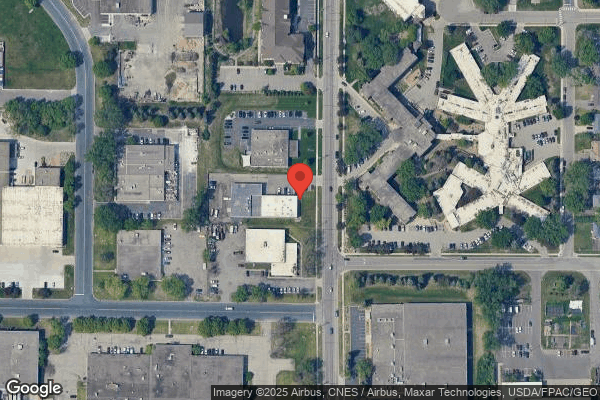
5430 BOONE AVENUE NORTH, NEW HOPE, MN 55428 (763) 592-2600
For profit - Corporation 320 Beds MISSION HEALTH COMMUNITIES Data: November 2025 1 Immediate Jeopardy citation
Trust Grade
3/100
#310 of 337 in MN
Last Inspection: March 2025

Within standard 12-15 month inspection cycle. Federal law requires annual inspections.

Overview

North Ridge Health And Rehab has received a Trust Grade of F, indicating significant concerns about the quality of care provided. Ranking #310 out of 337 facilities in Minnesota places them in the bottom half, and #48 out of 53 in Hennepin County means there are only a few options that rank lower. The facility is worsening, with issues increasing from 21 in 2024 to 29 in 2025. Staffing is relatively strong here, with a 4/5 star rating and a turnover rate of 40%, which is below the state average. However, the home has faced serious issues, such as failing to properly document a resident's advance directives, which put one resident at immediate risk, and not ensuring the availability of emergency kits, which could lead to potential medication theft. While the staffing situation is a strength, the overall care quality raises significant concerns for families considering this facility.
Trust Score
F
3/100
In Minnesota
#310/337
Bottom 9%
Safety Record
High Risk
Review needed
Inspections
Getting Worse
21 → 29 violations
Staff Stability
○ Average
40% turnover. Near Minnesota's 48% average. Typical for the industry.
Penalties
✓ Good
$25,480 in fines. Lower than most Minnesota facilities. Relatively clean record.
Skilled Nurses
✓ Good
Each resident gets 67 minutes of Registered Nurse (RN) attention daily — more than 97% of Minnesota nursing homes. RNs are the most trained staff who catch health problems before they become serious.
Violations
⚠ Watch
67 deficiencies on record. Higher than average. Multiple issues found across inspections.
★☆☆☆☆
1.0
Overall Rating
★★★★☆
4.0
Staff Levels
★★☆☆☆
2.0
Care Quality
★☆☆☆☆
1.0
Inspection Score
Stable
2024: 21 issues
2025: 29 issues

The Good

  • 4-Star Staffing Rating · Above-average nurse staffing levels
  • Full Sprinkler Coverage · Fire safety systems throughout facility
  • No fines on record
  • Staff turnover below average (40%)

    8 points below Minnesota average of 48%

Facility shows strength in staffing levels, fire safety.

The Bad

1-Star Overall Rating

Below Minnesota average (3.2)

Significant quality concerns identified by CMS

Staff Turnover: 40%

Near Minnesota avg (46%)

Typical for the industry

Federal Fines: $25,480

Below median ($33,413)

Moderate penalties - review what triggered them

Chain: MISSION HEALTH COMMUNITIES

Part of a multi-facility chain

Ask about local staffing decisions and management

The Ugly 67 deficiencies on record

1 life-threatening
Sept 2025 1 deficiency
CONCERN (D) 📢 Someone Reported This

A family member, employee, or ombudsman was alarmed enough to file a formal complaint

Potential for Harm - no one hurt, but risky conditions existed

Resident Rights (Tag F0550)

Could have caused harm · This affected 1 resident

**NOTE- TERMS IN BRACKETS HAVE BEEN EDITED TO PROTECT CONFIDENTIALITY** Based on interview and document review, the facility failed to promote dignity for 2 of 3 residents (R3, R6) who required assist...

Read full inspector narrative →
**NOTE- TERMS IN BRACKETS HAVE BEEN EDITED TO PROTECT CONFIDENTIALITY** Based on interview and document review, the facility failed to promote dignity for 2 of 3 residents (R3, R6) who required assistance with toileting and staff did not respond timely to requests for assistance with toileting and toileting hygiene, which resulted in incontinence or not getting changed timely.Findings include:R3R3's admission Minimum Data Set (MDS) dated [DATE], indicated intact cognition, a urinary catheter (removed [DATE]), incontinence of bowel, full dependence upon staff for transfers, and an inability to walk. R3's care plan dated [DATE], indicated a risk for falls, keep the call light in reach, bowel incontinence, care in pairs, and prompt response to all requests for assistance. Additionally, the care plan dated [DATE], indicated R3 was resistive to care and would yell at staff to leave the room.R3's progress notes indicated many refusals of care including lab work and medications, and further indicated R3 was verbally abusive to staff, yelling at them, and kicking them out of the room when they were trying to provide assistance with care.R3's call light log dated [DATE], indicated from [DATE] to [DATE], there were 41 call lights activated that were answered from 15 to 77 minutes after initiation. During an interview on [DATE] at 9:49 a.m., family member (FM)-A stated while he was on the phone with R3 for about an hour, he noted it took about an hour and a half for staff to answer R3's call light the evening of [DATE]. FM-A stated when he called, R3 indicated she activated her call light 20 minutes prior to the call, and he hung up when staff came to change R3's brief. R3 reported to FM-A she was sitting in urine and feces in her brief while waiting for help and was getting irritated having to wait.During an interview on [DATE] at 3:50 p.m., R1 stated she waited 40 minutes for her call light earlier that day, was terrified at the facility, kept her daughter on the phone all night some nights in fear, and was afraid if she fell, she would not get help, and staff would find her deceased on the floor. R3 stated she was irritated about having to wait for her call light to be answered, was tearful during the interview, and did not feel safe in the facility. Additionally, R3 stated she was occasionally incontinent of bowel and bladder, and It strips me of my dignity, having to wait for her brief to be changed, or to wait more than 10-15 minutes for staff to take her to the bathroom, and then wet her brief while waiting.Review of R3's call light logs on [DATE], did not support the statement about a 40-minute call light wait prior to the interview on [DATE], but call light response times of 49 minutes on [DATE] at 9:51 p.m., and 41 minutes on [DATE] at 9:14 p.m. were indicated in the log.During an interview on [DATE] at 4:18 p.m., nursing assistant (NA)-A stated the facility had enough staff to answer lights, but due to R3's behaviors, R3 required two staff to be present for cares, so it could take longer to answer the light because staff had to find help first. NA-A acknowledged R3 would not feel good about having to wait for lights to be answered and would be angry and yell at staff if staff didn't answer the light immediately.During an interview on [DATE] at 4:26 p.m., NA-B stated the facility had enough staff to answer lights, therapy staff, nurses answered call lights when they were able, and the practice was to try to answer call lights in 5-10 minutes. NA-B stated it was possible R3 had incontinence when she had to wait too long for help, which could be uncomfortable and embarrassing.R6R6's annual MDS dated [DATE], indicated severe cognitive impairment, substantial assistance for ADLs, inability to walk, and incontinence of bowel and bladder. R6's care plan dated [DATE] indicated a risk for falls and ensure the call light was in reach. Additionally, the care plan dated [DATE] indicated episodes of bowel and bladder incontinence and indicated staff should change R6's disposable briefs when soiled and as needed, and further indicated starting [DATE], R6 required care in pairs.R6's call light log date [DATE], indicated from [DATE] to [DATE], there were 19 call lights activated that were answered from 15 to 63 minutes. During an interview on [DATE] at 12:33 p.m., R6 stated it sometimes took staff 15-20 minutes to answer her call lights, but could not recall when that happened, but waited for help to get changed (incontinent brief) and laid wet. R3 further stated she did not like to smell of urine or being wet.During an interview on [DATE] at 4:34 p.m., registered nurse (RN)-A acknowledged some of R3's call light response times, were not great, but R3 required two staff to provide care and may be incontinent while waiting for staff assistance to toilet. RN-A further stated all staff, including the providers, required a second staff presence when working with R3, and NA staff was afraid to help R3 because R3 was verbally abusive to staff and would yell at them, kick them out of her room, and make false accusations about staff care. RN-A acknowledged the facility would need to come up with a plan to provide more timely care for R3, and staff was required to meet R3's care needs even with care challenges. RN-A stated the expectation was to answer call lights in 10-15 minutes for all residents.During an interview on [DATE] at 4:55 p.m., the director of nursing (DON) stated the expectation was to answer call lights as soon as possible, per the facility policy. The DON acknowledged she reviewed the call light reports prior to providing them to the surveyor, call light response times were not the facility's best, and the facility would develop a plan to answer them timelier for residents who required care in pairs. The Call Light policy dated 10/24, indicated staff would answer call lights as soon as possible. The Resident Rights policy dated 11/24, indicated residents had the right to a dignified existence and access to persons and services inside the facility, regardless of diagnoses and severity of condition.
Jul 2025 2 deficiencies
CONCERN (D) 📢 Someone Reported This

A family member, employee, or ombudsman was alarmed enough to file a formal complaint

Potential for Harm - no one hurt, but risky conditions existed

Quality of Care (Tag F0684)

Could have caused harm · This affected 1 resident

**NOTE- TERMS IN BRACKETS HAVE BEEN EDITED TO PROTECT CONFIDENTIALITY** Based on interview and record review, the facility failed to implement resident-directed care and treatment consistent with prov...

Read full inspector narrative →
**NOTE- TERMS IN BRACKETS HAVE BEEN EDITED TO PROTECT CONFIDENTIALITY** Based on interview and record review, the facility failed to implement resident-directed care and treatment consistent with provider orders and professional standards for 1 of 3 residents (R2) reviewed for supplemental oxygen use.Findings include:R2's quarterly minimum data set (MDS) dated [DATE], identified moderately impaired cognition with diagnoses which include acute respiratory failure with hypoxia and chronic obstructive pulmonary disease (COPD). R2 utilized oxygen therapy while at the facility.R2's provider order dated 12/18/24, instructed staff to apply continuous oxygen at 2 liters per minute (lpm) by nasal cannula to maintain oxygen saturations above 90% with a frequency check of every shift. Required supplementary documentation included oxygen saturations.R2's care plan dated 7/10/25, instructed staff to administer oxygen according to provider order.Review of R2's vital signs documentation from 5/8/25, through 7/10/25, revealed R2's oxygen saturation had been checked once on 5/8/25, 5/15/25, 5/22/25, 5/29/25, 6/13/25, 6/20/25, 6/27/25 and 7/4/25. The electronic health record (EHR) lacked documentation staff checked R2's Oxygen saturation levels every shift. During an interview on 7/10/2025 at 9:07 a.m., R2 stated he always utilized supplemental oxygen at night however, he did not like to use it during the day. Staff checked his oxygen saturations once and a while, however, not every day.During an interview on 7/10/2025 at 11:04 a.m., licensed practical nurse (LPN)-A stated a resident should have their oxygen saturation levels checked at least once a shift if they had a provider order to maintain oxygen saturations at a certain level. There should have been a task on the treatment administration record (TAR) to check oxygen saturations. LPN-A confirmed there was no task to check oxygen saturations on R2's TAR. LPN-A had not checked R2's oxygen saturation on his shift which had started at 6 a.m. that morning.During an interview on 7/10/2025 at 3:38 p.m., nurse practitioner (NP)-A stated if a resident was on supplemental oxygen, they should be monitored according to the provider orders. If the staff were not following provider orders, whatever was being monitored would not be accurate. Lack of monitoring placed the residents at risk of not receiving the correct amount of supplemental oxygen. During an interview on 7/10/2025 at 4:04 p.m., director of nursing (DON) stated R2 had a provider order to monitor oxygen saturation each shift. DON confirmed R2's electronic health recorded lacked documentation of oxygen saturation monitoring every shift. Review of the facility policy titled The Oxygen Administration policy dated 10/2024, instructed while the resident was receiving oxygen therapy, assess for signs or symptoms of cyanosis (blue tone to skin and mucous membranes), hypoxia (rapid breathing, rapid pulse, restlessness, confusion), and oxygen toxicity (difficulty breathing or slow, shallow breathing), vital signs, lung sounds, arterial blood gases and oxygen saturation if applicable; and other laboratory results if applicable.
CONCERN (D) 📢 Someone Reported This

A family member, employee, or ombudsman was alarmed enough to file a formal complaint

Potential for Harm - no one hurt, but risky conditions existed

Respiratory Care (Tag F0695)

Could have caused harm · This affected 1 resident

**NOTE- TERMS IN BRACKETS HAVE BEEN EDITED TO PROTECT CONFIDENTIALITY** Based on observation, interview and document review, the facility failed to provide respiratory care consistent with professiona...

Read full inspector narrative →
**NOTE- TERMS IN BRACKETS HAVE BEEN EDITED TO PROTECT CONFIDENTIALITY** Based on observation, interview and document review, the facility failed to provide respiratory care consistent with professional standards and the comprehensive person-centered care plan for 1 of 3 (R3) residents reviewed for supplemental oxygen use. Findings include:R3's quarterly minimum data set (MDS) dated [DATE], indicated intact cognition with diagnoses which included chronic kidney disease and heart failure. R3 did not use oxygen therapy at the facility.R3's provider order list dated 7/10/25, lacked an order for supplemental oxygen use and monitoring.R3's care plan lacked information regarding supplemental oxygen use.Review of R3's vital signs documentation from 5/1/25 through 7/10/25, revealed R3 utilized oxygen via nasal cannula (NC) on six days in July, at least 17 days in June (9 days there was no information documented), and 11 days in May starting on 5/16/25 (3 days there was no information documented).A nursing note dated 6/2/25, indicated R3 utilized 2 liters per minute (L) of supplemental oxygen.A provider visit note written by nurse practitioner (NP)-A dated 5/20/25, indicated acute and chronic respiratory failure with hypoxia: no change was made, on 4L oxygen through NC. The note lacked an order for supplemental oxygen.A provider visit note written by NP-A dated 5/29/25, indicated R3's acute and chronic respiratory failure with hypoxia was stable on 3L oxygen through NC. The note lacked an order for supplemental oxygen.A provider visit note written by NP-A dated 6/26/25, indicated R3's acute and chronic respiratory failure with hypoxia was stable on 3L oxygen through NC. The note lacked an order for supplemental oxygen.A provider visit note dated 7/7/25, indicated R3's acute and chronic respiratory failure with hypoxia was stable on 3L oxygen through NC. The note lacked an order for supplemental oxygen.On 7/10/2025 at 10:24 a.m., R3 was observed laying in bed wearing a nasal cannula. The nasal cannula tubing was connected to an oxygen tank with the liters per minute set at 2L.During an interview on 7/10/2025 at 12:22 p.m., licensed practical nurse (LPN)-B stated R3 was on 2L supplemental oxygen when LPN-B checked R3's vital signs at the beginning of LPN-B's shift. During an interview on 7/10/2025 at 12:42 p.m., registered nurse (RN)-A stated R3 did not have an order for supplemental oxygen prior to 7/10/25.During an interview on 7/10/2025 at 3:38 p.m., NP-A stated a provider order was needed for supplemental oxygen. R3 had utilized supplemental oxygen when NP-A had seen her for provider visits in May 2025, and June 2025. NP-A stated a facility nurse should have contacted the provider if an order for supplemental oxygen was needed. During an interview on 7/10/2025 at 4:04 p.m., director of nursing (DON) confirmed R3 did not have a provider order for supplemental oxygen before 7/10/25. Oxygen was considered a medication, so it required a provider order.Review of facility policy titled The Oxygen Administration policy dated 10/2024, instructed staff to verify there was a physician's order for oxygen administration
Mar 2025 25 deficiencies 1 IJ
CRITICAL (J)

Immediate Jeopardy (IJ) - the most serious Medicare violation

Deficiency F0578 (Tag F0578)

Someone could have died · This affected 1 resident

**NOTE- TERMS IN BRACKETS HAVE BEEN EDITED TO PROTECT CONFIDENTIALITY** Based on interview and document review, the facility failed to ensure a resident's advance directives were accurately and consis...

Read full inspector narrative →
**NOTE- TERMS IN BRACKETS HAVE BEEN EDITED TO PROTECT CONFIDENTIALITY** Based on interview and document review, the facility failed to ensure a resident's advance directives were accurately and consistently documented in the resident's paper chart, electronic medical record (EMR) banner, Provider Order for Life-Sustaining Treatment (POLST), and physician orders to ensure the resident's wishes would be followed in the event of a respiratory or cardiac arrest. This resulted in immediate jeopardy for 1 of 49 residents (R43) whose code status was not accurately documented and was reviewed for advanced directives. In addition the facility failed to ensure the power of attorney (POA) was identified and would be contacted for care decisions for 1 or 49 residents (R223) who was reviewed for resident rights regarding decisions about care. The immediate jeopardy began on [DATE], when R43 signed an updated POLST indicating wishes were cardiopulmonary resuscitation (CPR) in the event of a cardiac arrest. In contrast, the physician's order and banner in R43's chart indicated R43 was DNR status. Upon interview several staff indicated they would look at the banner, therefore would not provide R43 CPR in the event R43 required resuscitation. The immediate jeopardy was identified on [DATE]. The director of nursing (DON) and administrator were notified of the immediate jeopardy on [DATE], at 12:54 p.m. The immediate jeopardy was removed on [DATE], however, non-compliance remained at a lower scope and severity, level 2, isolated scope, which indicated no actual harm with potential for more than minimal harm that is not immediate jeopardy. Findings include: R43's comprehensive Minimum Data Set (MDS) dated [DATE], indicated R43 was cognitively intact. R43's diagnoses included: end stage renal disease with dialysis, Parkinson's disease, diabetes, and congestive heart failure. R43's face sheet, undated, indicated R4 did not have a power of attorney or designated decision maker other than themselves. On [DATE], the banner in R43's EMR read POLST: Do not attempt resuscitation/DNR. The Provider order in the EMR dated [DATE], read POLST: Do not attempt resuscitation/DNR. The POLST in R43's paper chart and the POLST scanned into the EMR on [DATE], both directed CPR. R43's EMR included a document named, Retired POLST [DATE], which was signed by the provider on [DATE], and directed DNR with selective treatment. A provider note entered by advanced practice nurse (APRN-A) in the EMR dated [DATE] at 8:20 a.m., indicated APRN-A had discussed code status with R43 who expressed they desired to change their status to FULL CODE. The note included Forms discussed/updated: See patient chart. A document named POLST.pdf with a scanned date of [DATE], was scanned into R43's EMR. The POLST directed CPR, and selective treatment. R43 signed the POLST, however the provider (APRN-A) listed as completing the POLST had not signed section D Provider Signature. The POLST was also not dated. A progress note entered in PCC by the DON on [DATE] at 8:55 p.m., indicated APRN-A had not returned to the facility to address R43's undated unsigned POLST so the medical director (MD) was contacted, and the MD gave a verbal order to change R43's code status to full code to align with R43's wishes. The order was processed and R43's code status was changed to CPR. During an interview on [DATE] at 2:34 p.m., R43 verified they were asked about code status and stated their wishes were to receive CPR. During an interview on [DATE] at 1:50 p.m., RN-F stated they would check code status in the EMR first if the computer was closest to them and they would go with the most recent order in the EMR (R43's banner indicated DNR at the time of the interview). RN-F explained every time there was a new POLST it got updated in the EMR, so it was current. During an interview on [DATE] at 1:53 p.m., registered nurse (RN) -D stated they would first look in the EMR banner for the code status (R43's banner indicated DNR at the time of the interview). During an interview on [DATE] at 1:57 p.m., RN-B stated they usually took the code status from the EMR banner and put it on a worksheet they use for the day so they would know what to do right away if a resident coded (R43's EMR banner indicated DNR at the time of the interview). During an interview on [DATE] at 2:04 p.m., RN-C stated if the EMR banner was different from the POLST before they started CPR, they would page the provider and call the resident's family to determine resident/family wishes for code status. It would be the family's choice for code status. RN-C reviewed R43's chart and confirmed R43's POSLT identified R43 wanted CPR. RN-C verified there was no date on the POLST which was in the front of R43's hard chart and scanned into R43's PCC record. RN-C reviewed R43's EMR and confirmed R43's EMR banner identified do not resuscitate (DNR). RN-C reviewed the orders and confirmed there was a current order for DNR. RN-C indicated a delay in CPR while determining R43's code status could have long term negative health consequences for R43. During an interview on [DATE] at 2:26 p.m., RN-I stated they would look at the EMR first. RN-I explained once there was a new POLST, the POLST would go to the HUC after the RN entered the order into PCC, and then the HUC scanned the new POLST into the electronic record and placed it into the paper chart. The old POLST would be sent to medical records. During an interview on [DATE] at 2:38 p.m., health unit coordinator (HUC)-B stated the process was for the POLST be given to the nurse, the social worker, or the HUC and then the HUC would scan the POSLT into the chart. HUC-B stated they would make sure they were signed, filled out completely, and stamped as scanned into the EMR. Normally they would have scanned the POLST in and entered a new order and that order would have updated point click care, but they missed entering R43's order. HUC-B stated they hadn't noticed that R43's POLST hadn't been signed or dated, but they would look for that from now on. During an interview on [DATE] at 6:11 p.m., the director of nursing (DON) stated they would not use R43's POLST scanned into PCC on [DATE], because it was not signed by the provider. At the time of the interview, the DON stated the facility would go off of the [DATE], POLST because it was dated and signed by a provider. Per facility policy, the 10/24 POLST was not current because it was not signed or dated, so R43's EMR banner and DNR order was/is correct. The unsigned and undated POLST scanned in on [DATE], was done so in error. It should not have been scanned in and placed in the paper chart. The 10/24 POLST should have been left as current in both the paper chart and PCC. If R43 coded today their status would be DNR. Clearly R43's wish was to be a full code based on the provider note, however facility policy was that a code status change did not go into effect until the provider signed the order. Until the provider signed the POLST to change R43's status to CPR, the current order of DNR status would be honored. Per policy residents would also remain DNR until they submitted a request in writing to have their code status changed from DNR to CPR. If a resident with a DNR code status wanted their status changed to CPR they would need to submit that request in writing and then have a provider order. The code status would not change until there was a new order and the provider completed and signed a new POLST. The provider should have signed and dated R43's POLST, discontinued the old DNR order, and entered a new order so R43's banner reflected the new CPR status. It was communicated to the DON that APRN-A had been notified of the errors in R43's POLST and APRN-A would be coming in to correct R43's POLST. The DON explained in an emergency staff would have to go off of what staff had available to them; they would check the status and respond. Staff would not know there was a code discussion documented in the chart. In an emergency they would not be reviewing notes, staff would be finding the code status and responding. The DON indicated if a resident coded and they were working on their laptop they would check the laptop in front of them and the EMR would show them R43 was/is a DNR, and they would act off of that. There was not a need to double check the paper chart or open the POLST in PCC, because the banner should be right. If the hard chart was closer, the DON stated they would look at the chart and follow the POLST in the front of the chart. The DON indicated if R43 had coded and they had checked the chart and followed the POLST in the chart, R43 would have received CPR, even though his current order, banner and signed POLST were for DNR. The DON confirmed there was not a need to check two sources for code status, the paper chart POLST, PCC order, banner status and scanned POLST should be correct and match in all places. The DON stated even though R43 had indicated they wanted to be a full code, if R43 coded now they should be treated as a DNR. During an interview on [DATE] at 10:24 a.m., APRN-A stated they completed the POLST on their second day working at the facility. Initially, they did not sign the POLST because before they signed, they needed to completely discuss status with the resident and make sure there was not a power of attorney they also needed to contact. Once it was confirmed they did not have to talk to anyone but the patient, the APRN-A indicated they must have forgot to sign the POLST before they put the chart with the new POLST into the order rack. APRN-A stated they did have a concern that if something happened to R43, R43 would have been treated as a DNR. APRN-A stated they did not know who had uploaded the POLST into PCC and confirmed they had not been contacted to sign or date the POLST until yesterday evening. This was concerning because not performing CPR in the event R43 coded would have gone against R43's wishes. If there was delayed CPR, R43 could have experienced worse outcomes like residual deficits or death. The more CPR is delayed the more residual disabilities and issues can/will occur. APRN-A stated they did understand the magnitude of not signing R43's POLST and stated since they had entered a note and documented their credentials on the most current POLST they wanted to believe the facility would follow and honor R43's wishes even though they (as the provider) had forgotten to sign the new POLST. In addition, the POLST was signed by R43 so APRN-A hoped the POLST would be followed based on R43's wishes. During an interview on [DATE] at 1:54 p.m., the medical director (MD) and the DON were present. The MD indicated they had been contacted about R43's POLST last evening and they had provided a verbal order for CPR last evening and then they had completed the POLST today ([DATE]). The DON indicated APRN-A was not available the previous evening, but had come in today ([DATE]) after the MD had corrected R43's POLST. The MD stated it was a very serious issue for a resident's code status to not be updated as soon as a resident expressed a desired change. Delays in starting CPR can result in permanent damage or death. A provider should discuss and then document in the medical record a resident's desire for a code change. Following discussion the POLST should be completed and signed immediately, and an order should be entered so that the residents new code status is in place right away. In R43's situation when the APRN did not sign and date R43's POLST, it put R43 at risk for not receiving CPR when that was what R43 wanted. The immediate jeopardy that began on [DATE], was removed on [DATE] when the facility developed and implemented a systematic removal plan. The removal plan was verified through interview and document review as the facility had corrected R43's code status on the EMR banner/provider order to CPR, completed a facility-wide audit to ensure there were no other code status discrepancies, reviewed related policies and procedures, and provided education for all staff involved in ensuring advance directives were honored, and education on CPR and POLST policies/procedures and their respective roles in the process. Facility Policy F 678 Cardiopulmonary Resuscitation (CPR) and Basic Life Support (BLS)North Ridge Health & Rehab, dated 3/25, indicated Change of code status by the resident or representative should be witnessed by two staff members or per state directives to become effective immediately, The provider shall be notified of the changes via telephone or electronic communication, the provider will review the changes on subsequent visit. R223's quarterly Minimum Data Set (MDS) dated [DATE], indicated R223 had severely impaired cognition. R223's care plan dated [DATE], indicated R223 had impaired cognition related to dementia and a stroke. The care plan indicated the resident had advanced directives in place with a goal of honoring and respecting those wishes. R223's Health Care Directive dated [DATE], indicated R223's POA was family member (FM-B). R223's electronic health record (HER) contact list, indicated FM-C was listed as Emergency Contact # 1 and not FM-B. During an interview and observation on [DATE] at 12:15 p.m., RN-L confirmed he was R223's nurse. When asked who would be called if decisions needed to be made regarding R223's care, RN-L was observed to check the EHR contact list and state he would FM-C as she was listed as R223's emergency contact. During an interview on [DATE] at 12:15 p.m., FM-B stated she was R223's POA as FM-A doesn't know what's up and she would have a problem with the facility contacting FM-C instead of her if decisions needed to be made regarding R223's care. During an interview on [DATE] at 12:27 p.m., RN-Q confirmed she was R223's nurse and stated she would call FM-C if decisions needed to be made regarding R223's care as she was the emergency contact. During an interview on [DATE] at 2:06 p.m., social service designee (SS)-A stated she had received the POA paperwork for R223 sometime last month and was supposed to update the emergency contacts list when she received it so staff knew who to contact but it did not happen. During an interview on [DATE] at 12:53 p.m., RN-J, the nurse manager, stated R223 was no longer able to make his own decisions so staff were expected to ask his POA when they had questions about his care. RN-J confirmed SS-A was supposed to update the emergency contact list so staff would contact the right person if decisions needed to be made. A policy regarding emergency contacts and POAs was requested and not received.
CONCERN (D)

Potential for Harm - no one hurt, but risky conditions existed

Deficiency F0558 (Tag F0558)

Could have caused harm · This affected 1 resident

**NOTE- TERMS IN BRACKETS HAVE BEEN EDITED TO PROTECT CONFIDENTIALITY** Based on observation, interview, and document review, the facility failed to ensure a call light that accommodated the resident'...

Read full inspector narrative →
**NOTE- TERMS IN BRACKETS HAVE BEEN EDITED TO PROTECT CONFIDENTIALITY** Based on observation, interview, and document review, the facility failed to ensure a call light that accommodated the resident's needs or an acceptable alternative, was provided or implemented to promote safety and allow for means of notification for 1 of 1 residents (R190) reviewed for the accommodation of needs. Findings include: R190's admission Minimum Data Set (MDS) dated [DATE], indicated R190 had a functional limitation in the range of motion of both upper extremities and was dependent on staff for almost all his activities of daily living (ADL) needs. R190's care plan dated 5/15/24, indicated R190 had a communication problem related to his tracheostomy (surgical hole in the windpipe), and his call light was to be within reach. The care plan did not discuss what type of call light R190 needed. R190's care plan dated 9/24/24 indicated R190 utilized mittens on his right hand to prevent pulling on his catheter and tracheostomy, and R190 had left-sided weakness. R190's census report dated 3/1/25, indicated R190 was re-admitted to the facility on [DATE]. During an observation on 3/3/25 at 3:44 p.m., R190 was observed lying in bed with his left hand contracted with a palm protector in place and his right hand inside of a restraint mitt (observed as a netting-covered white pillow that the hand was inserted into that tightens around the wrist with the hand partially visible through the netting). A call light with a small red button was observed hanging off the right side of R190's bed. During an observation and interview on 3/4/25 at 2:41 p.m., R190 was observed lying in bed with his left hand contracted with a palm protector in place and his right hand inside of a restraint mitt. A call light with a small red button was observed clipped to R190's bedding. When R190 was asked if he could use the call light, he confirmed he could not. During an interview and observation on 3/5/25 at 8:53 a.m., R190 was observed lying in bed with his left hand contracted with a palm protector in place and his right hand inside of a restraint mitt A call light with a small red button was observed clipped to the sheets of R190's bed. Registered nurse (RN)-J confirmed R190 had the mental capacity to use a call light to ask for staff assistance. RN-J stated she was going to get R190 a soft-touch call light. RN-J confirmed R190 was not able to use the call light with the button related to the mitt and the left-sided weakness. On 3/6/25 at 12:48 p.m., RN-J stated it had been an oversight not giving R190 a soft touch call light. RN-J stated R190 used to have a soft touch call light but then went to the hospital and was readmitted in 1/25/25 to a different room and did not remember to switch out the call light. The facility's Reasonable Accommodation of Needs policy dated 10/24, indicated the facility would assess the individual's resident's needs, including needed modifications to the physical environment, and those should be accommodated to the extent possible.
CONCERN (D)

Potential for Harm - no one hurt, but risky conditions existed

Deficiency F0561 (Tag F0561)

Could have caused harm · This affected 1 resident

**NOTE- TERMS IN BRACKETS HAVE BEEN EDITED TO PROTECT CONFIDENTIALITY** Based on interview and record review the facility failed to ensure family requested pretreatment of nausea occured prior to meal...

Read full inspector narrative →
**NOTE- TERMS IN BRACKETS HAVE BEEN EDITED TO PROTECT CONFIDENTIALITY** Based on interview and record review the facility failed to ensure family requested pretreatment of nausea occured prior to meals for 1 of 1 residents (R97) reviewed for self-determination. Findings include: R97 significant change Minimum Data Set (MDS) dated [DATE], indicated R97 was severely cognitively impaired. Section O. indicated R97 had been admitted to hospice care. R97's diagnoses included arthritis and non-Alzheimer dementia. R97's careplan last updated 2/25/25, indicated R97 had been admitted to hospice. Palliative care goals included optimize treatment and control of physical symptoms such as anorexia, nausea and vomiting. R97's Order Summary Report Active orders as of 3/6/25 included the following order: Ondansetron oral tablet disintegrating 4mg give one tablet sublingually two times a day for nausea vomiting. 1 tab under the tongue before meals and at bedtime. R97's Medication Administration Records (MAR) for February and March showed that R97's ondansetron had been scheduled to give at 4:00 p.m. and 8:00 p.m. R97's ondansetron was documented as given at 4:00 p.m. and 8:00 p.m. starting on 2/5/25, through 3/5/25. A progress note entered on 2/19/25, by the registered dietician recommend R97's ondansetron be switched from BID [two times a day] to 4x/day (prior to meals and bedtime). The note indicated the daughter and hospice dietician had been looped in. A progress note dated 3/1/25 at 2:47 p.m., indicated R97 had had an emesis x1 at 2:15 p.m. During an interview on 3/3/25 at 5:04 p.m., R97's family member (FM-Q) stated they wanted R97 to get nausea medication before eating but some of the nurses forgot to give R97's nausea medication before R97 ate dinner. Without it, R97 has been getting sick when they eat and or has thrown up after eating. FM-Q stated they were having to ask to make sure R97 got their nausea medication before they ate. FM-Q pointed to a note on the wall and stated the nurse manger posted that on the wall to remind staff to give R97's nausea medication before R97 ate. During an interview on 3/6/25 at10:09 a.m., registered nurse RN-C stated R97 was having episodes of nausea and vomiting associated with meals, so the provider was notified. RN-C reviewed R97's ondansetron orders and stated they were not sure how the order could be ordered two times a day with the instruction to give before meals and at bedtime. RN-C reviewed and confirmed R97 had been receiving ondansetron at the scheduled times of 4:00 p.m. and 8:00 p.m. and indicated they were not sure why someone had manually set those times for administration. RN-C stated they would need to review the orders with their supervisor to determine if R97 was getting the intended therapeutic benefits of ondansetron the way it was scheduled. During a follow up interview on 3/6/25 at 12:07 p.m., RN-C stated they had reviewed the ondansetron order with the DON and determined the order had been entered incorrectly. RN-C stated the current order, and scheduled times were not giving R97 the desired therapeutic effects to address nausea and vomiting with meals. RN-C stated they were in the process of contacting the provider for a new ondansetron order so R97 could receive doses four times a day - before meals and at bedtime. During an interview on 3/7/25 at 10:18 a.m., the consulting pharmacist stated the current order could not be followed because R97 needed to get ondansetron 4 times a day, but it was only ordered for two times a day. A dose time of 4:00 p.m. and 8:00 p.m. would not cover the resident for breakfast and lunch meals the next day. The half-life of Zofran 4mg was 3 to 6 hours so it would be out of the system 6 to 12 hours after taking the medication. If should be given at least 30 minutes before each meal for the best effect of preventing nausea and vomiting if it is caused by the meal. During an interview on 3/7/25 11:19 a.m., the director of nursing (DON) stated R97's ondansetron order was a transcription error. The order would have had to be give 4 times a day to be able to give before meals and bedtime. In addition, the nurse should not have manually changed the times to be given at 4:00 p.m. and 8 p.m. Normally a mediation ordered two times a day would be scheduled for 8:00 a.m. and 8:00 p.m. This was discussed with RN-C and RN-C has been instructed to contact the provider and get a new order. The transcribing RN will receive education when they return to work. The facility policy Medication Orders dated 6/2024 indicated that medication orders must include the type, route, dosage, frequency and strength of medication ordered. The policy does not address taking verbal orders or order transcription.
CONCERN (D)

Potential for Harm - no one hurt, but risky conditions existed

Deficiency F0604 (Tag F0604)

Could have caused harm · This affected 1 resident

**NOTE- TERMS IN BRACKETS HAVE BEEN EDITED TO PROTECT CONFIDENTIALITY** Based on observation, interview, and document review, the facility failed to ensure ongoing monitoring and assessments of the re...

Read full inspector narrative →
**NOTE- TERMS IN BRACKETS HAVE BEEN EDITED TO PROTECT CONFIDENTIALITY** Based on observation, interview, and document review, the facility failed to ensure ongoing monitoring and assessments of the resident ' s condition during restraint use were completed to decrease the likelihood of adverse outcomes of restraint use (skin breakdown, injury from attempts to free self, decline in physical functioning, etc.) and failed to complete a comprehensive assessment and/or re-assessment to determine if the least restrictive device (restraint mitt) was used or determine if the restraint was effective when 1 of 2 residents (R190) reviewed for restraint use, was found to be able to self-decannulate his tracheostomy tube while the restraint was in place. Findings include: R190's admission Minimum Data Set (MDS) dated [DATE], indicated R190 had a functional limitation in the range of motion of both upper extremities and was dependent on staff for almost all his activities of daily living (ADL) needs. The MDS indicated that physical restraints were not used on R190. R190's care plan dated 5/15/24, indicated R190 had a communication problem related to his tracheostomy (surgical hole in the windpipe), and his call light was to be within reach. R190's care plan dated 9/24/24 indicated R190 had a potential for injury or harm related to pulling on the catheter and tracheostomy tubing. The care plan indicated staff were to anticipate R190's needs such as food, thirst, resident comfort, and pain levels. The care plan indicated R190 utilized mittens on his right hand to prevent pulling on his catheter and tracheostomy. R190's Informed Consent for Use of Restraints dated 9/9/24, indicated the facility had recommended a restraint mitt for R190 related to pulling of his tracheostomy tube and catheter for 24 hours and with a release and reposition schedule of every two hours. The form indicated the family member (FM)-D had consented to the use of restraints. The document included possible negative outcomes of physical restraints such as a decline in physical functioning, muscle condition, contractures, skin breakdown, delirium, agitation, anxiety, withdrawal, depression, or reduced social contact. The form indicated it was best practice to attempt less restrictive alternatives, complete appropriate assessments, re-assessments, care planning, and ongoing monitoring that documents if the restraint was effective at treating the medical symptom and when reduction of the use of the restraint would be warranted. R190's progress note dated: -9/9/24 at 2:44 p.m., indicated FM-D had consented to mitt use. -10/7/24 at 10:33 a.m., indicated R190 had pulled his tracheostomy tube out, staff were unable to reinsert it, and no respiratory distress was noted. The note indicated the resident was sent to the hospital for evaluation. The note did not indicate if the mitt was in place at the time of tracheostomy tube removal. -10/14/24 at 9:24 p.m., R190 had pulled his tracheostomy tube out, staff were unable to reinsert it, no respiratory distress was noted but the resident was sent to the hospital for evaluation. The progress note indicated that R190's restraint mitt was in place when R190 had pulled the tracheostomy tube out. -10/29/24 at 3:05 p.m., indicated R190 was admitted to the hospital related to chest congestion and shortness of breath. -1/22/25 at 5:15 p.m., indicated R190 was re-admitted from the hospital and was alert and orientated to both person and place. The note did not indicate whether mitts were applied at the time of admission. R190's provider note dated 1/25/25 at 11:00 p.m., indicated that staff had reported R190 had a history of digging in his depends and lines and a right hand mitt was used to prevent line and tube removal. The provider then indicated R190 used to use right hand mitt and a plan that it could be reordered as needed for safety and should be removed intermittently for skin checks and offloading of the skin. R190's Nursing: Physical Restraint admission Evaluation dated 1/25/25, included a section titled Considerations, that indicated R190 had a current diagnosis of a stroke, with subsection titled, 2. Define Acute Medical Condition that was left blank and 3. Emergency Use, with the options: prevention of injury to self, prevention of injury to others, and for life-sustaining treatment that were all left unchecked. The next section was titled Alternatives Attempted with options such as family companion, 1:1 activities, other, etc., and a section to list other alternatives tried not listed above, with the only intervention listed as attempted being the bed in the low position. The next section was the Restraint Decision which indicated no physical restraints were to be applied. The next section was restraint type which indicated a wrist restraint, or hand glove was used. The next section was Notifications/Follow-Up with the questions, notification of physician and order obtained, notification of responsible party, consent obtained, care plan updated, [NAME] updated, and point of care task update, all of which were left blank. R190's Administration Record dated 1/28/25 to 3/1/25, indicated R190 had an order dated 1/28/25, Okay to use right hand mitten gloves as needed for safety with the frequency of three times a day, with the additional instruction to use intermittently. The order was checked as completed three times a day during the period. The written provider order for mitt use was requested and not received. The administration record did not include how often staff were removing the restraint and what assessments of R190 were completed related to the restraint use. R190's provider note dated 1/30/25, indicated R190's right hand mitt restraint was in place on the exam and had R190 had no motor function to his left upper extremity, which was in a splint. The resident was alert, calm, and cooperative with no acute distress, and was able to answer simple yes/no questions and would attempt to mouth answers as he had aphonia (a loss of voice or inability to speak above a whisper). R190's provider notes on 2/4/25 and 2/12/25 indicated R190's right-hand mitt restraint was in place on exam. R190's provider note dated 2/13/25, indicated R190 had deliberately pulled out his tracheostomy tube on this day and was calm and without respiratory distress during the assessment. The note indicated R190's right upper extremity was in the restraint mitt on the exam. The note did not indicate if the restraint mitt had been in place at the time of tracheostomy removal. R190's provider note dated 2/21/25, indicated R190 had deliberately pulled out his tracheostomy tube on 2/13/25 and was calm and without respiratory distress during that time. The note indicated that R190 had told ACP that it was a suicide attempt. The note indicated ACP, social work, and the nurse manager had met with the resident who indicated he did not wish to die but wanted to work towards decannulation. The note indicated R190 understood he could not pull out his tracheostomy tube, but they would work towards decannulation. The note indicated that R190 was able to understand the risk of decannulation and the potential for decompensation. The note indicated a restraint mitt was in place to prevent him from pulling at his medical devices. R190's order summary dated 3/4/25, indicated R190's hand mittens were to be removed intermittently to assess for skin breakdown and be reapplied as ordered with a frequency of every two hours. During an observation on 3/3/25 at 3:44 p.m., R190 was observed lying in bed with his left hand contracted with a palm protector in place and his right hand inside of a restraint mitt (observed as a netting-covered white pillow that the hand was inserted into that tightens around the wrist with the hand partially visible through the netting). During an observation and interview on 3/4/25 at 2:41 p.m., R190 was observed lying in bed with his left hand contracted with a palm protector in place and his right hand inside of a restraint mitt. R190 was asked if he was able to take the mitt off himself, R190 placed the top of the mitt in his mouth and used his teeth to attempt to pull the mitt off, but was unsuccessful and then shook his head no. When asked if staff were removing the mitt, R190 shook his head no and mouthed that staff were not taking it off very often. During an interview on 3/5/25 at 8:46 a.m., RN-L stated that R190 was his own responsible party and was able to understand and make his own decisions. RN-L stated he had to be asked yes or no questions related to his speech difficulties. RN-L stated R190 had the mitt restraint as he grabs things and had a history of pulling out his tracheostomy tube. RN-L confirmed that R190 could not remove the restraint mitt himself and did feel it restricted R190's use of his hand. RN-L stated he followed the orders to know when to remove the restraint and to assess the skin so he would remove the restraint every two hours, assess the skin, and reapply it but otherwise, the mitt was used continuously. RN-L acknowledged this assessment was ordered yesterday and was unsure what was being completed or where to find this documented on how often the restraints were taken off or when skin was assessed before this order. RN-L was unsure what other interventions were being attempted to address the medical symptoms leading to the need for restraint use. On 3/5/25 at 8:57 a.m., RN-J, the nurse manager stated she thought R190 came from the hospital with the mitt restraint and would need to find the written order from the prescriber to continue the restraints. RN-J stated the restraint mitt was ordered for intermittent use, but it had been missed to indicate when staff should remove the restraints and assess for possible adverse effects such as skin breakdown, so she added the order last night. RN-J stated the expectation was for staff to remove the restraint every two hours but after reviewing the medical record could not find that this was occurring. RN-J stated that R190 had the restraint as he had previously removed his tracheotomy tube. During an interview on 3/6/25 at 9:30 a.m., RN-J stated she thought R190 could still use his hand while the mitt was applied as he had continued to pull the tracheostomy tube out while the restraint was applied. RN-J stated although the mitt did not stop him from removing the tracheostomy she felt it was a good way to deter him from/acted as a reminder for not pulling the tracheostomy tube out. RN-J stated she still felt the restraint was effective so did not think that the restraint mitt had been reassessed to see if less restrictive interventions could be used but acknowledged it had been ineffective at stopping him from self-decannulating. RN-J stated they had educated the resident on the importance of not removing his tracheostomy tube but after removing the medical record was unable to find if any other less restrictive interventions had been attempted to deter or remind the resident not to pull the tracheostomy tube out. During an interview on 3/7/25 at 11:03 a.m., the director of nursing (DON) stated when restraints were needed related to a resident's behaviors possibly compromising their airway, this was treated differently than other possible restraint use. The DON stated that sometimes residents were admitted from the hospital with these restraints in place and interventions may not be attempted before application related to the airway issue and possible adverse outcomes. The DON stated it would be up to the nurse manager to get orders from the provider to determine how often restraints should be removed and the resident should be monitored for adverse outcomes related to restraint use. The DON stated she would then expect this order to be placed on documented on the administration record and a progress note added as needed if adverse outcomes were noted. The DON stated she would expect staff to reassess residents for the necessity for restraint use every month and if a restraint was noted to be ineffective at treating the symptom it was ordered for, she would expect the resident to be reassessed for the need for continued restraint use or if another intervention should be attempted. The facility's Physical Restraint Application policy dated 10/24, indicated a physical restraint is any manual method or physical device, material, or equipment attached to the resident's body that cannot be easily removed which restricts freedom of movement or normal access to one's body. The policy indicated staff should document the date/time the restraint was applied, the type of physical restraint, the specific reason the restraint was applied, the length of time the restraint will be used, and each time the restraint is released.
CONCERN (D)

Potential for Harm - no one hurt, but risky conditions existed

Deficiency F0637 (Tag F0637)

Could have caused harm · This affected 1 resident

**NOTE- TERMS IN BRACKETS HAVE BEEN EDITED TO PROTECT CONFIDENTIALITY** Based on observation, interview and document review the facility failed to initiate and complete a Significate Change in Status ...

Read full inspector narrative →
**NOTE- TERMS IN BRACKETS HAVE BEEN EDITED TO PROTECT CONFIDENTIALITY** Based on observation, interview and document review the facility failed to initiate and complete a Significate Change in Status Assessment (SCSA) for 1 of 1 resident (R42) after a physical and cognitive decline following a stroke. Findings include: The Long-Term Care Facility Resident Assessment Instrument 3.0 User's Manual (RAI manual) indicates the SCSA is a comprehensive assessment for a resident that must be completed when the IDT has determined that a resident meets the significant change guidelines. A significant change is a major decline in resident status that will not normally resolve itself without intervention by staff, impacts more than one area of the resident's health status and requires interdisciplinary review and/or revision of the care plan. R42's quarterly Minimum Data Set (MDS), dated [DATE], indicated R42 had severe cognitive impairment, significant weight loss, a mechanically altered diet, upper and lower extremity impairment on one side and 2 or more falls since readmission to the facility. R42's past MDS (annual in November 2025) indicated R42 was cognitively intact, was not on a mechanically altered diet, did not have weight loss and did not have any impairments of her extremities. R42's Progress Notes, dated 11/1/24 - 3/7/25, indicated R42 was hospitalized on [DATE] - 1/10/25 for a stroke with right sided weakness. On 2/4/25 it was documented 2/4/25 R42 was found on the floor by staff at 215 pm on this date. Stated she was trying to walk. Resident has a recent change of condition related to stroke and does not understand that she cannot walk or transfer without assist. During observation on and interview on 3/3/25 at 6:01 p.m., R42 was laying in bed, able to respond only yes or no to basic questions but was unable to form full sentences. During observation on 3/5/25 at 12:33 p.m., R42 was sitting in her wheelchair out at the dining room table. An unnamed staff member was assisting R42 with drinking a sip of juice. R42 had pureed food on a plate in front of her and intermittently throughout the meal required staff assistance with getting the utensils to her mouth. During an interview on 3/6/25 at 10:36 a.m., nursing assistant (NA)-J stated since R42 came back from the hospital she needed assistance with eating and could only communicate with yes, no or pointing to what she needed. NA-J stated prior to having a stroke, R42 was transferring on her own and now required a mechanical lift for transfers. NA-J also confirmed R42 had lost weight since returning from the hospital. During an interview on 3/6/25 at 10:50 a.m., licensed practical nurse (LPN)-H stated prior to her stroke, R42 would spend time outside, smoking and socializing with other residents and she now spent a lot more time in her room. LPN-H stated R42 had a complete change since returning from the hospital as she was no longer able to communicate with other residents and move around the facility on her own. During an interview on 3/6/25 at 12:10 p.m., nurse manager and registered nurse (RN)-F stated prior to hospitalization for a stroke R42 was able to bear weight and transfer on her own. R42 was able to self-propel in her wheelchair to go outside independently which was now unsafe for her to do due to an increase in falls. RN-F stated R42 was able to communicate with yes or no responses. During an interview on 3/6/25 at 11:24 a.m., R42's family member (FM)-E stated R42 had become mostly non-verbal since having a stroke, stating R42 used to be a social butterfly. FM-E stated prior to her stroke, R42 would socialize with other residents outside while smoking and could move around the care facility on her own. During an interview on 3/7/25 at 8:31 a.m., the MDS nurse stated an SCSA should be completed if there were two changes in activities of daily living needs or significant weight loss. The MDS nurse stated for R42 they wanted to give her a few weeks in therapy to see if she was progressing. The MDS stated R42 started physical and occupational therapy on 1/29/25 and discharged on 2/26/25. The MDS nurse confirmed that R42 had a change in her wheelchair mobility, transfer status and eating assistance stating, this would be a good time to initiate a SCSA for R42. During an interview on 3/7/25 at 10:49 a.m., the director of nursing (DON) confirmed an SCSA should have been completed for R42 when she returned from the hospital, stating it would have triggered other comprehensive assessments to be completed as well. The DON stated, I think we could have done better by her. A facility policy on MDS was requested and not received.
CONCERN (D)

Potential for Harm - no one hurt, but risky conditions existed

Comprehensive Care Plan (Tag F0656)

Could have caused harm · This affected 1 resident

**NOTE- TERMS IN BRACKETS HAVE BEEN EDITED TO PROTECT CONFIDENTIALITY** Based on inteview, obsersavation and document review, the facility failed to ensure a comprehensive care plan was developed and ...

Read full inspector narrative →
**NOTE- TERMS IN BRACKETS HAVE BEEN EDITED TO PROTECT CONFIDENTIALITY** Based on inteview, obsersavation and document review, the facility failed to ensure a comprehensive care plan was developed and maintained to ensure appropriate care was provided for 1 of 1 resident (R86) reviewed for care needs (i.e. interventions and identfication of pressure ulcer/laundry/preference of care giver/communication ability/ambulation ability). R86's quarterly Minimum Data Set (MDS) assessment, dated 2/15/25, indicated R86 had severely impaired cognition with no hallucinations or delusions present, no behaviors and no rejection of care. R86 required moderate staff assistance with showering, lower body dressing, footwear, transfers from bed/chair/toilet/shower and personal hygiene. R86 required set up assistance from staff for oral hygiene and supervision for toileting hygiene. Furthermore, Section M skin conditions indicated R86 was at risk for developing pressure ulcers and indicated R86 had one stage 2 pressure ulcer (partial thickness loss of dermis presenting as a shallow open ulcer with a red or pink wound bed, without slough. May also be present as an intact or open/ruptured serum-filled blister). The most recent annual MDS assessment, dated 10/24/25, Section F Preferences for Customary Routine and Activities indicated it was very important to choose what clothes to wear for R86. R86's medical diagnosis report, printed 3/7/25, included the following pertinent diagnosis vascular dementia (a brain disorder that affects memory, thinking and behavior), type 1 diabetes (condition where the pancreas makes little or no insulin which leads to high blood sugar levels), chronic kidney disease (kidneys not filtering waste and excess fluid from the blood properly) and hypertension (high blood pressure). R86's care plan, printed 3/6/25, indicated the following: -(R86) has communication problem r/t (related to) language barrier (speaks Somalia language) and Dementia with the following interventions: - encourage resident to continue stating thoughts even if resident is having difficulty. Focus on a word or phrase that makes sense or responds to the feeling resident is trying to express. - Monitor/document for physical/nonverbal indicators of discomfort or distress, and follow-up as needed. - Provide translator as necessary to communicate with the resident. Translator is: Somali language. -Res at risk for pressure ulcer development r/t occasional incontinence with the following interventions: -Pressure relieving/reducing mattress in bed. -Weekly skin checks on bath days by the nurse. -Resident has an ADL (activities of daily living) self-care performance deficit r/t confusion, dementia with the following interventions: -grooming: set up -resident likes to wear jacket inside -BATHING: limited staff assist to provide a bath weekly and as necessary. -PERSONAL HYGIENCE ROUTINE: independent assist as needed (washing, shaving, trimming nails etc), -DRESSING: set up/limited staff assist prn (as needed) -AMBULATION: set up -Resident has a history of declining assistance with ADL's with the following interventions: -call resident's SON to encourage cooperation. -Approach resident alone -Explain each step involved in completing task -Reapproach -Try another caregiver -Bath in another location, such as in own room -Offer reward for completion of task -Check room temperature before bringing person for bathing; heck water temperature frequently -Allow resident to disrobe independently R86's care plan lacked evidence of identified pressure ulcer, additional interventions for prevention of worsening of pressure ulcer, preference of laundry being done by daughter, preference of men providing care assistance with care, and daughter providing showers at least weekly. Furthermore, lacked evidence of interventions of ways to communicate with R86 such as picture cards, or need to use of walker when ambulating or wheelchair when weak. During observation on 3/03/25 at 3:37 p.m., R86 was observed walking with staff with a walker. R86 had a compression sock on his left leg and R86 was wearing a hospital gown. During interview and observation on 3/04/25 at 9:06 a.m., R86 stated he was observed wearing two hospital gowns (one normally and one backwards). R86 stated he didn't know about his clothes and pointed to the closet. R86 had one pair of underwear in the closet and no other clothes were observed. R86 indicated he did not have any clothes at the facility. During interview and observation on 3/04/25 at 2:03 p.m., R86 was observed in the community dining room. R86 was observed to be wearing 2 hospital gowns and was observed to have a compression sock on left leg with gripper socks on. During observation on 3/06/25 at 10:39 a.m., R86 was observed lying in bed with a hospital gown on. R86 smiled when asked a question. During an observation on 3/06/25 at 12:57 p.m., R86 was observed to have regular clothes on and sitting in the community dining room. During an interview on 3/05/25 at 3:05 p.m., family member (FM)-A stated they were concerned that staff are not able to understand (R86) due to the language barrier. FM-A stated they have told the facility numerous times to call them to help interpret and they have never called. FM-A stated they have never seen them use communication cards or a communication board to help to communicate. FM-A stated R86 would not be ok with wearing a hospital gown all the time and this would not be preference. FM-A stated the facility has notified them in the past of R86 needing clothes but have not notified them anytime recently of needing clothes. FM-A stated they were unaware of R86 not having clothes at the facility. FM-A stated they visit R86 numerous times a week and were familiar with his needs. During an interview on 3/06/25 at 10:10 a.m., registered nurse (RN)-O stated R86's primary language was not English but felt R86's English was ok. RN-O stated they felt they could communicate ok with R86. RN-O stated R86 can become aggressive with cares but does do better with men. RN-O stated, he doesn't care about wearing a gown, but did not answer the question directly when asked if R86 was asked directly if this was a preference. RN-O stated they were unsure if R86 had clothes at the facility. RN-O stated R86 was not really verbal all the time. RN-O stated, (R86) took a jacket from a kitchen worker before and didn't give it back. RN-O stated the nurse manager updates the care plans. During an interview on 3/06/25 at 10:58 a.m., RN-O stated if a resident doesn't have clothes, the social worker would reach out to family to bring in clothes for the resident. RN-O stated the expectation was all residents have AM (morning) cares completed which would include being dressed in street clothes. RN-O stated R86 was recently in the hospital, hasn't fully recovered and was not sure of current ability. RN-O stated R86 was not always accepting of assistance and was a private person. RN-O stated his daughter does his laundry. RN-O stated R86 had a blister on his left heal that had popped and stated, it is not a pressure ulcer. RN-O stated she was responsible for updating the care plans. RN-O was going to review the care plan and follow up with surveyor. During an interview on 3/06/25 at 10:44 a.m., nursing assistant (NA)-F stated they were familiar with R86. NA-F stated R86 needed limited assistance prior to hospitalization but now required assist of 1 staff but needs assist of 2 due to behaviors as R86 had been refusing cares. NA-F stated R86 does ok with changing the hospital gown but does refuse to get his underwear changed. NA-F stated does not have any clothes at the facility and verified R86 currently does not have any clothes at the facility. NA-F stated they were unsure if the social worker had been notified regarding R86 not having clothes but knows that the nurse had been notified R86 did not have clothes at the facility. NA-F stated R86 was not proficient in English but proficient in Somalian. NA-F stated they feel they can communicate effectively with R86 but stated they do not use hand gestures, do not routinely show items to R86, have never tried a communication board, communication cards or an interpreter with R86. During a follow up interview on 3/06/25 at 12:19 p.m., FM-A stated they give R86 a shower every 2-3 days. FM-A stated they do R86's laundry as the facility has continually lost R86's clothes. FM-A again, expressed that they do not communicate effectively with R86. FM-A stated R86 does much better with male staff than female staff as he was a private person. FM-A stated they brought clothes in today for R86 and got R86 ready for the day and assist R86 with [NAME] dressed. During a follow up interview on 3/06/25 on 2:08 p.m., RN-O stated they were unaware that R86 was diagnosed with a pressure ulcer. RN-O verified the care plan lacked evidence of R86 having a pressure ulcer and interventions placed since development. RN-O stated R86's family does his laundry and provides showers/care which are not on R86's care plan. RN-O stated the care plan does mention some resistance with care but lacks identification that R86 does better with male caregivers. RN-O verified there was no documented preference of R86 preferring to wear a hospital gown and the expectation would be R86 would be wearing street clothes daily. RN-O stated all the above should be on R86's comprehensive care plan. RN-O stated residents should have comprehensive care plans as it ensures residents are treated with a holistic approach. During an interview on 3/7/25 at 10:49 the director of nursing stated it was expected for care plans to be reviewed, and updated if needed, at least quarterly and more frequently if a resident had a change in condition. The DON stated it was important for residents to always have up to date and accurate care plans to ensure all staff know how to take care of the residents. A facility policy titled Comprehensive Care Plans, reviewed 8/24, indicates an individualized comprehensive person-centered care plan that includes measurable objectives and time frames to meet the resident's medical, nursing, mental, cultural and psychological needs is developed for each resident.
CONCERN (D) 📢 Someone Reported This

A family member, employee, or ombudsman was alarmed enough to file a formal complaint

Potential for Harm - no one hurt, but risky conditions existed

Deficiency F0657 (Tag F0657)

Could have caused harm · This affected 1 resident

**NOTE- TERMS IN BRACKETS HAVE BEEN EDITED TO PROTECT CONFIDENTIALITY** Based on interview and document review, the facility failed to provide timely and quarterly care conferences for 3 of 4 resident...

Read full inspector narrative →
**NOTE- TERMS IN BRACKETS HAVE BEEN EDITED TO PROTECT CONFIDENTIALITY** Based on interview and document review, the facility failed to provide timely and quarterly care conferences for 3 of 4 residents (R184, R224, R146) reviewed for care planning. Findings include: R184: R184's annual Minimum Data Set (MDS) assessment dated [DATE], indicated R184 was cognitively intact. Diagnoses included cancer, gastroesophageal reflux disease and post-traumatic stress disorder Review of R184's progress notes indicated a staff member with Anoka County requested a care conference on 11/18/24. Review of R184's care conference forms and progress notes identified care conferences were held on 1/24/25, 5/6/24 and 1/30/24. The care conference forms, and progress notes lacked a documented care conference around 11/24 as requested by Anoka County. During an interview on 3/3/25 at 6:29 p.m., R17 stated there is never an invite sent for care conferences and was not sure when the last care conference occurred. During an interview on 3/5/25 at 10:42 a.m., registered nurse (RN)-R stated care conferences were set up by the social worker about 14-21 days after admission and then quarterly and annually after that, RN-A stated nursing attended the care conferences to discuss the resident's medical care and how the resident wanted their medical care to proceed. During an interview on 3/5/25 at 10:48 a.m. licensed social worker (LSW)-C stated care conferences would be 21 days after admission, quarterly and annually. Social services department was responsible to set up the care conferences each time and to send out the invites. LSW-C stated R184 was always invited to the care conferences but did not sign the forms. LSW-C reviewed the care conference forms in the electronic medical record (EMR), the progress notes in the EMR and the handwritten notes from R184's care conference file and stated nothing was found related to a care conference around 11/24. During an interview on 3/7/25 at 10:27 a.m., the director of nursing stated care conferences should be held after admission, quarterly and annually based on the MDS dates. The Care conference was important because the resident had the ability to let staff know what their expectations were related to care and their stay at the facility. R224: R224's admission record indicated an initial admission date of 10/23/24. R224's quarterly Minimum Data Set (MDS) assessment dated [DATE], indicated R224 was cognitively intact. Diagnoses included diabetes mellitus and respiratory failure. Review of R224's care plan undated, lacked information related to discharge planning and discharge goals. Review of R224's care conference forms and progress notes identified care conferences were held on 1/31/25. The documentation lacked any other care conference information prior to 1/31/25. During an interview on 3/5/25 at 10:42 a.m., registered nurse (RN)-R stated care conferences were set up by the social worker about 14-21 days after admission and then quarterly and annually after that, RN-A stated nursing attended the care conferences to discuss the resident's medical care and how the resident wanted their medical care to proceed. During an interview on 3/5/25 at 10:48 a.m. social services designee (SSD)-A stated care conferences would be 21 days after admission, quarterly and annually. Social services department was responsible to set up the care conferences each time and to send out the invites. Items discussed as part of the admission care conference included resident goals and discharge plans. Those conversations were important so the facility could start looking at discharge plans right away. All information obtained during the admission care conference would then be utilized to build the social services part of the comprehensive assessment, which included discharge planing. SSD-A stated she had not worked with R224 until around 12/24. Prior to 12/24, a different social worker worked with R224 and would have been responsible for the admission care conference and first comprehensive care plan. During an interview on 3/6/25 at 11:18 a.m. licensed social worker (LSW)-C stated she had worked with R224 for the first 2 months of stay at the facility but did not do a care conference. LSW-C confirmed the admission care conference should be done within the first 21 days of stay at the facilty. During an interview on 3/7/25 at 10:27 a.m., the director of nursing stated care conferences should be held after admission, quarterly and annually based on the MDS dates. The admission care conference was important because the resident had the ability to let staff know what their expectations were related to care and their stay at the facility. The resident could also vocalize to the staff their discharge goals and plans. Facility policy Resident/Family Participation-Assessment/Care Plans last reviewed 10/24 indicated each resident/family member was encouraged to participate in the development of the resident's comprehensive assessment and person-centered care plan. The resident and/or family members are invited to each care conference. The policy lacked information related to how often the care conferences should occur. R146: R146's Minimum Data Set (MDS) indicated R 146 was mildly cognitively impaired. R146's diagnoses included hemiplegia and hemiparesis following cerebrovascular disease affecting left dominate side, cognitive communication deficit, and diabetes type 2. R146's careplan was last reviewed 12/20/24. R146's most recent care conference was documented on 8/23/24, in the electronic medical record (EMR) Care Plan Conference Summary flow sheet. The social worker and nurse manager were in attendance. R146 had been invited but chose not to attend. A Social Services Quarterly Review was completed on 2/25/25, however there was no documentation to support a care conference had been held in conjunction with completion of the Social Services Quarterly Review. During an interview on 3/3/25 at 6:35 p.m., R146 stated that nobody was really talking to them about their careplan or their plan of care. They stated they were not sure if they had ever been to a care conference meeting or been invited. During an interview on 3/7/25 at 10:19 a.m., registered nurse RN-C stated it was the social worker's (SW) responsibility to schedule and invite the resident, family and staff to the care conference. Care conferences are expected to occur at least quarterly and then as needed. I would expect quarterly. Care conferences are needed because conferences give family and residents an opportunity to hear and give input into care and express needs or concerns. During a follow-up interview on 3/7/25 at 12:30 p.m., R146 confirmed that they had not attended or been invited to a care conference in a long time. Facility policy Resident/Family Participation-Assessment/Care Plans last reviewed 10/24 indicated each resident/family member was encouraged to participate in the development of the resident's comprehensive assessment and person-centered care plan. The resident and/or family members are invited to each care conference. The policy lacked information related to how often the care conferences should occur.
CONCERN (D)

Potential for Harm - no one hurt, but risky conditions existed

ADL Care (Tag F0677)

Could have caused harm · This affected 1 resident

**NOTE- TERMS IN BRACKETS HAVE BEEN EDITED TO PROTECT CONFIDENTIALITY** Based on observation, interview and document review, the facility failed to ensure 2 of 9 residents (R21, R28) reviewed for acti...

Read full inspector narrative →
**NOTE- TERMS IN BRACKETS HAVE BEEN EDITED TO PROTECT CONFIDENTIALITY** Based on observation, interview and document review, the facility failed to ensure 2 of 9 residents (R21, R28) reviewed for activities of daily living (ADLs) and who were dependent on staff for their ADLs, routinely had their fingernails cleaned and trimmed. Findings include: R21's admission Minimum Data Set (MDS) dated [DATE], identified intact cognition and diagnoses of chronic obstructive pulmonary disease (COPD), acute and chronic respiratory failure, diabetes mellitus and chronic kidney disease (CKD). R21's MDS identified the need for moderate assistance with bathing, dressing, and toileting. R21's provider orders dated 1/30/25, identified an order for a weekly bath on Fridays including nail care and shaving. R21's care plan dated 2/6/25, identified the need for extensive assistance with bathing but didn't specifically address nail care. During an observation on 3/4/25 at 8:56 a.m., R21's fingernails were noted to be about one-eighth of an inch long with dark matter underneath all of them. During an interview on 3/5/25 at 3:11 p.m., nursing assistant (NA)-E stated the NAs knew what to do for each resident by looking at their Kardex (a task-driven portion of the EMR) and pulled up R21's Kardex which contained instructions to ensure fingernails and toenails were trimmed. NA-E also stated R21 was diabetic so the nurses would have to trim his nails. During an interview on 3/5/25 at 3:26 p.m., registered nurse (RN)-M confirmed he had looked at R21's nails today and they were dirty and long. RN-M stated R21's shower was charted as being done last Friday and he didn't find a refusal charted. RN-M stated the expectation was to chart if a resident refused care. During an interview on 3/7/25 at 11:53 a.m., the director of nursing (DON) would expect nail care to be done as it was planned or that a refusal of care would be documented. R28's quarterly Minimum Data Set (MDS) dated [DATE], indicated R28 had intact cognition and was diagnosed with multiple sclerosis (breakdown of the protective covering of the nerves that can cause weakness, lack of coordination, fatigue, etc.) and respiratory failure. The MDS did not indicate that R28 was diagnosed with diabetes. The MDS indicated R28 was dependent on staff for toileting and personal hygiene and required extensive assistance with bathing. R28's care plan dated 12/9/24, indicated that R28 needed staff assistance with his ADLs including bathing, oral hygiene, and dressing. The care plan did not indicate R28 had a history of refusing nail care. R28's Task list dated 3/3/25, included a task for a shower/ bed bath in the morning on Mondays and staff were to ensure nails were trimmed and the resident was shaved. The task indicated R28 received his bath on 3/3/25 and did not indicate a refusal. R28's medical record was reviewed and did not indicate R28 had refused to have his nails trimmed. During an observation and interview on 3/3/25 at 2:44 p.m., R28 was observed in bed with his fingernails over ¼ of an inch beyond the end of his fingertip with a brown substance underneath the tips of his fingernails. R28 stated he could not cut his fingernails by himself, and staff were not good at assisting him with trimming them and he never refused to let them cut them. R28 stated he thought his fingernails were too long and wished staff would cut them for him and he did not like the way they looked. During an observation on 3/4/25 at 9:40 a.m., R28 was observed in bed with his fingernails over ¼ of an inch beyond the end of his fingertip with a brown substance underneath the tips of his fingernails. During an interview on 3/4/25 at 2:24 p.m., nursing assistant (NA)-D stated she was the aide for R28 yesterday and stated R28 had refused to let her cut his nails. NA-D stated they were supposed to document when a resident refused cares and did not recall if she had done that but thought R28's nails were not that long anyway. During an observation and interview on 3/4/25 at 2:31 p.m., on entering the room, NA-D was observed standing at R28's bedside and cutting R28's fingernails. Registered nurse (RN)-J stated she did not think R28 had refused to get his nails cut yesterday but his nails grow underneath so she did not feel it was necessary to have them cut yesterday. NA-D then again stated that R28 refused to have his fingernails cut, and when R28 was asked by RN-J if he refused to get his nails cut, he stated no. RN-J stated if R28 had refused, she would expect the NA to notify the nurse who should have put in a progress note about the refusal. A policy, Care of Fingernails/Toenails dated 10/2024, identified the purpose of the procedure was to clean the nail bed, to keep nails trimmed, and to prevent infections. The policy described the steps to clean and trim nails including cleaning underneath and around them with an orange stick and trimming them with a clipper. For documentation, the policy indicated any refusals of care would be documented.
CONCERN (D)

Potential for Harm - no one hurt, but risky conditions existed

Deficiency F0679 (Tag F0679)

Could have caused harm · This affected 1 resident

**NOTE- TERMS IN BRACKETS HAVE BEEN EDITED TO PROTECT CONFIDENTIALITY** Based on observation, interview and document review, the facility failed to compressively reassess a resident for activity inter...

Read full inspector narrative →
**NOTE- TERMS IN BRACKETS HAVE BEEN EDITED TO PROTECT CONFIDENTIALITY** Based on observation, interview and document review, the facility failed to compressively reassess a resident for activity interest and socialization needs after hospitalization for a stroke for 1 of 2 residents (R42) reviewed for activities who was no longer able to communicate verbally with other residents and move around the facility independently. Findings include: R42's quarterly Minimum Data Set (MDS) dated [DATE], indicated R42 had severe cognitive impairment, significant weight loss, lower and upper extremity impairment to one side and required substantial to maximum assistance with toileting and bathing. The MDS further indicated R42 had been admitted to the care facility on 4/1/15. R42's progress notes dated 11/1/24 - 3/7/25, indicated R42 was hospitalized on [DATE] - 1/10/25 for a stroke with right sided weakness. R42's care plan revised 7/25/24, indicated R42 preferred to be to be in room engaging in independent activities or going outside or fresh air rather than going to group programs offered. The care plan lacked any updated interventions post hospitalization for a stroke with right sided weakness. R42's care conference note dated 1/30/25, indicated R42 preferred independent leisure activities to group programs. She [R42] enjoys resting in bed, watching tv and going outside. She [R42] also has magazines that she likes to look at. The resident [R42] is not able to go outside as often since returning from hospital due to health issues. R42's most recent therapeutic recreation review, dated 2/26/25, indicated R42 continued to prefer independent leisure activities to group programs. She [R42] enjoys resting in bed, watching tv and going outside. She [R42] also has magazines that she likes to look at. The resident [R42] is not able to go outside as often since returning from hospital due to health issues. The resident [R42] has family who are involved and visit. TR will continue to monitor. R42's electronic medical record (EMR) indicated R42's last comprehensive activities assessment was dated 11/17/24, prior to R42's hospitalization and change in physical and cognitive condition. During observation on 3/3/25 at 3:18 p.m., R42 was laying in her bed, awake. R42's room was dark and quiet, no television or music for stimulation. R42 had the television remote in her hand but appeared unable to use it and was fidgeting with it. During observation on 3/3/25 at 6:01 p.m., an unnamed staff member brought R42 her dinner tray, elevated the head of R42's bed and left R42 alone in her room for dinner. The television was left off. During observation on 3/5/25 at 2:53 p.m., R42 was laying in her bed, the room was dark and quiet, without television or music on. R42 appeared restless in bed with her eyes open. During observation on 3/06/25 at 9:45 a.m., R42 was in bed, awake. Her room was dark and quiet. During an interview on 3/6/25 at 8:32 a.m., the activities director (AD) stated residents would be compressively assessed for activity needs and interest at least annually and with any change in condition, stating a hospitalization could indicate a change in resident condition but generally would correlate with a significant change MDS. During an interview on 3/6/25 at 9:01 a.m., the activities aide (AA)-A stated the last time R42 was comprehensively assessed for activities was last November, stating R42 was very active at that time and was going outside by herself. AA-A confirmed since R42 was hospitalized , she was unable to go outside on her own anymore and her routine had changed however R42 was not compressively reassessed to address how her socialization needs would be met without her able to communicate or move around the facility independently anymore. AA stated she completed an isolation assessment of R42 but not a comprehensive assessment which would have assessed what specific activities R42 would potentially be interest in or able to participate in. AA-A stated she had not initiated any one-to-one visits with R42 but she checked in with R42 once a week to make sure her TV [television] was working. During an interview on 3/6/25 at 10:36 a.m., nursing assistant (NA)-J stated prior to R42's hospitalization she was able to transfer on her own and spent a lot of time outside, smoking with other residents. NA-J stated since her stroke, R42 required a mechanical lift for transfers and NA-J had been instructed to lay R42 back in bed after meals, stating if R42 was left up in her wheelchair she would try to go outside and was not safe to go outside alone anymore. During an interview on 3/6/25 at 10:50 a.m., licensed practical nurse (LPN)-H stated R42 spent a lot more time in her room since her hospitalization, stating she had a complete change since her hospitalization and was no longer able to go outside and smoke anymore. During an interview on 3/6/25 at 12:10 p.m., nurse manager and registered nurse (RN)-F stated staff at times would offer to bring R42 to a group activity, but she was never really into group activities. RN-F stated R42 liked to watch television and could hold her own remote. During an interview on 3/6/25 at 11:24 a.m., R42's family member (FM)-E stated R42 was never a frequent participant in group activities but that she was a social butterfly and got her socializing in through smoking outside with other residents. FM-E stated when R42 first returned from the hospital she had a family friend staying with her as she lived out of town but now there was not anyone available to frequently visit her. R42 voiced concerns that R42 was just lying in bed with nobody there to help her. During an interview on 3/7/25 at 10:49 a.m., the director of nursing (DON) stated she would have expected a comprehensive activities assessment to be completed after R42 had a stroke to determine how her socialization needs could be met. The DON stated, I think we could have done better by her [R42] and that if a significant change MDS was initiated it would have triggered staff to comprehensively assess R42. A facility policy titled Activities and Social Events, revised 9/2012, indicated, staff will evaluate a resident's physical and mental capacity to participate in various levels of activities. They will note any significant physical and cognitive limitations or behavior issues that would influence the level of a resident's participation or type of activities that are relevant to that individual. They will also note in the medical record any restrictions or needs that might be relevant to participation in activities (e.g., the need for toileting during the activity or limitations on the type, consistency, or amount of food that can be eaten while participating in an activity involving food).
CONCERN (D)

Potential for Harm - no one hurt, but risky conditions existed

Quality of Care (Tag F0684)

Could have caused harm · This affected 1 resident

**NOTE- TERMS IN BRACKETS HAVE BEEN EDITED TO PROTECT CONFIDENTIALITY** Based on observation, interview, and document review the facility failed to ensure orders were current and accurate for 1 of 1 r...

Read full inspector narrative →
**NOTE- TERMS IN BRACKETS HAVE BEEN EDITED TO PROTECT CONFIDENTIALITY** Based on observation, interview, and document review the facility failed to ensure orders were current and accurate for 1 of 1 resident (R90) reviewed for orders. In addition, facility failed to ensure site care was performed for 1 of 2 residents (R4) reviewed for tube feeding Findings include: R90's quarterly Minimum Data Set (MDS) dated [DATE], identified R90 had diagnoses which included intestinal malabsorption (a condition that prevents absorption of nutrients through the small intestine), gastrostomy tube status (a flexible, hollow tub inserted through the abdominal wall and into the stomach), malnutrition, diabetes mellitus, heart failure (a chronic condition in which the heart doesn't pump blood as well as it should), anxiety, and depression. R90 was cognitively intact and independent with activities of daily living. R90's Order Summary Report dated 3/7/25, identified R90 had orders that included the following: Two liter fluid restriction every shift start date 11/13/24, order status active Antibiotic monitoring order date 12/20/24, order status active R90's care plan dated 8/10/23, did not address a fluid restriction or antibiotic monitoring. R90's treatment record identified staff were completing antibiotic monitoring December through March. Antibiotic monitoring: Document effectiveness of antibiotic therapy, potential side effects and vital signs daily and for 3 days post completion to ensure resolution of infection. December 2024 revealed the antibiotic monitoring started on 12/20/24, and was documented daily with the exception of three days (24, 25, 26). January 2025 revealed the antibiotic monitoring was documented daily with the exception of four days (1, 2, 3, 22). February 2025 revealed the antibiotic monitoring was documented daily. March 2025 revealed the antibiotic monitoring was documented daily day until the order was discontinued on 3/6/25. R90's medication administration record identified staff were documenting R90's fluid restriction on the day and evening shift for all of December 2024, January 2025, February 2025, and March day and evening shift through 3/6/25, and on the day shift 3/7/25. During an interview on 3/5/25 at 2:30 p.m., registered nurse (RN)-B stated she was unsure if R90 was currently on a fluid restriction, she was also unsure if they were doing antibiotic monitoring for R90. During an interview on 3/5/25 at 2:37 p.m., nursing assistant (NA)-I stated R90 was not on any fluid or diet restriction. During an interview on 3/5/25 at 2:46 p.m., R90 stated she was not on any fluid restriction. During an interview on 3/5/25 at 3:20 p.m., RN-C reviewed R90's orders and stated she was no longer on an antibiotic and stated the order for antibiotic monitoring should have been discontinued after the antibiotic was completed. RN-C verified R90's order for a two liter fluid restriction was not a current order. During an interview on 3/6/25 at 10:40 a.m., RN-R reviewed R90's orders and stated the antibiotic monitoring order should have ended on 12/8/24. RN-R verified staff should be reading the orders and they should understand what they are signing when documenting they completed a task in the medication administration and treatment records. During an interview on 3/7/25 at 8:41 a.m., the director of nursing stated staff should understand what they are documenting when they sign they completed a task in the medication and treatment record. The facility policy Medication Orders dated 6/2024, identified a current list of orders must be maintained in the clinical record of each resident. In addition, treatment orders specified When recording treatment orders, specify: The specific treatment, frequency and duration of the treatment. R4's admission MDS dated [DATE], indicated R4 was moderately cognitively impaired. Diagnoses included epilepsy, traumatic brain injury, quadriplegia, diabetes, and sepsis. The MDS indicated R4 had a catheter and received greater than 51% of their nutrition by tube feeding. R4's care plan, undated, indicated R4 was receiving nutrition via tube feeding. The focus area tube feeding goals last updated 1/16/25, included R4 will be free of aspiration, insertion site will be free of signs and symptoms of infection. Interventions included monitor/document/report to MD any signs or symptoms of complications. The careplan identified R4 had a suprapubic catheter with the goal R4 will show no signs or symptoms of infection. Interventions did not include dressing changes or assessment of the catheter insertion site. R4's Order Summary Report Active Orders as of 3/6/25 included the following: -Monitor for complications of tube feeding such as aspiration, dislodgement, fluid overload, fecal impaction, diarrhea, nausea or vomiting, leaking around insertion site, intestinal perforation, abdominal wall abscess or erosion at the insertion site. every shift -Feeding Tube Site Care: clean site Q Day and apply gauze one time a day -Flush catheter twice a day -Ensure weekly bath, skin assessments and UDA are completed R4's orders lacked instruction for care of R4's suprapubic catheter site. Notes from R4's visit to the emergency department on 3/4/25, documented a suprapubic catheter change, diagnosis of UTI and a prescription for the antibiotic Cefdinir. A progress note dated 3/4/25, indicated R4 had noticeable suprapubic catheter bypass, a change in level of consciousness, and low BP. Order received to send resident to ER for eval. Family (Wife) was notified through voice mail. R4's weekly skin assessments were documented as follows: -1/27/25 Skin condition: open areas not skin tears, site: coccyx, description: MASD -2/3/25, 2/10/25, 2/25/25 and 3/5/25 skin assessments read: Skin condition: other not listed above, note: no change noted. -3/7/25 at 8:20 a.m., R4's Skin and Wound Assessment documentation identified a new moisture associated skin damage (MASD) location: left lower quadrant abdomen - stoma, in-house acquired. Measurements: area: 21.1 cm, length: 7.3 cm, width: 4.1 cm, depth: 0.1 cm. No evidence of infection. Exudate: none. Treatment: wound cleanser, antimicrobial dressing. Provider notified. -3/7/25 at 8:16 a.m., R4's Skin and Wound Assessment documentation identified a new rash. Location: left lower quadrant midline, middle. Measurements: area: 3.9, length 2.6 cm, width 2.1 cm, depth 2.1 cm. No exudate. No odor. No evidence of infection. Erythema. Wound treatment: cleanse, antimicrobial dressing, apply bacitracin. Provider notified. R4's skin and wound assessment documentation did not include documentation of R4's suprapubic catheter site. During an observation on 3/5/25 at 11:38 a.m., registered nurse (RN-B) stated R4 had gone to the hospital yesterday because their tube feeding access site was looking bad. RN-B pulled back R4's covers to expose R4's site which was not covered with a dressing. RN-B left the room and returned with a dressing. RN-B estimated R4 had a 2 inch by 1-inch reddened area around the tube feeding insertion site. The site appeared moist with yellow crust around the skin boarder and there appeared to be a scab in the reddened area. RN-B confirmed R4 also had a second red area on the left abdomen that was about 2 inches in diameter. There were also scratch marks above R4's lower left groin area. RN-B cleansed, applied bacitracin, and a new dressing around R4's tube feeding site. During an observation on 3/6/25 at 12:38 p.m., RN-G removed R4's suprapubic dressing. RN-G described the skin around R4's suprapubic site as red, moist, with crusting on the skin around the area where the tube entered R4's body. RN-G cleansed the site with wound spray. Both R4's old dressing and the 4x4 used to clean the site had visible red and yellow drainage on them. RN-G removed the dressing around R4's tube feeding tube site. RN-G described the skin around the tube as red and moist with red and yellow drainage with some crusting at the insertion site. RN-G stated both the suprapubic site and the tube feeding site dressing had had some bloody drainage on them and stated neither site looked good. During an interview on 3/6/25 at 1:35 p.m., RN-C stated part of their rounding routine was to do skin checks on residents. On 3/4/25, they had been in to assess R4 and found that he had had a change from baseline. RN-C had stated R4 had blood and discharge at the suprapubic catheter site, low blood pressure, and urine was bypassing. They discussed this with the nurse practitioner and R4 was sent to the ED for evaluation. During a follow-up interview on 3/7/25 at 9:42 a.m., RN-C stated on 3/4/25, they had noticed excoriation around the stoma area of R4's suprapubic catheter and had also been concerned about the state of R4's tube feeding site. RN-C stated they had communicated those concerns to the provider before R4 was sent to the ED. RN-C pulled up R4's weekly skin assessments and noted neither the 2/25/25, or the 3/5/25, assessments included identification and documentation of a new skin occurrence. Once a new wound/skin issue was identified they expect the identifying nurse to document and do appropriate follow-up. RN-C stated they had photographed and entered R4's tube feeding site and rash area into the wound assessment flowsheets and the provider had also entered wound care orders for both sites. RN-C reviewed the flowsheets and stated the suprapubic site should also be photographed and entered into the Wound Assessment flow sheet so the provider could view and enter orders. During an interview on 3/7/25 at 10:36 a.m., RN-B stated they had not been the only nurse that had performed dressing changes on R4. RN-B was not sure if anyone else has documented on R4's skin, but they had not because R4's sites had been red for a few days leading up to R4's ED visit so it was not a new skin change. RN-B stated the nurse manager was also aware of R4's skin on 3/4/25. If they were going to document on a skin issue they would go in and make a progress note. During an interview on 3/7/25 at 11:23 a.m., advanced practice registered nurse APRN-O stated they had looked at R4's tube feeding site the day R4 went to the ED. R4's tube feeding site and R4's supra pubic sites had been red and gunky. Because R4 was considered high acuity/high risk, R4 was sent to the ED to have those sites checked their suprapubic catheter as well. When NAs are changing R4 and they notice urine or drainage from the tube feeding or catheter site, they should be immediately reporting that. Nurses should be documenting and reporting those changes to the provider immediately. APRN-O stated they expected nurses to follow facility policies for catheter/tube feeding care and management. During an interview on 3/7/25 at11:23 a.m., the director of nursing (DON) stated NAs should be looking at skin and bringing forward changes/concerns. When a dressing change is completed and there is a change in skin condition that nurse is responsible for documentation and proper notifications. A full skin assessment should be completed each week, and any changes should be documented and brought forward to the nurse manger/provider. Wound assessments should be done as they are found and weekly. When a new concern is brought forward or a wound has changed, it should be documented and communicated to the provider so care can be updated as needed. This process would include tube feeding, catheter sites, and any other noted skin change or wound. The facility policy Suprapubic Catheter Care F 690 dated 10/2024, included staff instruction to remove the drainage sponge from around the stoma site and wash around the site and along the tubing. Inspect the stoma site and skin around the stoma for redness or skin break down. Document the results of the skin assessment around the stoma. Notify physician of any abnormality in the skin assessment or characteristics of the urine. The facility policies Enteral Nutrition F693 dated 10/2024, and Gastric Tube Feeding Via Continuous Pump dated 5/2024, were received and reviewed however neither policy addressed tube feeding site skin assessment.
CONCERN (D)

Potential for Harm - no one hurt, but risky conditions existed

Pressure Ulcer Prevention (Tag F0686)

Could have caused harm · This affected 1 resident

**NOTE- TERMS IN BRACKETS HAVE BEEN EDITED TO PROTECT CONFIDENTIALITY** Based on observation, interview, and record review the facility failed to follow identifed pressure relieving interventions, to ...

Read full inspector narrative →
**NOTE- TERMS IN BRACKETS HAVE BEEN EDITED TO PROTECT CONFIDENTIALITY** Based on observation, interview, and record review the facility failed to follow identifed pressure relieving interventions, to timely identify a wound as a pressure ulcer and failed to follow care plan interventions to promote healing and prevent worsening of a pressure ulcer for 1 of 4 residents (R4) reviewed for pressure ulcer care. Findings include: R4's re-admission Minimum Data Set (MDS) dated [DATE], indicated R4 was moderately cognitively impaired and was at risk of developing pressure ulcers but did not have any unhealed pressure ulcers at the time of admission and advised pressure reducing devices for R4's chair and bed. Hospital provider notes dated 12/30/24, identified R4 as having a stage 3 pressure ulcer [defined as full-thickness loss of skin in which adipose (fat) tissue is visible. Undermining and tunneling may occur. Fascia, muscle, tendon, ligament, and cartilage are not viewable. If slough or eschar obscures the extent of tissue loss this is an unstageable pressure injury] Nursing progress notes included a skin assessment when R4 was admitted and readmitted to the facility however there was a lack of documentation regarding nurse identification of a pressure ulcer. R4's face sheet dated 3/6/25, included the diagnoses of epilepsy, traumatic brain injury, quadriplegia, diabetes, and sepsis. Diagnoses did not include a pressure ulcer. The North Ridge Nursing admission Evaluation -V2 completed on 12/19/24, indicated R4 was brought to the facility by EMS and had a foley catheter and a g-tube. The skin section identified yes to one or more pressure ulcers at a stage 1 [blanchable erythema] however the location was not documented. The following was described under other: an abrasion upper buttock, blister right foot lateral, scab second right toe, redness groin, redness both right and left heel, dry skin lower extremities. R4's Re-Admit Skin Care Area: Pressure Ulcer/Injury dated 1/8/25, indicated R4's trigger areas for pressure ulcers were frequently incontinent of bowel, at risk for developing pressure ulcers, ADL (daily activities of living) assistance required to move in bed. R4's status was potential for development of pressure ulcers and identified the following measures for preventative skin care: redistribution mattress on bed, cushion to wheelchair, routine skin monitoring, a.m./h.s. [bedtime] cares, and weekly skin monitoring. No current pressure ulcer was identified on the assessment. (Note: the redistribution matress was not implemented for R4) R4's care plan focus area potential for skin impairment interventions last updated 1/17/25, instructed staff to follow facility protocols for treatment of pressure injuries, use a pressure relieving device in bed, turn reposition every 2 hours, use pressure relieving device in chair, and to keep skin dry and clean. R4's electronic medical record (EMR) order history included: -Ordered 12/18/24: Calmoseptine external ointment apply to affected area topically as needed tid [three times] prn [as needed]. -Ordered 1/22/25: Wound order: clean wound bed with cleaner, apply zinc paste daily, dc when resolved. One time a day wound care. Wound Care - Coccyx: Clean wound and apply sulfamylon cream (Mafenide Acetate) to coccyx wound area until resolved. one time a day start 1/30/25. (order active on 2/6/25, Order Summary) Provider Notes identified the following: -1/13/25, identified R4 had a stage one wound on the left buttock. -1/13/25, indicated R4 had been hospitalized from [DATE] to 12/30/24 for respiratory failure, COVID, and septic shock secondary to UTI. The note identified a level 1 buttock pressure wound. An addendum to the note indicated R4 returned to the hospital 1/6/25, for catheter and respiratory issues. -1/30/25, identified R4 had an open wound described as stable measuring 43.8 cm with evidence of epithelial granulation, slough and eschar. Treatment changed from zinc cream to sulfamylon cream daily until healed. -2/11/25, skin section exam findings listed negative: erythema, wounds, bruising -2/17/25, skin section exam findings listed negative: erythema, wounds, bruising. -2/21/25, noted skin exam findings Negative: warm dry. R4's Weekly Skin Assessments were documented as follows: -1/27/25: Skin condition: open areas not skin tears, site: coccyx, description: MASD [moisture associated skin damage] -Weekly Skin Assessment documentation on 2/3/25, 2/10/25, 2/25/25, and 3/5/25, skin assessments read: Skin condition: other not listed above, the entered note for each entry was: no change noted. R4's weekly Skin and Wound Evaluation flowsheets were documented as follows: -2/5/25, Skin & Wound Evaluation identified moisture associated skin damage (MASD), type: incontinence associated dermatitis, location: intergluteal cleft, in-house acquired, status: new. Wound measurement area: 7.8 cm, length 4 cm, width 2.8 cm, depth not applicable. -Wound care - Coccyx: clean wound and apply sulfamy, no secondary dressing. Provider notified. -2/12/25, assessment identified MASD with measurements: area: 7.8 cm, Length 4.4 cm, Width 2.4 cm, depth 0.1 cm. Wound care - Coccyx: clean wound and apply sulfamy, no secondary dressing -2/19/25, assessment identified MASD present for 2 weeks with measurements: area: 8.7 cm, Length 3.7 cm, Width 3.3 cm, depth 0.1 cm. Wound care - Coccyx: clean wound and apply sulfamy, enzymatic debridement, calcium alginate dressing/foam. Practitioner notified. -2/26/25, assessment identified MASD present for two weeks with measurements: area: 6.2 cm, Length 3.6 cm, Width 2.4 cm, depth 2 cm. Wound bed slough 20%. Macerated wet white tissue. Wound care - Coccyx: clean wound and apply sulfamy, mechanical debridement, dressing other with secondary dressing foam. Practitioner notified. Progress stalled. -3/5/25, assessment identified MASD present for two weeks with measurements: area: 4.6 cm, Length 3.1 cm, Width 2.2 cm, depth 3 cm. Wound bed slough 40%. Moderate serous exudate with faint odor. Edge appears as a cliff. Dressing saturated. Wound care - Coccyx: clean wound and apply sulfamy, enzymatic debridement, dressing other with secondary dressing foam. Practitioner notified. Progress deteriorating. Provider sent new orders and active to wound. Air mattress applied to bed. Nurse documentation of assessment and treatment of R4's pressure ulcer prior to 12/30/24, and documentation of nurse's first identification of pressure ulcer were requested however not received. During an observation on 3/3/25 at 3:18 p.m., R4 was positioned on their back with the head of the bed elevated. During an observation 3/3/25 at 5:30 p.m., R4 was positioned on their back with the head of the bed elevated. During an observation on 3/3/25 at 6:50 p.m., R4 was positioned on their back with the head of the bed elevated. During an observation on 3/4/25 at 8:26 a.m., R4 was positioned on their back with the head of the bed elevated. During an observation on 3/5/25 at 11:38 a.m., R4 was positioned on their back with the head of bed elevated. During an observation on 3/5/25 at 12:05 p.m., R4 was positioned on their back with head of bed elevated. During an observation on 3/5/25 at 2:32 p.m., R4 was positioned on their back with head of bed elevated. At the start of a continuous observation on 3/6/25 from 12:01 p.m. to 1:23 p.m., R4 was positioned in bed on their back with the head of the bed elevated. Registered nurse (RN-G) stated they were going into R4's room because R4 was due for every two-hour repositioning and cares at that time. Nursing assistant (NA-A) was already in the room. RN-G and NA-G performed a check and change, and RN-G changed R4's dressings. When cares were completed, R4 was repositioned in the same position, back on his back. During an interview on 3/6/25 at 1:23 p.m., RN-G stated they were not sure what position R4 was in before they did the repositioning because NA-A was in R4's room already. RN-G stated R4 should not have been put back in the same position he was in before. R4 needed to be repositioned into a different position every 2 hours to get pressure off of R4's wound to help it heal and prevent it from getting worse. During an interview on 3/6/25 at 1:26 p.m., NA-A stated R4 always ended up in the same position. NA-A confirmed R4 was put back in the same position R4 was in before the check and change, with two pillows on R4's left side. NA-A stated R4 should have been put in a different position and identified this was important because R4's sores could get worse from being in the same position. During an interview on 3/6/25 at 1:35 p.m., RN-C stated R4 was care planned for pressure reducing device in bed and explained they had been using pillows as pressure reducing devices. RN-C stated the plan also called for repositioning every two hours. Returning R4 to the same position was not an acceptable repositioning. They had just acquired a broda chair for R4, and RN-C expected staff to use the Broda chair as part of R4's repositioning as well as different positions in bed. Repositioning was important to reduce pressure and promote good blood flow. Remaining in the same position can cause skin break down and can worsen wounds. During an observation on 3/7/25 at 8:34 a.m., R4 was seated in a broda chair in the dayroom. During a request to review R4's coccyx wound with RN-C on 3/7/25 at 10:33 a.m., RN-C stated they would transfer R4 from the broda chair back to bed and do a dressing change once R4's new air mattress arrived. RN-C anticipated it would arrive sometime before noon. During an observation on 3/7/25 at 10:36 a.m., R4 was seated in a broda chair in the group activity area. During an observation on 3/7/25 at 12:25 p.m., R4 was back in bed positioned on their back with the head of the bed elevated. During an interview on 3/7/25 at 9:42 a.m., RN-C stated initially R4's coccyx was first identified as MASD and the treatment had been wound cleaner. Once the skin integrity became compromised and worsened the provider switched treatment to seflamylin. RN-C reviewed R4's EMR and confirmed R4's wound measurements and classification was still MASD. RN-C stated R4's coccyx wound had worsened, and they believed it was a stage 3 pressure ulcer because it didn't involve bone yet. RN-C confirmed the pressure ulcer was not documented in R4's record and indicated the providers usually did, but had not staged R4's wound yet. RN-C stated R4's care plan and wound documentation should have been updated when it was identified R4 had a pressure ulcer. RN-C confirmed R4's hospital note from 12/2024, identified R4 had had a coccyx stage 3 pressure injury however the facility had not photographed and entered data on the Skin and Wound Evaluation flow sheet until 1/22/25. That entry identified R4's coccyx as MASD only and had not identify a pressure ulcer in addition to MASD. RN-C stated it was important for wounds to be identified and documented as soon as they were found so the correct treatment could be put into place and/or updated. RN-C stated they would expect all nursing staff including NAs to report skin changes and licensed staff should be documenting and reporting significant changes to the prover. RN-C stated a pressure relieving mattress had been ordered for R4 yesterday and the provider was also notifed the wound had taken a turn and the current wound care was not working. The provider is now reviewing additional treatment options. During an interview on 3/7/25 at 10:42 a.m., advanced practice registered nurse APRN-O stated they had been treating R4's coccyx wound with sulfadimidine, but they were now changing the treatment to santyl. APRN-O stated they had seen, but not staged R4's wound and indicated the wound was more of a moisture associated injury that was now definitely a pressure injury. Due to the worsening state of the wound APRN-O indicated they had put in orders for a wound consult yesterday. R4 should be repositioned on their right or left side as much as possible. The expectation would be to keep R4 off their coccyx as much as possible to keep R4's wound from getting worse, and to help it heal. APRN-O reviewed R4's record and indicated it did not appear R4 had had a wound consult. When a wound worsens additional interventions such as an air mattress should be implemented, and the wound nurse should be consulted and involved with wound care. APRN-O indicated they thought these measures should have been implemented sooner for R4. During an interview on 3/7/25 at 11:23 a.m., the director of nursing (DON) pulled up R4's Skin and wound evaluation flow sheets and confirmed the first documentation on R4's coccyx was documented as MASD on 1/22/25. The DON reviewed R4's hospital note from 12/30/24, and confirmed it identified R4 had a coccyx stage 3 pressure ulcer. The DON had not been directly involved in R4's care but did articulate expectations. All staff including NA's should be looking at skin and bringing forward changes/concerns. A full skin assessment should be completed each week, and any changes should be documented and brought forward to the nurse manger. Wound assessments should be done as they are found and weekly. When a new concern is brought forward or a wound has changed, it should be documented and communicated to the provider so care can be updated as needed. R4's coccyx should have been identified and treated as a pressure ulcer. Both the nurse mangers and providers can stage a wound. R4's pressure wound should have been added to the flow sheet and the careplan. R4 should have had a pressure reducing mattress and likely a wound nurse consult implemented much earlier in R4's wound progression. R4 should not be returned to the same position after care, R4 should be repositioned into a new position every two hours. This was an expectation because off-loading took pressure off of R4's wound and helped it heal whereas pressure on the wound could worsen the wound and or prevent healing. The facility policy Pressure Injury treatment Guidelines dated 4/2024, heading Stage 3 and Stage 4 Protocol provided instruction to staff to protect, fill dead space including tunnels and undermining, manage drainage, and to promote moist wound healing and management of pressure ulcer pain. The header Debride slough/eschar directed staff to follow provider order for debridement most appropriate to resident's condition and goals. The policy Documentation and Reporting sections instructed daily monitoring of pressure ulcers indicated if a pressure ulcer showed no progression after 2 to 4 weeks, the provider should be contacted for new treatment. The facility prortocols for pressure injury were resquested and not received.
CONCERN (D)

Potential for Harm - no one hurt, but risky conditions existed

Deficiency F0688 (Tag F0688)

Could have caused harm · This affected 1 resident

**NOTE- TERMS IN BRACKETS HAVE BEEN EDITED TO PROTECT CONFIDENTIALITY** Based on observation, interview, and document review, the facility failed to ensure a nursing functional maintenance program was...

Read full inspector narrative →
**NOTE- TERMS IN BRACKETS HAVE BEEN EDITED TO PROTECT CONFIDENTIALITY** Based on observation, interview, and document review, the facility failed to ensure a nursing functional maintenance program was implemented to prevent a possible decline in range of motion (ROM) for 1 of 6 residents (R190) reviewed for range of motion. Findings include: R190's admission Minimum Data Set (MDS) dated [DATE], indicated R190 had a functional limitation in the range of motion of both upper extremities and was dependent on staff for almost all his activities of daily living (ADL) needs. R190's care plan dated 2/25/25, indicated R190 had a functional maintenance program to prevent furthering of his contractures and to prevent skin breakdown. The care plan indicated the nursing assistants (NA)s were to complete bilateral lower extremity ankle and knee ROM with R190. R190's Functional Maintenance Program (FMP) dated 2/18/25, indicated nursing staff were to complete bilateral lower extremity ankle and knee ROM with R190 daily, and the program was signed by physical therapist (PT)-A. R190's medical record was reviewed and did not indicate bilateral lower extremity ankle and knee ROM was completed daily since the start of the FMP on 2/18/25. During an interview and observation on 3/5/25 at 11:51 a.m., NA-D confirmed she worked with R190 frequently and she would look at the tasks assigned to her on the electronic health record (EHR) to see what or if ROM needed to be completed. NA-D was observed checking the tasks for R190 and stated there was nothing related to ROM, so this did not need to be completed for him. During an interview on 3/5/25 at 12:05 p.m., NA-C stated that she worked with R190 frequently, but therapy did most of his ROM right now. NA-C stated she would do exercises with him sometimes but not anything specific. When asked to further describe what range of motion she completed with R190, she stated she would complete ROM with R190's upper extremities while assisting with dressing in the morning but did not complete ROM for the lower extremities. NA-C stated she knew what ROM exercises needed to be completed by checking with the nurse. During an interview on 3/5/35 at 12:09 p.m., registered nurse (RN)-L confirmed he was R190's nurse for the day and stated some range of motion should be done with cares but was unsure of the specifics and would need to check with therapy. During an interview on 3/5/25 at 12:14 p.m., the director of rehabilitation, occupational therapy assistant (OTA)-A confirmed R190 was not seeing physical therapy right now but was seeing occupation therapy, who was working with his upper extremities. OTA-A stated if the physical therapist had recommendations upon discharge, they would write an FMP and give this to nursing staff to follow. During an interview on 3/6/25 at 12:58 p.m., registered nurse (RN)-J, the nurse manager, stated that R190 was supposed to be on an FMP related to contracture management. RN-J stated she had added it to his care plan but had missed adding it as a task for the NAs to see and document, as was the normal procedure, so she could not confirm that it was being done. The facility's Range of Motion Exercises policy dated 10/24, indicated residents with limited range of motion would receive appropriate treatment and services to prevent further decrease in ROM. The policy indicated staff should record in the medical record when ROM was performed.
CONCERN (D)

Potential for Harm - no one hurt, but risky conditions existed

Accident Prevention (Tag F0689)

Could have caused harm · This affected 1 resident

**NOTE- TERMS IN BRACKETS HAVE BEEN EDITED TO PROTECT CONFIDENTIALITY** Based on observation, interview, and document review, the facility failed to ensure 1 of 1 resident (R90) who was observed using...

Read full inspector narrative →
**NOTE- TERMS IN BRACKETS HAVE BEEN EDITED TO PROTECT CONFIDENTIALITY** Based on observation, interview, and document review, the facility failed to ensure 1 of 1 resident (R90) who was observed using an electric heating pad, was free of potential injury. Findings include: R90's quarterly Minimum Data Set (MDS) dated [DATE], identified R90 had diagnoses which included intestinal malabsorption (a condition that prevents absorption of nutrients through the small intestine), gastrostomy tube status (a flexible, hollow tub inserted through the abdominal wall and into the stomach), diabetes mellitus, heart failure (a chronic condition in which the heart doesn't pump blood as well as it should), anxiety, depression, hypothyroidism, and insomnia. R90 was cognitively intact and independent with activities of daily living. R90's Order Summary Report dated 3/7/25, did not identify any orders for a heating pad or heat therapy. A review of R90's care plan dated 10/25/24, identified R90 had a potential for pressure ulcer development related to disease process. Interventions included the following: -pressure redistribution mattress to bed and cushion to wheel chair -moisturizer applied to skin -do not massage over bony prominences A review of R90's weekly skin assessments for past five weeks, identified no change in skin condition or skin intact. On 3/5/25 at 12:45 p.m., R90 was observed lying in bed with a heating pad under her which was plugged directly into the wall. On 3/5/25 at 3:05 p.m., R90 was lying in bed with the heating pad under her back and plugged into the wall. On 3/7/25 at 8:37 a.m., R90 was lying in bed her breakfast tray was in her room, she was lying on her back with the heating pad underneath her and plugged into the wall. On 3/5/25 at 12:09 p.m., maintenance (M)-A stated their department didn't have anything to do with heating pads or other equipment brought in from outside of the facility. On 3/7/25 at 8:24 a.m., nursing assistant (NA)-H stated if a resident brought in a heating pad from home he would tell the nurse. NA-H stated there were no residents on the unit who were using a heating pad. On 3/7/25 at 8:26 a.m., NA-A stated if a resident brought in a heating pad she would tell the nurse. NA-A also stated there were no residents on the unit with heating pads. On 3/7/25 at 8:28 a.m., registered nurse (RN)-B stated she did not know if there was a policy regarding heating pads brought in from home. RN-B stated she did not know what she would do if a resident brought a heating pad in from the outside. However, RN-B verified R90 had a heating pad that she was currently using. On 3/7/25 at 8:30 a.m., RN-C stated he was unsure what the policy was for heating pads brought in from the resident's home. RN-C verified R90 was using an electrical heating pad and believed it was not a facility heating pad. On 3/7/25 at 8:41 a.m., the director of nursing (DON) stated electrical heating pads should not be brought in from home, there should be a provider order and staff should be doing skin checks. The DON verified the maintenance department never inspected the heating pad and identified the heating pad as Intertek #5023264. The Electrical Safety for Residents dated 10/2024, identified residents would be protected from injury associated with the use of electrical devices, including electrocution, burns and fire. Residents were supposed to be oriented to basic electrical safety precautions as part of the admission process and reinforced as indicated or appropriate. The policy identified electrical devices were supposed to be inspected as part of routine fire safety and maintenance inspections. The policy identified the use of electrical heating pads was discouraged. If used follow manufacturer's instructions, do not allow residents to sleep with heating pads turned on, do not allow the heating pad to be constricted, encourage residents to report redness, pain, burning sensation and inspect resident's skin often for signs of thermal injury.
CONCERN (D)

Potential for Harm - no one hurt, but risky conditions existed

Tube Feeding (Tag F0693)

Could have caused harm · This affected 1 resident

**NOTE- TERMS IN BRACKETS HAVE BEEN EDITED TO PROTECT CONFIDENTIALITY** Based on observation, interview, and document review, the facility failed to ensure appropriate interventions were taken to redu...

Read full inspector narrative →
**NOTE- TERMS IN BRACKETS HAVE BEEN EDITED TO PROTECT CONFIDENTIALITY** Based on observation, interview, and document review, the facility failed to ensure appropriate interventions were taken to reduce the risk of aspiration for 2 of 2 residents (R4, R129) reviewed who used a tube feeding and was observed to be positioned flat in bed while their feeding was running. In addition, the facility failed to ensure infection prevention practices were followed and tube feeding was administered at the ordered flow rate for 1 of 2 residents (R4) reviewed for tube feeding administration. Findings include: R4's re-admission Minimum Data Set (MDS) dated [DATE], indicated R4 was moderately cognitively impaired and received 51% or greater of their nutrition by tube feeding. R4's diagnoses included the diagnoses of epilepsy, traumatic brain injury, quadriplegia, diabetes, and sepsis. R4's care plan tube feeding focus area udpated 1/16/15, indicated R4 was receiving nutrition via tube feeding and listed Osmolite 1.5 at 50 ml [milliliters]/hour. Goals included free of aspiration, insertion site will be free of signs and symptoms of infection. Interventions included monitor/document/report to MD any signs or symptoms of complications. R4's Summary Report Active Orders as of 3/6/25, included the follow orders: -Enteral Feed: Change spike set when new bottle is hung every shift -Tube feeding: Change and date graduate cylinder daily one time -Tube feeding: Change and date syringe daily, rinse with hot water after use every shift. -Feeding Tube Site Care: clean site Q Day and apply gauze one time a day -Monitor for complications of tube feeding such as aspiration, dislodgement, fluid overload, fecal impaction, diarrhea, nausea or vomiting, leaking around insertion site, intestinal perforation, abdominal wall abscess or erosion at the insertion site. every shift -Osmolite 1.5, 60ml/hour times 22 hours to provide 1980 kcals, 83 grams protein, and 1006 ml fluid. Continue same flush and prostate orders. Start:1200, end at 1000 daily. Start: 2/18/25. The treatment record and medication administration record for January, February, and March were reviewed and staff had been signing off on orders to date the graduated cylinder & syringe, dressing changes, tubing changes and administration of tube feeding at ordered rate. A progress note on 2/11/25, entered by the registered dietician identified R4 had experienced a 7.5% weight loss in one month and calculated R4 needed their tube feeding rate increased to 60ML/hour to meet nutritional needs. The documented goal was for R4 not to experience unintentional significant weight loss. During an observation on 3/3/25 at 3:18 p.m., R4's tube feeding was running at a rate of 50 ML an hour. The tube feeding solution container was not dated or documented with a start time. The syringe and tubing set with attached water bag was not dated. The graduated cylinder was dated 3/3 and was partially full of water. An undated syringe was in the cylinder of water. During an observation on 3/3/25 at 6:50 p.m., R4's tube feeding was running at 50ml an hour. Solution, tubing and syringes remained updated. During an observation on 3/4/25 at 8:26 a.m., R4's tube feeding was running at a rate of 50 ml an hour. The tube feeding solution container was not dated or documented with a start time. The tubing set with attached water bag was not dated, the syringes were not dated. The graduated cylinder was dated 3/4 and was partially full of water. An undated syringe was in the cylinder of water. During an observation on 3/5/25 at 12:05 pm., registered nurse (RN-B) connected R4's tube feeding and stated R4's pump which was programmed to give R4 water every hour and deliver Osmolite at a rate of 50 ml an hour. The syringe in R4's room was not dated. The graduated cylinder was dated 3/5, the solution was dated 3/5 with a start time of 9:45 a.m. During a follow-up interview on 3/5/25 at 2:32 p.m., RN-B pulled up R4's orders and stated R4 had orders for 100 ml of water every 2 hours by tube feeding pump, the Osmolite 1.5 was ordered at the rate 60 ml per hour. RN-B went down to R4's room and confirmed R4's tube feeding was not set at the correct rate. RN-B changed R4's pump rate from 50ml/hour to 60 ml/hour. RN-B also updated the administration rate and start time on the bottle of Osmolite hanging on the pump. RN-C explained the water bag was part of the tubing system and dated the water bag 3/5 to show they had changed the tubing when they set up R4's tube feeding that a.m. RN-B stated it was important to date and change supplies and tubing every day to prevent contamination and infection. RN-C stated it was important for the rate to be correct so that R4 got the nutrition they needed. At the start of a continuous observation on 3/6/25 from 12:01 p.m. to 1:23 p.m., R4 was positioned in bed on their back with the head of the bed elevated. Registered nurse (RN-G) stated they were going into R4's room because R4 was due for every two-hour repositioning and cares. Nursing assistant (NA-A) was already in the room. R4's head of the bed was lowered flat with the tube feeding attached and infusing. RN-G and NA-G performed a check and change, and RN-G changed R4's dressings. When cares were completed, R4's head of the bed was elevated greater than 30 degrees. During an interview on 3/6/25 at 12:53 p.m., RN-G stated when we reposition or provide care to a resident with a tube feeding the tube feeding should be stopped and discontinued from the resident. RN-G stated they should have put R4's Tube feeding on hold and disconnected it from R4 before they put him flat and moved him around for cares. This was important because it prevented the resident from aspirating and getting sick. During an interview on 3/6/25 at 1:26 p.m., NA-A stated they knew the tube feeding should be stopped before cares, but they were not allowed to stop a tube feeding, the RN needed to do it. NA-A had thought RN-G had stopped R4's tube feeding before they started R4's cares. During an observation on 3/7/25 at 8:34 a.m., R4 was not in their room. R4's graduated cylinder was dated 3/7, however the syringe on the bedside table was not dated. R4 was out on the unit in a broda chair in day room with the tube feeding pump running at 60 ml an hour. The Osmolyte and the water bag were dated 3/7. During an observation on 3/7/25 at 10:36 a.m., R4 was not in the day room, however R4's tube feeding pole was in the day room capped and unattended. During an observation on 3/7/25 at 1225 p.m. R4 was back in bed positioned on their back with the head of the bed elevated and the tube feeding infusing at 60 ml/hour. During an interview on 3/7/25 at 10:13 a.m., RN-C stated tube feeding bottles and tubing should be dated and timed when changed and or hung. Syringes and graduated cylinders should also be changed each day and dated. The graduated cylinder should be empty and left to air dry. Staff should not leave water in it with syringes in it. The syringes should be rinsed after use and left to dry. This was important for contamination and infection prevention. Tube feedings should be administered as ordered. Nurses are responsible to check the ordered rate against the pump setting to make sure the ordered rate is being delivered to the resident. Nurses are expected to stop and disconnect a resident's tube feeding before transferring, providing care, or lowering the head of the bed below 30 degrees. This should be done to prevent pulling on the tubing and to prevent the resident from aspirating the tube feeding solution into their lungs. During an interview on 3/7/25 at 10:42 a.m., advanced practice registered nurse APRN-O stated They would expect nurses to follow facility policies for tube feeding care and management. Nurses are to document dates and times when tubing, solutions, and supplies are put into use to help prevent infection. When a tube feeding is running the bed should be elevated to 45 degrees to prevent aspiration. If a resident is lowered below or flat, then there is a concern the resident may aspirate and develop aspiration pneumonia. Tube feeding rates are set to ensure adequate nutrition is being received, so ordered rates should be followed. During an interview on 3/7/25 at 11:41a.m., the director of nursing (DON) stated they expected staff to be dating tubing, formula bottles, syringes and other supplies for tube feedings each day as this was a prevention infection measure for resident safety. Stopping and disconnecting a resident from their tube feeding before lowering the head of the bed or providing cares was also a safety measure to prevent aspiration of the tube feeding. When a resident is on a continuous tube feeding it cannot be stopped for groups unless there is a provider order to do so. If a resident is disconnected from their tube feeding, the pole should be kept in the resident's room instead of a common area where other residents could inadvertently contaminate it. R129's quarterly Minimum Data Set (MDS) dated [DATE], indicated R129 had severely impaired cognition, was dependent on staff for their activities of daily living (ADLs), and received 51% or more of their nutrition through a tube feeding. R129's Administration Record dated 1/1/25, indicated R129 was to have nothing by mouth (NPO) and received continuous (24 hours a day) feedings through his gastric tube. R129's care plan dated 11/19/24, indicated the head of R129's bed should be elevated at least 30 to 45 degrees during and for one hour after feedings. During an observation and interview on 3/6/25 at 7:51 a.m., R129 was observed lying in bed with the head of the bed flat, not elevated. R129's tube feeding was running with a visible tube connected to his abdomen. Nursing assistant (NA)-G was observed assisting the resident with ADLs. NA-G stated that R129 had a bowel movement, and his nurse was busy, so she had not asked for the tube feed to be paused before she lowered the head of the bed. NA-G confirmed the tube feeding was still running. During an interview and observation on 3/6/25 at 7:35 a.m., registered nurse (RN)-Q stated she was the nurse in charge of R129's care and she would have expected the NA to find her or another nurse to pause the tube feeding when they needed to lower the head of the bed. RN-Q stated she would be worried about the resident aspirating if the feeding was not paused. RN-Q was observed to enter R129's room and confirmed the tube feeding was actively being administered to R129 and had not been paused. During an interview on 3/6/25 at 12:52 p.m., RN-J, the nurse manager stated she would expect the NAs to find a nurse, including herself, if they needed to lower the head of the bed to complete cares. RN-J stated she would be worried about aspiration if the tube feed was not turned off when the head of the bed was lowered. The facility policies Gastric Tube Feeding Via Continuous Pump dated 5/2024, and the policy Enteral Nutrition F693 dated 10/2024 were received and reviewed however neither policy addressed aspiration prevention or the labeling and dating of supplies and solutions for infection prevention purposes.
CONCERN (D)

Potential for Harm - no one hurt, but risky conditions existed

Respiratory Care (Tag F0695)

Could have caused harm · This affected 1 resident

**NOTE- TERMS IN BRACKETS HAVE BEEN EDITED TO PROTECT CONFIDENTIALITY** Based on observation, interview and record review, the facility failed to ensure oxygen order parameters were followed for 1 of ...

Read full inspector narrative →
**NOTE- TERMS IN BRACKETS HAVE BEEN EDITED TO PROTECT CONFIDENTIALITY** Based on observation, interview and record review, the facility failed to ensure oxygen order parameters were followed for 1 of 4 residents (R21) and that provider orders for as needed (PRN) oxygen administration were in place for 1 of 4 residents (R204) reviewed for respiratory care. Findings include: R21's admission Minimum Data Set (MDS) dated [DATE], identified intact cognition and diagnoses of chronic obstructive pulmonary disease (COPD), acute and chronic respiratory failure. R21's MDS also identified continuous oxygen therapy. R21's provider orders dated 1/30/25, identified an order for oxygen at 3.5 liters per minute via nasal cannula to keep oxygen saturation levels greater than or equal to 90%. Review of R21's care plan dated 1/31/25, identified altered respiratory status related to chronic respiratory failure and COPD with an intervention to provide oxygen as ordered. Review of R21's electronic medical record (EMR) identified oxygen saturation readings from 3/1/25 to 3/6/25 ranging from 92-100%. The oxygen liter flow was not identified at each reading. During an observation on 3/4/25 at 8:57 a.m., R21 was wearing a nasal cannula which was connected to the oxygen tank, and the dial on the tank was set to five liters. During an observation on 3/5/25 at 11:43 a.m., R21 was sleeping in his bed wearing an oxygen cannula connected to an oxygen tank with the dial set to five liters. During an interview on 3/5/25 at 2:52 p.m., registered nurse (RN)-M stated they check oxygen saturation levels every shift for R21, and at that time they should be checking the liter flow and taking a look at the person to see how they are doing. RN-M confirmed the oxygen liter flow for R21 was 3.5 liters, and then went to R21's room and confirmed the dial on the oxygen tank was set to five. RN-M adjusted the oxygen from five down to 3.5, R21's oxygen saturation level was 96%. RN-M explained the risk for R21 having his oxygen too high could be retaining too much carbon dioxide. During an interview on 3/7/25 at 11:53 a.m., the director of nursing (DON) would expect the liter flow for oxygen was correct when nurses were checking the oxygen saturation level of a resident. The DON stated for R21 this would be important because he had COPD and he could become over-oxygenated. R204's quarterly Minimum Data Set (MDS) identified resident as being cognitively intact with diagnoses that included acute respiratory failure with hypoxia (low levels of oxygen in the body), history of throat cancer, chronic obstructive pulmonary disease (lung condition caused by damage to the airways and alveoli of the lungs), moderate protein-calorie malnutrition, emphysema, muscle weakness, and anxiety. During interview on 3/4/25 at 8:28 a.m., R204's room had an oxygen concentrator with connected tubing and a portable oxygen container. Tubing connected to the oxygen concentrator had a date of 12/30 taped onto it. R204 reported he does need oxygen at times but not very often. Upon record review, R204's orders did not contain any current orders for oxygen administration. R204's discontinued orders identified an order started on 10/21/24 and discontinued on 1/22/25 for resident to be given oxygen at 2-3 liters per minute (LPM) via T-piece (section of tubing in the shape of a T). During interview on 3/6/24 at 2:24 p.m., licensed practical nurse (LPN)-C verified R204 had oxygen concentrator and portable oxygen in his room. LPN-C indicated R204 does use oxygen but not everyday. LPN-C confirmed there was no active order for oxygen administration in R204's chart. During interview on 3/6/24 at 2:37 p.m., registered nurse (RN)-H verified R204 had an oxygen concentrator and portable oxygen in his room. RN-H confirmed R204 would use oxygen as needed. RN-H verified R204's medical record did not contain an active order for oxygen administration. During joint interview on 3/7/24 at 9:51 a.m., director of nursing (DON) and assistant administrator (AA) identified expectation for staff to follow provider orders. DON explained provider orders should be followed in order for the provider and the staff to properly monitor administration and effectiveness of medication or treatment. Oxygen Administration policy dated 10/2024, identified the purpose was to provide guidelines for safe oxygen administration. Policy indicated the first step was to verify that there is a physicians's order, and ensure the proper flow of oxygen is being administered.
CONCERN (D)

Potential for Harm - no one hurt, but risky conditions existed

Deficiency F0699 (Tag F0699)

Could have caused harm · This affected 1 resident

**NOTE- TERMS IN BRACKETS HAVE BEEN EDITED TO PROTECT CONFIDENTIALITY** Based in observation, interview and document review the facility failed to assess a resident for potential trauma, who was found...

Read full inspector narrative →
**NOTE- TERMS IN BRACKETS HAVE BEEN EDITED TO PROTECT CONFIDENTIALITY** Based in observation, interview and document review the facility failed to assess a resident for potential trauma, who was found to have vulvar lesions and under went a Sexual Assault Nurse Examiner exam, in order to implement any potential interventions to ensure R42 was safe and did not have lasting negative effects for 1 of 1 resident (R42) reviewed for trauma informed care. Findings include: R42's quarterly Minimum Data Set (MDS) dated [DATE], indicated R42 had severe cognitive impairment, significant weight loss, lower and upper extremity impairment to one side and required substantial to maximum assistance with toileting and bathing. The MDS further indicated R42 had been admitted to the care facility on 4/1/15. R42's progress note dated 12/25/24, indicated R42 was found unresponsive in her room and was transferred to the hospital. R42's progress note dated 1/10/25, indicated R42 arrived back to the facility via stretcher. R42's hospital Discharge summary, dated [DATE], indicated R10 was hospitalized from [DATE] - 1/10/25 due to a stroke with right sided weakness. R42 was found to have urine retention when admitted to the hospital, when the hospital nurse was catheterizing R42, R42 was noted to have several vulvar lacerations. R42 was evaluated by the Hennepin Assault Response Team and a forensic SANE (sexual assault nurse examiner) exam was completed. The hospital note indicated R42's family member (FM)-E was understandably upset that R42 to return to the care facility but agreed after not being able to find another care facility as long as several safeguards were put in place. The hospital social worker spoke with the clinical director of business (CDB) at the facility regarding the situation who stated R42 was welcome back to the care facility and due to barriers of finding new placement R42 would return the care facility with safeguards in place. R42's orders list dated 1/30/25, indicated an order for cares in pairs. R42's electronic medical record (EMR), including the care plan, [NAME], care conference note, and assessments lacked any indicated of a trauma assessment and, if needed, any updated interventions other than cares in pairs to ensure R42 was safe and did not have any lasting negative effects of triggers from the potential sexual assault and sexual assault examination. The EMR further lacked any mention of R42's stroke, vulvar lesions, and potential trauma from the resulting examinations. During an interview on 3/6/25 at 11:24 a.m., FM-E stated she had checked in with the facility multiple times since R42 returned from the hospital and was discouraged that the staff didn't even know anything about R42's potential sexual assault and the exam she was subjected to, stating communication at the facility regarding the situation was just horrible. FM-E stated R42 was more responsive when she first returned from the hospital and seemed more isolated and nonverbal as time went on, stating she (FM-E) could tell it was traumatic for her (R42). During an interview on 3/6/25 at 10:50 a.m., licensed practical nurse (LPN)-H stated he was aware of the sexual assault allegation and that R42 was cares in pairs and generally he only interacted with R42 to give her medications. During an interview on 3/6/25 at 12:10 p.m., nurse manager and registered nurse (RN)-F confirmed there was nothing on R42's care plan regarding the potential for continued trauma due to the labial tears and SANE assessment R42 went through, stating R42 was offered a visit by the Associated Clinic of Psychology (ACP) but refused, and R42 was able to communicate with yes or no answers only since her stroke. RN-F stated she was not sure if R42 was ever assessed for residual trauma as that was something the social worker would have done but that with cares in pairs there was an extra set of eyes on her [R42]. During an interview on 3/6/24 at 12:29 p.m., the social worker (SW)-C stated she did not find out about the allegation of sexual assault and resulting SANE assessment until R42's care conference on 1/30/25. SW-C stated she had offered ACP to R42 however was unable to provide documentation and R42's care conference note lacked any documentation of a conversation with R42 and FM-E regarding the allegations and any resulting trauma. SW-C stated she did not do a trauma assessment with R42 because R42 did not acknowledge what had happened. SW-C stated generally if a resident had allegations of sexual assault resulting in a SANE assessment, it would trigger a trauma assessment, and she would be reaching out to the provider to have ACP go in for their own assessment. However, SW-C didn't want to cause more trauma as she did not believe R42 had been phased by what had happened. During an interview on 3/6/25 at 1:00 p.m., CDB stated she was aware of the allegation of sexual assault and that the allegation was unsubstantiated against the facility. The CDB stated she was aware that FM-E was apprehensive about R42 returning to the facility due to the potential sexual assault and that FM-E wanted safeguards put in place for R42 when she returned to the facility. The CDB stated the admission coordinator at that time would have been responsible for communicating that information to the floor staff. During an interview on 3/7/25 at 10:49 a.m., the director of nursing (DON) stated after the facility's own internal investigation they believed the vulvar lesions to perhaps be self-inflicted and not from a sexual assault, however stated she would believe the SANE assessment to be potentialy traumatizing for someone, along with any potential trauma from having a stroke and not being able to fully communicate. The DON stated she was aware FM-E did not want R42 to return to the care facility, stating the facility could have done better by her [R42] by completing a more comprehensive assessment for R42 upon her return from the hospital. A facility policy titled Clinical Protocol: Trauma-Informed Care, revised 10/22, indicated that residents would be assessed upon admission, quarterly and with a change in condition to determine if they may have new or existing trauma or post traumatic stress disorder.
CONCERN (D)

Potential for Harm - no one hurt, but risky conditions existed

Drug Regimen Review (Tag F0756)

Could have caused harm · This affected 1 resident

**NOTE- TERMS IN BRACKETS HAVE BEEN EDITED TO PROTECT CONFIDENTIALITY** Based on interview and document review the facility failed to ensure pharmacy consultant recommendations were followed up on in ...

Read full inspector narrative →
**NOTE- TERMS IN BRACKETS HAVE BEEN EDITED TO PROTECT CONFIDENTIALITY** Based on interview and document review the facility failed to ensure pharmacy consultant recommendations were followed up on in a timely manner for 2 of 5 residents (R183, R204) reviewed for medication management. Finding included: R183's quarterly Minimum Data Set (MDS) dated [DATE], identified R183 had intact cognition. R13's diagnoses included hypertension, renal failure, diabetes mellitus, and depression. R183's consultant pharmacist's medication review reports (CPMR) included the following: - 1/29/25, identified the same recommendation as the one on 9/26/24, because no action was taken. The CPMR was not addressed and signed off until 3/6/25. - 10/22/24, indicated R183 took Aripiprazole (mental health medication) and Reglan (medication for stomach) which could cause involuntary movements of various parts of the body and lacked an Abnormal Involuntary Movement Scale (AIMS) (assessment to monitor for involuntary movements of the body) had not been documented in the previous 6 months. This CPMR was not addressed until 3/6/25, when the surveyor brought attention to the facility R183's medical record lacked an AIMS assessment. - 9/26/24, indicated R183 received aspirin daily in the morning and was on dialysis. The clearance of aspirin low dose increased with hemodialysis to the point supplemental dosing or adjustment to the administration time may be necessary. Recommendations was to consider adjusting the of administration of aspirin to the evening/after dialysis. This CPMR was not addressed or signed off as addressed. During a telephone interview on 3/7/25 at 10:18 a.m., the consulting pharmacist (CP) stated the resident's medications are reviewed monthly and any irregularities or recommendations are to be sent to the facility to be addressed by the director of nursing (DON) or the medical director. The expectations were that it would be done within 30 to 60 days. During an interview on 3/7/25 at 10:27 a.m., the director of nursing (DON) stated all pharmacy reviews were sent to the assistant director of nursing. The reviews were then given to the unit nurse managers to either be addressed by nursing or given to the provider to be addressed. After being addressed, the completed CPMR would be signed off by the director of nursing. The expectation was all CPMR's would be addressed within a week of receiving or on the providers next rounding day. The DON did confirm R183's CPMR's had not been completed until 3/6/25. R204's quarterly Minimum Data Set (MDS) identified resident as being cognitively intact with diagnoses that included acute respiratory failure with hypoxia (low levels of oxygen in the body), history of throat cancer, chronic obstructive pulmonary disease (lung condition caused by damage to the airways and alveoli of the lungs), moderate protein-calorie malnutrition, emphysema, muscle weakness, and anxiety. R204's medication orders included orders for aripiprazole (antipsychotic medication) to be given enterally (via tube into the digestive system) once a day for depression. This order began on 10/21/24, was discontinued on 2/18/25, and reordered on 2/19/25. R204's consultation report dated 1/23/25, identified R204's medication regimen had been reviewed by CP with irregularities found with the order for aripiprazole. CP recommendation included please make sure monitoring is in place: -specific target behaviors, - documentation of the frequency and impact of behaviors, -non-pharmalogical interventions and their outcomes, -potential adverse events and associated monitoring. There was no response from the provider noted. During interview on 3/7/25 at 10:09 a.m., CP explained she would look at medications for each resident every month. CP reported looking at medications, monitoring, lab work, medical notes, and vital signs from resident's medical record. CP further explained any recommendations would be emailed to the facility, with the DON and assistant director of nursing (ADON) get the report monthly. CP identified checking previous month's recommendations and would resend recommendations if no provider response within 60 days. CP identified the importance of monitoring any medication for side effects. During joint interview on 3/7/25 at 9:52 a.m., DON and assistant administrator (AA) stated expectation that pharmacy reviews were done monthly and they were important part of resident's care. DON explained pharmacy medication reviews were helpful to ensure residents were getting medications correctly and providers aware of potential problems from the medications. DON stated expectation for providers to review recommendations from pharmacy consultant and to respond with their acceptance or declination of the recommendation. The facility's Drug Regimen Review policy was not provided.
CONCERN (D)

Potential for Harm - no one hurt, but risky conditions existed

Deficiency F0757 (Tag F0757)

Could have caused harm · This affected 1 resident

**NOTE- TERMS IN BRACKETS HAVE BEEN EDITED TO PROTECT CONFIDENTIALITY** Based on observation, interview, and document review, the facility failed to ensure a scheduled antifungal medication without an...

Read full inspector narrative →
**NOTE- TERMS IN BRACKETS HAVE BEEN EDITED TO PROTECT CONFIDENTIALITY** Based on observation, interview, and document review, the facility failed to ensure a scheduled antifungal medication without an end date was evaluated for the appropriateness of its continued use for 1 of 6 residents (R129) reviewed for unnecessary medications. Findings include: R129's quarterly Minimum Data Set (MDS) dated [DATE], indicated R129 had severely impaired cognition and was dependent on staff for their activities of daily living (ADLs). R129's Order Summary Report dated 1/20/25, indicated R129 had an order starting on 4/2/24 with no end date for nystatin (an antifungal medication) powder application to the groin two times a day for a rash. R129's Medication Administration Report (MAR) dated 1/1/25-3/3/25, indicated R129 had received twice daily applications of nystatin powder during this period. R129's Weekly Skin Evaluation dated 2/14/25, included a section where staff could check any of the following skin conditions: skin intact, dry, rash, plaques, callouses, redness, skin tears, blisters, open areas, and other. The evaluation had skin intact checked and did not indicate a rash was present. R129's Weekly Skin Evaluation dated 2/18/25, included a section where staff could check any of the following skin conditions: skin intact, dry, rash, plaques, callouses, redness, skin tears, blisters, open areas, and other. The evaluation had skin intact checked and did not indicate a rash was present. R129's Weekly Skin Evaluation dated 2/25/25, included a section where staff could check any of the following skin conditions: skin intact, dry, rash, plaques, callouses, redness, skin tears, blisters, open areas, and other. The evaluation had skin intact checked, as well as redness. The evaluation did not indicate where this redness was located. The evaluation did not indicate a rash was present. R129's Weekly Skin Evaluation dated 3/4/25, included a section where staff could check any of the following skin conditions: skin intact, dry, rash, plaques, callouses, redness, skin tears, blisters, open areas, and other. The evaluation had skin intact checked with the comment, no skin issues at this time. The evaluation did not indicate a rash was present. During an interview on 3/4/25 at 2:47 p.m., registered nurse (RN)-V confirmed she was in charge of applying R129's nystatin powder and R129 did not have any redness or a rash currently. RN-V stated she was unsure about the last time R129 had a rash. RN-V stated she had still applied the Nystatin powder to R129's groin to keep the skin dry but acknowledged rash it was ordered for was now gone. During an interview and observation on 3/6/25 at 7:53 a.m., the nursing assistant (NA)-G was observed completing personal cares for R129 and confirmed he did not have any redness in his groin. During an interview on 3/6/25 at 12:47 a.m., RN-J, the nurse manager, stated she would expect the nursing staff to either let her know or notify the provider directly if the rash the nystatin powder was ordered for was gone, so the order could be discontinued. During an interview on 3/7/25 at 9:06 a.m., the infection preventionist (IP) stated if the condition an antifungal was written for had gone away, she would expect the nurse to notify the provider, so they do not give any unnecessary medications or cause the medication to become less effective for the resident. During an interview on 3/7/25 at 10:15 a.m., the consulting pharmacist (CP) stated if the rash had resolved, the facility could discontinue the medication as although the risk was low, there were risks of long-term use of antifungal use. The facility's Infection Prevention and Control Program policy dated 8/24, was received but did not include the process of antimicrobial monitoring.
CONCERN (D)

Potential for Harm - no one hurt, but risky conditions existed

Medication Errors (Tag F0758)

Could have caused harm · This affected 1 resident

**NOTE- TERMS IN BRACKETS HAVE BEEN EDITED TO PROTECT CONFIDENTIALITY** Based on interview and document review, the facility failed provide appropriate side effect monitoring with antipsychotic medica...

Read full inspector narrative →
**NOTE- TERMS IN BRACKETS HAVE BEEN EDITED TO PROTECT CONFIDENTIALITY** Based on interview and document review, the facility failed provide appropriate side effect monitoring with antipsychotic medication consumption related to residents who did not have an Abnormal Involuntary Movement Scale (AIMS) or orthostatic blood pressures for 1 of 3 residents (R183), and the facility failed to provide non pharmaceutical interventions prior to medication use for 1 of 3 residents (R204) reviewed for unnecessary medication use. Findings include: R183's quarterly Minimum Data Set (MDS) dated [DATE], indicated R183 had intact cognition. Diagnoses included hypertension and renal failure. R183's Order Summary Report (OSR) indicated on 12/16/24 an order was reviewed for Aripiprazole (antipsychotic mental health medication) 5mg orally to be given at night. The OSR also indicated orthostatic blood pressures one time a month for side effect monitoring, started 9/25/24. Lastly the OSR indicated on 9/25/24 an order for antipsychotic side effect monitoring that included side effects of increased confusion, lethargy, tremors of hands, licking of lips and shuffling as needed. R183's medication administration record and vital signs records reviewed from 1/1/25 to 3/7/25, lacked documentation of any orthostatic blood pressures taken. R183's consulting pharmacist review form dated 10/22/24, indicated R 183 was on antipsychotic medications and an AIMS assessment had not been completed in the prior 6-month period. During an interview on 3/6/25 at 9:32 a.m., licensed practical nurse (LPN)- I stated blood pressures needed to be taken monthly for anybody on antipsychotic medications. LPN-I was unsure if there was any other side effect monitoring that needed done on a routine basis. During an interview on 3/6/25 at 9:54 a.m., registered nurse (RN)-T stated orthostatic blood pressure would be taken once a month on the first of the month as part of antipsychotic medication monitoring. AIMS assessments needed to be completed but was unsure how often. RN-T reviewed R183's medical record and indicated there were no completed AIMS assessment documented since admission but there was a scheduled AIMS assessment for 1/1/25, but was never completed. During an interview on 3/6/25 at 10:27 a.m. the director of nursing (DON) stated orthostatic blood pressures needed to be done once a month and then documented in either the vital signs section of the medical record or on the medication administration record. The AIMS assessments should be performed at admission, if already on antipsychotic medication. If a new order was obtained, the AIMS assessment should be performed prior to starting the medication and them quarterly after that. Facility policy Psychotropic Drug Use last revised 4/24 indicated the nursing antipsychotic review/AIMS would be completed upon admission if an antipsychotic medication is prescribed, upon addition of a new antipsychotic orders and every 6 months after that. R204's quarterly Minimum Data Set (MDS) identified resident as being cognitively intact with diagnoses that included acute respiratory failure with hypoxia (low levels of oxygen in the body), history of throat cancer, chronic obstructive pulmonary disease (lung condition caused by damage to the airways and alveoli of the lungs), moderate protein-calorie malnutrition, emphysema, muscle weakness, and anxiety. R204's medication orders included orders for aripiprazole (antipsychotic medication) to be given enterally (via tube into the digestive system) once a day for depression. This order began on 10/21/24, was discontinued on 2/18/25, and reordered on 2/19/25. R204's care plan last reviewed on 1/9/25, identified R204 as taking psychotropic medication for anxiety. Interventions for R204 included: Administer medications as ordered. Monitor/document for side effects and effectiveness. Discuss with doctor and family about ongoing need for use of medication. Monitor/record occurrence of target behavior symptoms: pacing, wandering, disrobing, inappropriate response to verbal communication, violence/aggression towards staff/others and document per facility protocol. Care plan did not include non-pharmalogical interventions for R204's anxiety. R204's consultation report dated 1/23/25, identified R204's medication regimen had been reviewed by consultant pharmacist (CP) with irregularities found with the order for aripiprazole. CP recommendation included please make sure monitoring is in place: -specific target behaviors, - documentation of the frequency and impact of behaviors, -non-pharmalogical interventions and their outcomes, -potential adverse events and associated monitoring. There was no response from the provider noted. During joint interview on 3/7/25 at 9:52 a.m., DON and assistant administrator (AA) stated expectation that non-pharmalogical interventions should be used before any medication based intervention was used. DON stated importance was to not have resident take unnecessary medications if it could be avoided.
CONCERN (E)

Potential for Harm - no one hurt, but risky conditions existed

Pharmacy Services (Tag F0755)

Could have caused harm · This affected multiple residents

Based on observation, interview, and document review, the facility failed to ensure the emergency kits were tracked to prevent potential theft and diversion of medications. This had the potential to a...

Read full inspector narrative →
Based on observation, interview, and document review, the facility failed to ensure the emergency kits were tracked to prevent potential theft and diversion of medications. This had the potential to affect all residents residing on the nursing unit. Findings include: During a tour on 3/5/25 at 11:48 a.m., with registered nurse (RN)-E of the medication room for the 500 wing the refrigerator had an insulin kit with lorazepam (a benzodiazepine [controlled substance] medication used to treat anxiety) one bottle 2 milligrams per milliliter (mg/ml). RN-E verified the kit was not part of the narcotic count at the change of shift and the box was not secured in the refrigerator. On 3/7/25 at 8:41 a.m., the director of nursing (DON) stated the emergency kit with insulin and lorazepam did not need to be counted at the shift change because the kit was secured with a green tab that only pharmacy could replace. The DON did however, state when the narcotic count was done staff should have been laying eyes on the box because it wasn't secured in the refrigerator. The facility policy Controlled Substances dated 10/2024, identified Controlled substances must be stored in the medication cart in a locked container, separate from containers for any non-controlled medications. This container must remain locked at all times, except when it is accessed to obtain medications for residents. If permitted by law, and in accordance with state regulations, the community may store some controlled medications in an emergency medication supply. A reconciliation record will be maintained. In addition, Nursing staff must count controlled drugs at the end of each shift. The nurse coming on duty and the nurse going off duty must make the count together. They must document and report any discrepancies to the director of Nursing Services.
CONCERN (E) 📢 Someone Reported This

A family member, employee, or ombudsman was alarmed enough to file a formal complaint

Potential for Harm - no one hurt, but risky conditions existed

Unnecessary Medications (Tag F0759)

Could have caused harm · This affected multiple residents

Based on observation, interview, and document review, the facility failed to ensure they were free of a medication error rate of five percent or greater. The facility had a medication error rate of 22...

Read full inspector narrative →
Based on observation, interview, and document review, the facility failed to ensure they were free of a medication error rate of five percent or greater. The facility had a medication error rate of 22.58 % with 7 errors out of 31 opportunities for error involving 4 of 9 residents (R309, R193, R183, R38) who were observed during the medication passes. Findings include: R309's admission Record dated 3/7/25, identified R309 had diagnoses which included rheumatoid arthritis (a chronic inflammatory disorder usually affecting small joints in the hands and feet), systemic lupus erythematosus (an illness that occurs when the immune system attacks healthy tissues and organs) , and protein-calorie malnutrition. R309's Active Orders as of 3/7/25, identified R309 had an order for calcium carbonate-vitamin D with minerals - give one tablet by mouth two times a day. On 3/3/25 at 5:10 p.m., licensed practical nurse (LPN)-C brought R309 calcium carbonate 500 plus D, LPN-C verified the expiration date on the bottle was 12/2024, and that the medication was expired. R193's admission Record dated 3/7/25, identified R193 had diagnoses which included dementia, dysphagia (difficulty swallowing foods or liquids), Parkinsonism (a disorder of the central nervous system that affects movement, often including tremors), and neurocognitive disorder with Lewy bodies (a progressive brain disorder that causes a decline in thinking, reasoning, and independence). R193's Active Orders as of 3/7/25, identified R193 had an order for potassium chloride oral packet 20 milliequivilent (mEq) give by mouth in the evening. On 3/3/25 at 5:21 p.m., LPN-F opened the potassium chloride packet 20 mEq which was a powder form. LPN-F poured the powder into a plastic 30 milliliter (ml) cup, then put a couple of teaspoons of pudding on top of the powder and mixed it. LPN-F then went into R193's room and gave her water to drink followed by two teaspoons of pudding/medication followed by a couple of sips of water. On 3/3/25 at 5:29 p.m., LPN-F verified the directions on the potassium chloride box identified the powder was to be dissolved in four to eight ounces of water or juice. On 3/3/25 at 6:04 p.m., family member (FM)-F stated some staff would mix the medication in pudding and some would mix it with water or juice. R183's admission Record dated 3/7/25, identified R183 had diagnoses which included end stage renal disease (a condition in which the kidneys lose the ability to remove waste and balance fluids) and gastroesophageal reflux disease (a digestive disease in which stomach acid or bile irritates the food pipe lining). R183's Active Orders dated 3/7/25, identified R183 had dialysis 3 days a week on Tuesday, Thursday and Saturday. Zofran oral tablet 4 milligrams (mg). Instructions were to give 30 minutes prior to dialysis. On 3/6/25 at 8:51 a.m., registered nurse (RN)-S was notified that R183 was in dialysis and needed medication for nausea, RN-S went to dialysis and checked on R183, she did not want anything for pain just anti-nausea medications. On 3/6/25 at 8:57 a.m., back on the nursing unit RN-S removed ondansetron 4 mg from the medication cart stating it wasn't due until 10:00 a.m., and brought the medication to R183 in the dialysis unit. On 3/6/25 at 9:06 a.m., R183 received her ondansetron, which was scheduled for 30 minutes prior to going to dialysis. R38's admission Record dated 3/7/25, identified R38 had diagnoses which included hypertension, atherosclerotic heart disease, chronic venous insufficiency (improper functioning of the vein valves in the leg, causing swelling and skin changes), chronic kidney disease stage 3 (a moderate level of kidney damage, where the kidneys are not filtering waste effectively), hyperlipidemia (a condition in which there are high levels of fat particles in the blood), peripheral vascular disease (a circulatory condition in which narrowed blood vessels reduce bood flow to the limbs), and acquired absence of right leg below the knee. R38's Active Orders dated 3/7/25, identified R38's medications included the following medications: ezetimibe 10 mg give one tablet by mouth one time a day for cholesterol control gabapentin 300 mg give one capsule by mouth three times a day for neuropathic pain hydrochlorothiazide 25 mg one time a day for edema losartan potassium 25 mg one time a day for hypertension R83's medication orders did not have any parameters listed to hold any medications On 3/6/25 at 9:41 a.m., LPN-G prepared R38's medications and stated he could not find the gabapentin or the ezetimibe but stated both had been re-ordered. LPN-G did not prepare any hydrochlorothiazide or losartan. At 10:09 a.m., LPN-G went to R38's room and measured her blood pressure 105/51 and heart rate 74. LPN-G told her that her blood pressure was low and she would not need her blood pressure medications. A review of R38's medication administration record for March revealed the following: ezetimibe on 3/5/25, and 3/6/25, were charted as 3 per the key indicated supply re-ordered hydrochlorothiazide on 3/6/25, was charted as 8 per the key indicated hold losartan on 3/6/25, was charted as 8 per the key indicated hold gabapentin on 3/6/25, was charted as 3 per the key indicated supply re-ordered A review of R38's March nurses notes did not include any notes regarding medications not given or held. On 3/7/25 at 9:18 a.m., the director of nursing (DON) stated residents should not go more than a day with medications missing. The DON stated she would expect staff to make a phone call to the pharmacy to check on missing medications. The DON stated medications should be given as ordered. On 3/7/25 at 10:23 a.m. the consultant pharmacist (CP)- E stated she would expect staff to make sure medications are not expired, to follow the directions on the package for mixing/administration, and if medications were missing to call the pharmacy to see why they had not been delivered. CP-E stated medications could be held but would expect staff to call the provider to notify them about why the medication was held and to write a progress note. Medication Administration dated 11/15/24, identified staff should Verify each time a medication is administered that it is the correct medication, at the correct dose, at the correct route, at the correct rate, at the correct time, for the correct resident. In addition, to check the expiration date on on the medication and to follow the manufacturer medication administration guidelines.
CONCERN (E)

Potential for Harm - no one hurt, but risky conditions existed

Deficiency F0761 (Tag F0761)

Could have caused harm · This affected multiple residents

**NOTE- TERMS IN BRACKETS HAVE BEEN EDITED TO PROTECT CONFIDENTIALITY** Based on observation, interview and document review the facility failed to ensure insulin pens were dated when opened and dated ...

Read full inspector narrative →
**NOTE- TERMS IN BRACKETS HAVE BEEN EDITED TO PROTECT CONFIDENTIALITY** Based on observation, interview and document review the facility failed to ensure insulin pens were dated when opened and dated with an expiration date for 13 residents (R4, R92, R166, R105, R114, R202, R85, R101, R196, R189, R206, R720, R462) and outdated medications were removed and disposed of properly in 8 of 10 medication carts. In addition, the facility failed to ensure supplies were not outdated, discharged resident medications were properly disposed of for (R721, R722), and medication temperatures were within safe temperature ranges for 8 residents (R2, R29, R71, R30, R91, R92, R109, R149), in 4 of 5 medication rooms. This deficient practice had the potential to affect residents receiving medications from these medication carts and medication rooms. Findings include: During a tour on [DATE] at 2:06 p.m., with registered nurse (RN)-G at the 3 North medication cart, an aspart insulin pen (rapid-acting insulin used to treat type 1 and type 2 diabetes) for R4 with an open date of [DATE], and no expiration date. Humalog insulin (rapid-acting insulin) pen for R92 with an open date of [DATE], and a Lantus insulin (long-acting insulin) pen for R166 with an open date of [DATE], and an aspart insulin pen with an open date of [DATE]. The insulin pens did not have an expiration date. RN-G pointed to the manufacturer's expiration date and stated the insulin pens would be okay to use until that date. During a tour on [DATE] at 2:29 p.m., with licensed practical nurse (LPN)-D at the medication cart on the memory care unit, R105 had a glargine insulin (long-acting insulin) pen dated as opened on [DATE], and no expiration date. R114 had a Humalog insulin pen with an open date of [DATE]. LPN-D pointed to the manufacturer's expiration date and stated the pens would be okay to use until that date. During a tour on [DATE] at 2:55 p.m., with LPN-E at the 2 South medication cart a glargine insulin pen for R202 with an open date of [DATE], and no expiration date. R202 also had a lispro insulin (rapid-acting insulin) pen with an open date of [DATE], and no expiration date. LPN-E stated all insulin pens were good for 27 days after opening. RN-I stated there should have been a list on top of the cart that identified how many days after opening an insulin pen could be used. RN-I looked for the reference, it was not on the cart. During a tour on [DATE] at 3:04 p.m., with RN-E at the 300 medication cart A an aspart insulin pen for R85 had an open date of [DATE], and for R101 a Lantus insulin pen opened on [DATE], neither pen was dated for expiration. During a tour on [DATE] at 3:16 p.m., with RN-K at the 100 medication cart A insulin pens aspart and Lantus for R196 had open dates of [DATE], and no dates for expiration. R189 glargine insulin pen was dated as opened on [DATE], and aspart insulin pen was dated as opened on [DATE]. RN-K stated all insulin pens were good for 30 days after opening. During a tour on [DATE] at 10:59 a.m., with RN-B at medication cart 2 North a stock bottle of famotidine (used to treat ulcers, gastroesophageal reflux and conditions that cause excess stomach acid) with an expiration date of 2/2025. RN-B stated the nurse managers were responsible for checking the medication carts for outdated medications and verified the medication was expired. During a tour on [DATE] at 11:39 a.m., with RN-E at the 500 medication cart a bottle of Novolin insulin (intermediate-acting insulin) for R206 was in the cart. The bottle was open and did not have open or expiration dates. During a tour on [DATE] at 11:57 a.m., with RN-D at the 600/700 medication cart aspart insulin, Novolog (rapid-acting insulin), and Lantus insulin pens were in the medication cart. RN-D verified the insulin pens were not dated with open and expiration dates. R720 (who was no longer a current resident) had a glargine insulin pen also with no open or expiration dates. In addition, the medication cart had two bottles of Geri-Dryl (stock medication [diphenhyrdramine] used to treat pain and itching) with an expiration date of 2/2025. RN-D verified the medication was expired and that insulin pens needed an open date and an expiration date. A review of Omnicare Storage Recommendations for Injectable Diabetes Medications dated 2023, revealed the following: Storage at room temperature after opening Insulin Aspart - 28 days Humalog pen - 28 days Lantus pen - 28 days Insulin Lispro pen - 28 days Novolin (R, N, 70/30) - 42 days Novolog - 28 days During a tour on [DATE] at 10:59 a.m., with RN-J of the medication room covering rooms 301-423, RN-J stated all insulin pens should be dated with the open date and the expiration date as per the policy. RN-J stated the medication room had been in use for about one year. Five intravenous connectors for R721 were in bins and were dated as expired on [DATE], approximately 10 intravenous caps for R721 expired on [DATE], and one intravenous administration set expired on [DATE] was also in the medication room. R721 had been admitted on [DATE] and discharged on [DATE]. For R722, seven heparin flushes with an expiration date of [DATE], remained in the medication room. R722 had been admitted on [DATE] and discharged on [DATE]. During a tour on [DATE] at 12:50 a.m., with trained medication aide (TMA)-B in the 2 North medication room an open box of lubrication jelly packets had an expiration date of [DATE], an open box of cotton tip applicators had an expiration date of [DATE]. During a tour on [DATE] at 2:32 p.m., with LPN-C in the 3 North medication room the refrigerator temperature was at 22 degrees Fahrenheit. LPN-C verified the temperature reading. A review of the past three months of temperatures revealed the following dates with temperatures outside of the 36-46 degree range on the temperature monitoring sheet: March- (1, 6) lowest temperature reading was 22 degrees F on [DATE] at 2:32 p.m., verified by LPN-C. February- (1, 2, 5, 6, 8, 9, 10, 11, 12, 13, 14, 15, 16, 17, 19, 20, 21, 22, 24, 26, 27, 28, 29) lowest temperature reading was 30 degrees F. January - (1, 2, 3, 4, 5, 6, 7, 9, 10, 11, 12, 13, 16, 17, 18, 20, 21, 22, 23, 26, 27, 28, 29, 30) lowest temperature reading was 30 degrees F. RN-H was present and stated the temperature in the refrigerator should be around 40 degrees F. RN-H verified temperatures that were too cold could to lead to the medication not being viable. The Refrigerator/Freezer Temperature Log identified the refrigerator temperature range was 36-46 degrees F. An inventory of the refrigerator revealed the following along with the Omnicare Medication Storage Guidance dated 2023: R2 one bottle of acetylcysteine inhalation solution 20% - no information R29 two bottles of lantanoprost ophthalmic solution 0.005% - store in the refrigerator at 36 - 46 degrees F until ready to use. R71 two bottles of lantanoprost ophthalmic solution 0.005% - store in the refrigerator at 36 - 46 degrees F until ready to use. R30 two bottles of lorazepam solutions 2 mg/ml - store in the refrigerator at 36 - 46 degrees F. Protect from light. R91 two Novolog insulin pens - store in the refrigerator at 36- 46 degrees F unopened. R92 one Lantus insulin pen and two Ozempic pens - store in the refrigerator at 36- 46 degrees F unopened. R109 one insulin aspart pen - store in the refrigerator at 36- 46 degrees F unopened. R149 one Dupixent pen - no information. On [DATE] at 8:41 a.m., the director of nursing (DON) stated insulin pens should be dated when opened and the expiration date should be on the pen as well. The DON stated some insulins expire at different number of days after opening. The DON stated checking medication carts and medication rooms for expired medication should be a collaborative effort with purchasing, the nurse manager and the night shift staff on the unit. The DON stated if staff find the medication refrigerator out of the temperature range she would expect them to fill out a slip for maintenance so the refrigerator could be fixed. The DON stated refrigerators needed to be kept in a certain range to keep medications viable. The DON stated when a resident is discharged their medications and supplies should have been sent with them, returned to pharmacy or destroyed depending on their payer source. On [DATE] at 10:23 a.m., the consultant pharmacist (CP)-E stated they did periodic spot checks of the medication rooms and the medication carts. CP-E stated it was her expectation as well, that the facility would also be checking for outdated medications and supplies. CP-E stated when staff open an insulin pen they could refer to the chart to see how many days after opening the insulin pen would expire. CP-E stated if a medication refrigerator was out of the safe temperature range she would expect them to follow their facility policy to correct the temperature. CP-E stated if after a few days the refrigerator remained out of the temperature range she would expect them to contact the pharmacy to see if the medications were still viable for use. CP-E stated medications left after a resident was discharged should have been sent home or destroyed properly based on the payer type. CP-E stated she would not expect to find medications from residents discharged several months ago or from 2021. The facility policy Storage of Medications dated 10/2024, identified The facility shall not use discontinued, outdated, or deteriorated drugs or biologicals. The policy did not address labeling insulin pens for an open and expiration date. The policy identified Medications requiring refrigeration must be stored in a refrigerator located in the drug room at the nurses' station or other secured location. The policy did not address medication refrigerator temperatures. The facility policy Controlled Substances dated 10/2024, identified the facility would comply with all laws, regulation, and other requirements related to handling, storage, disposal, and documentation of Schedule II and other controlled substances.
CONCERN (E)

Potential for Harm - no one hurt, but risky conditions existed

Infection Control (Tag F0880)

Could have caused harm · This affected multiple residents

**NOTE- TERMS IN BRACKETS HAVE BEEN EDITED TO PROTECT CONFIDENTIALITY** R90: R90's quarterly Minimum Data Set (MDS) dated [DATE], identified R90 had diagnoses which included intestinal malabsorption (...

Read full inspector narrative →
**NOTE- TERMS IN BRACKETS HAVE BEEN EDITED TO PROTECT CONFIDENTIALITY** R90: R90's quarterly Minimum Data Set (MDS) dated [DATE], identified R90 had diagnoses which included intestinal malabsorption (a condition that prevents absorption of nutrients through the small intestine), gastrostomy tube status (a flexible, hollow tub inserted through the abdominal wall and into the stomach), malnutrition, diabetes mellitus, anxiety, and depression. R90 was cognitively intact and independent with activities of daily living. R90's Order Summary Report dated 3/7/25, identified R90 had orders that included the following: ProStat SF Liquid one time a day for meeting protein needs for malnutrition. Provide via G-tube. Enteral Feed Orders: -every night shift change irrigation syringe/bottle, and feeding set up daily. -every night shift site care: clean tube site with warm water and soap, pat dry, apply a dressing if drainage is present, observe for signs and symptoms of infection, for example redness, odor, drainage. Notify the primary care provider if needed. -every shift elevate head of bed at least 30-45 degrees (semi or high-Fowler's position, if tolerated by the residents physical or medical condition) during and for one hour after feeding/medications. -every shift verify patency and placement prior to feeding/medications. Aspirate small amount of stomach contents to check pH, reading must be less than five. -four times a day water flush via G-tube, 30 milliliters (ml) before and after each feed providing 240 ml daily. -one time a day check residual prior to feeding/med. If residual is more than 200 ml or other specifically ordered amount, hold for one hour and recheck. If it still remains high, hold feeding and notify practitioner. -Hold tube feeding (TF) before and after with Synthroid administration at 6:00 a.m., in the morning for diet. -Please monitor left lower quadrant feeding site every shift for leakage. Every shift. -Jevity 1.5 cal/fiber oral liquid (nutritional supplements) give 350 ml via G-tube four times a day for intestinal malabsorption. R90's care plan dated 8/10/23, identified resident required tube feeding related to malabsorption disorder, malnutrition, roux en Y gastric bypass surgery ( a type of surgery that involves creating a small stomach pouch and rerouting part of the small intestine) and need for PEG J placement (a surgical procedure used to insert a feeding tube into the stomach). Interventions included the following: -elevate the head of bed at least 30-45 degrees (semi or high-Fowlers position, if tolerated by the resident's physical or medical condition) during and for one hour after feeding/medications -provide and serve diet as ordered -provide tube feeding and water flushes ordered. See medical doctor (MD) orders for current feeding orders A review of R90's nurses notes did not identify the provider had been notified of any redness around the tube feeding site. On 3/4/25 at 8:39 a.m., in R90's room there was an open bottle of Jevity 1.5 with no date or time. There was also an open bottle of Glucerna (nutritional supplement) with no date or time (R90 did not have TF orders for Glucerna). A used TF bag was hanging with no date on the bag. On 3/5/25 at 12:17 p.m., R90 was lying in her bed, her graduate which contained a syringe was dated 3/5. The tube feeding bag was hanging on an intravenous (IV) pole, the bag was undated. A bottle of Jevity 1.5 had been opened and was dated 3/4/25, no time. On 3/5/25 at 2:10 p.m., registered nurse (RN)-B was preparing to administer R90's noon TF. R90 lifted the corner of her shirt a dressing was in place around the G-tube site, it had a brownish substance on the dressing. RN-B filled the graduate with water from the bathroom, placed a few paper towels on R90's room mate's overbed table setting the graduate on the paper towels (room mates juice from lunch was on the tray, RN-B did not clean the overbed table). RN-B checked for residual and tested the pH, flushed the G-tube with 30 ml of water. RN-B used the open Jevity 1.5 dated 3/4/25, but with no time noted on the bottle and poured 350 ml into the TF bag and adjusted the clamp for gravity flow. RN-B removed R90's dressing the site was red in about a one inch circle around the tube. RN-B cleansed the site with skin integrity wound cleanser, R90 winced with the cleaning and said it hurt. RN-B stated she would let the nurse practitioner know. RN-B put supplies away clearing them off of the room mate's overbed table but did not clean the table, the juice remained on the overbed table. RN-B removed her gloves, gown and washed her hands with soap and water. During an interview on 3/5/25 at 2:25 p.m., RN-B verified the Jevity 1.5 bottle was dated with 3/4/25, and had no time indicating when it had been opened. RN-B verified the Jevity 1.5 was good for 24 hours only. RN-B verified the overbed table she used was R90's room mate's and that she did not clean it before or after using it for the TF supplies. RN-B could not say how long R90's tube site had been red but thought it had only been a couple of days . On 3/5/25 at 2:39 p.m., R90 was not in her bed, the TF had been stopped and the end of the TF was hanging free. On 3/5/25 at 2:45 p.m., R90 was observed re-connecting her TF. During an interview on 3/5/25 at 2:49 p.m., R90's room mate stated they always used her table and never cleaned it. During an interview on 3/5/25 at 3:05 p.m., R90 stated the staff didn't typically throw the TF bag away after each use. R90 stated it usually hung for the day. During an interview on 3/5/25 at 3:20 p.m., RN- C verified R90 was not on Glucerna and was not sure why it would have been in her room. RN-C also verified TF bottles should have both the date and the time they were opened because they could only be used for 24 hours. RN-C verified staff should not be using the room mates overbed table for TF's for R90, and stated it was an infection control issue. RN-C verified the TF bag should be changed with each tube feeding. During an interview on 3/6/25 at 12:20 p.m., RN-G verified she had done a TF in the morning but did not change the graduate which was dated 3/5, stated nights should have done that. During an interview on 3/7/25 at 8:41 a.m., the director of nursing (DON) verified site care should be monitored at each TF and concerns reported to the provider. The DON verified staff should not be using the room mate's overbed table and the TF bottle should have a date and time it was opened to prevent use beyond 24 hours. The facility policy Gastric Feeding via Continuous Pump dated 5/2024, identified as part of preparation the physician order should be reviewed. In addition, the policy identified the overbed table should be cleaned after use and disposable equipment should be discarded. The policy identified any assessments or complications should be documented. The policy did not address dating and placing a time after opening tube feeding bottles. R97: R97 significant change Minimum Data Set (MDS) dated [DATE], indicated R97 was severely cognitively impaired. Section O. indicated R97 had been admitted to hospice care. R97's diagnoses included arthritis and non-Alzheimer dementia. R97's careplan last updated 2/12/25, indicated R97 had been admitted to hospice for palliative care. During an observation on 3/5/25 at 2:56 p.m., nursing assistant (NA-I) and registered nurse (RN-C) donned PPE and informed R197 they were going to transfer R97 to bed for a brief change. R197 was moved to the bed. Both RN-C and NA-I removed their gloves and without sanitizing hands put on new gloves. NA-I proceeded to use wipes to clean R197's peri area and then NA-I removed R97's old brief. NA-I removed their gloves, brought a box of gloves to the bedside and without sanitizing hands, NA-I put on new gloves while RN-C held R97 on their side. NA-I then placed a clean brief under R97 and R97 was laid flat. RN-C removed their gloves and put on a new pair without sanitizing hands. R97's brief was secured, and a new pad was replaced on R97's bed. RN-C and NA-I removed their gloves and put on new gloves without sanitizing hands and proceeded to transfer R97 back to the chair with the mechanical lift. NA- I and RN-C removed their gown and gloves and left the room. RN-C returned with portable hand sanitizer and sanitized hands upon entering the room. NA-I returned to the room sanitized hands and moved R97's bedside table and water next to R97. Once out of the room NA-I wiped down the mechanical lift with sanitizing wipes. During a follow-up interview on 3/5/25 at 3:17 p.m., with NA-I and RN-C both identified they should have been sanitizing their hands every time they took off a set of gloves before they put a new pair on. NA-I stated they had been in the middle of cares when they noticed there wasn't any hand sanitizer in the room and had decided to finish the cares. RN-C stated in retrospect they should have stopped and got hand sanitizer so they could sanitize their hands between glove changes. For infection control it was very essential for hand sanitization between glove changes because there could be unseen organisms present that could cause contamination when going from dirty to clean. NA-I agreed it was important to sanitize hands before and after glove changes to prevent infections and contamination. The facility policy Infection Prevention and Control Program F 880 dated 8/2024, indicated the facility would follow accepted national standards and components of the program would include hand hygiene. Based on observation, interview and document review, the facility failed to ensure enhanced barrier precautions (EBP) and/or standard precautions were followed to reduce the risk of infection to others for 2 of 3 residents (R611, R612) reviewed for EBP during tracheal care. In addition, the facility failed to ensure infection control practices were followed regarding tracheal suctioning for 1 of 3 (R612) reviewed for tracheal care. The facility also failed to ensure proper hand sanitization occured during cares for 1 of 3 residents (R97) standard precautions. Also, the facility failed to follow clean procedures when administering tube feedings for 1 of 2 residents (R90) reviewerd for tube feedings. The CDC article titled Implementation of Personal Protective Equipment (PPE) Use in Nursing Homes to Prevent Spread of Multidrug-resistant Organisms (MDROs) dated 4/2/24, indicated MDRO transmission in skilled nursing facilities was common and contributed to substantial resident morbidity. EBP is an infection control intervention to reduce transmission of MDROs by using gowns and gloves during high contact resident care activities. The article indicated high-contact activities include changing linens, bathing, dressing, tracheostomy (surgical hole in the windpipe) care, etc. The article indicated EBP should be implemented (when contact precautions did not apply) for residents with indwelling medical devices (central lines, urinary catheter, tracheostomy) regardless of MDRO colonization status. The CDC article titled Frequently Asked Questions (FAQs) about Enhanced Barrier Precautions in Nursing Homes dated 7/28/24, indicated that when residents require EBP, standard precautions still apply including utilizing face protection when splashes and sprays are likely (e.g., wound irrigation, tracheostomy care). R611: R611's admission MDS dated [DATE], indicated R611 had intact cognition and was diagnosed with respiratory failure. The MDS indicated that R611 received oxygen therapy, suctioning, and tracheostomy care. R611's Administration Record dated 3/1/25, indicated R611 had a tracheostomy, tracheal suctioning could be completed as needed, and R611 was on EBP related to an indwelling medical device. During observation and interview on 3/4/25 at 9:31 a.m., R611 was observed lying in bed as respiratory therapist (RT)-A inserted a suction catheter into R611's tracheostomy tube. RT-A was observed wearing a mask and gloves but no gown or eye protection. RT-A confirmed that she had suctioned R611's tracheostomy and when asked about any additional PPE needs, stated she was moving fast and didn't get to applying any additional PPE although she should have. R612: R612's entry tracking record indicated R612 was admitted to the facility on [DATE]. R612's Administration Record dated 3/1/25, indicated R612 had a tracheostomy, tracheal suctioning could be completed as needed, and R612 was on EBP related to an indwelling medical device. During an observation and interview on 3/6/25 at 9:11 a.m., RT-A was observed in R612's room wearing a gown, gloves, mask, and no eye protection. RT-A was observed to apply sterile gloves, then remove the nebulizer and using both hands bunch together the nebulizer tubing, then open the resident drawer, and put the tubing in the drawer. RT-A was then observed to use both hands to move R612's bedside table. RT-A then took off R612's oxygen, removed the tracheostomy inner cannula, and threw it away. RT-A then used both hands to open the package to the sterile suction catheter. RT-A then took the suction catheter out of the package, touching various parts of the catheter before attaching it to the suctioning tubing. RT-A then inserted the catheter into R612's tracheostomy tube and completed suctioning. R612 was observed to cough while suctioning was taking place. RT-A then inserted a new inner cannula, cleaned around the tracheostomy site, took off her gown and gloves, and completed hand hygiene. RT-A confirmed she had, while wearing the sterile gloves, touched various items in R612's room and then used the same gloves to complete tracheal suctioning on R612. RT-A stated as long as she did not touch the end tip of the suction catheter, she did not need to ensure her sterile gloves were kept sterile, so she had not changed them prior to completing suctioning. During an interview on 3/6/25 at 9:20 a.m., the director of respiratory therapy (DORT)/respiratory therapist, stated that tracheal suctioning was a sterile procedure and expected staff completing this task to keep one hand sterile during the procedure to ensure the suction catheter was also kept sterile before inserting it into the resident's tracheostomy. The DORT stated if the staff member had contaminated a hand by touching nonsterile items in the room, he would expect them to complete hand hygiene and apply a new pair of gloves before touching any part of the sterile catheter. During an interview on 3/6/25 at 1:24 p.m., the infection preventionist (IP) stated that tracheal suctioning needed to be completed as a sterile procedure. The IP stated staff could have a dirty hand and a sterile hand but the hand touching the sterile catheter needed to be kept sterile and was an important part of preventing respiratory infections. The IP stated that gown and glove use as part of EBP should have been utilized during tracheostomy care, but eye protection was only needed if the resident had a respiratory infection or was on droplet precautions, so she did not expect staff to wear eye protection while completing tracheal suctioning. The facility's Infection Prevention and Control Program policy dated 8/24, was received but did not include instruction regarding EBP or tracheal suctioning.
CONCERN (F)

Potential for Harm - no one hurt, but risky conditions existed

Deficiency F0919 (Tag F0919)

Could have caused harm · This affected most or all residents

Based on observation and interview, the facility failed to ensure a complete wireless call system in which staff were provided with functioning devices alerting them to call light activation in their ...

Read full inspector narrative →
Based on observation and interview, the facility failed to ensure a complete wireless call system in which staff were provided with functioning devices alerting them to call light activation in their possession. This had the potential to affect all 250 residents at the facility. Findings include: During an observation on 3/5/25 at 2:35 p.m., it was noted there were no call light indicators above the resident rooms on the East side in hallways 500, 600, or 700. At about the middle of each hall there were two scrolling kiosks of about two feet in length and five inches tall, suspended from the ceiling in facing opposite ways. The kiosk displayed the resident room and bed number of the resident who had activated their call light. During an interview on 3/5/25 at 2:45 p.m., nursing assistant (NA)-E stated she knew when a resident call light went off by the kiosk in the hallway. NA-E stated the NAs didn't carry a pager or anything that alerted her a call light had gone off. NA-E also stated they didn't carry any type of communication, if they were in a room with a resident and needed help, they either had to yell out the door or turn on the call light. NA-E provided the kiosk for this hall also showed the call lights on the 600 hallway, but they didn't show how long the light had been on. During an interview on 3/6/25 at 10:09 a.m., RN-F state there was no audible tone for the call lights, they had to watch the board (kiosk). There was a kiosk in the corner of the hall by the nurse's station, so they made sure someone was always at the station to watch for call lights. During an observation on 3/6/25 at 3:39 p.m., it was noted the second and third floors of the [NAME] building had scrolling kiosks at the ends and middle of the hallways, which displayed the room and bed number of the activated call light. During an interview on 3/6/25 at 3:51 p.m., registered nurse (RN)-R explained the marque alerts staff to the call lights, but there was no audible tone when activated. RN-R stated the managers carry a pager which will alert when a call light has gone on more than ten minutes, but the other staff didn't have pagers. RN-R added there used to be pagers with the call lights, but after their system crashed the pagers didn't work and the maintenance person who knew how to reprogram them no longer worked there. RN-R stated staff in a resident room wouldn't necessarily know another call light had gone on without being able to see the kiosk, they don't carry walkies or other way to communicate, so if staff in a room needed help with a resident, they could either open the door or put the call light on. If they were in a position where they couldn't leave the resident side, they would have to yell. During an interview on 3/7/25 at 8:42 a.m., the acting administrator (AA) stated the staff knew a call light had been activated by looking at the kiosk in the hallway. AA confirmed there was no audible tone when a call light activated. The AA also stated they did have pagers for the system but only the nurse managers carried those during the day and with the nurse supervisor in the afternoon and overnight. The AA explained there were enough staff on all shifts to see the kiosks, or to have the manager or supervisor alert staff to call lights going off, to have timely responses to call lights. During an interview on 3/7/25 at 10:07 a.m., the director of campus plant operations (DPO) stated his understanding of the call light system was when a button gets pushed it triggers to the kiosk. The kiosk displayed the room and bed with the call light activation, but there wasn't an audible tone when it activated. They had pagers at one point, but was not sure what happened to the pagers. The nurse managers have pagers but wasn't aware of how the pagers get programmed. They have some additional pagers, but has handed them off to an administrator previously. During an interview on 3/7/25 at 10:42 a.m., RN-N confirmed there was one nurse supervisor on afternoons and overnights and that person carried a call light pager which would alert when a call light had gone on longer than ten minutes. A call light policy and procedure were requested but not received.
MINOR (C) 📢 Someone Reported This

A family member, employee, or ombudsman was alarmed enough to file a formal complaint

Minor Issue - procedural, no safety impact

Staffing Information (Tag F0732)

Minor procedural issue · This affected most or all residents

Based on observation and interview the facility failed to ensure the actual working hours for nursing staff was recorded on the daily staffing sheet posted each day. This had the potential to impact a...

Read full inspector narrative →
Based on observation and interview the facility failed to ensure the actual working hours for nursing staff was recorded on the daily staffing sheet posted each day. This had the potential to impact any residents, family or staff who may have wanted to view the actual working hours. Findings include: During observations on 3/4, 3/5, and 3/6/25 the facility posted daily staffing reports including the staff positions, number of staff, facility census, and scheduled hours. The posted staffing didn't include the actual working hours of staff scheduled that day. A review of the facility's posted staffing from 2/20/25 to 3/3/25 revealed no actual working hours for nursing staff. During an interview on 3/6/25 at 2:58 p.m., the lead staffing person (LSP) stated she was responsible for posting the daily staffing, but was not aware the actual hours needed to be posted on the staffing sheet. The LSP added that the actual schedule had those hours on it, but this information was not pulled to the daily staffing posting and hadn't been for about a year since they got a new staffing program. During an interview on 3/6/25 at 3:10 p.m., the director of nursing (DON) stated it was important to post the actual hours worked daily to show they had adequate staffing.
Jan 2025 1 deficiency
CONCERN (D) 📢 Someone Reported This

A family member, employee, or ombudsman was alarmed enough to file a formal complaint

Potential for Harm - no one hurt, but risky conditions existed

Deficiency F0558 (Tag F0558)

Could have caused harm · This affected 1 resident

**NOTE- TERMS IN BRACKETS HAVE BEEN EDITED TO PROTECT CONFIDENTIALITY** Based on observation, interview, and document review, the facility failed to accommodate resident needs by ensuring call lights ...

Read full inspector narrative →
**NOTE- TERMS IN BRACKETS HAVE BEEN EDITED TO PROTECT CONFIDENTIALITY** Based on observation, interview, and document review, the facility failed to accommodate resident needs by ensuring call lights were within reach for 3 of 5 (R3, R4, R5) residents reviewed for call light usage. R3's admission Minimum Data Set (MDS) dated [DATE] indicated intact cognition with diagnoses that included dementia, muscle weakness and repeated falls. R3's care plan dated 1/20/25 lacked direction regarding call light usage. On 1/27/25 at 1:13 p.m., R3 was observed seated in her wheelchair with the call light cord lying in a coil on the floor behind her wheelchair. R3 stated she pushed her call light button when she needed help. She could not reach her call light and if she tried to pick it up off the floor, she would probably fall out of her wheelchair. On 1/27/25 at 1:20 p.m., registered nurse (RN)-A confirmed R3's call light button was out of her reach. All residents should have their call lights within reach before a staff person leaves the room. On 1/28/25 at 9:59 a.m., nursing assistant (NA)-B stated R3 used her call light when she needed assistance. A staff person should make sure a resident has their call light before they left their room. R4's quarterly MDS dated [DATE] indicated intact cognition with diagnoses that included type 2 diabetes and muscle weakness. R4's care plan dated 1/9/25 directed to be sure the call light is within reach, and encourage to use it for assistance as needed. On 1/27/25 at 1:45 p.m., R4 was observed seated in her wheelchair with no call light. R4 stated she would push her call light if she needed help. She did not know where her call light button was, and guessed it was between the bed and the wall where she could not reach. On 1/27/25 at 1:53 p.m., licensed practical nurse (LPN)-A confirmed R4's call light button was out of reach. It's really stuck as he pulled the cord from between the wall and the bed. All staff should make sure the resident can reach their call light before they left the room. R5's quarterly MDS dated [DATE] indicated intact cognition with diagnoses that included encephalopathy. R5's care plan dated 1/21/25 instructed to keep call light within reach. On 1/27/25 at 12:42 p.m., R5 was observed lying in bed with his call light cord lying in a coil on the floor near the head of the bed. R5 stated he did not know where his call light was. If he needed help and could not find his button, he said he would yell out the door. On 1/27/25 at 12:50 p.m., NA-A confirmed R5's call light button was out of his reach. It was the staff member's job to be sure a resident's call light was within reach before leaving the room. R5 was able to use his call light, but didn't always remember why he pressed it. On 1/28/25 at 1:51 p.m., the director of nursing (DON) stated a resident's call light should be within reach before a staff person left the resident's room. A resident needed their call light so they could get help when they needed it. The facility policy Answering the Call Light dated 10/24 directed when the resident is in bed or confined to a chair be sure the call light is with easy reach of the resident.
Dec 2024 1 deficiency
CONCERN (D) 📢 Someone Reported This

A family member, employee, or ombudsman was alarmed enough to file a formal complaint

Potential for Harm - no one hurt, but risky conditions existed

Assessment Accuracy (Tag F0641)

Could have caused harm · This affected 1 resident

**NOTE- TERMS IN BRACKETS HAVE BEEN EDITED TO PROTECT CONFIDENTIALITY** Based on interview and record review the facility failed to accurately assess a resident's skin condition for 1 of 3 residents (...

Read full inspector narrative →
**NOTE- TERMS IN BRACKETS HAVE BEEN EDITED TO PROTECT CONFIDENTIALITY** Based on interview and record review the facility failed to accurately assess a resident's skin condition for 1 of 3 residents (R3) reviewed. R3 was found to have an inflammatory skin condition on both of his hands and elbow that was not identified on R3's Minimum Data Set (MDS) and R3's assessments. Findings include: R3's admission nursing assessment dated [DATE] indicated R3's skin condition, temperature, turgor (skin elasticity), and integrity (health of the skin) were all normal. The assessment indicated R3 had redness to his coccyx (tailbone area), necrotic (death of tissues) of his second and third toes, a wound on the left foot and other skin discoloration. The assessment did not indicate where the skin discoloration was located or a description of it. R3's admission Minimum Data Set (MDS) dated [DATE] indicated R3 had a Brief Inventory of Mental Status (BIMS) score of 6 indicating R3 was severely cognitively impaired. R3 was dependent upon staff for dressing, grooming, and transferring. R3 did not have any pressure ulcers but had a risk of developing pressure ulcers. R3 had diabetic foot ulcers. The assessment did not indicate any other skin concerns. R3's care plan dated 9/3/24 indicated R3 had a potential/actual impairment to skin integrity related to left leg necrotic toes plantar bottom and moisture associated skin damage to his bottom. His goal was to have no complication to his skin injury. R3's interventions were to: -Avoid scratching and keep hands and body parts from excessive moisture, keep fingernails short. -Educate resident/family/caregivers of causative factors and measure to prevent skin injury. -Follow facility protocols for treatment of pressure injury. -Identify/document potential causative factors and eliminate/resolve where possible. -Pad rails, wheelchair arms or any other source of potential of potential injury if possible. -Use caution during transfers and bed mobility to prevent striking arms, legs, and hands against any sharp or hard surface. The Care plan did not indicate any skin conditions on R3's hands or elbow. R3's weekly skin evaluation dated 9/3/24 indicated R3 had open areas which were not skin tears to his left outer ankle and left toes. The general comment indicated R3 had a wound on the left leg which the provider was aware of and R3 was being treated for it. No dryness, rash, redness, skin tears or blisters. R3's weekly skin evaluation dated 9/10/24 indicated R3 had open areas, not skin tears to his left outer ankle and left toes. No dryness, rash, redness, skin tears or blisters. No other documented information on the assessment. R3's weekly skin evaluation dated 9/19/24 indicated R3's skin was intact. No dryness, rash, redness, skin tears or blisters. No other documented information on the assessment. R3's weekly skin evaluation dated 9/27/24 indicated R3's skin was intact. No dryness, rash, redness, skin tears or blisters. Under general comments the assess indicated wound dressing to left foot was intact. R3's weekly skin evaluation dated 10/4/24 indicated R3's skin was intact. No dryness, rash, redness, skin tears or blisters. No other documented information on the assessment. R3's weekly skin evaluation dated 10/10/24 did not indicate if skin was intact, was dry, had a rash, redness, skin tears or blisters. The assessment indicated a left foot wound with no other documentation. R3's weekly skin evaluation dated 10/17/24 indicated R3's skin was intact, no dryness, rash, redness, skin tears, or open areas. General comments indicated the skin was intact per baseline. R3's weekly skin evaluation dated 10/24/24 indicated R3's skin was intact, no dryness, rash, redness, skin tears, blisters, or open areas, general comments indicated visible skin assessed only, intact per baseline. R3's weekly skin evaluation dated 11/1/24 indicated R3's skin was intact, no dryness, rash, redness, skin tears, blisters, or open areas, general comments indicated no change noted to the skin condition. R3's weekly skin evaluation dated 11/8/24 indicated R3's skin was intact, no dryness, rash, redness, skin tears, blisters, or open areas, general comments indicated R3's skin was intact per his baseline. R3's weekly skin evaluation dated 11/15/24 indicated R3's skin was intact, no dryness, rash, redness, skin tears, blisters, or open areas, general comments indicated no new skin issues noted. R3's progress notes dated 11/17/24 - 12/13/24 did not indicate any skin concerns. R3's weekly skin evaluation dated 11/22/24 indicated R3's skin was intact, no dryness, rash, redness, skin tears, blisters, or open areas, general comments indicated R3 refused skin assessment, visible skin intact. R3's skin and wound evaluation dated 11/24/24 indicated R3 had a diabetic wound to the dorsum of his left third digit (toe) which was present on admission. The area was 23.3 centimeters squared (cm), length was 8.6 cm and width was 3.9 cm. The wound evaluation did not indicate any other skin concerns. R3's skin and wound evaluation dated 12/1/24 indicated R3 had a diabetic wound to the left dorsum of his left third digit (toe). Area was 18.5 cm, length 7.2 cm and width 3.1 cm. The wound evaluation did not indicate any other skin concerns. R3's weekly skin evaluation dated 11/29/24 indicated R3's skin was intact, no dryness, rash, redness, skin tears, blisters, or open areas. No other comments documented. R3's weekly skin evaluation dated 12/6/24 indicated R3's skin was intact, no dryness, rash, redness, skin tears, blisters, or open areas, general comments skin intact per baseline. R3's admission hospital note dated 12/11/24 indicated R3 presented with well demarcated pink annular plaques (an inflammatory skin disorder characterized by expanding circular plaques on the skin) with overlying silvery scales noted on the bilateral (both) hands, elbows, legs, and right foot. Thick hyperkeratosis (thickness of the outer layer of the skin) of the hands and feet. Resultant hyperpigmented (dark patches on the skin) patches on the legs. Greasy loose scale (flaky skin) along the central face, ears, and scalp. R3's nursing facility progress note dated 12/13/24 at 1:15 p.m. indicated R3's wound was noticed to be infected, the provider had noticed and had R3 sent to the emergency department for evaluation. R3 was sent to the hospital on [DATE]. R3's hospital course note dated 12/13/24 indicated R3 had Psoriasis (chronic skin disease that causes skin to become inflamed) noted on his hands, feet, elbows, legs, face, and scalp. Dermatology was consulted and recommended the following: -Ketoconazole 2% cream mixed with hydrocortisone 2.5% ointment twice daily to affected areas of scaling/rash on face, ears, and scalp. -Clobetasol 0.05 ointment twice daily to affected pink scaly plaques on arms, legs, hands, and feet. -Wet wraps - Apply triamcinolone 0.1% ointment to both hands and feet. -Dampen kerlix (woven gauze wrap) in warm water and wrap around hands/feet over the triamcinolone ointment. -Cover the damp wraps with dry ones. -Cover with warm blankets. To be done twice daily at least for an hour, longer duration if patient can tolerate. -Vaseline or Aquaphor for moisture for patient to keep at bedside for the hands. Upon interview on 12/18/24 at 8:47 a.m. a hospital physician assistant (PA)-A stated R3 presented to the hospital with dirty hands and long fingernails. She stated she cleaned his hands and trimmed his fingernails. When she observed his hands, it looked like he had psoriasis covering his hands and later upon skin assessment his right elbow as well. She requested a dermatology evaluation, and the findings were psoriasis and flaky skin with treatment orders given. PA-A stated R3 was not clean, he was greasy and had flaking skin on his face, scalp, and hands upon initial observation. PA-A had worked with R3 in the past and stated he was totally dependent on others for his cares, so he could not clean himself or lotion himself. Upon interview on 12/18/24 at 9:15 a.m. licensed practical nurse (LPN)-A stated he had worked with R3 since his admission back in 8/2024. He was aware R3 had a lot of callouses on his hands. He did not believe R3's callouses were documented anywhere because the facility was not doing any sort of treatment for his hands. Upon interview on 12/18/24 at 1:25 p.m. registered nurse (RN)-A stated she had noticed over the past few months R3's skin was really crusted with callouses. She did not ever ask him about it about it because she believed the providers had seen his hands as well. She stated the skin condition should have been on R3's weekly assessments to make sure the facility was watching for changes. Upon interview on 12/18/24 at 2:18 p.m. R3's wound nurse practitioner (NP) stated she had noticed R3 had a scaly build-up on his hands, however her focus was completing the dressing change on his foot and leg. She stated the facility should have documented the findings and notified her with concerns. Upon interview on 12/18/24 at 2:45 p.m. the assistant director of nursing, (ADON) stated the skin assessments need to include any skin alterations, bruises, redness, not just open areas in the skin. The ADON stated she noticed the facility had documented other skin discoloration on his admission assessment on 8/27/24 and stated she did not know what other skin discoloration meant. Upon interview on 12/18/24 at 3:19 p.m. RN-B stated she was nurse who admitted R3 but could not recall what she meant by other skin discoloration. A policy regarding skin assessment was requested however none provided.
Nov 2024 1 deficiency
CONCERN (D) 📢 Someone Reported This

A family member, employee, or ombudsman was alarmed enough to file a formal complaint

Potential for Harm - no one hurt, but risky conditions existed

Notification of Changes (Tag F0580)

Could have caused harm · This affected 1 resident

**NOTE- TERMS IN BRACKETS HAVE BEEN EDITED TO PROTECT CONFIDENTIALITY** Based on observation, interview and document review, the facility failed to provide timely notification of critical lab results ...

Read full inspector narrative →
**NOTE- TERMS IN BRACKETS HAVE BEEN EDITED TO PROTECT CONFIDENTIALITY** Based on observation, interview and document review, the facility failed to provide timely notification of critical lab results to the physician for 1 of 3 residents (R3) reviewed for change in condition. Findings include: R3's quarterly Minimum Data Set (MDS) dated [DATE] indicated R3 was cognitively intact, with diagnoses of chronic kidney disease and benign prostatic hyperplasia (age-associated prostate gland enlargement that can cause urination difficulty). R3 required an indwelling urinary catheter (tube inserted into the bladder to drain urine), and used anticoagulants (medications used to prevent blood clots from forming). R3's care plan dated 7/8/24 indicated R3 had an indwelling urinary catheter, and staff should monitor for blood-tinged urine. R3's Physician's Orders dated 10/28/24 directed to observe for symptoms of bleeding such as red or dark brown urine, and document unusual findings in the progress notes. R3's laboratory (lab) results dated 10/18/24, indicated R3 had a positive culture for escheria coli (E.coli - a type of bacteria that can cause diarrhea, vomiting, and kidney failure) and pseudomonas aeruginosa (pseudomonas - an infection that can affect skin, blood, lungs, urinary tract, and digestive tract that can cause cloudy or bloody urine). R3's progress notes lacked indication the physician was informed of R3's lab results. On 11/4/24 at 12:02 p.m., R3 stated he knew his urine had blood in it, and knew the facility was working with a provider to adjust his medications because his urine had blood in it. On 11/4/24 at 2:14 p.m., family member (FM)-A stated R3's urine was a dark maroon color, had not been that color previously, but he did have some blood in his urine previously. On 11/4/24 at 1:11 p.m., during observation, registered nurse (RN)-A stated R3 had slightly red urine that morning on 11/4/24, but acknowledged his urine was dark red during the observation. She stated R3's urine was better than it had been on 10/31/24, when there were blood clots in the urine. The blood in the urine was concerning as it could indicate internal bleeding. He had not documented these findings, nor notified R3's physician of the change in the urine, because R3's urine was intermittently bloody. He would notify the provider before the end of his shift and document his findings in a progress note. On 11/4/24 at 2:42 p.m., during a subsequent interview, RN-A stated he was not aware R3 had E.coli or pseudomonas in his urine. R3 was already on contact precautions because he had an indwelling catheter. When nurses received lab results which indicated an abnormal value, nurses should notify the physician. On 11/5/24 at 9:53 a.m., physician's assistant (PA)-A stated the providers were not notified of R3's lab results on 10/18/24 which indicated R3 had E.coli and pseudomonas, but had she known, she would have prescribed an antibiotic to treat both infections. R3 had a history of intermittent hematuria (blood in urine) which was normal for a resident who had an indwelling urinary catheter, who was also using anticoagulants. On 11/5/24 at 11:45 a.m., the health unit coordinator (HUC)-A stated when a lab result was ordered, staff would fax the results of the lab result to the ordering provider. The facility would stamp the lab results document with the word FAXED, and initial and date the document to identify it was faxed to the provider. After it was faxed, the results were uploaded into the provider's medical record portal. R3's lab results were stamped with the word FAXED, but were not initialed or dated, indicating the document was not faxed to the provider. On 11/5/24 at 12:27 p.m., the director of nursing (DON) stated if a resident's laboratory values fell outside of normal values, the provider would be promptly notified. She was unaware the provider was not notified of R3's abnormal laboratory value on 10/18/24, until 11/4/24. Additionally, she expected the nurse managers would follow up on abnormal test results to ensure providers were aware, and implement subsequent new orders. The facility policy Change in Resident's Condition dated 10/24, directed the facility staff shall promptly notify the resident, his or her attending physician, and resident representative of changes in the resident's medical/mental condition and/or status (e.g., changes in level of care, billing/payments, resident rights, etc.). The facility policy Test Results dated 10/24, directed results of laboratory tests shall be reported to the resident's attending physician, physician assistant, nurse practitioner, or clinical nurse specialist, and test results which fall outside clinical reference ranges (as identified on the test result) will be promptly reported to the physician or their extender or per physician orders.
Sept 2024 1 deficiency
CONCERN (D) 📢 Someone Reported This

A family member, employee, or ombudsman was alarmed enough to file a formal complaint

Potential for Harm - no one hurt, but risky conditions existed

Incontinence Care (Tag F0690)

Could have caused harm · This affected 1 resident

**NOTE- TERMS IN BRACKETS HAVE BEEN EDITED TO PROTECT CONFIDENTIALITY** Based on observation, interview and record review, the facility failed to provide appropriate catheter care and services to mini...

Read full inspector narrative →
**NOTE- TERMS IN BRACKETS HAVE BEEN EDITED TO PROTECT CONFIDENTIALITY** Based on observation, interview and record review, the facility failed to provide appropriate catheter care and services to minimize the risk for urinary tract infections for 1 of 3 (R1) residents. Additionally, the facility failed to follow provider's orders when catheter required to be flushed for 1 of 1 (R1) residents reviewed with indwelling catheter. Findings included: R1's quarterly Minimum Data Set (MDS) dated [DATE], identified intact cognition and no behaviors. R1 required partial to moderate assistance for personal hygiene, substantial to maximal assistance for repositioning, upper body dressing, and dependent upon staff for all transfers. R1 was unable to ambulate and used a motorized wheel chair for mobility. R1 had an indwelling urinary catheter and always incontinent of bowel. R1 diagnoses included neurogenic bladder (a condition that affects bladder control due to nerve damage or brain disorders), diabetes mellitus, multiple sclerosis (autoimmune disease in which the insulating covers of the nerve cells in the brain and spinal cord are damaged), hemiplegia/hemiparesis (one sided muscle weakness), anxiety, and depression. R1's Care Area Assessment (CAA) dated 1/8/24, identified history of urinary tract infections (UTI), visual impairment, and poor memory. R1's physician orders identified: -9/21/24 at 8:00 p.m., Sodium Chloride Irrigation (NS) Solution (GU Irrigate). Use 60 ml (milliliters) via irrigation two times a day for sediment to affected area BID (two times a day), hand irrigate 60 ml NS, and as needed. -9/22/24 at 8:00 a.m., Ertapenem Sodium Injection Solution (antibiotic to treat urinary tract infections caused by bacteria) reconstituted 1 GM (gram). Use 1 gram intravenously one time a day for UTI until 10/01/2024 at 11:59 p.m. R1's care plan dated 9/13/24, identified R1 had an indwelling foley catheter related to a neurogenic bladder and directed staff to monitor/record/report to MD for s/sx (signs and symptoms) of UTI: pain, burning, blood tinged urine,cloudiness, no output, deepening of urine color, increased pulse,increased temp, urinary frequency, foul smelling urine, fever, chills, altered mental status, change in behavior, change in eating patterns. During an observation on 9/23/24 at 1:30 p.m. nursing assistant (NA)-A applied gown, mask, and gloves then entered R1's room. NA-A placed a paper towel on the floor, grabbed a graduate container located on the back of the toilet counter in R1's bathroom, and placed it on the paper towel. NA-A removed R1's indwelling urinary collection bag from the lower side of the bed and laid it onto the floor. NA-A asked R1 if she had an alcohol swab and R1 replied yes it was located on that table and pointed. NA-A grabbed the alcohol swab, picked up collection bag from the floor, and pulled the end of drain tube out of the pouch located on the outside of the collection bag. NA-A held onto the catheter bag as it hung over the graduate container and the end of the drain tube rested on the bottom inside of the graduate. NA-A attempted many times to release the clamp and end of drain tube touched the inside of the container at least five times. NA-A stated this one was from the hospital and different than what we had here, much harder to open the clamp. NA-A drained 900 cubic centimeters (cc) yellow urine out of the collection bag, clamped the tubing, wiped off the end of drain tube, then placed it into the clamp holder. NA-A dumped urine into toilet, rinsed out graduate, placed it onto the toilet counter, removed gown, mask, gloves, and exited the room. During an observation on 9/23/24 at 1:50 p.m., NA-A entered R1's room, carried a new catheter bag wrapped in original packaging and stated she had to change the tubing and collection bag on her catheter. R1 laid on her back with head of bed up at approximately 45 degrees, NA-A lowered R1's head of bed down approximately 30 degrees. NA-A removed new bag/tubing from package and cap from end of drain tube. NA-A pulled apart the connection of the tubing attached to the collection bag from the catheter end that remained inside R1's bladder. NA-A let go of the open catheter end and hung between R1's inner thighs. R1 reached down between her thighs and searched for the catheter end stating that was not draining urine on me was it? R1 grabbed the catheter held it with her fingers and touched the end and sides of of it. NA-A reached down and stated to R1 let go of that tube and grabbed the catheter end from R1's fingers, without end of catheter tubing being wiped off, connected to the new tubing with collection bag attached. NA-A was unable to secure the catheter tubing back in to the cassette holder located on R1's thigh and R1 stated here let me do that. R1 reached down and without being able to visibly see what she had done, felt around, placed the tubing in the cassette, and snapped the holder closed. R1's hands were not sanitized /cleaned prior to when NA-A exited room. During an observation on 9/24/24/ at 9:40 a.m., registered nurse (RN)-B and NA-A applied gown, gloves, and masks and entered R1's room. R1 requested indwelling urinary catheter be flushed. RN-B grabbed a sterile syringe, opened a new container of normal saline (NS) poured into a plastic cup, then opened syringe package, removed cover from end of syringe, and drew up 60 milliliters (ml). R1 stated a towel would need to be placed under the tubing before you flushed tubing. R1 asked RN-B if she had any alcohol wipes and she stated yes there are right there on the table. An alcohol wipe was not used prior to when RN-B attached the syringe to the catheter tubing that remained inside the R1's bladder. RN-B flushed R1's indwelling catheter with 60 ml of NS slowly then asked R1 is she wanted another 60 ml. R1 stated well, ok. RN-B left syringe attached to the catheter and drew up another 60 ml of NS with a new sterile syringe from the plastic cup. RN-B removed the syringe from the catheter, did not wipe off catheter end, attached the new syringe, and flushed with an additional 60 ml. RN-B wiped off the end of the catheter tubing with an alcohol swab attached to the collection bag, removed the syringe from catheter, and without being wiped off attached catheter tubing to collection bag catheter end. During an interview on 9/23/24 at 2:49 p.m., floor manager (RN)-A stated once the indwelling catheter tube and the collection bag tube were pulled apart the catheter tubing would be expected to be wiped off with an alcohol swab prior to attachment of the new tube. RN-A indicated this helped with sanitary measure and prevention of a UTI and infection. During an follow up interview on 9/24/24 at 10:21 a.m. RN-A stated staff were expected to have wiped the end of the catheter tubing prior to attachment of a syringe to flush catheter in order to prevent spread of bacteria into a sterile system and infection. RN-A verified staff were expected to review physician orders prior to the indwelling catheter flushes so they the orders were followed. RN-A stated facility nurses are expected to follow the physician orders. RN-A stated it was not ok to have administered twice as much of NS than was ordered. During an interview on 9/23/24 at 10:00 a.m. RN-B stated she had flushed R1's indwelling catheter first with 60 ml and then another 60 mg for a total of 120 ml. RN-B stated R1 had not always tolerated a total of 120 ml and the reason why she flushed with 60 ml at one time then offered another 60 ml. RN-B reviewed the physician's orders during interview and identified R1 was only to have received 60 ml NS total. RN-B verified she had not checked R1's order for this, prior to her hospitalization was 120 ml and assumed it was still the same. RN-B stated would be important order was verified prior to completion of the flush so that the correct amount was used. RN-B stated was not necessary to wipe off the the catheter end of the tube that remained inside R1's bladder with an alcohol swab prior to flush or attaching the collection bag tubing and catheter tubing together. RN-B also stated just the tubing attached to the bag to keep it clean was required to be wiped off with an alcohol swab. During an interview on 9/23/24 at 12:50 p.m. R1 stated usually asked a lot of questions when staff worked with her urinary catheter because did not want another UTI. R1 stated she had asked staff many times where their alcohol swab was and if the tubing was cleaned off. R1 stated there were times when staff were not good, forgot to wipe off the catheter tubing, and she had reminded them to grab an alcohol wipe. R1 verified staff had laid the urinary collection bag on her bed to empty it and she had reminded them to hang in below her bladder. R1 stated had also reminded staff to not place urinary collection bag on the floor. During an interview on 9/24/24 at 9:35 a.m., NA-A stated had not noticed the end of the catheter bag drain tube had touched the inside of the collection container. NA-A stated R1 held the end of the catheter and thought she had wiped it off prior to when she connected the new tubing. NA-A also stated she was unable to snap the catheter tubing cassette (located on R1's right inner thigh) closed, to hold tubing in place. NA-A stated R1 felt with her fingers due to her position in bed (laid on back) and snapped cassette holder together. NA-A verified she had not wiped off R1's hands prior to leaving her room after she held the end of the urinary catheter with her fingers. NA stated would be expected to have wiped off the end of the tube and R1's hands for infection control. During an interview on 9/24/24 at 10:25 a.m., infection control RN-D stated staff had the option of searching for a policy on Policy Stat icon located on their desk top computers for more information regarding changing catheter tubing collection bags and flushing the catheter tubing. RN-D stated their biggest resource would be the nurse manager. RN-D stated when an indwelling catheter was flushed it would be required to be sterile. RN-D indicated more bacteria could be pushed into the bladder if the end of the tube was not wiped off with an alcohol swab prior to connection or reconnection. During an interview on 9/24/24 at 10:39 a.m. RN-C stated there were no policies currently in place to guide staff on how to have flushed the urinary indwelling catheter and/or catheter bag changed. RN-C stated staff would be expected to rely on information they were given during orientation demonstration, return demonstration to a preceptor, computer education called Relias, and a nurse manager that was always on duty for each shift. RN-C stated a really great resource for staff would be education department where they could have gone down there and skills reviewed. During an interview on 9/24/24 at 12:15 p.m., director of nursing (DON) stated staff received education upon hire on indwelling urinary catheters. DON stated after the end tubing of a urinary collection bag touched the bottom and/or the inside of the container would be considered contaminated. DON stated not sure why the facility policy for indwelling catheters reads never disconnect the drainage bag from the catheter there were cases where that would have not been accurate. DON indicated we would look at each situation on a case by case bases and what resident needs were. DON stated R1's situation would be one of those cases. DON verified staff would be expected to have wiped off the end of the catheter tubing to prevent infection. DON stated expected staff nurse to have looked over the physician orders prior to the urinary catheter being flushed so that the appropriate amount of solution was used. DON verified staff nurse should have flushed R1's catheter with 60 ml of NS and best practice was to have cleaned catheter end that goes to the bladder with an alcohol swab prior and after the flush to avoid infection. Requested facility policy change of the urinary catheter tubing and urinary catheter flush and was not provided. Facility skills checklist titled Emptying a Urinary Drainage Bag dated and signed by nursing assistant (NA)-A on 12/2/23, identified checklist identified steps needed to empty a urinary drainage bag and rationales to explain why these steps are performed. Place the urine bag below the level of the bladder but do not allow it to touch the floor. Place a graduate container on the floor on top of a disposable pad. Remove the port from the protective sleeve. Place the port over the graduate container and do not let the port touch any surfaces. Facility policy Emptying a Urine Drainage Bag dated 10/2023, identified do not allow the drain spout to come into contact with the measuring container, hands, or any other object (Note: if accidental contamination occurs, wipe the drain spout with an alcohol sponge or swab). Never disconnect the drainage bag from the catheter. Keep the drainage bag and tubing off the floor at all times to prevent contamination and damage. Facility policy Indwelling Urinary Catheters dated 6/2022, identified to prevent catheter associated urinary tract infections empty drainage bag regularly using a separate, clean collection container for each resident. Avoid splashing and prevent contact of the drainage spigot with the nostril container. Changing indwelling catheters or drainage bags at routine, fixed intervals was not recommended and based on clinical indications such as infection, obstruction, or when the closed system is compromised.
Jul 2024 16 deficiencies
CONCERN (D)

Potential for Harm - no one hurt, but risky conditions existed

Deficiency F0554 (Tag F0554)

Could have caused harm · This affected 1 resident

**NOTE- TERMS IN BRACKETS HAVE BEEN EDITED TO PROTECT CONFIDENTIALITY** Based on observation, interview and document review, the facility failed to ensure physician's orders for self-administration of...

Read full inspector narrative →
**NOTE- TERMS IN BRACKETS HAVE BEEN EDITED TO PROTECT CONFIDENTIALITY** Based on observation, interview and document review, the facility failed to ensure physician's orders for self-administration of medication (SAM) and SAM occurred at the appropriate time for 1 of 1 resident (R173) reviewed for self-administration of medication. Findings include: R173's quarterly Minimum Data Set (MDS) dated [DATE], indicated R173 had intact cognition and diagnoses of cancer, respiratory failure, and chronic obstructive pulmonary disease (long-term lung disease which restricts airflow and causes breathing problems). MDS indicated R173 had no rejection of care and was independent with activities of daily living. R173 required tracheostomy care and suctioning. R173's physician's orders dated 7/11/24, identified Belbuca buccal (applied in the inner cheek) film 300 micrograms (mcg) with directions to place and dissolve 1 film buccally two times a day for pain. R173's physician's orders lacked orders for self-administration of medication. R173's SAM assessment dated [DATE], identified R173 knew their medications, including Belbuca, and was able to self-administer after set-up. R173's care plan lacked information about self-administration of medication. During observation and interview on 7/8/24 at 1:45 p.m., R173 was in bed and had an unopened square packet on their bedside table which was labeled Belbuca 300 mcg. R173 picked up the packet which they showed to the surveyor and stated they preferred staff to bring the medication unopened so they could open and take the medication without staff assistance. During interview on 7/8/24 at 1:58 p.m., RN-L stated R173 was independent and called when needed medications. R173's medication administration record identified Belbuca buccal film 300 mcg to be given at 8:00 a.m. and 8:00 p.m During interview on 7/8/24 at 5:20 p.m., registered nurse (RN)-I stated the medication administration record (MAR) or treatment administration record (TAR) indicated which residents could keep medications in their room. RN-I stated most residents on the respiratory care unit had feeding tubes and were not able to speak, so the nurse gave residents medication at the ordered times. RN-I was not aware of any residents with physician orders to self-administer their medications. During interview on 7/8/24 at 5:24 p.m., R173 stated they took their medication, and the film went between their cheek and gum where it dissolved. R173 stated they were scheduled to receive their second scheduled Belbuca in one to two hours for pain, and no one checked if they took medication besides their breathing treatments. During interview on 7/8/24 at 5:27 p.m., RN-J stated there were no residents on the respiratory care unit who self-administered their medications. RN-J stated residents were assessed using a form to ensure correct self-medication administration before being allowed to do so. In addition, a physician's order was required for self-medication administration. RN-J reported staff watched residents take narcotic medications, and narcotic medications were not to be left in a resident's room. RN-J verified R173 did not have an order for self-administration of medications, and staff supervised R173 take the narcotic. RN verified Belbuca was a narcotic and signed out on the narcotic log 7/8/24 at 8:07 a.m. by RN-K. During interview on 7/8/24 at 5:39 p.m., RN-L stated they did not have any residents on the respiratory care unit with orders for self-administration. Residents needed education, assessment with return demonstration, and doctor's order prior to self-administration. RN-L stated self-administration of narcotics was not appropriate. RN-L verified Belbuca film was a narcotic, and R173 did not have an order or care plan for self-administration. RN-L stated there was risk for resident to not take medication at right time or not at all and throw it away. During further interview on 7/8/24 at 6:03 p.m., RN-L stated they would watch R173 take narcotic medication and educate them. RN-L stated R173 had not taken the medication because they had fallen asleep, and R173 had a scissors to open the medication packet. During interview on 7/9/24 at 8:17 a.m., RN-K stated residents needed an order for self-administration of medication. R173 had a self-administration of medication assessment and knew their medications and could leave medications with R173, including the Belbuca used for pain. RN-K stated R173 refused for staff to open their narcotic and had their own scissors. RN-K stated the morning prior R173 told RN-K to leave the Belbuca at bedside, and RN-K did not check back to ensure R173 had taken their medication. RN-K stated it was important to ensure residents take their medication. During interview on 7/11/24 at 9:25 a.m., RN-L stated they called the provider and gave the 8:00 p.m. Belbuca later and educated R173 about importance of taking medication an hour before or after the scheduled time. During interview on 7/11/24 at 1:25 p.m., consulting pharmacist (CP) expected staff to follow their procedures on self-administration and included narcotics. CP stated ideally medications would be taken an hour before or up to an hour after its scheduled time. CP expected staff to check back within one to two hours to ensure R173 took the narcotic. CP stated R173 could have increased pain when narcotic not taken at scheduled time. During interview on 7/11/24 at 3:08 p.m., director of nursing (DON) stated facility policies did not specifically address self-administration of narcotics, and residents could self-administer narcotics if deemed safe per assessment. DON expected nurses to check if narcotic was taken after an hour of administration. DON stated resident could have adverse effect if take stockpile of narcotic medication. A facility policy titled Self-Administration of Drugs dated 10/23, directed staff and practitioner to assess residents' mental and physical abilities, which included comprehension of the purpose and proper dosage and administration time for medication, to determine whether a resident was capable of self-administering medications.
CONCERN (D)

Potential for Harm - no one hurt, but risky conditions existed

Deficiency F0561 (Tag F0561)

Could have caused harm · This affected 1 resident

Based on document review and interview, the facility failed to provide smoking opportunities for 1 of 1 residents (R581) reviewed for choices. Findings Include: R581's admission Record printed 7/11/2...

Read full inspector narrative →
Based on document review and interview, the facility failed to provide smoking opportunities for 1 of 1 residents (R581) reviewed for choices. Findings Include: R581's admission Record printed 7/11/24, included diagnosis of weakness and dementia without behavioral disturbance. R581's Nursing admission Evaluation dated 6/20/24, included a section for tobacco use with a selected answer of yes for flame lite tobacco use. Smoking evaluation dated 7/1/24, included R581 wished to smoke during her stay at the facility. Resident wished to ulitized flame lit cigarettes. Resident was marked safe to smoke with limitations. R581's progress note dated 7/1/24, included the resident was observed smoking cigarettes in the hallway of the facility. Progress note dated 7/2/24, included the resident was able to express ideas and wants. Progress note dated 7/2/24, included the resident spent a lot of time looking for cigarettes and propelling self around until asking for cigarettes. Progress note dated 7/9/24, included the resident was asking to go out to smoke several times during the shift. R581's care plan failed to address wishes to smoke. During interview on 7/10/24 at 7:25 a.m., R581 stated she was a smoker and would smoke if she had the opportunity. She stated she was outside yesterday but did not have any cigarettes to smoke. During interview on 7/9/24 at 2:25 p.m., licensed practical nurse (LPN)-B stated no one on the unit smoked cigarettes. If a resident wished to smoke, they would have been assessed by a nurse manager for safety. During interview on 7/10/24 at 1:29 p.m., registered nurse (RN)- E stated no residents on memory care smoked. Residents would need an escort if they wanted to smoke. RN-E stated a hand off report would be completed if a resident was transferred from another unit. During interview on 7/10/24 at 1:57 p.m., director of nursing (DON) stated a smoking assessment would be completed on all new residents who wished to smoke while at the facility. Resident on memory care would be assessed on a case-by-case basis when developing a smoking plan. She stated the facility did not provide escorts for memory care resident's who wished to smoke, however other alternatives would be explored. DON confirmed R581 wished to be a smoker based on resident assessment and progress notes. Facility document titled Smoking Policy dated January 2023, included a safety risk assessment would be completed by nursing staff upon admission, re-admission, quarterly and as deemed necessary. Residents deemed unsafe to smoke independently would require supervision by staff members.
CONCERN (D)

Potential for Harm - no one hurt, but risky conditions existed

Transfer Notice (Tag F0623)

Could have caused harm · This affected 1 resident

**NOTE- TERMS IN BRACKETS HAVE BEEN EDITED TO PROTECT CONFIDENTIALITY** Based on interview and document review, the facility failed to notify the Office of Ombudsman for Long-Term Care (OOLTC) of faci...

Read full inspector narrative →
**NOTE- TERMS IN BRACKETS HAVE BEEN EDITED TO PROTECT CONFIDENTIALITY** Based on interview and document review, the facility failed to notify the Office of Ombudsman for Long-Term Care (OOLTC) of facility-initiated transfers for 2 of 2 residents (R45, R143) who had been hospitalized . Findings include: R45's nurse's note dated 6/25/24, indicated R45 had been sent to the emergency room due to confusion and was admitted with possible sepsis. The physician's progress noted dated 7/3/24, indicated R45 was hospitalized with sepsis from 6/24/24 -7/1/24. The medical record lacked evidence notice of the transfer was provided to the OOLTC. R143's hospital Discharge summary dated [DATE], indicated R143 was hospitalized with sepsis from 6/17/24-6/26/24. The medical record lacked evidence of written notification of transfer were provided to the OOLTC. The June 2024 Ombudsman Report dated 7/1/24, identified 4 residents who had been transferred to the hospital in June 2024 . However, the report did not include R45 or R143. During interview on 7/11/24 at 11:41 a.m., the director of nursing (DON) stated the nursing staff updated the OOLTC monthly and electronically. All residents who are discharged or transferred from the facility were to be included in the electronic communication to the OOLTC. The DON reviewed the Ombudsman Report dated 7/1/24, and confirmed R45 and R143 were omitted from the list. Documentation of Transfers/Discharges policy dated 9/2023, directed staff to notify residents representative and primary provider at time of transfer/discharge. The policy lacked instructions to notify the OOLTC of facility initiated or emergency transfers within 30 days.
CONCERN (D)

Potential for Harm - no one hurt, but risky conditions existed

Deficiency F0625 (Tag F0625)

Could have caused harm · This affected 1 resident

Based on interview and document review, the facility failed to provide notification to the resident and/or resident representative of the facility bed hold policy within 24 hours of an emergency trans...

Read full inspector narrative →
Based on interview and document review, the facility failed to provide notification to the resident and/or resident representative of the facility bed hold policy within 24 hours of an emergency transfer for 1 of 2 residents (R45) who required an emergency transfer to the hospital. Findings include: R45's nurse's note dated 6/25/24, indicated R45 had been sent to the emergency room due to confusion and was admitted with possible sepsis. The physician's progress noted dated 7/3/24, indicated R45 was hospitalized with sepsis from 6/24/24 -7/1/24. During interview on 7/8/24 at 03:21 p.m., R45 stated they had been recently hospitalized with sepsis but could not recall being notified of the facility bed hold policy. During interview on 7/10/24 at 09:08 a.m., registered nurse (RN)-H stated the nurse transferring a resident out of the facility was to notify the resident or their representative of the bed hold policy at time of transfer. RN-H confirmed R45's record lacked a bed hold notification for the 6/24/24, hospitalization. During interview on 7/11/24 at 11:41 a.m., the director of nursing (DON) stated each resident, or their representative were to receive bed hold notification at time of transfer or within 24 hours of discharged . The DON confirmed R45's clinical record lacked documentation of a bed hold for the hospitalization on 6/24/24. The Bed Hold policy dated 6/20/24, directed the staff to provide the resident and/or their representative with information on bed holds at the time of discharge.
CONCERN (D)

Potential for Harm - no one hurt, but risky conditions existed

Deficiency F0657 (Tag F0657)

Could have caused harm · This affected 1 resident

**NOTE- TERMS IN BRACKETS HAVE BEEN EDITED TO PROTECT CONFIDENTIALITY** Based on interview and document review, the facility failed to revise and update a comprehensive care plan for 1 of 2 residents ...

Read full inspector narrative →
**NOTE- TERMS IN BRACKETS HAVE BEEN EDITED TO PROTECT CONFIDENTIALITY** Based on interview and document review, the facility failed to revise and update a comprehensive care plan for 1 of 2 residents (R45) reviewed for hospitalizations, and 1 or 3 residents (R45) reviewed for dialysis for services provided per plan of care. Findings include: R45's undated face sheet indicate R45 was admitted to the facility 2/28/24 with diagnoses including anemia (not having enough healthy red blood cells), heart failure (progressive heart disease that affects the pumping action of the heart), high blood pressure, and end stage renal failure (ESRD-advanced stage of chronic kidney disease when the kidneys can no longer filter wastes and fluids from the blood). R45's physician progress noted dated 7/3/24, indicated R45 was hospitalized with sepsis from 6/24/24 -7/1/24. R45's hospital Discharge summary dated [DATE] indicated R45 was hospitalized with bacteremia due to infected PCAD (a device used for dialysis) and subsequently had this device surgically removed on 6/25/24. R45's care plan included a problem dated 2/23/24, needs dialysis (hemo) r/t renal failure. Interventions included check and change dressing daily at access site. Document.; Do not draw blood or take B/P in arm with graft.; Monitor/document shunt site for abnormal bleeding, bruit, and thrill or s/so of infection (redness, swelling, warmth or drainage). Apply pressure to graft site if bleeding. Monitor/document/report to MD PRN for s/sx of the following: bleeding, hemorrhage, bacteremia, septic shock, fatigue, seizures, nausea, pulmonary edema, fever, headache, dizziness, diarrhea, hyper/hypotension, flushing, itching dated 2/23/24. R45's physicians orders with start date of 2/23/24 included the following: Monitor for signs and symptoms of infect at AV shunt, vascular cath and/or perm cath every shift. Site: R arm No blood pressure taking and venipuncture on right arm. Hemodialysis: Permacath dressing: do not change unless soiled: change using aseptic technique and place transparent dressing over site (no gauze); keep site dry, sponge bath only (no showers) Hemodialysis: send meal with resident on dialysis days Hemodialysis (3) times per week on Tue-Thur-Sat. Venous access sit: Venous access site care and dressing change during dialysis days and as needed. Assess for thrill and bruit each shift. R45's July 2024 electronic medication and treatment record (eMAR/TAR) indicated under the orders for assess thrill and bruit each shift; hemodialysis (3)times per week Tues-Thur-Sat venous access site care and dressing change during dialysis days and as needed every shift for dialysis care; hemodialysis-do not change unless soiled: change using aseptic technique and place transparent dressing over site(no gauze); keep site dry, sponge bath only every shift.; monitor for signs and symptoms of infection at AV shunt, vascular cath and/or perm cath every shift. Site: right arm every shift for monitoring if bleeding noted from shunt site, apply pressure, call 911 and transport to there, notify the MD. Do not remove the dressing from the shunt site.; no blood pressure taking and venipuncture on right arm every shift for blood pressure monitoring nursing staff had documented completion of all treatment orders pertaining to dialysis and dialysis access site from 7/1/24 thru 7/8/24. During interview on 07/10/24 at 09:08 a.m., kidney care unit manager registered nurse (RN-H) stated if a resident was in the hospital longer than 24 hours the resident would be readmitted to the facility. The admission nurse or the floor nurse did a full assessment and entered all the orders after being hospitalized . When R45 came back she told me she wasn't getting dialysis anymore and they had removed her fistula. I reviewed all her discharge paperwork and orders when she came back. According to her discharge paper her access device was removed. Her orders and care plan should have been updated when she came back on 7/1/24. During interview on 7/11/24 at 11:41 a.m., director of nursing (DON) stated R45's discharge summary indicated seem her dialysis port was removed on 6/25/24. DON went on to state that she expected nursing staff to do a full head to toe assessment with every readmission and to update resident orders and care plans with any changes within 24 hours of readmission. DON further stated this is important to ensure the residents are receiving the appropriate care in the manner it is ordered. Facility policy Using the Care Plan with last review date of 09/23, indicated changes of condition should be reported per community protocol, care plan updated accordingly.
CONCERN (D) 📢 Someone Reported This

A family member, employee, or ombudsman was alarmed enough to file a formal complaint

Potential for Harm - no one hurt, but risky conditions existed

ADL Care (Tag F0677)

Could have caused harm · This affected 1 resident

**NOTE- TERMS IN BRACKETS HAVE BEEN EDITED TO PROTECT CONFIDENTIALITY** Based on observation , interview and document review, the facility failed to provide bathing for 1 of 1 residents (R166) reviewe...

Read full inspector narrative →
**NOTE- TERMS IN BRACKETS HAVE BEEN EDITED TO PROTECT CONFIDENTIALITY** Based on observation , interview and document review, the facility failed to provide bathing for 1 of 1 residents (R166) reviewed for activities of daily living (ADL's). Findings include: R166's admission minimum data set (MDS) dated [DATE], identified R166 was cognitively intact with diagnoses including depression, anxiety, end stage renal disease (ESRD), and unsteady gait. R166 was also identified as requiring partial assistance (staff does less than half of the effort) with bed mobility, transfers, and personal hygiene. R1 was totally dependent on staff for toileting. The MDS did not identify R166's ability to complete full baths or showers and indicated R166 did not display behaviors including refusal of cares. R166's care plan dated 4/10/24, directed the two staff members to assist with personal hygiene. The plan directed extensive assistance with bathing. During interview on 7/8/24, at 6:23 p.m. R166 stated they had not had a shower since arriving at the facility. R166 stated the therapy staff had tried to assist her one time. A nursing assistant (NA) had assisted with one bed bath but had not received any other assistance with bathing. R166's hair appeared stringy and greasy. R166'2 electronic medication and treatment record (eMAR/TAR ) for July 1-8, 2024, indicated R166 had received weekly baths. R166's Bathing Task Report (nursing assistant documentation) dated July 1-8, 2024, indicated R166 had received 10 baths which were signed as complete. The documentation did not indicate R166 had refused baths . During interview on 07/10/24 at 09:57 a.m., certified nursing assistant (NA)-C stated R166 was assisted with morning and evening cares. However, the therapy staff provided R166 with full showers. NA-C stated the bathing task report was signed off by the nursing assistants even though they did not complete the task. NA-C stated R166 did not refuse assistance with bathing. During interview on 07/10/24 at 11:39 a.m., certified occupational therapy assistant (COTA)-A stated the therapy staff attempted to assist R166 with one shower, however, R166 became very anxious and they were not able to complete a full shower. The therapy staff assisted R166 to wash at the bathroom sink and had not attempted to assist with full bathing since that time. R166 received zero full baths by therapy. During interview on 07/11/24 at 08:51 a.m., NA-D stated R166 received assistance with personal cares by the therapy staff or they completed the task independently. NA-D stated the nursing assistant documentation was to be completed by the end of the shift, therefore, they signed off the cares but didn't complete them. NA-D stated R166 did not have a history of refusing cares. During interview on 07/10/24 at 09:08 a.m., registered nurse (RN)-H stated the nursing staff were not responsible for assisting R166's bathing as the therapy staff were providing the care. R166 would become anxious and required support, encouragement to express feelings and would at times, require the use of PRN anti-anxiety medications. RN-H was unaware the therapy staff were no longer assisting R166 with cares and was not aware of any concerns as the bathing documentation indicated the cares had been provided. During interview on 7/11/24 at 11:41 a.m., the director of nursing (DON) stated all residents were screened prior to admission to determine if the facility was able to provide the level of care each resident would require. Once admitted to the facility, the residents received a comprehensive admission assessment and from that an individualized care plan was established. All staff were expected to complete the personal cares and document which cares were completed each shift. If the staff did not complete an identified care, they were to do document why the care was not provided and communicate concerns to the unit manager or appropriate supervisor. If the care was to be provided between two departments such as nursing and therapy, the DON's expectation was to have the two departments to communicate with each other to ensure the resident received all appropriate care. The DON was unaware R166 had not received personal cares due to a lack of communication between the two departments. Personal hygiene/bathing was important not only for psychosocial enhancement, but also for monitoring of the resident's skin integrity. The Quality of Life-Activities of Daily Living F676, F 677 policy dated 9/2023, directed the staff to ensure residents who are unable to carry out activities of daily living receive the necessary care and services to maintain good nutrition, grooming, and personal and oral hygiene. The policy also directed the staff to educate the resident of the benefits and risks of not accepting interventions and to document such in the residents medical record.
CONCERN (D) 📢 Someone Reported This

A family member, employee, or ombudsman was alarmed enough to file a formal complaint

Potential for Harm - no one hurt, but risky conditions existed

Quality of Care (Tag F0684)

Could have caused harm · This affected 1 resident

**NOTE- TERMS IN BRACKETS HAVE BEEN EDITED TO PROTECT CONFIDENTIALITY** R121: R121's admission Minimum Data Set (MDS) dated [DATE], indicated she had moderate cognitive impairment and was taking antib...

Read full inspector narrative →
**NOTE- TERMS IN BRACKETS HAVE BEEN EDITED TO PROTECT CONFIDENTIALITY** R121: R121's admission Minimum Data Set (MDS) dated [DATE], indicated she had moderate cognitive impairment and was taking antibiotics. MDS indicated R121 had diagnoses including infection following a procedure, wound infection, malnutrition, and chronic pain. R121's current physician orders included the following: - amoxicillin oral suspension reconstituted 400 milligrams (mg)/5 milliliters (mL), Give 6.3mL enterally (directly into the digestive tract) three times a day for infection, dated 6/24/24. R121's medication administration record (MAR) dated 6/2024, revealed an order for a 48-72 hour antibiotic re-assessment dated [DATE] and discontinued 6/24/24. The MAR also revealed a discontinued antibiotic order for ampicillin-sulbactam sodium (Unasyn) intravenous solution reconstituted 3 (201) gram (GM), to use 2 gram intravenously every 6 hours for sepsis dated 6/2/24 and discontinued 6/18/24. R121's care plan lacked documentation of antibiotic monitoring. A progress note dated 6/11/24, indicated R121 left the facility to an infectious disease appointment and was brought to the emergency department and admitted to the hospital. An emergency center note dated 6/11/24, indicated R121's recent history included recurrent falls and multilevel lumbar and cervical spondylosis and stenosis or a narrowing of the spinal canal that can cause nerve damage. The emergency center note indicated R121 underwent two spinal surgical procedures and had a related wound infection with bacteremia (infection in the bloodstream). Furthermore, the note indicated R121 underwent an incision and drainage (I and D) where the infectious disease team found deep surgical site infection. The note indicated after a follow up appointment with the infectious disease team on 6/11/24, R121 had severe back pain and was sent to the emergency department for further evaluation. The note indicated at her infectious disease appointment, the plan was to continue the antibiotic Unasyn through 6/18/24 and start amoxicillin on 6/19/24. A progress note dated 6/21/24, indicated R121 was re-admitted to the nursing facility from the hospital. A progress note dated 6/25/24, indicated R121 continued antibiotics for infection and her vital signs were within her baseline and she was stable with no concerns noted. A provider progress note dated 6/25/24, indicated under the assessment and plan header for R121's infection following a procedure, continue to monitor, continue amoxicillin, follow up with infectious disease. R121's electronic health record (EHR) lacked provider progress note(s) from infectious visit from 6/11/24 or later. R121's EHR lacked documentation of future appointments scheduled with infectious disease. During interview on 7/11/24 at 10:20 a.m., licensed practical nursed (LPN)-A stated when a resident is taking an antibiotic without an end date, usually that resident will have a follow up appointment with their provider to monitor their antibiotic usage. LPN-A stated staff should monitor a resident's vital signs, any reaction to the medication, how the resident is tolerating the medication, any new behaviors or changes to their baseline, and any skin or urine changes. LPN-A stated if there was a change to a resident's baseline, staff should complete a full assessment of the resident, update the provider and document in a progress note. LPN-A stated upcoming appointments are entered into the orders as well as in the calendar of Point Click Care (PCC), the facility's charting system. During interview on 7/11/24 at 10:37 a.m., registered nurses (RN)-C and D stated they expected staff to monitor vital signs, especially temperatures, changes from a resident's baseline, and anything that could warrant a provider update for residents taking antibiotics. RNs-C and -D stated they reviewed progress notes and provided updates on their residents during daily interdisciplinary team (IDT) meetings. RN-C stated the in-house provider was updated about R121's current antibiotic with no end date and her need for an infectious disease follow-up appointment. RN-C stated the in-house provider deferred to infectious disease. RN-C stated the unit coordinator attempted to schedule an appointment with infectious disease. RN-C and RN-D stated they expected staff to have a turnaround time for appointments as soon as possible and take the first appointment available, then let the resident and/or their resident representative know and arrange for transportation. RN-C stated, I am 100% she is still working on getting that appointment scheduled. RNs-C and -D stated the medical records (MR) staff person oversaw the unit coordinators. During interview on 7/11/24 at 11:16 a.m., the infection preventionist (IP) explained the normal process when a resident returned from an appointment, the unit coordinator would review any paperwork returned with the resident and note any new orders and appointments that were or needed to be scheduled before scanning the paperwork into the resident's chart. The IP verified there were no appointments scheduled for R121, but she was following with infectious disease. Furthermore, the IP verified there were no recent infectious disease progress notes in R121's EHR. The IP expected the unit coordinator to follow up on appointments with infectious disease. During interview on 7/11/24 at 2:50 p.m., MR was able to locate the infectious disease progress note for R121 but stated it could not be printed due to computer and printer issues. The progress note dated 6/11/24, indicated the assessment and plan for R121 was to continue Unasyn through 6/18/24 and start amoxicillin on 6/19/24. Consider chronic suppressive therapy. Safety labs reviewed. Counseled the patient about her diagnoses, treatment options, and management of plan. Referral to emergency room by ambulance for pain control of severe low back pain. The progress note lacked follow-up appointment recommendation. MR reviewed R121's EHR and was unable to locate an infectious disease appointment on the calendar in PCC. During subsequent interview on 7/11/24 at 2:54 p.m., the IP stated they would defer to the facility's in-house provider for R121's ongoing antibiotic use and would re-evaluate her every month. During subsequent interview on 7/11/24 at 3:06 p.m., the MR and IP stated R121 was seen most recently by the in-house provider on 6/25/24. They stated they located a faxed order from the in-house provider dated 7/2/24 for R121 to follow-up with infectious disease. The IP showed a calendar view on PCC for R121 that showed an appointment for R121 at Park Nicollet Specialty Center Infectious Disease Appointment on 8/20/24 at 1:30 PM with Dr. [NAME]. The IP was unsure if the calendar view could be printed. The MR stated there was not a way to see when the appointment was made. The MR stated the unit coordinators would not have touched R121's infectious disease note from 6/11/24 because they only handle appointments and new orders. The MR stated someone on the clinical team would have been responsible for reviewing the note and following up on any other recommendations. The MR stated at the time of interview, the note from infectious disease dated 6/11/24 had not been uploaded into R121's EHR. The MR stated it was due to technical trouble and that's the problem with just one of me here to upload everything. The MR verified there was no way for the clinical team to review the infectious disease note from 6/11/24 because there was no way for them to view the note. During interview on 7/11/24 at 3:47 p.m., the scheduler at Park Nicollet Specialty Center, Infectious Disease stated the appointment for R121 was made on 7/11/24 around 11 a.m. The scheduler stated no other appointments for R121 were previously scheduled or cancelled. During interview on 711/24 at 3:59 p.m., the director of nursing (DON) stated the expectation after an appointment if there was any paperwork received, it should go to the unit coordinator to review for future appointments and to be uploaded into the resident's chart. However, the DON stated the facility had some difficulties with outside providers and not receiving progress notes and after-visit summaries. The DON stated in those instances, staff could either access the portal or call the provider's office and request the paperwork. The DON stated a recent process change to how follow-up appointments were handle was being implemented but verified the time between R121's last infectious disease appointment and when it was followed up on by staff was lengthy and expected it to be made sooner. R121's infectious disease provider progress notes were requested and not received. A facility appointment policy was requested and not received. R73: R73's quarterly minimum data set (MDS) dated [DATE], included R73 had severe cognitive impairment. R73 required partial to moderate assistance with eating and had diagnoses of heart failure, dementia, and depression. R73's medication administration record (MAR) for June and July 2024, included an order to weigh Monday, Wednesday, and Friday and notify the provider of a 2-pound weight gain in 1 day or a 5 pound weight gain in a week for a diagnosis of heart failure. R73's weight was completed and recorded as follows: 7/3/24: 138.3 lbs 6/24/24: 134.5 lbs 6/21/24: 136.1 lbs 6/19/24: 136.4 lbs 6/12/24: 137.5 lbs 6/1/24: 140.1 lbs R73's record lacked evidence of documentation of weight on the following Mondays, Wednesdays and Fridays: 6/3/24 6/5/24 6/7/24 6/10/24 6/14/24 6/17/24 6/26/24 6/28/24 7/1/24 7/5/24 7/8/24 R73's temperature and respiration rate were recorded on 7/7/24, 6/30/24, 6/23/24, 6/16/24, 6/9/24, and 6/2/24. R138: R138's quarterly MDS dated [DATE], indicated moderate cognitive impairment. R138 had diagnoses of heart failure, hypertension, dementia, and malnutrition and required moderate assistance with eating. R138's order summary report dated 7/10/24, included to check vital signs daily and assess lung sounds, peripheral edema and measure saturations every morning for heart failure. R138's Nutritional Quarterly Evaluation dated 4/23/24, included the resident had a weight loss of 5% or more in the last month or a loss of 10% or more in the last 6 months. The resident was not on a prescribed weight-loss regimen. R138's weight was last recorded on 6/10/24 at 128.7 lbs. Previous recorded weight was 128.7 lbs on 5/30/24. During interview on 7/11/24 at 10:51 a.m., registered nurse (RN)-F stated weights were taken once a month for everyone on the unit and document in the electronic medical chart. Some residents would have specific orders for daily or weekly weights from a provider and the dietitian. RN-F confirmed daily vital signs would include more than a blood pressure reading. RN-F confirmed monitoring for fluid overload was part of monitoring for heart failure. During interview on 7/11/24 at 11:25 a.m., RN-E stated a full set of vitals would include weight, respiration rate, blood pressure, temperature, pulse rate, oxygen saturation and pain. RN-E confirmed R73's last weight was 7/3/24 and R138's last weight was 6/10/24. RN-E had staff obtain weights for both residents. R73's weight on 7/11/24 was 138.0 lbs (down 0.3 lbs since 7/3/24) and R138's weight was 140.7 lbs. ( up 12.0 lbs since 6/10/24). During interview on 7/11/24 at 11:52 a.m., registered dietitian (RD) stated she would want to check weights every two weeks for someone with a significant weight loss who continued to lose weight or had recently stabilized. During interview on 7/11/24 at 12:44, director of nursing (DON) stated every resident was to be weighed monthly. The DON confirmed a full set of vitals should include temp, blood pressure, oxygen saturation, respiration rate, pulse. Weights should be included for a resident who had heart failure because monitoring weights is important for monitoring change in condition. DON confirmed there was not an order for weight frequency for R138, but she did have an order for a set of daily vitals. DON confirmed a set of vitals was not completed daily as ordered. DON confirmed R73's last weight was recorded 7/3/24 and was ordered to be completed Monday, Wednesday and Friday, which had not been completed. She stated it was important to monitor for change in condition and worsening heart failure conditions. R190: Both R190's quarterly Minimum Data Sets (MDS) dated [DATE], and 6/18/24, identified R190 was cognitively intact. Section I active diagnosis included Z93.2 ileostomy status [surgical procedure for a colostomy] [colostomy: surgical opening that connects the lower end of the small intestine to the abdominal wall to allow for intestinal waste to be collected in a pouch outside of the body]. R190's admission Record face sheet dated 7/11/24 included the following diagnoses: malignant neoplasm of the bladder and ileostomy status. R190's electronic medical record (EMR) included an order entered on 12/13/23: Colostomy care every shift and PRN. R190's Electronic Treatment Records (TAR) included: Colostomy care every shift and PRN. During the period of 12/14/23, to 7/10/24, nursing staff consistently signed off colostomy care had occurred each shift. R190/s Urology provider notes dated 12/13/23, indicated R190 had had a surgical procedure for a urostomy. Note indicated R190 was passing gas and having BMs. Provider notes lacked evidence of an ileostomy or colostomy. R190's facility provider visit notes between 1/4/24, and 6/26/24, indicated R190 had a urostomy and lacked evidence of a colostomy. R190's EMR included a nurse note entered on 7/6/24, that documented R190 had a colostomy and indicated the nurse had given R190 supplies to collect a stool sample from their colostomy bag. During an observation/interview on 7/8/24 at 4:53 p.m., R190 had the outline of a pouch under their shirt on the right side of their torso. R190 touched the area and stated they had to have their bladder removed because of cancer so they had a pouch for urine now. During a follow-up interview on 7/10/24 at 10:48 a.m., R190 confirmed they did not have a colostomy. R190 stated they used the toilet to have a bowel movement and had a bag to collect urine [urostomy]. During an interview on 7/10/24 at 1:22 p.m., registered nurse (RN)-B stated they provided urostomy care to R190 and documented that on the TAR. During an interview on 7/10/24 at 1:33 p.m., RN-A opened R190's EMR for review and stated R190 had both a colostomy and a urostomy. RN-A navigated to the TAR and indicated R190 had orders for the care of both the urostomy and the colostomy. RN-A reviewed the TAR and confirmed colostomy care had been signed off as provided each shift to R190 for several months. When informed R190 had indicated they did not have a colostomy, RN-A stated they would have to investigate that and report back. During a follow-up interview on 7/11/24 at 11:01 a.m., RN-A stated they had reviewed R190's medical record and discussed situation with the director of nursing (DON). RN-A indicated they believed the order for colostomy care was a typo because R190 did not have a colostomy but did have a urostomy. The colostomy order should have been discontinued instead of documented on as completed because R190 did not have a colostomy. RN-A stated it was their expectation that staff would only document on actions and care they had done or provided. During an interview on 7/11/24 at 2:22 p.m., the DON confirmed R190 did not have a colostomy and indicated the nurse who had entered the order for colostomy care had entered the order in error. The DON stated they had a double nurse sign off incorporated into their order process and they expected this process and or nurse manager review to catch routing and order entry errors before they were released in the EMR. In this case, nurses should have caught and discontinued the order error right away when it was discovered R190 didn't have a colostomy. The DON stated they did not have an explanation as to why staff had continued to sign off on colostomy care for 7 months when R190 did not have a colostomy. Based on interview and document review, the facility failed to ensure residents received timely follow-up treatment and care in accordance with professional standards of practice and provider's recommendations for 1 of 1 residents (R121) reviewed for appointments. The facility also failed to follow provider orders and administer a blood pressure medication only when outside certain parameters for 1 of 1 residents (R40) reviewed for quality of care. Additionally the facility failed to monitor vital signs as ordered for 2 of 3 residents (R73, R138) reviewed for nutrition and recognize nursing staff were documenting colostomy care as being provided to a resident that did not have a colostomy for 1 of 1 resident (R190). R40's quarterly Minimum Data Set (MDS) dated [DATE], indicated R57 was severely cognitively impaired. Diagnoses included hypertension and end stage renal disease, R40's provider orders dated 5/9/24 indicated R40 was started on Midodrine (a medication to increase the blood pressure when low), 5 milligrams (mg) 3 times a day for low blood pressure. Parameters included systolic blood pressure (SBP)- the top number of a blood pressure reading-less than (<) 100 or diastolic blood pressure (DBP)- the bottom number of a blood pressure reading- <60. R40's electronic medication administration record (EMAR) indicated doses of Midodrine were scheduled for 6:00 a.m., 2:00 p.m. and 8:00 p.m. Documentation indicated R40 received Midodrine at 6:00 a.m., on the following dates: 7/1/24, 7/4/24, 7/5/24, 7/8/24, 7/10/24, and 711/24. R40 received 8:00 p.m. doses of Midodrine on 7/1/24, 7/8/24, and 7/10/24. R40's documented blood pressure (BP) readings from 7/1/24 to 7/11/24 revealed the following: -7/1/24, There was no AM time period BP taken and the PM BP was122/67. There were no BPs outside the ordered parameters documented. -7/4/24, The AM BP was 121/76. There were no BPs outside the parameters documented for the morning blood pressure. -7/5/24, The AM BP was 120/83.There were no BPs outside the ordered parameters documented for the morning blood pressure. -7/8/24, The AM BP was 132/81 and the PM BP was 122/60. There were no BPs outside ordered parameters documented. -7/10/24, The AM BP was113/77 and the PM BP was 122/68. There were no BPs outside ordered parameters documented. -7/11/24, The AM BP was 119/72. There were no BPs outside the parameters documented for AM shift. During an interview on 7/11/24 at 1:59 a.m., registered nurse (RN)-M stated R40 reviewed R40's orders and acknowledged the Midodrine order was 5mg 3 times a day for SBP <100 or DSP <60. RN-K stated that BP medication orders that had certain parameters meant the nurse working the cart would check the BP, document it and then given the medication if outside of the ordered parameters. RN-M reviewed the EMAR and confirmed he had given R40 the Midodrine dosage around 7:15 a.m. When RN-M reviewed the blood pressure readings for 7/11/24, he stated he had taken a different BP reading, but could not produce it or remember it when asked. During an interview on 7/11/24 at 4:16 p.m., the director of nursing (DON) reviewed R40's medications and BPs documented and stated the Midodrine should not have been given since the BP was higher than they allowable parameters to give the medication. The DON expected all nursing staff would follow the provider orders and only given medication when outside the ordered parameters. Facility policy Documentation of Medication Administration last revised 9/12 lacked documentation of BP's needed to be taken prior to giving BP medication with parameters and what to do if outside the ordered parameters.
CONCERN (D) 📢 Someone Reported This

A family member, employee, or ombudsman was alarmed enough to file a formal complaint

Potential for Harm - no one hurt, but risky conditions existed

Pressure Ulcer Prevention (Tag F0686)

Could have caused harm · This affected 1 resident

**NOTE- TERMS IN BRACKETS HAVE BEEN EDITED TO PROTECT CONFIDENTIALITY** Based on observation, interview and document review, the facility failed to provide timely assistance in repositioning and toile...

Read full inspector narrative →
**NOTE- TERMS IN BRACKETS HAVE BEEN EDITED TO PROTECT CONFIDENTIALITY** Based on observation, interview and document review, the facility failed to provide timely assistance in repositioning and toileting for 1 of 1 resident (R138) reviewed for pressure ulcers. Findings include: R138's quarterly Minimum Data Set (MDS), dated [DATE] included diagnoses of dementia, hemiplegia (weakness on one side of the body), and malnutrition. R138 was dependent for toileting hygiene and dependent for chair to bed transfer. R138's MDS indicated she had moderate cognitive impairment. R138's care plan dated 5/2/24, identified R138 was incontinent of bladder and required assistance every 2-3 hours for incontinent care to remain free from skin breakdown. R138 had the potential for pressure ulcer development. During continuous observation on 7/10/24 from 7:35 a.m. to 11:16 a.m., R138 was observed in her wheelchair in the dining room. At 7:35 a.m., R138 was observed at the dining room table waiting for breakfast. At 9:54 a.m., R138 attended an activity in the dining room. At 11:08 a.m., resident remained in the dining room following the activity and had not been approached by staff. During interview on 7/10/24 at 11:16 a.m., nursing assistant (NA)-C stated she could not remember if she had brought R138 to the bathroom. NA-C did approach R138 to offer toileting, however R138 refused. During interview on 7/10/24 at 11:21 a.m., registered nurse (RN)-F stated R138 was incontinent and did have a history of pressure ulcers. During interview on 7/10/24 at 11:29 a.m., RN-E stated residents were assessed to determine how frequently they were to be toileted. RN-E confirmed R138 had a healed pressure injury. RN-E expected R138 to be toileted every 2-3 hours and if she refused, R138 should be reapproached. During observation on 7/10/24 at 11:42, RN-E approached R138 to offer toileting and repositioning prior to lunch. R138 agreed and was toileted and repositioned by staff. During interview at 7/10/24 at 1:48 p.m., director of nursing (DON) confirmed R138 should have been toileted every 2-3 hours. DON stated it was the resident's right to refuse, however residents with memory impairment should have been encouraged and reapproached with refusal. DON stated repositioning and toileting was important to keep skin intact. Pressure ulcer prevention policy request and not provided.
CONCERN (D) 📢 Someone Reported This

A family member, employee, or ombudsman was alarmed enough to file a formal complaint

Potential for Harm - no one hurt, but risky conditions existed

Deficiency F0698 (Tag F0698)

Could have caused harm · This affected 1 resident

**NOTE- TERMS IN BRACKETS HAVE BEEN EDITED TO PROTECT CONFIDENTIALITY** Based on observation, interview and document review the facility failed to ensure a post hospitalization assessment was complete...

Read full inspector narrative →
**NOTE- TERMS IN BRACKETS HAVE BEEN EDITED TO PROTECT CONFIDENTIALITY** Based on observation, interview and document review the facility failed to ensure a post hospitalization assessment was completed for 1 of 1 residents (R45) who had their arteriovenous (AV) access site and hemodialysis treatment discontinued and also failed to ensure post-dialysis monitoring assessments were consistently completed and accurately documented to provide continuity of care and reduce the risk of complications for 3 of 3 residents (R45, R166 and R143) reviewed for dialysis care and services. Findings include: R45: R45's quarterly Minimum Data Set (MDS) dated [DATE], indicated R45 was cognitively intact, and demonstrated no rejection of care behavior. The MDS indicated R45 was diagnosed with chronic kidney disease with dialysis. R45's order summary report dated 7/9/24, included the following current orders: -Hemodialysis (3) times per week on Tuesday, Thursday, and Saturday. Venous access site: care and dressing change during dialysis days and as needed (per dialysis). The order start date was 2/22/24. -Assess for thrill (a powerful pulse felt at the top of the fistula) and bruit (whooshing sound) each shift. The order start date was 2/22/24. -Monitor for signs and symptoms of infection at AV shunt, vascular catheter and/or Permacath (a special catheter used for short-term dialysis) every shift. The order start date was 2/23/24. -Hemodialysis: Permacath Dressing: Do not change unless soiled: change using aseptic technique and place transparent dressing over site (no gauze); keep site dry, sponge baths only (no showers). The order start date was 2/22/24. R45's care plan dated 6/18/24, identified R45 needed hemodialysis related to renal failure, was at risk for altered nutritional/hydration status related to stage 3 chronic kidney disease and received hemodialysis three times per week. The care plan directed staff to provide interventions which included check and change dressing daily at access site and document. Do not draw blood or take blood pressure in arm with graft. Monitor/document shunt site for abnormal bleeding, bruit and thrill or signs/symptoms of infection. Apply pressure to graft site if bleeding. Monitor/document/report to MD [physician] as needed for signs/symptoms of renal insufficiency, changes in level of consciousness, changes in skin turgor, changes in heart and lung sounds. Monitor/document/report to MD for signs/symptoms of bleeding, hemorrhage, bacteremia, septic shock, fatigue, seizure. Obtain vital sings and weight per protocol. Review of R45's medical record from 5/23/24 through 6/22/24 revealed R45 received dialysis on 5/23, 5/25, 5/28, 6/1, 6/6, 6/8, 6/11, 6/13, 6/15, 6/18, 6/20, and 6/22. The medical record lacked post dialysis assessments for 5/23, 5/28, 6/1, 6/6, 6/8, 6/11, 6/13, 6/15. The post dialysis assessments dated 5/25/24, 6/18/24, 6/20/24 and 6/22/24 lacked a current weight. R45's hospital Discharge summary dated [DATE], indicated R45 was hospitalized on [DATE] and discharged on 7/1/24. Further, the discharge summary indicated R45 had been treated for an infection of her dialysis access device and it was subsequently surgically removed on 6/25/24. At time of hospital discharge R45 no longer required dialysis treatments. R45's medical record lacked an assessment of R45 upon readmission the facility and although R45 had her dialysis access device removed and no longer required dialysis treatment, the care plan lacked evidence of being updated with R45's new status or care needs. Review of R45's Treatment Administration Record (TAR) dated 7/1/24 -7/31/24, indicated R45 had scheduled treatments including assess for thrill and bruit each shift, every shift; Hemodialysis (3) times per week on Tuesday, Thursday and Saturday: venous access site care and dressing change during dialysis days and as needed every shift for dialysis care; Hemodialysis Permacath dressing-do not change unless soiled, change using aseptic technique and place transparent dressing over site (no gauze). Keep site dry, sponge baths only (no showers); Monitor for signs and symptoms of infection at AV shunt, vascular cath and/or perm cath every shift. Site: Right arm every shift for monitoring if bleeding noted from shunt site apply pressure, call 911, notify the MD. Do not remove the dressing from the shunt site; No blood pressure taking and venipuncture on right arm every shift for blood pressure monitoring. Although R45 no longer had a dialysis access device and no longer received dialysis, the TAR identified staff had documented completion of the dialysis related services every shift from 7/1/24 thru 7/9/24. The orders were not discontinued until 7/10/24. During observation and interview 7/8/24, at 5:57 p.m., R45 was alert and oriented, resting in bed wearing a long-sleeved pink shirt and was covered with a blanket up to her chin. R45 stated she had been hospitalized from 6/24-7/1 with an infection in her dialysis access site. During interview on 7/10/24 at 8:22 a.m., registered nurse (RN)-N stated when residents returned to the facility after a hospital admission a full head to toe assessment was completed. During the assessment vitals were taken, skin was assessed for changes, and any noted changes were documented in the resident's medical record. RN-N described how to assess a dialysis site for bruit and thrill by listening with a stethoscope and putting fingers over the site to feel the fistula. When reviewing the medical record documentation RN-N confirmed he had documented completing a check for bruit and thrill of R45's fistula on 7/5. He went on to say while taking care of R45 on 7/5, R45 reported she had her access device removed. RN-N could not provide a reason why he documented checking for bruit and thrill and stated, I don't remember why I checked that off. During interview on 7/10/24, at 9:08 a.m., kidney unit manager RN-H stated if a resident was hospitalized for 24 hours or more, a full head to toe assessment would be completed by an admission nurse or a floor nurse depending on the time and day of the week. The process included reviewing all discharge documents from the hospital, updating any new orders in the medical record, as well as updating care plans. RN-H stated she routinely reviewed all new and readmission documents for accuracy and to stay on top of everyone. When reviewing R45's discharge summary RN-H confirmed the documents indicated R45 had a surgical removal of her dialysis access device on 6/25 and verified R45's orders pertaining to dialysis care had not been discontinued nor had a readmission assessment been completed, nor the care plan revised after removal of the access and discontinuation of dialysis. When reviewing R45's TAR documentation for 7/1 thru 7/8 RN-H stated a check mark in the chart would indicate staff completed the task. RN-H confirmed from 7/1 thru 7/8, staff on every shift had documented completion of dialysis related tasks. RN-H stated, staff can't check an access device if it's not there. Additionally, RN-H stated the floor nurses were responsible for reviewing the dialysis communication binder before and after residents had dialysis. If a resident went to dialysis on a day shift, the day shift nurse would document the pre-dialysis vitals and the nurse working when the resident returned would be responsible for the post dialysis assessment and documentation. Upon reviewing R45's medical record RN-H confirmed staff had not completed post dialysis assessments on 5/23, 5/28, 6/1, 6/6, 6/8, 6/11, 6/13, and 6/15. R166: R166's admission MDS dated [DATE], indicated R166 was cognitively intact, demonstrated no rejection of care behaviors and had a diagnosis of end stage renal failure dependent on renal dialysis treatment. R166's order summary report dated 7/9/24, included the following current orders: -Dialysis (3) time per week. Weigh resident and check vitals before and upon return from dialysis. Fill out dialysis form and send to dialysis and review it upon return. Complete post dialysis user defined assessment (UDA). The order start date was 4/9/24. -Complete post dialysis UDA from assessment drop down manually initiate and complete UDA. The order start date was 4/10/24. R166's care plan dated 5/9/24, identified R166 needed hemodialysis related to renal failure, was a risk for altered nutrition/hydration status related to end stage renal disease and received hemodialysis three times per week. The care plan directed staff to provide interventions which included check and change dressing daily at access site and document. Monitor shunt site for abnormal bleeding, bruit and thrill or signs and symptoms of infection (redness, swelling, warmth or drainage). Apply pressure to graft site if bleeding. Monitor/document/report to MD as needed for signs and symptoms of renal insufficiency, changes in level of consciousness, changes in skin turgor, oral mucosa, changes in heart and lung sounds, peripheral edema. Monitor/document/report to MD as needed for signs/symptoms of bleeding, hemorrhage, bacteremia, septic shock, fatigue, seizures, nausea, pulmonary edema, fever headache, dizziness, diarrhea, hyper/hypotension, flushing, or itching. Obtain vital signs and weight per protocol. Review of R166's medical record from 6/1/24 through 6/22/24, ok revealed R11 received dialysis on 6/1, 6/4, 6/8, 6/11, 6/13, 6/15, 6/18, 6/20, 6/22, 6/25, 6/29, 7/2, 7/4, 7/6, and 7/9. The medical record lacked post dialysis assessments for 6/1, 6/11, 6/13, 6/18, and 6/20. The post dialysis assessment dated [DATE] lacked current weight and vital signs information. During interview on 7/10/24, at 9:08 a.m., RN-H stated the floor nurses were responsible for reviewing the dialysis communication binder before and after residents had dialysis. If a resident went to dialysis on a day shift, the day shift nurse would document the pre-dialysis vitals and the nurse working when the resident returned would be responsible for the post dialysis assessment and documentation. Upon reviewing R45's medical record RN-H confirmed staff had not completed post dialysis assessments for 6/1, 6/11, 6/13, 6/18, and 6/20. R143: R143's quarterly MDS dated [DATE] identified R143 was cognitively intact, demonstrated no rejection of care behaviors and had a diagnosis of end stage renal failure dependent on hemodialysis. R143's care plan dated 5/28/24, identified R143 needed renal dialysis related to renal failure, was at risk for altered skin integrity, nutrition and hydration related to end stage renal disease and received dialysis three days per week. Interventions included encouraging R143 attend all scheduled dialysis treatments, monitor/document shunt site for abnormal bleeding, bruit and thrill or signs/symptoms of infection. Apply pressure to graft site if bleeding; update MD as needed with changes. Monitor/document/report to MD as needed for signs/symptoms of renal insufficiency: changes in level of consciousness, changes in skin turgor, oral mucosa, changes in heart and lung sounds, peripheral edema. Monitor/document/report to MD as needed for signs/symptoms of the following: Bleeding, hemorrhage, bacteremia, septic shock, fatigue, seizures, nausea, pulmonary edema, fever, headache, dizziness, diarrhea, hyper/hypotension, flushing itching. Obtain vital signs and weight per protocol. Review of R143's Medication Administration Record (MAR) dated 7/1/24-7/31/24 include the following orders: -Weigh resident and check vitals before and upon return from dialysis two times a day every Tuesday, Thursday, and Saturday. -Dialysis three days a week (Tuesday, Thursday, Saturday) Weigh resident and check vitals before and upon return from dialysis. Fill out dialysis form and send to dialysis and review it upon return. Complete post dialysis UDA two times a day every Tuesday, Thursday, and Saturday for hemodialysis. Night staff to get ready for dialysis. All entries were recorded as complete. Review of R143's TAR dated 7/1/24-7/31/24 identified R143 had scheduled treatments including Complete post dialysis UDA one time a day every Tuesday, Thursday, and Saturday for post dialysis assessment. All entries were recorded as complete. Review of R143's medical record indicated R143 received dialysis treatments on 6/1, 6/4, 6/8, 6/11, 6/13, 6/15, 6/18, 6/20, 6/22, 6/25, 6/29, 7/2, 7/4, 7/5, 7/6, and 7/9. The medical record indicated there was no post dialysis assessments completed on 6/1, 6/18, 6/22, 6/25, 7/4, and 7/5. During observation and interview on 7/8/24, at 06:23 p.m., R143 was lying in bed in pajama's covered with a fuzzy gray blanket. R143 stated she received dialysis three times a week on site. Additionally, R143 rubbed her left inner arm and state they never check me after dialysis. During interview on 7/10/24, at 09:08 a.m., kidney unit manager RN-H stated floor nurse are responsible for reviewing the dialysis communication binder before and after residents have dialysis. If a resident went to dialysis on a day shift, the day shift nurse would document the pre-dialysis vitals and the nurse working when the resident returned would be responsible for the post dialysis assessment and documentation. Upon reviewing R143's medical record RN-H confirmed staff had not completed post dialysis assessments on 6/1, 6/18, 6/22, 6/25, 7/4, and 7/5. During interview on 7/11/24, at 10:00 a.m., director of nursing (DON) stated the facility admission nurses were responsible for completing all admission and re-admissions of residents. If a resident returned on an evening or weekend, one of the floor nurses would be responsible for completing any necessary admission assessments, and a second nurse would review the admission documents and perform a second check to confirm accuracy of new or changed orders. DON stated this would include a full a head-to-toe assessment. DON confirmed R45's record lacked a readmission assessment. While reviewing R45's hospital discharge summary documents DON confirmed the summary indicated R45's dialysis shunt had been removed and R45 was no longer receiving dialysis treatments. She also confirmed R45's dialysis related orders had not been discontinued nor had her care plan been updated to reflect her changes in treatment. Additionally, DON confirmed staff had falsely documented completing dialysis related tasks from 7/1 thru 7/8, and stated she couldn't explain why staff had documented the tasks as completed. DON stated her expectation of staff was to complete assigned tasks and complete all documentation accurately. DON stated this is important for accuracy of the medical record and to prevent any potentially harmful outcomes to the residents. Upon review of the aforementioned post dialysis assessments for R45, R166 and R143 whose medical record either lacked documentation or the assessments lacked current weights and/or vital sign documentation, DON stated nursing staff were responsible for the accuracy and timeliness of assessments and documentation and she expected all floor nurses to complete assigned tasks and documentation on their shift as this was crucial for patient safety and continuity of care. The Dialysis, Care for a Resident with F698 policy dated 9/2023 directed resident with end-stage renal disease (ESRD) will be care for according to currently recognized standards of care. The policy also directed the resident's comprehensive care plan will reflect the resident's needs related to ESRD/dialysis care including provisions for the cognitively impaired that may impact the safe administration of dialysis including resistance to care, pulling on tubes/access sites, and informing of the practitioner of changes in condition. The policy further directed upon return from dialysis staff were to document post weight (recommended to come from the center), bleeding at site or other complications or if the resident unable to accept dialysis for any reason. The Using the Care Plan policy dated 9/2023, directed the care plan shall be used in developing the resident's daily care routines and will be available to staff personnel who have responsibility for providing care or services to the resident. The policy directed changes of condition would be reported to the MDS coordinator for applicable review of the care plan. During interview on 7/11/24, at 10:00 a.m., director of nursing (DON) stated the facility admission nurses were responsible for completing all admission and re-admissions of residents. DON went on to say if a resident returned on an evening or weekend one of the floor nurses would be responsible for completing any necessary admission assessments, and a second nurse would review the admission documents and perform a second check to confirm accuracy of new or changed orders. DON stated this would include a full a head-to-toe assessment. While reviewing R45's hospital discharge summary documents DON confirmed the summary indicated R45's dialysis shunt had been removed and R45 was no longer receiving dialysis treatments. Additionally, DON confirmed staff had falsely documented completing dialysis related tasks from 7/1 thru 7/8, and stated she couldn't explain why staff had documented the tasks as completed. DON stated her expectation of staff was to complete assigned tasks and complete all documentation accurately. DON stated this is important for accuracy of the medical record and to prevent any potentially harmful outcomes to the residents.
CONCERN (D)

Potential for Harm - no one hurt, but risky conditions existed

Deficiency F0744 (Tag F0744)

Could have caused harm · This affected 1 resident

**NOTE- TERMS IN BRACKETS HAVE BEEN EDITED TO PROTECT CONFIDENTIALITY** Based on interview and record review the facility failed to develop and implement dementia care as part of the comprehensive car...

Read full inspector narrative →
**NOTE- TERMS IN BRACKETS HAVE BEEN EDITED TO PROTECT CONFIDENTIALITY** Based on interview and record review the facility failed to develop and implement dementia care as part of the comprehensive care plan for 1 of 3 residents (R184) reviewed for dementia care. Finding include: R 184's quarterly Minimum Data Set (MDS) dated [DATE], quarterly indicated R184 had moderate cognitive impairment with the diagnoses of chronic obstructive disease, major depressive disorder recurrent, and dementia. R184's care plan listed as last reviewed on 4/17/24, lacked evidence of individualized interventions to support R184's dementia diagnosis. In addition, the care plan lacked evidence of interventions for mental health needs and management. During an interview on 7/11/24 at 1046 a.m., registered nurse (RN)-A confirmed R184 had a diagnosis of dementia. After review of the electronic medical record (EMR) and the paper chart, RN-A confirmed R184's care plan did not include interventions for dementia care or mental health needs. During an interview on 7/11/24 at 2:10 p.m., the director of nursing (DON) stated the care plan should have interventions that are developed specific to the resident to support dementia and mental health needs. The DON confirmed R184's care plan did not include interventions that addressed R184's dementia and behavior health needs.
CONCERN (D)

Potential for Harm - no one hurt, but risky conditions existed

Medication Errors (Tag F0758)

Could have caused harm · This affected 1 resident

**NOTE- TERMS IN BRACKETS HAVE BEEN EDITED TO PROTECT CONFIDENTIALITY** R184: R 184's quarterly Minimum Data Set (MDS) dated [DATE], indicated R184 had moderate cognitive impairment with the diagnoses...

Read full inspector narrative →
**NOTE- TERMS IN BRACKETS HAVE BEEN EDITED TO PROTECT CONFIDENTIALITY** R184: R 184's quarterly Minimum Data Set (MDS) dated [DATE], indicated R184 had moderate cognitive impairment with the diagnoses of chronic obstructive disease, major depressive disorder recurrent, and dementia. The medication section indicated R184 received antipsychotic, antidepressant, and a hypnotics on a regular basis. A gradual dose reduction was identified as contraindicated for R184. R184's electronic medication administration (EMAR) record dated Jun 2024, had an order for the antipsychotic medication olanzapine 2.5 mg [milligrams] give every 24 hours as needed for mood disorder. R184 received a prn dose of Olanzapine 2.5 mg on [DATE] at 8:03 a.m. The chart lacked documentation of non-pharmacologic interventions prior to administration and did not identify why R184 had received olanzapine. R184' behavior documentation provied by the facility for the months of [DATE], through [DATE], had zero behaviors documented. During an interview on [DATE] at 1046 a.m., registered nurse (RN)-A confirmed R184's care plan and orders did not provide alternative non-pharmacological interventions to try prior to the administration of the as needed (PRN) antipsychotic medication olanzapine nor did the olanzapine order indicate what target behaviors/symptoms the prn medication should be administered for. During an interview on [DATE] at 2:10 p.m., the director of nursing (DON) confirmed R184's care plan did not include interventions for R184's behavior health needs. The DON also stated PRN antipsychotic medications should have the indication for use identified in the order on the MAR. The facility policy Psychotropic Drug Use dated 4/2024, indicated orders for antipsychotic medication should include the target symptoms or condition the medication was ordered for, and the care plan should address non-pharmacological interventions. R184's current orders were requested, but not received. Based on interview and record review, the facility failed to identify individualized approaches for care, including non-pharmacological interventions to aid in the management of mood and behavior, for 2 of 5 residents (R67, R184) reviewed for unnecessary medications. Findings include: R67: R67's significant change Minimum Data Set (MDS) dated [DATE], included R67 was cognitively intact, had diagnoses of Alzheimer's disease and depression, and took antipsychotic and antidepressant medications. The MDS indicated R67 did not exhibit any behaviors. R67's provider History and Physical dated [DATE], included R67 had severe major depressive disorder with psychotic features. R67's care plan dated [DATE], included R67 used psychotropic medications for behavior management and depression, and R67 had a behavior problem relating to sitting in a chair with a blanket over their head. The care plan lacked resident-specific interventions to address R67's mood and behaviors. R67's Psychotropic Drug Use Care Area assessment dated [DATE], included R67 took olanzapine for mood and Prozac for depression, and nursing staff monitored for side effects and effectiveness. R67's Medication Administration Record (MAR) dated [DATE], included R67 received fluoxetine HCl (Prozac - an antidepressant), 20 milligrams (mg) daily, and olanzapine (an antipsychotic) 5 mg daily at bedtime for mood disorder. R67's progress notes included the following: [DATE] - R67's spouse died recently and R67 did not have any children. [DATE] - R67's family member informed the facility R67 was grieving the loss of their spouse and was having a hard time adjusting. [DATE] - R67 was easily irritated with cares and medication administration. [DATE] - R67 was informed they would not be able to return to their assisted living facility. [DATE] at 7:32 a.m., - R67 often covered their head with a blanket while in their chair. [DATE] at 2:56 p.m., - R67 refused to get out of bed. During interview on [DATE] at 1:10 p.m., nursing assistant (NA)-B stated if a resident exhibited signs of anxiety or depression, or began having behaviors, they would speak calmly and offer water, and if that didn't work, they would inform the nurse. They stated they did not know what worked best to calm each individual resident, so they just used a soft approach. NA-B stated R67 had some repetitive behaviors such as rummaging through their closet, but they were unaware of any specific interventions in the care plan to help address R67's mood and behaviors. During interview on [DATE] at 1:18 p.m., licensed practical nurse (LPN)-D stated they referred to the care plan to get any helpful hints in addressing a resident's mood and/or behavior issues, and if there was nothing specific, they just tried different things, or talked to other staff who might know the resident better. LPN-D stated they thought R67 was in bed a lot when they first arrived at the facility but was unaware of other behaviors. They reviewed R67's care plan in the electronic record and confirmed it lacked resident-specific interventions. During interview on [DATE] at 1:38 p.m., social worker (SW)-A stated R67 went through a time where it was obvious they weren't doing well after losing their spouse and learning they could not return to their previous home, and indicated the clinical mangers were responsible for updating the care plan with mood and behavior interventions as needed. During interview on [DATE] at 2:21 p.m., registered nurse (RN)-D stated staff referred to the care plan to know what worked best to address residents' mood and behavior concerns. The interventions were based on the diagnosis at admission and were updated as the staff learned more about the resident over time. They indicated staff could not simply give a medication and expect a psychological condition to go away. RN-D confirmed R67 did not have resident-specific interventions in place and indicated and it was important to help support their mental well-being. During interview on [DATE] at 2:41 p.m., director of nursing (DON) stated it was important to get to know a resident and identify personalized interventions to help relieve symptoms because what works for one person may not work for another. These interventions should be added to the care plan so staff could reference it when needed. The Psychotropic Drug Use F757 F758 policy dated 4/2024, included staff should complete an evaluation of the resident prior to starting a standing order of a psychotropic including non-pharmacological interventions attempted and address in care plan.
CONCERN (D)

Potential for Harm - no one hurt, but risky conditions existed

Deficiency F0883 (Tag F0883)

Could have caused harm · This affected 1 resident

**NOTE- TERMS IN BRACKETS HAVE BEEN EDITED TO PROTECT CONFIDENTIALITY** Based on interview and document review, the facility failed to ensure 3 of 5 residents (R6, R45, R202) were offered or received ...

Read full inspector narrative →
**NOTE- TERMS IN BRACKETS HAVE BEEN EDITED TO PROTECT CONFIDENTIALITY** Based on interview and document review, the facility failed to ensure 3 of 5 residents (R6, R45, R202) were offered or received pneumococcal vaccination in accordance to Center for Disease Control (CDC) recommendations. Findings include: Review of the current CDC pneumococcal vaccine guidelines located at https://www.cdc.gov/vaccines/vpd/pneumo/hcp/pneumo-vaccine-timing.html, identified for: 1) Adults 19-[AGE] years old with specified immunocompromising conditions, staff were to offer and/or provide: a) the PCV-20 at least 1 year after prior PCV-13, b) the PPSV-23 (dose 1) at least 8 weeks after prior PCV-13 and PPSV-23 (dose 2) at least 5 years after first dose of PPSV-23. Staff were to review the pneumococcal vaccine recommendations again when the resident turns [AGE] years old. 2) Adults [AGE] years of age or older, staff were to offer and/or provide based off previous vaccination status as shown below: a) If NO history of vaccination, offer and/or provide: aa) the PCV-20 OR bb) PCV-15 followed by PPSV-23 at least 1 year later. b) For PPSV-23 vaccine ONLY (at any age): aa) PCV-20 at least 1 year after prior PPSV-23 OR bb) PCV-15 at least 1 year after prior PPSV-23 c) For PCV-13 vaccine ONLY (at any age): aa) PCV-20 at least 1 year after prior PCV13 OR bb) PPSV-23 at least 1 year after prior PCV13 d) For PCV-13 vaccine (at any age) AND PPSV-23 BEFORE 65 years: aa) PCV-20 at least 5 years after last pneumococcal vaccine dose OR bb) PPSV-23 at least 5 years after last pneumococcal vaccine dose e) Received PCV-13 at Any Age AND PPSV-23 AFTER age [AGE] Years: aa) Use shared clinical decision-making to decide whether to administer PCV20. If so, the dose of PCV-20 should be administered at least 5 years after the last pneumococcal vaccine. A review of 5 sampled residents for vaccinations identified 3 of 5 residents (R6, R45, R202) with the following pneumococcal immunization record: 1) R6 was [AGE] years old and was admitted to the facility in April of 2024. R6 previously had the PPSV-23 on 9/19/12, and the PCV-13 on 1/30/15. Based on shared clinical decision-making, decide whether to administer one dose of PCV20 at least 5 years after the last pneumococcal vaccine dose regardless of whether PCV20 was administered, her pneumococcal vaccinations were completed. 2) R45 was [AGE] years old and admitted to the facility in February of 2024. R45 previously had the PPSV-23 on 10/1/10, and the PCV-13 on 10/4/19. Based on shared clinical decision-making, decide whether to administer one dose of PCV20 at least 5 years after the last pneumococcal vaccine dose regardless of whether PCV20 was administered, her pneumococcal vaccinations were completed. 3) R202 was [AGE] years old and was admitted to the facility in January of 2024. A Department of Veterans Affairs immunization record dated 2/26/24, indicated R202 received pneumococcal, unspecified formul* on 5/11/2010. R 202 received the PCV-13 on 9/18/15. During interview on 7/11/24 at 11:44 a.m., the infection preventionist (IP) explained the facility's process for determining a resident's vaccination status and eligibility and stated prior to their admission, staff reviewed the immunization report if they were able to access them. When a resident admitted to the facility, the IP stated they were provided a vaccine information sheet (VIS) and educated on the risks and benefits and then asked if they consented or declined the vaccine. If the resident was able to do so, they could sign the form and if not, their representative could, or they could provide verbal consent or declination. The vaccine was administered and documented in the resident's electronic health record (EHR). The IP stated there was a spreadsheet record of every resident's vaccine status. The IP verbalized being aware of the recent changes to CDC guidelines for pneumococcal vaccinations, including the availability of PCV20 to some residents. The IP stated the shared clinical decision-making piece about the additional PCV20 dose was being left to the providers and stated, As of now, I am not having that discussion. The IP stated the facility's in-house providers had separate immunization visits and encounters. During subsequent interview on 7/11/24 at 1:42 p.m., the IP was unable to locate R6 or R45 in the spreadsheet tracking log. The IP verified both residents would be eligible for the additional dose when reviewing the CDC guidelines. Furthermore, the IP verified there were no progress notes indicating the provider had conversations about the PCV20 dose. The IP stated, we do not drive that, rather it was left up to the provider. Additionally, the IP stated R202's immunization records were difficult to obtain. The IP verified R202's PCV-13 was entered into the EHR and the other was unspecified. The IP stated the spreadsheed log listed him as not eligible and stated, the provider would be ultimately the decision maker, it would be up to them to know that about the residents. During interview on 7/11/24 at 3:39 p.m., the director of nursing (DON) stated most of the immunization responsibility defaulted to the IP to determine a resident's immunization history, what a resident was eligible for and obtaining a consent. The DON stated she was not real familiar with the facility's process but believed the provider was the one driving the shared clinical decision-making process. The DON stated if a resident had an unknown vaccination status or unknown vaccine formula, staff could attempt to reach out to the records department to clarify but it ultimately may be the provider driving that conversation. A facility policy titled Pneumococcal Vaccine F883 last revised 9/23, indicated residents would be offered the pneumococcal vaccine to aid in preventing pneumococcal infections (e.g., pneumonia). Before admission, the policy directed staff to assess a resident's eligibility to receive the pneumococcal vaccine, and when indicated, offer the vaccination unless medical contraindicated or the resident has already been vaccinated. Furthermore, the policy indicated administration of pneumococcal vaccination or re0vaccinations will be made in accordance with current CDC recommendations at the time of the vaccination. A request for documentation of shared clinical decision making was requested but not provided.
CONCERN (E)

Potential for Harm - no one hurt, but risky conditions existed

Resident Rights (Tag F0550)

Could have caused harm · This affected multiple residents

Based on observation and interview, the facility failed to provide a dignified dining experience in the locked memory care unit dining room. This had the potential to effect all 36 residents and visit...

Read full inspector narrative →
Based on observation and interview, the facility failed to provide a dignified dining experience in the locked memory care unit dining room. This had the potential to effect all 36 residents and visitors. Findings include: During observation on 7/8/24 at 5:25 p.m., three residents were eating in the hall outside of the dining room on tray tables next to the nurse's station. Staff would occasionally provide cueing assistance. One resident was sitting in a chair in the corner eating off a knee height side table. Another resident sitting in a chair along the wall eating off a tray table. All spots at the tables in the dining room are utilized by other residents. During observation on 7/10/24 at 8:31 a.m., all residents are served meals on tray tables. All trays are left under the plates during the meal. Food is brought to unit on a cart, which is left in the dining room during the meal service. Three carts are present in the dining room by the door after all residents were served. All residents on the same table are not served at the same time. One resident had her food in front of her and stated I'm waiting for my friend to be served when asked why she was not eating. Resident waited over 10 minutes before her tablemate was served and they both ate. One resident sat in the corner with his food tray on his walker. R149 was eating off a low side table. Table was below his knee height, and he had to bend at the waist to eat. During interview on 7/10/24 at 9:06 a.m., R149 confirmed he would eat at a normal table if he could. R149 stated he had not been offered a spot at a normal height table. During interview on 7/10/24 at 11:10 a.m., R149's family member (FM)-B confirmed he has seen R149 eating at a low side table. FM-B stated it looked uncomfortable. FM-B stated R149 previously ate meals at a dining room table and thinks he would continue to do so if able. FM-B stated he did not think there was room with all the wheelchairs. During interview on 7/11/24 at 3:40 p.m., registered nurse (RN)-G stated some residents needed to be in the hallway so the nurses could supervise while they were eating. RN-G stated there are 5 tables and they could get a max of 4 people at most of the tables, and they could make room for anyone who wanted to eat at a table. During interview on 7/11/24 at 3:34 p.m., director of nursing (DON) stated she did not know why residents did not eat at traditional tables. She stated she did rounds to each unit daily but did not provide a date of the last time she observed a meal on the unit. DON stated she was unsure why some residents did not eat at traditional tables. DON stated she was unsure if there was enough room for all residents who wished to be seated at tables to do so.
CONCERN (E) 📢 Someone Reported This

A family member, employee, or ombudsman was alarmed enough to file a formal complaint

Potential for Harm - no one hurt, but risky conditions existed

Investigate Abuse (Tag F0610)

Could have caused harm · This affected multiple residents

**NOTE- TERMS IN BRACKETS HAVE BEEN EDITED TO PROTECT CONFIDENTIALITY** Based on observation, interview and document review, the facility failed to ensure an appropriate safety plan was in place to pr...

Read full inspector narrative →
**NOTE- TERMS IN BRACKETS HAVE BEEN EDITED TO PROTECT CONFIDENTIALITY** Based on observation, interview and document review, the facility failed to ensure an appropriate safety plan was in place to protect residents of the facility while there was an ongoing investigation for an allegation of abuse. This had the ability to effect all residents on the units the allegated perpetrator worked on. Findings include: R145's significant change Minimum Data Set (MDS) dated [DATE], identified R145 had intact cognition and demonstrated no hallucination or delusional behaviors. During an interview on 7/9/24 at 3:34 p.m., R145 stated that a nurse worked on 7/6/24, and did her wound care was excessively rough poking and prodding unnecessarily into her wound causing more pain than usually occurred. R145 felt that the nurses were causing the extra pain on purpose and trying to abuse her physically. This was reported to the administrator so they could investigate the allegation of physical abuse. Review of wound care documentation from 7/6/24, indicated licensed practical nurse (LPN)-E was the nurse who performed R145's wound care on 7/6/24. Review of the facility abuse investigation file related to R145 showed the facility had identified LPN-E as the alleged perpetrator (AP). Review of the facility schedule dated 7/8/24 to 7/11/24, indicated LPN-E was scheduled to work 8 hours each day while the investigation of abuse was ongoing. On 7/11/24 at 9:16 am. LPN-E was observed passing medication to R145. R145 was the only staff member in the room while she performed those actions. On 7/11/24 at 10:38 a.m., LPN-E was observed completing wound cares with R145. After wound care was complete, LPN-E left R145's room and entered several other resident rooms without another staff present with her. During an interview on 7/11/24 at 1:42 p.m., LPN-E stated the assistant director of nursing (ADON) had talked to her about the alleged abuse on 7/10/24. The ADON took down all the information that was obtained during the interview and then let her return back work. LPN-E stated she had worked on the floor every day from 7/9/24 to 7/11/24, with mulitple residents on all units of the facility. LPN-E also confirmed she was never required to work along side another staff member while in resident room. During an interview on 7/11/24 at 4:16 p.m., the director of nursing (DON) confirmed R145's allegation was still an active investigation and the ADON was the staff member who led the investigation. During an investigation, if an AP is identified, then the AP would be suspended until the investigation was complete and a determination was made. The DON stated she had not assisted with the investigation so far, but did review the investigation file and acknowledged LPN-E had been determined to be the AP. LPN-E had not been suspended or assigned to work with another staff member in pairs. The expecation was the person who performed the investigation, and determined the AP was to ensure the AP was suspended until the investigation ended. This was for the resident in question and all residents in the facility's safety. During an interview on 7/11/24 the administrator confirmed LPN-E had worked each day that week on different units of the facility and provided direct resident care. Facility policy Abuse Prevention Program last reviewed 9/23, identified the facility administration and staff were committed to protecting residents from abuse. Comprehensive policies and procedures have been developed to aid the facility administration to prevent abuse, neglect, or mistreatment. The abuse prevention program provides policies and procedures that govern at minimum various parts of abuse protection which included the protection of residents during abuse investigations.
CONCERN (E)

Potential for Harm - no one hurt, but risky conditions existed

Comprehensive Care Plan (Tag F0656)

Could have caused harm · This affected multiple residents

**NOTE- TERMS IN BRACKETS HAVE BEEN EDITED TO PROTECT CONFIDENTIALITY** R184: R 184's quarterly Minimum Data Set (MDS) dated [DATE], quarterly indicated R184 had moderate cognitive impairment with the...

Read full inspector narrative →
**NOTE- TERMS IN BRACKETS HAVE BEEN EDITED TO PROTECT CONFIDENTIALITY** R184: R 184's quarterly Minimum Data Set (MDS) dated [DATE], quarterly indicated R184 had moderate cognitive impairment with the diagnoses of chronic obstructive disease, major depressive disorder recurrent, and dementia. The medication section indicated R184 received antipsychotic, antidepressant, and a hypnotic on a regular basis. A gradual dose reduction was identified as contraindicated for R184. R184's care plan listed as last reviewed on [DATE], lacked evidence of individualized interventions to support R184's dementia diagnosis. In addition, the care plan lacked evidence of interventions for mental health needs and management. R184's electronic medication administration (EMAR) record dated Jun 2024, had an order for Olanzapine Oral Tablet 2.5 mg [milligrams] give every 24 hours as needed for mood disorder. R184 received a prn dose of Olanzapine 2.5 mg on [DATE] at 8:03 a.m. The chart lacked documentation of non-pharmacological interventions prior to administration and did not identify why R184 had received olanzapine. R184' behavior documentation during the month of [DATE], through [DATE], had zero behaviors documented. During an interview on [DATE] at 1046 a.m., registered nurse (RN)-A confirmed R184's care plan and orders did not provide alternative non-pharmacological interventions to try prior to the administration of the as needed (PRN) antipsychotic medication olanzapine nor did the olanzapine order indicate what target behaviors/symptoms the prn medication should be administered for. RN-A confirmed R184 had a diagnosis of dementia and a history of suicide attempt/ideation. After review of the electronic medical record (EMR) and the paper chart, RN-A confirmed R184's care plan did not include interventions for dementia care or mental health needs related to safety. During an interview on [DATE] at 2:10 p.m., the director of nursing (DON) stated the care plan should have interventions that are developed specific to the resident to support dementia and mental health needs. If a resident has a history of suicide ideation or an attempt, the care plan should have interventions in place to address the resident's safety. The DON confirmed R184's care plan did not include interventions that addressed R184's dementia and behavior health needs. The DON confirmed PRN psychiatric medications should have the indication for use identified in the order on the MAR. R190: R190's quarterly Minimum Data Sets (MDS) dated [DATE], indicated R190 was cognitively intact. R190's admission Record face sheet dated [DATE], included the following diagnosis of palmar fascial fibromatosis also known as Dupuytren's contracture [hand condition that affects the palmar fascia, the tissue beneath the skin of the palmar fascia, resulting in finger contractures]. R190's orthopedic consult dated [DATE], included orders for R190 to wear a glove and brace at night. R190's medical record lacked evidence of a directive for staff to apply glove and brace at night. During an observation/interview on [DATE] at 10:46 a.m., R190 had a black brace on his left arm. There was a glove on the bedside table. R190 stated they were given the brace and glove when they were at their ortho appointment about 6 or 7 days ago. R190 stated they had to get the brace on without help. The nurses had not informed R190 the brace and glove were ordered to be worn at night, nor had anyone checked or assisted R190 to put the brace and glove on. During an interview on [DATE] at 1:33 p.m., registered nurse (RN)-A had R190's electronic medical record (EMR) open and stated there was not an order in the EMR for R190 to wear a brace and glove at night. Normally the health unit coordinator would put the order in to trigger a task for nursing. RN-A confirmed there was a paper order for the application of the glove and brace at night. RN-A stated it was important for R190 to wear the brace because orthopedics had ordered the brace and glove to support R190's wrist, and to prevent contracture and inflammation in R190's hand and wrist. R190's care plan should have been updated to include the brace and glove application at night. During an interview on [DATE] at 11:01 a.m., the director of nursing (DON) stated the brace and glove should be part of 190's care plan and explained the order had been entered in the EMR on [DATE], by the HUC, and had been in cue for the charge nurse to sign off on the order which they did on [DATE]. The DON stated when they reviewed the order on [DATE] they noted the order had not been routed correctly, so they had corrected the routing so the brace and glove would show up as a treatment for the nurse to complete. The DON stated a seven day turn around for the order to be released was too long, and indicated the brace and glove should have been added to the plan of care before 7 days. The DON stated they had a double nurse sign off incorporated into their order process and they expected this process would catch routing and order entry errors before they were released in the EMR. Based on observation, interview, and record review, the facility failed to include individualized approaches for care, including non-pharmacological interventions to aid in the management of mood and behavior, in the comprehensive care plan for 1 of 5 residents (R67) reviewed for unnecessary medications. In addition, the facility failed to ensure dementia care was incorporated into the care plan for 1 of 2 residents (R184) reviewed for dementia care and failed to ensure accurate orders for 1 of 1 residents (R190) reviewed for range of motion. Findings include: R67: R67's significant change Minimum Data Set (MDS) dated [DATE], included R67 was cognitively intact, had diagnoses of Alzheimer's disease and depression, and took antipsychotic and antidepressant medications. The MDS indicated R67 did not exhibit any behaviors. R67's provider History and Physical dated [DATE], included R67 had severe major depressive disorder with psychotic features. R67's care plan dated [DATE], included R67 used psychotropic medications for behavior management and depression, and R67 had a behavior problem relating to sitting in a chair with a blanket over their head. The care plan lacked resident-specific interventions to address R67's mood and behaviors. R67's Psychotropic Drug Use Care Area assessment dated [DATE], included R67 took olanzapine for mood and Prozac for depression, and nursing staff monitored for side effects and effectiveness. R67's Medication Administration Record (MAR) dated [DATE], included R67 received fluoxetine HCl (Prozac - an antidepressant), 20 milligrams (mg) daily, and olanzapine (an antipsychotic) 5 mg daily at bedtime for mood disorder. R67's progress notes included the following: -[DATE] - R67's spouse died recently and R67 did not have any children. -[DATE] - R67's family member informed the facility R67 was grieving the loss of their spouse and was having a hard time adjusting. -[DATE] - R67 was easily irritated with cares and medication administration. -[DATE] - R67 was informed they would not be able to return to their assisted living facility. -[DATE] at 7:32 a.m., - R67 often covered their head with a blanket while in their chair. -[DATE] at 2:56 p.m., - R67 refused to get out of bed. During interview on [DATE] at 1:10 p.m., nursing assistant (NA)-B stated if a resident exhibited signs of depression or began having behaviors, they would speak calmly and offer water, and if that didn't work, they would inform the nurse. They stated they did not know what worked best to calm each individual resident, so they just used a soft approach. NA-B stated R67 had some repetitive behaviors such as rummaging through their closet, but they were unaware of any specific interventions in the care plan to help address R67's mood and behaviors. During interview on [DATE] at 1:18 p.m., licensed practical nurse (LPN)-D stated they referred to the care plan to get any helpful hints in addressing a resident's mood and/or behavior issues, and if there was nothing specific, they just tried different things, or talked to other staff who might know the resident better. LPN-D stated they thought R67 was in bed a lot when they first arrived at the facility but was unaware of other behaviors. They reviewed R67's care plan in the electronic record and confirmed it lacked resident-specific interventions to address R67's needs. During interview on [DATE] at 1:38 p.m., social worker (SW)-A stated R67 went through a time where it was obvious they weren't doing well after losing their spouse and after they learned they could not return to their previous home. SW-A indicated the clinical mangers were responsible for updating the care plan with mood and behavior interventions as needed. During interview on [DATE] at 2:21 p.m., registered nurse (RN)-D stated staff referred to the care plan to know what worked best to address residents' mood and behavior concerns. The interventions were based on the diagnosis at admission and were updated as the staff learned more about the resident over time. They indicated staff could not simply give a medication and expect a psychological condition to go away. RN-D confirmed R67 did not have resident-specific interventions in place on the care plan and indicated and it was important to help staff support the residents' mental well-being. During interview on [DATE] at 2:41 p.m., director of nursing (DON) stated it was important to get to know a resident and identify personalized interventions to help relieve symptoms because what works for one person may not work for another. These interventions should be added to the care plan so staff could reference it when needed. The Psychotropic Drug Use F757 F758 policy dated 4/2024, included staff should complete an evaluation of the resident prior to starting a standing order of a psychotropic including non-pharmacological interventions attempted and address them in the care plan. The Using the Care Plan policy dated 9/2023, included the care plan shall be used in developing the resident's daily care routines and will be available to staff personnel who have responsibility for providing care or services to the resident.
CONCERN (E) 📢 Someone Reported This

A family member, employee, or ombudsman was alarmed enough to file a formal complaint

Potential for Harm - no one hurt, but risky conditions existed

Safe Environment (Tag F0921)

Could have caused harm · This affected multiple residents

**NOTE- TERMS IN BRACKETS HAVE BEEN EDITED TO PROTECT CONFIDENTIALITY** Based on observation and interview, the facility failed to provide a safe, sanitary, comfortable environment for resident on the...

Read full inspector narrative →
**NOTE- TERMS IN BRACKETS HAVE BEEN EDITED TO PROTECT CONFIDENTIALITY** Based on observation and interview, the facility failed to provide a safe, sanitary, comfortable environment for resident on the locked memory care unit. This had the potential to affect all 36 residents, staff and visitors. Findings Include: During interview on 7/8/24 at 1:42 p.m., family member (FM)-A stated the facility was always dirty and had an odor of urine in the hallways. FM-A stated she cleaned R169's room or it would be dirty also. On 7/8/24 at 3:07 p.m., the carpeted floor in the dining room on the unit was observed to have various crumbs and other debris. An approximately 2 x 2 inch piece of paper that was white and yellow was under one square table. Numerous small, light colored, powder-like spots around the whole room. On 7/8/24 at 6:30 p.m., R169 was standing in the hallway in the general area outside her room walking, occasionally touching objects such as the door, handrail, and wall. On 7/9/24 at 1:38 p.m., two light brown spots on the floor approximately 2 inches in diameter close to the wall outside of room [ROOM NUMBER]. Spots are smooth, slight shin in appearance. Wall in room [ROOM NUMBER] across from door was two different colors of paint. Both were a tan color; one is a few shades darker. Approximately half of the wall is painted in the darker brown color. Paint has an uneven edge which ends approximately 1 in to 3 inches from the ceiling, wall to the side and baseboard. On 7/9/24 at 1:42 p.m., a housekeeping staff member was vacuuming the dining room. Two residents were in the room during vacuuming. On 7/9/24 at 1:42 p.m., numerous off white and tan spots in various sizes of 1 to 2 inches were observed on the carpet scattered throughout the whole room, but more concentrated around the tables. An approximately 4-foot section of wallpaper was missing in the corner under a window. On wall where wallpaper was missing, multiple dried dark brown stains are present including opaque brown streaks running in a downward manor. On 7/9/24 at 2:29 p.m., an approximately ½ inch in diameter dark brown spot with a 2-inch lighter smeared spot was on the handrail by room [ROOM NUMBER]. Approximately 1 foot to the side of the dark brown spot were light brown drip like streaks coving approximately a 2-foot area. On 7/10/24 at 7:28 a.m., the brown darker spot with smear by room [ROOM NUMBER] was still on handrail. Light brown drip-like streaks also remain. Section of carpet between dining room doors to room [ROOM NUMBER] going out approximately 2.5 feet from wall feel tacky when walked on. No discoloration noted. On 7/10/24 at 9:51 a.m., activity staff were starting to prepare for an activity in the dining room. Tables were not wiped down after breakfast before activity started. During interview on 7/11/24 at 8:04 a.m., registered nurse (RN)-F housekeeping is on the unit every day. It was everyone's job to help clean the unit. RN-F stated she made sure the tables were clean after meals. RN-F confirmed there were two light brown spots on the floor approximately 2 inches in diameter close to the wall outside of room [ROOM NUMBER]. RN-F stated the area could not be cleaned because it was like glue now. RN-F confirmed the brown smear on the handrail by room [ROOM NUMBER]. She stated it was a new mark and housekeeping would clean. RN-F stated it must have been chocolate pudding or a chocolate ice cream desert and described it as handprint in size, about two fingers. RN-F used wet soapy paper towels to clean area. RN-F stated it was important to have the handrail clean because residents often though that area. During interview on 7/11/24 at 8:12 a.m., RN-E confirmed the carpet outside of the dining room felt sticky and described the two light brown spots outside of room [ROOM NUMBER] at a spilled supplement from a medication pass. RN-E stated there is a carpet cleaner on site and she would get them up to clean it. During interview on 7/11/24 at 8:21 a.m., Direct of housekeeping stated she does spot checks on the units daily. She stated the staff are instructed to wipe down hand railings daily, flat mop the walls weekly and as needed, vacuum the floor in the dining room after breakfast, whip down tables daily after breakfast and lunch. Director of housekeeping confirmed there was crumbs and food particles on the floor after breakfast. Direct of housekeeping confirmed there was a 4-foot piece of wallpaper missing and the exposed wall had both liquid and solid spilled on the wall and stated the wallpaper is old and needs to be replaced. Director of housekeeping confirmed spots on carpet outside of room [ROOM NUMBER] and that the carpet felt sticky outside of the dining room. She stated staff should have been able to clean spots off the floor. Direct of nursing confirmed the handrails needed to be cleaned and should have been done daily. She stated it was important to clean and disinfect daily because this was their home, and the facility needed to make sure they have a safe clean area to live. During interview on 7/11/24 at 8:56 a.m., administrator stated the carpet on the unit needed to be replaced and that there had been discussion but no solid timeline. The administrator confirmed the wallpaper in room [ROOM NUMBER] was not satisfactory or homelike and confirmed the color was not a match. The administrator stated the facility was working on replacing a few non-functioning exhaust fans which was the cause of the odor on the unit. He stated the facility was still obtaining quotes for the exhaust fans. The administrator confirmed there were rips and missing pieces of wallpaper in the dining room and stated the wallpaper in the whole building needs to be replaced but that was a massive undertaking. He stated it was not a homelike or welcoming environment. The administrator confirmed a few handrailings were missing endcaps, which caused them to have a blunt edge and could lead to injury. He stated he would have expected a work order to be put in as critical and for the issue to be fixed.
Jun 2024 1 deficiency
CONCERN (D) 📢 Someone Reported This

A family member, employee, or ombudsman was alarmed enough to file a formal complaint

Potential for Harm - no one hurt, but risky conditions existed

Medical Records (Tag F0842)

Could have caused harm · This affected 1 resident

**NOTE- TERMS IN BRACKETS HAVE BEEN EDITED TO PROTECT CONFIDENTIALITY** Based on interview, observation and document review, the facility failed to review a progress note from a physician's appointmen...

Read full inspector narrative →
**NOTE- TERMS IN BRACKETS HAVE BEEN EDITED TO PROTECT CONFIDENTIALITY** Based on interview, observation and document review, the facility failed to review a progress note from a physician's appointment for 1 of 4 residents (R1). The progress note identified suicidal ideation and physical abuse allegations, putting R1 at risk for harm from self or others. Findings include: R1's face sheet dated 6/7/24, indicated R1 had diagnoses of adult failure to thrive, cirrhosis of liver, neoplasm of breast, depression, unspecified symptoms and signs involving cognitive function, cognitive communication deficit and dementia. R1's 5-day Minimum Data Set (MDS) assessment dated [DATE] identified R1 was significantly cognitively impaired and required assist of 1 to 2 staff for activities of daily living. R1's patient health questionnaire (PHQ-9) dated 6/3/24 indicated R1 had little interest or pleasure in doing things, was feeling down, depressed, or hopeless, was feeling tired and had thoughts that she would be better off dead or hurting herself in some way over the past two weeks. R1's care plan dated 6/7/24 indicated R1 expressed suicidal ideation without a plan. Interventions dated 6/3/24 indicated administer medications as ordered, educate family members regarding expectation of treatment, concerns with side effects and to monitor mood to determine if the problem seems to be related to external causes. R1's Endocrinology Clinic note dated 6/5/24 was uploaded to the facility's electronic health record system (EHR) on 6/6/24. The note indicated an assessment of suicidal ideation and R1 was provided an urgent mental health evaluation. R1 indicated in the note that staff at the facility hit her and won't let her go the bathroom. R1 stated she will kill herself if the clinic staff send her back to the facility. R1 was crying during parts of the appointment. On 6/7/24 at 10:03 a.m., R1 was observed in her room at the facility. She did not open her eyes and was unable to answer any questions. At 10:16 a.m., paramedics arrived and transported her to the hospital. On 6/7/24 at 10:12 a.m., registered nurse (RN)-A was interviewed and stated R1 started to decline the night of 6/6/24, was not eating and was sleepy. The nurse practitioner assessed R1 that morning and gave orders to send her to the hospital. R1 did not make any comments about abuse or suicidal ideation to RN-A. On 6/7/24 at 12:08 p.m., the licensed social worker (LSW)-A was interviewed and stated she completed R1's patient health questionnaire on 6/3/24. R1 told LSW-A she would feel better if she was not at the facility and that she did not have a plan to commit suicide. LSW-A updated her care plan on 6/3/24. LSW-A was not aware of the endocrinology clinic note. On 6/7/24 at 2:20 p.m., the administrator and director of nursing were interviewed. Neither staff were aware of the endocrinology clinic note. They stated nurses would be responsible for reviewing clinic notes. On 6/7/24 at 2:42 p.m., RN-B, for R1's unit was interviewed and stated she was not aware of the endocrinology clinic note. She stated the health unit coordinators are responsible for scanning paperwork into the EHR. If a resident comes back from an appointment with a clinic note, the floor nurse would be responsible for reading it and entering new orders. On 6/7/24 at 3:00 p.m., the health information manager (HIM) was interviewed. The HIM indicated he uploaded the endocrinology clinic note but did not read it. The clinical team should read it which includes the nurses, nurse manager and physicians. The HIM indicated R1 did not come back from the appointment with a hard copy of the clinic note and R1's physician requested a copy. The HIM downloaded the note from the clinic's EHR and uploaded to the facility's EHR on 6/6/24. On 6/7/24 at 3:17 p.m. RN-C was interviewed. RN-C was assigned to R1 when R1 returned from the endocrinology appointment. RN-C stated R1 did not have a hard copy of the clinic note and she did not receive a call from the clinic. R1 did not make any comments about abuse or suicidal ideation to RN-C. RN-C stated the health unit coordinators would upload any papers and notify the nurse managers of anything urgent. RN-C said she was not notified of anything urgent by her coworkers. The facility policy, Suicide Threats, last reviewed 9/2023 indicated staff should report any threats of suicide immediately to the nurse manager. A staff should stay with the resident until the nurse manager evaluates the patient. The attending physician should be notified and if the physician chooses for the resident to remain at the facility the care plan should be updated accordingly.
May 2024 1 deficiency
CONCERN (D) 📢 Someone Reported This

A family member, employee, or ombudsman was alarmed enough to file a formal complaint

Potential for Harm - no one hurt, but risky conditions existed

Medical Records (Tag F0842)

Could have caused harm · This affected 1 resident

**NOTE- TERMS IN BRACKETS HAVE BEEN EDITED TO PROTECT CONFIDENTIALITY** Based on interview and document review, the facility failed to maintain a complete, accurately documented, and readily accessibl...

Read full inspector narrative →
**NOTE- TERMS IN BRACKETS HAVE BEEN EDITED TO PROTECT CONFIDENTIALITY** Based on interview and document review, the facility failed to maintain a complete, accurately documented, and readily accessible medical record in accordance with accepted professional standards and practices for 1 of 1 resident (R5). Findings include: R5's facesheet dated 5/15/24, indicated R5 was admitted on [DATE] with diagnoses including end stage renal (kidney) disease (ESRD, when a person's kidneys stop functioning on a permanent basis leading to the need for a regular course of dialysis or a kidney transplant to maintain life), type 2 diabetes with diabetic chronic kidney disease, mild protein-calorie malnutrition, and dependence on renal dialysis (a procedure to remove waste products and excess fluid from the body when the kidneys stop working properly). R5's provider orders included an order dated 4/15/24, for weight once daily in the morning, call physician if weight increased by two pounds in 24 hours or five pounds in seven days from admission weight. R5's electronic health record (EHR) included entries of R5's vital signs. Review of the vital sign section of the EHR for R5's weights on 5/15/24, identified the following entries: 162.2 pounds (lbs) on 4/15/24 at 6:18 p.m. 161.5 lbs on 4/17/24 at 4:11 p.m. 161.2 lbs on 4/18/24 at 4:26 p.m. 161.3 lbs on 4/20/24 at 2:11 p.m. 161.5 lbs on 4/21/24 at 2:08 p.m. 161.5 lbs on 4/22/24 at 11:28 a.m. 157.7 lbs on 4/22/24 at 9:09 p.m. 157.5 lbs on 4/23/24 at 10:24 a.m. 157.0 lbs on 4/24/24 at 12:47 p.m. 157.3 lbs on 4/25/24 at 12:50 p.m. 158.5 lbs on 4/29/24 at 12:20 p.m. 158.0 lbs on 5/2/24 at 12:08 p.m. 158.5 lbs on 5/3/24 at 12:31 p.m. 158.8 lbs on 5/4/24 at 10:43 a.m. 158.5 lbs on 5/5/24 at 12:34 a.m. 158.7 lbs on 5/6/24 at 10:48 a.m. 158.5 lbs on 5/6/24 at 12:49 p.m. 158.7 lbs on 5/8/24 at 12:57 p.m. 155.5 lbs on 5/10/24 at 12:52 p.m. 156.1 lbs on 5/12/24 at 11:56 a.m. There were no entries for the following dates: 4/16/24, 4/19/24, 4/26/24, 4/27/24, 4/28/24, 4/30/24, 5/1/24, 5/7/24, 5/9/24, 5/11/24, 5/13/24, 5/14/24, 5/15/24. Review of the Treatment Administration Record (TAR) report in R5's EHR for dates 4/1/24 to 4/30/24 generated on 5/15/24 at 9:16 a.m., identified the following entries for the treatment Weight daily in a.m. Call physician if weight increased by 2 pounds in 24 hours or 5 pounds in 7 days from admission. One time a day scheduled at 7:00 a.m.: 162.2 lbs on 4/17/24 161.2 lbs on 4/18/24 Blank entry on 4/19/24 161.3 lbs on 4/20/24 161.5 lbs on 4/21/24 161.5 lbs on 4/22/24 157.5 lbs on 4/23/24 157 lbs on 4/24/24 157.3 lbs on 4/25/24 Entry marked other/see nurse note on 4/26/24 157.3 lbs. on 4/27/24 Blank entry on 4/28/24 158.5 lbs on 4/29/24 Blank entry on 4/30/24 Review of the TAR report in R5's EHR for dates 5/1/24 to 5/31/24 generated on 5/15/24 at 8:36 a.m., identified the following entries for the treatment Weight daily in a.m. Call physician if weight increased by 2 pounds in 24 hours or 5 pounds in 7 days from admission. One time a day scheduled at 7:00 a.m.: Blank entry on 5/1/24 158 lbs on 5/2/24 158.5 lbs on 5/3/24 158.8 lbs on 5/4/24 158.5 lbs on 5/5/24 158.5 lbs on 5/6/24 Blank entry on 5/7/24 158.7 lbs on 5/8/24 158.7 lbs on 5/9/24 155.5 lbs on 5/10/24 155.5 lbs on 5/11/24 156.1 lbs on 5/12/24 Blank entry on 5/13/24 Blank entry on 5/14/24 Blank entry on 5/15/24 Copies of the R1's TAR dated 4/1/24 to 4/30/24 and 5/1/24 to 5/31/24 provided by the Director of Nursing (DON) to the surveyor after exit in an email received 5/16/24 at 8:00 a.m., included the following entries for the same treatment that were previously absent during surveyor review of the TAR on 5/15/24: 161.2 lbs on 4/19/24 157.8 lbs on 4/28/24 158 lbs on 4/30/24 157.7 lbs on 5/1/24 158.8 lbs on 5/7/24 155.8 lbs on 5/13/24 156 lbs on 5/14/24 156.3 lbs on 5/15/24 In an interview on 5/15/24 at 2:33 p.m., the DON stated staff were not able to monitor R5's weight daily if they did not have the information to go off of, they only had what was there to look at. The DON confirmed the record was missing some of the daily weight data. An email was received from the DON on 5/16/24 at 8:00 a.m. that included Please see the attached documents. In it you will find the TAR from April and May where the daily weights were recorded. Review of R1's attached TAR's for April and May 2024 included all of the weights the DON had previously verified as missing on 5/15/24 at 2:33 p.m. An interview with the DON was conducted after exit on 5/16/24 at 10:18 a.m., in response to the email received that contained conflicting medical record information. DON clarified additional data of R5's weights was obtained from registered nurse (RN)-A. The DON identified RN-A as a nurse who frequently worked with R5. The DON stated RN-A was working that day, she spoke to RN-A and asked if RN-A had the information somewhere, and RN-A stated she always wrote down vital signs and weights on pieces of paper. The DON stated they went through the basket of papers to be shredded at the nursing station and were able to locate the missing information about R5's weights on these papers awaiting destruction. The DON noted RN-A did not have an explanation for the lack of documentation in the EHR and was not aware the weights had not been entered. The DON stated yes, there were holes in R5's medical record, and if the information wasn't in the EHR then it was only as accurate as the information they had available. In an email from the DON to the surveyor after exit received on 5/16/24 at 12:51 p.m., additional documentation of R5's weights was provided. Documentation included scanned copies of the paper sheets referenced by the DON as containing RN-A's records of R5's weights. Documents titled Kidney Care Unit KCU Nurse Report Sheet included: Sheet dated 4/16/24 with R5's weight 161.9 lbs. Sheet dated 4/19/24 with R5's weight 161.2 lbs. Sheet dated 4/28/24 with R5's weight 157.8 lbs. Sheet dated 4/30/24 with R5's weight 158.0 lbs. Sheet dated 5/1/24 with R5's weight 157.7 lbs. Sheet dated 5/7/24 with R5's weight 158.8 lbs. Sheet dated 5/13/24 with R5's weight 155.8 lbs. Sheet dated 5/14/24 with R5's weight 156.0 lbs. R5's weights from the Kidney Care Unit KCU Nurse Report Sheet were not recorded in R5's EHR at the time of survey.
Nov 2023 1 deficiency
CONCERN (E) 📢 Someone Reported This

A family member, employee, or ombudsman was alarmed enough to file a formal complaint

Potential for Harm - no one hurt, but risky conditions existed

Respiratory Care (Tag F0695)

Could have caused harm · This affected multiple residents

**NOTE- TERMS IN BRACKETS HAVE BEEN EDITED TO PROTECT CONFIDENTIALITY** Based on observation, interview, and document review, the facility failed to initiate oxygen orders for 3 of 5 residents (R2, R3...

Read full inspector narrative →
**NOTE- TERMS IN BRACKETS HAVE BEEN EDITED TO PROTECT CONFIDENTIALITY** Based on observation, interview, and document review, the facility failed to initiate oxygen orders for 3 of 5 residents (R2, R3, R4) and bilevel positive airway pressure (BiPAP, delivers pressurized air to the lungs) orders for 1 of 1 resident (R5) reviewed for respiratory care. Findings include: R2's quarterly Minimum Data Set (MDS) dated [DATE], indicated R2 was cognitively intact. R2's Diagnosis List printed 11/30/23, included multiple sclerosis and hypoxemia. R2's Provider Orders dated 06/05/23, indicated an order for oxygen: 2 liters of supplemental oxygen via nasal cannula to keep oxygen saturations at or above 90%. R2's care plan lacked a plan for oxygen use. R2's electronic medical record (EMR) lacked progress notes for the 11/30/23, day shift to assess oxygen use. On 11/30/23 at 10:33 a.m., R2 was observed in her room with 3 liters of supplemental oxygen delivered by nasal cannula, although the order indicated 2 liters. On 11/30/23 at 11:13 a.m., licensed practical nurse (LPN)-A verified R2's oxygen was set on 3 liters of oxygen. LPN-A stated she had assessed the oxygen tank, oxygen tubing, and R2's vital signs earlier in the day. LPN-A checked the EMR to verify the oxygen order, and acknowledged she did not know how to find R2's orders in the EMR, and she didn't assess the oxygen setting; she only assessed the tubing and to see if the tank was operating correctly. LPN-A located R2's orders and LPN-A acknowledged R2's order was for 2 liters of oxygen. LPN-A stated, If the rate is too high, it will affect their breathing. On 11/30/23 at 11:24 a.m., registered nurse (RN)-A stated R2 had been at the facility for awhile and should have a care plan for oxygen. RN-A acknowledged R2's care plan lacked information about oxygen use. R3's end of stay MDS dated [DATE], indicated R3 was cognitively intact. R3's Diagnosis List printed 11/20/23 included sleep apnea, chronic obstructive pulmonary disease, asthma, chronic respiratory failure, and morbid obesity. R3's Provider Orders lacked an order for oxygen use. R3's care plan lacked a plan for oxygen use and interventions related to oxygen use. On 11/30/23 at 11:30 a.m., R3 was observed in her room with 2 liters of oxygen delivered by nasal cannula but had no order for oxygen use. On 11/30/23 at 11:37 a.m., LPN-B verified R3 was on 2 liters of oxygen in her room. LPN-B acknowledged R3 did not have oxygen orders. LPN-B located R3's hospital discharge paperwork dated 9/14/23, with orders for 2 liters of oxygen, and acknowledged the hospital orders were not initiated in R3's medical record. On 11/30/23 at 12:36 p.m., RN-B stated if a resident had orders for oxygen use, he would expect a corresponding care plan. R4's Significant Change MDS dated [DATE], indicated R4 was moderately cognitively impaired. R4's Diagnosis List printed 11/30/23, included asthma. R4's Provider Orders dated 3/24/23, indicated: oxygen at 2 liters via nasal cannula, continuous. R4's care plan lacked identification of oxygen use and interventions related to oxygen use. On 11/30/23 at 1:10 p.m., RN-A stated R4 did not have a care plan for oxygen use, and the care plan should have included the flow rate prescribed, when to change oxygen tubing, and indications and frequency for checking R4's oxygen saturation level. R5's quarterly MDS dated [DATE], indicated R5 was cognitively intact. R5's Diagnosis List printed 11/30/23, included shortness of breath, acute respiratory failure, sleep apnea and obesity. R5's Provider Orders lacked orders for oxygen use, and lacked orders for pressure settings, frequency, and oxygen flow rate for the BiPAP. R5's care plan dated 11/30/23, indicated administer BiPAP with settings per MD order, and give oxygen through the BiPAP machine, but no orders were initiated. On 11/30/23 at 12:45 p.m., R5's oxygen tank was observed to be set on 2 liters of oxygen. R5 stated he wore oxygen at night and used it with the BiPAP, though R5 did not have orders to utilize oxygen or BiPAP. On 11/30/23 at 1:00 p.m., LPN-C stated if residents had BiPAP they should also have an order for BiPAP settings and oxygen, and verified R5 did not have orders for either. On 11/30/23 at 1:15 p.m., RN-A and RN-C were interviewed. RN-C stated R5 had an oxygen order prior to R5's last hospitalization, but they were not initiated when R5 returned from the hospital on 9/26/23. RN-C further stated there was an order for continuous positive airway pressure (CPAP) but not BiPAP, and R5 did not have an oxygen order. RN-A stated that BiPAP or CPAP usage should come with orders for settings, oxygen use, schedules for usage, and for cleaning the equipment. Both staff verified there were orders for changing R5's oxygen tubing but no orders for oxygen use or BiPAP use. On 11/30/23 at 3:48 p.m., the director of nursing (DON) stated BiPAP orders should state the related diagnosis and if there were any special orders from the physician. The DON also verified oxygen use should have an order and be outlined in the care plan. The facility policy Oxygen Administration revised 6/21 directed staff would verify a provider order and review the resident care plan for oxygen use. The facility policy CPAP/BiPAP Support revised 10/10, directed staff would review the physician's order to determine a resident's oxygen concentration and flow, and the pressure settings required for the required machine.
Nov 2023 2 deficiencies
CONCERN (D) 📢 Someone Reported This

A family member, employee, or ombudsman was alarmed enough to file a formal complaint

Potential for Harm - no one hurt, but risky conditions existed

Quality of Care (Tag F0684)

Could have caused harm · This affected 1 resident

**NOTE- TERMS IN BRACKETS HAVE BEEN EDITED TO PROTECT CONFIDENTIALITY** Based on observations, interview and document review, the facility failed to follow professional standards following the correct...

Read full inspector narrative →
**NOTE- TERMS IN BRACKETS HAVE BEEN EDITED TO PROTECT CONFIDENTIALITY** Based on observations, interview and document review, the facility failed to follow professional standards following the correct procedure as ordered for 1 of 1 resident (R3) who received lymphedema wraps (multilayer wraps to add compression to excess fluid to assist in circulation). R3 had multiple orders with different procedures for his lymphedma wraps that staff provide treatment of. Findings include: R3's signed physician order dated 7/17/23 indicated 1. Occupational Therapy (OT) to evaluate and treat for lymphedema wraps. 2. Later left lower extremity (LLE) wound care: Clean lower extremity with wound cleanser, pat dry, cover open area with absorbent dressing. Complete wound care with lymphedema wrap changes. R3's signed physician order dated 7/19/23 indicated OT to evaluate because worsening of lower extremity lymphedema. Wrap legs with ace bandage, elevate. R3's signed physician orders dated 8/23/23 indicated 1. Discontinue previous lower tibia wound care orders. 2. Wound care: Left lower extremity clean with Chlorohexidine wash, pat dry, cover open area with baseline gauze. Complete wound care with lymphedema wrap changes three times weekly. R3's significant change Minimum Data Set (MDS) dated [DATE] indicated R3 had a Brief Inventory of Mental Status (BIMs) score of 10 indicating head had moderate cognitive impairment. R3 required extensive assistance of one staff member for transfers, dressing and activities of daily living. R3's diagnoses were morbid obesity and congestive heart failure. and lymphedema. R3's signed physician orders dated 10/2/23 indicated 1. Discontinue current wound care to left lower extremity. 2. Wound care: left lower extremity clean lower extremity with Chlorhexidine wash, pat dry, cover open area with xeroform and nonstick dressing. Complete wound care with lymphedema wrap changes three times weekly. R3's care plan dated 10/10/23 did not indicate R3 having lymphedema or any type of treatment for lymphedema. R3's active electronic order summary as of 11/15/23 indicated Velcro lymphedema wraps or stocking compression to legs. On during the day shift off during the at night every shift for leg swelling. This order had a start date of 7/1/23 with no end date. R3's active electronic order summary as of 11/15/23 indicated OT to evaluate for lymphedema wraps. This order had a start date of 7/17/23 with no end date. R3's active electronic order summary as of 11/15/23 indicated to wrap legs with ace bandage, elevate every shift. This order had a start date of 7/19/23 with no end date. R3's active electronic order summary dated 11/15/23 indicated wound care: lateral LLE clean LLE with Chlorhexidine wash, pat dry, cover open area with xeroform and nonstick dressing. Complete wound care with lymphedema wrap changes three times weekly. On time a day every Monday, Wednesday, and Friday for Edema. This order had a start date of 10/2/23 with no end date. Upon interview on 11/16/23 at 9:18 a.m. R3 stated he wasn't certain what the LLE treatment was supposed to be. He stated some staff would leave the wraps on for days and some staff would take the wraps off at night. He denied ever having a Velcro wrap. Upon interview on 11/16/23 at 10:30 a.m. family member (FM)-A stated she did not recall R3 ever having Velcro wraps. Upon interview on 11/16/23 at 10:44 a.m. nursing assistant (NA)-D stated either the nursing staff or OT changed his wraps. She stated some mornings when she assists him with cares, he had the ace wraps on and other times he just had the bandage on his LLE. Upon interview on 11/16/23 at 11:24 a.m. occupational therapy assistant (OT)-A stated OT completed the lymphedema wraps and the nursing staff completed the wound care. She stated she completed her OT visits Monday, Wednesday and Fridays after the nurse had finished the wound care procedure. She stated if there is a time lapse between the wound treatment and the lymphedema wrapping the nurse would put on an ace wrap to keep the dressing covered until OT could complete their portion of the treatment. OT-A stated the lymphedema wraps are to only be changed on the therapy days of Monday, Wednesday, and Fridays. They should not be taken off at bedtime. Upon interview on 11/16/23 at 12:02 p.m. the physician assistant stated the order for the wound care should be three times a week and the lymphedema wraps are to be worn until the next wound care day. She stated all other orders should have been discontinued. Upon interview on 11/16/23 at 1:36 p.m. the registered nurse (RN)-C stated nursing completes the wound cares three times a week and then OT puts on the lymphedema wraps until the next time the cares and wraps need to be changed which is every Monday, Wednesday, and Friday. She stated the order sheet should be cleaned-up. RN-C stated she didn't believe the nurses were taking the wraps off at night. Upon interview at 2:37 p.m. licensed practical nurse (LPN)-A stated she understood the order to take off the wraps every night and put them back on in the morning. She stated she had worked both a.m. and p.m. shifts and that has been her practice. She stated at times she had seen the wraps still in place on R3 in the a.m. but thought the p.m. just forgot to take them off. A facility quality of care policy was not obtained.
CONCERN (D) 📢 Someone Reported This

A family member, employee, or ombudsman was alarmed enough to file a formal complaint

Potential for Harm - no one hurt, but risky conditions existed

Infection Control (Tag F0880)

Could have caused harm · This affected 1 resident

**NOTE- TERMS IN BRACKETS HAVE BEEN EDITED TO PROTECT CONFIDENTIALITY** Based on observation, interviews and record review the facility failed to disinfect reusable medical equipment consistent with a...

Read full inspector narrative →
**NOTE- TERMS IN BRACKETS HAVE BEEN EDITED TO PROTECT CONFIDENTIALITY** Based on observation, interviews and record review the facility failed to disinfect reusable medical equipment consistent with accepted standards of practice for 2 of 2 residents (R3) and (R4) observed following personal cares. The facility had 52 positive COVID-19 cases. Findings include: A Minnesota Department of Health (MDH) website dated 10/22/23 https://www.health.state.mn.us/facilities/patientsafety/infectioncontrol/pre/standard.html indicated standard precautions are the basic level of infection control that should be used in the care of all patients all the time. Patient care equipment identified equipment is to be cleaned, disinfected, or reprocess non-disposable equipment before reuse with another patient. R3's care plan dated 7/1/23, indicated R3 transferred with an EZ-stand (a transfer-assist machine which actively engages the patient in the standing process.) R3's significant change Minimum Data Set (MDS) dated [DATE] indicated R3 had a Brief Inventory of Mental Status (BIMs) score of 10 indicating head had moderate cognitive impairment. R3 required extensive assistance of one staff member for transfers, dressing and activities of daily living. Upon observation on 11/13/23 at 3:07 p.m. nursing assistant (NA)-A placed R3 in an EZ-stand lift. The handles and the sling both appeared to have dried food or substance on them. R3 was transferred to the bathroom. The lift remained in place while R3 was using the toilet. At 3:20 p.m. NA-A maneuvered R3 using the lift from his bathroom and placed him in his wheelchair. NA-A rolled the lift out of R3's room and placed the lift in the hallway. There were bleach wipes in a mesh bag hanging on the lift. NA-A did not disinfect the lift. NA-A walked by the lift at 3:34 p.m. and again at 3:37 without disinfection it. At 3:39 NA-A left the hallway and went to another hallway. Upon interview on 11/13/23 at 3:45 p.m. Registered Nurse (RN)-A stated that the staff is to disinfect all equipment between resident usage. RN-A also stated she thought R3 was the only person in that hallway who used the EZ stand, but it still should disinfected because another unit could borrow it. Upon interview on 11/13/23 at 3:51 p.m. NA-A stated she had been trained on disinfecting the equipment between use but stated that R3 was the only person who used the lift on that unit. She stated the dry food on the handles and sling came from R3. R4's care plan dated 5/13/23 indicated R4 required a Hoyer lift for transferring. R4's quarterly MDS dated [DATE] indicated R4 had a BIMS score of 15 indicating R4 was cognitively intact. R4 required maximum assistance with activities of daily living. Upon observation on 11/13/23 at 2:17 p.m. NA-B and NA-C used the lift to transfer R4 from his wheelchair to his bed. R4 was seated on his sling prior to the transfer. NA-B and NA-C laid R4 down in his bed. NA-C removed the lift from his room, she placed it outside R4's door with the sling hanging on the lift. NA-B stayed in the room and completed cares on R4. NA-C did not disinfect the lift after removing it from R4's room. NA-C walked away from R4's hallway to hallway she was working on. At 2:25 p.m. NA-B left R4's room, walked by the lift in the hallway without disinfecting it. NA-B sanitized her hands and walked into another resident's room. Upon interview on 11/13/23 at 2:29 p.m. NA-B stated that the lifts should be sanitized after use. Upon interview on 11/15/23 at 12:01 p.m. the Infection Preventionist stated all mechanical equipment are to be sanitized between resident use. A facility policy titled Infection Prevention and Control Program F880 revision date of 10/2022 indicated the facility uses standard and transmission-based precautions.
Sept 2023 3 deficiencies
CONCERN (D)

Potential for Harm - no one hurt, but risky conditions existed

Deficiency F0578 (Tag F0578)

Could have caused harm · This affected 1 resident

**NOTE- TERMS IN BRACKETS HAVE BEEN EDITED TO PROTECT CONFIDENTIALITY** Based on interview and record review the facility failed to ensure resident advanced directives were readily retrievable by any ...

Read full inspector narrative →
**NOTE- TERMS IN BRACKETS HAVE BEEN EDITED TO PROTECT CONFIDENTIALITY** Based on interview and record review the facility failed to ensure resident advanced directives were readily retrievable by any facility staff in the resident's medical record for 1 of 3 residents (R227) reviewed for closed record review. Findings include: R227's admission Minimum Data Set (MDS) dated [DATE], identified severe cognitive impairment with a diagnosis of fractures and other multiple trauma, hypertension (HTN), coronary artery disease (CAD), end stage renal disease (ESRD), pneumonia, diabetes mellitus (DM) type II, hyperlipidemia, and hemiplegia. R227 required extensive assistance for all activities of daily living (ADL's) and R227 is rarely/never understood. R27 is identified as life expectancy of greater than six months. R227's Discharge Instructions from Mercy Hospital dated [DATE], indicated resident as Do Not Resusciatat (DNR)/Do Not Intubate (DNI). R227's code status in the electronic health record (EHR) listed resident as DNR. R227's admission note dated [DATE], indicated R227 as DNR/DNI status. Provider Visit note dated [DATE], Code Status Reviewed/Physician Order for Life Sustaining Treatment (POLST) Completed DNR/DNI, ok select treatment, ask if considering tube feeding, ok for by mouth (PO)/ intravenous (IV)/ intramuscular (IM) antibiotics. POLST completed with family on [DATE] and uploaded to misc[ellaneous] tab in MAM (Media Asset Management) and hard copy to facility. Progress Note dated [DATE] at 3:38p.m., POLST completed. Nursing Progress Note dated [DATE] at 3:01a.m., Writer was called in to attend to unresponsive client at 11pm. Found patient unresponsive, and mobilized staff team including the supervisors, and commenced CPR as per POLST record, while awaiting the arrival of paramedics. Paramedics continued with CPR until 12.14 AM, when they declared client had expired. Called TCP to inform of the passing and to obtain an order to release the body. Body was released to Cremation Society of America as per family request at 2.40am. Certificate of removal is filed. On [DATE] at 8:39 a.m., nursing assistant (NA)-A stated if a resident is found unresponsive, she would get the nurse and go back into the room to evaluate the resident further. If they do not know the status, they would call out to have one of the staff that is available check the chart. The resident code status is also in the care plan, so they usually know off hand. On [DATE] 8:42 a.m., licensed practical nurse (LPN)-A stated if a resident is found unresponsive, she would make sure they are not sleeping, check vitals, alert nursing manager, have the other nurse check status in the medical record before initiating cardiopulmonary resuscitation (CPR). On [DATE] at 8:52 a.m., registered nurse (RN)-A stated if a resident is found unresponsive, she would check airway, breathing, circulation (ABC)'s and pulse. If there is no pulse, she would start CPR if appropriate. Most current POLST is in resident's chart. Run and grab chart to check status on most current POLST before starting CPR. On [DATE] at 9:06 a.m., director of nursing (DON) stated it is her expectation that if a resident is found unresponsive the staff would check the POLST in the hard chart prior to initiating CPR. When this occurs an overhead page for a code blue announces the room number where assistance is needed. Someone is checking the POLST and then initiate CPR is appropriate. DON stated if she remembers correctly, he had a POLST that was a full code, and new POLST with DNR status had not been signed off by the physician yet, so they would follow the Full Code POLST until this had been completed. She stated she will review this incident and previous POLST's and discuss again later. On [DATE] at 10:50 a.m., DON stated she was afraid to say that after reviewing the closed record, the POLST in the chart was dated [DATE] and indicated Full Code, this was what the nurse verified at the time of the incident. Therefore, the nurse did as they were trained to do and initiated CPR. DON unable to comment on the POLST dated [DATE] without further investigation. On [DATE] at 12:03 p.m., DON stated she does not think the POLST dated [DATE] was received by the facility. DON was not sure who would be responsible to verify the POLST matches the current order in the electronic health record (EHR). In this instance it was signed on a Friday, late afternoon and would not be processed by the Health Unit Coordinator (HUC) until Monday morning. It would be scanned into the EHR and the hard copy placed in the resident's chart. The staff are trained to look in the chart and follow the POLST that is in the resident's chart. If the code status has changed since last admission, the expectation would be that it is verified that there is a current POLST matching the orders in the EHR. Cardiopulmonary Resuscitation (CPR) and Basic Life Support (BLS) policy provided and reviewed with no concerns. This should go at the end of the citation Advanced Directives policy provided and reviewed with no concerns. This should go at the end of the citation
CONCERN (D) 📢 Someone Reported This

A family member, employee, or ombudsman was alarmed enough to file a formal complaint

Potential for Harm - no one hurt, but risky conditions existed

ADL Care (Tag F0677)

Could have caused harm · This affected 1 resident

**NOTE- TERMS IN BRACKETS HAVE BEEN EDITED TO PROTECT CONFIDENTIALITY** Based on observation, interview, and document review, the facility failed to ensure nail care was provided for 1 of 2 residents ...

Read full inspector narrative →
**NOTE- TERMS IN BRACKETS HAVE BEEN EDITED TO PROTECT CONFIDENTIALITY** Based on observation, interview, and document review, the facility failed to ensure nail care was provided for 1 of 2 residents (R105) reviewed who were dependent on staff for personal cares. Findings include: R105's Quarterly Minimum Data Set (MDS) dated [DATE] identified R105 required extensive assistance with bathing and personal hygiene. R105's cognition was intact. R105's care plan dated 10/13/21 indicated assistance of one person for personal hygiene. R105's admission record printed 9/27/23 included diagnoses of diabetes mellitus and need for assistance with personal care. R105's Task on treatment administration record (TAR) dated September 2023 read to ensure weekly bath and skin assessment were completed every Thursday. Task was marked as complete 9/7/23, 9/14/23 and 9/21/23. On 9/25/23 at 1:38 p.m., R105 stated she wanted her toenails trimmed. Toenails on right foot were approximately 1/8 inch past end of toes, clean and not thick. On 9/27/23 at 11:32 a.m., NA-C stated the licensed nurse would complete nail care on diabetic residents. On 9/27/23 at 8:07 a.m., RN-C stated a nurse would trim toenails for diabetic residents. A nurse would typically trim toenails during skin check assessment preformed on bath days. On 9/27/23 on 12:35 p.m., director of nursing (DON) stated it is the expectation nurses would cut toenails on diabetic patients. DON stated this would be important to diabetic residents to prevent injury from overgrown toenails on diabetic residents. Facility policy dated 4/2023, Nursing Care of the Resident with Diabetes Mellitus, instructed toenails should only be trimmed by personnel qualified to do so. This can be regular staff, and does not have to be a podiatrist.
CONCERN (D)

Potential for Harm - no one hurt, but risky conditions existed

Deficiency F0700 (Tag F0700)

Could have caused harm · This affected 1 resident

**NOTE- TERMS IN BRACKETS HAVE BEEN EDITED TO PROTECT CONFIDENTIALITY** Based on observation, interview, and document review the facility failed to ensure grab bars were assessed to determine appropri...

Read full inspector narrative →
**NOTE- TERMS IN BRACKETS HAVE BEEN EDITED TO PROTECT CONFIDENTIALITY** Based on observation, interview, and document review the facility failed to ensure grab bars were assessed to determine appropriate and safety use for 1 of 1 resident (R181) who was observed to have a grab bar affixed to their bed. Findings include: R181's five-day Minimum Data Set (MDS) dated [DATE], identified R181 was cognitively intact and required extensive assistance with bed mobility and transfers. R181's diagnoses included orthopedic aftercare following surgical amputation (removal of a limb) and difficulty in walking. R181's care plan dated 9/6/23, included that R181 utilized grab bars on bed for resident safety. Additionally, the care plan included that the use of the grab bar would promote independence in mobility while in the bed and with getting in and out of the bed and also included that the resident had limited physical mobility r/t disease process and needed an extensive assist of one with slide board for transfers and a limited assist of one with bed mobility. On 9/26/23 at 2:33 p.m., Observed R181's bed had 1/4 bilateral grab bars affixed to the head of bed on both sides. Progress note dated 8/13/23, indicated spouse brought grab bars from home and installed on R181's bed. Progress note dated 8/28/23, indicated maintenance made aware of need to install facility grab bars on R181's bed and were installed on 8/28/23. R181's doctor's order dated 8/14/23, included that it was okay for unilateral grab bar to assist with bed mobility. R181's medical record lacked evidence an assessment had been completed to determine necessity and whether R181 could safely use grab bars. Additionally, R181's medical record lacked evidence alternatives were tried prior to installing the grab bars, the resident or representative were educated on the risk of having a grab bar on her bed, or if a consent form was completed. On 9/27/23 at 12:46 p.m., registered nurse (RN)-A stated R181 uses the grab bars for repositioning and sitting up. On 9/27/23 at 1:16 p.m., registered nurse (RN)-B manager stated prior to grab bar being installed on a bed, physical therapy would need to assess to ensure that grab bars are appropriate and there should be a device assessment completed and a doctor's order obtained prior to a grab bar being added to a resident's bed. The bar needs to be assessed to ensure that resident is able to use grab bar appropriately and that it is safe for the resident to use. RN-B confirmed that facility received an order from the provider on 8/14/23 and that an assessment should have been completed around 8/15/23 when the order was received and that no assessment had been completed. RN- B stated there should have been a device assessment completed prior to the grab bar being added to R181's bed. On 9/27/23 at 2:51 p.m., the director of nursing (DON) stated a device assessment should be completed before grab bars are added to a resident's bed to ensure the grab bars are safe and necessary. The DON stated a device assessment should have been completed before the grab bar was affixed to R181's bed, however the DON was unable to find a device assessment in R181's medical record. A Bed rail/grab bar policy was requested but was not provided.
Sept 2023 1 deficiency
CONCERN (D) 📢 Someone Reported This

A family member, employee, or ombudsman was alarmed enough to file a formal complaint

Potential for Harm - no one hurt, but risky conditions existed

Comprehensive Care Plan (Tag F0656)

Could have caused harm · This affected 1 resident

**NOTE- TERMS IN BRACKETS HAVE BEEN EDITED TO PROTECT CONFIDENTIALITY** Based on observation, interview, and record review the facility failed to ensure 2 of 3 (R1 & R3) residents reviewed for compreh...

Read full inspector narrative →
**NOTE- TERMS IN BRACKETS HAVE BEEN EDITED TO PROTECT CONFIDENTIALITY** Based on observation, interview, and record review the facility failed to ensure 2 of 3 (R1 & R3) residents reviewed for comprehensive care plans had developed and implemented person-centered care plans. Findings include: R1's care plan initiated on 5/1/23, noted R1 required total assistance of a mechanical lift for transfers, suicidal ideation on 8/4/23, and that R1 was at risk for falls with a fall risk score of 10 or greater due to gait and balance problems initiated on 8/31/23. The associated goals and interventions were not personalized for either suicidal ideation or fall risk and contained place holders such as specify, I need, the resident needs, [PREFERRED NAME] needs a safe environment with: (specify: even floors free from spills and/or clutter, adequate, glare-free light; a working and reachable call light .). An intervention for his suicidal ideation noted ACP (Associated Clinic of Psychology) consult. R1's quarterly Minimum Data Set (MDS) dated [DATE], noted R1 had intact cognition, required extensive assistance of two staff for most activities of daily living (ADL's) and had diagnoses that included aftercare following surgical amputation, chronic respiratory failure, and morbid obesity. A progress note dated 7/26/23, noted R1 lost balance during transfer with EZ Stand and was lowered to the floor, he complained of pain to his right rib area and had reddened right buttocks. A progress note dated 8/3/23, noted R1's wife called the facility and reported R1 was upset, he wanted her to sell their house, get a divorce and that he was going to kill himself. R1's wife stated she could not keep getting calls like that wanted R1 to get an antidepressant, the nurse went into see R1 and he was visibly upset, talking about his physical limitations, denied having a plan and declined hospitalization. The nurse removed a butter knife from his room and placed R1 on 30-minute checks. An authorization for ACP Consent to Treatment and Acknowledgments dated 8/4/23, noted R1 refused ACP services. The form had another date listed as of 8/7/23, and a handwritten note that R1 refused ACP services. A progress note dated 8/15/23, noted a nurse was called to R1's room to assist him off the floor, the note read a nursing assistant (NA) reported R1 was lowered to the floor after his hands gave out during a transfer using the EZ stand machine. During an interview on 9/13/23, at 12:52 p.m. family member (FM) stated R1 did not have the strength for the EZ Stand, had been dropped and suffered a shoulder injury. FM stated that R1 called her and was talking about taking his own life a little while back, she notified the staff and was not sure he had seen a psychologist or psychiatrist but thought it would be a good idea, she knew the nurse had removed a butter knife from his room but was unsure about what interventions were in place to prevent self-harm. During an interview on 9/13/23, at 2:09 p.m. the Physician Assistant (PA) stated she was not sure that the facility notified her of R1's refusal for ACP consult but that she had been medically managing his depression and noted his mood was improving. R3's 5-day MDS dated [DATE], noted he had intact cognition, required extensive assist of 1-2 with most ADLs, and had diagnoses that included orthopedic aftercare following surgical amputation, end stage renal disease and type II diabetes mellitus. A therapy update sheet dated 8/14/23, noted R3 required slide board and staff assist to transfer. R3's care plan initiated on 8/15/23, noted R3 required EXT A1 {sik} for transfers. A progress note dated 8/28/23, noted R3 slid off his bed and knelt on the floor during a transfer to hi-wheelchair using a sliding board. R3 noted he hit his head, neurological status was intact, and he had no injuries. A written grievance form dated 8/30/23, noted R3's family member was concerned with his care because he was transferred by a NA using his sliding board, when R3 started to slip, the NA used the back of his pants to help him transfer resulting in a fall. During an observation on 9/13/23, at 2:52 p.m. R3 is seated in his wheelchair and requests assistance to get into bed, R3 places the slide board under his right thigh and asks the NA if he can start his transfer, the NA locks the brakes on the wheelchair and R3 begins to move himself along the board when a nurse enters and applies a gait belt. Both the nurse and NA stand by and watch R3 transfer himself to the bed, they do not provide any physical assistance. When the transfer is complete, the nurse and NA make sure his call light is nearby and move his wheelchair away from the bed. During an interview on 9/13/23, at 2:58 p.m. R3 stated he had a fall not long ago when a NA was in a hurry and did not put a gait belt on him, she grabbed him by the back of his pants to help him and he fell forward, hitting his head. During an interview on 9/13/23, registered nurse (RN)-B stated transfer status of residents are found in the care plan and the [NAME], for R3 his transfer status was listed as EXT A1, which meant he needed extensive assistance of one person. RN-B stated there was not mention of a sliding board in either his care plan or his [NAME] report but knew that was what therapy was using with his transfers. During an interview on 9/13/23, at 3:20 p.m. the nurse manager (NM)-B stated she updated care plans with transfer status after physical therapy evaluated and gave her a green sheet. NM-B stated R3 should have a sliding board listed on his care plan and on his [NAME] and that it must have been an oversight. During an interview on 9/13/23, at 3:58 p.m. the director of nursing (DON) stated she expected an intervention to be personalized when it gets entered into the care plan to an extent, noting that new admissions cannot have a personalized care plan until they are fully evaluated. The DON stated she expected that if a resident required a sliding board to transfer from surface to surface, it would be on that resident's care plan. A facility policy titled Comprehensive Care Plans last revised on 8/2022, noted the care plan should describe the residents' preferences, it should include person specific, measurable objectives and time fames with a goal to measure their progress towards meeting.
Aug 2023 1 deficiency
CONCERN (D) 📢 Someone Reported This

A family member, employee, or ombudsman was alarmed enough to file a formal complaint

Potential for Harm - no one hurt, but risky conditions existed

ADL Care (Tag F0677)

Could have caused harm · This affected 1 resident

**NOTE- TERMS IN BRACKETS HAVE BEEN EDITED TO PROTECT CONFIDENTIALITY** Based on observation, interview, and document review, the facility failed to provide incontinence care for 1 of 3 residents (R2)...

Read full inspector narrative →
**NOTE- TERMS IN BRACKETS HAVE BEEN EDITED TO PROTECT CONFIDENTIALITY** Based on observation, interview, and document review, the facility failed to provide incontinence care for 1 of 3 residents (R2) who were totally dependent on staff for activities of daily living (ADLs). Finding include: R3's admission Record dated 5/22/23 indicated R3' diagnoses included Parkinson's disease, cervical myelopathy, right femoral head fracture and dislocation. R3's admission Minimum Data Set (MDS) dated [DATE], indicated R3 was diagnosed with Parkinson's disease, required total assistance with ADLs, and had moderate cognitive impairment. R3's care plan dated 5/22/23 indicated R3 was totally dependent on staff, and staff was to check R3 every two hours and assist with toileting as needed. On 8/16/23, at 12:35 p.m., R3 was observed in bed uncovered, with the head of the bed elevated. R3's incontinence brief was moderately soaked with urine. R3's bed sheet and his gown were both soaked with urine. No staff was noted in the room at this time. On 8/16/23, at 12:45 p.m. R3's family member (FM)-A stated when R3 needed help, the staff did not come to assist even though R3 required total assistance from the staff. FM-A stated both R3 and his bed were wet with urine when she entered his room this morning. FM-A stated she was concerned about a lack of effective care regarding R3 needs. When asked if she had reported this to staff, FM-A stated she had not, she was afraid of retaliation. On 8/16/23, at 1:34 p.m. license practical nurse (LPN)-A stated R3 clothes and bed got wet after flushing his tube feeding. LPN-A stated she was so busy and could not get any nursing assistants to assist R3 at that time. LPN-A acknowledged it was not dignified for R3 to be left soiled with urine and in a bed soiled with urine. On 8/16/23, at 4:41 p.m. registered nurse (RN)-A stated she expected staff to do rounding every two hours to check on dependent residents. RN-A stated this was a failure from the staff for not providing appropriate care for R3 when he was wet. RN-A stated she would help the family to file a grievance. On 8/17/23, at 15:00 p.m. RN-B (the interim director of nursing) stated expected staff to follow a resident care plan including the provision of ADLs if the resident is unable to perform ADLs. The facility policy Abuse and Neglect Prevention Programs revised 8/2022 directed staff to provide goods and services to the residents.
Aug 2023 3 deficiencies
CONCERN (D) 📢 Someone Reported This

A family member, employee, or ombudsman was alarmed enough to file a formal complaint

Potential for Harm - no one hurt, but risky conditions existed

ADL Care (Tag F0677)

Could have caused harm · This affected 1 resident

**NOTE- TERMS IN BRACKETS HAVE BEEN EDITED TO PROTECT CONFIDENTIALITY** Based on observation, interview, and record review, the facility failed to offer/provide oral cares, shaving, and brushing of ha...

Read full inspector narrative →
**NOTE- TERMS IN BRACKETS HAVE BEEN EDITED TO PROTECT CONFIDENTIALITY** Based on observation, interview, and record review, the facility failed to offer/provide oral cares, shaving, and brushing of hair for 1 of 4 residents (R1) reviewed for activities of daily living (ADLs) and who was dependent on staff for cares. Findings include: R1's quarterly Minimum Data Set (MDS) dated [DATE], indicated R1 had moderately impaired cognition, required extensive assistance with personal hygiene, and displayed no rejection of care behaviors. R1's care plan dated 7/26/23, indicated R1 needed assistance with washing, dressing, and grooming and to encourage R1 to participate as able. During observation and interview on 7/31/23 at 10:48 a.m., R1 was in bed wearing a gown. Family member (FM) was visiting and stated they were not sure if staff had cleaned R1 up yet today. During observation on 7/31/23 at 2:13 p.m., NA (nursing assistant)-A and NA-B assisted R1 with cares by turning and repositioning R1 while R1 was in bed. NA-A provided R1 with a washcloth, and R1 used the washcloth to wash face. NA-A and NA-B assisted R1 with cares that included washing armpits, applying deodorant, suprapubic catheter care, emptying catheter bag, peri-cares, and dressing. NA-A and NA-B used a mechanical lift to transfer R1 from bed to wheelchair. NA-A nor NA-B assisted the resident with oral cares, shaving, nor grooming of hair prior to leaving R1's room. During interview on 7/31/23 at 2:59 p.m., NA-A stated R1 was going to shower later in the evening. NA-A stated morning cares had not been done, since R1 had visitors that morning. NA-A confirmed staff did not shave R1's face or brush R1's hair and stated R1 told staff what they wanted for cares. NA-A stated the nurses completed oral cares for the residents on the Respiratory Care Unit (RCU). During interview on 7/31/23 at 3:17 p.m., licensed practical nurse (LPN)-A stated nurses did not complete R1's oral cares and that NAs were expected to completed R1's oral cares. LPN-A stated nursing staff completed oral cares for residents who were not able to eat orally or swallow. During observation on 7/31/23 at 3:33 p.m., R1 operated their electric wheelchair around the unit and R1's hair was sticking up on the top of head. R1 had hair stubble on face and under chin. During interview on 8/1/23 at 9:44 a.m., R1 stated they liked to shave and have their teeth brushed every day. R1 stated they had been out of toothpaste for a couple of days. R1 stated they had a shaver in their top drawer but reaching the shaver was a challenge so needed staff assistance to help shave. R1 liked to brush their own hair but required staff to hand them the comb. During interview on 8/1/23 at 11:31 a.m., NA-C stated NAs completed oral cares and residents were offered and assisted with shaving and brushing their hair. NA-C stated R1 needed assistance with these cares and could sometimes complete these tasks themselves after giving R1 a toothbrush, shaver, or comb. During interview on 8/1/23 at 2:46 p.m., RN-A stated they expected staff to complete R1's oral cares, hair combing, and shaving while encouraging R1 to assist as able. The facility policy Quality of Life - Activities of Daily Living F 676, F 677 dated 5/22, indicated residents who are unable to carry out activities of daily living were provided with appropriate care and services including hygiene, mobility, elimination, dining, and communication.
CONCERN (D) 📢 Someone Reported This

A family member, employee, or ombudsman was alarmed enough to file a formal complaint

Potential for Harm - no one hurt, but risky conditions existed

Deficiency F0688 (Tag F0688)

Could have caused harm · This affected 1 resident

**NOTE- TERMS IN BRACKETS HAVE BEEN EDITED TO PROTECT CONFIDENTIALITY** Based on observation, interview, and document review, the facility failed to routinely provide and document range of motion (ROM...

Read full inspector narrative →
**NOTE- TERMS IN BRACKETS HAVE BEEN EDITED TO PROTECT CONFIDENTIALITY** Based on observation, interview, and document review, the facility failed to routinely provide and document range of motion (ROM) exercises to maintain and prevent decline in current physical functioning for 1 of 2 residents (R1) reviewed for restorative therapies. Findings include: R1's quarterly Minimum Data Set (MDS) dated [DATE], indicated R1 had moderately impaired cognition and diagnoses of multiple sclerosis and a seizure disorder. R1 needed extensive to total assistance with most activities of daily living (ADL's). R1 had impairments to both sides of upper and lower extremities and no rejection of cares. There were zero days in which restorative nursing programs were provided during the seven-calendar day look-back. R1's care plan dated 7/26/23, directed staff to provide gentle range of motion as tolerated with daily care. R1's physician orders dated 2/9/23, indicated for physical, occupational, and speech therapy to eval and treat for strengthening and weakness. R1's physical therapy Discharge summary dated [DATE], identified a functional maintenance program with caregiver for lower extremity active assisted range of motion. During interview on 7/31/23 at 10:48 a.m., R1 stated they did not currently have therapy nor an exercise program. During observation on 7/31/23 at 2:13 p.m., NA (nursing assistant)-A and NA-B assisted R1 with cares by turning and repositioning R1 while R1 was in bed. NA-A provided R1 with a washcloth, and R1 used the washcloth to wash face. NA-A and NA-B assisted R1 with cares that included washing armpits, applying deodorant, suprapubic catheter care, emptying catheter bag, peri-cares, and dressing. R1 noted to have bilateral foot drop with little to no control. NA-A and NA-B used mechanical lift to transfer R1 from bed to wheelchair. During interview on 7/31/23 at 2:59 p.m., NA-A stated NAs did not complete exercises with R1 and was not sure if R1 had a range of motion program. During interview on 7/31/23 at 3:17 p.m., licensed practical nurse (LPN)-A stated R1 was not on any therapy program and general range of motion was performed when turning and repositioning R1. During interview on 8/1/23 at 11:31 p.m., NA-C stated she assisted R1 with cares and did not complete range of motion exercises with R1. During interview on 8/1/23 at 2:46 p.m., RN-A stated range of motion consisted of repetitive arm and leg movements and was completed with R1's cares. RN-A did not know if staff documented range of motion, and range of motion was an expectation for residents on the Respiratory Care Unit. During interview on 8/1/23 at 3:19 p.m., family member (FM) stated R1 had not been able to move feet for years. FM sometimes completed range of motion with R1 and had asked staff to complete exercises with him. R1 was observed to wiggle and move toes. During an observation and interview on 8/1/23 at 3:33 p.m., RN-A and the director of therapy (ST) observed R1's lower extremities. They agreed staff were expected to complete range of motion with R1 and R1's lower extremities appeared at his baseline. During interview on 8/2/23 at 10:28 a.m., RN-A clarified R1's range of motion consisted of 10 repetitions with each extremity on the evening shift and was documented in Point of Care (POC). RN-A was not able to provide documentation of staff completed range of motion for R1. During interview on 8/2/23 at 2:09 p.m., the director of nursing (DON) stated the facility did not have documentation of staff completed range of motion for R1. All NAs are trained on range of motion. The DON stated range of motion programs came from the therapists and each unit manager should have a copy of who is on a range of motion program and have a process to follow up on the programs. The facility policy Range of Motion Exercises dated 5/22, indicated Residents with limited range of motion will receive appropriate treatment and services to increase range of motion and/or prevent further decrease in range of motion.
CONCERN (D) 📢 Someone Reported This

A family member, employee, or ombudsman was alarmed enough to file a formal complaint

Potential for Harm - no one hurt, but risky conditions existed

Incontinence Care (Tag F0690)

Could have caused harm · This affected 1 resident

**NOTE- TERMS IN BRACKETS HAVE BEEN EDITED TO PROTECT CONFIDENTIALITY** Based on observation, interview, and record review, the facility failed to secure a suprapubic catheter tubing and prevent skin ...

Read full inspector narrative →
**NOTE- TERMS IN BRACKETS HAVE BEEN EDITED TO PROTECT CONFIDENTIALITY** Based on observation, interview, and record review, the facility failed to secure a suprapubic catheter tubing and prevent skin complications for 1 of 1 resident (R1) reviewed for catheter care. Findings include: R1's quarterly Minimum Data Set, dated [DATE], included diagnoses of neurogenic bladder and multiple sclerosis. R1 had moderately impaired cognition and needed extensive to total assistance with most activities of daily living (ADL's). The MDS indicated R1 had an indwelling catheter. R1's face sheet dated 8/2/23, included diagnosis of retention of urine. The Care Area Assessment (CAA) with unknown date, indicated the care plan would address minimizing risks associated with the use of an indwelling catheter. R1's physician order dated 2/9/23, indicated staff monitor and assess for signs and symptoms of catheter related complications including penile erosion two times a day. If complications noted, staff to update the MD/NP for additional interventions. R1's care plan dated 7/26/23, indicated suprapubic catheter interventions such as the suprapubic catheter 20 Fr, 10 mL balloon will not be changed at fixed intervals per CDC guidelines, but upon indications of infection, obstruction, or when the closed system is compromised; check tubing for kinks each shift; monitor for signs and symptoms of discomfort on urination and frequency; monitor/document for pain/discomfort due to catheter; monitor/record/report to MD for signs and symptoms of UTI; discuss risk and benefits of the use of the catheter with the resident. During interview on 7/31/23 at 1:59 p.m., R1 stated staff pulled on their catheter and it hurt their bladder every day. During observation on 7/31/23 at 2:13 p.m., NA (nursing assistant)-A and NA-B assisted R1 with cares by turning and repositioning R1 while R1 was in bed. NA-A and NA-B provided cares which included washing R1's face and armpits, applying deodorant, peri-cares, emptying catheter bag, and dressing. R1 had a suprapubic catheter attached to the abdomen. During cares and repositioning, the catheter slid back and forth through the clamp attached to R1's thigh and was not secure. During suprapubic catheter care, NA-A removed the dressing from around the suprapubic catheter with an opening of 2.1cm x 2.1cm. The site appeared red, with what appeared to be fresh blood oozing from the site. The catheter was loose and not secure to the abdominal opening. During interview on 7/31/23 at 3:17 p.m., licensed practical nurse (LPN-A) stated the sticker and clamp on R1's thigh was supposed to hold the catheter in place. LPN-A had not heard concerns about R1's catheter from R1 or other staff. During interview on 8/1/23 at 2:36 p.m., LPN-A stated the catheter was not secured yesterday when checked and should have been secured to R1's leg. During interview on 8/1/23 at 2:46 p.m., RN-A stated the suprapubic catheter should be connected by a strap to R1's thigh so it did not pull. RN-A expected staff to check if the catheter tubing was secured correctly, and the NAs should tell nursing staff if the catheter was not secured. RN-A reviewed the care plan and confirmed the care plan directed staff to check for tubing kinks but did not indicate to check that the catheter is secured and not pulling. The facility's policy Suprapubic Catheter Care, F 690 dated 1/23, indicated for staff to inspect the stoma site and skin around the stoma for any redness or skin breakdown, notify the physician of any abnormalities in the skin assessment, and report other information in accordance with facility policy and professional standards of practice.
Mar 2023 4 deficiencies
CONCERN (D) 📢 Someone Reported This

A family member, employee, or ombudsman was alarmed enough to file a formal complaint

Potential for Harm - no one hurt, but risky conditions existed

Resident Rights (Tag F0550)

Could have caused harm · This affected 1 resident

**NOTE- TERMS IN BRACKETS HAVE BEEN EDITED TO PROTECT CONFIDENTIALITY** Based on interview and record review the facility failed to ensure a dignified experience for 2 of 3 residents reviewed for time...

Read full inspector narrative →
**NOTE- TERMS IN BRACKETS HAVE BEEN EDITED TO PROTECT CONFIDENTIALITY** Based on interview and record review the facility failed to ensure a dignified experience for 2 of 3 residents reviewed for timeliness of staffs' response for incontinent care needs causing dignity concerns for (R1 and R3). Findings include: R1's admission Minimum Data Set (MDS) dated [DATE], indicated R1 had acute respiratory failure with hypoxia, chronic obstructive pulmonary disease, chronic kidney disease stage III. R1 required maximum assistance with activities of daily living, toileting, bathing and touching assistance with transfers and mobility. R1's brief Inventory of Mental Status (BIMS) was a 15 indicating he was cognitively intact. R1 was occasionally incontinent of urine and always incontinent of bowel. R1's care plan dated 1/23/23, indicated R1 was incontinent of bowel and bladder. His interventions were to check him every two-three hour and assist with toileting, provide bedpan/bedside commode and to provide peri-care after each incontinent episode. R1's Device Activity Report dated 3/9/23, indicated on 2/2/23, at 7:56 a.m. call light was pressed and cleared at 8:31 a.m. a 35-minute response time. On 2/8/23, at 3:23 p.m. call light was pressed and cleared at 4:59 p.m. a 95-minute response time. On 2/12/23 at 2:22 p.m. call light was pressed at 2:22 p.m. and answered at 2:53 p.m. a 31-minute response time. On 2/23/23, call light was pressed at 9:03 p.m. and cleared at 9:42 p.m. for a 39-minute response time. On 2/24/23, at 1:16 p.m. call light was pressed at 1:16 p.m. and cleared at 1:52 p.m. a 36-minute response time. On 2/25/23, call light was pressed at 2:38 p.m. and cleared at 3:08 p.m. a 30-minute response time. On 2/26/23, at 9:00 a.m. call bell was pressed at 9:00 a.m. and cleared at 9:35 a.m. for a 35-minute response time. On 2/27/23, call bell was pressed at 8:22 a.m. and cleared at 9:12 a.m. for a 49-minute response time. Upon interview on 3/7/23, at 10:12 a.m. Family Member (FM)-A stated R1 was to be using a bed pan and urinals, but the staff put him in a diaper and just left him. R1 on multiple occasions would sit in his feces because it took staff so long to answer his light. R1 told FM-A that he wouldn't really need the diapers but when he needs to urinate or have a bowel movement it takes so long for staff to come and get him to the toilet that it's just easier to wear the diaper. FM-A stated on 2/8/23, she entered the facility around 4:00 p.m. and R1 had his call light already on. She could smell he had a bowel movement. FM-A changed R1 herself and noticed a rash on his buttock had spread. FM-A felt the staff was not washing R1 thoroughly or applying the barriers creams as ordered. FM-A stated, My Father was embarrassed that I cleaned him up, but I wanted to have a nice visit with him and I couldn't find staff. A nursing assistant answered his call light at about 5:00 p.m. and the nursing assistant was informed that FM-A had completed the incontinence cares. Upon interview on 3/7/23, at 11:47 a.m. FM-B stated she would visit R1 often and he was never offered toileting, he was always wearing an incontinent pad. She stated she started changing his pad after FM-A stated R1's rash was getting larger. FM-B stated she wanted R1 clean for a doctor's appointment, so she brought him down the hall and gave him a shower by herself. Upon interview on 3/7.23, at 11:55 a.m. R1 stated the biggest complaint he had was staff not assisting him and not assisting him in a timely manner. R1 stated staff told him to urinate and have bowel movements in his incontinent pad because getting him up and putting his brace on was too time consuming. R1 stated he allowed that practice because when he was first admitted he would press his call pendant and he would soil himself by the time came to assist him. R1 reported he would expect a response when he calls for staff to be on average of 15 minutes. R1 reported some staff would come in and turn off the light and tell R1 they would be right back, and R1 would have to turn on his light again. R1 stated Do you know how humiliating it was for me to have my wife and daughter clean me up after a bowel movement? Upon interview on 3/7/23, at 12:11 a.m. RN-A stated she was not aware of any residents being told to use an incontinent pad if they could use the bathroom. She stated this would be considered inappropriate. RN-A stated she was aware residents have complained about call light times, on other units, but could not identify which residents and any specific dates. R3's quarterly MDS dated [DATE], indicated R3 had a cerebral infarction (stoke), hemiplegia and hemiparesis following intracerebral hemorrhage affecting right dominant side, congestive heart failure and morbid obesity. R3's BIMs score was 14, indicating he was cognitively intact. R3 required extensive assist with two staff members for bed mobility, transfers, dressing and toilet use. R3 was incontinent of bowel and bladder with no toileting program. R3's care plan dated 3/8/23, indicated R3 had bladder incontinent and was to use disposable briefs to be changed as needed. Check resident every two-three hours and as needed after incontinent. Wash, rinse, and dry perineum. Change clothing as needed after incontinence episodes. Device Activity Report dated 3/9/23 indicated on 2/2/23, R3 pressed the call light at 9:02 a.m. and light was cleared at 9:48 for a response time of 46 minutes. 2/3/23, call light pressed at 6:18 p.m. answered at 7:15 p.m. for a response time of 57 minutes. On 2/2/23, at light pressed at 7:59 p.m. and cleared at 8:50 p.m. with a response time of 51 minutes. On 2/4/23, at light pressed at 2:17 p.m. and cleared at 3:39 p.m. for a response time of 82 minutes. On 2/4/23, light pressed at 4:39 p.m. and cleared at 5:29 p.m. for a response time of 46 minutes. On 2/4/23, light pressed at 8:15 p.m. and cleared at 9:03 p.m. for a response time of 49 minutes. On 2/5/23, light pressed at 12:21 p.m. and cleared at 3:31 p.m. for a response time of 136 minutes. On 2/6/23, light pressed at 5:26 p.m. and cleared at 6:37 p.m. for a response time of 70 minutes. On 2/6.23, light pressed at 5:57 p.m. and cleared at 7:12 p.m. for a response time of 75 minutes. On 2/12/23, light pressed at 4:37 p.m. and cleared at 5:43 p.m. for a response time of 65 minutes. On 2/16/23, light pressed at 5:34 p.m. and cleared at 6:26 p.m. for a response time of 51 minutes. On 2/16/23, light pressed at 9:15 a.m. and cleared at 11:50 p.m. for a response time of 108 minutes. On 2/17/23, light pressed at 6:32 p.m. and cleared at 8:57 p.m. for a response time of 144 minutes. On 2/18/23, light pressed at 2:13 p.m. and cleared at 3:36 p.m. with a response time of 83 minutes. On 2/25/23, light pressed at 1:30 p.m. with and cleared at 3:11 p.m. for a response time of 100 minutes. On 2/26/23, light pressed at 11:28 a.m. and cleared at 2:39 p.m. with a response time of 190 minutes. On 2/27/23, light pressed at 6:54 p.m. and cleared at 9:24 p.m. for a response time of 150 minutes. On 2/28/23, light pressed at 9:45 a.m. and cleared at 11:29 a.m. for a response time of 95 minutes. Upon interview on 3/8/23, at 12:20 p.m. R3 stated he had very limited use on the right side of his body since his stroke. I have waited 1-2 hours for staff to assist me, I am soiled or do soil myself waiting. R3 stated he needs assistance with the use of the EZ-stand to use the bathroom and would like to go into the bathroom instead of using incontinence products. R3 stated feeling depressed when he has to wait and sit in his own filth. R3 stated his expectation would be a wait of 15-20 minutes upon pressing the call light, but stated concerns of 15-20 minutes is a long time if he had an emergency. Upon interview on 3/8/23, at 1:55 p.m. RN-B, nurse manager stated that lights are ringing all day long on the unit. She stated she would estimate call light times are never over 30 minutes, stating she had never seen a log of the call light times. RN-B stated she was not aware of any residents being incontinent and having to wait or any harm resulting of any waiting that has occurred. Upon interview on 3/8/23 at 2:04 p.m. nursing assistant (NA)-A stated that the unit in question does have a call light problem. She stated no one works together on the unit and the manager sees staff sitting around when lights are going off. Upon interview on 3/9/23, at 10:10 a.m. the director or nursing (DON) stated she would expect call light times to be 10-15 minutes. She stated the nurse managers get a notification if a light has been going off for 30 minutes. The DON stated it has been discussed at interdisciplinary team (IDT) meetings for nurse managers to monitor the call light status. Yesterday 3/8/23 and today 3/9/23 the facility had difficulty running the device activity report. A facility policy titled Quality of Life - Activities of Daily Living dated 3/2023, indicated the community environment and staff behaviors are directed toward assisting the resident in maintaining and/or achieving independent functioning, dignity, and well-being. Resident are provided with appropriate care and services including elimination. A call light policy was requested; however, none was received.
CONCERN (D) 📢 Someone Reported This

A family member, employee, or ombudsman was alarmed enough to file a formal complaint

Potential for Harm - no one hurt, but risky conditions existed

Comprehensive Care Plan (Tag F0656)

Could have caused harm · This affected 1 resident

**NOTE- TERMS IN BRACKETS HAVE BEEN EDITED TO PROTECT CONFIDENTIALITY** Based on observation, interview and record review the facility failed to provide adequate information to the resident to be able...

Read full inspector narrative →
**NOTE- TERMS IN BRACKETS HAVE BEEN EDITED TO PROTECT CONFIDENTIALITY** Based on observation, interview and record review the facility failed to provide adequate information to the resident to be able to make informed choices regarding treatment and services for 1 of 3 residents (R3). In addition, the facility failed to ensure direct care staff were aware and educated about care plan interventions. R3's quarterly MDS dated [DATE], indicated R3 had a cerebral infarction (stoke), hemiplegia and hemiparesis following intracerebral hemorrhage affecting right dominant side, congestive heart failure and morbid obesity. R3's Brief Inventory of Mental Status (BIMs )score was 14, indicating he was cognitively intact. R3 required extensive assist with two staff members for bed mobility, transfers, dressing and toilet use. R3 was incontinent of bowel and bladder. MDS questions: 1. Current toileting program or trial - Is a toileting program (e.g., scheduled toileting, prompted voiding, or bladder training) currently being used to manage the resident's urinary continence? This question was not answered on the MDS. 2. Is a toileting program currently being used to manage the resident's bowel continence? This question was not answered on the MDS. R3's care plan dated 6/23/22, under the title Focus, indicated R3 had limited physical mobility due to weakness. His intervention was to toilet with assistance of one. The care plan failed to indicate if R3 was incontinent, if he wore incontinent pads, used a commode or how staff assisted him to toilet. The facility updated the care plan on 3/8/23, that indicated R3 had bladder incontinent and was to use disposable briefs to be changed as needed. Check resident every two-three hours and as needed after incontinent. Wash, rinse, and dry perineum. Change clothing as needed after incontinence episodes. This intervention was added on surveyor interview on 3/8/23 at 3:47 p.m. Nursing Bowel Incontinence assessment dated [DATE], indicated resident is aware when he has an urge or has had a BM. R3 had impaired mobility, and needed physical assistance needed to get to the commode. Nursing quarterly assessment dated [DATE], did not indicate if R3 had a raised toilet seat, urinal, bedpan, bedside commode, pads on bed, briefs, or pull-ups, none of those boxes were checked upon assessment. Upon observation on 3/8/23, at 12:16 p.m. R3 was in bed dressed in a hospital gown, wearing an incontinent pad. R3 was waiting to be cleaned-up and dressed for the day. R3 had already eaten lunch. His room smelled of urine. Upon interview on 3/8/23, at 12:20 p.m. R3 stated that when he was first admitted to the facility 5/2022, he used a commode. He was hospitalization in 11/2022 for another stroke. He stated his right side is weak, but is coming along in therapy and he could certainly sit on the toilet and not have bowel incontinence in a pad. R3 would like to be dressed daily instead of wearing a hospital gown. R3 stated staff just puts a pad on him and tells him they don't have time to transfer him to the toilet. R3 denied being offered a commode, a bedpan, or a urinal. He stated he has never been offered any other options besides the incontinence pad following his re-admission. I know when I need to have a bowel movement and I know when I need to urinate, but I go in the pad and wait for staff to change me, at times I sit soiled for hours. Upon interview on 3/8/23, at 12:12 p.m. nursing assistant (NA)-A stated R3's [NAME] indicated toileting with extensive assistance. She stated she has worked with R3 multiple times and just knows he wears pads so changes him when he turns on his call light. NA-A stated she has never been told to check and change him every two-three hours or to assist him to the bathroom. Upon interview on 3/8/23, at 1:55 p.m. registered nurse, RN-B stated R3's [NAME] indicated he is to be toileted with one person. RN-B stated a toileting plan does not need to be on the care plan because it is the nursing assistants who tend to his toileting needs. RN-B denied having conversation with R3 about a toileting plan or assistive devices to assist him in a more independent plan of toileting. Upon interview on 3/8/23, at 3:47 p.m. registered nurse (RN)-C stated on R3's admission MDS dated [DATE], toileting had triggered a care area assessment (CAA). Toileting should have populated to the care plan, but it she wasn't certain why it did not. RN-C stated the nurses are to be comparing the care plan to the quarterly assessment. RN-C added toileting and toileting interventions to R3's care plan during the interview process. Upon interview on 3/8/23, at 10:10 a.m. the director of nursing (DON) stated if a problem is identified on the MDS it needed to be care planned and each resident should have each problem discussed with them or their representative at the quarterly assessments. A facility policy titled Comprehensive assessment dated 3/2034 the members of the interdisciplinary team (IDT) and those completing assessments will include direct observation and communication with the resident, as well as communication with licensed and non-licensed direct care staff on all shifts. Residents and/or their representative will be encouraged to participate in the initial, quarterly, and annual assessments. The Assessment Coordinator or designees will notify the resident and/or sponsor in advance of the scheduled assessment or review.
CONCERN (E) 📢 Someone Reported This

A family member, employee, or ombudsman was alarmed enough to file a formal complaint

Potential for Harm - no one hurt, but risky conditions existed

ADL Care (Tag F0677)

Could have caused harm · This affected multiple residents

**NOTE- TERMS IN BRACKETS HAVE BEEN EDITED TO PROTECT CONFIDENTIALITY** Upon observation, interview and record review the facility failed to implement appropriate measures to provide food and fluids t...

Read full inspector narrative →
**NOTE- TERMS IN BRACKETS HAVE BEEN EDITED TO PROTECT CONFIDENTIALITY** Upon observation, interview and record review the facility failed to implement appropriate measures to provide food and fluids to residents who cannot perform these relevant activities of daily living for 3 of 3 residents assessed (R4, R5 and R6) who were left without meal set-up and/or meal supervisor leaving residents unable to eat. R4's care plan dated 11/7/19, indicated R6 was independent with eating after set-up. R4's quarterly Minimum Data Set (MDS) dated [DATE], indicated R4 had cerebral infarction, abnormal posture, muscle weakness and dysphagia (difficulty swallowing). R4s Brief Inventory of Mental Status (BIMs) score was 15 indicating no cognitive impairment. R4 required extensive assistance with dressing, transferring, bed mobility, eating supervision and set-up. Upon observation on 3/8/23, at 12:32 p.m. R4 shouted from room for surveyor to come into his room. R4 was seated-up in bed, still wearing his hospital gown R4's meal was sitting on his tray table not within his reach and his food was still covered with plastic wrap. Upon interview on 3/8/23, at 12:34 p.m. R4 stated, he would like to eat his lunch, as it had been delivered an hour prior. R4 does not have use of his right arm and stated his food was cold again. He stated, I was on the telephone when staff dropped off my food, or I usually remind them to set it up. Upon interview on 3/8/23, at 12:38 p.m. registered nurse (RN)-B, nurse manager witnessed R4's tray table outside of his reach and still covered with plastic wrap. RN-B stated to R4 you should have put on your call light when you got off the telephone, then we could have assisted you. RN-B stated this was an isolated incident and staff is aware his food needs to be set-up. R5's care plan dated 1/19/22, indicated R5 required supervision. R5's quarterly MDS dated [DATE], indicated R5 had Type 2 Diabetes, muscle weakness, and congestive heart failure. R5's BIMs score was 15 indicating no cognitive impairment. R4 required extensive assistance with dressing, transferring, bed mobility, eating supervision and set-up. Upon observation on 3/8/23, at 2:00 p.m. R5 was laying in bed, dressed in a hospital gown. R5's lunch tray was sitting on a table in the corner or her room, still covered with plastic wrap. Upon interview on 3/8/23, at 2:01 p.m. R5 was unable to answer questions, but shook her head yes when asked if she wanted to eat and was hungry. She shook her head no when asked if she had been offered lunch prior. Upon interview on 3/8/23, at 2:04 p.m. nursing assistant (NA)-A stated she was uncertain how R5 eats. She stated she would find out and tend to R5 right away. Upon interview on 3/8/23, at 2:09 p.m. speech therapist (ST) stated she saw R5 yesterday 3/7/23, R5 needed assistance eating during the speech therapy evaluation. The ST stated, she was aware R5's care plan indicated R5 required supervision and may need assistance eating, so staff should have been assisting her at lunch time. Upon interview on 3/8/23, at 2:17 p.m. RN-B stated the NA should not have left the food tray or left R5 without supervision. She stated, I will investigate and get back to you. R6's care plan dated 4/27/15, indicated R6 required eating supervision. On 2/15/23, R6's care plan was revised to include encouraging R6 to participate in eating as she is able and offer frequent choices. R6's quarterly MDS dated [DATE], indicated R6 was quadriplegic, had dysphagia, weakness, early onset Alzheimer's disease and Covid-19. R6s BIMs was 7 indicating moderate cognitive impairment. R6 required maximum assistance with mobility, dressing and hygiene, total assistance with transferring and toileting. R6 required eating set-up and supervision. Upon observation on 3/8/23, 12:49 p.m. R6 was laying in bed on her left side, unable to reposition herself. R6's lunch was on her tray table next to her bed still wrapped in plastic wrap. R6's call light was dangling on the right side of the bed, unable for her to reach. Upon interview on 3/8/23, at 12:51 p.m. R6 stated she would like to eat her lunch, but can't get to me and could not get to her call light to call for assistance. Upon interview on 3/8/23, at 12:55 p.m. RN-B stated R6 should have had her meal set-up and with supervised eating. She stated she would warm the plate herself and find an NA. She stated she would investigate the situation and get back to the surveyor. Upon interview on 3/9/23, at 10:10 a.m. the director of nursing (DON) stated it is common courtesy to set-up trays and see if the resident is o.k. to eat before leaving the room, care planned or not. A facility policy for provision of care plans was requested, however none was provided.
CONCERN (E) 📢 Someone Reported This

A family member, employee, or ombudsman was alarmed enough to file a formal complaint

Potential for Harm - no one hurt, but risky conditions existed

Quality of Care (Tag F0684)

Could have caused harm · This affected multiple residents

**NOTE- TERMS IN BRACKETS HAVE BEEN EDITED TO PROTECT CONFIDENTIALITY** Based on interview and record review the facility failed to ensure that 4 of 4 residents (R3, R2, R6, and R7) reviewed for quali...

Read full inspector narrative →
**NOTE- TERMS IN BRACKETS HAVE BEEN EDITED TO PROTECT CONFIDENTIALITY** Based on interview and record review the facility failed to ensure that 4 of 4 residents (R3, R2, R6, and R7) reviewed for quality of care received the care in accordance with profession standards of practice following the person-centered care plan failing to implement resident interventions for blood pressure and weight monitoring. R3's quarterly MDS dated [DATE], indicated R3 had a cerebral infarction (stoke), hemiplegia and hemiparesis following intracerebral hemorrhage affecting right dominant side, congestive heart failure and morbid obesity. R3's Brief Inventory of Mental Status (BIMs) score was 14, indicating he was cognitively intact. R3 required extensive assist with two staff members for bed mobility, transfers, dressing and toilet use. R3 was incontinent of bowel and bladder. R3's care plan dated 2/22/23, indicated R3 was a risk for nutrition, hydration, altered skin, weight loss risk due to decrease activities of daily living, edentulism (without natural teeth), congestive heart failure, morbid obesity, hyperlipidemia, hypertension, history of cardiovascular accident, hypothyroidism, insomnia, obstructive sleep apnea, gout, gastroesophageal reflux disease and deconditioning. R3's interventions were to have daily weights and compare to previous weights, if over five pounds from previous weights reweigh. R3's weight summary dated 3/8/23 indicated R3's weight on 3/6/23 weight was 366 pounds (lbs). On 2/25/23, weight was 365.3 lbs. On 2/13/23, weight 366.1 lbs. No weights were documented between the dates stated above. Upon interview on 3/8/23, at 12:20 p.m. R3 stated he does not get weighed daily. I haven't been weighed in weeks. Upon interview on 3/9/23, at 9:14 a.m. registered nurse (RN)-D stated when daily weights are ordered, they should be documented daily, and the nurse manager should be auditing the weights. R5's quarterly MDS dated [DATE], indicated R5 had Type 2 Diabetes, muscle weakness, and congestive heart failure. R5's BIMs score was 15 indicating no cognitive impairment. R4 required extensive assistance with dressing, transferring, bed mobility, eating supervision and set-up. R5's care plan dated 1/14/22, indicated R5 was at risk for nutrition, hydration, altered skin, weight loss risk due to Type 2 Diabetes, open wounds, history of paracentesis, decreased activities of daily living, history of schizophrenia, dentition, depression, anxiety, epilepsy, receives nutritional supplements to help meet needs. In addition to care plan revision date 6/27/22, indicated potential for inadequate intake related to progression of disease, cognition, poor dentition, variable intakes at times, as evidenced by 9.8% weight loss x180 days, assistance needed with activities of daily living including feeding at times, benefits from additional nutritional supplements to meet needs. R5's interventions were to weight daily starting 1/24/22 if weight is +/- five pounds reweigh resident. R5's weight summary dated 3/8/23, indicated the last weight obtained was on 11/7/22, with a reading of 132 lbs. Upon interview on 3/9/23, at 9:14 a.m. registered nurse (RN)-D stated when daily weights are ordered, they should be documented daily, and the nurse manager should be auditing the weights. R6's quarterly MDS dated [DATE], indicated R6 was quadriplegic, had dysphagia, weakness, early onset Alzheimer's disease and Covid-19. R6's BIMs was 7 indicating moderate cognitive impairment. R6 required maximum assistance with mobility, dressing and hygiene, total assistance with transferring and toileting. R6 required eating set-up and supervision. R6's Medication order sheet dated 2/18/23, indicated she was to take Losartan 25 milligrams one time daily for hypertension (high blood pressure). Losartan was to be held if systolic blood pressure was less than 110. R6's Medical Record Administration (MAR) sheet dated 2/18/23, did not indicate medication was ever held, nor did the (MAR) indicate blood pressure was taken. R6's Blood Pressure summary dated 3/9/23, indicated R6's blood pressure had not been take or documented from 2/17/23 through 3/2/23. On 3/3/23, R6's blood pressure reading was 117/67. Blood pressure was not documented as being taken again from 3/3/23 through 3/9/23. Upon interview on 3/9/23, at 7:01 a.m. R6 stated she would estimate the staff takes her blood pressure about once a week. R6 denied knowledge that she needed her blood taken with her daily Losartan. Upon interview on 3/9/23, at 7:25 a.m. licensed practical nurse (LPN)-A stated she was aware that R6 required a blood pressure reading with her Losartan. She stated the MAR did not have a place to a blood pressure reading and that she was not documenting it in the vital signs tab. I know if it wasn't charted, it wasn't completed. Upon interview on 3/9/23, at 9:14 a.m. RN-D stated that the staff should be taking and documenting the blood pressure to verify it had been taken prior to administration of the Losartan. RN-D was not aware if audits were completed on the unit in question as she manages another unit and the unit manager for this unit was on vacation. R7's quarterly MDS dated [DATE], indicated R7 had Type 2 Diabetes, cerebral infarction, morbid obesity, hemiplegia, dysphagia, and muscle weakness. R7 required extensive assistance with bed mobility, transfers, and activities of daily living. R7's care plan dated 10/6/21, indicated R7 was at risk for nutrition, hydration, and skin alterations related to weakness, history of altered skin integrity, recent stroke, variable intakes, weight loss, chronic kidney disease stage 3, chronic atrial fibrillation, hypertension, type 2 diabetes, obesity, history of encephalopathy, proteinuria, hyperlipidemia, and heart attack. Care plan revision on 7/21/22, indicated a risk for oral intake related to dislike of food variable intakes. R7's interventions were weight per policy, monthly dated 7/21/22. R7's Weight Summary report dated 3/9/23 indicated the last documented weight was 1/24/23, with a reading of 221.4 lbs. Prior to the 1/24/23 weight reading weight had not been documented since 8/26/22 with a reading of 221 lbs that indicated an 8.6% decrease from weight obtained on 8/16/22 reading 242.8 lbs. Upon interview on 3/9/23, at 8:31 a.m. nursing assistant (NA)-B stated I don't know when the residents get weighed. NA-A believed residents get weighed the first week of the month, but was uncertain how to tell if they had been weighed. Upon interview on 3/9/23 at 9:30 a.m. R7 stated she hasn't been weighed in a long time and she forgets to remind staff to weigh her. She stated, staff does not offer to weight her. I wish there was a specific day to have it done. Upon interview on 3/9/23, at 10:10 a.m. the director of nursing (DON) stated it is her expectation that weights be taken as ordered and if a resident refuses, documentation need to be completed and physician informed to come up with a new in plan. Regarding the missed blood pressure, the DON stated the entire order was put into the system incorrectly and there should have been a place to document the blood pressure reading right below the medication on the MAR to show consistency. A facility policy on provision of cares was requested, however none was received.
Feb 2023 1 deficiency
CONCERN (D) 📢 Someone Reported This

A family member, employee, or ombudsman was alarmed enough to file a formal complaint

Potential for Harm - no one hurt, but risky conditions existed

Comprehensive Care Plan (Tag F0656)

Could have caused harm · This affected 1 resident

**NOTE- TERMS IN BRACKETS HAVE BEEN EDITED TO PROTECT CONFIDENTIALITY** Based on observation, interview and document review, the facility failed to ensure a comprehensive care plan was implemented for...

Read full inspector narrative →
**NOTE- TERMS IN BRACKETS HAVE BEEN EDITED TO PROTECT CONFIDENTIALITY** Based on observation, interview and document review, the facility failed to ensure a comprehensive care plan was implemented for 1 of 3 residents (R3) reviewed for current care plans. Findings include: R3's quarterly Minimum Data Set (MDS) dated [DATE], noted to have moderately impaired cognition, required the extensive assistance of two for bed mobility, was dependent for transfers and required the extensive assistance of one for eating. R3's diagnoses included intracerebral hemorrhage (stroke), hypertension, and muscle weakness. During an observation on 2/14/23 at 10:02 a.m. R3 was lying in his bed, he had a breakfast tray on a bedside table in front of him, a tray ticket noted his diet to be mechanical soft/ground meat and thin liquids. When accessing R3's electronic medical record (EMR) on 2/14/23, at 10:10 a.m. his care plan noted R3 was to be NPO (nothing by mouth) and oral diet with SLP (speech language pathologist) only at this time. During an interview on 2/14/23, at 10:11 a.m. R3 stated he was not eating breakfast becasue he was not hungry. R3 stated the food there was a time when his food was pureed but he now had food that was soft chopped. During an observation on 2/14/23, at 12:28 p.m. R3 was lying in his bed with a lunch tray in front of him, there were no staff in his room. During an interview on 2/14/23, at 12:58 p.m. nursing assistant (NA)-A stated diet information was found on the diet tray ticket from the kitchen and that level of assistance to eat would be on the care plan. NA-A confirmed R3's care plan noted he was NPO and should only have oral diet with SLP, that R3's tray was in his room with his lunch tray and that SLP was not present. NA-A stated she understood his diet was upgraded from pureed textures to mechanical ground. During an interview on 2/14/23, at 1:04 p.m. the nurse manager (NM) confirmed R3's care plan noted oral diet with SLP only at this time dated 10/18/22, and NPO dated 8/30/22. The nurse manager stated there was a discrepancy in R3's care plan. The NM accessed R3's [NAME] (summary of needs for nursing assistants) and stated R3 was listed as NPO, level of assist was one staff and SLP. The NM stated she expected staff to follow R3's care plan; he was at least assist of one with SLP. During an interview on 2/14/23, at 1:17 p.m. NA-B stated she works for a staffing agency and would access a residents care plan to find out level of assistance, and confirmed R3's care plan noted NPO and oral diet with SLP only at this time. NA-B stated R3 gets a meal tray every meal without SLP present. During an interview on 2/14/23, at 1:34 p.m. NA-C stated she works for a staffing agency and was unable to access the EMR system due to her password expiring. NA-C stated she would access her care sheet to find level of assistance for a resident to eat. NA-C produced a sheet that contained her assigned group of resident names that had handwriting on it. NA-C confirmed the sheet did not contain all residents on the floor and did not contain level of assistance for meals. During an interview on 2/14/23, at 1:39 p.m. registered nurse (RN)-A stated she was not familiar with R3 and would have to access his care plan to find level of assistance with eating. RN-A confirmed that R3's care plan noted NPO and oral diet only with SLP at this time. RN-A confirmed R3 had his lunch tray in his room without staff. RN-A accessed R3's orders and noted mechanical ground and thin liquids, she stated R3's care plan was not up to date. During an interview on 2/14/23, at 1:44 p.m. licensed practical nurse (LPN) noted R3 was able to eat independently with set up and level of assistance would be found on the care plan or the [NAME]. When the LPN accessed the care plan she stated the care plan needed to be updated, the diet read NPO, he did not like the pureed diet and that his diet order had been updated recently. During an interview on 2/14/23, at 3:35 p.m. the Therapy Manager (TM) stated R3 was currently receiving speech therapy services and that his diet was upgraded to soft food, soft ground, thin liquids on 1/26/23 from a pureed diet. The TM stated R3 did not require supervision with eating, was independent with set up. During an interview on 2/15/23, at 3:42 p.m. the Director of Nursing (DON) stated R3's care plan was updated that day, 2/14/23, he was NPO while in the transitional care unit (TCU) and that his diet had been upgraded but his care plan had been delayed in getting updated. A facility policy titled Comprehensive Care Plans last revised in 8/22, noted the comprehensive care plan is based on a thorough assessment, assessments are ongoing and care plans are revised as information about the residents and the residents condition change.
Nov 2022 1 deficiency
CONCERN (E) 📢 Someone Reported This

A family member, employee, or ombudsman was alarmed enough to file a formal complaint

Potential for Harm - no one hurt, but risky conditions existed

ADL Care (Tag F0677)

Could have caused harm · This affected multiple residents

**NOTE- TERMS IN BRACKETS HAVE BEEN EDITED TO PROTECT CONFIDENTIALITY** Based on interview and document review, the facility failed to ensure showers were offered or provided for four of four resident...

Read full inspector narrative →
**NOTE- TERMS IN BRACKETS HAVE BEEN EDITED TO PROTECT CONFIDENTIALITY** Based on interview and document review, the facility failed to ensure showers were offered or provided for four of four residents (R3, R5, R6, R7) who were dependent upon staff for assistance with activities of daily living (ADLs). Findings include: R3's 5-day Minimum Data Set (MDS) dated [DATE], noted R3 had intact cognition, had diagnoses that included morbid obesity, chronic respiratory failure and weakness. R3 was non ambulatory (did not walk), required the extensive assistance of two people to transfer and the assistance of one person for bathing. R3's care plan initiated on 2/23/22, noted R3 required the assistance of one person and a mechanical stand for transfers, her care plan did not address bathing or showering needs. R3's [NAME] (nursing assistant directed care needs) viewed on 11/9/22, noted R3 prefers a shower but if R3 refuses, staff should offer a bed bath with cares. R3's task record accessed on 11/9/22, noted R3 had not had any type of bath since 10/29/22. During an interview on 11/9/22, at 12:49 p.m. nursing assistant (NA)-A stated she was an outside agency staff but had been coming to this facility daily since August and was familiar with bathing schedules which were posted on as bulletin board near the nursing station. NA-A stated she did not have any assigned showers to give that day but that if she provided a shower to a resident, she would then document it in the tasks area of the residents electronic medical record (EMR). NA-A stated if residents refuse showers, she would reapproach later and if they still refuse she would notify the nurse on duty. During an interview on 11/9/22, at 1:29 p.m. NA-C stated there is a shower schedule posted on the bulletin board, if residents refuse she would reapproach later and if they still refuse she would notify the nurse. NA-C stated she would document a shower in the tasks in the residents EMR. During an interview on 11/8/22, at 2:45 p.m. R3 stated she cannot recall the last time she had a shower or a bed bath at the facility, her chair didn't fit in the shower room on this unit but did fit upstairs. R3 stated she did not know when her assigned shower day was, it used to be on Thursdays but didn't know if it still was. During an interview on 11/9/22, at 2:59 p.m. NA-D stated there is a list of showers on the bulletin board, she had not looked to see if she had a shower assigned tonight and she did not get report that showers were not given on the dayshift. NA-D stated she documents in the residents EMR for showers she provides. R5's quarterly MDS dated [DATE], noted R5 was rarely or never understood, diagnoses included intracerebral hemorrhage (brain bleed), muscle weakness and cognitive communication deficit. R5 was non ambulatory and was totally dependent in hygiene, toileting and bathing. R5's care plan initiated on 4/8/19, noted R5 required the assistance of two people for bathing. R5's [NAME] accessed on 11/9/22, noted R5 preferred a shower on Monday PM, required the assistance of two people for bathing. It noted skin check to be completed by a nurse along with ensuring nails and toenails were trimmed. R5's task record accessed on 11/9/22, noted R5 had not had any type of bath since 10/11/22. R6's quarterly MDS dated [DATE], noted R6 had intact cognition, diagnoses included muscle weakness, cognitive communication deficit and mild cognitive impairment. R6 was non ambulatory, required extensive assistance of two people with transfers, dressing, and bed mobility. R6's care plan initiated on 1/13/22, noted R6 required the assistance of one person for bathing. R6's [NAME] accessed on 11/9/22, noted R6 preferred a shower and required the assistance of one person. R6's task record accessed on 11/9/22, noted R6 did not have any type of bath documented in the last 30 days. During an interview on 11/8/22, at 3:46 p.m. R6 stated her shower days vary, she thought it was on Mondays but never gets a shower on Monday, R6 stated she could not recall when her last shower or bed bath was. R6 stated she thinks they left {her} alone for a while due to pain, she stated she prefers a shower so that she can get her hair clean and that she is fussy about her hair. R7's quarterly MDS dated [DATE], noted R7 had intact cognition, diagnoses that included multiple sclerosis, muscle weakness and contracture of bilateral lower legs. R7 was non ambulatory, was totally dependent on two people for transfers and toileting and required the assistance of one person for bathing. R7's care plan initiated on 9/3/21, noted R7 required total assistance with bathing. R7's [NAME] accessed on 11/9/22, noted R7 required total assistance with bathing. R7's task record accessed on 11/9/22, noted R7 had not had any type of bath since 10/28/22. During an interview on 11/8/22, at 4:20 p.m. R7 stated she has never had a shower at the facility only bed baths and couldn't remember the last time she had a bed bath but that she did not receive a bed bath last week. During an interview on 11/9/22, at 12:01p.m. registered nurse (RN)-B stated the nursing assistants look at the shower schedule posted on the bulletin board by the nursing station to determine which resident has a shower each day either on day or PM shift. RN-B stated to the best of her knowledge, R5's shower was completed as it was scheduled on 11/8/22. RN-B stated when she went into R5's room to check on her, her hair looked good so she thought a shower had been completed but could not confirm. RN-B stated she thought that R3 didn't want to go to the shower room, thought she preferred a bed bath because R3 didn't even want to lie in her bed to be changed. During an interview on 11/9/22, at 2:41 p.m. the nurse manager (NM) stated there is a shower schedule posted on the bulletin board, the nursing assistants do the showers, then the nurses come and do the skin assessments on the resident's shower day. The NM stated the nursing assistants would document the shower; the nurses would document the skin check as they should occur on the same day. The NM confirmed in the task area of residents R3, R5, R6 and R7 there had been no documentation of an type of shower within the last 14 days. The NM stated the facility management does get concerned with the lack of documentation from the nursing assistants in the task portion of the EMR which is why the nurses were given the additional responsibility for documentation. The NM stated she would need to look at the medication administration record (MAR) or treatment administration record (TAR) to look at the weekly skin checks in order to see if showers were completed as there was no documentation of showers for residents R3, R5, R6 and R7 in the tasks area of the EMR, the NM confirmed those residents required some level of assistance with bathing. The NM stated the nurses are ultimately responsible of whether a shower occurred or not. The NM stated she would expect the nursing assistance to work in tandem to document whether a shower was done, and she would like the nursing assistants to document but the ultimate responsibility falls on the nurse. The NM further stated that she would expect that if a weekly skin assessment was completed and documented that a shower was done as well despite the lack of documentation. The NM stated the facility administration had been working on getting the nursing assistants to document the care they provide in the tasks area by providing verbal instruction. During an interview on 11/9/22, at 3:40 p.m. the director of nursing (DON) stated there was training provided to nursing staff that there is a weekly skin check that the nurses document on the residents bath day and when they document the skin check in the MAR or TAR that they are making sure the resident shower was completed as this was the facility process. The DON stated at the time the facility was relying on the nurses more for charting as they had been utilizing pool (contracted agency staff) so the charting was done by the nurses for weekly skin checks which would mean a shower day was also completed despite the lack of documentation. The DON stated the pool staff that come to the facility are given training in the EMR system for documentation and were assigned login information upon their arrival and noted that many of the pool staff are familiar with the system the facility used to document care. The DON stated due to the need for contingency staffing related to the COVID-19 pandemic they are relying on the nurses to monitor and assure residents are getting their showers as scheduled. The DON presented R3's November MAR and highlighted an order that read Weekly skin assessment one time a day every Thu for documentation, she further highlighted a checkmark and initials from a nurse on the date 11/3/22, and stated that was when R3's shower would have been completed. The DON presented R5's November TAR and highlighted an order that read Ensure weekly bath, skin assessment and UDA are completed one time a day every Tue Ensure nail care is done grooming and shaving completed, she further highlighted the date of11/8/22, and stated that was when R5's shower would have been completed, the TAR did not contain any information related to showers or bathing. The DON presented R6's November TAR and highlighted an order that read Weekly skin assessment every evening shift every Mon for documentation, she further highlighted initials the date of 11/7/22, and stated that is when R6's shower would have been completed, the TAR did not contain any information related to showers or bathing. The DON presented R7's November TAR and highlighted the date of 11/2/22, and stated that was when R7's shower would have been done, the TAR did not contain orders related to showering or bathing. A facility policy titled Quality of Life - Activities of Daily Living last approved on 5/22, noted residents are provided with appropriate care and services including hygiene, mobility, elimination, etc. A facility policy specific to bathing assistance was requested but was not received.
Understanding Severity Codes (click to expand)
Life-Threatening (Immediate Jeopardy)
J - Isolated K - Pattern L - Widespread
Actual Harm
G - Isolated H - Pattern I - Widespread
Potential for Harm
D - Isolated E - Pattern F - Widespread
No Harm (Minor)
A - Isolated B - Pattern C - Widespread

Questions to Ask on Your Visit

  • "What changes have you made since the serious inspection findings?"
  • "Can I speak with families of current residents?"
  • "What's your RN coverage like on weekends and overnight?"

Our Honest Assessment

Strengths
  • • 40% turnover. Below Minnesota's 48% average. Good staff retention means consistent care.
Concerns
  • • Multiple safety concerns identified: 1 life-threatening violation(s), Special Focus Facility, $25,480 in fines, Payment denial on record. Review inspection reports carefully.
  • • 67 deficiencies on record, including 1 critical (life-threatening) violation. These warrant careful review before choosing this facility.
  • • $25,480 in fines. Higher than 94% of Minnesota facilities, suggesting repeated compliance issues.
  • • Grade F (3/100). Below average facility with significant concerns.
Bottom line: This facility is on CMS's Special Focus list for poor performance. Consider alternatives strongly.

About This Facility

What is North Ridge Health And Rehab's CMS Rating?

CMS assigns North Ridge Health And Rehab an overall rating of 1 out of 5 stars, which is considered much below average nationally. Within Minnesota, this rating places the facility higher than 0% of the state's 100 nursing homes. A rating at this level reflects concerns identified through health inspections, staffing assessments, or quality measures that families should carefully consider.
How is North Ridge Health And Rehab Staffed?
CMS rates North Ridge Health And Rehab's staffing level at 4 out of 5 stars, which is above average compared to other nursing homes. Staff turnover is 40%, compared to the Minnesota average of 46%. This relatively stable workforce can support continuity of care.

What Have Inspectors Found at North Ridge Health And Rehab?

State health inspectors documented 67 deficiencies at North Ridge Health And Rehab during 2022 to 2025. These included: 1 Immediate Jeopardy (the most serious level, indicating potential for serious harm or death), 65 with potential for harm, and 1 minor or isolated issues. Immediate Jeopardy findings are rare and represent the most serious regulatory concerns. They require immediate corrective action.

Who Owns and Operates North Ridge Health And Rehab?

North Ridge Health And Rehab is owned by a for-profit company. For-profit facilities operate as businesses with obligations to shareholders or private owners. The facility is operated by MISSION HEALTH COMMUNITIES, a chain that manages multiple nursing homes. With 320 certified beds and approximately 245 residents (about 77% occupancy), it is a large facility located in NEW HOPE, Minnesota.

How Does North Ridge Health And Rehab Compare to Other Minnesota Nursing Homes?

Compared to the 100 nursing homes in Minnesota, North Ridge Health And Rehab's overall rating (1 stars) is below the state average of 3.2, staff turnover (40%) is near the state average of 46%, and health inspection rating (1 stars) is much below the national benchmark.

What Should Families Ask When Visiting North Ridge Health And Rehab?

Based on this facility's data, families visiting should ask: "What changes have been made since the serious inspection findings, and how are you preventing similar issues?" "Can I visit during a mealtime to observe dining assistance and food quality?" "How do you handle medical emergencies, and what is your hospital transfer rate?" "Can I speak with family members of current residents about their experience?" These questions are particularly relevant given the facility's Immediate Jeopardy citations.

Is North Ridge Health And Rehab Safe?

Based on CMS inspection data, North Ridge Health And Rehab has documented safety concerns. Inspectors have issued 1 Immediate Jeopardy citation (the most serious violation level indicating risk of serious injury or death). The facility is currently on the Special Focus Facility watch list (a federal program monitoring the lowest-performing 1% of nursing homes nationwide). The facility has a 1-star overall rating and ranks #100 of 100 nursing homes in Minnesota. Families considering this facility should ask detailed questions about what corrective actions have been taken since these incidents.

Do Nurses at North Ridge Health And Rehab Stick Around?

North Ridge Health And Rehab has a staff turnover rate of 40%, which is about average for Minnesota nursing homes (state average: 46%). Moderate turnover is common in nursing homes, but families should still ask about staff tenure and how the facility maintains care continuity when employees leave.

Was North Ridge Health And Rehab Ever Fined?

North Ridge Health And Rehab has been fined $25,480 across 1 penalty action. This is below the Minnesota average of $33,334. While any fine indicates a compliance issue, fines under $50,000 are relatively common and typically reflect isolated problems that were subsequently corrected. Families should ask what specific issues led to these fines and confirm they've been resolved.

Is North Ridge Health And Rehab on Any Federal Watch List?

North Ridge Health And Rehab is currently an SFF Candidate, meaning CMS has identified it as potentially qualifying for the Special Focus Facility watch list. SFF Candidates have a history of serious deficiencies but haven't yet reached the threshold for full SFF designation. The facility is being monitored more closely — if problems continue, it may be added to the official watch list. Families should ask what the facility is doing to address the issues that led to this status.