Glenoaks Senior Living Campus
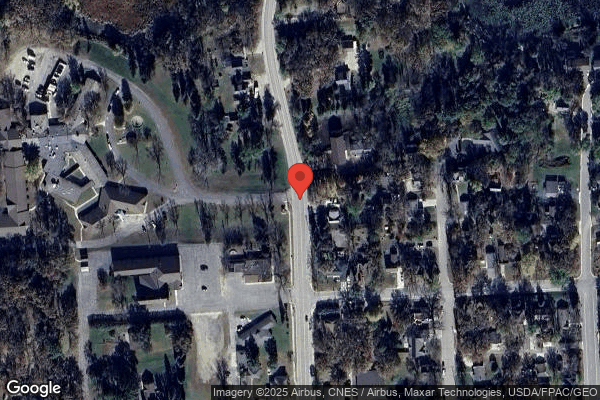

100 GLEN OAKS DRIVE, NEW LONDON, MN 56273 (320) 354-6057
For profit - Corporation 52 Beds CAMPBELL STREET SERVICES Data: November 2025 4 Immediate Jeopardy citations
Trust Grade
0/100
#296 of 337 in MN
Last Inspection: April 2025

Within standard 12-15 month inspection cycle. Federal law requires annual inspections.

Overview

Glenoaks Senior Living Campus has received a Trust Grade of F, indicating poor quality and significant concerns about care. It ranks #296 out of 337 facilities in Minnesota, placing it in the bottom half, and #3 out of 3 in Kandiyohi County, meaning there are no better local options available. Unfortunately, the facility is worsening, with issues increasing from 5 in 2024 to 18 in 2025. Staffing is rated average, with a turnover rate of 63%, which is concerning compared to the state average of 42%. The facility has also incurred $66,366 in fines, which is higher than 93% of Minnesota facilities, suggesting ongoing compliance problems. There is less RN coverage than 77% of facilities in the state, which is a concern as RNs play a critical role in catching potential issues. Specific incidents highlighted include a failure to investigate a Hoyer lift malfunction, which posed a risk to residents during transfers, and a serious lapse in medication administration for a resident at high risk for blood clots, resulting in missed anticoagulation therapy. Additionally, there were reports of physical and verbal abuse by staff members, leading to immediate jeopardy situations for multiple residents. Overall, while staffing is average, the facility's serious issues and troubling trends raise significant red flags for families considering this home for their loved ones.
Trust Score
F
0/100
In Minnesota
#296/337
Bottom 13%
Safety Record
High Risk
Review needed
Inspections
Getting Worse
5 → 18 violations
Staff Stability
⚠ Watch
63% turnover. Above average. Higher turnover means staff may not know residents' routines.
Penalties
✓ Good
$66,366 in fines. Lower than most Minnesota facilities. Relatively clean record.
Skilled Nurses
○ Average
Each resident gets 40 minutes of Registered Nurse (RN) attention daily — about average for Minnesota. RNs are the most trained staff who monitor for health changes.
Violations
⚠ Watch
63 deficiencies on record. Higher than average. Multiple issues found across inspections.
★☆☆☆☆
1.0
Overall Rating
★★★☆☆
3.0
Staff Levels
★★★☆☆
3.0
Care Quality
★☆☆☆☆
1.0
Inspection Score
Stable
2024: 5 issues
2025: 18 issues

The Good

  • Full Sprinkler Coverage · Fire safety systems throughout facility
  • No fines on record

Facility shows strength in fire safety.

The Bad

1-Star Overall Rating

Below Minnesota average (3.2)

Significant quality concerns identified by CMS

Staff Turnover: 63%

17pts above Minnesota avg (46%)

Frequent staff changes - ask about care continuity

Federal Fines: $66,366

Above median ($33,413)

Moderate penalties - review what triggered them

Chain: CAMPBELL STREET SERVICES

Part of a multi-facility chain

Ask about local staffing decisions and management

Staff turnover is elevated (63%)

15 points above Minnesota average of 48%

The Ugly 63 deficiencies on record

4 life-threatening 1 actual harm
Sept 2025 5 deficiencies 1 Harm
SERIOUS (G) 📢 Someone Reported This

A family member, employee, or ombudsman was alarmed enough to file a formal complaint

Actual Harm - a resident was hurt due to facility failures

Accident Prevention (Tag F0689)

A resident was harmed · This affected 1 resident

**NOTE- TERMS IN BRACKETS HAVE BEEN EDITED TO PROTECT CONFIDENTIALITY** Based on observation, interview and document review the facility failed to follow manufacturer's safety guidelines for operating...

Read full inspector narrative →
**NOTE- TERMS IN BRACKETS HAVE BEEN EDITED TO PROTECT CONFIDENTIALITY** Based on observation, interview and document review the facility failed to follow manufacturer's safety guidelines for operating a wheelchair lift for 1 of 1 resident (R1). The facilities failures resulted in actual harm when R1 fell to the ground and sustained a head laceration that required transfer to the hospital emergency department for treatment. Findings include:Facility reported incident (FRI) #361588 submitted on 8/28/25, identified on 8/28/25, R1 experienced a fall from the facility transport bus while being transferred via the wheelchair lift. The incident occurred at approximately 11:30 a.m. during a scheduled clinic visit. R1 was being loaded onto the bus by trained staff (scheduler (SCH)-A).R1's significant change Minimum Data Set (MDS) dated [DATE], indicated R1 did not have cognitive impairment, had diagnoses of fractured hip, chronic obstructive pulmonary disease (COPD), R1 was dependent on staff for activities of daily living (ADLs), had a history of falls, and used oxygen. R1 had verbal behaviors and rejected cares. R1 was dependent on staff for self-care and indoor mobility, used manual wheelchair, and had impairment on one lower extremity.R1's mobility and transfer care plan dated 7/9/25, indicated R1 had a self-care deficit as evidenced by R1 requiring assistance with ADLs, impaired balance during transfers and/or walking. The following interventions were included:-R1 used a wheelchair and required staff to propel it-R1 requires assist of 1 with bed mobility-R1 required assist of two staff for toileting-R1 requires assist of two staff for transfersR1's mood and behavior care plans dated 7/9/25, did not identify target behaviors that R1 had displayed and/or had a history of. The care plan included focus for behavior which identified alteration and at risk for negative statements, repetitive questions, verbalizations, persistent anger with staff or others, self-depreciation, expressions of unrealistic fears, sadness, crying, repetitive movements, withdrawn/reduced socialization related to diagnoses of depression. The care plan also had the focus of R1 had a potential for psycho-social well-being deficit and is at risk for changes in appetite, sleep patterns, ADL's, mood, socialization and increased sensitivity to environment, An additional focus included R1 had the potential for episodes of alteration in mood as evidenced by restlessness, easily fatigued, being irritable, having headaches/stomachaches, excessive worrying or difficulty controlling feelings of worry and having trouble falling asleep and/or staying asleep related to diagnosis of anxiety. R1's progress note dated 8/28/25 at 3:33 p.m., indicated R1 went to the emergency department after a fall while be loaded into the facility bus. R1 returned to Glen Oaks with no changes to medications.R1's progress note dated 8/29/25 at 8:31 p.m., described the fall incident that occurred on 8/28/25 at 11:20 a.m. The note identified, R1 was taken to a doctor appointment by staff trained to operate the facility bus and passed driver assessment. They arrived at clinic at 10:25 a.m. and were taken to exam room. Medical doctor (MD)-A and R1 had a heated discussion over her antianxiety and opioid medications. MD-A ended the appointment with the mention of R1 returning to hospice to help manager her anxiety and pain. SCH-A took R1 to the bus and was loading R1 backwards onto the ramp, locked the brakes, was standing on the ramp and holding R1's wheelchair while raising the ramp. Ramp stopped moving about six inches from the ground. SCH-A was looking for what stopped the ramp and stepped off ramp. SCH-A first checked right brake to make sure was on. SCH-A stepped off the ramp and R1 fell forward off her wheelchair hitting her head on the ground first. Staff went to get help, then attended to R1's bleeding head. Front wheels of wheelchair were off the yellow foot stop by three inches, brakes on all the way both sides. R1 obtained a four-centimeter laceration to right forehead as well as a hematoma directly right of eye in temporal area. R1 reported throbbing pain to head and denied pain anywhere else.R1's Medical and Transport/Emergency Documentation Form dated 8/28/25, that was handwritten included, 11:20 fell in parking lot out of w/c [wheelchair] to pavement. Right forehead laceration. R1's hospital emergency department after visit summary (AVS) dated 8/28/25 identified R1 was evaluated for a fall with injury; laceration to forehead. The AVS identified R1 had stiches that were to come out in 10-14 days with directions for wound care. There was no other information on the summary pertaining to the fall and/or R1's head injury. The facility investigation dated 8/28/25, included the aforementioned information pertaining to the fall. The form Skilled Nursing Facility-Fall investigation Form identified the time of the fall as 11:20 a.m. R1 was wearing slippers and also sustained a right shoulder abrasion in addition to the forehead laceration that was bleeding. R1's baseline behavior of the day was anxious. This document also included a handwritten statement by scheduler (SCH)-A. The statement included SCH-A had wheeled R1 backwards onto the ramp, locked the breaks, was standing on the ramp with R1 holding onto the wheelchair and the remote, started to raise the ramp. The ramp stopped moving about six inches from the ground. SCH-A was looking for whatever stopped the ramp and stepped off the ramp, first checking right brake to make sure was on. When she stepped off the ramp, R1 began to roll forward and fell forward off her wheelchair, R1's head hit the ground first, writer ran to get help then attended to R1's bleeding head. Front wheels of the wheelchair were off the yellow foot stop by 3 inches, brakes off all the way on both sides. R1 landed about four feet from ramp.During an interview on 9/11/25 at 11:37 a.m. R1 stated she remembered being upset with PCP when SCH-A was assisting her onto the wheelchair lift. SCH-A was raising the lift when it suddenly stopped about 6 inches from the ground. When the lift stopped R1 remembered the wheelchair rolling forward on the lift and being propelled out of the chair onto the ground. R1 could not remember if SCH-A was standing on the lift with her or not. R1 reported increased pain and was bleeding from her head.During an interview on 9/10/25 at 1:40 p.m., SCH-A stated R1 had been in a clinic appointment with her primary care provider (PCP) and was angry with her provider. SCH-A explained as she was taking R1 out of the clinic to the van, R1 told SCH-A she was not going to her appointment with orthopedics the next day. SCH-A backed R1's wheelchair onto the lift platform so that she was facing away from the van. SCH-A walked to R1's left side (standing on the ground not on the lift as identified in the facility's written statement) and used the remote to raise the lift off the ground. SCH-A stated as she pushed R1 to the van and when she was loading R1 onto the lift, R1 was in a horrible mood and was talking loudly. When the lift was approximately 6 inches from the ground, the lift suddenly stopped. SCH-A explained while one hand was on R1's wheelchair handle and the other hand on the lift remote, she leaned back and looked away from R1 so she could check to see if the oxygen tank or wheelchair wheels were properly positioned such that they were not touching the back plate of the lift which needed to be clear of any objects. Before SCH-A could see why the lift had stopped R1 fell forward out of wheelchair landing on the ground with the front wheels of wheelchair hanging about three inches from the ground. SCH-A remembers R1 stating Oh no here I go. During a subsequent interview on 9/11/25 at 12:30 p.m., SCH-A indicated the lift did not come equipped with a seatbelt or torso restraint to use with wheelchairs and was unaware if R1 would required one; she did not have either on her wheelchair. SCH-A further stated R1 was not holding onto the yellow lift handrails, and she had not provided instruction for R1 to hang on. SCH-A stated although the clinic staff thought R1 threw herself off the lift because she was angry, she had known R1 for many years and did not believe R1 would intentionally throw herself out of her chair onto the ground. SCH-A stated she was trained on how to run the bus and wheelchair lift by maintenance man (MM)-A and had previous history of driving a facility bus/van and use of wheelchair lifts. SCH-A further stated had not received any re-education since the incident on 8/28/25.During an interview on 9/11/25 at 2:38 p.m., clinic manager (CM)-A stated when she arrived at the bus after the incident, the front wheels of the wheelchair were hanging off the front of the lift about 6 inches from the ground. R1 was on the ground in a fetal position in distress; she had a large laceration on her head and complaining of head pain. CM-A also stated there was no restraint on the wheelchair, just a mechanical lift sheet that had slid down in the chair.During an interview on 9/11/25 at 2:29 p.m., maintenance (MM)-A stated he was made aware of R1's incident involving the lift on the bus on 8/28/25, by the administrator. Administrator had asked him to perform a post-incident inspection of the bus and wheelchair lift. MM-A stated MM-B and himself checked and re-checked the lift with a weight test, with each other in a wheelchair and moving around in the wheelchair; they could not find anything wrong with the lift. MM-A stated the facility did not have owner's manual for the lift, he had found the manual online before the previous Administrator signed him off on 2/8/25. MM-A explained even though he had inspected the lift, he had not documented the post incident inspection so there was no written documentation the lift had been inspected after the incident.Review of SCH-A employee file revealed a Drivers Skills Validation checklist, with the instructions to check item the driver performs satisfactorily, mark with an X where further training is recommended. Leave any items not evaluated blank. Signed by MM-A on 7/2/25, identifying SCH-A as qualified driver, even though there were no check marks or X s located on the checklist.Review of MM-A employee file revealed a Drivers Skills Validation checklist, with the instructions to check item the driver performs satisfactorily, mark with an X where further training is recommended. Leave any items not evaluated blank. Signed by previous Administrator on 2/8/25, identifying MM-A as qualified driver, even though there were no check marks or X s located on the checklist. During and interview on 9/12/25 at 12:43 p.m., MM-A stated he did not read the directions on how to fill out the Drivers Skills Validation checklist, just remembers signing SCH-A's sheet and marking her as qualified.Review of manufacturer's owner's manual for [NAME] Century 2 wheelchair lift, dated 3/2010, for lift model number NCL917FIB-2 and serial number: EA-03856 included:Lift terminology:-the inner roll stop, and outer barrier sense weight to prohibit lift operation. The lift will not function if the inner rolls stop, or outer barrier are occupied.-The inner roll stop features a locking mechanism that prohibits the platform from lowering if the lock does not engage. The lift platform cannot be raised more than three inches above the ground level unless the outer barrier is in the vertical position.Lift Operation Safety:-read manual and supplements before operating lift. Read and become familiar with all safety precautions, pre-lift operation notes and details, operating instructions and manual operating instructions before operating the lift.-whenever a wheelchair passenger (or standee) is on the platform, the passenger must be positioned fully inside yellow boundaries, wheelchair brakes must be locked, inner roll stop and outer barrier must be up (vertical), outer barrier latches must be fully engaged, and passenger should grip both handrail (if able).-lift attendants must ensure that lift occupants keep hands, arms and all other body part within the lift occupant area and clear of moving parts-accidental activation of control switch(es) may cause unintended operation(s)-observe the passenger during lift operations.-do not use outer barrier as a brake-always keep owner's (operator's) manual in lift-mounted manual storage pouch-failure to follow these safety precautions may result in serious bodily injury and/or property damage.Review of facility policy entitled Fleet Safety dated 5/2025, included the following:Wheelchair securement- loading and unloading:-employees must be trained on how to use the proper equipment to board wheelchairs in passenger vans. This includes understanding how the lift works, operation of the lift and how to position wheelchair on the lift.-employees should make sure that lift gate is level with the ground before loading a wheelchair onto the lift. Employees should ensure that any stops are utilized to prevent rolling issues.Occupant Restraints:-the occupant must be secured in the wheelchair in case of an accident. A seat belt will prevent the occupant from being ejected from the chair, protecting them from additional injury.
CONCERN (D) 📢 Someone Reported This

A family member, employee, or ombudsman was alarmed enough to file a formal complaint

Potential for Harm - no one hurt, but risky conditions existed

Report Alleged Abuse (Tag F0609)

Could have caused harm · This affected 1 resident

**NOTE- TERMS IN BRACKETS HAVE BEEN EDITED TO PROTECT CONFIDENTIALITY** Based on interview and document review the facility failed to report an allegation of abuse timely to the State Agency for 1 of ...

Read full inspector narrative →
**NOTE- TERMS IN BRACKETS HAVE BEEN EDITED TO PROTECT CONFIDENTIALITY** Based on interview and document review the facility failed to report an allegation of abuse timely to the State Agency for 1 of 1 resident (R1) who reported staff to resident physical abuse. Findings include:A facility five-day investigation submitted by the administrator to the State Agency on9/3/25 indicated on 8/28/25, R1 had clinic appointment and had become upset with the physician. The report included a statement R1 made to the physician then we should talk about Glen Oaks and the staff that is beating me up. In review of facility reported incidents to the State Agency there was no indication R1's allegations of abuse were reported to the State Agency. R1's significant Minimum Data Set (MDS) dated [DATE], indicated R1 did not have cognitive impairment. R1 had verbal behaviors and rejection of cares.During an interview on 9/11/25, at 10:17 a.m., Administrator confirmed she submitted the five-day report to the State Agency that included the allegation of abuse R1 had made. On 8/28/25, she was told by the facility scheduler (SCH)-A who heard R1 make the allegation to the physician during her appointment on 8/28/25. The Administrator indicated when she had talked with R1 she was not able to provide specific details of the incident including who the staff member involved and was not willing to further discuss the incident and therefor did not consider the incident reportable.During an interview on 9/12/25 at 7:40 a.m., director of nursing (DON) stated was made aware of incident on 9/5/25 when R1 made a grievance towards NA-P. DON filled out the grievance form and talked with NA-P. DON did not make a report to the SA, regarding the allegation of rough cares as she did not consider rough cares as a reportable event. Review of facility policy Nursing Facility Abuse Prevention, Identification, Investigation and Reporting Policy dated 7/8/24 indicated the following:Reporting:-All allegation of resident abuse, neglect, exploitation, mistreatment, injuries of unknown origin and misappropriation of property should be reported immediately to the administrator.-All allegations of resident abuse shall be reported to the appropriate state entity not later than two hours after the allegation is made.
CONCERN (E) 📢 Someone Reported This

A family member, employee, or ombudsman was alarmed enough to file a formal complaint

Potential for Harm - no one hurt, but risky conditions existed

Resident Rights (Tag F0550)

Could have caused harm · This affected multiple residents

**NOTE- TERMS IN BRACKETS HAVE BEEN EDITED TO PROTECT CONFIDENTIALITY** Based on interview the facility failed to ensure 4 of 4 (R1, R5, R6 and R7) residents were treated with dignity and respect when...

Read full inspector narrative →
**NOTE- TERMS IN BRACKETS HAVE BEEN EDITED TO PROTECT CONFIDENTIALITY** Based on interview the facility failed to ensure 4 of 4 (R1, R5, R6 and R7) residents were treated with dignity and respect when care was provided to them by nursing assistant (NA)-PFindings include:Review of facility grievances identified a grievance dated 9/5/25, against NA-P made by R1, filled out by the director of nursing (DON). The grievance stated while DON was checking in on R1, R1 reported a nursing assistant for doing cares too fast. R1 identified NA-P. R1 further stated NA-P needed to slow down and I don't want her to help if that was even possible. DON reassured R1 she would speak to NA-P and R1 changed the topic.R1's significant Minimum Data Set (MDS) dated [DATE], identified no cognition deficits. R1 had history of falls, and diagnoses of fractured hip, chronic obstructive pulmonary disease (COPD), dependent on oxygen and dependent on staff to perform activities of daily living (ADLs) and used a wheelchair. R1 had verbal behaviors and rejection of cares.During an interview on 9/11/25 at 11:37 a.m., R1 identified NA-P to surveyor and stated when she knew NA-P was to assist her with cares, it increased her anxiety and caused her to act out. R1 further stated R1 made her feel worthless, during a subsequent interview on 9/11/25 at 2:07 p.m.R5's social service data collection tool dated 7/29/25, identified no cognitive deficits. R5 did not have any behaviors or rejection of cares.During an interview on 9/12/25 at 9:30 a.m., R5 stated NA-P could be rough during cares. Would prefer NA-P not work with her. During a subsequent interview on 9/12/25 at 1:45 p.m., R5 stated NA-P made her feel on edge, more anxious.R6's social service data collection tool dated 8/26/25, identified no cognition deficits, had no behaviors or rejection of cares.R6's face sheet date 9/12/25, indicated diagnoses of cerebral aneurysm, adjustment disorder with depressed mood, and history of cerebral infarct (stroke).During an interview on 9/11/25 at 3:00 p.m., R6 stated if NA-P was working on her hall and she had a request or need, she would wait until the next shift. During a subsequent interview on 9/12/25 at 12:30 p.m., R6 stated NA-P would say totally inappropriate things and then laugh trying to make up for whatever NA-P had said, increasing R6's frustration. R6 further described NA-P as being loud and obnoxious. R65 stated she had reported NA-P but to management, but nothing ever gets done. R7's social services MDS data collection tool dated 7/17/25, identified moderately impaired cognition, and had no behaviors or rejection of cares.R7's face sheet dated 9/12/25, indicated diagnoses of chronic obstructive pulmonary disease (COPD), generalized anxiety, and rheumatoid arthritis.During an interview on 9/11/25 at 2:27 p.m., R7 did not know staff names, however, gave a detailed description was consistent with NA-P. R7 stated NA-P was rough with cares and this upset her but what was she to do, she needed two staff for cares. R7 further stated during a subsequent interview on 9/12/25 at 12:35 p.m., stated she did not want NA-P to come back to work with her and just described her cares as rough.During an interview on 9/11/25 at 1:03 p.m., NA-G stated she had witnessed NA-P on different dates talking back to R1. NA-P seemed to enjoy upsetting R1 and other resident to see if NA-P could get a reaction from them. NA-G had reported this to the DON. NA-G had not noticed a change with NA-P's behavior with residents.During an interview on 9/11/25 at 3:32 p.m., assistant director of nursing (ADON)-A described NA-P demure as lacking a bed side manner but was meeting the needs of the residents appropriately. Further stated NA-P had not had any rough cares. When the NA-P's written warning was brought up ADON-A would not count rushed and harsh as rough cares.During an interview on 9/12/25 at 7:40 a.m., DON stated she had gone over the grievance form with NA-P on 9/5/25, and asked NA-P slowed down and encouraged NA-P to treat residents as individuals and had individual care needs and to provide quality care to all residents.Review of NA-P employee files included:-a coaching/teachable moment dated 7/18/25, for her tone of voice and disrespectful and condescending to coworkers.- a written warning dated 8/1/25, NA-P being harsh and rushed, staff have complained about tone and verbiage coming from NA-P that was demeaning and lacked appropriate bedside manner.- a grievance 9/5/25, DON wrote for R1, where R1 identified NA-P by name and reported NA-P was too fast during cares and that it was possible would not like NA-P to assist with cares if possible. Review of facility policy Nursing Facility Abuse Prevention, Identification, Investigation and Reporting Policy dated 7/8/24 indicated the following: -Personal degradation of a dependent adult, means a will act or statement by a caretaker intended to shame, degrade, humiliate, or otherwise harm the personal dignity of a dependent adult, or where the caretaker knew or reasonably should have known the act or statement would cause shame, degradation, humiliation, or harm to the personal dignity of a reasonable person.-Mental abuse is the use of verbal or nonverbal conduct which causes or has the potential to cause the resident to experience humiliation, intimidation, fear, shame, agitation, or degradation. Mental abuse includes agitating a resident to solicit a response, derogatory statement directed to the resident.
CONCERN (E) 📢 Someone Reported This

A family member, employee, or ombudsman was alarmed enough to file a formal complaint

Potential for Harm - no one hurt, but risky conditions existed

Investigate Abuse (Tag F0610)

Could have caused harm · This affected multiple residents

**NOTE- TERMS IN BRACKETS HAVE BEEN EDITED TO PROTECT CONFIDENTIALITY** Based on interview and document review the facility failed to ensure a thorough investigation was completed and protect resident...

Read full inspector narrative →
**NOTE- TERMS IN BRACKETS HAVE BEEN EDITED TO PROTECT CONFIDENTIALITY** Based on interview and document review the facility failed to ensure a thorough investigation was completed and protect residents after 2 of 2 allegations which included rushed and harsh cares in addition to physical abuse were reported by unknown residents which effected (R1, R4, R6, and R7) who reported on going inappropriate behavior and treatment by nursing assistant (NA)-P. Findings include:Review of NA-P's employee record included a written warning dated 8/1/25, that was authored by assistant director of nursing (ADON)-A. The ADON wrote- residents complained of nursing assistant (NA)-P being harsh and rushed, staff have complained about tone and verbiage coming from NA-P that is demeaning and lacked appropriate bedside manner. NA-P's employee record nor did the disciplinary action document identify which residents were involved that led to NA-P's written warning. Further, there were no recorded grievances and/or documentation of the concerns voiced by residents, there was no indication of an investigation into the concerns, or evident that follow-up with the effected residents was completed. During an interview on 9/11/25 at 3:32 a.m. ADON-A described NA-P's demeanor as lacking a bed side manner but was meeting the needs of the residents. ADON reviewed the written warning and explained she would not consider the description of rushed and harsh as rough cares, however, did not investigate the allegations because she did not think NA-P's rushed and harsh demeanor would be considered abuse. R1's significant Minimum Data Set (MDS) dated [DATE], R1 did not have cognitive impairment. R1 had history of falls, and diagnoses of fractured hip, chronic obstructive pulmonary disease (COPD), dependent on oxygen and dependent on staff to perform activities of daily living (ADLs) and used a wheelchair. R1 had verbal behaviors and rejection of cares.R1's 7/7/25 did not identify R1's vulnerabilities to abuse, was dependent on staff for activities of daily living involving transfers and toileting and had the risk for or had the potential of altered mood and behaviors. During an interview on 9/11/25 at 11:37 a.m., R1 stated she was very familiar with NA-P. R1 explained NA-P was very rough during cares. When NA-P rolled her in bed she would push really hard on her broken hip and move too fast which caused her increased pain. When R1 would tell NA-P she was hurting her by the way she was moving her, it seemed like NA-P would just push harder. R1 stated when she thinks about NA-P and when NA-P helps her with cares, her anxiety increased and caused her to act out. R1 had reported to ADON-A how NA-P treats her however, nothing changed. During a subsequent interview on 9/11/25 at 2:07 p.m., R1 stated the way NA-P treats her made her feel worthless and would prefer NA-P not come into her room.During an interview on 9/10/25 at 1:40 p.m., scheduler (SCH)-A stated she was with R1 at the clinic appointment on 8/28/25 when R1 made an accusation about staff was abusing her, by throwing R1 around. R1 did not tell SCH-A who that staff person was. When SCH-A got back to the facility she reported R1's allegations to the administrator.A facility five-day investigation of R1's fall from a wheelchair van lift submitted by the administrator to the State Agency (SA) on 9/3/25 indicated on 8/28/25, R1 had clinic appointment and had become upset with the physician. The report included a statement R1 made to the physician then we should talk about Glen Oaks and the staff that is beating me up. In review of investigatory file and facility reported incidents to the State Agency there was no indication any allegations of abuse were investigated after R1 made her statement.A handwritten grievance dated 9/5/25, authored by the director of nursing (DON) on behalf of R1 indicated NA-P was too fast during cares and did not want NA-P to assist her if possible. Facility records did not include any documentation of investigation activities such as interviewing other residents or staff members.During an interview on 9/11/25, at 10:17 a.m., Administrator confirmed she submitted the five-day report to the State Agency that included the allegation of abuse R1 had made. On 8/28/25, she was told by the facility scheduler (SCH)-A who heard R1 make the allegation to the physician during her appointment on 8/28/25. The Administrator indicated when she had talked with R1 she was not able to provide specific details of the incident including who the staff member involved and was not willing to further discuss the incident and therefor did not consider the incident reportable. Furthermore, Administer denied knowledge of NA-P's written warning 8/1/25, or grievance of 9/5/25.During an interview on 9/12/25 at 7:40 a.m., director of nursing (DON) stated she was made aware of incident on 9/5/25, while she was talking with R1. R1 stated NA-P was too fast with cares and asked DON to file a grievance against NA-P. DON filled out the grievance form and talked with NA-P on 9/5/25. DON did not complete an investigation and not talk to other residents about the care NA-P provided. However, DON provided education to NA-P to slow down during cares, every resident has different needs, and residents deserved quality of care. R4's social services data collection tool dated 8/5/25, R1 had no cognitive deficit and had no behaviors or rejection of cares noted. R4's face sheet dated 9/12/25, indicated diagnoses of cerebral infarction (stroke), bipolar disorder, and rheumatoid arthritis. R4 needed assistance with personal care.R4's care plan did not address the vulnerabilities to abuse.During an interview on 9/11/25 at 2:37 p.m., R4 did not know names of staff, however, gave a detailed description that was consistent with NA-P. R4 stated when NA-P gave her a shower she felt like she was rushed. NA-P would scrub with a washcloth really hard in her vaginal area and back which caused her to hurt after the shower. R4 stated she did not want NA-P to bath her because she did not want to have that discomfort and would refuse her shower if NA-P was working. R6's face sheet date 9/12/25, included diagnoses of cerebral aneurysm, adjustment disorder with depressed mood, and history of cerebral infarct (stroke).R6's social service data collection tool dated 8/26/25, indicated intact cognition, had no behaviors or rejection of cares notedR6's care plan did not address the vulnerabilities to abuse.During an interview on 9/11/25 at 3:00 p.m., R6 stated if NA-P was working on her hall and she had a request or need, she would wait until the next shift. During a subsequent interview on 9/12/25 at 12:30 p.m., R6 stated NA-P frustrated and made her very angry because of the way she treated residents. NA-P would make condescending remarks and say inappropriate things but then laugh about it like it was OK or to try to make up for saying them. R6 could not remember specific examples, however it made her feel angry enough she wanted to punch her or punch something. R7's face sheet dated 9/12/25, indicated diagnoses of chronic obstructive pulmonary disease (COPD), generalized anxiety, and rheumatoid arthritis.R7's social services MDS data collection tool dated 7/17/25, indicated moderate impaired cognition, and had no behaviors or rejection of cares.R7's care plan did not address the vulnerabilities to abuse.During an interview on 9/11/25 at 2:27 p.m., R7 did not know staff names, however, gave a detailed description that was consistent with NA-P. R7 stated NA-P was rough with cares and this upset her but what was she to do? She needed two staff for cares and didn't have a choice in the matter. During a subsequent interview on 9/12/25 at 12:35 p.m., R7 stated she did not want NA-P to come back to work with her room and did not give any other information. During an interview on 9/11/25 at 1:03 p.m., NA-G stated NA-P liked to rile up. When R1 would put on her call light she would taunt R1 by standing in her doorway and say to R1 you don't want me in there so you have to wait. NA-G stated she had reported these interactions and her concerns to the DON. To her awareness the DON had directed NA-P not to go into R1's room to assist her. Review of facility schedule 8/1/25 through 9/11/25, identified NA-P remained working with all residents of facility till state agency brought allegations to the attention of the administrator on 9/11/25 at 10:17 a.m.Facility policy Nursing Facility Abuse Prevention, Identification, Investigation and Reporting Policy dated 7/8/24 indicated the following:Should an incident or suspected incident or resident abuse be reported or observed, the Administrator must be notified immediately.The administrator will complete documentation of allegation of resident abuse and collect any supporting documents relative to the alleged incident.-Review documentation in resident record.-Assess the resident for injury if the allegation involves physical or sexual abuse.-provide proper notification of primary care provider, responsible party, etc.-attempt to obtain witness statements (oral and/or written) form all known witnesses.-If there is physical evidence that can be preserved, attempt to do so, maintain in a safe location to minimize risk of evidence being tampered with.Upon receiving a report of an allegation of resident abuse, neglect, exploitation or mistreatment, the facility shall immediately implement measures to prevent further potential abuse of residents from occurring while the facility investigation is in process. If this allegation of abuse is by an employee, this will be accomplished by separating the employee accused of abuse from all residents through the following process or a combination of the following, if practicable:1) suspending the employee; 2) segregating the employee by moving the employee to an area of the facility where there will be no contact with any residents of the facility.
CONCERN (E) 📢 Someone Reported This

A family member, employee, or ombudsman was alarmed enough to file a formal complaint

Potential for Harm - no one hurt, but risky conditions existed

Deficiency F0730 (Tag F0730)

Could have caused harm · This affected multiple residents

Based on interview and record review the facility failed to ensure performance evaluations for 4 of 4 nursing assistants (NA-P, NA-D, NA-S, and NA-L) were provided within the past 12 months.Findings i...

Read full inspector narrative →
Based on interview and record review the facility failed to ensure performance evaluations for 4 of 4 nursing assistants (NA-P, NA-D, NA-S, and NA-L) were provided within the past 12 months.Findings include:Review of nursing assistant (NA)-P employee record identified a hire date of 10/25/23 and did not include a performance evaluation since NA-P's hire date. During interview on 9/12/25, nursing assistant (NA)-P could not remember receiving a performance evaluation since she was hired. Review of (NA)-D's employee record identified a hire date of 11/10/22 and included a performance evaluation dated 3/13/23; there were no subsequent performance evaluations included in her record.Review of NA-S employee record identified a hire date of 4/15/22 and included a performance review dated 3/13/23; there were no subsequent performance evaluations included her the record. During interview on 9/12/25 at 8:27 a.m., NA-S could not remember receiving a performance evaluation since 2023. Review of NA-L's employee file identified a hire date of 2/18/20, a performance evaluation for 2022 was found but no other performance evaluation were located in her file.During an interview on 9/12/25 at 7:40 a.m., director of nursing (DON) indicated she had not done any performance evaluations for nursing assistants in her three years as DON at the facility.During an interview on 9/12/25 at 12:30 p.m., Administrator indicated there was no policy for annual evaluations of nursing assistants but was an expectation they were completed.
Apr 2025 13 deficiencies
CONCERN (D)

Potential for Harm - no one hurt, but risky conditions existed

Transfer Requirements (Tag F0622)

Could have caused harm · This affected 1 resident

**NOTE- TERMS IN BRACKETS HAVE BEEN EDITED TO PROTECT CONFIDENTIALITY** Based on interview and document review the facility failed to provide complete information upon transfer to the receiving facili...

Read full inspector narrative →
**NOTE- TERMS IN BRACKETS HAVE BEEN EDITED TO PROTECT CONFIDENTIALITY** Based on interview and document review the facility failed to provide complete information upon transfer to the receiving facility for 1 of 2 residents (R18) reviewed for hospitalization and discharge. Findings include: R18's quarterly Minimum Data Set (MDS) dated [DATE], indicated R18 had impaired cognition and was noted to exhibit inattention and disorganized thinking. R18 was also noted to have intermittent behavioral symptoms including physical behavioral symptoms directed towards others, verbal behaviors, and other symptoms not directed at others. R18 was noted to receive assistance with activities of daily living, although was able to ambulate independently. R18's medical diagnoses included acute kidney failure, renal insufficiency, heart failure, hypertension (high blood pressure), Alzheimer's disease, dementia, and depression. A review of Resident Census was completed and it was noted R18 was hospitalized on [DATE], however, R18's narrative notes lacked indication as to reason for transfer or what symptoms occurred prior to transfer to the hospital. Upon review of the Resident Census, it was identified resident was returned to the facility on 3/9/25. A review of the narrative progress notes identified documentation from 3/7/25 at 11:37 a.m., which identified a fax was sent to the provider to review the rationale for the use of Seroquel (an antipsychotic medication-a medication to help reduce psychotic symptoms like hallucinations, delusions, and disordered thinking). The note indicated the provider was also consulted regarding the possibility of a gradual dose reduction (GDR) at that time. The next narrative note on 3/9/25 at 7:07 p.m., identified R18 was hospitalized however, offered no further information. A subsequent note of 3/9/25 at 1:38 p.m., indicated R18 was hospitalized and was treated for dehydration. The note further indicated orders were received in follow up for physical and occupational therapy. During interview on 4/24/25 at 3:44 p.m., the assistant director of nursing (ADON) stated R18 was transferred to the emergency room/hospital for evaluation following a fall. A review of the narrative notes with ADON verified there were no notes which reflected the course of events from 3/7/25 to 3/9/25. On 4/24/25, at 4:37 p.m. an interview was held with the director of nursing (DON) to inquired of the circumstances prior to the transfer to the emergency room/hospital. The DON stated R18 had a fall and struck her head. This was identified on the fall and risk management note. R18 was sent in for evaluation and was treated for dehydration. DON stated R18 was sent in for evaluation by a contract (agency staff). DON stated there should have been a narrative progress note to reflect R18's status leading up to the transfer, and additional documentation to indicate the transfer and report to the receiving facility. A review of the scanned documents was completed with the DON with no documentation within the record to provide this information. A document, titled SNF/NF to Hospital Transfer Form was provided to surveyor and was informed by DON this was the information sent to the hospital with R18. This document was completed by registered nurse (RN)-A on 3/8/25 at 12:00 p.m. Although signed off as completed at 12:00 p.m., vital signs were completed within the document at 12:35 p.m At that time, R18's blood pressure was 80/54 and a heart rate of 85 beats per minute. The diagnoses provided on the transfer form indicated only chronic obstructive lung disease (a lung problem which causes difficulty breathing) and dementia. The transfer lacked information of acute kidney failure, renal insufficiency, heart failure, hypertension, Alzheimer's disease, and depression. The document identified R18's most recent pain level was at nine on a scale of one to ten, with ten being the worst pain, however, lacked information as to when the last pain medication was given. The documentation on the form lacked nutritional information, and failed to indicate R18 received a nutritional supplement. The section for medications lacked any medication information. Within the course of the document, there is a page, titled Acute Care Transfer Document Checklist. Although the resident's name, facility name and phone number were present, there was no other information documented as being sent. The options to send information and check off included the R18's Face Sheet (Document which has all medical diagnoses, contact information, and demographic information), current medication listing or medication administration record (medical record which would provide the medications ordered and would identify when last given and next due), and information pertaining to the medical history, including history and physical, recent hospital discharge summary, recent provider notes and orders. The facility policy, Transfer or Discharge, Facility-Initiated, reviewed October of 2022, identified when a resident was transferred from the facility, the receiving facility was to have been provided the following information: documentation of the reason resident needs cannot be met at the facility; contact information of the practitioner responsible for the care of the resident; resident representative contact information; resident status, including baseline information; medications (including when last received); and any other documentation, as applicable to ensure a safe and effective transition of care. In addition, the policy indicated the following information was to be required in the medical record at the facility: the basis for the transfer; notification to legal representative; the date and time of transfer or discharge; a summary of resident's overall medical, physical, and mental condition; and any other information as necessary.
CONCERN (D)

Potential for Harm - no one hurt, but risky conditions existed

ADL Care (Tag F0677)

Could have caused harm · This affected 1 resident

Based on observation, interview, and document review, the facility failed to ensure nail care was provided for 2 of 5 residents (R20 and R26) Findings include: R20's 3/27/25, quarterly Minimum Data Se...

Read full inspector narrative →
Based on observation, interview, and document review, the facility failed to ensure nail care was provided for 2 of 5 residents (R20 and R26) Findings include: R20's 3/27/25, quarterly Minimum Data Set assessment identified he admitted to the facility in September of 2021, his cognition was severely impaired, and he was dependent on staff for activities of daily living (ADL)'s. R20 had diagnoses of Alzheimer's disease, cerebral palsy, bipolar disorder, and arthritis. Interview on 4/21/25 at 12:35 p.m., with family member (FM)-A reported she has asked the facility staff to clean and trim R20's nails several times. She states his nails look terrible. Observation on 4/21/25 at 12:36 p.m., of R20's nails on both hands were observed to be untrimmed and extended beyond the tip of his fingers with an unknown black substance observed under each nail from edge to edge. Observation on 4/22/25 at 1:23 p.m., of R20's nails identified they remained the same as above. Observation on 4/23/24 at 2:34 p.m., R20's nails remain overgrown with an unknown black substance under the nail of each finger. Review of R20's undated current care plan identified R20 had a self care deficit requiring assistance with ADL's. Staff were to trim and clean his nails as needed two times weekly on bath day. Review of R20's 4/21/25 Nursing Assistant Bath Worksheet identified R21 had his nails trimmed on 4/21/25. The Worksheet was signed by the charge nurse on duty, however, neither the nursing assistant nor the nurse were available for interview. R26's 2/18/25 admission Minimum Data Assessment identified her cognition was severely impaired, and she had diagnoses of Alzheimer disease, anxiety, depression, and arthritis. Observation on 4/23/25 at 5:08 p.m., R26's nails on both hands were unkept and overgrown approximately 1/4 beyond the tip of her fingers with sharp, broken, crooked edges. All nail has an unknown black dirt like substance under the tip. Review of R26's 4/19/25 Nursing Assistant Bath Sheet identified the nursing assistant completing the bath did not report she had completed nail care. Interview on 4/23/25 at 4:25 p.m., with licensed practical nurse (LPN)-A reported when a nursing assistant completes a bath they fill out a bath sheet to identify if they completed nail care, vitals, and check skin. The bath sheet is given to the charge nurse and recorded in the record. She identified she does not check the resident to ensure nail cares are completed. Interview on 4/23/25 at 4:26 p.m., with registered nurse (RN)-A identified staff do the bath then fill out a bath sheet and returned it to the charge nurse. She would make a progress note and enter the information provided on the form from the nursing assistant. She reported the licensed nurse does not do anything else unless the nursing assistant reports a new skin concern. She stated I see nail care as a delegation She did not see the need to follow up to ensure the tasks were been competed. Interview on 4/24/25 at 5:09 p.m., with the facilities RN nursing consultant agreed with the above-mentioned findings and identified she would expect nursing assistants to provide nail care on bath day and would expect the charge nurse to provide oversite by following up with the resident to ensure the task was completed. A policy was requested but was not provided by the end of the survey period.
CONCERN (D)

Potential for Harm - no one hurt, but risky conditions existed

Quality of Care (Tag F0684)

Could have caused harm · This affected 1 resident

Based on observation, interview, and document review the facility failed to ensure the hospice plan of care had been integrated with the facility care plan for 1 of 1 resident (R)17 to delineate servi...

Read full inspector narrative →
Based on observation, interview, and document review the facility failed to ensure the hospice plan of care had been integrated with the facility care plan for 1 of 1 resident (R)17 to delineate services provided between the facility and hospice. Findings include: R17's 2/20/25, significant change Minimum Data Set (MDS) identified his cognition was severely impaired, and he was dependent on staff for activities of daily living (ADL)s. R17 had diagnoses of Parkinson's disease, respiratory failure, and diabetes. Review of R17's current care plan identified he was on hospice. The care plan lacked any indication what services hospice was to provide during their visits to the facility. Interview on 4/24/25, at 5:05 p.m., with the nurse consultant identified she agreed with the above findings and would expect nursing staff to ensure the hospice care plan is integrated with the facility care plan. Review of the facilities 2017 Hospice Care policy identified residents receiving hospice services would have coordinated care plans that would include the most recent hospice plan of care and the care and services provided by the facility in order to maintain the resident's highest practicable physical, mental and psychosocial well-being.
CONCERN (D)

Potential for Harm - no one hurt, but risky conditions existed

Drug Regimen Review (Tag F0756)

Could have caused harm · This affected 1 resident

Based on interview, and document review, the facility failed to ensure pharmacy consultant recommendations were followed up on in a timely manner for 1 of 5 residents (R13) reviewed for pharmacy recom...

Read full inspector narrative →
Based on interview, and document review, the facility failed to ensure pharmacy consultant recommendations were followed up on in a timely manner for 1 of 5 residents (R13) reviewed for pharmacy recommendations Findings include: R13's 3/12/25, quarterly Minimum Data Set (MDS) assessment identified his cognition was intact, he had no behaviors, and he was independent with activities of daily living (ADL)'s. R13 had diagnoses of adjustment disorder with depressed mood, hypertension, diabetes, anxiety, orthostatic hypotension, repeated falls, and stroke. Review of R13's pharmacy consultants monthly drug regimen review identified the following: 1. October 2024 pharmacy consultant recommendation: Please assess for continued use of divalproex 250 mg twice daily, CMS guidelines recommend periodic reassessment of psychotropic medication for trial dose reduction consideration in attempts to eventually discontinue unnecessary psychotropics or find lowest effective dose. If current dose is still appropriate for patient, please provide clinical rationale for continuing current dose in the patient medical record. Physician to address ASAP but no later than 60 days. The facility was unable to provide documentation showing the October review had been addressed by the physician or that the physician had been updated. 2. November 2024 pharmacy consultant recommendation: Please assess for continued use of divalproex 250 mg twice daily, CMS guidelines recommend periodic reassessment of psychotropic medication for trial dose reduction consideration in attempts to eventually discontinue unnecessary psychotropics or find lowest effective dose. If current dose is still appropriate for patient, please provide clinical rationale for continuing current dose in the patient medical record. Physician to address ASAP but no later than 60 days. The November review provided again had no indication that the physician had been updated. 3. January 2025 pharmacy consultant recommendation: Prednisone oral tablet 20 mg give 40 mg by mouth in the morning for preoperative dose related to irritable bowel syndrome, unspecified for three days. Prednisone oral tablet 5 mg Give 20 mg by mouth in the morning for preoperative exam prep for three days Prednisone oral tablet 5 mg, Give 20 mg by mouth in the morning for three days. Please verify if patient should be taking 20 mg, 40 mg, or 60 mg of prednisone for pre-op. Also, should he take 5 mg dose as well those days? The January pharmacy consultant recommendations did not include a response or signature from the physician. 4. February 2025 pharmacy consultant recommendation was to add a diagnosis for the use of: prednisone oral tablet 5 mg (prednisone) 5 mg by mouth in the morning. Pyridostigmine bromide oral tablet 60 mg (pyridostigmine Bromide) Give 1 tablet by mouth three times of day. The facility was unable to provide any documentation to show they had updated the physician. Review of the provided copy of the pharmacy review did not include a physician signature. Interview on 4/24/25 at 9:03 a.m., with the director of nursing identified she agreed with the above findings. She reported she does not have a good process in place and would like some help with getting these pharmacy consultant medication reviews organized. Interview on 4/24/25 at 5:00 p.m., with the nurse consultant identified she agreed with the above findings, she reported she has also looked for the documentation showing they had updated the physician and she was also unable to locate it in the medical record. It is her expectation the facility follow-up with the physician once they receive the monthly pharmacy consultant reviews, she would expect this to be completed timely and the facility should have a process to maintain this documentation in an organized fashion. A policy was requested but nothing was provided by the end of the survey period.
CONCERN (D)

Potential for Harm - no one hurt, but risky conditions existed

Deficiency F0761 (Tag F0761)

Could have caused harm · This affected 1 resident

**NOTE- TERMS IN BRACKETS HAVE BEEN EDITED TO PROTECT CONFIDENTIALITY** Based on observation, interview, and document review, the facility failed to ensure prescribed medications were labeled with cur...

Read full inspector narrative →
**NOTE- TERMS IN BRACKETS HAVE BEEN EDITED TO PROTECT CONFIDENTIALITY** Based on observation, interview, and document review, the facility failed to ensure prescribed medications were labeled with current physician-ordered administration instructions to reduce the risk of administration error for 1 of 6 residents (R24) observed to receive medication during the survey. Findings include: R24's quarterly Minimum Data Set (MDS), dated [DATE], identified R24 had intact cognition with several medical diagnoses which included a medically complex condition, restless leg syndrome, muscle weakness, and difficulty walking. On 4/22/25 at 3:56 p.m., licensed practical nurse (LPN-A) was observed to prepare medications at a mobile medication cart in the hallway of the unit. R24 was in the hallway and approached the medication cart for medication administration. LPN-A proceeded to set up medications, including obtaining the med card for Tramadol from the locked box. LPN-A stated R24 received Tramadol HCl 50 mg one tablet every eight (8) hours, and this was given on a routine basis A review of the label indicated the dosing for the medication was for every eight hours, as needed, and did not identify that it was scheduled. LPN-A reviewed electronic medical record with surveyor, and orders reflected the order was for three times a day, and was not listed as a medication to be given as needed. LPN-A stated the label on the prescriptions were to accurately reflect the orders for the medications by the provider and indicated she was going to send a request to pharmacy for a label change to accurately reflect orders. A review of the electronic Medication Administration Record indicated the following orders: Tramadol HCl 50 mg one tablet by mouth three times daily. The start date of the prescription was on 8/31/24. A review of the R24's orders printed 4/24/25, identified R24 was to receive Tramadol HCl one tablet by mouth three times a day for pain effective 8/30/24, with a start date of 8/31/24. On 4/24/25 at 3:51 p.m., the director of nursing was interviewed regarding medication labeling and label checks during medication administration. DON stated the medication labels were to reflect current order. DON stated if a discrepancy was noted, the staff were to verify the correct dose ordered and request a label correction as needed. DON stated medications are to be given as prescribed. A facility policy, titled Administering Medications, last revised December 2012. identified: Medications shall be administered in a safe and timely manner, and as prescribed. The policy directs staff must check the label THREE (3) times to verify the right resident, right medication, right dosage, right time and right method (route) of administration before giving the medication.
CONCERN (D)

Potential for Harm - no one hurt, but risky conditions existed

Food Safety (Tag F0812)

Could have caused harm · This affected 1 resident

Based on observation, interview, and document review, the facility failed to assure cleanliness and monitoring of temps, and undated foods in 1 of 2 refrigerators in dining rooms, and 5 of 5 residents...

Read full inspector narrative →
Based on observation, interview, and document review, the facility failed to assure cleanliness and monitoring of temps, and undated foods in 1 of 2 refrigerators in dining rooms, and 5 of 5 residents'(R7, R11, R13, R16, and R29) personal refrigerators located in resident rooms. Findings include: R16's 3/3/22, quarterly Minimum Data Set (MDS) assessment identified her cognition was intact, she had verbal behaviors towards others two-three days a week, and she was independent with meals and hygiene but required assistance with set up for dressing. R16 had diagnoses of morbid obesity, vascular disease, chronic kidney disease, adjustment disorder, and history of stroke. Observation on 4/22/25 at 5:03 p.m., of R16's room identified she had a small dorm style refrigerator. Inside the refrigerator she had 7 plastic containers with left over foods in them. The containers were not labeled and did not have dates on them. One container had tuna, one container had chicken, and one container had rice. The refrigerator also had condiments and cans of pop. The refrigerator did not have a log to monitor temperature and no thermometer was observed. Interview on 4/23/25 at 7:52 a.m., with the kitchen manager identified nursing is responsible for maintaining personal refrigerators located in resident rooms. Interview on 4/23/25 at 9:33 a.m., with the director of nursing (DON) identified she was not aware that nursing was supposed to monitor the refrigerators in resident rooms for temperature, outdated food, and cleaning. Nursing does monitor the medication room and the dining room refrigerator. She identified she thought it was kitchens responsibility but had just asked them and they said it was nursing's responsibility. She said they had five residents in the facility that had a small refrigerator in their room but she did not know if they were being monitored. Observation on 4/23/25 at 10:13 a.m., of the refrigerators located in resident rooms identified the following: 1.) R29's refrigerator did not have anything in it, there was a thermometer located inside fridge but did not have a log to monitor temperatures. 2.) R11's refrigerator contained beef sticks, and an open container of cheese did. There was a thermometer inside the fridge, but no log was observed in the area for monitoring the temperature. 3.) R13's refrigerator was dirty; it had a glass of juice that was not covered and not dated and a banana that had turned completely black. There was a thermometer, but no log observed in the area for monitoring. 4.) R7's refrigerator had cookies and cans of pop in it. There was no thermometer in the fridge and no log observed in the area for monitoring. Observation on 4/23/25 at 10:00 a.m., of the refrigerator located in the memory care resident dining area, had a temp log located on the refrigerator door. The log had a column for daily temperatures in the a.m. and p.m. The April 2025 log had entries indicating the refrigerator temperature from 4/1/25 through 4/23/25 on the following dates and times, 4/1/25 a.m., 4/7/25 p.m., 4/8/25 p.m., 4/13/25 p.m., 4/17/25 p.m. The other 25 days had no documented monitoring of the refrigerator temperatures. The outside of the door had a functioning ice dispenser, that had a black and yellow substance on the lever and the tray beneath. The inside of the freezer was observed to have hair sticking to the shelves and the inside of the door, food crumbs, and a brown sticky substance on the shelves, and a piece of Styrofoam laying in a bin at the bottom of the freezer. TMA-B was observed to use the ice dispenser to fill a glass with ice and water and then served it to a resident seated at the table. Interviewed on 4/23/25 at 10:05 a.m., with TMA-B identified she was not sure who was responsible to log the temperatures, but she thought it was the over-night staff. She reported they do not have a cleaning schedule for the refrigerator but they try to clean it as they go. She looked at the ice dispenser and inside the freezer and agreed the log had not been completed and the freezer and ice dispenser was dirty. Review of the facility provided Refrigerators and Freezers policy dated December 2014, identified the facility would ensure safe refrigerator and freezer maintenance, temperatures, and sanitation, and will observe food expiration guidelines. The facility would use monthly tracking sheets for all refrigerators and freezers and the logs would be posted. The food service supervisor or designated employees will check and record refrigerator and freezer temperatures daily withy first opening and at closing in the evening. All food shall be appropriately dated to ensure proper rotation by expiration dates and all refrigerators and freezers will be kept clean and free of debris on a scheduled basis. The policy made no mention of personal refrigerators located in resident rooms.
CONCERN (E)

Potential for Harm - no one hurt, but risky conditions existed

Accident Prevention (Tag F0689)

Could have caused harm · This affected multiple residents

Based on observation and interview the facility failed to ensure hazardous chemicals were appropriately secured in 1 of 2 unlocked soiled utility rooms located in hall A. This had the potential to aff...

Read full inspector narrative →
Based on observation and interview the facility failed to ensure hazardous chemicals were appropriately secured in 1 of 2 unlocked soiled utility rooms located in hall A. This had the potential to affect 16 of 29 residents residing in that hall. Findings include: Observation on 4/21/25 at 1:49 p.m., of the unlocked soiled utility room a bottle of Lysol toilet bowl cleaner was sitting on the counter next to the sink. Some of the cleaner was spilled on the countertop. Interview on 4/21/25 at 1:54 p.m., with the maintenance director confirmed the above findings. He does walk through the building but was unable to recall the last time he had checked the utility rooms. He identified they have a locked closet off the nursing floor that is supposed to be used to store cleaning supplies and other hazardous chemicals. He was not certain who had left the toilet bowl cleaner in the unlocked utility room. Interview on 4/24/25 at 4:58 p.m., with the nurse consultant and administrator identified they would expect staff to ensure all hazardous chemicals are always kept in a locked closet away from the resident areas to ensure there was no risk of injury. Review of the 2017 Hazardous Areas, Devices and Equipment policy identified the facility will be assessed for hazards on an on-going basis. When a hazard is identified the safety committee will give recommendations for measures to ensure that vulnerable residents cannot access hazardous areas in the facility with locks, alarms, supervision, etc.
CONCERN (E)

Potential for Harm - no one hurt, but risky conditions existed

Unnecessary Medications (Tag F0759)

Could have caused harm · This affected multiple residents

**NOTE- TERMS IN BRACKETS HAVE BEEN EDITED TO PROTECT CONFIDENTIALITY** Based on observation, interview and record review, the facility failed to ensure medications were administered in accordance wit...

Read full inspector narrative →
**NOTE- TERMS IN BRACKETS HAVE BEEN EDITED TO PROTECT CONFIDENTIALITY** Based on observation, interview and record review, the facility failed to ensure medications were administered in accordance with physicians orders and manufacturers guidelines for 2 of 7 (R24 and R30) residents observed to receive medications. A total of seven (7) errors out of 26 errors were identified, resulting in a 26.9% (percent) facility error rate. Findings include: On 4/22/25 at 3:56 p.m., licensed practical nurse (LPN-A) was observed to prepare medications at a mobile medication cart in the hallway of the unit. R24 was in the hallway and approached the medication cart for medication administration. LPN-A proceeded to set up medications, including topical medication Voltaren External Gel 1 % (Diclofenac Sodium). The label for this prescription cream directed staff to apply two gm (grams). LPN-A stated she did not have the dispensing film to measure out the two grams as ordered, however, R24 only wished to receive a pea sized amount. LPN-A was unsure how much this was comparative to the two grams amount ordered. LPN-A stated the order on the med sheet, as well as on the label was to be administered, however, R24 preferred only a smaller amount. Immediately following observation of administration of medications, a review was completed of R24's electronic medical record, and Medication Administration Record. A review of the electronic Medication Administration Record indicated the following order: Voltaren External Gel 1 % Diclofenac Sodium (Topical); Apply to knees topically three times a day for knee pain. Apply 2 grams to affected joints. The start date for this order was 10/11/24. Upon review of the Voltaren gel information on https://www.drugs.com/dosage/voltaren-gel, it was identified the 2-gram line is 2.25 inches long. R30's Order Summary Report, dated 4/24/25, identified R30's current physician-ordered medications and treatments. These orders included the orders for Aspirin Delayed Release 325 mg by mouth in the morning for pain with order date of 1/15/25. The orders also included Colace (Docusate sodium) 100 mg by mouth twice a day for stool softener, effective 1/15/25. R30 had orders also noted for Furosemide 20 mg by mouth every morning for tachy-[NAME] syndrome and edema (swelling) effective 3/12/25. R30 had orders in place for Gabapentin 100 mg capsule ordered twice daily by mouth for pain effective 1/22/25. Additional orders were in place for Metoprolol 25 mg twice daily by for essential hypertension, effective 1/21/25. The orders directed staff to give with food. R30 also had orders in place, effective 1/22/25, for Tylenol (acetaminophen) 500 mg two tablets three times a day for pain management. The orders also included Vitamin D3/cholecalciferol (2000 IU)/50 mcg (a unit of measurement) one tablet daily for Vitamin D deficiency, effective 3/6/25. The orders also identified orders for Potassium Chloride Crystals ER (Extended Release) (K-Cl ER) 20 mEq by mouth in the morning for mineral balance. R30's EMAR, printed 4/24/25, identified the above listed medications. The instructions outlined on the EMAR lacked any additional instructions for administration of medications. The EMAR lacked direction to the staff to crush medications and mix with applesauce prior to administration. On 4/23/25, at 7:29 a.m. TMA-B prepared R30's medication at a mobile cart in the hallway near the nurses station. TMA-B proceeded to set up medications for R30 upon review of the EMAR. TMA-B informed surveyor medications were crushed for R30. The following medications were removed from the med cart, compared to the EMAR for accuracy, and set up by TMA-B: Aspirin (ASA) 325 mg one tablet daily by mouth; Colace (Docusate Sodium) 100 mg one tablet twice daily by mouth; Furosemide 20 mg one tablet daily in the morning by mouth; Metoprolol 25 mg one tablet twice daily by mouth; Acetaminophen 500 mg two tablets three times a day; and Vitamin D3/cholecalciferol (2000 IU)50 mcg one. Upon preparation of the Gabapentin 100 mg one capsule twice daily by mouth, the capsule was opened and contents placed into applesauce. TMA-B prepared the K-Cl ER 20 mEq one tablet every morning by mixing this with a small amount of water to prepare a slurry (dissolving the medication in water to give in a suspension). Upon setting up all medications as outlined, with the exception of the Gabapentin and K-Cl ER, the medications were subsequently crushed and placed into applesauce. The medications were then administered to R30. On 4/23/25, at 12:50 p.m. TMA-B was interviewed in follow up regarding the process to determine whether or not to crush meds. TMA-B stated she knew orders to crush medications came from therapy (speech therapy). TMA-B stated the staff would perform a trial to see what worked best for the resident, then a crush order would be obtained if indicated. TMA-B stated she was unsure where the order was found on the electronic medical records (EMR). TMA-B stated this information was relayed to the oncoming staff at shift reports. The information was also displayed on the resident banner within the EMR, and was generally noted in red. Upon review of the banner for R30, TMA-B stated the order crush meds was not observed in the banner. On 4/23/25, at 1:50 p.m. inquired of TMA-B if there have been any problems to date with administration of crushed meds for R30. TMA-B stated R30 had no problems with crushed meds. On 4/24/25, at 3:45 p.m. the assistant director of nursing (ADON) stated the provider must provide the order allowing crushed meds before this would be initiated. The ADON went on to say medications would then be crushed unless it was contraindicated to do so. The ADON stated this order would be placed on the order sheet, and would be found under Other orders. If the orders were entered correctly, it would also be displayed on the resident banner in the EMR. A review of the R30's EMR lacked indication of orders by the provider, as well as information in the banner regarding authorization to crush medications. During interview on 4/24/25, at 3:51 p.m., the director of nursing (DON) stated orders must have been obtained from the provider before medications were given crushed. The assistant director of nursing (ADON) was in the office during this discussion, and upon review of the concerns regarding crushing of meds for R30, verified there were no orders in place in the EMR. In regards to R24, DON stated medications were to be given as prescribed. DON stated if a lesser dose was requested, as in the Diclofenac amount for R24, the provider was to be contacted in update and an alternate order was to be obtained. On 4/23/25, at 4:17 p.m. the consulting pharmacist (CP) was provided an overview of the medications being given without a provider order to crush medications. CP stated a provider order was needed before medications were crushed and given to the resident, and medications were not to be given crushed without first consulting the provider. CP stated prior to authorization to crush the medication, the provider reviewed the residents medication and a determination would need to be made as to if the medications were acceptable to crush. If the provider deemed it was not appropriate to crush medications, an alternate method of administration/or alternate medication with a different delivery source would need to be considered. A review was completed with the medications which were given crushed. CP stated upon review of the medications, CP stated ASA was a medication which was not to be crushed. When asked if this was considered a significant medication error, CP stated she did not wish to give things a label. A facility policy, noted to have been revised April 2018, indicated The medical director and director of nursing services, in conjunction with the consultant pharmacist, shall identify the appropriate indications and procedures for crushing medications. The policy identified the order to crush medications must come from the physician. The policy identified the MAR or other documentation must indicate why it was necessary to crush the medication. A facility policy, titled Administering Medications, last revised December 2012. identified: If a dosage is believed to be inappropriate or excessive for a resident, or a medication has been identified as having potential adverse consequences for the resident or is suspected of being associated with adverse consequences, the person preparing or administering the medication shall contact the resident's Attending Physician or the facility's Medical Director to discuss the concerns.
CONCERN (E)

Potential for Harm - no one hurt, but risky conditions existed

Antibiotic Stewardship (Tag F0881)

Could have caused harm · This affected multiple residents

Based on interview and document review, the facility failed to have an antibiotic stewardship program to identify appropriate antibiotic use for 10 of 10 sampled residents (R1, R100, R18, R30, R18, R2...

Read full inspector narrative →
Based on interview and document review, the facility failed to have an antibiotic stewardship program to identify appropriate antibiotic use for 10 of 10 sampled residents (R1, R100, R18, R30, R18, R23, R15, R16, R5, and R101). Findings include: Review of the infection surveillance logs from January 2025 through March 2025 identified: In January 2025, two residents (R100 and R18) were listed with active infections as follows: 1) R100 was listed twice with two separate infections, COVID and a urinary tract infection (UTI). An antibiotic was given for each infection. COVID (a virus) was treated with amoxicillin (an antibiotic) 500 milligrams (mg) x three days. R100's second infection, identified to start the same day, was a UTI. No culture was marked as having been taken, but R100 was also prescribed amoxicillin clavulanate potassium (a combination antibiotic) 875/125 mg, x six days, given twice per day. There was no information to identify what R100's symptoms were, if an antibiotic time out (ATO) was performed (done to ensure the resident is on the correct antibiotic or if the antibiotic should be discontinued) or if there was a need to alter therapy during treatment or upon completion. It is also unknown why R100 was prescribed an antibiotic for the COVID viral infection, or why two antibiotics were listed as having been given. 2) R18 was noted to have pneumonia. A culture was marked as obtained, and amoxicillin clavulanate potassium, 875/125 mg was given for five days. There was no evidence an ATO was completed. In February 2025, three residents (R30, R18, and R23) were listed with active infections as follows: 1) R30's infection date listed was 2/11/25. R30 was diagnosed with a UTI. A culture marked as taken, and the organism from the culture listed was E-Coli (bacteria). R30 was started on Septra DS (antibiotic) twice daily x three days. There was no indication an ATO was performed. 2) R18 was diagnosed with a UTI on 2/11/25. A culture was noted to be taken; however, it was not noted what the organism was. R18 was given Keflex (antibiotic) 500 mg every 12 hours for seven days. No ATO was noted. 3) R23's UTI was listed as beginning on 2/17/25, A culture was reported as being taken, however, the causative agent (organism) was also blank. R23's corresponding progress notes indicated she was sent to the hospital and noted to have a UTI and given an oral antibiotic. R23's after visit summary made no mention of oral antibiotic. There was no further documentation to support staff had called the hospital to inquire about a culture result, nor had asked why R23 was not given an order for her oral antibiotic as indicated in the progress note to identify if the oral antibiotic was perhaps no longer needed. There was no indication any of the above-mentioned residents' symptoms were, or if there was a need to alter therapy during treatment or if symptoms resoled upon completion of the antibiotic. In March 2025, four residents were identified with infections (R15, R16, R5, and R101) as follows: 1) R15 was noted to have an infection on 3/4/25. The site of the infection was old peg tube site/skin. No culture was taken. R15 was placed on augmentin (antibiotic). There was no indication an ATO had occurred. 2) R16 was noted to have an infection on 3/1/25 to their bilateral lower legs. No culture was obtained, and R16 was placed on augmentin. There was no evidence an ATO was completed. 3) R5 was noted to have a urinary tract infection on 3/6/25. A culture was obtained. The organism causing the infection was a bacteria known as citrobacter freundii. There was no indication an ATO occurred. 4) R101 was noted to have pneumonia on 3/11/25 and was treated with doxycycline. No culture was noted. There was no mention what symptoms each resident had. Furthermore, there was no evidence of a medication start and stop date. In addition, there was no evidence an ATO was performed nor was there evidence the facility had followed any criteria for an ATO. There was also no indication when symptoms had improved, resolved, or if there was a need to alter treatment. R1's 3/4/25, quarterly Minimum Data Set (MDS) assessment identified her cognition was moderately impaired and she was dependent on staff for activities of daily living (ADL)'s. R1 had diagnoses of dementia, heart failure, diabetes, multiple sclerosis, anxiety, and depression, and had been taking an antibiotic. R1's 4/9/25, physician order with lab results that identified her urine was positive for Aerococcus (a bacterium associated with urinary tract infections). The lab result included an order for R1 to start taking Macrobid 100 milligrams (MG) twice a day for 7 days. The order noted a susceptibility lab (test to identify what antibiotic the bacterium is susceptible to) was not completed. R1's April 2025, medication administration record identified she was administered 14 doses of macrobid 100 mg by mouth from 4/11/25 through 4/18/25. Interview on 4/22/25 at 1:50 p.m., with the director of nursing identified she was not the infection preventionist (IP) but she was certified in infection control. She was unaware of what an antibiotic time out was and did not know the facility was supposed to complete one. She reports they have an IP that works about 16 hours per week. Her responsibilities are wound care, ordering supplies, and infection control. Interview on 4/23/25 at 1:14 p.m., with the IP identified she was the assistant director of nursing. She works about 20 to 30 hours per week. Her responsibilities included order supplies for the nursing department weekly, complete wound rounds with assessments and physician updates weekly, complete infection preventionist tasks, she occasionally picked up nursing floor shifts, and she was the assistant director of nursing (ADON) which came with several other tasks. Nursing staff document infection in the electronic medical record program (PCC). If the infection lasts one day, she reported she wouldn't add that to the surveillance log. She agreed she was missing information on the surveillance log to be sure a thorough analysis was being completed and had not performed any antibiotic time outs and had no documentation to support she followed and professional criteria for antibiotic appropriateness. She also only documented infections that had been treated with a medication. She noted she received all IC data from the corporate office. She had competed her previous training in 2023 but did not receive any competencies related to her oversight abilities of the infection control program. The corporate office reviews her logs. She felt she wasn't able to provide appropriate oversight as she was responsible for so many other tasks and noted she did not have enough time to complete her duties. I'm not just gathering information, I am working on the floor, updating physicians, writing orders, ordering supplies, doing wound care, and picking up floor shifts. The DON was to oversee the ICP when she was not working. Interview on 4/24/25 at 5:15 p.m., with the registered nurse consultant (RNC) identified staff are required to bag soiled linens prior to transporting them to another area. Staff received training online and were expected to adhere to those processes. The RNC provided documentation of the infection control training completed by TMA-B. She also noted her expectation for the role of the IP was to be deemed competent to provide the oversight and understanding with respect to all that entails, including antibiotic stewardship. The IP should be monitoring all infections, not just those treated with medication. Review of the undated, Antibiotic Stewardship policy identified the facility would monitor the use of antibiotics by residents, staff would receive education that will include inappropriate use of antibiotics and how they affect residents. The policy did not identify a process of how the infection preventionist should monitor and communicate with the prescribing provider of the effectiveness or appropriateness of the antibiotic prescribed. Review of the 10/1/22, Infection Prevention and Control Program policy identified the infection control (IC) program was to consist of coordination and oversight, policies and procedures, surveillance, data analysis, antibiotic stewardship, outbreak management, prevention of infection, and employee health and safety. The IC program was to be overseen by the infection preventionist (IP). Surveillance data was to include documented IC incidents and corrective actions taken, identify if physician management of infections is optimal, whether antibiotic usage patterns need to be changed because of resistant strains of bacteria, whether culture results or antibiotic resistance is transmitted accurately and in a timely manner, and ensure there would be appropriate follow-up of infections. The policy was to be reviewed annually and was to include updating or supplementing existing policies, assessing staff compliance with policies and regulation, and identifying trends or significant problems. Antibiotic Stewardship was to include culture reports, sensitivity data and usage reviews using medical criteria and standardized definitions, and be evaluated with feedback from physicians. There was no mention of having staff perform an antibiotic time out or what specific criteria was used to determine appropriateness of medication.
CONCERN (F)

Potential for Harm - no one hurt, but risky conditions existed

Deficiency F0865 (Tag F0865)

Could have caused harm · This affected most or all residents

Based on interview and record review, the facility failed to provide a Quality Assurance and Performance Improvement (QAPI) plan that identified necessary policies and procedures describing how the fa...

Read full inspector narrative →
Based on interview and record review, the facility failed to provide a Quality Assurance and Performance Improvement (QAPI) plan that identified necessary policies and procedures describing how the facility will identify and correct quality deficiencies. This had the potential to affect all 29 residents residing in the facility. Findings include: When interviewed on 4/23/25 at 1:29 p.m. the administrator indicated there was no formalized QAPI plan in place to track and measure performance, no goals established to measure performance, and no development or implementation of corrective action or performance improvement activities. The administrator stated although there were attendance rosters available for quarterly QAPI meetings from the past year, the facility lacked any documentation to reflect the QAPI process. The administrator stated awareness of the need for and importance of the QAPI process, however, was new to the facility and this had not yet been implemented. During follow up interview on 4/24/25 at 4:54 p.m., the administrator stated she had again reviewed all documentation in place for QAPI and had not located any information for the past QAPI program. The administrator reported information was present for 2023, however, there was not documentation for 2024 to present. During an interview on 4/24/25 at 3:51 p.m., the director of nursing (DON) stated the facility held quality assurance meetings quarterly, which she had attended. The DON stated during these meetings, she presented updates regarding infection control, and current status within the facility. The DON lacked any documentation related to QAPI presentation of information, or of any previous, or current QAPI programs in place. The facility policy and procedure, titled Quality Assurance Performance Improvement (QAPI), Quality Assessment Assurance (QAA) Plan, updated on 1/2/25, was provided for review. The policy identified facility specific QAPI goals were to implement the QAPI process successfully as evidenced by the formulation of effective Performance Improvement Plans. In addition, the policy identified specific QAPI goals were to be found within the QAPI committee documentation and Performance Improvement Committee(s) documentation.
CONCERN (F)

Potential for Harm - no one hurt, but risky conditions existed

QAPI Program (Tag F0867)

Could have caused harm · This affected most or all residents

Based on interview and document review the facility failed to ensure the quality assurance (QA) team developed, and revised, a quality improvement program to correct infection control concerns identif...

Read full inspector narrative →
Based on interview and document review the facility failed to ensure the quality assurance (QA) team developed, and revised, a quality improvement program to correct infection control concerns identified through tracking and trending and the infection control process as presented by the director of nursing (DON) during routine QAPI meetings. This had the potential to affect all 28 residents residing in the facility. Findings include: On 4/23/25, at 8:28 a.m., the administrator provided information for review related to the Quality Insurance Performance Improvement (QAPI) meeting attendance rosters, and meeting minutes for the current QAPI program. A review of the attendance roster and meeting minutes lacked indication as to what the overall program focused on, as well as what the Performance Improvement Plan (PIP) focus was. The information following the attendance roster of 1/17/24 included hand written notes, however, these notes provided no context as to what the QAPI program was focusing on, benchmarks and goals, or information regarding the current PIP programs. The minutes did reference infection control, and identified no patterns of infection. The meeting minutes referenced 22 staff days lost [related to illness], and also identified 11 Covid in December. A review of the remainder of the meeting attendance sheets lacked further agendas, meeting minutes, or documentation until 3/19/25. Upon review of the final document provided by the facility, the meeting minutes identified the PIP review as Anti-psychotic will begin 3/20/25 in weekly meeting. Upon further review, it was noted under the area titled Infection Control, there was no Covid, four infections, no trends. The document identified the following under the area titled action plan/follow up : auditing TB (tuberculosis), PPE (personal protective equipment), Peri-Care audits performed. During follow up interview on 4/23/25 at 4:54 p.m., the administrator stated she was unable to locate any program specific information regarding the QAPI program, or PIP initiatives, prior to her arrival as the administrator approximately one month ago. The administrator stated at this time, the facility is in the beginning stages of formalizing the QAPI program, and development of the PIP. The administrator stated they were planning to utilize the current survey results to identify focus areas for the PIP. The administrator stated upon receipt of the survey results, the QAPI team would review, and further their process at this time. The facility policy and procedure, titled Quality Assurance Performance Improvement (QAPI), Quality Assessment Assurance (QAA) Plan, updated on 1/2/25, was provided for review. The purpose statement indicated the purpose of QAPI was to develop a culture of proactive leadership and identify plans for improvement leading to systematic changes. The policy identified under guiding principles the following; QAPI program will be ongoing and comprehensive, dealing with the full range of services that we provide, including all departments; and, the organization expects areas for improvement to be identified.
CONCERN (F)

Potential for Harm - no one hurt, but risky conditions existed

Infection Control (Tag F0880)

Could have caused harm · This affected most or all residents

Glucometer cleaning R7's significant change Minimum Data Set assessment of 1/28/25, indicated R7 had moderate cognitive impairment. R7 was identified as receiving help with activities of daily living....

Read full inspector narrative →
Glucometer cleaning R7's significant change Minimum Data Set assessment of 1/28/25, indicated R7 had moderate cognitive impairment. R7 was identified as receiving help with activities of daily living. R7's medical diagnoses included diabetes (a group of diseases that affect how the body uses blood sugar (glucose), as well as endocrine (the system which released hormones into your blood while continuously monitoring the levels), nutritional, and metabolic diseases (any of the diseases or disorders that disrupt normal metabolism, the process of converting food to energy on a cellular level). On 4/22/25 at 4:30 p.m., licensed practical nurse (LPN)-A was observed during routine medication pass. At this time, R7 was due for blood sugar monitoring (checking the level of blood sugar in the blood to help determine if medication or additional interventions are needed). LPN-A performed hand hygiene and set up equipment to complete blood sugar check, using R7's monitor. LPN-A brought gloves to room along with equipment, and donned gloves before starting the procedure. R7's finger was cleansed with an alcohol prep, blood was drawn with the use of a disposable lancet (needle used for blood sugar checks), and blood sugar was checked with glucometer (a machine used to check blood sugars). LPN-A gathered supplies and exited room. The lancet was disposed of appropriately, machine was placed on cart, gloves removed and hand hygiene performed. LPN-A then applied gloves and wiped the machine with an alcohol wipe to clean/sanitize the machine. LPN-A stated this was the process she was trained in when she started at the facility. LPN-A proceeded to return the machine to the med cart in the area designated for R7's machine. LPN-A then removed gloves and performed hand hygiene before proceeding to the next task. On 4/22/25, at 4:35 p.m., an interview was held with the director of nursing (DON) to inquire of the process for sanitizing glucometers following performing a blood glucose test. DON stated the glucometer should be cleaned with the use of a disinfectant wipes, wrapping the glucometer in the wipe and allowing to dry to complete the sanitation process. Nurse Consultant (NC) was also present at this time, and verified EPA (Environmental Protection Agency) approved wipes should be used for sanitation. The facility policy, Blood Glucose Monitoring Policy and Protocol, undated, identified All glucometers will be cleaned per manufacturer recommendations prior to performing bedside test. The policy then later identified The glucometer will be cleaned prior to each use and after after each use per manufacturer recommendation. The policy lacked indication as to what product was to be used with cleaning, aside from identifying per manufacturers recommendations. The manufacturer's policy for the glucometer, with the recommendations for cleaning, was requested and not received. Based on observation, interview, and document review, the facility failed to have a current, ongoing system of infection control (IC) surveillance to identify potential outbreaks of infectious disease, analyze data, and track infections through to resolution or identify the need to alter treatment. The facility also failed to ensure employee illnesses were tracked to identify when staff last worked and the criteria for when they would be allowed to return to work. The facility also failed to ensure staff appropriately wore a gown (personal protective equipment (PPE)) and/or bagged soiled linen during transport. This had the potential to affect all 29 residents in the facility. In addition, the facility failed to appropriately disinfect 1 of 1 resident's (R7) glucometer prior to returning it to the medication cart, Findings include: RESIDENT INFECTION SURVEILLANCE Review of the infection surveillance logs from January 2025 through March 2025 identified the columns for name, room #, infection date, site of infection, culture taken, causative agent, antibiotic treatment, isolation precautions and center acquired (obtained while in the facility). In January 2025, three residents (R100, R101, and R18) were listed with active infections as follows: 1) R100 was listed twice with two separate infections, COVID and a urinary tract infection (UTI). An antibiotic was given for each infection. COVID (a virus) was treated with amoxicillin (an antibiotic) 500 milligrams (mg) x three days. Isolation was marked yes. R100 second infection, identified to start the same day, was a UTI. No culture was marked as having been taken, but R100 was prescribed amoxicillin clavulanate potassium (a combination antibiotic) 875/125 mg, x six days, given twice per day. There was no date identified when R100 was put on precautions, what type of precautions were implemented, what their symptoms were, if an antibiotic time out (ATO) was performed (done to ensure the resident is on the correct antibiotic or if the antibiotic should be discontinued) or if there was a need to alter therapy during treatment or upon completion. It is also unknown why R100 was prescribed an antibiotic for the COVID viral infection, or why two antibiotics were listed as having been given. 2) R101 had a skin infection dated 1/31/25. No culture was marked as taken. Zesorb antifungal medication 2% powder was ordered for 14 days, twice daily. It is unknown where the infection was located, or if it resolved after therapy. 3) R18 was noted to have pneumonia. A culture was marked as obtained, and amoxicillin clavulanate potassium, 875/125 mg was given for five days. There was no evidence an ATO was completed. In February 2025, four residents (R30, R18, R23, and R13) were listed with active infections as follows: 1) R30's infection date listed was 2/11/25. R30 was diagnosed with a UTI. A culture marked as taken, and the organism from the culture listed was E-Coli (bacteria). R30 was started on Septra DS (antibiotic) twice daily x three days. There was no indication an ATO was performed. 2) R18 was diagnosed with a UTI on 2/11/25. A culture was noted to be taken; however, it was not noted what the organism was. R18 was given Keflex (antibiotic) 500 mg every 12 hours for seven days. No ATO was noted. 3) R23's UTI was listed as beginning on 2/17/25, A culture was reported as being taken, however, the causative agent (organism) was also blank. R23's corresponding progress notes indicated she was sent to the hospital and noted to have a UTI and given an oral antibiotic. R23's after visit summary made no mention of oral antibiotic. There was no further documentation as part of infection control surveillance to support staff had called the hospital to inquire about a culture result, nor had asked why R23 was not given an order for her oral antibiotic as indicated in the progress note to identify if the oral antibiotic was perhaps no longer needed. There was no indication any of the above-mentioned residents' symptoms were, or if there was a need to alter therapy during treatment or if symptoms resoled upon completion of the antibiotic. 4) R13 was noted to have an infection to a neck surgical incision dated 2/29/25. R13 was given an IV antibiotic. No isolation precautions were noted. R13's progress notes identified R13 had cervical (neck) surgery on 2/6/25 and began showing signs of potential infection on 2/17/25, with surgical site swelling and a non-productive cough was noted. On 2/19/25, R13 had a temperature of 100.4 and complained of vomiting. R13 was sent to the physician's office, who then admitted him to the hospital for treatment. R13 returned to the facility again on 2/24/25 and had a peripherally inserted central catheter (PICC) line (catheter placed into a vein to administer medication directly into the bloodstream for serious infections). There was no indication R13 was placed on enhanced barrier precautions (EBP) upon his return. In March 2025, four residents were identified with infections (R15, R16, R5, and R101) as follows: 1) R15 was noted to have an infection on 3/4/25. The site of the infection was old peg tube site/skin. No culture was taken. R15 was placed on augmentin (antibiotic). No isolation precautions were noted as having been placed. There was no indication R15 was on enhanced barrier precautions (EBP) prior to the infection to reduce the risk of infection before it had occurred. There was no indication an ATO had occurred. 2) R16 was noted to have an infection on 3/1/25 to their bilateral lower legs. No culture was obtained, R16 was placed on augmentin. No isolation precautions were implemented. There was no evidence an ATO was completed. 3) R5 was noted to have a urinary tract infection on 3/6/25. A culture was obtained. The organism causing the infection was a bacteria known as citrobacter freundii. There was no indication an ATO occurred. Review of the National Library of Medicine October- December 2013 article, located at https://pmc.ncbi.nlm.nih.gov/articles/PMC3836000/ identified that bacteria was known to be emerging as a multi- resistant pathogen (MDRO). There was no indication R5 was placed on EBP or if the infection preventionist had provided appropriate oversight to ensure the potential to spread the infection was limited or if R5's strain of bacteria was resistant to the antibiotic ordered or if the antibiotic was appropriate. 4) R101 was noted to have pneumonia on 3/11/25 and was treated with doxycycline. No isolation was noted to be implemented and no culture was noted. There was no indication during any of the above-mentioned surveillance as to whether the infection date was the date when the resident had been diagnosed or if it indicated the onset of symptoms. There was no mention what symptoms each resident had, when transmission based precautions (TBP) were placed or what type of precautions were implemented. Furthermore, there was no evidence of a medication start and stop date. In addition, there was no evidence an ATO was performed nor was there evidence the facility had followed any criteria for an ATO. There was also no indication when symptoms had improved, resolved, or if there was a need to alter treatment. Review of the 10/1/22, Infection Prevention and Control Program policy identified the infection control (IC) program was to consist of coordination and oversight, policies and procedures, surveillance, data analysis, antibiotic stewardship, outbreak management, prevention of infection, and employee health and safety. The IC program was to be overseen by the infection preventionist (IP). Surveillance data was to include documented IC incidents and corrective actions taken, identify if physician management of infections is optimal, whether antibiotic usage patterns need to be changed because of resistant strains of bacteria, whether culture results or antibiotic resistance is transmitted accurately and in a timely manner, and ensure there would be appropriate follow-up of infections. The policy was to be reviewed annually and was to include updating or supplementing existing policies, assessing staff compliance with policies and regulation, and identifying trends or significant problems. The information obtained from surveillance was to be compared with data from other facilities with use of acknowledged standards and used to assess effectiveness of IC practices. Antibiotic Stewardship was to include culture reports, sensitivity data and usage reviews using medical criteria and standardized definitions, and be evaluated with feedback from physicians. There was no mention of having staff perform an antibiotic time out or what specific criteria was used to determine appropriateness of medication. EMPLOYEE SURVEILLANCE Review of the employee surveillance from January 2025 through March 2025 identified the social services designee (SSD) called in sick on 2/17/25 and was noted to have a a diagnosis of Strep (bacterial throat infection) with a fever of 102 degrees Fahrenheit (F) . There was no last day of work noted, if and/when the SSD returned to work, or if she received any antibiotic therapy. Review of the Centers for Disease Control (CDC) article, Clinical Guidance for Group A Streptococcal Pharyngitis, located at https://www.cdc.gov/group-a-strep/hcp/clinical-guidance/strep-throat.html, identified Strep is spread through close contact with another person. Crowded settings can increase the risk for spreading the bacteria. Treatment with an appropriate antibiotic for 12 hours or longer limits the person's ability to transmit Strep. Persons infected should stay home from work until both conditions are met: 1) They are without fever. 2) At least 12-24 hours after starting an appropriate antibiotic. The SSD's time card for 2/17/25 identified she had worked 5 hours on 2/17/25, and returned for a full day (8 hours) on 2/18/25. Review of the 10/1/22, Infection Prevention and Control Program policy identified the infection control (IC) program was to consist of coordination and oversight, policies and procedures, surveillance, data analysis, antibiotic stewardship, outbreak management, prevention of infection, and employee health and safety. The facility was to have established policies and procedures for infection control among employees where staff should report their infections or avoid the facility. There was no indication a policy was developed to include when staff would be excluded from work, or if they met criteria to return to work. It is also not indicated the IC policy had been reviewed or updated since 2022 to ensure it met current standards of practice. PPE/SOILED LINEN Observation on 4/21/25 at 4:45 p.m., of medication aid (TMA)-B walking down the hallway carrying a ball of rolled up sheets, a reusable pad (used as an additional barrier on residents' beds), and a pair of pants. The clothing and linens were touching her clothing, she dropped the pad on the floor and bent over and picked it back up and continued down the hall to the soiled utility room. Interview on 4/21/25 at 5:20 p.m., with TMA-B confirmed she was carrying the linens and clothing down the hall, the items were touching her clothing, and she had dropped some of them on the floor. She confirmed they were not bagged, and she reported they were soiled with urine. She identified she was aware she was supposed to bag soiled linens before taking them out of the room due to risk for cross contamination. She identified she normally bags soiled linens but was in a hurry. Interview on 4/23/25 at 1:14 p.m., with the IP identified she was the assistant director of nursing. She works about 20 to 30 hours per week. Her responsibilities included order supplies for the nursing department weekly, complete wound rounds with assessments and physician updates weekly, complete infection preventionist tasks, she occasionally picked up nursing floor shifts, and she was the assistant director of nursing (ADON) which came with several other tasks. Nursing staff document infection in the electronic medical record program (PCC). If the infection lasts one day, she reported she wouldn't add that to the surveillance log. She agreed she was missing information on the surveillance log to be sure a thorough analysis was being completed and had not performed any antibiotic time outs and had no documentation to support she followed and professional criteria for antibiotic appropriateness. She also only documented infections that had been treated with a medication. She noted she received all IC data from the corporate office. She had competed her previous training in 2023 but did not receive any competencies related to her oversight abilities of the infection control program. The corporate office reviews her logs. She felt she wasn't able to provide appropriate oversight as she was responsible for so many other tasks and noted she did not have enough time to complete her duties. I'm not just gathering information, I am working on the floor, updating physicians, writing orders, ordering supplies, doing wound care, and picking up floor shifts. The DON was to oversee the ICP when she was not working. Interview on 4/24/25 at 5:15 p.m., with the registered nurse consultant (RNC) identified staff are required to bag soiled linens prior to transporting them to another area. Staff received training online and were expected to adhere to those processes. The RNC provided documentation of the infection control training completed by TMA-B. She also noted her expectation for the role of the IP was to be deemed competent to provide the oversight and understanding with respect to all that entails, including antibiotic stewardship. The IP should be monitoring all infections, not just those treated with medication. Review of the 10/1/22, Infection Prevention and Control Program policy identified the infection control (IC) program was to consist of coordination and oversight, policies and procedures, surveillance, data analysis, antibiotic stewardship, outbreak management, prevention of infection, and employee health and safety. The facility was to educate staff and ensure they adhered to proper IC techniques and procedures. There was no indication a policy was developed to include when staff would be excluded from work, or if they met criteria to return to work. It is also not indicated the IC policy had been reviewed or updated since 2022 to ensure it met current standards of practice. Interview on 4/22/25 at 1:50 p.m., with the director of nursing identified she was not the infection preventionist (IP) but she was certified in infection control. She was unaware of what an antibiotic time out was and did not know the facility was supposed to complete one. She reports they have an IP that works about 16 hours per week. Her responsibilities are wound care, ordering supplies, and infection control.
CONCERN (F)

Potential for Harm - no one hurt, but risky conditions existed

Deficiency F0882 (Tag F0882)

Could have caused harm · This affected most or all residents

Based on observation, interview, and document review, the facility failed to ensure the infection preventionist had the appropriate time allotted to have oversight of the facility infection control pr...

Read full inspector narrative →
Based on observation, interview, and document review, the facility failed to ensure the infection preventionist had the appropriate time allotted to have oversight of the facility infection control program and was deemed competent in providing that oversight. This had the potential to affect all 29 residents. Findings include: RESIDENT INFECTION SURVEILLANCE Review of the infection surveillance logs from January 2025 through March 2025 identified the columns for name, room #, infection date, site of infection, culture taken, causative agent, antibiotic treatment, isolation precautions and center acquired (obtained while in the facility). In January 2025, three residents (R100, R101, and R18) were listed with active infections as follows: 1) R100 was listed twice with two separate infections, COVID and a urinary tract infection (UTI). An antibiotic was given for each infection. COVID (a virus) was treated with amoxicillin (an antibiotic) 500 milligrams (mg) x three days. Isolation was marked yes. R100 second infection, identified to start the same day, was a UTI. No culture was marked as having been taken, but R100 was prescribed amoxicillin clavulanate potassium (a combination antibiotic) 875/125 mg, x six days, given twice per day. There was no date identified when R100 was put on precautions, what type of precautions were implemented, what their symptoms were, if an antibiotic time out (ATO) was performed (done to ensure the resident is on the correct antibiotic or if the antibiotic should be discontinued) or if there was a need to alter therapy during treatment or upon completion. It is also unknown why R100 was prescribed an antibiotic for the COVID viral infection, or why two antibiotics were listed as having been given. 2) R101 had a skin infection dated 1/31/25. No culture was marked as taken. Zesorb antifungal medication 2% powder was ordered for 14 days, twice daily. It is unknown where the infection was located, or if it resolved after therapy. 3) R18 was noted to have pneumonia. A culture was marked as obtained, and amoxicillin clavulanate potassium, 875/125 mg was given for five days. There was no evidence an ATO was completed. In February 2025, four residents (R30, R18, R23, and R13) were listed with active infections as follows: 1) R30's infection date listed was 2/11/25. R30 was diagnosed with a UTI. A culture marked as taken, and the organism from the culture listed was E-Coli (bacteria). R30 was started on Septra DS (antibiotic) twice daily x three days. There was no indication an ATO was performed. 2) R18 was diagnosed with a UTI on 2/11/25. A culture was noted to be taken; however, it was not noted what the organism was. R18 was given Keflex (antibiotic) 500 mg every 12 hours for seven days. No ATO was noted. 3) R23's UTI was listed as beginning on 2/17/25, A culture was reported as being taken, however, the causative agent (organism) was also blank. R23's corresponding progress notes indicated she was sent to the hospital and noted to have a UTI and given an oral antibiotic. R23's after visit summary made no mention of oral antibiotic. There was no further documentation as part of infection control surveillance to support staff had called the hospital to inquire about a culture result, nor had asked why R23 was not given an order for her oral antibiotic as indicated in the progress note to identify if the oral antibiotic was perhaps no longer needed. There was no indication any of the above-mentioned residents' symptoms were, or if there was a need to alter therapy during treatment or if symptoms resoled upon completion of the antibiotic. 4) R13 was noted to have an infection to a neck surgical incision dated 2/29/25. R13 was given an IV antibiotic. No isolation precautions were noted. R13's progress notes identified R13 had cervical (neck) surgery on 2/6/25 and began showing signs of potential infection on 2/17/25, with surgical site swelling and a non-productive cough was noted. On 2/19/25, R13 had a temperature of 100.4 and complained of vomiting. R13 was sent to the physician's office, who then admitted him to the hospital for treatment. R13 returned to the facility again on 2/24/25 and had a peripherally inserted central catheter (PICC) line (catheter placed into a vein to administer medication directly into the bloodstream for serious infections). There was no indication R13 was placed on enhanced barrier precautions (EBP) upon his return. In March 2025, four residents were identified with infections (R15, R16, R5, and R101) as follows: 1) R15 was noted to have an infection on 3/4/25. The site of the infection was old peg tube site/skin. No culture was taken. R15 was placed on augmentin (antibiotic). No isolation precautions were noted as having been placed. There was no indication R15 was on enhanced barrier precautions (EBP) prior to the infection to reduce the risk of infection before it had occurred. There was no indication an ATO had occurred. 2) R16 was noted to have an infection on 3/1/25 to their bilateral lower legs. No culture was obtained, R16 was placed on augmentin. No isolation precautions were implemented. There was no evidence an ATO was completed. 3) R5 was noted to have a urinary tract infection on 3/6/25. A culture was obtained. The organism causing the infection was a bacteria known as citrobacter freundii. There was no indication an ATO occurred. Review of the National Library of Medicine October- December 2013 article, located at https://pmc.ncbi.nlm.nih.gov/articles/PMC3836000/ identified that bacteria was known to be emerging as a multi- resistant pathogen (MDRO). There was no indication R5 was placed on EBP or if the infection preventionist had provided appropriate oversight to ensure the potential to spread the infection was limited or if R5's strain of bacteria was resistant to the antibiotic ordered or if the antibiotic was appropriate. 4) R101 was noted to have pneumonia on 3/11/25 and was treated with doxycycline. No isolation was noted to be implemented and no culture was noted. There was no indication during any of the above-mentioned surveillance as to whether the infection date was the date when the resident had been diagnosed or if it indicated the onset of symptoms. There was no mention what symptoms each resident had, when transmission based precautions (TBP) were placed or what type of precautions were implemented. Furthermore, there was no evidence of a medication start and stop date. In addition, there was no evidence an ATO was performed nor was there evidence the facility had followed any criteria for an ATO. There was also no indication when symptoms had improved, resolved, or if there was a need to alter treatment. R1's 3/4/25, quarterly Minimum Data Set (MDS) assessment identified her cognition was moderately impaired and she was dependent on staff for activities of daily living (ADL)'s. R1 had diagnoses of dementia, heart failure, diabetes, multiple sclerosis, anxiety, and depression, and had been taking an antibiotic. R1's 4/9/25, physician order with lab results that identified her urine was positive for Aerococcus (a bacterium associated with urinary tract infections). The lab result included an order for R1 to start taking Macrobid 100 milligrams (MG) twice a day for 7 days. The order noted a susceptibility lab (test to identify what antibiotic the bacterium is susceptible to) was not completed. R1's April 2025, medication administration record identified she was administered 14 doses of macrobid 100 mg by mouth from 4/11/25 through 4/18/25. Review of the undated, Antibiotic Stewardship policy identified the facility would monitor the use of antibiotics by residents, staff would receive education that will include inappropriate use of antibiotics and how they affect residents. The policy did not identify a process of how the infection preventionist should monitor and communicate with the prescribing provider of the effectiveness or appropriateness of the antibiotic prescribed. EMPLOYEE SURVEILLANCE Review of the employee surveillance from January 2025 through March 2025 identified the social services designee (SSD) called in sick on 2/17/25 and was noted to have a a diagnosis of Strep (bacterial throat infection) with a fever of 102 degrees Fahrenheit (F) . There was no last day of work noted, if and/when the SSD returned to work, or if she received any antibiotic therapy. Review of the Centers for Disease Control (CDC) article, Clinical Guidance for Group A Streptococcal Pharyngitis, located at https://www.cdc.gov/group-a-strep/hcp/clinical-guidance/strep-throat.html, identified Strep is spread through close contact with another person. Crowded settings can increase the risk for spreading the bacteria. Treatment with an appropriate antibiotic for 12 hours or longer limits the person's ability to transmit Strep. Persons infected should stay home from work until both conditions are met: 1) They are without fever. 2) At least 12-24 hours after starting an appropriate antibiotic. The SSD's time card for 2/17/25 identified she had worked 5 hours on 2/17/25, and returned for a full day (8 hours) on 2/18/25. Review of the 10/1/22, Infection Prevention and Control Program policy identified the infection control (IC) program was to consist of coordination and oversight, policies and procedures, surveillance, data analysis, antibiotic stewardship, outbreak management, prevention of infection, and employee health and safety. The facility was to have established policies and procedures for infection control among employees where staff should report their infections or avoid the facility. There was no indication a policy was developed to include when staff would be excluded from work, or if they met criteria to return to work. It is also not indicated the IC policy had been reviewed or updated since 2022 to ensure it met current standards of practice. PPE/SOILED LINEN Observation on 4/21/25 at 4:45 p.m., of medication aid (TMA)-B walking down the hallway carrying a ball of rolled up sheets, a reusable pad (used as an additional barrier on residents' beds), and a pair of pants. The clothing and linens were touching her clothing, she dropped the pad on the floor and bent over and picked it back up and continued down the hall to the soiled utility room. Interview on 4/21/25 at 5:20 p.m., with TMA-B confirmed she was carrying the linens and clothing down the hall, the items were touching her clothing, and she had dropped some of them on the floor. She confirmed they were not bagged, and she reported they were soiled with urine. She identified she was aware she was supposed to bag soiled linens before taking them out of the room due to risk for cross contamination. She identified she normally bags soiled linens but was in a hurry. Interview on 4/22/25 at 1:50 p.m., with the director of nursing identified she was not the infection preventionist (IP) but she was certified in infection control. She was unaware of what an antibiotic time out was and did not know the facility was supposed to complete one. She reports they have an IP that works about 16 hours per week. Her responsibilities are wound care, ordering supplies, and infection control. Interview on 4/23/25 at 1:14 p.m., with the IP identified she was the assistant director of nursing. She works about 20 to 30 hours per week. Her responsibilities included order supplies for the nursing department weekly, complete wound rounds with assessments and physician updates weekly, complete infection preventionist tasks, she occasionally picked up nursing floor shifts, and she was the assistant director of nursing (ADON) which came with several other tasks. Nursing staff document infection in the electronic medical record program (PCC). If the infection lasts one day, she reported she wouldn't add that to the surveillance log. She agreed she was missing information on the surveillance log to be sure a thorough analysis was being completed and had not performed any antibiotic time outs and had no documentation to support she followed and professional criteria for antibiotic appropriateness. She also only documented infections that had been treated with a medication. She noted she received all IC data from the corporate office. She had competed her previous training in 2023 but did not receive any competencies related to her oversight abilities of the infection control program. The corporate office reviews her logs. She felt she wasn't able to provide appropriate oversight as she was responsible for so many other tasks and noted she did not have enough time to complete her duties. I'm not just gathering information, I am working on the floor, updating physicians, writing orders, ordering supplies, doing wound care, and picking up floor shifts. The DON was to oversee the ICP when she was not working. Interview on 4/24/25 at 5:15 p.m., with the registered nurse consultant (RNC) identified staff are required to bag soiled linens prior to transporting them to another area. Staff received training online and were expected to adhere to those processes. The RNC provided documentation of the infection control training completed by TMA-B. She also noted her expectation for the role of the IP was to be deemed competent to provide the oversight and understanding with respect to all that entails, including antibiotic stewardship. The IP should be monitoring all infections, not just those treated with medication. Review of the 10/1/22, Infection Prevention and Control Program policy identified the infection control (IC) program was to consist of coordination and oversight, policies and procedures, surveillance, data analysis, antibiotic stewardship, outbreak management, prevention of infection, and employee health and safety. The IC program was to be overseen by the infection preventionist (IP). Surveillance data was to include documented IC incidents and corrective actions taken, identify if physician management of infections is optimal, whether antibiotic usage patterns need to be changed because of resistant strains of bacteria, whether culture results or antibiotic resistance is transmitted accurately and in a timely manner, and ensure there would be appropriate follow-up of infections. The policy was to be reviewed annually and was to include updating or supplementing existing policies, assessing staff compliance with policies and regulation, and identifying trends or significant problems. Antibiotic Stewardship was to include culture reports, sensitivity data and usage reviews using medical criteria and standardized definitions, and be evaluated with feedback from physicians. The facility was to educate staff and ensure they adhered to proper IC techniques and procedures. There was no indication a policy was developed to include when staff would be excluded from work, or if they met criteria to return to work. There was no mention of having staff perform an antibiotic time out or what specific criteria was used to determine appropriateness of medication. It is also not indicated the IC policy had been reviewed or updated since 2022 to ensure it met current standards of practice.
Mar 2024 5 deficiencies
CONCERN (D)

Potential for Harm - no one hurt, but risky conditions existed

Deficiency F0578 (Tag F0578)

Could have caused harm · This affected 1 resident

**NOTE- TERMS IN BRACKETS HAVE BEEN EDITED TO PROTECT CONFIDENTIALITY** Based on interview and document review, the facility failed to ensure advanced directives for emergency care and treatment were ...

Read full inspector narrative →
**NOTE- TERMS IN BRACKETS HAVE BEEN EDITED TO PROTECT CONFIDENTIALITY** Based on interview and document review, the facility failed to ensure advanced directives for emergency care and treatment were accurately reflected in all areas of the resident's medical record to ensure residents wishes would be implemented correctly in case of an emergency for 1 of 17 residents (R15) reviewed for advanced directives. Findings include: R15's admission Minimum Data Set (MDS) dated [DATE], identified R15 had severe cognitive impairment and required assistance with all activities of daily living (ADL)'s. R15's diagnoses included cerebral infarction, coronary artery disease, heart failure, aphasia, hemiplegia/hemiparesis, depression, restless leg syndrome, muscle weakness, difficulty in walking, unspecified lack of coordination and abnormal posture. Review of R15's electronic medical record (EMR) identified the following: -R15's Order Summary Report identified Advance Directive: DNR (do not resuscitate) -R15's dashboard profile (viewed on computer screen) identified Advance Directive: DNR -R15's care plan revised on 1/18/24, identified R15's advance directives were Full Code. Review of R15's paper chart identified the following: -R15's Provider Orders for Life-Sustaining Treatment (POLST) Form signed 2/9/24, identified Full Code - Resident and/or legal representative does want resident to be resuscitated. This resident is considered a Full Code status. During interview on 3/5/24 at 11:22 a.m., trained medication aide (TMA)-A stated she would look for a resident's code status on the banner in the EHR. R15's EMR banner indicated DNR During interview on 3/5/24 at 11:26 a.m., licensed practical nurse (LPN)-B stated a resident's code states could be found on the banner in the HER and also on a report, that was printed every night, and hung on a clipboard in the nurse's station. LPN-B confirmed R15's code status stated DNR on the printed report and on the EHR. During interview on 3/5/24 at 11:36 a.m., R15's daughter stated R15's code status remained full code as was stated on the POLST that signed on 2/9/24. During interview on 3/5/24 at 2:57 p.m., director of nursing (DON) stated nurses accessed code status by looking at the banner in the ERH, orders in the EHR, a report that hung on a clipboard in the nurse's station, and/or in the resident's hard medical chart. DON stated on 2/23/24, R15's daughter brought in power of attorney paperwork, at which time DON thought R15's daughter had stated she wanted R15 to be DNR. At that time, DON changed R15's code status in the EHR to DNR. The facility policy titled Advance Directives revised 12/2016, identified the plan of care for each resident would be consistent with his or her documented treatment preferences and/or advance directive. The policy further identified changes or revocations of a directive must be submitted in writing to the Administrator. The Administrator may require new document if changes were extensive. The Care Plan Team would be informed of such changes and/or revocations so that appropriate changes could be made in the resident assessment (MDS) and care plan. The policy lacked guidance on the facility forms used and the multiple places resident code status may be identified.
CONCERN (D)

Potential for Harm - no one hurt, but risky conditions existed

Deficiency F0582 (Tag F0582)

Could have caused harm · This affected 1 resident

Based on interview and document review, the facility failed to provide the required Skilled Nursing Facility Advanced Beneficiary Notice (SNFABN) to 1 of 3 residents (R94) reviewed whose Medicare A co...

Read full inspector narrative →
Based on interview and document review, the facility failed to provide the required Skilled Nursing Facility Advanced Beneficiary Notice (SNFABN) to 1 of 3 residents (R94) reviewed whose Medicare A coverage ended and then remained in the facility. Findings include: R94's Centers for Medicare and Medicaid Services (CMS)-10123 signed as received on 10/23/23, identified a last covered day (LCD) of 10/23/23. R94's undated Census Records listing identified on 10/24/23, R94's payer source changed from Medicare Part A to Private Pay, and remained in the facility. R94's medical record was reviewed and lacked any evidence a SNFABN had been provided to explain the estimated cost per day or provide rationale or explanation of the extended care services or items to be furnished, reduced, or terminated. When interviewed on 03/05/24 at 4:16 p.m., the social services designee (SSD)-A stated she was responsible for providing the Medicare non-coverage notices within the facility but had missed providing the SNFABN to R94 at the time Medicare payment was ending. The SSD-A stated the importance of the SNFABN was to inform a resident who was planning on staying after Medicare stopped paying so they were fully informed of their daily rates and potential costs of living in the facility. A Beneficiary Notice policy was requested but not provided.
CONCERN (D)

Potential for Harm - no one hurt, but risky conditions existed

Quality of Care (Tag F0684)

Could have caused harm · This affected 1 resident

**NOTE- TERMS IN BRACKETS HAVE BEEN EDITED TO PROTECT CONFIDENTIALITY** Based on observation, interview, and document review the facility failed to complete neurological assessments following falls fo...

Read full inspector narrative →
**NOTE- TERMS IN BRACKETS HAVE BEEN EDITED TO PROTECT CONFIDENTIALITY** Based on observation, interview, and document review the facility failed to complete neurological assessments following falls for 2 of 3 residents (R15 and R21) who had unwitnessed falls. Findings include: R15's admission Minimum Data Set (MDS) dated [DATE], identified R15 had severe cognitive impairment and required assistance with all activities of daily living (ADL)'s. R15's diagnoses included cerebral infarction, coronary artery disease, heart failure, aphasia, hemiplegia/hemiparesis, depression, restless leg syndrome, muscle weakness, difficulty in walking, unspecified lack of coordination and abnormal posture. R15's record lacked evidence neurological assessments were initiated and completed after R15's unwitnessed falls on: 1/17/24, 1/19/24, 1/19/24, 1/25/24, 1/26/23, 2/1/24. 2/1/24, 2/8/24, 2/12/24, 2/13/24, and 2/23/24. R21's admission Minimum Data Set (MDS) dated [DATE], identified R21 had intact cognitive impairment and required assistance with all activities of daily living (ADL)'s. R21's diagnoses included spinal stenosis, heart failure, hypertension, anxiety disorder, depression, respiratory failure, pulmonary hypertension, acute pulmonary edema, fibromyalgia and pulmonary fibrosis. R21's record lacked evidence neurological assessments were completed after R21's unwitnessed fall on 3/2/24. During an interview on 3/6/24 at 11:33 a.m., assistant director of nursing (ADON) stated when a resident fell staff alerted the nurse who would obtain vitals and assess for injury. ADON stated when a fall was unwitnessed that neurological checks are done every 15 minutes for the first hour, every 30 minutes for the next two hours and then every 30 minutes for an hour. ADON confirmed that neurological assessments for R15's and R21's fall were not completed. ADON stated neurological assessments were important to make sure there were no cognitive deficit and resident was at baseline. A facility Neurological Assessment policy, dated 11/28/21, indicated the purpose of this procedure is to provide guidelines for a neurological assessment: 1) upon physician order; 2) when following an unwitnessed fall; 3) subsequent to a fall with a suspected head injury; or 4) when indicated by resident condition. When assessing neurological status, always include frequent vital signs. Particular attention should be pain to widening pulse pressure (difference between systolic and diastolic pressures). This my ay be indicative of increasing intracranial pressure (ICP).
CONCERN (D)

Potential for Harm - no one hurt, but risky conditions existed

Medication Errors (Tag F0758)

Could have caused harm · This affected 1 resident

**NOTE- TERMS IN BRACKETS HAVE BEEN EDITED TO PROTECT CONFIDENTIALITY** Based on observation, interview, and document review, the facility failed to monitor orthostatic blood pressures with the use of...

Read full inspector narrative →
**NOTE- TERMS IN BRACKETS HAVE BEEN EDITED TO PROTECT CONFIDENTIALITY** Based on observation, interview, and document review, the facility failed to monitor orthostatic blood pressures with the use of an antipsychotic medication for 1 of 3 resident (R12) reviewed for unnecessary medications. Findings include: R12's quarterly Minimum Data Set (MDS) dated [DATE], identified R12 had moderate cognitive impairment and required assistance with activities of daily living (ADL)'s. R12's diagnoses included schizoaffective disorder, diabetes mellitus, seizure disorder, anxiety disorder, depression, bipolar disorder, and obsessive-compulsive disorder. R12's medication and treatment record, print date of 3/5/24, indicated R12 had a potential for psychotropic drug adverse drug reaction (ADR's) related to daily use of psychotropic medications, and included to monitor for postural hypotension (blood pressure drops when you go from lying down to sitting up, or sitting to standing). R12's physician orders included orders for Risperidone (antipsychotic) 2 milligram (MG) by mouth two times daily for Schizophrenia and Obsessive-Compulsive disorder. R12's medical record was reviewed and lacked any evidence orthostatic blood pressures had been obtained for R1 in the past six months. During interview on 3/6/24 at 11:47 a.m., assistant director of nursing (ADON) stated she was not aware of resident needing orthostatic blood pressures. ADON stated orthostatic blood pressures are important to ensure resident was not having a significant difference in his blood pressures that could lead to falls or fainting episodes due to the side effects of his prescribed medication. During interview on 3/6/24 at 1:21 p.m., ADON stated R12's orthostatic blood pressures were not obtained and/or monitored. ADON stated that staff observe every shift for postural hypotension but that no actual blood pressures are obtained. During interview on 3/6/24 at 1:51 p.m., consultant pharmacist stated any resident on an antipsychotic medication should have orthostatic blood pressures obtained monthly and facility should reach out to resident's provider with any concerns in blood pressure readings. Pharmacist stated orthostatic blood pressures consist of obtaining a blood pressure when resident is lying, sitting, and then standing within the same timeframe. Pharmacist stated orthostatic blood pressures were important to monitor due to postural hypotension being one of the major side effects, especially in an older person, and would put the resident at a higher risk for falls when taking these medications. A facility Psychotropic Medications policy, dated 11/28/21, indicated purpose is to assure each resident receiving psychotropic medication is monitored, evaluated, and assessed for reduction opportunities on a regular basis. All residents receiving psychotropic medications will be monitored for side effects and appropriate action shall be taken upon identification of said side effects.
CONCERN (E)

Potential for Harm - no one hurt, but risky conditions existed

Deficiency F0883 (Tag F0883)

Could have caused harm · This affected multiple residents

**NOTE- TERMS IN BRACKETS HAVE BEEN EDITED TO PROTECT CONFIDENTIALITY** Based on interview and document review, the facility failed to ensure 5 of 5 residents (R3, R8, R11, R13 and R19) reviewed for i...

Read full inspector narrative →
**NOTE- TERMS IN BRACKETS HAVE BEEN EDITED TO PROTECT CONFIDENTIALITY** Based on interview and document review, the facility failed to ensure 5 of 5 residents (R3, R8, R11, R13 and R19) reviewed for immunizations were offered and/or provided the pneumococcal vaccine series as recommended by the Centers for Disease Control (CDC) to help reduce the risk of associated infection(s). Findings include: A CDC Pneumococcal Vaccine Timing for Adults feature, dated 3/15/2023, identified various tables when each (or all) of the pneumococcal vaccinations should be obtained. This identified when an adult over [AGE] years old had received the complete series (i.e., PPSV23 and PCV13; see below) then the patient and provider may choose to administer Pneumococcal 20-valent Conjugate Vaccine (PCV20) for patients who had received Pneumococcal 13-valent Conjugate Vaccine (PCV13) at any age and Pneumococcal Polysaccharide Vaccine 23 (PPSV23) at or after [AGE] years old. R3's face sheet dated 3/6/24, indicated she was [AGE] years old. The immunization record dated 3/6/24, indicated she received a PPSV23 on 6/12/2007 followed by the PCV13 on 10/19/2016. The record lacked evidence of shared clinical decision making with the physician for PCV20 at least 5 years after the last pneumococcal dose. The record lacked evidence that R3 was offered or received PCV20. R8's face sheet dated 3/6/24, indicated she was [AGE] years old. The immunization record dated 3/6/24, indicated she received a PPSV23 on 11/25/2013 followed by the PCV13 on 2/2/2016. The record lacked evidence of shared clinical decision making with the physician for PCV20 at least 5 years after the last pneumococcal dose. The record lacked evidence that R8 was offered or received PCV20. R11's face sheet dated 3/6/24, indicated he was [AGE] years old. The immunization record dated 3/6/24, indicated he received a PPSV23 on 9/3/2015 followed by a PCV13 on 11/8/2016. The record lacked evidence of shared clinical decision making with the physician for PCV20 at least 5 years after the last pneumococcal dose. The record lacked evidence that R11 was offered or received PCV20. R13's face sheet dated 3/6/24, indicated she was [AGE] years old. The immunization record dated 3/6/24, indicated she received a PPSV23 on 1/7/2008 followed by a PCV13 on 6/14/2016. The record lacked evidence of shared clinical decision making with the physician for PCV20 at least 5 years after the last pneumococcal dose. The record lacked evidence that R13 was offered or received PCV20. R19's face sheet dated 3/6/24, indicated she was [AGE] years old. The immunization record dated 3/6/24, indicated he had not received a PPSV23, PCV13 and/or the PCV20. The record lacked evidence of shared clinical decision making with the physician for PCV20 at least 5 years after the last pneumococcal dose. The record lacked evidence that R19 was offered or received PPSV23, PCV13 and/or the PCV20. During an interview on 3/6/2024 at 11:10 a.m., the infection preventionist (IP) stated immunizations were reviewed upon admission through MIIC (Minnesota Immunization Information Connection). IP stated residents and/or their families were asked about vaccines that were eligible and available. When resident and/or their families consented to a vaccine, facility would obtain the vaccine, administer, and update immunization record in resident's electronic health record. IP stated she used the Centers of Disease Control and Prevention (CDC) pneumococcal vaccine recommendations, dated 4/2022 for eligibility of pneumococcal immunizations. IP verified R3, R8, R11, R13 and R19's pneumococcal immunizations as listed above. IP stated that IP was not aware of the recommendation of the PCV20. IP verified they had not offered or provided education on PCV20. IP verified there had been no shared clinical decision making with the provider regarding pneumococcal immunizations for R3, R8, R11, R13 and R19. IP stated it was important to ensure residents are offered all available vaccinations to prevent the risk of developing symptoms to lead to acute illness. A facility policy titled Pneumococcal Vaccine with a review date of 9/21/21 was provided. Policy indicated: All residents will be offered pneumococcal vaccines to aid in preventing pneumonia/pneumococcal infections. Prior to or upon admission, residents will be assessed for eligibility to receive the pneumococcal vaccine series, and when indicate, will be offered the vaccine series within thirty days of admission to the facility unless medically contraindicated or the resident has already been vaccinated. Administration of the pneumococcal vaccines or revaccinations will be made in accordance with current Centers for Disease Control and Prevention (CDC) recommendations at the time of the vaccination.
Sept 2023 13 deficiencies 2 IJ
CRITICAL (J) 📢 Someone Reported This

A family member, employee, or ombudsman was alarmed enough to file a formal complaint

Immediate Jeopardy (IJ) - the most serious Medicare violation

Accident Prevention (Tag F0689)

Someone could have died · This affected 1 resident

**NOTE- TERMS IN BRACKETS HAVE BEEN EDITED TO PROTECT CONFIDENTIALITY** Based on observation, interview and document review the facility failed to investigate and respond to a Hoyer lift incident befo...

Read full inspector narrative →
**NOTE- TERMS IN BRACKETS HAVE BEEN EDITED TO PROTECT CONFIDENTIALITY** Based on observation, interview and document review the facility failed to investigate and respond to a Hoyer lift incident before placing the Hoyer lift back into care service for 1 of 2 (R2) residents. Additionally, the facility failed to have a system to perform regular maintenance on resident ceiling lift and failed to respond to voiced concerns by nursing staff related to ceiling lift malfunction and safety related to care planned two person Hoyer lift for 1 of 2 (R1) resident viewed for accidents. This resulted in an immediate jeopardy (IJ) situation for R2 and R1. The IJ began on 7/30/23 at 8:22 a.m., when a Hoyer lift being used to transfer R2 would not stop and a different Hoyer lift had to be used to complete the transfer. The Hoyer lift was placed out of service for a short period but returned to service before the facility completed an internal investigation or contacted the manufacturer for direction. Additionally, the facility failed to have a system for routine maintenance related to a ceiling lift used to transfer R1 which had ongoing staff reports of malfunction over the last six months and failed to reassess R1's safe transfer in a Hoyer lift, both potentially causing R1 discomfort and pain. The DON and administrator were notified of the IJ on 9/14/23, at 5:35 p.m. The IJ was removed on 9/15/23, at 5:35 p.m. but noncompliance remained at the lower scope and severity level D, with no actual harm with potential for more than minimal harm that was not immediate jeopardy. Findings include: R2's annual MDS dated [DATE], indicated R2 was cognitively intact, required extensive assist of two with bed mobility, transfers, impairment on upper extremities and used a wheelchair for mobility. R2's Care Plan dated 8/29/23, indicated R2 had spinal Stenosis (narrowing of the spinal canal in the lower part of back), osteoporosis, edema, and lower back pain. Care plan further indicated R2 transferred with assist of two and mechanical lift. 9/12/23-9/15/23, R1 was in the hospital and unable to be observed or interviewed. Incident Report dated 7/30/23 at 8:22 a.m., indicated R2 was being transferred by two staff and Hoyer lift out of bed. Resident was being lowered down and Hoyer lift would not stop. R2 ended up sitting in sling about a foot off the ground; the Hoyer would not stop when stop button was pushed, needed another Hoyer to complete transfer. The report indicated staff assisted resident with another Hoyer lift and four staff to place resident in her wheelchair. Hoyer machine was taken off the floor and a repair slip completed for maintenance. Report indicated no injuries occurred to R2. During interview on 9/13/23 at 7:00 p.m., NA- B stated on 7/30/23, she was transferring R2 with the Hoyer lift out of bed when the lift automatically just started to lower to the ground, NA-B stated R2 had jerking movements with her body and maybe that caused the lift to lower on its own. NA-B also stated with R1 they have had issues with the ceiling lift battery not charging and she had told the MND several times and he just told us to make sure we have the battery on the charger correctly. NA-B stated we tried that, and it doesn't charge the battery. During interview on 9/14/23 at 8:07 a.m., MND stated he was aware of the incident with R2 and looked over the Hoyer lift but was unable to find anything wrong with the lift, so he put the lift back on the floor for staff to use. The MND confirmed he never called the manufacturer to see if it was safe to put back on the floor despite the manufacturer primarily working with the lifts, completing the maintenance on a routine basis and all the lifts having just been checked two weeks prior to the incident. The MND did state he had never called the manufacture for a concern since they come out every 6 months to do their safety checks and maintenance on them. During interview on 9/14/23 at 8:30 a.m., director of nursing (DON) stated she was aware of the incident with R2 and the lift lowering R2 to the floor. DON added, since MND looked at the lift and was unable to find anything wrong, she felt there was no reason to complete an investigation on the incident. During interview on 9/14/23 at 9:14 a.m., EZ Way Service and Sales Support staff stated the EZ Way Hoyer lift should have been removed from the floor and not been put back onto the floor until calling EZ Way, due to the possibility of brake failure of the machine and needing to complete two checks over the phone and if that did not work a technician might need to come out to look over the machine. During interview on 9/14/23 at 10:00 a.m. EZ Way representative (R)-A stated the facility had preventive maintenance done on the EZ Way lifts and stands on 9/20/22 and then on 7/17/23 and 7/18/23. The R-A stated the facility should have had preventative maintenance done in March 2023 but was not scheduled. EZ Way, INC. Service Manual revised 7/11/22, indicated the manufacturer suggests that the following components and operating points be scheduled for inspection at intervals not greater than six months. Any detected deficiency must be rectified before the lift is put back into service. R1's significant change Minimum Data Set (MDS) dated [DATE], indicated R1 was moderately cognitively impaired, required extensive assist of two with bed mobility and total assist of two with transfers. The MDS indicated R1 had limited mobility in upper and lower extremity and used a wheelchair for mobility. R1's care plan dated 8/17/23, identified R1 was bariatric and had peripheral vascular disease, inflammation of lower extremity, lack of coordination, abnormal posture, significant pain management needs and was on hospice care. The care plan indicated a two person assist with activity of daily living care and mechanical lift for transfers. On 9/12/23 at 12:43 p.m., during observation and interview R1 was observed being transferred from wheelchair to bed using a ceiling lift by nursing assistant (NA)-C, NA-D and trained medical aide (TMA)-B. R1 was several inches off her wheelchair when the ceiling lift stopped, staff were observed working with the remote to get the lift working. R1 was observed to be jerked up and down by the lift during this time and yelling out, ouch and was crying. Staff stopped and put her back in chair. Staff reported they told leadership the ceiling lift was not working, again. Per interviews with (NA)-C, NA-D and (TMA)-B the ceiling lift had not been functioning correctly for over six months. Staff expressed they believed R1 preferred the ceiling lift, and it was safer and more comfortable for her to use than the EZ Way Hoyer Lift. The staff stated when they have used the Hoyer lift in the past some of them have had to stand on the legs of the lift to prevent it from tipping over. Additional concerns the staff expressed included the ceiling lift stopping and jerking R1, causing her unnecessary pain during transfers. They expressed this was something that had been ongoing despite complaints they had made to leadership and requests for repairs to maintenance. When they put maintenance request in, MND would instruct them to put the battery on the charger tilted or crooked to get it to charge, which was not a sustainable solution. During same observation surveyor attempted to interview R1 but she was not interviewable. A second observation and interview on 9/12/23 at 1:10 p.m., during transfer from the wheelchair to her bed using the EZ Way Hoyer Lift. The MND was asked by facility leadership to demonstrate how to use the EZ Way Hoyer Lift safely with R1. MND and NA-C, NA-D and TMA-B were observed hooking R1 up to the EZ Way Hoyer Lift from her wheelchair, bed was in low position, MND was running the EZ Way Hoyer Lift while the aids were guiding R1. When R1 was in the air, the EZ Way Hoyer Lift wheel was observed to lift off the ground two inches and the transfer had to be halted due to the bed being in the wrong placement position for transfer (bed in low position), which caused R1 to yell out in pain. Interview with DON confirmed the transfer with R1 was not completed the way she would have transferred R1. According to manufacturer during an interview on 9/14/23 at 3:30 p.m., the EZ Way Hoyer Lift is not safe or stable to use if the wheels are not all on the ground during transfers and if the wheels are lifting off the ground, this could be because of a bent frame or broken bolt(s). After observation of resident transfer on 9/12/23, at 1:10 p.m. Hoyer was not removed from resident care and staff were not immediately retrained. A Physical Therapy Treatment Encounter Note indicated an evaluation was completed on 9/13/23 with R1 which indicated, .Physical Therapy recommends a minimum of three staff for Hoyer transfers and that staff move Hoyer lift slowly for resident comfort and safety. During interview on 9/13/23 at 11:52 a.m., DON stated the MND does the training with the staff on the Hoyer lifts and assumed he received training from the EZ Way. The DON stated the MND was not a NA or trained in patient care and should not have had him transfer R1. During interview on 9/13/23 at 2:34 p.m., MND stated he encouraged staff to scan the QR code on the lifts and watch the video for training on the lifts. The MND stated he had not received training from EZ Way to transfer residents in the Hoyer lifts. During interview on 9/15/23 at 9:00 a.m., MND stated the ceiling lifts were purchased from Direct Supply company but he was told by corporate they were no longer working with Direct Supply for the ceiling lift (for approximately a year and a half) so he was not able to purchase replacement batteries for the lift. MND stated he was not aware of any contracted routine maintenance for the ceiling lift and confirmed he had not completed any routine maintenance on the lift himself but had directed staff to put the battery on the charger different ways to get it to charge better. During interview 9/20/23 at 6:20 p.m., the facility nurse consultant stated she had been the consultant with the facility for the past year and was not aware the ceiling lift was being used for resident care. The IJ that started on 7/30/23 was removed on 9/15/23, when it was verified through observation, interview and document review the facility removed the Hoyer lift and ceiling lift from resident care pending inspection/routine maintenance check, retrained staff on safe transfers with the EZ Way Hoyer lifts and reviewed policies and procedures to ensure alignment with regulatory standards. All staff were educated on the procedures.
CRITICAL (J) 📢 Someone Reported This

A family member, employee, or ombudsman was alarmed enough to file a formal complaint

Immediate Jeopardy (IJ) - the most serious Medicare violation

Deficiency F0760 (Tag F0760)

Someone could have died · This affected 1 resident

**NOTE- TERMS IN BRACKETS HAVE BEEN EDITED TO PROTECT CONFIDENTIALITY** Based on interview and document review, the facility failed to ensure medications to prevent blood clotting were administered, a...

Read full inspector narrative →
**NOTE- TERMS IN BRACKETS HAVE BEEN EDITED TO PROTECT CONFIDENTIALITY** Based on interview and document review, the facility failed to ensure medications to prevent blood clotting were administered, and associated blood testing was performed, in accordance with physician orders for 1 of 1 residents (R3) reviewed who was at increased risk for recurrent stroke, clots, and/or decreased blood supply to tissues/organs causing a shortage of oxygen, after an ordered blood test was not performed resulting in missed subsequent anticoagulation orders and anticoagulation therapy for a 14 day period. These findings resulted in an immediate jeopardy (IJ) situation, for R3 when the facility failed to take adequate, systemic action(s) to analyze R3's missed blood testing, missed and/or incorrectly administered anticoagulants, failed to update R3's medical provider related to the surrounding anticoagulants and/or blood test concerns, and failed to provide staff education to potential factors which contributed to the error thus causing the potential for similar reoccurrences and potential harm for R3. In addition to the resident in immediate jeopardy, the facility failed to ensure insulin (blood sugar regulator) medication was administered in accordance with physician orders for 1 of 1 residents (R6) who was provided insulin outside of ordered parameters during a medication pass observation. This resulted in potential harm that is not immediate jeopardy. The immediate jeopardy began on 8/28/23, when the facility failed to perform a physician ordered INR (international normalized ratio - blood clotting rate) blood test which led to a lack of subsequently provided anticoagulant order(s). As a result, R3 was not administered anticoagulants from 8/28/23 through 9/10/23. In addition, after the anticoagulation clinic updated the facility on 9/11/23, related to R3's 8/28/23 missed INR and resultant anticoagulant therapy, R3 missed two additional doses on 9/15/23 and 9/17/23, and received one dose higher then ordered on 9/16/23. This resulted in immediate risk of serious harm for R3. The facility administrator, the clinical nurse consultant (NC)-A, and licensed practical nurse (LPN)-E were notified of the immediate jeopardy at 2:26 p.m. on 9/20/23. The immediate jeopardy was removed on 9/21/23 at 12:35 p.m. but noncompliance remained at the lower scope and severity level D, with no actual harm with potential for more than minimal harm that was not immediate jeopardy. Findings include: R3's admission Minimum Data Set (MDS), dated [DATE], identified R3 was moderately cognitively impaired with a diagnosis of vascular dementia (lack of blood carrying oxygen/nutrients to the brain). In addition, R3 was diagnosed with peripheral vascular disease (abnormal narrowing of arteries), aortic valve stenosis (narrowing), thoracic aortic ectasia (dilation), cerebrovascular disease (impacted blood flow in the brain), hypertension, cardiomyopathy (disease of heart muscles), and intestinal infarct (blocked arteries in intestines. The MDS identified R3 was administered anticoagulant medication for the four days following his facility admission. R3's face sheet listed diagnoses of prior stroke, atherosclerotic heart disease (buildup of plaque in artery walls), and below the knee amputation. A nursing progress note, dated 8/11/23, identified R3's facility tested INR value was 1.4. Results were faxed to the Anticoagulation Clinic (ACC). An Anticoagulation Monitoring Pharmacy Clinic (ACC) progress note, dated 8/11/23, indicated R3's facility tested INR value continued to be far low of goal range. Goal range of 2.5-3.5 with indicators for anticoagulant use of embolic stroke, aortic valve replacement, and long term (current) use of anticoagulants. The note indicated R3 was at high thrombotic risk due to history of stroke and valve replacement. Due to continued low INR, and prior history of R3 requiring approximately 10 mg (milligrams) weekly dose of warfarin (anticoagulant), the ACC wanted to be aggressive over the weekend with dosing and ordered the following: -Start enoxaparin (anticoagulant) 120 mg subcutaneous (SQ) daily (QD). -Warfarin two (2) mg QD on 8/11/23 through 8/13/23. -INR check 8/14/23. -Give morning (am) dose of enoxaparin on 8/14/23 and await warfarin instructions. An ACC progress note, dated 8/14/23, indicated R3's INR value was 2.3 and considered subtherapeutic. The following orders were provided: -Administer warfarin three (3) mg today 8/14/23 and then return to weekly dosing. -Discontinue enoxaparin. -INR check on 8/18/23. R3's August Medication Administration Record (MAR) identified warfarin 3 mg was scheduled during the evening (pm) shift on 8/14/23; however, the code 9 (other-see progress notes) was charted A nursing progress note, dated 8/14/23 at 9:31 p.m., indicated R3 felt unwell and refused his pm medications; however, took them when offered at bedtime. Once administered, he immediately vomited and his medication was expelled. He declined to attempt the medications again. In review of R3's record, it was not evident the ACC or physician were notified of the expelled medications or R3 not feeling well. R3's progress note, dated 8/15/23 at 4:16 a.m., identified R3 was sent to the emergency department (ED) for stroke symptoms identified as unable to speak clear, speech mumble[d]/slurred, unable to follow direction, cold, clammy, diaphoretic, unable to grasp or follow finger with eyes. R3's blood pressure was 124/70 and his pulse was 125. 911 was called. A medical provider hospital Summary of Hospitalization note, dated 8/18/23, identified R3's assessment was consistent with recurrent cardiac thromboembolism. R3 was diagnosed new a splenic infarction, multiple acute appearing left-sided cerebral infarctions (strokes), and acute myocardial injury. R3's hospital laboratory report indicated the following hospital INRs: -8/15/23: 2.5. -8/19/23: 3.0. R3's hospital Discharge summary, dated [DATE], indicated he was stable and ready to return to the facility. An ACC progress note, dated 8/24/23, indicated R3's INR was 2.3 and identified as near low. The following orders were provided: -Warfarin 2 mg on 8/24/23, 8/25/23, 8/26/23. -Warfarin 1 mg on 8/27/23. No additional warfarin orders were provided past 8/27/23. -INR check on 8/28/23. R3's medical record lacked evidence R3's ordered 8/28/23 INR check was entered into R3's orders for completion and/or completed by facility staff. R3's August and September MARs, date range 8/28/23 through 9/10/23, lacked evidence R3 was administered anticoagulant medication(s). An ACC progress note, dated 9/11/23, indicated the ACC contacted the facility and spoke to licensed practical nurse (LPN)-E to follow up on R3's anticoagulant therapy. The ACC directed the facility to check R3's INR. The INR value was 1.2 (subtherapeutic). The note indicated R3 lacked warfarin administration since 8/27/23. Due to hospitalization in August for splenic infarction, R3 required bridging with enoxaparin until his INR was within 10% of his goal range (2.2). Updated warfarin orders were provided with an INR check ordered for 9/15/23. An ACC progress note, dated 9/15/23, indicated R3's INR was 2.0 and continued to be subtherapeutic (not within his 10% goal range). The following orders were provided: -Enoxaparin 100 mg SQ QD. -Warfarin 2 mg on 9/15/23. -Warfarin 1 mg on 9/16/23 and 9/17/23. -INR check on 9/18/23. R3's September MAR, date range 9/15/23 through 9/17/23, identified the following: -9/15/23: lack of evidence R3 was provided 2 mg of warfarin as ordered. -9/16/23: R3 was provided 3 mg total of warfarin (2 more mg than ordered) (two separate warfarin orders signed off: one for 1 mg and one for 2 mg). -9/17/23: The enoxaparin was not administered and indicated a chart code of 9 (other-see progress notes). Corresponding nursing notes did not identify why the doses of enoxaparin was not administered. An ACC progress note, dated 9/18/23, indicated R3's INR was 1.4 (subtherapeutic). The note identified the following information: -R3 missed the 9/15/23 warfarin. -R3 was administered 3 mg of warfarin on 9/16/23. -R3 was not administered the 9/17/23 enoxaparin. -Updated warfarin and enoxaparin orders were provided. -INR check on 9/22/23. On 9/18/23, facility medication error reports were requested. One of the reports, dated 9/18/23, indicated R3 missed the 9/15/23 ordered warfarin. The report identified the ACC clinic was updated; however, the report did not include and/or identify an analysis of causal factors that led to the error or corrective action plan to prevent or reduce the risk of future errors. No error reports were provided for the missed doses of anticoagulation on 8/28/23 through 9/10/23, 9/16/23, and 9/17/23. When interviewed on 9/18/23 at 1:26 p.m., R3 denied medication administration concerns and stated he took Coumadin (warfarin) to thin his blood as his heart did not beat as it should, he suffered a past heart attack, and only was at 30 percent heart pumping capacity. He felt all his INR values were within range and he was provided his medications as ordered. He expected his medications to be administered as ordered and expected the provider to be updated if concerns were identified. On 9/18/23 at 3:56 p.m., the ACC registered nurse (RN)-C was interviewed via telephone and indicated the clinic currently managed R3's anticoagulation therapy in which over the past couple weeks R3's INR readings were far low . which indicate[d] no warfarin was given. She explained an INR reading of 0.9 or 1.1 would be an expected value for a person not taking anticoagulant medication. It took approximately five to seven days of missed anticoagulant medication to show a value of 1.1 or lower and then another five to seven days, possibly up to 10 days, to return to the anticoagulation goal range. The only reason an INR reading would value at 1.1 or lower for someone who took anticoagulants was missed medication. The facility was responsible to check the INRs as ordered and update the ACC with the results. RN-C reported the ACC was not updated on 8/28/23 on R3's INR value. ACC staff realized this on 9/11/23 and contacted the facility to inquire. Facility staff denied R3 missed any anticoagulant medication and were unsure as to why the INR was low. RN-C explained R3's low INR values were concerning as R3 had multiple comorbidities and a heart valve which increased his risk for blood clots and associated death. When interviewed via telephone on 9/19/23, at 2:07 p.m., R3's nurse practitioner (NP)-A stated R3 required daily warfarin due to his blood clotting risk in relation to his blood clotting history and multiple comorbidities. If one dose of warfarin was missed it would be concerning; however, would not be a matter of life or death. If 14 days of warfarin were missed, R3 would be at huge risk for recurrent stroke, clots, and it could lead to his death. She stated, after she reviewed R3's clinic chart, the chart lacked information the facility updated her, or the physician, related to R3's medication errors 8/27/23 through 9/10/23, 9/15/23, 9/16/23, and 9/17/23. She explained she expected the facility to update the clinic when medication errors occurred as she and the physician were overall responsible for R3's medical care and may have insight into potential concerns. She reviewed the ACC notes she was able to access and stated she was concerned there appeared to be a lack of facility follow-up to determine why R3's INRs were so subtherapeutic after the ACC clinic updated the facility of their concerns. During an interview on 9/19/23 at 5:49 p.m., LPN-A denied knowledge of anticoagulant concerns with R3 or that staff brought concerns to her while she was in a charge role. In addition, she denied management staff questioned her on any potential concerns related to R3 and she denied recent education related to anticoagulant therapy and/or associated processes was provided to her. When interviewed on 9/19/23 at 6:20 p.m., trained medication aide (TMA)-A denied knowledge of anticoagulant concerns with R3; however, on 9/15/23 R3's warfarin was not found in the facility, and they awaited it from pharmacy. She explained registered nurse (RN)-B took over around 6:00 p.m., thus, she was unsure if it was administered. She was unsure if she updated RN-B that evening; however, she updated LPN-E before she left. She denied management staff questioned her on any potential concerns related to R3 or that she was provided recent education related to anticoagulant therapy and/or associated processes. A Thrifty [NAME] Pharmacy packing slip report, dated 9/15/23, identified four 1 mg warfarin tablets were brought to the facility for R3 which would have covered the 9/15/23 order. During interview on 9/19/23 at 6:43 p.m., management LPN-E explained after an order was initially processed another nurse, typically the night nurse, was expected to double check the order to decrease any potential processing errors. She reviewed R3's anticoagulant therapy orders and the MARs from 8/14/23 through 9/18/23. She stated the 8/28/23 INR lab order was not processed into R3's MAR and thus was not completed as ordered, no anticoagulants were administered from 8/28/23 through 9/10/23 and on 9/15/23, R3 received two more milligrams of warfarin on 9/16/23 than ordered, and enoxaparin was not administered on 9/17/23 as ordered. She was unable to explain the reason the 8/24/23, 9/11/23, and 9/15/23 orders were not double checked by a second nurse. In addition, she was unable to explain the reason for the errors other than processing concerns and a system failure related to the double check process. She was unaware of R3's missed INR lab on 8/28/23 and the missed associated warfarin orders, or of ACC's communicated concerns; however, she was aware of the three medication errors that started on 9/15/23. She explained the facility had not started an investigation or staff education into any of R3's medication errors and had yet to complete medication error reports for the 9/16/23 and 9/17/23 incidents. LPN-E stated if a medication was missed, the medical provider was expected to be updated. She was unsure if R3's provider was updated; however, she explained being he was followed by the ACC they updated the ACC instead of the provider. In addition, she explained if a resident who required anticoagulation therapy valued an INR around 1.1, that resident was at a very high risk for clots and she would have expected monitoring above and beyond the typical monitoring the facility provided for signs and symptoms of anticoagulant therapy bleeding risk, such as monitoring for blood pooling, extremity pain, and stroke like symptoms. When interviewed on 9/20/23 at 10:15 a.m., RN-B, who was the assistant director of nursing, stated order double checks were an expected part of order processing. This was to be completed within a day or two after the order was initially processed and was completed by management or floor nurses if they noticed orders in the double check file. Typically, the night charge nurse completed the double checks; however, that staff member was no longer employed. An INR value of 1.1 for a resident requiring anticoagulant was a concern as that meant the blood was too thick and they were at risk for clotting. She expected the charge nurse to investigate a low INR value as they were responsible for the medications and orders that day. In addition, when INR values were low and/or subtherapeutic, she expected the charge nurse to contact the ACC and discuss a plan of action. Furthermore, she expected an assessment to be completed if a resident missed anticoagulation medication to ensure resident stability, and to update the medical provider for additional orders, especially since the risk of missed anticoagulation therapy was higher and could increase other medical complications related to clotting. It was not a facility practice to set up missed medication assessment monitoring: We probably should. When a medication error was identified, staff were expected to complete an incident report by the end of the shift to help rule out any potential concerns, to determine required education if applicable, and to ensure the facility's processes were completed for when errors occurred. RN-B was unaware of the concern severity related to R3's anticoagulation therapy and thus she was unsure as to what occurred or what was investigated/implemented; however, she was aware of his 9/17/23 missed enoxaparin. She explained this error occurred as the medication was not in the facility. She stated staff should have followed the on-call pharmacy processes to request the medication on 9/17/23 instead of waiting until the next day (Monday). In addition, she stated staff should have contacted the ACC or the provider to update for additional instructions as R3 was at a definite risk for clotting and another infarction with possible death. RN-B stated missed anticoagulants were a significant medication error in which R3's anticoagulation medication errors certainly could have been harm [for R3]. During interview on 9/20/23 at 12:10 p.m., the administrator stated he was not aware of any systemic medication concerns prior to being updated on R3's anticoagulant and INR concerns after the abbreviated survey started. He expected orders to be processed as directed and was unaware of what nursing did to ensure process accuracy. If an INR value was reported to be low, he expected staff to verify the result and verify the resident was provided the ordered medication(s). In addition, he expected a root cause analysis and for the provider to be updated. He expected the nurse managers (RN-B, LPN-E) to also follow-up and fully investigate any sort of medication and/or order concern. When interviewed via telephone on 9/21/23 at 8:45 a.m., the medical director (MD)-A stated an INR value of 1.1 for an anticoagulated resident would be suspicious as it indicated they were not provided the ordered medication, especially if there were not orders in place to decrease the anticoagulation for procedures or surgery. R3's INR values, missed 8/28/23 INR, and missed/incorrect anticoagulation therapy was discussed. A one-time missed dose would not be a significant concern; however, there was a concern for R3 due to the multiple missed medication and lower INR values. He stated the facility required an order entry process change and expected the facility to be more hypervigilant with warfarin residents. He explained at a minimum a nurse should be in charge every day for quite a while to review all warfarin residents to ensure they were provided ordered medication(s) and INRs were completed as ordered. In addition, he expected these residents to be monitored and the provider to at least receive an FYI (for your information) fax to update on anticoagulation concerns such as a missed anticoagulant dose(s). The immediate jeopardy that began on 8/28/23, was removed on 9/21/23, after the facility reconciled all anticoagulation orders for residents who received warfarin, which included R3, and reviewed INR orders to ensure they were properly scheduled. In addition, R3's provider was updated with no new orders provided. The medical director was updated. Incident reports on identified medication errors were completed with root cause analysis and reviewed by the QAA (quality assurance) committee. Staff education was provided to all licensed nurses and TMAs on the importance of anticoagulation medication administration and INR lab draw order compliance as well as the process for medication administration, provider notification, order processing, and completion of ordered labs draws with communication of results. For staff not in attendance, required recorded education was to be completed before their next working shift. Furthermore, an INR Tracking Log was added to the facility anticoagulation system with daily audits initiated by nursing leadership along with weekly warfarin administration audits. Policy and procedure reviews were conducted with plan for facility QAA committee to review progress of the abatement plan weekly until further notice. Despite this removal plan and actions taken, noncompliance remained at the lower scope and severity level 2 D as the facility failed to ensure insulin (blood sugar regulator) medication was administered in accordance with physician orders for 1 of 1 residents (R6) who was provided insulin outside of ordered parameters during a medication pass observation. _____________________________________________________________________________________ R6's quarterly MDS, dated [DATE], indicated R6 was cognitively intact and was diagnosed with diabetes and utilized insulin seven days a week. A Endocrinology Diabetes Program progress note, dated 5/30/23, identified R6 was educated on the importance of maintaining good glycemic control due to potential complications of uncontrolled diabetes. R6 was diagnosed with type 2 diabetes mellitus with stage 3 chronic kidney disease and diabetic neuropathy requiring insulin use. The note's Plan section indicated adjusted insulin orders with NovoLog orders directing NovoLog to be given before each of R6's meals. A NovoLog, NovoLog FlexPen Prescribing Information PDF, dated 2/23, indicated a section labeled Dosage and Administration. This directed administration within 5 - 10 minutes before a meal . R6's Order Summary Report identified R6 was ordered the following: -Blood sugar (BS) checks four times a day (QID). -NovoLog FlexPen 100 unit/ml (milliliters) seven (7) units subcutaneously (SQ) three times a day (TID). Give prior to meals. -NovoLog FlexPen 100 unit/ml per sliding scale TID (0-149 = 0; 150-200 = 2; 201-251 = -4; 252-302 = 6; 303- 353 = 8; 354-404 = 10; greater than 400 call on call provider. R6's September Medication Administration Record (MAR) identified the NovoLog was scheduled for 7:30 a.m., 11:30 a.m., and 4:30 p.m. (half hour prior to mealtimes). During a medication pass observation on 9/18/23 at 12:56 p.m. (one and a half hours after scheduled), LPN-D stated R6's BS check around 11:50 a.m. was 206 and he had yet to receive his lunch time insulin. She reviewed R6's electronic MAR (eMAR) orders and calculated he required 11 units of NovoLog based on his scheduled and sliding scale instructions. She prepped the FlexPen and administered the 11 units of NovoLog insulin to R6. She exited R6's room and documented the administration in the eMAR. Immediately following, LPN-D was interviewed. She stated she provided insulin to residents after they ate as being provided insulin if they did not eat too good would not be good as their blood sugar could drop too low. LPN-D explained she was expected to read the entire order prior to medication administration and follow the directions as ordered; however, after she reviewed R6's orders, she stated she did not read the entire order as expected and did not follow the administration directions. In addition, she stated she was not aware of the direction to provide the insulin a half hour before meals, and if she had, she would have questioned this direction and would have investigated the order to ensure a transcription error was not made as in her history of nursing it was general nursing practice to administer insulin after meals. She denied there were risks to residents, including R6, if insulin was administered after meals versus prior to as directed. A review of R6's September MAR identified the following scheduled NovoLog insulin administration documented by LPN-D: -9/5/23 7:30 a.m. dosing: BS 127. Time stamped 9:43 a.m. -9/5/23 11:30 a.m. dosing: BS 189. Time stamped 1:15 p.m. -9/6/23 7:30 a.m. dosing: BS 149. Time stamped 10:07 a.m. -9/13/23 7:30 a.m. dosing: BS 147. Time stamped 9:24 a.m. -9/13/23 11:30 a.m. dosing: BS 152. Time stamped 1:05 p.m. -9/18/23 7:30 a.m. dosing: BS 166. Time stamped 10:15 a.m. -9/18/23 11:30 a.m. dosing: BS 206. Time stamped 1:05 p.m. R6's nursing progress notes, dated 9/5/23 through 9/18/23, lacked rationalization(s) for insulin administration not being provided as ordered i.e., poor intake, illness, R6 preferences and/or refusals prior to meals. On 9/20/23 at 10:15 a.m. RN-B was interviewed. She expected staff to follow the five rights of medication administration which included ensuring the order directions were followed. If a medication was directed to be provided before meals, she expected the medication to be given prior to meals. If there were concerns related to order directions, she expected staff to communicate with the provider and/or the pharmacy for clarification. She would be concerned if R6 was provided his NovoLog after meals as he required this before meals to prevent blood sugar spikes. When interviewed via telephone on 9/21/23 at 8:45 a.m. R6's medical provider MD-A stated the diabetic center managed R6's insulin and he would defer directions to them as they may have specific reasons why the insulin was scheduled as it was; however, he explained the typical timing of NovoLog would be five to ten minutes before meals. He explained if given prior to meals, a half hour in R6's case, the insulin would have time to peak and cover blood sugars during the meal, thus making the insulin more effective for improved blood sugar control. MD-A was concerned when updated on the medication pass observation as R6's A1C (glycosylated hemoglobin) lab was 8.1 which indicated R6's diabetes was slightly uncontrolled. On 9/21/23 at 4:40 p.m. the diabetic NP-B was interviewed via telephone. She stated NovoLog rapid acting was typically dosed prior to meals which was a long-standing practice. She explained the general rule was to administer the insulin 15 to 30 minutes prior to meals to decrease pre-meal blood sugars, thus, assisting in blood glucose control maintenance surrounding mealtimes when the blood sugar again would rise. If the insulin was provided after meals, the rising blood sugar acquired during the meal, on top of the blood sugar prior to the meal, would then have to be chased which led to decreased blood glucose control. An Administering Medication policy, dated 12/2012, identified medications were to be administered in a safe and timely manner, and as prescribed. It directed medications must be administered in accordance with the orders within one hour of their prescribed time, unless otherwise specified i.e., before and after meal orders. The administering staff must check the label THREE (3) times to verify the right resident .right dosage, right time .before giving the medication. An Adverse Consequences and Medication Errors policy, dated 4/2014, defined a medication error as the preparation or administration of medications which were not in accordance with physician's orders, manufacturer specifications, or accepted professional standards and principles of the professional(s) providing services. Examples included, but not limited to, a medication omission, wrong dose, or wrong time. The policy directed that any resident who received any medication with potential for adverse consequence would be monitored to ensure any such consequences were promptly identified and reported and if a medication error was identified the resident would be monitored for possible medication-related adverse consequences. In the event of a significant medication-related error, immediate action was to be taken to protect the resident's safety and welfare. Examples of significant were defined as requiring medication discontinuation or dose modification and/or life threatening. Any significant medication error was to be promptly reported to the attending provider and the error information documented in an incident report and the resident's chart. A Medication Order policy, dated 11/2014, identified the purpose of the policy was to establish uniform guidelines in the receiving and recording of medication orders. The policy lacked information related to any established guidelines for medication and/or procedural order processing. A policy related to order processing was requested. None was provided. An Anticoagulation - Clinical Protocol policy, dated 11/2018, directed staff and the physician would collaborate in ensuring anticoagulants were assessed for risk, properly prescribed, and monitored for possible complications related to supratherapeutic INR values. The policy lacked information related to ACC collaboration and their role in resident anticoagulation needs. In addition, the policy lacked information related to resident monitoring when subtherapeutic INR values are present.
CONCERN (D) 📢 Someone Reported This

A family member, employee, or ombudsman was alarmed enough to file a formal complaint

Potential for Harm - no one hurt, but risky conditions existed

Grievances (Tag F0585)

Could have caused harm · This affected 1 resident

**NOTE- TERMS IN BRACKETS HAVE BEEN EDITED TO PROTECT CONFIDENTIALITY** Based on interview and document review the facility failed to take immediate action to prevent further potential violations, imm...

Read full inspector narrative →
**NOTE- TERMS IN BRACKETS HAVE BEEN EDITED TO PROTECT CONFIDENTIALITY** Based on interview and document review the facility failed to take immediate action to prevent further potential violations, immediately report alleged violations, ensure written grievance documentation decisions to included; dates, grievance summary, investigation summary, statements, findings, action taken, conclusion, and communication by facility for 1 of 1 resident (R7) who was alleged to have not received staff care for an extended period of time and filed a grievance with facility. Findings include: R7's quarterly MDS dated [DATE], indicated R7 was severely cognitively impaired had Alzheimer's disease, dementia, anxiety, and depression. R7's Care Plan dated 8/23/23, indicated R7 requires assist of two with activities of daily living, requires two person assist with toileting and peri-care with every incontinent episode as necessary. During interview on 9/12/23 at 8:12 p.m., family member (FM)-F stated she had a camera put in R7's room two to three months ago due to noticing bed wetting and had concerns she was not getting changed after incontinent episodes of bowel and bladder. FM-F stated she had filled out a grievance forms and gave them to the director of nursing (DON) and the administrator and received no follow up on any of them. FM-F stated the only thing she noticed was a sign placed in R7's room to check and change every two hours and lay down after meals. Review of facility Resident Grievance Form's on R7 indicated the following: -On 8/18/23 Resident Grievance Form filled out by FM-F indicated, R7 was changed on 8/17/23 at 8:00 p.m. to 8:30 p.m. and not again until 8/17/23 in the morning she was not touched or changed for nine hours. The grievance form further indicated FM-F stated this was very concerning because she could have fell or passed away and no one checked on her all night until 5:34 a.m. The form indicated under investigation/outcome completed by the DON. Educated staff on respect, dignity, job performance expectations. Discussed checking and changing every two hours. Also placed signs in memory care unit. The form also indicated FM-A was notified of the outcome and was satisfied with the resolution. the DON signed the form along with the administrator. During follow up interview on 9/12/23 at 8:30 p.m. FM-F stated there was an additional Grievance Form she filed on 8/18/23, which was informing the DON and the administrator R7 was not checked or changed on 8/18/23 from from 7:30 a.m. until 6:30 p.m. FM-A stated she went 11 hours without being checked or changed when camera was reviewed. FM-A further stated she was also informed by the evening staff when she was changed after supper and cheerios from breakfast were found in her incontinent brief. FM-A stated no one ever followed up with her on either grievance related to care concerns. FM-A also confirmed the facility never requested to review the footage as a part of an investigation or response to her concerns. During interview with the administrator on 9/18/23 at 1:00 p.m., stated he was not aware of the incident that occurred with the cheerios but was aware there was a camera in R7's room. The administrator then stated FM-A was always in the DON's office and was surprised there was never any resolution. The administrator stated the DON would not be in the facility for the rest of the week with a family emergency. The administrator stated he was unable to find the second grievance form. During interview on 9/20/23 at 6:30 p.m., with facility nurse consultant (FNC) stated a follow up and resolution should have been completed with the grievances. The FNC also stated an investigation should have been completed and looked into to see if abuse or neglect had occurred with each incident and then reported if needed. The Grievance Forms lacked evidence an investigation was completed by the facility, statements were taken, videos were requested or reviewed, staff were interviewed, alleged neglect violation were reported to State Agency, or communication with family over grievances were completed (per interview). The facilities Grievance/Concern Reporting, Investigation and Resolving policy updated 1/11/22 indicated, all residents/resident representatives and visitors have the right to voice grievances and/or concerns without fear or retaliation. The policy further indicated a complete investigation of the grievance should be conducted and documented on the grievance form and follow-up should be conducted with the resident and/or representative to determine that an acceptable resolution is established. All grievances should be handled in a timely fashion, with typical resolution be sought within 5-7 business days.
CONCERN (D) 📢 Someone Reported This

A family member, employee, or ombudsman was alarmed enough to file a formal complaint

Potential for Harm - no one hurt, but risky conditions existed

Report Alleged Abuse (Tag F0609)

Could have caused harm · This affected 1 resident

**NOTE- TERMS IN BRACKETS HAVE BEEN EDITED TO PROTECT CONFIDENTIALITY** Based on interview and document review, the facility failed to ensure allegations of neglect was reported immediately, within tw...

Read full inspector narrative →
**NOTE- TERMS IN BRACKETS HAVE BEEN EDITED TO PROTECT CONFIDENTIALITY** Based on interview and document review, the facility failed to ensure allegations of neglect was reported immediately, within two hours, to the State Agency (SA) for 1 of 1 resident (R7) who was alleged to have not received staff care for an extended period of time. Findings include: R7's quarterly MDS dated [DATE], indicated R7 was severely cognitively impaired had Alzheimer's disease, dementia, anxiety, and depression. R7's Care Plan dated 8/23/23, indicated R7 requires assist of two with activities of daily living, requires two person assist with toileting and peri-care with every incontinent episode as necessary. Review of facility Resident Grievance Form's on R7 indicated the following: -On 8/18/23 Resident Grievance Form filled out by FM-F indicated, R7 was changed on 8/17/23 at 8:00 p.m. to 8:30 p.m. and not again until 8/17/23 in the morning she was not touched or changed for nine hours. The grievance form further indicated FM-F stated this was very concerning because she could have fell or passed away and no one checked on her all night until 5:34 a.m. The form indicated under investigation/outcome completed by the DON. Educated staff on respect, dignity, job performance expectations. Discussed checking and changing every two hours. Also placed signs in memory care unit. The form also indicated FM-A was notified of the outcome and was satisfied with the resolution. the DON signed the form along with the administrator. During interview on 9/12/23 at 8:30 p.m. FM-F stated there was an additional Grievance Form she filed on 8/18/23, which was informing the DON and the administrator R7 was not checked or changed on 8/18/23 from from 7:30 a.m. until 6:30 p.m. FM-A stated she went 11 hours without being checked or changed when camera was reviewed. FM-A further stated she was also informed by the evening staff when she was changed after supper and cheerios from breakfast were found in her incontinent brief. FM-A stated no one ever followed up with her on either grievance related to care concerns. During interview with the administrator on 9/18/23 at 1:00 p.m., stated he was not aware of the incident that occurred with the cheerios but was aware there was a camera in R7's room. The administrator then stated FM-A was always in the DON's office and was surprised there was never any resolution. The administrator stated the DON would not be in the facility for the rest of the week with a family emergency. The administrator stated he was unable to find the second grievance form. During interview on 9/20/23 at 6:30 p.m., with facility nurse consultant (FNC) stated a follow up and resolution should have been completed with the grievances. The FNC also stated an investigation should have been completed and looked into to see if abuse or neglect had occurred with each incident and then reported if needed. A Nursing Facility Abuse, Prevention, Identification, Investigation and Reporting Policy updated 2/06/23, indicated neglect of a dependent adult means deprivation of the minimum of food, shelter, clothing, supervision, physical or mental health care, or other care necessary to maintain a dependents adult's life or physical or mental health. The policy further indicated neglect is the failure of the facility, its employees or services providers to provide goods and services to a resident that as necessary to avoid physical harm, mental anguish, or mental illness. In addition the policy directed staff to report all allegations of resident abuse, neglect immediately to the administrator and shall be reported to the appropriate state entity not later than two hours after the allegation is made.
CONCERN (D) 📢 Someone Reported This

A family member, employee, or ombudsman was alarmed enough to file a formal complaint

Potential for Harm - no one hurt, but risky conditions existed

Investigate Abuse (Tag F0610)

Could have caused harm · This affected 1 resident

**NOTE- TERMS IN BRACKETS HAVE BEEN EDITED TO PROTECT CONFIDENTIALITY** Based on interview and document review the facility failed to thoroughly investigate allegations of neglect for 1 of 1 residents...

Read full inspector narrative →
**NOTE- TERMS IN BRACKETS HAVE BEEN EDITED TO PROTECT CONFIDENTIALITY** Based on interview and document review the facility failed to thoroughly investigate allegations of neglect for 1 of 1 residents (R7) who was alleged to have not received staff care for an extended period of time. Findings include: R7's quarterly MDS dated [DATE], indicated R7 was severely cognitively impaired had Alzheimer's disease, dementia, anxiety, and depression. R7's Care Plan dated 8/23/23, indicated R7 requires assist of two with activities of daily living, requires two person assist with toileting and peri-care with every incontinent episode as necessary. During interview on 9/12/23 at 8:12 p.m., family member (FM)-F stated she had a camera put in R7's room two to three months ago due to noticing bed wetting and had concerns she was not getting changed after incontinent episodes of bowel and bladder. FM-F stated she had filled out a grievance forms and gave them to the director of nursing (DON) and the administrator and received no follow up on any of them. FM-F stated the only thing she noticed was a sign placed in R7's room to check and change every two hours and lay down after meals. Review of facility Resident Grievance Form's on R7 indicated the following: -On 8/18/23 Resident Grievance Form filled out by FM-F indicated, R7 was changed on 8/17/23 at 8:00 p.m. to 8:30 p.m. and not again until 8/17/23 in the morning she was not touched or changed for nine hours. The grievance form further indicated FM-F stated this was very concerning because she could have fell or passed away and no one checked on her all night until 5:34 a.m. The form indicated under investigation/outcome completed by the DON. Educated staff on respect, dignity, job performance expectations. Discussed checking and changing every two hours. Also placed signs in memory care unit. The form also indicated FM-A was notified of the outcome and was satisfied with the resolution. the DON signed the form along with the administrator. During follow up interview on 9/12/23 at 8:30 p.m. FM-F stated there was an additional Grievance Form she filed on 8/18/23, which was informing the DON and the administrator R7 was not checked or changed on 8/18/23 from from 7:30 a.m. until 6:30 p.m. FM-A stated she went 11 hours without being checked or changed when camera was reviewed. FM-A further stated she was also informed by the evening staff when she was changed after supper and cheerios from breakfast were found in her incontinent brief. FM-A stated no one ever followed up with her on either grievance related to care concerns. FM-A also confirmed the facility never requested to review the footage as a part of an investigation or response to her concerns. During interview with the administrator on 9/18/23 at 1:00 p.m., stated he was not aware of the incident that occurred with the cheerios but was aware there was a camera in R7's room. The administrator then stated FM-A was always in the DON's office and was surprised there was never any resolution. The administrator stated the DON would not be in the facility for the rest of the week with a family emergency. The administrator stated he was unable to find the second grievance form. During interview on 9/20/23 at 6:30 p.m., with facility nurse consultant (FNC) stated a follow up and resolution should have been completed with the grievances. The FNC also stated an investigation should have been completed and looked into to see if abuse or neglect had occurred with each incident and then reported if needed. The Grievance Forms lacked evidence an investigation was completed by the facility. A Nursing Facility Abuse, Prevention, Identification, Investigation and Reporting Policy updated 2/06/23, indicated after the incident is immediately reported to the state agency an investigation will be conducted.
CONCERN (D) 📢 Someone Reported This

A family member, employee, or ombudsman was alarmed enough to file a formal complaint

Potential for Harm - no one hurt, but risky conditions existed

ADL Care (Tag F0677)

Could have caused harm · This affected 1 resident

**NOTE- TERMS IN BRACKETS HAVE BEEN EDITED TO PROTECT CONFIDENTIALITY** Based on observation, interview and document review the facility failed to provide timely incontinence care for 1 of 1 residents...

Read full inspector narrative →
**NOTE- TERMS IN BRACKETS HAVE BEEN EDITED TO PROTECT CONFIDENTIALITY** Based on observation, interview and document review the facility failed to provide timely incontinence care for 1 of 1 residents (R8) and bathing as care planned for 4 of 4 residents (R1, R29, R5 and R23) who were dependent upon staff for assistance with activities of daily living (ADL). Findings include: R8's annual MDS dated [DATE], indicated R8 was cognitively intact, needed extensive assist of two with toileting and always incontinent of bowel and bladder. The MDS further indicated she was not on a toileting plan. R8's Care Plan dated 9/08/23, indicated R8 needed assist of one with toileting, provide peri-care with every incontinent episode as necessary. During observation and interview on 9/11/23 at 4:50 p.m., licensed practical nurse (LPN)-B stated R8 was last checked and changed at 1:50 p.m. and on the evening shift they like to toilet her every two hours or she was usually very wet with urine. LPN-B stated they only have two nursing assistants (NA) working on the floor and they are both very busy. LPN-B checked R8 and her pad was saturated in urine and had a pungent odor (3 hours after she was last checked). During interview on 9/20/23, at 8:54 p.m. R8's family friend (FF)-A stated they had filed grievances in the past time and time again and promises are made but not kept. FF-A stated there was not enough staff and she finds R8 many times sitting in a full day of feces and urine when she gets there after supper. R1's significant change Minimum Data Set (MDS) dated [DATE], indicated R1 was moderately cognitively impaired, required extensive assist of two with bed mobility and total assist of two with transfers. The MDS indicated R1 had limited mobility in upper and lower extremity and used a wheelchair for mobility. R1's care plan dated 8/17/23, identified R1 was bariatric and had peripheral vascular disease, inflammation of lower extremity, lack of coordination, abnormal posture significant pain management needs and on hospice care. The care plan indicated a two person assist with activity of daily living care and mechanical lift for transfers. Review of R1's Bath/Shower sheet indicated on 9/15/23, R1 did not receive a shower and no reason was listed. R29's admission MDS dated [DATE], indicated R29 was severely cognitively impaired, required one person physical assist with ADL's and bathing. Review of R29's showers indicated on 9/04/23 and 9/07/23, R29 did not receive shower and no reason was listed. R5's quarterly MDS dated [DATE], indicated R5 was moderately cognitively impaired required extensive assist with ADL's and one person physical assist with bathing. Review of R5's showers indicated on 8/27/23, 9/1/23 and 9/15/23, R5 did not receive showers and no reason was listed. R23's significant change MDS dated [DATE], indicated R23 was cognitively intact required limited assist with dressing, extensive assist with personal hygiene and two person physical assist with bathing. Review of R23's showers indicated R23 did not receive a shower on 8/11/23 and 9/01/23 and no reason was listed. During interview on 9/11/23 at 3:44 p.m. NA-A stated she was working the evening shift tonight and right now they only have myself, a nurse and a TMA working. NA-A stated they have four scheduled showers tonight that require two assist and there was no way she will be able to complete all of the showers scheduled. NA-A stated it was not uncommon for the showers to get missed or not completed when there was not enough help on the floor (two NA's). During interview on 9/12/23 at 11:00 a.m. director of nursing (DON) stated the showers should be completed and missed showers should be made up the follow day. The DON further stated she had been doing audits on the showers and thought they were getting done.
CONCERN (D) 📢 Someone Reported This

A family member, employee, or ombudsman was alarmed enough to file a formal complaint

Potential for Harm - no one hurt, but risky conditions existed

Quality of Care (Tag F0684)

Could have caused harm · This affected 1 resident

**NOTE- TERMS IN BRACKETS HAVE BEEN EDITED TO PROTECT CONFIDENTIALITY** Based on interview and document review, the facility failed to assess 1 of 1 resident (R35) for change of condition upon family ...

Read full inspector narrative →
**NOTE- TERMS IN BRACKETS HAVE BEEN EDITED TO PROTECT CONFIDENTIALITY** Based on interview and document review, the facility failed to assess 1 of 1 resident (R35) for change of condition upon family request. Findings include: R35's significant change Minimum Data Set (MDS) dated [DATE], indicated diagnosis of severe cognitive impairment, atrial fibrillation, coronary artery disease, end stage renal disease and hypertension. The MDS indicated R35 required extensive assist of two with dressing, bathing, and grooming. R35's care plan dated 7/15/23, indicated at risk for fluid overload, chest pain, weakness and cardiovascular disease. The care plan directed staff to monitor for increased blood pressure, shortness of breath, signs of acute renal failure and to monitor/document and report to the physician. The care plan also indicated R25 had a staph infection to his right knee and was on antibiotics. During interview on 9/11/23 at 7:05 p.m., family member (FM)-B stated on 8/25/23, R35 was not acting like himself and was very confused and was normally alert. FM-B stated R35 stated to her that he could not remember where he was at and thought he was back home. FM-B stated her and FM-A knew something was wrong with R35 since he was normally able to identify where he is. FM-B stated she got off of the phone with R35 and called the facility for two hours straight with out getting a hold of anyone, when R35 received his lunch tray R35 told FM-B he did not know what the spoon, knife or fork was for and did not know how to eat. FM-B stated she was finally able to get a hold of licensed practical nurse (LPN)-C and the nurse had no idea what was going on with him and did not appear to know he had cellulitis in his foot. FM-B further stated LPN-C told me he was just a little confusion, and FM-B stated she said it was more than that. During interview on 9/12/23 at 11:55 a.m., FM-A stated on the morning of 8/25/23, she spoke to R35 and he was very confused. FM-A stated she was worried since he was normally alert and oriented. FM-A stated she spoke to trained medical assistant (TMA)-A who told her he appeared a little confused. FM-A stated it was devastating and she was very stressed over it and scared because back last year he had the same symptoms and then had a heart attack. FM-A stated TMA-A then told me he could have had a stroke and that happened all the time, that is when she asked her to go check on him again. FM-A stated she called again the next day (8/26/23) in the morning and spoke to registered nurse (RN)-A and RN-A only new R35 had a little confusion the day before. FM-A indicated she was very upset no one took the time to look at R35 or assess him to see if he was okay. FM-A stated on 8/29/23, R35 was sent to the hospital with concerns of low oxygen and they found out he had a heart attack and was discharged back to the facility on 8/30/23 on hospice and passed away on 9/04/23. Hospital Discharge summary dated [DATE], indicated R35 was admitted on [DATE] and discharged on 8/30/23, and diagnosed with acute myocardial infarction (commonly known as a heart attack, occurs when blood flow decreases or stops in one of the coronary arteries of the heart, causing damage to the heart muscle). In addition, the discharge summary indicated R35 will be discharging on hospice care and prognosis is terminal with expected death in days to weeks. Review of R35's Progress Notes indicated the following on 8/25/23 when family had concerns of R35's change in condition: -On 8/25/23 at 1:45 p.m., R35 noted to be more confused today. FM-B called concerned about this. R35 stated to LPN-C he doesn't know where he is or what he should be doing. Writer reassured R35 many times which helped for a little while then he would ask again. Will continue to monitor. Also told [FM-B] we would call her if there was any big changes. During interview on 9/12/23 at 4:18 p.m., TMA-A stated FM-A called and wanted to know what was going on with R35 and was upset he was confused and did not know how to eat his lunch. TMA-A stated she shared with FM-A she heard in report R35 was showing signs of confusion. TMA-A stated she was unaware if his physician was notified of his confusion and FM-A asked what could cause confusion and TMA-A stated she told FM-A that it could be from a urinary tract infection or transient ischemic attack (TIA) a mini stroke but that they (the residents) usually come back to normal and it happens more often than you'd think with the elderly. TMA-A stated she told the overnight nurse about the call but she only worked a half shift and then another nurse came on and maybe it never got passed on. During interview on 9/13/23, at 12:16 p.m., director of nursing (DON) stated she worked on 8/27/23, evening shift and visited with R35's family and read what was charted and R35's family never expressed any concerns to her. During interview on 9/20/23, at 2:00 p.m. LPN-C stated she was working on 8/25/23 when FM-A called about R35 and stated she was busy that day and there was not enough staff to allow me complete an assessment on R35. A policy was requested but was not provided.
CONCERN (D) 📢 Someone Reported This

A family member, employee, or ombudsman was alarmed enough to file a formal complaint

Potential for Harm - no one hurt, but risky conditions existed

Deficiency F0744 (Tag F0744)

Could have caused harm · This affected 1 resident

**NOTE- TERMS IN BRACKETS HAVE BEEN EDITED TO PROTECT CONFIDENTIALITY** Based on observation, interview and document review, the facility failed to assess, develop and implement a person centered deme...

Read full inspector narrative →
**NOTE- TERMS IN BRACKETS HAVE BEEN EDITED TO PROTECT CONFIDENTIALITY** Based on observation, interview and document review, the facility failed to assess, develop and implement a person centered dementia care treatment plan for 1 of 2 residents (R10) reviewed who had behaviors related to dementia and multiple resident to resident abuse incidents. Findings include: R10's significant change Minimum Data Set (MDS) dated [DATE], indicated R10 had dementia and was severely cognitively impaired, had physical, verbal, and other behavioral symptoms such as hitting toward others or scratching and pacing. The MDS indicated rejection of care and wandering. R10's care plan dated 8/22/23, indicated R10 had potential for episodes of alteration in mood as evidenced by persistent anger with staff or others, unrealistic fears, sad, crying and hallucinations and delusions. The care plan directed for behavioral psychological consults as indicated, monitor document mood to determine external cause, observe for signs of depression, hopelessness, mania, hypomania, increased irritability, frequent mood changes, agitation and hyperactivity. R10's care plan further indicated receives anti-psychotic and antidepressant medications and to monitor for side effects. A Incident Report dated 9/11/23, indicated on 9/11/23 at 5:25 p.m. R10 and another resident who resides in the memory care unit began yelling at each other over coffee cups in the cabinet. R10 hit the resident on the right shoulder, residents were separated and calmed down. The report indicated no physical injuries or emotional stress to either resident occurred from the incident. The incident report indicated action to prevent re-occurrence is to re-direct as needed with continued monitoring of the Memory Care area, intervene when noticing the two residents wanting the same items to help prevent a conflict from arising. During interview on 9/18/23 at 2:00 p.m., licensed practical nurse (LPN)-B stated on Sunday 9/17/23, during the day shift she heard in report R10 hit another resident. LPN-B stated something needs to be done with R10 because her behaviors were increasing and she had asked LPN-A, her primary nurse to call her physician and it never gets done. During interview on 9/18/23 at 7:25 p.m., LPN-C stated the staffing was terrible over the weekend and on Sunday 9/17/23, LPN-C stated she was the only nurse in the building and was told R10 hit another resident in the face by the trained medical aide (TMA)-B. LPN-C stated she was so busy giving insulin's that morning she was unable to assist with the incident and did not have time to do any charting on it. During interview on 9/19/23 at 9:07 p.m., TMA-B stated she worked in the memory care unit on 9/17/23, and while assisting another resident she heard R10 yelling at another resident, accusing her of stealing her baby. TMA-B then stated she saw R10 grab the resident by her hair and holding her head hitting her with a closed fist repeatedly three times. TMA-B stated she was able to get the resident, help her back to her room and lay her down. Adding she did not notice any injuries and walkied for help and after waiting three minutes and not getting a response, she propped open the kitchen door and yelled for someone to get the nurse. TMA-B stated the nurse still did not come for an hour and then asked what happened, gave another resident insulin and then left. During interview on 9/20/23 at 9:17 a.m., administrator stated the staff had a huddle meeting at shift change on 9/17/23, and he was called into the huddle and when he passed through the memory care he heard there was a verbal argument with R10 and another resident and asked if there were any injuries and I was told no. The administrator stated there was no documentation, so he thought nothing of the incident. During interview on 9/20/23 at 10:43 a.m., LPN-A stated he had noticed R10 was experiencing some hallucinations, more like pretending she is smoking a cigarette or throwing something but her doctors would not prescribe anything psychological for her and the last time they tried to get someone in for psychological services it took months and months. When asked if there were other interventions attempted, LPN-A stated not that I know of. During interview on 9/20/23 at 1:00 p.m., LPN- E stated they do not have any behavior monitoring for R10's behaviors or any listed interventions for staff to attempt to use to reduce R10's behaviors. In addition, they do not have any psychological services set up for R10 because in the past with other residents it has taken up to a year to have a resident to be seen and to have them sent in there needs to be a lot of documentation to prove there was a concern with the resident. A policy was requested on dementia care with behaviors and was not received.
CONCERN (D) 📢 Someone Reported This

A family member, employee, or ombudsman was alarmed enough to file a formal complaint

Potential for Harm - no one hurt, but risky conditions existed

Pharmacy Services (Tag F0755)

Could have caused harm · This affected 1 resident

**NOTE- TERMS IN BRACKETS HAVE BEEN EDITED TO PROTECT CONFIDENTIALITY** Based on observation, interview, and document review, the facility failed to ensure an antiparkinson medication was administere...

Read full inspector narrative →
**NOTE- TERMS IN BRACKETS HAVE BEEN EDITED TO PROTECT CONFIDENTIALITY** Based on observation, interview, and document review, the facility failed to ensure an antiparkinson medication was administered in accordance with physician orders for 1 of 1 residents (R5) who was provided Carbidopa-Levodopa (assists to relieve Parkinson's disease symptoms) outside of ordered parameters during a medication pass observation. Findings include: R5's quarterly Minimum Data Set (MDS), dated [DATE], indicated R5 was moderately cognitively impaired with a diagnosis of dementia and Parkinson's. R5's Order Recap Report identified R5 was ordered the following: -Carbidopa-Levodopa 25/100 mg (milligrams), give two tablets by mouth before meals related to Parkinson's Disease. 1 hour prior to MEALS. R5's September Medication Administration Record (MAR) identified the carbidopa-levodopa was scheduled for AM Pa (morning medication pass), Noon, and PM Pa (evening medication pass). During a medication pass observation on 9/18/23 at 12:15 p.m., registered nurse (RN)-A reviewed R5's electronic MAR (eMAR) orders, prepared the carbidopa-levodopa for administration, and administered R6 the medication while R5 sat at a dining room table eating her lunch. Immediately following, RN-A was questioned on the administration. She reviewed R5's carbidopa-levodopa order and verbalized the medication should have been administered one hour before she ate. She stated R5 always gets her noon medications with her meals; however, she received her morning carbidopa-levodopa before breakfast when still in her room per her request. A subsequent interview was conducted with RN-A on 9/18/23 at 1:45 p.m. She stated she was expected to follow the five rights of medication administration which included reading the directions and following. She indicated she should have known to give the medication as directed as it was clearly documented in the order when it should have been given; however, she stated she would talk with a manager to adjust the order to better reflect timing of the administration to ensure other staff would not make the same mistake. She was unsure as to why R5 was ordered to have the carbidopa-levodopa one hour before meals as another resident was scheduled a half hour before meals. Subsequent review of R5's September MAR indicated carbidopa-levodopa was updated to reflect scheduled times for 7:00 a.m., 11:00 a.m., and 4:00 p.m. A medication administration documentation time report was requested related to R5's carbidopa-levodopa; however, none was provided. When interviewed on 9/18/23 at 2:06 p.m., LPN-E stated R5's carbidopa-levodopa was ordered to help her maintain her Parkinson's shaking symptoms. She explained R5 requested her morning dose before she got out of bed so she could have morning symptom control which would help with eating breakfast. During an interview on 9/18/23 at 3:23 p.m., R5 was observed to have upper and lower body movements consistent with Parkinson's Disease. She stated she typically received her morning carbidopa-levodopa right away in the morning before breakfast, the noon dose was normally provided to her during lunch, and her evening dose normally during supper. She stated it varied depending on which nurse was worked. On 9/20/23 at 10:15 a.m. RN-B was interviewed. She expected staff to follow the five rights of medication administration which included ensuring the order directions were followed. If a medication was directed to be provided before meals, she expected the medication to be given prior to meals. If there were concerns related to order directions, she expected staff to communicate with the provider and/or the pharmacy for clarification. She denied R5 would experience side effects related to being provided her carbidopa-levodopa with meals; however, the medication would be less absorbed and thus less effective and thus this type of error would require a provider update. On 9/22/23 at 9:02 a.m., the nurse for R5's medical provider stated the provider deferred any questions related to carbidopa-levodopa to R5's neurologist. On 9/22/23 at 1:48 p.m., R6's neurologist (MD)-B returned a phone call and left a voice mail which identified ingesting levodopa along with certain foods, such as dietary protein, could decrease the medication absorption into the blood stream and brain, thus decreasing the effectiveness of the medication. Due to this, levodopa was recommended to be scheduled at least one hour before meals. She expected staff to always follow orders related to medication administration. An Administering Medication policy, dated 12/12, identified medications were to be administered in a safe and timely manner, and as prescribed. It directed medications must be administered in accordance with the orders within one hour of their prescribed time, unless otherwise specified i.e., before and after meal orders. The administering staff must check the label THREE (3) times to verify the right resident .right dosage, right time .before giving the medication.
CONCERN (D) 📢 Someone Reported This

A family member, employee, or ombudsman was alarmed enough to file a formal complaint

Potential for Harm - no one hurt, but risky conditions existed

Safe Environment (Tag F0921)

Could have caused harm · This affected 1 resident

**NOTE- TERMS IN BRACKETS HAVE BEEN EDITED TO PROTECT CONFIDENTIALITY** Based on observation, interview, and document review, the facility failed to fix damaged tile, leaking shower, broken tub in Map...

Read full inspector narrative →
**NOTE- TERMS IN BRACKETS HAVE BEEN EDITED TO PROTECT CONFIDENTIALITY** Based on observation, interview, and document review, the facility failed to fix damaged tile, leaking shower, broken tub in Maple Lane (the only tub that was working in the entire facility). The facility received a citation for this on 3/23/23, and the citation still remains un-fixed. This had the potential to affect all 34 residents who resided in the facility who potentially would use the Maple Lane shower/tub room. Findings include: R19's quarterly minimum data set (MDS) dated [DATE], indicated R19 was cognitively intact, required limited assistance with personal hygiene and assist of one with bathing. During interview on 9/13/23 at 5:35 p.m., R19 stated she has not received her shower in the past few days and has not received a bath and it would feel really nice to have a bath if the facility had a bathtub. R5's quarterly MDS dated [DATE], indicated R5 was moderately cognitively impaired required extensive assist with ADL's and one person physical assist with bathing. During interview on 9/13/23 at 5:40 p.m., R5 stated she would really enjoy a nice bath, and had not had a bath since she had been at the facility almost two years. R20's annual MDS dated [DATE], indicated R20 was cognitively intact required extensive assist of one with personal hygiene and physical assist of one with bathing. During interview on 9/13/23 at 5:51 p.m., R20 stated she would enjoy a tub bath once in awhile if the facility had a tub working in the shower room. During interview and observation on 9/15/23 at 11:49 p.m., the maintenance director (MND) stated the shower head in Maple Lane was observed to be leaking, the MD stated, the staff just do not know how to shut it off. The MND also stated a construction company from Willmar will be doing the remodel of the tub/shower room but they are a multi-million dollar company and since the project was so small they are not on the top of their list. The MND stated they do not have a signed contract or any designs made up yet from the company. The MND stated he had called the company and left a message twice and had not received a call back yet but was told a couple of weeks ago they will be doing the project soon. During interview on 9/19/23 at 10:35 a.m., administrator stated the facility found the tub they wanted from [NAME], and a contractor from Willmar. In addition, the administrator stated he also had placed a call this week to the Minnesota Department of Health to make sure it was okay to make the renovations to the tub/shower room in Maple Lane and was still waiting for approval. During interview on 9/20/23 at 8:21 p.m., NA-E stated the shower was still leaking in Maple lane and she has almost fallen in the hallway. NA-E further stated they have to shove towels under the door to prevent it from leaking in the hallway. A policy was requested on fixing items and was not provided.
CONCERN (E) 📢 Someone Reported This

A family member, employee, or ombudsman was alarmed enough to file a formal complaint

Potential for Harm - no one hurt, but risky conditions existed

Deficiency F0725 (Tag F0725)

Could have caused harm · This affected multiple residents

**NOTE- TERMS IN BRACKETS HAVE BEEN EDITED TO PROTECT CONFIDENTIALITY** Based on observation, interview and document review the facility failed to provide sufficient nursing staff to meet assessed nee...

Read full inspector narrative →
**NOTE- TERMS IN BRACKETS HAVE BEEN EDITED TO PROTECT CONFIDENTIALITY** Based on observation, interview and document review the facility failed to provide sufficient nursing staff to meet assessed needs for 5 of 5 residents (R8, R1, R29, R5 and R23) reviewed for activities of daily living (ADLs); quality of care for 1 of 1 (R35) residents reviewed for nursing assessement; 9 of 9 residents (R7, R10, R11, R15, R16, R17, R18, R22 and R25) reviewed for supervision in a memory care unit; RN coverage; and as expressed by Resident Council, Staff, and 2 family members (FM-D and FM-E) who had concerns about the lack of sufficient nursing staff at the nursing home. Findings include: ASSESSED NEEDS NOT MET: R1's significant change Minimum Data Set (MDS) dated [DATE], indicated R1 was moderately cognitively impaired, required extensive assist of two with bed mobility and total assist of two with transfers. The MDS indicated R1 had limited mobility in upper and lower extremity and used a wheelchair for mobility. R1's care plan dated 8/17/23, identified R1 was bariatric had peripheral vascular disease, inflammation of lower extremity, lack of coordination, abnormal posture significant pain management needs and on hospice care. The care plan indicated a two person assist with activity of daily living care and mechanical lift for transfers. A Physical Therapy Treatment Encounter Note indicated an evaluation was completed on 9/13/23, with R1 which indicated .Physical Therapy recommends a minimum of three staff for Hoyer transfers and that staff move Hoyer lift slowly for resident comfort and safety. During interview on 9/21/23 at 2:35 p.m., TMA-E stated she worked on Sunday 9/17/23, and since there was not enough staff on the day shift they were unable to get R1 out of bed for the day. R8's annual MDS dated [DATE], indicated R8 was cognitively intact, needed extensive assist of two with toileting and always incontinent of bowel and bladder. The MDS further indicated she was not on a toileting plan. R8's Care Plan dated 9/08/23, indicated R8 needed assist of one with toileting, provide peri-care with every incontinent episode as necessary. During observation and interview on 9/11/23 at 4:50 p.m. licensed practical nurse (LPN)-B stated R8 was last checked and changed at 1:50 p.m. and on the evening shift they liked to toilet her every two hours or she was usually very wet with urine. LPN-B stated they only have two NAs working on the floor and they are both very busy. LPN-B checked R8 and her pad was saturated in urine and had a pungent odor to it (3 hours after she was last checked). During interview on 9/20/23, at 8:54 p.m. R8's family friend (FF)-A stated she had filed grievances in the past time and time again and promises were made but not kept. FF-A stated there is not enough staff and she finds R8 many times sitting in a full day of feces and urine when she gets there after supper time. MISSED SHOWERS: R1's care plan dated 8/17/23, identified R1 was bariatric and had peripheral vascular disease, inflammation of lower extremity, lack of coordination, abnormal posture significant pain management needs and on hospice care. The care plan indicated a two person assist with activity of daily living care and mechanical lift for transfers. Review of R1's Bath/Shower sheet indicated on 9/15/23, R1 did not receive a shower and no reason was listed. R29's admission MDS dated [DATE], indicated R29 was severely cognitively impaired, required one person physical assist with ADL's and bathing. Review of R29's showers indicated on 9/04/23 and 9/07/23, R29 did not receive shower and no reason was listed. R5's quarterly MDS dated [DATE], indicated R5 was moderately cognitively impaired required extensive assist with ADL's and one person physical assist with bathing. Review of R5's showers indicated on 8/27/23, 9/1/23 and 9/15/23, R5 did not receive showers and no reason was listed. R23's significant change MDS dated [DATE], indicated R23 was cognitively intact required limited assist with dressing, extensive assist with personal hygiene and two person physical assist with bathing. Review of R23's showers indicated R23 did not receive a shower on 8/11/23 and 9/01/23 and no reason was listed. During interview on 9/11/23 at 3:44 p.m., NA-A stated she was working the evening shift tonight and they only had myself, a nurse and a TMA working. (confirmed with schedule) NA-A stated they have four scheduled showers tonight that required two assist and there was no way they will be able to complete all four showers. NA-A stated it was not uncommon for the showers to get missed. SEE F677 Quality of Care: R35's significant change Minimum Data Set (MDS) dated [DATE], indicated diagnosis of severe cognitive impairment, atrial fibrillation, coronary artery disease, end stage renal disease and hypertension. The MDS indicated R35 required extensive assist of two with dressing, bathing, and grooming. During interview on 9/11/23 at 7:05 p.m., family member (FM)-B stated on 8/25/23, R35 was not acting like himself and was very confused and was normally alert. FM-B stated R35 stated to her that he could not remember where he was at and thought he was back home. FM-B stated her and FM-A knew something was wrong with R35 since he was normally able to identify where he is. FM-B stated she got off of the phone with R35 and called the facility for two hours straight with out getting a hold of anyone, when R35 received his lunch tray R35 told FM-B he did not know what the spoon, knife or fork was for and did not know how to eat. FM-B stated she was finally able to get a hold of licensed practical nurse (LPN)-C and the nurse had no idea what was going on with him and did not appear to know he had cellulitis in his foot. FM-B further stated LPN-C told me he was just a little confusion, and FM-B stated she said it was more than that. During interview on 9/20/23, at 2:00 p.m. LPN-C stated she was working on 8/25/23 when FM-A called about R35 and stated she was busy that day and there was not enough staff to allow me complete an assessment on R35. SEE F684 MEMORY CARE UNIT DOOR PROPPED OPEN: Supervision During interview on 9/18/23 at 2:00 p.m., LPN-B stated the weekend was horrible on Saturday 9/16/23, there was only me as the charge nurse, a TMA and a NA scheduled to work. (confirmed with schedule) I received permission from the administrator to prop open the locked memory care unit doors open. LPN-A stated the doors were propped open from 2:00 p.m. until 6:00 p.m. when the activity aide came in and was able to sit with the residents and do activities with them. LPN-B stated luckily none of the residents eloped during that time. LPN-B stated there are nine residents in the unit and many have behaviors and some of them had recent resident to resident physical incidents. LPN-B stated the front door of the building was alarmed if a resident attempted to leave. The following nine residents resided in the memory care unit: R7's quarterly MDS dated [DATE], indicated R7 was severely cognitively impaired, had Alzheimer's, dementia, anxiety, and depression. The MDS further indicated R7 had physical behavioral symptoms directed toward others and wandered. R10's significant change MDS dated [DATE], indicated R10 had dementia and was severely cognitively impaired, had physical, verbal, and other behavioral symptoms such as hitting toward others or scratching and pacing. The MDS indicated rejection of care and wandering. R11's quarterly MDS dated [DATE], indicated R11 was moderately cognitively impaired and had fractures and other multiple trauma. The MDS further indicated R11 had physical behaviors of hitting kicking towards others, rejection of care and wandering. R15's quarterly MDS dated [DATE], indicated R15 was cognitively intact and had progressive neurological conditions, Alzheimer's, and dementia. The MDS also indicated R15 had verbal behaviors. R16's quarterly MDS dated [DATE], indicated R16 was moderately cognitively impaired and had dementia and schizophrenia. The MDS also indicated R16 had physical and verbal behaviors, rejects care and wanders. R17's quarterly MDS dated [DATE], indicated R17 was severely cognitively impaired and had dementia and non-traumatic brain dysfunction. The MDS further indicated R17 had physical behaviors and wandered. R18's quarterly MDS dated [DATE], indicated R18 was severely cognitively impaired, had Alzheimer's disease. The MDS further indicated R18 wandered. R22's quarterly MDS dated [DATE], indicated R22 was severely cognitively impaired, had Alzheimer's and dementia. The MDS indicated R22 would reject care. R25's quarterly MDS dated [DATE], indicated R25 was severely cognitively impaired, had non-traumatic brain dysfunction and dementia. The MDS further indicated R25 would reject care. RN Coverage: On 9/09/23 and 9/10/23, the facility had no RN coverage for both days. Interview on 9/11/23 at 2:00 p.m., the director of nursing (DON) stated she was not aware there was no RN coverage over the weekend but that was probably correct. During interview on 9/12/23 at 3:00 p.m., the human resource director and admissions assistant stated the staffing coordinator has been on a leave of absence and they have been in charge of the scheduling and did not realize they had no RN coverage over the past weekend. Although the RN on-call should have covered those hours. SEE F727 RESIDENT COUNCIL: Review of resident council meeting minutes for the last three months indicated the following: 7/06/2023 New Concerns with staffing: -Have to wait to go to the bathroom so long that it becomes to late -EZ stand is not available to go to the bathroom and never returned -resident left in the dinning room for an hour -Call light left on for 1 hour and 15 minutes 8/03/2023 Follow up to concerns from 7/06/23: -Have to wait to go to the bathroom so long that it becomes to late (still an issue 8/03/23) -EZ stand is not available to go to the bathroom and never return (still an issue 8/03/23) -Left in the dinning room for an hour (still an issue 8/03/23) -Call light left on for 1 hour and 15 minutes (call lights still an issue 8/03/23) New Concerns with staffing: -Room trays delivered 30 to 40 minutes late -Not enough staffing and staff working tell the residents they are short 9/12/23 Follow up to concerns from 7/06/23: -Have to wait to go to the bathroom so long that it becomes to late (still an issue 9/12/23) -EZ stand is not available to go to the bathroom and never return (not mentioned) -Left in the dinning room for an hour (still an issue 9/12/23, but improving) -Call light left on for 1 hour and 15 minutes (call lights still an issue 9/12/23) Follow up to concerns from 8/03/23: -Room trays delivered 30 to 40 minutes late (not mentioned) -Not enough staffing and staff working tell the residents they are short (still an issue 9/12/23) New Concerns with staffing: -Call lights turned off and aides tell them will be back in 2 minutes and return 20 minutes later STAFF CONCERNS: During interview on 9/11/23 at 2:35 p.m., LPN-B stated she works the evening shift as the charge nurse and was the only licensed staff in the building for 34 residents. LPN-B stated she was responsible for passing medications, taking phone calls and assisting the aides on the floor. In addition LPN-B stated nurse management was never available on the weekends when they are on-call and they have no support from them. In addition, LPN-B stated showers are not getting completed like they should be and family members are getting angry with staff because cares are not getting done. LPN-B stated she has reported all of this to management and nothing seems to get done to make it better. During interview on 9/18/23 at 4:06 p.m., NA-A stated she had told management the residents need better care, here and last night baths were not done and we get yelled at that our work is not done. NA-A stated yesterday evening the residents also had to eat in their rooms because there was not enough staff to bring them down to the dining room and several of them were upset. During interview on 9/18/23 at 7:25 p.m., LPN-C stated the staffing was terrible over the weekend and on Sunday 9/17/23, LPN-C stated she was the only nurse in the building and was told R10 hit another resident in the face by the trained medical assistant TMA-B. LPN-C stated she was so busy giving insulin's that morning she was unable to assist with the incident and did not have time to do any charting on it. FAMILY CONCERNS: During interview on 9/19/23 at 4:01 p.m., FM-D stated he visits R12 three times a day and does not feel there is adequate staffing at the facility. FM-D stated last weekend there was not enough staff and R12 had to eat supper in her room and again last night. FM-D stated every morning when he comes to visit R12 she was always waiting in the doorway of her room to use the bathroom and when they put her on the toilet she often has to wait over 30 minutes to be taken off. FM-D stated he goes home in a bad mood and sometimes he sheds tears over it and stated, sometimes I wonder when the staff go home at night if they worry too? FM-D stated the staff do work very hard, they just don't have enough of them. During interview on 9/20/23 at 11:00 a.m., FM-E stated he visits R4 and in the evening many times when R4 had to go to the bathroom and when her call light was put on it could take staff 30 to 45 minutes to answer the call light and that was too long, R4 could not wait that long. FM-E stated he does not think the staff does that on purpose there just was just not enough staff to help. In addition, FM-E stated twice last week R4 had to eat supper in her room because they did not have enough staff. FM-E further stated he was impressed with the staff they have, adding they are very good. During interview on 9/13/23 at 12:14 p.m., DON stated the facility had adequate staffing and according to corporate, they have the largest amount of staff hours compared to other buildings. The DON stated the facility can staff with one nursing assistant to 10 residents. During interview on 9/19/23 at 1:20 p.m., administrator stated the staffing was not ideal and they try to come in to provide support to the staff. The administrator further stated it was possible they don't always have RN coverage and they attempt to use supplemental nursing staff from agencies but they are often not able to help. The administrator stated he did allow the memory care door to be propped open when there was not enough staff but only to make sure staff had supervision on all of the memory care residents at all times. The administrator also stated he was aware they were having difficulties with the on-call nurse coming in on the weekends during staffing issues and one of there RN's just put in her resignation and the other one has been on maternity leave but will be coming back in October. Administrator further stated they just hired a new LPN and they are constantly running adds for help. Facility Staffing Policy revised October 2017, indicated Our facility provides sufficient numbers of staff with the skills and competency necessary to provide care and services for all residents in accordance with resident care plan. In addition the policy indicated staffing numbers and skill requirements of direct care staff are determined by the needs of the residents based on each resident's plan of care. Inquires or concerns relative to our facility's staffing should be directed to the Administrator or his/her designee.
CONCERN (F) 📢 Someone Reported This

A family member, employee, or ombudsman was alarmed enough to file a formal complaint

Potential for Harm - no one hurt, but risky conditions existed

Deficiency F0865 (Tag F0865)

Could have caused harm · This affected most or all residents

During a complaint survey exited on 9/21/23, the state survey agency cited deficiencies in the areas of safe functional sanitary/comfortable environment and sufficient nursing staff. While the facilit...

Read full inspector narrative →
During a complaint survey exited on 9/21/23, the state survey agency cited deficiencies in the areas of safe functional sanitary/comfortable environment and sufficient nursing staff. While the facility was in substantial compliance on 4/27/23, the Quality Assurance and Performance Improvement (QAPI) program committee was unable to sustain compliance as evidence by the following repeated deficiencies: Findings include: F725- Based on observation, interview and document review the facility failed to provide sufficient nursing staff to meet assessed needs for 5 of 5 residents (R8, R1, R29, R5 and R23) reviewed for activities of daily living (ADLs); quality of care for 1 of 1 (R35) residents reviewed for nursing assessement; 9 of 9 residents (R7, R10, R11, R15, R16, R17, R18, R22 and R25) reviewed for supervision in a memory care unit; RN coverage; and as expressed by Resident Council, Staff, and 2 family members (FM-D and FM-E) who had concerns about the lack of sufficient nursing staff at the nursing home. F921- Based on observation, interview, and document review, the facility failed to fix damaged tile, leaking shower, broken tub in Maple Lane (the only tub that was working in the entire facility). The facility received a citation for this on 3/23/23, and the citation still remains un-fixed. This had the potential to affect all 34 residents who resided in the facility who potentially would use the Maple Lane shower/tub room. During interview on 9/21/23 at 4:00 p.m., administrator stated the facility process improvement plans was in place which included audits on bathing and call light response times in which they saw improvements. In addition, the administrator stated the facility was also working on the tub room but it takes time for the project to be completed adding, they discussed the project at each meeting since the March 2023 survey when cited with the deficiencies and are hoping the project will be finished soon.
MINOR (C) 📢 Someone Reported This

A family member, employee, or ombudsman was alarmed enough to file a formal complaint

Minor Issue - procedural, no safety impact

Deficiency F0727 (Tag F0727)

Minor procedural issue · This affected most or all residents

Based on interview and record review the facility failed to ensure a registered nurse (RN) was on duty a minimum of 8 consecutive hours a day for a weekend when there was no RN scheduled. Findings inc...

Read full inspector narrative →
Based on interview and record review the facility failed to ensure a registered nurse (RN) was on duty a minimum of 8 consecutive hours a day for a weekend when there was no RN scheduled. Findings include: Review of the facility schedule identified no RN coverage as follows: On 9/09/23 and 9/10/23, the facility had no RN coverage for both days. Interview on 9/11/23 at 2:00 p.m., the director of nursing (DON) stated she was not aware there was no RN coverage over the weekend but that was probably correct. During interview on 9/12/23 at 3:00 p.m., the human resource director and admissions assistant stated the staffing coordinator has been on a leave of absence and they have been in charge of the scheduling and did not realize they had no RN coverage over the past weekend. Although the RN on-call should have covered those hours. During interview on 9/12/23 at 4:00 p.m., licensed practical nurse (LPN)-B stated she called the RN on-call and no one answered the phone until finally LPN- E answered and was unable to come in, eventhough she was not even a RN. LPN-B stated it was not uncommon for the on-call RN not to answer or common in to assist with staffing issues at the facility. Facility policy Nurse Manager on Call dated 1/10/23, indicated The 4 Nurse Managers consist of Director of Nursing, the Assistant Directors of Nursing, and the Clinical Day Supervisor. Nurse Managers will be on an On-Call rotation schedule consisting of 1 week in every four weeks, including weekends- Monday to Monday. The responsibility to being on-call includes the potential of providing emergency coverage inside the facility in the event of a staffing need, on the designated weekend of being on-call. In addition the policy indicated not responding to the on-call needs can lead to disciplinary action, as lack of response can potentially impact the safety and well-being of residents and staff. The policy had signatures of the DON, ADON-A, ADON-B and Clinical day supervisor (LPN)-E.
Aug 2023 11 deficiencies
CONCERN (D)

Potential for Harm - no one hurt, but risky conditions existed

Deficiency F0554 (Tag F0554)

Could have caused harm · This affected 1 resident

**NOTE- TERMS IN BRACKETS HAVE BEEN EDITED TO PROTECT CONFIDENTIALITY** Based on observation, interview and document review, the facility failed to ensure resident was comprehensively assessed for sel...

Read full inspector narrative →
**NOTE- TERMS IN BRACKETS HAVE BEEN EDITED TO PROTECT CONFIDENTIALITY** Based on observation, interview and document review, the facility failed to ensure resident was comprehensively assessed for self-administration of medications for 3 of 3 residents (R8, R17, and R29), observed for self-administration of medications. Findings include: R8's quarterly MDS dated [DATE], identified R8 was cognitively intact, and required assistance/supervision with activities of daily living (ADL's). Review of R8's medication record lacked evidence of R8 being assessed for self-administration of medications. During observation and interview on 8/21/23 at 2:05 p.m., a tube of medicated gel was on the nightstand next to R8's recliner. R8 confirmed she had medicated gel on her nightstand and used it when needed on her shoulders, back and knees. During observation on 8/22/23 at 3:27 p.m., the tube of medicated gel remained on nightstand. R8's electronic health record (EHR) indicated May NOT self-administer meds. During interview on 8/23/23 at 2:39 p.m., nursing assistant (NA)-B stated she had seen R8 apply the medicated gel to her knees, shoulder blades and/or lower back. NA-B stated R8 occasionally asked staff to apply it for her, but R8 normally applied it on her own. R17's quarterly MDS dated [DATE], indentified cognitively intact and required supervision with walking in corridor, locomotion off unit, eating, personal hygiene, and bathing. During an interview on 8/21/23 at 1:48 p.m., R17 stated concerns about her missing albuterol inhaler. She stated there was a new box on the med cart, but it was empty. R17 had a red inhaler sitting on her side table and stated she only had enough doses for a few more days and needed to talk to LPN-B. On 8/22/23 at 9:51 a.m., R17 was at a table in the dining/common room conversing with another resident. A red inhaler was on the table next to eye glasses and a cellphone. At 10:10 a.m., R17 stood up, put the red inhaler in her front pants pocket and walked away. Interview on 8/22/23 at 10:23 a.m., Licensed Practical Nurse (LPN)-A stated the empty box in the med cart was for the inhaler R17 currently had in her possession. LPN-A stated it looked like another refill had already been ordered from the pharmacy. LPN-A confirmed R17's record lacked evidence of a SAM assessment and order. LPN-A stated the inhaler was one of R17's possessions that helped to keep her calm and she did not use it often. It still had 103 puffs remaining. R29's significant change MDS dated [DATE], identified R29 was moderately impaired, and required assistance/supervision with activities of daily living (ADL's). Review of R29's medication record lacked evidence of a SAM assessment and order. During observation on 8/21/23 at 1:57 p.m., registered nurse (RN)-C went into R29's room and set up a nebulizer machine and placed a mask on R29's face. The machine was turned on and RN-C left R29's room while the nebulizer was running. During observation on 8/22/23 at 3:14 p.m., R29 was sitting alone in their room. The nebulizer mask was on R29's face and the machine was running. R29 was sleeping, head hanging down making the lower part of the mask not fitted on face allowing solution to go out the bottom. At 3:21 p.m., nursing assistant went into R29's room, shut off nebulizer machine and removed mask. During interview on 8/22/23 at 3:36 p.m., licensed practical nurse (LPN)-B confirmed R8 and R29 did not have a SAM assessment and order. During interview on 8/23/23 at 2:39 p.m., NA-B stated R29 was not able to take nebulizer mask off by himself and the NAs' removed the mask after the treatment was completed. Interview on 8/23/23 at 3:50 p.m., registered nurse (RN)-B stated Self Administration Medication Assessment ([NAME]) were completed when a resident requested to self-administer a medication. The results of the assessment were communicated with the care team via fax. They then get a fax back with the providers recommendations and/or order for self-administration. RN-B's expected an assessment would have been completed before the resident was allowed to self-administer the medication. RN-B stated she worked in the unit recently, and noticed the resident had her inhaler. R17 stated she was using it herself for a very long time and became upset with RN-B when she needed to observe her use of it and take her oral medications. RN-B stated she should have followed up in this at that time, but she did not. RN-B stated they should also monitor the use of the inhaler to ensure it was used appropriately. During interview on 8/23/23 at 3:21 p.m., assistant director of nursing (ADON) stated in order for a resident to be able to self-administer medications, a self-administration assessment must be completed. Assessments were completed by any nurse. If the resident was determined to be able to self-administer medications, the nurse notified the provider to obtain an order. ADON stated it was important for a resident to be assessed to ensure they received the correct medication and dose. The Self-Administration of Medications policy dated 2016, indicated that the residents have the right to self-administer medications if the interdisciplinary team has determined that it is clinically appropriate and safe for the resident to do so. 1. As part of their overall evaluation, the staff and practitioner will assess each resident's mental and physical abilities to determine whether self-administering medications is clinically appropriate for the resident. 2. In addition to general evaluation of decision-making capacity, the staff and practitioner will perform a more specific skill assessment, including (but not limited to) the residents: a. Ability to read and understand medication labels. b. Comprehension of the purpose and proper dosage and administration time for his or her medications. c. Ability to remove medications from a container and to ingest and swallow (or otherwise administer) the medication; and d. Ability to recognize risks and major adverse consequences of his or her medications. 3. If the team determines that a resident cannot safely self-administer medications, the nursing staff will administer the resident's medications. 4. The staff and practitioner will ask residents who are identified as being able to self-administer medications whether they wish to do so. 5. The staff and practitioner will document their findings and the choices of residents who are able to self-administer medications. 6. For self-administering resident, the nursing staff will determine who will be responsible (the resident or the nursing staff) for documenting that medications were taken. 8. Self-administered medications must be stored in a safe and secure place, which is not accessible by other residents. If safe storage is not possible in the resident's room, the medications of residents permitted to self-administer will be stored on a central medication cart or in the medication room. Nursing will transfer the unopened medication to the resident when the resident requests them. 9. Staff shall identify and give to the Charge Nurse any medications found at the bedside that are not authorized for self-administration, for return to the family or responsible party. 13. The staff and practitioner will periodically reevaluate a resident's ability to continue to self-administer medications.
CONCERN (D)

Potential for Harm - no one hurt, but risky conditions existed

Deficiency F0578 (Tag F0578)

Could have caused harm · This affected 1 resident

**NOTE- TERMS IN BRACKETS HAVE BEEN EDITED TO PROTECT CONFIDENTIALITY** Based on interview and document review, the facility failed to ensure advanced directives for emergency care and treatment were ...

Read full inspector narrative →
**NOTE- TERMS IN BRACKETS HAVE BEEN EDITED TO PROTECT CONFIDENTIALITY** Based on interview and document review, the facility failed to ensure advanced directives for emergency care and treatment were accurately reflected in all areas of the resident's medical record to ensure resident's wishes would be implemented correctly in an emergency for 1 of 14 residents (R25) reviewed for advanced directives. Findings Include: R25's quarterly Minimum Data Set (MDS) dated [DATE], identified moderate cognitive impairment and diagnoses which included: type 2 diabetes mellitus, essential hypertension, Parkinson's disease, and stage 4 chronic kidney disease. R25's MDS further identified R25 required extensive assistance from staff for all activities of daily living (ADL's). R25's care plan revised 8/9/23, identified R25's advance directives were DNR (do not resuscitate). R25's electronic medical record (EMR) identified the following: -R25's Order Summary Report identified Advance Directive: DNR -R25's dashboard Profile (viewed on computer screen) identified Advance Directive: DNR. R25's paper chart identified the following: -R25's Provider Orders for Life-Sustaining Treatment (POLST) Form signed 2/15/23, identified FULL CODE - Resident and/or legal representative DOES want resident to be resuscitated. This resident is considered a FULL CODE status. During an interview on 8/22/23, at 10:45 a.m., R25's daughter stated R25 has answered his code status wishes in different ways in the past year. R25's daughter stated that she knows what it says on paper but that R25 will answer if differently when asked. During an interview on 8/22/23, at 11:21 a.m., registered nurse (RN)-C indicated the facility had a clip board in the nurses' station which listed all of the facility's residents' code status and that code status could also be found in the resident's hard chart. On 8/22/23 at 11:23 a.m., review of the facility Order Listing Report, dated 8/22/23, included all resident's names and code status. The form was on a clip board hanging on the wall, above the desk in the nurse's station. The form identified R25's Advance Directive: DNR. During an interview on 8/22/23 at 12:19 p.m., RN-A stated her usual practice to identify a residents' code status was to first look on the facility clip board hanging in the nursing office. RN-A indicated the advance directives were also kept in the resident paper charts, and orders. RN-A confirmed on the clip board in the nurses' office R25's code status was DNR. RN-A stated R25's paper chart indicated Code Status Consent Form, dated 2/15/23, directed Full Code status. Further, R25's EMR identified code status of DNR. RN-A stated they had R25's care conference that morning where R25's code status was reviewed with R25 and stated he wanted to be DNR. RN-A indicated R25's Code Status Consent Form needed to be updated in hard chart. The facility policy titled Advance Directives revised 12/2016, identified the plan of care for each resident would be consistent with his or her documented treatment preferences and/or advance directive. The policy further identified changes or revocations of a directive must be submitted in writing to the Administrator. The Administrator may require new document if changes were extensive. The Care Plan Team would be informed of such changes and/or revocations so that appropriate changes could be made in the resident assessment (MDS) and care plan. The policy lacked guidance on the facility forms used and the multiple places resident code status may be identified.
CONCERN (D)

Potential for Harm - no one hurt, but risky conditions existed

Comprehensive Assessments (Tag F0636)

Could have caused harm · This affected 1 resident

**NOTE- TERMS IN BRACKETS HAVE BEEN EDITED TO PROTECT CONFIDENTIALITY** Based on observation, interview, and document review the facility failed to complete a comprehensive assessment for 1 of 1 resid...

Read full inspector narrative →
**NOTE- TERMS IN BRACKETS HAVE BEEN EDITED TO PROTECT CONFIDENTIALITY** Based on observation, interview, and document review the facility failed to complete a comprehensive assessment for 1 of 1 resident (R29) who was reviewed for positioning (assistive devices). Finding include: R29's significant change Minimum Data Set (MDS) dated [DATE], indicated moderately impaired cognition and required extensive assistance to complete all activities of daily living (ADL's). Diagnoses included scoliosis (sideways curvature of the spine), spondylosis (condition in which there is abnormal wear on the cartilage and bones of the neck), spinal stenosis (happens when the space inside the backbone is too small), and spastic quadriplegic cerebral palsy (usually cannot walk, and are more likely to have multiple associated conditions, like speech difficulties or seizures and functional limitation bilaterally in both upper and lower extremities. R29's care plan dated 4/17/23, indicated Cerebral Palsy and at risk for declines in medical conditions and ADL's. The care plan directed staff to assist in maintaining good body alignment to prevent contractures. Record review lacked evidence of an order, assessment and care planning for percussion vest treatment, (completed nightly). Further, the record lacked evidence for the TSLO (thoraco-lumbo-sacral orthosis, which is a brace that provides support from mid to the lower portion of the spine) brace worn during the day. During observation on 8/21/23 at 1:13 p.m., R29 had a hard vest present around chest and trunk. It appeared difficult for R29 to move. During interview on 8/22/23 at 3:35 p.m., licensed practical nurse (LPN)-B stated R29 wore the hard vest all day long. It was removed at night but had a vest percussion treatment every evening. During interview on 8/22/23 at 2:39 p.m., nursing assistant (NA)-B stated R29 has a hard brace put on in the morning and then taken off at night. NA-B indicated that the aides applied the vest and the nurse took it off. NA-B stated R29 has a percussion vest used around 7 p.m., that the nurses applied. During interview on 8/23/23 at 3:21 p.m., assistant director of nursing (ADON) stated R29 wore a TSLO brace during the day and confirmed there was currently no order, assessment, or care planning in the medical record. ADON stated it should be on the treatment administration record (TAR). ADON also confirmed there was no current order, assessment or care planning for the nightly percussion vest treatment and it should also be on the TAR. ADON stated staff should not perform any treatment without a doctor's order. The facility Assistive Devices and Equipment policy dated 7/17, identified the facility provides, maintains, trains, and supervises the use of assistive devices and equipment for residents. Recommendations for the use of devices and equipment are based on the comprehensive assessment and documents in the resident's plan of care.
CONCERN (D) 📢 Someone Reported This

A family member, employee, or ombudsman was alarmed enough to file a formal complaint

Potential for Harm - no one hurt, but risky conditions existed

Comprehensive Care Plan (Tag F0656)

Could have caused harm · This affected 1 resident

**NOTE- TERMS IN BRACKETS HAVE BEEN EDITED TO PROTECT CONFIDENTIALITY** Based on interview and document review the facility failed to implement a comprehensive care plan for 1 of 1 resident's (R192) r...

Read full inspector narrative →
**NOTE- TERMS IN BRACKETS HAVE BEEN EDITED TO PROTECT CONFIDENTIALITY** Based on interview and document review the facility failed to implement a comprehensive care plan for 1 of 1 resident's (R192) reviewed for accidents. Findings Include: Significant change Minimum Data Set (MDS) dated [DATE], identified R192 was cognitively intact and was able to clearly communicate needs and wishes. Further, R192 required extensive assistance of two or more persons for her activities of daily living (ADL's) including bed mobility, transfer, and toileting. R192's care plan revised on 12/27/22, identified self-care deficit requiring assistance with ADL's, and non-weight bearing to left lower extremity, The care plan indicated R192 required two persons assistance for toileting, transfers, bathing, and showering. The Nursing Home Incident Report (NHIR) read as follows: the care plan was being followed correctly at the time of the incident/event. However, the NHIR also read C.N.A took resident to her room after supper. They were doing her normal routine of getting ready for bed brushed teeth and wiped face, put on nightgown then rolled resident into restroom toilet. When done using toilet, C.N.A got her up with resident holding handrail to wipe her behind. At that moment, resident started to slip and fall onto the floor. Indicating only one staff member was assisting with transfer from the toilet. During interview on 8/23/23 at 5:53 p.m., RN-B stated they were not able to find any changes had been made in R192's plan of care since 12/27/22. She stated the resident was care planned to be an assist of two when toileting and was an assist of one for dressing and grooming only. Based on the facility investigation one nursing assistant (NA) was assisting the resident at the time of the accident. RN-B stated the care plan was not followed, there was no major injury, and the NHIR was incorrect.
CONCERN (D)

Potential for Harm - no one hurt, but risky conditions existed

Deficiency F0657 (Tag F0657)

Could have caused harm · This affected 1 resident

**NOTE- TERMS IN BRACKETS HAVE BEEN EDITED TO PROTECT CONFIDENTIALITY** Based on interview and record review, the facility failed to ensure quarterly care conferences were conducted for 1 of 1 residen...

Read full inspector narrative →
**NOTE- TERMS IN BRACKETS HAVE BEEN EDITED TO PROTECT CONFIDENTIALITY** Based on interview and record review, the facility failed to ensure quarterly care conferences were conducted for 1 of 1 resident (R8) reviewed for care planning. Findings include: R8's quarterly Minimum Data Set (MDS) dated [DATE], indicated R8 was admitted on [DATE], and had no cognitive deficits. Progress notes indicated R8's last care conference was on 3/21/23. During an interview on 8/21/23 at 2:11 p.m., R8 stated she had not met with anyone regarding her care plan for a long time but thought she should be due for one. R8 stated she had asked about it but a care conference has never been scheduled. During an interview on 8/23/23 at 2:49 p.m., social service designee (SS)-A indicated she was responsible for facilitating care conferences. SS-A stated care conferences are done with every quarterly assessment or with a significant change. Care conferences were done quarterly at the minimum. SS-A confirmed R8's last care conference was on 3/21/23. SS-A stated care conferences were important so that everyone was aware of any changes with the resident or concerns the resident and/or representative may have. During an interview on 8/23/23 at 3:51 p.m., the assistant director of nursing (ADON) stated care conferences were scheduled by social worker designee and were completed at least quarterly. ADON stated care conferences were important to occur on a regular basis to keep everyone on the same page and to address any changes in the resident or any concern they may have. No facility policy on care planning was provided.
CONCERN (D)

Potential for Harm - no one hurt, but risky conditions existed

Quality of Care (Tag F0684)

Could have caused harm · This affected 1 resident

**NOTE- TERMS IN BRACKETS HAVE BEEN EDITED TO PROTECT CONFIDENTIALITY** Based on observation, interview and document review, the facility failed to assess and provide proper wheelchair positioning for...

Read full inspector narrative →
**NOTE- TERMS IN BRACKETS HAVE BEEN EDITED TO PROTECT CONFIDENTIALITY** Based on observation, interview and document review, the facility failed to assess and provide proper wheelchair positioning for 1 of 1 resident (R12) reviewed for positioning needs. Findings include: R12's quarterly Minimum Data Set (MDS) dated [DATE], identified R12 had intact cognition and diagnoses which included: morbid obesity, spinal stenosis (lumbar region), and osteoarthritis. R12 required extensive assistance with mobility that included positioning, transfers and utilized a wheelchair for mobility. Care plan dated 4/17/23, indicated R12 had a self-care deficit as evidence by requiring assistance with activities of daily living (ADLs), impaired balance during transitions requiring assistance and/or walking, incontinence. R12 is an extensive assistance of two staff with mechanical lift for transfers. Progress notes indicated R12 was seen by occupational therapy (OT) from 5/16/23 to 6/13/23. OT Progress note dated 5/24/23, indicated nursing reported that R12 slides down in the wheelchair. R12 sitting in aligned position for upper body with lower extremities not in an aligned position. Seat cushion is too narrow for the wheelchair. Certified occupational therapy assistant (COTA) asked for a wheelchair cushion to be ordered. COTA sent a message to the DME for wheelchair consult to see when assessment could be scheduled. COTA educated R12 on plan for consult with DME. OT Progress note dated 6/3/23, indicated R12 was educated on possibly looking into whether his insurance provider will authorize a custom wheelchair related to medical necessity and recommend a consult with durable medical equipment (DME) provider to be set up as indicated During observation on 8/21/23 at 12:10 p.m., R12's wheelchair had a pillow across the raised foot pedals that was secured on with a transfer belt wrapped around foot pedals/pillow. During observation on 8/22/23 at 8:20 a.m., R12 was sitting up in wheelchair in the dining room. R12 had legs elevated on a pillow that were across raised foot pedals. R12's legs were bent at the knees. At 9:26 a.m., R12 was done with breakfast and was gradually sliding down in wheelchair. R12 was yelling at staff that he was going to be on the floor in a minute. Staff radioed for assistance and escorted R12 to room to reposition. As R12 was leaving dining room, R12 had slid down in wheelchair with his head/neck resting on the top of the back of wheelchair. During observation on 8/23/23, at 8:41 a.m., R12 was sitting up in wheelchair in the dining room. R12's legs were elevated on a pillow that was across raised foot pedals. R12's was sliding down in wheelchair, had his feet extended past the end of the foot pedals and his shoulders at the top of the back of the wheelchair. During interview on 8/22/23, at 10:32 a.m., R12 stated he only liked to get up in his wheelchair for meals as the wheelchair was uncomfortable and hurt his coccyx. R12 stated he slid down due to trying to get more comfortable and was not able to boost himself back up. During interview on 8/23/23 at 2:39 p.m., nursing assistant (NA)-B stated R12 does not like getting up in his wheelchair because of pain on his coccyx. NA-B indicated staff get R12 up last, so he doesn't have to sit so long and that R12 slid down in his wheelchair all the time due to being uncomfortable. During interview on 8/23/23 at 3:21 p.m., assistant director of nursing (ADON) confirmed she was aware R12 slid down in the wheelchair. ADON stated R12 was not up in wheelchair much and staff waited to get R12 up from bed until the last minute. ADON stated when a resident had difficulty with wheelchair positioning, the provider was notified of what was being observed and would try to get an order for occupational therapy (OT) to evaluate and treat. ADON stated when positioning continued to be a problem after OT evaluation, the provider was notified again to see if an orde, for a specialized wheelchair could be obtained with a reason why it would be medically necessary to get a wheelchair ttha was fitted properly for resident. ADON confirmed no follow-up had been done on R12's wheelchair positioning after OT evaluation and stated it had slipped through the cracks. The facility Assistive Devices and Equipment policy dated 7/17, identified the facility provides, maintains, trains, and supervises the use of assistive devices and equipment for residents. 5.The following factors will be addressed to the extent possible to decrease the risk of avoidable accidents associated with devices and equipment. a. Appropriateness for resident condition - the resident will be assessed for lower extremity strength, range of motion, balance and cognitive abilities when determining the safest use of devices and equipment. b. Personal fit - the equipment or device will be used only according to its intended purpose and will be measured to fit the resident's size and weight.
CONCERN (D)

Potential for Harm - no one hurt, but risky conditions existed

Deficiency F0685 (Tag F0685)

Could have caused harm · This affected 1 resident

**NOTE- TERMS IN BRACKETS HAVE BEEN EDITED TO PROTECT CONFIDENTIALITY** Based on observation, interview, and document review, the facility failed to provide follow up audiology services for 1 of 1 res...

Read full inspector narrative →
**NOTE- TERMS IN BRACKETS HAVE BEEN EDITED TO PROTECT CONFIDENTIALITY** Based on observation, interview, and document review, the facility failed to provide follow up audiology services for 1 of 1 resident (R29) reviewed. Findings include: Significant change minimum data set (MDS) dated [DATE], identified R29 had moderate cognitive impairment and diagnoses included sensorineural hearing loss, bilateral and dysphonia. MDS further identified R29 required assistance/supervision from staff for all activities of daily living (ADL's) and had hearing aids. Resident record indicated R29's last audiology appointment was on 8/11/22. Audiologist directed to follow up as needed for hearing aid checks. Care Conference summary dated 4/10/23, indicated R29 had stated he would like to figure something out to see if hearing aids would stay in his ears. Care plan dated 4/17/19, indicated staff to encourage R29 to wear hearing aids in both ears, assist with application and removal as needed; Staff to monitor/document/report as necessary any changes in ability to communicate, contributing factors for communication, and potential for improvement/decline; and refer to audiology as indicated. During observation and interview on 8/21/23 at 12:15 p.m., R29 stated he was very hard of hearing and wished he could hear better. R29 did not have any hearing aids in. During observation on 8/22/23 at 8:23 a.m., R29 was seated in the dining room and did not have hearing aids in either ear. During interview on 8/22/23, at 3:35 p.m., licensed practical nurse (LPN)-B stated R29 was very hard of hearing. He had hearing aids that he used to wear but they kept falling out. During interview on 8/23/23 at 2:39 p.m., nursing assistant (NA)-B stated R29 had hearing aids, but received a new pair awhile back and now R29 didn't like wearing them anymore as they don't fight right. During interview on 8/23/23 at 3:21 p.m., assistant director of nursing (ADON) stated R29 had a newer enhancing device he liked better than the hearing aids but didn't use them on a daily basis. ADON stated she was not sure why there was no follow up on R29's complaints of hearing aids not fitting right. A hearing and vision policy was requested but not provided.
CONCERN (D)

Potential for Harm - no one hurt, but risky conditions existed

Deficiency F0688 (Tag F0688)

Could have caused harm · This affected 1 resident

**NOTE- TERMS IN BRACKETS HAVE BEEN EDITED TO PROTECT CONFIDENTIALITY** Based on observation, interview and document review the facility failed to ensure ordered hand brace was applied consistently to...

Read full inspector narrative →
**NOTE- TERMS IN BRACKETS HAVE BEEN EDITED TO PROTECT CONFIDENTIALITY** Based on observation, interview and document review the facility failed to ensure ordered hand brace was applied consistently to maintain range of motion for 1 of 1 resident (R23) reviewed for position and mobility. Findings include: R23's quarterly Minimum Data Set (MDS) dated [DATE], identified R23 had intracranial injury with loss of consciousness status and quadriplegia. Care plan dated 4/17/23, indicated R23 had a self-care deficit requiring assistance with activities of daily living (ADLs). Staff to assist with right hand brace, on in AM and off at HS (hour of sleep). Inspect skin and report any hot spots or impairment to charge nurse. Rolled washcloth into hand at HS (hour of sleep). During observation on 8/21/23 at 12:22 p.m., R23's right hand was contracted with fingernails digging into palm of right hand. R23 had a rolled washcloth in place between his thumb and first finger. During observation on 8/22/23 at 8:16 a.m., R23 had a rolled washcloth, in right hand, between fingers and palm. During observation on 8/22/23 at 4:31 p.m., R23 continued to have a rolled washcloth, in right hand, between fingers and palm. During interview on 8/22/23 at 4:45 p.m., licensed practical nurse (LPN)-B stated staff apply a rolled washcloth in R23's right hand due to contractures. LPN-B stated R23 had a hand brace that he used during the day but has not been using it due to it not fitting correctly. During interview on 8/23/23 at 2:30 p.m , nursing assistant (NA)-B stated staff apply a rolled washcloth in R23's right hand. NA-B stated R23 did have a brace but that it had not been seen in a long time. During interview on 8/23/23 at 3:21 p.m., assistant director of nursing (ADON) stated staff were aware of what devices a resident needed from the treatment orders and the care plan. ADON stated R23 had a brace for his right hand, but the Velcro was worn out. ADON stated she was not aware of why a new brace had not been obtained for R23. ADON indicated when a device was not available, the doctor should was notified the resident was not using the device and an order should be obtained for it to be discontinued until device was available for resident to use. ADON confirmed an order remained in R23's record for hand brace and that hand brace was not being used due to it not being available. ADON stated the hand brace was important to help with contractures, pain, and skin breakdown. The facility Resident Mobility and Range of Motion policy dated 7/17, indicated residents with limited range of motion will receive treatment and services to increase and/or prevent a further decrease in ROM and residents with limited mobility will receive appropriate services, equipment, and assistance to maintain or improve mobility unless reduction in mobility is unavoidable.
CONCERN (D)

Potential for Harm - no one hurt, but risky conditions existed

Tube Feeding (Tag F0693)

Could have caused harm · This affected 1 resident

**NOTE- TERMS IN BRACKETS HAVE BEEN EDITED TO PROTECT CONFIDENTIALITY** Based on observation, interview, and document review, the facility failed to ensure an enteral (feeding) tube was consistently c...

Read full inspector narrative →
**NOTE- TERMS IN BRACKETS HAVE BEEN EDITED TO PROTECT CONFIDENTIALITY** Based on observation, interview, and document review, the facility failed to ensure an enteral (feeding) tube was consistently check for placement prior to the administration of medications and enteral nutrition for 1 of 1 resident (R23) whose medication administration and enteral nutrition was offered through a stomach tube. Findings include: R23's quarterly Minimum Data Set (MDS) dated [DATE], identified R23 had intracranial injury with loss of consciousness status following decline in status as evidenced by need for tube feeding to meet nutritional needs. R23's current orders dated 4/29/23, identified a G-tube (gastrostomy tube) (a type of tube going straight into the stomach) and received medications and enteral nutrition given directly into stomach. During observation and interview on 8/22/23 at 4:31 p.m., licensed practical nurse (LPN)-B performed medication administration and tube feeding in R23's room following medication review, gathering a new syringe, and a beaker of water. LPN-B raised the head of the bed, donned clean gloves, used stethoscope to listen to bowel sounds to check for placement. LPN-B did not check the placement of the tube using air or water flush prior to 60 mL flush of water. LPN-B continued to administer crushed medication through G-tube. LPN-B stated she checked tube placement by listening to bowel sounds to ensure proper placement. During interview on 8/23/23 at 3:31 p.m., assistant director of nursing (ADON) stated checking tube placement was done by flushing g-tube with water while listening with stethoscope over site to hear the water flow. ADON stated it was important to check for placement to ensure the water flushes, medications and feedings are going to the proper location for absorption and nutrition. ADON stated listening to bowel sounds without flushing was not the appropriate way to listen for tube placement. During interview on 8/23/23 at 4:16 p.m., director of nursing (DON) said her expectations of skilled nursing staff administering medication and tube feeding through a G-tube was to check for tube placement prior to every administration. The DON stated, I would put a little air in tube and listen for it with a stethoscope on the other end. DON stated it was not appropriate to listen to bowel sounds to check for tube placement. DON stated it was important to make sure that the medications and feedings are going in the right location. The facility Enteral Tube Feeding via Continuous Pump policy dated 11/2018, identified purpose, preparation, general guidelines, equipment and supplies, steps in the procedure, initiate feeding, documentation, and reporting. Under steps in the procedure on step 8, the policy identified verify placement of tube.
CONCERN (E)

Potential for Harm - no one hurt, but risky conditions existed

Deficiency F0552 (Tag F0552)

Could have caused harm · This affected multiple residents

**NOTE- TERMS IN BRACKETS HAVE BEEN EDITED TO PROTECT CONFIDENTIALITY** Based on interview and document review, the facility failed to obtain informed consent including risks and benefits for 4 out o...

Read full inspector narrative →
**NOTE- TERMS IN BRACKETS HAVE BEEN EDITED TO PROTECT CONFIDENTIALITY** Based on interview and document review, the facility failed to obtain informed consent including risks and benefits for 4 out of 4 residents (R13, R20, R21, and R37) reviewed for use of psychotropic medications. Findings include: R13's admission Minimum Data Set (MDS) dated [DATE], indicated severe cognitive impairment with no evidence of hallucinations and delusions. He has the following: diagnoses of schizophrenia, major depressive disorder, anxiety disorder, and obsessive-compulsive disorder. R13's physician's orders indicated the following psychotropic medication orders: Celexa dated 6/22/23 (an antidepressant), and risperidone dated 6/22/23 (an antipsychotic). However, the record lacked evidence of Informed consents regarding risk versus benefit of these medications. R20's admission MDS dated [DATE], indicated severe cognitive impairment, evidence of hallucinations and delusions and diagnoses of major depressive disorder, dementia without behavioral disturbance and cerebral vascular disease. R20's physician's orders indicated the following psychotropic medication orders: duloxetine dated 6/15/23, trazodone dated 6/15/23, nortriptyline dated 6/29/23 (all antidepressants), and quetiapine dated 6/15/23 (an antipsychotic). However, the record lacked evidence of Informed consents regarding risk versus benefit of these medications. R21's quarterly MDS dated [DATE], indicated no cognitive impairment, hallucinations or delusions. He does have the following diagnoses: adjustment disorder with depressed mood, mild cognitive impairment of uncertain or unknown etiology, and anxiety disorder. R21's physician's orders indicate the following psychotropic medication orders: buspirone HCL dated 5/25/23 (an anxiolytic) , seroquel dated 5/8/23 (an antipsychotic), and Cymbalta dated 5/8/23 (an antidepressant). However, the record lacked evidence of Informed consents regarding risk versus benefit of these medications. R37's admission MDS dated [DATE], indicated moderately impaired cognition and diagnoses of vascular dementia, cerebral vascular disease, major depressive disorder, and history of traumatic brain injury. R37's physician's orders indicated the following psychotropic medication orders: Sertraline dated 8/20/23 (an antidepressant), and olanzapine dated 8/20/23 (an antipsychotic). However, the record lacked evidence of Informed consents regarding risk versus benefit of these medications. On 8/23/23 at 1:20 p.m., the director of clinical services (DOCS) and licensed practical nurse (LPN-C) confirmed the facility failed to obtain informed consents including risk and benefit discussions of all psychotropic medications used by all 4 residents. The facility policy Psychotropic Medications dated 11/28/21, identified The resident and/or resident representative will be informed prior to the initiation of psychotropic medication.
CONCERN (E)

Potential for Harm - no one hurt, but risky conditions existed

Infection Control (Tag F0880)

Could have caused harm · This affected multiple residents

**NOTE- TERMS IN BRACKETS HAVE BEEN EDITED TO PROTECT CONFIDENTIALITY** Based on observation, interview, and record review the facility failed to implement appropriate infection prevention and control...

Read full inspector narrative →
**NOTE- TERMS IN BRACKETS HAVE BEEN EDITED TO PROTECT CONFIDENTIALITY** Based on observation, interview, and record review the facility failed to implement appropriate infection prevention and control practices regarding disinfection of mechanical lifts for 6 of 6 residents (Rooms 104, 103, 106, 102, 105, and 117) who utilized a multi-person use lift. room [ROOM NUMBER]'s quarterly Minimum Data Set (MDS) dated [DATE], identified extensive assist of two with transfers. room [ROOM NUMBER]'s quarterly MDS dated [DATE], identified extensive assist of two with transfers. room [ROOM NUMBER]'s significant change MDS dated [DATE], identified extensive assist of two with transfers. room [ROOM NUMBER]'s significant change MDS dated [DATE], identified extensive assist of one with transfers. room [ROOM NUMBER]'s quarterly MDS dated [DATE], identified extensive assist of two with transfers. room [ROOM NUMBER]'s significant change MDS dated [DATE], identified extensive assist of two with transfers. During observation on 8/21/23 at 1:01 p.m., there were no disinfectant wipes located on any of three mechanical lifts located in the Pine hallway. At 1:17 p.m. staff brought mechanical Hoyer lift into room [ROOM NUMBER] and when completed returned lift to hallway without disinfecting lift. At 1:22 p.m. staff took mechanical lift in room [ROOM NUMBER] and when completed returned lift to hallway without disinfecting lift. At 1:30 p.m., staff brought EZ stand mechanical lift into room [ROOM NUMBER] and when completed returned lift to hallway without disinfecting lift. At 1:39 p.m., staff brought EZ stand mechanical lift into room [ROOM NUMBER] and when completed returned lift to hallway without disinfecting lift. At 1:48 p.m., staff brought mechanical Hoyer lift into room [ROOM NUMBER] and when completed returned lift to hallway without disinfecting lift. At 2:08 p.m. staff brought mechanical Hoyer lift into room [ROOM NUMBER] and when completed returned lift to hallway without disinfecting lift. During interview on 8/23/23 at 2:39 p.m., nursing assistant (NA)-B stated disinfection of the mechanical lifts should be done between residents. NA-B stated there were usually purple-top wipes on each lift and confirmed that all lifts were missing disinfecting wipes. During interview on 8/23/23 at 3:04 p.m., assistant director of nursing (ADON) stated the process and expectation was to disinfect the mechanical lifts between each resident use. Staff were to use the purple top Sani-wipes, that should be present on each lift, to disinfect lift. ADON stated the disinfection of the lifts was important to prevent the spread of infection. During interview on 8/23/23 at 4:16 p.m., director of nursing (DON) stated mechanical lift should have a container of purple top Sani-wipes. All lifts were to be disinfected between each use. DON stated disinfection of the lifts was important to prevent the spread of infection. The Cleaning and Disinfection of Resident-Care Items and Equipment policy dated 10/18, indicated that durable medical equipment (DME) must be cleaned and disinfected before reuse by another resident.
May 2023 2 deficiencies 1 IJ
CRITICAL (J) 📢 Someone Reported This

A family member, employee, or ombudsman was alarmed enough to file a formal complaint

Immediate Jeopardy (IJ) - the most serious Medicare violation

Free from Abuse/Neglect (Tag F0600)

Someone could have died · This affected 1 resident

**NOTE- TERMS IN BRACKETS HAVE BEEN EDITED TO PROTECT CONFIDENTIALITY** Based on interview and document review, the facility failed to ensure residents were free from allegations of physical and verba...

Read full inspector narrative →
**NOTE- TERMS IN BRACKETS HAVE BEEN EDITED TO PROTECT CONFIDENTIALITY** Based on interview and document review, the facility failed to ensure residents were free from allegations of physical and verbal abuse by staff for 2 of 2 residents (R1, R4) reviewed for abuse. This resulted in an Immediate Jeopardy (IJ) when R1 reported nursing assistant (NA)-A pulled the door shut while his arm was in the the doorway, resulting in R1 sustaining a substantial skin tear in the process. In addition, R4 was verbally abused by NA-A, when NA-A called R4 a bitch. The IJ began on 5/17/23, when the facility failed to prevent and protect R1 from physical abuse when nursing assistant (NA)-A was forceful with R1 during cares. This resulted in a skin tear to R1's right forearm. The administrator and the director of nursing (DON) were notified of the IJ on 5/24/23, at 5:32 p.m. The facility had implemented actions to prevent recurrence by 5/24/23, so F600 was issued at past non-compliance. Findings include: A facility 5 day report submitted to the State Agency (SA) on 5/22/23, indicated NA-A had requested a bandage for R1 on 5/17/23 at approximately 7:30 p.m. Licensed practical nurse (LPN)-A went into R1's room, and observed a fresh skin tear to R1's right forearm. The area was still actively bleeding. When LPN-A asked NA-A what happened, NA-A stated, He was being a complete jerk and fighting me while I was putting him to bed. NA-A stated R1 receied the skin tear from his wheelchair. NA-A stated she did not ask for help with R1's cares, or give R1 a chance to calm down. R1 was interviewed immediately and stated, She pulled the door shut very hard, she did not slam it but pulled it shut hard and continued to pull it shut while my arm was still in the door. R1's admission Record dated 3/13/23, indicated R1's diagnoses included dementia without behavioral disturbance, anxiety, depression, and generalized muscle weakness. R1's admission Minimum Data Set (MDS) dated [DATE], indicated R1 had severe cognitive impairment, required assist of two staff and a mechanical lift for transfers, was non-ambulatory, and required limited assistance with activities of daily living (ADLs). R1's care plan dated 3/13/23, indicated R1 had impaired cognitive function. Staff intervention included to use simple words, and approach in calm manner. The care plan further indicated R1 was non-ambulatory, and required extensive assistance of two staff and and EZ lift (mechanical lift) with transfers. R1's progress note dated 5/17/23 at 8: 43 p.m., indicated family member (FM)-A was informed R1 was physically abused as evidenced by a 5 centimeter (cm) x 2.5 cm skin tear on the right arm. The note indicated the staff member was suspended immediately. The note further indicated R1 was in his room sleeping and safe. R1's progress note dated 5/17/23 at 9:21 p.m., indicated R1's primary physician was notified about the abuse allegation. The progress note further indicated the DON assessed R1 head to toe, and no other injuries were noted. A report was made to the State Agency (SA). The DON immediately suspended NA-A who was escorted out of the facility pending the outcome of the investigation. R1's progress note dated 5/18/23 at 11:41 a.m., indicated R1 was able to sleep overnight and felt safe in his environment. On 5/23/23 at 1:38 p.m., R1 was interviewed and stated, I don't remember what really happened and acknowledged doing good and stated he felt safe. On 5/23/23 at 2:47 p.m., LPN-A was interviewed and stated NA-A requested a bandage for R1 who had sustained a large skin tear. Upon assessment, LPN-A stated she tried to clean the wound and was unsuccessful. LPN-A stated she called the DON for assistance, who came with the social worker (SW)-A to assess and put a dressing on the wound. LPN-A stated NA-A denied any physical abuse towards R1, instead NA-A stated R1 scratched his arm on the wheelchair, but no blood was found on the wheelchair. LPN-A stated NA-A had a poor attitude at work, and that had been brought forward to the DON on multiple occasions. On 5/23/23 at 3:40 p.m., registered nurse (RN)-A stated the DON informed her of the alleged physical abuse of R1. RN-A stated NA-A had a negative attitude toward staff. RN-A stated she had heard NA-A called a resident a bitch, but believed it was an isolated incident. RN-A stated she was not sure about any follow-up regarding the incident. On 5/23/23 at 3:54 p.m., RN-B stated the DON alerted her of R1's alleged physical abuse. RN-B stated some allegations were made against NA-A, and stated she felt like the DON took care of it. RN-B also stated NA-A's poor attitude could affect how she provided care to the residents. On 5/24/23 at 9:23 a.m., NA-A was interviewed. NA-A denied physical abuse with R1. NA-A stated while she was caring for R1, he refused to take his shirt off. NA-A stated R1 became agitated, pinched, and scratched the back of her arm, but he did not leave any marks. NA-A stated she was able to put the EZ lift sling around R1, and she transferred him into bed. NA-A acknowledged when R1 became agitated, she should have reapproached R1 and called for help. R4's admission Record dated 10/14/22, indicated R4's diagnoses included severe dementia with agitation, delirium, and major depressive disorder. R4's admission MDS dated [DATE], indicated R4 had severe cognitive impairment, required extensive assistance with transfers, was non-ambulatory, and required limited assistance with ADLs. R4's care plan dated 5/3/23, indicated R4 had severe cognitive impairment, hard of hearing, and at risk for harm from others and to self. Staff intervention included adjust tone of voice, anticipate any non-verbal needs, use terms, gestures she can understand, approach in calm manner, call by name, and remove unwanted stimuli. On 5/24/23 11:23 a.m., the DON stated she became aware of the allegations of NA-A calling R4 a bitch. The DON stated she did not recall when this was, but thought it had been within the last couple of weeks. The DON stated she had interviewed some staff and residents, and did not determine anything had occurred. The DON stated she did not report the allegation of verbal abuse to the SA. The DON stated she did complete a verbal teachable moment with NA-A, but did not document it. The DON further stated she was working at the time of the allegation of physical abuse towards R1, and was aware. The DON stated she sent NA-A home immediately after the allegation was made. The DON stated she started providing education to all staff. On 5/24/23 at 1:10 p.m., NA-C was interviewed and stated sometime in April, NA-A called R4 a bitch after R4 pinched her in the arm. NA-C stated she thought that was verbal abuse; however, NA-C did not immediately report the incident, but reported it to LPN-A a couple days later. On 5/24/23, at 2:55 p.m., LPN-A stated a month and half ago, probably around March 14th, on the p.m. shift, she was in the dining room when NA-C came to her. LPN-A stated NA-C told her NA-A called R4 a bitch a couple days ago. LPN-A stated she directed NA-C to talk to the DON. LPN-A stated she did not document the allegation, nor did the DON talk to her about the allegation. R4's progress notes reviewed from 3/1/23, through 5/24/23, lacked documentation of the allegation of verbal abuse. The facility Vulnerable Adult policy revised 2/6/23, directed the facility to provide a supportive and safe environment for all residents to the extent possible through the deployment of trained and qualified staff to meet residents' needs as identified in both the individual resident care plan and the facility assessment. The IJ was removed on 5/24/23, when it was determined NA-A was suspended pending further investigations with a follow-up plan to either terminate or provide education with ongoing monitoring for compliance. The facility Vulnerable Adult policy was reviewed with no changes. Residents and staff were interviewed to determine if any other residents sustained either verbal or physical abuse, and no further incidents were reported. The facility completed re-education of all staff on abuse procedures including reporting of allegations of abuse and how to care for residents with difficult behaviors. Staff were interviewed on 5/24/23, and verified re-education had occurred. F600 was issued at past non-compliance.
CONCERN (D) 📢 Someone Reported This

A family member, employee, or ombudsman was alarmed enough to file a formal complaint

Potential for Harm - no one hurt, but risky conditions existed

Report Alleged Abuse (Tag F0609)

Could have caused harm · This affected 1 resident

**NOTE- TERMS IN BRACKETS HAVE BEEN EDITED TO PROTECT CONFIDENTIALITY** Based on interview and document review, the facility failed to immediately report (within two hours) an allegation of verbal abu...

Read full inspector narrative →
**NOTE- TERMS IN BRACKETS HAVE BEEN EDITED TO PROTECT CONFIDENTIALITY** Based on interview and document review, the facility failed to immediately report (within two hours) an allegation of verbal abuse by the staff to the State Agency (SA) for 1 of 2 residents (R4) reviewed for abuse reporting. Findings include: R4's admission Record dated 10/14/22, indicated R4's diagnoses included severe dementia with agitation, delirium, and major depressive disorder. R4's admission Minimum Data Set (MDS) dated [DATE], indicated R4 had severe cognitive impairment, required extensive assistance with transfers, was non-ambulatory, and had limited assistance with activities of daily living (ADLs). R4's care plan dated 5/3/23, indicated R4 had severe cognitive impairment, was hard of hearing, and was at risk for harm from others and to self. Interventions included for staff to adjust their tone of voice, anticipate any non-verbal needs, use terms, and gestures R1 can understand, approach in a calm manner, call by name, and remove unwanted stimuli. On 5/23/23, at 3:40 p.m. registered nurse (RN)-A was interviewed and stated she heard nursing assistant (NA)-A call R4 a bitch. RN-A stated she believed it was an isolated incident, but was not sure about any follow up regarding the incident. On 5/24/23 11:23 a.m., the director of nursing (DON) stated she became aware of the allegations of NA-A calling R4 a bitch. The DON stated she did not recall when this was, but thought it had been within the last couple of weeks. The DON stated she had interviewed some staff and residents, and did not determine anything had occurred. The DON stated she did not report the allegation of verbal abuse to the SA. The DON stated she did complete a verbal teachable moment with NA-A, but did not document it. On 5/24/23 at 1:10 p.m., NA-C was interviewed and stated sometime in April, NA-A called R4 a bitch after R4 pinched her in the arm. NA-C stated she thought that was verbal abuse; however, NA-C did not immediately report the incident, but reported it to LPN-A a couple days later. On 5/24/23, at 2:55 p.m., LPN-A stated a month and half ago, probably around March 14th, on the p.m. shift, she was in the dining room when NA-C came to her. LPN-A stated NA-C told her NA-A called R4 a bitch a couple days ago. LPN-A stated she directed NA-C to talk to the DON. LPN-A stated she did not document the allegation, nor did the DON talk to her about the allegation. The facility Vulnerable Adult policy revised 2/6/23, directed the facility to report in the timely manner to the State an incident or suspected incident of resident abuse.
Mar 2023 3 deficiencies
CONCERN (D) 📢 Someone Reported This

A family member, employee, or ombudsman was alarmed enough to file a formal complaint

Potential for Harm - no one hurt, but risky conditions existed

Safe Environment (Tag F0921)

Could have caused harm · This affected 1 resident

Based on observation, interview, and document review, the facility failed to fix damaged tile with sharp edges, shower, tub and toilet that leaked in the Maple Lane shower room. This had the potential...

Read full inspector narrative →
Based on observation, interview, and document review, the facility failed to fix damaged tile with sharp edges, shower, tub and toilet that leaked in the Maple Lane shower room. This had the potential to affect all 33 residents who resided in the unit who potentially would use the Maple Lane shower room. Findings include: During interview 3/21/23, at 8:39 a.m. family member (FM)-A stated the entire time R1 was there they were trying to get him into the whirlpool bath, we found out he facility did not have one that worked. FM-A stated the staff would tell her the only whirlpool bath they had was in Maple Lane and the tub had leaked for years, they were only able to give showers. FM-A indicated she was concerned with the condition of the shower room; the toilet leaked water, the heat lamp did not work, and there were so many items in the room that it looked like a storage area. In addition, FM-A stated there were missing tiles going into the shower room on the half wall. It was not safe, anyone could get hurt on the sharp edges. FM-A stated she had informed the management and was informed she could make a report. She then found out they had another whirlpool tub that was also not working. FM-A stated staff were all aware she was upset and knew she had concerns but nothing ever got done. During observation on 3/21/23, at 11:00 a.m. in the Maple Lane shower room, with the director of nursing (DON) a half wall had several missing tile pieces that exposed rusted metal. The shower hose was hanging down and leaking water onto the floor. When the shower room toilet was flushed, approximately one cup of water leaked from the back of the water tank onto the floor. Multiple blue tile pieces were missing and loose under and around the tub. Additionally, the soap dispensers did not work nor did the heat lamp above the shower. During interview on 3/21/23, at 11:20 a.m. nursing assistant (NA)-F stated the tub in Maple Lane had not worked for years. The maintenance director would tell staff it worked if the door to the tub was shut a certain way, however, it did not work and it continued to leak. NA-F stated every day towels had to be put down in the hallway from the shower leaking to prevent residents from falling. During interview on 3/21/23, at 1:00 p.m. director of maintenance (DOM) stated the tub worked just fine in Maple Lane, the door just needed to be closed correctly so it sealed. The other unit needed a new lift chair and was on his list to purchase and replace. In addition, the DOM stated as far as the shower leaking the staff should shut it off all the way. The DOM reported an awareness of the staffs concerns of these issues; staff need to know how to use the equipment. DOM had offered to show them how to use them. The DOM stated he was not aware of the toilet leaking or the heat lamp not working; staff need to fill out a yellow slip by his office and post a fix it slip, then he would work on the issue. During observation and interview with the DOM on 3/21/23, at 1:20 p.m. it was noted in a corner of clean utility room (next to the tub/shower room) a towel stained in a yellow color was tucked into the corner; walls appeared to have characteristics consistent with water damage. The DOM stated the walls were damaged from the tub/shower room due to water leaking into the clean utility room. During interview and observation on 3/23/21, at 2:00 p.m. the facility administrator stated he was unaware the tub/shower room had so many issues. A policy was requested on fixing items and was not provided.
CONCERN (E) 📢 Someone Reported This

A family member, employee, or ombudsman was alarmed enough to file a formal complaint

Potential for Harm - no one hurt, but risky conditions existed

Deficiency F0725 (Tag F0725)

Could have caused harm · This affected multiple residents

**NOTE- TERMS IN BRACKETS HAVE BEEN EDITED TO PROTECT CONFIDENTIALITY** Based on observation, interview and document review the facility failed to provide sufficient staffing to ensure residents recei...

Read full inspector narrative →
**NOTE- TERMS IN BRACKETS HAVE BEEN EDITED TO PROTECT CONFIDENTIALITY** Based on observation, interview and document review the facility failed to provide sufficient staffing to ensure residents received care and assistance as needed for 5 of 5 residents (R1,R2,R3, R4 and R5). These deficient practices had the potential to affect all 42 residents who resided in the facility. Findings include: R1's admission Minimum Data Set (MDS) dated [DATE], indicated R1 had cancer was cognitively intact, no behaviors, did not resist cares and required extensive assist of two with dressing, bathing and grooming. The MDS indicated R1 did not receive bathing during the entire period, and was occasionally incontinent of bowel and bladder. R1's care plan was not completed due to being new admission to the facility. During interview on 3/21/23, at 8:39 a.m. family member (FM)-A for R1 stated the facility needs more staff and there were times when [R1] put his call light on and had to wait up to an hour for staff to come and help him. FM-A explained the month that R1 lived in the facility, family had to give him the one shower he had because the facility did not have enough staff. FM-A reported R1's bed sheets were not being changed, his room was often filthy, treatments were not being completed to his legs, and did not seem as though anything was done to improve the staffing at the facility. FM-A stated R1 went to the hospital on 3/17/23, and they were not planning to have him return because of the concerns. During interview on 3/21/23, at 3:30 p.m. FM-B stated the staff at the facility were good, the facility did not have enough of them. FM-B stated she had informed the social worker (SW) and the physical therapist (PT) during a meeting R1's sheets were not getting changed and his legs were not getting wrapped. Although R1's legs did start to get wrapped as ordered, his sheets continued to not get changed. Family would change the sheets because staff did not have time. During interview on 3/21/23, at 4:01 p.m. licensed practical nurse (LPN)-A stated there was not enough staff in the facility. Last weekend she gave two showers to help the nursing assistants (NAs) on the floor. In addition LPN-A stated she was aware R1's family had to give him a shower since there was not enough staff and she was so embarrassed. LPN-A reported R1's legs were not getting wrapped on the day shift because staff could not get it done. Review of R1's Treatment Record for February 2024 included the following: 1. Order for Daily wound care to bilateral lower extremities clean wounds, apply silvadene 1% topical to open areas and blisters, apply adaptic gauze over open areas and blisters and gently secure with gauze wrap, and apply ACE wraps from the base of the toes to the below the knee every day shift (start date 2/16/23 and discontinue date 2/23/23.) In review of R1's Treatment record between 2/16/23 to 2/23/23, it was not evident R1's daily would care was completed according to physician orders on five days, dates included: -2/17/23 -2/18/23 -2/20/23 -2/21/23 -2/23/23 Review of R1's Call Light log from 2/22/23 through 3/17/23 identified multiple call light response times greater than 30 minutes. -2/24/23, response time was 1 hour and 1 minute. -2/27/23, response time was 57 minutes -2/28/23, response time was 31 minutes -3/01/23, response time was 41 minutes -3/02/23, response time was 35 minutes -3/05/23, response time was 1 hour and 7 minutes. Also on 3/05/23 - 46 minutes -3/06/23, response time was 42 minutes -3/09/23, response time was 43 minutes -3/10/23, response time was 43 minutes -3/15/23, response time was 50 minutes -3/16/23, response time was 55 minutes Review of R1's Bath Observation's sheet indicated the following: -On 2/27/23 indicated refused, the reason for refusal was left blank, and Alternate bath date/shift was left blank. -On 3/14/23 indicated PM wife will help, refused wants tomorrow!. The reason for refusal was left blank and Alternate bath date/shift was left blank. Could not be ascertained if R1 received a bath. -On 3/29/23 indicated refused due to behaviors, reason for refusal was left blank, and Alternate bath date/shift was left blank. R2's quarterly MDS dated [DATE], indicated R2 had a cerebral vascular accident (CVA), heart failure and hypertension. In addition, the MDS indicated he was mildly cognitive impaired, had no behaviors and did not reject care. R2 required extensive assist with dressing, bathing, grooming, toileting and was occasionally incontinent of bladder and always continent of bowel. R2's Care Plan dated 1/05/23, indicated he does resist cares and had self care deficit as evidenced by requiring assistance with activities of daily living (ADL)'s and required assist of two with toileting and provided peri-care with every incontinent episode as necessary. During observation and interview on 3/22/23, at 4:32 p.m. R2 sat in his electric wheelchair in his room. R2 explained he was frustrated with long call light times. He would put on his call light, staff would come in, turn it off, and say they would come back. R2 stated he knew when he needed to use the bathroom and has had multiple incidents where he wet himself waiting for the staff to come back. R2 reported this made him unhappy and upset because his pants and his wheelchair cushion would get wet. R2 stated it seemed like staff were just ignoring him. During interview on 3/22/23, at 4:42 p.m. NA-A stated there were a lot of call-ins at the facility. There were times not all the showers could get done. NA-A indicated R2 was usually continent of bladder, but if he had to wait too long for help he would be incontinent. Review of R2's Call Light log from 2/22/23 through 3/22/23, identified multiple call light response times greater than 30 minutes: -2/28/23, response time was 38 minutes -3/01/23, response time was 35 minutes -3/03/23, response time was 38 minutes -3/06/23, response time was 1 hour -3/07/23, response time was 37 minutes -3/10/23, response time was 31 minutes -3/13/23, response time was 50 minutes -3/14/23, response time was 1 hour and 4 minutes and response time of 46 minutes -3/17/23, response time was 42 minutes -3/18/23, response time was 56 minutes -3/19/23, response time was 36 minutes -3/20/23, response time was 52 minutes, response time of 34 minutes, and 36 minutes. R3's quarterly MDS dated [DATE], indicated R3 had heart failure and hypertension. The MDS further indicated she was cognitively intact, no behaviors and did not reject care. R3 required extensive assist of two with bed mobility, transfers and toileting and was occasionally incontinent of urine and continent of bowel. R3's Care Plan dated 1/03/23, indicated R3 had self care deficit due to requiring assistance with ADL's and had urinary incontinence. R3 required two person assist, and directed staff to provide peri-care with every incontinent episode and as necessary. During observation and interview on 3/22/23 at 4:24 p.m. R3 was lying in her bed. R3 reported having to wait long periods for her call light to be answered because the facility is short-staffed. R3 stated she used the bedpan when she needed to go to the bathroom. R1 could hold her bladder, but sometimes it took staff too long, and it would start hurting from holding her bladder. The worst was on an evening shift when staff put her on the bed pan for a bowel movement and was left for over an hour waiting for someone to take her off. R3 indicated the staff sometimes would come in, shut off the call light, promise to come back, but they never did. During interview and observation on 3/22/23, at 5:20 p.m. R3 was eating her supper meal and had her call light on. R3 stated she put her call light on at 5:05 p.m. to be put on the bed pan, [NAME] had answered her call light. At 5:35, 15-minutes after surveyor entered the room, unidentified staff entered R3's room and assisted R3 with her toileting needs. Review of R3's Call Light log from 2/22/23 through 3/22/23, identified multiple call light response time greater than 30 minutes: -2/24/23, response time was 1 hour and 29 minutes -2/28/23, response time was 36 minutes -3/01/23, response time was 36 minutes -3/02/23, response time was 31 minutes -3/04/23, response time was 1 hour, response time of 1 hour and 15 minutes, and response time of 31 minutes. -3/06/23, response time was 52 minutes -3/10/23, response time was 39 minutes -3/12/23, response time was 34 minutes, and response time of 41 minutes -3/11/23, response time was 35 minutes -3/15/23, response time was 44 minutes, response time of 58 minutes, and response time of 52 minutes. -3/16/23, response time was 52 minutes R4's admission MDS dated [DATE], indicated R4 had hip fracture, was moderately cognitively impaired, required extensive assist of two with bed mobility, transfers, dressing and toileting. R4 was occasionally incontinent of bladder and always incontinent of bowel. R4's Care Plan dated 3/07/23, identified R4 required two staff for assistance. Further indicated R4 was occasionally incontinent of bladder and staff were to clean peri-area with each incontinent episode. During observation and interview on 3/23/23, at 10:17 a.m. sat in her wheelchair, FM-C sat next to her. FM-C stated the staff were great at the facility but they were short staffed. FM-C stated she visits often and thought it took staff too long to answer the lights. R4 stated she has wet her pants waiting for staff and was embarrassed when that happened. Review of R4's Call Light log from 2/22/23 through 3/22/23, identified multiple call light response times greater than 30 minutes: -3/03/23, response time was 34 minutes -3/06/23, response time was 33 minutes -3/08/23, response time was was 34 minutes -3/15/23, response time was 35 minutes and response time of 30 minutes. -3/16/23, response time was 34 minutes -3/19/23, response time was 31 minutes R5's quarterly MDS dated [DATE], indicated R5 was cognitively intact, rejects care 1-3 times a week, had dementia and depression. R5 needed assist with dressing, extensive assist of two with toileting, and total dependence with bathing. R5 was frequently incontinent of urine and always incontinent of bowel. R5's Care Plan dated 12/21/22, indicated R5 had impaired cognitive function and impaired thought process as evidenced by vascular dementia. The care plan further directed staff to encourage bathing two times weekly, required assist of two with toileting, had incontinence, and staff to provide peri-care. During interview on 3/23/23, at 8:30 a.m. family friend (FF)-A stated she used to be R5's care giver, and has been very unhappy with the care R5 was receiving. FF-A reported call lights were constantly going off in the building, no one seemed to answer them. FF-A explained R5 would sit in foul smelling urine. R5's recliner had to be replaced four times because of urine soaking into it. FF-A stated R5 was supposed to receive two showers a week, staff would document that she refused. FF-A informed staff to call her when R5 refused so she could give R5 a shower, however, staff never called. FF-A stated when she visited last night, R5 smelled of urine so bad she could hardly stand it so she had staff change her. FF-A had voiced concerns to the director of nursing (DON), however nothing seemed to get done, the facility needed more staff. During observation on 3/23/23, at 11:00 a.m. R5 sat in her recliner with her call light on. No urine odor was evident. Review of R5's Bath Observation's tracking indicated the following for the last 30 days: -on 3/19/23, bath sheet was left blank. During interview on 3/21/23, at 7:30 p.m. nursing assistant (NA)-A stated when the facility used to have a bath aide the showers would get completed. Now staff on the floor had to complete them and they could not get them done. During an anonymous (A)-A interview on 3/22/23, at 11:02 a.m. A-A stated the residents were not getting there baths at the facility. Staffing was horrible. The corporate consultant has told us we can work with one nursing assistant for 15 residents. There was weekends when there was only one nurse and trained medication assistance (TMA) scheduled for the entire building during the day; since TMA's could not do treatments, there was no way treatments could get done per physician orders. During interview on 3/22/23, at 12:02 p.m. the assistant director of nursing (ADON)-A stated baths were not always getting done but staff were getting all the physician ordered treatments done. During interview on 3/22/23, at 12:43 p.m. LPN-B stated most evenings she would be the only nurse working in the building. She had to pass medications for two wings. LPN-B indicated she had concerns with staffing and aware residents were not getting bathed. LPN-B stated she has brought her concerns to the administrator, she felt her concerns were minimized, and had been told staff call-ins could not be controlled. LPN-B indicated the only plan for when there was call-in was to pass room trays and help the residents with meals. The corporate consultant was aware of the staffing needs, however, no plan for staffing was communicated or offered. During interview on 3/22/23, at 1:14 p.m. NA-B stated they were short staffed today. There was only two NAs scheduled an a rehab aide for 35 residents. NA-B stated they did the best they could but were unable to complete the five scheduled showers for the day. Not all the residents could be turned and repositioned as they should be. NA-B indicated the SW was angry on 2/28/23, because the call light for the resident in room [ROOM NUMBER] was on for 2 hours, it was difficult to see if the call lights were on in that area. NA-B explained there were times call lights exceeded 30 minutes we cant get to all of the lights when there is not enough staff. During interview on 3/22/23, at 4:45 p.m. social service designee (SSD) stated an awareness of the difficulty of seeing the call lights on the unit where the 150's rooms were. The facility has talked about getting someone to fix it so staff could see the call lights. The SSD stated she was very upset it took the staff two hours to answer room [ROOM NUMBER]'s call light, she did not recall what the resident needed but luckily nothing happened. During interview on 3/22/23 at 7:45 p.m. LPN-C stated he worked in the locked memory care unit and many times he was the only staff for nine residents. He was the only staff working on the unit today and would not be able to get the scheduled showers completed because he could not leave the residents alone on the floor. In addition LPN-C stated there was two residents that required assist of two with transfers using a mechanical standing lift. It would be impossible to transfer those two residents because he was the only staff on the unit. During interview 3/23/22, at 10:30 a.m. LPN-C stated he was alone in the memory care unit today from 6:00 to 8:00 a.m. and needed help to transfer two of the residents. When he asked the other aides for help, they told him NO they were short staffed too. LPN-C stated he sent an email to the DON with the response she was not working today, she would send the email to the administrator. LPN-C stated he was frustrated because [NAME] had followed up with him. Facility Staffing Policy revised October 2017, indicated Our facility provides sufficient numbers of staff with the skills and competency necessary to provide care and services for all residents in accordance with resident care plan. In addition the policy indicated staffing numbers and skill requirements of direct care staff are determined by the needs of the residents based on each resident's plan of care. Inquires or concerns relative to our facility's staffing should be directed to the Administrator or his/her designee.
CONCERN (E) 📢 Someone Reported This

A family member, employee, or ombudsman was alarmed enough to file a formal complaint

Potential for Harm - no one hurt, but risky conditions existed

Room Equipment (Tag F0908)

Could have caused harm · This affected multiple residents

**NOTE- TERMS IN BRACKETS HAVE BEEN EDITED TO PROTECT CONFIDENTIALITY** Based on observation, interview and document review, the facility failed to ensure the register vents were kept in a safe and fu...

Read full inspector narrative →
**NOTE- TERMS IN BRACKETS HAVE BEEN EDITED TO PROTECT CONFIDENTIALITY** Based on observation, interview and document review, the facility failed to ensure the register vents were kept in a safe and functional manor in the memory care unit. This had the potential to affect all nine residents who resided in the memory care unit. Findings include: During interview on 3/22/23 at 7:45 p.m. with licensed practical nurse ( LPN)-C stated he worked in the locked memory care unit and had concerns with the vent covers that were falling off the heaters. LPN-C knew the facility was aware of the problem but nothing seemed to get done to fix the problem. During observation on 3/23/23, with licensed practical nurse (LPN)-C at 10:15 a.m. the register vent in room [ROOM NUMBER]-A was falling off and exposed the heater elements of the heater which were sharp and had the potential to be hot. During observation 3/23/22, at 10:38 a.m. in room [ROOM NUMBER], approximately two feet of the register vent cover near the window had fallen down which exposed the heater elements and sharp edges. In the hallway entering the memory care unit and in the dining room room there were missing vent covers which exposed heating elements and sharp edges. During interview on 3/23/22, at 12:39 p.m. with the assistant maintenance director (AMD) stated he was aware the vent covers had been falling off in the memory care unit in the hallway, dining room, and in the resident's rooms. The AMD further stated they had been looking at different vent covers, however, they needed to be ordered on-line because of the specific sizes. The AMD stated this has been a problem for awhile, if they are just bumped the covers fall off. A policy was requested on maintenance of the registers and was not provided except monthly temperature checks which were kept with in normal ranges according to manufacture.
Mar 2023 2 deficiencies 1 IJ
CRITICAL (J) 📢 Someone Reported This

A family member, employee, or ombudsman was alarmed enough to file a formal complaint

Immediate Jeopardy (IJ) - the most serious Medicare violation

Quality of Care (Tag F0684)

Someone could have died · This affected 1 resident

**NOTE- TERMS IN BRACKETS HAVE BEEN EDITED TO PROTECT CONFIDENTIALITY** Based on observation, interview and document review, the facility failed to provide routine resident condition monitoring after ...

Read full inspector narrative →
**NOTE- TERMS IN BRACKETS HAVE BEEN EDITED TO PROTECT CONFIDENTIALITY** Based on observation, interview and document review, the facility failed to provide routine resident condition monitoring after the facility was notified by the pharmacy of an albuterol nebulizer medication national shortage and communicate this shortage, and missed inhaler medications, to the provider for alternative medication utilization for 1 of 3 residents (R1) to prevent acute respiratory changes and hospitalization. This resulted in an immediate jeopardy for R1. In addition, the facility failed to provide the same condition monitoring and provider updating for 2 of 2 residents (R2, R3) who were ordered ipratropium-albuterol (DuoNeb) nebulizer treatment and/or demonstrated acute respiratory symptoms at the same time they were not provided ordered medication due to the shortage. The immediate jeopardy began on 2/17/23, when the facility failed to routinely monitor and update R1's provider when the pharmacy notified the facility of an albuterol nebulizer medication national shortage and were unable to dispense R1's ordered albuterol. In addition, R1 missed 11 doses of Advair inhaler. This resulted in hospitalization for R1. Administrator, director of nursing (DON), assistant directors of nursing (ADON)-A and ADON-B, and director of clinical services (DCS)-A were notified of the immediate jeopardy at 7:00 p.m. on 3/7/23. The immediate jeopardy was removed on 3/9/23, but noncompliance remained at the lower scope and severity level D, which indicated no actual harm with potential for more than minimal harm that is not immediate jeopardy. Findings include: R1's admission Record face sheet identified R1's primary admission diagnosis was chronic obstructive pulmonary disease (COPD). R1's COPD care plan, initiated on 7/17/22, identified R1 was at risk for SOB (shortness of breath) and respiratory infections with a goal R1 would remain free of signs/symptoms (s/s) of respiratory distress and maintain optimal functioning within limitations of the disease process. The care plan directed staff with the following interventions: administer medications/puffers as ordered, observe for effectiveness and side effects, monitor for signs of respiratory infection/distress, adventitious (not per R1's normal) lung sounds, SOB, coughing, elevated temperature, increased respiratory rate, report as necessary to the physician. R1's physician orders indicated R1 was prescribed on 9/6/22, albuterol sulfate (treats wheezing and shortness of breath caused by breathing problems such as asthma, chronic obstructive pulmonary disease) nebulizer solution inhaled orally three times a day (TID) for diagnosis of acute respiratory failure with hypoxia and every four hours as needed (PRN) for SOB and wheezing. In addition, R1 was prescribed on 6/30/22, Advair Diskus (fluticasone-salmeterol, steroid and bronchodilator combination medicine that is used to prevent asthma attacks) inhaler which directed one puff inhaled orally two times (BID) a day related to diagnosis of acute respiratory failure with hypoxia. The facility's pharmacy fax binder identified pharmacy Reorder Forms and Packaging Slips with the following information: -2/10/23, R1's albuterol was requested. The binder lacked evidence the albuterol was dispensed and lacked a follow-up notation related to dispensing concern. -2/14/23, R1's Advair and albuterol were requested. The binder lacked evidence the Advair or the albuterol were dispensed and lacked follow-up notation related to dispensing concerns. -2/17/23, R1's albuterol was requested. The Reorder Form identified a handwritten Back order next to the request. -Three other Reorder forms, undated, identify staff requested R1's Advair and albuterol. The binder lacked evidence of a follow-up notation related to Advair dispensing concerns; however, the other two forms identified handwritten notations the albuterol was on back order and was unable to be dispensed, and the other one indicated the albuterol was out. R1's Medication Administration Record (MAR) identified R1 missed 11 of 20 doses of the Advair from 2/12/23 through 2/21/23, and 15 of 18 doses of the albuterol from 2/16/23 through 2/21/23. Indications for the missed doses identified med not available. R1's MAR, and associated Treatment Administration Record (TAR) 2/1/23 through 2/28/23, lacked documented evidence R1's respiratory status was monitored in relation to the missed doses of Advair and albuterol. R1's progress notes identified the following entries: -2/12/23, 7:50 a.m. Advair was not located in the cart or found in his room. -2/12/23, 8:25 p.m. Advair was not available. -2/13/23, Advair was out waiting on pharmacy. -2/14/23, Advair request was faxed to pharmacy. -2/16/23, 11:48 p.m. R1 was weak and seemed a bit off. He had been coughing, his pulse was elevated at 109, and he was assessed to have slight expiratory wheezes in his upper left lobe. -2/17/23, 11:42 a.m. Advair request was faxed to the pharmacy. -2/17/23, 11:43 a.m. albuterol was not administered due to a shortage. -2/17/23, 12:37 p.m. albuterol was not administered due to a shortage. -2/17/23, 4:38 p.m. entered by ADON-B, R1 had an order for albuterol nebulizers; however, the pharmacy reached out and stated, There is a shortage and that they are unable to get albuterol at this time. -2/19/23, 4:28 p.m. R1 complained of chest pain. Vitals were assessed without identified concerns and his lung sounds were clear. -2/19/23, 8:49 p.m. R1 was provided cough syrup in response to a bad cough in which he was losing [his] voice. -2/20/23, 5:59 a.m. R1 reported a stuffy nose. -2/20/23, 10:27 p.m. albuterol was not administered due to a national shortage. -2/20/23, 10:27 p.m. Advair will be ordered. -2/20/23, 12:48 p.m. albuterol was not administered due to a national shortage. -2/20/23, 11:07 p.m. R1 coughed all PM [evening] shift in which his cough was loose and productive. R1 was administered PRN cough syrup. -2/21/23, 12:44 p.m. albuterol was not administered due to a national shortage. -2/21/23, 10:20 p.m. R1 was provided emergency room (ER) transport orders due to wheezing, chest congestion and mild chest tightness and discomfort. -2/21/23, 10:30 p.m. R1 was sent to the ER as he complained of chest pain, coughing, audible wheeze and chest congestion. R1's progress notes dated 2/12/23 through 2/21/23, lacked documented evidence R1's provider was updated related to missed medications, the albuterol national shortage, and/or his change in respiratory condition prior to 2/21/23, order to send R1 to the ER. R1's ED provider note dated 2/21/23, identified R1 presented with chest pain and SOB. R1 reported the nursing home did not have any nebs for him and he usually receive[d] one. Note indicated, R1 had diffuse wheezing and bibasilar crackles and R1 complained of a lot of chest pain. He received three doses of DuoNeb and one dose of an intravenous (IV) steroid. On 2/22/23, at 1:35 a.m. R1 required 2 liters of oxygen for oxygen saturations of 81% and diagnosed with a COPD exacerbation. R1's hospital History and Physical dated 2/22/23, identified R1 reported 7-10 days worth of cough, runny nose, congestion leading up to ER visit. Additionally, the facility apparently failed to provide R1 with his normal albuterol treatments for two weeks prior to this episode. R1 wheezed and demonstrated course upper airway sounds, wet cough. R1's Discharge summary dated [DATE], identified the discharge diagnosis was Acute hypoxic respiratory failure - COPD exacerbation - resolved. He was medically stable, and his lungs were clear to auscultation bilaterally on room air. On 3/3/23, at 9:58 a.m.: R3 was observed sitting in his room. No obvious signs of respiratory distress noted, appeared comfortable. When interviewed on 3/3/23, at 10:13 a.m. R1's hospital medical provider (MD)-B stated if R1 were provided his ordered inhaler [Advair] and albuterol he would not have had that flair [exacerbation] and thus R1 would not have required hospitalization. R1 likely had a viral illness which could have been managed in the facility if he were administered the inhaler and nebulizer, with a possible clinic visit for follow-up of symptoms and adjusted treatment at most. MD-B indicated she based her thoughts on his hospital symptoms and how well he responded to the nebulizer medication he received at the hospital. During an interview on 3/3/23, at 12:57 p.m. pharmacy tech (PT)-A stated albuterol sulfate shortages have occurred for at least two months. This shortage included DuoNeb and did not include Advair, adding the medications were last supplied to the pharmacy the beginning of February and a restock time frame was unknown. She expected the facility to update the providers for alternative orders if the pharmacy was unable to dispense medications. R1's albuterol was last dispensed on 2/6/23, for an equivalent of 30 doses (10 days based on the TID order) and the Advair was last dispensed on 2/20/23. When interviewed on 3/3/23, at 1:29 p.m. registered nurse (RN)-A explained R1 missed albuterol doses due to the shortage. She was unsure why R1 missed Advair doses and was unaware of any Advair dispensing concerns, indicating she just hoped [the Advair] was in the room but it was not there. RN-A confirmed R1's provider was not updated on the missed Advair and albuterol, which were missed for maybe a couple weeks despite managements knowledge of the shortage. Additionally, RN-A stated it had been a while since these medications were last dispensed for any resident, a few residents continued to have scheduled and/or PRN albuterol/DuoNeb orders. RN-A stated R1's acute respiratory status changes and reported chest pain should have been reported to the provider when first noted in order to get a hold of the concerns and keep on top of it to prevent hospitalization especially due to R1's increased risk for respiratory concerns related to his diagnosis, decreased mobility, and time of year. RN-A stated the facility lacked a protocol for respiratory monitoring when acute changes or medication concerns were present; however, monitoring was important to keep tabs on the resident to update the provider with more specific details, and if monitoring was not completed, the resident could get worse, could be detrimental, and could lead to hospitalization. RN-A added, We saw it with [R1]. When interviewed on 3/3/23, at 2:32 p.m. trained medication aide (TMA)-A stated she would be significantly concerned if R1 complained of chest pain as this was not a complaint he reported, and potentially indicated something was going on with his health. R1's complaints of chest pain, especially with his lung issues, was a change in R1's condition and she expected the nurses to update providers when residents presented with changes in condition for follow-up orders to manage the change. During an interview on 3/3/23, at 2:54 p.m. licensed practical nurse (LPN)-A stated she assessed R1's complaints of chest pain on 2/19/23, which was not a reoccurring complaint for him. She was aware of the albuterol shortage; however, not aware of the DuoNeb shortage. On 2/19/23, R1 was free of any immediate signs of distress. She did not doubt he had chest pain but felt the pain was food related; however, chest pain potentially indicated a change in condition which required the provider to be updated. She passed this information on to the night shift and asked them to keep an eye on R1; however, she denied she initiated respiratory and/or cardiac monitoring for R1 or contacted the provider. She denied it was facility practice to set up monitoring for acute changes. During an interview on 3/3/23, at 3:31 p.m. R1 stated he had a terrible cold, in which everything is congested, he had increased phlegm and terrible chest pain because he did not get this machine. As R1 pointed to his nebulizer machine he stated, This thing helps me a lot .if I do not get it, kaput and performed a thumbs down movement with his hand. Additionally, he stated there was a pharmacy issue for why he was not provided the nebulizer and if staff would have figured it out, he would have avoided hospitalization. He also required the inhaler (as he made a motion as if to self-administer an inhaler) to help manage his respiratory condition, which he was not often administered before the hospitalization. The symptoms started about a week before he went to the hospital when he experienced chest pain like a [NAME] kicking [him]. This chest pain scared him. He updated staff about the chest pain and his not feeling well; however, they did not do anything for me .they should have called [his provider] sooner. R1 added that he was much worse on 2/21/23, but now he continued to have periods of chest pain which comes and goes; however, this no longer scared him as he overall felt better. When interviewed on 3/3/23, at 4:09 p.m. ADON-B stated when a resident experienced condition changes she expected them to assess the resident, update the provider, and initiate monitoring each shift for approximately a week related to the signs and symptoms presented to prevent any progressive sickness that could occur and to assist with updating the provider with comprehensive assessed details on the status changes. She was aware of R1's missed albuterol due to the shortage; however, was unaware he missed inhaler doses. It was important to monitor and update the provider with changes to prevent adverse impacts to the resident, such as R1's hospitalization. When interviewed on 3/6/23, at 12:53 p.m. MD-C stated she first learned of R1's hospitalization after the fact .through the grapevine and was first updated on the shortage when she visited for rounds on 2/23/23. She reviewed R1's clinic record during the interview and indicated there were no records the facility contacted the clinic related to R1's missed medications and/or his acute respiratory changes. She expected the facility to contact her right away after they were unable to procure medications and after changes in resident status, especially a sign or symptom change not improved with ordered and/or standing order medications, for alternative medication and/or treatment orders to be provided. R1's Advair was ordered as a preventative medicine after he experienced several ER visits, and because R1 was not administered the inhaler as ordered, he was hospitalized . If the facility had updated her as expected, she would have adjusted R1's Advair and/or albuterol orders and potentially kept him from being hospitalized . During an interview on 3/6/23, at 2:28 p.m. RN-C stated there were a couple residents having respiratory issues who were sent to the hospital because the facility did not have any nebs to treat them, adding R1 was one of them. RN-C indicated she was unaware of a systemic process to ensure all the residents were reviewed for the impacted medication shortage or if all the providers were updated. It was important to update providers for alternative orders, especially if the residents were ordered PRN nebulizers and required this for acute respiratory distress. Residents were at risk of increased respiratory concerns with ceased breathing if they were not administered ordered respiratory medications timely. She explained the facility did not utilize standing orders and if a resident were unable to be provided an ordered as needed nebulizer, staff contacted the provider for stat (immediate) orders which had the potential to delay treatment. In addition, it was not standard practice to implement respiratory monitoring when respiratory symptoms were identified and thus, she did not set up monitoring for R1. She denied she updated R1's provider after she assessed his condition changes during two of the five days prior to his hospitalization, nor updated the provider related to R1's missed medications; however, she was expected to update the provider with such assessed changes, for example., productive cough, expiratory wheezes, and lack of ordered medication supply. When interviewed on 3/6/23, at 3:15 p.m. the DON stated she was updated on the albuterol shortage on 2/27/23, after she contacted the pharmacy about R1's missed albuterol. She denied knowledge of the DuoNeb shortage or that R1 missed multiple doses of his Advair. She instructed the floor nurses to notify providers of the shortage; however, did not follow up to ensure this was completed, did not conduct any audits to determine the scope of the albuterol shortage in the facility, did not reach out to additional pharmacies or to the consulting pharmacist to inquire about the shortage, and did not contact the medical director. She expected staff to notify the providers right away when there was a medication concern or a change in resident condition, especially if there was chest pain to avoid further changes and/or hospitalization. She confirmed the facility currently worked on initiating facility standing orders and she expected staff to routinely check the pharmacy book to ensure requested medications were brought by the pharmacy. If not, a pharmacy inquiry was expected: This is not happening as expected. The DON stated R1's provider should have been updated on 2/16/23, and staff should have initiated respiratory monitoring due to his risk of further condition changes and respiratory distress, along with pneumonia. During a follow-up interview on 3/7/23, at 12:20 p.m. ADON-B stated she personally spoke to the pharmacy on or around 2/17/23 (Friday) about their inability to dispense R1's albuterol due to shortage. She updated the floor nurses after the conversation; however, did not perform any additional actions related to the shortage for R1 or any other residents with albuterol or DuoNeb orders. On 2/20/23 (Monday), management discussed the shortage in the morning meeting and in response R1's provider was to be updated during 2/23/23, provider rounds. She denied an all-house audit was completed to look for other impacted residents after the meeting. The immediate jeopardy that began on 2/17/23, was removed on 3/9/23, after the facility obtained alternative nebulizer orders for those residents who were prescribed albuterol and/or DuoNeb, audited 72-hours of all resident progress notes for changes in condition and updated providers and families with identified changes, and audited 72-hours of all medications charted as unavailable and obtained alternative provider orders. In addition, the facility communicated with the dispensing pharmacy and the medical director related to processes for medication dispensing concerns, implemented a process for resident assessments and monitoring in the event of dispensing concerns, educated nursing staff related to provider notification with status changes and medication dispensing concerns, and educated nursing leadership related to system management and expectations related to identification of missed medications and follow-up, but the noncompliance remained at the lower scope and severity level D. R2's admission Record face sheet identified R2 was diagnosed with COPD, obstructive sleep apnea (OSA), chronic oxygen dependence, nicotine dependence, and morbid obesity with alveolar hypoventilation (rare disorder in which a person does not take enough breaths per minute). R2's COPD care plan, initiated 12/27/22, identified R2 was at risk for SOB, impaired breathing, and respiratory infections with a goal R2 would remain free of complaints and/or s/s of SOB. The care plan directed staff with the following interventions: administer medications/puffers as ordered, observe for effectiveness and side effects, monitor for signs of respiratory infection/distress, adventitious lung sounds, SOB, coughing, elevated temperature, increased respiratory rate, report as necessary to the physician. R2's MAR, dated 2/23, directed staff to administer DuoNeb four times (QID) to R2 for chronic respiratory failure with hypoxia. The MAR identified R2 missed 5 of 15 doses of the DuoNeb from 2/20/23 through 2/23/23. Indications for the missed doses identified med not available. R2's MAR, and associated treatment administration record (TAR), 2/1/23 through 2/28/23, lacked documented evidence R2's respiratory status was monitored in relation to the missed doses. R2's progress notes identified the following entries: -2/20/23, DuoNeb was not administered due to out of stock. -2/21/23, 1:19 p.m. DuoNeb was not administered due to national shortage. -2/23/23, 2:35 a.m. R2 was congested with audible wheezes and SOB. PRN albuterol nebulizer was administered. Follow up at 5:41 a.m. identified the PRN nebulizer was Ineffective. -2/23/23, 7:58 a.m. R2 coughed and wheezed. PRN albuterol was administered. -2/23/23, 9:43 a.m. DuoNeb was not administered due to faxed pharm shortage. -2/23/23, 12:43 p.m. DuoNeb was not administered due to shortage. -2/23/23, 7:40 p.m. an unidentified TMA requested LPN-B to assess R2's lung sounds. R2 was wheezing with short rapid breathing. TMA was instructed to administer a nebulizer. R2 declined provider/ED follow-up. The progress notes lacked R2's provider or the on-call provider was updated. In addition, R2's progress note lacked a follow-up assessment or evidence of routine monitoring related to her changes in condition. -2/24/23, 5:46 a.m. At 2:18 p.m. R2 left for the ER after staff found her pale purple lips. Her breathing was very deep and rapid with expiratory and inspiratory wheezes. Oxygen saturation was 83% on 4 liters of oxygen, and her pulse was 110. R2 initially did not want to present to the ER; however, after about 10 minutes of staff encouragement she agreed to ER transport. R2's ER Provider Note, dated 2/24/23, indicated R2 was provided a DuoNeb enroute to the hospital and she required 10 liters of oxygen per mask. R2 was unable to give additional history on arrival due to increased work of breathing. Later, R2's oxygen was decreased to 5 liters per a mask and was able to maintain oxygen saturation level of 94%; however, she continued with diffuse wheezing, increased work of breathing, and productive cough. She was initially diagnosed with pneumonia and COPD exacerbation. R2's hospital Discharge summary, dated [DATE], identified R2 passed away on 2/26/23. She was admitted for cough, exertional dyspnea, and hypoxemia and subsequently diagnosed with acute on chronic hypoxic and hypercapnic respiratory failure, healthcare associated pneumonia, acute exacerbation of end-stage COPD. R2 was treated with antibiotics and required intermittent noninvasive positive pressure ventilation (ventilation provided by a mask). She held her own' for the first two days but on 2/26/23 began to deteriorate. That evening, after she removed her mask briefly she died rather quickly. R3's admission Record face sheet identified R3 was diagnosed with obstructive sleep apnea. The face sheet was free of additional respiratory diagnoses. R3's COPD care plan, initiated 12/15/22, identified R3 was at risk for medical complications and/or discomfort related to OSA. Interventions directed staff to observe for and report to the provider s/s of sleep apnea which included excessive daytime sleepiness and cognitive decline related to fatigue R3's hospital Discharge summary, dated [DATE], indicated R3 was hospitalized for systemic inflammatory response syndrome (SIRS - exaggerated defense response) due to viral gastroenteritis. His discharge examination identified he was alert, and his lungs were clear without any signs or symptoms of respiratory illness. His condition was stable. R3's progress notes identified the following entries: -3/3/23, 9:54 p.m. R3 was lethargic, not responding and not wanting to bear weight and stand up. The DON checked the [R3] and [he] was deemed to be 'OK.' R3 declined to go to the Dr again. Staff attempted to contact family; however, the note lacked evidence facility contacted the provider. -3/5/23, 10:41 a.m. R3 fell asleep twice during the meal and was observed to be SOB at rest. -3/5/23, 4:25 p.m. R3 presented with heavy breathing, and he was assessed to have expiratory wheezes in the upper and lower left lobes. -3/6/23, 5:50 a.m. R3 presented with wheezing. He was lethargic and hard to arouse. -3/7/23, 8:05 a.m. R3's provider was updated via fax at 8:00 a.m. R3 was assessed to have course lung sounds with crackles and expiratory wheezes and 3+ bilateral feet pitting edema. He was very lethargic and was unable to stay awake. His respiratory rate was 25. -3/7/23, 12:52 p.m. R3 was transported to the ER. The progress notes lacked evidence R3's provider or the on-call provider were updated prior to 3/7/23. In addition, R3's progress note lacked evidence of routine monitoring in response to his condition changes. R3's MAR, dated 3/23, directed staff to administer DuoNeb QID PRN for SOB, cough or with exercise, ordered 3/3/23 and discontinued 3/6/23. Budesonide one vial inhaled PRN for prophylaxis for one day was ordered on 3/6/23. The MAR lacked evidence R3 was administered the PRN DuoNeb from 3/5/23 through 3/6/23 or the Budesonide on 3/6/23 in response to his respiratory s/s. The facility's pharmacy fax binder identified pharmacy Reorder Forms and Packaging Slips with the following information: -2/19/23, R2's DuoNeb was requested. -One Reorder Form, undated, identified R2's DuoNeb was requested, and the form identified a handwritten out under the request. -The binder lacked documented evidence staff requested R3's DuoNeb and/or a rationalization as to why it was not dispensed. On 3/6/23, at 2:15 p.m. R3 was observed sitting up in wheelchair in day room. No s/s of respiratory distress or ancillary muscles to breath. Surveyor attempted to interview R3 but he appeared to be sleeping. During a follow-up interview on 3/6/23, at 12:13 p.m. PT-A stated R2's DuoNeb was last dispensed to the facility on [DATE] (30-day equivalent). R3's DuoNeb was never dispensed. When interviewed on 3/6/23, at 12:53 p.m. MD-C reviewed R3's clinic record, and current pile of faxes, and indicated there were no records the facility contacted the clinic related to R3's acute respiratory changes and/or a request for an alternative PRN nebulizer. She explained at R3's baseline he was very with-it and can talk to you. After she was updated on R3's 3/3/23 to 3/6/23 progress note entries, she stated she expected R3 would be administered his PRN DuoNeb and if the facility was unable to obtain it, they should have requested an alternative right away. In addition, she expected staff would have updated her on 3/3/23 related to his status changes especially as he did not have respiratory concerns during his recent hospital stay and newly presented onset of wheezing and altered cognitive level; adding, he was at risk for developing heart failure as he experienced an MI (myocardial infarction) during his hospital stay so his respiratory s/s potentially were cardiac in nature. During interview on 3/6/23, at 1:42 p.m. MD-C reviewed R2's clinic record and indicated there was no evidence the facility contacted the clinic related to R2's acute respiratory changes and/or an update related to her missed DuoNeb medication. MD-C also denied the facility contacted him related to any of his other residents adding, he found out about R2's status and passing when he received a request for the death certificate. MD-C indicated he was unaware of an albuterol or DuoNeb shortage and he expected the facility to contact him with changes in resident statuses, especially as respiratory concerns cannot wait long to be addressed and if there were issues obtaining medications stating, if the facility would have updated him on her progress when the symptoms started, he most likely would have ordered steroid medication as he would have presumed she was having an exacerbation of her respiratory diagnoses. However, he did not feel her exacerbation was attributed to five missed DuoNeb doses as R2 also received a long-acting nebulizer medication, was a smoker, lacked good underlying health, had terrible lung disease, and had a higher mortality rate, thus her being sent to the ER was unavoidable. In addition, R2 was finding a way to exit this mortal coil, and he was unsurprised by her death. On 3/6/23, at 2:15 p.m. R3 was approached, and an interview attempted. He was free of s/s of observed respiratory distress. His eyes were closed, his head slightly bent (appeared asleep) and did not arouse to his name being called and/or physical touch. When interviewed on 3/3/23, at 1:29 p.m. RN-A stated R3 was very tired and slow to wait up earlier that morning; however, he was not feeling good. R3 lacked any outward s/s of respiratory distress; however, she did not listen to his lungs or assess his respiratory status as shift report lacked indicated of any respiratory concerns. RN-A stated R4 was slowly declining and coughed more with eating. R4 was free of s/s of respiratory concerns earlier that morning. She stated neither R3 nor R4 had a DuoNeb supply in the med cart. Based on this, if R3 required a PRN DuoNeb, she would call MD-C, or the on-call provider, and request alternative treatment. She explained this was a difficult process as their pharmacy was in Willmar and she questioned how she was supposed to get the adjusted PRN medication other than sending [the resident] to the ER. RN-A stated residents lacked the ability to just bounce back. As residents required ordered medications, it was not going to be good if the medications were not administered as ordered. During interview on 3/6/23, at 2:28 p.m. RN-C stated R2's assessed cough, congestion, short rapid breathing, and audible wheezes on 2/23/23 were new; however, the SOB was normal for her. RN-C was unable to remember if she updated the provider after she assessed R2 and/or a reason as to why R2's provider was not updated. RN-C stated R3 experienced a status decline recently where he was off, and staff did not think he was breathing well, the first night after a hospital return. Due to this, the DON was asked if she would assess R3. RN-C denied she went back to reassess R2 after the DON stated R2 was okay or set up any routine respiratory monitoring. RN-C stated R4 has been okay and lacked evidence of any distress on the overnights. When interviewed on 3/6/23, at 3:15 p.m. the DON stated she expected staff would have updated R2, R3, and R4's providers, or an on-call provider, related to their status changes and related to the shortage to obtain additional orders. She denied she reviewed R2's medical record once the facility was updated on R2's death to audit the record for any concerns or to see if R2 was potentially impacted by the shortage. The DON stated she expected R3 would have received a PRN nebulizer treatment when he presented with respiratory s/s. She denied R4 displayed any changes in his respiratory status; however, she was frustrated as him of all people need [the nebulizer medication] related to his diagnoses. The DON explained residents were at a risk for changes in condition and increased risk of hospitalization, or even worse, if staff failed to perform as expected. A policy Resident Examination and Assessment, dated 2/14, directed staff to notify the physician if any of the following abnormalities were identified: abnormal vital signs, labored breathing, breath sounds that are not clear, productive or nonprod[TRUNCATED]
MINOR (C) 📢 Someone Reported This

A family member, employee, or ombudsman was alarmed enough to file a formal complaint

Minor Issue - procedural, no safety impact

Deficiency F0730 (Tag F0730)

Minor procedural issue · This affected most or all residents

Based on interview and document review, the facility failed to ensure an annual performance evaluation was conducted for 5 of 5 nursing assistants (NA-B, NA-C, NA-D, NA-E, NA-F) whose files were revie...

Read full inspector narrative →
Based on interview and document review, the facility failed to ensure an annual performance evaluation was conducted for 5 of 5 nursing assistants (NA-B, NA-C, NA-D, NA-E, NA-F) whose files were reviewed. Findings include: When interviewed on 3/9/23, at 10:27 a.m. the director of nursing (DON) stated the facility performed NA performance evaluations yearly; however, she stated she was unaware it was a regulation to complete them yearly despite an explanation she was involved in a corporate call about a week ago in which performance evaluations were discussed. She denied she completed any NA evaluations since she started the DON role the past fall and was unsure as to the reason why the evaluations were late. She denied a current plan to get the evaluations caught up. The DON stated the evaluations were important to determine staff strengths and weakness for improved education processes, and if not completed as required, quality of care standards would potentially be impacted, and the residents would potentially be provided poor care. During an interview, on 3/9/23, at 12:06 p.m. with human resources (HR)-A, employee records were reviewed and identified the following information: -NA-B was hired on 11/10/20 (over two years prior) and she was an as needed (PRN) employee. HR-A stated NA-B worked about every other pay period. NA-B's record lacked evidence annual performance evaluations were completed after hire. -NA-C was hired on 6/21/17 and was a full-time employee. NA-B's record contained an annual performance evaluation dated 7/1/19 (three years prior) and lacked evidence of any subsequent evaluations. -NA-D was hired on 8/16/13 and was a full-time employee. NA-D's record contained an annual performance evaluation dated 10/25/18 (four years prior) and lacked evidence of any subsequent evaluations. -NA-E was hired on 1/23/15 and was a full-time employee. NA-E's record contained an annual performance evaluation dated 6/3/19 (three years prior) and lacked evidence of any subsequent evaluations. -NA-F was hired on 9/21/21 (over one year prior) and was a full-time employee. NA-F's record lacked evidence of any annual performance evaluations were completed after hire. HR-A stated NA performance evaluations were required annually which the facility usually completed in December; however, due to a change in management, and management being unfamiliar with the staff, a decision was made by management to hold off on the evaluations until spring. She was aware the evaluations were late because of management's decision, and further stated she was unsure if the corporate office was made aware the December evaluations were not completed. She denied she completed evaluation audits after she started the HR role in September. HR-A stated evaluations were important to ensure appropriate training was completed based off determined training needs and if this training was not completed the facility would be creating a risk to the residents as staff and the facility would be unaware of any identified concerns. When interviewed on 3/9/23, at 12:31 p.m. NA-F stated she had not had a performance evaluation completed on and/or with her since hire. During interview on 3/9/23, at 1:02 p.m. NA-D stated a performance evaluation was completed on and/or with her a long time ago. NA-D reviewed the performance evaluation from 10/25/18 and stated she thought that may have been the last evaluation she had. When interviewed on 3/9/23, at 1:27 p.m. the administrator stated NA performance evaluations were expected to be completed annually by their supervisor. He explained he expected he would have been updated back in December when the evaluations were not completed, instead of 3/9/23. The administrator stated the evaluations were important for staff feedback and to address any required training based on determined improvement needs. The lack of evaluations increased the risk of potential lags in skills being updated, ultimately putting the residents at risk for improper care. A policy related to NA performance evaluations was requested: one was not provided.
Jan 2023 3 deficiencies
CONCERN (D) 📢 Someone Reported This

A family member, employee, or ombudsman was alarmed enough to file a formal complaint

Potential for Harm - no one hurt, but risky conditions existed

Food Safety (Tag F0812)

Could have caused harm · This affected 1 resident

**NOTE- TERMS IN BRACKETS HAVE BEEN EDITED TO PROTECT CONFIDENTIALITY** Based on interview and document review, the facility failed and maintains improper dietary practices surrounding the use of kitc...

Read full inspector narrative →
**NOTE- TERMS IN BRACKETS HAVE BEEN EDITED TO PROTECT CONFIDENTIALITY** Based on interview and document review, the facility failed and maintains improper dietary practices surrounding the use of kitchen equipment used to clean and sanitize dishes by not removing the use of a dishwasher when sanitizing cycles did not meet temperature requirements despite policies and procedures, along with manufacturer guideline's identified alternative instructions when temperatures were out of range. This had the potential to impact all 35 residents in the facility. A Comment Entry Point (CEP) report was submitted to the State Agency (S.A.) on 1/18/23 and identified the dish washing system failed to heat properly for about two weeks, in which the temperature only heated to 155-157 degrees Fahrenheit (F.) instead of the required 180 degrees F. The report identified the complainant went to the Facility Manager and updated them about the heating issue, and in response the complainant was instructed to inform the Head Chef. The report identified the dishwasher was eventually fixed. A [NAME] AM Select Dishwashers Instruction manual form 35320, dated 6/18, identified the operating temperatures for the sanitizing mode for all models are as follows: minimum wash temperature of 150 degrees F., minimum rinse temperature of 180 degrees F. The manual directed to contact service for adjustment or repair if the water temperatures were incorrect. During observation and interview, on 1/27/23, at 1:19 p.m. dietary aide (DA)-A stated she primarily processed dirty dishes and explained she was required to test the dishwasher temperatures with each meal time she worked, and if there were issues she was to follow the instructions on a sheet of paper she pointed to, that was taped to the wall, and then she would do as instructed by the dietary manager (DM)-A or the maintenance director (MD)-A. DA-A confirmed the dishwasher was fixed earlier in the month; however, she was unable to state exactly what the issue was. DM-A denied DM-A, MD-A, or other dietary staff instructed her to not use the dishwasher during that time and thus she continued to use it. DA-A explained she checked the wash and the rinse water temperatures (observed to register on the front lower right side of the dishwasher) in the middle of the cycle for the best reading and it was important to make sure the temperatures were within required ranges in order to kill whatever is on [the dishes]. DA-A denied she had conversed with DM-A or MD-A related to any temperature concerns and she denied any recent training instructions were provided to her for when the dishwasher failed to maintain required temperatures. -The paper sheet taped to the wall identified a Dish Washer Temperature log. The log identified it was for January and allowed for Wash and Rinse temperature documentation each day at Breakfast, Lunch, and Supper. The log indicated Minimum Standards for Wash was 150 degrees F. and the Rinse as 180 degrees F. Instructions at the bottom of the log identified the following: If the dish machine temperatures fall below 150 [degrees F.] for WASH and 180 [degrees F.] for RINSE, stop doing dishes immediately and notify your FSD [food safety director] or Maintenance right away. The log identified documented below required rinse temperatures on 1/1/23 and each day that proceeded through 1/16/23. Identified below required wash temperatures were documented on the following days: 1/5/23, 1/6/23, 1/9/23, 1/10/23, 1/15/23, 1/16/23. The log identified one missed meal temperature check on each of the following days: 1/1/23, 1/4/23, 1/14/23, 1/20/23 and 1/23/23. When interviewed on 1/27/23, at 1:41 p.m. DM-A confirmed the dishwasher periodically had issues, with a recent dishwasher temperature issue that lasted about two to three days before it was fixed. She explained the rinse was not meeting required temperatures. She identified the wash cycle worked as required during that time, and staff had not updated her otherwise, and thus, We ran [the dishwasher] as the wash temperature was hot enough. She stated she reviewed the temperature log right after she was updated by maintenance of the dishwasher issues; however, she denied she reviewed them again after, when the facility waited for parts, or after the dishwasher was fixed. When questioned on the directed processes for staff when the dishwasher was not maintaining required temperatures, DM-A stated if both wash and rinse temperatures were below required temperatures staff were required to sanitize the dishes by hand using the three sink method, and as long as one of [the cycles were] correct it would be okay to continue to use the dishwasher. DM-A stated, after the dishwasher was fixed, she did not audit the staff or the dishwasher to ensure continued fix and she did not educate staff on temperature documentation [based on missed temperature log entries] and expected processes when the dishwasher temperatures were not at required readings. During interview on 1/27/23, at 2:21 p.m. MD-A stated he was made aware on either 1/4/23 or 1/5/23 the dishwasher rinse temperatures were not within required ranges. After a part was ordered, it was fixed on 1/16/23. MD-A stated the wash was always working; however, denied he reviewed the temperature log at that time to identify temperatures. MD-A stated the dishwasher functioned without issues after it was fixed based on staff had not come to him with complaints. He denied he formally audited the dishwasher temperatures or reviewed the temperature log documentation to ensure proper functioning. MD-A explained he understood that if the wash cycle worked properly, but the rinse did not, it was still safe to use the dishwasher, as the chemicals were still getting on the dishes and the rinse cycle was a precautionary backup, thus he never instructed the staff to not use the dishwasher before it was fixed. He added if both the wash and rinse failed to maintain temperatures then he expected staff to wash the dishes by hand. MA-A was unable to explain the process for washing dishes by hand. After the interview, MD-A walked to the kitchen and confirmed the dishwasher was a [NAME], model AM15 with a serial number of 23-1102-204. He denied he had a manufacture's manual. When interviewed on 1/27/23, at 2:57 p.m. registered nurse (RN)-A confirmed she was the infection preventionist (IP). She denied knowledge the dishwasher failed to function properly earlier in the month. She stated she expected if any cycle of the dishwasher failed to function staff would follow their processes for alternative washing to ensure the dishes were sanitized correctly and not contaminated. She explained if staff did not follow any facility policy or process related to the dishwasher issue, there was possible risk of microbe transmission that we do not want transmitted to the residents. During an interview on 1/30/23, at 10:30 a.m. DA-B stated the dishwasher was fixed a couple weeks ago as it failed to maintain temperatures as required. She explained everyone who did dishes knew it was not functioning; however, We just ran it. DA-B stated she felt the rinse was [hot] enough and sanitizing [the dishes] enough as the dishes went into the dishwasher without any food on them and if the water was hot enough, it sanitized. She identified dishes were sanitized when the wash water reached 150 degrees F. and the rinse reached 180 degrees F. She explained she would only use the three sinks process if both cycle temperatures were off. She denied any recent training instructions were provided to her for when the dishwasher failed to maintain required temperatures. During a follow up interview on 1/30/23, at 2:56 p.m. MD-A stated he was unable to remember who instructed him that if only one dishwasher cycle functioned that it was still okay to use the dishwasher. He denied knowledge of the dishwasher manufacturer guidelines, or facility policy, on the use of the dishwasher when the temperatures were not within requirements, or alternative washing instruction(s). When interviewed on 1/30/23, at 3:31 p.m. the administrator stated he was updated on the dishwasher issue initially on 1/27/23. He stated he expected dietary staff to continue to monitor the dishwasher for temperatures and to update DM-A and MD-A when issues were noted. In addition, he stated he expected DM-A and MD-A to follow the facility policy when the dishwasher temperatures were not within requirements. A dietary policy Dishwashing Procedures, dated 12/11/08, directed for mechanical hot water sanitizing dishwashing the water temperature was to be maintained at 150 degrees F. or above for the washing cycle and at 180 degrees F for the rinsing and sanitizing cycle. The policy directed if temperatures were below the minimum standards, immediate action was to be taken. In addition, the policy directed if the final rinse temperature on the dishwasher read below180 degrees, the temperature was to be checked using a holding thermometer or temperature strips to test that the surface contact point was at 160 degrees to ensure proper operation. Maintenance was to be notified and all dishwashing was to be halted as soon as the problem was identified and resumed when standard temperatures were again being maintained. The policy directed, when necessary, disposable dishware and/or hand sanitizing of dishes was to be performed, and further directed all food service staff were to follow the dishwashing operation policy and procedures. A dietary policy Dishwashing Temperature Monitoring Logs, undated, identified the policy was to ensure the wash and rinse temperatures were properly monitored and controlled in which a log was to be completed by those we were directly involved in the dishwashing process. Entries were to be made daily according to health department regulations and quality assurance standards. The policy directed that wash and rinse temperatures where to be logged every meal by the operator during dishwashing and if the temperature was below required levels the FSD was to be immediately notified for additional instructions before dishwasher use continued. In addition, the policy indicated it was the responsibility of the FSD to monitor the logs daily for completion.
CONCERN (E) 📢 Someone Reported This

A family member, employee, or ombudsman was alarmed enough to file a formal complaint

Potential for Harm - no one hurt, but risky conditions existed

Infection Control (Tag F0880)

Could have caused harm · This affected multiple residents

**NOTE- TERMS IN BRACKETS HAVE BEEN EDITED TO PROTECT CONFIDENTIALITY** Based on observation, interview, and document review the facility failed to ensure standards of practice for hand hygiene was co...

Read full inspector narrative →
**NOTE- TERMS IN BRACKETS HAVE BEEN EDITED TO PROTECT CONFIDENTIALITY** Based on observation, interview, and document review the facility failed to ensure standards of practice for hand hygiene was completed between residents, and residents' rooms, to prevent the spread of infection, and to maintain infection control measures, for 5 of 5 residents (R1, R6, R7, R8, R9) observed during the passing of meal trays. In addition, the facility failed to ensure appropriate source control was utilized by contracted staff in accordance with national standards for 4 of 4 residents (R2, R3, R4, R5) observed during exercise programming. Findings include: The CDC (Centers for Disease Control and Prevention) website, dated 9/23/22, identified When SARS-CoV-2 Community Transmission levels are high, source control [well-fitting face mask] is recommended for everyone in a healthcare setting when they are in areas of the healthcare facility where they could encounter patients. The CDC Covid Data Tracker website, reviewed on 1/27/23, identified Kandiyohi County (county where facility resides) had a high SARS-CoV-2 community transmission level. During observation on 1/27/23, at 10:00 a.m. a side-table was directly positioned to the left side of the corridor after one passed through the entry vestibule. Signage was taped to the table which identified the facility was currently in outbreak status which ended on 2/3/23. In addition, additional signage indicated the facility's community transmission level was high and face masks were required. During the entrance conference on 1/27/23, at 10:05 a.m. the director of nursing (DON) identified R1 required contact transmission-based precautions (TBP) due to a bacteria. No other residents were identified on TBP. In addition, she identified the facility was free of COVID-19 positive/symptomatic residents or staff, and neither resident or staff were quarantined or off of work related to COVID-19. On 1/27/23, at 10:41 a.m. R1 was observed to have a three drawer plastic bin outside of his room which contained personal protective equipment (PPE - gowns/gloves/masks), along with a bottle of hand sanitizer on top of the bin. R1's room door and surrounding area lacked any signage which indicated R1 required TBP or which designated the type of TBP required. At the time of the observation, R1 walked with staff inside his room. The staff wore a gown, gloves, and mask. When the staff exited R1's room on 1/27/23, at 10:45 a.m. physical therapist (PT)-A stated R1 required contact precautions as R1 had an infection, not related to COVID. R1's admission Assessment Tool Fast Track, dated 1/5/23, identified R1 required isolation related to VRE (Vancomycin [antibiotic] resistant enterococcus infection). R1's admission Minimum Data Set (MDS) dated [DATE], identified R1 was moderately cognitively impaired and diagnosed with acute on chronic respiratory failure and liver (solid organ) transplant status, along with mental health conditions and heart disease. R1's Order Summary Report, printed 1/30/23, indicated R1 received CellCept (immunosuppressant medication) twice a day. The CDC website, COVID-19 - People Who Are Immunocompromised (have a weakened immune system), dated 1/26/23, identified persons who received a solid organ transplant and took immunosuppressant medications were moderately to severely immunocompromised and were more likely to get sick with COVID-19 or would be sicker longer. The CDC website, COVID-19 - People with Certain Medical Conditions, dated 1/26/23, identified persons with the following medical conditions were more likely to get sick with COVID-19 or were at higher risk of severe illness from COVID-19: chronic kidney disease (CKD), chronic lung disease(s) (e.g. asthma/COPD), diabetes, dementia, obesity, mental health conditions, heart disease and/or stroke. R2's admission MDS dated [DATE], identified R2 was moderately cognitively impaired and diagnosed with dementia, CKD, and a mental health condition. R3's annual MDS dated [DATE], identified R3 was moderately cognitively impaired and diagnosed with diabetes, obesity, mental health conditions, and heart diseases. R4's quarterly MDS dated [DATE], identified R4 was cognitively intact and diagnosed with respiratory failure, diabetes, COPD, mental health diseases, and heart disease. R5's annual MDS dated [DATE], identified R5 was cognitively intact and diagnosed with dementia, CKD, mental health conditions, and heart disease. R6's annual MDS dated [DATE], identified R6 was cognitively intact and diagnosed with CKD, diabetes, obesity, heart disease with history of a stroke, and mental health conditions. R7's admission MDS dated [DATE], identified R7 was moderately cognitively impaired and diagnosed with obesity, diabetes, a mental health condition, and heart disease. R7's progress notes, dated 1/27/23, at 11:53 a.m. and 3:13 p.m. respectively, identified R7 received antibiotic treatment for a urinary tract infection (UTI) and required medication to assist with an upset stomach and loose stools. R8's significant change MDS dated [DATE], identified R8 was cognitively intact and diagnosed with mental health conditions and heart disease. R9's admission MDS dated [DATE], identified R9 was cognitively intact and diagnosed with pneumonia, respiratory failure and COPD. During continued observation on 1/27/23, from 11:11 a.m. to 11:41 a.m. a contracted wellness staff (CWS)-A led an exercise session with eight residents in the main dining room. CWS-A lacked the use of any sort of face protection/source control. -At 11:12 a.m. R2 started to cry. CWS-A approached R2 and crouched to her level which placed their faces in direct line with each other, less than one foot apart, and they conversed with each other. R2 lacked the use of a source control mask. -At 11:15 a.m. R2 started to cry. CWS-A approached R2, crouched to her level, aligned her face less than a foot from R2's face, and they conversed. -At 11:16 a.m. CWS-A passed R4 on her way to get R2 a Kleenex. CWS-A bent at her waist, aligned her face within approximately two feet of R4's face, and they conversed. R4 lacked the use of a source control mask. -At 11:17 a.m. CWS-A approached R3. She bent at the waist and aligned her face within an approximate foot of R3's face and they conversed. R3 lacked the use of a source control mask. -At 11:18 a.m. CWS-A adjusted her chair placement to accommodate R4 within the group circle. This placed CWS-A approximately two to three feet from R4 and three to four feet from R5. R4 was on CWS-A's left side and R5 on her right. R5 lacked the use of a source control mask. -From 11:18 a.m. to 11:35 a.m. CWS-A verbalized exercise instructions in which she often looked at R4 and R5 when she spoke. -At 11:35 a.m. CWS-A approached R2 as R2 wheeled her wheelchair into the middle of the group. CWS-A crouched to R2's level, aligned her face less than a foot from R2's face, and they conversed. CWS-A brought R2 back to her previous place, bent at the waist, aligned her face less a foot from R2, and they conversed. CWS-A returned to her spot and continued with verbalizing exercise instructions. -At 11:27 a.m. activity aide (AA)-A entered the dining room and sat down outside of the group circle and observed the exercise session. AA-A stayed until the end of the session and did not approach CWS-A to instruct her to don a mask. -At 11:29 a.m. CWS-A approached R2, crouched to her level, aligned her face less than two feet from R2's, and they conversed. -At 11:30 a.m. CWS-A returned to her chair and continued the session. -At 11:39 a.m. the session ended and CWS-A approached R2, bent down and aligned her face within approximately a foot, and they conversed. Right after she ended her conversation with R2, CWS-A approached two other residents (unidentified) who were brought in as the session ended, bent at the waist to align her face and theirs, and they conversed. These two residents lacked the use of a source control mask. When interviewed on 1/27/23, at 11:41 a.m. CWS-A stated she transitioned to the facility that week to assist with work out classes three times a week. In order to mitigate the spread of infection, she stated just the usual processes were required and explained hand washing and social distancing were important. She stated no one from the facility had informed her face masks were required and thus she thought they were not. She denied she asked staff about face mask expectations and denied she noticed and/or read the mask directive signs at the front entry when she entered. She explained another facility she visited for work out classes did not require face masks; however, her third facility did. CWS-A stated she was unaware of any residents with COVID; however, only as no one had mentioned any positive residents. She confirmed she was unaware of the county's transmission rate or what that would indicate if she did know. She explained she believed the CDC rules were for masks but she thought things may have changed and thus she followed facility processes. CWS-A stated if the facility required face mask use she would be expected to wear one in order to keep residents from getting sick. After the interview, at 11:49 a.m. CWS-A was observed to directly exit the facility and she failed to review any of the signage located in the facility's entryway. During an interview on 1/27/23, at 11:50 a.m. AA-A stated she currently was expected to wear an N-95 face mask and eye protection, along with resident social distancing, when she worked with resident(s) due to previous COVID positive residents in the facility this month. AA-A confirmed CWS-A lacked a face mask while she observed the exercise session and explained CWS-A was new to the position; however, someone had to have told her she was required to wear a mask. AA-A acknowledged she, should have stood up and said something, and she should have procured a mask for her but she did not want to embarrass her. During continued observation on 1/27/23, from 12:08 p.m. to 12:18 p.m. nursing assistant (NA)-A pushed a metal cart which housed resident meal trays towards the Maple Lane unit. -When they was adjacent to R6's room, they procured a meal tray and entered R6's room. NA-A placed the tray on R6's tray table, removed the insulated meal delivery dome, and then replaced it per R6's directive. NA-A then picked up R6's milk and asked if he desired it opened and replaced it on the tray when he declined. NA-A exited R6's room and closed R6's door. NA-A failed to perform hand hygiene before they entered and after they exited R6's room. -NA-A proceeded to push the cart to R7's room and procured a tray. NA-A entered R7's room and placed the tray on the tray table. NA-A adjusted the tray table in front of R7 and touched a pump bottle that was located on the tray table and exited R7's room. NA-A failed to perform hand hygiene before they entered and after they exited R7's room. -NA-A proceeded to push the cart to R8's room and procured a tray. NA-A entered R8's room, placed the tray on the tray table, and adjusted the tray table closer to him. NA-A exited R8's room and closed R8's door. NA-A failed to perform hand hygiene before they entered R8's room and after exit. -NA-A proceeded to push the cart toward the Oak Lane unit and touched their face mask to adjust it. NA-A failed to perform hand hygiene after they adjusted face mask. -NA-A stopped pushing the cart when she was adjacent to R1's room. NA-A pulled out a drawer on the plastic PPE bin located outside R1's room, procured a TBP gown, and donned it. NA-A failed to perform hand hygiene before they touched the bin drawer or donned the gown. NA-A donned gloves, moved the cart for ease of access to the trays with a gloved hand, procured a tray, and entered R1's room. NA-A placed the tray on R1's tray table and moved the tray table into position in front of R1. After NA-A removed their PPE, they exited R1's room and used hand sanitizer. NA-A failed to perform hand hygiene before she entered R1's room and failed to change her gloves after she touched the cart. -NA-A proceeded to push the cart to R9's room, procured a tray, and entered R9's room. NA-A placed the tray on the tray table and moved the tray table into position in front of R9. In the process, items fell off the tray table onto the floor in which one item was the television remote. NA-A picked up the items and replaced the back cover of the remote. During the process, NA-A touched their face mask to adjust it. At 12:18 p.m. NA-A exited R9's room, touched their face mask again to adjust it, and proceeded to push the cart down the hallway as there were no more trays on the cart. NA-A failed to perform hand hygiene before and after they entered R9's room, and after she adjusted her face mask. When interviewed on 1/27/23, at 12:19 p.m. NA-A stated she was trained to wear gloves if she needed to touch a resident's food; however, she explained she did not think the facility expected her to use hand sanitizer when she dropped off meal trays despite her verbalization she was expected to use hand sanitizer before she entered a resident's room and when she exited. NA-A confirmed, except for after she exited R1's room, she failed to perform hand hygiene when she entered and exited resident rooms during the observed meal tray delivery. NA-A stated the importance of hand hygiene during meal tray delivery would be to stop the spread of germs. During an interview on 1/27/23, at 2:57 p.m. RN-A confirmed she was the facility's infection preventionist (IP) and identified R1 was on TBP as he was colonized with VRE and was immunocompromised due to his liver transplant status. She explained she expected staff to perform hand hygiene before they entered and after they exited a resident's room and provided an example of before and after passing trays in which staff were to at least use hand sanitizer versus hand washing. RN-A stated staff were recently educated a couple weeks ago on hand hygiene. She stated she expected anyone who worked in the facility who had direct care/interaction with residents, or who were within six feet of a resident, whether the residents were immunocompromised or not, to wear the required face mask per policy. RN-A verbalized she expected staff to approach other staff when face masks were observed to not be worn per policy and remind them as needed to don or adjust. She identified required hand hygiene and face mask use was important to decrease the risk of infection transmission, especially as this time of the year showed increased risk for influenza (flu) and RSV (respiratory virus). When interviewed on 1/27/23, at 3:51 p.m. wellness director (WD)-A stated she expected facility and contracted wellness staff to wear face masks per the policy and she further expected staff to remind other staff if face masks were observed to not be worn or to be worn incorrectly. She explained the importance of this was for infection control and if staff did not wear their masks as expected the staff could infect the residents. WD-A acknowledged she did not update CWS-A about facility mask expectations upon CWS-A's initial start that week; however, she identified she reached out to the contracted company this day to have them remind their trainers that face masks were required in the facility, as she observed CWS-A this day without a mask during the wellness activity. She explained she was unsure as to why she failed to approach CWS-A to inform her to don a mask. WD-A stated she expected the contracted company to provide information and education to their staff related to infection control measures; however, she followed-up and stated this was also a role of the facility. During an interview on 1/30/23, at 3:06 p.m. the DON stated she expected staff to perform hand hygiene, either hand washing or sanitizing, before going into or leaving a [resident's] room and provided examples of passing room trays or if picked items up off of the floor. In addition, she stated she expected staff, and contracted staff, to wear and use face masks per the policy. She explained the importance of following the policies was to prevent the spread of infection and to protect the residents and themselves. The DON indicated contracted staff were updated on expectations by word of mouth and signage at the [front entry] door. She expected staff to remind other staff to wear PPE when observed to not be worn, or to provide them with the PPE, and explain why the PPE was required. A policy Handwashing and Hand Hygiene Policy, dated 9/21/21, identified the facility considered hand hygiene the primary means to prevent the spread of infection and expected all staff to follow handwashing and hand hygiene procedures. The policy directed staff to perform hand hygiene before and after direct contact with residents, after contact with objects in the immediate vicinity of residents, and before and after they enter TBP settings. The policy indicated gloves did not replace hand washing/hand hygiene and directed staff to perform hand hygiene before they applied non-sterile gloves. A policy COVID-19 Policy Guidelines, updated 10/24/22, indicated all employees, consultants, and contractors were to be educated on infection control and prevention and identified the level of source control was based on the community transmission levels and if the transmission level was high source control was recommended for everyone in the healthcare setting. The policy identified source control referred to the application of well-fitting masks to cover a person's mouth and nose to prevent the spread of respiratory secretions when they breathed, talked, sneezed, or coughed.
MINOR (C) 📢 Someone Reported This

A family member, employee, or ombudsman was alarmed enough to file a formal complaint

Minor Issue - procedural, no safety impact

Deficiency F0882 (Tag F0882)

Minor procedural issue · This affected most or all residents

Based on interview and document review, the facility failed to ensure the acting infection preventionist (IP) had completed specialized training in infection prevention and control, failed to ensure t...

Read full inspector narrative →
Based on interview and document review, the facility failed to ensure the acting infection preventionist (IP) had completed specialized training in infection prevention and control, failed to ensure the facility assessed the IP hours needed and ensured the IP worked the assessed hours on infection control and prevention to meet the needs of the residents and the facility. This had the potential to affect all 35 residents residing in the facility. Findings include: During the entrance conference on 1/27/23, at 10:05 a.m. the director of nursing (DON) identified RN-A was the facility's IP and identified the facility census was 35. An annual Facility Assessment, dated 12/26/22, identified RN-A was a facility assistant director of nursing (ADON) and the IP. The assessment indicated staffing levels were planned in advance and altered upon census in all departments, along with resident needs and admission and discharge statuses. If the facility was at full census (52 residents), the assessment directed, via a grid, the hours required for each staff type. The grid identified combined hours for Administration, which included the DON, ADON, clinical manager, Minimum Data Set (MDS) nurse, licensed nurses, and IP; however, the grid did not designate specific hours for the IP or other designated roles. The assessment, or grid, did not provide staffing direction(s) when the census was below 52. The assessment identified Staff Key Competencies in which all associates were required to be competent in Infection Control - Hand Hygiene, Isolation, Standard Precautions, Cleaning Equipment; however, competencies specific to the IP role were not identified. When interviewed on 1/27/23, at 2:57 p.m. RN-A identified she was the IP, along with a role of ADON. She acknowledged she was aware of the required specialized infection prevention and control training for the IP role; however, she had only completed three hours of the training since she started the IP role on 10/3/22. RN-A stated she dedicated a few hours a week to the IP role and explained, That [was] not good enough. She explained the IP role, for the facility, required a full time dedicated person. In addition, she explained even if she dedicated half of her hours to IP that would be unrealistic to perform all the IP tasks required effectively. RN-A stated she did not have a lot of time for the IP role as she was dealing with staffing and day to day issues. She explained administration recently removed staff development from her required duties related to her struggle to do all the required IP tasks; however, she still assisted to cover shifts and worked as a floor nurse when required and continued to not have adequate hours for IP. When questioned on a recent facility issue related to the kitchen dishwasher not functioning properly, RN-A confirmed she had no knowledge of the issue; however, felt something of such significance she would have known about if she were able to dedicate more hours to the role. RN-A stated the importance of adequate IP hours was to assist with improved infection surveillance and analysis in order to keep infection transmission down, along with maintained compliance and to ensure the facility and facility staff followed policy and protocols, especially for high risk residents. During an interview on 1/30/23, at 3:06 p.m. the DON stated RN-A dedicated at least half of her time on IP; however, she confirmed she had not performed time audits on RN-A's duties, reviewed RN-A's IP work, and/or confirmed with RN-A about the amount of time RN-A spent on infection control. The DON identified RN-A, besides the IP role, assisted with tasks such as admissions, provider order entry, and staffing in which RN-A was required to perform floor nurse duties at times. She stated RN-A was required to work the prior weekend a couple hours one day and then four hours the next as a floor nurse. The DON confirmed RN-A had not completed the specialized infection control required training for the IP role. The DON stated she was unsure how many hours a week were optimal for the IP role based on the resident census. She explained it was very important to spend adequate time on infection control in order to prevent the spread of communicable diseases and infection and to ensure quality control. In addition, she stated continued importance was to ensure the IP stayed on top of wounds and ensured they were improving and to get to the root cause analysis of infection concerns within the facility. When interviewed on 1/30/23, at 3:31 p.m. the administrator stated RN-A was a full time employee; however, he was unaware of the hours RN-A dedicated to the IP role and he explained there are other things [RN-A] does. He confirmed RN-A had yet to complete the specialized infection control training but identified RN-A was going through the course. The administrator stated, you want a dedicated infection preventionist but we all work together. A policy related to the IP was requested; however, was not provided.
Dec 2022 2 deficiencies
CONCERN (D) 📢 Someone Reported This

A family member, employee, or ombudsman was alarmed enough to file a formal complaint

Potential for Harm - no one hurt, but risky conditions existed

Report Alleged Abuse (Tag F0609)

Could have caused harm · This affected 1 resident

**NOTE- TERMS IN BRACKETS HAVE BEEN EDITED TO PROTECT CONFIDENTIALITY** Based on interview and document review, the facility failed to report allegations of resident-to-resident abuse to the State Age...

Read full inspector narrative →
**NOTE- TERMS IN BRACKETS HAVE BEEN EDITED TO PROTECT CONFIDENTIALITY** Based on interview and document review, the facility failed to report allegations of resident-to-resident abuse to the State Agency (SA) immediately, within 2 hours, of an allegation of abuse for 4 of 4 residents (R2, R3, R5, and R7) who were abused by R1. Findings include: R1's quarterly Minimum Data Set (MDS) dated [DATE], identified R1 was moderately cognitively impaired. In addition, the MDS identified R1 displayed one to three days of behavioral symptoms and was diagnosed with history of a stroke and associated right sided weakness, along with borderline intellectual functioning. R1's face sheet identified R1 was diagnosed with paranoid personality disorder. R2's quarterly MDS dated [DATE], identified R2 was severely cognitively impaired and was diagnosed with Alzheimer's disease and dementia. R3's significant change MDS dated [DATE], identified R3 was moderately cognitively impaired and was diagnosed with dementia and a psychotic (disconnection from reality) disorder. R5's admission MDS dated [DATE], identified R3 was cognitively intact and was diagnosed with an anxiety disorder. R1's face sheet identified R3 was diagnosed with adjustment disorder with depressed mood. R7's quarterly MDS dated [DATE], identified R7 was moderately cognitively impaired and displayed one to three days of behavioral symptoms. In addition, R7 was diagnosed with mild intellectual disabilities and manic depression (bipolar disease). Facility records lacked documented evidence the following incidents based on R1's, 7/19/22 - 12/3/22 progress notes, were reported to the SA: -7/19/22: R1 mocked residents [not identified] a lot who screamed out in pain that morning. -8/23/22: R1 mimicked another resident [not identified] and yelled out in the lobby area. -9/9/22: R1 mocked another resident [not identified] with hand movements. -9/9/22: R1 yelled, She does not know anything and all she does is blabber her mouth about nothing! after the nurse, who conversed with another resident [unidentified], explained to R1 she was busy at that moment. -9/20/22: R1 was in the hallway and screamed as he tried to mimic a resident [unidentified] across the hall from him. -9/28/22: R1 was in front of R3's room and mimicked her. R3 was upset. -10/9/22: R1 screamed shut up and stop being noisy to other residents [unidentified]. In addition, he made fun of and mocked two other residents [unidentified] and called them names [not identified]. -10/10/22: R1 rammed his [electric] wheelchair into two residents [unidentified] when he entered the dining room and told the residents to get out of [his] way. -10/20/22: R1 maneuvered his [electric] wheelchair full speed from the front desk toward another resident [unidentified] and proceeded to hit the back of the resident's wheelchair, and then the wall, after he failed to wait for her to get out of his path. When staff reminded him to watch for other residents he yelled, No, she should get the hell out of my way and wake up! -11/28/22: R1 was in the dining room and mocked residents [unidentified] and took food off of other residents' [unidentified] plates. -12/3/22: R1 called [R5] a derogatory name and told [R5] to get out of the dining room so he could eat in peace. R1's progress note dated 12/4/22, at 1:30 p.m., identified while R1 ate his breakfast in the lobby area he stated to the staff he could eat where he wanted, just not where the F*** piano player [R5] was. When R1 started to push chairs around that were near him after he was asked to eat in his room, residents [unidentified] asked to be taken to their rooms as they did not want to be near R1. During the lunch meal, R1 beeped his wheelchair horn and stared at other residents. Staff asked him to remove himself from the dining room. On the way out of the dining room, R1 wheeled his electric wheelchair into the back of R2's wheelchair to push him out of the way. R1 pushed R2's wheelchair approximately two feet. In response, R1 yelled OW, which was heard by staff in the memory care unit. R1 was instructed not to return to the dining room, which he refused, and started to yell at staff. The residents [unidentified] who were in the dining room were afraid of [R1] and did not want [R1] in dining room as they did not feel comfortable with [R1] there. Staff called 911 and administration as staff and residents [unidentified] did not feel safe around [R1]. A Vulnerable Adult (VA) Maltreatment Report submitted to the SA on 12/5/22, at 10:10 a.m., identified approximately 21 hours earlier, on 12/4/22, R1 became upset when R5 played the piano in the dining room and ran his electric wheelchair into R2. This action pushed R2 approximately two feet and caused R1 to yell out ow. R1 was asked to return to his room. In response, R1 yelled at staff and other residents [unidentified] and used his wheelchair to intimidate staff and residents. In addition, the report identified the police were contacted in order to help de-escalate the situation as R1 was using his [wheelchair] as [a] weapon and would not exit the dining room or return to his room when instructed to do so. When interviewed on 12/9/22, at 1:37 p.m. nursing assistant (NA)-A stated she was expected to report such witnessed behavior to the nurse right away and she confirmed she witnessed R1 abuse other residents. NA-A stated she had not reported every witnessed incident of R1's abusive behavior toward other residents as [R1] is [R1] and she overall just tried to keep other residents away from R1. During interview on 12/9/22, at 2:43 p.m. licensed practical nurse (LPN)-A stated she was expected to contact management right away if abuse was witnessed and she confirmed she witnessed R1 abuse other residents. LPN-A explained she had updated management when she witnessed R1's past wheelchair aggression; however, she acknowledged she did not update management every time R1 was verbally abusive towards other residents. Overall, she stated she just documented the episodes in order for management to track R1's behaviors. During interview on 12/9/22, at 3:02 p.m. registered nurse (RN)-A stated the facility was required to report abuse to the SA within two hours of the allegation and/or witnessed abuse. She stated she had witnessed R1 abuse other residents and she contacted management to update them on R1's behaviors on 12/4/22; however, she stated she was instructed to wait on reporting the incident to the SA as more information needed to be collected. When interviewed on 12/9/22, at 3:36 p.m. social services designee (SD)-A stated she expected staff to report any behavior(s) that constituted abuse immediately to management as a VA report was expected to be filed within two hours to the SA. She explained timely VA reporting was important to ensure resident safety and protection. SD-A stated she had witnessed R1 abuse other residents; however, she did not report all of these episodes, which she acknowledged were reportable abuse. During interview on 12/9/22, at 4:15 p.m. assistant director of nursing (ADON)-A stated she expected staff to report abuse to management right away as the facility was expected to report abuse to the SA within two hours of the abuse. ADON-A stated R1's 12/4/22, incident with R2 was not reported as expected on 12/4/22, due to missed communication amongst the leadership team on who was expected to file the VA and thoughts she needed to gather more information about the incident. ADON-A denied she was educated on abuse reporting time frames between 12/4/22, and 12/9/22. After ADON-A was updated on R1's resident directed behaviors from 7/19/22, through 12/4/22, she acknowledged the behaviors should have been reported to management and investigated, and those which met the definitions of abuse should have been reported to the SA within two hours. When interviewed on 12/12/22, at 1:21 p.m. the director of nursing (DON) stated she expected staff to report abuse to her so she could determine if the altercation required reporting to the SA within two hours of the event. She explained staff updated her on 12/3/22, that R1 was screaming and hollering as he did not want another gentleman to play the piano; however, she acknowledged she did not file the incident as she did not think the altercation was directed towards R5 and was unaware R1 called R5 inappropriate names. The DON stated she followed up with staff on 12/4/22, related to R1's behaviors that day; however, she explained she was not made aware R1 ran into R2, only that R1 attempted to run over staff. After the DON was updated on R1's resident directed behaviors from 7/19/22, through 12/4/22, she acknowledged, during the approximate eight weeks in her position, she was not made aware of the extent of R1's behaviors; however, the behaviors demonstrated while in her position should have been reported to her for investigation and follow-up in order to protect all residents and to file a timely VA report if applicable. The DON denied staff were educated on abuse reporting time frames between 12/4/22, and 12/9/22. A Nursing Facility Abuse, Prevention, Identification, Investigation and Reporting Policy updated 3/3/22, identified abuse included verbal, physical, and mental abuse. The policy identified examples of verbal abuse consisted of oral, written, sounds and/or gestures that harassed, mocked, insulted or ridiculed another, and/or when a person was yelled at, or hovered over and intimidated. Examples of physical abuse were identified as acts of physical aggression where the person was hit, kicked, grabbed, pushed, shoved, or were threatened with gestures. Mental abuse was defined as the use of verbal or nonverbal conduct which caused, or had the potential to cause, a resident to experience humiliation, intimidation, fear, shame, agitation, or degradation. The policy directed all allegations of resident abuse were to be reported to the administrator immediately and then to the appropriate state entity (SA) no later than two hours after the allegation was made.
CONCERN (E) 📢 Someone Reported This

A family member, employee, or ombudsman was alarmed enough to file a formal complaint

Potential for Harm - no one hurt, but risky conditions existed

Free from Abuse/Neglect (Tag F0600)

Could have caused harm · This affected multiple residents

**NOTE- TERMS IN BRACKETS HAVE BEEN EDITED TO PROTECT CONFIDENTIALITY** Based on interview and document review, the facility failed to ensure residents were free from abuse for 4 of 4 residents (R2, R...

Read full inspector narrative →
**NOTE- TERMS IN BRACKETS HAVE BEEN EDITED TO PROTECT CONFIDENTIALITY** Based on interview and document review, the facility failed to ensure residents were free from abuse for 4 of 4 residents (R2, R3, R5, and R7) who were verbally and/or physically abused by R1. Findings include: R1's quarterly Minimum Data Set (MDS) dated [DATE], identified R1 was moderately cognitively impaired. In addition, the MDS identified R1 displayed one to three days of behavioral symptoms, was independent with wheelchair mobility, and was diagnosed with history of a stroke and associated right sided weakness, along with borderline intellectual functioning. R1's Face Sheet identified R1 was diagnosed with paranoid personality disorder. R1's care plan printed 12/9/22, identified R1 displayed episodes of negative vocalizations, name calling, attention seeking behavior, yelling at staff and using foul language, along with his having a potential to be physically aggressive towards others. In addition, he was impulsive, impatient, wanted things done at the exact moment he requested, accused staff of doing or saying things, mocked other residents, yelled at them to shut up, and acted out when redirected. R1's interventions directed staff to intervene as necessary to protect the rights and safety of other residents. R1's care plan lacked documented evidence related to unsafe electric wheelchair use or related interventions. R2's quarterly MDS dated [DATE], identified R2 was severely cognitively impaired. R2's medical record lacked documented evidence R2 was involved in an incident with R1. R3's significant change MDS dated [DATE], identified R3 was moderately cognitively impaired. R3's medical record lacked documented evidence R3 was involved in an incident with R1. R5's admission MDS dated [DATE], identified R5 was cognitively intact. R5's medical record lacked documented evidence R5 was involved in an incident with R1. R7's quarterly MDS dated [DATE], identified R7 was moderately cognitively impaired. R7's medical record lacked documented evidence R7 was involved in incidents with R1. R1's progress notes identified the following behavioral events: -7/19/22: R1 mocked residents [unidentified] a lot who screamed out in pain that morning. -8/23/22: R1 mimicked another resident [unidentified] and yelled out in the lobby area. -9/9/22: R1 mocked another resident [unidentified] with hand movements. -9/9/22: R1 yelled, She does not know anything and all she does is blabber her mouth about nothing! after the nurse, who conversed with another resident [unidentified], explained to R1 she was busy at that moment. -9/20/22: R1 was in the hallway and screamed as he tried to mimic a resident [unidentified] across the hall from him. -9/28/22: R1 was in front of R3's room and mimicked her. R3 was upset. -10/9/22: R1 screamed shut up and stop being noisy to other residents [unidentified]. In addition, he made fun of and mocked two other residents [unidentified] and called them names [not identified]. -10/10/22: R1 rammed his [electric] wheelchair into two residents [unidentified] when he entered the dining room and told the residents to get out of [his] way. -10/20/22: R1 maneuvered his [electric] wheelchair full speed from the front desk toward another resident [unidentified] and proceeded to hit the back of the resident's wheelchair, and then the wall, after he failed to wait for her to get out of his path. When staff reminded him to watch for other residents he yelled, No, she should get the hell out of my way and wake up! -11/28/22: R1 was in the dining room and mocked residents [unidentified] and took food off of other residents' [unidentified] plates. -12/3/22: R1 called [R5] a derogatory name and told [R5] to get out of the dining room so he could eat in peace. R1's progress note dated 12/4/22, at 1:30 p.m., identified while R1 ate his breakfast in the lobby area he stated to the staff he could eat where he wanted, just not where the F*** piano player [R5] was. When R1 started to push chairs around that were near him after he was asked to eat in his room, residents [unidentified] asked to be taken to their rooms as they did not want to be near R1. During the lunch meal, R1 beeped his wheelchair horn and stared at other residents. Staff asked him to remove himself from the dining room. On the way out of the dining room, R1 wheeled his electric wheelchair into the back of R2's wheelchair to push him out of the way. R1 pushed R2's wheelchair approximately two feet. In response, R1 yelled Ow, which was heard by staff in the memory care unit. No injury to R1 was observed at that time. R1 was instructed not to return to the dining room, which he refused, and started to yell at staff. The residents [unidentified] who were in the dining room were afraid of [R1] and did not want [R1] in dining room as they did not feel comfortable with [R1] there. Staff called 911 and administration as staff and residents [unidentified] did not feel safe around [R1]. After the police arrived, R1 was transferred to bed to keep him and residents safe. The progress note lacked documented evidence of any adjusted/new interventions to mitigate R1's risk of abusing other residents. A Vulnerable Adult (VA) Maltreatment Report submitted to the State Agency (SA) on 12/5/22, at 10:10 a.m. identified approximately 21 hours earlier, on 12/4/22, R1 became upset when R5 played the piano in the dining room and ran his electric wheelchair into R2. R1 was asked to return to his room. In response, R1 yelled at staff and other residents [unidentified] and used his wheelchair to intimidate staff and residents. In addition, the report identified the police were contacted in order to help de-escalate the situation as R1 was using his [wheelchair] as [a] weapon and would not exit the dining room or return to his room when instructed to do so. The report identified R1's electric wheelchair was not allowed to be used after the incident and R1 was provided with a manual wheelchair. However, the report lacked evidence of interventions implemented for R1 when he was in the manual wheelchair to decrease the risk of him being verbally or physically aggressive towards other residents. R1's medical record from 7/19/22, through 12/9/22 lacked documented evidence R1's behavioral events were investigated, his behaviors were comprehensively assessed and/or analyzed, his target behaviors were monitored, his medical provider was updated on his behaviors, a psychological/psychiatric consult was initiated, or that his care planned behavioral interventions were evaluated and/or adjusted to decrease the risk of resident directed behaviors. When interviewed on 12/9/22, at 10:56 a.m. R1 stated staff took away his electric wheelchair based on conversations the staff had with other staff after they got some votes to tell others bad things about me. He felt these staff lied and he denied he had ever hit anyone while he used the electric wheelchair or used the wheelchair in any inappropriate way. He stated, I do not have any reason to lie. R1 confirmed the wheelchair had never been taken away before. R1 explained his mood as happy and he denied he ever gets angry. He stated, It does no good to get mad. In addition, he denied he ever talked bad to or mocked/mimicked other residents. He felt he had good relationships with others. When interviewed on 12/9/22, at 12:48 p.m. R5 stated R1 was upset when he played the piano in which R1 told him not to play the piano, and when R5 told R1 he would continue to play, R1 would swing by the piano and glare at me. R5 explained R1 threw the piano bench around and pounded on the keys while he yelled and swore: He had a bully attitude and it felt like [R1] wanted to push people around. R5 explained the facility took R1's wheelchair from him as the facility had to protect other clients as [R1] was a problem. R5 explained he felt sorry for R1 and was not afraid of him; however, he attempted to ignore him. During an interview on 12/9/22, at 1:18 p.m. dietary staff (DS)-A stated R1 made fun of, yelled at, and told other residents to shut up: to the point the residents did not want R1 in the dining room when they were present. In addition, DS-A identified R1 made fun of R7 and often mimicked her. When interviewed on 12/9/22, at 1:37 p.m. nursing assistant (NA)-A stated she witnessed R1 verbally and physically mock and/or mimic other residents in which R1 mimicked others every day as he like[d] to make fun of staff or residents. In addition, R1 once banged on the bathroom door and attempted to enter while she showered another resident which scared the living crap out of [the resident], and R1 attempted to run over other residents' feet while R1 was in his electric wheelchair. NA-A was unable to recollect the exact resident names. In addition, she confirmed she witnessed R1 run into the piano bench intentionally when R5 sat upon it as R1 was upset with R5 as he played the piano. She explained R5 freaked out a little bit and was startled. She confirmed there were times when other residents asked to not eat in the dining room if R1 was present and/or told her they were scared of R1. Again, she was unable to recollect exact resident names. NA-A stated, [R1] is [R1]. She explained R1 spent the majority of his day in the electric wheelchair, prior to 12/5/22, and R1 would often go back and forth down the hallways. She identified she overall just tried to keep other residents away from R1 and to tell R1 his behaviors were not nice and he should not do them. During interview on 12/9/22, at 2:43 p.m. licensed practical nurse (LPN)-A stated she had witnessed R1 yell at, mimic, and/or be rude to other residents as R1 liked to mimic residents who screamed or made noises. She identified R1 targeted R7 where he screamed at and mimicked her a lot. She explained when she asked him why he did or said the things he did, R1 told her, They are so I can. In addition, she witnessed R1 purposefully run into, or ran over toes, of other residents with his electric wheelchair. She was unable to recollect the exact residents R1 ran into, or who's toes he ran over. LPN-A stated staff anticipated other residents who may be in his path when he propelled his electric wheelchair down the hallway as this often upset him and he would purposefully run into them. LPN-A explained she updated management when she witnessed R1's past wheelchair aggression; however, she acknowledged she did not update management every time R1 was verbally abusive towards other residents. Overall, she stated she just documented the episodes in order for management to track R1's behaviors. During interview on 12/9/22, at 3:02 p.m. registered nurse (RN)-A stated she had witnessed R1 yell, scream, and swear at other residents. In addition, she witnessed R1 maneuver his electric wheelchair in a threatening manner towards other residents and had also witnessed him intentionally run into R2 when R2's wheelchair was positioned within the dining room doorway on 12/4/22. After that, R1 refused to return to his room and while he was by nurses station/lobby area he raised his arms and screamed in front of other residents. RN-A stated R1 was very demanding and became mad if he were asked to wait. RN-A stated if abuse was witnessed her first priority was to make resident(s) safe and then she would update management. In addition, she would update all staff, who worked at that time, of the intervention(s) to keep resident(s) safe and she was expected to complete a skin assessment if the abuse was physical. The skin assessment would be documented in the resident's medical record. RN-A stated she was unsure how to manage R1's behaviors and she acknowledged interventions for R1 were hard as one moment he was fine and the next he became mad. Overall, staff kept others out of his way, attempted to keep R1 in his room, and explained to R1 he could not do the exhibited behavior. She explained R1 appeared to exhibit increased behaviors in the past six months and nothing [had] been done until this recent episode when R1's wheelchair was removed from his use, other than for appointments. RN-A was unsure of any other interventions implemented to decrease R1's risk of verbal/emotional abuse towards other residents. When interviewed on 12/9/22, at 3:36 p.m. social services designee (SD)-A stated she had witnessed R1 mock other residents and demonstrated defiant backlash if he did not get his way: He [would] retaliate and do something. She explained, The dining room seem[ed] to be an issue, especially if he [did] not like something. In addition, she identified music or noises, especially louder noises, appeared to trigger R1. She explained R1's mentality level was that of a young child and his behaviors came out because of that: He will either chose to listen or not. SD-A explained R1 was talked to in the past related to his unsafe wheelchair use and the episodes where he ran into others; however, she acknowledged R1 was not allowed to use his electric wheelchair only after the recent event with R2. She stated interventions were hard to find for R1; however, she was unsure if nursing completed behavioral assessment(s) for R1 to develop or adjust his plan of care. She denied she participated in any comprehensive behavioral assessment and/or analysis process for R1, or completed a mood/depression assessment with him, despite her acknowledgement R1's behavior intensity had increased over the past couple months. In addition, she denied she interviewed and/or assessed other resident(s) after resident-to-resident events with R1. SD-A identified R1 now utilized a standard wheelchair to protect other residents from physical abuse; however, she was unsure of any new or adjusted interventions to decrease R1's risk of verbal/emotional abuse towards other residents. During interview on 12/9/22, at 4:15 p.m. assistant director of nursing (ADON)-A stated staff were expected to report abuse to management right away as the facility does not tolerate bullying. After ADON-A was updated on R1's behaviors from 7/19/22 through 12/4/22, she acknowledged the behaviors should have been reported to management and investigated. She identified R1 was triggered by noises and when he did not get immediate attention or nursing care right when he wanted it. ADON-A stated she was unaware if any comprehensive behavioral assessments were completed on R1. She denied she was made aware of the extent of R1's behaviors prior to his episode with R2. She identified staff should communicate more and be aware of R1's mood and if he was in his wheelchair he should be monitored at all times: however, she was unsure of R1's interventions to help mitigate his resident directed behaviors. When interviewed on 12/12/22, at 11:11 a.m. LPN-B stated if resident-to-resident abuse were witnessed, she expected the resident(s) to be separated, assessed and monitored for any potential concerns related to the abuse, a plan formulated to protect the residents, a completed assessment to determine what caused the behavior, and interventions formulated to help mitigate it from happening again. If a resident were to be unsafe with an electric wheelchair, she expected a wheelchair screening to be performed and the event to be assessed, in which the wheelchair may be required to be removed from resident use. LPN-B confirmed she had witnessed R1 unsafely use his wheelchair a couple months ago when he propelled it too fast down a hallway. She gave him a warning to slow down; however she proceeded with no other actions. LPN-B denied she was aware staff were to be concerned about other resident(s) feet when R1 propelled his electric wheelchair. She indicated if such events occurred, she expected staff to monitor the resident(s) toes for a couple of days following the incident to observe for injury and/or changes in the resident's mobility. She does not recall any such monitoring for any residents. LPN-B stated she was not too familiar with R1's behaviors towards other residents as R1's behaviors were mainly in the evenings; however, she explained R1 was not a fan of someone playing music or of change and he belittled others who were mentally disabled, or who yelled out, whom he targeted and who would trigger his behaviors. She indicated the facility does not complete behavior assessments and further indicated R1's wheelchair use should have been evaluated back in October. She identified R1 was able to propel his electric wheelchair in any resident allowed area of the building prior to the incident with R2. LPN-B identified interventions used to protect other residents from R1's behaviors centered about R1 being monitored and providing R1 options of where he wished to eat his meals, along with educating R1 on his inappropriate behaviors. When interviewed on 12/12/22, at 1:21 p.m. the director of nursing (DON) stated she expected staff to report any resident-to-resident abuse to her so she could determine if the altercation required reporting to the SA. She explained staff updated her R1 was screaming and hollering as he did not want another gentleman to play the piano on 12/3/22 as R1 did not like piano playing noise and that R1 unsafely utilized his wheelchair on 12/4/22. After the DON was updated on R1's resident directed behaviors from 7/19/22 through 12/4/22, she acknowledged, during the approximate eight weeks in her position, she was not made aware of the extent of R1's behaviors; however, she was aware R1 was not patient, he wanted things right at the time of his wanting, and he mocked others. In addition, she was aware of R1's past history of unsafe wheelchair use. She explained she thought the electric wheelchair was removed from his use months ago and stated she had witnessed him using the wheelchair after that; however, she never questioned the continued use and assumed the timeframe for its removal had ended. The DON stated R1's demonstrated behaviors that occurred since she started her position should have been reported to her for investigation and follow-up in order to protect all residents. The DON denied she had interviewed other residents, or directed other staff, to investigate resident responses to interactions with R1 and she denied she conversed with therapy about an assessment for R1 and his electric wheelchair use despite R1 being a repeat offender. The DON denied knowledge of R1's behaviors being comprehensively assessed. She explained such an assessment could make his life better as interventions and/or referrals would be evaluated and implemented. During interview on 12/12/22, at 4:59 p.m. R1's medical doctor (MD) stated she was unaware of R1's unsafe electric wheelchair use or his behaviors directed at other residents. She explained she expected to be updated on such information so that discussions with facility staff could be completed to help mitigate R1's behaviors and to protect all residents within the facility. An Unmanageable Residents policy revised 4/10, identified each resident was to be provided a safe place to reside. The policy directed that if a resident's behavior was abusive, hostile, assaultive, or unmanageable in any way that jeopardized his or her safety or the safety of others, staff must immediately perform the following: provide for safety of all concerned, notify the resident's medical provider, notify the DON, and notify the resident's representative. In addition, the policy directed staff to document the incident in the medical record and complete an incident report. A Behavioral Assessment, Intervention, and Monitoring policy revised 3/19, identified behavioral symptoms were to be identified using facility-approved behavioral screening tools and the comprehensive assessment. The policy directed, as part of the comprehensive assessment, staff to evaluate the residents usual mood and behavior patterns, methods of communicating needs, typical and past responses to mood fluctuations, and previous patterns of coping mechanisms. In addition, the policy directed the following: staff were to update the medical provider with changes in resident behaviors, any new or changed behavioral symptoms were to be thoroughly evaluated in order to identify causes and address any modifiable factors related to the behavior, the care plan was to incorporate the findings of the comprehensive assessment, and the behaviors were to be monitored and interventions adjusted accordingly. A Nursing Facility Abuse, Prevention, Identification, Investigation and Reporting Policy updated 3/3/22, identified abuse included verbal, physical, and mental abuse. The policy identified examples of verbal abuse consisted of oral, written, sounds and/or gestures that harassed, mocked, insulted or ridiculed another, and/or when a person was yelled at, or hovered over and intimidated. Examples of physical abuse were identified as acts of physical aggression where the person was hit, kicked, grabbed, pushed, shoved, or were threatened with gestures. Mental abuse was defined as the use of verbal or nonverbal conduct which caused, or had the potential to cause, a resident to experience humiliation, intimidation, fear, shame, agitation, or degradation. The policy directed staff to update the abuse immediately to the administrator in which the administrator, or designee, was directed to review documentation in the resident's record, to assess the resident for injury, to update the primary care provider and responsible party, and attempt to obtain witness statement from all know witnesses. In addition the policy directed staff to immediately implement measures to prevent further abuse while the investigation continued.
Nov 2022 1 deficiency
CONCERN (D) 📢 Someone Reported This

A family member, employee, or ombudsman was alarmed enough to file a formal complaint

Potential for Harm - no one hurt, but risky conditions existed

Deficiency F0760 (Tag F0760)

Could have caused harm · This affected 1 resident

**NOTE- TERMS IN BRACKETS HAVE BEEN EDITED TO PROTECT CONFIDENTIALITY** Based on interview and document review facility failed to ensure 1 of 3 (R3) residents reviewed for medication errors, was free ...

Read full inspector narrative →
**NOTE- TERMS IN BRACKETS HAVE BEEN EDITED TO PROTECT CONFIDENTIALITY** Based on interview and document review facility failed to ensure 1 of 3 (R3) residents reviewed for medication errors, was free of a significant medication error. Findings include: R3's quarterly Minimum Data Set (MDS) dated [DATE], indicated resident had diagnoses of Parkinson's Disease and Lewy Body Dementia and had severe cognitive impairment. R3's order summary report dated 11/29/22 included an order for Carbidopa-Levadopa 25-100 MG, one tablet to be given by mouth 5 times a day related to Parkinson's Disease. Carbidopa-Levadopa is used to treat symptoms of Parkinson's disease of muscle stiffness, tremors, spasms, and poor muscle control. When interviewed on 11/29/22, at 11:44 a.m. R3's family member (FM)-A stated he visited the nursing facility on 11/19/22, after speaking with R3's significant other (SO) on concerns voiced during SO's visit with R3 that day. While at the facility FM-A stated he was informed by the charge nurse R3 has not been receiving her Parkinson's medication Carbidopa-Levadopa since 11/17/22. R3's November 2022 medication administration record indicated her Carbidopa-Levadopa 25-100 MG had been omitted from the morning of 11/18/22 through the evening of 11/22/22. This resulted in R3 not receiving 24 doses of her Carbidopa-Levadopa 25-100 mg per physician order during this time period. In addition R3 had not received one out of five of her ordered doses of Carbidopa-Levadopa 25-100 MG on 11/24/22 and one out of five of her ordered doses of Carbidopa-Levadopa 25-100 MG on 11/27/22. When interviewed on 11/29/22, at 12:14 PM licensed practical nurse (LPN)-A stated that there was no Carbidopa-Levadopa medication available for R3 for several days because the facility had been in the process of switching over to a different pharmacy. LPN-A stated that he had called and faxed the new pharmacy but hadn't heard back. LPN-A stated the medication became available on 11/22/22. LPN-A stated that normally if there is a medication missing or an error the facility procedure is to fill out a paper form and then put the form in the Director of Nursing's mailbox. LPN-A stated he had not completed a medication error form at the time of no supply as he had assumed management was working on the pharmacy transition and securing supply. LPN-A stated that R3 had always had a pattern of increased and decreased physical ability related to her Parkinson's Disease and had not noticed a change in condition. When interviewed on 11/29/22, at 12:30 PM registered nurse (RN)-I stated the facility had recently attempted to change pharmaceutical providers and there had been some problems securing some medications in the transition period. RN-I stated the end date for one pharmacy was 11/17/22 at midnight with a start date for the new pharmacy scheduled for 11/18/22. RN-I stated that the new pharmacy had issues and indicated they may not have been able to get medications to the facility ahead of the start date of 11/18/22. RN-I stated in the end, the facility made the decision to go with a 3rd pharmaceutical provider to ensure the facility received the needed medications. After review of R3's November 2022 medication administration record, RN-I stated that the omissions of the Carbidopa-Levadopa 25-100 MG did constitute medication errors per facility policy. RN-I counted 24 total doses of Carbidopa-Levadopa 25-100 MG missed from 11/18/22 to 11/22/22 and an additional 2 doses missed on 11/24 and 11/27/22. RN-I stated no medication error forms had been initiated. RN-I stated the expectation would have been that staff would initiate a medication error report with any error including an issue of no supply at the time of occurrence. RN-I stated R3 had no observed or reported change in condition related to the omission of the Parkinson's medication. When interviewed on 11/29/22, at 2:53 PM the facility Administrator stated when he found out the new pharmacy would not be able to get the medications to the facility before the start date of 11/18/22 he had made the decision to end their contract and began setting up services with another provider. Administrator stated that he was unaware of any missed medications during this process. Administrator stated the expectation with medication errors is that a facility report is initiated and all medication errors are reviewed for root cause, tracked and trended as part of the facilities Quality Assurance and Improvement program in their interdisciplinary meetings which include the facility Pharmacy consultant. When interviewed on 11/29/22, at 1:43 PM RN-B stated if there was a missed medication or no supply to give then staff would contact the Director of Nursing, call or fax the primary physician and contact the family. RN-B stated with a medication error staff would fill out a medication error form and place it in the Director of Nursing's mailbox and make a progress note. When interviewed on 11/29/22, at 1:46 PM RN-C stated staff would fill out the medication error form, do a progress note and make notifications to the primary physician, family and the Director of Nursing. RN-C stated there was an issue with the change in pharmacies with some missing medications and thought that family and physicians had been contacted. When interviewed on 11/29/22, at 2:07 PM the facility's Pharmaceutical Consultant (PharmD) stated she had reviewed R3's medication administration record and progress notes for the time periods before, after and during the time of the medication omissions. PharmD stated she had also had spoken with staff and did not feel that there was any change in the resident's overall condition related to the omission of R3's Parkinson's medication. When interviewed on 11/30/22, at 11:55 AM RN-Z (R3's Neurology provider's office) stated R3's neurologist response to the medication error notification was that R3's quality of life would be affected only if there was an increase in stiffness or rigidity. The Facility Policy Adverse Consequences and Medication Errors dated April 2014 identified a medication error as the preparation or administration of drugs or biologicals which is not in accordance with physician's orders, manufacturer specifications, or accepted professional standards and principles of the professional (s) providing services. Examples of medication errors include: Omission, unauthorized drug, wrong dose, route of administration, dosage, drug, time and failure to follow manufacturer instructions. The Facility Policy Adverse Consequences and Medication Errors dated April 2014 also identified the following guidance in the event of a medication error: The Attending Physician is notified promptly of any significant error or adverse consequence. The following information is documented in an incident report and in the resident's clinical record: a. Factual description of the error or adverse consequence b. Name of physician and time notified C. Physician's subsequent orders. d. resident's condition for 24 to 72 hours or as directed. Each incident report is forwarded to: a. Director of Nursing b. Quality Assurance Nurse c. Medical Director and d. Consultant Pharmacist.
Nov 2022 3 deficiencies
CONCERN (D) 📢 Someone Reported This

A family member, employee, or ombudsman was alarmed enough to file a formal complaint

Potential for Harm - no one hurt, but risky conditions existed

Comprehensive Care Plan (Tag F0656)

Could have caused harm · This affected 1 resident

**NOTE- TERMS IN BRACKETS HAVE BEEN EDITED TO PROTECT CONFIDENTIALITY** Based on observation, interview and document review, the facility failed to ensure care plan interventions were implemented for ...

Read full inspector narrative →
**NOTE- TERMS IN BRACKETS HAVE BEEN EDITED TO PROTECT CONFIDENTIALITY** Based on observation, interview and document review, the facility failed to ensure care plan interventions were implemented for 2 of 3 residents (R1, R2) reviewed who required staff assistance with activities of daily living (ADLs) including repositioning, application of pressure relieving devices, and assistance with toileting reviewed for incontinence cares and monitoring of skin integrity. In addition, proper positioning of resident receiving a continuous enteral (tube) feeding (R1) reviewed for complications related to enteral feeding. Findings include: R1's quarterly Minimum Data Set (MDS) dated [DATE], identified R1 had severely impaired cognition, and diagnoses of traumatic brain injury and quadriplegia (paralysis of all four limbs). R1 Required total dependence of staff for all ADLs, at risk for pressure ulcers, and received nutritional through an enteral feeding. R1 was frequently incontinent of bladder and had a colostomy (end of colon is brought through the abdominal wall and stool drains into a bag). R1's care plan updated last on 10/4/22, indicated R1 elbow protector applied to right elbow at all times, weekly wound nurse assessment to monitor wound/skin for skin breakdown, healing or changes and skin treatment, document location, size, and treatment of skin injury, the head of bed (HOB) must be upright at least 30 to 45 degrees at all times for all enteral feedings to prevent aspiration, dependent on staff to turn, reposition/out of bed two hours a day to custom wheel chair, check and change every two hours. R1's nursing assistant (NA) current [NAME], undated, identified check and change and reposition every two hours and PRN. R1's [NAME] did not identify application of an elbow protector. R1's physician order dated 4/15/22 indicated check elbow protector is in place each shift, off for cleaning/hygiene. R1's physician order dated 5/2/22 indicated keep HOB elevated over 30 degrees at all times every shift. Review of R1's turn and reposition every two hours and as needed (PRN) NA documentation from 11/10/22, through 11/17/22, revealed: 11/10/22, at 9:59 p.m. 11/11/22, at 12:05 a.m., and 8:55 p.m. 11/12/22, at 12:09 a.m. 9:51 p.m., and 11:26 p.m. 11/13/22, at 9:25 p.m. and 11:57 p.m. 11/14/22, at 7:56 p.m. and 11:24 p.m. 11/15/22, no documentation for this day 11/16/22, at 12:40 a.m. and 11:02 p.m. 11/17/22, at 9:59 p.m. Review of R1's bladder elimination/check and change NA documentation from 11/10/22, through 11/17/22, revealed: 11/10/22, at 2:20 a.m., 5:50 a.m., 9:59 p.m., and 11:53 p.m. 11/11/22, at 3:10 a.m., 5:59 a.m., 8:55 a.m., and 11:23 p.m. 11/12/22, at 2:42 a.m., 5:48 a.m., 950 p.m., and 11:15 p.m. 11/13/22, at 2:55 a.m., 5:46 a.m., 9:25 p.m., and 11:35 p.m. 11/14/22, at 2:47 a.m., 5:32 a.m., 7:56 p.m., and 11:11 p.m. 11/15/22, at 3:24 a.m. 11/16/22, at 12:04 a.m., 3:04 a.m., 5:29 a.m., 9:59 p.m., 10:47 p.m. 11/17/22, at 2:57 a.m., and 5:34 a.m. R1's medical record lacked consistent documentation of repositioning and incontinence cares/check and change. During observations on 11/15/22, at 2:30 p.m., 3:00 p.m., and 3:34 p.m. R1 laid in bed awake in the same position with head of bed up approximately 20 degrees with an enteral feeding infusing in by a pump at 60 milliliters per hour (ml/hr). R1' right arm/elbow rested on the bed mattress with a rolled-up towel positioned in right hand. R1 did not have on an elbow protector or pillow placed under his right arm. Two signs, one above the head of the bed and one across the room were posted on the wall in R1's room keep HOB [head of bed] above 30 degrees on a pink sheet of paper. During observations on 11/16/22, at 8:40 a.m., 10:00 a.m., and 11:40 a.m. (3 hours) R1 laid in bed on his back with a pillow placed next to his left side and head of bed up approximately 20 degrees with an enteral feeding infusing by a pump at 60 ml/hr. R1 had an occasional dry cough at 8:40 a.m. R1's right arm/elbow rested on the bed mattress. R1 did not have on an elbow protector on right arm. During an observation/interview on 11/16/22, at 11:56 a.m. licensed practical nurse (LPN)-A, assistant director of nursing (ADON) entered R1's room together. R1's position remained unchanged since 8:40 a.m. (3 hours and 56 minutes). ADON and LPN-A applied gloves and together completed the dressing change on R1's fistula (an abnormal passageway, or tunnel, in the body) site, removed gloves sanitized their hands and ADON and exited the room. LPN-A covered R1 up and lowered entire bed down. LPN-A stated R1 was to be up in the chair for two hours and the nurse aides should be coming in to transfer him soon. R1's head of bed remained up at approximately 20 degrees when LPN-A sanitized her hands and exited the room. During an observation on 11/16/22, at 12:47 p.m. NA-D and NA-G entered R1's room. NA-D pulled back the covers off R1 and lowered the head of the bed flat with tube feeding running in at 60 ml/hr. R1 did not have a right elbow protector in place. NA-D and NA-G verified R1 had been incontinent large about of urine, removed brief, cleaned perineal area, and applied clean brief. NA-D turned R1 onto left side, placed pillow behind his back and a pillow under feet to float heels. At 1:00 p.m. NA-D raised the head of the bed up to approximately 20 degrees. NA-G confirmed the tube feeding pump did not need to be paused when they placed the head of the bed flat. NA-D and NA-G removed gloves and sanitized hands and exited the room. During an interview on 11/16/22, at 1:54 p.m. LPN-A stated R1 required total assistance of two to turn and reposition and total assistance of one for all ADLs. LPN-A also stated R1 should be check and changed and repositioned every two hours. LPN-A verified R1 had a pressure sore on his right elbow six months ago and elbow protector should be always on while in bed. LPN-A indicated R1's head of bed was to be at 30 degrees but not sure how to determine that, just eyeball it. LPN-A verified she did not know how the NAs knew how to determine if the head of bed was up to where it should be. During an observation/interview on 11/17/22, at 9:00 a.m. LPN-A noted in hallway and stood at the medication cart. Surveyor walked down the hallway and LPN-A immediately entered R1's room. Observed from doorway R1's HOB was positioned just above flat and between ¼ of the way up with enteral feeding infusing in by a pump at 60 ml/hr. LPN-A raised the HOB up to over 30 degrees. LPN-A verified R1's HOB had not been up to over 30 degrees and should have been to prevent aspiration. During an observation on 11/17/22, at 9:09 a.m. LPN-A asked NA-D to come with her into R1's room. LPN-A explained to NA-D R1's HOB should be above 30 degrees at all times to help prevent aspiration and was positioned lower than 30 degrees. LPN-A explained further R1's neck should be positioned above the abdomen to give you an idea of how to determine how high it should be. NA-D verbalized understanding. During an interview on 11/16/22, at 2:35 p.m. NA-G stated R1 had two signs in his room that indicated the head of bed should be up at least 30 degrees. NA-G stated she assumed R1 could lay flat with the tube feeding running in. NA-G also verified she was unaware R1 should have had an elbow protector on his right arm. During an interview on 11/16/22, at 2:45 p.m. NA-D stated she completed cares on R1 at 8:00 a.m. and not repositioned or check and changed again until 12:47 p.m. (4 hours and 47 minutes). NA-D verified R1 had not been repositioned and checked and changed every two hours like he should have been, this happened daily, and was not documented due to short on time. NA-D also stated she was not aware R1 should have had an elbow protector on his right arm and had never seen one in his room since she started work there 1 ½ months ago. During an interview on 11/17/22 at 11:30 a.m. with LPN-B stated R1 was at risk for aspiration and the head of bed should be up to at least 30 degrees. LPN-B also stated R1 had been at high risk for skin breakdown, dependent on staff for all cares, and does not need new skin issues, therefore should be check and changed and repositioned every two hours. LPN-B verified R1's right elbow protector should be on at all times with a pillow underneath the arm as well to help prevent further breakdown on the skin that had already healed from a previous right elbow pressure ulcer. During an interview on 11/17/22, at 1:45 pm. NA-F stated R1 had two signs in his room on the wall that indicated the head of the bed should be up to at least 30 degrees to help prevent aspiration. NA-F also stated she had asked the LPN-A how to measure the height and was informed to assure his throat was above stomach to prevent aspiration at all times. R2's quarterly MDS dated [DATE], identified R2 had moderately impaired cognition and diagnoses of peripheral vascular disease (PVD) (impaired circulation due to narrowed blood vessels to the limbs), diabetes, and two stage three pressure ulcers. R2 was always incontinent of bowel and bladder, required total assistance of two staff for transfers and all ADLs and extensive assistance of two staff with bed mobility. R2's care plan dated 8/21/22, indicated R2 had impaired skin integrity. R2 should be encouraged to shift weight every two hours due to skin integrity, if able and assist as needed and heel protectors on when in bed. R2 required assist of two staff for bed mobility and toileting. R2's NA [NAME] dated 11/18/22, indicated bed mobility and toileting two person assist, peri care with every incontinent episode. R2's [NAME] did not identify application of heel protectors. Review of R2's bladder elimination/check and change NA documentation from 11/10/22, through 11/17/22, revealed: 11/10/22, at 2:22 a.m., 5:52 a.m., 9:59 p.m., and 11:56 p.m. 11/11/22, at 3:12 a.m., 5:59 a.m., 8:49 p.m., and 11:23 p.m. 11/12/22, at 2:43 a.m. ,5:46 a.m., 9:00 p.m., and 11:13 p.m. 11/13/22, at 2:47 a.m., 6:47 a.m., and 11:37 p.m. 11/14/22, at 2:49 a.m., 5:33 a.m., 9:03 p.m., and 11:08 p.m. 11/15/22, at 3:36 a.m., 1:01 p.m., and 9:29 p.m. 11/16/22, at 12:16 a.m., 3:06 a.m. 5:31 a.m., 9:37 p.m., and 10:48 p.m. 11/17/22, at 2:58 a.m. and 5:35 a.m. Requested repositioning documentation on 11/7/22, ADON verified NA's did not save their repositioning sheets and therefore they do not have record of when R2 had been repositioned. R2's medical record lacked consistent documentation of repositioning and incontinence cares/check and change. During an observation on 11/15/22, at 3:20 p.m. R2 laid in bed uncovered with white socks on and heels rested directly on the mattress. NA-B and NA-C applied gloves, stood on each side of the bed, removed the soiled with urine brief, turned R2 from side to side, completed peri cares with wet wipes wiping from front to back, and applied a clean brief. Protective ointment was not applied to R2. NA-B stated she just identified R2 had a new open area in groin area. NA-C stated it was approximately ½ inch long and very narrow and was not open yesterday. NA-B stated R2 also had two open pressure ulcers over three months. NA-B also stated the entire width of the upper back thigh was pink in color with two open areas, not deep at all, and no drainage. NA-B indicated it had improved and was better some days than others because there were nurses that applied too much stoma powder. NA-C removed R2's white socks, identified skin on heels without redness. NA-A and NA-B removed gloves, sanitized hands and exited the room. R2 laid on her back, was not repositioned, without heel protectors on and heels rested directly on bed mattress. During an observation on 11/15/22, at 3:45 p.m. R2 laid in bed on her back, heels rested directly on the bed mattress without heel protectors on. During continuous observations on 11/16/22, at 11:30 a.m., 12:00 p.m., 12:50 p.m., 1:45 p.m., 2:30 p.m., and 3:15 p.m. resident sat up in her wheelchair (3 hours and 45 minutes). During an interview on 11/15/22, at 3:30 pm R2 stated staff took a while to answer her light, sometimes was aware when she had a wet brief, but most times could not. R2 also stated she did not get repositioned to get off her pressure ulcers like she should, told staff, and was painful to lay in one position for a long time. During an interview on 11/16/22, at 1:40 p.m. NA-E stated R2 required total assistance of at least two and sometimes three staff to reposition because she was unable to do it herself. NA-E also stated R2 should be repositioned, check and changed, and documented at least every two hours due to pressure ulcer located on her left upper backside of thigh. NA-E verified R2 should always have heel protectors on when in bed and they were located on the floor next to the dresser. During an interview on 11/16/22, at 2:30 p.m. NA-G stated we assisted [R2] up into the wheelchair with a lift at 11:30 a.m. and had not been checked and changed or repositioned since 11:30 a.m. (3 hours). NA-G also stated R2 should be repositioned and check and changed at least every two hours due to her pressure ulcer located on her left upper backside of her thigh. NA-G verified she was not aware heel protectors should have been placed on R2 feet and not identified on the NA [NAME]. During an interview on 11/16/22, at 2:50 p.m. NA-D stated R2 did not have heel protectors on today and spent a lot of time in bed. NA-D also stated the heel protectors helped relieve pressure off the heels. NA-D verified R2 had been transferred from bed to wheelchair for lunch at 11:30 a.m. and continued to sit up in the dining room at this time (over 3 hours 50 minutes) probably longer than she should have been. NA-D identified R2 should be repositioned every two hours to help prevent skin break down and was not being done. During an interview on 11/17/22, at 11:40 a.m. LPN-B stated R2 had a current pressure ulcer located on her right upper backside thigh area and should be check and changed and repositioned every two hours to help prevent further complications. LPN-B verified R2 had bogginess in her heels and required heel protectors to be worn while in bed to prevent pressure ulcers as a preventive measure. During an interview on 11/17/22, at 12:20 pm with director of nursing (DON) stated staff NAs are expected to document every two hours check and change and repositioning on all residents. DON verified she had realized today NAs did not turn in the required documents at the end of each shift for quite a while now. DON also indicated the staff nurse would be expected to verify residents were checked and changed and repositioned at the end of each shift. DON indicated staff were expected to check and change and reposition R2 every two hours to prevent the pressure ulcer areas from getting worse. Review of facility policy titled Repositioning dated 5/2013, reveled resident repositioning as an intervention to prevents skin breakdown, promotes circulation, and provides pressure relief. Repositioning is critical for a resident who is immobile or dependent upon staff. Residents in bed should be on at least every two-hour repositioning schedule and residents in a chair should be on every hour repositioning schedule. Review of a facility policy titled Care plans, Comprehensive Care Centered dated 12/2016, a comprehensive, person-centered care plans are developed and implemented services to be furnished to attain or maintain the resident's highest practicable physical, mental, and psychosocial wellbeing. Review of facility Pressure Ulcer Injury Risk assessment dated 7/2017, revealed risk factors that increase a resident's susceptibility to develop or not heal pressure ulcers include the presence of previously healed pressure ulcers are more likely to have recurrent breakdown and impaired/decreased mobility exposure of skin to urinary and fecal incontinence, and decreased functional ability.
CONCERN (D) 📢 Someone Reported This

A family member, employee, or ombudsman was alarmed enough to file a formal complaint

Potential for Harm - no one hurt, but risky conditions existed

Quality of Care (Tag F0684)

Could have caused harm · This affected 1 resident

**NOTE- TERMS IN BRACKETS HAVE BEEN EDITED TO PROTECT CONFIDENTIALITY** Based on observation, interview, and document review, the facility failed to ensure weekly wound monitoring, measurements and as...

Read full inspector narrative →
**NOTE- TERMS IN BRACKETS HAVE BEEN EDITED TO PROTECT CONFIDENTIALITY** Based on observation, interview, and document review, the facility failed to ensure weekly wound monitoring, measurements and assessments, and treatments were completed for 1 of 1 resident (R1) reviewed for wounds. Findings include: R1's physician orders dated 6/15/22, peri tube skin breakdown care BID and PRN two times a day. Cleanse percutaneous endoscopic gastrostomy (PEG) (a surgery site to place a feeding tube) under bumper and surrounding skin with soap and water and dry thoroughly. Apply thick layer of soothe and cool skin protectant and one layer of drain sponge under bumper. R1's quarterly Minimum Data Set (MDS) dated [DATE], identified R1 had severely impaired cognition, and diagnoses of traumatic brain injury and quadriplegia (paralysis of all four limbs). R1 Required total dependence of staff for all ADLs, at risk for pressure ulcers, and received nutritional through an enteral feeding. R1 was frequently incontinent of bladder and had a colostomy (end of colon is brought through the abdominal wall and stool drains into a bag). R1's care plan updated last on 10/4/22, indicated R1 required weekly wound nurse assessment to monitor wound/skin for skin breakdown, healing or changes and skin treatment, document location, size, and treatment of skin injury. Weekly skin/treatment documentation in accordance to wound nurse assessment, physician orders, and plan of care recommended. R1's physician order dated 10/15/22, leave gastric portion of feeding tube uncapped and down to gravity every shift. R1's physician order dated 10/25/22 and discontinued 11/10/22, dressing over fistula, medial to gastric tube, change every shift and PRN if over 50% saturated. Cleanse site. Apply skin prep. Cover with ABD. R1's physician order dated 11/10/22, identified dressing over fistula (an abnormal passageway, or tunnel, in the body), medial to gastric tube change two times a day (BID) and as needed (PRN) if greater than 50% saturated or dislodged. Cleanse wound with normal saline. Apply Miconazole Nitrate 2% to peri wound skin followed by [NAME] paste. Apply calcium Alginate (highly absorbent dressing used for wound repair) dressing into wound base. Cover with gauze. Secure with abdominal pad dressing (ABD) and medipore tape. Progress notes on 11/4/22, 11/5/22, 11/8/22, 11/12/22, 11/14/22, 11/15/22, and 11/16/22, indicated contents out of gastric part are too irritating to [R1's] skin and nothing for the contents to drain into, will not leave gastric portion uncapped. Review of R1's E[DATE]/1/22, through 11/10/22, dressing over fistula, medial gastric tube, change every shift and PRN if over 50% saturated identified: -R1's fistula dressing changes from 11/1/22, through 11/10/22, where not completed 3 times out of 27 times. Review of R1's electronic medical administration record (EMAR) 11/10/22 through 11/16/22, dressing over fistula, medial to gastric tube change BID and PRN if over 50% saturated or dislodged identified: -R1's fistula dressing changes from 11/10/22 through 11/16/22, where not completed 4 out of 12 times. Review of R1's E[DATE]/1/22 through 11/16/22, peg site peri tube skin breakdown care BID and PRN two times a day identified: -R1's peg site dressing changes from 11/1/22 through 11/16/22, where not completed 8 out of 31 times. Review of R1's EMAR leave gastric portion of feeding tube uncapped and down to gravity from 11/1/22 through 11/17/22, identified it was not left open 7 times out of 51 times. Review of weekly skin assessments completed from 9/28/22 through 11/16/22 identified: -On 9/28/22, G-tube site red around area with yellow discharge. Area cleaned and Bacitracin applied to area. -On 10/19/22, peg tube site on left abdomen has red irritated skin surrounding the opening, fistula has opened on the right middle abdomen and measures 1.7 millimeter (mm) by 1.3 mm. it is covered with an ostomy pouch to catch drainage. Skin around the area is red and irritated. Gastric contents leaking from area are irritating the skin and ostomy bag is being used to help contain the leakage and keep it off surrounding tissue. -On 10/26/22, peg tube site on left abdomen has red irritated skin surrounding the opening, fistula has opened on the right middle abdomen it is covered with an absorbent dressing to catch drainage. Skin around the area is red and irritated. Colostomy site is red and beefy, skin around area is red and irritated. -On 11/2/22, peg tube site area red and irritated, fistula site area open and draining clear to black discharge, area red and irritated, painful to resident, area covered with gauze and ABD. colostomy site, beefy red. -On 11/16/22 and 11/9/22, peg tube site is red and irritated and fistula site area open and draining. R1's weekly skin assessments lacked detailed information regarding skin and wounds. Review of R1's progress notes from 10/14/22, through 11/10/22 identified: -On 10/14/2022, at 9:31 p.m. R1 returned from emergency department has new orders for use of J-tube only to be left open and drain into a bag. Doctor reported resident had a fistula on his abdomen near the peg site. Keep covered. -On 10/18/2022, at 12:10 a.m. had returned from emergency department and no new orders. Fistula was covered with an ostomy bag to catch dark green to blackish colored drainage. Skin around the fistula is red and painful. Fistula area has increased from a pinhole size on 10/14/22, to a 1 cm by 1.5 cm opening at return today. -On 10/23/22, at 10:52 p.m. R1's fistula site continues with foul smelling drainage. Ostomy bag remains off due to skin breakdown. -On 10/24/22, at 1:15 p.m. R1's fistula site measures 3.7 cm x 1.5 cm in size today, on 10-18-22, it measured 1 cm x 1.5 cm, site is oozing a maroon colored, bowel movement (BM) smelling drainage today, moderate amount, site around fistula is reddened, area washed and dried well and new ABD applied. Appears to have the same drainage small amount around PEG site. Noted area of redness under right breast coming up from the G-Tube site, area measures 6 cm x 4 cm in size, no drainage noted. -On 10/28/22, at 2:36 a.m. unable to collect drainage from gastric portion of feeding tube bag does not stay in place due to pressure and fluids are irritating R1's skin. -On 10/30/22, at 2:41 a.m. R1 abdominal wound draining large amounts of black drainage onto ABD, PEG site very red and tender to touch. R1's abdominal wound measured 4.5. cm by 3 cm and 2 cm away form PEG site, unable to measure depth due to sensitivity. Due to the skin and the way the wound was appeared R1 was sent into the emergency room via ambulance. -On 10/30/22, at 1:42 a.m. R1's gastric portion of tube is leaking when held down to gravity, not okay for R1 to have this on skin. Closed for now. -On 10/31/22, at 9:14 p.m. Has foul odor, dressing saturated with black drainage, peri wound red and scant amount of bleeding from scattered pinpoint open areas. - On 11/1/22, at 1:40 a.m. R1's site continues to drain black drainage. Changed and applied wet to dry dressing as new orders for emergency visit on 10/30/22. R1's skin around the area is red and irritated, ABD saturated more than 100% and area very tender to touch as well. -On 11/10/22, at 12:54 p.m. referral form wound/ostomy nurse wound vac is contraindicated with fistula and new order for dressing change (see above). R1's medical record was reviewed and lacked any evidence the newly developed area of skin damage had been assessed by a wound nurse despite the wound being identified by direct care staff and emergency room physician on 10/14/22. During an observation on 11/16/22, at 11:56 a.m. assistant director of nursing (ADON) and LPN-A stood on each side of R1's bed with gloves on. R1 laid in bed on his back with fistula located right of gastrojejunostomy (GJ) tube (a tube that goes through the abdomen and into the small intestine and stomach) exposed. RN-A sprayed the fistula with wound cleaner and dabbed it out with a folded 4 x 4 gauze dressing. ADON applied Miconazole Nitrate 2% (antifungal) cream around the edges of the fistula. LPN-A indicated she had removed the old dressing and there was a dime size of thick yellow brown drainage, no odor on the gauze dressing, and ABD was dry. RN-A collected measurements of the fistula wound 3.75 centimeters (cm) by 4.0 cm and depth was 1 cm. ADON stated wound bed looked red and beefy healthy tissue with good blood flow and peri wound area was pink, intact without any signs of infection. LPN-A placed two small pieces of calcium alginate into wound base, 4 x 4 gauze dressing, ABD on top, and secured it to R1's abdomen with paper tape around all four edges. LPN-A cleaned around peg site with soap and water, applied soothe and cool skin protectant, and a drain sponge dressing. LPN-A stated the peg site had no signs of infection. ADON and LPN-A removed gloves covered R1 with blanket, sanitized hands and exited the room. During an interview on 11/16/22, at 10:07 a.m. assistant director of nursing (ADON) stated pressure/wound assessments are to be completed weekly and was informed one month ago those were to be completed by myself. ADON verified she had not completed the pressure/wound assessments on the following weeks: 10/21/22, 10/28/22, 11/4/22, and 11/11/22. ADON also stated the weekly skin assessments were being completed by the nursing staff but lacked details and expected the staff nurses to document specifically change in size, odor, drainage amount and color, increase in pain and measure it weekly. ADON confirmed from 10/20/22, to 10/24/22, and 10/27/22 to 10/30/22 there was no documentation on the site size for R1's abdominal wound and would expect the staff nurse to have provided more documentation on the measurements to monitor for changes and skin changes of course. ADON stated staff would be expected to document daily on R1's skin /fistula site since it changed so quickly to identify what it looks like including measurements. ADON indicted R1's fistula site most likely needed to be measured and assessed more closely to identify and assess changes sooner, to make changes in interventions and decrease potential for infection. ADON indicated she expected the staff nurses to follow the most recent wound orders received and when changes in skin are recognized they should have reported to the supervisor or myself. During an interview on 11/16/22, at 1:54 p.m. LPN-A stated a wound nurse was to measure R1's wound on his abdomen once a week on Wednesdays and not sure if that had been done. LPN-A also stated R1's wound started as a pinpoint open area and within five days it was the size of a quarter, bubbling and draining copious amounts of drainage that smelled like BM and was maroon color, slimy and thick. LPN-A also indicated R1's wound changed fast and good assessments were important. During an interview on 11/17/22, at 11:30 a.m. LPN-B stated the R1's initial wound assessment on the open fistula abdominal site had not been completed until 11/16/22. LPN-B also stated R1's fistula was first noted and confirmed by physician on 10/14/22, and the wound assessment should have been completed on 10/15/22, and weekly thereafter since he had an open area. LPN-B indicated on 10/30/22, the last measurements were documented prior to 11/16/22, (16 days). LPN-B verified R1's abdominal fistula size had improved except for length: 11/30/22, measured 4.5 cm by 3 cm by 2 cm depth versus 11/16/22, 3.75 cm by 4 cm by 1 cm depth. LPN-B also stated the wound assessments are important to identify whether R1's fistula was healing and if treatment plan needed to be changed. LPN-B indicated the wound assessments were not completed most likely due to turn over in staff. During an interview on 11/17/22, at 12:20 p.m. director of nursing (DON) verified pressure/wound assessments had not been completed for two to three months, no staff in place doing the wound job, and relied on the staff nurses to initiate it. DON also stated the weekly skin assessments completed by the nurses were done however those assessments lacked information such as what the wound looked like in detail and measurements. DON identified staff nurses needed to be educated on how to improve their documentation regarding weekly skin assessments. DON confirmed on 10/10/22, R1's weekly skin assessment was not documented properly and indicated he had no alterations in skin integrity. DON also stated R1's fistula did not get measured for at least three weeks and would have been important because it changed so quickly. DON indicated the wound nurse would provide more detailed assessments, confirm the treatment was effective, check for signs and symptoms of infection, and notify doctor when needed. Facility wound policy was requested and was not received.
CONCERN (D) 📢 Someone Reported This

A family member, employee, or ombudsman was alarmed enough to file a formal complaint

Potential for Harm - no one hurt, but risky conditions existed

Pressure Ulcer Prevention (Tag F0686)

Could have caused harm · This affected 1 resident

**NOTE- TERMS IN BRACKETS HAVE BEEN EDITED TO PROTECT CONFIDENTIALITY** Based on observation, interview and document review the facility failed to provide consistent assessment, monitoring, and timely...

Read full inspector narrative →
**NOTE- TERMS IN BRACKETS HAVE BEEN EDITED TO PROTECT CONFIDENTIALITY** Based on observation, interview and document review the facility failed to provide consistent assessment, monitoring, and timely repositioning for 1 of 2 resident (R2) reviewed with two stage three (full thickness tissue loss) pressure ulcers. This had the potential to affect 5 other residents who had pressure ulcers. Findings include: R2's care plan dated 8/21/22, indicated R2 had impaired skin integrity and at risk for further skin break down related to diagnosis of diabetes mellitus, and morbid obesity. The care plan included interventions of encourage R2 to shift weight every two hours, heel protectors on when in bed, required assist of two for bed mobility and toileting, apply protective ointment to prevent skin breakdown, and utilize pressure reduction equipment such as cushion to wheelchair, and alternating pressure mattress to bed. The care plan directed staff monitor/document location, size, and treatment of skin injury. Report any abnormalities, failure to heal, and signs and symptoms of infection to physician. Complete weekly skin/treatment documentation in accordance to wound nurse assessment and plan of care recommended. R2's physician order dated 8/24/22, change dressing to left thigh three times a day (TID), cleanse site with NS/wound cleanser, pat dry, apply skin prep to surrounding skin and collagen silver and stoma powder. R2's progress note dated 9/22/22, identified R2 had monthly wound/ostomy care (WOC) nurse come and look at wound to her left (L) rear thigh. Site has improved since last visit a month ago. Will continue with current treatment of cleansing site, skin prep, collagen silver and stoma powder to wound bed, and collagen silver to help promote debridement. Overall wound measurements for entire area 2.5 inches x 4 inches. There are five wounds within that barrier measuring 0.3 x 3.2 inches, 0.3 x 3.2 inches, 0.3 x 0.3 inches, 0.3 x 0.8 inches, 0.3 x 0.1 inches. R2's quarterly Minimum Data Set (MDS) dated [DATE], identified R2 had moderately impaired cognition and diagnoses of peripheral vascular disease (PVD) (impaired circulation due to narrowed blood vessels to the limbs), diabetes, and two stage three pressure ulcers. R2 was always incontinent of bowel and bladder, required total assistance of two staff for transfers and all ADLs and extensive assistance of two staff with bed mobility. Requested repositioning documentation on 11/7/22, ADON verified NA's did not save their repositioning sheets and therefore they do not have record of when R2 had been repositioned. R2's medical record lacked consistent documentation of repositioning. R2's weekly skin assessments identified: -On 9/29/22, left thigh (rear) had stoma powder with skin prep on per orders. No dressing. -On 10/4/22, the abdominal fold is red and open. No measurements included. -On 10/6/22, one on left gluteal fold healing and three on left thigh rear two resolved and one healing. -On 10/11/22, left rear thigh open. -On 10/25/22, left rear thigh and site under both breasts, and no description noted on either sites. -On 11/1/22, left rear thigh- no description. -On 11/8/22, resident does not have any alterations in skin integrity and description box was left blank. -On 11/8/22, at 11:55 a.m. left front thigh - scratch -On 11/15/22, left gluteal fold - no description. R2's weekly skin assessments lacked detailed information regarding skin and wounds. R2's NA [NAME] dated 11/18/22, indicated bed mobility and toileting two person assist, peri care with every incontinent episode. R2's [NAME] did not identify application of heel protectors. R2's monthly pressure/wound assessments identified: -On 9/15/22, located on left rear thigh were five stage two (partial thickness loss of dermis presenting as a shallow open ulcer with a red pink wound bed, without slough) wounds identified with measurements of 0.3 inches x 3.2 inches, 0.3 inches x 3.2 inches, 0.3 inches x 0.3 inches, 0.3 inches x 0.8 inches, 0.3 inches x 0.1 inches with a depth on all five 0.1 inches. -On 10/13/22, two stage two pressure ulcers (one on left gluteal fold and one on left thigh) and two scabs located on left rear thigh with measurements of 1.8 inches x 0.5 inches, 3.4. inches 0.3 inches, 0.4 inches x 0 and 0.4 inches. Review of R2's progress notes from 10/1/22 through 10/17/22, revealed: -On 10/5/22, skin/wound note - back of left thigh was cleaned and skin prep applied. Open areas improving no drainage currently. -On 10/9/22, wound progress note- pressure wound on posterior left thigh, washed with wound cleanser, skin prep and stoma powder. Wound had two new areas that have opened up. -On 10/12/22, wound progress note - pressure wound on posterior left thigh, scant amount of serous drainage, washed with wound cleanser, skin prep and stoma powder applied. -On 11/2/22, skin/wound note - new skin tear to left outer lower extremity no bleeding or drainage from area. -On 11/15/22, skin audit completed and no new abnormalities notes and chronic wound on her left thigh that is still trying to heal. R2's medical record lacked documentation of the wound characteristics, measurements to indicate progress or potential complications towards healing. During an observation on 11/15/22, at 3:20 p.m. R2 laid in bed uncovered with white socks on and heels rested directly on the mattress. NA-B and NA-C applied gloves, stood on each side of the bed, removed the soiled with urine brief, turned R2 from side to side, completed peri cares with wet wipes wiping from front to back, and applied a clean brief. Protective ointment was not applied to R2. NA-B stated she just identified R2 had a new open area in groin area. NA-C stated it was approximately ½ inch long and very narrow and was not open yesterday. NA-B stated R2 also had two open additional pressure ulcers over three months. NA-B also stated the entire width of the upper back thigh was pink in color with two open areas, not deep at all, and no drainage. NA-B indicated it had improved and was better some days than others because nurses applied too much stoma powder. NA-C removed R2's white socks, identified no redness on heels. NA-A and NA-B removed gloves, sanitized hands and exited the room. R2 laid on her back, was not repositioned, without heel protectors on and heels rested directly on bed mattress. During an observation on 11/15/22, at 3:45 p.m. R2 laid in bed on her back, heels rested directly on the bed mattress without heel protectors on. During an observation on 11/16/22, at 9:11 a.m. licensed practical nurse (LPN)-B applied gloves while R2 laid in bed on her back. LPN-B and nursing assistant (NA)-D positioned R2 onto her left side. LPN-B sprayed upper left thigh wound area with dermal wound cleanser and dabbed it with the 4 by 4 gauze. LPN-B states R2 has two linear lines that are open on the upper back thigh, one is the size of the a fingernail and the bottom one is about 8 to 9 centimeter (cm) long, 1 cm wide, and depth is superficial. LPN-B applied the collagen dressing and then stoma powder to dry it out. LPN-B stated the wound is left open to air because with a dressing applied it got worse. LPN-B also stated the surrounding skin was pink and intact and she has seen a lot of improvement and healing well. R2's heels rested directly on the mattress without heel protectors on. During continuous observations on 11/16/22, at 11:30 a.m., 12:00 p.m., 12:50 p.m., 1:45 p.m., 2:30 p.m., and 3:15 p.m. resident sat up in her wheelchair (3 hours and 45 minutes). During an interview on 11/15/22, at 3:30 pm R2 stated staff took a while to answer her light, sometimes was aware when she had a wet brief, but most times could not. R2 also stated she did not get repositioned to get off her pressure ulcers like she should, told staff, and was painful to lay in one position for a long time. During an interview on 11/16/22, at 10:07 a.m. assistant director of nursing (ADON) stated pressure/wound assessments are to be completed weekly and was informed one month ago those were to be completed by myself. ADON verified she had not completed the pressure/wound assessments on the following weeks: 10/21/22, 10/28/22, 11/4/22, and 11/11/22. ADON verified the pressure wound assessment were not completed last week and she had not looked at R2's skin for a couple of weeks. ADON indicated the weekly pressure/wound assessments had been completed for only the week of 10/13/22, since she was hired for the ADON position and should have been completed weekly. ADON also stated the weekly skin assessments were being completed by the nursing staff but lacked details. ADON stated the staff nurses are expected to document specifically change in size, odor, drainage amount and color, increase in pain and measure it weekly. ADON stated R2's skin assessment completed on 10/25/22, lacked specific information and she expected the staff nurse to enter a description such as still open or drainage or redness under breasts, in the narrative box and that would have clarified the skin condition. ADON verified R2's weekly assessment completed on 11/8/22, indicated R2 had a scratch on left leg but nothing else was documented. During an interview on 11/16/22, at 1:40 p.m. NA-E stated R2 required total assistance of at least two and sometimes three staff to reposition because she was unable to do it herself. NA-E also stated R2 should be repositioned, check and changed, and documented at least every two hours due to pressure ulcer located on her left upper backside of thigh. NA-E verified R2 should always have heel protectors on when in bed and they were located on the floor next to the dresser. During an interview on 11/16/22, at 2:30 p.m. NA-G stated we assisted [R2] up into the wheelchair with a lift at 11:30 a.m. and had not been checked and changed or repositioned since 11:30 a.m. (3 hours). NA-G also stated R2 should be repositioned and check and changed at least every two hours due to her pressure ulcer located on her left upper backside of her thigh. NA-G verified she was not aware heel protectors should have been placed on R2 feet and not identified on the NA [NAME]. During an interview on 11/16/22, at 2:50 p.m. NA-D stated R2 did not have heel protectors on today and spent a lot of time in bed. NA-D also stated the heel protectors helped relieve pressure off the heels. NA-D verified R2 had been transferred from bed to wheelchair for lunch at 11:30 a.m. and continued to sit up in the dining room at this time (over 3 hours 50 minutes) probably longer than she should have been. NA-D identified R2 should be repositioned every two hours to help prevent skin break down and was not being done. During an interview on 11/17/22, at 11:40 a.m. LPN-B stated R2 had a current pressure ulcer located on her right upper backside thigh area and should be check and changed and repositioned every two hours to help prevent further complications. LPN-B verified R2 had bogginess in her heels and required heel protectors to be worn while in bed to prevent pressure ulcers as a preventive measure. During an interview on 11/17/22, at 12:20 p.m. director of nursing (DON) verified pressure/wound assessments had not been completed for two to three months, no staff in place doing the wound job, and relied on the staff nurses to initiate it. DON also stated the weekly skin assessments completed by the nurses were done however those assessments lacked information such as what the wound looked like in detail and measurements. DON identified staff nurses needed to be educated on how to improve their documentation regarding weekly skin assessments. DON confirmed on 11/8/22, R2's weekly skin assessment was not documented properly and indicated R2 had no alterations in skin integrity. DON stated staff NAs are expected to document every two hours check and change and repositioning on all residents. DON verified she realized today NAs had not turned in the required documents at the end of each shift for quite a while now. DON indicated the staff nurse would be expected to verify residents were checked and changed and repositioned at the end of each shift. DON indicated staff were expected to check and change and reposition R2 every two hours to prevent the pressure ulcer areas from getting worse. Review of facility policy titled Repositioning dated 5/2013, revealed resident repositioning as an intervention to prevents skin breakdown, promotes circulation, and provides pressure relief. Repositioning is critical for a resident who is immobile or dependent upon staff. Residents in bed should be on at least every two-hour repositioning schedule and residents in a chair should be on every hour repositioning schedule. Review of facility Pressure Ulcer Injury Risk assessment dated 7/2017, revealed risk factors that increase a resident's susceptibility to develop or not heal pressure ulcers include the presence of previously healed pressure ulcers are more likely to have recurrent breakdown and impaired/decreased mobility exposure of skin to urinary and fecal incontinence, and decreased functional ability. Review of facility policy titled Pressure Ulcers/Skin Breakdown dated 4/2018, revealed an individual's significant risk factors for developing pressure ulcer include immobility and history of pressure ulcer(s). The nurse would be expected to describe and document a full assessment of pressure sore to include: location, stage, length, width and depth, presence of exudates or necrotic tissue, and resident's mobility status.
Understanding Severity Codes (click to expand)
Life-Threatening (Immediate Jeopardy)
J - Isolated K - Pattern L - Widespread
Actual Harm
G - Isolated H - Pattern I - Widespread
Potential for Harm
D - Isolated E - Pattern F - Widespread
No Harm (Minor)
A - Isolated B - Pattern C - Widespread

Questions to Ask on Your Visit

  • "What changes have you made since the serious inspection findings?"
  • "Why is there high staff turnover? How do you retain staff?"
  • "Can I speak with families of current residents?"
  • "What's your RN coverage like on weekends and overnight?"

Our Honest Assessment

Strengths
  • • Licensed and certified facility. Meets minimum state requirements.
Concerns
  • • Multiple safety concerns identified: 4 life-threatening violation(s), 1 harm violation(s), $66,366 in fines, Payment denial on record. Review inspection reports carefully.
  • • 63 deficiencies on record, including 4 critical (life-threatening) violations. These warrant careful review before choosing this facility.
  • • $66,366 in fines. Extremely high, among the most fined facilities in Minnesota. Major compliance failures.
  • • Grade F (0/100). Below average facility with significant concerns.
Bottom line: This facility has 4 Immediate Jeopardy findings. Serious concerns require careful evaluation.

About This Facility

What is Glenoaks Senior Living Campus's CMS Rating?

CMS assigns Glenoaks Senior Living Campus an overall rating of 1 out of 5 stars, which is considered much below average nationally. Within Minnesota, this rating places the facility higher than 0% of the state's 100 nursing homes. A rating at this level reflects concerns identified through health inspections, staffing assessments, or quality measures that families should carefully consider.
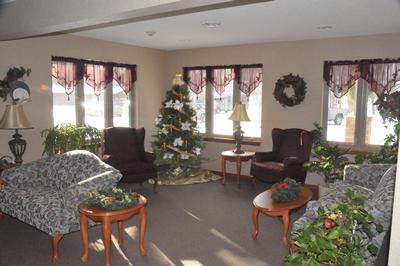
How is Glenoaks Senior Living Campus Staffed?
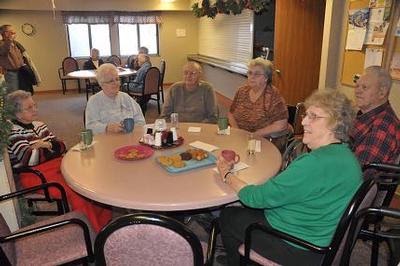
CMS rates Glenoaks Senior Living Campus's staffing level at 3 out of 5 stars, which is average compared to other nursing homes. Staff turnover is 63%, which is 17 percentage points above the Minnesota average of 46%. High turnover can affect care consistency as new staff learn residents' individual needs. RN turnover specifically is 62%, which is notably high. RNs provide skilled clinical oversight, so turnover in this role can affect medical care quality.

What Have Inspectors Found at Glenoaks Senior Living Campus?

State health inspectors documented 63 deficiencies at Glenoaks Senior Living Campus during 2022 to 2025. These included: 4 Immediate Jeopardy (the most serious level, indicating potential for serious harm or death), 1 that caused actual resident harm, 55 with potential for harm, and 3 minor or isolated issues. Immediate Jeopardy findings are rare and represent the most serious regulatory concerns. They require immediate corrective action.

Who Owns and Operates Glenoaks Senior Living Campus?

Glenoaks Senior Living Campus is owned by a for-profit company. For-profit facilities operate as businesses with obligations to shareholders or private owners. The facility is operated by CAMPBELL STREET SERVICES, a chain that manages multiple nursing homes. With 52 certified beds and approximately 29 residents (about 56% occupancy), it is a smaller facility located in NEW LONDON, Minnesota.

How Does Glenoaks Senior Living Campus Compare to Other Minnesota Nursing Homes?

Compared to the 100 nursing homes in Minnesota, Glenoaks Senior Living Campus's overall rating (1 stars) is below the state average of 3.2, staff turnover (63%) is significantly higher than the state average of 46%, and health inspection rating (1 stars) is much below the national benchmark.

What Should Families Ask When Visiting Glenoaks Senior Living Campus?

Based on this facility's data, families visiting should ask: "What changes have been made since the serious inspection findings, and how are you preventing similar issues?" "How do you ensure continuity of care given staff turnover, and what is your staff retention strategy?" "Can I visit during a mealtime to observe dining assistance and food quality?" "How do you handle medical emergencies, and what is your hospital transfer rate?" These questions are particularly relevant given the facility's Immediate Jeopardy citations and the facility's high staff turnover rate.

Is Glenoaks Senior Living Campus Safe?

Based on CMS inspection data, Glenoaks Senior Living Campus has documented safety concerns. Inspectors have issued 4 Immediate Jeopardy citations (the most serious violation level indicating risk of serious injury or death). The facility has a 1-star overall rating and ranks #100 of 100 nursing homes in Minnesota. Families considering this facility should ask detailed questions about what corrective actions have been taken since these incidents.

Do Nurses at Glenoaks Senior Living Campus Stick Around?

Staff turnover at Glenoaks Senior Living Campus is high. At 63%, the facility is 17 percentage points above the Minnesota average of 46%. Registered Nurse turnover is particularly concerning at 62%. RNs handle complex medical decisions and coordinate care — frequent RN changes can directly impact care quality. High turnover means new staff may not know residents' individual needs, medications, or preferences. It can also be disorienting for residents, especially those with dementia who rely on familiar faces. Families should ask: What is causing the turnover? What retention programs are in place? How do you ensure care continuity during staff transitions?

Was Glenoaks Senior Living Campus Ever Fined?

Glenoaks Senior Living Campus has been fined $66,366 across 5 penalty actions. This is above the Minnesota average of $33,743. Fines in this range indicate compliance issues significant enough for CMS to impose meaningful financial consequences. Common causes include delayed correction of deficiencies, repeat violations, or care failures affecting resident safety. Families should ask facility leadership what changes have been made since these penalties.

Is Glenoaks Senior Living Campus on Any Federal Watch List?

Glenoaks Senior Living Campus is not on any federal watch list. The most significant is the Special Focus Facility (SFF) program, which identifies the bottom 1% of nursing homes nationally based on persistent, serious quality problems. Not being on this list means the facility has avoided the pattern of deficiencies that triggers enhanced federal oversight. This is a positive indicator, though families should still review the facility's inspection history directly.