PRESBYTERIAN HOMES OF NORTH OAKS


5919 CENTERVILLE ROAD, NORTH OAKS, MN 55127 (651) 765-4063
Non profit - Corporation 60 Beds PRESBYTERIAN HOMES & SERVICES Data: November 2025
Trust Grade
85/100
#65 of 337 in MN
Last Inspection: September 2024

Within standard 12-15 month inspection cycle. Federal law requires annual inspections.

Overview

Presbyterian Homes of North Oaks has a Trust Grade of B+, which means it is above average and recommended for families seeking care. It ranks #65 out of 337 facilities in Minnesota, placing it in the top half, and #3 out of 27 in Ramsey County, indicating there are only two better options locally. However, the facility has shown a worsening trend, with issues increasing from 3 in 2022 to 5 in 2024. Staffing is a strength, rated 5 out of 5 stars, but turnover is at 49%, which is average compared to the state average of 42%. Notably, there were no fines reported, which is a positive sign, and the facility provides more RN coverage than many others, helping to catch potential problems. However, specific incidents raised concerns, such as a resident who fell and sustained injuries due to inadequate supervision during transfers and a failure to hold necessary care conferences to involve families in care planning. Overall, while there are strengths in staffing and no fines, the recent increase in issues and specific incidents of concern should be carefully considered by families.

Trust Score
B+
85/100
In Minnesota
#65/337
Top 19%
Safety Record
Moderate
Needs review
Inspections
Getting Worse
3 → 5 violations
Staff Stability
⚠ Watch
49% turnover. Above average. Higher turnover means staff may not know residents' routines.
Penalties
✓ Good
No fines on record. Clean compliance history, better than most Minnesota facilities.
Skilled Nurses
✓ Good
Each resident gets 56 minutes of Registered Nurse (RN) attention daily — more than average for Minnesota. RNs are trained to catch health problems early.
Violations
○ Average
8 deficiencies on record. Average for a facility this size. Mostly minor or procedural issues.
★★★★★
5.0
Overall Rating
★★★★★
5.0
Staff Levels
★★★★☆
4.0
Care Quality
★★★★☆
4.0
Inspection Score
Stable
2022: 3 issues
2024: 5 issues

The Good

  • 5-Star Staffing Rating · Excellent nurse staffing levels
  • 4-Star Quality Measures · Strong clinical quality outcomes
  • Full Sprinkler Coverage · Fire safety systems throughout facility
  • No fines on record

Facility shows strength in staffing levels, quality measures, fire safety.

The Bad

Staff Turnover: 49%

Near Minnesota avg (46%)

Higher turnover may affect care consistency

Chain: PRESBYTERIAN HOMES & SERVICES

Part of a multi-facility chain

Ask about local staffing decisions and management

The Ugly 8 deficiencies on record

1 actual harm
Sept 2024 4 deficiencies
CONCERN (D)

Potential for Harm - no one hurt, but risky conditions existed

Deficiency F0657 (Tag F0657)

Could have caused harm · This affected 1 resident

**NOTE- TERMS IN BRACKETS HAVE BEEN EDITED TO PROTECT CONFIDENTIALITY** Based on interview and document review, the facility failed to hold, at a minimum, quarterly care conference meetings with the r...

Read full inspector narrative →
**NOTE- TERMS IN BRACKETS HAVE BEEN EDITED TO PROTECT CONFIDENTIALITY** Based on interview and document review, the facility failed to hold, at a minimum, quarterly care conference meetings with the resident and their representative to allow the resident and/or representative the opportunity to review and participate in the revision of the care plan for 1 of 2 residents (R13) reviewed for care conferences. Findings include: R13's quarterly Minimum Data Set (MDS), dated [DATE], indicated R13 was admitted to the care facility on 8/28/24 and was cognitively intact. R13's electronic medical record (EMR) indicated the most current care conference was documented on 1/23/24. The care conference note, dated 1/23/24, indicated the care conference was held on 1/5/24 with R13's family, clinical staff, life enrichment, social services and R13 present. During an interview on 9/26/24 at 8:04 a.m., nurse manager and registered nurse (RN)-A confirmed R13 had not had a care conference since the documented care conference on 1/5/24. RN-A stated there had been a care conference set up but R13's representative was unavailable and it fell through the cracks. RN-A further stated regular care conferences were important to keep families up to date on how the resident was doing. During an interview on 9/23/24 at 2:00 p.m., R13 was unable to state when he last attended a care conference and appeared to have confusion on why he was still living at the care facility, stating multiple times he unsure why he lived at the care facility. During an interview on 9/25/24 at 12:30 p.m., social worker (SW)-A stated it was her role to schedule care conferences, and it was expected to hold a care conference for each resident at admission, quarterly and if a resident had a change in condition. SW-A stated she would reach out to the resident's family (representative), typically via email, set a date and time for the care conference and ensure staff and family were aware. During a follow up interview on 9/25/24 at 2:30 p.m., SW-A confirmed there had not been a documented care conference for R13 since 1/5/24. SW-A stated she and the nurse manager helped arrange a video call between R13 and family on Fridays, stating the nurse manager sat in on one but it was not documented. A facility policy titled Care Plan Policy and Procedure, modified 11/22, indicated a resident's care plan would be reviewed at least quarterly and with any significant change and would not be complete until a care conference was held to review with the resident and/or resident representative.
CONCERN (D)

Potential for Harm - no one hurt, but risky conditions existed

Deficiency F0688 (Tag F0688)

Could have caused harm · This affected 1 resident

**NOTE- TERMS IN BRACKETS HAVE BEEN EDITED TO PROTECT CONFIDENTIALITY** Based on interview, and document review, the facility failed to implement interventions to prevent further development of decrea...

Read full inspector narrative →
**NOTE- TERMS IN BRACKETS HAVE BEEN EDITED TO PROTECT CONFIDENTIALITY** Based on interview, and document review, the facility failed to implement interventions to prevent further development of decreased range of motion for 3 of 4 residents (R2, R4, and R28) reviewed for positioning and mobility. Findings include: R2's quarterly Minimum Data Set (MDS) dated [DATE], indicated R2 was admitted to the facility on [DATE] and had a moderate cognitive impairment and the following diagnoses: Hypertension (HTN) (high blood pressure), diabetes, hyperlipidemia (HLD) (elevated levels of fat in the blood), Parkinson's disease, epilepsy (seizure disorder), anxiety and depression. R2's Care plan dated 9/26/24, included an ambulation program to walk 400 feet with assistance twice a day. An active range of motion (ROM) program for bilateral (both sides) upper extremities five repetitions twice daily. Finally, an active ROM program to bilateral upper and lower extremities daily. The facility document R2's Tasks dated 9/26/24, where staff document the completion of tasks, included an ambulation program to walk 400 feet with assistance twice a day. An active ROM program for bilateral upper extremities five repetitions twice daily. Finally, a ROM program to bilateral upper and lower extremities 10 times daily. R2's Follow-up question report dated 7/26/24 through 9/24/24, included the documentation for the ROM program for bilateral upper extremities to be completed with five repetitions twice daily. For the 60 days reviewed and 120 documentation opportunities the following information was documented: Task completed: 45/120 Not applicable: 40/120 Resident Refused: 30/120 Missed/No documentation: 5/120 R2's follow up question report dated 7/26/24 through 9/24/24, included the documentation for the ambulation program to be completed twice daily. For the 60 days reviewed and 120 documentation opportunities the following information was documented: Task completed: 56/120 Not applicable: 33/120 Resident Refused: 25/120 Missed/No documentation: 6/120 R2's Follow up question report dated 8/26/24 through 9/24/26, included the documentation for the ROM program to bilateral extremities 10 repetitions daily. For the 30 days reviewed and 30 documentation opportunities the following information was documented: Task completed: 20/30 Not applicable: 7/30 Resident Refused: 2/30 Missed/No documentation: 1/30 R2's medical record lacked any documentation as to why the program was not completed or the rational for not applicable being documented. R4's quarterly MDS dated [DATE], indicated R4 was admitted to the facility on [DATE] and had a severe cognitive impairment and the following diagnoses: Alzheimer's, depression, and psychotic disorder. R4's care plan dated 9/26/24, indicated a ROM program to be completed daily to bilateral lower extremities. The facility document, R4's Tasks dated 9/26/24, included a ROM program for 10 repetitions to bilateral upper extremities to be completed daily and a passive ROM program to lower extremity 10 repetitions daily. R4's occupational therapy (OT) Discharge summary dated [DATE], indicated discharge recommendations to complete daily ROM to bilateral upper extremities. R4's Follow up question report dated 7/26/24 through 9/24/26, included the documentation for the ROM to bilateral upper extremities 10 repetitions daily. For the 60 days reviewed and 60 documentation opportunities the following information was documented: Task completed: 43/60 Not applicable: 12/60 Resident Refused: 4/60 Missed/No documentation: 1/60 R4's Follow up question report dated 7/26/24 through 9/24/26, included the documentation for the ROM to bilateral lower extremities 10 repetitions daily. For the 60 days reviewed and 60 documentation opportunities the following information was documented: Task completed: 43/60 Not applicable: 14/60 Resident Refused: 2/60 Missed/No documentation: 1/60 R4's medical record lacked any documentation as to why the program was not completed or the rational for not applicable being documented. R28's quarterly MDS dated [DATE], indicated R28 was admitted to the facility on [DATE] and had a moderate cognitive impairment and the following diagnoses: cerebral vascular accident (CVA) (stroke), HTN, gastroesophageal reflux disease (GERD), HLD, thyroid disorder, hemiplegia or hemiparesis (unable to use or more one side of the body), and depression. R28's Care plan dated 9/26/24, included a passive range of motion program for the left upper extremity with 10 repetitions daily. A passive ROM program to the left lower extremity with 20 repetitions daily. The facility document R28's Tasks dated 9/26/24, included a ROM program for 10 repetitions to left upper extremity to be completed daily and a ROM program to lower left extremity 20 repetitions daily, and a passive ROM program to the left hand to be completed three times daily. R28's OT Discharge summary dated [DATE], indicated discharge recommendations to complete daily gentle ROM before and after removing R28's left hand splint. R28's Follow up question report dated 7/26/24 through 9/24/26, included the documentation for the ROM to the left upper extremity 10 repetitions daily. For the 60 days reviewed and 60 documentation opportunities the following information was documented: Task completed: 25/60 Not applicable: 19/60 Resident Refused: 14/60 Missed/No documentation: 2/60 R28's Follow up question report dated 7/26/24 through 9/24/26, included the documentation for the ROM to the left lower extremity 20 repetitions daily. For the 60 days reviewed and 60 documentation opportunities the following information was documented: Task completed: 20/60 Not applicable: 24/60 Resident Refused: 14/60 Missed/No documentation: 2/60 R28's Follow up question report dated 7/26/24 through 9/24/26, included the documentation for the ROM to the left hand three times daily. For the 60 days reviewed and 180 documentation opportunities the following information was documented: Task completed: 37/180 Not applicable: 47/180 Resident Refused: 31/180 Missed/No documentation: 65/180 R28's medical record lacked any documentation as to why the program was not completed or the rational for not applicable being documented. On 9/25/24 at 1:12 p.m., the nursing assistant (NA)-A stated the NA's usually completed the ROM programs with the residents based on the directions they have on their care sheets, and would sometimes put not applicable if they did not have time to complete the ROM or if it was not completed. On 9/25/24 at 12:04 p.m., registered nurse (RN)-B stated the NA's were responsible for completing the ROM programs, and would sometimes put not applicable if the resident was not on the unit or if it was not completed. On 9/25/24 at 12:55 p.m., the RN clinical coordinator, RN-C stated the NA's were responsible for completing the ROM program and walking programs. RN-C stated their expectation was if the program was scheduled for daily, twice, or three times daily it should have been completed as often. RN-C confirmed that R2, R4, and R28's ROM programs were not being completed as ordered. RN-C stated further there was really no reason for not applicable to be documented, either there was not enough time to complete the ROM or it was not completed. On 9/26/24 at 8:34 a.m., the director of nursing (DON) confirmed that R2, R4, and R28's ROM programs were not being completed as ordered, and they expected the ROM programs for all residents to be completed every day as ordered. The DON confirmed the importance of completing the ROM programs for residents to maintain their level of functioning and to prevent contractures and maintain their ability levels. The Range of Motion policy was requested and it was not provided.
CONCERN (D)

Potential for Harm - no one hurt, but risky conditions existed

Drug Regimen Review (Tag F0756)

Could have caused harm · This affected 1 resident

**NOTE- TERMS IN BRACKETS HAVE BEEN EDITED TO PROTECT CONFIDENTIALITY** Based on interview and document review, the facility failed to act upon the consultant pharmacist's recommendation for 1 of 5 re...

Read full inspector narrative →
**NOTE- TERMS IN BRACKETS HAVE BEEN EDITED TO PROTECT CONFIDENTIALITY** Based on interview and document review, the facility failed to act upon the consultant pharmacist's recommendation for 1 of 5 residents (R11) reviewed for unnecessary medications. Findings include: R11's quarterly Minimum Data Set (MDS) dated [DATE], identified R11 with diagnoses of heart failure, diabetes, dementia, and anxiety and documented R11 receiving High-Risk Drug Classes of antipsychotic, antianxiety, antidepressant, opioid, antiplatelet, and hypoglycemic medications. Also, the MDS documented R11 receiving antipsychotic on a routine and as needed (PRN) basis. In addition, the MDS documented R11 on hospice. Insulin R11's physician orders (PO) dated 8/24/24 documented, Humalog Injection Solution (fast acting insulin that lowers blood sugar in adults and children with diabetes) 100 UNIT/ML (milliliter), Inject as per sliding scale (adjusting the insulin dose based on blood glucose level) : if 200-250=2 units; 251-300=3 units; 301-350=4 units, 351-400= 5 units Call Hospice for BG>400, subcutaneously before meals for Sliding Scale to be given in addition to Scheduled 6 units SQ (subcutaneous-injection of medication between skin and muscle) TID (three times per day) before meals. R11's PO dated 9/13/24 documented, Lorazepam Oral Tablet 0.5 mg (milligram), Give 0.5 mg by mouth three times a day for Anxiety AND Give 0.5mg by mouth every 2 hours as needed (PRN) for Anxiety for 30 days. Sliding Scale Insulin R11's electronic medical record (EMR) progress note (PN) titled Pharmacy Monthly Medication Review (MMR)-Recommendation dated 5/13/24 documented, Medication regimen reviewed. See communication with MD and/or Nursing regarding: SSI (sliding scale insulin) . R11's Consultant Pharmacist Communication to Physician (CPCP) form dated 5/13/24 documented: HOSPICE resident has orders for Sliding Scale Insulin (SSI). AGS Beers criteria places SSI under the Strongly 'Avoid' category, due to the: 'Higher the risk of hypoglycemia without improvement in hyperglycemia management regardless of care setting.' CMS considers hypoglycemia an adverse event as it can contribute to falls and has been one of the top reasons for hospital readmissions. CMS guidelines suggest that continued or long-term need for sliding scale insulin for non-emergency coverage may indicate inadequate blood sugar control' and would result in increased scrutiny. Benefits of moving away from SSI: -Reduced hypoglycemic episodes -Reduced falls -Reduced hospital re-admission -Reduced facility cost -Reduced staff time -Reduced potential F-tags during surveys -Improved patient convenience & quality of life Would you please assess if we could increase basal insulin to limit/eliminate SSI use? Document marked by Other and handwritten managed by Allina Endocrinology-Dr Ibid. Document signed by provider with date of 9/24/2024. Ativan R11's EMR PN titled Pharmacy MMR-Recommendation dated 6/11/24 documented, Medication regimen reviewed. See communication with MD and/or Nursing regarding: Ativan. R11's CPCP form dated 5/13/24 documented: Has orders for PRN Ativan Beers list (a medication guideline from the American Geriatrics Society to help providers safely prescribe medications for adults over age [AGE]) states: 'Avoid benzodiazepines (any type) for treatment of insomnia, agitation, or delirium. Older adults have increased sensitivity to benzodiazepines and decreased metabolism of long-acting agents. In general, all benzodiazepines increase the risk of cognitive impairment, delirium, falls, fractures, and motor vehicle accidents in older adults. May be appropriate for seizure disorders, rapid eye movement sleep disorders, benzodiazepines withdrawal, ethanol withdrawal, severe generalized anxiety disorder, periprocedural anesthesia, and end-of-life care.' ***New CMS guidelines*** state that for non-antipsychotic psychotropic drugs (anxiolytics, hypnotics .), PRN use should be limited to 14 days UNLESS the prescriber documents the rationale for a longer duration of use in the resident's medical record, an indicated the duration for the PRN order. The CPCP was signed by provider on 9/24/24 with clinical indication for use. During interview with director of nursing (DON) on 9/24/24 at 3:50 p.m., DON verified R11's 5/13/24 and 6/11/24 CPCP forms were scanned into the EMR but not signed by physician or provider as having been reviewed. I don't know why there is not one [sic] I cannot find it. During interview with DON on 9/25/25 at 9:12 a.m., DON provided surveyor with 5/13/24 and 6/11/24 CPCP forms that were signed by the nurse practitioner (NP) on 9/24/24. During interview with consultant pharmacist (CP) on 9/25/24 at 10:03 a.m., CP stated he is on-site at least once a month and talks to staff about any medication concerns. CP stated his process for monthly medication reviews (MMR) is to review with staff any concerns about medication management and he then documents in the CPCP form what his recommendations are. The form will then be provided to the DON who will follow up by faxing it or providing it to the provider for a signed response. After a signed response is obtained from the provider then the order is updated in the EMR, and the signed form is downloaded into the residents EMR. CP stated, I do not communicate with the hospice provider, and I do not communicate with Endocrinology. It is up to the facility to make sure they are doing it [forwarding the recommendations to the appropriate provider]. CP stated they were unaware the 5/13/24 and 6/11/24 MRR's were not signed by provider until 9/24/24. During interview with NP on 9/26/24 at 9:31 a.m., NP stated the process for her responding to the monthly pharmacist recommendations is the facility provides her a stack of CPCP forms once a month to review. NP stated the facility will receive the signed CPCP forms from her, and the facility will then update the orders in the EMR and scan the form into the EMR. If a resident is on hospice, then the hospice provider and NP work together to collaborate on a response. NP stated if the facility has difficulty getting a response from outside providers or hospice then she is asked to review the CPCP form. NP stated she was out of town in May of 2024 and the hospice provider was out of town in June of 2024 which, could explain the lack of response for the 5/13/24 and 6/11/24 MRR's. NP verified she was provided the 5/13/24 and 6/11/24 CPCP forms by the facility to review and signed them on 9/24/24. NP also stated the endocrinologist mentioned in the 6/11/24 CPCP form was no longer involved in managing R11's insulin and that the hospice provider and NP are now managing it. During interview with DON on 9/26/24 at 9:51 a.m., DON stated it was the facility's responsibility to forward the monthly CPCP forms to the appropriate provider to review and expect a response. DON stated he did not know why the 5/13/24 and 6/11/24 CPCP forms were not signed or forwarded to NP and the hospice provider to review before 9/24/24 but that it should have been. Facility policy titled Psychotropic and Unnecessary Medication Use modified July 2024 state, All pharmacist recommendations will be reviewed with the primary physician/NP prior to implementation and with a physician's order.
MINOR (C)

Minor Issue - procedural, no safety impact

Deficiency F0575 (Tag F0575)

Minor procedural issue · This affected most or all residents

Based on observation, interview and document review the facility failed to post accessible contact information of all pertinent State agencies or Ombudsman information for 4 or 4 residents (R12, R20, ...

Read full inspector narrative →
Based on observation, interview and document review the facility failed to post accessible contact information of all pertinent State agencies or Ombudsman information for 4 or 4 residents (R12, R20, R46, and R47), who routinely attend resident council. This had the potential to affect all 52 residents who resided in the facility. Findings include: During the resident council meeting held on 9/25/24 at 10:01 a.m., with a state surveyor, R12, R20, R46, and R47 participated and indicated they were regular attendees of the Resident Council meetings in the facility. Upon asking, R12, R20, R46, R47 stated they were unaware of who the ombudsman was and did not know where the ombudsman information was located or posted in the building. While on survey in the facility from 9/23/24 through 9/26/24, no posting or contact information for the Ombudsman was observed or noted within the facility or on the additional units of the nursing home and were not accessible to the residents to view or read. On 9/25/24 at 2:40 p.m., the director of Nursing (DON) and the administrator confirmed the Ombudsman contact information was not posted. Both the DON and the administrator stated they believed social services had the information; however, it was not posted or visibly readable or accessible by the residents or visitors unless they were to ask for it. On 9/25/24 at 2:58 p.m., during an additional interview, the administrator provided the contact business card/handout for the ombudsman and confirmed again the information was not posted in the facility. On 9/26/24 at 8:34 a.m., the DON confirmed the ombudsman contact information was not posted and was important to post and provide contact information as the Ombudsman was an advocated for the resident and should be available to them as a support system. A policy regarding the Ombudsman information was requested and none was provided.
Feb 2024 1 deficiency 1 Harm
SERIOUS (G) 📢 Someone Reported This

A family member, employee, or ombudsman was alarmed enough to file a formal complaint

Actual Harm - a resident was hurt due to facility failures

Accident Prevention (Tag F0689)

A resident was harmed · This affected 1 resident

**NOTE- TERMS IN BRACKETS HAVE BEEN EDITED TO PROTECT CONFIDENTIALITY** Based on interview and document review, the facility failed to comprehensively assess and provide the provision of supervision o...

Read full inspector narrative →
**NOTE- TERMS IN BRACKETS HAVE BEEN EDITED TO PROTECT CONFIDENTIALITY** Based on interview and document review, the facility failed to comprehensively assess and provide the provision of supervision of self transfer to prevent and/or mitigate the risk of falls for 1 of 3 residents (R2) who had a history of falls. This resulted in actual harm for R2 who fell and sustained back and rib fractures. Findings include: R2's Minimum Data Set (MDS) dated [DATE], indicated R2 was a [AGE] year-old admitted on [DATE] with diagnoses including dementia, diabetes, history of transient ischemic attack (temporary disruption of blood flow to the brain), muscle weakness, difficulty in walking, unsteadiness on feet, other abnormalities of gait and mobility, weakness, and repeated falls. R2's Brief Interview for Mental Status score was 11, indicating moderate cognitive impairment. R2 utilized a wheelchair, required substantial assistance with toileting hygiene, and moderate assistance with bed mobility and transfers. Walking was not attempted due to medical condition or safety concerns. R2 was frequently incontinent of bowel and bladder. R2's care plan dated 1/4/24, identified a focus on falls and noted resident is at risk for falls related to impaired cognition secondary to dementia, impaired balance during transitions, impaired gait, and history of repeated falls, activity intolerance secondary to chronic lung disease and hypertension, potential medication side effects. Other contributing factors noted were lower back pain, sleeplessness, frequently waking up to use the bathroom, and frequent independent transfers. Current fall interventions included: -alert/orient resident to changes in environment routine and caregivers, -keep call light within reach and encourage use as needed, -complete fall risk assessment/evaluation quarterly and as needed, -check post-void residual as needed (amount of urine still in bladder after urinating), -encourage participation in activities that promote exercise and physical activity for strengthening and improved mobility such a physical and occupational therapies, ensure proper footwear is worn, -evaluate effectiveness of interventions on an ongoing basis, follow facility fall protocol, -give pain medication as ordered, -put motion sensor light in bathroom, -monitor for acute illness, -no repositioning sheet in bed, -pharmacy consultant review of medications at least monthly, -put night light near bed, -answer call light promptly, -place wheelchair with wheels locked next to bed when resident in bed, -physical therapy evaluation and treatment as needed, -remove clutter from room and keep a clear path to the bathroom, and noted to also see R2's care plan for activities of daily living (ADLs), mobility, and toileting. -Related ADL interventions included assist of one with dressing grooming and hygiene, and encourage/remind resident to use call light. -Related mobility interventions included active range of motion exercises of both lower extremities daily, resident preference to get up and do morning ADLs between 6:00 a.m. and 7:00 a.m., use of regular draw sheets on bed to prevent sliding off bed, and assistance of one with a gait belt for all transfers. -Related toileting interventions included assistance with toileting and repositioning every two to three hours during waking hours and on all overnight rounds, last revised on 11/9/23. R2's electronic health record (EHR) included documentation of repeated falls since admission. R2's EHR included Falls Follow Up Forms from 6/3/23, 6/6/23, 6/22/23, 7/16/23, 7/17/23, 8/3/23, 9/16/23, 9/27/23, 10/1/23, 10/9/23, 10/28/23, 11/9/23, 11/28/23, 12/11/23, 12/14/23, 1/9/24, and 1/13/24. A progress note dated 12/31/23 at 12:04 p.m. indicated an additional fall on that date. In review of R2's fall records at least 7 of the falls involved toileting; 6/3/23, 7/16/23, 8/3/23, 9/27/23, 10/9/23, 11/9/23, and 1/9/24. R2's Resident Occurrence Report completed by registered nurse (RN)-A and licensed practical nurse (LPN)-A dated 12/14/23, indicated R2 was found on the floor in her room at 1:10 p.m. on 12/14/23. R2 was last observed at 1:00 p.m. when transferred from bed to chair by RN-A. The last time R2 was toileted was unknown. The resident statement indicated R2 was trying to reach the remote control. The analysis of the cause of the occurrence was R2 was unable to demonstrate call light use. The action to minimize reoccurrence was checking on R2 every 15 minutes. Suggestions to prevent this from occurring again noted the resident may benefit from having one-to-one assistance. R2's Falls Follow Up Form completed by registered nurse (RN)-A and licensed practical nurse (LPN)-A dated 12/14/23, indicated R2 fell on [DATE]. The analysis and summary of causal factors noted R2 continued to self-transfer. RN-A's short-term intervention was to check on R2 every 15 minutes. The long-term intervention noted by the director of nursing (DON) on 1/8/24 after inter-disciplinary team (IDT) review was rearrangement of R2's room to create a clear path to the bathroom. A progress note by RN-A dated 12/14/23 at 2:11 p.m., indicated the intervention based on root cause analysis of the fall was the resident is unable to follow directions for call light use. Frequent checks (was not defined) continued with resident to be brought to the bathroom. A fall follow up progress note for R2's fall on 12/14/23 dated 12/17/23 at 7:28 a.m., indicated R2 continued to self-transfer and attempted to self-transfer three times during the night. R2 was rounded on frequently (was not defined) to monitor for safety and needs. A progress note dated 12/18/23 at 5:10 a.m., indicated R2 attempted to self-transfer four times during the writer's shift and was rounded on frequently to monitor for safety and needs. A provider note by nurse practitioner (NP)-A dated 12/19/23, indicated R2 has a history of multiple falls, likely multifactorial and usually when R2 is attempting to self-transfer. The plan directed staff to continue to assist with ambulation to and from the dining room and bathroom and transfers, to continue frequent check-ins, and to monitor for falls. R1's care plan was not revised to include frequent check-in's per NP note on 12/19/24. R2's record did not indicate an assessment or evaluation to determine interventions to reduce R2's self-transfers thereby reducing R2's risk for falls. Additionally, the record did not include completed evaluation of the effectiveness of the 15-minute checks and/or the frequent monitoring that was not individualized or determined to identify how often R2 required increased supervision. A progress note dated 12/20/23 at 1:35 p.m., indicated the resident is unable to demonstrate call light use. A progress note dated 12/22/23 at 6:22 a.m., indicated R2 attempted to self-transfer to the bathroom three times during the writer's shift, was assisted to the bathroom, and was rounded on frequently (was not defined) to monitor for needs and safety. A progress note dated 12/26/23 at 12:29 p.m., indicated R2 was unable to demonstrate call light use. A progress note dated 12/26/23 at 10:13 p.m., indicated R2 self-transferred twice during the writer's shift and does not use the call light. A progress note dated 12/27/23 at 11:50 p.m., indicated R2 self-transferred three times during the shift and did not use the call light. A progress note dated 12/28/23 at 11:18 p.m., indicated R2 was found self-transferring four times and does NOT understand the call light. A progress note dated 12/31/23 at 12:04 p.m., indicated R2 attempted to use the restroom independently and fell in the morning. She did not use the call light for help and was found on the floor between her bed and armoire with her pants around her ankles. A Fall Follow Up Form for R2's 12/31/23 fall was not located in R2's EHR and no causal analsysis of the fall was evident. A progress note dated 1/2/24 at 2:05 p.m., noted the resident has a diagnosis of dementia with a poor ability to recall new learning or follow call light use directions. New interventions related to mobility and/or fall risk included frequent checks and offering toileting every two to three hours, checking on R2 on all rounds overnight and offering toileting when awake, putting wheelchair with brakes on next to bed, rearranging bedroom, and placing bed closer to the bathroom. A progress note dated 1/3/24 at 12:17 p.m., indicated R2 remained impulsive and did not demonstrate the ability to identify the need for call light use. An IDT follow up progress note dated 1/3/24 at 3:25 p.m., indicated a root cause analysis of resident fall in the bathroom with intervention of occupational therapy evaluating for bars from a commode base to be placed on R2's toilet to use for balance and to push up on when R2 self-transfers to the toilet. The date of the fall was not indicated and not evident R1's toileting schedule was re-evaluated for appropriateness. A progress note dated 1/8/24 at 3:59 p.m., indicated R2 self-transferred once during the writer's shift and interventions were minimally effective as the resident was not dissuaded from self-transferring. A progress note dated 1/8/24 at 9:50 p.m., indicated R2 self-transferred multiple times during the writer's shift and does not use call light despite continuing education and reminders. A fall progress note dated 1/9/24 at 7:23 a.m., indicated R2 was found on the floor returning from the bathroom without a wheelchair after self-transfer to the bathroom with a wheelchair. The intervention based on root cause analysis was 1:1 STAFFING WOULD BE MOST USEFUL - NOT AVAILABLE AT THIS TIME. An alternative intervention was not identified. R2's Resident Occurrence Report completed by RN-A dated 1/9/24, indicated R2 was found on the floor in her room on 1/9/24 at 6:45 a.m. The last observation of R2 prior to the fall was by nursing assistant (NA)-A at 6:30 a.m. when R2 was sleeping in bed with a wheelchair next to the bed. The last time R2 was toileted was not noted. The resident statement indicated R2 was trying to go to the bathroom and back to bed. The analysis of the cause of the occurrence was self-transfer to the toilet. The action to minimize reoccurrence noted new strategies were unable to be identified outside of one-to-one staff supervision. Suggestions to prevent this from occurring again were one-to-one staffing and noted frequent checks were inadequate and R2 was unable to follow directions. R2's Falls Follow Up Form completed by RN-A dated 1/9/24, indicated R2 fell on 1/9/24. The analysis and summary of causal factors noted R2 self-transferred for purpose of toileting without alerting staff, using a wheelchair to get to the bathroom and ambulating out of the bathroom without a wheelchair. RN-A's short-term intervention recommended one-to-one staff supervision. The long-term intervention noted by the director of nursing (DON) on 1/22/24 after IDT review was to continue to offer morning cares between 6:00 a.m. and 7:00 a.m. per resident preference. R1's record did not indicate an assessment or evaluation to determine interventions to reduce R1's self-transfers including re-assessment of R1's toileting time. A fall progress note by LPN-B dated 1/13/24 at 5:21 p.m., indicated R2 was found on the floor in her room between her bed and the bathroom on her left side with her left arm and leg underneath her body. Upon assessment R2 complained of pain, had unequal grip strength, could not move her left leg off the ground, and could not move her toes. R2 was sent to the hospital for further evaluation and treatment. R2's Resident Occurrence Report completed by LPN-B dated 1/13/24, indicated R2 was found on the ground between her bed and the bathroom at 4:40 p.m. on 1/13/24. Prior to the fall, R2 was last observed at 4:00 p.m. sleeping in bed when NA-B checked on R2 after R2 refused toileting offered at 3:30 p.m. The resident statement indicated R2 was going to the bathroom when she fell. The action to minimize reoccurrence and suggestions to prevent this from occurring again sections were not completed. R2's Falls Follow Up Form by LPN-B dated 1/13/24, indicated R2 fell at 4:40 p.m. on 1/13/24. The analysis and summary of causal factors noted R2 self-transferred, had no grippy socks, and did not use the call light. The short-term intervention was sending R2 to the hospital. A note dated 2/5/24 on the form from the DON after IDT review indicated R2 returned from the hospital with orders for physical and occupational therapies. The IDT would continue to evaluate R2's progress with therapy and update the plan of care as appropriate. A provider note dated 1/18/24, indicated R2 was admitted to hospital on [DATE] for evaluation after an unwitnessed fall at the facility. Imaging revealed a lumbar vertebral fracture and two rib fractures. R2 transferred back to the facility on 1/17/24 and was discharged from the hospital with a thoracic lumbar sacral orthosis (TLSO) (a mid to lower back brace) to wear for three months. R2's NA care sheet for 2/7/24, indicated that R2 was a fall risk and instructed NAs to perform safety checks at the beginning and end of their shifts, take R2 to the bathroom every two to three hours while awake and on all overnight rounds, and to leave wheelchair with wheels locked next to R2's bed when in bed for self-transfers/falls. In an interview on 2/5/24 at 12:40 p.m., trained medication aide (TMA)-A stated R2 self-transfers and is a fall risk, so staff put her call light right next to her in bed and put her wheelchair next to her bed with the brakes locked. TMA-A stated R2's care plan was to offer toileting every two hours and he tried to monitor R2 more frequently because R2 is a fall risk. TMA-A did not articulate how frequent was frequent. In an interview on 2/5/24 at 1:05 p.m., NA-C stated R2 fell a lot and did not say when she needed to be changed or toileted. R2 did not know how to use the call light at all and tried to self-transfer when in her room. NA-C stated R2's wheelchair was placed at bedside with the bed in low position in case R2 tried to get up. In an interview on 2/5/24 at 2:01 p.m., family member (FM)-A stated R2 had fallen in the past while trying to go to the bathroom. Sometimes R2 had to wait to go to the bathroom and tried to go by herself. R2 did not like to wait, she goes when she wanted to go. When R2 was asked if she needed to go to the bathroom she might say yes and might say no, sometimes she said no and then had to go a few minutes later. In an interview on 2/7/24 at 9:21 a.m., RN-A stated R2 has an inability to retain new learning and education and reminders about using the call light have not been effective. RN-A stated she did not believe it was appropriate to have call light use as a fall intervention because it was not effective, and education was not an appropriate intervention if R2 was unable to learn. R2 could not use it and did not use it. R2 did not refuse cares when offered but was impulsive and had toileting every two hours in her care plan. RN-A stated she wrote R2 needs one-to-one staff supervision on a recent fall report. RN-A reported that she had not seen any changes in how R2 was monitored or supervised since completing the report and believed R2's fall with injury on 1/13/24 could have been prevented with more supervision. In an interview on 2/7/24 at 9:40 a.m., NA-D stated R2 ambulated with extensive assistance and transferred with an assist of one with a gait belt. R2 was a fall risk and interventions were on her care plan such as putting R2's wheelchair at bedside and the call light right next to her. NA-D stated toileting was offered to R2 every two to three hours and NA-D tried to check on R2 every hour. NA-D noted frequent checks would be considered checking on R2 hourly. In an interview on 2/7/24 at 9:50 a.m., TMA-A stated the frequency of checks on a resident depends on the resident's care plan. For R2, the toileting care plan said to check every two hours. In an interview on 2/7/24 at 9:57 a.m., NA-C stated frequent checks meant checking on a resident every half hour or so, at least every hour, but more if possible. Checking on a resident was looking at them to be sure they were okay and safe. In an interview on 2/7/24 at 10:28 a.m., NA-A stated R2 was a big fall risk and tends to self-transfer from her bed to the bathroom all the time. Staff tried to toilet her as much as possible so she did not self-transfer, R2 needed to be toileted every three to four hours. Staff kept R2's call light close by, wheelchair at bedside with brakes locked, and placed a motion sensor light in R2's bathroom. NA-A stated she had never seen R2 hold or push her call light, R2 did not refuse cares, R2 would get up and used the bathroom when she needed to. In an interview on 2/7/24 at 11:42 a.m., director of nursing (DON) stated when a resident had a fall with an injury the first question was to see if the plan of care was followed. The IDT met to review falls and made sure the plan of care was followed. If it was followed the IDT looked at what else could prevent the fall. The team considers what the recommendations were from the nurse and as a team we come up with interventions. Then after two weeks we review the fall again at the IDT meeting, go over what interventions were put in place, see if they are effective, and decide how to proceed. The fall risk assessment was the comprehensive assessment completed when the the resident was admitted . We review that as we get to know the resident and develop the care plan. If someone was a fall risk, we add the risks and interventions to the care plan and do the assessment every three months. DON stated R2 had approximately 14 to 15 falls since admission and fell frequently. For R2, nursing recommended one-to-one supervision, but DON did not offer that as an intervention because knew R2's family did not have resources. DON noted that the last revision to R2's toileting care plan was on 11/9/23 with the addition of an intervention to toilet R2 every two to three hours and on overnight rounds. DON stated the falls form from R2's 7/16/23 had a short-term intervention to continue hourly safety checks which staff could do but was not added to R2's care plan. DON explained there was an assessment of safety which included meeting a resident's needs but there was no separate assessment that determined supervision. To determine R2's level of supervision DON thought a sleep log was completed, pain management assessment, and the nurses and aides did safety checks at the beginning of their shifts. DON explained there were repeated recommendations from nursing to increase R2's supervision. DON stated I don't think it is practical to say someone will go in every half hour or every hour to check on [R2], it is not realistic. Checking on a resident frequently is not on care plans because if you say frequently you have to say how often, I can't tell the aides to check on the residents frequently without giving a time frame. DON believed the toileting every two to three hours that was currently in place was appropriate. After R2's fall on 1/9/24, the intervention was continuing the plan of care, DON was not sure why. We can continue the plan of care but continue to also reapproach the resident when offering toileting if they say they do not need to toilet at the time. DON believed R2 has used the call light or but not aware of how frequently she used it. DON stated an awareness R2's cognition was continuing to decline. In an interview on 2/7/24 at 3:45 p.m., NP-A stated numerous interventions have been tried regarding R2's falls but it seems like every intervention tried helps for a short period of time and R2 continues to not use the call light. R2 often says she wants to go back to bed, and it is tough to keep her up. NP-A thought trying to keep R2 in the common area more, having eyes on her more so R2 can't just climb out of bed would help. NP-A stated she could talk to R2's care team about how to have more eyes on her and not have R2 in bed the majority of the day so when R2 feels the need to get up she can be watched more closely by staff. NP-A stated staff do check-ins on R2 every two hours and believed staff should lay eyes on R2 every hour at least and make sure her basic needs are being met, especially during the day when she is more up and active. NP-A was not sure of the facility's availability but thought the facility was able to do that and it would be a good idea to step up those checks on R2. The facility's Fall Prevention and Management Program Policy dated April 2021 included the following: Clinical Coordinator or designee is responsible for implementation and oversight of individualized residents fall prevention care as follows: a.) Assessing fall risk upon admission, quarterly, with significant change in condition. b.) Determining risk for fall and establishing appropriate interventions in the care plan related to fall risk in the plan of care. c.) Implementing the interventions specific to fall risk data collection. d.) Supervising personnel in delivering safe and personalized care. e.) Evaluating the effectiveness of interventions in relation to the resident specific plan of care. f.) Collaborating with the interdisciplinary team in the prevention of falls. g.) Appropriately managing residents who experience a fall by implementing interventions to prevent further falls. h.) Complete and update fall tracking. Prevention Interventions/Strategies: a.) Environmental Safety - Environmental rounds will be completed monthly. b.) Nursing staff will implement interventions according to resident specific risk factors. c.) Medications will be reviewed monthly by the consulting pharmacist and quarterly by nursing staff. d.) Care plans will indicate the resident specific interventions to prevent falls. Post Fall Management: The staff nurse will review the Occurrence Report and will: i.) Assess all factors contributing to the fall event including intrinsic and extrinsic factors and which interventions were in place at the time of the fall using Falls Follow Up Form as a guideline. ii.) Recommend interventions and changes to plan of care to prevent a repeat fall. iii.) Communicate and document results.
May 2022 3 deficiencies
CONCERN (D)

Potential for Harm - no one hurt, but risky conditions existed

Quality of Care (Tag F0684)

Could have caused harm · This affected 1 resident

**NOTE- TERMS IN BRACKETS HAVE BEEN EDITED TO PROTECT CONFIDENTIALITY** Based on observation, interview and document review, the facility failed to follow an intervention to prevent bruising for 1 of ...

Read full inspector narrative →
**NOTE- TERMS IN BRACKETS HAVE BEEN EDITED TO PROTECT CONFIDENTIALITY** Based on observation, interview and document review, the facility failed to follow an intervention to prevent bruising for 1 of 2 residents (R26) reviewed for non-pressure related skin concerns. Findings include: R26's diagnoses included stroke affecting left side, chronic kidney disease, diabetes, and non-pressure chronic ulcer of the calf obtained from the admission record printed on 5/25/22. R26's quarterly Minimum Data Set (MDS) dated [DATE], indicated R26 had moderate cognitive impairment and required extensive assist of one staff for activities of daily living. R26's care plan with a revision date of 4/7/22, indicated R26 had venous stasis ulcers (abnormal vein function) on left shin and was at risk for further skin impairment due to diabetes, impaired mobility, edema (excessive fluid trapped in the body's tissue), aspirin use, chronic kidney disease, left sided stroke, and medication side effects. R26's care plan with an initiated date of 4/6/22, further indicated R26 was to wear geri-sleeves (a product that protects the resident's arms) or stockinette to bilateral hands/arms during the day and were to be removed at night. On 5/22/22, at 12:32 p.m. R26 was observed wearing a short sleeve shirt, no protective sleeves or stockinettes in place. R26 was observed having multiple bruises to bilateral arms, the bruises extended from the elbows to the top of her hands. R26 indicated not knowing where the bruises came from. On 5/24/22, at 10:56 a.m. R26 was observed wearing a short sleeve shirt with no protective sleeves or stockinettes in place. A Progress Note dated 5/19/22, indicated R26 had a 5.2 centimeter by 3 centimeter bruise to her right forearm. The Progress Note further directed R26 could wear geri-sleeves to bilateral upper arms. A Body Audit dated 5/17/22, indicated R26 had bruises to left and right forearms and that all bruises were at different stages of healing. During an interview on 5/24/22, at 10:57 a.m. nursing assistant (NA)-G indicated R26 had stockinettes for her legs but not for her arms. During an interview on 5/24/22, at 1:08 p.m. R26 indicated she had never been told to wear anything to her arms, or that she had to wear long sleeve shirts. R26 stated she preferred both short and long sleeve shirts. During an interview on 5/24/22, at 1:53 p.m. NA-G verified on the nursing assistant care sheets that R26 was to have geri-sleeves or stockinettes applied to her bilateral arms. NA-G then stated I have not seen them, but I will go look. NA-G then enters R26's room and asked do you ever wear geri-sleeves or long sleeves on your arm. R26 replied with yeah sometimes. NA-G then proceeded to look around R26's room and indicated she could not find any geri-sleeves or stockinettes for R26's arms. During an interview on 5/24/22, at 1:59 p.m. licensed practical nurse (LPN)-A indicated staff should be following the care plan, and should be attempting to put the geri-sleeves or stockinettes on R26 as the care sheets indicated. During an interview on 5/24/22, at 2:06 p.m. director of nursing (DON) indicated the geri-sleeves or stockinettes should be used or at least attempted to be applied to R26's arms. The facility's Skin Integrity Management Policy dated 6/21, directed a care plan will be developed or modified to reflect alterations in interventions and implementation of new interventions specific to the resident. The policy further directed the care plan interventions will be communicated to the appropriate staff via the nursing assistant assignment sheet or My Best Day and/or through report.
CONCERN (D)

Potential for Harm - no one hurt, but risky conditions existed

Pressure Ulcer Prevention (Tag F0686)

Could have caused harm · This affected 1 resident

**NOTE- TERMS IN BRACKETS HAVE BEEN EDITED TO PROTECT CONFIDENTIALITY** Based on observation, interview and document review the facility failed to reposition or off load a resident timely, who had an ...

Read full inspector narrative →
**NOTE- TERMS IN BRACKETS HAVE BEEN EDITED TO PROTECT CONFIDENTIALITY** Based on observation, interview and document review the facility failed to reposition or off load a resident timely, who had an unhealed pressure ulcer, without evidence of decline for 1 of 1 resident (R47) reviewed for pressure ulcers. Findings include: R47's annual Minimum Data Set (MDS) dated [DATE], indicated R47 was severely cognitively impaired and required extensive assistance by two staff for bed mobility, transfers and toileting. R47's MDS further indicated R47 was always incontinent of both bowel and bladder. R47's diagnoses included dementia, Meningioma (noncancerous tumor involving the brain and spinal cord), major depressive disorder, anxiety, seizures, weakness and dorsalgia (spinal/back pain). R47's Pressure Ulcer Care Area Assessment (CAA) dated 4/19/22, indicated R47 required assistance for bed mobility, pressure ulcer and incontinence and had a stage 3 (full-thickness skin loss) pressure ulcer on coccyx. R47's CAA further indicated Braden score 13 indicating risk for skin breakdown. R47's care plan (CP) last revised 5/12/22, indicated R47 had a pressure injury to coccyx and was at risk for further impaired skin integrity due to a history of impaired skin, decreased mobility, decreased nutritional intake, weight loss, cognitive impairment, palliative cares, med SEs [medication side effects], incontinence/moisture, advanced age and Braden score indicating risk. R47's CP directed staff to check or change brief and reposition every three hours. R47's Skin and Wound Evaluation dated 5/18/22, indicated R47 had a stage 3 pressure ulcer on coccyx with progress noted as stable. Treatments listed include wound cleanser, dressing, cushion, incontinence management, mattress with pump, nutrition/dietary supplementation, and turning/repositioning program. R47's Skin and Wound Evaluation dated 5/25/22, indicated R47 had a stage 3 pressure ulcer on coccyx with progress noted as stable. Treatments listed include wound cleanser, dressing, cushion, incontinence management, moisture barrier, mattress with pump, nutrition/dietary supplementation, and turning/repositioning program. The Maple Ridge unit nurse aide care sheet (CS) last updated 5/16/22, indicated R47 required assistance of two staff using a full lift for transfers. The CS directed staff to toilet and reposition R47 every three hours. The CS's attached Toilet/Reposition Tracking Sheet for 5/23/22, indicated R47 was toileted and repositioned at 8:05 a.m. and 11:00 a.m. On 5/23/22, at 11:17 a.m. R47 was observed sitting up in wheelchair (WC) in room, fully dressed and groomed. During continuous observation on 5/23/22, from 11:56 a.m. to 3:23 p.m., R47 was not repositioned timely. -At 11:56 p.m. R47 was pushed into the dining room in WC for lunch. -At 12:39 p.m. nursing assistant (NA)-D pushed R47 back to room and overheard asking R47 if he wanted to return to bed. R47 stated he did want to lay in bed. NA-D told R47 that since he was an assist of two staff for transfers, she would go get help and return. R47 asked how long it would take and NA-D stated someone would return in five minutes or so. R47's door was left open. -At 1:02 p.m. trained medication aide (TMA)-A walked to refrigerator in small dining room across from R47's room. TMA-A did not enter R47's room. -At 1:13 p.m. NA-F entered and sat in the small dining room across from R47's room and did not approach R47's room. -At 1:30 p.m. no staff had entered R47's room. R47 still sitting in WC. Room was dark and quiet. R47's eyes were closed, and he appeared to be sleeping. -At 1:39 p.m. NA-A entered R47's room and approached the small kitchen area of the room behind and to the right of where R47 sat. NA-A exited the room within 10 seconds and did not approach or speak to R47. When interviewed upon exit, NA-A stated she just had to drop something off in his room. -At 2:00 p.m. no staff had entered R47's room. R47 still sat in WC. -At 2:21 p.m. NA-B and NA-C walked down hallway and sat in common area just outside R47's room. NA-B stated they were reviewing care sheets left by the previous shift's staff. NA-B further stated typically they would talk to previous shift for report off, but if they do not see staff from previous shift will just look at care sheets. Today neither NA-B nor NA-C received verbal report from NA-A. -At 2:30 p.m. NA-B and NA-C leave common area and walk toward main dining area. No one approached or entered R47's room. - At 2:59 p.m. NA-B and NA-C exited a different resident's room and walked past R47's without entering R47's room. -At 3:16 p.m. no staff had entered R47's room. -At 3:19 p.m. NA-B and NA-C entered R47's room with a full mechanical lift, attached sling and prepared R47 for transfer to bed. -At 3:23 p.m. R47 was lifted off the WC and transferred into bed. R47 was incontinent of stool. NA-A completed a brief change and peri care. R47's bottom and back of thighs were reddened and wrinkled. A dressing covered R47's coccyx. When interviewed on 5/23/22, at 3:38 p.m. NA-B stated R47 was last toileted and reposition at 11:00 a.m. according to the CS and that she normally checked on R47 every hour since he did not use the call light. When NA-B was asked how often R47 should be checked and repositioned, she stated, every time. When NA-B was asked to specify frequency, she stated, every three hours. NA-B confirmed R47 had not been repositioned timely according to the CS. When interviewed on 5/23/22, at 4:14 p.m. registered nurse (RN)-A stated staff should follow the CP and CS. RN-A further stated if the CS instructed staff to reposition, check and change a resident every three hours, then it should be done as close as possible to that schedule. When interviewed on 5/23/22, at 4:16 p.m. director of nursing (DON) stated the expectation was that staff would provide care according to the CP. DON further stated that if a resident was on every three-hour repositioning and was last repositioned at 11:00 a.m., he would be due to be repositioned at 2:00 p.m. and should be the first resident cared for at the start of the evening shift. DON stated when staff tell a resident someone would return in five minutes and did not return for almost three hours, it was disappointing. DON further stated R47 should have been repositioned at the beginning of the evening shift and that four plus hours was too long in between re-positioning's. When interviewed via phone on 5/23/22, at 4:37 p.m. NA-A stated she changed and repositioned R47 twice during her shift that day with the last time being at 11:00 a.m. NA-E assisted with R47's 11:00 a.m. transfer to the WC. NA stated R47 did have a pressure ulcer and should be repositioned every three hours. NA-A further stated the 11:00 a.m. check and reposition was documented on the CS and that he was due for another check and reposition at 2:00 p.m. which would be the responsibility of the evening shift staff. NA-A further stated NA-D had assisted R47 with lunch and reported to her (NA-A) that R47 ate approximately 50 percent of his lunch. When interviewed on 5/24/22, at 8:43 a.m. NA-A stated R47 was changed on 5/23/22, at 8:00 a.m. and repositioned but remained in bed. NA-A further stated that on 5/23/22, at 11:00 a.m. R47 was changed, dressed, groomed, and transferred into his WC for lunch. NA-A stated never receiving report that R47 wanted to return to bed after lunch. When interviewed via phone on 5/24/22, at 9:12 a.m. NA-D stated she helped R47 eat lunch on 5/23/22, and that she reported to NA-A that he ate 50 percent of his lunch. NA-D further stated she wheeled R47 back to his room after lunch and that R47 told her he was ready to go back to bed. NA-D stated she told R47 she would tell NA-A since he was a two person assist and that someone would be back in about five minutes. NA-D stated she provided R47 with his call light and thought he could use it pretty well. NA-D stated she reported to NA-A that R47 was ready to go back to bed and that NA-A responded she would go there after she finished cleaning up the lunch trays. When interviewed on 5/24/22, at 10:53 a.m. nurse practitioner (NP)-A stated R47's coccyx pressure ulcer status fluctuated as she will see a little improvement and then a decline but added that it was currently stable. When interviewed on 5/25/22, at 8:30 a.m. administrator stated nursing assistants received turning/repositioning and customer service training in orientation and annually. When interviewed on 5/25/22, at 11:08 a.m. DON stated that per facility policy, the expectation was residents should be repositioned per their CP and therefore, R47 should be repositioned every three hours. DON further stated that the Maple Ridge unit was well staffed on 5/23/22, so there should not have been a delay in transferring R47 back to bed per his wishes. DON stated going over the repositioning schedule by an hour was not acceptable. DON further stated he just completed wound rounds and R47's coccyx pressure ulcer was stable. Review of progress note by MD-A from 5/10/22, at 1:51 pm indicated, [R47] Has known coccyx wound, followed by our wound care nurse. At least stable, not worsening. Facility policy Repositioning of Residents dated 9/2015, indicated, All residents assessed as requiring assisted repositioning due to wounds, mobility concerns, etc., as identified in their Care Plan, will receive the required reposition by the nursing staff and will be monitored via the repositioning schedule. The policy instructed staff to reposition resident per their plan of care and as needed or requested.
CONCERN (D)

Potential for Harm - no one hurt, but risky conditions existed

Unnecessary Medications (Tag F0759)

Could have caused harm · This affected 1 resident

Based on observation, interview, and document review, the facility failed to ensure medications were administered in accordance with physician orders without errors for 1 of 6 residents (R31) observed...

Read full inspector narrative →
Based on observation, interview, and document review, the facility failed to ensure medications were administered in accordance with physician orders without errors for 1 of 6 residents (R31) observed to receive medications. This resulted in a facility medication error rate of 18% (percent). Findings include: R31's Medication Administration Report dated 5/1/22 through 5/31/22, identified R31 had orders for: -Amlodipine tablet 10 milligrams (mg) give 1 tablet via G-tube [gastric tube] one time a day for high blood pressure -Aspirin chewable tablet 81 mg give 1 tablet via G-tube one time a day for stroke prevent. -Carvedilol tablet 3.125 mg give 3.125 mg via G-tube two times a day for high blood pressure disorder. -Escitalopram Oxalate 10 mg tablet give 10 mg via G-tube one time a day for depression. -Tylenol extra strength 500 mg tablets, give 1000 mg via G-tube two times a day for pain. -Senna-Docusate Sodium tablet 8.6-50 mg give 1 tablet via G-tube one time a day for constipation. -Polyethylene Glycol 3350 give 17 gram (1 cap full) via G-tube in the morning for constipation. On 5/24/22, at 8:21 a.m. registered nurse (RN)-C was observed preparing R31's medications which included: - Aspirin 1 tablet (81 mg) - Carvedilol 1 tablet (3.125 mg) - Escitalopram Oxalate 1 tablet (10 mg) - Tylenol Extra Strength 500 mg (2 tablets- 1000 mg) At 8:36 a.m. RN-C was observed attempting to crush the listed medications for R31's together and administer the medications via G-tube. RN-C was stopped by the surveyor and was requested RN-C review R31's medication orders. RN-C stated after review of the medication orders looks like they want them [medications] done one at a time. RN-C then indicated she was going to crush all the medications together and give the medications all at once. During an interview on 5/24/22, at 10:21 a.m. director of nursing (DON) indicated that a physician order would need to be obtained to administer medications all at once through a G-tube. During the interview the DON verified R31 did not have an order to administer the medications all at once. During at interview on 5/24/22, at 11:47 a.m. consultant pharmacist indicated medications should not be mixed together and administered through the G-tube without notifying pharmacy first due potential medication interactions. The facility's Enteral Tube Medication Administration policy dated 1/27/19, directed the individual administering the medication that each medication must be prepared separately and administered one at a time (unless otherwise ordered).
Understanding Severity Codes (click to expand)
Life-Threatening (Immediate Jeopardy)
J - Isolated K - Pattern L - Widespread
Actual Harm
G - Isolated H - Pattern I - Widespread
Potential for Harm
D - Isolated E - Pattern F - Widespread
No Harm (Minor)
A - Isolated B - Pattern C - Widespread

Questions to Ask on Your Visit

  • "Can I speak with families of current residents?"
  • "What's your RN coverage like on weekends and overnight?"

Our Honest Assessment

Strengths
  • • Grade B+ (85/100). Above average facility, better than most options in Minnesota.
  • • No fines on record. Clean compliance history, better than most Minnesota facilities.
Concerns
  • • 8 deficiencies on record, including 1 serious (caused harm) violation. Ask about corrective actions taken.
Bottom line: Generally positive indicators. Standard due diligence and a personal visit recommended.

About This Facility

What is Presbyterian Homes Of North Oaks's CMS Rating?

CMS assigns PRESBYTERIAN HOMES OF NORTH OAKS an overall rating of 5 out of 5 stars, which is considered much above average nationally. Within Minnesota, this rating places the facility higher than 99% of the state's 100 nursing homes. This rating reflects solid performance across the metrics CMS uses to evaluate nursing home quality.
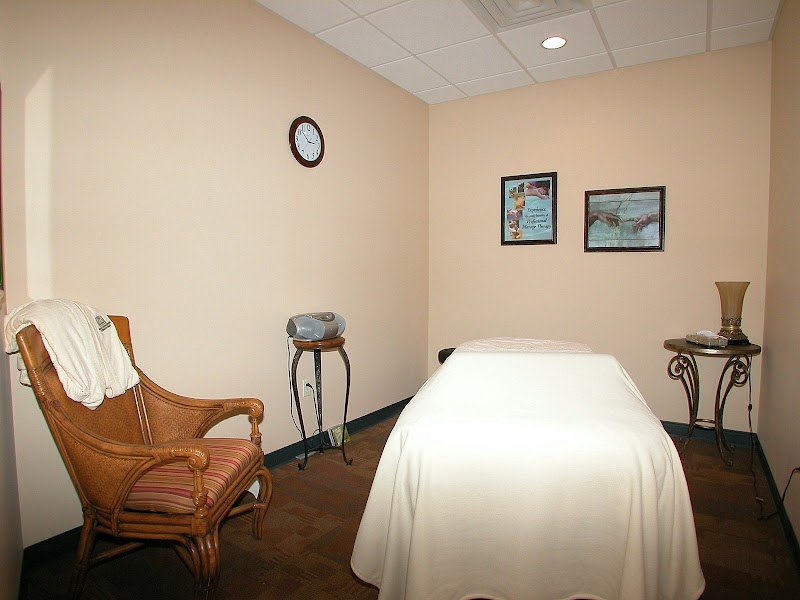
How is Presbyterian Homes Of North Oaks Staffed?

CMS rates PRESBYTERIAN HOMES OF NORTH OAKS's staffing level at 5 out of 5 stars, which is much above average compared to other nursing homes. Staff turnover is 49%, compared to the Minnesota average of 46%.

What Have Inspectors Found at Presbyterian Homes Of North Oaks?

State health inspectors documented 8 deficiencies at PRESBYTERIAN HOMES OF NORTH OAKS during 2022 to 2024. These included: 1 that caused actual resident harm, 6 with potential for harm, and 1 minor or isolated issues. Deficiencies causing actual harm indicate documented cases where residents experienced negative health consequences.
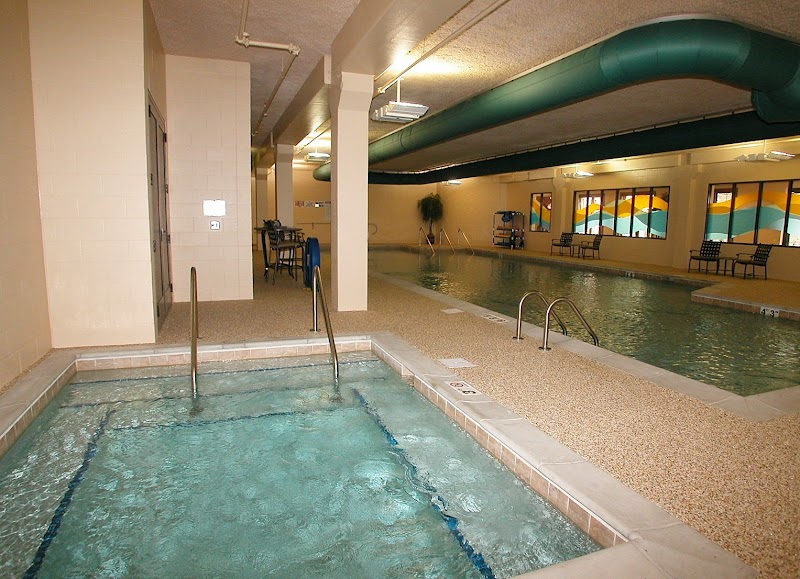
Who Owns and Operates Presbyterian Homes Of North Oaks?

PRESBYTERIAN HOMES OF NORTH OAKS is owned by a non-profit organization. Non-profit facilities reinvest revenue into operations rather than distributing to shareholders. The facility is operated by PRESBYTERIAN HOMES & SERVICES, a chain that manages multiple nursing homes. With 60 certified beds and approximately 55 residents (about 92% occupancy), it is a smaller facility located in NORTH OAKS, Minnesota.
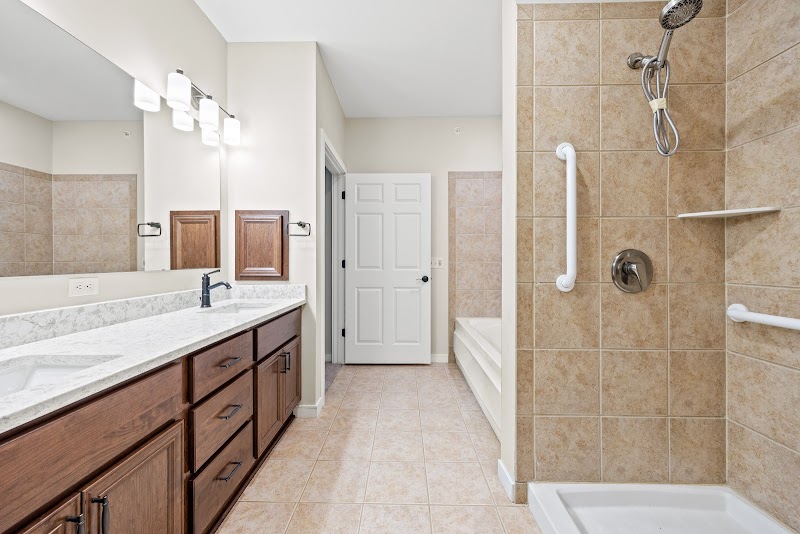
How Does Presbyterian Homes Of North Oaks Compare to Other Minnesota Nursing Homes?

Compared to the 100 nursing homes in Minnesota, PRESBYTERIAN HOMES OF NORTH OAKS's overall rating (5 stars) is above the state average of 3.2, staff turnover (49%) is near the state average of 46%, and health inspection rating (4 stars) is above the national benchmark.

What Should Families Ask When Visiting Presbyterian Homes Of North Oaks?

Based on this facility's data, families visiting should ask: "Can I visit during a mealtime to observe dining assistance and food quality?" "How do you handle medical emergencies, and what is your hospital transfer rate?" "Can I speak with family members of current residents about their experience?"

Is Presbyterian Homes Of North Oaks Safe?

Based on CMS inspection data, PRESBYTERIAN HOMES OF NORTH OAKS has a clean safety record: no substantiated abuse findings (meaning no confirmed cases of resident harm), no Immediate Jeopardy citations (the most serious violation level indicating risk of serious injury or death), and is not on the Special Focus Facility watch list (a federal program monitoring the lowest-performing 1% of nursing homes). The facility has a 5-star overall rating and ranks #1 of 100 nursing homes in Minnesota. While no facility is perfect, families should still ask about staff-to-resident ratios and recent inspection results during their visit.

Do Nurses at Presbyterian Homes Of North Oaks Stick Around?

PRESBYTERIAN HOMES OF NORTH OAKS has a staff turnover rate of 49%, which is about average for Minnesota nursing homes (state average: 46%). Moderate turnover is common in nursing homes, but families should still ask about staff tenure and how the facility maintains care continuity when employees leave.

Was Presbyterian Homes Of North Oaks Ever Fined?

PRESBYTERIAN HOMES OF NORTH OAKS has no federal fines on record. CMS issues fines when nursing homes fail to meet care standards or don't correct problems found during inspections. The absence of fines suggests the facility has either maintained compliance or corrected any issues before penalties were assessed. This is a positive indicator, though families should still review recent inspection reports for the full picture.

Is Presbyterian Homes Of North Oaks on Any Federal Watch List?

PRESBYTERIAN HOMES OF NORTH OAKS is not on any federal watch list. The most significant is the Special Focus Facility (SFF) program, which identifies the bottom 1% of nursing homes nationally based on persistent, serious quality problems. Not being on this list means the facility has avoided the pattern of deficiencies that triggers enhanced federal oversight. This is a positive indicator, though families should still review the facility's inspection history directly.