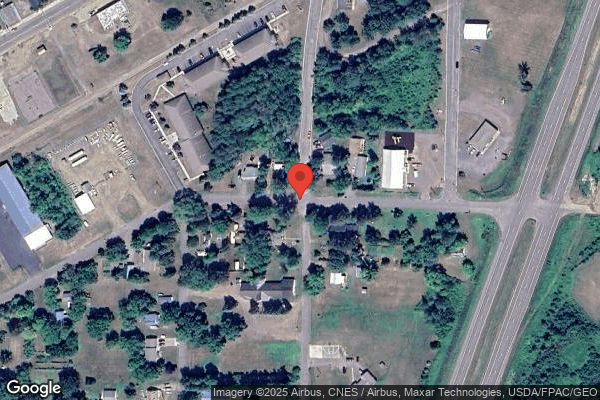
CURA OF ONAMIA

200 NORTH ELM STREET, ONAMIA, MN 56359 (320) 532-3154
Non profit - Corporation 57 Beds Independent Data: November 2025
Trust Grade
75/100
#98 of 337 in MN
Last Inspection: February 2025

Within standard 12-15 month inspection cycle. Federal law requires annual inspections.

Overview

Cura of Onamia holds a Trust Grade of B, which indicates it is a good choice among nursing homes, but not the best available option. It ranks #98 out of 337 facilities in Minnesota, placing it in the top half, but it is #3 out of 3 in Mille Lacs County, meaning only one other local facility is better. The facility is improving, with reported issues dropping from 8 in 2024 to just 2 in 2025. Staffing is a strength, with a 4 out of 5 rating and 0% turnover, which is well below the state average of 42%, meaning staff members are stable and familiar with residents. On the downside, there were some concerning incidents, including failing to accurately report staffing data to Medicare, not monitoring a resident's bruising as required, and not consistently reviewing medication interactions for one resident, which could potentially lead to health risks. Overall, while there are strengths in staffing and overall care quality, families should be aware of the noted deficiencies.

Trust Score
B
75/100
In Minnesota
#98/337
Top 29%
Safety Record
Low Risk
No red flags
Inspections
Getting Better
8 → 2 violations
Staff Stability
○ Average
Turnover data not reported for this facility.
Penalties
✓ Good
No fines on record. Clean compliance history, better than most Minnesota facilities.
Skilled Nurses
✓ Good
Each resident gets 84 minutes of Registered Nurse (RN) attention daily — more than 97% of Minnesota nursing homes. RNs are the most trained staff who catch health problems before they become serious.
Violations
⚠ Watch
13 deficiencies on record. Higher than average. Multiple issues found across inspections.
★★★★☆
4.0
Overall Rating
★★★★☆
4.0
Staff Levels
★★☆☆☆
2.0
Care Quality
★★★★☆
4.0
Inspection Score
Stable
2024: 8 issues
2025: 2 issues

The Good

  • 4-Star Staffing Rating · Above-average nurse staffing levels
  • Full Sprinkler Coverage · Fire safety systems throughout facility
  • No fines on record

Facility shows strength in staffing levels, fire safety.

The Bad

No Significant Concerns Identified

This facility shows no red flags. Among Minnesota's 100 nursing homes, only 0% achieve this.

The Ugly 13 deficiencies on record

Feb 2025 2 deficiencies
CONCERN (D)

Potential for Harm - no one hurt, but risky conditions existed

Quality of Care (Tag F0684)

Could have caused harm · This affected 1 resident

**NOTE- TERMS IN BRACKETS HAVE BEEN EDITED TO PROTECT CONFIDENTIALITY** Based on observation, interview and document review, the facility failed to assess and monitor bruising for 1 of 1 residents (R9...

Read full inspector narrative →
**NOTE- TERMS IN BRACKETS HAVE BEEN EDITED TO PROTECT CONFIDENTIALITY** Based on observation, interview and document review, the facility failed to assess and monitor bruising for 1 of 1 residents (R9) reviewed for impaired skin integrity. Findings include: R9's annual Minimum Data Set (MDS) dated [DATE], identified moderately impaired cognition and diagnoses of dementia, benign paroxysmal vertigo (a sensation of spinning or moving), inflammatory arthritis (pain, swelling and warmth in the joints) and pruritus (itchy skin). R9's care plan dated 11/21/23, identified the potential for alteration in skin integrity and directed staff to complete skin audits with showers or baths weekly. During observation on 2/3/25 at 11:52 a.m., was seated in the memory care unit dayroom area and was noted to have what appeared to be a dark purple irregular shaped bruise on the top of her left hand between the thumb and index finger approximately five centimeters (CM) in diameter. When interviewed on 2/3/25 at 11:53 a.m., R9 stated she did not remember how she obtained the bruise, denied pain and denied deliberate harm by other residents and staff. R9 stated she bruised easily and could have bumped her hand on something but didn't remember. When interviewed on 2/4/25 at 6:14 p.m., R9 stated staff assist her with showers and believed she had received a shower that morning. R9's bathing and skin report task documentation dated 2/4/25 at 1:59 p.m., identified she received physical assist by one person on the bathing report and not applicable on her skin report. R9's bath checklist dated 2/4/25 at 9:45 a.m., identified she had a shower, and no skin issues were found. When interviewed on 2/5/24 at 8:01 a.m., registered nurse (RN)-B, stated the facility process for checking resident skin was done on each resident's bath or shower day. If skin issues were found, the staff member completing the bath or shower was to report to the charge nurse. The charge nurse would then assess the skin, measure or provide first aide, investigate cause and make appropriate notifications to the resident's provider, family and director of nursing (DON). When interviewed on 2/5/25 at 8:37 a.m., nursing assistant (NA)-A stated she thought the discoloration on R9's left hand was not new and not a bruise otherwise she would have reported it to the charge nurse. When interviewed on 2/5/25 at 9:36 a.m., clinical manager (CM)-A stated she had assisted R9 with a shower on 2/4/25 in the morning and did not notice any bruising on R9's left hand. CM-A stated she assisted R9 with washing and drying her back and feet and R9 was able to wash and dry the rest of her body independently with supervision. CM-A stated R9 had a habit of rubbing and scratching her own skin and this was the most logical explanation for the bruising. CM-A stated the facility process for checking resident skin was done on their bath or shower day. If a staff member noticed any impaired skin integrity, they were to report this to the charge nurse. The charge nurse should then assess the resident's skin and initiate any needed first aide and monitoring and make notifications to the provider and families. On 2/5/25 at 9:47 a.m., CM-A measured the discolored area on R9's left hand at 3.5 CM x 4.3 CM in diameter with light purple edges and dark purple covering the rest of the area and agreed it appeared to be a bruise. CM-A again stated she did not notice the bruise when providing R9 her shower the previous day and stated the facility impaired skin integrity process had now been initiated for R9 including notifications to her provider and family. On 2/5/25 at 10:36 a.m., the director of nursing stated her expectation was that staff report any skin impairment to the charge nurse immediately who should then assess, make notifications and monitor healing per facility policy and procedure. The DON acknowledged this process was missed for R9. The facility policy Skin injury (non-pressure) Prevention and Management dated1/9/25, identified all new skin injuries would be documented and would include a description of the injury with measurements, the potential or actual cause of the skin injury, the intervention or treatment implemented, and the resident representative notification of injury.
CONCERN (D)

Potential for Harm - no one hurt, but risky conditions existed

Drug Regimen Review (Tag F0756)

Could have caused harm · This affected 1 resident

Based of observation, interview and document review, the facility failed to ensure physician prescribed medications are reviewed and monitored, for interactions between other prescribed medications, f...

Read full inspector narrative →
Based of observation, interview and document review, the facility failed to ensure physician prescribed medications are reviewed and monitored, for interactions between other prescribed medications, for 1 of 12 residents (R9) in the resident sample reviewed. Findings include: R9's annual Minimum Data Set (MDS) assessment of 11/11/24, identified R9 had brief interview for mental status (BIMS) score of 9, classified as moderate cognitive impairment. R9's medical diagnoses included unspecified dementia - unspecified severity without behavioral disturbance, psychotic disturbances, mood disturbance, anxiety, major depression, Gasto-esophageal reflux disease (GERD) without esophagitis and hyperuricemia (increased uric acid levels) without signs of inflammatory arthritis or tophaceous disease (monosodium urate crystals build up in the body). In review of R9's physician orders, the following medications were noted to have been ordered: Allopurinol 50 milligrams (mg) - give 1 tablet every day for hyperuricemia Diltiazem HCL 15 mg - give 1 tab three times a day for hypertension Carafate 1 gram (gm) - give 1 tablet by mouth two times a day for Gastric reflux melt 1 tablet in scant amount of water prior to administering to make a slurry. In review of R9's History and Physical (dated 10/20/23) documented R9 has the diagnosis of: Hyperuricemia, documenting: [R9] generalized aching could be hyperuricemia exacerbated by dehydration or if she has worsening chronic kidney disease. Likely, her generalized aching could be polymyaligia rheumatic, autoimmune disorder, fibromyalgia. We will evaluate these with laboratory testing. She stopped allopurinol. During medication observation on 2/4/25 at 6:16 p.m., trained medication assistant (TMA)-A began setting up R9's 7:00 p.m. medications, placing resident's allopurinol 50 mg tablet and diltiazem 15 mg tab in a medication cup. Then pouring a small amount of water in a plastic medication cup, TMA-A placed the Carafate 1 gm tablet into the water, stirring until dissolved. TMA-A then approached R9 and resident drank the Carafate slurry, then took the other two medications with a glass of plain water. When asked about the other medications being given with the dose of Carafate, TMA-A stated she would have to ask a nurse, while she doesn't know medication interactions. TMA-A assumed when the medications are scheduled on the electronic medication record, that is when they are to be given. In review of the pharmaceutical reference site, Drugs.com, the reference indicted the following: Using sucralfate [Carafate] together with allopurinol may decrease the effects of allopurinol. Allopurinol should be administered at least 3 hours before or after sucralfate. If your doctor does prescribe these medications together, you may need a dose adjustment or special test to safely use both medications. In review of R9's lab testing the following was noted: Uric Acid Levels: 1/1/14 - 6.4 milligrams / deciliter (mg/dl) (rang for Females: 2.4 - 8.0 mg/dl) 3/19/24 - 5.3 mg/dl 12/30/24 - 5.4 mg/dl 1/7/25 - 4.7 mg/dl During telephone interview on 2/5/25 at 8:40 a.m., pharmacy consultant (PharmD) stated any medication should be separated from the Carafate by 3 hours, so not to bind to and prevent absorption of any medication, according to the reference materials her organization utilized. PharmD stated this must have been missed in review of R9's medications. During telephone interview on 2/5/25 at 8:56 a.m., primary physician (MD)-A stated according to her references, Carafate should be given 2 hours before or 2 hours after all medication and/or meals. MD-A stated Carafate can affect the absorption of other medications, and with R9 taking water with her other medications, potentially washed the Carafate coating to the espohagus that the Carafate was ment for. During interview on 2/5/25 at 9:17 a.m., registered nurse / care manager (CM)-A stated she knew Carafate should be given 1 hour before or after meals, but was not aware of the medication interaction with R9's other medications. In an interview on 2/5/25 an 10:37 a.m., the director or nursing (DON) stated they were unaware of this concern and they are currently looking to see if there are any other residents were receiving Carafate and had it scheduled in this manner. In review of the facility's policy, entitled: Documentation and Communication of Consultant Pharmacist (last reviewed 03/08/2022) indicated the following: PURPOSE: The facility supports pharmacy services that promote quality care including drug regimen review (DRR). DRR is defined as the systematic evaluation of drug therapy viewed within the context of resident-specific data. The consultant pharmacist reviews the drug regimen of each resident at least monthly and more frequently if deemed necessary. Irregularities are reported to the director of nursing, RN Care Coordinators, the attending physician, and the medical director for irregularities to be addressed by the attending physician. PROCEDURE: A. The facility assures that the consultant pharmacist has access to residents and the residents' medical records; the provider pharmacy's resident medication profiles, if requested; the facility's records of medication receipt and disposition; medication storage areas; and controlled substances records and supplies. Section 1. - ix. The administration schedule is appropriate for the resident, considering side effects and compatibility with other medications and diet.
Nov 2024 3 deficiencies
CONCERN (D) 📢 Someone Reported This

A family member, employee, or ombudsman was alarmed enough to file a formal complaint

Potential for Harm - no one hurt, but risky conditions existed

Report Alleged Abuse (Tag F0609)

Could have caused harm · This affected 1 resident

**NOTE- TERMS IN BRACKETS HAVE BEEN EDITED TO PROTECT CONFIDENTIALITY** Based on interview and document review, the facility failed to ensure an injury of unknown origin was reported immediately and/o...

Read full inspector narrative →
**NOTE- TERMS IN BRACKETS HAVE BEEN EDITED TO PROTECT CONFIDENTIALITY** Based on interview and document review, the facility failed to ensure an injury of unknown origin was reported immediately and/or within 2 hours, to the State Agency (SA) and administrator for 1 of 1 residents (R1). Findings include: R1's quarterly Minimal Data Set (MDS) dated [DATE], indicated R1 had diagnoses which included stroke, aphasia, dementia, and hemiplegia. Further, MDS indicated R1 had severely impaired cognition and exhibited physical, verbal, and other behavioral symptoms. Review of facility report to the SA, submitted at 11:48 a.m. on 11/24/24, by director of nursing (DON) indicated R1 had unexplained bruising to left arm. Nursing assistant (NA)-A reported R1 had bruising to left forearm, left posterior hand, and some purple coloring on the inside of left fingers, and the bruising was tender to the touch to licensed practical nurse (LPN)-A in the morning after a.m. cares on 11/23/24. LPN-A reported to registered nurse (RN)-A around 2:00 p.m. on 11/23/24, and RN-A filed a MAARC (Minnesota Adult Abuse Reporting Center) report for injury of unknown source. Further, report indicated the administrator was notified at 9:46 a.m. on 11/24/24, by DON. On 11/27/24 at 10:21 a.m., LPN-A stated staff were expected to notify the floor nurse if a new bruise had been identified and the nurse would complete a skin assessment and document the findings in the resident's record as well as notify the charge nurse or care coordinator immediately. LPN-A stated she was notified by NA-A on 11/23/24 in the morning of R1's new bruising to her left arm and LPN-A then reported to RN-A. On 11/27/24 at 10:48 a.m., NA-A stated staff were expected to report to the nurse when a new skin impairment had been identified and attempt to determine if the skin concern is explainable or unexplainable. Further, NA-A stated on 11/23/24, she was assisting R1 with morning cares when NA-A noted new bruising on her left forearm which was raised, on her left hand and under her fingers. NA-A stated the bruising appeared to be fresh and R1 was unable to communicate what had happened and previous shift did not report any incidents that had occurred. NA-A stated she reported the bruising to LPN-A immediately. On 11/27/24 at 12:36 p.m., interview was attempted with RN-A but was unsuccessful. On 11/27/24 at 2:01 p.m., DON stated once an injury of unknown was discovered the staff were expected to report the injury to the charge nurse and if the injury was reportable then notify the DON and administrator immediately. DON stated reporting an injury of unknown to the SA depended on the severity of the injury if the injury was severe immediately or no later than 2 hours and if the injury was not severe then 24 hours or less. Further, DON stated R1's bruising was discovered by NA-A who reported to LPN-A; however, LPN-A did not report the bruising to the charge nurse RN-A until 2:00 p.m. on 11/23/24. RN-A then submitted a MAARC report on 11/23/24 at 2:23 p.m. and printed the report and put it on DON's desk. DON stated she was made aware of R1's bruising on 11/24/24, in the morning and she called the administrator at that time. DON confirmed reeducation had not been provided to LPN-A or RN-A regarding reporting injuries of unknown to the SA, DON and administrator timely following this incident. Review of facility policy titled Abuse, Neglect, Mistreatment and Misappropriation of Resident Property/Vulnerable Adult Policy , undated, indicated an injury should be classified as an injury of unknown source when both of the following conditions are met: the source of the injury was not observed by any person or the source of the injury could not be explained by the protected adult; and the injury was suspicious because of the extent of the injury or the location of the injury (the injury was located in an area not vulnerable to trauma) or the number of injuries observed at one particular point in time or the incidence of injuries over time. Further, policy indicated abuse allegations (abuse, neglect, exploitation, or mistreatment including injuries of known source and misappropriation of protected adult property) are reported per Federal and State law. The facility would ensure that all alleged violations involving abuse, neglect, exploitation or mistreatment, including injuries of unknown source, are reported immediately, but not later than 2 hours after the allegation if made, if the events involves abuse or result in serious bodily injury, or not later than 24 hours if the events do not involve abuse and do not result in serious bodily injury, to the administrator, the director/manager or their designee, and to the department designated Common Entry Point (CEP).
CONCERN (D) 📢 Someone Reported This

A family member, employee, or ombudsman was alarmed enough to file a formal complaint

Potential for Harm - no one hurt, but risky conditions existed

Investigate Abuse (Tag F0610)

Could have caused harm · This affected 1 resident

**NOTE- TERMS IN BRACKETS HAVE BEEN EDITED TO PROTECT CONFIDENTIALITY** Based on interview and document review, the facility failed to ensure a thorough investigation was completed for an injury of un...

Read full inspector narrative →
**NOTE- TERMS IN BRACKETS HAVE BEEN EDITED TO PROTECT CONFIDENTIALITY** Based on interview and document review, the facility failed to ensure a thorough investigation was completed for an injury of unknown to ensure abuse had not occurred for 1 of 1 residents (R1) reviewed. Findings include: R1's quarterly Minimal Data Set (MDS) dated [DATE], indicated R1 had diagnoses which included stroke, aphasia (language disorder that makes it difficult to understand, speak, read, or write), dementia, and hemiplegia. Further, MDS indicated R1 had severely impaired cognition and exhibited physical, verbal, and other behavioral symptoms. Review of facility report number 358743 to the SA, submitted at 11:48 a.m. on 11/24/24, by director of nursing (DON) indicated R1 had unexplained bruising to left arm. Nursing assistant (NA)-A reported R1 had bruising to left forearm, left posterior hand, and some purple coloring on the inside of left fingers, and the bruising was tender to the touch to licensed practical nurse (LPN)-A in the morning after a.m. cares on 11/23/24. Further, report indicated DON attempted to interview R1 however R1 could not speak due to aphasia other than single unclear words and sounds. R1 did not appear fearful or scared. DON asked if someone had hurt her, but she could not clearly answer. DON wrote down yes and no and asked resident to point, but R1 did not follow direction. On 11/27/24 at 2:01 p.m., DON stated she was completing the investigation related to R1's bruising. DON stated she had interviewed R1 in attempt to figure out the cause of the bruising however R1 did not respond appropriately to questions asked. DON stated she interviewed staff but that was it for interviews and DON confirmed she did not interview any other residents on R1's unit. DON stated she reviewed R1's behavior charting which revealed R1 had minimal behaviors and R1 was taking medications that would cause her to bruise easily. When asked how she ruled out abuse, DON stated she was not sure, but typically she would interview other residents but there were no other residents with any injuries that had been reported. Review of facility policy titled Abuse, Neglect, Mistreatment and Misappropriation of Resident Property/Vulnerable Adult Policy, undated, indicated investigations of injuries of unknown origin or suspicious injuries must be immediately investigated to rule out abuse and injuries include but are not limited to, bruising of the inner thigh, chest, face, and breast, bruises of an unusual size, multiple unexplained bruises, and/or bruising in an area not typically vulnerable to trauma. Further, the policy indicated when an incident or suspected incident of abuse was reported, the administrator or designee would investigate the incident and the investigation would include: interview the protected adult, and for non-verbal, cognitively impaired or those who refuse to be interviewed, the interviewer should: observe the protected adult, complete an evaluation of protected adult behavior, affect and response to interaction, and document findings, and obtain statements from the roommate or other residents located in the same area of the protected adult. In addition, procedures must be in place to provide the protected adult with a safe, protected environment during the investigation and staff were directed to examine, assess and interview the protected adult and others potentially affected immediately to determine any injury and identify any immediate clinic interventions necessary.
CONCERN (D) 📢 Someone Reported This

A family member, employee, or ombudsman was alarmed enough to file a formal complaint

Potential for Harm - no one hurt, but risky conditions existed

Quality of Care (Tag F0684)

Could have caused harm · This affected 1 resident

**NOTE- TERMS IN BRACKETS HAVE BEEN EDITED TO PROTECT CONFIDENTIALITY** Based on observation, interview and document review, the facility failed to ensure bruising was monitored for changes until reso...

Read full inspector narrative →
**NOTE- TERMS IN BRACKETS HAVE BEEN EDITED TO PROTECT CONFIDENTIALITY** Based on observation, interview and document review, the facility failed to ensure bruising was monitored for changes until resolved for 1 of 3 residents (R1) reviewed. Findings include: R1's quarterly Minimal Data Set (MDS) dated [DATE], indicated R1 had diagnoses which included stroke, aphasia (language disorder that makes it difficult to understand, speak, read, or write), dementia, and hemiplegia. Further, MDS indicated R1 had severely impaired cognition and exhibited physical, verbal, and other behavioral symptoms. R1's Progress Notes revealed: -On 11/23/24 at 2:35 p.m., large amount of bruising was reported by nursing assistant. R1 was unable to state what happened. -On 11/24/24 at 11:48 a.m., resident had a 7-centimeter (cm) x 7 cm bruise to proximal and posterior left forearm, bruise was purple in the center with green around the edges, bruise was slightly raised and tender to the touch. Bruise 2 cm x 1.8 cm to distal posterior forearm dark purple in color. 3 cm x 4 cm bruise to posterior (back) of left hand by the thumb and index finger and going up onto the posterior middle finger, bruise was purple in color. 1 cm x 1 cm purple bruise to posterior left and near the ring finger. There was a slight purple coloring to the inside of fingers 2-5. R1's progress notes lacked any additional monitoring of the bruise. R1's care plan revised on 6/16/22, indicated R1 had the potential for alteration in skin integrity related to impaired mobility with right sided hemiparesis, and incontinence of bowel and bladder. Further, R1's care plan directed staff to inspect skin daily with cares. However, care plan lacked evidence of notification for staff to monitor for bruising on R1's arm and appropriate interventions. R1's treatment administration record for November 2024, printed 11/27/24, lacked evidence of monitoring for R1's bruising until resolved. On 11/27/24 at 10:21 a.m., licensed practical nurse (LPN)-A stated if bruising was identified, the floor nurse would enter a treatment order into the resident's record to monitor at least daily, for changes until resolved. LPN-A stated she was made are of R1's bruising by a nursing assistant on 11/23/24, and LPN-A confirmed she did not put in an order to monitor the bruising. On 11/27/24 at 12:27 p.m., registered nurse (RN)-A stated if a new skin impairment had been identified staff would document in the resident's record but was unaware of facility procedure for additional monitoring. On 11/27/24 at 1:25 p.m. RN-B stated when a bruise was identified staff would be expected to measure the bruising and the bruising was extensive staff would enter a treatment order into the resident's record to monitor the bruising daily for changes until the bruise was resolved. RN-B stated she observed R1's bruising on 11/25/24, and the bruising appeared to be healing and R1 had no pain. RN-B confirmed there was not an order in R1's treatment record for staff to monitor her bruising but staff should be assessing the bruise, but they are not. RN-B stated monitoring the bruise would be important to ensure the bruising does not worsen and there are no complications. On 11/27/24 at 2:01 p.m., director of nursing stated when a new skin impairment was identified the licensed nurse should implement an order to monitor every shift or twice a day for changes until resolved. DON confirmed R1's record lacked evidence of a treatment order for licensed nursing staff to monitor. DON stated she was at fault for the error of the missed treatment. DON stated monitoring the bruise for any changes or worsening would be important. Review of facility policy titled Treatment and Prevention of Skin Breakdown and Ulcers, undated, indicated nurse aides (NA) would inspect the skin every shift with cares for signs and symptoms of breakdown, and report issues to the team leader. Further, policy indicated a licensed nurse weekly skin assessment was to be performed by the licensed nurse on shower day or other designated day and the care plan was to be evaluated and revised based on response, outcomes, and needs of the resident.
Feb 2024 1 deficiency
CONCERN (D) 📢 Someone Reported This

A family member, employee, or ombudsman was alarmed enough to file a formal complaint

Potential for Harm - no one hurt, but risky conditions existed

Accident Prevention (Tag F0689)

Could have caused harm · This affected 1 resident

**NOTE- TERMS IN BRACKETS HAVE BEEN EDITED TO PROTECT CONFIDENTIALITY** Based on observation, interview and document review the facility failed to ensure process's were followed for safe lift transfer...

Read full inspector narrative →
**NOTE- TERMS IN BRACKETS HAVE BEEN EDITED TO PROTECT CONFIDENTIALITY** Based on observation, interview and document review the facility failed to ensure process's were followed for safe lift transfers for 1 of 6 residents (R1) reviewed for safety with mechanical stand transfers. Findings include: R1's significant change Minimum Data Set (MDS) dated [DATE], identified R1 had intact cognition, and was dependant on staff for transfers. R1 had a height of 60 and weighed 198 pounds (lbs) diagnoses included stroke, hemiparesis or hemiplegia, and seizure disorder, R1's care plan dated 11/5/23, directed staff to transfer R1 with EZ-stand (sit to stand lift). R1's undated, Care Sheet directed staff to transfer R1 with EZ-stand and large sling. A Facility Reported Incident (FRI) dated 1/29/24, identified R1 had a fall during a transfer to the bathroom. R1 was being transferred from the EZ-stand when the left side of the sling slipped off. R1 was lowered from the EZ-stand and assisted to the floor. It was a witnessed fall and no injuries. The facility investigation dated 1/29/24, indicated R1 had hemiplegia and hemiparesis following cerebral infarction affecting right dominate side. Nursing assistant (NA)-A felt the sling may have been too large for the resident, as they were using an XL sling and it was switched out for a large size. On 2/6/24 at 1:05 p.m., NA-A was obsered transferring R1 from R1's wheelchair using the EZ-stand. NA-A was working the day R1 had slid to the floor when the left side of the strap came undone from the EZ- stand. NA-A was using the XL sling and thought it was too big fro R1 as R1's left arm was raised in the air. During interview on 2/6/24 at 2:16 p.m., NA-B stated she transferred R1 with the EZ-stand with the large sling, but sometimes was unable to find the large sling and would have to use the XL sling, which was too big for R1. During interview on 2/6/24, at 1:34 p.m., NA-C stated he worked with R1 and they used a EZ-stand and was working the day R1 slipped from sling during a the lift transfer. NA-C stated R1 had a XL sling that was too large for her and felt that was why she slid out. During interview on 2/7/24 at 10:03 a.m., physical therapy assistant (PT)-A stated R1 used to use a stand aide, and now was using a EZ-stand, and suspected the reason R1 slid out from her sling was due to her not providing enough upper and lower assistance. During interview on 2/7/24, at 11:28 a.m. director of nursing (DON) stated R1 was transfered with a XL sling, after the incident R1's sling was switched to a large sling. It sounds like from what I gathered the loop came off on the left side and maybe was not connected properly. The staff had training on using the EZ-stand and are having company come out to the facility and do refresher training on the lifts/stands on February 19th this year. On 2/7/24 at 3:35 p.m., NA-D while orientating NA-E stated she was told to use the large sling with R1 since she started in September 2023, but did not feel it was safe and prefers to use the XL sling. NA-D stated the large sling was too small for R1. NA-D and NA-E were observed to transfer R1 from her chair into the bathroom on to the toilet with the XL sling and not the L sling as care planned.There were no observed concerns with the transfer. During interview on 2/7/24, at 4:45 p.m. the DON stated immediately after the incident occurred with R1 sliding out of her sling she had changed the nursing assistance care sheets to make sure they use the large sling instead of the XL sling. During interview on 2/8/24 at 11:58 a.m. the DON stated she informed NA-D she needed to use the large sling and not the XL sling. The DON stated NA-D was not happy since she felt the XL sling was safer. An EZ Way Harness (sling) sizing chart indicated the large sling to be used on 190-320 lbs, the XL sling to be used on 280-450 lbs., and The size/weight designations are merely estimates that have basic guidelines.
Jan 2024 1 deficiency
CONCERN (D) 📢 Someone Reported This

A family member, employee, or ombudsman was alarmed enough to file a formal complaint

Potential for Harm - no one hurt, but risky conditions existed

Pharmacy Services (Tag F0755)

Could have caused harm · This affected 1 resident

**NOTE- TERMS IN BRACKETS HAVE BEEN EDITED TO PROTECT CONFIDENTIALITY** Based on interview and document review, the facility failed to ensure a physician ordered medication was acquired timely from th...

Read full inspector narrative →
**NOTE- TERMS IN BRACKETS HAVE BEEN EDITED TO PROTECT CONFIDENTIALITY** Based on interview and document review, the facility failed to ensure a physician ordered medication was acquired timely from the pharmacy to prevent delay in administration and reduce the risk of complications for 1 of 1 residents (R1). This resulted in R1's anticoagulant (blood clot prevention) medication being omitted for six consecutive days. In addition, the facility failed to ensure procedures were implemented and followed to ensure sufficient medication supplies, timely medication re-ordering, after hours on-call pharmacy use, and appropriate action(s) taken when a medication was not available for administration. Findings include: A Facility Reported Incident (FRI) report was submitted to the State Agency (SA) on 1/19/24 at 9:45 a.m. and identified R1's ordered Xarelto (anticoagulant) medication was reordered on 1/5/24 from the pharmacy; however, the medication was not delivered and thus, R1's Xarelto was omitted on 1/6/24 through 1/11/24. In addition, the report indicated her medical record lacked evidence staff followed-up with the pharmacy or that her provider was notified timely. Staff contacted the pharmacy on 1/12/24 after the omissions were discovered and pharmacy supplied the medication that day. R1's signification change Minimum Data Set (MDS), dated [DATE], identified R1 was severely cognitively impaired with diagnoses of atrial fibrillation (irregular heartbeat) and dementia. The MDS indicated R1 received anticoagulant medication daily. R1's care plan identified R1 experienced an alteration in cardiovascular status related to atrial fibrillation, history of hyperlipidemia (elevated fat in blood) and peripheral vascular disease (impaired blood circulation), episodes of lower extremity edema (fluid buildup), hypertension (elevated blood pressure), and use of pacemaker (implanted device assists to control heartbeat). The care plan directed medication was to be administered as ordered. A PointClickCare (PCC - electronic medical record) Electronic [medication reorder] Transmission Report identified R1's Xarelto was reordered on 1/5/24 at 7:14 p.m. Reorder status indicated it was Processed on 1/5/24 at 7:15 p.m. R1's January 2024 MAR directed staff to administer R1 Xarelto 20 mg (milligrams) at bedtime related to paroxysmal (comes and goes) atrial fibrillation. The MAR identified from 1/6/24 through 1/11/24 a recorded entry of 9 (Other / See Nurse Notes). R1's nursing progress notes identified the following Xarelto information: -1/6/24 6:11 p.m.: none in stock -1/7/24 6:18 p.m.: none in stock -1/8/24 6:20 p.m.: none in stock -1/9/24 7:28 p.m.: waiting on pharm[[NAME]] -1/10/24 9:47 p.m.: supply not available from pharmacy -1/11/24 7:43 p.m.: no supply -1/12/24 9:21 a.m.: [R1] has not had xarelto [sic] [for] 6 days, called pharmacy and they will send it up today. -1/19/24 3:36 p.m.: Family notified R1's Xarelto was omitted from 1/6/24 through 1/11/24. -1/19/24 4:32 p.m.: R1's provider was emailed and updated about the missed Xarelto doses. R1's medical record lacked evidence staff followed-up with pharmacy on the lack of Xarelto supply, or contacted/updated R1's provider, from 1/6/24 through 1/11/24. In addition, the medical record lacked evidence staff followed-up or investigated the medication error, nor contacted the provider, when the omission was first identified on 1/12/24. R1's provider response related to the email sent on 1/19/24 was requested; however, none was provided. A Medication Event report, dated 1/19/24 at 4:44 p.m., identified the information reported in the FRI. Questions labeled Check the causes of the error and Contributing Factors indicated an answer of NO ANSWER. An additional question labeled, What changes to our system/process could be helpful to prevent this event from happening again? indicated the response, There seems to be an issue with the electronic ordering communication between [PCC] and pharmacy. Claim submitted to [PCC] to resolve. The event report Follow up section remained blank. A 5 Day FRI follow-up report submitted to the SA on 1/23/24, identified similar re-ordering incidents in the past six months where meds were not received from the pharmacy before a supply lack. Pharmacist (P)-A was interviewed and was unable to confirm the reorder request was received on 1/5/24 and thus the facility filed a claim with PCC. PCC confirmed the request was successfully transmitted. R1's insurance follow-up determined the prescription drug information was different as of 12/28/23. Two licensed practical nurses (LPNs - one no longer worked at the facility and LPN-C) related to the 1/6/24 through 1/8/24, and 1/9/24 incidents were interviewed, and both stated they were unaware they should have contacted the provider to hold the medication. Both were educated on ways to notify the pharmacy when a medication was unavailable. [The report lacked information related to the third nurse involved.] The report identified an LPN-B emailed registered nurse (RN)-B (RN Care Coordinator) on 1/11/24 the Xarelto was unavailable which prompted RN-B's 1/12/24 follow-up. The report identified R1's progress notes were reviewed and lacked evidence the provider was undated and/or the pharmacy was contacted. Facility policy review determined the current med administration policy's directed follow-up to med errors required revamping and a separate specific medication error policy that included protocols to prevent future incidents and omissions. Once completed, staff education would be performed. An email, sent to LTC (long term care) Nurses on 1/24/24 at 4:35 p.m., indicated frequent issues lately with reordering medications and not receiving from pharmacy, in which a resident recently did not receive a 'significant' med for a period of six days despite it being reordered from pharmacy. Multiple factors felt were involved in the incident, but ultimately the resident went without the med putting her health at risk. The email updated more information would be forthcoming and staff were asked to be more diligent in following up on medication issues/concerns. Going forward, staff were to send an email to the Pharmacy Distribution Group and LTC Nurses when meds were out of stock and reordered. In addition, the email identified omitted meds due to no supply were med errors unless the provider was contacted and an order to hold was obtained. Furthermore, the email identified the current policy that included med errors was found to be not helpful, and thus the director of nursing (DON) would be working on a separate policy related to med errors and would send out when completed. When interviewed on 1/25/24 at 1:50 p.m., trained medication aide (TMA)-A stated she re-ordered meds when needed and explained she had experienced distant history of episodes where after she reordered medications there were glitches and when she called pharmacy to follow-up, pharmacy indicated lack of reorder receival. She explained if a resident missed anticoagulant med, the resident would be at increased risk for stroke and blood clots. If she were unable to find a medication, she updated a nurse to assist. TMA-A was unaware of any recent anticoagulant omission concerns and denied any recent emails from the DON related to such concerns. TMA-A checked her email and confirmed her email lacked the 1/24/24 email. During an interview on 1/25/24 at 2:40 p.m., LPN-B stated when a medication was unfound, she was expected to utilize the emergency kit and if not, the attached hospital charge nurse was contacted as that nurse was able to access the hospital pharmacy. If a med error was identified, she was expected to either contact or email the resident's care coordinator, contact the provider, and complete a med error incident report. She denied she had yet to complete such a report since her December hire. LPN-B stated if a resident's anticoagulant was omitted, they were at risk for blood clots, and this would be considered a med error. LPN-B explained she emailed RN-B on the evening of 1/11/24 when R1's Xarelto was not found after she investigated the missing medication and noted R1 missed the previous evening's dose also. She questioned RN-B via email, after review of R1's chart orders, if this was a pharmacy issue or if the medication was discontinued based on an antibiotic order back in December. She stated she only emailed RN-B related to her concerns and did not contact the pharmacy, the hospital charge nurse, or the provider as she felt the medication needed to be investigated more if it was supposed to be given or not, and thus awaited RN-B's response. When interviewed on 1/25/24 at 3:03 p.m., LPN-C stated when a med was not found, she was expected to utilize the emergency kit, and if not there, the provider was to be updated. If the provider continued to order the administration, the hospital on-call pharmacy process was to be utilized. If the rights of med administration, which included omitted meds, were not followed, a med error incident report was to be completed. This process required contacting the provider, the family, charge nurse, DON, and care coordinator. LPN-C identified she passed on the missing Xarelto on the 24-hour report sheet and reported it to the charge nurse and the oncoming nurse. She did not fill out a med error report or contact the provider or the care coordinator. As the on-call hospital pharmacy process was a last resort, she did not contact the pharmacy. She thought, based on her passing on the information, staff would contact pharmacy in the a.m. and the medication would be sent. During interview on 1/25/24 at 3:22 p.m., RN-B stated when a med was not found, she expected staff to call the pharmacy, call or leave her a message so she could follow up, and to call the provider or on-call provider to get orders either to give or to hold. She stated she would not expect staff to contact the provider for one missed dose of Xarelto; however, once at least three doses were missed, then the provider should be updated. She explained she reviewed an email on 1/12/24 that identified R1's omitted Xarelto doses. She reviewed the MAR and contacted the pharmacy; however, she did not perform any further actions as R1 had past episodes of held Xarelto without any adverse impacts and thus she was not concerned. It was not until a few days later that the omissions were followed up on and the provider contacted. RN-B stated a missed medication was considered a medication error and explained she was expected to complete a med error incident report in such situations. She stated she did not complete one for R1 due to having a lot of other things on her mind at that time. In addition, she stated she was not sure if R1's missed Xarelto would be considered a significant medication error or not. When interviewed on 1/25/24 at 3:45 p.m. the DON explained the facility transitioned to pharmacy integration with PCC around July of 2023 and expected staff to re-order meds when the medication card indicated a reorder status. She was unsure her expectation was in a policy but stated it should be. She stated staff ordered R1's Xarelto late on the day of the last dose. The DON stated if staff were unable to find a medication, she expected them to contact the pharmacy, the provider, and the on-call hospital pharmacy if required. An omitted med was considered a medication error and she expected staff to complete an incident report. Once received, this gave her the opportunity to investigate the error. She stated R1's omitted Xarelto was a significant medication error, thus the reason she filed the incident with the SA. The DON identified she sent out an email on 1/24/24 to the LTC group updating them on her concerns; however, she determined this group did not include the TMA's after TMA-A approached her after being interviewed. She identified the facility employed three TMA's. The DON stated she continued to work on updating the policies surrounding the identified medication administration and reordering concerns and thus these had yet to be developed and implemented. When interviewed via telephone on 1/26/24 at 10:43 a.m., R1's provider, who identified himself as the medical director (MD)-A, initially stated he expected staff to follow facility polices related to medication administration, pharmacy services, and medication errors. He identified he was aware of the Xarelto omission and stated this was an outlier based on the quarterly medication error reports he reviewed. He was not concerned R1 missed six doses; however, he was concerned that the incident happened, and medications were not administered as ordered. He stated if a person experienced atrial fibrillation they were at a double rate of stroke; however, R1's rate of stroke was low. He indicated R1 experienced history of Xarelto holding in prep for a dental procedure in the past and remained stable. Later in the interview, he stated when a medication was omitted, he expected an update based on what the medication was and if a medication was significant: something dangerous, he expected an update right away. He identified he was always updated on errors as he was there so often. He indicated the facility continued to investigate the omission and thus he was unsure as to what went wrong with the processes. Due to this, he could not explain what his expectations were that centered around this incident. However, he stated this incident should not have gone to the provider as it should have been fixed by the nursing staff, unless the pharmacy was unable to provide the medication. He continued medication errors usually occurred when one missed dose occurred. During conversations with the care coordinator, the DON, and the administrator, they realized how concerning this situation was. During interview on 1/26/24 at 1:17 p.m., P-A stated pharmacy services were available seven days a week with weekdays until 5:30 p.m. and weekends until 2:30 p.m. If a medication was needed after those hours, he expected facility staff to utilize their emergency kit otherwise the policy in place was for them to contact the hospital charge nurse as that nurse had access to the hospital pharmacy. He confirmed staff were expected to reorder Xarelto as it could only be filled for a 14-day supply because of its brand name status. He explained meds requiring reorder processes were marked with a red sticker that identified when the meds should be reordered. This allowed the pharmacy adequate time to process and dispense the medication. P-A stated R1's Xarelto order was reviewed on 1/6/24 at 9:04 a.m. When ran through insurance verification/authorization, coverage was denied and thus the med was not filled. He stated in R1's situation, pharmacy staff should have called the facility. He was unaware of what led to the possible lack of communication and confirmed there was not a glitch in the communication between PCC and the pharmacy. On 1/12/24, the facility contacted the pharmacy and when the insurance claim was re-ran, the claim went through, and the med was dispensed. When interviewed via telephone on 1/29/24 at 8:24 a.m., R1's family member (FM)-A denied concerns with R1's stay; however, she was concerned staff did not catch the Xarelto omissions sooner. She was unsure how such a thing was allowed to occur when staff were expected to write down when residents received their meds. She denied she received a call from pharmacy about insurance and was concerned the pharmacy failed to contact the facility so the facility could contact her. FM-A stated staff informed her they would investigate the incident; however, she had yet to hear back from them related to any outcomes. A Medication and Treatments policy, dated 4/17/23, identified med refills provided by the hospital pharmacy were requested as needed in a 'drug Order' book, and for those residents who received meds elsewhere and the med was not delivered on time, the med was then to be obtained from the hospital pharmacy. The policy identified a section for medication error direction that included omission as an error. When an error was realized, the responsible nurse was to complete the appropriate form which must then be signed by the attending provider, LTC manager, and forwarded to the Pharmacy and Therapeutics Committee for review. The policy lacked direction(s) related to the PCC integrated pharmacy reordering and/or adequate med supply processes, process(ies) for staff to follow when a med was unfound, and/or the process(ies) for on-call pharmacy utilization. A Charting and Transcription Procedures policy, dated 7/24/23, identified the Mille Lacs Health System pharmacy was integrated with PCC and all new and updated non-controlled med orders were to be electronically submitted/communicated to the pharmacy via PCC. The policy lacked direction processes for reordering meds. A Medication Administration Times policy, undated, directed if a med was not administered within the time frame noted on the MAR, a progress note was to be entered indicating the reason. The policy lacked additional direction(s)/follow-up if such an event occurred. A LTC-Pharmaceutical Services policy, undated, directed in the absence of a pharmacist, meds a provider felt must be started immediately, should be sought first from the Emergency Drug Kit. Oral solid meds were dispensed by a punch card unit dose system on a 30-day exchange basis and all other meds were filled on a regular prescription basis. Prescriptions were filled Monday through Saturday. The policy lacked processes related to the PCC/pharmacy integration, process(ies) for reordering of meds, and process(ies) for Sunday and/or after hour med ordering. A Significant Change in Resident Condition policy, undated, directed the provider was to be updated in the event of any significant error in med administration when the error presents a risk to the health, safety or security of the resident and when there was an inability to obtain or administer on a prompt, timely basis, medications as prescribed under conditions that present risk to the health, safety or security of the resident. The provider and the representative were to be notified immediately or as soon as possible. A medication error policy was requested; however, none was provided.
Jan 2024 3 deficiencies
CONCERN (D)

Potential for Harm - no one hurt, but risky conditions existed

Deficiency F0688 (Tag F0688)

Could have caused harm · This affected 1 resident

**NOTE- TERMS IN BRACKETS HAVE BEEN EDITED TO PROTECT CONFIDENTIALITY** Based on interview and document review, the facility failed to routinely provide and document range of motion (ROM) exercises to...

Read full inspector narrative →
**NOTE- TERMS IN BRACKETS HAVE BEEN EDITED TO PROTECT CONFIDENTIALITY** Based on interview and document review, the facility failed to routinely provide and document range of motion (ROM) exercises to maintain and prevent decline in current physical functioning for 1 of 1 resident (R18) reviewed for restorative therapies. Findings include: R18's quarterly Minimum Data Set (MDS) dated [DATE], indicated R18 had moderately impaired cognition and diagnoses of multiple sclerosis (a chronic disease that affects the central nervous system but attacking myelin, a substance that protects nerve cells) and paraplegia (paralysis of the legs and lower body). R18 needed extensive assistance with activities of daily living (ADL's). R18 had impairments to both sides of upper and lower extremities and no rejection of cares. R18's care plan printed 1/9/24, indicated that R18 would participate in maintenance nursing range of motion (ROM) exercises to bilateral (both sides of body) upper and lower extremities daily. R18's physician orders printed 1/9/24, indicated maintenance nursing: ROM exercises on bilateral lower and upper extremities 7x/week. During record review, task documentation indicated that R18 had received PROM exercises on upper and lower extremities four out of the last 30 days. During interview on 1/9/24 at 10:30 a.m., nursing assistant (NA)-A stated NAs did not complete exercises with R18 and was not sure if R18 had a range of motion program. During interview on 1/9/24 at 12:18 p.m., registered nurse clinical manager (RN)-A stated the nursing assistants performed the ROM exercises for R18. During interview on 1/9/24 at 12:33 p.m., NA-B stated she assisted R18 with cares and did not complete range of motion exercises with R18. During interview on 1/9/24 at 12:55 p.m., RN-B stated the nursing assistants are expected to complete the ROM exercises with the residents. RN-B stated the restorative nursing tasks have fallen by the wayside since the facility currently does not have any restorative nursing assistants. RN-B stated physical therapy was coming to reassess the therapy plans to see if ordered programs were appropriate for residents. RN-B was not able to provide specific dates when reassessment when this was to occur. RN-B confirmed that ROM exercises were not being done as ordered for R18. During interview on 1/9/24 at 1:42 p.m., director or nursing (DON) stated ROM exercises were previously being done by the maintenance nursing assistants and that due to staffing the facility had to eliminate that position. DON stated ROM exercises are assigned on the nursing assistants' tasks to complete and are expected to complete them. DON confirmed that R18 had not had ROM exercises completed as ordered. DON stated that it was important for R18 to have ROM exercise completed to maintain his highest level of functioning, especially since R18 was a paraplegic. DON stated R18 had not had any decrease in his ROM currently due to exercises not being completed. The facility policy Nursing Maintenance Program dated 6/21, indicated the facility to ensure that a Nursing Maintenance Program is an integral part of nursing care, and that nursing care strives to prevent deterioration and maintain optimal level of functioning and independence. Active and passive Range of Motion plans are directed per nursing recommendation. Residents may receive the appropriate treatment by a Rehab Aide or by a member of the nursing staff.
CONCERN (D)

Potential for Harm - no one hurt, but risky conditions existed

Deficiency F0699 (Tag F0699)

Could have caused harm · This affected 1 resident

**NOTE- TERMS IN BRACKETS HAVE BEEN EDITED TO PROTECT CONFIDENTIALITY** Based on interview and document review, the facility failed to assess for and identify past trauma (PTSD) for 1 of 1 resident (R...

Read full inspector narrative →
**NOTE- TERMS IN BRACKETS HAVE BEEN EDITED TO PROTECT CONFIDENTIALITY** Based on interview and document review, the facility failed to assess for and identify past trauma (PTSD) for 1 of 1 resident (R8) who had a history of multiple past traumatic experiences. Findings include: R8 was re-admitted the the facility from Senior Services (geriatric-psych services - SCS) on 11/14/23 where he had been admitted due to behaviors of striking out, yelling, biting and other threatening behaviors. R8's admission Minimum Data Set (MDS) dated [DATE], identified resident as being severely cognitively impaired, Alzheimer's type dementia, and behaviors were noted in the look back period. R8's Behavior Care Area Assessment (CAA) worksheet (dated 11/20/23) documented the following: Resident's behavior symptoms not currently directed at other residents. Behaviors occur most with staff and with cares. He will swear, verbally and physically threaten, hit or kick out, grab on to things and not let go. At this point, cares have been able to be competed. The CAA went on to document: Resident has some trauma in his history, it is not totally clear due to his inability to fully state and his ex-wife not knowing details but does appear to be afraid and is resistive with personal cares. R8's Vulnerable Adult Assessment (dated 11/14/23) documented the following trauma history: Family shared that he was sexually assaulted as a child. Yes, hitting his ex-wife. Was in prison for vehicular homicide. Was stabbed in the right wrist and shot in the left leg in two different instances. Resident also has a long [history] of alcohol abuse. In review of R8's behavior care plan concern (last revised 1/24/23) identified: Alteration in Mood/Behavior [related to] dementia Mood/Behavior [with history of] wandering, [history of] verbally and physically abusive behavior [examples given] yelling, hitting out, biting. Date Initiated: 01/24/23. R8's care plan had no mention of his history of multiple traumatic experiences. During a telephone interview on 1/8/24 at 12:08 p.m., Family member (FM)-A stated she only knew of R8 being the outcome of his mother being raped. FM-A stated FM-B would know more of R8's life history. During a telephone interview on 1/8/24 at 12:14 p.m., FM-B stated she did not get to know her father until in her 20s but was aware her father was the outcome of his mother being raped by a white man. FM-B stated in those times, Native American children were taken from their families and placed in boarding schools. FM-B stated R8 had expressed to her and other family members, he had been sexually abused by 1-2 males during his boarding school years. FM-B further stated, throughout his life, R8 had been harassed and physically beaten while he was of mixed ethnicity. During observation of R8's morning cares on 1/9/24 at 6:49 a.m., the home health aid / hospice aid (NA)-M entered resident's room to perform cares. NA-M stated she was here to provide R8's morning shower and any other cares needed. NA-M stated R8 will grab out at the Hoyer lift bar (mechanical lift) and at his sheets and lift straps but had never struck out at her. A facility nursing assistant (NA-A) then entered the room to assist NA-M. As R8 was being cleaned and prepared for Hoyer lift transfer to the shower chair, R8 was grabbing out at staff and the Hoyer lift sling bar. NA-A placed one of the sling straps in R8's hand, so the NAs could continue positioning R8 for the transfer. Once in the shower chair, NA-M placed a shower drape and took resident down the hall to the enclosed shower room. NA-M could be heard through the shower room door, talking with R8, explaining what she was doing. No resident behavior was overheard during the showering process. During interview on 1/9/24 at 11:33 a.m., NA-A stated R8's behaviors have improved since he returned for SCS back in November 2023. NA-A stated R8 used to get angry, grabbing a hold of staff arms, swinging out at staff and pulling on the curtains. NA-A state occasionally they would place the lift she straps in his hands to calm R8, however that did not always work. NA-A stated R8 would occasionally have an angered look, with other times a look of fear. Staff would try to talk R8 through cares, and reapproach at a later time if needed. NA-A stated since R8 had returned from SCS, R8 still occasionally has the look of anger or fear, but does not grab out / swing out as frequently. In an interview on 1/9/24 at 1:15 p.m., the facility's licensed social worker (LSW) and R8's nursing care manager (RN)-A stated they were aware of the documentation in R8's Vulnerable Adult Assessment when he returned from SCS. LSW stated the information has been included in R8's discharge summary from SCS and family mentioned R8's trauma during the care conference after R8's readmission. LSW stated she reached out to FM-A, who only knew of R8's mother's rape. Both LSW and RN-A stated they did not investigate R8's trauma history further, neither with SCS or other family members. LSW stated she only performed the Trauma Risk Assessment upon any resident's initial admission to the facility, when R8 was admitted on [DATE]. LSW stated upon re-admission from SCS, only the Vulnerable Adult section of the assessment had been completed. A facility policy in regards to the assessment of trauma informed care and the care planning of was request, but not provided. The LSW and director of nursing (DON) stated the facility lack a policy for this process.
CONCERN (F)

Potential for Harm - no one hurt, but risky conditions existed

Staffing Data (Tag F0851)

Could have caused harm · This affected most or all residents

Based on interview and document review, the facility failed to submit accurate and/or complete data for staffing information based on payroll and other verifiable and auditable data during 1 of 1 quar...

Read full inspector narrative →
Based on interview and document review, the facility failed to submit accurate and/or complete data for staffing information based on payroll and other verifiable and auditable data during 1 of 1 quarter reviewed (Quarter 4), to the Centers for Medicare and Medicaid Services (CMS), according to specifications established by CMS. Findings include: Payroll Based Journal (PBJ) [NAME] Report 1705D identified the following dates triggered: 7/2/23, 8/20/23, 8/26/23, 8/27/23, and 9/4/23 for failure to have licensed nurse coverage 24 hours per day. Daily staff schedules on the above-mentioned dates identified licensed nursing staff including registered nurses had worked and therefore the data submitted in the PBJ to CMS was inaccurate. During interview on 1/8/24 at 8:41 a.m., administrator stated the reporting was the facility's error as the agency staff are not reflected in the report. During interview on 1/9/24 at 12:10 p.m., administrator stated the payroll coordinator generates a report from the payroll system, with information on report that is uploaded in the PBJ portal. Administrator stated it was realized the agency staff are not reflected on that report, so their hours were not getting uploaded into the PBJ portal. Administrator stated the human resource staff who was responsible for submitting data is not available for interview. Administrator confirmed the information that was submitted for fiscal year Quarter 4 2023 was inaccurate. A facility payroll-based journal policy was requested and was not received.
Jul 2023 1 deficiency
CONCERN (D) 📢 Someone Reported This

A family member, employee, or ombudsman was alarmed enough to file a formal complaint

Potential for Harm - no one hurt, but risky conditions existed

Accident Prevention (Tag F0689)

Could have caused harm · This affected 1 resident

**NOTE- TERMS IN BRACKETS HAVE BEEN EDITED TO PROTECT CONFIDENTIALITY** Based on interview and document review, the facility failed to comprehensively assess fall risk and implement individualized int...

Read full inspector narrative →
**NOTE- TERMS IN BRACKETS HAVE BEEN EDITED TO PROTECT CONFIDENTIALITY** Based on interview and document review, the facility failed to comprehensively assess fall risk and implement individualized interventions to reduce the risk of falls for 1 of 3 residents (R3) reviewed for accidents. This resulted in R3 falling 18 times since his January 2023 admission. Findings include: R3's admission Minimum Data Set (MDS), dated [DATE], identified R3 admitted to the facility on [DATE]. He was moderately cognitively impaired and received limited physical assist with ambulation, transfers, and toileting. He was frequently incontinence of bladder. Diagnoses included dementia with behavioral disturbances, benign prostatic hypertrophy (BPH - enlarged prostate), and macular degeneration (eye condition impacting central vision). In addition, the MDS identified R3 fell prior to admission and utilized bed and chair alarms daily. R3's quarterly MDS, dated [DATE], identified R3 was severely cognitively impaired and received supervision with ambulation, transfers, and toileting. He was occasionally incontinent of bladder. Diagnosis included dementia with behavioral disturbances. In addition, the MDS identified R3 fell two or more times with no injury and two or more times with non-major injury and utilized bed and chair alarms daily. R3's Fall Risk Assessment, dated 1/5/23, identified a score of 14 (moderate risk). The assessment indicated R3 was free of falls prior to admission; however, at risk due to medication usage, occasional bladder incontinence, poorly fitted shoes, exhibited short discontinuous steps and/or shuffled steps and instability during turns, and the required need for assistive device to walk. R3 was free of systolic blood pressure drops of 20mmHG or more between lying and standing (orthostatic hypotension). The assessment lacked a comprehensive fall risk analysis based on the identified information. R3's admission MDS driven Fall Care Area Assessment (CAA), dated 1/17/23, identified R3 fell on [DATE] while at the hospital. He was unsteady on his feet and declined to use the PT recommended walker and thus utilized a wheelchair (w/c) for locomotion and to transfer. Upon admission, therapy recommended he required stand by assist (SBA) for mobility. R3 was diagnosed with dementia with behaviors and currently utilized antipsychotic medications. Additional diagnoses included cardiac condition, anemia, and BPH. He maintained bowel control; however, was incontinent of bladder and was found to have an enlarged prostate and started on medication while in the hospital. He was offered toileting every two hours and upon his request. Hearing loss was present, and he did not wear hearing aids. Pain management was in place due to history of headaches and back pain. Due to edema (swelling) he wore a slip-on shoe. Adequate vision was assessed; however, vision loss reported in right eye. R3 required a motion sensor pad on bed, w/c, and recliner and he was free of significant drops in orthostatic blood pressure. The fall risk assessment indicated a moderate fall risk. The CAA indicated staff would proceed to care plan for interventions to minimize risk factors. The CAA lacked evidence staff completed a comprehensive fall assessment analysis or individualized intervention(s) identification based on R3's fall risk. R3's care plan identified the following information: -On 1/19/23, a Vulnerable Adult Focus was initiated with a goal he would remain safe while he lived at the facility. -On 1/23/23, a Potential for Falls Focus was initiated related to altered mobility, vision, medication, edema, past history of falls, incontinence with a revised goal on 2/6/23 to remain free of fall related injury. The following interventions were implemented: medication monitoring for adverse reactions and continued need, encouragement of feet elevation and appropriate footwear use, follow mobility, vision, and toileting care plans, keep frequently used items within reach and room free of clutter, motion sensor pad on bed, w/c, and in recliner. -On 1/23/23, an Alteration in Toileting/Elimination Focus was initiated and directed staff to offer R3 the toilet every two hours and upon request. -On 1/24/23, an Alteration in Mobility Focus was initiated related to weakness and dementia and identified R3 required 1 staff for ambulation and transfers. -On 4/26/23, the Potential for Falls Focus was revised to include anti-rollback brakes on w/c. -On 7/14/23, the Alteration in Cognition Focus, was revised and identified R3 had dementia with behaviors and displayed impaired safety awareness and decision making, along with short- and long-term memory changes. R3's subsequent progress notes and facility provided Fall Scene Investigation Reports (FSI) identified the following information: -On 1/8/23, R3 self-transferred repeatedly and required reminders to use the call light, frequent safety checks, redirection, and assist with toileting needs. -On 1/9/23, R3 removed the alarm sensor pad out of his w/c on two separate occasions, self-transferred and required one-on-one supervision. -On 1/13/23, R3 self-transferred to the toilet and stated he had to go, or he was going to have an accident. -On 1/18/23, R3 attended a care conference with his family. Due to his self-transfers, bed and chair alarms were used. The note lacked information related to any additional fall intervention discussion. -On 1/19/23, R3 lost his balance and slowly lowered himself to the floor next to his bed. A FSI was not provided. -On 1/21/23 and 1/22/32, R3 constantly self-transferred/toileted. -On 1/24/23 at 7:20 p.m., R3 was seated on his buttocks in front of the bed. The alarm failed to sound. He stated he forgot to lock his w/c breaks. His conversation was confused but at baseline. Neurological (neuro) assessment was within normal limits (WNL). The FSI indicated the alarm failed as R3 turned it off. The Falls Team Meeting Notes embedded within the FSI identified the fall was reviewed on 1/25/23 in which a maintenance request was submitted for anti-rollback brakes on 1/24/23, prior to the fall, which had yet to be completed. -On 1/25/23, R3 complained of upper neck and bilateral shoulder pain which he stated, happened awhile back when he fell in the bathroom. -On 1/26/23, R3 removed his alarms and turned them off on numerous occasions. Staff intercepted R3 when he self-transferred. He nearly missed the w/c and landed on the arm rest. A FSI was not provided. -On 2/2/23, R3 was seated on the bathroom floor next to the toilet. He sustained a moderate sized abrasion to his right hip and complained of right sided temple tenderness. Neuro assessment was WNL. -On 2/3/23, neuros were performed on R3 in which his right pupil was a 2 in size and had no reaction to light and his left pupil was a 3 in size and reacted briskly to light. R3 received a right eye injection that morning during an appointment. A FSI report was not provided. -On 2/5/23, R3 was found lying on his bedroom floor. The alarm sounded. He stated he was reaching under the bed for his remote. He denied falling. A FSI was not provided. -On 2/11/23 at 6:55 a.m., R3 was seated on the floor with his head on the bed. The alarm sounded. He stated he was unsure where he was or what he tried to do. His w/c was pointed to the door and unlocked. Pupils were 2mm (millimeters) sluggish. A follow-up note on 2/11/23, indicated right pupil was 2mm sluggish and left pupil was 3mm reactive. A FSI report identified R3 wore flip flops, the w/c was unlocked, and he stated his eyes were not working. In addition, the rear w/c wheel anti-lock brake failed to work. The team meeting note, dated by the director of nursing (DON) on 3/29/23, identified the w/c was repaired. -On 2/13/23, R3 walked in his room without walker or chair. The alarm sounded. When staff grabbed at his pants to help him, he attempted to hit staff and almost fell. -On 3/26/23 at 11:30 p.m., R3 eloped from the facility and ran down a sidewalk away from staff who chased him. He stepped off a sidewalk curb. The momentum lunged him forward onto the pavement. R3 exhibited hallucinations when staff reached him. He sustained abrasions to his right 5th finger, right knee, right elbow, left calf, left palm, and required added support for transfers for the hours that proceeded the fall. The FSI's team meeting notes, undated, indicated a medication (unidentified) was increased. -On 4/6/23 at 6:30 p.m., R3 was seated on his bedroom floor. Socks and sandals were on. He stated he hit his head and neuros were at his baseline. The alarm sensor pad sat on his bedside table. Staff replaced the sensor pad back in w/c. The FSI indicated R3 was slightly more confused than baseline. The teams meeting note, undated, remained blank; however, team member signatures were present. R3's Fall Risk Assessment, dated 4/11/23, identified a score of 23 (high risk) related to multiple falls over the last six months, medication usage, occasional bladder incontinence, experienced orthostatic hypotension, poorly fitted shoes, exhibited short discontinuous steps and/or shuffled steps instability during turns, and the required need for assistive device to walk. The assessment lacked a comprehensive fall risk analysis based on the identified information. R3's care plan lacked revision(s) based on the fall risk assessment and R3's increased fall risk score. R3's subsequent progress notes and facility provided FSI reports identified the following information: -On 4/24/23 at 8:30 p.m., R3 was seated on the television room floor in front of his w/c. Alarm functioned; however, it failed to sound. R3 stated he stretched and slid to his butt. The FSI's teams meeting note, undated, remained blank; however, team member signatures were present. -On 4/25/23, R3 informed staff he fell in his room that afternoon around 1:00 p.m. He stated he lost his balance when he attempted to get his dirty laundry together. He wore his usual sandals. The alarm sensor was in the w/c; however, when staff tested it, it failed to function properly, and the low battery light flashed. Battery and sensor pad were changed and functioned after. The note indicated R3 was a fall risk and required SBA of one staff for transfers and frequently self-transferred. The FSI report indicated R3 wore sandals and time last toileted was unknown as R3 toileted himself. Root cause of the fall was identified as R3 should be SBA, the alarm had a low battery, and R3 preferred sandals. The teams meeting note, undated, indicated an occupational therapist (OT) walked by R3's room around that time and he was seated in his w/c, the bed alarm sounded, and R3 talked about his laundry. -On 4/26/23 at 7:30 a.m., R3 was witnessed to slide out of his w/c. He stated he attempted to get an eye drop that fell under the bed. The FSI indicated R3 wore slippers at that time and the team meeting note, undated, remained blank: however, team member signatures were present. -On 4/26/23, R3 attended a care conference. His daughter joined by phone. The note identified R3 requested to have the toilet riser removed from this toilet. The note lacked additional related information. R3 required SBA for transfers but R3 failed to call staff or wait for assist which resulted in frequent falls. Bed and chair alarms were in place; however, he turned them off despite reminders to use his call light and wait for assist. R3 tended to decline activity invites. And thus, activity staff provided R3 with one-to-one visits. The note lacked information related to any additional fall intervention discussion. -On 4/26/23, R3 self-transferred multiple times that shift. His alarm functioned; however, he usually self-transferred before staff could respond. Reminders to use call light and to make sure his brakes were on were provided. -On 4/28/23, R3 was assessed to toilet without the commode over the toilet and did well. Signs were placed next to the toilet and by his bed to remind him to lock his w/c breaks. He does have the anti-rollback brakes, but they will loosen over time and need to be tightened, so signs were placed as a precaution. -On 4/30/23 at 10:20 a.m., R3 was seated on the floor with his feet in the w/c. Prior to this, he was observed to fall asleep across his bed with his feet in the w/c. This was quite common for him. The FSI report identified a team meeting note, undated, which indicated a work order was submitted to adjust the anti-rollback brakes. -On 5/10/23, R3 was found on the toilet after alarm sounded. -On 5/11/23, R3 was found getting out of bed after alarm sounded in which he stated he needed to use the bathroom. -On 5/17/23, R3 updated staff he 'just blacked out. Blood pressure at that time was 95/70 and heart rate was 99. He was encouraged to drink more water and avoid coffee. Follow-up vitals two hours later identified his blood pressure and heart rate were WNL and no further concerns were identified. -On 5/17/23 at 8:00 p.m., R3 was seated on the television room floor in front of his w/c. He stated he reached for something which took the best of him, and he tipped over. The FSI's team meeting note, undated, remained blank: however, team member signatures were present. -On 5/22/23, at 7:40 p.m., R3 was on his knee in front of his recliner. The FSI report identified R3 attempted to sit in the recliner and the team meeting note, undated, remained blank: however, team member signatures were present. -On 5/28/23, R3 was seated in his w/c at the lunch table without the alarm pad under him. He disassembled it and removed it. Staff assembled the alarm and replaced in the chair. -On 5/30/23 at 7:00 p.m., R3 was on his right side on the hallway floor near the memory care unit. The alarm sounded. He stated he thought he could walk but he went down. The FSI identified physical therapy (PT) walked with him that afternoon and thus he thought he could walk. The teams meeting note, undated, remained blank; however, team member signatures were present. -On 6/3/23, R3 set off the bed or chair alarms over 15 times this shift . -On 6/5/23, R3 sat on a roller chair behind the desk and he was redirected back to his own w/c. -On 6/18/23, R3 self-transferred to parked wheelchairs in the hallway in which he was very hard to redirect. -On 6/23/23, R3 was found in the therapy room where he attempted to climb onto one of the therapy beds. -On 6/29/23, R3 attempted to self-transfer in the common area. -On 7/1/23 at 9:30 a.m., R3 was seated on the floor with crossed legs next to his w/c. He stated he went to pick a battery up from the floor and fell when he slide out of his chair. The FSI's team meeting note, undated, identified R3 utilized a sensor pad alarm and anti-roll back brakes on w/c already as fall prevention interventions. R3's Fall Risk Assessment, dated 7/7/23, identified a score of 24 (high risk) related to multiple falls over the last six months, medication usage, occasional bladder incontinence, orthostatic hypotension, poorly fitted shoes, exhibited short discontinuous steps and/or shuffled steps and required hands-on assistance to move from place to place with an assistive device. The assessment lacked a comprehensive fall risk analysis based on the identified information. R3's care plan lacked revision(s) based on the fall risk assessment and R3's increased fall risk score. R3's subsequent progress notes and facility provided FSI reports identified the following information: -On 7/12/23 at 7:00 p.m., R3 was seated on the floor parallel to his bed. The alarm sounded. An FSI was not provided. -On 7/13/23, an MDS note identified R3 was gradually became more confused and was severely cognitively impaired. His transfer ability varied day to day from SBA to hands on and needed assist of one staff for ambulation due to unsteadiness. R3 was manipulative and demonstrated impaired safety awareness with attempted self-transfers and ambulation in his room. A significant change MDS was initiated. -On 7/13/23 at 6:30 p.m., R3 was on the floor on his back and side. He confirmed he hit his head and was unable to explain the reason for the fall. His speech was noticeable more slurred. Neuros assessed in which left eye reacted WNL for him; however, the right eye which at baseline was a 3mm and sluggish to light was assessed at a 2 and non-reactive to light. The on-call provider was updated and R3 was brought to the emergency department for observation. The FSI indicated the fall occurred by the television lounge; however, the report lacked information related to post fall huddle information, root cause of the fall, or the completing nurse information. In addition, the team meeting notes also remained blank with no team member signatures. -An ED provider progress note, dated 7/13/23, indicated facility staff reported R3's speech seemed more garbled, he was more confused, and he was more incontinent that day which was unlike [R3]. The note indicated R3's pupils were not equal; however, it appeared as if R3 had cataract surgery on the left eye and there were no acute findings identified on the head and cervical spine CT scans. Plan was for R3 to follow-up on an outpatient basis for a repeat CT scan as R3 took aspirin and Plavix. Discharge orders identified diagnoses of unspecified head injury, fall on same level, and repeated falls. -On 7/13/23 at 10:43 p.m., R3 returned to the facility. Neuros were performed and R3's right pupil reacted per prior baseline. -On 7/16/23 at 3:10 a.m., R3 was seated on the bathroom floor. The alarm sounded. The w/c was next to the toilet and the breaks were locked and his pants were wet apparently from urine incontinence. R3 stated he fell against the wall and then to the floor. He confirmed he hit his head and that his hand was hurt in the fall. The note identified an intervention: Recommendation for a toileting schedule. The FSI identified R3 remained in bed for about six hours prior to the fall and indicated due to R3's instability and impulsivity when he needed to void the nurse recommended a toileting plan on night shift. The team meeting note, dated 7/17/23, indicated R3's care plan identified, Toilet Q (every) 2 hrs (hours) and PRN (as needed) and this was added to the POC (plan of care) task list. In addition, a PT evaluation/screen was requested. Nursing assistant (NA) care/group sheets indicated R3 required SBA with ambulation and transfers, Q two hour and PRN toileting, and a motion sensor pad on bed, w/c, and recliner, along with a wanderguard (device that alarms when leaves facility) on his w/c. The sheet lacked information related to R3's fall risk factors and/or any other fall mitigation interventions. R3's medical provider dictated progress notes identified the following information: -1/19/23: R3 required a lot of redirection and he did not like a lot of assistance. He self-transferred in which bed and chair alarms were used to keep him safer. -3/16/23: R3 was extremely impulsive and will get up and move when he is recommended not to in which alarm on bed and w/c utilized. During the visit, the provided observed R3's transfer multiple times in his room in which R3 moved quite well today. After the visit, R3 wheeled throughout the nursing home; intermittently getting up and setting off his alarms. Plan to continue current therapies and follow-up in one month. -4/20/23: R3 was assisted with all ADLs, but self-transfers. R3 had not left the building again after last month's episode where he ran and fell in the parking lot. Assessment and plan were for continued behavioral monitoring to assist in potential behavioral medication adjustments. -5/25/23: No identification of fall history since last visit. Assessment and plan were to continue him with behavioral medications in setting of his dementia with impulsivity and labile emotional status which has been very helpful in managing . -6/8/23: R3 complained he felt like the vision out of his right eye was not very good. It appeared to him to be 'wobbly or wavy' which had gotten steadily worse over the last few weeks. An ophthalmologic evaluation was indicated as this could be a retinal injury. -7/7/23: R3 was started on an antidepressant medication to improve his appetite and decrease some of his abusive language toward staff. Pain medications were also adjusted due to complaints of back pain. R3's medical provider notes lacked documentation R3's provider was involved in a comprehensive fall risk assessment/analysis process related to R3's numerous falls. R3's medical record identified R3's fall risk was assessed on 1/5/23, 4/11/23, and 7/7/23 based on the MDS process; however, the record lacked comprehensive fall risk assessment analysis' were completed after R3's multiple falls to develop, adjust, and/or monitor for effectiveness of individualized care plan interventions, to mitigate R3's fall and/or fall injury risk, which were based on his high fall risk factors identified in the fall risk assessments and in the progress notes. During interview on 7/14/23 at 11:59 a.m., licensed practical nurse (LPN)-A stated when a resident fell the resident was to be assessed, a fall huddle conducted to review the fall and determine if there was anything that could have been done differently, and to implement any new interventions if applicable to prevent further falls; however, she explained usually after a couple falls interventions would be implemented within a week and if the resident fell too many times or if there was an imminent need the provider would be called right away to get an order for something. She stated any fall intervention was expected to be place on the care plan. LPN-A stated R3 was a major fall risk due to continued unsteady self-transfers with too many falls, significant impulsivity, and fluctuations in his cognitive status where he lacked cognition to understand his fall risk. She identified R3's fall interventions were as follows: alarms, anti-roll back breaks, pain management, keep him busy, alarm checks each shift to ensure function, and attempts to keep him closer to her with extra rounds to check on him which she completed per her own choice. She explained R3 enjoyed staying busy, liked social interaction, and occasionally placed his feet on his w/c when he laid across the bed. She denied R3 utilized a toileting plan and was unsure as to why; however, she explained he has always been pretty good about asking [to go to the bathroom]. She denied any recent changes to R3's fall interventions and was unsure of any interventions she would implement that potentially would decrease R3's fall risk. During observation on 7/14/23 at 2:09 p.m., R3 laid in bed appropriately with his eyes open. His room was situated directly across from one side of the nurse's station. When approached he quickly uncovered himself and sat up at the edge of the bed. Staff seated at nurses' station were alerted by surveyor as he appeared as if he was going to self-transfer to the w/c situated right next to the edge of his bed. The w/c breaks were engaged, and he utilized gripper socks. As he stood up and staff situated themselves next to him the bed alarm engaged. He demonstrated an unsteady transfer to the w/c in which staff provided contact guard (hands on) assist. A standard call-light was located at the head of the bed, anti-roll breaks were in place on the w/c, a standard mattress was in place and the bed was positioned at a standard height, a commode frame was over his toilet, and signs on the wall next to the bed and in the bathroom on the wall across from the toilet encouraged him to lock his breaks. The signs did not direct him to wait and call for help. Once in w/c, staff placed shoes with Velcro closures on him. R3 was free of pain indicators; however, he displayed cognitive impairments and asked surveyor if she was going to go babysitting. When interviewed on 7/14/23 at 2:14 p.m., NA-C stated she utilized the NA group sheets, kept at the nurse's station, for resident need(s) information and fall risk interventions; however, she just kind of knows what the resident needs are and what the fall interventions were. She explained she was expected to follow the plan of care/NA group sheets and the managers were very good at emailing updates to staff. She considered R3 to be a fall risk as he was constantly up and down in which he was very busy and was known to take off the alarms and/or unplug them. He preferred staff not watch him, or help him, while he toileted and his cognitive status fluctuated. If staff heard the alarms, they knew he was in the bathroom, and they would then stand close and provide any assist he allowed or he pretty much informed them when he needed the bathroom. She denied R3 utilized a toileting plan; however, at the end of the interview when she was asked to show where the group sheets were kept, she reviewed R3's group sheet information and confirmed he had a toileting plan in place. NA-C stated she attempted to keep R3 closer to the nurse's station, attempted to keep his door open when he was in there, and always looked in his room when she walked by to help mitigate falls. She explained the only intervention that would stop his falls would be 1:1 supervision and was unsure of any other interventions to help mitigate R3's falls and/or fall risk. She denied management staff involved her in any fall analysis and/or intervention conversations. During interview on 7/14/23 at 2:39 p.m., LPN-B stated staff were not provided a lot of specific details about the residents; however, they were expected to follow the NA group sheet in which staff are supposed to review the sheets before starting their shift. LPN-B considered R3 to be a fall risk in which it was hard to know when R3 was going to fall. LPN-B stated R3 utilized alarms; however, the alarms agitated R3 when he moved back and forth. Despite this, the alarms were required to help alert staff when he transferred, or moved around, so they could assist as soon as possible with whatever R3 needed. LPN-B explained communication amongst the nurses had occurred related to the alarm agitation; however, he denied he relayed this information to management. LPN-B denied management asked for his input into R3's falls or thoughts on fall interventions. He explained keeping R3 from falling could not be avoided as things just happen but he stated a comprehensive group discussion would be required to come up with interventions and build a solid frame to address R3's fall risk and his status fluctuations. When interviewed on 7/14/23 at 3:10 p.m., NA-D stated she was expected to follow the NA group sheet for fall interventions and care needs. She explained R3 was a fall risk and already that shift he had been up and down from bed five to six times as R3 was a very confused busy guy. She explained she attempted to keep him busy, such as rummaging through his drawers or listening to music which he seemed to enjoy, while also trying to keep him located nearby with more 1:1 supervision. R3 required toileting every two hours and was not very good at alerting staff of his needs. In addition, he liked to lay in bed with his legs up on the w/c seat. Anti-roll breaks were utilized, along with alarms which did not appear to bother him. NA-D identified R3's fall risk may be decreased if he was involved in more 1:1 activity, assisted to listen to his preferred music, or engaged in conversation about his native American heritage as he liked when staff provided him with attention. She confirmed she did not communicate these suggestions with activity or any other staff and denied management staff involved her in any fall analysis and/or intervention conversations. During interview on 7/14/23 at 3:25 p.m. activity aide (AA)-A stated she was not aware of details surrounding any of R3's falls or the extent of how often R3 fell. She stated R3 was not provided 1:1 sessions with activity staff and overall, they just invited him to activities; however, he was not one to typically stick around. If they had spare time and encountered him in the hallway or in his room, they would interact with him. She denied staff had approached her to update her about potential activity involvement to decrease his fall risk nor involved her in any fall analysis and/or intervention conversations. On 7/17/23 at 10:50 a.m., during a telephone interview, R3's family member (FM)-A stated she was invited to two care conference to talk about R3. She was able to attend one and another family member attended the other. No additional conferences have occurred. She denied being involved in any discussion related to R3's falls or to get her intake on possible interventions. She was aware R3 frequently fell, and she indicated R3 required alarms to alert staff when he self-transferred. She believed R3's falls were related to his dementia process. She explained staff adjusted his medications related to his behaviors and performed lab work, but otherwise she was unsure what interventions were in place to mitigate falls. She stated she expected R3 would be on a toileting plan as he had a history of frequency and she further expected staff kept him busy and distracted as he always liked to play with, fiddle with, or straighten things up in his garage. He enjoyed smoking and talking on the phone, he also found comfort with animals, and always kept himself busy. FM-A stated R3 had a longer standing history of vertigo which may also be a factor which increased his fall risk. She stated she had a phone call from staff on 7/14/23 and she expressed her concern related to that; however, she was unsure what the staff did with that information. On 7/17/23 at 10:56 a.m. the clinic for R3's medical provider was called. Receptionist staff stated the provider was out of clinic until 7/19/23; however, a message would be relayed to him that day to return a call. At the time of the exit conference, the provider had yet to response to the message and thus was not interviewed. When interviewed on 7/17/23 at 12:04 p.m. activity aide (AA)-B stated she was currently the acting interim activity director. She stated she was not aware of the extent of R3's falls or details surrounding his falls as she did not attend the morning's interdisciplinary team (IDT) meetings. She identified currently no one was represented from activities in this meeting. She denied anyone from nursing approached her to involve her in any fall analysis and/or intervention conversations; however, after she talked with AA-A following her interview on 7/14/23, they talked about setting R3 up to participate in a smaller men's sensory group that met once a week and some other potential interventions as R3 was a very busy man in which he liked to stand up and go through his pockets. During interview on 7/17/23 at 12:33 p.m. the DON stated fall assessments were completed with the MDS process i.e., on admission, quarterly, annually, significant change in status and denied they were completed at any other times. Once completed, the care plan was to be updated with information based on the assessment. If a resident fell, she expected staff to follow the fall protocols which included a fall huddle and fall intervention(s) implementation. The IDT then meet three times a week and discussed the falls that occurred, reviewed the incident reports, ensured they were completed as expected, and revised and/or implemented additional fall interventions. She explained this process would be documented either in the progress notes and/or on the incident report (FSI). If documentation was not found in either of these two areas, she would assume this expectation was not followed. The DON explained intervention revision and/or initiation was important to prevent continued falls, injury, or death. She stated R3 had numerous falls in which he initially had anti-roll breaks on his wheelchair,[TRUNCATED]
Jun 2023 2 deficiencies
CONCERN (D) 📢 Someone Reported This

A family member, employee, or ombudsman was alarmed enough to file a formal complaint

Potential for Harm - no one hurt, but risky conditions existed

Quality of Care (Tag F0684)

Could have caused harm · This affected 1 resident

**NOTE- TERMS IN BRACKETS HAVE BEEN EDITED TO PROTECT CONFIDENTIALITY** Based on interview and document review, the facility failed to monitor antibiotic effectiveness for an upper respiratory infecti...

Read full inspector narrative →
**NOTE- TERMS IN BRACKETS HAVE BEEN EDITED TO PROTECT CONFIDENTIALITY** Based on interview and document review, the facility failed to monitor antibiotic effectiveness for an upper respiratory infection (URI) for 1 of 4 residents (R4) reviewed for antibiotic use. Findings include: R4's annual Minimal Data Set (MDS) dated [DATE], indicated R4 had diagnoses which included shortness of breath, dementia and severely impaired cognition. R4's Progress Notes indicated: -On 4/24/24 at 2:21 a.m., Resident continued with antibiotics for URI with no adverse effects observed, occasionally productive cough, swallowed sputum, oxygen level was 93% on room air, and respirations regular and unlabored. In addition, no other shifts on 4/24/23 documented R4's condition. -On 4/25/23 at 3:12 a.m., resident has been resting with eyes closed, no complaints of pain, no behaviors noted this shift. At 2:20 p.m., resident was alert and awake, no complaints of pain or discomfort noted. No new concerns noted and will continue to monitor. Further, progress note lacked evidence of vitals such as oxygen lever, temperature, pulse, respirations, or lung sounds being obtained. -On 4/26/23 at 1:03 a.m., resident remains on antibiotics for URI with no adverse reactions observed or reported, occasional loose cough observed, and denied shortness of breath. Further, progress note lacked evidence of vitals such as oxygen level, temperature, pulse, respirations, or lung sounds being obtained. In addition, no other shifts on 4/26/23, documented R4's condition. -On 4/27/23 at 3:35 a.m., resident completed day four of Zithromax last evening. There have been no adverse reactions observed or reported. Resident was resting in bed with eyes closed and showed no indicators of acute distress at this time. Respirations were regular and unlabored on room air. Further, progress note lacked evidence of vitals such as oxygen level, temperature, pulse, respirations, and lung sounds being obtained. Review of Progress Notes revealed a lack of evidence vitals such as temperature, pulse, respirations, and lung sounds were obtained to determine effectiveness of antibiotic use. Progress notes were also only documented once daily on resident's condition versus every shift. During an interview on 6/27/23 at 11:14 a.m., licensed practical nurse (LPN)-D indicated staff were expected to document on resident's overall condition every shift if resident had an infection and was receiving antibiotics. Further, LPN-D indicated staff were expected to obtain a vital sign every shift which included oxygen level, respirations, pulse, temperature, and lung sounds and document the vitals in the resident's record. During an interview on 6/27/23 at 11:53 a.m., registered nurse (RN)-D indicated staff were expected to monitor respiratory infections every shift by charting on the resident's condition and obtaining vitals that included temperature, respirations, blood pressure, and oxygen level and document in the resident's record. During an interview on 6/27/23 at 12:21 p.m., LPN-C indicated staff were expected to monitor respiratory infections and antibiotic effectiveness every shift by charting in the resident's record on resident's condition, symptoms displayed, any reactions, and vital signs were to be obtained. During an interview on 6/27/23 at 2:18 p.m., RN-B indicated staff were expected to monitor respiratory infections by charting in the resident's record every shift on resident's condition and obtain vital signs. RN-B confirmed R4's record lacked evidence staff were monitoring R4's respiratory infection every shift and obtaining vital signs. In addition, RN-B stated monitoring respiratory infection per facility policy would be important to determine if the resident was improving or declining. During an interview on 6/27/23 at 2:49 p.m., director of nursing (DON) stated staff were expected to monitor respiratory infections and antibiotic effectiveness every shift by completing Acute Care Charting on the resident's condition and obtain vital signs such as temperature, respiratory status, lung sounds, and oxygen level as well as any adverse reactions of the antibiotic. DON stated the importance of monitoring would be to ensure the resident was receiving the correct antibiotic and determining if the antibiotic was effective or if symptoms have worsened and being able to address the concerns with the physician. Review of facility procedure titled Charting Guidelines, not dated, directed staff for acute charting, vitals signs were to be obtained every shift, document reason they are on charting (cold symptoms), any assessments or actions taken (lung sounds, etc.), document any actions taken and document effectiveness.
CONCERN (D) 📢 Someone Reported This

A family member, employee, or ombudsman was alarmed enough to file a formal complaint

Potential for Harm - no one hurt, but risky conditions existed

Pharmacy Services (Tag F0755)

Could have caused harm · This affected 1 resident

**NOTE- TERMS IN BRACKETS HAVE BEEN EDITED TO PROTECT CONFIDENTIALITY** The facility failed to ensure residents received medications as ordered and as needed (PRN) medications were utilized as prescri...

Read full inspector narrative →
**NOTE- TERMS IN BRACKETS HAVE BEEN EDITED TO PROTECT CONFIDENTIALITY** The facility failed to ensure residents received medications as ordered and as needed (PRN) medications were utilized as prescribed for 1 of 4 residents (R4) who were reviewed for pharmacy services. Findings include: R4's annual Minimal Data Set (MDS) dated [DATE], indicated R4 had diagnoses which included shortness of breath and dementia and R4 had severely impaired cognition. R4's Long Term Care Note dated 4/23/23, Doctor of Medicine (MD)-A's assessment was as follows: right lower lobe pneumonia and continue with Rocephin plus a total of 10 days of Zithromax (nine more days of 250 mg daily), to help with expectoration (cough or spit out phlegm from the throat or lungs) we will try acapella valve, order a BNP (brain natriuretic peptide test that measures levels of a protein called BNP that is made by the heart and blood vessels which is useful to diagnose heart failure), and start on Spiriva 18 mcg inhalation once daily to see if it helps to decrease the secretions. Review of R4's Doctor's Orders dated 4/23/23, revealed orders from MD-A listed above were signed by two licensed nurses, LPN-A and LPN-B, which would indicate the facility procedure for transcribing medications was followed and orders were active and in R4's record. Review of R4's April Medication Administration Record (MAR) revealed MD-A's orders written on 4/23/23, were not processed until 4/29/23 and 4/30/23. During an interview on 6/23/23 at 10:01 a.m., RN-C indicated licensed nurse who received a new order from a physician would be expected to review orders with the physician prior to adding the orders in the resident's electronic record and then order new medications through the pharmacy and sign the order in the resident's paper chart that those steps were completed. Further, RN-C indicated licensed nursing staff would then ensure the yellow tab in the resident's paper record was revealed and the record was left at the nurses' station. Another licensed nurse would then see the yellow tab and know there was a new order that required a second nurse to verify the new physician's order matched the orders that were placed in the resident's electronic record, and if completed the second nurse would also sign the physician's order in the resident's paper record. During an interview on 6/23/23 at 11:17 a.m., LPN-A stated MD-A came to the facility approximately 9:00 p.m. on 4/23/23, to assess R4 and wrote new orders. LPN-A indicated she was directed by MD-A to wait to put the new orders into pharmacy until the morning since they were closed for the evening already. Further, LPN-A indicated she signed off on the orders that evening after confirming orders with MD-A and then another nurse had signed off on those orders indicating that they checked the orders, and the orders were in the system and sent to pharmacy. Further, LPN-A indicated she was re-educated on transcribing orders process and should have completed the orders and sent to pharmacy when they were received from MD-A on 4/23/23. Interview with LPN-B was attempted but unsuccessful. During an interview on 6/23/23 at 2:15 p.m., RN-B confirmed physician's orders that were received on 4/23/23, for R4 were not processed despite there being two nurses' signatures. RN-B was not aware R4's orders were missed and was unsure if there was a medication error completed. Further, RN-B stated when a licensed nurse would receive a new physician's order, they would be expected to process the order right away following the facility procedure. During an interview on 6/23/23 at 3:40 p.m., DON stated MD-A wrote new orders for R4 on 4/23/23 at approximately 8:00 p.m. and LPN-A had signed the written orders which indicated the orders were processed and ordered through pharmacy, and LPN-B was the second nurse who signed the written order indicating they verified the order was processed and correct, however neither of these were actually completed and DON stated which is concerning. Further, DON indicated this medication order was brought to LPN-A's attention remembering she never processed the orders when R4 had a decline in condition later that week and was sent to the hospital. DON stated LPN-A completed a medication error form and education was provided to LPN-A by DON regarding processing orders and the expectation, however DON confirmed the medication error was not addressed with LPN-B who had signed the written order but did not verify the order was processed. In addition, DON stated she would expect the licensed nurse who received the new physician's order would transcribe the order and send to pharmacy right away, then a second licensed nurse would verify these were completed and sign the written order. Review of R4's April MAR printed 6/23/23, revealed R4 had an order for ProAir Aerosol Solution 108 mcg/act inhale 2 puffs orally every 4 hours PRN for shortness of breath or wheezing. MAR revealed this inhaler was not utilized in April. Review of R4's May MAR printed 6/23/23, indicated ProAir inhaler was not utilized in May. Further, MAR revealed R4 had an order for Ipratropium-Albuterol Solution 1.5-2.5 mg/3ml inhale 1 vial orally every 8 hours PRN for cough or shortness of breath with a start date of 5/2/23, which was utilized one time on 5/17/23. MAR revealed on 5/17/23, the order was changed to every 4 hours PRN which was utilized two times on 5/17/23 and once on 5/19/23. In addition, MAR revealed crackling lung sounds were documented, and PRN medications were not utilized, as well as wheezing was noted on 5/16 through 5/22/23, and PRN medications were not utilized. During an interview on 6/27/23 at 11:53 a.m., RN-D indicated R4 had PRN medications staff were expected to utilize if resident appeared uncomfortable or had respiratory distress which included any wheezing or crackling observed. During an interview on 6/27/23 at 12:21 p.m., LPN-C indicated R4 had PRN medication staff would be expected to utilize upon completing an assessment and determining if there was any shortness of breath, wheezing, or crackling noted. During an interview on 6/27/23 at 2:18 p.m., RN-B stated she was aware R4's PRN medication were not being utilized when she reviewed R4's MAR and updated the physician to change the frequency of the nebulizer to every 4 hours on 5/17/23. Further, RN-B stated staff would be expected to utilize and administer the PRN medications if there were any symptoms of shortness of breath, wheezing or crackling noted. In addition, RN-B stated PRN medications are ordered and are available for a reason anticipating the resident has the symptoms and to alleviate the symptoms would be to administer the PRN medications. RN-B stated nebulizer's go hand-in hand with an upper respiratory infection to help improve the resident's status in that moment. During an interview on 6/27/23 at 2:49 p.m., DON indicated staff would be expected to administer PRN medications as ordered based on physical appearance of the resident, any shortness of breath noted, rapid breathing, decreased oxygen levels, or if any wheezing or crackles were noted to help with the resident's respiratory status and open the airway. During an interview on 6/28/23 at 12:19 p.m., MD-B stated he was R4's primary physician and involved in R4's care. MD-B stated he was aware of R4's orders that were not processed on 4/23/23, however MD-B stated the missed orders would not have impacted R4's condition or prevented R4 from being hospitalized . Further, MD-B stated he assessed R4 on 4/24/23, and R4 was noted to be improving and MD-B did not observe any concerns at that time. In addition, MD-B stated he would expect staff to administer PRN nebulizer's if the resident was observed to be struggling, short of breath, or wheezing was noted then a PRN would be beneficial. Review of facility policy titled Charting and Transcription Procedures, not dated, directed staff the procedure for signing off on an order was as follows: when an entire order is completed place brackets around entire order and place signature and title to the left of bracket, orders to be check and signed by another nurse. Review of facility policy titled Medications and Treatments, not dated, directed staff when a medication error has occurred and the error was realized, the responsible nurse will complete the appropriate form which must then be signed by the attending physician, long term care manager, and forward to the Pharmacy and Therapeutics Committee for review. Requested policy related to PRN medications, however policy was not provided.
Understanding Severity Codes (click to expand)
Life-Threatening (Immediate Jeopardy)
J - Isolated K - Pattern L - Widespread
Actual Harm
G - Isolated H - Pattern I - Widespread
Potential for Harm
D - Isolated E - Pattern F - Widespread
No Harm (Minor)
A - Isolated B - Pattern C - Widespread

Questions to Ask on Your Visit

  • "Can I speak with families of current residents?"
  • "What's your RN coverage like on weekends and overnight?"

Our Honest Assessment

Strengths
  • • No major safety red flags. No abuse findings, life-threatening violations, or SFF status.
  • • No fines on record. Clean compliance history, better than most Minnesota facilities.
Concerns
  • • 13 deficiencies on record. Higher than average. Multiple issues found across inspections.
Bottom line: Generally positive indicators. Standard due diligence and a personal visit recommended.

About This Facility

What is Cura Of Onamia's CMS Rating?

CMS assigns CURA OF ONAMIA an overall rating of 4 out of 5 stars, which is considered above average nationally. Within Minnesota, this rating places the facility higher than 99% of the state's 100 nursing homes. This rating reflects solid performance across the metrics CMS uses to evaluate nursing home quality.

How is Cura Of Onamia Staffed?

CMS rates CURA OF ONAMIA's staffing level at 4 out of 5 stars, which is above average compared to other nursing homes.

What Have Inspectors Found at Cura Of Onamia?

State health inspectors documented 13 deficiencies at CURA OF ONAMIA during 2023 to 2025. These included: 13 with potential for harm.

Who Owns and Operates Cura Of Onamia?

CURA OF ONAMIA is owned by a non-profit organization. Non-profit facilities reinvest revenue into operations rather than distributing to shareholders. The facility operates independently rather than as part of a larger chain. With 57 certified beds and approximately 36 residents (about 63% occupancy), it is a smaller facility located in ONAMIA, Minnesota.

How Does Cura Of Onamia Compare to Other Minnesota Nursing Homes?

Compared to the 100 nursing homes in Minnesota, CURA OF ONAMIA's overall rating (4 stars) is above the state average of 3.2 and health inspection rating (4 stars) is above the national benchmark.

What Should Families Ask When Visiting Cura Of Onamia?

Based on this facility's data, families visiting should ask: "Can I visit during a mealtime to observe dining assistance and food quality?" "How do you handle medical emergencies, and what is your hospital transfer rate?" "Can I speak with family members of current residents about their experience?"

Is Cura Of Onamia Safe?

Based on CMS inspection data, CURA OF ONAMIA has a clean safety record: no substantiated abuse findings (meaning no confirmed cases of resident harm), no Immediate Jeopardy citations (the most serious violation level indicating risk of serious injury or death), and is not on the Special Focus Facility watch list (a federal program monitoring the lowest-performing 1% of nursing homes). The facility has a 4-star overall rating and ranks #1 of 100 nursing homes in Minnesota. While no facility is perfect, families should still ask about staff-to-resident ratios and recent inspection results during their visit.

Do Nurses at Cura Of Onamia Stick Around?

CURA OF ONAMIA has not reported staff turnover data to CMS. Staff turnover matters because consistent caregivers learn residents' individual needs, medications, and preferences. When staff frequently change, this institutional knowledge is lost. Families should ask the facility directly about their staff retention rates and average employee tenure.

Was Cura Of Onamia Ever Fined?

CURA OF ONAMIA has no federal fines on record. CMS issues fines when nursing homes fail to meet care standards or don't correct problems found during inspections. The absence of fines suggests the facility has either maintained compliance or corrected any issues before penalties were assessed. This is a positive indicator, though families should still review recent inspection reports for the full picture.

Is Cura Of Onamia on Any Federal Watch List?

CURA OF ONAMIA is not on any federal watch list. The most significant is the Special Focus Facility (SFF) program, which identifies the bottom 1% of nursing homes nationally based on persistent, serious quality problems. Not being on this list means the facility has avoided the pattern of deficiencies that triggers enhanced federal oversight. This is a positive indicator, though families should still review the facility's inspection history directly.