THE VILLAS AT OSSEO LLC
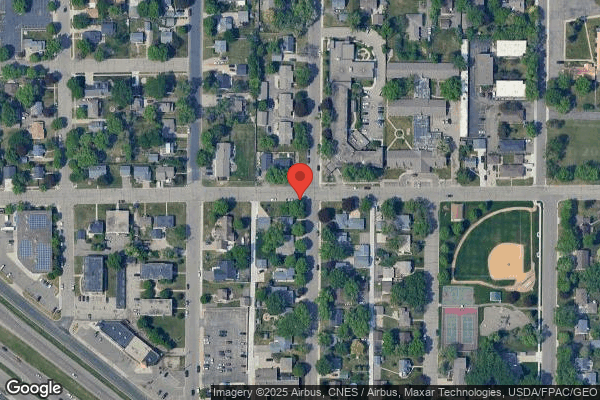
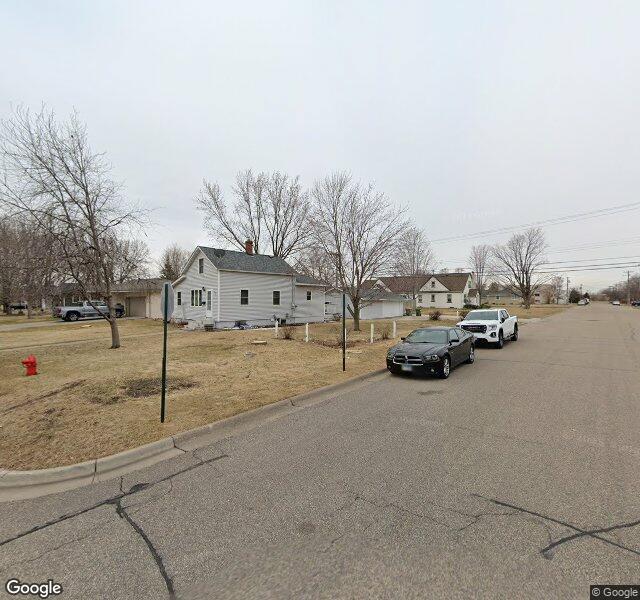
501 SECOND STREET SOUTHEAST, OSSEO, MN 55369 (763) 762-1800
For profit - Limited Liability company 100 Beds MONARCH HEALTHCARE MANAGEMENT Data: November 2025 3 Immediate Jeopardy citations
Trust Grade
0/100
#320 of 337 in MN
Last Inspection: June 2025

Inspected within the last 6 months. Data reflects current conditions.

Overview

The Villas at Osseo LLC has received a Trust Grade of F, which indicates a poor rating and significant concerns regarding the quality of care provided. In Minnesota, the facility ranks #320 out of 337, placing it in the bottom half of all facilities in the state, and #49 out of 53 in Hennepin County, meaning only a few local options are worse. Although the facility is improving-reducing its issues from 19 in 2024 to 14 in 2025-there are still serious problems, including a concerning staffing turnover rate of 59%, which is above the state average, and fines totaling $55,965, higher than 85% of Minnesota facilities. Specific incidents of critical concern include a resident receiving five times the prescribed dose of medication over multiple days, a resident suffering a femur fracture due to neglect of their mobility needs, and another resident leaving the facility unsupervised in dangerously cold weather. While staffing is rated average, the overall quality and safety issues present significant risks and should be seriously considered by families researching this home.

Trust Score
F
0/100
In Minnesota
#320/337
Bottom 6%
Safety Record
High Risk
Review needed
Inspections
Getting Better
19 → 14 violations
Staff Stability
⚠ Watch
59% turnover. Above average. Higher turnover means staff may not know residents' routines.
Penalties
⚠ Watch
$55,965 in fines. Higher than 95% of Minnesota facilities. Major compliance failures.
Skilled Nurses
✓ Good
Each resident gets 50 minutes of Registered Nurse (RN) attention daily — more than average for Minnesota. RNs are trained to catch health problems early.
Violations
⚠ Watch
43 deficiencies on record. Higher than average. Multiple issues found across inspections.
★☆☆☆☆
1.0
Overall Rating
★★★☆☆
3.0
Staff Levels
★★★☆☆
3.0
Care Quality
★☆☆☆☆
1.0
Inspection Score
Stable
2024: 19 issues
2025: 14 issues

The Good

  • Full Sprinkler Coverage · Fire safety systems throughout facility
  • No fines on record

Facility shows strength in fire safety.

The Bad

1-Star Overall Rating

Below Minnesota average (3.2)

Significant quality concerns identified by CMS

Staff Turnover: 59%

13pts above Minnesota avg (46%)

Frequent staff changes - ask about care continuity

Federal Fines: $55,965

Above median ($33,413)

Moderate penalties - review what triggered them

Chain: MONARCH HEALTHCARE MANAGEMENT

Part of a multi-facility chain

Ask about local staffing decisions and management

Staff turnover is elevated (59%)

11 points above Minnesota average of 48%

The Ugly 43 deficiencies on record

3 life-threatening 1 actual harm
Jun 2025 8 deficiencies
CONCERN (D) 📢 Someone Reported This

A family member, employee, or ombudsman was alarmed enough to file a formal complaint

Potential for Harm - no one hurt, but risky conditions existed

Resident Rights (Tag F0550)

Could have caused harm · This affected 1 resident

**NOTE- TERMS IN BRACKETS HAVE BEEN EDITED TO PROTECT CONFIDENTIALITY** Based on observation and interview, the facility failed to ensure dignity was maintained for 1 of 1 residents (R65) reviewed for...

Read full inspector narrative →
**NOTE- TERMS IN BRACKETS HAVE BEEN EDITED TO PROTECT CONFIDENTIALITY** Based on observation and interview, the facility failed to ensure dignity was maintained for 1 of 1 residents (R65) reviewed for dignity related to dressing. Findings Include: R65's admission minimum data set (MDS) dated [DATE], indicated R65 was admitted on [DATE], was able to communicate clearly and understand others, was cognitively intact, and had the following diagnoses: bilateral (both sides) below the knee amputation, HTN, wound infection, diabetes, malnutrition, anxiety, depression, and asthma. On 6/9/25 at 3:14 p.m , R65 was observed sitting in bed wearing only a black and tan sweater, tan grippy socks over R65's bilateral stumps, and a brief. R65 stated he should have been wearing pants, but staff didn't complete the task. F65 was upset and stated, how can you treat an elderly person this way?. R65 and R65's daughter (FM)-A stated R65 was a dignified person and was embarrassed to be left this way and would have never chosen to not wear pants. On 6/12/5 at 11:48 a.m., licensed practical nurse (LPN)-C stated when they were getting someone up in the morning and assisting them with activities of daily living (ADL), they would wear a full set of clothing which included a shirt, pants, etc. LPN-C stated R65 preferred to always wear pants, and R65 picked them out in advance and layed them out for staff to help with when getting dressed. On 6/12/25 at 12:45 p.m , the director of nursing (DON) stated their expectation was the staff washed and dressed the resident based on resident's preference. The DON stated the importance of respecting resident wishes related to dressing, to allow the resident to have control over their own image and feel good about how they looked. On 6/12/25 at 12:40 p.m., the administrator stated they expected staff to dress the residents in what they would prefer to wear whether it was a gown or shirt and pants. The administrator stated the importance of dressing the residents how they prefer because it was dignified and respectful of the resident and their wishes. The facility Abuse Prohibition/Vulnerable Adult policy last reviewed 4/2025, indicated the philosophy of Monarch healthcare management is to provide quality long-term care in a loving and caring atmosphere.
CONCERN (D)

Potential for Harm - no one hurt, but risky conditions existed

Safe Environment (Tag F0584)

Could have caused harm · This affected 1 resident

**NOTE- TERMS IN BRACKETS HAVE BEEN EDITED TO PROTECT CONFIDENTIALITY** Based on observation and interview, the facility failed to ensure proper cleaning of wheelchairs for 2 of 2 residents (R14, R13)...

Read full inspector narrative →
**NOTE- TERMS IN BRACKETS HAVE BEEN EDITED TO PROTECT CONFIDENTIALITY** Based on observation and interview, the facility failed to ensure proper cleaning of wheelchairs for 2 of 2 residents (R14, R13) reviewed for dignity. Findings Include: R14's quarterly MDS dated [DATE], included R14 was cognitively intact. R14 utilized a wheelchair for mobility and required partial to moderate assistance for personal hygiene. R14 had diagnoses of arthritis, abnormalities of the gait or mobility, and essential tremor. On interview on 6/10/25 at 9:22 a.m., R14 commented on the condition of her wheelchair. R14 stated the wheels were worn out and had gouges and divots out of them which caused the wheelchair to be difficult to be maneuvered by transportation company. R14 also stated the arm rests were missing chucks of covering black covering. R14 stated it had been years since her wheelchair was cleaned and had dirt on it. R13's quarterly minimum data set (MDS) dated [DATE], included R13 was severely cognitively impaired, utilized a wheelchair for a mobility device, and required substantial assistance with personal grooming. R13 had diagnoses of dementia, depression, weakness. On 6/10/25 at 8:48 a.m., R13 was observed in the dining room at a table with other residents present. R13's wheelchair was noted to have light gray particles and small, sand size brown and tan pieces noted on the lower bars of the wheelchair. During interview on 6/10/25 at 3:38 p.m., nursing assistant (NA)-B stated the staff cleaned the wheelchairs as needed. NA-B stated staff used a disinfectant wipe to clean the wheelchair if it was noted to be dirty. During interview on 6/10/25 at 4:32 p.m., licensed practical nurse (LPN)-B stated wheelchairs were cleaned regularly by housekeeping, but he was unaware of the schedule. During interview on 6/10/25 at 4:38 p.m., director of housekeeping (DOH) stated housekeeping cleaned wheelchairs after resident's were discharged or if it was brought to them to be cleaned but did not routinely clean wheelchairs for residents. During interview on 6/10/25 at 4:47 p.m., nurse manager (NM)-D stated the director of nursing (DON) and DOH recently cleaned some wheelchairs and were working on a system to clean them all regularly because there was no one available to clean them overnight when residents tend to be out of their wheelchairs. NM-D confirmed R13's wheelchair had a spot that looked like spilled food on the curved bars of the wheelchair used for tilting the chair, along with other dirt and crumbs. NM-D confirmed R14's wheelchair had large gouges in the wheels and described them as dead. NM-D stated R14's wheelchair had disgusting, dried, I don't know what on it, along with dirt and dropped food and drink that had not been cleaned up. NM-D confirmed both wheelchairs have not been cleaned in an extended period of time. During interview on 6/10/25 at 5:15 p.m., DON stated he believed wheelchair cleaned was set up to be completed monthly by housekeeping when they complete a deep clean of the room. The DON stated the wheelchairs should be cleaned in between those deep cleans as needed. The DON confirmed both R13's and R14's wheelchairs had a build up of dirt and debris and had not been deep cleaned or spot cleaned recently. Facility policy for wheelchair cleaning requested and not provided.
CONCERN (D) 📢 Someone Reported This

A family member, employee, or ombudsman was alarmed enough to file a formal complaint

Potential for Harm - no one hurt, but risky conditions existed

ADL Care (Tag F0677)

Could have caused harm · This affected 1 resident

**NOTE- TERMS IN BRACKETS HAVE BEEN EDITED TO PROTECT CONFIDENTIALITY** Based on observation, interview, and document review the facility failed to provide assistance with grooming for 1 of 2 resident...

Read full inspector narrative →
**NOTE- TERMS IN BRACKETS HAVE BEEN EDITED TO PROTECT CONFIDENTIALITY** Based on observation, interview, and document review the facility failed to provide assistance with grooming for 1 of 2 resident (R145) reviewed for activities of daily living (ADL's). Findings include: R145's admission Minimum Data Set (MDS) dated [DATE], indicated R145 was cognitively intact and required assistance with ADL's. R145 had diagnosis of acute kidney failure and moderate protein calorie malnutrition. R145's care plan dated 5/27/25, indicated. R145 required assistance with personal hygiene preferences. The care plan revealed R145 would be dressed and groomed per his preferences. During an observation on 6/9/25 at 3:02 p.m., R145 was lying in bed watching television. R145's beard and mustache were approximately one inch long. R145 stated the beard and mustache were long for him. R145 stated he would like it to be clean shaven, he would look better. An interview on 6/10/25 at 1:29 p.m., nursing assistant (NA)-A stated it was part of resident care to offer shaving. NA-A stated she did not offer R145 to be shaved because it was not his shower day. An interview on 6/10/25 at 1:55 p.m. registered nurse (RN)-A stated she was not aware R145 wanted to be clean shaven. An interview on 6/10/25 at 2:31 p.m., nurse manager (NM)-A stated R145 had no documented refusals of personal hygiene which included shaving. NM-A stated R145 required assist of one staff for personal hygiene. An interview on 6/11/25 at 8:03 a.m., R145 stated he looked better and felt better after being shaved. An interview on 6/12/25 at 12:45 p.m., director of nursing (DON) stated shaving for the resident should be offered if the resident wanted to be shaved. The DON stated it is important to complete grooming so residents can look how they want to look, have control over their image, and feel good about themselves. A facility policy Activities of Daily Living (ADLs) Maintain Abilities Policy dated 6/2025 revealed based on the comprehensive assessment of a resident and consistent with the resident's needs and choices, the facility would provide the necessary care and services to ensure that a resident's abilities in activities of daily living do not diminish unless circumstances of the individual's clinical condition demonstrate that such diminution was unavoidable. The facility will ensure a resident is given the appropriate treatment and services to maintain or improve his or her ability to carry out the activities of daily living. The facility will provide care and services for the following activities of daily living: a. hygiene-bathing, dressing, grooming, and oral care, b. mobility-transfer and ambulation, including walking, c. elimination-toileting, d. dining-eating, including meals and snacks, e. communication, including i. speech, ii. language, and iii. other functional communication systems.
CONCERN (D) 📢 Someone Reported This

A family member, employee, or ombudsman was alarmed enough to file a formal complaint

Potential for Harm - no one hurt, but risky conditions existed

Deficiency F0761 (Tag F0761)

Could have caused harm · This affected 1 resident

Based on observation and interview the facility failed to ensure medications were secured in resident accessible areas. In addition, the facility failed to ensure medications were labeled with current...

Read full inspector narrative →
Based on observation and interview the facility failed to ensure medications were secured in resident accessible areas. In addition, the facility failed to ensure medications were labeled with current physician-ordered administration instructions including medication name, and resident name. This unsafe practice had the potential to impact residents who received medications from the 100-unit medication cart. Findings include: During an observation on 6/11/25 at 8:22 a.m., licensed practical nurse (LPN)A administered medications from the 100-unit medication cart to R26. LPN-A placed a blue cup with an unlabeled, undated medication syringe containing a clear liquid and an unlabeled, undated clear medication cup with a round tablet on R26's bedside table while LPN-A administered crushed medications. After R26 took the crushed medications she asked LPN-A what the medications on the bedside table were. LPN-A stated the syringe in the blue cup contained liquid methadone for pain and the pill was lorazepam. R26 shook her head no, and stated she did not want them. LPN-A then picked up the unlabeled, undated blue cup containing the syringe of clear liquid she had identified as methadone, and the unlabeled, undated medication cup with the pill she had identified as lorazepam and exited the room. Upon returning to the medication cart LPN-A unlocked the cart and unlocked the narcotic drawer and immediately placed the blue cup with the syringe, and the medication cup inside the narcotic drawer and closed the lid, pushed the drawer in and locked the cart. LPN-A did not label the syringe with R26's name, date or medication names and/or doses. During continuous observation of 100-unit medication cart and interview on 6/11/25 at 9:23 a.m. through 10:04 a.m., registered nurse case manager (CM)-C stated staff should make two to three attempts to get residents to take medications and if after multiple attempts have been made medications should be destroyed. CM-C stated all narcotic medications require two nurses to destroy. CM-C confirmed the medication in the syringe in the blue cup and the pill in the medication cup located in the narcotic drawer of the 100-unit medication cart were unlabeled and would be difficult to identify. LPN-A and CM-C documented the destruction of the medications and walked away from the 100-unit medication cart. During this observation an insulin pen with the administration needle loaded on the end was noted on top of the medication cart. Numerous residents and staff passed by the medication cart during observation. CM-C returned to cart and confirmed the insulin pen was left on top of the cart unattended by facility staff with multiple staff, residents and guests passing by the cart. CM-C stated anyone could walk by and grab the pen and administer insulin to themselves. During interview on 6/11/25 at 10:48 a.m., director of nursing (DON) stated he expected staff to ensure all medications were properly labeled with resident's name, physician name, medication name and current physician order for administration. He went on to state staff should make at least three attempts to administer medications to a resident who was refusing medications. DON stated if a resident continued to refuse, and the medication was a narcotic it should be immediately destroyed by two nurses and document the destruction. He went on to medications refused by residents should never be returned to the medication cart and stated this was important as this can lead to potential medication errors or drug diversion. DON stated all insulin pens should be stored in the medication cart drawers until ready to be dispensed. DON stated he expected staff to get medications ready at time of administration and never 'set them up' in advance to avoid any potential medication errors, or a resident gaining access to unattended medications. A copy of the medication administration and storage policy was requested but not given.
CONCERN (D) 📢 Someone Reported This

A family member, employee, or ombudsman was alarmed enough to file a formal complaint

Potential for Harm - no one hurt, but risky conditions existed

Deficiency F0865 (Tag F0865)

Could have caused harm · This affected 1 resident

Based on interview and document review, the facility failed to ensure the Quality Assurance Assessment and Performance Improvement Plan (QAPI) committee effectively sustained ongoing compliance relate...

Read full inspector narrative →
Based on interview and document review, the facility failed to ensure the Quality Assurance Assessment and Performance Improvement Plan (QAPI) committee effectively sustained ongoing compliance related to repeat citations from past surveys regarding dignity, which was also identified during this survey. This had the potential to affect all 85 residents in the facility. Finding include: Review of the [NAME] Report 0003D Provider History Profile Report dated 5/16/25, indicated the facility was cited for F550 for dignity during the survey exited 9/24/24. See F550: Based on observation, interview, and record review, the facility failed to utilize professional interpretive services for 1 of 1 resident (R66) reviewed for oral communication. The facility's QAPI minutes dated 3/20/25, 4/17/25, and 5/15/25 lacked ongoing data related to the above repeat citation related to dignity concerns. On 6/12/25 at 1:22 p.m., the administrator stated the QAPI committee meets monthly, and they use standard monarch documentation to trend and identify problematic areas for opportunities to improve. The current focus was pressure ulcers, and education with staff regarding abuse and vulnerable adult reporting expectations. The administrator stated they have a program that calculates percentages of change when looking at pressure ulcers and use the minimum data set to track information related to other identified issues. The QAPI program policy last reviewed 6/3/25, indicated the facility will gather and use QAPI data in and organized and meaningful way. Areas to evaluate and monitor include: a) Clinical outcomes: pressure ulcers, infections, medication use, pain, falls etc. b) Complaints from residents and families c) Rehospitalizations d) Staff turnover and assignments e) Staff satisfaction f) Care plans g) State surveys and deficiencies h) MDS assessment data.
CONCERN (D) 📢 Someone Reported This

A family member, employee, or ombudsman was alarmed enough to file a formal complaint

Potential for Harm - no one hurt, but risky conditions existed

Infection Control (Tag F0880)

Could have caused harm · This affected 1 resident

Based on observation and interview, the facility failed to complete proper hand hygiene during 2 of 3 dining observations. This had the potential to affect all 85 residents. Findings include: During ...

Read full inspector narrative →
Based on observation and interview, the facility failed to complete proper hand hygiene during 2 of 3 dining observations. This had the potential to affect all 85 residents. Findings include: During dining observation on 6/10/25 at 8:16 a.m., director of nutrition (DN) completed hand hygiene with soap and water for about 5 seconds in the dining room serving area. During interview at 6/10/25 at 8:20 a.m., DN stated she washed her hands for approximately 10 seconds. DN stated she believed proper hand hygiene should take 15 seconds, but felt it was not an issue because she was not touching food, only checking temperatures and adjusting serving dishes in the steam table. During food prep observation on 6/12/25 at 10:05 a.m., dietary aide (DA)-A checked the chemical level on the dishwasher, washed hands with soap and water for 6 seconds, dried hands and replaced gloves. During observation and interview on 6/12/25 at 10:21 a.m., DA-B entered the kitchen, washed hands with soap and water for 7 seconds, put on gloves and started moving clean dishes to storage area. DA-B stated she should have washed her hands for 20 seconds and would just know how long 20 seconds was. During interview on 6/12/25 at 10:29 a.m., director of dietary (DOD) stated it was expected that all staff wash their hands upon entry to the kitchen, between tasks and any time hands were soiled. Staff should wash their hands for at least 20 seconds. DOD stated hand hygiene audits were regularly completed and that one was just completed the previous day. Undated facility handwashing policy included proper hand washing techniques should be used before, during and after preparing food. Hand washing technique included scrubbing hands vigorously for at least 20 seconds prior to rinsing under water and drying with paper towel.
CONCERN (D) 📢 Someone Reported This

A family member, employee, or ombudsman was alarmed enough to file a formal complaint

Potential for Harm - no one hurt, but risky conditions existed

Deficiency F0883 (Tag F0883)

Could have caused harm · This affected 1 resident

**NOTE- TERMS IN BRACKETS HAVE BEEN EDITED TO PROTECT CONFIDENTIALITY** Based on interview, and document review the facility failed to ensure 3 of 5 residents (R12, R61, and R65) were offered, educate...

Read full inspector narrative →
**NOTE- TERMS IN BRACKETS HAVE BEEN EDITED TO PROTECT CONFIDENTIALITY** Based on interview, and document review the facility failed to ensure 3 of 5 residents (R12, R61, and R65) were offered, educated on, and provided the pneumococcal vaccination series as recommended by the Centers for Disease Control (CDC), who were reviewed for immunizations. Findings include: A CDC Adult Immunization Schedule by age topic, dated 11/21/2024, identified various tables when each (or all) of the pneumococcal vaccinations should be obtained. This identified when an adult over [AGE] years old had received the complete series (i.e., PPSV23 and PCV13; see below) then the patient and provider may choose to administer Pneumococcal 20-valent Conjugate Vaccine (PCV20) for patients who had received Pneumococcal 13-valent Conjugate Vaccine (PCV13) at any age and Pneumococcal Polysaccharide Vaccine 23 (PPSV23) at or after [AGE] years old. R12's quarterly Minimum Data Set (MDS) dated [DATE], indicated R12 was admitted on [DATE], was able to communicate clearly and understand others, was moderately cognitively impaired and had the following diagnoses: heart failure (HF) (heart pumps ineffectively), hypertension (HTN) (high blood pressure), renal failure, neurogenic bladder (inability to control ones' bladder), and Alzheimer's. R12's point click care (PCC) Immunizations form undated, indicated R12 had received the pneumococcal conjugate vaccine (PCV) 13 on 5/14/2015. In accordance with the CDC recommendations R12 was eligible for a dose any of the following pneumococcal conjugate vaccines: PCV15, PCV20, or PCV21. R12's resident vaccine administration consent form dated 2/11/25, indicated R12 had given consent to receive the pneumococcal vaccine. R12's medical record lacked evidence the vaccination was provided or administered. R61 quarterly MDS dated [DATE], indicated admitted on [DATE], was able to communicate clearly and understand others, was cognitively intact, and had the following diagnoses: hyperlipidemia (HLD) (high levels of fat in bloodstream), hip fracture, hemiplegia or hemiparesis (inability to move some of one's extremities) related to a stroke, anxiety, depression, and psychosis. R61's PCC immunizations form undated, indicated R61 had received PCV13 on 10/27/2017, and pneumococcal polysaccharide vaccine (PPSV23) on 10/26/2019. In accordance with the CDC recommendations R61 was eligible for a dose any of the following pneumococcal conjugate vaccines: PCV15, PCV20, or PCV21. R61's resident vaccine administration consent form dated 8/14/2025 and a second form dated 6/10/25 indicated R61 had given consent to receive the pneumococcal vaccine. R61's medical record lacked evidence the vaccination was provided or administered. R65's admission MDS dated [DATE], indicated R65 was admitted on [DATE], was able to communicate clearly and understand others, was cognitively intact, and had the following diagnoses: HTN, wound infection, diabetes, malnutrition, anxiety, depression, and asthma. R65's PCC immunizations form undated, indicated R65 had not received any pneumococcal vaccinations. In accordance with the CDC recommendations R65 was eligible for a dose any of the following pneumococcal conjugate vaccines: PCV15, PCV20, or PCV21. R65's resident vaccine administration consent form dated 5/9/2025, indicated R65 had given consent to receive the pneumococcal vaccine. R65's medical record lacked evidence the vaccination was provided or administered. On 6/12/25 at 10:10 a.m., the director of nursing (DON) who was also in the role of infection preventionist, stated they expected the health records department would pull the residents vaccination record upon admission. During the admission process the resident would be offered vaccinations they were eligible for and should be offered within 5 days of admission and administered within 30 days. The DON stated the vaccinations could be completed by the nurse managers, or the floor nurse on duty, just depended on who had time to complete them. Next, they will order it and schedule it on the electronic medical record, get from the pharmacy and then administer once it was received. The DON confirmed R12 and R65 had not received the vaccinations they had given consent for and stated the importance of providing vaccinations to lesson symptoms of diseases and lesson risk of hospitalization and preventable diseases. The facility Pneumococcal Policy last revised 6/3/25, indicated prior to admission to the facility (within 5 days) all residents will be assessed for current immunizations status and eligibility to receive the pneumococcal vaccine. Within 30 days, of admission, resident will be offered the vaccine, when indicated, and unless the resident has already been vaccinate or the vaccine is medially contraindicated
CONCERN (E) 📢 Someone Reported This

A family member, employee, or ombudsman was alarmed enough to file a formal complaint

Potential for Harm - no one hurt, but risky conditions existed

Deficiency F0657 (Tag F0657)

Could have caused harm · This affected multiple residents

**NOTE- TERMS IN BRACKETS HAVE BEEN EDITED TO PROTECT CONFIDENTIALITY** Based on record review and interview the facility failed to conduct care conferences on a quarterly basis for 6 of 6 residents (...

Read full inspector narrative →
**NOTE- TERMS IN BRACKETS HAVE BEEN EDITED TO PROTECT CONFIDENTIALITY** Based on record review and interview the facility failed to conduct care conferences on a quarterly basis for 6 of 6 residents (R12, R14, R26, R27, R56, R70) reviewed for care planning. Additionally, the facility failed to update the care plan for 1 of 6 residents (R70) reviewed for communication and language preferences. Findings include: R12's quarterly Minimum Data Set (MDS) dated [DATE], indicated R12 was admitted on [DATE], moderately cognitively impaired, able to communicate clearly, and understand others, R12 had the following diagnoses: heart failure (HF) (heart pumps ineffectively), hypertension (HTN) (high blood pressure), renal failure, neurogenic bladder (inability to control ones' bladder), and Alzheimer's. R12's care conference form dated 11/13/24, indicated a care conference took place one day after R12's admission, however, there was no other evidence of any other care conferences having been conducted. On 6/9/25 at 1:46 p.m , R12 reported they did not remember ever having a care conference, nor their family being contacted about one either. R14's quarterly MDS dated [DATE], included R14 had an admission date of 12/31/22 and was cognitively intact. R14 utilized a wheelchair for mobility and required partial to moderate assistance for personal hygiene. R14 had diagnoses of arthritis, diabetes, abnormalities of the gait or mobility, and essential tremor. R14's last provided care conference form indicated the date of the most recent care conference was 5/16/25. However, no care conferences noted in chart for previous three quarters. R26's quarterly minimum data set (MDS) dated [DATE], indicated R26 was admitted on [DATE], moderately cognitively impaired, able to communicate and understood others. R26 had the following diagnoses: multiple sclerosis, paraplegia, anxiety and depression. R26's medical record indicated one care conference note dated 9/30/24. However, the record lacked any evidence of any other care conferences taking place. The record also revealed R26 had quarterly MDS assessments on 4/8/25, 1/9/25, and 8/29/24. R27's quarterly MDS date 3/31/25, indicated R27 was admitted on [DATE], severely cognitively impaired, able to communicate and understood others. R27 had the following diagnoses: hypertension, renal failure, diabetes and history of a stroke. R27's medical record indicated care conference note dated 12/17/24. However the record lacked any evidence of any other care conferences taking place. The record also revealed R27 had quarterly MDS assessments on 3/31/25, 3/1/25, re-admission assessment on 2/6/25, and 1/28/25. R56 quarterly MDS dated [DATE], included admission date of 1/9/25 and was cognitively intact. R56 had diagnoses of anxiety, hypertension (high blood pressure), and schizophrenia (a disorder that affects a person's ability to think, feel and behave clearly). R56's last provided care conference form indicated the date of the most recent care conference was 1/10/25. No care conferences were noted for most recent quarter nor previous two quarters before last care conference. R70's annual MDS dated [DATE], indicated admission on [DATE]. R70 was cognitively intact, preferred language was documented as English, and had the following diagnoses: wound infection, fracture, paraplegia, (inability to moves some or all of ones appendages), cerebrovascular accident (CVA) /transient Ischemic attack) (TIA), or stroke, malnutrition, psychotic disorder, and post-traumatic stress disorder (PTSD). R70's care conference dated 4/4/25, indicated it was the most recent care conference conducted. Prior to 4/4/25, no other care conferences had been conducted since 5/31/24. On 6/9/25 at 5:43 p.m., R70 was unable to communicate in English, and when offered translations services, R70's preferred language was Ukrainian. R70 stated frustration, and felt the facility did not care about them or what happened because they were Ukrainian. R70 stated they could not remember ever having a care conference, and they had no idea what was happening with their discharge plan. R70 stated no one communicated with them, and had no idea how the planning was going or if it was occurring at all. On 6/12/25 at 8:49 a.m., the social services director (SS)-A stated the social services department was responsible for conducting care conferences. SS-A confirmed both R12 and R70 were overdue for care conferences, and they should have been conducted quarterly and annually. R70's care plan dated 4/9/25, indicated R70's primary language was Russian, and required translation to communicate with staff members. R70's Associated Clinic of Psychology (ACP) note dated 10/3/23, indicated R70 was born and raised in Ukraine. R70 came to the united stated as a refugee in 2022, fleeing the war between Russia and Ukraine. The provider indicated in the ACP note their concern for possible isolation because of the R70's language barrier, and their need for an interpreter in R70's primary language of Ukrainian, as they know/understand very little English. On 6/9/25 at 5:43 p.m., R70 indicated they spoke Ukrainian. On 6/12/25 at 11:48 a.m., licensed practical nurse (LPN)-A stated the nurse managers were responsible for updating care plans, and they were unaware of what language R70 spoke, however they believed it was Ukrainian. During interview on 6/11/25 at 10:48 a.m., and 6/12/25 at 10:10 a.m., director of nursing (DON) stated an initial care conference was held within three days of admission, and a quarterly care conference was 90 days later. The DON confirmed both R12, and R70 had not had care conferences conducted quarterly per regulations and the DON stated that was unacceptable DON confirmed R26 had only one documented care conference and was overdue for 3 if not 4 others, and R27 had only one documented care conference. DON stated he expected the care conferences to be scheduled following the quarterly MDS assessments and these should be set up with social service director and nurse managers. DON stated it was important to hold care conferences, so all parties were aware of status and contribute to resident care planning. Care conferences were important to keep everyone formally informed of how the resident was doing and their discharge plans. Furthermore, the DON stated they believed R70 was Ukrainian, and their native language was Russian, however they were unsure. The DON confirmed R70's care plan listed Russian as their primary language. The DON was unaware R70 had indicated they spoke Ukrainian. It was important residents were able to communicate in their native language in order to communicate with them appropriately. On 6/12/25 at 12:40 p.m , the administrator stated the social services department was responsible for conducting care conferences, and confirmed both R12 and R70's care conferences had not been completed and were important to ensure collaboration of care with department heads, the resident, and their family's in order for them to be involved in their care. Furthermore, the administrator stated the nurse managers were responsible for updating the care plans of residents. The administrator stated they believed R70 spoke Russian, and they had provided R70 with Berg translations services, and placed communication cards, in Russian, which R70 could use to communicate. The administrator stated R70 had laughed and did not want them. The administration stated they would have noted R70's primary language based on referral information upon admission. The administrator then confirmed R70's care plan stated their primary language was Russian. However, the administrator reviewed R70's orders, and indicated R70's spoke Ukrainian. The administrator stated the importance of using R70's native language because it represents their culture and allows them that right, and for the facility to be aware of the care they need and provide what they need based on their preferences. An email from the administrator dated 6/12/25 at 1:16 p.m., indicated R70's current order started 7/31/24, stating Berg Interpreter Services with a phone number, and speaks Ukraine language/prn communication needs. The facility's Care Planning Policy last revised 11/24, indicated the resident has the right and is encouraged to participate in the development of his or her care. The care plan shall be used in developing the residents daily care routines and will be utilized by staff personnel for the purposes of providing care and services to the resident A care conference policy was requested, and none was provided.
May 2025 1 deficiency 1 IJ
CRITICAL (J) 📢 Someone Reported This

A family member, employee, or ombudsman was alarmed enough to file a formal complaint

Immediate Jeopardy (IJ) - the most serious Medicare violation

Deficiency F0760 (Tag F0760)

Someone could have died · This affected 1 resident

**NOTE- TERMS IN BRACKETS HAVE BEEN EDITED TO PROTECT CONFIDENTIALITY** Based on observation, interview and document review the facility failed to ensure staff followed five rights of medication admin...

Read full inspector narrative →
**NOTE- TERMS IN BRACKETS HAVE BEEN EDITED TO PROTECT CONFIDENTIALITY** Based on observation, interview and document review the facility failed to ensure staff followed five rights of medication administration for 1 of 3 residents (R1) reviewed for significant medication errors. R1 received five times the prescribed dose of Methadone for three days (nine shifts) which impaired her speech, ability to verbalize needs and consume nutrition. This resulted in an immediate jeopardy (IJ) for R1. The IJ began on 4/26/25, when the facility staff administrating R1's medication failed to compare the written order on the Medication Administration Record (MAR) with the prescription label on the physical bottle of Methadone before administration which resulted in R1 receiving five times the prescribed dose of Methadone nine times over the course of three days. The IJ was identified on 5/7/25, and the administrator was notified of the IJ on 5/7/25 at 1:45 p.m. The immediate jeopardy was removed on 5/1/25, and the deficient practice was corrected prior to the start of the survey and was therefore issued at past noncompliance. Findings include: R1's quarterly Minimum Data Set (MDS) dated [DATE], identified moderate cognitive impairment and indicated she received scheduled and as needed pain medication. The MDS indicated R1 had frequent pain that occasionally affected sleep and day to day activities and received opioid (a class of drugs that relieve pain, but can also cause side effects, dependence, and overdose) medications. Diagnosis included Multiple Sclerosis (MS), open wounds, paraplegia, and pain. R1's care plan dated 4/20/25, identified an alteration in comfort related to MS, polyneuropathy and wound cares. The care plan directed staff to assess for pain, document effectiveness of pain medication and administer pain medications as ordered by the physician. R1's prescription medication bottle dated 3/27/25, indicated Methadone SOL (solution) 10 milligrams (mg)/5 milliliters (ml) directed 10 ml (20 mg) by mouth three times daily. R1's Physician Order details dated 4/11/25, Methadone HCL (hydrochloride) oral solution 10 mg/5 ml. Give 30 mg by mouth three times daily for pain. Give 30 mg = 15 ml. R1's prescription medication bottle dated 4/25/25, indicated Methadone 10 mg/ml. Take three ml by mouth three times daily which equals, 30 mg. R1's MAR April 2025 indicated Methadone HCL oral solution 10 mg/5 ml. Give 30 mg. R1's narcotic record hand written by staff, indicated Methadone 10 mg/ml. Drug dosage indicated 15 mg. Directions: Take 15 ml's three times daily. The record indicated the transcribing staff member failed to identify the change of dosage on the prescription bottle. The record indicated staff gave the following amounts: 4/26/25 at 10:00 a.m., 15 ml, equal to 150 mg. ( five times the prescribed dose). 4/26/25 at 12:00 p.m., 15 ml, equal to 150 mg. ( five times the prescribed dose). 4/26/25 at (unable to read), 15 ml, equal to 150 mg. ( five times the prescribed dose). 4/26/25 at 7:41 a.m., 15 ml, equal to 150 mg. ( five times the prescribed dose). 4/27/25 at 12:00 p.m., 15 ml, equal to 150 mg. ( five times the prescribed dose). 4/27/25 at 8:00 p.m., 15 ml, equal to 150 mg. ( five times the prescribed dose). 4/28/25 at (unable to read), 15 ml, equal to 150 mg. ( five times the prescribed dose). 4/28/25 at 12:00 p.m., 15 ml, equal to 150 mg. ( five times the prescribed dose). 4/28/25 at 8:00 p.m., 15 ml, equal to 150 mg. ( five times the prescribed dose). A Medication Error Reconciliation Form dated 4/30/25, indicated on 4/26/25 at 10:00 a.m. and 12:00 p.m., agency staff administered Methadone based on supply bottle from hospice which had a different concentration than previous bottle and administered wrong dose from old discontinued medication bottle. Nurse did not follow the five rights of medication administration (right drug, right patient, right dose, right route, right time.) Nurse educated on five rights of medication administration. A Medication Error Reconciliation Form dated 4/30/25, indicated on 4/26/25 at 8:41 p.m. and 4/29/25 at 8:00 a.m. and 12:00 p.m., registered nurse (RN)-A administered Methadone based on supply bottle from hospice which had a different concentration than previous bottle on hand administered wrong dose from old discontinued medication bottle. Nurse did not follow the five rights of medication administration. Nurse educated on five rights of medication administration. A Medication Error Reconciliation Form dated 4/30/25, indicated on 4/27/25 at 7:41 p.m., 12:00 p.m. and 8:00 p.m., licensed practical nurse (LPN)-A administered Methadone based on supply bottle from hospice which had a different concentration than previous bottle on hand administered wrong dose from old discontinued medication bottle. Nurse did not follow the five rights of medication administration. Nurse educated on five rights of medication administration. A Medication Error Reconciliation Form dated 4/30/25, indicated on 4/28/25 at 7:38 a.m., 12:00 p.m. and 8:00 p.m registered nurse (RN)-B administered Methadone based on supply bottle from hospice which had a different concentration than previous bottle on hand administered wrong dose from old discontinued medication bottle. Nurse did not follow the five rights of medication administration. Nurse educated on five rights of medication administration. R1's Progress Notes identified the following: 4/30/25, Nurse practitioner and hospice notified of medication concern. 4/30/25, Hospice nurse returned call regarding Methadone dosing, stated to continue to monitor for adverse reactions. R1 had been in active decline with changes in intakes, ability to tolerate meals or activity with therapeutic recreation. 4/30/25, R1 was weak, not much activity occurred. R1 did not eat, just took sips of water. 4/30/25, Hospice routine visit note indicated writer was alerted to change of condition by hospice aide. R1 displayed exertion to respond to yes or no questions. Hospice nurse and aide to start daily visits. 4/30/25, R1 was lethargic at beginning of shift. Awake at supper and requested food. R1 ate 15% of food and drank 40 cubic centimeters (cc) [a teaspoon is typically equal to about 5 cc of fluid] this shift. 5/1/25, R1 unable to take oral medications due to weakness and decline. 5/1/25, Hospice nurse visit: Upon arrival, R1 in bed sleeping, did not open eyes to verbal or physical stimuli. Respirations even with periods of apnea (the temporary cessation of breathing). All extremities cold to touch. Family member (FM) questioned if medication concern contributed to decline which writer was unable to provide an answer. 5/1/25, R1's verbal communication has declined. 5/2/25, Update to FM given. Notified R1 was unable to tolerate oral medications, not eating or able to tolerate oral intakes due to decline. During observation on 5/6/25 at 2:28 p.m., R1 was laying in bed with staff seated next to her bed. Upon introduction, R1 made a verbalization that sound like Ahhhh, but no words spoken. During interview on 5/6/25 at 3:45 p.m., R1's significant other (SO) stated the facility had told him the concentration of Methadone came in higher that it was supposed to be and no one had caught it. The SO said R1, went way down hill real fast and said prior to the medication error R1 was able to speak and now could not. The SO stated R1 had stopped eating and had trouble swallowing since the medication error occurred. The SO stated he was the person who visited R1 regularly as her family resided in another state. During interview on 5/7/25 at 8:28 a.m., LPN-A stated R1's Methadone order had increased from a previous order. LPN-A said they received a new bottle of Methadone which indicated 30 mg but said the concentration had changed and the staff had not noticed. LPN-A said staff followed the direction on the MAR but not the bottle. During interview on 5/7/25 at 8:41 a.m., the hospice RN stated they had received an e-mail from the facility about the error but it had gone to a different department than nursing. The hospice RN said she learned about the medication error via text from the hospice physician. The hospice RN stated the facility explained the staff had been giving the wrong dose of the Methadone due to not looking at the bottle. On 5/7/25 at 9:51 a.m., the director of nursing (DON) was interviewed along with the vice president of clinical operations (VPCO) for the Hospice agency. The DON stated the medication error was discovered during the afternoon medication count on 4/30/25. The DON said she was notified of the errors on 5/1/25 and completed the medication error forms along with LPN-A. The DON stated as soon as they learned about the error the nurses involved received immediate education. The DON stated the nurses had not followed the five rights of medication administration. The VPCO said R1 had been placed back on final moments which include daily nurse and aide visits, due to the medication error. The VPCO stated prior to the error it had been many months since R1 had received final moments care. The VPCO said R1 remained on final moments due to decreased appetitive, not eating/drinking as much and decline in verbalizations. During interview on 5/7/25 at 10:35 a.m., when asked about the significance of receiving five times the dose of methadone, the pharmacy consultant (PC) stated with any opioid medication there was a concern for respiratory depression, sedation, confusions or a potential overdose, which was a more life threatening situation. The CP said Methadone had a longer half life (indicates how long it takes for a drug to be removed from your body) which made it trickier to determine how long it would take for someone to return to their baseline following an over dose. The CP said typically it took from 24 - 36 ish hours but fluctuated with patients which was why changes were made slowly. The CP stated she considered the medication error to be significant. During interview on 5/7/25 at 11:33 a.m., nursing assistant (NA)-A and NA-B were interviewed. NA-A stated during the last two weeks, R1 had not been eating very much and would only drink fluids. NA-A said prior to a few weeks ago R1' appetite was normal. NA-B indicated when recently came into work R1's speech was unable to be understood which was a change from previously and said now R1 would not eat. NA-A said the speech had changed in the last week and said R1 was no longer speaking and would just look at him. During interview on 5/7/25 at 11:38 a.m., LPN-A said she had noticed R1 had been sleeping a lot more. LPN-A stated initially she had not realized it was related to the medication errors. LPN-A stated a couple weeks ago was R1's last good day. LPN-A said since the medication errors occurred R1 was eating less, drinking less and was more lethargic and said R1's speech used to be so clear but now required so much effort to get words out. An undated, untitled facility procedure directed staff to review the five rights, three times prior to medication administration. The past noncompliance immediate jeopardy began on 4/26/25. The immediate jeopardy was removed 5/1/25, and the deficient practice corrected after the facility implemented a systemic plan that included the following actions: - Immediate education was provided to the nurses involved in the medication errors to include: Medication administration and transcription, the five rights of medication administration and ensuring medication labels match physician orders along with contacting pharmacy or physician for clarification. - All nurses received education related to medication types, prevention of errors, high risk medications and compliance with national safety standards. - R1's Pain medication management was reviewed for accuracy along with ensuring the label on the bottle matched the physician ordered in the medical record. - All like residents have had their orders reviewed and liquid medication labels reviewed to ensure labels on bottles match the orders in the medical record. - Compliance audits were initiated.
Apr 2025 2 deficiencies
CONCERN (D) 📢 Someone Reported This

A family member, employee, or ombudsman was alarmed enough to file a formal complaint

Potential for Harm - no one hurt, but risky conditions existed

Notification of Changes (Tag F0580)

Could have caused harm · This affected 1 resident

**NOTE- TERMS IN BRACKETS HAVE BEEN EDITED TO PROTECT CONFIDENTIALITY** Based on observation, interview and document review, the facility failed to notify resident representative timely following resi...

Read full inspector narrative →
**NOTE- TERMS IN BRACKETS HAVE BEEN EDITED TO PROTECT CONFIDENTIALITY** Based on observation, interview and document review, the facility failed to notify resident representative timely following resident change of condition for 1 of 1 residents (R2) who had a weight loss of eight pounds in 27 days. Findings include: R2's quarterly Minimum Data Set (MDS) dated [DATE], indicated R2 had cancer, diabetes mellitus, heart failure, seizure disorder and depression. The MDS indicated R2 was cognitively intact with no mood or behavior disorders, was independent with activities of daily living (ADL), including eating. R2's weight was 200 pounds (lbs) indicating, no weight loss with a therapeutic diet. R2's care plan (CP) dated 3/11/24, indicated nutritional problems or potential nutritional problems related to increased nutritional needs due to a diagnosis of malignant neoplasm (cancerous tumor) of left breast, increased protein needs, supplements discontinued by physician, weight stable for 180 days. The care plan directed staff to allow resident sufficient time to eat, evaluate weight changes, obtain and document weights per MD (Doctor of Medicine) orders and facility protocol, provide feeding dining assistance as needed, provide snacks as scheduled and as needed, provide and serve diet as ordered: controlled carbohydrate, regular texture, thin liquids. A faxed order dated 3/14/25, from R2's NP indicated diagnosis of anorexia, to check complete blood count, comprehensive metabolic panel (CMP) (check metabolic function and organs), comprehensive renal panel (CRP) (check kidneys), erythrocyte sedimentation rate (ESR) (test measures how quickly red blood cells settle at the bottom of a test tube, indicating inflammation in the body, with higher rates suggesting increased inflammation), and an abdominal x-ray. No new orders were noted from results. NP visit note dated 3/28/25, indicated R2 had loss of appetite with no recent complaints of nausea, but noted weight loss (although had previously weighed in the 180's); recent labs unrevealing. On 3/04/25, mirtazapine (antidepressant) was stopped and Aricept was started (January 2025). The note indicated on 3/14/25, per nursing, R2 did not have much of an appetite for two days and denied nausea, vomiting and complaints of abdominal pain with palpation to all quadrants no point specific area, overall not feeling well. Consider dose reduction versus stopping Aricept. The 3/28/25, note indicated discussion with family member (FM)-B. A faxed order dated 3/28/25, from R2's nurse practitioner (NP) indicated diagnosis loss of appetite and anorexia, decrease Aricept to 50 milligrams (mg) oral daily for seven days, then stop toprol XL (high blood pressure medication), start propranolol IR (beta blocker that lowers blood pressure) 40 mg twice daily for tremor and hypertension, and notify if weight is less than 175 lbs. During interview on 4/01/25 at 2:30 p.m., nurse aid NA-D stated R2 had been eating in her room for weeks, refused to go into the dining room and did not want help eating. NA-D stated R2 had been shaking more and believed the nurse practitioner (NP) had made medication changes to help with that. In addition, NA-D indicated R2 just didn't appear to want to eat lately. NA was not aware if anyone from the facility contacted the family. During observation and interview on 4/01/25, at 4:51 p.m. R2 was in her room sitting in her wheelchair when she stated she was having some diarrhea, but that had stopped. R2 stated she has lost some weight but does not know why, adding she was not crazy about the food at the facility. R2 stated she liked hamburgers, fries and soups. During interview on 4/01/25, at 7:38 p.m. R2's family (FM)-B stated the last two times she came to visit R2 past lunch time she had been in bed with the blinds closed in her room and staff told me she did not want to get up. FM-B stated she had noted more confusion and weight loss. FM-B stated she had just visited over the weekend and had to assist R2 with eating due to her shaking so bad, adding she was only notified of her weight loss by the NP on 3/28/25, and the facility had never notified her of R2's weight loss. In addition, FM-B indicated she was not notified of the NP notification for weight loss on 3/14/25, and that labs had been ordered along with an abdominal x-ray. FM-B stated had she been notified sooner of the weight loss she would have brought in supplements and snacks R2 liked and would liked to have talked with the NP sooner about the weight loss. Review of R2's medical record indicated from 3/06/25 to 4/02/25 R2 had a 8.9 lb weight loss. During observation 4/02/25 at 1:40 p.m., R2 was observed alone in her room with her lunch tray in front of her. R2's tray was observed to have a few bites taken from her 4 ounce (oz) garlic and herb baked chicken (approximately 25%), with her rotini pasta salad, lettuce salad with spinach dressing, and 8 oz juice all untouched. R2 stated she was just not hungry today and did not want to eat in the dinning room or have assistance with eating. R2 did not indicated if she was asked by staff if she wanted assistance, and no observation was made of this. During interview on 4/03/25 at 10:14 a.m., registered dietician (RD) stated she assessed R2's weight loss on 3/31/25, and noted a weight loss of 5% over 30 days, indicating she had been in the 180's, then gained towards 200 since November 2024 related to mirtazapine. RD added, mirtazapine was then discontinued on 3/4/25, along with a decreased intake of 50% leading to weight loss. RD stated she contacted the NP but did not contact R2's family about the weight loss, adding she would do that today (4/3/25). That now has been discontinued as of 3/04/25 and has decreased intakes of 50% and she left a message with R2's NP. RD stated she did not talk with R2's family about the weight loss but will call today. RD indicated she made not changes at that time, choosing to monitor and weight for NP to follow up as R2 had been at that weight previously with out concern. Review of R2's progress notes lacked evidence of communication with R2's family related to her weight loss. During interview on 4/03/25 at 10:59 a.m., licensed practical nurse (LPN)-A unit manager stated the NP saw R2 on 3/28/25, for weight loss and talked to R2's family. LPN-A further stated the NP is usually the one who notified the family of any changes. Notification Of Changes Policy dated 3/2024, indicated It is the policy of this facility that changes in a resident's condition or treatment be shared with the resident and/or the resident representative, according to their authority, and reported to the attending physician or delegate (hereafter designated as the physician). Nurses and other care staff are educated to identify changes in a resident's status and define changes that require notification of the resident and/or their representative, and the resident's physician, to ensure best outcomes of care for the resident.
CONCERN (D) 📢 Someone Reported This

A family member, employee, or ombudsman was alarmed enough to file a formal complaint

Potential for Harm - no one hurt, but risky conditions existed

Deficiency F0697 (Tag F0697)

Could have caused harm · This affected 1 resident

**NOTE- TERMS IN BRACKETS HAVE BEEN EDITED TO PROTECT CONFIDENTIALITY** Based on interview and document review the facility failed to comprehensively assess and implement appropriate pain monitoring t...

Read full inspector narrative →
**NOTE- TERMS IN BRACKETS HAVE BEEN EDITED TO PROTECT CONFIDENTIALITY** Based on interview and document review the facility failed to comprehensively assess and implement appropriate pain monitoring to ensure comfort for 1 of 1 residents (R1) reviewed for pain management and whom was non-verbal and unable to communicate their needs. Findings include: R1's admission Minimum data Set (MDS) dated [DATE], had no MDS entries due to death on [DATE]. R1's care plan (CP) dated [DATE], indicated R1 received palliative care (focusing on improving quality of life for those with serious illnesses, during end-of-life care specifically focuses on the final months, weeks, or days of life), pneumonia, obesity due to excess calories, hypertension congestive heart failure, atrial fibrillation and long term use of insulin. In addition, R1's CP indicated he received hospice services as of [DATE], and comfort cares as desired with verbalized satisfaction with cares received. Additionally, R1's CP indicated he had alteration in cognition, mobility, mood and comfort, and directed staff to provide non-pharmacological treatments (address health concerns without relying on medications, encompassing physical therapies, behavioral strategies, and other modalities to improve well-being) for pain relief such as repositioning, rest, massage, as well as pain medication as ordered by physician. In addition, the staff were to encourage resident to verbalize discomfort and monitor for medication side effects. Review of R1's medication administration record (MAR) for [DATE], indicated the following: -HYDROmorphone HCl (also known as Dilaudid) (narcotic pain medication) 10 milligrams (mg)/milliliters (ml), give 0.4 ml by mouth every 4 hours for pain. The order indicated the order was started on [DATE], at 4:00 p.m. and first dose was given at 4:00 p.m. -HYDROmorphone HCl 0.4 mg by mouth every hour as needed for pain and shortness of breath, start date was [DATE] at 2:45 p.m., and first dose was given at 6:56 p.m. -HYDROmorphone HCl liquid give 0.4 mg one mg by mouth every one hour as needed for pain. Start date was [DATE] at 12:30 p.m. and discontinued at 2:11 p.m. on [DATE]. Last dose was given on [DATE], at 9:38 a.m. -HYDROmorphone HCl liquid give 2 mg/ml by mouth every one hour as needed for severe pain start date [DATE], at 12:30 p.m. and discontinued [DATE], at 2:11 p.m. last dose given on [DATE], at 12:17 p.m. R1 went almost four hours without pain medications from 12:17 p.m. to 4:00 p.m., due to medications orders being discontinued prior to the new medication orders transcribed into the computer system. Additional review of R1's [DATE] MAR pain scale from [DATE] and [DATE], nursing staff used a numerical pain scale (is a common tool used to assess pain intensity. It's a 11-point scale ranging from 0 (no pain) to 10 [worst pain imaginable], where patients verbally or in writing select a number that best represents their pain level) despite R1's inability to verbally communicate his pain. R1's MAR also failed to show evidence of an pain scale for R1 after [DATE] at 2:05 p.m. until his passing on [DATE] at 8:10 a.m. [DATE] at 4:33 p.m. Pain Rating of 4 using PAINAD scale (a tool used to assess pain in individuals with dementia or other cognitive impairments who cannot verbally report their pain.) [DATE] at 11:51 p.m. Pain Rating of 0 using PAINAD scale [DATE] at 4:32 a.m. Pain Rating of 5 using PAINAD scale [DATE] at 7:42 a.m. Pain Rating of 5 using PAINAD scale [DATE] at 9:25 a.m. Pain Rating of 2 using Numerical scale [DATE] at 11:37 a.m. Pain Rating of 4 using Numerical scale [DATE] 1:21 p.m. Pain Rating of 7 using Numerical scale [DATE] 1:27 p.m. Pain Rating of 6 using Numerical scale [DATE] 3:58 p.m. Pain Rating of 0 using Numerical scale R1's pain rating (using a numeric scale was documented as 0 for the following times on [DATE]: 4:04 p.m. 5:12 p.m. 6:32 p.m. 7:36 p.m. 8:29 p.m. 9:29 p.m. [DATE] at 1:40 a.m. Pain Rating of 3 using PAINAD scale [DATE] 03:07 a.m. Pain Rating of 1 using PAINAD scale [DATE] at 9:27 a.m. Pain Rating of 3 using Numerical scale [DATE] at 10:45 a.m. Pain Rating of 3 using Numerical scale [DATE] at 11:19 a.m. Pain Rating of 3 using Numerical scale [DATE] at 12:16 p.m. Pain Rating of 2 using Numerical scale [DATE] at 12:17 p.m. Pain Rating of 5 using Numerical scale [DATE] at 2:05 p.m. Pain Rating of 2 using Numerical scale R1's Hospice Visit Summary dated [DATE] at 9:15 a.m., indicated R1 was seen at the facility by registered nurse (RN)-J (hospice nurse) and indicated upon her visit at the facility she found R1, calling out in pain, wife in tears, with the wife (FM)-A reporting she, has had the call light on for over an hour wanting to request pain medications. The summary indicated RN-J went searching for a nurse to bring R1 some pain medications. A nurse brought R1 his scheduled buccal buprenorphine (long-acting opioid pain medicine, administered to R1 twice a day, a.m. and p.m.) and 2 mg dose of Dilaudid (HYDROmorphone)(narcotic used to treat severe pain) and, at that time, RN-J requested the RN come back again with lorazepam (anti-anxiety medication). R1 was also given Tylenol in yogurt, but he could not swallow it without a lot of effort. Swallow was impaired, with some coughing after medications. The Hospice Visit Summary went on to indicate R1 was very lethargic, had significant congestion and his pain was not controlled. RN-J documented they talked with wife about a scheduled pain medication plan and using medications which are proven to be highly effective for him and RN-J was provided education related to R1's presentation, showing RN-J that R1 was moving to an active dying process. The summary indicated FM-A was sad and cried but listened, she lived nearby but reported to RN-J that she felt she could not leave, otherwise R1 was not given his medications or attention by staff. We (RN-J and FM-A) discussed scheduling medications so staff are required to come in and provide pain medications on a regular basis (orders were as often as hourly if needed). RN-J indicated collaboration with nurse practitioner (NP) regarding medication changes and wrote out new orders. Summary then indicated RN-J reviewed new orders with nurse manager licensed practical nurse (LPN)- D and interim director of nursing (DON) who was going to enter the orders into the system. The medications were ordered by RN-J and facility staff were instructed as to when to expect the medications and to continue using current medication plan until concentrated Dilaudid (HYDROmorphone) arrived. Staff verbalized understanding. RN-J communicated to management the family's distressed related to R1's pain management and perceived lack of concern by nursing staff at facility. The note indicated the LPN-D (nurse manager) will encourage staff to be more attentive. During interview on [DATE] at 9:01 a.m., hospice nurse manager registered nurse (RN)-C stated he received a phone call from FM-A on [DATE], at 3:00 p.m. stating R1 was in pain and had not received any pain medication's for over two hours. RN-C indicated FM-A was upset during the phone call and he immediately attempted to call the (Nursing Home) unit on second floor where R1 was located but no one answered. RN-C then called the facility and finally reached RN-A from the first-floor transitional care unit (TCU) who went upstairs to check on R1. RN-C then stated RN-A informed him the new medication order from 10:00 a.m. had not been transcribed yet (now it was after 3:00 p.m.). Hospice RN-C stated from what he understood the nurse discontinued the previous orders and did not put in the new orders in the computer system, so there was no pain medications to give R1. During interview on [DATE] at 11:40 a.m., licensed practical nurse (LPN)-A nurse manager for second floor, stated R1 had always been in pain since admission, and he would just scream. RN-C hospice nurse provided new orders which had increased pain medications on [DATE], and the health unit coordinator (HUC) was off that day and LPN-A stated she gave the new orders to LPN- B to put the orders in the computer system. LPN-A stated the staff should still have provided the previous pain medication orders until the new medications arrived to the facility. LPN-A indicated the typical process would by to wait until the new medications arrived to discontinue the old order and input the new orders into the system. LPN-A stated she delegated the orders change to LPN-B that day and was never informed she did not have time to complete the task, adding she was made aware after the order confusion on [DATE] that LPN-B discontinued the order earlier in the day, before starting the new order around 4:00 p.m., leaving R1 with no pain options. LPN-A confirmed that was not the correct procedure and R1 should not have been left with out pain management for that amount of time. During interview on [DATE] at 1:53 p.m., nursing assistant (NA)-T stated she worked with R1 on [DATE], and his pain was severe. NA-T stated every time she would move him or touch him he would get agitated and would groan in pain. NA-T stated R1's wife would cry all day, indicating R1 was in too much pain. NA-T stated she worked 6 a.m. to 2:30 p.m. and informed the nurse of the wife's concerns and assumed the nurse provided pain medications. NA-T denied ever verbally confirming R1 received pain medication, adding R1 had been at the same level of pain since admission so it was hard to tell. During interview on [DATE] at 2:01 p.m., RN-A stated he received a phone call from hospice on [DATE], around 3:00 p.m. and was informed R1 was in pain and they were unable to reach his nurse. RN-A stated he went upstairs to confirm he received his medications. RN-A stated the family was in the room indicating R1 was in pain and wanted him to receive pain medication. RN-A indicated his observation of R1 was that he appeared to be lying comfortably with his legs twitching. RN-A stated he found out LPN-B had discontinued R1's previous orders and did not put in his new medication orders. RN-A stated he informed the pm shift nurse LPN-E to give R1 his pain medications at 3:30 p.m. and at that time his new medications had arrived. RN-A stated the nurses should have given his previous pain medication orders until the new medication arrived (had optional hourly pain medications); R1 should not have had to wait for pain medication. RN-A stated they have started re-educating all the nursing staff starting today on medication transcription and pain monitoring. During interview on [DATE] at 2:09 p.m., LPN-E stated she was the PM nurse for R1 on [DATE], and started at 2:30 p.m. LPN-E indicated upon arrival R1's family immediately asked for pain medication and when they looked at the medication administration record (MAR) there was no pain medication orders and they showed that to the family. LPN-E stated she informed the interim director of nursing, and was told to talk to the unit manager and she directed me to LPN-B who informed me she had discontinued the previous orders and was working on putting in the new orders. LPN-E stated finally around 3:30 p.m. the new medication came in and was able to provide it to R1. LPN-E confirmed she were not aware she could have given the previous medication orders until the new medication arrived since they were discontinued. During interview on [DATE] at 7:26 p.m., LPN-B stated she was provided the orders for R1 to transcribe from LPN-A nurse manager, and stated they were transcribed late due to having an entire unit of 27 residents herself to care for and did the best she could (not on R1's unit). LPN-B stated she discontinued the orders from [DATE] first around 1:00 p.m. and put in the new orders sometime before 3:00 p.m. before she left for the day. LPN-B stated the new orders were to start Robinul (reduce secretions) 1 milligram (mg) tablet, HYDROmorphone (narcotic to treat severe pain), 10 mg/1 ml, give 0.4 ml/ 4 mg by mouth every four hours for pain and every one hour as needed, Lorazepam (antianxiety) 1 mg by mouth four times a day for anxiety and muscle spasms, in addition 0.5 to 1 mg every four hours as needed for anxiety. During interview on [DATE] at 8:09 p.m., FM-A stated R1 was in a lot of pain while at the facility and had to ask for pain medication every hour due to his shaking and groaning, and on [DATE], at 3:00 p.m. she finally called hospice services since she knew the pain medications were changed at 10:00 a.m., and the facility had not implemented them yet at 3:00 p.m. including LPN-E telling her there was no orders to give pain medications at the start of her shift at 2:30 p.m. FM-A stated she spoke to hospice RN-C who then called the facility and finally things were worked out. FM-A stated R1 never should have gone through so much pain. During interview on [DATE] at 10:34 a.m., LPN- D stated RN-A informed her R1 looked like he was comfortable and was not moaning when he received the phone call from hospice RN-C. In addition, LPN-D stated the nurses were not completing the correct pain rating for R1 and they are in the process of re-educating the nurses for non-verbal residents who are not able to provide a numerical pain rating. In addition, LPN-D verified after the hospice nurse made the medication changes on [DATE], and LPN-B discontinued the previous pain medication orders, the staff no longer rated R1's pain, which was incorrect. LPN-D stated when the LPN-B inputted the new pain medication orders she did not put in to rate the pain, so R1's pain was never rated after [DATE], at 2:05 p.m. which was last rated on a numerical scale with a value of a two. LPN-D stated, because R1 was non-verbal, you can not use a numerical pain rating scale, a non-verbal pain rating scale should have been completed. Additionally, LPN-D indicated she did not even understand how LPN-B or any nurse could have come up with a numerical pain rating for R1. LPN-D added, the nurse working the day shift on [DATE] licensed vocational nurse (LVN)-A, used the numerical scale all shift. During interview on [DATE] at 8:00 a.m., LVN-A stated she worked with R1 on [DATE] and during that day shift R1's FM-A was constantly asking for pain medication all through that shift. LVN-A stated she provided pain medication and anti-anxiety medication approximately three times during her shift. LVN-A did state at the end of her shift a nursing assistant did come up to her requesting pain medication, and she was already busy getting another resident's weight and so had to tell the aide to ask the evening nurse to give the medications. Review of R1's [DATE] MAR revealed on [DATE] LVN-A administered R1's scheduled pain medication Acetaminophen (Acetaminophen Capsule 500 MG, Give 2 capsule by mouth three times a day for pain), at 12:00 p.m. No other pain relieving medication was administered to R1 until LVN-A administered his new order of HYDROmorphone 10 mg/ml Give 0.4 ml by mouth every 4 hours for pain. LVN-A additionally failed to monitor R1's pain, having only documented in his pain scale last at 12:17 p.m. recording a 5 and 2:05 p.m recording a 2 using the incorrect Numeric pain scale. Medication and Transcription Error's policy revised 2/2024, indicated orders for medications and treatments will be transcribed accurately in a timely fashion. In addition the facilities Pain Management Protocol updated [DATE], indicated the purpose is to ensure that residents pain or at risk for pain, have an effective pain management plan in place with individualized interventions that are consistent with the resident goals for comfort.
Feb 2025 1 deficiency
CONCERN (D) 📢 Someone Reported This

A family member, employee, or ombudsman was alarmed enough to file a formal complaint

Potential for Harm - no one hurt, but risky conditions existed

Deficiency F0700 (Tag F0700)

Could have caused harm · This affected 1 resident

**NOTE- TERMS IN BRACKETS HAVE BEEN EDITED TO PROTECT CONFIDENTIALITY** Based on observation, interview, and document review, the facility failed to ensure side rails were comprehensively assessed to ...

Read full inspector narrative →
**NOTE- TERMS IN BRACKETS HAVE BEEN EDITED TO PROTECT CONFIDENTIALITY** Based on observation, interview, and document review, the facility failed to ensure side rails were comprehensively assessed to determine if they were appropriate and safe, discuss the risks and benefits, and obtain informed consent prior to use of bed rails for 2 of 3 residents (R2, R3) who were observed to have side rails raised on their beds. Findings include: R2's admission Minimum Data Set (MDS) dated [DATE] indicated intact R2 had cognition. Diagnoses included repeated falls, and type 2 diabetes with foot ulcer. R2 was independent with bed mobility and required substantial staff assistance for transfers. R2's care plan dated 1/10/25 indicated R2 required assistance with bed mobility, and was transferred with assist of two staff members and a mechanical standing lift. R2's care plan lacked information about bed rails. R2's electronic medical record (EMR) lacked evidence a side rail assessment had been completed to determine necessity, and whether R2 could safely use side rails. Additionally, R2's EMR lacked evidence the resident or representative was educated on the risk of having a side rail on the bed, and/or a consent form was completed. On 2/7/25 at 3:41 p.m., R2 was observed lying in his bed with 1/4 side rails raised on both sides of the bed. R2 stated he did not remember if anyone asked him if he wanted to use the side rails, or went over the risks of having side rails on the bed. On 2/10/25 at 10:00 a.m., licensed practical nurse (LPN)-A stated the nurse should do an assessment before a resident uses side rails. LPN-A confirmed the side rails were up on R2's bed, and R2's EMR lacked the assessment for side rails. R3's quarterly MDS dated [DATE] indicated R3 had intact cognition. Diagnoses included lumbar fracture and muscle weakness. R3 was dependent on staff for bed mobility and transfers. R3's care plan dated 11/25/24 indicated R3 was totally dependent on assist of two staff members for bed mobility and transfers. R3's care plan lacked information about bed rails. R3's EMR lacked evidence a side rail assessment had been completed to determine necessity and whether R3 could safely use side rails. Additionally, R3's EMR lacked evidence the resident or representative was educated on the risk of having a side rail on the bed and/or a consent form was completed. On 2/7/25 at 4:37 p.m., R3 was observed lying in his bed with raised oblong bilateral assist bars. R3 stated he remembered a staff person asked him if he wanted to use the assist bars, but could not recall if he was informed about the risks. On 2/10/25 at 10:56 a.m., LPN-B stated if a resident requested an assist bar, she would notify the nurse manager. LPN-B confirmed R3's bed had assist bars attached, and R3's EMR lacked the assessment for a bed mobility device. On 2/10/25 at 3:52 p.m., director of nursing (DON) stated a nurse needed to complete the bed mobility device assessment prior to a resident utilizing a side rail or assist bar. The assessment was needed to deem the resident safe and appropriate to use the side rail or assist bar, and to ensure the side rail or assist bar was not utilized as a restraint. A side rail policy was requested but not provided.
Jan 2025 2 deficiencies 2 IJ
CRITICAL (J) 📢 Someone Reported This

A family member, employee, or ombudsman was alarmed enough to file a formal complaint

Immediate Jeopardy (IJ) - the most serious Medicare violation

Free from Abuse/Neglect (Tag F0600)

Someone could have died · This affected 1 resident

Based on observation, interview and document review, the facility failed to protect one of one residents (R4) from abuse and neglect when R4 was deprived of her care planned bed mobility and transfer ...

Read full inspector narrative →
Based on observation, interview and document review, the facility failed to protect one of one residents (R4) from abuse and neglect when R4 was deprived of her care planned bed mobility and transfer needs, while she voiced pain and signs of distress, visibly struggled with these movement activities, and was placed in apparent unsafe laying and seated positions. These actions resulted in a fall for R4 where she sustained a distal femur fracture that required hospitalization and surgical intervention. The facility implemented corrective action based on their investigation and so the deficient practice was issued at an immediate jeopardy (IJ) past non-compliance. The IJ at F600 began on 1/17/25 (Friday), after R4 was deprived of care planned bed mobility and transfers, along with additional staff support, despite her voiced complaints of pain and signs of distress, visible struggles with these movement activities and placement in apparent unsafe laying and seated positions, and when transferred by staff in a non-care planned approach. This resulted in harm with required medical interventions. The administrator and the director of nursing (DON) were notified of the past non-compliance IJ on 1/24/25 at 4:00 p.m. Based on the facility's implemented corrective actions to prevent recurrence, prior to the abbreviated survey, this was issued at past non-compliance. Findings include: R4's quarterly and state optional Minimum Data Sets (MDS), both dated 12/18/24, identified R4 was free of communication impairments; however, was moderately cognitively impaired. R4 was provided extensive physical assist of two staff for bed mobility and transfers, and she was diagnosed with the following: cerebrovascular accident (stroke), right sided hemiplegia (total or nearly complete paralysis), anxiety, depression, severe morbid obesity, generalized muscle weakness, abnormality of gait and mobility, along with the need for assist with personal cares. R1's face sheet identified additional diagnoses of aphasia (language ability impairments due to brain damage) chronic pain syndrome with history of right femoral (upper end of thigh bone) head fracture and right lateral fibula (lower leg bone) malleolus (ankle bone) fracture. R4's comprehensive care plan, dated 2/27/24, and reflective of 1/17/25, identified an initiated potential for alteration in blood formation and coagulation Focus related to the use of anticoagulation (decreased clotting) medication. An intervention directed staff to encourage R4 to avoid bumping herself. R4's comprehensive care plan, dated 2/27/24, and reflective of 1/17/25, identified an alteration in mobility related to stoke and right-sided weakness Focus with a goal for her to move safely within her environment. The interventions directed staff to help with bed mobility to sit up, boost up, and to get feet in and out of bed, along with a standing lift with one staff per therapy for transfers. R4's comprehensive care plan, dated 4/29/24, and reflective of 1/17/25, identified an alteration in cognition Focus related to difficulty finding and/or expressing her words, impaired thought processes with diagnoses of stroke and aphasia. Interventions directed to allow R4 time to communicate her needs and wants and to provide her with cues, reorientation, and supervision as needed. R4's comprehensive care plan, dated 4/29/24, and reflective of 1/17/25, identified R4 was a vulnerable adult due to her decreased cognitive function, aphasia, chronic pain, and decreased physical abilities with a goal to remain free of abuse and/or neglect. Interventions directed staff to explain cares prior to providing, monitor for signs of emotional distress, and follow the facility's vulnerable adult policy. Additionally, an intervention directed staff were to be educated as needed to ensure cares were provided in a gentle, unrushed, and thorough manner. R4's comprehensive care plan, dated 5/14/24, and reflective of 1/17/25, identified an initiated fall risk Focus related to a stroke with right hemiparesis, diabetes, aphasia, morbid obesity, obsessive impulsive disorder, chronic pain syndrome, generalized anxiety disorder, neuropathy, the need for assistance with transfers, bed mobility, and toileting. R4's goal was to be safe and free from falls with directives to follow therapy instructions for mobility function and to follow R4's specific fall prevention plan. This intervention allowed for specifications; however, this intervention was not specified. A Therapy Communication Form, dated 7/11/24, directed R4's transfers out of bed required a mechanical standing lift. R4's Care Guide (nursing assistant care plan), identified R4 was a fall risk, required assist of one staff for repositioning and bed mobility, required assist of one for dressing with directives to GO SLOW, and required assist of one staff and a Standing Lift to get out of bed. R4's electronic medical record Task (staff documentation) section, identified a task for the nursing assistants to sign off each shift that indicated Transferring: Standing Lift A1 (assist of one). R4's nursing and provider progress notes from 1/15/25, identified R4 complained of lower right leg pain with her pointing from her hip down her leg. A pain that she was unable to describe, and which was unable to be reproduced by the provider. R4 requested several times to go to the hospital. With hospital transfer prep, R4's weight was identified to be 211.4 pounds. R4 returned that evening in which scans completed on R4's right leg were negative for abnormal findings. A nursing progress note, dated 1/17/25, identified a nursing assistant [NA-B], called the nurse to R4's room and stated R4 was lowered to the floor during a transfer. R4 stated she, 'fell,' when the nurse asked her what happened. R4 stated, 'Yes,' when asked if she was okay. Range of motion was completed and R4 denied pain. R4 was transferred with a full body lift into her wheelchair and went out to smoke; however, when she came back inside, she requested pain medication due to right lower ankle pain. A facility provided interview with NA-B, dated 1/17/25, identified NA-B stated she tried to get R4 dressed while R4 was seated edge of bed. As she tried to get R4's pants on, she had to slowly lower R4 to the floor, due to R4's sliding off the bed. NA-B denied noting any injuries toward R4 or that R4's legs were bent back or trapped underneath her. NA-B stated she lowered R4 to the floor, placed a pillow under her head, and went for help. The DON educated NA-B that R4 was an assist of one with a mechanical stand lift for transfers which NA-B stated she was unaware of; however, she only dressed R4. NA-B showed the DON where the Care Guides were located, and she was knowledgeable about lifts. A nursing progress note, dated 1/21/25, identified that on 1/17/25 at 10:40 a.m., R4 was transferred to the emergency department for right leg pain after being lowered to the floor by staff. An Orthopedic Operative Note, dated 1/20/25, identified a diagnosis of Peri-implant right supracondylar distal femur fracture. R4 underwent an open reduction internal fixation of this fracture with plate and screw construct. An Incident Review and Analysis form, dated 1/21/25, identified R4's 1/17/25 fall which occurred at 9:38 a.m. The nature of the incident indicated the fall was from bed and that R4 was lowered to the floor. An Incident Analysis identified R4 was in bed prior to the incident and getting ready for the day with the assistance of a nursing assistant where the nursing assistant transferred R4 from the bed to her wheelchair (w/c). The IDT (interdisciplinary team) met and determined the root cause of the fall was the nursing assistant did not follow the plan of care for mechanical stand lift transfers. On 1/20/25, a facility reported incident (FRI) was reported to the state agency (SA). The report identified R4's husband talked with the DON and stated the nursing assistant was rough with [R4] prior to her fall and he had camera footage from the event. On 1/23/25 at 12:01 p.m., video footage was reviewed with the administrator and the DON. The video revealed the following: -The video started at 8:42:39 a.m., where R4 was on her back in bed. She laid flat, across the bed toward the bed's left edge. Her left buttock region was on the mattress edge and both legs hung over the edge where her feet, encased in shoes, appeared on or very close to the floor. Due to a pillow on the floor, her actual foot position against the floor was blocked from view. R4 held onto the left grab bar with her left hand and appeared to be trying to sit herself up. R4 wore shorts, which were not completely pulled up and exposed the right side of her upper hip incontinence product region, and a shirt that was hiked up under her breasts allowed her entire abdominal area to be exposed. NA-B stood on the left side of the bed, approximately a foot or so from R4, between R4 ' s legs and the grab bar. NA-B's left hand was on her left hip and her right arm location was blocked by her body as she was sideways to the camera. NA-B did not speak to R4 but looked her direction. There was no evidence a stand lift was in R4's room. -At 8:42:41 a.m., R4 made a grunting type of noise, and continued to attempt sitting up unassisted. During this action, R4 started to slide off the mattress edge. In response, NA-B quickly approached R4, blocked R4 ' s left leg with her leg with enough force that the mattress pushed a few inches toward the right side of the bed frame, pushed on the left side of R4's abdominal area, and stated quickly, Lie down, lie down, lie down, as she pointed to the head of the bed. Immediately after, she placed one of her palms under each of R4's back upper legs and swiftly picked up R4's legs and swung them to the center of the bed where she let go. Due to gravity, this caused R4's right lower leg (calf to ankle) to fall and flop onto the leg's right side, onto two pillows located at the end of the bed. The lower leg bounced up when it first connected with the top pillow. -At 8:42:57 a.m., immediately after R4's legs contacted the bed, NA-B placed her hands on R4's outer left knee region and outer abdominal side area and forcibly pushed R4 more onto her right side, toward the right side of the bed, close to the bed edge. R4 did not remain on her side, and she started to roll onto her back. In response, NA-B placed her left palm on R4's lower left hip region and her upper left area. As she started to forcibly push R4 again onto her right side, she adjusted her right palm to R4's lower left back region, stated, Lie down, and while she held her onto her right side, she aggressively started to pull up R4's shorts, and finished with the use of both her hands. At this time, NA-B looked toward the camera. Once R4's pants were adjusted in the back, NA-B placed her right palm on R4's left hip and pushed quickly on R4's hip, enough to cause R4 to slightly rock toward the right, and she left go. NA-B then stepped away from the bed. -At 8:43:05 a.m., R4 started to roll back onto her back and started to use her left hand to adjust the front of her shorts. NA-B stated to R4 with increased tone and attitude, You are not getting out, as she held her hand above R4's body and shook a hand with a pointed finger side to side. NA-B directed, Move up, move up. R4 again attempted to reposition herself in bed. -At 8:43:20 a.m., R4 pointed at NA-B with her left pointer finger and then pointed at the wall that housed the camera; however, was not heard to make any verbalizations. NA-B failed to respond to R4's gesture. She then again started to attempt self-positioning. Almost right away, NA-B demanded, Get into the bed, go to the side, as she pointed with her hand to the right side of the bed and then patted R4's right outer hip area three times. Again, pointed to the right side of the bed and vocalized, Go to the side. R4 attempted to use her left leg, which was flat against the left side bed frame, while NA-B again pointed to the right side and stated quickly, Again. As R4 made a type of grunting noise, NA-B looked over R4, toward R4's right side and reached for R4's right hand/arm which she quickly removed from under R4's side, as R4 made a grunting type of noise, swung it out to the edge of the mattress, and set it down. NA-B instructed, Go again, and again pointed toward the side of the bed. As R4 again made grunting noises, NA-B used her left palm to swat R4's left hip region twice, which was heard when contact was made, and again instructed, Go again, while she pointed. Next, she stated, Push, as she made pushing motions with both hands. As R4 attempted to reposition, NA-B again stated, Again, push .more. R4 again attempted and made grunting type noises. NA-B elevated her tone and more forcibly stated, More, More. NA-B looked toward the camera. -At 8:43:57 a.m., R4 stated words that could not be made out, but which ended with the word okay. NA-B responded, It is not okay, you will fall down. She then proceeded to state to R4, More, and gestured toward the right side of the bed. R4 readjusted her body slightly with her left leg and NA-B then instructed her to, Bring your legs down and she motioned with a sweeping arm toward her legs and then the floor. Next, NA-B picked up a pillow that was on the floor and flung it over the top of R4 toward a pile of additional pillows located on the other side of the bed, adjacent to the headboard. -At 8:44:15 a.m., without any communication towards R4, NA-B grabbed onto R4's left shin area and forced it off the bed. When she let go, after it landed on the bed frame, the foot slipped off. NA-B then grabbed R4's right lower shin region and forcibly pulled the leg toward the bed edge, where R4's right heel hit her left knee, and she dropped it over the edge. R4's outer right lower leg/ankle region hit on the bed frame. During these actions, R4 cried out, OW. NA-B remained quiet, without any communication toward R4. NA-B then grabbed onto each of R4's knees and attempted to readjust them so that R4's feet were closer to the floor; however, R4's w/c was in the way which required NA-B to let go of R4 and adjust its placement. -At 8:44:27 a.m., after NA-B adjusted the w/c, she grabbed onto R4's left upper thigh with both of her hands and wrenched R4's leg up and toward the grab bar as R4 continued to lay flat on the bed. R4 made a grunting noise. NA-B spoke to R4; however, this was not understood. NA-B kept her left upper leg up against R4's left upper leg and grabbed onto R4's right lower arm/wrist area with both her hands and started to pull R4 into a seated position. R4 held onto the grab bar with her left hand. As NA-B and R4 struggled to get R4 seated, NA-B placed her right arm around R4's upper shoulder area while still holding her right arm. R4 grunted as they continued to struggle with the action. During this process, the mattress continued to slide toward the right and once R4 was relatively seated, she overall sat on the bed frame. At the same time, her right lower leg started to tremor up and down five or so times. -At 8:44:46 a.m., once R4 was seated, NA-B let go of her and stepped back. R4 sat on the bed frame, right arm hung down to her side, her right foot off to the right side a few inches. R4 made a grunting noise. R4 pointed to her w/c with her left pointer finger. NA-B made quick elevated toned verbalizations and bilateral closed fisted circular hand motions in front of R4; however, they were not understood due to the quickness of the speech and motions. After verbalizing, R4 started to adjust her sleeveless shirt; however, NA-B swatted the side of R4's right abdominal area twice, which could be heard when contact made, swung her hands, palm up to about R4's face level, and stated, You can remove it, as she brought her hands to R4's shirt, grabbed the shirt by the bunched up bottom and tugged the shirt from under R4's bilateral breasts without further direction or allowing R4 to assist. R4 stated, Oh, and something else unrecognizable. Next, NA-B grabbed R4's right wrist area with her right hand and the shirt bottom with her left and yanked R4's arm out of the arm hole, up over R4's head, and pulled it off R4's left arm without holding onto the arm or without communication to R4. -At 8:45:10 a.m., R4 started to position herself, as if she was going to stand, after she slightly adjusted her left foot so that it was more in front of her and stated, Ow. Her left hand was on the mattress and her right foot was about a foot or so from her left foot off to the side. NA-B stepped closer to R4, grabbed a hold of her right forearm area. R4 then sat back more onto the bed frame and grabbed onto the grab bar. NA-B brought R4's right foot forward and to the side so that it was more in line with R4's body without any forewarning or instructions. R4 stated, I can't. NA-B swung her hands out to the sides and stated with frustration, Than what should I do .I can't let you sit. -At 8:45:32 a.m., as R4 again appeared to position herself as if she was going to try standing, NA-B stood directly in front of R4, grabbed the w/c and positioned it on the right side of R4, bumping the w/c into R4's left leg, did not engage the right w/c break, and demanded, Stand up. We will get in your chair, as NA-B pointed toward the w/c. -At 8:45:41 a.m., NA-B grabbed R4 by the back of the shorts, and without providing R4 with any additional directions or communication, or application of a transfer belt, started to force R4 toward the w/c with a pivoting type of motion. Due to the angle, NA-B's right-hand placement could not be observed. R4 hung onto the grab bar. When NA-B moved R4 enough so that R4's buttocks were moved off the bed frame, R4's shorts significantly stretched out from NA-B's grip, R4's right leg could be seen bending under her weight, and R4 instantly started to fall to the floor. During this fall, R4 banged her left side on the bed frame and R4 started to make crying sounds of distress. R4's hand could be seen not holding onto R4. R4's left leg view was blocked by the w/c; however, R4's right leg could be seen underneath her, bent at the knee and the top of her shoe flush with the floor. R4 continued to cry out in distress. NA-B made no verbalizations towards R4. -At 8:45:47 a.m., NA-B pushed the w/c away from them, and positioned herself behind R4. From this angle, R4's left shoe could be seen as if it was directly under R4's buttocks and her right leg shin area was flush against the floor. NA-B instructed R4 to sit, provided R4 with no further directions, grabbed R4 by the shoulders, and applied force to pull her back towards her so that R4's basically sat on her calves. R4 continued to cry out in distress. -At 8:45:54 a.m. NA-B, without speaking to R4, grabbed R4's right leg by the calf region with both hands and pulled the leg from underneath her. R4 cried out, OW. Next, again without providing R4 with directions, grabbed R4 again by the shoulders and forced her back farther so that she was seated more on her buttocks versus her legs. R4 continued to cry out. NA-B reached over R4, as R4 leaned back, and extended R4's right leg further away from her body. NA-B guided R4 into more of a laying position and told her, It's alright. Lie down. When R4 stood up and moved, R4's right leg was bent at the knee about 90 degrees from her body with the right inner ankle flush with the floor. Next, NA-B reached over R4, grabbed her right calf with her right hand and brought R4's leg closer to her left leg. NA-B and R4 remained quiet; however, R4 could be heard breathing heavy. NA-B placed a pillow under R4's head and stated something unintelligible. -At 8:46:32 a.m., NA-B moved and R4's bilateral legs were both visualized. R4's left leg was bent at the knee with her shoe bottom flat on the floor; however, her right upper back leg was flush with the floor, her lower leg was bent at the knee with the back of the knee and the entire bottom portion of her leg flush to the floor, which included the inner ankle. As NA-B moved the w/c away from R4, the w/c hit R4 which elicited a distressed sound from R4. NA-B did not acknowledge the action or R4's distressed vocalization. As NA-B walked toward the door, R4 made a distressed sound. NA-B turned around and stated what sounded like, I am coming, walked toward the door, opened it, and called out to someone at 8:46:47. R4 again started to cry out in distress as the video ended. The total video recording was four minutes and 14 seconds. -During the video, from 8:42 a.m. to 8:46:47 a.m., for a total of four minutes and 14 seconds, NA-B was in R4's room attempting to get R4 up for the morning and transferred to her w/c. During this time, NA-B moved R4 with unnecessary roughness, did not alter her approach despite R4's complaints of pain, especially when pain was caused by NA-B's actions, repeatedly instructed R4 to position in manners she was unable to, along with positioned R4 into unsafe positions while in bed and while seated edge of bed, used demeaning gestures, actions, and direction towards R4, all without requesting, or attempting to get, more assistance for an unsafe situation. Additionally, NA-B proceeded to attempt a non-care planned bed to w/c transfer for R4 without a transfer belt, despite R4's care plan indicating the need to use a mechanical standing lift, in which R4 fell to the ground. -Immediately after the video was observed, the DON stated he was taken back by the video when he first saw it, after the husband provided it to them. The administrator also stated she was definitely taken back. The administrator stated NA-B was rough with [R4 ' s] care and she was not providing services in a manner that met their standards and expectations. The DON confirmed and verbalized I do not think anyone's standards. The DON indicated after hearing the audio, You can clearly tell [R4] was in pain throughout that. Additionally, he identified NA-B's actions did not change during the encounter, even after R4 made verbalizations of distress. He expected NA-B would have stopped the cares, asked for assistance, and verified R4 's transfer assist needs as safety always was expected. Both expected staff followed the care plan, or the care guides, and staff were expected to carry them with them. An Ad Hoc QAPI & Internal 4 Point Plan of Correction, dated 1/21/25, identified a meeting was held with leadership. The Findings/Summary/Notes section indicated, As evidenced by video footage, [NA-B] willfully treated [R4] with disrespect and failed to deliver care and services that aligns with her responsibilities as a professional care giver, and in a manner that is expected without our organization. [NA-B] transferred [R4] with an A1 (assist of 1) without a gait belt, when [R4's] plan of care states she is to transfer with a mechanical stand. Due to this, [R4] was lowered to the floor, resulting in her legs being pinned beneath her. [R4] was sent to the hospital due to excessive pain, where an x-ray indicated she sustained a right distal femur fracture .[NA-B] remains suspended pending investigation. Facility investigation initiated. A follow-up facility provided interview with NA-B, dated 1/22/25, identified R4 wished to smoke and thus NA-B started to get her ready. She explained she moved R4's legs into position so R4 could sit edge of bed as R4 always pivots into her [w/c]. R4 was having difficulty so she placed R4's legs back onto the bed. She pulled R4 up with the other hand and had to try multiple times. NA-B had to supplement R4 with her own body. She pulled R4's pants up. R4 was not stable so she lowered R4 to the ground and called for help. NA-B identified she should have checked the care plan and did not know R4 required the use of a mechanical stand lift. After, NA-B was shown the video. When asked her thoughts, NA-B stated, 'the video is as it is.' NA-B denied she was rough with R4; however, stated, 'noticed my tone was off, I could have taken it easier with my tone of voice.' NA-B stated R4 was larger, and she had to use more of her own strength to move R4. She was ashamed she did not use the care plan as she should have known R4 was a standing lift for transfers but stated, 'Never occurred to me that she is [a mechanical stand lift], I should have looked.' As R4 remained at the hospital during the abbreviated survey, R4 was not interviewed. When interviewed on 1/23/25 at 1:10 p.m., NA-B identified abuse as a deliberate hurting of a resident, and neglect pertained to not taking care of a resident when they needed staff to. She was expected to treat residents with as much love as she could. NA-B stated she overall does not review the care guides, especially for R4, as she knows her so well. She only reviewed these when there was a new admission, or she worked on another unit and was unfamiliar with the resident. She denied that she carried these care guides with her when she worked; however, now knows this was expected to decrease risks such as what occurred with R4. NA-B identified she was not aware R4 required a lift to help her stand on 1/27/25 when she transferred her, especially in light that when she has had assistance from other staff, they also did not use the lift. NA-B explained her reasoning for how she managed R4 's legs was due to her attempts to decrease pain for R4 associated with the leg movements as this often-caused R4 discomfort. Additionally, she explained R4 was very heavy, and she had to position herself to use her strength. Even when moving R4's legs, she had to apply force or they will not move. Furthermore, she explained she did not use a transfer belt when she transferred R4 as she did not want the transfer belt to injure R4's skin as R4 preferred to take off her top while seated edge of bed, assist her into her w/c after R4 stood up, (by grabbing the back of her shorts and helping her into the w/c as she held onto the grab bar), be brought to the closet, and then once she picked out her top for the day, the top would be applied. NA-B stated if at any time there were concerns with safety during cares, she was expected to get assistance; however, when she worked with R4 that day, her co-worker was busy answering lights. NA-B explained, what was witnessed related to the movement of R4 's legs, and her verbalizations and hand actions towards R4 was done for R4 's safety and for R4 to understand her. She denied abusing or neglecting R4 and stated, I would never hurt her. I would never do anything with the camera there. NA-B stated she worked the remainder of the day on 1/17/25, 1/18/25, 1/19/25, and 1/20/25 until she was sent home that day. During an interview on 1/23/25 at 2:42 p.m., R4's family member (FM)-A, identified himself as R4's husband. Initially, FM-A stated, It irked me very bad when I first saw [the video], and he was disappointed in the care R4 received. He explained he felt NA-B's actions seemed lackadaisical, lacked compassion, and she did not use proper transfer techniques. FM-A explained NA-B should have prepared herself better to improve the transfer's success and a transfer belt should have been used. He stated the aide tried to transfer R4, but R4 slipped off the bed, R4 appeared to turn her ankle which took away support, she fell and broke her femur right above the knee. FM-A stated it could have been much worse. FM-A was unsure of R4's care planned transfer intervention(s); however, he did not think she was care planned for a lift as when he visited with R4, approximately two times a week, and staff transferred her, they transferred her like the gal did on the video. He denied recent observations of staff using the lift. Despite FM-A's lack of R4's care planned interventions; he expected staff to follow intervention directives to help prevent R4 from getting hurt. When interviewed on 1/24/25 at 2:10 p.m., the medical director (MD) stated abuse was anything that did not respect the autonomy of the resident and neglect centered around not paying attention to the resident's needs or providing those needs. He was aware of R4's incident and the facility's follow-up which substantiated the abuse occurred; however, he had yet to personally review the video footage. MD explained this was a horrible situation and there was no tolerance for such situations. He expected staff to follow the plan of care to decrease the risk of resident harm. The IJ began on 1/17/25, and was corrected on 1/20/25, and issued at past non-compliance, after the facility implemented a plan that included the following actions: -An internal investigation was initiated. -An Ad Hoc QAPI meeting was held. -NA-B was placed on suspension. -An OHFC report was filed, along with a police report. -Staff education with associated quiz was initiated regarding Abuse, Safe Patient Handling, Resident Rights, and Care Planning. -Observation transfer and resident treatment audits were initiated. -Like resident care plans and care guides were reviewed to ensure current reflection of transfer needs. A Safe Resident Handling Program policy, dated 3/2020, directed the policy was to be followed whenever a resident required assistance in moving. When residents received assisted care, the assistance was to be provided in a manner that was safe to both the resident and the employee, and which was in accordance with that resident's care plan. The policy directed when mechanical lifting equipment was determined to be necessary for lifting/moving a resident, the lift was to be used in all circumstances unless absolutely necessary i.e. emergency situations. In addition, the policy directed gait (transfer) belts were to be used during stand pivot transfers. A Fall Prevention and Management policy, dated 2/2024, identified one of its purposes directed to implement fall prevention interventions to attempt to prevent resident falls or to attempt to minimize fall complications. An Abuse Prohibition/Vulnerable Adult Policy, dated 3/2024, identified the facility's philosophy was to provide quality long-term care in a loving and caring atmosphere. Its purpose was to protect residents against abuse by anyone. The policy described mistreatment as inappropriate treatment of a resident; neglect as a failure to provide goods and services to a resident which were necessary to avoid physical harm, pain, mental anguish, or emotional distress; abuse as a willful infliction of injury, pain, or mental anguish and included deprivation of goods or services that are necessary to attain or maintain physical, mental, and psychosocial well-being. Willful meant the staff acted deliberately, not that the staff must have intended to inflict injury or harm. A Care Planning policy, dated 11/2024, identified the care plan was developed for the purpose of meeting the resident's individual medical, physical, psychosocial, and functional needs. The care plan was to be utilized by staff for the purposes of providing care or services to the resident.
CRITICAL (J) 📢 Someone Reported This

A family member, employee, or ombudsman was alarmed enough to file a formal complaint

Immediate Jeopardy (IJ) - the most serious Medicare violation

Accident Prevention (Tag F0689)

Someone could have died · This affected 1 resident

**NOTE- TERMS IN BRACKETS HAVE BEEN EDITED TO PROTECT CONFIDENTIALITY** Based on observation, interview and document review, the facility failed to ensure adequate supervision to prevent an elopement ...

Read full inspector narrative →
**NOTE- TERMS IN BRACKETS HAVE BEEN EDITED TO PROTECT CONFIDENTIALITY** Based on observation, interview and document review, the facility failed to ensure adequate supervision to prevent an elopement (leaves premises or a safe area without authorization or necessary supervision) were provided to 1 of 3 residents (R1), who was at risk for elopement, utilized a wanderguard (elopement signaling device), and who had history of independent wanderguard removal. This resulted in immediate jeopardy (IJ) for R1 when she left the facility without staff knowledge and was outside for approximately 30 minutes exposed to lower temperature weather and unsafe conditions. The facility implemented corrective action based on their investigation and so the deficient practice was issued at IJ, past non-compliance. The IJ began on 1/11/25 (Saturday), after R1 removed her wanderguard, exited the facility's front door, was outside for approximately 30 minutes in 17-degree weather, was not immediately assessed upon reentry to the facility, the provider, family, and managerial staff were not alerted to the elopement for an investigation to occur in a timely manner, and another wanderguard was not immediately applied to R1 to decrease any increased risk(s) for additional elopement(s). The administrator, director of nursing (DON), and the regional nurse consultant were notified of the IJ on 1/23/25 at 4:29 p.m. The IJ was removed on 1/11/25, prior to the start of the survey, when the facility implemented corrective action, and was therefore issued at past noncompliance. Findings include: R1's quarterly Minimum Data Set, dated [DATE], identified R1 was moderately cognitively impaired with diagnoses of chronic obstructive pulmonary disease (COPD) and chronic respiratory failure, diabetes, arthritis, history of transient cerebral ischemic attack (TIA), anxiety, depression, post traumatic distress disorder (PTSD), schizophrenia, unsteadiness on feet, muscle weakness, and abnormality of gait and mobility. R1 required oxygen, was enrolled in hospice services, and was identified to have range of motion limitations to bother her upper extremities. An MDS Alarm section lacked evidence R1 utilized a Wander/elopement alarm to monitor her movements and/or to alert staff when movement was detected. R1 was able to propel her w/c independently while in the facility. Provider and nursing progress notes, all dated 11/4/24, identified the provider was updated R1 went out the front door that morning due to attempts to find the smoking patio and as a result the provider identified R1 was at risk for elopement. Nursing indicated R1 was found outside in the front of the building, smoking in the inner doorways, and thus an elopement risk. Due to this, a wanderguard was placed on R1's right wrist to alert staff of her attempts to go outside unassisted and to help ensure safety of not getting lost and eloping. R1's comprehensive care plan identified that on 11/4/24 a Risk for Elopement care plan was initiated. Interventions included: right wrist wanderguard which was to be monitored for proper functioning, door alarms will be answered promptly, family will be kept informed, and R1 would be invited to activities of her choosing. R1's November 2024 TAR, identified the wanderguard monitoring directed orders were discontinued on 11/22/24. R1's comprehensive care plan for elopement risk remained unchanged despite this discontinuation. A nursing progress note dated 12/23/24 at 2:03 p.m., identified R1 wandered into other 's rooms and attempted to get her coat on to go outside after she took cigarettes from another resident. Due to her pacing and wandering in the w/c, a wanderguard was placed on her left ankle for safety. R1's 12/23/24 Elopement Risk Evaluation identified a score of 7 (potential for elopement). R1's Order Summary Report identified an order was initiated on 12/23/24 to monitor the left ankle wanderguard placement every shift. A nursing progress note dated 12/27/24, identified R1's wanderguard was moved to her right wrist due to lower extremity edema. R1's Order Summary Report identified an order was initiated on 12/27/24 to monitor the right wrist wanderguard placement every shift and the every shift left ankle wanderguard monitoring was discontinued. R1's January 2025 TAR identified the following: -From 1/1/25, through 1/10/25, an order, initiated 12/23/24, which directed staff to check a left ankle wanderguard functioning and expiration date every evening shift was signed off by seven different nurses despite documentation this was removed on 12/27/24, and applied to her right wrist. -From day shift on 1/1/25, through the night shift on 1/10/25, the 12/27/24 initiated order to monitor the right wrist wanderguard identified documented nurses' initials without any Chart Codes/Follow Up Codes that identified concerns with the monitoring. A Medication Admin Audit Report identified LPN-A signed the TAR on 1/10/25 at 11:50 p.m., that R1's right wrist wanderguard placement directive was completed. A nursing progress note dated 1/11/25 at 6:47 a.m., identified R1 was found outside at 5:30 a.m., down the street about a block away. R1 was crying and stated, oh I don't know what I am doing help me I'm lost. No wanderguard was found on R1. The nurse kept R1's coat. No additional information was documented related to post-elopement processes/actions. A nursing progress note dated 1/11/25 at 1:17 p.m., identified a wanderguard was on R1's right wrist. An email dated 1/13/25, from the administrator to another company employee, identified LPN-A's statement during the investigation. LPN-A stated, the wanderguard had been off for several days to my knowledge. I told [nurse manager] about it a week and a half ago. LPN-A explained R1 was found yelling out, was brought back into the facility, did not have oxygen on her w/c, and R1 was only outside for about five minutes. The statement did not include any information related to actions LPN-A took to decrease R1's attempt at continued elopements. A provider progress note dated 1/13/25, identified R1 exited from the front of the facility over the weekend when she attempted to go to the back patio to smoke and did not realize she was not in the right place. R1 previously had a wanderguard on but at some point, was able to get it removed unbeknownst to staff. A new wanderguard was placed that day on R1's wheelchair. A nursing progress note dated 1/13/25 at 3:40 p.m., identified staff found R1 without a wanderguard on her wrist that afternoon. Staff were unable to locate the wrist wanderguard but the wanderguard to her w/c continued. Once approached on the missing wanderguard, R1 pulled the wanderguard, which had an intact strap, from an unidentified location. R1 stated she slipped it off and hid it because she did not like it. A new wanderguard was placed to her right wrist. R1's medical record lacked evidence, until 1/13/25, that a wanderguard was identified on R1's w/c, or that the w/c wanderguard was monitored; however, an email dated 1/11/25, from the DON to administration, identified he placed a wanderguard on R1's w/c the day of the elopement. An Osseo Weather History report, provided by the facility, dated 1/11/25, identified at 5:53 a.m. the temperature was 17 degrees Fahrenheit. On 1/22/25, video footage was reviewed with the DON. The video started on 1/11/25 at 4:13 a.m. and identified R1 was in a wheelchair (w/c) outside of her room which was located two rooms down from the nurse's station and main lobby area. Between 4:13 a.m. and 5:36 a.m., R1 propelled her w/c to and from another resident's room twice, to and from her room a couple times, to and from the hallway that led to the smoking area exit doorway and interacted with the staff at the nurse's station. At 5:36 a.m., R1 propelled herself to the front door, engaged the handicapped door button, propelled herself into the front entryway vestibule, and then exited the front door once that door opened. R1 wore pants, shoes, and a coat. No staff were observed by the nurse's station. At 5:55 a.m., another resident, whom R1 had earlier visited with, exited the front doors and returned shortly after. At 6:01 a.m., licensed practical nurse (LPN)-A exited the front doors and returned at 6:02 a.m. At 6:03 a.m., LPN-A and another staff exited the front doors and returned with R1 at 6:05 a.m. Per observation on 1/22/25, the sidewalk distance to where R1 was approximately found (toward the end of the facility), was approximately 72 feet, which ended by a sidewalk egress ramp to the road. When interviewed on 1/22/25 at 10:11 a.m., R1 was overall oriented and remembered the surveyor from a previous interaction. A wanderguard was secured properly on her right wrist and there was another on the bottom of her w/c. R1 identified she was an outdoor person and initially denied going outside unsupervised; however, when her elopement was brought up, she acknowledged the incident and explained she was trying to go outside for some fresh air and to smoke; however, once outside she became lost, could not turn the w/c around, and was having the hardest time getting to where I was going. R1 was unable to remember where she was found after she went outside. R1 identified she had removed the wanderguard at times so she could go smoke. Prior to the elopement, she thought maybe she had removed them twice before and placed them in one of her drawers. She denied recent attempts to go outside unescorted as the alarms go off whether or not you take them off or not, so why take it off. During an interview on 1/22/25 at 1:53 p.m., the DON stated he expected the wanderguards were physically visualized for placement and functionality every shift based on the TAR order directives. The nurses' digital signature on the TAR was an indication the task was completed and he expected this to be truthful. If a wanderguard was not found, he expected staff to replace the wanderguard and to notify him and the administrator to ensure an investigation was started to determine cause and follow-up intervention(s). Post-elopement, he expected the resident's safety to be ensured, an assessment completed to determine any injury concerns, and appropriate notifications completed, such as to the provider and himself. The DON explained, on 1/11/25, he received a text message from the nurse manager after she came upon R1's elopement progress note. This was the first time he had ever been updated on any of R1 elopements and/or a missing wanderguard. He came into work that morning, ensured R1's safety and that she was free of injury, placed a wanderguard on R1 and another on her w/c, and started the investigation. The DON explained R1's memory waxes and wanes and her confusion fluctuated. The time frame of the incident occurred during her normal smoking time. During the investigation, it was assumed R1 removed her wanderguard sometime between the evening shift on 1/10/25 (Friday), as another nurse reported she responded to R1 that evening when she responded to the smoking patio door alarm and found R1 by the door, to the time she eloped; however, when he interviewed LPN-A after the elopement, LPN-A stated R1 had not had the wanderguard on for several days. Staff attempted to find the missing wanderguard but were unsuccessful. When interviewed on 1/22/25 at 3:08 p.m., the administrator stated during her interview with LPN-A, LPN-A thought R1's wanderguard was off after R1's elopement and identified she had not been physically checking the wanderguard. The administrator identified she did not follow up with additional questions to LPN-A as to her reason(s) for not checking the wanderguard but documenting that she had. The administrator expected the wanderguards to be checked every shift as directed. If a wanderguard was found missing, she expected the wanderguard to be replaced immediately and for her and the DON to be updated so they could initiate an investigation. The administrator identified she was aware R1 had historically removed her wanderguard as the nurse manager reported this during a past clinical meeting and informed them, she had replaced it. She was unable to remember exactly when this meeting occurred but thought maybe a week or two prior to R1's elopement. She was unable to identify steps taken at that time to investigate the missing wanderguard and/or any additional interventions initiated to decrease the risk of R1 again removing it. She stated there really were no continued concerns as staff documented it was on and visually checked. During an interview on 1/22/25 at 3:28 p.m., LPN-A stated she was expected to monitor wanderguards every shift to ensure placement and functionality. Functionality was tested using a specific wand type device. If the device was not found, or not functioning, she was expected to replace it or report it to the nurse manager; however, LPN-A identified she was initially never showed where to find the extra wanderguards and she reported these were locked up without the ability for her to access them. Since R1's incident, she now knows where to locate them, and she has access. When an elopement occurred, which she explained was when someone was lost for a period or just left with attempts to run away, she was expected to report it right away. LPN-A explained she did not look at R1's exit from the facility as an elopement as she thought R1 just tried to follow a friend out to smoke and got turned around. LPN-A identified she located R1 at the end of the building - not passed it but very close, and it appeared R1 could not get back in. When found, R1 was a little upset, and asked for help as she got confused. LPN-A stated R1 knew how to remove the wanderguard as, per reports, staff had to put it on her many times. That night, post-elopement, she realized R1's wanderguard was not on. She denied that she placed another due to the belief she did not have access to them, and she did not update management as she did not initially feel this was an elopement event. LPN-A identified she was unsure if she checked that night for placement and functioning, despite her initials on the TAR. Additionally, she identified with the two previous wanderguard checks on 1/8/25 and 1/9/25, maybe one of the nights the wanderguard was there but she could not say for sure that both nights it was. LPN-A stated she had found R1's wanderguard off at least twice prior to this incident. LPN-A explained at one point she found the wanderguard on R1's dresser, and with the other missing wanderguard observation she was unable to find the wanderguard. When found on the dresser, she updated the nurse manager. With the other, she was unsure if she updated anyone. LPN-A stated, when she updated the nurse manager, she was informed R1 kept removing them and this was not something new. When interviewed on 1/23/25 at 2:20 p.m., registered nurse (RN)-A stated R1 was a very high risk for elopements due to her recent elopement, attempted episodes of going outside to smoke unescorted, and her history of being found without the wanderguard on, typically when it was applied to her wrist. She acknowledged she had found R1's wanderguard missing during checks and had to replace it, at other times she was aware, based on other staff statements, they replaced it as they also had found it missing. She explained one of these episodes the nurse manager replaced it. During the past non-compliance IJ issuance on 1/23/25 at 4:29 p.m., the administrator stated the w/c wanderguard was placed on 1/11/25; however, after they talked with corporate, the monitoring for this was not put into place as they were concerned this monitoring would alert R1 there was a wanderguard on her w/c and they did not want her attempting to remove it. When interviewed on 1/24/25 at 2:10 p.m., the medical director (MD) stated, if a resident were to remove their wanderguard, he expected at a minimum, increased monitoring would be initiated, and staff would be alerted to be on the lookout for this continued action. MD was aware of R1's elopement as administration updated him and a QAPI (quality assurance performance improvement) meeting was held. An interview was attempted with the nurse manager; however, was unsuccessful due to her being out of the county at the time of the abbreviated survey. The IJ began on 1/11/25, and was corrected on 1/11/25 and issued at past non-compliance, after the facility implemented a plan that included the following actions: -An internal investigation was initiated. -LPN-A was placed on suspension. -An OHFC report was filed, and a Risk Management and Incident review and analysis was initiated. -R1's skin was assessed (no injuries observed), an elopement risk evaluation was completed (a score of 7), behavioral monitoring for emotional distress and exit seeking behavior was initiated, her care plan was reviewed and updated, provider and family notification were completed, she was placed on 15-minute checks, and a wanderguard was placed on her right wrist and w/c. -All wanderguards were tested for functionality. -Staff education with associated quiz was initiated regarding elopement policy and procedure, including interventions, response, and reporting. -Wanderguard placement audits were conducted on the 3 residents identified for wanderguard use. -All resident Elopement Evals were reviewed to ensure up to date. -An Ad Hoc QAPI meeting was held. The facility was free of additional elopements and the corrective actions were verified through documentation review and staff interviews. An Elopement Policy, dated 6/2023, identified the facility was committed to providing a safe environment for all resident and to ensure each resident had appropriate safety precautions in place. To prevent elopements, staff were directed to observe each shift that each resident's bracelet alarm/device (wanderguard) was in place and that the device batteries were checked according to manufacturer's direction. The policy also directed, for those residents at risk for elopement, documentation was to include all attempts to elope, full observation/visualization after an elopement for any injuries or new symptoms or conditions which may have developed, all actions taken to find the resident, that all parties were notified, and that the wanderguard was in place and functioning when applicable. If a resident was not located on their assigned unit, the charge nurse was to notify the administrator or nursing supervisor. Additionally, the post-elopement assessment was to be completed after the resident was located and returned to the unit and included observed behavior or resident statements, objective data, underlying illnesses or diagnosis, physical appearance, and general appearance. Furthermore, the family and the physician were to be updated.
Nov 2024 4 deficiencies
CONCERN (D) 📢 Someone Reported This

A family member, employee, or ombudsman was alarmed enough to file a formal complaint

Potential for Harm - no one hurt, but risky conditions existed

Resident Rights (Tag F0550)

Could have caused harm · This affected 1 resident

**NOTE- TERMS IN BRACKETS HAVE BEEN EDITED TO PROTECT CONFIDENTIALITY** Based on observation, interview and document review, the facility failed to communicate in a dignified manner to 1 of 1 resident...

Read full inspector narrative →
**NOTE- TERMS IN BRACKETS HAVE BEEN EDITED TO PROTECT CONFIDENTIALITY** Based on observation, interview and document review, the facility failed to communicate in a dignified manner to 1 of 1 residents (R2) reviewed for dignity. Finding include: R2's admission Minimum Data Set (MDS) dated [DATE], indicated R2 had depression, paraplegia (inability to voluntarily move the lower parts of the body), hemiparesis ( one-sided muscle weakness) and hemiplegia (Muscle weakness or partial paralysis on one side of the body that can affect the arms, legs, and facial muscles). The MDS further indicated R2 was cognitively intact, no behaviors and daily preferences were very important. In addition the MDS indicated R2 had impairment to upper and lower extremities on one side, needed maximum assistance with toileting, dressing, mobility and used a wheelchair. R2's Care Plan dated 10/24/24, indicated R2 was a smoker at the facility and was fall risk due to contracture to left ankle. The Care Plan further indicated R2 had a fall on 8/16/24, and staff were to accompany resident after meals to smoking area and back to her room for safety. R2's Nursing Assistant Care Sheet updated 11/15/24, indicated R2 was a high fall risk and staff were to accompany R2 from smoking area after all meals. During observation and interview on 11/19/24, at 10:47 a.m. R2 was observed in her room arguing with nursing assistant (NA)-E about going outside to smoke. When asked R2 what was going on, R2 stated [NA-E] will not take me out to smoke and I have a care conference at 11:00 a.m. Once outside the room, NA-E stated, She can wheel herself to smoke, we don't have to wheel her! R2 then stated NA-E was rude to her. She was asking for was assistance to go out and smoke since she had finished her breakfast and wanted to smoke before her care conference that was scheduled at 11:00 a.m. During interview on 11/20/24, at 10:31 a.m. registered nurse (RN)- A stated R2 had a fall trying to get back in from smoking outside while she was really tired and fell down. RN-A felt they could not take away her smoking privileges so he came up with a plan for staff to assist her after meals back and forth from the outdoor smoking area. During interview on 11/20/24, at 2:27 p.m. director of nursing (DON) stated NA-E's tone and verbiage was not appropriate to use with R2 and as a facility they have been doing training on communication with staff and the residents. Facility Policy Resident Rights dated 1/2024, indicated it is the rights of this facility to uphold the rights of all residents. In addition the Facility provided [NAME] of Rights revised 6/18/19, the facility must ensure that the resident can exercise his or her rights without interference, coercion, discrimination, or reprisal from the facility. In addition the policy indicated the resident has a right to be treated with respect and dignity.
CONCERN (D) 📢 Someone Reported This

A family member, employee, or ombudsman was alarmed enough to file a formal complaint

Potential for Harm - no one hurt, but risky conditions existed

Notification of Changes (Tag F0580)

Could have caused harm · This affected 1 resident

**NOTE- TERMS IN BRACKETS HAVE BEEN EDITED TO PROTECT CONFIDENTIALITY** Based on interview and document review, the facility failed to notify resident representative timely following resident falls wi...

Read full inspector narrative →
**NOTE- TERMS IN BRACKETS HAVE BEEN EDITED TO PROTECT CONFIDENTIALITY** Based on interview and document review, the facility failed to notify resident representative timely following resident falls with injury for 1 of 1 residents (R3) who had been hospitalized twice from falls, one with hip fracture and then a neck fracture. Findings include: R3's admission Minimum Data Set (MDS) dated [DATE], identified R3 had diagnosis of dementia, had mild cognitive impairment, demonstrated no verbal or physical or verbal behaviors, and had no rejection of care episodes. The MDS indicated R3 required partial assistance with activities of daily living, had a fall since admission with no injury, had surgery involving the gastro intestinal (GI) track and received anti-psychotic medications. R3's Care Plan (CP) dated 11/07/24, indicated C3 was at risk for falls related to gall bladder surgery, muscle weakness, unsteadiness on feet, muscles wasting and atrophy in shoulders, dementia. In addition the CP indicated R3 does ambulate self in room. The CP interventions included the following: -Physical therapy (PT) per orders -Follow PT and Occupational (OT) instructions for mobility function. -Keep room clean and free of clutter. -Signs in room and or bathroom reminding resident of [NAME] for assistance. -Keep call-light with in reach. -Follow specific fall prevention plan. -Offer resident to use bathroom Q2-3 hours and as needed (PRN). -toileting plan. R3's CP further indicated C3 had alteration in short and long term memory and impaired decision making skills r/t to memory loss and staff were to remind in a kind manner with direction an redirection, and provide and maintain consistent routine. In addition to staff were to assist with ambulation and movement in and out of bed and transfers. A Incident Review and Analysis dated 10/16/24, at 5:00 a.m. indicated R3 was found on floor by nursing staff next to his bathroom. Resident stated he was going to the bathroom when he tripped and fell. R3 complained of severe left hip pain. Nurse attempted to call [family] but was unable to get through to him. Staff called 911 and patient was sent to hospital. The care plan was being followed at the time of incident. Root Cause Analysis: resident was self-transferring to the bathroom. Intervention: offer to toilet Q 2-3 hours and PRN. There was no indication staff had re-attempted to call R3's personal representative. A Hospital Note dated 10/16/24-10/19/24, indicated R3 was brought in for evaluation of a fall. The note indicated patient had a mechanical fall and landed on left hip, upon arrival in the emergency department x-ray of the left pelvis showed impacted left femoral neck fracture. Patient was admitted for surgical repair. A Incident Review and Analysis dated 11/08/24, at 11:47 p.m. indicated staff found R3 on the floor in a prone position next to the door under his bedside table. Patient transferred himself from bed and was moving using his bedside table when he fell and hit his head. The report indicated R3 had a laceration on his forehead about an inch and half and was bleeding profusely from the cut. In addition the report indicated the root cause analysis: it appeared like resident had self-transferred from bed and was ambulating in room using bedside dresser for support. New intervention upon return from hospital. There was no indication staff had attempted to call R3's personal representative. During interview on 11/20/24, at 4:21 p.m. family member (FM)-A stated he is R3's power of attorney (POA) and his emergency contact, and arrived at the facility every day at 10:30 a.m. and 5:00 p.m. FM-A stated [R3] fell on 9/27/24, and made a sign that was placed at the night stand which indicated using the red call button and listed his name and phone number. FM-A stated on 10/16/24, in the morning he went to visit [R3] to find he was not in his room and was informed he was in the hospital and had a fall with a hip fracture. FM-A stated he was upset from not being informed of the hospitalization. FM-A stated he informed the nurse at the station and realized the phone number the facility had was incorrect and the correction was made in the computer. In addition FM-A stated he requested for [R3] to be moved closer to the nurses station or to have a bed alarm and the Social Worker (SW) informed him a bed alarm was illegal with the health department and there was no bed available next to the nurses station. FM-A stated R3 had an additional fall during the night of 11/08/24, and arrived to the facility on [DATE], in the morning and was informed [R3] had an additional fall and was at the hospital again. FM-A stated he was then extremity upset and asked the nurse at the station why he was not notified and again was told they tried to reach him but had the wrong phone number. An additional interview on 11/21/24, at 11:45 a.m. with FM-A stated after R3's fall on 11/08/24, FM-A stated [R3] had a broken neck and was in the hospital for three days and they placed a neck brace. In addition they were in the hospital for pain control and rest in bed, and then discharged R3 home with him and with home care. During interview on 11/21/24, at 11:53 a.m. licsensed practical nurse (LPN)-A stated R3 had a fall on 11/08/24, he had hit his head on his bed side table and his forehead was bleeding, the paramedics put a neck brace on him. LPN-A stated after the paramedics were there she went to the computer to call R3's family member and when called a women answered and told her she had the wrong number. LPN-A then stated she informed the day nurse LPN-D to attempt to call R3's family. During interview on 11/21/24, at 2:33 p.m. LPN-D, stated she was informed by LPN-A on 11/09/24, at change of shift around 6:30 a.m. R3 had fell, and she was unable to reach R3's FM-A. LPN-D stated she attempted to call FM-A and a women answered and stated she had the incorrect phone number. LPN-D then stated FM-A arrived around 10:00 a.m. to see R3 and was upset to find he was not at the facility and to find out he was at the hospital. LPN-D stated she informed FM-A the phone number in the system and he corrected her with the right number which she changed and saved in the computer system. During interview on 11/21/24, at 5:12 p.m. with the director of nursing (DON) and administrator, DON stated they had no (POA) paperwork, and no contact information from the hospital when [R3] admitted to them from the hospital. In addition the DON stated he wished FM-A would have just let the nurse know he wanted to be contacted. The administrator provided the writer with information that indicated after the nurse did correct FM-A's phone number after the fall on 10/16/24, but the business office manager (BOM) changed the number again to the incorrect phone number on 10/17/24. Which verified when R3 went to the hospital on [DATE], after his fall with a neck fracture, staff again called the incorrect phone number. Facility Policy Resident Rights dated 1/2024, indicated the facility must immediately inform the resident; consult with the resident ' s physician; and notify, consistent with his or her authority, the resident representative(s), when there is an accident involving the resident which results in injury and has the potential for requiring physician intervention.
CONCERN (D) 📢 Someone Reported This

A family member, employee, or ombudsman was alarmed enough to file a formal complaint

Potential for Harm - no one hurt, but risky conditions existed

Comprehensive Assessments (Tag F0636)

Could have caused harm · This affected 1 resident

**NOTE- TERMS IN BRACKETS HAVE BEEN EDITED TO PROTECT CONFIDENTIALITY** Based on observation, interview and document review, the facility failed to complete the initial comprehensive assessment using ...

Read full inspector narrative →
**NOTE- TERMS IN BRACKETS HAVE BEEN EDITED TO PROTECT CONFIDENTIALITY** Based on observation, interview and document review, the facility failed to complete the initial comprehensive assessment using direct observation and communication with the resident for 1 of 1 resident (R3) reviewed for falls. Findings include: R3's admission Minimum Data Set (MDS) dated [DATE], identified R3 had diagnosis of dementia, had mild cognitive impairment, demonstrated no verbal or physical or verbal behaviors, and had no rejection of care episodes. The MDS indicated R3 required partial assistance with activities of daily living, had a fall since admission with no injury, had surgery involving the gastro intestinal (GI) track and received anti-psychotic medications. A Fall Review Evaluation dated 10/21/24, indicated R3 was admitted on [DATE], had a history of multiple falls, received narcotics, psychotropics. The Evaluation further indicated R3 exhibits loss of balance while standing, required bide base of support, frequently incontinent of urine, wandering less than daily and confined to chair daily. R3 lacked to have a Fall Review Evaluation upon admission from 9/27/24. A Incident Review and Analysis dated 9/27/24, at 10:50 p.m. indicated R3 was observed next to his bed no injuries were noted at this time. Resident was not able to verbalize to staff what he was trying to do prior to this fall. Resident needs assistance with one staff for ADL's and toileting d/t muscle weakness, unsteadiness on feet, but continues to self transfer self. Further interventions for scheduled toileting initiated and on last evening rounds if resident is awake to offer toileting assistance. The the root cause of the fall, resident needed to use the bathroom. A Incident Review and Analysis dated 10/06/24, at 10:13 p.m. indicated R3 was found on the floor on 10/06/24 at 2213 outside TCU (transitional care unit) entrance, prior to the fall, Pt kept stating [I need my car key, I left it home]. Resident kept wheeling self around the unit and end up wheeling himself by TCU door, staff was checking on him and discovered he was outside the TCU door sitting in front of wheelchair. A WanderGuard (to alert staff if resident were trying to leave facility) was applied to following the incident. New orders for a UA/UC (laboratory testing to check for a urinary tract infection). Psychotropic medications discontinued by provider and antibiotic ordered by provider. Root cause of resident was having high elevated white blood cell count. During interview on 10/20/24, at 1:49 p.m. the director of nursing (DON) stated the intervention of offering toileting every every 2-3 hours was added due to his re-entry from the hospital after the residents hip fracture and thought he was then non-weight bearing. During interview on 11/21/24, at 1:42 p.m. R3's nurse practioner (NP) stated R3 did receive a UA/UC for suspected urinary tract infection after his fall on 10/06/24, and prescribed an antibiotic prophylactic Cipro on 10/07/24, when the results were received on 10/09/24, as negative the antibiotic was discontinued. In addition the NP did stated R3 was very impulsive and had dementia and felt you could remind him one thing and he would forget, he would have two to three good days and the next would be bad. That was why they suspected he had a UTI (Urinary Tract Infection). A Incident Review and Analysis dated 10/16/24, at 5:00 a.m. indicated R3 was found on floor by nursing staff next to his bathroom. Resident stated he was going to the bathroom when he tripped and fell. R3 complained of severe left hip pain. Nurse attempted to call son but was unable to get through to him. Staff called 911, R3 was sent to hospital, Care Plan was being followed at the time of incident. Root Cause Analysis: resident was self-transferring to the bathroom. Intervention: Offer to toilet every 2-3 hours and as needed (PRN). Hospital Note 10/16/24-10/19/24, indicated brought in for evaluation of a fall. he note indicated patient had a mechanical fall and landed on left hip, upon arrival in the emergency department x-ray of the left pelvis showed impacted left femoral neck fracture. Patient was admitted for surgical repair. During interview on 11/21/24, at 2:46 p.m. licensed practical nurse (LPN)-A stated he completes the MDS's for the residents and the MDS coordinator reviews and the signs them. LPN-A stated a falls assessment should be completed upon admission, re-entry and significant change. LPN-A stated R3 was missing his falls assessment upon admission, and only had a falls assessment when he returned from his hip fracture on 10/21/24. During interview on 11/21/24, at 4:36 p.m. RN-A stated he is the Unit Manager for R3 and in regards to R3's falls, and the floor nurse was to complete the initial fall admission assessment for R3, and it was not completed as it should have. RN-A stated the only falls assessment they have was completed on 10/21/24, when he returned after his fall with a hip fracture R3 had on 10/16/24. A facility policy was requested on Assessment but was not provided.
CONCERN (D) 📢 Someone Reported This

A family member, employee, or ombudsman was alarmed enough to file a formal complaint

Potential for Harm - no one hurt, but risky conditions existed

Deficiency F0657 (Tag F0657)

Could have caused harm · This affected 1 resident

**NOTE- TERMS IN BRACKETS HAVE BEEN EDITED TO PROTECT CONFIDENTIALITY** Based on interview, observation and document review, the facility failed to update the care plan with identified fall interventi...

Read full inspector narrative →
**NOTE- TERMS IN BRACKETS HAVE BEEN EDITED TO PROTECT CONFIDENTIALITY** Based on interview, observation and document review, the facility failed to update the care plan with identified fall interventions for 1 of 3 residents (R3) reviewed for falls. Findings include: R3's admission Minimum Data Set (MDS) dated [DATE], identified R3 had diagnosis of dementia, had mild cognitive impairment, demonstrated no verbal or physical or verbal behaviors, and had no rejection of care episodes. The MDS indicated R3 required partial assistance with activities of daily living, had a fall since admission with no injury, had surgery involving the gastro intestinal (GI) track and received anti-psychotic medications. R3's Care Plan (CP) dated 11/07/24, indicated R3 was at risk for falls related to gall bladder surgery, muscle weakness, unsteadiness on feet, muscles wasting and atrophy in shoulders, dementia. In addition the CP indicated R3 does ambulate self in room. The CP interventions included the following: -Physical therapy (PT) per orders -Follow PT and Occupational (OT) instructions for mobility function. -Keep room clean and free of clutter. -Signs in room and or bathroom reminding resident of [NAME] for assistance. -Keep call-light with in reach. -Follow specific fall prevention plan. -Offer resident to use bathroom Q2-3 hours and as needed (PRN). -toileting plan. R3's CP further indicated R3 had alteration in short and long term memory and impaired decision making skills r/t to memory loss and staff were to remind in a kind manner with direction an redirection. and provide and maintain consistent routine. In addition to staff were to assist with ambulation and movement in and out of bed and transfers. During interview on 10/20/24, at 1:49 p.m. the director of nursing (DON) stated the intervention of offering toileting every Q2-3 hours was added due to his re-entry from the hospital after the residents hip fracture on 10/16/24. Even though that was the intervention of toileting after his 9/27/24, fall. And R3 had an additional fall on 11/08/24, with a neck fracture. During interview on 11/20/24, at 2:08 p.m. director of therapy certified occupational therapist (COTA) stated R3 was very impulsive and they don't use bed or chair alarms in the facility in addition the COTA stated she did not recall any intervention suggestions for R3 in regards to fall interventions. Facility Care Planning Policy revised 11/2024, indicated In accordance with state and federal regulations, each resident will have a person-centered care plan developed by the interdisciplinary team for the purpose of meeting the resident ' s individual medical, physical, psychosocial, and functional needs. In addition the policy indicated the care plan shall be used in developing the resident ' s daily care routines and will be utilized by staff personnel for the purposes of providing care or services to the resident. The plan of care will be utilized to provide care to the resident. The care plan is to be modified and updated as the condition and care needs of the resident changes.
Sept 2024 2 deficiencies
CONCERN (D) 📢 Someone Reported This

A family member, employee, or ombudsman was alarmed enough to file a formal complaint

Potential for Harm - no one hurt, but risky conditions existed

Pharmacy Services (Tag F0755)

Could have caused harm · This affected 1 resident

Based on observation, interview and document review, the facility failed to provide medication as ordered by the physician for 3 of 3 residents (R1, R2, R3) reviewed for pharmacy services. Findings i...

Read full inspector narrative →
Based on observation, interview and document review, the facility failed to provide medication as ordered by the physician for 3 of 3 residents (R1, R2, R3) reviewed for pharmacy services. Findings include: R1's Physician's Orders dated 8/21/24 directed to hold warfarin (generic name for Coumadin, a blood thinner) 8/21/24 and 8/22/24. Recheck INR (international normalized ratio, a lab test for blood clotting) on Friday 8/23/24. R1's August MAR indicated R1 did not receive Coumadin from 8/23/24 through 8/27/24. On 9/6/24 at 12:25 p.m., case manager (CM)-A stated licensed practical nurse (LPN)-C entered the order into the computer system incorrectly, which lead to the omission of the lab being completed as ordered. R1 missed Coumadin dosages 8/23/24 through 8/27/24. On 9/10/24 at 9:04 a.m., LPN-C stated she made an error when entering the lab order into the computer system, for R1's INR, causing it to be missed on 8/23/24. R2's Physician's Orders dated 9/4/24 directed to administer niacin (a form of vitamin B3) 500 milligrams (mg) by mouth daily in the morning. On 9/5/24 at 7:26 a.m., a progress note indicated the niacin was on order from the pharmacy. On 9/6/24 at 11:29 a.m., a progress note indicated the pharmacy was contacted, and the medication was a house stock. The medication was not in the medication room. It would be ordered by the person who orders stock medication. R2's September medication administration record (MAR) indicated R2 did not receive niacin 500mg on 9/5/24 or 9/6/24. On 9/6/24 at 11:24 a.m. LPN-A stated there was no niacin in stock. She was not sure when the medication was expected to arrive. She had not yet informed her supervisor the medication was not in stock. The provider had not been notified R2 had not received the prescribed medication for two days. On 9/6/24 at 1:24 p.m., CM-A stated while the over-the-counter (OTC) medications were typically obtained through a vendor, they did have a process in place to obtain the OTC medications through their contracted pharmacy. The provider should be informed if a medication was missed. On 9/6/24 at 3:08 p.m. R2 stated she was not made aware of any missed medications. On 9/6/24 at 3:26 p.m., nurse practitioner (NP)-A stated R2 was prescribed niacin for hypertension (high blood pressure) and stated R2 needed the niacin. R3's Physician's Orders dated 8/21/24 directed to administer one nicotine patch 21micrograms (mcg)/hour transdermal (topical to the skin) in the morning. R3's Physician's Orders dated 9/4/24, directed to administer one nicotine patch 21mcg/hour to skin in the morning. On 8/22/24 at 11:08 a.m., a progress note indicated the nicotine patch was on order. On 8/23/24 at 11:06 a.m., a progress note indicated the nicotine patch was on order. On 9/4/24 at 8:32 a.m., a progress note indicated the nicotine patch was on order. On 9/5/24 at 9:13 a.m., a progress note indicated the nicotine patch was not given. R3's August MAR indicated R3 did not receive the nicotine patch on 8/22/24 or 8/23/24. R3's September MAR indicated R3 did not receive the nicotine patch on 9/4/24, 9/5/24, or 9/6/24. On 9/6/24 at 11:35 a.m. LPN-A stated R3 did not have her nicotine patch to apply as prescribed. On 9/6/24 at 12:56 p.m., the administrator stated stock medications were typically ordered through a vendor, but if a new resident was admitted with a medication they did not have in stock, they would obtain the medication through their contracted pharmacy or other means. On 9/6/24 at 2:15 p.m., LPN-A stated she was unable to locate a nicotine patch for R3. She had made a progress note in R3's chart. She was not sure how long R3 had been without the medication. LPN-A stated the medication was due to have been administered between 7:00 a.m. to 11:00 a.m. She had not notified the provider or her supervisor, nor had she started a medication error report form. On 9/6/24 at 2:44 p.m., R3 stated she would like to have a nicotine patch on. R3 stated she was not sure why she did not have one on. On 9/6/24 at 4:02 p.m., CM-A stated the pharmacy makes several deliveries each day. CM-A stated he was not made aware of R2 or R3's missing medications by nurses. A facility document Medication Administration dated 4/2018, directed if a dose of regularly scheduled medication is withheld, refused, not available, or given at a time other than the scheduled time documentation of the unadministered dose is done as instructed by the procedures for use of the electronic medication administration record system. Nursing documents the notification and physician response. A facility document Medication Error Procedure, dated 1/2020, directed medication errors should be assessed, documented, and reported according to federal and/or state guidelines as appropriate. An undated facility document Medication Not Available Algorithm directed if medication is not available in med bank (an on site medication source), then call provider to notify medication not available and get order to hold until obtained from pharmacy or temporary orders for alternative medication that is in the med bank. Document notification in computer charting system and what provider orders/directions are. Then call pharmacy to order medication and tell to send on next run. Document that this was done in computer charting system to notify clinical leaders. Document any other reasons why medication may not be able to be sent. Notify family of provider orders in regards to medication not being available.
CONCERN (D) 📢 Someone Reported This

A family member, employee, or ombudsman was alarmed enough to file a formal complaint

Potential for Harm - no one hurt, but risky conditions existed

Infection Control (Tag F0880)

Could have caused harm · This affected 1 resident

**NOTE- TERMS IN BRACKETS HAVE BEEN EDITED TO PROTECT CONFIDENTIALITY** Based on observation, interview and document review, the facility failed to maintain infection control practices while conductin...

Read full inspector narrative →
**NOTE- TERMS IN BRACKETS HAVE BEEN EDITED TO PROTECT CONFIDENTIALITY** Based on observation, interview and document review, the facility failed to maintain infection control practices while conducting blood glucose checks for 2 of 4 patients (R1, R4) reviewed for medication administration. Findings include: R1's MDS admission Minimum Data Set, dated [DATE] indicated R1 had a diagnosis of diabetes mellitus. R1's Physician's Order dated 8/31/24, directed to check blood glucose before meals and at bedtime. On 9/6/24 at 11:41 a.m., licensed practical nurse (LPN)-A placed a bin containing blood glucose testing supplies, including a shared glucometer, on the nightstand in R1's room. LPN-A placed the glucometer on the bed linens while she prepared R1's finger, then set the glucometer on the over-the bed table once she had the blood sample applied to the test strip. LPN-A removed the test strip and wiped the glucometer with an alcohol wipe, and immediately placed the glucometer back in the bin. LPN-A stated she was not aware of any other cleaning requirements for the glucometer other than an alcohol wipe. R4's MDS admission MDS dated [DATE] indicated R4 had a diagnosis of diabetes mellitus. R4's care plan dated 7/16/24 directed monitor residents blood sugar as ordered. R4's Physician's Order dated 8/20/24 directed to inject sliding scale insulin with meals, based on blood glucose. On 9/6/24 at 12:18 p.m., LPN-B placed a bin containing blood glucose testing supplies on the over-the bed table in R4's room. LPN-B removed the glucometer and placed it directly on the over-the-bed table. Following the procedure, LPN-B placed the glucometer directly into the bin, without disinfecting it. LPN-B brought the bin to the mediation cart, then removed the glucometer, wiped it with an alcohol wipe and set it back into the bin. LPN-B stated she thought she was supposed to wipe the glucometer with an alcohol wipe. On 9/6/24 at 12:25 p.m., clinical manager (CM)-A stated ideally each resident would have their own glucometer. e. CM-A stated the glucometers were expected to be cleansed with the designated disinfectant wipes which would remain in contact with the glucometer for a full two minutes. On 9/10/24 at 8:40 a.m., CM-A and the administrator stated there were a total of four residents using the two shared glucometers on 9/6/24 in the transitional care unit (TCU). An undated facility document Cleaning Glucometer Procedure directed after blood sugar is obtained, remove the strip and wipe down the glucometer with a bleach wipe. Take a second bleach wipe and keep the meter wrapped in the wipe for one minute.
Aug 2024 4 deficiencies
CONCERN (D)

Potential for Harm - no one hurt, but risky conditions existed

Resident Rights (Tag F0550)

Could have caused harm · This affected 1 resident

**NOTE- TERMS IN BRACKETS HAVE BEEN EDITED TO PROTECT CONFIDENTIALITY** Based on observation, interview and record review, the facility failed to utilize professional interpretive services for 1 of 1 ...

Read full inspector narrative →
**NOTE- TERMS IN BRACKETS HAVE BEEN EDITED TO PROTECT CONFIDENTIALITY** Based on observation, interview and record review, the facility failed to utilize professional interpretive services for 1 of 1 residents (R66) reviewed for oral communication. Findings include: R66's Quarterly Minimum Data Set (MDS) dated [DATE], included diagnosis of psychotic disorder, post traumatic stress disorder, anxiety disorder, and stroke. R66 was cognitively intact. R66 was listed as having pain frequently. R66's order summary report dated 8/22/24, included contact information for [NAME] Interpreter Services. Order included phone number, pin number for access, resident spoke Ukrainian, and to utilize as needed. R66's care plan dated 7/11/24, included resident has a risk for alterations in behavior due to trauma and PTSD. Care plan included to communicate via interpreter and to consider past trauma when engaging with the resident. Care plan included R66's primary language was Russian and to utilized translator app on phone to communicate. During interview on 8/19/24 at 5:01 p.m., R66 stated the facility did not utilize the professional interpreter service. R66 stated the facility only utilized her personal cell phone for translation and she preferred to not have to use her personal phone. During observation on 8/20/24 at 1:03 p.m., licensed practical nurse (LPN)-C was providing wound care to R66 with assistance from nursing assistant (NA)-B. R66 became tearful multiple times during wound care, speaking in foreign language and pointing in attempt to communicate. R66 stated pain, pain multiple times. R66 did attempt to communicate via Google translate on personal cell phone, but Google translate was unable to translate correctly. On 8/20/24 at 1:29 p.m., LPN-C and NA-B attempted to utilize Google translator application on R66's personal cell phone but were unable to utilize the application effectively. Neither staff offered to call [NAME] Translator service. R66's face was red and she was visibly crying. LPN-B entered R66's room to attempt to provide comfort and communicate with resident. LPN-B stated, I don't understand and walked out of the room without offering to contact the professional interpreter service. R66 was heard crying after LPN-B left her room. During interview on 8/20/24 at 1:30 p.m., LPN-B stated the interpreter would have been utilized if R66 had not calmed down or if staff were not able to understand what she was trying to communicate. LPN-B stated R66 preferred to utilize Google translator application on her phone. LPN-B stated it had been a month to a month and a half since she had utilized [NAME] interpreter services. R66 continued to audibly cry during interview with LPN-B without communication intervention from LPN-B or other staff. During interview on 8/21/24 at 8:09 a.m., director of nursing (DON) stated he spoke with R66 almost every day. He stated he utilized Google translator. The DON stated he would have expected the professional translator service to be utilized if R66 was upset and her phone was not working to translate. During observation on 8/21/24 at 10:37 a.m., NA-C and LPN-A were providing incontinence care and assistance with dressing for R66. Both staff were attempting to communicate without an interpretive device by speaking in English and using hand gestures. R66 was observed getting agitated with the volume of voice increasing and hand gestures becoming more pronounced. At 10:42 a.m., R66 was crying. Neither staff had offered to contact professional translator services. R66's was handed her phone but phone translator application was unable to translate effectively and R66 firmly set phone down. R66 again became upset, speaking loudly in foreign language when staff attempt to put an incontinence brief on her. R66 first spoke in a foreign language then stated in English not clean. R66 cleaned herself with a disposable wipe. R66 continued to speak in foreign language without comprehension from staff. Staff stated in English it's ok. At 11:05 a.m., LPN-A stated I don't know what she is saying. Professional translator services were not offered. At 11:07 a.m., LPN-A held up two shirts for R66 to choose between. R66 again became visibly upset and was handed her phone. R66 attempted to utilize translator application on her phone without success. R66 was aggressively hitting on glass portion of her phone and set the phone down again. R66 yelled pain, pain in English. Staff told her in English to use her phone. R66 stated in English don't understand. Staff did not offer to contact professional translator service. During interview on 8/21/24 at 11:16 a.m., LPN-A stated she did not feel it was necessary to utilize the professional translator because she knew R66 was in pain. LPN-A stated she only utilized the interpreter service if she was not able to communicate or understand what R66 wanted. During interview on 8/21/24 at 11:26 a.m., NA-C stated she was not informed how to communicate with R66 prior to working with her. NA-C stated this was her first day because she was a traveling NA. NA-C stated it would have been helpful to have been given some instructions on how to effectively communicate with R66. On 8/21/24 at 11:33 a.m., an attempt was made to interview R66 on cares received, but was prevented by the director of nursing (DON) entering R66's room and closing her door. During interview on 8/21/24 at 3:04 p.m., R66 stated utilizing the professional language translator service would have reduced her frustration. R66 stated she did not think the staff would utilize the service even after she requested it due to the wait time to connect with translator because staff were always in a hurry. Facility Interpreter Policy dated 2/2024 included residents and family members with limited English proficiency are provided services free of charge with [NAME] Translation service.
CONCERN (D)

Potential for Harm - no one hurt, but risky conditions existed

Transfer Notice (Tag F0623)

Could have caused harm · This affected 1 resident

**NOTE- TERMS IN BRACKETS HAVE BEEN EDITED TO PROTECT CONFIDENTIALITY** Based on document review, and interview the facility failed to ensure a written notification of transfer and/or discharge was se...

Read full inspector narrative →
**NOTE- TERMS IN BRACKETS HAVE BEEN EDITED TO PROTECT CONFIDENTIALITY** Based on document review, and interview the facility failed to ensure a written notification of transfer and/or discharge was sent to the office of the Ombudsman for 1 of 4 (R30) reviewed for hospitalization and/or discharge. Findings include: R 30's significant change Minimum Data Sset (MDS) dated [DATE], indicated R30's diagnoses included: high blood pressure, renal insufficiency (poorly functioning kidneys), diabetes, cerebral vascular accident (CVA) (stroke), aphasia (difficulty understanding or expressing words), hemiplegia (weakness of one side of the body), anxiety, depression, and chronic obstructive pulmonary disease (COPD) (long-term obstruction of airways). R30's census list dated 8/22/24, indicated R30 was hospitalized from [DATE] through 5/10/24. R30's medical record lacked evidence a written notification of transfer/discharge was sent to the office of the Ombudsman for long term care. On 8/22/24 at 10:32 a.m., the administrator approached surveyor and provided a list of ombudsman notifications from January through May which had been sent in on 8/22/24. The administrator stated they had understood one instance may have been missed and they had sent in a list to make sure they were all completed. On 8/22/24 at approximately 1:00 p.m., social service director (SS)-A stated they were responsible for creating a report from point click care (PCC), and then sending a copy to the office of the Ombudsman each month. SS-A stated they had used a discharge report but had realized not all appropriate residents were pulling up on the report in May of this year, so they changed to another report. SS-A confirmed there was no notification sent for R30 and it was important to complete this notification as the ombudsman was an advocate for the residents. On 8/2/24 at 1:59 p.m., the administrator confirmed no notification was sent to the office of the ombudsman for R30 and it was important to provide all resources and advocates to the residents. The policy Bed-Holds and Returns last updated 2/2023, indicated copies of notices for emergency transfers must be sent to the ombudsman.
CONCERN (D)

Potential for Harm - no one hurt, but risky conditions existed

PASARR Coordination (Tag F0644)

Could have caused harm · This affected 1 resident

Based on interview and document review, the facility failed to ensure a level II preadmission screening and resident review (PASARR) was completed for 1 of 1 residents (R25) residents reviewed with a ...

Read full inspector narrative →
Based on interview and document review, the facility failed to ensure a level II preadmission screening and resident review (PASARR) was completed for 1 of 1 residents (R25) residents reviewed with a serious mental illness diagnosis. Findings include: R25's quarterly Minimum Data Set (MDS) dated indicated R25 had diagnoses to include anxiety disorder and schizophrenia (a chronic and sever mental disorder that affects how a person thinks, feels, and behaves). R25's medical record revealed a level I PASARR was completed on 5/12/23 prior to admission and indicated a PASARR level II was required before R25 admitted to a nursing facility. No level II PASARR was found. During interview on 8/22/24, at 8/:49 a.m. social worker (SW)2 stated the normal process included having a level II PASARR completed prior to admission. SW-2 stated she had not had any communication with the lead agency regarding a level II PASARR in several months and it was inappropriate to not have it completed prior to admission. During interview on 8/22/24, at 9:43 a.m. the administrator stated the social services team would request the level II screening, if required, prior to admission. administrator stated it was the responsibility of the social services department to ensure this process was completed. administrator went on to say she expected social services staff to have continued and regular contact with the lead agency until the process was complete and waiting months between contact or follow up was unacceptable. administratorN stated it is important to have the level II completed prior to admission to ensure the facility had the proper resources available to meet a resident's individual needs. A policy related to PASARR was requested but not provided.
CONCERN (D)

Potential for Harm - no one hurt, but risky conditions existed

Deficiency F0688 (Tag F0688)

Could have caused harm · This affected 1 resident

**NOTE- TERMS IN BRACKETS HAVE BEEN EDITED TO PROTECT CONFIDENTIALITY** Based on observation, interview and document review, facility failed implement interventions to prevent further development of d...

Read full inspector narrative →
**NOTE- TERMS IN BRACKETS HAVE BEEN EDITED TO PROTECT CONFIDENTIALITY** Based on observation, interview and document review, facility failed implement interventions to prevent further development of decreased range of motion and ability for 2 of 2 residents (R17, R51) reviewed for positioning and mobility. Findings include: R17's significant change Minimum Data Set (MDS) dated [DATE], included a primary diagnosis of Parkinson's disease (a progressive neurological condition). R17's MDS included limited range of motion (ROM) on both upper and lower extremities and dependent for mobility. R17's admission record printed 8/22/24, included diagnosis of contracture of the left ankle and foot. During observation on 8/19/24, R17's feet were noted to not be resting on the wheelchair foot pedals. R17's left foot was noticeably turned inward. No brace or positioning device was observed. R17's physical therapy Discharge summary dated [DATE], included recommendation R17 would benefit from daily stretches. A functional maintenance program was established, and staff were trained. R17's Order summary report dated 8/22/24, included an order to ensure the restorative ROM program was completed every shift. R17's care plan last reviewed 6/3/24, included an intervention to complete ROM on left and right ankles including flexion/eversion holding for 5 minutes and completing 10 repetitions. R17's Follow up Question Report dated 8/20/24, included a task of passive ROM for left and right ankles and passive ROM daily of both arms and hands. The task was documented on a total of 17 times during the date range of 8/1/24 and 8/20/24. The ROM task was marked as complete on 3 dates. All other dates were documented as Not Applicable. Two dates did not include documentation. During interview on 8/22/24 at 8:40 a.m., care coordinator licensed practical nurse (LPN)-A stated charting for a restorative program should be check weekly. LPN-A confirmed the documentation for R17 was mostly not applicable. She would have expected the nursing assistant (NA)s to report to the nurse that the task was not being completed and the nurse to follow up. She would have expected the nurse to put a progress note in R17's chart. R51's annual MDS dated [DATE], included a primary diagnosis as multiple myeloma (a cancer that forms in a type of white blood cells) and arthritis. R51's needed substantial assistance coming to a standing position from sitting in a chair. During interview on 8/19/24 at 4:25 p.m., R51 stated she was supposed walk with her walker and brace daily, but it was not being offered. R51 denied ever refusing to walk if it was offered. R51's Order Summary Report dated 8/22/24, included staff were to assist resident with restorative program of assisting the resident to walk with her walker, brace on her right leg, and wheelchair following. Report failed to include an order to assist R51 with daily standing. R51's care plan last reviewed 7/8/24, included an intervention to follow physical therapy (PT) and occupational therapy (OT) instructions for mobility function. R51 was to walk 50-100 feet with assistance of one staff member, walker, and wheelchair to follow three times per week. R51's Physical therapy Discharge summary dated [DATE], included recommendation R51 stand daily. R51's task documentation for how the resident walked in the corridor on the unit dated 8/20/24, included 40 responses between the dates of 8/1/24 and 8/20/24. 37 of the 40 responses were marked as not applicable, one was marked as independent, and two were marked as limited assistance. During interview on 8/21/24 at 1:33 p.m., NA-A stated it would be listed on a resident's care plan if they were to have either range of motion exercises or walking. NA-A stated it would be documented in the resident's chart when the task was completed. Not applicable would be selected if the task was not done. During interview on 8/22/24 at 10:59 a.m., NA-B stated she would document refuse if a resident refused a task. During interview on 8/22/24 at 8:46 p.m., LPN-A confirmed there was an order for R51 to have her brace put on when she walked. LPN-A confirmed she was not able to find the therapy recommendation for R51 to stand daily. She stated therapy typically gave a hand off report sheet which was then used to update the resident's care plan and tasks when a resident was discharged from therapy. LPN-A stated they were unable to find documentation regarding recommendations from therapy. During interview on 8/22/24 at 11:11 a.m., director of nursing (DON) confirmed most responses for both R17 and R51 were not applicable. The DON confirmed the available responses for staff to select were Yes, No, resident not available, resident refused and not applicable. The DON confirmed that the answer of not applicable should have been followed up within a week if not sooner to find out why the task was not being completed. The DON stated R51's standing recommendation was not relayed from therapy and therefore not started. He stated typically therapy gaves a written recommendation that was treated as an order and should have been started immediately. During an interview on 8/22/24 at 12:55 p.m., therapy director confirmed R17 had passive range of motion ordered and R51 was discharged from therapy with a recommendation for daily standing. She would have wanted to be informed of the task not being completed after a week or two so further evaluation could have been completed. The therapy director stated it was important to complete both tasks to prevent further decline and to maintain quality of life. Facility policy for restorative nursing services dated July 2017, indicated residents will receive restorative nursing care to promote safety and independence.
Jul 2024 2 deficiencies
CONCERN (D) 📢 Someone Reported This

A family member, employee, or ombudsman was alarmed enough to file a formal complaint

Potential for Harm - no one hurt, but risky conditions existed

Report Alleged Abuse (Tag F0609)

Could have caused harm · This affected 1 resident

**NOTE- TERMS IN BRACKETS HAVE BEEN EDITED TO PROTECT CONFIDENTIALITY** Based on document review and interview the facility failed to report to the State Agency (SA) a injury of a hematoma on right le...

Read full inspector narrative →
**NOTE- TERMS IN BRACKETS HAVE BEEN EDITED TO PROTECT CONFIDENTIALITY** Based on document review and interview the facility failed to report to the State Agency (SA) a injury of a hematoma on right leg for 1 of 1 (R1) when reviewed for injury of unknown origin. Findings include: R1's significant change Minimum Data Set (MDS) dated [DATE] indicted intact cognition (13)and diagnosis of acute kidney disease, anxiety disorder, muscle weakness, difficulty walking, need for assistance with personal care, type 2 diabetes mellitus, insomnia, delirium and, acute and chronic respiratory failure with hupercapnia and hypoxia. R1's incident report dated 7/9/24 indicated during AM cares, while the staff assisted the resident with transfer from bed to a wheelchair (W/C), the resident sustained a bruise on her left lower extremities (LLE). Reported indicated the Root cause as full body lift was defective and did not function properly, leading to the incident. Intervention indicated as the full-body lift was removed from the floor and dismantled by maintenance. Another full-body lift was rented. Upper management also purchased a new full-body lift. Resident care plan updated. The resident will need 3 staff members during the transfer. One to guide her leg, one to control the machine, and the other behind the resident with W/C positioning. The care sheet has been updated. Resident updated. The care team and provider updated. Nurses will continue to follow the care plan with care delivery. R1's weekly skin inspection dated 7/11/24 indicated edema remains to right arm, faded bruises to left lower extremities, forehead and left arm. Rest of the skin was intact. R1's progress note dated 7/12/24 indicated at about 10:10 a.m. nursing assistant (NA)-A notified registered nurse (RN)-A that R1 had a lump on her leg and was screaming in pain. R1 was assessed and a swollen lower right extremity (LRE) was noted. R1 rated the pain at 8-10 out of 10. Acetaminophen was administered. Nurse practitioner was updated and ordered to send R1 to the emergency department (ED) for evaluation. R1 agreed and family updated. R1 was later admitted to hospital. During interview on 7/17/24 at 2:48 p.m., administrator indicated they were not aware of how R1 got the LRE injury. Administrator stated the director of nursing was not available to gather further information and was unsure why a report would need to be made to the SA. Administrator stated R1 was not interviewed due to being in the hospital but had told one of the staff her leg hit the hoyer during a transfer. Administrator stated R1 never said staff intentions were to harm her and there was no grievances related to rough cares which led to the decision to not report injury to SA. During interview on 7/18/24 at 9:47 a.m., hospital care coordinator (HCC) stated R1 had a hematoma on her right lower leg at calf area and it was unknown how this injury occurred. HCC stated the hematoma measured 10 centimeters (cm) by 13 cm and had drained 500 milliliters of fluid from the hematoma. HHC stated there was no plan for a discharge as R1 was still not in stable condition. During interview on 7/18/24 at 2:26 p.m. family member (FM) stated she had witnessed a rough transfer on 7/10/24 around 6:10 p.m. when staff transferred R1 from wheel chair to bed. FM recalled staff having R1 in the sling, lifted in the air and hanging low, staff pushed R1 toward the bed, R1 was screaming and her right leg hit a piece of the mechanical lift, adding, that it was the same area where the hematoma was now. FM could not remember which staff assisted in the transfer and that she had met with facility administrator earlier in the week to share this information with her. FM denied any follow up from the facility related to this concern. During an additional interview on 7/18/24 at 3:05 p.m. administrator confirmed meeting with R1's family and discussing initial lift issue but denied the family having any abuse, rough care concerns or grievances. Facility policy titled Abuse/Probation/Vulnerable Adult Policy revised dated March 2024, indicated incidents to be reported was injuries of unknown sources-an injury should be classified as an injury of unknown source when both the following conditions are met: the source of the injury was not observed by any person, or the source of the injury could not be explained by the resident; and, the injury is suspicious because of the extent of the injury or the location of the injury (e.g., the injury is in an area not generally vulnerable to trauma), or the number of injuries observed at one point in time or the incident of injuries overtime. Suspicion of neglect, exploitation, or misappropriation of resident property must be reported to not later than 2 hours if the incident resulted in serious bodily injury.
CONCERN (D) 📢 Someone Reported This

A family member, employee, or ombudsman was alarmed enough to file a formal complaint

Potential for Harm - no one hurt, but risky conditions existed

Investigate Abuse (Tag F0610)

Could have caused harm · This affected 1 resident

**NOTE- TERMS IN BRACKETS HAVE BEEN EDITED TO PROTECT CONFIDENTIALITY** Based on interview and document review the facility failed to thoroughly investigate an injury of unknown origin (hematoma on ri...

Read full inspector narrative →
**NOTE- TERMS IN BRACKETS HAVE BEEN EDITED TO PROTECT CONFIDENTIALITY** Based on interview and document review the facility failed to thoroughly investigate an injury of unknown origin (hematoma on right leg) for 1 of 1 resident (R1) reviewed for abuse. Findings include: R1's significant change Minimum Data Set (MDS) dated [DATE] indicted intact cognition (13)and diagnosis of acute kidney disease, anxiety disorder, muscle weakness, difficulty walking, need for assistance with personal care, type 2 diabetes mellitus, insomnia, delirium and, acute and chronic respiratory failure with hupercapnia and hypoxia. R1's care plan dated 6/12/24, indicated R1 required assist of 2 staff with transfer using full body lift, incident on 7/9/24: during transfers, R1 will need 3 staff members. One will guide legs, one will control the machine, other will assist R1 with wheelchair positioning behind her. R1's progress note dated 7/12/24 indicated at about 10:10 a.m. nursing assistant (NA)-A notified registered nurse (RN)-A that R1 had a lump on her leg and was screaming in pain. R1 was assessed and a swollen lower right extremity (LRE) was noted. R1 rated the pain at 8-10 out of 10. Acetaminophen was administered. Nurse practitioner was updated and ordered to send R1 to the emergency department (ED) for evaluation. R1 agreed and family updated. R1 was later admitted to hospital. During interview on 7/17/24 at 12:18 p.m., RN-A stated there was a lump found on R1 leg, when getting R1 ready for the day. RN-A stated she called the NP right away and indicated R1 could not remember what happened. RN-A stated R1 was in pain when her leg was touched or moved. RN-A stated the injury was large, long in length and like a blister but dark in color. RN-A indicated no measurements were taken of the injury. RN-A was not aware if there had been an investigation on how R1 was injured. During interview on 7/17/24 at 3:12 p.m., nursing assistant (NA)-A stated R1 had a injury on her right leg and RN-A was present, did an assessment and R1 went to the ED. NA-A stated R1 was in pain when her leg was moved or touched. NA-A stated R1 did not know how she got injured. NA-A recalled the facility had not called to get more information about this injury. During interview on 7/18/24 at 10:43 a.m., nursing assistant (NA)-B stated she had assisted R1 with her transfer and family was present on 7/10/24. NA-B stated the transfer was normal, not rough and R1 had no complaints of pain when transferred. NA-B recalled seeing R1 bump her leg, when doing cares in R1's bed but added she was not aware how R1 got the large bruise on her right leg and the facility had not interviewed NA-B regarding the injury. During interview on 7/18/24 at 9:47 a.m., hospital care coordinator (HCC) stated R1 had a hematoma on her right lower leg at calf area and it was unknown how this injury occurred. HCC stated hematoma measured 10 centimeters (cm) by 13 cm and had drained 500 millimeters of fluid from the hematoma. HHC added there was no plan for a discharge as R1 was still not in stable condition. During interview on 7/18/24 at 2:26 p.m. family member (FM) stated she had witnessed a rough transfer on 7/10/24 around 6:10 p.m. when staff transferred R1 from wheel chair to bed. FM recalled staff having R1 in the sling and lifted in the air and hanging low, staff pushed R1 toward the bed, she screamed out and her right leg hit a piece of the mechanical lift which was the same area where the hematoma was now. FM could not remember which staff assisted in this transfer and FM stated she had met with facility administrator earlier this week to share this information. FM denied any follow up from the facility related to her care concerns. During interview on 7/18/24 3:05 p.m. administrator stated when an injury of unknown origin occurs an investigation would be completed and that was not completely done. Administrator said usually the director of nursing (DON) leads the investigation, however the DON was not available. DON was attempted to be contact via phone, however no return call was completed during this survey. Facility policy titled Abuse Prohibition/Vulnerable Adult Policy revised date March 2024, indicated an investigation will begin immediately and staff will take immediate and appropriate actions to prevent further abuse, neglect, exploitation, and mistreatment form occurring while the investigation is in progress.
Apr 2024 2 deficiencies
CONCERN (D) 📢 Someone Reported This

A family member, employee, or ombudsman was alarmed enough to file a formal complaint

Potential for Harm - no one hurt, but risky conditions existed

Deficiency F0552 (Tag F0552)

Could have caused harm · This affected 1 resident

Based on interview and document review, the facility failed to allow a resident/resident's legal representative to participate in treatment decisions for 1 of 1 resident (R1) who was on hospice, had a...

Read full inspector narrative →
Based on interview and document review, the facility failed to allow a resident/resident's legal representative to participate in treatment decisions for 1 of 1 resident (R1) who was on hospice, had a seizure and was initially denied access to medical treatment at a hospital. Findings include: R1's minimum data status (MDS) undated, was not completed due to admit date of 3/06/2024 and discharge date of 3/09/2024. R1's Care Plan dated 3/07/24, indicated R1 had malignant carcinoid tumor of the sigmoid colon, restless leg syndrome, chronic obstructive pulmonary disease, anxiety disorder, malignant neoplasm of the rectum stage IV (The earliest stage of colorectal cancers is called stage 0 (a very early cancer), and then range from stages I (1) through IV (4)). In addition, R1's care plan indicated a coccyx wound on buttock staff were directed to turn and reposition every two hours with weekly skin inspections by a nurse. R1's care plan also indicated she had alteration in cognition and was forgetful, on hospice care related to diagnosis of stage IV metastatic rectal cancer, and resident and family will receive comfort cares as desired and verbalize satisfaction with cares received. Staff were directed to maintain communication with hospice and keep them informed of residents condition, keep hospice informed of any changes in condition, involve hospice care workers in care conferences. R1's care plan indicated the current Code Status of do not resuscitate (DNR) and directed staff advanced directive in place and will be honored during the review period and to review residents advanced directive as needed per resident and/or family request and staff to follow POLST guidelines. R1's Interdisciplinary Progress Notes (IPN) indicated the following: -On 3/09/24 at approximately 1545 (3:45 p.m.) family called and stated that R1 was having a seizure. Registered Nurse (RN)-A) and RN-B went to R1's room and observed R1's lying on her back with arms straight out and eyes open. When RN-A touched R1 and asked if she was ok, R1 started flaring her arms up and yelling. Writer informed family that hospice will be notified. Family member (FM-A) called hospice from personal cell phone. RN-A then talked to hospice nurse on FM-A phone who stated to administer Ativan (anti-anxiety medication) and monitor. RN-A got the medication and went into R1's room and family notified but insisted to call 911. RN-A attempted to administer as needed Ativan sublingually, but family refused. Family called 911 and R1 was transported to the hospital at 1615 (4:15 p.m.). -On 3/11/24 at 13:17 (1:17 p.m.), note written by director of nursing (DON)-A , (previous DON who no longer works at the facility) indicated, called hospital for update on R1 and spoke to nurse who indicated R1 was admitted and diagnosed with seizures, and skin was emaciated (extreme thinness), and very fragile, coccyx wound present, and had very dry mouth and sores in mouth and not letting staff do oral cares. Hospital nurse reported that R1 will motion and point to area for needs. The IPN note further indicated the DON-A called FM-A and she had reported that resident had been telling FM-A of concerns every day and stated R1 had more bruising, stated concerns with length of time for call light answering and coming to shut off call light asking question and not coming back, and on Saturday noted R1 jerking movements and put on call light and nurse came and stated R1 was not having a seizure, that it was a panic attack. FM-A mentioned concerns that R1's leg had not moved in a while and now was jerking. FM-A reported wanting to call 911 and was told staff could not call 911, that hospice needed to be called. FM-A called hospice, nurse spoke with hospice on her phone and RN-A was overheard telling hospice R1 was not having a seizure and it was a panic attack, FM-A reported calling 911. FM-A stated R1 did not have mouth sores prior to this past weekend and bruising on face and arms were new. DON-A thanked FM-A for talking with writer. During interview on 4/24/24 at 1:08 p.m., with R1's family (FM)-A stated R1 passed away in the hospital on 3/13/24. FM-A stated she had arrived at the Nursing home on 3/09/24, at around 2:30 p.m. to 3:00 p.m. and found R1 was having seizures. FM-A stated the RN at the facility denied R1 was having a seizure and was insistent she was having a panic attack. FM-A indicated she contacted the hospice nurse and told them she wanted R1 sent to the hospital and the hospice nurse told her that was okay. FM-A stated it was then that the RN insisted on speaking to the hospice nurse on FM-A's cell phone and after she spoke to the hospice nurse told FM-A she was going to administer Ativan (anti-anxiety medication first). FM-A stated the nurse came back and attempted to give R1 the oral medication (pill form) and she told the RN to stop and then called called 911 herself to have R1 sent into the emergency room. FM-A stated once she was in the emergency room she continued to have several more seizures and then passed away at the hospital on 3/13/24. In addition, FM-A stated R1 on 3/09/24, R1 had visible blood on her mouth and when she asked what happened staff could not tell her what happened. Additionally, R1 kept telling FM-A the staff were hitting her on the back of the head and and pushing her against the wall over and over. FM-A indicated R1 also told her that again at the hospital that same day. FM-A stated she had received a call from a male staff at the facility (unknown date and time) who asked what concerns she had and FM-A stated she told him about the bruises, blood on face and staff not wanting to send R1 to the hospital. She also received another call on Monday 3/11/24, where she explained the same concerns but never heard back from the facility. During interview on 4/25/24 at 10:13 a.m., facility consultant director of nursing (DON), stated he was not informed about the family's concerns until the next day on 3/10/24 at 3:18 a.m., in communication from the administrator and at the time he was the unit manager for the transitional care unit (TCU)(not the unit R1 was on). The DON further indicated once they did receive the complaint RN-A was suspended pending there investigation and she was assigned to receive education in change of condition, seizure activity, answering call lights timely and assessments per Human Resources (HR). Facility lacked evidence in their investigation which identified a failure to allow R1's family timely access to treatment decisions and any follow up communication with the family or correction/training with staff. During interview on 4/25/24 at 1:58 p.m., hospice clinical manager (CM)-A stated the triage nurse who spoke to the facility nurse on 3/09/24. CM-A stated according to the emergency room documentation (ED) on 3/09/24, R1 had no history of seizures but was witnessed to have seizures in the ED. During interview on 4/25/24 at 3:00 p.m. RN-A stated she was the nurse working with R1 on 3/06/24, and the family was in the room and called stating R1 was having a seizure and she called LPN-A to come into the room with her. RN-A stated she was trying to get the vital signs of R1 and noticed she was raising her arms but was not certain she was having a seizure. During that time the family picked up her cell phone and called hospice and spoke to the triage nurse and handed me the phone telling me hospice was already on the phone with her. RN-A indicated she spoke to the hospice nurse and communicated R1's vital signs were with in normal range and was not certain it was a seizure and was instructed to give Ativan. RN-A stated she then informed the family and left to get the medication and when she returned to the room, the family was already on the phone with the paramedics. I never even gave the medication or attempted to give the medication to R1. RN-A's interview was inconsistent with IPN note documented for [3/09/24 at approximately 1545 (3:45 p.m.)] where it was stated she attempted to administered the medication but family refused. During interview on 4/26/24 at 2:15 p.m., from a return call made on 4/25/24, the hospice supervisor (HS)-A (for hospice triage nurse which was working on 3/09/24), stated a family always had the choice to call 911, in this case, if the seizure had lasted more than five minutes we automatically would say to send them to the hospital, but from the call the seizure did not last five minutes but since the beginning the family was adamant they wanted R1 sent in so the facility nurse should have just stopped and called 911. The family said it was a seizure, and our hospice nurse said yes to call 911 to the family, prior to saying to give Ativan and I could hear it in her voice on the recording and feel our nurse said the right thing. The facility nurse felt it was a panic attack and wanted to give the Ativan first. The HS-A further stated she felt the staff might need some training on patient/family wishes when they are on hospice and still being able to go to the hospital. Facility Policy dated 1/2024, indicated it is the practice of this facility to uphold the rights of all residents. The facility and its staff will follow the below requirements as it relates to resident rights. 1. Residents will be provided with a copy of the Combined Federal and State [NAME] of Rights in writing via the electronic admissions process. 2. Residents will acknowledge in the electronic admissions packet that they have been given the Combined Federal and State [NAME] of Rights in writing via the electronic admissions packet. 3. Residents can request a physical copy of the Combined Federal and State [NAME] of Rights upon admission via the option in the electronic admissions packet or at any time by requesting a copy from social services. 4. The Combined Federal and State [NAME] of Rights will be posted in the facility in a location accessible to all residents. 5. Current copies of the Combined Federal and State [NAME] of Rights, in multiple languages, can be found at the following website: Patient, Resident and Home Care [NAME] of Rights - MN Dept. of Health (state.mn.us)
CONCERN (D) 📢 Someone Reported This

A family member, employee, or ombudsman was alarmed enough to file a formal complaint

Potential for Harm - no one hurt, but risky conditions existed

Report Alleged Abuse (Tag F0609)

Could have caused harm · This affected 1 resident

Based on interview and document review, the facility failed to ensure a potential allegation of neglect was recognized and reported to the State agency (SA) in a timely manner for 1 of 1 resident (R1)...

Read full inspector narrative →
Based on interview and document review, the facility failed to ensure a potential allegation of neglect was recognized and reported to the State agency (SA) in a timely manner for 1 of 1 resident (R1) reviewed. Findings include: R1's minimum data status (MDS) undated, was not completed due to admit date of 3/06/2024 and discharge date of 3/09/2024. R1's Care Plan dated 3/07/24, indicated R1 had malignant carcinoid tumor of the sigmoid colon and malignant neoplasm of the rectum stage IV (The earliest stage of colorectal cancers is called stage 0 (a very early cancer), and then range from stages I (1) through IV (4). Review of an email received by the Monarch Group on 3/10/24 at 1:42 a.m. indicated concerns related to the care of R1 for services provided during the date of 3/7/24-3/9/24. The email indicated a summary of the following: -Unsanitary room conditions -Unsafe room conditions (exposed electrical wiring) -bruising and bleeding in mouth related to forceful medication administration -wait times to use bathroom/delayed patient care times -patient rights concerns related to Nurse refusing to contact 911 at family's request. R1's Interdisciplinary Progress Notes (IPN) indicated the following: -On 3/11/24 at 13:17 (1:17 p.m.), note written by director of nursing (DON)-A , (previous DON who no longer works at the facility) indicated, called hospital for update on R1 and spoke to nurse who indicated R1 was admitted and diagnosed with seizures, and skin was emaciated (extreme thinness), and very fragile, coccyx wound present, and had very dry mouth and sores in mouth and not letting staff do oral cares. Hospital nurse reported that R1 will motion and point to area for needs. The IPN note further indicated the DON-A called FM-A and she had reported that resident had been telling FM-A of concerns every day and stated R1 had more bruising, stated concerns with length of time for call light answering and coming to shut off call light asking question and not coming back, and on Saturday noted R1 jerking movements and put on call light and nurse came and stated R1 was not having a seizure, that it was a panic attack. FM-A mentioned concerns that R1's leg had not moved in a while and now was jerking. FM-A reported wanting to call 911 and was told staff could not call 911, that hospice needed to be called. FM-A called hospice, nurse spoke with hospice on her phone and RN-A was overheard telling hospice R1 was not having a seizure and it was a panic attack, FM-A reported calling 911. FM-A stated R1 did not have mouth sores prior to this past weekend and bruising on face and arms were new. DON-A thanked FM-A for talking with writer. The facility lacked evidence a report was filed with the State Agency on 3/9/24 related to suspected abuse after R1's family reported unknown bruising and blood on R1's face to staff at the facility and on 3/10/24 upon receiving an email from the family regarding concerns of neglect and abuse and/or after speaking directly to FM-A on 3/11/24. During interview on 4/24/24 at 1:08 p.m., with R1's family (FM)-A stated R1 passed away in the hospital on 3/13/24. FM-A stated she had arrived at the Nursing home on 3/09/24, at around 2:30 p.m. to 3:00 p.m. and found R1 was having seizures. FM-A stated the RN at the facility denied R1 was having a seizure and was insistent she was having a panic attack. FM-A indicated she contacted the hospice nurse and told them she wanted R1 sent to the hospital and the hospice nurse told her that was okay. FM-A stated it was then that the RN insisted on speaking to the hospice nurse on her cell phone and after she spoke to the hospice nurse told FM-A she was going to administer Ativan (anti-anxiety medication first). FM-A stated the nurse came back and attempted to give R1 the oral medication (pill form) and she told the RN to stop and then called called 911 herself to have R1 sent into the emergency room. FM-A stated once she was in the emergency room she continued to have several more seizures and then passed away there on 3/13/24. In addition, FM-A stated R1 on 3/09/24, R1 had visible blood on her mouth and when she asked what happened staff could not tell her what happened. Additionally, R1 kept telling FM-A the staff were hitting her on the back of the head and and pushing her against the wall over and over. FM-A indicated R1 also told her that again at the hospital that same day. FM-A stated she had received a call from a male staff at the facility (unknown date and time) who asked what concerns she had and FM-A stated she told him about the bruises, blood on face and staff not wanting to send R1 to the hospital. She also received another call on Monday 3/11/24, where she explained the same concerns but never heard back from the facility. During interview on 4/25/24 at 10:13 a.m., facility consultant director of nursing (DON), stated he was not informed about the family's concerns until the next day on 3/10/24 at 3:18 a.m., in communication from the administrator and at the time he was the unit manager for the transitional care unit (TCU)(not the unit R1 was on). The DON stated he did go to the facility and interview staff and some of the residents to see what was going on, and found there was no signs of any stains on the pillows and from interviews with staff they did not notice any bruising on R1, but did admit to the facility with a bruise on the coccyx. The DON stated they did an internal investigation and found no abuse and no MAARC was filed, although the DON stated he did ask if one should have been filed. The DON further indicated once they did receive the complaint, RN-A was immediately suspended pending their investigation and she was assigned to receive education in change of condition, seizure activity, answering call lights timely and assessments per Human Resources (HR). The DON further wanted to iterate he interviewed five other residents and they had no concerns and they had no indication R1 had any bruising or bleeding on the face, but felt this should have been reported and investigated. Abuse Prohibition/Vulnerable Adult Policy revised 3/2024, indicated The philosophy of Monarch Healthcare Management is to provide quality long-term care in a loving and caring atmosphere. In accordance with Monarch Healthcare Management philosophy, this plan has been written to comply with Minnesota Statute (626.557) and Federal Guidelines for prevention of maltreatment of vulnerable adults in health care centers, incidents that must to be reported to MDH (Minnesota Department of Health) to include and more: -Injuries of unknown source - an injury should be classified as an injury of unknown source. when both of the following conditions are met: The source of the injury was not observed by any person, or the source of the injury could not be explained by the resident; and, The injury is suspicious because of the extent of the injury or the location of the injury (e.g., the injury is in an area not generally vulnerable to trauma), or the number of injuries observed at one point in time or the incidence of injuries over time. To protect residents against abuse by anyone, including, but not limited to, facility staff, other residents, consultants or volunteers, staff of other agencies serving the individual, family members or legal guardians, friends or other individuals, or self-abuse. To promptly report, document and investigate all incidents of alleged or suspected abuse/neglect. To promptly investigate, report and determine probable cause of unknown origin injuries. To identify and remedy any potentially abusive situations.
Apr 2024 2 deficiencies
CONCERN (E) 📢 Someone Reported This

A family member, employee, or ombudsman was alarmed enough to file a formal complaint

Potential for Harm - no one hurt, but risky conditions existed

Deficiency F0760 (Tag F0760)

Could have caused harm · This affected multiple residents

Based on observation, interview and document review, the facility failed to ensure insulin (blood sugar regulator) medication was administered in accordance with physician orders for 4 of 4 residents ...

Read full inspector narrative →
Based on observation, interview and document review, the facility failed to ensure insulin (blood sugar regulator) medication was administered in accordance with physician orders for 4 of 4 residents (R9, R15, R18, R20) who were provided insulin outside of ordered parameters and manufacturer recommendations by two staff on two separate units. Findings include: Resident Medication Admin Audit Reports identified the following provider insulin and blood sugar (BS) orders and scheduled time frames for 4/2/24: -R9: Novolog per sliding scale, based on corresponding ordered BS readings, before meals and at bedtime (HS) for diabetes mellitus (DM). The lunchtime Novolog was scheduled for 11:30 a.m. and supper scheduled at 5:30 p.m. -R15: Lispro per sliding scale, based on BS Dexcom 7 (continuous glucose monitoring system) readings, with meals for DM. The morning Lispro was scheduled for 7:30 a.m. with lunch scheduled at 12:30 p.m. -R18: 1. Humalog per sliding scale, based on Libre BS sensor device readings, three times a day (TID) for DM with first dose scheduled for 7:00 a.m. and second dose at 11:00 a.m. 2. Humalog 10 units TID due to DM with first dose scheduled at 7:30 a.m. and second dose at 11:30 a.m. 3. Lantus 66 units in the morning due to DM scheduled for 8:00 a.m. -R20: Humalog 10 units TID due to DM. First dose scheduled for 7:30 a.m. and second dose scheduled for 11:30 p.m. Blood sugars four times a day (QID) with scheduling at 8:00 a.m. and 12:00 p.m. A Lispro/Humalog manufacturer Patient Information fact sheet, dated 07/2023, directed to take the insulin exactly as directed by the healthcare provider. Lispro was a fast-acting insulin which was to be injected within 15 minutes before or right after the meal was started. A NovoLog manufacturer Drug Information insert, dated 2/2023, directed to take the insulin exactly as directed by the healthcare provider. NovoLog was a fast-acting insulin which was to be injected within 5 to 10 minutes before a meal. A Lantus manufacturer Drug Information insert, dated 6/2023, directed to take the insulin exactly as directed by the healthcare provider. Lantus was a long-acting insulin (remained in the body for extended periods of time) and directed to administer the insulin at the same time every day. On 4/2/24 at 9:33 a.m., licensed practical nurse (LPN)-D stood by a mobile medication cart on the first floor. The electronic medication administration record's (eMAR) main screen was open and identified red colored resident specific rectangular boxes. LPN-D identified the boxes indicated past due medications. The eMAR identified seven residents were past due for their morning medication(s). LPN-D denied any of the past due medications were insulin(s). The following events occurred: -At 9:35 a.m., LPN-D clicked on R15's red box. Insulin was identified as a past due medication. He explained R15 had yet to eat when he first reviewed the eMAR earlier that morning, and stated, I should be doing it right now. He started to prepare the Lispro insulin and indicated R15's blood sugar (BS) was 188 at 7:45 a.m. Per R15's sliding scale order, he dialed up 8 units. He entered R15's room, explained to her he had her insulin, and administered the insulin at 9:40 a.m. (approximately 2 hours after the BS check). LPN-D did not question R15 on her breakfast intake status, nor did he recheck her BS. R15's room lacked evidence of a breakfast tray or used dishes; however, there was a full glass of darker colored liquid on her bed side tray table. Before leaving R15's room, the surveyor questioned R15 on her breakfast status. She stated she did not eat solid food for breakfast and only drank juice. She was unable to identify exactly when she drank her breakfast juice or how much she consumed. She explained she typically was administered her insulin between 8:00 a.m. and 9:00 a.m. depending on when I get my food. -At 9:51 a.m., LPN-D reviewed R18's eMAR and stated she needed her morning insulin. He indicated R18's BS around 7:45 a.m. was 271 and explained the insulin administration was late as R18's breakfast was not yet delivered at 7:45 a.m., and he became too busy to follow-up on R18's breakfast status. Based on her scheduled and sliding scale Humalog insulin, and scheduled Lantus, he prepared 18 units of Humalog and 66 units of Lantus. He entered R15's room, explained he had her insulin, and administered both insulins at 10:00 a.m. (approximately 2 hours after the BS check). LPN-D did not question R15 on her breakfast intake status, nor did he recheck her BS. A covered food tray was located on R15's tray table and a covered plate was located on a surface just inside her door. Both plates contained untouched breakfast foods. Immediately after LPN-D exited the room, R15 was interviewed. She stated she did not like the main breakfast and requested an alternative (the plate by the door). She had yet to eat; however, she identified she ate some oatmeal around 8:45 [a.m.] or so, which she enjoyed each morning. This typically was not enough to carry her over until lunch and thus she also ate the provided breakfast. She was unsure when she would get to the meal in her room as there were other tasks she wished to do first. R15 stated typically she received her morning insulin between 8:30 a.m. and 8:45 a.m., however, there were times when the insulin was late. She explained 10:00 a.m. was very late. She stated her BS's were typically higher in the morning but when she received late insulin .it messes up the time frame with my lunch time insulin and my [BS] numbers. If I get [the insulin] consistently then my numbers seem to be a little bit better. Despite this, she denied signs and/or symptoms of hypo/hyperglycemia (low/high BS) but commented that because she received her insulin late, and she was going to eat her breakfast late, her noon BS was going to be high. -Between R15's insulin administration at 10:00 a.m., until 10:50 a.m., LPN-D continued to prepare and administer oral medications to the residents identified as past due. -At 10:50 a.m., LPN-D was interviewed while he waited for staff to exit a resident's room that required prepped oral medications. He stated he was super behind as he was the only nurse on that unit, and he was responsible for 25 residents. He denied prior past due insulin administrations. He explained there were a lot of BS and insulin orders, and he was expected to administer the insulin within 30 minutes in either direction of the administration directed time. In addition, he was expected to follow the five rights of medication administration, in which one of them was the right time. He stated, if an insulin was administered past the expected time, there was a risk of hypo/hyperglycemia and thus he was also expected to update the manager in these situations. He denied such an update and stated, It is obvious I am behind .someone should know. [Numerous times during the observed medication pass, the unit manager (LPN-A), the director of nursing (DON), and the administrator, walked past LPN-D.] -Between 11:03 a.m., until 11:26 a.m., LPN-D continued to prepare and administer oral medications to the residents identified as past due. -At 11:26 a.m., the eMAR identified R20's 7:30 a.m. scheduled Humalog insulin, and 8:00 a.m. BS, along with her 8:00 a.m. oral medications, were past due. LPN-D explained, when he approached R20 earlier this morning, she declined her BS check, along with her medications, and since then lacked the time to reapproach her. As he prepared R20's medications, R20 approached the cart. Medications were administered, and BS at 11:41 a.m. was 145. He instructed R20 to return to her room and he would bring her insulin to her. He did not question R20 on her breakfast or lunch intake status. R20 wheeled herself toward her room. LPN-D initially was unable to locate the insulin. At 11:55 a.m., he returned to the cart with the insulin and prepared it. At 11:58 a.m., he entered R20's room; however, she was in the bathroom, and he exited her room without conversing with her. At 12:08 p.m., 12:16 p.m., and 12:20 p.m., she continued to be in the bathroom and LPN-D did not converse with her. At 12:39 p.m., R20 was administered the Humalog. LPN-D documented the administered insulin for the 11:30 a.m.'s scheduled insulin timeframe and explained he did not want to give R20 double. He explained, because of this, R20's morning insulin was omitted. LPN-D stated a past due medication, which included insulin, was anything administered one hour past the eMAR scheduled time. In these situations, he was expected to contact the provider, and/or the unit manager, and follow any provided order directions. He denied he completed these updates, and he stated, The moment I sit down and have some time I will call the provider and update them. Progress notes for R9, R15, R18, and R20 lacked evidence LPN-D communicated with the provider prior to administration of the past due insulin for additional orders, or that R20's morning insulin was omitted. During interview on 4/2/24 at 1:34 p.m., LPN-A stated she expected medications were administered timely as ordered, and/or setup, which meant within one hour before or one hour after the scheduled eMAR time frame. If outside of this, she expected staff obtained assistance, rechecked BSs closer to the time of administration, and updated the provider if the past due medication centered around certain medication classes, such as insulin, due to the risk of hypo/hyperglycemia that potentially led to dangerous BS levels. In addition, she expressed concerns centered around one dose of insulin too close to the next that increased the relevance of provider contact. Challenges with the first-floor med passes were known due to staffing changes that occurred a few weeks ago and the floor being very heavy in nurse workload. She denied participation in any recent med pass audits. LPN-A updated R20's provider after LPN-D updated her on R20's insulin administration; however, denied knowledge of any additional specific medication concerns that morning. Once the mornings observations were discussed, she exclaimed, Oh my gosh! That is a lot. I think we need to look at this med pass. She expected the provider to be updated in all three insulin situations due to potential concerns expressed earlier and considered all these situations medication errors due to omission and timeliness. In addition, she explained R15 preferred oatmeal and juice for breakfast versus a full breakfast and R20 was not always cooperative with her insulin orders. Based on this knowledge, the provider was expected to be updated on their preferences and insulin compliance to assist with potential med adjustments when staff became aware of such details. When interviewed on 4/2/24 at 4:25 p.m., the DON stated he expected insulin to be administered as ordered. The typical one hour before or one hour after administration window did not apply to insulin as this was a very serious medication. Anything outside of the scheduled range (i.e., with meals, before meals, etc.) was considered late, and thus a medication error, and he expected the provider, the unit manager, and himself to be updated right away. In addition, he explained staff were expected to update the provider when they became aware of resident preferences and/or compliance with any medication to adjust the plan of care as there were risks that potentially led to BS spikes, DM complications, and/or hospitalization. The DON identified LPN-D failed to update him that morning of concerns; however, he was updated after the fact. R15, R18, and R20 insulin administration was discussed. The DON was unaware of the degree of lateness and stated in all three instances the provider was expected to be updated and monitoring set up for potential concerns, especially for R18 as both the morning and noon doses could act together and decrease her BS significantly. During interview on 4/3/24 at 11:10 a.m., LPN-E stated she was expected to follow the five rights of medication administration which included the right time and medications were able to be administered one hour before or one hour after the eMAR scheduled time. If this was unable to be followed, she was to update the supervisor, and the provider, due to potential impact(s). LPN-E was questioned on past due medication concerns. She explained R9 was scheduled at 11:30 a.m. for sliding scale Novolog based on his 11:34 a.m. BS of 174. At 1:54 p.m. (approximately 2.5 hours after BS), R9's Novolog was administered. LPN-E explained R9 was in therapy when the insulin was due and thus, she planned to administer it after therapy was completed, and he had eaten, as it was better to administer insulin when food is around. She felt R9 ate lunch but did not confirm when he ate or how much he ate prior to administering the insulin. She denied she performed a follow-up BS before 1:54 p.m. and identified she did not update the supervisor, the provider, or the ongoing nurse during shift change. LPN-E reviewed R9's evening insulin administration and BS. His BS at 5:13 p.m. was 139 and at 5:22 p.m. he was administered 2 units of Humalog. This timing concerned her a little bit as it was a little bit close and could potentially result in his BS going low. When interviewed on 4/3/24 at 11:45 a.m., registered nurse (RN)-A stated, as the unit manager, she expected staff followed insulin orders especially when insulin was expected to be administered with food. She was unaware on 4/2/24 of any late insulin administration from 4/2/24; however, she discovered potential concern when she ran a report this morning. She had yet to speak with the involved nurse and continued to investigate this. She expected if such events' occurred staff were to contact her or the provider right away due to concerns with hypoglycemia especially if one insulin dose was administered too close to another. During interview on 4/3/24 at 1:20 p.m., nurse practitioner (NP)-A stated she expected staff followed medication orders to a T, which included insulin. She explained insulin was usually ordered to be administered prior to meals and thus was expected to be administered at such times, or at least when they were provided their meal. If there were situations that impacted such, she expected to be updated to review for potential medication and/or medication time adjustments. Related to R9, R15, R18, and R20, she stated she was not updated yesterday morning about their insulin; however, staff have since updated her and she worked with staff on potential adjustments. These resident's 4/2/24 insulin administration observations were discussed. NP-A expressed minimal concerns related to the administration timing and R20's morning omission. Her concerns revolved more around staff's lack of provider updates. She explained, based on her current knowledge, these residents were free of any adverse impacts related to the events on 4/2/24. When interviewed on 4/3/24 at 3:49 p.m., consulting pharmacist (CP) stated standard insulin administration processes were expected to have a BS check and insulin administration within approximately 15 minutes, or as close to the meal as possible: They are usually done together, but could be administered up to 30 minutes on either end of the meal. This helped to regulate the BS in relation to the meal, thus, staff would need to know when the resident last ate if the resident was provided insulin after the meal. If such processes were unable to be completed, she expected staff to update the provider to assist in BS management. If an insulin were scheduled with a meal and the meal were to be delayed, clinically and practically, the insulin would also be delayed reflecting the meal timing. Depending on how delayed, and based on when the BS was checked, a recheck of the BS would potentially be required to appropriately dose the sliding scale units. Fast acting insulin provided too close to each other was concerning; however, ensuring food was provided with the insulin was more prominent due to the risk of hypoglycemia and/or the resident's medical status and history. Prior to yesterday, CP was unaware of any med pass concerns. She indicated a medication pass audit was completed last summer; however, none since that she was aware of. R9, R15, R18, and R20's insulin observations were discussed. She expressed these were not ideal situations and there were some minimal concerns related to potential hypoglycemia; however, she was unaware of any adverse effects experienced by these residents and did not feel these were detrimental to these residents' health or clinically significant. Despite this, she expected these residents' providers to be updated when the administration became past due. A Medication Administration - General Guidelines policy, dated 4/2018, directed medications were to be administered 60 minutes of scheduled times, except before, with or after meal orders, which were administered based on mealtimes.
CONCERN (F) 📢 Someone Reported This

A family member, employee, or ombudsman was alarmed enough to file a formal complaint

Potential for Harm - no one hurt, but risky conditions existed

Pharmacy Services (Tag F0755)

Could have caused harm · This affected most or all residents

Based on observation, interview, and document review, the facility failed to ensure medications were administered in accordance with physician orders for 10 of 10 residents (R2, R5, R7, R10, R11, R13,...

Read full inspector narrative →
Based on observation, interview, and document review, the facility failed to ensure medications were administered in accordance with physician orders for 10 of 10 residents (R2, R5, R7, R10, R11, R13, R16, R19, R20, R21) who were provided medications outside of ordered parameters by three staff on three separate units. Findings include: Resident Medication Admin Audit Reports identified the following medication order information for 4/2/24: -R7: 8:00 a.m. - metformin twice day (BID) with meals for diabetes (DM), metoprolol (cardiac), lorazepam (antianxiety) three times a day (TID), two antipsychotic medications for schizophrenia (haloperidol lactate and quetiapine fumarate), and two bowel medications. -R11: 8:00 a.m. - Lasix and Aldactone for edema, aspirin for stroke prevention, Breo Ellipta inhaler for COPD (Chronic obstructive pulmonary disease)(chronic inflammatory lung disease that causes obstructed airflow from the lungs) and a bowel medication. -R13: 8:00 a.m. - vilazodone with a meal for schizoaffective disorder, metformin with meals BID for DM, glipizide for DM, gabapentin TID for pain, baclofen four times a day (QID) for spasms, Linzess in the morning for irritable bowel syndrome with constipation, cholecalciferol in the morning for vitamin D deficiency, Abilify for schizoaffective disorder, magnesium oxide for low magnesium, Flovent inhaler for COPD, two eye drops for glaucoma, and two bowel medications. -R16: 8:00 a.m. - oxybutynin for bladder, multivitamin, a bowel medication, and a supplement. -R20: 8:00 a.m. - desvenlafaxine in the morning for depression, ferrous sulfate in the morning on even days, Steglatro in the morning for DM, oxybutynin for her bladder, acetaminophen and gabapentin TID for chronic pain, alprazolam for obsessive compulsive disorder and generalized anxiety disorder, Eliquis for clot prevention, and a bowel medication. -R21: 8:00 a.m. - spironolactone in the morning for edema, bisacodyl, silodosin, folic acid, and thiamine in the morning, Xarelto for clot prevention, famotidine for Gastroesophageal reflux disease (GERD)(occurs when stomach acid repeatedly flows back into the tube connecting your mouth and stomach), gabapentin TID for pain, an antibiotic for wound infection, quetiapine fumarate TID for psychotic disorder with delusions, and three bowel medications. -R10: 8:00 a.m. - Breo Ellipta inhaler once a day (QD) for asthma and a saline nasal spray for dry nose. -R10: 9:00 a.m. - loratadine in the morning for allergies, vitamin D3 in the morning, Ampyra and Tecfidera delayed release for multiple sclerosis, fluoxetine for depression, aripiprazole for schizoaffective, baclofen TID for spasticity, and a cranberry tablet for bladder infection prevention. -R2: 12:00 p.m. - Darolutamide (antineoplastic) with food and gabapentin (antiseizure) QID for neuropathic pain. -R5: 12:00 p.m. - furosemide (diuretic) 20 mg BID with breakfast and lunch, morphine sulfate 0.25 ml QID for pain or dyspnea, and a medication for cough/secretions. -R19: 12:00 p.m. - methocarbamol QID for muscle spasms. During an interview on 4/1/24 at 2:42 p.m., R11 stated her medications were provided to her up to two hours late at times. This occurred more in the evening, but also during the day. She was most concerned about the timing of her Ativan (antianxiety) especially as this kept her calm and she counted on that. A Resident Medication Admin Audit Report identified on 4/2/24, R11's 6:00 a.m. Ativan was administered at 7:23 a.m., and her 12:00 p.m. Ativan was administered at 1:27 p.m. During an interview on 4/1/24 at 3:21 p.m., R10 stated there were times her medications were provided hours after she expected them which happened more then she thought it should. This occurred during the day and/or the evening shifts. She communicated these concerns to staff and stated, Everyone knows it is an issue. On 4/2/24 at 9:33 a.m., licensed practical nurse (LPN)-D stood by a mobile medication cart on the first floor next to the nurse's station. The electronic medication administration record's (eMAR) main screen was open and identified red colored resident specific rectangular boxes. LPN-D identified the boxes indicated past due medications. The eMAR identified seven residents were past due for their morning medication(s). The following events occurred: -From 9:35 a.m. to 9:40 a.m., LPN-D prepared and administered insulin to a resident. See F760. -At 9:43 a.m., the eMAR identified all R16's 8:00 a.m. medications were past due. LPN-D started to prepare; however, was unable to locate the oxybutynin. Due to this, he did not administer R16 the medications at that time and proceeded onto the next resident. -From 9:51 a.m. to 10:00 a.m., LPN-D prepared and administered insulin to a resident. See F760. On 4/2/24 at 10:16 a.m., LPN-C, the second-floor nurse, was asked to display her eMAR screen. The screen identified R7 and R21's 8:00 a.m. oral medications were past due. LPN-C explained R7 informed her he was not ready for them when she initially approached him earlier that morning. He wished to sleep longer. She reapproached him once without success and she planned to reapproach him again in approximately another half hour. LPN-C stated R21 declined her morning medications until she was up for the day, at which time she would take them. R21 typically got up around 11:30 a.m. LPN-C explained she was expected to follow the five rights of medication administration and was allowed one hour or one hour after the scheduled time before a medication was considered late; however, she was also expected to follow the doctor order. If a medication was directed to be given in the morning, which meant from 8:00 a.m. to 10:00 a.m., and was past due, her actions depended on the frequency of administration. If a medication was declined, and scheduled for more than once a day, she was expected to call the doctor for an update and additional direction. She denied R7 or R21's provider was updated as the morning was very busy, and she sent a resident to the hospital emergently. A Resident Medication Admin Audit Reports identified LPN-D provided R10 with her 8:00 a.m. and 9:00 a.m. medications on 4/2/24, between 10:17 a.m. and 10:20 a.m. A Resident Medication Admin Audit Reports identified LPN-D provided R16 with his 8:00 a.m. medications on 4/2/24 between 10:23 a.m. and 10:24 a.m. On 4/2/24 at 10:26 a.m., the eMAR identified all R13's 8:00 a.m. medications were past due. During the prep, the Linzess and Flovent were unable to be found and the brimonidine tartrate eye drop was expired. At 10:46 a.m., LPN-D completed the medication prep and approached R13's room. The door was closed, and staff provided her cares. LPN-D went back to the cart and waited. The following events occurred: -At 10:50 a.m., LPN-D was interviewed while he waited. He stated he was super behind as he was the only nurse on that unit for 25 residents. He denied prior past due medication administrations. There were a lot of tasks to complete, and he was expected to administer medications within 30 minutes in either direction of the administration directed time. He was expected to follow the five rights of medication administration, in which one of them was the right time. Depending on the medication's classification, there were potential risks of past due administration, and thus he was expected to update the manager in these situations. He denied such an update and stated, It is obvious I am behind .someone should know. [Numerous times during the observed medication pass, the unit manager (LPN-A), the director of nursing (DON), and the administrator, walked past LPN-D.] He identified risk factors such as increased pain, drug interactions, decreased absorption, and/or gastrointestinal upset. -At 10:58 a.m., LPN-D reapproached R13's room. Cares continued and he walked back to the cart. -At 11:03 a.m., as LPN-D walked toward R13's room, he walked past R11, who sat in her doorway. She asked about her medications. He informed her he was late, but he would return to her soon and continued to R13's room. He informed R13 he was late when he approached her and administered the medications at 11:03 a.m. He updated her as soon as the ordered eye drop came in, he would administer it. The Linzess and the Flovent were not administered or discussed with her. R11 was not interviewed after as she started to cry and sob. LPN-D stated she just lost a close friend and at times she would display such symptoms with new people. -At 11:09 a.m., the eMAR identified R11's 8:00 a.m. medications were past due. As LPN-D prepared the medications, R11 sat in her wheelchair by the cart. She stated she needed to go back to her room as she need[ed] to breath. Her respirations were observed to be more rapid, and she was with furrowed brows. The DON, who sat at the nurse's station, brought R11 back to her room. Upon his return, he stated her oxygen saturation was 93 percent and her respirations were 20. In addition, he stated R11 had COPD and her orders were to keep saturations above 88 percent. When in the vicinity, the DON was not updated on the morning's medication pass status. LPN-D was unable to locate the Breo Ellipta despite an extensive search of the cart. -At 11:16 a.m., LPN-D approached R11 who sat in her doorway with oxygen on. She stated she needed a nebulizer as she [was] fighting to breath. She was observed without signs/symptoms of respiratory distress. She asked LPN-D what the medications were that he handed her as they were not the medications she was supposed to get at that time. Once informed they were her 8:00 a.m. meds. She stated, No wonder I am so confused, and injected the medications at 11:17 a.m. R11 was not administered the Breo Ellipta inhaler. As needed (PRN) Ipratropium-Albuterol inhaler was administered at 11:19 a.m. -At 11:26 a.m., the eMAR identified R20's 8:00 a.m. scheduled medications were past due. See F760 for insulin details. LPN-D explained, when he approached R20 earlier that morning, she declined her medications, and since then lacked the time to reapproach her. As he prepared R20's medications, R20 approached the cart. Once prepped, he administered the medications. -Around 12:39 p.m., LPN-D stated a past due medication was anything administered one hour past the eMAR scheduled time. In these situations, he was expected to contact the provider, and/or the unit manager, and follow any provided order directions. He denied he completed these updates, and he stated, The moment I sit down and have some time I will call the provider and update them. Progress notes for R10, R11, R13, R16, and R20 lacked evidence LPN-D communicated with the provider prior to administration of the past due medications for additional orders, or that R11 and R13 had omitted medications. During observation on 4/2/24 at 1:02 p.m., LPN-C was approached. The eMAR screen identified R2 and R5's 12:00 p.m. medications were past due. She stated she was supposed to have already given R2 his medications; however, another resident required her attention and R5 wanted to wait for lunch before she took her medication. LPN-C was unsure if, or when, R5 ate lunch. She denied she updated the unit manager or the provider. During interview on 4/2/24 at 1:34 p.m., LPN-A stated she expected timely administration as ordered, and/or setup, which meant within one hour before or one hour after the scheduled eMAR time frame. If it was outside of this hour, she expected staff obtained assistance and updated the provider if the past due medication centered around certain medication classes, such as antiseizure, cardiac, warfarin (anticoagulant), due to risks of something bad could happen, or the resident could experience upset stomach, irritable belly issues, or decreased absorption if not given with meals. In addition, she expressed concerns centered around one dose being too close to the next which increased the relevance of provider contact. Challenges with the first-floor med passes were known due to staffing changes that occurred a few weeks ago, and the floor being very heavy in nurse workload. She denied participation in any recent med pass audits. LPN-A updated R20's provider after LPN-D updated her; however, denied knowledge of any additional concerns that morning. Once the morning observations were discussed, she exclaimed, Oh my gosh! That is a lot. I think we need to look at this med pass. She expected the provider to be updated in all the situations due to potential concerns expressed earlier and considered all these situations medication errors due to omission and timeliness. She explained when staff became aware of resident preferences, such as R20's wake time, she expected provider updates to assist with potential med adjustments to accommodate. When interviewed on 4/2/24 at 4:25 p.m., the DON stated he expected medications to be administered as ordered. The typical one hour before or one hour after administration window applied to most medications; however, anything outside of this and a specific scheduled range (i.e., with meals, before meals, etc.) was considered late, and thus a medication error, and he expected the provider, the unit manager, and himself to be updated right away. In addition, he explained staff were expected to update the provider when they became aware of resident preferences and/or compliance with any medication to adjust the plan of care as there were risks that potentially led to BS spikes, DM complications, and/or hospitalization. The DON identified LPN-D failed to update him that morning of concerns; however, he was updated after the fact. All residents identified were discussed. The DON was unaware of the degree of lateness and stated the provider was expected to be updated and monitoring set up for potential concerns when applicable based on the medication. During interview on 4/3/24 at 11:10 a.m., LPN-E stated she was expected to follow the five rights of medication administration which included the right time and medications were able to be administered one hour before or one hour after the eMAR scheduled time. If unable to be followed, she was to update the supervisor, and the provider, due to potential impact(s). LPN-E was questioned on past due medication concerns. She explained R19 was in therapy when her medication was due and thus, she planned to administer it after therapy was completed. She identified she did not update the supervisor or the provider. LPN-E reviewed R19's administration details and stated R19's 4/2/24 12:00 p.m. medication was administered at 1:53 p.m. During interview on 4/3/24 at 1:20 p.m., nurse practitioner (NP)-A stated she expected staff followed medication orders to a T. If there were situations that impacted such, she expected to be updated to review for potential medication and/or medication time adjustments. She stated she was not updated yesterday morning about the identified residents; however, staff have since updated her and she worked with staff on potential adjustments. These resident's 4/2/24 administration observations were discussed. NP-A expressed minimal concerns related to the administration timing. Her concerns revolved more around staff's lack of provider updates. She explained, based on her current knowledge, these residents were free of any adverse impacts related to the events on 4/2/24. When interviewed on 4/3/24 at 3:49 p.m., consulting pharmacist (CP) stated she expected medications to be administered as ordered especially as medications ordered to be given with meals was best practice for absorption or gastrointestinal tolerance. Prior to yesterday, CP was unaware of any med pass concerns. She indicated a medication pass audit was completed last summer; however, none since that she was aware of. Discussed involved resident concerns and she expressed some of the situations were not ideal and there were some minimal concerns related to potential impacts; however, she was unaware of any adverse effects experienced by these residents and did not feel these were detrimental to these residents' health or clinically significant. Despite this, she expected these residents' providers to be updated when the administration became past due. A Medication Administration - General Guidelines policy, dated 4/2018, directed medications were to be administered 60 minutes of scheduled times, except before, with or after meal orders, which were administered based on mealtimes.
Feb 2024 3 deficiencies
CONCERN (D) 📢 Someone Reported This

A family member, employee, or ombudsman was alarmed enough to file a formal complaint

Potential for Harm - no one hurt, but risky conditions existed

Comprehensive Care Plan (Tag F0656)

Could have caused harm · This affected 1 resident

**NOTE- TERMS IN BRACKETS HAVE BEEN EDITED TO PROTECT CONFIDENTIALITY** Based on observation, interview, and document review the facility failed to implement comprehensive care plans for 1 of 1 reside...

Read full inspector narrative →
**NOTE- TERMS IN BRACKETS HAVE BEEN EDITED TO PROTECT CONFIDENTIALITY** Based on observation, interview, and document review the facility failed to implement comprehensive care plans for 1 of 1 residents (R1) reviewed for toileting and falls. Findings include: Vulnerable adult maltreatment report dated 2/22/24, indicated R1 was not provided with timely toileting. R1 face sheet identified R1 had diagnoses that included anoxic brain damage, muscle weakness, difficulty in walking, fall from bed, and unspecified fall. R1's admission Minimum Data Set (MDS) dated [DATE], identified R1 was cognitive and did not have behaviors. R1 required partial/moderate assistance to transfer on and off the toilet and was dependent for toileting hygiene. R1 was not on a toileting program and frequently incontinent of urine and bowel. R1's bladder evaluation dated 1/31/24, reviewed on 2/1/24. Identified R1 was not content of bladder and potential causes include weakness and limited mobility. R1 had functional incontinence (impaired mobility, manual dexterity impairment, lack of toilet or toilet substitute, use of restraints, medications). Individualized treatment plan was not completed. Summery and plan identify R1 had baseline incontinence on admission. R1 had some sensation to void, not consistently. Staff were to toilet upon rising, after meals and bedtime as well as requested. R1 had physical limitations which required her to need assistance. Wears pad to keep skin dry. Staff to manage toileting needs. R1's nursing assistant care guide that was not dated, identified R1 directed staff to offer R1 to lay down after meals. Further, R1 required assist of one staff to turn and reposition every 2-3 hours and as needed and required assist of one to toilet and check and change every 2-3 hours. Follow up question report reviewed for toileting on 2/27/24 through 2/29/24 identified the following: -On 2/27/24, R1 was toileted at 2:19 a.m., 2:59 p.m., and 8:05 p.m. with no refusals documented. -On 2/28/24, R1 was toileted at 12:49 a.m. and 9:05 a.m. with no refusals documented -On 2/29/24, R1 was toileted at 3:33 a.m. and 2:17 p.m. with no refusals documented. During continuous observation on 2/28/24 at 8:56 a.m., R1 was noted to be sleeping in bed with lights off and door closed. At 9:19 a.m. nursing assistant (NA)-B entered the room and offered to get up for the day. R1 reported she did not sleep well and refused breakfast at this time and wanted to sleep longer. NA-B did not offer a check and change or toileting. NA-B reported planning on coming back at 11:00 a.m. to complete cares. At 10:59 a.m. R1's call light was on and at 11:04 a.m. licensed practical nurse (LPN)-A answered the light. R1 reported to LPN-A she wanted to get up. R1's room had a significant urine odor present. At 11:09 a.m. NA-B entered room and pulled down R1's blankets. R1 reported to NA-B her bed was wet; R1's brief was fully saturated with urine and bed linen was observed to be wet underneath her. NA-B completed cares, transferred R1 into her wheelchair, and left the room. NA-B returned with abolish (odor eliminator) and super sani-cloths (disinfectant wipes). NA-B continued to strip the wet bed linen from the bed and wetness noted on top of the surface of the mattress. NA-B sprayed the abolish spray and wiped the bed with super sani-cloths. During interview on 11:30 a.m., NA-B reported R1 was last toileted at 7:30 a.m. and when she had just changed her R1 had a significant amount of urine in the brief and the room smelt of urine. NA-B reported R1 was a heavy wetter and urinates frequently. R1 would not use the call light to use the bathroom but would call after already soiled. R1 was on a repositioning and toileting schedule of every 2 hours, staff should follow the care plan, and document completion and/or refusals. During interview on 2/28/24 at 12:40 p.m., R1 expressed some concerns with timeliness and reported having to wait to be changed after incontinence accidents due to facility staff being busy. During interview on 2/28/24 at 1:41 p.m., nurse manager NM-(A) stated R1 was incontinent at baseline and required assist for toileting. R1 was supposed to be repositioned and toileted every 2 to 3 hours. Staff should be asking and offering check and changes if not toileted; staff should then document in the record when this was completed. NM-A reviewed R1's toileting documentation; NM-A indicated according to the documentation R1 had last been changed was at 9:00 a.m. however NA's may not be done documenting until the end of their shift. During interview on 2/28/24 at 3:55 p.m., R1 was seated in wheelchair following an activity. R1 stated she had not been offered toileting or repositioning since getting out of bed before lunch. During interview on 2/28/24 at 3:57 p.m., nursing assistant NA-C reported her shift on R1's unit started at 2:30 p.m. and had not provided any cares including toileting for R1. NA-C stated R1 should be changed every two hours. NA-C was unaware of when R1 had last been toileted. NA-C looked at R1's toileting record and reported it was completed by previous nursing assistant at 9:05 a.m. on 2/28/24. During interview on 2/28/24 at 4:08 p.m., nursing assistant NA-D reported the shift started at 2:30 p.m. and had not provided any cares. NA-D had brought R1 to her room following the activity but had not toileted or changed R1. NA-D reported R1 would put on the call light when she was wet or needed to use the bathroom. NA-D was unaware the last time R1 had been toileted. During interview on 2/28/24 at 4:15 p.m., NM-A reviewed R1's toileting documentation and indicated according to the documentation R1 was last toileted at 9:00 a.m. NM-A was not aware R1 had not been toileted and the evening shift NA's were not aware of when R1 was last offered toileting. NM-A indicated NA's should toilet R1 according to the care plan. NM-A then directed NA's to toilet R1. During interview on 2/29/24 at 12:24 p.m., director of nursing (DON) indicated R1 should be toileted or offered every two to three hours and was important for all residents in the facility. Going more than three hours would be inappropriate and could lead to larger health issues or falls. Toileting should be offered frequently and refusals should be documented and reported as well as a resident being dry. Staff were supposed to communicate at shift change when residents were last toileted and if that did not occur, oncoming staff should look at the record. All facility staff should be following the care plan and identifying the residents needs. During interview on 2/28/24 at 4:37 p.m., administrator reported the nurse manager was to update care plans and care guides and facility staff should follow the care plans and the care guides to provide safe and appropriate care. Facility policy titled Care Planning dated 1/6/22 identified the purpose is to be in accordance with state and federal regulations, each resident will have a person-centered care plan developed by the interdisciplinary team for the purpose of meeting the resident's individual medical, physical, psychosocial, and functional needs. The interdisciplinary team (IDT), in conjunction with the resident and the resident representative, will develop and implement a comprehensive individualized care plan no later than the 21st day of admission of the resident. The care plan interventions are derived from a thorough analysis of the information gathered as part of the comprehensive assessment. The comprehensive person-centered care plan will be consistent with the resident's rights to participate in the development and implementation of his or her care plan. The goal of the person centered, individualized care plan is to identify problem areas and their causes, and develop interventions that are targeted and meaningful to the resident. The resident has the right and is encouraged to participate in the development of his or her care plan. The care plan shall be used in developing the resident's daily care routines and will be utilized by staff personnel for the purposes of providing care or services to the resident. The plan of care will be utilized to provide care to the resident. The care plan is to be modified and updated as the condition and care needs of the resident changes.
CONCERN (D) 📢 Someone Reported This

A family member, employee, or ombudsman was alarmed enough to file a formal complaint

Potential for Harm - no one hurt, but risky conditions existed

Accident Prevention (Tag F0689)

Could have caused harm · This affected 1 resident

**NOTE- TERMS IN BRACKETS HAVE BEEN EDITED TO PROTECT CONFIDENTIALITY** Based on observation, interview and document review, the facility failed to ensure safe transfers to prevent or mitigate the ris...

Read full inspector narrative →
**NOTE- TERMS IN BRACKETS HAVE BEEN EDITED TO PROTECT CONFIDENTIALITY** Based on observation, interview and document review, the facility failed to ensure safe transfers to prevent or mitigate the risk of falls and/or injury for 2 of 4 residents (R4, R1) reviewed for falls. Findings include: R4's face sheet identified R4 had diagnoses that included abnormalities of gait and mobility, dementia, muscle weakness, unsteadiness on feet and repeated falls. R4's quarterly Minimum Data Set (MDS) dated [DATE], identified R4 was to walk with a walker. R4 required partial/moderate assistance to go from sit to stand. R4's care plan dated 8/31/23, identified R4 required assist with transfers with the use of sit-to-stand mechanical lift. R4's therapy note dated 2/6/24 identified R4 required several standing rest breaks throughout ambulation. R4 ambulates with shuffling festinating gait, was occasionally able to achieve foot clearance but not consistently. R4 required moderate assist to stand from wheelchair. R4's nursing assistant care guide undated provided on 2/29/24 by administrator identified R4 was at high risk for falls. Staff were to remind R4 to walk with walker at all times and required assist of one staff for transfers, mobility and ambulation. Medline Guardian Basic steal rollator with 8 wheels rolling walker [Reference number MDS86860ERS8] manufactures recommendations dated 07/21/22, identified the purpose is to ensure safety in using the Medline rollator, and the safety information and all instructions must be followed. The rollator is NOT intended to be used to move around while seated. Rollators are intended for individual use only and are NOT TO BE USED AS A WHEELCHAIR. Serious injury to the user and/or damage to the rollator's frame or wheels may result from improper use. DO NOT use the rollator to walk backwards, down gradients or to [NAME] stairs, curbs, or to go over obstacles. Serious risk of fall or injury may occur. The backrest is intended to provide back support while seated. The backrest is not intended to support full body weight. Avoid leaning while seating as this may result in a fall. The breaks MUST be in the locked position BEFORE sitting on the seat. When rising from a lower position, DO NOT use the rollator to provide assistance to the user. If the rollator is used to pull the user up to a standing position, the rollator may move even if the brakes are in the locked position, and this could result in a fall. During observation on 2/29/24 at 9:02 a.m., R4 was walking out of the dining room with a Medline Guardian Basic rolling four wheeled walker. R4 stated to therapeutic recreation department director (TRD)-A My legs aren't working. TRD-A instructed R4 to sit on the seat of the four wheeled walker, TRD-A held onto the walker, and did not lock the brakes. TRD-A pushed R4 who was seated on the walker down the hallway. As TRD-A passed physical therapy assistant (PTA)-B in the hallway, PTA-B stated to TRD-A you should not push him on the walker. TRD-A continued to push R4 down the hallway. Once to R4's room, TRD-A pivoted the walker from a pushing to a pulling position and pulled R4 into the room while R4 continued in seated position on the walker. R4 reported pain from shoes and requested help to take off the shoes in which TRD-A assisted in the removal. R4 requested to get into bed and attempted to stand from four-wheel walker. TRD-A locked the walker breaks. R4 stated, I do not have confidence in this little chair. R4 was unable to stand up from the walker independently, TRD-A grabbed onto the back of R4's pants and under his arm to assist R4 in a standing position. Once to a standing position R4 walked over to his bed in stocking feet without the use of the walker. R4 laid down on his bed and TRD-A exited the room. During interview on 9:10 a.m., TRD-A reported it was not typical for her to assist with transfers and only able to help in emergency situations. TRD-A felt it was an emergency situation as R4 could not move his legs. TRD-A had not been trained to transfer residents in the facility. TRD-A reported to hearing PTA-B state R4 should not be pushed in the walker, but continued because R4 needed to get back to his room. TRD-A had planned on notifying R4's nurse he was having difficulty when the task was completed. During observation on 2/29/24 at 9:20 a.m., TRD-A reported to licensed practical nurse (LPN)-A R4 could not move his legs and explained how she assisted R4. LPN-A explained to TRD-A residents were not supposed to be pushed on four-wheeled walkers due to safety concerns, staff should not lift residents by their clothing or body parts, gait belts were required for tranfers/ambulating, and R4 should have had his shoes on while ambulating. During interview on 2/29/24 at 9:49 a.m., PTA-B reported observing TRD-A pushing R4 on the four-wheeled walker platform and had attempted to intervene by informing TRD-A it was not appropriate. PTA-B explained she did not stop TRD-A from proceeding because R4's room was close by and was busy with another resident. Staff were not supposed to push residents on four-wheeled walkers as the platform was not designed to push people on and could cause a fall or injury. PTA-B stated the walkers have a warning label on them to notify people not to use the walker in this manner. During interview on 2/29/24 at 12:04 p.m., NA-B indicated staff were not to push residents on four-wheeled walkers with platforms as it was not safe and could cause harm. The platform was for small things to be transported, it was not meant to be used as a chair to ride on. NA-B explained if staff witnessed unsafe practices the expectation was to intervene and stop the action. During interview on 2/29/24 at 11:59 a.m., LPN -A reported facility staff should not push residents on four-wheel walker platforms as the platform was not meant for transportation and would be unsafe for the resident. Pushing a resident in a walker could cause a fall or injury. Staff were trained to not push four wheeled walkers with resident on the platform. During interview on 2/29/24 at 9:41 a.m., walker manufacturer representative (MR)-A stated the walker which was observed in the transfer was not to be used to transport residents on the platform and should not be pushed or pulled with weight on it and definitely not the weight of a human body. If someone was sitting on the walker during transport the wheels could jam and a person could tip over. The caster could turn and could shift the center of gravity causing the person and the whole unit to fall or thrown/ejected from it. Additionally, if someone accidentally pushed the break in transport it could cause a sudden stopping force also ejecting a person. The wheels designed on the model of walker were not meant to be used while moving weight and could break. Additionally pivoting the wheels with weight on it or pulling over thresholds increases the chance of a wheel breaking and a person being ejected. By using this model walker not in accordance to manufactures recommendation a person could fall and could cause serious injury or death. R1's face sheet identified R1 had diagnoses that included anoxic brain damage, muscle weakness, difficulty in walking, fall from bed, and unspecified fall. R1's admission assessment Minimum Data Set (MDS) dated [DATE], identified R1 required partial/moderate assistance to go from sit to standing position and partial to moderate assistance for chair to bed transfer. R1 had a fall in the last month prior to admission and a fall with fracture in the last six months prior to admission. R1's fall review evaluation dated 2/1/24 identified R1 has had multiple falls in the last 6 months. R1's gait analysis identified R1 was unable to independently come to a standing position. R1's care plan dated 2/14/24, identified R1 had an alteration in mobility related to weakness, failure to thrive and pain and R1 required assist of 1 to 2 with transfers. R1's care paln did not address transfer aides/devices and/or the usage of a gait belt for safety in order to assist R1 to stand and stabalize. R1's nursing assistant care guide that was not dated provided on 2/28/24 by facility staff identified R1 required assist of 1 to 2 staff for transfers and used a wheelchair for mobility and ambulation. During observation on 2/28/24 at 9:22 a.m., R1 observed for morning cares with NA-B. R1 was seated at edge of bed. A transfer belt was observed approximately 5 feet away from the bed. NA-B assisted R1 to a standing position with the use of a walker and by lifting R1 under the left arm to come to a standing position. NA-B stopped supporting R1 by letting go of R1's arm, then NA-B bent down to complete peri-cares. While NA-B was providing cares R1 became unbalanced and started leaning to the left. NA-B who was providing cares, did not notice R1 had become unbalanced and instructed R1 to take a step forward away from the bed to pull up the new brief. Surveyor stopped the transfer due to the risk of R1 falling. NA-B then grabbed and applied the transfer gait belt to assist R1 to a balanced standing position and assisted R1 away from the bed to complete pulling up R1's pants. During interview on 2/28/24 at 11:30 a.m., NA-B reported she should have used the gait belt for R1's safety. R1 did not like to use it which was why NA-B did not use it initially. NA-B indicated R1 was stiff and could not do two things at once safely which was the reason R1 started to lean. NA-B preferred to transfer R1 with two people due to R1's stiffness, however NA-B wanted to be quick because R1 had a tendency to become resitive to cares with too many people in the room. During interview on 2/28/24 at 1:19 p.m. Nurse manager NM-A indicated care plans should be updated an appropriate for residents for transfer status and should be updated with any change of condition. Further indicated NA's should communicate to nursing if transfers were difficult or unsafe so further evaluation of transfer status should be completed to reduce the risk for falls or injury. All trained facility staff should know the transfer status of everyone as it was updated on the care plan and the care guides and staff were to follow them. During interview on 2/29/24 12:24 p.m., director of nursing (DON) reported all staff have been trained and signed off for through the facilities training program and have credentialing to reflect it was safe for staff to transfer residents and have completed safe patient handling training. All staff have been trained in safe patient handling including the use of gait belts. Facility policy titled Safe Resident Handling Program dated 3/2020, identified the purpose of the policy is to protect the health and comfort of residents and staff when residents require assistance in moving through the consistent use of mechanical aids/devices, and to meet regulatory requirements. Safe patient handling (SPH) is a key component to reducing hazards of injury to our employees and our residents. Therefore, it is the policy of Monarch Healthcare Management that when residents receiving care require assistance from facility employee to move (e.g. transferring, lifting, repositioning), that assistance is provided in a manner that is safe to both the resident and employee. Gait belts must be used for ambulatory residents when indicated in the patient care plan to allow employees to hold onto the belt to provide support and stabilize the resident when walking. A gait belt must also be used during a stand pivot transfer and during a slide board or seated transfer to provide guidance to the resident, when indicated in the care plan. Gait belts are not designed to be used for manual lifting of residents. Physical plant/environmental barriers to the use of safe patient handling equipment will be evaluated and minimized to the extent possible. Each resident will be assessed for safe patient handling needs during the admission process to our facility using the MHM Lift/Mobility Status Form and for each relevant activity in the care delivery process. The information from this assessment will be contained in the care plan for each resident and the care plan will identify the safe patient handling requirements for that individual. Training of nurses and other direct care employees will be provided to demonstrate proper application and use of available SPH equipment: 1. The training will be conducted initially and then periodically thereafter, based on observed need, individual requests for training, or as needed to correct improper use or understanding of safe patient handling. 2. Training will demonstrate how equipment can be used; proper methods for use and application relative to the care activity being provided.
CONCERN (D) 📢 Someone Reported This

A family member, employee, or ombudsman was alarmed enough to file a formal complaint

Potential for Harm - no one hurt, but risky conditions existed

Deficiency F0726 (Tag F0726)

Could have caused harm · This affected 1 resident

**NOTE- TERMS IN BRACKETS HAVE BEEN EDITED TO PROTECT CONFIDENTIALITY** Based on interview and document review, the facility failed to ensure the therapeutic recreational director TRD-(A) was trained ...

Read full inspector narrative →
**NOTE- TERMS IN BRACKETS HAVE BEEN EDITED TO PROTECT CONFIDENTIALITY** Based on interview and document review, the facility failed to ensure the therapeutic recreational director TRD-(A) was trained or had demonstrated competency prior to assisting residents with transfers, locomotion on/off unit, dressing, and ambulation for 1 of 1 residents (R4) reviewed for falls. Findings include: R4's face sheet identified R4 had diagnoses that included abnormalities of gait and mobility, dementia, muscle weakness, unsteadiness on feet and repeated falls. R4's quarterly Minimum Data Set (MDS) dated [DATE], identified R4 was to walk with a walker. R4 required partial/moderate assistance to go from sit to stand. R4's care plan dated 8/31/23, identified R4 required assist with transfers with the use of mechanical sit to stand lift. During observation on 2/29/24 at 9:02 a.m., R4 was walking out of the dining room with a four wheeled walker that had a seat. R4 stated to therapeutic recreation department director (TRD)-A My legs aren't working. TRD-A instructed R4 to sit on the seat of the four wheeled walker, TRD-A held onto the walker, and did not lock the brakes. TRD-A pushed R4 who was seated on the walker down the hallway. As TRD-A passed physical therapy assistant (PTA)-B in the hallway, PTA-B stated to TRD-A you should not push him on the walker. TRD-A continued to push R4 down the hallway. Once to R4's room, TRD-A pivoted the walker from a pushing to a pulling position and pulled R4 into the room while R4 continued in seated position on the walker. R4 reported pain from shoes and requested help to take off the shoes in which TRD-A assisted in the removal. R4 requested to get into bed and attempted to stand from four-wheel walker. TRD-A locked the walker breaks. R4 stated, I do not have confidence in this little chair. R4 was unable to stand up from the walker independently, TRD-A grabbed onto the back of R4's pants and under his arm to assist R4 in a standing position. Once to a standing position R4 walked over to his bed in stocking feet without the use of the walker. R4 laid down on his bed and TRD-A exited the room. During interview on 9:10 a.m., TRD-A stated she was not a certified nursing assistant and had not been trained or found competent to complete activities of daily living tasks for residents. TRD-A's training file identified no training and skills testing for completing activities of daily living including but not limited to safe transfers, locomotion on/off unit, and ambulation. During interview on 2/29/24 at 12:24 p.m., director of nursing (DON) reported the facility had a training system for safe patient handling and staff were required to complete the training prior to providing cares or assisting with transfers. Staff who were not trained should not assist with resident cares. If staff were to observe a non-trained employee completing transfers or care, trained staff should intervene immediately. Trained staff were educated four wheel walkers were not safe to be pushed while resident sat on them. During interview on 2/29/24 at 12:52 p.m., administrator stated TRD-A was not trained to complete transfers or direct patient care. Any skilled staff who observed should have intervened. Training policy titled Quality of Care undated, identifies all staff must be instructed in the requirements of the law and the rules pertaining to their respective duties; these instructions must be documented. Similarly, all staff must be informed of the policies of our facilities.
Sept 2023 7 deficiencies
CONCERN (D)

Potential for Harm - no one hurt, but risky conditions existed

Deficiency F0645 (Tag F0645)

Could have caused harm · This affected 1 resident

**NOTE- TERMS IN BRACKETS HAVE BEEN EDITED TO PROTECT CONFIDENTIALITY** Based on interview and document review, the facility failed to ensure a preadmission screening and resident assessment and revie...

Read full inspector narrative →
**NOTE- TERMS IN BRACKETS HAVE BEEN EDITED TO PROTECT CONFIDENTIALITY** Based on interview and document review, the facility failed to ensure a preadmission screening and resident assessment and review (PASARR) level 2 had been completed for 1 of 1 resident (R22) reviewed for PASARR level 2. Findings include: R22's quarterly Minimum Data Set (MDS) dated [DATE], identified R22 had intact cognition and diagnoses of schizophrenia, schizoaffective disorder, and bipolar disorder. Facility document titled, Senior 'LinkAge Line dated 5/12/2023, indicated yes for R22 having a current diagnosis of a developmental disability or related condition. Yes for R22 having been considered to have a developmental disability or related condition. Yes for R22 to have cognitive or behavioral signs that would lead someone to suspect the presence of developmental disabilities or related conditions. Yes for R22 to have a current diagnosis of a mental illness. Yes for R22 needing supportive services or interventions due to mental illness to maintain functioning within the past two years. The document indicated R22's provided information met criteria for Mental Illness (MI) and needed to be referred to lead agency for further evaluation (level 2 PASARR). R22's medical record failed to identify R22 had been seen by a behavior health specialist until 4/3/23. R22's medical record, admission 6/29/12 through 9/7/23, did not indicate a level 2 PASARR had been completed. During interview on 9/7/23 at 8:05 a.m., Social Services designee (SSD-B) stated when a resident required a PASARR level II, either her supervisor or herself would schedule them to be completed. During interview on 9/7/23 at 10:26 a.m., SSD-B and SSD-A stated they did not have a PASARR level 2 for R22. During interview on 9/7/23 at 4:07 p.m., Administrator stated when a resident triggered for a level II PASARR, social services followed up and completed. Administrator stated the PASARR level II was important to ensure the facility was addressing R22's mental health needs. The facility Pre-admission Screening (PASSR) policy, dated 6/2023, indicated purpose of proper screening is to ensure that residents admitted to the health care center meet specified criteria for appropriateness of placement. In our commitment to provide quality care, resident assessment information includes compliance with timeliness of pre-admission screening and long-term care consultation processes as outlined by Minnesota Statute and the [NAME] decision which mandates that the most integrated setting appropriate to the needs of the individual be considered.
CONCERN (D)

Potential for Harm - no one hurt, but risky conditions existed

Deficiency F0657 (Tag F0657)

Could have caused harm · This affected 1 resident

**NOTE- TERMS IN BRACKETS HAVE BEEN EDITED TO PROTECT CONFIDENTIALITY** Based on interview and document review the facility failed to revised and update comprehensive care plan and assessments for 1 o...

Read full inspector narrative →
**NOTE- TERMS IN BRACKETS HAVE BEEN EDITED TO PROTECT CONFIDENTIALITY** Based on interview and document review the facility failed to revised and update comprehensive care plan and assessments for 1 of 3 resident (R21) reviewed for comprehensive care plans. Findings include: R21's quarterly Minimum Data Set (MDS) dated [DATE], indicated R21's had intact cognition and diagnoses which included: Generalized Anxiety Disorder, Type 2 diabetes mellitus without complications, major depressive disorder, and heart failure. R2 required physical assistance from one staff for bed mobility, dressing, personal hygiene, and bathing. R21's care plan printed 8/18/23, displayed all focus areas/goals and interventions were canceled/resolved on 8/18/23 and had a re-initiated date of 9/6/23. R21 had a 48-hour care plan initiated on 8/18/23, In Progress and never fully completed. During interview on 9/7/23, at 2:16 p.m., assistant director of nursing (ADON) stated the facility was in the process of updating resident's care plans to the new owner's care plans. ADON stated she received direction from the leadership team, that if a resident's care plan was stable with no changes, then the current care plan could be closed out and a 48-hour care plan would be initiated/completed. ADON stated she acted upon the direction, closed the current care plan out on 8/18/23, initiated a 48-hour care plan and emailed the interdisciplinary team (IDT) to notify them of the newly initiated 48-hour care plan, so that each discipline could complete their portion. ADON confirmed that the current care plan was resolved/cancelled on 8/18/23 and that the 48-hour care plan that was initiated on 8/18/23 was not completed. ADON stated it was important for a resident's care plan to be active and updated so that all staff are aware of the resident's care needs. During interview on 9/7/23 at 3:00 p.m., nursing assistant (NA)-A stated she knew what the resident's needs/cares were by accessing the residents care plans in the computer under the care plan section. NA-A stated that she stills like to ask other staff and/or nurses about resident needs/cares, as the care plans were not always up to date. The facility Care Planning - Interdisciplinary Team policy, dated 7/21/23, indicated the facility's Care Planning /Interdisciplinary Team is responsible for the development of an individualized comprehensive care plan for each resident. 1. A comprehensive care plan for each resident is developed within seven (7) days of completion of the resident assessment. 2. The care plan is based on the resident's comprehensive assessment and is developed by a Care Planning/Interdisciplinary team which includes, but is not necessarily limited to the following personnel: a. The resident's Attending Physician. b. The Registered Nurse who has responsibility for the resident. c. The Dietary Manager/Dietician. d. The Social Services Worker/Social Services Designee responsible for the resident. e. The Activity/TR Director. f. Therapists (speech, occupational, physical etc. (as applicable). g. Consultants (as applicable). h. The Director of Nursing (as applicable). i. The Floor Nurse responsible for resident care (as applicable). j. Nursing Assistants responsible for the resident's care (as applicable). k. Others as appropriate or necessary to meet the needs of the resident.
CONCERN (D)

Potential for Harm - no one hurt, but risky conditions existed

Quality of Care (Tag F0684)

Could have caused harm · This affected 1 resident

**NOTE- TERMS IN BRACKETS HAVE BEEN EDITED TO PROTECT CONFIDENTIALITY** Based on observation, interview, and document review, the facility failed to follow physician orders, document for proper positi...

Read full inspector narrative →
**NOTE- TERMS IN BRACKETS HAVE BEEN EDITED TO PROTECT CONFIDENTIALITY** Based on observation, interview, and document review, the facility failed to follow physician orders, document for proper positioning and use of assistive devices for 1 of 3 residents (R1) reviewed for assessment. R1's Annual Minimal Data Set (MDS) dated [DATE], indicated intact cognition (able to fully understand). Diagnoses of other neurological conditions (Issues with brain and spine) cerebral palsy (difficulty controlling muscles), and schizophrenia (twisted sense of reality). R1 was totally dependent of cares with impaired range of motion to both upper extremities (arms). R1's most recent orders with active date of 4/14/12 indicated to use a right upper extremity hand splint for contracture management (reducing painful muscle stiffening) Facility provided treatment administration record (TAR) for month of September 2023 failed to identify R1 refused to wear a splint or assistive device to either arm. On 9/6/23 at 5:48 p.m., R1 was in wheelchair after eating in the dining room. R1 lacked arm splint to either arm. On 9/7/23 at 12:00 p.m., R1 was in entry area and said she was supposed to wear an arm splint. Further, she didn't use a washcloth or carrot either. On 9/7/23 at 12:04 p.m., Certified nursing assistant (CNA-D) stated R1 refused to wear the brace at times. She was not aware where to chart refusals. On 9/7/23 at 12:09 p.m., licensed practical nurse (LPN-A) stated R1 had a brace but it was not comfortable. She was unaware if there was an order. R1 often refused the brace or washcloth. Staff charted when it was used or refused. On 9/7/23 at 10:04 a.m., director of therapy services (DTS) stated she reviewed quarterly against R1's baseline for use of splint. DTS stated she was unaware how often or why R1 was refusing the brace. On 9/7/23 at 2:25 p.m., assistant director of nursing (ADON) stated she was the acting unit manager and could answer for the director of nursing. ADON stated she had been made aware of R1's splint. It was her expectation that staff documented and communicated any refusal of assistive devices. ADON could not provide documentation that R1's assistive device had been refused. Facility document, titled, Assistive Devices and Equipment failed to identify documentation of proper use or refusal of device.
CONCERN (D)

Potential for Harm - no one hurt, but risky conditions existed

Deficiency F0711 (Tag F0711)

Could have caused harm · This affected 1 resident

**NOTE- TERMS IN BRACKETS HAVE BEEN EDITED TO PROTECT CONFIDENTIALITY** Based on interview and document review the facility failed to have a current treatment order for 1 of 1 resident (R21) reviewed ...

Read full inspector narrative →
**NOTE- TERMS IN BRACKETS HAVE BEEN EDITED TO PROTECT CONFIDENTIALITY** Based on interview and document review the facility failed to have a current treatment order for 1 of 1 resident (R21) reviewed for physician orders. Findings include: R21's quarterly Minimum Data Set (MDS) dated [DATE], indicated intact cognition and diagnosis of Type II diabetes mellitus without complications. R2 required physical assistance from one staff for bed mobility, dressing, personal hygiene, and bathing. R21's care plan dated 8/18/23, indicated diabetes mellitus and required monitoring of blood sugars per MD order. The electronic health record (EHR) indicated R21's blood sugars had been obtained twice daily from 8/25/23 through 9/7/23. However, lacked orders for blood sugar monitoring. During interview on 9/6/23 at 9:57 a.m., R21 stated the nurse checked her blood sugars. She was unaware why. R21 stated she had asked but no one had gotten back with an answer. During interview on 9/7/23 at 8:11 a.m., licensed practical nurse (LPN)-A stated the blood sugar monitoring are displayed on the resident's medication administration record (MAR). LPN-A stated the MAR indicated to check R21's blood sugar twice daily. However, there was no diagnosis for it. LPN-A confirmed she obtained R21's blood sugar and there was no current order. During interview on 9/7/23 at 10:23 a.m., ADON stated R21 had diabetes and they were supposed to monitor for signs and symptoms of hypo/hyperglycemia (low or high blood sugars). ADON confirmed there was no order to obtain blood sugar. During interview on 9/7/23 at 2:16 p.m., ADON stated the treatment order entered into the MAR was not the correct order as the blood sugar displayed under the monitoring for the hypo/hyperglycemia task. ADON confirmed she had looked for the order and could not find. ADON stated it was important to make sure there was a provider order for anything that was completed for a resident to make sure that it was not harmful. The facility's Medication and Treatment Orders policy, dated 7/16, indicated orders for medications and treatment will be consistent with principles of safe and effective order writing. Medications shall be administered only upon the written order of a person duly licensed and authorized to prescribe such medications in this state.
CONCERN (D)

Potential for Harm - no one hurt, but risky conditions existed

Medication Errors (Tag F0758)

Could have caused harm · This affected 1 resident

**NOTE- TERMS IN BRACKETS HAVE BEEN EDITED TO PROTECT CONFIDENTIALITY** Based on observation, interview and document review, the facility failed to ensure an appropriate medical diagnosis for use of s...

Read full inspector narrative →
**NOTE- TERMS IN BRACKETS HAVE BEEN EDITED TO PROTECT CONFIDENTIALITY** Based on observation, interview and document review, the facility failed to ensure an appropriate medical diagnosis for use of scheduled anti-psychotropic medications for 1 of 3 residents (R33) reviewed for unnecessary medications. Findings include: R33's quarterly Minimal Data Set (MDS) dated [DATE], indicated severely impaired cognition (poor ability to understand), no hallucinations or delusions (Seeing a different reality) with diagnoses of medically complex conditions (more than one complicated medical diagnosis,) including Non-Alzheimer dementia (Poor brain and memory function), and transient ischemic attack (Stroke like event). R33 was identified as being on antipsychotics (Medications for preventing psychotic behaviors). R33's Care plan dated 4/5/23 indicated alteration in psychosocial well-being related to memory loss and medical diagnosis of unspecified dementia (Memory loss) without behavioral disturbance (disturbing behaviors), and to monitor for behaviors. R33 became physically aggressive at times, said inappropriate words to staff, and to monitor/document behaviors. On 9/6/23 at 3:40 p.m., R33 sitting up in room appropriately dressed, groomed, and asleep in recliner leaning to left side. On 9/7/23 at 7:38 a.m., R33 room darken and sleeping in bed. On 9/7/23 at 1:30 p.m., R33 in recliner appropriately dressed, well groomed, call light in lap, and covered with a blanked sleeping in recliner. On 9/7/23 at 2:00 p.m., R33 spouse shared concerns of increased her husbands seemed more sedated (sleepy) than in July of 2023. She questioned if it was related to his new medications. On 9/7/23 at 3:51 p.m., R33 said he was doing well, he felt comfortable, wasn't sure about the mediations he was on, and that he was just waking up from a nap. R33 stated he could not recall his spouse having visited earlier that afternoon. On 9/7/23 at 3:54 p.m., licensed practical nurse (LPN-A) stated she was aware of R33 was on an anti-psychotic called Seroquel for sun downers (increase confusion in evenings) behaviors, and they monitored for behaviors. On 9/7/23 at 4:07 p.m., registered nurse (RN-A)stated R33 was on an antipsychotic for increased sun downers and behaviors. On 9/7/23 at 5:37 p.m., assistant director of nursing (ADON) stated she expected to see a diagnosis other than dementia with behaviors for an anti-psychotropic medication. ADON stated the diagnosis of dementia with behaviors was not appropriate for use of Seroquel. On 9/7/23 at 6:00 p.m., facility Administrator identified the lack of appropriate diagnosis and documentation related to use of an antipsychotic. The Adminsitor continued that dementia with behaviors was not appropriate diagnosis for antipsychotic medication. Facility document, titled, Medication and Treatment Orders, Indicated, orders and medications must include need of clinical condition or symptoms for which the medication is prescribed, including therapeutic medication monitoring, etc.
CONCERN (D)

Potential for Harm - no one hurt, but risky conditions existed

Staffing Data (Tag F0851)

Could have caused harm · This affected 1 resident

Based on interview and document review the facility failed to submit complete and accurate direct care staffing information, including information for agency and contract staff, during 1 of 1 quarters...

Read full inspector narrative →
Based on interview and document review the facility failed to submit complete and accurate direct care staffing information, including information for agency and contract staff, during 1 of 1 quarters (Quarter 2), reviewed for payroll based journal (PBJ). Findings include: Payroll Based Journal (PBJ) [NAME] Report 1705 identified the following dates triggered : 1/1, 1/2, 1/7, 1/8, 1/21, 1/22, 2/5, 3/18, 3/19 for failure to have licensed nurse coverage 24 hours per day and 1/7, 1/8, 1/21, 1/22, 2/5, 2/18, 2/25, 3/5, 3/18, 3/19 for no registered nurse (RN) hours. Daily postings on the above-mentioned dates identified licensed nursing staff including registered nurses had worked and therefore the data submitted in the PBJ to CMS was inaccurate. Interview on 9/7/23 at 9:26 a.m., staffing coordinator (SC) identified this was the first time (Quarter 2) the facility submitted information rather than the corporate office and there was a struggle with obtaining the necessary information from the staffing agencies. SC was not familiar or experienced with this process. Interview on 9/7/23 at 1:44 p.m., Administrator identified (Quarter 3) also triggered for low staffing. She was not sure why, as they have the coverage and report their staff as well as the agency staff that was working in the facility. PBJ policy provided indicated the facility management submits staffing data to CMS per their requirements and is generated and exported from the SmartLinx Scheduling Software and imported into CMS according to the Submission guidelines provided by CMS.
CONCERN (F)

Potential for Harm - no one hurt, but risky conditions existed

Food Safety (Tag F0812)

Could have caused harm · This affected most or all residents

**NOTE- TERMS IN BRACKETS HAVE BEEN EDITED TO PROTECT CONFIDENTIALITY** Based on observation and interview, the facility failed to properly label and date food items removed from their original boxes,...

Read full inspector narrative →
**NOTE- TERMS IN BRACKETS HAVE BEEN EDITED TO PROTECT CONFIDENTIALITY** Based on observation and interview, the facility failed to properly label and date food items removed from their original boxes, rotate food items prior to their expiration date, and reduce the risk of physical contamination of food related to poor personal hand hygiene which had potential to affect all 79 residents. Findings include: During the initial kitchen tour on 9/5/23 at 11:42 a.m., the refrigerator in the kitchen contained a single container of Hormel hydrolyte thickened water which had a black, fuzzy substance on the bottom inside of the container. The container had 10/27 written on it. During interview on 9/5/23 at 12 p.m., the culinary services director (CD) stated they rotate everything in and out, so they know what food and items to use first. The CD stated 10/27 on the Hormel hydrolyte thickened water was the date the thickened water was delivered. However, was not sure when it was last used. During observation and interview on 9/5/23 at 12:07 p.m., the walk-in freezer contained: 1. Three unopened scone packages with printed label 02 March 3. 2. An unlabeled clear bag of breadsticks. 3. An unlabeled clear bag of cauliflower. 4. An unlabeled clear bag of French toast sticks. The CD stated the items were taken out of their original boxes and expected staff to label, date, and cover each item. The CD stated they had not served scones since he or she had been working for the facility since earlier this year. During observation an interview on 9/5/23 at 12:27 p.m., the walk-in refigerator contained: 1. A half used portion of [NAME] Farms pasteurized cream cheese which had a fuzzy blue and dark colored substance on it. 2. Another partially used cream cheese with black and light brown substance and use by date of 6/5. The CD stated cream cheese was in the walk-in fridge before he or she started at the facility earlier this year. During observation on 9/6/23 at 1:42 p.m., cook (C)-A was observed to empty the water from the wash section of the three-compartment dishwashing station and took clumps of food from the bottom of the washing station with their bare hand to throw away. C-A wiped out the sanitizer section with a new washcloth which caused the clothe to become a grayish-brown-tan color. C-A then took one clean cooking pan from the drying rack and put it away. C-A touched two other clean cooking pans on the drying rack. During interview on 9/6/23 at 1:48 p.m., C-A stated they washed their hands before washing dishes, when finished with dishes, and in between. C-A stated she did not wash her hands after removing food from the washing station and before touching the clean dishes and should have done so. During interview on 9/6/23 at 4:44 p.m., the registered dietician (RD) stated culinary staff washed their hands between touching dirty dishes or other items prior to touching clean items. Further, she expected staff to dispose any food, sauces, or thickened liquids prior to expiration date, and items in the freezer were labeled and covered. The RD stated foodborne illness was a risk for not following proper hand hygiene or observing expiration dates. During interview on 9/7/23 at 5:56 p.m., the CD expected hands to be washed before gloving, after taking gloves off, and between moving from dirty to clean tasks and other tasks. The CD stated cross contamination as the risk for not following proper hand hygiene. The facility's Food Preparation and Service policy dated April 2019, indicated food preparation staff will adhere to proper hygiene and sanitary practices to prevent the spread of food-borne illness.
Jun 2023 1 deficiency
CONCERN (D) 📢 Someone Reported This

A family member, employee, or ombudsman was alarmed enough to file a formal complaint

Potential for Harm - no one hurt, but risky conditions existed

Report Alleged Abuse (Tag F0609)

Could have caused harm · This affected 1 resident

Based on interview and document review the facility failed to ensure an allegation of abuse for 1 of 1 residents (R1) was reported to the State Agency (SA) no later than two hours after the facility b...

Read full inspector narrative →
Based on interview and document review the facility failed to ensure an allegation of abuse for 1 of 1 residents (R1) was reported to the State Agency (SA) no later than two hours after the facility became aware of the allegations. Findings include: A Nursing Home Incident Report (NHIR) dated 6/16/23 at 12:20 p.m., indicated on 6/13/23, at 10:00 a.m., R1 reported to an occupational therapist (OT)-A, that she was unable to get out of bed for therapy because she had been beaten up and hit multiple times by a male nursing assistant (NA). The report also indicated OT-A immediately reported the allegation of abuse to the nurse manager (RN)-A, however, RN-A did not report the allegations to the director of nursing or the Administrator until 6/16/23. During an interview on 6/22/23 at 1:47 p.m., OT-A stated when she went to R1's room on 6/13/23 between 10:00 a.m. and 11:00 a.m., R1 told her she didn't want to get out of bed because staff had been rough with her. R1 further reported that a black male hit her. OT-A stated she immediately reported the allegation to RN-A. During an interview on 6/22/23 at 10:32 a.m., RN-A stated on 6/13/23, OT-A reported to her, that R1 alleged a male and a female NA beat her up. RN-A stated she did not question R1 about the allegation and R1 had not mentioned anything to her about it that day. RN-A further stated she got busy and forgot and therefore, did not tell anyone about the allegation until the morning interdisciplinary team (IDT) on 6/16/23. During an interview on 6/22/23 at 2:25 p.m., the Administrator and the DON confirmed staff should report any allegations of abuse to them immediately to ensure timely reporting to the SA according to their policy. The facility Abuse Prevention/Vulnerable Adult Plan dated 2/2/23, indicated all staff were responsible for reporting any allegation of abuse to the immediate supervisor who would assess the situation to determine if emergency treatment was required and take immediate steps to ensure the safety of the resident. The Administrator or designee was also to be notified immediately of any allegations of abuse and to ensure a report to the SA was completed not later than two hours after forming the suspicion of abuse.
Mar 2023 1 deficiency
CONCERN (D) 📢 Someone Reported This

A family member, employee, or ombudsman was alarmed enough to file a formal complaint

Potential for Harm - no one hurt, but risky conditions existed

Report Alleged Abuse (Tag F0609)

Could have caused harm · This affected 1 resident

**NOTE- TERMS IN BRACKETS HAVE BEEN EDITED TO PROTECT CONFIDENTIALITY** Based on interview and document review, the facility failed to ensure incidents of potential abuse were reported immediately (wi...

Read full inspector narrative →
**NOTE- TERMS IN BRACKETS HAVE BEEN EDITED TO PROTECT CONFIDENTIALITY** Based on interview and document review, the facility failed to ensure incidents of potential abuse were reported immediately (within two hours) to the State Agency (SA) for 1 of 3 residents (R1) reviewed for allegations of abuse. Findings include: R1's Diagnoses List indicated R1's diagnoses included diabetes mellitius, peripheral vascular disease, alcoholic liver disease, encephalopathy, adjustment disorder with mixed anxiety and depression. R1's Minimum Data Set (MDS) dated [DATE], indicated R1 had intact cognition. R1's care plan initiated 12/30/22, indicated R1 required assistance of two staff and mechanical lift for transfers and extensive assist of one staff for dressing. On 3/31/23, at 10:01 a.m. R1 was interviewed and stated she put her call light on just before 6:00 a.m. on 3/25/23. R1 stated nursing assistant (NA)-A got her up and helped her to use the commode with the mechanical lift. R1 stated NA-A refused to allow her to sit in her chair after using the commode, insisting R1 must return to her bed. R1 stated NA-A plopped her back on the bed, and then grabbed her right hand forcing her to lie down. R1 stated she told NA-A that she planned to call the police on her. R1 stated NA-A called her a liar when she explained why she planned to call the police. R1 stated registered nurse (RN)-A entered her room right after NA-A exited. R1 described the incident to RN-A. On 3/31/23, at 10:55 a.m. health unit coordinator (HUC)-A stated she was the manager on duty on 3/25/23. HUC-A stated while she was conducting an audit in R1's room at 3:15 p.m., RN-A asked her if she was in there to talk to R1 about what happened that morning. RN-A then told HUC-A what she had heard from R1. HUC-A stated she interviewed R1, then reported R1's allegations of abuse to the administrator at 3:32 p.m. On 3/31/23, at 11:29 a.m. RN-A was interviewed and stated she entered R1's room around 6:15 a.m. on 3/25/23, because she heard screaming. RN-A stated R1 was sitting on the edge of her bed with NA-A assisting to put her pants on. RN-A stated R1 was transferred using the mechanical lift with NA-A. After NA-A exited the room, R1 stated to RN-A that NA-A grabbed her right arm, grabbed her legs, and pushed her into bed. RN-A stated she waited to report the alleged abuse to the manager on duty until the afternoon when she was returning to work. RN-A stated reporting abuse was required within 72 hours of the resident's report. On 3/31/23, at 1:53 p.m. the director of nursing (DON) was interviewed and stated abuse was required to be reported to the DON, administrator, or on-call nurse within two hours. On 3/31/23, at 2:49 a.m. the administrator was interviewed and stated she was notified of the alleged abuse on 3/25/23, at 3:30 p.m. The administrator stated she made the report to the SA after learning of the alleged incident. The administrator stated she expected the staff to immediately report the allegation of abuse to the DON or to the administrator. The administrator stated all allegations of abuse must be reported to the SA within two hours. The facility Abuse Prohibition/Vulnerable Adult Plan dated 2/2/23, directed suspected abuse shall be reported to Office of Health Facility Complaints (OHFC) online reporting process not later than two hours after forming the suspicion of abuse.
Nov 2022 1 deficiency 1 Harm
SERIOUS (G) 📢 Someone Reported This

A family member, employee, or ombudsman was alarmed enough to file a formal complaint

Actual Harm - a resident was hurt due to facility failures

Quality of Care (Tag F0684)

A resident was harmed · This affected 1 resident

**NOTE- TERMS IN BRACKETS HAVE BEEN EDITED TO PROTECT CONFIDENTIALITY** Based on interview and record review the facility failed to comprehensively assess an open area for 1 of 1 residents (R1) review...

Read full inspector narrative →
**NOTE- TERMS IN BRACKETS HAVE BEEN EDITED TO PROTECT CONFIDENTIALITY** Based on interview and record review the facility failed to comprehensively assess an open area for 1 of 1 residents (R1) reviewed for skin. The deficient practice resulted in harm when R1 was evaluated in the emergency department and received intravenous antibiotics for a skin bacterial infection. Findings include: R1's face sheet, printed 11/29/22, indicated R1's diagnoses included diabetes mellitus and chronic kidney disease. R1's quarterly Minimum Data Set (MDS) dated [DATE], indicated R1 was able to communicate her needs and had no cognitive impairment. No current skin concerns were identified. R1's progress notes were reviewed 11/11/22 thru 11/18/22. Progress notes identified an order for hydrocortisone cream 1% (used to treat allergic type reactions) applied to the back, but failed to identify the reason for the cream. The record lacked evidence R1 had a rash or other skin concern. R1's medical record lacked a skin assessment 11/1/22-11/28/22. Provider note dated 11/11/22, indicated provider was updated, patient has been scratching the back of her right arm. It is sore and raw. States she [updating nurse] just needed to let the doctor know that. They have not put anything on it at this point and the nurse manager will be calling to better explain what is going on. Hospital discharge summary signed 11/23/22, noted, skin and soft tissue infection, suspect streptococcal. Ancef (antibiotic used to treat bacterial infections) was administered in the emergency department. On 11/28/22, at 3:05 p.m. unit manager (UM)-A stated she observed an area that looked like scratch marks under R1's right arm on 11/18/22. UM-A confirmed the area had dried blood on it, but was not actively bleeding. UM-A updated the director of nursing (DON), instructed the floor nurse to clean up the area and watch it. UM-A stated she did not update R1's doctor and was not aware if another nurse did. UM-A indicated she expected floor staff to watch and document the area of concern. UM-A confirmed there was no documentation 11/18/22-11/20/22 regarding R1's skin. On 11/28/22, at 3:38 p.m. registered nurse (RN)-A confirmed she worked with R1 11/18/22-11/21/22. RN-A stated she was not aware of a skin concern under R1's right arm until 11/21/22 when she noted blood on R1's bedding. RN-A looked at the underside of R1's right arm and noticed a large reddened area with dried blood. On 11/29/22, at 8:27 a.m. licensed practical nurse (LPN)-A confirmed she worked with R1 on 11/18/22. LPN-A stated she was not told about any skin concerns with R1 and was not told to watch or document concerns regarding R1. On 11/29/22, at 9:58 a.m. RN-B confirmed she worked with R1 on 11/19/22. RN-B stated she was not aware of any skin concerns with R1 and was not told to watch or document concerns related to R1. On 11/29/22, at 10:13 a.m. LPN-B confirmed she worked with R1 on 11/19/22. LPN-B indicated she was not told about skin concerns with R1 and was not told watch or document concerns related to R1. On 11/29/22, at 10:21 a.m. DON confirmed UM-A made her aware of the skin concern on 11/18/22. R1 refused to allow DON to assess the area under her right arm so DON instructed UM-A to update R1's provider. DON stated UM-A told her the area was not open, but did not mentioned the dried blood on R1's skin either. DON stated she expected new or worsening skin concerns were assessed when they were noticed and were monitored each shift. DON expected documentation in R1's progress notes and to have the provider updated with any changes. DON confirmed there were no progress notes regarding R1's skin, until she was sent to the emergency room for eval on 11/21/22. DON confirmed there were no progress notes to indicate the provider was updated between 11/18/22-11/20/22. Policies for change in condition and skin observation were requested but not received.
Understanding Severity Codes (click to expand)
Life-Threatening (Immediate Jeopardy)
J - Isolated K - Pattern L - Widespread
Actual Harm
G - Isolated H - Pattern I - Widespread
Potential for Harm
D - Isolated E - Pattern F - Widespread
No Harm (Minor)
A - Isolated B - Pattern C - Widespread

Questions to Ask on Your Visit

  • "What changes have you made since the serious inspection findings?"
  • "What safeguards are in place to prevent abuse and neglect?"
  • "Why is there high staff turnover? How do you retain staff?"
  • "Can I speak with families of current residents?"
  • "What's your RN coverage like on weekends and overnight?"

Our Honest Assessment

Strengths
  • • Licensed and certified facility. Meets minimum state requirements.
Concerns
  • • Multiple safety concerns identified: Federal abuse finding, 3 life-threatening violation(s), 1 harm violation(s), $55,965 in fines. Review inspection reports carefully.
  • • 43 deficiencies on record, including 3 critical (life-threatening) violations. These warrant careful review before choosing this facility.
  • • $55,965 in fines. Extremely high, among the most fined facilities in Minnesota. Major compliance failures.
  • • Grade F (0/100). Below average facility with significant concerns.
Bottom line: This facility has a substantiated abuse finding. Extreme caution advised. Explore alternatives.

About This Facility

What is The Villas At Osseo Llc's CMS Rating?

CMS assigns THE VILLAS AT OSSEO LLC an overall rating of 1 out of 5 stars, which is considered much below average nationally. Within Minnesota, this rating places the facility higher than 0% of the state's 100 nursing homes. A rating at this level reflects concerns identified through health inspections, staffing assessments, or quality measures that families should carefully consider.

How is The Villas At Osseo Llc Staffed?

CMS rates THE VILLAS AT OSSEO LLC's staffing level at 3 out of 5 stars, which is average compared to other nursing homes. Staff turnover is 59%, which is 13 percentage points above the Minnesota average of 46%. High turnover can affect care consistency as new staff learn residents' individual needs. RN turnover specifically is 83%, which is notably high. RNs provide skilled clinical oversight, so turnover in this role can affect medical care quality.

What Have Inspectors Found at The Villas At Osseo Llc?

State health inspectors documented 43 deficiencies at THE VILLAS AT OSSEO LLC during 2022 to 2025. These included: 3 Immediate Jeopardy (the most serious level, indicating potential for serious harm or death), 1 that caused actual resident harm, and 39 with potential for harm. Immediate Jeopardy findings are rare and represent the most serious regulatory concerns. They require immediate corrective action.

Who Owns and Operates The Villas At Osseo Llc?

THE VILLAS AT OSSEO LLC is owned by a for-profit company. For-profit facilities operate as businesses with obligations to shareholders or private owners. The facility is operated by MONARCH HEALTHCARE MANAGEMENT, a chain that manages multiple nursing homes. With 100 certified beds and approximately 89 residents (about 89% occupancy), it is a mid-sized facility located in OSSEO, Minnesota.

How Does The Villas At Osseo Llc Compare to Other Minnesota Nursing Homes?

Compared to the 100 nursing homes in Minnesota, THE VILLAS AT OSSEO LLC's overall rating (1 stars) is below the state average of 3.2, staff turnover (59%) is significantly higher than the state average of 46%, and health inspection rating (1 stars) is much below the national benchmark.

What Should Families Ask When Visiting The Villas At Osseo Llc?

Based on this facility's data, families visiting should ask: "What changes have been made since the serious inspection findings, and how are you preventing similar issues?" "What safeguards and monitoring systems are in place to protect residents from abuse or neglect?" "How do you ensure continuity of care given staff turnover, and what is your staff retention strategy?" "Can I visit during a mealtime to observe dining assistance and food quality?" These questions are particularly relevant given the facility's Immediate Jeopardy citations, the substantiated abuse finding on record, and the facility's high staff turnover rate.

Is The Villas At Osseo Llc Safe?

Based on CMS inspection data, THE VILLAS AT OSSEO LLC has documented safety concerns. The facility has 1 substantiated abuse finding (meaning confirmed case of resident harm by staff or other residents). Inspectors have issued 3 Immediate Jeopardy citations (the most serious violation level indicating risk of serious injury or death). The facility has a 1-star overall rating and ranks #100 of 100 nursing homes in Minnesota. Families considering this facility should ask detailed questions about what corrective actions have been taken since these incidents.

Do Nurses at The Villas At Osseo Llc Stick Around?

Staff turnover at THE VILLAS AT OSSEO LLC is high. At 59%, the facility is 13 percentage points above the Minnesota average of 46%. Registered Nurse turnover is particularly concerning at 83%. RNs handle complex medical decisions and coordinate care — frequent RN changes can directly impact care quality. High turnover means new staff may not know residents' individual needs, medications, or preferences. It can also be disorienting for residents, especially those with dementia who rely on familiar faces. Families should ask: What is causing the turnover? What retention programs are in place? How do you ensure care continuity during staff transitions?

Was The Villas At Osseo Llc Ever Fined?

THE VILLAS AT OSSEO LLC has been fined $55,965 across 3 penalty actions. This is above the Minnesota average of $33,639. Fines in this range indicate compliance issues significant enough for CMS to impose meaningful financial consequences. Common causes include delayed correction of deficiencies, repeat violations, or care failures affecting resident safety. Families should ask facility leadership what changes have been made since these penalties.

Is The Villas At Osseo Llc on Any Federal Watch List?

THE VILLAS AT OSSEO LLC is not on any federal watch list. The most significant is the Special Focus Facility (SFF) program, which identifies the bottom 1% of nursing homes nationally based on persistent, serious quality problems. Not being on this list means the facility has avoided the pattern of deficiencies that triggers enhanced federal oversight. This is a positive indicator, though families should still review the facility's inspection history directly.