ST WILLIAMS LIVING CENTER
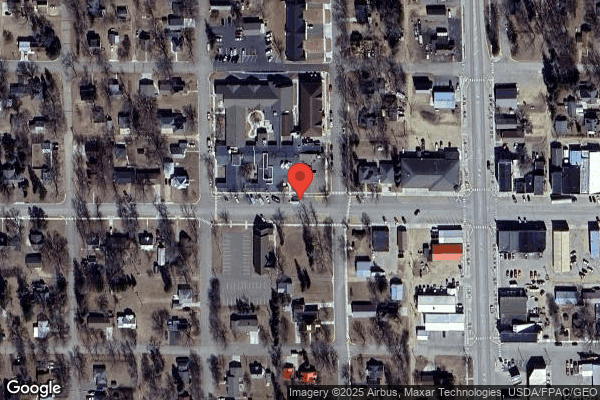
212 WEST SOO STREET, BOX 30, PARKERS PRAIRIE, MN 56361 (218) 338-4671
Non profit - Church related 53 Beds Independent Data: November 2025 1 Immediate Jeopardy citation
Trust Grade
66/100
#144 of 337 in MN
Last Inspection: December 2024

Within standard 12-15 month inspection cycle. Federal law requires annual inspections.

Overview

St. Williams Living Center has a Trust Grade of C+, indicating it is decent and slightly above average compared to other facilities. It ranks #144 out of 337 in Minnesota, placing it in the top half, but is last in its county at #7 of 7 in Otter Tail County. The facility is improving, having reduced its issues from 5 in 2024 to just 1 in 2025. Staffing is a strong point with a 5/5 star rating and a low turnover rate of 15%, well below the state average. However, the $22,925 in fines is concerning, indicating potential compliance problems, and there were serious incidents such as a resident being harmed due to improper placement of a lift sling and another resident getting trapped between a mattress and a side rail. Additionally, the facility lacks a comprehensive infection control program, which could risk the health of all residents.

Trust Score
C+
66/100
In Minnesota
#144/337
Top 42%
Safety Record
High Risk
Review needed
Inspections
Getting Better
5 → 1 violations
Staff Stability
✓ Good
15% annual turnover. Excellent stability, 33 points below Minnesota's 48% average. Staff who stay learn residents' needs.
Penalties
⚠ Watch
$22,925 in fines. Higher than 86% of Minnesota facilities, suggesting repeated compliance issues.
Skilled Nurses
✓ Good
Each resident gets 62 minutes of Registered Nurse (RN) attention daily — more than 97% of Minnesota nursing homes. RNs are the most trained staff who catch health problems before they become serious.
Violations
○ Average
8 deficiencies on record. Average for a facility this size. Mostly minor or procedural issues.
★★★★☆
4.0
Overall Rating
★★★★★
5.0
Staff Levels
★★☆☆☆
2.0
Care Quality
★★★☆☆
3.0
Inspection Score
Stable
2024: 5 issues
2025: 1 issues

The Good

  • 5-Star Staffing Rating · Excellent nurse staffing levels
  • Low Staff Turnover (15%) · Staff stability means consistent care
  • Full Sprinkler Coverage · Fire safety systems throughout facility
  • No fines on record
  • Staff turnover is low (15%)

    33 points below Minnesota average of 48%

Facility shows strength in staffing levels, staff retention, fire safety.

The Bad

Federal Fines: $22,925

Below median ($33,413)

Minor penalties assessed

The Ugly 8 deficiencies on record

1 life-threatening 1 actual harm
Apr 2025 1 deficiency 1 IJ
CRITICAL (J) 📢 Someone Reported This

A family member, employee, or ombudsman was alarmed enough to file a formal complaint

Immediate Jeopardy (IJ) - the most serious Medicare violation

Deficiency F0700 (Tag F0700)

Someone could have died · This affected 1 resident

**NOTE- TERMS IN BRACKETS HAVE BEEN EDITED TO PROTECT CONFIDENTIALITY** Based on observation, interview and document review the facility failed to ensure proper assessment of bed rails for 1 of 4 resi...

Read full inspector narrative →
**NOTE- TERMS IN BRACKETS HAVE BEEN EDITED TO PROTECT CONFIDENTIALITY** Based on observation, interview and document review the facility failed to ensure proper assessment of bed rails for 1 of 4 residents (R1) reviewed for siderails. Staff implemented a new mattress on a bed with side rails attached, resulting in R1's head becoming trapped between the mattress and the side rail of the bed. The immediate jeopardy (IJ) began on 4/10/25, at approximately 12:00 a.m., when facility staff replaced the mattress on R1's bed without checking the entrapment zones between the mattress and the side rail resulting in R1's head becoming trapped between the mattress and the siderail. The IJ was identified on 4/17/25, the administrator was notified of the IJ on 4/17/25, at 4:10 p.m. The immediate jeopardy was removed on 4/11/25, and the deficient practice was corrected prior to the start of the survey and was therefore issued at past noncompliance. Findings include: R1's admission Record indicated he admitted to the facility on [DATE], with diagnosis that included wheezing, pneumonia, sleep apnea and weakness. R1's Safe Patient Handling assessment dated [DATE], identified the use of double half side rails. Initial Siderail/Entrapment assessment dated [DATE], identified the use of side rails for mobility and indicated R1 was able to demonstrate ability to grab side rail and assist in turning and repositioning. The assessment identified the seven potential entrapment zones and was signed as assessed by maintenance staff. R1's Functional Abilities assessment dated [DATE], indicted he required partial to moderate assistance to roll left and right. R1's care plan dated 4/10/25, identified physical limitations in bed mobility related to decreased strength and impaired mobility. The care plan indicated R1 required extensive assistance from one staff for bed mobility. A Fall Note dated 4/10/25, indicated R1 was found lying on his right side next to his bed. R1's head was between the mattress and the siderail facing downward with his continuous positive airway pressure (CPAP) machine on. R1's right hip was resting on the frame of the bed side table with his left knee on the floor. R1 sustained a skin tear on his right elbow and a skin tear on his left elbow and complained of right hip pain. R1's head was removed from between the mattress and the side rail. Staff was unable to assess hip/leg pain due to pain which R1 stated was different from back pain. On 4/16/25 at 11:14 a.m., the bed and mattress involved in the incident were observed with the administrator and maintenance staff (MS)-A. The mattress was an alternating pressure mattress with individual air chambers (baffles) which slid into individual sleeves to hold them in place. At least three of the baffles were not inside the sleeves. The administrator felt the mattress was faulty due to the baffles not being inserted into the sleeves. The administrator stated the facility had made the decision to discontinue using that brand of air mattress. The bed had half side rails attached on both sides of the frame. The observation was conducted in a separate area of the facility as the bed had been removed from R1's room following the incident. During interview on 4/16/25, at 4:14 p.m., R1 said he did not remember what happened and said, I think I got hung up in that bed. R1 said he could not get out of the bed, his legs were tied up, and he remembered his head being stuck between the side rail, and he could not get himself loose. R1 also could not get his CPAP loose from his face. R1 recalled being panicky. During interview on 4/17/25, at 6:34 a.m., registered nurse (RN)-A stated when she arrived for her shift on 4/9/25, two staff from the p.m. shift brought a pump and mattress to the unit and said R1's air mattress had not been holding air. At midnight, staff got R1 up to use the bathroom and RN-A and an unidentified nursing assistant (NA) swapped out the mattress on R1's bed. Around 4:00 a.m. RN-A said she went to give a medication to another resident and said when she returned to the medication cart, she heard a grunt or groan. RN-A walked down the hall and heard the noise again and when she entered R1's room she found him laying with his head between the air mattress and the side rail with his CPAP still on his head. RN- A said she called for help and while waiting tried to get R1's head loose but was initially unable to, it was tight, I could not move it. RN-A said she was going to remove the CPAP but noticed it had been pushed up away from his mouth so she hooked it back up so he could get air. RN-A said she had pushed and pulled and all of the sudden R1's head came loose. R1's leg had been resting on the tray table stand and he complained of pain. During a subsequent observation and interview on 4/17/25, at 10:25 a.m., MS-A performed a bed rail gap test using a bed system measurement device, which identified if the bed rail and mattress are at risk for entrapment, on the bed involved during the incident. The test did not pass at the head of the bed. MS-A said bed rails and entrapment zones were assessed upon implementation and quarterly by the maintenance department. The entrapment zones were not assessed when the mattress was swapped out 4/10/25. Facility policy Proper Use of Bed Rails dated 4/10/25, indicated if bed rails are used, the facility ensures correct installation, use, and maintenance of rails. Side rails will not be used with air mattresses due to the risk of entrapment. The facility will ensure the correct installation of bed rails to include ensuring the bed frame, bed rail and mattress do not leave a gap wide enough to entrap a residents head or body. The past noncompliance immediate jeopardy began on 4/10/25/25. The immediate jeopardy was removed 4/11/25, and the deficient practice corrected after the facility implemented a systemic plan that included the following actions: - Updated policy to include side rails will not be used with air mattresses - Licensed nurses were educated on the side rail policy, Side Rail Assessment, Bed Rail/Mattress Safety Assessment including how to measure for gaps that may cause entrapment. - Education was verified through interview and document review.
Dec 2024 2 deficiencies
CONCERN (E)

Potential for Harm - no one hurt, but risky conditions existed

Food Safety (Tag F0812)

Could have caused harm · This affected multiple residents

Based on observation, interview and document review, food was not served in a sanitary manner for 15 residents who dined in the north dining area, observed during dining services. In addition, the fac...

Read full inspector narrative →
Based on observation, interview and document review, food was not served in a sanitary manner for 15 residents who dined in the north dining area, observed during dining services. In addition, the facility failed to maintain the ice machine in a sanitary manner to prevent potential illness for 15 residents who currently received ice from the ice machine in the north dining area. Further, the facility failed to maintain proper holding food temperatures for 13 of 17 residents observed to receive egg salad sandwiches. These deficient practices had the potential to cause foodborne illness. Findings include: FOOD SERVICE During an observation on 12/10/24 at 12:06 p.m., dietary aide (DA)-A washed her hands in the north kitchen, applied gloves to both hands, picked up an i-pad with resident dietary information on it and placed it on the counter next to the steam trays. DA-A opened a drawer with her left hand, removed utensils from the drawer with both hands and placed utensils into each food item on the steam tray area. DA-A proceeded to open a bag of buns, touched the i-pad with her left hand, picked up a baked potato with her right hand and placed the potato onto a plate. DA-A opened the potato with both hands and a knife and placed other food items on the plate with utensils and handed the plate to the server. DA-A touched the i-pad with her left hand, picked up a bun with her left hand and placed onto the plate. DA-A picked up a baked potato with her right hand, placed onto the plate, opened the potato with both hands and a knife, then placed other food items on the plate with utensils and handed the plate to the server. DA-A continued to touch the i-pad in between each resident served, picked up a bun and or a baked potato with her gloved hands for all residents who received a bun and or baked potato. DA-A then opened a kitchen cupboard with the same gloved hand, removed a salt shaker and handed it to the server. DA-A continued to touch the i-pad in between each resident's meal setup, placed a bun and or baked potato onto residents plates for the remaining of the lunch meal wearing the same pair of gloves. At no time during the observation did DA-A wash hands and re-apply new gloves. During an interview on 12/10/24 at 1:40 p.m., DA-A confirmed she touched the i-pad frequently throughout the meal service, touched the cupboard/drawer and then touched the buns and baked potatoes while wearing the same pair of gloves and without washing her hands. DA-A stated the i-pad was to be cleaned after each shift with an alcohol wipe and the i-pad had not been cleaned prior to meal service. DA-A stated other staff used the i-pad during the day to assist residents with deciding their meals for each day. DA-A stated the cupboards and drawers were not on a schedule to be cleaned. DA-A stated staff should not touch food with gloved hands if the gloves have touched other objects as germs could get onto the residents food. During an interview on 12/10/24 at 1:55 p.m., dietary manager (DM) verified the expectation of staff would be to wash hands and change gloves when the staff touched non-food items. DM confirmed it was important to prevent the spread of germs to the residents and could cause food-borne illness. ICE MACHINE During an observation of the north kitchen area on 12/10/24 at 11:27 a.m., the ice and water machine spouts on the ice machine had a white powder substance approximately one fourth to one half an inch in height around the entire inside and outside of both spouts. In addition, there was a white powder substance present expanding across the entire drain plate below the ice and water spouts. During an interview on 12/10/24 at 1:55 p.m., DM confirmed a white powder substance was present on the ice and water spouts of the ice machine. DM stated the facility had issues with the ice machine leaking. DM stated there was no cleaning process in place for the ice machine. DM stated the white powder substance had the potential to spread germs to the residents. During an interview on 12/11/24 at 8:56 a.m., maintenance staff stated the ice machine dripped when the ice melted and the machine was cleaned every three months. Maintenance staff stated the facility did not keep a log to verify cleaning of the ice machine. Maintenance staff stated the white powder substance could have bacteria present and residents could develop illness as a result. FOOD TEMPERATURE During an observation on 12/9/24 at 4:45 p.m., DA-B entered the north kitchen with a cart of food from the main kitchen. DA-B placed hot food items on the steam trays and proceeded to obtain beverages and fruit cups from the fridge and delivered to each resident table. DA-B placed a plastic tray with six egg salad sandwiches from the cart on the counter next to the steam tray and placed a small bowl of egg salad on the counter next to the sandwiches. During continued observation at 5:12 p.m., DA-B temped the egg salad in the bowl at 50 degrees. DA-B temped an egg salad sandwich at 55.7 degrees. DA-B started to place an egg salad sandwich onto a resident place when surveyor intervened and asked DA-B what the recommended temperature for cold food would be. DA-B looked at the facility food temp log to see what the recommended cold food holding temperature should be. DA-B then placed the egg salad bowl and sandwiches in the freezer. During an observation on 12/9/24 at 5:19 p.m., three and a half egg salad sandwiches were on the center counter on a plastic tray in the main kitchen. The cook temped the egg salad sandwich at 51.6 degrees. During an interview on 12/9/24 at 5:44 p.m., the cook stated the egg salad sandwiches were removed from the walk in fridge prior to food service and placed onto the center counter. The cook stated cold sandwiches were usually placed on a plastic tray and served from the center counter. The cook verified cold sandwiches were not put on ice. The cook stated cold food items holding temperature should be under 41 degrees to prevent residents from becoming ill. During an interview on 12/10/24 at 9:22 a.m., DM confirmed the expectation staff were to temp foods prior to serving and if a cold food was not in the recommended holding temperature, staff would place the food back in the fridge and re-temp prior to serving. DM stated the process was important to prevent foodborne illness. During an interview on 12/11/24 at 10:26 a.m., dietician confirmed the expectation staff would be to have cold foods on an ice-bath during food service. Dietician verified it was important to maintain holding temperatures, to prevent foodborne illness and bacteria growth, and to ensure quality of food for the residents. The Food and Drug Administration food code identified the danger zone refers to the range of temperatures at which bacteria can grow between 40 degrees Fahrenheit (F) and 140 degrees F. For food safety, keep food below or above the danger zone. A facility policy titled Food Safety Requirements dated 1/25/23, food service safety referred to handling, preparing, and storing food in ways that prevented foodborne illness. Staff would monitor food temperatures while holding for delivery to ensure proper hot and cold holding temperatures were maintained. Staff would refer to the current Food and Drug Administration (FDA) food code and facility policy for food temperatures. Foods and beverages would be distributed and served to residents in a manner to prevent contamination and maintain food at the proper temperature and out of the Danger Zone. Staff would not touch food with bare hands, exhibiting appropriate use of gloves. Gloves would be worn when directly touching ready-to-eat foods. A facility policy titled Sanitization of I-Pad Screen dated 10/3/23, identified staff were to clean the screen, sides, and back of the I-pad with an alcohol wipe before and after each meal and let air dry. A facility policy titled Ice Chests and Machines undated, identified the facility was to keep the ice machine clean and sanitary to prevent contamination. The ice machine would be drained, cleaned and sanitized according to manufacturer's specification. The tray would be run through a dishwasher or sterilized daily. A manufacturer form provided by the facility titled Scotsman Ice Systems dated September 2020, identified over time the drip tray and cup rest/spouts may become coated with scale or dirt. They could be removed and scrubbed in a sink. The spouts/chutes and drip tray were to be washed and to use ice machine scale remover if needed to dissolve scale. Recommended cleaning the ice machine every six months and more frequent cleanings may be required based on the mineral content of the water, run time and potential airborne contamination.
CONCERN (F)

Potential for Harm - no one hurt, but risky conditions existed

Infection Control (Tag F0880)

Could have caused harm · This affected most or all residents

**NOTE- TERMS IN BRACKETS HAVE BEEN EDITED TO PROTECT CONFIDENTIALITY** Based on interview and document review, the facility failed to establish an on-going infection control program which included co...

Read full inspector narrative →
**NOTE- TERMS IN BRACKETS HAVE BEEN EDITED TO PROTECT CONFIDENTIALITY** Based on interview and document review, the facility failed to establish an on-going infection control program which included comprehensive surveillance of resident infections including, signs and symptoms of infections, an antibiotic timeout (timeframe used after an antibiotic was initiated to ensure appropriate use and effectiveness) was performed and start/stop dates of antibiotics to prevent the spread of communicable disease and infections. This deficient practice had the potential to affect all 46 residents who resided in the facility. Findings include: A review of the facility's infection control surveillance log monthly report dated September - December 2024, revealed the following: -Columns on the log included resident name, the station resident resided on, if symptoms were present on admission, if the patient was hospitalized , date of onset symptoms, diagnosis, site of infection, the results if a culture was obtained, if an antibiotic was ordered, if a culture was re-obtained, precaution to prevent spread of infection, and date the symptoms were resolved. - The facility's current surveillance log lacked tracking necessary data which included: signs and symptoms for each infection, dates cultures were obtained, when the antibiotic was completed, when the antibiotic was discontinued, and when symptoms resolved. -During the month of September 2024, the infection control surveillance log identified nine entries for infections. Five urinary tract infections (UTIs), three probable tooth infections, and one chronic obstructive pulmonary disease (lung condition) (COPD). No signs and symptoms were documented, no antibiotic time out was documented, no dates of when an antibiotic was started, no dates when the antibiotic was discontinued, and no room numbers were used. -During the month of October 2024, the infection control surveillance log identified that five antibiotics had been ordered. One for possible aspiration, one for diverticulitis (inflammation of the colon/anaplasmosis (illness caused by ticks), one for urinary tract infection, one for prophylaxis for nasal packing (prevent complications), and one for possible aspiration. There were no room numbers documented, no signs and symptoms documented, no dates when an antibiotic was started, no date when the antibiotic was discontinued, no antibiotic timeout documented, dates resolved were marked as not applicable (n/a) for a prophylaxis nasal packing and possible aspiration. During the month of November 2024, the infection control surveillance log identified that 12 antibiotics had been ordered. One for a toe infection, two for chronic obstructive pulmonary disease (COPD), two for respiratory infection, one for cystitis (inflammation of the bladder), two for cellulitis (bacterial skin infection), two for yeast infections, and two for urinary tract infection. No room numbers were used, no signs and symptoms were documented, no start dates for antibiotics, no stop dates for antibiotics and no antibiotic timeouts. The date resolved was left blank for the yeast infection. -During the month of December 2024 the infection control surveillance log identified one antibiotic was ordered, the date of onset was 12/2/24, the diagnosis was for respiratory symptoms, the site of infection was respiratory, no culture was documented, no start date for an antibiotic, no antibiotic stop date, no antibiotic timeout was documented and no room number was documented. The date resolved is blank. During an interview on 12/11/24 at 11:24 a.m., infection preventionist (IP) stated she was responsible for overseeing the facility's infection control program and maintaining the facility's infection control surveillance log. IP confirmed the facility's current surveillance log lacked necessary data which included; signs and symptoms for each infection, dates of cultures obtained, when an antibiotic was started, when an antibiotic was discontinued, if an antibiotic timeout was done, and when symptoms resolved. IP confirmed the date resolved was typically the time frame when the antibiotic regimen was completed not the time the symptoms or infections were resolved. During an interview on 12/11/24 at 1:10 p.m., director of nursing (DON) stated the IP was responsible for overseeing the facility infection control program and maintaining the facility's infection control surveillance log. DON confirmed the facility's current surveillance log lacked necessary data which included signs and symptoms for each infection, dates of cultures obtained, when the antibiotic was started, when the antibiotic was discontinued, if an antibiotic timeout was completed, and when symptoms resolved. The DON stated the expectation would be to have the surveillance log completed according to national standards to help prevent the spread of infectious diseases and infections A policy titled Infection Prevention and control manual dated 8/23/24, revealed essential elements of a surveillance system included: Standardized definitions and listing of the symptoms of infections based upon national standards of practice. Sources of relevant data that can be used for outcome surveillance for infections, antibiotic use and susceptibility may include: -monitoring a resident with a fever or other signs that may indicate an infection, -laboratory cultures or other diagnostic test results consistent with potential infections to detect clusters, -trends, or susceptibility patterns, -antibiotic orders, -laboratory antibiograms (antibiotic susceptibility profiles), -medication regimen review reports. -The infection preventionist collects and reviews data on an ongoing basis including: -elevations in temperatures/ presence of fever, -purulent drainage, -culture results or other diagnosis test results consistent with potential infections, -change in x-ray results consistent with possible infection, -increased falls, -change in mental status, -change in vital signs, -signs and symptoms of infection based upon nationally accepted surveillance definitions (i.e. CDC/[NAME] position statement: surveillance definitions of infections in long-term care facilities: revisiting the McGeer Criteria or NHSN). The infection preventionist would ensure data collection to complete a comprehensive monthly infection control log for surveillance activities on: -The infection site, -pathogen (if known), -signs and symptoms (which the surveillance log did not include) -resident location (room numbers not used, only what station they were on) -summary and analysis of number of residents and/or staff with infections, -observations of staff adherence to policies and procedures, -identification of outcomes that were unusual or unexpected that could potential lead to patterns, treads or outbreaks. The infection preventionist or designee would be able to identify any necessary interventions in order to identify trends or clusters for actions, the infection preventionist would keep an updated map of infections to identify any clusters or trends.
Feb 2024 1 deficiency 1 Harm
SERIOUS (G) 📢 Someone Reported This

A family member, employee, or ombudsman was alarmed enough to file a formal complaint

Actual Harm - a resident was hurt due to facility failures

Accident Prevention (Tag F0689)

A resident was harmed · This affected 1 resident

**NOTE- TERMS IN BRACKETS HAVE BEEN EDITED TO PROTECT CONFIDENTIALITY** Based on interview and document review, the facility failed to ensure proper placement of a lift sling for the ceiling (overhead...

Read full inspector narrative →
**NOTE- TERMS IN BRACKETS HAVE BEEN EDITED TO PROTECT CONFIDENTIALITY** Based on interview and document review, the facility failed to ensure proper placement of a lift sling for the ceiling (overhead) mechanical lift for 1 of 3 residents (R1) reviewed for accidents. This resulted in harm for R1 when she fell from the mechanical lift and sustained a left rib fracture. This deficient practice is being cited at past non-compliance related to corrective action taken to ensure proper placement of the lift slings when using mechanical lifts prior to the survey. Findings include: R1's annual Minimum Data Set (MDS) dated [DATE] indicated R1 had a severe cognitive impairment, and was totally dependent on staff for all cares and transfers. The MDS indicated R1 had diagnoses of stroke, hemiplegia (one-sided paralysis), vascular dementia, and anxiety. R1's care plan indicated transferring required two staff with ceiling or Hoyer (mechanical) lift. Care plan indicated R1 had a fall on 1/28/24, requiring monitoring for 72 hours after the fall. A Fall Note dated 1/28/24, indicated R1 was being transferred from the bed to the wheelchair with the ceiling lift. While moving R1 in the lift and off of the bed and over to her wheelchair, she fell out of the sling to the left and onto the floor. A nursing assistant (NA) was holding R1's feet prior to the fall, and another NA was behind the wheelchair getting ready to position R1 into the wheelchair. After the fall it was noted the leg strap on the lift sling on the R1's right side was not hooked to the ceiling lift. On 1/28/24 a written statement by the administrator indicated registered nurse (RN)-C indicated the most likely scenario of how the accident happened was one of the employees did not hook one of the left sling straps to the ceiling lift. The employee likely was bearing some of the weight of R1's leg as the nursing assistants (NA) were transferring the resident. As the NA stopped bearing the weight of the leg during the transfer, R1 likely fell out of the sling. The nurses trying to recreate the accident stated had the NA not lifted the leg, the resident most likely would have slid out of the sling immediately. On 1/29/24 a written statement by RN-B indicated NA-B confirmed when R1 fell to the floor, the leg portion of the sling on the right was not in the hook. R1 was about 40 inches in the air before she fell. On 1/29/24 at 7:44 a.m., a progress note indicated R1 was complaining of pain. R1 was guarded with positioning and refused to roll to her side. R1 was sent to the emergency room (ER) to rule out injury. A Hospital ER Visit Summary note dated 1/29/24, indicated R1 presented to the ER after suffering an accidental fall out of a mechanical lift cradle yesterday (1/28/24). R1 was diagnosed with a closed fracture of one rib on her left side. R1 was discharged back to the facility on 1/29/24, with orders for Tylenol as needed for pain. On 1/30/24 at 3:18 a.m., a progress note indicated R1 had a headache and pain. R1 was administered Tylenol for pain, and an ice pack was placed on her ribs. The note continued to indicate R1 was having difficulty rolling side to side in bed due to pain. On 1/30/24 at 7:54 p.m., a progress note indicated R1 was very anxious with transfers using the ceiling lift. R1 complained of severe posterior, left-sided, mid-thoracic pain. When transferring and repositioning/rolling from side-to-side in bed R1 yelled, Don't touch me! On 1/31/24 at 3:11 p.m., a progress note indicated R1 had complained of pain to left rib area due to rib fracture. R1 was using Tylenol, ibuprofen, ice packs and repositioning for discomfort. These interventions provided some relief but R1 complain of pain and discomfort with repositioning and transfers. On 1/31/24 at 11:09 a.m., NA-A stated she and NA-B hooked the loops to the ceiling lift when transferring R1 on 1/28/24. NA-A stated NA-B assisted to lift R1's feet as they moved R1 in the direction of her wheelchair, and that was when R1 fell to the floor on her left side. NA-A stated she did not know how R1 fell. NA-A stated she could not recall if the loops for the sling were attached to the ceiling lift at the time of the incident. On 1/31/24 at 1:37 p.m., NA-B stated she and NA-A hooked the loops to the ceiling lift. NA-B stated as they were moving R1 in the lift to her wheelchair, R1 began to fall to the floor between the wheelchair and the bed. NA-B stated she was trying to hold R1's left leg as she began to fall. NA-B stated R1 fell to the ground landing on her left side. On 1/31/24 at 4:32 p.m., licensed practical nurse (LPN)-A stated she was called to R1's room on 1/28/24, following a fall from the ceiling lift. LPN-A stated R1 was on the floor when she arrived. LPN-A stated the sling was already unhooked from the ceiling lift when she entered the room, but NA-B explained the loop for the left leg had come off. LPN-A stated she worked with R1 on 1/29/24, and accompanied R1 to the ER due to increased pain. LPN-A stated R1 was diagnosed with a left rib fracture, advised to take Tylenol for pain, and returned to the facility on 1/29/24. On 2/1/24 at 10:25 a.m., the DON stated R1 had not had a change in her level of dependency with activities of daily living (ADLs) following the incident. R1 continued to be dependent on two staff for all ADLs. A facility document EZ Lift (Hoyer) Operation dated 6/29/22, directed once there is tension on the loops (of the sling), double check to make sure that they are securely in the hooks. The facility implemented a systemic plan that included the following actions: Review of the EZ Lift (Hoyer) Operation policy for all staff who used these lifts. NA-A was retrained on the use of the ceiling lifts and competency was conducted on 1/28/24. NA-B was retrained on the use of ceiling lifts and competency was conducted on 1/29/24. Ceiling lift re-education and competency was completed with all direct care staff before they cared for any residents. This was verified through observation, interview and document review on 1/31/24.
Jan 2024 2 deficiencies
CONCERN (E)

Potential for Harm - no one hurt, but risky conditions existed

Grievances (Tag F0585)

Could have caused harm · This affected multiple residents

Based on observation, interview, and document review, the facility failed to ensure grievances forms and procedures were posted in prominent locations throughout the facility for residents and residen...

Read full inspector narrative →
Based on observation, interview, and document review, the facility failed to ensure grievances forms and procedures were posted in prominent locations throughout the facility for residents and resident representatives to file grievances anonymously if desired, for 5 of 5 residents (R17, R40, R37, R31, R5) reviewed for grievances. Findings include: On 1/9/24 at 2:00 p.m., a resident council meeting was held with five residents who attended. All five residents, R17, R40, R37, R31, and R5, confirmed they were not aware of how to file a grievance at the facility or how to file one anonymously. During an observation on 1/9/24 at 2:30 p.m., a walk-through of the facility was conducted. The walk-through revealed there were no grievances forms or procedures posted for residents or resident representatives to refer to. During an interview on 1/9/24 at 2:34 p.m., nursing assistant (NA)-C, indicated a resident would go to social services staff to have a grievance filed. During an interview on 1/9/24 at 3:43 p.m., licensed practical nurse (LPN)-A stated grievance forms were kept in both nurses' stations in the filing drawer and indicated residents could receive a grievance form to complete upon request. During an interview on 1/9/24 at 3:47 p.m., registered nurse (RN)-B stated grievance forms were kept in both nurses' stations in the filing cabinet. RN-B indicated residents could receive a grievance form upon request and indicated residents were not able to complete a grievance form anonymously. During an interview on 1/9/24 at 3:56 p.m., social worker (SW)-A indicated residents would have to verbally ask for a grievance form when they wanted to file a grievance. SW-A stated she was not aware of how a resident could file a grievance anonymously. During an interview on 1/10/24 at 11:15 p.m. activity director (AD)-A stated SW-A would assist residents in completing a grievance form when they wanted to file a grievance. AD-A stated residents would have to request a grievance form. AD-A stated she was not aware of how a resident could file a grievance anonymously. During an interview on 1/10/24 at 11:28 a.m., director of nursing (DON) stated that SW-A, or a nurse would provide a grievance form to a resident upon request. DON stated SW-A would follow up with the resident regarding a grievance. DON was not aware of how a resident could file a grievance anonymously. Facility policy titled grievance policy and procedure dated 3/7/23, identified forms were located in the social service office, nursing policy and procedure manual, and in the business office. The policy lacked identification of posting in prominent locations thought the facility, and instructions how to file a grievance anonymously.
CONCERN (E)

Potential for Harm - no one hurt, but risky conditions existed

Infection Control (Tag F0880)

Could have caused harm · This affected multiple residents

On 1/8/24 at 6:32 p.m., during the initial tour of the kitchen, the coffee machine was observed to have a white/green powdery substance build up on the right spout outlet. On 1/9/24 at 9:04 a.m., duri...

Read full inspector narrative →
On 1/8/24 at 6:32 p.m., during the initial tour of the kitchen, the coffee machine was observed to have a white/green powdery substance build up on the right spout outlet. On 1/9/24 at 9:04 a.m., during a kitchen tour with the dietary manager (DM), the coffee machine in the kitchen was observed and the right spout outlet was covered with a white and green powder substance. The DM stated there were two spouts on the machine, the left spout was for coffee and the right spout was for hot water. On 1/10/24 at 7:42 a.m., cook-A stated the right spout of the coffee machine was for hot water only and it was drained every morning by the nursing assistant. The coffee machine was observed to have a white/green powdery substance build up on the right spout. During an interview on 1/10/24 at 7:46 a.m., the DM stated the coffee machine was wiped down weekly with a cloth and the water drained daily in the morning by the nursing assistant. When asked if the outlet spouts were cleaned, the DM stated the facility did not clean the spouts on the outside of the machine. The DM was unaware of a policy or procedure for cleaning the coffee machine. The DM was observed to touch the right spout on the coffee machine and scraped it with her fingernail. A white and green powdery looking substance flaked off some pieces onto the counter area and the rest of the white and green powder looking substance was adhered to the spout. During an interview on 1/10/24 at 3:05 p.m., the director of nursing (DON) verified her expectation was that staff would follow the manufacturer's recommendations for cleaning the coffee machine. The DON was unaware of a facility policy for cleaning the coffee machine. The DON indicated the unclean spout could result in an infection control issue and residents could develop a food borne illness as a result. Per the Cafitesse Quantum 11 Operator manual provided by the facility indicated the external parts of the coffee machine were to be cleaned daily with a damp, clean cloth and rinsed off with clear water. in addition, the manual recommended to clean and flush the drink outlets once a week. A facility policy was requested and one was not provided. Based on observation, interview and document review, the facility failed to ensure infection control practices such as hand hygiene, avoiding contamination of utensils during a water pass, and ensuring the personal laundry was transported in a manner that prevented risk of contamination for 2 of 5 hallways observed for linen transportation. In addition, the facility failed to ensure the spout of the coffee machine in that facility's kitchen was free of build up. Findings include: Review of Centers for Disease Control (CDC ) guidance, Appendix D - Linen and Laundry Management updated 5/4/23, identified linens must be sorted, packaged, transported, and stored in a manner that prevented risk of contamination by dust, debris, soiled linens or soiled items. In addition, CDC Handwashing in Communities: Clean Hands Save Lives updated 7/18/22, identified handwashing is the most important thing to prevent food poisoning. During an observation on 1/9/24 at 9:24 a.m., in the 400 hallway nursing assistant (NA)-A pushed a cart that contained glasses, water pitchers and an uncovered cooler with ice down the hallway. NA-A proceeded to use a scoop to place ice in five glasses. NA-A removed a water pitcher and glass of ice from the cart and placed the water pitcher and glass in R10's room. NA-A returned to the hallway,sanitized hands and removed another glass with ice and a water pitcher off the cart and placed the water pitcher and glass in R28's room. NA-A returned to the hallway, sanitized hands and removed a water pitcher and glass with ice from the cart and placed the water pitcher and glass in R 23's room. NA-A returned to the hallway, sanitized hands and removed a glass with ice and water pitcher off the cart and placed the water pitcher and glass in R8's room. During a continuous observation on 1/10/24 at 10:13 a.m., resident support staff (RS) pushed a cart down the 300 hallway that contained glasses, water pitchers, plastic spoons which were in one of the glasses and an uncovered cooler with ice. RS placed the cart with the uncovered cooler in the 400 hallway. RS did not perform hand hygiene and grabbed an uncovered plastic spoon from the glass. While holding the spoon by the bowl and the heel ( the concave part of the spoon that is used to eat from), RS proceeded to walk down the hallway to the dining room approximately 150 feet to obtain a packet of thickener. RS walked approximately 150 ft. back to the cart, emptied the thickener into a glass which contained water from the cart and used the spoon she had been holding in her hand to mix the thickener into the glass of water. RS delivered the glass of thickened water to R22. RS returned to the cart, used the scoop from the cart to place ice from the uncovered cooler into a glass, grabbed a water pitcher from the cart and placed the water pitcher and glass in R10's room. RS returned to the cart, used the scoop to place ice from the uncovered cooler into a glass, grabbed a water pitcher from the cart and placed the water pitcher and glass in R23's room. RS returned to the cart, used the scoop to place ice from the uncovered cooler into a glass, grabbed a water pitcher from the cart and placed the water pitcher and glass in R8's room. RS returned to the cart, used the scoop to place ice from the uncovered cooler into a glass, grabbed a water pitcher from the cart and placed the water pitcher and glass in R41's room. At 10:26 a.m., RS proceeded to move the cart with the uncovered cooler down the hallway as two visitors walked past the cart. RS placed the cart with the uncovered cooler in the 500 hallway. RS removed a glass from the cart, used the scoop to place ice from the uncovered cooler into the glass, grabbed a water pitcher from the cart and placed the water pitcher and glass in R6's room. RS returned to the cart, used the scoop to place ice from the uncovered cooler into a glass, grabbed a water pitcher from the cart and placed the water pitcher and glass in R26's room. RS pushed the cart with the uncovered cooler down the hall as a visitor walked past the cart. RS used the scoop to place ice from the uncovered cooler into a glass, grabbed a water pitcher from the cart and placed the water pitcher and glass in R42's room. RS returned to the cart, used the scoop to place ice from the uncovered cooler into a glass, grabbed a water pitcher from the cart and placed the water pitcher and glass in R16's room. RS returned to the cart, used the scoop to place ice from the uncovered cooler into a glass, grabbed a water pitcher from the cart and placed the water pitcher and glass in R39's room. At no time, did RS perform hand hygiene during the above observation. During an observation on 1/10/24 at 11:59 a.m., an uncovered cart which contained residents' personal laundry was present in the 300 hallway. Laundry aide (LA) exited R14's room, did not perform hand hygiene and proceeded to push the uncovered laundry cart down the hall as staff and residents walked past the cart. LA-A removed laundry from the uncovered cart and placed the laundry in R37's closet. LA-A pushed the uncovered laundry cart down the hallway past staff and residents. LA-A removed laundry from the uncovered cart and placed the laundry in R35's closet. LA-A did not perform hand hygiene and removed laundry from the uncovered cart and placed the laundry in R45's closet. At no time, during the observation did LA-A perform hand hygiene. During an interview on 1/10/24 at 10:41 a.m., nursing assistant (NA)-A stated while he was passing water to the residents on 1/9/24, the cooler which contained ice had not been closed. NA-A stated his usual practice was to place the cover on the cooler after obtaining ice however he had forgotten to place the cover on the cooler. During an interview on 1/10/24 at 10:32 a.m., RS verified she had touched the bowl and the heel of the spoon that was used to stir thickener in a glass of water for R22. RS confirmed she had not performed hand hygiene or placed the cover on the ice cooler while passing water on 1/10/24. RS stated her usual practice was to sanitize hands when she exited a resident room and to leave the ice uncovered so she was able to complete the water pass faster. RS indicated she should have only touched the handle of the spoon that she used to stir the thickener for R22. During an interview on 1/10/24 at 12:00 p.m., LA-A verified the laundry cart had been uncovered while she passed laundry. LA stated she had been told the laundry cart could remain open while she passed the laundry. LA indicated the expectation was that hand hygiene would have been performed after exiting each room. During an interview on 1/10/24 at 12:47 p.m., laundry supervisor (LS) indicated she was not aware laundry was being delivered in an uncovered cart. LS stated her expectation was laundry would have been covered while being delivered and staff would have performed hand hygiene before and after passing linen to resident rooms. During an interview on 1/10/24 at 12:51 p.m., infection preventionist (IP) stated infection control practices such as hand hygiene, holding utensils by the handles, covering the ice cooler and covering the laundry were important strategies to prevent the spread of infection and food borne- illness. IP indicated her expectation was that hand hygiene would have been performed, staff would hold utensils by the handles only and that the ice and laundry would have been covered. During an interview director of nursing (DON) stated staff were expected to perform hand hygiene when passing water or linen. DON stated staff should only be touching utensils by the handle. DON indicated staff were expected to cover the ice cooler and the linen cart when passing water and linen. A facility policy titled Food Safety Requirements dated 1/25/23, indicated food would be stored, prepared, distributed and served in accordance with professional standards for food safety. Identified staff would wash hands prior to handling clean dishes, and handle them by outside surfaces or touch only the handles of utensils and all food should be covered when traveling a distance such as down a hallway or to a different unit. A facility policy titled Clean Linen Handling undated, indicated all clean linen handling would be performed in a manner to minimize the potential for infection in residents, staff and visitors. Identified clean linen would be transported to the areas of use in a covered container. . .
Oct 2022 2 deficiencies
CONCERN (D)

Potential for Harm - no one hurt, but risky conditions existed

Deficiency F0685 (Tag F0685)

Could have caused harm · This affected 1 resident

**NOTE- TERMS IN BRACKETS HAVE BEEN EDITED TO PROTECT CONFIDENTIALITY** Based on observation, interview and document review, the facility failed to provide assistance to ensure hearing aids were avail...

Read full inspector narrative →
**NOTE- TERMS IN BRACKETS HAVE BEEN EDITED TO PROTECT CONFIDENTIALITY** Based on observation, interview and document review, the facility failed to provide assistance to ensure hearing aids were available to maintain hearing/communication needs for 1 of 1 resident (R32) reviewed for hearing. Findings include: R32's quarterly Minimum Data Set (MDS) dated [DATE], indicated R32 was cognitively intact and had diagnoses which included heart failure, diabetes mellitus and depression. The MDS indicated R32 had no rejection to cares, and utilized hearing aids or other hearing appliances with no difficulty hearing when the hearing aid/appliance was used. Review of R32's Inventory of Personal Possession sheet dated 8/20/20, indicated R32 had hearing aids for his left and right ear. R32's care plan revised on 9/14/22, indicated R23 had hearing problems related to the aging process and directed staff to use bilateral hearing aids and to monitor for changes in hearing. R32's nursing assistant [NAME] dated 10/12/22, indicated under special needs: R32 had bilateral hearing aids and staff were to assist with them. During an observation and interview on 10/10/22, at 2:47 p.m. R32 was observed seated in his recliner with no hearing aids noted while visiting with his wife. R32's wife was observed to be repeating herself several times during the conversation she had with R32. R32's wife stated R32 had a difficult time hearing her. R32 stated he had been without hearing aids for over a year as he had lost one of his hearing aids and the other one was not functioning. R32 indicated he had made a request to several different staff members since last June to make an appointment for him with Veterans Affairs (VA) to be fitted for new hearing aids. R32 stated staff responded back to him an appointment had not been made due to the staff had been unable to reach anyone at the VA office to make an appointment for him. During an interview on 10/12/22, at 11:25 a.m. registered nurse (RN)-A stated R32 required staff assistance with his activities of daily living (ADL's) and was hard of hearing. RN-A confirmed R32's care plan identified he required the use of hearing aids. RN-A stated she was not aware R32 ever had hearing aids and indicated the inventory sheet which addressed his belongings identified he did have hearing aids before. RN-A stated she and R32 had discussed making an audiology appointment at the VA for new hearing aids and verified the appointment had not yet been made. During an interview on 10/12/22, at 11:48 a.m. NA-B stated R32 required staff assistance with ADL's. NA-B indicated R32 would often have his TV volume on a loud setting. NA-B stated she was not aware R32 ever had hearing aids. During an interview on 10/12/22, at 1:15 p.m the director of nursing (DON) confirmed R32's careplan and indicated R32 required the use of hearing aids. The DON verified staff had not followed up on R32's request for an appointment to obtain new hearing aids and confirmed he did not currently have hearing aids. The DON stated she expected staff to respond to the needs of the residents and ensure appointments were made in a timely manner according to facility policy. Review of facility policy titled, Hearing Aids revised on 4/18/21, indicated staff were to assist with cleaning and maintaining hearing aids.
CONCERN (D)

Potential for Harm - no one hurt, but risky conditions existed

Antibiotic Stewardship (Tag F0881)

Could have caused harm · This affected 1 resident

**NOTE- TERMS IN BRACKETS HAVE BEEN EDITED TO PROTECT CONFIDENTIALITY** Based on interview and document review, the facility failed to help reduce unnecessary antibiotic use and reduce potential drug ...

Read full inspector narrative →
**NOTE- TERMS IN BRACKETS HAVE BEEN EDITED TO PROTECT CONFIDENTIALITY** Based on interview and document review, the facility failed to help reduce unnecessary antibiotic use and reduce potential drug resistance for 1 of 2 residents (R16) reviewed for unnecessary medication. Findings include: The Center's for Disease Control and Prevention (CDC)'s Core Elements Of Antibiotic Stewardship For Nursing Homes, dated 2015, included recommendations to identify clinical situations which may be driving inappropriate use of antibiotics and implement specific interventions to improve use, as well as pharmacists could provide assistance in ensuring antibiotics were ordered appropriately. R16's quarterly Minimum Data Set (MDS) dated [DATE], identified R16 had moderate cognitive impairment and had diagnoses which included: chronic kidney disease, Parkinson's disease (progressive disorder that affects nervous system and the parts of the body controlled by the nerves) and anxiety. R16's MDS indicated R16 required extensive assistance with bed mobility, transfers, toilet use, dressing and personal hygiene. R16's MDS identified R16 had received antibiotics seven of the last seven days. R16's care plan last revised 8/8/22, identified R16 required limited to extensive assistance of one staff for hygiene, dressing and bathing. R16's care plan lacked information related to the use of prophylactic antibiotics. Review of R16's Order Summary Report signed 10/5/22, identified R16's orders included: -doxycycline monohydrate (antibiotic) tablet, give 100 milligram (mg) by mouth two times a day for prophylaxis (taken to prevent infection) per orthopedic physician (OP)-A (physician who specializes in musculoskeletal issues involving bones, muscles, joints, tendons and ligaments) with start date of 11/23/21, and no end date. Review of R16's Consultant Pharmacist Medication Review from 12/22/2021, to 9/26/22, identified the following: -12/22/21, no comments or recommendations related to R16's antimicrobial prophylaxis use of doxycycline monohydrate -1/28/22, no comments or recommendations related to R16's antimicrobial prophylaxis use of doxycycline monohydrate -2/25/22, no comments or recommendations related to R16's antimicrobial prophylaxis use of doxycycline monohydrate -3/26/22, no comments or recommendations related to R16's antimicrobial prophylaxis use of doxycycline monohydrate -4/27/22, no comments or recommendations related to R16's antimicrobial prophylaxis use of doxycycline monohydrate -5/26/22, no comments or recommendations related to R16's antimicrobial prophylaxis use of doxycycline monohydrate -6/13/22, no comments or recommendations related to R16's antimicrobial prophylaxis use of doxycycline monohydrate -6/24/22, no comments or recommendations related to R16's antimicrobial prophylaxis use of doxycycline monohydrate -7/29/22, no comments or recommendations related to R16's antimicrobial prophylaxis use of doxycycline monohydrate -8/25/22, no comments or recommendations related to R16's antimicrobial prophylaxis use of doxycycline monohydrate -9/26/22, no comments or recommendations related to R16's antimicrobial prophylaxis use of doxycycline monohydrate R16's Consultant Pharmacist Medication Reviews lacked documentation of review of continued prophylactic antibiotic use. Review of R16's medication administration records (MARs) reviewed from 9/1/22, to 10/11/22, identified the following: -9/1/22, to 10/11/22, R16 received doxycycline monohydrate two times a day. Review of R16's physician visit note dated 10/5/22, revealed R16's orders and diagnoses were reviewed and R16's medications were reviewed per nursing home (NH) MAR in detail. The note identified no new orders or medication changes were made. The notes lacked documentation the risks and benefits of continued long term antibiotic use had been reviewed and discussed. During a telephone interview on 10/12/22, at 10:10 a.m. R16's primary care physician (PCP)-A confirmed he served as the facility's medical director and was involved in the facility's antibiotic stewardship program. PCP-A stated the facility's goal was to decrease prophylactic antibiotic use. PCP-A indicated R16 had been receiving doxycycline monohydrate when admitted to the facility and he was unsure why R16 continued to receive doxycycline prophylactically. PCP-A stated the antibiotic should have been discontinued as it was important to prevent R16 from developing resistance to antibiotics. During a telephone interview on 10/12/22, at 11:20 a.m. pharmacy consultant (PC)-A indicated R16 previously had an infection related to an orthopedic ( a branch of medicine, involving musculoskeletal issues which involve bones, muscles, joints, tendons and ligaments) procedure and R16 was placed on prophylactic doxycycline monohydrate by OP-A at that time. PC-A confirmed pharmacy recommendations had not been made regarding R16's continued prophylactic antibiotic use of doxycycline monohydrate. PC-A stated long term prophylactic use of antibiotics was not recommended as it has been known to cause antibiotic resistance. During an interview on 10/12/22, at 11:57 a.m. infection preventionist (IP)-A confirmed R16 had been admitted to the facility on doxycycline monohydrate for prophylaxis. IP-A stated she tracked all antibiotics used in the facility and confirmed the facility had not reviewed the rationale for R16 to continue on the prophylactic antibiotic. During an interview on 10/12/22, at 1:00 p.m. director of nursing (DON) confirmed R16 was on a prophylactic antibiotic. DON stated her expectations were the facility would have reviewed the rationale for R16's continued prophylactic antibiotic use. The facility policy titled St. [NAME] Living Center Antibiotic Stewardship Policy, revised 9/15/22, identified the facility mission was to promote the appropriate use of antibiotics to treat infections and reduce possible adverse events associated with antibiotic use. The policy identified the physician, nursing and pharmacy leads were responsible for promoting and overseeing antibiotic stewardship activities. The policy identified the facility would monitor antibiotic use, stewardship actions and outcomes related to antibiotic use in order to guide practice change and track antibiotic stewardship program impact. The policy indicated antibiotic data would be tracked by infection preventionist (IP) and reviewed by the consulting pharmacist, then IP would interpret the monthly data, define any necessary action steps and compile the information for the monthly antibiotic stewardship program report. The policy identified the antibiotic stewardship team (AST) would identify actions to directly impact inappropriate antibiotic use including the use of antibiotics for prophylactic indications.
Understanding Severity Codes (click to expand)
Life-Threatening (Immediate Jeopardy)
J - Isolated K - Pattern L - Widespread
Actual Harm
G - Isolated H - Pattern I - Widespread
Potential for Harm
D - Isolated E - Pattern F - Widespread
No Harm (Minor)
A - Isolated B - Pattern C - Widespread

Questions to Ask on Your Visit

  • "What changes have you made since the serious inspection findings?"
  • "Can I speak with families of current residents?"
  • "What's your RN coverage like on weekends and overnight?"

Our Honest Assessment

Strengths
  • • 15% annual turnover. Excellent stability, 33 points below Minnesota's 48% average. Staff who stay learn residents' needs.
Concerns
  • • Multiple safety concerns identified: 1 life-threatening violation(s), 1 harm violation(s). Review inspection reports carefully.
  • • 8 deficiencies on record, including 1 critical (life-threatening) violation. These warrant careful review before choosing this facility.
  • • $22,925 in fines. Higher than 94% of Minnesota facilities, suggesting repeated compliance issues.
Bottom line: Mixed indicators with Trust Score of 66/100. Visit in person and ask pointed questions.

About This Facility

What is St Williams Living Center's CMS Rating?

CMS assigns ST WILLIAMS LIVING CENTER an overall rating of 4 out of 5 stars, which is considered above average nationally. Within Minnesota, this rating places the facility higher than 99% of the state's 100 nursing homes. This rating reflects solid performance across the metrics CMS uses to evaluate nursing home quality.

How is St Williams Living Center Staffed?

CMS rates ST WILLIAMS LIVING CENTER's staffing level at 5 out of 5 stars, which is much above average compared to other nursing homes. Staff turnover is 15%, compared to the Minnesota average of 46%. This relatively stable workforce can support continuity of care.

What Have Inspectors Found at St Williams Living Center?

State health inspectors documented 8 deficiencies at ST WILLIAMS LIVING CENTER during 2022 to 2025. These included: 1 Immediate Jeopardy (the most serious level, indicating potential for serious harm or death), 1 that caused actual resident harm, and 6 with potential for harm. Immediate Jeopardy findings are rare and represent the most serious regulatory concerns. They require immediate corrective action.

Who Owns and Operates St Williams Living Center?

ST WILLIAMS LIVING CENTER is owned by a non-profit organization. Non-profit facilities reinvest revenue into operations rather than distributing to shareholders. The facility operates independently rather than as part of a larger chain. With 53 certified beds and approximately 47 residents (about 89% occupancy), it is a smaller facility located in PARKERS PRAIRIE, Minnesota.

How Does St Williams Living Center Compare to Other Minnesota Nursing Homes?

Compared to the 100 nursing homes in Minnesota, ST WILLIAMS LIVING CENTER's overall rating (4 stars) is above the state average of 3.2, staff turnover (15%) is significantly lower than the state average of 46%, and health inspection rating (3 stars) is at the national benchmark.

What Should Families Ask When Visiting St Williams Living Center?

Based on this facility's data, families visiting should ask: "What changes have been made since the serious inspection findings, and how are you preventing similar issues?" "Can I visit during a mealtime to observe dining assistance and food quality?" "How do you handle medical emergencies, and what is your hospital transfer rate?" "Can I speak with family members of current residents about their experience?" These questions are particularly relevant given the facility's Immediate Jeopardy citations.

Is St Williams Living Center Safe?

Based on CMS inspection data, ST WILLIAMS LIVING CENTER has documented safety concerns. Inspectors have issued 1 Immediate Jeopardy citation (the most serious violation level indicating risk of serious injury or death). The facility has a 4-star overall rating and ranks #1 of 100 nursing homes in Minnesota. Families considering this facility should ask detailed questions about what corrective actions have been taken since these incidents.

Do Nurses at St Williams Living Center Stick Around?

Staff at ST WILLIAMS LIVING CENTER tend to stick around. With a turnover rate of 15%, the facility is 31 percentage points below the Minnesota average of 46%. Low turnover is a positive sign. It means caregivers have time to learn each resident's needs, medications, and personal preferences. Consistent staff also notice subtle changes in a resident's condition more quickly.

Was St Williams Living Center Ever Fined?

ST WILLIAMS LIVING CENTER has been fined $22,925 across 1 penalty action. This is below the Minnesota average of $33,308. While any fine indicates a compliance issue, fines under $50,000 are relatively common and typically reflect isolated problems that were subsequently corrected. Families should ask what specific issues led to these fines and confirm they've been resolved.

Is St Williams Living Center on Any Federal Watch List?

ST WILLIAMS LIVING CENTER is not on any federal watch list. The most significant is the Special Focus Facility (SFF) program, which identifies the bottom 1% of nursing homes nationally based on persistent, serious quality problems. Not being on this list means the facility has avoided the pattern of deficiencies that triggers enhanced federal oversight. This is a positive indicator, though families should still review the facility's inspection history directly.