Allina Health Restorative Suites
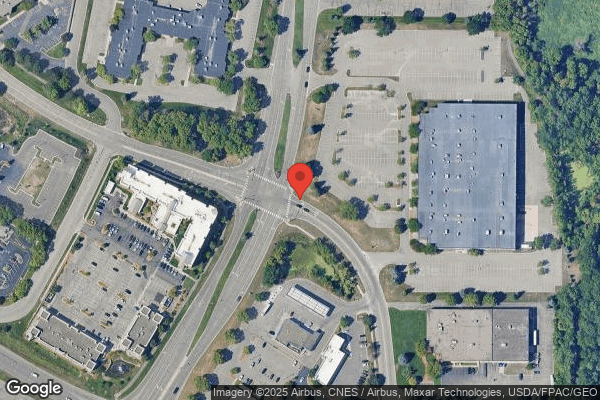
2775 CAMPUS DRIVE NORTH, PLYMOUTH, MN 55441 (763) 577-3400
Non profit - Corporation 50 Beds Independent Data: November 2025 2 Immediate Jeopardy citations
Trust Grade
49/100
#90 of 337 in MN
Last Inspection: March 2025

Within standard 12-15 month inspection cycle. Federal law requires annual inspections.

Overview

Allina Health Restorative Suites has a Trust Grade of D, indicating that it is below average with some concerns regarding care. It ranks #90 out of 337 facilities in Minnesota, placing it in the top half, and #13 out of 53 in Hennepin County, meaning only 12 local homes are rated higher. The facility is showing improvement, as the number of issues decreased from 9 in 2024 to 3 in 2025. Staffing is a strong point, with a perfect 5-star rating and a turnover rate of 34%, lower than the state average. However, there are notable weaknesses, including critical incidents where medication was administered incorrectly, and a lack of a designated infection preventionist, which could pose risks to residents' health. While the facility has good RN coverage, it is important for families to weigh both the strengths and weaknesses as they make their decision.

Trust Score
D
49/100
In Minnesota
#90/337
Top 26%
Safety Record
High Risk
Review needed
Inspections
Getting Better
9 → 3 violations
Staff Stability
○ Average
34% turnover. Near Minnesota's 48% average. Typical for the industry.
Penalties
⚠ Watch
$9,315 in fines. Higher than 94% of Minnesota facilities. Major compliance failures.
Skilled Nurses
✓ Good
Each resident gets 143 minutes of Registered Nurse (RN) attention daily — more than 97% of Minnesota nursing homes. RNs are the most trained staff who catch health problems before they become serious.
Violations
⚠ Watch
19 deficiencies on record. Higher than average. Multiple issues found across inspections.
★★★★☆
4.0
Overall Rating
★★★★★
5.0
Staff Levels
★★★★★
5.0
Care Quality
★★☆☆☆
2.0
Inspection Score
Stable
2024: 9 issues
2025: 3 issues

The Good

  • 5-Star Staffing Rating · Excellent nurse staffing levels
  • 5-Star Quality Measures · Strong clinical quality outcomes
  • Full Sprinkler Coverage · Fire safety systems throughout facility
  • No fines on record
  • Staff turnover below average (34%)

    14 points below Minnesota average of 48%

Facility shows strength in staffing levels, quality measures, fire safety.

The Bad

Staff Turnover: 34%

12pts below Minnesota avg (46%)

Typical for the industry

Federal Fines: $9,315

Below median ($33,413)

Minor penalties assessed

The Ugly 19 deficiencies on record

2 life-threatening
Aug 2025 2 deficiencies
CONCERN (D) 📢 Someone Reported This

A family member, employee, or ombudsman was alarmed enough to file a formal complaint

Potential for Harm - no one hurt, but risky conditions existed

Deficiency F0657 (Tag F0657)

Could have caused harm · This affected 1 resident

**NOTE- TERMS IN BRACKETS HAVE BEEN EDITED TO PROTECT CONFIDENTIALITY** Based on interview and document review, the facility failed to revise the comprehensive care plan to include individualized pers...

Read full inspector narrative →
**NOTE- TERMS IN BRACKETS HAVE BEEN EDITED TO PROTECT CONFIDENTIALITY** Based on interview and document review, the facility failed to revise the comprehensive care plan to include individualized person-centered interventions identifying the needed level of supervision to negate the risk of falls for 2 of 3 residents (R2, R3) reviewed for falls.Findings include:R2R2's minimum data set (MDS) assessment dated [DATE], indicated she admitted to the facility on [DATE] with diagnoses including displaced simple supracondylar fracture without intercondylar fracture of the right humerus (broken bone in the lower part of the upper arm), other fracture, history of falling, and other disorder of bone density and structure. R2 had mild cognitive impairment. R2 had fallen in the last month prior to admission, had a fracture related to a fall in the six months prior to admission, and had one fall with a non-major injury since admission to the facility. R2's Nursing admission assessment dated [DATE], included a John's Hopkins Fall Risk Assessment. R2 was identified as at high risk for falls with score of 14.R2's care plan focus dated 8/8/25, identified she was at risk for falls with history of falls. Intervention dated 8/8/25, included physical therapy and occupational therapy to evaluate and treat as needed. Interventions dated 8/9/25 included: Ensure I am wearing appropriate footwear; If a fall should occur, take vital signs and assess for injury. Document circumstances and possible causes of fall. Notify family and physician of all falls; Monitor for side effects of medications and update provider as indicated; Observe for restlessness. If restless, attempt to determine cause of restlessness (such as pain or toileting need) and meet that need as able.R2's progress note dated 8/14/25, indicated R2 fell. A nurse saw R2 on the floor next to her recliner with knees on the floor and clinical coordinator assisting her. She had a left elbow skin tear. Her call light was not on, it was clipped to the blanket covering her, but she did not use it before getting up. R2 was assisted to the bathroom and had a large bowel movement. Interventions were to offer toileting every two hours and as needed, remind to use call light and not transfer without assistance, keep call light in reach at all times, staff to anticipate needs, and frequent checks, door stays open. The progress note did not identify what frequent checks meant or the corresponding needed level of supervision to mitigate the risk of falls.R2's progress note dated 8/15/25, identified it was inter-disciplinary team (IDT) fall follow up. R2 had fallen attempting to get herself to the bathroom and due to cognitive deficit did not use her call light which had been clipped to her blanket. Staff were to anticipate her need for use of toilet, a toileting plan was initiated, and frequent checks and door open when appropriate. Care plan and care strip [a paper summary of care plans used by nursing assistants] were updated with interventions. The progress note did not identify what frequent checks meant or the corresponding needed level of supervision to mitigate the risk of falls.R2's fall care plan intervention dated 8/15/25, directed see skin care plan for toileting plan. Staff to anticipate needs for toileting. Revision dated 8/18/25, changed this intervention to pharmacist medication review. Interventions dated 8/17/25, included see bowel and bladder care plan for my toileting schedule and frequent checks, keep door open when appropriate. R2's fall care plan did not identify what constituted frequent checks and failed to identify what R2's specific individualized needed level of supervision was to mitigate the risk of falls.R2's progress note dated 8/18/25, indicated it was an IDT review of the fall on 8/14/25. Root cause identified was poor cognition, possible urgency feeling need to have a bowel movement and had received a dose of a laxative on 8/14/25. Initial interventions were initiation of a toileting plan as well as frequent checks and door open when appropriate. The IDT interventions were pharmacist medication review and offer toileting every two to three hours and as needed.R2's care strip dated 8/27/25, identified she was a fall risk. The General Notes section included, Fall risk - frequent checks & door open, anticipate needs for toileting. The care strip did not identify what constituted frequent checks and failed to identify what R2's specific individualized needed level of supervision was to mitigate the risk of falls.During an interview on 8/27/25 at 8:36 a.m., nursing assistant (NA)-A stated R2 was a little confused and sometimes used her call light when she needed to toilet, but it depended on the day. NA-A stated staff checked on R2 every one to two hours and she was toileted every two hours. NA-A stated frequent checks meant someone was a fall risk, staff needed to check on them to prevent falls, and checks were done every one to two hours.During an interview on 8/27/25 at 10:02 a.m., NA-B stated care strips were a version of the care plan and directed staff what cares a resident needed. Care strips told staff how often someone needed checks and if they were a fall risk. Frequent checks meant checking on someone more than usual, like rounding every 15 minutes if they fell frequently or were known to not use a call light. NA-B stated R2 was a fall risk, didn't always use the call light, and was to be checked on every two hours. NA-B did not articulate awareness R2 was on frequent checks as a fall intervention or identify R2 required an increased level of supervision beyond standard two-hour checks.During an interview on 8/27/25 at 10:25 a.m., registered nurse (RN)-B stated fall risk and interventions were identified in the electronic health record (EHR) and on care strips. Interventions for falls included frequent checks which were like protocol. Frequent checks should be done every 30 minutes. RN-B stated R2 was a fall risk but was not aware R2 had fallen while at the facility. RN-B stated fall interventions for R2 included call light, grippy socks, and frequent checks specifically because she was forgetful. As a nurse, RN-B checked on R2 every 30 minutes and the NAs checked on her every hour. R3R3's MDS assessment dated [DATE], indicated she admitted to the facility on [DATE] with diagnoses including Alzheimer's disease, non-Alzheimer's dementia, sepsis, and enterocolitis (inflammation of the large and small intestines) due to Clostridium difficile (C. diff, a bacterium that causes severe diarrhea and colon inflammation). R2 had severely impaired cognition and had one fall without injury since admission to the facility.R3's Nursing admission assessment dated [DATE], included a John's Hopkins Fall Risk Assessment. R3 was identified as at high risk for falls with score of 14.R3's care plan focus dated 8/13/25, identified she was at risk for falls. Interventions included physical therapy and occupational therapy to evaluate and treat as needed.R3's progress note dated 8/15/25, indicated R3 fell, and a nurse found her lying on the floor on her back with head facing recliner. R3 stated she flew out of the chair and did not remember why she fell or what she was trying to do. She appeared confused, which was her baseline. She was to have every hour checks, offer toileting, water, repositioning. She did not appear to understand use of the call light. Staff spoke to her spouse who stated caregivers from home would come and stay with her for a few hours in the evening.R3's fall care plan intervention dated 8/15/25, identified family or home caregivers offering to stay with guest as needed.R3's progress note dated 8/16/25, indicated it was an IDT review of the fall on 8/15/25. Root cause was C. Diff, urgency need combined with poor cognitive abilities related to Alzheimer's. Initial interventions were hourly checks with offering toileting, water, and repositioning, and family came to sit with R3. IDT interventions were to discontinue the initial intervention of hourly checks and bed in lowest position. IDT initiated a check and change program every two to three hours and as needed and updated the pharmacist to complete a medication review.R3's fall care plan intervention dated 8/17/25, was pharmacist medication review. Intervention dated 8/18/25, was to see bowel and bladder care plan for toileting schedule. Additional intervention dated 8/18/25, directed staff to complete frequent checks, if resident alone keep door to room open. R3's fall care plan did not identify what constituted frequent checks and failed to identify what R3's specific individualized needed level of supervision was to mitigate the risk of falls.R3's progress note dated 8/20/25, indicated an aide found R3 lying on the floor in her room on her side with head facing the recliner. R3 stated she flew slide down of the chair, did not remember why she fell or what she was trying to do, and complained of dizziness. R3 was to have every hour checks and offer toileting, water, repositioning and did not understand using the call light.R3's physician order dated 8/20/25, directed staff to complete frequent checks throughout shift. Observe for incontinent episodes of bowel movement and address as soon as possible. Document frequency every shift, amount, consistency of bowel movements and any other pertinent information.R3's progress note dated 8/21/25, identified it was IDT review of the fall on 8/20/25. R3 had complained of getting a little dizzy, was confused and unable to recall what she was trying to do, was having frequent loose stools. Labs were monitored with low potassium last week which improved on 8/19/25. Root cause included possible electrolyte imbalance or result of infection's impact on physiology and mental status. Dizziness may be related to a drop in blood pressure with position change. New interventions were provider ordered labs with IDT intervention of check orthostatic blood pressure and therapy notified to check during therapy sessions.R3's fall care plan interventions dated 8/21/25, included check orthostatic blood pressure as needed for falls/syncope/dizziness, and lab work ordered due to infection and continued loose stools related to C. diff and vaginal fistula.R3's care strip dated 8/27/25, identified she was a fall risk. The General Notes section included, Frequent checks. Door open when alone in room. The care strip did not identify what constituted frequent checks and failed to identify what R3's specific individualized needed level of supervision was to mitigate the risk of falls.During an interview on 8/27/25 at 10:02 a.m., NA-B stated R3 was a fall risk, had a caregiver from home present during the day. If the caregiver wasn't present, staff had to check on her at least every hour because she didn't use her call light due to cognition. NA-B stated R3 was just on routine checks, then looked at R3's care strip, and stated it directed R3 was on frequent checks, keep door open when alone in room. When asked how often R3's frequent checks were to be done, NA-B stated she didn't know, the paper didn't say, it just said frequent, so staff needed to check on her more often than every two hours. NA-B would say checks should be done every 45 minutes to one hour and then stated that checks needed to be completed even if a resident had a visitor with them.During an interview on 8/27/25 at 12:11 p.m., NA-C stated fall risk was identified on care plans and care sheets [strips]. For residents at risk of falls, staff checked on them every hour. NA-C was unable to articulate where a resident's specific needed level of supervision would be identified, it was just the standard to check on them every hour. Frequent checks were for residents at risk of falls and did not mean any specific time, but he would say checks should be every 30 minutes.During an interview on 8/27/25 at 1:18 p.m., NA-D stated frequent checks on a care plan or care strip meant staff needed to go into the room and check on residents. The frequency depended on a resident's care plan, the care strip would specify such as 15-minute checks or two-hour checks. If it only stated frequent with no specified parameter, he would do checks at a minimum of every 15 minutes. Frequent checks were to look at a resident's safety and were used for falls.During an interview on 8/27/25 at 12:38 p.m., RN-D stated interventions for someone at risk for falls were on care plans and the care strips. Frequent checks could be a fall intervention and meant checking on the resident every 15 to 20 minutes. A resident's needed level of supervision was determined by the admission nurse and clinical coordinator who put it on the care plan.During an interview on 8/28/25 at 9:43 a.m., clinical manager (CM)-A stated she was not a fan of the term frequent checks and it was not a word she used. Frequent checks was an opinion and represented a wide range, though she would say frequent meant at least hourly. If a care plan for falls identified frequent checks as an intervention, she expected her staff not to use that word and to put a resident on specific checks such as hourly. Needed level of supervision for residents at risk for falls was determined by nurses and managers and should be specific such as every hour or every two hours. CM-A expected care plans and interventions to be individualized and person-centered. CM-A stated frequent checks were not an individualized person-centered fall intervention.During an interview on 8/28/25 at 11:00 a.m., CM-B stated as an intervention, frequent checks alerted staff someone was a fall risk. It meant go in and check on the resident and be aware if the resident was in their room and a fall risk. Frequent checks were having more eyes on the resident room, nurse checks, and staff checking when near the room. He did not set times for the frequency of checks. CM-B was unable to articulate how a staff member unfamiliar with a resident, such as a new hire or agency employee, would be expected to identify a resident's specific needed level of supervision based on an intervention of frequent checks. They should interpret it as the resident needed extra attention and two-to-three-hour checks were within reason. The specific level of supervision a person needed to mitigate the risk of falls was an increased level of monitoring above the usual. CM-B confirmed frequent checks did not specify the needed level of supervision or monitoring for a resident and did not identify the frequency with which checks were to be completed. Appropriate levels of supervision were determined after a fall through IDT discussion and root cause analysis to make an intervention. CM-B expected care plans and interventions to be person centered and individualized.During an interview on 8/28/25 at 11:25 a.m., the director of nursing (DON) stated she did not like the term frequent checks because frequent checks are vague and staff don't know what it means. The DON stated she had instructed staff not to use it as an intervention because it was not appropriate and meant one thing to one person and something different to another. She expected care plans to identify the level of supervision a resident needed to mitigate the risk of falls with a personalized and specific intervention. She expected care plans to be revised to include individual residents' needs. She confirmed frequent checks did not reflect a resident's specific needed level of supervision and was not person-centered or individualized.Facility policy titled Fall Assessment and Managing Fall Risk dated 11/6/23, identified fall risk and appropriate interventions to minimize risk of falls and/or risk of injury from falls were included in the care plan. After a fall and based on review of the fall, interventions in the care plan were updated as indicated. Falls were reviewed by the IDT for appropriate interventions and the IDT made recommendations/changes as need to the plan of care, and profile or NA assignment sheet. Staff nurses were responsible to make safety rounds throughout their shift to ensure compliance with required safety devices as indicated on the residents' plan of care.Facility policy titled Care Plan and Baseline Care Plan dated 10/14/22, identified the interdisciplinary team, in conjunction with the resident, resident's family, significant other or resident representative, should develop a comprehensive person-centered care plan for each resident. The resident care plan was constantly changing as was to be updated routinely in the electronic record to reflect a resident's current condition. Care plans were updated with MDS/care conference schedule and as needed to assure that they were an accurate reflection of the resident and their care needs. The comprehensive care plan included the care plan and physician orders.
CONCERN (D) 📢 Someone Reported This

A family member, employee, or ombudsman was alarmed enough to file a formal complaint

Potential for Harm - no one hurt, but risky conditions existed

Infection Control (Tag F0880)

Could have caused harm · This affected 1 resident

**NOTE- TERMS IN BRACKETS HAVE BEEN EDITED TO PROTECT CONFIDENTIALITY** Based on observation, interview, and record review, the facility failed to ensure staff followed infection control protocols for...

Read full inspector narrative →
**NOTE- TERMS IN BRACKETS HAVE BEEN EDITED TO PROTECT CONFIDENTIALITY** Based on observation, interview, and record review, the facility failed to ensure staff followed infection control protocols for proper handwashing for 1 of 1 resident (R3) reviewed on contact precautions. Findings include:R3's minimum data set (MDS) assessment dated [DATE], indicated she admitted to the facility on [DATE] with diagnoses including enterocolitis (inflammation of the large and small intestines) due to Clostridium difficile (C. diff, a bacterium that causes severe diarrhea and colon inflammation) and was always incontinent of bowel.R3's physician order dated 8/14/25, identified she was on contact enteric isolation precautions (measures taken to prevent the transmission of infectious agents including C. diff which include the use of personal protective equipment and hand hygiene). The order directed staff to gown and glove upon room entry, hand hygiene with soap and water, bleach sanitizing wipes, all meals and services in room every shift.R3's care plan focus dated 8/13/25, identified R3 had an infection with C. diff. Interventions included follow contact enteric precautions when caring for R3.During a continuous observation on 8/27/25 at 9:00 a.m., R3's room had a container with personal protective equipment (PPE) outside the door and a sign on the door. The sign directed, Contact enteric precautions (in addition to standard precautions) . Everyone must: Clean hands with sanitizer when entering room and wash with soap and water upon leaving the room. Doctors and staff must: Gown and glove at door. Use dedicated or disposable equipment. Clean and disinfect shared equipment. At 9:25 a.m., registered nurse (RN)-A approached R3's room, utilized hand sanitizer, donned (put on) a gown and gloves, and entered the room. At 9:26 a.m., RN-A exited R3's room with gown and gloves removed and was observed rubbing his hands together with a foamy substance present. RN-A then walked down the hall to a medication cart.During an interview on 8/27/25 at 9:27 a.m., RN-A stated he saw a sign on R3's door for enteric contact precautions. RN-A identified this meant when entering, he had to clean his hands and put on a gown and gloves. When exiting, there was foam sanitizer right by the door inside the room and he would use that. RN-A stated he utilized the hand sanitizer in the room after removal of gown and gloves. RN-A identified the precautions sign on R3's door directed staff to wash hands with soap and water when leaving the room and there was a sink down the hall where staff could wash their hands. RN-A confirmed he utilized hand sanitizer when he exited R3's room, did not wash his hands with soap and water, and had subsequently gone to and touched the medication cart. RN-A stated for enteric precautions, like someone with C. diff, hand hygiene with soap and water was needed to prevent spreading infection and transmitting C. diff to another resident or even himself.During an interview on 8/27/25 at 9:46 a.m., the director of nursing (DON) stated when staff exit a room with contact enteric precautions, they need to remove their PPE and then wash their hands. She expected staff to go out of the room and straight to an area to wash their hands. Anything touched along the way before washing hands would need to be sanitized. The DON noted it was not okay to touch the medication cart before washing hands. With C. diff, soap and water was the standard for hand hygiene. The risk of not using soap and water for hand hygiene was the potential to spread C. diff bacteria.During an interview on 8/28/25 at 10:22 a.m., the facility's infection preventionist (IP) stated she expected staff exiting a room of a resident with C. diff to wash their hands with soap and water. The IP noted this is what she trained staff to do, what the contact enteric precaution door signs directed, and what facility policy indicated. Hand sanitizer was not effective against C. diff. The risk of not washing hands with soap and water was still having some of the contagious organism present on hands or skin, touching other surfaces or people, and spreading it to other people or oneself.Facility policy titled Infection Control dated 5/13/25, identified transmission based precautions were used in addition to standard precautions for diseases with multiple routes of transmission, including contact precautions. Contact or touch was the most common and significant mode of transmission of infectious agents and residents in contact precautions included those infected with C. diff.Facility policy titled Clostridium Difficile Infection dated 4/3/24, identified C. diff was a spore-forming bacteria found in feces and health care workers could spread the bacteria to other residents or contaminate surfaces through hand contact. Residents would be placed on contact or enhanced barrier precautions. Enhanced barrier precautions were only to be used if the resident was continent of bowel or the diarrhea could be contained in an incontinence product. Residents with acute diarrhea would be in contact precautions. A contact or enhanced barrier precautions sign was to be placed on the resident's door. Gloves would be worn prior to entering the room and removed before exiting with hand hygiene performed before putting on gloves, after removing gloves, and any time hands were visibly soiled.
Aug 2025 1 deficiency 1 IJ
CRITICAL (J) 📢 Someone Reported This

A family member, employee, or ombudsman was alarmed enough to file a formal complaint

Immediate Jeopardy (IJ) - the most serious Medicare violation

Deficiency F0760 (Tag F0760)

Someone could have died · This affected 1 resident

**NOTE- TERMS IN BRACKETS HAVE BEEN EDITED TO PROTECT CONFIDENTIALITY** Based on interview and document review, the facility failed to ensure the five rights of medication administration were followed...

Read full inspector narrative →
**NOTE- TERMS IN BRACKETS HAVE BEEN EDITED TO PROTECT CONFIDENTIALITY** Based on interview and document review, the facility failed to ensure the five rights of medication administration were followed for 1 of 3 (R1) residents reviewed for medication error. This resulted in an Immediate Jeopardy (IJ) when registered nurse (RN)-A and licensed practical nurse (LPN)-A administered oxycodone, a narcotic medication, 2-3 times the amount ordered by the provider on five separate administrations. The facility implemented corrective action prior to the investigation so the deficiency was issued at Past Noncompliance.The IJ began on 7/23/25, when R1 was administered the first incorrect amount of 35 milligrams (mg) of Oxycodone HCl (a narcotic pain medication) instead of the provider ordered 15mg. The administrator and director of nursing (DON) were notified of the IJ on 8/12/25 at 2:20 p.m. The facility implemented corrective action on 7/25/25, prior to the start of the survey and was therefore issued at past non-compliance. Findings include:R1's discharge Minimum Data Set (MDS) dated [DATE], indicated intact cognition with diagnoses that included encounter for orthopedic aftercare following spinal surgery and back pain.R1's provider order dated 7/22/25 at 12:30 pm, identified Oxycodone 5mg. Give 15 mg by mouth every 3 hours as needed for pain. Take 3 tabs for pain 6-10.On 7/23/25, R1's provider order changed to Oxycodone 5 mg. Give 15 mg by mouth every 3 hours for chronic regional pain syndrome. R1's electronic medication administration record (eMAR) instructed staff to begin administering on 7/23/25 at 1 p.m., Oxycodone 5 mg. Give 15 mg by mouth every 3 hours for chronic regional pain syndrome.R1's Individual Narcotic Record indicated on 7/23/25, the facility received a new card of medication containing 30 tablets of Oxycodone 15 mg. with instructions: Take 1 tablet (15 mg.) by mouth every 3 hours.R1's Individual Narcotic Record administration record indicated on 7/23/25 through 7/24/25, R1 received 5 doses of Oxycodone that were inaccurate: 1 dose of 35 mg. (20 mg. more than the ordered dose) and 4 doses of 45 mg. (30 mg. more than the ordered dose). R1's change of condition nursing note dated 7/24/25 at 3:57 p.m., written by the director of nursing (DON) indicated the floor nurse had discovered the medication error and alerted DON who immediately went to assess R1. R1 was asleep in recliner, aroused slowly to calling out name and light touch. R1's pupils were dilated, and first verbal response was slurred. The triage provider ordered R1 to be sent to the hospital for evaluation. When emergency medical services arrived at the facility, R1 refused to go with them because she did not want to pay for the ambulance ride. R1 eventually went to the hospital via private vehicle.During interview on 8/11/2025 at 3:30 p.m., registered nurse (RN)-A stated R1's order for Oxycodone had changed from as needed to scheduled on 7/23/25. RN-A did not notice the new pills were 15 mg. instead of 5 mg., and confirmed she administered three of the 15 mg. pills to equal 45 mg. During interview on 8/12/2025 at 12:33 p.m., licensed practical nurse (LPN)-A stated she was informed during report on 7/24/25, R1's oxycodone order had changed from as needed to scheduled but was staying at 15 mg. LPN-A stated she looked at the card and did not recognize that the pills were 15 mg each. LPN-A confirmed she administered three 15 mg. pills to equal 45 mg. on three separate administration times. During interview on 8/11/2025 at 10:36 a.m., nurse practitioner (NP) stated 45mg. of Oxycodone was a very high dose that could cause respiratory depression or could be lethal. NP would expect the nurses to check the strength of a medication before administering it to a resident. If the strength did not match the provider order, the medication should not be administered and a provider should be contacted immediately.During interview on 8/12/2025 at 8:57 a.m., pharmacist (PH)-A stated it was standard practice to dispense a medication based on the dose prescribed. PH-A stated the pharmacy did not call the facility to alert to a change, nor do they regularly place a sticker on the medication card. PH-A would expect the nurse to read the label and administer the appropriate dose. During interview on 8/12/2025 at 1:32 p.m., DON confirmed R1 had received 5 incorrect doses of Oxycodone. DON would expect nurses to make sure the medication card matched the provider order. When administering medications, the nurse should triple check the medication to the provider orders. The Medication Administration policy dated 10/8/24. identified medications would be administered to residents as prescribed by the primary medical doctor, nurse practitioner, or physician assistant. Staff would follow the six rights of medication administration. Right resident, right medication, right dose, right dosage form, right frequency and right route. The past-noncompliance immediate jeopardy began on 7/23/25, and was removed on 7/25/25, when the facility implemented a systemic plan to ensure all residents were safe. The following actions were implemented prior on 7/25/25; The facility assigned an online learning about medication to all nurses. All nurses who administer medications completed the learning module. The facility completed audits on: narcotic count observations, passing medications according to policy, and checking the medication card and medication room. Facility policy for medication administration was reviewed with no changes needed. Pharmacy was consulted. The facility requested the pharmacy place stickers on cards indicating a change.
Jan 2024 9 deficiencies
CONCERN (D)

Potential for Harm - no one hurt, but risky conditions existed

Notification of Changes (Tag F0580)

Could have caused harm · This affected 1 resident

**NOTE- TERMS IN BRACKETS HAVE BEEN EDITED TO PROTECT CONFIDENTIALITY** Based on observation, interview, and document review, the facility failed to notify the provider of weight gain for 1 of 1 resid...

Read full inspector narrative →
**NOTE- TERMS IN BRACKETS HAVE BEEN EDITED TO PROTECT CONFIDENTIALITY** Based on observation, interview, and document review, the facility failed to notify the provider of weight gain for 1 of 1 residents (R189) reviewed who had edema. Findings include: R189's admission Minimum Data Set (MDS) dated [DATE], indicated R189 was cognitively intact, did not refuse cares, required substantial/maximal assist of staff with lower body dressing, and had diagnoses of fracture of right lower leg, high blood pressure, liver failure, and diabetes. R189's Medical Diagnosis list printed 1/11/24, included heart disease, hypertrophic cardiomyopathy (thickened heart muscle making it harder for the heart to pump blood), venous insufficiency (a condition that affects the blood flow in your legs, causing swelling, pain, and skin changes), and a history of blood clots. R189's care plan dated 12/29/23, included R189 required care for a broken right lower leg and directed staff to complete ongoing vital signs, weights, and lung sounds. The care plan included R189 had congestive heart failure due to cardiomyopathy and instructed staff to complete daily weights. R189's nutritional focus directed staff to obtain weight per policy or provider order, and their skin integrity focus indicated they had trace edema in both lower legs, ankles, and feet due to poor blood flow. R189's Order Summary Report dated 1/11/24, included: Daily weights: Updated nurse practitioner (NP) if weight increased three pounds in one day or in one week for congestive heart failure starting 12/30/23. Enter weekly weight, notify provider for 5-pound difference from previous weight starting 1/2/24. Furosemide Oral Tablet [a water pill, used to reduce extra fluid in the body (edema) caused by conditions such as heart failure], 20 milligrams (mg), one tablet in the morning for congestive heart failure starting 12/29/23. 189's Weight Summary dated 1/11/24, included the following weights (in pounds): 1/2/24 - 211.6 1/3/24 - 215.8, a gain of 4.2 pounds 1/4/24 - 215.2 1/5/24 - 222.6, a gain of 7.4 pounds 1/6/24 - 219.6 1/7/24 - 219.6 1/8/24 - 219.2 1/9/24 - no weight documented. 1/10/24 - 222.4, a gain of 3.2 pounds in two days 1/11/24 - 223.6, a 12-pound gain in 9 days A provider visit progress note dated 1/4/24, indicated R189 was seen by a nurse practitioner (NP) in their room at the facility. The note included PT [patient] also with LE [lower extremity] edema, and under the Assessment and Plan section, included a plan to monitor daily weights. R189's weight as identified in the note at that time was 215.8 pounds. R189's medical record lacked evidence of provider notification of weight increase on 1/3/24, and 1/5/24. R189's progress notes dated 1/8/24 at 10:46 a.m., identified R189 had a weight warning and a gain of 5.2%. The note identified Will alert IDT/provider re: slow weight increase. Notification: [blank] During observation and interview with R189 and family member (FAM)-A on 1/8/24 at 2:08 p.m., R189 was seated in a recliner next to the bed with their right leg elevated, wearing an immobilizer on their right leg, and grippy socks on both feet which created indentations around their ankles. FM-A stated R189's breathing was getting worse, and they were gaining weight, and R189 stated staff were not really watching their edema in their legs. During interview on 1/9/24 at 1:45 p.m., NA-D stated the nurses identified which resident needed weights in the morning by highlighting them on a board, and stated there were three resident who required them daily. R189 was not identified as one of the three. They stated they wrote the weight on a sheet in a book in the common area and nurses looked there to find the results and document them in the electronic record. During observation and interview on 1/9/24 at 1:51 p.m., R189 was seated in a recliner next to their bed with legs elevated. R189's ankles and feet were noticeably swollen, and stated staff did not take their weight yet that day and indicated it had been going up and down. A progress note dated 1/10/24 at 9:28 a.m., indicated R189 was short of breath with activity and speaking and complained of wheezing at times. R189 was visibly short of breath (SOB) when speaking and could not get through an entire sentence without coughing. The note indicated R189's weight was 222.4, was 214.2 upon arrival to the facility, and had steadily increased since admission. The provider was notified of weight gain at that time. During interview on 1/10/24 at 11:15 a.m., LPN-B stated the treatment administration record (TAR) alerted nurses to when a resident required a weight, but usually the aides completed the task. Staff generally reported any three-pound weight gain to the provider. LPN-B confirmed R189 required daily weights since they had heart failure and took diuretics to see if they were gaining or losing too much weight. Upon review of R189's medical record, LPN-B verified R189's 4.2-pound gain on 1/3/24, and 7.4-pound gain on 1/5/24, and indicated the provider should have been notified in both instances. LPN-B confirmed R189's record lacked evidence of provider notification for the two days of weight gain. During interview on 1/10/24 at 11:52 a.m., registered nurse (RN)-A stated if a resident required daily weights it appeared in the TAR, and if there was a 3-pound change in 24 hours or in a week staff updated the provider. RN-A reviewed R189's medical record and verified their orders and increased weights, and stated they expected staff to have notify the provider of the weight changes. RN-A stated she evaluated R189 that morning due to the shortness of breath and weight gain, but had they identified the weight gain earlier they would have assessed earlier and updated the provider. They indicated R189 had a complicated health history, and it was important to monitor their weights to identify changes in condition. During interview at the facility on 1/11/24 at 9:51 a.m., nurse practitioner (NP) stated R189 had been followed by several different providers, however, after review of their documentation system, verified none were notified of R189's weight gain on 1/3/24, or 1/5/24. NP stated they would have expected notification of weight changes as ordered. During interview on 1/11/24 at 11:29 a.m., director of nursing (DON) stated staff should follow provider orders for weight frequency and any ordered parameters for notification, and it was particularly important for residents with cardiac-related concerns to identify fluid overload. They stated they did not know why the provider was not notified of R189's weight gain. The Weight measurement-resident policy dated 11/6/23, included weigh each resident monthly unless specifically ordered by physician to occur more often, and be aware of the resident's diagnosis and/or related medications and any change in condition that would impact total body weight. Update the resident's primary contact and physician of weight loss or gain and document in progress notes that primary contact, physician, and nutrition services professional were notified and document their response as well as any nursing interventions initiated. The Notification of physician any resident representative policy dated 4/14/23, indicated primary physicians will be updated with resident condition changes as soon as possible and documented in the progress notes.
CONCERN (D)

Potential for Harm - no one hurt, but risky conditions existed

Deficiency F0655 (Tag F0655)

Could have caused harm · This affected 1 resident

**NOTE- TERMS IN BRACKETS HAVE BEEN EDITED TO PROTECT CONFIDENTIALITY** Based on interview and document review, the facility failed to ensure the resident (or representative) were informed of the init...

Read full inspector narrative →
**NOTE- TERMS IN BRACKETS HAVE BEEN EDITED TO PROTECT CONFIDENTIALITY** Based on interview and document review, the facility failed to ensure the resident (or representative) were informed of the initial plan of care by providing a written summary of the baseline care plan for 2 of 2 residents (R188, R189) reviewed for provision of care plan summary. Findings include: R188's undated census report identified an admission date of 1/6/24. R188's admission Minimum Data Set (MDS) dated [DATE], included R188 was cognitively intact, had a diagnoses of fracture, anxiety, and depression, required partial/moderate assistance with toileting and supervision with transfers, and was receiving physical and occupational therapy at the facility with a goal to discharge to the community. During interview on 1/8/24 at 12:45 p.m., R188 stated when they first arrived at the facility the nursing assistants (NAs) did not appear to know how to care for them, and they asked R188 how to transfer and what type of care R188 needed which was upsetting, since R188 was unsure as well. R188 stated physical therapy (PT) staff arrived the following day and transferred R188 to and from the bed a specific way, but the NAs did not get updated and tried to do it from the opposite side. They stated people came in to talk with them when they arrived, but they were unsure of the plan for therapy and discharge and did not receive a baseline care plan or summary identifying initial cares and goals, which may have helped her inform the staff. During interview on 1/9/24 at 11:49 a.m., R188 stated they still had not received a baseline care plan or summary of the care plan. R189's undated census report identified an admission date of 12/28/23. R189's admission Minimum Data Set (MDS) dated [DATE], indicated R189 was cognitively intact, had diagnoses of fracture of right lower leg, high blood pressure, liver failure, and diabetes, required moderate assistance with toileting and supervision with transfers, and was receiving physical and occupational therapy at the facility and had a discharge plan. The MDS lacked an overall goal. During interview with R189 and a family member (FM)-A, on 1/8/24 at 1:32 p.m., R189 stated they did not think staff knew what their treatments were supposed to be, what R189 physically could and could not do, or what equipment they needed and how to use it. R189 also expressed discomfort with not knowing when staff, including therapy, would arrive for treatments or cares. R189 and FM-A identified they had not had a care conference or group meeting with staff and did not receive a baseline care plan or summary of the care plan since admission and wanted to have one. During interview on 1/11/24 at 9:12 a.m., licensed practical nurse (LPN)-B stated the admission assessments autogenerated the baseline care plan, but until the occupational and/or physical therapists saw the resident the next day, the aides might need to ask residents how much help they needed, but some residents were confused, and others didn't know. LPN-B identified they did not give a summary of the baseline care plan to residents or representatives at any point after admission. During interview on 1/11/24 at 10:35 a.m., registered nurse (RN)-A stated when a resident was admitted the social worker and clinical coordinator met with them as soon as possible to introduce them to the facility and give them the lay of the land. They discussed goals for their stay but did not provide a written care plan or goal sheet to the resident or family for reference. They identified the therapy department staff did not pre-schedule visits with the residents, so the residents did not have any idea when they were going to arrive, when to ask for pain medication beforehand, when to order meals or have guests, or how to plan their day. During interview on 1/11/24 at 10:53 a.m., social worker (SW) stated when a resident was admitted they went in to visit them but did not give them any information other than a list of telephone numbers for facility departments such as dietary. During interview on 1/11/24 at 11:39 a.m., director of nursing stated various staff members spoke separately with newly admitted residents regarding their plan of care and goals, however nothing was documented in the medical record regarding those conversations, and residents were not given a written plan of care or summary of the plan of care, but it was important for residents to be informed about their care and to be able to honor their preferences and choices. The medical records for R188 and R189 lacked evidence a written summary of the baseline care plan was provided to the resident or representative. The Care Conferences and documentation of risks policy dated 11/15/23, lacked inclusion of requirement to provide a written baseline care plan or summary of such to resident and/or representative. No other policies were provided.
CONCERN (D)

Potential for Harm - no one hurt, but risky conditions existed

Quality of Care (Tag F0684)

Could have caused harm · This affected 1 resident

**NOTE- TERMS IN BRACKETS HAVE BEEN EDITED TO PROTECT CONFIDENTIALITY** Based on observations, interviews, and record review the facility failed to ensure provider orders for compression devices and w...

Read full inspector narrative →
**NOTE- TERMS IN BRACKETS HAVE BEEN EDITED TO PROTECT CONFIDENTIALITY** Based on observations, interviews, and record review the facility failed to ensure provider orders for compression devices and weight monitoring were followed for 1 of 1 residents (R189) reviewed for edema. Furthermore, the facility failed to ensure accurate comprehensive skin assessments were completed for 2 of 2 residents (R82, R86) reviewed for non- pressure skin conditions. Findings include: R189's admission Minimum Data Set (MDS) dated [DATE], indicated R189 was cognitively intact, did not refuse cares, required substantial/maximal assist of staff with lower body dressing, and had diagnoses of fracture of right lower leg, high blood pressure, liver failure, and diabetes. R189's Medical Diagnosis list printed 1/11/24, included heart disease, hypertrophic cardiomyopathy (thickened heart muscle making it harder for the heart to pump blood), venous insufficiency (a condition that affects the blood flow in your legs, causing swelling, pain, and skin changes), and a history of blood clots. R189's care plan dated 12/29/23, included R189 required care for a broken right lower leg and directed staff to complete ongoing vital signs, weights, and lung sounds. The care plan included R189 had congestive heart failure due to cardiomyopathy and instructed staff to give medications per orders and complete daily weights. R189's nutritional focus directed staff to obtain weight per policy or provider order, and their skin integrity focus indicated they had trace edema in both lower legs, ankles, and feet due to poor blood flow, and to use tubigrips (compression fabric used to reduce swelling) per provider orders starting 1/5/24. R189's Order Summary Report dated 1/11/24, included: Daily weights: Updated nurse practitioner (NP) if weight increased three pounds in one day or in one week for congestive heart failure starting 12/30/23. Enter weekly weight, notify provider for 5-pound difference from previous weight starting 1/2/24. Tubigrips to both lower extremities ankles to knees, on in the morning, off at night starting 1/5/24. Furosemide Oral Tablet [a water pill, used to reduce extra fluid in the body (edema) caused by conditions such as heart failure], 20 milligrams (mg), one tablet in the morning for congestive heart failure starting 12/29/23. 189's Weight Summary dated 1/11/24, included the following weights (in pounds): 1/2/24 - 211.6 1/3/24 - 215.8, a gain of 4.2 pounds in one day 1/4/24 - 215.2 1/5/24 - 222.6, a gain of 7.4 pounds in one day 1/6/24 - 219.6 1/7/24 - 219.6 1/8/24 - 219.2 1/9/24 - no weight documented. 1/10/24 - 222.4, a gain of 3.2 pounds in two days 1/11/24 - 223.6, a 12-pound gain in 9 days A provider visit progress note dated 1/4/24, indicated R189 was seen by a provider in their room at the facility. The note included PT [patient] also with LE [lower extremity] edema, and under the Assessment and Plan section, included a plan to monitor daily weights and use tubigrips. R189's weight as identified in the note at that time was 215.8 pounds. R189's progress notes dated 1/8/24 at 10:46 a.m., identified R189 had a weight warning and a gain of 5.2%. The note identified Will alert IDT/provider re: slow weight increase. Notification: [blank]. During observation and interview with R189 and family member (FAM)-A on 1/8/24 at 2:08 p.m., R189 was seated in a recliner next to the bed with their right leg elevated, wearing an immobilizer on their right leg, and grippy socks on both feet which created indentations around their ankles. No compression devices were present. FM-A stated R189's breathing was getting worse, and they were gaining weight, and R189 stated staff were not really watching their edema in their legs. During observation on 1/9/24 at 1:09 p.m., licensed practical nurse (LPN)-B was leaving R189's room and told nursing assistant (NA)-D they were going to get R189 some tubigrips. LPN-B returned with a pair of tubigrips several minutes later. During interview on 1/9/24 at 1:13 p.m., LPN-B stated they were going to call the provider to get an order for the tubigrips since R189 had quite a bit of edema in their legs and feet. They stated they did not know why they weren't ordered earlier, but therapy staff usually did that. Upon review of R189's medical record, LPN-B identified R189 already had an order for tubigrips dated 1/5/24, so they no longer needed to contact the provider. They stated they normally would have appeared in the treatment administration record (TAR) to prompt staff to apply them. Upon further review, LPN-B found the order in the TAR and was unsure why staff did not get an alert reminding them to put them on. LPN-B then identified they were going to R189's room to apply the tubigrips. At 1:17 p.m., LPN-B left R189's room and returned at 1:20 p.m. with a smaller size as the first was too large. During interview on 1/9/24 at 1:45 p.m., NA-D stated the nurses identified which residents needed weights in the morning by highlighting them on a board, and stated there were three resident who required them daily. R189 was not identified as one of the three. They stated they wrote the weight on a sheet in a book in the common area and nurses looked there to find them and document the result in the electronic record. NA-D stated NA's usually put on resident's tubigrips, but R189 did not have any tubigrips on or in their room when they put them to bed the previous evening, and they noticed their legs were really swollen and had large dents in them from their socks. NA-D stated occupational therapy usually provided them and NA-D told R189 the previous night to ask OT to get them. During observation and interview on 1/9/24 at 1:51 p.m., R189 was seated in a recliner next to their bed with legs elevated and wearing tubigrips. They stated they had some swelling in their ankles and a family member brought some socks in, but they were too small and made dents in their legs. R189 was coughing periodically, and their ankles and feet were noticeably swollen. R189 stated they spoke to OT a couple of days prior and they never got back to them about the tubigrips but the nurse brought some. R189 continued to cough, and stated they coughed because it was dry in the facility and identified their oxygen saturation level was at 97% (percent) earlier, but R189 stated they were wheezing and had trouble breathing and it was getting harder to talk. R189 appeared out of breath during conversation. They stated nobody had come to listen to their lungs, and the OT person told them it seemed like breathing was more difficult that it had been, which made it harder to do therapy. R189 continued to seem out of breath while talking, and stated staff did not take their weight yet that day and indicated it had been going up and down. During interview on 1/9/24 at 3:00 p.m., physical therapist (PT) stated R189 was a little out of breath during therapy that day, but it was to be expected since they were trying to increase activity tolerance. During interview on 1/9/24 at 3:01 p.m., occupational therapist (OT) stated R189 seemed to be out of breath during their therapy session, especially when bending and reaching down. They stated they took R189's vitals which were ok and added the information to their OT note. OT indicated they did not discuss their findings with nursing staff, and assumed nursing saw the OT notes. R189's Occupational Therapy Treatment encounter Note dated 1/9/24, indicated R189 became short of breath while reaching down during the session that day. A progress note dated 1/9/24 at 10:06 p.m., indicated R189 reported shortness of breath when doing PT and when speaking. Lung sounds were checked with wheezing noted. NP was notified and ordered a one-time extra dose of furosemide 20 mg. The note indicated R189 had no further complaints of shortness of breath during the shift. R189's An Occupational Therapy Treatment encounter Note dated 1/10/24, indicated R189 demonstrated increased shortness of breath from previous days, with the addition of wheezing while reaching forward and down. A progress note dated 1/10/24 at 8:02 a.m., indicated R189s children were concerned about R189's shortness of breath and wanted them assessed for asthma. A progress note dated 1/10/24 at 9:28 a.m. indicated R189 was short of breath with activity and speaking and complained of wheezing at times. R189 was visibly SOB when speaking and could not get through an entire sentence without coughing. R189 reported their abdomen felt larger and their pants were tighter. Upon auscultation (listening with a stethoscope), fluid could be heard shifting in their abdomen when rolling from side to side, lung sounds were diminished, and occasional wheezing was noted. The note indicated R189's weight was 222.4, up from 214.2 upon arrival to the facility, and it appeared R189 had a steady increase since admission. The provider was notified of weight gain at that time. A progress note dated 1/10/24 at 10:42 a.m., indicated staff spoke with family who stated R189's breathing was getting worse and R189 could barely move. During interview on 1/10/24 at 11:15 a.m., LPN-B stated occupational therapist did not communicate with nursing directly, and nurses generally did not read OT notes. LPN-B stated the treatment administration record (TAR) alerted nurses to when a resident required a weight, but usually the aides completed the task. Staff generally reported any three-pound weight gain to the provider. LPN-B confirmed R189 required daily weights to see if they were gaining or losing too much weight since they had heart failure and took diuretics. Upon review of R189's medical record, LPN-B verified R189's 4.2-pound gain on 1/3/24, and 7.4-pound gain on 1/5/24, and indicated the provider should have been notified in both instances. LPN-B confirmed R189's record lacked evidence of provider notification for the two days of weight gain. LPN-B identified R189 was short of breath and had more edema that morning than the previous day and received an extra dose of furosemide per provider orders. During interview on 1/10/24 at 11:52 a.m., registered nurse (RN)-A stated if a resident required daily weights it appeared in the TAR, and if there was a 3-pound change in 24 hours or in a week staff updated the provider. RN-A indicated tubigrips also appeared in the TAR and should be applied in the morning and removed at bedtime, and staff were expected to document when placed on and removed. RN-A reviewed R189's medical record and verified their orders and increased weights, and stated they expected staff to have notify the provider of the weight changes. RN-A stated they evaluated R189 that morning due to the shortness of breath and weight gain, but had they identified the weight gain earlier they would have assessed them earlier and updated the provider. They stated tubigrip orders were generally sent to PT and OT to provide, however anyone could have gotten them for R189 after they were ordered. They stated nursing did not regularly read therapy notes and expected OT and PT to report any acute change. They indicated R189 had a complicated health history, and it was important to apply the tubigrips and monitor their weights to identify changes in condition. A progress note dated 1/11/24 at 6:02 a.m., indicated R189 was short of breath at rest, and staff would get a weight and obtain labs. A progress note dated 1/11/24 at 9:50 a.m., indicated R189 had increased swelling in their legs and shortness of breath, a chest x-ray and lab work were completed which were abnormal, and they were going to send R189 to the hospital for evaluation. During interview at the facility on 1/11/24 at 9:51 a.m., nurse practitioner (NP) stated R189 had been followed by several different providers, however, after review of their documentation system, verified none were notified of R189's weight gain on 1/3/24, or 1/5/24. NP stated R189 was seen at the facility the previous day, on 1/10/24, edema was noted, and R189 definitely should have had tubigrips on as prescribed starting 1/5/24, due to their health history. In addition, NP would have expected notification of weight changes, however, was unable to determine if the lack of compression devices and lack of weight monitoring and notification of such impacted R189's likelihood of hospitalization because of their liver failure diagnosis, and the potential for increased fluid in the abdomen. During interview on 1/11/24 at 11:29 p.m., director of nursing (DON) stated staff should follow provider orders for weight frequency and any ordered parameters for notification, and it was particularly important for residents with cardiac-related concerns to identify fluid overload. The Weight measurement-resident policy dated 11/6/23, included weigh each resident monthly unless specifically ordered by physician to occur more often, and be aware of the resident's diagnosis and/or related medications and any change in condition that would impact total body weight. Update the resident's primary contact and physician of weight loss or gain and document in progress notes that primary contact, physician, and nutrition services professional were notified and document their response as well as any nursing interventions initiated. Findings include: R82's admission MDS dated [DATE], indicated R86 was cognitively intact and had diagnoses cervical fracture and left tibia fracture. Furthermore, R82's MDS indicated R82 did not reject cares and had surgical wounds. R82's medical diagnoses report printed 1/11/24, indicated R82 had chronic pain syndrome, weakness, and current long-term use of systemic steroid use. A review of R82's provider orders indicated the following: -order dated 12/20/23, indicated R82 required 7.5 milligrams (mg) prednisone (steroid medication daily for kidney transplant. -order dated 12/20/23, cervical collar on at all times, no bending or lifting. -order dated 12/20/23, indicated hinged knee brace to left lower extremity. Unclip and open three times a day for skin inspection. -order dated 12/20/23, toe touch weight bearing left lower extremity. -order dated 12/27/23, directed staff to complete comprehensive skin risk with Braden assessment weekly for 4 weeks in the evening every Wednesday. R82's comprehensive skin assessment dated [DATE], lacked indication R82 had the following diagnoses and risk factors for skin injury; pain, current fracture, steroid use, device that may cause injury, range of motion limitation, decreased activities and presence of surgical wound. Furthermore, the comprehensive skin assessment indicated R82 was not at risk for pressure injury, bruising, or had other mobility risk factors. R82's treatment administration record dated 12024, indicated R82's comprehensive skin risk assessment for 1/10/24 had not been completed. R82's medical record lacked indication R82 refused the 1/10/24 comprehensive skin assessment. An observation on 1/8/24 at 4:16 p.m., R82 was in bed. On the left leg was a hinged knee brace. The left leg was slightly swollen, and steri-strips could partially be seen through the brace openings. R82 also had a cervical collar in place at the neck. R82 stated they were frustrated as staff were supposed to be checking the incision and skin under her knee brace but had not been. R86's admission MDS dated [DATE], indicated R86 was cognitively intact and had diagnoses of nasal fractures and wrist fracture. Furthermore, R86's MDS indicated R86 did not refuse cares. R86's medical diagnoses list printed 1/11/24, indicated R86 had diagnoses of lumbar fracture, acute pain due to trauma, diabetes, and right wrist fracture. A review of R86's provider orders indicated the following: -on 12/22/23, color, motion and sensitivity checks to right upper extremity each shift for soft cast care. -on 12/23/23, R86 required no weight bearing to right upper extremity. -on 12/27/24, R86 required a comprehensive skin risk assessment with Braden scale weekly for 4 weeks in the evening every Wednesday. R86's comprehensive skin assessment dated [DATE], lacked indication R86 had the following diagnoses and risk factors for skin injury; current fracture, pain, devices that may cause pressure, current bruising. R86's care plan dated 1/23/23, indicated R86 was at risk for skin injury and directed staff to follow facility protocols. An observation on 1/8/24 at 1:08 p.m., R86 was sitting in bed. R86 had purple bruising with slightly faded edges under both eyes. R86 stated had bruising all over and gestured to both sides of their torso. R86 further stated staff hadn't been looking at the bruising since admitted . When interviewed on 1/11/24 at 11:10 a.m., licensed practical nurse (LPN)-A stated the comprehensive skin assessment was completed upon admission and then weekly for 4 weeks. LPN-A verified the assessment was usually scheduled on bath days and verified if the resident refused the bath, the skin assessment was still completed. When interviewed on 1/11/23 at 1:29 p.m., registered nurse (RN)-C stated upon admission the nurse completed a comprehensive skin assessment. After that a weekly comprehensive skin assessment was completed for 4 weeks. The comprehensive skin assessment was completed in addition to a visual body audit and was identifying risk factors for skin breakdown or injury. RN-C further stated this was done weekly as with short term residents, risks factors can improve or change from week to week. RN-C verified R82's comprehensive assessment was not accurate to R82's conditions when completed on 1/3/24 and the assessment was not completed as ordered on 1/10/24. RN-C also verified R86's comprehensive skin assessment dated [DATE] was not accurate to R82's conditions and acknowledged the comprehensive skin assessment was not completed as ordered on 1/10/24. However, RN-C acknowledged the order had wrong information and should have been written to complete weekly on Thursday to match up with R86's shower day and scheduled visual shower check. When interviewed on 1/11/24 at 2:41 p.m., the Director of Nursing (DON) expected accuracy of the comprehensive skin assessments. DON further stated an accurate skin assessment was important to ensure appropriate interventions and monitoring would be implemented to help minimize and prevent skin breakdown. A facility policy titled Skin Integrity revised 10/22/23, directed staff to complete the skin assessment based on resident's skin integrity, mobility, comfort. Infection prevention and healing.
CONCERN (D)

Potential for Harm - no one hurt, but risky conditions existed

Deficiency F0698 (Tag F0698)

Could have caused harm · This affected 1 resident

**NOTE- TERMS IN BRACKETS HAVE BEEN EDITED TO PROTECT CONFIDENTIALITY** Based on interview and record review the facility failed to ensure coordination of services was provided for 1 of 1 residents (R...

Read full inspector narrative →
**NOTE- TERMS IN BRACKETS HAVE BEEN EDITED TO PROTECT CONFIDENTIALITY** Based on interview and record review the facility failed to ensure coordination of services was provided for 1 of 1 residents (R25) reviewed for dialysis. Findings include: R25's admission MDS dated [DATE], indicated R25 was cognitively intact and had diagnoses of dialysis, chronic kidney disease and required dialysis (procedure to remove toxins from the body when kidneys no longer work). A review of R25's provider orders indicated R25 required the following: -on 12/13/23, dialysis on Monday, Wednesday and Friday. Pick up time: 10:15 a.m., phone number was blank. -on 12/13/23, staff to request dialysis treatment sheets each run day. R25's treatment administration record lacked indication staff had requested dialysis sheets as the order did not indicate a sign off. R25's care plan dated 11/3/23, indicated R25 required dialysis and instructed staff to review communication from dialysis for medications given, labs performed, etc. after each session. Furthermore, staff were to follow facility policies and provider orders. R25's medical record lacked indication of dialysis treatment reports for Fresenius North Suburban location had been obtained since 12/4/2023. A facility document titled Fresenius Kidney Care dated 2018, indicated a coordination of care agreement for the Plymouth location only and not for the North Suburban location. When interviewed on 1/8/24 at 6:12 p.m., R25 stated dialysis was going well. R25 stated when leaving for dialysis, information was given to them to give to the dialysis staff. R25 acknowledged paperwork was not always sent back with them when returning to the facility. R25 further stated if any paperwork was given at the end of dialysis, it was given to the nurse. When interviewed on 1/9/24 at 1:41 p.m., licensed practical nurse (LPN)-A stated if there were any concerns with R25's dialysis treatment the dialysis center would call or fax orders. LPN-A verified R25 had an order to obtain dialysis run sheets after each treatment and further stated there was not a separate dialysis binder for R25 and verified the last treatment sheet in the chart was from 12/4/23. When interviewed on 1/9/24 at 1:55 p.m., the health information manager (HIM) stated R25 did not always come back with treatment sheets. Any that were returned were in R25's chart. When interviewed on 1/9/24 at 2:24 p.m., dialysis registered nurse (RN)-B stated standard procedure was to print off treatment reports. RN-B acknowledged there was sometimes a delay in printing reports and acknowledged some were lost or may not have been given. RN-B was not able to identify how many but was able to verify they were not always sent with R25 back to the facility. RN-B further stated any major changes in orders or concerns with the dialysis treatment would be faxed to the facility. When interviewed on 1/11/24 at 1:46 p.m., (RN)-C stated staff were supposed to review R25's dialysis treatment sheets after each dialysis treatment. RN-C further stated if the treatment sheet was not sent back with R25 the facility was to reach out and have them sent over. When interviewed on 1/11/24 at 2:43 p.m. the Director of Nursing (DON) expected staff to obtain and review all dialysis treatment sheets. DON explained reviewing the information was important to maintain coordination of care for R25's dialysis services. A facility policy titled Dialysis reviewed 11/2023, directed staff to have ongoing communication and collaboration with the dialysis facility that included a plan for communication of lab results and other pertinent information from the dialysis center to the facility.
CONCERN (D)

Potential for Harm - no one hurt, but risky conditions existed

Deficiency F0757 (Tag F0757)

Could have caused harm · This affected 1 resident

**NOTE- TERMS IN BRACKETS HAVE BEEN EDITED TO PROTECT CONFIDENTIALITY** Based on observation, interview and document review, the facility failed to monitor for medication side effects for 1 of 5 resid...

Read full inspector narrative →
**NOTE- TERMS IN BRACKETS HAVE BEEN EDITED TO PROTECT CONFIDENTIALITY** Based on observation, interview and document review, the facility failed to monitor for medication side effects for 1 of 5 residents (R14) reviewed for unnecessary medications. Findings include: R14's significant change Minimum Data Set (MDS) dated [DATE], indicated they were moderately cognitively impaired, had diagnoses of respiratory failure, pneumonia, asthma, atrial fibrillation (an irregular rapid heart rhythm), anxiety, and pulmonary embolism (blood clot in the lungs), and took an anticoagulant (blood thinning medication). R14's Order Summary Report indicate they took Eliquis Oral Tablet (a blood thinner), 5 milligrams (mg), one tablet two times per day for pulmonary embolism starting 10/12/23, and morphine sulfate oral solution (an opioid which can cause respiratory depression, low blood pressure, dizziness, and drowsiness) 100 mg/5 milliliter (ml), 0.125 ml every two hours PRN (as needed) for shortness of breath and anxiety starting 1/5/24. R14's care plan dated 11/28/23, directed staff to monitor for side effects of anticoagulant use including bruising, bleeding, heart attack, blood clots, and stroke. In addition, the care plan identified they had an alteration in respiratory status related to lung disease and asthma, used oxygen, and instructed staff to give medications and monitor respiratory status per physician orders. The care plan lacked identification of R14 taking opioid medications and monitoring of opioid side effects. R14's Medication Administration Records (MARs) dated 1/11/23, for the periods 1/1/24 - 1/31/24, and 12/1/23 - 12/31/23, included R14 took Eliquis twice per day since 12/1/24, and took morphine sulfate 11 times. R14's provider note dated 1/9/24, indicated R14 was weak, not feeling well, and reported their activity tolerance had declined. They were on oxygen at 5 liters/minute and reported periods of shortness of breath during the day which required morphine to help, however they did not tolerate high doses of morphine due to grogginess. The note also identified R14 had fragile skin with scattered bruising. R14's medical record lacked evidence of monitoring for side effects of Eliquis and morphine sulfate. During observation and interview on 1/8/24 at 3:42 p.m. R14 was seated in their room with an oxygen cannula in their nose and was slightly short of breath during conversation. R14 stated they had gone to the hospital for pneumonia and the oxygen was helping them breathe. A bruise approximately 1 inch by 1 inch was noted on their left hand. R14 had few complaints, however stated they felt communication about their health could be improved between the staff and the provider. During interview on 1/11/24 at 1:14 p.m., licensed practical nurse (LPN)-B and LPN-C stated nurses assessed for effectiveness when administering pain medications, including opioids. LPN-B identified there had been some side effect concerns with some residents who received opioid medications, and the treatment administration record (TAR) provided staff with a list of what to look for. They indicated they also documented anticoagulant side effects in the TAR, and it was important to document them so they could be easily communicated to the provider and other staff. LPN-B and LPN-C reviewed R14's medical record and confirmed R14 took morphine sulfate and Eliquis, and verified it lacked documentation of side effects, which should have been there to facilitate communication. During interview on 1/11/24 at 1:41 p.m., registered nurse (RN)-A stated R14 took morphine sulfate to try to make R14's breathing as comfortable as possible without decreasing his respiratory rate, making them too drowsy, or lowering their oxygen saturation levels too much since they already struggled to breathe even while on oxygen. They stated staff documented opioid and anticoagulant side effects in the medical record, however upon review of R14's record, verified it lacked documentation. RN-A identified side effect monitoring was important, especially in the elderly population since issues could arise rapidly and have a significant impact on their health. During interview on 1/11/24 at 1:59 p.m., director of nursing (DON) stated when an anticoagulant or opioid medication were ordered staff also added an order for side effect monitoring which appeared on the TAR, and anticoagulant monitoring was built into the nursing assistant documentation. DON confirmed R14's record lacked evidence of monitoring of side effects for R14's morphine and Eliquis, and identified it was important to track resident response and to identify adverse events. A policy for side effect monitoring was requested. Per DON on 1/11/24 at 2:41 p.m., the facility no longer had a policy for monitoring as it was considered a standard of care.
CONCERN (D)

Potential for Harm - no one hurt, but risky conditions existed

Medication Errors (Tag F0758)

Could have caused harm · This affected 1 resident

**NOTE- TERMS IN BRACKETS HAVE BEEN EDITED TO PROTECT CONFIDENTIALITY** Based on interview and document review, the facility failed to ensure appropriate side effect monitoring was completed, in accor...

Read full inspector narrative →
**NOTE- TERMS IN BRACKETS HAVE BEEN EDITED TO PROTECT CONFIDENTIALITY** Based on interview and document review, the facility failed to ensure appropriate side effect monitoring was completed, in accordance with the care plan and standard of care, related to psychotropic medication use, and failed to ensure as-needed (PRN) psychotropic medication use was limited to 14 days or had documented rationale for extended use beyond 14 days, for 1 of 5 residents (R14) reviewed for unnecessary medications. Findings include: R14's significant change Minimum Data Set (MDS) dated [DATE], indicated they were moderately cognitively impaired, had diagnoses of anxiety and depression, and took antianxiety and anti-depressant medications. R14's Psychotropic Drug Use Care Area assessment dated [DATE], identified they were taking antidepressant and antianxiety medications, and experienced sedation and depression as adverse consequences of taking the antianxiety medication. R14's care plan dated 11/3/23 included R14 had an alteration in mood related to a diagnosis of anxiety and depression, used antianxiety medication, and instructed staff to monitor and document side effects and effectiveness. The care plan lacked identification of R14's antidepressant medications. R14's Order Summary Report dated 1/11/24, included the following: Hydroxyzine HCl tablet (Hydroxyzine HCl), 25 milligrams (mg) by mouth every 6 hours PRN (as needed) for anxiety starting 12/17/23 until 01/15/2024, (beyond 14 days.) Buspirone HCl tablet 30 MG (Buspirone HCl), One tablet two times a day for anxiety starting 10/12/23. Venlafaxine HCl ER capsule Extended Release 24 Hour 75 MG (Venlafaxine HCl), One capsule once a day for depression, take in addition to 150 mg, total of 225 mg starting 10/13/23. Venlafaxine HCl ER capsule Extended Release 24 Hour 150 MG (Venlafaxine HCl) Give 1 capsule once a day for depression, take with 75 mg capsule, total dose of 225 mg starting 11/2/23. Trazodone HCl tablet 50 MG (Trazodone HCl - an antidepressant), 0.5 tablet one time a day for sleep, may repeat one hour after first dose if ineffective starting 10/13/23. R14's medical record lacked evidence of antianxiety and antidepressant side effect monitoring. During interview on 1/11/24 at 1:14 p.m., licensed practical nurse (LPN)-B stated PRN psychotropic medications were usually ordered for 12 days and then re-evaluated by the provider to determine if they should be extended for a longer period of time, but the order length could vary. They stated they followed orders as they were written by the provider and monitored for side effects as outlined in the treatment administration record (TAR). LPN-B reviewed R14's medical record and verified it lacked documentation of anti-anxiety and anti-depressant side effects, and indicated it needed to be added to monitor for trends and communicate with providers. During interview on 1/11/24 at 1:41 p.m. registered nurse (RN)-A stated they tried to avoid PRN psychotropic medications, but if a provider prescribed them the resident required re-evaluation after 14 days to see if they were still appropriate. In addition, if a resident took and antidepressant and/or antianxiety medication, an order for side effect and behavior monitoring, including what to watch for, was added to the TAR to remind staff to observe the resident and document as needed. RN-A reviewed R14's medical record and verified R14 had an order for hydroxyzine HCl PRN, 30 tablets, scheduled to be discontinued after 30 days. They identified the nurse who entered the order into the computer should have noticed it was prescribed for longer than 14 days and clarified with the provider. Upon further review, RN-A confirmed R14's medical record lacked evidence of monitoring for side effects of psychotropic medications. They stated they needed to monitor to identify any side effects to ensure they are getting the right medications and the right dose and not experiencing adverse effects such as excess sedation and urinary retention. During interview on 1/11/24 at 1:59 p.m., director of nursing (DON) stated the facility did not often have residents on PRN psychotropic medications, but if ordered the provider needed to document the appropriate diagnoses, parameters for administration, a 14 day limit, and had to re-evaluate for ongoing usage so residents do not receive unnecessary medications, They indicated psychotropic medication side effect monitoring was added as a nursing order when entering psychotropic medication orders into the electronic record to identify any adverse events. The Psychotropic Medication Monitoring policy dated 5/4/22, indicated per nursing practice, nurses will always be monitoring for adverse side effects of all medications and will have available a current Nursing Drug handbook or information available via the EMAR (electronic medication administration record) or internet to determine specific drug interactions and side effects. The policy lacked parameters and duration limits for use of PRN psychotropic medications.
CONCERN (D)

Potential for Harm - no one hurt, but risky conditions existed

Infection Control (Tag F0880)

Could have caused harm · This affected 1 resident

**NOTE- TERMS IN BRACKETS HAVE BEEN EDITED TO PROTECT CONFIDENTIALITY** Based on observation, interview and document review the facility failed to ensure enteric transmission based precautions [(TBP) ...

Read full inspector narrative →
**NOTE- TERMS IN BRACKETS HAVE BEEN EDITED TO PROTECT CONFIDENTIALITY** Based on observation, interview and document review the facility failed to ensure enteric transmission based precautions [(TBP) precautions where handwashing with soap and water was required] was implemented in accordance with Centers for Disease Control and Prevention (CDC) recommendations for 1 of 2 residents (R87) who required enteric TBP for pending clostridium difficile infection [(C.Diff) a highly contagious bacterial infection of the colon]. Findings include: CDC Isolation Guidelines dated 2013, recommends hand hygiene with soap and water, rather than alcohol based handrubs, for mechanical removal of spores from hands, when potential for contact with C. Diff is known. R87's admission Minimum Data Set (MDS) dated [DATE], indicated R87 was cognitivly intact and had diagnoses of sepsis, cellulities, Chron's disease (chronic inflamation of digestive tract) and coronavirus-19 (COVID-19). Furthermore, R87's MDS indicated R87 was independent in oral cares and required verbal cues for grooming other than showers (face washing, handwashing). A review of R87's provider orders dated 1/9/24, indicated R87 required: -a stool test to check for C. Diff. -contact precautions for pending C. Diff. An observation on 1/8/24 at 12:48 p.m., indicated R87's room door was closed. Two signs were posted on the outside of the door indicating R87 required droplet precautions. The other sign instructed R87's was to be closed. An observation on 1/10/24 at 7:45 a.m., R87's room door was closed. An additional sign had been placed on R87's door. The sign was orange and was titled contact precautions. A small, highlighted section instructed staff to wash hands with soap and water for C. Diff infection. An observation on 1/11/24 at 8:35 a.m., nursing assistant (NA)-A donned a N-95 mask, gown, goggles, and gloves and entered R87's room for cares. R87 was in bed and NA-A assisted to stand and obtain a weight on the standing scale. R87 was assisted to the wheelchair and brought into the bathroom. NA-A assisted R87 to stand and pivot in front of the toilet. With assistance from NA-A's, R87 pulled down their incontinent brief and sat down on the toilet. NA-A left bathroom to straighten R87's bed. NA-A removed blue incontinent pads from R87's bed and placed in garbage. Unable to find additional pads in R87's room, NA-A lifted isolation gown and pulled radio out of scrub pocket. NA-A asked for additional pads to be brought to room. NA-A continued to straighten draw sheet and bed and when complete, NA-A again lifted gown to obtain radio out of scrub pocket and requested blue pads to be brought to room and placed the radio back into the scrub pocket. NA-A returned to R87 and assisted to remove the used incontinent brief and placed into garbage. Incontinent brief was not visibly soiled with bowel movement, however, was not dry by the dark stripe shown on the brief (a line that appeared when brief was wet). Without glove removal and hand hygiene, NA-A assisted R87 with a new incontinent brief. R87 requested an extra pad to be placed in the brief and stated, I am constantly going poop. NA-A went to the bathroom storage cupboard and obtained a pad to place in the brief. NA-A unlocked R87's wheelchair and moved it back some by pushing on the arm rests to provide more room for R87 to stand. R87 wiped self with incontinent wipe and was assisted to stand. R87 requested barrier cream and NA-A placed some into R87's right hand. R87 then reached back to their bottom and applied it. When R87 was complete, NA-A handed R87 an incontinent wipe and R87 wiped hands and placed in garbage. NA-A also provided barrier cream to R87's bottom. NA-A then removed gloves, washed hands with soap and water and donned new gloves. NA-A assisted with pulling up clean incontinent brief and assisted R87 to turn and sit in the wheelchair. NA-A then moved R87 to the sink to finish cares. NA-A had not encouraged R87 to wash hands with soap and water. NA-A left the bathroom to finish making R87's bed. Without washing hands, R87 obtained toothbrush and toothpaste that was on the counter and brushed teeth. Without washing hands, R87 stated they were done, and NA-A entered bathroom and wheeled R87 to their room and assisted them into the recliner. NA-A pushed the bedside table in front of R87 and set up R87's breakfast. NA-A had not encouraged R87 to complete hand hygiene before breakfast. When interviewed on 1/11/24 at 9:06 a.m., NA-A stated R87 was on droplet precautions for COVID-19. NA-A acknowledged the droplet precaution sign and the contact precaution sign on R87's door and was not sure why there was two signs. NA-A further stated contact precautions was part of droplet precautions and stated R87 was on precautions for COVID-19. NA-A asked licensed practical nurse (LPN)-A about R87's TBP. LPN-A verified R87 had a pending C-Diff test and required handwashing with soap and water. NA-A acknowledged they were not aware R87 was on TBP for C. Diff as well as COVID-19. NA-A verified LPN-A and the prior shift had not notified him of the additional precautions for C-Diff. Furthermore, NA-A showed the task sheet which had R87's care information in very small print and was cut off in printing. The information was not readable to NA-A. NA-A acknowledged they had not removed gloves or performed hand hygiene when assisting to remove R87's brief and felt it was not soiled. NA-A stated normally they straighten up rooms and made beds when residents do not need assistance at the sink. NA-A acknowledged they did not prompt R87 for handwashing and assumed R87 would wash their hands. When interviewed on 1/11/24 at 10:34 a.m., the infection preventionist (IP) stated residents were placed in enteric isolation right away when there was suspicion or testing for C. Diff. IP stated enteric isolation was required as hand washing with soap and water instead of using hand sanitizer was recommended from the CDC. IP further stated floor staff were responsible to obtain signage and place an isolation cart outside of the room and ensure the precautions were communicated between staff. IP reviewed the signs and acknowledged the orange contact precautions sign was the contact isolation sign backwards and was not sure why a brown enteric precautions sign had not been placed. IP expected enteric TBP to be started when testing for C. Diff is pending as C. Diff is highly contagious. IP further verified glove removal and hand hygiene was required with any cares when moving from any soiled or potentially soiled items or area to clean items or areas. The IP further acknowledged resident hand hygiene after any bathroom cares and before eating should be encouraged by staff. When interviewed on 1/11/24 at 11:03 a.m., the Director of Nursing (DON) expected staff to place the appropriate precaution signs and orders when residents required TBP. Glove removal and hand hygiene when moving from unclean areas to clean areas was required to minimize potential spread of infection. Appropriate hand hygiene practices should always be encouraged for residents, especially when in isolation precautions for infection. Furthermore, the DON expected staff to communicate TBP needs and reasons to staff to ensure all staff are following the correct precautions. DON verified these actions were important to minimize the spread of infection to other residents. A facility policy titled Hand Hygiene revised 8/2022, directed staff to complete hand hygiene after handling dressings, catheters, bedpans or urine. The policy also indicated hands must be washed with soap and water when working with residents with C-Diff during an outbreak. A facility policy titled Transmission Based Precautions revised 8/15/23, directed staff to utilize TBP for residents who have a suspected or confirmed communicable disease that was spread by droplett or contact and are not able to be contained.
CONCERN (D)

Potential for Harm - no one hurt, but risky conditions existed

Deficiency F0887 (Tag F0887)

Could have caused harm · This affected 1 resident

**NOTE- TERMS IN BRACKETS HAVE BEEN EDITED TO PROTECT CONFIDENTIALITY** Based on interviews and record review the facility failed to ensure risk and benefits education was provided for 3 of 3 resident...

Read full inspector narrative →
**NOTE- TERMS IN BRACKETS HAVE BEEN EDITED TO PROTECT CONFIDENTIALITY** Based on interviews and record review the facility failed to ensure risk and benefits education was provided for 3 of 3 residents (R22, R15, R29) who declined the primary series of the coronavirus-19 (COVID)-19 vaccination. Findings include: R22's admission Minimum Data Set (MDS) dated [DATE], indicated R22 was cognitively intact and had diagnoses of urinary tract infection and sepsis. R22's immunization consent assessment dated [DATE], indicated R22 had not previously received any doses of the COVID-19 vaccination and declined the COVID-19 vaccination. R22's medical record lacked indication R22 was educated on risks and benefits for COVID-19 vaccination. R15's admission MDS dated [DATE], indicated R15 was cognitively intact and had diagnoses of left femur fracture, weakness, and kidney disease. R15's immunization consent assessment dated [DATE], indicated R15 had not previously received any doses of the COVID-19 vaccination and declined the COVID-19 vaccination. R15's medical record lacked indication R15 was educated on risks and benefits for the COVID-19 vaccination. R25's admission MDS dated [DATE], indicated R25 was cognitively intact and had diagnoses of kidney disease and diabetes. R25's immunization consent assessment dated [DATE], indicated had not previously received any doses of the COVID-19 vaccination and declined the COVID-19 vaccination. R25's medical record lacked indication R15 was educated on risks and benefits for the COVID-19 vaccination. When interviewed on 1/11/24, at 10:34 a.m., the infection preventionist (IP) stated all residents were screened for the COVID-19 vaccination upon admission. If the vaccinations were recommended, consent was obtained and residents who consented to having the vaccination had orders placed to be given. IP further stated education was only provided when residents consented to the vaccination and was not provided when residents declined. When interviewed on 1/11/24, at 11:02 a.m., the Director of Nursing (DON) expected staff to provided education on risks and benefits to residents regardless of if the vaccination was accepted or declined the recommended COVID-19 vaccination. Furthermore, the DON acknowledged this was important, so the residents understood how the vaccination could minimize their health risks as well as to provide information, so residents were able to make an informed decision. A facility policy titled COVID-19 Vaccination revised 1/2024, directed staff to provide additional information and education when a resident declines the vaccination.
CONCERN (E)

Potential for Harm - no one hurt, but risky conditions existed

Deficiency F0883 (Tag F0883)

Could have caused harm · This affected multiple residents

**NOTE- TERMS IN BRACKETS HAVE BEEN EDITED TO PROTECT CONFIDENTIALITY** Based on interview and record review the facility failed to ensure risk and benefits education was provided for 4 of 5 (R22, R15...

Read full inspector narrative →
**NOTE- TERMS IN BRACKETS HAVE BEEN EDITED TO PROTECT CONFIDENTIALITY** Based on interview and record review the facility failed to ensure risk and benefits education was provided for 4 of 5 (R22, R15, R25, R86) residents reviewed for influenza and pneumococcal vaccinations. Findings include: R22's admission Minimum Data Set (MDS) dated [DATE], indicated R22 was cognitively intact and had diagnoses of urinary tract infection and sepsis. Furthermore, R22's MDS indicated R22 had declined the influenza and pneumococcal vaccinations. R22's immunization consent assessment dated [DATE], indicated R22 declined the influenza and pneumococcal vaccinations and was not provided an information sheet about the vaccinations. R22's medical record lacked indication R22 was educated on risks and benefits for the influenza and PCV13, PCV15, or PCV20 pneumococcal vaccinations. R15's admission MDS dated [DATE], indicated R15 was cognitively intact and had diagnoses of left femur fracture, weakness, and kidney disease. Furthermore, R15's MDS indicated R15 had declined the influenza and PCV20 pneumococcal vaccinations. R15's immunization consent assessment dated [DATE], indicated R15 declined the influenza and PCV20 pneumococcal vaccinations and was not provided an information sheet about the vaccinations. R15's medical record lacked indication R15 was educated on risks and benefits for the influenza and PCV20 pneumococcal vaccinations. R25's admission MDS dated [DATE], indicated R25 was cognitively intact and had diagnoses of kidney disease and diabetes. Furthermore, R25's MDS indicated R25 had declined the influenza and pneumococcal vaccinations. R25's immunization consent assessment dated [DATE], indicated R15 declined the influenza and pneumococcal vaccinations and was not provided an information sheet about the recommended vaccinations. R25's medical record lacked indication R15 was educated on risks and benefits for the influenza and pneumococcal vaccinations. R86's admission MDS dated [DATE], indicated R86 was cognitively intact and had diagnoses of rib fractures wrist fracture. R86's MDS further indicated R86 was up to date with the influenza and pneumococcal vaccination. R86's immunization consent assessment dated [DATE], indicated R26 declined the PCV20 pneumococcal vaccination and was not provided an information sheet about the recommended vaccination. R86's medical record lacked indication R86 was educated on risks and benefits for the pneumococcal vaccination. When interviewed on 1/11/24, at 10:34 a.m., the infection preventionist (IP) stated all residents were screened for influenza, if in season, and pneumococcal immunizations. If the immunizations were recommended, consent was obtained and residents who consented to having the vaccination had orders placed to be given. If consultation or collaboration was required from the provider, the IP would send a message for the provider to address. IP further stated education was only provided when residents consented to the vaccination. When interviewed on 1/11/24, at 11:02 a.m., the Director of Nursing (DON) expected staff to provided education on risks and benefits to residents regardless if the resident accepted or declined the recommended vaccinations. Furthermore, the DON acknowledged this was important, so the residents understood how the vaccination was beneficial to their health. A facility policy titled Pneumococcal Vaccine revised 6/2023, directed staff to ensure the resident's medical record included the following: -the resident or representative was provided education regarding the benefits and potential side effects of the pneumococcal immunization. -the resident received the immunization or did not receive due to medical contraindication or refusal. A facility policy titled Influenza Vaccine revised 7/2023, directed staff to ensure the resident or representative received the influenza information sheet as part of the education on risks and benefits of the immunization.
Oct 2023 1 deficiency
CONCERN (D) 📢 Someone Reported This

A family member, employee, or ombudsman was alarmed enough to file a formal complaint

Potential for Harm - no one hurt, but risky conditions existed

Notification of Changes (Tag F0580)

Could have caused harm · This affected 1 resident

**NOTE- TERMS IN BRACKETS HAVE BEEN EDITED TO PROTECT CONFIDENTIALITY** Based on interview and document review, the facility did not notify the physician regarding a request for hospital transfer rela...

Read full inspector narrative →
**NOTE- TERMS IN BRACKETS HAVE BEEN EDITED TO PROTECT CONFIDENTIALITY** Based on interview and document review, the facility did not notify the physician regarding a request for hospital transfer related to high blood glucose level for 1 of 3 resident (R1), reviewed for diabetic management. Findings include: R1's face sheet showed a list of diagnoses including type I diabetes mellitus with ketoacidosis (high level of ketones in the blood that makes it acidic) without coma and type II diabetes mellitus. R1's admission Minimum Data Set (MDS) dated [DATE], indicated R1 was admitted on [DATE], with intact cognition. The MDS also indicated R1 was on insulin medication. R1's insulin orders showed the following: -On 7/4/23, inject insulin aspart (NovoLog) five units subcutaneously with breakfast in addition to sliding scale dose. -On 7/6/23, inject insulin aspart (NovoLog) as per sliding scale: if 70-149 = one unit; 150-199 = two units; 200-249 = three units; 250-299 = four units; 300-349 = five units; 350-399 = six units; 400-449 = seven units; 450-600 = eight units; 601-999 call triage, subcutaneously with meals in addition to scheduled doses with meals. -On 7/4/23, inject insulin glargine (Lantus) 20 units, subcutaneously one time a day. The medication administration record (MAR) for the month of July 2023, showed on 7/9/23, R1's blood sugar during morning meal (breakfast) was 568 and staff administered five units of insulin aspart per scheduled dose, eight units of insulin aspart per sliding scale, and 20 units of scheduled insulin glargine. The progress notes showed on 7/9/23, R1's son decided to take R1 to the hospital for the high blood sugar level of 568. The progress notes indicated R1's son wanted to know why R1's blood sugar level was not being controlled. However, the progress notes lacked evidence of physician notification regarding R1's transfer to the hospital related to the high blood sugar level. The document titled, ED (Emergency Department) to Hosp-Admission, printed on 7/11/23, indicated R1's hospital admission on [DATE] at 10:01 a.m. with chief complaint of type 1 diabetes with DKA (diabetic ketoacidosis). During interview on 10/06/2023 at 3:49 p.m., licensed practical nurse (LPN)-A verified R1's son went to the facility to take R1 to the hospital on 7/9/23. LPN-A stated, it happened so fast I was in the room talking to [R1] and the son came in and wheeled his mom out. LPN-A stated she did not call the provider about the high blood sugar because it was still within parameter and because R 1 did not show any symptoms. LPN-A also stated she could not remember calling the provider related to R1's hospitalization. During interview on 10/9/23 at 10:31 a.m., nurse manager (NM)-A stated she could only see what was written in the progress notes and verified there was no documentation about notification to the physician/nurse practitioner/on-call about R1's transfer to the hospital on 7/9/23. NM-A stated the protocol is for the provider to be notified when guests (residents) are transferred to the hospital for any reason. During interview on 10/9/23 at 12:06 p.m., the director of nursing (DON) stated she also could not find any proof that the physician/nurse practitioner was notified about R1's hospital transfer related to high blood sugar level. The DON stated expectations for staff to follow protocol about notifying the provider or on-call when residents are transferred to the hospital. The facility policy titled, Change in Condition, with latest review date of 4/14/23, provides that the nurse will notify the resident's attending physician or physician on call when there has been a need to transfer the resident to a hospital/treatment center.
Feb 2023 5 deficiencies 1 IJ
CRITICAL (J)

Immediate Jeopardy (IJ) - the most serious Medicare violation

Deficiency F0578 (Tag F0578)

Someone could have died · This affected 1 resident

**NOTE- TERMS IN BRACKETS HAVE BEEN EDITED TO PROTECT CONFIDENTIALITY** The facility policy, Code Status: Physician's Order for Life Sustaining Treatment (modified 1/2023), instructed, The resident ha...

Read full inspector narrative →
**NOTE- TERMS IN BRACKETS HAVE BEEN EDITED TO PROTECT CONFIDENTIALITY** The facility policy, Code Status: Physician's Order for Life Sustaining Treatment (modified 1/2023), instructed, The resident has the right to self-determination regarding advance directives. Presbyterian homes will carry out each resident's individual advance directive and specific resuscitation code status in accordance with facility practices. Additionally, To provide a means by which the resident's plan of care related to code status can be communicated to the physician and to comply with resident wishes as it relates to code status. The IJ was removed on [DATE], at 3:15 p.m. when the facility developed and implemented a systemic removal plan which was verified by interview and document review. - All resident records were reviewed to ensure that the admission orders for code status were accurately reflected on the POLST form and were reflective of the resident wishes. - 2 licensed practical nurses (LPNs) and 5 RNs were educated on POLST completion, order entry, and facility policy on [DATE] - [DATE], as evidenced by staff interviews - A process was implemented on [DATE], to ensure all licensed nurses completed mandatory education prior to the beginning of their next shift on the facility policy, Code Status: Physician's Order for Life Sustaining Treatment and Cardiopulmonary Resuscitation (CPR) and AED which included notification via internal company communication tools including direct messaging. The education also included instruction to review all physician orders received regarding code status and advance directives/POLST to ensure they match and in the event there is a conflict to contact the physician immediately for clarification. - The policy for advanced directives was reviewed and updated to include, At any time, the form can be updated to reflect any changes requested and with any significant change in status. Based on observation, interview, and document review, the facility failed to ensure resident specific advance directive orders were accurately reflected throughout the medical record for 2 of 2 residents (R232 and R183) reviewed for advanced directives. This resulted in an immediate jeopardy (IJ) for R232 who would have received cardiopulmonary resuscitation (CPR) and R138 who would have been denied CPR, contrary to their wishes, in the absence of a pulse or respirations. The IJ began on [DATE] when R232's Provider Orders for Life-Sustaining Treatment (POLST) identified R232 had an active do-not-resuscitate (DNR) order, however, the physician orders indicated R232 was to be administered CPR. Additionally, R183 POLST identified R183 had an active full code order, however, the physician orders indicated R183 was DNR. The administrator was notified of the IJ at [DATE], at 7:10 p.m. The IJ was removed on [DATE], at 3:15 p.m. but non-compliance remained at the lower scope and severity level of D, isolated with no actual harm but potential to cause more than minimal harm. Findings include: R232's admission Record printed [DATE], indicated R232 diagnoses included atherosclerotic (thickening or hardening of the arteries) heart disease, heart failure, chronic obstructive pulmonary disease (chronic lung inflammation causing obstructed airflow), acute kidney failure, and paroxysmal atrial fibrillation (irregular heartbeat). R232's admission Minimum Data Set (MDS) dated [DATE], indicated R232 was cognitively intact. R232's physician order dated [DATE] included R232 was Full Code (CPR). R232's care plan dated [DATE], instructed See POLST form for advance directives. Additionally, staff were directed to review R232's code status on a quarterly basis and as needed. R232's POLST signed by R232 on [DATE] and the medical provider on [DATE], indicated DNR. During an interview on [DATE], at 3:18 p.m. R232 stated he recalled discussing advance health care directives when he admitted to the facility and completed a form. R232 stated if his heart stopped, he did not want anyone to try and restart it. R232 reviewed the POLST, which indicated DNR, signed on [DATE] and confirmed this was the document he completed on admission to the facility. During an interview on [DATE], at 3:23 p.m. registered nurse (RN)-D stated in the event a resident did not have a pulse or respirations she would check the resident's physician orders to determine the resident's code status. During an interview on [DATE], at 3:33 p.m. rehab aid (RA) stated in the event a resident did not have a pulse or respirations she would check the resident's physician orders to determine the resident's code status. RA reviewed R232's physican orders stated he was full code and would administer CPR and continue until paramedics arrived. During an interview on [DATE], at 3:43 p.m. RN-E stated in the event a resident did not have a pulse or respirations would check the resident's physician orders to determine the resident's code status. During an interview on [DATE], at 4:50 p.m. clinical coordinator/registered nurse (RN)-F stated in the event a resident did not have a pulse or respirations would check either the code status in the resident's physian orders or the POLST form in the paper chart at the nurses' station. RN-F reviewed R232's physician orders, stated he was full code and would have initiated CPR. RN-F further stated the process to prevent discrepencies was to place a copy of the POLST in the paper chart while awaiting a physician signature, transcribe the order into the physician orders, and the POLST and physician order was checked by a second nurse. Additionally, RN-F stated once the POLST was signed by the physician it would then be scanned into the medical record after the nurse verfies the POLST and physician order match. When reviewing the POLST with RN-F, RN-F verified the POLST indicated DNR and contradicted the current MD orders of full code. RN-F added there should never be a discrepancy between the POLST form and the order in the resident's physican orders. During an interview on [DATE], at 6:13 p.m. the director of nursing (DON) stated upon admission a resident arrives with a code status order such as full code or DNR. Additionally, facility staff review this with the resident and complete a POLST form on admission to ensure their desires regarding resuscitation are accurately documented. The DON went on to explain if a resident was found without a pulse or respirations nursing staff were expected to determine the resident's code status in the resident's physican orders. The DON reviewed R232's physician orders, stated he was full code and would start CPR and continue until the paramedics arrived. The DON reviewed R232's POLST form signed on [DATE], which the DON stated the form indicated R232's desired to not be resuscitated. The DON stated the discrepancy between the physician orders and the POLST was a concern because it meant staff were not following R232's desired treatment plan. R183's BIMS, Delirium, and Communication assessment dated [DATE], indicated R183 was severely cognitively impaired. R183's Medical Diagnosis list reviewed [DATE], included she had respiratory failure, lung disease, and heart disease. R183's current physician orders reviewed [DATE], included an order for DNR starting [DATE]. R183's electronic health record header (a field at the top of the screen in the computer documentation system used for quick access of information) identified R183 was DNR. R183's care plan dated [DATE], instructed See POLST form for advance directives. R183's POLST signed by R183 on [DATE], and the medical provider on [DATE], indicated Attempt Resuscitation/CPR and included R183 desired full treatment including intubation and/or mechanical ventilation. R183's TCU (transitional care unit) Visit Note dated [DATE], indicated R183's code status was full code with a POLST signed in the TCU. The note identified R183 could benefit from palliative care consult to further discuss goals of care. During interview on [DATE], at 2:15 p.m. in the presence of R183, R183's family member (FM)-A stated R183 had a DNR order, and if it wasn't documented as such it should have been. FM-A stated if staff needed to give CPR there would be nothing left of her sternum. FM-A stated R183 signed a form at another facility in the past but had not signed one recently to his knowledge. FM-A further stated if there wasn't one, wanted to know to ensure a DNR was in place because the family didn't want a powerful paramedic pounding on her chest. FM-A attempted to explain the difference between DNR and full code to R183, however she stated she did not, nor appeared to understand the conversation. FM-B, who was listening to the conversation via telephone, stated they did not think R183 had one on file at the facility, but stated if R183 could not make that decision right now they should wait until she was able to decide herself. During interview on [DATE], at 3:33 p.m. registered nurse (RN)-G stated in case of a resident cardiovascular emergency looked in the header of the electronic health record to determine code status. RN-G stated there was also a paper POLST in the hard chart behind the nurse's station, and it could also be found in other places. During interview on [DATE], at 3:41 p.m. health unit coordinator (HUC) stated entered orders into the EMR, and they were then signed off by a nurse. HUC stated code status usually came with admission paperwork and the nurses verified with the resident whether they wanted to be DNR or full code. HUC further stated if a resident was unable to make the determination, the facility consulted with a family member. During an interview on [DATE], at 6:13 p.m. the director of nursing (DON) confirmed there was a discrepancy between R183's POLST and the EMR and stated staff should have compared R183's wishes as documented on the POLST to the orders and called the provider to get a new order. DON stated was aware R183 had memory challenges and expected staff to check the resident's orientation. If R183 did not understand the conversation, the admitting nurse should have contacted the responsible party to assist in decision making to ensure all sources of information were accurate and consistent.
CONCERN (D)

Potential for Harm - no one hurt, but risky conditions existed

Deficiency F0554 (Tag F0554)

Could have caused harm · This affected 1 resident

**NOTE- TERMS IN BRACKETS HAVE BEEN EDITED TO PROTECT CONFIDENTIALITY** Based on observation, interview and document review, the facility failed to ensure nursing staff observed medication administrat...

Read full inspector narrative →
**NOTE- TERMS IN BRACKETS HAVE BEEN EDITED TO PROTECT CONFIDENTIALITY** Based on observation, interview and document review, the facility failed to ensure nursing staff observed medication administration for 1 of 1 resident (R231) who reported self-administrating topical medications which were kept at bedside and was not assessed to self-administer. Findings include: R231's admission Minimum Data Set (MDS) dated [DATE], identified R231 had intact cognition and diagnoses included peripheral vascular disease (narrowing of blood vessels) and pain in left lower leg. R231's care plan dated 1/27/23, instructed, I am not able to self-administer my own medication. R231's medical record lacked evidence R231 had been assessed to be able to safely keep medications as bedside or self-administer medications. R231's physician orders reviewed 1/31/23, included hydrocortisone cream 2.5% apply to upper extremities/chest topically one time a day for rash or itching. R231's medical record lacked evidence of a physician order for Biofreeze roll on gel. During an interview on 1/30/23, at 1:18 p.m. R231 had Biofreeze roll on gel 4% on bedside table. R231 stated she independently put the gel on both of her knees due to pain. During a follow-up interview on 1/31/23, at 12:38 p.m. R231 stated she had just finished putting hydrocortisone cream under her breasts and on her arms due to itching. A tube of hydrocortisone cream 2.5% was observed laying on resident's bedside table. The Biofreeze roll on gel also observed on the bedside table. During an interview on 1/31/23, at 12:47 p.m. registered nurse (RN)-B stated a resident would need to be assessed and an order from the provider would need to be acquired prior to medications, including topical creams, being kept at bedside or self-administering medications. RN-B stated it is important to complete the required assessment to ensure it is administered correctly and safely when self-administering medications. RN-B added R231 does not have an order to self-administer or keep any medication at bedside. During an interview on 2/1/23, at 7:58 a.m. R231 stated she was still itching, but a nurse removed the hydrocortisone cream from her room, after the nurse helped apply the cream. R231 stated she was still applying the Biofreeze roll on gel which remained on her bedside table. During an interview on 2/1/23, at 8:21 a.m. the director of nursing (DON) stated she had just removed the Biofreeze roll on gel from R231's room since R231 did not have a prescription for this medication. The DON stated she would notify the doctor and request an order for this medication. Additionally, if R231 was interested in self-administering the medication an assessment would need to be completed to determine R231's ability to use it correctly and safely. The facility policy Self Administration of Medication (11/2026), included, Medications that are left in the resident possession will be secure. a.) Storage of medications in the resident's room must be such that it will prevent access by other residents. b.) Only the medications permitted for self-administration shall be left at the bedside. c.) The nurse shall identify the name, strength, and directions of each medication retained at the bedside.
CONCERN (D)

Potential for Harm - no one hurt, but risky conditions existed

Quality of Care (Tag F0684)

Could have caused harm · This affected 1 resident

**NOTE- TERMS IN BRACKETS HAVE BEEN EDITED TO PROTECT CONFIDENTIALITY** Based on observation, interview, and document review the facility failed to comprehensively assess and treat a skin tear for 1 o...

Read full inspector narrative →
**NOTE- TERMS IN BRACKETS HAVE BEEN EDITED TO PROTECT CONFIDENTIALITY** Based on observation, interview, and document review the facility failed to comprehensively assess and treat a skin tear for 1 of 3 residents (R233) reviewed for alteration in skin. Findings include: R233's admission Minimum Data Set (MDS) dated [DATE], was in progress and not completed. R233's Brief Interview for Mental Status (BIMS) dated 1/30/23, indicated intact cognition. R233's diagnoses included fall and muscle weakness. R233's care plan dated 1/28/23, informed Monitor skin integrity for signs and symptoms of breakdown. Put appropriate interventions/devices in place. R233's admission Body Audit completed 1/28/23, included a skin tear on the right elbow covered with a bandage. R233's medical record lacked additional information including measurement of the skin tear or physician orders for monitoring or treatment. During an interview on 1/30/23, at 6:02 p.m. R233 was observed to have a square bandage on her right elbow with a handwritten date of 1/28/23. R233 stated she had a small cut caused by a fall prior to admission to the facility. During an observation on 1/31/23, at 9:30 a.m. the same bandage dated 1/28/23 remained on R233's right elbow. During an interview on 1/31/23, at 12:47 p.m. registered nurse (RN)-B stated a thorough body assessment is completed for all newly admitted residents and any alterations in skin condition are documented. Upon review of R233's admission body assessment RN-B stated R233 does have a skin tear on her right elbow and she would expect to see measurements of the injury and an order from the doctor with instructions for how to monitor and treat the injury. During an interview and observation on 2/1/23, at 8:06 a.m. R233 was observed to still have the same bandage on her right elbow dated 1/28/23. R233 stated no one had been in to look at the injury since she admitted to the facility 4 days ago. R233 added she would be unable to check it herself as she is unable to see the injury due to the location on her body. During an interview on 2/1/23, at 8:38 a.m. RN-C reviewed R233's medical record and stated there was no doctor's order for treatment to R233's right elbow. Additionally, there was no indication R233's doctor had been informed of the injury. R233 stated the admission body assessment should have included measurements of the injury and the doctor should have been notified at that time. During an interview on 2/1/23, at 8:43 a.m. the director of nursing (DON) stated R233's medical record lacked measurements and treatment orders for the skin tear on R233's right elbow noted on the admission body assessment. During a follow-up interview on 2/1/23, at 10:53 a.m. the DON stated she cleansed R233's elbow and measured the injury and notified the doctor who provided orders to apply a Telfa pad (type of bandage) and change every other day until healed. The DON added it was important to complete a thorough assessment for all skin tears, including measurements and description, and to provide a baseline for ongoing monitoring of potential infection and overall healing. The facility policy Skin Integrity Management Policy - Minnesota (10/2022), included, Procedure: upon discovery of a non-surgical wound 1.) Initiate Pressure Ulcer/Injury Management Checklist. 2.) Request treatment order from NP (nurse practitioner)/MD, using standing orders where appropriate.
CONCERN (D)

Potential for Harm - no one hurt, but risky conditions existed

Accident Prevention (Tag F0689)

Could have caused harm · This affected 1 resident

**NOTE- TERMS IN BRACKETS HAVE BEEN EDITED TO PROTECT CONFIDENTIALITY** Based on observation, interview and document review, the facility failed to properly supervise and facilitate safe oral intake f...

Read full inspector narrative →
**NOTE- TERMS IN BRACKETS HAVE BEEN EDITED TO PROTECT CONFIDENTIALITY** Based on observation, interview and document review, the facility failed to properly supervise and facilitate safe oral intake for 1 of 1 residents (R7) reviewed who was at risk for aspiration. Findings include: R7's admission Minimum Data Set assessment dated [DATE], indicated that R7 was on a mechanically altered diet and cognitively intact. R7's diagnosis list accessed from the electronic medical record (EMR) 1/30/23, reflected diagnoses of respiratory failure, respiratory infection caused by aspiration (inhaling food or liquid into the lungs), chronic obstructive pulmonary disease (a disease that blocks the airflow in the lungs making it difficult to breathe), and dysphagia (swallowing difficulty). R7's physician order dated 1/17/23, directed staff to provide R7 with a diet consisting of thin liquids administered by teaspoon only or mildly thickened liquids via cup with a chin-tuck swallow. R7's care plan dated 1/4/23 directed staff to provide and serve diet as ordered. R7 's care plan lacked documentation regarding the specifications of R7's diet order. During observation on 1/30/23, at 12:28 p.m. was noted a paper was taped to R7's bedside table reading: Regular liquids OK by teaspoon only, not a soup spoon. A cup of light brown liquid with regular consistency was noted on R7's bedside table. A plastic bottle on R7's bedside table was over halfway filled with a regular consistency clear liquid. No spoon was noted within reach of R7. During observation on 01/30/23, at 5:49 p.m. licensed practical nurse (LPN)-A poured a clear liquid with regular consistency from a plastic bottle into a cup on R7's bedside table. LPN-A observed R7 pick up the cup of liquid and swallow the liquid from the cup. No coughing or signs of choking after the drink were noted. No education or guidance was provided by LPN-A to R7. A food tray was at R7's bedside. Order ticket read: B chicken soup, 1/2 chicken salad, wheat, fruit bowls, small 2%. [sic]. During interview on 2/1/23, at 7:56 a.m. nursing assistant (NA)-A stated R7 was on mildly thickened liquids. During interview on 2/1/23, at 7:58 a.m. registered nurse (RN)-A stated R7 had no special diet orders. During interview on 2/1/23, at 8:25 a.m. the director of nursing (DON) stated R7 had an order for regular consistency liquids via teaspoon only, however, DON stated R7 was capable of doing this on their own. During interview on 2/1/23, at 12:10 p.m. the speech therapist (ST) stated it was her expectation that the facility provided a diet consistent with R7's orders written by ST on 1/17/23. ST stated not following R7's diet orders by providing thin liquids by teaspoon only would increase the risk of R7 aspirating. A facility policy titled Diet Policy revised September 2021, indicated it was facility policy to have therapeutic diets available.
CONCERN (F)

Potential for Harm - no one hurt, but risky conditions existed

Deficiency F0882 (Tag F0882)

Could have caused harm · This affected most or all residents

Based on interview and document review, the facility failed to designate one or more individuals as the infection preventionist who would be responsible for the facility's Infection Prevention and Con...

Read full inspector narrative →
Based on interview and document review, the facility failed to designate one or more individuals as the infection preventionist who would be responsible for the facility's Infection Prevention and Control Program. This had the potential to affect all 44 residents residing in the facility. Findings include: During the entrance conference on 1/30/23, the director of nursing (DON) stated the facility did not have a designated infection preventionist onsite to facilitate and monitor the infection control program. During interview on 2/1/23, at 7:34 a.m. the DON stated the facility was attempting to hire an infection preventionist but had not done so. DON confirmed there was not a staff member employed at least part time at the facility who met the qualifications or had specialized infection prevention training. An undated facility policy, Infection Prevention, defined the role for the facility infection prevention and control specialist and indicated the facility was in the hiring process for this role.
Jan 2023 1 deficiency
CONCERN (D) 📢 Someone Reported This

A family member, employee, or ombudsman was alarmed enough to file a formal complaint

Potential for Harm - no one hurt, but risky conditions existed

Report Alleged Abuse (Tag F0609)

Could have caused harm · This affected 1 resident

Based on interview and record review, the facility failed to immediately, within two hours, report an allegation of abuse for one of three residents (R1) reviewed when R1 reported she had been physica...

Read full inspector narrative →
Based on interview and record review, the facility failed to immediately, within two hours, report an allegation of abuse for one of three residents (R1) reviewed when R1 reported she had been physically abused by facility staff. Findings include: Minimum Data Set (MDS) assessment, dated 12/28/2022, indicated R1's diagnoses included mild cognitive impairment and generalized anxiety disorder. R1's Brief Interview for Mental Status (BIMS) score was 11 of 15, indicating she is moderately cognitively intact. A report to the state agency dated 1/9/2023 indicated R1 was allegedly physically abused. During an interview on 1/17/2023 at 2:45 p.m., R1 stated she does not remember when the incident occurred but stated an unknown aide who came into the room was angry, and felt she had been inappropriately and roughly handled by the aide. R1 provided a physical description matching nursing assistant (NA)-A. R1 stated on the day of the incident she reported the physical abuse to the next staff member who entered her room. During an interview on 1/17/2023 at 3:36 p.m., trained medication aide (TMA)-A stated she was administering medications at approximately 9:30 a.m. on the morning of 1/7/2023 when NA-B reported R1 was distressed and reporting she had been handled roughly by NA-A. TMA-A stated she reported the allegation to the supervisor, Registered Nurse (RN)-A on the day of the incident. During an interview on 1/18/2023 at 10:15 a.m., RN-A stated the on morning of 1/7/20203, occupational therapist assistant (OTA)-A informed her R1 was reporting physical abuse from an unknown aide. RN-A then spoke with TMA-A and NA-B regarding R1's allegation of abuse. RN-A stated she interviewed R1 immediately after her conversation with OTA-A, TMA-A, and NA-B, then contacted the director of nursing (DON) informing her of the abuse allegation. During an interview on 1/18/2023 at 10:30 a.m., OTA-A entered R1's room on 1/7/2023 at approximately 10:30 a.m. for a therapy session. During this session, R1 told OTA-A she had been roughly repositioned and transferred by a nursing aide matching the description of NA-A. OTA-A stated R1 said the abuse occurred that morning, 1/7/2023, around 9:00 a.m, which she reported immediately following her therapy session with R1, to RN-A. During an interview on 1/18/2023 at 11:20 a.m., the DON received a phone call the morning of 1/7/2023 from RN-A informing her of R1's abuse allegation. The DON reported during RN-A's interview with R1, R1 had recanted her abuse allegation and due to R1's recent behavioral disturbances, RN-A and the DON determined the abuse most likely did not occur and did not report the allegation to the state agency. The DON stated in the early afternoon of 1/9/2023 she was approached by the social worker (SW)-A who just completed an interview with R1 who claimed she was grabbed by the neck and physically abused by a nursing aide. The DON stated the facility immediately began an investigation following this abuse allegation. The DON stated due to R1's consistent recollection of the event and ability to accurately describe the alleged perpetrator, the facility reported the event to the state agency on the afternoon of 1/9/2023. A facility policy titled Vulnerable Adult Abuse Prevention Plan indicates all allegations of abuse must be reported to the state agency no later than two hours after the allegation is made.
Understanding Severity Codes (click to expand)
Life-Threatening (Immediate Jeopardy)
J - Isolated K - Pattern L - Widespread
Actual Harm
G - Isolated H - Pattern I - Widespread
Potential for Harm
D - Isolated E - Pattern F - Widespread
No Harm (Minor)
A - Isolated B - Pattern C - Widespread

Questions to Ask on Your Visit

  • "What changes have you made since the serious inspection findings?"
  • "Can I speak with families of current residents?"
  • "What's your RN coverage like on weekends and overnight?"

Our Honest Assessment

Strengths
  • • 34% turnover. Below Minnesota's 48% average. Good staff retention means consistent care.
Concerns
  • • Multiple safety concerns identified: 2 life-threatening violation(s), Payment denial on record. Review inspection reports carefully.
  • • 19 deficiencies on record, including 2 critical (life-threatening) violations. These warrant careful review before choosing this facility.
  • • Grade D (49/100). Below average facility with significant concerns.
Bottom line: Trust Score of 49/100 indicates significant concerns. Thoroughly evaluate alternatives.

About This Facility

What is Allina Health Restorative Suites's CMS Rating?

CMS assigns Allina Health Restorative Suites an overall rating of 4 out of 5 stars, which is considered above average nationally. Within Minnesota, this rating places the facility higher than 99% of the state's 100 nursing homes. This rating reflects solid performance across the metrics CMS uses to evaluate nursing home quality.

How is Allina Health Restorative Suites Staffed?

CMS rates Allina Health Restorative Suites's staffing level at 5 out of 5 stars, which is much above average compared to other nursing homes. Staff turnover is 34%, compared to the Minnesota average of 46%. This relatively stable workforce can support continuity of care.

What Have Inspectors Found at Allina Health Restorative Suites?

State health inspectors documented 19 deficiencies at Allina Health Restorative Suites during 2023 to 2025. These included: 2 Immediate Jeopardy (the most serious level, indicating potential for serious harm or death) and 17 with potential for harm. Immediate Jeopardy findings are rare and represent the most serious regulatory concerns. They require immediate corrective action.

Who Owns and Operates Allina Health Restorative Suites?

Allina Health Restorative Suites is owned by a non-profit organization. Non-profit facilities reinvest revenue into operations rather than distributing to shareholders. The facility operates independently rather than as part of a larger chain. With 50 certified beds and approximately 45 residents (about 90% occupancy), it is a smaller facility located in PLYMOUTH, Minnesota.

How Does Allina Health Restorative Suites Compare to Other Minnesota Nursing Homes?

Compared to the 100 nursing homes in Minnesota, Allina Health Restorative Suites's overall rating (4 stars) is above the state average of 3.2, staff turnover (34%) is significantly lower than the state average of 46%, and health inspection rating (2 stars) is below the national benchmark.

What Should Families Ask When Visiting Allina Health Restorative Suites?

Based on this facility's data, families visiting should ask: "What changes have been made since the serious inspection findings, and how are you preventing similar issues?" "Can I visit during a mealtime to observe dining assistance and food quality?" "How do you handle medical emergencies, and what is your hospital transfer rate?" "Can I speak with family members of current residents about their experience?" These questions are particularly relevant given the facility's Immediate Jeopardy citations.

Is Allina Health Restorative Suites Safe?

Based on CMS inspection data, Allina Health Restorative Suites has documented safety concerns. Inspectors have issued 2 Immediate Jeopardy citations (the most serious violation level indicating risk of serious injury or death). The facility has a 4-star overall rating and ranks #1 of 100 nursing homes in Minnesota. Families considering this facility should ask detailed questions about what corrective actions have been taken since these incidents.

Do Nurses at Allina Health Restorative Suites Stick Around?

Allina Health Restorative Suites has a staff turnover rate of 34%, which is about average for Minnesota nursing homes (state average: 46%). Moderate turnover is common in nursing homes, but families should still ask about staff tenure and how the facility maintains care continuity when employees leave.

Was Allina Health Restorative Suites Ever Fined?

Allina Health Restorative Suites has been fined $9,315 across 1 penalty action. This is below the Minnesota average of $33,172. While any fine indicates a compliance issue, fines under $50,000 are relatively common and typically reflect isolated problems that were subsequently corrected. Families should ask what specific issues led to these fines and confirm they've been resolved.

Is Allina Health Restorative Suites on Any Federal Watch List?

Allina Health Restorative Suites is not on any federal watch list. The most significant is the Special Focus Facility (SFF) program, which identifies the bottom 1% of nursing homes nationally based on persistent, serious quality problems. Not being on this list means the facility has avoided the pattern of deficiencies that triggers enhanced federal oversight. This is a positive indicator, though families should still review the facility's inspection history directly.