The Birches at Trillium Woods
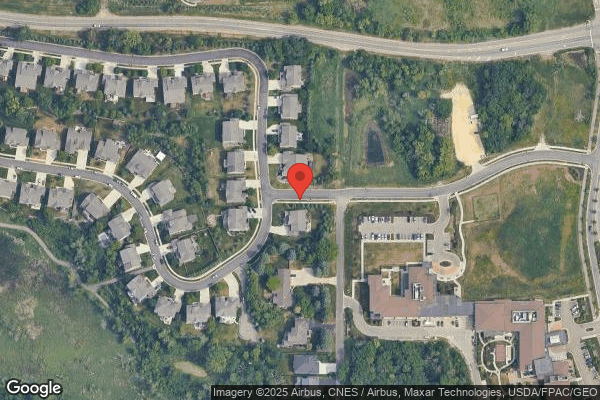
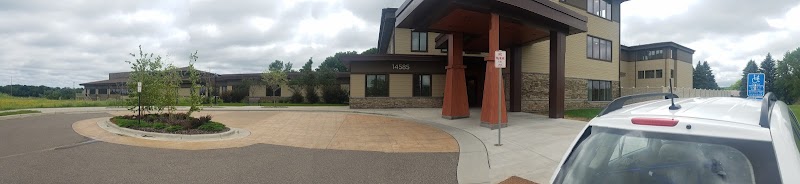
14585 59TH AVENUE NORTH, PLYMOUTH, MN 55446 (763) 744-9400
For profit - Corporation 44 Beds LIFE CARE SERVICES Data: November 2025
Trust Grade
93/100
#80 of 337 in MN
Last Inspection: September 2024

Within standard 12-15 month inspection cycle. Federal law requires annual inspections.

Overview

The Birches at Trillium Woods has an excellent Trust Grade of A, indicating a high level of care and reliability. Ranked #80 out of 337 facilities in Minnesota, they are in the top half of state options, and #12 out of 53 in Hennepin County, suggesting they are among the better choices locally. The facility's performance has been stable, with only two issues reported in both 2022 and 2024, which is a positive sign. Staffing is a strong point, with a 5-star rating and a turnover rate of 29%, which is significantly lower than the state average, indicating staff consistency and familiarity with residents. While there have been no fines, there were some concerning incidents, such as failing to monitor blood pressure for two residents and not administering insulin correctly for another resident, as well as a previous case where an allegation of staff abuse was not reported promptly, highlighting the need for improvements in certain procedures. Overall, while the facility has strong ratings and good staffing, families should be aware of these specific concerns when considering care options.

Trust Score
A
93/100
In Minnesota
#80/337
Top 23%
Safety Record
Low Risk
No red flags
Inspections
Holding Steady
2 → 2 violations
Staff Stability
✓ Good
29% annual turnover. Excellent stability, 19 points below Minnesota's 48% average. Staff who stay learn residents' needs.
Penalties
✓ Good
No fines on record. Clean compliance history, better than most Minnesota facilities.
Skilled Nurses
✓ Good
Each resident gets 71 minutes of Registered Nurse (RN) attention daily — more than 97% of Minnesota nursing homes. RNs are the most trained staff who catch health problems before they become serious.
Violations
✓ Good
Only 4 deficiencies on record. Cleaner than most facilities. Minor issues only.
★★★★★
5.0
Overall Rating
★★★★★
5.0
Staff Levels
★★★★☆
4.0
Care Quality
★★★★★
5.0
Inspection Score
Stable
2022: 2 issues
2024: 2 issues

The Good

  • 5-Star Staffing Rating · Excellent nurse staffing levels
  • 4-Star Quality Measures · Strong clinical quality outcomes
  • Low Staff Turnover (29%) · Staff stability means consistent care
  • Full Sprinkler Coverage · Fire safety systems throughout facility
  • No fines on record
  • Staff turnover is low (29%)

    19 points below Minnesota average of 48%

Facility shows strength in staffing levels, quality measures, staff retention, fire safety.

The Bad

Chain: LIFE CARE SERVICES

Part of a multi-facility chain

Ask about local staffing decisions and management

The Ugly 4 deficiencies on record

Sept 2024 2 deficiencies
CONCERN (D)

Potential for Harm - no one hurt, but risky conditions existed

Medication Errors (Tag F0758)

Could have caused harm · This affected 1 resident

**NOTE- TERMS IN BRACKETS HAVE BEEN EDITED TO PROTECT CONFIDENTIALITY** Based on interview and document review, the facility failed to ensure orthostatic blood pressure monitoring was in place for 2 o...

Read full inspector narrative →
**NOTE- TERMS IN BRACKETS HAVE BEEN EDITED TO PROTECT CONFIDENTIALITY** Based on interview and document review, the facility failed to ensure orthostatic blood pressure monitoring was in place for 2 of 5 residents (R27, R30) reviewed for unnecessary medications. Findings include: R27 R27's quarterly Minimum Data Set (MDS), indicated he had moderate cognitive impairment and exhibited physical behavioral symptoms 1-3 days during the lookback period. Additionally, R27's MDS listed his diagnoses as Parkinson's disease (a progressive movement disorder of the nervous system) with dyskinesia (involuntary muscle movements and reduced voluntary movement), dementia (a loss of cognitive function, like thinking, remembering, and reasoning), anxiety, depression, bradycardia (slow heart rate), and psychotic disorder (severe mental illness causing a person to lose touch with reality and have abnormal thinking and perceptions). The MDS indicated R27 received an antipsychotic medication on a routine basis only, and the most recent gradual dose reduction (GDR) was attempted on 2/1/24. Furthermore, the MDS indicated R27 received an antianxiety medication. The MDS also indicated R27 required extensive assistance with mobility, transfers, and toileting. R27's Care Area Assessment (CAA) for falls dated 2/1/24, was triggered due to a history of falls. The CAA indicated R27 had four recent falls with no injuries related to self-transfers. The CAA identified risk factors of a prescription antipsychotic Seroquel, and diagnoses of heart disease, dementia, and Parkinson's disease. The CAA guided staff to follow the care plan. R27's CAA for psychotropic drug use dated 2/1/24, was triggered due to his Seroquel use. The CAA indicated falls not noted to be from medication use. No noted adverse signs or symptoms of medication use at this time. The CAA indicated staff would continue to monitor R27 and would follow his care plan. R27's order summary printed 9/12/24, included an order for weekly orthostatic blood pressure monitoring (for Seroquel use) to be assessed once per day every Thursday, starting 5/7/24. R27's medication administration record (MAR) dated 9/2024, indicated he was receiving the following medications on a scheduled basis as ordered: - citalopram hydrobromide (for depression) oral tablet 10 milligrams (mg), Give 20mg by mouth one time a day, dated 9/4/24. - buspirone hydrochloride (HCl) (for anxiety) oral tablet 5mg, Give 5mg by mouth two times a day, dated 4/4/24. - Seroquel (for dementia with psychosis) oral tablet 25mg, Give 25mg by mouth at bedtime, dated 2/1/24. R27's treatment administration record (TAR) dated 9/2024, indicated his orthostatic blood pressure was administered with a checkmark under the due date of 9/5/24. R27's MAR dated 8/2024 indicated he was receiving the following medications on a scheduled basis as ordered: - citalopram hydrobromide (for depression) oral tablet 10 milligrams (mg), Give 10mg by mouth one time a day, dated 7/17/24. - buspirone hydrochloride (HCl) (for anxiety) oral tablet 5mg, Give 5mg by mouth two times a day, dated 4/4/24. - Seroquel (for dementia with psychosis) oral tablet 25mg, Give 25mg by mouth at bedtime, dated 2/1/24. R27's TAR dated 8/2024, indicated his orthostatic blood pressure was administered with a checkmark under the due dates of 8/8/24, 8/15/24, 8/22/24, and 8/29/24. R27's MAR dated 7/2024 indicated he was receiving the following medications on a scheduled basis as ordered: - citalopram hydrobromide (for depression) oral tablet 10 milligrams (mg), Give 5mg by mouth one time a day, started 7/2/24, discontinued 7/16/24. - citalopram hydrobromide (for depression) oral tablet 10 milligrams (mg), Give 10mg by mouth one time a day, dated 7/17/24. - buspirone hydrochloride (HCl) (for anxiety) oral tablet 5mg, Give 5mg by mouth two times a day, dated 4/4/24. - Seroquel (for dementia with psychosis) oral tablet 25mg, Give 25mg by mouth at bedtime, dated 2/1/24. R27's TAR dated 7/2024, indicated his orthostatic blood pressure was administered with a checkmark under the due dates of 7/4/24, 7/11/24, 7/18/24, and 7/25/24. R27's MAR dated 6/2024 indicated he was receiving the following medications on a scheduled basis as ordered: - buspirone hydrochloride (HCl) (for anxiety) oral tablet 5mg, Give 5mg by mouth two times a day, dated 4/4/24. - Seroquel (for dementia with psychosis) oral tablet 25mg, Give 25mg by mouth at bedtime, dated 2/1/24. R27's TAR dated 6/2024, indicated his orthostatic blood pressure was administered with a checkmark under the due dates of 6/6/24, 6/13/24, 6/20/24, and 6/27/24. R27's MAR dated 5/2024 indicated he was receiving the following medications on a scheduled basis as ordered: - buspirone hydrochloride (HCl) (for anxiety) oral tablet 5mg, Give 5mg by mouth two times a day, dated 4/4/24. - Seroquel (for dementia with psychosis) oral tablet 25mg, Give 25mg by mouth at bedtime, dated 2/1/24. R27's TAR dated 5/2024, indicated his orthostatic blood pressure was administered with a checkmark under the due dates of 5/9/24, 5/16/24, 5/23/24, and 5/30/24. R27's care plan revised on 12/12/23, indicated he was at risk for falls and identified an intervention of orthostatic blood pressure monitoring after a fall on 12/1/23. Additionally, the care plan identified R27 used an antipsychotic, antidepressant, and antianxiety medication and indicated staff would monitor vital signs as ordered. A review of the blood pressures in Point Click Care (PCC) on 9/12/24, revealed a lack of orthostatic blood pressure documentation for the dates above in which the orthostatic blood pressures were listed as administered. A medication regimen review (MRR) dated 7/15/24, was performed with no irregularities noted and no medication changes recommended. A consultation report by pharmacist dated 7/19/24, indicated R27 recently experienced a fall on 6/25/24, 6/27/24, 7/12/24, and 7/11/24. A comprehensive review of the medical record was conducted and based upon the information available at the time of the review, and assuming the accuracy and completeness of such information, the resident's MRR does not appear likely to have contributed to falls. R27 is on medications that can cause dizziness and drowsiness. It is not apparent that either dizziness or drowsiness played a part in these falls. The report indicated in at least 2 of the falls, R47 put himself on the floor. No medication changes were recommended in the report. R27's electronic health record (EHR) was reviewed on 9/12/24 and lacked documentation of orthostatic blood pressures or rationale for missed monitoring. During interview on 8/12/24 at 11: 35 a.m., registered nurse (RN)-A verified there was no orthostatic blood pressure documentation for R27. RN-A stated his transfer status had changed recently and R27 had increased difficulty with standing. RN-A stated if a resident was unable to stand for an orthostatic blood pressure, the laying and sitting blood pressures should be collected and the standing blood pressure should include documentation to why it could not be performed. RN-A stated an orthostatic blood pressure could be re-attempted later, and the provider should be updated. RN-A stated R27 had not reported dizziness with sitting to standing and denied seeing any visual floaters or spots. Documentation of R27's orthostatic blood pressure monitoring was requested from RN-B but was not received. R30 R30's quarterly Minimum Data Set (MDS) dated [DATE], indicated she had intact cognition, had no behaviors, and received an antipsychotic on a routine basis only. R30's Care Area Assessment (CAA) for psychotropic drug use dated 2/17/24, was triggered because she was on Seroquel for dementia and problems sleeping per orders and MAR. The CAA indicated there were no signs or symptoms of adverse effects noted and directed staff to follow her care plan. A diagnosis report dated 9/11/24, listed R30's diagnoses as Alzheimer's disease (a progressive brain disorder that slowly destroys memory and thinking skills), dementia (a loss of cognitive function, like thinking, remembering, and reasoning), high blood pressure, muscle weakness, and difficulty walking. R30's order summary report last reviewed and signed on 9/5/24, indicated the following orders: - quetiapine fumarate (for psychosis) oral tablet 25 mg, Give 25 mg by mouth at bedtime, dated 6/20/24. - orthostatic BP's monthly, one time a day every 1 month starting on the 24th, dated 5/24/24. R27's treatment administration record (TAR) dated 5/2024, lacked an orthostatic blood pressure monitoring order. R27's TAR dated 6/2024, indicated an orthostatic blood pressure was administered with a checkmark under the due date of 6/24/24. R27's TAR dated 7/2024, indicated an orthostatic blood pressure was administered with a checkmark under the due date of 7/24/24. R27's TAR dated 8/2024, indicated an orthostatic blood pressure was administered with a checkmark under the due date of 8/24/24. A progress note dated 7/24/24, indicated R30's orthostatic blood pressure (measured in millimeters of mercury (mmHg) was: laying 137/73 sitting 157/68 standing 150/80. R30's electronic health record (EHR) was reviewed on 9/11/24 and lacked documentation of orthostatic blood pressures for 5/2024, 6/2024, and 8/2024. During interview on 9/12/24 at 11:36 a.m., registered nurse (RN)-A stated orthostatic blood pressures should be assessed monthly for residents taking antipsychotic medications. RN-A verified documentation for 7/24/24, but was unable to locate documentation for any other orthostatic blood pressures. A request was made for documentation of R30's orthostatic blood pressures but it was not received. During interview on 8/12/24 at 11: 53 a.m., RN-B stated residents receiving psychotropic medications should have side effect monitoring in place, including orthostatic blood pressure monitoring. RN-B stated without monitoring a resident's orthostatic blood pressure while taking a psychotropic medication, a resident could be a higher risk for falls. RN-B stated there was a new process in place for auditing orders of residents receiving psychotropics to ensure orthostatic blood pressures were in place due to a newly hired health unit coordinator (HUC). RN-B stated staff were in the process of reviewing charts and entering the monitoring order as needed. During interview on 9/12/24 at 1:49 p.m., the director of nursing (DON) stated orthostatic blood pressures were expected to be completed for residents taking psychotropic medications. The DON stated it was important to monitor for side effects of psychotropic medications, including orthostatic blood pressures, so we are not missing something. The DON reported a process was initiated immediately to create a new template for orthostatic blood pressure monitoring for residents taking psychotropic medications and verified the importance of identifying side effects and reducing falls. A facility policy titled Antipsychotic Medication Use revised 7/2022, indicated antipsychotic medications would be subject to re-review and directed nursing staff to monitor for and report any of the following side effects and adverse consequences of antipsychotic medications to the attending physician: a. General/anticholinergic: constipation, blurred vision, dry mouth, urinary retention, sedation; b. Cardiovascular: orthostatic hypotension, arrhythmias; c. Metabolic: increase in total cholesterol/triglycerides, unstable or poorly controlled blood sugar, weight gain; or d. Neurologic: Akathisia, dystonia, extrapyramidal effects, akinesia; or tardive dyskinesia, stroke or transient ischemia attach (TIA).
CONCERN (D)

Potential for Harm - no one hurt, but risky conditions existed

Deficiency F0760 (Tag F0760)

Could have caused harm · This affected 1 resident

**NOTE- TERMS IN BRACKETS HAVE BEEN EDITED TO PROTECT CONFIDENTIALITY** Based on interview and document review, the facility failed to follow physician orders for the administration of insulin for 1 o...

Read full inspector narrative →
**NOTE- TERMS IN BRACKETS HAVE BEEN EDITED TO PROTECT CONFIDENTIALITY** Based on interview and document review, the facility failed to follow physician orders for the administration of insulin for 1 of 1 resident (R21) reviewed for medication errors. Findings include: R21's significant change Minimum Data Set (MDS) dated [DATE], identified R21 had severe cognitive impairment and required substantial and/or maximal assistance with most activities of daily living, such as hygiene, dressing, and walking ten feet. R21's diagnoses included hypertension (high blood pressure), peripheral vascular disease (narrowed arteries which reduce blood flow to the arms or legs), diabetes mellitus (chronic disease which occurs when the body does not produce enough or respond normally to insulin), dementia (decline in cognitive abilities which affects ability to think, remember and perform daily activities), and cerebral infarction (blood flow to the brain is blocked). During the look-back period of seven days for the MDS, insulin injections were received all seven days. R21's medication administration record (MAR) included an order with a start date of 5/15/24, for insulin aspart pen-injector 100 unit/mL (milliliters) 5 units subcutaneously at 0800 (8:00 a.m.), and insulin aspart pen-injector 100 unit/mL 5 units subcutaneously at 1700 (5 p.m.) with a start date of 5/14/24. Both orders had directions to hold if blood glucose levels were less than 200. The MAR indicated R21's blood sugar was 194 on the 9/8/24 morning blood sugar check and insulin was administered on 9/8/24 at 08:33 [8:33 a.m.], and R21's blood sugar was 191 on the 9/11/24 evening blood sugar check and insulin was administered on 9/11/24 at 17:06 [5:06 p.m.]. R21's progress notes lacked further information on the two noted blood glucose levels and insulin administration but indicated the following on 9/8/24 at 22:30 (10:30 p.m.): Resident BG @ [at] 3:15pm was 53 per report. OJ [orange juice] and snacks given and f/u [follow-up] BG was 87 before dinner. Ate100% of dinner with 500cc. Insulin was held. HS BG was 168. Asymptomatic for hypoglycemia. Northern Lights communication updated for the MD/NP. Will update the next shift. During interview on 9/12/24 at 9:57 a.m., licensed practical nurse (LPN)-A stated they check blood glucose levels, verify insulin administration parameters, and either give short-acting insulin close to meals or hold insulin when blood glucose levels are below the ordered parameters. LPN-A documented in MAR or progress notes when insulin held. LPN-A reviewed R21's physician orders and MAR and verified R21's insulin was given the morning of 9/8/24 and evening of 9/11/24 when R21's blood glucose was less than 200, and R21's insulin should have been held. During interview on 9/12/24 at 12:47 p.m., registered nurse (RN)-B reviewed R21's blood glucose levels, insulin administration, and progress notes. RN-B verified the two instances and stated the insulin should not have been administered and were medication errors. During interview on 9/12/24 at 1:49 p.m., the director of nursing (DON) expected staff to follow physician orders and hold insulin when blood glucose less than 200. During interview on 9/12/24 at 3:19 p.m., the consultant pharmacist reviewed R21's orders, MAR, and blood glucose levels. Consultant pharmacist stated the expectation was for staff to hold the insulin when blood glucose levels were less than 200 per physician order or call the provider and document provider communication. Consultant pharmacist stated following insulin orders and blood glucose parameters were important to keep blood glucose at functioning levels and did not want too much insulin in R21's system. Consultant pharmacist stated the two noted insulin administrations had a mild risk to R21. Facility policy Insulin Administration dated 9/14, directed staff to check and document blood glucose per physician order or facility protocol and to check the order for the amount of insulin at least three times during insulin administration.
Jun 2022 2 deficiencies
CONCERN (D)

Potential for Harm - no one hurt, but risky conditions existed

Report Alleged Abuse (Tag F0609)

Could have caused harm · This affected 1 resident

**NOTE- TERMS IN BRACKETS HAVE BEEN EDITED TO PROTECT CONFIDENTIALITY** Based on interview and document review, the facility failed to ensure an allegation of abuse were reported to the State Agency (...

Read full inspector narrative →
**NOTE- TERMS IN BRACKETS HAVE BEEN EDITED TO PROTECT CONFIDENTIALITY** Based on interview and document review, the facility failed to ensure an allegation of abuse were reported to the State Agency (SA) immediately (within two hours) for 3 of 4 residents (R31, R34, R35) reviewed for abuse. Findings include: Resident #31 R31's quarterly Minimum Data Set (MDS) dated [DATE], indicated R31 had mild cognitive impairment and diagnoses of dementia with behavioral disturbances and anxiety. R31's care plan reviewed on 6/1/22, indicated R31 was vulnerable due to residing in a long-term care setting and diagnosis of dementia. During an interview on 5/31/22, at 3:10 p.m. R31 stated she was hit in the back by a staff member last week. R 31 further stated she told other staff about it, but nothing was done. During an interview on 5/31/22, at 3:18 p.m. the Administrator received the above allegation from the surveyor. The administrator further stated she was aware of R31 having increased behaviors recently but was not aware of R31's allegation of being hit by staff. The facility's Nursing Home Incident Report (NHIR) dated 5/31/22, indicated R31's allegation was reported to the SA on 5/31/22, at 8:32 p.m. This report was not made immediately (within 2 hours) of receiving R31's allegation of abuse.Resident #34 R34's admission Minimum Data Set (MDS) dated [DATE], indicated R34 had moderate cognitive impairment and diagnoses of hemiplegia following cerebral infarction affecting the left nondominant side. R34's care plan reviewed on 6/2/22, indicated R34 was vulnerable due to residing in a long-term care setting. The facility's Nursing Home Incident Report (NHIR) dated 2/16/22, indicated R34's family member (FM)-A reported the facility staff forcibly changed [R34] to the social worker (SW)-A on 2/16/22 at 10:30 a.m. The SW-A spoke with R34 immediately after speaking with FM-A when R34 reported the allegations of the alleged perpetrator molested me, touched me and I didn't like it, it mentally hurt, and I felt violated and the alleged perpetrator put a diaper on [R34] and wasn't allowed to go to the bathroom. However, the facility reported to the SA on 2/16/22, at 3:14 p.m. This report was not made immediately (within 2 hours) of receiving R34's allegation of abuse. Resident #35 R35's admission Minimum Data Set (MDS) dated [DATE], indicated R35 was cognitively intact and diagnoses of dementia without behavioral disturbance. Further, indicated R35 had no hallucinations or delusions. R35's care plan reviewed on 6/2/22, indicated R35 was vulnerable due to residing in a long-term care setting. The facility's Nursing Home Incident Report (NHIR) dated 5/6/22, indicated R35's allegation of a facility staff member stating shut up to R35 was reported to SW-A on 5/5/22, at 10:00 a.m. However, the facility reported to the SA on 5/6/22, at 9:53 a.m. This report was not made immediately (within 2 hours) of receiving R35's allegation of abuse. During an interview on 6/1/22, at 4:11 p.m. the director of nursing (DON) stated staff followed the facility policy when reporting allegations of abuse. DON expected staff to report any allegations to the Administrator or herself immediately and then the facility had 2 hours to report to the SA if abuse was determined or if the resident had serious bodily harm. During interview on 6/1/22, 4:13 p.m. the director of nursing (DON) verified the allegation of R35 stating NA-D told R35 to shut up was verbal abuse and should have been reported within two hours. During an interview on 6/1/22, at 5:08 p.m. Administrator stated allegations of abuse are reported within 2 hours if there was serious bodily injury, otherwise allegations were reported within 24 hours. The Administrator expected staff to report allegations right away. Administrator further stated a report of staff hitting a resident was considered physical abuse and had to be reported within 24 hours if there was no serious bodily harm. During an interview on 6/2/22, at 3:04 p.m. Administrator acknowledged the facility policy had an addendum reflecting federal regulations and reporting but acknowledged that time frame had not been followed. Administrator further stated policy revision and staff education had been started. The Trillium Woods Elder Justice Act policy dated August 2019, indicated an event suspicion resulting in serious bodily injury, the individual shall report the suspicion within two hours of forming a suspicion. If the event causing the suspicion does not result in serious bodily injury, the individual shall report the suspicion in 24 hours of forming a suspicion.
MINOR (C)

Minor Issue - procedural, no safety impact

Deficiency F0730 (Tag F0730)

Minor procedural issue · This affected most or all residents

Based on interview and document review, the facility failed to complete annual performance reviews for 3 of 5 nursing assistants (NA-A, NA-B, and NA-C) whose employee files were reviewed. This had the...

Read full inspector narrative →
Based on interview and document review, the facility failed to complete annual performance reviews for 3 of 5 nursing assistants (NA-A, NA-B, and NA-C) whose employee files were reviewed. This had the potential to affect all 32 residents who resided at the facility. Findings include: A facility provided document which was unnamed (undated) identified NA-A was hired on 4/25/2016, NA-B was hired on 1/25/2016, and NA-C was hired on 1/25/2016. Performance reviews were requested from the respective employee files of NA-A, NA-B, and NA-C, however, not provided by the facility. During an interview on 6/2/22, at 3:03 p.m. the director of nursing (DON) verified she did not complete staff performance evaluations in 2021/2022 for NA-A, NA-B, and NA-C. Further, The DON stated performance evaluations should had been completed annually for feedback to help with resident care. During an interview on 6/2/22, at 3:05 p.m. the administrator stated employee performance evaluations should be completed annually so the supervisor could give feedback on the employee's performance and the opportunity for the employee to provide feedback. An email dated 6/2/22, at 3:32 p.m. with the subject line Performance Evals, indicated Performance evaluations are conducted to ensure that you have a clear understanding of your job performance. During the evaluation process, your strengths, weaknesses, potential, and work quality will be identified. Performance evaluations are normally completed at the end of any introductory period and annually thereafter.
Understanding Severity Codes (click to expand)
Life-Threatening (Immediate Jeopardy)
J - Isolated K - Pattern L - Widespread
Actual Harm
G - Isolated H - Pattern I - Widespread
Potential for Harm
D - Isolated E - Pattern F - Widespread
No Harm (Minor)
A - Isolated B - Pattern C - Widespread

Questions to Ask on Your Visit

  • "Can I speak with families of current residents?"
  • "What's your RN coverage like on weekends and overnight?"

Our Honest Assessment

Strengths
  • • Grade A (93/100). Above average facility, better than most options in Minnesota.
  • • No major safety red flags. No abuse findings, life-threatening violations, or SFF status.
  • • No fines on record. Clean compliance history, better than most Minnesota facilities.
  • • Only 4 deficiencies on record. Cleaner than most facilities. Minor issues only.
Concerns
  • • No significant concerns identified. This facility shows no red flags across CMS ratings, staff turnover, or federal penalties.
Bottom line: Generally positive indicators. Standard due diligence and a personal visit recommended.

About This Facility

What is The Birches At Trillium Woods's CMS Rating?

CMS assigns The Birches at Trillium Woods an overall rating of 5 out of 5 stars, which is considered much above average nationally. Within Minnesota, this rating places the facility higher than 99% of the state's 100 nursing homes. This rating reflects solid performance across the metrics CMS uses to evaluate nursing home quality.

How is The Birches At Trillium Woods Staffed?

CMS rates The Birches at Trillium Woods's staffing level at 5 out of 5 stars, which is much above average compared to other nursing homes. Staff turnover is 29%, compared to the Minnesota average of 46%. This relatively stable workforce can support continuity of care.

What Have Inspectors Found at The Birches At Trillium Woods?

State health inspectors documented 4 deficiencies at The Birches at Trillium Woods during 2022 to 2024. These included: 3 with potential for harm and 1 minor or isolated issues.

Who Owns and Operates The Birches At Trillium Woods?

The Birches at Trillium Woods is owned by a for-profit company. For-profit facilities operate as businesses with obligations to shareholders or private owners. The facility is operated by LIFE CARE SERVICES, a chain that manages multiple nursing homes. With 44 certified beds and approximately 40 residents (about 91% occupancy), it is a smaller facility located in PLYMOUTH, Minnesota.

How Does The Birches At Trillium Woods Compare to Other Minnesota Nursing Homes?

Compared to the 100 nursing homes in Minnesota, The Birches at Trillium Woods's overall rating (5 stars) is above the state average of 3.2, staff turnover (29%) is significantly lower than the state average of 46%, and health inspection rating (5 stars) is much above the national benchmark.

What Should Families Ask When Visiting The Birches At Trillium Woods?

Based on this facility's data, families visiting should ask: "Can I visit during a mealtime to observe dining assistance and food quality?" "How do you handle medical emergencies, and what is your hospital transfer rate?" "Can I speak with family members of current residents about their experience?"

Is The Birches At Trillium Woods Safe?

Based on CMS inspection data, The Birches at Trillium Woods has a clean safety record: no substantiated abuse findings (meaning no confirmed cases of resident harm), no Immediate Jeopardy citations (the most serious violation level indicating risk of serious injury or death), and is not on the Special Focus Facility watch list (a federal program monitoring the lowest-performing 1% of nursing homes). The facility has a 5-star overall rating and ranks #1 of 100 nursing homes in Minnesota. While no facility is perfect, families should still ask about staff-to-resident ratios and recent inspection results during their visit.

Do Nurses at The Birches At Trillium Woods Stick Around?

Staff at The Birches at Trillium Woods tend to stick around. With a turnover rate of 29%, the facility is 17 percentage points below the Minnesota average of 46%. Low turnover is a positive sign. It means caregivers have time to learn each resident's needs, medications, and personal preferences. Consistent staff also notice subtle changes in a resident's condition more quickly. Registered Nurse turnover is also low at 22%, meaning experienced RNs are available to handle complex medical needs.

Was The Birches At Trillium Woods Ever Fined?

The Birches at Trillium Woods has no federal fines on record. CMS issues fines when nursing homes fail to meet care standards or don't correct problems found during inspections. The absence of fines suggests the facility has either maintained compliance or corrected any issues before penalties were assessed. This is a positive indicator, though families should still review recent inspection reports for the full picture.

Is The Birches At Trillium Woods on Any Federal Watch List?

The Birches at Trillium Woods is not on any federal watch list. The most significant is the Special Focus Facility (SFF) program, which identifies the bottom 1% of nursing homes nationally based on persistent, serious quality problems. Not being on this list means the facility has avoided the pattern of deficiencies that triggers enhanced federal oversight. This is a positive indicator, though families should still review the facility's inspection history directly.