THE VILLAS AT RICHFIELD
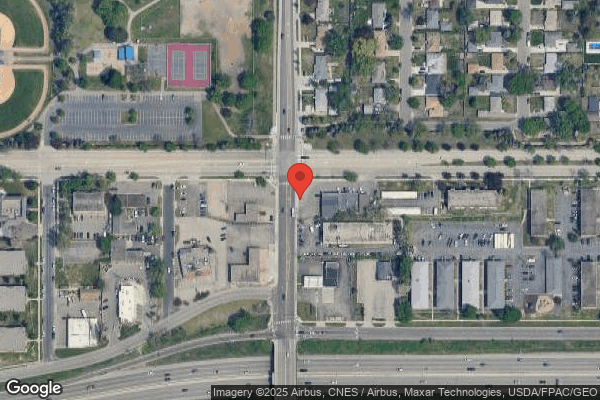
7727 PORTLAND AVENUE SOUTH, RICHFIELD, MN 55423 (763) 762-1800
For profit - Corporation 105 Beds MONARCH HEALTHCARE MANAGEMENT Data: November 2025
Trust Grade
60/100
#203 of 337 in MN
Last Inspection: June 2025

Inspected within the last 6 months. Data reflects current conditions.

Overview

The Villas at Richfield has a Trust Grade of C+, indicating that it is slightly above average but not outstanding. It ranks #203 out of 337 facilities in Minnesota, placing it in the bottom half, and #31 out of 53 in Hennepin County, meaning there are better options nearby. The facility's situation is worsening, with issues increasing from 12 in 2024 to 14 in 2025, which raises some concerns. Staffing is a strength here, with a 4/5 star rating and a turnover rate of 41%, slightly below the state average of 42%, suggesting that employees tend to stay longer and build relationships with residents. While there have been no fines, some specific concerns include improper food storage practices in the kitchen that could affect residents' health and failure to maintain proper hygiene during medication administration, which could increase the risk of infection. Overall, there are both strengths and weaknesses to consider when researching this nursing home.

Trust Score
C+
60/100
In Minnesota
#203/337
Bottom 40%
Safety Record
Low Risk
No red flags
Inspections
Getting Worse
12 → 14 violations
Staff Stability
○ Average
41% turnover. Near Minnesota's 48% average. Typical for the industry.
Penalties
✓ Good
No fines on record. Clean compliance history, better than most Minnesota facilities.
Skilled Nurses
✓ Good
Each resident gets 44 minutes of Registered Nurse (RN) attention daily — more than average for Minnesota. RNs are trained to catch health problems early.
Violations
⚠ Watch
33 deficiencies on record. Higher than average. Multiple issues found across inspections.
★★★☆☆
3.0
Overall Rating
★★★★☆
4.0
Staff Levels
★★★★☆
4.0
Care Quality
★★★☆☆
3.0
Inspection Score
Stable
2024: 12 issues
2025: 14 issues

The Good

  • 4-Star Staffing Rating · Above-average nurse staffing levels
  • 4-Star Quality Measures · Strong clinical quality outcomes
  • Full Sprinkler Coverage · Fire safety systems throughout facility
  • No fines on record
  • Staff turnover below average (41%)

    7 points below Minnesota average of 48%

Facility shows strength in staffing levels, quality measures, fire safety.

The Bad

3-Star Overall Rating

Near Minnesota average (3.2)

Meets federal standards, typical of most facilities

Staff Turnover: 41%

Near Minnesota avg (46%)

Typical for the industry

Chain: MONARCH HEALTHCARE MANAGEMENT

Part of a multi-facility chain

Ask about local staffing decisions and management

The Ugly 33 deficiencies on record

Jun 2025 10 deficiencies
CONCERN (D)

Potential for Harm - no one hurt, but risky conditions existed

Comprehensive Care Plan (Tag F0656)

Could have caused harm · This affected 1 resident

**NOTE- TERMS IN BRACKETS HAVE BEEN EDITED TO PROTECT CONFIDENTIALITY** Based on observation, interview and document review, the facility failed to ensure care was provided in accordance with a reside...

Read full inspector narrative →
**NOTE- TERMS IN BRACKETS HAVE BEEN EDITED TO PROTECT CONFIDENTIALITY** Based on observation, interview and document review, the facility failed to ensure care was provided in accordance with a resident's care plan for 1 of 3 residents (R18) reviewed for non-pressure related skin concerns.Findings include:R18's quarterly Minimum Data Set (MDS) assessment dated [DATE], indicated R18 had short- and long-term memory problems, knew location of own room and staff names and faces, and had some difficulty in new situations regarding her cognitive skills for daily decision making. R18 did not have behaviors or rejection of cares. R18 required substantial/maximal to dependent assistance with most activities of daily living (ADLs). R18 was at risk for pressure ulcers.R18's care plan, indicated R18 was at risk for skin alteration related to incontinence, history of recurring redness/rash under breasts and skin folds, poor safety awareness, and history of walking towards doors and walls. The care plan interventions included barrier cream after each incontinent episode, encourage to allow cleansing and drying of skin folds in the morning and bedtime and reapproach if refuses, ensure socks removed carefully and does not stick, assist with nails and toenail care weekly and as needed, heel protectors on while in bed, place a pillow under resident's back when turned and repositioned, turn and reposition every two to three hours and as needed, monitor skin integrity daily during cares and weekly skin inspection by nurse, treat open areas per order, encourage adequate fluid intake, pressure redistribution cushion to wheelchair and chair, low air loss mattress and monitor function every shift, and follow dietary interventions which included supplements as ordered.R18's physician order dated 2/14/24, indicated geri-sleeves (protective sleves) or long sleeves on in the morning and off at bedtime every shift.During observation on 6/25/25 at 7:40 a.m., R18 sat in her wheelchair in the dining area and had short sleeves on and no geri-sleeves.During observation on 6/25/25 at 9:25 a.m., nursing assistant (NA)-A and C assisted R18 to bed and provided peri-cares. R18 had short sleeves on and new geri-sleeves. R18's heels were not floated off the bed with pillows or protective boots.During interview on 6/25/25 at 9:37 a.m., NA-A verified R18 did not have long-sleeves or geri-sleeves on. NA-A stated they were not sure if R18 needed her arms covered. NA-A verified R18's heels were not floated and did not know about protective boots for R18. NA-A stated R18's heels were not an issue and feet did not have skin breakdown.During observation and interview on 6/25/25 at 11:10 a.m., R18 was in bed and observed in short sleeves and no geri-sleeves, and R18's heels were not floated. Registered nurse (RN)-E stated R18 needed her heels floated and verified they were not floated. RN-E found heel protector boots in R18's closet and applied them to R18's feet.During interview on 6/26/25 at 10:37 a.m., the assistant director of nursing (ADON) stated R18 was at risk for pressure ulcers and floating R18's heels were important for pressure ulcer prevention. The ADON stated R18 needed geri-sleeves when she used to bump into doorways and got bruises related to poor safety awareness. During interview on 6/26/25 at 2:01 p.m., the director of nursing (DON) expected staff to follow the care plan. The DON stated geri-sleeves or long sleeves were used to prevent skin tears and bruises.The facility Care Planning policy dated 11/2024, directed staff to use resident's plan of care to provide care or services to the resident. The care plan was to be modified and updated as the condition and care needs of the resident changed.
CONCERN (D)

Potential for Harm - no one hurt, but risky conditions existed

Deficiency F0679 (Tag F0679)

Could have caused harm · This affected 1 resident

**NOTE- TERMS IN BRACKETS HAVE BEEN EDITED TO PROTECT CONFIDENTIALITY** Based on observation, interview, and document review, the facility failed to ensure a resident's preferred activities for indivi...

Read full inspector narrative →
**NOTE- TERMS IN BRACKETS HAVE BEEN EDITED TO PROTECT CONFIDENTIALITY** Based on observation, interview, and document review, the facility failed to ensure a resident's preferred activities for individual entertainment were available for 1 of 1 resident (R16) reviewed for activities.Finding include:R16's Minimum Data Set (MDS) assessment dated [DATE], identified R16 had cognitive impairment and displayed no delusional thinking, with some rejection of cares. R16 was dependent on facility staff for upper and lower body dressing, putting on and removing shoes, and transferring from bed to chair.R16's Evaluation and Social History dated 8/19/24, indicated R16 had no visual or auditory deficits that would impact activity participation, enjoys time with her children, music, and game shows. R16's specific preference to music is old rhythm and blues. Further, R16 was willing to try new activities, actively engages in structured activities of choice, and actively engages in independent activity of choice.R16's care plan dated 11/14/24, indicated R16 had generalized anxiety, major depressive disorder, and obsessive-compulsive disorder. The interventions the facility outlined in this document included:-administer medications as ordered-complete PHQ-9 (depression screening) per facility policy-encourage resident to take part in Music Therapy Group events (Bell Choir, Singing Groups, Music in Motion) to stimulate socialization.-Monitor/record/report to MD as needed any changes in mood patterns, signs and symptoms of depression, anxiety, sad mood as per facility behavior monitoring protocolsDuring interview on 6/23/25 at 3:38 p.m., R16 confirmed she likes to listen to music and would be interested in attending music activities or groups. Family stated the facility had not previously had any music-related activities for the resident to attend. Further, the facility staff do not ask the resident if she would like to join a group activity. The activity calendars dated, February 2025, March 2025, April 2025 , May 2025 and June 2025 did not contain any music-related activities or groups.During observation on 6/24/25 at 1:00 p.m., activity director (AD)-A was walking down the hall, gathering residents for a Tuesday Tea Party in the 3rd floor dining room. The AD-A did not enter R16's room to offer to take R16 to the Tea Party. During this observation no other facility staff went into R16's room to alert her to the activity nor offer to take her to the activity.During observation on 6/24/25 at 2:43 p.m., activity director (AD)-A was walking down the hall, gathering residents for Bingo in the 2nd floor dining room. The AD-A did not enter R16's room to offer to take R16 to Bingo. During this observation no other facility staff went into R16's room to alert her to the activity nor offer to take her to the activity.During observation on 6/25/25 at 10:23 a.m., activity director (AD)-A was walking down the hall, gathering residents for a Bible Study in the 2nd floor dining room. The AD-A did not enter R16's room to offer to take R16 to bible study. During this observation no other facility staff went into R16's room to alert her to the activity nor offer to take her to the activity.During observation on 6/25/25 at 12:31 p.m., activity director (AD)-A was walking down the hall, gathering residents for movie in the main activity hall. The AD-A did not enter R16's room to offer to take R16 to the movie. During this observation no other facility staff went into R16's room to alert her to the activity nor offer to take her to the activity.During interview on 6/25/25 at 10:35 a.m., certified nursing assistant (CNA)-C stated the resident was dependent on staff; if she would like to go to an activity, staff would have to assist her. Further, stated the resident should be notified before each activity because she has dementia and wouldn't be able to remember when or what the activity was before the activity.During interview on 6/25/25 at 10:47 a.m., assistant director of nursing (ADON) stated the resident does experience anxiety or depression at times. ADON stated the staff at the facility respond to this anxiety or depression by following the interventions outlined in the care plan. ADON could not list the specific patient-centered music-related intervention for R16.During interview on 6/26/25 at 8:06 a.m., AD-A could not state what R16's personal goals for activity and leisure were. AD-A stated she regularly does rounds on each floor to gather residents to go to activities. AD-A confirmed she did not ask R16 to attend activities on either 6/24/25 or 6/25/25. AD-A stated the facility does not offer music-based activities very often. AD-A stated she was aware R16 had a general anxiety disorder and depression; not knowing about the person-centered intervention to offer music therapy or music-related activities. A facility activity policy was asked for, and not received.
CONCERN (D)

Potential for Harm - no one hurt, but risky conditions existed

Quality of Care (Tag F0684)

Could have caused harm · This affected 1 resident

**NOTE- TERMS IN BRACKETS HAVE BEEN EDITED TO PROTECT CONFIDENTIALITY** Based on observation, interview and document review the facility failed to ensure bruises were adequately assessed and monitored...

Read full inspector narrative →
**NOTE- TERMS IN BRACKETS HAVE BEEN EDITED TO PROTECT CONFIDENTIALITY** Based on observation, interview and document review the facility failed to ensure bruises were adequately assessed and monitored for 1 of 1 resident (R92), failed to ensure non-pressure wounds had timely assessment and documentation for 1 of 3 residents (R92), and furthermore failed to implement and/or clarify a wound order after a hospitalization for 1 of 3 residents (R2) reviewed for non-pressure related wounds.Findings include: R92's admission Minimum Data Set (MDS) assessment, dated 6/11/25, indicated intact cognition, did not have delusions or hallucinations, physical, verbal, or other behavioral symptoms, and did not reject care. Further, R92 was dependent on staff for toileting hygiene, lower body dressing, and required substantial to maximal assistance with upper body dressing, personal hygiene, and showering and bathing. R92's diagnoses included cancer, wound infection, diabetes, arthritis, was morbidly obese with a body mass index of 50.0 to 59.9. Furthermore, R92 was at risk for developing pressure injuries, had surgical wounds, and took an anticoagulant (blood thinner). During observation and interview on 6/23/25 between 2:14 p.m., and 2:17 p.m., R92 had bruises bilaterally to the back of her upper arms. R92's right arm had a bruise approximately the size of a grapefruit and the bruise located on R92's left arm went from R92's arm pit area to her elbow and was purple towards the elbow and a faded yellow color on the upper part of R92's left arm. R92 stated they were from her blood thinner shots. R92 stated her camisole stitching rubbed on her and rolled up on her due to her large abdomen and had a sore spot on her left arm pit area. R92's left posterior arm at armpit crease had a small nail head sized open area. An dressing (ABD) pad was tucked in next to the area, but did not cover the open area. R92 stated she didn't want to wear other shirts because she didn't want drainage staining them from her dressings. R92's Physician's Orders form, indicated the following orders: 6/13/25, surgical incision to the right axilla, right breast, cleanse with NS (normal saline) or WC (wound cleanser), pat dry. Cover with a non-adhesive dressing or ABD (dressing type) and secure with tape every day. Monitor for signs and symptoms of infection. 6/6/25, Complete Daily Skilled Note under forms in PCC (Point Click Care-facility electronic medical record). State why the resident is currently being covered for #6 skin issue, #7 infection, #9 diabetes, #13 anticoagulant. 6/8/25, Monitor for discolored urine, black tarry stools, sudden severe headache, nausea and vomiting, diarrhea, muscle and joint pain, lethargy, bruising, sudden changes in mental status and/or vital signs, SOB [shortness of breath], nose bleeds. 0=No Symptoms, +=See NN (nurse note). 6/8/25, weekly skin inspection by the licensed nurse. Complete weekly skin inspection in PCC. 6/5/25, enoxaparin sodium (generic for Lovenox) injection solution prefilled syringe 40 milligrams (mg)/0.4 milliliters (ML) inject 0.4 ml subcutaneously every 12 hours for prevention of a blood clot. R92's lacked documentation or treatment instruction for an ABD pad related to the open area and a specific assessment or monitoring for the bruising to R92's upper arms. R92's medication administration record (MAR) and treatment administration record (TAR) dated June 2025, indicated R92 received enoxaparin twice daily at 9:00 a.m., and 9:00 p.m., R92's care plan dated 6/6/25, indicated R92 was diabetic and interventions indicated to check all of her body for breaks in skin per protocol and treat promptly as ordered by the physician. R92's care plan dated 6/12/25, indicated R92 had a potential for alteration in blood formation and coagulation due to use of an anticoagulant and interventions included to monitor and notify the physician for signs and symptoms of bleeding, to monitor for discolored urine, black tarry stools, sudden severe headache, nausea and vomiting, diarrhea, muscle/joint pain, lethargy, bruising, sudden changes in mental status, and or vital signs, SOB, and nose bleeds. R92's care plan dated 6/6/25, indicated R92 had an alteration in skin integrity related to recent surgery and had surgical wounds on the right breast and underarm. Interventions indicated to monitor skin integrity daily during cares and weekly skin inspections by the nurse, treatment to open areas per order, turn and reposition or reminders to offload every 2 to 3 hours and as needed, weekly measurements and assessment of wound. R92's care plan dated 6/6/25, indicated R92 had an alteration in mobility related to generalized weakness and interventions indicated R92 required assist of one with movement in bed and in and out of bed, assist of 2 staff with a Hoyer for all transfers, and R92 could not ambulate. R92's care plan dated 6/6/25, indicated R92 had a self-care deficit, and her sling was to be left under her due to risk of friction and shear. Additionally, R92 had interventions for assist of 1 with grooming, bathing, dressing, was able to dress upper body, and required set up assist with personal hygiene. R92's Skin Evaluation and Skin Risk Factors form dated 6/5/25 at 8:07 p.m., indicated R92 had the following skin conditions: a surgical incision to the right breast measured 3.7 centimeters (cm) long, by 0.3 cm wide, a surgical incision to the right armpit measured 4.2 cm long by 0.5 cm wide. Further, R92 had bruising to the right and left lateral upper arms. The form lacked information regarding and assessment of the coloring of the bruising, size of the bruising or how R92 obtained the bruising. Further the form indicated R92 had the following risk factors that included medications, obesity, and diabetes. R92's Weekly Skin Inspection form dated 6/8/25 at 10:45 p.m., indicated R92 had an open surgical wound on the right breast and all other skin was clear and intact. R92's Weekly Skin Inspection form dated 6/22/25 at 8:44 p.m., indicated it was the nurse's responsibility to evaluate the resident's skin at a minimum of once a week to ensure skin integrity and implement interventions as applicable. The form indicated R92 refused a bath and nail care, however, the form indicated R92 had an open surgical wound on the right breast and all other skin was clear and intact. R92's Skin and Wound Evaluation forms dated 6/24/25 , lacked information R92 had an open area to the left upper posterior arm. R92's Daily Skilled Note dated 6/5/25 at 10:09 p.m., The form lacked an assessment of R92's bruises, or R92 had a bruise. R92's Daily Skilled Note dated 6/6/25 at 1:01 p.m., The form lacked an assessment of R92's bruises or that R92 had a bruise. R92's Daily Skilled Notes dated 6/7/25 at 12:42 p.m., 6/8/25 at 1:03 p.m., 6/9/25 at 12:54 p.m., 6/9/25 at 9:45 p.m., 6/10/25 at 2:03 p.m., indicated R92 was alert and oriented to person, place, and time, did not have behaviors that included resisting care. The form indicated the same check box next to skin issues, and anticoagulant use. Further, the form indicated R92 was free from signs and symptoms of bleeding related to anticoagulant use, and the anticoagulant was administered as ordered. The forms lacked an assessment of R92's bruises or that R92 had a bruise, and further lacked information the bruises identified 6/6/25, had resolved. R92's Daily Skilled Notes dated 6/11/25 at 1:35 p.m., indicated R92 was alert and oriented to person, place, and time, did not have behaviors that included resisting care. The form indicated the same check box next to anticoagulant use. Further, the form indicated R92 was free from signs and symptoms of bleeding related to anticoagulant use, and the anticoagulant was administered as ordered. The form lacked an assessment of R92's bruises or that R92 had a bruise. Further, under a heading, Resident Response to Treatments & Additional Comments that indicated R92 did not have bruising or bleeding noted from anticoagulants. R92's MHM Daily Skilled Note dated 6/12/25 at 11:39 a.m., and 6/13/25 at 11:32 a.m., lacked an assessment of R92's bruises or that R92 had a bruise. R92's MHM Daily Skilled Notes dated 6/17/25 at 6:56 p.m., 6/18/25 at 10:23 a.m., 6/19/25 at 9:25 a.m., 6/20/25 at 1:29 p.m., 6/21/25 at 2:11 p.m., 6/23/25 at 11:37 a.m., and 6/24/25 at 1:06 p.m., lacked an assessment of R92's bruises or that R92 had a bruise, and further lacked information the bruises identified 6/6/25, had resolved. R92's Integrated Wound Care note dated 6/17/25, indicated R92 was seen for evaluation of wound sites to the front right axilla and the right breast. Further R92's surgical site on the right axilla was tender due to friction with the edge of the camisole and factors that affected R92's healing included diabetes, cancer, neuropathy, weakness, obesity, and reduced mobility. R92's Integrated Wound Care note dated 6/24/25, indicated R92 was seen for evaluation of the surgical wounds to the front right axilla and the right breast. The note lacked information R92 had a wound to the left upper posterior arm. R92's progress notes were reviewed from 6/5/25, to 6/24/25, and lacked documentation of bruising to arms or an open area assessment of the left upper posterior arm During interview on 6/25/25 at 9:27 a.m., to 9:44 a.m., registered nurse (RN)-B stated skin was assessed and documented weekly, and further stated skin was looked at daily. RN-B stated skin notes were in the Forms tab of their electronic medical record (EMR). RN-B stated they had to report bruising because you need to know how a resident obtained it and then management took pictures of skin issues. RN-B stated open areas had to be documented and if it was new, would utilize standing orders to clean and cover and further stated new bruises or new skin issues had to be assessed and the provider would place orders to either put pads on or keep skin clean and dry. RN-B stated bruises are monitored and when asked how RN-B knew if bruises were changing or getting worse, RN-B stated they would go by orders to monitor the bruise on the MAR or TAR every shift. RN-B stated R92 had wound pictures of R92's sore on her right side, but further stated she did not see any bruising documented and viewed orders and forms and stated there was no documentation of bruising. RN-B opened a Weekly Skin Assessment Form dated 6/8/25, and 6/22/25, and verified there was no documentation of bruising. Further RN-B viewed R92's Daily skin note dated 6/24/25 and verified it lacked information of R92 having a bruise and stated it would not be documented anywhere else. At 9:44 a.m., RN-B verified R92 had bilateral bruising to both arms along with the open area to R92's left arm near her arm pit and stated it had not been documented or measured and stated it should have been. R92 was wearing her tank/camisole again that was rolled up to under her breasts and her arms were exposed. During interview on 6/25/25 at 9:56 a.m., the director of nursing (DON) stated if a resident had a bruise an order needed to be placed to monitor the bruise, and the guardian and physician would be notified and they would complete a risk management form. The DON verified R92 did not have a risk management form. The DON stated a new bruise has color changes of dark red and purple and if a resident was alert and oriented would ask how they got it and would complete an incident analysis and would place a monitoring order and would resolve once the bruises were healed. The DON stated a fresh bruise was a dark purple. The DON stated she would have to review the policy in order to know how staff assessed residents to know whether bruising was getting worse. The DON further stated R92 had diabetes, breast cancer, was obese, and was on a blood thinner and stated the bruise was identified on admission and verified R92's medical record lacked information on the color, shape, or size of R92's bruise identified on 6/5/25. Further, the DON verified R92's chart lacked documentation R92 had an open area to her left arm and stated R92 refused her bath on 6/22/25, and stated there were no further assessments on R92's bruises. When asked about the lack of documentation of bruises in the Daily Skin Notes, the DON stated they would document new bruises. The DON stated she wondered if R92's open area on the left arm pit was from the day prior and verified there were no pictures of the wound on R92's left arm pit. Further, the DON could not explain how staff could identify whether a bruise documented from admission was the same bruise, or if a resident had a new bruise and could not explain how bruises were assessed or documented and stated she would have to check the policy. A late entry note created on 6/25/25 at 11:11 a.m., was entered into R92's progress notes for 6/24/25 at 8:09 a.m., that indicated, This writer and wound provider access resident armpits noted redness caused by the surgical garment. An additional progress note dated 6/25/25 at 11:44 a.m., was entered into R92's progress notes, Resident has bruises on her bilateral arms due to anticoagulant use. Redness noted under her right breast and Little open area on the left armpit. Provider updated. During interview on 6/25/25 at 12:18 p.m., nursing assistant (NA)-B stated R92 required a check and change and was alert. NA-B stated R92 could dress her top half after providing the top and further stated they completed skin checks when residents were changed. During interview on 6/26/25 at 11:49 a.m., the DON verified R92's Skin Evaluation and Skin Risk Factors form did not contain measurements for R92's bruises. A policy, Skin Assessment and Wound Management, dated 2/2025, indicated the purpose of the assessment was to provide guidelines for assessing and managing wounds. Further, prevention and identification included implementing preventative skin measures, a skin evaluation and skin risk factors form was completed before initial MDS, annually, and upon significant change. Further, staff would perform routine skin inspections with daily care and nurses were to be notified if skin changes were identified and a weekly skin inspection was completed by licensed staff. Further when a significant alteration in skin integrity is noted such as large or multiple bruising, or other non-pressure related wounds the following actions will be taken: notify the provider, treatment ordered, notify the representative, complete education with the resident including risks and benefits, initiate a skin and wound evaluation, notify the nurse manager, review and update the care plan including interventions. R2 R2's quarterly Minimum Data Set (MDS) assessment, dated 4/29/25, indicated R2 had severe cognitive impairment, no behaviors or rejections of care, and required substantial/maximal to dependent assistance with activities or daily living. R2's diagnoses included peripheral vascular disease, neurogenic bladder, diabetes mellitus, dementia, anxiety, and depression. R2 had an indwelling catheter, was always incontinent of bowel, and was at risk for pressure ulcers. R2's care plan, indicated R2 was at risk for skin alteration related to impaired memory, fragile skin, type one diabetes, peripheral vascular disease, and incontinence. Interventions included occupational therapy to eval (evaluation) and treat for wheelchair positioning, monitor skin integrity daily during cares and weekly skin inspection by nurse, treatment to open areas per order, cue and encourage to turn and reposition every two to three hours and as needed, pressure redistribution mattress to bed, pressure redistribution cushion to wheelchair and chair, and dietary interventions which included to encourage supplements as ordered. R2's physician orders, indicated: -Barrier cream after each incontinent episode and ensure to apply on the scrotum every shift with start date of 9/14/23 . -Wound cares to scrotum with incontinent cleanser (dimethicone active ingredient) and soft dry wipes every shift with start dated of 4/14/25 . R2's progress notes dated 4/7/25 to 6/25/25, indicated R2 was hospitalized on [DATE] and returned to the facility on 4/12/25. Progress notes reviewed indicated R2's skin was warm and dry with no open areas. R2's 4/12/25 hospital encounter, directed staff to continue cleansing scrotum with incontinent cleanser (dimethicone active ingredient) and soft dry wipes. R2's June 2025 Medication and Treatment Administration Record (MAR and TAR), indicated staff administered barrier cream every shift. Although R2’s wound care orders for his scrotum lacked being identified on the MAR and TAR. During interview on 6/25/25 at 10:46 a.m., nursing assistant (NA)-A stated R2 had skin rashes which appear and heal but skin was clear now. During observation and interview on 6/25/25 at 10:59 a.m., registered nurse (RN)-E stated R2 had a scrotal wound which appeared and cleared. R2's scrotal area had barrier cream and appeared red after the barrier cream was wiped off. RN-E stated R2's scrotum was macerated at times. RN-E reviewed ingredients in the topical products used for R2. Tena Proskin cleansing cream had active ingredients of glyceryl stearates/cetearyl isononanoate. DermaRite PeriGuard ointment had active ingredient of petrolatum. Neither included dimethicone as an active ingredient ordered by provider. During interview on 6/26/25 at 10:37 a.m., the ADON stated R2 had a wound to his scrotum approximately two years ago and no current wound concerns to his scrotal area. The ADON was unsure of where the scrotal wound order with dimethicone came from. During interview on 6/26/25 at 11:00 a.m., licensed practical nurse (LPN)-B stated staff applied barrier cream to R2's scrotum and was not aware of anything else. LPN-B reviewed R2's order for wound care with dimethicone cream and stated the order did not show up on the MAR or TAR. During interview on 6/26/25 at 2:01 p.m., the director of nursing (DON) expected staff to follow orders and clarify orders as needed once residents returned from the hospital. The facility Skin Assessment and Wound Management policy dated 2/2025, directed staff to implement appropriate preventative skin measures and follow ongoing treatments per provider order.
CONCERN (D)

Potential for Harm - no one hurt, but risky conditions existed

Deficiency F0688 (Tag F0688)

Could have caused harm · This affected 1 resident

**NOTE- TERMS IN BRACKETS HAVE BEEN EDITED TO PROTECT CONFIDENTIALITY** Based on observation, interview, and document review, the facility failed to appropriately assess and help maintain range of mot...

Read full inspector narrative →
**NOTE- TERMS IN BRACKETS HAVE BEEN EDITED TO PROTECT CONFIDENTIALITY** Based on observation, interview, and document review, the facility failed to appropriately assess and help maintain range of motion and prevent possible contracture who had limited functional movement in the right hand for 1 of 2 residents (R16) reviewed for range of motion (ROM). Findings include:R16's Minimum Data Set (MDS) assessment dated [DATE], identified R16 had cognitive impairment and displayed no delusional thinking, with some rejection of cares. Further, R16 required moderate assistance to eat and perform oral hygiene.During observation and interview on 6/23/25 at 3:51 p.m., R16 was resting in bed and her daughter held up R16's right hand and stated she was concerned R16's hand and fingers were becoming more contracted; stating R16 is no longer able to hold silverware or brush her teeth on her own. R16 could previously do those things. During observation on 6/24/25 at 12:40 p.m., R16 had food present and was attempting to feed self. R16 was unable to use the silverware, instead R16 was picking up food with her left index finger and thumb.During interview on 6/25/25 at 10:27 a.m., assistant director of nursing (ADON) stated she does not recall if R16 had a brace for her right hand. ADON stated the importance of a brace for R16 would be to maintain function and prevent loss of range of motion (ROM).During interview on 6/25/25 at 12:33 p.m., physician assistant (PA) confirmed R16 had a contracture of the right hand; stating a physical therapy (PT) consult was ordered in December 2024. PA stated the normal process is the provider team will order the PT consult, once the PT consult is complete, the PT team will make recommendations. Once the provider team has recommendations, they will write PT orders for the resident based on the recommendations. PA confirmed R16 had an Xray of the right hand on 3/12/25, this imaging was limited due to the flexed position of the right hand. PA stated a brace could be important for R16 so that she does not lose any more ROM in her right hand.During interview on 6/25/25 at 12:53 p.m., physical therapy director (PT-D) stated the physical therapy department completed a PT consult on 12/11/24. The consult on this date did not address ROM needs of the right hand; the consult only addressed wheelchair positioning and upper body strengthening. PT-D confirmed the physical therapy department had not seen R16 since December 2024.A facility policy titled Therapy Services Agreement dated 11/17/2019, identified the facility maintains rehabilitation services with a therapy contractor. However, the facility retains responsibility for, and overall supervision of facility residents.
CONCERN (D)

Potential for Harm - no one hurt, but risky conditions existed

Deficiency F0697 (Tag F0697)

Could have caused harm · This affected 1 resident

**NOTE- TERMS IN BRACKETS HAVE BEEN EDITED TO PROTECT CONFIDENTIALITY** Based on interview and document review, the facility failed to ensure timely reassessment after administration of as needed narc...

Read full inspector narrative →
**NOTE- TERMS IN BRACKETS HAVE BEEN EDITED TO PROTECT CONFIDENTIALITY** Based on interview and document review, the facility failed to ensure timely reassessment after administration of as needed narcotic medication for 1 of 2 residents (R296) reviewed for pain.Findings include: R296's annual Minimum Data Set (MDS) assessment dated [DATE], indicated R296 had intact cognition and diagnoses of hypertension, cirrhosis (scarring of liver caused by many diseases and conditions which includes alcohol use disorder), gastro-esophageal reflux disease (condition in which stomach contents move up into the esophagus), viral hepatitis (infection which causes liver inflammation and damage), diabetes mellitus, fracture, anxiety disorder, depression, and chronic obstructive pulmonary disease (condition caused by damage to airways and other parts of the lung). R296 received as needed pain medications. The MDS indicated R296 had pain almost constantly and the pain occasionally effected sleep and interfered with therapy activities and day-to-day activities. R296's care plan, indicated R296 had chronic hip pain and acute lumbar spine fracture, history of substance abuse, and followed by the pain management team. The care plan indicated R296 made statements of only wanting oxycodone as pain relief, rated pain at eight or nine out of ten without nonverbal indicators of pain or discomfort, and had a history of opioid abuse.The care plan directed staff to provide nonmedicinal forms of pain relief such as positioning, rest, and massage, administer pain medication as ordered, document on effectiveness of pain medication, encourage R296 to verbalize discomfort, monitor for potential medication side effects related to medication usage. R296's Pain Evaluation dated 6/19/25, indicated R296 rated his pain at ten out of ten with a verbal description of moderate. The evaluation indicated R296 complained or showed evidence of pain or possible pain daily. R296's pain treatment included gabapentin 100 milligrams (mg) twice a day and oxycodone 5 mg as needed every six hours. R296's physician order dated 6/19/25 indicated, oxycodone HCl (hydrochloride), opioid painkiller used to relieve moderate to severe pain, 5 milligrams (mg) by mouth every six hours as needed for pain. R296's progress notes, order administration notes, pain scores, and medication administration record dated 6/20/25 through 6/23/25 were reviewed and indicated:-On 6/20/25 at 11:23 a.m., oxycodone was given for back pain rated at seven out of ten for pain. At 2:35 p.m., the as needed medication was marked as effective and follow-up pain score was zero out of ten.-On 6/20/25 at 8:04 p.m., oxycodone was given for pain rated at two out of ten. On 6/21/25 at 1:40 a.m., the as needed medication was marked as unknown. No other interventions or notifications were noted.-On 6/21/25 at 5:17 a.m., oxycodone was given for pain rated eight out of ten. At 6:56 a.m., a progress note indicated R296 slept for the most part of the night and requested as needed oxycodone which was given. At 11:36 a.m., the as needed medication was marked as ineffective and follow-up pain score was seven out of ten.-On 6/21/25 at 11:40 a.m., oxycodone was given for back pain rated at seven out of ten. At 12:54 p.m., a progress note indicated R296 had lower back pain rated at seven out of ten, pain medication was given, and pain was unchanged. No other interventions or notifications were noted. At 4:19 p.m., the as needed medication was marked as effective and follow-up pain score was two out of ten.-On 6/21/25 at 6:22 p.m., oxycodone was given for pain rated at three out of ten. At 8:05 p.m., a progress note indicated R296 had no signs or symptoms of pain. At 8:49 p.m., the as needed medication was marked as effective and follow-up pain score was two out of ten.-On 6/22/25 at 2:34 a.m., oxycodone was given for pain rated at seven out of ten. At 3:43 a.m., the as needed medication was marked as effective and follow-up pain score was zero out of ten.-On 6/22/25 at 9:23 a.m., oxycodone was given for back pain rated at seven out of ten. At 12:46 p.m., a progress note indicated R296 had lower back pain rated seven out of ten, pain medication given, and pain unchanged. At 2:04 p.m., the as needed medication was marked as ineffective and follow-up pain score was seven out of ten. No other interventions or notifications were noted.-On 6/22/25 at 6:20 p.m., a progress note indicated R296 did not have signs or symptoms of pain.-On 6/22/25 at 9:55 p.m., oxycodone was given for pain rated four out of ten. On 6/23/25 at 5:10 a.m., the as needed medication was marked as ineffective and the follow-up pain score was eight out of ten. No other interventions or notifications were noted.-On 6/23/25 at 5:11 a.m., oxycodone was given for pain rated eight out of ten. At 11:57 a.m., the as needed medication was marked as ineffective and the follow-up pain score was seven out of ten. No other interventions or notifications were noted.-On 6/23/25 at 12:22 p.m., oxycodone was given for back pain rated at seven out of ten. At 5:58 p.m., the as needed medication was marked as effective and the follow-up pain score was zero out of ten. During interview on 6/23/25 at 2:29 p.m., R296 stated he struggled with pain to his right side of his abdomen where there was a recent bleed, which led to hospitalization, and chronic back pain from a fracture. R296 stated his pain rated at a seven or eight out of ten. R296 stated he wanted to run away from his pain and was unsure his pain would completely go away. R296 stated nonpharmacological interventions were not effective for his pain. During interview on 6/25/25 at 12:26 p.m., R296 stated his pain was bad today from wearing his back brace and transportation to and from an appointment in the morning. R296 stated his back and right abdominal pain was at an eight out of ten when he received as needed pain medication around 11:00 a.m R296 stated the nurse had not returned to ask him about the medication effectiveness. R296 stated the pain medication took the edge off and rated pain at a six or seven out of ten depending on how much he moved. During interview on 6/25/25 at 1:58 p.m., registered nurse (RN)-C stated R296 complained of pain from his back brace when returned from an appointment and gave him as needed oxycodone around 10:00 a.m RN-C stated they had been in R296's room since the oxycodone administration but had not asked him about his pain. RN-C stated R296's pain should be re-assessed within an hour of as needed pain medication administration. RN-C stated staff should attempt other interventions when as needed pain medications were not effective. R296's progress notes, order administration notes, pain scores, and medication administration record dated 6/25/25, indicated R296 received oxycodone for pain rated zero out of ten at 10:21 a.m At 4:27 p.m., the as needed medication administration was marked as effective and follow-up pain score was zero out of ten. During interview on 6/25/25 at 2:07 p.m., nursing assistant (NA)-D stated R296 asked for his pain medication every six hours and did not look like he was in pain. NA-D stated R296 saw a pain management team weekly who lessened his PRN medication dosing per day but changed back after R296 screamed and cursed. During interview on 6/26/25 at 10:29 a.m., the assistant director of nursing (ADON) expected staff to follow-up on resident's pain 15 to 30 minutes or up to an hour after PRN pain medication administered. ADON stated staff kept the provider updated about R296's pain management concerns and offered to help R296 change providers. The ADON stated they would educate staff about timely follow-up after PRN medication administration. During interview on 6/26/25 at 2:01 p.m., the director of nursing (DON) expected staff to reassess resident's pain level after or less than thirty minutes from when a PRN pain medication was given. DON stated the reassessment of pain level was important to ensure resident's pain was addressed and to ensure the provider did not need to address resident's continued pain. The facility Pain Management Protocol dated 3/23/23, directed staff to evaluate and report how much and how often residents utilized PRN pain medication. The policy directed staff to reassess residents' pain and related consequences at regular intervals to ensure pain was controlled. The policy directed staff to document effectiveness of interventions for pain and resident's satisfaction with the current level of pain control.
CONCERN (D)

Potential for Harm - no one hurt, but risky conditions existed

Deficiency F0699 (Tag F0699)

Could have caused harm · This affected 1 resident

**NOTE- TERMS IN BRACKETS HAVE BEEN EDITED TO PROTECT CONFIDENTIALITY** Based on interview and document review, the facility failed to comprehensively assess past trauma and implement individualized c...

Read full inspector narrative →
**NOTE- TERMS IN BRACKETS HAVE BEEN EDITED TO PROTECT CONFIDENTIALITY** Based on interview and document review, the facility failed to comprehensively assess past trauma and implement individualized care plan interventions utilizing a trauma-informed approach for 1 of 1 (R19) resident reviewed who had post-traumatic stress disorder (PTSD).Findings include:R19's Minimum Data Set (MDS) dated [DATE], identified intact cognition, was independent with eating, dressing, toileting, and walking. Diagnosis included depression, schizophrenia, and post-traumatic stress disorder (PTSD). The Care Area Assessment Summary of the MDS for psychosocial well-being was not completed.R19's provider's history and physical note dated 10/9/23 indicated R19 had a diagnosis of schizophrenia, depression, and suicidal ideation. Further, R19 had PTSD due to religious persecution, starvation, and violence suffered in the Sudan; further being complicated by increased life stressors, unspecified psychosis, and alcohol use disorder.Initial review of R19's care plan dated 10/10/23, the focus lacked individualized trauma-informed approaches or interventions and lacked identification of triggers to avoid potential re-traumatization. During an interview on 6/24/25 at 2:20 p.m., nursing assistant (NA)-C was not aware of R19's PTSD diagnosis or history, triggers, or patient-centered trauma informed care interventions.During an interview on 6/24/25 at 2:24 p.m., registered nurse (RN)-D stated she was not aware of R19's PTSD diagnosis or history. RN-D stated R19 can become withdrawn, quiet, and refuse to come out of her room at times. RN-D stated she is not aware if these are coping mechanisms related to her PTSD. RN-D reviewed the care plan for R19, confirmed the care plan did have a PTSD care plan. RN-D stated the care plan only stated that R19 had a PTSD diagnosis; the care plan did not specify what the PTSD was from nor what the triggers are. RN-D stated that is why she probably didn't know or remember R19 had PTSD was because the care plan didn't outline anything about R19's PTSD.During interview on 6/25/25 at 10:27 a.m., assistant director of nursing (ADON) stated R19 did have a care plan for PTSD. ADON confirmed the care plan had the following interventions:-referral for psych services as appropriate-staff will utilize trauma informed care when working with resident-connect resident to community services as appropriate -consider past trauma when engaging with resident-Complete PHQ-9 (depression screening) per facility policy and as needed-Notify relevant providers about change in condition or behavior-Encourage collaboration with social services or psych to improve social connections and minimize symptomologyADON confirmed the care plan did not provide detail about R19's PTSD diagnosis or triggers, nor did the care plan outline resident-specific interventions.Per facility policy titled Trauma Informed Care dated 2/24/23, residents that have a history of trauma will have goals and interventions added to their care plan to address potential triggers and approaches to minimize or eliminate the effect of the trigger on the resident.
CONCERN (D)

Potential for Harm - no one hurt, but risky conditions existed

Deficiency F0757 (Tag F0757)

Could have caused harm · This affected 1 resident

**NOTE- TERMS IN BRACKETS HAVE BEEN EDITED TO PROTECT CONFIDENTIALITY** Based on observation, interview, and record review the facility failed the ensure residents were free from unnecessary medicatio...

Read full inspector narrative →
**NOTE- TERMS IN BRACKETS HAVE BEEN EDITED TO PROTECT CONFIDENTIALITY** Based on observation, interview, and record review the facility failed the ensure residents were free from unnecessary medications for 1 of 2 residents (R25) reviewed for diuretic use. Findings include: R25's admission Minimum Data Set (MDS) assessment, dated 5/21/25, indicated R25 was cognitively intact with no behaviors or delirium. R25 had range of motion to one side of her upper body and required partial to moderate assistance with activities of daily living. R25 received diuretic medication. R25's diagnosis list included chronic respiratory failure, essential hypertension (high blood pressure), chronic kidney disease, and chronic diastolic congestive heart failure (CHF-heart disease that causes buildup of fluid in the body). R25's care plans included diuretic therapy related to hypertension and congestive heart failure. Interventions included administer medication as ordered and potential side effects that included dizziness, postural hypotension (drop in blood pressure with position changes), fatigue, and increased risk of falls. R25's admission orders dated 5/15/25 included torsemide 20 mg (milligrams) tablet for chronic heart failure. For weight 208-216 lbs (pounds)take 40 mg twice a day, for weight greater than 217 lbs take torsemide 80 mg BID. For weight less than 208 lbs, hold torsemide. R25's weight from date of admission on [DATE] to 6/25/25 ranged from 183.9 to 198 lbs. R25's medication administration record (MAR) for May and June indicated the following: -Torsemide 40 mg by mouth two times a day for CHF for weight 208-216 lbs. for weight less than 208 hold torsemide. -Torsemide 80 mg by mouth two times a day for CHF for weight greater than 217lbs. For weight less than 208 lbs hold torsemide. Both orders contained a check box in the electronic medical record to document the weight and if the medication was given along with staff initials. The May MAR indicated R25 received the following doses of torsemide:5/16-120 mg - PM shift. Weight 193.55/18-120 mg - PM shift. Weight 1945/20-120 mg - PM shift. weight 191.55/21-120 mg - PM shift. Weight 192.55/28-120 mg - PM shift. Weight 195.5 The June MAR indicated R25 received the following doses of torsemide:6/3-120 mg - PM shift. Weight 192.56/4-120 mg - PM shift. Weight 1936/8-120 mg - AM and PM shift. Weight 197.56/12-120 mg - AM shift Weight 1956/17-120 mg - PM shift. Weight 195.56/18-40 mg - AM shift. Weight 1886/19-40 mg - AM shift. Weight 184.56/20-40 mg - AM shift. Weight 185.56/21-40 mg - AM shift and 80mg on PM shift. Weight 183.86/22-40 mg - AM shift and 120 mg on PM shift. Weight 184.56/23-40 mg - AM shift. Weight 184.56/24-40 mg - AM shift. Weight 183.46/25-120 mg - AM shift. Weight 183.9 During interview on 6/25/25 at 1:00 p.m., registered nurse (RN)-A stated R25 received torsemide 80 mg and 40 mg for a total of 120 mg the morning of 6/25/25. R25's weight was 183.9. RN-A reviewed the torsemide order and stated, it doesn't make sense, it's confusing, I should have clarified it. RN-A confirmed the torsemide should have been held based on R25's weight. RN-A stated if the MAR indicated a check mark, the medication was given. If the MAR indicated 5 the medication was held and 9 indicates a progress note was made, and the medication was probably not given. During interview on 6/25/25 at 1:58 p.m., the nurse practitioner (NP) stated resident's weights are reviewed automatically and confirmed R25's weights have been less than 200 since admission. The NP confirmed the order for torsemide and stated R25 should not have received any doses of torsemide since admission. During interview and observation on 6/25/25 at 2:08 p.m., RN-A stated R25 has two cards of torsemide 20mg tablets. Both cards were noted in the medication cart. Both cards contained spots which could house the medication one card had 16 punched out and the other card had 3 punched out. RN-A stated if R25 needed 80 mgs, 4 tablets would be removed and if 40 mg was required, 2 tablets would be given. RN-A stated if tablets were missing from the cards, the medication was given, however there was no way to indicate from the cards what dose or what date R25 received the medication. During an interview on 6/25/25 at 2:25 p.m., the licensed practical nurse (LPN)-A stated a 2 on the MAR indicates refused, 3 indicates a resident is out, 5 means a medication is held, and 9 indicates a nurse's note was made. LPN-A stated she reviews the staff progress notes if a 9, 5, or 3 is documented. If the medication is marked and a note is not made, then it is assumed the medication is given. LPN-A reviewed the torsemide order on R25's June MAR and noted several doses contained .9 (initials of staff protected). LPN-A stated the xxx9 with the check mark indicated the medication wasn't given because it contained the number 9. It was noted all of R25's medications on those days had .9. When asked if that meant R25 did not receive any of her prescribed medications for those days LPN-A said no. LPN-A confirmed .9 was the initials of a staff who administered the medication those days. A copy of the electronic medical record staff identifier confirmed .9 identifies the staff member and does not indicate a medication was not given. During interview on 6/26/25 at 9:35 a.m., the director of nursing (DON) stated R25 received torsemide 120 mg on the evening of 6/22/25 however the remaining days the staff reported punching out the medication out of the card, reviewing the weights, and then wasting the medication in the medsafe. A medication destruction record was requested however, the director of nursing stated staff are only required to document wasting narcotic medications, there is no record of other medications wasted. The director of nursing stated she would expect the staff to review R25's weights prior to punching out the medication. She would also expect the staff to correctly document in the MAR if a mediation was given or not. A policy for medication administration was requested but not received.
CONCERN (D)

Potential for Harm - no one hurt, but risky conditions existed

Medical Records (Tag F0842)

Could have caused harm · This affected 1 resident

**NOTE- TERMS IN BRACKETS HAVE BEEN EDITED TO PROTECT CONFIDENTIALITY** Based on observation, interview, and document review, the facility failed to ensure medical records were complete and accurately...

Read full inspector narrative →
**NOTE- TERMS IN BRACKETS HAVE BEEN EDITED TO PROTECT CONFIDENTIALITY** Based on observation, interview, and document review, the facility failed to ensure medical records were complete and accurately documented for 2 of 2 residents (R92, R25) reviewed. Findings include: For additional details please see F684 and F757. R92's admission Minimum Data Set (MDS) assessment dated [DATE], indicated intact cognition, did not have delusions or hallucinations, physical, verbal, or other behavioral symptoms, and did not reject care. R92's diagnoses included cancer, wound infection, diabetes, and arthritis. Furthermore, R92 was at risk for developing pressure injuries, had surgical wounds, and took an anticoagulant (blood thinner). During observation and interview on 6/23/25 between 2:14 p.m., and 2:17 p.m., R92 had bruises bilaterally to the back of her upper arms. R92's right arm had a bruise approximately the size of a grapefruit and the bruise located on R92's left arm went from R92's arm pit area to her elbow and was purple towards the elbow and a faded yellow color on the upper part of R92's left arm. R92's left posterior arm at armpit crease had a small nail head sized open area. An ABD (dressing) pad was tucked in next to the area, but did not cover the open area. R92's orders were reviewed and lacked documentation or treatment instruction for an ABD pad related to the open area to the left arm pit area. R92's Physician's Orders form, indicated the following orders: 6/6/25, Complete Daily Skilled Note under forms in PCC (facility electronic medical record). State why the resident is currently being covered for #6 skin issue, #7 infection, #9 diabetes, #13 anticoagulant. 6/8/25, Monitor for … bruising, …. 0=No Symptoms, +=See NN (nurse note). 6/8/25, weekly skin inspection by the licensed nurse. Complete weekly skin inspection in PCC. R92's record lacked specific assessment and monitoring to bruising to R92's upper arms. R92's orders lacked instruction for treatment to R92's open area to her left upper posterior arm. R92's Skin Evaluation and Skin Risk Factors form dated 6/5/25 at 8:07 p.m., indicated R92 had the following skin conditions: a surgical incision to the right breast that measured 3.7 centimeters (cm) long, by 0.3 cm wide, a surgical incision to the right armpit that measured 4.2 cm long by 0.5 cm wide. Further, R92 had bruising to the right and left lateral upper arms. The form lacked information regarding and assessment of the coloring of the bruising, size of the bruising or how R92 obtained the bruising. Further the form indicated R92 had the following risk factors that included medications, obesity, and diabetes. R92's Skin and Wound Evaluation forms dated 6/6/25, 6/17/25, and 6/24/25 the form dated 6/24/25, lacked information R92 had an open area to the left upper posterior arm. R92's Daily Skilled Note dated 6/5/25 at 10:09 p.m., lacked an further assessment of R92's bruises, or that R92 had a bruise. R92's Daily Skilled Note dated 6/6/25 at 1:01 p.m., lacked an assessment of R92's bruises or that R92 had a bruise. R92's Daily Skilled Notes dated 6/7/25 at 12:42 p.m., 6/8/25 at 1:03 p.m., 6/9/25 at 12:54 p.m., 6/9/25 at 9:45 p.m., 6/10/25 at 2:03 p.m., lacked an assessment of R92's bruises or that R92 had a bruise, and further lacked information the bruises identified 6/6/25, had resolved. R92's Daily Skilled Notes dated 6/11/25 at 1:35 p.m., lacked an assessment of R92's bruises or that R92 had a bruise. Further, under a heading, Resident Response to Treatments & Additional Comments that indicated R92 did not have bruising or bleeding noted from anticoagulants. R92's Daily Skilled Note dated 6/12/25 at 11:39 a.m., and 6/13/25 at 11:32 a.m., lacked a check mark in the check box next to anticoagulant use. The form lacked an assessment of R92's bruises or that R92 had a bruise. R92's Daily Skilled Notes dated 6/17/25 at 6:56 p.m., 6/18/25 at 10:23 a.m., 6/19/25 at 9:25 a.m., 6/20/25 at 1:29 p.m., 6/21/25 at 2:11 p.m., 6/23/25 at 11:37 a.m., and 6/24/25 at 1:06 p.m., indicated R92 was alert and oriented to person, place, and time, did not have behaviors that included resisting care. The form indicated the same check box next to skin issues, and anticoagulant use. Further, the form indicated R92 was free from signs and symptoms of bleeding related to anticoagulant use, and the anticoagulant was administered as ordered. The forms lacked an assessment of R92's bruises or that R92 had a bruise, and further lacked information the bruises identified 6/6/25, had resolved. R92's progress notes were reviewed from 6/5/25, to 6/24/25, and lacked documentation of bruising to arms or an open area assessment of the left upper posterior arm. During interview on 6/25/25 at 9:27 a.m., to 9:44 a.m., registered nurse (RN)-B stated R92 had wound pictures of R92's sore on her right side, but further stated she did not see any bruising documented and verified orders and forms and stated there was no documentation of bruising. RN-B indicated the Weekly Skin Assessments and Daily skin note lacked documentation of R92’s bruising. At 9:44 a.m., RN-B verified R92 had bilateral bruising to both arms along with the open area to R92's left arm near her arm pit and stated it had not been documented or measured and stated it should have been. During interview on 6/25/25 at 9:56 a.m., the director of nursing (DON) stated if a resident had a bruise an order needed to be placed to monitor the bruise and the guardian and physician would be notified and they would complete a risk management form. DON stated the bruise was identified on admission although verified R92's medical record lacked information on the color, shape, or size of R92's bruise identified on 6/5/25. Further, the DON verified R92's chart lacked documentation R92 had an open area to her left arm and stated R92 refused her bath on 6/22/25, and stated there were no further assessments on R92's bruises. DON stated staff would document new bruises in the Daily Skin Notes. A policy, Skin Assessment and Wound Management, dated 2/2025, indicated the purpose of the assessment was to provide guidelines for assessing and managing wounds. Further, prevention and identification included implementing preventative skin measures, a skin evaluation and skin risk factors form was completed before initial MDS, annually, and upon significant change. Further, staff would perform routine skin inspections with daily care and nurses were to be notified if skin changes were identified and a weekly skin inspection was completed by licensed staff. Further when a significant alteration in skin integrity is noted such as large or multiple bruising, or other non-pressure related wounds the following actions will be taken: notify the provider, treatment ordered, notify the representative, complete education with the resident including risks and benefits, initiate a skin and wound evaluation, notify the nurse manager, review and update the care plan including interventions. A policy was requested, however in an email dated 6/25/25 at 12:01 p.m., the DON indicated the facility did not have a policy regarding complete and accurate documentation. R25 R25's admission Minimum Data Set (MDS) assessment, dated 5/21/25, indicated R25 was cognitively intact with no behaviors or delirium. R25 had range of motion to one side of her upper body and required partial to moderate assistance with activities of daily living. R25 received diuretic medication. R25's care plans included diuretic therapy related to hypertension and congestive heart failure. Interventions included administer medication as ordered and potential side effects that included dizziness, postural hypotension (drop in blood pressure with position changes), fatigue, and increased risk of falls. R25's admission orders dated 5/15/25 included torsemide 20 mg tablet for chronic heart failure. For weight 208-216 lbs take 40 mg twice a day, for weight greater than 217 lbs take torsemide 80 mg BID. For weight less than 208 lbs, hold torsemide. R25's medication administration record (MAR) for May and June indicated the following: -Torsemide 40 mg by mouth two times a day for CHF for weight 208-216 lbs. for weight less than 208 hold torsemide. -Torsemide 80 mg by mouth two times a day for CHF for weight greater than 217lbs. For weight less than 208 lbs hold torsemide. Both orders contained a spot to document the weight and a spot to document if the medication was given along with staff initials. The May MAR indicated R25 received torsemide five times weighing under 208 lbs. The June MAR indicated R25 received torsemide 13 times weighing under 208lbs. During interview on 6/25/25 at 1:00 p.m., registered nurse (RN)-A stated R25 received torsemide 80 mg and 40 mg for a total of 120 mg the morning of 6/25/25. R25's weight was 183.9. RN-A confirmed the torsemide should have been held based on R25's weight. During interview on 6/25/25 at 1:58 p.m., the nurse practitioner (NP) stated resident's weights are reviewed automatically and confirmed R25's weights have been less than 200 since admission. The NP confirmed the order for torsemide and stated R25 should not have received any doses of torsemide since admission. During an interview on 6/25/25 at 2:25 p.m., the licensed practical nurse (LPN)-A stated a 2 on the MAR indicates refused, 3 indicates a resident is out, 5 means a medication is held, and 9 indicates a nurse's note was made. LPN-A stated she reviews the staff progress notes if a 9, 5, or 3 is documented. If the medication is marked and a note is not made, then it is assumed the medication is given. LPN-A reviewed the torsemide order on R25's June MAR and noted several doses contained .9 (initials of staff protected). LPN-A stated the xxx9 with the check mark indicated the medication wasn't given because it contained the number 9. It was noted all of R25's medications on those days had .9. When asked if that meant R25 did not receive any of her prescribed medications for those days LPN-A said no. LPN-A confirmed .9 was the initials of a staff who administered the medication those days. A copy of the electronic medical record staff identifier confirmed .9 identifies the staff member and does not indicate a medication was not given. During interview on 6/26/25 at 9:35 a.m., the director of nursing (DON) stated she reviewed R25's MAR and spoke to all the staff. The DON stated R25 received torsemide 120 mg on the evening of 6/22/25 however the remaining days the staff reported punching out the medication out of the card, reviewing the weights, and then wasting the medication in the medsafe. A medication destruction record was requested however, the director of nursing stated staff are only required to document wasting narcotic medications, there is no record of other medications wasted. The director of nursing stated she would expect the staff to review R25's weights prior to punching out the medication. She would also expect the staff to correctly document in the MAR if a mediation was given or not A policy for medication administration was requested but not received.
CONCERN (D)

Potential for Harm - no one hurt, but risky conditions existed

Infection Control (Tag F0880)

Could have caused harm · This affected 1 resident

**NOTE- TERMS IN BRACKETS HAVE BEEN EDITED TO PROTECT CONFIDENTIALITY** Based on observation, interview, and document review, the facility failed to ensure proper placement of catheter bag for 1 of 1 ...

Read full inspector narrative →
**NOTE- TERMS IN BRACKETS HAVE BEEN EDITED TO PROTECT CONFIDENTIALITY** Based on observation, interview, and document review, the facility failed to ensure proper placement of catheter bag for 1 of 1 resident (R2) reviewed for catheter use.Findings include: R2's quarterly Minimum Data Set (MDS) assessment dated [DATE], indicated R2 had severe cognitive impairment, no behaviors or rejections of care, and required substantial/maximal to dependent assistance with activities or daily living. R2's diagnoses included peripheral vascular disease, neurogenic bladder, diabetes mellitus, dementia, anxiety, and depression. R2 had an indwelling catheter, was always incontinent of bowel, and was at risk for pressure ulcers. R2's care plan printed, indicated R2 had a suprapubic catheter. Staff were to provide assistance with peri-cares in the morning, at bedtime, and as needed, monitor for signs/symptoms of UTI, monitor catheter output, provide catheter care per policy, change catheter per policy, apply protect cream after each incontinent episode, encourage only and nutritional intake, and monitor bowel movements as they occurred. R2's physician order dated 6/23/25, indicated R2 had a size 16 Fr (French) suprapubic catheter. During observation on 6/23/25 at 12:15 p.m., R2 was sitting in his wheelchair at the end of the hallway in front of the television. R2's catheter bag was on the floor. At 1:00 p.m., R2's catheter bag was still on the floor. At 1:23 p.m., R2's catheter bag was hooked on the back of his wheelchair strap and still touched the floor. During interview on 6/23/23 at 1:24 p.m., nursing assistant (NA)-E verified R2's catheter bag was touching the floor. NA-E stated there was a cover to place R2's catheter bag in, forgot to put the cover on the wheelchair, and believed the cover was in R2's room. During interview on 6/26/25 at 2:01 p.m., the director of nursing (DON) expected catheter bags to be placed inside a cover and off the floor for infection control purposes. The Infection Prevention and Control Program dated 11/2024, directed staff to prevent infection by instituting measures to avoid complications or spread of infection and educating staff and ensuring they adhere to proper techniques and procedures.
MINOR (C)

Minor Issue - procedural, no safety impact

Deficiency F0577 (Tag F0577)

Minor procedural issue · This affected most or all residents

Based on observation, interview, and document review, the facility failed to ensure the facility's survey results were kept in a location readily accessible to all residents and/or visitors who wished...

Read full inspector narrative →
Based on observation, interview, and document review, the facility failed to ensure the facility's survey results were kept in a location readily accessible to all residents and/or visitors who wished to review. This had the potential to affect all 97 residents and/or visitors.Findings include:During an interview with the facility resident council on 6/25/25 at 1:03 p.m., the members stated the survey binder should be in the front lobby of the facility. During interview with R3 on 6/26/25 at 10:55 a.m., R3 stated she had not seen the survey binder in the front lobby for a little bit and state it would be nice to know what the facility needs to work on. During observation on 6/26/25 at 11:03 a.m., the facility survey binder was not readily visible nor readily available in the facility lobby without having to ask. During interview on 6/26/25 at 10:38 a.m., administrator confirmed the survey binder was not visible nor easily accessible without having to ask. The administrator located the survey binder in a storage basket with other binders on a higher shelf in the lobby. A policy regarding posting survey results was requested, administrator stated the facility does not have a policy regarding survey results.
Mar 2025 4 deficiencies
CONCERN (D) 📢 Someone Reported This

A family member, employee, or ombudsman was alarmed enough to file a formal complaint

Potential for Harm - no one hurt, but risky conditions existed

Report Alleged Abuse (Tag F0609)

Could have caused harm · This affected 1 resident

**NOTE- TERMS IN BRACKETS HAVE BEEN EDITED TO PROTECT CONFIDENTIALITY** Based on interview and document review, the facility failed to ensure alleged violations of an injury of unknown origin that res...

Read full inspector narrative →
**NOTE- TERMS IN BRACKETS HAVE BEEN EDITED TO PROTECT CONFIDENTIALITY** Based on interview and document review, the facility failed to ensure alleged violations of an injury of unknown origin that resulted in suspicion of serious bodily injury were immediately reported, no later than 2 hours, to the State Agency (SA) and administrator for 1 of 1 resident (R2) reviewed for abuse. Findings include: R2's Medicare 5-Day Minimum Data Set (MDS) dated [DATE], indicated R2 had moderate cognitive impairment. R2's provider progress note by physician's assistant (PA)-A dated 2/19/25 no time indicated, indicated R2 was seen to discuss discharge planning to return home. R2's left wrist was noted to be bruised and swollen with tenderness to palpation, with no reported falls and injuries. The provider ordered an X-Ray for the left wrist. The progress notes lacked information about a staff discovery of R2's swollen wrist. On 3/12/25 at 10:11 a.m., during an interview, social worker (SW)-A stated he was not aware of R2's wrist injury however, confirmed any injury of unknown origin should have been reported to the SA and was unsure if the report had been completed. On 3/12/25 at 3:48 p.m., during an interview, the director of nursing (DON) stated R2's wrist injury should have been reported to the SA per the policy and confirmed no report had been made to the SA. On 3/12/25 at 2:00 p.m., during an interview, registered nurse (RN)-D stated she was aware R2 had an X-Ray ordered for her wrist but was not sure why. RN-D indicated if R2 had an injury of unknown origin, the facility should have reported it to the SA. RN-D stated RN-C discovered the swollen wrist and notified the PA. On 3/12/25 at 2:36 p.m., during an interview, RN-C stated she noticed R2's wrist was swollen on 2/19/25, and told the PA who was in the facility. RN-C stated PA-A gave an order for an X-Ray to determine if the wrist was fractured. RN-C stated she knew the incident should have been reported to the SA. RN-C stated she did not report to the SA however, had reported it to the PA. On 3/12/25 at 2:51 p.m., during an interview, PA-A stated a nurse informed her about R2's swollen wrist and when PA-A assessed it, the right wrist was noted to be bruised, swollen, and tender to palpate, with no related reports of falls or injuries. PA-A stated, You could call in an injury of unknown origin. PA-A stated the injury should have been reported to the SA, and was unsure if it had been. On 3/12/25 at 3:05 p.m., during an interview, the administrator stated if a resident had a bruise of unknown source, he would report it to the SA. The administrator acknowledged he was not aware of the injury and staff had not reported it to him. The Abuse Prohibition/Vulnerable Adult policy dated 2/2025, indicated injuries of unknown injury that were not observed and suspicious because of the extent of the injury would be reported to the State Agency and investigated.
CONCERN (D) 📢 Someone Reported This

A family member, employee, or ombudsman was alarmed enough to file a formal complaint

Potential for Harm - no one hurt, but risky conditions existed

Investigate Abuse (Tag F0610)

Could have caused harm · This affected 1 resident

**NOTE- TERMS IN BRACKETS HAVE BEEN EDITED TO PROTECT CONFIDENTIALITY** Based on interview and document review, the facility failed to thoroughly investigate an injury of unknown origin for 1 of 3 res...

Read full inspector narrative →
**NOTE- TERMS IN BRACKETS HAVE BEEN EDITED TO PROTECT CONFIDENTIALITY** Based on interview and document review, the facility failed to thoroughly investigate an injury of unknown origin for 1 of 3 residents (R2), (R2 had a swollen, bruised, tender right wrist with no known related injuries or accidents) reviewed for abuse. Findings include: R2's Medicare 5-Day Minimum Data Set (MDS) dated [DATE], indicated R2 had moderate cognitive impairment. R2's provider progress note by physician's assistant (PA)A dated 2/19/25 no time identified, indicated R2 was seen to discuss discharge planning to return home. R2's left wrist was noted to be bruised and swollen with tenderness to palpation, with no reported falls and injuries. The provider ordered an X-Ray for the left wrist. On 3/12/25 at 10:11 a.m., during an interview, social worker (SW)-A stated he was not aware of R2's wrist injury however, confirmed any injury of unknown origin should have been investigated, and was not aware if it had been investigated. On 3/12/25 at 3:48 p.m., during an interview, director of nursing (DON) stated R2's wrist injury should have been investigated per the policy, and confirmed it had not been investigated. On 3/12/25 at 2:51 p.m., during an interview, PA-A stated a nurse informed her about R2's wrist and when she saw it, it was bruised, swollen, and tender to palpate, and there were no falls or injuries reported related to the injury. PA-A stated, You could call in an injury of unknown origin. On 3/12/25 at 3:05 p.m., during an interview, the administrator stated if a resident had a bruise of unknown source, he would investigate it. The administrator acknowledged he was not aware of the injury, it had not reported it to him, and it had not been investigated. The Abuse Prohibition/Vulnerable Adult policy dated 2/2025, indicated injuries of unknown injury that were not observed and was suspicious because of the extent of the injury would be reported to the State Agency and investigated.
CONCERN (D) 📢 Someone Reported This

A family member, employee, or ombudsman was alarmed enough to file a formal complaint

Potential for Harm - no one hurt, but risky conditions existed

Transfer Requirements (Tag F0622)

Could have caused harm · This affected 1 resident

**NOTE- TERMS IN BRACKETS HAVE BEEN EDITED TO PROTECT CONFIDENTIALITY** Based on interview and document review, the facility failed to ensure adequate and required information was communicated and doc...

Read full inspector narrative →
**NOTE- TERMS IN BRACKETS HAVE BEEN EDITED TO PROTECT CONFIDENTIALITY** Based on interview and document review, the facility failed to ensure adequate and required information was communicated and documented to a receiving healthcare facility to provide continuity of care for 1 of 3 residents (R2) reviewed for discharge. Findings include: R2's Medicare 5-Day Minimum Data Set (MDS) dated [DATE], indicated R2 had moderate cognitive impairment, an indwelling catheter (used to drain urine from the bladder), a history of stroke and renal insufficiency (kidneys were not fully functioning). R2's care plan printed 3/12/25, lacked indication R2 had a catheter. R2's diagnoses list printed 3/11/25, indicated chronic kidney disease and neuromuscular dysfunction of the bladder. R2's hospital Discharge summary dated [DATE], indicated R2 arrived to the hospital on 1/20/25, with urinary retention that was relieved with a catheter. R2's provider progress notes dated 1/29/25, indicated R2 had a catheter in the hospital for urinary retention. R2's progress notes dated 2/1/25, indicated R2 had a catheter, and catheter cares were provided. R2's orders dated 2/14/25, indicated monitor catheter output every shift, and change foley catheter monthly and as needed. R2's provider progress note by physician's assistant (PA)-A dated 2/19/25 [no time indicated], indicated R2 was seen to discuss discharge planning, to return home but had altered mentation, painful urination, suprapubic tenderness, and blood in her urine and catheter. R2's progress note dated 2/25/25, at 1:55 p.m., indicated R2's catheter had come out, two nurses were unable to reinsert the catheter, and the nurse manager was notified. The progress note indicated the second shift nurse would attempt to reinsert the catheter. R2's progress note dated 2/26/25 at 6:50 a.m., indicated three nurses attempted to reinsert R2's catheter without success, and indicated R2 had a wet brief. The progress note lacked indication the provider was notified. R2's facility Discharge Summary and Orders dated 2/25/25, indicated R2 could discharge to the assisted living (AL) facility and also included a summary of R2's care. The summary included progress notes that identified R2 had a catheter, but lacked an order for the catheter and lacked mention R2 was discharged to the AL without a catheter when R2 required a catheter. In addition, the summary lacked information about R2's urinary incontinence, bowel incontinence and mental status. On 3/11/25 at 1:33 p.m., during an interview, registered nurse (RN)-A stated R2 arrived at the AL facility on 2/26/25, without a catheter and R2 should have had one. RN-A stated R2 was having small voids and on 2/28/25, the AL facility sent R2 to the emergency room for a catheter insertion. RN-A stated the solution for the skilled nursing facility should not have been to just send her to the AL without a catheter. On 3/11/25 at 3:57 p.m. during an interview, licensed practical nurse (LPN)-A stated R2's catheter came out on 2/25/25, and several nurses tried to reinsert it, and then she and other nurses tried again on 2/26/25, prior to R2's discharge. LPN-A stated she knew R2 needed the catheter for urinary retention and could develop an infection without it. On 3/12/25 at 9:18 a.m., during an interview, family member (FM)-A stated R2 had a catheter since January 2025, when it was placed in the emergency room due to urinary retention. FM-A stated R2 arrived at the assisted living facility [after discharge from the facility] in an incontinence brief instead of a catheter because staff could not reinsert it after a catheter change. On 3/12/25 at 11:08 a.m., during an interview, LPN-B stated R2 should have discharged with a catheter because it was part of her treatment plan. On 3/12/25 at 2:00 p.m., during an interview, RN-D stated R2 had an order for a catheter from standard batch orders and R2 should have discharged with a catheter. Additionally, RN-D stated she was unaware R2 left the facility without a catheter, and staff should have notified the provider if they were unable to reinsert R2's catheter. On 3/12/25 at 2:51 p.m., during an interview PA-A stated R2 discharged from the hospital with a catheter for urinary retention. The PA-A stated R2 should have discharged to the AL with a catheter and confirmed PA-A had not been notified R2 discharged without the catheter. The Discharge Planning policy dated 1/2025, indicated the discharge plan would identify resident needs, and develop and implement plans and interventions to address them. The post-discharge plan of care must indicate arrangements for follow-up care, and post-discharge medical services.
CONCERN (D) 📢 Someone Reported This

A family member, employee, or ombudsman was alarmed enough to file a formal complaint

Potential for Harm - no one hurt, but risky conditions existed

Quality of Care (Tag F0684)

Could have caused harm · This affected 1 resident

**NOTE- TERMS IN BRACKETS HAVE BEEN EDITED TO PROTECT CONFIDENTIALITY** Based on interview and document review, the facility failed to comprehensively assess, develop a plan of care, and provide inter...

Read full inspector narrative →
**NOTE- TERMS IN BRACKETS HAVE BEEN EDITED TO PROTECT CONFIDENTIALITY** Based on interview and document review, the facility failed to comprehensively assess, develop a plan of care, and provide interventions for 1 or 1 resident (R2) reviewed for catheter care. In addition, the facility failed to notify a provider for further direction when staff were unable to re-insert the catheter. Findings include: R2's Medicare 5-Day Minimum Data Set (MDS) dated [DATE], indicated R2 had moderate cognitive impairment, an indwelling catheter, a history of stroke, and renal insufficiency (kidneys were not fully functioning). R2's diagnoses list printed 3/11/25, indicated chronic kidney disease and neuromuscular dysfunction of the bladder. R2's care plan printed 3/12/25, lacked indication R2 had a catheter. R2's hospital Discharge summary dated [DATE], indicated R2 arrived to the hospital on 1/20/25, with urinary retention that was relieved with a catheter and discharged to the facility on 1/28/25, with the catheter. R2's provider progress notes dated 1/29/25, indicated R2 had a catheter in the hospital for urinary retention. R2's progress notes dated 2/1/25, indicated R2 had a catheter, and catheter cares were provided. R2's orders dated 2/14/25, indicated monitor catheter output every shift, and change foley catheter monthly and as needed however, lacked orders for the type of catheter, indications for use, the size of catheter required, whether to use it intermittently or continuously, and the amount of water required to inflate the catheter balloon. R2's provider progress note by physician's assistant (PA)-A dated 2/19/25 [no time indicated], indicated R2 was seen to discuss discharge planning, but had altered mentation, painful urination, suprapubic tenderness, and blood in her urine and catheter. The provider ordered a urinalysis test, and a catheter change for R2. R2's provider progress note dated 2/25/25, indicated R2's catheter was draining yellow, cloudy urine. R2's progress note dated 2/25/25, at 1:55 p.m ., indicated R2's catheter had come out, two nurses were unable to reinsert the catheter, and the nurse manager was notified. The progress note indicated the second shift nurse would attempt to reinsert the catheter. R2's progress note dated 2/26/25 at 6:50 a.m., indicated three nurses attempted to reinsert R2's catheter without success, and indicated R2 had a wet brief. The progress note lacked indication the provider was notified or that R2's catheter was or was not reinserted. On 3/11/25 at 3:57 p.m. during an interview, licensed practical nurse (LPN)-A stated R2's catheter came out on 2/25/25, and several nurses attempted to reinsert it. LPN-A indicated she and other nurses tried again to insert a catheter into R2 on 2/26/25, prior to R2's discharge and were unsuccessful. LPN-A stated she knew R2 needed the catheter for urinary retention and could develop an infection without it. Further, LPN-A stated she did not notify the PA because R2 had a wet [incontinence] brief, and R2 was discharging. On 3/12/25 at 9:18 a.m., during an interview, family member (FM)-A stated R2 had a catheter since January 2025, when it was placed in the emergency room due to urinary retention. On 3/12/25 at 11:08 a.m., during an interview, LPN-B stated if staff were not able to reinsert R2's catheter, staff should have notified the PA or sent R2 to the emergency room. On 3/12/25 at 11:58 a.m.,during an interview, RN-B stated the facility was required to have an order for a catheter, and nurses would refer to the order when they changed the catheter to know so they would be aware of what size catheter was and how much sterile water was used to inflate the catheter balloon. On 3/12/25 at 12:50 p.m. during an interview, the director of nursing (DON) stated a catheter order should have included the indications for use, the type of catheter, how often it should be changed, the balloon size and size of catheter. The DON confirmed R2 had no order for a catheter. On 3/12/25 at 3:48 p.m., in a subsequent interview, the DON stated if staff were unable reinsert the catheter, she expected staff to notify the provider. On 3/12/25 at 2:00 p.m.,during an interview, RN-D stated R2 had an order for a catheter from standard batch orders. RN-D stated the process was for the order to be on the [NAME] (orders in the electronic health record used as reference for type of care required for each resident), and when the information was on the resident's care plan, it would flow to the [NAME]. RN-D acknowledged R2's care plan lacked information about R2's catheter. RN-D stated staff would not know what size catheter to use if it was not identified on the resident's care plan, unless they looked at the catheter that was already in place. Further, RN-D stated staff should have notified the provider if they were unable to reinsert R2's catheter. RN-D acknowledged there was no indication in the medical record the provider had been notified. On 3/12/25 at 2:51 p.m., during an interview, PA-A stated R2 had been discharged from the hospital with a catheter for urinary retention. PA-A confirmed she expected staff to notify her if they were unable to reinsert the catheter. The Indwelling Catheter Policy was requested but not provided. The Discharge Planning policy dated 1/2025, indicated the discharge plan would identify resident needs, and develop and implement plans and interventions to address them The post-discharge plan of care must indicate arrangements for follow-up care, and post-discharge medical services.
Nov 2024 1 deficiency
CONCERN (D) 📢 Someone Reported This

A family member, employee, or ombudsman was alarmed enough to file a formal complaint

Potential for Harm - no one hurt, but risky conditions existed

Deficiency F0657 (Tag F0657)

Could have caused harm · This affected 1 resident

**NOTE- TERMS IN BRACKETS HAVE BEEN EDITED TO PROTECT CONFIDENTIALITY** Based on interview and document review, the facility failed to develop a care plan to address diabetic management for 1 of 3 res...

Read full inspector narrative →
**NOTE- TERMS IN BRACKETS HAVE BEEN EDITED TO PROTECT CONFIDENTIALITY** Based on interview and document review, the facility failed to develop a care plan to address diabetic management for 1 of 3 residents (R4) reviewed for nursing services. Findings include: R1's quarterly Minimum Data Set (MDS) dated [DATE], indicated R4 was cognitively intact with diagnoses of Type 2 diabetes (insulin resistance often developed in adulthood), and required insulin injections 7 of 7 days in the 7-day assessment look-back period. R1's Physician Orders dated 10/14/24, indicated R4 was prescribed Glargine insulin (a long-acting insulin often administered at bedtime to patients with Type 2 Diabetes) 100 units (u)/ per milliliter (ml), 56 units injected subcutaneously (subq., under the skin) one time a day. R1's care plan printed 11/15/24, lacked a care focus area for diabetic management and corresponding interventions. R1's Physician Orders dated 10/15/24, indicated R4 was prescribed Humalog insulin (a short-acting insulin, generally used with long-acting insulin, to cover insulin needs for meals eaten within thirty minutes after injection) 200 units/milliter (u/ml), 10 units to be injected subq. before meals. On 11/15/24 at 3:12 p.m., registered nurse (RN)-A stated R4's blood glucose levels ran higher than they should, because R4 wanted double portions of food. R4 did not have a care plan for diabetic management but should. R4's care plan should have included his non-compliance with diabetic management, and additional nursing interventions and instructions to utilize to control blood glucose levels. On 11/15 24 at 3:58 p.m., RN-B stated R4 did not have a care plan related to diabetic management but should have. R4's care plan should have included interventions for checking blood glucose levels, and when to notify R4's provider high blood glucose levels. On 11/18/24 at 10:37 a.m., the director of nursing (DON) stated the staff were expected to perform a comprehensive assessment upon admission, and develop a corresponding care plan according to the resident's care needs, diagnoses, and orders. R4's care plan should have included a focus area for diabetes with interventions related to provider orders for diabetic management, managing diabetic medications and insulin, and utilizing nutritional services, podiatry, lab, and performing skin checks and nail care as ordered. R4's care plan did not have a focus area for diabetic management. The facility Care Planning Policy dated 1/6/22, directed the facility would develop and implement a comprehensive individualized care plan no later than the twenty-first day after admission of the resident. The policy further directed interventions were derived from a thorough analysis of the information gathered as part of the comprehensive assessment, and the care plan was used by staff for the purposes of providing care or services to the resident.
Aug 2024 8 deficiencies
CONCERN (D)

Potential for Harm - no one hurt, but risky conditions existed

Resident Rights (Tag F0550)

Could have caused harm · This affected 1 resident

**NOTE- TERMS IN BRACKETS HAVE BEEN EDITED TO PROTECT CONFIDENTIALITY** Based on observation, interview and document review, the facility failed to promote dignity while utilizing a mechanical lift sl...

Read full inspector narrative →
**NOTE- TERMS IN BRACKETS HAVE BEEN EDITED TO PROTECT CONFIDENTIALITY** Based on observation, interview and document review, the facility failed to promote dignity while utilizing a mechanical lift sling for extended periods of time for 1 of 3 residents (R13) reviewed for dignity and who was dependent on staff for activities of daily living (ADL's) and required the use of a mechanical lift for transfers. Findings include: R13's quarterly Minimum Data Set (MDS) dated [DATE], identified R13 had moderate cognitive impairment and diagnoses which included: moderate intellectual disabilities, and Parkinsonism (movement symptoms related to Parkinson's disease). Indicated R13 was dependent on staff for chair/bed transfers, dressing, and personal hygiene. R13's Care Area Assessment (CAA) dated 3/18/24, identified R13 needed assistance with ADL's and had decreased mobility and cognition secondary to schizoaffective disorder (mental health condition with symptoms such as hallucinations, delusions, and mood disorders), failure to thrive, and moderate intellectual disabilities. R13 required extensive to total dependence with all ADL's. R13 was not always able to make his needs known. R13's Care Plan dated 11/2/23, identified R13 was a vulnerable adult and had ADL's self performance deficit with total assistance for bathing, dressing, and personal hygiene. Indicated R13 used an EZ stand (mechanical lift) for transfers as tolerated with assistance of two staff. During an observation on 8/19/24 at 3:27 p.m., R13 was in his wheelchair in his room. R13 had a mechanical lift sling placed under him in his wheelchair. The straps of the sling were observed to be draped over his thighs, approximately each six inches wide, and the sling hung approximately six inches on both sides out the back side of the wheelchair. R13 indicated the fact the sling could be visualized by others while he sat in his wheel chair bothered him. During a phone interview on 8/19/24 at 5:24 p.m., resident representative (RR)-A stated it would bother R13 very much if the mechanical lift sling was visible to others while R13 was in the wheelchair. During an observation on 8/20/24 at 8:32 a.m. R13 was in his wheelchair in the dining room. R13's mechanical lift sling was observed to again be draped over his thighs and hung out the back sides of the wheelchair approximately six inches on both sides. At 11:32 a.m., R14 was again in the dining room in his wheelchair. R13's mechanical lift sling was visible with straps over both thighs, and hung out the back sides of wheelchair approximately six inches on both sides. During an interview on 8/20/24 at 2:45 p.m., nursing assistant (NA)-C indicated had assisted R13 with transfers in the past and confirmed staff left the mechanical lift sling in R13's wheelchair while R13 was in the wheelchair. NA-C stated if it was difficult to remove the mechanical lift sling while a resident was in their wheelchair, they were supposed to tuck it in so it was not visible for dignity issues. Indicated NA-C had not assisted R13 with transfers that day. During an interview on 8/20/24 at 3:00 p.m., interim care coordinator licensed practical nurse (LPN)-A confirmed R13 used a mechanical lift for transfers and indicated R13's sling should have been taken out of R13's wheelchair while he was in the wheelchair. LPN-A indicated when the mechanical lift was left in residents' wheelchairs while they were in them, it could have been uncomfortable and not dignified. During an interview on 8/21/24 at 8:10 a.m., director of nursing (DON) indicated mechanical lift slings should have been removed from the wheelchairs while residents were in them or hidden if kept in the wheelchair. DON stated this was her expectation to promote privacy and dignity. Review of the facility policy titled Resident Rights Policy dated 1/2024, identified it was the practice of the facility to uphold the rights of all residents.
CONCERN (D)

Potential for Harm - no one hurt, but risky conditions existed

Deficiency F0554 (Tag F0554)

Could have caused harm · This affected 1 resident

**NOTE- TERMS IN BRACKETS HAVE BEEN EDITED TO PROTECT CONFIDENTIALITY** R74 R74 admission MDS dated [DATE], identified R74 was cognitively intact and had diagnoses which included: hypertension (high b...

Read full inspector narrative →
**NOTE- TERMS IN BRACKETS HAVE BEEN EDITED TO PROTECT CONFIDENTIALITY** R74 R74 admission MDS dated [DATE], identified R74 was cognitively intact and had diagnoses which included: hypertension (high blood pressure), anxiety disorder, depression, and respiratory failure. Indicated R74 was independent with bed mobility, transfers, personal hygiene, and dressing. R74's care plan revised on 7/12/24, identified R74 was to take pain medication as ordered by a medical doctor (MD). The care plan lacked documentation of a SAM or order to self-administer medication. During an observation on 8/20/24 at 12:03 p.m., registered nurse (RN)-B checked orders on the electron medication record (EMAR) which identified R74 received Diclofenac Sodium External Gel 1% (Diclofenac Sodium (topical) Apply 4 grams affected joint topically four times a day for joint damage starting 7/11/24 at 8:00 p.m. RN-B took the Diclofenac Sodium External Gel and verified the medication with the EMR. RN-B took medication into R74's room and had R74 verify his name and date of birth . RN-B went to apply Diclofenac Sodium External Gel 1% to R74 shoulder. R74 opened the dresser drawer and pulled out a medication tube of Diclofenac Sodium External Gel 1%. R74 reported applying it to his shoulder three times a day on his own and would let staff know when the medication became low. R74 placed the medication back in the dresser. RN-B left the room and placed R74's medication that had been removed from the cart back into the medication cart. Review of R74's electronic medication administration record (EMAR) lacked an order for self-administration of medications or a SAM assessment being completed. In addition, the EMAR identified staff signing that Diclofenac Sodium External Gel 1% (Diclofenac Sodium (topical) Apply 4 grams to affected joint topically four times had been applied by staff. During an interview on 8/20/24 at 2:54 p.m., NA-B stated none of the residents had medication in their room according to his knowledge. During an interview on 8/20/24 at 3:23 p.m., RN-C stated she had not received an order for R74 to self-administer medications. During a follow-up interview on 8/21/24 at 10:05 a.m., RN-C stated the process to have a medication left in the room for the resident to self-administer was to inform the provider a SAM had been completed by the facility and then an order for self-administration would be received from the provider. During an interview on 8/21/24 at 9:46 a.m., RN-B stated some residents came in with a supply of medications. RN-B indicated the process was a nurse would completed a SAM and if the results of the assessment determined the resident could safely self-administer their meds, an order would be obtained from the doctor. During an interview on 8/21/24 at 10:51 a.m. director of nursing (DON) stated the process is to do a self-administration assessment for medication and then requested an order from the physician. DON stated it would be her expectation would be for staff not to leave medication in the room without having done a self-administration of medication assessment and an order from the physician. R354 R354's admission MDS dated [DATE], identified R354 was cognitively intact. Diagnoses included orthopedic surgery, arthritis, dementia, anxiety disorder and dependent personality disorder. R354 needed assistance with transfers, dressing, and personal hygiene. R354's care plan dated 8/19/24 lacked information regarding self-administration of medication. The care plan did reveal R354 had a history of substance use disorder with opioids and alcohol. R354 had a goal for staff to make every reasonable attempt to keep the resident safe in the event of an opioid-related overdose. R354's medical record lacked an order for SAM and lacked evidence a SAM assessment had been completed. During an observation on 8/20/24 at 3:13 p.m., R354 had a cup of medications on his bedside table. R354 stated the cup with medications had been sitting on the bedside table for an hour. R354 was waiting to take the medications until the nurse could tell him what the medications were for. During an interview on 8/20/24 at 3:13 p.m., licensed practical nurse (LPN)-C reported the medications, which included oxycodone (an opioid used for pain) had been sitting on R354 bedside table since 2:38 p.m. R354 was on the phone when LPN-C went to give R354 the medications and left the medications on the bedside table. LPN-C verified that R354 did not have an order to leave medication at the bedside nor for R354 to self-administer his medications. During an interview on 8/20/24 at 3:32 p.m., registered nurse (RN)-C verified R354 did not have a self-administration medication order or a SAM assessment. During an interview on 8/21/24 at 8:18 a.m. director of nursing (DON) indicated her expectation and the facility's process was to complete a SAM assessment, then if appropriate, obtain an order for SAM, based on a resident's cognitive and physical abilities. DON stated it was important to follow the SAM process due to risk of overdosing and for other safety reasons as well. Review of facility policy titled Self-Administration of Medications dated 2/2024, indicated residents had the right to self-administer medications if the interdisciplinary team had determined that it was clinically appropriate and safe for the resident to do so. Based on observation, interview and document review, the facility failed to ensure medications were administered safely for 3 of 3 residents (R79, R74, R354) who had medications left at the bedside and had not been assessed as safe to self-administer those medications. Findings include: R79 R79's significant change in status Minimum Data Set (MDS) dated [DATE], identified R79 was cognitively intact, and had diagnoses which included: cancer, hypertension and diabetes mellitus. Identified R79 was independent with eating, bed mobility, and transfers, and required partial/moderate assistance with dressing. R79's care plan revised 8/7/24, identified R79 was receiving hospice services, and was independent with dressing, personal hygiene, and transfers. R79's care plan lacked instructions for self administration of medications. During an observation on 8/19/24 at 1:29 p.m., R79 was lying in her bed. Next to her bed was a bedside stand with two boxes of antibiotic and pain relief cream and a small tube of antibiotic ointment lying on the floor next to the bed. In addition, on R79's bed side stand, there were facility barrier cream ointments and lotions. Review of R79's Order Summary Report signed 8/21/24, lacked orders for antibiotic and pain relief cream, antibiotic ointment, or orders for self administration of medications (SAM). R79's medical record lacked documentation of a SAM assessment. During an observation on 8/20/24, at 11:45 a.m., R79 was lying in her bed. The two boxed antibiotic and pain relief cream, and antibiotic ointment were on R79's bedside stand. At 12:56 p.m. R79 was sitting up in her bed, with her meal tray in front of her on the bedside table. The medications continued to be lying on R79's bedside stand. During an interview on 8/20/24 at 2:50 p.m., nursing assistant (NA)-C indicated was unaware if R79 used the antibiotic and pain relief creams or antibiotic ointment independently. Stated NA-C had not applied the ointment or cream on R79. During an interview on 8/20/24 at 3:06 a.m., interim care coordinator licensed practical nurse (LPN)-A confirmed R79's medications were administered by nursing staff and was not aware if R79 had a SAM assessment completed. LPN-A entered R79's room and confirmed R79 had the creams and ointments lying on her bedside table, and removed them from the room. LPN-A indicated R79's family member may have brought the medications. LPN-A confirmed R79 did not have an order for SAM or the creams or ointments. During an interview on 8/21/24 at 8:18 a.m. director of nursing (DON) confirmed had been informed by LPN-A that R79 had medications at bedside that were not ordered, and did not have a SAM assessment or order for SAM. DON stated LPN-A had contacted R79's family member who would come in to pick up the medications that were observed in R79's room. DON indicated her expectation and the facility's process was to complete a SAM assessment, then if appropriate, obtain an order for SAM, based on a resident's cognitive and physical abilities. DON stated it was important to follow the SAM process due to risk of overdosing and for other safety reasons, too.
CONCERN (D)

Potential for Harm - no one hurt, but risky conditions existed

Safe Environment (Tag F0584)

Could have caused harm · This affected 1 resident

Based on observation, interview and document review, the facility failed to ensure housekeeping services for a clean environment for 4 of 4 residents (R79, R2, R81, R19) with a shared bathroom. Findi...

Read full inspector narrative →
Based on observation, interview and document review, the facility failed to ensure housekeeping services for a clean environment for 4 of 4 residents (R79, R2, R81, R19) with a shared bathroom. Findings include: R79's Face Sheet, dated 8/21/24, identified R79 had diagnoses which included; malignant neoplasm of temporal lobe, depression, and diabetes mellitus. R79's care plan revised 8/7/24, identified R79 was independent with a walker for ambulation, transfers, and required assistance of one with toileting. R2's Face Sheet dated 8/21/24, identified R2 had diagnoses which included: Alzheimer's disease, diabetes mellitus, and delusional disorders. R2's care plan revised 6/5/24, identified R2 required two staff for assistance with transfers, wheelchair use for mobility, and required assistance of one with toileting. R81's Face Sheet dated 8/21/24, identified R81 had diagnoses which included: malignant neoplasm of unspecified site of right female breast, muscle weakness, and fracture of unspecified part of neck of the left femur, subsequent encounter for closed fracture with routine healing. R81's care plan revised 6/24/24, identified R81 required two staff for assistance with transfers, one assist with ambulation and required assistance of one with toileting. R19's Face Sheet dated 8/21/24, identified R19 had diagnoses which included: paranoid schizophrenia, generalized anxiety disorder, and difficulty in walking. R19's care plan revised 2/28/24, identified R19 required two staff for assistance with transfers, one staff for locomotion in wheelchair, and check and change every two to three hours for assistance of one with toileting. During an observation on 8/19/24 at 1:29 p.m., shared bathroom of R79, R2, R81, and R19, had an area approximately six to eight inches in diameter of brown substance smeared on the doorframe and wall approximately three feet off the ground, and the floor was very sticky. During an observation on 8/20/24 at 8:23 a.m., the shared bathroom of R79, R2, R81, and R19, continued to have an area approximately six to eight inches in diameter of brown substance smeared on the doorframe and wall approximately three feet off the ground, and the floor was still very sticky. During an observation on 8/20/24 at 11:48 a.m., the shared bathroom of R79, R2, R81, and R19, continued to have an area approximately six to eight inches in diameter of brown substance smeared on the doorframe and wall approximately three feet off the ground, and the floor was still very sticky. During an interview on 8/20/24 at 11:52 a.m., housekeeper (HSK)-A stated was responsible to clean the resident's rooms and had not cleaned the shared bathroom of R79, R2, R81, and R19 yet that day. In addition, HSK-A had not cleaned the bathroom yesterday either. HSK-A indicated the usual practice was to check the rooms or staff informed the housekeeping staff when cleaning was needed. HSK-A and surveyor entered the shared bathroom of R79, R2, R81, and R19. HSK-A confirmed the bathroom had a brown substance on the wall and doorframe, the floor was sticky and indicated could also see the floor was soiled. HSK-A indicated would have expected someone to have informed housekeeping that the floor and wall needed to be cleaned. During an interview on 8/21/24 at 8:37 a.m., environmental director (ED)-A stated everyday she would complete an inspection of each floor, dining rooms, hallways, break rooms and talk to housekeeping staff to discuss what needed to be done and assist when needed. ED-A indicated she expected housekeeping staff to clean resident bathrooms every day, to check rooms often and clean as soon as possible when soiled. ED-A stated she had instructed housekeeping staff to check the bathrooms more frequently since bathrooms could become soiled more often, even right after they had been cleaned. ED-A stated all staff should check the bathrooms to ensure they are clean and indicated staff could call housekeeping and they would clean it right away. During an interview on 8/21/24 at 10:17 a.m., director of nursing (DON) indicated an expectation of the resident bathrooms to be cleaned daily, and when soiled, would expect nursing staff to clean it or notify housekeeping to come and clean the bathroom immediately. DON stated this was important for hygiene, infection control, and stated this was the resident's home. Review of the facility policy titled Daily Cleaning Procedures (DCP) undated, included instructions to spot clean walls that were visibly soiled. In addition. the policy included instructions to dust mop, then damp mop the perimeter of the room, including to not forget the restroom.
CONCERN (D)

Potential for Harm - no one hurt, but risky conditions existed

Deficiency F0657 (Tag F0657)

Could have caused harm · This affected 1 resident

**NOTE- TERMS IN BRACKETS HAVE BEEN EDITED TO PROTECT CONFIDENTIALITY** Based on interview and document review, the facility failed to provide a care conference for 1 of 1 residents (R68) to review an...

Read full inspector narrative →
**NOTE- TERMS IN BRACKETS HAVE BEEN EDITED TO PROTECT CONFIDENTIALITY** Based on interview and document review, the facility failed to provide a care conference for 1 of 1 residents (R68) to review and revise care plan with the interdisciplinary team (IDT), who was reviewed for care planning. R68's quarterly Minimum Data Set (MDS) dated [DATE], identified R68 was cognitively intact and had diagnoses which included: malnutrition, anxiety and depression. R68's care plan revised 7/26/24, identified R68 was a vulnerable adult, was at risk for harm related to suicidal thoughts and had started working with relocation services to assist with finding housing. R68 was independent with transfers, ambulation, dressing, bathing, and personal hygiene. R68's Care Conference Form dated 4/1/24, identified it was a quarterly care conference, and resident and family was involved in plan of care. Review of R68's medical record lacked documentation of a care conference completed after R68's quarterly MDS dated [DATE], was completed. During an interview on 8/19/24 at 2:40 p.m., R68 stated had not been offered or attended a care conference to discuss her plan of care for a while, and could not remember when the last care conference was held. During an interview on 8/20/24 at 5:06 p.m., director of social services licensed social worker (LSW)-A stated resident care conferences were held when a resident first arrived then every three months or more frequently if needed. LSW-A confirmed R68's last care conference was held 4/1/24, and confirmed the facility was a month behind for care conferences. LSW-A indicated care conferences with residents or resident representatives were important to ensure the facility was meeting their needs and working through their goals. LSW-A indicated R68 had went to the hospital and one care conference had been canceled, however had not been re-scheduled. During an interview on 8/21/24 at 8:07 a.m., interim administrator stated the expectation was that care conferences followed the resident's MDS calendar, and should have been held after admission, quarterly and when family members requested one. Interim administrator confirmed the facility had two licensed social workers and would have expected R68's care conference to have been rescheduled. Interim administrator indicated care conferences were important so residents could provide input and review their plan of care, any changes could be discussed as well as loved ones could advocate for the residents. A policy was requested, and on 8/21/24 at 2:39 p.m. DON confirmed the facility did not have a policy related to care plan or care conferences.
CONCERN (D)

Potential for Harm - no one hurt, but risky conditions existed

ADL Care (Tag F0677)

Could have caused harm · This affected 1 resident

**NOTE- TERMS IN BRACKETS HAVE BEEN EDITED TO PROTECT CONFIDENTIALITY** R66 R66's quarterly MDS dated [DATE], identified R66 had severe cognitive impairment and diagnoses which included diabetes, deme...

Read full inspector narrative →
**NOTE- TERMS IN BRACKETS HAVE BEEN EDITED TO PROTECT CONFIDENTIALITY** R66 R66's quarterly MDS dated [DATE], identified R66 had severe cognitive impairment and diagnoses which included diabetes, dementia, anxiety, dysphagia (difficulty swallowing) following a cerebrovascular accident (stroke). Indicated R66 required total assistance of two staff with ADL's; personal hygiene, toileting, bathing, bed mobility, transfers. R66's care plan dated 9/21/23, identified R66 had an alteration in communication related to being non-verbal and not interactive. R66's primary language was Somalia. Indicated R66 was unable to use a translator due to cognitive impairment and for staff to speak to R66 in simple to understand terms. Identified R66 would be dressed, groomed and bathed per preferences and was dependent with ADL's. During an observation on 8/19/24 at 2:26 p.m., R66 was sitting in the wheelchair in the dining area wearing a hospital gown and slipper socks. During an observation on 8/19/24 at 6:17 p.m., R66 was sitting in the wheelchair in the dining area and continued to wear a hospital gown and slipper socks. During an observation on 8/21/24 at 12:11 p.m., R66 was sitting in the wheelchair in the dining area wearing a hospital gown and slipper socks. R66's right hip, thigh and partial buttock area were exposed approximately one foot in length down R66's leg by six inches wide on R66's hip/thigh area. Two other residents were observed to be in the dining room and R66's family member. During an interview on 8/21/24 at 12:53 p.m., with family member (FM)-A utilizing the Somali [NAME] Translation Service, FM-A stated it bothered her that R66 was not dressed and R66's skin was exposed in the dining room. FM-A stated she had requested staff to put trousers on R66 and to dress R66. FM-A verified R66 was usually wearing a hospital gown and it would bother him. During an interview on 8/21/24 at 1:06 p.m., NA-D verified R66 required total assistance of two staff with personal cares. NA-D stated R66 had clothing available and that staff usually dressed R66. During an interview on 8/21/24 at 1:16 p.m., licensed practical nurse (LPN)-B stated R66 resisted cares at times and it was more appropriate for R66 to wear a hospital gown so R66 was comfortable and staff would not strain themselves. During an interview on 8/20/24 at 4:16 a.m., director of nursing (DON) indicated R30 required staff assistance with shaving. DON stated her expectation was R30 would have been shaved at least weekly or when facial hair was present. During a follow-up interview on 8/21/24 at 2:31 p.m., the director of nursing (DON) verified the expectation of staff was to follow the daily ADL's on the care plan for each resident and to document if a resident refused cares, to notify the nurse, attempt ADL's again, and make a note in the resident's chart. The DON confirmed staff were to respect resident/family wishes. Review of a facility policy titled Activities of Daily Living (ADL's) /Maintain Abilities Policy updated 5/9/24, indicated the facility would provide care and services for hygiene, dressing and grooming. Identified a resident who was unable to carry out ADL's would have received the necessary services to maintain grooming and personal hygiene. R12 R12's admission MDS dated [DATE] indicated. R12 had short and long-term memory problems and had poor decision making skills requiring guidance from staff. R12 had diagnoses which included Hypertension (high blood pressure), diabetes mellitus, dementia, and seizure disorder. R12 was dependent on staff for personal hygiene, dressing, and mobility. R12's care plan dated 7/12/24, indicated R12's goal was to be dressed, groomed, and bathed per preferences. R12 required assist of two staff for personal hygiene, and assist of two staff for dressing. During an observation on 8/19/24 at 1:51 p.m., R12 was in bed and had facial hair approximately 3 cubic centimeters (cm) long. R12 stated he would like to be shaved and that having long facial hair bothered him. During an observation on 8/20/24 at 9:15 a.m., R12 was in bed and continued to have facial hair approximately 3 cm. long. During an observation on 8/20/24 at 12:00 p.m., R12 was in bed and stated no one had offered to shave him since the previous week. During an observation on 8/21/24 at 8:06 a.m., R12 continued to have facial hair 3 cm in length. During an interview on 8/21/24 at 8:08 a.m., NA-E stated R12 could not shave himself. NA-E confirmed that R12's facial hair was long and should have been shaved off. During an interview on 8/21/24 at 8:16 a.m., NA-B stated R12 needed assistance with shaving and dressing. NA-B stated staff shaved R12 when needed and R12 would request when he would wanted to be shaved. NA-B confirmed R12's facial hair was long and staff should have asked R12 if he wanted to be shaved. During an interview on 8/21/24 at 9:49 a.m., RN-B stated R12 was able to make his needs known. RN-B confirmed that R12's facial hair was long and staff should have offered shaving care. Based on observation, interview and document review, the facility failed to provide assistance with personal hygiene for 2 of 5 residents( R30, R12). In addition the facility failed to provide assistance with dressing for 1 of 5 residents (R66) reviewed for activities of daily living (ADL)'s. Findings include: R30 R30's quarterly Minimum Data Set (MDS) dated [DATE], identified R30 had intact cognition and diagnoses which included hypertension, (elevated blood pressure), Renal insufficiency, and Diabetes Mellitus (DM). Identified R30 required physical assistance from staff with personal hygiene. R30's current care plan dated 7/23/23, indicated R30 had deficits with ADL's related to weakness, chronic pain and obesity. R30 required assistance with personal hygiene. R30's Comprehensive Care Area Assessment (CAA) dated 8/15/23, identified R30 had a self care deficit and required assistance with personal hygiene which included shaving facial hair. During an observation on 8/19/24 at 2:37 p.m., R30 was lying in bed and had several gray/white one inch long facial hairs on her chin. During an interview on 8/19/24 at 2:38 p.m., R30 stated she preferred to have her facial hair removed. R30 further stated she was able to shave them herself after staff provide her with the razor however, she preferred the staff help her to remove her facial hair. R30 stated she was unsure of when the last time she received staff assistance to remove her facial hair was. During an observation on 8/20/24 at 9:10 a.m., R30 was lying in bed eating breakfast and continued to have several gray/white one inch facial hairs on her chin. During an interview on 8/20/24 at 9:20 a.m., nursing assistant (NA)-A stated R30 required staff assistance to shave facial hair. NA-A stated she had not offered or assisted R30 with shaving recently and was unsure the last time R30 had been shaved. During an interview on 8/20/24 at 9:22 a.m., registered nurse (RN)-A stated R30 required staff assistance to shave facial hair. RN-A verified R30 had several long facial hairs and was unsure the last time R30 had been shaved. RN-A stated her expectation was R30 would have been shaved when facial hair was present.
CONCERN (D)

Potential for Harm - no one hurt, but risky conditions existed

Infection Control (Tag F0880)

Could have caused harm · This affected 1 resident

**NOTE- TERMS IN BRACKETS HAVE BEEN EDITED TO PROTECT CONFIDENTIALITY** Based on observation, interview and document review, the facility failed to implement appropriate donning/doffing of personal pr...

Read full inspector narrative →
**NOTE- TERMS IN BRACKETS HAVE BEEN EDITED TO PROTECT CONFIDENTIALITY** Based on observation, interview and document review, the facility failed to implement appropriate donning/doffing of personal protective equipment (PPE) practices to prevent the spread of infection for 1 of 1 residents (R26) observed for enhanced barrier precautions (EBP) (an infection control intervention designed to reduce transmission of multidrug-resistant organisms that employs targeted gown and glove use during high contact resident care activities). Findings include: Review of Centers for Disease Control and Prevention(CDC) guidance dated 4/1/24, Implementation of PPE Use in Nursing Homes to Prevent Spread of Multidrug-resistant Organisms (MDROs) indicated Examples of high-contact resident care activities requiring gown and glove use for EBP included: Dressing, Bathing/showering, Transferring, Providing hygiene, Changing linens, Changing briefs or assisting with toileting, device care or use: central line, urinary catheter, feeding tube, tracheostomy/ventilator and wound care: any skin opening requiring a dressing. R26 R26's quarterly Minimum Data Set (MDS) dated [DATE], identified R26 had severe cognitive impairment and had diagnoses which included: unspecified intracranial injury, depression, other symptoms and signs involving cognitive functions and awareness, schizoaffective disorder, traumatic brain injury, anxiety, convulsions. Indicated R26 required extensive assistance for activities of daily living (ADL's) which included bed mobility, transfers, toileting, and dressing. Identified R26 had a feeding tube. R26's care plan dated 9/5/20, identified R26 had a feeding tube. R26's care plan dated 4/3/24, identified R26 was on EBP related to having a feeding tube. The care plan instructed staff to follow EBP and to wear PPE per EBP when providing cares. R26's Order Summary Report dated 8/21/24, identified R26 received medications and feedings through a feeding tube. The order summary report identified the following: staff to follow: enhanced barrier precautions while providing tube feedings including when handling the feeding tube and associated equipment, performing insertion site care and other high contact care activities. During an observation/interview on 8/21/24 at 9:37 a.m., licensed practical nurse (LPN)-B entered R26's room with medications and set the medications on R26's bedside table. LPN-B applied gloves and did not apply a gown, raised the bed using the bed control, filled a basin with water from R26's bathroom, lifted the bedside mat off of the floor, folded the bedside mat and placed the mat next to the foot of R26's bed. LPN-B pulled back the sheets covering R26, lifted the feeding tube and proceeded to give R26 medications through the feeding tube. LPN-B wiped the end of the feeding tube with a 4x4 gauze and threw the used supplies and gloves into the garbage. LPN-B applied gloves, got a mouth swab wet in R26's bathroom and proceeded to clean in and around R26's mouth. LPN-B repeated this step, threw swabs into the garbage, removed Vaseline from the bedside table, squeezed a small amount of Vaseline onto her gloved hand and placed onto R26's lips. LPN-B removed gloves and threw the gloves into the garbage. LPN-B lowered R26's bed using the bed control, placed the bedside mat onto the floor next to R26's bed, sanitized her hands and exited R26's room. LPN-B stated EBP were required when completing cares for residents. LPN-B confined she had only worn gloves when administering medications via R26's feeding tube. LPN-B stated she was only required to wear gloves when administering medications via the feeding tube and was not required to wear a gown. During an interview on 8/21/24 at 2:25 p.m., director of nursing (DON) confirmed R26 was on EBP related to having a feeding tube and that the expectation of staff was to wear PPE and follow EBP. DON verified it was important to follow EBP to prevent infections from being passed to other residents and staff. Review of a facility policy revised 4/1/24, identified the facility would implement enhanced barrier precautions for prevention of transmission of multidrug-resistant organisms. Indicated EBP employed targeted gown and glove use during high contact resident care activities which included: dressing, bathing, transferring, providing hygiene, changing linens, changing briefs or assisting with toileting, device care or use: central lines, urinary catheters, feeding tubes, tracheostomy/ventilator tubes, wound care: any skin opening requiring a dressing. Identified the facility would make gowns and gloves available near or outside of the resident's room; PPE for enhanced barrier precautions was necessary when performing high-contact care activities and EBP would be used for the duration of the affected resident's stay in the facility or until the wound heals or indwelling medical device was removed.
CONCERN (D)

Potential for Harm - no one hurt, but risky conditions existed

Deficiency F0919 (Tag F0919)

Could have caused harm · This affected 1 resident

**NOTE- TERMS IN BRACKETS HAVE BEEN EDITED TO PROTECT CONFIDENTIALITY** Based on observation, interview and document review, the facility failed to ensure call lights were accessible for 1 of 1 reside...

Read full inspector narrative →
**NOTE- TERMS IN BRACKETS HAVE BEEN EDITED TO PROTECT CONFIDENTIALITY** Based on observation, interview and document review, the facility failed to ensure call lights were accessible for 1 of 1 residents (R27) who were reviewed for call light accessibility. Findings include: R27's quarterly Minimum Data Set (MDS) dated [DATE], indicated R27 was cognitively impaired and had diagnoses of depression and schizophrenia (a serious mental health condition). Identified R27 was dependent on staff for activities of daily living (ADL) and mobility. R27's care plan dated 7/19/23, lacked documentation of the use or placement of R27's call light. During an observation on 8/20/24 at 12:18 p.m., R27 was sitting in his wheelchair watching television. R27's call light was laying on a pillow on the nightstand table behind R27. R27 was not able to move his wheelchair or turn around independently to reach his call light off of the nightstand table. During an observation on 8/20/24 at 12:28 p.m., R27 remained in the same position as above. R27's call light remained laying on a pillow on the nightstand table and was covered with a blanket. R27 continued to not have access to his call light. During an observation on 8/20/24 at 3:52 p.m., R27 had been transferred from this wheelchair to his bed. R27 was laying in his bed covered with a white bed sheet. R27's call light continued to lay on a pillow and the nightstand covered with a blanket. R27 was not able to reach his call light while laying in bed. During an interview on 8/20/24 at 12:37 p.m., R27 stated he could use the flat style call light for staff assistance if it was placed on the right spot on his legs for him to tap it with his left hand. R27 further stated, I can not hit it unless it is right here (R27 demonstrated where the call light needed to be placed for him to hit it). R27's call light was not within reach for R27 to call for assistance. During an interview on 8/20/24 at 4:02 p.m., nursing assistant (NA)-E stated R27 could use his call light if it was placed next to his head while lying in bed. NA-E further stated call lights should have always been within reach of the residents when they were in their rooms so they could call for assistance. During an interview on 8/20/24 at 4:06 p.m., licensed practical nurse (LPN)-C walked into R27's room and confirmed R27's call light was laying on the nightstand on top of pillows covered with a blanket. LPN-C also confirmed R27 did not have access to his call light while laying in bed. LPN-C indicated R27 could use his call light to ask for assistance from staff. LPN-C stated R27's call light should have been placed within reach when staff put R27 to bed. LPN-C stated her expectations were for staff to place call lights next to residents and explain to the resident where the call light was so they could call for assistance. During an interview on 8/20/24 at 4:09 p.m., director of nursing (DON) was not aware R27's call light was not within reach. DON stated her expectations were that resident's call lights were within reach at all times so residents could call for assistance when needed. Requested a facility policy on call lights however, it was indicated the facility did not have a call light policy.
CONCERN (E)

Potential for Harm - no one hurt, but risky conditions existed

Food Safety (Tag F0812)

Could have caused harm · This affected multiple residents

Based on observation, interview, and document review, the facility failed to ensure food and beverages stored in the refrigerators, were labeled, dated and discarded properly. This deficient practice ...

Read full inspector narrative →
Based on observation, interview, and document review, the facility failed to ensure food and beverages stored in the refrigerators, were labeled, dated and discarded properly. This deficient practice had the potential to affect 87 residents who received food and beverages from the refrigerators. Findings include: On 8/19/24 at 12:45 p.m., during the final tour of the kitchen area with the dietary manager(DM), the following concerns were identified.: Kitchen Freezer: -six veggie burgers in an opened plastic bag without notation of a date. Kitchen refrigerator: -large plastic container 1/2 full of Asian salad dressing with black crusty substance around the lid without any notation of the date it had been opened. -plastic carton ¾ full of thickened milk without notation of a date it was opened and a manufacturer's best by date of 3/4/24. -large container ½ full of Orange Marmalade without notation of a date it had been opened. -large plastic container ¾ full of Blue Cheese salad dressing with black crusty particles inside the container without any notation of the date it had been opened. - Large container ½ full of French salad dressing with black crusty particles inside the container without any notation of the date it had been opened. - Large container ½ full of Vinaigrette salad dressing with black crusty particles inside the container and on the outside of the container with an opened date of 5/19/24. -Large container of ½ full container molasses with black crusty particles inside the container and on the outside of the container with an opened date of 6/9/24. During an interview on 8/19/24 at 1:15 p.m., DM confirmed the above findings and indicated the residents had recently been served the above items. DM stated all the above items should have been discarded. DM stated the resident fridge was the responsibility of dietary and was unsure the last time it had been checked for dated or expired items. DM stated they had a water leak a few weeks ago in the kitchen refrigerator which may have been why the above items contained the black substance inside and outside of the containers. DM stated her expectation was all items would have been dated and discarded per facility policy. During an interview on 8/20/24 at 12:06 p.m., registered dietician (RD) stated she was unaware of the items that had not been dated or discarded. DM stated she was aware of the water leak in the refrigerator a few weeks ago and that maintenance had fixed the leak however would have expected staff to review the refrigerator again to ensure the issue had been resolved. RD further stated her expectation was all above items would have been discarded per facility policy. Review of a facility policy titled Food Storage and Shelf Life: Cold Food Storage undated, indicated all opened containers should have had a date opened marked to assure correct rotation. Policy further indicated thickened liquids should have been discarded after manufacturer's use by date.
May 2024 2 deficiencies
CONCERN (D) 📢 Someone Reported This

A family member, employee, or ombudsman was alarmed enough to file a formal complaint

Potential for Harm - no one hurt, but risky conditions existed

Resident Rights (Tag F0550)

Could have caused harm · This affected 1 resident

**NOTE- TERMS IN BRACKETS HAVE BEEN EDITED TO PROTECT CONFIDENTIALITY** Based on observations, interviews and record review the facility failed to provide care and services to promote dignity for 2 of...

Read full inspector narrative →
**NOTE- TERMS IN BRACKETS HAVE BEEN EDITED TO PROTECT CONFIDENTIALITY** Based on observations, interviews and record review the facility failed to provide care and services to promote dignity for 2 of 3 residents (R1, R4) who required assistance with activities of daily living (ADLs) and reported feeling embarrassed by their hygiene appearance. Findings include: R1's admission Minimum Data Set (MDS) dated [DATE], identified intact cognition and no behaviors. R1 had impaired strength bilaterally lower extremities, dependent on staff for toileting hygiene, all transfers, and placement of footwear. R1 required partial to moderate assistance to go from sitting on edge of bed to lying and substantial to maximum assistance for personal hygiene. R1's care plan dated 4/23/24, identified ADL's self-care performance deficit related to paraplegia, MS, depression, and anxiety and directed staff to provide total assistance with all personal hygiene. R1's [NAME] care sheet dated 5/30/24, identified R1 required total assistance with all personal hygiene care, assist of one for bathing, and explain new routines or tasks to resident to avoid confusion. R1's shower schedule identified she was to receive one shower a week, on Sunday evening. R1's weekly skin inspection documents from 4/29/24, through 5/26/24, identified: -4/29/24 bed bath given; -5/4/24 shower given; -5/12/24 refused shower; -5/20/24 no bath indicated; -5/26/24 bed bath given. During observation and interview on 5/30/24 at 8:20 a.m., R1 sat in an electric wheelchair, fully dressed and hair appeared oily and uncombed. R1 stated staff assisted her up this morning but would feel much better if she was cleaned up more often, and more than just her bottom half (peri-area). R1 stated she was unable to complete her own personal hygiene and had a hard time getting staff to assist her. R1 also stated she required staff assistance to set up brushing her teeth and rinsing her mouth out. R1 stated she felt gross, grungy, and occasionally her head itched from a dirty scalp. R1 also indicated other residents had commented that her hair looked bad, greasy, and she felt embarrassed by that. R1 stated she would prefer at least two showers a week. Adding, her boyfriend had to start giving her showers and now she felt as if the facility relied on him to give her showers, but he was unable to keep doing that due to responsibilities at home with the two children. R1 indicated her last shower was 5 days ago. R4's quarterly MDS dated [DATE], identified cognition intact and no behaviors. R4 was dependent on staff for toileting hygiene, shower/bathing, upper and lower body dressing, personal hygiene, sit to lying and lying to sitting, transfer from chair to chair. R1 diagnoses included diabetes mellitus (DM), renal failure, post-traumatic stress (PTSD), anxiety, and depression. R4's care plan dated 5/21/24, identified targeted behaviors such as isolation, loss of interest, low mood, hopelessness, and feeling of sadness. R4 was also identified as at risk for alteration in mood/behavior related to PTSD, depressive mood, fear, and low self-esteem. Staff are encouraged to allow R4 to talk and encourage her to express feelings. R4's [NAME] care sheet dated 6/4/24, identified R4 required assist of one with bathing weekly and as needed (PRN). R4 preferred bed bath and uses shower cup to wash hair. R4 transferred with assist of two and a Hoyer lift. R4's shower schedule identified she was to have received her shower on Wednesday during day shift. During interview on 5/30/24 at 1:42 p.m., nursing assistant (NA)-C stated R1 was assisted to get up this morning at around 10:00 a.m. by herself and NA-D. by setting up R1 to wash her face, under arms, and staff completed peri cares. NA-C added R1 was not set up to brush her teeth, as she had brushed them on Tuesday (two days ago). NA-C also indicated how busy the day had been because he was training his new co-worker NA-D. NA-C also indicated R1 usually received a shower once a week but relied on her boyfriend for that. During interview on 5/30/24 at 1:55 p.m., (NA)- D stated first day of work at this facility. NA-D stated around 10:00 a.m. R1 wanted to get up and NA-C assisted with the Hoyer lift and dressed her. NA-D stated no cares were completed, none. NA-D stated R1 did not ask for any cares to be completed, and he worked under the supervision of NA-C. NA-D stated there was no conversation about cares to have been completed, R1 was dressed and lifted off of bed with a Hoyer lift and then placed in wheelchair. NA-D stated R1 received a shower once a week but unaware if her shower was scheduled for today. NA-D stated once R1 was placed in wheelchair both (NA-C and NA-D) left her room and helped another resident. During an observation and interview on 5/30/24, at 4:11 p.m., R4 laid in bed, pajamas on, with a sheet covering her. R4 appeared alert and oriented. R4 stated she was incontinent at times and that she received a shower once a week. R4 also indicated staff did not wash her hair the other day and that it was, not okay with me. R4 indicated she usually does not ask staff to wash her hair and that it was hard for her to ask staff for helpR4 added her scalp felt itchy and her hair was usually not oily but was today. R4 stated really wanted someone to help her wash it. R4 stated she always had clean hair and was embarrassed how it looked and felt today, which was itchy and oily. During an interview on 5/31/24 11:45 a.m., registered nurse (RN)-A stated staff were expected to help residents who were unable to do it for themselves so that they received the care they are here for. RN-A also stated R1 received showers and when she was absent from the building frequently on her shower day, staff would be expected to offer another shower for a later date/time. RN-A expected staff to document additional information when this occurred. During an interview on 5/31/24 at 1:53 p.m., licensed social worker (LSW) stated when staff notice a resident's hair was dirty/oily they should offer a shower. LSW stated dirty/oily hair care could affect resident's wellbeing and self-confidence. During an interview on 5/31/24, at 2:00 p.m., NA-B stated R1 received a completed bed bath this morning and confirmed R1's hair appeared dirty and oily, but they only washed hair on shower days. NA-B stated because R1's hair appeared oily; he should have offered to wash it. During an interview on 5/31/24 at 3:00 p.m., director of nursing (DON) stated staff should offer services such as cares, washing up, and brush teeth every day to resident. DON added when the resident's assessment was completed, they were asked what their preference was for frequency of showers and that information was brought to the resident's care conference. Facility Dignity policy requested informed facility did not have one. Facility policy titled Activities of Daily Living/Maintain Abilities Policy dated 5/9/24, identified the facility was responsible to create and sustain an environment that humanizes and individualizes each resident's quality of life by ensuring all staff, all shifts, and departments, understand the principle of quality of like, and honor and support these principles for each resident; and that the care and services provided are person-centered, and honor and support each resident's preferences, choices, values, and beliefs. A resident unable to carry out activities of daily living will receive necessary services to maintain grooming and personal hygiene.
CONCERN (D) 📢 Someone Reported This

A family member, employee, or ombudsman was alarmed enough to file a formal complaint

Potential for Harm - no one hurt, but risky conditions existed

Respiratory Care (Tag F0695)

Could have caused harm · This affected 1 resident

**NOTE- TERMS IN BRACKETS HAVE BEEN EDITED TO PROTECT CONFIDENTIALITY** Based on interview and document review the facility failed to administer and discharge/assess timely a nebulizer treatment accor...

Read full inspector narrative →
**NOTE- TERMS IN BRACKETS HAVE BEEN EDITED TO PROTECT CONFIDENTIALITY** Based on interview and document review the facility failed to administer and discharge/assess timely a nebulizer treatment according to standards of for 1 of 1 resident (R2) who was left alone during administration of a nebulizer treatment for administration (15 minutes) and an additional 105 minutes following the treatment. Findings include: R2's annual Minimum Data Set (MDS) dated [DATE], identified R2 was cognitively intact with no behaviors. R2 had diagnoses of traumatic spinal cord injury, seizure disorder, quadria pelagic (paralysis that affects all four limbs and torso from neck down), and depression. R2 had impairment of bilaterally lower extremities, and dependent on staff for toileting hygiene, shower/bathing, clothing and shoes placed on, personal hygiene, sit to lying and lying to sit. R2 required substantial to maximum assistance required to roll left and roll right. R2 was dependent on staff for be to chair transfers, unable to walk, and had a motorized wheelchair. R2's physician orders indicated: -Acetylcysteine Inhalation Solution 20 % (a solution used to help break up thick, sticky mucus that could form in airways) 2 milliliters (ml) inhale orally four times a day for shortness of breath (SOB), active date 5/29/24. -Ipratropium-Albuterol Inhalation Solution (0.5-2.5 (3) milligrams (MG)/3 ML (Ipratropium-Albuterol) 3 ml inhale orally four times a day for SOB, active date 5/29/24. R2's Electronic Medication Administration dated 5/30/24, at 12:00 a.m. two separate inhalation nebulizer treatment medications were administered and signed off by LPN-C: Ipratropium-Albuterol and Acetylcysteine both medications were started on 5/29/24, at 12:00 a.m. R2's progress note on 5/24/2024, at 1:34 p.m. indicated alert and oriented (A & O) per baseline and required help with care and transfers. R2 requested staff to put pressure on his abdomen, then he starts to cough to clear his throat. R2 was at risk of aspiration with his saliva. R2's progress note on 5/24/2024, at 9:10 p.m. R2 was in bed with head of bed (HOB) elevated. A & O and called for staff assist with call light. R2 had copious sputum production. Contacted provider and received order to send to emergency department (ED) for assessment. R2's progress note on 5/28/24, at 6:56 p.m. R2 readmitted back to facility and treated at hospital for SOB. R2's previous hospital admission document dated 5/24/24, identified R2 presented with SOB and coughing. R2 had oxygen saturation levels (SaO2) of 85% (90% or higher is normal), had similar symptoms for the past week and had lots of secretions and was not able to cough up on his own. R2's assessment showed hypoxia (low levels of oxygen in your body tissues causes symptoms like confusion, restlessness difficulty breathing, rapid heart rate, bluish skin, and can be life threatening, with Sa02 in mid 80's, and required 10 liters (L) nonrebreather (an oxygen mask that gave a lot of oxygen in an emergency). R2's chest x-ray showed atelectasis (partial collapse of a lung or part of a lung due to loss of air in the air sacs). During an interview on 5/30/24 at 8:56 a.m., R2 stated on 5/24/24 he was hospitalized for breathing problems, and then came to the nursing home on 5/28/24. R2 stated he had only been out of the hospital for two days and this morning the night nurse placed a mask on his face, turned machine (Nebulizer) on at 1:00 a.m., and left the room. R2 stated was very tired, fell asleep, and much later, was awakened by NA-A to find the mask remained on his face and the nebulizer machine was still turned on and was loud. R2 indicated his roommate told him the nurse never came back to remove his mask and turn the machine off, which kept him awake, so sometime after 2:30 a.m. he placed his call light on, and alerted NA-A that R2 needed assistance. R2 stated with the way his hands were now he was unable to grab things to remove a mask from his face and required assistance. R2 stated NA-A came in and removed the mask from his face and turned the machine off. During an interview on 5/31/24 at 2:30 a.m., NA-A stated last her shift started on 5/29/24 and ended 5/30/24; during the night shift licensed practical nurse (LPN)-C placed a nebulizer treatment (mask) on R2's face around 12:00 a.m. NA-A stated two hours later (at 2:00 a.m.) during her rounds, R2's roommate placed his call light on, came out in the hallway and got her attention. NA-A stated R2's roommate informed her R2's nebulizer machine and the mask remained on his face since 12:00 a.m. NA-A stated R2 was sleeping, and his face mask was removed, and machine turned off just after 2:00 a.m. NA-A stated she was very surprised, informed LPN-A right away and she indicated she forgot about it. NA-A added, LPN-C should have checked on R2 and removed the mask earlier. NA-A stated R2 would not be able to remove the mask by himself, because he had difficulty grabbing things. During an interview on 5/31/24 at 9:34 a.m., LPN-B stated administrating nurses were expected to assess the resident before and after the administration of a nebulizer. LPN-B stated the nebulizer treatment usually took about 10 minutes and the nurse was expected to stay with the resident and make sure they received the full dose without any side effects, such as a change in respiratory condition, then remove the mask. LPN-B added, a mask left on a resident for a length of time may have caused a negative effect on their breathing. During an interview on 5/31/24 at 11:20 a.m., LPN-A stated the administrating nurse was expected to check the resident's heart rate and respirations before and after a nebulizer treatment. LPN-A stated she would have placed the mask on the resident, stayed with resident until the nebulizer treatment was completed, usually 15 minutes, and mask should have been removed. LPN-A verified nebulizer treatments could have caused a change in respiratory status and a nurse would be expected to monitor the resident. During an interview on 5/31/24 at 11:45 a.m. registered nurse/floor manager (RN)-A stated the nurse would be expected to complete a respiratory assessment before and after administration of a nebulizer treatment (e.g. respirations, hear rate, and oxygen saturation levels) and document in the progress notes. RN-A also stated the nurse would be expected to have remained with the resident in his room during the administration of the nebulizer treatment, monitor and recognize any side effects, and/or change in respiratory status and mask should be removed when treatment was completed. During a telephone interview on 5/31/24 at 12:25 p.m., LPN-C stated she completed a respiratory assessment before and after she administered R2's Ipratropium-Albuterol inhalation just after 12:00 a.m. LPN-C stated she had placed the mask on R2's face and turned on the machine and left R2's room. LPN-C was located outside R2's room when another resident requested assistance. LPN-C stated she entered R2's room over 25 minutes later and thought she removed the mask from R2's face. LPN-C stated NA-A had approached her after 12:30 a.m., not exactly sure what time, and informed her the R2's mask remained on his face with the nebulizer machine on. LPN-C stated she should have stayed with R2 until the nebulizer treatment was completed to monitor breathing and response to the treatment. LPN-C indicated she usually stayed with resident during a nebulizer treatment unless someone needed help. During a telephone interview on 5/31/24, at 2:32 pm pharmacy consultant (PC) stated unless the resident had been assessed to self-administer the nebulizer treatment the nurse should have remained with the resident during the administration of both treatments. PC also stated both of R2's nebulizer treatments (Acetylcysteine Inhalation Solution and Ipratropium-Albuterol Inhalation Solution) could have caused adverse side effects and the nurse would have been expected to stay with R2 and monitored for change in respiratory status, assessed how R2 tolerated the treatments, and ensured the mask stayed in place. During an interview on 5/31/24 at 3:00 p.m., director of nursing (DON) stated R2 was not assessed to self-administer his nebulizer treatments. DON stated LPN-C should have stayed in the room with R2 while she administered the nebulizer treatments to monitor for respiratory distress. DON stated both of the nebulizer treatments were new for R2, which made it even more important to monitor him. DON verified on 5/30/24, at 12:00 a.m. LPN-C signed off she administered Ipratropium/albuterol inhalation first then administered Acetylcysteine nebulizer second treatments via mask. Facility document titled Specific Medication Administration Procedures, dated 2006, provided by the PC indicated purpose was to allow for safe, accurate, and effective administration of medication using a nebulizer. Instructions included: once the medication was placed in the nebulizer cup, turn machine on and remain with the resident for the treatment unless had been assessed and authorized to self-administer. Monitor for medication side effects, including rapid pulse, restlessness, and nervousness throughout the treatment. Administer therapy until medication gone, when completed, turn off nebulizer, and rinse and disinfect the nebulizer equipment. Obtain post-treatment pulse, respiratory rate, and lung sounds and documents findings on the medical record (EMAR) or medical record.
Mar 2024 1 deficiency
CONCERN (D) 📢 Someone Reported This

A family member, employee, or ombudsman was alarmed enough to file a formal complaint

Potential for Harm - no one hurt, but risky conditions existed

Respiratory Care (Tag F0695)

Could have caused harm · This affected 1 resident

**NOTE- TERMS IN BRACKETS HAVE BEEN EDITED TO PROTECT CONFIDENTIALITY** Based on observation, interview and document review the facility failed to have appropriate emergency equipment in the room and ...

Read full inspector narrative →
**NOTE- TERMS IN BRACKETS HAVE BEEN EDITED TO PROTECT CONFIDENTIALITY** Based on observation, interview and document review the facility failed to have appropriate emergency equipment in the room and have complete tracheostomy care orders for 1 of 1 resident (R6) reviewed for respiratory care. Findings include: R6's Face Sheet dated 3/7/24 indicated diagnoses which included cerebral infarction (stroke), acute respiratory failure with hypoxia (low oxygen), severe protein calorie malnutrition, type II diabetes, gastroesophageal reflux disease, malignant neoplasm of colon and encephalopathy. R6's 5-day Medicare Minimum Data Set (MDS) dated [DATE], indicated R6 had severe cognitive impairment and was completely dependent for all activities of daily living. R6's History and Physical dated 2/26/24, indicated he had a tracheostomy (surgical opening directly into the trachea) and feeding tube placed on 11/16/24. R6's Order Summary active from 2/27/24 to 3/6/24 directed: -Suction deep laryngeal 2 times daily -Weekly vital signs -May use oxygen per tracheostomy as needed -3 liters of supplemental oxygen as needed. R6's medical record lacked orders for: -Heated humidity to trach. Ensure it is on (add any other details needed) -Change trach ties weekly and prn -Trach site cares day and evening -Change humidity canister monthly -Change humidity tubing weekly -Change trach (type and size) q 60 days and as needed -Enter order for routine suctioning -Change suction canister every week -Change suction canister every month -Check room to ensure AMBU bag, obturator and back up trach are available (every shift) -Change oxygen tubing weekly -Add order regarding inflated or deflated (if applicable) -Add order for changing inner cannula (if applicable) -Add orders for speaking valve if applicable On 3/7/24 at 3:00 p.m., licensed practical nurse (LPN)-A was interviewed about tracheostomy protocol in R6's room. R6's supplemental oxygen was observed to be running, but the tubing had been disconnected from the heated humidity. LPN-A reconnected the oxygen and stated she was unsure how long R6 had been disconnected from the heated humidity. When asked if there was an artificial manual breathing unit (AMBU) bag in R6's room, LPN-A stated there was not an AMBU bag in R6's room. LPN-A stated she would expect an AMBU bag to be in a resident's room if they had a tracheostomy. On 3/11/24 at 10:54 a.m., respiratory therapist (RT)-A stated he had worked with R6 once on 3/8/24, and was scheduled to work at the facility roughly once a month. RT-A stated the facility typically doesn't have a respiratory therapist on the schedule, and entering orders for tracheostomies would be handled by the nurses. RT-A stated the admitting nurse would have been responsible for verifying the correct orders were in place for R6. RT-A stated the facility has a standard list of orders for tracheostomy residents which are generally provided, and the nurses could refer to, when admitting a resident with a tracheostomy. RT-A stated the nurses would be responsible for making sure the correct equipment was in the resident's room. RT-A stated he would be concerned about not having an AMBU bag in the resident's room; if the patient went into cardiac arrest, it would be needed. On 3/11/24 at 1:30 p.m., nurse practitioner (NP)-A stated she would be concerned if a tracheostomy resident lacked orders related to the care and maintenance of the tracheostomy. NP-A stated she would be concerned about not having an AMBU bag in a tracheostomy resident's room because if there was a mucus plug or other emergency, not having the AMBU bag available could lead to the resident's death. On 3/11/24 at 1:45 p.m., registered nurse (RN)-A stated when a tracheostomy resident was admitted , the nurses made sure all orders were entered correctly, and all supplies were available prior to admission. RN-A stated there were clinical meetings to assure residents have the correct orders. RN-A stated the facility provided tracheostomy education through online education, and when the respiratory therapist came to the facility, he provided education to staff. On 3/11/24 at 2:21 p.m., RN-A verified R6 did not have a backup same size tracheostomy in his room, only a downsize backup tracheostomy. During an emergency, a same size tracheostomy would be attempted to be placed before a downsize was used. On 3/11/24 at 3:00 p.m., medical director (MD)-A stated the orders for tracheostomy care should be put in when the resident was admitted . MD-A stated it would be important to see an AMBU bag in a tracheostomy resident's room. MD-A stated he would want there to be a same size backup tracheostomy in the resident's room, since a same size tracheostomy would be placed in an emergency first, before a downsize tracheostomy was attempted. MD-A stated infections could be a concern if there were no orders for changing and cleaning respiratory equipment. On 3/11/24 at 3:20 p.m., the director of nursing (DON) stated there was a miscommunication when R6 was admitted because the admitting nurses thought the nurse practitioner was going to put the orders in. A facility document Batch Orders (to be entered for residents with a tracheostomy), indicated the following should be added as orders: -Heated humidity to trach. Ensure it is on (add any other details needed) -Change trach ties weekly and prn -Trach site cares day and evening -Change humidity canister monthly -Change humidity tubing weekly -Change trach (type and size) q 60 days and as needed -Enter order for routine suctioning -Change suction canister every week -Change suction canister every month -Check room to ensure AMBU bag, obturator and back up trach are available (every shift) -Oxygen orders if needed -Change oxygen tubing weekly -Add order regarding inflated or deflated (if applicable) -Add order for changing inner cannula (if applicable) -Add orders for speaking valve if applicable The facility policy Tracheostomy Cares revised 3/18/21 directed an AMBU bag must be available at bedside at all times.
Nov 2023 1 deficiency
CONCERN (E) 📢 Someone Reported This

A family member, employee, or ombudsman was alarmed enough to file a formal complaint

Potential for Harm - no one hurt, but risky conditions existed

Comprehensive Care Plan (Tag F0656)

Could have caused harm · This affected multiple residents

**NOTE- TERMS IN BRACKETS HAVE BEEN EDITED TO PROTECT CONFIDENTIALITY** Based on observation, interview and record review the facility failed to develop and implement a comprehensive care plan for 3 o...

Read full inspector narrative →
**NOTE- TERMS IN BRACKETS HAVE BEEN EDITED TO PROTECT CONFIDENTIALITY** Based on observation, interview and record review the facility failed to develop and implement a comprehensive care plan for 3 of 3 residents reviewed for comprehensive care plans when residents did not comply with their care planned smoking interventions. Findings include: R1's quarterly Minimum Data Set (MDS) dated [DATE], noted R1 had moderately impaired cognition, required the assistance for bed mobility, transfers, bathing, dressing and is non-ambulatory. R1's diagnoses included encephalopathy (a disease that alters brain function), hemiplegia, dysphagia, and weakness. R1's smoking evaluation dated 10/18/23, noted R1 identified as a smoker but was deemed unsafe to store/handle his own cigarette and lighter due to cognitive loss, dexterity problems, inability to light his own cigarette and noted cigarette ashes on his clothing. R1's care plan initiated on 10/24/23, noted R1 was a smoker but was not a safe smoker, unable to store/handle his own cigarettes and lighter, and that he will not smoke at the facility. R4's quarterly MDS dated [DATE], noted R4 had mildly impaired cognition, required assistance with activities of daily living (ADL's) and had diagnoses that included malignant neoplasm of part of the lung (lung cancer), pneumothorax (collapsed lung), abnormal posture and chronic obstructive pulmonary disease (COPD). R4's smoking evaluation dated 10/4/23, noted R4 identified as a smoker, had cognitive deficits and was able to smoke independently without adaptive equipment. R4's care plan initiated on 10/26/23, noted R4 was a smoker and was required to wear an apron when smoking. R4's progress note dated 10/27/23, noted R4 was reminded to wear smoking apron before she smokes, R4 refused to wear it and told staff that she gave it away when asked where the apron was. Social services met with R4 provided education on the smoking policy and had R4 sign it. R5's annual MDS dated [DATE], noted R5 had intact cognition, required assistance with ADL's and had diagnoses that included weakness, type 2 diabetes mellitus, difficulty walking and lymphedema. R5's smoking evaluation dated 11/15/23, noted R5 identified as a smoker, did not have cognitive, visual or dexterity deficits, was able to light her own cigarette and was deemed safe to store/handle her own cigarette/lighter but required a smoking apron. R5's care plan initiated on 12/3/21, noted R5 was independent with smoking and did not have need any adaptive equipment. During an observation on 11/22/23, at 10:09 a.m. R1 was assisted outside to the smoking area by another resident, he was smoking a cigarette by the door and after extinguishing it was assisted back inside the facility by another resident. During an interview on 11/22/23, with R1 at 1:14 p.m. R1 stated he was a smoker and went outside to smoke often and that he does not smoke in his room because his roommate is on oxygen. During the interview, there were 3 cigarettes on R1's nightstand and another 2 cigarettes on his dresser next to his television observed in his bedroom. During an interview on 11/27/23, at 10:10 a.m. Registered Nurse (RN)-A stated she was from a staffing agency, this was her first day at the facility and did not know which residents identified as smokers. During an interview on 11/27/23, at 11:49 a.m. nursing assistant (NA)-A stated she did not know all the residents that smoke at the facility on that floor but was able to name several and that there used to be a list at the nursing station but there was not one there any longer. During an observation on 11/27/23, at 12:42 p.m. R5 was outside in the smoking area, she is not wearing a smoking apron. During an interview on 11/27/23, at 12:45 p.m. R5 stated she had a safe smoking assessment and was told she needed to wear a smoking apron when she was smoking but she does not use it because it was a hassle and other smokers say stupid things when you have one on. During an interview on 11/27/23, at 1:28 p.m. R4 stated she was a smoker, was not sure if the facility did a safe smoking assessment but that she was told she needed to wear a smoking apron but that she refused to wear it. R4 stated the smoking apron was uncomfortable and they looked stupid, she stated she took it off and put it on a table and did not know where it was. R4 additionally stated she had been smoking without it and was not sure if staff were doing anything differently since she didn't wear it. During an observation on 11/27/23, at 3:08 p.m. R1 is in his wheelchair in the hallway with 2 cigarettes on the left armrest. Several staff stop to talk with him, none address the cigarettes. During an observation on 11/27/23, at 3:45 p.m. the administrator pushed R1 down the hall towards his room and does not remove or address the cigarettes. During an interview on 11/27/23, at 4:00 p.m. the director or nursing (DON) stated she had not recalled seeing R1 outside smoking at the facility, R4's smoking assessment was likely an error and the staff assessing should have clicked the box for smoking apron. The addition for a smoking apron was added to her care plan that day, likely by a nurse manager. The DON stated she expects a residents care plan to match the smoking assessments and if a resident was refusing an intervention then a risk versus benefit form would be completed. The DON confirmed there were no risk versus benefit forms completed for R1, R4 or R5. She stated she expected nursing staff to notify management, the provider and to document in a progress note any resident refusal of safe smoking interventions. A facility policy titled Care Planning last revised on 1/6/22, noted the interdisciplinary team (IDT) will develop and implement a comprehensive individualized care plan. Additionally, the care plan should be used in developing the residents daily care routines and will be utilized by staff.
Sept 2023 6 deficiencies
CONCERN (D)

Potential for Harm - no one hurt, but risky conditions existed

Assessment Accuracy (Tag F0641)

Could have caused harm · This affected 1 resident

**NOTE- TERMS IN BRACKETS HAVE BEEN EDITED TO PROTECT CONFIDENTIALITY** Based on interview and document review, the facility failed to ensure the anticoagulation status was accuratly coded on the Minu...

Read full inspector narrative →
**NOTE- TERMS IN BRACKETS HAVE BEEN EDITED TO PROTECT CONFIDENTIALITY** Based on interview and document review, the facility failed to ensure the anticoagulation status was accuratly coded on the Minumum Data Set (MDS) for 1 of 19 residents (R50) reviewed in the sample. Findings include: R50's undated admission Record located in the electronic medical record (EMR) under Profile tab, revealed R50 was admitted to the facility on [DATE], with a primary diagnosis of acute osteomyelitis of left ankle and foot, non-pressure ulcer of the left heel and mid-foot with muscle involvement, and diabetes with diabetic neuropathy. R50's admission MDS dated [DATE], identified R50 had intact cognition and was coded as being on an anticoagulant during the seven-day look-back. R50's Physician Orders, located in the EMR under the Orders tab, revealed R50 did not receive an anticoagulant at any time. During an interview on 9/19/23 at 2:27 p.m., the corporate MDS coordinator stated The facility MDS coordinator is out of the country. [R50] does not take an anticoagulant. The facility MDS coordinator was new, and may have coded Plavix [an antiplatelet medication] as an anticoagulant. During an interview on 9/21/23 at 2:06 p.m., the director of nursing (DON) stated Corporate deals with the MDS. If we see mistakes, we call the MDS coordinator and have it corrected. The MDS coordinator is not in the building. The Centers for Medicare and Medicaid Services (CMS) Long-Term Care Facility Resident Assessment Instrument 3.0 User's Manual (RAI Manual), October 2019, under the instructions for coding medications received revealed Record the number of days an anticoagulant medication was received by the resident at any time during the 7-day look-back period (or since admission/entry or reentry if less than 7 days). Do not code antiplatelet medications such as aspirin/extended release, dipyridamole, or clopidogrel here.
CONCERN (D)

Potential for Harm - no one hurt, but risky conditions existed

Deficiency F0645 (Tag F0645)

Could have caused harm · This affected 1 resident

Based on interview and document review, the facility failed to ensure a Level II Pre-admission Screening and Resident Review (PASSAR) was completed for 1 of 19 residents (R47) who were in the sample. ...

Read full inspector narrative →
Based on interview and document review, the facility failed to ensure a Level II Pre-admission Screening and Resident Review (PASSAR) was completed for 1 of 19 residents (R47) who were in the sample. Findings include: R47's undated admission Record located in the electronic medical record (EMR) under the Profile tab, revealed an admission date of 8/12/22,with admitting diagnoses of post-traumatic stress disorder (PTSD) and catatonic schizophrenia (severe mental disorder characterized by striking motor behavior, typically involving either significant reductions in voluntary movement or hyperactivity and agitation). R47's Level 1 PASSAR dated 9/21/22, after the resident was admitted to the facility identified Based on the information you provided, it appears this person meets the level of care for purposes of MA payment. Before this person admits to a nursing facility, an OBRA Level II assessment for mental illness is required. During an interview on 9/21/23 at 2:08 p.m., the social services director (SSD) stated, I cannot find the PASSAR Level II. I have called the county several times for a copy and have not received one. During an interview on 9/21/23 at 2:57 p.m., the administrator stated, We think that because of the change of ownership in January, all of the previous emails have been wiped from the system. We will have to look into this. The facility's undated Pre-admission Screening (PASSAR) Policy, identified Social services will check for preadmission screening and OBRA [Omnibus Budget Reconciliation Act] Level II requirements. Social services ensures the Initial Pre-admission Screening results state that the resident MEETS Level of Care for purposes of medical assistance (MA) payment of long-term care prior to the resident being admitted to the facility . The Senior Linkage Line will send a cover letter confirming that the consumer meets requirements for Nursing Facility Level of Care under Medicaid . Upon receipt of the hard copy of the preadmission form(S) from the Senior Linkage Line and/or Lead Agency, social services or designated staff person will upload documentation to the resident's medical record.
CONCERN (D)

Potential for Harm - no one hurt, but risky conditions existed

Deficiency F0676 (Tag F0676)

Could have caused harm · This affected 1 resident

Based on observation, interview, and document review the facility failed to have available, at the time the resident requested, a speaking valve (a device used for persons with a tracheostomy to allow...

Read full inspector narrative →
Based on observation, interview, and document review the facility failed to have available, at the time the resident requested, a speaking valve (a device used for persons with a tracheostomy to allow them to project their voice) and failed to ensure supplies for oral cares were available for 1 of 2 residents (R2) reviewed for communication needs. Findings include: R2's admission Minimum Data Set (MDS) assessment, dated 6/14/23, identified R2 was cognitively intact and had diagnoses of malignant neoplasm of the larynx with tracheostomy (a surgically-made airway passage in the windpipe). R2 had clear speech, made himself understood. R2's required assistance with hygiene. SPEAKING VALVE: R2's care plan dated 9/20/23, identified an alteration in communication related to tracheostomy status and included interventions for a speaking valve which R2 was able to put on and off independently. During an attempted interview on 9/19/23 at 7:42 a.m., R2 was laying in bed in his room and when speaking to R2, R2 pointed at his tracheostomy stoma and shook his his from side to side, unable to speak. During an interview on 9/19/23 at 7:45 a.m., registered nurse (RN)-C identified R2 didn't have a speaking valve because he kept losing them so they try to limit the number they give him as they cost about one hundred dollars each. One day R2 lost three of them. RN-C looked through the drawers of a bed-side tracheostomy supply cart, in R2's bed sheets, through the medication cart, and asked R2 if he knew where it was. A second, unidentified nurse, offered to go to the basement supply and look for one. During an interview on 9/19/23 at 7:50 a.m., the second unidentified nurse said they didn't have an extra speaking valve downstairs in the supply room so they would have to call the respiratory therapist who would come to the facility and bring one,and that it would be a little later when they got there. On 9/19/23 at 11:00 a.m., R2 received the speaking valve and was able to converse. R2 had not had a speaking valve since the previous day and he needed it to have a conversation. During an interview on 9/21/23 at 2:17 p.m., the director of nursing (DON) stated the expectation was that if a resident required a device to communicate then that device would be available for the resident. It was important so R2 could communicate and that the facility had not told staff about the cost of the speaking valve. A facility policy Tracheostomy Care and dated 3/18/21, indicated the purpose of a speaking valve was to help patients speak more normally. ORAL CARES: R2's care plan dated 9/19/23, included a problem statement for tracheostomy care which included an intervention to provide good oral care daily and as needed. R2's provider orders dated 7/6/23, identified an NPO status and to observe for signs and symptoms of dehydration such as a decreased skin turgor, dry mucous membranes, lethargy, fatigue, weakness, low urine output, hypotension, tachycardia, orthostatic hypotension, or an increase in falls. On 9/20/23 at 11:00 a.m., R2 was observed at the nurse's station asking someone to help him with his dry mouth and that he wanted some ice chips. The first unidentified nursing assistant told R2 he couldn't have ice chips but they would ask the nurse. Licensed practical nurse (LPN)-A came along and asked R2 if she could bring him to his room. LPN-A wheeled R2 to his room. During an interview on 9/20/23 at 11:27 a.m., R2 stated no one assisted him to clean his mouth, or check for dryness that morning. R2 doesn't have anything for his dry mouth, and that morning around 11 a.m. he came out to nurse's station asking for some ice chips. But the nurse brought him to his room and told him he couldn't have any and didn't offer him anything else, just told him he was NPO. During an interview on 9/20/23 at 11:59 a.m., registered nurse (RN)-B stated she normally performs oral care at the same time as the trach care but she had not done trach care yet that day. There wasn't any schedule for oral care and they could supply him with oral swabs so R2 could do some of his own oral care for dry mouth. During an interview on 9/21/23 at 9:21 a.m., RN-C stated they always have mouth swabs available downstairs. When RN-C does the trach care and suctioning RN-C would swab out R2's mouth and RN-C had done this already this morning. During an interview on 9/21/23 at 2:12 p.m., LPN-A confirmed she had not given R2 ice chips when she brought him to his room because she had confirmed his order was still NPO. LPN-A stated she brought R2 to his room to remind him he has an NPO status. LPN-A confirmed R2's mouth did appear dry at that time, so she did offer a mouth swab after R2 was done smoking. During an interview on 9/21/23 at 2:17 p.m., the director of nursing (DON) stated there was an intervention in place for good oral care.
CONCERN (D)

Potential for Harm - no one hurt, but risky conditions existed

Deficiency F0699 (Tag F0699)

Could have caused harm · This affected 1 resident

**NOTE- TERMS IN BRACKETS HAVE BEEN EDITED TO PROTECT CONFIDENTIALITY** Based on interview and document review, the facility failed to comprehensively assess for trauma informed care and identify pote...

Read full inspector narrative →
**NOTE- TERMS IN BRACKETS HAVE BEEN EDITED TO PROTECT CONFIDENTIALITY** Based on interview and document review, the facility failed to comprehensively assess for trauma informed care and identify potential triggers, to avoid potential re-traumatization for 1 or 19 residents (R47) reviewed in the sample. Findings include: R47's quarterly Minimum Data Set (MDS) dated [DATE], identified R47 had intact cognition. R47's undated admission Record identified an admission date of 8/12/22 with admitting including post-traumatic stress disorder (PTSD) and catatonic schizophrenia (severe mental disorder characterized by striking motor behavior, typically involving either significant reductions in voluntary movement or hyperactivity and agitation). R47's care plan located in the EMR under the care plan tab revealed there was a care plan for PTSD, but no triggers had been identified. The EMR lacked evidence that a trauma-informed assessment had been completed by the facility. This assessment would have identified the physical and emotional safety of the resident and identified triggers to prevent re-traumatization of the resident. During an interview on 9/20/23 at 1:14 p.m., the corporate nurse consultant stated, Triggers for PTSD are located within the care plan. [R47's] care plan does not contain any triggers. During an interview on 9/20/23 at 1:15 p.m., the director of social services stated, This was missed when the resident was admitted . The social worker who was part of [R47']s admission is no longer here. During an interview on 9/21/23 at 2:10 p.m., the director of nursing (DON) stated, When we do the quarterly assessment on a resident, the nurse manager and social services will have to review all sections of the MDS to make sure that nothing was missed. During an interview on 9/21/23 at 2:59 p.m., the administrator stated, We have implemented the Trauma Informed Care Assessment. This will be completed on a quarterly basis and [R47] has not had her quarterly since the implementation of this assessment. The expectation is that all new residents who have a diagnoses of PTSD will have an assessment. The facility Trauma Informed Care assessment dated [DATE], identified The purpose is to guide staff in appropriate and compassionate care specific to individuals who have experienced trauma. The facility supports a culture of emotional well-being and physical safety for staff, residents and visitors. Trauma-informed care is culturally sensitive and person-centered. Staff are aware of individualized strategies to help eliminate, mitigate or sensitively address a resident's triggers. All staff are provided in-service training about trauma, its impact on health, and post-traumatic stress disorder in the context of the healthcare setting. As part of the comprehensive assessment, staff will identify a history of trauma when possible. Residents that have a history of trauma will have goals and interventions added to their care plan to address potential triggers and approaches to minimize or eliminate the effect of the trigger on the resident. The IDT team will monitor the effects of the approaches to ensure that are implemented as intended and are having the desired effect to achieve the goals of care. Care plans will be updated as needed.
CONCERN (F)

Potential for Harm - no one hurt, but risky conditions existed

Food Safety (Tag F0812)

Could have caused harm · This affected most or all residents

Based on observation, interview, and document review, the facility failed to failed to store food in a sanitary manor, label opened food, ensure dishes were stored dry; ensure buckets of sanitizing so...

Read full inspector narrative →
Based on observation, interview, and document review, the facility failed to failed to store food in a sanitary manor, label opened food, ensure dishes were stored dry; ensure buckets of sanitizing solution were effective, and ensure staff were in the kitchen without appropriate hair coverings. These failures had the potential to affect all 90 residents who consumed food from the kitchen. Findings include: On 09/18/23 at 1:30 p.m., the following observations in the kitchen were made with and verified by the culinary services director: - The red sanitizing bucket in the kitchen was tested and registered zero for sanitizing solution. - Cereal stored in a plastic container lacked labeling and dating. - 30 stacked trays and 20 plastic cups stacked wet and not allowed to air dry. - One can of green beans on the shelf for use was dented on the side of the can. - Three steam tables were dirty with dried food and stains. - Dried Storage contained one bag of elbow macaroni and one bag of rice that was open and not sealed shut. A plastic container of pasta was covered in dried crumbs. - The freezer contained one opened bag of hot dogs that was not sealed shut. - The refrigerator had one bag of open turkey and one bag of open bologna lacking labeling and dating. - [NAME] A (C)-A was observed to have a curly beard over an inch in length and was not wearing a beard net. - The administrator-in-training walked into the kitchen without a hair net. During an interview on 9/20/23 at 5:00 p.m., C-A stated, I have never been asked to cover my beard. During an interview on 9/20/23 at 5:10 p.m., culinary services director stated [C-A] should probably have a beard net on but we do not have any. During an interview on 9/21/23 at 12:59 p.m., the culinary services director stated My expectation of the kitchen is that it should be kept clean and maintained. Cleaning could be improved on. We are very short staffed. During an interview on 9/21/23 at 2:53 p.m., the administrator-in-training stated I was in a hurry to tell the culinary director that you were in the building, and I just forgot [to put a hairnet on]. During an interview on 9/21/23 at 2:55 p.m., the administrator stated My expectations for the facility kitchen is that they serve quality food to the residents and prevent the spread of foodborne illnesses. We are making an effort to improve the kitchen and the administrator-in-training has taken this on as her project. The facility's policy Preventing Foodborne Illness-Employee Hygiene and Sanitary Practices dated October 2017 identified, Food and nutrition services employees will follow appropriate hygiene and sanitary procedures to prevent the spread of foodborne illness . Hair nets or caps and /or beard restraints must be worn to keep hair from contacting exposed food, clean equipment, utensils, and linens. The facility's policy Food Receiving and Storage dated October 2017, identified Foods shall be received and stored in a manner that complies with safe food handling practices . Food Services, or other designated staff, will maintain clean food storage areas at all times . Dry foods that are stored in bins will be removed form original packaging, labeled and dated . Other opened containers must be dated and sealed or covered during storage. The facility's policy Dented Cans dated 2011, identified The director of dining must assure that all dented, damaged, swollen (bulging), rusty or leaking cans received at time of delivery are returned to the distributor for credit or replacement . Damaged containers may be identified while unpacking the cases after the delivery. Inspect all cans before placing them on shelves. Identify, in writing, an area designated as Dented or Damaged Items to be Returned. So Not Use for Food Preparation. The State Food Safety dated January 2023, identified facial hair could be a biological hazard. It could have several types of pathogens on it, including staphylococcus (bacteria that can cause infection) bacteria.
CONCERN (F)

Potential for Harm - no one hurt, but risky conditions existed

Infection Control (Tag F0880)

Could have caused harm · This affected most or all residents

**NOTE- TERMS IN BRACKETS HAVE BEEN EDITED TO PROTECT CONFIDENTIALITY** Based on observation, interview and document review, the facility failed to ensure proper hand hygiene and glove use practies we...

Read full inspector narrative →
**NOTE- TERMS IN BRACKETS HAVE BEEN EDITED TO PROTECT CONFIDENTIALITY** Based on observation, interview and document review, the facility failed to ensure proper hand hygiene and glove use practies were maintainws for 1 of 5 residents (R26) reviewed during medication administration; and failed to maintain a clean laundry area with dirty fans blowing through the dirty area to clean area in the laundry room which had the potential to affect all residents residing in the facility. Findings include: Hand Hygeine and Glove Use: R26's quarterly Minimum Data Set (MDS) dated [DATE], indicated severe cognitive impairment and included a diagnosis of macular degeneration (a vision impairment resulting from deterioration of the central part of the retina, a thin layer a the back of the eye on the inner side). R26's undated provider orders included an order for atropine sulfate solution 1% (an eye drop used for eye conditions) instill one drop in right eye. During an observation on 9/20/23 at 5:06 p.m., registered nurse (RN)-D set up medications on the medication administration record with the medication cards and bottles and prepared medications for administration without first performing hand hygiene. RN-D brought the medications and eye drops to R26's room, performed hand hygiene and instilled an eye drop to R26's right eye without donning gloves. During an interview on 9/20/23 at 5:17 p.m., RN-D stated they forgot to do hand hygiene before preparing medications, and to don gloves prior to administering an eye drop. RN-D stated hand hygiene and glove use were important for infection control. During an interview on 9/21/23 at 2:20 p.m., the director of nursing (DON) stated her expectation was that a nurse would perform hand hygiene prior to preparing a resident's medications as well as to wear gloves when administering eye drops. The DON stated this was important for infection control. A facility policy Handwashing/Hand Hygiene and dated August 2019, identified the facility considers hand hygiene the primary means to prevent the spread of infections. All personnel shall follow the handwashing/hand hygiene procedures to help prevent the spread of infections to other personnel, residents, and visitors. Alcohol-based hand rub containing at least 62% alcohol for use prior to preparing or handling medications, Laundry Room: During an observation of the laundry room on 9/21/23 at 3:29 p.m., three fans were visibly contaminated with a thick layer of dust and dirt on each of them and facing the clean side of the room with ventilation flowing from soiled processing area to the clean laundry area. During an interview on 9/21/23 at 3:39 p.m., project manager stated to her knowledge there was no log kept for the cleaning of the fans. They would prefer the fans not to be in the room and all fans needed to be cleaned and were visibly dirty. The cleanliness of the fans and the direction they are blowing could affect clean clothes being contaminated. During an interview on 9/21/23 at 3:47 p.m., administrator stated they expected anywhere clean linens touched to be clean to prevent the spread of infection. If the table that the clean linens were folded on was kept clean then the dirty fans were not a problem. They utilize fans in the laundry room due to it being hot. Moving forward they would be implementing a deep cleaning procedure. The facility's policy Infection Prevention and Control Program dated 3/13/23, identified . Important facets of infection prevention include g. following established general and disease-specific guidelines such as those of the Centers for Disease Control (CDC).
Understanding Severity Codes (click to expand)
Life-Threatening (Immediate Jeopardy)
J - Isolated K - Pattern L - Widespread
Actual Harm
G - Isolated H - Pattern I - Widespread
Potential for Harm
D - Isolated E - Pattern F - Widespread
No Harm (Minor)
A - Isolated B - Pattern C - Widespread

Questions to Ask on Your Visit

  • "Can I speak with families of current residents?"
  • "What's your RN coverage like on weekends and overnight?"

Our Honest Assessment

Strengths
  • • No major safety red flags. No abuse findings, life-threatening violations, or SFF status.
  • • No fines on record. Clean compliance history, better than most Minnesota facilities.
  • • 41% turnover. Below Minnesota's 48% average. Good staff retention means consistent care.
Concerns
  • • 33 deficiencies on record. Higher than average. Multiple issues found across inspections.
Bottom line: Mixed indicators with Trust Score of 60/100. Visit in person and ask pointed questions.

About This Facility

What is The Villas At Richfield's CMS Rating?

CMS assigns THE VILLAS AT RICHFIELD an overall rating of 3 out of 5 stars, which is considered average nationally. Within Minnesota, this rating places the facility higher than 0% of the state's 100 nursing homes. This mid-range rating indicates the facility meets federal standards but may have areas for improvement.
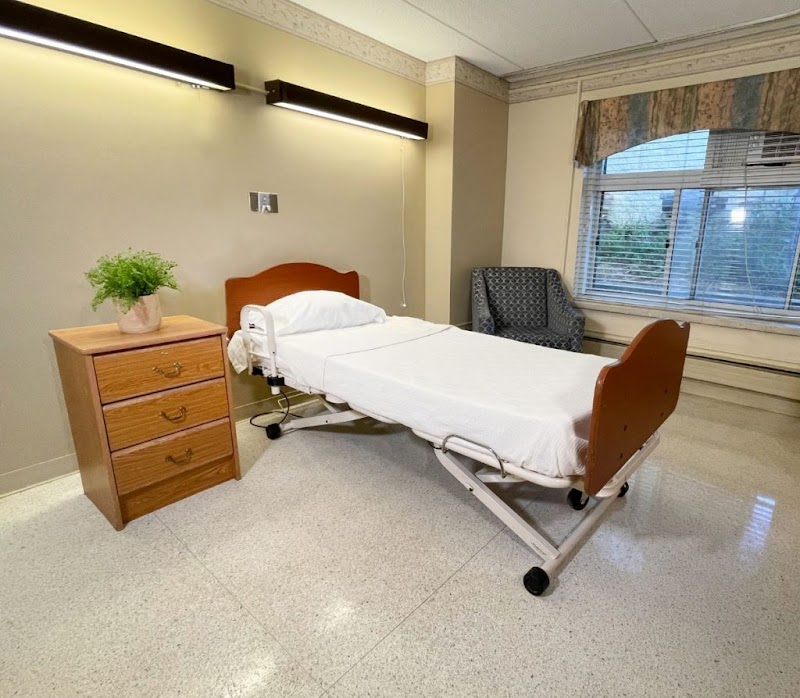
How is The Villas At Richfield Staffed?

CMS rates THE VILLAS AT RICHFIELD's staffing level at 4 out of 5 stars, which is above average compared to other nursing homes. Staff turnover is 41%, compared to the Minnesota average of 46%. This relatively stable workforce can support continuity of care.

What Have Inspectors Found at The Villas At Richfield?

State health inspectors documented 33 deficiencies at THE VILLAS AT RICHFIELD during 2023 to 2025. These included: 32 with potential for harm and 1 minor or isolated issues.
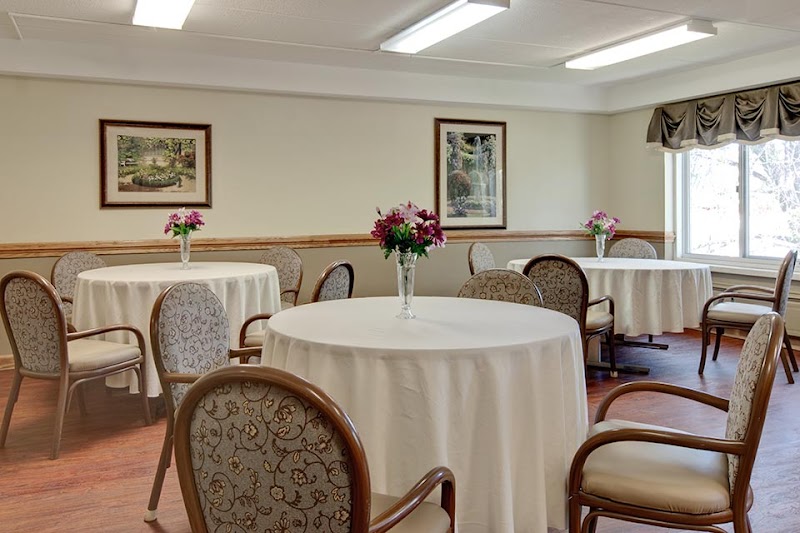
Who Owns and Operates The Villas At Richfield?

THE VILLAS AT RICHFIELD is owned by a for-profit company. For-profit facilities operate as businesses with obligations to shareholders or private owners. The facility is operated by MONARCH HEALTHCARE MANAGEMENT, a chain that manages multiple nursing homes. With 105 certified beds and approximately 92 residents (about 88% occupancy), it is a mid-sized facility located in RICHFIELD, Minnesota.
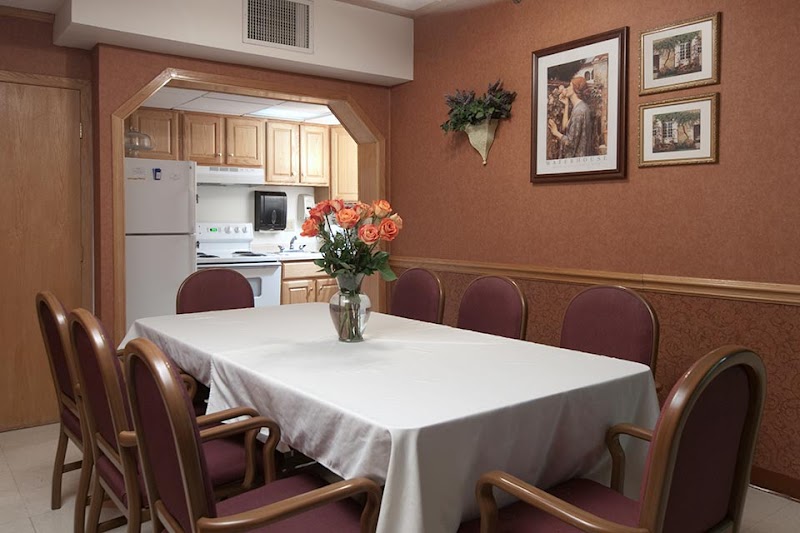
How Does The Villas At Richfield Compare to Other Minnesota Nursing Homes?

Compared to the 100 nursing homes in Minnesota, THE VILLAS AT RICHFIELD's overall rating (3 stars) is below the state average of 3.2, staff turnover (41%) is near the state average of 46%, and health inspection rating (3 stars) is at the national benchmark.

What Should Families Ask When Visiting The Villas At Richfield?

Based on this facility's data, families visiting should ask: "Can I visit during a mealtime to observe dining assistance and food quality?" "How do you handle medical emergencies, and what is your hospital transfer rate?" "Can I speak with family members of current residents about their experience?"

Is The Villas At Richfield Safe?

Based on CMS inspection data, THE VILLAS AT RICHFIELD has a clean safety record: no substantiated abuse findings (meaning no confirmed cases of resident harm), no Immediate Jeopardy citations (the most serious violation level indicating risk of serious injury or death), and is not on the Special Focus Facility watch list (a federal program monitoring the lowest-performing 1% of nursing homes). The facility has a 3-star overall rating and ranks #100 of 100 nursing homes in Minnesota. While no facility is perfect, families should still ask about staff-to-resident ratios and recent inspection results during their visit.

Do Nurses at The Villas At Richfield Stick Around?

THE VILLAS AT RICHFIELD has a staff turnover rate of 41%, which is about average for Minnesota nursing homes (state average: 46%). Moderate turnover is common in nursing homes, but families should still ask about staff tenure and how the facility maintains care continuity when employees leave.

Was The Villas At Richfield Ever Fined?

THE VILLAS AT RICHFIELD has no federal fines on record. CMS issues fines when nursing homes fail to meet care standards or don't correct problems found during inspections. The absence of fines suggests the facility has either maintained compliance or corrected any issues before penalties were assessed. This is a positive indicator, though families should still review recent inspection reports for the full picture.

Is The Villas At Richfield on Any Federal Watch List?

THE VILLAS AT RICHFIELD is not on any federal watch list. The most significant is the Special Focus Facility (SFF) program, which identifies the bottom 1% of nursing homes nationally based on persistent, serious quality problems. Not being on this list means the facility has avoided the pattern of deficiencies that triggers enhanced federal oversight. This is a positive indicator, though families should still review the facility's inspection history directly.