GOOD SAMARITAN SOCIETY - SPECIALTY CARE COMMUNITY
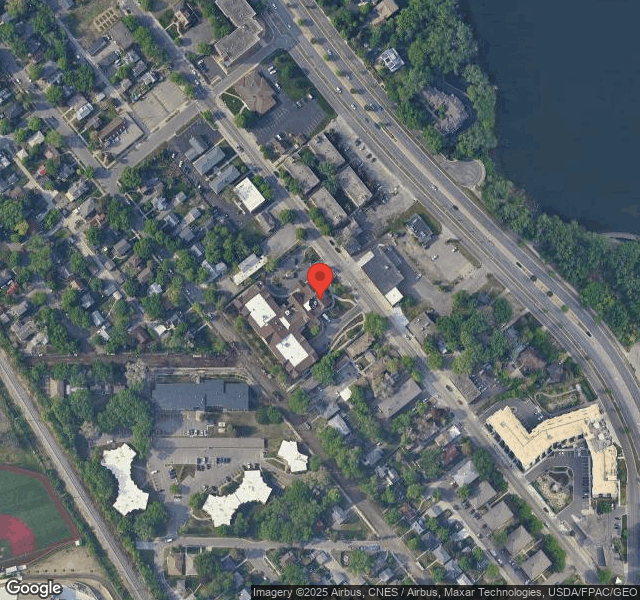
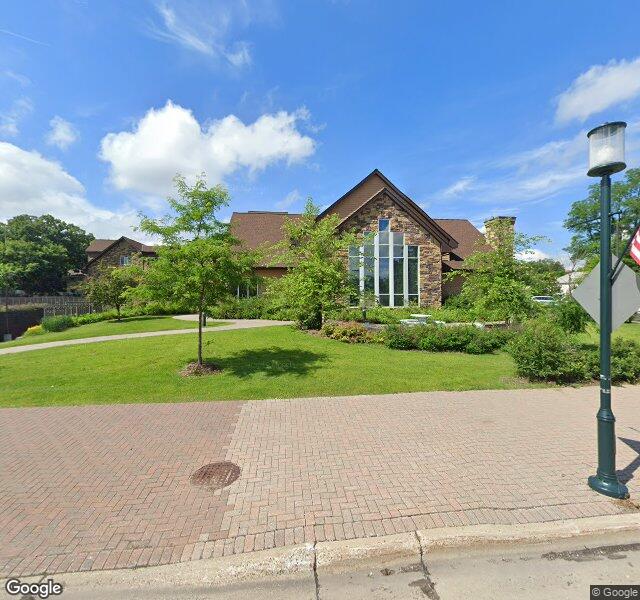
3815 WEST BROADWAY AVENUE, ROBBINSDALE, MN 55422 (612) 332-4262
Non profit - Corporation 96 Beds GOOD SAMARITAN SOCIETY Data: November 2025
Trust Grade
65/100
#174 of 337 in MN
Last Inspection: February 2025

Within standard 12-15 month inspection cycle. Federal law requires annual inspections.

Overview

Good Samaritan Society - Specialty Care Community in Robbinsdale, Minnesota, has a Trust Grade of C+, which indicates it's slightly above average but not exceptional. The facility ranks #174 out of 337 in Minnesota, placing it in the bottom half of state facilities, and #27 out of 53 in Hennepin County, meaning there are only a few better local options. The facility is improving, with a reduction in reported issues from 12 in 2024 to 10 in 2025. Staffing is a major strength, earning a perfect 5/5 stars with a low turnover rate of 24%, indicating that staff are stable and familiar with residents' needs. However, there are concerns, such as a lack of proper monitoring of dish machine temperatures, which could lead to food safety risks, and failure to conduct COVID-19 testing for staff according to required guidelines, which could affect overall health safety for residents.

Trust Score
C+
65/100
In Minnesota
#174/337
Bottom 49%
Safety Record
Low Risk
No red flags
Inspections
Getting Better
12 → 10 violations
Staff Stability
✓ Good
24% annual turnover. Excellent stability, 24 points below Minnesota's 48% average. Staff who stay learn residents' needs.
Penalties
✓ Good
No fines on record. Clean compliance history, better than most Minnesota facilities.
Skilled Nurses
✓ Good
Each resident gets 83 minutes of Registered Nurse (RN) attention daily — more than 97% of Minnesota nursing homes. RNs are the most trained staff who catch health problems before they become serious.
Violations
⚠ Watch
39 deficiencies on record. Higher than average. Multiple issues found across inspections.
★★★☆☆
3.0
Overall Rating
★★★★★
5.0
Staff Levels
★★★☆☆
3.0
Care Quality
★★☆☆☆
2.0
Inspection Score
Stable
2024: 12 issues
2025: 10 issues

The Good

  • 5-Star Staffing Rating · Excellent nurse staffing levels
  • Low Staff Turnover (24%) · Staff stability means consistent care
  • Full Sprinkler Coverage · Fire safety systems throughout facility
  • No fines on record
  • Staff turnover is low (24%)

    24 points below Minnesota average of 48%

Facility shows strength in staffing levels, staff retention, fire safety.

The Bad

3-Star Overall Rating

Near Minnesota average (3.2)

Meets federal standards, typical of most facilities

Chain: GOOD SAMARITAN SOCIETY

Part of a multi-facility chain

Ask about local staffing decisions and management

The Ugly 39 deficiencies on record

Jul 2025 1 deficiency
CONCERN (D) 📢 Someone Reported This

A family member, employee, or ombudsman was alarmed enough to file a formal complaint

Potential for Harm - no one hurt, but risky conditions existed

Deficiency F0806 (Tag F0806)

Could have caused harm · This affected 1 resident

**NOTE- TERMS IN BRACKETS HAVE BEEN EDITED TO PROTECT CONFIDENTIALITY** Based on observation, interview, and document review, the facility failed to ensure foods which were a known allergen were not s...

Read full inspector narrative →
**NOTE- TERMS IN BRACKETS HAVE BEEN EDITED TO PROTECT CONFIDENTIALITY** Based on observation, interview, and document review, the facility failed to ensure foods which were a known allergen were not served or provided for 1 of 1 resident (R1) reviewed who complained about repeatedly being served such foods. This could cause an allergic reaction for R1 if she had consumed them. Findings include: R1's admission Minimum Data Set (MDS), dated [DATE], identified R1 had intact cognition and demonstrated no delusional thinking. On 7/30/25 at 8:52 a.m., R1 was interviewed in her room. R1 explained she had admitted to the care center a few weeks prior after being hospitalized for a motor vehicle accident (MVA), and she expressed several concerns about her care since admission. R1 stated she was repeatedly being served meals which had food items she was allergic to, such as seafood, which she said was frustrating. R1 stated she often then couldn't eat the meals so she was worried about losing weight. R1 held up a small, yellow-colored notepad and stated she had just that morning wrote out a list of items she wanted for the breakfast meal that day and gave it to the nursing assistant (NA) to help solve this problem. R1 added, I am going to be curious to see what my breakfast is.During the interview, at 9:00 a.m., NA-A knocked and entered the room with R1's meal tray in hand. The tray was placed on the bedside table next to R1, and R1 picked up the dome cover from the plate which exposed scrambled eggs and cut-up strawberries. R1 stated aloud that she was allergic to strawberries. NA-A then picked up a white-colored menu slip from the meal tray and expressed, It's on here even. The menu slip had R1's name along with a line of text which read, Allergies: Shrimp, Strawberries. The meal tray also had a piece of yellow-colored notepad paper on it with R1's handwritten order listed including scrambled eggs, milk, toast and butter. The handwritten note did not list strawberries. NA-A then picked up the plate and removed it from the room. R1 again reiterated this scenario as having happened repeatedly since she admitted a few weeks prior. Following, at 9:02 a.m., NA-A returned with a new meal tray and verified no strawberries were present. NA-A stated aloud, We have corrected that mistake. R1 responded aloud, That's good because I don't have an Epi-pen here. NA-A then left the room after leaving the meal tray on R1's bedside table.R1's electronic medical record (EMR) was reviewed. It contained a banner along the top of the page(s) which displayed various information including R1's name, room location, and date of birth (DOB). The banner included a section labeled, Allergies, which had red-colored font for each listed allergy. This included, . Shrimp, Strawberry . When interviewed on 7/30/25 at 9:10 a.m., dietary aide (DA)-A verified they had plated R1's food on the meal tray(s) just observed. DA-A explained the white-colored menu cards outline each resident' diet information along with their allergies. DA-A stated R1 had been mistakenly served strawberries because DA-A was more focused on reading the yellow-colored notepad order to ensure all the items she had requested were included. DA-A verified they did not review the white-colored menu slip before covering the plate as completed adding, I know she's a strawberry allergy but I didn't look at that [white-colored menu slip] cause I was looking at her notes [yellow-colored note]. DA-A stated the error was, Just a mix up. DA-A stated they would normally check the menu slip before serving a plate of food and reiterated, I just made a mistake. DA-A stated it was important to ensure residents weren't served known allergens as they could have a reaction. On 7/30/25 at 10:12 a.m., NA-A was interviewed, and they stated R1 was heavily dependent on staff for cares and ate most meals in her room via a room tray. NA-A verified they didn't check the white-colored menu slip before serving the plated food to R1 in her room adding aloud, I didn't check it. NA-A stated they didn't check it as the food had been covered with a dome already when they picked up the tray adding, I think it was an error. NA-A stated they would normally check the plated items to ensure accuracy before serving it to a resident. When interviewed on 7/30/25 at 10:17 a.m., registered nurse (RN)-A stated they had worked with R1 prior and reviewed R1's medical record. RN-A verified R1 as having a listed strawberry allergy and expressed it should be listed on her menu slip for the staff serving the food to be aware of and follow. RN-A added, They should know. RN-A stated they were unsure what type of allergic reaction R1 had to strawberries but added it could cause her (R1) to become short of breath. RN-A stated the staff member serving the plated food should also check the menu slip to ensure accuracy before handing it to the resident for consumption adding, They should double check it. On 7/30/25 at 11:15 a.m., the registered dietician (RD)-A was interviewed. RD-A stated a resident's allergen information pulls to their system from the EMR, and meal cards (i.e., menu slips) were printed every morning for R1's unit. RD-A stated the DA should be reviewing that slip to ensure the right texture and nothing with a listed allergy was served to the resident. RD-A verified the white-colored menu slip was to be reviewed as meals were plated, and expressed the person serving it should also check it to ensure accuracy. When asked about R1 being served an known allergen, RD-A responded they'd review the whole process adding they'd also complete some re-education with staff members. RD-A stated it was important to ensure allergens were served to residents adding, We don't want any negative reaction to occur for them. A facility-provided Resident Choice Dining - Food and Nutrition policy, dated 1/2025, identified the facility would provided a nourishing, palatable, well-balanced diet plan which included food and drinks to meet the dietary needs of each person taking into consideration their preferences and allergies. A procedure was listed for meal choices and diet plans which included, 9. Communicate individual diet plans clearly (e.g., diet/tray cards, reports/lists, Kardex, care plan and medical record documentation).
Feb 2025 8 deficiencies
CONCERN (D)

Potential for Harm - no one hurt, but risky conditions existed

Deficiency F0554 (Tag F0554)

Could have caused harm · This affected 1 resident

**NOTE- TERMS IN BRACKETS HAVE BEEN EDITED TO PROTECT CONFIDENTIALITY** Based on observation, interview, and document review the facility failed to ensure a self-administration of medication assessmen...

Read full inspector narrative →
**NOTE- TERMS IN BRACKETS HAVE BEEN EDITED TO PROTECT CONFIDENTIALITY** Based on observation, interview, and document review the facility failed to ensure a self-administration of medication assessment (SAM) was completed to allow residents to safely administer their own medications for 1 of 1 (R140) resident observed with medications at bedside. Findings include: R140's admission Minimum Data Set (MDS) dated [DATE], indicated intact cognition and diagnoses of chronic obstructive pulmonary disease (COPD) and congestive heart failure (CHF). If further indicated R140 required partial assistance with most activities of daily living (ADL). R140's physician's orders dated 2/5/25, indicated Breo Ellipta Inhalation Aerosol Powder Breath Activated 200-25 microgram (MCG)/ACT (Fluticasone Furoate-Vilanterol) 1 puff inhale orally one time a day for chronic obstructive pulmonary disease (COPD). Rinse mouth after each use. Notify the nurse manager if R140 refuses or unable to rinse. It further included an order dated 2/5/25, indicating Albuterol Sulfate HFA Inhalation Aerosol Solution 108 (90 Base) MCG/ACT (Albuterol Sulfate) 2 puff inhale orally every 4 hours as needed for shortness of breath (SOB). R140's physician's orders lacked an order to self administer medication. R140's medical record lacked an assessment to self administer medications. R140's care plan lacked documentation R140 was able to self administer his medications. During observation on 2/10/25 at 2:15 p.m., R140 was sitting in his room in his wheelchair. On the nightstand were 3 inhalers, two of which were Breo Ellipta inhalers and one was an albuterol inhaler. During observation and interview on 2/10/25, at 2:18 p.m. registered nurse (RN)-C verified R140 had medications (3 inhalers) at bedside. RN-C also verified R140 was not able to administer his own medications and they should not be kept at bedside or in his room unless he had been assessed for safety and there was a doctor's order, which he didn't have. RN-C explained to R140 that it was important to not keep medications in his room without a lock box in case a resident wandered into his room and decided to take it. During interview on 2/14/25 at 10:15 a.m., the director of nursing (DON) stated in order for a resident to be able to administer their own medications they would need to be assessed to determine if it was safe to do so, and then they would need to obtain a physician's order. The DON further indicated medications should not be kept at bedside even if the resident has been deemed safe to self administer their medications. They need to be kept in a lock box in the resident's room in order to prevent another resident from possibly wandering in there and taking the wrong medications. Also if resident's are self administering their medications without being assessed, they may take the wrong dose or at the wrong time, etc. The facility's policy regarding the self administration of medications dated 10/29/24, indicated the procedure for determining if a resident could self adminster their medications was as follows: 1. Complete the Resident Self-Administration of Medications UDA to determine if the resident can safely administer medications and to create a plan to assist the resident to be successful in this process. The interdisciplinary team must determine whether each resident who expresses a desire to self-administer medications can do this safely. It is also recommended that the initial MDS be completed prior to this review. Areas of the MDS that may impact the team ' s decision include B, C, D, E and J. A query could be used by the team to review MDS coding on these and other areas. 2. The interdisciplinary team will determine if the resident has any specific educational needs or if he or she requires any accommodation to selfadminister medication(s). When responding to question 3 - numbers 2 through 6 will create a progress note for Teaching - Resident/Family. 3. The interdisciplinary team will also determine where medications will be stored. This can be at the nurses ' station, in a locked medication cart, a locked compartment or locked drawer in the resident ' s room. If the medication is stored at the resident ' s bedside, an additional key must be kept by nursing employees. 4. The interdisciplinary team will determine the location where the medication will be self-administered. Medication cannot be left within reach of another resident and must be under the control of the resident who is self administering. 5. The interdisciplinary team will determine who will document the medication administration (e.g., the resident or the nursing employees). If the resident will be documenting his or her medication, it is recommended that the Resident Self-Administration Record (GSS #261) be used and scanned into 6. The interdisciplinary team ' s determination that the resident can safely selfadminister medications must be documented in the Resident Self- Administration of Medication UDA. 7. A physician ' s order must be obtained prior to the resident self-administering medications. a. The order must be specific to the medications being self-administered (e.g., Bengay ointment tid prn for leg discomfort. May be kept at bedside for self-administration or, May have all oral medications at bedside for self-administration). Update with new orders as needed. 8. The care plan must indicate which medications the resident is selfadministering, where they are kept, who will document the medication and the location of administration, if applicable. Document quarterly on PN - Care Plan Review. 9. The resident ' s ability to continue to safely self-administer medication must be reviewed during the care planning process. It is recommended that this be done at least quarterly and with any significant change. If the resident is no longer able to self-administer medications safely, the physician must be notified, and medication will then be administered by nursing employees. 10. All medications that the resident stores in his or her room must be reconciled (counted or observed for amount used, e.g., ointments and inhalers) and documented by a licensed nurse at least weekly on the MAR. 11. Medication errors made by the resident during self-administration are not to be counted in the location ' s medication error rate. 12. Some states have specific rules regarding self-administration of medications. Please check your state regulations for additional information. Periodic verification with the individual state regulations is encouraged due to potential changes.
CONCERN (D)

Potential for Harm - no one hurt, but risky conditions existed

Safe Environment (Tag F0584)

Could have caused harm · This affected 1 resident

**NOTE- TERMS IN BRACKETS HAVE BEEN EDITED TO PROTECT CONFIDENTIALITY** During observation, interview, and document review the facility failed to clean and maintain residents wheelchairs for 2 of 2 re...

Read full inspector narrative →
**NOTE- TERMS IN BRACKETS HAVE BEEN EDITED TO PROTECT CONFIDENTIALITY** During observation, interview, and document review the facility failed to clean and maintain residents wheelchairs for 2 of 2 residents (R3, R33). Findings include: R3 R3's quarterly Minimum Data Set (MDS) dated [DATE], indicated moderately impaired cognition, and diagnoses of Huntington's disease (HD), dementia, dependence on a wheelchair, and was dependent on staff for most activities of daily living (ADL) and mobility. R3's care plan dated 1/16/25, indicated R33 had limited physical mobility and was at risk for falls related to HD as evidenced by neededing assistance for mobility. Frequently refused to wear shoes, slippers or diabatic shoes. Had a history of putting himself on the floor and scooting. Also had a history of alleging falls and getting himself up from. Assist to propel Broda Chair as needed. It further included an intervention of mobility: Broda Chair with pressure redistribution cushion and self releasing front latching seat beat. Uses Broda chair for ambulation. R33 R33's quarterly Minimum Data Set (MDS) dated [DATE] indicated, moderately impaired cognition and diagnoses of Huntington's disease, dementia, uses a wheelchair, and requires substantial assistance with mobility. R33's care plan dated 2/7/25, indicated limited physical mobility related to Huntington's disease (HD), chorea as evidenced by using a wheelchair. It further indicated an intervention of mobility: R33 was able to propel self in Broda wheelchair for short distances, required total assist of 1 to propel for long distances. During observation on 2/12/25 at 8:19 a.m., R33 was sitting at the table in the dining room in her Broda chair. There was copius amounts of dried on and built up food on both of the wheelchair wheels, specifically in between the spokes. During observation on 2/12/25, at 8:25 a.m., R3 was sitting in the dining room in his wheelchair. There was copious amounts of dried food spilled on both wheels, and several large clumps of a dried white substance on the right wheel. During observation and interview on 2/12/25 at 9:41 p.m., registered nurse (RN)-E was shown the copious amounts of food on R3's wheelchair, stating I'll care of it. RN-E further stated the nursing assistants (NA) on the overnight shift were responsible for cleaning the resident's wheelchairs and there was a schedule of which resident's wheelchair was supposed to be cleaned each day. The surveyor also asked about R33's wheelchair and she stated I just cleaned hers last night! The surveyor and RN-E went into R33's room to look at her wheelchair and RN-E verified there was still dried, built up food on the right wheel in between the spokes. During interview on 2/14/25 at 10:15 a.m. the director of nursing (DON) stated the nursing staff who worked on the overnight shift were responsible for cleaning the resident's wheelchairs and there was a schedule to determine which resident's wheelchairs should be cleaned on which night. The wheelchairs were typically cleaned once a week and if they need it washed more often, maintenance should take care of it. The Woodlands assistive device washing schedule last updated on 1/5/25, indicated R3's wheelchair was supposed to be cleaned on Thursday every other week (week 1) and R33's wheelchair was also supposed to be cleaned on Thursday's every other week (week 2). It further indicated 226 and 227 (room numbers) are to be washed every night which was hand written on the schedule. A facility policy regarding cleaning the resident's wheelchairs was requested but the Administrator stated they do not have a specific policy for wheelchair cleaning.
CONCERN (D)

Potential for Harm - no one hurt, but risky conditions existed

Quality of Care (Tag F0684)

Could have caused harm · This affected 1 resident

**NOTE- TERMS IN BRACKETS HAVE BEEN EDITED TO PROTECT CONFIDENTIALITY** Based on observation, interview, and record review the facility failed to notify the physican of a change in condition for 1 of ...

Read full inspector narrative →
**NOTE- TERMS IN BRACKETS HAVE BEEN EDITED TO PROTECT CONFIDENTIALITY** Based on observation, interview, and record review the facility failed to notify the physican of a change in condition for 1 of 2 residents (R6) with a significant weight gain. Findings include: R6's quarterly Minimum Data Set (MDS) dated [DATE], indicated intact cognition and diagnoses of central cord syndrom, spinal stenosis, and chronic pain syndrom. It further indicated R6 required substantial assistance with most activites of daily (ADL) and mobility. R6's physician's orders dated 2/5/25, indicated weekly weights to notify the physician for greater than (>) 5 pound weight gain in a week, (every evening shift every Wednesday) for edema. R6's care plan dated 12/20/24, indicated a nutritional diagnoses of obesity class III related to excessive calorie intake with an intervention to monitor changes in weight. R6's treatment administration record (TAR) for the month of February, indicated on 2/5/25, R6 weighed 397.5 pounds (lbs) and on 2/12/25 weighed 406.1 lbs. This was a weight gain of 8.6 lbs. in one week. R6's progress notes and electronic medication administration report (emar) notes for the month of February lacked documentation of the physician being notified of a change in condition regarding the resident weight gain of 8.6 lbs. in one week. During interview on 2/13/25 at 10:25 a.m., RN-B verified R6's TAR indicated a weight gain of 8.6 lbs. in a week but felt they were using the wrong size sling to weigh R6 so he wanted to re-weigh her. RN-B further stated he did not re-weigh her right away because the NA (unknown) was leaving for the evening he was scheduled to come back the next day, so they would just reweigh R6 then. RN-B verified there was no documentation and the provider had not been notified. RN-B stated they would re-weigh her this evening. R6's progress note dated 2/13/2025 at 12:23 p.m., indicated a change in condition as evidenced by edema (new or worsening) and shortenss of breath (SOB) that appears different than usual. It further included a weight of 406.1 lbs. and a recommendation to send R6 to the hosptial for evaluation. During interview on 2/13/25 at 2:49 p.m., RN-F stated there's a reason why the physician ordered weekly weights so if there was a problem with the resident's weight, they should be re-weighed right away, notify the provider, and document. During interview on 2/14/25 at 8:42 a.m., RN-I stated if a resident needed to be re-weighed it should be completed right away, the provider should be notified if there was a problem, and documentation should occur. During interview on 2/14/25 at 8:52 a.m., LPN-B stated if a resident needed to be re-weighed for some reason, it should be done as soon as possible. If there was still an issue he would notify the provider and document it. During interview on 2/14/25 9:16 a.m., RN-A stated if a resident needed to be re-weighed, it should be done right away and if there was an issue they would notify the provider and document. During interview on 2/14/25 at 10:15 a.m. the director of nursing (DON) stated if a resident needed to be re-weighed it should be done as soon as possible and if there's a problem, the physician should be notified, and it should be documented. A facility policy regarding weighing residents was requested and received however it did not pertain to the citation.
CONCERN (D)

Potential for Harm - no one hurt, but risky conditions existed

Pressure Ulcer Prevention (Tag F0686)

Could have caused harm · This affected 1 resident

**NOTE- TERMS IN BRACKETS HAVE BEEN EDITED TO PROTECT CONFIDENTIALITY** Based on observation, interview, and document review, the facility failed to ensure pressure ulcer (PU) prevention interventions...

Read full inspector narrative →
**NOTE- TERMS IN BRACKETS HAVE BEEN EDITED TO PROTECT CONFIDENTIALITY** Based on observation, interview, and document review, the facility failed to ensure pressure ulcer (PU) prevention interventions were in place for 1 of 2 residents (R66) reviewed for pressure ulcers. Findings include: R66's admission Minimum Data Set (MDS) dated [DATE], indicated R66 was cognitively intact, required partial to moderate assistance with mobility and most activities of daily living (ADLs), had one or more unhealed PU and at risk for developing more, and did not exhibit rejection of care behaviors. R66's diagnoses included congestive heart failure (CHF), type 2 diabetes mellitus, and dementia without behavioral, psychotic, or mood disturbance. R66's care plan dated 1/23/25, indicated R66 had an actual impairment to skin integrity due to diagnoses and had potential for further PU development due to decreased mobility. The care plan instructed staff to elevate heels off bed with heel protector boot to left leg. R66's Braden assessment (predicting pressure sore risk) dated 2/11/25, indicated R66 was at moderate risk for developing pressure sores. Intervention guide for moderate risk included heel protection. R66's physician order summary printed 2/13/25, indicated, Bilateral heels: Elevate Heels with heel suspension boots at all times. R66's February care card indicated, Elevate legs and feet when sitting. Bilateral heels: Elevate heels with heel suspension boots at all times. The care card indicated sign off two shifts per day and had been signed as completed for two shifts per day for each day in February. The care cared did not indicate R66 refused at any time. R66's Wound Evaluation and Management Summary dated 2/6/25, indicated, Patient has wound on her left lateral leg; left shin; left heel. The summary further indicated, Stage 3 pressure wound of the left heel full thickness .recommendations: off-load wound; float heels in bed; pressure off-loading boot; elevate legs During observation on 2/10/25 at 5:03 p.m., R66 was sleeping in her recliner, with legs elevated and feet resting directly on footrest. Pressure reducing blue boot not being used and sitting on R66's bed. During interview on 2/10/25 at 6:13 p.m., R66 stated the boot was supposed to be on her left foot but staff did not usually apply it. R66 stated she did not refuse when staff offered to place the boot. During observation on 2/12/25 at 7:33 a.m., registered nurse (RN)-J answered R66's call light. R66 requested assistance to the bathroom. RN-J assisted R66 to a standing position and pivot and transfer to wheelchair and into bathroom. After toilet use, RN-J assisted R66 back to the recliner. R66 raised the footrest. RN-J did not offer any pillows or to place the boot and left R66's room. During interview on 2/12/25 at 8:00 a.m., R66 stated did not have the boot on at all during the night. During observation on 2/12/25 at 8:04 a.m., RN-J re-entered R66's room to provide a water pitcher and again left the room without offering to don the boot or place pillows under R66's legs to float heels. During observation on 2/12/25 at 1:52 p.m., R66 was in bed with heels resting directly on the mattress. The blue boot was sitting on top of R66's cabinet-not in use. During observation on 2/13/25 at 8:09 a.m., R66 was in bed with heels resting directly on the mattress. The blue boot was sitting on top of R66's cabinet and not in use. During observation and interview on 2/13/25 at 8:22 a.m., nursing assistant (NA)-C confirmed R66's boot was not currently on her. NA-C further stated she had checked on R66 at the start of her shift and the boot was not on R66 at that time either and that her heels were not floated with pillows either. NA-C stated could not remember the last time she saw R66 using the blue boot. During interview on 2/13/25 at 8:27 a.m., RN-F stated resident's care plans should be followed. If R66's care plan instructed staff to ensure her heels were floated or in the boot, that staff should be doing so. RN-F stated was ultimately the nurse's responsibility to ensure this was being done. RN-F stated R66 had current wounds and was at risk for developing more and should have her heels protected. RN-F stated any refusals by residents should be documented in the electronic medical record (EMR). During observation and interview on 2/13/25 at 8:45 a.m., RN-C stated orders and care plans should be followed and expectation for R66's heel to be protected and not resting on the bed. RN-C stated any care refusals by residents should be documented. During observation and interview on 2/13/25 at 8:54 a.m., RN-C confirmed and stated R66's heels were not currently being off-loaded with a boot or any pillows. During interview on 2/13/25 at 9:13 a.m., wound doctor stated R66's heel wound was healed but would continue to recommend her heel be off loaded and protected with the use of the blue boot as long as a resident in the facility. During interview on 2/13/25 at 10:54 a.m., director of nursing (DON) stated expectation residents should have pressure relieving boots on as ordered and any refusals should be documented. Facility policy Pressure Ulcers-R/S, LTC, Therapy & Rehab dated 3/7/24, indicated, A resident who has a pressure ulcer will receive the necessary treatment and services to promote healing, prevent infection and prevent new pressure ulcers from developing.
CONCERN (D)

Potential for Harm - no one hurt, but risky conditions existed

Incontinence Care (Tag F0690)

Could have caused harm · This affected 1 resident

**NOTE- TERMS IN BRACKETS HAVE BEEN EDITED TO PROTECT CONFIDENTIALITY** Based on observation, interview, and document review the facility failed to ensure a urinary catheter was secured to facilitate ...

Read full inspector narrative →
**NOTE- TERMS IN BRACKETS HAVE BEEN EDITED TO PROTECT CONFIDENTIALITY** Based on observation, interview, and document review the facility failed to ensure a urinary catheter was secured to facilitate urine flow and positioned below the bladder for 1 of 1 resident reviewed for catheter cares. ensure the proper use of a catheter for 1 of 1 resident (R68). Findings include: R68's annual Minimum Data Set (MDS) dated [DATE], indicated moderately impaired cognition and diagnoses of chronic kidney disease and retention of urine. It further indicated R68 required setup/cleanup assistance with toileting, was independent with mobility, had a catheter, was occasionally incontinent of bowel. R68's physician's order dated 1/9/25, indicated Foley catheter:16F catheter 10cc balloon change as necessary every 45-90 days, as needed for urinary retention. The order lacked documentation R68's leg bag did not need to be positioned below the bladder. R68's care plan dated 10/16/24, indicated R68 had an indwelling catheter related to an acute kidney injury (AKI) evidenced by urinary retention. It further indicated an intervention to monitor/document for pain/discomfort due to catheter. R68's care plan lacked interventions to ensure the catheter was positioned below the bladder. During observation on 2/10/25 at 7:44 a.m., R68 was lying in bed, wearing a leg catheter bag which was attached to his leg and even with his bladder. The leg bag was over halfway full of clear amber colored urine and there was urine in the tubing in between his bladder and the leg bag. During observation and interview on 2/10/25 at 7:58 a.m., nursing assistant (NA)-B stated she started her shift at 6:30 a.m. and hadn't done anything with R68's catheter. NA-B verified R68's drainage bag was not below his bladder and stated R68 wears a leg drainage bag all the time because he walked around a lot. During interview on 2/13/25 at 2:49 p.m., RN-F verified when a resident had a catheter, the drainage bag should be positioned below the bladder and if for some reason it wasn't able to be, the provider should be notified. During interview on 2/10/25 at 8:04 a.m., RN-G stated R68 used a leg bag all the time for his safety and because he walks around a lot. RN-G stated he wasn't sure if the physician's order indicated it was okay for R68's leg bag all the time. During interview on 2/10/25 at 8:21 a.m. RN-H stated R68 wears a leg bag all the time per his preference and preferences should be care planned. During interview on 2/13/25 at 10:25 a.m., RN-B stated a resident's catheter drainage bag should be positioned below the bladder but if for some reason they need to wear a leg bag all the time, the provider should be notified in order to consult with them. During interview on 2/14/25 at 8:42 a.m., RN-I stated catheter drainage bags are supposed to be positioned below the bladder and anytime nursing staff are doing something different from what the physician's order indicates, they should notify the physician. This is important, so everyone knows why they are doing it. During interview on 2/14/25 at 8:52 a.m. licensed practical nurse (LPN)-B stated catheter drainage bags were supposed to be positioned below the bladder and if there was a reason why it wasn't able to be, nursing staff were responsible for notifying the provider. LPN-B further stated a catheter should be treated like a medication, when it was used outside it's intended purpose, it was important to notify the provider because they should be involved. During interview on 2/14/25 at 10:15 a.m., the director of nursing (DON) stated nurses were responsible for checking with the provider in order to change the way the catheter was being used. In this case, the catheter leg drainage bag was being worn all the time (even during the night while sleeping) and wasn't positioned below the bladder. The DON further indicated it was R68's preference to use the leg and preferences should be care planned and documented. A facility policy regarding catheter care dated 7/30/24, indicated leg bags may be used with a physician's order, catheter tubing is secured to the residents leg, coiled on bed with no kinks or obstructions and the rest of the tubing should be in a straight line into urinary drainage bag. Non-obstructed downhill flow is always maintained. When catheters with technical designs other than downhill flow are used, manufacturers instructions are followed. Always make sure drainage bag and tubing remain below level of catheter, bladder and coil tubing to promote drainage.
CONCERN (D)

Potential for Harm - no one hurt, but risky conditions existed

Deficiency F0805 (Tag F0805)

Could have caused harm · This affected 1 resident

**NOTE- TERMS IN BRACKETS HAVE BEEN EDITED TO PROTECT CONFIDENTIALITY** Based on observation, interview and document review, the facility failed to ensure beverages were served in the appropriate cons...

Read full inspector narrative →
**NOTE- TERMS IN BRACKETS HAVE BEEN EDITED TO PROTECT CONFIDENTIALITY** Based on observation, interview and document review, the facility failed to ensure beverages were served in the appropriate consistency for 1 of 1 resident (R12) reviewed for therapeutic diets. Findings include: R12's State Optional Minimum Data Set (MDS) dated [DATE], indicated R12 had severe cognitive impairment, was independent after set-up with meals, worked with speech therapy from 1/15/25 through 1/27/25, and did not exhibit rejection of care behavior. R12's diagnoses included pneumonitis due to inhalation of food and vomit, other symptoms and signs concerning food and fluid intake, and type 2 diabetes. R12's annual MDS dated [DATE], indicated R12 required Mechanically altered diet - require change in texture of food or liquids [e.g. pureed food, thickened liquids]. R12's nutrition care area assessment (CAA) dated 1/19/25, indicated R12 required pureed textures and mildly thick liquids due to dysphagia. R12's care plan last revised 2/6/25, indicated R12 was at risk for altered nutrition/hydration and interventions included, Resident has order for thickened liquids. The care plan further instructed staff to monitor closely for swallowing difficulties. R12's Dietician assessment dated [DATE], indicated, Diet: CCHO diet/pureed textures/mildly thick [level 2] liquids. R12's [NAME] dated 2/10/25, indicated, Mildly Thick consistency. All fluids must be thickened including water, coffee, pop. R12's physician order dated 1/14/25, indicated, CCHO [controlled carbohydrate] diet 4 Pureed texture, 2 Mildly Thick consistency. R12's Outpatient Video Fluoroscopic Swallowing Study (VFSS) dated 2/10/25, indicated, Plan/Goals: SLP [speech language pathologist] recommending modified oral diet consisting of IDDSI 6 Soft & Bite Sized Foods and IDDSI 2 Mildly Thick Liquids .Based on today's findings, patient would benefit from a repeat instrumental assessment to assist in diet upgrades given silent aspiration of thin liquids observed during today's VFSS. R12's medical record lacked evidence of a risks and benefits for non-compliance of ordered diet. During observation and interview on 2/10/25 at 2:04 p.m., a dry erase board just inside the entrance of R12's room indicated, pureed diet mildly thick liquid. R12 stated she just had another swallow study done today and was on a modified diet. R12 stated she did not like the pureed diet and thickened liquids, but that was what they provided. R12 stated risks and benefits of not following the prescribed diet had never been discussed. There was a can of soda on her bedside table out of reach with a straw that she stated was empty and wanted another one. During observation on 2/10/25 at 2:18 p.m., R12 activated call light to request a beverage. At 2:19 p.m., the administrator entered R12's room and inquired about her request. R12 stated she wanted a can of soda from the refrigerator in her room. Administrator removed a can of soda, opened it, and provided a new straw. Administrator handed R12 the soda, pushed the bedside table close to the bed and discarded the old can of soda. Administrator left the room. R12 confirmed the soda was 'normal' and had not been thickened. During interview on 2/10/25 at 2:59 p.m., registered nurse (RN)-A stated R12 required a diabetic diet, mechanically altered and thickened liquids. During interview on 2/10/25 at 3:00 p.m., RN-C stated R12 was on a CCHO diet with pureed and mildly thick consistency. RN-C stated all liquids should be thickened and that the family had supplied R12 with soda and that they know it should be thickened. RN-C stated if staff provide R12 with one of the sodas, they should be thickening it prior to serving. RN-C stated R12 could sometimes refuse but staff should always offer and encourage her to take thickened liquids due to her swallowing issues. During interview on 2/10/25 at 3:08 p.m., administrator stated she thought R12 was on thickened liquids but would have to refer to her orders to be sure. Administrator stated, I think she is non-compliant with her diet .but yes if she had thickened liquid diet ordered, then I should have offered to thicken it. Administrator further stated if R12 refused the ordered diet, R12 should be educated on risks and benefits. During interview on 2/12/25 at 9:46 a.m., family member (FM)-A stated she provided R12 with the soda but understood that it had to be thickened and would expect staff to be doing that prior to giving to R12 due to her risk of aspiration. FM-A stated a risks and benefits of not following the prescribed diet had never been discussed. During interview on 2/12/25 at 1:27 p.m. SLP stated R12 had just completed a swallow study a couple days earlier and that her diet recommendation continued as mildly thick liquids due to silent aspiration noted on study. During interview on 2/12/25 at 1:37 p.m., director of nursing (DON) stated expect residents to received diets as ordered with the correct texture and liquid consistency. R12 should have received mildly thickened liquids as ordered. Facility policy Acceptance of Therapeutic and/or Texture-Modified Diet-Food and Nutrition Service dated 5/14/24, indicated, acceptance of therapeutic or texture-modified diet and dietary interventions when there is a nutritional or swallowing concern. The policy further indicated staff would provide appropriate diet unless resident or resident representative refused, in which case evidence of refusals, education provided, and risks and benefits discussion would be documented in the resident's medical record and an order for a liberalized diet would have to be obtained.
CONCERN (E)

Potential for Harm - no one hurt, but risky conditions existed

Grievances (Tag F0585)

Could have caused harm · This affected multiple residents

Based on observation, interview and document review, the facility failed to ensure residents knew how to file a grievance and that grievance forms were posted in prominent locations throughout the fac...

Read full inspector narrative →
Based on observation, interview and document review, the facility failed to ensure residents knew how to file a grievance and that grievance forms were posted in prominent locations throughout the facility for residents and resident representatives to file grievances, and anonymously if desired for 4 of 4 residents (R29, R32, R37 and R39) reviewed for grievances. This had the potential to affect all residents residing in the facility. Findings include: On 2/12/25 at 11:00 a.m., a resident council meeting was held with four residents which included R29, R32, R37 and R39. During the resident council meeting, all four residents indicated they were not aware of how to file a grievance or where to find a grievance form. All four residents stated that they knew they could talk to the previous social worker, but since he left none of them felt they could discuss grievances with social services director (SSD). During interview on 2/13/25 at 9:45 a.m., SSD stated the grievance filing process was often covered in the resident council meetings for those who attended and for everyone else there were signs posted and grievance forms located in the main lobby. SSD further stated any resident could ask her for assistance and she would provide a grievance form and help the resident fill it out. During observation and interview on 2/13/25 at 10:23 a.m., there were no grievance forms within sight or public access in the main lobby. Reception desk personnel (RDP) stated there were usually pamphlets describing the grievance process and grievance forms on a small table located on one side of the lobby. RDP stated there were none their now due to not having enough time to any out. RDP stated upon admission the resident should have also received the pamphlet in their admission packet and if they did not have one the resident or family could ask the SSD who would provide one. During interview on 2/13/25 at 11:25 a.m., administrator stated residents should be completing a complaint (grievance) form when concerns could not be easily resolved. Administrator stated residents and families could pick up a complaint form at the front desk and at all of the nursing stations and that anyone could request assistance in completing the form from staff or SSD. Administrator confirmed there was nowhere in the facility to drop of the completed form anonymously but though perhaps there was a way to complete a grievance form anonymously online through the facility website. During interview on 2/13/25 at 11:56 a.m., registered nurse (RN)-B stated if the resident had a concern, he would report it to the supervisor and that there were also forms they could give the resident to complete. RN- B looked around the nurses station as well as the small office behind the nurses station and was unable to locate a grievance form. RN-B stated he would have to refer the resident to the front lobby to retrieve a form since there were none on the unit. Facility pamphlet, Problem Resolution and Grievance Procedure dated 12/21, instructed resident or family to complete the form and then, Sign the form and Present the form to the grievance official as identified in the grievance procedure. The form identified that for a grievance regarding the facility, to Return to Social Worker or Administrator. Facility policy Grievances, Suggestions or Concerns-Rehab/Skilled, dated 12/2/24, indicated, A resident has the right to voice grievances orally, in writing and anonymously without discrimination or reprisal.
CONCERN (E)

Potential for Harm - no one hurt, but risky conditions existed

Food Safety (Tag F0812)

Could have caused harm · This affected multiple residents

Based on observation, interview and document review, the facility failed to ensure dishwasher temperatures were within range to ensure resident dishes were sanitized for 4 of 5 unit (Boundary Waters, ...

Read full inspector narrative →
Based on observation, interview and document review, the facility failed to ensure dishwasher temperatures were within range to ensure resident dishes were sanitized for 4 of 5 unit (Boundary Waters, Arrowhead, Lakes, Woodland) kitchenettes that housed and utilized dishwashers. In addition, the facility failed to maintain the coffee machine in a sanitary manner to prevent potential food-borne illness. These practices had the potential to affect all residents residing in these units. Findings include: Dishwasher Temperatures: During observation on 2/12/25 at 10:36 a.m., dishwasher temperature log in the Lakes unit kitchenette had temperatures documented for the following dates/meals (breakfast-B, lunch-L, dinner-D): 1/31/25-L, 2/1/25-B, L D, 2/2/25-B and L, and 2/4/25-L. During interview on 2/12/25 at 10:40 a.m., dietary aide (DA)-A stated it was the responsibility of the dietary staff working in the kitchenette for that shift to check and document the dishwasher temperatures. DA-A stated she thought they needed to be checked at least twice a day and confirmed the log in the Lakes unit was not complete or up to date. During observation on 2/12/25 at 10:50 a.m., Woodland unit kitchenette dishwasher log had temperatures documented for the following dates/meals: 1/31/25-L, 2/1/25-B, L, D, 2/2/25-B, L, D, 2/4/25-L, and 2/10/25-L. During observation on 2/12/25 at 11:34 a.m., Boundary Waters unit kitchenette dishwasher log had temperatures documented for the following dates/meals: 2/1-B,L,D, 2/2-B,L,D, 2/3-D, 2/4-D, 2/5-B,L,D, 2/6-B, 2/7B,L, 2/11-B,L,D. During observation on 2/12/25 at 11:37 a.m., Arrowhead unit kitchenette dishwasher log had temperatures documented for the following dates/meals: 2/1-B,L,D, 2/2-B,L,D, 2/4-D, 2/5-B,L,D, 2/6-L, 2/7-B,L, 2/11-B,L,D, 2/12-B. During interview on 2/13/25 at 11:17 a.m., KM stated expectation for staff to check wash and rinse cycle temperatures on the unit dishwashers twice a day and document the findings on a dishwasher log and take appropriate action if not up to proper temperature. Coffee maker cleanliness: During observation on 2/12/25 at 10:36 a.m., the coffee/hot water dispenser is dirty with splashed liquids- the overflow basin has water with some white foamy substance floating on it. During interview on 2/12/25 at 10:40 a.m., DA-A stated it was the kitchen staff's responsible for maintaining and cleaning the unit kitchenettes. SA-A confirmed the coffee reservoir was not clean and stated it looked like mold floating on top of the liquid. DA-A stated that the coffee maker was supposed to be cleaned daily. During interview on 2/12/25 at 11:45 a.m., kitchen manager (KM) stated the dietary staff serving meals in each of the kitchenettes were responsible to clean and maintain a sanitary environment each shift. Staff had a checklist and were expected to sign and date when each task was completed. KM confirmed the Lakes unit kitchenette coffee maker reservoir was full of liquid and had an unknown white and black foamy substance floating on top of the liquid. KM stated it appeared that the reservoir had not been cleaned in 7-14 days. KM further confirmed the Lakes Kitchenette cleaning log had not been signed off as having the coffee maker cleaning completed. During interview on 2/13/25 at 12:09 p.m., administrator stated expectation for dishwasher temperatures be monitored and documented daily to ensure proper temperatures for sanitation. Administrator further stated expectation for staff to ensure kitchenettes were maintained and cleaned daily to ensure proper sanitation conditions. Facility Cleaning list (TASK) sheet for Lakes unit Kitchenette dated 2/9/25 - 2/15/25 indicated, Sanitize all counters Clean Coffee [sic] MACHINE CHECK COFFEE FOR REPLACEMENT and DISH WASHING & CLEANING STARS [sic] IMMEDIATELY AFTER, (BREAKFAST (LUNCH & (DINNER) THERE IS NO WAITING PERIOD. The list further indicated, PLEASE MAKE SURE YOU ARE DOING YOUR CLEANING & POSTED JOB DETAIL. ALL DIETARY EMPLOYEES MUST DOCUMENT TEMPERATURES. COMPLETE POSTED FLOOR ASSIGNMENTS/JOB DETAIL, PLEASE INITIAL ASSIGNED JOB DETAIL WHEN DONE. Facility policy Ware Washing-Mechanical and Manual-Food and Nutrition dated 3/25/24, indicated good ware washing (cleaning and sanitizing of utensils and food-contact surfaces of equipment) was to promote good practice regarding prevention of foodborne illness. The policy indicated, Food and nutrition employees ensure that food preparation equipment, dishes and utensils are effectively cleaned, sanitized to destroy potential disease carrying organisms. The policy further indicated temperatures of the wash and rinse cycle should be monitored and documented on the Dish Machine Temperature Log. Facility policy Cleaning Schedule-Food and Nutrition Services dated 11/21/24, indicated employees were responsible for knowing and completing assigned cleaning duties and to document completion on the Cleaning Schedule log each day. Guidelines for Kitchen and Equipment Cleaning .1. Check each equipment item in kitchen for cleanliness and that it is in good repair.
Jan 2025 1 deficiency
CONCERN (D) 📢 Someone Reported This

A family member, employee, or ombudsman was alarmed enough to file a formal complaint

Potential for Harm - no one hurt, but risky conditions existed

Pharmacy Services (Tag F0755)

Could have caused harm · This affected 1 resident

Based on observation, interview and document review, the facility failed to provide medication as ordered by the physician for 1 of 3 residents (R4) reviewed for pharmacy services. Findings include: ...

Read full inspector narrative →
Based on observation, interview and document review, the facility failed to provide medication as ordered by the physician for 1 of 3 residents (R4) reviewed for pharmacy services. Findings include: R4's Diagnosis List dated 1/14/25, indicated R4 had hepatic encephalopathy (a loss of brain function as a result of failure to remove toxins form the blood due to liver damage) and alcoholic cirrhosis of the liver (liver disease). R4's Physician's Orders dated 1/14/25, directed to give rifaximin (used to prevent liver failure) 550 milligrams (mg) two times a day starting 1/14/25. On 1/14/25 at 9:23 p.m., a progress note written by registered nurse (RN)-A indicated R4's rifaximin was on order from the pharmacy. On 1/15/25 at 10:15 a.m., a progress note written by licensed practical nurse (LPN)-A indicated R4's rifaximin needed price approved by the facility before it would be sent. On 1/16/25 at 10:47 a.m., an email written by the director of nursing (DON) to nurse practitioner (NP)-A indicated a need for the rifaximin to be reviewed by NP-A. On 1/16/25 at 11:41 a.m., an email written by NP-A indicated to hold the rifaximin for now, and NP-A would see R4 on 1/17/25. R4's electronic medication administration record (EMAR) dated 1/29/25, indicated R4 did not receive rifaximin from 1/14/25 through 1/16/25. On 1/29/25 at 10:45 a.m., RN-B stated on 1/16/25 during the day shift, R4 had an order for rifaximin, but the medication was not at the facility, so she could not give R4 the medication. Someone talked with NP-A on 1/16/25, and the medication was put on hold until R4 was seen by NP-A on 1/17/25. On 1/17/25, NP-A wrote orders for R4 to have lactulose (laxative that treats hepatic encephalopathy) in place of the rifaximin. If a resident does not have medications in house, the staff were expected to call the pharmacy and medical provider for further direction. On 1/29/25 at 11:24 a.m., LPN-A stated on 1/15/25 the pharmacy had sent an approval for cost form for R4's rifaximin as it was expensive. She put the form under the nurse manager's door. She had not given R4 the ordered medication and had not called the medical provider. She had not called the medical provider because the medication was waiting to be approved by management due to cost. If the facility wanted her to call the medical provider on medications that were not administered, the facility should have made that clear to her. On 1/29/25 at 12:48 p.m., the consultant pharmacist (CP)-A stated R4 should have been taking medication for his hepatic encephalopathy per orders. Rifaximin was a critical medication for R4, and not getting the medication could put R4 a risk for symptoms of encephalopathy and could have caused hospitalization. The facility staff should be calling the medical provider if a resident was not getting ordered medications. On 1/29/25 at 1:48 p.m., the DON stated when a medication needed to be approved due to cost, the nurses were to give the request form to the nurse manager night away to be approved. That did not happen in this case. On 1/16/25, she was notified there was a high-cost medication for R4 that needed to be approved. She emailed NP-A on 1/16/25, to get an alternative medication for R4. The facility policy stated staff were to call the medical provider immediately if a resident was not going to get the medication ordered. She was not sure why the staff did not do this on 1/14/25 through 1/15/25. On 1/30/25 at 10:45 a.m., NP-A stated if R4 did not get a medication ordered, the facility should have reported it to her as a medication error right away. She was not updated until 1/16/25, two days after the first missed dose. R4 should have been taking something to help prevent his hepatic encephalopathy upon admission to the facility but was not, this could have caused an exacerbation to his symptoms. Medication error documentation was requested but not provided. The facility policy Local Pharmacy Medication Ordering dated 9/3/24, directed if a medication is not available to notify the physician immediately to determine whether the order should be changed or starting the medication can wait until it the medication comes from the pharmacy.
Dec 2024 3 deficiencies
CONCERN (D) 📢 Someone Reported This

A family member, employee, or ombudsman was alarmed enough to file a formal complaint

Potential for Harm - no one hurt, but risky conditions existed

Deficiency F0655 (Tag F0655)

Could have caused harm · This affected 1 resident

**NOTE- TERMS IN BRACKETS HAVE BEEN EDITED TO PROTECT CONFIDENTIALITY** Based on interview and document review, the facility failed to ensure a baseline care plan was developed, within 48 hours that i...

Read full inspector narrative →
**NOTE- TERMS IN BRACKETS HAVE BEEN EDITED TO PROTECT CONFIDENTIALITY** Based on interview and document review, the facility failed to ensure a baseline care plan was developed, within 48 hours that included goals and interventions to address resident's current needs, as required for 1 of 1 residents (R1) reviewed. Findings include: R1's entry Minimal Data Set (MDS) dated [DATE], indicated R1 had diagnoses which included hemiplegia and hemiparesis, dysarthria (speech disorder/difficulty speaking); type 2 diabetes, dysphagia (difficulty swallowing) following cerebral infarction (ischemic stroke); aphasia (language difficulties because of a stroke), nontraumatic intracranial hemorrhage (bleeding in the brain that occurs without trauma or surgery), and tremor. R1's Nursing Admit Re-Admit Data Collection ([NAME]) was completed on 12/5/24, day of admission, and indicated R1 was admitted from the hospital following an ischemic cerebrovascular accident (stroke). Further, [NAME] indicated the following skilled services would be provided: medication and treatment administration, skilled nursing, therapy, and activities of daily living (ADL) assistance. ADL care planning was initiated however did not include individualized interventions on what ADL assistance R1 would require. R1's Functional abilities and Goals- Admission/Start of Skilled Care assessment dated [DATE], revealed eating which was the ability to use suitable utensils to bring food and/or liquid to the mouth and swallow food and/or liquid once the meal was placed before the resident, R1 was determined to need supervision or touching assistance. R1's care plan dated 12/5/24, indicated R1 had an activities of daily living (ADL) self-care performance deficit, however R1's care plan lacked a goal and interventions directing staff on R1's ADL assistance required for bathing, bed mobility, dressing, eating, oral care, toileting, and transfers. Further, R1's nutrition care plan dated 12/6/24, indicated R1 was at risk for altered nutrition/hydration related to ischemic cerebrovascular accident (stroke), hemorrhage conversion, tremor, concern for myotonic dystrophy, type 2 diabetes and modified diet/textures with an intervention directing staff to monitor closely/report signs and symptoms of chewing/swallowing difficulties. R1's care plan lacked safety concerns and did not identify needs of supervision and assistance with ADLs, which included eating assistance. On 12/23/24 at 11:15 a.m., nursing assistant (NA)-C stated staff had access to each resident's care plan, which would direct staff one what each resident required for ADLs, including eating assistance. On 12/23/24 at 1:45 p.m., NA-B stated newly admitted residents each would have their own care plan that staff would be expected to review which would direct staff what each resident required for ADL assistance. On 12/23/24 at 2:17 p.m., NA-A stated for a newly admitted resident, each resident would have a care plan accessible to staff to direct them on what the resident required for assistance, which would include eating assistance. NA-A stated she could not recall if R1 was on a modified diet. Further, NA-A stated on 12/8/24, she assisted R1 in the morning with cares and served him breakfast and noon meal in his room. NA-A confirmed she did not supervise R1 while he was eating his meals and stated she had observed R1 in the dining room eating independently the day prior and was not aware R1 required supervision while eating. NA-A also confirmed R1's eating assistance and supervision was not on his care plan or on the NA's care guide worksheets. On 12/23/24 at 3:32 p.m., registered nurse (RN)-A stated she was responsible to complete each new admitting resident's care plan for the nursing department, and she was expected to complete the care plan within 48-72 hours, however, if there were several admissions, it could take longer. RN-A stated R1 was admitted to the facility on a Thursday 12/5/24, and discharged to the hospital on Sunday 12/8/24. RN-A stated R1 required staff assistance with all ADLs and RN-A confirmed R1's care plan was not completed within 48 hours. RN-A indicated staff were expected to communicate on each shift what R1 required. On 12/23/24 at 4:03 p.m., interim director of nursing (DON) stated the admitting floor nurse was responsible for completing the [NAME] assessment upon admission which would trigger the care plan. The admitting floor nurse would revise and add to each resident's care plan. Further, DON stated the care plan then would trigger the [NAME] which was accessible to the nursing assistants and direct them on the new admissions care requirements. DON stated R1's assessments were completed on 12/5/24, and R1's care plan should have been updated within 48 hours, however DON confirmed it had not been updated. DON stated the facility had a procedure for new admission care plans and the unit manager was expected to review the resident's care plan the day after admission to ensure the care plan was completed as well as in the interdisciplinary team meeting twice a week. DON stated if R1 had not been admitted to the hospital on [DATE], his care plan would have been updated on Monday 12/9/24, by the nurse manager. When asked how staff were made aware of what assistance R1 required, DON stated that was a good question. DON indicated the information should have been on R1's care plan and DON was not aware what the staff referred to during the five days R1 was in the facility. Facility policy related to new admissions and baseline care plans was requested on 12/23/24 and 12/24/24, however, one was not provided.
CONCERN (D) 📢 Someone Reported This

A family member, employee, or ombudsman was alarmed enough to file a formal complaint

Potential for Harm - no one hurt, but risky conditions existed

Accident Prevention (Tag F0689)

Could have caused harm · This affected 1 resident

**NOTE- TERMS IN BRACKETS HAVE BEEN EDITED TO PROTECT CONFIDENTIALITY** Based on interview and document review, the facility failed to provide adequate supervision during a meal for 1 of 1 residents (...

Read full inspector narrative →
**NOTE- TERMS IN BRACKETS HAVE BEEN EDITED TO PROTECT CONFIDENTIALITY** Based on interview and document review, the facility failed to provide adequate supervision during a meal for 1 of 1 residents (R1) reviewed, who required supervision due to swallowing disorder. Findings include: R1's entry Minimal Data Set (MDS) dated [DATE], indicated R1 had diagnoses which included hemiplegia and hemiparesis, dysarthria (speech disorder/difficulty speaking); type 2 diabetes, dysphagia (difficulty swallowing) following cerebral infarction (ischemic stroke); aphasia (language difficulties because of a stroke), nontraumatic intracranial hemorrhage (bleeding in the brain that occurs without trauma or surgery), and tremor. R1's Order Summary dated 12/24/24, indicated R1 required a regular diet, soft and bite-sized texture, and moderately thick liquids as of 12/5/24. R1's Functional abilities and Goals- Admission/Start of Skilled Care assessment dated [DATE], revealed eating which was the ability to use suitable utensils to bring food and/or liquid to the mouth and swallow food and/or liquid once the meal was placed before the resident, R1 was determined to need supervision or touching assistance. R1's Resident Dining assessment dated [DATE], indicated R1 had signs and symptoms of possible swallowing disorder exhibited by coughing or choking during meals or when swallowing medications. Consider referral for clarification as needed was not selected. Care planning for resident dining was initiated however, lacked person centered focus, goals, and interventions. Further, assessment indicated R1 was provided education regarding communication to staff any changes in pain when eating or swallowing difficulties (gagging when eating or drinking, unable to swallow saliva) and symptoms of silent aspiration (watery eyes, reddened face, runny nose). Barriers related to education or material provided included physical, cognitive and cues were required. R1's Speech Therapy Treatment Encounter Notes dated 12/6/24, indicated R1 required a regular diet, soft and bite sized textures, and moderately thick liquids. R1 lacked insight to impairments. R1's daughter endorsed increased challenges with swallowing, memory, and communication. R1's SLP (Speech Language Pathologist) Evaluation and Plan of Treatment dated 12/6/24, revealed clinical bedside assessment of swallowing R1 required supervision/assistance at mealtime due to swallow safety approximately 91-100% of the time. Further, assessment summary concluded patient demonstrated mild-moderate cognitive linguistic communication impairment and mild oropharyngeal dysphagia, required speech therapy services for interventions for swallowing and communication. On 12/20/24 at 10:53 a.m., family member (FM)-A stated R1 was admitted to the facility following two strokes and had failed a swallow study test, which R1 then required soft and bite sized food and moderately thick liquids. FM-A stated she had observed on a couple different occasions staff would leave R1 in his room, deliver a room tray and leave him to eat unattended, and speech therapy had identified he required assistance and observation while eating. Further, FM-A stated on 12/8/24, FM-A arrived at the facility at approximately 1:30 p.m. and observed R1 slumped over in the chair like he was asleep, however his eyes were open, he was unresponsive, and covered in food. FM-A stated a nursing assistant, and a licensed nurse were present in the room and stated they did not bring him to the dining room for meals that day. In addition, FM-A stated R1 was then admitted to the hospital and diagnosed with aspiration pneumonia. On 12/23/24 at 2:17 p.m., nursing assistant (NA)-A stated she could not recall if R1 was on a modified diet. Further, NA-A stated on 12/8/24, she assisted R1 in the morning with cares and served him breakfast and noon meal in his room. NA-A confirmed she did not supervise R1 while he was eating his meals and stated she had observed R1 in the dining room eating independently the day prior and was not aware R1 required supervision while eating. NA-A stated she was retrieving resident room trays following the noon meal and when she entered R1's room his food was all over him and the floor. NA-A went to retrieve a towel and placed it under R1's feet and continued to pick up other resident room trays. NA-A stated R1's family arrived, and they were not happy. In addition, NA-A stated neither R1's care plan nor the care guide worksheets identified R1 required supervision during meals. On 12/23/24 at 12:10 p.m., registered nurse (RN)-B stated she was not very familiar with R1 and had only worked with him one day however, recalled he had a diagnosis of dysphagia and had some stroke symptoms. RN-A could not recall if R1 was on a modified diet or required assistance or supervision while eating however, stated R1's care plan would identify diet, supervision, and assistance R1 would have required. On 12/23/24 at 1:31 p.m., RN-C stated she was the admitting nurse for R1 however that was the only day she had worked with R1. RN-C stated he was cognitively impaired and required thickened liquids. RN-C recalled R1 required supervision for meals and was observed in the dining room for meals and the nursing assistants would be present in the dining room to assist. Further, RN-C stated if a resident had dysphagia diagnosis or difficulty swallowing, the resident would require supervision during meals, which would be identified in the resident's care plan for staff to access and review. On 12/23/24 at 3:32 p.m. RN-A indicated R1 required staff assistance with all activities of daily living (ADL). RN-A stated the admitting floor nurse completed the functional assessment on 12/5/24, and identified R1 required supervision while eating and should have updated the care plan and communicated with the team. RN-A confirmed supervision was not identified in R1's care plan. Further, RN-A stated the day R1 was sent to the hospital for a change in condition on 12/8/24, the NA had delivered a room tray for the noon meal before the family arrived. RN-A indicated the family was upset when they arrived at the facility, entered R1's room, observed R1 slumped over in the chair, and food was all over him and the floor. On 12/23/24 at 4:03 p.m., interim director of nursing (DON) stated if a resident required a dysphasic diet or thickened liquids, staff were expected to closely monitor or supervise the residents in the dining room. If the resident preferred to eat the meals in their room, staff were expected to be in the room as well assisting or supervising if they required assistance. DON stated if residents required assistance, it would have been identified in the resident's care plan. DON stated she was not familiar with R1 and was unsure if he required assistance with meals. DON reviewed R1's functional assessment and confirmed the assessment identified he required supervision while eating however, the care plan was not updated. DON stated R1 was admitted to the hospital and was unsure what the admitting diagnosis was. DON indicated the family chose for R1 not to return to the facility due to concerns of R1 not being cared for or checked on. Further, DON stated she investigated the family's concerns and interviewed NA-A. NA-A revealed she delivered R1's noon meal to his room and stayed with him while he ate. DON indicated a written statement had not been obtained from NA-A. DON was informed NA-A's interview with surveyor revealed different information. On 12/24/24, attempted interview with SLP-A was unsuccessful. Requested facility policy on 12/23/24 and 12/24/24, regarding supervision during meals and facility however, one was not provided.
CONCERN (F) 📢 Someone Reported This

A family member, employee, or ombudsman was alarmed enough to file a formal complaint

Potential for Harm - no one hurt, but risky conditions existed

Deficiency F0838 (Tag F0838)

Could have caused harm · This affected most or all residents

**NOTE- TERMS IN BRACKETS HAVE BEEN EDITED TO PROTECT CONFIDENTIALITY** Based on interview and document review, the facility failed to ensure the Facility Assessment identified the facility's staffing...

Read full inspector narrative →
**NOTE- TERMS IN BRACKETS HAVE BEEN EDITED TO PROTECT CONFIDENTIALITY** Based on interview and document review, the facility failed to ensure the Facility Assessment identified the facility's staffing needs based on the care needs of the resident population. This deficient practice had the potential to affect all 92 residents who resided in the facility. Findings include: Review of Facility assessment dated [DATE], indicated the assessment was organized in six parts: demographics and census, facility resources, core requirements, competencies, plan, and measuring and monitoring. Further, the assessments indicated the facility assessment would serve as a record for staff and management to understand the reasoning for decisions made regarding staffing and other resources and may include the operating budget necessary to carry out the facility functions. However, the Facility Assessment lacked information on staffing levels needed for specific shifts, such as day, evening, and night and adjusted as necessary based on changes to resident population. On 12/23/24 at 3:32 p.m., registered nurse (RN)-A stated facility staffing was determined by resident care needs and facility staffing was managed and reviewed by the director of nursing (DON) and administrator. On 12/23/24 at 4:03 p.m., interim DON stated she was temporarily in the DON position due to a family leave however, stated the facility staffing was determined by the resident's acuity level. On 12/24/24 at 12:48 p.m., senior director (SD) stated he was assisting the facility while the administrator was on leave. SD stated facility staffing was determined based on resident census and their needs, however, SD was unsure on specific staffing numbers and indicated the information should have been in the facility assessment. Further, SD stated the facility assessment did not identify specific amount of how many staff were required and there were no other additional attachments regarding staffing information in the Facility Assessment.
Dec 2024 8 deficiencies
CONCERN (D) 📢 Someone Reported This

A family member, employee, or ombudsman was alarmed enough to file a formal complaint

Potential for Harm - no one hurt, but risky conditions existed

Resident Rights (Tag F0550)

Could have caused harm · This affected 1 resident

**NOTE- TERMS IN BRACKETS HAVE BEEN EDITED TO PROTECT CONFIDENTIALITY** Based on observation, interview, and record review the facility failed to treat with dignity for 1 of 3 residents (R7) reviewed ...

Read full inspector narrative →
**NOTE- TERMS IN BRACKETS HAVE BEEN EDITED TO PROTECT CONFIDENTIALITY** Based on observation, interview, and record review the facility failed to treat with dignity for 1 of 3 residents (R7) reviewed for resident rights. A nursing assistant (NA)-C was observed speaking to R7 in a belittling manner while providing cares. Findings include: R7's significant change Minimum Data Set (MDS) dated [DATE] indicated R7 had unclear speech, slurred or mumbled words. R7 could usually make himself understood. R7 did not have difficulty understanding others. R7's Brief Inventory of Mental Status (BIMs) of three indicating R7 was severely cognitively impaired. R7 was totally dependent on staff for eating, oral hygiene, toileting hygiene, showers, and dressing. R7 required extensive assistance with rolling left and right sitting to lying and sit to stand transfers. R7 was always incontinent of bowel and urine. R7's pertinent diagnoses were Huntington's disease (an inherited disease where the nerve cells in the brain break down), dysphagia (difficulty swallowing foods), and dorsalgia (back pain). Upon observation and interview on 12/6/24 at 11:40 a.m. nursing assistant (NA)-C went into R7's room to check on him. R7 was seated in his wheelchair reclined with his pommel restraint in place (a wheelchair cushion with a raised center section that keep the knees apart). NA-C walked in the room and said, What the hell? She noticed surveyor was observing and stated she was talking about the soap opera on his television on how in the hell the actors look like they did 30 years ago. NA-C asked R7 if he wanted to lay down. He shook his head and stated yes. She assisted him to his bed. His arms and legs were flailing when he was on his back in his bed. NA-C looked at surveyor and stated look how difficult he was to take care of with his movements. NA-C noticed R7's incontinence brief was wet along with the shorts he was wearing. NA-C placed clean shorts on him while he was on the bed. She was unable to change his brief on his bed due to his movements. NA-C told R7 she would have to take him in the bathroom to change his brief, he nodded yes. She stood him up, sat him down in his wheelchair, wheeled him to the bathroom, stood him up by the toilet so he could hold onto handrails. NA-C pulled R7's shorts down and removed his brief at which point he passed gas. NA-C in a harsh tone said seriously and used his name. NA-C cleaned him with a wet wipe and placed a clean brief on him and sat him back in his chair. When asked her about her comments after he passed gas NA-C stated she was just joking around with him, and he knew that. Upon interview on 12/6/24 at 11:46 a.m. R7 was asked using yes and no questions during the interview due to his aphasia (inability to communicate due to Huntington's disease) if NA-C was rough with him during the transfer process and he said no. R7 was asked if he thought NA-C spoke kindly to him and he stated No and then said I can't help how I am. R7 was asked if he felt that what NA-C said was verbal abuse and he stated yes. Upon interview on 12/6/24 at 2:54 p.m. the director of nursing (DON) stated she spoke with NA-C was told by NA-C that she was just joking around with R7. The DON provided immediate education to NA-C regarding treatment of residents and appropriate communication. The DON stated registered nurse, (RN)-C, spoke with R7 and R7 had no concerns about NA-C providing care to him. Upon interview on 12/6/24 at 3:09 p.m. RN-C stated she spoke with R7, and he told her he was not uncomfortable with NA-C's comments, and he was comfortable working with her. A policy regarding dignity was not obtained.
CONCERN (D) 📢 Someone Reported This

A family member, employee, or ombudsman was alarmed enough to file a formal complaint

Potential for Harm - no one hurt, but risky conditions existed

Comprehensive Care Plan (Tag F0656)

Could have caused harm · This affected 1 resident

**NOTE- TERMS IN BRACKETS HAVE BEEN EDITED TO PROTECT CONFIDENTIALITY** Based on observation, interview, and record review the facility failed to implement the person-centered care plan for 2 of 4 res...

Read full inspector narrative →
**NOTE- TERMS IN BRACKETS HAVE BEEN EDITED TO PROTECT CONFIDENTIALITY** Based on observation, interview, and record review the facility failed to implement the person-centered care plan for 2 of 4 residents (R5 and R7) reviewed to meet the resident's needs. In addition, the facility failed to complete a person-centered care plan for 2 of 4 residents (R4 and R6) to describe the residents medical needs. Findings include: R4's quarterly Minimum Data Set (MDS) dated [DATE] indicated R4's Brief Inventory of Mental Status (BIMs) score of 1 indicated severe cognitive impairment. R4 required maximum assistance with personal hygiene, transferring and dressing. R4's pertinent diagnoses were Alzheimer's disease, adult failure to thrive (a syndrome in older adults characterized by unexplained weight loss, poor nutrition, inactivity and a decline in physical and mental functioning, pulmonary fibrosis (a lung disease which causes scarring making it difficult to breathe), and hallucinations. R4's physician order dated 10/25/24 indicated R4 used a Broda chair (a medical device chair that provides comfort and support) with back latching belt as needed for episodes of increased instability and confusion related to delusions/hallucinations. Staff was to document when using the restraint and document interventions document interventions attempted prior to use of the restraint (assist to rest in lounge chair, assist to sit with a snack, offer to lay down). Assess need for thigh strap every 30 minutes and release every two hours to offload and reposition R4. R4's care plan dated 11/5/2020 - 12/6/24 did not indicate R4 was to be assessed every 30 minutes for the thigh strap and release every two hours to offload and reposition. R5's care plan intervention revision date of 12/12/23 indicated R5 was unsafe to use the toilet, staff was to check and change her incontinent brief every two hours and assist with bowel movements as needed. R5's care plan intervention revision date of 8/2/24 indicated R5 was to be up in Broda chair with back latching bilateral thigh belt positioning device. Offload and reposition thigh belt every two hours. Staff was to assist R5 to propel Broda chair. R5's care plan intervention dated 7/24/24 indicated R5 was to be turned/repositioned every two hours due to potential for pressure ulcers related to incontinence. R5's care plan dated 9/19/24 indicated R5 was to be kept in the common area as resident allows when up in her Broda chair due to falls. R5's quarterly Minimum Data Set (MDS) dated [DATE] indicated R5 had a Brief Inventory of Mental Status of zero indicating severe cognitive impairment. R5 was totally dependent on staff for eating, oral and toileting hygiene, dressing and transferring. R5 was always incontinent of bowel and bladder. R5's pertinent diagnosis was Huntington's disease (an inherited disease in which nerve cells break down over time.) R5 had falls in the facility. Upon continuous observation on 12/6/24 at 8:41 a.m. R5 was seated in her Broda chair with the trunk restrain buckled over her thighs. R5 completed breakfast at 9:20 a.m. R5 was taken to her room by NA-C. R5 was in her Broda wheelchair with truck restraints (a padded cushion with a belt secured between the thighs of a patient in the Broda chair) on her lower extremities. R5 was not checked until 11:37 a.m. when NA-C checked on R5 and asked her if she want to lay down, R5 was still in her Broda chair with her trunk restraints on. R5 was not repositioned, her incontinent brief was not checked or changed, and was not asked if she wanted to be in her room or in the common areas indicated for safety as her care plan indicated. R6's Physical Device and/or restraint evaluation and review dated 10/19/24 indicated R6 had a soft helmet. R6's interventions were to release the soft helmet every two hours to offload and reposition. The evaluation did not indicate any interventions for the Broda chair reclined with the pommel cushion (a wheelchair cushion with a raised center section that keeps the knees apart), which R6 was using. R6's MDS dated [DATE] indicated R6 had a BIMS score of 11 indicating cognitive impairment. R6 was dependent upon staff for oral and toileting hygiene, dressing and transferring. R6 was always incontinent of bowel and bladder. Upon continuous observation R6 was taken to her room by TMA-A at 9:29 a.m. R6 was in her wheelchair in a reclined position with a pommel cushion (a wheelchair cushion with a raised center section that keeps the knees apart) in place. R6's call light was laying on top of her bed. At 10:34 a Hospice nursing assistant (NA)-D came to visit and provide cares for R6. A hospice Registered nurse (RN)-F visited R6 at 11:30 a.m. and seated R6 at her lunch table in the commons area. Facility staff had not checked on R6 since leaving her in her room at 9:29 a.m. R6 was not checked on as her care by facility staff every two hours as indicated. R7's significant change (MDS) dated [DATE] indicated R7's Brief Inventory of Mental Status (BIMs) of 3 indicating R7 was severely cognitively impaired. R7 was totally dependent on staff for eating, oral hygiene, toileting hygiene, showers, and dressing. R7 required extensive assistance with rolling left and right sitting to lying and sit to stand transfers. R7 was always incontinent of bowel and bladder. R7's pertinent diagnose was Huntington's disease. R7's care plan with a revision date of 6/13/24 indicated R7 was to remind/assist to turn and reposition every two hours. Encourage R7 to lay down after means due to history of stage two pressure ulcers on buttocks. R7's care plan with a revision date of 9/20/24 indicated R7's incontinent brief was to be checked and changed every two hours and as needed. Staff was to apply barrier cream at least once per shift due to pressure ulcers. Upon continuous observation on 12/6/24 at 8:41 a.m. R7 was seated in his Broda chair with his pommel cushion between his legs. At 9:31 a.m. NA-C took R7 to his room. R7 was still seated in his reclined wheelchair with a pommel cushion between his legs. R7 was placed next to his bed facing his television. R7 was not checked on again until 11:40 a.m. when NA-C went into his room and changed his incontinent brief by laying him on his bed for a few minutes and then standing him by the toilet to change the pad. He was then sat back in the Broda with the pommel at 11:46 a.m. R7 was not offered a position change or asked if he wanted to lay down until 11:40 a.m. R8's care plan dated 7/28/11 - 12/5/24 did not indicate R8 had a Broda chair with a front latching seat belt or any parameters or interventions for the use. R8's quarterly MDS dated [DATE] indicated R8 had a BIMs score of 11 indicating moderate cognitive impairment. R8 was always incontinent of bowel and bladder. R8 required moderate assistance of staff for activities of daily living and transferring. Upon observation on 12/5/24 at 2:50 p.m. R8 was observed in a Broda chair with a front latching seat belt. Upon interview on 12/6/24 at 11:36 a.m. nursing assistant (NA)-C stated she did not ask R7 if he wanted to lay down after breakfast because he never stays in bed and his care plan should not say that. Upon interview on 12/6/24 at 2:52 p.m. the director of nursing (DON) stated her expectation is that the care is followed and is person-centered to and up to date. A facility policy titled Care Plans with a revision date of 12/2/24 indicated the comprehensive care plan includes measurable objectives and time frames to meet a residents medical, nursing, and mental and psychosocial needs.
CONCERN (D) 📢 Someone Reported This

A family member, employee, or ombudsman was alarmed enough to file a formal complaint

Potential for Harm - no one hurt, but risky conditions existed

ADL Care (Tag F0677)

Could have caused harm · This affected 1 resident

**NOTE- TERMS IN BRACKETS HAVE BEEN EDITED TO PROTECT CONFIDENTIALITY** Based on observation, interviews, and record review the facility failed to provide 1 of 3 residents (R3) reviewed who was unable...

Read full inspector narrative →
**NOTE- TERMS IN BRACKETS HAVE BEEN EDITED TO PROTECT CONFIDENTIALITY** Based on observation, interviews, and record review the facility failed to provide 1 of 3 residents (R3) reviewed who was unable to carry out activities of daily living (ADL's) the necessary services to maintain proper personal hygiene. Findings include: A facility grievance log dated 8/23/24 indicated R3 had complaints regarding cares indicating a resolution date of 9/12/24. No further documentation was provided upon request. A facility grievance log dated 10/8/24 indicated R3 had complaints regarding cares with a resolution date of 10/28/24. No further documentation was provided upon request. R3's physician orders dated 10/22/24 indicated to keep peri area clean and dry every shift. R3's hospital Discharge summary dated [DATE] indicated R3 was septic due to catheter related urinary tract infection. R3 was discharged back to the facility on [DATE]. R3's care plan revision dated 11/15/24 indicated R3 had an ADL self-care performance deficit related to central cord syndrome at C5 (spinal cord injury which the spinal cords ability to transmit messages from the brain), post-traumatic stress disorder, gastric bypass for obesity, fibromyalgia (body pain and tiredness), sepsis due to catheter related urinary tract infections, cough with atelectasis (collapse of part of the lung), and fatigue needs assistance with ADLs. R3's goals were to improve current level of function in bed mobility, transfers, eating, dressing, toilet use and personal hygiene. Interventions were: Personal hygiene resident required one staff maximum assist. Two staff as able for perineal care. Toilet use resident required two staff maximum assistance check and change every two hours. Catheter care by nursing assistant twice daily. R3's re-admission MDS dated [DATE] indicated R3's BIMs score was a 15 indicating R3 was cognitively intact. R3's was assessed and did not have any behaviors or rejection of cares. R3 was totally dependent on staff for toileting hygiene and lower body dressing. R3 required extensive assistance with transferring, rolling left and right, and upper body dressing. R3 had an indwelling urinary catheter. R3 was frequently incontinent of bowel. R3's pertinent diagnoses were encounter for orthopedic aftercare, central cord syndrome at C5, spinal stenosis cervical region (spaces in the backbone become too small causing pressure), spondylosis cervical region (wear and tear of the spine), weakness, and morbid obesity. Upon interview on 12/5/24 at 9:01 a.m. registered nurse (RN)-E stated R3 had made multiple complaints to the facility. She stated she recalled one complaint about call lights and R3 was given a highly sensitive button to push. She stated she could not recall the other complaints but would provide the documentation to the surveyor. Upon observation and interview on 12/5/24 at 12:20 p.m. R3 stated the concern she had was staff was not cleaning her peri-area appropriately or not at all and she has been in the hospital recently for a urinary tract infection. She stated she had made complaints to the facility and was told staff had been educated about the need to properly clean her. R3 stated she was educated in the hospital about the importance of making sure her peri-area is kept clean and dry. R3 stated earlier on 12/5/24 nursing assistant (NA)-B came into the room, got a washcloth wet and handed it to R3 to wash her face. R3 stated peri-care was not completed and her catheter bag had not been emptied. R3 pressed her call light and trained medication assistant (TMA)-B answered the light and emptied her catheter bag upon her request R3 had 1700 cubic centimeters (cc) of urine in the bag. TMA-B apologized for the bag not being emptied sooner. R3 told TMA-B that the surveyor would like to visualize her wounds, so a time was set-up for 1:30 p.m. on 12/5/24. Upon observation and interview on 12/5/24 at 1:45 p.m. RN-D, NA-B and an unidentified NA turned R3 onto her left side. R3's incontinent pad was dry and no odors present. R3 asked NA-C to please clean her up since she had only handed her a wash clothing for her face in the morning. NA-C stated she was going to go back complete peri-care for R3 but had not had time. The staff positioned R3 on her back. NA-C filed a basis with soap and water. NA-C cleansed between R3's labial folds and along the catheter tubing with the first wash cloth, there was dried blood and dried feces on the washcloth. NA-C used a second washcloth and wiped away again dried feces. The staff again placed R3 on her left side and NA-C used a third washcloth and wiped away a small amount of soft feces. A fourth washcloth was used and wiped away a small amount of soft feces in the buttock crease. NA-C then took a wet wipe and cleaned the rest of R3's buttocks. RN-D stated to NA-C R3 should have been cleaned-up in the morning to be kept clean and dry. Upon interview on 12/5/24 at 2:12 p.m. NA-C stated she was going back to clean-up R3 but had not had time. In addition, she stated R7 refuses cares often. She denied reporting to nursing staff or trying to get assistance from other staff. Upon interview on 12/6/24 at 2:54 p.m. the director of nursing stated R3 had been hospitalized multiple times with urinary tract infections. She stated R3 refuses cares often, but staff were able to properly clean her. A facility policy on activities of daily living for dependent residents was requested and not received.
CONCERN (D) 📢 Someone Reported This

A family member, employee, or ombudsman was alarmed enough to file a formal complaint

Potential for Harm - no one hurt, but risky conditions existed

Quality of Care (Tag F0684)

Could have caused harm · This affected 1 resident

**NOTE- TERMS IN BRACKETS HAVE BEEN EDITED TO PROTECT CONFIDENTIALITY** Based on observation, interview, and record review the facility failed to provide professional standards of practice for 2 or 3 ...

Read full inspector narrative →
**NOTE- TERMS IN BRACKETS HAVE BEEN EDITED TO PROTECT CONFIDENTIALITY** Based on observation, interview, and record review the facility failed to provide professional standards of practice for 2 or 3 residents (R6 and R9) reviewed when residents were observed wearing two incontinence briefs placed on them at the same time. Findings include: R6's quarterly Minimum Data Set (MDS) dated [DATE] indicated R6 had a BIMS score of 11 indicating cognitive impairment. R6 was dependent upon staff for oral and toileting hygiene, dressing and transferring. R6 was always incontinent of bowel and bladder. R6's pertinent diagnosis was Huntington's disease. R6's care plan dated 10/26/24 indicated for staff to check and change R6's incontinent brief every two hours. The care plan did not indicate R6 was to wear two incontinent briefs at the same time. Upon observation and interview on 12/6/24 at 11:05 a.m. hospice nursing assistant (NA)-D completed a bed bath on R6 and stated she had soaked through both briefs the facility had put on her. NA-D showed surveyor two saturated incontinent briefs in a plastic bag as he was exiting her room. He stated he finds often that residents on the unit are double briefed. Upon interview on 12/6/24 at 11:26 a.m. hospice registered nurse (RN)-J stated staff double brief R6 as she urinates often. She was uncertain how often facility staff checks and changes R6's incontinent brief or if they attempt to sit her on the toilet. Upon interview on 12/6/24 11:34 a.m. R6 stated yes staff puts two incontinent briefs on her. She stated no that hospice NA-D did not put two briefs on her. R9's quarterly MDS dated [DATE] indicated R9's BIMs score was three indicating severe cognitive impairment. R9 was dependent for toileting hygiene, bathing, and dressing. R9 was always incontinent of bowel and bladder. R9's pertinent diagnosis was Huntington's disease. R9's care plan dated 9/20/22 indicated R9's incontinent brief was to be checked and change every two hours. The care plan did not indicate R9 was to wear two incontinent briefs at the same time. Upon observation on 12/6/24 at 11:16 a.m. NA-D requested the surveyor to R9's room to show that R9 was seated in her wheelchair wearing two incontinent briefs. Upon interview on 12/6/24 at 11:36 a.m. NA- C stated it is not okay to double brief residents and she has never done so. Upon interview on 12/6/24 at 2:15 p.m. trained medication assistant (TMA)-A stated it was not okay to double brief a resident and he had seen it a few times on the unit, but he was not aware who of h staff was doing it. Upon interview on 12/6/24 at 2:54 p.m. the director of nursing (DON) stated it was not appropriate to double brief residents, staff should be checking and changing their incontinent brief at least every two hours. If a resident needed additional protection, they would expect staff to place a pad inside the incontinent brief if the care plan would instructions indicated. The DON was not aware that double briefing was taking place on the unit. A policy regarding quality of care was requested and not received.
CONCERN (D) 📢 Someone Reported This

A family member, employee, or ombudsman was alarmed enough to file a formal complaint

Potential for Harm - no one hurt, but risky conditions existed

Pressure Ulcer Prevention (Tag F0686)

Could have caused harm · This affected 1 resident

**NOTE- TERMS IN BRACKETS HAVE BEEN EDITED TO PROTECT CONFIDENTIALITY** Based on observation, interview, and document review, the facility failed to appropriately assess and initiate interventions to ...

Read full inspector narrative →
**NOTE- TERMS IN BRACKETS HAVE BEEN EDITED TO PROTECT CONFIDENTIALITY** Based on observation, interview, and document review, the facility failed to appropriately assess and initiate interventions to minimize the risk for pressure ulcer development for 1 of 3 residents (R1) reviewed. Findings include: According to the State Operations Manual, Appendix PP - Guidance to Surveyors for Long Term Care Facilities, revised 08-08-2024, indicated: -Pressure Ulcer/Injury (PU/PI) refers to localized damage to the skin and/or underlying soft tissue usually over a bony prominence or related to a medical or other device. A pressure injury will present as intact skin and may be painful. A pressure ulcer will present as an open ulcer, the appearance of which will vary depending on the stage and may be painful. The injury occurs as a result of intense and/or prolonged pressure or pressure in combination with shear. Soft tissue damage related to pressure and shear may also be affected by skin temperature and moisture, nutrition, perfusion, co-morbidities, and condition of the soft tissue. - Avoidable means that the resident developed a pressure ulcer/injury and that the facility did not do one or more of the following: evaluate the resident's clinical condition and risk factors; define and implement interventions that are consistent with resident needs, resident goals, and professional standards of practice; monitor and evaluate the impact of the interventions; or revise the interventions as appropriate. -Stage 1 Pressure Injury: Non-blanchable erythema of intact skin Intact skin with a localized area of non-blanchable erythema (redness). In darker skin tones, the PI may appear with persistent red, blue, or purple hues. The presence of blanchable erythema or changes in sensation, temperature, or firmness may precede visual changes. Color changes of intact skin may also indicate a deep tissue PI (see below). -Stage 2 Pressure Ulcer: Partial-thickness skin loss with exposed dermis Partial-thickness loss of skin with exposed dermis, presenting as a shallow open ulcer. The wound bed is viable, pink, or red, moist, and may also present as an intact or open/ruptured blister. Adipose (fat) is not visible and deeper tissues are not visible. Granulation tissue, slough and eschar are not present. This stage should not be used to describe moisture associated skin damage including incontinence associated dermatitis, intertriginous dermatitis (inflammation of skin folds), medical adhesive related skin injury, or traumatic wounds (skin tears, burns, abrasions). R1's care plan dated 10/19/24 indicated R1 had a potential for pressure ulcer development due to dementia, incontinence, refusal of cares and for assistance with mobility. R1's goal was to have intact skin, free or redness, blisters, or discoloration. R1's interventions were to notify the nurse immediately of any new areas of skin breakdown, redness, blisters, bruises, discoloration, etc. noted during baths or daily care and to explain and reinforce to resident the importance of adequate intake. The care plan identified on 10/21/24 R1 had inadequate protein-energy intake related to poor appetite as evidenced by consuming less than 50% of meals and weight loss greater than 5% in less than 30 days. R1's care plan failed to incorporate interventions to prevent the development of pressure ulcers. R1's dietary assessment dated [DATE] indicated R1 had significant weight loss of 5% in 30 days. R1 was at risk for malnutrition, weight loss, reduced muscle mass. R1 had inadequate protein intake and a Braden skin assessment score of 15 upon admission. R1's quarterly Minimum Data Set (MDS) dated [DATE] indicated R1 had a Brief Inventory of Mental Status (BIMs) score of 5 indicating he was severely cognitively impaired. R1 did not have behaviors or refusal of cares. R1 required extensive assistance with bed mobility, transfers, eating, and toilet use. R1's pertinent diagnosis was Parkinson's disease. R1 had no pressure ulcers. R1 was not receiving any skin and ulcer/treatments. R1's skin assessment dated [DATE] indicated R1 had dry skin, but no bruising, abrasions, skin tears, rash, or pressure injuries. R1's Braden Scale for Predicting Pressure risk (admission/readmission) dated 11/27/24 indicated R1 had a score of 16 and was at mild risk for pressure ulcer. A score of 15-18 indicated R1 was a mild risk. Mild risk interventions guideline included: -Frequent turning every two hours. -Maximal remobilization -Protect heels. -Manage moisture, nutrition, friction, and shearing. -If other major risk factors present (advanced age, poor dietary intake of protein, diastolic blood pressure below 60, hemodynamic instability) (the body cannot maintain consistent blood flow and pressure), advance to the next level of risk. R1's skin assessment dated [DATE], indicated R1 had a right hip moisture associated skin damage (MASD) stage 1 pressure ulcer (intact skin with a localized area of non-blanchable redness) 9x13 centimeters (cm), barrier cream and foam dressing applied. R1's family, primary care provider and the nurse manager were notified. R1's care plan revision date of 11/29/24 indicated the resident had potential for impairment to skin integrity related to thin and fragile skin of the right hip. R1's goal was to be free from skin injury through the review date of 1/18/25. R1's interventions were to monitor the location, size, and treatment of the skin injury. Report abnormalities, failure to heal, s/s of infection, maceration etc. to the health care provider. Identify potential causative factors and eliminate/resolve where possible. Avoid scratching and keep hands and body parts from excessive moisture, keep fingernails short. The care plan did not identify that R1 had acquired an actual pressure ulcer nor the treatment for the pressure ulcer. The care plan did not include any additional interventions. R1's nursing progress note dated 11/29/24 at 1:05 p.m. indicated the R1's nurse practitioner (NP) was left a message updating her on R1's right hip ulcer requesting treatment. R1's nursing progress note dated 11/29/24 at 9:42 p.m. indicated NP would see R1 Monday (12/2/24) before referring R1 to the wound provider. No orders were provided. R1's electronic treatment administration record (eTAR) dated 11/29/24 indicated a nursing order was placed to cleanse area on right hip daily, pat dry and apply foam dressing to area. The order was placed on hold from 11/29/24 to 12/1/24. No other treatment orders for the wound were on the eTAR. R1's hospital admission note dated 11/29/24 at 10:30 p.m. indicated: -R1 had a pressure injury to his right toe. -R1 had a pressure injury or blanchable erythema middle sacrum, -R1 had a pressure injury Stage 2 to the right hip (a partial thickness loss of the skin, appearing as a shallow open sore or blister, where the top layer of skin and potentially the deeper layer are damaged resulting in a visible wound. -No other information was documented. R1's hospital Braden score dated 11/29/24 indicated R1 had a Braden score of 12 indicating R1 was at a moderate risk for developing pressure ulcers. R1's care progression note dated 12/2/24 indicated R1 was on comfort cares. R1 moaned and groaned with turns as right hip was tender from pressure injury, dressing was changed as needed. R1's palliative care encounter note dated 12/2/24 indicated family explained to the provider R1 was neglected at the facility which resulted in the pressure sores and poor nutrition. He began to decline at the facility eventually not eating independently, lying in bed most of the time and less responsive to staff and family. Upon interview on 12/4/24 at 12:18 p.m. nursing assistant (NA)-A stated on 11/28/24 she found redness on R1's right hip and reported it to the nurse immediately. She stated it was a large triangle area over the bone with tinged blood. She stated it looked like he had laid on it a long time. She did notice redness on R1's coccyx, stating it did not have blood like his hip and that it did not need to be reported to the nurse because the NAs could use cream on the coccyx. NA-stated she did not notice any skin concerns with R1's feet. NA-A stated she was never told to reposition R1 when he was in bed or use any heel protectors. Upon interview on 12/4/24 at 12:40 p.m. registered nurse, (RN)-A stated he was the nurse who sent R1 to the hospital on [DATE]. He was not aware of any skin concerns with R1. He stated there were not treatments ordered, no staff mentioned any skin concerns to him, and it was not R1's day for a skin assessment. Upon interview on 12/4/24 at 2:52 p.m. RN-B stated she was a float nurse and was the nurse who NA-A reported R1 had a pressure ulcer on his right hip. She stated his hip appeared to have a large upside-down triangle on it over his bony prominence. The skin was intact. R1 tended to lay on his right side often. RN-B stated she put barrier cream on the pressure ulcer and covered it with a dressing. She notified the family, the nurse manager, and the nurse practitioner. She did not follow-up to see R1 had received any skin care orders. Email correspondence on 12/5/24 at 7:42 a.m. from R1's family member (FM)-A revealed seven photos taken on 11/29/24 at approximately 7:00 p.m. in the hospital emergency room. Image 1 revealed a red, raised area on the anterior midsection of R1's right foot. Image 2 revealed bilateral redness and peeling of the skin on R1's buttock from the top of the intergluteal crease to below the sacrum into the gluteal folds. The redness covers one-half of the gluteus maximus bilaterally. Skin appeared dry. Inside the gluteal fold could not be observed. Image 3 and 4 revealed rightness over R1's entire right heel and redness on the bony prominence posterior to the right big toe. R1's foot appeared excessively dry. Image 5 and 7 revealed a blister, full eschar (scab) over the medial bony prominence of R1's right big toe. Image 6 revealed a raised, red area with three-quarters of the area open and appeared to have serosanguinous (blood and serum fluid from the wound) drainage, well defined edges. Peeling of the epidermis noted on the anterior and posterior part of the wound. Surrounding skin appeared dry. Upon interview on 12/5/24 at 12:12 p.m. the facilities Medical Director stated on the admission the facility completes a full skin assessment and then on a weekly basis the day resident's shower. He stated it depends if weekly skin assessments are enough stating it would be the nurse's judgement such as mobility, nutrition, diagnosis, etc. He stated skin breakdown can occur quickly for instance if a resident is septic (blood infection) or someone with vascular problems skin conditions can change within hours especially in the lower extremities (legs and feet). He stated in very debilitated residents the skin can change from one week to another. Regarding R1's coccyx pressure ulcer the NAs should have noticed that when they were changing R1's incontinent briefs. Upon interview on 12/5/24 at 1:12 p.m. RN-C the nurse manager stated she was aware of R1's wound. She stated the wound happened on a holiday 11/28/24 and was aware the NP would see R1 on the following Monday 12/2/24 however, R1 was transferred to the hospital on [DATE]. RN-C stated she would have guessed R1 would have had a low Braden score and was surprised it was a 16. She stated he was admitted following significant weight loss, was incontinent of bowel and bladder, had dementia and was chair bound. She stated with a lower Braden score R1 would have had more interventions. RN-C did not elaborate on what more interventions could have been place. RN-C was shown pictures taken with permission of R1's family in the emergency room and stated the staff should not have missed those pressure ulcers. Upon interview on 12/6/24 at 4:30 p.m. R1's NP stated she recalled being called about redness on R1's hip measuring 9 x 13 cm. She stated she told the facility she would look at on 12/2/24 on her rounds. She stated she would have expected the facility to keep it covered, use barrier cream, assess, and turn and reposition him until then. She stated she was not informed of any other skin concerns for R1. She stated she read R1's hospital notes and the documented pressure ulcers and stated the facility should have caught those as those type of wounds would not have happened within hours during the transfer from the facility to the hospital. Upon interview on 12/6/24 at 2:54 p.m. the director of nursing (DON) stated the facility has skin assessments in place on admission and weekly thereafter. She stated the NAs are trained to notify the nurse with any skin changes and did notify the nurse with R1's hip pressure ulcer. She stated the facility staged the ulcer at a one and they should have been providing care there. She stated R1's other skin altercations should be noticed at the facility. A facility policy titled Skin Assessment Pressure Ulcer Prevention and Documentation Requirements with a revision date of 4/26/24 indicated all residents will be identified for their risk of developing pressure ulcers on admission/readmission by a registered nurse using the Braden Scale predicting pressure risk UDA. Those residents determined to be at risk will have the Braden scale completed weekly for the first four weeks. A systematic skin inspection will be made daily by the nursing assistant assigned to those residents at risk for skin breakdown. The nursing assistant is responsible for this and will report any abnormal findings or signs of skin impairment to the licensed nurse.
CONCERN (D) 📢 Someone Reported This

A family member, employee, or ombudsman was alarmed enough to file a formal complaint

Potential for Harm - no one hurt, but risky conditions existed

Deficiency F0804 (Tag F0804)

Could have caused harm · This affected 1 resident

Based on observation, interview and document review the facility failed to ensure the proper temperature of food was served at breakfast on the 2nd floor WL unit. This had the potential to affect all ...

Read full inspector narrative →
Based on observation, interview and document review the facility failed to ensure the proper temperature of food was served at breakfast on the 2nd floor WL unit. This had the potential to affect all 16 residents. Findings include: During observation on 12/6/24 at 8:41 a.m. staff was in the kitchenette area where scrambled eggs in steam tables. At 9:00 a.m. two nursing assistants and one trained medication assistant were dishing and serving breakfast. At 9:06 a.m. R6 was given pureed eggs to feed herself. She was heard shouting her eggs were cold, R6 was not offered to have her food heated up. At 9:10 a.m. surveyor tasted a spoonful of eggs that were sitting outside on a plate of the steam tables and the eggs were cold. Upon interview on 12/6/24 at 9:11 R9 nodded yes that her breakfast was cold. Upon observation and interview on 12/6/24 at 9:46 a.m. R7 stated his breakfast cold and always is. R7's food was sat on the table at 9:14 and he was fed at 9:21. R7's food was not covered on the table. Upon interview on 12/6/24 at 2:15 a.m. trained medication assistant (TMA) stated breakfast on the unit as difficult as the food is dropped off for the residents at various times, there are a lot of residents to feed and to get up by breakfast time. Upon interview on 12/6/24 at 2:52 p.m. the director of nursing stated she had not had any complaints about cold fold; however, food should be the appropriate temperate. A policy regarding food temperatures was not obtained.
CONCERN (E) 📢 Someone Reported This

A family member, employee, or ombudsman was alarmed enough to file a formal complaint

Potential for Harm - no one hurt, but risky conditions existed

Deficiency F0558 (Tag F0558)

Could have caused harm · This affected multiple residents

**NOTE- TERMS IN BRACKETS HAVE BEEN EDITED TO PROTECT CONFIDENTIALITY** Based on observation, interview and record review, the facility failed to ensure call lights, or another means to request assist...

Read full inspector narrative →
**NOTE- TERMS IN BRACKETS HAVE BEEN EDITED TO PROTECT CONFIDENTIALITY** Based on observation, interview and record review, the facility failed to ensure call lights, or another means to request assistance were accessible for 4 of 4 residents (R5, R6, R7, and R8) reviewed who were dependent on staff for mobility. Findings include: R5's care plan revision date of 10/23/24 indicated to keep call light and television remote in place especially when R5 was in bed due to falls. R5's quarterly Minimum Data Set (MDS) dated [DATE] indicated R5 had a Brief Inventory of Mental Status of zero indicating severe cognitive impairment. R5 was totally dependent on staff for eating, oral and toileting hygiene, dressing and transferring. R5 was always incontinent of bowel and bladder. R5's pertinent diagnosis was Huntington's disease (an inherited disease in which nerve cells break down over time.) R5 had falls in the facility. Upon continuous observation on 12/6/24 at 9:14 a.m. R5 completed breakfast at 9:20 a.m. R5 was taken to her room by NA-C. R5 was in her Broda wheelchair (a medical device chair that provides comfort and support) with truck restraints (a padded cushion with a belt secured between the thighs of a patient in the Broda chair) on her lower extremities. R5 did not have a call light in place, the light was hanging on the wall. R5 was checked at 11:37 a.m. when NA-C checked on R5 and asked her if she wanted to lay down. R5 said no. NA-C left the room without placing the call light within R5's reach. R6's MDS dated [DATE] indicated R6 had a BIMS score of 11 indicating cognitive impairment. R6 was dependent upon staff for oral and toileting hygiene, dressing and transferring. R6 was always incontinent of bowel and bladder. R6's pertinent diagnosis was Huntington's disease. R6's care plan dated 10/26/24 did not indicate the use of a call light or how R6 was to notify staff when assistance was needed. Upon continuous observation on 12/6/24 at 9:29 a.m. R6 was taken to her room by TMA-A. R6 was in her wheelchair in a reclined position with a pommel cushion (a wheelchair cushion with a raised center section that keeps the knees apart) in place. R6's call light was laying on top of her bed. At 10:34 a Hospice nursing assistant (NA)-D came to visit and provide cares. A hospice Registered nurse (RN)-F visited R6 at 11:30 a.m. and seated R6 at her lunch table in the commons area. Facility staff had not checked on R6 since leaving her in her room at 9:29 a.m. without her call light in place. R7's significant change (MDS) dated [DATE] indicated R7's Brief Inventory of Mental Status (BIMs) of 3 indicating R7 was severely cognitively impaired. R7 was totally dependent on staff for eating, oral hygiene, toileting hygiene, showers, and dressing. R7 required extensive assistance with rolling left and right sitting to lying and sit to stand transfers. R7 was always incontinent of bowel and bladder. R7's pertinent diagnose was Huntington's disease. R7's care plan dated 8/14/24 did not indicate the use of a call light or how R7 was to notify staff when assistance was needed. Upon continuous observation on 12/6/24 at 9:31 a.m. NA-C took R7 to his room. R7 was in a reclined wheelchair with a pommel cushion between his legs. R7 was placed next to his bed facing his television. R7's call light was hanging on his wall. R7 was not checked on again until 11:40 a.m. when NA-C went into his room and changed his incontinent brief. NA-C left his room at 11:44 leaving him in his chair without his call light within reach. R8's care plan dated 8/14/24 did not indicate the use of a call light or how R5 was to notify staff when he needed assistance, or another means to notify staff when assistance was needed. R8's quarterly MDS dated [DATE] indicated R8 had a BIMs score of 11 indicating moderate cognitive impairment. R8 was always incontinent of bowel and bladder. R8 required moderate assistance of staff for activities of daily living and transferring. Upon continuous observation on 12/6/24 at 9:36 R8 was in his room with the door closed. R8 was in a wheelchair asleep approximately 10 feet from his bed. His call light was on the floor next to his bed. At 9:36 a.m. TMA-A checked on R8 and was heard saying to a nursing assistant that R8 was still asleep he will get breakfast later. Call light was still on the floor and R8 had not moved in his wheelchair. At 10:31 a.m. TMA-A had again checked on R8, and he was still asleep in his wheelchair in the same position. The call was placed on the bed as the bed was made. R8 was still in his room at 11:50 when the surveyor left the unit. Upon interview and observation on 12/6/24 at 11:35 a.m. NA-C stated that none of the residents can use the call light on the unit. She stated that is why they are checked on every two hours. She then stood up from the desk and went and checked on R5. Upon interview on 12/6/24 at 2:15 p.m. trained medication assistant (TMA)-A stated R5, R6, R7 and R8 are all able to use their call lights, however they do not use them that is why staff forget to place the call lights within reach. He was not certain if call lights were on the care plans. TMA-A stated all the residents are checked on every two hours. Upon interview on 12/6/24 at 2:26 p.m. RN-G stated R5 is not able to use a call light, her hands cannot function well enough to do so. R5 was supposed to be in the common area and not left alone in her room as she has tipped herself over in her wheelchair chair. R6 can use the call light as RN-G has seen her use it. R7 could use the call light if it were placed with him when he is seated in his chair in his room. R8 was able to use his call light. Upon interview on 12/6/24 at 2:52 p.m. the director of nursing, DON stated call lights are a standard of practice and are not on the care plan and they should always be in reach for the resident's use. The DON was not certain if R5, R6, R7, or R8 were able to use the call light. She stated staff are to check on the residents frequently. She did not clarify how frequent, stating depending on the resident. A facility policy titled Call Light with a revision date of 7/29/24 indicated the purpose was to ensure resident always had a method of calling for assistance. Staff was to place the call light within easy reach of the resident when leaving the room. For residents who are unable to use a call light, care plan appropriate interventions and provide adequate call light if applicable.
CONCERN (E) 📢 Someone Reported This

A family member, employee, or ombudsman was alarmed enough to file a formal complaint

Potential for Harm - no one hurt, but risky conditions existed

Deficiency F0604 (Tag F0604)

Could have caused harm · This affected multiple residents

**NOTE- TERMS IN BRACKETS HAVE BEEN EDITED TO PROTECT CONFIDENTIALITY** Based on observation, interview, and record review the facility failed to complete a proper assessment, care planning, and ongoi...

Read full inspector narrative →
**NOTE- TERMS IN BRACKETS HAVE BEEN EDITED TO PROTECT CONFIDENTIALITY** Based on observation, interview, and record review the facility failed to complete a proper assessment, care planning, and ongoing re-evaluation for the use of physical restraints for 5 of 5 residents (R4, R5, R6, R7, and R8) reviewed to ensure the imposed restraint were used to treat the resident's medical symptoms, is not used for convenience or discipline, is the least restrictive alternative for the least amount of time and document ongoing re-evaluation for the need of restraints. Findings include: R4's quarterly Minimum Data Set (MDS) dated [DATE] indicated R4's Brief Inventory of Mental Status (BIMs) score of 1 indicated severe cognitive impairment. R4 required maximum assistance with personal hygiene, transferring and dressing. R4's pertinent diagnoses were Alzheimer's disease, adult failure to thrive (a syndrome in older adults characterized by unexplained weight loss, poor nutrition, inactivity and a decline in physical and mental functioning, pulmonary fibrosis (a lung disease which causes scarring making it difficult to breathe), and hallucinations. R4's physician order dated 10/25/24 indicated R4 used a Broda chair (a specialized wheelchair) with a back latching belt as needed for episodes of increased instability and confusion related to delusions/hallucinations. Staff was to document when using the restraint and document interventions attempted prior to use of the restraint (assist to rest in lounge chair, assist to sit with a snack, offer to lay down). Staff was to assess the need for thigh strap every 30 minutes and release every two hours to offload and reposition R4. R4's care plan dated 11/5/2020 - 12/6/24 indicated R4 used a back latching seat belt on a Broda chair, however the care plan did not identify the belt as a restraint and did not provide interventions for freedom of movement from the restraint following the orders to assessed need every 30 minutes and release every two hours. R4's care plan revision date of 7/14/21 indicated R4 was at risk for falls and had a history of falls related to mental distress, anxiousness and dementia, hallucinations, visuospatial deficient, anxiety, psychosis, altered balance, impaired judgement and incite of safety needs, has history of laying on the floor wandering dystonia, inability to sleep or rest, participate in daily routine, self-injurious behavior, physical ability decline and increased mental distress. R4's interventions were the use of a Broda chair with back latching seat belt as need for periods of increased stability, balance, confusion, delusion/hallucinated objections such as objects on the floor. When increased alertness, resident is able to walk without assistance or device. These interventions related to R4's falls, not the use of the restraint. R4's care plan revision date of 12/12/22 indicated R4 had the potential for pressure ulcer development related to dementia, fluctuation in physical mobility, at times need for Broad chair and rear latching thigh straps, incontinence, and history of ulcer. R4's goal was to have intact skin free of redness, blisters, or discoloration. R4's interviews were to reposition/offload every two hours when in Broda chair. These interventions were related to pressure injuries not the use of the restraints. R4's Physical Device and/or restraint evaluation and review dated 11/27/24 indicated R4 had a specialty wheelchair and a lap/seat belt. The review indicated education was provided with the family of the Broda chair and belt. The chair with back latching seat was used as needed for periods of increased instability, poor balance, confusion, delusion/hallucination that put resident at risk of falls and injury. When increased alertness and mobility resident is about to walk independently without device. Resident tolerates Broda chair well, does not seem agitated by it. Is able to independently mobilize himself in Broda. Allows resident to rest/mobile safely. Alternatives of decreased stimuli, individual behavior management, medication and clinical review and relaxation techniques were applied. The evaluation did not provide any documentation of interventions for resident to have freedom of movement from the restraints matching the providers orders. R5's physician orders dated 2/3/21 indicated R5 had a Broda chair with a pommel cushion. No interventions for freedom of movement or the medical symptoms intended to treat were provided in the orders. R5's care plan revision date of 8/2/24 indicated R5 was to be up in Broda chair with back latching bilateral thigh belt positioning device. R5 was to be offloaded and repositioning of the thigh belt every two hours. Staff to assist to propel Broda chair. R5's quarterly Minimum Data Set (MDS) dated [DATE] indicated R5 had a Brief Inventory of Mental Status of zero indicating severe cognitive impairment. R5 was totally dependent on staff for eating, oral and toileting hygiene, dressing and transferring. R5 was always incontinent of bowel and bladder. R5's pertinent diagnosis was Huntington's disease (an inherited disease in which nerve cells break down over time.) R5 had falls in the facility. Upon observation on 12/6/24 at 9:04 a.m. R5 had a thigh belt restraint, not a pommel cushion as the physician orders indicated. R6's signed physician orders dated 10/5/24 -11/5/24 did not indicate R6 used a Broda chair with a pommel cushion, interventions for freedom of movement or symptoms the restraint was intended to treat. R6's Physical Device and/or restraint evaluation and review dated 10/19/24 indicated R6 had a soft helmet. R6's interventions were to release the soft helmet every two hours to offload and reposition. The evaluation did not mention the Broda chair with the pommel cushion. Upon observation on 12/6/24 at 9:04 a.m. R6 was seated in a reclined Broda chair with a pommel cushion between her legs. R7's signed physician order dated 10/5/24 - 11/5/24 did not indicate R7 used a Broad chair with a pommel cushion, interventions for freedom of movement or symptoms the restraint was intended to treat. Upon observation on 12/6/24 at 9:04 a.m. R7 was seated in a reclining Broda chair with a pommel cushion between his legs. R7's Physical Device and/or Restraint evaluation and review dated 9/30/24 indicated R7 had high-low bed, mattress on the floor and a specialty wheelchair (Broda). Informed consent was obtained, however the name of the person who gave informed consent was left blank. Alternative attempts were to decrease stimuli, physical therapy/occupation therapy, and redirecting. The evaluation did not indicate the devices were a restraint. R7's pommel cushion was not addressed on the evaluation. No interventions were completed and there was no documentation of family/resident education documented. R7's care plan revised date of 12/5/24 indicated Hospice and Occupational therapy were to assist with proper positioning, chair height. Broda chair with pommel cushion for safety. Assist to proper height. Redirect to Broda as able. Trial of the new wheelchair date of 1/2023, consult with hospice. The care plan did not indicate any results or new interventions following the trial from 1/2023. The care plan did not identify any interventions for freedom or movement. R8's care plan revision date of 4/12/23 indicated R8 had a Broda chair with pressure redistribution cushion and self-releasing front latching seat belt. R8's care plan did not indicate interventions for freedom of movement or the symptoms the restraints were indented to treat. R8's signed physician orders dated 10/5/24 - 11/5/24 indicated R8 used a latching seat belt when he was up in his Broda chair. The orders did not indicate interventions for freedom of movement or the medical symptoms the restraint intended to treat. Upon interview on 12/5/24 at 11:48 a.m. the facility Medical Director stated the facility identified during the survey process that they did not have orders for some residents with restraints and he provided those residents with the orders required. The residents he provided orders for during the survey process were not identified. The Medical Director stated he was aware that assessments, education, consent, least restrictive method, and reassessments are required for restraint use and most of the residents with Huntington's disease used the restraints for repositioning. Upon interview on 12/5/24 at 1:12 p.m. registered nurse (RN)-C stated the residents should be assessed every 30 minutes to see if they still require the use of the restraint if the restraint is being used for behaviors. RN-C stated she was aware there needed to be a reason for the restraint documented, the care plan must have interventions to when to apply or remove the restraint. She was not aware there needed to be a signed physician orders along with facility documentation of what symptoms the restraints were used to treat. Upon interview on 12/6/24 at 2:26 p.m. RN-G stated the staff were to check on the residents with restraints every two hours and staff is to document the restraint checks. RN-G stated R4, R5, R6, and R7 could not remove their restraints themselves. She was not certain if R8 could remove his lap belt himself. Upon interview on 12/6/24 at 2:54 p.m. the director of nursing stated she is officially the infection preventionist and is filling for the DON for a leave, so she was not certain exactly how the facility monitors to make sure the care plans, orders and assessments have all of the required criteria for restraints. A facility policy titled physical restraints/psychotropic medications alternatives dated 4/2/24 identified alternatives to use for physical restraints or psychotropic medications including environmental, physical, equipment and psychosocial. The policy indicated the risks to residents when a physical restraint is used: falls, accidental death, functional decline, skin breakdown, depression, decreased self-esteem, loss of control, anger, increased agitation, reduced appetite, decreased quality of life, power issues, family stress, loss of dignity, reduced bone mass, loss of muscle tone, strangling, suffocation, bruising, cuts scrapes, feeling of isolation and entrapment. The facility provided a bed assessment and side rail safety, focused audit with a revision date of 9/17/24. The policy was not specific to the use of restraints.
Jul 2024 1 deficiency
CONCERN (D) 📢 Someone Reported This

A family member, employee, or ombudsman was alarmed enough to file a formal complaint

Potential for Harm - no one hurt, but risky conditions existed

Report Alleged Abuse (Tag F0609)

Could have caused harm · This affected 1 resident

**NOTE- TERMS IN BRACKETS HAVE BEEN EDITED TO PROTECT CONFIDENTIALITY** Based on interview and document review, the facility failed to report an allegation of staff to resident abuse to the state agen...

Read full inspector narrative →
**NOTE- TERMS IN BRACKETS HAVE BEEN EDITED TO PROTECT CONFIDENTIALITY** Based on interview and document review, the facility failed to report an allegation of staff to resident abuse to the state agency (SA) within two hours after the allegation was made for 1 of 3 residents (R2) reviewed for abuse when the facility reviewed a video taken by a family member. Findings include: R2's care plan dated 9/26/23, indicated he needed extensive help from two staff for bathing, bed mobility, transfers from bed to wheelchair and dressing, R2's care plan dated 9/29/23, indicated he had impaired cognition, dementia, and delirium. Staff were directed to ask him yes and no questions and introduce one thought at a time. R2's significant change Minimum Data Set (MDS) dated [DATE], indicated he had severe impaired cognition. He had dementia, encephalopathy (a condition causing confusion, memory loss, and personality changes), cancer, protein malnutrition, weight loss, anemia, and received hospice care. He took antipsychotic and antidepressant medication. R2's care plan dated 7/1/24, indicated he was resistant to care and could be combative. Recommendations included talking calmly, explaining each tasks step by step, and if the behavior continued to leave him in a safe position and reapproach later. Also have another staff member attempt to provide care. R2's care plan dated 7/10/24, indicated he needed to have two staff provide care when able. On 7/17/24 at 11:25 a.m. family members (FM)-A video with audio was reviewed with the director of nursing (DON). The video was in five or six small clips. Some of the footage was blurry. The video showed the following: 1. NA-B walked into the room without introducing herself or telling R2 what she was going to do. 2. She pulled his blanket to the end of the bed exposing his body. She placed her right hand on his left hip and pushed him on to his side. She then pulled the brief out causing his body to be lifted off the bed until the brief came free. She then showed him the brief and said, see it's dirty. 3. NA-B left R2 naked on the bed without covering him or lowering the bed to a safe level before she went into the bathroom. While she was gone R2 attempted to get out of bed. 4. R2 was kicking NA-B while she attempted to put his pants on. When she pulled the pants up, his whole body lifted off the bed. NA-B asked R2 several times why are you hurting me? NA-B grabbed onto his pants to pull and pushed R2 to get R2 to a transfer position to his wheelchair. 5. NA-B moved him from the bed to the wheelchair holding the resident's pants, not using a gait belt (thick belt placed on the resident's waist for staff to hold onto when transferring a resident from bed to wheelchair). During the transfer R2 was combative and she plopped R2 into the wheelchair causing the chair to jerk backwards. 6. NA-B tried to put on R2's shirt while he resisted her causing the shirt to get stuck over his face. A nurse walked into the room and helped him get the shirt off. NA-B told the nurse R2 would not let her get him dressed and was hurting her. The next videos were blurry and unable to see what happened next. During interview on 7/17/24 at 11:00 a.m. director of nursing (DON) stated on 7/8/24, R2's family member (FM)-A showed her a video of AP taking care of R2. The DON stated she felt the AP made mistakes such as continuing to dress him when he resisted her, and not using dementia care tactics. She could have asked for help or come back later. She also grabbed his clothing to turn him from side to side. She left him with the bed raised up to an unsafe level while she collected supplies in the bathroom and transferred him without a gait belt. While AP made mistakes, she felt the AP did not act with intent therefore she did not have to report the incident to the SA within two hours from watching the video. She suspended AP while doing an investigation of the events. She had AP review the video and explained to her what she did wrong, and what she could have done better. The AP did not comment on her actions. AP was terminated because the incident was her third and final warning. She said the other two warnings were not associated with resident care issues. During interview on 7/16/24 at 11:47 a.m. NA-A stated she received abuse training annually and after any incident of abuse. NA-A identified if she observed another staff member being abusive or rough with a resident, she would stay with the resident then report it to the nurse. She had abuse training a few weeks ago and education related to what to do if a resident is resistant to cares and hitting staff. She learned if a resident resisted care use a calm voice, be kind, and speak slowly. Facility policy Abuse & Neglect-Rehab/Skilled, Therapy & Rehab dated 7/6/23, indicated if an alleged abuse, neglect, mistreatment occurred, the facility was required to report to the State Agency within 2 hours after learning about the incident.
Dec 2023 8 deficiencies
CONCERN (D)

Potential for Harm - no one hurt, but risky conditions existed

Deficiency F0658 (Tag F0658)

Could have caused harm · This affected 1 resident

Based on observation, interview and document review, the facility failed to follow standards of practice related to medication administration for 1 of 1 residents (R35) observed to receive an inhalati...

Read full inspector narrative →
Based on observation, interview and document review, the facility failed to follow standards of practice related to medication administration for 1 of 1 residents (R35) observed to receive an inhalation medication. Findings include: R35's admission Record printed 12/7/23, indicated diagnoses of chronic obstructive pulmonary disease (COPD- a condition that blocks airflow and make it difficult to breathe), memory deficit following cerebral infarction (stroke), and bipolar disorder. R35's Order Summary Report printed 12/7/23, included budesonide-formoterol fumarate aerosol 160-4.5 mcg/act (medication used to prevent swelling in the lungs) 2 puffs inhaled orally two times a day for COPD, rinse mouth after each use. During observation on 12/5/23 at 8:14 a.m., licensed practical nurse (LPN)-B administered R35's morning medications, which included the budesonide inhaler. LPN-B handed the inhaler to R35 to complete two puffs. R35 completed the two puffs as ordered and handed back inhaler to LPN-B. LPN-B did not offer fluids or ask R35 to rinse mouth. LPN-B stated R35 often refused cares. During interview on 12/6/23 at 9:20 a.m., consulting pharmacist stated it is best practice to have the resident rinse their mouth after using this type of inhaler. It is important to avoid the resident getting thrush (a yeast infection of the mouth). During interview on 12/7/23 at 2:04 p.m., director of nursing (DON) stated it is important for the resident to rinse their mouth after using this type of inhaler to prevent thrush. The DON would expect the administering nurse to update to the nurse manager if the resident often refused to rinse mouth after inhaler. Facility policy Nebulizer Therapy dated 9/2023 failed to include guidance on rinsing mouth after administration of this kind of nebulizer.
CONCERN (D)

Potential for Harm - no one hurt, but risky conditions existed

Accident Prevention (Tag F0689)

Could have caused harm · This affected 1 resident

**NOTE- TERMS IN BRACKETS HAVE BEEN EDITED TO PROTECT CONFIDENTIALITY** Based on observation, interview and document review, the facility failed to comprehensively assess to assure safety with smoking...

Read full inspector narrative →
**NOTE- TERMS IN BRACKETS HAVE BEEN EDITED TO PROTECT CONFIDENTIALITY** Based on observation, interview and document review, the facility failed to comprehensively assess to assure safety with smoking for 1 of 2 residents (R8) who was smoking outside the facility. Findings include: R35's significant change Minimum Data Set (MDS) dated [DATE], indicated R35 was cognitively intact, was not a current tobacco user and was independent with activities of daily living (ADLs). R35's diagnoses included cerebrovascular accident/stroke, seizure disorder, traumatic brain injury and chronic obstructive pulmonary disorder. During the facility entrance conference on 12/4/23 at 12:23 p.m. the administrator and the director of nursing (DON) stated the facility only had one resident who smoked off the balcony of his unit. R35's care plan printed 12/6/23, did not indicate R35 smoked. On 12/5/23 at 10:32 a.m., R35 was sitting in a wheelchair on the sidewalk in front of the building smoking a cigarette. Tremors were noted while holding the cigarette and bringing cigarette to his mouth. On 12/6/23 at 9:21 a.m., R35 was sitting in a wheelchair on the sidewalk in front of the building smoking a cigarette. Tremors were noted while holding cigarette in hand. R35 flicked cigarette butt on the street/sidewalk when finished smoking. On 12/6/23 at 10:55 a.m., nursing assistant (NA)-D stated R35 smokes and he goes outside very often and on his own. NA-D stated R35 stored his own cigarettes and lighter on him and/or in his room. On 12/6/23 at 3:10 p.m., R35 stated facility staff talked to him about smoking and how it is a non-smoking facility. R35 stated he uses his electric wheelchair to go out on the sidewalk in front of the facility to smoke. R35 stated he stored cigarettes and lighter in his room and confirmed by showing them to surveyor. R35 stated purchased more on his own when needed. On 12/6/23 at 4:04 p.m. licensed practical nurse (LPN)-C stated R35 smoked and went outside by himself all the time. LPN-C stated R35 stored his cigarettes and lighter in his room. On 12/7/23 at 8:10 a.m. R35 was seated in a wheelchair on the sidewalk in front of the building smoking a cigarette. Tremors were noted while holding cigarette in hand. R35 flicked cigarette butt on the street/sidewalk when finished smoking. On 12/7/23 at 10:54 a.m., director of nursing (DON) stated she was aware that R35 smoked and that R35 went out to the sidewalk frequently to smoke. DON stated that she was instructed if a resident goes off the property to smoke, then a smoking assessment does not need to be completed. DON confirmed that R35 has not had a smoking assessment completed to ensure R35's safety. During record review, several notes from provider, between June 2023 to August 2023, stated that R35 continued to smoke and that R35 had moderate bilateral coarse tremor of both arms and hands. The facility Smoking and Tobacco Use policy revised 10/13/2022, indicated the facility does not allow smoking on the premises. Prior or on admission the resident is informed of the facility's smoking and tobacco use policy. Upon admission, all residents who smoke or use tobacco products will be assessed using the Tobacco Use Assessment. Assessments also will be administered if a resident/client has a change in cognitive ability, judgment, manual dexterity and/or mobility. Care plans will be updated as needed. Staff members will designate acceptable outdoor location(s) for resident/client smoking. Such locations must be readily visible for staff member observation. The location must ensure precautions are taken for the resident's/client's individual safety, as well as the safety of others in the locations.
CONCERN (D)

Potential for Harm - no one hurt, but risky conditions existed

Incontinence Care (Tag F0690)

Could have caused harm · This affected 1 resident

Based on observation, interview, and document review, the facility failed to ensure appropriate management and routine care of an indwelling urinary catheter was provided for 1 of 1 resident (R49) rev...

Read full inspector narrative →
Based on observation, interview, and document review, the facility failed to ensure appropriate management and routine care of an indwelling urinary catheter was provided for 1 of 1 resident (R49) reviewed for catheter care. Findings include: R49's significant change Minimum Data Set (MDS) assessment date 9/14/23, indicated R49 was cognitively intact, required moderate assistance with dressing and showering, substantial/maximal assistance with toileting hygiene and had an indwelling urinary catheter. R49's diagnoses included transient cerebral ischemic attack (a stroke that last only a few minutes), mild cognitive impairment, benign prostatic hyperplasia (noncancerous enlargement of the prostate gland), renal insufficiency (poor function of the kidneys that may be due to a reduction in blood-flow to the kidneys caused by renal artery disease), type 2 diabetes and long-term use of insulin. R49's physician orders included: Change indwelling Foley with 16F Cauda Catheter 10cc balloon in the morning starting on the 2nd and ending on the 2nd every month related to Benign prostatic hyperplasia with lower urinary tract symptoms. During interview and observation on 12/4/23 at 2:28 p.m., R49 was sitting on his bed in his room and stated that he had a urinary catheter for awhile due to urinary retention. R49 stated the catheter had not been changed for over a month and it was supposed to be changed monthly. R49 stated that he was hoping it would be changed today as the nurse he preferred changing it was on duty. During interview on 12/6/23 at 9:27 p.m., R49 stated that his catheter was not changed on 12/4/23 and that he was hoping it would be changed today as the nurse he preferred was working again today. During record review on 12/6/23 at 4:27 p.m., treatment administration record indicated that R49's catheter had not been changed and no documentation was noted on why catheter change was not completed. During interview on 12/6/23 at 4:04 p.m., licensed practical nurse (LPN)-C stated that R49's catheter is changed once a month and is not aware of R49 refusing for it to be changed in the past. During interview on 12/7/23 at 11:00 a.m., director of nursing (DON) confirmed that R49's orders indicated that catheter was to be changed on the 2nd of every month. DON stated that the task/order would display on the 2nd on the treatment administration record (TAR) for the nurse to complete and after the 2nd the order would not show up again to alert nursing that it had to still be completed. DON confirmed that the catheter was not signed off completed on the TAR on the 2nd and there was no documentation on why the catheter was not changed. DON stated this is important to ensure that the catheter is being changed to prevent UTI or complications and that it is not forgotten by nursing staff to complete. The facility policy Catheter: Care, Insertion & Removal, Drainage Bags, Irrigation, Specimen- Assisted Living, Rehab/Skilled, dated 2/10/2023, indicated indwelling catheters are changed only when necessary or according to physician's orders and are connected to a closed drainage system. Purpose is to ensure appropriate use and care of urinary catheters.
CONCERN (D)

Potential for Harm - no one hurt, but risky conditions existed

Respiratory Care (Tag F0695)

Could have caused harm · This affected 1 resident

**NOTE- TERMS IN BRACKETS HAVE BEEN EDITED TO PROTECT CONFIDENTIALITY** Based on observation, interview and record review, the facility failed to ensure that there were accurate orders in place for ox...

Read full inspector narrative →
**NOTE- TERMS IN BRACKETS HAVE BEEN EDITED TO PROTECT CONFIDENTIALITY** Based on observation, interview and record review, the facility failed to ensure that there were accurate orders in place for oxygen (O2) usage for 1 of 1 resident (R20) reviewed for oxygen therapy. Findings include: R20's significant change Minimum Data Set (MDS) assessment dated [DATE], indicated R20 had impaired cognition and required assistance with all activities of daily living (ADL)'s. R20's diagnoses included non-Alzheimer's Dementia (the loss of memory and other mental abilities severe enough to interfere with daily life), renal failure (one or both of the kidneys no longer function well on their own), chronic obstructive pulmonary disorder (condition involving constriction of the airways and difficulty or discomfort in breathing, and dependence on supplemental oxygen. During observation and interview on 12/4/23 at 2:12 p.m., R20 was sitting on the side of the bed and had oxygen nasal cannula placed in both nares. R20 was ashen in color and was taking short, quick breaths through pursed lips while talking. R20 stated he needed oxygen on at all times as it was hard for him to breath without oxygen. R20 stated he did not feel that the oxygen was currently on and asked surveyor to check his oxygen concentrator. Oxygen concentrator was set to 0 and was not on. Surveyor alerted licensed practical nurse (LPN)-D who checked R20's oxygen saturations and turned oxygen concentrator on. LPN stated R20's O2 saturations were 83. LPN-D stated R20 wears oxygen if his O2 saturations are below 90% and that R20 had his O2 saturations checked once every shift. During observation on 12/6/23 at 10:46 a.m., R20 was laying in bed with his eyes closed. R20 had oxygen nasal cannula in his nares but the oxygen concentrator was not on and was set to 0. During interview on 12/6/23 at 10:55 a.m., nursing assistant (NA)-D stated R20 needed continuous oxygen. NA-D stated R20 needed staff assistance to transfer from the portable oxygen tank to the oxygen concentrator, to turn off the portable tank and to turn on the concentrator. During interview on 12/6/23 at 4:04 p.m., LPN-C stated R20 needed continuous oxygen set at two liters at all times. LPN-C stated staff assist R20 with transferring from the portable oxygen tank to the oxygen concentrator in his room. During interview on 12/7/23 at 10:19 a.m., trained medication aide (TMA)-A stated R20 needed oxygen on at all times and staff needed to assist him with turning the oxygen on and off. During record review: - Provider visit note from 11/13/23 indicated R20 had acute and chronic respiratory failure with hypoxia and oxygen dependent at 2 L per nasal cannula, currently receiving hospice care. - Provider visit note from 10/10/23 indicated R20 had acute and chronic respiratory failure with hypoxia and continues on oxygen at 2 L per nasal cannula, currently receiving hospice care. Also indicated that R20 had idiopathic pulmonary fibrosis (chronic scarring lung disease) and is oxygen dependent. - Hospice comprehensive assessment and plan of care report dated 5/12/23 indicated an order for oxygen - 2 liters continuous for shortness of breath and comfort. During interview on 12/7/23 at 10:50 a.m., director of nursing (DON) stated that R20's current oxygen order was for oxygen to be administered at two liters to keep O2 saturations above 90% and for R20's O2 saturations to be checked daily. DON reviewed physician visit and hospice notes and confirmed that R20 was dependent on oxygen and that R20 needs continuous oxygen set at 2L. DON stated the current order needed to be updated to reflect R20's dependence on oxygen. DON stated this was important so that R20 did not go into respiratory arrest and to aide in comfort measures for R20. The facility policy Oxygen Administration, Safety, Mask Types - R/S, LTC, Therapy & Rehab dated 6/30/23 indicated oxygen administration is carried out only with a medical provider order. A licensed nurse or other employee trained according to state regulations in the use of oxygen will be on duty and is responsible for the proper administration of oxygen to the resident. Staff are to verify physician order, attach nasal cannula, turn gauge to start flow rate at prescribed liters per minute (per physician's orders) and make sure that oxygen is flowing freely.
CONCERN (D) 📢 Someone Reported This

A family member, employee, or ombudsman was alarmed enough to file a formal complaint

Potential for Harm - no one hurt, but risky conditions existed

Pharmacy Services (Tag F0755)

Could have caused harm · This affected 1 resident

**NOTE- TERMS IN BRACKETS HAVE BEEN EDITED TO PROTECT CONFIDENTIALITY** The facility failed to ensure the accurate administration of medications to meet resident needs for 1 of 2 (R21) reviewed for me...

Read full inspector narrative →
**NOTE- TERMS IN BRACKETS HAVE BEEN EDITED TO PROTECT CONFIDENTIALITY** The facility failed to ensure the accurate administration of medications to meet resident needs for 1 of 2 (R21) reviewed for medication errors. Findings include: R21's quarterly Minimum Data set (MDS) dated , 10/26/23 identified resident as being [AGE] years old and having moderately impaired cognition and diagnoses of methicillin susceptible staphylococcus aureus infection (MRSA- nfections caused by specific bacteria that are resistant to commonly used antibiotics), staphylococcal arthritis (infection that spread to the joints through the bloodstream), type 2 diabetes mellitus with diabetic neuropathy, anxiety disorder, depression, unspecified radiculopathy cervical region (a nerve in the neck is pinched or irritated), restless leg syndrome , chronic pain syndrome and allergic rhinitis (runny nose due to allergies). R21's medication order summary report dated 12/7/23, indicated resident active orders for: - Buspirone hydrochloride (an antianxiety medication) 10 milligrams 3 times a day for anxiety disorder - Duloxetine hydrochloride (an antidepressant and nerve pain medication) 40 milligrams 2 times per day for neuropathy - Fluticasone propionate suspension (an allergy medication) 50 micrograms 2 times per day for allergies - Gabapentin (a medication for seizures and nerve pain) 300 milligrams 3 times a day for unspecified non-displaced fracture of 2nd cervical vertebra - Lidocaine cream (a topical medication for pain) 2 times a day to shoulder, neck, leg, feet for pain - Keflex (an antibiotic medication) 500 milligrams 3 times a day for life long suppression - Ropinirole hydrochloride (a medication for restless legs) 2 milligrams at bedtime for restless legs - Trazodone (an antidepressant medication) 100 milligrams at bedtime for sleep R21's medication administration record (MAR) for November 2023 lacked documentation indicating all 8 of these medications were given to resident per order on the evening of 11/6/23. When interviewed on 12/7/23 at 10:17 p.m., registered nurse (RN)-A acknowledged R21's MAR lacked documentation of administration of resident's for all 8 of these medications on the evening of 11/6/23. RN-A stated the lack of documentation could mean that staff did not sign out the medication or it wasn't given but would not know as the omission of documentation was not followed-up on timely. RN-A stated normally the electronic medical record (EMR) alerts staff to missing documentation and the alert reports are reviewed by leadership in a daily morning meeting however it appeared any alert regarding R21's medications on 11/6/23 was missed. RN-A stated this would be a medication error of possible omission and the facility reporting and investigation process should have been initiated including checking with staff, notifying the resident, the resident's family and the provider. When interviewed on 12/7/23 at 12:03 p.m., the director of nursing (DON) stated if the lack of documentation for R21's medications had been caught timely the process would have been for leadership to initiate a medication error incident and start an investigation including checking with staff to see if the medication had been given or not. The DON stated it was important to follow this process in order to determine if and why medications may have been missed, to make notifications to the provider allowing them to evaluate, make any order changes and monitor the resident for any ill effects. The facility policy Medication Administration dated 3/29/23, identified An incident report will be completed for all medication errors.
CONCERN (D)

Potential for Harm - no one hurt, but risky conditions existed

Deficiency F0757 (Tag F0757)

Could have caused harm · This affected 1 resident

**NOTE- TERMS IN BRACKETS HAVE BEEN EDITED TO PROTECT CONFIDENTIALITY** Based on interview and document review, the facility failed to ensure resident's drug regimen were free of drugs used for excess...

Read full inspector narrative →
**NOTE- TERMS IN BRACKETS HAVE BEEN EDITED TO PROTECT CONFIDENTIALITY** Based on interview and document review, the facility failed to ensure resident's drug regimen were free of drugs used for excessive duration for 1 of 5 residents (R21) reviewed for unnecessary medications. Findings include: R21's quarterly Minimum Data set (MDS) dated , 10/26/23 identified resident as being [AGE] years old and having moderately impaired cognition. R21's care plan dated 5/30/23, indicated resident needed assistance with all decision making, R21's medication orders dated 4/1/23, indicated resident had a medication order for Aspirin (ASA) 81 milligrams one time a day for supplement with a start date of 8/9/22. R21's consultant pharmacist's (Pharm D) medication review dated 4/27/23, indicated resident medical record did not demonstrate a need for ASA supplementation because resident had no history of coronary artery disease, acute coronary syndrome, angina, myocardial infarction, heart failure or stroke. The [NAME] D medication review also indicated ASA used in patients who did not have vascular disease show a higher rate of major bleeding and should be used with caution in adults aged [AGE] years old or older. The Pharm D recommended for R21's primary provider to consider discontinuation (D/C) of ASA. R21's provider signed and accepted the recommendation on 5/12/23. R21's Pharm D medication review dated 6/20/23, indicated the April 2023 suggestion to D/C ASA was accepted by the provider however was still being given and again suggested verifying with the provider if they had intended to D/C ASA use. The provider again indicated acceptance of the D/C of ASA by writing D/C ASA on the form with a signature dated 7/7/23. R21's Pharm D medication review dated 8/23/23, indicated the provider had responded to the two previous recommendations and questioned the ongoing need for ASA with the most recent recommendation being signed on 7/7/23 with a note to D/C ASA and Despite this response, the order still shows as active. R21's provider again accepted the recommendation to D/C with a signature dated 10/2/23. R21's medication administration records (MARs) for May. June, July, August, September and October 2023, indicated continued use of ASA and administration of 144 doses from the date R21's provider ordered to D/C on 5/12/23 to 10/4/23 when it was D/C'd on the MAR. When interviewed on 12/7/23 at 10:17 a.m., (RN)-A stated the Pharm D's medication recommendation forms are printed out and given to the resident's provider when onsite to review. If the recommendation was more urgent it would be called or faxed to the provider. Normally an order should be followed up on and processed as quickly as possible but appears to have been missed for R21. When interviewed on 12/7/23 at 12:03 p.m., the director of nursing (DON) stated when the Pharm D comes for monthly medication reviews their recommendations were printed out and put in binders for leadership to follow-up on as soon as possible. The provider then would be called, or the form faxed, or given to them when onsite depending on the urgency of the recommendation. The facility nursing staff were responsible to process any provider order. The DON stated this process is important to ensure Pharm D recommendations are brought to the provider's attention in order to address timely. The DON acknowledged this process was missed and resulted in delay of discontinuation of R21's ASA. When interviewed on 12/7/23 at 1:46 p.m., Pharm D stated R21's ASA would be considered an unnecessary medication because of her lack of cardiac related diagnosis. The facility policy Pharmaceutical Services dated 8/29/23, identified review of each resident's medication regimen is done at least monthly and any irregularities would be reported to the attending physician or the director of nursing services or both and These reports must be acted upon and follow-up documentation maintained.
CONCERN (D) 📢 Someone Reported This

A family member, employee, or ombudsman was alarmed enough to file a formal complaint

Potential for Harm - no one hurt, but risky conditions existed

Deficiency F0761 (Tag F0761)

Could have caused harm · This affected 1 resident

**NOTE- TERMS IN BRACKETS HAVE BEEN EDITED TO PROTECT CONFIDENTIALITY** R34 During observation of medication cabinet on [DATE] at 7:41 a.m., R34's latanoprost eye drop label read Latanoprost 0.05% op...

Read full inspector narrative →
**NOTE- TERMS IN BRACKETS HAVE BEEN EDITED TO PROTECT CONFIDENTIALITY** R34 During observation of medication cabinet on [DATE] at 7:41 a.m., R34's latanoprost eye drop label read Latanoprost 0.05% ophth solution instill 1 drop in both eyes at bedtime. The electronic medication administration (eMAR) indicated to give in right eye. R34's prednisolone 1% ophth susp label read instill 2 drops into affected eye (s) four times daily. EMAR indicated to instill 1 drop in left eye two times a day for glaucoma surgery. R34's Dorzolamide/Timolol solution eye drops read instill 1 drop in left eye twice a day. EMar for Dorzolamide/Timolol eye drops read to instill 1 drop in right eye two times a day for Eye Pressure. There was no change of order sticker placed on the medication bottle or label. During interview on [DATE] at 9:19 a.m., director of nursing (DON) confirmed the difference in instruction for each of the three eye drops. DON stated it was important to have had correct instructions so the eye drops would be placed in the correct eyes. DON confirmed change of order stickers are to be placed on label to indicate any change to the order. Facility policy Medication: Administration Including Scheduling and Medication Aides dated [DATE] included instructions to perform three checks: read the label on the medication container and compare with the MAR when removing the container from the supply drawer, when placing the medication in an administration cup/syringe and just before administering the medication Based on observation and interview, the facility failed to properly store and label an insulin pen for 1 of 2 residents (R49) reviewed who received insulin. In addition, the facility failed to ensure medications were properly labeled with directions for use for 1 of 4 residents (R34) reviewed for eye drop storage on Arrowhead unit. Findings include: R49's significant change Minimum Data Set (MDS) dated [DATE], indicated R49 was cognitively intact and needed extensive assist with activities of daily living (ADLs). R49's diagnoses included transient cerebral ischemic attack (a stroke that last only a few minutes), mild cognitive impairment, benign prostatic hyperplasia (noncancerous enlargement of the prostate gland), renal insufficiency (poor function of the kidneys that may be due to a reduction in blood-flow to the kidneys caused by renal artery disease), type 2 diabetes and long term use of insulin. During observation on [DATE] at 3:14 p.m., an opened insulin aspart pen (fast acting insulin) was observed in R49's individual medication cupboard. The insulin pen did not have a pharmacy label that included R49's name or directions for use. The insulin pen also did not contain date of when pen was opened. A full insulin pen contained 300 units with approximately 275 units of insulin remained in the pen. During record review, R49's orders included insulin aspart subcutaneous solution pen - injector 100 unit/mL (milliliter) - inject as per sliding scale: if 201-250 = 2 units; 251-300 = 4 units; 301-350 = 6 units; 351-400 = 8 units; 401-999 = 10 units, subcutaneously two times a day for diabetes mellitus with breakfast and dinner. During interview and observation on [DATE] at 3:54 p.m., licensed practical nurse (LPN)-C stated all insulin pens should have a label from pharmacy with resident's name and instructions for use and be dated when opened. LPN-C confirmed insulin pen in R49's medication cupboard was not labeled or dated and immediately removed insulin pen from medication cupboard. LPN-C confirmed that R49 received insulin from this pen as R49 did not have any other pens in stock and there was insulin used from pen. LPN-C disposed of insulin pen and ordered a new one from pharmacy. LPN-C stated it was important for insulin pens to be individually labeled and dated so that the insulin is not given to another resident and the resident is not receiving expired insulin. During interview on [DATE] at 10:41 a.m., director of nursing stated all medications were expected to be labeled with resident name, open date, and expiration date she expected insulin pens be labeled with resident name and date opened. DON stated each pen needed to be dated, when they are opened, and are supposed to be individually labeled with resident's name and directions. DON stated it was important for the insulin pen to have a label so that the right patient receives the right insulin and amount. DON also stated it was important for the insulin pen to be labeled with the date pen was opened as the pen is only good for 28 days after opened. According to the Novolog aspart insulin package insert, after initial use a vial may be kept at temperatures below 30 C (86 F) for up to 28 days but should not be exposed to excessive heat or light. The Medication: Insulin Administration, Insulin Pens-R/S, LTC policy dated [DATE] indicated Insulin pens are never shared between resident and used only with this safe handling procedure. Insulin pens must be clearly labeled with the name or other identifiers to verify that the correct pen is used on the correct person. Verify provider order, the expiration date, and the number of days the pen has been open.
CONCERN (E)

Potential for Harm - no one hurt, but risky conditions existed

Safe Environment (Tag F0584)

Could have caused harm · This affected multiple residents

**NOTE- TERMS IN BRACKETS HAVE BEEN EDITED TO PROTECT CONFIDENTIALITY** Based on observation, interview, and document review the facility failed to maintain wheelchairs in clean and sanitary manner fo...

Read full inspector narrative →
**NOTE- TERMS IN BRACKETS HAVE BEEN EDITED TO PROTECT CONFIDENTIALITY** Based on observation, interview, and document review the facility failed to maintain wheelchairs in clean and sanitary manner for 4 of 4 residents (R3, R27, R36 and R57) reviewed who utilized wheelchairs. Findings include: R3's quarterly Minimum Data Set (MDS) dated [DATE], indicated moderate cognitive impairment with a diagnosis of dementia and Huntington's disease and was dependent on staff for activities of daily living (ADLs). During observation on 12/5/23 at 10:37 a.m., R3's wheelchair was observed to be soiled with an unknown white and brown substance that was dried and splattered on both armrests and wheels. R27's quarterly MDS dated [DATE], indicated significant cognitive impairment with a diagnosis of Huntington's disease (causes progressive breakdown of nerve cells in the brain) and was dependent on staff for ADLs. During observation on 12/5/23 at 10:32 a.m., R27's wheelchair was observed to be soiled with an unknown white and brown substance that was dried and splattered on both armrests and was running down sides of wheelchair. R36's significant change MDS dated [DATE], indicated significant cognitive impairment with a diagnosis of Huntington's disease and was dependent on staff for ADLs. During observation on 12/5/23 at 10:34 a.m., R36's wheelchair was observed to be soiled with an unknown brown substance that was dried on both armrests and an unknown white substance that was dried and had run marks extending vertically down the right side of wheelchair. R57's quarterly MDS dated [DATE], indicated significant cognitive impairment with a diagnosis of Huntington's disease and was dependent on staff for ADLs. During observation on 12/5/23 at 10:40 a.m., R57's wheelchair was observed to be soiled with an unknown yellow substance that was dried and crusted on both armrests, on the inside of both armrests that extended down to seat of wheelchair, on wheelchair cushion, and on the outside of wheelchair from armrests down to wheels. Wheels were covered with an unknown yellow substance. During interview on 12/5/23 at 2:16 p.m., R64 came to conference room and stated that she had a concern in regard to cleaning of the wheelchairs. R64 stated wheelchairs are never cleaned and has stuff like shit and piss all over them. During interview on 12/6/23 at 11:07 a.m., nursing assistant (NA)-B stated if a wheelchair gets dirty after a meal, staff should wipe it down. NA-B stated housekeeping is responsible for cleaning of the wheelchairs but not aware of a schedule. During interview on 12/6/23 at 11:11 a.m., licensed practical nurse (LPN)-A confirmed R3, R27, R36 and R57's wheelchairs were dirty. LPN-A stated that wheelchairs were being washed in the past, but in the past several months, wheelchairs have not been cleaned. LPN-A stated maintenance is responsible for cleaning of the wheelchairs. During interview on 12/7/23 at 9:46 a.m., maintenance-A stated staff wipe down wheelchairs at night and if there are wheelchairs needing a deep clean, staff needed to complete a work order. Maintenance-A stated there had been a wheelchair cleaning schedule but due to being short-staffed, schedule has not been followed, and staff need to complete a work order for cleaning of a wheelchair. During record review on 12/7/23 at 10:53 a.m., reviewed completed work orders for cleaning of wheelchairs that maintenance had received and completed. There was only two that were submitted in the year of 2023 (2/3/23 and 9/13/23) from floor staff and 16 from therapy staff. During interview on 12/7/23 at 11:04 a.m., director or nursing (DON) stated staff wash down wheelchairs at night and that process had been in place before she started one year ago. DON stated if there was a wheelchair that was soiled, staff need to complete a work order for maintenance. DON confirmed R3, R27, R36 and R57's wheelchairs were dirty and there was unidentified stuff all over them. DON stated the process they had in place for cleaning of wheelchairs was not working. DON stated it was important to ensure wheelchairs are clean due to cleanliness, dignity of the residents. A soiled wheelchair could cause issues with infection control. During interview on 12/7/23 at 1:39 p.m., administrator confirmed that there were no current outstanding work orders for cleaning of wheelchairs. During interview on 12/7/23 at 2:12 p.m., DON reviewed completed work orders and confirmed that process that they have in place was not working and staff need to be educated on the process and expectations of wheelchair cleaning as they must be aware of process. A wheelchair cleaning policy was requested but was not provided. The facility's Environmental Cleaning Principles policy, dated 10/19/21, indicated that environmental cleaning plays an important role in an infection control program. While most infections result from person-to-person transmission, the spread of infections from contaminated surfaces is significant and supports the need for good procedures and practices related to cleaning and disinfecting of surfaces. All staff members play a role and should be aware of the general principles of environmental cleaning and safety.
Nov 2023 1 deficiency
CONCERN (D) 📢 Someone Reported This

A family member, employee, or ombudsman was alarmed enough to file a formal complaint

Potential for Harm - no one hurt, but risky conditions existed

Free from Abuse/Neglect (Tag F0600)

Could have caused harm · This affected 1 resident

Based on interview and document review the facility failed to ensure a resident was free and protected from ongoing verbal and physical abuse by a nursing assistant (NA)-A, for 1 of 1 resident (R1) wh...

Read full inspector narrative →
Based on interview and document review the facility failed to ensure a resident was free and protected from ongoing verbal and physical abuse by a nursing assistant (NA)-A, for 1 of 1 resident (R1) who verbalized staff abuse. Findings include: A Facility Reported Incident (FRI) submitted to the State Agency (SA) dated 11/16/23 at 1:04 p.m., included an allegation of emotional or mental abuse that occurred on 11/16/23 at 11:15 a.m. The report indicated staff overheard NA-A yell at R1 while providing cares. NA-A said is that what you want? and this is how it's going to be in a raised voice before leaving the room and slamming the door. In a common space NA-A yelled she just kicked me in the head and NA-A asked about R1's discharge plan. An email to human relations specialist (HRS) from director of nursing (DON) dated 11/16/23, at 1:22 p.m. indicated nursing assistant (NA)-A was suspended pending further investigation of an allegation of verbal abuse. An email to human resource specialist (HRS) and administrator dated 11/17/23, at 4:06 p.m. indicated social worker (SW), therapy, and activity assistant all heard NA-A yelling. The email indicated a visitor that was in another resident room had also heard the yelling and came out of the room to see if anything was, wrong. NA-A was overheard yelling, Is that what you want? and Then that's how you're going to be, and slammed the door. R1's care plan identiifed, Two people to assist resident, as she can be combative with cares, is confused. She was not following the care plan, and she was yelling at the resident according to 3 witnesses. Resident (R1) was witnessed crying after this episode but did not remember it the next day as she was cognitively impaired. The email also included statement from the therapist which included, I was in the hallway when it happened. [R1] had fallen in the bathroom and [activities assistant] found her and went to the nurse. Immediately [NA-A] said I can't do this anymore, I'm sick of her falling, I don't want to keep picking her up. [R1] was screaming when [NA-A] approached her. She said you're hurting my arm [NA-A] screamed at [R1] You can't do that, you can't hit me in my face. [NA-A] stormed out of the room and yelled I'm being hit, I can't do this alone. The nurse went in and helped get her up. [NA-A] went in and slammed the door shut. I could hear [R1] screaming and crying. Nurse left to get vitals, [NA-A] went over and slammed the door shut. It was just [R1] and [NA-A] in the room. You could hear [R1] crying. After the incident [NA-A] brought [R1] to the dining room. [NA-A] yelled she keeps hitting me, she shouldn't be here anymore, [NA-A] yelled at [SW] when are you getting her out of here, she can't be here anymore. There was no indication, the facility had interviewed R1 about the incident. R1's face sheet identified R1 had diagnoses that included spinal stenosis, type 2 diabetes, post traumatic stress disorder (PTSD), major depressive disorder, borderline personality disorders, other specified behavioral and emotional disorders. R1's significant change Minimum Data Set (MDS) 10/26/23 identified R1 had severe cognitive impairment. The MDS identified R1's mood interview should not be completed because R1 was rarely/never understood. Staff assessed R1 to have a mood score of zero indicating no depressive symptoms, however, the MDS identified R1 had physical and verbal behaviors directed towards others daily and other daily behavioral symptoms not redirected toward others. R1 also had delirium signs and symptoms of inattention, disorganized thinking, and altered level of consciousness that comes ad goes and changes in severity. R1 was dependent on staff for toileting, lower body dressing, and needed partial to moderate help for bathing, upper body dressing. Additionally R1 required supervision to touch, help as needed for personal hygiene. R1's care plan dated initiated on 9/8/23, did not identify a plan of care that identified R1's vulnerabilities and/or risk factors for abuse. R1's cognition care plan dated, 9/11/23, identified R1 had impaired cognitive function/dementia or impaired thought process related to poor memory, post traumatic stress disorder, attention deficit hyperactivity disorder, anxiety, borderline personality, and history of trauma of sexual abuse. Corresponding intervention included two care givers for cares as able. R1's mood/behavior care plan dated 9/19/22, identified R1 had a mood problem of violence; will hit and verbally swears at staff. Interventions directed staff to educate resident/family regarding expectations of treatment, concerns with side effects and potential adverse effects, evaluation, maintenance. Consult with pharmacy, provider to consider dose reduction when clinically appropriate. R1's progress notes reviewed for 11/16/23, did not identify R1 sustained verbal abuse and/or rough treatment. The only progress note documented on 11/16/23 was authored by the SW at 2:27 p.m. [SW] heard screaming from the resident room. The [NA] came out and stated that the resident kicked her in the head during her care. During an observation and interview on 11/21/23 at 12:13 p.m., R1 stated she has fallen a lot. R1 explained there was one girl who had gotten rough with her but she was now gone. The girl wanted her to do something she could not do, the girl hit R1, so R1 hit her back. R1 told the girl under no circumstances can you hit me and not expect me to hit back. As R1 explained her account, R1's voice/tone sounded angry/upset/irritated, but was not tearful. R1 stated all other staff have treated her nicely. R1 did not tell anyone about what the girl did, she just punched her back. R1 reported no staff including the social worker had not talked to her about the incident. During an interview on 11/20/23, at 4:12 p.m. registered nurse (RN)-B stated NA-A had difficulty being with residents in general. NA-A would question residents asking them such things as you were doing it yesterday, so why aren't you doing it today? RN-B stated NA-A didn't understand dementia. NA-A had a high pitched voice and the tone of her voice would come across as rude. NA-A was fine with the residents as long as the residents were doing what NA-A felt they were supposed to be doing, but if not NA-A had inappropriate reactions to them. RN-B could see NA-A made some of the residents upset, but those resident never came and said anything after interacting with NA-A. During an interview on 11/22/23, at 9:57 a.m. supervisor of therapy (SOT) stated on 11/16/23 she was in the hallway where R1 resided when activities assistant (AA) had come out of R1's room looking for a nurse after R1 had fallen. SOT remembered overhearing NA-A saying, I can't keep doing this. R1 was heard screaming, that hurts my arm. NA-A was in R1's room by herself, NA-A was loudly yelling, Stop hitting me. NA-A came out of R1's room and slammed the door shut. NA-A walked over to the nurse and said, I need your help, I need you to come in here she is hitting me. Registered nurse (RN)-A and NA-A entered the room together bringing with them the full body lift. NA-A slammed the door again behind them. Soon after that, NA-B then entered the room. SOT stated she could hear R1 crying and saying, OW! NA-A could be heard saying loudly when is she getting out? She needs to go! SOT and SW were in the hallway together as they had scheduled care conferences that day. SW had informed SOT she was going to report NA-A to the DON related to this incident. At the time, SOT had felt R1 was safe because a nurse had gone in to help. SOT felt NA-A was inappropriate with R1 and it seemed R1 was, being attacked. Things were happening so fast but in retrospect it would have been a smart decision to remove NA-A, but she was the only NA on the floor at the time and the nurses needed the help to get R1 off the floor. During an interview on 11/21/23 at 1:45 p.m. social worker (SW) indicated she was present the day of the incident that involved R1 and NA-A, however, could not recall the date and time. SW knew the incident happened before she had a care conference, so guessed it was between 10:30 a.m. and 11:00 a.m. SW recalled she was in the hallway when she heard screaming coming from the closed door of R1's room. SW heard NA-A say, if that is what you want, that is how it will be. NA-A then came out of the room and asked when R1 would be discharged . RN-A then went in to help NA-A. RN-A came out of R1's room and little while later. NA-A then came out of the room and said, I can't do this anymore and returned into R1's room slamming the door behind her. NA-A was alone in the room with R1, RN-A was going in and out of R1's room. SW indicated when NA-B came back from break she told her to go in and help NA-A. SW stated she was concerned with the way NA-A had slammed the door and the way NA-A stated, she couldn't do this anymore. SW indicated after an abuse incident the resident was supposed to be checked on right away. SW had not done that until after the care conference when she found R1 in the common area and talked to her; R1 seemed calmer. SW explained she felt if she had talked to NA-A during the incident or taken her aside at the time, it would have escalated the problem. NA-A was a loud person but that day was just different, I should have stepped in and should have gone in the room to see what was going on in the room. I didn't think it was that bad, but in hindsight, I should have gone in there. The SW did not report the incident to the DON immediately. During and interview on 11/21/23, at 4:11 p.m. RN-A indicated on 11/16/23 she believed R1 had fallen from her wheelchair in her room when she heard NA-A yelling at R1 and NA-A come storming out of the [R1's] room. RN-A stated she and NA-A transferred R1 from the floor. NA-A was telling R1 to stop crying and acting like a baby. NA-A was being verbally aggressive and at one point NA-A pushed R1 too quickly. RN-A stated she told NA-A to calm down and was trying to reassure R1. R1 was crying and scared but NA-B and RN-A were able to calm her down after NA-A left. R1 was anxious related to NA-A. RN-A didn't feel comfortable with how NA-A was speaking with R1 and would say she was being verbally abusive. RN-A explained she did not ask NA-A to leave the room because she was intimidating and felt NA-A would have responded badly towards her. RN-A stated if she ever witnessed abuse, she would let someone know like the social worker or the DON. RN-A did not think the facility had provided any kind of abuse training since she had started working at the facility. During an interview on 11/21/23 at 2:28 p.m., NA-B indicated she worked on 11/16/23, and was on break at the start of the incident. NA-B remembered NA-A had went into R1's room by herself and heard R1 yelling for help. NA-B went into R1's room and helped NA-A get R1 off the floor with a sling and the lift. NA-B stated NA-A just grabbed the sling with [R1] on it and turned her tough NA-A said loudly,I can't deal with thisand was rough and swung R1 on the floor like that. NA-B did not like what she was seeing, she felt embarrassed for the way NA-A was treating R1. NA-A could have waited for help instead of just grabbing R1 and swinging her like that. NA-B explained 'Even an animal you don't treat like that. NA-B reported staff were supposed to report abuse. NA-B did not intervene during the incident and wanted to talk to NA-A after the incident, not in the whole group. NA-B indicated had she had the opportunity to speak with NA-A after the incident NA-B would have told her to not do that next time, it wasn't right. NA-B stated, R1 did cry and was upset by the actions. NA-A did not respond to R1's crying, she [NA-A] didn't realize she had done anything wrong. Later in the day NA-B saw NA-A get walked out. of the facility. During an interview on 11/20/23, at 3:52 p.m. clinical nurse manager (CM)-A stated, She [NA-B] was removed Thursday [11/16/23] around 12:45 p.m. and 1:00 p.m. An email to (HRS) from director of nursing (DON) dated 11/16/23, at 1:22 p.m. indicated nursing assistant (NA)-A was suspended pending further investigation of an allegation of verbal abuse. During an interview on 11/22/23 at 8:17 a.m., NA-A stated she was charting on the day of the incident and heard therapy telling the nurse R1 had fallen. NA-A explained she went into R1's room by herself and R1 was swinging at her. NA-A told R1 to stop trying to hit her and R1 kicked NA-A in the face. NA-A asked R1 why she kicked her in the face. NA-A reported the social worker, nurse, and 3 therapy ladies were in the hall and none came to help her, so felt like they did not care. NA-A heard RN-A say, She was over it. NA-A explained she had not slammed the door, but had asked the social worker why is R1 still here? NA-A has told R1 to stop crying all the time and has called R1 baby and aunty but it was to make R1 happy. NA-A never said, I can't do this anymore or I have had it, however, had gone to the administrator and stated she needed more help. NA-A stated, sometimes the job can be very overwhelming. During an interview on 11/22/23, at 7:51 a.m. NA-C stated, if she witnessed a staff member being verbally abusive with a resident, she would not stop it in a public setting. NA-C was concerned if she said something it may lead to further aggression. During and interview on 11/21/23 at 3:12 p.m., director of nursing (DON) stated SW had come to her and told her about a situation with NA-A yelling at a resident behind closed doors. SW had heard Is that what you want, that is how your going to be, and NA-A came out of R1's room and slammed the door. DON believed SW had told her right away and a nurse had been sent in to help, however was not aware SW first went to the care conference before reporting the incident. DON stated she would have expected the nurse to stop any abuse if it was happening. DON stated the administrator and nurse manager pulled NA-A off the floor and met in the conference room after they were notified. When they interviewed NA-A, NA-A endorsed her voice could get loud, it could sound like she was yelling, but she was not yelling at R1. DON stated all staff were not educated after the event as she felt it was an isolated event. A policy titled, Abuse and Neglect-Rehab/Skilled, Therapy and Rehab with a revision date of 7/6/23 indicated it is in place to ensure that all employees are knowledgeable regarding the reporting and investigative process of abuse and neglect allegations, to ensure the location has an effective system in place that prevents mistreatment, neglect, exploitation and abuse of residents, to ensure that residents are not subjected to abuse by anyone. Alleged or suspected violations involving any mistreatment, neglect, exploitation, or abuse, will be reported immediately to the administrator or designated individuals by the administrator to: 1. Intervene in any situation in order to protect residents. 2. Remove any individual from the location if necessary for the protection of the residents or employee. 3. Call local law enforcement for assistance with interventions necessary for the protection of the resident or employee. 4. Call 911 for any type of emergency assistance. Procedure: If an employee receives an allegation of abuse, neglect, exploitation, or misappropriation of resident property or witnesses suspected abuse, neglect or misappropriation of resident property, the employee will take measures to protect the resident, provided the safety of the employee is not jeopardized.
Jun 2022 8 deficiencies
CONCERN (D)

Potential for Harm - no one hurt, but risky conditions existed

Deficiency F0554 (Tag F0554)

Could have caused harm · This affected 1 resident

**NOTE- TERMS IN BRACKETS HAVE BEEN EDITED TO PROTECT CONFIDENTIALITY** Based on observation, interview, and document review, the facility failed to assess ability to self-administer medications for 1...

Read full inspector narrative →
**NOTE- TERMS IN BRACKETS HAVE BEEN EDITED TO PROTECT CONFIDENTIALITY** Based on observation, interview, and document review, the facility failed to assess ability to self-administer medications for 1 of 1 resident (R29) observed to self-administer a nebulizer treatment. Findings include: R29's admission Minimum Data Set (MDS) dated [DATE], indicated R29 had mild cognitive impairment and diagnoses of chronic obstructive pulmonary disease (COPD) and dementia. R29's provider order summary dated 6/29/22, indicated R29 had an order for Albuterol Sulfate Nebulization solution 2.5 milligrams (mg)/3 milliliters (ml) 1 dose via mask one time a day for dyspnea (shortness of breath). Document oxygen saturations, pulse, respirations, and lung sounds pre and post administration and record total time spent with resident on treatment. R29's medical record lacked evidence of R29's ability to self-administer medications. R29's medication self-administration assessment was requested however was not received. During an observation on 6/29/22, at 7:49 a.m. registered nurse (RN)-A administered R29's oral medications and then set up R29's nebulizer with the albuterol medication as ordered. R29 was up in the wheelchair with the bedside table in front of him. RN-A assessed R29's lungs and obtained vital signs before setting up R29's nebulizer. RN-A stated R29 was ok to self-administer the nebulizer and just needs set up. RN- further stated an assessment was completed to determine R29's ability to administer, but a provider order was not required. RN-A instructed R29 to close his mouth over the nebulizer to breath and would return when finished. RN-A then left the room at 8:01 a.m. At 8:02 a.m. R29 had set the nebulizer down on the bedside table in front of him and took some sips of water. R29 picked up the nebulizer up for a moment before again setting it back down on the table. R29 then drank some more water and picked up the magazine on his table and started going through the pages. R29's nebulizer remained running while sitting on the bedside table. At 8:07 a.m. RN-A returned and asked if R29 was completed, R29 stated yes. RN-A cleaned the equipment before leaving R29's room. During an interview on 6/29/22, at 8:31 a.m. RN-B stated an assessment was needed to determine a resident's ability to self-administer medications. If the assessment showed the residents ability, a provider order was obtained. RN-B stated R29 would not be able to self-administer medications or nebulizers. RN-B further stated R29 may be able to hold it, but R29 has dementia, and the nurse needed to stay to ensure the medication was administered. During an interview on 6/29/22, at 12:40 p.m. the director of nursing (DON) stated all residents who self-administer medications were required to have an assessment and teaching to determine if the resident was capable of self-administering medications. Once an assessment was completed and determined appropriate, a provider order was obtained. A facility policy titled Resident Self-Administration of Medication, revised 10/15/21, directed staff to complete the resident self-administration of medications assessment, complete an interdisciplinary review, and obtain a provider order prior to self-administering medications.
CONCERN (D)

Potential for Harm - no one hurt, but risky conditions existed

ADL Care (Tag F0677)

Could have caused harm · This affected 1 resident

**NOTE- TERMS IN BRACKETS HAVE BEEN EDITED TO PROTECT CONFIDENTIALITY** Based on observation, interview and document review, the facility failed to ensure bathing care was provided to 1 of 4 residents...

Read full inspector narrative →
**NOTE- TERMS IN BRACKETS HAVE BEEN EDITED TO PROTECT CONFIDENTIALITY** Based on observation, interview and document review, the facility failed to ensure bathing care was provided to 1 of 4 residents (R46) reviewed for activities of daily living (ADL) and who was dependent on staff for care. Findings include: R46's significant change in condition Minimum Data Set (MDS) dated [DATE], identified severe cognitive impairment. R46 required an extensive assistance from two nursing staff for bed mobility, and transfers. R46 required extensive assistance from one nursing staff to accomplish her toileting, hygiene, dressing, and eating needs. R46's care plan dated 3/17/22, identified R46 required staff assistance with all ADL's. The report did not identify specific R46's bathing needs. R46's visual and bedside [NAME] report dated 6/29/22, identified R46's weakness and required staff assistance to complete personal hygiene needs. The report did not identify R46's specific bathing needs. R46's last weekly skin observation report was dated 6/2/22. During the recertification survey, another skin assessment was conducted by registered nurse (RN)-B and dated 6/27/22, at 8:30 p.m. RN-B stated she realized R46's was overdue for a skin assessment and completed one for R46. No skin issues or areas of concern were identified. R46's point of care (POC) documentation dated 6/29/22, at 8:38 p.m. had no documentation for the type of bath, level of participation, and type of support provided for the past thirty days. During interview on 6/27/22, at 1:10 p.m. R46 stated she had not received a bath for a while. R46 denied refusing a bath from staff. During record review on 6/28/22, at 9:16 a.m. second floor Weekly Bath Schedule located on a bulletin board behind the nursing station had 32 residents listed for a.m. and p.m. shifts. R46's name was not on the document. During interview on 6/28/22, 9:18 a.m. with registered nurse (RN)-B stated the Weekly Bath Schedule was not up-to-date. RN-B stated she conducted a skin assessment on 6/27/22, at 8:30 p.m. RN-B stated the assessment was not during a R46's bath time. RN-B stated she would find out why R46's name was not on the bath schedule. During interview on 6/28/22, at 9:28 a.m. nursing assistant (NA)-K stated at the start of her shift she looked at the Weekly Bath Schedule posted in the nursing station to find out which resident had a bath scheduled during her shift. During interview on 6/28/22, at 9:29 a.m. RN-A stated she referred to the Weekly Bath Schedule to find out what residents needed a skin assessment completed during their bath. RN-A stated if a resident's name was not on the schedule, the bath would be missed. RN-A verified R46 did not receive a bath in the past 30 days and would need to talk with RN-B to figure out next steps. During interview on 6/29/22, at 2:13 p.m. RN-B stated she reviewed R46's chart, and the findings indicated R46 did not receive a weekly bath and skin assessment for over 30 days. RN-B stated R46's name was now added to the bath schedule. During interview on 6/29/22, at 2:13 p.m. the director of nursing (DON) stated she expected each resident to receive a skin assessment and bath weekly. If a resident refused their bath, staff would offer at another time and document the results in a progress note. The facility policy Bathing - Rehab/Skilled dated 8/18/21, did not indicate how often a resident should receive a bath. Policy covered bathing purpose, required equipment and check list for each bathing step.
CONCERN (D)

Potential for Harm - no one hurt, but risky conditions existed

Accident Prevention (Tag F0689)

Could have caused harm · This affected 1 resident

**NOTE- TERMS IN BRACKETS HAVE BEEN EDITED TO PROTECT CONFIDENTIALITY** Based on observation, interview and document review the facility failed to ensure interventions were developed and implemented t...

Read full inspector narrative →
**NOTE- TERMS IN BRACKETS HAVE BEEN EDITED TO PROTECT CONFIDENTIALITY** Based on observation, interview and document review the facility failed to ensure interventions were developed and implemented to prevent falls for 2 of 3 residents (R281 and R77) who had a recent history of falls and failed to revise the care plan to prevent subsequent falls after falling at the facility. Findings include: R281's hospital Discharge summary dated [DATE], indicated R281 had fallen at another facility and admitted to the hospital with a right hip fracture that was surgically repaired on 6/11/22. R281's entry tracking Minimum Data Set, dated [DATE], indicated R281 was admitted to the facility on [DATE]. R281's admission Record/Face Sheet dated 6/28/22, indicated R281 had diagnoses of hip fracture, previous falls, and dementia. R281's Falls Tool dated 6/20/22, indicated R281 was at medium risk for falls due to previous falls, medications, diagnoses, and cognitive status. R281's care plan dated 6/20/22, indicated R281 required assist of two staff for bed mobility and transfers, and lacked a falls focus and falls interventions. A progress note dated 6/26/22, at 5:27 a.m. indicated R281 was found lying on the floor at 5:20 a.m. R281 stated she tried getting up from bed to go across the street. R281's Falls Tool dated 6/26/22, indicated R281 was at medium risk for falls due to previous falls, medications, diagnoses, and cognitive status. An incident progress note dated 6/27/22, at 6:48 p.m. indicated seven staff reviewed R281's incident and included R281 had no prior falls and identified contributing factors as dementia, surgical repair of right hip fracture, and confusion. The root cause conclusion was Attempted self transfer/restless, and plan was to review pain medication and observe for patterns of restlessness. R281's care plan dated 6/27/22, indicated R281 lacked a falls focus and interventions to reduce risk. R281's [NAME] dated 6/28/22, lacked indication of falls risk or interventions. The unit census sheet (undated, utilized by NAs to identify care needs) lacked identification of R281's fall risk. During interview on 6/26/22, at 2:57 registered nurse (RN)-G stated R281 fell the previous night because she did not know how to ask for help. She stated she was often restless, so they had her out in the common area to prevent her from falling again. She stated she came to the facility after a fall. RN-G stated she could get up from a sitting position, tried to push up with her feet while in the wheelchair, and had walked from time to time, but R281 was not consistent. During observation on 6/27/22, at 2:09 p.m. R281 was in bed covered with a sheet, angled diagonally with her head to the right edge of the bed, left foot off the left edge of the bed nearly touching the floor, and the right foot just off the edge of the left side of the bed. A unknown nurse passed by the room and did not appear to have noticed R281's positioning. R281 was observed again at 3:06 p.m. sleeping in the same position. During interview on 6/27/22, at 6:19 p.m. nursing assistant (NA)-F stated she knew who was at risk for falls by getting report from the nurses and looking at the unit census sheet but was not sure how often the sheet was updated. During observation on 6/28/22, at 8:32 a.m. R281 was observed moving from a seated position on side of bed with feet on the floor, to a lying position and with her feet up to the edge of the bed. At 8:36 a.m. R281 was sitting on the edge of the bed. At 8:44 a.m. she began grabbing at the blankets to pull them toward her. After a few minutes she leaned back and to the side, with her head on the right side of the bed and her feet on the far left. During interview on 6/28/22, at 10:34 a.m. registered nurse (RN)-F stated when a new resident was admitted staff completed the admission nursing assessment, including the fall assessment, within the first 24 hours. She stated if someone was identified as being anything other than low risk for falls upon admission, interventions were added to the care plan to reduce risk. She stated the interventions were based upon what made them at risk. She stated if a resident fell at the facility staff looked at what the resident was doing at the time to identify which interventions were appropriate and tailored them to the resident's situation. She stated the social worker, director of nursing (DON), and managers reviewed the fall details to determine if anything needed to be added to the care plan. During interview on 6/28/22, at 10:56 a.m. NA-L stated she used the unit census sheet which identified which residents were in which rooms and spelled out the care plan, including whether the resident was at risk for falls. She stated if a resident was at risk staff would make sure their bed was at the lowest level, check on them more frequently, bring them out to the dining room for meals, or, if they were too risky, they would make them sit out in the common area and provide activities for them. She stated there was nobody in the unit at risk for falls at that time, since there was nobody with mats on the floor. During observation on 6/28/22, at 11:01 a.m. social worker (SW)-A was observed walking through the common area, looked in R281's room, and stated to another staff person it appeared that R281 was going to fall. Surveyor came to room and observed R281 seated on the edge of the foot of the bed with her right buttock on the bed and the left partially off. Additional staff entered and assisted R281 to her wheelchair. During interview on 6/28/22, at 11:03 a.m. SW-A stated she saw R281 pivoting to her bed, and she needed assistance due to severe cognitive impairment. She stated she was trying to prevent her from falling. R77 R77's hospital Discharge summary dated [DATE], indicated R77 was hospitalized after a fall resulting in a right hip fracture on 5/6/21, which was surgically repaired on 5/7/21. R77's admission Record/Face Sheet dated 6/29/22, indicated R77 had diagnoses of hip fracture due to fall, cervical (neck) fracture due to fall, and respiratory failure and was admitted to the facility on [DATE]. R77's care plan dated 5/12/21, indicated R77 needed assist of 1 staff for transfers, and lacked a falls focus and interventions to reduce risk. A falls incident report dated 5/15/21, at 11:30 p.m. indicated a nursing assistant answered R77's call light and found her in a seated position next to her recliner. R77 indicated she was getting up and trying to take herself to bed when her knees gave out. R77's Falls Tool dated 5/15/21, indicated R77 was at high risk for falls due to recent falls, medications, psychological risk factors, limited mobility, and impulsive behavior. The Update care plan box was not selected. A progress note dated 5/16/21, indicated R77 had a fall on the evening of 5/15/21, and R77 was reminded to use the call light. R77's care plan updated on 5/18/21, lacked a falls focus and interventions to reduce risk. During interview on 6/28/22, 11:11 a.m. licensed practical nurse (LPN)-A stated when a resident was admitted staff completed the initial nursing assessment, including the falls tool, within the first few hours after arrival to the facility. She stated if someone had a history of falls it would alert staff to ensure interventions were put in place. She stated the falls tool identified the resident fall risk and assisted in determining which interventions were appropriate top include in the care plan. She stated if a resident fell in the facility, she would try to determine what happened and why the fall occurred and add more interventions appropriate to the resident's situation. She stated all falls were reviewed by the falls committee, and they looked at the resident's medications, environment, and other factors. She stated sometimes what was in place was sufficient, and new interventions were not always necessary after a fall. During interview on 6/28/22, at 2:15 p.m. DON stated when a resident was admitted the nurse on the unit started the admission/readmission assessment, including a falls assessment, within the first 24 hours. She stated she expected every resident in the transitional care unit (TCU) was a falls risk just because of the change in environment, but anyone with risk factors including recent falls, certain medications, impaired cognition, and/or other significant factors should have some basic intervention(s) put in place on the care plan to reduce the risk of falls as part of the baseline care plan. She stated staff, including NAs, were informed of residents' fall risk during the shift-to-shift report. DON stated if a resident fell in the facility staff completed an incident report, the resident was interviewed to determine cause, and the incident was reported to the administrator. She stated each fall was reviewed immediately to identify if staff were following the plan of care and she expected the nurse on the unit to determine the best intervention based upon the individual. She stated all fall incidents were evaluated in a team meeting the next morning to ensure added interventions were appropriate, and to determine if additional patient-centered interventions relating to the potential cause of the fall would be beneficial. DON reviewed R77's medical record and verified the baseline care plan lacked fall prevention interventions. She further verified R77's care plan lacked fall prevention interventions after the fall in the facility on 5/15/21, despite being identified as high risk. DON reviewed R281's medical record and verified R281 was at medium risk for falls upon admission and the baseline care plan lacked fall prevention interventions. She further verified R281's care plan lacked fall prevention interventions after the fall in the facility on 6/26/22. DON clarified her expectation was there should have been interventions for both R281 and R77 on their care plans upon admission, and she expected additional interventions after each fall. The facility policy Fall Prevention and Management - Rehab/Skilled, Therapy and Rehab dated 3/30/22, indicated on admission staff should complete the fall screening and identify risk factors, care plan the appropriate interventions including personalization, and communicate fall risks and interventions to prevent a fall before it occurs per the 24-hour report, care plan, [NAME], daily stand-up meeting, and/or Fall Committee meetings. Post fall, staff should complete the Falls Tool if not done in the post-fall huddle and continue to monitor the effectiveness of interventions.
CONCERN (D)

Potential for Harm - no one hurt, but risky conditions existed

Incontinence Care (Tag F0690)

Could have caused harm · This affected 1 resident

**NOTE- TERMS IN BRACKETS HAVE BEEN EDITED TO PROTECT CONFIDENTIALITY** Based on observation, interview, and document review, the facility failed to ensure a Foley catheter urine drainage bag that was...

Read full inspector narrative →
**NOTE- TERMS IN BRACKETS HAVE BEEN EDITED TO PROTECT CONFIDENTIALITY** Based on observation, interview, and document review, the facility failed to ensure a Foley catheter urine drainage bag that was kept on the floor for 1 of 2 resident (R25) reviewed for catheter care was covered. R25's quarterly Minimum Data Set (MDS) dated [DATE], identified R25 had severe cognitive impairment, a suprapubic Foley catheter inserted through the abdominal wall into the bladder for urinary retention. In addition, R25 had diabetes, anxiety, and depression. R25 required extensive assistance from one nursing staff for bed mobility, transfers, dressing, and toileting. R25's order summary report dated 6/18/21, identified staff were not to hang R25's Foley catheter bag from the bed frame, but to place it directly on the floor. R25's treatment record dated 5/25/21, identified staff to secure the Foley catheter to abdomen or upper thigh to prevent dislodgment. Treatment record did not include the 6/18/21, physician order to place the drainage bag directly on the floor, nor did it identify to cover the drainage bag. R25's care plan dated 12/18/15, identified use of suprapubic catheter. Care plan did not identify placing R25's foley drainage bag on the floor, nor did it identify to cover the drainage bag. During observation on 6/27/22, at 7:30 p.m. treatment, medication assistant (TMA)-A was in R25's room. R25 was lying in bed, and TMA-A removed R25's urine drainage leg bag to connect his foley drainage bag for at night use. TMA-A placed the drainage bag directly on the floor with no cover. TMA-A stated the staff used to hook the drainage bag on R25's bed frame. TMA-a stated R25's suprapubic catheter became dislodged several times when the drainage bag was secured to the bed. TMA-A did not know the associated risk factors to R25 when his drainage bag rested on the floor. TMA-A stated, it's a doctors order. During an interview on 6/28/22, at 12:53 p.m. registered nurse (RN)-A stated she was very surprised when she saw the physicians order to place the drainage bag on the floor. RN-A stated her number one concern was risk for developing a urinary tract infection. RN-A stated R25's provider ordered to keep the drainage bag on the floor related to R25 restless movements while lying in bed, leading to the suprapubic catheter being dislodged During interview on 6/29/22, at 7:32 a.m. RN-B stated the practice to place R25's foley drainage bag on the floor was not a best practice, but the risk of R25 pulling out his suprapubic catheter outweighed the risk for infection. RN-B stated R25 would get up to use the bathroom in the middle of the night consequently pulling out his suprapubic catheter. In addition to pulling on the suprapubic catheter multiple times caused an irritation at the insertion site. The site irritation required antibiotic therapy to heal. RN-B stated, we all know placing the drainage bag on the floor is not the thing to do. RN-B ordered a dignity bag to place the drainage bag into, consequently providing a limited exposure to the floor. During interview on 6/29/22, at 7:43 a.m. the director of nursing (DON) agreed placing a foley drainage bag on the floor was an infection risk, DON stated the staff have placed a barrier bag over the drainage bag to limit the direct exposure to the floor. Facility policy Catheter: Care, Insertion & Removal, Drainage Bags, Irrigation, Specimen - Assisted Living, Rehab/Skilled dated 4/25/22, identified catheter bags were to be covered up when a resident sat in a chair. The policy did not identify preventing the drainage bag from touching the floor. The policy identified staff to place a barrier between the floor and the drainage bag when draining out the urine.
CONCERN (D)

Potential for Harm - no one hurt, but risky conditions existed

Deficiency F0744 (Tag F0744)

Could have caused harm · This affected 1 resident

**NOTE- TERMS IN BRACKETS HAVE BEEN EDITED TO PROTECT CONFIDENTIALITY** Based on observation, interview, and document review, the facility failed to comprehensively assess and implement individualized...

Read full inspector narrative →
**NOTE- TERMS IN BRACKETS HAVE BEEN EDITED TO PROTECT CONFIDENTIALITY** Based on observation, interview, and document review, the facility failed to comprehensively assess and implement individualized person centered dementia care for 1 of 2 residents (R3) reviewed for dementia care. Findings include: R3's admission record dated 6/6/29/22, indicated R3 admitted on [DATE], with diagnosis of dementia with Lewy bodies, post-traumatic stress disorder (PTSD), panic disorder, hallucinations, and unspecified psychosis. R3's annual Minimum Data Set (MDS) dated [DATE], indicated R3 was severely cognitively impaired with physical behaviors, verbal behaviors, other behavioral symptoms directed towards others, rejection of care, and wandering which R3 received antipsychotic and antianxiety medications. Further, indicated R3 enjoys listening to music, being around animals, keeping up with the news, and spending time outdoors. The MDS lacked evidence of restraint usage. R3's care plan dated 7/15/21, indicated R3 had a behavior symptom related to Lewy body dementia and PTSD as evidenced by pacing, psychosis, paranoid personality disorder, chronic hallucinations, delusional thinking, wandering, hoarding of food, pacing at night, rejection of cares, intrusive or disruptive to others when upset, and wanders into peer rooms at times with interventions to intervene as necessary to protect the rights and safety of others, provide opportunity for positive interaction, discuss behavior and explain why behavior is inappropriate and/or unacceptable. The care plan lacked any evidence of individualized person-centered interventions for behaviors. R3's order summary report dated 6/29/22, indicated a physician order to utilize a Broda chair with thigh latching belt in chair as needed during episodes of increased mental distress, anxiousness, and physical ability decline. The order summary report lacked any evidence of interventions to utilize prior to placing R3 into the Broda chair with the restraint. R3's [NAME] dated 6/29/22, lacked any evidence of individualized person-centered interventions for behaviors. R3's progress note dated 6/27/22, at 10:30 a.m. indicated R3 was in the Broda chair and continued to be anxious with hallucinations. The progress note lacked any evidence of individualized person-centered interventions to lessen R3's anxiousness and hallucinations. R3's progress note dated 6/25/22, at 10:11 p.m. indicated R3 was agitated early afternoon and staff placed R3 in the Broda chair with back latching thigh restraint. The progress note lacked any evidence of individualized person-centered interventions to lessen R3's agitation prior to placing R3 into a restraint. R3's regulatory visit note dated 6/7/22, indicated facility staff were to utilize nonpharmacological interventions and maintain a structured environment for R3's continued behaviors. R3's Associated Clinic of Psychology (ACP) note dated 8/19/21, indicated the treatment plan continued until 7/2022. The treatment plan recommended R3 would benefit from increased one-on-one activities to increase his socialization and build a routine, watching television shows about cars, meeting with peers who have the same interests and cognitive abilities, time outside, and chaplain visits. R3's care plan lacked any evidence of the recommendations. During observation on 6/27/22, at 2:15 p.m. R3 was in the Broda chair with back latching thigh strap restraint in place. R3 wandered into another resident room when nursing assistant (NA)-F walked up to R3's Broda chair and started pulling the Broda chair backwards without explaining to R3 what was happening. R3 placed his feet on the floor and resisted the Broda chair being removed from the doorway of the other resident's room. NA-O walked up to assist NA-F and picked up R3's feet while NA-F pulled the Broda chair backwards again while stating, you need to go to your room repeatedly. R3 grabbed the wall resisting and stopping the staff from pulling the chair backwards. NA-F shut the door to the other resident's room and continued to attempt to pull the Broda chair backwards. NA-F stated to R3, which way do you want to go when R3 stated, whichever way you want me to go to please you. NA-F then stated to R3, you're not pleasing me. At this time, both NA-F and NA-O stood in front of R3's Broda chair blocking him from moving the chair. NA-F also placed her left foot in front of the wheel on the Broda chair blocking R3 from moving the chair. R3 eventually left the area. During observation on 6/27/22, at 6:59 p.m. R3 was in the Broda chair with the back latching thigh strap restraint when NA-G walked up and asked R3 if he wanted to go to his room to go to bed. R3 stated, no. NA-G started pushing the Broda chair forward while R3 placed both feet on the floor attempting to resist being moved. NA-G continued to push the Broda chair despite R3 resisting. NA-G stated throughout this process, you need to go to bed repeatedly. Upon interview on 6/27/22, at 7:47 p.m. NA-F stated R3 is placed in the Broda chair with the restraint when he has behaviors such as wandering into other resident's rooms. NA-F unable to explain any interventions to utilize for R3's behaviors beside the Broda chair and restraint. NA-F further stated, when R3 plants his feet and we push him out of a room or to his room anyway I don't consider that forcing him because he doesn't know what he is doing so we do what we think is best for him. Upon interview on 6/28/22, at 10:37 a.m. NA-P stated when R3 has behaviors of wandering the staff place him in his Broda chair with the restraint. NA-P unable to voice other interventions to relieve R3's behaviors. Upon interview on 6/28/22, at 10:40 a.m. NA-Q stated when R3 wanders into other resident's rooms we place him in his Broda chair with the restraint. NA-Q unable to voice other interventions to relieve R3's behaviors. Upon interview on 6/28/22, at 10:50 a.m. registered nurse (RN)-D stated the staff should use the Broda chair with the restraint as the last resort. However, stated when R3 becomes delusional it affects R3's physical state as well and the staff will place R3 in the Broda chair with the restraint to keep R3 safe. Upon interview on 6/28/22, at 11:36 a.m. the director of nursing (DON) stated the staff should attempt interactions or other interventions prior to placing R3 in the Broda chair with the restraint. DON verified the staff should have utilized other interventions instead of attempting to move R3 while he was resisting. DON further verified the care plan did not have individualized person-centered interventions for R3's behaviors. Upon interview on 6/29/22, at 12:40 p.m. the DON verified NA-F and NA-G had not completed the annual required dementia training. The dementia care guidelines policy dated 2/17/22, indicated staff are to remain calm and not respond inappropriately to the behavior, never use physical force, avoid the use of physical restraints, and attempt to de-escalate an aggressive behavior verbally. Further, indicated to utilize individualized, non-pharmacological approaches for behaviors. The behavioral causes and interventions policy dated 9/24/21, indicated strategies for addressing aggressive behaviors are as follows: 1. Approach resident in a calm, non-threatening manner 2. Maintain eye contact and place yourself at the same level as the resident. Do not touch the resident; this may be perceived as threatening and could cause him or her to strike out. 3. Speak in a calm tone of voice. 4. Allow enough physical space between you and the resident so the resident does not feel threatened. 5. If the resident becomes aggressive while providing care, off to return later. 6. If a resident is displaying aggressive behaviors, consider leaving the resident in a safe place and returning after a short period. 7. Provide consistency with care and routine as often as possible.
CONCERN (D)

Potential for Harm - no one hurt, but risky conditions existed

Infection Control (Tag F0880)

Could have caused harm · This affected 1 resident

Based on observations, interviews, record review, review of the facility policy, and review of Centers for Disease Control and Prevention (CDC) guidance, the facility failed to ensure appropriate pers...

Read full inspector narrative →
Based on observations, interviews, record review, review of the facility policy, and review of Centers for Disease Control and Prevention (CDC) guidance, the facility failed to ensure appropriate personal protective equipment (PPE) was implemented for 2 of 2 residents (R230, R233) who were under quarantine, new admissions, and were not fully vaccinated. Findings include: Review of CDC guidance, dated 02/22/22, indicated . HCP [Health Care Professional] caring for residents with suspected or confirmed SARS-CoV-2 infection should use full PPE (gowns, gloves, eye protection, and a NIOSH-approved N95 or equivalent or higher-level respirator) . Review of the CDC guidance, dated 05/24/22, .You are up to date with your COVID-19 vaccines when you have received all doses in the primary series and all boosters recommended for you, when eligible. Vaccine recommendations are different depending on your age, the vaccine you first received, and time since last dose, as shown below. R230's nursing progress note dated 6/24/22, at 11:39 p.m. indicated R230 was on 10-day isolation due to being unvaccinated for COVID-19. During an observation on 6/26/22, at 9:08 a.m. R2's door was closed with a sign on the outside that read Gray Zone with dates 6/20-6/30 written on. The sign further indicated PPE requirement was a gown, face shield, gloves were required to enter. The sign further indicated a N-95 was preferred but was required for aerosol generating procedures. During an observation on 6/26/22, at 1:35 p.m. nursing assistant (NA)-C entered R230's room. NA-C had a surgical mask on, eye goggles, and a gown. NA-C had not donned gloves. NA-C entered R230's room and was in the room for approximately 1 minute. NA-C exited with gown in place. Set NA-C's lunch tray on the cart outside the room. NA-C was observed to still not have gloves donned. NA-C removed the gown and placed it into a laundry hamper outside of R230's room. Without performing hand hygiene, NA-C pushed the cart over towards the nurse's desk. Stopped to obtain hand sanitizer before again pushing the cart over to the kitchenette. An interview on 6/26/22, at 1:47 p.m. NA-C stated R230 was not vaccinated for COVID-19 and was on isolation. NA-C stated a N-95 mask was not required and a surgical mask was acceptable. NA-C further stated they forgot to put gloves on when entering the room and acknowledged gloves were required when entering R230's room. An interview on 6/27/22, at 6:12 p.m. NA-A stated gray zone signs were placed for residents who do not have their vaccination or booster for COVID-19. NA-A further stated gown, gloves, mask and goggles were needed to enter the room and a N-95 mask was not required. R233's progress note dated 6/28/22, at 9:46 p.m. indicated R233 was admitted with a leg fracture and was alert and orientated to person, place, and time. During an observation on 6/27/22, at 6:09 p.m. R233's door was closed with a sign on the outside that read Gray Zone with dates 6/27-7/7 written on. The sign further indicated PPE requirement was a gown, face shield, gloves were required to enter. The sign further indicated a N-95 was preferred but was required for aerosol generating procedures. During an observation on 6/29/22, at 10:33 a.m. NA-B was observed exiting R233's room only wearing a surgical mask and face shield. An interview on 6/29/22, at 10:34 a.m. NA-B stated R233 was on isolation for COVID-19 as R233 hasn't taken a COVID-19 test and was not sure about R233's vaccination status. NA-B stated a regular mask could be worn and a N95 was not required. Furthermore, gloves were required only for cares that required them. NA-B stated a gown was needed and acknowledged he had not used one as NA-B was only going to be in the room for a short period of time just to help R233 to the bathroom and didn't want R233 to have an accident. An interview on 6/29/22, at 10:40 a.m. licensed practical nurse (LPN)-A verified R233 had not received any boosters and was over the age of 50 and therefore was not current with the COVID-19 vaccinations. LPN-A verified a gown, goggles, mask, and gloves were needed to enter R233's room. LPN-A further stated a N95 should be used and stated there was not a shortage of PPE at the building. An interview on 6/29/22, at 11:45 a.m. registered nurse (RN)-C stated the expectation was for staff to don gown, gloves, eye protection and a mask when entering gray zone rooms. RN-C stated if there was an AGP or if staff felt better wearing one, they could. RN-C was not sure what the CDC guidelines were for PPE and further stated since starting at the facility, the signs always indicated a N95 was not a requirement for residents in quarantine for COVID-19. An interview on 6/29/22, at 10:01 p.m. the Director of Nursing (DON) stated staff are required to wear an N-95 mask, gown, gloves and eye protection when entering a resident who was COVID-19 positive or an unvaccinated resident who was new to the facility on quarantine. A facility policy titled Personal Protective Equipment revised 5/26/21. directed the facility was responsible to ensure staff utilized appropriate PPE when caring for residents.
CONCERN (F)

Potential for Harm - no one hurt, but risky conditions existed

Food Safety (Tag F0812)

Could have caused harm · This affected most or all residents

**NOTE- TERMS IN BRACKETS HAVE BEEN EDITED TO PROTECT CONFIDENTIALITY** Based on observation, interview, and document review, the facility failed to consistently monitor dish machine temperatures to e...

Read full inspector narrative →
**NOTE- TERMS IN BRACKETS HAVE BEEN EDITED TO PROTECT CONFIDENTIALITY** Based on observation, interview, and document review, the facility failed to consistently monitor dish machine temperatures to ensure proper sanitation of dishware to prevent the potential for food-borne illness which could affect 86 of 87 residents who received meals prepared and served by the facility. Findings include: During interview on 6/29/22, at 7:21 a.m. dietary aide (DA)-A stated after she arrived at work, she turned on the dishwasher to let it warm up, put a load of cups in the dishwasher, and ran the load. She stated she usually waited until the second load to document dishwasher temperatures which should read at least 150 degrees Fahrenheit (°F) during the wash cycle and 180°F during the rinse cycle. During observation of the washing of the second load of dishes for the morning the wash temperature was 152°F and the rinse temperatures was 179°F. She stated the dishes were clean even if the temperature was not up to 180°F because it was still hot, and she could see the steam which forced her to remove her eye protection to see. She stated if she saw visible food left on dishes after washing, she placed the soiled dish into the sink to soak. During a second observation the wash temperature reached 151°F and the rinse temperature was 177°F. DA-A record these results on the Dish Machine Temperature Log. During interview on 6/29/22, at 7:55 a.m. DA-B. stated dishwasher temperatures should reach 150°F during the wash cycle and 180°F during the rinse cycle. She stated she ran a load of about five glasses and some silverware earlier that morning, but temperatures were only required to be documented three times per day after each meal. She stated if she remembered to do it, she recorded temperatures 'at some point' after a load of dishes was done after breakfast, sometimes with the first load. The Dish Machine Temperature Log - Thermal Sanitizing form indicated the final rinse temperature should be 180°F, and wash temperature should be based on federal, state, and manufacturer's guidelines, whichever is most strict. The Dish Machine Temperature Logs dated 6/2022, for the six resident kitchenettes lacked recorded dishwasher wash and rinse cycle temperatures for 216 of 504 meals (42.8%) between 6/1/22, and 6/28/22. The logs also identified final rinse temperatures below 180°F for 38 of 504 meals (7.5%) during the same period. During interview on 6/29/22, at 8:07 a.m. with registered dietician (RD) and dietary manager (DM), DM stated the DA on each floor washed the dishes after each meal. He stated he believed the wash temperatures for the high-temperature dishwashers should be 160°F and the rinse temperature should be 180°F and expected temperatures to be documented three times per day after each meal, at any time during any of those runs. RD agreed it did not matter during which load the dishwasher temperatures were recorded. DM stated he did not know how he would identify if the loads prior to the recording were sanitized, but it was important to ensure dishes were clean to prevent food-borne illness. During interview on 6/29/22, at 10:05 a.m. administrator stated she expected dishwasher temperatures to have been taken as required, and if staff noted a concern, they should alert the supervisor who could take action. She stated she was not familiar with the details of the dishwashing process but indicated staff would not know if dishes washed before temperatures were taken were properly sanitized, which could result in unclean dishes and potential for food-borne illness. The LXi Series Dishwasher Instructions dated 9/2010, indicated wash temperature should be above 150°F. The dish machine is identified as having a built-in 70°F booster heater and requires an incoming water temperature of 110°F to reach the proper rinse temperature (180°F). The [NAME] LXi Series label affixed to the dish machines indicated the wash temperature must reach a minimum of 150°F and rinse temperature must reach 180°F for hot water sanitizing. The Warewashing-Mechanical and Manual - Food and Nutrition policy dated 4/26/22, indicated each location is to compare federal regulations, state regulations, and manufacturer's guidelines and write appropriate temperatures on the Dish Machine Temperature Log, and must follow the strictest guideline. The policy identified staff were to check compliance for wash and rinse cycles each meal service and record the temperature on the log.
CONCERN (F)

Potential for Harm - no one hurt, but risky conditions existed

Deficiency F0886 (Tag F0886)

Could have caused harm · This affected most or all residents

**NOTE- TERMS IN BRACKETS HAVE BEEN EDITED TO PROTECT CONFIDENTIALITY** Based on interview and document review, the facility failed to test staff for COVID-19 according to Centers for Medicare and Med...

Read full inspector narrative →
**NOTE- TERMS IN BRACKETS HAVE BEEN EDITED TO PROTECT CONFIDENTIALITY** Based on interview and document review, the facility failed to test staff for COVID-19 according to Centers for Medicare and Medicaid (CMS) guidance for routine testing requirements. This deficient practice had the potential to affect all 87 residents residing in the facility, all staff, and any visitors to the facility. Findings include: The CMS QSO-20-38-Nursing Home memo revised 3/10/22, directed all facilities located within a high or substantial county community transmission level to conduct twice weekly routine COVID-19 testing for all staff who were not up-to-date with the required COVID-19 vaccinations . Up-to-Date means a person has received all recommended COVID-19 vaccines, including any booster dose(s) when eligible. The facility should test all staff, who are not up-to-date, at the frequency prescribed in the Routine Testing table based on the level of community transmission reported in the past week and facilities should use their community transmission level as the trigger for staff testing frequency. County positivity rate for facility county reported high on: 4/20/22, high. 4/27/22, high. 5/5/22, high. 5/10/22, high. 6/3/22, high. 6/7/22, high. 6/15/22, high. 6/22/22, high. During record review on 6/28/22, identified five current employees who did not receive the COVID-19 vaccination related to an approved exemption. COVID-19 testing for the five employees includes: 1. New employee RN-E worked six times between 6/14/22, through 6/28/22. Facility lacked evidence of COVID- 19 testing during these two-week periods. 2. Dietary aid (DA)-A worked seven times between 6/14/22, through 6/28/22. During the two-week timeframe DA-A received one COVID-19 test, instead of the required four. 3. NA-M worked 25 times between 4/28/22, through 6/22/22. During the six-week time frame NA-M received three COVID-19 tests, instead of the required 12. 4. RN-H worked 24 times between 4/28/22, through 6/22/22. During the seven-week, time frame RN-H received one COVID-19 test, instead of the required 14. During record review on 6/28/22, requested a sample of ten staff who did not receive a COVID-19 booster vaccination. One employee no longer worked at the facility. Another employee was a contract nursing agency staff who received testing from her employee. Two employees had received a COVID-19 booster at the facility but had not been updated on the spreadsheet. COVID-19 testing for the remaining six staff include: 1. NA-C worked five days between 4/28/22, through 5/5/22. NA-C completed one test on 5/4/22, instead of the required two. 2. DA-C worked five days between 4/28/22, through 5/5/22. In addition, DA-C worked four days between 6/20/22, and 6/28/22. Facility lacked evidence of COVID 19 testing during these two-week periods. 3. DA-D worked six days between 4/28/22, through 5/5/22. In addition, DA-D worked four days 6/11/22, through 6/28/22. During the three-week time frame DA-D received one COVID-19 test, instead of the required six. 4. NA-J worked 12 days between 5/15/22, through 6/28/22. Facility lacked evidence of COVID-19 testing during these five-week periods. 5. NA-N had an alternative schedule working every other weekend. NA-N worked seven days between 5/6/22, through 6/19/22. Facility lacked evidence of COVID-19 testing during these five-week periods. 6. NA-H worked 12 times between 4/28/22, thorough 6/10/22, and four times between 6/20/22, through 6/28/22. During the six-week time frame NA-H received one COVID-19 test, instead of the required 22. During interview on 6/28/22, at 1:45 p.m. nursing assistant (NA)-E stated she completed her primary COVID-19 vaccination but had not received a COVID-19 booster. NA-E was unsure the last time she completed a COVID-19 test. NA-E was unsure the number of times per week testing was required. During interview on 6/29/22, 10:05 a.m. RN-I, who was the infection preventionist, and Director of nursing (DON) stated the facility did not conduct scheduled bi-weekly COVID-19 testing. DON stated the employees were not required to get a test on their day off. Floor nursing managers were responsible to conduct a COVID-19 test for their employees two times a week during their working hours. DON added the facility stopped mandatory set days for COVID-19 testing over a year ago. During interview on 6/29/22, at 1:50 p.m. RN-C stated the administrator emails the nursing managers a list of the employees who require COVID-19 testing twice a week. RN-C stated she will cross-reference the employees with their work schedule. RN-C was responsible for 12 employees bi-weekly COVID-19 testing. RN-C added, she provided the employee with the test, and the documentation required for taking the test. RN-C sends the completed documentation to the administration office. RN-C reviewed the testing dates for the un-vaccinated staff. RN-C identified NA-J stated she received a booster, but no documentation was provided, therefore RN-C will continue to test until NA-J brings in her documentation. RN-C stated she was responsible for conducting NA-N's bi-weekly COVID-19 test. RN-C added NA-N only worked every other weekend and it was hard to test him bi-weekly. During interview on 6/29/22, at 2:04 p.m. RN-D stated he cross referenced the list of un-vaccinated employees who required a bi-weekly COVID-19 test with the unit schedule. RN-D added some employees test on Tuesday and Thursday, others test on a different day based on when they are scheduled to work. During interview on 6/29/22, at 2:32 p.m. RN-I stated she was responsible for importing staff COVID-19 test results into National Healthcare Safety Network (NHSN). RN-I stated bi-weekly COVID-19 testing was mandatory for all employees (full time, part time and on call) who are not vaccinated or did not receive a COVID-19 booster. Staff are not expected to get a test on their days off but to work with their managers to accomplish the task. RN-I stated she had not seen NA-N or DA-D on the schedule for a long time. RN-I added the facility currently employed 134 personnel. NHSN report dated 6/12/22, indicated 85.9 percent of their employees completed a COVID-19 primary vaccination, and 50.6 percent of their employees received a COVID-19 booster vaccination. RN-I stated she did not think the facility tested 66 staff bi-weekly. Facility policy COVID-19 Employee Screening, Testing, reporting, and Return to Work Enterprise dated, 7/6/21, identified employee testing for COVID-19 would be conducted based on the Center for Disease Control (CDC). CMS guidelines would be used for routine testing at no cost to the employee. Policy referenced [NAME] Employee COVID-19 Work and Testing Guidelines for additional instructions, but policy was not provided for review.
Understanding Severity Codes (click to expand)
Life-Threatening (Immediate Jeopardy)
J - Isolated K - Pattern L - Widespread
Actual Harm
G - Isolated H - Pattern I - Widespread
Potential for Harm
D - Isolated E - Pattern F - Widespread
No Harm (Minor)
A - Isolated B - Pattern C - Widespread

Questions to Ask on Your Visit

  • "Can I speak with families of current residents?"
  • "What's your RN coverage like on weekends and overnight?"

Our Honest Assessment

Strengths
  • • No major safety red flags. No abuse findings, life-threatening violations, or SFF status.
  • • No fines on record. Clean compliance history, better than most Minnesota facilities.
  • • 24% annual turnover. Excellent stability, 24 points below Minnesota's 48% average. Staff who stay learn residents' needs.
Concerns
  • • 39 deficiencies on record. Higher than average. Multiple issues found across inspections.
Bottom line: Mixed indicators with Trust Score of 65/100. Visit in person and ask pointed questions.

About This Facility

What is Good Samaritan Society - Specialty Care Community's CMS Rating?

CMS assigns GOOD SAMARITAN SOCIETY - SPECIALTY CARE COMMUNITY an overall rating of 3 out of 5 stars, which is considered average nationally. Within Minnesota, this rating places the facility higher than 0% of the state's 100 nursing homes. This mid-range rating indicates the facility meets federal standards but may have areas for improvement.

How is Good Samaritan Society - Specialty Care Community Staffed?

CMS rates GOOD SAMARITAN SOCIETY - SPECIALTY CARE COMMUNITY's staffing level at 5 out of 5 stars, which is much above average compared to other nursing homes. Staff turnover is 24%, compared to the Minnesota average of 46%. This relatively stable workforce can support continuity of care.

What Have Inspectors Found at Good Samaritan Society - Specialty Care Community?

State health inspectors documented 39 deficiencies at GOOD SAMARITAN SOCIETY - SPECIALTY CARE COMMUNITY during 2022 to 2025. These included: 39 with potential for harm.

Who Owns and Operates Good Samaritan Society - Specialty Care Community?

GOOD SAMARITAN SOCIETY - SPECIALTY CARE COMMUNITY is owned by a non-profit organization. Non-profit facilities reinvest revenue into operations rather than distributing to shareholders. The facility is operated by GOOD SAMARITAN SOCIETY, a chain that manages multiple nursing homes. With 96 certified beds and approximately 88 residents (about 92% occupancy), it is a smaller facility located in ROBBINSDALE, Minnesota.

How Does Good Samaritan Society - Specialty Care Community Compare to Other Minnesota Nursing Homes?

Compared to the 100 nursing homes in Minnesota, GOOD SAMARITAN SOCIETY - SPECIALTY CARE COMMUNITY's overall rating (3 stars) is below the state average of 3.2, staff turnover (24%) is significantly lower than the state average of 46%, and health inspection rating (2 stars) is below the national benchmark.

What Should Families Ask When Visiting Good Samaritan Society - Specialty Care Community?

Based on this facility's data, families visiting should ask: "Can I visit during a mealtime to observe dining assistance and food quality?" "How do you handle medical emergencies, and what is your hospital transfer rate?" "Can I speak with family members of current residents about their experience?"

Is Good Samaritan Society - Specialty Care Community Safe?

Based on CMS inspection data, GOOD SAMARITAN SOCIETY - SPECIALTY CARE COMMUNITY has a clean safety record: no substantiated abuse findings (meaning no confirmed cases of resident harm), no Immediate Jeopardy citations (the most serious violation level indicating risk of serious injury or death), and is not on the Special Focus Facility watch list (a federal program monitoring the lowest-performing 1% of nursing homes). The facility has a 3-star overall rating and ranks #100 of 100 nursing homes in Minnesota. While no facility is perfect, families should still ask about staff-to-resident ratios and recent inspection results during their visit.

Do Nurses at Good Samaritan Society - Specialty Care Community Stick Around?

Staff at GOOD SAMARITAN SOCIETY - SPECIALTY CARE COMMUNITY tend to stick around. With a turnover rate of 24%, the facility is 22 percentage points below the Minnesota average of 46%. Low turnover is a positive sign. It means caregivers have time to learn each resident's needs, medications, and personal preferences. Consistent staff also notice subtle changes in a resident's condition more quickly. Registered Nurse turnover is also low at 28%, meaning experienced RNs are available to handle complex medical needs.

Was Good Samaritan Society - Specialty Care Community Ever Fined?

GOOD SAMARITAN SOCIETY - SPECIALTY CARE COMMUNITY has no federal fines on record. CMS issues fines when nursing homes fail to meet care standards or don't correct problems found during inspections. The absence of fines suggests the facility has either maintained compliance or corrected any issues before penalties were assessed. This is a positive indicator, though families should still review recent inspection reports for the full picture.

Is Good Samaritan Society - Specialty Care Community on Any Federal Watch List?

GOOD SAMARITAN SOCIETY - SPECIALTY CARE COMMUNITY is not on any federal watch list. The most significant is the Special Focus Facility (SFF) program, which identifies the bottom 1% of nursing homes nationally based on persistent, serious quality problems. Not being on this list means the facility has avoided the pattern of deficiencies that triggers enhanced federal oversight. This is a positive indicator, though families should still review the facility's inspection history directly.