THE VILLAS AT ROBBINSDALE
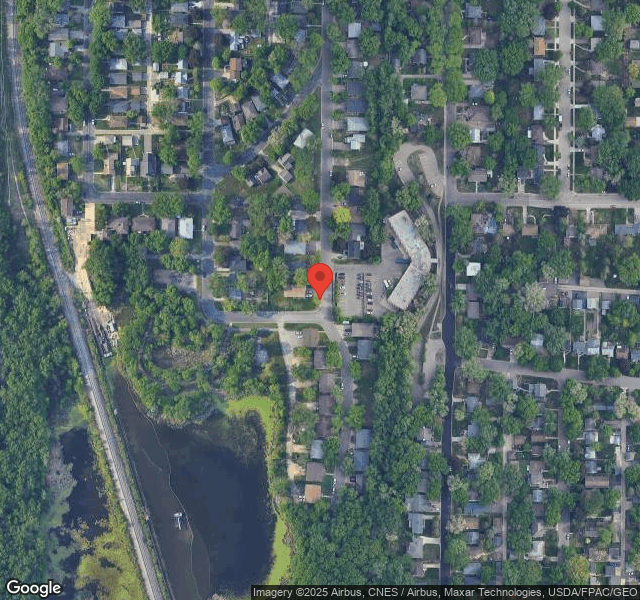
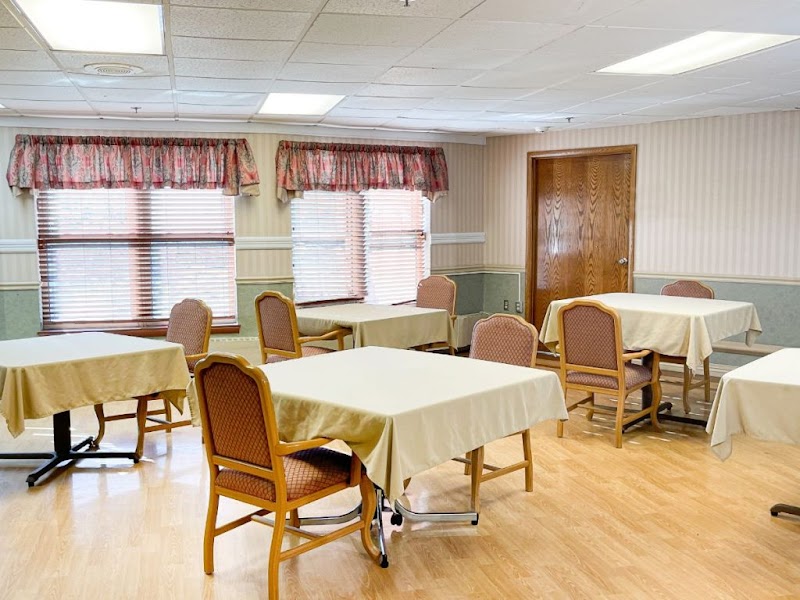
3130 GRIMES AVENUE NORTH, ROBBINSDALE, MN 55422 (763) 588-0771
For profit - Corporation 75 Beds MONARCH HEALTHCARE MANAGEMENT Data: November 2025 1 Immediate Jeopardy citation
Trust Grade
28/100
#267 of 337 in MN
Last Inspection: April 2025

Within standard 12-15 month inspection cycle. Federal law requires annual inspections.

Overview

The Villas at Robbinsdale has received a Trust Grade of F, indicating significant concerns about the quality of care provided. Ranked #267 out of 337 facilities in Minnesota, this places them in the bottom half of the state, and at #41 out of 53 in Hennepin County, there are only a few better options locally. The facility is trending toward improvement, with the number of issues decreasing from 11 in 2024 to 9 in 2025, but they still report a concerning 55% staff turnover rate, which is higher than the state average, though staffing is rated average overall. There have been substantial fines totaling $32,122, higher than 80% of other Minnesota facilities, suggesting ongoing compliance problems. Specific incidents of concern include a critical failure to implement infection control measures for residents with a dangerous bacteria, leading to potential serious health risks, and a serious incident where a resident developed a urinary tract infection due to missed follow-up appointments, resulting in hospitalization. On the positive side, the facility does have average RN coverage, which is vital for catching potential health issues. Families should weigh these strengths against the significant weaknesses when considering this nursing home for their loved ones.

Trust Score
F
28/100
In Minnesota
#267/337
Bottom 21%
Safety Record
High Risk
Review needed
Inspections
Getting Better
11 → 9 violations
Staff Stability
⚠ Watch
55% turnover. Above average. Higher turnover means staff may not know residents' routines.
Penalties
○ Average
$32,122 in fines. Higher than 51% of Minnesota facilities. Some compliance issues.
Skilled Nurses
✓ Good
Each resident gets 56 minutes of Registered Nurse (RN) attention daily — more than average for Minnesota. RNs are trained to catch health problems early.
Violations
⚠ Watch
37 deficiencies on record. Higher than average. Multiple issues found across inspections.
★★☆☆☆
2.0
Overall Rating
★★★☆☆
3.0
Staff Levels
★★★☆☆
3.0
Care Quality
★★☆☆☆
2.0
Inspection Score
Stable
2024: 11 issues
2025: 9 issues

The Good

  • Full Sprinkler Coverage · Fire safety systems throughout facility
  • No fines on record

Facility shows strength in fire safety.

The Bad

2-Star Overall Rating

Below Minnesota average (3.2)

Below average - review inspection findings carefully

Staff Turnover: 55%

Near Minnesota avg (46%)

Higher turnover may affect care consistency

Federal Fines: $32,122

Below median ($33,413)

Moderate penalties - review what triggered them

Chain: MONARCH HEALTHCARE MANAGEMENT

Part of a multi-facility chain

Ask about local staffing decisions and management

The Ugly 37 deficiencies on record

1 life-threatening 1 actual harm
Apr 2025 6 deficiencies
CONCERN (D)

Potential for Harm - no one hurt, but risky conditions existed

Deficiency F0658 (Tag F0658)

Could have caused harm · This affected 1 resident

**NOTE- TERMS IN BRACKETS HAVE BEEN EDITED TO PROTECT CONFIDENTIALITY** Based on observation, interview and document review, the facility failed to follow standards of practice related to medication a...

Read full inspector narrative →
**NOTE- TERMS IN BRACKETS HAVE BEEN EDITED TO PROTECT CONFIDENTIALITY** Based on observation, interview and document review, the facility failed to follow standards of practice related to medication administration of an inhalation medication for 1 of 3 residents (R26) observed for medication administration. Findings include: R26's quarterly Minimum Data Set (MDS) dated [DATE], indicated R26 was cognitively impaired and had diagnoses which included dementia, anxiety and asthma. Identified R26 required extensive assistance with bed mobility, transfers, toileting and personal hygiene. R26's care plan revised 12/11/23, identified R26 had an activity of daily living (ADL) self-care performance deficit related to weakness. R5's care plan interventions included dependence on staff for bathing, dressing, and personal hygiene. Directed staff to administer medications as ordered. R26's Order Summary Report dated 3/13/25, directed staff to administer Budesonide inhalation suspension 0/5 MG/2 ML via nebulizer twice daily for asthma. During an observation on 4/28/25 at 5:10 p.m., registered nurse (RN)-A entered R26's room and placed the budesonide nebulizer solution in the nebulizer mask. RN-A placed the nebulizer mask on R26's face and informed R26 she would return in 10 minutes to remove the nebulizer mask. At 5:21 p.m., RN-A returned to R26's room, removed the nebulizer mask from R26's face and placed the nebulizer mask on the nebulizer. R26 was not observed to rinse her mouth out and RN-A had not instructed R26 to rinse mouth out after taking the Budenoside nebulizer. During an interview on 4/28/25 at 5:25 p.m., RN-A confirmed she had not instructed R26 to rinse her mouth after the Budesonide nebulizer. RN-A stated she should have instructed R26 to rinse her mouth however, was unsure if R26 was able to rinse and spit. RN-A stated it was important to rinse or swab the mouth after a steroid nebulizer was received to prevent any infections. During an observation of 4/29/25 at 4:06 p.m., nursing assistant (NA)-B placed a glass with water up to R26's mouth and instructed R26 to rinse and spit as NA-B held an empty glass up to R26's mouth. R26 took a drink of water, rinsed mouth and spit the water into the empty glass. During an interview on 4/29/25 at 4:11 p.m., licensed practical nurse (LPN)-A stated R26 had always been able to rinse and spit after receiving the Budesonide nebulizer. LPN-A stated it was important to rinse the mouth after a steroid nebulizer was received to prevent any infections. During an interview on 4/29/25 at 3:51 p.m., pharmacy consultant (PC)-A stated it was important to rinse the mouth after receiving Budesonide nebulizer because it was a steroid. PC-A indicated it could cause thrush, a fungal infection inside the mouth. PC-A stated it was her expectation nursing staff would instruct the resident to rinse their mouth after each use. During an interview on 4/29/25 at 3:51 p.m., director of nursing (DON) stated it was important for residents to rinse their mouth after use to prevent infections in the mouth. DON stated her expectation was nursing staff to instruct R26 to rinse mouth after receiving the Budesonide nebulizer. R26's Budesonide nebulizer box instructions indicated Budesonide was indicated for chronic respiratory conditions. Indicated Patients should rinse the mouth after inhalation of Budesonide inhalation suspension to prevent fungal infections. A facility policy titled Specific Medication Administration Procedures revised 2024, identified all medications would be administered in a safe and effective manner.
CONCERN (D)

Potential for Harm - no one hurt, but risky conditions existed

Accident Prevention (Tag F0689)

Could have caused harm · This affected 1 resident

**NOTE- TERMS IN BRACKETS HAVE BEEN EDITED TO PROTECT CONFIDENTIALITY** Based on observation, interview and document review, the facility failed to ensure staff were following fall risk interventions ...

Read full inspector narrative →
**NOTE- TERMS IN BRACKETS HAVE BEEN EDITED TO PROTECT CONFIDENTIALITY** Based on observation, interview and document review, the facility failed to ensure staff were following fall risk interventions implemented for 1 of 3 (R41) residents identified at risk for falls. Findings include: R41's quarterly Minimum Data Set (MDS) dated [DATE], identified R41 had moderate impaired cognition and had diagnoses which included diabetes mellitus and depression. Indicated R41 required extensive assistance from staff with toileting, transfers, and personal hygiene. R41's care area assessment (CAA) dated 1/14/25, triggered for a risk of falls due to balance problems, use of anti-depression medications and a history of falls. R41's care plan dated 2/17/25, identified R41 was at risk for falls and required assistance from staff with mobility and transfers. R41's care plan indicated the call light should have been within reach. The care plan identified R41 was to have bed in lowest position, mat on floor, door open when in room, call do not fall sign posted, staff were to check on R41 and offered the bathroom between 0200-0400. Review of R41's MHM incident and analysis reports from 11/18/24 to 4/13/25, revealed the following: - 11/18/24, R41 had a fall from R41's bed. Interventions included R41's bed to be in the lowest position and fall mat was to be next to the bed. - 12/4/24, R41 was found on the floor. Interventions included R41 was to have the door open at all times for staff to monitor R41 in R41's room. - 2/15/25, R41 was found on the floor. Interventions included to check on R41 during the hours of 2300 and 0500. - 4/13/25, R41 was found on the floor and had a fall from the toilet. Interventions included R41 was to wear gripper socks at night. Review of Nursing assistant (NA) worksheet undated, identified staff were to check on R41 when he was in his room. However, it lacked any additional fall interventions. During an observation on 4/30/25 at 10:43 a.m., R41 was laying in his is bed with the door closed. R41's eyes were closed and R41 was covered up with a blanket. During an observation on 4/30/25 at 10:56 a.m., R41 continued the same as above. During an observation/interview on 4/30/25 at 11:18 a.m., registered nurse (RN)-B confirmed the above findings and stated R41's door should have been open when R41 was in the room. RN-B opened R41's door. During an interview on 4/30/25 at 10:23 a.m., NA-C stated NA-C was unaware if R41 had any falls recently. NA-C indicated R41 was to have his bed in low position and his mat on the floor next to the bed. NA-C indicated NA-C was unaware of any other interventions for R41. During an interview on 4/30/25 at 10:32 a.m., RN-C identified R41 as a high fall risk and indicated RN-C was aware of R41's fall history. RN-C stated R41's door was to be open at all times when R41 was in the room. RN-C indicated R41 liked to be in his room throughout the day During an interview on 4/30/25 at 11:29 a.m., director of nursing (DON) confirmed the above findings and stated fall interventions were discussed after the fall during the interdisciplinary team meeting. DON further stated her expectations were staff were to be following the resident's care plans at all times. Facility fall policy requested, however one was not provided.
CONCERN (D)

Potential for Harm - no one hurt, but risky conditions existed

Pharmacy Services (Tag F0755)

Could have caused harm · This affected 1 resident

**NOTE- TERMS IN BRACKETS HAVE BEEN EDITED TO PROTECT CONFIDENTIALITY** Based on interview and document review, the facility failed to implement a system to ensure medications were available to admini...

Read full inspector narrative →
**NOTE- TERMS IN BRACKETS HAVE BEEN EDITED TO PROTECT CONFIDENTIALITY** Based on interview and document review, the facility failed to implement a system to ensure medications were available to administer as ordered for 1 of 1 residents (R7) reviewed for medication administration. Findings Include: R7's significant change Minimum Data Set (MDS) dated [DATE], identified R7 was cognitively intact and had diagnoses which included: asthma, chronic obstructive pulmonary disorder (COPD) (breathing difficulty) and diabetes mellitus. R7 was dependent on staff for dressing and toileting. R7's care plan dated 4/17/25, identified R7 was at risk for decreased cognation and physical abilities related to diagnosis of COPD and asthma. Review of physician orders placed on 4/17/25, revealed the following order placed: Anoro Ellipta (medication used for COPD) 62.5-25 micrograms (mcg) aerosol powder on puff daily. Review of R7's eMAR dated 4/25, revealed the following: -Umeclidinium Bromide Inhalation Aerosol Powder Breath Activated 62.5 MCG/ACT (Umeclidinium Bromide) 1 puff inhale orally one time a day for COPD Pharmacy Pending Confirmation (Discontinue) 4/18/2025, 08:00. - Anoro Ellipta 62.5-25 MCG/ACT Aerosol Powder, breath activated - INHALE 1 PUFF BY MOUTH ONCE DAILY *THERAPEUTIC INTERCHANGE FOR: UMECLIDINIUM Pharmacy Pending Confirmation 4/17/2025. Review of physician progress notes dated 1/13/25 through 4/17/25, revealed R7 was using Anoro Ellipta 62.5-25 micrograms (mcg) (medication used for COPD) . Further revalued the physician wanted R7 to continue to use the inhaler and it should have been added to R7's electronic medication administration record (eMAR). During an interview on 4/30/25 at 10:11 a.m., registered nursing (RN)-B indicated the order was placed into the system and it needed to be confirmed before the medication could be administered. RN-B was unaware why the medication had not yet been confirmed. RN-B confirmed R7 had not received the medication however, knew the facility had received the medication. RN-B identified the medication was in the medication cart. During an interview on 4/30/25 at 11:37 a.m., director of nursing (DON) revealed a therapeutic interchange for medications was completed by the pharmacy to look for the better priced medication. Once the therapeutic interchange was put to the system and a nurse confirmed it, the previous medication was expected to be discontinued. DON was unaware R7's medication had not been confirmed and R7 had not received the medication since the physician prescribed it on 4/17/25. During an interview on 4/30/25 at 11:56 a.m., medical director (MD) stated anytime a medication was ordered it should have been started right away. During an interview on 4/30/25 at 2:21 p.m., consultant pharmacist (CP) stated R7 received the new medication and it should have been confirmed in the system to be given. CP indicated the confirmation should have taken place on 4/18/25. CP indicated it was best practice to start medications as soon as possible and not to further delay treatment. Review of facility policy titled Medication and Treatment order revised 2/24, orders for medications and treatments would be transcribed accurately and in a timely fashion.
CONCERN (E) 📢 Someone Reported This

A family member, employee, or ombudsman was alarmed enough to file a formal complaint

Potential for Harm - no one hurt, but risky conditions existed

Deficiency F0804 (Tag F0804)

Could have caused harm · This affected multiple residents

**NOTE- TERMS IN BRACKETS HAVE BEEN EDITED TO PROTECT CONFIDENTIALITY** Based on observation, interview and document review, the facility failed to ensure food was served at a palatable and appetizing...

Read full inspector narrative →
**NOTE- TERMS IN BRACKETS HAVE BEEN EDITED TO PROTECT CONFIDENTIALITY** Based on observation, interview and document review, the facility failed to ensure food was served at a palatable and appetizing temperature for 2 of 2 residents (R 11, and R35) who resided on the second floor reviewed for food. This deficient practice had the potential to affect all 24 residents residing on this unit. Findings include: R11's quarterly Minimum Data Set (MDS) dated [DATE], indicated R11 had intact cognition and was able to feed herself after staff set up her tray. R35's quarterly Minimum Data Set (MDS) dated [DATE], indicated R35 had moderate cognitive impairment and was able to feed herself after staff set up her tray. During an interview on 4/28/25 at 1:28 p.m., family member (FM)-A stated R35 usually ate her meals in her room and the food was usually cold by the time it was delivered. During an interview on 4/28/25 at 1:42 p.m., R11 stated she ate in her room and the hot food was not hot and the cold food was not cold by the time the tray was delivered. During an observation 4/28/25 at 6:08 p.m., food was being dished up onto plates and placed on a plate warmer from the steam table in the dining room. The plates were placed on trays and put on a cart. As the last plate was being placed onto the cart, a test tray was requested and placed onto the cart. The meal consisted of chicken, rice, mashed potatoes, and a glass of milk. -at 6:20 p.m., the cart was wheeled into the hallway on the second floor. at 6:30 p.m., as the last tray was being passed nursing assistant (NA)-A tested the food temperatures and the temps were as follows: -Chicken was 106 degrees Fahrenheit (F). -Rice was 119 degrees Fahrenheit (F). -Mashed potatoes were 127 degrees Fahrenheit (F). -Milk was 55 degrees Fahrenheit (F). After temping the meal, the surveyor tasted the food from the tray: the chicken and rice were cold, the mashed potatoes were luke warm and the milk was warm. During an interview on 4/28/25 at 6:27 p.m., NA-A stated she was unsure of what food temperatures food should be held at. During an interview on 4/28/25 at 6:30 p.m., R11 stated the chicken was cold and the milk was warm. During an interview on 4/28/25 at 6:39 p.m., dietary aide (DA)-C stated he was unsure of what the food temperatures should be held at but would find out. During an interview on 4/28/25 at 6:44 p.m., dietary manager (DM) stated his expectation was food holding temps for hot food would be at least 135 degrees Fahrenheit (F). DM further stated holding temperature for cold food should have been 41 degrees Fahrenheit (F). or lower. Review of a facility policy titled Food Preparation and Service dated revised 2019, identified the danger zone for food temperatures was between 41 and 135 degrees Fahrenheit (F). Identified the longer food remain in the danger zone the greater the risk for the growth of harmful pathogens. Therefore, PHF must be maintained below 41 degrees Fahrenheit (F). or above 135 degrees Fahrenheit (F).
CONCERN (E)

Potential for Harm - no one hurt, but risky conditions existed

Food Safety (Tag F0812)

Could have caused harm · This affected multiple residents

Based on observation, interview and record review, the facility failed to ensure food items in community refrigerators were properly labeled and dated in 2 of 3 refrigerators where resident's personal...

Read full inspector narrative →
Based on observation, interview and record review, the facility failed to ensure food items in community refrigerators were properly labeled and dated in 2 of 3 refrigerators where resident's personal food was stored. In addition, the facility failed to ensure food temperatures were maintained according to acceptable standards on 1 of 3 steam tables, and failed to maintain sanitary conditions during food prep. REFRIGERATORS During an observation on 4/28/25 at 12:52 p.m., the fourth floor refrigerator contained an undated and unlabeled plastic bag, 1/2 plastic pitcher with orange liquid, with no date, and a container of ice cream dated 3/4. The bag contained a Tupperware container. Dietary Manager (DM) verified the containers were for resident consumption and should have been dated. DM stated the juice should have been dated when it was placed in the refrigerator. During an observation on 4/28/25 at 12:54 p.m., the third floor dining room refrigerator contained an unlabeled, undated container of cooked pasta. The Dietary Manager verified the container was unlabeled and undated. HOLDING FOOD TEMPERATURES During an observation and interview on 4/28/25 at 5:56 p.m., dietary aide (DA)-A completed the temperatures of the food on the steam table on third floor. The chicken was 120 degree Fahrenheit (F). A recheck of the temperature was 120 degrees F. At 6:11 p.m., the dietary manager entered and asked if the temperatures were OK and DA-A answered yes. The surveyor asked the DM to look at the temperatures. The DM verified the chicken was 120 degrees F., and told DA-A that the chicken needed to be at 165 degrees F. The DM took the chicken and indicated he was going to heat it up in the kitchen, and verified that no residents had received any chicken. At 6:18 p.m., the DM returned and took the temperature of the chicken, and it was at 180 degrees F. DA-A proceeded to serve dinner. FOOD PREPARATION During an observation and interview on 4/29/25 at 10:20 a.m., DA-B was prepping fruit for lunch in the kitchen. DA-B picked up small plastic bowls for fruit and put the empty bowl on a tray. DA-B was not wearing gloves, and was observed touching the inside of every bowl with their thumb while setting on the tray. On 4/29/25 at 10:30 a.m., the DM indicated only the outside of the dish should be touched and touching the inside of the dish would contaminate it. Review of facility's Food Receiving and Storage policy revised 2017, indicated the following: 8. All food stored in the refrigerator or freezer would be covered, labeled and dated (use by date). 14. Food items and snacks kept on the nursing units must be maintained as indicated below: b. All foods belonging to residents must be labeled with the resident's name, the item and the use by date. d. Beverages must be dated when opened and discarded after twenty-four (24) hours. Review of the facility's Food Preparation and Service policy dated 2019, indicated the following: Food Service/Distribution 1. Proper hot and cold temperature are maintained during food service. 2. The temperature of food held in steam tables are monitored throughout the meal by food and nutrition services staff. Review of the facility's Food Preparation and Service policy dated 2019, indicated the following: Food Preparation Area 5. Food preparation staff adhere to proper hygiene and sanitary practices to prevent the spread of food borne illness.
CONCERN (F)

Potential for Harm - no one hurt, but risky conditions existed

Infection Control (Tag F0880)

Could have caused harm · This affected most or all residents

Based on observation, interview and document review, the facility failed to ensure soiled facility linens were handled in a manner that prevented potential contamination during the laundry process. Th...

Read full inspector narrative →
Based on observation, interview and document review, the facility failed to ensure soiled facility linens were handled in a manner that prevented potential contamination during the laundry process. This deficient practice had the potential to affect all 65 residents served by the facility laundry. Findings include During an observation and interview on 4/29/25 at 10:09 a.m., with laundry assistant (LA)-A, three towels and a shower curtain were observed not in a bag and laying in the bin located below the laundry chute. LA-A stated some laundry would come down the chute not bagged. During an interview on 4/29/25 at 10:15 a.m., environmental director (ED) confirmed the above findings and indicated soiled linens were to be placed into the bag before sending down the laundry chute. ED stated it could cause contamination and soil the laundry chute. During an interview on 4/29/25 at 4:15 p.m., infection preventionist (IP) stated all soiled linens should be bagged before going down the chute. LA-B further stated soiled linens could contaminate the chute and someone could be exposed to an infection. LA-B indicated she wanted staff to view infection control as a good way to prevent the spread of an infection. Requested facility policy for the laundry chute however, one was not provided.
Feb 2025 3 deficiencies
CONCERN (D) 📢 Someone Reported This

A family member, employee, or ombudsman was alarmed enough to file a formal complaint

Potential for Harm - no one hurt, but risky conditions existed

Notification of Changes (Tag F0580)

Could have caused harm · This affected 1 resident

**NOTE- TERMS IN BRACKETS HAVE BEEN EDITED TO PROTECT CONFIDENTIALITY** Based on interview and document review, the facility failed to update the provider of a medication refusal of Lovenox (medicatio...

Read full inspector narrative →
**NOTE- TERMS IN BRACKETS HAVE BEEN EDITED TO PROTECT CONFIDENTIALITY** Based on interview and document review, the facility failed to update the provider of a medication refusal of Lovenox (medication used to prevent blood clots following surgery) for 1 of 3 residents (R2) reviewed for medication administration. Findings include: R2's admission Minimum Data Set (MDS) dated [DATE], indicated R2 was cognitively intact, had a surgical wound, and required non-surgical dressings. R2's diagnoses list printed 2/25/25, included fistula of intestine. R2's hospital discharge orders dated 2/5/25, indicated enoxaparin (Lovenox) (anticoagulation therapy-used to prevent blood clotting after surgery) 40 milligrams (mg)/0.4 milliliters (ml) injection, inject 0.4 ml daily subcutaneously (subq) (under the skin). R2's orders dated 2/5/25, indicated enoxaparin sodium solution 40 mg/0.4 ml, inject 40 mg subcutaneously one time a day for prevent[ion] blood clotting, to start 2/6/25. R2's February 2025 Medication Administration Record (MAR) indicated R2 refused Lovenox injections 2/6/25 through 2/8/25 and 2/11/25 through 2/16/25, R2 was in the hospital on 2/17/25 and 2/18/25, and indicated see progress notes for 2/9/25 and 2/10/25. R2's progress note dated 2/9/25 at 8:36 p.m., indicated staff administered the Lovenox injection. R2's progress note dated 2/10/25 at 7:21 p.m., indicated R2 refused the Lovenox injection. The progress note lacked indication R2's medical provider was notified. R2's care plan lacked mention of anticoagulation therapy. On 2/26/25 at 12:04 p.m., during an interview registered nurse (RN)-A stated when a resident refused Lovenox, the nurse should notify the provider and ask for instructions. RN-A further stated when R2 refused her first dose, the provider should have been notified right away because R2 could get blood clots without the medication. On 2/26/25 at 3:02 p.m., during an interview the director of nursing stated the facility expectation was to notify a medical provider when a resident refused medication and document the refusal in a progress note. The DON acknowledged the provider was not notified of the refusal. The DON stated Lovenox is a blood thinner and was utilized after surgery to prevent blood clotting. The Specific Medication Administration Procedure dated 5/2022, indicated when a resident refused a medication, document the refusal on the Mar or TAR [Treatment Administration Record]. Notify physician/ prescriber of persistent refusals.
CONCERN (D) 📢 Someone Reported This

A family member, employee, or ombudsman was alarmed enough to file a formal complaint

Potential for Harm - no one hurt, but risky conditions existed

Quality of Care (Tag F0684)

Could have caused harm · This affected 1 resident

**NOTE- TERMS IN BRACKETS HAVE BEEN EDITED TO PROTECT CONFIDENTIALITY** Based on interview, observation, and document review the facility failed to provide wound care as ordered for 1 of 3 residents (...

Read full inspector narrative →
**NOTE- TERMS IN BRACKETS HAVE BEEN EDITED TO PROTECT CONFIDENTIALITY** Based on interview, observation, and document review the facility failed to provide wound care as ordered for 1 of 3 residents (R2) reviewed for wound care. Additionally, the facility failed to ensure R2's care plan indicated wound care and pouch changes for the fistula. Findings include: R2's admission Minimum Data Set (MDS) dated [DATE], indicated R2 was cognitively intact, had a surgical wound, and required non-surgical dressings. R2's diagnoses list printed 2/25/25, included fistula of intestine. R2's hospital discharge orders dated 2/5/25, indicated the following: Wound care management 1. Remove pouch with adhesive spray. 2. Cleanse surrounding skin with Vashe [wound cleaner]and pat dry. 3. Use 3M Advanced Care Wand to raw skin. Let dry one minute. 4. Offer Lidocaine spray (prevents pain caused by some procedures). 5. Measure and cut out opening of Convatec Eakin Fistula Manager ( (square) or Coloplast Post op pouch 18681/18691 (round)- (pouches designed to protect skin and contain drainage from wounds and fistulas) both have a peek-a-boo plastic window for dressing packing. 6. Border window opening with ostomy barrier rings (cut ring in half and stretch ring around one-half of the wound forming a half-moon shape for each side). 7. Apply pouch. Add tape or elastic barrier strips for extra security. 8. Open plastic peek-a-boo window downward for dressing packs every 6 hours. Change 1-2 times a week and as needed (PRN) for leakage or dressing failure. May apply 3M Cavilon spray (used to protect skin around the fistula from damage) to irritated/ burning skin BID (twice daily) surrounding fistula manager. Let dry one minute. Coloplast Post Op Pouch acting as fistula manager to be changed 2x weekly. Pack wound every six hours, wet to dry with normal saline. However, R2's provider orders reviewed 2/25/25, lacked orders for the wound care as indicated in the hospital discharge orders dated 2/5/25. R2's care plan dated 2/7/25, indicated R2 had an alteration in elimination related to fistula manager care and indicated R2 was able to direct her stoma care treatment with staff. The care plan indicated R2 would tell staff how to do her stoma care in a step-by-step direction, and staff would monitor for skin breakdown. The care plan also indicated a self-care deficit related to fistula manager care dated 2/7/25, with a goal that R2 would accept assistance with self-cares. The interventions for the care deficit lacked mention of assistance with pouch changes and wound dressings. R2's Skin and Wound Evaluation dated 2/13/25, indicated the wound was present on admission, the wound was new, measured 10.9 centimeters (cm) x 7.6 cm, and the practitioner was notified. The wound evaluation lacked indication of the type of wound, assessment or description of the wound bed, assessment or description of drainage, assessment or description of the surrounding tissue, a pain assessment, or the treatment administered. There were no additional wound assessments documented between 2/13/25 and discharge to the hospital on 2/17/25. R2's wound provider progress note dated 2/13/25, indicated R2 had an enteroatmospheric fistula (EAF) (an abnormal connection between the gastrointestinal tract and the open atmosphere - a hole in the bowel that directly opens to the outside of the body) which allowed intestinal contents to leak out freely. The progress note further stated, There was a treatment error and pt [patient] had not been receiving dressing changes q [every] 6 hours to ostomy. Ostomy was irritated and bleeding because of this. Pt reported emptying the pouch daily but never adding wet gauze to the ostomy. Pt attempted to change wound pouch last night [2/4/25] on her own with assistance of staff. Pt made the cutting area too large, so exposed skin was present in the wound pouch. Pt did not have another wound pouch for the situation to be rectified. Instructed nurse manager to order wound pouches asap [as soon as possible]. Educated pt and staff on the importance of keeping the skin around the site dry and unexposed and the importance of keeping the ostomy viable and moist by packing with wet gauze. R2's progress note dated 2/14/25 at 5:50 a.m., indicated ostomy site intact. Ostomy care provided. Treatment to wound performed on shift as ordered. The progress note lacked indication of what ostomy cares were provided and which wound treatment was provided. R2's progress note dated 2/14/25 at 3:50 p.m., indicated ostomy was intact. R2's progress note dated 2/14/25 at 7:20 p.m., indicated no surgical wounds noted. R2's progress note dated 2/15/25 at 6:25 a.m., indicated surgical wound present: abdomen has open wounds present; abdomen dressing to wounds remains clean, dry, and intact. Wound not visualized. The progress note lacked mention of the ostomy. R2's progress note dated 2/16/25 at 6:17 a.m., indicated loose stools noted. Has colostomy. Ostomy site intact. Surgical wound present: abdomen has open wounds present: abdomen dressing remains clean, dry, and intact. Wound not visualized. R2's progress note dated 2/16/25 at 5:25 p.m., indicated stool was formed, ostomy site intact, ostomy care provided, but lacked indication what care was provided. The progress note indicated surgical wound present: abdomen, no open wounds noted. Dressing to wound remains clean, dry, and intact. Wound not visualized. R2's progress note dated 2/17/25 at 6:52 a.m., indicated loose stools noted. Has colostomy. Ostomy site intact. Ostomy care provided. The progress note lacked indication of what ostomy care was provided. R2's progress note dated 2/17/25 at 3:39 p.m., indicated R2 transferred to the emergency room because the tracheostomy tube was out and, There is inflammation of her ostomy. R2's progress notes dated 2/17/25, indicated R2 was sent to ER and subsequently admitted to the hospital for an infection not related to her ostomy. R2's February 2025 Treatment Administration Record indicated the orders from the wound provider were added on 2/19/25. On 2/26/25 at 12:04 p.m., during an interview registered nurse (RN)-A stated the process for resident hospital orders was a nurse entered the orders upon resident admission to the facility to start care for the resident. RN-A acknowledged the orders for R2's wound care were not entered when R2 was admitted on [DATE], and was not sure why. RN-A stated if wound care orders were not followed the resident could get an infection or have skin breakdown. On 2/26/25 at 12:34 p.m., RN-B stated R2's fistula pouch was not changed twice weekly as ordered, and when RN-B assessed R2's skin on 2/13/25, and described it as, Fire engine red, macerated, and raw. RN-B further stated if the wound care had been done correctly, the dressing could have progressed to once weekly changes but have to continue twice weekly to repair the skin. On 2/26/25 at 2:19 p.m., during an interview physician assistant (PA)-A stated it was important for R2 to have good wound care to ensure the skin was protected. The PA-A stated the wound care orders were not followed for changing the ostomy/fistula bags or performing the wound packing. PA-A further stated R2 had a high fistula output, the fluid was leaking around the ostomy bag, and fluid was sitting on R2's skin, causing skin breakdown. PA-A stated, If they [facility staff] had taken better care of her skin she wouldn't have the erosive injury on her skin. On 2/26/25 at 3:02 p.m., during an interview the director of nursing (DON) stated the process for entering resident orders after hospitalization was the admitting nurse entered the orders, another nurse checked the orders, and a nurse manager verified the orders. The DON acknowledged R2's admission wound care orders were not entered into the medical record and staff did not perform the care as ordered. The DON further acknowledged the nurse did not perform the wound assessment completely on 2/13/25, to assess R2's wound/ fistula. The Skin Assessment and Wound Management policy dated 2/2025, indicated the facility would follow treatments per provider order and update the care plan as needed.
CONCERN (D) 📢 Someone Reported This

A family member, employee, or ombudsman was alarmed enough to file a formal complaint

Potential for Harm - no one hurt, but risky conditions existed

Infection Control (Tag F0880)

Could have caused harm · This affected 1 resident

**NOTE- TERMS IN BRACKETS HAVE BEEN EDITED TO PROTECT CONFIDENTIALITY** Based on interview, observation, and document review the facility failed to conduct appropriate hand hygiene during wound care f...

Read full inspector narrative →
**NOTE- TERMS IN BRACKETS HAVE BEEN EDITED TO PROTECT CONFIDENTIALITY** Based on interview, observation, and document review the facility failed to conduct appropriate hand hygiene during wound care for 1 of 3 residents (R2) reviewed for wound care. Findings include: R2's admission Minimum Data Set (MDS) dated [DATE], indicated R2 was cognitively intact, had a surgical wound, and required non-surgical dressings. R2's diagnoses list printed 2/25/25, included fistula of intestine. On 2/26/25 at 11:04 a.m., R2's wound care was observed. Licensed practical nurse (LPN)-A washed his hands with soap and water prior to performing wound care. LPN-A donned gloves, opened R2's fistula collection bag that contained stool, removed a soiled dressing saturated with stool from inside bag, placed the soiled dressing in the garbage, and drained the bag into a plastic receptacle to measure R2's stool output. LPN-A doffed his gloves, and donned clean gloves. LPN-A did not perform hand hygiene between glove changes. LPN-A used a Sani wipe to clean stool from R2's legs, discarded the Sani wipe in the garbage, doffed his gloves, and again donned clean gloves without performing hand hygiene between glove changes. LPN-A opened a clean gauze dressing, cut it to size, put it in a cup, poured saline over the dressing, and put the dressing in the collection bag. LPN-A removed his gloves, did not perform hand hygiene, and picked up the wound care supplies and put them away in the supply bin in the room. LPN-A donned clean gloves, picked up the receptacle with the stool, measured it, and flushed it down the toilet. LPN-A washed the receptacle with water, dried it with a paper towel, and set in the on counter next to the sink. LPN-A doffed his gloves, touched the top of the receptacle that previously held stool with his bare hands, and moved R2's tray table closer to the bed. LPN-A donned clean gloves, again without performing hand hygiene after touching the dirty receptacle, picked up the garbage bag, touched the door handle to open the door, and then doffed his gloves. LPN-A took the garbage to the room where is was disposed. LPN-A did not perform hand hygiene when he left the room, but did after he disposed of the garbage. On 2/26/25 at 11:23 a.m., during an interview, LPN-A acknowledged he had not performed hand hygiene while performing wound care, except prior to performing the wound care. LPN-A further acknowledged he should have performed hand hygiene between each glove change, after touching the collection receptacle, and after leaving the room. LPN-A stated he could spread germs if he did not perform hand hygiene correctly. On 2/26/25 at 3:37 p.m., during an interview the director of nursing stated she had provided staff education about hand hygiene in the last month or two. The DON stated she expected staff to follow the hand hygiene policy, and all staff had been taught how to correctly perform hand hygiene to prevent spread of infection. The Handwashing policy dated 2/2024, indicated proper handwashing techniques should be used to protect the spread of infection. The policy indicated hand washing would be completed before and after treating a wound, after cleaning up someone who has used the toilet, and after touching garbage. The policy further indicated when conducting a procedure requiring the use of gloves, proper hand washing would be performed before donning gloves and after removing gloves.
Oct 2024 1 deficiency
CONCERN (D) 📢 Someone Reported This

A family member, employee, or ombudsman was alarmed enough to file a formal complaint

Potential for Harm - no one hurt, but risky conditions existed

Quality of Care (Tag F0684)

Could have caused harm · This affected 1 resident

**NOTE- TERMS IN BRACKETS HAVE BEEN EDITED TO PROTECT CONFIDENTIALITY** Based on observation, interview, and record review the facility failed to ensure 1 of 1 residents (R1) reviewed for skin alterat...

Read full inspector narrative →
**NOTE- TERMS IN BRACKETS HAVE BEEN EDITED TO PROTECT CONFIDENTIALITY** Based on observation, interview, and record review the facility failed to ensure 1 of 1 residents (R1) reviewed for skin alterations had weekly skin observations completed, in addition to informing the interdisciplinary team of R1's skin breakdown. Findings include: R1's quarterly minimum data set (MDS) dated [DATE], indicated R1 had peripheral vascular disease, diabetes with neuropathy (lack of sensation caused by nerve damage) and was cognitively intact. The MDS further indicated R1 was dependent for toileting, hygiene, and required maximum assistance by 2 staff for mobility and transfers. R1's Care Plan dated 7/08/24, indicated R1 had the potential for alteration in skin integrity. Staff were to monitor skin integrity daily during cares and perform weekly skin inspections and provide treatment to open areas per physician order. R1's Risk vs Benefits form dated 8/12/24, indicated staff were to ensure pressure offloading and position changing and incontinence care occurred related to the concern for skin breakdown. They were to discuss with R1 that refusal to off load or allow staff to change R1 had the potential of skin breakdown. The form indicated the provider was updated and the resident understood the risk and agreed to comply. An Interdisciplinary Team (IDT) Care Conference Note dated 9/18/24, indicated therapy was working with getting R1 a wheelchair and prosthetic legs. Transfers required 2 staff using a total mechanical lift (Hoyer) for bed mobility. R1 could dress the top half of their body independently, however, R1 needed assistance with the lower half and also assistance with hygiene needs. Staff noted during conversation with therapy, R1's family member brought up How about the wound on her bum? Therapy replied, what wound? If she would get a wound, it would be because she is not getting change timely when she goes on long LOA [leave of absence]. After therapy said this, [family member] went quiet. IDT noted they explained how not being changed can cause skin break down in the peri (personal) area. A facility progress note dated 9/21/24, indicated at 10:30 p.m. R1 returned from their LOA in stable condition. R1 was alert and appropriately responded to conversations, vital signs at baseline parameters . right posterior thigh multiple scattered excoriated [skin abrasion] skin present, barrier cream applied, some excoriated skin present on left posterior [back] of thigh, barrier cream applied . continue to monitor. No further notes were documented on any cares provided on skin breakdown for R1. An updated Care Plan was provided while on survey dated 10/02/24, indicated R1 had a small open area on their right thigh. The care plan directed staff to monitor for skin breakdown and signs/symptoms of infections. Staff were to report signs/symptoms to MD (medical doctor). In addition the care plan indicated on 10/02/24 a new wheelchair cushion was added to R1's wheelchair from therapy. During observation and interview on 10/02/24 at 10:45 a.m., R1 was in her room in her wheelchair and stated she her bottom hurts from sitting in her chair. Occupational Therapist (OT)-A entered her room and stated she was not aware of R1 having any open areas or skin break down. OT-A stated she has a two inch cushion on her wheelchair and would look for a different one that might be more comfortable for her. During interview on 10/02/24 at 12:38 p.m. with registered nurse (RN)-A stated he completed R1's skin assessment on 9/27/24 and her excoriation on her bottom had improved. R1 also has an area between her legs she keeps scratching at. R1 went to dialysis three times a week, and also visited her family and stayed for long periods of time and returned incontinent of urine to the point where her pad is dripping with urine. During interview on 10/02/224 at 1:12 p.m., director of nursing (DON) stated R1 had no open area on her bottom, just excoriation. The DON stated R1 had signed a risk vs benefit form on 8/12/24, and he explained to her the risk of sitting long periods of time with family and not getting changed when she is out on LOA. During observation and interview on 10/02/24 at 2:52 p.m. , RN-A and RN-B were in R1's room completing a skin assessment on R1. On the left side of R1's lower buttock area was a excoriated redden area with a 0.5 centimeter (cm) by 0.2 cm area RN-B had measured, with surrounding pinkish-red skin around the measured area. RN-A stated he noticed the concern on 9/27/24, when completed the skin assessment and felt R1 might be sitting too long and R1 had been scratching the area and complained of her bottom hurting while in her wheelchair. During interview on 10/02/24 at 3:42 p.m. with the facility nurse consultant (NC) who stated the DON is required to read progress notes on a daily basis and then bring up at daily interdisciplinary team meeting (IDT). If there were skin concerns, therapy would then be alerted of R1's skin excoriation and could then provide a different w/c cushion. In addition, the NC stated R1's care plan should have addressed the skin excoriation and risk of sitting long periods of time with family members. Nursing staff had never measured the excoriated area and should have in order to see if the area was improving or worsening. The Skin Assessment & Wound Management policy revised March of 2024, indicated for non-pressure wounds and altered skin integrity, staff were to notify the provider who ordered treatment, notify the residents representative, complete education with resident and/or the resident's representative including the risks & benefits, initiate any skin and wound evaluation, notify the nurse manager and/or wound nurse, make any referrals to therapies if appropriate, review and update the care plan including interventions, and identify risks for skin breakdown.
Jul 2024 5 deficiencies
CONCERN (D)

Potential for Harm - no one hurt, but risky conditions existed

Resident Rights (Tag F0550)

Could have caused harm · This affected 1 resident

**NOTE- TERMS IN BRACKETS HAVE BEEN EDITED TO PROTECT CONFIDENTIALITY** Based on observation, interview, and document review, the facility failed to ensure timely assistance with incontinence care whe...

Read full inspector narrative →
**NOTE- TERMS IN BRACKETS HAVE BEEN EDITED TO PROTECT CONFIDENTIALITY** Based on observation, interview, and document review, the facility failed to ensure timely assistance with incontinence care when requested to promote dignity for 1 of 1 residents (R41) reviewed for dignity. Findings include: R41's quarterly Minimum Data Set, dated [DATE], indicated R41 was cognitively intact, had diagnoses of kidney failure, anxiety, and depression, was frequently incontinent of urine and bowel, and fully dependent on staff for toileting needs. R41 was able to understand and was easily understood. R41's Urinary Incontinence and Indwelling Catheter Care Area Assessment (CAA) dated 3/18/24, identified R41 as incontinent of bowel and bladder, dependent on staff for toileting, did not transfer to the toilet, and wore a brief on check and change due to mobility. R41 was at risk for skin breakdown. R41's care plan dated 4/11/24, included R41 was incontinent of bladder, used disposable briefs, and instructed staff to offer R41 assistance to check and change upon rising, before and after meals, at night, and as needed for incontinence. The care plan identified staff were to provide CARES IN PAIRS ONLY, assist of two staff with checking and changing, and R41 will let staff know when [they] need to be changed. During continuous observation on 7/24/24, the following occurred: -At 11:05 a.m., R41 stated staff had not yet changed their incontinent brief that morning and they were wet. R41 turned on their call light for assistance. -At 11:06 a.m., trained medication aide (TMA)-A entered R41's room and R41 stated they needed to be changed. TMA-A left the room and walked toward the nursing desk. -At 11:08 a.m., TMA-A returned to R41's room, told R41 another person was coming, turned off the call light, and left the room. -At 11:37 a.m., two aides began transporting residents to the dining room for lunch. -At 12:05 p.m., nursing assistant (NA)-A and NA-B approached R41's room and then stepped away. They returned at 12:08 p.m., donned gowns and gloves, knocked on R41's door, and entered the room to change R41's incontinence brief. During interview on 7/24/24 at 12:29 p.m., NA-A stated they did the best they could to attend to everyone's needs timely. During interview on 7/24/24, at 12:35 a.m., TMA-A stated they told NA-B R41 needed to be changed, however NA-B was working with another resident and two NAs were on break. During interview on 7/24/24 at 12:39 p.m., NA-B stated they were with other residents when TMA-A told then R41 needed to be changed and could not attend to R41 right away. During interview on 7/24/24 at 12:45 p.m., R41 stated it made them feel hot and forgotten when they had to wait so long for help, and it happened often. During subsequent interview on 7/24/24 at 1:33 p.m., TMA-A stated R41 required two staff to provide cares and TMA-A could not care for R41 alone, which delayed care. They stated they tried to put themselves in the residents' place and would feel 'really bad' if they had to wait an hour to be changed out of a wet brief like R41 did. During interview on 7/24/24 at 1:50 p.m., registered nurse (RN)-A stated any staff person could respond to call lights, and if they could not provide what the resident needed, they were expected to leave the light on and pass a message to someone who could appropriately addressed the resident's concern. The light should not be turned off until the resident's needs were met. They indicated staff should respond as soon as possible and did not identify an acceptable response time, however indicated an hour wait to have a brief change could impact a resident's sense of dignity and was not good. During interview on 7/25/24 at 10:51 a.m., director of nursing (DON) stated staff should respond to call lights in under 15 minutes, depending upon the situation, and the light should be left on until the resident's needs have been met. They stated waiting for care was challenging for the resident and the staff did everything possible to provide care, however DON would not like to be left for that extended period from a dignity perspective. The Resident Rights Policy dated 1/24, included it is the practice of the facility to uphold the rights of all residents as outlined in the Combined Federal and State [NAME] of Rights. The Combined Federal and State Resident [NAME] of Rights dated 6/18/19, included the resident has a right to a dignified existence, self-determination, and communication with and access to persons and services inside and outside the facility. A facility must treat each resident with respect and dignity and care for each resident in a manner and in an environment that promotes maintenance or enhancement of his or her quality of life, recognizing each resident's individuality. The facility must protect and promote the rights of the resident. The resident has a right to be treated with respect and dignity.
CONCERN (D)

Potential for Harm - no one hurt, but risky conditions existed

Deficiency F0554 (Tag F0554)

Could have caused harm · This affected 1 resident

**NOTE- TERMS IN BRACKETS HAVE BEEN EDITED TO PROTECT CONFIDENTIALITY** Based on observation, interview, and document review, the facility failed to comprehensively re-assess for ability or safety, do...

Read full inspector narrative →
**NOTE- TERMS IN BRACKETS HAVE BEEN EDITED TO PROTECT CONFIDENTIALITY** Based on observation, interview, and document review, the facility failed to comprehensively re-assess for ability or safety, document resident education regarding risks, and care plan the self-administration of medications for 1 of 1 resident (R41) known to obtain their own medication from outside sources, who was observed to have such medications at bedside. Findings include: R41's quarterly Minimum Data Set (MDS) dated [DATE], included R41 was cognitively intact, had diagnoses of dysphasia (difficulty swallowing), malnutrition, attention deficit hyperactivity disorder, depression, and anxiety, and required set-up or clean-up for eating. R41's care plan dated 4/10/24, included R41 completed a risk/benefit form due to their desire to continue and inappropriate diet and unwillingness to elevate the head of the bed to prevent aspiration. A care plan intervention dated 12/6/22, indicated R41 required assistance to eat but refused. R41's MHM Self Adminsitration of Medication Evaluation dated 10/2/23, indicated R41 was capable of self-administering oral, topical, and opthalmic medications. R41's medical record lacked additional assessments. R41's Order Summary Report dated 7/25/24, included: *Guaifenesin Extended Release (ER) Tablet (and expectorant), 600 milligram(mg), give 600 mg by mouth two times per day for abnormal amount of sputum starting 5/31/24. *DO NOT LEAVE MEDICATION IN ROOM!! Every shift for Medication safety starting 7/9/24. During observation on 7/22/24 at 4:22 p.m., two staff entered R41's room to assist with cares. They emerged at 4:37 p.m. During observation and interview on 7/22/24 at 5:10 p.m., R41 was lying in bed with a tray table over their bed covered in various items. On the front side closest to the resident was a bottle of guaifenesin 400 mg, and a bottle of eye drops. In a container toward the center of the table was a nearly empty bottle of nystatin powder, and a bottle of ear wax remover. R41 indicated they were kept there for her use. The eye drops, ear wax remover, and nystatin bottle labels appeared older and slightly worn. The guaifenesin bottle appeared to be less so. During interview on 7/24/24 at 10:29 a.m., registered nurse (RN)-B stated a resident needed to be assessed for safety and have a provider order prior to being able to keep medications at bedside to ensure they knew when and how to use them and avoid potential complications. During observation on 7/24/24 at 10:59 a.m., one bottle of guaifenesin, one bottle of eye drops, and one bottle of ear wax remover and one bottle of nystatin remained situated on the top of R41's bedside table. During observation on 7/24/24 at 11:06 a.m., trained medication aide (TMA)-A entered R41's room to respond to their call light. TMA-A stood next to R41's bed and tray table, with R41's medications within sight approximately 12 inches from where TMA-A was standing. TMA-A left the room and returned, once again standing next to the medications on R41's table. During observation on 7/24/24 at 12:08 p.m., nursing assistant (NA)-A and NA-B entered R41's room to assist with cares. NA-A stood next to R41's bed and moved the table containing the medications to the side. Cares were provided, and at approximately 12:25 p.m., the table with the medications was moved back within reach of R41. During interview on 7/24/24 at 1:50 p.m., registered nurse (RN)-A stated if a resident wished to self-administer medications, staff completed an assessment, observed the resident taking the medications to ensure they were safe, educated the resident, and informed the provider to obtain an order. The resident would be reassessed annually or with a significant change. R41 kept nystatin and a mentholated ointment in their room for their use. When asked about the instructions to not leave medications in R41's room, RN-A stated it was to direct the nursing staff to ensure R41 took their prescribed oral medications while the nurse was in the room because R41 could choke on them since she preferred to lay in bed and not sit upright. RN-A stated R41 should not have anything like Tylenol or other pills sitting around for safety purposes, however R41 had a track record of ordering her own medications, or having friends bring them in. They indicated staff, including nurses and social services, were in R41's room quite often, and RN-A expected staff to notice if there were bottles of pills on the table. RN-A walked to R41's room and verified the presence of the bottle of guaifenesin and removed it from the room. The bottle had been opened and was approximately ¾ full of large white pills approximately ½ inch long. RN-A confirmed they were a potential choking hazard for R41, however was not concerned with the other medications in R41's possession. During interview on 7/25/24 at 10:51 a.m., director of nursing (DON) stated if a resident wanted to self-administer medications or was found to have outside medications in their possession, a nurse completed the self-administration assessment, watched the resident demonstrate their ability to take them safely, and if successful, informed nurse practitioner so they could place an order. The care plan would then be updated to indicate which medications the resident could self-administer. DON stated the instructions to ensure medications were not left in R41's room were to ensure the nurses watched R41 take them and did not apply to creams or powders. DON stated sometimes R41 ordered her own medication from outside sources, and their personal assistant also brought items in. They indicated it was within R41's rights, and the DON was not authorized to see what R41 had in their possession. While R41 tended to hoard items in their room, DON stated if they noticed medications out in plain view, they would ask the resident if they could take it. The stated R41 would likely tell them it was none of their business and kick staff out of the room. DON stated they were not aware R41 had the guaifenesin in their room. They confirmed R41 had not been recently assessed for safe self-administration of medications, did not have a risk/benefit discussion documented regarding outside medications, and expressed concern regarding possible interactions between the prescribed medication given by staff and those obtained by the resident and self-administered. The Self-Administration of Medications policy dated 2/24, included, as part of the evaluation comprehensive assessment, the interdisciplinary team (IDT) assesses each resident's cognitive and physical abilities to determine whether self-administering medications is safe and clinically appropriate for the resident. If it is deemed safe and appropriate for a resident to self-administer medications, this is documented in the medical record and the care plan. The decision that a resident can safely self-administer medications is re-assessed periodically based on changes in the resident's medical and/or decision-making status. Any medications found at the bedside that are not authorized for self-administration are turned over to the nurse in charge for return to the family or responsible party.
CONCERN (D)

Potential for Harm - no one hurt, but risky conditions existed

Quality of Care (Tag F0684)

Could have caused harm · This affected 1 resident

**NOTE- TERMS IN BRACKETS HAVE BEEN EDITED TO PROTECT CONFIDENTIALITY** Based on observation, interview, and document review, the facility failed to comprehensively assess and monitor non-pressure rel...

Read full inspector narrative →
**NOTE- TERMS IN BRACKETS HAVE BEEN EDITED TO PROTECT CONFIDENTIALITY** Based on observation, interview, and document review, the facility failed to comprehensively assess and monitor non-pressure related skin conditions for 1 of 2 residents (R40) reviewed for skin concerns, and failed to monitor resident weights for 1 of 1 residents (R40) reviewed who took a diuretic and had a history of weight fluctuations. Findings include: R40's quarterly Minimum Data Set (MDS) dated [DATE], identified R40 was cognitively impaired, had a diagnoses of alcohol use disorder, depression, and cellulitis, was incontinent of bowel and bladder, and required supervision for walking and toileting. R40's hospital discharge note dated 6/11/24, identified R40 was admitted to the hospital through the emergency department on 5/31/24, with severe dehydration, nausea, vomiting, diarrhea, shortness of breath, low blood pressure and high heart rate. Their weight at hospital admission on [DATE] was approximately 188.5 pounds. R40's hospital nutrition assessment date 6/5/24, included R40 weighed approximately 188.5 pounds on 5/31/24, and 246 pounds on 6/4/24, with the increase due to fluid gains. The note identified open abrasions to the right knee and both right and left cheeks. R40's care plan dated 6/11/24, included R40 had an alteration in skin integrity and instructed staff to monitor skin integrity daily during cares, complete a weekly skin inspection by nurse, treat open areas per order, and perform weekly measurements and assessments of wound(s). R40's nutritional care plan included a goal to maintain adequate nutritional status. R40's Nutrition Care Area Assessment (CAA) dated 6/18/24, identified refer to nutrition evaluation. The Pressure Ulcer/Injury CAA included R40 was at risk for skin injury with contributing factors of weakness, pain, decreased mobility, and weight loss complicated by incontinence. R40's MHM Clinical Nutrition Evaluation V-5 dated 7/18/24, indicated R40's most recent weight was 188 pounds, and usual body weight was 220 pounds. R40 lost 5 percent (%) or more in the past month or 10% or more during the past six months and was not on a prescribed weight loss regimen. The evaluation included R40 had no skin conditions, and staff were to monitor and document meal intakes and obtain weight per policy, and dietician to follow up as needed with changes in meal intakes, weights, and skin. R40's Order Summary Report dated 7/25/24, included: Furosemide (a water pill) 40 milligrams (mg) daily for congestive heart failure starting 6/11/24 Obtain admission weight on 6/11/24 Weekly skin inspection by licensed nurse every Tuesday starting 6/11/24 Hydrocortisone External Cream 1%, apply to skin as needed for skin rash, Apply to perineum affected area starting 7/15/24 Hydrocortisone External Cream 1%, apply to skin two times per day for skin rash for 10 days, Apply to the perineum affected area of the skin two or three times per day as needed. The report lacked orders for R40's weight monitoring. R40's Weight Summary identified they weighed 188.5 pounds on 6/11/24 and 201.4 pounds on 7/24/24. There was no other evidence of weights in the medical record. R40's MHM Weekly Skin Inspection V-4 forms included the following: 6/11/24 and 6/18/24, lacked identification of open sores and/or scabs. 7/2/24 at 2:13 p.m., included R40 had scarring on their face, arms, and legs from picking themselves, and lacked further assessment of those areas. 7/2/24 at 5:35 p.m., included R40 had Rashes all over the body. 7/16/24, lacked identification of sores. 7/17, included R40 minimized picking their skin. 7/23/24, lacked identification of sores. During observation and interview on 7/22/24 at 2:07 p.m., R40 was seated on the side of their bed wearing a T-shirt and incontinence brief. R40 had numerous scabs and open sores on both arms, both legs, and their face, with a large one approximately 1 centimeter (cm) by 1 cm on their right cheek. R40 stated they had always had skin issues their whole life and had a nervous thing with picking, but it had gotten ten times worse due to anxiety. They indicated they had some prescription medication to help with it. During interview on 7/24/24 at 10:18 a.m., nursing assistant (NA)-C stated the aides informed the nurses of any new or concerning skin issues and the nurse would come to assess and measure the area of concern. NA-C indicated R40 picked at their skin and had numerous scabs and thought it might be improving but was unsure. During interview on 7/24/24 at 10:29 a.m., registered nurse (RN)-B stated the nurses completed weekly skin checks, and if new skin concerns were identified, including sores, scabs, and scratches, they completed a risk management form, measured the area, wrote a note in the chart, and let the nurse manager know so they could take photos and monitor. They indicated they did not work at the facility often and didn't know anything about R40's open sores other than they apply a cream. and indicated if wound documentation was not in the chart, they were not sure if it was being monitored. They stated if they noticed a new skin concerns, they would monitor it to identify if it was getting bigger and determine if a new treatment was required or identify any infection. During interview on 7/25/24 at 8:39 a.m., RN-C stated the facility had a lot of agency staff, and the residents saw different staff every day. They indicated R40's wounds were in the process of healing. Upon review of R40's medical record, RN-C confirmed there was no documentation regarding the sores on R40's face, arms, and legs, and when asked how they determined if they were improving or getting worse, they stated they just knew by observing them and passed the information to other staff through report. RN-C was not sure how agency staff would be able to determine if they were new, improving, or becoming worse without any previous documentation. Regarding weights, (RN)-C stated staff did not obtain R40's weight at admission and afterward because R40 could not sit in a chair or stand when they first arrived. They confirmed R40 should have been weighed weekly or monthly, however R40 was admitted by agency staff who did not enter the order for weights, which did not trigger staff to obtain them. They stated if nothing else, staff should have documented a reason for the lack of weights. During interview on 7/25/24 at 8:47 a.m., nurse practitioner (NP) stated the dieticians followed the resident weights closely and they provided updates about weight gain or loss. NP indicated R40 was taking furosemide, confirmed there was no specific order for weights, and stated it was important to monitor weights for R40 due to diagnoses and medications. In addition, NP stated it was important to regularly assess skin and document findings regularly. During interview on 7/25/24 at 9:31 a.m., dietician (D) stated residents were expected to be weighed according to provider orders, but at least monthly. If a resident triggered for significant weight gain or loss their name would appear on a list and the dietician would complete an assessment and document interventions. They indicated if a resident refused to be weighed the staff used the most recent hospital weight until another could be obtained. Upon review of R40's medical record, D confirmed R40 should have been weighed at least monthly, however since there was one recorded early in June and again late July, they would consider that adequate. They verified R40 had a weight increase of 13 pounds and were unable to find evidence the dietary department had been informed. They indicated they needed to assess R40 to determine the cause and implement appropriate interventions based upon their medical status, but assumed if R40 needed to be weighed more often there would have been an order for it. During interview on 7/25/24 at 10:51 a.m., director of nursing (DON) stated staff obtained resident weights based upon provider orders, but at least monthly, but more often if a resident took a diuretic or had a history of weight gain or loss. They indicated monitoring was important to determine if action needed to be taken. DON stated staff completed resident skin assessments weekly and documented any scratched, sores, bruise, or other skin concerns on the medical record so they could follow up and discuss with the interdisciplinary team. DON confirmed R40 had multiple sores on their body, the NP was aware, and R40 had a prescription cream to treat them, however the medical record lacked documentation. They indicated it was important to monitor to determine if they needed to change the treatment course. The Skin Assessment and Wound Management policy dated 3/124, included when a significant alteration in skin integrity is noted staff would initiate skin and wound evaluation and update the care plan. The Weight Protocol policy (undated) indicated all residents are weighed by nursing staff at a minimum of daily upon admission for three days, then weekly for four weeks, then monthly thereafter.
CONCERN (D)

Potential for Harm - no one hurt, but risky conditions existed

Deficiency F0685 (Tag F0685)

Could have caused harm · This affected 1 resident

**NOTE- TERMS IN BRACKETS HAVE BEEN EDITED TO PROTECT CONFIDENTIALITY** Based on observation, interviews and document review, the facility failed to ensure that residents received proper follow-up rec...

Read full inspector narrative →
**NOTE- TERMS IN BRACKETS HAVE BEEN EDITED TO PROTECT CONFIDENTIALITY** Based on observation, interviews and document review, the facility failed to ensure that residents received proper follow-up recommendation for hearing assistive devices to maintain hearing abilities for 1 of 1 residents (R12) reviewed for hearing services. Findings include: R12's quarterly Minimum Data Set (MDS) dated [DATE], indicated she had intact cognition, had no rejections of care or rejections of evaluation of care, and had diagnoses of Alzheimer's dementia, anxiety, and high blood pressure. R12's Care Area Assessment (CAA) for communication dated 7/21/23, identified R12 appeared hard of hearing but did not wear hearing aids. The CAA indicated R12 was at risk for mixed messages. A hearing and vision assessment dated [DATE], identified R12 had adequate hearing and did not wear hearing aids. R12's care plan lacked documentation of communication needs. An audiology (hearing) provider progress note dated 2/12/24, identified an order for a medical consult to obtain medical clearance for hearing aids. A provider progress note dated 3/4/24, identified under the assessment and plan header for health maintenance, audiology exam on February 12, 2024 revealed mild to severe sensorineural hearing loss in the right ear and moderate to profound sensorineural hearing loss in the left era. Hearing aids were recommended, and are currently pending. A provider progress note dated 4/29/24, indicated under the assessment and plan header for health maintenance, audiology exam on February 12, 2024 revealed mild to severe sensorineural hearing loss in the right ear and moderate to profound sensorineural hearing loss in the left era. Hearing aids were recommended, and are currently pending. A provider progress note dated 5/23/24, indicated under the assessment and plan header for health maintenance, audiology exam on February 12, 2024 revealed mild to severe sensorineural hearing loss in the right ear and moderate to profound sensorineural hearing loss in the left era. Hearing aids were recommended, and are currently pending. On 7/22/24 at 2:32 p.m., R12 stated she saw an in-house audiologist quite some time ago and they recommended hearing aids. R12 stated those had not been delivered. R12 was observed turning her head so her ear was towards the surveyor's mouth when the surveyor was asking questions as well as watching the surveyor's mouth. R12 stated she's had a more difficult time hearing people as she's aged. During interview on 7/24/24 at 12:41 p.m., the medical records (MR) staff explained if a resident received an order for hearing devices that required medical clearance, a medical doctor needed to sign off on the order first. The MR staff stated the audiology staff typically emailed the list of residents that required medical clearance about a month after the appointment. The MR staff stated R12's family member called social services (SS) and inquired about the hearing aids, and SS reached out to MR. When asked when the notification for R12's medical clearance request came in, the MR staff stated, they must have missed it in between when they sent the email and when R12's family reached out to SS. The MR staff stated R12's medical clearance request was sent to her provider on 7/16/24 and routed to her medical doctor on 7/18/24. The MR staff stated the communication between the audiology staff and the facility was problematic and stated they could improve their process. The MR staff stated nurse managers reviewed all progress notes for further recommendations and to ensure there were no missed orders. During interview on 7/25/24 at 9:54, SS confirmed R12's family member called to ask about the status of her hearing aids. SS could not remember what date the family member called, but stated the information was passed along to MR. During interview on 7/25/24 at 11:15 a.m., registered nurse (RN)-A confirmed nurse managers reviewed progress notes to ensure there were no missed orders. RN-A stated MR would be responsible for taking care of in-house provider orders, such as audiology. RN-A stated when staff received new orders from a provider, it was expected to be acted upon immediately. RN-A stated the audiology staff typically worked directly with the MR staff during and after visits, and if a progress note or after-visit summary (AVS) was uploaded into a resident's electronic health record (EHR), the implication was the orders had been reviewed. RN-A verbalized being unsure what the delay was between R12's audiology visit and requesting medical clearance for the recommended hearing devices, but stated the expectation would be to document the delay, and what was being done and to update the provider, resident, and representative(s). RN-A stated the clinical significance was that R12 may not be able to hear, and her hearing loss could worsen. During interview on 7/25/24 at 11:39 a.m., the director of nursing (DON) stated in-house providers would send new orders and recommendations to the MR staff from their office after the visit. The DON stated if an order doesn't have a specific start time, the order should be processed as soon as it was received. The DON was unsure what the delay was between the order for R12's hearing aids and the request for medical clearance being sent to her medical doctor, but stated it was the facility's responsibility to ensure she could hear. A request for a facility policy pertaining to appointment follow-up or hearing and communication was requested but not received.
CONCERN (F)

Potential for Harm - no one hurt, but risky conditions existed

Food Safety (Tag F0812)

Could have caused harm · This affected most or all residents

Based on observation, interview, and document review, the facility failed to ensure 1 of 3 ice dispensing machines were clean and free of excess mineral build up and cleaned on a regular schedule. Thi...

Read full inspector narrative →
Based on observation, interview, and document review, the facility failed to ensure 1 of 3 ice dispensing machines were clean and free of excess mineral build up and cleaned on a regular schedule. This had potential to affect all residents of the nursing home, staff, and visitors who consumed food from the main production kitchen and/or ice and water from the fourth floor dining room ice machine. Findings include: During observation on 7/25/24 at 9:28 a.m., the fourth floor dining room ice and water dispenser had white, speckled, crust residue on the inside of the dispenser chutes, the drip tray, and other surfaces. During interview on 7/25/24 at 11:27 a.m., maintenance director (DOM) stated the third floor water and ice dispenser in the dining room was out of commission, and they worked on the fourth floor water and ice machine last night because the light came on which indicated it was time to complete maintenance, so DOM ordered the chemical cleaners and sanitizer to complete the cleaning. DOM stated the facility's system reminded them every month or every other month to check if the light of the water and ice dispenser was on that indicated a need for maintenance and cleaning. DOM stated they started working with the facility in March 2024, and this was the first time they would be cleaning and sanitizing the water and ice dispenser. Cleaning and sanitizing supplies were ordered and scheduled to come on 7/29/24. The machine also had a filter which needed replacement yearly to prevent sediment build-up. DOM stated staff still use the ice and water dispenser while waiting for the cleaning and sanitizing supplies and has observed the staff looking at the water which comes from the machine to make sure it is clear. During interview on 7/25/24 at 12:49 p.m., nursing assistant (NA)-C stated staff used the ice and water machine on the fourth floor today and had a cup of ice in a paper cup to give to a resident during meal service. During interview on 7/25/24 at 12:52 p.m., NA-A stated the ice and water dispenser on the third floor was not in operation and obtained ice and water from the fourth or second floor or the main kitchen brought up ice. During observation and interview on 7/25/24 at 1:44 p.m., the administrator expected maintenance to clean the water and ice machine when triggered in TELs (the facility communication system) and anytime in between when sediment visible. Administrator stated the fourth floor water and ice dispensing machine had two filters to counter the facility's hard water which caused sediment build-up every few days. One of the filters was dated 3/28/24. Admin confirmed the sediment on the fourth floor ice and water dispenser machine. It was important to clean and sanitize the machine for its appearance and cleanliness, and there were infection control concerns if not cleaned and sanitized. The Scotsman Ice Systems Installation and User's Manual for Meridian Ice Maker-Dispensers models dated July 2018, recommended the ice making and ice dispensing system to be cleaned at a minimum of every 6 months and a Time to Clean Light glowed after 6 months of power time. Cleaning the machine would reset the light and timer controls. More frequent cleanings were required based on mineral content of the water, run time, and airborne contamination. A work history report undated, indicated ice machines and ice bins were cleaned 5/31/24. The facility policy Sanitization dated October 2008, directed staff to wash all equipment to remove or completely loosen soils by using the manual or mechanical means necessary and sanitized using hot water and/or chemical sanitizing solutions. Ice machines and ice storage containers would be drained, cleaned and sanitized per manufacturer's instructions and facility policy.
Jan 2024 5 deficiencies
CONCERN (D) 📢 Someone Reported This

A family member, employee, or ombudsman was alarmed enough to file a formal complaint

Potential for Harm - no one hurt, but risky conditions existed

ADL Care (Tag F0677)

Could have caused harm · This affected 1 resident

**NOTE- TERMS IN BRACKETS HAVE BEEN EDITED TO PROTECT CONFIDENTIALITY** Based on observation, interview, and document review, the facility failed to provide personal hygiene to 3 of 4 residents (R2, R...

Read full inspector narrative →
**NOTE- TERMS IN BRACKETS HAVE BEEN EDITED TO PROTECT CONFIDENTIALITY** Based on observation, interview, and document review, the facility failed to provide personal hygiene to 3 of 4 residents (R2, R6, and R7) dependent on staff for activities of daily living (ADL's). The residents did not receive timely showers or weekly skin assessments. Findings include: R2's care plan dated 8/9/22 indicated R2 required the assistance of one staff member to assist with bathing. The care plan did not indicate how often bathing was to be performed. R2's physician order sheet dated 5/22/23 indicated R2 was to receive a weekly shower. 1. Ensure shower/bath was completed, chart refusals. 2. Complete weekly skin inspection. 3. Nurse to ensure aide trims fingernails and toenails. 4. Notify supervisor or nurse manager of any skin alterations. R2's weekly skin inspection reports reviewed from 11/1/23 - 1/31/24 indicated R2 received weekly skin inspections on 11/9/23, 11/27/23, and 1/15/24. R2's nursing progress notes reviewed from 11/1/23 - 1/31/24 did not indicate R2 had refused any weekly showers or skin inspections. R2's quarter Minimum Data Set (MDS) dated [DATE] indicated R2 had a Brief Inventory of Mental Status (BIMs) score of 15 indicating R2 was cognitively intact. R2 required assistance of one staff member with toileting and showering. R2's pertinent diagnoses were type II diabetes, low back pain, and spondylosis without myopathy, lumbar region (degenerative arthritis of the lower spine). Upon observation and interview on 1/30/24 at 2:49 p.m. R2 stated she had not received a shower in at least two weeks. She stated, I smell, I smell, just smell me. R2 stated she does not keep track but would guess she receives a shower approximately once a month, after begging for one. R2's hair was matted to her head in the back with an oily appearance. R2 had an odor of perspiration. R6's skin inspection reports reviewed from 1/13/24 -1/31/24 indicated R6 received an admission skin assessment on 1/18/24 which lacked any documentation and did not receive any other skin inspections. R6's progress notes reviewed from 1/13/24 - 1/31/24 did not indicate that R6 refused any showers or any skin inspections. R6's care plan dated 1/16/24 indicated R6 required the assistance with bathing. R6's bathing schedule was every Thursday. R6's admission MDS dated [DATE] indicated R6 had a BIMs score of 15 indicating he was cognitively intact. R6's MDS did not indicate how R6 was to bathe or shower. R6's pertinent diagnoses were left femur (thigh bone) fracture and chronic respiratory failure with hypoxia (low level of oxygen in the body). Upon interview on 1/31/24 at 10:29 a.m. R6 stated he had not received a shower since he was admitted on [DATE]. He stated he was told he would receive one weekly, however, has not and he would like on. I am feeling pretty gritty, and it would relax my nerves and help with pain. R7's care plan dated 8/8/19 indicated R7 was to have a shower once a week requiring assistance of one staff member. R7's physician order sheet dated 5/20/23 indicated R7 was to have 1. weekly showers, chart refusals. 2. Completely weekly skin inspection and document. 3. Nurse to trim fingernails and toenails. 4. Notify supervisor or nurse manager of any skin alteration. R7's annual MDS dated [DATE] indicated R7 had a BIMs score of 15 indicating R7 was cognitively intact. R7's MDS did not indicate how R7 was to bathe or shower. R7's pertinent diagnoses were difficulty walking, muscle wasting, muscle weakness and morbid obesity. R7's progress notes reviewed 11/1/23 - 1/31/24 did not indicated R7 had refused any showers or skin inspections. R7's weekly skin inspections assessments reviewed 11/1/23 - 1/31/24 indicated R7 received a weekly skin inspection on 11/14/23, 12/2/23, 12/16/23, 1/6/24 and 1/20/24. Upon observation and interview on 1/31/24 R7 stated she was washed-up a few days ago, however, has not received an actual shower since the beginning of the month. She stated the staff does not ask her if she wants a shower. She stated that if she does not get a shower, she would at least like her hair washed weekly. R7's hair was oily and disheveled. Upon interview on 1/30/24 at 12:44 p.m. registered nurse (RN)-B stated the nursing staff is aware when the residents get showered because the nurses must do a skin check the same day. She stated if a resident refuses, the nursing assistants, (NA) are to report the refusal to the nurses so they can still do the skin assessment and document refusal. Upon interview on 1/30/24 at 12:57 p.m. registered nurse (RN)-C stated nurses are aware that the staff are being showered because the nursing staff need to complete a skin assessment. Upon interview on 1/31/24 at 2:12 the director of nursing (DON) stated he can run a report and audit the bathing/showing. He stated he will at times see the care is not being completed. In addition, he stated the Point Click Care system (PCC) (facilities software program) has been pulling something odd lately. He stated his expectation is the showers get completed as ordered, if there is a refusal the nursing staff is aware so they can document, try to find a resolution, and complete the skin check. A facility policy titled Activities of Daily Living (ADL's)/Maintain Abilities Policy 3/31/23 indicated a resident who is unable to carry out activities of daily living will receive the necessary services to maintain good nutrition, grooming and personal or oral hygiene.
CONCERN (D) 📢 Someone Reported This

A family member, employee, or ombudsman was alarmed enough to file a formal complaint

Potential for Harm - no one hurt, but risky conditions existed

Quality of Care (Tag F0684)

Could have caused harm · This affected 1 resident

**NOTE- TERMS IN BRACKETS HAVE BEEN EDITED TO PROTECT CONFIDENTIALITY** Based on interview and document review, the facility failed to ensure 2 of 4 residents (R6 and R7) received daily weights as ord...

Read full inspector narrative →
**NOTE- TERMS IN BRACKETS HAVE BEEN EDITED TO PROTECT CONFIDENTIALITY** Based on interview and document review, the facility failed to ensure 2 of 4 residents (R6 and R7) received daily weights as ordered to monitor for heart failure and unexplained weight loss. Findings include: R6's admission MDS dated [DATE] indicated R6 had a BIMs score of 15 indicating he was cognitively intact. R6's MDS did not indicate how R6 was to bathe or shower. R6's pertinent diagnoses were left femur (thigh bone) fracture and chronic respiratory failure with hypoxia (low level of oxygen in the body). R6 physician order dated 1/26/24 indicate R7's parameters for Lasix 20 milligram (mg) by mouth everyday prn (as needed); give medication if patient has gained 2 lbs. in 1 day or 5 lbs. in 1 week for significant leg edema; diagnosis diastolic heart failure. R6's Weight summary dated 1/18/24 - 1/31/24 indicated: -1/28/24 his weight was 153.4 and on 1/31/24 his weight was 146.8 lbs. R6's progress notes dated 1/13/24 - 1/31/24 indicated: -1/18/24 at 6:00 a.m. R6 refused to be weighed, stating is so early, do later. -1/19/24 at 5:11 a.m. R6 refused weight, stating its very early, later in the day. -1/20/24 at 6:00 a.m. R6 refused weight, refused to get up early and check. -1/21/24 at 5:17 a.m. R6 refused weight, sleeping, please check later. -1/22/24 at 6:14 a.m. R6 refused weight, sleeping -1/23/24 at 2:03 p.m. R6 left early in the a.m. for an appointment. -1/24/24 at 6:16 a.m. R6 sleeping, do not disturb -1/25/24 at 5:55 a.m. R6 sleeping, refused, do not disturb while sleeping -1/29/24 at 5:34 a.m. R6 sleeping, do not disturb R6's electronic treatment administration (TAR) record dated 1/18/24- 1/31/24 indicated: - 1/18/24, 1/20/24 - 1/22/24 and 1/29/24 a number 9 was charted without a weight indicated to see progress notes. -1/19/24 a number 2 was charted without a weight indicating R6 refused -1/23/24 a check mark was charted without a weight and the letters NA. -1/26/24 - 1/28/24 weights were charted. -1/30/24 a number 7 was charted without a weight chart indicating R6 was sleeping Upon interview on 1/31/24 at 10:29 a.m. R6 stated he is supposed to have his weight taken daily, but it does not get done most days because staff comes in between 5:00 a.m. and 6:00 a.m. He stated, I don't know why they would wake me up for that, when they have all day? R6's facilities physician order sheet dated 1/18/24 indicated R6 was to receive daily weights and to update the provider with >2 lbs. in 1 day or >5 lbs. in one week. R7's progress notes dated 11/1/23 -1/31/24 did not indicate that R7 refused weights at any time. R7's weight report summary dated 11/1/23 - 1/31/24 indicated: - 11/3/24 weight was 217 lbs. - 11/28/24 weight was 180.7 lbs. - 12/4/24 weight was 190.0 lbs. - 12/16/24 weight was 192.7 lbs. - 12/24/24 weight was 191.9 lbs. - 12/31/24 weight was 191/9 lbs. - 1/7/24 weight was 192.0 lbs. - 1/24/24 weight was 192.8 lbs. R7's annual MDS dated [DATE] indicated R7 had a BIMs score of 15 indicating R7 was cognitively intact. R7's MDS did not indicate how R7 was to bathe or shower. R7's pertinent diagnoses were difficulty walking, muscle wasting, muscle weakness and morbid obesity. R7's physician order dated 11/29/23 indicated to weight R7 and document weight daily for 7 days. Diagnosis: Unexplained weight loss. R7's electronic medical administration record (MAR) dated 12/1/23 - 12/31/23 indicated R7 was to have daily weights for unexplained weight loss. There was no documentation of any weights on the MAR. Upon interview on 1/31/24 at 12:50 p.m. registered nurse, RN-C stated the nurses tell the nursing assistants (NAs) who needs to be weighed for the day. The weight order is under the nurses charting, so the nurses need to be sure to find out the weights on the residents. Upon interview on 1/31/24 1:21 p.m. R7 stated she was uncertain how often she was to be weighed. She stated, sometimes she gets weighed a few days in a row and then other times she will not get weighed for weeks. Upon interview on 1/31/24 at 2:12 p.m. the director of nursing (DON) indicated he was in the process of looking at all the residents who are daily weights and undo some of them who do not have a medical need. He denied awareness that R6 and R7 had required daily weight that were not completed as ordered. A quality of care policy was requested, however none was received.
CONCERN (D) 📢 Someone Reported This

A family member, employee, or ombudsman was alarmed enough to file a formal complaint

Potential for Harm - no one hurt, but risky conditions existed

Medical Records (Tag F0842)

Could have caused harm · This affected 1 resident

**NOTE- TERMS IN BRACKETS HAVE BEEN EDITED TO PROTECT CONFIDENTIALITY** Based on observation, interview, and document review the facility failed to maintain a medical record that was accurately docume...

Read full inspector narrative →
**NOTE- TERMS IN BRACKETS HAVE BEEN EDITED TO PROTECT CONFIDENTIALITY** Based on observation, interview, and document review the facility failed to maintain a medical record that was accurately documented for 1 of 1 resident (R1), when Registered Nurse (RN)-A documented a completed treatment that had not been completed. Findings include: R1's quarter Minimum Data Set (MDS) dated [DATE] indicated R1 had a Brief Inventory of Mental Status (BIMs) score of 15 indicating R1 was cognitively intact. R1 was dependent with toileting, showering, and lower body dressing requiring two staff members. R1 required maximum assistance with rolling in bed and hygiene. R1's diagnoses were calculus in bladder (bladder stones), moderate protein calorie deficiency and chronic pain. R1's physician order sheet dated 12/5/23 indicated wound care to left great toe every a.m. shift. 1. Clean wound with moist 4x4 gauze. 2. Paint wound with iodine swab. 3. Cover with gauze and tape. R1's electronic treatment administration record printed 1/31/24 at 11:34 indicated registered nurse (RN)-A had completed the wound treatment for R1. Upon observation and interview on 1/31/24 at 12:57 p.m. R1 was in bed turned slightly to the right side, her feet were positioned on a pillow sticking out from under the covers. R1's left great toe was not wrapped with gauze and there was no sign that betadine had been applied to the toe, the toenail was overgrown, and the toenail base was green. R1 stated she rarely has a dressing applied, as staff just do not do it. She stated the toe was painful and it could be because her toenails were so grown out or the infection was still present. Upon interview on 1/31/24 at 1:04 registered nurse, RN-A stated he did chart that the wound treatment had been completed, but he was going to do it closer to 2:00 p.m. Upon interview on 1/31/24 at 1:08 p.m. registered nurse, RN-B the unit manager stated she had just observed R1's wound and it had not been treated yet. She stated staff is supposed to complete medications passing or treatments before they chart it was done. Upon interview on 1/31/24 at 2:12 p.m. the director of nursing, DON stated cares need to be completed before they are charted. A policy on medication documentation was requested, however none was provided.
CONCERN (E) 📢 Someone Reported This

A family member, employee, or ombudsman was alarmed enough to file a formal complaint

Potential for Harm - no one hurt, but risky conditions existed

Deficiency F0813 (Tag F0813)

Could have caused harm · This affected multiple residents

**NOTE- TERMS IN BRACKETS HAVE BEEN EDITED TO PROTECT CONFIDENTIALITY** Based on observation, interview, and record review, the facility failed to ensure the food a residents brought in from the outsi...

Read full inspector narrative →
**NOTE- TERMS IN BRACKETS HAVE BEEN EDITED TO PROTECT CONFIDENTIALITY** Based on observation, interview, and record review, the facility failed to ensure the food a residents brought in from the outside was dated and labeled the transitional care unit. This had the potential to affect all 20 residents who resided on that floor. In addition, the facility was unable to provide documentation that the residents communal refrigerator temperatures were being monitored. Findings include: Upon observation on 1/30/24 at 12:46 p.m. the resident floor refrigerator was found to have six plastic grocery bags that were tied bags with deli-style boxes of food inside, none of these bags were labeled with a name or a date. There was a bag of rotisserie chicken in the manufacturers bag that stated keep frozen in the refrigerator with thawed meat unlabeled with a name or date. There was a package of opened half-eaten [NAME] jack cheese slices with no name, it had a use by date of 10/12/23. In addition, there was an opened jar of salsa with mold inside with a use by date of 9/21/22. The refrigerator had a thermometer in it reading 40 degrees. There was a foul odor upon opening the door. Upon interview on 1/30/24 at 12:55 p.m. licensed practical nurse (LPN)-A stated the refrigerator is for all the residents who reside on the fourth floor. She stated resident bring back food when they have gone out or family brings in food for them. She stated the food needs be labeled with the resident's name and the date it was brought it. LPN-A was uncertain who monitored the food in the refrigerator. Upon observation and interview on 1/30/24 the Dietician was observed taking the plastic grocery bags out of the refrigerator and placing them on the floor. She stated, she thought the bags belonged to a new lady at the facility but wasn't certain. She stated the bags needed to be disposed of because of no name and no date. She stated she was going to immediately clean out the refrigerator and tell the residents of anything disposed of. She stated any staff can be responsible for the refrigerator monitoring, including nursing, dietary and activities. She was unaware of any audits being done of the products in the refrigerator. She looked for a record of the temperature monitoring however was unable to provide one. The facility policy titled Food Receiving and Storage dated 10/2017 indicated all foods belonging to residents must be labeled with the resident's name, the items and the use by date. Refrigerators must have working thermometers and be monitored for temperature according to state specific guidelines. Partially eaten foods may not be kept in the refrigerator.
CONCERN (F) 📢 Someone Reported This

A family member, employee, or ombudsman was alarmed enough to file a formal complaint

Potential for Harm - no one hurt, but risky conditions existed

Food Safety (Tag F0812)

Could have caused harm · This affected most or all residents

**NOTE- TERMS IN BRACKETS HAVE BEEN EDITED TO PROTECT CONFIDENTIALITY** Based on observation, interview, and document review, the facility failed to ensure refrigerated food items were disposed of aft...

Read full inspector narrative →
**NOTE- TERMS IN BRACKETS HAVE BEEN EDITED TO PROTECT CONFIDENTIALITY** Based on observation, interview, and document review, the facility failed to ensure refrigerated food items were disposed of after expiration date and were properly stored, labeled, and dated when the original packaging was opened. This deficient practice had the potential to affect all 70 residents who resided in the facility. Findings include: Upon observation on 1/30/24 at 10:22 a.m. the refrigerator in the facility's main kitchen. The following items were expired and still in the refrigerator: -one gallon size container of potato salad with a manufacture use by date of 12/8/23, -one opened half-gallon of buttermilk with a manufacture use by date of 12/23/23. - A block of cream cheese in a cardboard box with the inner foil torn. Approximately 1/3 of the cream cheese had been used and mold was found covering the cheese where the inner foil had been opened, the manufacture use by date was 11/4/23. The following items were opened without any dates: -Three one-gallon size salad dressings - One plastic container of Dijon mustard - One tin can of caramel syrup, - one plastic bottle of soy sauce - one plastic container of relish - one plastic container of cherries - five slices of a white cheese wrapped in saran wrap - a metal container with shredded cheese covered with saran wrap - one box lined with a plastic bag full of raisins unsealed -a gallon size plastic bottle of bar-b-que sauce, and two loaves of white bread. -one box of processed fully thawed turkey bundles individually wrapped in plastic The following items were open, had manufactures dates, but were undated by the facility staff upon opening: -one box filled with plastic wrapped ground beef, completely thawed with a manufacture date of 1/26/24. -one round [NAME] roast in a cardboard box wrapped in manufacture plastic, completely thawed with a manufacture date of 1/23/24. -two dozen eggs with a manufacture date of 1/13/24. -two plastic containers of sour cream with a manufacture date of 1/13/24. Upon interview on 1/30/24 at 11:01 the dietary manager stated that all opened food in the refrigerator required a date in which the facility opened the item. He stated he fixed all the items that were not dated with the dates the products were opened to the best of his knowledge after he saw the surveyor in the refrigerator. Upon observation and interview on 1/30/24 at 1:30 p.m. the Dietician stated the staff should be putting an open date on any food immediately when opening. She stated the dietary manager should not have gone back and dated items that he was uncertain opened dates. The Dietician went into the refrigerator and pulled out the moldy cream cheese, the expired butter milk, the expiated potato salad, and some hard-boiled eggs in a metal container covered in plastic with a date of 1/26/24. She stated hard boiled eggs need to be disposed of within three days of use. She was uncertain about the of the box of opened raises, the thawed ground beef, the thawed roast, and the processed turkey. The Dietician was going to do a little research and dispose of those items if need be. She stated all the other undated items should have been dated upon opening. She stated she has always taught staff to use the date they open a package. She was unaware that the facility policy indicated all storage items should have a use by date. She stated she always makes sure a form is posted on the bullet board directly outside of the refrigerator which indicated when the food products were to be disposed of. An undated facility form titled Food storage and shelf life indicated: - prepared food was to be used by three days after placing in the refrigerator -foods in original form was to be used within seven days of placing in the refrigerator -dairy products were to be used within the manufactures date or seven days after sell by date -margarine was to be used eight months or by expiration date - cheese was to be used within thirty days if opened and six months if unopened -salad dressing, mayo, BBQ sauce, and soup bases were to be used within three months after opening -mustard, ketchup, relish, soy sauce, vinegar and jelly were to be used within six months after opening. -Luncheon meal was to be used by manufactures use by date or seven days after sell date. -Fresh fruit was to be used with 14 days after receiving or before quality is compromised. -Prepackaged salads are to be used by manufacturers use by date or seven days after sell by date. -Pasteurized eggs to be used within 60 days after [NAME] date (the date the product was packaged). Upon interview on 1/30/24 at 1:48 p.m. dietary aid (DA)-A stated she thought whoever opens a food item and places it in the refrigerator is supposed to the date the opened food when it was opened. She stated ground hamburger was not to be in the refrigerator for more than a day after it was moved from the freezer and that any salad dressing were to be disposed of with thirty days after the date of opening. DA-A stated she was not aware of a facility chart indicating when food was to be disposed of. Upon interview on 1/30/24 at 2:02 p.m. dietary aid (DA)-B stated he is uncertain how and when food stored in the refrigerator are dated. He stated when he sees open salad dressing it must be used up with two days. DA-B stated if he has a question about the food, he will call the supervisor. DA-B was unare of the food chart on the bullet board. A facility policy titled Food Receiving and Storage revised 10/17 indicated all foods stored in the refrigerator or freezer will be covered, labeled, and dated (use by date). Such foods will be rotated using a first in- first out system.
Nov 2023 1 deficiency
CONCERN (F) 📢 Someone Reported This

A family member, employee, or ombudsman was alarmed enough to file a formal complaint

Potential for Harm - no one hurt, but risky conditions existed

Infection Control (Tag F0880)

Could have caused harm · This affected most or all residents

**NOTE- TERMS IN BRACKETS HAVE BEEN EDITED TO PROTECT CONFIDENTIALITY** Policy titled Infection Prevention and Control- Contact Precautions dated 7/31/23 identifies contact precautions are intended to...

Read full inspector narrative →
**NOTE- TERMS IN BRACKETS HAVE BEEN EDITED TO PROTECT CONFIDENTIALITY** Policy titled Infection Prevention and Control- Contact Precautions dated 7/31/23 identifies contact precautions are intended to prevent transmission of the infectious agents, including epidemiologically important microorganisms, spread by direct or indirect contact with the resident or the residents environment. In addition to Standard Precautions, Contact Precautions will be used to prevent the healthcare acquired spread of organisms that can be transmitted by direct or indirect resident contact (hand or skin-toskin contact that occurs when performing resident care) or by indirect contact (touching) with environmental surfaces of contained resident care equipment. Contact Precautions may be considered for residents who have: 1. Infections (including Multi-Drug Resistant Organisms (MDROs)) 3. Uncontained wound drainage from an infected wound 5. Other epidemiologically significant organisms as determined by the facility's infection preventionist (IP) and the Medical Director. Healthcare personnel caring for residents on Contact Precautions should wear a gown and gloves for all interactions that may involve contact with the resident or potentially contaminated areas in the resident's environment. Donning PPE before room entry and discarding PPE before exiting the resident room is done to contain pathogens, especially those that have been implicated in transmission through environmental contamination. Contact Precautions in Colonized infections: Most long-term care residents who are colonized with MDRO's can be cared for using only Standard Precautions; and since most transmission occurs by the hands of healthcare workers, good hand hygiene should be performed. Hand Hygiene: 1. MDRO's are transmitted primarily by contaminated hands of staff. The single most effective means of reducing the potential for MDRO transmission is hand antisepsis before and after contact with residents, including after glove removal. 2. Washing hands can accomplish hand antisepsis with soap and water or by using waterless alcohol-based hand rub (ABHR). Gloves: 1. In addition to wearing gloves per standard precautions, clean, non-sterile gloves are worn when providing direct care (changing clothes, toileting, bathing, dressing changes, etc.) to residents. 2. Wear gloves whenever touching the resident's intact skin or surfaces and articles near the resident (e.g., medical equipment, bed rails). [NAME] gloves upon entry into the room. 3. Gloves should also be worn when handling items potentially contaminated with MDROs. This may include items such as bedside table, over-bed tables, bed rails, bathroom fixtures, television and bed controls, suction and oxygen tubing. 4. During providing care for residents, gloves will be changed after contact with infective material that may contain high concentrations of microorganisms (fecal material or wound drainage). 5. Wearing gloves is not a substitute for hand hygiene. Gloves will be removed and discarded before leaving the resident room, followed by hand hygiene. 6. After glove removal and had hygiene, staff should ensure that hands do not touch potentially contaminated environmental surfaces or items in the resident's room to avoid transfer if microorganisms to other residents or environments. Gowns: 1. [NAME] gown upon entry into the room. Remove gown and perform hand hygiene before leaving the resident care area. 2. After gown removal, ensure that clothing and skin do not contact potentially contaminated environmental surfaces that could result in the possible transfer of microorganism to other residents or environmental surfaces. 3. For all residents, gowns should be worn as necessary for standard precautions. 4. A clean, nonsterile gown with long sleeves will be worn if if direct care (bathing, lifting) will be provided or when contact with secretions/excretions (incontinence care, linen changes) is anticipated. When such contact is anticipated, the gown should be put on before entering the room or approaching the resident. 5. Gowns should be worn when body contact with environmental surfaces and when items in the room that may be contaminated is anticipated. Especially of the resident is incontinent of urine or stool or has diarrhea, an ileostomy, a colostomy, or wound drainage that can not be contained by a dressing. 6. The gown will be removed and appropriately discarded before leaving the resident's environment. 7. After gown removal, staff should ensure that clothing does not contact potentially contaminated environmental surfaces to avoid transfer of microorganisms to other residents or environments. Environmental Cleaning:1. Daily cleaning of rooms of residents who are on Contact Precautions. 2. Use of the standard facility disinfectant is adequate unless the resident has Clostridium difficile, Norovirus, or other viruses that may be resistant to disinfectant other than the EPA List K disinfectants. 3. Ensure that rooms of residents on Contact precautions are prioritized for frequent cleaning and disinfection (e.g., at least daily) with a focus on frequently touched surfaces (e.g., bed rails, overbed table, bedside commode, lavatory surfaces in resident bathrooms, doorknobs) and equipment near the resident. Infection Prevention and Control Program policy dated 3/13/23 identifies The primary mission of Monarch Healthcare Management is to establish and maintain an infection prevention and control program (IPCP) designed to provide a safe, sanitary and comfortable environment and to help prevent the development and transmission of communicable diseases and infections. Scope The Infection Control Program is comprehensive in that it addresses detection, prevention and control of infections among residents and personnel. The major elements of the program included: Coordination/Oversight, Policies and Procedures, Surveillance, Data analysis, Outbreak Management, Prevention of Infection Surveillance 1. Surveillance tools are used for recognizing the occurrence of infections, recording their number and frequency, detecting outbreaks and epidemics, monitoring employee infections, and detecting unusual pathogens with infection control implications. 2. The information obtained from infection control surveillance activities will be reviewed month over month and compared with that from the facilities baseline and used to assess the effectiveness of established infection prevention and control practices. 3. Standard criteria are used to distinguish community-acquired from facility acquired infections. Outbreak Management 1. Outbreak management is a process that consists of: a. determining the presence of an outbreak; b. managing the affected residents; c. preventing the spread to other residents; d. documenting information about the outbreak; f. educating the staff and the public; Important facets of infection prevention include: a. identifying possible infections or potential complications of existing infections; b. instituting measures to avoid complications or dissemination; c. educating staff and ensuring that they adhere to proper techniques and procedures; g. following established general and disease-specific guidelines such as those of the Centers for Disease Control (CDC). Infection Prevention and Control: Transmission-Based Precautions (TBP) dated 7/31/23 identifies Transmission- based precautions are the second tier of basic infection control. Transmission- based precautions (TBP) are used for residents who are known to be or are suspected of being infected or colonized with an infectious agent(s). This would include pathogens that require control measures beyond standard precautions to prevent transmission. It is the practice of the facility to comply with standard approaches as it relates to TBP per the guidance of the Centers for Disease Control and Prevention (CDC). The category of transmission-based precautions determines the type of personal protective equipment (PPE) to be used. Contact Precautions-The purpose of contact precautions is to prevent transmission of infections that are spread by direct (person-to-person) or indirect contact with the resident or environment. Contact precautions require the use of appropriate Personal Protective Equipment (PPE), including a gown and gloves upon entering the room or making contact with the resident or resident environment. When leaving the room, PPE will be removed and hand hygiene performed. Based on observation, interview and document review, the facility failed to implement Centers for Medicare and Medicaid Services (CMS) and Centers for Disease Control (CDC) guidelines for hand hygiene, disinfecting high touch areas, food handling, and handling of linen to prevent, contain, and minimize the potential transmission of Klebsiella pneumoniae carbapenemase (KPC) producing carbapenem-resistant Enterobacterales (CRE) for 9 of 20 resident (R6, R7, R10, R14, R15, R8, R20, R19, R16) observations of infection control practices. The facility has 4 residents (R1, R2, R3, R4) who tested positive for KPC-CRE between 11/16/23 through 11/22/23. The facility's failure to ensure ongoing infection control measures were implemented to maintain a safe environment has the potential to affect all 70 residents who resided in the facility. Findings include: CRE: refers to Enterobacteriaceae bacteria that are resistant to strong antibiotics known as Carbapenems. Enterobacteriaceae bacteria can cause severe infections including pneumonia, bloodstream infections, urinary tract infections, wound infections and meningitis. CRE cannot pass through the air; CRE infections can pass to others through contact with feces or wounds. It can pass between people by contaminated objects such as medical equipment, bodily fluids, and unclean hands. Enhanced barrier precautions (EBP) are an infection control intervention designed to reduce transmission of multi-drug-resistant organisms (MDROs) in nursing homes. Enhanced Barrier Precautions involve gown and glove use during high-contact resident care activities for residents known to be colonized or infected with a MDRO as well as those at increased risk of MDRO acquisition (e.g., residents with wounds or indwelling medical devices). The facility's CRE infection tracking spreadsheet updated 11/22/23, identified between 11/16/23 through 11/22/23 four additional residents (R1, R2, R3, R4) tested positive for KCP-CRE. There was no indication when the facility implemented transmission based precautions once the positive test results were identified. During an observation on 11/29/23 at 8:45 a.m., it was verified the facility has three floors with residents residing on each floor. There were personal protective equipment carts in front of resident rooms where residents reside who are known to be CRE positive, those who had wounds, and residents who refused testing. Supplies in the carts included gloves, gowns and disinfecting wipes (Microdot and Swovo Brands). A listing of residents on isolation precautions, undated, identified fourth floor had five residents with pending tests and one resident who refused testing. Third floor had five CRE positive residents and four residents who refused testing. Second floor had four CRE positive residents, one refusal and three pending test results. R8's face sheet identified R8 had diagnoses which included resistance to other specified beta lactam antibiotics (a category including carbapenem antibiotics). R8's care plan dated 2/19/23, identified R8 was on isolation precautions - enhanced barrier precautions due to CRE positive status. All staff were to follow isolation precautions and infection control precautions per protocol. In addition, a document titled Public Health Laboratory Division Infectious Disease Laboratory dated 2/17/23, identified R8 tested positive for KPC. During observation on 11/29/23 at 10:53 a.m., trained medication aide (TMA)-A exited R8's room with two used water pitchers, removed gown and gloves, performed hand hygiene, and walked to nurses' station with pitchers. TMA-A did not wash the pitchers before she placed pitchers next to the communal cooler of ice and ice scoop on top of a cart. TMA-A removed the used straws from both pitchers with bare hands, threw them away, and removed the top from one pitcher. TMA-A did not perform hand hygiene before she then picked up the ice scoop from the cooler, audibly knocking the scoop against the inside of the pitcher. TMA-A uncapped the second pitcher, used the ice scoop to fill the pitcher with ice, and placed the scoop back on the top of the cart. TMA-A then inserted new straws and re-capped pitchers. TMA-A failed to sanitize the communal surfaces on ice cart that R8's pitchers touched. During observation on 11/29/23 at 11:00 a.m., TMA-A performed hand hygiene, put on gloves and gown, and brought the pitchers back into R8's room. TMA-A then exited R8's room with a third used pitcher, placed it on the isolation cart, removed gown and gloves, and performed hand hygiene. TMA-A walked to the nurses' station, placed pitcher on desk. TMA-A picked up R8's pitcher, placed on top of medication cart, picked up the water pitcher on the medication cart (used to dispense cups of water for residents to drink when taking medications), and filled R8's pitcher with water. TMA-A did not perform hand hygiene, sat down at the nurses' station, put pitcher on desk, and used the computer (touched desk surface, mouse, keyboard). TMA-A failed to sanitize the communal surfaces used by staff at the nurses' station and medication cart. During interview on 11/29/23 at 11:05 a.m., TMA-A stated, she should have used a clean cup to transfer ice from the communal ice cooler to the residents pitcher instead of using the communal ice scoop. TMA-A indicated soiled items removed from an enhanced precaution room should be bagged and put in soiled utility. TMA-A stated there was no other procedure for removing non-soiled items from these rooms. TMA-A verified R8's pitchers were not sanitized after removal from R8's room. R1's Face Sheet identified R1 had diagnoses which included resistance to other specified beta lactam antibiotics. R1's quarterly Minimum Data Set (MDS) dated [DATE], identified R1 required substantial/maximal assistance for eating and personal hygiene. A document titled Public Health Laboratory Division Infectious Disease Laboratory identified R1 to be positive for Klebsiella pneumoniae carbapenemase (KPC) with final report date of 8/14/23. R1's care plan dated 8/15/23, indicated R1 had tested positive for CRE colonization with the goal of resident to be free from complications related to infection through the review date. Enhanced barrier precautions implemented immediately after informed by Minnesota Department of Health (MDH) for remaining stay at facility and if transferred from facility please communicate to next facility. R1's care plan dated 11/4/23, identified R1 required assistance of one staff member for feeding. R10's Face Sheet identified R10 had a diagnoses which included dysphagia. R10's care plan dated 10/10/17, identified R10 required assist of one staff member for feeding. R10's record was reviewed and did not identify R10 was positive for CRE and/or required barrier precautions. R4's Face Sheet identified R4 had diagnoses which included history of methicillin resistant staphylococcus aureus infection. R4's quarterly MDS dated [DATE], identified R4 was independent with eating. R4's care plan dated 9/19/23 identified R4 was diagnosed as positive for CRE on 11/22/23, had a history of MDROs and required enhanced barrier precautions. Staff were to follow isolation precautions and infection control precautions per protocol. A document titled Public Health Laboratory Division Infectious Disease Laboratory identified R4 to be positive for Klebsiella pneumoniae carbapenemase (KPC) with final report date of 11/22/23. During observation on 11/29/23 at 12:08 p.m., R1 was seated at a dining table and was provided her meal tray. Without staff assist, R1 began feeding herself drinking from cups and eating with silverware. Nurse Aide (NA)-A who was assisting at R10's table, went to assist R1. NA-A touched R1's wheelchair and placed napkin over R1's chest, in the process NA-A touched R1's clothing and chin. NA-A proceeded to assist R1 by moving meal items closer to R1; touching R1's plate, tops of juice and coffee cups, and handle of spoon R1 was eating from. NA-A then went back to R10 without washing hands, and proceeded to feed R10. NA-A picked up R10's spoon and proceeded to put food in R10's mouth and assisted R10 to take drinks. R4 then requested assistance to open ice cream and handed the cup to NA-A. NA-A held onto the ice cream cup opened top of ice cream container and returned it back to R4. NA-A did not wash her hands between R4 and R10 contact. NA-A continued to assist R10 by wiping R10's chin and using a spoon to scoop food into R10's mouth. During interview on 11/29/23 at 12:51 p.m., NA-A verified she had assisted R1, R10 and R4 during meal, however forgot to wash hands between assisting each resident. NA-A confirmed it was facility policy to sanitize hands between residents. R6's face sheet identified R6 had diagnoses which included resistance to other specified beta lactam antibiotics. R6's care plan dated 8/24/22 indicated R6 was on isolation/enhanced barrier precautions due to positive CRE status. R6's care plan dated 11/29/22 noted R6 required total assistance of one staff member for eating. A document titled Public Health Laboratory Division Infectious Disease Laboratory dated 8/3/22, identified R7 tested positive for KPC. R7's face sheet identified R7 had diagnoses which included resistance to other specific beta lactam antibiotics. R7's care plan dated 7/13/22 identified R7 was on isolation precautions - enhanced barrier precautions due to CRE colonization. A document titled Public Health Laboratory Division Infectious Disease Laboratory dated 4/1/22, identified R7 tested positive for KPC. R14's face sheet identified R14 had an admitting diagnosis including nontraumatic intracerebral hemorrhage (bleeding inside the brain). R14 was not on isolation precautions. A document titled Public Health Laboratory Division Infectious Disease Laboratory dated 11/22/23, identified R14 tested negative for CRE. During observation on 11/30/23 at 8:23 a.m., NA-B was seated at a table with R6 and R7 in the dining room. R6 required staff assistance with feeding. NA-B leaned on R6's wheelchair while assisting, patted R6 on the leg, and used a napkin to wipe off R6's mouth and face. NA-B touched R7's partially eaten tray and moved it closer to R7. NA-B did not perform hand hygiene. NA-B stood up pulled her chair out from the table and proceeded to touch R6's wheelchair. NA-B wheeled R6 to the common room, returned to the dining room, and did not perform hand hygiene before she touched R14's arm and wheeled R14 to the common room. NA-B returned to the dining room and without performing hand hygiene pulled R7's wheelchair from the table then wheeled R7 to their room. NA-B stopped when R7's wheelchair was just beyond the doorway into the room, performed hand hygiene, put on gloves and gown, and then wheeled R7 into the room. During observation and interview on 11/30/23 at 8:13 a.m., R1 sat at the dining room table, clothing and left wrist that had a splint on was touching the linen tablecloth. R1 used linen napkin to wipe his face at the end of the meal. At 9:11 a.m., Dietary Aide (DA)-A walked around the dining room stopping to collect linen table clothes and napkins from each table, where CRE positive and negative residents sat. DA-A was not wearing gloves. When DA-A removed linen, she would ball the linen up, and carry it in her arms so that the linens were up against her uniform. When NA-A was at the final table she grabbed a clear plastic bag and while using her stomach to support the bag pushed the linen into the bag again causing the linen to come into contact with her uniform. DA-A then walked the bagged linen to the laundry shoot and sanitized her hands. At 9:18 a.m., DA-A was interviewed. DA-A stated the facility had conducted recent education regarding CRE and how to use PPE when entering a CRE positive room. DA-A said when going into CRE positive rooms or when having physical contact with residents who were CRE positive, staff were suppose to wear gloves, gown, and perform hand hygiene. DA-A knew residents who were CRE positive by signs on the resident's room doors however, was unsure how to identify residents who might be positive in the dining room due to not typically working on the floor, and not normally having direct contact with residents when serving food. R15's face sheet identified R15 had diagnoses which included end stage renal disease (kidney failure), unstageable pressure ulcers of left buttock and left heel, and difficulty in walking. R15's care plan dated 10/17/23, identified R15 was on isolation precautions - enhanced barrier precautions related to high risk for infection because of dialysis. All staff were to follow isolation and infection control precautions per protocol. R15's care plan dated 6/29/23, indicated R15 had an alteration in mobility and utilized assistive devices for ambulation and bed mobility. A document titled Public Health Laboratory Division Infectious Disease Laboratory dated 11/22/23, identified R15 had tested negative for CRE. During observation on 11/30/23 at 9:01 a.m., R15 requested assistance with peri-cares and transferring from the toilet to the bed, R15 refused to have surveyor enter the room. NA-A entered to assist and completed hand hygiene before entry but did not put on gown or gloves. NA-X came to assist NA-A and donned (apply) PPE and went into R15 room. NA-A then suddenly came out of the room, donned PPE and went back into the room to assist R15. At 9:08 a.m., NA-A stated she made a mistake and did not put on a gown and gloves before entering R15's room. NA-A indicated staff were supposed to sanitize hands and wear a gown and gloves when entering enhanced barrier precaution rooms. NA-A endorsed completion of multiple training's about enhanced barrier precautions. R8's Face Sheet identified R8 had diagnoses which included resistance to other specified beta lactam antibiotics. R8's care plan dated 2/19/23, indicated R8 required isolation precautions - enhanced barrier precautions due to CRE positive status. During observation on 11/30/23 at 10:32 a.m., R8's call light was on. NA-B entered R8's room without gloving or hand hygiene. While in the room NA-B touched the call light button on the wall and turned on the water faucet to warm water for cares. She then exited the room without performing hand hygiene. NA-B walked down hallway, notified the nurse of medication needs, then opened clean linen closet by handle of the door, she touched communal wash cloths, towels and bed linen. NA-B walked back to R8's room, used hand sanitizer, put on a gown and gloves, and entered the room. Upon leaving R8's room NA-B grabbed water pitchers and performed hand hygiene. NA-B brought water pitcher to communal ice chest. She placed the pitcher and detached lid with used straws onto the ice chest cart. NA-B rinsed cups and lid with water from the nearby sink and filled water pitchers with ice using communal ice scoop touching rim of cups. NA-B left scoop in communal ice chest. NA-B did not sanitize communal surface of ice cart that R8's used straws were laying on. During interview on 11/30/23 at 11:00 a.m., NA-B stated the process for residents who are CRE positive is to use Styrofoam cups and not the water pictures from their rooms. NA-B reported that there were no Styrofoam cups available at the time so sanitization was completed by rinsing the cup. NA-B acknowledged leaving the ice scoop in the ice chest and verified the process should be to place it in the scoop holder next to the ice chest. R16's face sheet identified R16 had an admitting diagnosis of chronic obstructive pulmonary disease with acute exacerbation (an episode of worsened chronic respiratory disease). The facility's Precautions List dated 11/30/23, identified R16 to be on isolation precautions - enhanced barrier precautions due to being a new admission on [DATE], and pending CRE testing. R16's treatment administration record indicated R16's test for CRE was collected on 11/27/23. The result was not yet available from the lab. During observation on 11/30/23 at 10:50 a.m., licensed practical nurse (LPN)-A performed hand hygiene and put on gloves but did not put on a gown. LPN-A entered R16's room to take R16's vital signs with communal vital signs monitor machine. LPN-A obtained R16's vital signs, removed gloves, performed hand hygiene, and exited room with vital signs machine. During interview at 10:57 a.m. 11/30/23, LPN-A stated the facility training directed staff to wear a gown and gloves for residents on enhanced barrier precautions when performing a high contact activity. LPN-A did not categorize taking vital signs as a high contact activity but identified checking a resident's blood glucose level as high contact due to the potential for contact with bodily fluids. DIALYSIS COMMUNICATION During an interview on 11/29/23, at 4:12 p.m. dialysis manager (DM)-B at dialysis site for R15, R17, R20, stated she had not received communication from the facility about the CRE outbreak. DM-B indicated normally if a facility was in outbreak status it would typically communicate that by mail or phone calls. DM-B looked in R15, R17, and R20's medical records and was unable to verify any communication had been received from the facility. During an interview on 11/30/23, at 10:33 a.m. DM-A stated the center had not been informed of an outbreak in the facility of R19. DM-A stated the dialysis center would want to know about an outbreak so they could reach out to the dialysis center infection preventionist to find out the policy and what the dialysis center would need to do with that information. DISINFECTION R3's face sheet identified R3 had diagnoses which included chronic venous hypertension with ulcer of left and right lower extremities, type 2 diabetes mellitus, muscle wasting and atrophy, personal history of methicillin resistant staphylococcus aureus infection, and neuromuscular dysfunction of the bladder. R3's progress note dated 11/22/23, at 1:20 p.m. indicated R3 had tested positive for CRE/KPC. During an observation on 11/30/23, at 8:50 a.m. observation of NA-D and NA-E provided care for R3. Staff donned PPE and transferred R3 from bed to wheelchair. Upon staff removing lift equipment, NA-D removed a disinfecting wipe from the pocket on the lift and wiped the lift down for 5 seconds. The lift did not remain wet for one or two minutes. NA-D then pushed the lift into the hallway for the next use, NA-D walked away in the opposite direction. During observation on 11/30/23 at 10:50 a.m., LPN-A took R16's vital signs using a communal vital sign machine with gloves on and exited R16's room. LPN-A put on a new pair of gloves and used a Swovo brand pre-saturated Medical and Commercial Disinfecting Wipe to sanitize the vital's machine's reusable blood pressure cuff. LPN-A wiped off both sides of the cuff for a total of twelve seconds, the cuff did not stay wet for 2 minutes according to wipe directions. LPN-A did not disinfect any other part of the vital's machine. In an interview on 11/30/23 at 10:57 a.m., LPN-A stated staff were supposed to wipe down shared equipment that comes out of a room with isolation precautions. LPN-A stated they wiped down the blood pressure cuff because it touched R16. For Swovo brand wipes, LPN-A confirmed the correct procedure was for the surface being disinfected to remain wet for two minutes. The facility had two disinfecting wipes observed on 11/29 to 11/30/23 between 10:00 am to 4:00 p.m. located in resident's personal protective equipment carts. The disinfecting wipes available were identified as Swovo Medical and Commercial Disinfecting Wipes or Microdot Minute Wipes. According to the Material Safety Data Sheets (MSDS), Swovo Medical wipes with an EPA product registration number 59894-10. The active ingredients were identified as dimethyl benzyl ammonium chloride, dimethyl ethyl benzyl ammonium chloride, and isopropyl alcohol. Per the EPA's last approved master label document for the product dated 9/10/10, Klebsiella pneumoniae (a carbapenem resistant bacteria) is not listed as a pathogen against which the product is an effective disinfectant. The directions for use for disinfection state, thoroughly wet pre-cleaned, hard, non-porous surface with a wipe, keep wet for 2 minutes (5 minutes if fungus is suspected), and allow to air dry. Use as many wipes as needed for the treated surface to remain wet for the entire contact time. According to the MSDS, Microdot Minute Wipes, with an EPA product registration number 88494-2 had active ingredients are ethyl alcohol and didecyl dimethyl ammonium cloride. Per the EPA's last approved master label document for the product, dated 3/20/2014, Klebsiella pneumonia is listed as a pathogen against which the product is an effective disinfectant. Directions for use for disinfection state, to disinfect hard, non-porous surfaces, use one or more wipes, as necessary, to thoroughly wet the surface to be treated. Treated surface must remain visibly wet for one minute to achieve complete disinfection (or kill) of all pathogens listed on this label. Per an email from the Healthcare Quality Promotion Team at the Centers for Disease Control and Prevention (CDC) on 12/5/23 at 2:53 p.m., the full label [of a disinfectant] will have a table, often times called the Organism List or something similar, that contains a list of all the organisms the disinfectant is effective against, including (importantly) the contact times required. Sometimes, this information maybe [sic] available on the printed label on the disinfectant container, but the full label will contain an exhaustive list of pathogens the disinfectant is effective against. The CDC recommended utilizing the EPA's Pesticide Product and Label System to locate the most recent full label via a product's EPA registration number. The facility provided audits for hospital transfers, nursing procedures, personal protection equipment (PPE) observations, hand hygiene observations, shared equipment cleaning, hand sanitizer audits, and ice machine audits that identified occasional breaches in infection control practices. Audits were completed weekly prior to 11/17/23, after 11/17/23 the auditing schedule did not change even though there were four additional resident who tested positive for KPC-CRE. During an interview on 11/30/2023 at 11:09 a.m., infection preventionist (IP) stated a gown and gloves should be worn by staff when coming into physical contact with residents on enhanced barrier precautions. IP stated staff touch residents when taking vital signs and the IP would expect staff to wear a gown and gloves during this activity. IP stated that any resident who is CRE positive should have dedicated vitals equipment that stays in their room. IP further stated residents with a pending CRE test result do not require dedicated equipment, staff can bring a vitals machine in and out, but they need to clean the cuff, the stand, everything according to the manufacturer's directions for the wipes they are using. IP noted items being cleaned must remain wet for two minutes when using the purple top, Swovo brand wipes. During interview on 11/30/23 at 11:09 a.m., infection preventionist (IP) stated that to determine efficacy of wipes against a particular pathogen, it would usually be listed on the container's label. IP identified that neither KPC or CRE were on the list of pathogens on the label of Swovo wipes. IP stated the decision about what wipes to use in the facility was made prior to the start of their employment in October, and believed the Swovo were used by the facility since August. Purchasing logs for disinfectant wipes were requested from the facility but not provided. During observation on 11/30/23 at 4:43 p.m., Swovo wipes were observed in the pers[TRUNCATED]
Aug 2023 1 deficiency 1 IJ
CRITICAL (J) 📢 Someone Reported This

A family member, employee, or ombudsman was alarmed enough to file a formal complaint

Immediate Jeopardy (IJ) - the most serious Medicare violation

Infection Control (Tag F0880)

Someone could have died · This affected 1 resident

**NOTE- TERMS IN BRACKETS HAVE BEEN EDITED TO PROTECT CONFIDENTIALITY** Based on observation, interview and document review, the facility failed to implement all suggested mitigation efforts based on ...

Read full inspector narrative →
**NOTE- TERMS IN BRACKETS HAVE BEEN EDITED TO PROTECT CONFIDENTIALITY** Based on observation, interview and document review, the facility failed to implement all suggested mitigation efforts based on Centers for Disease Control (CDC) and Minnesota Department of Health (MDH) recommended guidelines to ensure prevention, and minimize the transmission of Klebsiella pneumoniae carbapenemase (KPC) producing carbapenem-resistant Enterobacterales (CRE). KPC producing CRE is a type of bacteria that can cause serious infections that can be hard to treat; most often spread person-to-person in healthcare settings specifically through contact with the infected or colonized people through contact with wounds or stool. The facility had seven residents with active KPC-producing CRE. The facility transferred three residents (R1, R2, R3) to acute care hospitals without informing the acute care hospital of the outbreak status as directed by MDH. In addition, the facility failed to ensure infection control precautions were adhered to for 4 of 7 residents (R4, R6, R9, R11) observed to have breeches with infection control practices to prevent and minimize the spread of infections/disease. This had the potential to affect 68 residents currently residing at the facility. The facility's failures to implement all mitigation measures resulted in an Immediate Jeopardy (IJ). The IJ began on 7/23/23, when the facility failed to inform the acute care hospital about an ongoing outbreak status of KPC-CRE as directed by MDH when R1 was sent to the hospital. The administrator, the corporate nurse consultant, and the director of nursing (DON) were notified of the IJ on 8/24/23, at 7:03 p.m. The immediacy was removed on 8/25/23 at 4:00 p.m. after an acceptable removal plan was implemented, but noncompliance remained at the lower scope and severity of F, widespread, with no actual harm with the potential for more than minimal harm which is not immediate jeopardy. Findings include: R1's admission Record dated 7/21/23, indicated R1's diagnoses included join replacement surgery aftercare, type 2 diabetes mellitus, and abnormalities of gait and mobility. R1's admission Minimum Data Set (MDS) dated [DATE] indicated R1 was cognitively intact, required assistance of two staff for transfers, was non-ambulatory, and required limited assistance with activities of daily living (ADLs). R1's care plan dated 7/21/23, indicated R1 had right hip replacement. Staff intervention included to monitor and document on safety. The care plan further indicated R1 was non-ambulatory and required extensive assistance of two staff with transfers. On 7/21/23 at 11:01 p.m., a progress note indicated R1 was admitted to the facility from an acute care hospital (ACH) following right hip arthroplasty. On 7/23/23 at 5:16 p.m., a progress note indicated R1 was taken to a different ACH by paramedics after he called 911 without the facility knowledge. The progress note lacked information if the ACH was notified by the facility of the KPC-CRE outbreak status. On 8/24/23 at 2:31 p.m., license practical nurse (LPN)-A was interviewed and stated when the facility sends KPC-CRE positive resident to the hospital, a KPC-CRE outbreak status form should have been included with the discharge paperwork to be given the staff at the hospital. LPN-A stated he was the supervisor when R1 was sent to the hospital, and he confirmed he did not notify the hospital about the KPC-CRE outbreak status. On 8/24/23 at 4:31 p.m., R1 was interviewed and stated he was not aware of the KPC-CRE outbreak status in the facility. R1 stated he could not remember if any documents were sent with emergency medical services (EMS) about the KPC-CRE outbreak when he was taken to the hospital on 7/23/23 On 8/24/23 at 4:52 p.m., registered nurse (RN)-A (the infection preventionist from the ACH) stated R1's ACH medical record lacked notification by the facility of the KPC-CRE outbreak status. RN-A stated there was no notification in the EMS medical report. The EMS ambulance service report dated 7/23/23 at 2:18 p.m., lacked any notification by the facility of the KPC-CRE outbreak status in the facility. R2's admission Record dated 8/9/23, indicated R2's diagnoses included nontraumatic subarachnoid hemorrhage, cerebrovascular disease, and mild to moderate dementia. R2's admission MDS dated [DATE], indicated R2 required assist of one for transfers, and required limited assistance with ADLs. R2's care plan dated 8/9/23, indicated R2 had moderate cognitive impairment. On 8/9/23 at 6:32 p.m. a progress note indicated R2 was admitted to the facility from an ACH after a fall with multiple visible bruises on her face. On 8/13/23 at 10:41 p.m., a progress note indicated R2 was sent to an ACH following a fall for further assessment. The note indicated EMS was updated about medication administered, but lacked information if the ACH was notified by the facility of the KPC-CRE outbreak status. On 8/14/23 at 6:03 a.m., a progress note indicated R2 was admitted to the hospital with left rib fractures. On 8/18/23 at 9:21 p.m., a progress note indicated R2 was readmitted to the facility from the ACH. On 8/24/23 RN-B (ACH nurse) stated she had not received any documents about a KPC-CRE outbreak status in the facility. RN-B stated it was the ACH infection preventionist (IP)-A at the ACH who had notified her about the KPC-CRE outbreak status at the facility. R3's admission Record dated 8/1/23, indicated R3's diagnoses included bilateral primary osteoarthritis of hip, malignant neoplasm of bone, and type 2 diabetes mellitus. R3's admission MDS dated [DATE], indicated R3 was cognitively intact, required assist of two with transfers, and required assist of one with (ADLs). On 8/1/23 at 3:06 p.m., a progress note indicated R3 was admitted to the facility via EMS following recurrent falls at home. On 8/12/23 at 11:40 a.m., a progress note indicated R3 had refused CRE rectal swab testing. On 8/14/23 at 4:52 p.m., a progress note indicated R3 was sent to an ACH for further evaluation following signs of acute confusion. The progress note lacked information if the ACH was notified by the facility of the KPC-CRE outbreak status. On 8/14/23 at 8:49 p.m., a progress note indicated R3 was admitted to the hospital with altered mental status diagnosis. The progress note lacked information if the ACH was notified by the facility of the KPC-CRE outbreak status. On 8/24/23 at 11:45 a.m., the social worker designee (SW)-A stated she did not know if the KPC-CRE outbreak notification form was provided to EMS during transfers to the hospital. On 8/24/23 at 12:03 p.m., LPN-B (the clinical coordinator) stated the facility's discharge folder included information about the KPC-CRE outbreak. LPN-B stated if a resident had tested positive for KPC-CRE a verbal report was given to the hospital. LPN-B stated if a resident's KPC-CRE status was pending, there was no verbal report done, but the facility was supposed to send the information that was in the discharge folder. LPN-B stated if a resident called 911 and was picked up by EMS, they (EMS) will be notified about the KPC-CRE outbreak status in the facility. LPN-B stated she expected nurses to document in the resident's medical record when a verbal report was given to the hospital staff. On 8/24/23 at 5:15 p.m., the director of nursing (DON) stated every hospital that had received any of their residents had received the Important Infection Prevention Message from the Minnesota Department of Health when the resident was transferred to the hospital. The DON stated the nursing staff may or may not document what paperwork was sent to the acute care hospital. The DON verified R1, R2 and R3's medical records lacked documentation the ACHs were provided information on the KPC-CRE outbreak status in the facility, either verbally and/or in writing. On 8/24/23 at 5:30 p.m., IP-B (ACH infection preventionist) stated her ACH had not received either a notification letter or a phone call regarding the facility's KPC-CRE outbreak status. IP-B stated the ACH did not take any precautions regarding R3's admission to the ACH. The facility Infection Control policy revised 3/13/23, directed the facility to manage the outbreak by preventing the spread to other residents, reporting the information about the outbreak to appropriate public health authorities, and educate the staff, and the public. The Important Infection Prevention Message from Minnesota Department of Health undated, directed following: This patient resides in a long-term care facility that is experiencing transmission of Klebsiella pneumoniae carbapenemase (KPC) producing carbapenem-resistant Enterobacterales (KPC-producing CRE). KPC-producing CRE is an uncommon multidrug-resistant organism that can lead to difficult or impossible to treat infections. Healthcare facilities must use Contact Precautions when caring for patients with KPC-producing CRE to reduce the risk of transmission to other patients. Colonization testing is required to determine if this patient has KPC-producing CRE. Please take the following actions for your healthcare setting as soon as possible: EMS/Transport Services 1. Use Contact Precautions when transporting this patient. 2. Clean and disinfect all re-usable equipment thoroughly (e.g., blood pressure cuff, pulse oximetry, telemetry leads, etc.) 3. Share this letter with staff at the receiving facility. Acute Care Hospitals 1. Place the patient in Contact Precautions in a private room with a private bathroom, as able. 2. Share this message with your infection preventionist. 3. Ensure treating clinicians are aware of the possibility of infection with a carbapenem-resistant organism if empiric antibiotic therapy is required. 4. If patients are admitted to an inpatient unit, MDH recommends collecting a rectal swab to test for KPC colonization. Contact MDH at [PHONE NUMBER] to coordinate testing. a. MDH is available Monday-Friday from 8 am to 5 pm. b. Colonization testing is conducted free-of-charge in the MDH Public Health Laboratory, including supplies, instructions, specimen transport, and testing. c. Results are available in 1-2 business days after the rectal swab is collected. d. Patients should remain on Contact Precautions until testing can rule out colonization with KPC. BREECHES WITH INFECTION CONTROL On 8/23/23 at 1:34 p.m. RN-D stated she had not received any education about the facility's KPC-CRE outbreak status. RN-D stated she was not aware why some residents were on enhanced base precautions (EBP). RN-D stated she was caring for three residents on EBP, but was unable to identify why. On 8/23/23 at 2:40 p.m. housekeeper (HK)-A stated she had not cleaned the shower room since she started working the morning. HK-A stated she had not received any education about infection control or KPC-CRE outbreak precautions and how to clean the showers. On 8/23/23 at 3:05 p.m., nursing assistant (NA)-B was observed entering R4's room without any personal protective equipment (PPE) and without performing hand hygiene. R4 had tested positive for CRE, and EBP signage was on the outside of his door. NA-B placed a clean gown on R4 and brought her out of the room. NA-B did not perform hand hygiene upon exiting the room. NA-B stated she was told by the nurse manager to wear PPE only if she was going to do peri-care. NA-B was unable to provide any details about the facility's KPC-CRE outbreak status and why residents were on precautions. On 8/23/23 at 4:45 p.m. R6 was observed filling his pitcher with ice from the ice machine in the public dining room on the fourth floor. R6 was not wearing gloves. R6 had tested positive for CRE. On 8/23/23 at 5:10 p.m. R9's family member (FM)-A was observed feeding R9. FM-A was wearing a mask, but no other PPE. FM-A stated he did not know if he should be wearing PPE while feeding R9. R9 had tested positive for CRE, and EBP signage was on the outside of his door. On 8/24/23 at 8:30 a.m. dietary aide (DA)-A was observed in the dining room. DA-A served R11 his meal plate. DA-A took a container of milk, and filled R11's milk glass. R11 finished his milk, and DA-A refilled the milk glass, touching the glass that R11 had touched. DA-A then put the milk back in the ice bucket and continued to serve milk to other residents from the container of milk touching each of the other resident's drinking glasses. On 8/24/23 at 1:20 p.m. HK-B stated it was not housekeeping's responsibility for cleaning the shower rooms after use. HK-B stated nursing should be cleaning the shower rooms after they were used. HK-B stated there was not a policy for cleaning the shower rooms after use. On 8/24/23 at 2:15 p.m. NA-C stated it was housekeeping's responsibility to clean the shower rooms after residents used them. NA-C was unable to provided information on any specific product that would be used to clean the shower rooms. On 8/24/23 at 5:15 p.m., the DON stated she expected nursing staff to wear PPE and perform hand hygiene when they were in close contact with a CRE resident (positive or pending result). The facility's Infection Prevention and Control Program dated 3/13/23 directed the primary mission of the facility is to establish and maintain an infection prevention and control program (IPCP) designed to provide a safe, sanitary and comfortable environment and to help prevent the development and transmission of communicable diseases and infections. All personnel will be trained on infection control policies and procedures upon hire and periodically thereafter, including when and how to find pertinent procedures and equipment related to infection control. The content of the employee training is dependent on the degree of direct resident contact and job responsibilities. The IJ was removed on 8/25/23 at 4:00 p.m., when the facility developed and implemented a systemic removal plan which was verified by interview and document review: new processes were put in place to ensure The Important Infection Prevention Message from Minnesota Department of Health was provided to all receiving health care facilities, the facility was to ensure verbal notification regarding KPC-CRE was provided to receiving health care facilities, and ongoing reviews and audits of the transfer/discharge process was completed. All nurses, social service staff, and the admission coordinator were educated on the procedure for transfers and discharges to another health facility.
Jun 2023 13 deficiencies
CONCERN (D)

Potential for Harm - no one hurt, but risky conditions existed

Investigate Abuse (Tag F0610)

Could have caused harm · This affected 1 resident

Based on interview and document review the facility failed to thoroughly investigate potential drug diversion for 1 of 1 resident (R418) reviewed for misappropriation of resident property. Findings i...

Read full inspector narrative →
Based on interview and document review the facility failed to thoroughly investigate potential drug diversion for 1 of 1 resident (R418) reviewed for misappropriation of resident property. Findings include: R418's significant change Minimum Data Set (MDS) 12/2/22, indicated R418 had severe cognitive impairment with delusional thinking and hallucinations and diagnoses of respiratory failure and dementia with behavioral disturbances. Furthermore, R418's MDS indicated R418 required assistance of one for transfer and ambulation in room and was on hospice. R418's hospice pharmacy delivery slip dated 12/30/22, at 4:53 p.m. indicated 120 oxycodone 10 milligram (mg) tablets (narcotic pain medication), 60 lorazepam 1 mg tablets (anti-anxiety medication), quetiapine 25 mg tablets (antipsychotic medication) and budesonide nebulizer (medication to help with breathing) had been delivered. R418's progress note dated 12/31/22 at 3:09 p.m., indicated R418 was found taking medication in his room. Two medication cards of oxycodone, 2 cards of lorazepam, quetiapine and some nebulizers were removed from R418's room. R418's progress note further indicated there were several missing and 3 lorazepam and 1 oxycodone found on the floor. R418's progress note did not indicate specifically which pills were missing or how many. R418's risk management/incident report was requested however was not provided. A Nursing Home Incident Report (NHIR) dated 12/31/22, indicated staff noted an opened bag with multiple medications was found in R418's room. Some medications were opened, and some medication was missing. A room search was conducted and R418's health was monitored. The report indicated R418 was confused at baseline and unable to report what happened to the missing medications and investigation was ongoing. A NHIR Investigation summary dated 1/5/23, indicated R418's hospice pharmacy delivered R418's medication to the room instead of the nurse and education took place per hospice. The summary further indicated the investigation was unable to determine if medications were ingested, however there was no adverse outcome to R418. The summary lacked indication the facility investigated other possibilities of R418's missing medications including a potential drug diversion. R418's facility investigative file provided 6/7/23, included R18's progress notes, diagnoses, and face sheet. The file also included the NHIR, and 5-day report, but lacked detailed information of which pills and how many of them were missing from R418's medication delivery. The file also lacked evidence of any resident or staff interviews or had taken place to determine what happened to R418's missing medications or to investigate the potential of drug diversion. When interviewed on 6/7/23, at 1:21 p.m. the administrator stated R418's hospice had contracted with an on-call currier and the medications were delivered to R418's room instead of the nurse. Hospice did immediate education on their end. The previous Director of Nursing had determined quickly why the medications were in R418's room. The administrator was not sure how many medications were missing and expected the investigation to have that information. The administrator thought there may have been interviews but acknowledged the investigative file did not contain any. At the time of the incident, there was no concerns in the facility with drug diversion and wasn't sure if the potential for drug diversion was suspected or investigated. The administrator further stated at the time, the investigation seemed complete, but acknowledged more information was needed to see if there was a potential for drug diversion. A facility policy titled Abuse Prohibition/Vulnerable Adult Plan revised 2/2/23, directed staff to review all incident reports including misappropriation of resident property and start investigation immediately. The investigation may include interviewing staff, residents, or other witnesses to the incident. All documentation will be kept in a confidential file in the facility.
CONCERN (D)

Potential for Harm - no one hurt, but risky conditions existed

Deficiency F0655 (Tag F0655)

Could have caused harm · This affected 1 resident

**NOTE- TERMS IN BRACKETS HAVE BEEN EDITED TO PROTECT CONFIDENTIALITY** Based on record review and interview, the facility failed to ensure that baseline care plans were developed and implemented with...

Read full inspector narrative →
**NOTE- TERMS IN BRACKETS HAVE BEEN EDITED TO PROTECT CONFIDENTIALITY** Based on record review and interview, the facility failed to ensure that baseline care plans were developed and implemented within 48 hours of admission for one (R367) resident reviewed for care plans. Findings include: During an observation on 6/5/23 at 10:05 a.m., R367 was laying in her bed sleeping with meal tray on bedside table. R367 with a vacuum assisted closure of wound (wound vac) involving a special dressing connected to a pump that gently draws fluid and infection from a wound using negative pressure. This was attached to R367's left foot. Review of R367's clinical record revealed R367 admitted to the facility on [DATE]. A baseline care plan downloaded at 6/5/23 at 11:34 a.m., showed the only focus of care as Potential alteration in nutrition r/t wt loss, therapeutic diet, wound which was initiated on 6/2/23. A baseline care plan containing the minimum healthcare information necessary to provide proper care such as initial goals, physician orders, therapy services, and social services for R367 was not able to be found. The baseline care plan failed to mention any other treatments including wound care and other services to be administered by the facility and personnel acting on behalf of the facility. During interview with licensed practical nurse (LPN)-A on 6/5/23 at 1:14 p.m., LPN-A stated R367 has a wound vac that I have to change. LPN-A then looked in the electronic medical record (EMR) and verified that it lacked any information about the dressing. LPN-A stated she expected the EMR to include orders for the wound vac with settings and how often to change the dressing. LPN-A stated, I would think there should be orders in the EMR upon admission so we can change it and monitor. During interview with the assistant director of nursing (ADON) on 6/5/23 at 1:20 p.m., ADON stated specific wound care orders, especially for wound vac dressings should be in the EMR on admission. ADON stated this includes orders for when to change it and the settings of the machine and to troubleshoot if machine or closed system is compromised. ADON stated the admitting nurse should have followed up. The ADON stated there was an increased risk of infection if staff are unaware of wound care orders or expectations. During interview with ADON on 6/5/23 at 1:42 p.m., ADON stated the 48 hour care plan was completed by nursing but not signed which is what needs to be done so it shows up on the EMR. ADON stated it was not done for R367 therefore the physician orders and treatment record were not accessible to staff. During interview with R367 on 6/5/23 at 2:42 p.m., R367 stated the facility did not talk to me about a care plan. During interview with director of nursing (DON) on 6/7/23 at 2:03 p.m., the DON stated the responsibility of initiating the 48 hour care plan is the admitting nurse. The DON stated the 48 hour care plan should be documented in the EMR for coordination of care to meet the needs of each resident. The DON stated, it was not done until June 5th which is more than 48 hours. Facility Care Planning policy revised 1/6/22 indicate a baseline care plan will be developed within 48 hours of admission to ensure that the resident's immediate basic needs are met and maintained.
CONCERN (D)

Potential for Harm - no one hurt, but risky conditions existed

Comprehensive Care Plan (Tag F0656)

Could have caused harm · This affected 1 resident

**NOTE- TERMS IN BRACKETS HAVE BEEN EDITED TO PROTECT CONFIDENTIALITY** Based on observation, interview, and document review the facility failed to ensure a comprehensive and individualized care plan ...

Read full inspector narrative →
**NOTE- TERMS IN BRACKETS HAVE BEEN EDITED TO PROTECT CONFIDENTIALITY** Based on observation, interview, and document review the facility failed to ensure a comprehensive and individualized care plan was developed and implemented for 1 of 1 resident (R27) reviewed for dialysis. Findings include: R27's quarterly Minimum Data Set (MDS) dated [DATE], indicated R27 was cognitively intact. R27's diagnoses included nephritic syndrome with diffuse mesangiocapillary glomerulonephritis (an injury resulting in inflammation in the kidneys) end stage renal (kidney) disease with dependency on renal dialysis, and unspecified nephritic syndrome with morphologic changes (resulting in inflammation in the kidneys). R27's Treatment Details Report dated 5/31/23, indicated R27's dialysis access was a central venous catheter (CVC). R27's care plan dated 5/3/23, indicated R27 received kidney dialysis related to renal failure. Interventions included not drawing blood or taking a blood pressure from the arm with a graft although R27 did not have a graft. R27's care plan also lacked indication R27's dialysis access port was a CVC in his right chest. R27's physician orders dated 12/1/22, indicated to monitor R27's fistula site for signs and symptoms of infection and to check R27's arteriovenous (AV) fistula for a thrill and bruit although R27 did not have a fistula. During an observation on 6/5/23 at 11:04 a.m., R27 was sitting in bed. R27 stated he went to dialysis every Monday, Wednesday, and Friday and pulled the collar of his shirt down to show his CVC with two ports wrapped in gauze. During an interview on 6/8/23 at 9:10 a.m. R27 stated he never had a graft or a fistula as an access port for his dialysis and never will. R27 also stated the facility staff did not perform any care on his CVC access site and he did not want them to. During an interview on 6/8/23 at 11:17 a.m., licensed practical nurse (LPN)-D verified R27's electronic medical record (EMR) was unclear as to the type of access R27 had and she had not assessed his site that day. yet that day and therefore, LPN-D did not know what type of access R27 had. During an interview on 6/8/23 at 1:57 p.m., registered nurse (RN)-B the unit nurse manager, stated he did not know what kind of dialysis access R27 had. RN-B verified R27's dialysis notes indicated he had a CVC. R27's orders indicated it was a fistula. RN-B stated R27's orders and care plan should indicate R27 had a CVC to ensure appropriate care was provided for his access site. During an interview on 6/8/23 at 2:16 p.m., the director of nursing (DON) stated care plans should reflect the correct type of access site for residents on dialysis to ensure they were cared for properly. The facility Hemodialysis policy dated 11/22/19, indicated staff would provide ongoing assessment of the resident's condition and monitor the resident for complications before and after dialysis. Information regarding the resident's dialysis treatment will include the location of the resident's access site.
CONCERN (D)

Potential for Harm - no one hurt, but risky conditions existed

Quality of Care (Tag F0684)

Could have caused harm · This affected 1 resident

**NOTE- TERMS IN BRACKETS HAVE BEEN EDITED TO PROTECT CONFIDENTIALITY** Based on observation, interview and document review the facility failed to ensure provider order was present for treatment of a ...

Read full inspector narrative →
**NOTE- TERMS IN BRACKETS HAVE BEEN EDITED TO PROTECT CONFIDENTIALITY** Based on observation, interview and document review the facility failed to ensure provider order was present for treatment of a non-pressure related wound care for 1 of 1 (R367) reviewed for wound vac. Findings include: R367 was admitted to facility on 6/1/23. Diagnosis listed on Interagency Assessment & Transfer Form dated 6/1/23 at 12:18 p.m., include wound of left foot, wound dehiscence, sepsis, diabetic infection of left foot, osteomyelitis of ankle and foot, diabetes. The transfer form indicated Wound Therapy as, Wound VAC #1 Left Foot (involving a special dressing connected to a pump that gently draws fluid and infection from a wound using negative pressure) with placement date of 5/22/23. R367's Interagency Transfer Orders printed on 6/1/23 at 10:54 a.m., state Wound care Comments: Wound care instructions: wound vac set at 125mmHg of continuous suction Change three times weekly by skilled nursing. Pad the tubing appropriately off of the skin. Secure with Gauze, kerlix, ace wrap. R367's nursing progress note dated 6/1/23 at 10:26 p.m., stated resident was admitted from hospital, however it failed to mention a wound vac or orders for wound care. R367's medication administration record (MAR) and treatment administration record (TAR) for June 2023 states Wound vac continuous 125mm Dressing changes Mon-Wed-Fri PM and PRN with start date of 6/5/23 at 1400. R367's physician orders with order date and start date of 6/5/23 state, Wound vac continuous 125mm Dressing changes [NAME]-Wed-Fri PM and PRN if wound vac is not available/operating may use damp to dry dressing and alert manager every evening shift every [NAME], Wed, Fri for change dressing, also to check the wound vac for proper placement and operation. During observation on 6/5/23 at 10:05 a.m., R367 was laying in her bed sleeping with meal tray on bedside table. R367 with a wound vac attached to R367's left foot. During interview with licensed practical nurse (LPN)-A on 6/5/23 at 1:14 p.m., LPN-A stated R367 has a wound vac that I have to change. LPN-A then looked in the EMR and verified that it lacked any information about the dressing. LPN-A stated she expected the EMR to include orders for the wound vac with settings and how often to change the dressing. LPN-A stated I would think there should be orders in the EMR upon admission so we can change it and monitor. During interview with the assistant director of nursing (ADON) on 6/5/23 at 1:20 p.m., ADON stated specific wound care orders, especially for wound vac dressings should be in the EMR on admission. ADON stated this includes orders for when to change it and the settings of the machine and to troubleshoot if machine or closed system is compromised. ADON stated the admitting nurse should have followed up. The ADON stated the facility staff did not document wound care in the treatment administration record because the order and care plan was not put in. The ADON stated there was an increased risk of infection if staff are unaware of wound care orders or expectations. During interview with the director of nursing (DON) on 6/7/23 at 2:03 p.m., the DON stated the admitting clinician was responsible for putting all wound care orders into the EMR right away. The DON looked at the EMR and acknowledged R367's wound care orders for the wound vac was not put into the EMR until 6/5/23 which is 4 days after R367 was admitted to the facility. The DON stated R367 was high risk for complications such as infection if orders are not in the EMR for facility staff to follow.
CONCERN (D)

Potential for Harm - no one hurt, but risky conditions existed

Deficiency F0685 (Tag F0685)

Could have caused harm · This affected 1 resident

**NOTE- TERMS IN BRACKETS HAVE BEEN EDITED TO PROTECT CONFIDENTIALITY** Based on observation, interview, and document review, the facility failed to ensure assistive devices to maintain hearing abilit...

Read full inspector narrative →
**NOTE- TERMS IN BRACKETS HAVE BEEN EDITED TO PROTECT CONFIDENTIALITY** Based on observation, interview, and document review, the facility failed to ensure assistive devices to maintain hearing abilities and vision were provided for 1 of 1 resident (R34) reviewed for hearing and vision devices. Findings include: R419's significant change minimum data set (MDS) dated [DATE], indicated resident was cognitively intact. R419's care plan dated 2/10/23, indicated resident had impaired visual function and wore glasses as desired. A patient encounter note from a doctor of optometry (OD) dated 1/31/2023 indicated, With significant refractive differences between eyes, patient is having difficulty with vision. Recommended sataract surgery of the left eye or a new pair of glasses. During observation and interview on 6/5/23 at 9:57 a.m., R419 wore glasses. R419 stated they wanted their cataracts taken care of and offered to pay full price or would pay for new glasses. During an interview on 6/7/23 at 9:19 a.m., R419 confirmed they had spoken with the facility to check in on the cataract surgery. R34's quarterly MDS dated [DATE], indicated resident had minimal difficulty with hearing, did not indicate that resident wore hearing aids, understood others, and made self understood. R34's cognition was moderately impaired. R34's care plan dated 2/8/23, indicated resident was hard of hearing but able to communicate well with hearing aids. R34's orders dated 8/6/20, indicated hearing aides on the AM shift and removed at HS and placed in nursing cart every day and evening shift for hearing deficiency. A HealthDrive audiology group note from 10/21/22, indicated R34 had moderately severe to severe sensorineural hearing loss to both ears. A progress note on 5/12/23, indicated, Resident reported to TR staff that he tucked his hearing aids into his brief last night vs placing them on the bedside table and this AM the hearing aids could not be found. Resident stated he believes that they may have been tossed with the brief when changed overnight. Nursing searched the room, linens, under the bed and notified laundry to watch for them. Appointment for replacement hearing aids will be set up if not found. During observation and interview on 6/5/23 at 1:20 p.m., R34 did not wear hearing aids. During the interview and conversation, questions needed to be repeated multiple times in order for R34 to understand. During an interview on 6/8/23 at 10:15 a.m., the health information assistance (HIA)-J stated they arranged appointments when referrals were sent in or when staff verbally tell them a resident is in need of an appointment. During an interview on 6/8/23 at 11:27 a.m., the health information manager (HIM)-K stated they had not scheduled R419's cataract appointment and R419 had only seen the in-house OD. HIM-K stated they had not been told R34 needed new hearing aids. During an interview on 6/8/23 at 11:57 a.m., registered nurse (RN)-B was not aware R419 wanted a cataract appointment or glasses. The facility was asked for policies on referrals, appointments, vision, and hearing aids and/or hearing. The facility was unable to provide these policies.
CONCERN (D)

Potential for Harm - no one hurt, but risky conditions existed

Deficiency F0688 (Tag F0688)

Could have caused harm · This affected 1 resident

**NOTE- TERMS IN BRACKETS HAVE BEEN EDITED TO PROTECT CONFIDENTIALITY** R19's quarterly Minimum Data Set (MDS) dated [DATE], indicated R19 had intact cognition and required supervision with transfers....

Read full inspector narrative →
**NOTE- TERMS IN BRACKETS HAVE BEEN EDITED TO PROTECT CONFIDENTIALITY** R19's quarterly Minimum Data Set (MDS) dated [DATE], indicated R19 had intact cognition and required supervision with transfers. R19's diagnoses included muscle wasting, unsteadiness on feet with difficulty walking, age-related physical debility, and repeated falls. R19's care plan dated 10/20/22, indicated R19 had a self-care deficit in ambulation related to an unsteady gait. Interventions included applying a gait belt and providing assistance to walk, allowing periods of rest, encouraging R19 to walk to meals and activities and walking daily between 10:00 a.m., and noon as far as R19 could tolerate. R19's Physical Therapy Discharge summary dated [DATE] to 1/26/23, indicated R19 was cooperative with PT but reported lacking self-motivation to initiate walking, but will do if part of a scheduled routine with assist. R19's long-term goals included safely ambulating 125 ft using two-wheeled walker with supervision or touching assistance with the ability to right self to achieve/maintain balance in order to walk to dining room for meals. Upon discharge from therapy, PT recommended R19 to ambulate daily with a stand-by assistance of staff for 150 feet using a gait belt and a walker. R19's physician orders dated 2/17/23, indicated R19 was to ambulate 150 feet with a walker and gait belt, to the end of the hall and back to his room, every day at 9:00 a.m. Review of the current NA care sheet undated, indicated R19 was to ambulate 100 feet with supervision using a four-wheeled walker Tuesday-Friday between 9:00 a.m. to 11:00 a.m., or 1:00 p.m. to 3:00 p.m. Review of the current nursing care sheet undated, indicated R19 was on a walking program. During an interview on 6/5/23 at 10:31 a.m., R19 stated he stopped receiving physical therapy approximately four months prior and had been stuck in his wheelchair since because, although staff were supposed to assist him to walk up and down the hallway two to three times a day, they were not. During an interview on 6/6/23 at 1:01 p.m., R19 stated he had not been assisted to walk. During an interview on 6/7/23 from 8:14 a.m., R19 stated he had not been offered assistance to walk that morning. During a continuous observation from 8:14 a.m. to 9:33 a.m., R19 remained in his wheelchair in his room and staff had not offered to assist him to ambulate. At 9:33 a.m., R19 self-propelled himself down the hall to the current events activity. During an interview on 6/7/23 at 1:16 p.m., NA-D stated R19 was not on a walking program, and she had never assisted him to walk or seen him use a walker. During an interview on 6/7/23 at 1:24 p.m. NA-E stated if a resident was on a walking program, it would be indicated on their NA care sheet. NA-E also stated R19 was not on a walking program. During an interview on 6/8/23 at 9:00 a.m., R19 stated staff had not offered to assist him to walk, however, he did not want to walk at that time because he attends the current events activity every morning religiously. During an interview on 6/8/23 at 12:43 p.m., occupational therapist (OT)-A stated R19 received physical therapy (PT) for walking in January and had been recommended for staff to assist him to walk 150 ft once a day using his walker and following behind him with his wheelchair. During an interview and observation on 6/8/23 at 1:19 p.m. LPN-D and NA-E were asked to assist R19 to ambulate and R19 was agreeable. Staff applied a gait belt to R19 and began assisting him to walk down the hallway with his walker. At 1:20 p.m., TO-A arrived and suggested following R19 with his wheelchair in case he became tired and needed a break. R19 ambulated approximately 35 feet down the hall and back to his room when he requested to take a break in his room because his legs were going to give out and he was out of breath. During an observation and interview on 6/8/23 at 1:46 p.m., R19 requested to walk again. TO-A applied a gait belt and assisted R19 to walk another 70 feet with his wheelchair behind him. R19 stated he hadn't walked in quite a while. During an interview on 6/8/23 at 2:13 p.m., DON stated therapy would fill out a form regarding resident recommendations after they completed their therapy program and give it to the nurse manager who would add the recommendations to the NA care sheet. NAs were expected to assist residents who were on a walking program and report the activity to the nurse who was to add it to the resident's electronic medical record. The DON further stated if a resident was not being assisted to walk according to the therapy recommendations, the resident's functional status and ability to ambulate could change. During interview on 6/8/23 at 11:57 a.m., administrator stated she expected staff to complete therapy tasks as ordered to ensure resident reach their highest potential. A facility policy relating to restorative nursing was requested, however, in an email dated 6/8/23, the regional nurse consultant identified the facility did not have one. Based on observation, interview, and document review, the facility failed to implement a physical therapy (PT) ordered restorative nursing program to prevent potential decrease in range of motion (ROM) for 2 of 3 residents (R19,R57) reviewed for restorative nursing programs. Findings include: R57's significant change Minimum Data Set, dated [DATE], indicated R57 had adequate hearing and clear speech and could usually understand and be understood by others, however lacked documentation of a cognitive assessment. It included diagnoses of stroke with paralysis on one side of his body requiring extensive assistance of two staff for bed mobility, transfers, and toilet use, and he had limited ROM in both upper and lower extremities on one side (left). In addition, he did not have therapy services nor were restorative nursing programs performed in the preceding seven days. R57's Activities of Daily Living (ADL), Cognition, and ADL Functional/Rehabilitation Potential care area assessments were not triggered. R57's care plan dated 4/3/23, directed nursing staff to follow PT instructions for functional mobility, and to provide bilateral ROM, 10 repetitions of hip/knee flexion and extension, and 10 repetitions of foot dorsiflexion (raising the foot upward toward the shin) starting 4/3/23. The order lacked a documented frequency. R57's Clinical Census dated 6/7/23, indicated he was moved from a room on the transitional care unit to long term care on 4/5/23. R57's Therapy to Restorative Nursing Communication - Resident Status Update form dated 4/7/23, included a PT order for passive ROM to left leg, active ROM to right leg, and ten repetitions each of hip abduction, hip/knee flexion and extension, and ankle dorsiflexion and was signed by R57's provider. The nursing rehab programs section of the nursing assistant (NA) assignment sheet dated 5/26/23, indicated R57 required ten repetitions of ROM for ankles, hips, and knees. R57's medical record lacked evidence of completion of ROM was implemented. During interview on 6/5/23, at 8:59 a.m., R57 stated he had not had any therapy since he changed rooms, and wanted to do exercises to make his body, especially his left side more flexible. During interview on 6/7/23 at 1:28 p.m., licensed practical nurse (LPN)-B stated when R57 first arrived he was unable to verbally communicate his needs but was improving in his ability to understand what was going on around him, express his needs, and follow directions. During interview on 6/8/23 at 8:10 a.m., therapy manager stated if she recommended restorative nursing, she handed a form to the nurse manager and expected it to be completed as indicated to avoid potential for increased stiffness or loss of strength. She stated R57 was not being seen by therapy, but had a restorative nursing recommendation for ROM. During interview on 6/8/23 at 9:11 p.m., NA-C stated the NA assignment sheet identified who needed ROM exercises and she documented completion in the computer. She was unsure if R57 was supposed to have ROM. During interview on 6/8/23 at 9:12 p.m., NA-A stated R57 did not get ROM, and only the therapy department provided all therapy services. During interview on 6/8/23 at 10:05 a.m., registered nurse (RN)-B stated the NAs were responsible for ROM and he put any ROM instructions on the NA assignment sheet and expected the NAs to sign it off in the computer when completed. RN-B reviewed R57's medical record and verified he was supposed to be receiving ROM by nursing staff and confirmed there was no documentation of such. He stated it was important to complete ROM to prevent deconditioning. During interview on 6/8/23 at 11:21 a.m., director of nursing (DON) stated if therapy provided restorative nursing recommendations, she expected the nurse manager to add the information to the NA assignment sheet/care guide and expected the NAs to look at the most recent care guide each shift and complete the assigned task, as omitting ROM could lead to decline.
CONCERN (D)

Potential for Harm - no one hurt, but risky conditions existed

Accident Prevention (Tag F0689)

Could have caused harm · This affected 1 resident

**NOTE- TERMS IN BRACKETS HAVE BEEN EDITED TO PROTECT CONFIDENTIALITY** Based on observation, interview and document review the facility failed to consistently implement identified interventions to re...

Read full inspector narrative →
**NOTE- TERMS IN BRACKETS HAVE BEEN EDITED TO PROTECT CONFIDENTIALITY** Based on observation, interview and document review the facility failed to consistently implement identified interventions to reduce the risk of falls for 1 of 1 residents (R57) reviewed for falls. R57's significant change Minimum Data Set, dated [DATE], indicated R57 had adequate hearing and clear speech and could usually understand and be understood by others, however lacked documentation of a cognitive assessment or fall history on admission and inditated he had not falled since admission. It included diagnoses of stroke with paralysis and limited range of motion on one side of his body (left) requiring extensive assistance of two staff for bed mobility, transfers, and toilet use. R57 was frequently incontinent of bowel and not on a toileting program. R57's falls Care Area Assessment (CAA) dated 5/15/23, included he was at risk for falls due to a history of stroke, impaired balance/mobility, and cognition, and identified he was mostly bed bound, required a mechanical lift for transfers, and included staff anticipated his needs. R57's care plan dated 4/3/23, identified falls and directed staff to follow physical therapy (PT) and occupational therapy (OT) instructions for mobility function, keep bed in low position, and keep call light within reach. A progress note dated 3/24/23, indicated R57 was found on the floor in his room. R57's MHM Fall Review Evaluation dated 5/2/23, indicated he did not have a history of falls. R57's incomplete MHM Fall Review Evaluation dated 5/3/23, indicated he had multiple falls in the previous six months. The nursing assistant (NA) assignment sheet updated 5/26/23, identified one resident at risk for falls, however lacked indication R57 was at risk. R57's Follow Up Question Report dated 6/7/23, which consisted of nursing assistant (NA) care documentation for the period 4/10/23 - 6/7/23, required NAs to document whether falls interventions were in place. Staff documented No 21 % (percent) of the time. During observation on 6/7/23 at 11:28 a.m., R57 was found lying unclothed on the floor next to his bed on his left side with his head on the floor surrounded by disheveled bed linens heavily soiled with smears of feces. The pillowcases had been removed from two pillows, and numerous thick brown smears of feces were noted on his feet, legs, and lower torso, and on the floor surrounding his lower body. The bed control was on the floor behind him, and the call light was not visible. During observation and interview on 6/7/23 at 1:14 p.m. R57 was lying covered in bed blankets and the call light was wrapped around the top of the left side rail of the bed. He stated he fell because he had a bowel movement (BM) and was waiting a long time for staff to come to help, and he slid because the BM on the floor was slippery. He stated staff just repositioned him in bed, he did not know where the call light was. During interview on 6/7/23 at 1:22 p.m., NA-B stated she was not sure how to know which residents had a history of fall or were at higher risk. During interview on 6/7/23 at 1:28 p.m., licensed practical nurse (LPN)-B confirmed R57's call light was wrapped around the upper end of the left bedrail and observed R57 was not able to reach it. He stated sometimes the NAs put them up there when they change a resident, and they had just changed R57. He stated R57 needed to have his call light so he could call for assistance. LPN-B stated R57's fall in the morning was his biggest fall. He stated R57 was previously on another unit in the building, as he had a history of trying to crawl out of bed. He stated staff tried to check on him often and caught him many times with his legs hanging off the bed and his body part-way off, and he would stay there until someone came to help. He stated he thought R57 fell because he wanted to have a BM and tried to go to the bathroom by himself, and while his thought processes seemed to be improving, he still didn't understand he could not get up to use the bathroom. During interview on 6/7/23 at 1:35 p.m., NA-A states the NA assignment care sheet identified which residents were at higher risk of falling. She stated sometimes she tucked a pillow under the sheet by his side to help him stay in bed, however R57 often took it out and threw it on the floor. She stated R57 was becoming more active and expressed wanting to walk and use the bathroom. During interview on 6/7/23, at 3:12 p.m., licensed practical nurse (LPN)-C stated there were only two residents at increased risk for falls on the unit, and R57 was not at risk, although he did have a fall during the morning. She stated if she saw someone appearing to be at risk, she told the nurse manager who could update the care plan, but she did not update the care plan herself. During interview on 6/8/23 at 7:18 a.m., licensed practical nurse (LPN)-E stated staff completed a falls risk assessment at admission and after a fall, and if identified as high-risk staff kept watch over them or checked on them every two hours. He stated anyone with a recent fall was considered at risk of falling again, therefore staff completed a post-fall risk management form and the social worker and manager followed up and added interventions. Interventions were chosen based upon the details of the fall to prevent future injury and communicated to NAs through the NA assignment sheets. He stated R57 was at risk because he kept moving from side to side in bed. The care plan included intervention to reduce the risk of falls for R57, but documentation lacked evidence staff implemented those interventions. During observation on 6/8/23 at 8:21 a.m., R57 was lying in bed with the head elevated to approximately 30 degrees. The bed was not in the lowest position, elevated approximately six inches. During observation and interview on 6/8/23 at 10:05 a.m., RN-B opened R57's nearly closed door, noted R57 lying in bed, and verified the call light was wrapped around the top of the left bedrail. R57 stated he was not sure where his call light was, and RN-B moved it down to R57's chest. RN-B stated he thought he maybe could have reached it since he could roll from side to side, but it was important for him to easily access it for his safety. RN-B stated staff completed a resident falls risk assessment at admission, quarterly, and annually with MDS assessments, which determined whether a resident was at risk, but was not completed after each fall unless a resident had frequent falls. He stated there was not a score or a level of risk identified, and it was subjective based upon medications, diagnoses, past falls, and other information from staff and the interdisciplinary team. RN-B stated after each fall staff completed a risk management form, management reviewed it, the interdisciplinary team (IDT) discussed interventions to ensure they were appropriate based upon the cause of the fall, and interventions were added to the care plan to prevent future falls or injury. He reviewed R57's medical record and confirmed he had a fall on 3/23/23, and staff needed to ensure his call light was in reach and his bed was in low position. During interview on 6/8/23, at 11:06 a.m., RN-B stated he observed R57 use the bed control to move his bed up and down, which was why the bed was not always in lowest position. During interview on 6/8/23 at 11:21 a.m., director of nursing (DON) stated she expected staff to complete a fall evaluation at admission and quarterly. After a resident fell staff completed a risk management form to identify why they fell, and the nurse manager reviewed current interventions and added interventions to the care plan and NA assignment sheets if more were needed. She stated it was important to assess and follow up to ensure resident safety. The Fall Prevention and Management policy dated 2/2021, indicated staff will identify interventions related to the resident's specific risks and causes to try to prevent the resident from falling and try to minimize complications from falling. Staff will monitor and document each resident's response to interventions intended to reduce falling or the risk of falling.
CONCERN (D)

Potential for Harm - no one hurt, but risky conditions existed

Deficiency F0692 (Tag F0692)

Could have caused harm · This affected 1 resident

**NOTE- TERMS IN BRACKETS HAVE BEEN EDITED TO PROTECT CONFIDENTIALITY** Based on observation, interview, and document review, the facility failed to comprehensive assess, and create and implement inte...

Read full inspector narrative →
**NOTE- TERMS IN BRACKETS HAVE BEEN EDITED TO PROTECT CONFIDENTIALITY** Based on observation, interview, and document review, the facility failed to comprehensive assess, and create and implement interventions for ongoing, undesired weight loss for 1 of 1 resident (R12) reviewed for significant weight loss. Findings include: R12's quarterly Minimum Data Set (MDS) dated [DATE], indicated R12 had mild cognitive deficits and was independent for eating and did not have a swallowing disorder. R12's diagnoses included, Alzheimer's disease, muscle weakness, dysphagia (difficulty swallowing), muscle wasting. R12's Care Area Assessment (CAA) dated 1/25/23, indicated R12 triggered for activities of daily living (ADLs), psychosocial well-being, mood, falls, nutrition, pressure ulcers, and psychotropic drug use. R12's care plan dated 12/31/22, indicated R12 had a nutritional or potential nutritional problem related to a mechanical soft diet, weight loss and the progression of dementia and that weight loss comfort care was ordered. Interventions indicated to allow choices at mealtime, menu selection and location, to explain the importance of nutritional intake, monitor R12's intake and record every meal, monitor R12's weight monthly. Assist R12 to her wheelchair or recliner during breakfast and lunch and offer preferred foods when possible. R12's physician note dated 1/9/23, indicated R12 was admitted to the hospital from [DATE] to 12/20/22, for failure to thrive (FTT) and generalized weakness. R12 had no swallowing issues. R12 reported her appetite was ok but she reported being afraid to be in the room alone without her son. The provider note indicated R12's FTT was likely multifactorial, a supplement should be offered every evening, and a nutrition consult related to anorexia was recommended. The summary also indicated to encourage R12 to eat foods she enjoyed and consult with Associated Clinic of Psychology (ACP) to evaluate and treat uncontrolled anxiety, depression and FTT. R12's Weight Summary log indicated the following weights in pounds (lbs): -10/14/22, 148.4 -12/30/22, 128.4 -12/31/22, 129.5 -1/10/23, 130.5 -1/18/23, 127.0 -2/21/23, 124.4 -3/1/23, 124.0 -3/4/23, 124.5 -3/7/23, 124.8 -3/31/23, 122.8 -4/1/23, 122.0 -4/4/23, 121.4 -5/1/23, 121.9 -5/4/23, 122.0 -5/5/23, 121.0 -6/1/23, 118.0 -6/3/23, 118.4 R12's dietary progress notes were as follows: -1/4/23, resident intake under 75%. Snacks have been brought in by family. Recommend increasing supplement to twice a day and offering ice cream/sherbet and other food preferences. -1/17/23, Significant weight loss warning of over 12.1% in 180 days. Weight loss expected due to refusal of most meals and progression of dementia. Current weight 130.5 lbs, down from 149 lbs on 7/19/22. Offering supplements between meals. Nutrient needs based on 130 lbs. Continue to honor food choices and encourage intake. -2/7/23, Significant weight loss warning of 14.4% in 180 days. Current weight 127 lbs. Weight loss expected due to refusal of most meals and progression of dementia. Offering supplements. Nutrient needs based on 130 lbs. Continue to honor food choices and encourage intake. -2/25/23, Significant weight loss warning of 15.9% in 180 days. Current weight 124.4 lbs. Refer to 2/7/23 progress note. Meal intake remains variable. Intake encouraged. Goal is for comfort. -3/10/23, Significant weight loss warning of 15.8% in 180 days. Current weight 124.8 lbs. Weight loss expected due to refusal of most meals and progression of dementia. Offering supplements. Nutrient needs based on 130 lbs. Continue to honor food choices and encourage intake. -4/4/23, Significant weight loss warning of 18.2% in 180 days. Current weight 121.4 lbs. Resident remains on hospice focus care with no significant changes in nutrition plan. Nutrient needs based on 130 lbs. Continue to honor food choices and encourage intake. R12's physician orders dated 5/12/23, indicated to encourage R12 to sit up in a wheelchair or recliner for breakfast and lunch. The orders also indicated R12 was on a regular diet, mechanical soft texture and regular (thin) consistency. During an interview on 6/5/23 at 11:22 a.m., R12 stated you have to take what is on the menu. R12 also stated she was served a lot of rice and did like rice. R12 further stated she had lost a lot of weight because she did like the food. R12 was concerned about her weight loss but stated no one had ever talked to her about it. During an interview and observation on 6/6/23 at 6:43 p.m., R12 sat in bed eating dinner. R12 was served white rice topped with broiled shrimp in a sauce and coleslaw. R12 stated the menu indicated a shrimp basket and potato wedges and therefore, she thought the shrimp would be breaded and fried and would have liked the potato wedges instead of the coleslaw. R12 again stated she was losing weight due to skipping meals because she didn't like the food that was served and there was too much rice served. During an interview on 6/7/23 at 1:32 p.m., nursing assistant (NA)-E stated R12 always ate breakfast but ate very little of her other meals. NA-E stated R12 would occasionally complain about the food, saying she didn't want it. NA-E further stated when R12 liked the food that was served she would eat it all. During an interview on 6/8/23 at 8:16 a.m., the registered dietician (RD) stated she would run a report to look for significant weight changes, and if a significant weight change was noted, RD would request the resident to be reweigh to ensure accuracy, then address the concern if the weight was not expected or desired. RD stated she last met with R12 in April 2023 due to a significant weight loss. RD had ordered a supplement, however, R12 did not like it, so they discontinued it. RD stated although R12 did not have a goal to lose weight, because her weight had stabilized at the lower weight, she had not received any more notices of a significant weight loss and had therefore not provided any further interventions. RD stated although R12 did not indicate she wanted to lose weight, R12 was at a good weight for her. RD also stated she was unaware R12 did not like the food but stated R12 did like ice cream and sweets. The RD further verified although R12's weight was 118, her progress notes indicated the parameters for a weight of 130 lbs. During an interview on 6/8/23 at 10:23 a.m., the hospice registered nurse (HRN) stated she saw R12 once a week and was aware she had lost weight even though R12 did not want to lose weight. HRN stated R12 often did not like the food that was served, however, when Salisbury steak was served, R12 was excited and ate the entire meal. HRN stated R12 required encouragement to eat but doesn't want to be a bother. The HRN further stated she would expect the facility to address R12's weight loss concerns and food preferences. During an interview on 6/8/23 at 1:29 p.m., the hospice medical doctor (HMD) stated a hospice resident's nutrition concerns should be addressed by both hospice and the facility. The HMD stated HRN would update him on R12's progress, however, he was unaware of R12's concerns regarding food preferences as a possible cause of her significant weight loss since she started on hospice in January 2023, and would expect the facility to offer R12 her food preferences if she was willing to eat them. During an interview on 6/8/23 at 2:11 p.m., the director of nursing (DON) stated when a resident had a significant weight loss, the staff would reweigh them, then notify the RD if the weight was accurate, and the RD would handle it from there. The facility Weight Assessment and Intervention policy dated July 2017, indicated staff were to reweigh any resident who had a weight change of 5% or more in one month. Nursing staff was to immediately notify the RD if the weight was verified, and the RD was to respond within 24 hours of receipt of the notification.
CONCERN (D)

Potential for Harm - no one hurt, but risky conditions existed

Deficiency F0700 (Tag F0700)

Could have caused harm · This affected 1 resident

**NOTE- TERMS IN BRACKETS HAVE BEEN EDITED TO PROTECT CONFIDENTIALITY** Based on observation, interview and document review, the facility failed to provide alternatives prior to installing a bed rail ...

Read full inspector narrative →
**NOTE- TERMS IN BRACKETS HAVE BEEN EDITED TO PROTECT CONFIDENTIALITY** Based on observation, interview and document review, the facility failed to provide alternatives prior to installing a bed rail on the bed, assess the resident for risk of entrapment, and to review risks and benefits of bed rails with the resident or their representative and obtain informed consent for 1 of 1 residents (R46) reviewed who had rails on their beds. Findings include: R46's quarterly Minimum Data Set (MDS) dated [DATE], indicated he was cognitively intact, required extensive assist of two staff for bed mobility, transfer, and toilet use, and had diagnoses of diabetes and vascular disease (a disease which causes narrowing of the blood vessels). The MDS indicated bed rails were not used. R46's care plan updated 5/29/23, did not include the use of bilateral bedrails. During observation and interview on 6/5/23 at 9:44 a.m., R46 was lying in bed with the head of the bed elevated, and one-half sized bedrails affixed to each side of the upper half of the bed. R46 stated he used them to help him turn over. R46's medical record lacked an assessment for bedrail safety including alternatives, lacked documentation of risks and benefits being discussed with R46, and an informed consent from R46. During interview on 6/7/23 at 1:01 p.m., therapy manager stated she preferred residents to have bed rails unless there was a reason not to, but she did not do assessments for them and thought a provider order was required. During interview in 6/7/23 at 3:03 p.m., registered nurse (RN)-A stated residents needed a signed waiver to have bed rails to ensure they understood the rails could cause injury because bedrails could be considered a restraint. During interview on 6/8/23 at 7:18 a.m., licensed practical nurse (LPN)-E stated nurses asked residents if they wanted bedrails when they were admitted and documented it on a nursing form, and therapy completed an assessment to see if the resident needed them, but was unsure if a consent was required. LPN-E reviewed R46's medical record and was unable to locate an assessment or informed consent documentation, but stated it was important to assess because some residents didn't want them, and some may not know how to use them and could be injured. During interview on 6/8/23 at 10:05 a.m., RN-B stated residents were evaluated by nursing for bed rails at admission and when they had a change in condition to determine appropriateness. He stated the resident or guardian needed to consent to the bedrails to ensure they understood the risks and benefits, and thought an order was also required. RN-B reviewed R46's medical record and verified it lacked an assessment for bed rail safety, documentation of discussion of risks and benefits, and informed consent for use. During interview on 6/8/23 at 11:21 a.m., director of nursing stated therapy or nursing evaluated need for side rails, and nursing completed the assessment on admission, quarterly, and annually. DON reviewed R46's medical record and confirmed it lacked any bed rail assessments, risk/benefit, or consent documentation, stating he should have had more than one evaluation completed since admission, and it was important to ensure resident safety. A facility policy relating to bedrail assessment, risk and benefits, and informed consent was requested, however, in an email dated 6/8/23, the regional nurse consultant identified they did not have one.
CONCERN (D)

Potential for Harm - no one hurt, but risky conditions existed

Dental Services (Tag F0791)

Could have caused harm · This affected 1 resident

**NOTE- TERMS IN BRACKETS HAVE BEEN EDITED TO PROTECT CONFIDENTIALITY** Based on observation, interview, and document review, the facility failed to ensure dental needs were comprehensively assessed a...

Read full inspector narrative →
**NOTE- TERMS IN BRACKETS HAVE BEEN EDITED TO PROTECT CONFIDENTIALITY** Based on observation, interview, and document review, the facility failed to ensure dental needs were comprehensively assessed and appropriately acted upon (i.e., referred to a dental provider) for 1 of 1 resident (R23) reviewed who voiced dental concerns. Findings include: R23's face sheet dated 6/8/23, indicated diagnoses of dysphagia. Payer information listed primary payer as Medicaid. R23's significant change Minimum Data Set, dated [DATE], indicated no concerns with oral/dental status. Broken or loosely fitting full or partial denture an no natural teeth was not selected. Exam notes from Health Drive Dental Group with exam date of 3/23/22, indicated R23 lost lower denture and upper denture had an ill fit. The Doctor of Dental Surgery recommended new dentures or modify upper denture by a reline. Pt would like to eat better and have a smile again. During observation and interview on 6/5/23 at 11:40 a.m., R23 did not have visible natural teeth nor dentures in. R23 stated they would like dentures and had not seen the dentist recently. During interview on 6/7/23 at 12:51 p.m., R23 stated they had trouble eating lunch because they did not have dentures. R23 stated they did not have any dentures in the facility at this time and part of their dentures fell out because they were loose. R23 stated they told the managers about wanting dentures but unable to specify which staff. During interview on 6/8/23 at 8:30 a.m., nursing assistant (NA)-A stated they did not know if R23 had dentures. R23 had not told RA-A about wanting dentures or having difficulties eating. During an interview on 6/8/23 at 10:15 a.m., the health information assistant (HIA)-J stated they arranged appointments when referrals are provided to the office or when staff request an appointment. Appointment dates were placed into the orders in the electronic health record and HIA-J planned residents transportation During an interview on 6/8/23 at 11:49 a.m., the health information manager (HIM)-K stated they upload dental referrals into the electronic health record. If a resident refused the service, staff are expected to document the refusal in the resident's chart. HIM-K verbalized R23 had not been seen by a dentist, nor was a refusal document. HIM-K would expect staff to offer R23 a dental appointment, since his last visit was on 3/23/22. During an interview on 6/8/23 at 11:57 a.m., registered nurse (RN)-B stated they did not know about R23's recommendations for dentures. Dentures were important for the resident's dignity and to allow them to eat and enjoy their food. Facility was asked for policies on referral and/or appointment process, dentures or dental. The facility stated they did not have policies regarding those.
CONCERN (D)

Potential for Harm - no one hurt, but risky conditions existed

Deficiency F0825 (Tag F0825)

Could have caused harm · This affected 1 resident

**NOTE- TERMS IN BRACKETS HAVE BEEN EDITED TO PROTECT CONFIDENTIALITY** Based on interview and document review, the facility failed to provide rehabilitative services as ordered for 1 of 2 residents (...

Read full inspector narrative →
**NOTE- TERMS IN BRACKETS HAVE BEEN EDITED TO PROTECT CONFIDENTIALITY** Based on interview and document review, the facility failed to provide rehabilitative services as ordered for 1 of 2 residents (R57) reviewed for therapy services. Findings include: R57's significant change Minimum Data Set, dated [DATE], indicated R57 had adequate hearing and clear speech and could usually understand and be understood by others, however lacked documentation of a cognitive assessment. It included diagnoses of stroke with paralysis on one side of his body requiring extensive assistance of two staff for bed mobility, transfers, and toilet use, and he had limited range of motion (ROM) in both upper and lower extremities on one (left) side. In addition, he did not have therapy services in the preceding seven days. R57's Activities of Daily Living (ADL), Cognition, and ADL Functional/Rehabilitation Potential care area assessments were not triggered. R57's care plan dated 4/3/23, directed staff to follow physical therapy (PT) and occupational therapy (OT) instructions for functional mobility. R57's Clinical Census dated 6/7/23, indicated he was moved from a room on the transitional care unit to long term care on 4/5/23. A progress note dated 5/2/23, indicated R57 returned from a hospital admission with diagnosis of urosepsis (when bacteria from urinary tract infection enters the bloodstream). R57's Interagency Transfer Form dated 5/2/23, included orders for PT and OT for ROM. Progress notes dated 5/6/23, 5/8/23, 5/12/23, indicated R57's skilled nursing needs included PT and OT. R57's Physician Telephone Orders dated 5/11/23, included PT and OT to evaluate and treat due to recent hospitalization with deconditioning. During interview on 6/5/23, at 8:59 a.m., R57 stated he had not had any therapy since he changed rooms, and wished to do exercises to make his body, especially his left side and back, more flexible. During interview on 6/7/23 at 1:28 p.m., licensed practical nurse (LPN)-B stated when R57 first arrived he was unable to verbally communicate his needs but was improving in his ability to understand what was going on around him, express his needs, and follow directions. During interview on 6/7/23 at 1:35 p.m., nursing assistant (NA)-A stated when R57 came to the facility he could not move, but he was feeling better and he expressed he wanted to walk, use the bathroom, or go home. During interview on 6/7/23 at 12:21 p.m., health unit coordinator (HUC) stated she entered orders, including therapy orders, into the computer and they appeared on a list for the therapy department to view. During interview on 6/8/23 at 10:05 a.m., registered nurse (RN)-B stated once he received therapy orders for a resident he e-mailed, called, or brought therapy a physical copy of the orders. In addition, he stated new orders were reviewed each morning and discussed during the interdisciplinary team, (IDT) meeting. He stated if a resident had an order, he expected therapy to see the resident and complete the evaluation. During interview on 6/7/23 at 1:01 p.m., therapy manager stated she was informed about new orders for PT and OT evaluations via email or other various types of communication or by reviewing resident orders. She stated there was a report available in the computer system, but it was not very efficient. She stated R57's family asked about therapy services at a care conference a couple of weeks prior, and she explained he was at his highest functioning level. She stated when she received an order to evaluate for therapy. On 5/2/23, and 5/11/23, and confirmed she did not complete an evaluation because she did not feel it was warranted for R57. During interview on 6/8/23 at 11:21 a.m., director of nursing (DON) stated she expected a resident to be assessed by therapy within 24 hours of the order, and if a resident was not evaluated per orders there could be a lapse in care and potential lack of rehabilitation. During interview on 6/8/23 at 11:57 a.m., administrator stated she expected therapy to evaluate per orders to see if treatment was beneficial to ensure residents reach their highest potential. A facility policy relating to provision of therapy services was requested, however, in an email dated 6/8/23, the regional nurse consultant identified the facility did not have one.
CONCERN (D)

Potential for Harm - no one hurt, but risky conditions existed

Infection Control (Tag F0880)

Could have caused harm · This affected 1 resident

Based on observation, interview and document review, the facility failed to ensure proper enhanced barrier precautions were adhered to for 1 of 3 residents reviewed for transmission-based precautions....

Read full inspector narrative →
Based on observation, interview and document review, the facility failed to ensure proper enhanced barrier precautions were adhered to for 1 of 3 residents reviewed for transmission-based precautions. This had the potential to affect all staff and all 60 residents residing in the facility. Findings include: On 3/29/22, R31 had a positive culture for Klebsiella Pneumoniae, a carbapenem resistant bacteria classified as a multi-drug resistant organism (MDRO) that is highly contagious through contact with human secretions. After the positive culture, the facility placed R31 on enhanced barrier precautions. Enhanced barrier precautions guided staff to don gowns and gloves before coming into contact with their skin or potentially contaminated articles such as bedding or personal items. During observation on 6/5/23 at 2:37 p.m., R31 was sitting in their room on a shower chair. Nursing assistant (NA)-A was in the resident room with gloves but without a gown changing the residents bed linens. A sign was taped to R31's door that indicated R31 was to be on enhanced barrier precautions and all staff should wear a gown and gloves when providing high contact resident care activities such as: dressing, bathing, changing linens, transferring, providing hygiene, changing briefs, device use or wound care. Another sign was noted on the door that instructed staff on the donning/doffing procedure for personal protective equipment (PPE). A bin that contained gowns, gloves and masks was noted against the wall near the entrance to R31's room. At 2:41 p.m. NA-A transferred R31 to the bed without donning a gown. NA-A's bare skin and clothing touched the resident skin and clothing during this process. At 2:44 p.m. NA-A placed an incontinence brief on the resident without a gown, touching her clothing to the resident bed linens. At 2:46 p.m. NA-A doffed gloves, turned water on, applied soap and washed hands for 11 seconds, then turned water off with bare hands after washing. NA-A exited the room and continued providing personal cares to other residents on the unit throughout the shift. During interview on 6/5/23 at 2:50 p.m. NA-A stated that she had given R31 a shower and had changed R31's incontinent brief this shift. NA-A further stated that R31 did not have any bacteria, so only gloves had to be used. NA-A acknowledged the enhanced barrier precautions signage on R31's door but stated since there was no bin outside the resident's door, she knew she did not need a gown. NA-A stated that NA's get an assignment sheet that tells them who needs precautions on their assigned floor. On 6/5/22 at 3:15 p.m., the assignment sheet was reviewed and indicated that R31 was on enhanced barrier precautions. R31's medical record was reviewed and revealed that R31 had an order for enhanced barrier precautions for the MDRO and to ensure all staff are following proper precautions. During interview on 6/7/23 at 12:55 p.m., the facility infection preventionist (IP) stated that it was the facilities expectation that all staff that provided high contact care to residents who had tested positive for the resistant bacteria and had enhanced barrier precautions would have been donning gowns and gloves before providing cares to prevent further spread of infection. An undated facility policy titled Infection Prevention and Control Manual: Transmission Based Precautions indicated the purpose of contact precautions (enhanced barrier precautions) is to prevent the transmission of infections. The policy further stated contact precautions require the use of PPE when coming into contact with the resident or resident environment and when leaving the room, PPE would be removed, and hand hygiene would be performed.
CONCERN (D)

Potential for Harm - no one hurt, but risky conditions existed

Deficiency F0883 (Tag F0883)

Could have caused harm · This affected 1 resident

**NOTE- TERMS IN BRACKETS HAVE BEEN EDITED TO PROTECT CONFIDENTIALITY** Based on interview and document review, the facility failed to ensure 2 of 5 residents (R59, R56) were offered or received the p...

Read full inspector narrative →
**NOTE- TERMS IN BRACKETS HAVE BEEN EDITED TO PROTECT CONFIDENTIALITY** Based on interview and document review, the facility failed to ensure 2 of 5 residents (R59, R56) were offered or received the pneumococcal vaccine in accordance with the Center for Disease Control (CDC) recommendations. Findings include: The CDC's Pneumococcal Vaccine Timing for Adults dated 3/15/23, identified: -adults 65 years or older who had not previously received a PCV13, PCV15, or PCV20, or had not previously received any pneumococcal vaccine, one dose of PCV20 (pneumococcal conjugate vaccines) should be administered. -adults aged 19-64 years with certain underlying medical conditions (including heart failure) whose previous vaccination history was unknown should receive one dose PCV20. R59's face sheet undated, identified he was [AGE] years old and admitted on [DATE]. R59 had a diagnosis of heart failure and had no allergies to vaccines or contraindications to vaccines listed. R59's medical record lacked evidence a vaccination history was obtained, or a pneumococcal vaccination was offered or received. R56's face sheet undated, identified he was [AGE] years old and admitted on [DATE]. R56 had no allergies to vaccines or contraindications to vaccines listed. R56's immunization report undated, identified R56 had not previously received a PCV13, PCV15 or PCV20. R56's medical record lacked evidence the recommended PCV 20 was offered or received. When interviewed on 6/7/23 at 10:26 a.m. the infection preventionist (IP) stated when residents were admitted immunizations information was gathered through admitting documents the Minnesota immunization information connection (MICC) and entered into the immunization record. IP verified R56's vaccination history was not determined and R56 and R374 were not offered the recommended pneumococcal vaccinations. IP acknowledged resident immunization was not a tight process and was being worked on. When interviewed on 6/7/23 at 11:50 a.m. the Director of Nursing (DON) stated staff were expected to review immunization information and obtain consent for any recommended vaccinations. DON stated this was important for the resident community and health prevention. A facility policy titled Pneumococcal Policy revised 4/6/22, directed staff to obtain a residents immunization status prior to or upon admission and offer the recompensated pneumococcal vaccine when indicated within 30 days.
Jun 2023 1 deficiency 1 Harm
SERIOUS (G) 📢 Someone Reported This

A family member, employee, or ombudsman was alarmed enough to file a formal complaint

Actual Harm - a resident was hurt due to facility failures

Incontinence Care (Tag F0690)

A resident was harmed · This affected 1 resident

**NOTE- TERMS IN BRACKETS HAVE BEEN EDITED TO PROTECT CONFIDENTIALITY** Based on interview and document review, the facility failed to provide follow-up appointments with a urologist for 1 of 3 reside...

Read full inspector narrative →
**NOTE- TERMS IN BRACKETS HAVE BEEN EDITED TO PROTECT CONFIDENTIALITY** Based on interview and document review, the facility failed to provide follow-up appointments with a urologist for 1 of 3 residents (R1) reviewed for indwelling catheter use. This resulted in actual harm to R1 when he developed a urinary tract infection (UTI), became septic, and was hospitalized . Findings include: R1's admission Record dated 11/14/22, indicated R1's diagnoses included neuromuscular dysfunction of bladder, and type 2 diabetes mellitus. R1's admission Minimum Data Set (MDS) dated [DATE], indicated R1 had neuromuscular dysfunction of bladder. The MDS also indicated R1 had an indwelling Foley catheter, required total assistance for transfers and toileting, and was cognitively intact. R1's care plan initiated 11/14/22, indicated R1 had neuromuscular dysfunction of bladder. Staff interventions included monitor/document for pain/discomfort due to catheter, monitor/record/report to MD for signs/symptoms of UTI: pain, burning, blood-tinged urine, cloudiness, no output, deepening of urine color, increased pulse, increased temp, urinary frequency, foul smelling urine, fever, chills altered mental status, change in behavior, change in eating patterns. Change Foley catheter per policy. On 11/14/22, R1's hospital Discharge Summary note recommended R1 to follow up with urologist for indwelling catheter evaluation. R1's medical record lacked documentation of an appointment. On 2/24/23 during a medical visit with R1, the nurse practitioner (NP)-A ordered a follow-up with urology. R1's medical record lacked documentation of an appointment. On 4/11/23 during a medical visit with R1, the provider ordered to schedule a urology appointment for evaluation and treatment of his Foley catheter. R1's medical record lacked documentation of an appointment. On 4/28/23 at 4:20 p.m., a progress note indicated R1 was scheduled for a urology appointment on 5/17/23 at 2:30 p.m., for indwelling catheter evaluation and treatment. R1's medical record lacked indication if R1 went to this appointment. On 5/26/23, a provider note indicated assessed R1 who voiced concern about his health, and had stated his stomach was acting funny. NP-A instructed to send R1 to the hospital for further evaluation related to abdominal pain and weight loss. On 5/26/23 at 2:34 p.m., a progress note indicated NP-A assessed R1 and instructed to send R1 to the hospital for further evaluation related to abdominal pain and weight loss. On 5/26/23 at 3:46 p.m., a hospital admission note indicated R1's indwelling catheter had not been changed since his admission to the facility (11/22) and according to the staff at the facility, the Foley catheter had not been draining properly. The note further indicated R1's Foley catheter was covered with mucus and appeared black, the bulb was not working properly, and R1's urine sample was positive for bacteremia (a bacterial infection in the blood). On 5/31/23 at 11:33 a.m., a hospital progress note indicated R1's indwelling catheter was changed at the hospital and was draining clear yellow urine. The note further indicated R1 was on antibiotic for a urinary tract infection (UTI). On 6/1/23 at 2:20 p.m., a progress note indicated R1 returned from hospital with diagnoses of UTI and sepsis (sepsis occurs when chemicals released in the bloodstream to fight an infection trigger inflammation throughout the body). On 6/1/23 at 10:30 a.m., R1 was interviewed. R1 stated he had been to the hospital recently, and was treated for UTI and sepsis. R1 stated his Foley catheter was changed at the hospital, and he started a new antibiotic for the UTI. On 6/1/23 at 10:37 a.m., license practical nurse (LPN)-A stated nurses were responsible for indwelling catheter care. LPN-A stated Foley catheter were changed monthly, but acknowledged she was not familiar with the facility Foley catheter policy. On 6/1/23 at 1:47 p.m., health unit coordinator (HUC)-B stated R1 was scheduled for urologist appointment on 5/17/23 at 2:30 p.m., but R1 refused to go due to transportation issue, and no other transportation alternative was provided that day. HUC-B stated she tried to reschedule R1 on 5/18/23, but was informed urology did not have an opening. HUC-B stated she notified registered nurse (RN)-A, who said she would investigate and get back to her. HUC-A stated she never heard back from RN-A. HUC-B further stated she was not aware of any urology appointment made for R1 prior to 5/17/23. On 6/1/23 at 4:10 p.m., RN-A stated R1 refused to go to the appointment. RN-A stated she did not know the reason for the appointment, she assumed it was for evaluation and to rule out infection. RN-A stated she did not document the refusal. On 6/2/23 at 11:24 a.m., the director of nursing (DON) stated she could not find any nursing note about R1's refusal or rescheduled for urology appointment around 5/17/23. The DON stated she just spoke with HUC-A, who said she had told RN-A of the refusal. The DON further stated she was not aware of any other urology appointment for R1. On 6/2/23 at 1:34 p.m., NP-A was interviewed. NP-A stated when residents have a Foley catheter, the standard of practice would be to get them to a comfortable situation and then discontinue the catheter or refer them to urology for evaluation and treatment. NP-A further stated the facility needed to come up with better procedures to assess and monitor catheter care. NP-A stated she was not notified about R1's refusal, or any issues with the urology appointment. NP-A stated, That's sepsis waiting to happen. The facility's Bladder Assessment Procedure revised 5/31/23, directed the facility to proceed to Foley catheter evaluation if the resident has an indwelling catheter. The facility policy Standing Orders revised 2023, directed nurses to change a Foley catheter as needed for leaking or decreased urinary output using a similar-sized catheter. The facility policy Notification Physician of Change in Resident Health Status revised 3/8/23, directed nurses to notify the resident's attending physician or physician on call when there has been a refusal of treatment.
Mar 2023 1 deficiency
CONCERN (D) 📢 Someone Reported This

A family member, employee, or ombudsman was alarmed enough to file a formal complaint

Potential for Harm - no one hurt, but risky conditions existed

Comprehensive Care Plan (Tag F0656)

Could have caused harm · This affected 1 resident

**NOTE- TERMS IN BRACKETS HAVE BEEN EDITED TO PROTECT CONFIDENTIALITY** Based on interview and document review the facility failed to develop a comprehensive care plan that included goals and interven...

Read full inspector narrative →
**NOTE- TERMS IN BRACKETS HAVE BEEN EDITED TO PROTECT CONFIDENTIALITY** Based on interview and document review the facility failed to develop a comprehensive care plan that included goals and interventions for diabetes for 1 of 3 residents (R1) reviewed for change of condition. Findings include: R1's diagnoses included diabetes type 2 with diabetic neuropathy. R1's admission Minimum Data Set (MDS) dated [DATE] identified R1's admission date was 10/13/22, R1 had diagnosis of diabetes, and R1 was administered insulin. R1 significant change MDS dated [DATE], identified the aforementioned. R1's care plan history dated 10/13/22 through 2/23/23, did not include a plan of care for diabetic management. R1's discharge MDS with return anticipated dated 2/24/23 indicated R1 was transferred to hospital. R1's entry MDS dated [DATE] indicated R1 returned to the facility from the hospital. R1 significant change MDS dated [DATE], identified R3 was administered insulin. R1's care plan history reviewed from R1's hospital return date of 3/8/23 through 3/27/23 did not include a diabetic focus with individualized goals and interventions. R1's physician orders after R1 returned from the hospital on 3/8/23 included diabetic medications, however, did not include an order to check R1's blood sugars. R1's orders included: -Metformin (oral diabetic agent) 1000 milligrams (mg) by mouth twice daily, start date 3/8/23, -Lispro Protamine and Lispro 75/25 (mixed insulin) 5 units subcutaneous twice daily, start date 3/8/23,. In review of R1's blood sugar record from 3/8/23 through 3/27/23 it was not evident R1's blood sugar was checked after she returned to the facility from the hospital on 3/8/23. During an interview on 3/30/23 at 3:40 p.m. director of nursing (DON) reviewed R1's care plan, DON indicated R1's care plan should include a plan of care for diabetes. DON explained it was her expectation care plan were comprehensive and individualized so staff were aware of how to manage that disease process for the individual. Review of facilities revised policy dated 1/6/22, indicated that a comprehensive individualized care plan was developed and implemented no later than the 21st day of admission of the resident. The goal of the person centered, individualized care plan is to identify problem areas and their causes, develop interventions that are targeted and meaningful to the resident. The plan of care will be utilized to provide care to the resident.
Understanding Severity Codes (click to expand)
Life-Threatening (Immediate Jeopardy)
J - Isolated K - Pattern L - Widespread
Actual Harm
G - Isolated H - Pattern I - Widespread
Potential for Harm
D - Isolated E - Pattern F - Widespread
No Harm (Minor)
A - Isolated B - Pattern C - Widespread

Questions to Ask on Your Visit

  • "What changes have you made since the serious inspection findings?"
  • "Can I speak with families of current residents?"
  • "What's your RN coverage like on weekends and overnight?"

Our Honest Assessment

Strengths
  • • Licensed and certified facility. Meets minimum state requirements.
Concerns
  • • Multiple safety concerns identified: 1 life-threatening violation(s), 1 harm violation(s), $32,122 in fines, Payment denial on record. Review inspection reports carefully.
  • • 37 deficiencies on record, including 1 critical (life-threatening) violation. These warrant careful review before choosing this facility.
  • • $32,122 in fines. Higher than 94% of Minnesota facilities, suggesting repeated compliance issues.
  • • Grade F (28/100). Below average facility with significant concerns.
Bottom line: Trust Score of 28/100 indicates significant concerns. Thoroughly evaluate alternatives.

About This Facility

What is The Villas At Robbinsdale's CMS Rating?

CMS assigns THE VILLAS AT ROBBINSDALE an overall rating of 2 out of 5 stars, which is considered below average nationally. Within Minnesota, this rating places the facility higher than 0% of the state's 100 nursing homes. A rating at this level reflects concerns identified through health inspections, staffing assessments, or quality measures that families should carefully consider.
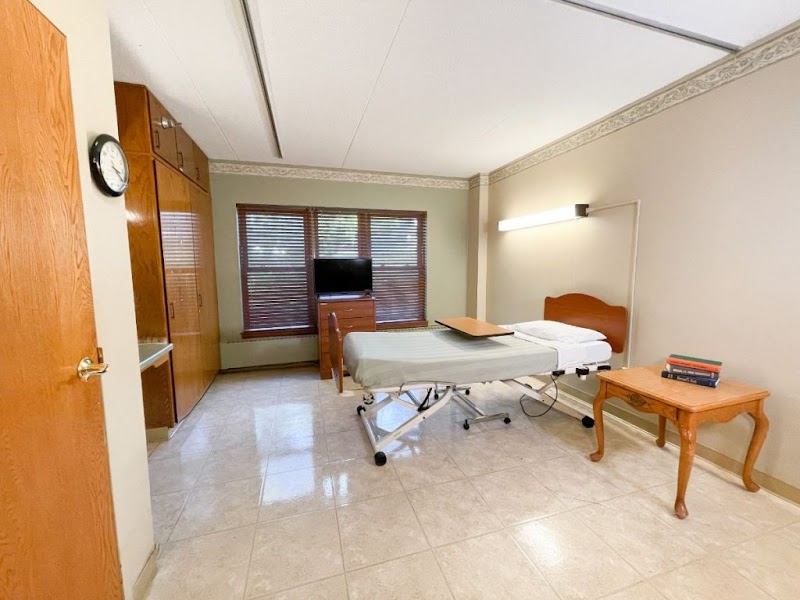
How is The Villas At Robbinsdale Staffed?

CMS rates THE VILLAS AT ROBBINSDALE's staffing level at 3 out of 5 stars, which is average compared to other nursing homes. Staff turnover is 55%, compared to the Minnesota average of 46%. RN turnover specifically is 77%, which is notably high. RNs provide skilled clinical oversight, so turnover in this role can affect medical care quality.

What Have Inspectors Found at The Villas At Robbinsdale?

State health inspectors documented 37 deficiencies at THE VILLAS AT ROBBINSDALE during 2023 to 2025. These included: 1 Immediate Jeopardy (the most serious level, indicating potential for serious harm or death), 1 that caused actual resident harm, and 35 with potential for harm. Immediate Jeopardy findings are rare and represent the most serious regulatory concerns. They require immediate corrective action.

Who Owns and Operates The Villas At Robbinsdale?

THE VILLAS AT ROBBINSDALE is owned by a for-profit company. For-profit facilities operate as businesses with obligations to shareholders or private owners. The facility is operated by MONARCH HEALTHCARE MANAGEMENT, a chain that manages multiple nursing homes. With 75 certified beds and approximately 68 residents (about 91% occupancy), it is a smaller facility located in ROBBINSDALE, Minnesota.
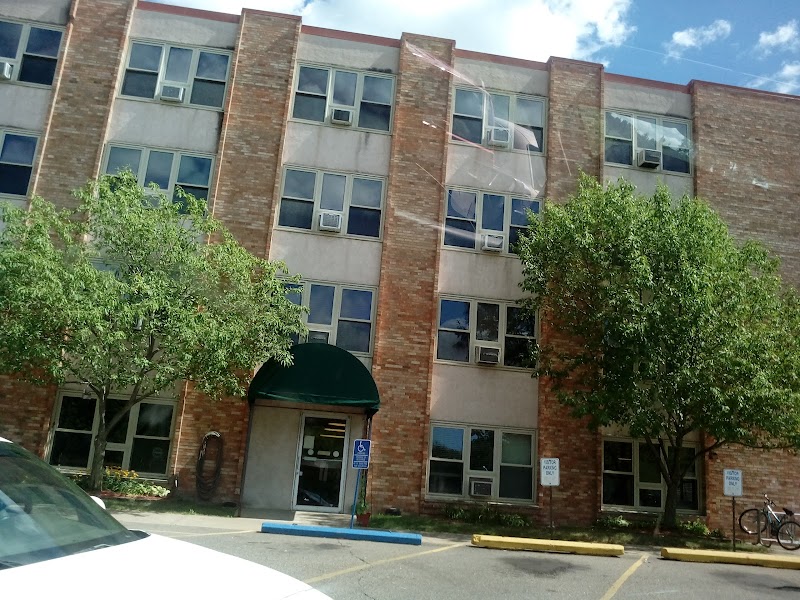
How Does The Villas At Robbinsdale Compare to Other Minnesota Nursing Homes?

Compared to the 100 nursing homes in Minnesota, THE VILLAS AT ROBBINSDALE's overall rating (2 stars) is below the state average of 3.2, staff turnover (55%) is near the state average of 46%, and health inspection rating (2 stars) is below the national benchmark.

What Should Families Ask When Visiting The Villas At Robbinsdale?

Based on this facility's data, families visiting should ask: "What changes have been made since the serious inspection findings, and how are you preventing similar issues?" "Can I visit during a mealtime to observe dining assistance and food quality?" "How do you handle medical emergencies, and what is your hospital transfer rate?" "Can I speak with family members of current residents about their experience?" These questions are particularly relevant given the facility's Immediate Jeopardy citations.

Is The Villas At Robbinsdale Safe?

Based on CMS inspection data, THE VILLAS AT ROBBINSDALE has documented safety concerns. Inspectors have issued 1 Immediate Jeopardy citation (the most serious violation level indicating risk of serious injury or death). The facility has a 2-star overall rating and ranks #100 of 100 nursing homes in Minnesota. Families considering this facility should ask detailed questions about what corrective actions have been taken since these incidents.

Do Nurses at The Villas At Robbinsdale Stick Around?

THE VILLAS AT ROBBINSDALE has a staff turnover rate of 55%, which is 9 percentage points above the Minnesota average of 46%. Moderate turnover is common in nursing homes, but families should still ask about staff tenure and how the facility maintains care continuity when employees leave.

Was The Villas At Robbinsdale Ever Fined?

THE VILLAS AT ROBBINSDALE has been fined $32,122 across 2 penalty actions. This is below the Minnesota average of $33,400. While any fine indicates a compliance issue, fines under $50,000 are relatively common and typically reflect isolated problems that were subsequently corrected. Families should ask what specific issues led to these fines and confirm they've been resolved.

Is The Villas At Robbinsdale on Any Federal Watch List?

THE VILLAS AT ROBBINSDALE is not on any federal watch list. The most significant is the Special Focus Facility (SFF) program, which identifies the bottom 1% of nursing homes nationally based on persistent, serious quality problems. Not being on this list means the facility has avoided the pattern of deficiencies that triggers enhanced federal oversight. This is a positive indicator, though families should still review the facility's inspection history directly.